MCDONALD COUNTY LIVING CENTER

1000 PATTERSON STREET, ANDERSON, MO 64831 (417) 845-3351
For profit - Corporation 96 Beds JAMES & JUDY LINCOLN Data: November 2025
Trust Grade
70/100
#98 of 479 in MO
Last Inspection: December 2024

Within standard 12-15 month inspection cycle. Federal law requires annual inspections.

Overview

McDonald County Living Center in Anderson, Missouri has a Trust Grade of B, indicating it is a good facility and a solid choice for families. It ranks #98 out of 479 nursing homes in Missouri, placing it in the top half of facilities statewide, and it is the only option in McDonald County. The facility is improving, with the number of issues decreasing from four in 2024 to two in 2025. Staffing is a concern, rated at 2 out of 5 stars, but turnover is relatively low at 30%, which is better than the state average. While there have been no fines reported, the facility has had some serious incidents, including failing to properly assess a resident’s medication needs, which led to the resident being found unresponsive, and concerns about food safety practices that could increase the risk of contamination. Overall, while there are strengths in the facility's rating and trend, the incidents of care shortcomings highlight areas for potential improvement.

Trust Score
B
70/100
In Missouri
#98/479
Top 20%
Safety Record
Moderate
Needs review
Inspections
Getting Better
4 → 2 violations
Staff Stability
○ Average
30% turnover. Near Missouri's 48% average. Typical for the industry.
Penalties
✓ Good
No fines on record. Clean compliance history, better than most Missouri facilities.
Skilled Nurses
⚠ Watch
Each resident gets only 27 minutes of Registered Nurse (RN) attention daily — below average for Missouri. Fewer RN minutes means fewer trained eyes watching for problems.
Violations
⚠ Watch
15 deficiencies on record. Higher than average. Multiple issues found across inspections.
★★★★☆
4.0
Overall Rating
★★☆☆☆
2.0
Staff Levels
★★☆☆☆
2.0
Care Quality
★★★★☆
4.0
Inspection Score
Stable
2024: 4 issues
2025: 2 issues

The Good

  • Full Sprinkler Coverage · Fire safety systems throughout facility
  • No fines on record
  • Staff turnover below average (30%)

    18 points below Missouri average of 48%

Facility shows strength in fire safety.

The Bad

Staff Turnover: 30%

15pts below Missouri avg (46%)

Typical for the industry

Chain: JAMES & JUDY LINCOLN

Part of a multi-facility chain

Ask about local staffing decisions and management

The Ugly 15 deficiencies on record

1 actual harm
Jul 2025 2 deficiencies
CONCERN (D) 📢 Someone Reported This

A family member, employee, or ombudsman was alarmed enough to file a formal complaint

Potential for Harm - no one hurt, but risky conditions existed

Pharmacy Services (Tag F0755)

Could have caused harm · This affected 1 resident

Based on interview and record review, the facility failed to provide pharmaceutical services that ensured administration of all drugs to meet the needs of each resident when staff failed to have multi...

Read full inspector narrative →
Based on interview and record review, the facility failed to provide pharmaceutical services that ensured administration of all drugs to meet the needs of each resident when staff failed to have multiple medications available for administration for one resident (Resident #3) and failed to follow-up with the physician and pharmacy regarding the missed doses. The facility census was 56. Review of the facility's policy titled, Medication, Administration Guidelines, undated, showed the following: -It is the purpose of the facility that residents receive their medications on a timely basis and in accordance with established policies; -The complete act of administration entails removing an individual dose from a previously dispensed, properly labeled container (including a unit dose container), verifying it with the physician's order, giving the individual dose to the proper resident, and promptly recording the information;-The same person preparing the doses for administration must administer the medications;-The person administering the drugs must chart the medications immediately following the administration. The date, time administered, dosage, etc. must be entered in the medical record and signed by the person entering the data. 1. Review of Resident #3's face sheet (a document that gives a resident's information at a quick glance) showed the following:-readmission date of 06/10/25; -Diagnoses included surgery genitourinary system - resection of a bladder tumor, urinary tract infection with bacteremia hematuria (blood present in the urine), urine retention, and benign prostatic hyperplasia (a noncancerous enlargement of the prostate gland that can cause urinary problems), and depression. Review of the resident's admission Minimum Data Set (MDS - a federally mandated assessment instrument completed by facility staff), dated 06/14/25, showed the following: -Cognition intact;-Required supervision for transfers. Review of the resident's care plan, updated 06/16/25, showed the following: -The resident required an indwelling urinary catheter (a thin, flexible tube used to drain and collect urine from the bladder) due to bladder tumor and prostate enlargement;-The resident was at risk of adverse consequences due to receiving antidepressant medication for treatment of depression. Review of the resident's June 2025 Physician Order Sheet (POS) showed the following:-An order, dated 05/16/25, for duloxetine capsule, delayed release (used to treat depression), 60 milligram (mg) capsule once per day;-An order, dated 05/16/25, for (used to treat benign prostatic hyperplasia), one 5 mg tablet once a day; -An order, dated 05/16/25, for mirabegron (used for overactive bladder), 50 mg tablet extended release 24-hour, one tablet daily; -An order, dated 06/10/25, for saccharomyces boulardii (probiotic), one 250 mg capsule twice a day; -An order, dated 05/16/25, for solifenacin (used for overactive bladder), one 10 mg tablet once a day. Review of the resident's June 2025 Medication Administration Record (MAR) showed the following:-An order, dated 05/16/25, for duloxetine capsule, delayed release, 60 mg capsule once per day. Staff did not administer the medication on 06/11/25, 06/12/25, and 06/13/25 due to drug item unavailable;-An order, dated 05/16/25, for Finasteride, administer one 5 mg tablet once a day. Staff did not administer the medication on 06/11/25, 06/12/25, 06/13/25, and 06/15/25 due to drug item unavailable;-An order, dated 05/16/25, for mirabegron, 50 mg tablet extended release 24 hour, one tablet daily. Staff did not administer the medication on 06/11/25, 06/12/25, 06/13/25, and 06/14/25 due to drug item unavailable;-An order, dated 06/10/25, for saccharomyces boulardii , one 250 mg capsule twice a day. Staff did not administer the medication on 06/10/25, 06/11/25, 06/12/25, 06/13/25, 06/14/25, and morning of 06/15/25 due to drug/item unavailable awaiting arrival from the pharmacy.-An order, dated 05/16/25, for solifenacin, one 10 mg tablet once a day. Staff did not administer the medication on 06/11/25, 06/12/25, 06/13/25, and 06/14/25 due to drug item unavailable. Review of the resident's nurses' notes, dated 06/11/25 through 06/14/15, showed staff did not documentation contacting the pharmacy or the physician regarding medications not being administered as ordered.During an interview on 07/24/25, at 3:08 P.M., Certified Medication Tech (CMT) B said the following:-If a resident does not have medication in the cart, then staff should check the stat safe, administer the medication, and document that he/she got it from stat safe;-There is a button on the electronic medication record (EMAR) to reorder medication and that should be clicked if they are running out or it is not available;-He/she was not sure why the resident did not have some of his medication initially upon readmit . Staff should have reached out to the pharmacy and the physician;-Residents should get medication as ordered. During an interview on 07/24/25, at 1: 53 P.M., Licensed Practical Nurse (LPN) A said the following:-He/she was not sure why the resident's medication was not administered as ordered. Resident medications should be administered per the physician's order;-If a medication is not available, staff should contact the pharmacy to see why it is not there and then check the stat safe to see if they can get medication from there. If they are unable to get it from the stat safe, they should inform the physician;-It would not be appropriate for medication to not be available and not do some sort of follow up.During an interview on 07/30/25, at 12:19 P.M., LPN C said the following:-Medication should be administered per physicians' order;-When a resident is admitted , the orders are generally sent to the pharmacy. If the medication is not at the facility, they should check the stat safe and if it is not there, they should call the pharmacy and physician for next steps;-A resident should not go multiple days without ordered medication.During an interview on 07/30/25, at 12:45 P.M., LPN D said the following:-He/she makes sure to administer medication as ordered and if that is not possible due to not being available then they should contact the physician;-If the facility does not have the medication, they should check the stat safe and call the pharmacy;-If they cannot get it quickly they should call the physician.During interviews on 07/24/25, at 2:49 P.M., and 07/30/25, at 1:30 P.M., the Director of Nursing, (DON) said the following:-The pharmacy said they only got orders for the resident's new medications from hospital. The orders for the other medication were not discontinued but they were not reordered. The resident should have been receiving the medications as ordered. He/she is not sure why the medications were not reordered from the pharmacy;-He/she would have expected staff to contact the pharmacy sooner, the first date that they were not available;-He/she did not know if the physician was called but he/she would have expected staff to if they did not have the medication available; -Medications should be administered per the physicians order and the facility policy;-The resident's medications were not discontinued in May when he/she discharged from the facility and then when he readmitted they did not get reordered from the pharmacy. That is why they were not available. During an interview on 07/24/25, at 1:50 P.M., the Administrator said he/she would expect medications to be administered per the physician orders. During an interview on 07/30/25, at 1:36 P.M., the Quality Assurance Nurse said the following:-He/she expected staff to administer medication as ordered. The staff should follow the facility policy;-If medications were not available staff should call the pharmacy and check the stat safe;-Staff should find out why the medications were not received by the facility and if there is a delay in getting the medications then they should let the physician know to see if they need to give something else. Complaint #1778398
CONCERN (D) 📢 Someone Reported This

A family member, employee, or ombudsman was alarmed enough to file a formal complaint

Potential for Harm - no one hurt, but risky conditions existed

Deficiency F0760 (Tag F0760)

Could have caused harm · This affected 1 resident

Based on interview and record review, the facility failed to ensure all residents were free from significant medication errors when staff administered one resident's (Resident #2) insulin to another r...

Read full inspector narrative →
Based on interview and record review, the facility failed to ensure all residents were free from significant medication errors when staff administered one resident's (Resident #2) insulin to another resident (Resident #1) who did not have orders for insulin and no diagnosis of diabetes. The facility census 56. On 06/25/25, during morning medication pass, Licensed Practical Nurse (LPN A) discovered the medication. The LPN notified the Administrator, Director of Nursing (DON), physician, and family of the medication error. The LPN completed monitoring until the resident left for the hospital. The DON completed an investigation and in-service of all staff on 06/25/25. The facility corrected the non-compliance by 06/26/25. Review of the facility policy titled, Medication, Administration Guidelines, undated, showed the following:-The complete act of administration entails removing an individual dose from a previously dispensed, properly labeled container (including a unit dose container), verifying it with the physician's order, giving the individual dose to the proper resident, and promptly recording the information;-If there is doubt as to the correct identification of a resident, medication may not be administration to that resident until positive identification has been made. Review of the facility policy titled, Medications, Errors and Drug Reactions, undated, showed the following:-The purpose is to safeguard the resident and provide emergency care as necessary;-Report all medication error and adverse reactions immediately to the attending physician, Director of Nursing (DON) and Administrator;-Document and following the attending physician orders;-Complete resident assessment.1. Review of Resident #2's face sheet a document that gives a resident's information at a quick glance) showed the following:-admission date of 05/04/25;-Diagnoses included type two diabetes mellitus with diabetic peripheral angiopathy without gangrene (a chronic condition where the body either doesn't produce enough insulin or can't properly use the insulin it produces, leading to high blood sugar levels with peripheral artery disease affecting the blood vessels of the limbs). Review of the resident's quarterly Minimum Data Set (MDS - a federally mandated assessment instrument completed by facility staff), dated 06/25/25, showed the resident was cognitively intact and required substantial assistance. Review of the resident's June 2025 Physician Order Sheet (POS) showed the following:-An order, dated 12/03/25, for Lantus U-100 Insulin (long-acting insulin) solution 100 unit/milliliter (ml), 10 units subcutaneous (under the skin) once a day at 7:00 A.M.;-A current order for Novolog U-100 Insulin (fast acting insulin) solution 10 unit/ml. Administer subcutaneously per following sliding scale;-If blood sugar measured less than 70 milligrams/deciliter (mg/dL), call physician;-If blood sugar measured 70 mg/dL to 130 mg/dL, administer 0 units of insulin;-If blood sugar measured 131 mg/dL to 180 mg/dL, administer 2 units of insulin;-If blood sugar measured 181 mg/dL to 240 mg/dL, administer 4 units of insulin;-If blood sugar measured 241 mg/dL to 300 mg/dL, administer 6 units of insulin;-If blood sugar measured 301 mg/dL to 350 mg/dL, administer 8 units of insulin;-If blood sugar measured 351 mg/dL to 400 mg/dL, administer 10 units of insulin;-If blood sugar measured greater than 400 mg/dL, administer 12 units of insulin and call the physician; -Special instructions to offer snack if meal isn't within 5 to 10 minutes of administration. Review of the resident's blood sugar dated 06/25/25, at 6:40 A.M., showed it measured 141 mg/dl. 2. Review of Resident #1's face sheet (showed the following:-admission date of 02/28/22;-No diagnoses of diabetes. Review of the resident's discharge Minimum Data Set (MDS - a federally mandated assessment instrument completed by facility staff), dated 06/25/25, showed the resident required substantial assistance for transfers.Review of the resident's June 2025 POS showed no orders for insulin administration. Review of the resident's nurses' notes showed the following:-On 06/25/25, at 6:10 A.M., Licensed Practical Nurse (LPN) A said an aide said the resident was not acting right. Upon entering room, the resident was observed sitting in his/her wheelchair, eyes open and fixed on the ceiling, drooling, and entire body was shaking. The resident appeared to be having a seizure. The resident would not respond to verbal commands. The resident's pupillary light response was appropriate. The resident vital signs were stable. The resident was not at baseline. Staff notified the physician and received an order to send to the resident to the hospital. Staff notified the resident's next of kin. Emergency Medical Services (EMS) arrived to transport the resident. Staff notified the DON and called a report to the hospital;-On 06/25/25, at 9:57 A.M., LPN A said the resident was having possible seizure activity. The resident was up front to monitor resident's condition. Resident #1 was sitting by another resident and that resident that was diabetic. The LPN administered Resident #2's medication to Resident #1 who was not diabetic. Staff notified the hospital, the DON, the physician, and the resident's family of the medication error. The resident was asymptomatic from the medication error;-On 06/25/25, at 1:11 P.M., staff made a medication error note. The DON said the resident was given two units of Novolog and ten units of Lantus by mistake by previous nurse. The residents blood sugar was checked immediately after this error and was 123 mg/dL. Staff notified the physician, Administrator, and DON of the error. The resident was already being sent out for psych issues. The resident experienced no side eects before leaving for hospital. Staff notified hospital of error in report as well by previous nurse;-On 06/25/25, at 1:16 P.M., the DON said the resident was admitted to the hospital for metabolic encephalopathy (a condition where the brain does not function properly due to underlying metabolic disturbances) and a urinary tract infection. Review of the Resident #1's Medication Error Investigation, undated, showed the following:-Insulin was stored in the right spot on the medication cart. Resident #1 had no orders for insulin. Resident #1 was placed up front for further monitoring while waiting for emergency medication services. Resident #1 was placed next to another resident (who was diabetic) per the nurse who administered the insulin to Resident #1. The nurse had drawn up the insulin for the resident sitting next to Resident #1 to administer while waiting or EMS to arrive for Resident #1. The insulin was given to Resident #1 instead of the resident it was for. Resident #1 blood sugar was immediately checked, and it was 123 mg/dL. Resident #1 was given two units of Novolog and 10 units of Lantus. Resident #1 was already going to the hospital for seizure like activity. The hospital, physician, resident's next of kin, Administrator and the DON were all notified of the error. The resident was admitted to the hospital for metabolic encephalopathy and urinary tract infection;-A statement signed by LPN A dated 06/25/25, at around 6:30 A.M., showed he/she made a medication error. He/she administered two units of Novolog and 10 units of Lantus to Resident #1. Resident#1 did not have orders for the medication. Resident #1 was having seizure like activity at approximately 6:00 A.M. An order was obtained to send the resident to the hospital. Ambulance services were called to transport the resident to the hospital. He/she had the resident where he/she could monitor him/her by the medication cart. A resident with diabetes was also near the medication cart. He/she had his/her insulin prepared and ready to administer to the resident with diabetic when Resident #1 began having seizure. He/she mistakenly administered the insulin to Resident #1 instead of the resident that was supposed to receive the insulin. Resident #1's blood glucose was immediately checked with a result of 123 mg/dL. Resident #1 was asymptomatic, and the ambulance arrived immediately afterwards. He/she notified the provider, the hospital, and the DON of the medication error. 3. During an interview on 07/24/25, at 1: 53 P.M., LPN A said the following:-On 06/25/25, he/she made a medication error. Resident #1 was having seizure like activity at 6:00 A.M., his/her eyes were open but fixed. His/her vital signs were fine, but he/she was not responding much. He/she brought him/her to the nurses' station to keep an eye on him/her. He/she called for an ambulance. While waiting for the ambulance he/she gave Resident #1 the insulin that was meant for Resident #2. He/she checked Resident #2's blood sugar and then gave the medication to the wrong resident. He/she gave Resident #1 two units of Novolog and 10 units of Lantus. Resident #1 did not have an order for the insulin and is not diabetic.-He/she was not sure how she made the mistake. The residents were sitting next to each other, but he/she was familiar with both residents. He/she realized immediately after giving the Lantus that he/she had given it to the wrong resident;-He/she checked Resident #1's blood sugar and it was okay. He/she called the physician and then called the hospital to let them know in report. He/she also called the next of kin.-He/she then gave the correct medications to Resident #2.-Resident #1 went to the hospital about five minutes later. There was no change in Resident #1. During an interview on 07/24/25, at 3:08 P.M., CMT B said the following:-He/she had been educated about giving medications and how to prevent errors. He/she was supposed to use the five rights to prevent mistakes;-Medications should be administered to resident's as ordered by the physician;-If there is a medication error they are supposed to let the DON and physician know.During an interview on 07/30/25. at 12:19 P.M., LPN C said the following:-He/She was not aware of any medication errors recently, but she was educated about the five rights and making sure they are administering the right medication at the right dose, through the right route to the correct resident. Medication should be administered per physician's order.During an interview on 07/30/25, at 12:45 P.M., LPN D said the following:-He/she ensured that he/she was giving the correct medication to the correct resident by double checking and using the five rights. If she did make a medication error, she would immediately report it to the DON and physician;-He/she makes sure to administer medication as ordered.During an interview on 07/30/25, at 1:30 P.M., the DON said the following:-LPN A made a medication error on 06/25/25 when he/she gave medication for Resident #2 to Resident #1. He/she immediately assessed the resident and called the physician and DON;-An investigation was completed. He/she was unsure of the exact cause of an error but it was hectic due to Resident #1's change of condition status right at shift change. Staff have received education regarding administering medication as ordered following the 5 rights to prevent errors. The staff are to always look at the Medication Administration Record (MAR) and not just the cards in the drawer; -Resident #1 was already being sent to hospital for a change in condition prior to the error;-Resident #1's blood sugars checked and were okay; -He/she would expect staff to ensure it was the correct patient and the correct medication/dose. -Medications should be administered per physician order and follow the facility policies. During an interview on 07/30/25, at 1:36 P.M., the Quality Assurance Nurse said the following:-He/she would expect staff to look at the physician orders and follow the five rights of medication of administration. They should also look at the picture that is in the medical record;-If there is a medication error the staff should notify the physician, contact family, and start an investigation of the error;-He/she expected staff to administer medication as ordered.During an interview on 07/24/25, at 1:50 P.M., the Administrator said the following:-There was a medication error with Resident #1;-LPN A had sat the resident next to Resident #2 and accidently administered insulin to Resident #1. The DON completed an investigation;-The resident's blood sugar was okay when he/she left the facility to go to the hospital;-He/she would expect medications to be administered per the physician orders. Complaint #1778395
Dec 2024 3 deficiencies
CONCERN (D)

Potential for Harm - no one hurt, but risky conditions existed

Pressure Ulcer Prevention (Tag F0686)

Could have caused harm · This affected 1 resident

Based on observations, interviews, and record review, the facility failed provide pressure ulcer prevention care per standards of practice when staff failed to ensure all staff were aware of a new ord...

Read full inspector narrative →
Based on observations, interviews, and record review, the facility failed provide pressure ulcer prevention care per standards of practice when staff failed to ensure all staff were aware of a new order for placement of protective heel boots, that the intervention was consistently implemented, and that the new intervention was care planned for one of one sampled residents (Resident #23). Review of the facility's policy, Pressure Ulcer, Care and Prevention Of, undated, showed the purpose of the policy was to prevent and treat further breakdown of pressure sores. Treatment of pressure ulcers varies depending on the orders of the attending physician. The nurse was responsible for carrying out the treatment as ordered by the attending physician and for implementing measure to prevent pressure ulcers. Heel protectors was one of the listed interventions. Review of the facility's policy, Positioning the Resident, undated, showed the purpose of the policy was to relieve pressure and prevent skin breakdown, to relieve pain, and to promote proper body alignment. Staff to use protective devices as indicated. 1. Review of Resident #23's Face Sheet, in the Electronic Medical Record (EMR), showed the following: -admission date of 06/27/19; -Diagnoses included unspecified dementia without behavioral disorder and need for assistance with personal care. Review of the resident's Significant Change Minimum Data Set (MDS - an federally mandated assessment tool complete by facility staff) assessment, dated 11/15/24, showed the following: -Resident was severely cognitively impaired; -Resident at risk for developing pressure ulcers; -Resident had no unhealed pressure ulcers at the time of the assessment. Review of the resident's Comprehensive Care Plan, revised 11/15/24, showed the following: -Resident at risk for pressure ulcer/injury related to limited mobility and a history of urinary incontinence; -Staff to report any signs of skin breakdown (sore, tender, red, or broken areas). Review of the resident's nursing progress note dated 12/06/24, at 1:31 A.M., showed heels red, dry area to back of right heel, skin prep applied, and heels elevated on pillow at this time. Review of the resident's Active Orders, showed an order, dated 12/06/24, for heel boots while in bed. Review of the resident's Treatment Administration Record (TAR) showed an order, dated 12/06/24, for Booties to heels while in bed. Review of the resident's Comprehensive Care Plan, revised 11/15/24, showed staff did not update the care plan to reflect the new order for heel boots. Observation on 12/09/24, at 9:30 A.M., showed the resident in bed with his/her eyes closed. One padded cloth heel boot was lying on the bed near the resident's left foot. The boot was not on his/her foot. Observation on 12/09/24, at 2:50 PM, showed the resident was not in his room. Two padded heel boots were visible in the partially open bedside dresser drawer. Observation on 12/10/24, at 8:39 AM, showed the resident was lying in bed and covered with a blanket. Both of his/her feet were exposed. The resident was not wearing heel boots. Observation on 12/10/24, at 10:08 AM, showed the resident was in bed and positioned on his right side. The resident was not wearing heel boots. The top drawer of the resident's bedside chest of drawers was partially open and the heel boots were resting in the drawer. During an interview on 12/10/24, at 3:40 P.M., Certified Nursing Assistant (CNA) 1 said at about 9:00 A.M. yesterday, he/she assisted the resident's hospice nurse with putting him/her back to bed. When asked to open the top drawer of the resident's bedside chest, the CNA confirmed he/she saw the boots in the drawer and he/she thought they were for protection of the resident's heels. He/she said the hospice nurse or one of the nurse managers may have put the heel boots in the resident's drawer, but he/she was unsure. The CNA said he/she had not been directed to place the heel boots on the resident while he/she was in bed. The heel boots were for the prevention of skin breakdown. During an interview on 12/11/24, at 7:38 AM, CNA 2 said he/she saw the resident's heel boots on his/her dresser this morning, so he/she placed them on his heels. Concurrent observation during the interview confirmed the resident was wearing heel boots. CNA 2 said he/she did not have difficulty getting the resident to wear protective heel boots. During an interview on 12/10/24, at 2:30 P.M., Licensed Practical Nurse (LPN) 2 confirmed the resident had an order for protective heel boots, but the resident would kick off the boots when staff tried to place them. During shift change report staff should have learned the resident was supposed to wear heel boots when lying in bed. During an interview on 12/11/24, at 8:11 AM, the Director of Nursing (DON) said the resident was supposed to wear heel boots in bed because he/she did not self-adjust in bed, and he/she had some softness to his/her heels. The boots were for the prevention of skin breakdown. The nurse who added the order to the TAR should have also added the intervention to the Point of Care (PoC) tracking system, under miscellaneous tasks, which would have then been viewable by the CNAs who provided resident care. Facility managers should ensure necessary resident care interventions were in place while conducting daily rounds on their assigned hallways. The resident's comprehensive care plan should have included the heel boots intervention for pressure ulcer prevention. Staff should have ensured the resident's heel boots were on while he was in bed, as directed by the physician's order.
CONCERN (D)

Potential for Harm - no one hurt, but risky conditions existed

Deficiency F0849 (Tag F0849)

Could have caused harm · This affected 1 resident

Based on interview and record review, the facility failed to have a system to ensure consistent communication and collaboration of care occurred between the facility and hospice staff for one resident...

Read full inspector narrative →
Based on interview and record review, the facility failed to have a system to ensure consistent communication and collaboration of care occurred between the facility and hospice staff for one resident (Resident #39) of one resident reviewed for hospice services. Review showed the facility did not provide a policy related to coordination of hospice services. 1. Review of Resident #39's Face Sheet, located in the electronic medical record (EMR) under the Face Sheet tab, showed the following: -admission date of 06/09/22; -readmission date of 08/05/22; -Diagnoses included heart failure, lymphedema (tissue swelling caused by an accumulation of protein-rich fluid that's usually drained through the body's lymphatic system), and palliative (comfort) care. Review of the resident's Minimum Date Set (MDS - a federally mandated assessment completed by facility staff), with a Assessment Reference Date (ARD) of 09/11/24, located under the MDS tab of the EMR, showed the resident was severely cognitively impaired. Review of the resident's current Care Plan, located in the EMR under the Care Plan tab, showed staff care planned the resident receiving hospice services. Staff noted hospice will work with the facility to ensure goals and approach are appropriate and will work as a team to meet needs, and that I have a peaceful/comfortable end of life. Review of the resident's EMR showed no documentation of hospice evaluation(s), or hospice visits notes. Review of the hospice communication book, from current hospice provider, showed no documentation of hospice evaluation, or hospice visit notes. During an interview on 12/11/24, at 3:15 P.M., the Medical Records (MR) Staff said the current hospice provider began service as of 10/25/24. After reviewing the resident's EMR and hospice communication book, there was no record of an evaluation being completed and no written notes available for review of the care being provided by hospice staff. The only records listed in the communication book was the visit tracking log of when they visited. During an interview on 12/11/24, at 3:40 P.M., the MR said the hospice staff were supposed to check out with the Administrator when they completed their visits. The Administrator had access to the hospice EMR and could look up their information. The hospice nurses talk with the facility nurses and they will then document the information if needed. The facility staff do not have access to the hospice EMR, and hospice does not document in the facility EMR. The notes that hospice makes are not in the facility EMR. During an interview on 12/11/24, at 4:10 P.M., the Administrator said the Hospice nurse was supposed to check out with the nurse and the nurse manager. The facility staff responded to the information provided. The hospice certified nursing assistant (CNA) are supposed to check out with the nurse and the nurse manager and Administrator. We have a Journey meeting (a meeting to discuss the resident's care) with hospice and hospice documents the minutes from these meetings. The facility does not have them. The hospice book for the resident was reviewed and there was no information available to review. The hospice communication book did not have any notes in it.
CONCERN (F)

Potential for Harm - no one hurt, but risky conditions existed

Food Safety (Tag F0812)

Could have caused harm · This affected most or all residents

Based on observation, interview, and record review, the facility failed to ensure food was protected from possible contamination at all times when kitchen staff failed to air-dried bowls and pans prio...

Read full inspector narrative →
Based on observation, interview, and record review, the facility failed to ensure food was protected from possible contamination at all times when kitchen staff failed to air-dried bowls and pans prior to storage for use. This failure had the potential to increase the risk of food borne illness and had the potential to affect all 54 residents who resided in the facility and who received dietary services. Review of the facility's policy titled, Dishwashing and Storage, undated, showed the following: -Air-dry all items. Never use a towel to dry items. Make sure items are completely dry before stacking or storing them. Store them in a way that will protect them from contamination. 1. Observation and interview on 12/09/24, at 9:45 A.M., showed the following: -Five soup bowls stacked together that were still wet from washing and had not been allowed to fully air dry; -Cook (C) 1 said the bowls should be dry before they are stacked to help prevent contamination. Observation and interview on 12/09/24, at 9:54 A.M., showed the following: -Four pans, 6 inches by 10 inches by 6 inches deep, had been cleaned and stacked for use and were found to be still wet when they were unstacked. The pans were not allowed to fully air dry. -The pans were wet and staff didn't let them fully air dry before they stacked them.
Aug 2024 1 deficiency 1 Harm
SERIOUS (G) 📢 Someone Reported This

A family member, employee, or ombudsman was alarmed enough to file a formal complaint

Actual Harm - a resident was hurt due to facility failures

Deficiency F0554 (Tag F0554)

A resident was harmed · This affected 1 resident

**NOTE- TERMS IN BRACKETS HAVE BEEN EDITED TO PROTECT CONFIDENTIALITY** Based on interview and record review, the facility failed to ensure resisdents were appropriately asssesed to have medicaiton at...

Read full inspector narrative →
**NOTE- TERMS IN BRACKETS HAVE BEEN EDITED TO PROTECT CONFIDENTIALITY** Based on interview and record review, the facility failed to ensure resisdents were appropriately asssesed to have medicaiton at bedside prior to providing bedside medications to residents when staff returned the resident's home medications to the resident prior to the resident exiting the facility for one resident (Resident #1), out of six sampled residents. The resident self-administered two medications and was found unresponsive. The facility census was 58. On 06/24/24, the Director of Nursing (DON) was notified of the Past Non-Compliance that occurred on 06/24/24. The DON notified the physician and the Administrator. The DON completed in-service education with all licensed nurses and certified medication technicians (CMT) regarding dispensing and releasing medications to residents. The noncompliance was corrected on 06/25/24. Review of the facility's policy titled Medication, Administration Guidelines, undated, showed the following: -It is the purpose of this facility that residents receive their medications on a timely basis and in accordance with established policies. Drug administration shall be defined as an act in which an authorized person, in accordance with all laws and regulations governing such acts, gives a single dose of a prescribed drug or biological to a resident. The complete act of administration entails removing an individual dose from a previously dispensed, properly labeled container (including a unit dose container), verifying it with the physician's orders, giving the individual dose to the proper resident, and promptly recording the information; -Self-administration of drugs is permitted with the written order of the attending physician. Review of the facility's policy titled Medications, Release of, undated, showed the following: -Drugs which have been dispensed for individual resident use and are labeled in conformance with state and federal law may be furnished to the resident upon their discharge, provided that: the physician gives orders to discharge and to send medications with resident, including controlled substances; when resident leaves AMA (against medical advice) and the physician orders medications to be sent with resident; or the resident is discharged to another health care facility; -The staff will be responsible for documenting the medications provided upon discharge in the resident's medical record; -Medications and special instructions for their administration are outlined in the resident's discharge plan when the resident is discharged to home; -When medications have been released to the resident, the staff must record the data in the resident's medical record, using the release of medication form. Review of the facility's policy titled Medications, Self-Administration, Self Storage, Leave at Bedside, undated, showed the following: -The resident has a right to self-administer medication unless the interdisciplinary team has determined that this practice is unsafe for an individual resident; -If a resident expresses a desire to self-administer medication, the interdisciplinary team must assess the resident's cognitive, physical and visual ability to carry out this responsibility. The mental status and any psychiatric diagnoses must be taken into account. The Evaluation Assessment to Self-Administer Medications will be used for this purpose; -When the resident self-administers medication, the resident will be re-assessed on an ongoing basis for continued safety of this practice. The evaluation assessment will be completed annually or with significant change by nursing and reviewed by the interdisciplinary team to determine if the resident is still capable of self-administer medications; -For self-administration of prescription medications kept at the bedside: the resident will be assessed as outline in steps 1 and 2; a physician's order will be obtained for each medication to be kept at the bedside; the resident will receive a set amount of medication for a set number of days; the medications will be listed on the Medication Administration Record (MAR) and show they are self-administered/kept at bedside; the resident care plan will instruct staff where medication is to be stored and who will document administration of medication; the nurse will interview the resident periodically and assess the number of medications remaining. If at any time there is a question as to the continued safety of this practice, the nurse will initiate the reassessment process; and the nurse will document findings during the resident interview. They will also document required monthly education given to the resident regarding any medication kept at the bedside; -The physician's order sheet (POS) will reflect the current status of the resident's self-administering medications. The plan of care and the monthly summary will reflect the status of self-administration and the cognitive, visual, and physical ability of the resident to perform this task. The mental status and any psychiatric diagnoses must be reviewed. This must also address the safety of storing bedside medications and continued monthly education; -Type II medications, both over-the-counter and prescription, must be properly labeled and stored in a locked area. If the resident does not provide a locked box, the facility must provide a locked area for the medications. 1. Review of Resident #1's face sheet (a document that gives a patient's information at a quick glance) showed the following: -The resident admitted on [DATE] and discharged on 06/24/24; -The resident was his/her own responsible party; -Diagnoses included urinary tract infection (an infection in any part of the urinary system), insomnia (difficulty sleeping), depression and anxiety. Review of the resident's discharge Minimum Data Set (MDS - a federally mandated comprehensive assessment instrument completed by facility staff), dated 06/24/24, showed the following: -The resident's memory was okay, cognitive skills for daily decision making was independent, and had an acute onset of altered level of consciousness; -The resident had verbal behavioral symptoms directed towards others and rejected cares; -The resident required set-up assistance from staff for eating and oral hygiene, maximum assistance from staff for upper and lower body dressing and was dependent on staff for toilet hygiene and personal hygiene; -The resident was dependent on staff to roll left and right in bed. Review of the resident's care plan, dated 06/24/24, showed the following: -Disease management included high blood pressure, post-surgical care, respiratory, and pain. Interventions included monitor medications, provide safe environment, monitor condition and report changes to the Director of Nursing (DON) or physician as applicable, and provide comfort and care; -Maintain health and safety while performing activities of daily living (ADLs - dressing, bathing, eating, grooming, etc.) as independently as possible. Assist with ADL care as needed to promote health, hygiene, and safety. Encourage self-care participation. Allow the resident extra time to complete tasks on his or her own. Review of the resident's Physician's Order Sheet (POS), dated 06/2024, showed the following: -An order, dated 06/23/24, for Lunesta (a medication used to treat insomnia) 3 milligram (mg) tablet, one tablet by mouth at bedtime, 7:00 P.M. to 10:00 P.M.; -An order, dated 06/23/24, for hydrocodone-acetaminophen schedule II tablet (a controlled medication to treat pain), 10-325 mg, one tablet by mouth every 4 hours as needed for moderate pain. (There was no order to allow the resident to keep his/her medications at bedside.) Review of the resident's medical record showed staff did not document an assessment to show the resident was safe to have medications at bedside. Review of the resident's MAR, dated 06/2024, showed the following: -Staff did not administer the resident's as needed hydrocodone-acetaminophen 10-325 mg on 06/23/24 or 06/24/24; -Staff administered the resident's Lunesta 3 mg on 06/23/24 at bed time. Review of the resident's progress notes showed the following: -On 06/24/24, at 1:09 A.M., the resident complained of constipation. The resident passed a medium hard stool. He/she complained of not having his/her medications with her. He/she wanted to go home. He/she was encouraged to remain in the facility until morning and explained the need for therapy for strengthening. Staff changed the dressing on the resident's right hip with no redness or drainage noted. Twenty-two staples present in the resident's right thigh and hip. The suture line was well approximated. The resident's speech was clear and he/she was able to verbalize his/her needs. He/she was turned and repositioned with two staff. The resident had been incontinent of bowel and bladder; -On 06/24/24, at 3:27 A.M., the resident called 911 to get a ride to leave the facility. The 911 dispatcher called the facility to inquire if the resident was here. It was verified that he/she was here and they asked this nurse to check on him/her. The resident was in his/her bed, talking on the phone to the 911 operator. The resident stated I'm leaving here. I don't want to be here. The resident was asked where he/she wanted to go and he/she stated Home. My neighbor can help me. The resident initialed the AMA paper. He/she called 911 several times from his/her cell phone. The police department called to speak with the resident. He/she was informed to stop calling 911 and someone would talk to him/her after they finished with their calls. The physician, Administrator, and DON were notified. The resident was very fidgety, tolling his/her eyes, with a lot of mouth and head movement. He/she said he/she had a lot of anxiety. He/she refused to allow staff to change his/her brief. He/she laid in his/her bed, holding his/her phone and looked through his/her bags. The resident's family member returned the nurse's call. The family member was informed of the situation and the family member stated they were at work and unable to leave at this time. The family member said good luck; -On 06/24/24, at 5:01 A.M., the resident laid in his/her bed. He/she called out on occasion and complained of stomach pain. He/she stated they did ultra sounds and couldn't find anything in the hospital. He/she asked if the police were here yet to take him/her home. He/she was assured that staff would bring the police to him/her when they arrived. No further phone calls to 911; -On 06/24/24, at 9:10 A.M., this writer was in the resident's room at 6:30 A.M. for assessment on the resident due to his/her being new to the facility and demanding to leave AMA on previous shift. The resident would not wake to verbal or external stimuli except to open eyes momentarily. The resident was still non-responsive to verbal stimuli and was reactive to external stimuli as before. The DON was in the facility at this time and he/she was notified of findings; -On 06/24/24, at 10:46 A.M., a registered nurse (RN) went in to assess the resident at 8:00 A.M. The resident was very lethargic and only responsive to painful stimuli. The resident was unable to follow commands or open eyes. The resident's vitals were stable. RN called the physician and informed him of the situation. The physician wanted Narcan (medication used to treat narcotic overdose in an emergency situation) given and called back with update. Narcan given at 8:15 A.M., and the resident was still not very responsive. The physician was called back and the physician ordered to send out to the hospital. Staff called 911 and informed of the resident's situation. The resident was sent to the hospital. The RN attempted to call the resident's family member, but was unable to leave a voicemail; -On 06/24/24, at 12:50 P.M., the Social Services Designee (SSD) spoke with the hospital and let them know that the resident had signed AMA paper before he/she left in the ambulance, so the resident would not be coming back to the facility. During an interview on 08/08/24, at 11:59 A.M., the DON said the following: -The resident came to the facility with home medications from the hospital; -Staff took the medications, counted them, and locked them up; -As the night went on, the resident wanted to leave the facility because staff locked her medications up; -The resident called 911 and wanted to leave AMA; -The police officer told the resident to stop calling 911 and he/she would come to see the resident later; -The nurse gave the resident his/her medications back when the resident signed the AMA form at 3:30 A.M. on 06/24/24; -At 8:00 A.M., staff had a hard time arousing the resident; -He/she assessed the resident and noticed the resident had his/her Lunesta and hydrocodone at his/her bedside; -The resident took one Lunesta and one hydrocodone out of his/her medications, but the DON did not know when the resident took the medications; -The DON called the physician and the physician ordered Narcan; -After the resident received the Narcan, he/she started to arouse more, but not enough and the physician sent the resident out to the hospital to be evaluated; -The resident received one Lunesta from the facility's stock at bed time and then sometime after 3:30 A.M. took one of his/her own; -Staff gave the resident's medications to the EMT; -He/she knew what the resident took out of the home medications because staff counted them when the resident arrived and then again after the resident was found unresponsive; -The nurse should not have given the resident the medications when the resident signed the AMA form, but when the resident was on the way out of the facility; -The nurse thought the resident was leaving soon and gave the resident his/her medications; -When the nurse assessed the resident at 6:30 A.M., the nurse thought the resident was sleeping good because the resident's vital signs were good; -When the resident was later assessed when he/she was less responsive, the resident's vital signs were still within normal limits. During an interview on 08/08/24, at 1:18 P.M., the Administrator said the following: -The resident admitted and had medications with him/her; -Staff took the medications and placed them in the medication storage room; -The resident called 911 during the night and the charge nurse notified the Administrator; -He/she told the nurse where to find the AMA paperwork and the nurse had the resident sign the paperwork; -When he/she arrived the next day, the DON notified him/her the resident received Narcan; -The charge nurse said when the resident signed the AMA paper, he/she demanded his/her medication back because the resident had a ride coming any minute; -When the charge nurse realized the resident's ride had not arrived, he/she should have taken the medications back; -The charge nurse should not have given the resident his/her medications until the resident was going out of the door; -He/she did not know if the resident had an order to keep medications at bedside; -The resident would not have an order to keep narcotics at bedside. During interviews on 08/08/24, at 10:50 A.M. and 12:44 P.M., Licensed Practical Nurse (LPN) B said the following: -If a resident came to the facility with their own medication, he/she took the medication to the nurses' desk, counted the medication, and kept the medication locked up; -He/she did not return the medication to the resident or the resident's family when the resident left the facility; -Staff should not return home medications to a resident after the resident signed an AMA paper; -Staff should not leave medications at the resident's bedside because they could be a risk to the resident or other residents in the facility. During interviews on 08/08/24, at 10:57 A.M. and 12:47 P.M., LPN C said the following: -Staff should not leave medications in a resident's room; -If he/she saw medications left in a room, he/she removed the medication, found out who left the medications and notified the DON; -If certified nursing assistants (CNA) found medications in a resident's personal belongings, they notifed the charge nurse; -The charge nurse secured the medication and assessed the resident to ensure the resident had not taken any of the medication; -Residents were not allowed to keep medications in their room; -If a resident arrived with their own medication, the charge nurse took the medication and inventoried the medication; -The charge nurse sent the medication home with a family member or if the resident did not have a family member to take the medication home, the charge nurse secured the medications in the medication storage room; -When a resident discharged from the facility, he/she gave the resident their medication as they went out of the door after educating the resident on their medications; -Medications should not be kept at a resident's bedside because the resident could take the medications and the charge nurse would not know the combination of the medications the resident took. During an interview on 08/08/24, at 11:53 A.M., the SSD said residents could only keep over the counter medication at their bedside with a physicians order. During an interview on 08/08/24, at 1:18 P.M., the Administrator said the following: -If a resident arrived to the facility with their home medications, staff took the medications to the pharmacy to verify the medications; -If the resident arrived after hours, staff locked the medications up in the medication storage room until they could take the medications to the pharmacy; -If a resident was skilled, the medications were sent home with a family member or kept in the medication storage room until the resident discharged ; -Residents could not keep medication in their room without a physician's order. MO00238167
Apr 2023 9 deficiencies
CONCERN (D)

Potential for Harm - no one hurt, but risky conditions existed

Resident Rights (Tag F0550)

Could have caused harm · This affected 1 resident

**NOTE- TERMS IN BRACKETS HAVE BEEN EDITED TO PROTECT CONFIDENTIALITY** Based on observation, interview, and record review, the facility failed to ensure the dignity of one resident (Resident #19) whe...

Read full inspector narrative →
**NOTE- TERMS IN BRACKETS HAVE BEEN EDITED TO PROTECT CONFIDENTIALITY** Based on observation, interview, and record review, the facility failed to ensure the dignity of one resident (Resident #19) when staff did not place the catheter (tubing to drain the bladder) collection bag inside a dignity bag, out of a sample selection of 18 residents. The facility census was 69. The facility did not provide a policy regarding dignity. 1. Review of Resident #19's face sheet (gives basic resident profile information) showed the following: -admitted to the facility on [DATE]; -Diagnoses included left non-dominant side weakness and paralysis following a stroke, overactive bladder, urinary tract infection (UTI), urinary retention, and muscle weakness. Review of the resident's admission Minimum Data Set (MDS), a federally mandated comprehensive assessment instrument, completed by facility staff), dated 03/03/23, showed the following: -Cognitively intact; -Required extensive assistance for bed mobility, transfers, mobility using a wheelchair, dressing, toileting, personal hygiene, and bathing; -Indwelling urinary catheter in place. Review of the resident's care plan, dated 03/03/23, showed the following; -At risk for constipation; position upright on bedside commode or toilet as able or requested; -Left side flaccid (weak); assist with activities of daily living (ADLs) as needed; -Staff did not address the resident's indwelling catheter. Observation on 04/25/23, at 12:25 P.M., showed the resident's catheter collection bag hung on the lower bed rail. The bag was not inside a dignity bag and was visible from the hallway. Observation and interview on 04/25/23, at 3:44 P.M., showed the resident's catheter collection bag hung on the lower bed rail. The bag was not inside a dignity bag and was visible from the hallway. The resident said staff emptied the bag during the day and cleaned the tubing. They didn't put the bag inside anything, but always hung it on the side of the bed so it could drain. Observation on 04/26/23, at 3:16 P.M., showed the resident's catheter collection bag hung on the lower bed rail and was not inside a dignity bag. The collection bag was visible from the hallway. Observation and interview on 04/27/23, at 10:00 A.M., showed the resident's catheter collection bag hung on the lower bed rail; it was not inside a dignity bag and was visible from the hallway. The resident made a grimace expression, shrugged, and said they usually just hung it there, but put it in a dignity bag if he/she was up in the wheelchair. During an interview on 04/28/23, at 2:00 P.M., Certified Nursing Assistant (CNA) P said they hang catheter bags on the lowest bed rail, out of view or in a dignity bag. During an interview on 04/28/23, at 2:05 P.M., Licensed Practical Nurse (LPN) A said staff should hang a catheter collection bag on the lowest non-moving bed rail inside a dignity bag. During an interview on 04/28/23, at 2:50 P.M., with the Administrator, the Director of Nursing (DON), and the corporate Consultant Nurse, they all said staff should hang catheter collection bags on the lowest stationary rail or under the wheelchair seat, with the bag and coiled tubing inside a dignity bag.
CONCERN (D)

Potential for Harm - no one hurt, but risky conditions existed

Deficiency F0583 (Tag F0583)

Could have caused harm · This affected 1 resident

**NOTE- TERMS IN BRACKETS HAVE BEEN EDITED TO PROTECT CONFIDENTIALITY** Based on observation, interview, and record review, the facility failed to provide privacy during toileting for one resident (Re...

Read full inspector narrative →
**NOTE- TERMS IN BRACKETS HAVE BEEN EDITED TO PROTECT CONFIDENTIALITY** Based on observation, interview, and record review, the facility failed to provide privacy during toileting for one resident (Resident #33) out of a sample selection of 18 residents. The facility census was 69. The facility did not provide a policy regarding privacy. 1. Review of Resident #33's face sheet (brief resident information profile sheet) showed the following information: -admitted to the facility on [DATE]; -Diagnoses included bipolar disorder (mental health disorder causing mood swings), sepsis (infection in the blood), acute upper respiratory infection, cognitive communication deficit, anxiety, urinary tract infection (UTI) caused by enterococcus(bacteria), muscle weakness, and dementia. Review of the resident's 14-day admission Minimum Data Set (MDS), a federally mandated comprehensive assessment instrument, completed by facility staff, dated 03/02/23, showed the following: -Moderately impaired cognition skills for daily decision making; -Short and long term memory problem; -Mild depression; -Required extensive assistance for transfers, mobility using a wheelchair, dressing, eating, toileting needs, personal hygiene, and bathing; -Always incontinent of bowel and bladder. Review of the resident's care plan, dated 03/02/23, showed the following: -Resident had dementia; difficulting communicating needs. Provide with assistance for activities of daily living (ADLs) as needed; -Staff did not document specific information pertaining to the resident's toileting needs. Observation on 04/27/23, at 3:39 P.M., showed Certified Nurse Assistant (CNA) N and CNA O prepared to assist the resident to use the toilet. They closed the bedroom door and window blinds. Resident #33's roommate sat in a wheelchair directly facing the open bathroom door; he/she was awake and alert. Without moving the roommate or pulling the room divider curtain, the CNA's toileted, cleaned and redressed Resident #33. During an interview on 04/28/23, at 2:00 P.M., CNA P said they should close the door and blinds and pull the divider curtain when doing personal care or toileting a resident. During an interview on 04/28/23, at 2:05 P.M., Licensed Practical Nurse (LPN) A said staff should provide privacy during personal care or toileting; close the door, close the blinds and pull the divider curtain if there is a roommate. During an interview on 04/28/23, at 2:50 P.M., with the Administrator, the Director of Nursing (DON), and the corporate Consultant Nurse, they all said staff should provide a resident with privacy during personal care or toileting. They should pull blinds and divider curtains and close the doors. If the bathroom door cannot be closed during the care, the roommate should be moved out of the room or out of visibility.
CONCERN (D)

Potential for Harm - no one hurt, but risky conditions existed

Deficiency F0760 (Tag F0760)

Could have caused harm · This affected 1 resident

**NOTE- TERMS IN BRACKETS HAVE BEEN EDITED TO PROTECT CONFIDENTIALITY** Based on observation, record review, and interview, the facility failed to ensure residents were free of significant medication ...

Read full inspector narrative →
**NOTE- TERMS IN BRACKETS HAVE BEEN EDITED TO PROTECT CONFIDENTIALITY** Based on observation, record review, and interview, the facility failed to ensure residents were free of significant medication errors when staff failed to ensure two residents (Resident #62 and #18) had a meal intake within 30 minutes of insulin administration as recommended by the manufacturer, out of a sample of 18 residents. The facility census was 69. Review of the facility policy, titled Medication Administration, dated February 7, 2013, showed the following: -Medications are given to benefit a resident's health as ordered by the physician; -Bring cart to the resident room; -Explain to resident what you are going to do; -Read the label three times before administering the medication. First when comparing label to medication sheet. Second when setting up the medication. Third when preparing to administer medication to the resident; -Administer the medication; -Record the medication given on the medication sheet. Review of the facility policy, titled Injection (Subcutaneous (under the skin)), undated, showed the following information: -To inject a small quantity of medication under the skin; -Select site of administration; -When administering insulin, follow listing of common injection sites and rotate sites; -Medications that are injected slowly will absorb more effectively and cause less discomfort; -Apply non-sterile gloves; -Inform the resident you are ready to give the injection and cleanse site using friction. Allow to dry; -Accumulate a well-defined roll of skin with thumb and index finger and insert needle to its full length at a 45 to 90-degree angle; -Inject medication slowly and remove needle quickly and gently at the same angle used for insertion; -Apply pressure to the injection site with an antiseptic wipe, massage the site gently with a circular motion to enhance absorption, unless contraindicated; -Assess the area for bleeding; -Discard the uncapped syringe in the sharps container. Review of the Novolog (rapid-acting insulin that helps lower mealtime blood sugar spikes) manufacturer's insert, dated November 2021, showed the following: -Novolog starts acting fast; -A meal should be eaten within five to ten minutes of taking a dose; -Dosage adjustments may be needed in regards with changes in food intake or time; -The needle should go all the way into the skin; -Slowly push the knob of the pen all the way in to deliver the full dose; -Remember to hold the pen at the site for 6 to 10 seconds, and then pull the needle out. 1. Review of Resident #62's face sheet (a document that gives a resident's information at a quick glance) showed the following: -admitted on [DATE]; -Diagnoses included: type 2 diabetes mellitus (chronic condition that happens because of a problem in the way the body regulates and uses sugar as a fuel) without complications, aphasia (language disorder that results from damage to portions of the brain that are responsible for language) following cerebral infarction (stroke), muscle weakness. Review of the resident's quarterly Minimum Data Set (MDS), a federally mandated assessment instrument, completed by facility staff, dated 12/28/22, showed severe cognitive impairment and received any type of injections seven days out of seven days. Record review of the resident's physician order sheet (POS), current as of 4/28/23, showed the following orders: -An order dated 11/26/22, for Novolog 100 unit/ml solution (unit of fluid volume), inject subcutaneous (injected under the skin) per sliding scale before meals and at bedtime for type 2 diabetes mellitus without complications (impairment in the way the body regulates and uses sugar (glucose) as fuel); -If blood glucose is less than 70 milligrams/deciliter (mg/dL), call the physician; -If blood glucose is 70 mg/dL to 130 mg/dL, give 0 units; -If blood glucose is 131 mg/dL to 180 mg/dL, give 2 units; -If blood glucose is 181 mg/dL to 240 mg/dL, give 4 units; -If blood glucose is 241 mg/dL to 300 mg/dL, give 6 units; -If blood glucose is 301 mg/dL to 350 mg/dL, give 8 units; -If blood glucose is 351 mg/dL to 400 mg/dL, give 10 units; -If blood glucose is greater than 400 mg/dL, give 12 units; -If blood glucose is greater than 400 mg/dL, call the physician. Observation of medication administration pass, on 04/26/23, showed the following: -At 10:48 A.M., Licensed Practical Nurse (LPN) H prepared supplies for the resident's blood glucose monitoring and insulin. -He/she donned gloves; -Entered the resident room to obtain a blood sample for blood glucose monitoring; -Blood glucose was 149 mg/dL; -He/she returned to the nurse cart and removed gloves and disposed of supplies; -He/she then prepared the insulin syringe and vial of Novolog; -Prepared 2 units of Novolog; -Donned gloves and entered resident room; -Wiped the resident's abdomen with an alcohol wipe; -Inserted the syringe and administered two units of insulin; -Returned to the nurse cart and disposed of supplies; -The nurse did not ensure the resident had a drink or food; -At 11:15 A.M., the resident remained in his/her room in the wheelchair with no food or drink available; -At 11:30 A.M., the resident remained in his/her room in the wheelchair with no food or drink available; -At 11:45 A.M., the resident remained in his/her room in the wheelchair with no food or drink available; -At 11:58 A.M., certified nursing assistant (CNA) pushed the resident in the wheelchair to the dining room and applied the resident's clothing protector. The resident opened his/her silverware. The staff did not offer to assist the resident to drink; -At 12:04 P.M., the resident took a drink of orange drink provided in the dining room; -One hour and fifteen minutes after insulin administration. 2. Review of Resident #18's face sheet showed the following information: -admitted on [DATE]; -Diagnoses included: Type 2 diabetes mellitus with diabetic neuropathy (dysfunction of one or more peripheral nerves, typically causing numbness or weakness), cellulitis of right lower limb, anemia (blood doesn't have enough healthy red blood cells), flaccid hemiplegia (severe or complete loss of motor function on one side of the body) affecting left non-dominant side, ataxic gait (unsteady, staggering walk) due to above the knee amputation (surgical removal of the leg). Review of the resident's quarterly MDS, dated [DATE], showed cognitively intact and received insulin injections seven days out of seven days. Review of the resident's POS, current as of 4/28/23, showed the following information: -An order dated 11/09/22, for Novolog 100 unit/ml solution, inject subcutaneous per sliding scale before meals and at bedtime for type 2 diabetes mellitus with diabetic neuropathy; -If blood glucose is less than 70 mg/dL, call the physician; -If blood glucose is 70 mg/dL to 199 mg/dL, give 0 units; -If blood glucose is 200 mg/dL to 250 mg/dL, give 2 units; -If blood glucose is 251 mg/dL to 300 mg/dL, give 3 units; -If blood glucose is 301 mg/dL to 350 mg/dL, give 4 units; -If blood glucose is 351 mg/dL to 400 mg/dL, give 5 units; -If blood glucose is greater than 400 mg/dL, give 7 units; -If blood glucose is greater than 400 mg/dL, call the physician. Observation of medication administration pass, on 04/26/23, showed the following: -At 10:58 A.M., LPN I prepared supplies for blood glucose monitoring; -He/she used hand sanitizer and entered the resident room; -He/she donned gloves, wiped the resident's right first finger with an alcohol wipe and obtained the blood sample; -Blood glucose was 206 mg/dL; -He/she returned to the nurse cart and removed gloves and disposed of supplies; -He/she then prepared the insulin syringe and vial of Novolog; -Prepared 2 units of Novolog; -Wiped the resident's left upper arm with an alcohol wipe; -Inserted the syringe and administered two units of insulin; -Returned to the nurse cart and disposed of supplies; -The nurse did not ensure the resident had a drink or food; -At 11:15 A.M., the resident remained in his/her wheelchair in the room with no drink or food available; -At 11:30 A.M., the resident remained in his/her wheelchair in the room with no drink or food available; -At 11:36 A.M., the resident requested staff assistance to go to the dining room; -Staff assisted the resident to a standing position with his/her walker and prosthetic leg (artificial body part), the resident then slowly walked with the walker and staff followed along with the resident's wheelchair; -At 11:43 A.M., the resident was assisted to the wheelchair in the dining room, two cups of milk and two cups of tea at the table. The resident took a drink of the milk; -45 minutes after insulin administration. 3. During an interview on 04/28/23, at 10:00 A.M., LPN A said staff start resident blood glucose monitoring and insulin administration are completed up to one hour before the scheduled administration time. There are a few residents that are brittle diabetics (diabetes that is especially difficult to manage and often disrupts everyday life) and they know not to give insulin until just before they enter the dining room or their blood glucose will bottom out. Resident #18 and #62 are stable and can receive their insulin up to an hour before the meal with no issues. 4. During an interview on 04/28/23, at 11:13 A.M., LPN J said nurses give insulin to residents as soon as it appears on the medication administration record (MAR) task list. Usually it specifically states to give it 15 minutes before meals. 5. During an interview on 04/28/23, at 1:34 P.M., the Director of Nursing (DON) said staff should administer insulin, including Novolog, according to the physician orders. Some residents receive insulin about 30 minutes before meals and others should receive insulin only 10-15 minutes before meals. Some residents have a history of blood glucose getting too low and sometimes staff should not give insulin until after the meal according to the physician orders. Short acting insulin is not recommended to be given up to 1 hour and 15 minutes before meals. 6. During an interview on 04/28/23, at 2:45 P.M., the Administrator said staff should follow physician orders for insulin administration.
CONCERN (E)

Potential for Harm - no one hurt, but risky conditions existed

Deficiency F0625 (Tag F0625)

Could have caused harm · This affected multiple residents

**NOTE- TERMS IN BRACKETS HAVE BEEN EDITED TO PROTECT CONFIDENTIALITY** Based on interview and record review, the facility failed to give written information to the resident and/or resident's represen...

Read full inspector narrative →
**NOTE- TERMS IN BRACKETS HAVE BEEN EDITED TO PROTECT CONFIDENTIALITY** Based on interview and record review, the facility failed to give written information to the resident and/or resident's representative of the facility's bed hold policy for four residents (Residents #28, #45, #29, and #62) who were transferred out to the hospital, out of a sample of 18 residents. The facility census was 71. The facility did not provide a written policy of the Bed Hold Policy with all transfers. 1. Review of Resident #28's face sheet (brief information sheet about the resident) showed the following information: -admitted on [DATE]; -Diagnoses included: Chronic obstructive pulmonary disease (COPD - group of lung diseases that block airflow and make it difficult to breathe), pneumonia (lung inflammation caused by bacterial or viral infection, in which the air sacs fill with pus and may become solid), congestive heart failure (CHF - a condition in which the heart can't pump enough blood to the body's other organs), chronic kidney disease (CKD - kidneys are damaged and can't filter blood the way they should), pulmonary fibrosis (lung disease that occurs when lung tissue becomes damaged and scarred), cognitive communication deficit (impairment in organization/ thought organization, sequencing, attention, memory, planning, problem-solving, and safety awareness), and history of falling. Review of the resident's significant change in status assessment Minimum Data Set (MDS - a federally mandated comprehensive assessment instrument completed by facility staff), dated 02/23/23, showed admission date of 1/13/23 and severe cognitive impairment. Review of the resident's MDS submissions showed discharged with return anticipated on 2/14/23 and re-entry on 2/17/23. Review of the resident's electronic medical record showed the following information: -On 02/14/23, at 4:14 A.M., staff documented the resident was sent out of the facility for high pulse and low oxygen saturation. The resident's pulse was 95 (normal range is 70-100), oxygen saturation 90% (normal level is between 95% and 100%) at 6:40 P.M. At 8:30 P.M., the resident's oxygen saturation level was 90% and pulse was 104, oxygen raised from 2 liters to 3 liters. At 11:50 P.M., the resident's oxygen saturation level was 90% and heart rate was 114. Staff contacted the physician and a new order was received to give Ativan 0.5 mg and raise oxygen to 4 liters. At 3:15 A.M., the resident showed abdominal breathing, pulse 122, oxygen saturation at 88%. Staff notified the physician and new order was received to send the resident to the hospital for evaluation. Transportation arrived and the resident left for the hospital at 3:48 A.M. Notified the director of nursing (DON), administrator, social services and left a message for the resident's responsible party; -On 02/17/23, at 5:19 P.M., staff documented the resident arrived to the facility via family private vehicle, admitted to the room, remained in wheelchair related to weakness. The resident was alert and oriented to self only, very hard of hearing even with hearing aides, physician notified; -No information located in resident's chart related to the bed hold policy being provided to the resident or resident's representative at the time of transfer on 02/14/23. Review of the facility provided Transfer Notice Log for the month of February 2023, showed the following: -Resident transferred to the hospital; -Notice mailed to the resident's family member; -Transfer notice log emailed to the Ombudsman March 23, 2023. 2. Review of Resident #45's face sheet showed the following information: -admitted to the facility on [DATE]; -Diagnoses included: Alzheimer's disease (progressive disease that destroys memory and other important mental functions) with late onset, dementia (chronic or persistent disorder of the mental processes caused by brain disease or injury and marked by memory disorders, personality changes, and impaired reasoning) with behavioral disturbance, methicillin resistance staphylococcus aureus infection (MRSA - difficult to treat bacterial infection that has become resistant to many of the antibiotics used to treat infections), cellulitis (common bacterial skin infection that causes redness, swelling, and pain in the infected area of the skin ) right lower leg, open wound left lower leg, congestive heart failure (CHF - a condition in which the heart cannot pump enough blood to the body's other organs). Review of the resident's quarterly MDS, dated [DATE], showed admission date of 10/05/20 and severe cognitive impairment. Review of the resident's MDS submissions showed discharged with return anticipated on 01/28/23 and re-entry on 02/01/23. Review of the resident's electronic medical record showed the following information: -On 01/28/23, at 6:20 A.M., staff documented the resident's left leg had redness moving up to the hip and skin hot to touch. Redness continued on left lower leg and right lower leg red with edema (swelling) evident. Physician notified and received new orders to send the resident to the emergency room for evaluation. Message left for resident's responsible party to call the facility; -On 02/01/23, at 6:00 P.M., staff documented the resident returned at 4:30 P.M. via transport service in wheelchair. Two person assist from wheelchair to standing position and ambulated with wheeled walker and staff standby assist to the shower room. Shower given with skin assessment completed. Physician notified of re-admission and new orders verified; -No information located in resident's chart related to the bed hold policy being provided to the resident or resident's representative at the time of the transfer on 01/28/23. Review of the facility provided Transfer Notice Log for the month of January 2023, showed the following: -Resident transferred to the hospital; -Notice mailed to the resident's family; -Notice given on 1/28/23; -Transfer notice log emailed to the Ombudsman February 23, 2023. 3. Review of Resident #29's face sheet showed the following information: -admitted on [DATE]; -Diagnoses included: dementia with behavioral disturbance, cognitive communication deficit, muscle weakness, mitochondrial encephalopathy lactic acidosis (MELAS) Review of the resident's quarterly MDS, dated [DATE], showed admission date of 12/13/22 and severe cognitive impairment. Review of the resident's MDS submissions showed discharged with return anticipated on 02/21/23 and re-entry on 02/21/23. Review of the resident's electronic medical record showed the following information: -On 02/21/23, at 12:22 P.M., staff documented the resident was coming down the hall in the wheelchair yelling, No, No, No! The resident could not verbalize what he/she was upset about. Staff redirected the resident and assisted him/her back to his/her room to go to the bathroom. About an hour later, the resident came out of the room yelling again and trying to leave through the side door. Staff redirected the resident to talk to the nurse. Staff not sure what the resident was upset about, could not articulate his/her need; -On 02/21/23, at 12:43 P.M., staff documented that due to the resident's recent behaviors and change in condition, social services contacted a psychiatric hospital and sent the resident's information to see if they could admit the resident for medication evaluation. Social services contacted the resident's family to advise of resident status; -On 03/2/23, at 9:48 A.M., staff documented the resident was readmitted from the hospital. Resident arrived via facility transport; -No information located in resident's chart related to the bed hold policy being provided to the resident or resident's representative at the time of transfer on 02/21/23. Review of the facility provided Transfer Notice Log for the month of January 2023, showed the following: -Resident transferred to the hospital; -Notice mailed to the resident's family; -Notice given on 1/28/23; -Transfer notice log emailed to the Ombudsman February 23, 2023. 4. Review of Resident #62's face sheet showed the following information: -admitted to the facility on [DATE]; -Diagnoses included stroke, aphasia (difficulty with speech) following stroke, unwitnessed fall at home, right hip fracture, non-displaced comminuted fracture of the right humerus (upper arm bone; multiple breaks), fracture of lower end of right humerus; cellulitis of chest/back/legs, chronic pain due to trauma, muscle weakness, difficulty in walking, dementia, insomnia, Type II diabetes mellitus, arthritis (joint abnormality), and acute post-procedural pain. Review of the resident's admission MDS, dated [DATE], showed the following: -admitted to the facility on [DATE]; -Severe cognitive impairment; -Required extensive assistance with bed mobility, transfers, and dressing. Review of the resident's electronic medical record showed the following: -On 10/26/22, at 10:00 A.M., staff documented the resident was found on the floor at 9:58 A.M., lying on his/her left side; no injuries noted, resident denied pain; -On 10/26/22, at 12:14 P.M., staff documented the resident was complaining of pain in shoulders; x-ray ordered; -On 10/27/22, at 3:40 P.M., staff documented the physician reviewed x-ray results and gave an order to send the resident to the hospital; -On 10/28/22, at 11:15 A.M., staff documented the resident readmitted to the facility from the hospital; returned with instructions for surgery on 11/04/22; -Documentation did not show information related to the bed hold policy being provided to the resident or resident's representative at the time of transfer on 10/27/22. Review of the resident's MDS discharge record showed the resident discharged from the facility on 10/27/22 with return anticipated. Review of the resident's MDS entry record showed the resident re-entered the facility on 10/28/22. Review of the facility provided Transfer Notice Log for the month of October 2022 showed the following: -Resident transferred to the hospital; -Notice mailed to the resident's family member; -Transfer notice log emailed to the Ombudsman 11/02/22. 5. During an interview on 04/26/23, at 3:18 P.M., the Social Services Director said she sends a transfer notice to the resident's representative but does not keep a copy of the letter. She did not send a bed hold notice to the resident or resident's responsible party at the time of transfer. She discusses the bed hold policy at the time of admission, and no resident or family had been interested in the bed hold policy. She did not send a reminder of the bed hold policy when a resident was transferred to the hospital. She sends the transfer notice log to the ombudsman at the end of each month by email. 6. During an interview on 04/28/23, at 10:00 A.M., Licensed Practical Nurse (LPN) A, said when he/she transferred a resident to the hospital, he/she would send two face sheets, one for the emergency medical service (EMS) staff and one for the hospital. He/she sent a hospital transfer form with the resident's medication list and diagnosis. He/she gave a copy to Social Services and would give one to the family if they were available. He/she did not mail any information to the resident's representative. 7. During an interview on 04/28/23, at 02:45 P.M., with the Administrator, DON, and corporate consultant nurse. The administrator said the bed hold policy is provided on resident admission and acts as a blanket waiver; the resident and staff sign indicating the resident's preference to initiate the bed hold at that time for future transfers. A transfer letter was sent with the resident on transfer. The Administrator, DON, and corporate consultant nurse did not know the regulation required the bed hold policy to be given in writing with all transfers.
CONCERN (E)

Potential for Harm - no one hurt, but risky conditions existed

Deficiency F0761 (Tag F0761)

Could have caused harm · This affected multiple residents

Based on observation, interview, and record review, the facility failed to maintain an ongoing monitoring process to include accurate accountability of expired or unusable medications, including one o...

Read full inspector narrative →
Based on observation, interview, and record review, the facility failed to maintain an ongoing monitoring process to include accurate accountability of expired or unusable medications, including one over-the-counter medication for one resident (Resident #59), and including one over-the-counter supplement, and three topical ointments/creams, following standards of practice. The facility census was 69. Review showed no facility policy provided regarding expired medications. Review of the Centers for Disease Control and Prevention (CDC) guidance dated, August 2022, showed the following: -Every year, two million people end up in the hospital due to drug-related injuries; -This might include medication errors, adverse drug reactions, allergic reactions, or overdoses; -Safe and secure storage of prescription medicine can help avoid accidental injuries; -Check to see if any prescription medicines are expired, since taking expired medication may no longer be safe or effective; -Make sure prescription medicine is stored in the original packaging with the safety lock tightened and secured; -Dispose of any unused or expired prescription medicine as soon as possible; -Timely disposal of prescription medicine can reduce the risk of others taking the medication accidentally or misusing the medication intentionally. 1. Observation on 04/28/23, at 9:25 A.M., of the 400 hall medication cart, showed the following: -One bottle of Preservision (Eye Vitamins designed for individuals diagnosed with moderate to advanced age-related macular degeneration (degenerative condition affecting the central part of the retina (the macula) and resulting in distortion or loss of central vision) with Resident #59's name hand written on the top of the bottle, expiration date September 2022; -One bottle of Fibercaps (used to treat constipation), expiration date February 2023; -One tube of Bengay topical cream (used to treat minor aches and pains), 4 ounces, expiration date November 2021; -One tube of Venelex wound dressing ointment (topical use in the management of wounds), 60 grams, expiration date November 2021; -One tube [NAME] cream lidocaine 4% topical (topical numbing cream), 30 grams, expiration date August 2021. 2. During an interview on 04/28/23, at 9:30 A.M., Registered Nurse (RN) K said the staff person who previously checked the medication carts no longer worked at the facility. The expired medications had not been used. The medication for Resident #59 had been discontinued, and the Fibercaps were for a resident who no longer resided at the facility. The topical creams and ointments were not in use. The expired medications should have been removed from the cart at the time they are discontinued or before they expire and destroyed appropriately. 3. During an interview on 04/28/23, at 10:00 A.M., Licensed Practical Nurse (LPN) A said medical records staff help with stocking medications and checking medications. Expired or discontinued medications should not be left in the medication carts. 4. During an interview on 04/28/23, at 1:34 P.M., the Director of Nursing (DON) said medications should be removed when a resident is no longer in the building and when a resident is no longer on the medication. Expired creams and ointments that are not in use should not be kept in the medication cart. Expired medications should be removed and destroyed properly. Staff should be checking the carts at least once per week and should be checking expiration dates before administering medications. 5. During an interview on 04/28/23, at 2:45 P.M., the Administrator said medication carts should be checked once per week for expired or discontinued medications and they should be removed from the carts.
CONCERN (E)

Potential for Harm - no one hurt, but risky conditions existed

Food Safety (Tag F0812)

Could have caused harm · This affected multiple residents

Based on interview, observation, and record review, the facility failed to keep food safe from potential contamination when food contact surfaces (dishes) were stacked wet instead of air dried, potent...

Read full inspector narrative →
Based on interview, observation, and record review, the facility failed to keep food safe from potential contamination when food contact surfaces (dishes) were stacked wet instead of air dried, potentially causing a bacterial growth. The facility census was 69. Review of the 2013 Missouri Food Code showed the following information: -Physical facilities will ensure the rinsing of equipment and utensils after cleaning and sanitizing; -Food contact surfaces and utensils shall be clean to the sight and touch; -After being cleaned and sanitized, equipment and utensils shall be air dried; -Utensils and other eating equipment shall be in a self-draining position that allows air drying. 1. Review of the facility policy, titled Nutrition and Dining Services Manual, May 2015, showed the following information: -After the first tray of dishes is washed, pull the rack out of the machine to air dry; -After washing silverware, allow to air dry; -Trays and plate covers should be taken from carts, rinsed, and stacked in dishwasher, and allowed to air dry. Observation on 4/24/23, at 10:40 A.M., showed the following dishes were left wet and many were stacked upside down, on top of each other, trapping water inside and having the potential to grow bacteria: -31 small juice glasses; -60 medium juice glasses. Observation on 4/25/23, at 12:09 P.M., showed the following dishes were left wet and many were stacked upside down, on top of each other, trapping water inside and having the potential to grow bacteria: -6 small juice glasses; -64 medium juice glasses. During an interview on 4/27/23, at 1:56 P.M., Dietary [NAME] B, said he/she does not wash the dishes,but knew the dishes are not always completely dry when they are put away and stored. During an interview on 4/27/23, at 2:14 P.M., Dietary Aide C, said he/she sometimes may stack the dishes or put them upside down before the dishes are completely dry. He/she will try not to stack them before they are dry but sometimes he/she gets in a hurry. He/she knows not to stack the dishes wet. He/she did not know this could cause potential bacteria growth. During an interview on 4/28/23, at 10:20 A.M., Dietary Aide E said water should not be left inside any dishes before putting the item up because that could cause some contamination. During an interview on 4/28/23, at 10:45 A.M., Dietary Aide F said he/she does dishes a lot and did not know they could not be stacked wet and that he/she will make sure to not do this again. During an interview on 4/27/23, at 3:27 P.M., the Dietary Manager said he/she will make sure the dishes are not being put away before being fully dry and did not know this was occurring. During an interview on 4/28/23, at 1:46 P.M., the Administrator said the following: -He/she is aware, from the Dietary Manager, about the wet dishes and them not given the chance to air dry; -Understands dishes cannot be put away wet due to the potential of the growth of bacteria.
CONCERN (E)

Potential for Harm - no one hurt, but risky conditions existed

Infection Control (Tag F0880)

Could have caused harm · This affected multiple residents

**NOTE- TERMS IN BRACKETS HAVE BEEN EDITED TO PROTECT CONFIDENTIALITY** Based on observation, record review, and interview, facility failed to ensure staff completed hand hygiene during blood glucose ...

Read full inspector narrative →
**NOTE- TERMS IN BRACKETS HAVE BEEN EDITED TO PROTECT CONFIDENTIALITY** Based on observation, record review, and interview, facility failed to ensure staff completed hand hygiene during blood glucose monitoring and insulin administration for one resident (Resident #62), during and following incontinent care for one resident (Resident #9), and following toileting for one resident (Resident #33), out of a sample of 18 residents. The facility census was 69. Review showed the facility did not provide a policy specific to hand washing. 1. Review of Resident #62's face sheet (a document that gives a resident's information at a quick glance) showed the following: -admission date of 06/23/22; -Diagnoses included type 2 diabetes mellitus (chronic condition that happens because of a problem in the way the body regulates and uses sugar as a fuel) without complications, aphasia (language disorder that results from damage to portions of the brain that are responsible for language) following cerebral infarction (stroke), and muscle weakness. Review of the resident's quarterly Minimum Data Set (MDS - a federally mandated assessment instrument completed by facility staff), dated 12/28/22, showed the resident had severely impaired cognition and received injections seven out seven days. Review of the the resident's physician order sheet (POS), current as of 04/28/23, showed the following orders: -An order, dated 11/26/22, for Novolog (rapid acting insulin)100 unit/ml solution (unit of fluid volume), inject subcutaneous (injected under the skin) per sliding scale before meals and at bedtime for type 2 diabetes mellitus without complications; -If blood sugar is less than 70 milligrams/deciliter (mg/dL), call the physician; -If blood sugar is 70 mg/dL to 130 mg/dL, give 0 units; -If blood sugar is 131 mg/dL to 180 mg/dL, give 2 units; -If blood sugar is 181 mg/dL to 240 mg/dL, give 4 units; -If blood sugar is 241 mg/dL to 300 mg/dL, give 6 units; -If blood sugar is 301 mg/dL to 350 mg/dL, give 8 units; -If blood sugar is 351 mg/dL to 400 mg/dL, give 10 units; -If blood sugar is greater than 400 mg/dL, give 12 units; -If blood sugar is greater than 400 mg/dL, call the physician. Observation on 04/26/23, at 10:48 A.M., showed the following: -Licensed Practical Nurse (LPN) H prepared for blood glucose monitoring for the resident; -He/she put on gloves and prepared the blood glucose testing supplies. He/she did not complete hand hygiene prior to putting on gloves; -He/she entered the resident's room, wiped the resident's right thumb with an alcohol wipe and poked the thumb with the lancet; -He/she collected the blood sample to the glucometer testing strip; -The residents's blood glucose was 149 mg/dL; -He/she wiped the resident's thumb to ensure the bleeding stopped; -He/she then returned to the medication cart and removed his/her gloves and disposed of the testing supplies. He/she did not complete hand hygiene; -He/she put on gloves and wiped the glucometer with a disinfecting wipe and set it on the cart; -He/she removed his/her gloves and did not complete hand hygiene; -He/she prepared an insulin syringe and wiped the top of the insulin vial with an alcohol wipe; -He/she then pulled up two units Novolog insulin into the syringe; -He/she put on gloves without completing hand hygiene; -He/she entered the resident's room and wiped the resident's abdomen with an alcohol wipe and administered the insulin; -He/she left the resident room and returned to the medication cart; -He/she removed his/her gloves and disposed of supplies; -He/she did not complete hand hygiene; -The nurse then moved the medication cart to the next resident's room to administer medications and did not complete hand hygiene; -The resident was not in his/her room; -The nurse then pushed the cart to nursing station and plugged in computer and began working on the computer. He/she had did not complete hand hygiene. During an interview on 04/28/23, at 10:00 A.M., LPN H said that after checking a resident's blood glucose and removing gloves, he/she used hand sanitizer. Then he/she put on new gloves to administer insulin and after removed the gloves wash his/her hands. During an interview on 04/28/23, at 11:13 A.M., LPN J said that he/she used hand sanitizer before and after every resident and after removing gloves from glucose check and before donning gloves to administer insulin. During an interview on 04/28/23, at 12:10 P.M., Registered Nurse (RN) K said that staff should use hand sanitizer or soap and water after before and after checking a resident's blood glucose and administering insulin. He/she said hand hygiene should be completed after every glove change. During an interview on 04/28/23, at 1:34 P.M., the Director of Nursing (DON) said he expects staff to complete hand hygiene before putting on gloves, after taking off gloves, before and after taking a blood glucose sample, before and after administering insulin to a resident. Staff can use hand sanitizer or soap and water to complete hand hygiene. During an interview on 04/28/23, at 2:45 P.M., the Administrator said that staff should complete hand hygiene before entering a resident's room and can get gloves in the resident's bathroom. Staff should complete hand hygiene before starting a blood glucose check and before providing insulin to residents. 2. Review of a facility policy entitled Perineal Care, undated, showed the following: -Put on disposable gloves; -Use one hand to wash from front to back; -Rinse and dry; -Remove gloves and wash hands. Review of Resident #9's face sheet showed the following information: -admission date of 05/05/16; -Diagnoses included right dominant side weakness and paralysis following stroke, aphasia following stroke, cognitive communication deficit, and heart failure. Review of the resident's quarterly MDS, dated [DATE], showed the following: -Severely impaired cognition; -Required extensive assistance for transfers, toileting needs, personal hygiene, and bathing; -Always incontinent of bowel and bladder. Observation on 04/25/23, at 10:10 A.M., showed the following: -Nurse Aide (NA) A L and Certified Nurse Aide (CNA) M were gloved and ready to perform incontinent care for the resident. They turned the resident onto his/her left side. NA L used pre-moistened wipes to clean the resident's coccyx (tailbone) and buttocks, then removed his/her gloves, used hand sanitizer and donned new gloves; -The NA and CNA turned the resident to his/her right side. CNA M finished cleaning the resident's coccyx and left buttock. CNA M changed gloves without performing hand hygiene, picked up a tube of barrier cream and removed the lid; -NA L quietly told the CNA he/she should have washed his/her hands. CNA M continued without performing hand hygiene and applied the barrier cream to the resident's buttocks; -CNA M changed gloves again and did not perform hand hygiene. The CNA proceeded to fasten the resident's brief, dress the resident in a gown, and assist NA L with transferring the resident to a wheelchair using a mechanical lift. 3. Review of Resident #33's face sheet showed the following information: -admission date of 02/27/23; -Diagnoses included sepsis (infection in the blood), acute upper respiratory infection, cognitive communication deficit, anxiety, urinary tract infection (UTI) caused by enterococcus(bacteria), muscle weakness, and dementia. Review of the resident's 14-day admission MDS, dated [DATE], showed the following: -Moderately impaired cognition; -Moderately mood severity; -Required extensive assistance for transfers, mobility using a wheelchair, dressing, eating, toileting needs, personal hygiene, and bathing; -Always incontinent of bowel and bladder. Observation on 04/25/23, at 3:39 P.M., showed the following: -CNA N and CNA O were gloved and transferred the resident to the toilet using a gait belt (a belt used for support when transferring). The resident urinated; -Both aides lifted the resident, and CNA O wiped the resident's coccyx and buttocks with toilet paper; -Without CNA O performing hand hygiene, the CNAs pulled up the resident's brief and pants and sat him/her in the wheelchair; -CNA O removed the gait belt, straightened the resident's shirt, and ran his/her fingers through the resident's hair several times to push it back from the face; -CNA O then said they should wash their hands and both aides then washed their hands. 4. During an interview on 04/28/23, at 12:10 P.M., RN K said hand hygiene should be completed after every glove change. 5. During an interview on 04/28/23, at 2:00 P.M., CNA P said staff should wash their hands before starting resident cares and with glove changes. Staff can use use sanitizer in between steps during incontinent care. Staff should wash their hands after they were finished with the care before they touch anything else. 6. During an interview on 04/28/23, at 2:50 P.M., with the Administrator, the Director of Nursing (DON), and the Corporate Consultant Nurse, the DON said staff should wash their hands on entering a resident's room and when donning gloves. The staff should sanitize their hands with every glove change and before touching anything else in the room or doing anything else for that resident.
CONCERN (E)

Potential for Harm - no one hurt, but risky conditions existed

Safe Environment (Tag F0921)

Could have caused harm · This affected multiple residents

Based on interview, observation, and record review, the facility failed to keep the kitchen area safe from potential contamination when non-food contact surfaces, such as ceiling vents and air conditi...

Read full inspector narrative →
Based on interview, observation, and record review, the facility failed to keep the kitchen area safe from potential contamination when non-food contact surfaces, such as ceiling vents and air conditioning units, were found to have a dust/debris mixture with cobwebs. The facility census was 69. Review of the 2013 Missouri Food Code showed physical facilities shall be cleaned as often as necessary to keep them in sanitary condition. Review of the facility's cleaning schedule showed the following: -There are three separate cleaning schedules, one for the cooks, one for the dishwasher, and one for the dietary aide; -Each date had two separate cleaning duties assigned to every day; -The schedule did not address cleaning the areas observed with the dust/debris/cobweb mixture, such as the air conditioning unit and vent, the metal shelf, or the ceiling vents. Review of the facility policy, titled Work Spaces and Storage, dated 05/2015, showed the following: -Rinse shelves with a clean sponge or cloth; -Use appropriate strength solution for sanitizing; -Clean on a weekly basis, or more often, if needed; -Walls, doors, vents and ceiling must be kept clean and in good repair; -They must be washed thoroughly at least twice a year; -Heavily soiled surfaces must be cleaned more frequently. Observation of the kitchen on 04/24/23, at 11:04 A.M., showed the following: -The air conditioning unit above the back door showed the vent as covered in a dust/debris mixture; -The wires running from the unit, and the plastic wire covers going up/down the wall into the ceiling, also had the dust/debris mixture covering it; -Cobwebs hung from the AC unit; -A four-shelf, metal unit, had a dust/debris mixture all over each shelf and in-between each metal piece; -Two ceiling vents, located just outside the walk-in units, had the same dust/debris mixture attached to the vent slats, and moved when there was movement/air. During an interview on 04/27/23, at 1:56 P.M., Dietary [NAME] B said he/she has seen the AC unit over the back door and knows it needs dusted and a good wiping down. During an interview on 04/27/23, at 2:14 P.M., Dietary Aide C said the following he/she had not really noticed the cobwebs around the air conditioning vents above the door, but has seen them before and thinks someone should knock them down and clean them out. During an interview on 04/28/23, at 10:17 A.M., Dietary [NAME] D said he/she has personally cleaned the a/c and vents, over the door and tries to wipe these down every-so-often, but hasn't done so lately. During an interview on 04/28/23, at 10:20 A.M., Dietary Aide E said he/she is the one who usually cleans the fans and around the work station area where food is served out. He/she is unsure who cleans the rest. He/she is not aware of an actual cleaning schedule. During an interview on 04/28/23, at 10:45 A.M., Dietary Aide F said he/she cleans whatever is scheduled for the day, for his/her area. During an interview on 04/27/23, at 3:27 P.M., the Dietary Manager, said he/she has noticed the vents and knows they do need to be cleaned, but that he/she and kitchen staff do not do this and maintenance is the one who cleans the vents. He/she said there is a cleaning schedule for the regular kitchen daily cleaning duties, but they sometimes get so busy, it is overlooked. During an interview on 04/28/23, at 1:39 P.M., the Maintenance Supervisor, said he/she is the one who cleans the vents in the ceiling. He/she has not been able to lately and just has not had the chance to get to it. During an interview on 04/28/23, at 1:46 P.M., the Administrator said the following: -Staff usually take the metal shelf to the car wash to clean it, because it can be scrubbed really well that way; -He/she expects the ceiling and air conditioning vents to be cleaned right away; -He/she expects these changes to be completed immediately.
MINOR (C)

Minor Issue - procedural, no safety impact

Staffing Information (Tag F0732)

Minor procedural issue · This affected most or all residents

Based on observation and interview, the facility failed to post daily nurse staffing information that included the total number of hours worked per shift in a prominent place readily accessible to res...

Read full inspector narrative →
Based on observation and interview, the facility failed to post daily nurse staffing information that included the total number of hours worked per shift in a prominent place readily accessible to residents and visitors. The facility census was 69. Review showed the facility did not provide a policy regarding nurse staff information posting. 1. Observation on 04/24/23, at 3:30 P.M., showed the nurse staffing information posted on the wall near the fire alarm panel at approximately 5 ½ feet height behind the nurses' station, not in a prominent location for residents and visitors. The posting did not include total hours worked. Observation on 04/25/23, at 10:00 A.M., showed the nurse staffing information posted on the wall near the fire alarm panel at approximately 5 ½ feet height behind the nurses' station, not in a prominent location for residents and visitors. The posting did not include total hours worked. Observation 04/26/23, at 11:45 A.M., showed the nurse staffing information posted on the wall near the fire alarm panel at approximately 5 ½ feet height behind the nurses' station, not in a prominent location for residents and visitors. The posting did not include total hours worked. Observation on 04/27/23, at 1:20 P.M., showed the nurse staffing information posted on the wall near the fire alarm panel at approximately 5 ½ feet height behind the nurses' station, not in a prominent location for residents and visitors. The posting did not include total hours worked. Observation on 04/28/23, at 08:59 A.M., showed the nurse staffing information posted on the wall near the fire alarm panel at approximately 5 ½ feet height behind the nurses' station, not in a prominent location for residents and visitors. The posting did not include total hours worked. 2. During an interview on 04/28/23, at 10:00 A.M., Licensed Practical Nurse (LPN) A said the night staff had been posting the daily staff hours until recently. Now the director of nursing (DON) or charge nurse was posting the daily hours. He/she did not know what information was required on the form. He/she said the posting was not easily accessible to residents or visitors. 3. During an interview on 04/28/23, at 1:24 P.M., the DON said the staff hours posting was difficult to read and had planned to change the form but had not had time to yet. The staff generally work 12 hours and if there were five CNAs then that would equal 60 hours. He said that residents likely cannot see the posting where it is located. 4. During an interview on 04/28/23, at 2:45 P.M., the Administrator said staff should complete the staff hours posting with the total hours and the form should be accessible to residents and visitors.
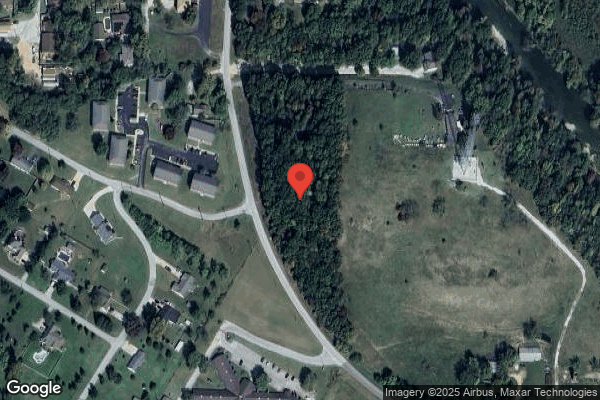
Understanding Severity Codes (click to expand)
Life-Threatening (Immediate Jeopardy)
J - Isolated K - Pattern L - Widespread
Actual Harm
G - Isolated H - Pattern I - Widespread
Potential for Harm
D - Isolated E - Pattern F - Widespread
No Harm (Minor)
A - Isolated B - Pattern C - Widespread

Questions to Ask on Your Visit

  • "Can I speak with families of current residents?"
  • "What's your RN coverage like on weekends and overnight?"

Our Honest Assessment

Strengths
  • • No fines on record. Clean compliance history, better than most Missouri facilities.
  • • 30% turnover. Below Missouri's 48% average. Good staff retention means consistent care.
Concerns
  • • 15 deficiencies on record, including 1 serious (caused harm) violation. Ask about corrective actions taken.
Bottom line: Mixed indicators with Trust Score of 70/100. Visit in person and ask pointed questions.

About This Facility

What is Mcdonald County Living Center's CMS Rating?

CMS assigns MCDONALD COUNTY LIVING CENTER an overall rating of 4 out of 5 stars, which is considered above average nationally. Within Missouri, this rating places the facility higher than 99% of the state's 100 nursing homes. This rating reflects solid performance across the metrics CMS uses to evaluate nursing home quality.

How is Mcdonald County Living Center Staffed?

CMS rates MCDONALD COUNTY LIVING CENTER's staffing level at 2 out of 5 stars, which is below average compared to other nursing homes. Staff turnover is 30%, compared to the Missouri average of 46%. This relatively stable workforce can support continuity of care.

What Have Inspectors Found at Mcdonald County Living Center?

State health inspectors documented 15 deficiencies at MCDONALD COUNTY LIVING CENTER during 2023 to 2025. These included: 1 that caused actual resident harm, 13 with potential for harm, and 1 minor or isolated issues. Deficiencies causing actual harm indicate documented cases where residents experienced negative health consequences.

Who Owns and Operates Mcdonald County Living Center?

MCDONALD COUNTY LIVING CENTER is owned by a for-profit company. For-profit facilities operate as businesses with obligations to shareholders or private owners. The facility is operated by JAMES & JUDY LINCOLN, a chain that manages multiple nursing homes. With 96 certified beds and approximately 63 residents (about 66% occupancy), it is a smaller facility located in ANDERSON, Missouri.

How Does Mcdonald County Living Center Compare to Other Missouri Nursing Homes?

Compared to the 100 nursing homes in Missouri, MCDONALD COUNTY LIVING CENTER's overall rating (4 stars) is above the state average of 2.5, staff turnover (30%) is significantly lower than the state average of 46%, and health inspection rating (4 stars) is above the national benchmark.

What Should Families Ask When Visiting Mcdonald County Living Center?

Based on this facility's data, families visiting should ask: "Can you walk me through typical staffing levels on day, evening, and night shifts?" "Can I visit during a mealtime to observe dining assistance and food quality?" "How do you handle medical emergencies, and what is your hospital transfer rate?" "Can I speak with family members of current residents about their experience?" These questions are particularly relevant given the below-average staffing rating.

Is Mcdonald County Living Center Safe?

Based on CMS inspection data, MCDONALD COUNTY LIVING CENTER has a clean safety record: no substantiated abuse findings (meaning no confirmed cases of resident harm), no Immediate Jeopardy citations (the most serious violation level indicating risk of serious injury or death), and is not on the Special Focus Facility watch list (a federal program monitoring the lowest-performing 1% of nursing homes). The facility has a 4-star overall rating and ranks #1 of 100 nursing homes in Missouri. While no facility is perfect, families should still ask about staff-to-resident ratios and recent inspection results during their visit.

Do Nurses at Mcdonald County Living Center Stick Around?

MCDONALD COUNTY LIVING CENTER has a staff turnover rate of 30%, which is about average for Missouri nursing homes (state average: 46%). Moderate turnover is common in nursing homes, but families should still ask about staff tenure and how the facility maintains care continuity when employees leave.

Was Mcdonald County Living Center Ever Fined?

MCDONALD COUNTY LIVING CENTER has no federal fines on record. CMS issues fines when nursing homes fail to meet care standards or don't correct problems found during inspections. The absence of fines suggests the facility has either maintained compliance or corrected any issues before penalties were assessed. This is a positive indicator, though families should still review recent inspection reports for the full picture.

Is Mcdonald County Living Center on Any Federal Watch List?

MCDONALD COUNTY LIVING CENTER is not on any federal watch list. The most significant is the Special Focus Facility (SFF) program, which identifies the bottom 1% of nursing homes nationally based on persistent, serious quality problems. Not being on this list means the facility has avoided the pattern of deficiencies that triggers enhanced federal oversight. This is a positive indicator, though families should still review the facility's inspection history directly.