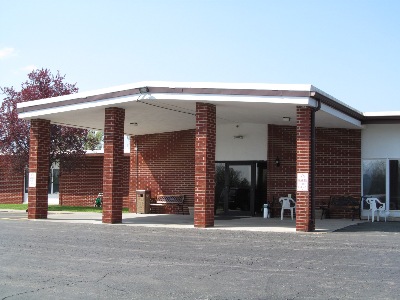
APPLETON CITY MANOR

600 NORTH OHIO, APPLETON CITY, MO 64724 (660) 476-2128
For profit - Limited Liability company 60 Beds Independent Data: November 2025
Trust Grade
25/100
#322 of 479 in MO
Last Inspection: June 2025

Inspected within the last 6 months. Data reflects current conditions.

Overview

Appleton City Manor has a Trust Grade of F, which indicates significant concerns about the quality of care provided. Ranked #322 out of 479 facilities in Missouri, they fall in the bottom half of nursing homes in the state, and they are the second of two options in St. Clair County, meaning only one local facility is better. Although the facility has shown improvement, reducing issues from 44 in 2024 to just 4 in 2025, there are still alarming concerns, including $65,335 in fines, which is higher than 89% of Missouri facilities. Staffing is a relative strength, with a turnover rate of 0%, but the average RN coverage raises concerns about consistent oversight. Specific incidents include failure to administer medications as ordered for a resident, lack of proper infection control practices during wound care for two residents, and insufficient RN coverage, which poses risks to resident safety and care standards. Overall, while there are some positive aspects, families should carefully consider these serious weaknesses when evaluating this facility.

Trust Score
F
25/100
In Missouri
#322/479
Bottom 33%
Safety Record
Moderate
Needs review
Inspections
Getting Better
44 → 4 violations
Staff Stability
○ Average
Turnover data not reported for this facility.
Penalties
⚠ Watch
$65,335 in fines. Higher than 89% of Missouri facilities, suggesting repeated compliance issues.
Skilled Nurses
○ Average
Each resident gets 37 minutes of Registered Nurse (RN) attention daily — about average for Missouri. RNs are the most trained staff who monitor for health changes.
Violations
⚠ Watch
61 deficiencies on record. Higher than average. Multiple issues found across inspections.
★☆☆☆☆
1.0
Overall Rating
★★★☆☆
3.0
Staff Levels
★☆☆☆☆
1.0
Care Quality
★★☆☆☆
2.0
Inspection Score
Stable
2024: 44 issues
2025: 4 issues

The Good

  • Full Sprinkler Coverage · Fire safety systems throughout facility
  • No fines on record

Facility shows strength in fire safety.

The Bad

1-Star Overall Rating

Below Missouri average (2.5)

Significant quality concerns identified by CMS

Federal Fines: $65,335

Above median ($33,413)

Moderate penalties - review what triggered them

The Ugly 61 deficiencies on record

1 actual harm
Jun 2025 4 deficiencies
CONCERN (D)

Potential for Harm - no one hurt, but risky conditions existed

Deficiency F0699 (Tag F0699)

Could have caused harm · This affected 1 resident

**NOTE- TERMS IN BRACKETS HAVE BEEN EDITED TO PROTECT CONFIDENTIALITY** Based on observation, interview, and record review, the facility failed to acknowledge, assess, provide supportive services, and...

Read full inspector narrative →
**NOTE- TERMS IN BRACKETS HAVE BEEN EDITED TO PROTECT CONFIDENTIALITY** Based on observation, interview, and record review, the facility failed to acknowledge, assess, provide supportive services, and to develop a care plan that showed interventions the facility staff would take to try to protect the resident and prevent trauma from recurring for one resident (Resident #21), out of 8 sampled residents, who informed staff of past trauma. The facility census was 26.Review of the facility's policy entitled Behavior Health Services, undated, showed the following:-Residents in the community will receive necessary behavioral health care and services to attain or maintain the highest practicable physical, mental, and psychosocial well-being, in accordance with the comprehensive assessment and care plan;-Identify the population of the following residents in the facility assessment. Those with mental disorders, psychosocial disorders, substance abuse, and those with a history of trauma and post traumatic stress disorder (PTSD);-Assess the resident upon admission, and at least quarterly, and with change in condition, utilizing the available readmission Screening and Resident Review (PASARR - a federal program mandated to ensure individuals are not inappropriately placed in nursing facilities for long-term care), the Minimum Data Set (MDS - a federally mandated assessment completed by facility staff) and other assessments;-Assess residents with mental or psychosocial adjustment difficulty, or have history of trauma and/or PTSD for necessary care and services, appropriate person centered care plan and individualized treatment to meet their needs;-Interview and evaluate the resident or representative for stressors or triggers and address on the care plan;-Evaluate the frequency, urgency, intensity, duration, and impact of the resident's expressions or indications of distress as well as the location, surrounding or situation in which they occurred.1. Review of Resident #21's face sheet (gives brief profile information) showed the following information:-admission date of 10/02/24;-Diagnoses included Williams syndrome (rare genetic disorder characterized by a distinctive set of physical features, and may also experience developmental delays), post-traumatic stress disorder (mental health condition that can develop after experiencing or witnessing trauma), anxiety disorder, and depression (feelings of sadness)Review of the resident's progress note, dated 01/02/25, showed the following:-Resident had a diagnosis of PTSD with status being acute;-Resident had a diagnosis of nightmares with status being chronic;-Resident began taking prazosin (used to treat high blood pressure but commonly used off label to manage symptoms of PTSD, especially nightmares). Review of the resident's progress note, dated 02/27/25, showed resident had PTSD and depression. Resident had childhood trauma that resulted in PTSD and depression which subsequently led to methamphetamine addiction. Review of the resident's quarterly MDS, dated [DATE], showed a diagnosis of PTSD. Review of the resident's care plan, revised on 06/09/25, showed the following:-Impaired cognitive function related to William's syndrome;-Resident has potential to be physically aggressive toward peers related to poor impulse control when he/she witnesses them yelling at staff or other resident's.(Staff did not care plan the resident's diagnosis for PTSD and related triggers or interventions.)Review of the resident's June 2025 Physician's Order Sheet, showed a diagnosis of PTSD. During interviews on 06/26/25, at 10:21 A.M. and 4:45 P.M., the MDS Coordinator said the following:-He/she reviewed progress notes that showed a diagnosis of PTSD related to childhood trauma that led to the use of drugs;-Resident had nightmares due to the PTSD;-He/she saw the diagnosis on the progress notes dated 02/27/25, but it is not on the care plan;-A trauma assessment was completed on admission and quarterly;-He/she had not completed a trauma assessment on the resident;-He/she and social services planned to review the diagnosis and complete a trauma assessment during the next review meeting in July;- The resident takes medications that assist with the PTSD;-He/she was not aware of any triggers for the resident or anything staff would need to be made aware. They do monitor the nightmares.During an interview on 06/26/25, at 1:43 P.M., Certified Nurse's Aide (CNA) A said the following:-He/she did not know when a resident had PTSD. The nurse would usually let the staff know;-He/she wouldn't know the triggers related to PTSD. The nurse would tell them;-If the resident was having new behaviors, he/she let the nurse know;-He/she didn't look at the care plans and didn't know if he/she had access. The nurse could pull the care plans up if he/she needed to see them;-The resident did have some issues such as getting overwhelmed easily and being stressed;-The resident was a private person, but had said he/she had nightmares;-He/she believed the nurse was aware of the nightmares.During an interview on 06/26/25, at 1:49 P.M., CNA B said the following:-He/she knew a resident had PTSD as the diagnosis if it was listed in their chart or he/she looked on the care plan;-He/she also talked to the residents and sometimes they shared things that's happened to them that had caused trauma;-If he/she was aware of the resident having PTSD;-If he/she witnessed new behaviors from residents, he/she passed that to the nurse;-He/she knew the resident had a hard past, but he/she hadn't noted any behaviors. During an interview on 06/26/25, at 1:57 P.M., Registered Nurse (RN E) said the following:-He/she looked through a resident's history upon admittance to see what diagnoses they might have and he/she talked to the resident;-He/she talked to the resident to understands the triggers, or things to avoid;-The resident gets emotional and has difficulty expressing things;-The resident will sometimes come to him/her and just needs to unload when he/she is in a rough spot;-The careplan should have PTSD listed in it as well as triggers. During an interview on 06/26/25, at 3:00 P.M., Certified Medication Technician (CMT) C said the following:-He/she didn't know when a resident had PTSD. He/she would ask other staff;-If a resident was having behaviors, he/she would ask the nurse if it would be related to PTSD;-He/she had access to the care plans, but wasn't sure if it listed PTSD or triggers related to PTSD;-The resident was usually happy and hadn't ever told him/her about past trauma. During an interview on 06/26/25, at 3:00 P.M., Certified Medication Tech (CMT) D said the following:-He/she did not know the signs of PTSD;-He/she was supposed to have access to care plans, but he/she didn't know for sure where they were at since going to the electronic records;-The care plans should list if a resident had PTSD and triggers;-He/she didn't know if the resident had PTSD. No other staff had said anything.During an interview on 06/27/25, at 8:48 A.M., the Assistant Director of Nursing (ADON) said the following:-If there was an active PTSD diagnosis, the staff should know what to look for in the resident. They might become more reclusive or have paranoid thoughts;-If staff are aware of behaviors related to PTSD, they should be relaying that to the nurses and passing it on to the next shift;-He/she didn't know if aides had access to the care plans;-The MDS Coordinator was responsible for making changes to the care plan and staff were supposed to relay changes in condition to the MDS Coordinator;-PTSD would be listed in the care plan as well as the triggers;-They do a trauma informed assessment if it triggers from the MDS assessment. During an interview on 06/27/25 at 10:50 A.M., the Director of Nursing (DON) said the following:-PTSD should typically be on the care plan;-If it's a new diagnosis, the staff should be communicating with one another and relaying information from shift to shift;-If the resident comes in with the diagnosis they would try to figure out the triggers by visiting with the resident and their family;-The electronic health record has a trauma assessment that's done on admit and quarterly;-PTSD should be listed on the care plan along with any triggers. During an interview on 06/27/25, at 9:49 A.M., the Administrator said the following:-He/she didn't know the resident had PTSD;-The staff speak to the residents about PTSD and the triggers;-According to the Nurse Practitioner they did not call it PTSD, it was called nightmares;-They do complete trauma assessments in the electronic records;-PTSD should be on the care plan and all staff have access to the care plans.
CONCERN (D)

Potential for Harm - no one hurt, but risky conditions existed

Deficiency F0757 (Tag F0757)

Could have caused harm · This affected 1 resident

Based on record review and interview, the facility failed to ensure each resident's entire drug/medication regimen was managed and monitored to promote or maintain the resident's highest practicable m...

Read full inspector narrative →
Based on record review and interview, the facility failed to ensure each resident's entire drug/medication regimen was managed and monitored to promote or maintain the resident's highest practicable mental, physical, and psychosocial well-being when staff failed to provide adequate monitoring for one resident's (Resident #21) hypertensive (high blood pressure) medications when staff failed to obtain blood pressure readings prior to administering the medication. A sample of 8 residents was reviewed in a facility with a census of 26.Review of the facility's policy titled Administering Oral Medications, revised October 2010, showed the following:-Verify there is a physician's medication order for this procedure;-Perform any pre-administration assessments;-Allow the resident to swallow oral tables at his/her pace.1. Review of Resident #21's face sheet (gives brief profile information) showed the following information:-admission date of 10/02/24;-Diagnoses included high blood pressureReview of the resident's quarterly Minimum Data Set (MDS - federally mandated assessment instrument completed by facility staff), dated 04/17/25, showed a diagnosis of hypertension (high blood pressure).Review of the resident's care plan, revised on 06/09/25, showed the following:-Impaired cognitive function;-Resident has a diagnosis of essential hypertension;-Resident will remain free of complications related to hypertension;-Staff will administer hypertensive medications as ordered and monitor for side effects such as orthostatic hypotension (low blood pressure) and increased heart rate;-Monitor/record used/side effects of antihypertensive medications. Report to medical provider as necessary.Review of the resident's May 2025 and June 2025 Physician's Order Sheet (POS) showed the following:-An order, dated 04/20/25 with a start date of 05/01/25, for amlodipine (used to treat high blood pressure and chest pain) tablet 5 milligrams (mg), give one tablet by mouth in the A.M., one time per day, related to essential hypertension. The active order states under supply direction, give one tablet by mouth one time daily for hypertension, hold if systolic blood pressure is less than 100 mm/Hg or heart rate is less than 60 bpm;-An order, dated 04/20/25 with a start date of 05/01/25, for lisinopril (used to treat high blood pressure) tablet 20 mg one time per day in the A.M., for essential hypertension. The active order states give one tablet by mouth one time daily for hypertension, hold if pulse is less than 60 bpm or systolic blood pressure less than 100 mm/Hg;-An order dated 04/20/25, with a start date of 05/01/25, for prazosin (primarily used to treat high blood pressure) HCL cap 2 mg, give one capsule one time per day, at bedtime, related to essential hypertension;-An order, dated 05/20/25, to notify the provider if blood pressure was greater than 160/90 millimeters of Mercury (mm/Hg) or less than 90/50 mm/Hg, and/or the pulse is greater than 110 beats per minute (bpm) or less than 50 (bpm) if on blood pressure medication. Give meds and then recheck in one hour before notification of provider.Review of the resident's medical record and Medication Administration Record (MAR) for the month of May 2025, showed the following:-On 05/04/25, staff did not document a check of the resident's blood pressure. Staff administered the resident's amlodipine, lisinopril, and prazosin;-On 05/05/25, staff did not document a check of the resident's blood pressure. Staff administered the resident's amlodipine, lisinopril, and prazosin;-On 05/06/25, staff did not document a check of the resident's blood pressure. Staff administered the resident's amlodipine, lisinopril, and prazosin;-On 05/07/25, staff did not document a check of the resident's blood pressure. Staff administered the resident's amlodipine, lisinopril, and prazosin;-On 05/08/25, staff did not document a check of the resident's blood pressure. Staff administered the resident's amlodipine, lisinopril, and prazosin;-On 05/09/25, staff did not document a check of the resident's blood pressure. Staff administered the resident's amlodipine, lisinopril, and prazosin;-On 05/10/25, staff did not document a check of the resident's blood pressure. Staff administered the resident's amlodipine, lisinopril, and prazosin;-On 05/11/25, staff did not document a check of the resident's blood pressure. Staff administered the resident's amlodipine, lisinopril, and prazosin;-On 05/13/25, staff did not document a check of the resident's blood pressure. Staff administered the resident's amlodipine, lisinopril, and prazosin;-On 05/14/25, staff did not document a check of the resident's blood pressure. Staff administered the resident's amlodipine, lisinopril, and prazosin;-On 05/15/25, staff did not document a check of the resident's blood pressure. Staff administered the resident's amlodipine, lisinopril, and prazosin;-On 05/16/25, staff did not document a check of the resident's blood pressure. Staff administered the resident's amlodipine, lisinopril, and prazosin;-On 05/17/25, staff did not document a check of the resident's blood pressure. Staff administered the resident's amlodipine, lisinopril, and prazosin;-On 05/18/25, staff did not document a check of the resident's blood pressure. Staff administered the resident's amlodipine, lisinopril, and prazosin;-On 05/19/25, staff did not document a check of the resident's blood pressure. Staff administered the resident's amlodipine, lisinopril, and prazosin;-On 05/20/25, staff did not document a check of the resident's blood pressure. Staff administered the resident's amlodipine, lisinopril, and prazosin;-On 05/21/25, staff did not document a check of the resident's blood pressure. Staff administered the resident's amlodipine, lisinopril, and prazosin;-On 05/22/25, staff did not document a check of the resident's blood pressure. Staff administered the resident's amlodipine, lisinopril, and prazosin;-On 05/23/25, staff did not document a check of the resident's blood pressure. Staff administered the resident's amlodipine, lisinopril, and prazosin;-On 05/24/25, staff did not document a check of the resident's blood pressure. Staff administered the resident's amlodipine, lisinopril, and prazosin;-On 05/25/25, staff did not document a check of the resident's blood pressure. Staff administered the resident's amlodipine, lisinopril, and prazosin;-On 05/27/25, staff did not document a check of the resident's blood pressure. Staff administered the resident's amlodipine, lisinopril, and prazosin;-On 05/28/25, staff did not document a check of the resident's blood pressure. Staff administered the resident's amlodipine, lisinopril, and prazosin;-On 05/30/25, staff did not document a check of the resident's blood pressure. Staff administered the resident's amlodipine, lisinopril, and prazosin;-On 05/31/25, staff did not document a check of the resident's blood pressure. Staff administered the resident's amlodipine, lisinopril, and prazosin.Review of the resident's medical record and (MAR) for the month of June 2025, showed the following:-On 06/02/25, staff did not document a check of the resident's blood pressure. Staff administered the resident's amlodipine, lisinopril, and prazosin;-On 06/03/25, staff did not document a check of the resident's blood pressure. Staff administered the resident's amlodipine, lisinopril, and prazosin;-On 06/04/25, staff did not document a check of the resident's blood pressure. Staff administered the resident's amlodipine, lisinopril, and prazosin;-On 06/05/25, staff did not document a check of the resident's blood pressure. Staff administered the resident's amlodipine, lisinopril, and prazosin;-On 06/06/25, staff did not document a check of the resident's blood pressure. Staff administered the resident's amlodipine, lisinopril, and prazosin;-On 06/07/25, staff did not document a check of the resident's blood pressure. Staff administered the resident's amlodipine, lisinopril, and prazosin;-On 06/08/25, staff did not document a check of the resident's blood pressure. Staff administered the resident's amlodipine, lisinopril, and prazosin;-On 06/09/25, staff did not document a check of the resident's blood pressure. Staff administered the resident's amlodipine, lisinopril, and prazosin;-On 06/10/25, staff did not document a check of the resident's blood pressure. Staff administered the resident's amlodipine, lisinopril, and prazosin;;-On 06/12/25, staff did not document a check of the resident's blood pressure. Staff administered the resident's amlodipine, lisinopril, and prazosin;-On 06/13/25, staff did not document a check of the resident's blood pressure. Staff administered the resident's amlodipine, lisinopril, and prazosin;-On 06/14/25, staff did not document a check of the resident's blood pressure. Staff administered the resident's amlodipine, lisinopril, and prazosin;-On 06/15/25, staff did not document a check of the resident's blood pressure. Staff administered the resident's amlodipine, lisinopril, and prazosin;-On 06/17/25, staff did not document a check of the resident's blood pressure. Staff administered the resident's amlodipine, lisinopril, and prazosin;-On 06/18/25, staff did not document a check of the resident's blood pressure. Staff administered the resident's amlodipine, lisinopril, and prazosin;-On 06/19/25, staff did not document a check of the resident's blood pressure. Staff administered the resident's amlodipine, lisinopril, and prazosin;-On 06/20/25, staff did not document a check of the resident's blood pressure. Staff administered the resident's amlodipine, lisinopril, and prazosin;-On 06/21/25, staff did not document a check of the resident's blood pressure. Staff administered the resident's amlodipine, lisinopril, and prazosin;-On 06/22/25, staff did not document a check of the resident's blood pressure. Staff administered the resident's amlodipine, lisinopril, and prazosin;-On 06/23/25, staff did not document a check of the resident's blood pressure. Staff administered the resident's amlodipine, lisinopril, and prazosin;-On 06/24/25, staff did not document a check of the resident's blood pressure. Staff administered the resident's amlodipine, lisinopril, and prazosin;-On 06/25/25, staff did not document a check of the resident's blood pressure. Staff administered the resident's amlodipine, lisinopril, and prazosin;-On 06/26/25, staff did not document a check of the resident's blood pressure. Staff administered the resident's amlodipine, lisinopril, and prazosin;-On 06/27/25, staff did not document a check of the resident's blood pressure. Staff administered the resident's amlodipine, lisinopril, and prazosin.During an interview on 06/26/25, at 1:57 P.M., Registered Nurse (RN) E said the following:-Residents are on a lot of blood pressure medications;-Staff are to take the blood pressure before administering the blood pressure medications;-The blood pressure should be taken as well if the resident is showing signs of blood pressure issues such as sweating or feeling anxious;-The facility has parameters to follow on blood pressure medications. If the blood pressure is not within the parameters, they are to hold the medication and notify the doctor;-The vitals are documented in the resident's electronic record and it would be documented if a resident refused to take the blood pressure.During an interview on 06/26/25, at 3:00 P.M., Certified Medication Technician (CMT) C said the following:-If a resident was taking blood pressure medications it would pop up to take the resident's blood pressure;-He/she will write it down on paper and gives it to the nurse to put into the record;-There were parameters to follow and they were listed on the computer. If the blood pressure was not within those parameters, he/she would tell the nurse;-He/she did take the resident's blood pressure before passing his/her hypertension medications in the morning;-If it was not within the parameters, he/she would mark that it's not given;-He/she looked in the computer and attempted to show the surveyor where the vitals would be documented, but there was no vitals documented for 06/26/25.During an interview on 06/26/25 at 3:00 P.M., CMT D said the following:-Blood pressure should be taken before administering the blood pressure medications;-If residents are not acting like their normal selves, he/she would take the blood pressure;-The blood pressures are charted under each resident on their weights;-He/she looked in the computer for the resident and seen only the vitals were taken three times in June. He/she said it should be done at least every morning before administering the blood pressure medications;-He/she said they have parameters to follow, if the systolic is below 100 or the pulse below 60, they hold the medication and notify the nurse.During an interview on 06/27/25, at 8:48 A.M., the Assistant Director of Nursing (ADON) said the following:-Blood pressure checks generally pop up in the resident's MAR for the CMTs;-There were instructions on parameters to follow with the blood pressure medications;-If the blood pressure was not within the parameters they were to recheck the blood pressure in an hour and notify the nurse;-Amlodipine and lisinopril would have blood pressure checks;-The staff should be documenting on the MAR the vitals and the CMTS have access to the weights/vitals tab to document;-He/she reviewed the resident's vitals and noted they were only taken on 06/01/25, 06/11/25, and 06/16/25 but should be taken daily.During an interview on 06/27/25, at 10:50 A.M., the Director of Nursing (DON) said the following:-All resident's have monthly vitals and if they're on blood pressure medications, the staff take the blood pressure prior to administering the medication;-He/she would expect the staff to follow the physician's orders on the parameters, notification, and administration;-He/she would expect staff to document the vitals in the electronic record.During an interview on 06/27/25, at 9:49 A.M., the Administrator said the following:-Blood pressure was taken depending on the medication order;-Some residents have it monthly and some have it more often;-The staff would need to check the blood pressure depending upon the orders and determine if it's within the parameters;-He/she would expect the blood pressure to be taken as ordered and documented in the electronic record.
CONCERN (D)

Potential for Harm - no one hurt, but risky conditions existed

Deficiency F0760 (Tag F0760)

Could have caused harm · This affected 1 resident

**NOTE- TERMS IN BRACKETS HAVE BEEN EDITED TO PROTECT CONFIDENTIALITY** Based on interview and record review, the facility failed to ensure all residents were free from significant medication errors w...

Read full inspector narrative →
**NOTE- TERMS IN BRACKETS HAVE BEEN EDITED TO PROTECT CONFIDENTIALITY** Based on interview and record review, the facility failed to ensure all residents were free from significant medication errors when staff failed to administer a controlled medication (Klonopin - medication that enhances the activity of chemical messengers to transmit signals to other nerve cells in the brain, used to treat seizures and panic disorder in adults, regulated by the government due to its potential for abuse and addiction) as order for two residents (Resident #24 and Resident #22) out of a sample of 15 residents in a facility with a census of 26.Review of the facility's policy titled Administering Oral Medications, revised October 2010, showed the following information:-Verify there is a physician's medication order for the procedure;-Select the drug from the unit dose drawer or stock supply;-Check the label on the medication and confirm the medication name and dose with the Medication Administrator Record (MAR);-Check the expiration date on the medication;-Check the medication dose;-Prepare the correct dose of medication;-Confirm the identify of the resident;-Notify the supervisor if the resident refuses the procedure;-Report other information in accordance with the facility policy and professional standards of practice.1. Review of Resident #24's face sheet (brief resident profile sheet), showed the following information:-admission date of 05/30/25;-Diagnoses included toxic encephalopathy (neurological disorder that occurs when the brain is exposed to toxic substances, such as heavy metals), bipolar disorder with psychotic features (mental illness that involves experiencing both the mood swings characteristic of bipolar disorder and symptoms like hallucinations (sensory experiences that appear real but are created by the mind) or delusions (belief of altered reality that is persistently held despite evidence to the contrary)), anxiety disorder, hallucinations, unintentional poisoning by amphetamines (mood altering drug, used illegally as a stimulant), and unintentional poisoning by ecstasy (recreational drug that can induce intense euphoric and ecstatic feelings).Review of the resident's Baseline Care Plan, dated 05/30/25, showed the following information:-Cognitively intact;-Resident took psychotropic medications.Review of the resident's progress note dated 06/09/25, at 4:07 P.M., showed the resident complained of increased depression and wanting to add something to his/her Zoloft (antidepressant medication). The resident said he/she felt he/she needed additional medication to aide with reducing signs and symptoms of depression. Staff spoke with the nurse practitioner related to the resident's concerns. Review of the resident's progress note, dated 06/10/25, showed staff received a fax from the nurse practitioner related to the resident's complaints of increased depression. The nurse practitioner to speak with the physician on 06/12/25 for further recommendations. Staff to monitor closely for homicidal/suicidal ideations.Review of the resident's Physician Order Sheet (POS) and order details for active orders, as of 06/26/25, showed the following information:-An order, dated 06/12/25, for Klonopin 1 milligram (mg) by mouth at bedtime for anxiety.-Prescriber directly entered the order for Klonopin into the computer software system;-Klonopin was a controlled drug level 4 (feasible medical use and low probability of use or misuse).-Medication class was anticonvulsants;-Licensed Practical Nurse (LPN) I confirmed the order.Review of the resident's admission Minimum Data Set (MDS - a federally mandated assessment instrument completed by facility staff), dated 06/12/25, showed the following information:-Cognitively intact;-Exhibited hallucinations;-Staff documented use and indication for antipsychotic medication;-Staff documented use and indication for antidepressant medication.Review of the resident's MAR and Order Administration Notes, dated 06/01/25 to 06/30/25, showed the following information:-An order, dated 06/12/25, for Klonopin 1 mg tablet for staff to administer by mouth at bedtime;-The chart definition of codes showed 9 indicated other/see progress notes;-On 06/12/25 to 06/15/25, staff documented 9 and staff initials;-On 06/12/25, at 11:37 P.M., staff documented medication not available;-On 06/13/25, at 8:57 P.M., staff documented medication not available;-On 06/14/25, at 8:19 P.M., staff documented medication not available;-On 06/15/25, at 8:30 P.M., staff documented medication not available.Review of the resident's progress note dated 06/16/25, at 1:55 A.M., showed the resident said the last couple nights, he/she had been waking up about 1:00 A.M. due to having nightmares. Review of the resident's MAR and Order Administration Notes, dated 06/01/25 to 06/30/25, showed the following information:-An order, dated 06/12/25, for Klonopin 1 mg tablet for staff to administer by mouth at bedtime;-On 06/16/25 to 06/19/25, staff documented 9 and staff initials;-On 06/16/25, at 8:08 P.M., staff documented medication not available;-On 06/17/25, at 8:31 P.M., staff documented medication not available;-On 06/18/25, at 9:19 P.M., staff documented medication not available;-On 06/19/25, at 9:03 P.M., staff documented medication not available;-On 06/20/25, LPN I documented a checkmark and initials;-On 06/21/25 to 06/24/25, staff documented 9 and staff initials;-On 06/21/25, at 7:31 P.M., staff documented medication not available;-On 06/22/25, at 7:27 P.M., staff documented medication not available;-On 06/23/25, at 7:13 P.M., staff documented medication not available;-On 06/24/25, at 8:20 P.M., staff documented medication not available.Review of the resident's comprehensive care plan, revised on 06/24/25, showed the following: -The resident had hallucinations; -Resident used psychotropic medications related to hallucinations;-Administer psychotropic medications as ordered by the physician;-Monitor for side effects and effectiveness every shift.Review of the resident's MAR and Order Administration Notes, dated 06/01/25 to 06/30/25 showed the following information:-An order, dated 06/12/25, for Klonopin 1 mg tablet for staff to administer by mouth at bedtime;-On 06/25/25, LPN I documented a checkmark and initials.During an interview on 06/26/25, at 8:51 A.M., Certified Medication Technician (CMT) C said the resident should have had Klonopin last night. He/she looked on the MAR and said it showed it was given last night on 06/25/25, and it showed it was given on 06/20/25. The other night staff documented 9- other/progress note. There was not a medication card in the drawer for Klonopin. He/she was not told anything about the medication. The Director of Nursing (DON) could pull up medications administered from the emergency kit (e-kit) medications/administrations of medications. During interviews on 06/26/25, the Director of Nursing (DON) said the following: -At 9:00 A.M., she did not have access to pull the report from the emergency kit. She would check with the pharmacy and have them pull a report; -At 9:15 A.M., Klonopin was not in the emergency kit. The facility did not have Klonopin in the emergency kit, so there is no way it would have been given through it. -The Klonopin had not been given when staff documented it was not available. Review of the resident's progress notes dated 06/26/25, at 10:25 A.M., showed the DON documented she was notified about a medication error on this resident. The resident's physician ordered the resident's Klonopin on 06/12/25. The medication was a controlled medication and had to be faxed to the pharmacy. The pharmacy never received a fax, so they never sent the medication to the facility. The nurses did not follow up on the ordering of the medication and did not notify nursing management of the medication not being received. During an interview on 06/26/25, at 2:15 P.M., CMT C said he/she did not know why Klonopin was ordered for the resident. He/she did not know who ordered his/her medication. The CMT assumed he/she did not work the day it was ordered. He/she called pharmacy yesterday to check on the resident's Klonopin. The CMT assumed they would have given the Klonopin from the e-kit and given it from there for those two days it showed it had been administered to the resident. During an interview on 06/26/25, at 6:40 P.M., LPN I said he/she did not take the order for the resident's Klonopin. It came directly from the physician. He/She did not know who put in the order. The nurse looked in the computer in the orders and said if staff click on the order, it will show who ordered it and what staff entered/confirmed the order. The nurse did not remember if he/she worked that night or not, but he/she did not put in the order. The nurse looked further and said the physician put the order in himself. He/She confirmed the order. The nurse did not know if the medication had ever been delivered because it needed a physician signature. The nurse documented in the progress notes the medication was not available. The nurse did not know what the 9 code meant on the MAR. There was no other place to get the medication. It is not one that would be in the e-kit. He/she assumed a checkmark and initials meant staff administered the medication. The nurse did not give it last night. There were problems with the computer last night and he/she could not get back in and correct it. On 06/20/25, the medication was also not available, and he/she did not give it on 06/20/25. That night the computer also had problems, and he/she could not go back in and correct it.During an interview on 06/26/25, at 3:58 P.M., Registered Nurse (RN) E said the resident's Klonopin was ordered on his/her day off. Staff called pharmacy several times to follow up. He/she remembered on a weekend a CMT tried to talk to the pharmacy about the resident's Klonopin and the phone kept disconnecting. Staff did not document those calls/follow-ups to pharmacy anywhere. The resident was having night terrors, bad dreams and the physician ordered Klonopin to help. He/she found out today the resident never received his/her medication (Klonopin). The nurse did not think Klonopin was in the e-kit.During an interview on 06/26/25, at 4:47 P.M., the MDS/Care Plan Coordinator said the resident stays in his/her room a lot. They monitor the resident for depression. The resident came to staff about two weeks ago, right before the medication change for the antidepressant. The resident thought his/her depression was worse. Staff monitor his/her interactions and ability to get back into the community. The resident's physician started him/her on Klonopin due to the resident's social anxiety after talking to the resident. The resident has been out of his/her room a lot more the last couple weeks and out in the community more. They monitor the resident's hallucinations. The resident will occasionally see snakes/worms. The resident said it has been that way since childhood. He/she has learned to verify and ask other staff if they see it. The resident thought the amphetamines help ed with the hallucinations. When the resident first left the facility for day trips/errands, the nurse was concerned how he/she would do. The resident has done well so far. During an interview on 06/27/25, at 10:55 A.M., the DON said the resident's Klonopin was ordered but not sent to the pharmacy. If a medication was not available, staff document 9 which meant other/progress note. Staff document the medication is not available in the progress note. That would be the appropriate place to document it. She would expect to be notified about it. The DON's morning report does not include the medication progress notes. The resident had taken Klonopin before he/she came to the facility. The hospital discontinued it prior to his/her admission to the facility. The resident had expressed he/she was a little more anxious and so the physician went back to the medication he/she had been on prior to admission to the facility. During an interview on 06/27/25, at 11:27 A.M., the Administrator said the DON told her the Klonopin did not get flipped because it was a narcotic. They did not know narcotics did not automatically send to the pharmacy. The Administrator said they did not get the Klonopin medication. She knew the staff documented it was not given. Staff faxed the form to the pharmacy yesterday for Klonopin to be added to the e-kit today. 2. Review of Resident #22's face sheet showed the following:-admission date of 02/21/25;-Diagnoses included moderate vascular dementia with behavioral disturbance, and mood disorder with depressive features.Review of the resident's quarterly MDS dated [DATE], showed the following:-Cognition was intact;-Verbal behavioral symptoms directed toward others occurred 1 to 3 days;-Other behavioral symptoms not directed toward others such as hitting/scratching self, verbal/vocal symptoms like screaming, and disruptive sounds;-On antianxiety and antidepressant medications.Review of the resident's Care Plan, dated 05/16/25, showed the following:-Administer medications as ordered; -Staff to monitor/document for side effects and effectiveness;-Review medications and record possible causes of cognitive deficit. -Potential to be verbally aggressive towards staff and other residents related to ineffective coping skills;-Monitor behaviors every shift and document observed behavior and attempted interventions;-When agitated, intervene before agitation escalates, guide away from source of distress, engage calmly in conversation, if response was aggressive, staff to walk calmly away, and approach later.Review of the resident's Physician's Progress Note, dated 06/18/25, showed the following:-Patient on hospice care and presents with chronic pain and anxiety;-Patient expressed the pain significantly impacts quality of life, mentioning suicidal ideation due to the severity of the discomfort;-In addition to pain, the patient is experiencing anxiety and had previously been prescribed Xanax (for anxiety) and was discontinued before coming to the facility;-The patient reports ongoing anxiety symptoms, which appear to be causing obsessive thoughts and behavioral issues;-Currently, the patient was on a pain management regimen and for anxiety, the patient was prescribed lorazepam (or Ativan - used to treat anxiety) 0.5 mg every 8 hours as needed;-Despite the medication regimen, the resident continued to experience significant pain and anxiety symptoms;-Plan to discontinue lorazepam and start clonazepam (Klonopin) 0.5 mg po (by mouth) at bedtime.Review of the resident's Physician's Order Summary Report showed an order, dated 06/18/25, for clonazepam oral tablet 0.5 mg to give one tablet by mouth at bedtime for anxiety.Review of the resident's MAR showed the following:-An order, dated 06/18/25, for clonazepam oral table 0.5 mg to give one tablet by mouth at bedtime for anxiety;-On 06/19/25, 06/20/25, 06/21/25, 06/22/25, 06/23/25, 06/25/25, and 06/26/25, staff put a number 9 with their initials to indicate the medication was unavailable.Review of the resident's progress note, dated 6/24/25, showed the resident had been complaining of increased anxiety sine the as needed Ativan was discontinued a month ago. The nurse left a message for the nurse practitioner at this time.Review of the resident's progress notes, dated 06/26/25, showed the Assistant Director of Nursing (ADON) contacted the physician to make him/her aware the clonazepam was not available and the script for the clonazepam was sent by the physician to the pharmacy (eight days after the physician had ordered the clonazepam).Observation on 06/26/25, at 2:40 P.M., of the medication room and medication cart showed there was no clonazepam 0.5 mg tablets in roll pack or on a card for the resident. During interview on 06/26/25, at 3:10 P.M., CMT C said the pharmacy did come nightly but he/she did not order the resident's medications.During interview on 6/26/25, at 7:00 P.M., LPN I said the physician put the resident on the clonazepam 0.5 mg one at bedtime and he/she didn't know if the physician sent in a signed prescription for the clonazepam since it was a narcotic medication. He/she did not know who was to follow up with a new prescription such as a narcotic with the physician and the pharmacy. Usually, they can get the nurse practitioner (NP) who can get a hold of the physician. They do not have a number to call the physician since they work the evenings and nights. The DON can get a hold of the physician in the day. The resident's medications pop up on the medication sheet in the electronic medical record. He/she did report this to the day shift nurse a few times about the resident's medication not there at the facility, but did not tell the DON. They can print out a script and send it to the physician for him to sign and get to the pharmacy but did not know if he/she was do this at night when it was ordered by the physician. He/she thought the DON or ADON was responsible for the new prescription orders to get to the physician. When they order narcotics, they don't print out the order to sign but sometimes the physician can do an electronic signature.During interview on 06/27/25, at 10: 50 A.M., the DON said the following:-The order from the electronic medical record for a controlled medication was not sent to the pharmacy;-They have to send this to the pharmacy. A controlled drug has to have a written script or electronic prescription or e-script or they send an actual hard copy script. She just found this out;-Clonazepam 0.5 mg one tablet was not a part of the emergency kit, but it was now;-The night nurse documented 9 to see progress note that the medication was not available. She would have expected the nurse to notify her that they did not have the medication;-She was not aware the clonazepam had not been ordered for the resident.During interview on 06/27/25, at 11:26 A.M., the Administrator said the following:-For the resident, they were unaware the clonazepam 0.5 mg medication had not come in until yesterday. The resident's progress notes said it was not available;-She would expect the nurse to put in a note when they did not administer the medication;-Would have expected the night nurse to contact the DON or ADON about the unavailable medication. 3. During an interview on 06/26/25, at 2:15 P.M., CMT C said the following: -Getting the medication on the MAR and physician order sheet is completed by the nurse; -The CMTs or the nurse calls the pharmacy to let them know of the new order and faxes the order over to the pharmacy. It should be faxed within the same day. -Staff call and check on it at least twice on their shift, once to see if the pharmacy got the fax, and the second time to ensure when the medication is coming. Medications do not come in until 3:00 A.M. to 5:00 A.M. That is the normal delivery time. -If the medication doesn't come in, the CMT lets the nurse know and they call the pharmacy and check on it. Usually then, it is something that needed a signature, prior authorization, or something like that causing the delay. Sometimes it is delayed a day or two for those types of things. Staff call the physician or nurse practitioner within the day. -Medications should be given by that night or the next morning. There should not be a delay of more than a day before a routine medication is administered from when it was ordered. If not given, he/she tells the nurse and enters a note regarding what medication was not administered and why the medication did not get administered. The CMT would explain why it was not given and steps he/she had taken to correct it. Then, he/she would call and talk to the pharmacy also and include that in his/her note. -If not given on the day ordered, then the CMT or the nurse would call the physician and notify them of the delay in giving the medication. CMT's pass medications on the day shift (6:00 A.M.-6:00 P.M.). -Nurses pass medications on the night shift (6:00 P.M.-6:00 A.M.), Sometimes, the medication technician stays over and helps. During an interview on 06/26/25, at 3:58 P.M., RN E said the following: -Sometimes, the order is received as a verbal order or sometimes the nurse will send a written order for a medication. If a verbal order, he/she reads it back, puts it in the medication order system, including what type of order, telephone or verbal. The order is placed and sent to the pharmacy; -If not a stock medication, the order auto uploads to the pharmacy; -If it is a new admission, staff send the resident's whole medication list and face sheet. If it is just a new medication order, then he/she enters a progress note in the medical record and begin their change of medication charting to ensure there is no reaction to the new medication. -Since the system is new, the nurse will call the pharmacy and doublecheck to make they got the order. He/she only documents if there is a problem with the order received, or if the order is not received; -If the medication is ordered during the day, it should be available for staff to administer that night. But it should be available and administered usually within 24 hours; -If it is a routine order, it will auto populate to the MAR. If it is a timed order, staff enter the start date/time on the MAR. If staff cannot pull it from the e kit and there is a delay, staff are calling pharmacy to see what is needed; -If the medication is not available, staff can document right under the medication. Staff should check to see if the medication is available in the e kit. If not, staff should document the medication not administered. When they document that, they system provides a drop-down menu of choices, including one that shows medication not available; -Staff should call the physician if a medication is not received within the 24 hours and discuss it with the physician regarding an over-the-counter option, alternative medication, or if the pharmacy cannot get the medication. During an interview on 06/26/25, at 4:47 P.M., the MDS/Care Plan Coordinator said if a resident started a new psychotropic medication, she ran a new orders report. If any new orders, she tried to flow it over to the care plan and add monitoring for any behaviors. It should be added to the care plan within 48 hours. Staff will also notify her if something needs added to the resident's care plan. During an interview on 06/26/25, at 6:40 P.M., LPN I said the following: -When staff obtain an order, it is put in the electronic medical records system. The order goes directly onto the MAR. Sometimes, the physician inputs the order directly or the nurse inputs the order in from the physician; -Pharmacy usually delivers medications from 11:00 P.M.-1:00 A.M. The medication is usually available and able to be administered by the next day; -When staff enters the order in the electronic records, it automatically sends the order to the pharmacy. If a new order is obtained in the evening, it would not get there by the same night. It would be the next night. The nurse would notify the day shift of the new order pending; -The medication should be delivered/administered within 24 hours of being ordered. If not delivered within the 24 hours, he/she would call the pharmacy. If a medication is not delivered/administered within that 24 hours, he/she would notify the DON. The nurse would text the DON or leave a note. It would not be something he/she would document in the medical records. When he/she calls the pharmacy, he/she would not officially document that in the resident's medical record. The nurse would document it on a communication sheet that is in the medication room. That is where the calls and follow-up would be documented; -The only problem that usually causes a delay is orders that require the physician to be notified, such as a narcotic medication. It requires a physician signature. The nurse would notify the DON that a physician signature is needed. During interviews on 06/27/25, at 8:47 A.M., 9:05 A.M., and 10:55 A.M., the DON said the following: -Communication sheets are in the medication room for the CMTs. She looked but could not find the June 2025 communication sheets in the medication room or her office; -Nurses are the only ones who can input orders. The physician can enter their own orders in. There is an icon that shows when the physician entered the order; -The order from the electronic record that transfers to the pharmacy does not automatically send to pharmacy if it is a controlled drug. The physician needs to either do an electronic prescription (e-script) or send the actual hard copy prescription. She just found that out yesterday; -The physician put the order into the electronic record. The pharmacy did not get the order; -They have instructed night shift about when they have a controlled medication, they have to reach out to the physician to get the signature; -She was not made aware some of these medications were not actually sent to the pharmacy; -The ones they are not getting, staff should be reaching out to the DON. The DON is the one who deals with the pharmacy; -When a medication is ordered, if it is after noon, they won't get it that night. It would go into effect the next night for current residents; -If a new admission, the pharmacy has to get the orders by 5:00 P.M. for the facility to get them that night; -A new order should be administered within 24 hours of being ordered. If not administered within those 24 hours, she would expect staff to notify the DON or the ordering provider (physician or nurse practitioner). During an interview on 06/27/25, at 11:27 A.M., the Administrator said the following: -She would expect the charge nurse to enter the order into the electronic medical records. The nurse practitioner can put the orders in the electronic medical records also. They have to activate the order to get it to send to pharmacy; -They discovered the glitch. If it a narcotic, it does not automatically send the order to pharmacy; -She would expect staff to print the prescription off and get it to the physician for a signature; -She would expect a new order to be administered, depending on the medication, anywhere from the next medication pass to the next day, within 24 hours; -If unable to give a medication, they would document if as not given in electronic medical records and explain why it was not administered. After that, they should notify the DON or ADON and let them know. They should reach out to the physician and see if the medication can be changed to something else or just to let them know; -If staff don't administer a medication one time for whatever reason, they should notify the charge nurse, who should notify the DON, who would then reach out to the physician.
CONCERN (D)

Potential for Harm - no one hurt, but risky conditions existed

Infection Control (Tag F0880)

Could have caused harm · This affected 1 resident

**NOTE- TERMS IN BRACKETS HAVE BEEN EDITED TO PROTECT CONFIDENTIALITY** Based on record review and interview, the facility failed to maintain a complete infection prevention and control program to hel...

Read full inspector narrative →
**NOTE- TERMS IN BRACKETS HAVE BEEN EDITED TO PROTECT CONFIDENTIALITY** Based on record review and interview, the facility failed to maintain a complete infection prevention and control program to help prevent the development and transmission of communicable diseases and infections when staff did not complete admission tuberculin (TB - an infectious disease caused by bacteria that most often affects the lungs) testing/screening (also known as Mantoux test or tuberculin skin test (TST)) for two residents (Residents #179 and #24) who did not have their first TB test completed or documented in a timely manner. The facility had a census of 26.Review of the facility's policy entitled Tuberculosis, Screening Residents for F880, undated, showed the following:-This facility shall screen all residents for TB infection and disease; -The facility will screen referrals for admission and readmission for information regarding exposure to, or symptoms of, TB and will check results of recent (within 12 months) tuberculin skin tests (TST) or chest X-rays (CXR);-Any resident without documented negative TST or CXR within the previous 12 months will receive a baseline (two-step) TST or one step upon admission. If the first TST is negative, a follow-up TST will be administered 1 to 3 weeks after the initial test is read. The BAMT (blood assay for mycobacterium tuberculosis) is a one-step test;-Asymptomatic (showing no signs/symptoms) residents who have a known positive skin test or a past history of TB, and who have not had a CXR in the past six (6) months, will receive a CXR before, or soon after, admission;-The physician will screen each new admission for possible signs and symptoms of TB, including: coughing for greater than three weeks, loss of appetite, fatigue, weight loss, night sweats, bloody sputum or coughing up blood, hoarseness, fever, and/or chest pain.(The policy did not give specifications regarding the reading and documentation of the TST's.)1. Review of Resident #179's face sheet (shows basic profile information at a glance) showed an admission date of 06/18/25.Review of the resident's June 2025 Physician Order Sheet (POS) showed an order, dated 06/26/25, for a Tuberculin PPD (purified protein derivative) intradermal (under the skin) solution 5 units/0.1 ml (Tuberculin PPD); inject 0.1 ml intradermally every night shift for TB Screening for 1 day until finished; read within 48 to 72 hours; and document results on separate order.Review of the resident's June 2025 electronic Treatment Administration Record (eTAR) showed the following:-Staff documented administration of a TB PPD to the right arm on 06/27/25 (nine days after admission);-The TB PPD administered on 06/27/25 was scheduled to be read on 06/29/25.Review of the resident's nurses' notes for showed staff did not document information pertaining to TB screening. During an interview on 06/27/25, at 10:35 A.M., the Assistant Director of Nursing (ADON)/Infection Preventionist (IP) said the resident was admitted on [DATE], but staff did not enter the order for initial TB testing until 06/26/25. 2. Review of Resident #24's face sheet showed an admission date of 05/30/25.Review of the resident's May 2025 and June 2025 POS showed the following:-An order dated 05/30/25 for Tuberculin PPD intradermal solution 5 units/0.1 ml; inject 0.1 ml intradermally every night shift for TB Screening for 1 day until finished; read within 48 to 72 hours; and document results on separate order;-An order, dated 05/30/25, for Tuberculin PPD intradermal solution 5 unit/0.1 ml (Tuberculin PPD); inject 0.1 ml intradermally every night shift for TB Screening for 1 day until finished; schedule 7-10 days from first administration; read within 48-72 hours; document results on separate order.Review of the resident's May 2025 MAR showed on 05/31/25, start date 6:00 P.M., staff documented a checkmark and staff initials for Tuberculin PPD intradermal solution 5 unit/0.1 ml inject 0.1 ml intradermally every night shift for TB screening for 1 day until finished. Read within 48 to 72 hours. Document results on separate order.Review of the resident's June 2025 MAR showed on 06/01/25, staff documented a 9 and staff initials for Tuberculin PPD intradermal solution 5 unit/0.1 ml inject 0.1 ml intradermally every night shift for TB screening for 1 day until finished. Read within 48-72 hours. Document results on separate order.Review of the resident's administration progress note dated 06/01/25, at 7:57 P.M., showed staff documented TB test done 05/31/25. Review of the resident's medical record showed staff did not document the result of the 05/31/25, TB test. Review of the resident's June 2025 MAR showed on 06/06/25, staff documented a checkmark and staff initials for Tuberculin PPD intradermal solution 5 unit/0.1 ml inject 0.1 ml intradermally every night shift for TB screening for 1 day until finished. Read within 48 to 72 hours. Document results on separate order.Review of the resident's June 2025 eTAR showed the following:-Start date 06/14/25, 6:00 A.M.: admission 2-step PPD; read every day shift for TB Screening for 1 day; read PPD and record; -On 06/14/25, staff documented a negative TB result (8 days after the TB test was administered). Review of the resident's nurse's note dated 06/15/25, at 10:00 A.M., showed staff documented as a late entry; visualized resident's right forearm for evaluation of the first TB skin test. Results were 0 mm (millimeters) (negative). Resident will be given 2nd TB skin test later in the week.Review of the resident's June 2026 TAR showed start date of 06/21/25, 6:00 A.M.: admission 2-step PPD; read every day shift for TB Screening for 1 day; read PPD and record. On 06/21/25 staff documented Other/See Progress Notes.Review of resident's nurses' notes dated 06/22/25, at 3:14 P.M., staff documented as a late entry; TB test was read on the resident's left arm as negative. During an interview on 06/27/25, at 10:34 A.M., the ADON said the resident admitted to the facility on [DATE]. Staff administered his/her 1st step TB test on 5/31/25 but didn't read it until 06/06/25. Staff did not document it in the immunizations report. So, she did not know what arm it was given in or the results of that first test. Staff administered another 1st step TB test on 06/13/25. She can only see the result as negative on 06/19/25. She reviewed the TAR and said it looks like they read it a day too early on 06/14/25. But it was actually read on 06/15/25 per the late entry in the progress notes. The second TB skin test was read on 6/21/25 for TB skin test administered on 06/19/25. RN E had marked it as too early because he/she thought it was due 06/22/25. But it wasn't too early. So, it was read on 06/21/25 for the administration on 06/19/25. She did not know what the 06/06/25 checkmark on the MAR means. It should be on the nurse MAR or TAR. She is trying to get them all on the TAR. It should be documented/transferred over to the Immunizations on the electronic medical records screen. During an interview on 06/27/25, at 9:05 A.M., the Director of Nursing (DON) said the actual read date for the resident's first TB skin test was 06/15/25, at 10:00 A.M. The second TB test was read on 06/22/25, at 3:14 P.M.3. During an interview on 06/27/25, at 10:35 A.M., the ADON/Infection Preventionist (IP) said the admitting nurse should enter orders for TB 2-step testing for all newly admitted residents. Separate orders should be entered for the administration of the skin test and for the reading/test result. The nurse should administer the 1st step within 24 hours of admission, and the test should be read in 48 to 72 hours. The 2nd step should be administered about 10 days later. During interviews on 06/27/25, at 9:07 A.M. and 11:40 A.M., the Administrator said all residents should have the first of a 2-step TB test done on admission, unless there was documentation of a recent chest x-ray. The 2nd step should be administered in one to two weeks. Staff had informed her about the missed admission TB testing for Residents #179 and #24. The ADON/IP would be responsible for ensuring the residents' admission TB testing was administered, with results read and documented in the appropriate time frame.
Nov 2024 4 deficiencies
CONCERN (D) 📢 Someone Reported This

A family member, employee, or ombudsman was alarmed enough to file a formal complaint

Potential for Harm - no one hurt, but risky conditions existed

Report Alleged Abuse (Tag F0609)

Could have caused harm · This affected 1 resident

Based on interview and record review, the facility failed to ensure all allegations of possible abuse were reported to the Department of Health and Senior Services (DHSS) within the required two hours...

Read full inspector narrative →
Based on interview and record review, the facility failed to ensure all allegations of possible abuse were reported to the Department of Health and Senior Services (DHSS) within the required two hours timeframe when the facility did not report one resident's (Resident #1) statement threatening physical violence towards other residents. The facility census was 28. Review of facility policy titled, Abuse Prohibition, Prevention, Investigation, Reporting and Response, updated 09/26/16, showed the following: -It is the policy of the facility to take all reasonable and responsible measurements to prevent the occurrence of abuse, including mental abuse, neglect, injuries of unknown sources, and misappropriation of resident property, and to ensure that all alleged, reported, and suspected violations of Federal or State laws which involve mistreatment, abuse, neglect, injuries of unknown origin and misappropriation of resident property are reported to State agencies within twenty-four (24) hours after receiving said report. The facility will investigate each alleged violation thoroughly and report the results of all investigations to the appropriate State agency or individuals within five working days of the alleged violation; -Abuse is the willful infliction of injury, unreasonable confinement, intimidation, or punishment with resulted in physical harm or pain or mental anguish, or deprivation by an individual, including a caretaker, of goods or services that are necessary to attain, or maintain, physical, mental, and psychosocial well-being. This presumes that instances of abuse of all residents cause physical harm or pain or mental anguish; -Mental abuse includes, but is not limited to verbal or nonverbal humiliation, harassment, threats or punishment or deprivation. This includes conduct which causes or has the potential to cause the resident to experience humiliation, intimidation, fear, shame, agitation, or degradation. -Verbal abuse is any use of oral, written, or gestured language that includes disparaging and derogatory terms to residents or their families or within their hearing distance, to describe residents, regardless of their age, ability to comprehend or disability. 1. Review of Resident #1's face sheet (resident's information at a quick glance) showed the following: -admission date of 06/07/22; -Diagnoses included chronic obstructive pulmonary disease (COPD - a lung disease that makes it difficult to breathe), suicidal ideation's, and hypomagnesemia (condition in which the level of magnesium in the blood is lower than normal). Review of the Resident Incident Report dated 11/16/24, at 7:00 P.M., and completed by LPN E showed the following: -Certified nurse aide (CNA) reported resident out at smoke break at 7:00 P.M. The resident became verbally aggressive with peers and stated you're in my fucking spot. Staff immediately intervened and redirected, when resident came in from smoke he/she stated I'm gonna bash somebody's fucking head with a hammer. Staff redirected resident immediately, all parties separated, staff assisted resident to room and to bed. No harm to any parties. Staff notified Medical Director, interim Director of Nursing (DON). Staff completed 72 hour incident report and 15-minute checks initiated. Medical Director issued new orders for labs. Review of the resident's nurses' notes showed Licensed Practical Nurse (LPN) E wrote the following: -On 11/16/24, at 8:00 P.M., the resident was outside for smoke break at 7:00 P.M. with staff and other residents. The resident became aggressive and stated to peer you're sitting in my fucking spot. Staff immediately intervened. Resident continued cussing and yelling at two peers. The resident mumbled as residents were coming back inside, I'm gonna bash somebody fucking head with a hammer. Staff redirected and immediately residents were separated and taken to room away from other residents. Staff assisted the resident to bed. No harm done to any of residents involved. Staff notified Interim DON notified and Medical Director called at 8:10 P.M. with new orders for labs. Resident is his/her own responsible part and aware of new orders. (Staff did not document reporting the allegation of possible abuse to DHSS.) Review of a witness statement provided by CNA F, dated 11/16/24, showed the following: -At approximately 7:00 P.M., CNA F took the residents out to smoke for their scheduled smoke break. The resident stated, Resident #3 do not sit in my spot! Resident #3 began to switch seats, but the other CNA and CNA F told Resident #3 that he/she did not have to move. Resident #3 remained seated and Resident #1 began cussing. Resident #2 began to stick up for Resident #3. Resident #2 and Resident #1 began a heated verbal dispute. The other CNA spoke up and stated that if the arguing did not stop, the smoke break would not occur. The resident calmed down and smoke break ensued with no further arguing. -Upon entering the facility, post smoke break Resident #1 was asked by CNA F if he/she wanted to get ready for bed. Resident #1 stated that he wanted to bash somebody's fucking head in with a hammer. -Resident #1 was taken to his room and put to bed. Charge nurse notified immediately. No further occurrences at the time of this statement, involving resident. Review of a witness statement by CNA G, dated 11/16/24, showed the following: -At approximately 7:00 P.M., CNA G, another CNA and three residents outside to smoke. Resident #1 said Resident #3, Do no sit in my spot. Resident #3 began to get up, but CNA G told him/her that he/she could sit back down and CNA G directed Resident #1 to the opposite end of the table, where he/she had sat at every other smoke break that day; -Resident #2 and Resident #1 began to argue and CNA G stated that if the arguing continued, the smoke break would be over. Residents stopped arguing. Review of a witness statement by CNA H, dated 11/16/24, showed the following: -At around 7:00 P.M., when the residents came inside from smoke break CNA H heard Resident #1 say I'm gonna bash somebody's fucking head in with a hammer. The other CNA's and CNA H immediately redirected, and the resident went in room and went to bed. The resident continued to be hateful and completely disrespectful. The patient's room was searched for any kind of hammer or weapon. The patient is getting checked every 15-minutes. During an interview on 11/18/24, at 1:37 P.M., Resident #1 said the following: -Resident #1 was involved in an incident over the weekend with Resident #2; -Resident #1 said there was a confrontation with another smoker in the smoking area that was verbal and nearly physical; -Resident #1 said staff calmed them down and there have been no other issues since; -Resident #1 said he/she only sees Resident #2 when smoking. Record review of DHSS records showed the facility did not complete a self-report to DHSS regarding the allegation of possible abuse. 2. Review of Resident #2's face sheet showed admission date of 10/02/24. Review of the resident's care plan, updated 11/12/24, showed the resident was a smoker. Review of the resident's nurse's note dated 11/16/24, at 3:00 P.M., showed LPN E wrote the resident was out at smoke break with other residents. Resident #1 was aggressive and cussing at Resident #3. The resident intervened and asked Resident #1 to stop yelling at Resident #3. Resident #1 said to the resident fuck you. The resident said no fuck you. Resident #1 said to the resident he/she would kick his/her ass and the resident replied bring it. Staff immediately redirected both residents and separated them. No further issues this shift. (Staff did not document reporting the allegation of possible abuse to DHSS.) During an interview on 11/18/24 at 1:21 P.M., Resident #2 said the following: -Resident #2 said Resident #1 was being mean to Resident #3. Resident #1 thinks he/she owns the bench and started cussing and calling Resident #3 names. Resident #2 told Resident #1 that he/she needed to leave Resident #3 alone and quit being mean; -Resident #2 said that was the first time he/she had any issue with Resident #1; -Resident #2 said that he and Resident #1 have talked since the incident on Saturday; -Resident #2 said staff intervened in the incident and told both residents to quit arguing and staff wrote a report on it; -Resident #2 said staff told Resident #1 if he didn't stop the cops would be called. Record review of DHSS records showed the facility did not complete a self-report to DHSS regarding the allegation of possible abuse. 3. Review of Resident #3's face sheet showed the following: -admission date of 09/08/21; -Diagnoses included COPD, major depressive disorder (mood disorder that is characterized by a low mood and negative emotions), and hypokalemia (a condition where the level of potassium in your blood is lower than normal). Review of the residents' nurses notes show no documentation on 11/16/24 by staff. 4. During interviews on 11/18/24, at 12:35 P.M. and 3:15 P.M., the Social Services Director (SSD) said the following: -The social service worker from hospice contacted the police department today (11/18/24) regarding the incident over the weekend with Resident #1 and a police report was made; -He/she did not know what occurred over the weekend, but he/she had a note taped to her door this morning. The note was from LPN E and said the following: Resident #1 needs cigarettes ASAP - completely out. Please get ASAP. Resident has been having behaviors this weekend, is on 72 hour charting and 15-minute checks per interim DON due to this. Don't want to add to it with no cigs. -The SSD said he/she talked with the hospice nurse about the situation and the hospice social worker called the police. -If staff received an allegation of abuse, staff should call her and the Administrator. The Administrator would conduct the investigation. -She found out about the incident today (11/18/24) and did not call the police or DHSS because she thought everyone else took care of it. 5. During an interview on 11/18/24, at 2:24 P.M., CNA A said the following: -CNA A said Resident #1 can get loud and cuss at staff when he/she doesn't get what he/she wants or if he/she misses a smoke break; -CNA A said that verbal abuse and threats is a form of abuse and should be investigated by the facility; -The state required allegations of abuse, neglect, or misappropriation to be reported to the state within two hours. 6. During an interview on 11/18/24, at 4:40 P.M., LPN I said if he/she witnessed a resident to resident altercation, he/she separated the residents first, then talked to them about the events that led to the altercation. He/she contacted the DON and completed an incident report. He/she thought the DON contacted the state agency to report abuse allegations. If a resident threatened another resident, he/she would consider that abuse. 7. During an interview conducted on 11/20/24, at 12:30 P.M., LPN C said if someone reported to him/her an allegation of abuse, he/she would investigate the situation, document what happened in the nurses' notes, and notify the DON who would report the allegation to the state agency within two hours. The DON would complete the investigation. A resident threatening another resident was an allegation of abuse. 8. During an interview on 11/18/24, at 2:25 P.M., the Assistant Director of Nursing (ADON) said if she observed a resident-to-resident altercation, she would separate the residents, then ask the residents what happened, obtain vital signs and complete a physical, if applicable and emotional assessment. She would also interview and obtain staff/witness statements, document the altercation/incident in the residents' nurses' notes, complete an incident report, notify the DON, physician, and resident's family. The DON notified the state agency. The ADON said she heard from the DON this morning, that Resident #1 and Resident #2 got into an argument around smoke break, sometime this last weekend. Resident #2 said Resident #1 was verbally aggressive because he/she did not have any cigarettes. Staff thought the weekend charge nurse notified hospice of the incident but hospice staff did not know about it until they visited the facility today. They called the police. 9. During an interview on 11/20/24, at 12:35 P.M., the DON said the following: -The incident over the weekend between Resident #1 and Resident #2 was not an allegation of abuse; -The residents were separated, put on 15-minute checks, the doctor was notified and new orders were given.
CONCERN (D) 📢 Someone Reported This

A family member, employee, or ombudsman was alarmed enough to file a formal complaint

Potential for Harm - no one hurt, but risky conditions existed

Accident Prevention (Tag F0689)

Could have caused harm · This affected 1 resident

Based on observation, interview, and record review, the facility failed to ensure an environment that remained as free of possible hazards as possible when one resident (Resident #4) was found to have...

Read full inspector narrative →
Based on observation, interview, and record review, the facility failed to ensure an environment that remained as free of possible hazards as possible when one resident (Resident #4) was found to have marijuana and unknown pills on their person and in their room. The facility also failed to educate staff and implement interventions to prevent future occurrences for the resident. The facility census was 28. Review of the facility's policy titled Incident/Accident Policy, dated 07/15/99, showed the following: -Document any incident occurring out of the normal, to any resident, employee, or visitor. When an incident occurs with a resident, employee or visitor, there should be an incident report made out as to name, what occurred, and if any injury was noted. If the incident occurred with a resident, be sure to put on the incident report exactly how staff found the resident, what injury staff found on the resident, and who staff notified such as physician, family, or any other responsible party; -Take the white copy to the Director of Nursing (DON) and the yellow copy to the Administrator's desk; -Note incident on charge sheet and pass it on to the other shifts; -Notify physician and family within 24 hours unless life threatening injury, then notify immediately. Review of the facility's policy titled Smoking Policy, dated 03/21/22, showed the following: -All residents who smoke must sign an agreement with the facility stating that they understand the risk and agree with this policy; -Staff are to report any unsafe practices by the resident; -If smoking materials are found in the resident's room, they will be placed behind the nurses' station. Explaining the importance of following these policies that are set out for their safety at this time; -These policies are a guideline to keep the staff and the residents in a safe environment and reduce the number of harmful outcomes. Residents may have a care plan meeting with staff to accommodate their needs and wants. Review of the facility's policy titled Storage of Medications, undated, showed it was the policy of the facility that drugs and biologicals be stored in a safe, secure, and orderly manner. 1. Review of Resident #4's face sheet (resident's information at a quick glance) showed the following: -admitted to facility on 8/20/24; -Diagnoses included malignant neoplasm of unspecified part of unspecified bronchus or lung (lung cancer), secondary malignant neoplasm of brain (a brain tumor that occurs when cancer cells spread from another part of the body to the brain), chronic obstructive pulmonary disease (COPD - a common lung disease that makes it difficult to breathe). Review of the resident's admission plan of care, dated 8/20/24, showed staff did not document the resident was a smoker. Review of the resident's admission Minimum Data Set (MDS-a federally mandated assessment tool completed by facility staff), dated 08/26/24, showed the resident was cognitively intact. Review of the resident's care plan, updated 10/07/24, showed staff did not document the resident was a smoker. Review of a facility investigation, dated 11/12/24, showed the following: -The Social Service Director's (SSD) handwritten statement showed the resident was found with marijuana on his/her person and in his/her room. State was notified. Please see statements for complete details. -The SSD provided the following statement: The resident said that he/she had never smoked marijuana with another resident, but he/she did smoke marijuana by himself/herself outside of the facility (but still on facility grounds). When the resident was asked where he/she got the marijuana from, the resident said he/she brought it from his/her house. The Administrator and SSD asked the resident if they could search the resident's person for any contraband and resident agreed. Several contraband items as well as medication pills were discovered during the search. The confiscated items found were given to the Administrator. SSD then asked the resident if she could search his/her room and consent was given. Upon search with SSD and Business Office Manager (BOM), there was other contraband found and removed from the resident's room and placed in the Administrators' office. -Statement from the resident, undated, showed I have smoked marijuana a few times here. I smoked it today. I got from my house. I got vape pens. I have cancer and you're only giving me Tylenol. I smoked a joint. I used the vape today. I haven't smoked it with anyone else. Review of the resident's nurses' notes, dated 11/12/24, showed the following: -The DON spoke with the Nurse Practitioner (NP) about the resident smoking marijuana and having vape pen. The NP stated she knew for a while the resident had been smoking. The NP said no medications needed to be held. -The DON educated the resident on the risk of smoking marijuana. (Staff did not document finding medication pills on the resident's person.) Review of a Medication Destruction Record, dated 11/12/24, showed the following: -Two THC vape pens, belonging to the resident, destroyed using drug buster by the DON and Licensed Practical Nurse (LPN) D; -One THC vape liquid refill, belonging to the resident, destroyed using drug buster by the DON and LPN D. During an interview on 11/18/24, at 1:21 P.M., Resident #2 said the following: -Resident #2 saw the resident smoking a marijuana joint a couple of times at the corner of the building; -Resident #2 said he had been outside and could smell marijuana on the resident. During interviews on 11/18/24, at 3:15 P.M., and 11/20/24, at 12:03 P.M., the SSD said the following: -During a facility investigation, the resident told the SSD and former Administrator he/she did smoke marijuana while a resident at the facility. He/She did not smoke inside his/her room. -The BOM searched the resident's room, with the resident's permission, and found an inhaler, two vape pens, one bottle of marijuana concentrate, and baggie that contained unmarked pills. -The resident said he/she did not smoke in the facility. Staff let him/her outside, where he/she smoked the marijuana. The SSD said she never saw the resident go outside. -The resident said he/she brought the vape cartridges and bottle from home. She knew the vape pen contained marijuana because it smelled like marijuana. She never smelled marijuana on the resident or in his/her room. -The staff told the resident he/she could not have these items in his/her room and took the items from the resident and gave them to the former Administrator. -The SSD did not know what pills were in the baggie or where the baggie came from. She did not ask the resident. -The SSD said the word contraband in her written statement dated 11/12/24 meant pills. During an interview on 11/18/24, at 3:34 P.M., the resident said the following: -The resident allowed administration to search his/her person, which included his/her purse; -The resident said that he/she had three marijuana vape pens and a couple of marijuana roaches (the remains of a joint after most of it has been smoked); -The resident said that he/she would smoke the marijuana joints behind the building; -The resident said she smoked marijuana to help with pain relief because of her cancer; -The resident said that he/she had two Ziploc bags of pills in his/her purse when he/she was searched; -The resident said one small Ziploc bag had pills the facility had given him/her when he/she went on a leave of absence with his/her family. The resident said he/she for got to take the medicine and was going to keep the medication for the next time he/she went out; -The resident forgot to tell staff that he/she had the pills; -The resident said the other bag contained Tylenol and Tylenol PM pills; -The resident said that he/she got the Tylenol while he/she was on a leave of absence. During an interview on 11/20/24, at 10:44 A.M., Certified Nurse Assistant (CNA) A said the following: -The resident doesn't vape or smoke; -The resident went outside with the smokers three weeks ago and was smoking a marijuana joint, staff smelt it; -Any medication found on a resident's person or in a resident's room should be turned over to the charge nurse; -No residents should have over the counter medication in the their room; -He/she was not aware of the resident having any medication on his/her person; -The residents were not allowed to have marijuana at the facility; -The residents were not allowed to have vape pens on their person or in their rooms. During an interview on 11/20/24, at 10:58 A.M., Nurse Assistant (NA) B said the following: -The resident vaped nicotine every now and then; -He/she would turn any pills found on a resident to the nurse; -He/she was not aware of any medication or marijuana being found on the resident. During an interview on 11/20/24, at 12:15 P.M., Licensed Practical Nurse (LPN) C said the following: -Residents are not allowed to have marijuana at the facility; -He/she was not aware of any residents being found with marijuana on their person or in their room; -No residents should have medications in their rooms; -Medication found in a resident's room or on their person should be turned over to nursing; -He/she did not know that the resident had any medication on her person. During an interview on 11/20/24, at 12:35 P.M., the Director of Nursing (DON) said the following: -The DON was not fully involved in the facility investigation when medication was found on the resident; -He/she destroyed two marijuana vape pens and liquid marijuana refill in drug buster; -The vape pens and refill belonged to the resident; -If any staff or residents found/smelt marijuana they should report to the registered nurse (RN) or DON immediately; -He/she identified the medication found on resident as Tylenol and Advil; -Information regarding the resident having medication/marijuana on his/her person should have been shared with the staff. MO00245077
CONCERN (D) 📢 Someone Reported This

A family member, employee, or ombudsman was alarmed enough to file a formal complaint

Potential for Harm - no one hurt, but risky conditions existed

Deficiency F0740 (Tag F0740)

Could have caused harm · This affected 1 resident

Based on observation, interview, and record review, the facility failed ensure each resident received needed behavioral health care when the facility failed to develop and implement resident specific ...

Read full inspector narrative →
Based on observation, interview, and record review, the facility failed ensure each resident received needed behavioral health care when the facility failed to develop and implement resident specific nonpharmalogical interventions for one resident (Resident #1) who exhibited signs and symptoms of psychosocial distress. The facility's census was 28. Review of the facility's Treatment/Services for Mental/Psychosocial Concerns Policy, undated, showed the following: -The facility will ensure that a resident who displays or is diagnosed with mental disorder or psychosocial adjustment difficulty, or who has a history of trauma and/or post-traumatic stress disorder, receives appropriate treatment and services to correct the assessed problem or to attain the highest practicable mental and psychosocial well-being. -The facility will ensure that, a resident whose assessment did not reveal or who does not have a diagnosis of a mental or psychosocial adjustment difficulty or a documented history of trauma and/or post-traumatic stress disorder does not display a pattern of decreased social interaction and/or increased withdrawn, angry, or depressive behaviors, unless the resident's clinical condition demonstrates that development of such a pattern was unavoidable. -The facility will provide medically-related social services to attain or maintain the highest practicable physical, mental and psychosocial well-being of each resident. Review of the facility's policy Behavior and Psychoactive Management Program, undated, showed the following: -The facility believes that all resident behavior has meaning. It is the pledge of the facility to work to identify the cause and meaning of behaviors that are distressing and affect negatively on the resident's quality of life. The facility will work diligently to minimize the use of psychoactive medications in its resident population. -The facility's behavior monitoring management program will consist of: an effective lnterdisciplinary Behavior Management Committee; ensuring a thorough and comprehensive assessment of the resident's needs, behaviors, and prior medication and medical history; monitoring the resident's behavior(s) to establish patterns, determine intensity and behavior frequency, and Identifying the specific (targeted) behavior(s) that are distressing to the resident which are decreasing the resident's quality of life. -Planning and implementing appropriate Interventions into the resident's plan of care. -Evaluating the effectiveness of pharmacological and non-pharmacological Interventions. -Purpose was to implement the most desirable and effective interventions that meet both the known and unknown needs of the resident, to change, modify, decrease, or eliminate behaviors that are distressing to the resident, and/or are decreasing or Impacting on the resident's quality of life. -The Behavior Management Committee will ensure that the facility staff provide effective monitoring to include evaluating resident's progress towards achieving therapeutic goals and recognizing when adverse consequences may be may be or have already emerged. -The Behavior Management Committee will consist of at least the following: Director of Nursing (DON)/designee, social services, consulting pharmacist, nurse manager(s), activity department representative, and dietary representative (As determined by committee). The committee chair will be the Director of Social Services (SSD). 1. Review of Resident #1's face sheet (a brief summary of the resident's history) showed the following: -readmission date of 06/07/22; -Diagnoses included anxiety disorder, dysthymic disorder (a mild, but long-lasting form of depression; also called persistent depressive disorder), depression, history of suicidal ideation, and insomnia. Review of the resident's November 2024 physician order sheet showed the following: -An order, dated 06/07/22, for buspirone (an antianxiety/sedative medication), 10 milligrams (mg), one tablet two times a day for anxiety disorder; -An order, dated 11/16/23, for escitalopram (an antidepressant), 20 mg, one tablet every day for anxiety disorder. Review of the resident's significant change Minimum Data Set (MDS - a federally mandated assessment tool completed by facility staff), dated 07/10/24, showed the following: -Usually understood others; -Moderately impaired vision; -Cognitively intact; -Little interest or pleasure in doing things: Yes. Symptom frequency: 12-14 days (nearly every day); -Felt down, depressed, or hopeless: Yes. Symptom frequency: 2-6 days (several days); -Trouble falling or staying asleep, or sleeping too much: Yes. Symptom frequency: 12-14 days (nearly every day); -Feeling tired or having little energy: Yes. Symptom frequency: 12-14 days (nearly every day); -Poor appetite or overeating: Yes. Symptom frequency: 12-14 days (nearly every day); -Feeling bad about yourself-or that you are a failure or have let yourself or your family down: Yes. Symptom frequency: 12-14 days (nearly every day); -Moving or speaking so slowly that other people could have noticed. Or the opposite-being so fidgety or restless that you have been moving around a lot more than usual: Yes. Symptom frequency: 2-6 days (several days); -Patient Health Questionnaire (PHQ-9- a multipurpose instrument for screening, diagnosing, monitoring and measuring the severity of depression) total severity score equaled 17 which indicated moderately severe depression; -No behavioral symptoms; -No rejection of care; -Took antidepressant medication; -Took antianxiety medication. Review of the resident's submitted MDSs showed no MDS after 7/10/24. Review of the resident's nurse progress notes showed a nurse documented the following: -On 07/12/24, at 7:45 P.M., the resident went to the nurses' station yelling and demanding to go to bed. He/she did not want staff waiting or assisting someone else. Staff tried to be appropriate with the resident, but he/she kept pushing and getting louder. The resident told staff that when he/she needed them, they should come on his/her command. Staff attempted to explain that there were multiple residents to care for, and they could not come on his/her demand. Staff said that he/she needed to stop being disrespectful to staff, and they were there to assist him/her. The resident said he/she would keep doing it as it gets him/her what he/she wanted. -On 07/13/24, at 8:00 P.M., the resident yelled that he/she wanted up. At 6:00 P.M., the resident went out to smoke and yelled that he/she wanted to go to bed. -On 07/14/24, at 11:00 A.M., the resident was up for smoke breaks, but otherwise spent the day in his/her room. The resident had not yelled at staff that shift. The resident remained quiet and continue to refuse oxygen. -On 07/14/24, at 8:30 P.M., the resident was totally angry at the world. He/she was angry, rude, and disrespectful with no empathy for anyone around. He/she was mean and had a cursed response to everything. The resident was uncooperative with staff when they attempted to assist him/her to transfer. -On 07/16/24, at 3:40 A.M., the resident was up at the beginning of the shift being rude because nobody would assist him/her to bed. He/she kept saying staff were doing it on purpose. -On 07/19/24 at 9:00 P.M., the resident exhibited no physical behaviors, just putting peers down. The resident was nice to some staff at times, and at times was quiet. -On 07/20/24, at 2:30 P.M., the resident had been verbally abusive to staff. Resident wanted someone to take him/her out to smoke. -On 07/20/24, untimed, the resident laid in bed at screaming for help, when staff answered he/she said he/she wanted to get up to smoke. Staff assisted the resident and took him/her outside for a smoke break. The resident refused his dinner tray. -On 07/23/24, at 9:40 P.M., the resident yelled because staff did not put him/her into bed quickly after his/her request. Staff did their best, but the resident was still unhappy at times. Review of the resident's November 2024 Physician Order Sheet (POS) showed an order, dated 07/24/24, for lorazepam (a sedative/hypnotic/antianxiety medication), 0.5 mg, one tablet three times a day for anxiety/agitation. Review of the resident's nurse progress notes showed a nurse documented the following: -On 07/24/24, at 10:30 A.M., the physician wrote an order to increase the resident's lorazepam to three times a day. -On 07/25/24, at 6:30 P.M., the resident transferred himself/herself into a wheelchair and went out to smoke. The resident yelled wanting staff to assist him/her into bed, although he/she could transfer himself/herself. -On 07/31/24, at 8:00 P.M., the resident yelled out if staff did not get him/her up or down immediately. He/she cursed at staff as well. He/she went out to smoke breaks. Review of the resident's November 2024 POS showed an order, dated 8/1/24, for trazodone (an antidepressant medication), 50 mg, one tablet at bedtime for insomnia. Review of the resident's nurse progress notes showed a nurse documented the following: -On 08/01/24, at 9:30 P.M., the nurse practitioner saw the resident and wrote an order to decrease his/her trazodone to 50 mg at bedtime due to increased sleeping. -On 08/03/24, at 10:00 A.M., while smoking, staff heard the resident say nobody liked him/her and he/she might as well commit suicide. Staff assisted the resident to the nurses' station and he/she requested to go to his/her room. Staff initiated 15-minute checks for 24 hours for suicide precautions, notified the DON and hospice, and faxed the information to the clinic. Hospice staff and hospice said they would visit the resident. -On 08/03/24, at 2:00 P.M., staff found the resident on the floor. The resident said he/she tried to get up to his/her wheelchair unassisted. The nurse told the resident previously to use the call light and not to get up without help. The nurse also talked to the resident about his/her thoughts of suicide and asked if he/she had a plan. The resident said his/her plan. The nurse reminded the resident if he/she continued to speak of suicide, that he/she would possibly be moved to a locked unit and explained that for his/her safety, staff checked on him/her every 15-minute checks and would monitor his/her behavior. -On 08/03/24, at 4:00 P.M., the hospice nurse visited the resident. The resident told the hospice nurse that he/she was no longer suicidal. -On 08/05/24, at 11:00 A.M., a hospice social worker notified the DON that the resident made homicidal statements. The DON, facility social worker, and hospice nurse entered the resident's room. The resident said he/she wanted to hurt others with the intent to kill them. Affidavits were completed and notarized. Staff notified the physician and called 911. Staff placed the resident on one-on-one observations. -On 08/05/24, at 1:00 P.M., emergency services and police arrived at the facility. The resident went with EMS voluntarily to the hospital for evaluation. The notarized affidavits were sent with them. -On 08/05/24, at 8:00 P.M., the nurse from the hospital called the facility said they completed a psych evaluation and decided they had no grounds to admit the resident and he/she would return to the facility. Staff notified the DON who told staff to initiate 15-minute checks and behavioral charting. -On 08/14/24, at 11:00 A.M., the resident was very rude to staff with inappropriate and demanding behavior. He/she said the facility was the worst place he/she had ever been. -On 08/15/24, at 12:50 A.M., staff reported to the nurse that on 08/13/24 the resident made inappropriate comments to the staff. They finished assisting the resident and left the room. Review of the resident's social service progress notes, dated 8/26/24, showed the previous SSD documented following: -On 8/26/24, no time documented, the resident expressed his/her unhappiness with the SSD. The SSD asked the resident if he/she wanted to move to another city as previously discussed, and the resident said yes, he/she was tired living at the (current) facility. -On 8/27/24, no time documented, the SSD reviewed a list of facilities in the area of the state the resident preferred, and submitted packets to two facilities for review. (The SSD did not document any information regarding the resident's behaviors or further information regarding the referrals.) Review of the resident's nurse progress notes showed a nurse documented the following: -On 09/03/24, at 8:15 P.M., the resident was verbally abusive to staff when staff attempted to meet his/her needs. Staff assisted the resident to bed multiple times. Staff reported the resident called him/her a name when he/she tried to explain that he/she was assisting other residents and that they just assisted him/her to bed. The resident turned on his/her call light several times to get staff to come to his/her room to assist him/her and then became agitated and rude when staff attempted to explain, there was more than just him/her who needed attention. On 09/04/24, at 9:00 P.M., the resident sat at the front of the facility being negative to staff. The resident said he/she did not know why everybody was so sensitive. The nurse explained that some words are hurtful to some people and that was why we should be careful how we speak to others. The resident was more understanding but remained negative. -On 09/05/24, at 11:00 P.M., staff reported the resident was rude when they entered his/her room to assist him/her. The resident pushed against staff when they tried to turn him/her. He/she would put his hands against the wall then say staff did it. Staff tried to explain that when he/she pushed against them, it made it difficult for them to move him/her. He/she accused staff of not knowing how to do their job. Review of the resident's physician progress note, dated 9/11/24, included the following information: -The resident was seen for a routine 90-day physician visit. -Since the last visit, the resident continued to lose weight, developed ascites (a condition that occurs when fluid collects in spaces in the belly (abdomen)), refused baths and supplemental Oxygen despite Oxygen saturation (the measure of how much oxygen is traveling through the body in red blood cells. Normal oxygen saturation for healthy adults is usually between 95% and 100%) around 87%. -Reports are that he/she did not wish to know about his/her physical condition. -The resident had a 25-pound weight loss over the past several months. ` -Staff reported the resident exhibited excessive sleeping and not getting up for some meals. -The resident continued to go outside for smoke breaks. -Depression: The resident appeared to have worsening depressive symptoms related to his/her vision loss due to glaucoma (a term for diseases that cause eye pressure to increase, leading to permanent vision loss), and decline in overall health. -The resident received hospice services. -The resident exhibited irritable mood and affect. Review of the resident's nurse progress notes showed a nurse documented the following: -On 09/16/24, at 7:50 P.M., staff assisted the resident to bed, but he/she refused to allow staff to change his/her clothes. -On 09/21/24, at 5:00 A.M., the resident refused to allow staff to check him/her for incontinence. -On 10/01/24, at 4:00 P.M., at the beginning of the shift, the resident sat in his/her wheelchair. The resident asked to smoke before the scheduled time and started to yell. -On 10/03/24, at 10:30 P.M., the resident yelled at staff while he/she attempted to assist him/her to bed. The resident told the staff member to get out of the room. The staff reported the behaviors to the nurse. The resident told the nurse the staff member refused to help him/her. The staff again attempted to assist the resident to bed, and he/she refused. At the time of the note, the resident sat in his/her wheelchair in his/her room. -On 10/08/24, at 3:20 P.M., the resident yelled and cursed at staff. Staff offered to assist the resident and he/she refused while yelling, calling staff names, and yelling for staff to get out of his/her room. The resident said he/she would rather be incontinent and make staff clean him/her. -On 10/08/24, at 4:30 P.M., the resident yelled at nursing staff and said he/she would kill them, would punch them, and he/she hated them. The resident said he/she would call the police. Staff continued to assist the resident into bed per his/her request and left the room. Review of the resident's care plan, last reviewed on 10/8/24, showed the following: -The resident used antidepressant and antianxiety medication related to depression, anxiety and insomnia. -Administer antidepressant medications as ordered. -Behavioral health consults as needed (psycho-geriatric team, psychiatrist, etc). -Monitor/record/report to the physician as needed, acute (short term) episode feelings or sadness, loss of pleasure and interest in activities, feelings of worthlessness or guilt, change in appetite/eating habits, change in sleep patterns. -Monitor/record/report to physician as needed, signs and symptoms of depression, anxiety, sad mood as per facility behavior monitoring protocols. -Monitor/document/report as needed, any signs and symptoms of depression including hopelessness, anxiety, sadness, insomnia, anorexia, verbalizing negative statements, repetitive anxious or health related complaints, tearfulness. -Consult with pastoral care, social services, psych services, etc. as needed. -When conflict arises, remove residents to a calm, safe environment and allow to vent/share feelings. -The resident had a terminal prognosis. -Assess the resident's coping strategies and respect the resident's wishes. -Encourage the resident to express feelings, listen with non-judgmental acceptance and compassion. Review of the resident's nurse progress notes showed a nurse documented the following: -On 10/23/24, at 8:30 P.M., the resident yelled while in his/her room. Staff entered the room and found the resident on the floor. Staff assisted the resident to bed. The resident refused to stand for staff. The resident was uncooperative and cursed and yelled at staff upon assessment. -On 10/24/24, at 9:00 P.M., the resident refused to allow staff to change his/her wet clothes. The resident was very rude to staff this shift. The resident laid in bed with soaked pants. -On 10/26/24, at 9:00 P.M., the resident yelled a lot and called staff names. -On 10/29/24, at 4:15 A.M., the resident was incontinent and refused for staff to clean him/her or place clean linens on his/her bed. The resident told staff to get out of his/her room and leave him/her alone. -On 11/02/24, at 12:30 A.M., the hospice nurse came to the desk and asked the nurse if the previous shift reported the resident had a fall. -On 11/02/24, at 1:30 A.M., staff said the charge nurse did not report the fall because that nurse thought the fall was a behavior. -On 11/04/24, at 9:00 P.M., the resident often refused to change clothes or receive incontinent care. -On 11/05/24, at 9:30 P.M., the resident refused to have staff change his/her clothes unless they applied a new a brief and pants. -On 11/08/24, at 9:00 P.M., the resident refused to allow staff to check him/her for incontinence. -On 11/08/24, at 11:00 P.M., the resident refused to allow staff to change his/her clothing. They would attempt later. -On 11/10/24, at 4:00 A.M., staff was finally able to change the resident after several attempts through the night. However, the resident yelled and cursed the entire time the aide was in the room. -On 11/12/24, at 2:00 A.M., the resident refused to allow staff to change him/her. -On 11/12/24, at 5:00 A.M., the resident continued to refuse staff changing him/her, multiple attempts were made. -On 11/16/24, at 8:00 P.M., the resident went outside for a smoke break at 7:00 P.M. The resident became aggressive and told another resident he/she was sitting in his/her spot. Staff intervened but the resident continued to curse and yell at two other residents. The resident mumbled, as a staff assisted the resident back inside, that he/she was going to bash someone's head with a hammer. Staff redirected the resident, and the residents were separated. Staff assisted the resident to bed. No harm was done to any residents involved. Staff notified the DON and Medical Director who gave orders for labs. Staff initiated 15-minute checks as well as 72 hour incident charting for verbal aggression. Staff searched the resident's room and found no hammer. Review of the resident's November 2024 POS showed an order, dated 11/16/24, for a urinalysis (a test of the urine to check for infection), complete blood count (a blood test that measures the number and types of cells), basic metabolic panel (a group of blood tests that provides information about your body's metabolism), ammonia level and a urine drug screen due to aggressive behaviors. Review of the resident's care plan showed on 11/16/24, staff added the resident was verbally aggressive, cursing, threatening peer, and staff redirected. Fifteen-minute checks were initiated and a new order received by physician. Review of the resident's nurse progress notes showed a nurse documented the following: -On 11/17/24, at 9:00 A.M., a nurse documented that at 8:30 A.M., the resident was outside on smoke break, and was verbally aggressive and instigating other residents. Staff immediately intervened. Residents were moved to opposite ends of the smoking area and supervised by staff. The resident remained on 15-minute checks and 72-hour charting for aggressive behaviors. After smoking, the staff brought the residents inside and assisted the resident to bed per his/her request. -On 11/17/24, at 1:00 P.M., while the resident waited at the nurses' station for smoke break, the resident started an argument with another resident. A second resident intervened and told Resident #1 to stop and leave the other resident alone. Staff immediately intervened and redirected all parties. When staff took the residents to smoke, Resident #1 told the first resident to hurry up and the second resident again said to stop. Resident #1 then cursed at the second resident. Staff separated the residents in the smoking area and educated Resident #1 on appropriate behaviors. Resident #1 stopped after staff redirected him/her two times. -On 11/17/24, at 1:40 P.M., staff attempted to draw blood for the ordered laboratory test. The resident cursed at staff and said that he/she would never allow staff to draw blood again. He/she was fine. The nurse discussed with the resident the importance of the laboratory tests. The resident refused at first, but then allowed staff to draw his/her blood. The resident cursed while staff drew the blood saying he/she did not need it. -On 11/17/24, at 2:20 P.M., the nurse notified the physician's clinic at 2:00 P.M. and left a message for the nurse practitioner to address the resident's behaviors as the behaviors were progressing. The nurse called the Medical Director regarding the resident's continued behaviors, escalation, and threats. The physician ordered Depakote (a mood stabilizer medication that works in the brain), 250 mg two times a day for agitation and behaviors. The physician also said if the resident continued to exhibit behaviors, staff should call the police to have the resident removed. The nurse notified the interim DON of the resident's behaviors and physician orders. The nurse notified the resident of the new orders. The resident said he/she would not take the (new) medication. The nurse educated the resident on the right to refuse, but they (the staff) had to notify him/her of any new orders since he/she was his/her own responsible party. The resident became agitated and said he/she hated the facility and the person in the front office. Staff educated the resident on the right to leave the facility or an option to speak with a social worker to arrange for discharge and transportation. Resident also educated on appropriate behaviors at smoke breaks and the physician order that if his/her behaviors and threats continued, staff should call the police to remove him/her from the facility. The resident placed his/her right pointer finger in the air and moved it in a circle and said oh well. Educated the resident to not make threats to other residents to maintain all residents' safety. Resident said oh yeah, they sent you and the other staff member to do their job. Educated the resident that the staff educating the resident was their job. The resident continued to curse and said who told you that and made a derogatory term towards another resident. Again, the nurse educated the resident that staff reported his/her behaviors at smoke break. Resident said oh well and again pointed his/her finger in the air and moved it in a circular motion. The nurse talked again with resident regarding appropriate behaviors and of not threatening others. -On 11/17/24, at 2:40 P.M., the resident turned on his/her call light wanting to go smoke. Staff noted the resident was out of cigarettes. Staff notified the resident that he/she was out, and the resident began cursing and said the staff just kept coming into his/her room and giving him/her bad news. The nurse educated the resident that they just wanted to let him/her know that he/she did not have any cigarettes before he/she went to the nurses' station and exhibited behaviors. The resident again yelled he/she hated this place and that he/she may leave tonight. The nurse educated the resident and notified the social worker that the resident was out of cigarettes via a note on her office door. The resident said someone would give him/her cigarettes, or else. Discussed with resident appropriate behavior and threats and reminded him/her of the physician orders. The resident said he/she did not care, and staff better get him/her a cigarette. The nurse again reminded the resident of appropriate behavior. The resident continued to yell and curse. The nurse asked the resident to calm down. -On 11/17/24, at 2:50 P.M., the nurse reminded the resident of appropriate behavior prior to smoking and gave the resident two cigarettes. -On 11/17/24, at 6:00 P.M., the resident went to the kitchen door and asked dietary staff for cigarettes. Dietary staff said they did not smoke, and the resident yelled and cursed at the staff. Dietary staff notified the charge nurse of the resident's cursing. The resident continued to ask staff for cigarettes. -On 11/17/24, at 6:45 P.M., the resident sat at the nurses' station asking the resident from a previous incident, for a cigarette. The other resident said no, you treated me terribly and walked away. Resident cursed and sat in his/her wheelchair at the nurses' station. Review of the resident's November 2024 physician order sheet showed the following: -An order, dated 11/17/24, for Depakote (a mood stabilizer medication that works in the brain), 250 mg, two times a day for increased agitation/behaviors. -An order, dated 11/17/24, if behaviors continue, call the police to have the resident removed. Review of the resident's care plan showed on 11/17/24, staff added to the care plan, the resident exhibited increased behaviors and agitation with threats to peers. The physician ordered Depakote 250 mg, two times a day and to call the police to have the resident removed if behaviors continued. Review of the resident social services progress notes on 11/18/24 showed no progress notes documented after 08/27/24. During an interview conducted on 11/18/24, at 2:10 P.M., Nurse Aide (NA) J said if he/she observed residents arguing, he/she would defuse and deflect the situation. He/she would separate the residents and notify the nurse. The resident was vocal and vulgar. He/she was inappropriate, at times, towards female staff. The resident verbally assaulted him/her (the aide) several times. It seemed that as the resident's abilities decreased, his/her behaviors increased. His/her behaviors were constant. Sometimes his/her outbursts were directed towards other residents. He/she tended to become upset around smoking time. He/she cursed at staff, would say he/she hated this place, and got loud. When staff took him/her to smoke, he/she stopped. The staff assisted the residents outside to smoke eight times a day. The resident did not normally get upset with the other two residents who smoked with him/her. The aide did not know of any verbal altercations between residents which occurred over the weekend. During an interview conducted on 11/18/24, at 2:25 P.M., the Assistant Director of Nursing (ADON) said the following: -If she observed a resident-to-resident altercation, she would separate the residents, ask the residents what happened, obtain vital signs, complete a physical, if applicable, and emotional assessment. She would also interview and obtain staff/witness statements, document the altercation/incident in the residents' nurses' notes, complete an incident report, and notify the DON, physician and residents' family. The DON notified the state agency. -The ADON heard from the DON this morning, that sometime this last weekend, Resident #1 and Resident #2 got into an argument around smoke break. Resident #2 said Resident #1 was verbally aggressive because he/she did not have any cigarettes. The ADON thought there was only one incident between the two residents. -About six months ago, staff called the police per physician instructions, and took the resident to the hospital for an evaluation and 96-hour hold due to statements of wanting to hurt others. The hospital did not keep the resident because the resident was alert and oriented and refused services. When the resident returned, staff placed him/her on 15-minute checks and the physician changed his/her medication. -The resident had a history of verbal altercations, outbursts, and being hateful. His/her anger generally started when he/she ran out of cigarettes. The Business Office Manager (BOM) or SSD bought residents' cigarettes. The resident ran out of cigarettes weekly. And when asked about why he/she ran out, the resident would blame running out on someone else. -Not all of the resident's anger came from no cigarettes, sometimes he/she yelled at staff and would say staff refused to assist him/her even when staff did not. The resident's behaviors were consistent and did not occur on any specific shift or with any specific staff member. -The physician recently changed the resident's medications. -The ADON did not think the resident spoke with or had psychological services. The facility did not have a contract with any psychologists, and none visited the facility. -If a resident asked to speak to a psychologist, the nurse contacted the physician and obtained an order for a referral for services. The facility and/or physician did not have a specific clinic they referred to. During an interview on 11/18/24, at 3:15 P.M., the SSD said the following: -She worked at the facility as the SSD for about two months. Her duties included resident discharges and discharge planning, admissions, assisting with grievances, assisting with the MDS and care plans, contacting the ombudsman as needed, and talking to residents per their request. -Whether or not the SSD assisted with behavior management depended on the situation. -If a resident exhibited any type of behaviors, the nurses documented the behaviors in the nurses' notes. The SSD talked to residents if they seemed upset. -Staff should tell the SSD if a resident exhibited behaviors. If staff told the SSD of behavioral issues, he/she would talk to the resident. -Recently (unknown time), she asked the resident about his/her edginess. The resident told her that staff did not listen to him/her and he/she hated the facility. The resident did not tell the SSD he/she wanted to leave therefore she did not send referral to any other facilities. The SSD did not ask the resident if he/she wanted to leave after he/she said he/she hated the facility. Most of the time the SSD documented conv[TRUNCATED]
CONCERN (D) 📢 Someone Reported This

A family member, employee, or ombudsman was alarmed enough to file a formal complaint

Potential for Harm - no one hurt, but risky conditions existed

Deficiency F0745 (Tag F0745)

Could have caused harm · This affected 1 resident

Based on observation, interview, and record review, the facility failed to provide appropriate medically related social services for one resident (Resident #1) who had a history of depression, when th...

Read full inspector narrative →
Based on observation, interview, and record review, the facility failed to provide appropriate medically related social services for one resident (Resident #1) who had a history of depression, when the Social Services Designee (SSD) did not address or assist with finding the root cause of the resident's yelling and cursing behaviors, refusal of cares, and general unhappiness living at the facility. The facility census was 28. Review of the facility's Treatment/Services for Mental/Psychosocial Concerns Policy, undated, showed the following: -The facility will ensure that a resident who displays or is diagnosed with mental disorder or psychosocial adjustment difficulty, or who has a history of trauma and/or post-traumatic stress disorder, receives appropriate treatment and services to correct the assessed problem or to attain the highest practicable mental and psychosocial well-being; -The facility will provide medically-related social services to attain or maintain the highest practicable physical, mental and psychosocial well-being of each resident. Review of the facility's policy Behavior and Psychoactive Management Program, undated, showed the following: -The facility believes that all resident behavior has meaning. It is the pledge of the facility to work to identify the cause and meaning of behaviors that are distressing and affect negatively on the resident's quality of life. -The facility's behavior monitoring management program will consist of an effective Interdisciplinary Behavior Management Committee; ensuring a thorough and comprehensive assessment of the resident's needs, behaviors, and prior medication and medical history; monitoring the resident's behavior(s) to establish patterns, determine intensity and behavior frequency; and identifying the specific (targeted) behavior(s) that are distressing to the resident which are decreasing the resident's quality of life. -Planning and implementing appropriate interventions into the resident's plan of care. -Purpose to implement the most desirable and effective interventions that meet both the known and unknown needs of the resident, to change, modify, decrease, or eliminate behaviors that are distressing to the resident, and/or are decreasing or Impacting on the residents' quality of life. -The Behavior Management Committee will ensure that the facility staff provide effective monitoring to include evaluating resident's progress towards achieving therapeutic goals and recognizing when adverse consequences may be may be or have already emerged. -The Behavior Management Committee will consist of at least the following: Director of Nursing (DON)/designee, social services, consulting pharmacist, nurse manager(s), activity department representative, and dietary representative (as determined by committee). The committee chair will be the SSD. 1. Review of Resident #1's face sheet (a brief summary of the resident's history) showed the following: -readmission date of 06/07/22; -Diagnoses included anxiety disorder, dysthymic disorder (a mild, but long-lasting form of depression; also called persistent depressive disorder), depression, history of suicidal ideation, and insomnia. Review of the resident's significant change Minimum Data Set (MDS - a federally mandated assessment tool completed by facility staff), dated 7/10/24, showed the following: -Usually understood others; -Moderately impaired vision; -Cognitively intact; -Little interest or pleasure in doing things: Yes. Symptom frequency: 12-14 days (nearly every day); -Felt down, depressed, or hopeless: Yes. Symptom frequency: 2-6 days (several days); -Trouble falling or staying asleep, or sleeping too much: Yes. Symptom frequency: 12-14 days (nearly every day); -Feeling tired or having little energy: Yes. Symptom frequency: 12-14 days (nearly every day); -Poor appetite or overeating: Yes. Symptom frequency: 12-14 days (nearly every day); -Feeling bad about yourself-or that you are a failure or have let yourself or your family down: Yes. Symptom frequency: 12-14 days (nearly every day); -Moving or speaking so slowly that other people could have noticed. Or the opposite-being so fidgety or restless that you have been moving around a lot more than usual: Yes. Symptom frequency: 2-6 days (several days); -Patient Health Questionnaire (PHQ-9- a multipurpose instrument for screening, diagnosing, monitoring and measuring the severity of depression) total severity score equaled 17 which indicated moderately severe depression; -Took antidepressant medication; -Took antianxiety medication. Review of the resident's submitted MDSs showed no MDS after 07/10/24. Review of the resident's social service progress notes, dated 8/26/24, showed the previous Social Services Designee (SSD) documented following: -On 08/26/24, no time documented, the resident expressed his/her unhappiness with the SSD. The SSD asked the resident if he/she wanted to move to another city as previously discussed, and the resident said yes, he/she was tired living at the (current) facility. -On 08/27/24, no time documented, the SSD reviewed a list of facilities in the area of the state the resident preferred, and submitted packets to two facilities for review. (The SSD did not document any information regarding the resident's behaviors or further information regarding the referrals.) Review of the resident's nurse progress notes showed a nurse documented the following: -On 09/16/24, at 7:50 P.M., staff assisted the resident to bed, but he/she refused to allow staff to change his/her clothes. -On 09/21/24, at 5:00 A.M., the resident refused to allow staff to check him/her for incontinence. -On 10/01/24, at 4:00 P.M., at the beginning of the shift, the resident sat in his/her wheelchair. The resident asked to smoke before the scheduled time and started to yell. -On 10/03/24, at 10:30 P.M., the resident yelled at staff while they attempted to assist him/her to bed. The resident told the staff member to get out of the room. The staff reported the behaviors to the nurse. The resident told the nurse the staff member refused to help him/her. The staff again attempted to assist the resident to bed, and he/she refused. At the time of the note, the resident sat in his/her wheelchair in his/her room. -On 10/08/24, at 3:20 P.M., the resident yelled and cursed at staff. Staff offered to assist the resident and he/she refused while yelling, calling staff names, and yelling for staff to get out of his/her room. The resident said he/she would rather be incontinent and make staff clean him/her. -On 10/08/24, at 4:30 P.M., the resident yelled at nursing staff and said he/she would kill them, would punch them, and he/she hated them. The resident said he/she would call the police. Staff continued to assist the resident into bed per his/her request and left the room. Review of the resident's care plan, last reviewed on 10/8/24, showed the following: -The resident used antidepressant and antianxiety medication related to depression, anxiety and insomnia. -Behavioral health consults as needed (psycho-geriatric team, psychiatrist, etc); -Monitor/record/report to physician as needed, signs and symptoms of depression, anxiety, sad mood as per facility behavior monitoring protocols. -Monitor/document/report as needed, any signs and symptoms of depression including hopelessness, anxiety, sadness, insomnia, anorexia, verbalizing negative statements, repetitive anxious or health related complaints, tearfulness. -Consult with pastoral care, social services, psych services, etc. as needed. -When conflict arises, remove residents to a calm, safe environment and allow to vent/share feelings. -The resident had a terminal prognosis. -Assess the resident's coping strategies and respect the resident's wishes. -Encourage the resident to express feelings, listen with non-judgmental acceptance and compassion. Review of the resident's nurse progress notes showed a nurse documented the following: -On 10/23/24, at 8:30 P.M., the resident yelled while in his/her room. Staff entered the room and found the resident on the floor. Staff assisted the resident to bed. The resident refused to stand for staff. The resident was uncooperative and cursed and yelled at staff upon assessment. -On 10/24/24, at 9:00 P.M., the resident refused to allow staff to change his/her wet clothes. The resident was very rude to staff this shift. The resident laid in bed with soaked pants. -On 10/26/24, at 9:00 P.M., the resident yelled a lot and called staff names. -On 10/29/24 at 4:15 A.M., the resident was incontinent and refused for staff to clean him/her or place clean linens on his/her bed. The resident told staff to get out of his/her room and leave him/her alone. -On 11/4/24, at 9:00 P.M., the resident often refused to change clothes or receive incontinent care. -On 11/5/24, at 9:30 P.M., the resident refused to have staff change his/her clothes unless they applied a new a brief and pants. -On 11/8/24, at 9:00 P.M., the resident refused to allow staff to check him/her for incontinence. -On 11/8/24, at 11:00 P.M., the resident refused to allow staff to change his/her clothing. They would attempt later. -On 11/10/24, at 4:00 A.M., staff was finally able to change the resident after several attempts through the night. However, the resident yelled and cursed the entire time the aide was in the room. -On 11/12/24, at 2:00 A.M., the resident refused to allow staff to change him/her. -On 11/12/24, at 5:00 A.M., the resident continued to refuse staff changing him/her, multiple attempts were made. -On 11/16/24, at 8:00 P.M., the resident went outside for a smoke break at 7:00 P.M. The resident became aggressive and told another resident he/she was sitting in his/her spot. Staff intervened but the resident continued to curse and yell at two other residents. The resident mumbled, as a staff assisted the resident back inside, that he/she was going to bash someone's head with a hammer. Staff redirected the resident, and the residents were separated. Staff assisted Resident #1 to bed. Staff notified the DON and medical director who ordered laboratory tests. Staff initiated 15-minute checks as well as 72 hour incident charting for verbal aggression. Staff searched the resident's room and found no hammer. Review of the resident's care plan showed on 11/16/24, staff added the resident was verbally aggressive, cursing, threatening peer, staff redirected. Fifteen-minute checks were initiated, and a new order received by physician. Review of the resident's nurse progress notes showed a nurse documented the following: -On 11/17/24, at 9:00 A.M., a nurse documented that at 8:30 A.M., the resident was outside on smoke break, and was verbally aggressive and instigating other residents. Staff immediately intervened. Residents were moved to opposite ends of the smoking area and supervised by staff. The resident remained on 15-minute checks and 72-hour charting for aggressive behaviors. After smoking, the staff brought the residents inside and assisted Resident #1 to bed per his/her request. -On 11/17/24, at 1:00 P.M., while the resident waited at the nurses' station for smoke break, the resident started an argument with another resident. A second resident intervened and told Resident #1 to stop and leave the other resident alone. Staff immediately intervened and redirected all parties. When staff took the residents to smoke, Resident #1 told the first resident to hurry up and the second resident again said to stop. Resident #1 then cursed at the second resident. Staff separated the residents in the smoking area and educated Resident #1 on appropriate behaviors. Resident #1 stopped after staff redirected him/her two times. -On 11/17/24, at 1:40 P.M., staff attempted to draw blood for the ordered laboratory test. The resident cursed at staff and said that he/she would never allow staff to draw blood again. He/she was fine. The nurse discussed with the resident the importance of the laboratory tests. The resident refused at first, but then allowed staff to draw his/her blood. The resident cursed while staff drew the blood saying he/she did not need it. -On 11/17/24, at 2:20 P.M., the nurse notified the physician's clinic at 2:00 P.M. and left a message for the nurse practitioner to address the resident's behaviors as the behaviors were progressing. The nurse called the medical director regarding the resident's continued behaviors, escalation, and threats. The physician ordered a mood stabilization medication for agitation and behaviors. The physician also said if the resident continued to exhibit behaviors, staff should call the police to have the resident removed. The nurse notified the resident of the new orders. The resident said he/she would not take the (new) medication. The nurse educated the resident on the right to refuse, but they (the staff) had to notify him/her of any new orders since h/she was his/her own responsible party. The resident became agitated and said he/she hated the facility and the person in the front office. Staff educated the resident on the right to leave the facility or an option to speak with a social worker to arrange for discharge and transportation. Resident also educated on appropriate behaviors at smoke breaks and the physician order that if his/her behaviors and threats continued, staff should call the police to remove him/her from the facility. The resident placed his/her right pointer finger in the air and moved it in a circle and said oh well. Educated the resident to not make threats to other residents to maintain all residents' safety. Resident said oh yeah, they sent you and the other staff member to do their job. Educated the resident that the staff educating the resident was their job. The resident continued to curse and said who told you that and made a derogatory term towards another resident. Again, the nurse educated the resident that staff reported his/her behaviors at smoke break. Resident said oh well and again pointed his/her finger in the air and moved it in a circular motion. The nurse talked again with resident regarding appropriate behaviors and of not threatening others. -On 11/17/24, at 2:40 P.M., the resident turned on his/her call light wanting to go smoke. Staff noted the resident was out of cigarettes. Staff notified the resident that he/she was out, and the resident began cursing and said the staff just kept coming into his/her room and giving him/her bad news. The nurse educated the resident that they just wanted to let him/her know that he/she did not have any cigarettes before he/she went to the nurses' station and exhibited behaviors. The resident again yelled he/she hated this place and that he/she may leave tonight. The nurse educated the resident and notified the social worker that the resident was out of cigarettes via a note on her office door. The resident said someone would give him/her cigarettes, or else. Discussed with resident appropriate behavior and threats and reminded him/her of the physician orders. The resident said he/she did not care, and staff better get him/her a cigarette. The nurse again reminded the resident of appropriate behavior. The resident continued to yell and curse. The nurse asked the resident to calm down. -On 11/17/24, at 2:50 P.M., the nurse reminded the resident of appropriate behavior prior to smoking and gave the resident two cigarettes. -On 11/17/24, at 6:00 P.M., the resident went to the kitchen door and asked dietary staff for cigarettes. Dietary staff said they did not smoke, and the resident yelled and cursed at the staff. Dietary staff notified the charge nurse of the resident's cursing. The resident continued to ask staff for cigarettes. -On 11/17/24, at 6:45 P.M., the resident sat at the nurses' station asking the resident from a previous incident, for a cigarette. The other resident said no, you treated me terribly and walked away. Resident cursed and sat in his/her wheelchair at the nurses' station. Review of the resident's care plan showed on 11/17/24, staff added to the care plan, the resident exhibited increased behaviors and agitation with threats to peers. Review of the resident social services progress notes on 11/18/24 showed no progress notes documented after 08/27/24. During an interview conducted on 11/18/24, at 2:25 P.M., the Assistant Director of Nursing (ADON) said the following: -Sometime this last weekend, Resident #1 and Resident #2 got into an argument around smoke break, Resident #2 said Resident #1 was verbally aggressive because he/she did not have any cigarettes. -About six months ago, staff called the police per physician instructions, and took the resident to the hospital for an evaluation and 96-hour hold due to statements of hurting others. The hospital did not keep the resident because the resident was alert and oriented and refused services. When the resident returned, staff placed him/her on 15-minute checks and the physician changed his/her medication. -Resident #1 had a history of verbal altercations, outbursts, and being hateful. His/her anger generally started when he/she ran out of cigarettes. The business office manager or social services designee (SSD) bought residents' cigarettes. The resident ran out of cigarettes weekly. And when asked, he/she would blame running out on someone else. -Not all of Resident #1's anger came from no cigarettes, sometimes he/she yelled at staff and would say staff refused to assist him/her. The resident's behaviors were consistent and did not occur on any specific shift or with any specific staff member. The ADON did not think the resident spoke with or had psychological services. The facility did not have a contract with any psychologists, and none visited the facility. During an interview conducted on 11/18/24, at 3:15 P.M., the SSD said the following: -She worked at the facility as the SSD for about two months. Her duties included discharges and discharge planning, admissions, grievances, assisting with the MDS and care plans, contacting the ombudsman as needed, and talking to residents per their request. -Whether or not the SSD assisted with behavior management depended on the situation. -If a resident exhibited any type of behaviors, the nurses documented the behaviors in the nurses' notes. The SSD talked to residents if they seemed upset. -Staff should tell the SSD if a resident exhibited behaviors and he/she would talk to that resident. -Recently (unknown time), she asked Resident #1 about his/her edginess. The resident told her that staff did not listen to him/her and he/she hated the facility. The resident did not tell the SSD he/she wanted to leave therefore she did not send referral to any other facilities. The SSD did not ask the resident if he/she wanted to leave after he/she said he/she hated the facility. Most of the time the SSD documented conversations she had with residents, but that time, when she spoke to the resident, it was a just a normal conversation and she did not document it. -Resident #1 issues tended to be related to smoking. He/she would get loud at the nurses' station when it was time to smoke. The BOM bought residents' cigarettes. Resident #1 was friendly with other residents. -This weekend, Resident #1 argued and became loud with another resident. That was out of character for Resident #1. -The SSD did not talk to Resident #1 or Resident #2 about the incident this weekend. She thought someone else took care of it. -The SSD wanted staff to call her if there was a resident-to-resident altercation. No one called her, she found out about it during morning meeting today (11/18/24). The SSD did not know if the policy instructed staff to call her, she had not read the policy. -The resident did not run out of cigarettes that she knew of and did not refuse cares. -The SSD did not review residents' progress notes to identify problems. She did not know she was supposed to. During an interview conducted on 11/18/24, at 4:40 P.M., Licensed Practical Nurse (LPN) I said Resident #1 had behaviors. He/she frequently refused cares and cursed and yelled at staff. When the resident admitted to the facility, he/she was really nice. But for the last eight to twelve months, his/her behaviors had increased. He/she did not know the reason for the increase. When the resident exhibited behaviors, he/she just left him/her alone. He/she documented the behaviors in the nurses' notes. The facility used to have a facility dog who spent a lot of time with the resident. At the beginning of the year, former administration got rid of the dog. No one knew what happened to the dog. The LPN thought the resident's behaviors increased after they got rid of the dog. During an interview conducted on 11/19/24, at 12:45 P.M., LPN E said he/she did not know Resident #1 well, but he/she knew the resident often cursed and was not patient with staff regarding smoking times, but he/she did not usually keep bringing up the same issue over and over. On 11/16/24 and 11/17/24, Resident #1 had issues with Resident #2 and Resident #3. It started while waiting for smoke break and carried on to smoke break and two more times throughout the weekend. Resident #1 lashed out at Resident #2. Resident #3 came to Resident #2's defense. The nurse did not know what triggered Resident #1's anger. The nurse contacted the DON and physician when Resident #1 made a threatening statement. The nurse followed the physician and DON's instructions. On 11/17/24, the nurse contacted the physician again regarding the resident's continued behaviors. The physician ordered a new medication and asked the nurse why the resident acted that way. The nurse said the resident hated the facility and wanted to leave. The nurse told the resident to talk with the SSD which caused the resident to curse. The nurse spoke to the resident multiple times about his/her behaviors, and at times he/she was angry and other times he/she appeared calm. During an interview conducted on 11/20/24, at 10:40 A.M., LPN K said the following: -Sometimes the resident yelled but he/she thought the resident's response or yelling was related to how staff talked to the resident and their tone. -The resident had not been mean to the LPN. The resident did not really bother the day shift staff. Staff who worked the evening and night shift had told him/her in shift report, that the resident acted hateful towards them. He/she had not witnessed the resident yelling, and thought it usually occurred while he/she was in his/her room. -The LPN thought the resident may be situationally depressed. At that time, the facility did not have any psychologists who visited the facility, but he/she thought someone was working on getting those services to the facility. -The resident once told the LPN that he/she was leaving; he/she appeared angry. The LPN said okay, and that he/she would care for him/her until he/she left. The LPN did not argue with the resident and kept his/her tone soft. After that, the resident never said he/she wanted to go somewhere else. The LPN thought the resident spoke to social services about transferring to another facility, but it was not recent. He/she could not remember the exact timeframe. The LPN did not think the resident really wanted to leave. The resident only said it when he/she was upset. An observation and interview on 11/20/24, at 10:45 A.M., showed the following: -The resident sat in his/her wheelchair in his/her room. -The resident said he/she lived at the facility for a while and wanted to go somewhere else. He/she talked to someone about transferring but could not remember who, and thought it was recent. It seemed that conversation happened more and more often. -The resident said the day shift staff were good. But the evening shift staff took a long time to answer his/her call light which caused him/her to yell out to get their attention. Then, when the staff finally come down the hall to his/her room, they were angry which caused him/her to be angry. -The resident resided at the end of the hall. The resident said he/she did not think staff liked walking all the way to the end of the hall to assist him/her. By the time they walked to his/her room, they were mad. He/she knew the staff were mad by their tone, it was not really what they said but how they said it. -The resident said smoking was very important to him/her. It was really the only activity he/she enjoyed since he/she was blind due to glaucoma. Day shift staff were mostly timely with taking the residents out for their scheduled smoke breaks, but the evening staff were often late which was frustrating. -The resident said he/she took an antidepressant for depression. He/she was depressed and he/she was not sure if the medication was even working. He/she talked to several people about his/her mood and emotional state. He/she did not think his/her mood/emotions were well managed, but he/she did not know what anyone could do about it. During an interview conducted on 11/20/24, at 12:36 P.M., the DON said the social services designee's duties included monitoring residents' behaviors, completing trauma screening, assisting with appointments, assisting with referrals to outside services such as mental health care, interviewing residents involved in abuse allegations, and assisting with facility to facility transfers. The DON considered yelling and cursing a behavior. Interventions for behavioral symptoms included redirection, offering activities, notifying the physician and obtaining orders if needed, and finding out the root cause of the behaviors. When staff notified her of the resident's behaviors over the weekend, she told the staff to send the resident to the emergency room. She thought that was what they did and did not expect to see him/her at the facility when he/she arrived on Tuesday (11/19/24). The DON did not know the resident well but did know that he/she became agitated when staff were late taking him/her out to smoke. During an interview conducted on 11/20/24, at 1:30 P.M., the SSD said she did not receive any training at the facility for her job as the SSD. She worked at another facility and tried to use that experience. The SSD had no one she could ask questions to or who could tell her what she should do in a situation.
Nov 2024 2 deficiencies
CONCERN (D) 📢 Someone Reported This

A family member, employee, or ombudsman was alarmed enough to file a formal complaint

Potential for Harm - no one hurt, but risky conditions existed

Pressure Ulcer Prevention (Tag F0686)

Could have caused harm · This affected 1 resident

**NOTE- TERMS IN BRACKETS HAVE BEEN EDITED TO PROTECT CONFIDENTIALITY** Based on observation, interview, and record review, the facility failed to provide care per standards of practice when staff fai...

Read full inspector narrative →
**NOTE- TERMS IN BRACKETS HAVE BEEN EDITED TO PROTECT CONFIDENTIALITY** Based on observation, interview, and record review, the facility failed to provide care per standards of practice when staff failed to consistently assess and document complete, thorough, and accurate weekly skin assessments, failed to complete weekly wound tracking, and failed to obtain treatment orders for all wounds for one resident (Resident #1) with pressure ulcers (localized damage to the skin and/or underlying soft tissue usually over a bony prominence or related to a medical or other device) out of a sample of three residents. The facility census was 29. Review of the facility policy titled, Treatment/Services to Prevent/Heal Pressure Ulcers, undated, showed the following: -The facility will ensure a resident with pressure ulcers receives necessary treatment and services, consistent with professional standards of practice, to promote healing, prevent infection, and prevent new ulcers from developing; -Pressure sores will be evaluated weekly and the nurse will document the size, location, odor (if any), drainage (if any), and current treatment order; -The nurse will notify physician anytime the pressure sore is showing signs of non-healing or infection and request treatment order changes. Review of the facility policy titled, Wound Management, undated, showed the following: -The admitting nurse will complete an initial wound exam for each wound identified; -The unit manager or supervisor will document wounds on appropriate tracking log; -Unit manager or supervisor will update the log and every Thursday turn the completed tracking logs to the Director of Nursing (DON), Minimum Data Set (MDS - a federally mandated comprehensive assessment instrument completed by facility staff) Department, and Dietary Department. -Facility provides an outside wound care specialist who visits residents with wounds weekly; -Unit manager or designee will be responsible for completing the wound exam observation form. 1. Review of Resident #1's face sheet (admission data) showed the following: -admission date of 05/06/22; -Diagnoses included multiple sclerosis (disease in which the immune system attacks the protective covering of the nerve cells), heart failure (chronic condition where the heart doesn't pump as well as it should), and type two diabetes mellitus (the body has trouble controlling blood sugar and using it for energy). Review of the resident's quarterly MDS, dated [DATE], showed the following: -Moderately impaired cognitive skills; -At risk for development of pressure ulcers; -Three Stage 2 (shallow open ulcer with red or pink wound bed) pressure ulcers; -Pressure reducing device for chair and bed; -Application of non-surgical dressings other than to feet; -Applications of ointment/medications other than to feet. Review of the resident's care plan, revised 11/04/24, showed the following: -Resident had potential impairment to skin integrity related to fragile skin, multiple sclerosis, immobility, and incontinence; -Resident was dependent on staff for bed mobility, dressing, toileting, and showers. Review of the resident's nursing progress note, dated 09/17/24, showed an open area in crevice of his/her buttock measuring 1 centimeter (cm) by 0.4 cm by 0.2. Staff cleansed area with wound wash and covered with hydrocellular foam dressing. Review of the resident's nursing progress note, dated 10/15/24, showed Durable Power of Attorney (DPOA) concerned about open area to coccyx (small triangular bone at the base of the spinal column). Staff notified clinic of wound and asked to advise. Review of the resident's nursing progress notes, dated 10/15/24 to 10/24/24, showed staff did not document again regarding the wound or treatment until 10/24/24. Review of a nursing progress note, dated 10/24/24, showed a new treatment order for wound on buttock crevice. Wound measured 1.6 cm by 0.5 cm by 0.2 cm with a beefy red wound bed. Surrounding skin was fragile and no drainage. Wound is open to air. Review of resident's current Physician Order Sheet (POS) showed the following: -An order, dated 10/24/24, to cleanse the wound to the buttock crease with wound wash and pat dry. Pack wound with calcium alginate rope (dressing used for wounds with moderate to heavy drainage) and cover with hydro cellular foam dressing (highly absorptive foam dressing). Change as needed every time dressing is soiled. Review of resident's November Treatment Administration Record (TAR) showed the dressing to the buttocks documented as changed when soiled. Review of the resident's skin monitoring shower sheet, dated 10/30/24, showed a nurse assessment stating wound cleansed and dry dressing applied as ordered. The area on both buttocks were open, small area crevice wound open and packed. Review of a the resident's weekly skin assessment, dated 10/30/24, showed a nurse documented resident had an open area to buttocks on each side and crevice area with no odor or drainage. The areas were small on each buttock and treatment orders in place. Review of resident's POS showed no order for treatment of the areas on the resident's buttocks. Review of the resident's weekly skin assessment, dated 10/31/24, showed a nurse documented wound treatment in place and completed as ordered. Wound approximately 1 cm by 0.3 cm by 0.2 cm. (The nurse did not document regarding wounds to right and left buttock.) Review of the resident's weekly skin assessment, dated 11/07/24, showed a nurse documented wound treatment in place and completed as ordered. (Staff did not document an assessment of wound or indication of wounds to right and left buttock.) Review of the resident's skin monitoring shower sheet, dated 11/04/24, showed Certified Nurse Assistant (CNA) A documented an open break down area to buttocks with medicine and new patches applied with charge nurse. Review of the resident's nurse progress note, dated 11/06/24, showed treatment done to buttocks as ordered. Dressing applied to all three areas on buttocks. Red angry area with some clear drainage. Skin fragile with bumpy type blister. Review of resident's POS showed no order for treatment of the areas on the resident's buttocks. Observation and interview on 11/06/24, at 3:18 P.M., showed the following: -Licensed Practical Nurse (LPN) C obtained supplies from the treatment cart and entered the resident's room to visualize and measure resident's wound. -Resident rested in bed on left side with no dressing noted to buttocks. -LPN C measured the resident's wounds on the gluteal fold, the right buttocks, and left buttocks; -After measuring all wounds, LPN C removed gloves and threw gloves and measuring tape in trash; -LPN C reported resident's buttocks were excoriated (raw, irritated, or red skin) with two wounds on each buttock; -Right buttock wound measured 4 cm by 3 cm and had a red wound bed; -Left buttock wound measured 4 cm x 3 cm with a red wound bed. Observation and interview on 11/07/24, at 9:48 A.M. showed the following: -The corporate nurse and LPN E entered resident's room; -LPN E peeled off a dressing placed over the gluteal fold and measured the wound bed with a disposable measuring device, then replaced the dressing. -LPN E reported gluteal fold wound was approximately 1 cm by 0.3 cm by 0.2 cm and had a beefy red colored wound bed with white macerated (softened broken down skin related to prolonged exposure to moisture) surrounding skin. -LPN E then measured two wounds on the right buttocks and one wound on the left buttocks. -LPN E reported the buttocks had excoriation to both sides with scarring and dry peeling skin with reddened areas from previous wounds. -The wound on the left buttock measured 0.5 cm by 0.4 cm with a beefy red wound bed. -The wounds on the right buttock measured 1.5 cm by 0.6 cm and 1.4 cm x 0.5 cm, both with beefy red wound beds. -LPN E reported physician should be notified about additional open areas to obtain an order. During an interview on 11/07/24, at 9:48 A.M., the Corporate Nurse said the following: -The resident's wounds on right and left buttock appear to be stage two pressure ulcers; -He/she would expect the nurse to notify the physician and obtain orders; -The nurse should document description and measure wounds then notify physician and family. During an interview on 11/07/24, at 11:56 A.M., Nurse Aide (NA) B said the following: -CNA's inform the nurse, DON, or Administrator of any wounds; -Staff monitor for discoloration, redness, breakdown, and sore or raw spots on resident's skin; -The resident has two areas, dime size to his/her right buttock which opened a couple of weeks ago or longer; -The resident has one smaller than the ones on the right buttock, but open a little on the left buttock; -Nurses change the resident's bandage and apply ointment on it. The nurses place a bandage on each buttock which is about the size of a sticky note pad. During an interview on 11/07/24, at 10:30 A.M., Certified Nurse Aide (CNA) A said the following: -He/she informed the nurse of any skin concerns; -On approximately 10/30/24, the resident had three open areas on his/her buttocks; -The resident had open areas on his/her right buttock for about two months; -The resident's right buttock had two large open areas in the middle of a larger deteriorated area; -The resident's left buttock was red and started to deteriorate in the middle with more depth, bubbled up and open; -Some nurses place a large dressing over all the open areas on the resident's buttocks and some nurses place a bandage on each open area on the right and left buttock. During an interview on 11/07/24, at 10:57 A.M., LPN E said the following: -Wound assessments should include length and width of wound, description, and if there is any drainage; -Wound assessments should be in the progress notes or on the skin assessment sheet; -Charge nurses are responsible for documenting and monitoring of wounds; -Nurses should notify the clinic of any new wounds; -The resident had areas on buttocks that open and close with excoriation for a long time; -Any redness or open areas on skin should be included in the skin assessment; -He/she did not document the redness or open areas in the skin assessment done this morning; -He/she did not know why he/she did not document the maceration and open areas on the skin assessment this morning; -He/she probably did not document redness or open areas due to the problem has been going on so long with buttocks. During an interview on 11/07/24, at 3:30 P.M., LPN C said the resident had one area on either side of his/her buttocks. He/she put bandages on the crease and each buttock. The resident's buttocks had redness just recently. He/she initialed the bandage on each buttock. During an interview on 11/07/24, at 2:00 P.M., the Nurse Practitioner (NP) said the following: -The resident was observed to have redness to buttocks during sixty-day exam and he/she wrote an order for barrier cream; -He/she wrote a treatment order for the buttock crease wound when staff notified him/her; -He/she had not been notified of any skin concerns except for the buttock crease wound; -The resident had frail skin with some stage two pressure ulcers on buttocks; -LPN E notified him/her this morning to come reassess the wound; -The resident had three or four open areas with excoriation to buttocks; -Nurses should not do any treatment that is not ordered; -He/she does not want any bandages on right and left buttocks as it may peel skin off. During an interview on 11/13/24 at 09:28 A.M., the corporate nurse said the following: -Nurses should complete weekly skin assessments on residents; -Nurses should include a full wound description and measurements on the weekly skin assessments; -Staff should notify the physician of a new wound, document in the medical record, obtain a treatment order ,and notify the responsible party. MO00243801, MO00244324
CONCERN (F) 📢 Someone Reported This

A family member, employee, or ombudsman was alarmed enough to file a formal complaint

Potential for Harm - no one hurt, but risky conditions existed

Infection Control (Tag F0880)

Could have caused harm · This affected most or all residents

**NOTE- TERMS IN BRACKETS HAVE BEEN EDITED TO PROTECT CONFIDENTIALITY** Based on observation, interview, and record review, the facility failed to establish and maintain an effective infection control...

Read full inspector narrative →
**NOTE- TERMS IN BRACKETS HAVE BEEN EDITED TO PROTECT CONFIDENTIALITY** Based on observation, interview, and record review, the facility failed to establish and maintain an effective infection control program when the facility failed to implement enhanced barrier precautions (EBP - an infection control intervention designed to reduce transmission of multidrug-resistant organisms (MDRO) that employs targeted gown and glove use during high contact resident care activities) and when staff failed to follow infection control practices, per standard of practice, when staff failed to wash or sanitize hands at appropriate times during wound care to two residents (Resident #1 and Resident #2) out of a sample of three residents. The facility census was 29. Review showed the facility did not provide a policy for Enhanced Barrier Precautions. Review of the Centers for Disease Control's (CDC) Implementation of Personal Protective Equipment (PPE) Use in Nursing Homes to Prevent Spread of MDROs, dated 07/12/22, showed the following: -MDRO transmission is common in skilled nursing facilities, contributing to substantial resident morbidity and mortality and increased healthcare costs; -EBP are an infection control intervention designed to reduce transmission of resistant organisms that employs targeted gown and glove use during high contact resident care activities; -EBP may be indicated (when Contact Precautions do not otherwise apply) for residents with any of the following: wounds or indwelling medical devices, regardless of MDRO colonization status or infection or colonization with an MDRO. -Effective implementation of EBP requires staff training on the proper use of PPE and the availability of PPE and hand hygiene supplies at the point of care. Review of a facility policy titled, Infection Control - Clean Dressing Change, undated, showed the following: -Facility to ensure clean dressing changes in accordance with state and federal regulations and national guidelines; -Staff should clean bedside table with a germicidal cloth and establish a clean field; -Supplies should be set up on a barrier; -Hand hygiene should be performed after supplies are set up, after removing used dressing, after wound is cleansed, and when wound care is complete. 1. Review of Resident #1's face sheet (admission data) showed the following: -admission date of 05/06/22; -Diagnoses included multiple sclerosis (disease in which the immune system attacks the protective covering of the nerve cells), heart failure (chronic condition where the heart doesn't pump as well as it should), and type two diabetes mellitus (the body has trouble controlling blood sugar and using it for energy). Review of the resident's quarterly Minimum Data Set (MDS - a federally mandated assessment instrument completed by facility staff), dated 07/17/24, showed the following: -Moderately impaired cognitive skills; -At risk for development of pressure ulcers; -Three Stage 2 (shallow open ulcer with red or pink wound bed) pressure ulcers; -Pressure reducing device for chair and bed; -Application of nonsurgical dressings other than to feet; -Applications of ointment/medications other than to feet. Review of the resident's care plan, revised 11/04/24, showed the resident had potential impairment to skin integrity related to fragile skin, multiple sclerosis, immobility, and incontinence. Review of resident's current Physician Order Sheet (POS) showed an order, dated 10/24/24, to cleanse the wound to the buttock crease with wound wash and pat dry. Pack wound with calcium alginate rope (dressing used for wounds with moderate to heavy drainage) and cover with hydro cellular foam dressing (highly absorptive foam dressing). Change as needed every time dressing is soiled. Observation and interview on 11/06/24, at 3:18 P.M., showed the following: -Licensed Practical Nurse (LPN) C obtained supplies from the treatment cart and entered the resident's room to visualize and measure resident's wound. There was no sign or indication of EBP or PPE outside of the resident's room. -LPN C washed hands upon entering room and applied gloves. LPN C did not don a gown. -Resident rested in bed on left side with no dressing noted to buttocks. LPN C proceeded to measure the resident's wounds on the gluteal fold, the right buttocks, and left buttocks with the same disposable measurement device. LPN C did not change gloves or sanitize between measurements of each wound possibly contaminating multiple wounds with infectious materials. -After measuring all wounds, LPN C removed gloves and threw gloves and measuring tape in trash. -LPN C reported resident's buttocks was excoriated (raw, irritated, or red skin) with two wounds on each buttock. -LPN C did not perform hand hygiene upon completion of task. Observation and interview on 11/07/24, at 9:48 A.M. showed the following: -The corporate nurse and LPN E entered resident's room, washed hands, and donned gloves. There was no sign or indication of EBP or PPE observed outside of resident's room. Neither staff donned a gown. -LPN E peeled off a dressing placed over the gluteal fold and measured the wound bed with a disposable measuring device, then replaced the dressing. -LPN E then proceeded to measure two wounds on the right buttocks and one wound on the left buttocks. LPN E did not change gloves, sanitize hands, or obtain a new measurement device which could possibly contaminate wounds with infectious material. -LPN E and the corporate nurse then removed gloves, disposed of trash, and washed hands prior to leaving room. 2. Review of Resident 2's face sheet showed the following: -admission date of 09/20/22; -Diagnoses included unspecified dementia, depression, hypertension (high blood pressure) and type two diabetes mellitus (the body has trouble controlling blood sugar and using it for energy) with diabetic neuropathy (weakness, numbness, and pain from nerve damage). Review of the resident's quarterly MDS, dated [DATE], showed the following: -Severely impaired decisions; -At risk for development of pressure ulcers; -No unhealed pressure ulcers. Review of the resident's nurses' notes dated 11/04/24, at 8:50 A.M., showed a nurse documented two nurse aides came to the nurses' desk with the resident at approximately 8:20 A.M. and stated the resident spilt his/her coffee. This nurse went to the resident's room and carefully removed the resident's pants and noted an open area approximate 17 1/2 cm by 21 cm by 0.1 cm. The nurse applied a cool, moist towel and notified the physician's office of the incident. The physician ordered staff to apply Silvadene (topical antimicrobial drug used to prevent wound infections)1% cream daily and non-adherent telfa dressing and secure with gauze. Staff covered the resident's wound with non-adherent dressing and waited for the medication to be delivered. The wound nurse from the hospital came to the facility and assessed the resident's wound later in the afternoon and change the order to twice a day. Review of resident's current POS showed the following: -An order, dated 11/04/24, for staff to apply Silvadene 1 percent (%) topical cream to burn area twice a day and as needed until healed. Change dressing daily and as needed to keep area clean and dry, use Silvadene as ordered, cover with non-adherent telfa and secure with gauze wrap and tape, do not apply tape to bare skin, tape gauze to itself; -Wound consult with hospital wound nurse; -The hospital wound nurse wrote an order, dated 11/04/24, for staff to apply Silvadene 1% twice a day to burn area; -An order, dated 11/07/24, for wound care. Staff to apply maxorb alginate silver wound dressing, cover with 6 by 6 island dressing, cover with stocking, and change every two days and as needed. Review of the resident's care plan, revised 11/04/24, showed the following: -The resident was at risk for skin breakdown due to incontinent episodes and required assistance with bed mobility transfers and hygiene due to severely impaired cognition; -The resident had a burn to left thigh received on 11/04/24. Observation 11/06/24, at 2:49 P.M., showed the following: -LPN C obtained supplies from the treatment cart and entered the resident's room to provide wound care. There was no sign or indication of EBP or PPE observed outside of the resident's room. Nurse Assistant (NA) D was present to assist with positioning resident during wound care. -LPN C placed the wound care supplies including wound cleanser, bandage, medication, and gauze on resident's bedside table without a barrier possibly contaminating supplies or resident's bed with infectious organisms. Both staff washed hands prior to donning gloves. LPN C and NA D did not don gowns to provide wound care. -NA D assisted with positioning of resident during the procedure. LPN C removed a dressing from resident's left leg and did not change gloves or perform hand hygiene. LPN C cleansed the wound using wound cleanser and gauze and then measured the wound. -LPN C described the wound as 27 cm x 11 cm and reported the wound bed was red with some skin sloughing off. -LPN C did not sanitize hands and then gathered supplies from the bedside table and placed them on resident bed without a barrier. LPN C opened two nonadherent dressing packages and placed the Silvadene cream on top of each dressing. LPN C placed the dressings with medication on top of the wound and then removed gloves. The LPN did not perform hand hygiene. LPN C then wrapped the resident leg with gauze wrap and placed tape on the gauze to secure in place. -LPN C then gathered trash and threw the trash away. LPN C collected the remaining supplies and placed them in the treatment cart possibly contaminating the inside of the cart and other treatment supplies. -The LPN did not perform hand hygiene after wound care. 3. During an interview on 11/07/24, at 2:48 P.M., LPN E said the following: -He/she did not know what EBP were; -Nurses should wear gloves and a gown and possibly a mask when providing wound care; -The facility did not require staff to follow EBP; -Hand hygiene should be done before wound care, after removing dirty dressings, and when wound care is complete; -He/she usually sets wound care supplies on the bedside table and is unsure if he/she needs to do anything else. 4. During an interview on 11/07/24, at 3:30 P.M., LPN C said the following: -He/she did not know of the EBP procedures; -Staff should wear glasses, gown, mask, and gloves when providing care with splatters or airborne; -Staff should wear gloves and place wound care products on table or blanket for a clean barrier, change gloves and take off dirty gloves and wash hands when providing wound care. 5. During an interview on 11/07/24, at 2:33 P.M., Registered Nurse (RN) F said the following: -He/she did not know what EBP were; -Nurses should wear gloves for wound care, but if the wound has a lot of drainage a gown should be used as well; -All wound care supplies should be kept inside the package and the packaging should be used for a barrier when opened. 6. During an interview on 11/07/24, at 11:48 A.M., the Nurse Practitioner (NP) said the following: -He/she did not know what EBP were; -Nurses should sanitize and use gloves when providing wound care; -He/she would like nurses to provide a clean barrier for wound care supplies. 7. During an interview on 11/13/24, at 09:28 A.M., the Corporate Nurse said the following: -The facility did not implement EBP; -Staff should place a clean barrier, wash hands, and change gloves with wound care. Staff should wash hands when completing dirty to clean wound care and wash hands after wound treatment. MO00244324, MO00243801
Oct 2024 3 deficiencies
CONCERN (D) 📢 Someone Reported This

A family member, employee, or ombudsman was alarmed enough to file a formal complaint

Potential for Harm - no one hurt, but risky conditions existed

Accident Prevention (Tag F0689)

Could have caused harm · This affected 1 resident

Based on observation, interview, and record review, the facility failed to ensure residents were as free from accident hazards as possible when staff failed to follow physician orders to safely transf...

Read full inspector narrative →
Based on observation, interview, and record review, the facility failed to ensure residents were as free from accident hazards as possible when staff failed to follow physician orders to safely transfer one resident (Resident #7) using a Hoyer lift (mechanical device with a sling attached to lift and transfer a non-ambulatory resident). The facility had a census of 38. Review of the facility's policy, Hoyer Lift and Sit to Stand Lift Policy and Procedure, undated, showed the following: -Operating the Hoyer and Sit to Stand Lift is always and only a two-person operation. Do not operate lifts by self; -Any staff transferring a resident in a lift by themselves will be immediately terminated; -Always explain the steps to the resident; -Always double check sling attachment to Hoyer lift bar before lifting resident. Make sure colored loops match on both side and are completely on and secure to the hooks before transfer; -Lift a resident a few inches and double check all sling attachments again before continuing with transfer; -One aide operates the lift controls while the other aide guides resident during transfer. 1. Review of Resident #7's face sheet (brief information sheet about the resident) showed the following: -admission date of 02/23/24; -Diagnoses included traumatic subdural hemorrhage (serious brain injury that occurs when blood pools between the dura mater (protective layer of tissue around the brain) and the brain's surface) with loss of consciousness (state in which a person is no longer aware of their surroundings or themselves), monoplegia (type of paralysis that affects a single limb, body part, or group of muscles) of upper limb affecting left nondominant side, irritability and anger, weakness, and abnormalities of gait and mobility. Review of the resident's quarterly Minimum Data Set (MDS - a federally mandated comprehensive assessment instrument completed by facility staff), dated 07/03/24, showed the following: -Moderate cognitive impairment; -Resident was dependent on staff transfers and mobility; -Use of a wheelchair. Review of the resident's care plan, last reviewed 07/09/24, showed the following: -The resident had an activities of daily living (ADL) self-care performance deficit due to monoplegia of left side and weakness; -The resident was non-ambulatory; -The resident was totally dependent on staff for toilet use with Hoyer lift; -The resident was totally dependent on staff for transferring with Hoyer lift. Review of the Restorative/Nursing In-Service book, located in a 3-ring binder at the nurses' desk, showed the following: -An in-service, dated 09/10/24, noted the resident was now a mandatory Hoyer lift for all transfers per physical therapy and occupational therapy; -The resident required Hoyer lift with two staff. The resident required staff to assist with ADLs and resident's wheelchair to be propelled by staff; -The resident required maximal assistance for upper body dressing and was depending on staff for lower body dressing and to don/doff footwear. Review of the resident's medical record showed on 09/18/24, staff documented a care plan meeting conducted with the Director of Nursing (DON), therapy, restorative aide, social services, activity, dietary, and the resident's family. The resident was evaluated by therapy due to staff being unable to transfer the resident to and from bed, chair, toilet safely. After therapy evaluated the resident they recommended the resident be Hoyer lift transferred due to unsafe nature of two person transfer. Review of the resident's physician order sheet, current as of 10/17/24, showed an undated order for Hoyer lift to transfer. Observations on 10/17/24, at 12:05 P.M., showed the following: -The resident room door was closed. Upon entering the resident room, Nurse Aide (NA) A and the resident were in the bathroom with the door open. The resident was seated on the toilet and the NA was standing next to him/her. The NA then assisted the resident to a standing position, performed toileting hygiene care, and pulled up the resident's pants. The NA then pivoted the resident to sit in the wheelchair in the bathroom. -The NA pushed the wheelchair into the resident's room next to the recliner. The NA locked the wheelchair and assisted the resident to a standing position with his/her arms at the resident's waist and the resident's arms around the NA's neck. The NA did not use a gait belt. The NA pivoted the resident to his/her right and seated into the recliner. -The NA removed the wheelchair and ensured the resident was comfortable and put the feet of the recliner in the elevated position. The NA placed the call light in reach and left the resident's room. During an interview on 10/17/24, at 12:50 P.M., NA A said that he/she was able to look in the restorative book at the nursing station for how each resident was to be transferred. The NA said that the resident had orders for Hoyer transfer, but thought it was PRN (as needed) orders. There are a few staff that were able to transfer the resident without a Hoyer. He/she said there were days that the resident's legs were too tired. Staff should use a gait belt with pivot transfers, but he/she did not use one today. During an interview on 10/17/24, at 1:15 P.M., NA B said that if there was an order for a resident to be transferred by Hoyer lift the staff is required to follow the physician order. During an interview on 10/17/24, at 2:25 P.M., NA H said there is a book at the nursing station that has how to transfer the residents. The resident was now a Hoyer lift transfer. Staff should not transfer the resident without the Hoyer lift. Staff should follow physician orders. During an interview on 10/17/24, at 2:10 P.M., CNA E said the resident was a PRN Hoyer transfer per family request. It depended on the day and how the resident was feeling if he/she could transfer without the Hoyer lift. The aide said he/she had not transferred the resident without the Hoyer lift for a while. If there was a physician's order that should be followed. During an interview on 10/17/24, at 2:20 P.M., Restorative Aide (RA) C said therapy completed an evaluation on the resident and wrote that they recommended the resident be transferred by Hoyer lift. It did not specify when it should or should not be used. Staff should follow physician's orders if written to transfer with Hoyer lift. During an interview on 10/17/24, at 12:40 P.M., Certified Medication Tech (CMT) D said staff should follow physician orders. If a resident's order was to be transferred by Hoyer lift, that order should be followed and required two staff. During an interview on 10/17/24, at 1:05 P.M., Licensed Practical Nurse (LPN) F said if a resident had an order to be transferred by Hoyer lift then the staff have to follow that order. There is a book at the nursing desk for staff to easily tell how to transfer a resident. During an interview on 10/17/24, at 2:15 P.M., LPN G said that staff should follow physician orders for Hoyer transfers of resident. During an interview on 10/17/24, at 3:00 P.M., the Administrator said the resident was a two person transfer with Hoyer lift. The therapy department had screened the resident and deemed he/she required that. The staff should transfer by Hoyer lift if ordered, even if they felt comfortable not using the Hoyer, they should follow the physician's orders. He/she had helped staff transfer the resident by Hoyer and the resident did fine. MO00241910
CONCERN (E) 📢 Someone Reported This

A family member, employee, or ombudsman was alarmed enough to file a formal complaint

Potential for Harm - no one hurt, but risky conditions existed

Deficiency F0567 (Tag F0567)

Could have caused harm · This affected multiple residents

**NOTE- TERMS IN BRACKETS HAVE BEEN EDITED TO PROTECT CONFIDENTIALITY** Based on interview and record review, the facility failed to manage and account for all residents' personnel funds as required w...

Read full inspector narrative →
**NOTE- TERMS IN BRACKETS HAVE BEEN EDITED TO PROTECT CONFIDENTIALITY** Based on interview and record review, the facility failed to manage and account for all residents' personnel funds as required when staff failed to deposit residents' personal funds in excess of $50.00 into an interest bearing account and credit all interest earned back to residents for two residents (Resident #1 and #5) who received Medicaid services and when the facility failed to properly maintain an ongoing balance of and reasonable resident access to funds for seven residents (Resident #1, #5, #10, #21, #23, #28, and #100) personal funds. The facility census was 38. Review of the facility policy titled Resident Right - Protection/Management of Personal Funds, undated, showed the following: -It is the policy of the facility to protect and manage the personal funds of the resident in such a manner to acknowledge and respect resident rights; -If a resident chooses to deposit funds with the facility, upon written authorization of a resident, the facility will act as a fiduciary of the resident's funds and hold, safeguard, manage, and account for the personal funds of the resident deposited with the facility; -The facility will deposit any residents' personal funds in excess of $100 in an interest bearing account that is separate from the facility's operating accounts, and that credits all interest earned on resident's funds to that account; -There will be a separate accounting for each resident's share; -The facility will maintain a resident's personal funds that do not exceed $100 in a non-interest bearing account, interest-bearing account, or petty cash fund; -For residents whose care is funded by Medicaid: -The facility will deposit the resident's personal funds in excess of $50 in an interest bearing account that is separate from any of the facility's operating accounts and that credits all interest earned on resident funds to that account; -There will be a separate accounting for each resident's share. -The facility will maintain a resident's personal funds that do not exceed $50 in a non-interest bearing account, interest-bearing account, or petty cash fund. Review of the facility policy titled Resident Right - Accounting and Records of Personal Funds, undated, showed the following: -It is the policy of the facility to protect and manage the personal funds of the resident in such a manner to acknowledge and respect resident rights; -The facility will establish and maintain a system that assures a full and complete and separate accounting, according to generally accepted accounting principles, of each resident's personal funds entrusted to the facility on the resident's behalf; -The individual financial record will be available to the resident through quarterly statements and upon request. 1. During an interview on [DATE], at 12:20 P.M., the Business Office Manager (BOM) said the following: -He/she said that the facility kept around four residents' funds onsite. There was a separate checking account, but he/she did not know what money was in that account. The money for the residents was kept in a locked safe in the Administrator's office. -Each resident had a separate envelope with cash and a piece of paper where he/she documented when staff provided money to the resident. When a resident requested money the Administrator or BOM would check the amount available on the paper in the safe and then provide the resident with the money. -When a check arrived for the resident, he/she would take the money to the bank and deposit it into the account and then withdraw that amount and put it into the appropriate envelope in the safe. -The money was not kept in the interest bearing account. -Access to the safe was available to the Administrator and the BOM. No other staff had a key available. -He/She was aware resident funds over $50.00 should be kept in an interest bearing account. Observations and interview on [DATE], at 12:45 P.M., showed the following: -The Administrator opened a square fire safe that contained multiple hanging file folders. The file folders each had an envelope and hand written piece of paper with a resident's name and balance. The Administrator counted the money in each envelope. -Resident #1 had $73.00 in bills and $1.34 in change with receipts in the envelope. The paper balance showed $100.74 as of [DATE]. The receipts had not yet been subtracted. The resident was on Medicaid; -Resident #5 had $200.00 in bills with a paper that showed an available balance of $200.00. The resident was on Medicaid; -Resident #10 had a $5.00 bill with receipts and no paper with any balance available. The resident was on Medicaid; -Resident #21 had 78 cents in change, the paper showed a balance of 76 cents. The resident was on Medicaid; -Resident #23 had a wallet with $9.00 in bills, with no other documents. The resident expired on [DATE] and family was coming to pick up belongings. The resident was on Medicaid; -Resident #28 had $2.00 in bills and 24 cents in change, with no paper to show balance. The resident was on private pay and hospice; -Resident #100 had $20 bill with no paper to show balance. The resident was private pay. During an interview on [DATE], at 2:20 P.M., the Administrator said that she would expect the resident's money to be kept in an interest bearing account if that is what is required. MO00243630
CONCERN (F) 📢 Someone Reported This

A family member, employee, or ombudsman was alarmed enough to file a formal complaint

Potential for Harm - no one hurt, but risky conditions existed

Deficiency F0727 (Tag F0727)

Could have caused harm · This affected most or all residents

Based on record review and interview, the facility failed to ensure the home had registered nurse (RN) coverage including a RN assigned to serve as the Director of Nursing (DON) and able to complete n...

Read full inspector narrative →
Based on record review and interview, the facility failed to ensure the home had registered nurse (RN) coverage including a RN assigned to serve as the Director of Nursing (DON) and able to complete needed DON duties on a full time basis when the facility's DON provided routine floor coverage prior to leaving employment at the facility. This resulted in leaving the facility being without a DON or RN. The facility census was 38. Review of the facility's policy titled, Nursing Services, undated, showed the following: -It is the policy of the facility to assure that there is sufficient qualified nursing staff available at all times to provide nursing and related services to meet the residents' needs safely and in a manner that promotes each resident's rights, physical, mental, and psychosocial well-being; -The facility will have sufficient nursing staff with the appropriate competencies and skill sets to provide nursing and related services to assure residents safety and attain or maintain the highest practicable physical, mental, and psychosocial well-being of each resident, as determined by resident assessments and individual plans of care; -The facility will provide services by sufficient numbers of each of the following types of personnel on a 24-hour basis to provide nursing care to all resident in accordance with resident care plans; -Except when waived, the facility must designate a licensed nurse to serve as a charge nurse on each tour of duty; -The facility will have sufficient nursing staff with the appropriate competencies and skill sets to provide nursing and related services to assure resident safety and attain or maintain the highest practicable physical, mental, and psychosocial well-being of each resident, as determined by resident assessments and individual plans of care and considering the number, acuity and diagnoses of the facility's resident population in accordance with the facility assessment; -Except when waived, the facility must use the services of a registered nurse for at least 8 consecutive hours a day, 7 days a week; -Except when waived, the facility must designate a registered nurse to serve as the DON on a full time basis; -The DON may serve as a charge nurse only when the facility has an average daily occupancy of 60 or fewer residents. 1. During an interview on 10/17/24, at 12:20 P.M., the Business Office Manager (BOM) said that the facility did not have a DON or RN, or interim DON, on staff. The facility had advertisements on the website Indeed for a DON, RN, and LPN positions. During an interview on 10/17/24, at 12:40 P.M., the Administrator said that the DON quit on 10/16/24 without notice. The DON walked in about mid-day and dropped off the keys and a note of resignation. Currently the facility only had one RN on staff that worked every other weekend only. Review of the facility's Daily Staffing Sheet showed the following: -On 10/01/24, staff listed the previous DON on the sheet and had no RN listed as working; -On 10/02/24, staff listed the previous DON on the sheet with no hours listed; -On 10/03/24, staff listed the previous DON as working from 9:00 A.M. to 2:00 P.M. and 3:00 P.M. to 6:00 P.M.; -On 10/04/24, staff listed the previous DON as working as charge nurse from 6:00 A.M. to 2:00 P.M.; -On 10/05/24, staff listed the previous DON as working as charge nurse from 10:00 P.M. to 6:00 A.M.; -On 10/06/24, staff listed the previous DON as working as charge nurse from 2:00 P.M. to 10:00 P.M.; -On 10/07/24, staff listed the previous DON as working as charge nurse from 10:00 P.M. to 6:00 A.M.; -On 10/08/24, staff listed the previous DON as working as charge nurse from 2:00 P.M. to 10:00 P.M.; -On 10/09/24, staff listed the previous DON as working as CNA from 1:00 A.M. to 6:00 A.M.; -On 10/10/24, staff listed the previous DON as working as CNA from 3:00 P.M. to 6:00 A.M.; -On 10/11/24, staff listed the previous DON as working as CNA from 5:00 P.M. to 2:00 A.M.; -On 10/12/24, staff listed the previous DON as working from 6:00 P.M. to 6:00 A.M.; -On 10/13/24, staff listed the previous DON as working as CNA from 6:00 P.M. to 6:00 A.M.; -On 10/14/24, staff listed the previous DON as working as CNA from 10:00 P.M. to 7:00 A.M.; -On 10/15/24, staff listed RN as quit then crossed out with error; -On 10/16/24, staff listed RN as quit; -On 10/17/24, staff listed no list an RN or DON. During an interview on 10/17/24, at 12:50 P.M., Certified Medication Tech (CMT) D said that he/she did not know who the DON was. He/she heard the DON quit. During an interview on 10/17/24, at 1:00 P.M., Licensed Practical Nurse (LPN) F said that there was no DON at this time. He/she thought the DON quit. During an interview on 10/17/24, at 1:15 P.M., Nurse Aide (NA) B said that there was no DON or RNs right now. He/she thought the only RN had been the DON. During an interview on 10/17/24, at 1:30 P.M., Certified Nurse Aide (CNA) E said he/she thought there was a new DON that was working night shift. He/she did not know the DON's name. During an interview on 10/17/24, at 1:40 P.M., Restorative Aide (RA) C said the DON was new and he/she had only seen the DON once or twice. During an interview on 10/17/24, at 2:15 P.M., LPN G said the DON quit a day or two ago. The only other RN worked every other weekend only. During an interview on 10/17/24, at 2:30 P.M., he Administrator said that the RN coverage plan included an advertisement on Indeed, called an RN that she knew, and called an applicant. There was the potential an RN would be on contract to only sign the MDS forms. MO00243576, MO00243630
Sept 2024 28 deficiencies 1 Harm
SERIOUS (G) 📢 Someone Reported This

A family member, employee, or ombudsman was alarmed enough to file a formal complaint

Actual Harm - a resident was hurt due to facility failures

Quality of Care (Tag F0684)

A resident was harmed · This affected 1 resident

**NOTE- TERMS IN BRACKETS HAVE BEEN EDITED TO PROTECT CONFIDENTIALITY** Based on interview and record review, the facility failed to provide care per standards of practice for all residents when staff...

Read full inspector narrative →
**NOTE- TERMS IN BRACKETS HAVE BEEN EDITED TO PROTECT CONFIDENTIALITY** Based on interview and record review, the facility failed to provide care per standards of practice for all residents when staff failed to administer medications as ordered, failed to monitor the resident as ordered, and failed to notify and follow-up with the physician as ordered and in a timely manner for one resident (Resident #23) with edema (fluid retention) resulting in increased edema, weight gain, and an inability of the resident to wear his/her shoes. The facility census was 38. Review showed the facility did not provide a policy related to monitoring of changes in condition. Review of the facility policy, Medication Administration Policy and Procedure, undated, showed the following: -Medications are administered to residents in a safe, efficient, timely manner in accordance with accepted standards of practice and resident's usual preferred routine; -Medications are administered in accordance with the written orders of the attending physician/nurse practitioner. 1. Review of Resident #23's face sheet (a document that gives a resident's information at a quick glance) showed the following: -admission date of 02/09/22; -Diagnoses included intracerebral hemorrhage (bleeding into the brain tissue), hemiplegia (paralysis) of left side, seizures, and muscle weakness. Review of the resident's care plan, revised on 06/13/24, showed staff to monitor for and document any edema and notify physician. Review of the resident's quarterly Minimum Data Set (MDS) dated [DATE], showed the following: -Severe cognitive impairment; -Resident not taking a diuretic (medication to reduce fluid buildup in the body). Review of resident's July 2024 Physician Order Sheet (POS) showed the following: -An order, dated 07/15/24, to check blood pressure daily for one week; -An order, dated 07/15/24, to decrease amlodipine (medication to reduce blood pressure) to 5 milligrams (mg) due to edema. Review of the resident's nurse practitioner progress note, dated 07/17/24, showed the resident had +2 pitting edema (swelling that occurs due to excessive fluid buildup and when pressure is applied an indentation, referred to as pitting, remains) to feet bilaterally. New orders to decrease amlodipine to 5 mg daily, monitor and log blood pressure daily, and present to the clinic. Staff to monitor lower extremity edema. Review of the resident's nursing progress note, dated 07/17/24, showed the nurse practitioner did rounds in facility. The resident had been having a lot of fluid on his/her body. Received new order to decrease the blood pressure medication due to it causing of edema and to check blood pressure daily for one week, then report. Review of resident's July 2024 Medication Administration Report (MAR) showed the following: -An order, dated 07/17/24, for amlodipine 5 mg once daily. Staff documented administering the medication as ordered. -An order, dated 07/17/24, for staff to take blood pressure daily for one week then report. Staff documented checking the resident's blood pressure on 07/18/24, 07/19/24, and 07/25/24. Review of resident's July 2024 weight showed a weight of 253.2 pounds. Review of the resident's July 2024 nursing progress notes showed staff made no further entries related to the resident's edema, monitoring of the resident's blood pressure, or notification to the clinic. Review of resident's August 2024 POS showed an order, dated 07/15/24, for amlodipine 5 mg once daily. Review of resident's August 2024 MAR showed the following: -An order, dated 02/09/22, for amlodipine 10 mg once daily. Staff documented administered daily as ordered except on 08/26/24 (twice the ordered amount). Review of resident's August 2024 weight showed a weight of 262.6 pounds (a gain of nine pounds). Review of the resident's physician progress note, dated 08/01/24, showed the resident had +2 pitting edema to feet bilaterally. Review of the resident's nursing progress note, dated 08/18/24, showed the resident was unable to wear shoes. Both lower extremities +4 edema, cool to touch, and unable to feel pedal pulses. Staff faxed information to clinic for further assessment or treatment. Review of the resident's nutrition evaluation, dated 08/23/24, showed the resident had +4 edema. Review of the resident's medical record, dated 08/18/24 to 08/28/24, showed staff did not document contact received from clinic or further monitoring edema. Review of the resident's nursing progress note, dated 08/29/24, showed the nurse practitioner in facility for rounds and resident had a new order for diuretic due to feet and ankles swelling so much. Review of resident's August 2024 POS showed an order, dated 08/29/24, for Lasix (mediation to reduce fluid buildup in the body) 20 mg once daily for a diagnosis of pedal edema. Review of the resident's nursing progress note, dated 08/30/24, showed the resident had order for a diuretic for edema to bilateral lower extremities. Review of resident's September 2024 POS showed the following: -An order, dated 07/15/24, for amlodipine 5 mg once daily; -An order, dated 08/29/24, for Lasix 20 mg once daily for a diagnosis of pedal (foot) edema. Review of resident's September 2024 MAR showed the following: -An order, dated 07/17/24, for amlodipine 5 mg once daily; -An order, dated 08/22/24, for Lasix 20 mg once daily; -Staff documented both as administered daily. Review of resident's September 2024 weight showed a weight of 267.4 pound (a gain of 5.2 pounds since last weight and a total weight gain of 14.2 pounds). During an interview on 09/06/24, at 10:10 A.M., Nurse Aide (NA) E said the resident's legs have increased swelling. He/she would report that to the nurse, but had not told the nurse yet. During an interview on 09/06/24, at 10:20 A.M., NA D said the resident's legs had been swollen for a couple of months. During an interview on 09/09/24, at 1:00 P.M., Licensed Practical Nurse (LPN) C said if a resident had increased edema, he/she would call the physician, review medications, evaluate feet, obtain a physician order, and monitor intake and output. He/she would expect a response to a fax regarding a resident by the end of the day or he/she would contact physician by telephone. During an interview on 09/09/24, at 1:00 P.M., the Assistant Director of Nursing (ADON) said edema should be included on the care plan. If a resident had +4 pitting edema, he/she would notify the physician, obtain vital signs, and complete an assessment. He/she would call the physician, but if a fax was sent, he/she would expect a response that day or would follow-up with a call. During an interview on 09/09/24, at 1:33 P.M., the Director of Nursing (DON) said the physician should be notified for increased edema. Staff should follow physician orders. MO00238710
CONCERN (D)

Potential for Harm - no one hurt, but risky conditions existed

Comprehensive Assessments (Tag F0636)

Could have caused harm · This affected 1 resident

Based on record review and interview, facility staff failed to complete an annual Minimum Data Set (MDS - a federally mandated comprehensive assessment tool completed by facility staff) assessment for...

Read full inspector narrative →
Based on record review and interview, facility staff failed to complete an annual Minimum Data Set (MDS - a federally mandated comprehensive assessment tool completed by facility staff) assessment for two residents (Resident #1 and #22) within the required 14 days from the assessment reference date (ARD). The facility had a census of 25. Record review of the Centers for Medicare and Medicaid Services (CMS) Resident Assessment Instrument (RAI) Version 3.0 Manual, Chapter 2, Assessments for the RAI, showed the following information: -The annual assessment is an OBRA (Omnibus Budget Reconciliation Act of 1987) comprehensive assessment for a resident that must be completed on an annual basis (at least every 366 days) unless an SCSA (Significant Change in Status Assessment) or an SCPA (Significant Correction to Previous Assessment) has been completed since staff completed the most recent comprehensive assessment; -The annual assessment ARD is the ARD of previous OBRA comprehensive assessment plus 366 calendar days, and ARD of previous OBRA Quarterly assessment plus 92 days. Review of a facility policy entitled Resident Assessment Instrument, revised September 2010, showed the following information: -A comprehensive assessment of a resident's needs shall be made within fourteen days of the resident's admission; -The Assessment Coordinator is responsible for ensuring that the Interdisciplinary assessment Team (IDT) conducts timely resident assessments and reviews within fourteen days of the resident's admission to the facility; when there has been a significant change in the resident's condition; at least quarterly; and once every twelve months; -The purpose of the assessment is to describe the resident's capability to perform daily life functions and to identify significant impairments in functional capacity; -Information derived from the comprehensive assessment helps the staff to plan care that allows the resident to reach his/her highest practicable level of functioning; -All persons who have completed any portion of the MDS Resident Assessment Form must sign such document attesting to the accuracy of such information. 1. Review of Resident #1's MDS submitted reports showed the following information: -Significant change assessment ARD of 12/06/23; -Quarterly assessment ARD of 01/24/24; -Quarterly assessment ARD of 04/10/24; -Quarterly assessment ARD of 07/03/24; -Staff did not submit a subsequent comprehensive or annual assessment within 366 days of the most recent significant change assessment. 2. Review of Resident #22's MDS submitted reports showed the following information: -Significant change assessment ARD of 12/01/23; -Quarterly assessment ARD of 02/28/24; -Quarterly assessment ARD of 05/29/24; -Quarterly assessment ARD of 08/21/24; -Staff did not submit a subsequent comprehensive or annual assessment within 366 days of the most recent significant change assessment. 3. During an interview on 01/13/25, at 2:32 P.M., the MDS Coordinator said he/she had completed all of the outstanding assessments, but was waiting for signatures in order to submit them. During an interview on 01/13/25, at 3:00 P.M., the Assistant Administrator and the Director of Nursing (DON) said the facility was behind on completing and submitting MDS assessments. The facility had limited access to their electronic medical records. The DON should soon have access to sign off on the outstanding assessments for transmittal.
CONCERN (D)

Potential for Harm - no one hurt, but risky conditions existed

MDS Data Transmission (Tag F0640)

Could have caused harm · This affected 1 resident

**NOTE- TERMS IN BRACKETS HAVE BEEN EDITED TO PROTECT CONFIDENTIALITY** Based on record review and interview, the facility failed to complete and electronically transmit a discharge and re-entry Minim...

Read full inspector narrative →
**NOTE- TERMS IN BRACKETS HAVE BEEN EDITED TO PROTECT CONFIDENTIALITY** Based on record review and interview, the facility failed to complete and electronically transmit a discharge and re-entry Minimum Data Set (MDS - a federally mandated assessment tool completed by facility staff) for three residents (Residents #3, #7, and #30). The facility census was 25. Review of the Centers for Medicare and Medicaid Services (CMS) Resident Assessment Instrument (RAI) Version 3.0 Manual, Chapter 2, Assessments for the RAI, showed the following information: -The discharge assessment is an Omnibus Budget Reconciliation Act of 1987 (OBRA) non-comprehensive resident assessment; -The discharge assessment must be completed no later than 14 calendar days after the discharge; -The MDS must be transmitted no later than 14 calendar days after the MDS completion date. Review of a facility policy entitled Resident Assessment Instrument, revised September 2010, showed the following information: -A comprehensive assessment of a resident's needs shall be made within fourteen (14) days of the resident's admission; -The Assessment Coordinator is responsible for ensuring that the Interdisciplinary Assessment Team (IDT) conduct timely resident assessments and reviews within fourteen (14) days of the resident's admission to the facility; when there has been a significant change in the resident's condition; at least quarterly; and once every twelve (12) months; -The purpose of the assessment is to describe the resident's capability to perform daily life functions and to identify significant impairments in functional capacity; -Information derived from the comprehensive assessment helps the staff to plan care that allows the resident to reach his/her highest practicable level of functioning; -All persons who have completed any portion of the MDS Resident Assessment Form mush sign such document attesting to the accuracy of such information. Review showed the facility did not provide a policy specific to MDS discharge/readmittance assessments. 1. Review of Resident #3's medical record showed an admission date of 05/06/22. Review of the resident's nurses' notes showed the following: -On 11/14/24, staff documented the resident was sent to the hospital related to sweating profusely, high blood sugar level, and low blood pressure; -On 11/27/24, staff documented the resident re-admitted to the facility. Review of the resident's MDS submitted reports showed the following: -Staff did not complete or submit a discharge with return anticipated assessment for 11/14/24; -Staff did not complete or submit an entry or admission assessment for 11/27/24. 2. Review of Resident #7's medical record showed the following: -admission date of 03/21/23; -discharged to the hospital on [DATE], related to constipation and small bowel blockage as noted on diagnostic testing; -re-admitted to the facility on [DATE]. Review of the resident's MDS submitted reports showed the following: -Staff did not complete or submit a discharge with return anticipated assessment for 12/13/24; -Staff did not complete or submit an entry or admission assessment for 12/26/24. 3. Review of Resident #30's medical record showed the following: -admission date of 01/19/23; -discharged to the hospital on [DATE], related to wound infection; -re-admitted to the facility on [DATE]. Review of the residents MDS submitted reports showed staff did not complete or submit an entry or admission assessment for 12/06/24. 4. During an interview on 01/13/25, at 2:30 P.M., MDS Coordinator said he/she had been employed at the facility about four months. He/she was aware of what types of MDS reports required submission, including admission, discharge, significant change, quarterly and annual. He/she had MDS assessments completed and waiting for a RN signature. During an interview on 01/13/25, at 2:45 P.M., the Director of Nursing (DON) and Administrator said in process of learning MDS requirements. The DON was aware there were items ready and waiting on signature. The facility was in the process of getting all staff access to electronic medical records.
CONCERN (D) 📢 Someone Reported This

A family member, employee, or ombudsman was alarmed enough to file a formal complaint

Potential for Harm - no one hurt, but risky conditions existed

Deficiency F0655 (Tag F0655)

Could have caused harm · This affected 1 resident

**NOTE- TERMS IN BRACKETS HAVE BEEN EDITED TO PROTECT CONFIDENTIALITY** Based on interview and record review, the facility failed to develop a baseline care plan for all residents when staff failed to...

Read full inspector narrative →
**NOTE- TERMS IN BRACKETS HAVE BEEN EDITED TO PROTECT CONFIDENTIALITY** Based on interview and record review, the facility failed to develop a baseline care plan for all residents when staff failed to complete a baseline care plan with 48 hours of admission on e resident (Resident #39). The facility census was 38. Review of the facility's Resident Assessment Policy, undated, showed the following: -It is the policy of the facility to conduct and document comprehensive assessments on all residents admitted to the facility; -Comprehensive assessments describe the resident's capability to perform daily life functions and significant impairment in functional capacity; -Comprehensive assessments will commence upon admission or readmission of a resident and be completed no later than 14 days after admission or readmission. 1. Review of Resident #39's face sheet showed the following: -admitted on [DATE]; -Diagnoses included congestive heart failure (CHF - condition in which the heart can't pump enough blood to the body's other organs), chronic kidney disease stage 4 (CKD - kidneys are damaged and can't filter blood the way they should), chronic respiratory failure (condition that results in the inability to effectively exchange carbon dioxide and oxygen, and induces chronically low oxygen levels or chronically high carbon dioxide levels), type 2 diabetes mellitus (chronic condition that affects the way the body processes blood sugar (glucose)), lymphedema (localized swelling of a body part), atrial fibrillation (an irregular and often very rapid heart rate that can lead to blood clots in the heart), and chronic obstructive pulmonary disease (COPD - group of lung diseases that block airflow and make it difficult to breathe). Review of the resident's admission Minimum Data Set (MDS - a federally mandated comprehensive assessment instrument completed by facility staff), dated 06/09/24, showed the following: -Cognitively intact; -Resident dependent on staff for toileting hygiene, bathing, dressing, personal hygiene, and transferring. Review of the resident's electronic medical record showed on 06/03/24, at 5:30 P.M., nursing staff documented the resident arrived from the hospital via wheelchair with oxygen cannisters. Review of the resident's medical record showed staff did not document completion of a baseline or comprehensive care plan located in the resident's record. During an interview on 09/06/24, at 9:15 A.M., Licensed Practical Nurse (LPN) C said that baseline care plans should be done in the first 24 hours after resident admission. Staff can find the care plan in the resident's chart and it should be used to assist with resident care needs. During an interview on 09/06/24, at 11:50 A.M., LPN B said that care plans should be in the residents' charts and accessible for nursing staff after a resident is admitted to the facility. During an interview on 09/06/24, at 1:30 P.M., the Administrator said that baseline care plans should be done within 24 hours of admission and then the comprehensive care plan completed very shortly afterwards.
CONCERN (D)

Potential for Harm - no one hurt, but risky conditions existed

Pressure Ulcer Prevention (Tag F0686)

Could have caused harm · This affected 1 resident

**NOTE- TERMS IN BRACKETS HAVE BEEN EDITED TO PROTECT CONFIDENTIALITY** Based on observations, interview, and record review, the facility failed to provide care per standards of practice when the staf...

Read full inspector narrative →
**NOTE- TERMS IN BRACKETS HAVE BEEN EDITED TO PROTECT CONFIDENTIALITY** Based on observations, interview, and record review, the facility failed to provide care per standards of practice when the staff failed to document full regular full assessments wounds, failed to update care plans of wounds, failed to notify the physician in a timely manner of new or changing wounds, and failed to ensure physician's orders were followed for all wounds for two residents (Resident #30 and #36). The facility census was 38. Review of the facility policy titled Treatment/Services to Prevent/Heal Pressure Ulcers, undated, showed the following: -The facility will ensure a resident with pressure ulcers receives necessary treatment and services, consistent with professional standards of practice, to promote healing, prevent infection, and prevent new ulcers from developing; -Pressure sores will be evaluated weekly, and the nurse will document the size, location, odor (if any), drainage (if any), and current treatment order; -Nurse will notify physician anytime the pressure sore is showing signs of nonhealing or infection and request treatment order changes. Review of the facility policy titled Wound Management, undated, showed the following: -The admitting nurse will complete an initial wound exam for each wound identified; -The unit manager or supervisor will document wounds on appropriate tracking log; -Unit manager or supervisor will update the log and every Thursday and turn the completed tracking logs to the Director of Nursing, Minimum Data Set (MDS - a federally mandated comprehensive assessment instrument) Department, and dietary department; -Facility provides an outside wound care specialist who visits residents with wounds weekly; -Unit manager or designee will be responsible for completing the wound exam observation form. 1. Review of the Resident #30's face showed the following: -admission date of 01/19/23; -Diagnoses included dilated cardiomyopathy (condition where the heart muscle becomes weakened and enlarged), depression, and anxiety disorder. Review of the resident's care plan, revised on 05/30/24, showed the following: -Resident at risk for skin breakdown; -Monitor and treat pressure ulcer on coccyx (a small triangular bone at the base of the spinal column) per physician orders; -Monitor and document location, size, and treatment of skin injury; -Report abnormalities, failure to heal, infection, and maceration (softening and breaking down of the skin due to prolonged exposure to moisture) to physician; -Weekly treatment documentation to include measurement of each area of skin breakdown's width, length, depth, type of tissue, exudate (drainage), and any other notable changes. Review of the resident's nursing progress note dated 07/02/24, at 12.00 A.M., showed wounds on coccyx and buttocks were raw. Staff applied dressing. (Staff did not document a full assessment of the wound.) Review of the resident's nursing progress note dated 07/02/24, at 8:45 A.M., showed the following: -To the right of coccyx, excoriated (abrasion) area of 7 centimeters (cm) by 3.5 cm by 0.1 cm; -New order received to cleanse open area with saline wound wash, pat dry, apply collagen (medication to promote wound healing) to wound bed and cover with hydro cellular foam dressing. -Change dressing every Tuesday, Thursday and as needed. Review of the resident's July 2024 Physician Order Sheet (POS) showed the following: -An order, dated 07/02/24, to cleanse open area to coccyx with saline wound wash, pat dry, apply collagen to open areas, cover with hydro cellular foam dressing, and change Tuesday, Thursday and as needed. Review of the resident's July 2024 Weekly Skin Integrity Report showed on 07/03/24 staff documented resident had a skin tear to a toe and an open area to the coccyx. Staff noted coccyx excoriated and treatment done. (Staff did not document a full assessment of the wounds.) Review of the resident's July 2024 POS showed an order, dated 07/03/24, to apply triple antibiotic ointment and cover with nonadherent dressing daily for skin tear to right great toe until healed. Review of the resident's nursing progress note dated 07/06/24, at 9:00 A.M., showed resident noted to have necrotic (dead tissue) area on left outer ankle approximately 1 cm by 0.5 cm round, raised nodule like lesion, firm and painful to touch. The resident grimaced and stated it hurt when touched. (Staff did not document physician notification of the new area on the resident's ankle.) Review of resident's July 2024 Weekly Skin Integrity Report showed on 07/10/24 staff documented the resident had skin redness, coccyx had an open area with treatment in place, and a skin tear to the toe. (Staff did not document related to the area on the resident's ankle or a full assessment of each wound area.) Review of the resident's July 2024 Physician Order Sheet (POS) showed an order, dated 07/11/24, for skin prep to left ankle wound twice daily for seven days and reevaluate for unstageable pressure ulcer (not stageable due to coverage of wound bed by slough (dead tissue usually yellow or cream in color) or eschar (non-viable tissue due to reduced blood supply)). (Order received five days after staff first documented regarding the ankle wound.) Review of the resident's nursing progress note dated 07/16/24, at 2:20 A.M., showed heel protectors in place and treatment to right heel as ordered. (The resident's record did not identify a wound or treatment to the resident's right heel.) Review of resident's July 2024 Weekly Skin Integrity Report showed on 07/17/24 staff documented skin intact. Staff noted resident had rough skin to coccyx and an unstageable pressure ulcer to the left ankle. (Staff did not document a full assessment of the resident's wounds. Staff did not address the area on the resident's right great toe.) Review of resident's July 2024 Treatment Administration Record (TAR) showed the following: -Order for skin prep to left lateral ankle shown as completed twice daily 07/11/24 to 07/31/24. (Order's end date was 07/18/24.); -Treatment to right great toe documented as completed as ordered; -Treatment to coccyx documented as completed as ordered. Review of the resident's nursing progress note dated 07/20/24, at 9:45 A.M., showed treatment to left ankle and coccyx completed. Staff noted no open area, but skin was dark and fragile. (Staff did not document a full assessment of all areas and did not document regarding the resident's right great toe.) Review of the resident's nursing progress note dated 07/21/24, at 1:45 P.M., showed the resident had an open area on the scrotum approximately 2 to 3 cm in size and calmoseptine applied. Staff noted message left for hospice of area and need of treatment order. Review of resident's July Weekly Skin Integrity Report showed on 07/24/24 staff documented redness to buttock and new area to scrotum. (Staff did not document a full assessment of each area and did not address the areas on the resident's toe or ankle.) Review of the resident's medical record showed and facility record's showed the staff did not document of complete wound assessment for the month of July 2024. Review of the resident's July 2024 POS showed staff did not note an order for treatment to new area on the resident's scrotum. Review of the resident's care plan showed staff did not care plan the new skin areas identified in July 2024. Review of the resident's August 2024 POS showed the following: -An order, dated 07/02/24, to cleanse open area to coccyx with saline wound wash, pat dry, apply collagen to open areas, cover with hydro cellular foam dressing and change Tuesday, Thursday and as needed. Review of the resident's nursing progress note dated 08/02/24, at 1:30 P.M., showed the following: -A reddened lesion on right side of the penis with small, raised area; -Left outer ankle red with necrotic areas on top of wound; -Red pressure area on left outer foot; -Heel protectors in place. (Staff did not document a full assessment of each area. Staff did not document physician notification of the new area on the penis. Staff did not address the identified area on the scrotum or great toe.) Review of the resident's nursing progress note dated 08/04/24, at 2:00 P.M., showed staff noted blisters on the resident's right leg from pressure of catheter pressed on leg and penis had blisters on foreskin and redness under foreskin. (Staff did not document a full assessment of each area. Staff did not document physician notification of the identified areas.) Review of the resident's quarterly Minimum Data Set (MDS - a federally mandated assessment completed by facility staff) dated 08/05/24, showed the following: -Severe cognitive impairment; -Has a Foley catheter (a device that drains urine from the bladder into a collection bag) and is incontinent of bowel; -Dependent for transfers and mobility; -Resident had two Stage 2 pressure ulcers (shallow open ulcer with red or pink wound bed); -Resident had one unstageable ulcer; -Had a pressure reducing device to bed. Review of the resident's nursing progress note dated 08/15/24, at 10:45 A.M., showed the following: -Coccyx wound closed. Staff to discontinue order for coccyx treatment and start calmoseptine (moisture barrier for skin) to coccyx twice daily and as needed; -New open area to right buttock 2.0 cm by 0.8 cm by 0.1 cm. Staff to cleanse with saline wound wash and cover with hydro cellular foam dressing every three days and as needed. Review of the resident's August 2024 POS showed the following orders: -An order, dated 08/15/24, to discontinue previous treatment order to coccyx; -An order, dated 08/15/24, to apply calmoseptine to coccyx twice daily and as needed; -An order, dated 08/15/24, to cleanse wound to right buttocks with wound cleanser of choice, cover with hydrocolloidal dressing every three days and as needed for seven days, then reevaluate; -An order, dated 08/15/24, for skin prep to left ankle wound twice daily and as needed. Review of resident's August 2024 Weekly Skin Integrity Report showed on 08/19/24 resident had an open area to right buttock. (Staff did not document a full assessment of the resident's areas and did not address the ankle wound.) Review of the resident's August 2024 TAR showed the following: -Staff completed the wound to treatment to the right buttock open area on 08/15/24 to 08/16/24, 08/18/24 to 08/25/24, 08/27/24 to 08/30/24. (The original order ended on 08/22/24.); -Staff completed the wound treatment to the coccyx on 08/15/24 to 08/16/24, 08/18/24 to 08/19/24, 08/21/24 to 08/25/24, and 08/28/23 to 08/30/24. -Staff completed skin prep to left lateral ankle twice daily. (The initial order was for 07/11/24 through 07/18/24. The new order began 0815/24.) Review of the resident's medical record and facility records showed the facility did not have documentation of completed wound assessment for the month of August 2024. Review of the resident's care plan showed staff did not care plan the new skin areas identified in August 2024. Review of the resident's September 2024 POS showed the following orders: -An order, dated 07/02/24, to cleanse open area to coccyx with saline wound wash, pat dry, apply collagen to open areas, cover with hydro cellular foam dressing, and change Tuesday, Thursday and as needed. (The POS did not have orders listed for the treatment to right buttocks, calmoseptine to coccyx, or left ankle treatment.) Review of the resident's nursing progress note dated 09/03/24, at 1:24 P.M., showed the resident had stage two pressure ulcer to right buttock measuring 4.3 cm by 3.0 cm x 0.1 cm. Staff completed treatment done that morning and noted slight foul smell and minimal drainage. (Staff did not document notification of the physician of the increased size and foul odor.) Review of the resident's medical record and facility records showed the facility did not have documentation of completed wound assessment for the month of September 2024. Observation on 09/05/24, at 2:15 P.M., showed the following: -Licensed Practical Nurse (LPN) B and Registered Nurse (RN) T (hospice) entered the resident's room to provide wound care. The resident rested in bed. The wound on right buttocks noted to be circular in shape with black tissue surrounding the wound bed the upper portion of the wound. The wound bed appeared to be pinkish red in color with a whitish colored covering. RN T reported wound measurements to be 4 cm by 5.5 cm by 1 cm. (an increase in size). During an interview on 09/05/24, at 2:30 P.M., Licensed Practical Nurse (LPN) B said he/she had never provided wound care for resident. He/she would describe the wound as having a white center with black, red, and pink around wound bed. He/she would say that the wound on the right buttocks is stage 1 (non-blanchable redness of the skin) or unstageable, but LPNs are not allowed to stage wounds. Nurses should do skin assessments once per week. The Director of Nursing (DON) is responsible for wound assessments. He/she does not know anything about wound assessments. During an interview at 09/05/24, at 2:45 P.M., RN T said wound on right buttock noted one to two weeks ago and was unstageable. The facility was responsible for resident wound care and he/she monitored wounds. 2. Review of Resident #36's face sheet showed the following: -admission date of 04/24/24; -Diagnoses included Alzheimer's disease and vascular dementia (disease affecting blood vessels in the brain causing changes to memory, thinking, and behavior). Review of the resident's care plan, revised on 06/19/24, showed the following: -Resident had potential for pressure ulcer; -Monitor, document, and report any changes in skin status; -Required moderate to maximum staff assistance with bed mobility and transfers; -Require maximum staff assistance with hygiene, toileting, and showers. Review of the resident's July 2024 POS showed an order, dated 05/23/24, for skin assessment, check and record weekly on Thursday. Review of the resident's July 2024 Skin Assessments showed on 07/07/24 staff noted skin intact with redness noted to buttocks. (Staff did not document a full assessment of the areas.) Review of the resident's nursing progress note, dated 07/09/24, showed the resident returned from hospital and had new order for heel. Review of the resident's July 2024 Skin Assessments showed on 07/10/24 staff noted redness to buttocks and heels. (Staff did not document a full assessment of the areas.) Review of the resident's July 2024 POS showed an order, dated 07/11/24, for skin prep to blister on right heel twice daily for seven days, then reevaluate. Review of the resident's July 2024 Skin Assessments showed on 07/17/24 staff noted blister noted to right heel. (Staff did not document a full assessment of the area.) Review of the resident's nursing progress note, dated 07/18/24, showed right heel dry and measuring 4 cm by 2 cm and new order to continue skin prep to heel until healed. Review of the resident's July 2024 POS showed an order, dated 07/18/24, for skin prep to right heel twice daily until healed. Review of the resident's July 2024 Skin Assessments showed on 07/25/24 staff noted blister on right heel and old open area to right buttocks measuring 0.5 cm by 0.5 cm. Review of resident's wound assessment, dated 07/29/24, showed an unstageable pressure wound to right heel measuring 2 cm by 2.4 cm x 0.1 cm with eschar/slough. (Staff did not document regarding the area on the resident's buttocks.) Review of the resident's nursing progress note, dated 07/29/24, showed resident has an unstageable pressure ulcer to right heel. Skin prep and foam dressing to cover. Wound measured 2 cm by 2.4 cm by 0.1. (Staff did not document regarding the area on the resident's buttocks.) Review of the resident's July 2024 TAR showed the following: -Staff documented skin assessments completed weekly; -Staff documented prep to blister on right heel completed twice daily; -Staff documented application of calmoseptine to right buttock three times daily. (The resident's POS did not contain an order for application of calmoseptine.) Review of the resident's August 2024 POS showed an order, dated 05/23/34, for staff to complete skin assessment, check and record weekly on Thursday. Review of the resident's August 2024 Skin Assessments showed the following: -On 08/01/24, staff noted resident skin intact with right heel healed blister with ongoing treatment; -On unknown date, resident had a wound to right heel measuring 7 cm x 2.4 cm with a treatment of skin prep. No further information listed. (Staff did not document a full wound assessment of the wound.) Review of the resident's medical record showed the resident was out of the facility in the hospital from [DATE] to 08/28/24. Review of the resident's nursing progress note, dated 08/28/24, showed resident moaned and grimaced when nurse touched right foot. Necrotic area on right heel with purulent (containing pus) drainage. Nurse changed dressing. (Staff did not document physician notification of pain to right foot, purulent (drainage containing pus) drainage, or necrotic area to heel.) Review of the physician order sheet, dated August 2024, showed an order, dated 08/29/24, for skin prep to right heel twice daily for until healed. Review of resident's August TAR showed the following: -Weekly skin assessments not documented for the month; -Skin prep to right heel documented as completed as ordered. Review of the resident's undated skin assessment for September 2024 showed a right heel wound measuring 1.1 cm by 1.9 cm by 0.1 with treatment applied. Review of the resident's nursing progress note, dated 09/03/24, showed resident treatment completed. Wound measured 1.1 cm by 1.9 cm by 0.1 cm with a foul odor. Staff notified hospice nurse. Review of the resident's quarterly MDS, dated [DATE], showed the following: -Severe cognitive impairment. -Resident is at risk for pressure ulcers; -Resident had no pressure ulcers. Review of the resident's September 2024 POS showed the following: -An order, dated 05/23/24, for staff to complete skin assessment, check and record weekly on Thursday; -An order, dated 08/29/24, for skin prep to right heel twice daily for until healed; -An order, dated 09/04/24, to discontinue skin prep to right heel; -An order, dated 09/04/24, to cleanse open area on right heel with saline wound wash, pat dry and cover with hydrocellular foam dressing every three days and as needed. Review of the resident's care plan showed staff did update the care plan with the heel wound. Observation on 09/06/24, at 10:30 A.M., showed resident sat in wheelchair with heel protectors in place. LPN B removed heel protector and sock to show wound to right heel. No bandage was in place and no apparent drainage or odor noted. Wound on right heel was circular in shape with a pink wound bed. 3. During an interview on 09/09/24, at 1:00 P.M., Licensed Practical Nurse (LPN) C said the care plan should include any wounds a resident has and be updated with new wounds. The Director of Nursing (DON) is responsible for updating care plans. The nurse aides notify nurses of any skin changes. There is a book at the nurse station that includes weekly wound monitoring. The day shift nurse would do wound assessment and notify the DON for changes. Wound assessments in the wound book are the only assessments done, but nurses may document in progress notes. 4. During an interview on 09/09/24, at 1:00 P.M., the Assistant Director of Nursing (ADON) said pressure ulcers should be included on the care plan. The care plan should be updated for a change in status. Nurses should conduct weekly skin assessments. Wound assessment should include description of wound and measurement. Wounds should be assessed weekly. Nurses should notify the physician of wounds. 5. During an interview on 09/09/24, at 1:33 P.M., the DON said he/she was responsible for care plans, but had recently started and is still learning about them. Pressure ulcers should be included and updated in the care plan. Nurses should conduct weekly wound and skin assessments. Nurses should notify the physician immediately for wounds that are getting worse. If a wound is not improving in one or two weeks, the nurse should notify physician. Physician orders should be followed. 6. During an interview on 9/09/24, at 2:35 P.M., the Administrator said an initial skin assessment should be done upon admission and weekly skin assessments after that. He/she was unsure if skin assessments were completed for all residents. The DON or ADON should make sure weekly skin assessments were completed. If a resident had a wound, staff should document, measure, and describe the wound.
CONCERN (D) 📢 Someone Reported This

A family member, employee, or ombudsman was alarmed enough to file a formal complaint

Potential for Harm - no one hurt, but risky conditions existed

Deficiency F0688 (Tag F0688)

Could have caused harm · This affected 1 resident

Based on interview, observation, and record review, the facility failed to ensure all residents received care to help maintain or improve range of motion (ROM - full movement potential of a join) when...

Read full inspector narrative →
Based on interview, observation, and record review, the facility failed to ensure all residents received care to help maintain or improve range of motion (ROM - full movement potential of a join) when staff failed to ensure an ordered hand split was used to consistently, was monitored, and was care planned for one resident (Resident #23). The facility census was 38. Review showed the facility did not provide a policy related to restorative care or assistive devices. 1. Review of Resident #23's face sheet (a document that gives a resident's information at a quick glance) showed the following: -admission date of 02/09/22; -Diagnoses included intracerebral hemorrhage (bleeding into the brain tissue), hemiplegia of left side, seizures, and muscle weakness. Review of the resident's restorative notes and assessments, dated 11/26/22, showed the resident admitted to facility with no contracture and did not use a positioning or support device. Review of the resident's care plan, revised on 06/13/24, showed the following: -Resident had impaired function and required staff assistance with self-care and mobility; -Dependent on two staff with transfer, mobility, dressing, and hygiene. Review of the resident's progress note, dated 07/17/17, showed the Nurse Practitioner (NP) noted the resident was seen for a routine visit. The resident noted to have left hand contracture with tenderness, but no swelling. NP recommended left hand splint for contracture and discomfort. Review of the resident's nursing progress note, dated 07/17/24, showed the Nurse Practitioner ordered a left-hand brace by restorative for a diagnosis of left-hand contracture. Review of the resident's July 2024 Physician Order Sheet (POS) showed an order, dated 07/17/24, for a left-hand brace by restorative for a diagnosis of left-hand contracture. Review of the resident's care plan showed staff did not care plan new order for the use of the left hand brace. Review of the resident's July 2024 Medication Administrator Record (MAR) and Treatment Administration Record (TAR) showed no document order for application or monitoring of a left-hand brace. Review of the resident's restorative notes and assessments showed staff did not document any further progress notes or updates since 11/26/22. Review of the resident's quarterly Minimum Data Set (MDS - a federally mandated assessment tool completed by facility staff), dated 08/15/24, showed the following: -Severe cognitive impairment; -Dependent on staff for transfers, mobility, dressing, and showering; -Resident was not receiving restorative services; -Resident did not use splint or a brace. Review of the resident's August 2024 POS showed staff did not not an order for the use of a a left-hand brace. Review of resident's August 2024 MAR and TAR showed staff did not an order for application or monitoring of left-hand brace. Review of the resident's September 2024 POS showed staff did not document an no order for a left-hand brace. Review of facility's restorative care binder showed staff did not document regarding the resident requiring a brace to the left hand. Observation on 09/04/24, at 1:56 P.M., showed the resident did not have a brace on his/her left hand. Observation on 09/04/24, at 3:50 P.M., showed the resident sat at the nurses' station with a brace sitting on the television stand in resident room. Observation on 09/05/24, at 12:30 P.M., showed the resident wore a brace on his/her left hand. Observation on 09/06/24, at 8:00 A.M., showed the resident rested in bed and a brace located on side table in room. Observation at 09/09/24, at 12:45 P.M., showed the resident sat in a wheelchair at the nurses' station with a brace in place to left hand. During an interview on 09/06/24, at 10:00 A.M., Nurse Aide (NA) E said the restorative aide applies hand braces unless he/she was not there. He/she just followed what was done before when applying braces. During an interview on 09/09/24, at 12:50 P.M., Restorative Aide (RA) G said the resident had an order for a grip splint. Nurses are responsible for assistive device orders. The physician ordered the resident's splint during a visit. There was a restorative book at the nurses' station with any resident changes or splints. He/she placed a paper in-service in the book to instruct aides on what to do for residents. He/she updated the restorative book for new admits or changes. During an interview on 09/09/24, at 1:00 P.M., Licensed Practical Nurse (LPN) C said if a resident used a hand brace it should be included on the communication sheet in the restorative book. The brace should be included in the orders and on the TAR. The RA and nurse aides apply braces, but it should be monitored by a nurse. During an interview on 09/09/24, at 12:30 P.M., the Assistant Director of Nursing (ADON) said any restorative needs should be included in the care plan. Any assistive device should have an order and be on the treatment administration record. Nurses should be responsible for checking on the brace and assessing circulation during the day. During an interview on 09/09/24, at 1:33 P.M., the Director of Nursing (DON) said staff should follow physician orders. An order for a brace should be included on the care plan. During an interview on 09/09/24, at 2:35 P.M., the Administrator said the RA would monitor braces and place the information in the communication log. There should be a sign in the report book notifying staff of a device. A device should have an order and be included on the TAR for nurses to monitor.
CONCERN (D) 📢 Someone Reported This

A family member, employee, or ombudsman was alarmed enough to file a formal complaint

Potential for Harm - no one hurt, but risky conditions existed

Incontinence Care (Tag F0690)

Could have caused harm · This affected 1 resident

**NOTE- TERMS IN BRACKETS HAVE BEEN EDITED TO PROTECT CONFIDENTIALITY** Based on observation, interview, and record review, the facility failed to provide incontinence care per nursing standards and i...

Read full inspector narrative →
**NOTE- TERMS IN BRACKETS HAVE BEEN EDITED TO PROTECT CONFIDENTIALITY** Based on observation, interview, and record review, the facility failed to provide incontinence care per nursing standards and in a manner to help prevent possible infection when staff failed to provide complete peri-care and failed to perform proper hand hygiene while providing peri-care for two residents (Resident #12 and #6). The facility census was 38. Review of the manual titled Nurse Assistant in Long Term Care Facility, 2001 Revision Edition, showed staff, when providing incontinent care, should wash the resident from front to back to prevent from spreading fecal matter from the anal area to the urethra (opening to bladder). Review of the facility's policy titled Incontinence Care, undated, showed the following procedure: -Wash all soiled skin areas and dry very well, especially between skin folds; -Change linen and apply linen with no wrinkles. 1. Review of Resident #12's face sheet (brief look at resident information) showed the following information: -admission date of 10/01/18; -Diagnoses included multiple sclerosis (a chronic, typically progressive disease involving damage to the sheaths of nerve cells in the brain and spinal cord, whose symptoms may include numbness, impairment of speech and of muscular coordination, blurred vision, and severe fatigue) , unspecified mental disorder, functional quadriplegia (is the lack of ability to use one's limbs or to ambulate due to extreme debility or frailty caused by another medical condition), and muscle spasm. Review of the resident's care plan, last revised on 04/09/24, showed the following information: -Assistance from two staff required for toileting; -Observe for incontinent episodes every two hours and provide incontinence care as needed. Review of the resident's quarterly Minimum Data Set (MDS- a federally mandated assessment tool filled out by facility staff), dated 06/05/24, showed the following information: -Moderate cognitive impairment; -Dependent on staff assistance for toileting, personal hygiene, and mobility; -Incontinent of bowel and bladder. Observation on 09/04/24, at 2:11 P.M., showed the following: -Nursing Aide (NA) H and NA D entered the resident's room and donned gloves without performing hand hygiene; -Resident lay in bed, uncovered from the abdomen down; -The resident rolled toward NA D, and NA H cleaned the residents gluteal (buttocks) area with one wipe and several swipes. NA H discarded the wipe. -Without changing gloves or performing hand hygiene NA H placed a new bed pad underneath the resident. -The resident rolled toward NA H and NA D obtained a wipe and cleansed the resident's gluteal area again. Bowel could be seen on the wipe. NA D did several swipes with one wipe, folding the wipe in between swipes; -NA D removed soiled bed pad and adjusted the clean pad without changing his/her gloves or performing hand hygiene; -Neither aide cleansed the resident's genitalia area; -Both aides then grabbed each side of the bed pad and adjusted the resident higher up in bed; -Both aides took off their gloves and covered the resident with his/her blanket; -Both aides exited the room, NA H with the trash. The aides did not perform hand hygiene. No hand hygiene. 2. Review of Resident #6's face sheet showed the following information: -admission date of 01/03/22; -Diagnoses included heart failure, vitamin deficiency, hyperlipemia (a condition in which there are high levels of fat particles (lipids) in the blood), and severe protein calorie malnutrition. Review of the resident's quarterly MDS, dated [DATE], showed the following information: -Severe cognitive impairment; -Dependent on staff for toileting, dressing, personal hygiene, and mobility; -Frequently incontinent of bowel and bladder. Review of the resident's care plan, last revised on 07/24/24, showed the following information: -Dependent on staff for toileting; -Staff to check resident every two hours for episodes of incontinence; -Staff to wash, rinse, and dry perineum (bottom region of the pelvic cavity) and change clothing as needed after incontinence episodes. Observation on 09/04/24, at 2:14 P.M., showed the following: -Certified Nursing Assistant (CNA) I, Nursing Assistant (NA) H, and NA D entered the resident's room; -NA H washed his/her hands in the resident's bathroom, NA H and CNA I did not. CNA I and NA D donned gloves. -The resident laid in bed, while CNA I raised the bed to an appropriate working height; -NA H was ungloved and gathered incontinence care supplies and handed NA D several wipes. NA D cleaned the resident's genital area, down the left side first and then down the middle with one wipe he/she had folded. Staff did not clean the urethal meatus (where urine leave the body); -The resident rolled toward CNA I and NA D obtained the soiled brief from under the resident. Without changing gloves or performing hand hygiene NA D proceeded to cleanse the residents gluteal (buttocks) area. He/she used one wipe with bowel seen on the wipe. NA D folded the wipe and cleansed the resident again. NA D threw the first wipe away and obtained a second wipe, He/she cleansed and folded the second wipe three times with bowel noted each time, before obtaining a third wipe. NA D disposed of the second wipe and obtained the third wipe and cleansed the resident, folded the wipe, and cleansed the resident a final time; -Without performing hand hygiene or changing gloves NA D adjusted the residents bed pad. The resident then rolled toward NA D and CNA I adjusted the resident's bed pad on his/her side. Resident laid back onto his/her back, and was covered with previous linen. 3. During an interview on 09/05/24, at 1:27 P.M., Nursing Assistant (NA) E said the following: -Incontinent care should be performed every two hours and as needed; -Proper incontinence care should be done with one wipe per swipe; -Staff should cleanse the area front to back. 4. During an interview on 09/06/24, at 12:10 P.M., Licensed Practical Nurse (LPN) B said the following: -Staff should knock on the resident's door, enter the room, and explain the care prior to performing; -Staff should wash their hands, and gather their supplies for the care, such as wipes, linens, and a brief; -Staff should cleanse the residents going front to back; -Staff should cleanse with one wipe per swipe. He/she would not recommend folding the wipe; -Incontinent care should be performed every two hours and as needed; -Staff should practice appropriate hand hygiene and glove changes during the care. 5. During an interview on 09/09/24, at 10:27 A.M., the Director of Nursing (DON) said the following: -She is not sure what the incontinence care procedure is at the facility; -Staff should cleanse the residents going front to back; -It is acceptable to fold the wipes in between swipes, if the wipe is a big enough. If the wipes are small, she recommends one wipe per swipe; -Staff is expected to be toileting and or performing incontinence care every two hours and as needed; -Staff should practice appropriate hand hygiene and glove changes during care. 6. During an interview on 09/09/24, at 2:20 P.M., the Administrator said the following; -Staff were expected to perform incontinence care every two hours and as needed; -Staff should cleanse residents going front to back; -Staff should practice appropriate hand hygiene and glove changes during the care.
CONCERN (D)

Potential for Harm - no one hurt, but risky conditions existed

Deficiency F0692 (Tag F0692)

Could have caused harm · This affected 1 resident

Based on observation, interview, and record review, the facility to ensure all residents received recommended interventions to help maintain acceptable parameters of nutritional status when staff fail...

Read full inspector narrative →
Based on observation, interview, and record review, the facility to ensure all residents received recommended interventions to help maintain acceptable parameters of nutritional status when staff failed to care plan, notify the physician of, and implement the Registered Dietitian (RD's) recommendations for a dietary supplement for one resident (Resident #33) who had been identified as experiencing some weight loss. The facility census was 38. Review of the facility's policy, titled Dietary Services, undated, showed the following information: -Dietary services meet the individual nutritional needs of each resident; -The dietician develops therapeutic diets to meet the specialized need of each resident; -All therapeutic diets are prescribed by the resident's physician and/or his/her designee. Review showed the facility did not provide a policy regarding documenting, obtaining, and implementing physician orders. 1. Review of Resident #33's face sheet (brief look at resident information) showed the following information: -admission date of 12/05/23; -Diagnoses included coronary artery disease (a narrowing or blockage in the coronary arteries, which supply oxygen-rich blood to the heart) ), dementia, high blood pressure, and heart disease. Review of the resident's care plan, last revised on 01/04/24, showed the following: -Monitor, document, and report any signs and symptoms of dysphagia (difficulty swallowing); -Monitor, document, and report to the physician any signs and symptoms of malnutrition; -Provide and serve diet as ordered; -RD to evaluate and make diet change recommendations. Review of the resident's quarterly Minimum Data Set (MDS- a federally mandated assessment tool filled out by facility staff), dated 05/08/24, showed the following information: -Severe cognitive impairment; -Independent with eating and mobility; -No swallowing disorder; -No weight loss or gain of more than five percent in the last six months. Review of the resident's dietary note by the RD, dated 07/17/24, showed the following: -Weight as of July was 187.2 pounds; -Weight loss of 3.4 pounds in 30 days; -Weight loss of 7.2 pounds in 180 days; -The resident remains on hospice services, is a regular diet, attends meals, and has adequate intake. No new orders for labs. -Recommendations include larger servings at meals, encourage intake, and Carnation Instant Breakfast (CIB) daily for weight maintenance. Review of the resident's current care plan showed staff did not care plan the RD's recommendations, including the CIB. Review of the resident's September Physician Order Sheet (POS) showed a current order for a regular diet. The POS did not include an order for the RD's recommended CIB. Observation on 09/04/24, at 12:20 P.M., of the CIB list that the dietary staff had in the kitchen showed the resident was not listed as receiving CIB. Review of the resident's record showed staff did not document follow-up regarding the RD's recommendations, including the CIB. During an interview on 09/05/24, at 1:27 P.M., Nursing Assistant (NA) E said the following: -It is the dietary department's responsibility to know what residents get supplements, such as CIB; -It is the dietary department's responsibility to ensure the residents get dietary supplements; -The dietician is who decides if a resident should be on a dietary supplement; -He/she does not believe that the resident is one who received supplements. During an interview on 09/06/24, at 12:10 P.M., Licensed Practical Nurse (LPN) B said the following: -The dietician comes to the facility once a month; -The dietician makes recommendations for the residents and relays that information to the nursing staff; -After the recommendations are relayed, it is the nursing department's responsibility to notify the physician, and document the order into the POS; -He/she does not believe the resident is one who receives CIB; -The LPN looked at the resident's chart and said he/she saw the recommendation and was not sure why new orders weren't documented; -All staff does chart filing, so the recommendations may have just been overlooked; -Dietary supplements are something that should also be found in the care plan. During an interview on 09/09/24, at 12:23 P.M., the RD said the following: -She comes to the facility once a month. At that time the nursing department gives her a list of residents to see; -Her recommendations and dietary progress notes are found in the chart; -She also verbally tells the dietary staff and sends the recommendations to the staff in administration, such as the Administrator and the DON; -She is not sure whose responsibility it was to implement the recommendations; -If it is a recommendation such as a medication, it would be the nursing staff's responsibility to obtain an order from the physician. During an interview on 09/04/24, at 12:20 P.M., and on 09/06/24, at 9:58 A.M., the Dietary Manager said the following: -The CIB list is for dietary staff's use and is found in the kitchen; -Only residents who receive CIB are on the list; -It is the dietary staff's responsibility to ensure the residents who are ordered CIB get it served to them; -There are no other resident's that she is aware of that should be receiving CIB, only the residents on the list; -The RD comes to the facility once a month; -When the RD is at the facility, she makes recommendations for dietary supplements. The RD tells the recommendation directly to the dietary staff and the dietary staff begin implementing the supplement; -It is the nursing department's responsibility to notify the physician and get an order. During an interview on 09/09/24, at 10:27 A.M., the Director of Nursing (DON) said the following: -She is not sure when the RD comes or makes new recommendations; -She is not sure whose responsibility it is to document the recommendations or orders; -She is not aware of any new orders for the resident; -If a new recommendation is given to the nursing staff, she expects them to obtain and order and document it in the POS; -Care plans should include dietary supplements; -It is her responsibility to update the care plans. She would prefer that each department took care of their own part on the care plan. During an interview on 09/09/24, at 2:20 P.M., the Administrator said the following: -Staff are expected to document and implement all new orders in a timely manner; -The care plan should be updated with any new orders in a timely manner.
CONCERN (D)

Potential for Harm - no one hurt, but risky conditions existed

Respiratory Care (Tag F0695)

Could have caused harm · This affected 1 resident

Based on observation, interview, and record review, the facility failed to provide respiratory care per standards of practice for all residents when staff failed to obtain physician orders for use and...

Read full inspector narrative →
Based on observation, interview, and record review, the facility failed to provide respiratory care per standards of practice for all residents when staff failed to obtain physician orders for use and care of a Continuous Positive Airway Pressure (CPAP- is a machine that uses mild air pressure to keep breathing airways open while asleep) machine and failed to care plane the use of the CPAP machine for one resident (Resident #15). The facility census was 38. Review of the facility's policy, titled Oxygen Administration, undated, showed staff to check physician's order for liter flow and method of administration. Review of the facility's policy, titled admission Orders, undated, showed the following information: -The facility will have physician orders for the resident's immediate care at the time of a resident's admission; -The admitting nurse will call the attending physician and clarify all orders on admission; -The admitting orders with be transcribed to the admission Physician Order Sheets (POS) once the orders are clarified or entered into the facility electronic medical record; -The POS's will be faxed or transmitted electronically to the pharmacy in a timely manner to ensure receipt of the resident's medications on the next pharmacy delivery. Review showed the facility did not provide a policy related to CPAP use and procedures. 1. Review of the Resident #15 's face sheet (brief first look at resident information) showed the following information: -admission date of 07/22/24; -Diagnoses include diabetes, high blood pressure, atrial fibrillation (a-fib - irregular heart beat), obesity, and chronic kidney disease. Review of the resident's admission Minimum Data Set (MDS - a federally mandated assessment tool filled out by facility staff), dated 07/28/24, showed the following information: -Cognitively intact; -Substantial to maximum assistance from staff for mobility; -Shortness of breath with exertion; -Non-invasive mechanical ventilator, such as a CPAP. Observation and interview on 09/03/24, at 9:35 A.M., showed the resident had a CPAP machine sitting on his/her bedside table. The resident said he/she used the CPAP machine every night for his/her sleep apnea. The nursing assistants were aware and helped him/her with the set up. He/she wasn't sure of what setting was supposed to be used, or when the staff were put water in the humidifier. Review of the resident's care plan, last revised on 08/09/24, showed staff did not care plan related to CPAP use. Review of the resident's September 2024 Physician's Order Sheet (POS) showed staff did not document an order for the resident use a CPAP or what settings should be used. Review of the resident's September 2024 Medical Administration Record (MAR) and Treatment Administration Record (TAR) showed did not document an order CPAP use or the settings to use. During an interview on 09/05/24, at 1:27 P.M., Nursing Assistant (NA) E said the following: -The resident does have a CPAP machine; -He/she was unsure if that required a physician order or should be on the care plan; -The only thing he/she did with the machine, was turn it off in the morning; -He/she didn't know anything about the machine, other than it goes in the resident's nose. He/she had not received any education or direction on the machine. During an interview on 09/06/24, at 12:10 P.M., Licensed Practical Nurse (LPN) B said the following: -The resident does have and use a CPAP machine; -The resident does not have a physician's order for the CPAP machine, but he/she should; -The physician's order should include the diagnosis and what settings the resident required; -There should also be an additional physician's order with directions of when and how to clean the machine, and when and how to fill the humidifier with water; -He/she was not aware of who was currently providing this care for the resident, but all staff should be aware of the CPAP use, as the resident admitted to the facility with it. During an interview on 09/09/24, at 10:27 A.M., the Director of Nursing (DON) said the following: -The resident did have and use a CPAP machine; -There should be physician orders for CPAP use and care; -CPAP use and care should be in the care plan; -Staff wouldn't be aware of how to care for a resident with a CPAP or for the CPAP itself, without a physician's order. During an interview on 09/09/24, at 2:20 P.M., the Administrator said the following: -There should be physician orders for CPAP use and care; -CPAP use and care should be in the care plan.
CONCERN (D)

Potential for Harm - no one hurt, but risky conditions existed

Medication Errors (Tag F0758)

Could have caused harm · This affected 1 resident

Based on interview and record review, the facility failed to ensure one resident (Resident #36) was free from unnecessary psychotropic as needed (PRN) medications (medication affecting mind, emotions,...

Read full inspector narrative →
Based on interview and record review, the facility failed to ensure one resident (Resident #36) was free from unnecessary psychotropic as needed (PRN) medications (medication affecting mind, emotions, and behavior) limited to fourteen days unless evaluated by the physician. The facility also failed to attempt a gradual dose reduction (GDR) for psychotropic medications for one resident (Resident #17). The facility census was 38. 1. Review of an undated facility policy Pharmacy Services - Drug Regimen Free From Unnecessary Drugs should the following: -PRN orders for psychotropic medications are only used when the medication is necessary and PRN use is limited; -PRN orders for psychotropic drugs is limited to 14 days. Review of Resident #36's face sheet (a document that gives a resident's information at a quick glance) showed the following: -admission date of 04/24/24; -Diagnoses included Alzheimer's disease and vascular dementia (disease affecting blood vessels in the brain causing changes to memory, thinking, and behavior). Review of the resident's significant change in status Minimum Data Set (MDS - a federally mandated assessment instrument completed by facility staff), dated 06/05/24, showed the following: -Severe cognitive impairment; -No behavioral symptoms. Review of the resident's care plan, revised on 06/19/24, showed the following: -Resident used psychotropic medications related to paranoia and dementia; -Resident had impaired cognitive function or thought processes; -Staff should monitor psychotropic medications for side effects and effectiveness every shift; -Consult with pharmacy and physician to consider dosage when clinically appropriate; -At risk for falls related to psychotropic drug use. Review of the resident's July 2024 Physician's Orders Sheet (POS) showed an order, dated 07/09/24, for clonazepam (medication used to treat anxiety disorders) tablet 0.5 milligrams (mg), give one tablet by mouth three times daily as needed for anxiety/agitation. The order did not have an end date listed. Review of the resident's July 2024 Medication Administration Record (MAR) showed the resident received as needed clonazepam a total of 27 times during the month. Clonazepam was given one to three times on 07/10/24, 07/11/24, 07/12/24, 07/13/24, 07/14/24, 07/15/24, 07/16/24, 07/17/24, 07/18/24, 07/19/24, 07/21/24, 07/24/24, 07/25/24, 07/28/24, 07/29/24 and 07/31/24. (The 14th day after the PRN order was written was 07/23/24.) Review of the resident's August 2024 POS showed the following: -An order for clonazepam tablet 0.5 mg, give one tablet by mouth three times daily as needed for anxiety/agitation with a discontinue date of 08/07/24 (29 days after the original order was written). -An order, dated 08/28/24, for olanzapine (medication used to treat psychotic disorders) tablet 2.5 mg, one tablet by mouth every eight hours as needed. (The order did not contain a diagnosis or an end date.) Review of the resident's August 2024 MAR showed the following: -The As needed clonazepam was administered a total of seven times during the month on 08/01/24, 08/02/24, 08/04/24, 08/05/24, 08/06/24, and 08/07/24. -Staff did not administer the as needed olanzapine. 2. Review of the facility policy, titled Pharmacy Services - Drug regimen free From Unnecessary Drugs, undated, showed the following: -The intent of the policy was to ensure each resident's entire medication regimen was managed and monitored to promote or maintain the resident's highest practicable wellbeing; -The facility implements gradual dose reductions (GDRs) and non-pharmacological interventions prior to initiating or instead of continuing psychotropic medications; -Each resident's drug regimen must be free of unnecessary drugs; -An unnecessary drug is any drug used for excessive duration, without adequate monitoring, and in an excessive dose; -Residents who use psychotropic drugs receive GDRs in an effort to discontinue these drugs. 2. Review of Resident #17's face sheet (brief information sheet about the resident) showed the following: -admission date of 12/18/20; -Diagnoses included unspecified dementia (a brain disease that causes a range of conditions that cause a loss of mental functioning that affects daily life) with behaviors, insomnia, dizziness, and giddiness. Review of the resident's Care Plan, last reviewed 02/16/2024, showed the following: -Resident has agitated behavior related to dementia. Staff to administer medications as ordered; -Resident has potential to be physically aggressive resistive to cares. Staff to administer medications as ordered; -Resident has potential to be verbally abusive to staff. Staff to administer medications as ordered; -Resident has impaired cognitive function/dementia. Staff to administer medications as ordered; -Resident uses psychotropic medications. Staff to consult with the pharmacy, physician to consider dosage reduction when clinically appropriate at least quarterly. Review of the resident's August 2024 and September 2024 POS showed the following orders: -An order, dated 07/01/23, for quetiapine (an antispychotic medication) 25 mg every morning for agitation; -An order, dated 01/14/24, for quetiapine 50 mg every afternoon for agitation; -An order, dated 05/31/24, for lorazepam intensol (an antianxiety medication) 0.25 milliliters (mL) (equal to 0.5 mg) by -An order, dated 07/19/24, for aripiprazole (an antipsychotic medication) 5 mg every morning for behaviors; mouth every hour as needed (no diagnosis given); -The physician failed to sign the POS for August 2024 and September 2024. Review of the resident's August 2024 Medication Administration Record (MAR) show staff administered the following medication: -Aripiprazole 5 mg once a day, every morning, except 08/02/24 and 08/22/24; -Quetiapine 50 mg every afternoon for the entire month; -Quetiapine 25 mg every morning for the entire month; -Lorazepam intensol 0.25 mL (equal to 0.5 mg) was not listed on the resident's MAR for August 2024. Review of the resident's MAR for September 2024 show staff administered the following medication: -Aripiprazole 5 mg once a day, every morning through the review date (09/06/2024); -Quetiapine 25 mg every morning through the review date; -Quetiapine 50 mg every afternoon through the review date; -Lorazepam intensol 0.25 mL (equal to 0.5 mg) was not listed on the resident's MAR for September 2024. Review of the resident's medical record showed staff did not document attempts of a GDR for the quetiapine 25 mg (start date 07/01/23) or quetiapine 50 mg (start date 01/14/24). During an interview on 09/09/24, at 12:50 P.M., the Administrator said the facility was unable to find any GDRs for the resident's 3. During an interview on 09/09/24, at 12:30 P.M., the Assistant Director of Nursing (ADON) said GDRs should be completed for psychotropic medications. He/she was unsure who was responsible for medication reviews and GDRs. As needed psychotropic medication orders should be renewed every sixty days or discontinued if not being used. 4. During an interview on 09/09/24, at 1:00 P.M., Licensed Practical Nurse (LPN) C said psychotropic as needed medications should have an expiration date. He/she was unsure of the specific time limit they are allowed, but medications should be renewed every quarter. 5. During an interview on 09/09/24, at 1:33 P.M., the Director of Nursing (DON) said he/she was unsure if as needed psychotropic medications needed an expiration date. 6. During an interview on 09/09/24, at 2:35 P.M., the Administrator said as needed psychotropic medications should have an end date of fourteen days.
CONCERN (D) 📢 Someone Reported This

A family member, employee, or ombudsman was alarmed enough to file a formal complaint

Potential for Harm - no one hurt, but risky conditions existed

Medical Records (Tag F0842)

Could have caused harm · This affected 1 resident

**NOTE- TERMS IN BRACKETS HAVE BEEN EDITED TO PROTECT CONFIDENTIALITY** 2. Review of Resident #36's face sheet showed the following: -admission date of 04/24/24; -Diagnoses included Alzheimer's disea...

Read full inspector narrative →
**NOTE- TERMS IN BRACKETS HAVE BEEN EDITED TO PROTECT CONFIDENTIALITY** 2. Review of Resident #36's face sheet showed the following: -admission date of 04/24/24; -Diagnoses included Alzheimer's disease and vascular dementia (disease affecting blood vessels in the brain causing changes to memory, thinking, and behavior). Review of the resident's care plan, revised on 06/19/24, showed the following: -Required assistance of one staff for transfers, toileting, dressing, and hygiene; -Resident had potential for incontinence of urine; -Resident had impaired cognitive function or thought processes; -At risk for falls related to confusion, incontinence, and psychotropic drug use. Review of the resident's significant change in status MDS, dated [DATE], showed the following: -Severe cognitive impairment; -No behavioral symptoms; -No Impairment in range of motion to upper and lower extremities; -Partial to moderate assistance with bed mobility, walking, and transfers; -Uses wheelchair for mobility. Review of the resident's nursing progress note dated 08/13/24, at 11:25 A.M., showed staff documented resident observed in his/her room resting in bed. Resident combative while vital signs obtained. Resident very confused and hardly opening eyes, but was talking. Staff will continue to monitor. Review of the resident's hospital after visit summary dated 08/28/24, at 10:07 A.M., showed resident admitted on [DATE] to an inpatient psychiatric unit due to a major neurocognitive disorder. Resident discharged back to the skilled nursing facility on 08/28/24. Review of the resident's nursing progress note dated 8/28/24, at 1:30 P.M., showed staff noted resident returned to facility via transport from hospital at 12:10 P.M. Staff faxed physician order sheet to pharmacy and notified clinic notified of resident return and discharge paperwork via fax. Review of the resident's nursing progress notes, dated 08/13/24 to 08/28/24, showed the following: -Staff made no further entries prior to admission to hospital; -Staff documented no assessment findings, indication for transfer to hospital, or notification to physician documented. Review of the resident's August 2024 Physician Order Sheet showed staff did not note an order for transfer of resident to hospital on [DATE]. 3. During an interview on 09/06/24, at 12:30 P.M., Licensed Practical Nurse (LPN) B said that if a resident had a change in condition staff should contact the Director of Nursing (DON), Administrator, physician and family. Staff should follow the physicians' new orders if applicable, should send the resident out if needed. Staff should chart in the progress notes any time a resident is being transferred to the hospital and when returned to the facility including the change of condition or cause of transfer. 4. During an interview on 09/09/24, at 1:00 P.M., LPN C said a nurse progress note should include vital signs, notification to family and physician, reason for transfer to hospital, order from physician, and steps taken prior to discharge. 5. During an interview on 09/09/24, at 12:30 P.M., the Assistant Director of Nursing (ADON) said nurse documentation for transfer should include resident assessment, time, and type of transport for transfer, and notification to physician and family in nurse progress note. 6. During an interview on 09/09/24, at 1:33 P.M., the Director of Nursing (DON) said nurses should document the residents change in condition, why resident is transferring out of the facility, how the resident was transported, and notification to the physician and family. 7. During interviews on 09/06/24, at 1:30 P.M., and on 09/09/24, at 2:35 P.M., the Administrator said the charge nurse is responsible for completing transfer and discharge paperwork. The DON should review information to confirm nurses complete it. The nursing staff should document any change in condition and any transfer to and from the hospital in the progress notes. Based on interview and record review, the facility failed to maintain all residents' records in a manner that was complete and accurate when the facility failed to document related to changes in conditions for two residents (Resident #39 and #36) that resulted transfers to the hospital. The facility census was 38. Review of facility records showed the facility did not provide a policy related to accuracy of or documentation in resident records, including changes in condition. 1. Review of Resident #39's face sheet showed the following: -admission date of 06/03/24; -Diagnoses included congestive heart failure (CHF - condition in which the heart can't pump enough blood to the body's other organs), chronic kidney disease stage 4 (CKD - kidneys are damaged and can't filter blood the way they should), chronic respiratory failure (condition that results in the inability to effectively exchange carbon dioxide and oxygen, and induces chronically low oxygen levels or chronically high carbon dioxide levels), type 2 diabetes mellitus (chronic condition that affects the way the body processes blood sugar (glucose)), lymphedema (localized swelling of a body part), atrial fibrillation (an irregular and often very rapid heart rate that can lead to blood clots in the heart), and chronic obstructive pulmonary disease (COPD - group of lung diseases that block airflow and make it difficult to breathe). Review of the resident's admission Minimum Data Set (MDS - a federally mandated comprehensive assessment instrument completed by facility staff), dated 06/09/24, showed the following: -Cognitively intact; -Dependent on staff for toileting hygiene, bathing, dressing, personal hygiene, and transferring. Review of the resident's medication record showed the following: -No care plan located in the resident's record; -No nurses' progress notes related to being transferred to the emergency room; -No nurses' progress notes related to returning from the emergency room; -A social service, dated 06/25/24, showed the resident was taken to the emergency room as his/her labs were not good. emergency room staff called around 3:00 P.M. and asked facility to come pick up the resident from ER. The resident was being returned back to facility for compassionate care per his/her request and the Power of Attorney's (POA) request.
CONCERN (E) 📢 Someone Reported This

A family member, employee, or ombudsman was alarmed enough to file a formal complaint

Potential for Harm - no one hurt, but risky conditions existed

Abuse Prevention Policies (Tag F0607)

Could have caused harm · This affected multiple residents

Based on interview and record review, the facility failed to develop and implement abuse policies that established steps to prevent abuse, including proper screening of staff upon hire, when the facil...

Read full inspector narrative →
Based on interview and record review, the facility failed to develop and implement abuse policies that established steps to prevent abuse, including proper screening of staff upon hire, when the facility failed to follow-up on requested Criminal Background Checks (CBC) for four staff (Nurse Aide (NA) D, Restorative Aide (RA) G, NA I, and Certified Medication Technician (CMT) F) out of ten sampled staff. The facility had a census of 38. Review of the facility's policy Policy and Procedures for New Hires, dated 09/09/13, showed the following: -All potential new hires have a background check initiated prior to beginning employment; -No new employee will be allowed to have direct contact with a resident until this steps has been completed. 1. Review of NA D's personnel record showed the following information: -Hire date of 05/09/22; -Staff requested a criminal background check on 05/09/22; -The facility did not document the completion/findings of the NA's criminal background check. 2. Review of RA G's personnel record showed the following information: -Hire date of 08/15/23; -Staff requested a criminal background check on 08/11/23; -The facility did not document the completion/findings of the RA's criminal background check. 3 .Review of NA I's personnel record showed the following information: -Hire date of 09/06/23; -Staff requested a criminal background check on 08/22/23; -The facility did not document the completion/findings of the NA's criminal background check. 4. Review of CMT F's personnel record showed the following information: -Hire date of 10/26/23; -Staff requested a criminal background check on 10/19/23 -The facility did not document the completion/findings of the CMT's criminal background check. 5. During an interview on 09/05/24, at 11:15 A.M., the Business Office Manager said that he/she started the current position in August 2024. He/she had made a checklist of things that needed to be completed for newly hired staff since starting the position. The Business Office Manager reviewed the four personnel records and found no criminal background checks completed. He/she said that all of the required checks should be completed before an employee works with residents. 6. During an interview on 09/06/24, at 1:30 P.M., the Administrator said that she expected staff to complete all required documentation and criminal background checks before a new employee worked with the residents. He/she was not aware that the checks had not been completed for the listed staff. MO00238445
CONCERN (E) 📢 Someone Reported This

A family member, employee, or ombudsman was alarmed enough to file a formal complaint

Potential for Harm - no one hurt, but risky conditions existed

Deficiency F0625 (Tag F0625)

Could have caused harm · This affected multiple residents

**NOTE- TERMS IN BRACKETS HAVE BEEN EDITED TO PROTECT CONFIDENTIALITY** Based on interview and record review, the facility failed to provide a bed hold policy for one resident (Resident #36) who trans...

Read full inspector narrative →
**NOTE- TERMS IN BRACKETS HAVE BEEN EDITED TO PROTECT CONFIDENTIALITY** Based on interview and record review, the facility failed to provide a bed hold policy for one resident (Resident #36) who transferred/discharged to the hospital on two separate occasions. The facility census was 38. Review showed the facility did not provide a policy regarding bed holds. 1. Review of the Resident #36's face sheet (a document that gives a resident's information at a quick glance) showed the following: -admission date of 04/24/24; -Resident had a responsible party; -Diagnoses included Alzheimer's disease and vascular dementia (disease affecting blood vessels in the brain causing changes to memory, thinking, and behavior). Review of the resident after visit summary from the hospital, dated 08/09/24, showed the resident was seen in the emergency room on [DATE] and discharged back to the facility on [DATE]. Review of the resident's medical record showed staff did not document providing written bed hold information to the resident, or responsible party, and did not have a copy bed hold provided to the resident, or responsible party, for the discharge/transfer on 08/09/24. Review of the resident's discharge Minimum Data Sheet (MDS - a federally mandated assessment completed by facility staff), dated 08/13/24, showed the resident discharged with return anticipated. Review of the resident's after visit summary from the hospital, dated 08/28/24, showed the resident admitted on [DATE] and discharged back to the facility on [DATE]. Review of the resident's medical record showed staff did not document providing written bed hold information to the resident, or responsible party, and did not have a copy bed hold provided to the resident, or responsible party, for the discharge/transfer on 08/13/24. During an interview on 09/09/24, at 12:30 P.M., the Licensed Practical Nurse (LPN) C said the following: -Social services is responsible for bed holds; -The admission packet contains information about bed holds; -He/she is unsure if a resident needs a copy when discharged /transferred from the facility. During an interview on 09/09/24, at 12:30 P.M., the Assistant Director of Nursing (ADON) said staff should have bed holds signed and a copy made for all transfers. During an interview on 09/06/24, at 9:00 A.M., the Administrator said the following: -Nurses should complete and send bed holds with residents when they are transferred; -The social worker should follow up on bed holds; -The social worker should maintain a log with bed holds, but it has not been done; -He/she did not have any recent bed holds for resident.
CONCERN (E)

Potential for Harm - no one hurt, but risky conditions existed

Deficiency F0638 (Tag F0638)

Could have caused harm · This affected multiple residents

Based on record review and interview, the facility failed to complete and submit a quarterly Minimum Data Set (MDS - a federally mandated assessment tool completed by facility staff) within 92 days of...

Read full inspector narrative →
Based on record review and interview, the facility failed to complete and submit a quarterly Minimum Data Set (MDS - a federally mandated assessment tool completed by facility staff) within 92 days of the prior assessment for four residents (Residents #10, #3, #7, and #17). The facility census was 25. Review of the Centers for Medicare and Medicaid Services (CMS) Resident Assessment Instrument (RAI) Version 3.0 Manual, Chapter 2, Assessments for the RAI, showed the following information: -The quarterly assessment is an Omnibus Budget Reconciliation Act of 1987 (OBRA) non-comprehensive assessment for a resident that must be completed at least every 92 days following the previous OBRA assessment of any type; -The quarterly assessment is used to track a resident's status between comprehensive assessments to ensure critical indicators of gradual change in a resident's status are monitored; -The assessment reference date (ARD) must be not more than 92 days after the ARD of the most recent OBRA assessment of any type. Review showed the facility did not provide a policy specific to quarterly MDS assessments. 1. Review of Resident #10 MDS submitted reports showed the following: -admission date of 06/07/22; -Significant change MDS ARD of 07/10/24; -Staff did not complete and submit a quarterly assessment within 92 days of the most recent assessment. 2. Review of Resident #3's MDS submitted reports showed the following: -admission date of 05/06/22; -Quarterly MDS ARD of 07/17/24; -Staff did not complete and submit a quarterly assessment within 92 days of the most recent assessment. 3. Review of Resident #7's MDS submitted reports showed the following: -admission date of 03/21/23; -Quarterly assessment ARD of 07/03/24; -Staff did not complete or submit a quarterly assessment within 92 days of the most recent assessment. 4. Review of Resident #17's MDS submitted reports showed the following: -admission date of 12/18/20; -Quarterly assessment ARD of 07/31/24; -Staff did not complete or submit a quarterly assessment within 92 days of the most recent assessment. 5. During an interview on 01/13/25, at 2:30 P.M., the MDS Coordinator said he/she had been employed at the facility for about four months. He/she was aware of what types of MDS reports required submission, including admission, discharge, significant change, quarterly and annual. He/she had completed all outstanding MDS assessments and was waiting for a Registered Nurse (RN) signature on each one. During an interview on 01/13/25, at 2:45 P.M., the Director of Nursing (DON) and Administrator said they were in the process of learning MDS requirements. The DON was aware there were items ready and waiting for signature. The facility was in the process of getting all staff access to electronic medical records, which would make it easier for the DON to sign off on the assessments.
CONCERN (E)

Potential for Harm - no one hurt, but risky conditions existed

Deficiency F0678 (Tag F0678)

Could have caused harm · This affected multiple residents

**NOTE- TERMS IN BRACKETS HAVE BEEN EDITED TO PROTECT CONFIDENTIALITY** Based on observation, interview, and record review, the facility failed to have a process in place to ensure the timely and accu...

Read full inspector narrative →
**NOTE- TERMS IN BRACKETS HAVE BEEN EDITED TO PROTECT CONFIDENTIALITY** Based on observation, interview, and record review, the facility failed to have a process in place to ensure the timely and accurate identification of code status (whether a resident wished to receive cardiopulmonary resuscitation (CPR - an emergency treatment that's done when someone's breathing or heartbeat has stopped)) for all residents when staff failed to have physician orders related to code status for three residents (Resident #36, #30, and #3) and when the medical records of two residents (Resident #11 and #26) had conflicting code status information. A sample of 15 residents was selected for review out of a facility census of 38. Review showed the facility did not provide a policy regarding advance directives or code status processes. 1. Review of Resident #36's face sheet (a document that gives a resident's information at a quick glance) showed the following: -admission date of [DATE]; -Diagnoses included Alzheimer's disease and vascular dementia (disease affecting blood vessels in the brain causing changes to memory, thinking, and behavior). -Resident had a code status of do not resuscitate (DNR - the resident did not wish to received CPR if his/her heart stopped or he/she stopped breathing). Review of the resident's DNR form, dated [DATE], showed the form signed and dated by physician and resident's representative. Review of the resident's care plan, revised on [DATE], showed staff did not care plan related to the resident's choice of code status. Review of resident's [DATE], [DATE], and [DATE], Physician Order Sheet showed no physician order related to the resident's choice of code status. 2. Review of Resident #30's face showed the following: -admission date of [DATE]; -Had a responsible party; -Diagnoses included dilated cardiomyopathy (condition where the heart muscle becomes weakened and enlarged), depression, and anxiety disorder; -The resident had a code status of full code (wished to received CPR if his/her heard stopped or he/she stopped breathing). Review of the resident's Outside Hospital Do Not Resuscitate Order (OHDNR), dated [DATE], showed the form signed and dated by the physician and the resident's representative. Review of the resident's care plan, revised on [DATE], showed staff care planned the resident a DNR code status. Review of resident's [DATE], [DATE], and [DATE], Physician Order Sheet showed no physician order related to the resident's choice of code status. 3. Review of Resident #3's face sheet, dated [DATE], showed the following: -admission date of [DATE]; -Diagnoses included Multiple Sclerosis (MS - central nervous system autoimmune condition), heart disease, and history of stroke. -Code status of DNR. Review of the resident's care plan, last reviewed [DATE], showed the resident's code status as DNR. Observation of the outside of the resident's paper chart showed an orange sicker of DNR.' Review of the resident's [DATE] physician order sheet (POS) showed the sheet was blank under Code Status with no physician order related to the resident's choice of code status. 4. Review of Resident #11's face sheet, dated [DATE], showed the following: -admission date of [DATE]; -Diagnoses included heart disease, heart failure, type 2 diabetes (when the body has difficulty maintaining the level of sugar in the body), and dementia (a brain disease that causes a range of conditions that cause a loss of mental functioning that affects daily life); -Code status of Full Code - See Advanced Directives. Review of the resident's OHDNR showed it was signed by the resident's family on [DATE] and signed by the facility physician on [DATE]. Review of the resident's care plan, last reviewed [DATE], showed the resident changed his/her mind to be full code in [DATE]. Observation of the outside of the resident's paper chart showed a sicker with 'Full Code.' Review of the resident's [DATE] POS showed a current order for DNR. 5. Review of Resident #26's face sheet, dated [DATE], showed the following: -admission date of [DATE]; -Diagnoses included history of stroke and depression; -Code status of DNR. Review of the resident's OHDNR showed it was signed by the resident on [DATE] and signed by the facility physician on [DATE]. Staff noted at the bottom of the form, on [DATE], said reviewed DNR and remained the same. Review of the resident's care plan, last reviewed [DATE], showed the resident's code status as DNR. Observation of the outside of the resident's paper chart showed an orange sicker with 'DNR.' Review of the resident's [DATE] POS showed a current order of full code. 6. During an interview on [DATE], at 12:30 P.M., Nursing Aide (NA) E said the following: -A resident's code status is in the chart; -A sticker on the chart indicated code status; -Charts may have a colored sheet inside that indicated code status. 7. During an interview on [DATE], at 12:30 P.M., Licensed Practical Nurse (LPN) C said the following: -Social Services reviewed code status with residents upon admission to facility; -Code status should be included under the advance directive tab in the chart; -A sticker should be placed on front of the chart indicating code status; -Social services would address any changes in code status with resident. 8. During an interview on [DATE], at 1:33 P.M., the Director of Nursing (DON) said code status should be in the chart under the advance directive tab. He/she is unsure if it was documented anywhere else. 9. During an interview on [DATE], at 2:35 P.M., the Administrator said the following: -The Social Worker is responsible for admission paperwork which included code status; -The social worker and medical records staff worked together to ensure the code status was in the right location; -Code status was reviewed in care plan meetings; -A green or purple sheet located in the front of the chart should indicate code status; -Code status should be included on the physicians' orders; -A resident's face sheet and physician order should have matching code status.
CONCERN (E) 📢 Someone Reported This

A family member, employee, or ombudsman was alarmed enough to file a formal complaint

Potential for Harm - no one hurt, but risky conditions existed

Pharmacy Services (Tag F0755)

Could have caused harm · This affected multiple residents

**NOTE- TERMS IN BRACKETS HAVE BEEN EDITED TO PROTECT CONFIDENTIALITY** 2. Review showed the facility did not provide a policy regarding the disposal or destruction of medications. 3. Observation on ...

Read full inspector narrative →
**NOTE- TERMS IN BRACKETS HAVE BEEN EDITED TO PROTECT CONFIDENTIALITY** 2. Review showed the facility did not provide a policy regarding the disposal or destruction of medications. 3. Observation on [DATE], at 2:00 P.M., of the 100-hall medication room showed a locked cabinet with three baskets inside that included at least 63 medication cards. 4. Review of the facility's medication destruction log showed Resident #191's medications waiting to be destroyed for an undocumented reason included the following: -Ten tablets of atorvastatin (medication used to lower cholesterol) 20 milligrams (mg); -Ten tablets of bupropion (an antidepressant medication) 300 mg; -Three tablets of folic acid (a vitamin supplement) 1 mg; -Six tablets of olanzapine (used to treat bipolar disorder (a disease that causes episodes of depression, episodes of mania, and other abnormal moods)) 10 mg; -Four tablets of gabapentin (an anticonvulsant (used to treat seizures and nerve pain)) 300 mg; -Three tablets of levothyroxine (a thyroid hormone) 150 mg; -Three tablets of prednisone (a steroid medication (used to decrease inflammation in body)) 10 mg; -Three tablets of Spironolactone (a potassium-sparing diuretic used to treat fluid retention caused by various conditions, including heart, liver, or kidney disease) 25 mg; -A Trelegy inhaler (inhaled steroid (an anti-inflammatory medication)). 5. Review of the facility's medication destruction log showed Resident #11's medications waiting to be destroyed included the following: -One expired tablet of fluticasone (a steroid used to decrease inflammation) 50 microgram (mcg); -One discontinued tablet of Januvia (medication to treat diabetes). 6. Review of the facility's medication destruction log showed Resident #8's medications waiting to be destroyed included the following: -Sixteen tablets of fluoxetine (an antidepressant) 20 mg. 7. Review of the facility's medication destruction log showed Resident #19's medications waiting to be destroyed due to discontinuation of medication by the physician included the following: -Five tablets of oxycodone (an opioid pain medication) 5 mg; -Two tablets of sodium chloride 1 gram (g); -Nineteen tablets of Pravastatin (medication used to lower cholesterol) 20 mg. , 8. Review of the facility's medication destruction log showed Resident #37's medications waiting to be destroyed due to discontinuation of medication by physician included the following: -Five tablets of Lorazepam (an antianxiety medication) 0.5 mg; -Five tablets of Gabapentin 400 mg; -Five tablets of Gabapentin 100 mg; -Nineteen tablets of Folic acid 1 mg; -Two tablets of Lisinopril (blood pressure medication) 20 mg; -Two tablets of Diltiazem (blood pressure medication) 300 mg; -One tablet of escitalopram (an antidepressant) 5 mg; -Eight tablets of olanzapine (an antipsychotic) 5 mg. 9. Review of the facility's medication destruction log showed Resident #18's medications waiting to be destroyed included the following: -Fifteen expired tablets of guaifenesin (cough medication) 200 mg. 10. Review of the facility's medication destruction log showed Resident #7's medications waiting to be destroyed due to discontinuation of medication by physician included the following: -Twenty-two tablets of Promethazine (an antihistamine) 25 mg. 11. Review of the facility's medication destruction log showed Resident #22's medications waiting to be destroyed due to discontinuation of medication by physician included the following: -Twelve tablets of Macrobid (an antibiotic) 100 mg. 12. Review of the facility's medication destruction log showed Resident #4's medications waiting to be destroyed due to discontinuation of medication by physician included the following: -Thirty tablets of Trazodone (an antidepressant) 25 mg. 13. Review of the facility's medication destruction log showed Resident #15's medications waiting to be destroyed due to discontinuation of medication by physician included the following: -Thirteen tablets of Niacinamide (a vitamin supplement) 500 mg; -Amoxicillin/Clavulanic Acid (an antibiotic) 875 mg - 125 mg. 14. Review of the facility's medication destruction log showed Resident #36's medications waiting to be destroyed due to discontinuation of medication by physician included the following: -Thirty-three tables of Quetiapine (an antipsychotic medication) 25 mg; -Fourteen tablets of Metoprolol (a medication used to lower blood pressure) 25 mg; -Three tablets of Trazodone 50 mg; -Thirty-two tablets of Memantine (medication used to treat Alzheimer's Disease) 10 mg; -Seven tablets of Donepezil (medication used to treat Alzheimer's Disease) 10 mg; -Nine tablets of escitalopram (an antidepressant medication) 20 mg; -Fifty-five tablets of Gabapentin 100 mg; -Thirty-six tablets of hydrocodone-acetaminophen (an opioid pain medication) 5-325 mg; -Fifty-nine tablets of Clonazepam (a benzodiazepine (medication that produces sedation)) 0.5 mg. 15. Review of the facility's medication destruction log showed Resident #190's medications waiting to be destroyed due to discontinuation of medication by physician included the following: -Eighty-three tablets of Fenofibrate (medication used to lower cholesterol) 145 mg; -Thirty-eight tablets of Potassium (a supplement) 10 milliequivalent ([NAME]); -Eighty-three tablets of Atorvastatin 10 mg; -Thirty-five tablets of Alprazolam (an antianxiety medication) 0.5 mg; -Fifteen tablets of hydrocodone-acetaminophen 5-325 mg. 16. Review of the facility's medication destruction log showed Resident #32's medications waiting to be destroyed due to discontinuation of medication by physician included the following: -Ninety tablets of Hydralazine (medication to treat high blood pressure) 25 mg; -Four tablets of Amoxicillin (an antibiotic) 875 mg; -Four tablets of Doxycycline (an antibiotic) 100 mg. 17. Review of the facility's medication destruction log showed Resident #29's medications waiting to be destroyed due to discontinuation of medication by physician included the following: -Twenty-eight tablets of Amlodipine (medication to treat high blood pressure) 5 mg; -Eight tablets of escitalopram 10 mg; -Five tablets of Amoxicillin/Clavulanic Acid 875 mg - 125 mg; -Atropine (an anticholinergic (used to reduce saliva and treat low heart rate)) 1% eye drops. 18. Review of the facility's medication destruction log showed Resident #139's medications waiting to be destroyed due to discontinuation of medication by physician included the following: -Seven tablets of olanzapine 5 mg; -Twenty-five tablets of Magnesium Oxide (mineral supplement) 500 mg; -Fourteen tablets of citalopram (an antidepressant) 20 mg; -Thirty-two tablets of Levothyroxine 88 mcg; -Thirteen tablets of Torsemide (a diuretic (medication to reduce fluid in the body)) 10 mg; -Fifty-five tablets of losartan (mediation to treat high blood pressure) 50 mg; -Sixteen tablets of olanzapine 2.5 mg; -Six tablets of Trazadone 100 mg; -Seventy tablets of Lorazepam 0.5 mg; -Forty tablets of Tramadol (pain medication) 50 mg. 19. Review of the facility's medication destruction log showed Resident #39's medications waiting to be destroyed included the following: -118 milliliters of Max Tussin (a cough medication) 200 mg/10 milliliters that expired on [DATE]. 20. During interviews on [DATE], at 2:00 P.M. and 3:00 P.M., Certified Medication Technician (CMT) F said the following: -Discontinued medications, including narcotics, are placed in a locked cupboard in the medication room; -The CMT completed the mediation destruction record and placed the medication and narcotic sheet in the cupboard; -Nurses date and complete the information on the medication destruction log when medications are destroyed; -He/she does not know schedule, but it has been a month or more since the medications have been destroyed. 21. During an interview on [DATE], at 1:00 P.M., Licensed Practical Nurse (LPN) C said medication should be destroyed within thirty days. Two nurses destroy medications and then sign medication destruction sheet. 22. During an interview on [DATE], at 12:00 P.M., the Administrator said two nurses should log number and type of medications destroyed on the medication destruction log. This should be done once a week or monthly. The previous Assistant Director of Nursing and Director of Nursing should have completed this before leaving the facility. . MO00238710 Based on observation, record review, and interview the facility failed to provide pharmaceutical services to meet the needs of each resident when staff failed to obtain and administer medications as ordered after admission for one resident (Resident #4). The facility also failed to implement an effective system of destroying medications that could not be returned to the pharmacy a timely manner for sixteen residents (Resident #191, #11, #8, #19, #37, #18, #7, #22, #4, #15, #36, #190, #32, #29, #139, and #39) The facility census was 38. 1. Review of an facility policy, Medication Administration Policy and Procedure, undated, showed the following: -Medications are administered to residents in a safe, efficient, timely manner in accordance with accepted standards of practice and resident's usual preferred routine; -Medications are administered in accordance with the written orders of the attending physician/nurse practitioner; -If a dose of medication is withheld or refused, the dose will be circled on the front of the medication administration record and the explanation will be documented on the back of that record. Review of Resident #4 face sheet (brief information sheet about the resident) showed the following: -admission date of [DATE]; -Diagnoses included paroxysmal atrial fibrillation (fast and irregular heartbeat that last for a short time), hypokalemia (lower than normal potassium in the blood stream) and hypertension (high blood pressure). Review of the resident's admission Minimum Data Set (MDS - a federally mandated comprehensive assessment instrument, completed by facility staff), dated [DATE], showed the following: -Severe cognitive impairment; -Taking an antiplatelet (medications that prevent platelets from sticking together and forming blood clots). Review of the resident's care plan, last updated [DATE], showed the following: -The resident had impaired cognitive function; -Staff should administer mediations as ordered; -The resident had altered cardiovascular status related to hypertension, severe aortic stenosis (narrowing of the valve in the large blood vessel branching off the heart), atrial fibrillation (an irregular heartbeat), coronary artery disease (damage or disease in the heart's major blood vessels), and peripheral vascular disease (circulatory condition in which narrowed blood vessels reduce blood flow to the limbs); -Staff should administer cardiac medications per physician orders. Review of the resident's [DATE] Medication Administration Record (MAR) showed the following: -An order for amlodipine (medication used to lower blood pressure) 2.5 milligram (mg) daily. From [DATE] to [DATE], staff initialed and circled each dose indicating it was not administered; -An order for magnesium oxide (medication used to help treat migraine and constipation, reduce blood pressure, improve blood sugar management, or decrease levels of stress and anxiety) 250 mg daily. From [DATE] through [DATE], staff initialed and circled each dose indicating it was not administered; -An order for potassium chloride (medication used to treat or prevent low amounts of potassium in the blood) 10 milliequivalent (meq) daily. From [DATE] through [DATE], staff initialed and circled each dose indicating it was not administered; -On [DATE] through [DATE], staff documented all circled meds not available. Review of the resident's nursing notes showed staff did not document information related to not receiving medications in [DATE] and did not document any notification to the physician regarding medications not available. During an interview on [DATE], at 3:00 P.M., Certified Medication Tech (CMT) F said medications should be administered according to the physicians' orders. If a medication was not available the staff should notify the nurse and sometimes the pharmacy. The resident's medications were not available in [DATE]. He/she notified the nurse. The CMT did not know if the nurse notified the pharmacy or physician During an interview on [DATE], at 12:30 P.M., Licensed Practical Nurse (LPN) B said he/she remembered that the resident's medication was not available in [DATE]. He/she did not know if the doctor was notified and did not remember why the medications were not available. The staff should check the emergency kit (e-kit) if a medication was not available and contact the pharmacy. If the medication would not be available at all, the staff should contact the physician. The resident should not miss nine days of medications without the physician being notified. Staff should have documented a progress note that the physician was aware. During an interview on [DATE], at 1:30 P.M., the Administrator said that residents should be provided medications per the physician orders, including newly admitted residents. If a medication was not available the staff should contact the physician for alternative orders and contact the pharmacy for urgent delivery. A resident should not have to wait nine days for medications.
CONCERN (E)

Potential for Harm - no one hurt, but risky conditions existed

Drug Regimen Review (Tag F0756)

Could have caused harm · This affected multiple residents

Based on interview and record review, the facility failed to ensure pharmacy consultant recommendations were acted upon for gradual dose reductions (GDR - a stepwise tapering of a dose to determine if...

Read full inspector narrative →
Based on interview and record review, the facility failed to ensure pharmacy consultant recommendations were acted upon for gradual dose reductions (GDR - a stepwise tapering of a dose to determine if symptoms, conditions, or risks can be managed by a lower dose or if the dose or medication can be discontinued) in an effort to reduce or discontinue psychoactive medications for one resident (Resident #1). The facility also failed to complete monthly drug regimen reviews for three residents (Resident #17, #11, and #26). The facility census was 38. Review of the undated facility policy titled Pharmacy Services - Drug regimen free From Unnecessary Drugs, undated, showed the following: -The intent of the policy was to ensure each resident's entire medication regimen was managed and monitored to promote or maintain the resident's highest practicable wellbeing; -The facility implements GDRs and non-pharmacological interventions prior to initiating or instead of continuing psychotropic medications; -Residents who use psychotropic drugs receive gradual dose reductions in an effort to discontinue these drugs. Review of the facility policy titled Pharmacy Services - Drug regimen Review, undated, showed the following: -The drug regimen of each resident will be reviewed at least monthly by a pharmacist and the pharmacist will report any irregularities to the attending physician, medical director, and the Director of Nursing (DON) and these reports will be acted upon; -Any irregularities noted by the pharmacist will be documented on a separate, written report that is sent to the attending physician, medical director, and DON; -Attending physician must document in the resident medical record that the identified irregularity has been reviewed and what, if any, action has been taken to address it. 1. Review of Resident #1's face sheet (a document that gives a resident's information at a quick glance) showed the following: -admission date of 10/18/16; -Diagnoses included anxiety disorder, depression, schizoaffective disorder (mental disorder in which a person experiences a combination of schizophrenia symptoms, such as hallucinations or delusions, and mood disorder symptoms (mood swings ranging from depressive lows to manic highs)), and Alzheimer's disease. Review of the Resident #1's quarterly Minimum Data Set (MDS - a federally mandated assessment tool completed by facility staff), dated 07/03/24 showed the following: -Resident had moderate cognitive impairment; -No behavior or mood symptoms; -Resident had taken antipsychotic, antianxiety, and antidepressant medications; -No GDR had been attempted; -GDR had not been documented by a physician as being clinically contraindicated. Review of the resident's August 2024 Physician Order Sheet (POS) showed an order, dated 03/20/24, for risperidone (an antipsychotic medication) 2 milligram (mg) at bedtime. Review of the resident's pharmacy consultation, dated 07/01/24 through 07/18/24, showed pharmacy recommendation for a GDR to decrease risperidone from 2 mg to 1 mg nightly. The physician did not note a response or sign the pharmacy recommendation sheet. Review of the resident's pharmacy consultation, dated 08/01/24 through 08/27/24, showed pharmacy recommendation for a GDR to risperidone. The physician did not note a response or sign the pharmacy recommendation sheet. 2. Review of Resident #17's face sheet showed the following: -admission date of 12/18/20; -Diagnoses included unspecified dementia (a brain disease that causes a range of conditions that cause a loss of mental functioning that affects daily life) with behaviors, insomnia, and dizziness. Review of the resident's Care Plan, last reviewed 02/16/24, showed the following: -Agitated behavior related to dementia. Staff to administer medications as ordered; -Potential to be physically aggressive and resistive to cares. Staff to administer medications as ordered; -Potential to be verbally abusive to staff. Staff to administer medications as ordered; -Impaired cognitive function/dementia. Staff to administer medications as ordered; -Use of psychotropic medications. Staff to consult with the pharmacy, physician to consider dosage reduction when clinically appropriate, at least quarterly. Review of the resident's August 2024 and September 2024 POS showed the following orders: -An order, dated 07/01/23, for quetiapine (an antispychotic medication) 25 mg every morning for agitation; -An order, dated 01/14/24, for quetiapine 50 mg every afternoon for agitation; -An order, dated 05/31/24, for lorazepam intensol (an antianxiety medication) 0.25 milliliters (mL) (equal to 0.5 mg) by -An order, dated 07/19/24, for aripiprazole (an antipsychotic medication) 5 mg every morning for behaviors; mouth every hour as needed (no diagnosis given); -The physician failed to sign the POS for August 2024 and September 2024. Review of the resident's August 2024 Medication Administration Record (MAR) show staff administered the following medication: -Aripiprazole 5 mg once a day, every morning, except 08/02/24 and 08/22/24; -Quetiapine 50 mg every afternoon for the entire month; -Quetiapine 25 mg every morning for the entire month; -Lorazepam intensol 0.25 mL (equal to 0.5 mg) was not listed on the resident's MAR for August 2024. Review of the resident's MAR for September 2024 show staff administered the following medication: -Aripiprazole 5 mg once a day, every morning through the review date (09/06/2024); -Quetiapine 25 mg every morning through the review date; -Quetiapine 50 mg every afternoon through the review date; -Lorazepam intensol 0.25 mL (equal to 0.5 mg) was not listed on the resident's MAR for September 2024. Review of the resident medical record showed no documentation of a monthly medication review (MMR) completed by a pharmacist. During an interview on 09/09/24, at 12:50 P.M., the administrator said the facility was unable to find any MMRs for the resident. 3. Review of Resident #11's face sheet showed the following: -admission date of 04/17/19; -Diagnoses included heart disease, heart failure, insomnia, unspecified dementia, and anxiety. Review of the resident's medical records showed no record of MMRs completed by a pharmacist. During an interview on 09/09/24, at 12:50 P.M., the administrator said the facility was unable to find any MMRs for the resident. 4. Review of Resident #26's face sheet showed the following: -admission date of 04/25/23; -Diagnoses included arthritis, history of depression, and history of seizures. Review of the resident's medical record showed no record of an MMR completed by a pharmacist for the month of August, 2024. During an interview on 09/09/24, at 12:50 P.M., the administrator said the facility was unable to find a MMRs for the month of August for the resident. 5. During an interview on 09/09/24, at 12:30 PM, the Assistant Director of Nursing (ADON) said he/she does not know who is responsible for MMRs or GDRs. 6. During an interview on 09/09/24, at 1:00 PM, Licensed Practical Nurse (LPN) C said the Director of Nursing (DON) was responsible for MMRs and physician notification for any GDRs received from pharmacy. 7. During an interview on 09/09/24, at 1:33 P.M., the DON said he/she was unsure who is responsible for MMRs and GDRs. He/she could be responsible for this or possibly it is a ADON or medical records responsibility. 8. During an interview on 09/09/24, at 2:35 P.M., the Administrator said medications should be reviewed by the pharmacist and physician monthly.
CONCERN (F) 📢 Someone Reported This

A family member, employee, or ombudsman was alarmed enough to file a formal complaint

Potential for Harm - no one hurt, but risky conditions existed

Deficiency F0727 (Tag F0727)

Could have caused harm · This affected most or all residents

Based on interview and record review, the facility failed to provide the services of a registered nurse (RN) for at least eight consecutive hours per day seven days per week. The facility census was 3...

Read full inspector narrative →
Based on interview and record review, the facility failed to provide the services of a registered nurse (RN) for at least eight consecutive hours per day seven days per week. The facility census was 37. Review of the facility's policy Nursing Services, undated, showed the following: -It is the policy of the facility to assure that there is sufficient qualified nursing staff available at all times to provide nursing and related services to meet the residents' needs safely and in a manner that promotes each resident's rights, physical, mental and psychosocial well-being; -Except when waived, the facility must use the services of a registered nurse for at least 8 consecutive hours a day, 7 days a week; -The Director of Nursing (DON) may serve as a charge nurse only when the facility has an average daily occupancy of 60 or fewer residents. 1. Review of the Monthly Work Schedule, dated July 2024, showed no RN scheduled on 07/07/24, 07/13/24, or 07/27/24. Review of the Monthly Work Schedule, dated August 2024, showed no RN scheduled on 08/04/24, 08/10/24, 08/11/24, 08/17/24, 08/24/24, and 08/25/24. Review of the Monthly Work Schedule, dated September 2024, showed no RN scheduled on 09/06/24 and 09/07/24. During an interview on 09/05/24, at 2:50 P.M., Licensed Practical Nurse (LPN) B said that he/she worked a as needed floor nurse and was IV (intravenous medications) certified. He/she did not know if there was an RN in the facility every day. During an interview on 09/05/24, at 3:00 P.M., Certified Medication Tech (CMT) F said there was always a nurse working, but unsure if there was always a RN available eight hours per day. During an interview on 09/06/24, at 1:30 P.M., the Administrator said that the previous DON did not clock in or out as he/she was salaried. Currently there were two RNs employed by the facility, one was employed to work every other weekend part-time basis. MO00240217
CONCERN (F) 📢 Someone Reported This

A family member, employee, or ombudsman was alarmed enough to file a formal complaint

Potential for Harm - no one hurt, but risky conditions existed

Deficiency F0728 (Tag F0728)

Could have caused harm · This affected most or all residents

Based on observation, interview, and record review, the facility failed to ensure eight nurse aides (NA) (NA D, NA E, NA H, NA I, NA K, NA L, NA M, and NA N) of eight sampled NAs completed a certified...

Read full inspector narrative →
Based on observation, interview, and record review, the facility failed to ensure eight nurse aides (NA) (NA D, NA E, NA H, NA I, NA K, NA L, NA M, and NA N) of eight sampled NAs completed a certified nurse aide (CNA) training program within four months of employment at the facility as a nurse aide. The facility census was 38. Review of the facility policy, titled CNA Certification Policy, dated 8/22/22, showed the following: -This policy was made to ensure the residents' health and safety and to meet the residents' needs; -All nursing assistants shall successfully complete the entire basic course (including passing the final examination) of the nursing assistant training program and be certified within four months of employment; -Nursing assistants who have not successfully completed the nursing assistant training program prior to employment may begin duties as a nursing assistant and may provide direct resident care only if under the direct supervision of a licensed nurse prior to the completion of the seventy-five classroom hours of the training program; -Direct supervision means close contact, where the licensed nurse can respond quickly to the needs of the resident; -The nursing assistant shall not perform any care or services for which he/she has not been trained nor found proficient by a licensed nurse; -Prior to any direct resident contact, all staff will be enrolled in the nursing assistant training program's basic course completing at lease sixteen of the required seventy-five hours of instruction training in communication and interpersonal skills; infection control; safety/emergency procedure; promoting residents' independence; and respecting resident rights; -We will conduct an annual in-service/educational meeting for nursing personnel including training in restorative nursing; -A registered nurse of qualified therapist will teach; -The training will include: turning and position for bedridden resident, range of motion (ROM) exercises, ambulation assistance, transfer procedures, bowel and bladder retraining and self-care activities of daily living; -A registered nurse shall be responsible for the planning and then assuring the implementation of the in-service education program for nursing personnel. 1. Review of the facility provided list of NAs and hire dates showed NA N's date of hire was 04/18/19. Review of the state agency CNA registry website, on 09/09/24, showed no documentation that NA N was certified as a CNA (five years and four months and 21 days from the date of hire). 2. Review of the facility provided list of NAs and hire dates showed NA H's date of hire was 05/02/19. Review of the state agency CNA registry website, on 09/09/24, showed no documentation that NA H was certified as a CNA (five years and four months and 7 days from the date of hire). Observations on 09/04/24, at 3:30 P.M., showed NA H working, providing direct care to residents in the facility. 3. Review of the facility provided list of NAs and hire dates showed NA E's date of hire was 10/08/20. Review of the state agency CNA registry website, on 09/09/24, showed no documentation that NA E was certified as a CNA (three years and eleven months and 1 day from the date of hire). Observations on 09/04/24, at 9:30 A.M., showed NA E working, providing direct care to residents in the facility. Observations on 09/06/24, at 9:30 A.M., showed NA E working, providing direct care to residents in the facility. During an interview on 09/06/24, at 10:20 A.M., NA E said he/she had been employed as a nurse aide for four years at the facility. In that time, he/she had been in the CNA class several times. There was never a date set up to complete the certification class due to various reasons from the facility staff. He/she said that he/she attended all of the classes. 4. Review of the facility provided list of NAs and hire dates showed NA K's date of hire was 12/04/20. Review of the state agency CNA registry website, on 09/09/24, showed no documentation that NA K was certified as a CNA (three years and nine months and 5 days from the date of hire). 5. Review of the facility provided list of NAs and hire dates showed NA D's date of hire was 05/09/22. Review of the state agency CNA registry website, on 09/09/24, showed no documentation that NA D was certified as a CNA (two years and four months from the date of hire). Observations on 09/04/24, at 9:30 A.M., showed NA D working, providing direct care to residents in the facility. Observations on 09/06/24, at 9:30 A.M., showed NA D working, providing direct care to residents in the facility. During an interview on 09/06/24, at 10:40 A.M., NA D said that he/she had been working at the facility as a nurse aide for three years. He/she said that the CNA classes had been restarted about four or five time for various reasons. The last instructor became ill before the he/she could be scheduled for certification testing. He/she said each time he/she had been almost to the point of testing and something occurred. He/she was ready to complete the course and receive the title of CNA. 6. Review of the facility provided list of NAs and hire dates showed NA L's date of hire was 07/28/22. Review of the state agency CNA registry website, on 09/09/24, showed no documentation that NA L was certified as a CNA (two years and one month and 12 days from the date of hire). Observations on 09/04/24, at 3:30 P.M., showed NA L working, providing direct care to residents in the facility. 7. Review of the facility provided list of NAs and hire dates showed NA I's date of hire was 08/23/23. Review of the state agency CNA registry website, on 09/09/24, showed the NA I had an inactive CNA certificate as of 02/25/22 (one year and 20 days from the date of hire). 8. Review of the facility provided list of NAs and hire dates showed NA M's date of hire was 09/21/23. Review of the state agency CNA registry website, on 09/09/24, showed no documentation that NA M was certified as a CNA (eleven months and 17 days from the date of hire. 9. During an interview on 09/06/24, at 1:30 P.M., the Administrator said nurse aides should be certified in a timely manner once hired by the facility. The facility had hired an instructor that would begin classes sometime after 09/10/24.
CONCERN (F)

Potential for Harm - no one hurt, but risky conditions existed

Deficiency F0801 (Tag F0801)

Could have caused harm · This affected most or all residents

Based on interview and record review, the facility failed to employ sufficiently qualified staff when the Director of Food and Nutrition Services (Dietary Manager) did not have required certification ...

Read full inspector narrative →
Based on interview and record review, the facility failed to employ sufficiently qualified staff when the Director of Food and Nutrition Services (Dietary Manager) did not have required certification and/or experience. The facility census was 38. Review of the facility's policy titled, Dietary Services, undated, showed the following information: -The Director of Food Services (Dietary Manager) is designated by the facility administrator as responsible for the total dietetic service. The Dietary Manager receives frequently scheduled consultations from the qualified Dietitian; -Sufficient and competent dietary staff are employed to carry out the functions of the dietary services. Review showed the facility did not provide a policy regarding what the required qualifications were for a Dietary Manager. 1. Review of the facility's employee list showed the Dietary Manager was hired on 09/07/05. Review showed the facility did not provide documentation that the Dietary Manger met the minimum qualifications to serve in the Dietary Manger position. During an interview on 09/06/24, at 9:58 A.M., the Dietary Manager said the following: -She had been employed with the facility since 2005; -She was hired for the Dietary Manager position in May of 2024. Prior to that, she was the Activities Director and a nursing assistant; -She has not received any training or certification in food service management. During an interview on 09/09/24, at 2:20 P.M., the Administrator said the following: -She would expect the Dietary Manager to have some training; -She is aware that a lot of education is needed; -She is working on getting the Dietary Manager into some educational classes; -She has written down the dates and times of the classes offered and plans to get the Dietary Manager enrolled as soon as possible.
CONCERN (F)

Potential for Harm - no one hurt, but risky conditions existed

Food Safety (Tag F0812)

Could have caused harm · This affected most or all residents

Based on observation, interview, and record review, the facility failed to store, prepare, distribute, and serve food in accordance with professional standards for food service safety when the facilit...

Read full inspector narrative →
Based on observation, interview, and record review, the facility failed to store, prepare, distribute, and serve food in accordance with professional standards for food service safety when the facility staff failed to keep food contact and non-food contact surfaces clean; when staff failed to ensure the refrigerators maintained proper temperatures for food storage; when staff failed to ensure stored food was properly stored/sealed; and when staff failed to ensure spoiled or contaminated foods were discarded. The facility census was 38. 1. Review of the Food and Drug Administration (FDA) Food Code (2022 edition) showed nonfood contact surfaces of equipment shall be kept free of an accumulation of dust, dirt, food residue, and other debris. Review of the facility's policy, titled Dietary Services, undated, showed effective procedures were established for cleaning of all equipment and work areas. Review of the facility's policy, titled Infection Control- Food Services, undated, showed the facility was to store, prepare, distribute, and serve food under sanitary conditions following proper sanitation and food handling practices to prevent the outbreak of food borne illnesses in accordance with State and Federal regulations. Observations on 09/03/24, starting at 11:23 A.M., showed the following: -The kitchen floor had debris present; -Stackable containers holding serving utensils showed a yellow greasy residue on the exterior, including handles; -A thick yellow greasy residue on the exterior of the stove and stove top; -Debris and soiled (previously used) cookware sat on top of the stove; -Steam table handles with yellow greasy residue; -Three compartment refrigerator handles were brownish tinged and slick textured to touch. During an interview on 09/06/24, at 9:58 A.M., the Dietary Manager (DM) said the following: -She has been doing the cleaning in the kitchen. All surfaces are wiped down and floors are mopped daily; -She does not have a cleaning list or assignment sheet. 2. Review of the FDA Food Code (2022 edition) showed the following: -Pathogens can be transferred to food from utensils that have been stored on surfaces which have not been cleaned and sanitized. They may also be passed on by consumers or employees directly, or indirectly from used tableware or food containers. -Food that comes into contact directly or indirectly with surfaces that are not clean and sanitized is liable to such contamination. Review of the facility's policy, titled Dietary Services, undated, showed the following information: -Food is prepared, distributed, and served to residents under sanitary conditions. -Effective procedures are established for cleaning of all equipment and work areas. Review of the facility's policy, titled Infection Control- Food Services, undated, showed the following information: -The facility is to store, prepare, distribute, and serve food under sanitary conditions following proper sanitation and food handling practices to prevent the outbreak of food borne illnesses in accordance with State and Federal regulations. Observations on 09/03/24, starting at 11:23 A.M., showed the following: -Debris on the food preparation tables; -A box fan, turned on, and with brown, fuzzy debris blowing toward food preparation tables; -Dietary Aide (DA) P bagged trash and took it outside. He/she came in and rolled out trash bags on top of food prep area, put the bag in a trash can, and then washed his/her hands. The food prep area was not immediately cleaned or sanitized by staff after staff. Observation on 09/05/24, at 11:16 A.M., during lunch serve-out, showed the following: -Flies landing on kitchen serving items and the steam table; -Doors to the dining room, hallways, dishwashing room, and the outside were open; -Resident preference and diet cards were placed on top of the steam table, above the food. Some had debris on them. Staff touched the diet cards and then put plates (touching the food contact area) on trays before serving to residents; -Cook Q opened debris covered stackable containers with gloved hand and obtained serving utensils and began serving. During an interview on 09/06/24, at 9:58 A.M., the DM said the following: -She has been doing the cleaning in the kitchen. All surfaces are wiped down and floors are mopped daily. She does not have a cleaning list or assignment sheet; -She has had heard some concerns about flies in the dining room. Maintenance put up fly strips in kitchen, but none in dining. Kitchen staff will let maintenance know when the fly strip is full. She did not know of any other efforts in the facility to prevent flies. 3. Review of the facility's policy, titled Dietary Services, undated, showed the following information: -Food is prepared, distributed, and served to residents under sanitary conditions; -Hot food is served above 140 degrees Fahrenheit (F) and cold food is served below 45 degrees F; -Refrigerator temperature is maintained at 45 degrees F or below. Review of the facility's policy, titled Infection Control- Food Services, undated, showed the following information: -The facility is to store, prepare, distribute, and serve food under sanitary conditions following proper sanitation and food handling practices to prevent the outbreak of food borne illnesses in accordance with State and Federal regulations; -Temperatures of refrigerators and freezers will be monitored daily and documented. Refrigerator temperatures should be less than 40 degrees F and freezers should be at 0 degrees Fahrenheit, or below; -Food are to be held at appropriate temperatures while being served. Monitoring of food temperatures using a food thermometer should be performed regularly. Observations on 09/03/24, starting at 11:23 A.M., of the refrigeration and freezer units showed: -A thermometer on the exterior of the three-door refrigerator showed 50 degrees F. The interior thermometer showed 48 degrees F; -Temperature log papers hung on the side of the refrigerators showed staff had not made any temperature entries. Observation on 09/05/24, during lunch preparation, showed the following: -DA P obtained packaged ham and oven roasted turkey breast from the three-door refrigerator to make sandwiches. The exterior thermometer of the refrigerator read 48 degrees F. The interior thermometer read 51 degrees F. -The refrigerator also contained mayonnaise, uncooked bacon in a wrapper, applesauce, raw eggs, sour cream, cottage cheese, raw lettuce, peppers, and apples; -Temperature checks showed the refrigeration temperature to be 51 degrees F close to the door, 48.5 degrees F in the middle of the refrigerator, and 46.9 degrees F close to where staff stored the ham and oven roasted turkey breast. Observation and interview on 09/05/24, at 4:18 P.M., showed DA R obtained the temperature of the oven roasted turkey breast, ham (deli meat previously used to make sandwiches for residents), and mayonnaise from the three-door refrigerator. The ham was found to be at 41.7 degrees F, turkey at 45.8 degrees F, and mayonnaise at 43.1 degrees F. During an interview on 09/06/24, at 9:58 A.M., the DM said the following: -The three-compartment refrigerator was serviced yesterday, but it still did not maintain an appropriate temperature for cooling foods; -Staff should take the temperature of all food items before serving; -Staff should monitor and log refrigerator temperatures twice a day. Not all staff are recording and monitoring refrigerator temperatures as directed; -An appropriate range for cold storage should be below 40 degrees F, and above 32 degrees F. If any food is outside of those parameters, it should be discarded by kitchen staff; -Appropriate freezer temperature should be 32 degrees F and below. During an interview on 09/09/24, at 12:23 P.M., the Registered Dietician (RD) said the following: -She expected the temperature range for cold food storage to be between 32 degrees F and 40 degrees Ft; -If food items were not within the appropriate temperature range, she expected staff to discard those food items; -Staff should take temperatures of food prior to it being served. During an interview on 09/05/24, at 4:00 P.M., the Administrator said the following: -Foods in cold storage should have a temperature of 45 degrees F and lower; -If a food item is ever outside of the appropriate temperature range, the food should be discarded. 4. Review of the FDA Food Code (2022 edition) showed products which are damaged, spoiled, or otherwise unfit for use may become mistaken for safe and wholesome products and/or cause contamination of other foods, equipment, utensils, linens, or single-service or single-use articles. To preclude this, separate and segregated areas must be designated for storing unsalable goods. Review of the facility's policy, titled Dietary Services, undated, showed food in unlabeled or damaged containers is not accepted or retained. Review of the facility's policy, titled Infection Control- Food Services, undated, showed foods should be properly labeled and expired foods should be discarded. Observations on 09/03/24, starting at 11:23 A.M., of the refrigeration and freezer units showed: -The three-door refrigerator contained a package of ham dated 02/28/24; a cling-wrapped item that contained an item black and blue with fuzz; two cling-wrapped undated packages of American cheese; cling wrapped undated sliced onion; pork inside a container thawing above a carton of eggs; open, undated containers of yogurt, cottage cheese, and mayonnaise; precooked hamburgers on top level of fridge above fresh vegetables; a jar of cherries dated 05/06/24, and a bag of undated red-tinged lettuce and celery; -The chest freezer contained an approximately five pound roll of ground beef with cling wrap on one end. The ground beef roll appears to have been thawed and refrozen and was about half the size of other ten pound rolls sealed in original packaging. Observations on 09/03/24, starting at 11:23 A.M., in the dry goods pantry showed the following: -Serving scoop inside of bulk flour in a two gallon bucket; -Open box of cream of wheat 28 ounce, dated 1/19, and unsealed; -Open box of cultured dry buttermilk with no date and unsealed. During an interview on 09/06/24, at 9:58 A.M., the DM said the following: -Once staff has opened a food item, staff should seal and label it with date and time; -Prepared foods should only be kept for seven days and then discarded; -Leftover food (cooked, prepared) items should only be kept for three days and then discarded; -She sometimes lets freezer items half-ways thaw, to where she can cut off the amount that is needed, and then she will place the half not needed, back in the freezer. During an interview on 09/09/24, at 12:23 P.M., the RD said the all food should be sealed and labeled with a date and time. 9. During an interview on 09/05/24, at 4:00 P.M., the Administrator said previously opened foods should be wrapped and sealed with an open date and time.
CONCERN (F)

Potential for Harm - no one hurt, but risky conditions existed

Staffing Data (Tag F0851)

Could have caused harm · This affected most or all residents

Based on record review and interview, the facility failed to submit payroll based data to the Centers of Medicare and Medicaid Services (CMS) in a timely fashion as required. The facility census was 3...

Read full inspector narrative →
Based on record review and interview, the facility failed to submit payroll based data to the Centers of Medicare and Medicaid Services (CMS) in a timely fashion as required. The facility census was 38. 1. Review of the facility's Payroll Based Journal (PBJ) Staffing Data Report, for fiscal year quarter two of 2024 (04/01/24 to 06/30/24), showed the facility triggered for failing to submit data for the quarter. During an interview on 09/06/24, at 9:21 A.M., the Administrator said that she had just started the PBJ for July, August, September. She found it had not been done for a while. She took the administrator position in July. She had completed the report for July, but was unable to go back and enter data for the previous period. She did not know who had been responsible for entering the report.
CONCERN (F)

Potential for Harm - no one hurt, but risky conditions existed

Deficiency F0865 (Tag F0865)

Could have caused harm · This affected most or all residents

Based on interview and record review, the facility failed to implement and maintain an effective, comprehensive Quality Assurance and Performance Improvement (QAPI) plan that demonstrated identificati...

Read full inspector narrative →
Based on interview and record review, the facility failed to implement and maintain an effective, comprehensive Quality Assurance and Performance Improvement (QAPI) plan that demonstrated identification, reporting, investigation, analysis, and prevention of adverse events, and documentation that demonstrated the development, implementation, and evaluation of corrective actions or performance improvement activities. The facility census was 38 at the time of survey. Review showed the facility did not provide a policy or procedure related to a comprehensive QAPI Plan. 1. Review of facility records showed the following: -The facility did not have documentation of Performance-Improvement-Plans (PIP's) or evidence of good-faith attempts to correct identified deficient practices;. -The facility did not have a current identified infection preventionist to participate. -The facility did not have documentation of medical director input as part of the QAPI process. During an interview on 09/09/24, at 12:51 P.M., the Administrator said she was unable to find any policy or procedure for QAPI. The facility was unable to find any documentation of PIPs for any items. For problems identified by QAPI, the facility should follow up with weekly reviews including documentation, measurements, etc. The administrator said she was unable to show weekly reviews had been completed for specific problems identified by QAPI.
CONCERN (F)

Potential for Harm - no one hurt, but risky conditions existed

Deficiency F0868 (Tag F0868)

Could have caused harm · This affected most or all residents

Based on record review and interview, the facility failed to maintain documentation of maintaining a functioning Quality Assessment and Assurance (QAA) Committee that met at least quarterly with the r...

Read full inspector narrative →
Based on record review and interview, the facility failed to maintain documentation of maintaining a functioning Quality Assessment and Assurance (QAA) Committee that met at least quarterly with the required members. The facility census was 38. Review showed the facility did not provide a policy regarding a QAA Committee. 1. Review of facility records showed the following: -Staff did not have documentation to show a QAA Committee met a minimum quarterly with the required members. -The facility did not currently have an Infection Preventionist to participate in a QAA Committee. -The medical director did not attempt QAA Committee meeting regularly. During an interview on 09/09/24, at 12:51 PM, the Administrator said they did not have an infection preventionist and she could not determine when the medical director met with the rest of staff, or how often he visited as part of the QAA Committee.
CONCERN (F) 📢 Someone Reported This

A family member, employee, or ombudsman was alarmed enough to file a formal complaint

Potential for Harm - no one hurt, but risky conditions existed

Infection Control (Tag F0880)

Could have caused harm · This affected most or all residents

**NOTE- TERMS IN BRACKETS HAVE BEEN EDITED TO PROTECT CONFIDENTIALITY** 4. Review of facility policy Infection Control - Clean Dressing Change, undated, showed the following: -It was the policy of the...

Read full inspector narrative →
**NOTE- TERMS IN BRACKETS HAVE BEEN EDITED TO PROTECT CONFIDENTIALITY** 4. Review of facility policy Infection Control - Clean Dressing Change, undated, showed the following: -It was the policy of the facility to ensure dressing changes were in accordance with state and federal regulations and national guidelines; -Staff should clean the bedside table with a germicidal cloth and establish a clean field; -Supplies should be set up on a barrier; -Hand hygiene should be performed after supplies are set up, after removing used dressing, after wound is cleansed, and when wound care is complete. 5. Review of Resident #1's face sheet (a document that gives a resident's information at a quick glance) showed the following: -admission date of 10/18/16; -Diagnoses included paraplegia (paralysis in the lower half of the body, usually due to a spinal cord injury) and diabetes mellitus. Review of the resident's quarterly Minimum Data Set (MDS - a federally mandated assessment tool completed by facility staff), dated 07/03/24 showed the following: -Resident had moderate cognitive impairment; -Dependent on staff assistance with dressing, transfers, and bed mobility; -Had one stage two pressure ulcers (partial-thickness loss of skin with exposed dermis, presenting as a shallow open ulcer. ). Review of the resident's August 2024 Physician Order Sheet (POS) showed an order, dated 03/20/23, to cleanse right buttock with wound cleanser and apply skin prep to peri wound (tissue surrounding wound), apply collagen powder (assists with wound healing) once daily, and cover with bordered gauze. Observation of wound care on 09/04/24, at 3:23 P.M., showed the following: -Licensed Practical Nurse (LPN) O obtained supplies from the treatment cart and entered the resident's room to provide wound care. Nurse Assistant (NA) L was present to assist with positioning resident during wound care. -LPN O placed the wound care supplies including wound cleanser bottle, bandage, medication, and gauze on resident's bedside table (possibly contaminating supplies or resident's table with infectious organisms). 6. Review of Resident #30's face sheet showed the following: -admission date of 01/19/23; -Diagnoses included dilated cardiomyopathy (condition where the heart muscle becomes weakened and enlarged), depression, and anxiety disorder. Review of the resident's care plan, revised on 05/30/24, showed the following: -Resident at risk for skin breakdown and had a stage two pressure ulcer; -Has a Foley catheter (a device that drains urine from the bladder into a collection bag); -Resident at risk for signs of infection. Review of the resident's quarterly MDS, dated [DATE], showed the following: -Severe cognitive impairment; -Resident has two Stage 2 pressure ulcers; -Resident had one unstageable ulcer (not stageable due to coverage of wound bed by slough (dead tissue usually yellow or cream in color) or eschar (non-viable tissue due to reduced blood supply)). Review of the resident's August 2024 POS showed an order, dated 08/15/24, to clean wound to right buttock with wound cleanser of choice, cover with hydrocolloidal dressing every three days and as needed for seven days then reevaluate. Observation on 09/05/24, at 2:15 P.M., showed the following: -LPN B obtained supplies from the treatment cart and entered the resident's room to provide wound care. Resident's hospice Registered Nurse (RN) T was present during wound care and assisted with positioning resident. -LPN B placed the wound care supplies including wound cleanser bottle, bandage, and gauze on resident's bedside table without a barrier (possibly contaminating supplies or resident's bed with infectious organisms). 7. During an interview on 09/06/24, at 12:30 P.M., the Assistant Director of Nursing (ADON) said was not acceptable to place supplies on a resident's bed. 8. During an interview on 09/09/24, at 2:19 P.M., the Administrator said wound care supplies should be placed on a barrier and not on resident beds. 9. Review of the Centers for Disease Control's (CDC) Implementation of Personal Protective Equipment (PPE) Use in Nursing Homes to Prevent Spread of MDROs, dated 07/12/22, showed the following: -MDRO transmission is common in skilled nursing facilities, contributing to substantial resident morbidity and mortality and increased healthcare costs; -EBP are an infection control intervention designed to reduce transmission of resistant organisms that employs targeted gown and glove use during high contact resident care activities; -EBP may be indicated (when Contact Precautions do not otherwise apply) for residents with any of the following: wounds or indwelling medical devices, regardless of MDRO colonization status or infection or colonization with an MDRO. -Effective implementation of EBP requires staff training on the proper use of PPE and the availability of PPE and hand hygiene supplies at the point of care. 10. Review showed the home did not provide a facility policy related to EBP. 11. Review of Resident #1's face sheet showed the following: -admission date of 10/18/16; -Diagnoses included paraplegia and diabetes mellitus. Review of the resident's quarterly MDS, dated [DATE] showed resident had one stage two pressure ulcer. Review of the resident's August 2024 POS showed an order, dated 03/20/24, to cleanse right buttock with wound cleanser and apply skin prep to peri wound, apply collagen powder once daily, and cover with bordered gauze. Observation of wound care on 09/04/24, at 3:23 P.M., showed the following: -LPN O obtained supplies from the treatment cart and entered the resident's room to provide wound care. NA L was present to assist with positioning resident during wound care. LPN O did not sanitize or wash hands and placed gloves on, but did not don a gown. NA L did not don a gown, but did have gloves on. LPN O provided wound care. 12. Review of the resident #30's face sheet showed the following: -admission date of 01/19/23; -Diagnoses included dilated cardiomyopathy, depression, and anxiety disorder. Review of the resident's care plan, revised on 05/30/24, showed the following: -Resident had a stage two pressure ulcer (shallow open ulcer with red or pink wound bed); -Had a Foley catheter; -Resident is at risk for signs of infection; -EBP are in place due to chronic wound and Foley catheter. Review of the resident's quarterly MDS, dated [DATE], showed the following: -Resident has two Stage 2 pressure ulcers; -Resident has one unstageable ulcer. Review of the resident's August 2024 POS showed an order, dated 08/15/23, to clean wound to right buttock with wound cleanser of choice and cover with hydrocolloidal dressing every three days and as needed for seven days then reevaluate. Observation on 09/05/24, at 2:15 P.M., showed the following: -LPN B obtained supplies from the treatment cart and entered the resident's room to provide wound care. RN T was present during wound care and assisted with positioning resident, he/she did not don a gown, but placed gloves on. LPN B washed his/her hands and placed gloves on, but did not don a gown. LPN B provided wound care to resident. Observation on 09/05/24 at 2:15 P.M., showed staff had not placed signage to indicate the resident was was on EBP. There was no PPE cart near the room. 13. During an interview on 09/06/24 10:10 A.M., Nurse Aide (NA) E said the following: -EBP would include use of barrier creams and turning residents; -He/she would wear gloves if caring for a resident with a Foley catheter or wound, but unsure of any other PPE. 14. During an interview on 09/06/24, at 10:20 A.M., NA D said the following: -EBP would include washing hands and changing gloves; -He/she would wear gloves and sometimes a gown if a resident had a wound. 15. During an interview on 09/09/24, at 1:55 P.M., CNA S said the following: -EBP are precautions used for infection control; -Residents with catheters, certain infections, and wounds require extra precautions; -EBP requires staff to wear gloves, facial coverings, eye goggles, and to place trash in proper cans. 16. During an interview on 09/06/24, at 1:00 P.M., LPN C said EBP are creams that prevent redness due to moisture. 17. During an interview on 09/06/24, at 12:30 P.M., the ADON said staff should follow EBP when providing wound care; 18. During an interview on 09/09/24, at 1:33 P.M., the DON said EBP are protective creams. 19. During an interview on 09/09/24, at 2:19 P.M., the Administrator said the following: -Staff should be following EBP; -Staff probably do not know what EBP are. Based on observation, record review and interview, the facility failed to implement a complete and effective infection control program when staff failed to have a process in place to monitor for Legionella (severe form of pneumonia); failed to cover clean laundry when returning to resident rooms; failed to wear a mask or cover mouth when coughing; failed to use appropriate infection control measures to prevent or reduce the risk of spreading bacteria or other infectious causing contaminants when staff failed to provide a clean barrier for supplies for two residents (Resident #30 and #1); and when the home failed to implement an enhanced barrier precaution (EBP - an infection control intervention designed to reduce transmission of multidrug-resistant organisms (MDRO) that employs targeted gown and glove use during high contact resident care activities) policy. The facility census was 38. 1. Review of the facility policy, titled Legionella Policy, undated, showed the following: -The key to preventing Legionaries' disease was to the reduce the risk of Legionella growth and spread. The facility will do this by maintaining building water systems and implementing controls for Legionella; -Building water systems and devices that might grow and spread Legionella include showerheads and sink faucets; cooling towers; whirlpool tubs; decorative fountains and water features; hot water tanks and heaters; and large complex plumbing systems; -The facility will establish discussion about water management program during Quality Assurance and Performance Improvement (QAPI) meetings quarterly; -Describe the building water systems using text and flow diagrams; -Identify areas where Legionella could grow and spread; -Decide where control measure should be applied and how to monitor them; -Establish ways to intervene when control limits are not met; -Evaluate the program to ensure it is running as designed and is effective; -Document and communicate all activities; -The principles of effect water management include maintaining water temperatures outside the ideal range for Legionella growth, check daily; preventing water stagnation by running water in unused areas every day; and maintaining devices to prevent sediment, scale, corrosion, and biofilm, all of which provide a habitat and nutrients for Legionella; -Documentation of water temps will occur daily, and the chlorine levels will be done weekly; -Once established, water management programs requires regular monitoring of key areas for potentially hazardous conditions and the use of predetermined responses to respond when control measures are not met. Review of facility records showed the facility did not provide documentation related to following the facilities Legionella program. During an interview on 09/06/24, at 11:42 A.M., the Maintenance Supervisor said that the previous Director of Nursing (DON) had been responsible for the Legionella program. He did not do any monitoring for Legionella. He did monitor water temperatures and chlorine levels. He had no tracking information related to the Legionella policy. During an interview on 09/06/24, at 1:30 P.M., the Administrator said that she had a call out to previous DON to see if they could find any information about Legionella monitoring. She expected staff to follow the Legionella policy. 2. Review of the facility policy, Infection Control - Standard and Transmission-Based Precautions, undated, showed the following: -It was the policy of the facility to ensure that appropriate infection prevention and control measures were taken to prevent the spread of communicable disease and infections in accordance with State and Federal Regulations, and national guidelines; -Staff were to perform respiratory hygiene by coughing and sneezing into arm, sleeve, or tissue; -Hand hygiene was to be performed after discarding soiled tissue or after soiling hands; -Staff that are symptomatic of influenza-like illness were not to provide direct resident care for 7 days after symptom onset or until 24 hours after resolution of symptoms, whichever was longer Observation on 09/06/24, at 11:30 A.M., showed Restorative Aide (RA) G was coughing in hallway. The RA did not wear a mask and did not cover his/her mouth when coughing. The RA told the hospice RN at the nursing desk that he/she had pneumonia and was not contagious. The RA continued working with residents in the dining room without wearing a mask and without covering his/her mouth when coughing. During an interview on 09/06/24, at 1:30 P.M., the Administrator said if a staff member had a cough, she would expect that they cover their mouth when coughing and sanitize hands. Depending on the reason for the cough the staff should be wearing a face mask. 3. Review of the facility policy, Infection Control - Linen Management, undated, showed the following: -It was the policy of the facility to ensure linens were handled in a way to prevent cross-contamination and the spread of infection in accordance with State and Federal Regulations, and national guidelines; -Clean linens were to be kept covered and protected from dust and other contaminants prior to use; -Clean linens were not to come in contact with staff clothing (example: carry linens away from the body); -Clean linens should not touch the floor when folded; -Clean and dirty linens areas should be separate and clearly designated; -Only clean linens were transported on clean carts and only dirty linens are transported in containers designated for dirty linens. During an observation and interview on 09/06/24, at 11:56 A.M., Housekeeper A was in the hall with a metal cart with clean resident clothing on hangers with no cover over the clothing. The housekeeper said that when returning clean laundry to resident rooms the cart was not covered. They do cover the dirty laundry when taking out of resident rooms and do cover the clean clothing protectors with a sheet when returning to the dining room. Otherwise, the clean clothing was not covered when leaving the laundry room. During an interview on 09/06/24, at 12:30 P.M., Licensed Practical Nurse (LPN) B said he/she had not seen clean clothing carts covered when returning items to resident rooms. During an interview on 09/06/24, at 1:30 P.M., the Administrator said that she expected staff to cover clean laundry when returning to resident rooms. The housekeeping staff just notified her that this was not the current process.
CONCERN (F)

Potential for Harm - no one hurt, but risky conditions existed

Antibiotic Stewardship (Tag F0881)

Could have caused harm · This affected most or all residents

**NOTE- TERMS IN BRACKETS HAVE BEEN EDITED TO PROTECT CONFIDENTIALITY** Based on interview and record review, the facility failed to implement an effective and complete antibiotic stewardship program ...

Read full inspector narrative →
**NOTE- TERMS IN BRACKETS HAVE BEEN EDITED TO PROTECT CONFIDENTIALITY** Based on interview and record review, the facility failed to implement an effective and complete antibiotic stewardship program when staff failed to track residents on antibiotics for various infections in the facility by not completing a current and ongoing antibiotic log of residents with active infections and failed to care plan antibiotic usage for two residents (Resident #30 and #15). The facility census was 38. Review of the facility's policy, Infection Control - Antibiotic Stewardship, undated, showed the following: -It is the policy of the facility to support the judicious use of antibiotics in accordance with State and Federal Regulations, and national guidelines; -The facility will establish protocols for antibiotic prescribing in accordance with national guidelines and treatment protocols; -The facility will establish algorithms for appropriate diagnostic testing (example: obtaining cultures) for specific infections; -The facility will summarize antibiotic use on a quarterly basis and use the data to evaluate adherence to antibiotic prescribing protocols and appropriate diagnostic testing protocols; -The facility will provide an antibiogram annually to medical staff to support prescribing practices; -Prescribers are to document, dose, duration, and indication for all antibiotic prescriptions. 1. Review of the facility provided 3-ring binder that was labeled Infection Control showed the following: -One paper titled Antibiotic List, dated July 2024, with ten resident names listed with antibiotic name, directions, why taking, and start and stop dates; -One paper titled Infection Control Log, dated August 2024, with six resident names listed with onset of infection, infection diagnosis, antibiotic name, and date resolved; -Staff did not have other information in the binder. The binder did not include other months or tracking in the binder. During an interview on 09/06/24, at 8:41 A.M., the Administrator said he/she was used to seeing full tracking with colored maps and details of infections and wounds. This information was not located in the binder. 2. Review of Resident #30's face sheet (a document that gives a resident's information at a quick glance) showed the following: -admission date of 01/19/23; -Diagnoses included intraspinal abscess and granuloma (infection in the spine) and osteomyelitis (infection of the bone). Review of the resident's care plan, revised on 05/30/24, showed resident at risk for infection. Staff did not care plan related to antibiotic therapy. Review of the resident's quarterly Minimum Data Set (MDS - a federally mandated assessment completed facility staff), dated 08/05/24, showed the following: -Severe cognitive impairment; -Resident was on an antibiotic. Review of the resident's September 2024 Physician Order Sheet (POS) showed an order, dated 07/15/25, for doxycycline hyclate (an antibiotic medication) 100 milligrams (mg), take one capsule by mouth twice daily continuously for a diagnosis of intraspinal abscess and granuloma. Review of the facility's Infection Control Log, dated August 2024, showed staff did not have the resident on the list. Review of the facility's Infection List, dated July 2024, showed staff did not have the resident on the list. During an interview on 09/06/24, at 9:20 A.M. the Registered Nurse (RN) T (hospice) said the resident was on antibiotics for spinal abscess and osteomyelitis. The resident was taken off the antibiotic at one time, but placed back on it due to an increase in abscesses. The physician ordered the antibiotic for prophylactic (to prevent infection) indications. 3. Review of Resident #15's face sheet showed the following information: -admission date of 07/22/24; -Diagnoses included orthopedic aftercare following surgical amputation, diabetes, osteomyelitis (infection of the bone) of the ankle and foot, and chronic kidney disease. Review of the resident's admission MDS, dated [DATE], showed the following information: -Cognitively intact; -Major orthopedic surgery; -Receives surgical wound care; -Not on antibiotic therapy; -No intravenous (IV- existing, taking place, or administered into a vein) site. Review of the resident's care plan, last revised on 08/09/24, showed pain related to osteomyelitis and amputation of both big toes. (Staff did not care plan related to antibiotic therapy.) Review of the resident's September 2023 Physician Order Sheet (POS) showed the following : -An active order for Cefepime (a cephalosporin antibiotic used in the treatment of infections caused by susceptible bacteria) 2 grams (gm) via IV every 24 hours; -An active order for ciprofloxacin (a fluoroquinolones group antibiotic that treats bacterial infections) 500 milligrams (mg) by mouth two times a day; -An active order for daptomycin (a cyclin lipopeptide antibiotic derived from the organism streptomyces roseosporus, which treats bacterial infections caused by gram-positive bacteria) 800 mg via IV every 24 hours; -Flush IV port with 10 milliliters (ml) of normal saline before and after infusing antibiotics, two times a day; Review of the resident's September 2024 Medication Administration Record (MAR) showed the resident received all three antibiotics at the appropriate times for 09/01/24 to 09/05/24. During an interview on 09/03/24, at 2:32 P.M., the resident said he/she is currently and had been on antibiotic therapy for a foot infection. 4. During an interview on 09/04/24, at 3:35 P.M., Licensed Practical Nurse (LPN) C said that he/she had not taken the infection preventionist course and was not tracking antibiotic stewardship. The previous Director of Nursing was in charge of the antibiotic stewardship program and when the previous DON left, LPN B had started the process before working only as needed shifts. LPN C said he/she did not know of any staff nurse working on antibiotic stewardship or infection prevention. 5. During interviews on 09/06/24, at 12:10 P.M. and 12:30 P.M., LPN B said the following: -He/she was not in charge of antibiotic stewardship and did not know which staff was responsible; -If a resident was on antibiotics, they should be on the tracking/monitoring list; -He/she used to be responsible for the antibiotic stewardship program, until July 2024 when his/her role changed; -After a resident finishes the antibiotic course, the nurses will document a 72-hour post monitoring in the nurses notes; -Antibiotic use should be found in the care plan as well. 6. During an interview on 09/06/24, at 10:27 A.M., the Director of Nursing (DON) said the following: -She was not aware the antibiotic tracking wasn't being completed; -She was not sure if the tracking sheet was the same thing as the antibiotic stewardship program. She is not responsible for it, the new Assistant Director of Nursing will be; -Antibiotic use should be found in the care plan as well. 7. During interviews on 09/04/24, at 11:30 A.M., on 09/06/24, at 1:30 P.M., and on 09/09/23. at 2:20 P.M., the Administrator said the following: -She did not know which staff was responsible antibiotic stewardship at the time; -The nursing staff should be monitoring and tracking antibiotics, infections, and wounds; -She had taken the infection preventionist course but had not taken the test; -If a resident was on antibiotics, she expected it to be monitored, tracked, and documented on; -Antibiotic use should be found in the care plan as well.
CONCERN (F)

Potential for Harm - no one hurt, but risky conditions existed

Deficiency F0882 (Tag F0882)

Could have caused harm · This affected most or all residents

Based on record review and interview, the facility failed to have a designated certified staff person as the infection preventionist (IP) who was responsible for the facility's infection prevention an...

Read full inspector narrative →
Based on record review and interview, the facility failed to have a designated certified staff person as the infection preventionist (IP) who was responsible for the facility's infection prevention and control program (ICPC). The facility census was 38. Review showed the facility did not provide a policy related to the infection preventionist position. 1. During an interview on 09/04/24, at 11:30 A.M., the Administrator said she was unsure who was monitoring infections. She had taken the infection preventionist course, but had not taken the test. She thought possibly Licensed Practical Nurse (LPN) C was monitoring infections. During an interview on 09/04/24, at 3:35 P.M., LPN C said that he/she did not have infection preventionist certification and was not tracking infections. He/she said that the previous Director of Nursing (DON) and the previous Assistant Director of Nursing (ADON) had been monitoring the process. He/she did not know of any staff nurse in charge of infection prevention. During an interview on 09/06/24, at 11:50 A.M., LPN B said that he/she did not have an infection preventionist certificate and was not monitoring any infection program. During an interview on 09/06/24, at 1:30 P.M., the Administrator said that there should be a staff member responsible for monitoring and tracking antibiotics, infections, and wounds.
MINOR (C)

Minor Issue - procedural, no safety impact

Staffing Information (Tag F0732)

Minor procedural issue · This affected most or all residents

Based on observation, interview, and record review, the facility failed to post the required daily nurse staffing information that included the name of the facility and the total and actual number of ...

Read full inspector narrative →
Based on observation, interview, and record review, the facility failed to post the required daily nurse staffing information that included the name of the facility and the total and actual number of hours worked for each category of licensed and unlicensed staff directly responsible for resident care per shift in a prominent place readily accessible to residents and visitors. The facility census was 38. Review showed the facility did not provide a policy related to posted staffing hours. 1. Observation on 09/04/24, at 10:30 A.M., of a posting titled Staff Posting (Staff Scheduled), on a bulletin board at the nurses' station, showed the following: -Date 09/04/24; -Census: 37; -Three shifts, 6-2, 2-10, 10-6, with first names of staff working in each position; -Blank line for registered nurse (RN) name, Director of Nursing (DON) name, and Assistant Director of Nursing (ADON) name; -Line for medical records filled in with a staff first name; -The posting was not easily accessible to residents; -The posting did not show the name of the facility and did not show the total or actual number of hours worked. Observation on 09/05/24, at 2:17 P.M., of a posting titled Staff Posting (Staff Scheduled), on a bulletin board at the nurses' station, showed the following: -Date 09/04/24; -Census: 37; -Three shifts, 6-2, 2-10, 10-6, with first names of staff working in each position; -Blank line for RN name, DON name, and ADON name; -Line for medical records filled in with a staff first name; -The posting was not easily accessible to residents; -The posting did not show the name of the facility and did not show the total or actual number of hours worked. Observation on 09/06/24, at 9:00 A.M., of a posting titled Staff Posting (Staff Scheduled), on a bulletin board at the nurses' station, showed the following: -Date 09/06/24; -Census: 36; -Three shifts, 6-2, 2-10, 10-6, with first names of staff working in each position; -Blank line for RN name, DON name, ADON name; -Line for medical records filled in with a staff first name; -The posting was not easily accessible to residents; -The posting did not show the name of the facility and did not show the total or actual number of hours worked. During an interview on 09/06/24, at 9:15 A.M., Licensed Practical Nurse (LPN) B said he/she did not know who was responsible for posting the daily schedule and did not know what information was required on the posting. During an interview on 09/06/24, at 9:21 A.M., the Administrator said that the facility should have a posting that included the total hours worked available for residents and visitors to view.
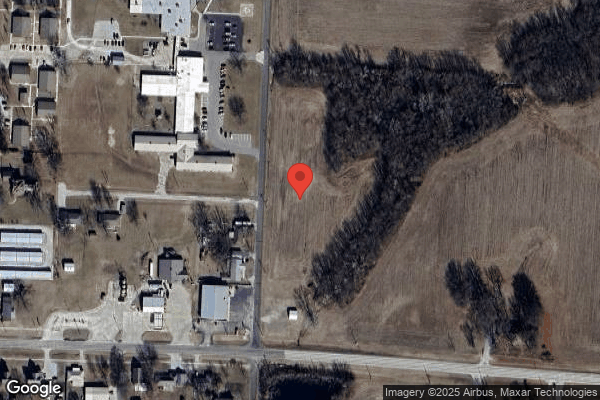
Apr 2024 3 deficiencies
CONCERN (D) 📢 Someone Reported This

A family member, employee, or ombudsman was alarmed enough to file a formal complaint

Potential for Harm - no one hurt, but risky conditions existed

Resident Rights (Tag F0550)

Could have caused harm · This affected 1 resident

1. Please refer to event ID NJ1P12. Based on interviews and record review, the facility failed to ensure all residents were treated with dignity and respect when staff yelled and cursed in the presen...

Read full inspector narrative →
1. Please refer to event ID NJ1P12. Based on interviews and record review, the facility failed to ensure all residents were treated with dignity and respect when staff yelled and cursed in the presence of residents. A sample of seven residents was reviewed in a facility with a census of 37. 1. Review of Resident #1's face sheet (admission data) showed the following: -admission date of 07/01/19; -Diagnoses included Alzheimer's disease (confusion or cognitive impairment), dementia with other behavioral disturbances (confusion or cognitive impairment with behaviors); and major depressive disorder (feeling low or sad persistently). Review of the resident's significant change Minimum Data Set (MDS - a federally mandated assessment tool completed by facility staff), dated 02/21/24, showed the following: -Severally impaired cognition; -Disorganized thinking present. Review of the resident's care plan, revised on 02/16/24, showed the following: -Resident is dependent upon staff for getting emotional, intellectual, physical, social needs related to cognitive decline. Staff will converse with the resident while providing care and introduce the resident to residents with similar background and interests; -Resident has communication problem related to hearing deficit. Resident has bilateral hearing aide, but he/she no longer uses them. Review of the Nurse Aide (NA) B's written statement showed the following: -Date of the incident 04/09/24; -Time of the incident 9:50 P.M.; -On 04/09/24, at 9:50 P.M., CNA A went and put a gait belt on the resident in the break room and made the resident stand up; -NA B told CNA A to be careful as the resident has been having to use a wheelchair and CNA A yelled and said I've been doing this for 13 fucking years don't tell me how to do my job. During an interview on 04/12/24, at 12:10 P.M., NA B said the following: -On 04/09/24, CNA A came in around 9:30 P.M.; -The resident was in the break room; -CNA A clocked in and CNA A seemed irritated; -NA B let CNA A know the resident was there and he/she was about to go do rounds; -CNA A put the gait belt around the resident. NA B was out by the nurses' desk; -CNA A walked out of the break room after NA B; -CNA A was trying to rush the resident and the resident was waving his/her hands and said whoa; -After NA B told CNA A about him/her using the wheelchair , CNA A said he/she has been doing this 13 fucking years. Review of NA D's written statement dated 04/10/24, at 1:40 P.M., showed the following: -Date of the incident 04/09/2024; -Time of the incident 9:50 P.M.; -At/around 9:50 P.M., on 04/09/24, CNA A went to put on a gate belt on the resident; -As they were walking away, another employee told CNA A to be careful because the resident hasn't had steady feet; -CNA A said to NA B that he/she knows what he/she is doing as he/she has been doing it for 13 years; -As CNA A was back talking. Review of Licensed Practical Nurse (LPN) C's written statement, dated 04/10/24, showed the following: -On 04/09/24, at 9:45 P.M., the nurses were behind the desk; -LPN C overheard NA B telling CNA A that the resident had been leaning over and stumbling frequently tonight and may need a wheelchair; -CNA A replied by yelling he/she had been doing this for 13 years, don't tell me how to do my job. -The resident walked past the nurses' station with CNA A wearing a gait belt securely; During an interview on 04/12/24, at 3:10 P.M., LPN C said he/she was told about CNA A and he/she thought CNA A just had an attitude. Review CNA A's written statement, undated, showed the following: -On 04/09/24, CNA A came to work and found the resident in the employee break room; -CNA A put on a gait belt and behind the resident and directed the resident to his/her room; -No problem getting there nice and slow because that's the way the resident walks; -There was an aide that yelled at me, telling me to be careful that the resident might fall; -CNA A had total control of the resident there was no cussing or jerking the resident; -CNA A took the resident to his/her room and put him/her to bed. During an interview on 04/12/24, at 12:20 P.M., CNA A said the following: -He/she came to work on 04/09/24 around 9:45 P.M.: -He/she was in the employee break room to clock in, when he/she saw the resident sitting in a chair bent over; -He/she was upset to see the resident in the break room by him/herself; -CNA A talked to the resident and directed the resident to his/her room; -NA B yelled at him/her to use the wheelchair. During an interview on 04/12/24, at 1:30 P.M., LPN E said the following: -On 04/09/24, around 9:40 P.M., he/she noticed the resident sitting in the employee break room; -The resident was asleep and it looked like the resident had been moving furniture in the break room; -CNA A said let me see if I can get the resident to his/her room; -CNA A brought the resident out of the break room and NA B came from around the corner and said to be careful with the resident and don't drop him/her; -CNA A turned around and looked at NA B and said I've been a CNA for 13 years and have a gait belt on the resident and he/she is secured. During an interview on 04/12/24, at 4:27 P.M., the Director of Nursing (DON) and Administrator said it is not appropriate for staff to act in an undignified manner around residents. MO00234468
CONCERN (D) 📢 Someone Reported This

A family member, employee, or ombudsman was alarmed enough to file a formal complaint

Potential for Harm - no one hurt, but risky conditions existed

Deficiency F0757 (Tag F0757)

Could have caused harm · This affected 1 resident

1. Please refer to event ID NJ1P12. Based on interview and record review, the facility failed to ensure all residents' drug regimes were free from unnecessary drugs when staff failed to adequately mo...

Read full inspector narrative →
1. Please refer to event ID NJ1P12. Based on interview and record review, the facility failed to ensure all residents' drug regimes were free from unnecessary drugs when staff failed to adequately monitor blood pressure as ordered for one resident (Resident #2), who received medications to help control blood pressure. A sample of four residents were reviewed, with a facility census of 37. Review showed the facility did not have a a policy regarding following physician's orders and monitoring with administration of medications. 1. Review of Resident #2's face sheet (admission data) showed the following: -admission date of 01/14/24; -No diagnosis listed. Review of the resident's care plan, dated 01/19/24, showed staff did not care plan regarding the resident's blood pressure medications. Review of the resident's admission Minimum Data Set (MDS - a federally mandated assessment tool completed by facility staff), dated 01/25/24, showed the following: -Memory problems; -Moderately impaired decision making; -Diagnoses included atrial fibrillation (irregular and often rapid heart rhythm, heart failure (heart muscle can't pump enough blood to meet the body's needs), and high blood pressure. Review of the resident's January 2024 Physician's Order Sheet (POS) showed the following: -An order, dated 01/19/24, to administer metoprolol (medication used to treat high blood pressure) 50 milligrams (mg) daily; -An order, dated 01/19/24, to administer amoldipine (medication used to treat high blood pressure) 2.5 mg two times per day; -An order, dated 01/19/24, to record blood pressure each shift. Review of the resident's January 2024 Medication Administration Record (MAR) showed the following: -Staff did not document monitoring the resident's blood pressure on the second shift (2:00 P.M. to 10:00 .M.) on eight dates (01/20/24, 01/21/24, 01/22/24, 01/25/24, 01/26/24, 01/29/24, 01/30/24, and 01/31/24); -Staff did not document monitoring the resident's blood pressure on the third shift (10:00 P.M. to 6:00 P.M.) in January 2024. During an interview on 04/12/24, at 1:10 P.M., Licensed Nurse Practitioner (LPN) H said the following: -Normally vitals are done monthly, sometimes depending on a resident's medications they might be done more often; -If the facility has an order to complete blood pressure each shift, staff should check the resident's blood pressure each shift; -There are assigned sheets to document the blood pressure readings and nurses chart in the nurses' notes as well; -He/she didn't remember if the resident had an order to check his blood pressure each shift; -If there was an order they were being done as far as he/she knew; -There are parameters listed on the MARs of when to hold a medication. During an interview on 04/12/24, at 1:30 P.M., LPN E said the following: -Vitals are done on residents depending upon their acuity such as if on oxygen or breathing treatments their done each shift; -If residents are on blood pressure medications we have parameters that tell staff when the mediations should be held; -If blood pressure readings are ordered each shift, he/she would expect staff to be taking them each shift and this is to be documented on the vitals sheets; -There is a spot on the MAR to document the blood pressure; -Orders should be followed as given from the nurse practitioner. During an interview on 04/12/24, at 3:10 P.M., LPN C said the following: -Staff know what medications and treatments to provide to resident by looking on the POS; -If the POS says the resident's blood pressure is to be checked every shift, staff should be checking it each shift; -The blood pressure is documented on the MAR in the resident's medical chart; -He/she remembers taking the residents blood pressure during his/her shift, and the first week or two it was daily and then it was changed to each shift; -If the blood pressure is under a certain level, there are given parameters and the medication may not be administered; -He/she doesn't know if anyone is reviewing the MARS and TARS to see if medications and orders are being done as prescribed. During an interview on 04/16/24, at 4:27 P.M., Family Nurse Practitioner (FNP) J said the following: -The resident had an order for two blood pressure medications; -There were orders for staff to complete blood pressure checks each shift. During an interview on 04/12/24, at 4:27 P.M., the Director of Nursing (DON) and Administrator said the following: -Staff know what treatments and medications are ordered by looking at the POS and the MARS. Nurses have MARs and CMTS have MARS; -If blood pressure is ordered each shift, he/she would expect it to be taken each shift; -He/she does not have staff that review the MARs and TARS to see if everything has been done correctly once completed; -When reviewing the resident's medical records it appears there was some shifts that missed doing the blood pressure. MO00233237
CONCERN (D) 📢 Someone Reported This

A family member, employee, or ombudsman was alarmed enough to file a formal complaint

Potential for Harm - no one hurt, but risky conditions existed

Medication Errors (Tag F0758)

Could have caused harm · This affected 1 resident

1. Please refer to event ID NJ1P12. Based on interview and record review, the facility failed to ensure all residents' drug regimes were free from unnecessary drugs when staff failed to specify a dia...

Read full inspector narrative →
1. Please refer to event ID NJ1P12. Based on interview and record review, the facility failed to ensure all residents' drug regimes were free from unnecessary drugs when staff failed to specify a diagnosis for use of a psychotropic medication for one resident (Resident #1). A sample of four residents was reviewed in a facility with a census of 37. Review showed the facility did not provide a policy regarding psychotropic medications. 1. Review of Resident #1's face sheet (admission data) showed the following: -admission date of 07/01/19; -Diagnoses included Alzheimer's disease (confusion or cognitive impairment), unspecified dementia with the other behavioral disturbances (confusion or cognitive impairment with behaviors). Review of the resident's quarterly Minimum Data Set (MDS - a federally mandated assessment tool completed by facility staff), dated 02/21/24, showed the following: -Severally impaired cognition; -Disorganized thinking is present; -Diagnosis include dementia and depression; -The resident was taking antianxiety medications. Review of the resident's care plan, revised on 03/18/24, showed the following: -Resident has impaired cognition or impaired thought processes related to Alzheimers. Administer medications as ordered and monitor/document for side effects and effectiveness. -Resident is resistive to care related to dementia. Allow the resident time to make decisions about treatment regime to provide a sense of control; -Resident has impaired cognitive dementia or impaired thought process related to Alzheimers. Staff to administer medications as prescribed. Staff to ask yes/no questions to determine resident's needs; -Resident has a mood problem related to depression and agitation related to Alzheimers. Staff to administer medication as ordered and monitor/document for side effects and effectiveness. -Monitor/record/report to physician as needed about acute episode feelings, sadness, or diminished ability to concentrate. Review of the the resident's February 2024, March 2024, and April 2024 Physicians' Order Sheet (POS) showed the following: -An order, dated 01/29/24, to administer Ativan (an antianxiety (psychotropic) medication) 0.5 mg every four hours as needed for agitation. Staff may administer IM (intramuscular) if resident refuses to take a pill. The order did not indicate a diagnosis for administration of Ativan, only the resident's symptom of agitation. Review of the resident's progress and nurses' notes showed staff did not document a diagnosis for the administration of Ativan. During an interview on 04/12/24, at 1:30 P.M., Licensed Practical Nurse (LPN) E said the resident has an order for as needed Ativan that staff administer about twice a day or sometimes three times per day. During an interview on 04/16/24, at 4:27 P.M., Family Nurse Practitioner (FNP) J said the following: -He/she reinstated the Ativan as needed for the resident' -The resident gets confused and wanders into other residents' rooms. During an interview on 04/12/24, at 4:27 P.M., the Director of Nursing (DON) and Administrator said the following: -The family nurse practitioner reviews the resident's medications and has made changes; -On 04/10/24, the DON sent out a note to staff asking when they are administering the as needed Ativan to document what interventions were tried previously; -They have been monitoring behaviors and completing medication changes. MO00233237
Feb 2024 4 deficiencies
CONCERN (D) 📢 Someone Reported This

A family member, employee, or ombudsman was alarmed enough to file a formal complaint

Potential for Harm - no one hurt, but risky conditions existed

Resident Rights (Tag F0550)

Could have caused harm · This affected 1 resident

Based on interviews and record review, the facility failed to ensure all residents were treated with dignity and respect when staff yelled and cursed in the presence of residents. A sample of seven re...

Read full inspector narrative →
Based on interviews and record review, the facility failed to ensure all residents were treated with dignity and respect when staff yelled and cursed in the presence of residents. A sample of seven residents was reviewed in a facility with a census of 37. 1. Review of Resident #1's face sheet (admission data) showed the following: -admission date of 07/01/19; -Diagnoses included Alzheimer's disease (confusion or cognitive impairment), dementia with other behavioral disturbances (confusion or cognitive impairment with behaviors); and major depressive disorder (feeling low or sad persistently). Review of the resident's significant change Minimum Data Set (MDS - a federally mandated assessment tool completed by facility staff), dated 02/21/24, showed the following: -Severally impaired cognition; -Disorganized thinking present. Review of the resident's care plan, revised on 02/16/24, showed the following: -Resident is dependent upon staff for getting emotional, intellectual, physical, social needs related to cognitive decline. Staff will converse with the resident while providing care and introduce the resident to residents with similar background and interests; -Resident has communication problem related to hearing deficit. Resident has bilateral hearing aide, but he/she no longer uses them. Review of the Nurse Aide (NA) B's written statement showed the following: -Date of the incident 04/09/24; -Time of the incident 9:50 P.M.; -On 04/09/24, at 9:50 P.M., CNA A went and put a gait belt on the resident in the break room and made the resident stand up; -NA B told CNA A to be careful as the resident has been having to use a wheelchair and CNA A yelled and said I've been doing this for 13 fucking years don't tell me how to do my job. During an interview on 04/12/24, at 12:10 P.M., NA B said the following: -On 04/09/24, CNA A came in around 9:30 P.M.; -The resident was in the break room; -CNA A clocked in and CNA A seemed irritated; -NA B let CNA A know the resident was there and he/she was about to go do rounds; -CNA A put the gait belt around the resident. NA B was out by the nurses' desk; -CNA A walked out of the break room after NA B; -CNA A was trying to rush the resident and the resident was waving his/her hands and said whoa; -After NA B told CNA A about him/her using the wheelchair , CNA A said he/she has been doing this 13 fucking years. Review of NA D's written statement dated 04/10/24, at 1:40 P.M., showed the following: -Date of the incident 04/09/2024; -Time of the incident 9:50 P.M.; -At/around 9:50 P.M., on 04/09/24, CNA A went to put on a gate belt on the resident; -As they were walking away, another employee told CNA A to be careful because the resident hasn't had steady feet; -CNA A said to NA B that he/she knows what he/she is doing as he/she has been doing it for 13 years; -As CNA A was back talking. Review of Licensed Practical Nurse (LPN) C's written statement, dated 04/10/24, showed the following: -On 04/09/24, at 9:45 P.M., the nurses were behind the desk; -LPN C overheard NA B telling CNA A that the resident had been leaning over and stumbling frequently tonight and may need a wheelchair; -CNA A replied by yelling he/she had been doing this for 13 years, don't tell me how to do my job. -The resident walked past the nurses' station with CNA A wearing a gait belt securely; During an interview on 04/12/24, at 3:10 P.M., LPN C said he/she was told about CNA A and he/she thought CNA A just had an attitude. Review CNA A's written statement, undated, showed the following: -On 04/09/24, CNA A came to work and found the resident in the employee break room; -CNA A put on a gait belt and behind the resident and directed the resident to his/her room; -No problem getting there nice and slow because that's the way the resident walks; -There was an aide that yelled at me, telling me to be careful that the resident might fall; -CNA A had total control of the resident there was no cussing or jerking the resident; -CNA A took the resident to his/her room and put him/her to bed. During an interview on 04/12/24, at 12:20 P.M., CNA A said the following: -He/she came to work on 04/09/24 around 9:45 P.M.: -He/she was in the employee break room to clock in, when he/she saw the resident sitting in a chair bent over; -He/she was upset to see the resident in the break room by him/herself; -CNA A talked to the resident and directed the resident to his/her room; -NA B yelled at him/her to use the wheelchair. During an interview on 04/12/24, at 1:30 P.M., LPN E said the following: -On 04/09/24, around 9:40 P.M., he/she noticed the resident sitting in the employee break room; -The resident was asleep and it looked like the resident had been moving furniture in the break room; -CNA A said let me see if I can get the resident to his/her room; -CNA A brought the resident out of the break room and NA B came from around the corner and said to be careful with the resident and don't drop him/her; -CNA A turned around and looked at NA B and said I've been a CNA for 13 years and have a gait belt on the resident and he/she is secured. During an interview on 04/12/24, at 4:27 P.M., the Director of Nursing (DON) and Administrator said it is not appropriate for staff to act in an undignified manner around residents. MO00234468
CONCERN (D) 📢 Someone Reported This

A family member, employee, or ombudsman was alarmed enough to file a formal complaint

Potential for Harm - no one hurt, but risky conditions existed

Report Alleged Abuse (Tag F0609)

Could have caused harm · This affected 1 resident

**NOTE- TERMS IN BRACKETS HAVE BEEN EDITED TO PROTECT CONFIDENTIALITY** Based on interviews and record review, the facility failed to ensure all allegations of possible abuse were reported immediately...

Read full inspector narrative →
**NOTE- TERMS IN BRACKETS HAVE BEEN EDITED TO PROTECT CONFIDENTIALITY** Based on interviews and record review, the facility failed to ensure all allegations of possible abuse were reported immediately to management and within two hours to the State Survey Agency (Department of Health and Senior Services - DHSS) when allegations were reported that one staff (Certified Nurse Aid (CNA A))cursed at two residents (Resident #1 and Resident # 2). The facility census was 45. Review of the facility's policy titled, Abuse, Prohibition, Prevention, Investigation, and Response, undated, showed the following: -It is the policy of the facility to take all reasonable and responsible measures to prevent the occurrence of abuse-including mental abuse-neglect, injuries of unknown sources, and misappropriation of resident property to ensure that all alleged, reported and suspected violations of Federal or State laws which involve mistreatment, abuse, neglect, avoidable accidents, incidents, injuries of unknown origin and misappropriation of resident property are reported to the state agencies within two hours after receiving said report. 1. Review of Resident #1's face sheet (admission data) showed the following: -admission date of 12/18/20; -Diagnoses included unspecified dementia, unspecified severity, with other behavioral disturbance (confusion or cognitive impairment with behaviors); insomnia (sleep disorder); pain; blindness, one eye; and atherosclerosis of aorta (buildup of plaque in the largest artery in of the body). Review of the resident's significant change Minimum Data Set (MDS - a federally mandated assessment tool completed by facility staff), dated 01/31/24, showed the following: -Memory problem for both long and short-term; -Last four to six days resident has displayed physical behaviors and verbal behaviors and last one to three days rejection of cares; -Total dependency on staff for eating, toileting hygiene, dressing, personal hygiene, and bathing. Review of the resident's care plan, revised on 02/16/24, showed the following: -Resident has impaired cognition and impaired though processes related to dementia; -Resident has communication problem related to hearing loss; -Resident has an ADLs (activities of daily living - dressing, grooming, bathing, eating, and toileting) self-care performance deficit related to dementia. Resident is dependent upon staff for all daily living activities; -Resident has a behavior problem. Resident has had few episodes of agitated behavior related to dementia; -Resident has potential to be physically aggressive and resistive to cares; -Resident has potential to be verbally abusive to staff; -Resident has risk for pain; -Resident has bowel and bladder incontinence related to dementia. Review of the facility's investigation, dated 02/08/24, showed the following: -On 02/08/24, the Director of Nursing (DON) received a text from Nurse Aide (NA) G stating NA G needed to speak to the DON; -DON called NA G and NA G reported that CNA A had cursed Resident #1 and Resident #2; -It was reported the incident occurred on 02/02/24 (six days prior). Record review of the DHSS records showed the facility did not self-report the allegation of abuse. 2. Review of Resident #2's face sheet showed the following: -Current admission date of 01/19/24; -Diagnoses included metabolic encephalopathy (problem in the brain), unspecified dementia, unspecified severity, without behavioral disturbance, psychotic disturbance, mood disturbance , and anxiety, pneumonia (cough that produces thick yellowish spit), acute respiratory failure with hypoxia (condition where you don't have enough oxygen in the tissue of your body), major depressive disorder (persistent low or depressed mood and loss of interest), seizures (uncontrolled electrical activity between the brain cells), hallucinations (false perceptions of objects), contracture (permanent tightening of the muscles) and unspecified psychosis not due to a substance or known physiological condition (mental state characterized by loss of touch with reality). Review of the resident's significant change MDS, dated [DATE], showed the following: -Severally impaired; -Psychosis with hallucinations and delusions; -Last four to six days resident has displayed verbal behaviors; -Total dependency on staff for eating, toileting hygiene, dressing, personal hygiene, and bathing. Review of the resident's care plan, revised on 02/06/24, showed the following: -Resident has impaired cognitive function/dementia or impaired thought processes related to unspecified psychosis; -Resident has a communication problem related to cognitive deficits; -Resident is dependent upon staff for meeting emotional, intellectual, physical, and social needs related to cognitive deficits, disease process, immobility, physical limitations and hospice status; -Resident is dependent upon staff for all ADLs; -Resident has behavior problems, yelling related to unspecified psychosis; -Resident has potential to be verbally aggressive exhibited by yelling out curse words related to unspecified psychosis. Review of the facility's investigation, dated 02/08/24, showed the following: -On 02/08/24, the Director of Nursing (DON) received a text from Nurse Aide (NA) G stating NA G needed to speak to the DON; -DON called NA G and NA G reported that CNA A had cursed Resident #1 and Resident #2; -It was reported the incident occurred on 02/02/24. Record review of the DHSS records showed the facility did not self-report the allegation of abuse. Review of the complaints turned into the state agency did not show a complaint had been filed by the facility for the allegation of abuse. 3. During an interview on 02/28/24, at 11:45 A.M., CNA A said the following: -It would not be appropriate to use profanity around or towards residents; -He/she said there have been times when he/she has cursed in the presence of Resident # 1 and Resident #2; -He/she doesn't remember exactly what profanity he/she used around the residents, or when he/she used the profanity; -If he/she witnessed staff using profanity towards or around a resident he/she would report to the charge nurse; -He/she doesn't know if cursing at a resident is supposed to be reported to the state. 4. During an interview on 02/24/24, at 10:55 A.M., CNA B said the following: -It would not be appropriate to curse at a resident or use profanity around a resident; -Cursing at a resident would be abuse and around a resident would be disrespectful; -If he/she witnessed cursing at or around a resident he/she would tell the charge nurse. 5. During an interview on 02/24/24, at 11:00 A.M., CNA C said the following: -It would not be appropriate to use profanity towards a resident or around a resident. This would be disrespectful and could be abuse; -If he/she witnessed cursing at a resident he/she would intervene and report to the nurse. 6. During an interview on 02/28/24, at 12:17 P.M., CNA H said the following: -Using profanity around or cursing at a resident would be considered abuse and a dignity issues; -He/she would tell the charge nurse if he/she heard another staff cursing at or around a resident; -He/she said an allegation of abuse should be reported to the state within two hours. 7. During an interview on 02/28/24, at 12:24 P.M., Certified Medication Tech (CMT) I said the following: -Would not be appropriate to curse at or around a resident. It would definitely be a dignity issue and possibly abuse; -He/she would report any suspected abuse to the charge nurse and talk to the DON; -He/she thinks suspected abuse should be reported to the state within 24 hours. 8. During an interview on 02/24/24, at 11:05 A.M., CMT D said the following: -It is not appropriate to use profanity at or around a resident, this would be disrespectful and probably abuse too; -If he/she witnessed staff using profanity, he/she would report to the charge nurse, if nothing done, he/she would go to the DON and Administrator. 9. During an interview on 02/24/24, at 11:27 A.M., Licensed Practical Nurse (LPN) E said the following: -It is not appropriate to use profanity around a resident or talk to a resident using profanity, this would be unprofessional and disrespectful; -He/she would report anything inappropriate or abusive to his/her supervisor. 10. During an interview on 02/24/24, at 12:25 P.M., LPN J said the following: -He/she knows to report abuse to the state within two hours; -It is not okay to cuss at resident or around residents. 11. During an interview on 02/24/24, at 11:05 A.M., Registered Nurse (RN) F said the following: -It would not be appropriate to use profanity around or towards a resident; -If he/she witnessed profanity being used at or around a resident he/she would intervene and report to his/her supervisor. 12. During an interview on 02/28/24, at 12:28 P.M., Social Service Designee (SSD) said the following: -It was not appropriate to curse at or around a resident. That would be abuse and dignity and respect issues; -He/she would report any suspected abuse to the DON and Administrator; -The facility is required to complete an investigation and report to the state within two hours. X. During interviews on 02/24/24, at 11:59 A.M., and on 02/28/24, at 1:12 P.M., the DON and Administrator said the following: -On 2/08/24, the DON was told by NA G that CNA A cursed at Resident #1 and Resident #2; -NA G told the Administrator that CNA A had been abusive/mean, but wouldn't write down details of what he/she meant by those accusations; -NA G would not write out a statement of the alleged incident; -DON suspended CNA A and began the investigation; -He/she did not report the allegation of abuse to the state; -It would not be appropriate to use profanity around or towards residents; -If staff curses at a resident it could be considered abuse; -He/she would expect staff to report abuse to their supervisor and the facility completes and investigation and notifies the state within 2 hours. MO00232266
CONCERN (D) 📢 Someone Reported This

A family member, employee, or ombudsman was alarmed enough to file a formal complaint

Potential for Harm - no one hurt, but risky conditions existed

Deficiency F0757 (Tag F0757)

Could have caused harm · This affected 1 resident

Based on interview and record review, the facility failed to ensure all residents' drug regimes were free from unnecessary drugs when staff failed to adequately monitor blood pressure as ordered for o...

Read full inspector narrative →
Based on interview and record review, the facility failed to ensure all residents' drug regimes were free from unnecessary drugs when staff failed to adequately monitor blood pressure as ordered for one resident (Resident #2), who received medications to help control blood pressure. A sample of four residents were reviewed, with a facility census of 37. Review showed the facility did not have a a policy regarding following physician's orders and monitoring with administration of medications. 1. Review of Resident #2's face sheet (admission data) showed the following: -admission date of 01/14/24; -No diagnosis listed. Review of the resident's care plan, dated 01/19/24, showed staff did not care plan regarding the resident's blood pressure medications. Review of the resident's admission Minimum Data Set (MDS - a federally mandated assessment tool completed by facility staff), dated 01/25/24, showed the following: -Memory problems; -Moderately impaired decision making; -Diagnoses included atrial fibrillation (irregular and often rapid heart rhythm, heart failure (heart muscle can't pump enough blood to meet the body's needs), and high blood pressure. Review of the resident's January 2024 Physician's Order Sheet (POS) showed the following: -An order, dated 01/19/24, to administer metoprolol (medication used to treat high blood pressure) 50 milligrams (mg) daily; -An order, dated 01/19/24, to administer amoldipine (medication used to treat high blood pressure) 2.5 mg two times per day; -An order, dated 01/19/24, to record blood pressure each shift. Review of the resident's January 2024 Medication Administration Record (MAR) showed the following: -Staff did not document monitoring the resident's blood pressure on the second shift (2:00 P.M. to 10:00 .M.) on eight dates (01/20/24, 01/21/24, 01/22/24, 01/25/24, 01/26/24, 01/29/24, 01/30/24, and 01/31/24); -Staff did not document monitoring the resident's blood pressure on the third shift (10:00 P.M. to 6:00 P.M.) in January 2024. During an interview on 04/12/24, at 1:10 P.M., Licensed Nurse Practitioner (LPN) H said the following: -Normally vitals are done monthly, sometimes depending on a resident's medications they might be done more often; -If the facility has an order to complete blood pressure each shift, staff should check the resident's blood pressure each shift; -There are assigned sheets to document the blood pressure readings and nurses chart in the nurses' notes as well; -He/she didn't remember if the resident had an order to check his blood pressure each shift; -If there was an order they were being done as far as he/she knew; -There are parameters listed on the MARs of when to hold a medication. During an interview on 04/12/24, at 1:30 P.M., LPN E said the following: -Vitals are done on residents depending upon their acuity such as if on oxygen or breathing treatments their done each shift; -If residents are on blood pressure medications we have parameters that tell staff when the mediations should be held; -If blood pressure readings are ordered each shift, he/she would expect staff to be taking them each shift and this is to be documented on the vitals sheets; -There is a spot on the MAR to document the blood pressure; -Orders should be followed as given from the nurse practitioner. During an interview on 04/12/24, at 3:10 P.M., LPN C said the following: -Staff know what medications and treatments to provide to resident by looking on the POS; -If the POS says the resident's blood pressure is to be checked every shift, staff should be checking it each shift; -The blood pressure is documented on the MAR in the resident's medical chart; -He/she remembers taking the residents blood pressure during his/her shift, and the first week or two it was daily and then it was changed to each shift; -If the blood pressure is under a certain level, there are given parameters and the medication may not be administered; -He/she doesn't know if anyone is reviewing the MARS and TARS to see if medications and orders are being done as prescribed. During an interview on 04/16/24, at 4:27 P.M., Family Nurse Practitioner (FNP) J said the following: -The resident had an order for two blood pressure medications; -There were orders for staff to complete blood pressure checks each shift. During an interview on 04/12/24, at 4:27 P.M., the Director of Nursing (DON) and Administrator said the following: -Staff know what treatments and medications are ordered by looking at the POS and the MARS. Nurses have MARs and CMTS have MARS; -If blood pressure is ordered each shift, he/she would expect it to be taken each shift; -He/she does not have staff that review the MARs and TARS to see if everything has been done correctly once completed; -When reviewing the resident's medical records it appears there was some shifts that missed doing the blood pressure. MO00233237
CONCERN (D) 📢 Someone Reported This

A family member, employee, or ombudsman was alarmed enough to file a formal complaint

Potential for Harm - no one hurt, but risky conditions existed

Medication Errors (Tag F0758)

Could have caused harm · This affected 1 resident

Based on interview and record review, the facility failed to ensure all residents' drug regimes were free from unnecessary drugs when staff failed to specify a diagnosis for use of a psychotropic medi...

Read full inspector narrative →
Based on interview and record review, the facility failed to ensure all residents' drug regimes were free from unnecessary drugs when staff failed to specify a diagnosis for use of a psychotropic medication for one resident (Resident #1). A sample of four residents was reviewed in a facility with a census of 37. Review showed the facility did not provide a policy regarding psychotropic medications. 1. Review of Resident #1's face sheet (admission data) showed the following: -admission date of 07/01/19; -Diagnoses included Alzheimer's disease (confusion or cognitive impairment), unspecified dementia with the other behavioral disturbances (confusion or cognitive impairment with behaviors). Review of the resident's quarterly Minimum Data Set (MDS - a federally mandated assessment tool completed by facility staff), dated 02/21/24, showed the following: -Severally impaired cognition; -Disorganized thinking is present; -Diagnosis include dementia and depression; -The resident was taking antianxiety medications. Review of the resident's care plan, revised on 03/18/24, showed the following: -Resident has impaired cognition or impaired thought processes related to Alzheimers. Administer medications as ordered and monitor/document for side effects and effectiveness. -Resident is resistive to care related to dementia. Allow the resident time to make decisions about treatment regime to provide a sense of control; -Resident has impaired cognitive dementia or impaired thought process related to Alzheimers. Staff to administer medications as prescribed. Staff to ask yes/no questions to determine resident's needs; -Resident has a mood problem related to depression and agitation related to Alzheimers. Staff to administer medication as ordered and monitor/document for side effects and effectiveness. -Monitor/record/report to physician as needed about acute episode feelings, sadness, or diminished ability to concentrate. Review of the the resident's February 2024, March 2024, and April 2024 Physicians' Order Sheet (POS) showed the following: -An order, dated 01/29/24, to administer Ativan (an antianxiety (psychotropic) medication) 0.5 mg every four hours as needed for agitation. Staff may administer IM (intramuscular) if resident refuses to take a pill. The order did not indicate a diagnosis for administration of Ativan, only the resident's symptom of agitation. Review of the resident's progress and nurses' notes showed staff did not document a diagnosis for the administration of Ativan. During an interview on 04/12/24, at 1:30 P.M., Licensed Practical Nurse (LPN) E said the resident has an order for as needed Ativan that staff administer about twice a day or sometimes three times per day. During an interview on 04/16/24, at 4:27 P.M., Family Nurse Practitioner (FNP) J said the following: -He/she reinstated the Ativan as needed for the resident' -The resident gets confused and wanders into other residents' rooms. During an interview on 04/12/24, at 4:27 P.M., the Director of Nursing (DON) and Administrator said the following: -The family nurse practitioner reviews the resident's medications and has made changes; -On 04/10/24, the DON sent out a note to staff asking when they are administering the as needed Ativan to document what interventions were tried previously; -They have been monitoring behaviors and completing medication changes. MO00233237
Nov 2023 3 deficiencies
CONCERN (F) 📢 Someone Reported This

A family member, employee, or ombudsman was alarmed enough to file a formal complaint

Potential for Harm - no one hurt, but risky conditions existed

Deficiency F0727 (Tag F0727)

Could have caused harm · This affected most or all residents

Based on observation, interview, and record review, the facility failed to staff a registered nurse (RN) for at least eight hours a day, seven days a week. The facility census was 40. 1. Review of th...

Read full inspector narrative →
Based on observation, interview, and record review, the facility failed to staff a registered nurse (RN) for at least eight hours a day, seven days a week. The facility census was 40. 1. Review of the October 2023 daily staffing postings showed the following: -On 10/11/23, there were no RN hours; -On 10/14/23, there were no RN hours; -On 10/15/23, there were no RN hours; -On 10/16/23, there were no RN hours. -The facility did not provide any other daily staffing posting for October 2023. Review of the facility's daily staffing sheet showed there was no RN scheduled for any shift on 10/11/23, 10/14/23, 10/15/23, 10/17/23, 10/18/23, 10/19/23, 10/20/23, 10/21/23, 10/22/23, 10/23/23, and 10/24/23. During an interview on 11/01/23, at 12:17 P.M., Licensed Practical Nurse (LPN) C said the following: -The Director of Nursing (DON) is the only RN employed at the facility; -There are no other RN's to work if he/she needs to be off; -This has been going on for at least three to four months. During an interview on 11/01/23, at 1:35 P.M., Nurse Assistant (NA) A said the following: -He/she thinks that the DON works six to seven days a week; -The DON is the only RN that he/she has seen working at the facility recently. During an interview on 11/09/23, at 1:27 P.M., LPN D said the following: -The DON is the only RN; -Sometimes there is no RN coverage for a whole day; -The DON is generally available by phone. During an interview on 11/02/23, at 10:45 A.M., the DON said the following: -He/she is the only RN currently working at the facility. He/she provides all of the RN coverage; -He/she does not keep track of his/her exact hours. He/she knows that he/she is not able to work every day. He/she is on call 24/7; -The facility did not apply for the RN waiver; -He/she has been the only RN coverage since April 2023; -The facility did not have RN coverage on 08/12/23, 08/13/23, 08/14/23, 08/15/23, 08/16/23, 08/17/23, 08/18/23, 08/19/23, 08/20/23, 09/08/23, 09/09/23, 09/10/23, 09/21/23, 09/22/23, 09/23/23, 10/11/23, 10/14/23, 10/15/23, 10/20/23, 10/21/23, and 10/22/23 because he/she was unable to work; -The facility is was not using agency RNs. -He/she is aware that the facility is required to staff and RN During an interview on 11/01/23, at 1:50 P.M., the Administrator said the following: -The only RN on staff is the DON; -He/she has advertised, but it has been very difficult to find more RN's; -The facility does not have an RN waiver; -The DON provides the RN coverage for the facility. He/she does not keep track of the DON's working hours to ensure there is enough RN coverage. He/she assumes the DON keeps track of his/her hours; -The DON is salaried and does not clock in or out. MO00226404
CONCERN (F) 📢 Someone Reported This

A family member, employee, or ombudsman was alarmed enough to file a formal complaint

Potential for Harm - no one hurt, but risky conditions existed

Deficiency F0728 (Tag F0728)

Could have caused harm · This affected most or all residents

Based on interview and record review, the facility failed to ensure seven nursing aides (Nurse Aide (NA) A, NA E, NA F, NA G, NA H, NA I, and NA J) completed a a state approved certified nursing assis...

Read full inspector narrative →
Based on interview and record review, the facility failed to ensure seven nursing aides (Nurse Aide (NA) A, NA E, NA F, NA G, NA H, NA I, and NA J) completed a a state approved certified nursing assistant (CNA) training program and competency evaluation program within four months of hire. The facility's census was 40. Review showed the facility did not provide a policy related to certification requirements time frames for CNAs. 1. Review of the personnel records showed the following: -NA A was hired as an NA on 05/09/22; -NA E was hired as an NA on 10/08/20; -NA F was hired as an NA on 05/02/19; -NA G was hired as an NA on 04/18/19; -NA H was hired as an NA on 04/20/23; -NA I was hired as an NA on 07/28/22; -NA J was hired as an NA on 02/27/23; -Staff did not have documentation of the NAs completing a state approved CNA training program or a competency evaluation within four months of hire. During an interview on 11/01/23, at 12:17 P.M., Licensed Practical Nurse (LPN) C said the following: -There are NA's that have been working at the facility more than four months; -The CNA classes have been stopped and restarted a few times; -The Director if Nursing (DON) is responsible for the CNA classes. During an interview on 11/01/23, at 1:35 P.M., NA A said the following: -He/she has worked at the facility as an NA for at least a year. He/she has started classes to become a CNA multiple times at the facility, but the class always gets canceled before he/she can complete and take the test. During an interview on 11/09/23, at 1:58 P.M., NA E said the following: -He/she has worked at the facility for about three years as an NA. He/she has never finished a CNA training program or completed the competency evaluation; -He/she completes the duties of a CNA while working at the facility such as pericare and transferring residents. During an interview on 11/09/23, at 2:50 P.M., NA F said the following: -He/she has worked at the facility as an NA for around four years; -He/she has started CNA training classes. He/she has never finished the classes or taken the CNA competency evaluation. During an interview on 11/09/23, at 1:27 P.M., LPN D said he/she is aware of NA's not completing their CNA classes in four months. During an interview on 11/02/23, at 10:45 A.M., the DON said the following: -He/she has struggled to get the CNA classes completed. He/she has had to stop and start it multiple times in the past year; -Many NA's have worked over four months and continue to work at the facility has an NA, but have not yet completed the classes for completed the competency evaluation. The NA's do complete responsibilities of the CNA's; -He/she confirmed NA A, NA E, NA F, NA G, NA H, NA I, and NA J continue to work at the facility as NAs; -He/she is aware that this does not meet the regulation; -He/she is the only RN and the facility and the only one who is able to teach the classes; -A few of the NA's have tried online courses, but they have not completed them; -He/she has started a new class a few weeks ago. During an interview on 11/01/23, at 1:50 P.M., the Administrator said the DON is in charge of the CNA classes and he/she would answer questions about it. MO00224751, MO00226404
CONCERN (F) 📢 Someone Reported This

A family member, employee, or ombudsman was alarmed enough to file a formal complaint

Potential for Harm - no one hurt, but risky conditions existed

Deficiency F0730 (Tag F0730)

Could have caused harm · This affected most or all residents

Based on interview and record review, the facility failed to provide the annual individual performance review or evaluation and failed to provide regular in-service education based on these reviews fo...

Read full inspector narrative →
Based on interview and record review, the facility failed to provide the annual individual performance review or evaluation and failed to provide regular in-service education based on these reviews for five nursing aides (Nurse Aide (NA) A, NA E, NA F, NA G, and NA I) . The facility census was 40. Review showed the facility did not provide a policy regarding annual individual performance reviews or education for aides. Review of the facility's current wide assessment showed the following: -The regulation outlines that individualized approach of the facility assessment is the foundation to determine staffing levels and competencies. The assessment must include a competency-based approach to determine the knowledge and skilles required among staff to ensure residents are able to maintain and attain their heighest practible physical, functional mental and psychosocial well-being and meet current professional strandards of pratice; -Staff competencies and annual training requirements per regulatory authority and/or facility policy 1. Review of personnel records showed the following: -NA A was hired as an NA on 05/09/22; -NA E was hired as an NA on 10/08/20; -NA F was hired as an NA on 05/02/19; -NA G was hired as an NA on 04/18/19; -NA I was hired as an NA on 07/28/22; -Staff did not document annual individual performance reviews. Review showed staff did not provide records showing 12 hours of annual education was completed for NA A, NA E, NA F, NA G, NA H, NA I, and NA J. During an interview on 11/01/23, at 1:35 P.M., NA A said the following: -He/she has been working at the facility as an NA for at least a year; -He/she does not recall having a performance review; -He/she is not sure who much education he has received from the facility. During an interview on 11/09/23, at 1:58 P.M., NA E said the following: -He/she has worked at the facility for around three years as an NA; -He/she is not aware of having any annual performance reviews; -He/she does now know how much education he/she has had in the last year. During an interview on 11/09/23, at 2:50 P.M., NA F said the following: -He/she has worked at the facility as an NA for around four years; -He/she does not remember having any annual performance reviews; -He/she has received some education, but he/she is not sure how many hours; -He/she is not sure who much education is required. During an interview on 11/09/23, at 1:14 P.M., the Director of Nursing (DON) said the following: -He/she is responsible or completing training and performance reviews of the nursing staff. The training of the NA's and CNA's is not being kept track of; -The NA's and CNA's have not had performance reviews in the past year; -The facility is not completing any specific orientation check off for NA's or CNA's; -He/she tries to have in-services every month, but some months have been missed. He/she thinks there may have been nine or ten in-services in the past year. During an interview on 11/01/23, at 1:50 P.M., the Administrator said the DON is in charge of the CNA classes and he/she would answer questions about it. MO00224751, MO00226404
Aug 2022 10 deficiencies
CONCERN (D)

Potential for Harm - no one hurt, but risky conditions existed

Deficiency F0625 (Tag F0625)

Could have caused harm · This affected 1 resident

Based on interview and record review, the facility failed to give written information to the resident and/or resident's representative of the facility's bed hold policy for two residents (Residents #1...

Read full inspector narrative →
Based on interview and record review, the facility failed to give written information to the resident and/or resident's representative of the facility's bed hold policy for two residents (Residents #1 and #14) who were transferred to the hospital. The facility census was 31. Record review showed the facility did not provide a bed hold policy. 1. Record review of Resident #14's face sheet (a document that gives a resident's information at a quick glance) showed the following: -admission date of 2/08/2021; -Diagnoses included cerebral infarction (lack of adequate blood supply to the brain), malignant neoplasm of unspecified part of left bronchus or lung (abnormal number of damaged cells that grow in the lung), Type II diabetes (impairment in the way the body regulates and uses sugar as fuel), hemiplegia (condition caused by brain damage or spinal cord injury that leads to paralysis), atrial fibrillation (irregular and often very rapid heart rhythm), and acute kidney failure (when kidneys suddenly become unable to filter waste products from your blood); -Resident had a guardian. Record review of the resident's nurse's note, dated 7/23/2022, showed the following: -Resident transferred to the hospital on 7/23/2022. (Staff did not document regarding providing the resident, or the resident's guardian, bed-hold information at transfer.) Record review of the resident's medical record showed staff did not have a copy of written bed hold information provided to the resident or resident's guardian at discharge. 2. Record review of Resident #1's face showed the following: -admission date of 04/17/2019; -Diagnoses included diabetes, dementia, anxiety disorder, high blood pressure, depression, and chronic obstructive pulmonary disease (COPD-lung disease); -Resident had a guardian. Record review of the resident's nurse's note showed the following: -On 07/31/2022, at 12:37 P.M., the resident had seizure like activity. Staff notified the resident family and family wanted the resident sent to the hospital. Staff obtained an order obtained to send resident to the hospital. (Staff did not document regarding providing the resident, or the resident's guardian, bed hold information at transfer.) Record review of the resident's medical record showed staff did not have a copy of written bed hold information provided to the resident or resident's guardian at discharge. 3. During an interview on 8/18/2022, at 9:45 A.M., Licensed Practical Nurse (LPN) G said social services takes care of the bed hold notification. 4. During an interview on 8/19/2022, at 10:42 A.M., LPN H said he/she has not been sending a bed hold policy. 5. During and interview on 8/22/2022, at 12:49 P.M., LPN G said the bed hold policy was signed upon admission. The facility didn't have a form to send with the residents. 6. During an interview on 8/18/2022, at 9:45 A.M., the Social Services Designee (SSD) said the following: -He/she included the bed hold policy upon residents' admission to the facility and gave notification of discharge to residents and residents' representatives; -He/she is not providing a bed hold policy to the residents or the residents' representatives whenever residents transferred to the hospital. He/she was not aware it was a requirement. 7. During an interview on 8/18/2022, at 10:00 A.M., the Director of Nursing (DON) said the only thing he/she has on bed holds is the information social services provides with the admission paperwork. He/she isn't aware of other paperwork that might be needed. 8. During an interview on 8/22/2022, at 1:05 P.M., the Administrator said the following: -Staff give a bed hold policy upon admission. He was not aware bed hold information had to given when resident goes to the hospital.
CONCERN (D)

Potential for Harm - no one hurt, but risky conditions existed

Unnecessary Medications (Tag F0759)

Could have caused harm · This affected 1 resident

**NOTE- TERMS IN BRACKETS HAVE BEEN EDITED TO PROTECT CONFIDENTIALITY** Based on observation, interview, and record review, the facility failed to ensure staff administered medications with an error r...

Read full inspector narrative →
**NOTE- TERMS IN BRACKETS HAVE BEEN EDITED TO PROTECT CONFIDENTIALITY** Based on observation, interview, and record review, the facility failed to ensure staff administered medications with an error rate of less than 5% when staff made two errors out of 27 opportunities, resulting in an error rate of 7.41%, affecting two residents (Residents #14 and #18). The facility census was 31. Record review of the facility policy, titled Kwik Pen Policy, undated, showed the following: -Priming the insulin pen means removing the air from the needle and cartridge that may collect during normal use and ensures the pen is working correctly; -Prime before each injection with 2 units. Record review of the Novolog Flex Pen (a fast-acting insulin) manufacturer's guidance, dated 3/2021, showed the following: -Before each injection small amounts of air may collect in the cartridge during normal use; -To avoid injecting air and to ensure proper dosing, -Prime (referred to as an air shot) the flex pen before each injection; -Turn the dose selector to select two units; -Hold the flex pen with the needle pointing up. Tap the cartridge gently to make any air bubbles collect at the top of the cartridge -Keep the needle pointing upward, and press the push button all the way in. The dose selector returns all the way to 0; -Make sure a drop appears; -If a drop of insulin does not appear, change the needle and repeat the procedure, no more than six times. 1. Record review of Resident #14's face sheet (a brief resident profile sheet) showed the following: -The resident was admitted on [DATE]; -Diagnoses included type 2 diabetes (a chronic condition that affects the way the body processes blood sugar). Record review of the resident's quarterly Minimum Data Set (MDS - a federally mandated assessment tool completed by facility staff), dated 6/16/2022, showed the following: -The resident was severely cognitively impaired; -He/she received insulin injections seven of the last seven days of the look behind period (the seven days of the review period). Record review of the resident's current care plan showed the care plan did not address the resident's diagnosis of diabetes or insulin injections. Record review of the resident's current Physician's Orders showed the following: -An order, dated 7/20/2022, for insulin aspart (a generic name for Novolog) at meals and at bedtime per sliding scale; -If the blood sugar reading is 0 to 150 milligrams/deciliter (mg/dL), administer two units of insulin; -If the blood sugar reading is 150 to 200 mg/dL, administer four units of insulin; -If the blood sugar reading is 201 to 250 mg/dL, administer six units of insulin; -If the blood sugar reading is 251 to 300 mg/dL, administer eight units of insulin; -If the blood sugar reading is 301 to 350 mg/dL, administer ten units of insulin; -If the blood sugar reading is 351 to 400 mg/dL, administer twelve units of insulin; -If the blood sugar reading is 401 to 450 mg/dL, administer fourteen units of insulin; -If the blood sugar reading is 451 to 500 mg/dL, administer sixteen units of insulin; -if the blood sugar reading is over 500 mg/dL, administer eighteen units of insulin. Observations on 8/18/2022, at 11:15 A.M., showed the following: -Licensed Practical Nurse (LPN) G checked the resident's glucose level and it was 285 mg/dL, which required eight units of insulin aspart; -The nurse injected eight units of insulin into the resident's abdomen, utilizing the Novolog pen, without priming the pen prior to administration. 2. Record review of Resident #18's face sheet showed the following: -The resident was admitted on [DATE]; -Diagnoses included type 2 diabetes. Record review of the resident's quarterly MDS, dated [DATE], showed the following: -The resident was cognitively intact; -He/she received insulin injections seven of the seven look behind days. Record review of the resident's current care plan showed the care plan did not address the resident's diabetes or insulin injections. Record review of the resident's current Physician's Orders showed the following: -An order, dated 10/25/2021, for Novolog Flex Pen, 100 unit/milliliter (u/ml), Injected subcutaneously (under the skin) per sliding scale before meals; -If the blood sugar reading is under 70 mg/dL, call the physician; -If the blood sugar reading is 151 to 200 mg/dL, administer three units of insulin; -If the blood sugar reading is 201 to 250 mg/dL, administer five units of insulin; -If the blood sugar reading is 251 to 300 mg/dL, administer eight units of insulin; -If the blood sugar reading is 301 to 350 mg/dL, administer ten units of insulin; -If the blood sugar reading is 351 to 400 mg/dL, administer twelve units of insulin; -If the blood sugar reading is over 400 mg/dL, call the physician. Observations on 8/18/2022, at 11:52 A.M., showed the following: -LPN G checked the resident's glucose level and it was 259 mg/dL which required eight units of Novolog insulin; -The nurse injected eight units of insulin into the resident's abdomen, utilizing the Novolog pen, without priming the pen prior to administration 3. During an interview on 8/18/2022, at 11:58 A.M., LPN G said he/she had in-services on how to store insulin pens from the pharmacy and was taught to prime when first opening the pen, but not with each use. 4. During an interview on 8/18/2022, at 12:35 P.M., LPN H said he/she she primes a Novolog insulin the first time he/she uses the pen, but not every time it is used. They have in-services regarding the storage of pens, but not priming. He/she said staff should follow manufacturer's guidelines regarding pen usage. 5. During an interview on 8/22/2022, at 11:07 A.M., Registered Nurse (RN) C said she expects staff to follow the manufacturer 's directions when using insulin pens. He/she was not aware of the need to prime insulin pens before each use. 6. During an interview on 8/19/2022, at 10:11 A.M., the Director of Nursing (DON) said he expects staff to follow the manufacturer's directions regarding insulin pens. He was under the assumption the pens were primed before first use, but was not aware they are primed each time they are used.
CONCERN (D)

Potential for Harm - no one hurt, but risky conditions existed

Deficiency F0760 (Tag F0760)

Could have caused harm · This affected 1 resident

**NOTE- TERMS IN BRACKETS HAVE BEEN EDITED TO PROTECT CONFIDENTIALITY** Based on observation, interview, and record review, the facility failed to ensure all residents were free from significant medic...

Read full inspector narrative →
**NOTE- TERMS IN BRACKETS HAVE BEEN EDITED TO PROTECT CONFIDENTIALITY** Based on observation, interview, and record review, the facility failed to ensure all residents were free from significant medication errors when staff administered insulin (medication used to help control blood sugar levels) without priming the insulin pens prior to administration per manufacture recommendations and standards of practice for two residents (Residents #14 and Resident #18). The facility census was 31. Record review of the facility policy, titled Kwik Pen Policy, undated, showed the following: -Priming the insulin pen means removing the air from the needle and cartridge that may collect during normal use and ensures the pen is working correctly; -Prime before each injection with 2 units. Record review of the Novolog Flex Pen (a fast-acting insulin) manufacturer's guidance, dated 3/2021, showed the following: -Before each injection small amounts of air may collect in the cartridge during normal use; -To avoid injecting air and to ensure proper dosing, -Prime (referred to as an air shot) the flex pen before each injection; -Turn the dose selector to select two units; -Hold the flex pen with the needle pointing up. Tap the cartridge gently to make any air bubbles collect at the top of the cartridge -Keep the needle pointing upward, and press the push button all the way in. The dose selector returns all the way to 0; -Make sure a drop appears; -If a drop of insulin does not appear, change the needle and repeat the procedure, no more than six times. 1. Record review of Resident #14's face sheet (a brief resident profile sheet) showed the following: -The resident was admitted on [DATE]; -His or her diagnoses included type 2 diabetes (a chronic condition that affects the way the body processes blood sugar). Record review of the resident's quarterly Minimum Data Set (MDS - a federally mandated assessment tool completed by facility staff), dated 6/16/2022, showed the following: -The resident was severely cognitively impaired; -He/she received insulin injections seven of the last seven days of the look behind period (the seven days of the review period). Record review of the resident's current care plan showed the care plan did not address the resident's diagnosis of diabetes or insulin injections. Record review of the the resident's current Physician 's Orders showed the following: -An order, dated 7/20/2022, for insulin aspart (a generic name for Novolog) at meals and at bedtime per sliding scale; -If the blood sugar reading is 0 to 150 milligrams/deciliter (mg/dL), administer two units of insulin; -If the blood sugar reading is 150 to 200 mg/dL, administer four units of insulin; -If the blood sugar reading is 201 to 250 mg/dL, administer six units of insulin; -If the blood sugar reading is 251 to 300 mg/dL, administer eight units of insulin; -If the blood sugar reading is 301 to 350 mg/dL, administer ten units of insulin; -If the blood sugar reading is 351 to 400 mg/dL, administer twelve units of insulin; -If the blood sugar reading is 401 to 450 mg/dL, administer fourteen units of insulin; -If the blood sugar reading is 451 to 500 mg/dL, administer sixteen units of insulin; -if the blood sugar reading is over 500 mg/dL, administer eighteen units of insulin. Observations on 8/18/2022, at 11:15 A.M., showed the following: -Licensed Practical Nurse (LPN) G checked the resident's glucose level and it was 285 mg/dL, which required eight units of insulin aspart; -The nurse injected eight units of insulin into the resident's abdomen, utilizing the Novolog pen, without priming the pen prior to administration. 2. Record review of Resident #18's face sheet showed the following: -The resident was admitted on [DATE]; -His/her diagnoses included type 2 diabetes. Record review of the resident's quarterly MDS, dated [DATE], showed the following: -The resident was cognitively intact; -He/she received insulin injections seven of the seven look behind days. Record review of the resident's current care plan showed the care plan did not address the resident's diabetes or insulin injections. Record review of the resident's current Physician's Orders showed the following: -An order, dated 10/25/2021 for Novolog Flex Pen, 100 unit/milliliter (u/ml) injected subcutaneously (under the skin) per sliding scale before meals; -If the blood sugar reading is under 70 mg/dL, call the physician; -If the blood sugar reading is 151 to 200 mg/dL, administer three units of insulin; -If the blood sugar reading is 201 to 250 mg/dL, administer five units of insulin; -If the blood sugar reading is 251 to 300 mg/dL, administer eight units of insulin; -If the blood sugar reading is 301 to 350 mg/dL, administer ten units of insulin; -If the blood sugar reading is 351 to 400 mg/dL, administer twelve units of insulin; -If the blood sugar reading is over 400 mg/dL, call the physician. Observations on 8/18/2022, at 11:52 A.M., showed the following: -LPN G checked the resident's glucose level and it was 259 mg/dL which required eight units of Novolog insulin; -The nurse injected eight units of insulin into the resident's abdomen, utilizing the Novolog pen, without priming the pen prior to administration 3. During an interview on 8/18/2022, at 11:58 A.M., LPN G said he/she had in-services on how to store insulin pens from the pharmacy and was taught to prime when first opening the pen, but not with each use. 4. During an interview on 8/18/2022, at 12:35 P.M., LPN H said he/she she primes a Novolog insulin the first time he/she uses the pen, but not every time it is used. They have in-services regarding the storage of pens, but not priming. He/she said staff should follow manufacturer's guidelines regarding pen usage. 5. During an interview on 8/22/2022, at 11:07 A.M., Registered Nurse (RN) C said she expects staff to follow the manufacturer 's directions when using insulin pens. He/she was not aware of the need to prime insulin pens before each use. 6. During an interview on 8/19/2022, at 10:11 A.M., the Director of Nursing (DON) said he expects staff to follow the manufacturer 's directions regarding insulin pens. He was under the assumption the pens were primed before first use, but was not aware they are primed each time they are used.
CONCERN (E)

Potential for Harm - no one hurt, but risky conditions existed

Safe Environment (Tag F0584)

Could have caused harm · This affected multiple residents

**NOTE- TERMS IN BRACKETS HAVE BEEN EDITED TO PROTECT CONFIDENTIALITY** Based on record review, observation, and interview, the facility failed to maintain a clean, comfortable, homelike environment w...

Read full inspector narrative →
**NOTE- TERMS IN BRACKETS HAVE BEEN EDITED TO PROTECT CONFIDENTIALITY** Based on record review, observation, and interview, the facility failed to maintain a clean, comfortable, homelike environment when multiple light fixture covers were dirty, broken, missing the cover, or had dead bugs present in the fixture. The facility census was 31. Record review showed the facility did not provide a policy regarding cleaning or maintenance of the building. 1. Observation on 08/18/2022, at 11:20 A.M., showed the following: -Fluorescent light fixture in the hall, near room [ROOM NUMBER], had dead bugs in the cover; -Fluorescent light fixture in the hall, near room [ROOM NUMBER], had a broken cracked cover across the length of the fixture; -Fluorescent light fixture, across from the soiled utility room, had approximately 12 dead bugs in the cover; -Fluorescent light fixture in the hall, near resident room [ROOM NUMBER] and the bath/shower room on 100 hall, had approximately 14 dead bugs in the cover; -Fluorescent light fixture, at the end of 100 hall closest to the exit door, had numerous dead bugs in the cover; -Ten round light fixtures, that lead from the entrance to the facility to the dining room and to the nurses' station, were dirty with dead bugs present in the covers; -Fluorescent light fixture, across from the oxygen storage room, had a cracked cover with multiple dead bugs in the cover; -Above the nurses' station were two fluorescent light fixtures. One was missing a cover and the second had cracks along the surface of the cover with dead bugs present in the cover; -At the far end of the dining room, across from the kitchen, a fluorescent light fixture between two resident tables with a missing light fixture cover. During an interview on 08/19/2022, at 7:46 A.M., Nursing Assistant (NA) I said he/she had not paid any attention to the fluorescent or round light fixtures and had not seen any of the light fixtures broken, missing, or dirty. If he/she had noticed this he/she would have reported this to the Maintenance Director, charge nurse, or Administrator. He/she thought this would be Maintenance Director's responsibility to clean these. During an interview on 08/19/2022, at 8:00 A.M., NA J said he/she had seen a few of the fluorescent light fixtures dirty. He/she had never noticed any broken fluorescent light fixture covers or missing fluorescent light fixture covers. He/she had reported to the maintenance person when fluorescent light fixtures were burned out. The NA assumed the fluorescent light fixtures were the Maintenance Director's responsibility. During an interview on 08/19/2022, at 8:27 A.M., the Maintenance Director said he did rounds in the kitchen and resident halls, but does not have a form to fill out on what he should be checking for on the rounds. He said he had not noticed the fluorescent light fixtures or the round light fixtures were dirty, broken, or missing covers.
CONCERN (E)

Potential for Harm - no one hurt, but risky conditions existed

Abuse Prevention Policies (Tag F0607)

Could have caused harm · This affected multiple residents

Based on interview and record review, the facility failed to ensure staff completed Nurse Aide (NA) Registry (registry which shows if someone has a Federal Indicator (indicates individuals who had a p...

Read full inspector narrative →
Based on interview and record review, the facility failed to ensure staff completed Nurse Aide (NA) Registry (registry which shows if someone has a Federal Indicator (indicates individuals who had a previous incident involving abuse, neglect, or misappropriation of property that would prevent the employee from working in a certified long-term care facility)) checks for three employees (Dietary Aide (DA) N, Licensed Practical Nurse (LPN) M, and Nurse Aide (NA) L). The facility census was 31. Record review showed the facility did not provide a policy regarding checking the NA registry upon hire. 1. Record review of Dietary Aide (DA) N's personnel record showed the following: -Hire/Start date of 4/12/22; -The facility had not completed the NA registry check for the DA. 2. Record review of Licensed Practical Nurse (LPN) M's personnel record showed the following: -Hire/start date of 6/09/22; -The facility had not completed the NA registry check for the LPN. 3. Record review of Nurse Aide (NA) L's personnel record showed the following: -Hire/start date 7/28/22; -The facility had not completed the NA registry check for the NA. 4. During interviews on 8/22/22, at 10:52 A.M. and 11:57 A.M., Registered Nurse (RN) C said the Administrator takes care of checking the NA registry. 5. During an interview on 8/22/22, at 11:18 A.M., the Director of Nursing (DON) said the Administrator takes care of checking the NA registry. 6. During an interview on 8/22/22, at 1:05 P.M. the Administrator said he did not know anything about the NA registry check.
CONCERN (E)

Potential for Harm - no one hurt, but risky conditions existed

Deficiency F0728 (Tag F0728)

Could have caused harm · This affected multiple residents

Based on observation, interview, and record review, the facility failed to ensure two nurse aides (Nurse Aide (NA) I and NA J) completed a certified nurse aide (CNA) training program within four month...

Read full inspector narrative →
Based on observation, interview, and record review, the facility failed to ensure two nurse aides (Nurse Aide (NA) I and NA J) completed a certified nurse aide (CNA) training program within four months of employment in the facility as a nurse aide. The facility census was 31. Record review of the facility policy titled CNA Certification Policy, last reviewed and revised 08/22/2022, showed the following: -This policy is to ensure the residents' health and safety and to meet the residents' needs; -All nursing assistants shall successfully complete the entire basic course (including passing the final examination) of the nursing assistant training program and be certified within four months of employment; -Nursing assistants who have not successfully completed the nursing assistant training program prior to employment may begin duties as a nursing assistant and may provide direct resident care only if under the direct supervision of a licensed nurse prior to the completion of the seventy-five (75) classroom hours of the training program. Direct supervision means close contact, where the licensed nurse is able to respond quickly to the needs of the residents; -The nursing assistant shall not perform any care or services for which he/she has not been trained nor found proficient by a licensed nurse. Prior to any direct resident contact, all staff will be enrolled in the nursing assistant program's basic course completing at least sixteen of the required seventy-five hours of instructional training in communication and interpersonal skills, infection control, safety/emergency procedures, promoting residents' independence, and respecting resident rights. 1. Record review of NA I's personnel file showed the following: -Date of hire of 10/08/2020; -No documentation NA I had completed a nurse aide training program. Record review of the Missouri CNA Registry on-line verification showed the NA did not have an active CNA certification. Observations on 08/17/2022, at 1:18 P.M., and on 08/19/2022, at 7:40 A.M., showed NA I providing direct care to residents in the facility. During an interview on 11/30/22021, at 7:46 A.M., NA I said he/she had worked as a NA at the facility for two years. Part of this time there had been a waiver for CNA certification due to the pandemic. He/she said the facility started classes back-up in January or February 2022, but all the people enrolled in the class including the instructor got Coronavirus Disease 2019 (COVID-19 - an infectious disease caused by severe acute respiratory syndrome Coronavirus 2 (SARS-CoV-2)). The NA said he/she is currently doing the CNA Certification Program on-line, but had not finished the program or tested at this time. 2. Record review of NA J's personnel file showed the following: -Date of hire of 04/18/2019; -No documentation NA J had completed the nurse aide training program. Record review of the Missouri CNA Registry on-line verification showed the NA did not have an active CNA certification. Observations on 08/17/2022, at 1:18 P.M., and on 08/19/2022, at 7:55 A.M., showed NA J providing direct care to residents in the facility. During an interview on 08/19/2022, at 8:00 A.M., NA J said he/she had been employed at the facility as an NA for three years. The NA classes stopped due to the pandemic. The NA said he/she had been taking classes in another town, but it is a long drive. The Registered Nurse (RN) C started classes back up in January or February 2022, but the classes got delayed due to the instructor and students catching COVID 19. He/she said he/she is now scheduled to start on-line classes to get his/her CNA certification. 3. During an interview on 08/22/2022, at 11/16 A.M., RN C said NA I and NA J started classes for the CNA Certification prior to COVID-19 outbreak. The facility had lost it's ability to do CNA certification in 2019 and then the waiver occurred due to the pandemic. Prior to the waiver the NA's had been going to another town for classes. The RN said due to her health and the students and herself getting COVID the classes got delayed. The facility is a small facility and the classes are expensive for them. NA I is currently on-line taking the certification classes and NA J is next in line to start the on-line classes. 4. During an interview on 08/22/2022, at 1:04 P.M., the Administrator said NA's should be certified within four months.
CONCERN (E)

Potential for Harm - no one hurt, but risky conditions existed

Deficiency F0919 (Tag F0919)

Could have caused harm · This affected multiple residents

**NOTE- TERMS IN BRACKETS HAVE BEEN EDITED TO PROTECT CONFIDENTIALITY** Based on record review, observation, and interview, the facility failed to adequately equipped with a full call light system whe...

Read full inspector narrative →
**NOTE- TERMS IN BRACKETS HAVE BEEN EDITED TO PROTECT CONFIDENTIALITY** Based on record review, observation, and interview, the facility failed to adequately equipped with a full call light system when call light pull cords were missing or when staff stored emergency call light pull cords where residents could not access the pull cord for staff assistance. The facility census was 31. Record review showed the facility did not provide a policy addressing the call light system. 1. Observation on 08/18/2022, at 11:30 A.M., showed the following: -room [ROOM NUMBER], where two residents resided, the call light pull cord in the resident's bathroom next to the toilet was missing; -room [ROOM NUMBER], where one resident resided, the call light pull cord wrapped and tied around the grab bar next to the toilet where it could not be easily access and triggered by the resident. Observation on 08/18/2022, at 1:00 P.M., showed the following: -room [ROOM NUMBER], where one resident resided, the call light next to the resident's toilet was missing the call light cord; -room [ROOM NUMBER], where one resident resided, the call light pull cord in the resident bathroom next to the toilet, not long enough to reach the floor; -room [ROOM NUMBER], where one resident resided, the call light next to the toilet, wrapped, and tied around the grab bar where is could not be easily access and triggered by the resident. Observation on 08/22/2022, at 10:15 A.M., showed the following: -room [ROOM NUMBER], where two residents resided, the call light pull cord next to the residents' toilet remained missing; -room [ROOM NUMBER], where one resident resided, the call light pull cord in the resident bathroom next to the toilet remained wrapped and tied around the grab bar. During an interview on 08/18/2022, at 7:45 A.M., Nurse Aide (NA) I said he/she had not noticed some of the call light pull cords were wrapped around the grab bar, did not reach the ground for resident access, or were missing. He/she said if he/she had noticed the call light pull cords were wrapped around the grab bars or were missing he/she would have reported this to the Maintenance Director or the the Restorative Nurse Aide (RNA) so the cords cord be replaced or repaired. He/she did not know the cord should be long enough for residents to reach if they had fallen to the floor and needed to access the call light in case of an emergency. During an interview on 08/19/2022, at 8:00 A.M., NA J said he/she had not noticed any call lights in resident bathrooms were missing, wrapped and tied up to the grab bar in the resident bathrooms, or were not long enough for residents to reach if they had fallen in the bathroom. He/she said in the past he/she had reported some issues with the pull cords in resident bathrooms and the RNA repaired or replaced them. During an interview on 08/19/2022, at 8:27 A.M., the Maintenance Director said he and the RNA were responsible for the call lights pull cords in resident bathrooms. He said he had not noticed any of the call lights pull cords were missing or wrapped and tied up to the grab bar next to the toilet in the resident bathrooms. During an interview on 08/22/2022, at 12:00 P.M., RNA K said all the resident bathrooms should have call light pull cords so in the event of an emergency residents can use the call light to request staff assistance. The call lights pull cords should all be accessible and easy to reach. Call light pull cords should not wrapped and tied up around the grab bars, should be long enough that a resident could reach the pull cords if the resident were to fall, and if the pull cord was missing staff should report this to me or maintenance so the pull cords can be fixed, replaced, or repaired. During an interview on 08/22/2022, at 1:04 P.M., the Administrator said call lights in resident bathrooms should be accessible. If the cord is missing it should be replaced. He was not aware there were call lights wrapped or tied around the grab bars.
CONCERN (F)

Potential for Harm - no one hurt, but risky conditions existed

Deficiency F0727 (Tag F0727)

Could have caused harm · This affected most or all residents

Based on interview and record review, the facility failed to have a registered nurse (RN) work eight consecutive hours seven days per week. The facility census was 31. Record review of the facility's ...

Read full inspector narrative →
Based on interview and record review, the facility failed to have a registered nurse (RN) work eight consecutive hours seven days per week. The facility census was 31. Record review of the facility's Registered Nurse Coverage Policy, undated, showed the following information: -It is the policy of the facility to have RN coverage eight hours during the day for seven days a week; -The RN on duty will be responsible for supervision of the staff on duty and their provision of resident care; -The RN on duty will follow the job description of the RN. 1. Record review of the facility's provided nurse schedules, dated 07/01/2022 through 07/31/2022, showed no RN coverage on any shift for the following dates: -07/03/2022; -07/09/2022; -07/10/2022; -07/16/2022; -07/17/2022, -07/23/2022; -07/24/2022; -07/30/2022; -07/31/2022. Record review of the facility provided nurse schedules, dated 08/01/2022 through 08/15/2022, showed no RN coverage on any shift for the following dates: -08/06/2022; -08/07/2022; -08/13/2022; -08/14/2022. During an interview on 08/19/2022, at 7:46 A.M., Nurse Aide (NA) I said the facility did not have an RN who works eight hours a day on the weekends. He/she said the only two RN's the facility had were the Director of Nursing (DON) and RN C. During an interview on 08/19/2022, at 8:00 A.M., NA J said the facility did not have a RN on duty on the weekends who worked eight hours a day. He/she said the DON or RN C popped in on the weekends at times, but do not not work eight hours a day on the weekends. During an interview on 08/19/2022, at 10:42 A.M., Licensed Practical Nurse (LPN) H said the facility did not have RN coverage on the weekends. During an interview on 08/22/2022, at 11:16 A.M., RN C said the facility did not have a RN on duty eight hours a day seven days a week. The Administrator advertised for an RN in the newspaper and had tried to find another RN. During an interview on 08/22/2022, at 9:55 A.M., the DON said the facility did not have RN coverage eight hours a day seven days a week. He and RN C come in at times on the weekend, but were not there eight hours a day on the weekends. He said the administrator had advertised for an RN, but had not had any people apply. During an interview on 08/22/2022, at 1:04 P.M., the Administrator said he had advertised for three months for an RN for coverage on the weekends, but had not had any success finding an RN. He said he did not see having an RN eight hours a day seven days a week as an asset.
CONCERN (F)

Potential for Harm - no one hurt, but risky conditions existed

Food Safety (Tag F0812)

Could have caused harm · This affected most or all residents

Based on record review, observation, and interview, the facility failed to prepare food in accordance with professional standards of practice and protect food from possible contamination when staff di...

Read full inspector narrative →
Based on record review, observation, and interview, the facility failed to prepare food in accordance with professional standards of practice and protect food from possible contamination when staff did not maintain clean surfaces, touched food with bare hands, and staff did not wear proper hair coverings. The facility census was 31. 1. Record review of the 2013 Missouri Food Code showed the following information: -Equipment food-contact surfaces and utensils shall be clean to sight and touch; -The food-contact surfaces of cooking equipment and pans shall be kept free of encrusted grease deposits and other soil accumulations; -Nonfood-contact surfaces of equipment shall be kept free of an accumulation of dust, dirt, food residue, and other debris; -Nonfood-contact surfaces of equipment that are exposed to splash, spillage, or other food soiling or that require frequent cleaning shall be constructed of a corrosion-resistant, nonabsorbent, and smooth material; -Nonfood-contact surfaces of equipment shall be cleaned at a frequency necessary to preclude accumulation of soil residues; -The physical facilities shall be cleaned as often as necessary to keep them clean. Record review showed the facility did not provide a policy regarding cleaning or maintenance of the kitchen. Observation on 8/16/2022, beginning at 10:27 A.M., showed the following: -A shelf on the back side of the kitchen with sticky substance and the top finish partially off; -Stove hoods had black substance and fuzzy lint on all three hoods; -Vent over the sink at side door had brown substance and fuzzy lint present. During an interview on 8/19/22, at 8:26 A.M., Dietary Aide (DA) F said the following: -Maintenance is responsible for cleaning the ceiling vents, if there is an issue, he/she tells the dietary manager, or maintenance. During an interview on 8/19/22, at 8:31 A.M., DA E said the following: -He/she is not aware of a cleaning schedule. He/she cleans as needed; -He/she doesn't know whose responsible for cleaning the stove hoods; -He/she doesn't know whose responsible for the ceiling vents, if there is an issue, he/she would report to dietary manager. During an interview on 8/19/22, at 8:27 A.M., the Maintenance Supervisor said the following: -Thought the vents on the ceiling in the kitchen, were cleaned by the DM; -Range hoods are cleaned by a company. During an interview on 8/19/22, at 8:49 A.M., the Dietary Manager (DM) said the following: -There is a cleaning schedule, but staff has not been consistent so it has not been completed; -Shelves should be cleaned as needed; -He/she notifies the maintenance person when the ceiling vents need cleaned; -He/she has a person that comes into clean the stove hoods. The last time the person did not clean the hoods, only looked at them. 2. Record review of the 2013 Missouri Food Code showed the following: -Food employees may not contact exposed, ready-to-eat food with their bare hands and shall use suitable utensils such as deli tissue, spatulas, tongs, single-use gloves, or dispensing equipment. Record review showed the facility did not provide a policy regarding ready to eat food or glove usage for the kitchen. Observation of the kitchen on 8/16/2022, at 11:30 A.M., showed the following: -The DM used an ungloved finger to push brownie off of the spatula into a blender. Observation of the kitchen on 8/18/2022, beginning at 10:59 A.M., showed the following: -The DM used bare finger to pick up a piece of chicken and place into a blender. During an interview on 8/19/22, at 8:26 A.M., DA F said it was not appropriate to touch foods with ungloved hands. During an interview on 8/19/22, at 8:31 A.M., DA E said it is never appropriate to touch food without a glove. During an interview on 8/19/22, at 8:49 A.M., the DM said the following: -It is not appropriate to touch residents' food with bare hand. Staff should wear gloves; -If putting food in the mixer, staff should not use bare fingers to push food off spatula and into the blender. During an interview on 8/22/22, at 1:05 P.M., the Administrator said staff should not touch food with bare hands. 3. Record review of the 2013 Food Code, issued by the Food and Drug Administration, showed the following: -Food employees shall wear hair restraints such as hats, hair coverings or nets, beard restraints, and clothing that covers body hair, that are designed and worn to effectively keep their hair from contacting exposed food; clean equipment, utensils, and linens; and unwrapped single-service and single-use articles. Record review showed the facility did not provide a policy regarding hair net usage in the kitchen. Observation of the kitchen on 8/17/2022, beginning at 8:20 A.M., showed the following: -DA F walked within the kitchen area, where food was being prepared. The DA was not wearing a hairnet; -DA E served food from the steam table. The DA was not wearing a hair net. Observation of the kitchen on 8/18/2022, beginning at 10:59 A.M., showed the following: -DA F walked within the kitchen without a hairnet; -DA E scooped food from the steam table. The DA was not wearing a hair net. During an interview on 8/19/22, at 8:26 A.M., DA F said the following: -Staff should be wearing a hairnet at all times in the kitchen. During an interview on 8/19/22, at 8:31 A.M., DA E said the following: -He/she did not know he/she was supposed to wear a hairnet. During an interview on 8/19/22, at 8:49 A.M., the DM said the following: -Everyone with hair should be wearing a hairnet while in the kitchen. During an interview on 8/22/22, at 1:05 P.M., the Administrator said following: -Staff should be wearing hair nets in the kitchen.
CONCERN (F)

Potential for Harm - no one hurt, but risky conditions existed

Infection Control (Tag F0880)

Could have caused harm · This affected most or all residents

Based on observation, interview, and record review, the facility failed to maintain an infection control program that provided a safe and sanitary environment for all residents related to the Coronavi...

Read full inspector narrative →
Based on observation, interview, and record review, the facility failed to maintain an infection control program that provided a safe and sanitary environment for all residents related to the Coronavirus Disease 2019 (COVID-19, an infectious disease caused by severe acute respiratory syndrome Coronavirus 2 (SARS-CoV-2)) when staff failed to wear face coverings properly while working with residents. The facility also failed to provide an effective, thorough program for the prevention of the growth of the Legionella bacteria (a bacteria which causes a respiratory disease when breathing in small droplets of water in the air that contain Legionella. It can become a health concern when it grows and spreads in human-made water systems.) in the facility water supply or where moist conditions existed. The facility census was 31. 1. Record review of the facility's policy, titled Infection Control Policy, revised 7/10/2022, showed the following: -The policy is based on information and advice from the Centers for Disease Control and Prevention (CDC). (The policy provided by the facility did not address how staff should wear masks.) Record review of the updated guidance for healthcare workers from the CDC titled Interim Infection Prevention and Control Recommendations for Healthcare Personnel during the Coronavirus Disease 2019 (COVID-19) Pandemic, updated on 2/22/2022, showed the following: -Implement source control refers to use of well-fitting cloth masks, face masks, or respirators to cover a person's mouth and nose to prevent spread of respiratory secretions when they are breathing, talking, sneezing, or coughing; -Source control options for Health Care Providers (HCP) include a NIOSH-approved N95 or equivalent or higher-level respirator filtering face piece respirators or a well-fitting mask; -Health Care Providers (HCP) should wear well-fitting source control at all times while they are in the healthcare facility, including in break rooms or other spaces where they might encounter co-workers; -Source control and physical distancing (when physical distancing is feasible and will not interfere with provision of care) are recommended for everyone in a healthcare setting. This is particularly important for individuals, regardless of their vaccination status, who live or work in counties with substantial to high community transmission; or if they are not up to date with all recommended COVID-19 vaccine doses; or have moderate to severe immunocompromise; or have otherwise had source control and physical distancing recommended by public health authorities. Record review of the CDC guidance for healthcare workers, titled Facemask Do's and Don'ts, dated 06/02/2020, showed the following: -Do secure the bands around the ears; -Do secure the straps at the middle of the head and the base of the head; -Don't wear the facemask under the nose or mouth; -Don't wear the facemask around the neck. Record review of the CDC's Updated Healthcare Infection Prevention and Control Recommendations in Response to COVID-19 Vaccination, updated 04/27/21, showed the following: -In general, fully vaccinated HCP should continue to wear source control while at work. Record review of the COVID Data Tracker, on the CDC website, showed the facility's county had a high community transmission rate for 8/16/2022 (date survey began). 2. Record review of Resident #4's face sheet (a brief resident summary sheet) showed the following: -An admission date of 5/13/2022; -Diagnoses included chronic obstructive pulmonary disease (COPD-a group of lung diseases that block airflow and make it difficult to breathe), asthma (a condition in which a person's airways become inflamed, narrow, and swell, and produce extra mucus, which makes it difficult to breathe). Observation on 8/16/2022, at 1:10 P.M., showed the following: -Nurse Assistant (NA) I entered the room where the Hoyer lifts ( a mechanical device with a sling attached to lift and transfer a non-ambulatory resident) were stored, with his/her mask under his/her nose. The aide got the lift, and went down the hallway to the resident's room, pulled the mask below his/her mouth, and assisted the unmasked resident into the chair. 3. Record review of Resident #16's face sheet showed the following: -An admission date of 8/14/2021; -Diagnoses included dementia (a group of thinking and social symptoms that interfere with daily functioning), and anemia (a conditioning in which the blood doesn't have enough healthy red blood cells). Observation on 8/17/2022, at 8:26 A.M., showed the following: -NA L went to the resident's room to change the resident's linens and had his/her mask below his/her nose. The aide came out of the resident's room and continued to have the mask below his/her nose, walked up the hall, and carried clean linens back down the hallway to the resident's room with his/her nose uncovered, to the resident's room. The resident was in the room, in the recliner, while the aide was performing the task. The aide was within six feet of the unmasked resident while in the room. Observation on 8/19/2022, at 7:07 A.M., showed the following: -Licensed Practical Nurse (LPN) H had his/her mask below his/her nose while administering medications to the unmasked resident. When the nurse kneeled beside the resident to assist with the medications, the nurse pulled the mask below his/her nose and mouth, and left it there the duration of the time he/she was kneeled next to the resident, approximately two minutes. 4. Record review of Resident #1's face sheet showed the following: -An admission date of 1/24/2020; -Diagnoses included Alzheimer's disease (a progressive disease that destroys memory and other important mental functions). Record review of Resident #23's face sheet showed the following: -An admission date of 10/10/2018; -Diagnoses included coronary artery disease (damage or disease to the heart's major blood vessels), congestive heart failure (CHF-a condition in which the heart doesn't pump blood as well as it should), and Alzheimer's disease. Observation on 8/17/2022, at 1:16 P.M., showed the following: -NA I got a Hoyer lift from the storage area, with his/her mask below his/her nose and mouth, walked to the shared room of Resident #1 and Resident #23, and took the lift into the room, placed the lift in the room where both residents were present, then turned and left the room with the mask down below his/her nose and mouth. The aide then walked up the hallway towards the nursing station coughing. The aide was within six feet of both unmasked residents when in the room. 5. Record review of Resident #14's face sheet showed the following: -An admission date of 2/8/2021; -Diagnoses included lung cancer and type 2 diabetes (a condition that affects the way the body processes blood sugar). Record review of Resident #28's face sheet showed the following: -An admission date of 4/20/2022; -Diagnoses included type 2 diabetes and Alzheimer's disease. Observation on 8/18/2022, at 8:14 A.M., showed the following: -The activities director walked down the 100 hall to the nurses' station with her mask below her nose and mouth. Resident #14 and Resident #28 were within six feet of the nurses' desk, unmasked. 6. Record review of Resident #131's face sheet showed the following: -An admission date of 8/6/2022; -Diagnoses included Alzheimer's disease, depression, and anxiety. Observation on 8/18/2022, at 8:30 A.M., showed the following: -The Activities Director was standing talking within six feet of the resident in the dining room with his/her mask below her nose and mouth, then sat next to the unmasked resident. 7. Record review of Resident #17's face sheet showed the following: -An admission date of 12/18/2020; -Diagnoses included dementia, atherosclerosis (a buildup of fat and cholesterol in the aorta (the main artery leading from the heart to the rest of the body)). Observation on 8/18/2022, at 9:25 A.M., showed the following: -NA I was in the room with the resident assisting the resident to lie down. The aide had his/her mask below his/her nose. The resident was unmasked. 8. Record review of Resident #26's face sheet showed the following: -An admission date of 10/18/2016; -Diagnoses included a traumatic brain injury (a brain dysfunction caused by an outside force, usually a violent blow to the head), and atherosclerosis of native arteries of extremities (a disease of the blood vessels causing narrowing and hardening of the arteries to the legs). Observation on 8/18/2022, at 11:01 A.M., showed the following: -NA I pushed the resident from his/her room, up the hallway, and to the dining room with his/her mask below his/her nose. Observation on 8/19/2022, at 7:33 A.M., showed the following: -LPN H had his/her mask below his/her nose, in the dining room, while standing next to the resident administering medications. There were approximately 25 other unmasked residents in the dining room at the time. 9. Record review of Resident #132's face sheet showed the following: -An admission date of 8/4/2022; -Diagnoses included cerebral infarction (stroke) and chronic pain. Observation on 8/19/2022, at 7:20 A.M., showed the following: -LPN H had his/her mask down below his/her mouth and nose, in the dining room, while kneeling next to the unmasked resident administering medications. 10. During an interview on 8/19/2022, at 7:46 A.M., NA I said masks should be worn all the time staff is in the building and around residents. The mask should cover the mouth and nose. During an interview on 8/19/2022, at 8:00 A.M., NA J said masks should be worn any time staff is in the building and should cover the mouth and nose. Staff is allowed to take their masks down in the break room or when they are outside, but when around residents they are to be on and worn properly. During an interview on 8/19/2022, at 8:27 A.M., the Maintenance Supervisor said masks should be worn at all times when in the building and when around residents. The masks should cover the mouth and nose. During an interview on 8/19/2022, at 10:42 A.M., LPN H said masks should be worn anytime staff is in the building and when around residents. The masks should always cover both the mouth and nose. During an interview on 8/22/2022, at 10:30 A.M., the Social Services Director said she expects staff to wear masks any time they are in the building, and masks should cover the staff's mouth and nose. It is not appropriate for the staff to wear masks incorrectly. During an interview on 8/22/2022, at 11:07 A.M., Registered Nurse (RN) C said he/she expects staff to wear masks over their mouth and nose any time they are around residents, other staff, or resident families. It is not appropriate for staff to wear masks inappropriately. During an interview on 8/19/2022, at 10:11 A.M., the Director of Nursing (DON) said he expects staff to wear masks over their mouth and nose anytime they are around residents. It is not appropriate to wear masks incorrectly around residents. 11. Record review of the CDC Toolkit for Legionella (which is officially titled Developing a Water Management Program to Reduce Legionella Growth & Spread in Buildings) showed that healthcare facilities need to actively identify and manage hazardous conditions that support growth and spread of Legionella by: -Identifying building water systems for which Legionella control measures are needed; -Assess how much risk the hazardous conditions in those water systems pose; -Apply control measures to reduce the hazardous conditions, whenever possible, to prevent Legionella growth and spread; -Make sure the program is running as designed and is effective. Record review of the facility policy titled, Legionella Ecology, undated, showed the following information: -All water faucets and shower heads are to be inspected and cleaned with bleach or germ fighting soap; -Shower houses are to be cleaned after each use including hoses, handles, faucets, drains and floors; -Whirlpool tubs are to be filled with water and 1/2 cup of bleach and drained once per month; -Shower heads are to be cleaned monthly in a bucket of bleach water; -Toilet tanks are to be filled with bleach and flushed after ten minutes; -The kitchen needs to be wiped down with bleach spray or disinfectant wipes after each time water comes into contact with a surface; -Hot water with bleach is to be run down drains (no frequency noted); -Faucets and hoses are to be cleaned with bleach or disinfectant wipes (no frequency noted); -Dishwashers, drains, hoses, traps, and garbage disposals are to be sprayed with bleach after each wash; -Ice machines are to be wiped down and hoses cleaned (no frequency noted). No standing water is to be around the ice machine; -Faucets in resident rooms are to be wiped down with bleach (no frequency noted); -Drains in resident rooms are to be flushed with bleach (no frequency noted); -Faucets, hoses, and drains in the laundry room are to be cleaned with bleach (no frequency noted); -Toilets are to be wiped down with bleach (no frequency noted); -Toilets tanks are to be filled with bleach and flushed after ten minutes; -Any faucets not used on a regular basis are to run for five minutes and wiped down with bleach (no frequency noted). -The policy did not identify assessing facility risk for hazardous conditions for at risk water systems; -The policy did not identify processes for assessing or testing water systems for growth of Legionella; -The policy did not contain a water flow diagram of the facility for identifying at risk areas for growth of Legionella.) Record review of facility records showed the facility did not document water testing for at risk areas for Legionella. During an interview on 8/19/2022, at 11:30 A.M., the Maintenance Director said the following: -Housekeeping is responsible for the Legionella Program; -The Legionella program should be specific to the facility based on a risk assessment; -There should be documented water source testing for the presence of Legionella. During an interview on 8/19/2022, at 12:56 P.M., the Administrator said the following: -There should be documented steps for the Legionella Program; -He is unaware of the requirements or testing requirements for the Legionella Program; -The Housekeeping Supervisor and Administrator are responsible for the Legionella Program.
Understanding Severity Codes (click to expand)
Life-Threatening (Immediate Jeopardy)
J - Isolated K - Pattern L - Widespread
Actual Harm
G - Isolated H - Pattern I - Widespread
Potential for Harm
D - Isolated E - Pattern F - Widespread
No Harm (Minor)
A - Isolated B - Pattern C - Widespread

Questions to Ask on Your Visit

  • "Can I speak with families of current residents?"
  • "What's your RN coverage like on weekends and overnight?"

Our Honest Assessment

Strengths
  • • Licensed and certified facility. Meets minimum state requirements.
Concerns
  • • Multiple safety concerns identified: 1 harm violation(s), $65,335 in fines, Payment denial on record. Review inspection reports carefully.
  • • 61 deficiencies on record, including 1 serious (caused harm) violation. Ask about corrective actions taken.
  • • $65,335 in fines. Extremely high, among the most fined facilities in Missouri. Major compliance failures.
  • • Grade F (25/100). Below average facility with significant concerns.
Bottom line: Trust Score of 25/100 indicates significant concerns. Thoroughly evaluate alternatives.

About This Facility

What is Appleton City Manor's CMS Rating?

CMS assigns APPLETON CITY MANOR an overall rating of 1 out of 5 stars, which is considered much below average nationally. Within Missouri, this rating places the facility higher than 0% of the state's 100 nursing homes. A rating at this level reflects concerns identified through health inspections, staffing assessments, or quality measures that families should carefully consider.

How is Appleton City Manor Staffed?

CMS rates APPLETON CITY MANOR's staffing level at 3 out of 5 stars, which is average compared to other nursing homes.

What Have Inspectors Found at Appleton City Manor?

State health inspectors documented 61 deficiencies at APPLETON CITY MANOR during 2022 to 2025. These included: 1 that caused actual resident harm, 59 with potential for harm, and 1 minor or isolated issues. Deficiencies causing actual harm indicate documented cases where residents experienced negative health consequences.

Who Owns and Operates Appleton City Manor?

APPLETON CITY MANOR is owned by a for-profit company. For-profit facilities operate as businesses with obligations to shareholders or private owners. The facility operates independently rather than as part of a larger chain. With 60 certified beds and approximately 25 residents (about 42% occupancy), it is a smaller facility located in APPLETON CITY, Missouri.

How Does Appleton City Manor Compare to Other Missouri Nursing Homes?

Compared to the 100 nursing homes in Missouri, APPLETON CITY MANOR's overall rating (1 stars) is below the state average of 2.5 and health inspection rating (2 stars) is below the national benchmark.

What Should Families Ask When Visiting Appleton City Manor?

Based on this facility's data, families visiting should ask: "Can I visit during a mealtime to observe dining assistance and food quality?" "How do you handle medical emergencies, and what is your hospital transfer rate?" "Can I speak with family members of current residents about their experience?"

Is Appleton City Manor Safe?

Based on CMS inspection data, APPLETON CITY MANOR has a clean safety record: no substantiated abuse findings (meaning no confirmed cases of resident harm), no Immediate Jeopardy citations (the most serious violation level indicating risk of serious injury or death), and is not on the Special Focus Facility watch list (a federal program monitoring the lowest-performing 1% of nursing homes). The facility has a 1-star overall rating and ranks #100 of 100 nursing homes in Missouri. While no facility is perfect, families should still ask about staff-to-resident ratios and recent inspection results during their visit.

Do Nurses at Appleton City Manor Stick Around?

APPLETON CITY MANOR has not reported staff turnover data to CMS. Staff turnover matters because consistent caregivers learn residents' individual needs, medications, and preferences. When staff frequently change, this institutional knowledge is lost. Families should ask the facility directly about their staff retention rates and average employee tenure.

Was Appleton City Manor Ever Fined?

APPLETON CITY MANOR has been fined $65,335 across 1 penalty action. This is above the Missouri average of $33,732. Fines in this range indicate compliance issues significant enough for CMS to impose meaningful financial consequences. Common causes include delayed correction of deficiencies, repeat violations, or care failures affecting resident safety. Families should ask facility leadership what changes have been made since these penalties.

Is Appleton City Manor on Any Federal Watch List?

APPLETON CITY MANOR is not on any federal watch list. The most significant is the Special Focus Facility (SFF) program, which identifies the bottom 1% of nursing homes nationally based on persistent, serious quality problems. Not being on this list means the facility has avoided the pattern of deficiencies that triggers enhanced federal oversight. This is a positive indicator, though families should still review the facility's inspection history directly.