HEART OF THE OZARKS HEALTHCARE CENTER
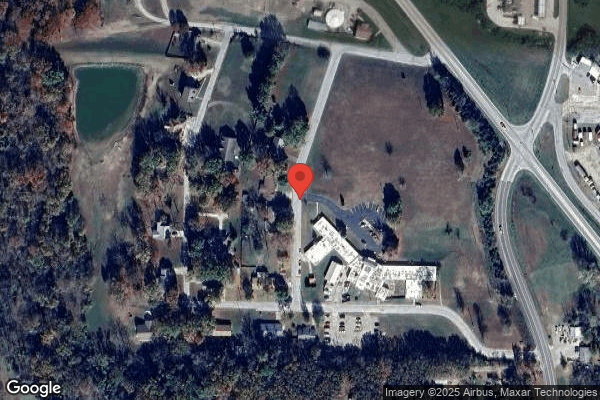
2004 CRESTVIEW STREET, AVA, MO 65608 (417) 683-4129
For profit - Limited Liability company 120 Beds Independent Data: November 2025
Trust Grade
70/100
#81 of 479 in MO
Last Inspection: August 2024

Within standard 12-15 month inspection cycle. Federal law requires annual inspections.

Overview

Heart of the Ozarks Healthcare Center has a Trust Grade of B, indicating it is a good option for families seeking care, sitting comfortably in the good range of quality. It ranks #81 out of 479 nursing homes in Missouri, placing it in the top half, and is the only facility in Douglas County. The facility is showing improvement, reducing issues from 7 in 2024 to just 1 in 2025. Staffing is a concern with a rating of 2 out of 5 stars and a turnover rate of 49%, which, while lower than the state average, indicates some instability. No fines are recorded, which is a positive sign, and the facility boasts better RN coverage than 77% of Missouri facilities, ensuring that registered nurses are available to catch potential issues. However, there have been specific concerns about food safety, such as staff failing to separate dented cans from undamaged ones and not maintaining clean food contact surfaces, which could pose health risks. While the nursing home shows strengths in areas like RN coverage and an absence of fines, the staffing challenges and food safety issues should be carefully considered.

Trust Score
B
70/100
In Missouri
#81/479
Top 16%
Safety Record
Low Risk
No red flags
Inspections
Getting Better
7 → 1 violations
Staff Stability
⚠ Watch
49% turnover. Above average. Higher turnover means staff may not know residents' routines.
Penalties
✓ Good
No fines on record. Clean compliance history, better than most Missouri facilities.
Skilled Nurses
○ Average
Each resident gets 30 minutes of Registered Nurse (RN) attention daily — about average for Missouri. RNs are the most trained staff who monitor for health changes.
Violations
⚠ Watch
23 deficiencies on record. Higher than average. Multiple issues found across inspections.
★★★★☆
4.0
Overall Rating
★★☆☆☆
2.0
Staff Levels
★★☆☆☆
2.0
Care Quality
★★★★☆
4.0
Inspection Score
Stable
2024: 7 issues
2025: 1 issues

The Good

  • Full Sprinkler Coverage · Fire safety systems throughout facility
  • No fines on record

Facility shows strength in fire safety.

The Bad

Staff Turnover: 49%

Near Missouri avg (46%)

Higher turnover may affect care consistency

The Ugly 23 deficiencies on record

Mar 2025 1 deficiency
CONCERN (E) 📢 Someone Reported This

A family member, employee, or ombudsman was alarmed enough to file a formal complaint

Potential for Harm - no one hurt, but risky conditions existed

Deficiency F0728 (Tag F0728)

Could have caused harm · This affected multiple residents

Based on interview and record review, the facility failed to have a system in placed to ensure nurse aides (NA) completed their training, competencies, and testing in a timely manner when two NA's fai...

Read full inspector narrative →
Based on interview and record review, the facility failed to have a system in placed to ensure nurse aides (NA) completed their training, competencies, and testing in a timely manner when two NA's failed to complete a state approved certified nursing assistant (CNA) training program, competency evaluation, and certification test within four months of hire and continued to work providing direct care to residents. The facility's census was 71. Review of the facility policy titled Nurse Aide Qualifications and Training Requirements, dated 08/2022, showed the following: -Nurse aide is any individual providing nursing or nursing related services to residents in a facility; -Facility will only employ those nurse aides who meet the requirements set forth in the federal and state statutes concerning the staffing of long-term care facilities; -The facility will not employ any individual as a nurse aide for more than four months full-time, temporary, per diem or otherwise, unless that individual is competent to provide designated nursing care and nursing related services, and that individual has completed a training program and competency evaluation program, or a competency evaluation program approved by the state; -Nursing assistants failing to successfully complete the required training program within the first four months of their hire date of employment, may be terminated from employment or may be reassigned to non-nursing related services. 1. Review of the facility's list of NA's for February 2025 and March 2025, as of 03/25/25, showed the following: -NA A was hired as a NA on 08/28/24 and left on 02/16/25; -NA B was hired as a NA on 09/09/24 and still employed as an NA. During an interview on 03/25/25, at 9:45 A.M., CNA C said the following: -He/she does work with nurse's aides; -The facility has classes on Thursdays and Fridays; -The nurse's aides don't work the days they have classes but other days they do their on the job training and take turns on both halls; -He/she isn't sure how long the aide has after hire to complete the nurse aide training and test. During an interview on 03/25/25, at 11:31 A.M., Licensed Practical Nurse (LPN) C, said the following: -Nurse's aides do work at the facility. He/she believes they begin CNA classes around two weeks after they begin working at the facility; -He/she doesn't know how long a NA has to complete the training and take the test; -The Director of Nursing (DON) and Assistant Director of Nursing (ADON) are in charge of making sure the NA's complete the training. During an interview on 03/25/25, at 4:18 P.M., the CNA Nursing Instructor said the following: -He/she was recently hired and held his/her first class last week; -The facility was sending him/her staff that's been working their the longest; -NA B is in class; -He/she was teaching four days per week. Two of those days were at this facility; -The classes are 12 weeks long and they will be doing all of the skills and training in class; -They will be doing on the job training that's signed off by the clinical supervisors; -The facility is only able to send a couple at a time due to some NA's needing to work the floor; -The NA's have 120 days to complete the classes, on the job training, and the testing. During an interview on 03/25/25, at 11:50 A.M., the ADON said the following: -When they hire an NA, they're not sent to class right away. They ensure the aides will be a good fit; -They send the NA's to classes about a month to 45 days after being hired; -The prior instructor quit some time ago and they hired a new one. He/she quite before starting. They just hired another one a couple of weeks ago; -NA's are normally in classes about 4 to 6 weeks and after a couple of weeks, they test; -NA A was hired on 08/28/24 as a NA and never did began classes before he/she left; -NA B was hired on 09/09/24, as a NA, and currently works the floor as an NA. NA B just started classes; -He/she didn't know how long a NA could the work the floor before becoming certified; -He/she didn't know if a NA can work the floor over 120 days after being hired as an NA. During an interview on 03/25/25, at 11:35 A.M., the Director of Nursing (DON) said the following: -The DON, ADON, and Administrator are in charge of referring NA's to the training program; -He/she usually waits about 30 days to see if the NA is going to work out as a trial period; -Classes are held at the facility on Thursday and Fridays; -The facility didn't have a CNA instructor as he/she left some time ago and they recently hired a new one; -Once the NA is referred to the class, the CNA instructor takes over in making sure the NA goes through the class within 120 days; -NA A was hired on 08/28/24 as an NA. His/her last day was 02/16/25. He/she worked the floor the entire time he/she was employed. NA A never was enrolled in CNA classes; -NA B was hired on 09/09/24 as a NA, and continues to work the floor as a NA. NA B just started classes; -He/she knew the aides are not supposed to work the floor if they're not certified within the 120 days. During an interview on 03/25/25, at 11:40 A.M., the Administrator said the following: -Once an NA is hired, they go through orientation, then on the job training; -The DON and ADON determine who will be sent to class; -They had one instructor that left, some time ago, and they hired a new instructor this month; -The classes are held in the facility on Thursday and Fridays; -NA's have 120 days from hire to complete the CNA classes and testing; -The Administrator, DON, and ADON are responsible for ensuring the aides complete the test before the 120 days; -NA A was hired on 08/28/24 and worked the floor the entire time. He/she was never was enrolled in CNA classes; -NA B was hired on 09/09/24 as a NA. He/she works the floor as an NA and started classes last week. NA B should not be working the floor as a NA since he/she has been at the facility; over 120 days and was not certified. MO00250344
Aug 2024 6 deficiencies
CONCERN (D)

Potential for Harm - no one hurt, but risky conditions existed

Deficiency F0554 (Tag F0554)

Could have caused harm · This affected 1 resident

Based on observation, interview, and record review, the facility failed ensure residents only self-administered medications if it had been determined it was clinically appropriate when staff left medi...

Read full inspector narrative →
Based on observation, interview, and record review, the facility failed ensure residents only self-administered medications if it had been determined it was clinically appropriate when staff left medication in one resident's room (Resident #1) to self-administer without a documented assessed and orders of the self-administration . The facility census was 81. Review of the facility's policy titled Administering Medications, dated April 2019, showed the following: -Medications are administered in accordance with prescriber orders; -The individual administering the medication checked the label three times to verify the right resident, right medication, right dosage, right time, and right method (route) of administration before giving the medication. 1. Review of Resident #1's face sheet (brief resident profile sheet) showed the following information: -admission date of 04/24/19; -Diagnoses included stroke, seizures, and aphasia (difficulty with speech). Review of the resident's quarterly Minimum Data Set (MDS - a federally mandated assessment instrument completed by facility staff), dated 07/06/24, showed the following information: -Severe cognitive impairment; -Mechanically altered diet. Review of the resident's care plan, revised 04/24/24, showed staff to administer medications as ordered. (The care plan did not show the resident self-administered medications.) Review of the resident's current physician orders showed the following information: -An order, dated 07/01/24, for aspirin EC 81 milligram (mg) tablet daily for stroke; -An order, dated 07/18/24, for to give atorvastatin calcium (used to reduce calcium) 40 mg tablet daily for cholesterol; -An order, dated 07/18/24, for baclofen (a muscle relaxant) 10 mg table three times a day for muscle spasms; -An order. dated 07/01/24, for diltiazem HCL (used to treat high blood pressure) 120 mg three times a day for blood pressure; -An order, dated 07/01/24, for docusate sodium (stool softener) 100 mg capsule daily as needed for constipation; -An order, dated 07/01/24, for Eliquis (blood thinner) 5 mg tablet twice a day for stroke; -An order, dated 07/01/24, for folic acid (vitamin) 400 mcg one tablet daily for vitamin deficiency; -An order, dated 07/19/24, for lamotrigine (an anticonvulsant medication) 200 mg tablet twice a day for seizures; -An order, dated 07/01/24, for loratadine (antihistamine) 10mg tablet daily for allergies; -An order, dated 07/01/24, for magnesium oxide (vitamin) 400 mg tablet twice daily for muscle spasms; -An order, dated 07/19/24, for metoprolol tartrate (used to treat high blood pressure) 100 mg tablet twice daily for blood pressure; -An order, dated 07/18/24, for venlafaxine HCI ER (an antidepressant) 37.5 mg tablet daily for depression; -An order, dated 07/01/24, for vitamin B12 500 mg tablet daily for vitamin deficiency. (Staff did not document an order for self-administration of medication.) Review of the resident's Medication Administration Record (MAR), dated July 2024 and August 2024, staff documented staff administered the resident's medications each day. Observation on 08/21/24, at 9:35 A.M., showed Certified Medication Technician (CMT) G prepared the following medications: -Aspirin EC 81 mg one tablet; -Atorvastatin calcium 40 mg one tablet; -Baclofen 10 mg one tablet; -Diltiazem HCI 120 mg one tablet; -Docusate sodium 100 mg one capsule; -Eliquis 5 mg one tablet; -Folic Acid 400 mcg one tablet; -Lamotrigine 200 mg two tablets; -Loratadine 10 mg one tablet; -Magnesium oxide 400 mg one tablet; -Metoprolol tartrate 100 mg one tablet; -Venlafaxine HCI ER 37.5 mg one tablet. -The CMT placed the above medications into a medication cup. The CMT entered the resident's room and placed the medication cup on the resident's side table, instructed the resident to take his/her medications, and left the room. The medications remained in the cup sitting on the side table. During an interview on 08/21/24, at 10:51 A.M., the resident said the staff always left his/her medications on the table and left the room. He/she sometimes got choked while taking his/her meds. He/she can drink some water and is able to get the meds down. During an interview on 08/21/24, at 1:00 P.M., CMT G, said he/she should not have left the cup of pills on the resident's bedside table. During an interview on 08/21/24, at 1:06 P.M., CMT H said that he/she always watched the resident take all his/her medications before leaving the room. During an interview on 08/22/24, at 8:45 A.M., CMT I said he/she always watched the residents take all their medications before leaving the room. During an interview on 08/21/24, at 1:09 P.M., Registered Nurse (RN) B said he/she always watched the resident take his/her medication before leaving the room and expected all staff to do the same. During an interview on 08/21/24, at 1:19 P.M., the Assistant Director of Nursing (ADON) said he/she expected staff to give the medications and watch the resident take all the medications, and not leave the medications in a cup on the bedside table. During an interview on 08/21/24, at 2:22 P.M., the Director of Nursing (DON) said that staff should watch the resident take all the medications and not leave a cup of medications on the resident's bedside table.
CONCERN (D)

Potential for Harm - no one hurt, but risky conditions existed

Deficiency F0678 (Tag F0678)

Could have caused harm · This affected 1 resident

**NOTE- TERMS IN BRACKETS HAVE BEEN EDITED TO PROTECT CONFIDENTIALITY** Based on interview, and record review, the facility failed to ensure a resident's choice of code status (the level of medical in...

Read full inspector narrative →
**NOTE- TERMS IN BRACKETS HAVE BEEN EDITED TO PROTECT CONFIDENTIALITY** Based on interview, and record review, the facility failed to ensure a resident's choice of code status (the level of medical interventions a resident wishes to have if their heart or breathing stops) was clearly and consistently documented throughout the resident's medical record for one resident (Resident #73) out of a sample of 22 residents. The facility census was 81. Review of the facility's policy titled, Do Not Resuscitate Order, revised [DATE], showed the following: -The facility will not use cardiopulmonary resuscitation (CPR - an emergency procedure that is performed when a person's heartbeat or breathing has stopped) and related emergency measures to maintain life functions on a resident where there is a do not resuscitate (DNR - do not attempt CPR) order in effect; -A DNR order form must be completed and signed by the attending physician and resident (or resident's legal surrogate, as permitted by state law) and placed in the front of the resident's medical record; -DNR orders will remain in effect until the resident (or legal surrogate) provides the facility with a signed and dated request to end the DNR order; -The interdisciplinary care planning team will review advance directives with the resident during quarterly care planning sessions to determine if the resident wishes to make changes in such directives; -The resident's attending physician will clarify and present any relevant medical issues and decisions to the resident or legal representative as the resident's condition changes in an effort to clarify and adhere to the resident's wishes. 1. Review of Resident #'73's face sheet (admission data) showed the following: -admission date of [DATE]; -Code status of full code (if a person's heart stopped beating and/or they stopped breathing, all resuscitation (including CPR) procedures will be provided to keep alive). Review of the resident's care plan, dated [DATE] showed the following: -The resident's code status as full code; -Ensure the resident's code status is updated yearly or with a significant change in condition; -Staff should see the physician order sheet for the resident's code status. Review of the resident's Physician's Order Sheet (POS), dated [DATE], showed the resident's code status as a full code. Review of the resident's progress note dated [DATE], at 12:08 P.M., showed the MDS/Care Plan Coordinator documented staff held the resident's quarterly care plan meeting with the resident, family member, and the care plan team. The resident was a full code but requested for his/her code status to change to DNR. Review of the resident's social service progress note dated [DATE], at 12:27 P.M. showed the Social Service Director (SSD) documented the resident was a full code status. The resident said he/she would like to change his/her code status to DNR. During an interview on [DATE], at 10:36 A.M., Certified Nurse Aide (CNA) E said the resident's code status showed a full code in the computer. During an interview on [DATE], at 10:48 A.M., Licensed Practical Nurse (LPN) F said the following: -The resident's code status showed as full code on the computer and on the face sheet in the physical chart; -He/she did not know of the resident's code status change request from the [DATE] progress note. During an interview on [DATE], at 11:09 A.M., the SSD said the following: -The resident requested to change his/her code status to DNR during the care plan meeting on [DATE]; -She assumed the MDS Coordinator had the resident sign the DNR form. During an interview on [DATE], at 11:53 A.M., the Minimum Data Set (MDS - a federally mandated assessment completed by facility staff)/Care Plan Coordinator said the following: -On [DATE], in the care plan meeting, the resident requested to change his/her code status from full code to DNR; -She informed the charge nurse of the resident's request to change his/her code status from full code to DNR; -She did not check to ensure the code status was changed from full code to DNR. During an interview on [DATE], at 1:26 P.M., the Director of Nursing (DON) said staff should have changed the resident's requested change of code status from full code to DNR during the care plan meeting. During an interview on [DATE], at approximately 9:30 A.M., Registered Nurse (RN) C said the following: -Staff finds a resident's code status in the physical chart and on the computer; -He/she checks the left corner in the computer for a resident's code status; -He/she thought the SSD and nurses completed the initial code status determination; -Staff have the resident or responsible party sign the DNR form if they want to change code status; -Staff make a copy of the DNR for the chart and send it to the physician to sign; -SSD informed nursing staff if a resident's changes code status; -Nurses changed the code status order in the computer; -MDS/Care Plan Coordinator updated the care plan. During an interview on [DATE], at 10:36 A.M., Certified Nurse Aide (CNA) E said the following: -He/she finds a resident's code status on the computer and in the paper charts; -The Care Plan Coordinator updated the care plan. During an interview on [DATE], at 10:48 A.M., LPN F said the following: -Staff find a resident's code status in the computer, care plan, and on the physician orders; -The admitting nurse talked with the resident or responsible party of code status at admission; -Staff completed appropriate paperwork and changed the code status in the computer, care plan, and face sheet if a resident requested a change in his/her code status to DNR; -Staff were informed a code status change through word of mouth, morning staff meetings, and updated care plans. During an interview on [DATE], at 11:09 A.M., the SSD said the following: -The nurses explained the code status to residents and/or the responsible party; -Nurses explained the code status upon admission and have the resident or the responsible party sign the DNR form; -Nurses entered the code status in the computer and place the DNR in the physical chart; -Residents or responsible party informed staff in the care plan meeting of a requested change of code status; -A DNR should be signed immediately if a resident has a change of code status from full code to DNR; -The MDS Coordinator had the resident or responsible party sign the DNR form; -Staff send the DNR form to the physician to sign and return which is put on a purple form and placed in the resident's medical record; -The nurses changed the code status order in the computer; -The MDS Coordinator updated the resident's care plan with the updated code status. During an interview on [DATE], at 11:53 A.M., the MDS/Care Plan Coordinator said the following: -Nurses reviewed the resident's code status upon the initial admission; -Nurses entered the code status in the computer which is found under the physician orders, care plans, and in the physical chart; -She reviewed code status with residents at the care plan meetings which are quarterly and yearly; -She informed the nurses if a resident requested a code status change which they have the resident sign; -She updated the resident's code status on the care plan; -She placed a care plan summary form to update the nurses and aides of any changes with residents which includes code status; -Staff should change a resident's requested code status change immediately. During an interview on [DATE], at 1:26 P.M., the DON said the following: -Nurses discussed the code status with the resident or responsible party upon admission; -Code status can be found in the computer system on the header, physician orders, and the care plan; -The DNR form can be found in the physical chart behind the face sheet on a purple paper form; -She expected staff to follow up with a change of code status request immediately.
CONCERN (D)

Potential for Harm - no one hurt, but risky conditions existed

Accident Prevention (Tag F0689)

Could have caused harm · This affected 1 resident

**NOTE- TERMS IN BRACKETS HAVE BEEN EDITED TO PROTECT CONFIDENTIALITY** Based on observation, record review, and interview, the staff failed to ensure an environment as free from hazards as possible w...

Read full inspector narrative →
**NOTE- TERMS IN BRACKETS HAVE BEEN EDITED TO PROTECT CONFIDENTIALITY** Based on observation, record review, and interview, the staff failed to ensure an environment as free from hazards as possible when staff failed to care plan use of and document monitoring of a personal electronic monitoring device as ordered for one resident (Resident #50), out of a sample of three residents, with a prior elopement attempt and history of wandering. The facility's census was 81. Review of the facility's policy entitled, Elopement precautions/Missing Resident, revised 2007, showed the following: -If an electronic monitoring system is available in the facility, any resident who is an elopement risk shall have a device placed on their wrist, ankle, or assistive devise. -The monitoring device is to be checked according to manufacturer specifications to assure ongoing working order. -The doors that are activated by a personal electronic monitoring system in the facility are the front door, back door, and therapy door. 1. Review of Resident #50's face sheet (a brief resident profile) showed the following: -admitted [DATE]; -Diagnoses include syncope and collapse (fainting or a sudden temporary loss of consciousness), delusional disorders, paranoid personality disorder, depression, anxiety disorder, and Alzheimer's disease (a progressive disease that destroys memory and other important mental functions). Review of the resident's annual Minimum Data Set (MDS - a federally mandated assessment tool completed by facility staff), dated 07/16/24, showed the following: -Severe cognitive impairment; -Wandering behavior occurred daily; -Resident was independent with mobility and transfers or required supervision/touching assistance. Review of the resident's care plan, start date 01/22/24, showed the following: -Resident wandered; -Goal for wandering to not contribute to injury; -Staff place resident in area where frequent observation is possible; -If resident wanders away from unit, instruct staff to stay with resident, converse and gently persuade the resident walk back to designated area with them; -Alert staff to wandering behavior. Review of the resident's progress note, dated 06/03/24, showed at approximately 3:45 P.M. the resident and another resident went out the lower east hall door. Staff brought the residents back inside immediately and assessed the residents for injuries with none noted. Staff educated to ensure the alarms are on and in working condition. Staff notified resident's family and placed resident on 15 minute checks. Review of the resident's care plan, updated 06/03/24, showed resident had an elopement attempt. Staff educated on checking the door alarms to ensure they are activated. Review of the resident's physician orders showed an order dated 06/28/24, with a start date of 07/01/24, for check personal electronic monitoring device placement and functionality every day/every shift, two times a day for elopement risk. If device was not functioning, replace as soon as possible. Review of the resident's care plan, dated 07/16/24, showed the following: -The resident was an elopement risk/wanderer related to Alzheimer's disease and resident wandered aimlessly; -Alert staff to wandering behavior; -Place resident in area where frequent observation is possible; -Wander alert in place; -Resident's safety will be maintained through the review date. (Staff did not care plan regarding the orders for the personal electronic monitoring device.) Review of the resident's July 2024 and August 2024 Treatment Administration Record showed staff did not document checking the resident's personal electronic monitoring device for placement and functionality every day/every shift, two times a day for elopement risk. Observation on 08/21/24, at 12:08 P.M., showed the resident sat in the dining room with personal electronic monitoring device placed on his/her right wrist. Observation on 08/22/24, at 9:05 A.M., showed the resident sat in the dining room with a personal electronic monitoring device placed on his/her right wrist. During an interview on 08/22/24, at 10:23 A.M., Certified Nursing Aide (CNA) A said the following: -He/she was aware the resident wore a personal electronic monitoring device; -Nurses complete personal electronic monitoring device checks two times daily; -He/she made observations of the residents for personal electronic monitoring device placement and notified the nurse if the resident does not have the personal electronic monitoring device in place; -The resident had not had any recent elopement attempts, but can ambulate on his/her own and does wander resident room to resident room and required redirection. During an interview and observation on 08/22/24, at 10:53 A.M., Registered Nurse (RN) B said the following: -He/she was aware the resident wore a personal electronic monitoring device; -Staff are alerted to complete personal electronic monitoring device checks by the TAR; -Staff use a device to check the personal electronic monitoring device for functionality and also check for placement every shift, which is two times per day; -Staff document personal electronic monitoring device checks on the TAR only; -Staff would not know to complete personal electronic monitoring device placement and functionality checks if not indicated in the TAR; -He/she had been doing checks on the resident and had been documenting them in the TAR; -He/she pulled up the orders and TAR on the resident's electronic record and noticed the personal electronic monitoring device checks were not listed in the TAR per the physician order; -He/she would not have been conducting the checks because the information is not in the TAR; -The resident is ambulatory and is a wanderer. During an interview on 08/22/24, at 12:40 P.M., the Director of Nursing (DON) said the following: -The elopement assessment score triggers personal electronic monitoring device placement for residents; -Staff notify the physician for an order and placement will depend on a resident's mobility or use of assistive devices; -Staff use devices to check personal electronic monitoring device every shift for functionality and placement; -The TAR indicated the task for residents to be checked from the physician order and staff documented the check in the TAR; -She entered the personal electronic monitoring device check order incorrectly in the new system for the resident by not choosing TAR in the drop-down menu; -Staff was not checking the resident's personal electronic monitoring device due to the order entered incorrectly.
CONCERN (D)

Potential for Harm - no one hurt, but risky conditions existed

Deficiency F0692 (Tag F0692)

Could have caused harm · This affected 1 resident

**NOTE- TERMS IN BRACKETS HAVE BEEN EDITED TO PROTECT CONFIDENTIALITY** Based on observation, interview, and record review, the facility failed to ensure any resident weight loss was unavoidable when ...

Read full inspector narrative →
**NOTE- TERMS IN BRACKETS HAVE BEEN EDITED TO PROTECT CONFIDENTIALITY** Based on observation, interview, and record review, the facility failed to ensure any resident weight loss was unavoidable when staff failed identify weight loss risk timely, care plan interventions, and implement new interventions after continued weight loss one resident (Resident #64). The facility also failed to identify weight loss risk timely and failed to notify the physician regarding one resident's (Resident #26) weight loss. A sample of 22 residents was reviewed in a facility with a census of 81. Review of the facility policy titled 'Weight Assessment and Intervention, revised March 2022 showed the following: -Resident weights are monitored for undesirable or unintended weight loss or gain; -Residents are weighed upon admission and at intervals established by the interdisciplinary team; -Weights are recorded in each unit's weight record chart and in the individual's medical record; -Any weight change of 5 percent or more since the last weight assessment is retaken the next day for confirmation; -Unless notified of significant weight change, the dietitian will review the unit weight record monthly to follow individual weight trends over time; -The threshold of significant unplanned and undesired weight loss will be based on the following criteria: one month a 5% weight loss is significant and greater than 5% is severe; three months 7.5% weight loss is significant and greater than 7.5% is severe; and six months 10% weight loss is significant and greater than 10% is severe; -Undesirable weight change is evaluated by the treatment team whether or not the criteria for significant weight change has been met. -he physician and the multidisciplinary team identify conditions and medications that may be causing anorexia, weight loss, or increasing the risk of weight loss. For example, cognitive or functional decline, chewing or swallowing abnormalities, pain, medication-related adverse consequences, environmental factors, increased need for calories and/or protein, poor digestion or absorption, fluid and nutrient loss and/or inadequate availability of food or fluids; -Individualized care plans shall address, to the extent possible, the identified causes of weight loss, goals and benchmarks for improvement and time frames and parameters for monitoring and reassessment. 1. Review of Resident #64's face sheet (brief resident profile sheet) showed the following information: -admission date of 05/02/24; -Diagnoses included metabolic encephalopathy (a change in how the brain works due to an underlying condition), aphasia (a language disorder that affects a person's ability to communicate), osteoarthritis, spastic hemiplegia (a type of spastic cerebral palsy where the part of the brain controlling movement is damaged) affecting right dominant side, and cognitive communication deficit. Review of the resident's vital signs, dated 05/02/24, showed the resident weighed 151 pounds. Review of the Dietary Manager's (DM) Nutrition Evaluation of the resident dated 05/06/24, at 8:14 A.M., showed the following: -Initial assessment; -No weight loss or gain; -Diet type was regular and vegan; -The resident's family member brought meals for the resident; -The resident ate twice daily and had a good appetite. Review of the resident's DM progress note dated 05/06/24, at 8:25 A.M., showed the resident was a new admission with weight of 151 pounds. The resident had a regular diet and vegan. The resident's family member brought in the resident's meals. The resident ate two meals a day. The resident's appetite was good and staff to continue to monitor. Review of the resident's Physician Order Sheet (POS), dated 05/08/24, showed an order for vegan (regular) diet with nectar thick liquids. Review of the resident's progress note dated 05/08/24, at 10:06 A.M., showed staff documented the resident had new orders for nectar thick liquids. Review of the resident's quarterly Minimum Data Set (MDS - a federally mandated assessment instrument completed by facility staff), dated 05/09/24, showed the following information: -Severely impaired cognitive skills; -Impairment of movement on one side upper and lower extremity; -Substantial/maximal assistance with eating; -Weight of 151 pounds. Review of the resident's Registered Dietician's (RD) Nutrition Evaluation dated 05/10/24, at 8:56 A.M., showed the following: -Initial assessment; -Weight of 151 pounds; -Vegan diet; -Regular diet texture; -Resident was a new admission with low normal base metabolic index (BMI); -Per staff, the resident's family member brought the resident food and the resident ate twice per day with a good appetite; -Add vegan supplement shake once daily (soy or pea protein based would work) to help the resident gain weight to a healthy BMI for age; -Continue current care plan; -If cannot get vegan supplement for resident, can provide vegan snacks twice a day to increase overall calorie intake; -RD will monitor and follow up as needed. Review of the resident's vital signs, dated 05/11/24, showed the resident weighed 147 pounds (a 4 pound weight loss (2.7%) in nine days.) Review of the resident's care plan, dated 05/14/24 and reviewed on 08/02/24, showed the following information: -The resident was on a plant based diet. The resident's family member brought in food for two meals a day which had been the resident's usual; -Staff should notify the resident's physician of any significant weight loss; -Staff should weigh the resident per schedule and as needed; -Provide the resident diet as ordered; -Provide the resident with preferred food and beverages; -Provide set up assistance as needed, opening packages, cutting food, seasoning food, identify food; -Refer to dietician to evaluate nutritional status as needed. (Staff did not care plan the supplement or snack recommended by the RD or the order for nectar thick liquids.) Review of the resident's DM Progress Note dated 05/15/24, at 1:28 P.M., showed the resident had a diet change to mechanical soft and nectar thick liquid diet change was made on 05/06/24. Review of the resident's care plan, dated 05/14/24 and reviewed on 08/02/24, showed staff did not update the care plan to reflect the diet change to a mechanical soft diet. Review of the resident's vital signs, dated 06/08/24, showed the resident weighed 145 pounds (a six pound loss (3.97%) in five week). Review of the resident's care plan, dated 05/14/24 and reviewed on 08/02/24, showed staff did not update the care plan regarding the weight loss or new interventions to prevent further weight loss. Review of the resident's current POS showed an order, dated 06/25/24 with a start date of 07/01/24, for regular diet, regular texture, nectar/mildly thick consistency, and vegan. Review of the facility's June 2024 Weight Sheet for June 2024 showed the following: -The last weight in May 2024 the resident weighted 146 pounds; -Week one of June 2024 the resident weighed 145 pounds; -Staff did not document the resident's weight for week two, week three, or week four for the month of June 2024. Review of the facility's Weight Sheet, dated July 2024, showed the following: -The last weight in June 2024 was 145 pounds; -In week one of July 2024 the resident weighed 141 pounds (a lose of 10 pounds (6.6%) in two months); -Staff did not document the resident's weight for week two, week three, or week four for the month of July 2024. Review of the resident's care plan, dated 05/14/24 and reviewed on 08/02/24, showed staff did not update the care plan regarding the weight loss or new interventions to prevent further weight loss. Review of the resident's vital signs, dated 07/13/24, showed the resident weighed 141 pounds. Review of the resident's progress note dated 07/20/24, at 12:57 A.M., showed a nurse documented the following: -The resident weighed 141 pounds; -The resident took nutrition and hydration orally; -No complaints of thirst; -No signs or symptoms of a swallowing disorder. Review of the resident's DM's Progress Note dated 07/30/24, at 1:21 A.M. showed the resident was seen for a quarterly review. The resident was a regular diet with regular texture and nectar thick liquids. The resident ate in the lobby on the hall. The resident was vegan plant based diet. The family brought in food, usually supper, for the resident and fresh fruits. The resident got a plant based protein shake with breakfast and lunch. The resident's appetite was good with 70% meal intake. (The RD did not address the resident's additional weight loss.) Review of the facility's weight sheet, dated August 2024, showed the following: -The resident's last weight for July 2024 was 141 pounds; -The resident's week one for August 2024 was 135 pounds (a total weight loss of 16 pounds (10.5%) in three months; -Staff did not document the resident's weight for week two. Review of the resident's care plan, dated 05/14/24 and reviewed on 08/02/24, showed staff did not update the care plan regarding the weight loss or new interventions to prevent further weight loss. Review of the resident's progress note dated 08/05/24, at 1:28 P.M., showed a nurse documented the following: -Meal supplements ordered; -Required assistance with meals as needed; -No complaints of thirst. (The nurse did not address the resident's weight loss in the note.) Review of the resident's quarterly MDS, dated [DATE], showed the following: -Severely impaired cognitive skills; -Impairment on one side upper and lower extremity; -Partial/moderate assistance with eating; -Weight 141 pounds; -No weight loss. Review of the resident's vital signs, dated 08/10/24, showed the resident weighed 135 lbs. Review of the physician's progress note, dated 08/13/24, showed the following: -The resident was seen at the request of the nursing staff for management of chronic medical conditions; -The resident had no audible (able to be heard) cough or wheeze on exam; -The resident denied chest pain or palpitations; -The resident was eating with variable intake and sleeping well by staff report; -The resident was awake and alert on exam; -Resident had dysphasia (difficulty swallowing) post cerebrovascular accident (CVA-stroke) with noted weight loss; -Multifactorial-vegan diet; -The resident's family deferred any additional intervention. Staff will continue to monitor weights and encourage snacks and assist with meals. Review of the resident's care plan note dated 08/14/24, at 1:42 P.M., showed the MDS Coordinator documented the following: -Staff held the resident's quarterly care plan meeting; -The resident received a vegan plant based diet; -The resident's family member brought the resident in food. The dietary department provided a variety of plant based food in the kitchen for the resident; -The resident was currently 135 pounds The resident was down 20 pounds since admission; -The resident had a vegan shake with his/her breakfast in the mornings which will be increased to three times per day with each meal; -Staff to take the resident to the assisted dining room to be assisted as needed. Review of the resident's care plan, dated 05/14/24 and reviewed on 08/02/24, showed staff did not update the care plan regarding the weight loss or new interventions to prevent further weight loss. Review of the resident's social service note dated 08/15/24, at 12:50 P.M., showed the SSD documented the following: -The resident was due for his/her quarterly MDS assessment; -The resident was on a vegan plant based diet; -The resident's family member brought the resident's meals; -The resident was currently 135 pounds and had a 20 pound weight loss since admission; -Staff to assist the resident for meals in the assisted dining room; -The resident receives plant based protein shakes three times day; -The kitchen had a variety of plant based food for the resident; -The resident's family member was aware the resident needs more calorie intake that what he/she is providing. Review of the facility's committee meeting minutes for the weight meeting, dated 08/16/24, showed the following: -Staff documented the resident's weight was 135 pounds and down 16 pounds since admission; -Intervention of house shakes three times per day and the assisted dining room. Review of the resident's progress note dated 08/16/24, at 3:07 P.M., showed the Director of Nursing (DON) documented the resident's current weight was 135 pounds and was down about 16 pounds since admission. The resident's family member had him/her on a limited diet and only wanted him/her to have two meals a day. The resident's family member did agree to allow the facility to offer the resident health shakes three times a day as well as bring him/her the assisted dining room for meals to monitor him/her better. The resident had a plant based diet. The physician and the family member were aware. Staff will continue with weekly weights and bring back to next weight meeting. Review of the resident's care plan, revised on 08/16/24, showed the following: -The resident had weight loss related to poor intake; -Staff to give the resident supplements as ordered and alert nurse/dietician if not consuming on a routine basis; -House shakes three times a day; -If weight decline persists, contact physician and dietician immediately. Review of the resident's progress note dated 08/17/24, at 10:12 A.M., showed a nurse documented no new orders from the physician regarding the resident's weight loss. The physician ordered for staff to continue weight monitoring and recent interventions. During an observation on 08/20/24, at 11:49 A.M., the resident sat in his/her wheelchair in the dining room. A staff member assisted the resident to drink nectar thickened lemonade. Staff served the resident rice, tomatoes, lettuce and a red food. Certified Nurse Aide (CNA) N assisted the resident with eating with no issues. The CNA held the cup with the health shake up and the resident drank out of the straw. The DM said it was a plant based meat he/she incorporated with what the other residents ate for the meal. The CNA assisted the resident with a spoon. The CNA asked the resident if he/she wanted more food or finished, the resident said finished. During an phone interview on 08/20/24, at 2:00 P.M., and on 08/21/24, at 4:30 P.M., the resident's family member said following: -The resident is on a plant based diet for breakfast and lunch. The family member said the American diet is super heavy; -He/she did not have any concerns of how staff care for the resident; -The resident is developing aphasia with swallowing; -The resident sometimes did not want to eat; -The facility gives the resident oatmeal and a variety of grains, greens and fruit; -The facility added health shakes with the meals; -The resident has been on a plant based diet since 2018. During an interview on 08/21/24, at 10:27 A.M., CNA D said the following: -The resident admitted in May 2024 to the facility; -The resident received a plant based diet; -The resident's family member brought meals to the facility for the resident; -The resident ate good and staff assisted him/her with meals; -The resident received a shake at each meal; -He/she did not know the resident had a weight loss. During an interview on 08/21/24, at 10:36 A.M., CNA E said the following: -The resident ate by himself/herself upon admission; -The resident received a plant based diet and now was care planned to receive more protein; -The resident had lost 20 pounds. During an interview on 08/21/24, at 10:48 A.M., Licensed Practical Nurse (LPN) F said the following: -The resident's family member only wanted the resident on a vegan diet and the facility tried to accommodate; -The resident originally ate only two meals per day. The facility added vegan health shakes; -The resident used to eat in the lobby on his/her hall; -The resident's family member brought in a lot of rice, vegetables, and tofu which the resident seemed to eat ok. The resident's family member always brought in a lot of fruit and vegetables; -If the resident did not want to eat, he/she would refuse. During an interview on 08/21/24, at 11:24 A.M. the DM said the following: -The resident received a plant based diet since admission; -The resident's family member brought in the plant based foods; -The resident's family member wanted the resident to eat twice a day (lunch and supper) due to their culture; -Staff offered the resident oatmeal for breakfast. The resident's family member brought in fruit, mangos and grapes; -She recently worked with corporate staff member (two weeks ago) to get the resident vegan options and went to buy vegan tofu and protein to offer at meals; -She did not document on the interventions; -The facility gave the resident shakes a few days after admission; -After admission, the resident's son brought in rice, vegetables, and tofu. The DM did not think it looked appealing and not a large quantity; -The resident's family member brought the food in the evening and assisted the resident with eating; -Speech therapy (ST) worked with the resident for swallowing and the nursing staff said the resident ate lunch fine; -She discussed with the Administrator of not a lot food for the resident at lunch so she added baked potatoes with no butter and offered vegetables; -On 08/14/24 was the first time they discussed weight loss interventions; -The resident had a significant weight loss since admission; -The MDS Coordinator spoke with the resident's family member about the amount of food; -She did not document or observe what the resident consumed. The aides said the resident ate fine or consumed all of the meal; -Staff should have moved the resident to the assisted dining room to monitor for meals before 08/14/24. During an observation on 08/21/24, at 11:43 A.M., the resident sat in the assisted dining room. The resident's plate contained tofu, green beans, carrots, cauliflower, squash, peanut butter and syrup, a health shake, and lemonade. A staff member assisted the resident with eating the meal with no issues. During an interview on 08/21/24, at 11:53 A.M., the MDS/Care Plan Coordinator said the following: -The resident was on a regular vegan diet; -Staff implemented a plant based shake, but did not know date implemented. During an interview on 08/21/24, at 1:49 P.M., CNA N said the following: -Since 08/09/24, staff bring the resident to the assisted dining room for meals; -The resident drank the protein shakes well and ate half of the plate of food at meals; -The resident did not seem to have a big appetite; -The DM informed him/her the other day the resident lost 20 pounds. During an interview on 08/21/24, at approximately 2:00 P.M., CNA/Restorative Nurse Aide (RNA) M said the following: -The resident ate his/her meals; -The resident had a weight loss. He/she did not know what the staff had changed with the resident's diet; -Staff take the resident to the assisted dining room for meals and he/she received health shakes with meals. During an interview on 08/21/24, at 2:59 P.M., the Speech Therapist said the following: -ST worked on swallowing, speech, and basic communication skills with the resident after admission; -The resident tolerated regular textured food and nectar thickened liquids; -The resident had some behaviors holding food and liquids in his/her mouth. This was not a deficit, but a behavior from observations made by therapy staff; -The resident followed basic instructions without issues; -He/she spoke with the DM the first month of admission and wondered if the resident did not feel full or was not getting enough to eat or maybe this was a behavior; -The DM found a plant based shake and recently worked on finding food items to prepare for the resident; -He/she was concerned the resident was at risk for a weight loss. The resident ate great and other times would hold the food the family member brought in; -The resident would refuse or spit out food the kitchen offered or the family member offered at times. During an interview on 08/22/24, at 8:36 A.M. and 9:55 A.M., the DM said the following: -She did not document on the resident after 05/15/24; -May 2024 through August 2024, staff did not discuss the resident in the weekly weight meetings; -Staff only discussed the resident during the initial few weeks after admission. She did not know the reason staff did not discuss the resident; -On 08/10/24, she said the weight loss needed addressed; -She was not aware of the resident's gradual weight loss from May 2024 through August 2024; -The RD saw the resident in May 2024 and was scheduled to see the resident this month (August 2024) for a quarterly visit; -She did not remember discussing the resident with the RD in June 2024 and July 2024; -She did not monitor residents' calories. During an interview on 08/22/24, at 10:35 A.M., the Assistant Director of Nursing (ADON) said the following: -She did not see the resident's weight on the May 2024 weight sheet; -The June 2024 weight sheet showed the resident weighed 146 lbs and then 145 lbs; -The July 2024 weight showed 145 to 141 lbs. This was not a significant trigger so did not put the resident on weight meeting discussion; -The weight committee did not have the resident's admission weight of 151 lbs; -The resident did not show up on the weight report for any significant trigger for May 2024 and June 2024; -She did not have the 151 lbs weight and it would have pulled for May/June 2024 for 3.97% weight loss; -July 2024 was the new computer system and the staff did not look back at the papers of weights and did not have a weight report; -She considers the 10.6% a significant weight loss for the resident. Staff caught the weight loss at the 08/16/24 weight meeting; -The RD should know of the resident's weight loss from 05/02/24 through 07/13/24. There were no documented interventions for this time period. During an interview on 08/22/24, at 11:11 A.M., the Director of Nursing (DON) said the following: -The resident was not on the May 2024 weight sheet; -The resident's weights on the June 2024 weight sheet showed 146 lbs and 145 lbs. The 151 lb weight is not on the June 2024 weight sheet; -The July 2024 weight sheet showed the resident's weight at 145 lbs to 141 lbs. Staff did not discuss interventions for the resident. The resident did not trigger for 5% or 10% weight loss; -The August 2024 weight sheet showed 141 lbs and 135 lbs for the 08/02/24 weight meeting. Staff did not discuss interventions . She assumed the resident did not trigger for a weight loss; -If she had looked at the resident's 151 pound weight, it would have triggered for her and she did not know what happened; -She did not know for sure if the physician was aware of the May 2024 weight; -On 08/16/24, the resident's weight was down 16 pounds. She considered this weight a significant weight loss; -Staff should have discussed the resident's weight loss sooner than 08/16/24. During an interview on 08/22/24, at 11:11 A.M., the MDS Coordinator said the resident's care plan should have more interventions between 05/14/24 through 08/16/24. During an interview on 08/22/24, at 11:45 A.M., the RD said the following: -She saw the resident in May 2024 and the resident had not triggered for a weight loss since then; -Sounded like the weekly weight meeting had not found a weight loss for the resident; -She would have wanted to see the resident the weight loss from 05/02/24 to 07/13/24; -The resident should have triggered for a weight loss from 151 lbs to 141 lbs. This might have got lost in the system and during the computer transition; -She would look at if the resident was not eating and what percentage of the meals, snacks and supplements the resident consumed and the caloric of the vegan diet if a weight loss; -She would inquire what snacks the resident liked and talk with the staff and resident's family member; -She would had looked at the whole picture and if the family member still brought the resident food and how much calories the resident received and percentage of meals eaten; -If the resident's BMI was low, she would want the resident to gain weight and if not eating much at meal added an additional snack; -The resident was not getting enough of calories given the weight loss; -Staff should monitor closer on the resident's meal intake at least weekly. During an interview on 08/22/24, at 12:15 P.M., the Medical Director said the following: -The resident's family member did not allow staff to do anything. He tried a appetite stimulant; -He was aware of the resident's weight loss; -He wanted to address the weight loss with medication; -The resident had lost weight since admission and was intermittent with eating; -The family member refused the medication months ago. 2. Review of Resident #26's face sheet showed the following information: -admission date of 06/24/24 and readmission date of 07/12/24; -Diagnoses included diabetes mellitus (chronic condition that results in too much sugar in the blood), anorexia, muscle wasting, depression, and muscle weakness. Review of the resident's admission MDS, dated [DATE], showed the following: -Moderate cognitive impairment; -Required set up or clean up assistance with eating; -Resident had no swallowing issues; -Mechanically altered diet. Review of the resident's care plan, revised 8/22/24, showed the following information: -Resident had the potential for weight loss; -House shakes three times daily with meals; -Refer to dietician to evaluate nutritional status as needed; -Weigh resident per schedule and as needed; -Set up trays at meals and assist the resident as needed. Review of resident's weights summary showed on 07/12/24 the resident weighed 201.8 pounds upon readmission. Review of the resident's nutrition/dietary note dated 07/18/24, at 10:16 A.M., showed the resident had a regular diet and liked most foods. The resident ate meals in the dining room and appetite had been poor. Review of the resident's nutritional evaluation, dated 07/19/24, showed the following information: -Resident on a regular diet; -Resident had a poor appetite with an intake of 60% of each meal; -Recommended weekly weights until appetite improved. Review of the resident's nursing progress note, dated 07/30/24, showed resident continued with general decline and refused to get up to eat. Review of resident's weights summary showed on 08/10/24 the resident weighed 181 pounds (a loss of 20.8 pounds since admission). Review of the resident's current order summary report showed an order, dated 08/13/24, for protein shakes three times daily with meals. Review of resident's physician visit note, dated 08/13/24, showed a physician treatment plan that included protein shakes three times daily and monitor weights. Review of the resident's August 2024 MAR showed staff did not enter an order for protein shakes three times daily with meals. During an interview on 08/22/24, at 12:35 P.M., the Dietary Manager said: -The resident did not eat well upon return from the hospital; -Staff do not monitor meal intake amounts; -He/she had not been informed of weight loss until 08/22/24. During interviews on 08/22/24, at 11:49 A.M. and 12:50 P.M. RNA/CNA M said the following: -He/she looked at the admission weight from the hospital and informed the DON of the significant weight loss; -He/she did not know the resident was a weekly weight; -He/she did not get orders for a weekly weight for the resident. During an interview on 08/22/24, at 1:00 P.M., LPN F said he/she was unaware of any weight loss. During an interview on 08/22/24, at 2:54 PM, the RD said: -He/She recommended the resident have weekly weights; -He/She did not see weekly weights completed as recommended; -Resident noted to have a poor appetite; -Facility staff did not contact him/her on any additional weight concerns. During interview on 08/22/24, at 12:33 P.M. and 3:07 P.M., the DON said the following: -Resident had a steady decline and was not eating; -Physician visited resident on 08/13/24 and ordered protein shakes three times daily due to weight loss; -Staff did not inform the DON or ADON of any weight loss. During an interview on 08/22/24, at 12:15 P.M., the Medical Director said the following: -He did not remember the resident had a weight loss from 201 lbs to 182 lbs from 07/12/24 to 08/22/24; -Staff should send a weight percentage loss to his nurse and he sees the resident on his next visit to the facility; -He expected the facility to contact him with a weight loss; -If there was a 20 pound weight loss he would try to see what was going on. 3. During an interview on 08/21/24, at 10:27 A.M., CNA D said the following: -A resident's weight loss shows red in the computer; -Staff should report to the nurse a weight loss; -The CNA or RNA weighed the residents; -Staff find a resident's diet in the chart or care plan. 4. During interviews on 08/21/24, at 10:48 A.M. and 1:00 P.M., LPN F said the following: -Staff weigh new admissions and any resident who is out of the facility for over 24 hours; -Staff discuss weight loss in the morning meeting which include the DON, the ADON, the Administrator, the SSD and therapy; -Interventions for weight loss include adding shakes and assistance in the assisted dining room; -Staff send the physician progress notes following the weight meetings for any possible changes; -A significant weight loss is anything more than 10% of body weight; -Staff should inform the physician with a five or seven pound lb weight loss; -The DON or ADON contact the physician if a resident needs to be weighed more often; -The DON, ADON, or charge nurse enter new weight orders into the computer; -Nurse assistants are informed of new weight orders in report; -The DON and ADON hold weight meetings. 5. During an interview on 08/21/24, at 11:09 A.M., the SSD said the following: -Staff monitor residents weight loss during the weight meetings; -The DM, DON, and ADON ask nursing staff about a resident's weight loss during the morning meetings; -She did not do much with the weights. She was not sure when the weight meetings were scheduled. 6. During interviews on 08/21/24, at 11:24 A.M., and on 08/22/24, at 8:36 A.M., 9:55 A.M., and 12:35 P.M., the DM said the following: -RNA M weighed the residents and printed a weight list for the DM, DON, and ADON to review; -The ADON printed off residents who trigger for a weight loss; -A significant weight loss is 5% or five lbs or more; -A significant weight loss is 10%; -Significant weight losses triggered on the computer; -The ADON and DON were in charge of the weekly weight meeting; -The DM, ADON, and DON discussed how much weight a resident had lost, what a resident was eating, do staff need to monitor, notification of the physician, notification of the responsible parties, place the resident on weekly weights, and attempted to figure out the cause of a weight loss; -The ADON and DON documented notification of the physician of a weight loss; -Nursing writes the order if the RD recommended a dietary intervention. -She received a list of weights monthly; -Weight information was reviewed every Friday during the weekly weight meeting; -The RD came to the facility once a month; -The RD saw residents quarterly and entered consults into the computer; -The RD consult was sent to DON, ADON, and DM;. -She attended the weekly weight [TRUNCATED]
CONCERN (D)

Potential for Harm - no one hurt, but risky conditions existed

Unnecessary Medications (Tag F0759)

Could have caused harm · This affected 1 resident

**NOTE- TERMS IN BRACKETS HAVE BEEN EDITED TO PROTECT CONFIDENTIALITY** Based on observation, record review, and interview, the facility failed to ensure a medication error rate of less than 5% when t...

Read full inspector narrative →
**NOTE- TERMS IN BRACKETS HAVE BEEN EDITED TO PROTECT CONFIDENTIALITY** Based on observation, record review, and interview, the facility failed to ensure a medication error rate of less than 5% when the facility staff made two errors out of 26 opportunities resulting in an error rate of 7.69% when facility staff failed to administer the correct dose of two medications for two residents (Resident #44 and Resident #54). The facility census was 81. Review of the facility's policy titled Administering Medications, dated April 2019, showed the following: -Medications are administered in accordance with prescriber orders; -The individual administering the medication checks the label three times to verify the right resident, right medication, right dosage, right time, and right method (route) of administration before giving the medication. 1. Review of Resident # 44's face sheet (brief resident profile sheet) showed the following information: -admission date of 11/10/23; -Diagnoses included depression. Review of the resident's quarterly Minimum Data Set (MDS - a federally mandated assessment instrument completed by facility staff), dated 05/11/24, showed the resident had severe cognitive impairment. Review of the resident's care plan, revised 12/14/22, showed staff to administer escitalopram (an antidepressant) as ordered by physician. Review of the resident's current physician orders showed an order, dated 07/10/24, to administer escitalopram oxalate 5 milligram (mg) one tablet daily for depression. Review of the resident's Medication Administration Records (MAR), dated July 2024 and through August 22, 2024, showed the following information: -Staff administered escitalopram oxalate 10 mg tablet 07/01/24 through 07/09/24; -Staff administered escitalopram oxalate 5 mg tablet 07/10/24 through 08/21/24. Observation on 08/21/24, at 09:25 A.M., showed Certified Medication Technician (CMT) G prepared and administered escitalopram oxalate 10 mg tablet for the resident. (The current order was for 5 mg.) During an interview on 08/21/24, at 1:00 P.M., CMT G said he/she did administer the wrong dose of escitalopram oxalate to the resident. He/she should have cut the pill in half. The order was changed last month and he/she had been giving the old dose (10 mg) ever since. During an interview on 08/21/24, at 1:40 P.M., the Assistant Director of Nursing (ADON) said when the order was changed on 07/10/24 it was the week they changed electronic medical record systems and the order never got faxed to pharmacy. The ADON looked in the medication cart and the medication room and could not find escitalopram 5 mg. He/she only found 10 mg cards so the facility never received escitalopram 5 mg. The ADON said he/she expected staff not to administer the 10 mg dosage. During an interview on 08/21/24, at 2:22 P.M., the Director of Nursing (DON) said the resident's escitalopram changed from 10 mg to 5 mg on 07/09/24. He/she expected staff to not administer the 10 mg tab. 2. Review of Resident # 54's face sheet (brief resident profile sheet) showed the following information: -admission date of 03/01/24 -Diagnoses included stroke. Review of the resident's quarterly MDS, dated [DATE], showed the resident had moderate cognitive impairment. Review of the resident's care plan, revised 07/31/24, showed staff to administer medications as ordered. Review of the resident's current physician orders showed an order, dated 07/01/24, for acetaminophen 500 mg one tablet three times a day for rheumatoid arthritis. Review of the resident's MAR, dated July 2024 through August 21, 2024, showed staff administered acetaminophen 500 mg tablet three times per day. Observation on 08/21/24, at 9:20 A.M., showed CMT G prepared and administered acetaminophen 325 mg one tablet to the resident. (The current order was for 500 mg.) During an interview on 08/21/24, at 1:00 P.M., CMT G said he/she thought it was okay to give the acetaminophen since it was a lower dose. During an interview on 08/21/24, at 2:22 P.M., the DON said if the resident had an order for acetaminophen 500 mg he/she expected staff to not administer acetaminophen 325 mg. 3. During an interview on 08/21/24, at 1:06 P.M., CMT H said if there was ever a discrepancy with medications and dosage, he/she always clarified with the nurse. He/she would not administer the medication escitalopram 10 mg if the order was for 5 mg. He/she would not administer acetaminophen 325 mg if the order was for 500 mg. 4. During an interview on 08/22/24, at 8:45 A.M., CMT I said he/she would not give a medication that was not the correct dose whether it was escitalopram or acetaminophen. He/she would let the charge nurse know. 5. During an interview on 08/21/24, at 1:09 P.M., Registered Nurse (RN) B said when staff get an order, whether it is a verbal or written, staff must fax pharmacy to get the new med. The doctor gave the order to the Assistant Director of Nursing (ADON) and was not sure if the order was ever faxed to pharmacy. He/she would expect the CMT to give the dose that was ordered and not any other dose. He/she only gives the dose that is ordered not any other dose. 6. During an interview on 08/21/24, at 1:19 P.M., the ADON said all orders must be faxed to the pharmacy. If the medication was scored, then the medication could be cut in half. If the medication was not able to be cut in half, the ADON would expect staff to not give the incorrect dosage. The ADON expected staff to let him/her know if they are low or out of an over-the-counter medication and he/she can go purchase it immediately. The ADON expected staff to only give the dose that is ordered. 7. During an interview on 08/21/24, at 2:22 P.M., the DON said orders, verbal and/or written, are faxed to pharmacy they get a new order. The pharmacy then brings the medication that night. If staff don't have the correct dosage to administer, the CMT should notify the nurse, and the nurse would call the physician.
CONCERN (F)

Potential for Harm - no one hurt, but risky conditions existed

Food Safety (Tag F0812)

Could have caused harm · This affected most or all residents

Based on observation, record review, and interview, the facility failed to keep all food safe from potential contamination when staff failed to keep dented cans separate from other canned goods and fa...

Read full inspector narrative →
Based on observation, record review, and interview, the facility failed to keep all food safe from potential contamination when staff failed to keep dented cans separate from other canned goods and failed to ensure food from a dented cans was not served to residents. The facility census was 81. Review of the 2022 Food and Drug Administration (FDA) Food Code showed the following information: -Depending on the circumstances, rusted, and pitted or dented cans may present a serious potential hazard; -Damaged or incorrectly applied packaging may allow the entry of bacteria or other contaminants into the contained food; -If the integrity of the packaging has been compromised, contaminants may find their way into the food. Review of the facility policy entitled, Food Storage (Dry, Refrigerated, and Frozen), dated 2016, showed dented cans were to be set aside in a separate labeled area of the storeroom to avoid using them and discarded according to vendor procedure. 1. Observation on 08/19/24, at 11:30 A.M., of the kitchen and food storage area showed two dented 6 pound (lb) 8 ounce (oz) cans of diced peaches on the bottom shelf of the rack which contained various cans of food. Observation on 08/19/24, at 11:49 A.M., showed the facility staff served the residents diced peaches in clear dishware for the lunch meal. Observation on 08/19/24, at 12:10 P.M., of the kitchen area showed one opened 6 lb 8 oz dented can of sliced peaches, dated 08/12/24, in the trash can. During an interview on 08/19/24, at 1:54 P.M., Dietary [NAME] J said the following: -Staff should check canned foods for dents during the delivery process and refuse delivery of dented cans; -Staff should place any discovered dented cans on the dented can designated shelf; -Staff should check cans for dents before using and should never use food from a dented can; -He/she did not notice the cans of peaches were dented when he/she pulled them for lunch serve out; -He/she pulled three cans of peaches from the rack and dropped them two times when carrying from the storage to the kitchen area; -He/she noticed two of the cans were dented when opening the cans for serving peaches and thought the dents were from dropping the cans during transport; -He/she thought it is okay to serve if just the cans had just been dented. During an interview on 08/20/24, at 1:45 P.M., Dietary Aide (DA) K said the following: -He/she did not check canned foods for dents before opening and serving; -He/she would serve food from a dented can if it was a small dent, not if it was busted; -He/she did not know if there is a specific area for dented cans. During an interview on 08/20/24, at 2:05 P.M., DA L said the following: -He/she unloaded the delivery trucks, checked for dents, and put the canned food on the rack; -He/she placed the dented cans in a crate on the designated dented can cart for the vendor to pick up at the next delivery; -He/she rotated canned foods and checked for dents again at that time as cans sometimes roll off the rack and get dented; -He/she checked canned foods before opening and serving and would not use serve food from a dented can. During interviews on 08/19/24, at 1:18 P.M., and on 08/20/24, at 2:00 P.M., the Dietary Manager (DM) said the following: -She spoke with the staff member who opened the dented cans of diced peaches served them at the lunch meal; -The staff member worked two positions at once on 08/19/24 and should have looked for dented cans; -The new truck driver was not good about grabbing the dented cans upon delivery; -Staff should not serve food from dented cans due to rust could get in the can. -A designated staff usually checked the products from the delivery trucks and unloaded them; -He/she checks for dents in cans during delivery and when cans are rotated; -Staff should place dented cans on the specified rack for the vendors to pick up at the next delivery; -Staff should check canned foods for dents prior to serving; -Staff should not serve food from dented cans. During an interview on 08/22/24, at 3:56 P.M., the Director of Nursing (DON) said she expects staff to not serve food items from dented cans.
May 2024 1 deficiency
CONCERN (D) 📢 Someone Reported This

A family member, employee, or ombudsman was alarmed enough to file a formal complaint

Potential for Harm - no one hurt, but risky conditions existed

Resident Rights (Tag F0550)

Could have caused harm · This affected 1 resident

Based on record review, observation, and interview, the facility failed to ensure all residents were treated with dignity and respect by all staff when one staff member (Certified Medication Technicia...

Read full inspector narrative →
Based on record review, observation, and interview, the facility failed to ensure all residents were treated with dignity and respect by all staff when one staff member (Certified Medication Technician (CMT) A) spoke to one resident (Resident #1) in an undignified manner, including raising his/her voice and arguing. A sample of eight residents was reviewed in a home with a census of 78. Review of the facility's policy titled Dignity, dated 02/2021, showed the following: -Each resident shall be cared for in a manner that promotes and enhances his or her sense of well-being, level of satisfaction with life, and feelings of self-worth and self-esteem; -Residents are treated with dignity and respect at all times; -The facility culture supports dignity and respect for residents by honoring resident goals, choices, preferences, values and beliefs. This begins with the initial admission and continues throughout the resident's facility stay; -Staff speak respectfully to residents at all times, including addressing the resident by his or her name of choice and not labeling or referring to the resident by his or her room number, diagnosis, or care needs; -Demeaning practices and standards of care that compromise dignity are prohibited. Staff are expected to promote dignity and assist residents; -Staff are expected to treat cognitively impaired residents with dignity and sensitivity. 1. Review of Resident #1's face sheet (a document that gives a patient's information at a quick glance) showed the following: -admission date of 05/01/24; -Diagnoses included pain, heart failure, and myasthenia gravis (a condition caused by a breakdown in communication between nerves and muscles. Symptoms include weakness in the arm and leg muscles, double vision, and difficulties with speech and chewing). Review of the resident's care plan, dated 05/02/24, showed the resident needed two-person extensive assistance with activities of daily living (ADL - dressing, grooming, bathing, eating, and toileting) and transfers. He/she used a wheelchair for mobility. Observations on 05/03/24, at 12:53 P.M., showed the following: -The resident sat in the hallway in his/her wheelchair approximately three doors down from the nurses' station; -CMT A was heard arguing with the resident about the resident not picking his/her feet up; -The CMT said if the resident thought someone eight months pregnant was going to pick the residents feet up, the resident was wrong; -The CMT continued to argue with the resident saying he/she knew the resident could pick up their feet because the resident just moved them; -The CMT spoke in a loud, chastising voice; -Licensed Practical Nurse (LPN) B intervened, removed the CMT from the situation and reported the incident to the Director of Nursing (DON). During an interview on 05/03/24, at 12:51 P.M., LPN B said the following: -CMT A was not speaking to the resident appropriately; -The CMT and another staff member were attempting to get the resident back to his/her room after lunch; -Staff should treat residents with dignity and respect; -If he/she heard a staff member not treating a resident appropriately, he/she intervened, removed the staff member, educated the staff member and reported the incident to the DON; -Staff could not force a resident to pick up their feet if a resident does not want to; -If resident did not want to pick up their feet, staff should walk away and reapproach later. Staff should give the resident space and readdress later as long as the resident was not in immediate danger. During an interview on 05/03/24, at 12:56 P.M., CMT A said the following: -He/she knew the resident could move their legs and attempted to get the resident to move them and if the resident would not move them, he/she planned to assist the resident; -He/she did not speak to the resident appropriately; -Staff should treat residents with kindness; -If a resident did not want to do something, he/she attempted to motivate the resident and then assisted the resident; -Staff could not force a resident to move; -It was not appropriate for staff to tell a resident they knew the resident could move their feet and the resident was not going to get a pregnant staff member to do it for them. During an interview on 05/03/24, at 1:14 P.M., Certified Nursing Assistant (CNA) C said the following: -One of the kitchen staff was pulling the resident backwards in his/her wheelchair because the resident did not want to pick up his/her feet; -He/she stopped the kitchen staff and told the kitchen staff they could not do this; -The CNA asked the resident if he/she wanted help to scoot back in his/her wheelchair; -CMT A was coming down the hall and the CNA asked the CMT to assist him/her; -The CMT told the resident to pick up his/her feet and the resident said he/she could not do it; -The CMT told the resident he/she was not going to assist the resident due to being pregnant; -The CNA told the CMT that he/she would handle the situation due to the CMT not being very nice to the resident; -He/she did not think the CMT was speaking to the resident appropriately; -LPN B came over and handled the situation; -Staff should treat residents with respect and kindness; -If he/she heard a staff speak inappropriately to a resident, he/she told the staff member to leave and he/she took care of the resident. He/she then reported the incident to the charge nurse; -If a resident did not want to do something, he/she respected the residents wishes, walked away and checked back with the resident later. During an interview and observation on 05/03/24, at 1:22 P.M., the resident said the following: -He/she had problems lifting his/her feet; -The resident sat in the television room in front of the nurses' station with a family member. The resident appeared distressed as he/she burrowed his/her brow and spoke in a voice that sounded on the verge of tears. During an interview on 05/03/24, at 1:22 P.M., the resident's family member said the resident had myasthenia gravis and had no control of his/her legs. Review of the facility's investigation, received 05/09/24, showed the following: -On 05/03/24, the resident asked a dietary staff member to wheel him/her back to his/her room. The dietary staff member was wheeling the resident down the hallway, however, the resident was unable to pick up his/her feet because he/she was positioned too far down in the wheelchair. The dietary staff member asked CNA C for assistance. CNA C asked CMT A to assist with positioning the resident in the wheelchair and the CMT made a comment to the resident along the lines of if you think an eight month pregnant lady is going to pick up your feet for you, you are mistaken; -CNA C stated that he/she asked CMT A for assistance repositioning the resident in the resident's wheelchair. The resident could not pick up his/her feet because the resident was too far down in the wheelchair. The CMT came to assist and made the above comment to the resident. The CNA stated he/she told the CMT that the CMT needed to remove him/herself from the situation; -LPN B said that he/she overheard CMT A make the above comment to the resident. LPN B removed CMT A from the situation after that. The LPN and CNA C repositioned the resident in the wheelchair. The LPN said the resident was unable to pick up his/her feet due to his/her positioning, however, once they repositioned him/her, he/she was able to pick up his/her feet like usual; -CMT A said that he/she did make the above comment to the resident; -The allegation was verified due to being witnessed by staff members, surveyor, and from an interview with CMT A. During an interview on 05/03/24, at 2:28 P.M., CMT D said the following: -Staff should treat residents with respect, courtesy, and dignity; -If he/she heard a staff member treating a resident inappropriately, he/she reported this to the charge nurse; -If a resident did not want to do something, they had the right to refuse; -If he/she asked a resident to pick up their feet and they would not do it, he/she attempted to encourage the resident and if they still refused, he/she left and reapproached the resident later; -It was not appropriate for staff to tell a resident they saw a resident pick up their feet so knew they could or that an eight month pregnant person was not going to help them. He/she did not consider this treating a resident with dignity and respect. During an interview on 05/03/24, at 2:46 P.M., the DON said the following: -He/she expected staff to treat residents with dignity and respect; -If a resident did not want to do something, staff should not make the resident and should leave and reapproach or have another staff member approach the resident unless the resident was in danger. During interviews on 05/03/24, at 2:03 P.M. and 2:46 P.M., the Administrator said the following: -He/she expected staff to treat residents with dignity and respect; -If a resident did not want to do something, staff should not make the resident and should leave and reapproach or have another staff member approach the resident unless the resident was in danger.
Nov 2022 7 deficiencies
CONCERN (D)

Potential for Harm - no one hurt, but risky conditions existed

Comprehensive Assessments (Tag F0636)

Could have caused harm · This affected 1 resident

**NOTE- TERMS IN BRACKETS HAVE BEEN EDITED TO PROTECT CONFIDENTIALITY** Based on record review and interviews, facility staff failed to complete an annual Minimum Data Set (MDS - a federally mandated ...

Read full inspector narrative →
**NOTE- TERMS IN BRACKETS HAVE BEEN EDITED TO PROTECT CONFIDENTIALITY** Based on record review and interviews, facility staff failed to complete an annual Minimum Data Set (MDS - a federally mandated comprehensive assessment instrument completed by facility staff) assessment for one resident (Resident #29) within the required 14 days from the assessment reference date (ARD). The facility had a census of 78. Record review of the Centers for Medicare and Medicaid Services (CMS) Resident Assessment Instrument (RAI) Version 3.0 Manual, Chapter 2, Assessments for the RAI, showed the following information: -The annual assessment is an OBRA (Omnibus Budget Reconciliation Act of 1987) comprehensive assessment for a resident that must be completed on an annual basis (at least every 366 days) unless an SCSA (Significant Change in Status Assessment) or an SCPA (Significant Correction to Previous Assessment) has been completed since staff completed the most recent comprehensive assessment; -The annual assessment ARD is the ARD of previous OBRA comprehensive assessment plus 366 calendar days, and ARD of previous OBRA Quarterly assessment plus 92 days. Record review of a facility's policy entitled MDS Completion and Submission Timeframes, revised July 2017, showed the following information: -The facility will conduct and submit resident assessments in accordance with current federal and state submission time frames; -The assessment coordinator or designee is responsible for ensuring that resident assessments are submitted to CMS QIES (Internet Quality Improvement and Evaluation System) Assessment Submission and Processing (ASAP) system in accordance with current federal and state guidelines; -Time frames for completion and submission of assessments is based on the current requirements published in the Resident Assessment Instrument Manual; -Submission of the MDS records to the QIES ASAP is electronic. A hard copy of the each record submitted is maintained in the resident's clinical record for a period of fifteen (15) months from the date submitted. 1. Record review of Resident #29's MDS submitted reports showed the following information: -admitted to the facility on [DATE]; -Annual assessment ARD of 9/29/2021; -Quarterly assessment ARD of 12/26/21; -Quarterly assessment ARD of 3/28/22; -Quarterly assessment ARD of 6/24/22; -Staff did not submit a subsequent comprehensive or annual assessment within 366 days of the most recent annual assessment. During interviews on 11/3/2022, at 1:00 P.M. and 1:55 P.M., the MDS Coordinator said the following: -Received training from a sister facility; -Tracks when a resident's MDS is due, through the state operated AHT (American Healthtech) system; -He/she has not received a report from the state indicating the MDS assessments are behind; -He/she does not have the completed MDS assessments for the resident because he/she is behind on doing the assessments. During an interview on 11/03/2022, at 3:40 P.M., the Administrator and Director of Nursing (DON) said all MDS are done electronically, the system should trigger and tell who is due for which assessment. The facility has someone trained for a backup to do MDS assessments. They they were not aware the MDS assessment not being completed on time.
CONCERN (D)

Potential for Harm - no one hurt, but risky conditions existed

Incontinence Care (Tag F0690)

Could have caused harm · This affected 1 resident

Based on observation, interview, and record review, the facility failed to ensure physician's orders were obtained regarding placement and care of a catheter (sterile tube inserted into the bladder to...

Read full inspector narrative →
Based on observation, interview, and record review, the facility failed to ensure physician's orders were obtained regarding placement and care of a catheter (sterile tube inserted into the bladder to drain urine) for one resident (Resident #22). The facility census was 78. Record review of facility's policy titled Medication Orders, revised November 2020, showed the following: -A current list of orders must be maintained in the clinical record of each resident. Record review showed the facility did not provide a policy specific to orders for catheters. 1. Record review of Resident #22's face sheet (a document that gives a resident's information at a quick glance) showed the following: -admission date of 12/12/18; -Diagnoses included neuromuscular dysfunction of bladder (lack of control over bladder due to brain, spinal cord or nerve problems) and multiple sclerosis (chronic disease affecting the central nervous system). Record review of the resident's care plan, revised date of 7/28/22, showed the following: -Listed the size of the catheter used, indwelling catheter; -Ongoing assessment of color, clarity, and character of urine; -Assess for symptoms of urinary tract infection; -Change catheter tubing/bag monthly and PRN (as needed); -Evaluate for removal of catheter; -Catheter care every shift; -Monitor catheter tubing for kinks or twists. Record review of the resident's nurse's note dated 9/23/22, at 4:00 P.M., showed the resident returned from am appointment. A Foley catheter was inserted at the appointment due to retention. Resident to go back in a month to replace. Record review of resident's October 2022 physician order sheets showed the following: -An order, dated 10/05/22, to to flush Foley catheter with 60 milliliters (ml) sterile water for patency (the degree of openness) PRN (as needed); (There were no orders for insertion of the Foley catheter, care to be provided for the catheter, or when to change the catheter.) Record review of the resident's annual Minimum Data Set (MDS - a federally mandated assessment instrument completed by facility staff), dated 10/14/22, showed the following: -Cognitively intact; -Indwelling catheter. Record review of resident's November 2022 physician order sheets showed the following: -An order, dated 10/05/22, to flush Foley catheter with 60 ml sterile water for patency PRN; (There were no orders for insertion of the Foley catheter, care to be provided for the catheter, or when to change the catheter.) Observation and interview on 10/31/22, at 1:10 P.M., showed the following: -The resident was sitting in his/her room, in the a wheelchair, with the door closed. His/her catheter bag was visible on the right side of his/her wheelchair; -He/she reported having a catheter in relation to his/her medical issues. Observation on 11/01/22, at 9:10 A.M., showed the following: -The resident lying in bed, catheter bag on the side of the bed. During an interview on 11/03/22, at 11:45 A.M., Licensed Practical Nurse (LPN) D said the following: -Residents should have an order for a catheter; -If the resident has an order, it would be listed on physician's order sheet with the doctor's order. During an interview on 11/03/22, at 11:55 A.M., Registered Nurse (RN) E said the following: -Residents should have an order for a catheter and it would be listed on the physician's order sheet; -The resident does have a catheter; -He/she looked in the resident's chart and was able to locate the request to reinsert the catheter if resident needs it; -The catheter is not listed on the resident's physician's order sheet for November. During an interview on 11/03/22, at 3:40 P.M., the Administrator and the Director of Nursing (DON) said if a resident has a catheter, he/she should have an order for placement and changing the catheter, as well as a separate a order for cares.
CONCERN (D)

Potential for Harm - no one hurt, but risky conditions existed

Respiratory Care (Tag F0695)

Could have caused harm · This affected 1 resident

Based on observation, interview, and record review, the facility failed to provide respiratory care in accordance with professional standards of practice when facility staff failed to administer physi...

Read full inspector narrative →
Based on observation, interview, and record review, the facility failed to provide respiratory care in accordance with professional standards of practice when facility staff failed to administer physician ordered supplement oxygen to one resident (Resident #27). The facility had a census of 78. Record review of facility's policy titled Medication Orders, revised November 2020, showed the following: -A current list of orders must be maintained in the clinical record of each resident; -Oxygen orders should specify the rate of flow, route, and rationale for use. 1. Record review of Resident #27's face sheet (a document that gives a resident's information at a quick glance) showed the following: -admission date of 4/6/2022; -Diagnoses included chronic obstructive pulmonary disease (COPD-a group of lung diseases that block airflow and make it difficult to breathe) and obstructive sleep apnea (intermittent airflow blockage during sleep. Record review of the resident's quarterly Minimum Data Set (MDS - a federally mandated assessment instrument completed by facility staff), dated 7/29/22, showed the following: -Cognitively intact; -Oxygen therapy required the previous 14 days. Record review of the physician's progress note, dated 8/16/22, showed an assessment of chronic respiratory failure with hypoxia (a absence of enough oxygen in the tissues to sustain bodily functions). Record review of the resident's care plan, reviewed 9/2/22, showed the following: -Required oxygen therapy; -Administer oxygen as ordered by the physician. Record review of the resident's October 2022 physician's order sheet (POS) showed the following: -An order, dated 4/6/22, for staff to administer oxygen (O2) at 3 liters per minute (LPM) per nasal cannula (tubing used to deliver supplemental oxygen continuously). Record review of the resident's October 2022 and November 2022 Medication Administration Record (MAR) did not show staff did not document administration of oxygen as ordered. During observation and interview on 11/1/22, at 11:13 A.M., the resident said he/she is suppose to use oxygen all the time due to trouble breathing. The resident was not using oxygen. The resident said he/she liked to walk around and go outside, but has no way to use oxygen when up and about. Observation on 11/2/22, at 3:18 P.M., showed the resident ambulating in the hallway towards the nurses' station. The resident was not using supplemental oxygen and was breathing heavy Observation on 11/2/22, at 4:10 P.M., showed the resident pushing another resident in a wheel chair to the front door of the facility. The resident was short of breath, breathing rapidly with puffed cheeks and pursed lips on exhalations. The resident's skin had a slight gray appearance. Staff opened the door for the resident and let both residents out the door. The resident was not using supplemental oxygen. During an observation on 11/3/22, at 7:55 A.M., the resident was in bed facing the wall. An oxygen concentrator (a device to deliver supplemental oxygen) sat by the bed side. The concentrator was not on and the oxygen tubing was coiled on top. During an interview on 11/3/22 at 11:41 A.M., Licensed Practical Nurse (LPN) D said nurses and certified nurses aides (CNA) should monitor for oxygen use as ordered. Residents using oxygen are listed in the facility's report book and staff should spot check to assure oxygen is being used as ordered. The resident should wear oxygen all the time if ordered continuous by the physician. If a resident is not using oxygen as ordered the nurse should contact the physician. The resident uses oxygen on an as needed basis. During an interview on 11/3/22, at 11:50 A.M. CNA F and CNA G said the following: -CNA's should monitor to assure that residents that require oxygen are using it as ordered; -Residents should take their oxygen contractors with them if out of room; -They were unaware if the resident required oxygen. During an interview on 11/3/22, at 3:36 P.M., the Director of Nursing (DON) and the Administrator said the following: -Residents should wear oxygen as ordered by the physician; -If a resident is not using oxygen as ordered, staff should call the physician with concerns and obtain directives; -Orders are reviewed monthly for accuracy.
CONCERN (E)

Potential for Harm - no one hurt, but risky conditions existed

Deficiency F0638 (Tag F0638)

Could have caused harm · This affected multiple residents

**NOTE- TERMS IN BRACKETS HAVE BEEN EDITED TO PROTECT CONFIDENTIALITY** 3. Record review of Resident #14's MDS submitted reports showed the following information: -admitted to the facility on [DATE]; ...

Read full inspector narrative →
**NOTE- TERMS IN BRACKETS HAVE BEEN EDITED TO PROTECT CONFIDENTIALITY** 3. Record review of Resident #14's MDS submitted reports showed the following information: -admitted to the facility on [DATE]; -Annual assessment ARD 6/19/22; -Staff did not complete or submit a quarterly assessment within 92 days of the most recent assessment. 4. Record review of Resident #72's MDS submitted reports showed the following information: -admitted to the facility on [DATE]; -Entry assessment completed on 6/28/22; -Staff did not complete or submit a quarterly assessment within 92 days of the most recent assessment. 5. During interviews on 11/3/2022, at 1:00 P.M. and 1:55 P.M., the MDS Coordinator said the following: -Received training from a sister facility; -Tracks when a resident's MDS is due, through the state operated AHT (American Healthtech) system; -He/she has not received a report from the state indicating the MDS assessments are behind; -He/she does not have the completed MDS assessments for Residents #14, #47, #57, and #72 because he/she is behind on doing the assessments. 6. During an interview on 11/03/2022, at 3:40 P.M., the Administrator and Director of Nursing (DON) said all MDS are done electronically, the system should trigger and tell who is due for which assessment. The facility has someone trained for a backup to do MDS assessments, however they were not aware the MDS assessments were not being completed on time. 2. Record review of Resident #57's MDS submitted reports showed the following information: -admitted to the facility on [DATE]: -admission assessment ARD of 7/5/2022; -Staff did not complete or submit a quarterly assessment within 92 days of the most recent assessment. Based on record review and interview, facility staff failed to complete a quarterly Minimum Data Set (MDS - a federally mandated comprehensive assessment instrument completed by facility staff) assessment for four residents (Residents #14, #47, #57 and #72) within 14 days from the assessment reference date (ARD). The facility had a census of 78. Record review of the Centers for Medicare and Medicaid Services (CMS) Resident Assessment Instrument (RAI) Version 3.0 Manual, Chapter 2, Assessments for the RAI, showed the following information: -The quarterly assessment is an Omnibus Budget Reconciliation Act of 1987 (OBRA) non-comprehensive assessment for a resident that must be completed at least every 92 days following the previous OBRA assessment of any type; -The quarterly assessment is used to track a resident's status between comprehensive assessments to ensure critical indicators of gradual change in a resident's status are monitored; and -The ARD must be not more than 92 days after the ARD of the most recent OBRA assessment of any type. Record review of a facility's policy entitled MDS Completion and Submission Timeframes, revised July 2017, showed the following information: -The facility will conduct and submit resident assessments in accordance with current federal and state submission time frames; -The assessment coordinator or designee is responsible for ensuring that resident assessments are submitted to CMS' QIES (Internet Quality Improvement and Evaluation System) Assessment Submission and Processing (ASAP) system in accordance with current federal and state guidelines; -Time frames for completion and submission of assessments is based on the current requirements published in the Resident Assessment Instrument Manual; -Submission of the MDS records to the QIES ASAP is electronic. A hard copy of the each record submitted is maintained in the resident's clinical record for a period of fifteen (15) months from the date submitted. 1. Record review of Resident #47's MDS submitted reports showed the following information: -admitted to the facility on [DATE]; -admission assessment ARD of 2/24/2022; -Discharge assessment (return anticipated) completed 3/6/2022; -Entry tracking completed 3/11/2022; -admission assessment ARD of 3/25/2022; -Quarterly assessment ARD of 6/21/2022; -Staff did not complete or submit a quarterly assessment within 92 days of the most recent assessment.
CONCERN (E)

Potential for Harm - no one hurt, but risky conditions existed

Safe Environment (Tag F0921)

Could have caused harm · This affected multiple residents

Based on observation, interview, and record review the facility facility failed to provide a sanitary environment when the floors and light fixtures of the kitchen were not kept clean and free of debr...

Read full inspector narrative →
Based on observation, interview, and record review the facility facility failed to provide a sanitary environment when the floors and light fixtures of the kitchen were not kept clean and free of debris and pests. The facility census was 78. 1. Record review of the 2013 Missouri Food Code showed the following information: -Nonfood-contact surfaces of equipment shall be kept free of an accumulation of dust, dirt, food residue, and other debris; -The physical facilities shall be cleaned as often as necessary to keep them clean. Record review of the facility's policy regarding Sanitization of the Kitchen, revised October 2008, showed the following: -All kitchens, kitchen areas and dining areas shall be kept clean, free from litter and rubbish and protected from rodents, roaches, flies and other insects; -The food services manager will be responsible for scheduling staff for regular cleaning of kitchen and dining areas. Food service will be trained to maintain cleanliness throughout their work areas during all task, and to clean after each task before proceeding to the next assignment. Record review of the daily cleaning sheets, dated of 10/29/22 through 10/31/22, showed the following: -On 10/29/22 the dietary aides signed off as sweeping and mopping the floors and sanitizing their areas; -On 10/30/22, the dietary aides signed off as sweeping and mopping and sanitizing their areas; -On 10/31/22, the dietary aides signed off as sweeping and mopping the floor and sanitizing their areas. Observation on 10/31/22, beginning at 10:40 A.M., showed the following: -The floor under the stove had puddles of grease at least 6 inches wide by 1 ½ feet long; -Three tables in the kitchen, located away from the walls, had black/gray substance on the floor around each leg; -Floors under the sink in the dish room had brown/black substance from the wall to about a foot out. There were also dirty paper towels; -Behind the shelf located in the dishwashing room, there were four dead bugs on the floor and black dirt; Observation on 11/02/22, beginning at 11:10 A.M., showed the following: -Three tables in the kitchen, located away from the walls, had black/gray substance on the floor around each leg; -Floors under the sink in the dish room had brown/black substance from the wall to about a foot out. There were also dirty paper towels; -Behind the shelf located in the dishwashing room, there were four dead bugs on the floor and black dirt. Observation on 11/03/22 at 9:30 showed the following: -Three tables in the kitchen had black/gray substance around each leg of the table. During an interview on 11/03/22, at 8:55 A.M., Dietary Aide (DA) A said the following: -The staff using the grill is responsible for cleaning the stove and around the stove including the floor, every day or often; -The floors are to be swept/cleaned by whoever is working in that area daily. During an interview on 11/03/22, at 9:05 A.M., DA B said the following: -Every dietary staff has a cleaning schedule. If staff see it's dirty, they wipe it down or off; -Floors are cleaned by certain staff, whoever's assigned to the areas. Ultimately the cook is supposed to sweep if there's no one else to help, and he/she spot mops. During an interview on 11/03/22, at 9:25 A.M., the Dietary Manager said the following: -Dietary staff should be cleaning under the stove when it's needed. There is also a cleaning schedule; -Floors are cleaned by different dietary staff, if it's their area, they're responsible for cleaning it. The floors are cleaned between breakfast and lunch, and at the end of each shift; -Dietary manager oversees the cleaning schedules. During an interview on 11/03/22, at 9:40 A.M. and 10:10 A.M., the Administrator said the following: -Floors should not have brown/black or gray substance on them, they should be cleaned. -Staff should be following the cleaning schedule and the dietary manager is in charge of monitoring the cleaning schedule. 2. Record review of the facility's policy regarding Sanitization of the Kitchen, revised October 2008, showed the following: -All kitchens, kitchen areas and dining areas shall be kept clean, free from litter and rubbish and protected from rodents, roaches, flies and other insects; -The food services manager will be responsible for scheduling staff for regular cleaning of kitchen and dining areas. Food service will be trained to maintain cleanliness throughout their work areas during all task, and to clean after each task before proceeding to the next assignment. Record review of the daily cleaning sheets, dated 10/29/22 to 10/31/22, showed cleaning schedule did not address cleaning of lights. Observation on 10/31/22, beginning at 10:40 A.M., showed the following: -Two ceiling lights in the stock room with bugs too numerous to count; -Two light fixtures in the dishwashing room had four bugs in them. Observation on 11/02/22, beginning at 11:10 A.M., showed the following: -Two light fixtures in the dishwashing room had four bugs in them. Observation on 11/03/22 at 9:30 showed the following: -Two light fixtures in the dish room had four bugs in each. During an interview on 11/03/22, at 8:55 A.M., DA A said maintenance does anything that requires a ladder, such as cleaning the or light fixtures. During an interview on 11/03/22, at 9:05 A.M., DA B said maintenance cleans the light fixtures. If he/she sees lint or dirty light fixtures, he/she will notify maintenance. During an interview on 11/03/22, at 9:25 A.M., the Dietary Manager said maintenance is responsible for upkeep of the ceiling lights. There should not be bugs in the light fixtures. During an interview on 11/03/22, at 9:50 A.M., the Maintenance Director said light fixtures are cleaned by maintenance. There is no schedule. During interviews on 11/03/22, at 9:40 A.M. and 10:10 A.M., the Administrator said the following: -He/she was not aware bugs inside of the light fixtures; -Maintenance is responsible for cleaning the light fixtures.
CONCERN (F)

Potential for Harm - no one hurt, but risky conditions existed

Food Safety (Tag F0812)

Could have caused harm · This affected most or all residents

Based on observation, interview, and record review, the facility failed to ensure food was stored, prepared, and served in a manner that prevent possible contamination when the ice machine has a black...

Read full inspector narrative →
Based on observation, interview, and record review, the facility failed to ensure food was stored, prepared, and served in a manner that prevent possible contamination when the ice machine has a black substance present, wet cups were stacked, and staff failed to keep potential food contact surfaces clean. The facility census was 78. 1. Record review of the 2013 Missouri Food Code showed the following information: -Equipment food-contact surfaces and utensils shall be clean to sight and touch. Record review of the facility's policy regarding Sanitization of the Kitchen, revised on October 2008, showed the following: -Ice machines and ice storage containers will be drained, cleaned and sanitized per manufacturer's instructions and facility policy. Record review of the daily cleaning sheets, dated 10/29/22 through 10/31/22, the cleaning schedule did not include cleaning the ice machine. Observation on 10/31/22, beginning at 10:40 A.M., showed the following: -Ice machine located in the hall between the kitchen and stock room had a build-up of a black substance along the interior ice reflector shield (a food contact surface) and two drips of a brown substance running down each side of the interior. This had the potential to contaminate the ice served to residents. Observation on 11/02/22, beginning at 11:10 A.M., showed the following: -Ice machine located in the hall between the kitchen and stock room had a build-up of a black substance along the interior ice reflector shield and two drips of a brown substance running down each side of the interior. During an interview on 11/03/22, at 8:55 A.M., Dietary Aide (DA) A said dietary staff are responsible for cleaning the ice machine every day and shouldn't have a black substance in it. During an interview on 11/03/22, at 9:05 A.M., DA B said he/she didn't think the dietary aides are supposed to be cleaning the ice machine. There is a company that comes in to clean it. During an interview on 11/03/22, at 9:25 A.M., the Dietary Manager said dietary staff do a wipe down once per week on the ice machine. Maintenance is responsible for the inside and removing the ice to clean that out. He/she was not sure how often this is completed. He/she did not know the ice machine had a black substance in it. During an interview on 11/03/22, at 9:50 A.M., Maintenance Director said ice machines are dietary's responsibility. Maintenance was not aware there is black substance in the machine. He/she said it probably needs to be broken down and cleaned. During interviews on 11/03/22, at 9:40 A.M. and 10:10 A.M., the Administrator said the ice machine should be clean and not have black substance inside of it. He/she was not aware there was black substance inside of the ice machine. 2. Record review of the 2017 Food Code, issued by the Food and Drug Administration, showed the following: -After cleaning and sanitizing, equipment and utensils shall be air-dried or used after adequate draining before contact with food; -Items must be allowed to drain and to air-dry before being stacked or stored. Stacking wet items such as pans prevents them from drying and may allow an environment where microorganisms can begin to grow. Observation on 10/31/22, beginning at 10:40 A.M., showed the following: -On the shelf in the dish room, there were three stacks of clear glasses (two stacks with four cups, one stack with six cups). The interior of each cup had clear wet substance between them. Observation on 11/03/22, at 9:30 A.M., showed three stacks of wet cups on the shelf in the dish room. During an interview on 11/03/22, at 8:55 A.M., DA A said it is not appropriate to stack wet cups inside of one another. The dishes should be dry when stacked. During an interview on 11/03/22, at 9:05 A.M., DA B said staff are not supposed to stack wet cups on one another. Cups should be dry when stacked. During interviews on 11/03/22, at 9:40 A.M. and 10:10 A.M., the Administrator said is was not appropriate to stack wet cups. 3. Record review of the 2013 Missouri Food Code showed the following information: -Equipment food-contact surfaces and utensils shall be clean to sight and touch; -The physical facilities shall be cleaned as often as necessary to keep them clean. Record review of the daily cleaning sheets, dated 10/29/22 through 10/31/22, showed the following: -On 10/29/22, the dietary aides signed off as sweeping and mopping the floors and sanitizing their areas; -On 10/30/22, the dietary aides signed off as sweeping and mopping and sanitizing their areas; -On 10/31/22, the dietary aides signed off as sweeping and mopping the floor and sanitizing their areas; -The cleaning schedule did not address specifically cleaning certain appliances. Observation on 10/31/22, beginning at 10:40 A.M., showed the following: -Four stove hoods were covered with brown substance and drips coming down the bottoms (which could contaminate food being prepared); -Stove had several drips of brown substance running down the left side, the top of the stove had brown substance splattered in various places; -At least five ceiling tiles in the kitchen area, three of which were over the drink station, had fuzzy lint hanging down (which could contaminate food). Observation on 11/02/22, beginning at 11:10 A.M., showed the following: -Four stove hoods were covered with brown substance and drips coming down the bottoms; ; -At least five ceiling tiles in the kitchen area, three of which were over the drink station, had fuzzy lint hanging down. Observation on 11/03/22, at 9:30 A.M., showed the following: -Fuzzy lint hanging down from at least eight ceiling tiles; -Stove hoods had brown substance all on all four, and drips of the brown substance at the bottoms of each. During an interview on 11/03/22, at 8:55 A.M., DA A said the following: -The staff using the grill is responsible for cleaning the stove every day or often; -The stove hoods are on a cleaning schedule with a company; -Maintenance does anything that requires a ladder, such as cleaning the ceiling tiles or light fixtures. During an interview on 11/03/22, at 9:05 A.M., DA B said the following: -Maintenance cleans the ceiling tiles and light fixtures, not sure how often. If he/she sees lint or dirty light fixtures, he/she will notify maintenance; -The stove is to be wiped down daily, after meals and it's on a weekly schedule to clean thoroughly; -Stove hoods are cleaned by dietary staff, but a company comes in also. He/she was not sure of their schedule to thoroughly clean them. During an interview on 11/03/22, at 9:25 A.M., the Dietary Manager said the following: -Maintenance is responsible for cleaning the ceiling tiles and the upkeep of the ceiling lights, they should not have lint hanging from them or bugs in the light fixtures; -Dietary staff should be cleaning the outside of the stove and under the stove when it's needed, there is also a cleaning schedule; -Stove hoods are cleaned by professionals, they're due to come in soon, it's usually every four months as the hoods are dirty. During an interview on 11/03/22, at 9:50 A.M., Maintenance Director said the following: -Ceiling tiles and light fixtures are cleaned by maintenance. There is no schedule, just when there's issues noticed or reported. During interviews on 11/03/22, at 9:40 A.M. and 10:10 A.M., the Administrator said the following: -He/she was not aware there are several ceiling tiles that have fuzzy lint hanging from them in the kitchen area. Maintenance is responsible for cleaning the ceiling tiles -Stove hoods are cleaned by another company, and they're on a rotation. The company called a couple of weeks ago to schedule a cleaning. The stove itself should be cleaned by dietary staff.
CONCERN (F)

Potential for Harm - no one hurt, but risky conditions existed

Room Equipment (Tag F0908)

Could have caused harm · This affected most or all residents

Based on observation, interview, and record review, the facility failed to maintain equipment in the kitchen in a safe operating condition when nine stove knobs were missing. The facility census was 7...

Read full inspector narrative →
Based on observation, interview, and record review, the facility failed to maintain equipment in the kitchen in a safe operating condition when nine stove knobs were missing. The facility census was 78. Record review showed the facility did not provide a policy regarding upkeep of kitchen appliances. 1. Observations on 10/31/22, beginning at 10:40 A.M., and on 11/03/22, at 9:30 A.M., showed the following: -The cook stove located in the kitchen had nine of the twelve burner control knobs missing. During an interview on 11/03/22, at 9:25 A.M., Dietary Aide (DA) B said the following: -The knobs have been missing a long time; -They use pliers to turn the stove off/on and there have been no issues. During an interview on 11/03/22, at 9:25 A.M., DA C said the following: -Didn't know how long the knobs had been missing, at least a year; -He/she uses pliers to turn the stove off/on; -He/she doesn't know if the facility has tried to repair the stove. During interviews on 11/03/22, at 9:25 A.M. and 10:25 A.M., the Dietary Manager said the following: -The cook stove knobs have been missing for years. Staff are using pliers to turn the stove off/on. This has been reported to the administrator. During an interview on 11/03/22, at 9:25 A.M., the Maintenance Director said the following: -The knobs have been missing for years. They've ordered various other knobs and they won't fit. The stove is old. During interviews on 11/03/22, at 9:40 A.M. and 10:20 A.M., the Administrator said the following; -The cook stove knobs have been missing for a while. She was not sure how long. The staff are using pliers to turn the stove off/on. They've reached out to the manufacturer and they're looking to see if replacement knobs can be ordered since the stove is older.
Oct 2019 8 deficiencies
CONCERN (D)

Potential for Harm - no one hurt, but risky conditions existed

Report Alleged Abuse (Tag F0609)

Could have caused harm · This affected 1 resident

**NOTE- TERMS IN BRACKETS HAVE BEEN EDITED TO PROTECT CONFIDENTIALITY** Based on interview and record review, the facility failed to report possible resident abuse to the state licensing agency (Depar...

Read full inspector narrative →
**NOTE- TERMS IN BRACKETS HAVE BEEN EDITED TO PROTECT CONFIDENTIALITY** Based on interview and record review, the facility failed to report possible resident abuse to the state licensing agency (Department of Health and Senior Services - DHSS) within the required time frame for one resident (Resident #18). A sample of 19 residents was selected in a facility with census of 93. Record review of the facility's protocol titled, Abuse Prevention Program, dated June 1999, and revised August 2017, showed the following information: -The facility has an Abuse Prevention Program and the program requires employees to report witness or suspected mistreatment of residents to the supervisor, the resident's charge nurse, the Director of Nurses, or the administration immediately; -Events to be reported include witnessed events, which include, but are not limited to, slapping, hitting, pinching, yelling at, cursing, threatening, harassing, etc., and unwitnessed events, which include, but are not limited to, reports of abuse, neglect, misappropriation of property made by a resident, resident representative, visitor, or employee; -Reports are to be made as soon as the incident, or potential incident, is made known; -If the events that cause the allegation involve abuse or results in serious bodily injury to a resident, a report must be made immediately and not later than 2 hours after receiving the allegation; -If the events that cause the allegation do not involve abuse and do not results in serious bodily injury, the report must be made within 24 hours receiving the allegation; -Missouri requires a call be made to the Elderly Abuse and Neglect Hotline; -The facility must report the allegation and not wait until confirmed with an investigative process. Record review of the facility policy statement titled, Resident-to-Resident Altercations, dated revised December 2016, showed the following information: -All altercations, including those that my represent resident-to-resident abuse, shall be investigated and reported to the Nursing Supervisor, the Director of Nursing, and to the Administrator; -Facility staff will monitor residents for aggressive/inappropriate behavior towards other residents, family members, visitors, or to the staff. Occurrences of such incidents shall be promptly reported to the Nursing Supervisor, the Director of Nursing, and to the Administrator; -If two residents are involved in an altercation, staff will: -Separate the residents, and institute measures to calm the situation; -Notify each resident's representative and Attending Physician of the incident; -Review the events with the Nursing Supervisor and Director of Nursing; -Complete a Report of Incident/Accident form; -Report incidents, findings, and corrective measure to the appropriate agencies as outlined in the facility's abuse reporting policy. 1. Record review of Resident #18's face sheet (a document that gives a resident's information at a quick glance) showed the following information: -admitted to the facility on [DATE]; -readmitted from the hospital on 6/22/18; -Diagnoses included Alzheimer's disease (irreversible, progressive brain disorder that slowly destroys memory and thinking skills and eventually, the ability to carry out the simplest tasks), major depressive disorder (a mood disorder that interferes with daily life), hypertension (high blood pressure), and chronic kidney disease (kidneys are damaged and can't filter blood the way they should). Record review of the resident's quarterly Minimum Data Sheet (MDS), a federally mandated assessment instrument completed by facility staff, dated 7/21/19, showed the following information: -Severe cognitive impairment; -Use of chair alarm daily; -Use of wander/elopement alarm daily; -Delusions. Record review of the resident's medical record showed the following information: -On 8/15/19, at 7:41 A.M., staff documented the resident was sitting in another resident's room and the other resident was striking the resident's left hand and knee with the door; -Staff documented there was no bruising noted at that time; (Staff did not document that the incident was reported to the supervisor, Director of Nursing, administrator, or resident's representative. Staff did not document a report made to DHSS.) During an interview on 10/22/19, at 9:10 A.M., Certified Nurse Aide (CNA) L said he/she had been employed at the facility for 3 months. He/she said that orientation included abuse and neglect training and when to report to the charge nurse, as well as how to follow the chain of command. He/she was not aware of any interactions with the resident. During an interview on 10/22/19, at 10:26 A.M., Licensed Practical Nurse (LPN) P said he/she was not aware of the incident on 8/15/19 with resident interactions. He/she did feel that a resident shutting a door on a resident in a wheelchair, on the hand and leg, would be considered abuse and should be reported. During an interview on 10/22/19, at 12:30 P.M., the Director of Nurses said he/she was not aware of the incident with the resident on 8/15/19. Said that any allegations or witnessed incidents should be reported to charge nurse or administration immediately. The facility has to report to the DHSS within two hours.
CONCERN (D)

Potential for Harm - no one hurt, but risky conditions existed

Investigate Abuse (Tag F0610)

Could have caused harm · This affected 1 resident

**NOTE- TERMS IN BRACKETS HAVE BEEN EDITED TO PROTECT CONFIDENTIALITY** Based on interview and record review, the facility failed to complete an investigation of possible resident-to-resident abuse fo...

Read full inspector narrative →
**NOTE- TERMS IN BRACKETS HAVE BEEN EDITED TO PROTECT CONFIDENTIALITY** Based on interview and record review, the facility failed to complete an investigation of possible resident-to-resident abuse for one resident (Resident #18). A sample of 19 residents was selected in a facility with a census of 93. Record review of the facility's protocol titled, Abuse Prevention Program, dated June 1999 and revised August 2017, showed the following information: -The facility has an Abuse Prevention Program and the program requires employees to report witness or suspected mistreatment of residents to your supervisor, the resident's charge nurse, the Director of Nurses, or the Administration Immediately; -If an incident occurs, or there is any allegation that incident might have occurred, of abuse, neglect, mistreatment, or misappropriation of resident property, the Administrator, or designee, will investigate; -The person doing the investigation will complete a resident abuse/neglect investigation report; -The Administrator will sign and maintain all completed report and all investigations will remain confidential, except that the findings and actions shall be reported according to state requirements; -The facility must have evidence that all alleged violations are thoroughly investigated and must prevent further potential abuse while the investigation is in progress; -The results of all investigations must be reported to the administrator and to DHSS within 5 working days of incident. Record review of the facility's policy statement titled, Resident-to-Resident Altercations, dated revised December 2016, showed the following information: -All altercations, including those that my represent resident-to-resident abuse, shall be investigated and reported to the Nursing Supervisor, the Director of Nursing, and to the Administrator; -Facility staff will monitor residents for aggressive/inappropriate behavior towards other residents, family members, visitors, or to the staff. Occurrences of such incidents shall be promptly reported to the Nursing Supervisor, the Director of Nursing, and to the Administrator; -If two residents are involved in an altercation, staff will: -Separate the residents, and institute measures to calm the situation; -Notify each resident's representative and Attending Physician of the incident; -Review the events with the Nursing Supervisor and Director of Nursing, and possible measures to try to prevent additional incidents; -Complete a Report of Incident/Accident form; -Report incidents, findings, and corrective measure to the appropriate agencies as outlined in the facility's abuse reporting policy. 1. Record review of Resident #18's face sheet (a document that gives a resident's information at a quick glance) showed the following information: -admitted to the facility on [DATE]; -readmitted from the hospital on 6/22/18; --Diagnoses included Alzheimer's disease (irreversible, progressive brain disorder that slowly destroys memory and thinking skills and eventually, the ability to carry out the simplest tasks), major depressive disorder (a mood disorder that interferes with daily life), hypertension (high blood pressure), and chronic kidney disease (kidneys are damaged and can't filter blood the way they should). Record review of the resident's quarterly Minimum Data Sheet (MDS), a federally mandated assessment instrument completed by facility staff, dated 7/21/19, showed the following information: -Severe cognitive impairment; -Use of chair alarm daily; -Use of wander/elopement alarm daily; -Delusions. Record review of the resident's medical record showed the following information: -On 8/15/19, at 7:41 A.M., staff documented the resident was sitting in another resident's room and the other resident was striking resident's left hand and knee with the door. No bruising was noted at the time; (Staff did not document a report to the supervisor, Director of Nursing, administrator, or resident's representative was found in resident chart. Staff did not document an internal investigation.) During an interview on 10/22/19, at 9:10 A.M., Certified Nurse Aide (CNA) L said orientation included abuse neglect training and when to report to the charge nurse, as well as how to follow the chain of command. He/she was not aware of any resident interactions. During an interview on 10/22/19, at 10:26 A.M., Licensed Practical Nurse (LPN) P said he/she was not aware of the incident on 8/15/19 with the resident. He/she did feel that a resident shutting a door on a resident in a wheelchair, on the hand and leg, would be considered abuse and should be reported and investigated During an interview on 10/22/19, at 12:30 P.M., the Director of Nursing said he/she was not aware of the incident with the resident interaction on 8/15/19, but was aware of the resident being in another resident's room on 8/17/19 with no interactions. The DON said that any allegations or witnessed incidents should be reported to the charge nurse or administration immediately and should be investigated.
CONCERN (D)

Potential for Harm - no one hurt, but risky conditions existed

Quality of Care (Tag F0684)

Could have caused harm · This affected 1 resident

Based on observation, interview, and record review, the facility failed to timely report observed darkened areas on the foot for one resident (Resident #13). The facility census was 93. 1. Record rev...

Read full inspector narrative →
Based on observation, interview, and record review, the facility failed to timely report observed darkened areas on the foot for one resident (Resident #13). The facility census was 93. 1. Record review of Resident # 13's face sheet showed the following: -admission date of 1/3/14 and readmission date of 10/12/17; -Diagnosis of dementia. Record review of the resident's annual Minimum Data Set (MDS - a federally mandated assessment completed by facility staff), dated 10/13/19, showed the following: -Severe cognitive impairment; -At risk for pressure ulcers; -No pressure ulcers; -On hospice. Record review of the resident's undated care plan showed the following interventions: -Stage II (partial-thickness loss of skin with exposed dermis, presenting as a shallow open ulcer) wound to right hip; -Inspect skin for changes daily; -Provide skin audit per schedule and as needed; -Entry, dated 10/7/19, nursing staff to monitor skin daily, note any abnormalities, and notify charge nurse. Record review of the resident's October 2019 physician's orders showed the following: -On 10/1/19, apply skin prep to dark area lateral and medial right foot daily before tubigrips (elastic bandage designed to provide support and compression). Record review of the resident's Hospice chart showed the following: -Skin assessment by nursing staff, dated 10/15/19, showed no notes regarding the areas to the resident's feet. During an observation and interview on 10/16/19, at 9:17 A.M., Certified Nursing Assistant (CNA) L removed the socks from the resident's feet. The right foot appeared dark in color, almost purple. A small black spot was seen on the outer aspect of the right foot, approximately 0.5 cm round and flat in appearance. The inner right foot showed a small dark area that appeared about 0.5 cm round. CNA L observed the areas and said he/she didn't know what they were. Record review of the resident's Licensed Nurse Weekly Skin Assessments showed staff did not complete an assessment on 10/16/19. Record review on 10/17/19, at 2:00 P.M., showed staff did not document regarding the dark areas on the resident's right foot. Record review of the resident's Hospice chart showed the following: -Hospice shower aide document, dated 10/17/19, showed no skin areas of concern documented. During an observation and interview on 10/17/19, at 3:03 P.M., Registered Nurse (RN) M said the resident was treated last week for a rash. RN M said he/she was not aware of the areas on the resident's foot. RN M and CNA N went to resident's room to observe the skin. CNA N removed the brown house slippers from the resident's feet. CNA N removed the socks from the feet. The right foot showed the same two dark spots that were present the day before. RN M said they looked like blood blisters. The resident had edema in both legs. The socks left an indented area on the right leg of about 1 centimeter (cm) or more. RN M said the areas on the foot were dark and hard. RN M said the foot sores did not look like pressure sores. RN M said he/she thought the wounds were vascular (pertaining to blood vessels) wounds. RN M said the resident had peripheral vascular disease (blood circulation disorder that causes blood vessels to narrow). RN M said the resident wouldn't stay in bed, or prop his/her feet in the recliner. Record review of the resident's October 2019 physician's orders showed an order, dated 10/17/19, for tubigrips on in morning and off at hour of sleep. Record review of the resident's Hospice chart showed the following: -Nursing assessment, dated 10/18/19, showed no notes regarding dark areas to right foot noted. During an interview on 10/18/19, at 1:20 P.M., RN M said he/she had not had time to do the weekly skin assessments since the facility had not had a treatment nurse for awhile. Charge nurses are supposed to do them. RN M knows the resident has PVD by looking at him/her. During an interview on 10/22/19, at 10:26 A.M., Licensed Practical Nurse (LPN) P said the following: -The shower aides let nurses know if there is a skin issue; -There is list that have weekly assessments; -Whether nurses to the assessments weekly or not depends upon if the shower aide report new skin areas; -Licensed Weekly Skin Assessments are completed as needed. During an interview on 10/22/19, at 9:42 A.M., CNA R said the following: -If he/she noticed a new skin issue, he/she reports it to the charge nurse immediately; -Shower sheets are completed with skin assessments. Staff only fill out the shower sheets for residents with skin issues; -If the CNA leaves it blank, there are no skin issues. During an interview on 10/22/19, at 11:51 A.M., RN M said the following: -He/she can't remember the resident having sores on the feet before; -No one had reported the areas on the foot to him/her; -He/she would have expected the CNA's to report those areas if found; -The resident is on hospice and those aides give the resident the baths; -He/she thinks the wounds are due to poor circulation; -Weekly skin assessments are not done weekly; -No nurses are doing Licensed Weekly Skin Assessments. They are only done if a CNA reports issues. During an interview on 10/22/19, at 4:45 P.M., the administrator, corporate nurse, and Director of Nursing (DON) said the following: -Licensed nurses do not do Licensed Weekly Skin Assessments; -The nurses count on CNA's, bath aides, and hospice to report skin issues to them; -The corporate nurse said nurses do monthly summaries; -The administrator said she would expect nurses to assess wounds.
CONCERN (E)

Potential for Harm - no one hurt, but risky conditions existed

Safe Environment (Tag F0584)

Could have caused harm · This affected multiple residents

**NOTE- TERMS IN BRACKETS HAVE BEEN EDITED TO PROTECT CONFIDENTIALITY** Based on observation, record review, and interview, the facility failed to provide a comfortable and homelike environment by fai...

Read full inspector narrative →
**NOTE- TERMS IN BRACKETS HAVE BEEN EDITED TO PROTECT CONFIDENTIALITY** Based on observation, record review, and interview, the facility failed to provide a comfortable and homelike environment by failing to ensure the facility was in good repair. The facility census was 93. 1. Record review of a blank copy of the Facility's admission Agreement with Residents showed the following: -Attachment B, Residents Rights; -The facility shall care for its residents in a manner and in an environment that promotes maintenance or enhancement of each resident's quality of life. Record review of emails regarding the roof included the following information: -On 12/13/18, from roofing company, work proposal for flat roof and shingle roof; -On 12/26/18, at 10:36 A.M., from roofing company, please call with your questions and a time I can come go over in detail each bid and procedure; -On 2/12/19, from roofing company, asking if the roofing company got the job; -On 6/14/19, from roofing company, asking if they had heard any news and the administrator replied no; -On 7/12/19, at 12:44 P.M., from owner, all roofing replacements will need to wait until after August 28, 2019 to be installed in order to qualify for the Capital Component Rebase Bill; -On 8/29/19, from contractor, asking if any decision and administrator said no; -On 9/10/19, from contractor, asking about the job. Observation on 10/16/19, 8:54 A.M., of resident room [ROOM NUMBER] showed one ceiling tile in the room by window had large water stain and one ceiling tile in bathroom had large water stain. Observation on 10/16/19, at 10:21 A.M., of the east hall showed one soft ball size water stained ceiling tile between room [ROOM NUMBER] and 126. Observation on 10/16/19, at 10:32 A.M., at the end of the west hall showed three ceiling tiles with broken off corners and many tiles with brown round spots. Observation of facility on 10/16/19, at 2:18 P.M., showed the following: -Two ceiling tiles with large dark stains, over 2 by 2 feet round, in the main lobby area; -Two ceiling tiles with basketball size stains just inside the dining room; -An additional six tiles in the dining room had stains up to softball size in diameter; -Three ceiling tiles in front entrance by the chandelier had softball size brown/yellow water stains. Observation of west hall on 10/16/19, at 2:24 P.M., showed the following: -Multiple tiles throughout west hallway with broken corners and cracks in ceiling tiles; -Two ceiling tiles at the end of the west hall were falling outside of the retaining metal holders; -Twelve tiles had brown stains ranging from softball size to basketball size in diameter and were light brown in color. During the resident council meeting, on 10/16/19, Resident #39 said the following: -Ceilings leak in the hallways with every rain; -One ceiling tile fell on him/her this year while seated in the dining room. During an interview on 10/18/19, at 10:25 A.M., the maintenance supervisor said the roof was patched and repaired frequently, but need to be replaced. There are plans to get the roof replaced, three estimates have been received from various contractors. He is unsure if this will be completed before the end of the year or by the beginning of next year. Corporate gives forecasted date, but it has changed so they do not have a definite date. Every time it rains buckets have to be put out for leaking areas and replace the ceiling tiles. During an interview on 10/22/19, at 8:20 A.M., Housekeeping Staff V said the roof leaks in the laundry room and they had to put barrels out on Sunday when the storm came through. Observation of the west hall on 10/22/19, at 8:53 A.M., showed the following: -In the hallway outside of resident room [ROOM NUMBER] there was a large area on the ceiling tile, approximately 2 by 2 foot square, that appeared wet and was bulging downwards; -Three tiles in hallway had softball size brown stains that appeared new; -One tile directly inside the resident room had softball sized brown stain with an additional eight quarter-size stains. Observation of the laundry room on 10/22/19, at 8:55 A.M., showed eight sections of ceiling tiles missing with insulation visible and one tile was covered with brown stains. During an interview on 10/22/19, at 9:45 A.M., Certified Nurse Aide (CNA) R said that during the storm on Sunday night barrels had been placed in the west hall, main dining room, and lobby to catch leaking rain water. The barrels were exchanged for new buckets at 6:40 A.M. During an interview on 10/22/19, at 10:26 A.M., Licensed Practical Nurse (LPN) P said the roof had been leaking for a while, and was even leaking at last year's survey. During an interview on 10/22/19, at 12:45 P.M., the Administrator and Director of Nursing said the Corporate Office has said that the facility cannot have the contractor start on any part of the roof replacement until after January 1, 2020, in order to receive funding through the Capital Component Funding [NAME] that was passed through the Senate on August 28, 2019. The roof will cost an estimated $600,000. MO00160658
CONCERN (E)

Potential for Harm - no one hurt, but risky conditions existed

Deficiency F0625 (Tag F0625)

Could have caused harm · This affected multiple residents

**NOTE- TERMS IN BRACKETS HAVE BEEN EDITED TO PROTECT CONFIDENTIALITY** Based on interview and record review, the facility failed to provide the facility's bed-hold policy to eight residents (Resident...

Read full inspector narrative →
**NOTE- TERMS IN BRACKETS HAVE BEEN EDITED TO PROTECT CONFIDENTIALITY** Based on interview and record review, the facility failed to provide the facility's bed-hold policy to eight residents (Resident #12, #37, #70. #73, #83, #87, #92, and #142), out of 19 sampled residents, prior to being transferred/discharged to the hospital. The facility census was 93. Record review of the facility's undated policy titled, Bed Hold Policy, showed the following information: -When a resident is transferred to a hospital or goes out on therapeutic leave, the resident and/or responsible party has 24 hours from the time of transfer to request that the bed be held; -Residents leaving the facility for an overnight stay, for any length of time, to any location may elect to hold the bed by paying the daily rate; -In the case of an absent resident whose cost of care is paid for by the State or Federal program, he/she may reserve the bed for the number of days the facility is reimbursed at the per diem cost of that resident's care as if the resident was actually living in the facility; -Should the reservation days expire under the State Program, the responsible party shall have the option of retaining the bed at the private rate for length of time deemed necessary by said parties; -The rate of charge is not refundable and should the resident return to the facility and re-qualify for state assistance, private rates will cease on the date of return to the State program; -There is no refund on bed hold days. 1. Record review of Resident #12's face sheet (a document that gives a resident's information at a quick glance) showed the following information: -Resident admitted on [DATE]; -readmitted from the hospital on 7/1/19; -Diagnoses included hemiplegia (lack of control in one side of the body) following cerebral infarction (also known as a stroke, damage to tissues in the brain due to a loss of oxygen to the area) affecting left dominant side, facial weakness following cerebral infarction, acute cystitis (sudden inflammation of the urinary bladder) with hematuria (presence of blood in a person's urine), and type 2 diabetes mellitus (chronic condition that affects the way your body metabolizes sugar). Record review of the resident's discharge Minimum Data Sheet (MDS), a federally mandated assessment instrument completed by facility staff, dated 6/28/19, showed the resident discharged to the hospital with a return anticipated. Record review of the resident's transfer form, dated 6/28/19, showed the resident discharged to the hospital. Record review of the resident's nurses' note dated 6/28/19, at 4:00 P.M., showed staff documented the Nurse Practitioner (NP) order to send the resident to the hospital by ambulance. Record review of the resident's nurses' note dated 6/28/19, at 4:34 P.M., showed the staff documented the resident was transported to the hospital. Record review showed staff did not have documentation of written bed hold information provided to the resident or resident's family at discharge. 2. Record review of Resident #83's face sheet showed the following information: -admitted on [DATE]; -Diagnoses included acute respiratory failure (condition in which your blood doesn't have enough oxygen or has too much carbon dioxide) with hypoxia (condition in which the body or a region of the body is deprived of adequate oxygen supply at the tissue level), pneumonia (infection that inflames the air sacs in one or both lungs), dysphagia (difficulty swallowing), and aphasia (loss of ability to understand or express speech). Record review of the resident's MDS, dated [DATE], showed an annual assessment completed. Record review of the resident's nurses' notes, dated 6/28/19, showed the following information: -At 7:00 A.M., staff documented a new order from the NP to send the resident to the emergency room (ER) if family was agreeable; -At 7:30 A.M., staff documented the resident's son/daughter called and was agreeable to send the resident to the ER; -At 7:45 A.M., the ambulance was contacted; -At 8:15 A.M., the resident was transported to the hospital. Record review of the resident's transfer form, dated 6/28/19, showed the resident discharged to the hospital. Record review of the resident's medical record did not show any bed hold notice given to the resident or resident's responsible party during the transfer on 6/28/19. 3. Record review of Resident #92's face sheet showed the following information: -admitted on [DATE]; -readmitted from hospital on 6/7/19; -Diagnosis included acute kidney failure (kidneys lose the ability to sufficiently filter waste from the blood), hypotension (low blood pressure), and atrial fibrillation (irregular heartbeat that can lead to blood clots, stroke, heart failure). Record review of the resident's discharge MDS, dated [DATE], showed the resident discharged to the hospital with a return anticipated. Record review of the resident's nurses' notes dated 6/1/19, at 4:20 A.M., showed staff documented a new order from the doctor to send the resident to the hospital by ambulance. Record review of the resident's medical record did not show any bed hold notice given to the resident or resident's responsible party regarding the transfer on 6/1/19. 4. Record review of Resident #37's face sheet showed the following information: -Date of admission of 8/11/18; -The resident returned from the emergency room on 6/18/19; -Diagnoses included Alzheimer's disease (progressive mental deterioration that can occur in middle to old age that affects memory, judgement, and cognition), depression, and brain aneurysm (an abnormal bulge or ballooning in the wall of an artery in the brain). Record review of the resident's nurses' notes showed on 6/18/19, at 8:20 P.M., the resident left the facility by ambulance. Record review showed the facility did not have documentation of written bed hold information provided to the resident or resident's representative at discharge. 5. Record review of Resident #87's face sheet showed the following information: -Date of admission 6/18/19; -Diagnoses included acute kidney failure, lung disease, history of urinary tract infections, stroke, and pneumonia. Record review of the resident's nurses notes dated 10/2/19, at 10:15 P.M., showed the resident was assessed and found to be of altered mental status. The resident not responding verbally or assisting with transfer to bed. The nurse called the NP and received order to transfer the resident to the emergency room. The ambulance was called at 10:40 P.M. Record review of a change in condition note in the resident's records, dated 10/2/19, at 10:30 P.M., showed the resident was seen by the NP. The NP ordered a referral to psychology for depression and weekly weights and labs, but due to a change in mental status the NP had the facility send the resident to the emergency room. Record review of the resident's nurse's note dated 10/08/19, at 10:40 A.M., showed staff attempted to flush the resident's midline (an intravenous (IV) catheter used to administer fluids or medications) to the resident's left upper arm without success. The site was clotted off. Several attempts were made and the dressing was removed from the site but the midline remained clotted. The NP was notified and gave an order to send the resident to the emergency room for a new placement of the midline or to declott the current midline. The resident's guardian was made aware. The resident left the facility by ambulance at 12:30 P.M. Record review showed the facility did not have documentation of written bed hold information provided to the resident or resident's representative at discharge. 6. Record review of Resident #142's face sheet showed the following information: -Date of admission [DATE]; -Diagnoses included left femur (in the thigh or upper portion of the leg) fracture, dementia (a chronic or persistent disorder of the mental processes marked by memory disorders, personality changes, and impaired reasoning), depression, and high blood pressure. Record review of the resident's change of condition note in the resident's nurse's notes dated 10/01/19, at 9:45 A.M., showed the facility contacted the physician to report the resident fell and hit his/her head and received a skin tear to the right forehead. The resident complained of right hip pain. The physician ordered the resident to be sent to the emergency room by ambulance. The resident left the facility at 9:45 A.M Record review showed the facility did not have documentation of written bed hold information provided to the resident or resident's representative at discharge. 8. During an interview on 10/17/19, at 10:50 A.M., Social Service Designee (SSD) T and administrator said they did not send a copy of the bed hold policy with the resident when they were transferred to the hospital and did not realize they were required to do so. The administrator said they do give a copy of the bed hold policy to residents and families at admission.
CONCERN (E)

Potential for Harm - no one hurt, but risky conditions existed

Deficiency F0698 (Tag F0698)

Could have caused harm · This affected multiple residents

**NOTE- TERMS IN BRACKETS HAVE BEEN EDITED TO PROTECT CONFIDENTIALITY** 2. Record review of Resident #46's face sheet showed the following information: -admitted on [DATE]; -readmitted on [DATE]; -Dia...

Read full inspector narrative →
**NOTE- TERMS IN BRACKETS HAVE BEEN EDITED TO PROTECT CONFIDENTIALITY** 2. Record review of Resident #46's face sheet showed the following information: -admitted on [DATE]; -readmitted on [DATE]; -Diagnoses included acute kidney failure, type 2 diabetes (chronic condition that affects the way your body metabolizes sugar), hypertension (high blood pressure), and intellectual disabilities (lack of skills needed for daily living). Record review of the resident's Quarterly review MDS, dated [DATE] showed the following information: -Cognitively intact; -Resident received dialysis while being a resident at the facility; -Acute kidney failure. Record review of the resident's care plan, undated, showed the following information: -The resident required dialysis; -Vital signs to be completed after dialysis on Tuesday, Thursday, and Saturday; -Facility to coordinate transportation to the dialysis center; -Nursing staff will monitor after dialysis as per orders; -No blood pressures in left arm; -Remove pressure dressing from left arm after dialysis on Tuesday, Thursday, and Saturday; -Emla cream (topical skin numbing medication) 30 to 45 minutes before leaving for dialysis on Tuesday, Thursday, and Saturday. Record review of the resident's physician's order sheet (POS), dated October 2019, showed the following information: -There was no physician's order for dialysis, where to send the resident for dialysis, what days of the week the resident attends dialysis. During an interview on 10/16/19, at 12:51 P.M., the resident said he/she goes to dialysis three times a week and had no issues/concerns with dialysis. 3. Record review of Resident #84's face sheet (a document that gives a resident's information at a quick glance) showed the following information: -Resident admitted on [DATE]; -Resident re-admitted on [DATE]; -Diagnosis included end stage renal disease (last stage of kidney disease, the kidneys are only functioning at 10 to 15 percent of their normal capacity), hypokalemia (low potassium levels in the blood), hypotension (low blood pressure), and anemia (lack enough healthy red blood cells to carry adequate oxygen to your body's tissues). Record review of the resident's admission MDS, dated [DATE], showed the following information: -Cognitively intact; -Resident received dialysis while not being a resident at the facility; -Resident received dialysis while being a resident at the facility; -Staff documented end stage renal disease. Record review of the resident's care plan, undated, showed the following information: -The resident required dialysis; -Vital signs after dialysis on Monday, Wednesday, and Friday. -Follow orders from dialysis; -Provide with comfort measures. Record review of the resident's POS, dated October 2019, showed the following information: -Regular diet; -Daily weights; -No blood pressure and no blood draws in the left arm; -Vital signs to be done after dialysis on Monday, Wednesday, and Friday; -Monitor the dialysis fistula every shift; (There was no physician's order for dialysis, where to send the resident for dialysis, or what days of the week the resident attends dialysis.) During an interview on 10/16/19, at 2:02 P.M., the resident said he/she goes to Monday, Wednesday, and Friday. The facility provides transportation and they leave at 5:15 A.M. Record review of the resident's medical record showed no order for dialysis with location and/or frequency of dialysis treatments. 4. During an interview on 10/22/19, at 11:58 A.M., RN M said on the POS there should be an order for resident's who receive dialysis. The order should include where the resident goes to dialysis, the days the resident goes to dialysis, and instructions on how to care for the access site. The RN said if a resident was sent out to the hospital a copy of the POS is sent and there should be an order and directions for dialysis. 5. During an interview on 10/18/19, at 12:35 P.M., LPN/MDS Q said there should be a physician's order for residents who are on dialysis. The order should include where the resident goes to dialysis and the days they go to dialysis. 6. During an interview on 10/22/19, at 4:22 P.M., the Administrator, Director of Nursing (DON), and Director of Operations said there should be an order for dialysis. Based on observation, record review, and interview, the facility failed to ensure three residents (Resident #46, #51, #84) had a physician's order indicating where and when the resident was to go to dialysis (a process of cleaning the blood by a special machine necessary when the kidneys are not able to filter the blood) treatment. A sample of 19 residents was selected in a facility with a census of 93. Record review of the facility policy titled, End-Stage Renal Disease, Care of a Resident with, from 2001 Med Pass, last revised September 2010, showed the following: -Residents with end-stage renal disease (ESRD-chronic kidney disease) will be cared for according to currently recognized standards of care; (The policy did not address orders for the dialysis.) Record review of the undated facility agreement with the dialysis facility showed the following information: -Location, address, and telephone number of the nursing home; -Agreement that appointee from dialysis will arrange transport for all dialysis patients that are not admitted to the facility as a skilled patient. If admitted as a skilled patient, the nursing home will transport the resident to and from the dialysis center; -The social service designee form the dialysis center arranges all care planning with the resident and family members, then the nursing home designee conducts another care plan for the resident in the facility. Both the dialysis center and the nursing home communicate via phone and fax regarding the plan of care; -The location, address, and telephone number for the location the residents will receive the dialysis care; -The agreement did not give address the physician's orders or what the physician's order should cover. 1. Record review of Resident #51's face sheet (a document that gives a resident's information at a quick glance) showed the following information: -Date of admission 4/06/19; -Diagnoses included chronic kidney disease, high blood pressure, acute kidney failure (kidneys suddenly lose the ability to eliminate excess salts, fluids, and waste materials from the blood), and diabetes. Record review of the resident's admission Minimum Data Set (MDS), a federally mandated assessment instrument completed by the facility staff, dated 8/30/19, showed the following information: -Cognitively intact; -No rejection of care; -Catheter, -Received dialysis. Record review of the resident's October 2019, physician's order sheet (POS) showed there was no physician's order for dialysis, where to send the resident for dialysis, what days of the week the resident attends dialysis. Record review of the resident's undated care plan showed the following: -The resident received dialysis; -Dialysis clinic per order; -Follow dialysis order upon returning from dialysis, -Monitor for changes in condition; -Do vital signs post dialysis (resident refuses at times); -Check dressing of dialysis; -Has a catheter. (Staff did not care plan days the resident attended dialysis.) During an observation and interview of the resident on 10/16/19, at 1:43 P.M., he/she said he/she goes to dialysis three times a week and the facility makes the arrangements. During an interview on 10/18/19, at 12:35 P.M., Licensed Practical Nurse (LPN)/MDS Q said he/she was not aware the resident did not have an order for dialysis. During an interview on 10/22/19, at 11:58 A.M., Registered Nurse (RN) M said during morning meeting he/she became aware the resident did not have an order for dialysis. He/she said an order has been added now to include the location and days where the resident goes to dialysis and the care for the access site.
CONCERN (E)

Potential for Harm - no one hurt, but risky conditions existed

Infection Control (Tag F0880)

Could have caused harm · This affected multiple residents

**NOTE- TERMS IN BRACKETS HAVE BEEN EDITED TO PROTECT CONFIDENTIALITY** 11. Record review of Resident # 30's face sheet showed the following: -admission date of 9/28/17; -Diagnosis of dementia. Record...

Read full inspector narrative →
**NOTE- TERMS IN BRACKETS HAVE BEEN EDITED TO PROTECT CONFIDENTIALITY** 11. Record review of Resident # 30's face sheet showed the following: -admission date of 9/28/17; -Diagnosis of dementia. Record review of the resident's Change in Condition, dated 9/6/19, showed the following: -A physician's order for Permethrin Cream, apply to body head to toe, leave on for eight to fourteen hours, and wash everything in hot water. (The order did not address a need for isolation.) 12. Record review of Resident # 23's face sheet showed an admission date of 8/21/15 and diagnosis of metabolic encephalopathy (problem in the brain caused by chemical imbalance in the blood). Record review of the resident's September 2019 Change in Condition form with Physician's Orders showed the following order: -On 9/22/19, resident has scabies on his abdomen and back areas. Order obtained to treat resident and roommate; -On 9/22/19, Triamcinolone one percent Cream (reduces swelling and itching), apply to skin rash twice a day for one month. (There was no physician order for Premethrin Cream of Ivermectin.) Record review of the resident's September TAR showed the following: -On 9/22/19, Triamcinolone Cream one percent, apply twice a day topically to rash for one month until clear. Staff documented applied twice a day 9/24/19 through 9/30/19; - An undated order for Permethrin Cream five percent neck to toes, leave on ten to fourteen days, wash off, and repeat in seven days. Ivermectin three mg by mouht, give five tablets by mouth now and repeat in seven days. Staff documented administered on 9/24/19 (two days after scabies identified); -On 9/22/19, Ivermectin three mg tablets by mouth, then repeat dose in seven days for scabies. Staff documented administered dose on 9/25/19 (three days after order). 13. During an observation on 9/23/19, at 11:35 A.M., three call lights were alarming on the 100 hall. A staff member wore an isolation gown while walking down the hallway, and went into the soiled utility room. Another staff, Certified Nurse Aide (CNA) S, took an isolation gown from outside one resident's room and went into Resident # 16's room, along with CNA X. CNA S and CNA X transferred Resident # 16 to a wheelchair. CNA S and CNA X left the room with gloves on, and CNA S left the room with the isolation gown on. During an interview on 9/23/19, at 11:35 A.M., ADON K said the facility sent CNA S home due to a rash. He/she had scabies. CNA S had not been treated yet. 14. During an interview on 10/22/19, at 9:42 A.M., CNA R said the following: -He/she had gotten scabies at the facility; -He/she assumed he/she got into contact with a resident; -He/she had just gotten a second treatment; -After discovering scabies on a resident, staff would put a resident in isolation, and the resident would get treated. They would be in isolation 8-12 hours; -If a resident is on isolation contact, staff use gloves and gowns. 15. During an interview on 10/18/19, at 10:25 A.M., Maintenance Supervisor U said he/she had wrapped furniture for scabies about a month ago, but had not wrapped any this month so far. 16. On 10/21/19, at 12:40 P.M., CNA Z went into the shower room on 200 hall. CNA Z said management told him/her that he/she had already had his/her first treatment, and was now getting second treatment applied today. Staff told him/her that he/she could work since he/she had received the second treatment. CNA Z said she was supposed to have a cover over the rash, but it kept coming off. CNA Z said he/she was giving Resident # 40 a shower. 17. During an interview on 10/22/19, at 8:20 A.M., Housekeeping Staff V said they were a contracted company, and had a protocol to follow for scabies. They helped with deep-cleaning for scabies. For scabies, they wiped down furniture and deep-cleaned the dining room monthly. They disinfected the dining room chairs. We took one chair out of a resident's room yesterday, and wrapped it in plastic. He/she did not know about the chairs in the common area this week. He/she did not see them being wrapped. He/she had not been offered medication for scabies. 18. During an interview on 10/22/19, at 1:58 P.M., the physician said the following: -Employees should be sent home if they are a suspected case. They should leave treatment on for 8-12 hours, and could return to work after 24 hours later. Employees should not be allowed to work with a rash or during treatment. MO00161730, MO00160617, MO00160459 Based on record review and interview, the facility staff failed to read five residents' (Resident #37, #75, #87, #242, and #84) tuberculosis (TB-an infectious disease that mainly affects lungs) test within the required 48-72 hour timeframe and failed to document the test results in millimeters (mm) for five residents (Resident #37, #75, #87, #242, and #84). The facility failed to document isolation for one resident (Resident #30) when the resident received topical treatment for scabies, failed to provide treatment for scabies timely for one resident (Resident #23), and failed to ensure staff followed proper infection control practices. The facility census was 93. 1. 19 CSR 20-20.100 - General requirements for Tuberculosis Testing for Residents in Long-Term Care Facilities states the following: -Long-term care facilities shall screen their residents for tuberculosis. Each facility shall be responsible for ensuring that all test results are completed and that documentation is maintained. -Within one month prior to or one week after admission, all residents new to long-term care are required to have the initial test of a two-step TB test. If the initial test is negative, the second test should be given one to three weeks later. -All skin test results are to be documented in millimeters (mm) of induration. 2. Record review of the facility's policy Tuberculosis Screening-Administration and Interpretation of Tuberculin Skin Test, from 2001 Med Pass, revised August 2013, showed the following information: -The facility will administer and interpret tuberculin skin test (TST) in accordance with recognized guidelines and pertinent regulations; -Only qualified healthcare practitioners will administer and interpret the TST for employees and/or residents; -After obtaining a physician's order, a qualified nurse or healthcare practitioner will inject 0.1 milliliter (ml) (five tuberculin units) of protein derivative (PPD) intradermally on the forearm; -Individuals with less than 10 millimeters (mm) of induration, unless otherwise indicated, will receive a booster of 0.1 ml (five tuberculin units) of PPD one or two weeks after the initial TST; -A qualified nurse or healthcare practitioner will interpret the TST forty-eight hours to seventy-two hours after administration; -All test results must be read in mm. 3. Record review of Resident #37's face sheet (resident information that can be viewed at a quick glance) showed the following: -Date of admission 8/11/18; -Diagnoses included Alzheimer's disease (progressive mental deterioration that can occur in middle to old age that affects memory, judgement, and cognition), depression, and brain aneurysm (an abnormal bulge or ballooning in the wall of an artery in the brain). Record review of the resident's immunization record showed the following information: -Staff administered step one of the two-step TB testing on 9/17/18. Staff documented the TB test was 0 mm but did not document the date it was read; -Staff administered the step two on 9/24/18. The staff documented the test was 0 mm, but did not document the date the test was read. 4. Record review of Resident #87's face sheet (resident information that can be viewed at a quick glance) showed the following: -Date of admission 6/18/19; -Diagnoses included acute kidney failure, lung disease, chronic kidney disease stage 3, pneumonia, and acute respiratory failure. Record review of the resident's immunization record showed the following information: -Staff administered step one of the two-step TB testing on 9/12/19. Staff did not document the date read or the results of the test; -Staff administered the step two on 9/26/19. Staff did not document the date read or the results of the test. 5. Record review of Resident #75's face sheet (resident information that can be viewed at a quick glance) showed the following: -Date of admission of 9/19/19; -Diagnoses included fracture of right femur (the bone of the thigh or upper hind limb), Alzheimer's disease, and depression. Record review of the resident's immunization record showed the following information: -Staff administered step one of the two-step TB testing on 9/20/19. Staff did not document the date read and did not record the results of the test in mm; -Staff administered the step two on 10/06/19. Staff did not document the date read or the results of the test in mm. 6. Record review of Resident #84's face sheet showed the following information: -admitted to the facility on [DATE]; -Diagnosis included: metabolic encephalopathy (problem in the brain, caused by a chemical imbalance in the blood), end stage renal disease (last stage of kidney disease, the kidneys are only functioning at 10 to 15 percent of their normal capacity), hypokalemia (low potassium levels in the blood), hypotension (low blood pressure), and anemia (lack enough healthy red blood cells to carry adequate oxygen to your body's tissues). Record review of the resident's immunization record showed the following information: -Staff documented a TB test administered to right forearm on 4/8/19; -Staff documented the result as -; -Staff did not document a date it was read; -Staff did not document a second TB test administered or read. 7. Record review of Resident #242's face sheet showed the following information: -admitted to the facility on [DATE]; -Diagnosis included hypertension (high blood pressure), type 2 diabetes (chronic condition that affects the way your body metabolizes sugar), and depression. Record review of the resident's Minimum Data Set (MDS), a federally mandated assessment instrument completed by facility staff, showed the following information: -admitted [DATE]; -discharged to the hospital on 3/6/19, return anticipated; -re-admitted on [DATE]; -discharged to the hospital on 4/19/19, return anticipated; -readmitted on [DATE]; -discharged to the hospital on 5/1/19, return anticipated; -readmitted on [DATE]; -Discharge to the hospital on 5/20/19, return anticipated; -readmitted on [DATE]; -discharged to the hospital on 9/16/19; with return not anticipated. Record review of the resident's immunization record showed the following information: -Staff documented a TB test administered on 3/15/19; -Staff documented the result as 0 mm; -Staff did not document a date for TB test result; -Staff did not document a second TB test. 8. During an interview on 10/22/19, at 4:30 P.M., the Assistant Director of Nursing (ADON) said he/she was responsible for overseeing the TB test. The facility administered the first TB test on admission. The results should be read in 72 hours. The second TB test administered one to two weeks later and read in 72 hours. He/she said the facility staff who administered the TB recorded the results as negative. He/she was not aware the results must be recorded in mm. He/she normally the admission nurse was the one who would do the resident TB and in 72 hours the nurse on duty should read the results. 9. During an interview on 10/16/19, at approximately 5:00 P.M., the administrator and corporate compliance officer said they were not aware the TB test must be record in mm. The corporate compliance officer said the facility had always recorded the results as negative. 10. Record review of the Centers for Disease Control website showed the following: -Human scabies is caused by an infestation of the skin by the human itch mite. The adult female scabies mites burrow into the upper layer of the skin (epidermis) where they live and deposit their eggs. The microscopic scabies mite is almost always passed by direct, prolonged, skin-to-skin contact with a person who already is infested. An infested person can spread scabies even if he or she has no symptoms. Humans are the source of infestation; animals do not spread human scabies. Scabies can be passed easily by an infested person to his or her household members; -When a person is infested with scabies mites the first time, symptoms usually do not appear for up to two months (2-6 weeks) after being infested; however, an infested person still can spread scabies during this time even though he/she does not have symptoms; -If a person has had scabies before, symptoms appear much sooner (1-4 days) after exposure. An infested person can transmit scabies, even if they do not have symptoms, until they are successfully treated and the mites and eggs are destroyed; -The most common symptoms of scabies, itching and a skin rash, are caused by sensitization (a type of allergic reaction) to the proteins and feces of the parasite. Severe itching (pruritus), especially at night, is the earliest and most common symptom of scabies. A pimple-like (papular) itchy (pruritic) scabies rash is also common. Itching and rash may affect much of the body or be limited to common sites such as between the fingers; wrist; elbow; armpit; penis; nipple; waist; buttocks; and shoulder blades; -Control measures for multiple cases of non-crusted scabies should consist of heightened surveillance for early detection of new cases, proper use of infection control measures when handling patients (e.g. avoidance of direct skin-to-skin contact, handwashing, etc.), confirmation of the diagnosis of scabies, early and complete treatment and follow-up of cases, and prophylactic treatment of staff, other patients, and household members who had prolonged skin-to-skin contact with suspected and confirmed cases. Skin-to-skin contact with scabies patients should be avoided for at least 8 hours after treatment. In addition, an institution-wide information program should be implemented to instruct all management, medical, nursing, and support staff about scabies, the scabies mite, and how scabies is and is not spread. Epidemiologic and clinical data should be reviewed to determine the extent of the outbreak and risk factors for spread; -Staff generally can return to work the day after receiving a dose of treatment with permethrin (synthetic insecticide used to treat scabies) or ivermectin (medication that treats infections caused by parasites. In this case, scabies mites); however, symptomatic staff who provide hands-on care to any patient need to use disposable gloves for several days after treatment until sure they are no longer infested. -Products used to kill scabies mites are called scabicides. No over-the-counter (non-prescription) products have been tested and approved to treat human scabies; -Classic scabies: one or more of the following may be used: -Permethrin cream 5% Brand name product: Elimite* Permethrin is approved by the US Food and Drug Administration (FDA) for the treatment of scabies in persons who are at least 2 months of age. Permethrin is a synthetic pyrethroid similar to naturally occurring pyrethrins which are extracts from the chrysanthemum flower. Permethrin is safe and effective when used as directed. Permethrin kills the scabies mite and eggs. Permethrin is the drug of choice for the treatment of scabies. Two (or more) applications, each about a week apart, may be necessary to eliminate all mites; -Ivermectin Brand name product: Stromectol* Ivermectin is an oral antiparasitic agent approved for the treatment of worm infestations. Evidence suggests that oral ivermectin may be a safe and effective treatment for scabies; however, ivermectin is not FDA-approved for this use. Oral ivermectin should be considered for patients who have failed treatment with or who cannot tolerate FDA-approved topical medications for the treatment of scabies. If used for classic scabies, two doses of oral ivermectin (200µg/kg/dose) should be taken with food, each approximately one week apart.
CONCERN (E)

Potential for Harm - no one hurt, but risky conditions existed

Deficiency F0925 (Tag F0925)

Could have caused harm · This affected multiple residents

**NOTE- TERMS IN BRACKETS HAVE BEEN EDITED TO PROTECT CONFIDENTIALITY** Based on observation, interview, and record review, the facility failed to maintain an effective pest control system for the con...

Read full inspector narrative →
**NOTE- TERMS IN BRACKETS HAVE BEEN EDITED TO PROTECT CONFIDENTIALITY** Based on observation, interview, and record review, the facility failed to maintain an effective pest control system for the control of roaches and flies. The facility census was 93. Record review of the facility policy titled Pest Control, from 2001 Med Pass, last revised May 2008, showed the following information: -The facility shall maintain an effective pest control program; -The facility maintains and on-going pest control program to ensure that the building is free of insects and rodents; -Pest control services are provided by an extermination company; -Windows are screened at all times; -Only approved Food and Drug Administration (FDA) and Environmental Protection Agency (EPA) insecticides and rodenticides are permitted in the facility and all such supplies are stored away from food storage areas; -Garbage and trash are not permitted to accumulate and are removed daily; -Maintenance service assist, when appropriate and necessary, in providing pest control services. 1. Record review of Resident #142's annual Minimum Data Set (MDS-a federally mandated assessment tool completed by facility staff), dated 6/20/19, showed the following: -Date of admission [DATE]; -Severe cognitive impairment; -Diagnoses included chronic left femur fracture (the bone of the thigh or upper hind limb), dementia ( a chronic or persistent disorder of the mental processes caused by brain disease or injury and marked by memory disorders, personality changes, and impaired reasoning), and depression. Observations on 10/15/19, at approximately 10:30 A.M., during the initial screening of the residents, showed a bug trap under the sink in the resident's room. The bug trap contained three dead roaches and one cricket. 2. Record review of Resident #37's significant change MDS, dated [DATE], showed the following: -Date of admission 8/11/18; -Severe cognitive impairment; -Diagnoses included Alzheimer's disease (a progressive neurocognitive disease that slowly erodes an individual's memory, judgement, cognition, learning, and ability to function), dementia, and depression. Observation on 10/15/19, at approximately 1:30 P.M., during the initial screening of the residents, showed an oxygen concentrator was under the resident's sink in his/her room. Behind the concentrator was a bug trap with numerous black bugs that looked like roaches. Observation on 10/16/19, at 8:00 A.M., showed a bug trap under the resident's sink. The bug trap was full of dead bugs that looked like roaches. A black roach crawled into the trap. 3. Record review of Resident #87's significant change MDS, dated [DATE], showed the following information: -Date of admission 6/18/19; -Cognitively intact; -Diagnoses included sepsis (is a serious infection that causes your immune system to attack your body), acute kidney failure, stroke, and acute respiratory failure. Observation on 10/15/19, at approximately 11:00 A.M., during the initial screening of the residents showed the resident to be alert and oriented. The resident looked clean and no odors were present. During an interview with the resident on 10/15/19, at approximately 11:00 A.M., the resident said the facility has roaches. He/she has seen them recently in his/her room and in the dining room. 4. Record review of Resident #75's admission MDS, dated [DATE], showed the following information: -Date of admission 9/19/19; -Severe cognitive impairment; -Diagnoses included a hip fracture, diabetes, and dementia. Observation on 10/15/19, at approximately 1:00 P.M., the resident looked clean and well groomed. Under the resident's sink in his/her room there was a bug trap full of dead bugs including roaches, spiders, and crickets. The bug trap had spider webs covering it. Observation on 10/16/19, at 8:19 A.M., showed the bug trap remained under the resident's sink and was full of dead roaches, spiders, and crickets. 5. Record review of Resident #39's quarterly MDS, dated [DATE], showed the following information: -Date of admission 2/16/18; -Cognitively intact; -Diagnoses included diabetes, depression, heart disease. During an interview on 10/15/19, at 10:15 A.M., the resident said the facility currently has roaches. He/she said the facility had sprayed, but there are still roaches. 6. Record review of Resident #49's quarterly MDS, dated [DATE], showed the following information: -Date of admission [DATE]; -Moderate cognitive impairment; -Diagnoses included Parkinson's disease (degenerative disorder of the central nervous system that mainly affects the motor system), lung disease, and depression. During an interview on 10/15/19, at approximately 10:45 A.M., the resident said the facility has roaches. He/she said the facility had sprayed for roaches, but they still have them. 7. Record review of Resident #30's quarterly MDS, dated [DATE], showed the following information: -Date of admission 9/28/17; -Severe cognitive impairment; -Diagnoses included fracture of right shoulder, dementia without behaviors, anxiety, and depression. During a family interview on 10/15/19, at 12:59 P.M., the family member said there have been flies and roaches in the resident's room. The roaches were in the drawers by the sink so the family does not use these anymore. The family member opened the drawers to show the surveyor they were empty. 8. Record review of Resident #79's admission MDS, dated [DATE], showed the following information: -Date of admission 9/06/19; -Cognitively intact; -Diagnoses included diabetes, pneumonia, and anxiety. During an interview on 10/16/19, at 1:40 P.M., the resident said he/she saw a live roach in the dining room today. 9. During the resident council meeting on 10/16/19, at 10:00 A.M., the residents said the roaches are really bad in the facility. The facility has had a company come out and treat the facility, but they still have roaches. The residents said the flies in the facility are pretty bad also. The residents denied the flies landing on food, but said they are always in your face. 10. Observation and record review on 10/17/19, at 2:05 P.M., showed a clipboard on the employee service hall across from dry storage and dietary manager office. Documented on paper sheets on the clipboard showed roaches in room [ROOM NUMBER], 111, 103, 121, social service office, salon, dish room, behind dressers under oxygen concentrators, kitchen, and dish room. 11. Record review of the facility's records from the exterminator, showed the following: -On 5/08/19, the exterminator was at the facility and found German roaches and spiders. The exterminator treated with spot Application Cyflthrin 0.1% for the German roaches, house ants, and Spiders and Fipronil 0.05% and baited traps for the German roaches. The exterminator documented to monitor trap placement; -On 5/21/19, the exterminators treated with Fipronil 0.05% and did bait placement for the German roaches. Live German roaches were found in the baseboards. The exterminator also sprayed Deltamethrin 0.03% with an air sprayer for the German roaches; -On 6/24/19, the exterminator returned to the facility and said German roaches body parts seen in the base boards. The exterminator treated with a chemical called Clorfenapyr aerosol for German roaches and monitored the trap placement; -On 7/11/19, the exterminator returned with no evidence of pest and no evidence of pest in baseboards; -On 7/19/19, the exterminator returned and treated for house flies. The exterminator treated the baseboards and the patio are. The exterminator did not document any findings of German roaches; -On 8/09/19, the exterminator returned to the facility and treated for American roaches in the baseboard. The exterminator inspected and treated for American roaches; -On 8/23/19, the exterminator returned and inspected and did preventative treatment to the baseboards and patio area. They documented no pest activity; -On 9/13/19, the exterminator returned and inspected and treated the baseboards and patio area. They documented no pest activity. (The facility records did not show documentation of a visit after 9/13/19.) 12. During an interview on 10/18/19, at 10:25 A.M., Maintenance Staff U said the facility has had a problem with roaches for a long time. The facility has the exterminator come every two weeks. The exterminator determined where heavy areas with roaches are and have injected pesticide in the walls, sprayed, put down bug traps, and baited the traps so that the roaches take the pesticide back to their nest. This is supposed to kill the others in the nest. The exterminator sprayed under equipment like refrigerators, freezers, and light fixtures. Staff still see roaches and some pop up in new areas. Most of this time the facility has had some issues with roaches. The exterminator wants the facility to unload anything that comes in cardboard prior to bringing into facility. Staff try to follow this but on occasion stuff in cardboard boxes still brought in. 13. During an interview on 10/18/19, at 11:00 A.M., Certified Nurse Aide (CNA) S said the facility currently has roaches. The exterminator does spray, but there are still roaches. The CNA said they are throughout the building. 14. During an interview on 10/18/19, at 8:35 A.M., Housekeeping Staff W said the facility has had roaches. Staff are supposed to document on a clip board kept on the employees' service hall where we saw them. The facility calls the exterminator who comes out and treats the facility, but this an ongoing process. The roaches have been going on for quite a while, like six months or more. The residents who keeps snacks in their room seem worse. The roaches are throughout the facility. He/she had seen the roaches in the dining room under the counter where the coffee is located in the main dining room. Last week he/she killed a dozen or more. He/she is not aware of resident or family complaints regarding the roaches. The exterminator has sprayed and baited and placed bug traps in rooms. He/she is not sure how often bug traps are replaced since the exterminator changes these. He/she has found the roaches behind beds and around night stand and tray tables. 15. During an interview on 10/22/19, at 8:20 A.M., Housekeeping Staff V said he/she has seen roaches. Recently not as many I did. He/she did kill one the other day. Maintenance handles this and has seen an exterminator come out to spray. He/she has seen them on resident halls and yesterday he/she saw a roach on the east side of the building. 16. During an interview on 10/22/19, at 4:42 P.M., the Administrator, Director of Nursing and the Director of Operations said the facility has the exterminator come out every two weeks, the exterminator has drilled holes in wall and put pesticide in the holes. They baited and set traps, sprayed and moved everything out of rooms. The residents were out of their rooms for hours. The facility got rid of food in resident rooms. Staff are unloading card board boxes as soon as they come in and try to do these outside. The exterminator comes more often if they call them. MO00161730, MO00160459, MO00155361
Understanding Severity Codes (click to expand)
Life-Threatening (Immediate Jeopardy)
J - Isolated K - Pattern L - Widespread
Actual Harm
G - Isolated H - Pattern I - Widespread
Potential for Harm
D - Isolated E - Pattern F - Widespread
No Harm (Minor)
A - Isolated B - Pattern C - Widespread

Questions to Ask on Your Visit

  • "Can I speak with families of current residents?"
  • "What's your RN coverage like on weekends and overnight?"

Our Honest Assessment

Strengths
  • • No major safety red flags. No abuse findings, life-threatening violations, or SFF status.
  • • No fines on record. Clean compliance history, better than most Missouri facilities.
Concerns
  • • 23 deficiencies on record. Higher than average. Multiple issues found across inspections.
Bottom line: Mixed indicators with Trust Score of 70/100. Visit in person and ask pointed questions.

About This Facility

What is Heart Of The Ozarks Healthcare Center's CMS Rating?

CMS assigns HEART OF THE OZARKS HEALTHCARE CENTER an overall rating of 4 out of 5 stars, which is considered above average nationally. Within Missouri, this rating places the facility higher than 99% of the state's 100 nursing homes. This rating reflects solid performance across the metrics CMS uses to evaluate nursing home quality.

How is Heart Of The Ozarks Healthcare Center Staffed?

CMS rates HEART OF THE OZARKS HEALTHCARE CENTER's staffing level at 2 out of 5 stars, which is below average compared to other nursing homes. Staff turnover is 49%, compared to the Missouri average of 46%.

What Have Inspectors Found at Heart Of The Ozarks Healthcare Center?

State health inspectors documented 23 deficiencies at HEART OF THE OZARKS HEALTHCARE CENTER during 2019 to 2025. These included: 23 with potential for harm.

Who Owns and Operates Heart Of The Ozarks Healthcare Center?

HEART OF THE OZARKS HEALTHCARE CENTER is owned by a for-profit company. For-profit facilities operate as businesses with obligations to shareholders or private owners. The facility operates independently rather than as part of a larger chain. With 120 certified beds and approximately 72 residents (about 60% occupancy), it is a mid-sized facility located in AVA, Missouri.

How Does Heart Of The Ozarks Healthcare Center Compare to Other Missouri Nursing Homes?

Compared to the 100 nursing homes in Missouri, HEART OF THE OZARKS HEALTHCARE CENTER's overall rating (4 stars) is above the state average of 2.5, staff turnover (49%) is near the state average of 46%, and health inspection rating (4 stars) is above the national benchmark.

What Should Families Ask When Visiting Heart Of The Ozarks Healthcare Center?

Based on this facility's data, families visiting should ask: "Can you walk me through typical staffing levels on day, evening, and night shifts?" "Can I visit during a mealtime to observe dining assistance and food quality?" "How do you handle medical emergencies, and what is your hospital transfer rate?" "Can I speak with family members of current residents about their experience?" These questions are particularly relevant given the below-average staffing rating.

Is Heart Of The Ozarks Healthcare Center Safe?

Based on CMS inspection data, HEART OF THE OZARKS HEALTHCARE CENTER has a clean safety record: no substantiated abuse findings (meaning no confirmed cases of resident harm), no Immediate Jeopardy citations (the most serious violation level indicating risk of serious injury or death), and is not on the Special Focus Facility watch list (a federal program monitoring the lowest-performing 1% of nursing homes). The facility has a 4-star overall rating and ranks #1 of 100 nursing homes in Missouri. While no facility is perfect, families should still ask about staff-to-resident ratios and recent inspection results during their visit.

Do Nurses at Heart Of The Ozarks Healthcare Center Stick Around?

HEART OF THE OZARKS HEALTHCARE CENTER has a staff turnover rate of 49%, which is about average for Missouri nursing homes (state average: 46%). Moderate turnover is common in nursing homes, but families should still ask about staff tenure and how the facility maintains care continuity when employees leave.

Was Heart Of The Ozarks Healthcare Center Ever Fined?

HEART OF THE OZARKS HEALTHCARE CENTER has no federal fines on record. CMS issues fines when nursing homes fail to meet care standards or don't correct problems found during inspections. The absence of fines suggests the facility has either maintained compliance or corrected any issues before penalties were assessed. This is a positive indicator, though families should still review recent inspection reports for the full picture.

Is Heart Of The Ozarks Healthcare Center on Any Federal Watch List?

HEART OF THE OZARKS HEALTHCARE CENTER is not on any federal watch list. The most significant is the Special Focus Facility (SFF) program, which identifies the bottom 1% of nursing homes nationally based on persistent, serious quality problems. Not being on this list means the facility has avoided the pattern of deficiencies that triggers enhanced federal oversight. This is a positive indicator, though families should still review the facility's inspection history directly.