MANCHESTER REHAB AND HEALTHCARE CENTER
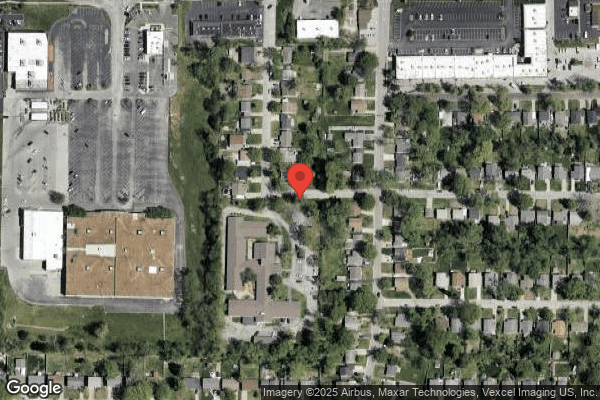

312 SOLLEY DRIVE, BALLWIN, MO 63021 (636) 391-0666
For profit - Corporation 137 Beds AMA HOLDINGS Data: November 2025 3 Immediate Jeopardy citations
Trust Grade
0/100
#417 of 479 in MO
Last Inspection: May 2025

Inspected within the last 6 months. Data reflects current conditions.

Overview

Manchester Rehab and Healthcare Center has received a Trust Grade of F, indicating significant concerns about the quality of care provided. This facility ranks #417 out of 479 in Missouri, placing it in the bottom half of state facilities, and #60 out of 69 in St. Louis County, meaning there are very few local options that are worse. Unfortunately, the facility's trend is worsening, with issues increasing from 8 in 2024 to 11 in 2025. Staffing is a rare strength here, showing a 0% turnover rate, which is much lower than the Missouri average, suggesting that staff remain long-term and are familiar with residents' needs. However, the facility has amassed $346,141 in fines, which is concerning and indicates repeated compliance issues. Specific incidents raise serious alarms about resident safety, including a critical failure to supervise a resident with altered mental status, resulting in the individual leaving a secured area and later causing self-harm. Additionally, there was an incident of abuse where a staff member threatened a resident, causing physical harm and fear, which staff failed to report immediately. Overall, while there are some staffing strengths, the significant fines and alarming incidents make this facility a concerning choice for families seeking care for their loved ones.

Trust Score
F
0/100
In Missouri
#417/479
Bottom 13%
Safety Record
High Risk
Review needed
Inspections
Getting Worse
8 → 11 violations
Staff Stability
○ Average
Turnover data not reported for this facility.
Penalties
✓ Good
$346,141 in fines. Lower than most Missouri facilities. Relatively clean record.
Skilled Nurses
○ Average
RN staffing data not reported for this facility.
Violations
⚠ Watch
67 deficiencies on record. Higher than average. Multiple issues found across inspections.
★☆☆☆☆
1.0
Overall Rating
★☆☆☆☆
1.0
Staff Levels
★★☆☆☆
2.0
Care Quality
★☆☆☆☆
1.0
Inspection Score
Stable
2024: 8 issues
2025: 11 issues

The Good

  • Full Sprinkler Coverage · Fire safety systems throughout facility
  • No fines on record

Facility shows strength in fire safety.

The Bad

1-Star Overall Rating

Below Missouri average (2.5)

Significant quality concerns identified by CMS

Federal Fines: $346,141

Well above median ($33,413)

Significant penalties indicating serious issues

Chain: AMA HOLDINGS

Part of a multi-facility chain

Ask about local staffing decisions and management

The Ugly 67 deficiencies on record

3 life-threatening 2 actual harm
May 2025 11 deficiencies 1 IJ
CRITICAL (J)

Immediate Jeopardy (IJ) - the most serious Medicare violation

Accident Prevention (Tag F0689)

Someone could have died · This affected 1 resident

**NOTE- TERMS IN BRACKETS HAVE BEEN EDITED TO PROTECT CONFIDENTIALITY** Based on observation, interview and record review, the facility failed to ensure one resident received adequate supervision and ...

Read full inspector narrative →
**NOTE- TERMS IN BRACKETS HAVE BEEN EDITED TO PROTECT CONFIDENTIALITY** Based on observation, interview and record review, the facility failed to ensure one resident received adequate supervision and interventions to ensure their safety. Resident #131 admitted on [DATE] from the hospital with altered mental status suspecting underlying dementia with psych issue, and in need of a secure unit. On 4/11/25, the resident left through an alarmed exit door on the secured memory care unit. The alarm sounded on the exit door, however, staff did not visually verify the location of residents on the unit. On 4/19/25, Resident #131 smashed a window with a toilet tank lid, cried and said he/she wanted to leave and threatened to jump out the window. He/She was hospitalized for two days and returned on 4/21/25 with a diagnosis of severe urinary tract infection (UTI). When the resident returned, he/she was suppose to be on enhanced visual monitoring or 1:1 monitoring, neither of which were communicated to staff, and staff did not provide increased supervision. On 4/24/25 at approximately 5:45 P.M., staff noticed the resident missing after he/she was last seen at 5:00 P.M. Staff found the resident broke the window in his/her room and left the building. The resident was found approximately 1.6 miles away from the facility, down a high-traffic main road. Police brought the resident back approximately two hours after staff determined the resident was missing. Staff who were present at the time of the incident were unaware of the resident's prior elopement attempts. Observations showed the door alarms on the secured memory care unit failed to properly display which exit door was opened during a test of the alarm system on 5/22/2025. In addition, facility staff failed to implement care-planned interventions for two residents identified as high fall risk (Residents #15 and #67) and failed to use a gait belt during an assisted transfer for one resident (Resident #76). The sample was 19. The census was 74. The Administrator was notified on 5/22/25 at 12:47 P.M., of an immediate jeopardy (IJ) which began on 4/21/25. The IJ was removed on 5/23/25, as confirmed by surveyor onsite verification. Review of the facility's Wandering & Elopement policy, revised 10/24/22, showed: -Purpose: To enhance the safety of residents of the facility; -Policy: The facility will identify residents at risk for elopement and minimize any possible injury as a result of elopement; -Procedures included: -The resident's risk for elopement and preventative interventions will be documented in the resident's medical record, and will be reviewed and re-evaluated by the interdisciplinary team (IDT) upon admission, readmission, quarterly, and upon change in condition according to the Resident Assessment Instrument (RAI) guidelines; -IDT may consider interventions listed in the Elopement Risk Reduction Approaches form for residents identified to be at risk for elopement; -Response to Resident Elopement: --The Licensed Nurse most familiar with the incident will document in the resident's medical record how the elopement occurred; -Return of Resident: --The Licensed Nurse will initiate or update the resident's Care Plan and implement immediate intervention(s) to prevent further wandering/elopement by the resident; --The IDT, with input from the Licensed Nurse, will conduct a thorough review of the elopement, document its findings in the IDT notes, and update the Care Plan to prevent a recurrence. Review of the facility's Fall Management Program policy, revised, 10/24/22, showed: -Purpose: to prevent resident falls and minimize complications associated with fall through the development of a fall management program; -Policy: The facility will provide the highest quality in the safest environment for the residents residing in the facility; The facility has developed a fall management program that strives to prevent resident falls through meaningful assessments, interventions, education and reevaluation; -Procedure: -Assessment: -The Licensed Nurse will assess each resident for their risk of falling upon admission, quarterly and with a significant change in condition; -Based on the information gathered from the history of the assessment of the resident, the nursing staff and IDT, with input from the attending physician, will identify and implement interventions to reduce the risk of falls; -Care Planning: -The nursing staff will develop a plan of care specific to the resident's needs with interventions to reduce the risk of falls; -Universal fall prevention measures for all residents: -Orient the resident to their environment; -Position, call bell, urinal if applicable, and bedside stand within reach; -Keep walkways obstruction and spill free; -Place bed in lowest position with brakes locked; -Residents should wear non-skid footwear whenever out of bed; -Assist residents with toileting as appropriate; -Encourage use of assistive devices as appropriate. Review of the facility's Gait Belt policy, revised, 10/24/22, showed: -Purpose: To provide assistance to clinical staff when moving a resident from one place to another and to increase the safety of resident by allowing clinical staff members to grip it and keep the resident from falling; -Policy: A gait belt may be used for residents who are too weak to walk or stand alone, or requires assistance. Review of the facility's Communication-Call System policy, revised 10/24/22, showed: -Purpose: To provide a mechanism for residents to promptly communicate with nursing staff; -Policy: The facility will provide a call system to enable residents to alert the nursing staff from their beds and toileting/bathing facilities; -Procedure: Call cords will be placed within the resident's reach in the resident's room. 1. Review of Resident #131's pre-admission documentation, effective 4/9/25, showed: -Communication to post-acute referral provider from hospital: --Resident admitted to hospital on [DATE] with complaints of motor vehicle accident. Resident with history of dementia (a general term for memory loss and decline in other cognitive abilities, severe enough to interfere with daily life). Found by police walking up and down the road with his/her car in the ditch. Resident has unstable gait. He/She does not know where he/she is, the time/year/month. He/She does not know his/her medications. He/She cannot remember what happened; -Diagnoses included bipolar disorder (a mental health condition characterized by extreme mood swings, ranging from periods of intense highs (mania) to periods of deep lows (depression)) and depressive disorder (characterized by persistent low mood and a loss of interest in activities); -Assessment and plan, dated 4/9/25, showed altered mental status suspecting underlying dementia with psych issue; -Referral message from hospital to facility showed resident is in need of a secure unit; -Referral message from facility to hospital showed resident looks appropriate for secured unit. Review of the resident's medical record, showed: -admitted [DATE] to room on the 500 hall, the facility's secured memory care unit; -Diagnoses included unspecified dementia with agitation, bipolar disorder, depression, cognitive communication deficit, difficulty walking, and unsteadiness on feet; -admission assessment, dated 4/11/25 at 10:23 A.M., showed resident alert, oriented to person and place. Behaviors: wandering. Review of the resident's Wandering Risk Assessment, dated 4/11/25 at 10:33 A.M., showed: -Has history of wandering; -Medical diagnosis of dementia/cognitive impairment; diagnosis impacting gait/mobility or strength; -Has wandered within the home without leaving grounds; -Has wandered in the past month; -High risk to wander. Review of resident's nursing note, dated 4/11/25 at 2:50 P.M., flagged as late entry, showed: -The resident was brought through front door by laundry attendant. Police officers were present. Nurse and attendant did not know who the resident was and were taking precautions by calling 911. Resident opened the side door setting off alarm on 500 hall exit. Maybe 20 minutes before when I heard the alarm, I came and turned it off. I did a walk down the hall and didn't see anything out of the norm and continued with med pass. Maybe 15 minutes later is when they walked through the door. I confirmed with the officers and nurse that he/she was with us and returned him/her to the hall. Resident was in a good mood, just a bit confused; -No documentation the writer of the nursing note completed a head count upon hearing the door alarm on the 500 hall; -No documentation the physician or Nurse Practitioner (NP) were notified of the resident's elopement from the facility. Review of the resident's care plan, in use at the time of survey, showed: -Focus: Resident is an elopement risk/wanderer; -Goal, initiated 4/11/25: Resident's safety will be maintained through the review date; -Interventions, initiated 4/11/25: Distract resident from wandering by offering pleasant diversions, structured activities, food, conversation, television, book. Resident prefers (blank). Provide structured activities: toileting, walking inside and outside, reorientation strategies including signs, pictures, and memory boxes. During an interview on 5/22/25 at 7:33 A.M., the Director of Nursing (DON) said when the door alarms sounded on the secure unit on 4/11/25, staff should have checked the door and then completed a head count. After the resident eloped from the secure unit on 4/11/25, he/she was placed on 15-minute checks for one day. Documentation of the 15-minute checks should be uploaded into the resident's medical record. Review of the resident's admission Minimum Data Set (MDS), a federally mandated assessment instrument completed by facility staff, dated 4/16/25, showed: -Moderate hearing difficulty; -Short and long term memory problem; -Severe cognitive impairment; -Cognitive skills for daily decision making: Severely impaired. Review of the resident's NP note, dated 4/16/25, showed: -Resident pulled out his/her urinary catheter on 4/15/25, was sent to the hospital, and returned to the facility promptly with antibiotics prescribed for seven days; -Diagnoses included Alzheimer's disease (the most common cause of dementia, a progressive neurological disorder that leads to memory loss, thinking difficulties, and changes in behavior) with late onset; -No documentation related to the resident's elopement from the memory care unit on 4/11/25. Review of the resident's NP note, dated 4/18/25, showed resident seen for effectiveness of antibiotics. Currently on antibiotics for UTI. Resident pulled out catheter this morning. Plan is to continue antibiotics from 4/18/25 to 4/28/25. Review of the resident's Situation, Background, Assessment, Request (SBAR, communication tool) communication form and progress note, dated 4/19/25 at 7:20 P.M., documented by Licensed Practical Nurse (LPN) FF, showed: -Situation: Resident broke full window with toilet lid cover out of room on secure unit on 4/19/25. Since this started, it has become worse. Resident attempting jumps out broken window. Nothing could have been done to change resident due to high-risk, suicide. This condition, symptom, or sign has not occurred before. Resident was agitated, increased anxiety; -Background: Primary diagnosis of dementia. Mental status changes include increased confusion and delirium (a temporary state of altered consciousness characterized by confusion, disorientation, and difficulty concentrating); -Assessment: The resident appears anxious, agitated, confused, alert and oriented x 2-3; -Request: Resident observed standing at window with toilet top, window observed broke and screen broken. Resident stated, I am going to jump, two times. Nurse yelled for other nurse on duty to assist. Other resident was able to deescalate resident and resident brought to nurse station and 1:1 sitter until Emergency Medical Services (EMS) and police arrived. Resident sent to hospital for psychiatric evaluation and treatment. Review of the resident's transfer to hospital summary, dated 4/19/25 at 9:38 P.M., showed LPN FF documented hospital specialist called facility and LPN gave information regarding resident's stay and exit seeking behaviors, behaviors since resident admission. During an interview on 5/21/25 at 9:43 P.M., LPN FF said he/she worked 7:00 P.M. to 7:00 A.M. on 4/19/25. During his/her shift, he/she heard glass break in one of the rooms on the memory care unit. He/She found the resident standing in front of the window with a toilet tank lid in his/her hands and the window broken. The resident was crying and said he/she wanted to leave. The resident was sent out to the hospital for a psych eval and came back a couple days later with a diagnosis of severe UTI. The resident was not on any kind of plan for increased monitoring. LPN FF was not aware the resident got off the secured unit on 4/11/25. This information was not communicated to him/her and would have been helpful to know when monitoring the resident. Review of the resident's hospital Discharge summary, dated [DATE], showed: -History of present illness (HPI): A few days ago, patient apparently ripped out his/her Foley (urinary catheter). He/She went to the hospital for an evaluation and he/she was placed on antibiotics. Earlier today, he/she got very agitated again and was screaming at staff. Apparently he/she took a toilet seat and broke a window and tried to escape. He/She apparently yelled that he/she is sick of it here, it is full of old people; -Hospital course: --Acute metabolic encephalopathy (alteration of brain function) - resolved; ---On admit, patient was confused, agitated, and apparently broke a window. Much improved after starting antibiotics for urinary infection on admit. Patient also has a significant psychiatric history with bipolar and depression; --Complicated UTI; --Bipolar disorder. Review of the resident's medical record, showed: -Resident readmitted to facility's secure memory care unit on 4/21/25; -No documentation related to increased supervision or other interventions related to safety for the resident following attempted elopement on 4/19/25. During an interview on 5/22/25 at 7:33 A.M., the DON said after the resident attempted to elope on 4/19/25, the resident was sent to the hospital and returned two days later. He/She was on antibiotics for a UTI and was supposed to be referred to a psychiatrist, but she is not sure that had happened, yet. The DON suggested using rounding sheets for the resident, and the resident should have been checked on every 15-minutes for 48 hours following the resident's return to the facility on 4/21/25. This need was discussed in the daily stand-up meetings. The resident's care plan should have been updated by the nurse within 24 hours of the attempted elopement, and should have shown updated interventions for elopement incidents. Review of the resident's Wandering Risk Assessment, dated 4/22/25 at 1:29 P.M., showed: -Has wandered aimlessly within the home or off the grounds; -Has wandered in the past month; -High risk to wander. Review of the resident's NP note, dated 4/22/25, showed: -Resident is a readmit to the facility. Sent to emergency department (ED) for confusion and agitation. Was treated for UTI. Long-term and short-term memory deficit; -Plan related to confusion arousals: Maintain dementia unit, psychotropic medication, and psych eval. Review of the resident's care plan, in use at the time of survey, showed: -No documentation of resident's elopement from secure memory care unit via unit doors on 4/11/25; -No documentation of the resident breaking the window using a toilet tank lid and expressions of wanting to leave the secure memory care unit on 4/19/25, and no new interventions identified related to the resident's behavior and supervision needs or physical environment. Review of the resident's behavior note, dated 4/24/25 at 7:53 P.M., showed LPN HH documented patient had increased behaviors during this shift and patient managed to elope out of facility by breaking his/her bedroom window and going through the window. During an interview on 5/21/25 at 5:24 P.M., LPN HH said he/she came in for his/her shift on 4/24/25 just before 6:00 A.M. During report, the night nurse did not mention anything about the resident's prior elopement attempts or that the resident was supposed to be on 1:1 monitoring. At around 5:45 P.M., the Certified Nurse Aide (CNA) reported he/she could not find the resident. LPN HH saw the resident about an hour prior to that, at around 4:45 P.M. LPN HH went to the resident's room and found the window had been busted out and the busted window screen was inside the room. There was shaving cream all over the place and the resident was gone. Staff started looking for the resident and the police and DON were notified. About an hour or so later, police located the resident at a restaurant off the main road outside of the facility. The resident was brought back to the facility and placed on 1:1 monitoring with the DON. 1:1 monitoring means staff should check the resident every 15 minutes. The DON said the resident was supposed to be on 1:1 monitoring, 15-minute checks, during the shift before the resident eloped, however, this was never reported to LPN HH or the CNAs who worked with him/her that day. No one knew the resident was supposed to be on 1:1 monitoring on 4/24/25, before the resident eloped from the facility. On the secure unit, the usual protocol is for staff to check residents every hour. Review of the police department investigative report, printed 4/29/25, showed: -Date/time received: 4/24/25 at 6:10 P.M.; -Subject information: Missing person. Subject has dementia and is hearing impaired; -Narrative: Responded to facility in reference to missing person. Prior to arrival, communications advised subject had broken his/her window and left the facility. Worker stated resident was last seen walking westbound on main road. Upon arrival, spoke with LPN HH, who stated he/she had last seen resident at 5:00 P.M. LPN HH stated he/she went to check on resident around 5:45 P.M. and discovered he/she was missing and his/her window had been smashed out. Resident had a history of escaping/attempting to escape the facility. Review of the facility's investigation into the resident's elopement on 4/24/25, reviewed on 5/22/25, showed: -Timeline of events: --5:00 - 5:20 P.M.: Staff discovered resident's window broken, management notified; --7:09 P.M.: Resident found by police department and enroute to facility. Review of Google Maps, showed approximate walking distance of 1.6 miles from the facility to the restaurant off the main road outside of the facility, where police located the resident. During an interview on 5/21/25 at approximately 2:15 P.M., CNA A said at around dinnertime on 4/24/25, he/she did a count of residents and could not find the resident. He/She saw the resident 30 to 45 minutes prior to this. He/She checked the resident's room and found shaving cream all over the window, the window broken with glass all over the floor, and the screen outside of the window. He/She reported it to the nurse and everyone started searching for the resident. The resident was gone for at least 45 minutes after that. Police found the resident at a restaurant down the main road outside of the facility. The resident was not on 1:1 or increased monitoring prior to this day. During an interview on 5/21/25 at 7:10 P.M., CNA B said he/she worked on the secure unit on 4/24/25 from 7:00 A.M. to 7:00 P.M. The resident was not on 1:1 monitoring during the shift. Close to dinnertime on 4/24/25, the other CNA saw the resident was missing. The other CNA went to the resident's room and saw the resident's window was broken. Staff searched for the resident, but could not find him/her. The police brought the resident back to the facility a couple hours later, just before CNA B's shift ended at 7:00 P.M. The resident told staff he/she covered his/her window in shaving cream to muffle the sound of the glass breaking. CNA B was not aware the resident had two prior actual or attempted elopement attempts. This information would have been good for staff to know. CNA B was later told the resident should have been on 1:1 monitoring during the day shift on 4/24/25, but this was never communicated to CNA B. 1:1 monitoring means checking the resident every 15 minutes. There are no set guidelines for completion of routine rounds on the memory care unit. Following the incident on 4/24/25, CNA B was not in-serviced on 1:1 monitoring or elopement protocol. During an interview on 5/21/25 at 9:43 P.M., LPN FF said on 4/24/25, he/she came in for his/her shift at 5:50 P.M., and an elopement code had just been called for the resident. He/She looked for the resident in the nearby neighborhood at 6:00 P.M., and one of the neighbors said he/she saw someone matching the resident's description about 45 minutes prior to that. Police returned the resident to the facility at around 7:30 P.M., before 8:00 P.M. During an interview on 5/22/25 at 7:33 A.M., the DON said on 4/24/25, the resident was not seen by staff for 45 minutes, which is too long for him/her to go in between checks. Staff should complete rounds every two hours on the secure unit. If residents exhibit behaviors, they should be checked more frequently. The DON, Assistant Director of Nurses (ADON), Administrator, Social Services Director (SSD), and MDS Coordinator determine interventions. Interventions are communicated to staff during daily stand-up meetings. The resident should have been checked more frequently on 4/24/25. The Administrator investigated the resident's elopement incidents and the DON did not see the statements obtained during the investigation. During an interview on 5/22/25 at 8:21 A.M., the Administrator said when the door alarms sounded on the memory care unit on 4/11/25, staff should have checked the doors and immediately completed a head count to determine who was missing. Once a resident was identified as missing, staff would have called the code to alert everyone to search for the missing resident. The resident's physician and responsible party should have been notified. After the resident eloped on 4/11/25, the Administrator spoke with the resident's family member, who said the resident still had his/her right mind. The family member said it was helpful for staff to talk to the resident about what he/she liked to do and to give the resident something to do. The Administrator spoke with some staff about their interactions with the resident and keeping him/her occupied. On 4/19/25, the Administrator conducted an investigation into the resident's elopement. While in the hospital for this incident, it was found the resident had a UTI. Upon the resident's return to the facility, staff was instructed to keep the resident on enhanced visuals. There are no policies or specific expectations for rounding on residents on the memory care unit. Two hours is an acceptable timeframe to complete rounds on residents on the memory care unit. Staff typically round on the residents and constantly watch them. To place a resident on enhanced visuals means to watch them more frequently than two hours, but there is no specific definition or expectation for more frequently. Enhanced visuals are more frequent than rounding every two hours, but less often than placing a resident on 1:1 monitoring. Enhanced visuals are not documented. 1:1 monitoring means staff should have visual on the resident at all times and keep track of their monitoring on a written log. The Administrator is not sure how long the resident was on enhanced visuals following the incident on 4/19/25, but the information is documented in the investigation she completed. Interventions, such as enhanced visuals, are communicated to staff through in-servicing. Interventions should be documented on a resident's care plan. Documentation of the in-servicing should be documented in the investigation she completed. On 4/24/25, the resident eloped by breaking the window in his/her room. When he/she came back to the facility, he/she was able to say why he/she eloped and how he/she used shaving cream on the window to reduce the noise of the broken glass. The Administrator investigated the elopement and found one of the CNAs who worked on 4/24/25 reported the incident to his/her family first, rather than the DON or Administrator. The investigations into the resident's elopements on 4/11/25, 4/19/25, and 4/24/25, are all in the same investigation file. Review of the facility's investigation file regarding the resident's elopements, provided 5/22/25 at approximately 11:55 A.M., showed: -No documentation related to the elopement on 4/11/25, including employee statements, physician notification, and in-service training; -No documentation related to the attempted elopement on 4/19/25, including employee statements and in-service training; -23 staff completed a questionnaire on 4/28/25 and 4/29/25 with the following questions: -What is the code for a missing resident; -Who do you report a missing resident to: -How often do you complete rounding on your residents; -No documentation related to in-service training with staff related to verification of resident locations on the unit upon door alarms sounding on the memory care unit, specific instruction for enhanced visual or 1:1 monitoring, or utilization of care plans to identify specific interventions for residents identified as high risk for elopement. During an interview on 5/22/25 at 9:45 A.M., the Medical Director said all residents on the memory care unit have dementia. When an exit door on the memory care unit is opened, the alarms at the doors should sound. When staff hear the door alarms, they should immediately check the doors to determine where the alarms are coming from. When the door alarm sounded after the resident's elopement on 4/11/25, staff should have conducted an immediate head count. He cannot recall being notified of this incident. He was notified of the resident's attempted elopement on 4/19/25. It would be expected for the resident to have been on an increased watch following this incident. At minimum, staff should have discussed with their supervisors what next steps should be taken to address the incident. Hourly checks for residents on the memory care unit could be ok for most residents, and should be more frequent for other residents, depending on the general understanding of the residents on the memory care unit. During an interview on 5/22/25 at 12:09 P.M., the Medical Director said the resident was not safe to be on his/her own. Upon admission, something told the facility right off the bat that the resident required placement on a memory care unit. During an interview on 5/22/25 at 2:47 P.M., Regional Nurse II said the Elopement Risk Reduction Approaches form referenced in the Wandering & Elopement policy is the same thing as the Wandering Risk Assessment. Regional Nurse CC said the facility did not classify the resident's elopement attempt on 4/19/25 as an elopement event; they classified it as a suicidal behavior event. The resident was cleared by the hospital's psychiatrist and additional monitoring was not needed when the resident returned to the facility because he/she had been cleared. During an interview on 5/23/25 at 11:35 A.M., Regional Nurse CC said the DON in-serviced all staff following the resident's elopement on 4/24/25. In-servicing with staff was ongoing and the exact dates of in-services are unknown. Review of the facility's in-service training documentation, provided on 5/23/25, showed: -12 staff signed in-service sheet for enhanced monitoring/1:1 monitoring on 4/24/25; -11 staff signed in-service sheet for elopement policy on 4/24/25; -10 staff signed in-service sheet for reporting on 4/24/25; -11 staff signed in-service sheet for elopement drill/missing resident drills on 4/24/25; -7 staff signed in-service sheet for Resident #131's placement on 1:1 monitoring on 4/24/25; -An employee list, dated 4/24/25, in which verbal I.S, documented next to the names of staff, undated, and NS documented next to the names of other staff who were not employed on 4/24/25. During an interview on 5/23/25 at 12:01 P.M., the DON said she verbally in-serviced some of the staff following the resident's elopement on 4/24/25. She could not recall the exact dates of the in-service training. During the in-service, she discussed the facility's elopement procedures. During an interview on 5/21/25 at 1:26 P.M., Housekeeper L said he/she has been employed by the facility for a few weeks. He/She is not sure what the protocol is for a missing resident or door alarms sounding. He/She has not been in-serviced on these topics. During an interview on 5/22/25 at 6:43 A.M., Nurse Aide (NA) K said he/she has been employed by the facility for five weeks and he/she just got access to resident care plans this week. Care plans tell staff exactly what is going on with residents and he/she would like to have access to these so he/she could know about the residents he/she is supposed to monitor. All residents on the memory care unit should be seen by staff every 15 minutes because of their wandering. During an interview on 5/22/25 at 7:11 A.M., NA JJ said he/she has been employed by the facility for a few weeks. All residents on the memory care unit have elopement tendencies. Residents on the memory care unit should be checked every 15 to 30 minutes. Staff know which residents should be on 1:1 or increased monitoring by learning their behaviors. He/She does not know if care plans are used by the facility. 2. Observation on 5/22/25 at 9:09 A.M., showed the 400 and 500 halls located on the secure memory care unit, with exit doors located on both halls. Twelve residents were in the dining room. LPN F, CNA A, and CNA W, worked on the secure unit. During a test of the alarm, the exit door on the 400 hall opened at 9:09 A.M. The door opened without a 15-second delay. An alarm sounded at the panel at the nurse's station, but did not sound at the alarm box above the open door. Observation on 5/22/25 at 9:19 A.M., showed the alarm panel at the nurse's station showed 123. The Maintenance Director said the panel should indicate which door was opened, but currently, it was not showing the correct door. The Administrator said the exit doors on the 500 and 400 halls should be on 15-second delays and both doors should be alarmed. The Regional Maintenance Director said when either exit doors are opened on the 500 and 400 halls, [TRUNCATED]
CONCERN (D)

Potential for Harm - no one hurt, but risky conditions existed

Assessment Accuracy (Tag F0641)

Could have caused harm · This affected 1 resident

**NOTE- TERMS IN BRACKETS HAVE BEEN EDITED TO PROTECT CONFIDENTIALITY** Based on interview and record review, the facility failed to ensure residents received an accurate assessment reflective of resi...

Read full inspector narrative →
**NOTE- TERMS IN BRACKETS HAVE BEEN EDITED TO PROTECT CONFIDENTIALITY** Based on interview and record review, the facility failed to ensure residents received an accurate assessment reflective of resident status at the time of assessment by coding side rails as restraints on the Minimum Data Set (MDS), a federally mandated assessment completed by facility staff, for three residents who were determined to use side rails without restriction of freedom of movement (Residents #50, #23, and #20). The sample was 19. The census was 74. Review of the facility's Resident Assessment Instrument (RAI) Process policy, showed: Purpose: To ensure that the RAI is used, in accordance with specified format and timeframes, in conducting comprehensive assessments as part of an ongoing process through which the facility identifies each resident's preferences and goals of care, functional and health status, strengths and needs, as well as offering guidance for further assessment once problems have been identified; -Policy: --The facility will utilize the RAI process as the basis for the accurate assessment for each resident's functional capacity and health status, as outlined in the Centers for Medicare and Medicaid Services (CMS) RAI MDS 3.0 Manual; --The assessment process must include direct observation and communication with the resident, as well as communication with licensed and non-licensed direct care staff members on all shifts; -Procedure included: --The facility uses the RAI MDS 3.0 Manual as a reference tool; --All information recorded within the MDS assessment must reflect the resident's status at the time of the Assessment Reference Date (ARD). Review of the CMS Long-Term Care (LTC) Facility RAI 3.0 User's Manual, revised October 2024, showed: -Section P: The intent of this section is to record the frequency that the resident was restrained by any of the listed devices, at any time during the day or night, during the 7-day lookback period. Assessors will evaluate whether or not a device meets the definition of a physical restraint and code only the devices that meet the definitions in the appropriate categories; -Physical restraints are any manual method or physical or mechanical device, material or equipment attached or adjacent to the resident's body that the individual cannot remove easily which restricts freedom of movement or normal access to one's body. 1. Review of Resident #50's medical record, showed diagnoses included spina bifida (condition affecting that spine), paraplegia (paralysis affecting the lower half of the body), muscle wasting and atrophy, and generalized muscle weakness. Review of the resident's side rail assessment, dated 3/25/25, showed: -Recommendation: The resident has expressed a desire to have bed rails raised while in bed; -If bed rails are indicated, please specify: Bilateral. Review of the resident's quarterly MDS, dated [DATE], showed: -Cognitively intact; -Physical restraints: Bed rails used daily. Review of the resident's care plan, in use at the time of survey, showed: -Focus: Resident has an activities of daily living (ADL) selfcare performance deficit. Per request, u-rails to assist in bed mobility and positioning; -Interventions included half rails up per physician's order for safety during care provision, to assist with bed mobility. Observation on 5/21/25 at 9:15 A.M., showed the resident sat in bed with side rails raised bilaterally at the head of the bed. During an interview, the resident said he/she uses the side rails for bed mobility and they are not a restraint. 2. Review of Resident #23's medical record, showed diagnoses included generalized muscle weakness and muscle wasting and atrophy. Review of the resident's side rail assessment, dated 3/25/25, showed: -Recommendation: The resident has expressed a desire to have bed rails raised while in bed; -If bed rails are indicated, please specify: Bilateral. Review of the resident's quarterly MDS, dated [DATE], showed: -Cognitively intact; -Physical restraints: Bed rails used daily. Review of the resident's care plan, in use at the time of survey, showed: -Focus: Per resident request, u-rails for mobility and positioning; -Interventions included discuss and record with the resident/family/caregivers, the risks and benefits of the u-rail, when the u-rail should/will be applied, and any concerns or issues regarding u-rails. Observation on 5/19/25 at 8:49 A.M., showed the resident sat in bed with side rails raised bilaterally at the head of the bed. During an interview, the resident said he/she used the side rails for repositioning and holding him/herself in position while receiving care. He/She had not tried moving the side rails and they did not restrict him/her. 3. Review of Resident #20's medical record, showed diagnoses included multiple sclerosis (MS, neurological disorder). Review of the resident's side rail assessment, dated 10/7/24, showed: -Recommendation: Bed rails are indicated and serve as an enabler to promote bed mobility and independence; -If bed rails are indicated, please specify: Bilateral. Review of the resident's quarterly MDS, dated [DATE], showed: -Cognitively intact; -Physical restraints: Bed rails used daily. Review of the resident's care plan, in use at the time of survey, showed the resident has limited physical mobility related to muscle weakness and unsteadiness on his/her feet. Per resident preference, u-rails for positioning. U-rails are placed in down position, patient able to complete mobility without rails; however, requested to keep on. Observation on 5/21/25 at 9:16 A.M., showed the resident sat in bed with the side rail lowered at the head of the bed on the left side. During an interview, the resident said he/she could move the side rails up and down if desired, but he/she did not use the side rails at all. 4. During an interview on 5/22/25 at 3:14 P.M., the MDS Nurse said all residents in the facility with side rails had been assessed to use them safely. No side rails were being used as a restraint. She thought all side rails must be coded as a restraint on the MDS, period, even if the side rails were not used as a restraint. During an interview on 5/23/25 at 8:32 A.M., the MDS Nurse said she spoke with her Regional MDS Coordinator and learned that side rails should not be coded as a restraint unless they were being used as a restraint. During an interview on 5/23/25 at 8:36 A.M., the Administrator said she expected the MDS Nurse to code items in accordance with the guidelines outlined in the RAI Manual. If side rails did not restrict freedom of movement, they were not considered a restraint and should not be coded as such on the MDS.
CONCERN (D)

Potential for Harm - no one hurt, but risky conditions existed

Quality of Care (Tag F0684)

Could have caused harm · This affected 1 resident

**NOTE- TERMS IN BRACKETS HAVE BEEN EDITED TO PROTECT CONFIDENTIALITY** Based on observation, interview and record review, the facility failed to ensure residents received care consistent with profess...

Read full inspector narrative →
**NOTE- TERMS IN BRACKETS HAVE BEEN EDITED TO PROTECT CONFIDENTIALITY** Based on observation, interview and record review, the facility failed to ensure residents received care consistent with professional standards. Staff failed to obtain treatment orders for a dressing to the resident's left leg, apply compression stockings to his/her legs, and complete an accurate assessment of the resident's edematous (swollen with excess fluid) legs (Resident # 27). In addition, the facility failed to perform a post-fall neurological assessment (an assessment that checks the resident's mental status, level of consciousness, pupil reaction, motor (movement) response to stimulation, and sensation) on two residents (Resident #27 and #15). The sample size was 19. The census was 74. Review of the facility's Care and Services policy, revised 10/22/24, showed: -Residents are provided with the necessary care and services to maintain the highest practicable physical, mental, and social well-being level of an environment that enhances quality of life in the scope of a long-term facility; Care and services are provided in a manner that consistently enhances self-esteem and worth. Review of the facility's Neurological Assessment policy, revised, 10/24/22, showed: -Purpose: To provide guidelines for the performance of a neurological assessment on residents; -Policy: -Nursing staff will perform a neurological assessment in the following circumstances: -Upon physician order; -Following an unwitnessed fall; -Following a fall or other accident or injury involving head trauma; -When indicated by the resident's condition; -Neurological checks will be performed as follows or other wise ordered by the physician: -Every 15 minutes for one hour, then; -Every 30 minutes for one hour, then; -Every hour for two hours, then; -Every four hours for a combined total of 72 hours; -Procedure: -Determine the resident's orientation to time, place and person; -Observe the resident's patterns of speech and speech clarity; -Take the resident's vital signs that include, temperature, pulse, respiratory rate, and blood pressure; -Check the pupillary (part of the eye that reacts to light) reaction; -Have the resident move all extremities; -Ask the resident to squeeze the nurse's fingers with their hand, note the strength bilaterally (both); -Have the resident plantar flexion (the foot moves down away from the leg) and dorsiflexion (the foot moves upward and towards the leg), note the strength bilaterally (both); -Documentation: -The following information will be documented in the resident's medical record: -The date and time the procedure was performed; -The name and title of the individual who performed the procedure; -All assessment data obtained during the procedure, including: -Eye opening; -Verbal response; -Motor response; -Pupillary response; -Limb response. -The signature and title of the person recording the data. 1. Review of Resident #27's admission Minimum Data Set (MDS), a federally mandated assessment instrument completed by facility staff, dated 4/8/25, showed: -Severe cognitive impairment; -No rejection of care; -Required maximum assistance from staff with lower body dressing and putting on and taking off footwear; -Impairment to both upper extremities; -Requires maximum assistance from staff from sitting to standing position, chair to bed transfers and toilet transfers; -Dependent on staff for walking 10 feet and picking up objects; -Uses a manual wheelchair; -Always incontinent of bowel and bladder; -Diagnoses included dementia. Review of the resident's care plan, in use at the time of survey, showed: -Focus: The resident is at risk for skin impairment; -Interventions: Follow facility protocol related to treatment of injury; Identify or document causative factors and eliminate and resolve when possible; Keep skin clean and dry; Monitor document location, size and treatment of skin injury; Weekly treatment documentation. -The care plan did not address the resident's leg edema; -Focus: The resident is at risk for falls related to dementia; -Interventions: The resident is to be at nurses station or high traffic areas: Anticipate the needs of the resident; Educate the resident, family and caregivers about safety reminders and what to do if a fall occurs; Ensure that the resident is wearing appropriate footwear when ambulating or mobilizing in wheelchair; Red tape to the wheelchair brakes as a visual cue; Ensure the resident's call light is within reach. Review of the resident's medical record, showed diagnoses that included traumatic subdural hemorrhage (a collection of blood between the inner layer of the skull and the surface of the brain) without the loss of consciousness, difficulty walking, muscle weakness, abnormal posture, repeated falls, heart disease and aortic valve stenosis (a part of the heart that is narrow and causes the heart to not function properly). Review of the resident's nursing skilled notes. showed: -On 5/13/25, days, cardiovascular: mild edema present; -On 5/13/25, nights, cardiovascular: edema present: blank; -On 5/14/25, days, cardiovascular: edema: blank; -On 5/15/25, days, cardiovascular: pitting (an indentation in the skin can be seen when pressed) edema preset; -On 5/15/25, nights: cardiovascular: edema present: blank; -On 5/16/25, days: cardiovascular: edema present: blank; -On 5/17/25, days: cardiovascular: edema present: blank; -On 5/18/25, days: cardiovascular: edema present: blank; -On 5/19/25, days: cardiovascular: edema present: blank. Review of the resident's skin assessment, dated 5/13/25, showed it did not address the resident's edematous legs. Review of the physician orders, dated 5/19/25, showed: -An order, dated 4/8/24, compression stockings to bilateral (both) lower extremities. -No treatment orders to left leg. Review of the resident's Treatment Administration Record (TAR), dated 5/1 through 5/19/25, showed no order for compression stockings. Review of the resident's progress notes, dated 5/1 through 5/19/25, did not show communication with the physician related to the resident's left leg requiring a dressing or treatment. Observation and interview on 5/19/24 at 7:30 A.M., showed the resident sat in his/her wheelchair at the nurses' station on the Memory Care Hall. The resident's bilateral lower extremities were shiny and edematous The resident's left leg had a large undated dressing that was saturated with yellow drainage. The resident did not have compression stockings on. The resident bent over in his/her wheelchair and fell forward landing on his/her left side and striking his/her head. Regional Nurse R and Certified Nurse Aide (CNA) S applied the gait belt to the resident and assisted the resident from the floor to a standing position and into his/her wheelchair. At approximately 7:35 A.M., Emergency Medical Services (EMS) arrived and transferred the resident to the stretcher. Paramedic GG asked Regional Nurse R why a dressing was on the resident's left leg. Regional Nurse R said, I'm not sure. Regional Nurse R then asked the Assistant Director of Nursing (ADON) why the resident had a dressing on his/her left leg. The ADON said the resident always has edematous legs, the resident's legs weep and a staff must have put it on to address his/her weeping legs. Observation on 5/20/24 at 5:07 A.M., showed the resident sat in his/her wheelchair in his/her room. The resident wore a shirt and a brief. The resident's bilateral lower extremities were shiny and edematous. The resident's left leg had a large undated dressing that was saturated with yellow drainage. The resident did not have a compression stocking on. Observation on 5/20/25 at 8:51 A.M. and 11:01 A.M. on 5/21/25 at 4:12 P.M., showed the resident sat in his/her wheelchair on the Memory Care Hall near the nurses' station. The resident's bilateral lower extremities were shiny and edematous. The resident did not have compression stockings on. The resident did not have a dressing on his/her left leg. During an interview on 5/20/25 at 8:00 A.M., Nurse Assistant (NA) BB said the resident always has edema to his/her legs. NA BB said the resident used to have compression stockings to wear, but he/she has not been able to find them in several weeks. NA BB said the resident's legs looked so much better and had less swelling when the resident wore the compression stockings. The resident will usually have some type of drainage from his/her legs and occasionally will see a dressing on his/her legs. The resident's family member would usually bring the compression stockings in and that someone would need to call the family member to bring in more stockings. During on interview on 5/22/25 at 3:25 P.M., Licensed Practical Nurse (LPN) F said he/she was not aware of the order for compression stockings. The compression stocking would help with the integrity of the resident's skin. If the resident requires a treatment, the physician should be notified and documented in the progress notes. The resident always has edema, and it should be charted in his/her skilled nursing note, skin assessment or progress notes to determine the progress of the edema. During an interview on 5/23/25 at 9:30 A.M. Regional Nurse CC said the order was placed in the electronic medical record incorrectly and that is why the order did not show up on the TAR to complete. The Director of Nursing (DON) and the ADON are expected to check orders for accuracy. During an interview on 5/23/25 at 1:00 P.M., the DON said she expected the physician orders to be placed in the electronic medical record accurately. She expected staff to document daily and accurately on the resident's edema and what interventions were in place. She expected staff to obtain a treatment order from the physician and not just place a dressing over an area of the leg and no one knows why it is there. She expected documentation of the communication with the physician to be placed in progress notes. Review of the facility's incident and accidents, showed the resident had an unwitnessed fall on 4/19/25. No fall was listed for 5/3/25. Review of the resident's progress notes, showed: -On 4/19/25 at 6:34 P.M., the resident was found sitting on the floor near the nurse's station. The resident was attempting to get up out of the wheelchair and when he/she attempted to sit back down, the wheelchair went behind the resident. No apparent injury. Vital signs, pupillary reaction, range of motion (ROM) of extremities within normal limits. No complaints of pain or distress; -On 5/3/25 at 4:26 A.M., the resident was observed on the floor at the foot of bed nearest to the window laying on his/her side. There was bowel movement on the floor; The resident was cleaned and assessed for injuries. The resident has two skin tears to the right elbow. The area was cleaned and a dressing applied. No further injuries noted. Unwitnessed fall charting initiated. Review of the resident's neurological assessment forms, showed: -On 4/19/25, no neurological assessments were performed; -On 5/3/25 at 12:00 A.M., 12:15 A.M., 12:30 A.M., 12:45 A.M., 1:00 A.M., and 1:15 A.M., a neurological assessment was documented as completed; -No further neurological checks were documented as completed. 2. Review of Resident #15's quarterly MDS, dated [DATE], showed: -Severe cognitive impairment; -Requires moderate assistance from staff for toileting and personal hygiene; -Requires moderate assistance from staff to walk 10 feet; -Uses a manual wheelchair; -Frequently incontinent of bowel and bladder; -Diagnoses include cancer, Alzheimer's disease, and depression. Review of the resident's care plan, in use at the time of survey, showed: Focus: The resident is at risk for falls; Interventions: Post a sign in the resident's room to use the call light for assistance; Continue to educate resident on use of call light; Anticipate the resident's needs; Apply mattress with bolsters (a mattress with raised defined edges); Enhanced visuals as needed. Review of the facility's list of incidents, showed the resident had an unwitnessed fall on 4/19/25 and another 5/7/25. Review of the resident's fall risk assessment, dated 5/14/25, showed the resident assessed as a high fall risk. Review of the resident's progress notes, showed: -No documentation dated 4/19/25, related to the resident's unwitnessed fall; -On 4/20/25 at 3:58 P.M., received in report the resident was on a follow up for non-injury fall, 4/19/25. The resident has been sitting up in his/her wheelchair and denies any pain or discomfort. Vital signs obtained. No injuries observed; -On 5/7/25 at 2:56 A.M., the CNA alerted the nurse that he/she heard a loud noise. The resident was observed on the side of his/her bed. The resident said he/she hit his/her head on the dresser. A completed head to toe assessment was completed and no injuries were observed. The resident said he/she was trying to get out of bed and fell to the floor and hit his/her head. The resident does not know where he/she was going or what he/she was doing. Vital signs obtained. Neurological checks started. The ADON is in the building and is aware of the incident. Review of the resident's medical record, showed no documented neurological checks for the resident's unwitnessed falls on 4/19/25 and 5/7/25. 3. During an interview on 5/21/25 at 10:59 A.M., LPN V said neurological checks are to be implemented as per policy for witnessed falls that the resident struck their head, if the resident said they struck their head, and all unwitnessed falls if head involvement is unknown. During an interview on 5/23/25 at 1:00 P.M., the DON said she expected neurological checks to be completed timely and accurately per the facility policy. Neurological checks are to be completed for witnessed falls if the resident struck their head, if the resident said they struck their head, and all unwitnessed falls if head involvement is unknown.
CONCERN (D)

Potential for Harm - no one hurt, but risky conditions existed

Respiratory Care (Tag F0695)

Could have caused harm · This affected 1 resident

**NOTE- TERMS IN BRACKETS HAVE BEEN EDITED TO PROTECT CONFIDENTIALITY** Based on observation, interview and record review, the facility failed to ensure bipap (a form of non-invasive ventilation thera...

Read full inspector narrative →
**NOTE- TERMS IN BRACKETS HAVE BEEN EDITED TO PROTECT CONFIDENTIALITY** Based on observation, interview and record review, the facility failed to ensure bipap (a form of non-invasive ventilation therapy) masks were properly stored for two residents (Residents #17 and #55) and failed to ensure the oxygen concentrator (medical device that separates nitrogen from the air) was set to the proper rate for one resident (Resident #55). The sample was 19. The census was 74. Review of the facility's oxygen administration policy, dated 10/24/22, showed: -Policy: a physician's order is required to initiate oxygen therapy, except in an emergency situation. The order shall include: oxygen flow rate, method of administration (e.g. nasal cannula (NC)), usage of therapy (continuous or as needed (PRN)), titration instructions (if indicated), and indication for use. Oxygen saturations will be measured and documented at a minimum of daily for resident's receiving oxygen therapy. Oxygen items will be stored in a plastic bag at the resident's bedside to protect the equipment from dust and dirt when not in use. 1. Review of Resident #17's quarterly Minimum Data Set (MDS), a federally mandated assessment instrument completed by facility staff, dated 4/23/25, showed: -Diagnoses included acute respiratory failure, muscle weakness, and depression; -Cognitively intact. Review of the resident's care plan, in use at the time of the survey, showed: -Focus: resident has a diagnosis of acute respiratory failure; -Goal: the resident will have improved lung expansion and mobilization of secretions (mucus or saliva). -Interventions: assess breath sounds pre/post and document. Assess for pain and treat if necessary. Notify providers with any concerns. Review of the resident's Physician's Order Summary (POS), dated 5/19/25, showed an order, dated 3/11/25, Ipratropium-Albuterol Solution (combination medication used to prevent wheezing, difficulty breathing, chest tightness, and coughing) 0.5-2.5 (3) milligram (mg)/3 milliliter (ml), inhale orally every 4 hours. Review of the resident's Medication Administration Record (MAR), dated May 2025, showed: -The resident received their ordered breathing treatment on 5/19/25 every four hours; -The resident received their ordered breathing treatment on 5/20/25 every four hours. Observation on 5/19/25 at 5:43 A.M., showed the resident's oxygen mask lying on the ground next to the resident's bed. The resident's bipap machine was on the resident's nightstand. Observation on 5/20/25 at 11:44 A.M., showed the resident's oxygen mask lying on the ground next to the resident's bed. The resident's bipap machine was on the resident's nightstand. 2. Review of Resident #55's quarterly MDS, dated [DATE], showed: -Diagnoses included chronic obstructive pulmonary disease (COPD, lung disease), muscle weakness and chronic respiratory failure; -Cognitively intact. Review of the resident's care plan, in use at the time of the survey, showed: -Focus: resident has COPD; -Goal: resident will have symptoms controlled through the review period; -Interventions: give medications, treatments, for COPD as ordered, monitor for effectiveness. Oxygen if ordered/indicated, oxygen saturations as ordered/indicated. Oxygen at 2 Liters/NC to keep saturations above 92%. Review of the resident's POS, dated 5/19/25, showed: -An order, dated 5/3/2025, Albuterol Sulfate Nebulization Solution (2.5 mg/3 ml) 0.083%, 1 application inhale orally via nebulizer every 4 hours as needed for shortness of breath (SOB); -An order, dated 2/13/2025, oxygen therapy: oxygen via NC at 2 liters to keep saturation above 92% as needed for SOB related to COPD. Observation on 5/19/25 at 6:06 A.M., showed the resident's oxygen mask lying on the ground next to the resident's bed. The resident's bipap machine was on the resident's nightstand. Observation on 5/20/25 at 7:52 A.M., showed the resident in his/her bed awake. The resident's NC was in his/her nose. The concentrator was on and set to 4 liters. Observation on 5/20/25 at 7:57 A.M., showed the resident's oxygen mask lying on the ground next to the resident's bed. The resident's bipap machine was on the resident's nightstand. Observation on 5/20/25 at 10:55 A.M., showed the resident in his/her bed awake. The resident's NC was in his/her nose. The concentrator was on and set to 4 liters. Observation on 5/23/25 at 8:49 A.M., showed the resident's oxygen mask lying on top of the resident's bipap machine, uncovered. 3. During an interview on 5/23/25 at 7:34 A.M., Licensed Practical Nurse (LPN) X said the concentrators should be set at the rate indicated by the physician. Staff should ensure the rate is correct. Oxygen masks should be stored when not in use, in a bag. During an interview on 5/23/25 at 9:15 A.M., the Director of Nursing said concentrators should be set at the rate indicated by the physician. Staff should ensure the rate is correct during their rounds. Oxygen masks should be stored when not in use in a bag. Oxygen masks should not touch the ground. During an interview on 5/23/35 at 11:25 A.M., the Administrator said she expected staff to follow the oxygen administration policy. Staff should ensure oxygen masks are stored properly and not on the ground. Staff should ensure oxygen concentrators are set to the proper rate.
CONCERN (D)

Potential for Harm - no one hurt, but risky conditions existed

Deficiency F0698 (Tag F0698)

Could have caused harm · This affected 1 resident

Based on interview and record review, the facility failed to maintain ongoing communication and collaboration with the dialysis facility regarding dialysis care and services for one resident (Resident...

Read full inspector narrative →
Based on interview and record review, the facility failed to maintain ongoing communication and collaboration with the dialysis facility regarding dialysis care and services for one resident (Resident #63). The facility identified one resident receiving dialysis. The sample was 19. The census was 74. Review of the facility's Dialysis Care policy, revised 10/24/22, showed: -Purpose: To provide are for residents diagnosed with renal disease requiring ongoing dialysis treatments; -Policy: --The facility will be responsible for the overall care delivered to the resident, monitoring of the resident prior to and after the completion of each dialysis treatment, and providing for all nondialysis needs of the resident including during the time period when the resident is receiving dialysis; --The facility maintains a contract with a dialysis service provider which addresses communications between the facility and provider; -Procedure: --Communication and Collaboration: -The nursing staff, dialysis provider, and the attending physician will collaborate on a regular basis concerning the resident's care as follows: -Nursing staff will communicate pertinent information in writing to the dialysis staff which may include: -Any medication changes; -Any recent changes in condition; -The resident's tolerance of dialysis procedures; -The dialysis provider will communicate in writing to the facility: -The resident's current vital signs; -Pre and post dialysis weight; and -Any problems encountered while the resident was at the dialysis provider -Nursing staff may use a Nurses Dialysis Communication Record to convey information to the dialysis center; --Documentation: -All documentation concerning dialysis services and care of the dialysis resident will be maintained in the resident's medical record; -Documentation may include the Nurses Dialysis Communication Record, Dialysis Flow Sheet, or Dialysis Medical Intake Sheet. Review of the facility's Dialysis Communication Form, undated, showed: -Pre-dialysis information to be completed by facility staff included resident's name and physician, vital signs, medications administered prior to dialysis, meal/snack sent, shunt location/status, additional information (changes in condition, physician order changes, new labs since last visit), and nurse signature; -Dialysis center information to be completed by dialysis staff included vital signs, pre and post weight, dialysis start and end time, fluid removed, meal/snack intake, shunt location/status, additional information, new physician orders/recommendations, and nurse signature; -Post dialysis information to be completed by facility staff included vital signs, shunt location/status, bruit/thrill present, bleeding, general condition of resident, and nurse signature. Review of Resident #63's electronic medical record (EMR), showed: -Diagnoses included end state renal disease (ESRD, kidney failure), dependence of renal dialysis, diabetes, and heart failure; -An order, dated 4/7/25, for resident to receive dialysis on Monday, Wednesday, Friday at 10:30 A.M.; -No dialysis communication forms, nurse's notes, dialysis treatment reports, or other documentation related to communication between the facility and dialysis center in April and May 2025. Review of the resident's quarterly Minimum Data Set (MDS), a federally mandated assessment instrument completed by facility staff, dated 4/8/25, showed: -Cognitively intact; -Rejection of care behavior not exhibited; -Dialysis received. Review of the resident's care plan, in use at the time of survey, showed: -Focus: Resident has renal insufficiency related to ESRD; -Focus: Resident requires dialysis Monday, Wednesday, and Friday; -The care plan did not provide guidance on how facility staff should maintain communication with the dialysis center. During an interview on 5/19/25 at 10:11 A.M., the resident said he/she goes to dialysis every Monday, Wednesday, and Friday. The facility staff do not give him/her a communication form or any paperwork to bring to the dialysis center. The dialysis center does not give him/her a communication form or any paperwork to bring back to the facility. During an interview on 5/21/25 at 8:15 A.M., the resident said the facility nurse did not give him/her a communication form for him/her to bring to dialysis on 5/19/25, and he/she did not bring a communication form back from the dialysis center. During an interview on 5/23/25 at 7:27 A.M., Licensed Practical Nurse (LPN) X said he/she has worked for the facility for over five months. To his/her knowledge, there is no communication form used between the facility and dialysis center. If the dialysis center staff call the facility to say something went wrong, that is the only time the facility communicates with the dialysis center. Otherwise, facility nurses do not call the dialysis center unless they notice something out of the ordinary when the resident comes back from dialysis. During an interview on 5/23/25 at 7:56 A.M., LPN Q said he/she does not know if the facility uses communication forms for residents on dialysis. He/She does not know what the facility's method is for communicating with the dialysis center. During an interview on 5/23/25 at 8:10 A.M., the Director of Nurses said before a resident goes out to dialysis, the nurse should assess the resident and document their findings on a Dialysis Communication Form. Blank Dialysis Communication Forms are kept at the nurse's station. Once the form is completed by facility staff, it goes with the resident to the dialysis center. The dialysis center fills out their portion of the form and sends it back to the facility with the resident. Once the form is returned, it should be uploaded to the resident's EMR. If the form does not return to the facility from the dialysis center, the nurse should call the dialysis center to get report and document this communication as a note in the EMR. It is important for the facility to maintain ongoing communication with the dialysis center for continuity of care. During an interview on 5/23/25 at 8:36 A.M., the Administrator said before sending a resident out for dialysis, the nurse should assess the resident and fill out a Dialysis Communication Form, which should be at the nurse's station or in easily accessible areas. The form should go with the resident to the dialysis center. The form should come back to the facility with the resident after dialysis. If the form does not return to the facility, the nurse should call the dialysis center and get the form sent over or get report from the dialysis center and document it in the resident's EMR. Once the form returns to the facility, it should be scanned into the EMR. The facility should have ongoing communication with the dialysis center to ensure quality of care.
CONCERN (D)

Potential for Harm - no one hurt, but risky conditions existed

Laboratory Services (Tag F0770)

Could have caused harm · This affected 1 resident

Based on observation, interview and record review, the facility failed to provide or obtain laboratory services as ordered by the physician for one resident (Resident #65). The sample was 19. The cens...

Read full inspector narrative →
Based on observation, interview and record review, the facility failed to provide or obtain laboratory services as ordered by the physician for one resident (Resident #65). The sample was 19. The census was 74. Review of the facility's Laboratory, Diagnostic and Radiology Services policy, revised on 10/24/22, showed: -Purpose: To ensure that laboratory, diagnostic and radiology services are provided to meet resident needs; -Policy: Laboratory, Diagnostic and Radiology services will be coordinated pursuant to an order by physician, physician assistant, nurse practitioner or clinical nurse specialist in accordance with the scope of practice under state law; The facility is responsible for the quality and timeliness of services provided by the laboratory, diagnostic or radiology provider. Review of Resident #65's quarterly Minimum Data Set (MDS), a federally mandated assessment instrument completed by facility staff, dated 4/1/25, showed: -The resident is rarely understood; -No rejection of care; -Occasionally incontinent of urine and frequently incontinent of bowel; -Required maximum assist from staff for toileting hygiene; -Diagnosis included Alzheimer's disease. Review of the resident's Treatment Administration Record (TAR) dated 4/1/25 through 4/30/25, showed: -An order dated, 4/7/25, collect urine and label and put in lab fridge for Wednesday pickup, every shift, for two days; -An order dated, 4/9/25, collect urine and label and put in lab fridge for Friday pickup, every shift, discontinued date 4/17/25; -An order dated, 4/18/25, one time order for straight catheterization (a tube inserted into the bladder to drain urine) to obtain urine for a urinalysis (UA, a urine test to check for a infection) and culture (a test that determines the type of bacteria growth), one time, discontinue date, 4/19/25; -An order dated, 4/19/25, one time order for straight catheterization, to obtain a UA and culture, place in specimen fridge for Monday pickup, discontinue order once specimen is collected; -On 4/7/25, the urine collection documented: completed on day and night shifts; -On 4/8/25, the urine collection documented: see progress notes on day shift; completed on 4/8/25, night shift. -On 4/9/25, the urine collection documented: hold, see progress notes, on the day shift; completed on the night shift; -On 4/10/25, the urine collection documented: completed on day and night shifts; -On 4/11/25, the urine collection documented: see progress notes on day shift; completed for night shift; -On 4/12/25, the urine collection documented: completed on day and night shifts; -On 4/13/25, the urine collection documented: completed on day shift; hold, see progress notes for night shift; -On 4/14/24, the urine collection documented: drug refused on day shift; completed on the night shift; -On 4/15/25, the urine collection documented: drug refused on day shift; completed on the night shift; -On 4/16/25, the urine collection documented: see progress notes on day shift and night shifts; -On 4/17/25 ,the urine collection documented: a blank box on day shift and a X on night shift; -On 4/18/25, the urine collection documented: see progress notes; -On 4/19/25, the urine collection documented as completed. Review of the resident's progress notes, showed: -On 4/8/25 at 5:33 P.M., unable to obtain this shift, the resident would not sit long enough to void (urinate); -On 4/9/25 at 3:57 P.M., the resident would not let staff attempt to obtain sample; -On 4/11/25 at 2:48 P.M., lab to pick up in early AM; -On 4/13/25 at 10:33 P.M., it is Sunday and the sample will not be useful; -On 4/14/25 at 6:53 P.M., the resident refused to use the bathroom at this time to provide a sample, reported to the night shift to reattempt; -On 4/16/25 at 6:10 P.M., unable to have resident sit long enough for specimen; -On 4/17/25 at 5:26 A.M., unsuccessful at collecting urine specimen; -On 4/18/25 at 5:54 P.M. unable to obtain specimen. -No documentation staff notified the physician regarding the urine specimen not obtained from the resident. Review of the resident's lab results, showed no UA or culture results. During an interview on 5/23/25 at 8:55 A.M., Certified Nursing Assistant (CNA) W said the resident is able to sit on the toilet if you encourage him/her to do so. A specimen collection container is placed in the toilet to obtain the sample. If staff is unable to obtain the specimen, the nurse is notified and will need to get a straight catheterization order. The resident does not normally refuse care but requires cues and prompting for tasks. During an interview on 5/23/25 at 9:30 A.M., Regional Nurse CC said urine testing results were not found in the lab system for the resident. During an interview on 5/23/25 at 11:45 A.M., Licensed Practical Nurse (LPN) Q said urine specimens are obtained using the specimen collection container that fits in the toilet or a straight catheterization. The physician should always be notified when a lab specimen is not obtained, and it should be documented in the resident's progress notes. Lab work and specimens are picked up Monday through Friday in the early morning. STAT (to be completed immediately) labs are the only labs that are completed on the weekend. During an interview on 5/23/25 at 1:00 P.M., the Director of Nursing (DON) said the physician is expected be notified each time the resident refuses or the staff is having difficulty obtaining the sample. The physician may place the resident on antibiotics without urine test results if the specimen is impossible to obtain or the resident refuses. She expected clear and accurate documentation in the TAR and progress notes. The DON was not aware the resident's urine specimen was not obtained. She would have assisted with obtaining the specimen if she would have known. Multiple days of not being able to obtain a urine sample is unacceptable.
CONCERN (E) 📢 Someone Reported This

A family member, employee, or ombudsman was alarmed enough to file a formal complaint

Potential for Harm - no one hurt, but risky conditions existed

Safe Environment (Tag F0584)

Could have caused harm · This affected multiple residents

**NOTE- TERMS IN BRACKETS HAVE BEEN EDITED TO PROTECT CONFIDENTIALITY** Based on observation, interview and record review, the facility failed to ensure residents had a safe, homelike environment by f...

Read full inspector narrative →
**NOTE- TERMS IN BRACKETS HAVE BEEN EDITED TO PROTECT CONFIDENTIALITY** Based on observation, interview and record review, the facility failed to ensure residents had a safe, homelike environment by failing to ensure residents and staff had access to clean towels for three sampled residents (Resident #34, #36 and #58). Staff also failed to ensure one resident's broken window was fixed (Resident #15), failed to ensure three resident's personal refrigerators had completed temperature logs (Resident #4, #8 and #23) and failed to maintain the hot water at the minimum required temperature of 105 degrees Fahrenheit (F) for three residents (Resident #36, #23 and #55). In addition, staff failed keep the hallway on the Memory Care Unit free from trash. The sample was 19. The census was 74. Review of the facility's housekeeping policy, dated 10/24/22, showed: -Purpose: To ensure the Facility is clean, sanitary, and in good repair at all times so as to promote the health and safety of residents, staff, and visitors; -Policy: All rooms of the facility are kept clean and as free as possible of germs and other contaminating agents at all times, while maintaining a pleasant and homelike atmosphere for our residents; -Procedure: The Housekeeping Department is responsible for completing the daily, weekly, and monthly cleaning procedures. The housekeeping staff's general duties are to: Maintain clean bed and bath linens that are in good condition for residents; sweep and mop, or vacuum, all floors; clean all surfaces in restrooms, showers, and utility rooms; damp-wipe all furniture (except cloth upholstered), counters, windowsills, ledges and doors, wheelchairs, equipment, telephones, lamp bases, light fixtures, and nurses' call lights; clean all mirrors; wash windows as necessary; empty and clean all waste containers. Review of the facility's housekeeping daily cleaning schedule, showed: -Floors: sweep and mop; -Furniture: bed, nightstand, chairs, trash cans; -Bathrooms: toilet, sink, mirror, shower unit, towel racks, and safety bars. 1. Review of Resident #34's medical record, showed diagnoses included heart failure (a reduction in the heart's ability to pump blood to the organs), Chronic Obstructive Pulmonary Disease (COPD, chronic inflammation of the airways in the lungs), Type II Diabetes, Cognitive Communication Deficit, and Presence of Gastrostomy (a surgical appliance inserted into the stomach used to administer medication or supplemental nutrition). During interview on 5/21/25 at 10:18 A.M. the resident said he/she received a shower from facility staff as requested, but the aide had to use a blanket to help dry the resident as there was only one clean towel on the hall. 2. Review of Resident #36's quarterly Minimum Data Set (MDS), a federally mandated assessment tool completed by the facility staff, dated 4/11/25, showed: -Diagnoses included epilepsy (seizure disorder), muscle weakness, and quadriplegia (paralysis); -Cognitively intact. During an interview on 5/22/25 at 1:44 P.M., the resident said there was not enough linen in the building. 3. Review of Resident #58's medical record, showed: -Diagnoses included cerebral palsy (congenital disorder of movement, muscle tone, or posture) and muscle weakness; -Cognitively intact. Review of the resident's shower sheet dated 4/29/25, showed Licensed Practical Nurse (LPN) MM signed his/her name on the shower sheet and documented the shower was not completed due to no linen available. 4. Observation of the laundry room on 5/22/25 at 10:22 A.M., showed no clean or dirty towels. Observations of the 300 hallway linen closet and linen cart on 5/22/25, showed: -At 7:06 A.M., no towels or wash cloths. -At 10:15 A.M., two clean towels. No wash cloths; -At 3:10 P.M., two clean towels. No wash cloths. Observation of the 500 hallway linen cart on 5/22/25 at 3:12 P.M., showed no towels or wash cloths. Observations of the 700 hallway linen cart on 5/22/25, showed: -At 7:02 A.M., no clean towels or wash cloths; -At 10: 16 A.M., no clean towels or wash cloths; -At 3:06 P.M., no clean towels or wash cloths. Observation of the 700 hallway linen cart on 5/23/25 at 6:35 A.M., showed no clean towels. Observations of the 800 hallway linen cart on 5/22/25 at 6:58 A.M., 10:17 A.M., and 3:04 P.M., showed no towels or wash cloths. Observation of the 800 hallway linen cart on 5/23/25 at 6:36 A.M., showed no clean towels. Observations of the 900 hallway linen cart on 5/22/25, showed: -At 7:00 A.M., no clean towels or wash cloths; -At 10:18 A.M., five clean towels and two wash cloths; -At 3:05 P.M., two clean towels and no wash cloths. Observation of the 900 hallway linen cart on 5/23/25 at 6:37 A.M., showed no clean towels. During an interview on 5/22/25 at 6:55 A.M., Laundry Aide G said he/she was one of two employees in the laundry room. He/She said staff threw away towels a lot. He/She said the evening shift did not always show up, so towels were not cleaned. Laundry Aide G was not able to get to them because resident clothing was a priority. During an interview on 5/22/25 at 10:58 A.M., Nursing Assistant (NA) H said there was a problem with the lack of linen. He/She said on 5/21/25, he/she could not shower any residents until 5:00 P.M., due to the lack of linen in the building. During an interview on 5/22/25 at 11:01 A.M., Certified Nursing Assistant (CNA) E said recently there had been issues with linens not being cleaned on time. During an interview on 5/22/25 at 11:04 A.M., Hospice CNA NN said when he/she came to the building to work with clients, normally it was hard to find clean towels. He/She said sometimes blankets had to be used. During an interview on 5/23/25 at 7:51 A.M., the Administrator said there should be enough linen to ensure all residents received a shower. She said new linen had been ordered. She said the census of residents had gone up and laundry staff were unable to keep up with the demand. 5. Review of Resident #15's quarterly MDS, dated , 4/9/25, showed: -Severe cognitive impairment; -Diagnoses include: cancer, Alzheimer's disease, and depression. Observations of the resident's room on 5/19/25 at 6:19 A.M. and 7:00 A.M., and 5/20/25 at 11:01 A.M., showed a window. One side of the window was boarded with plywood and secured with multiple screws. During an interview on 5/19/25 at 7:00 A.M., the resident said he/she had noticed the window boarded up and thought it didn't look nice. The resident didn't like the way it looked. During an interview on 5/22/25 at approximately 9:00 A.M., Maintenance Assistant Z said the resident's window had been boarded up for about a month. The repair work had to be approved by the corporate office, which they were waiting on. The boarded window was not considered a home like environment. During an interview on 5/22/25 at 9:16 A.M., Housekeeper AA said the resident's window had been boarded up for about three weeks. The room had been occupied by residents since the window was broken. The boarded window was not considered a home like environment. During an interview on 5/22/25 at approximately 11:00 A.M., the Regional Maintenance Director said they were having a contractor come out that day. The glass wasn't the only repair the window needed. The structure of the actual window needed to be repaired. There should not have been residents occupying that room since the window was broken out in April, 2025. The boarded window was not homelike. During an interview on 5/23/25 at 2:06 P.M., the Administrator said the boarded window in the resident's room was not acceptable and was not homelike. She would have expected the residents to be moved out of the room until it was repaired. 6. Review of Resident #4's quarterly MDS, dated [DATE], showed: -Moderate cognitive impairment; -Upper extremity impairment on both sides; -Dependent for transfers and walking; -Diagnoses included stroke. Observation on 5/19/25 at 9:13 A.M., showed a mini refrigerator against the wall in the resident's room. A temperature log on the side of the refrigerator, dated 2025, was blank with no dates filled out. Bologna, cheese slices, cupcakes, and various beverages were observed inside the refrigerator. During an interview, the resident said staff did not check the temperature of his/her refrigerator. Observations on 5/20/25 at 11:11 A.M. and 5/21/25 at 8:43 A.M., showed the refrigerator temperature log was blank. 7. Review of Resident #8's annual MDS, dated [DATE], showed: -Diagnoses included acute kidney failure, dementia, and type two diabetes mellitus; -Cognitively intact. Observation on 5/19/25 at 5:44 A.M., showed a mini fridge on the resident's night stand. The temperature log, dated 2025, was blank. A cup of pudding and a drink were in the refrigerator. Observation on 5/21/25 at 10:40 A.M., showed the refrigerator temperature log dated 2025 was blank. 8. Review of Resident #23's quarterly MDS, dated [DATE], showed: -Cognitively intact; -Upper extremity impairment on both sides; -Lower extremity impairment on one side; -Dependent for transfers and walking; -Diagnoses included stroke. Observation on 5/19/25 at 8:49 A.M., showed a mini refrigerator against the wall in the resident's room. A temperature log on the front of the refrigerator, dated 2025, was blank. Cheese, cottage cheese, ranch dressing, fruit cups, and soda were inside the refrigerator. During an interview, the resident said he/she did not know if staff checked the refrigerator temperature. Observation on 5/20/25 at 7:52 A.M. and 5/21/25 at 8:38 A.M., showed the refrigerator temperature log was blank. During an interview on 5/22/25 at 12:48 P.M., Maintenance Assistant Z said the Housekeeping Supervisor was responsible for maintaining the temperature logs for residents' personal refrigerators. He said he was currently overseeing the Housekeeping Supervisor role and had not been taking the temperatures. During an interview on 5/23/25 at 7:51 A.M., the Administrator said the Housekeeping Supervisor was normally responsible to take the temperatures of the residents' personal refrigerators. She said currently Maintenance Assistance Z should be maintaining the temperature logs. She would expect the temperatures to be taken to ensure the residents' food did not spoil. 9. Review of Resident #36's quarterly MDS, dated [DATE], showed: -Diagnoses included epilepsy, muscle weakness, and quadriplegia; -Cognitively intact. Observation and interview on 5/22/25 at 1:44 P.M., showed the resident's bathroom sink water measured a temperature of 67 degrees F. The resident said the cold water was uncomfortable when staff used the water to bathe him/her During an interview on 5/22/25 at 1:45 P.M., Maintenance Assistant Z said the facility had known about the resident's water temperature being cold for a while. He said the facility was in the process of fixing it. Observation on 5/22/25 at 2:56 P.M., showed the bathroom sink water measured a temperature of 97.1 degrees F. Observation on 5/23/25 at 6:49 A.M., showed the bathroom sink water measured a temperature of 69 degrees F. 10. Review of Resident #17's quarterly MDS, dated [DATE], showed: -Diagnoses included acute respiratory failure, muscle weakness, and depression; -Cognitively intact. Observation and interview on 5/22/25 at 2:00 P.M., showed the water at resident's bathroom sink measured a temperature of 88 degrees F. The resident had no concerns about the water temperature. He/She did not use the sink. Observation on 5/22/25 at 2:59 P.M., showed the bathroom sink water measured a temperature of 102 degrees F. Observation on 5/23/25 at 6:43 A.M., showed the bathroom sink water measured a temperature of 67.1 degrees F. 11. Review of Resident #55's quarterly MDS, dated [DATE], showed: -Diagnoses included COPD, muscle weakness, and chronic respiratory failure; -Cognitively intact. Observation on 5/22/25 at 1:50 P.M., showed the water from the bathroom sink measured a temperature of 93.3 degrees F. Observation on 5/22/25 at 2:54 P.M., showed the water from the bathroom sink measured a temperature of 95 degrees F. During an interview on 5/23/25 at 6:39 A.M., the resident said the water in his/her bathroom was usually cold from the sink. Observation on 5/23/25 at 6:47 A.M., showed the water from the bathroom sink measured a temperature of 74 degrees F. During an interview on 5/23/25 at 7:35 A.M., Licensed Practical Nurse (LPN) X said if the water in a resident's room was too cold staff should tell maintenance. During an interview on 5/23/25 at 11:25 A.M., the Administrator said maintenance staff should be ensuring water temperatures in resident bathrooms are at the required temperature. She would expect nursing staff to inform maintenance if there is a water temperature issue. 12. Observations of the Memory Care Hall on 5/19/25 at 5:07 A.M., at 6:20 A.M. and 6:42 A.M., showed a crumbled pile of white wipe cloths with brown matter and a bag of trash between rooms [ROOM NUMBERS] near the exit door. Snack chip bags, candy wrappers, and clear drinking cups were located on the floor in front of the nurses' station. Multiple staff members walked past the trash and did not pick the trash up off the floor. During an interview on 5/22/25 at 9:16 A.M., Housekeeper AA said he/she saw the trash in the halls when he/she came in the morning of 5/19/25. Cleaning the halls and picking trash off the floor was everyone's job. Trash on the floor was not homelike and he/she would not like trash in his/her house. During an interview on 5/23/25 at 12:50 A.M., CNA W said all staff, including nursing staff, could pick up trash off the floor and help maintain a clean comfortable environment for the residents. During an interview on 5/23/25 at 2:06 P.M., the Administrator said she would expect all staff to pick up trash off the floor. Trash on the floor was not homelike. MO00244287 MO00245936 MO00245936 MO00253003
CONCERN (E)

Potential for Harm - no one hurt, but risky conditions existed

Abuse Prevention Policies (Tag F0607)

Could have caused harm · This affected multiple residents

Based on interview and record review, the facility failed to complete criminal background checks in accordance with their policy on newly hired or transferred employees, prior to the employee's start ...

Read full inspector narrative →
Based on interview and record review, the facility failed to complete criminal background checks in accordance with their policy on newly hired or transferred employees, prior to the employee's start date, and failed to ensure the employees were screened to rule out the presence of a Federal Indicator through the Nurse Aide (NA) Registry, for three of 10 employees hired since the last survey. In addition, the facility's policy for screening new hires failed to include completion of checking the NA Registry. The census was 74. Review of the facility's Abuse Prevention and Prohibition Program policy, revised 10/24/22, showed: -Purpose: To ensure the facility establishes, operationalizes, and maintains an Abuse Prevention and Prohibition Program designed to screen and train employees, protect residents, and to ensure a standardized methodology for the prevention, identification, investigation, and reporting of abuse, neglect, mistreatment, misappropriation of property, and crime in accordance with federal and state requirements; -Procedure: --Screening: -The facility does not knowingly employ anyone who has had disciplinary action against his/her professional license or a finding entered into the state nurse aide registry related to abuse, neglect, mistreatment or misappropriation or has been convicted of abusing, neglecting, or mistreating other people. See policy Staff Screening. Review of the facility's Staff Screening policy, revised 10/24/22, showed: -Purpose: To ensure the highest quality of care through the utilization of qualified staff, consultants and volunteers. -Procedure: --Prior to employment or commencement of a contract, the facility will verify and document or obtain a copy, if applicable, of the following information that may include, but not limited to: -Criminal background checks; -State exclusion screening, if applicable; -The facility's policy did not include completion of checking the NA Registry. 1. Review of Housekeeper LL's personnel file, showed: -Hire date: 1/23/25; -Family Care Safety Registry (FCSR) check: 5/20/25; -NA Registry check: 5/20/25. 2. Review of the Activities Director's personnel file, showed: -Hire date: 12/3/24; -FCSR check: 3/25/25; -NA Registry check: 3/25/25. 3. Review of Certified Nurse Aide (CNA) E's personnel file, showed: -Hire date: 11/6/24; -FCSR check: 3/20/23; -NA Registry check: 3/20/23. 4. During an interview on 5/21/25 at 3:29 P.M., the Regional Human Resources (HR) said she has been working with the facility for one month as corporate support. A new HR employee has been hired, but has not begun working yet. When a new employee is hired by the facility, HR is responsible for running pre-employment background checks prior to the employee starting work, which include FCSR checks and NA registry checks. If an employee transfers from a sister facility, they must be treated as a new hire and all pre-employment background checks must be run on the employee before they start working in the building. Housekeeper LL began working with the facility in January 2025 and his/her pre-employment background checks had not been run. The employee was sent home yesterday, 5/20/25, until the appropriate checks could be run. CNA E transferred from another facility and should have had new background checks completed before he/she started work at this facility. Pre-employment background checks should be run on every single employee for the safety of residents as part of the facility's abuse prevention. During an interview on 5/21/25 at 3:56 P.M., the Administrator said she expects HR to run FCSR checks and NA Registry checks on all new hires, prior to the employee starting work in the facility. The same pre-employment checks should be run on new employees who transfer from sister facilities. Pre-employment background checks must be run prior to an employee starting work in the facility for abuse prevention.
CONCERN (E) 📢 Someone Reported This

A family member, employee, or ombudsman was alarmed enough to file a formal complaint

Potential for Harm - no one hurt, but risky conditions existed

ADL Care (Tag F0677)

Could have caused harm · This affected multiple residents

**NOTE- TERMS IN BRACKETS HAVE BEEN EDITED TO PROTECT CONFIDENTIALITY** Based on observation, interview and record review, the facility failed to ensure residents that required assistance with activit...

Read full inspector narrative →
**NOTE- TERMS IN BRACKETS HAVE BEEN EDITED TO PROTECT CONFIDENTIALITY** Based on observation, interview and record review, the facility failed to ensure residents that required assistance with activities of daily living (ADLs- bathing, dressing and toileting) received necessary services to maintain adequate personal hygiene when staff left three residents soiled for an extended period (Resident's #67, #65 and #17). The facility staff did not provide showers to two residents (Resident #17 and Resident #29). The sample size was 19. The census was 74. Review of the facility's Care and Services policy, revised 10/22/24, showed: -Residents are provided with the necessary care and services to maintain the highest practicable physical, mental, and social well-being level of an environment that enhances quality of life in the scope of a long-term facility; -Care and Services are provided in a manner that consistently enhances self-esteem and worth. Review of the facility's Showering a Resident policy, revised 10/24/22, showed: -A shower or bath is given to the residents to provide cleanliness, comfort and to prevent body odors; -Residents are offered a shower at a minimum of once weekly and given per resident request. 1. Review of Resident #67's, quarterly Minimum Data Set, (MDS, a federally mandated assessment instrument completed by facility staff) dated, 2/18/25, showed: -Severe cognitive impairment; -Dependent on staff for toilet hygiene and toilet transfers; -Requires maximum assist from staff for personal hygiene; -Always incontinent of bowel and bladder; -Diagnoses included: Alzheimer's disease, aphasia (inability to speak), and stroke. Review of the resident's care plan, in use at the time of survey, showed: -Focus: The resident is incontinent of bowel and bladder; -Interventions included: Check the resident every two hours and assist with toileting as needed; Encourage the resident to evacuate his/her bowels if possible; Observe patterns of incontinence and initiate toileting schedule if indicated; Provide perineum care (cleansing of the anal area and genitals) after each incontinent episode. Observation of the resident's room on 5/19/25 at 5:07 A.M., showed the resident's door was open, and he/she lay in bed uncovered on his/ her left side. The resident was a wearing a shirt and a brief. The room had a strong odor of urine and stool. The resident was visibly soiled and saturated; with stool and urine coming out the sides of the brief. The white bed pad underneath the resident was saturated with yellow urine. The resident's call light was clasped to a cord on the wall behind the privacy curtain. The resident could not reach the call light. Observation and interview on 5/19/25 at 5:35 A.M., showed the resident stood in his/her room next to his/her bed. The resident's brief appeared heavy and soiled with stool and urine. The resident's call light was clasped to a cord on the wall behind the privacy curtain out of the resident's reach. Certified Nursing Assistant (CNA) U observed the resident out of bed from the hallway and instructed the resident to go back to bed. A white bed pad located on the resident's bed was saturated with yellow urine. The resident sat on the edge the bed and then laid down. Observation and interview on 5/19/25 at 5:50 A.M., showed the resident lay in bed. CNA U removed the resident's brief. The resident's brief was saturated with stool and urine. The white bed pad underneath the resident was saturated with yellow urine. CNA U provided perineum care to the resident and applied a clean brief. 2. Review of Resident #65's, quarterly MDS, dated [DATE], showed: -The resident is rarely understood; -No rejection of care; -Occasionally incontinent of urine and frequently incontinent of bowel; -Requires maximum assist from staff for toileting hygiene; -Diagnoses included Alzheimer's disease. Review of the resident's care plan, in use at the time of survey, showed: -Focus: The resident has ADL deficit; -Intervention: The resident requires one person assist with toilet hygiene; -Focus: The resident has occasional urine incontinence; -Intervention: Clean perineum area after each incontinent episode; Check the resident for urinary incontinence as needed and provide incontinent care. Observation on 5/19/25 at 5:06 A.M., showed the resident lay in bed with his/her eyes closed, covered with a sheet and blanket. The resident's room had a strong odor of stool and urine. Observation on 5/19/25 at 6:04 A.M., showed the resident's door to his/her room was open and the resident was getting out of bed. The resident walked to the doorway wearing a shirt and a soiled brief with loose stool oozing out of the sides onto the floor. The resident's brief appeared heavy and was falling down between the resident's legs. The resident's bed and bed pad were saturated with urine and diarrhea. Graduate Practical Nurse (GPN) DD assisted the resident to walk into the bathroom. CNA U entered the room and provided perineum care, applied a clean brief and clean clothing. During an interview on 5/19/25 at approximately 6:15 A.M., CNA U said the last time he/she checked the residents on the hall was several hours ago and changed the residents briefs at approximately 11:00 P.M. Residents should be checked every two and half hours for incontinence and anything else they needed. Observation and interview on 5/23/25 at 8:28 A.M., showed the resident lay in bed. A strong odor of urine and stool was present. Licensed Practical Nurse (LPN) P was changing the resident's lower leg dressing and the resident's lower portion of his/her legs was uncovered. A dark amber ring of urine was on the resident's white fitted sheet. LPN completed the treatment and covered the resident's legs with a blanket and said to the resident, I will get an aide to help you get cleaned up. LPN P left the resident's room. Observation on 5/23/25 at 8:47 A.M., showed the resident lay in bed with his/her eyes closed. A strong odor of urine and stool was preset. A dark amber ring of urine was on the resident's white fitted sheet. Observation and interview on 5/23/25 at 9:35 A.M., showed the resident stood at the side of his/her bed. Nurse Assistant (NA) BB assisted the resident with changing his/her brief. The resident's bed pad, fitted sheet, and brief were saturated with diarrhea and urine. NA BB said he/she checked in on the resident earlier in the morning, but did not physically go into the resident's room and did not pull the covers back to determine if the resident was soiled. NA BB was not aware the resident was so soiled or else he/she would have cleaned the resident earlier. 3. Review of Resident #17's quarterly MDS, dated [DATE], showed: -Cognitively intact; -Frequently incontinent of bowel and bladder; -Dependent on staff for toilet and personal hygiene; -Requires maximum assistance for showering and bathing; -Diagnoses included acute respiratory failure, muscle weakness, and depression. Review of the resident's care plan, dated 4/14/25, showed: -Focus: resident has an ADL self-care performance deficit; -Goal: the resident will maintain current level of function through the review date; -Interventions: check nail length and trim and clean on bath day and as necessary. Report any changes to the nurse. Provide sponge bath when a full bath or shower cannot be tolerated. Monitor, document, and report any changes, any potential for improvement, reasons for self-care deficit, expected course, declines in function; Focus: The resident has bowel and bladder incontinence; Interventions: Check as needed for incontinence and provide incontinent care after each episode. -The care plan did not include OTC dandruff shampoo and directions for frequency and use. Review on 5/22/25, of the resident's shower sheets, showed: -On 5/6/25, the resident received a shower; -On 5/9/25, the resident received a shower; -On 5/13/25, the resident received a bed bath. Observations on 5/19/25 at 5:39 A.M., and 5/20/25 at 10:57 A.M., showed the resident in bed and awake. A strong odor emitted from the resident. The resident's hair was oily. The resident's face and scalp had white skin flakes and was reddened. During an interview on 5/19/25 at 5:40 A.M., the resident said staff do not shower him/her at least twice a week. He/She said it had been a week since his/her last shower. During an interview on 5/20/25 at 1:20 P.M., the resident's family member said he/she has special Nizoral shampoo for dandruff and psoriasis (condition in which skin cells build up and form scales and itchy dry patches). He/She said the resident does not normally refuse care. During an interview on 5/21/25 at 6:05 P.M., the resident said he/she has special shampoo for his/her scalp, but staff do not shower him/her regularly so his/her head and scalp was itchy. Review of the resident's POS, dated May 2025, showed no order for Nizoral shampoo (used to treat and control flaking, scaling, and itching from dandruff). During an interview on 5/23/25 at 7:33 A.M., LPN X said residents should receive at least two showers or bed baths a week. He/She would expect any skin concerns to be documented on the CNA's shower skin assessments and the nurse's weekly skin assessment. He/She said if a resident had a special shampoo there should be an order, it should be care planned and the resident's hair should be washed regularly. He/She said there currently was no order in the resident's chart for psoriasis shampoo and that was probably why the resident's skin was acting up. Observation and interview on 5/20/25 at 12:48 P.M., showed the resident lay in bed. CNA B and LPN X entered the room and explained to the resident they had to check the resident's skin. CNA B lowered the front part of the resident's brief. The resident had a moderate amount of stool on his/her genital area and groin. CNA B and LPN X rolled the resident to his/her left side and the resident's brief was saturated with urine and soft stool. CNA B and LPN X provided perineum care and applied a clean brief. During an interview on 5/20/25 at 1:20 P.M., the resident said he/she always waited a long time to be cleaned after he/she was incontinent. During an interview on 5/20/25 at 1:25 P.M., CNA B said the last time he/she checked the resident for incontinence was at 9:00 A.M. Residents should be checked for incontinence every two hours and as needed. During an interview on 5/22/25 at 6:55 P.M., LPN T said residents should be checked or taken to the restroom every two hours or as needed. Any nursing staff member could assist with providing care to the residents. 4. During an interview on 5/23/25 at 1:00 P.M., the Director of Nursing (DON) said she would expect staff to check residents for incontinence or offer them to use the bathroom every two hours and as needed. Any nursing staff can change the resident. The residents are expected to be cleaned immediately if the staff member was aware that the resident was soiled. 5. Review of Resident #29's quarterly MDS, dated [DATE], showed: -Usually makes self understood; -Moderate cognitive impairment; -Rejection of care behavior not exhibited; -Upper extremity impairment on one side; -Lower extremity impairment on both sides; -Setup or cleanup assistance required for eating; -Dependent on assistance for showering/bathing self and personal hygiene. Review of the the resident's medical record, showed: -Diagnoses included traumatic brain injury, abnormalities of gait and mobility, unsteadiness on feet, generalized muscle weakness, anxiety disorder, depression, post-traumatic stress disorder (PTSD, mental health condition that can develop after a traumatic event), and schizoaffective disorder (mental health condition that includes features of a mood disorder and schizophrenia (serious mental illness that affects how a person thinks, feels, and behaves)); -No documentation of refusals for showering/bathing assistance, hand hygiene, or nail care in April or May 2025. Review of the resident's care plan, in use at the time of survey, showed: -Focus: Resident prefers to eat with his/her hands and prefers to not have his/her food altered for his/her independence; -Interventions: Nursing will provide hand hygiene in between meals and as needed (PRN). Nursing will provide nail care trim/file routine and PRN; -Focus: Resident has an ADL self-care performance deficit. Shower days: Tuesday and Friday evenings; -Interventions included: Check nail length and trim and clean on bath day and PRN. Provide sponge bath when a full bath or shower cannot be tolerated. Total assist with bathing/showering; -Focus: Resident is resistive to care, taking showers related to confusion at times due to traumatic brain injury; -Interventions included: Allow resident to make decisions about treatment regime to provide sense of control. If possible, negotiate a time for ADLs to that the resident participates in the decision making process and return at the agreed upon time. Review of the facility's shower schedule, undated, showed the resident scheduled for showers on Tuesday and Friday night. Review of the resident's shower sheets for April and May 2025, reviewed on 5/22/25, showed: -An undated shower sheet. No documentation related to the resident's fingernails; -A shower sheet, dated 5/14/25. No documentation related to the resident's fingernails; -No shower sheets for 18 out of 20 opportunities. Observation on 5/19/25 at 9:51 A.M., showed the resident in bed. His/Her fingernails were long and jagged with dark matter underneath the fingernails. Observation on 5/20/25 at 8:00 A.M., showed the resident in bed. His/Her fingernails were long and jagged with dark matter underneath the fingernails. During an interview, the resident was unable to respond verbally and he/she nodded or shook his/her head and used the ok hand gesture to respond to questions. The resident indicated he/she cannot walk. Observations on 5/20/25 at 9:17 A.M., 12:17 P.M., and 1:20 P.M., showed the resident in bed. His/Her fingernails were long and jagged with dark matter underneath the fingernails. During an interview at 1:20 P.M., the resident said his/her hands were dirty and he/she needed assistance from staff to wash them. He/She could not recall the last time his/her hands were washed or when he/she had a shower. Observation on 5/21/25 at 9:18 A.M., showed the resident in bed eating mechanical-soft sausage and scrambled eggs with his/her hands. The resident's fingernails were long and jagged with dark matter underneath the fingernails. During an interview on 5/23/25 at 7:53 A.M., CNA KK said the resident could not walk. He/She ate with his/her hands. He/She needed total assistance from staff for his/her hygiene needs. CNAs should clean the resident's hands after he/she eats as part of routine daily care. CNAs should ensure the resident's fingernails were trimmed and clean. The resident was supposed to get showers and he/she did not have a history of refusing showers. When CNAs provided showers or bed baths, they should document them on shower sheets. If a resident refused a shower or bed bath, staff should offer again and if the resident continued to refuse, it should be reported to the nurse. Refusals should be documented on shower sheets and signed by the resident. Completed shower sheets went to the nurse. During an interview on 5/23/25 at 7:27 A.M., LPN X said residents' fingernails should be cleaned and trimmed. CNAs should trim fingernails and use a washcloth to clean a resident's hands after meals. Staff should follow the shower schedule posted at the nurse's station and document bed baths and showers on shower sheets. If a resident refused their bed bath or shower, staff should offer twice, then report it to the nurse. Resident refusals should be documented on shower sheets. Completed shower sheets were signed by the nurse, then given to the DON. During an interview on 5/23/25 at 8:10 A.M., the DON said the resident could not walk and ate with his/her hands. Staff should clean the resident's hands for him/her, and clean the dark matter out from underneath the resident's fingernails, as he/she cannot do this him/herself. CNAs should trim the resident's fingernails. 6. During an interview on 5/23/25 at 8:10 A.M., the DON said residents should be showered or bathed in accordance with their needs and preferences. Residents want to feel good about themselves and good hygiene helps with this. She expected staff to follow the shower schedule at the nurse's station. If staff could not complete a shower during their shift, it should be passed on to the next shift. Showers and bed baths should be documented on shower sheets. If a resident was out in the hospital during the scheduled shower day, it should be noted on a shower sheet. If a resident refused their shower, staff should come back later to offer again. If the resident continued to refuse, it should be documented on a shower sheet and reported to the nurse, who should chart a note on it. Completed shower sheets were supposed to be reviewed and signed by the nurse. Once signed by the nurse, the shower sheet was given to the DON for review. She had been working with staff ensuring residents received their showers. MO00254289 MO00245476
CONCERN (E)

Potential for Harm - no one hurt, but risky conditions existed

Deficiency F0761 (Tag F0761)

Could have caused harm · This affected multiple residents

Based on observation, interview and record review, the facility failed to ensure medications and solutions kept in the facility's medication rooms and on medication carts were not expired. In addition...

Read full inspector narrative →
Based on observation, interview and record review, the facility failed to ensure medications and solutions kept in the facility's medication rooms and on medication carts were not expired. In addition, the facility failed to ensure temperature logs in the facility's medication rooms were completed. The sample was 19. The census was 74. Review of the facility's Storage of Medications policy, revised April 2007, showed: -Drugs and biologicals shall be stored in the packaging, containers, or other dispensing systems in which they are received. Only the issuing pharmacy is authorized to transfer medications between containers; -The nursing staff shall be responsible for maintaining medication storage AND preparation areas in a clean, safe, and sanitary manner; -The facility shall not use discontinued, outdated, or deteriorated drugs or biologicals. All such drugs shall be returned to the dispensing pharmacy or destroyed; -Drugs shall be stored in an orderly manner in cabinets, drawers, carts, or automatic dispensing systems. Each resident's medications shall be assigned to an individual cubicle, drawer, or other holding area to prevent the possibility of mixing medications of several residents; -Medications requiring refrigeration must be stored in a refrigerator located in the drug room at the nurses' station or other secured location. Medications must be stored separately from food and must be labeled accordingly. 1. Observation on 5/20/25 at 12:18 P.M. of the 300 hall medication room, showed: -One bottle of GeriCare Oyster Shell Calcium (used to help aid in the absorption of calcium and improve bone health) 500 milligram (mg) tablets expired 10/24; -A physical temperature log for the medication room refrigerator being used to store resident-specific insulin. No temperature was recorded on the log on the night shifts for 4/23/25 through 4/26/25, and no temperature was recorded on the log for any shift from 4/27/25 through 4/31/25. 2. Observation on 5/20/25 at 12:35 P.M. of the 700/800 hall medication room, showed: -A physical temperature log for the medication room refrigerator. No temperature was recorded on the log for any date in 2025 prior to 4/28/25. No temperature was recorded on the night shift from 4/28/25 to 5/19/25. 3. Observation on 5/21/25 at 10:18 A.M. of a medication cart on the 500 hall, showed: -One bottle of GeriCare docusate sodium (a stool softener used to help reduce constipation) 100 mg tablets expired 5/25; -One box of EvenCare glucose control solution (solution used to calibrate glucometers to obtain accurate blood sugar readings) expired 8/18/24. 4. Observation on 5/21/25 at 10:26 A.M. of a medication cart on the 800 hall, showed: -One card of Methocarbamol (a muscle relaxant used to relieve spasms and pain) 500 mg tablets ordered for a resident who expired in 4/25 with 9 doses left on the card. -One bottle of GeriCare Vitamin E (a fat-soluble vitamin) 100 mg tablets expired 1/25. 5. Observation on 5/21/25 at 10:35 A.M. of a treatment cart on the 300 hall, showed one box of Assure Dose glucose control solution for glucometer expired 9/20/23. 6. During an interview on 5/23/25 at 9:34 A.M., Certified Medication Technician (CMT) O said he/she goes through the medication cart at the beginning of each shift and keeps a permanent marker on his/her person to mark bottles left undated when opened. Medications that are expired should be removed from the cart, and it is the nursing staff's collective responsibility to do this. Medication room refrigerators are the responsibility of the nursing department, but CMT O said the temperature logs should be filled out daily on each shift. During interview on 5/23/25 at 10:17 A.M. Licensed Practical Nurse (LPN) P said he/she did not know how often medication carts and treatment carts were audited, but believed it was the Director of Nursing's (DON) responsibility to complete the audits of hall carts. Medications found on carts that are expired should be removed. Refrigerator temperature logs are the responsibility of night shift nursing staff and should be completed daily. During an interview on 5/23/25 at 9:34 A.M., the DON said she completed weekly audits of medication rooms, medication carts, and treatment carts in the facility and expected any expired medications to be removed from these areas as soon as they are noted by staff. Night shift nursing staff should complete refrigerator temperature logs in the medication rooms once daily on each evening shift. During an interview on 5/23/25 at 11:28 A.M., the Administrator said she expected all medications kept on treatment carts and medication carts in the facility to be within expiration date and to be removed if past expiration. Medication room refrigerator logs should be completed by nursing staff nightly on each shift. The audits for both of these items are the collective nursing staff's responsibility.
CONCERN (E) 📢 Someone Reported This

A family member, employee, or ombudsman was alarmed enough to file a formal complaint

Potential for Harm - no one hurt, but risky conditions existed

Deficiency F0804 (Tag F0804)

Could have caused harm · This affected multiple residents

**NOTE- TERMS IN BRACKETS HAVE BEEN EDITED TO PROTECT CONFIDENTIALITY** Based on observation and interview, the facility failed to ensure food was served at a palatable, safe and appetizing temperatur...

Read full inspector narrative →
**NOTE- TERMS IN BRACKETS HAVE BEEN EDITED TO PROTECT CONFIDENTIALITY** Based on observation and interview, the facility failed to ensure food was served at a palatable, safe and appetizing temperature during tray service by failing to maintain the temperature of hot food at least at 120 degrees Fahrenheit (F). This affected five of 19 sampled residents (Residents #17, #36, #38, #50 and #55). The census was 74. Review of the facility's food temperature policy, dated 10/24/22, showed: -Policy: foods prepared and served in the facility will be served at proper temperatures to ensure food safety; -Procedure: if temperatures do not meet the required serving temperatures, reheat the product or chill the product to the proper temperature. -Acceptable food temperatures: meat should be greater than 135 degrees F, potatoes should be greater than 135 degrees F. 1. Review of Resident #17's quarterly Minimum Data Set (MDS), a federally mandated assessment instrument completed by facility staff, dated 4/23/25, showed: -Cognitively intact; -Diagnoses included acute respiratory failure, muscle weakness and depression. During an interview on 5/19/25 at 5:52 A.M., the resident said food is normally delivered cold. 2. Review of Resident #36's quarterly MDS, dated [DATE], showed: -Cognitively intact; -Diagnoses included epilepsy (seizure disorder), muscle weakness and quadriplegia (paralysis of all four limbs). During an interview on 5/19/25 at 6:57 A.M., the resident said the food is cold most of the time. 3. Review of Resident #38's quarterly MDS, dated [DATE], showed: -Cognitively intact; -Diagnoses included heart failure and anxiety. During an interview on 5/19/25 at 11:17 A.M., the resident said food is cold at all meals. 4. Review of Resident #50's quarterly MDS, dated [DATE], showed: -Cognitively intact; -Diagnoses included muscle weakness and paraplegia (paralysis of lower portion of the body and of both legs). During an interview on 5/19/25 at 7:24 A.M., the resident said food is normally cold when delivered. 5. Review of Resident #55's quarterly MDS, dated [DATE], showed: -Cognitively intact; -Diagnoses included chronic obstructive pulmonary disease (lung disease), muscle weakness and chronic respiratory failure. During an interview on 5/19/25 at 6:05 A.M., the resident said the food tastes okay, but can be cold. 6. Observation on 5/19/25 at 9:13 A.M., of breakfast on the 300 hallway, showed: -Scrambled eggs measured 99.2 degrees F; -Bacon measured 97.5 degrees F; -Toast was soggy. 7. Observation on 5/21/25 at 1:48 P.M., of lunch on the 800 hallway, showed: -Herbed baked chicken measured 109 degrees F; -Green beans measured 96 degrees F. 8. During an interview on 5/21/25 at 10:30 A.M., the corporate owners said they pulled staff and a Dietary Manager from another facility, due to the Dietary Manager walking out the week before. The facility cook had only been working for four days and had not been trained properly. During an interview on 5/22/25 at 8:19 A.M., Dietary Aide I said food should be delivered to residents at a safe and palatable temperature. During an interview on 5/22/25 at 8:24 A.M., Dietary Aide J said food should be delivered at a safe and palatable temperature. He/She said he/she wouldn't want his/her food to be cold. During an interview on 5/23/25 at 7:49 A.M., the Administrator said she expected staff to serve food to residents at a safe and palatable temperature. The cook is responsible to ensure food is at the appropriate temperature before leaving the kitchen but the current cook was not doing this. MO00244287
Nov 2024 1 deficiency
CONCERN (D) 📢 Someone Reported This

A family member, employee, or ombudsman was alarmed enough to file a formal complaint

Potential for Harm - no one hurt, but risky conditions existed

Accident Prevention (Tag F0689)

Could have caused harm · This affected 1 resident

**NOTE- TERMS IN BRACKETS HAVE BEEN EDITED TO PROTECT CONFIDENTIALITY** Based on interview and record review, the facility failed to ensure the resident environment remained as free of accident hazard...

Read full inspector narrative →
**NOTE- TERMS IN BRACKETS HAVE BEEN EDITED TO PROTECT CONFIDENTIALITY** Based on interview and record review, the facility failed to ensure the resident environment remained as free of accident hazards as was possible by failing to properly secure the resident's wheelchair to all of the locking mechanisms used to hold the resident's wheelchair in place during transport to another facility (Resident #1). This failure resulted in the wheelchair to fall/flip over backwards during a turn with the resident still in his/her wheelchair. The resident sustained a small gash in the back of his/her head which required first aid to stop the bleeding. The census was 53. The Administrator was notified on [DATE], of the past non-compliance. On [DATE], the facility initiated an investigation, interviewed staff, completed an evaluation of the van with no concerns, and provided video education to the driver related to review of all straps and proper securement of residents for transportation. The deficiency was corrected on [DATE]. Review of the facility's Vehicle and Driver Safety Program, showed: -The purpose of this policy is to ensue the safety of those individuals who drive company vehicles, their passengers, and the public. Vehicle accidents are costly to our company, but more importantly, they may result in injury to you or others. It is the driver's responsibility to operate all vehicles in a safe manner and to drive defensively to prevent injuries and property damages; -Definitions: -Company Vehicle: Includes any car, van, SUV (Sport Utility Vehicle), truck, or other motorized transport owned by the company; -Driver: Shall include employees designated to perform duties that require operating a company vehicle; -Rules: -All drivers and passengers operating or riding in company vehicles must wear seat belts; -All drivers must ensure that a proper vehicle restraint system in used for all passengers in wheelchairs; -Report any mechanical difficulties or repair needs immediately to the Administrator; -Driving Safely -Starting: -Conduct pre-trip inspection; -Wear seatbelts at all times; -Authorized Employees: -Agree to abide by all Vehicle and Driver Safety Policies; -Conduct a pre-trip inspection before any first daily use; -Ensure all vehicle occupants wear seatbelts before moving the vehicle; -Ensure all wheelchairs are tied down securely and resident is secure in the chair before moving the vehicle; -Participate in driver training programs; -Training: All employees authorized to operate company-owned or leased vehicles will participate in initial and ongoing driver-safety training. Review of the facility's investigation, dated [DATE], showed: -On [DATE] at approximately 11:15 A.M. the Administrator was notified by the Activity Director of an incident involving a resident during transportation. Resident was fidgeting with the straps that secure the wheelchair and resident fell backward, hitting his/her head on the floor of the van. The driver immediately pulled into a parking lot, Activity Director completed first aid as resident sustained a small laceration to the back of his/her head. Driver (Maintenance Worker A) completed trip to receiving facility. Driver and Activity Director returned to the facility and evaluation of van was completed; -Initial interventions: -Staff interviews completed: -Activity Director's investigation statement, dated [DATE], showed: -Doing a ride along transport leaving the facility and taking a resident to another facility. While transporting, the resident fell backwards and hit his/his head on the van floor. We (Maintenance Worker A and Activity Director) pulled the van over in a safe place. Activity Director and Maintenance Worker A assessed the resident and upon assessment of the resident, he/she had a small gash on the back of his/her head. Activity Director looked over the resident's head. She assessed the resident, stopped the bleeding, and called the ambulance. They also called the resident's family. When the ambulance came to the scene, the bleeding was stopped. The ambulance only took the resident because he/she was on blood thinner (medications that prevent blood clots); -Maintenance Worker A's investigation statement, dated [DATE], showed: -Today left the facility to take a resident to another facility. Before leaving, we (Maintenance Worker A and Activity Director) used all straps on all four wheels along with seatbelt to strap the resident in. Maintenance Worker A and Activity Director secured the resident and proceeded to drive to the new facility. Five minutes away from our destination, the wheelchair flipped and the resident was in the back of the van, due to he/she had flipped out of the wheelchair. We immediately pulled over, got out of the van and helped the resident back into his/her chair. We noticed blood, so we pulled the chair in the up-right position, (the chair) still caught in the strap. Once he/she was back in (the chair), the ambulance was called. The Activity Director, who was with me administered care. The resident seemed to be fine. The paramedics did take the resident to the hospital. Family was called. Report was given to the other facility about what took place and returned to the facility; -Evaluation of van completed with no concerns; -Education with Driver (Maintenance Worker A); -Review of education document, dated [DATE], showed: -Video (FaceTime) education conducted with the Regional Director of Plant Operations with Maintenance Worker A on review of all straps and proper securement of residents for transportation; -No signature of Maintenance Worker A and/or Regional Director of Plant Operations on the training document; -No education/re-education of Activity Director noted; -Findings: There were not any malfunctioned items discovered during the evaluation of the van. All straps were functional; -Conclusion: On [DATE], resident was being transported to another facility. This individual sustained a fall in the van with a minor scrape to the head. Staff immediately pulled into a parking lot and provided first aid; all proper entities notified. The van was returned to the facility where an inspection was completed with no faulty equipment identified. At this time, we were unable to determine the cause of the fall. Review of Maintenance Worker A's Transportation Safety Competency, dated [DATE], showed: -Instructor/Trainer: Administrator; -Reason for Competency: Orientation; -Task: -Uses of seat belts at all times: Goal Met was checked; -Safely Securing a resident in van/bus: Goal Met was checked: -Ensure resident is seated properly in the wheelchair before loading in van/bus: Goal Met was not checked; -When securing resident/wheelchair, uses proper technique: Goal Met was not checked; -Floor straps secured properly: Goal Met was not checked; -Ensures wheelchair is secure, including wheelchair locks being engaged: Goal Met was not checked; -Seatbelt is safely secured: Goal Met was not checked. Review of Resident #1's medical record, showed: -admission date: [DATE]; -Diagnoses included nondisplaced simple supracondylar fracture (a break in the upper arm bone (humerus) just above the elbow where the bones are still aligned) without intercondylar fracture (a break in the condyles, which are the thickened areas at the ends of bones where they meet other bones) of right humerus, subsequent encounter for fracture with routine healing, muscle weakness, generalized. Review of the resident's Baseline Care Plan, dated [DATE], effective date [DATE], showed: Falls: -Problem(s): At risk for falling -Goals: Maintain safety from falls. Will not experience any injuries related to falling; -Interventions: Observe for unsafe actions and intervene. Review of the resident's progress notes, dated [DATE] at 10:44 A.M., showed: -Nursing note: Resident discharged to a different skilled facility and the current facility provided transportation; -No documentation related to the resident falling in the van. Review of the resident's emergency room discharge note, date [DATE] at 2:05 P.M., showed: -Clinical Impressions: -Fall from wheelchair, initial encounter; -Abrasion to scalp, initial encounter; -Anticoagulated (treated with anticoagulants, medications that prevent blood clot). During an interview on [DATE] at 1:14 P.M., Maintenance Worker A said he assisted with transportation sometimes. He couldn't say if the facility really had a transporter, but the Activity Director did most of the transporting. He said the Activity Director was CPR (Cardiopulmonary Resuscitation - is an emergency lifesaving procedure performed when the heart stops beating) certified, but he was not. Maintenance Worker A said the last time he transported a resident, there was an accident whereby the resident fell out of his/her wheelchair in the van. He and the Activity Director strapped the resident in the way he was shown. About five minutes away from the destination, the long seatbelt came undone or broke, he wasn't sure. The resident fell backwards in his/her wheelchair. They pulled the van over and stopped. There was blood on the resident's head. They tried to turn the wheelchair upright with the resident in it, but realized part of the chair was still strapped in. They pulled the resident out of the wheelchair and carried him/her out of the van by placing hands underneath the resident's arms and legs. Afterwards, they unstrapped the wheelchair, pulled it out of the van, and put the resident back in his/her wheelchair. There was a small gash in the back of the resident's head. The Activity Director gave the resident first aid to stop his/her head from bleeding. The ambulance and police were called. The ambulance took the resident to the hospital as a precaution because he/she was on blood thinners. Maintenance Worker A said it was really sad. He drove that day against his better judgement, and he strapped the resident in like they showed him. During an interview on [DATE] at 2:04 P.M., the Activity Director said she transported a resident to another facility, but couldn't remember his/her name. The date was [DATE]. She said that was the only resident transported that day. She was CPR certified but didn't have any in-service training on how to strap residents in wheelchairs in facility vehicles. The resident was strapped in the van prior to driving off from the facility. She said while they were driving, Maintenance Worker A moved from one lane to the next and when he did that, the resident went backwards in the wheelchair. After the resident fell backwards, she told Maintenance Worker A to go to a safe place, which was a parking lot, to pick the resident up. They pulled over, both unbuckled their seatbelts, exited the van, and preceded to enter the van through the double doors. The resident was still laying back in the wheelchair on the van floor. She said the resident wasn't secured anymore. The seatbelt came undone from the securing latch on the floor. She told Maintenance Worker A they would try to sit the resident upright in the wheelchair inside the van but that didn't work. They grabbed the resident's legs and upper part of his/her body and scooted him/her towards the door and then out of the van. Once they got out of the van, they saw the resident had hit the back of his/her head. There was a small gash. There was blood on the van ramp. The resident was talking and said he/she had fell. The Activity Director got the first aid kit. She called the Administrator and told her what happened. The ambulance, police, and the resident's family were called/notified. During an interview on [DATE] at 2:32 P.M., the Administrator said the Activity Director was there as a ride along for assistance and only Maintenance Worker A had transportation safety competence training. The resident was going to another facility. The Activity Director called the Administrator and said the resident had fallen backward in his/her wheelchair in the van and cut his/her head. The Administrator said the Activity Director didn't give her a reason for why the wheelchair fell back. The resident's seatbelt came undone, maybe the resident pushed the button. She didn't know because the van was new (2023). She expected the resident to be transported safely and be free from accidents. She said the Regional Maintenance Director checked the vehicle after the accident. Maintenance Worker A and Activity Director were not the regular transporters. The Activity Director did ride alongs once in a while. During an interview on [DATE] at 3:08 P.M., Maintenance Worker A said he locked the seatbelt across the resident's chest, locked the wheelchair, and attached the wheelchair to the hooks that come from the floor in the van for the front and back wheels of the resident's wheelchair. He said attaching it that way was supposed to keep the wheelchair from moving. He said his boss's boss, the Regional Director of Plant Operations, took him to the van to make sure it was right. He showed the Regional Director of Plant Operations where he had strapped the wheelchair and the Regional Director of Plant Operations said that was right. Maintenance Worker A said he didn't know what happened and that had never happened before. He wasn't sure if the resident hit the mechanism or not, but they had driven about 15 minutes before the wheelchair fell backwards. Maintenance Worker A said he had no formal training and said he watched and went by what the Activity Director did to strap the resident in on her side. Then that's what he did. He said the Activity Director was replacing the regular driver until he/she came back from leave. Maintenance Worker A said the video in-service education was on the proper way to secure straps to the wheelchair. It was a FaceTime Video call, and his boss's boss told him once the resident was strapped in to pull on the straps to make sure they were secure. Maintenance Worker A said the Regional Director of Plant Operations did not walk him out to the van or check his work for competency. The day the resident fell, he strapped his/her wheelchair in on one side and the Activity Director strapped the other side. Maintenance Worker A said he was just the driver. He said the straps, seatbelts, and ratchets were ok. The Administrator went out after the incident to see what they did to secure the wheelchair. He said the Administrator let him and the Activity Director secure her in a wheelchair inside the van. Maintenance Worker A said the Administrator said it seemed to be ok. During an interview on [DATE] at 3:49 P.M., the Maintenance Supervisor said the van received maintenance on [DATE]. He said there was nothing wrong with the seatbelts or the seatbelts' locking mechanisms and there was nothing wrong with the locking latches on the floor in the van. He didn't know of any training Maintenance Worker A had received. The Maintenance Supervisor said Maintenance Worker A was with the Activity Director when the incident happened. The vehicles received monthly maintenance and if there were any problems with the vehicles, staff would let him know. During an interview on [DATE] at 3:58 P.M., the Administrator said the original transporter was out on leave. The Administrator said she had the Regional Director of Plant Operations on FaceTime, and he walked Maintenance Worker A through securing the straps from the wheelchair to the van while transporting. Right now, the facility used a vendor for transportation. They were not using the facility vehicle for transportation until the regular driver returned back from leave. The Administrator said she couldn't determine a cause for the incident. She didn't expect what happened to the resident to be in his/her progress notes/medical records because he/she was discharged from the facility. She didn't re-educate the Activity Director because she was just a ride along. She expected all drivers, whether permanent or temporary assignment, to be competent and follow the facility's vehicle policy. She said competency was done during orientation and annually, as needed. She expected staff to follow the policy and inspect the vehicle daily prior to first use of the day. MO00244174
Sept 2024 1 deficiency
CONCERN (D) 📢 Someone Reported This

A family member, employee, or ombudsman was alarmed enough to file a formal complaint

Potential for Harm - no one hurt, but risky conditions existed

Deficiency F0658 (Tag F0658)

Could have caused harm · This affected 1 resident

**NOTE- TERMS IN BRACKETS HAVE BEEN EDITED TO PROTECT CONFIDENTIALITY** Based on interview and record review, the facility failed to ensure professional standards of practice were met, when the facili...

Read full inspector narrative →
**NOTE- TERMS IN BRACKETS HAVE BEEN EDITED TO PROTECT CONFIDENTIALITY** Based on interview and record review, the facility failed to ensure professional standards of practice were met, when the facility admitted a resident without physician's orders and failed to provide prescribed medications that evening. The resident was sent to a different hospital, 14 hours later, without physician's orders (Resident #1). The facility did not have a policy for obtaining physician orders at the time of admission. The sample was 3. The census was 49. Review of the resident's hospital discharge summary and discharge instructions, received via email from the facility Administrator on 9/18/24 at 5:11 P.M., with a printed time and date stamp of 8/21/24 at 2:03 P.M. central daylight time (CDT), showed: -Diagnoses of Alzheimer's dementia, high blood pressure, diabetes type 2, coronary artery disease (CAD) with left anterior descending (LAD) artery stent placement (treatment for a condition that occurs when there is a blockage in the LAD artery, which can lead to a heart attack), hypothyroidism (thyroid gland does not produce enough thyroid hormones), anxiety, depression, and seizure disorder (condition causing repeated seizures, which are abnormal electrical brain activity); -The resident had a seizure-like episode at home, on 8/12/24, with tongue biting, and was unresponsive upon arrival. The resident had another seizure in the emergency room, lasting two minutes, and characterized as a tonic-clonic (type of seizure that involves violent muscle contractions and loss of consciousness) episode with tongue biting. The resident was admitted for recurrent seizures, was stabilized eight days later and was ready for discharge but developed severe left knee pain from an acute flare of gout (a type of arthritis that causes joint pain and swelling due to a buildup of urate crystals in the joints). The resident was started on colchicine (medication used to prevent or treat gout attacks/flares) stat (immediately), followed by 0.6 mg to be continued twice daily for 5 days. -The resident's hospital discharge instructions showed the following orders: -Regular diet; -Vital signs every morning and evening; -Physical Therapy to evaluate and treat; -Occupational Therapy to evaluate and treat; -Blood sugars daily; -Weekly weights; -Colchicine 0.6 milligrams (mg) tablet, twice daily, for acute gout flare, for 4 days; -Lacosamide (anticonvulsant/seizure medication) 100 mg twice daily; -Lamotrigine (anticonvulsant/seizure medication) 25 mg once daily; -Metformin (treats type 2 diabetes) 500 mg twice daily; -Januvia (treats type 2 diabetes) 100 mg daily; -Levothyroxine (treats hypothyroidism) 75 micrograms (mcg) daily at bedtime; -Losartan (treats high blood pressure) 50 mg daily; -Atenolol (treats high blood pressure) 25 mg once daily; -Clopidogrel (prevents platelets from sticking together & forming dangerous blood clots) 75 mg daily; -Aspirin (used as blood thinner to prevent blood clots) 81 mg daily at bedtime; -Fluoxetine (antidepressant) 40 mg daily; -Omeprazole (treats gastroesophageal reflux disease) 40 mg daily before breakfast; -Timolol ophthalmic (for glaucoma) 0.5% solution, one drop into both eyes daily; -Sodium chloride hypertonic ophthalmic drops (for dry eyes), apply every evening; -Vitamin D3 (vitamin supplement) 1000 units twice daily; -Melatonin (sleep aide supplement) 10 mg daily at bedtime; -Cyanocobalamin (Vitamin B12) 500 mcg daily; -Folic acid (a B vitamin) 1 mg daily; -Glucosamine (supplement for joint health) 500 mg daily; -Omega-3 (polyunsaturated fatty acid supplement) 500 mg daily. During an interview on 9/17/24 at 11:45 A.M., the Administrator said they did not have an admissions policy which encompasses the step-by-step admission process/instructions. Review of the Resident #1's discharge Minimum Data Set (MDS), a federally mandated assessment instrument completed by facility staff, dated 8/22/24, showed: -admission date 8/21/24; -Moderate impairment of cognition; -Incontinent of bowel and bladder; -Functional abilities were blank/not completed. Review of the resident's medical record diagnoses, showed: -Encephalopathy (brain dysfunction with confusion, memory loss, personality changes, or coma-resulting from things such as over medicated, infection, toxins, etc.) -Conversion disorder with seizures (a mental health condition that can cause physical symptoms, including seizures, that are not caused by an underlying neurological pathology); -Type 2 diabetes; -High blood pressure; -Atherosclerotic heart disease (coronary/heart artery disease); -Open angle glaucoma (chronic eye disease of increased intraocular pressure, leading to optic nerve damage and vision loss if left untreated); -Dementia (progressive decline in cognitive abilities) with behavioral disturbances. -Alzheimer's disease (a type of dementia); -Hypothyroidism; -Major depressive disorder (persistently depressed mood, causing significant impairment in daily life); -Sleep apnea (sleep disorder-causing breathing to stop at times, during sleep); -Gastro-esophageal reflux disease (GERD-stomach contents leak into the esophagus); -Protein-calorie malnutrition (inadequate intake of protein, calories, and essential nutrients); -Unsteadiness on feet; -Vertigo (symptoms of spinning, swaying, or tilting). Review of the resident's Physician Order Sheet, dated 8/21/24, showed: -Do not resuscitate/no cardiopulmonary resuscitation. -No special care orders, diet orders, or medication orders were listed. Review of the resident's Medication Administration Record, dated August 2024, showed No order data found. Review of the resident's electronic admission assessments list, showed: -8/21/24, Weekly skin observation; -8/21/24, Nursing admission assessment; -8/22/24, Situation-Background-Assessment-Recommendation (SBAR, a form completed by nurses, regarding important resident information/condition, to facilitate and increase the probability of effective, accurate, communication between health care professionals) communication form. Review of the resident's licensed nurse admission assessment, authored by Registered Nurse (RN) A, dated 8/21/24 at 6:29 P.M., showed: -admission date 8/21/24 at 1:30 P.M.; -No history of falls; -Oriented to situation and place (orientation to person & orientation to time, boxes not checked off); -Anxious mood; -Exit seeking behaviors; -Verbal communication garbled; -Understands-verbal comprehension; -Sometimes understood; -Drug regimen review was blank/not filled out. Review of the resident's progress notes, dated 8-21-24, showed: -No notes by RN A, the resident's 12-hour day shift nurse (7:00 AM to 7:00 PM), documenting the resident's arrival, admission orders verified by the physician, or medication orders sent to the pharmacy; -4:15 P.M., RN C (facility wound nurse) documented the resident's skin assessment was completed, there were skin issues present, but no open wounds; -9:01 P.M., Licensed Practical Nurse (LPN) B documented the resident was on the floor, next to the bed, lying on his/her right side. An assessment was completed and there were no injuries, skin issues, or pain. The physician was notified via a message. The resident's spouse was not reachable via the phone number provided. Review of the resident's progress notes, dated 8-22-24, showed: -3:30 A.M., LPN B documented the staff responded to a noise from the resident's room and found him/her on the floor. An assessment was completed, and the resident complained of left hip pain but refused assessment of the left hip area. The spouse's phone number did not go through. Awaited return call from the physician, Director of Nursing (DON) was notified, and ambulance service was requested; -3:50 A.M., LPN B documented the ambulance arrived and the resident was transferred to the hospital; -6:01 A.M., LPN B documented the hospital called, reported there was no fracture, and the resident was returning to the facility; -7:00 A.M., LPN D documented the resident attempted to strangle Emergency Medical Services (EMS) personnel upon return to the facility. EMS personnel did not remove the resident from the stretcher, upon return to the facility, and 911 was called to return the resident to the hospital due to the resident's harmful behavior. Review of the resident's care plan, showed: -Fall on 8/21/24 with no injury; -Fall on 8/22/24, complained of hip pain; -Interventions-Resident sent to the ER on [DATE], therapy to evaluate, staff will not leave resident up in chair in room unattended, and transfer from chair to low bed in the evening; -There were no other focus items in the care plan. During an interview on 9/17/24 at 2:15 P.M., the DON said the nurse called her about both falls. The resident was in the recliner when he/she fell the first time. She told the charge nurse to put the resident to bed and for staff not to leave the resident alone when up in the chair. She added the fall care plan into the resident's electronic record later that day, on 8/22/24, after the resident was sent back to the hospital early that morning. During an interview on 9/20/24 at 12:17 P.M., LPN B said he/she did not know the resident was a new admission and could not recall what exactly RN A said about the resident during their change of shift report. He/She was not aware the resident did not receive any medications that evening, as the Certified Medication Technician (CMT) did not report the absence of medications or orders for the resident. It was not until he/she was sending the resident to the hospital, around 3:00 A.M. on 8/22/24, that he/she became aware there were no orders for the resident. There was a manila envelope on the nursing desk, with the resident's name on it, but it was empty. There were no admission papers found at the nursing station or in the DON's mailbox. LPN B sent the resident to the hospital (not the same hospital discharged from) without physician's orders. The hospital called, requesting the resident's orders, and he/she told them there were no orders for the resident in his/her chart. During an interview on 9/20/24 at 1:55 P.M., CMT E said not every resident has medications in the evening. If a resident has medication(s) ordered to be given during his/her shift, from 6:00 P.M. to 6:00 A.M., their name will appear in the electronic record. He/She then clicks on the resident's name and the medications to give at that time, will appear. Therefore, if there are no medications ordered to be given, during that time of day, the resident's name will not appear. CMT E said he/she had no way of knowing the resident had no evening medications, because the resident's name never appeared. During an interview on 9/20/24 at 2:33 P.M., Certified Nurse Aide (CNA) F said she thought they brought the resident a dinner hall tray on 8/21/24. During an interview on 9/17/24 at 4:30 P.M., CNA G said they went to the kitchen, on 8/21/24, got the resident a dinner tray, and the tray was empty when they picked it up. During an interview on 9/13/24 at 12:15 P.M., the Administrator said the hospital, that discharged the resident to their facility, did not send any discharge papers or orders with the resident. They did not know what RN A did about it. The Administrator said it was the DON's responsibility to check all new admissions, the next day, to ensure the admission process was completed. During an interview on 9/17/24 at 12:40 P.M., the DON said she did not check the resident's chart, to ensure the admission process had been completed, because the resident discharged early that morning, on 9/22/24, before she arrived at work. The DON said she was not aware the resident was admitted without any orders, until questioned about it, by the surveyor, on 9/13/24. During an interview on 9/17/24 at 11:55 A.M., the Regional Corporate Nurse said the admission nurse's number one priority, for a new admission, is to obtain and quickly transcribe the physician's orders, so the medication orders can be sent to the outside pharmacy, and complete the whole-body skin assessment. All other assessments can be completed within the 24-hour period and the interim/initial care plan within 48 hours. The admitting nurse should have immediately called the hospital and had the resident's discharge orders faxed to the facility. MO00240959
Jul 2024 1 deficiency 1 Harm
SERIOUS (G) 📢 Someone Reported This

A family member, employee, or ombudsman was alarmed enough to file a formal complaint

Actual Harm - a resident was hurt due to facility failures

Accident Prevention (Tag F0689)

A resident was harmed · This affected 1 resident

**NOTE- TERMS IN BRACKETS HAVE BEEN EDITED TO PROTECT CONFIDENTIALITY** Based on observation, interview and record review, the facility failed to ensure a resident's right to be safe during a transfer...

Read full inspector narrative →
**NOTE- TERMS IN BRACKETS HAVE BEEN EDITED TO PROTECT CONFIDENTIALITY** Based on observation, interview and record review, the facility failed to ensure a resident's right to be safe during a transfer when a staff member transferred the resident without a using a Hoyer lift (a mechanical device to assist with transferring) and/or without additional staff assistance, and against the facility's policy, which resulted in the resident sustaining a fractured leg (Resident #20). The facility also failed to ensure all nursing staff had access to residents' electronic medical records through Point Click Care (PCC) prior to working with residents. This prevented staff from having access to care plans and/or Kardex (filing system used as a quick reference for staff) information. The facility failed to inservice staff and update care plans with the most current information regarding resident care needs. The facility also failed to prevent a cognitively impaired resident (Resident #19) from exiting through a secured door without staff knowledge and leaving the facility property. The resident walked 0.1 miles away from the facility towards a busy street. The facility failed to put additional interventions in place to ensure the resident's safety, and/or inservice all staff on the facility elopement policy so staff were able to identify residents at risk for elopement. The sample size was 14. The census was 52. Review of the facility's Total Mechanical Lift policy, revised: August 1, 2023, showed: Purpose: A mechanical lift is used appropriately to facilitate transfers of residents. Policy: I. Nursing Staff will be trained to use the mechanical lift; II. The resident will have a physician's order for the use of a mechanical lift; Ill. Resident will be transferred with a mechanical lift as per manufacturer's guidelines. IV. Nursing Staff will lock brakes according to the manufacturer's guidelines; -Procedure: I. Wash hands before and after each procedure; II. Explain procedure to resident and provide privacy; Ill. Place lift sling under resident; A. The resident should be in center or one side of their bed; B. Roll the resident on the side away from staff; C. Roll the client towards the staff; D. Fold the sling in half lengthwise and place it next to the resident. The bottom end should be just above the resident's knees and the top end should be just above the armpits; E. Roll the resident onto his/her back and to the other side; F. Pull the remaining half of the sling from under the resident to unfold it so that it lays flat on the bed; G. Roll the resident onto his/her back, over the sling. Arrange the resident's arms so they are straight and flat next to the body.; IV. Position the lift under the bed or around the resident's chair as applicable. V. Set base legs to the widest position under resident. VI. Lower the boom bar. Lower it enough that the sling loops will reach the sling hooks, but not so low that it touches the resident; VII. Hook the loops on the sides of the u-sling to sling bar. Attach each corner of the sling to the correct hook on the sling bar; For slings with leg loops, cross the leg loops under the resident's legs and bring the end of the straps through the legs. Make sure the left loop is reaching across to hook to the right hook, while the right loop is reaching across to hook to the left hook, and that the hooks are set away from the boom of the lift apparatus. This crisscross helps the resident's legs stay together and keeps the user from slipping out of the sling; VIII. Raise the boom bar on the lift; IX. Keep resident centered between legs of the base and facing toward the person who is operating the mechanical lift. X. Move resident to destination. XI. Lower resident and position comfortably. XII. Narrow the base's legs and return the lift to the storage area; -The facility policy did not address how many staff were to be present during a total lift transfer. Review of the facility's Wandering & Elopement policy, revised: October 24, 2022, showed: -Purpose: To enhance the safety of residents of the Facility. -Policy: The Facility will identify residents at risk for elopement and minimize any possible injury as a result of elopement. -Procedure: I. The Licensed Nurse, in collaboration with the Interdisciplinary Team (IDT), will assess residents upon admission, readmission, quarterly, and upon identification of significant change in condition according to the RAI guidelines to determine their risk of wandering/elopement; II The resident's risk for elopement and preventative interventions will be documented in the resident's medical record, and will be reviewed and re-evaluated by the IDT upon admission, readmission, quarterly, and upon change in condition according to the RAI guidelines; Ill. IDT may consider interventions for residents identified to be at risk for elopement; IV. Residents with a history of wandering or who IDT have assessed to be at risk for wandering or elopement will have a photograph maintained in their medical record; V. Facility Staff will reinforce proper procedures for leaving the Facility for residents assessed to be at risk of elopement; VI. If Facility Staff observes a resident leaving the premises without having followed proper procedures, he/she may: A. Try to prevent the departure in a courteous manner; B. Get help from other Facility Staff in the immediate vicinity, if necessary; C. Direct another Facility Staff member to inform the Charge Nurse or Director of Nursing Services that a resident is trying to leave the premises; Response to Resident Elopement A. The facility Staff member who finds that a resident is missing will alert facility Staff; B. The Charge Nurse will call CODE. _____ and organize a search. facility Staff will search areas of the facility, including common areas, bathrooms, showers, outside areas, etc; C. If the resident cannot be located, the Charge Nurse will notify: i. Administrator/designee; ii. Director of Nursing Services/designee; iii. Attending Physician; iv. Responsible Party; D. The Administrator/designee will contact local law enforcement and provide them with the following information: i. The resident's name, description (hair and eye color, complexion, weight, height, clothing, distinguishing marks, etc.), addresses and telephone number of resident's previous residence and family members; ii. The resident's mental status and pertinent medical conditions; iii. How to return the resident to the facility; A. The Administrator/designee will continue to work with law enforcement and the responsible party until the resident is located; F. The Licensed Nurse most familiar with the incident will document in the resident's medical record how the elopement occurred; G. The Facility will make necessary reports to state agencies; -VIII. Return of a Resident: A. When an individual who departed without following proper procedures returns to the Facility, the Director of Nursing Services or licensed Nurse should: i. Examine the resident for any possible injuries; ii. Notify the Attending Physician; iii. Notify the resident's responsible party. B. The Licensed Nurse will initiate or update the resident's Care Plan and implement and immediate intervention(s) to prevent further wandering/elopement by the resident; C. The IDT, with input from the Licensed Nurse, will conduct a thorough review of the elopement, document its findings in the IDT notes, and update the Care Plan to prevent a recurrence. D. The Quality Assessment & Assurance Committee will review all instances of elopement. 1. Review of Resident #20's medical record, showed his/her diagnoses included muscle weakness, contracture of left hand (deformity and rigidity of joints), muscle wasting (loss of muscle mass and strength), need for assistance with personal care, contractures of the left and right upper arm and traumatic brain injury (TBI-brain dysfunction caused by an outside force to the head). Review of the resident's care plan, dated 9/11/23 and revised on 7/2/24 (two days after the resident was discharged from the facility), showed: -Focus: Resident has an Activities of Daily Living (ADL) self-care deficit related to TBI; Goal: Resident will maintain current level of function through the next review date; -Interventions: Resident is total assist with bed mobility, the Resident is a total assist for locomotion in manual wheelchair, bathing, bed mobility, dressing, personal hygiene, and toilet use. The resident requires a mechanical lift with (2) staff assistance. Review of the resident's care plan, dated 10/19/23, revised on 11/28/23, showed: -Focus: Resident is at risk for falls; -Goal: Resident will not sustain serious injury through the review date; -Interventions: -Anticipate and meet the resident's needs as needed; -Educate the resident and family/caregivers about safety reminders and what to do in case a fall happens; -Ensure the resident's call light is in reach and encourage resident to use it for assistance as needed; -Ensure the resident is wearing appropriate footwear when ambulating or mobilizing in a wheelchair, follow facility fall protocol. Review of the resident's quarterly Minimum Data Set (MDS), a federally mandated assessment instrument completed by facility staff, dated 4/5/24, showed: -admitted to facility on 8/26/24; -Severely cognitively impaired; -No behaviors; -No refusal of care; -Impairment of upper and lower extremities; -Dependent for tub/shower transfer; -Dependent for chair/bed-to chair transfers; -Non-ambulatory; -No musculoskeletal diagnosis including osteoporosis (thinning of the bones). Review of the resident's Physician's Order Sheets (POS) for June 2024, showed no order for a mechanical lift or any information about the resident's transfer status. Review of the resident's progress notes, dated 6/29/24, showed: -10:37 A.M., (late entry), staff placed a call to physician, awaiting return call; -11:33 A.M., (late entry), Certified Nursing Assistant (CNA) came to this writer and stated the resident complained of pain in his/her right knee after returning to bed after a shower. Family member at bedside. The writer assessed the resident and noted redness or swelling on right thigh and shin without discoloration. The resident said he/she was in pain when being repositioned and requested as needed (PRN) medication. Staff administered medication; -11:48 A.M., (late entry) staff notified the Director of Nursing (DON) and Administrator of resident's pain after transfer and orders for X-rays; -12:15 P.M., (late entry) the physician returned call, ok for x-ray of right hip, tibia (large bone on inner side of lower leg), fibula (bone on the outer side of the lower leg), femur (large bone in upper leg), knee and ankle; -2:57 P.M., (late entry) the resident resting comfortably in bed in no obvious distress. No bruising noted to right lower extremity (leg). No questions or concerns at this time; -10:50 P.M., results of X-ray showed acute fracture involving proximal tibial metaphysis (knee area). Staff reported findings to resident's physician. New order to send the resident to the hospital for evaluation and treatment. Staff called the DON to inform her. Review of the resident's radiology results, dated 6/29/24, showed: -PROCEDURE: X-ray tibia and fibula; -Findings: -There is decreased bony ossification (old bone breaks down faster than new bone can grow) of the lower extremity; -Acute fracture involving the proximal tibial metaphysis; -The ankle and knee joint spaces are grossly intact; -No evidence of osteomyelitis (bone infection); -Impression: -Acute proximal tibial fracture, mild osteopenia (thinning of bones). Review of the facility's undated investigation provided to the surveyor on 7/3/24, showed: -Date of Incident: 6/29/2024; -Initial Investigation: -The resident resides at [NAME] Rehab and Healthcare; -He/She has the diagnoses of but not limited to traumatic subdural hemorrhage (brain bleeding), nontraumatic subdural hemorrhage (brain bleeding not caused by trauma), alcohol abuse, muscle wasting and atrophy, osteopenia, and contractures of upper extremities; -The resident was noted to have a right tibial fracture; -Initial Interventions: -Pain medication administered; -MD notified; -X-ray ordered; -Increased monitoring of the resident monitoring pain; -Staff interviews initiated; -Investigation: -The resident has been working with therapy since September 2023 with Physical Therapy (PT)/Occupational Therapy (OT) and in the last two months, he/she has progressed to standing, pivoting transfers, and using parallel bars with therapy staff; -Therapy has noted that family takes it upon themselves to stretch the resident and do range of motion with him/her; -They have also been noted to assist with transferring resident as well; -After his/her therapy sessions this past week (as of 6/24/24), the resident began to complain of knee fatigue and Bilateral Lower Extremities (BLE-lower legs) discomfort; -He/She has been bedbound for approximately a year and half to two years so some discomfort would be expected; -X-ray results showed the resident's right knee is showing arthritic changes of the knee with proximal tibial fracture; -Osteopenia also noted in the knee at this time; -Femur showed normal bony ossifications (soft tissue get hard); -Hip and knee joint spaces are grossly intact; -The right hip showed arthritic changes along with osteopenia. -The right ankle decreases in bony ossification, arthritic changes at the mortise (ankle) with spurring (bone spurs) at the medial (inner) and lateral (outside) malleolus (ankle); -The right tibia and fibula showed decreased bony ossification of the lower extremity; -Acute fracture involving the proximal tibial metaphysis (wide part of the bone); -Noted osteopenia; -Spoke with physician regarding the X-ray result; -Physician stated (no date, time or written evidence) since the resident has severe osteopenia, he felt this could have been a spontaneous fracture and even a slight trauma/bump could have caused a fracture; -On 6/29/24 (no time provided), resident had pain to the RLE after shower; -CNA/shower aide interviewed and stated that he/she transferred the resident from the shower chair to her bed using a gait belt (assistive safety device); -As the resident stood with assist, the resident stiffened his/her leg and locked his/her knees; -At that time no pain was stated from the resident; -Transfer was completed; -The resident was situated in bed, prior to CNA leaving; -The resident stated he/she was having knee pain; -The CNA reported the resident's complaint to the nurse; -The CNA told the nurse of the stiffening during the transfer but that the resident did not yell out or complain immediately of pain; -The nurse assessed the resident and provided him/her with pain medication; -The nurse observed and palpated the resident's leg, all color and size were normal; -When the nurse assessed the pain, the resident stated he/she was in pain, medication administered; -Call was placed to the MD to order x-ray as precaution; -Conclusion: We cannot conclude if the resident sustained the fracture during transfer with CNA or if it was a spontaneous fracture since he/she was recently noted to be working with therapy on stand/pivot transfers to include standing in the parallel bars; -The investigation did not include any additional witness statements from staff, other residents, any representative of skilled therapy services and/or any family members. Review of the resident's skilled PT notes dated 6/1/24 to 6/28/24, showed no documentation the PT therapist worked with the resident for stand and pivot transfers. During an interview on 7/8/21 at 10:28 A.M., PT S said: -The only time he/she did a stand to pivot transfer with the resident was months ago when the resident first started working with physical therapy; -The resident was unable to perform a stand to pivot transfer safely and the exercise was not attempted again; -No facility staff were present during the stand to pivot transfer; -The physical therapy department never told staff the resident was appropriate for a stand to pivot exercise and no staff were ever trained or educated on a stand to pivot transfer for the resident; -In his/her professional opinion, it would be very unsafe to transfer the resident using one person and a gait belt; -The resident was a mechanical lift; -Physical therapy had been working with the resident for upper body strengthening, sitting straight in his/her bed and/or wheelchair, passive low-load stretching to maximize range of motion (ROM); -The resident often complained of aches and pains; -During the last treatment session on 6/28/24, the resident did not vocalize complaints of pain in his/her right lower extremities; -Facility staff were never told the resident's transfer status was anything but a mechanical lift. During an interview on 7/8/24 at 10:19 A.M., OT T said: -OT had been working with the Resident for several months; -OT had been working with the resident for upper extremity strengthening; -OT did not determine how residents were transferred; -He/She never worked with the resident for a stand to pivot transfer; -He/she knew the resident was a mechanical lift. Review of the resident's skilled OT notes dated 6/1/24 to 6/28/24, showed no documentation the OT therapist worked with the resident for stand to pivot transfers. During a telephone interview on 7/9/24 at 10:15 A.M., the resident's family member said: -The resident has been at the facility since September of last year; -The resident is not able to stand and bear weight; -No facility staff notified the family member of the incident that occurred on 6/23/24; -The resident's roommate called and told him/her what was going on; -He/She called and asked staff to have the DON return her call; -He/She was never notified the resident was complaining of pain after an inappropriate transfer, he/she was not notified the facility was getting X-rays; -The resident was a Hoyer lift and had been a Hoyer lift since admission; -The resident's family was in close contact with the facility's therapy department; -The family worked with the resident with some things like holding a cup or fork, sitting up straight and would help with ROM and stretching exercises; -The resident's family would offer to help staff when they were providing care; -The resident's family had not ever attempted to transfer the resident without staff; -The resident's family, including the resident's parent, nor siblings, had ever been educated to not assist the resident. Review of the resident's shower sheet, showed it was dated 6/29/24 at 10:15 A.M., and signed by CNA F and Registered Nurse (RN) S. Review of a handwritten statement, dated and signed on 6/29/24, (no time noted) by CNA F, showed he/she transferred the resident twice using a gait belt. The resident complained of knee pain immediately after the second transfer. CNA F went and told the nurse on duty. Review of the resident's Kardex, dated 7/2/24, showed the resident was a 2-person, mechanical lift transfer; During a telephone interview on 7/2/24 at 1:20 P.M., CNA F said: -He/She worked at the facility on 6/29/24 during the 7:00 A.M. to 7:00 P.M. shift as the shower aide; -He/She was told by an unknown staff member the resident was a one person-gait belt transfer from the bed to the shower chair and vice versa; -Around 10:30 A.M., he/she transferred the resident using a gait belt into the shower chair; -The resident transferred without issue; -When he/she went to transfer the resident back into bed, the resident tensed up and his/her foot bent back and the resident said Oh my knee, my knee is broken; -CNA F went and got the nurse and the nurse came into the room and assessed the resident; -CNA F did not have access to the facility's electronic medical records system, Point Click Care (PCC), and had not received an access code to PCC until 6/30/24, after the transfer; -6/29/24 was the first time he/she had worked with the resident; -He/She just transferred the resident with the information he/she was provided; -When he/she was hired he/she was provided two days of training with a preceptor then was given his/her own assignment; -He/She had no access to the resident's Kardex and/or care plan and transferred the resident like she was told; -He/she has been suspended from the facility. Review of an email dated 7/1/24, at 11:20 A.M., from RN S to the Administrator, showed: Subject: Resident's statement: -CNA approached the nurse stating (no date or time provided): -CNA reported he/she transferred the resident to bed from the shower chair, the resident complained of pain in his/her right knee; -RN S went into the resident's room and the resident was resting in bed; -Upon assessment, there was no redness, swelling bruising or pain upon palpation of the right knee; -The resident was guarding right knee, in anticipation of pain when he/she was touched; -When asked if the resident was in pain, he/she said yes. When asked what the resident's pain level was on a scale of 1 to 10, the resident replied 10; -The resident's parent was at the bedside; -The resident's parent stated the resident needed pain medication to which the resident agreed; -Writer returned to bedside and administered the resident's pain medication; -Writer placed a call to MD, DON and Administrator to make aware of incident; -New orders received for X-ray of leg from physician; -The Administrator asked this writer to inform the DON; -The DON asked the writer to wait before creating an incident report; -Call placed to mobile X-ray company to request X-rays; -Informed resident and his/her parent of new orders; -Approximately one hour later, the resident was resting quietly. During an interview on 7/2/24 at 7:11 A.M. the DON and Administrator said: -Over the weekend the resident was being transferred from the shower chair to his/her bed and sustained a fracture; -The resident was usually a mechanical lift; -The CNA who did the transfer was suspended pending investigation; -The facility did not notify the Department of Health and Senior (DHSS) of the inappropriate transfer which resulted in a resident sustaining a fracture; -The facility did not consider the transfer inappropriate, and no neglect was suspected; -The resident had been working with therapy for the last month or so on sit to pivot transfers; -The resident was sent to the hospital and had not returned; -The DON came in over the weekend to start to in-servicing staff on where to locate a resident's transfer status and to make sure every nursing employee had access to PCC; -The DON was still in-servicing staff that morning when the surveyor came to the facility; -The investigation was ongoing. During an interview on 7/2/24 at 2:15 P.M., Certified Medication Technician (CMT) R said: -He/She is the facility's Human Resources (HR) person; -His/Her responsibility with new employees included obtaining required paperwork and background checks; -He/She went over the rules, time clock, dress code, schedules, and the handbook; -The handbook was online and new staff were expected to log in and read the handbook; -All new nursing employees then went to the DON and Assistant Director of Nursing (ADON) for additional training specific to the nursing department; -The DON was the one who gave new nursing employees access to PCC; -CNA F was not provided access to PCC until the 6/30/24. One day after the incident. Review of an active employee report as 6/30/24, showed: -Check marks by each employee's name with no explanation of what the check marks meant; -An un-dated list of employees with access to PCC. Review of an in-service sign-in sheet dated, 6/30/24 (no times or duration of presentation listed), showed: -In-service provided by the DON: Description of presentation: Resident information on proper transfer is on the resident's Kardex and on the care plan in PCC. *Do not transfer a resident without knowing how they transfer; -The in-service sign in sheet had 25 nursing staff signatures with two staff signing the in-service sheet twice. During an interview on 7/2/24 at 5:47 A.M., the DON said she was at the facility early to in service on transfers. She did not provide any additional information. During an interview on 7/2/24 at 2:32 P.M., the DON and Administrator said: -CNA F did not have a password to access PCC; -During the course of their investigation, it was noted some nursing staff did not have access to PCC; -On 6/30/24, the DON did an audit and made sure all nursing employees were provided access to PCC; -The DON did not in-service staff on the use of Hoyer lifts on 6/29, 6/30, 7/1 or 7/2/24. She in-serviced staff where to look in the resident's record to identify their transfer status; -Resident care plans should address the resident's transfer status. Review of the active nursing employee list, dated 6/20/24, showed 22 active employees had not been in-serviced on where to find residents' transfer status as of 7/8/24. During an interview on 7/2/24 at 5:30 A.M., CNA E said: -He/She had worked for the facility for 9-10 months; -He/She had not received any recent in-service training regarding how to determine a resident's transfer status; -He/She just has to ask a co-worker, the nurse or the resident. During an interview on 7/2/23 at 9:25 A.M., Licensed Practical Nurse (LPN) G said: -The resident had always been a mechanical transfer; -There should always be two staff present for a mechanical lift transfer; -He/She did not work the day of the incident; -He/She was not aware of what training was provided to new staff in regard to resident transfers; -He/She thought all residents had a Kardex; -CNAs always ask the nurse about a resident's transfer status. During an interview on 7/3/24 at 7:48 A.M., LPN I said: -He/She knew the resident was a mechanical lift at all times; -He/She didn't know what information was provided to new staff during training; -He/She had never received training about the mechanical lifts specific to this facility; -There was not classroom training; -The DON spoke to him/her and asked if he/she knew where to find residents' transfer status; -He/She signed the in-service sign in sheet. During an interview on 7/3/24 at 7:59 A.M., CNA J said: -He/She had worked for the facility for about two months; -He/She knew the resident was always a mechanical lift; -He/She never received training about the mechanical lifts specific to this facility. During an interview on 7/3/24 at 8:26 A.M., CMT K said: -He/She knew the resident needed to be transferred with a mechanical lift; -He/She did not receive any education from the DON about where to find transfer information on residents; -He/She didn't know which staff had access to PCC and who did not have access. During an interview on 7/3/24 at 8:34 A.M., CNA L said: -He/She knew the resident used a mechanical lift for transfers; -He/She knew mechanical lifts required two people to be in the room; -He/She never received training about the mechanical lifts specific to this facility; -He/She worked the day the resident's leg was broken; -CNA F transferred the resident using a gait belt; -CNA F never asked him/her what the resident's transfer status was; -CNA F had not worked since the day of the incident. During an interview on 7/3/24 at 8:18 A.M., CNA M said: -He/She knew the resident was supposed to be a Hoyer lift at all times; -He/She heard the resident was transferred with a gait belt and fractured his/her leg; -He/She knew a mechanical lift required two staff to be present at all times; -He/She had not been in-serviced about mechanical lifts and/or how to find a resident's transfer status since the incident occurred. During an interview on 7/3/24 at 8:38 A.M., CNA O said: -He/She knew the resident's leg was broken during a one-person transfer; -The resident has always been a mechanical lift since the day he/she was admitted ; -He/She did not remember any in-services on how to use the facility's mechanical lifts; -It is known two staff should be in the room during a Hoyer lift transfer. During an interview on 7/3/24 at 8:44 A.M., CNA P said: -He/She knew two people should be in a room during a mechanical lift transfer; -He/She knew that the resident was sent to the hospital because another staff member transferred the resident only using a gait belt; -He/She had not been in-serviced or trained on the facility's mechanical lifts. During an interview on 7/3/24 at 9:23 A.M., LPN Q said: -He/She heard the resident sustained a fractured leg due to an inappropriate transfer; -He/She did not know what training was provided to CNA's prior to them being put on the floor. During an interview on 7/3/24 at 7:52 A.M., the resident's roommate said: -His/Her roommate was in the hospital; -On 6/29/24, an unknown CNA transferred his/her roommate from a shower chair into bed which caused the roommate to break his/her leg; -Staff always used a Hoyer lift when transferring the resident, except when it was shower day; -Most staff did not use the lift when they put the resident in the shower chair because the lift pad would get wet; -He/She never saw the resident's family members attempt to transfer the resident without assistance. During an interview on 7/3/24 at 1:28 P.M., with the DON, Administrator and two corporate nurses; -The Administrator said the resident's roommate was alert and oriented to person, place, time and situation; -When told what the roommate said, the DON said the roommate had schizophrenia (mental illness that affects a person's ability to think, feel and behave clearly) and just liked to stir the pot; -His/Her statement was not to be trusted; -The DON called the resident's responsible party and notified him/her of the resident's X-ray results. During an interview of 7/8/24 at 11:49 A,M., the DON and Administrator said all inservicing had been completed regarding staff having PCC access and how to locate a resident's transfer information in PCC. During a telephone interview on 7/8/24 at 4:05 P.M., the resident's primary care physician said: -He was notified by staff the resident was complaining of right leg pain; -Staff did not provide any other details except to say the resident's leg was bumped; -He ordered X-rays of the resident's right leg including hip, pelvis, knee, and ankle; -He was not at the facility and did not assess the resident prior to ordering the X-rays; -He only knew what the staff reported to him; -He was not told the resident started complaining of pain after a transfer; -When the facility notified him the resident's X-rays were positive for a fracture, he had the facility transport the resident to the hospital for evaluation and treatment; -He said any person with severe osteopenia was at higher risk for fractures including spontaneous fractures. Some residents with severe osteopenia could sustain a fracture from an incident as small as bumping their leg or repositioning them. He was not specifically speaking about the resident; -If the facility's policy shows physician's orders are required for the use of Hoyer lifts, the facility should make sure the order was obtained from him or any other physician who had residents in that facility; -If a resident had an order for a mechanical lift, a mechanical lift should be used at all times; -All staff should have access resident care plan
May 2024 3 deficiencies
CONCERN (D) 📢 Someone Reported This

A family member, employee, or ombudsman was alarmed enough to file a formal complaint

Potential for Harm - no one hurt, but risky conditions existed

Unnecessary Medications (Tag F0759)

Could have caused harm · This affected 1 resident

**NOTE- TERMS IN BRACKETS HAVE BEEN EDITED TO PROTECT CONFIDENTIALITY** Based on observation, interview and record review, the facility failed to ensure a medication error rate of less than 5%. Out of...

Read full inspector narrative →
**NOTE- TERMS IN BRACKETS HAVE BEEN EDITED TO PROTECT CONFIDENTIALITY** Based on observation, interview and record review, the facility failed to ensure a medication error rate of less than 5%. Out of 42 opportunities, 4 errors occurred, resulting in an 9.52% error rate (Residents #4 and #5). The census was 44. Review of the facility's Medication policy dated 10/24/22, showed: Procedure: Nursing Staff will keep in mind the seven rights of medication when administering medication: -The right medication; -The right amount; -The right resident; -The right time; -The right route; -Right indication; -Right outcome; -Additional considerations include: The Rule of 3. The Licensed Nurse administering medications will perform three checks comparing the physician's order, pharmacy label, and Medication Administration Record (MAR): -Compare the Licensed Practitioner's prescription/order with the MAR (first check); -Compare the Licensed Practitioner's order with the pharmacy label on the medication package (second check); -Compare the pharmacy label and MAR (third check); Documentation: -The time and dose of the drug or treatment administered to the resident will be recorded in the resident's individual medication record by the person who administers the drug or treatment; -Recording will include the date, the time and the dosage of the medication or type of the treatment. 1. Review of Resident #5's medical record, showed: -Diagnoses included post heart attack, high blood pressure, vitamin B12 deficiency, and major depression; -An order, dated 5/31/23, for chewable aspirin (blood thinner used to prevent blood clots) 81 milligrams (mg) once daily; -An order, dated 6/09/23, for multiple vitamin tablet (vitamin supplement) once daily. Review of the resident's quarterly Minimum Data Set (MDS), a federally mandated assessment instrument completed by facility staff, dated 4/8/24, showed the resident: -Was cognitively impaired; -Dependent on staff for all Activities of Daily Living (ADL's, personal care). During a medication administration observation on 5/21/24 at 7:28 A.M., Certified Medication Technician (CMT) A: -Did not administer chewable aspirin 81 mg; -Did not administer a multivitamin. 2. Review of Resident #6's medical record, showed: -A quarterly MDS, dated [DATE], showed the resident was cognitively intact; -Diagnoses included high blood pressure and anxiety disorder; -An order, dated 2/6/24, for losartan potassium (treats high blood pressure) 50 mg one tablet once a day; -An order, dated 3/27/24, for metoprolol succinate extended release (treats high blood pressure) 50 mg 24-hour tablet once daily. During a medication administration observation on 5/21/24 at 7:30 A.M., CMT A: -Did not administer losartan potassium 50 mg; -Did not administer metoprolol succinate ER 50 mg. 3. During an interview on 5/22/24 at 9:30 A.M., the Director of Nursing (DON), said CMT A said she thought he/she had provided the medications. CMT A didn't realize he/she had overlooked the over the counter (OTC) medications. CMT A did not have an explanation why the other mediations were not provided. She expected medications to be given as ordered. MO00235838
CONCERN (D) 📢 Someone Reported This

A family member, employee, or ombudsman was alarmed enough to file a formal complaint

Potential for Harm - no one hurt, but risky conditions existed

Medical Records (Tag F0842)

Could have caused harm · This affected 1 resident

Based on observation, interview and record review, the facility failed to maintain complete and accurately documented clinical records regarding pressure ulcers (injury to the skin and /or underlying ...

Read full inspector narrative →
Based on observation, interview and record review, the facility failed to maintain complete and accurately documented clinical records regarding pressure ulcers (injury to the skin and /or underlying tissue usually over a bony prominence, as a result of pressure or friction) for one of 11 sampled residents (Resident #2). The census was 44. Review of Resident #1's admission Minimum Data Set (MDS), a federally mandated assessment instrument completed by facility staff, dated 4/8/24, showed the following: -admission date 4/7/24; -Cognitively intact; -Able to make self-understood; -Rejection of care 1-3 days per week; -Dependent on staff for transfers, locomotion, personal hygiene and bathing; -admitted with one Stage II pressure ulcer (Partial thickness loss of dermis presenting as a shallow open ulcer with a red-pink wound bed without slough. May also present as an intact or open/ruptured blister on his/her coccyx (tailbone)); -admitted with one Stage IV pressure ulcer (Full thickness tissue loss with exposed bone, tendon or muscle. Slough or eschar may be present on some parts of the wound bed. Often includes undermining and tunneling). Review of the resident's undated care plan, showed the following: -Focus: Resident has pressure ulcer to right buttock and coccyx (tailbone). Will refuse to turn and reposition. Refuses treatments and bathing; -Goals included resident will have no further skin breakdown; -Interventions included complete treatments as ordered by physician. To be followed by wound clinic. Review of the resident's treatment administration record (TAR), dated for February, March, April and May of 2024, showed staff documented they provided treatment to the coccyx/buttock area. Review of the facility's wound reports dated, 2/8/24, showed the resident listed on the wound report. The report included measurements, treatment orders and interventions. Review of the resident's progress notes dated 2/8/4, showed the resident had been seen by the wound physician. The physician's notes were not in the resident's medical record. Review of the facility's wound reports dated, 2/15/24, showed the resident listed on the wound report. The report included measurements, treatment orders and interventions. Review of the resident's progress notes dated 2/15/24, showed the resident was seen by the wound physician. The physician's notes were not in the resident's medical record. Review of the facility's wound reports dated, 2/20/24, showed the resident was hospitalized . Review of the facility's wound reports dated, 2/27/24, showed the resident listed on the wound report. The report included measurements, treatment orders and interventions. Review of the resident's progress notes dated 2/27/24, showed the resident had been seen by the wound physician. The physician's notes were not in the resident's medical record. Review of the facility's wound reports dated, 3/6/24, showed the resident listed on the wound report. The report included measurements, treatment orders and interventions. Review of the resident's progress notes dated 3/6/24, showed the resident had been seen by the wound physician. The physician's notes were not in the resident's medical record. Review of the facility's wound reports dated, 3/13/24, showed the resident listed on the wound report. The report included measurements, treatment orders and interventions. Review of the resident's progress notes dated 3/13/24, showed the resident had been seen by the wound physician. The physician's notes were not in the resident's medical record. Review of the facility's wound reports dated, 3/20/24, showed the resident listed on the wound report. The report included measurements, treatment orders and interventions. Review of the resident's progress notes dated 3/20/24, showed the resident had been seen by the wound physician. The physician's notes were not in the resident's medical record. Review of the facility's wound reports dated, 3/27/24, showed the resident listed on the wound report. The report included measurements, treatment orders and interventions. Review of the resident's progress notes dated 3/27/24, showed the resident had been seen by the wound physician. The physician's notes were not in the resident's medical record. Review of the facility's wound reports dated, 4/3/24, showed the resident listed on the wound report. The report included measurements, treatment orders and interventions. Review of the resident's progress notes dated 4/3/24, showed the resident had been seen by the wound physician. The physician's notes were not in the resident's medical record. Review of the facility's wound reports dated, 4/10/24, showed the resident listed on the wound report. The report included measurements, treatment orders and interventions. Review of the resident's progress notes dated 4/10/24, showed the resident had been seen by the wound physician. The physician's notes were not in the resident's medical record. Review of the facility's wound reports dated, 4/17/24, showed the resident listed on the wound report. The report included measurements, treatment orders and interventions. Review of the resident's progress notes dated 4/17/24, showed the resident had been seen by the wound physician. The physician's notes were not in the resident's medical record. Review of the facility's wound report dated, 4/24/24, showed the resident was in the hospital. Review of the facility's wound reports dated, 5/1//24, showed the resident listed on the wound report. The report included measurements, treatment orders and interventions. Review of the resident's progress notes dated 5/1/24, showed the resident had been seen by the wound physician. The physician's notes were not in the resident's medical record. Review of Review of the facility's wound reports dated, 5/8/24, showed the resident listed on the wound report. The report included measurements, treatment and interventions. Review of the resident's progress notes dated 5/8/24, showed the resident had been seen by the wound physician. The physician's notes were not in the resident's medical record. Review of the resident's progress notes showed he/she was sent to the hospital for evaluation and treatment. The resident was not going to return to the facility. During an interview on 5/23/24 at 12:30 P.M., the Director of Nursing (DON) said the wound nurse was responsible for measuring the wounds along with the wound physician. (Pressure and non-pressure) on a weekly basis. The measurements should be put on the wound report and then transcribed to the resident's weekly skin condition report in each resident's individual chart. The physician notes should be sent to the facility and scanned into each resident's permanent medical record. The facility did not have a current wound nurse, the Assistant Director of Nursing (ADON) had been filling in for the wound nurse. The facility wound reports were not part of the resident's medical records. The facility had been going through management changes. The wound nurse was terminated recently and had not been replaced yet. She could not explain why the wound reports were completed but the information was not put in the medical record. She said all of the residents' records from support services should be in the resident's medical record and available for review.
CONCERN (E) 📢 Someone Reported This

A family member, employee, or ombudsman was alarmed enough to file a formal complaint

Potential for Harm - no one hurt, but risky conditions existed

ADL Care (Tag F0677)

Could have caused harm · This affected multiple residents

**NOTE- TERMS IN BRACKETS HAVE BEEN EDITED TO PROTECT CONFIDENTIALITY** Based on observation, interview and record review, the facility failed to ensure five residents who required assistance with act...

Read full inspector narrative →
**NOTE- TERMS IN BRACKETS HAVE BEEN EDITED TO PROTECT CONFIDENTIALITY** Based on observation, interview and record review, the facility failed to ensure five residents who required assistance with activities of daily living (ADLs, personal care) received showers in accordance with their needs and preferences (Residents #4, #5, #7, #11 and #2). The sample was 11. The census was 44. Review of the facility's Skin Monitoring: Comprehensive Shower Review Sheet, showed: -Perform a visual assessment of a resident's skin while giving them a shower; -Report any abnormal looking skin (as described below) to the charge nurse immediately; -Forward any problems to the Director of Nursing (DON) for review; -Use the form to show exact location and description of the abnormality, using the body chart: -Describe and graph all abnormalities by number; -A space designated for residents' name and date; -A numerical listing from 1 to 14 for examples of visual assessment; -Space designated for certified nurse aide (CNA) signature and date shower provided; -Space designated to show if resident needed toenails cut; -Space designated for charge nurse signature; -Space designated for charge nurse assessment; -Space designated for interventions; -Space designated to show if forwarded to DON and DON's signature with date. Review of the Resident Showers policy, dated 10/22/22, showed: -Purpose: A shower bath is given to the residents to provide cleanliness, comfort and to prevent body odors; -Policy: Residents are offered a shower at a minimum of once weekly and given per resident request: Procedure: Assist the resident to the shower room and assist to bathe as needed; -Assist the resident with dressing as needed; -Dry and comb the resident's hair; -Report any broken skin, bruises, rashes, cut, skin discoloration or reddened areas to the Charge Nurse; -Update the resident's Care Plan as needed. Review of the shower schedule on 5/23/24, showed: -Showers/baths were assigned by room number and not resident preference; -A note at the bottom of the sheet read: do not alter or change without DON or Assistant Director of Nursing (ADON) approval; -The shower sheet did not direct staff to chart showers/baths had been given or where to put the completed shower sheets to show a shower/bath had been given. 1. Review of Resident #4's quarterly Minimum Data Set (MDS), a federally mandated assessment instrument completed by facility staff, dated 4/3/24, showed: -Cognitively impaired; -Substantial/Maximal assistance needed for toileting and showering with the helper doing more than half the effort; -Dependent assistance for transfers with helper doing all of the effort; -Uses a wheelchair. Review of the resident's undated care plan, in use during the survey, showed: -Focus: Resident has an ADL self-care performance deficit; -Goal: Resident will maintain current level of function in ADL's through the review date; -Interventions: Bathing/showers, total assistance, dressing, total assistance, oral care, resident has his/her own teeth, personal hygiene/oral care, total assist, transfer, resident requires mechanical lift with two staff assistance for transfers; -The care plan did not address the resident's preference for what time or days the resident should receive a shower. Review of the shower schedule, showed the resident's shower days were Wednesday and Saturday on the day shift. Review of the resident's shower sheets on 5/23/24, showed: -On 4/10/24, resident received a bed bath; -On 4/20/24, resident received a bed bath; -On 4/27/24, resident refused a bed bath; -On 5/8/24, resident received a bed bath; -On 5/15/24, resident refused a bed bath; -No other shower sheets were provided by the facility. Observations on 5/21/24 at 6:40 A.M., 9:08 A.M., and 12:32 P.M., on 5/22/24 at 6:23 A.M., 8:40 A.M., and 2:10 P.M., and on 5/23/24 at 7:10 A.M., showed the resident lay in bed with a Gastrostomy (g-tube, a tube surgically inserted through the abdomen into the stomach to provide hydration, nutrition and medications) infusing a nutritional supplement. His/Her hair was greasy with white flakes scattered throughout. His/Her mouth and teeth were coated with a thick white substance. His/Her fingernails were long and dirty. He/She had a distinct foul body odor. 2. Review of Resident #5's quarterly MDS, dated [DATE], showed: -Cognitively impaired; -No rejection of care exhibited; -Functional abilities: Dependent on staff for: -Transfers; -Oral Hygiene; -Shower/bath; -Personal hygiene. Review of the resident's undated care plan, in use during the survey, showed: -Focus; Resident has an ADL self-care performance deficit; -Goal; Resident will maintain current level of function in ADL's through the review date; -Interventions; Bathing/showers, total assistance, dressing, total assistance, oral care, and personal hygiene/oral care; -The care plan did not address the resident's preference of what time or days the resident should receive a shower. Review of the shower schedule, showed the resident should have shower/bath on Tuesdays and Fridays on the night shift. Review of the resident's shower sheets on 5/23/24, showed: -On 4/2/24, resident received a shower; -On 4/16/24, resident received a shower; -On 4/30/24, resident received a shower; -On 5/10/24, resident received a shower; -No other shower sheets were provided. Observations on 5/21/24 at 7:38 A.M., 12:24 P.M. and 2:00 P.M. and on 5/22/24 at 7:00 A.M., 12:15 P.M., and 2:15 P.M., showed the resident lay in bed. His/Her hair was long and greasy. He/She had very long dirty facial hair with bits of dried food. His/Her fingernails were long and dirty. He/She smelled of body odor. During an interview on 5/21/24 at 9:30 A.M., the resident was able to answer yes or no questions. When asked if he/she had been provided a shower in the past week, the resident said no. When asked if he/she had received a shower/bath in the past two weeks, the resident said no. When asked if the resident preferred his/her hair long and wanted long facial hair the resident said no. When asked if staff brushed his/her teeth and/or trim his/her fingernails the resident said no. 3. Review of Resident #7's admission MDS, dated [DATE], showed: -No speech -Cognitively impaired; -Refusal of care 4-6 days but not daily; -Substantial/Maximal assistance needed for transfers, oral hygiene, personal hygiene, toileting and showering with the helper doing more than half the effort. Review of the resident's care plan, in use during the survey, showed: -Focus: Resident has ADL self-care performance deficit; -Goal: Resident will maintain current level of function through the next review date; -Interventions: Resident totally dependent on (X) staff for repositioning and turning in bed (Specify Frequency) and as necessary. The resident is totally dependent on (X) staff for transferring; -The care plan did not address any additional ADL needs including preferred days and times for bathing and personal hygiene. Review of the shower sheet schedule, showed the resident was scheduled to receive showers on Monday and Thursday on the day shift. Review of the resident's shower sheets on 5/23/24, showed: -On 4/8/24, resident received a bed bath. No nurse signed the shower sheet; -On 4/15/24, resident received a shower. No nurse signed the shower sheet; -On 4/18/24, resident received a bed bath; -On 4/24/24, resident received a shower; -On 5/2/24, resident received a bed bath. No nurse signed the shower sheet; -On 5/6/24, resident received a bed bath; -On 5/9/24, resident received a shower; -On 5/16/24, resident received a shower; -On 5/20/24, resident received a shower. Observations on 5/21/24 at 7:18 A.M., 11:28 A.M., and 2:10 P.M., and 5/22/24 at 6:20 A.M., 8:20 A.M., 9:49 A.M., and 12:10 P.M., and on 5/23/24 at 7:10 A.M., showed the resident lay in bed with tube feeing infusing. He/She was non-verbal and not interviewable. His/Her hair was greasy with white flakes scattered throughout. His/Her mouth and teeth were coated with a thick white substance. His/Her fingernails were long and dirty. He/She had a distinct foul body odor. 4. Review of Resident #11's quarterly MDS, dated [DATE], showed: -Cognitively intact; -No rejection of care exhibited; -Required total assistance with transfers; -Required partial/moderate assistance for showers bathing and personal hygiene; -Required set up help with eating and oral hygiene. Review of the resident's undated care plan, in use during the survey, showed: -Focus; Resident has an ADL self-care performance deficit. -Goal: Resident will maintain current level of function in ADL's through the review date. -Interventions: Bathing/showers, total assistance, transfers, totally dependent on two staff using mechanical lift; -The care plan did not address what time or days the resident preferred to receive a shower. Review of the shower schedule, showed the resident should have a shower/bath on Tuesdays and Fridays on the night shift. Review of the resident's shower sheets on 5/23/24, showed: -On 4/8/24, resident received a bed bath. Shower sheet not signed by nurse; -On 4/18/24, resident received a shower; -On 5/9/24, resident received a shower; -On 5/16/24, resident received a bed bath; -On 5/20/24. Resident received a bed bath; -No other shower sheets were provided. Observations on 5/22/24 at 9:38 A.M. and on 5/23/24 at 7:00 A.M., 12:15 P.M., and 2:15 P.M., the resident lay in bed. His/Her hair was long and greasy. He/She had very long dirty facial hair with bits of dried food. His/Her fingernails were long and dirty. He/She smelled of body odor. During an interview on 5/21/24 at 9:30 A.M., the resident said he often refused to take a shower. He/She preferred bed baths. During bed baths staff did not offer to assist him/her with brushing his/her teeth, washing his/her hair, shaving or trimming his/her fingernails. 5. Review of Resident #2's quarterly MDS, dated [DATE], showed: -An original entry date of 2/7/24; -Cognitively impaired; -No refusal of care; -Substantial/maximum assist with eating, toileting, shower/baths, transfers and positioning in bed. Review of the resident's progress notes, dated 5/14/24, showed he/she was sent to the hospital. The facility was unable to provide any shower sheet for the resident. During an interview on 5/22/23 at 1:30 P.M., the DON said she was unable to produce any shower sheets for Resident #2. Shower sheets were the only documentation to show if staff provided a shower or bath. The shower sheets should be scanned into the resident's electronic medical record. Records were kept for 10 years. Showers were assigned by the resident's room number and not the resident's preferences. That was the system in place when she started working at the facility two months ago. Showers and baths should be based on the resident's preferences and not assigned just by their room numbers. The residents' care plans should identify what the residents' preferences were for bathing. The care plans should provide guidance to what is needed to be provided during a bath or shower. During an interview on 5/23/24 at 12:30 P.M., the Administrator said she expected for residents to receive showers per their scheduled day. Staff should shower the residents and document the showers on the shower sheets provided at the nurses station. The shower sheets should be scanned into the residents' electronic records. MO00235838 MO00235862 MO00236188
Jan 2024 2 deficiencies
CONCERN (D) 📢 Someone Reported This

A family member, employee, or ombudsman was alarmed enough to file a formal complaint

Potential for Harm - no one hurt, but risky conditions existed

Abuse Prevention Policies (Tag F0607)

Could have caused harm · This affected 1 resident

Based on interview and record review, the facility failed to follow their abuse policy by not thoroughly investigating an allegation of a resident being hit in the head by a male nurse. The facility f...

Read full inspector narrative →
Based on interview and record review, the facility failed to follow their abuse policy by not thoroughly investigating an allegation of a resident being hit in the head by a male nurse. The facility failed to interview the resident and the resident's sibling who reported the allegation to the facility's Marketing Director while he/she was visiting the resident in the hospital (Resident #1). The sample was three. The census was 45. Review of the facility's Abuse Prevention and Prohibition Program, revised 10/24/22, showed the following: -Purpose: To ensure the Facility establishes, operationalizes, and maintains an Abuse Prevention and Prohibition Program designed to screen and train employees, protect residents, and to ensure a standardized methodology for the prevention, identification, investigation, and reporting of abuse, neglect, mistreatment, misappropriation of property, and crime in accordance with federal and state requirements; -Policy: -1. Each resident has the right to be free from mistreatment, neglect, abuse, involuntary seclusion and misappropriation of property. The Facility has zero-tolerance for abuse, neglect, mistreatment, and/or misappropriation of resident property. Staff must not permit anyone to engage in verbal, mental, sexual, or physical abuse, neglect, mistreatment, or misappropriation of resident property; -2. The Facility is committed to protecting residents from abuse by anyone, including but not limited to facility staff, other residents, consultants, volunteers, staff from other agencies serving residents, family members, legal guardians, surrogates, sponsors, friends, and visitors. This policy statement also includes deprivation by any individual, including a caretaker, of goods, services or rights that are necessary for a resident to attain or maintain physical, mental, and psychosocial well being; -3. The Administrator is responsible for coordinating and implementing the Facility's abuse prevention policies, procedures, training programs, and systems; -Procedure: The Administrator may delegate coordination and Implementation of components of the abuse prevention program· to other staff within the Facility. -Investigation: -A. The Facility promptly and thoroughly investigates reports of resident abuse, mistreatment, neglect, injuries of an unknown source, or criminal acts. The Facility has protocols for investigations of theft/misappropriation of resident property abuse; -B. If the Administrator receives a report of an incident or suspected incident of resident abuse, mistreatment, neglect, injuries of an unknown source or crime, the Administrator or designee, may appoint a member of the Facility's management team (the Investigator) to investigate the alleged incident. If the investigation is delegated, the Administrator provides the Investigator with any supporting documents related to the alleged incident; -C. The Facility ensures protection of residents during abuse investigations; -D. The Investigator may take some or all of the following steps: -Reviews all relevant documentation; -Reviews the resident's medical record to determine events preceding the alleged incident; -Interviews the person(s) making the incident report; -Interviews any witnesses to the alleged incident; -Interviews the resident (as medically appropriate); --Interviews the resident's roommate, family members, and visitors. Review of Resident #1's admission Minimum Data Set (MDS), a federally mandated assessment instrument completed by facility staff, showed the following: -No cognitive impairment; -No moods or behaviors; -Dependent for activities of daily living; -Diagnoses included diabetes, osteoporosis and Down Syndrome (a genetic disorder which causes a distinct facial appearance, intellectual disability, developmental delays, and may be associated with thyroid or heart disease). Review of the facility's investigation, dated 1/5/24, showed the following: -On 1/4/24, the resident was discharged to hospital per his/her family's request due to swelling of the left hand. On 1/5/24, the Marketing Director went to visit the resident at the hospital. While the Marketing Director was in the room conversing with the resident and the family, the resident mentioned that he/she was hit in the head. The resident was only able to say a male but was not able to give any timeline on when it may have happened and did not say where it happened. The family was very pleasant and didn't give the Marketing Director any feeling that it happened in the facility. The resident had to use the restroom, so the Marketing Director was asked to leave the room while the nurses did care. The Marketing Director called the Administrator and the Director of Nursing (DON) and let them know what was said. The Marketing Director reported the resident did not have any marks or bruising on his/her head or face; -The facility has four male workers that could be considered. All four males were interviewed. The facility interviewed 10 residents and all 10 residents feel safe and have never seen any resident being hit by a staff member. The investigation does not show any signs that the resident was physically abused by any staff members at the facility; -Further review showed no documentation of an interview with the resident or the resident's family sibling. Review of the resident's medical record, showed no documentation regarding the allegation of abuse. During an interview on 1/10/24 at 1:35 P.M., the Marketing Director said he/she went to do a bed side visit on 1/5/24 at the hospital. The resident's family member came into the resident's room and the resident started to speak with the family member. The family member said the resident just told him/her, he/she was hit in the head. The Marketing Director was asked to leave the room because the resident had to use the bed side commode. A male nurse came in and he/she stepped out. The Marketing Director called the Administrator and DON. The DON and Administrator asked him/her to get more details. The resident's family member said he/she would get more details and call later. The Marketing Director said this was the end of his/her communication with the incident. He/She did not know if the DON or Administrator contacted the resident's family member for an interview. During an interview on 1/11/24 at 7:55 A.M., Family Member A said on 1/5/24, he/she was at the hospital visiting the resident. The Marketing Director came to visit the resident. The resident said he/she had to go to the bathroom and he/she had everyone step out. A male nurse came in to assist the resident and the resident got scared and starting said NO! NO! NO! so the male nurse left the room. Family Member A said the resident told him/her, he/she was hit in the head by a male nurse at the facility. Family Member A told the Marketing Director this allegation. Family Member A said neither the Administrator nor the DON called him/her or the resident for an interview. During an interview on 1/10/24 at 11:49 A.M., the DON said she received a for your information (FYI) from the Marketing Director saying some male nurse hit the resident. The DON said she and the Assistant Administrator immediately called all male nurses and suspended them pending an investigation and interviewed them. The DON said they interviewed 10 residents as well. The DON said she did not contact the resident or the resident's family member for an interview. During an interview on 1/10/24 at 12:12 P.M., the Administrator said he/she did not call the resident or the resident's family for an interview. The Administrator said he/she did not think of it and it should have been done to make the investigation complete. MO00230006
CONCERN (D) 📢 Someone Reported This

A family member, employee, or ombudsman was alarmed enough to file a formal complaint

Potential for Harm - no one hurt, but risky conditions existed

Report Alleged Abuse (Tag F0609)

Could have caused harm · This affected 1 resident

Based on observation, interview and record review, the facility failed to report an allegation of resident abuse to the Department of Health and Senior Services (DHSS) as required, within a two-hour t...

Read full inspector narrative →
Based on observation, interview and record review, the facility failed to report an allegation of resident abuse to the Department of Health and Senior Services (DHSS) as required, within a two-hour time frame, for one of three sampled residents (Resident #1). The census was 45. Review of the facility's Abuse Prevention and Prohibition Program, revised 10/24/22, showed the following: -Purpose: To ensure the Facility establishes, operationalizes, and maintains an Abuse Prevention and Prohibition Program designed to screen and train employees, protect residents, and to ensure a standardized methodology for the prevention, identification, investigation, and reporting of abuse, neglect, mistreatment, misappropriation of property, and crime in accordance with federal and state requirements; -Policy: -1. Each resident has the right to be free from mistreatment, neglect, abuse, involuntary seclusion and misappropriation of property. The Facility has zero-tolerance for abuse, neglect, mistreatment, and/or misappropriation of resident property. Staff must not permit anyone to engage in verbal, mental, sexual, or physical abuse, neglect, mistreatment, or misappropriation of resident property; -2. The Facility is committed to protecting residents from abuse by anyone, including but not limited to facility staff, other residents, consultants, volunteers, staff from other agencies serving residents, family members, legal guardians, surrogates, sponsors, friends, and visitors. This policy statement also includes deprivation by any individual, including a caretaker, of goods, services or rights that are necessary for a resident to attain or maintain physical, mental, and psychosocial well being; -3. The Administrator is responsible for coordinating and implementing the Facility's abuse prevention policies, procedures, training programs, and systems; -Procedure: The Administrator may delegate coordination and Implementation of components of the abuse prevention program to other staff within the facility. -Reporting/Response; -A. Facility Staff are Mandatory Reporters; -All covered individuals will report reasonable suspicion of a crime against a resident when it is objectively reasonable for a person to entertain a suspicion of conduct that appears to be financial abuse, physical abuse, neglect, abandonment, isolation, abduction, or other treatment resulting in physical harm or pain or mental suffering, deprivation of goods or services that are necessary to avoid physical harm or mental suffering; -The Facility will not impede or inhibit a facility staff member's reporting duties, nor will facility staff be reprimanded or disciplined for reporting abuse; -The Facility has a strict non-retaliation policy for good faith reporting in compliance with the Elder Justice Act and any other state specific laws; -Failure to report suspected or known abuse may result in legal action against the individual(s) withholding such information; -B. Administrator, or his/her designee, as Abuse Coordinator; -In order to facilitate reporting, ensure confidentiality, and promote order at the Facility, the Administrator, or his/her designee, shall be the individual who reports known or suspected instances of abuse of residents at the Facility to the proper authorities; -Facility staff will report known or suspected instances of abuse to the Administrator, or his/her designee; -Facility staff members shall be notified that the Administrator, or his/her designee, has this responsibility, and that inquiries concerning resident abuse and reporting requirements should be referred to the Administrator, or his/her designee; -C. The Facility will report known or suspected instances of physical abuse, including sexual abuse, and criminal acts to the proper authorities by telephone or through a confidential Internet reporting tool as required by state and federal regulations; -Initial Report - Facility Reported Incidents; -Immediately, but no later than two hours after forming the suspicion - if the alleged violation involves abuse or results in serious bodily injury to the state survey agency, adult protective services, law enforcement; -No later than 24 hours after forming the suspicion - if the alleged violation (e.g., misappropriation of property, neglect) does not involve abuse and does not result in serious bodily injury to the state survey agency, adult protective services, law enforcement. Review of Resident #1's admission Minimum Data Set (MDS), a federally mandated assessment instrument completed by facility staff, showed the following: -No cognitive impairment; -No moods or behaviors; -Dependent for activities of daily living; -Diagnoses included diabetes, osteoporosis and Down Syndrome (a genetic disorder which causes a distinct facial appearance, intellectual disability, developmental delays, and may be associated with thyroid or heart disease). Review of the facility's investigation, dated 1/5/24, showed the following: -On 1/4/24, the resident was discharged to hospital per his/her family's request due to swelling of the left hand. On 1/5/24, our Marketing Director went to visit the resident at the hospital. While the Marketing Director was in the room conversing with the resident and the family, the resident mentioned that he/she was hit in the head. The resident was only able to say a male but was not able to give any timeline on when it may have happened and did not say where it happened. The family was very pleasant and didn't give the Marketing Director any feeling that it happened in the facility. The resident had to use the restroom, so the Marketing Director was asked to leave the room while the nurses did care. The Marketing Director called the Administrator and the Director of Nursing (DON) and let them know what was said. The Marketing Director reported the resident did not have any marks or bruising on his/her head or face. Review of the resident's medical record, showed no documentation regarding the allegation of abuse or notifying the state agency. During an interview on 1/10/24 at 1:35 P.M., the Marketing Director said he/she went to do a bed side visit on 1/5/24 at the hospital. The resident's family member came into the resident's room and the resident started to speak with the family member. The family member said the resident just told him/her, he/she was hit in the head. The Marketing Director was asked to leave the room because the resident had to use the bed side commode. A male nurse came in and he/she stepped out. The Marketing Director called the Administrator and DON. The DON and Administrator asked him/her to get more details. The resident's family member said he/she would get more details and call later. The Marketing Director said this was the end of his/her communication with the incident. He/She did not know if the DON or Administrator contacted the resident's family member for an interview. He/She did not know if the DON or Administrator contacted the state agency. During an interview on 1/10/24 at 11:49 A. M., the DON said she received a for your information (FYI) from the Marketing Director saying some male nurse hit the resident. The DON said she and the Assistant Administrator immediately called all male nurses and suspended them pending an investigation. The DON said they interviewed 10 residents as well. The DON said since the allegation was abuse, the State Agency should have been notified within the required time frame. During an interview on 1/10/24 at 12:12 P.M., the Administrator said with allegation of abuse, a for your information (FYI) notification should have been called into the State Agency within the required time frame. MO00230006
Dec 2023 14 deficiencies
CONCERN (D) 📢 Someone Reported This

A family member, employee, or ombudsman was alarmed enough to file a formal complaint

Potential for Harm - no one hurt, but risky conditions existed

Resident Rights (Tag F0550)

Could have caused harm · This affected 1 resident

**NOTE- TERMS IN BRACKETS HAVE BEEN EDITED TO PROTECT CONFIDENTIALITY** Based on observation, interview and record review, the facility failed to ensure all residents were afforded the right to a dign...

Read full inspector narrative →
**NOTE- TERMS IN BRACKETS HAVE BEEN EDITED TO PROTECT CONFIDENTIALITY** Based on observation, interview and record review, the facility failed to ensure all residents were afforded the right to a dignified existence, self-determination, and communication with persons and services inside the facility. One of 15 residents sampled during the survey period was observed calling out loudly for assistance or attention while staff walked by the resident's room. The census was 47. Review of Resident #37's medical record, showed his/her diagnoses included anoxic brain damage (damage to the brain caused by a temporary lack of oxygen), pulmonary embolism (a blood clot in the lungs affecting a patient's ability to breathe), gastrostomy (a surgical opening into the abdomen for the introduction of nutrition), and Type 2 Diabetes. Review of the resident's care plan, in use at the time of survey, showed: -Focus: The resident has little to no participation in activities due to limited physical mobility. Interventions included: Establishing and recording the resident's prior level of activity involvement and interests by talking with the resident, caregivers, and family on admission and as necessary, and to modify the resident's treatment plan to accommodate the resident's activity wishes. Goal: The resident to express satisfaction with his/her activity participation through the next review date; -Focus: The resident has an Activities of Daily Living (ADL) deficit related to his/her history of anoxic brain injury. Interventions included: The resident was total care for all ADLs, and was listed as a Hoyer (a mechanical lift used for immobile resident transfers) lift for all transfers. Goal: The resident to maintain his/her current levels of function. Observation on 11/29/23 at 10:02 A.M., showed the resident lay in his/her bed on his/her back. The resident was quiet and calm. The resident was able to nod yes and shake his/her head no to questions, but otherwise unable to perform complex responses. When asked what do you like to do here at the facility? the resident became tearful and was unable to continue the interview. Observation on 12/1/23 at 4:35 A.M., showed the resident yelled out loudly in an incoherent manner. Registered Nurse (RN) I was at the 800 hall nursing station and said this is the resident's normal behavior, and he/she was transferred from another facility who reported these issues while he/she resided there. Two staff Certified Nursing Assistants (CNAs) walked past the resident's room without stopping, while the resident was crying out. Observation on 12/4/23 at 8:18 A.M., showed the resident lying in his/her bed on his/her back. The resident called out loudly from his/her room with the door open. Two CNAs walked past the resident's room in conversation with one another, and did not address the resident. Observation on 12/1/23 at 2:51 P.M., showed the resident calling out, crying, and mumbling periodically in his/her room. The resident was mumbling Grandma, Grandpa slowly as the surveyor approached, and when asked if he/she needed anything, the resident stated yeah. Although the resident was unable to verbalize specific needs, he/she stopped crying and calmed down when approached. Review of Resident #19's admission Minimum Data Set (MDS), a federally mandated assessment instrument completed by facility staff, dated 10/13/23, showed no cognitive impairment. During an interview on 12/1/23 at 4:35 A.M., the resident (who resides on the same hall) said Resident #37 yells out a lot, even through the night on most nights. Resident #19 said it bothered him/her so much, he/she often has to turn the TV volume up and cover his/her head with the sheets if it gets really loud. Resident #19 said he/she believed the resident was calling out because he/she needed staff for care or comfort, but staff often walk past the resident's room without stopping. Review of Resident #31's quarterly MDS, dated [DATE], showed no cognitive impairment. During an interview on 12/1/23 at 2:59 P.M., Resident #31 (who resides on the same hall) said the resident often called out during the night, but he/she had gotten used to it after a few weeks at the facility. Resident #31 said he/she was more concerned that staff did not stop in the resident's room to check on him/her when calling out, and staff had been seen walking past the resident's room during these behavioral outbursts. During an interview on 12/4/23 at 9:37 A.M., Licensed Practical Nurse (LPN) A said the resident frequently calls/cries out, and most of the time the resident just wants to talk to someone for a little while. The resident enjoys country music, so when LPN A cares for the resident, he/she puts country music on and talks softly to the resident, which has been very effective for care and the resident's mood. LPN A said you need to be patient with the resident, and some staff don't have the patience required to check in and talk to the resident during each behavioral outburst. LPN A said he/she does not believe the facility has one-on-one activities for the resident to do, and the resident gets out of bed about once per day. The resident does not often have family visit him/her at the facility, but does have a friend who comes every once in a while. LPN A said staff should not just walk by the resident's room when he/she is crying out, but should stop in and check on the resident, as most of the time he/she just needs some interaction. During an interview on 12/4/23 at 2:06 P.M. the Director of Nursing (DON) and Administrator said when the resident is calling out or yelling loudly, they expected staff to go in and assess the resident, not just walk by without answering the resident's calls.
CONCERN (D)

Potential for Harm - no one hurt, but risky conditions existed

Deficiency F0582 (Tag F0582)

Could have caused harm · This affected 1 resident

Based on interview and record review, the facility failed to provide a Skilled Nursing Facility Advance Beneficiary Notice (SNFABN-form CMS-10055) or a denial letter at the initiation, reduction, or t...

Read full inspector narrative →
Based on interview and record review, the facility failed to provide a Skilled Nursing Facility Advance Beneficiary Notice (SNFABN-form CMS-10055) or a denial letter at the initiation, reduction, or termination of Medicare Part A benefits for two of two sampled residents who remained in the facility upon discharge from Medicare Part A services (Residents #34 and #246). The sample size was 13. The census was 43. Review of the Centers for Medicare and Medicaid Services Survey and Certification memo (S&C-09-20), dated 1/9/09, showed the following: -If the skilled nursing facility (SNF) believes on admission or during a resident's stay that Medicare will not pay for skilled nursing or specialized rehabilitative services and the provider believes that an otherwise covered item or service may be denied as not reasonable or necessary, the facility must inform the resident or his/her legal representative in writing why these specific services may not be covered and the beneficiary's potential liability for payment for the non-covered services. The SNF's responsibility to provide notice to the resident can be fulfilled by the use of either the SNFABN (form CMS-10055) or one of the five uniform denial letters; -The SNFABN provides an estimated cost of items or services in case the beneficiary had to pay for them him/herself or through other insurance they may have; and -If the SNF provides the beneficiary with either the SNFABN or a denial letter at the initiation, reduction, or termination of Medicare Part A benefits, the provider has met its obligation to inform the beneficiary of his/her potential liability for payment and related standard claim appeal rights. 1. Review of the facility's Resident Listing Report, dated 11/29/23, showed Resident #34 and Resident #246 resided at the facility. 2. Review of Resident #34's medical record, showed: -Medicare Part A skilled services start date of 9/1/23 and end date of 11/17/23; -No SNFABN form issued. 3. Review of Resident #246's medical record, showed: -Medicare Part A skilled services start date of 9/1/23 and end date of 11/17/23; -No SNFABN form issued. 4. During an interview on 12/4/23 at approximately 1:01 P.M., the Business Office Manager (BOM) said Social Services was responsible for providing the SNFABN upon discharge from Medicare services. The BOM, Administrator and other department heads were filling in for the Social Services department. The SNFABN should have been provided to the residents upon discharge from Medicare Part A.
CONCERN (D) 📢 Someone Reported This

A family member, employee, or ombudsman was alarmed enough to file a formal complaint

Potential for Harm - no one hurt, but risky conditions existed

Grievances (Tag F0585)

Could have caused harm · This affected 1 resident

**NOTE- TERMS IN BRACKETS HAVE BEEN EDITED TO PROTECT CONFIDENTIALITY** Based on interview and record review, the facility failed to follow their own Grievance and Complaints Policy when staff failed ...

Read full inspector narrative →
**NOTE- TERMS IN BRACKETS HAVE BEEN EDITED TO PROTECT CONFIDENTIALITY** Based on interview and record review, the facility failed to follow their own Grievance and Complaints Policy when staff failed to follow up and document one resident's (Resident #145) grievance for an allegation of missing items. The sample was 15. The census was 43. Review of the facility's Grievances and Complaints Policy, dated 10/24/22, showed: -Purpose: To ensure that residents, family members, and representatives know about the procedure for filing grievances and complaints; - Any resident, representative, family member, or appointed advocate may file a grievance or complaint concerning treatment, medical care, behavior of other residents, theft of property, etc., without fear of threat or reprisal in any form; - Grievances and/or complaints may be submitted orally or in writing and can be made anonymously through the compliance hotline; -Designation of Grievance Official: The Facility will identify a Grievance Official who is responsible for: -Overseeing the grievance process; -Receiving and tracking grievances through to their conclusion; -Leading any necessary investigations by the facility; -Issuing written grievance decisions to the resident; -Grievance Investigation: -Upon receiving a resident grievance/complaint form, the Grievance Official or designee begins an investigation into the allegations; -The investigation report includes, as applicable: the date and time the grievance was received; the date and time of the alleged incident; the circumstances surrounding the alleged incident; the location of the alleged incident; steps taken to investigate the grievance; the names of any witnesses and their accounts of the alleged incident; the resident's account of the alleged incident; the employee's account of the alleged incident; accounts of any other individuals involved (i.e., employee's supervisor, etc.); a summary of the pertinent findings including whether the grievance was confirmed or not confirmed; recommendations for corrective action; and date the written grievance was issued; -The Administrator will be provided with a completed Resident Grievance/Complaint Investigation Report within five (5) working days of the incident; -The Administrator will maintain copies of resident grievance investigation reports for no less than 3 years from the issuance of the grievance decision; -The Facility will inform the resident or his or her representative of the findings of the investigation and any corrective actions recommended in a timely manner; -Grievance Complaint Log: The disposition of all written grievances and/or complaints is recorded on the Resident Grievance/Complaint Log; -The Administrator or designee is responsible for recording and maintaining the log. -The log will be maintained for a period of no less than three (3) years from the issuance of the grievance decision. Review of Resident # 145's quarterly Minimum Data Set (MDS), a federally mandated assessment instrument completed by the facility staff, dated 10/9/23, showed: -Severe cognitive impairment; -Disorganized behavior present, fluctuates (comes and goes, changes in severity); -Wandering: not exhibited; -Walk 10 feet: independent; -Walk 50 feet with two turns: supervision or touching assistance; -Walk 150 feet: supervision or touching assistance; -Mobility device: walker; -Diagnoses included: progressive neurological conditions, dementia, anxiety, depression, high blood pressure, and coronary artery disease (CAD, the arteries struggle to supply the heart with blood, oxygen and nutrients). Review of the progress notes, showed on 7/30/23 at 8:59 P.M., Family member called and reported that his/her mother was missing three rings, but he/she was not exactly sure on the description of the rings. He/She keeps saying I don't know, he/she reported one gold band, one metal silver was questionable with pearl ring, questionable silver ring with [NAME], there was one ring on the resident's hand 4th digit. Patient area checked no rings noted, except on his/her hand. The nurse notified the Nurse Manager and Administrator. Second room check noted metal ring with no center piece. Patient can't remember how many rings are missing or how many he/she had. Patient couldn't describe the rings in any detail when asked. Family member was updated that the inventory sheet they filled out did not list any rings or jewelry of any kind. He/She said I don't know why (he/she) didn't put it on there. Review of the resident's inventory sheet dated 7/17/23, showed a one page document was uploaded and no rings were listed. Review of the facility's Resident Grievance/Complaint Log, dated 6/9/23 through 11/28/23, showed the resident was not listed on the log. Review of the progress notes, dated 8/16/23 at 2:23 P.M., showed, the resident's family member was here in the building to see the resident and he/she provided more clothing and items for the resident. The nurse gave the family member a copy of the inventory list for him/her to add more items. Review of the inventory sheet updated 8/16/23, showed handwritten on the form missing three rings, one had opals. During an interview on 12/1/23 at 4:00 A.M. Certified Nurse Aide (CNA) G said if a resident/family reported something was missing, he/she would check the inventory sheet to see if the item had been recorded. He/She would also look for the item and report it to the nurse and to the Administrator. During an interview on 12/1/23 at 9:40 A.M. Licensed Practical Nurse (LPN) D said the resident was alert to self and was supposed to walk with a walker but he/she did not always remember to use it. He/she would wander in and out of other resident rooms. LPN D was made aware the resident was missing rings by the family. LPN D sent the family to the Assistant Director of Nursing (ADON). LPN D did not know if the items were found or what the outcome of the rings was. During an interview on 12/1/23 at 10:15 A.M. and 12/4/23 at 12:20 P.M., the ADON said the family said the resident was missing his/her rings. The ADON never saw the resident with rings on. The ADON did not know if the resident had the rings on and took them off somewhere or if he/she never had them. The missing rings were reported to the prior Administrator. The ADON did not know if the rings were found, replaced or what the outcome was. When the resident was admitted , the inventory sheet was completed by the family. When then family brought more items in, she printed off a copy of the original inventory sheet and the family updated the inventory sheet. During an interview on 12/4/23 at 8:00 A.M., the Administrator said she was the Grievance Officer. If a resident/family reported an item was missing, the facility would look for the item. If the item was not found, staff would notify her. Then, she would talk with the resident to find out what item was missing and how long it has been missing. She would find out who worked and she would investigate. If they could not find the item or determine what happened to the item, the facility would replace it. The Administrator did not work at the facility at the time when the resident's rings were reported missing. The Administrator said she heard the rings were not on the inventory sheet and the prior Administrator asked the family if they wanted to call the police. They refused. The Administrator believed the prior Administrator talked with staff and staff never saw the resident with the rings. The Administrator had no documentation to show an investigation was completed. MO00226819 MO00221945
CONCERN (D) 📢 Someone Reported This

A family member, employee, or ombudsman was alarmed enough to file a formal complaint

Potential for Harm - no one hurt, but risky conditions existed

ADL Care (Tag F0677)

Could have caused harm · This affected 1 resident

**NOTE- TERMS IN BRACKETS HAVE BEEN EDITED TO PROTECT CONFIDENTIALITY** Based on observation, interview and record review, the facility failed to ensure residents received the necessary services to ma...

Read full inspector narrative →
**NOTE- TERMS IN BRACKETS HAVE BEEN EDITED TO PROTECT CONFIDENTIALITY** Based on observation, interview and record review, the facility failed to ensure residents received the necessary services to maintain good personal hygiene for two residents observed with long, dirty fingernails and food/beverages on clothing (Residents #24 and #246). The sample size was 15. The census was 43. Review of the facility's Activities of Daily Living (ADL), Supporting, policy, revised March, 2018, showed: -Policy Statement; -Residents will be provided with care, treatment and services as appropriate to maintain or improve their ability to carry out activities of daily living; -Residents who are unable to carry out activities of daily living independently will receive the services necessary to maintain good nutrition, grooming and personal and oral hygiene; -Policy Interpretation and Implementation; -Residents will be provided with care, treatment and services to ensure that their ADLs do not diminish unless the circumstances of their clinical conditions demonstrate that diminishing ADLs are unavoidable; -Appropriate care and services will be provided for residents who are unable to carry out ADLs independently, with the consent of the resident and in accordance with the plan of care, including appropriate support and assistance with; -Hygiene (bathing, dressing, grooming and oral care); -A resident's ability to perform ADLs will be measured using clinical tools, including the Minimum Data Set (MDS, a federally mandated assessment instrument completed by facility staff). 1. Review of Resident #24's care plan, revised on 9/7/23, in use during the time of the investigation, showed: -Focus: The resident has an ADL self-care performance deficit related to brain injury and decreased mobility; -Goal: The resident will maintain current level of function through the review date; -Interventions: Bathing/showering. Check nail length and trim and clean on bath day as necessary. Dressing and personal care. Extensive assist. Review of the resident's quarterly MDS, dated [DATE], showed: -Cognitive impairment; -No rejection of care; -Dependent on staff for all personal hygiene; -Diagnoses included traumatic brain injury (a sudden injury that causes damage to the brain), anxiety, depression and post-traumatic stress disorder (PTSD, a mental health condition triggered by a terrifying event, causing flashbacks, nightmares and severe anxiety). Observation on 11/29/23 at approximately 10:31 A.M., showed the resident lay in bed on his/her back. The resident was difficult to understand. His/Her hands were visible and his/her nails were long and dirty. When asked if the resident recently had his/her nails clipped, the resident gestured with the thumb down. Observation on 11/29/23 at 12:33 P.M., showed the resident in bed eating lunch. The resident wore a hospital gown. Red juice and food was present on the front of the resident's hospital gown. The resident's nails were dirty and long. Observation on 11/29/23 at 5:23 P.M. and at 6:07 P.M., showed the resident lay in bed on his/her back. The resident had on a hospital gown with red juice and food present on the front of the gown. The resident's nails were long and dirty. Observations on 11/30/23 at 7:49 A.M. and 9:38 A.M., showed the resident lay in bed, watching television. His/Her nails were long and dirty. When asked if his/her nails needed to be cut, he/she nodded his/her head yes. During an observation and interview on 12/1/23 at 6:06 A.M., the resident lay in bed watching television. His/Her nails were long and dirty. When asked if the resident wanted his/her nails cut, the resident whispered, Oh yeah. Observation on 12/4/23 at 8:07 A.M., showed the resident lay in bed on his/her back. The resident's nails were long and dirty. During an observation and interview on 12/4/23 at 8:09 A.M., Certified Nursing Assistant (CNA) J said the resident did not refuse care. CNA J looked at the resident's nails and said they were long, dirty and needed to be cleaned and trimmed. During an observation and interview on 12/4/23 at 8:11 A.M., CNA L said the resident did not refuse care. The resident's nails were dirty and needed to be cleaned. During an observation and interview on 12/4/23 at 8:15 A.M., Nurse A said residents received two showers per week and would receive more, as needed. When providing showers, nails should be cleaned and trimmed. Nurse A could not tell if the resident's nails were dirty because he/she was currently eating. However, if the resident's nails were dirty and long, staff should have cleaned and trimmed his/her nails. The resident should not have laid in a hospital gown with food and juice all over him/her. 2. Review of Resident #246's medical record, showed: -admission date of 10/1/2023; -admission to hospice care on 11/24/2023; -Diagnoses of encephalopathy (conditions that caused brain dysfunction), acute respiratory failure (condition that makes it difficult to breathe on your own), anemia, chronic kidney disease, high cholesterol, high blood pressure, muscle wasting and dementia. -A care plan, in use at the time of the survey, showed: -Focus revised on 6/19/23: The resident has an ADL self-care performance deficit; -Goal: The resident will maintain/improve level of functioning; -Interventions: Staff assist the resident to the extent needed to accomplish task; -Focus revised on 9/13/23: The resident has a communication problem; -Goal: The resident will have needs met on a daily basis; -Interventions: Anticipate and meet needs. Allow adequate time to respond, repeat as necessary, do not rush, request clarification from the resident to ensure understanding, face when speaking, make eye contact, turn off television/radio to reduce environmental noise, ask yes/no questions if appropriate, use simple, brief, consistent words/cues; -Focus revised on 7/10/23: The resident has impaired cognitive function/dementia or impaired thought processes; -Goal: The resident will maintain current level of cognitive level function; -Interventions: Ask yes/no questions in order to determine the resident's needs. Cue, reorient and supervise as needed. Keep the resident's routine consistent and try to provide care as much as possible in order to decrease confusion. Observation and interview on 11/29/23 at 11:04 A.M., showed the resident lay flat in bed with a hospital gown on, and food crumbs all over his/her clothing. All of the resident's fingernails were long and very dirty. Black substance was under and on top of his/her nails. The resident asked this surveyor for a fingernail clippers and to have his/her nails clipped. He/She said it would be good if someone could clip his/her nails. Observation and interview on 11/30/23 at 8:50 A.M., showed the resident's fingernails remained long and dirty. His/Her right thumbnail broke off in the middle with bruising or dried blood under the nail. The resident yelled, Ouch when his/her right thumb got in contact with the blanket. He/She tried to raise and keep the right hand over the blanket to avoid linen contact of the broken nail. He/She nodded when asked if he/she wanted staff to cut his/her fingernails short. Review of the resident's shower sheets, dated, 11/21/23, 11/24/23, 11/28/23 and 12/1/23, showed no documentation regarding the resident's fingernails. Observation and interview on 12/1/23 at approximately 11:40 A.M., showed the broken nail on the right thumb was gone, with bruising present. The resident's other fingernails remained long and dirty. The resident was unable to verbalize if someone clipped the right thumbnail or it fell off by itself. He/She said it felt better. During an interview on 12/4/23 at 11:50 A.M., CNA J said the resident received ADL care daily. The CNA said he/she checks the resident regularly, in addition to hospice staff during their visit. He/She said the resident likes to pull his/her dirty incontinent brief without help. 3. During an interview on 12/4/23 at 2:05 P.M., the Administrator and Director of Nurses (DON) said nail care was included when residents received baths/showers. Staff should have trimmed and cleaned the residents' nails. Staff should have changed the resident's clothing after food/juice was observed on Resident #24's clothing. MO00227586 MO00226819
CONCERN (D)

Potential for Harm - no one hurt, but risky conditions existed

Unnecessary Medications (Tag F0759)

Could have caused harm · This affected 1 resident

Based on observation, interview and record review, the facility failed to ensure a medication error rate of less than 5%. Out of 26 opportunities observed, two errors occurred resulting in a 7.69% err...

Read full inspector narrative →
Based on observation, interview and record review, the facility failed to ensure a medication error rate of less than 5%. Out of 26 opportunities observed, two errors occurred resulting in a 7.69% error rate (Residents #16). The census was 43. Review of the facility's Medication Administration Policy, dated 10/24/22, showed: -Purpose: To provide practice standards for safe administration of medications for residents in the facility; -Medications will not be left at the bedside. Review of mybrevo.com, showed: -Breo Ellipta, Breo is a prescription medicine used long term to treat: Chronic Obstructive Pulmonary Disease (COPD, chronic lung disease) and asthma: -Patient instructions: Rinse your mouth with water after you have used the inhaler and spit the water out. Do not swallow the water; -Warning and Precautions: Candida albicans (yeast) infection of the mouth and pharynx (throat) may occur. Monitor patients periodically. Advise the patient to rinse his/her mouth with water without swallowing after inhalation to help reduce the risk. Review of Resident #16's quarterly Minimum Data Set (MDS), a federally mandated assessment instrument completed by facility staff, dated 11/15/23, showed: -No cognitive impairment; -Eating: Independent; -Diagnoses included: asthma, COPD or chronic lung disease. Review of the physician order sheet, showed: -An order for Polyethylene Glycol 3350 Powder (Miralax), give 17 gram by mouth one time a day for constipation; -An order for Breo Ellipta inhalation aerosol powder 200-25 micrograms (mcg), inhale one puff orally two times a day for shortness of breath; -No order for the resident to self-administer any medications. Observation on 11/30/23 at 8:50 A.M., showed Certified Medication Technician (CMT) B prepared the resident's medications and entered the resident's room. The resident was lying in bed. The CMT handed the resident his/her inhaler and the resident used the inhaler. The CMT handed the resident his/her medications and asked the resident if he/she wanted water. The resident said no, he/she would take the medications with his/her coffee. The CMT left the cup with the Miralax on the bedside table next to the resident's bed. During an interview on 11/30/23 at 9:10 A.M., the resident said only one staff member instructed him/her to rinse his/her mouth after using the inhaler. The other staff didn't tell him/her to rinse his/her mouth. The resident's mouth was getting sore and the Nurse told him/her yesterday to rinse his/her mouth with warm salt water. The resident said the cup on the night stand had water in it, but he/she took his/her medications with coffee. During an interview on 12/4/23 at 9:10 A.M. Licensed Practical Nurse (LPN) A said medications should not be left at the bedside and no residents at the facility could self-administer medications. Residents should rinse their mouth after they use an inhaler. During an interview on 12/4/23 at 9:10 A.M., CMT H said medications should not be left at the bedside and residents should rinse their mouth after using an inhaler. During an interview on 12/4/23 at 9:21 A.M. Registered Nurse (RN) I said no medications should be left at the bedside. Miralax could not be left at the bedside. Residents should gargle after they used an inhaler. The CMTs have been educated by the nurses to instruct residents to gargle after using an inhaler. During an interview on 12/4/21 at 9:40 A.M., the Director of Nursing (DON) said residents needed to rinse their mouth after using Breo inhalers. The DON expected staff to ask the resident to rinse their mouth after using the inhaler and to spit the water back into the cup. Medications should not be left at the bedside. Miralax should not have been left at the bedside. During an interview on 12/4/23 at 11:00 A.M. the Administrator said she expected staff to follow the physician orders and the facility's policies and procedures.
CONCERN (D) 📢 Someone Reported This

A family member, employee, or ombudsman was alarmed enough to file a formal complaint

Potential for Harm - no one hurt, but risky conditions existed

Deficiency F0760 (Tag F0760)

Could have caused harm · This affected 1 resident

**NOTE- TERMS IN BRACKETS HAVE BEEN EDITED TO PROTECT CONFIDENTIALITY** Based on interview and record review, the facility failed to ensure a resident was free from significant medication errors when ...

Read full inspector narrative →
**NOTE- TERMS IN BRACKETS HAVE BEEN EDITED TO PROTECT CONFIDENTIALITY** Based on interview and record review, the facility failed to ensure a resident was free from significant medication errors when the facility failed to administer ordered medications for two days after admission for one resident (Resident #198). The sample size was 15. The census was 43. Review of the facility's Medication Administration policy, revised October 24, 2022, showed: -Purpose: To provide practice standards for safe administration of medications for residents in the facility; -Policy: -Medication will be administered by a Licensed Nurse per the order of an Attending Physician or licensed independent practitioner, or as consistent with state law; -No medication will be used for any resident other than the resident for whom it was prescribed; -Medications must be given to the resident by the Licensed Nurse preparing the medication, or as consistent with state law; -Holding Medications: Whenever a medication is held for any reason, the Licensed Nurse will initial the appropriate area on the Medication Administration record (MAR) and circle his/her initials. The Licensed Nurse will document the reason the medication was held on the back of the MAR. Review of Resident #198's admission Minimum Data Set (MDS), a federally mandated assessment instrument completed by facility staff, dated 11/20/23, showed: -Cognitively intact. Review of the resident's medical record, showed: -Diagnoses included human immunodeficiency virus (HIV, a virus that damages the cells in your immune system and weakens your ability to fight everyday infections and disease), diffuse large B-cell lymphoma (a type of non-Hodgkin lymphoma, a disease in which cancer cells form in the lymph system), congestive heart failure (CHF, heart failure) and pyogenic arthritis (an infection in the joint fluid and joint tissues); -On 11/10/23 at 5:49 P.M., the progress notes showed, resident was admitted from the hospital via stretcher on 11/10/23 at 4:22 A.M. Resident is alert. Oriented to person, place, time, and situation. Mood is pleasant. Behaviors, none noted. Language is verbal English. Speech pattern is clear. Understands what is going on around. Always able to make self understood. Review of the resident's electronic Physician Order Sheet (POS), showed: -Acyclovir (used to treat viral infection) 400 milligrams (mg), 1 tablet by mouth one time a day; -Biktarvy (used for the treatment of HIV) 50-200-25 mg, 1 tablet by mouth one time a day; -Carvedilol (used to treat high blood pressure) 3.125 mg, 1 tablet by mouth two times a day; -Losartan Potassium (for high blood pressure) 25 mg, 1 tablet by mouth one time a day; -Methocarbamol (used to treat muscle spasms and pain) 750 mg, 1 tablet by mouth three times a day; -Oxycodone HCl (used to treat moderate to severe pain) 10 mg, 1 tablet by mouth every four hours as needed; -Protonix (used to treat high levels of stomach acid) 40 mg, 1 tablet by mouth one time a day; -Premarin (used to treat vaginal pain) vaginal cream 0.625 mg/gram (gm), insert 0.5 gm vaginally at bedtime; -Bactrim DS (used to treat or prevent infections) 800-160 mg, 1 tablet by mouth one time a day on Monday, Wednesday, and Friday; -Gabapentin (used to treat nerve pain) 100 mg, 2 capsules by mouth two times a day; -Glycolax powder (used for constipation) 17 gm, give 17 by mouth one time a day; -Senna-Docusate sodium (used for constipation) 8.6-50 mg, 1 tablet by mouth one time a day at bedtime. During an interview on 12/1/23 at 9:56 A.M., the resident said he/she was admitted on [DATE], early morning and did not receive any medications until 11/12/23. He/She said the medications were very important because of his/her conditions. He/She had to call for staff multiple times and was assured the nurse was going to administer the medications. The resident said no nurse or any staff administered the medications nor explained reasons why he/she was not receiving the medications. Review of the MAR, showed documentation of all the medications listed above were first administered on 11/12/23, except for Premarin cream and Senna-Docusate tablet, which were administered on 11/11/23 at 9:00 P.M. During an interview on 12/4/23 at 9:04 A.M., the Director of Nursing (DON) said the Charge Nurse is responsible for the new admission process. Ordered medications should be entered into the electronic system, and the orders faxed to the pharmacy. The DON said if the admissions occur before noon time, the medications will be delivered to the facility that afternoon or evening, including weekends. If the medications were not available or delivered as expected, staff should call the pharmacy or the DON. The DON said the facility stores some common medications which are to be used when medications were not available during scheduled administration. He/She said the residents should receive their medications less than 24 hours following admission. Review of the facility's stock medications list, showed all medications ordered were available, except for Biktarvy and Losartan tablets. During an interview on 12/4/23 at 2:10 P.M., Registered Nurse (RN) I said upon admission, the ordered medications were entered into the facility's electronic system, to be reconciled with the physician, and faxed to the pharmacy. The pharmacy then sends the medications on their next delivery. He/She said the pharmacy delivers the medications daily. RN I said some medications were available in the facility, which were stored in the medication room and are available and accessible to nurses. The stock medications can be used when ordered medications were not available at time of administration. During an interview on 12/4/23 at 2:27 P.M., the DON said she expected the staff to use the facility's stock medications as needed. She expected the staff to administer medications as ordered. MO00227586 MO00227700
CONCERN (E)

Potential for Harm - no one hurt, but risky conditions existed

Deficiency F0569 (Tag F0569)

Could have caused harm · This affected multiple residents

**NOTE- TERMS IN BRACKETS HAVE BEEN EDITED TO PROTECT CONFIDENTIALITY** Based on interview and record review, the facility failed to ensure third party liability (TPL) forms were completed for the fin...

Read full inspector narrative →
**NOTE- TERMS IN BRACKETS HAVE BEEN EDITED TO PROTECT CONFIDENTIALITY** Based on interview and record review, the facility failed to ensure third party liability (TPL) forms were completed for the final accounting for residents who expired, within 30 days. This affected two residents who expired and had money in their accounts (Residents #301 and #302). The sample size was 15. The census was 43. Review of Resident #301's medical record, showed: -discharged on [DATE] and expired on [DATE]; -On [DATE], an ending balance of $4554.33; -No documentation of TPL completed. Review of Resident #302's medical record, showed: -discharged to the hospital on [DATE]; -On [DATE], an ending balance of $4194.75; -No documentation of TPL completed. During an interview on [DATE] at 11:59 A.M., the Business Office Manager (BOM) confirmed Resident #302 expired in September after he/she was sent to the hospital. The accounts for Resident #301 and #302 were locked so she could not access their money. TPL letters were not sent and should have been sent 30 days after the residents expired.
CONCERN (E)

Potential for Harm - no one hurt, but risky conditions existed

Comprehensive Care Plan (Tag F0656)

Could have caused harm · This affected multiple residents

**NOTE- TERMS IN BRACKETS HAVE BEEN EDITED TO PROTECT CONFIDENTIALITY** Based on observation, interview and record review, the facility failed to ensure residents had complete, accurate and individual...

Read full inspector narrative →
**NOTE- TERMS IN BRACKETS HAVE BEEN EDITED TO PROTECT CONFIDENTIALITY** Based on observation, interview and record review, the facility failed to ensure residents had complete, accurate and individualized care plans to address the specific needs of four residents (Residents #198, #11, #13 and #24). The sample was 15. The census was 43. Review of the facility's Care Plan policy, revised 6/2020, showed: -Purpose: To ensure that a comprehensive person-centered care plan is developed for each resident based on their individual assessed needs; -Procedure: The Facility will develop a person-centered baseline care plan for each resident within 48 hours of admission. The baseline care plan will include at least the following information: Initial goals based on admission orders, physician orders, dietary orders, therapy services, and social services. A comprehensive person-centered care plan will be developed for each resident. The care plan will include measurable objectives and timetables to meet a resident's medical, nursing, mental and psychosocial needs. In the event that the comprehensive care plan identified a change in the resident's goals or functioning that was not identified in the baseline care plan, these changes will be incorporated into an updated summary and provided to the resident and/or resident's representative. Changes may be made to the comprehensive care plan on an ongoing basis for the duration of the resident's stay. These subsequent changes will not need to be reflected through updates to the baseline care plan. 1. Review of the Resident #198's medical record showed: -The resident was admitted on [DATE] and currently resided at the facility; -Diagnoses included sepsis (a life-threatening complication of an infection), Human Immunodeficiency Virus (HIV, a virus that attacks cells that help the body fight infection, making a person more vulnerable to other infections and diseases), diffuse B-Cell lymphoma (a fast growing blood cancer), neutropenia (a lack of white blood cells to fight infection in the body) and anemia (a lack of red blood cells to carry oxygen throughout the body). Review of the resident's progress notes dated 11/13/23 at 7:25 P.M., showed the floor nurse documented the resident was spitting up scant amounts of blood. The resident stated to the nurse it was a side effect from his/her chemotherapy infusions (anti-cancer medicines administered through a vein). After the resident washed his/her mouth out, nursing staff noted a small cut on the inside of the cheek possibly caused by the resident biting down on the inside of his/her mouth. The resident's oncologist was notified of this and the resident was instructed to inform staff if it returned or worsened. Review of the resident's December 2023 physician orders, showed: -An active order for Acyclovir (an anti-viral medication used to fight infections in patients with weakened immune systems) 400 milligrams (mg) to be given once daily; -An active order for Bactrim DS (an antibiotic medication used preventively to fight against lung infections in patients receiving chemotherapy) 800-160 mg to be given once daily; -An active order for Prednisone (a steroid used in conjunction with chemotherapy to reduce inflammation and pain) 20 mg to administer 80 mg once daily. During interview on 11/30/23 at 8:27 A.M. the resident said he/she had been at the facility for about three weeks after being hospitalized for an infection. While residing at the facility the resident received routine chemotherapy infusions for his/her diagnosis of b-cell lymphoma of the lungs. The resident had a chemotherapy port (a small, implantable device that attaches to a vein) to his/her left chest that was being utilized for the infusions. The resident had a history of chemotherapy access port infections. Review of the resident's care plan, in use at the time of survey, showed: -A focus of chronic pain that the resident experienced as a result of his/her cancer diagnosis; -A goal to minimize pain through as needed (PRN) pain medications; -Interventions included anticipating the resident's need for pain medications, observing for signs and symptoms of pain, and evaluating the effectiveness of pain medications; -The care plan did not address the resident's chemotherapy access port or history of access port infections; -The care plan did not address resident received steroid medications in conjunction with chemotherapy treatments. During interview on 12/4/23 at 9:37 A.M. the Staff Coordinator, who was also a Certified Nurse Aide (CNA) at the facility, said he/she was aware the resident had a diagnosis of cancer and received chemotherapy infusions. He/She said the resident's cancer diagnosis and chemotherapy infusions could result in many symptoms the nursing staff looked for such as nausea and vomiting, fatigue, and higher risk of infections. He/She said additional information on the care plan helped nursing staff to best care for each resident's specific needs. The facility expected it to be included on the care plan. During interview on 12/4/23 at 9:37 A.M. Licensed Practical Nurse (LPN) A said many other symptoms should be included on the care plan for nursing staff to reference and observe for such as nausea, fatigue, and the resident's immunocompromised status as a result of chemotherapy infusions and medications. LPN A also said the resident's chemotherapy access port and previous access port infections should be included on the care plan to ensure nursing staff had the best information possible to care for the resident. During interview on 12/4/23 at 1:50 P.M. the facility MDS Nurse said she expected additional information to be included on the care plan regarding the resident's chemotherapy infusions, signs and symptoms for nursing staff to watch for after infusion appointments and information regarding the resident's access port and previous port infections. The facility MDS Nurse said updated and accurate care plans were important so staff could provide care tailored to each residents' needs. During interview on 12/4/23 at 1:50 the facility Assistant Director of Nursing (ADON) said she expected information regarding the resident's chemotherapy port, previous access port infections and additional signs and symptoms including nausea, fatigue, and higher risk of infections to be included on the care plan. The ADON said care plans were important in order to individualize care to each specific residents' needs. During interview on 12/4/23 at 2:06 P.M. the facility Director of Nursing (DON) and Administrator said they expected the resident's chemotherapy access port and additional symptoms regarding post-infusion assessment to be included on the resident's care plan. 2. Review of Resident #11's admission Minimum Data Set (MDS), a federally mandated assessment instrument completed by facility staff, dated 9/1/23, showed: -Severe cognitive impairment; -Diagnoses included major depressive disorder, bipolar (a disorder associated with episodes of mood swings ranging from depressive lows to manic highs), and muscle weakness. During a phone interview on 11/29/23 at 1:02 P.M. the resident's family member said the resident was sexually assaulted at a prior nursing home and the resident experienced emotional distress due to the abuse. During an interview on 11/29/23 at 6:17 P.M. LPN A said he/she was told the resident was molested at his/her previous nursing home so no male staff were allowed to provide care to the resident. Review of the resident's care plan, in use during the survey, showed: -Staff did not address the resident's previous trauma; -Staff did not address only female caregivers should provide care to the resident. During an interview on 12/1/23 at 2:29 P.M., CNA F said the resident cried whenever nursing staff touched or moved him/her. He/She had never heard anything about the resident having had any history of trauma and it was not on the resident's care plan. During an interview on 12/1/23 at 2:31 P.M. Registered Nurse (RN) I pulled up the resident's diagnoses in the resident's medical records and showed there was no history of trauma documented. He/She would expect for any trauma to be care planned. During an interview on 12/1/23 at 2:37 A.M. the DON said the resident's family member told staff the resident had been sexually assaulted. The resident's trauma should have been included on the care plan. 3. Review of Resident #13's medical record, showed: -admission date of 5/6/21; -Diagnoses included hemiplegia and hemiparesis following cerebral infarction affecting right dominant side (severe or complete loss of strength and partial loss of strength on the right side of the body due to tissue damage to the brain or spinal cord), bilateral mixed conductive and sensorineural hearing loss (both ears deafness). During observation and interview on 11/29/23 at 1:52 P.M., the resident smiled and shook his/her head when spoken to. He/She requested to have the surveyor's face mask removed and said he/she only read lips. The resident responded appropriately to questions with clear speech when interviewed by the surveyor upon removal of the face mask. The resident said he/she did not require any other communication methods. Review of the resident's care plan, in use at the time of the survey, showed: -Focus revised on 3/22/22: Resident has a communication problem related to dysphagia (difficulty swallowing), and history of cerebral vascular accident (stroke); -The care plan did not address any of the resident's communication concerns related to hearing loss, or that lip-reading was the resident's primary method to communicate and understood others. During an interview on 12/1/23 at 8:31 A.M., LPN D said the resident mainly communicated by reading lips. During an interview on 12/1/23 at 11:03 A.M., the ADON said the resident read lips well when communicating with others. 3. Review of Resident #24's quarterly MDS,dated 11/1/23, showed: -Cognitively impaired; -Exhibited no behaviors; -Preferences for customary/routine activities not assessed; -Required substantial/maximum assistance for mobility; -Diagnoses included traumatic brain injury, depression, anxiety and post-traumatic stress disorder (PTSD, a disorder in which a person has difficulty recovering after experiencing or witnessing a terrifying event.). Review of the facility's One on One activity log, showed 12 residents including Resident #24 listed as residents who received one on one activities. Review of the resident's Activity's Assessment, dated 11/1/23, showed: -Attendance and Participation Summary: -Describe the resident's attendance preferences and participation level with activities (group, event, one on one): The resident plays card games with colors and matching games; -Describe the resident's favorite activities, special accomplishments, and/or new interests: The resident loves playing toss the ball in the cup. Review of the resident's care plan, in use during the time of the survey, showed no information regarding activities for the resident. During an interview on 12/4/23 at 1:50 P.M., the ADON and MDS coordinator said the resident's care plan should show the resident received one on one activities. During an interview on 12/4/23 at 2:05 P.M., the Administrator said the care plan should reflect the resident's current activity needs and be specific to the resident. 5. During interview on 12/4/23 at 2:06 P.M. the DON and Administrator said accurate and updated care plans were important in order to provide specific care to each resident.
CONCERN (E) 📢 Someone Reported This

A family member, employee, or ombudsman was alarmed enough to file a formal complaint

Potential for Harm - no one hurt, but risky conditions existed

Deficiency F0658 (Tag F0658)

Could have caused harm · This affected multiple residents

**NOTE- TERMS IN BRACKETS HAVE BEEN EDITED TO PROTECT CONFIDENTIALITY** Based on observation, interview and record review the facility failed to ensure services provided met professional standards of ...

Read full inspector narrative →
**NOTE- TERMS IN BRACKETS HAVE BEEN EDITED TO PROTECT CONFIDENTIALITY** Based on observation, interview and record review the facility failed to ensure services provided met professional standards of practice when one nurse prepared medications in a cup and handed the cup to another nurse to administer for three residents (Residents #33, #36 and #7). Staff also failed to complete post fall documentation for one resident (Resident #145). The sample was 15. The census was 43. Review of the facility's Medication Administration Policy, dated 10/24/22, showed: -Purpose: To provide practice standards for safe administration of medications for residents in the facility; -Policy: Medications must be given to the resident by the Licensed Nurse preparing the medication, or as consistent with state law; -Documentation: The time and dose of the drug or treatment administered to the resident will be recorded in the resident's individual medication record by the person who administers the drug or treatment; -Initials may be used, provided that the signature of the person administering the medication or treatment is also recorded on the medication or treatment record. Review of the facility's Fall Evaluation and Prevention Policy, dated 8/2020, showed: -Purpose: To ensure that the resident's environment remains as free of accident hazards as is possible, and that each resident receives adequate supervision and assistance to prevent accidents; -A fall is defined as a sudden, uncontrolled, unintentional, downward displacement of the body to the ground or other object, excluding falls resulting from violent blows or other purposeful actions; -An un-witnessed fall occurs when a resident is found on the floor and neither the resident nor anyone else knows how he or she got there; -Following a fall, the following steps should be taken: -Evaluate the resident promptly in order to identify and treat injuries. The resident should not be moved until the Licensed Nurse has evaluated their condition, unless absolutely necessary. The evaluation should include vital signs (VS, blood pressure, pulse, respirations, and temperature) and neurological status; -If there was a loss of conscious or the fall was unwitnessed, neuro signs (neuro-checks, an assessment completed by nursing staff to monitor for changes in the resident's neurological (nervous system) status) should be initiated and checked for at least 72 hours; -Following the resident's evaluation, transfer the resident to the appropriate surface and evaluate further if indicated. Monitor closely for indications of pain or discomfort in any area, reddened or discolored areas, or other signs of an injury; -Evaluate the environment where the fall occurred, noting any factors that may have contributed to the fall (i.e., wet floor, socks without skid resistant pads, assistive device out of reach, etc.); -Ask the resident what happened prior to the fall or what may have caused the fall. Root Cause Analysis; -Complete the accident/ incident report and notify the physician and responsible party. Document the physician orders and/or response from the physician and responsible party; -If the fall was un-witnessed, initiate the investigation including witness statements from staff and residents. Try to determine who was the last person to see the resident prior to the fall and the resident's condition at that time; -The Interdisciplinary team (IDT) team will review the plan of care and update the interventions as appropriate. 1. Review of Resident # 33's quarterly Minimum Data Set (MDS), a federally mandated assessment instrument completed by the facility staff, dated 10/16/23, showed: -Cognitively intact; -Diagnoses included: high blood pressure, diabetes, anxiety, depression, coronary artery disease (CAD, the artery struggles to supply the heart with oxygen, blood and nutrients.) Review of the Physician Order Sheet (POS), in use at time of survey, showed: -An order for: Gabapentin 100 milligrams (mg), give 100 mg by mouth every 8 hours for diabetic neurological complication related to type 2 diabetes mellitus (adult onset diabetes) with other diabetic neurological complications; -An order for: Acetaminophen (Tylenol) tablet, give 500 mg by mouth every 8 hours for pain related to chronic pain syndrome. Observation on 12/1/23 at 5:50 A.M., showed Licensed Practical Nurse (LPN) C prepared the resident's medications and handed the cup containing the pills to LPN D. LPN D took the medications into the resident's room and administered the medications. Review of the Medication Administration Record (MAR), dated 12/1/23, showed: -An order for: Gabapentin 100 milligrams (mg), give 100 mg by mouth every 8 hours; -Documentation showed LPN C documented the medication was administered; -An order for: Acetaminophen tablet, give 500 mg by mouth every 8 hours; -Documentation showed LPN C documented the medication was administered. 2. Review of Resident #36's admission MDS, dated [DATE], showed: -Cognitively intact; -Diagnoses included: anemia (low red blood cell count), high blood pressure and thyroid disorder. Review of the POS, in use at time of survey, showed: -An order for: Levothyroxine tablet 75 microgram (MCG), give 1 tablet by mouth one time a day for hypothyroid (low thyroid); -An order for: Oxycodone 5 mg tablet, give 5 mg four times a day for pain; Observation on 12/1/23 at 5:53 A.M., showed LPN C prepared the medication and handed LPN D the cup containing the Levothyroxine. LPN D took the medication into the resident's room and administered it to the resident. Observation on 12/1/23 at 5:58 A.M., showed LPN D walked down the hall with a card of Oxycodone in his/her hand. LPN D prepared the medication and took it into the resident's room and administered the medication. LPN D took the card of Oxycodone back to the other medication cart and signed the paper narcotic sheet. Review of the MAR, dated 12/1/23, showed: -An order for: Levothyroxine tablet 75 microgram (MCG), give 1 tablet by mouth one time a day; -Documentation showed LPN C documented the medication was administered; -An order for: Oxycodone 5 mg tablet, give 5 mg four times a day; -Documentation showed the medication was documented as administered. The documentation code used was for another staff member. 3. Review of Resident #7's quarterly MDS, dated [DATE], showed: -Cognitively intact; -Diagnoses included: anemia, high blood pressure, diabetes, hip fracture, dementia and depression. Review of the POS, in use at time of survey, showed: -An order for: Levothyroxine tablet 88 MCG, give 1 tablet by mouth in the morning related to thyrotoxicosis (excess thyroid hormone activity) with diffuse goiter (enlarged thyroid) without thyrotoxic crisis or storm (excessive release of thyroid hormone); -An order for: Midodrine tablet 10 mg, give 1 tablet by mouth every 8 hours for when systolic blood pressure is less than 120. Observation on 12/1/23 at 5:55 A.M., showed LPN C prepared the medications and handed the cup of medications to LPN D. LPN D took the cup into the resident's room and administered the medications. Review of the MAR, dated 12/1/23, showed: -An order for: Levothyroxine tablet 88 MCG, give 1 tablet by mouth in the morning; -Documentation showed LPN C documented the medication was administered; -An order for: Midodrine tablet 10 mg, give 1 tablet by mouth every 8 hours for when systolic blood pressure is less than 120; -Documentation showed LPN C documented the medication was administered. During an interview on 12/1/23 at 5:58 A.M., LPN D said he/she came in early to help the other shift catch up before he/she started to work. 4. During an interview on 12/4/23 at 9:10 A.M., LPN A said the process for medication administration was the nurse would check the medication with the MAR, prepare the medication, administer the medication, then document the medication administration on the MAR. During an interview on 12/4/23 at 9:21 P.M., Registered Nurse (RN) I said the process he/she used for medication administration was to first check the medication with the MAR in the computer, prepare the medication, give the resident the medication and wait for the resident to swallow the medication, then he/she would document the medication administration on the MAR. During an interview on 12/4/23 at 9:35 A.M. the Scheduler/Certified Medication Technician (CMT) said when he/she passed medications he/she would use the Seven Rights to Medication Administration (right resident, right medication, right dose, right time, right route, right indication and right outcome). The Scheduler/CMT said he/she would prepare the medication, administer the medication to the resident and make sure the resident took the medication. Then, he/she would document the medication on the MAR. The Scheduler/CMT said he/she did not schedule two staff members to work off the same medication cart. 5. During an interview on 12/4/23 at 9:40 A.M., the Director of Nursing (DON) said she expected the Nurse/CMT who prepared the medicine to check the label on the medication with the order in the computer. Then, prepare the medication and click on the medication but don't save it, administer the medication to the resident, then after the medication was administered, hit save. If two staff members passed medications off the same cart, each staff member needed their own computer, if possible. If that was not possible, each staff member would have to sign on and off the computer after each resident. One Nurse/CMT would take each side of the hall and pass medications to those residents. The nurse should not prepare medications and hand them to another nurse to administer the medications. The nurse who prepared the medications should administer them and document he/she gave them. 6. Review of Resident # 145's quarterly MDS, dated [DATE], showed: -Severe cognitive impairment; -Disorganized behavior present, fluctuates (comes and goes, changes in severity); -Sit to lying: supervision or touching assistance; -Lying to sitting on the side of the bed: supervision or touching assistance; -Sit to stand: supervision or touching assistance; -Chair/bed to chair transfer: supervision or touching assistance; -Toilet transfer: supervision or touching assistance; -Walk 10 feet: independent; -Walk 50 feet with two turns: supervision or touching assistance; -Walk 150 feet: supervision or touching assistance; -Mobility device: walker; -Diagnoses included: progressive neurological conditions, dementia, anxiety, depression, high blood pressure, and CAD; -Number of falls since prior assessment with no injury: One; -Number of falls since prior assessment with injury: One. Review of the care plan in use at the time of survey, showed: -Focus: Resident was at risk for falls. On 8/2/23, Resident had an actual fall in his/her room no injuries; on 8/21/23, fall no injuries; on 10/20/23, fall no injuries; on 10/27/23, fall with injury, date revised 11/1/23; -Goal: Resident will be free of injury related to falls; -Interventions: Educate the resident/family/caregivers about safety reminders and what to do if a fall occurs, ensure the resident is wearing appropriate footwear when ambulating or mobilizing in wheelchair, resident ambulates independently with a walker; -8/2/23 keep resident in high traffic area when up; -8/21/23 increase frequent rounds; -10/20/23 educated to use call light for assistance; -10/27/23 intervention for fall sent to emergency room. Review of the progress notes dated 8/3/23 through 8/7/23, showed: -On 8/3/23 at 3:20 P.M., The nurse was called to the resident's room by the therapist. Upon arrival the nurse observed the resident on the floor in a seated position at the side of his/her roommate's bed. The resident's range of motion (ROM) was within normal limits (WNL) for his/her baseline. He/She did say he/she had a little pain in his/her left elbow. The resident did not have any bruises/lacerations/or skin tears noted. The resident had no trauma present to his/her head. When asked what occurred, the resident stated he/she was trying to sit down and lost his/her balance and hit the floor on his/her bottom. The resident was using his/her walker for ambulation. The resident was assisted up to a standing position with a gait belt times 2 for safety. The resident was assisted to his/her bed and laid down for some rest. The doctor (MD) and the Resident Representative (RR) were notified of the fall; -On 8/3/23 at 2:24 P.M., The resident intervention for fall 8/2/23: Resident was to be in high traffic areas when up; -There was no post fall documentation, including VS, documented. Review of the vital signs tab in the electronic medical record, showed: -Blood pressure: Nothing documented in August; -Pulse: Nothing documented in August; -Respiration: Nothing documented in August; Temperature: Nothing documented in August. Review of the progress notes dated 10/20/23 through 10/23/23, showed: -On 10/20/23 at 5:09 A.M., the CNA making rounds observed resident trying to walk to the restroom. Resident lost his/her balance and fell straight on bottom. CNA witnessed fall stated resident did not hit his/her head. CNA notified the nurse. Nurse entered room. Asked resident what happened resident stated he/she was trying to go to the restroom. Resident did not have walker. ROM completed, VS taken, skin checked. Resident complained of left elbow pain. MD notified, no new orders. Family notified no concerns noted. Resident was cleaned up and clean dry clothes were put on; -There was no post fall documentation including VS documented. Review of the vital signs tab, showed: -On 10/20/23: -Blood Pressure: One out of two opportunities not documented; -Pulse: One out of two opportunities not documented; -Respirations: One out of two opportunities not documented; -Temperature: One out of two opportunities not documented; -On 10/21/23: -Blood pressure: One out of two opportunities not documented; -Pulse: One out of two opportunities not documented; -Respirations: two out of two opportunities were documented; -Temperature: two out of two opportunities were documented; -On 10/22/23: -Blood pressure: two out of two opportunities not documented; -Pulse: two out of two opportunities not documented; -Respirations: two out of two opportunities not documented; -Temperature: two out of two opportunities were documented. During an interview on 12/1/23 at 3:15 A.M., Certified Nurse's Aide (CNA) N said, if a resident fell, first he/she would check the environment to try to see why the resident fell. If the resident used a fall mat and the resident was a fall risk and the resident was on their fall mat, then that would not be considered a fall. If the resident fell, he/she would tell the nurse and check the resident's vital signs. The nurse would come in and assess the resident. The CNA would not move the resident unless the nurse told him/her to do so. During an interview on 12/1/23 at 4:00 A.M., CNA G said if a resident fell he/she would get the nurse. The nurse would assess the resident, then they would get the resident up. VS are done by the CMTs and the nurses. The post fall follow up VS are done by the nurses. During an interview on 12/1/23 at 6:20 A.M., LPN E said if a resident fell he/she would assess the resident. He/She would check the resident for bleeding, if they had any bruises, what their level of consciousness was, check their VS and oxygen level and talk to staff if any were present. If the fall needed neuro checks, neuro checks would be started. Residents were monitored, including checking VS every shift for 72 hours post fall. During an interview on 12/1/23 at 9:40 A.M. LPN D said if a resident fell he/she would assess the resident for pain, check the resident's VS, complete a Situation, Background, Assessment and Recommendation (SBAR) form, notify the family, DON and the MD. If the resident complained of pain he/she would send the resident out 911. Neuro checks were completed on residents who had an unwitnessed fall or head injury. During an interview on 12/4/23 at 11:15 A.M., the DON said if a resident had a witnessed fall she expected staff to tell the nurse. Then, the nurse would assess the resident, check for injury, check the VS, and a do neuro check and ROM. The responsible party and MD would be notified. The fall would be documented. The resident would be monitored every shift for 72 hours post fall, which would include head to toe assessment, VS, change in ROM and change in condition. Post fall monitoring was documented in the progress notes. For an unwitnessed fall, the DON expected staff to do the same as a witnessed fall plus neuro checks were completed per the schedule on the form. 7. During an interview on 12/4/23 at 11:00 A.M., the Administrator said she expected staff to follow the facility's fall policy and procedures.
CONCERN (E) 📢 Someone Reported This

A family member, employee, or ombudsman was alarmed enough to file a formal complaint

Potential for Harm - no one hurt, but risky conditions existed

Deficiency F0679 (Tag F0679)

Could have caused harm · This affected multiple residents

**NOTE- TERMS IN BRACKETS HAVE BEEN EDITED TO PROTECT CONFIDENTIALITY** Based on observation, interview and record review, the facility failed to provide an ongoing activity program based on resident ...

Read full inspector narrative →
**NOTE- TERMS IN BRACKETS HAVE BEEN EDITED TO PROTECT CONFIDENTIALITY** Based on observation, interview and record review, the facility failed to provide an ongoing activity program based on resident preferences, to support residents in their choice of activities and meet the needs of the residents. The facility failed to provide adequate organized activities in the evenings and on the weekends. The resident council representatives reported activities to be insufficient. In addition, residents observed and interviewed reported concerns with the activity program, including one on one activities (Residents #24, #37, #28 and #20). The sample size was 15. The census was 43. Review of the facility's Activities Program Policy, dated 6/20, and showed: -Purpose: To encourage residents to participate in activities to make life more meaningful, to stimulate and support physical and mental capabilities to the fullest extent, and to enable the resident to maintain the highest attainable social, physical and emotional functioning; -The facility provides an Activity Program designed to meet the needs, interests, and preferences of residents. The activities are varied and work to address the needs and interests identified through the assessment process. The Activity Program may address areas including, but not limited to: -Social activities; -Indoor and outdoor activities; -Activities away from the facility; -Religious programs; -Opportunity for resident involvement for planning activities; -Creative activities; -Educational activities; and -Exercise activities; -A variety of activities should be offered on a daily basis, which includes weekends and evenings; -Activities are developed for individual, small group, and large group participation; -The activity schedule is posted, in large print, in a location accessible to residents, their family, and staff; -Residents are encouraged, but not required, to participate in the activities program; -Progress Notes: No less than quarterly, the Director of Activities or his or her designee will make a progress note in the facility's electronic health record (EHR) as part of the resident's health record that includes the level of participation, perceived benefit, response to interventions outlined in the care plan, progress made toward goal and recommendations for activities. The facility may also utilize activity progress note. -Documentation: The activity department will maintain accurate records of each resident's participation in group, independent and room visit involvement. Participation will be documented on a daily basis; -The Director of Activities maintains a copy of the activities calendar dating back one year; the director of activities will maintain a current list of residents who are not physically able to participate in activities. 1. Review of the facility's Activity Calendar, dated 11/19/23 through 11/25/23, showed: -11/19/23: 10:30 Church, 2:30 Resident Choice; -11/20/23: 10:00 Coffee Social, 11:00 Stretch with therapy, 2:30 Movie and Popcorn, 3:30 Bingo; -11/21/23: 10:30 Bingo, 2:30 Bingo, 3:30 Bingo; -11/22/23: 10:00 Coffee Social, 11:00 Stretch with therapy, 2:30 Poker, 3:30 Bingo; -11/23/23: 10:30 Lucky 12, 2:30 Bingo store, 3:30 Bingo; -11/24/23: 10:30 Making Strawberry cheesecake, 2:30 Pass the trash, 3:30 Bingo; -11/25/23: 10:30 Music therapy, 2:30 Table games. During a group interview on 12/1/23 at 9:58 A.M., five out of five residents, whom the facility identified as alert and oriented, said the facility does not offer many activities. The only thing they do is play bingo and color. There are no activities during the evenings and on weekends. The Activities Director (AD) is nice but does not have any help. Residents unable to get out of bed won't get any one on one attention. There are a couple of residents who lay in bed all day. Those residents constantly yell out and they could hear it all throughout the facility. This upsets the residents. When shown the activities offered the week of 11/19/23 through 11/25/23, five out of five residents said the only activity they had was bingo and drawing. Staff will pass out snacks if they are in the activities/dining room or at the nurse's station. At times, they will bring a resident to the activity's/dining room and sit them in front of the television. 2. During an interview on 11/30/23 at 2:56 P.M., the AD said she does one on one activities with some residents, but did not have the list together. She also documents in a participation log but would not have the logs available because she had to fill them out. She tries to provide activities for all residents, including residents requiring one on one activities but does not have an assistant. 3. Review of the facility's One on One activity's log, provided 12/1/23 at approximately 12:30 P.M., showed 12 residents including Resident #24 listed as residents who received one on one activities. Review of Resident #24's quarterly Minimum Data Set (MDS), a federally mandated assessment instrument completed by facility staff, dated 11/1/23, showed: -Cognitively impaired; -Exhibited no behaviors; -Preferences for customary/routine activities not assessed; -Required substantial/maximum assistance for mobility; -Diagnoses included traumatic brain injury (a sudden injury that causes damage to the brain), anxiety, depression and post-traumatic stress disorder (PTSD, a mental health condition triggered by a terrifying event, causing flashbacks, nightmares and severe anxiety). Review of the resident's Activity's Assessment, dated 11/1/23, showed: -Attendance and Participation Summary; -Describe the resident's attendance preferences and participation level with activities (group, event, one on one); -The resident plays card games with colors and matching games; -Describe the resident's favorite activities, special accomplishments, and/or new interests; -The resident loves playing with toss the ball in the cup. Review of the resident's activity's participation log, dated 11/1/23 through 11/30/23, showed: -Movie/TV on 11/2, 11/6, 11/8, 11/14, 11/16, 11/20, 11/22, 11/27 and 11/29; -Room Visits on 11/2, 11/6, 11/8, 11/14, 11/16, 11/20, 11/22, 11/27 and 11/29. Review of the resident's care plan, in use during the time of the investigation, showed no information regarding activities for the resident. Observations on 11/29/23 at 10:31 A.M., 5:23 P.M., 6:07 P.M., 11/30/23 at 9:38 A.M., 1:27 P.M. and 12/1/23 at 6:06 A.M. and 8:07 A.M., showed the resident lay in bed with the television on. During an observation and interview on 12/1/23 at 6:06 A.M., the resident lay in bed with the television on. The resident was difficult to understand but could mouth words, use hand gestures and shake his/her head. When asked if he/she received one on one activities, he/she shook his/her head no. The resident pointed at his/her television. When asked if anyone approached the resident regarding one on one activities, the resident mouthed the word no. When asked if the resident played card games and matching game, the resident shook his/her head and mouthed the word no. During an interview on 12/4/23 at 10:53 A.M., Certified Nurse Aide (CNA) L said he/she does not know if she has seen any one on one activities by activities staff. 4. Review of Resident #37's medical record, showed his/her diagnoses included anoxic brain damage (damage to the brain caused by a temporary lack of oxygen), pulmonary embolism (a blood clot in the lungs affecting a patient's ability to breathe), gastrostomy (a surgical opening into the abdomen for the introduction of nutrition) and Type 2 Diabetes. Review of the resident's care plan, in use at the time of survey, showed: -Focus: the resident has little to no participation in activities due to limited physical mobility; -Interventions included establishing and recording the resident's prior level of activity involvement and interests by talking with the resident, caregivers, and family on admission and as necessary, and to modify the resident's treatment plan to accommodate the resident's activity wishes; -Goal: the resident to express satisfaction with his/her activity participation through the next review date. Review of the resident's Interdisciplinary Team (IDT) progress notes, dated 7/14/23 at 12:49 P.M., showed the resident expressed enjoying colors, music/cartoons that are vibrant. Observation and interview on 11/29/23 at 10:02 A.M., showed the resident lay in his/her bed on his/her back. The resident was quiet and calm. The resident was able to nod yes and shake his/her head no to questions. When asked what do you like to do here at the facility? the resident became tearful and was unable to continue the interview. Observation on 11/29/23 at 5:12 P.M., showed the resident lay in his/her bed on his/her back. The resident appeared asleep. Observation on 11/30/23 at 8:39 A.M., showed the resident lay in his/her bed on his/her back. The resident mumbled quietly to him/herself. Observation on 11/30/23 at 9:39 A.M., showed the resident lay in his/her bed on his/her back. The resident mumbled quietly to him/herself. Observation on 11/30/23 at 2:11 P.M., showed the resident lay in his/her bed on his/her back. The resident tossed and turned in the bed, incoherently talking. Observation on 12/1/23 at 9:49 A.M., showed the resident lay in his/her bed on his/her back. The resident rested quietly. Observation on 12/4/23 at 8:18 A.M., showed the resident lay in his/her bed on his/her back. The resident called out loudly from his/her room, while the door was open. Two staff CNAs walked past the resident's room in conversation with one another. Observation on 12/4/23 at 1:16 P.M., showed the resident lay in his/her bed on his/her back. The resident rested quietly. During an interview on 12/4/23 at 9:37 A.M., CNA M said the resident does not receive any specialized activities but sometimes staff will wheel him/her down to the dining room for a group activity. CNA M did not believe the Activity Director did one-on-ones with the resident. During interview on 12/4/23 at 9:37 A.M., LPN A said the resident can't really come out of (his/her) room due to limited mobility, and as a result is not able to do many activities at the facility. When LPN A works, he/she makes sure to go into the resident's room frequently, even just to talk to the resident, as it calms the resident down. Often times when the resident is calling out loudly at the facility, he/she is quickly calmed when a staff member comes in and checks on him/her or sits for a while to talk with him/her. LPN A said the resident loves country music, so he/she always offers to put country music on the radio for the resident. LPN A said most staff at the facility aren't patient enough with the resident, and some will walk by his/her door while he/she's calling out without stopping to check on the resident, as this is a frequent behavior. LPN A said most staff will put something entertaining on the TV for the resident to watch as a way to calm him/her when calling out. LPN A said the resident used to have family visit often but does not get many visitors other than the resident's friend, who comes to the facility every once in a while. When asked if the resident had scheduled one-on-one activities while at the facility, LPN A said he/she was not sure. LPN A said staff will typically get the resident up and out of bed once per day. During an interview on 11/30/23 at 2:56 P.M., the AD said she tries to provide activities for all residents but does not have an assistant. If she had more assistance, she could provide more activities. 5. Review of Resident #28's admission MDS, dated [DATE], showed: -Cognitively intact; -Upper body dressing: required partial/moderate assistance of staff; -Lower body dressing: required substantial/maximal assistance of staff; -Lying to sitting on side of bed: Independent; -Sit to stand: Supervision; -Chair/bed-to-chair transfer: Supervision; -Wheel 150 feet: Supervision; -How important is it for you to: -Have books, newspapers & magazines to read? Somewhat important; -To listen to music you like? Very important; -To be around animals such as pets? Somewhat important; -To keep up with the news? Very important; -To do things in groups of people? Somewhat important; -To do your favorite activities? Somewhat important; -To go outside to get fresh air when the weather is good? Very important; -To participate in religious services or practices? Somewhat important. -Diagnoses included atrial fibrillation (a-fib, irregular heart rhythm), heart failure, high blood pressure, hip fracture, arthritis, and depression. Review of the care plan, in use at the time of survey, showed: -Focus: Resident required assistance from staff for meeting emotional, intellectual, physical, and social needs Date Initiated: 10/26/2023 -Interventions: All staff to converse with resident while providing care; ensure that the activities the resident is attending are: compatible with physical and mental capabilities; compatible with known interests and preferences; adapted as needed (such as large print, holders if resident lacks hand strength, task segmentation), compatible with individual needs and abilities; and age appropriate; -Invite the resident to scheduled activities; modify daily schedule, treatment plan as needed to accommodate activity participation as requested by the resident, Provide with activities calendar. Notify resident of any changes to the calendar of activities. During an interview on 11/29/23 at 11:48 A.M., the resident said he/she was not aware the facility had activities until today when he/she saw the Activities Director. He/She has not been invited to participate in any activities and he/she has not seen an activity calendar. Review of the November activity's calendar, dated 11/29/23, showed: 10:00 A.M.,Coffee Social; 11:00 A.M.,Stretch with therapy; 2:30 P.M., Poker; 3:30 P.M.,Bingo. During an interview on 11/30/23 at 9:20 A.M., the resident said he/she did not participate in activities yesterday because no one offered and he/she did not know anything about any activities that were going on yesterday. During an interview on 12/1/23 at 9:00 A.M., the resident said he/she has not participated in any activities, but he/she did watch church on TV. The resident was shown a copy of the activity calendar and the resident said he/she would have participated in bingos, the coffee social, and maybe the stretch with therapy. He/She did not know what the table games was, so he/she did not know if he/she would participate in that or not. Review of the Resident Participation Log, provided by the facility, showed: -Log the resident's participation in the following activities each day. Use the legend to indicate how the resident participated in the activity: Legend: A=Active; O =Observed, R= Refused, I =Independent. -September: -Arts/crafts: there was four days marked; -Movie/TV: there was two days marked; -Room visits: there was two days marked; -There was no sheet for October; -November: - Movie/TV: there was nine days marked; -Room visits: there was nine days marked. During an interview on 12/4/23 at 11:03 A.M., LPN A said he/she has not witnessed any one on one activities done with the resident. During an interview on 11/30/23 at 2:56 P.M., the AD said she tries to provide activities for all residents but does not have an assistant. If she had more assistance, she could provide more activities. 6. Review of Resident #20's annual MDS, dated [DATE], showed: -Cognitively intact; -Diagnoses of major depressive disorder and acute kidney failure. -Section F(preferences): somewhat important for resident to do group activities, very important for the resident to listen to music. During an interview on 11/29/23 at 10:46 A.M., the resident said bingo is the only activity he/she likes and he/she would like to see more variety in the activities offered. He/She said the activities are not posted so he/she does not know when they are happening. 7. During an interview on 11/30/23 at 2:56 P.M., the Activity Director said she has been at the facility since 2021 and does not have an assistant and has not had one. If a CNA is available, they try to assist with activities. She tries to provide activities for all residents, including residents requiring one on one activities. If she had more assistance, she could provide more activities on evenings and weekends. 8. During an interview on 12/4/23 at 2:05 P.M., the Administrator said activities should be specific to resident needs and preferences. If activities were being conducted, they should have been documented accurately. Activities should be done on evenings and weekends.
CONCERN (E)

Potential for Harm - no one hurt, but risky conditions existed

Deficiency F0727 (Tag F0727)

Could have caused harm · This affected multiple residents

Based on interview and record review, the facility failed to staff the facility with a Registered Nurse (RN) at least eight hours a day, seven days a week. The census was 43. Review of the facility's ...

Read full inspector narrative →
Based on interview and record review, the facility failed to staff the facility with a Registered Nurse (RN) at least eight hours a day, seven days a week. The census was 43. Review of the facility's schedules, dated 10/29/23 through 11/29/23, showed on the following days no RN was scheduled on 10/29, 10/30, 11/3, 11/5, 11/6, 11/10, 11/17, 11/18, 11/19, 11/24, 11/25, 11/26 and 11/27. Review of the timecard sheets, showed: 10/29: no RN hours; 10/30: less than 8 hours of RN coverage documented; 11/3: less than 8 hours of RN coverage documented; 11/5 through 11/6: no RN hours; 11/10: less than 8 hours of RN coverage documented; 11/17: less than 8 hours of RN coverage documented; 11/18 through 11/20: no RN hours; 11/24: less than 8 hours of RN coverage documented; 11/25 through 11/27: no RN hours. During an interview on 12/1/23 at 10:00 A.M., the Staffing Coordinator said the facility is usually staffed with 2 nurses, either one RN and one Licensed Practical Nurse (LPN) or two LPNs. The Staffing Coordinator was aware the facility needed an RN on duty at least 8 hours daily, seven days a week. She said if she did not have an RN, the Director of Nursing (DON) would come in. During an interview on 12/4/23 at 9:10 A.M., LPN A said the facility only had one RN who worked three days a week and the DON. Sometimes there may not have been an RN in the facility on the weekend. During an interview on 12/4/23 at 11:00 A.M., the Administrator said the DON worked Monday through Friday and she did not clock in/out or sign in/out. The facility did not have a permanent RN for the weekends. The Administrator said she knew the DON had been coming into work because if she had to come into work, the Administrator also tried to come. The Administrator had been working a lot of weekends. The Administrator said she would give the DON off when the other RN worked. During an interview on 12/4/23 at 11:15 A.M., the DON said the facility had an RN in the facility daily. If it was not her, it was the other RN. The DON said she did not clock in/out. She had to ask the Administrator and/or the Corporate Nurse if they had anything to show the facility had RN coverage. MO00227586
CONCERN (E)

Potential for Harm - no one hurt, but risky conditions existed

Deficiency F0761 (Tag F0761)

Could have caused harm · This affected multiple residents

Based on observation, interview and record review, the facility failed to ensure drugs and biologicals were labeled and stored per acceptable standards of practice. The facility identified four medica...

Read full inspector narrative →
Based on observation, interview and record review, the facility failed to ensure drugs and biologicals were labeled and stored per acceptable standards of practice. The facility identified four medication/treatment carts and one medication room. There was one medication cart for each of three halls and one medication cart used only by nurses. Three of the four carts and one medication room were checked for medication storage, and issues were found in the medication room and in the nurse medication cart. Staff failed to keep the medication room door locked at all times, separate the medications and food storage in the medication room refrigerators, date an opened vial of tuberculin purified protein derivative (PPD, used to diagnose silent (latent) tuberculosis (TB) infection) solution, and to place two locks on the substance controlled medication storage. Furthermore, the facility failed to discard an expired vial of insulin found in the nurse medication cart. The census was 43. Review of the facility's Storage of Medications Policy, revised 11/2020, showed: -Policy Statement: The facility stores all drugs and biologicals in a safe, secure, and orderly manner; -Policy Interpretation and Implementation: -Drugs and biologicals used in the facility are stored in locked compartments under proper temperature, light and humidity controls. Only persons authorized to prepare and administer medications have access to locked medications; -The nursing staff is responsible for maintaining medication storage and preparation areas in a clean, safe, and sanitary manner; -Drug containers that have missing, incomplete, improper, or incorrect labels are returned to the pharmacy for proper labeling before storing. Discontinued, outdated, or deteriorated drugs or biologicals are returned to the dispensing pharmacy or destroyed; -Hazardous drugs are clearly marked and stored separately from other medications. -Compartments (including, but not limited to, drawers, cabinets, rooms, refrigerators, carts, and boxes) containing drugs and biologicals are locked when not in use. Unlocked medication carts are not left unattended; -Medications requiring refrigeration are stored in a refrigerator located in the drug room at the nurses' station or other secured location. Medications are stored separately from food and are labeled accordingly; -Schedule Il-V controlled medications are stored in separately locked, permanently affixed compartments. Access to controlled medication is separate from access to non-controlled medications. 1. Observation and interview on 11/29/23 at 5:35 P.M., showed two refrigerators in the medication room. One refrigerator, closest to the sink, had a sign attached to the door that read: In refrigerator non-controlled medications and lab specimens. Strictly no foods. There was a white plastic basket inside the refrigerator that was overflowing with new unused insulin pens and a box with an opened vial of tuberculin PPD with no date on the vial, nor the box. Also, there was a small round cake with white icing, canned soda, a bottle of juice, a carton of milk, an opened liquid yogurt, and a bottle of Glucerna shake (meal replacement drink). The freezer portion of the refrigerator had no door covering the freezer and had approximately 1/2 inch of frosty ice. There was one wrapper frozen to the bottom of the freezer. Licensed Practical Nurse (LPN) A said he/she did not know if any solution had been taken out of the vial and wanted to know if he/she could draw up the solution to check to see if any solution had been removed from the vial. Then, LPN A said he/she would need to talk to his/her Assistant Director of Nursing (ADON) and left the medication room. At approximately 5:40 P.M., the Minimum Data Set (MDS) Coordinator and the Director of Nursing (DON) came to the medication room area. They opened the medication room door without entering a code in the key pad on the door or using a key. The DON said the key broke off in the door three days ago and maintenance staff changed the lock to where the staff now enter a code. The DON said they would have to get the medication door fixed. The MDS Coordinator said there was no date on the box or the vial and the PPD vial had been used, because there was not much solution left in the vial. The DON said she expected staff to date and initial both the box and the vial when the medication is opened. The MDS Coordinator said the first refrigerator should not have medications in it, that refrigerator was for non-medication items only. He/She said the insulin should be stored in the second refrigerator with the controlled substances. He/She said a nurse may have just grabbed the basket and put them in first refrigerator instead of placing them in the second refrigerator with the lock on it. 2. During observation and interview on 11/29/23 at 5:58 P.M. Registered Nurse (RN) I said the medication room door did lock. He/She then went in the medication room and locked the door. 3. Observation on 12/1/23 at 6:40 A.M., showed the medication room door was unlocked and there was no staff at the nurse's station. During an interview on 12/1/23 at 7:10 A.M., LPN D said the medication room door was locked. 4. Observation on 12/4/23 at 8:55 A.M., showed the medication room door was unlocked. There were no staff at the nurse's station. At 8:58 A.M., the Staffing Coordinator/Certified Medication Technician (CMT) was at the desk. He/She left after a few minutes. At 9:20 A.M., the medication room door remained unlocked. At 9:30 A.M., the medication room door was locked. 5. During an interview on 12/4/23 at 11:45 A.M., the Maintenance Supervisor (MS) said he was first made aware there was a problem with the medication room door lock when nursing reported the key broke off in the lock on 12/1/23. At that time, a temporary lock was installed. The lock was changed to a permanent self-lock today. 6. Observation on 12/1/23 at 7:00 A.M., showed LPN D pulled Aspart Insulin (short-acting medicine used to treat diabetes) and Levemir Insulin (long-acting medicine used to treat diabetes) pens off the nurse medication cart to administer. The Levemir Insulin was open and was undated. LPN D said he/she did not know when the insulin was started. Observation and interview on 12/1/23 at 8:23 A.M., showed a used vial of Lantus insulin (long acting medicine used to treat diabetes) dated 10/20, in the nurse medication cart. LPN D said insulin expires 28 days after opening. He/She said the Lantus insulin was expired and needed to be replaced. He/She said there was another vial of the same medication that he/she used that morning. LPN D was unable to provide the other vial. During an interview on 12/4/23 at 9:27 A.M., RN I said insulin vials expire 30 days after opening. The medications should be dated and should be discarded and be replaced with a new vial when expired. He/She said the facility orders medication 5 days before expiration and/or exhausted. 7. During an interview on 12/4/23 at 9:40 A.M., the DON said on 11/29/23 they replaced the lock on the medication room door from a code lock to a key lock. All the nurses have access to the medication room but only the Charge Nurse has a key to the second refrigerator with the controlled substances in it. If the medication room is not locked, the controlled substances in the second refrigerator would not be under a second lock. The DON expected the door on the medication room to be locked at all times and for controlled substances to be under two locks at all times. The DON said expired insulins to be discarded when expired, 28 days after opening. 8. During an interview on 12/4/23 at approximately 11:00 A.M. the Administrator said she would not expect for food to be stored in the medication refrigerator. She expected medications to be dated when opened, and controlled substance to be stored under two locks. She expected staff to follow the facility's policies and procedures.
MINOR (C)

Minor Issue - procedural, no safety impact

Deficiency F0577 (Tag F0577)

Minor procedural issue · This affected most or all residents

Based on observation and interview the facility failed to make available the most recent surveys and any abbreviated survey results, in a place that was readily accessible to residents, family members...

Read full inspector narrative →
Based on observation and interview the facility failed to make available the most recent surveys and any abbreviated survey results, in a place that was readily accessible to residents, family members and legal representatives of the residents. The census was 43. Observations on all days of the survey from 11/29/23 through 12/1/23 and 12/4/23, showed the main entrance to the building was locked with a sign asking visitors to use the 900 hall entrance. On the other side of the lobby, a set of fire doors leading to the resident living areas were closed. The entire area from the main entrance to the fire doors was under construction. The Administrator's office was located off the main entrance, with a table outside the office. Various items were observed on the table. Observation and interview on 11/30/23 at 9:30 A.M., of the 900 hall door entrance, showed a desk set up by the entrance where the Receptionist sat. The Receptionist said there was someone at the desk from 8:00 A.M. to 8:00 P.M., to let visitors in. During an interview on 12/1/23 at 9:58 A.M., five of five residents who attended the resident council meeting said they did not have access to the survey binder. During an interview on 12/4/23 at 9:10 A.M., Licensed Practical Nurse (LPN) A said he/she did not know where the survey binder was located. During an interview on 12/4/23 at 9:21 A.M., Registered Nurse (RN) I said the survey binder was located on a shelf located in the nurse's station across from the medication room and sometimes it was kept in the office. During an interview on 12/4/23 at 9:40 the Director of Nursing (DON) said the survey binder was located in the Administrator's office and in her office inside her cabinet of binders. During an interview on 12/4/23 at 11:00 A.M., the Administrator said the survey binder was located on the table outside her office, in the lobby. Residents had access to the binder until after Thanksgiving, when construction in the lobby began. They did not want residents coming into the construction area. Family members and resident representatives had access to the binder because they were allowed entry into the construction area in the front lobby.
MINOR (C)

Minor Issue - procedural, no safety impact

Transfer Notice (Tag F0623)

Minor procedural issue · This affected most or all residents

**NOTE- TERMS IN BRACKETS HAVE BEEN EDITED TO PROTECT CONFIDENTIALITY** Based on interview and record review, the facility failed to notify a representative of the State Long-Term Care (LTC) Ombudsman...

Read full inspector narrative →
**NOTE- TERMS IN BRACKETS HAVE BEEN EDITED TO PROTECT CONFIDENTIALITY** Based on interview and record review, the facility failed to notify a representative of the State Long-Term Care (LTC) Ombudsman of resident transfers and discharges for 24 residents, including Resident #21. The sample size was 15. The census was 43. Review of the facility's Transfer and Discharge Policy, dated revised 10/24/22, showed: -Purpose: To ensure that residents are transferred and discharged from the facility in compliance with state and federal laws and to provide complete, safe, and appropriate discharge planning and necessary information to the continuing care provider; -The facility may transfer or discharge a resident for the following reasons: -The transfer or discharge is: necessary for the resident's welfare and the resident's needs cannot be met in the facility; -The transfer or discharge is appropriate because the resident's health has improved sufficiently so the resident no longer needs the services provided by the facility; -The safety of individuals in the facility is endangered by the resident's presence; -The health of individuals in the facility would otherwise be endangered by the resident's presence. -The resident has failed, after reasonable and appropriate notice, to pay for (or to have, paid under Medicare or Medicaid) a stay at the facility. For a resident who becomes eligible for Medicaid after admission to a facility, the facility may charge a resident only allowable charges under Medicaid; or -The facility ceases to operate; -The facility may use notice of proposed transfer/discharge or another comparable form to provide the resident of his/her resident representative with advance notice of the transfer or discharge; -The notice must also be sent to any legally authorized representative of the resident and to at least one family member. In the event that there is no family member known to the facility, the facility shall send a copy of the notice to the appropriate regional coordinator of the Missouri State Ombudsman's office; -The facility will also send a copy of the notice of proposed transfer discharge to the State Long Term Care Ombudsman for facility-initiated discharges. The copy of the notice of proposed transfer/discharge must be provided to the Ombudsman at the same time the notice is provided to the resident/resident's representative. 1. Review of the facility's admission and Discharge Report, dated 9/4/23 through 12/4/23, showed 24 residents were transferred to the hospital. 2. Review of Resident #21's discharge Minimum Data Set (MDS), a federally mandated assessment instrument completed by facility staff, dated 10/22/23, showed: -Type of discharge: unplanned. Review of progress notes, dated 10/23/23 at 8:37 A.M., showed the resident was in the hospital. Review of the discharge MDS, dated [DATE], showed: -Type of discharge: unplanned. 3. During an interview on 12/1/23 at 9:11 A.M., the Administrator said they did not have any transfers to other facilities but did have residents who transferred to the hospital. The facility did not notify the Ombudsman. She was not aware the facility was supposed to notify the Ombudsman of all transfers from the facility.
May 2023 4 deficiencies 1 IJ (1 affecting multiple)
CRITICAL (K) 📢 Someone Reported This

A family member, employee, or ombudsman was alarmed enough to file a formal complaint

Immediate Jeopardy (IJ) - the most serious Medicare violation

Administration (Tag F0835)

Someone could have died · This affected multiple residents

**NOTE- TERMS IN BRACKETS HAVE BEEN EDITED TO PROTECT CONFIDENTIALITY** Based on observation, interview and record review, the facility failed to administer care in a manner that enables it to use its...

Read full inspector narrative →
**NOTE- TERMS IN BRACKETS HAVE BEEN EDITED TO PROTECT CONFIDENTIALITY** Based on observation, interview and record review, the facility failed to administer care in a manner that enables it to use its resources effectively and efficiently to attain or maintain the highest practicable physical, mental, and psychosocial well- being of each resident. The facility initiated the transfer of residents to other facilities, particularly within their corporation, without appropriate notice, reason or discharge planning (Residents #6, #7, #8, #100, #101, #104). Residents who had been transferred did not have their personal belongings and/or medically necessary equipment (Residents #100, #104 and #101). According to staff, residents had been heavily recruited by the Administration of a sister-facility to move, and had not initiated a move on their own. According to staff, residents had been moved to a sister facility due to this facility closing. In addition, the residents were provided meals on Styrofoam because dietary staff said they have been instructed to pack up everything and send it to another facility. The census was 27. The Administrator was notified on 4/28/23 at 3:15 P.M. of an Immediate Jeopardy (IJ), which began on 4/24/23. The IJ was removed on 4/29/23 as confirmed by surveyor onsite verification. Review of the facility's Transfer and Discharge (Including AMA) Policy, revised 9/1/21, showed: -Resident initiated transfer defined as a situation in which the resident or, if appropriate, the resident representative has provided verbal or written notice of intent to leave the facility; -Facility initiated transfer defined as a situation in which transfer or discharge which the resident objects to, did not originate through a resident's verbal or written request, and/or is not in alignment with the resident's stated goals for care and preferences; - The facility may initiate transfers or discharges in the following limited circumstances: a. The transfer or discharge is necessary for the resident's welfare and the resident's needs cannot be met in the facility; b. The resident's health has improved sufficiently so that the resident no longer needs the care and/or services of the facility; c. The safety of the individuals in the facility is endangered due to the clinical or behavioral status of the resident; d. The health of the individuals in the facility would otherwise be endangered; e. The resident has failed, after reasonable and appropriate notice, to pay or have paid under Medicare or Medicaid for his or her stay at the facility; f. The facility ceases to operate; -For Anticipated Transfers or Discharges which the policy defines as initiated by the resident, the facility will ensure the following is documented: a. Obtain physicians' orders for transfer or discharge and instructions or precautions for ongoing care; b. A member of the interdisciplinary team completes relevant sections of the Discharge Summary. The nurse caring for the resident at the time of discharge is responsible for ensuring the Discharge Summary is complete and includes, but not limited to, the following: i. A recap of the resident's stay that includes diagnoses, course of illness/treatment or therapy, and pertinent lab, radiology and consultation results. ii. A final summary of the resident's status. iii. Reconciliation of all pre-discharge medications with the resident's post-discharge medications (both prescribed and over the counter). iv. A post discharge plan of care that is developed with the participation of the resident, and the resident's representative(s) which will assist the resident to adjust to his or her new living environment. Review of the facility's Admission/Discharge To/From Report, showed 12 resident discharges to Sister Facility A from 4/24/23 to 4/27/23. 1. Review of Resident #100's annual Minimum Data Set (MDS), a federally mandated assessment instrument completed by facility staff, dated 4/3/23, showed the following: -Cognitively intact; -Special treatments while resident: Oxygen therapy; -At risk for pressure ulcers (Injury to skin and underlying tissue resulting from prolonged pressure on the skin): Yes; -Pressuring reducing device used for bed: Yes; -Diagnoses included respiratory failure, anxiety and depression; -Regarding the question Do you want to talk about the possibility of leaving this facility and returning to live and receive services in the community: No. Review of the resident's care plan, last revised on 4/11/23 and in use during the survey, included: -Focus: Residents' Rights are guaranteed by the Federal 1987 Nursing Home Reform Law. The law requires Skilled Nursing Facilities to promote and protect the rights of each resident, placing emphasis on individual preferences, dignity, and self-determination; -Goal: Resident's autonomy and dignity will be honored in the personal choices that he/she makes; -Interventions: The resident has the right to Accept and/or Refuse any medication, treatment, recommendation, or services that are offered. The Resident has the right to make independent informed choices to include: Personal decisions. Request reasonable accommodation of needs and preferences. Participation in community activities. Management of own financial/personal affairs; -Focus: Resident wishes to stay here long-term; -Goal: Resident will continue to express satisfaction with living arrangements through the review period. -Interventions: Discuss with resident and/or family/guardian any concerns that the resident might have regarding current living arrangements. Discuss with resident and/or family/guardian any concerns that they might have regarding long-term placement. Evaluate discharge and long-term care goals quarterly and as needed. Provide community resources to resident and/or family/caregiver as needed/requested; -Focus: Resident has an activities of daily living (ADL) self-care performance deficit related to bilateral lower extremity amputee; -Intervention: Allow resident to participate in decision making in regards to meeting his/her personal care needs and ADL task; -Focus: Resident has the potential for pressure injury development related to immobility and history of pressure ulcers; -Goal: Resident will have intact skin, free of redness, blisters or discoloration; -Interventions: Educate the resident/family/caregivers as to causes of skin breakdown. Resident uses a low air loss mattress (LAL, a mattress designed to prevent and treat pressure wounds). LAL mattress in place with U rails (used for repositioning). Review of the resident's physician order sheet (POS), showed: -An order dated, 4/27/23, may transfer to sister facility with medication including narcotics; -No order for a LAL mattress; -No order for U rails. Review of the resident's progress notes, showed: -A Social Service note, dated 4/27/23 at 11:05 A.M., showed writer (Senior Clinical Liaison from the corporate office) spoke with resident/responsible party regarding choice of facility to transfer if he or she or family member chose to do so. Spoke with resident and verbalized understanding that he/she can freely stay at this facility or transfer to another facility of choice, other sister facilities. All assistance, including transfer of medications and personal belongings will be provided for a smooth transition. Resident verbalized understanding that he/she can reach out to the staff for questions or concerns that he/she may have after this meeting/conversation. Patient chose to move to Sister Facility A; -A note, dated 4/27/23 at 6:13 P.M., showed the resident was transferred to Sister Facility A by facility transportation. All of the resident's medications, medication list and face sheet went with the resident. The resident's belongings were sent as well. Report was given to accepting facility. Physician aware. Review of the resident's medical record, showed: -No documentation the resident initiated or requested to transfer or discharge to another facility; -No documentation the transfer or discharge was necessary for the resident's welfare the resident's needs could not be met in the facility, the resident's health had improved sufficiently so that the resident no longer needed the care and/or services of the facility, the safety of the individuals in the facility were endangered due to the clinical or behavioral status of the resident, the health of the individuals in the facility would otherwise be endangered, the resident had failed, after reasonable and appropriate notice, to pay or have paid under Medicare or Medicaid for his/her stay at the facility or that the facility planned to cease operation; -No documentation of information about or referrals to other facilities provided to the resident; -No documentation of a post discharge plan of care that was developed with the participation of the resident, and the resident's representative(s) to assist the resident to adjust to his/her new living environment. During an interview on 4/28/23 at 6:33 A.M., Employee E said he/she witnessed Administrator H tell Resident #100 the facility was closing and the resident could move to Sister Facility A. The resident was concerned about therapy, and Administrator H said all the therapy staff would be moving to Sister Facility A. The resident said he/she needed a few days to think about it and talk to his/her family. Administrator H said the resident had a day to make the choice. There was going to be a barbeque and party at Sister Facility A on 4/28/23 and Administrator H didn't want the resident to miss it. The employee did not hear Administrator H give any other options. The employee did not hear the resident agree to move. The resident called his/her family member who left work to come to the facility to find out what was going on. During an interview with the resident and family member on 4/28/23 at 12:10 P.M., the family member said he/she had no clue how this all came to be. He/she called the facility on 4/27/23 and the person at the front desk said the resident was in therapy and then said the resident was moving to a different facility that day. The family member missed the last two hours of work because he/she had to go to the facility to figure out what was going on. When the family member arrived, there were boxes in the resident's room. At that point, no one had said where the resident was going. The resident moved that night to Sister Facility A. Upon arrival, the resident's room did not have an LAL mattress. The Senior Clinical Liaison said the LAL mattress would be delivered to Sister Facility A on 4/28/23, so the resident had to sleep on a regular mattress. The resident has had serious pressure ulcers in the past and the family member is very concerned about the resident's skin. The family member said the whole experience was shocking and very upsetting. The family member would've preferred the resident move somewhere closer to him/her. The family member had to take the day off work to help the resident adjust to the new facility. The resident started crying when asked if he/she wanted to move to Sister Facility A. The resident said he/she agreed to move because staff said they were all moving to Sister Facility A. This was not the resident's idea. Staff approached him/her about moving. During an interview on 5/1/23 at 11:47 A.M., the Director of Nursing (DON) said the resident never had an order for a LAL mattress. The family requested it, but there was never an order. The family was present when the resident's items were transported to Sister Facility A. During an interview on 4/28/23 at 2:38 P.M., Administrator H said Corporate Consultant C told her she needed to go to the facility because residents had questions about Sister Facility A. She did not know how the residents became curious about her facility. She was told to go and follow up with residents about questions. She talked to the resident who expressed interest in the sister facility. The resident said he/she wanted to move. Administrator H denied telling the resident he/she had to make a decision so they wouldn't miss the barbeque. Medical equipment should be in place when a resident moves in. Personal items should also accompany residents when they move in. Most of the residents who transferred to Sister Facility A got a bulk of their personal items the same day they moved in. She knew a LAL mattress was on order for the resident, but could not recall seeing one in the resident's room at Sister Facility A. 2. Review of Resident #104's quarterly MDS, dated [DATE], showed: -admission date 5/17/22; -Moderate cognitive impairment; -No behaviors; -No wandering; -Diagnoses included: anxiety, depression, schizophrenia (a disorder that affects the way a person thinks, feels and behaves) and post-traumatic stress disorder (PTSD, a disorder in which a person has difficulty recovering after a terrifying event); -Regarding the question Do you want to talk about the possibility of leaving this facility and returning to live and receive services in the community: No. Review of the resident's care plan in the electronic medical record (EMR), showed: -Focus: Resident wishes to stay here long term, date initiated 5/22/22; -Interventions: Discuss with resident and/or family/guardian any concerns that the resident might have regarding current living arrangement; discuss with resident and/or family/guardian any concerns that they might have regarding long-term placement; encourage social interactions and participation in activities with others that have similar interests; -Focus: Residents' Rights are guaranteed by the Federal 1987 Nursing Home Reform Law. The law requires skilled nursing facilities to promote and protect the rights of each resident, placing emphasis on individual preferences, dignity, and self-determination, date initiated 5/22/22; -Goal: The resident's autonomy and dignity will be honored in the personal choices that they make; -Interventions: The resident has the right to accept and/or refuse any medication, treatment, recommendation, or services that are offered, the resident has the right to be fully informed of care and environment which included advance plans of a change in rooms/roommates; the resident has the right to be treated with consideration, respect, and dignity; -Focus: The resident has the potential to be physically aggressive related to anger, poor impulse control and striking out at another resident, date Initiated: 4/19/2023; -Interventions: Resident will be provided physical and verbal cues to alleviate anxiety; give positive feedback, assist verbalization of source of agitation, assist to set goals for more pleasant behavior, encourage seeking out of staff member when agitated; give the resident as many choices as possible about care and activities; Resident was sent to the ER for a psych evaluation and returned with no new orders, on one-on-one supervision at this time, restarted on Depakote (seizure medication that can also treat certain psychiatric disorders); monitor/document/report as needed (PRN) any signs/symptoms of resident posing danger to self and others; psychiatric/psychogeriatric consult as indicated; when the resident becomes agitated: Intervene before agitation escalates; guide away from source of distress; engage calmly in conversation; If response is aggressive, staff to walk calmly away, and approach later. Review of the discharge progress note, dated 4/27/23 at 7:51 P.M., showed the resident was transferred to a sister facility by facility transportation. All of the resident's medications, medication list and face sheet went with the resident. The resident's belongings were sent as well. Report was given to accepting facility. Physician aware. Review of the social service note, dated 4/27/23, showed writer (Senior Clinical Liaison) spoke with resident/responsible party regarding choice of facility to transfer if he or she or family member chose to do so. Spoke with resident and verbalized understanding that he/she can freely stay at this facility or transfer to another facility of choice, other sister facilities. All assistance, including transfer of medications and personal belongings will be provided for a smooth transition. Resident verbalized understanding that he/she can reach out to the staff for questions or concerns that he/she may have after this meeting/conversation. Patient and power of attorney (POA) have chosen to go to a sister facility. Review of the resident's medical record, showed: -No documentation the resident initiated or requested to transfer or discharge to another facility; -No documentation of information about or referrals to other facilities provided to the resident; -No documentation of a post discharge plan of care that was developed with the participation of the resident, and the resident's representative(s) to assist the resident to adjust to his/her new living environment. During an interview on 4/28/23 at 12:15 P.M., the resident's POA said he/she has known the resident for 21 years and helps the resident with decisions. The facility contacts him/her when the resident has a change of condition. Someone from the facility called him/her on 4/27/23 and said they were moving the resident to another facility that day. The staff member said the resident needed more care and the facility did not have enough staff to care for the resident. The POA knew the resident had been involved in a recent altercation and wondered if it had something to do with that. The staff member did not give the POA an option of where to move the resident and just said that the resident would be moving to a sister facility. The staff member said they were packing up the resident's stuff and would transfer him/her on the bus. The resident is confused about the move and was in someone else's room this morning. They sent his/her TV but not the power cord, so the resident cannot watch TV. The POA thinks the resident would have preferred to stay at the original facility because he/she was comfortable there and knew where places like the dining room were located. During an interview on 4/28/23 at 2:30 P.M., Corporate Consultant C said she spoke with the resident's POA on 4/27/23. The resident needed more assistance and their sister facility has a memory care unit, so the resident could have more one-on-one care. She did not tell anyone, family/resident, they had to leave that day, but she did tell them they had transportation available that day. She told the POA there were other memory care units in the area, but did not provide anyone a list. 3. Review of Resident #101's quarterly MDS, dated [DATE], showed: -Cognitive skills for daily decision making: Independent, decisions consistent/reasonable; -Independent with most ADLs; -Diagnoses included heart failure, anxiety and depression. Review of the resident's care plan, last revised on 4/11/23, and in use during the survey, showed: -Focus: Residents' Rights are guaranteed by the Federal 1987 Nursing Home Reform Law. The law requires Skilled Nursing Facilities to promote and protect the rights of each resident, placing emphasis on individual preferences, dignity, and self-determination; -Goal: Resident's autonomy and dignity will be honored in the personal choices that he/she makes; -Interventions: The resident has the right to Accept and/or Refuse any medication, treatment, recommendation, or services that are offered. The Resident has the right to make independent informed choices to include: Personal decisions. Request reasonable accommodation of needs and preferences. Participation in community activities. Management of own financial/personal affairs. Review of the resident's medical record, showed: -A progress note, dated 4/14/23, showed the resident was sent to the hospital for evaluation and treatment. He/she was her own responsible party; -No documentation the resident initiated or requested to transfer or discharge to another facility; -No documentation the transfer or discharge was necessary for the resident's welfare the resident's needs could not be met in the facility, the resident's health had improved sufficiently so that the resident no longer needed the care and/or services of the facility, the safety of the individuals in the facility were endangered due to the clinical or behavioral status of the resident, the health of the individuals in the facility would otherwise be endangered, the resident had failed, after reasonable and appropriate notice, to pay or have paid under Medicare or Medicaid for his/her stay at the facility or that the facility planned to cease operation; -No documentation of information about or referrals to other facilities provided to the resident; -No documentation of a post discharge plan of care that was developed with the participation of the resident, and the resident's representative(s) to assist the resident to adjust to his/her new living environment; -No documentation regarding the resident's belongings being transported to a new facility. During an interview on 4/28/23 at 10:07 A.M., the facility Social Services Director (SSD), said the resident went to the hospital and was now at Sister Facility A. She did not know how long the resident had been at the new facility because the resident transferred from the hospital. Observations of the resident's room on 4/28/23 at 9:23 A.M. and 5/1/23 at 9:33 A.M., showed the resident's closet contained clothing, a flat screen TV on his/her bedside table next to his/her bed and personal items on top of the night stand and personal items inside the drawers. Review of the resident's admission MDS, dated [DATE], showed an admission date of 4/25/23 to Sister Facility A. During an interview on 5/1/23 at 11:47 A.M., the DON said the resident's items had been packed up and were in the front lobby waiting to be transported to Sister Facility A. She did not know when the resident was admitted to the new facility. 4. Review of Resident #6's medical record, showed: -The resident is his/her own representative; -Medical diagnoses included: Non-traumatic extradural hemorrhage (a collection of blood between the outer layer of the brain and inner skull), syncope (light headedness affecting consciousness) and collapse, and cognitive communication deficit; -A progress note on 4/24/23 at 1:26 P.M., from Social Services, stating the resident had been approached and given the choice to either stay at the facility or transfer to another facility of choice, including other sister facilities; -A progress note on 4/24/23 at 3:52 P.M., stating the resident had been transferred to Sister Facility A. Some of the resident's belongings were transferred at that time, with the rest of his/her belongings to be transferred over to the sister facility, over the course of the coming week; -No discharge notice found in the record; -No discharge summary found in the record. During an interview on 4/25/23 at 2:36 P.M., the resident said he/she was approached by a member of the corporate team on 4/24/23, asking him/her if he/she would like to transfer to another facility. At that time, the Administrator for Sister Facility A, Administrator H, was in the building and encouraged the resident to transfer to Sister Facility A, as they had a friendly relationship when Administrator H worked at the facility in the past. The resident said he/she decided to transfer to Sister Facility A, with his/her roommate for a change of scenery. The resident said he/she did not initiate the conversation regarding the transfer. 5. Review of Resident #8's medical record, showed: -The resident is his/her own responsible party; -Medical diagnoses included: Bipolar disorder (a mental disorder characterized by periods of depression and periods of abnormally elevated mood), major depressive disorder, anxiety disorder, and unspecified hearing loss; -A progress note on 4/24/23 at 1:35 P.M., from Social Services, stating the resident had been approached and given the choice to either stay at the facility or transfer to another facility of choice, including other sister facilities; -A progress note from 4/24/23 at 3:49 P.M., stating the resident had been transferred to Sister Facility A with some of his/her belongings and all medications; -No discharge notice found in the record; -No discharge summary found in the record. During an interview on 4/25/23 at 2:36 P.M., the resident said he/she was approached by a member of the corporate team on 4/24/23, asking him/her if he/she would like to transfer to another facility. The resident decided to transfer to Sister Facility A because his/her roommate, Resident #6, was transferring there and the two had a great relationship while rooming together at the facility. 6. Review of Resident #7's medical record, showed: -The resident is not his/her own responsible party; -Medical diagnoses included: acute and chronic respiratory failure (failure of the lungs to properly oxygenate the organs), unspecified heart failure, congenital hydrocephalus (a neurological disorder caused by an abnormal buildup of cerebrospinal fluid in the cavities within the brain), and schizophrenia (a disorder that affects a person's ability to think, feel and behave clearly). -A progress note on 4/24/23 at 1:27 P.M., from Social Services, stating the resident had been approached and given the choice to either stay at the facility or transfer to another facility of choice, including other sister facilities; -A progress note on 4/24/23 at 3:55 P.M., stating the resident had been transferred to Sister Facility A with all medications; -No discharge notice found in the record; -No discharge summary found in the record. During an interview on 4/25/23 at 2:34 P.M., the resident said he/she did not remember the origin of the conversation regarding his/her transfer, but decided to transfer to Sister Facility A for a change of scenery, and liked the outdoor space at the facility. The resident was unable to remember the name of the individual at the facility who offered him/her the choice to transfer to Sister Facility A. During an interview on 4/25/23 at 11:27 A.M., the individual designated in the medical record as the resident's responsible party said he/she had not been notified of the resident's transfer and was not consulted prior to the transfer occurring. He/She was not surprised, as communication from the facility regarding the resident is often sparse and infrequent. 7. Review of Resident #5's quarterly MDS, dated [DATE], showed: -No cognitive impairment; -Independent with all ADLs; -Diagnoses included high blood pressure, diabetes and depression. During an interview on 4/28/23 at 6:50 A.M., the resident said he/she and other residents feel hoodwinked. Administrator H had been coming to the facility to talk to residents about moving to her facility. The resident does not want to move. Corporate Consultant C told him/her last week he/she had the choice of moving to Sister Facility A or B. The resident had to decide in a week. Then Corporate Consultant C said the resident could stay as long as he/she wanted. Corporate Consultant C said the building will stay open, but moving residents will help fill beds for other sister facilities. This facility was under receivership and the corporation will no longer be able to operate the building. The resident thinks the corporation wants all the residents who complain to leave. The resident is very irritated with the corporation. It is very chaotic and everyone is upset. 8. During an interview on 4/28/23 at 6:27 A.M., Nurse H said he/she has heard the building was supposedly sold and then it wasn't. Staff were called last Thursday to choose a different location at sister facilities to work. He/she then came to work on 4/24/23 and residents were leaving. Residents have been given the choice of moving to a sister facility or they can stay. A timeframe for moving had not been given. During an interview on 4/28/23 at 6:33 A.M., Employee E said staff were told on 4/20/23 or 4/21/23 that staff were going to Sister Facility A and to carry on as is. The employees' payroll also switched to Sister Facility A with no explanation of what was really happening. He/she had heard the building was closing because of the budget, management and state. Administrator H from Sister Facility A started taking residents to her facility earlier in the week. Residents who could advocate for themselves could choose which sister facility they wanted to move to. Residents with dementia or who couldn't advocate for themselves went to Sister Facility A. It also seemed like insurance played a role. Residents who were on Medicare A or B went to Sister Facility A. Families and residents have asked the employees what was going on, but no one has any information to provide. During an interview on 4/28/23 at 7:25 A.M. [NAME] K said today was the last day for dietary staff. A new company was starting tomorrow, 4/29/23. [NAME] K and other dietary staff were going to Sister Facility A. During an interview on 4/28/23 at 8:45 A.M., Housekeeper I said he/she was told by the DON and Human Resources the building was being shut down on 4/28/23. Staff were given the option to stay or go to Sister Facility A. Residents were given the option to stay or go to a sister facility. He/she is going to start work at Sister Facility A on 5/1/23. During an interview on 4/28/23 at 9:32 A.M., the Director of Rehab (DOR) said she received a call last Thursday or Friday from the [NAME] President of Therapy. She was told staff were being redistributed and could move to Sister Facility A. An option to stay was not presented. She was then told on 4/27/23 the facility will continue to provide therapy as long as there were residents. There was confusion about what was happening with the building. Most residents who receive Medicare A have been moved to Sister Facility A. Residents have not requested to move because they wouldn't know to ask to move. It has been a very abrupt occurrence. Residents have not been given a choice. Administrator H has been at the facility and heavily recruiting residents to move to Sister Facility A. The DOR thought the building was closing, but as the week progressed, there had only been more confusion. During an interview on 4/28/23 at 10:07 A.M., the SSD said she had not been involved in any of the recent resident transfers to Sister Facility A. That was something the SSD would normally coordinate. Corporate staff were handling it and she had not been involved in any of those conversations. The option to transfer was presented by corporate staff. Residents and families seemed confused after being approached by corporate staff. She has seen the Senior Clinical Liaison's name, but doesn't know what she does within the company. She told anyone who had come to her with questions that they can stay there, move to a sister facility or to another facility. During an interview on 4/28/23 at 11:07 A.M., the Administrator said the building was leased and the company was trying to decide what to do with it. They would hopefully know today whether or not the company would keep the building. If the corporation kept the building, the plan was to get the census down to a size to allow construction to be done on halls not occupied by residents. Staff went around and informed residents and families that the options were to stay, transfer to a sister facility or to a[TRUNCATED]
CONCERN (D) 📢 Someone Reported This

A family member, employee, or ombudsman was alarmed enough to file a formal complaint

Potential for Harm - no one hurt, but risky conditions existed

Accident Prevention (Tag F0689)

Could have caused harm · This affected 1 resident

**NOTE- TERMS IN BRACKETS HAVE BEEN EDITED TO PROTECT CONFIDENTIALITY** Based on observation, interview and record review, the facility failed to follow a resident's care plan and transfer one residen...

Read full inspector narrative →
**NOTE- TERMS IN BRACKETS HAVE BEEN EDITED TO PROTECT CONFIDENTIALITY** Based on observation, interview and record review, the facility failed to follow a resident's care plan and transfer one resident (Resident #2) using a full-body mechanical lift that resulted in a witnessed fall. The facility failed to follow their gait belt policy when staff transferred one resident (Resident #4) without a gait belt. The sample was 13. The census was 27. 1. Review of Resident #2's quarterly Minimum Data Set (MDS), a federally mandated assessment instrument completed by facility staff, dated 3/24/23, showed: -An admission date of 12/19/22; -Cognitively intact; -Requires extensive assistance with bed mobility, transfers, dressing, toilet use and personal hygiene; -Not steady moving from a seated to standing position, only able to stabilize with human assistance; -Uses a wheelchair; -Diagnoses included: cancer, anemia (inadequate amount of healthy red blood cells), orthostatic hypotension (a condition when blood pressure drops upon sitting or standing), stroke and diabetes. Review of the resident's care plan, in use at the time of survey, showed; Focus: The resident has limited physical mobility related to weakness and age related disability; Interventions: The resident requires a Hoyer lift (a full-body mechanical lift that is used to transfer or position a resident) with two staff members, date initiated, 2/28/23. Review of the staff ambulatory sheet, undated, located at the nurses' station, showed the resident used a wheelchair and listed the resident's transfer status as a two person assist with a Hoyer lift. Review of the resident's progress notes, showed on 4/13/23 at 10:34 A.M., the resident was lowered to the floor by two aides after trying to transfer the resident from the chair to the bed. Four staff members assisted the resident back into the bed. No pain voiced or bruising noted at this time. Will continue to monitor and chart as needed. During an observation and interview on 4/20/23 at 11:30 A.M., the resident said he/she was transferred by two staff members about one week ago in an attempt to get him/her out of bed. The resident said once he/she stood at the bedside, his/her legs gave out and his/her knees hit the floor hard. Therapy staff are the only people who get him/her out of bed safely without the Hoyer lift. Nursing staff should use the Hoyer lift at all times. The resident could not remember if the staff utilized a gait belt. The resident said his/her legs are weak and have some swelling. The resident was unable to lift his/her legs while lying in bed and both of his/her legs had swelling present. The resident always had back pain but thought he/she had increased soreness since the fall and has been taking pain medication. The resident denied pain to his/her knees at the time of the interview and the resident had no observed bruising. During an interview on 4/20/23 at 12:02 P.M., Certified Nursing Assistant (CNA) A said on 4/13/23, he/she and CNA B transferred the resident by standing the resident at the bedside with a gait belt. The resident was unable to bear weight and his/her legs gave out and the resident was lowered to the floor. The resident was transferred by Hoyer lift from the floor into the wheelchair because he/she had to leave for a doctor's appointment. CNA A said he/she was told in report the resident was a two person assist with a gait belt. There is also a sheet with every resident's transfer status located at the nurse's station that staff can refer to. During an interview on 4/20/23 at 12:09 P.M., CNA B said he/she was directed by physical therapy staff that the resident was a two person assist for transfers. On 4/13/23, he/she and CNA A transferred the resident by standing the resident at the bedside with a gait belt. The resident stood briefly and his/her knees gave out and the resident was lowered to the floor. The resident was then transferred by utilizing a Hoyer lift from the floor into the wheelchair. During an interview on 4/20/23 at 12:20 P.M., Physical Therapy Assistant (PTA) C said he/she has been working with the resident and the resident has always been a Hoyer lift transfer since he/she was admitted . No one in the therapy department recommended to the nursing staff that the resident was a two person transfer. Education on transfers with the nursing staff have been ongoing. Any changes in transfer status are discussed with the Director of Nursing (DON) and the Director of Rehabilitation (DOR). 2. Review of the facility's Gait Belt policy, revised 5/4/22, showed: -Policy: It is the policy of this facility to use gait belts with residents who cannot independently ambulate or transfer for the purpose of safety; -Policy explanation and compliance guidelines: Gait belts will be available for each staff member to use; All employees will receive education on the proper use of gait belt during orientation and annually; It will be the responsibility of each employee to ensure they have it available for use at all times when at work; Any and all repairs needed or issues with gait belt will be reported to the supervisor immediately for replacement; Failure to use gait belt properly may result in termination. Review of Resident #4's significant change MDS, dated [DATE], showed: -An admission date of 11/1/22; -Total dependence on staff for transfers; -Requires extensive assist with bed mobility, dressing, personal hygiene and toilet use; -Diagnoses included: stroke and hemiplegia (weakness to one side of the body) and hemiparesis (numbness or tingling to one side of the body). Review of the resident's care plan, in use at the time of survey, showed: Focus: The resident has limited physical mobility related to hemiplegia and hemiparesis on his/her left side and generalized weakness; Interventions: The resident is a one person assist for transfers and locomotion with the Broda chair (a specialized reclining wheeled chair). Observation on 4/20/23 at 1:31 P.M. showed CNA A propelling the resident in a Broda chair from the hallway to the resident's room with CNA B following behind. CNA A and CNA B positioned the resident in the Broda chair parallel to the bed. The legs of the Broda chair were lowered by CNA A and then CNA A lifted the resident under his/her arms out of the Broda chair and encouraged the resident to stand. The resident's legs were bent at the knees as he/she stood and was pivoted from the Broda chair to the resident's bed without CNA A using a gait belt. During an interview at 4/20/23 at 1:40 P.M., CNA A said the resident was a one person assist, and he/she should have used a gait belt when transferring the resident. 3. During an interview on 4/20/23 at approximately 3:00 P.M., the Administrator and the DON said gait belts are expected to be used on all residents who require staff to assist them. The DON said she would expect the staff to communicate in report how the resident is to transfer, either verbally or they can refer to the transfer status sheet that is located at the nurses' desk. Staff can also refer to the care plan. If staff are unsure how to transfer the resident, they should not even touch the resident and go and clarify how the resident transfers. There is communication between nursing and therapy during the morning meetings when a resident has a change in transfer status. MO00217256
CONCERN (E) 📢 Someone Reported This

A family member, employee, or ombudsman was alarmed enough to file a formal complaint

Potential for Harm - no one hurt, but risky conditions existed

Transfer Requirements (Tag F0622)

Could have caused harm · This affected multiple residents

**NOTE- TERMS IN BRACKETS HAVE BEEN EDITED TO PROTECT CONFIDENTIALITY** Based on interview and record review, the facility failed to follow facility-initiated transfer and discharge requirements for s...

Read full inspector narrative →
**NOTE- TERMS IN BRACKETS HAVE BEEN EDITED TO PROTECT CONFIDENTIALITY** Based on interview and record review, the facility failed to follow facility-initiated transfer and discharge requirements for six of 13 sampled residents who did not initiate the discharge process and were transferred to a separate facility. The facility failed to follow their policy and only initiate discharges under limited circumstances (Residents #6, #7, #8, #100, #101, and #104). In addition, the facility failed to notify one resident's (Resident #7's) responsible party the resident discharged to another facility. The census was 27. Review of the facility's Transfer and Discharge (Including Against Medical Advice (AMA)) Policy, revised 9/1/21, showed: -Resident initiated transfer defined as a situation in which the resident or, if appropriate, the resident representative has provided verbal or written notice of intent to leave the facility; -Facility initiated transfer defined as a situation in which transfer or discharge which the resident objects to, did not originate through a resident's verbal or written request, and/or is not in alignment with the resident's stated goals for care and preferences; - The facility may initiate transfers or discharges in the following limited circumstances: a. The transfer or discharge is necessary for the resident's welfare and the resident's needs cannot be met in the facility; b. The resident's health has improved sufficiently so that the resident no longer needs the care and/or services of the facility; c. The safety of the individuals in the facility is endangered due to the clinical or behavioral status of the resident; d. The health of the individuals in the facility would otherwise be endangered; e. The resident has failed, after reasonable and appropriate notice, to pay or have paid under Medicare or Medicaid for his or her stay at the facility; f. The facility ceases to operate; -For Anticipated Transfers or Discharges which the policy defines as initiated by the resident, the facility will ensure the following is documented: a. Obtain physicians' orders for transfer or discharge and instructions or precautions for ongoing care. b. A member of the interdisciplinary team completes relevant sections of the Discharge Summary. The nurse caring for the resident at the time of discharge is responsible for ensuring the Discharge Summary is complete and includes, but not limited to, the following: i. A recap of the resident's stay that includes diagnoses, course of illness/treatment or therapy, and pertinent lab, radiology and consultation results; ii. A final summary of the resident's status; iii. Reconciliation of all pre-discharge medications with the resident's post-discharge medications (both prescribed and over the counter); iv. A post discharge plan of care that is developed with the participation of the resident, and the resident's representative(s) which will assist the resident to adjust to his or her new living environment. 1. Review of Resident #6's medical record, showed: -The resident is his/her own representative; -Medical diagnoses included: Non-traumatic extradural hemorrhage (a collection of blood between the outer layer of the brain and inner skull), syncope (light headedness affecting consciousness) and collapse, and cognitive communication deficit; -A progress note on 4/24/23 at 1:26 P.M., from Social Services, stating the resident had been approached and given the choice to either stay at the facility or transfer to another facility of choice, including other sister facilities; -A progress note on 4/24/23 at 3:52 P.M., stating the resident had been transferred to Sister Facility A. Some of the resident's belongings were transferred at that time, with the rest of his/her belongings to be transferred over to the sister facility, over the course of the coming week; -No discharge notice found in the record; -No discharge summary found in the record. During an interview on 4/25/23 at 2:36 P.M., the resident said he/she was approached by a member of the corporate team on 4/24/23, asking him/her if he/she would like to transfer to another facility. At that time, the Administrator for Sister Facility A, Administrator H, was in the building and encouraged the resident to transfer to Sister Facility A, as they had a friendly relationship when Administrator H worked at the facility in the past. The resident said he/she decided to transfer to Sister Facility A, with his/her roommate for a change of scenery. The resident said he/she did not initiate the conversation regarding the transfer. 2. Review of Resident #8's medical record, showed: -The resident is his/her own responsible party; -Medical diagnoses included: Bipolar disorder (a mental disorder characterized by periods of depression and periods of abnormally elevated mood), major depressive disorder, anxiety disorder, and unspecified hearing loss; -A progress note on 4/24/23 at 1:35 P.M., from Social Services, stating the resident had been approached and given the choice to either stay at the facility or transfer to another facility of choice, including other sister facilities; -A progress note from 4/24/23 at 3:49 P.M., stating the resident had been transferred to Sister Facility A with some of his/her belongings and all medications; -No discharge notice found in the record; -No discharge summary found in the record. During an interview on 4/25/23 at 2:36 P.M., the resident said he/she was approached by a member of the corporate team on 4/24/23, asking him/her if he/she would like to transfer to another facility. The resident decided to transfer to Sister Facility A because his/her roommate, Resident #6, was transferring there and the two had a great relationship while rooming together at the facility. 3. Review of Resident #7's medical record, showed: -The resident is not his/her own responsible party; -Medical diagnoses included: acute and chronic respiratory failure (failure of the lungs to properly oxygenate the organs), unspecified heart failure, congenital hydrocephalus (a neurological disorder caused by an abnormal buildup of cerebrospinal fluid in the cavities within the brain), and schizophrenia (a disorder that affects a person's ability to think, feel and behave clearly). -A progress note on 4/24/23 at 1:27 P.M., from Social Services, stating the resident had been approached and given the choice to either stay at the facility or transfer to another facility of choice, including other sister facilities; -A progress note on 4/24/23 at 3:55 P.M., stating the resident had been transferred to Sister Facility A with all medications; -No discharge notice found in the record; -No discharge summary found in the record. During an interview on 4/25/23 at 2:34 P.M., the resident said he/she did not remember the origin of the conversation regarding his/her transfer, but decided to transfer to Sister Facility A for a change of scenery, and liked the outdoor space at the facility. The resident was unable to remember the name of the individual at the facility who offered him/her the choice to transfer to Sister Facility A. During an interview on 4/25/23 at 11:27 A.M., the individual designated in the medical record as the resident's responsible party said he/she had not been notified of the resident's transfer and was not consulted prior to the transfer occurring. He/She was not surprised, as communication from the facility regarding the resident is often sparse and infrequent. 4. During an interview on 4/25/23 at 10:28 A.M. both Corporate Consultant A and B said staff and residents are hearing rumors the facility is closing, and residents were approached concerning these rumors and offered the option to transfer to a sister facility or a facility of their choice. The facility Administrator had spoken to residents and family members to inform them the facility is not closing, but residents were being offered the option to transfer if they were concerned about rumors concerning the facility's closure. During an interview on 4/25/23 at 2:48 P.M., Corporate Consultant C said on 4/21/23, rumors of the facility being sold were heard and communicated by residents at the facility. Multiple residents were approached in regards to these rumors and given the option to transfer from the facility to one of the sister facilities or a facility of their choice. Residents were also given the option to stay at the facility if they chose to. The conversations with residents regarding rumors the facility was closing and the option to transfer to another facility happened to reassure the residents. During an interview on 4/26/23 at 9:17 A.M. the facility Administrator said she would consider these transfers to be resident initiated, as residents were given the option to stay at the facility if they chose to do so, and conversations regarding transfers held with residents were just proposals. When residents are transferred to another facility, there is a planning meeting with Social Services and the resident's responsible party if applicable, and then a discharge packet is made and sent to the receiving facility, as well as verbal report called to the receiving facility's admissions nurse. If the facility initiated the transfer of a resident, the Administrator would expect Social Services to provide a written, 30-day notice to the transferring resident prior to discharge. If the facility initiated the transfer of a resident, the Administrator would expect Social Services to document the reason for transfer and provide referrals to the resident's facility of choice for transfer 5. Review of the facility's Admission/Discharge To/From Report, showed 12 resident discharges to Sister Facility A from 4/24/23 to 4/27/23. 6. Review of Resident #100's annual Minimum Data Set (MDS), a federally mandated assessment instrument completed by facility staff, dated 4/3/23, showed the following: -Cognitively intact; -Diagnoses included respiratory failure, anxiety and depression; -Regarding the question Do you want to talk about the possibility of leaving this facility and returning to live and receive services in the community: No. Review of the resident's progress notes, showed: -A Social Service note, dated 4/27/23 at 11:05 A.M., showed writer (Senior Clinical Liaison from the corporate office) spoke with resident/responsible party regarding choice of facility to transfer if he or she or family member chose to do so. Spoke with resident and verbalized understanding that he/she can freely stay at this facility or transfer to another facility of choice, other sister facilities. All assistance, including transfer of medications and personal belongings will be provided for a smooth transition. Resident verbalized understanding that he/she can reach out to the staff for questions or concerns that he/she may have after this meeting/conversation. Patient chose to move to Sister Facility A; -A note, dated 4/27/23 at 6:13 P.M., showed the resident was transferred to Sister Facility A by facility transportation. All of the resident's medications, medication list and face sheet went with the resident. The resident's belongings were sent as well. Report was given to accepting facility. Physician aware. Review of the resident's medical record, showed: -No documentation the resident initiated or requested to transfer or discharge to another facility; -No documentation the transfer or discharge was necessary for the resident's welfare the resident's needs could not be met in the facility, the resident's health had improved sufficiently so that the resident no longer needed the care and/or services of the facility, the safety of the individuals in the facility were endangered due to the clinical or behavioral status of the resident, the health of the individuals in the facility would otherwise be endangered, the resident had failed, after reasonable and appropriate notice, to pay or have paid under Medicare or Medicaid for his/her stay at the facility or that the facility planned to cease operation; -No documentation of information about or referrals to other facilities provided to the resident; -No documentation of a post discharge plan of care that was developed with the participation of the resident, and the resident's representative(s) to assist the resident to adjust to his/her new living environment. During an interview on 4/28/23 at 6:33 A.M., Employee E said he/she witnessed Administrator H tell Resident #100 the facility was closing and the resident could move to Sister Facility A. The resident was concerned about therapy, and Administrator H said all the therapy staff would be moving to Sister Facility A. The resident said he/she needed a few days to think about it and talk to his/her family. Administrator H said the resident had a day to make the choice. There was going to be a barbeque and party at Sister Facility A on 4/28/23 and Administrator H didn't want the resident to miss it. The employee did not hear Administrator H give any other options. The employee did not hear the resident agree to move. The resident called his/her family member who left work to come to the facility to find out what was going on. During an interview with the resident and family member on 4/28/23 at 12:10 P.M., the family member said he/she had no clue how this all came to be. He/she called the facility on 4/27/23 and the person at the front desk said the resident was in therapy and then said the resident was moving to a different facility that day. The family member missed the last two hours of work because he/she had to go to the facility to figure out what was going on. When the family member arrived, there were boxes in the resident's room. At that point, no one had said where the resident was going. The resident moved that night to Sister Facility A. The family member said the whole experience was shocking and very upsetting. The family member would've preferred the resident move somewhere closer to him/her. The family member had to take the day off work to help the resident adjust to the new facility. The resident started crying when asked if he/she wanted to move to Sister Facility A. The resident said he/she agreed to move because staff said they were all moving to Sister Facility A. This was not the resident's idea. Staff approached him/her about moving. During an interview on 4/28/23 at 2:38 P.M., Administrator H said Corporate Consultant C told her she needed to go to the facility because residents had questions about Sister Facility A. She did not know how the residents became curious about her facility. She was told to go and follow up with residents about questions. She talked to the resident who expressed interest in the sister facility. The resident said he/she wanted to move. Administrator H denied telling the resident he/she had to make a decision so they wouldn't miss the barbeque. Medical equipment should be in place when a resident moves in. 7. Review of Resident #104's quarterly MDS, dated [DATE], showed: -admission date 5/17/22; -Diagnoses included: anxiety, depression, schizophrenia (a disorder that affects the way a person thinks, feels and behaves) and post-traumatic stress disorder (PTSD, a disorder in which a person has difficulty recovering after a terrifying event); -Regarding the question Do you want to talk about the possibility of leaving this facility and returning to live and receive services in the community: No. Review of the discharge progress note, dated 4/27/23 at 7:51 P.M., showed the resident was transferred to a sister facility by facility transportation. All of the resident's medications, medication list and face sheet went with the resident. The resident's belongings were sent as well. Report was given to accepting facility. Physician aware. Review of the social service note, dated 4/27/23, showed writer (Senior Clinical Liaison) spoke with resident/responsible party regarding choice of facility to transfer if he or she or family member chose to do so. Spoke with resident and verbalized understanding that he/she can freely stay at this facility or transfer to another facility of choice, other sister facilities. All assistance, including transfer of medications and personal belongings will be provided for a smooth transition. Resident verbalized understanding that he/she can reach out to the staff for questions or concerns that he/she may have after this meeting/conversation. Patient and power of attorney (POA) have chosen to go to a sister facility. Review of the resident's medical record, showed: -No documentation the resident initiated or requested to transfer or discharge to another facility; -No documentation of information about or referrals to other facilities provided to the resident; -No documentation of a post discharge plan of care that was developed with the participation of the resident, and the resident's representative(s) to assist the resident to adjust to his/her new living environment. During an interview on 4/28/23 at 12:15 P.M., the resident's POA said he/she has known the resident for 21 years and helps the resident with decisions. The facility contacts him/her when the resident has a change of condition. Someone from the facility called him/her on 4/27/23 and said they were moving the resident to another facility that day. The staff member said the resident needed more care and the facility did not have enough staff to care for the resident. The staff member did not give the POA an option of where to move the resident and just said that the resident would be moving to a sister facility. The staff member said they were packing up the resident's stuff and would transfer him/her on the bus. The resident is confused about the move and was in someone else's room this morning. The POA thinks the resident would have preferred to stay at the original facility because he/she was comfortable there and knew where places like the dining room were located. During an interview on 4/28/23 at 2:30 P.M., Corporate Consultant C said she spoke with the resident's POA on 4/27/23. The resident needed more assistance and their sister facility has a memory care unit, so the resident could have more one-on-one care. She did not tell anyone, family/resident, they had to leave that day, but she did tell them they had transportation available that day. She told the POA there were other memory care units in the area, but did not provide anyone a list. 8. Review of Resident #101's quarterly MDS, dated [DATE], showed: -Cognitive skills for daily decision making: Independent, decisions consistent/reasonable; -Independent with most ADLs; -Diagnoses included heart failure, anxiety and depression. Review of the resident's medical record, showed: -A progress note, dated 4/14/23, showed the resident was sent to the hospital for evaluation and treatment. He/she was her own responsible party; -No documentation the resident initiated or requested to transfer or discharge to another facility; -No documentation the transfer or discharge was necessary for the resident's welfare the resident's needs could not be met in the facility, the resident's health had improved sufficiently so that the resident no longer needed the care and/or services of the facility, the safety of the individuals in the facility were endangered due to the clinical or behavioral status of the resident, the health of the individuals in the facility would otherwise be endangered, the resident had failed, after reasonable and appropriate notice, to pay or have paid under Medicare or Medicaid for his/her stay at the facility or that the facility planned to cease operation; -No documentation of information about or referrals to other facilities provided to the resident; -No documentation of a post discharge plan of care that was developed with the participation of the resident, and the resident's representative(s) to assist the resident to adjust to his/her new living environment. During an interview on 4/28/23 at 10:07 A.M., the facility Social Services Director (SSD), said the resident went to the hospital and was now at Sister Facility A. She did not know how long the resident had been at the new facility because the resident transferred from the hospital. Review of the resident's admission MDS, dated [DATE], showed an admission date of 4/25/23 to Sister Facility A. 9. During an interview on 4/28/23 at 6:33 A.M., Employee E said Administrator H from Sister Facility A started taking residents to her facility earlier in the week. Residents who could advocate for themselves could choose which sister facility they wanted to move to. Residents with dementia or who couldn't advocate for themselves went to Sister Facility A. Residents who were on Medicare A or B went to Sister Facility A. During an interview on 4/28/23 at 9:32 A.M., the Director of Rehab (DOR) said there was confusion about what was happening with the building. Most residents who receive Medicare A have been moved to Sister Facility A. Residents have not requested to move because they wouldn't know to ask to move. It has been a very abrupt occurrence. Residents have not been given a choice. Administrator H has been at the facility and heavily recruiting residents to move to Sister Facility A. The DOR thought the building was closing, but as the week progressed, there had only been more confusion. During an interview on 4/28/23 at 10:07 A.M., the SSD said she had not been involved in any of the recent resident transfers to Sister Facility A. That was something the SSD would normally coordinate. Corporate staff were handling it and she had not been involved in any of those conversations. The option to transfer was presented by corporate staff. Residents and families seemed confused after being approached by corporate staff. She has seen the Senior Clinical Liaison's name, but doesn't know what she does within the company. She told anyone who had come to her with questions that they can stay there, move to a sister facility or to another facility. During an interview on 4/28/23 at 11:07 A.M., the Administrator said the building was leased and the company was trying to decide what to do with it. They would hopefully know today whether or not the company would keep the building. If the corporation kept the building, the plan was to get the census down to a size to allow construction to be done on halls not occupied by residents. Staff went around and informed residents and families that the options were to stay, transfer to a sister facility or to another facility. Staff were told they could stay or transfer. She had not been involved in telling residents what the options were. Corporate Consultant C and the Senior Clinical Liaison initiated these conversations with residents and families. The transfers that have occurred had not been initiated by residents; however, they signed a form stating they agreed to move. She was not aware Administrator H was coming in to speak to residents. That was not appropriate. It was also not appropriate for Administrator H to talk to residents about moving to her facility and giving a deadline to make a decision. She assumed since residents signed a document, it met the requirement for a resident initiated transfer or discharge. During an interview on 4/28/23 at 1:30 P.M., Corporate Consultant C said he/she assisted with speaking with residents because there were rumors that the facility was closing. They heard some of the residents were feeling uncomfortable and wanted to make sure everyone felt safe and comfortable. Corporate Consultant C gave the residents options, including staying at the current facility. Some residents wanted to look at places closer to their family and those options were pursued. Since 4/26/23, he/she had not initiated any additional conversations with residents or families. During an interview on 4/28/23 at 2:30 P.M., the Senior Clinical Liaison said she was given a list of residents to speak to. They were speaking to the residents because some of the residents were unhappy due to the construction. She asked the residents if they were worried and if they wanted to stay at the facility or go to another facility. She did provide the residents options, including their sister facilities, other facilities or staying at the current facility. She let them know if they didn't want to move now and changed their mind later, they could always reach out to someone at a later date. During an interview on 4/28/23 at 1:43 P.M., Corporate Consultant D said there was a court hearing that day and no operational changes occurred as a result. She did not know what the filing of the case was about. The landlord was very worried the building would be shut down. They were able to prove it would not be shutting down. There were residents who seemed very unhappy, so they began conversations about the option to move to a sister facility or a different facility. There had been many complaints that week. If residents felt insecure about the home closing down, then options were provided. Internal staff had conversations with residents. Administrator H was asked by Corporate Consultant C to speak to residents. If residents were uncomfortable or frustrated, they were informed they could move. A transfer form was used. No one was forced to leave. Residents were not approached to transfer so there would be less there during construction. Residents should be given a choice about when and where to move. Medically necessary and personal items should be transferred at the time the resident transfers. As of 4/28/23 at 3:15 P.M., the facility had not provided documentation or signed forms to show residents who transferred to Sister Facility A agreed with or initiated the transfer. MO00217453 MO00217644 MO00217633
CONCERN (E) 📢 Someone Reported This

A family member, employee, or ombudsman was alarmed enough to file a formal complaint

Potential for Harm - no one hurt, but risky conditions existed

Transfer Notice (Tag F0623)

Could have caused harm · This affected multiple residents

**NOTE- TERMS IN BRACKETS HAVE BEEN EDITED TO PROTECT CONFIDENTIALITY** Based on interview and record review, the facility failed to provide a 30-day discharge notice to six of 13 sampled residents (R...

Read full inspector narrative →
**NOTE- TERMS IN BRACKETS HAVE BEEN EDITED TO PROTECT CONFIDENTIALITY** Based on interview and record review, the facility failed to provide a 30-day discharge notice to six of 13 sampled residents (Residents #6, #7, #8, #100, #101, and #104) for whom the facility initiated discharges to a separate facility. The census was 27. Review of the facility's Transfer and Discharge (Including Against Medical Advice (AMA)) Policy, revised 9/1/21, showed: -Resident initiated transfer defined as a situation in which the resident or, if appropriate, the resident representative has provided verbal or written notice of intent to leave the facility; -Facility initiated transfer defined as a situation in which transfer or discharge which the resident objects to, did not originate through a resident's verbal or written request, and/or is not in alignment with the resident's stated goals for care and preferences; - The facility may initiate transfers or discharges in the following limited circumstances: a. The transfer or discharge is necessary for the resident's welfare and the resident's needs cannot be met in the facility. b. The resident's health has improved sufficiently so that the resident no longer needs the care and/or services of the facility. c. The safety of the individuals in the facility is endangered due to the clinical or behavioral status of the resident. d. The health of the individuals in the facility would otherwise be endangered. e. The resident has failed, after reasonable and appropriate notice, to pay or have paid under Medicare or Medicaid for his or her stay at the facility. f. The facility ceases to operate; -For Non-Emergent Discharges which the policy defines as initiated by the facility with return not anticipated, the facility will: a. Document the reasons for the transfer or discharge in the resident's medical record, and in the case of necessity for the resident's welfare and the resident's needs cannot be met in the facility, document the specific resident needs that cannot be met, facility attempts to meet the resident needs, and the service available at the receiving facility to meet the needs. Document any danger to the health or safety of the resident or other individuals that failure to transfer or discharge would pose; b. Ensure least 30 days before the resident is transferred or discharged , the Social Services Director notify the resident and the resident's representative in writing in a language and manner they understand. (This time frame does not apply if the resident has not resided in the facility for 30 days). c. Contents of the notice must include: i. The reason for transfer or discharge; ii. The effective date of transfer or discharge; iii. The location to which the resident is transferred or discharged ; iv. A statement of the resident's appeal rights, including the name, address (mailing and email), and telephone number of the entity which receives such requests; and information on how to obtain an appeal form and assistance in completing the form and submitting the appeal hearing request; and v. The name, address (mailing and email) and telephone number of the Office of the State Long-Term Care Ombudsman; vi. For nursing facility residents with intellectual and developmental disabilities or related disabilities, the mailing and email address and telephone number of the agency responsible for the protection and advocacy of individuals with developmental disabilities must be included in the notice; vii. For nursing facility residents with a mental disorder or related disabilities, the mailing and email address and telephone number of the agency responsible for the protection and advocacy of individuals with a mental disorder must be included in the notice; d. A copy of the notice shall be provided to a representative of the Office of the State Long-Term Care Ombudsman; e. If the information in the notice changes prior to effecting the transfer or discharge, the Social Services Director must update the recipients of the notice as soon as practicable once the updated information becomes available; f. In the case of facility closure, the Administrator must provide written notification prior to the impending closure to the State Survey Agency, the Office of the State Long-Term Care Ombudsman, residents of the facility, and the resident representatives, as well as the plan for the transfer and adequate relocation of the residents; g. Orientation for transfer or discharge must be provided and documented to ensure safe and orderly transfer or discharge from the facility, in a form and manner that the resident can understand. Depending on the circumstances, this orientation may be provided by various members of the interdisciplinary team; h. Assist with transportation arrangements to the new facility and any other arrangements, as needed; i. Assist with any appeals and Ombudsman consultations, as desired by the resident. 1. Review of the facility's Admission/Discharge To/From Report, showed 12 resident discharges to Sister Facility A from 4/24/23 to 4/27/23. 2. Review of Resident #6's medical record, showed: -The resident is his/her own representative; -Medical diagnoses included: Non-traumatic extradural hemorrhage (a collection of blood between the outer layer of the brain and inner skull), syncope (light headedness affecting consciousness) and collapse, and cognitive communication deficit; -A progress note on 4/24/23 at 1:26 P.M., from Social Services, stating the resident had been approached and given the choice to either stay at the facility or transfer to another facility of choice, including other sister facilities; -A progress note on 4/24/23 at 3:52 P.M., stating the resident had been transferred to Sister Facility A. Some of the resident's belongings were transferred at that time, with the rest of his/her belongings to be transferred over to the sister facility, over the course of the coming week; -No discharge notice found in the record. During an interview on 4/25/23 at 2:36 P.M., the resident said he/she was approached by a member of the corporate team on 4/24/23, asking him/her if he/she would like to transfer to another facility. At that time, the Administrator for Sister Facility A, Administrator H, was in the building and encouraged the resident to transfer to Sister Facility A, as they had a friendly relationship when Administrator H worked at the facility in the past. The resident said he/she decided to transfer to Sister Facility A, with his/her roommate for a change of scenery. The resident said he/she did not initiate the conversation regarding the transfer. 3. Review of Resident #8's medical record, showed: -The resident is his/her own responsible party; -Medical diagnoses included: Bipolar disorder (a mental disorder characterized by periods of depression and periods of abnormally elevated mood), major depressive disorder, anxiety disorder, and unspecified hearing loss; -A progress note on 4/24/23 at 1:35 P.M., from Social Services, stating the resident had been approached and given the choice to either stay at the facility or transfer to another facility of choice, including other sister facilities; -A progress note from 4/24/23 at 3:49 P.M., stating the resident had been transferred to Sister Facility A with some of his/her belongings and all medications; -No discharge notice found in the record. During an interview on 4/25/23 at 2:36 P.M., the resident said he/she was approached by a member of the corporate team on 4/24/23, asking him/her if he/she would like to transfer to another facility. The resident decided to transfer to Sister Facility A because his/her roommate, Resident #6, was transferring there and the two had a great relationship while rooming together at the facility. 4. Review of Resident #7's medical record, showed: -The resident is not his/her own responsible party; -Medical diagnoses included: acute and chronic respiratory failure (failure of the lungs to properly oxygenate the organs), unspecified heart failure, congenital hydrocephalus (a neurological disorder caused by an abnormal buildup of cerebrospinal fluid in the cavities within the brain), and schizophrenia (a disorder that affects a person's ability to think, feel and behave clearly). -A progress note on 4/24/23 at 1:27 P.M., from Social Services, stating the resident had been approached and given the choice to either stay at the facility or transfer to another facility of choice, including other sister facilities; -A progress note on 4/24/23 at 3:55 P.M., stating the resident had been transferred to Sister Facility A with all medications; -No discharge notice found in the record. During an interview on 4/25/23 at 2:34 P.M., the resident said he/she did not remember the origin of the conversation regarding his/her transfer, but decided to transfer to Sister Facility A for a change of scenery, and liked the outdoor space at the facility. The resident was unable to remember the name of the individual at the facility who offered him/her the choice to transfer to Sister Facility A. During an interview on 4/25/23 at 11:27 A.M. the individual designated in the medical record as the resident's responsible party said he/she had not been notified of the resident's transfer and was not consulted prior to the transfer occurring. He/She was not surprised, as communication from the facility regarding the resident is often sparse and infrequent. 5. Review of Resident #100's annual Minimum Data Set (MDS), a federally mandated assessment instrument completed by facility staff, dated 4/3/23, showed the following: -Cognitively intact; -Diagnoses included respiratory failure, anxiety and depression; -Regarding the question Do you want to talk about the possibility of leaving this facility and returning to live and receive services in the community: No. Review of the resident's progress notes, showed: -A Social Service note, dated 4/27/23 at 11:05 A.M., showed writer (Senior Clinical Liaison from the corporate office) spoke with resident/responsible party regarding choice of facility to transfer if he or she or family member chose to do so. Spoke with resident and verbalized understanding that he/she can freely stay at this facility or transfer to another facility of choice, other sister facilities. All assistance, including transfer of medications and personal belongings will be provided for a smooth transition. Resident verbalized understanding that he/she can reach out to the staff for questions or concerns that he/she may have after this meeting/conversation. Patient chose to move to Sister Facility A; -A note, dated 4/27/23 at 6:13 P.M., showed the resident was transferred to Sister Facility A by facility transportation. All of the resident's medications, medication list and face sheet went with the resident. The resident's belongings were sent as well. Report was given to accepting facility. Physician aware. Review of the resident's medical record, showed: -No documentation the resident initiated or requested to transfer or discharge to another facility; -No documentation the transfer or discharge was necessary for the resident's welfare the resident's needs could not be met in the facility, the resident's health had improved sufficiently so that the resident no longer needed the care and/or services of the facility, the safety of the individuals in the facility were endangered due to the clinical or behavioral status of the resident, the health of the individuals in the facility would otherwise be endangered, the resident had failed, after reasonable and appropriate notice, to pay or have paid under Medicare or Medicaid for his/her stay at the facility or that the facility planned to cease operation; -No documentation of information about or referrals to other facilities provided to the resident; -No documentation of a post discharge plan of care that was developed with the participation of the resident, and the resident's representative(s) to assist the resident to adjust to his/her new living environment. During an interview on 4/28/23 at 6:33 A.M., Employee E said he/she witnessed Administrator H tell Resident #100 the facility was closing and the resident could move to Sister Facility A. The resident was concerned about therapy, and Administrator H said all the therapy staff would be moving to Sister Facility A. The resident said he/she needed a few days to think about it and talk to his/her family. Administrator H said the resident had a day to make the choice. There was going to be a barbeque and party at Sister Facility A on 4/28/23 and Administrator H didn't want the resident to miss it. The employee did not hear Administrator H give any other options. The employee did not hear the resident agree to move. The resident called his/her family member who left work to come to the facility to find out what was going on. During an interview with the resident and family member on 4/28/23 at 12:10 P.M., the family member said he/she had no clue how this all came to be. He/she called the facility on 4/27/23 and the person at the front desk said the resident was in therapy and then said the resident was moving to a different facility that day. The family member missed the last two hours of work because he/she had to go to the facility to figure out what was going on. When the family member arrived, there were boxes in the resident's room. At that point, no one had said where the resident was going. The resident moved that night to Sister Facility A. The family member said the whole experience was shocking and very upsetting. The family member would've preferred the resident move somewhere closer to him/her. The family member had to take the day off work to help the resident adjust to the new facility. The resident started crying when asked if he/she wanted to move to Sister Facility A. The resident said he/she agreed to move because staff said they were all moving to Sister Facility A. This was not the resident's idea. Staff approached him/her about moving. During an interview on 4/28/23 at 2:38 P.M., Administrator H said Corporate Consultant C told her she needed to go to the facility because residents had questions about Sister Facility A. She did not know how the residents became curious about her facility. She was told to go and follow up with residents about questions. She talked to the resident who expressed interest in the sister facility. The resident said he/she wanted to move. Administrator H denied telling the resident he/she had to make a decision so they wouldn't miss the barbeque. Medical equipment should be in place when a resident moves in. 6. Review of Resident #104's quarterly MDS, dated [DATE], showed: -admission date 5/17/22; -Diagnoses included: anxiety, depression, schizophrenia (a disorder that affects the way a person thinks, feels and behaves) and post-traumatic stress disorder (PTSD, a disorder in which a person has difficulty recovering after a terrifying event); -Regarding the question Do you want to talk about the possibility of leaving this facility and returning to live and receive services in the community: No. Review of the discharge progress note, dated 4/27/23 at 7:51 P.M., showed the resident was transferred to a sister facility by facility transportation. All of the resident's medications, medication list and face sheet went with the resident. The resident's belongings were sent as well. Report was given to accepting facility. Physician aware. Review of the social service note, dated 4/27/23, showed writer (Senior Clinical Liaison) spoke with resident/responsible party regarding choice of facility to transfer if he or she or family member chose to do so. Spoke with resident and verbalized understanding that he/she can freely stay at this facility or transfer to another facility of choice, other sister facilities. All assistance, including transfer of medications and personal belongings will be provided for a smooth transition. Resident verbalized understanding that he/she can reach out to the staff for questions or concerns that he/she may have after this meeting/conversation. Patient and power of attorney (POA) have chosen to go to a sister facility. Review of the resident's medical record, showed: -No documentation the resident initiated or requested to transfer or discharge to another facility; -No documentation of information about or referrals to other facilities provided to the resident; -No documentation of a post discharge plan of care that was developed with the participation of the resident, and the resident's representative(s) to assist the resident to adjust to his/her new living environment. During an interview on 4/28/23 at 12:15 P.M., the resident's POA said he/she has known the resident for 21 years and helps the resident with decisions. The facility contacts him/her when the resident has a change of condition. Someone from the facility called him/her on 4/27/23 and said they were moving the resident to another facility that day. The staff member said the resident needed more care and the facility did not have enough staff to care for the resident. The staff member did not give the POA an option of where to move the resident and just said that the resident would be moving to a sister facility. The staff member said they were packing up the resident's stuff and would transfer him/her on the bus. The resident is confused about the move and was in someone else's room this morning. The POA thinks the resident would have preferred to stay at the original facility because he/she was comfortable there and knew where places like the dining room were located. During an interview on 4/28/23 at 2:30 P.M., Corporate Consultant C said she spoke with the resident's POA on 4/27/23. The resident needed more assistance and their sister facility has a memory care unit, so the resident could have more one-on-one care. She did not tell anyone, family/resident, they had to leave that day, but she did tell them they had transportation available that day. She told the POA there were other memory care units in the area, but did not provide anyone a list. 7. Review of Resident #101's quarterly MDS, dated [DATE], showed: -Cognitive skills for daily decision making: Independent, decisions consistent/reasonable; -Independent with most ADLs; -Diagnoses included heart failure, anxiety and depression. Review of the resident's medical record, showed: -A progress note, dated 4/14/23, showed the resident was sent to the hospital for evaluation and treatment. He/she was her own responsible party; -No documentation the resident initiated or requested to transfer or discharge to another facility; -No documentation the transfer or discharge was necessary for the resident's welfare the resident's needs could not be met in the facility, the resident's health had improved sufficiently so that the resident no longer needed the care and/or services of the facility, the safety of the individuals in the facility were endangered due to the clinical or behavioral status of the resident, the health of the individuals in the facility would otherwise be endangered, the resident had failed, after reasonable and appropriate notice, to pay or have paid under Medicare or Medicaid for his/her stay at the facility or that the facility planned to cease operation; -No documentation of information about or referrals to other facilities provided to the resident; -No documentation of a post discharge plan of care that was developed with the participation of the resident, and the resident's representative(s) to assist the resident to adjust to his/her new living environment. During an interview on 4/28/23 at 10:07 A.M., the facility Social Services Director (SSD), said the resident went to the hospital and was now at Sister Facility A. She did not know how long the resident had been at the new facility because the resident transferred from the hospital. Review of the resident's admission MDS, dated [DATE], showed an admission date of 4/25/23 to Sister Facility A. 8. During an interview on 4/25/23 at 2:48 P.M., Corporate Consultant C said on 4/21/23, rumors of the facility being sold were heard and communicated by residents at the facility. Multiple residents were approached in regards to these rumors and given the option to transfer from the facility to one of the sister facilities or a facility of their choice. Residents were also given the option to stay at the facility if they chose to. The conversations with residents regarding rumors the facility was closing and the option to transfer to another facility happened to reassure the residents. During an interview on 4/28/23 at 6:33 A.M., Employee E said Administrator H from Sister Facility A started taking residents to her facility earlier in the week. Residents who could advocate for themselves could choose which sister facility they wanted to move to. Residents with dementia or who couldn't advocate for themselves went to Sister Facility A. Residents who were on Medicare A or B went to Sister Facility A. During an interview on 4/28/23 at 9:32 A.M., the Director of Rehab (DOR) said there was confusion about what was happening with the building. Most residents who receive Medicare A have been moved to Sister Facility A. Residents have not requested to move because they wouldn't know to ask to move. It has been a very abrupt occurrence. Residents have not been given a choice. Administrator H has been at the facility and heavily recruiting residents to move to Sister Facility A. The DOR thought the building was closing, but as the week progressed, there had only been more confusion. During an interview on 4/28/23 at 10:07 A.M., the SSD said she had not been involved in any of the recent resident transfers to Sister Facility A. That was something the SSD would normally coordinate. Corporate staff were handling it and she had not been involved in any of those conversations. The option to transfer was presented by corporate staff. Residents and families seemed confused after being approached by corporate staff. She has seen the Senior Clinical Liaison's name, but doesn't know what she does within the company. She told anyone who had come to her with questions that they can stay there, move to a sister facility or to another facility. During an interview on 4/26/23 at 9:17 A.M. the facility Administrator said she would consider these transfers to be resident initiated, as residents were given the option to stay at the facility if they chose to do so, and conversations regarding transfers held with residents were just proposals. If the facility initiated transfer of a resident, the Administrator would expect Social Services to provide a written, 30-day notice to the transferring resident prior to discharge. During an interview on 4/28/23 at 11:07 A.M., the Administrator said the building was leased and the company was trying to decide what to do with it. They would hopefully know today whether or not the company would keep the building. If the corporation kept the building, the plan was to get the census down to a size to allow construction to be done on halls not occupied by residents. Staff went around and informed residents and families that the options were to stay, transfer to a sister facility or to another facility. Staff were told they could stay or transfer. She had not been involved in telling residents what the options were. Corporate Consultant C and the Senior Clinical Liaison initiated these conversations with residents and families. The transfers that have occurred had not been initiated by residents; however, they signed a form stating they agreed to move. She was not aware Administrator H was coming in to speak to residents. That was not appropriate. It was also not appropriate for Administrator H to talk to residents about moving to her facility and giving a deadline to make a decision She assumed since residents signed a document, it met the requirement for a resident initiated transfer or discharge. During an interview on 4/28/23 at 1:30 P.M., Corporate Consultant C said he/she assisted with speaking with residents because there were rumors that the facility was closing. They heard some of the residents were feeling uncomfortable and wanted to make sure everyone felt safe and comfortable. Corporate Consultant C gave the residents options, including staying at the current facility. Some residents wanted to look at places closer to their family and those options were pursued. Since 4/26/23, he/she had not initiated any additional conversations with residents or families. During an interview on 4/28/23 at 2:30 P.M., the Senior Clinical Liaison said she was given a list of residents to speak to. They were speaking to the residents because some of the residents were unhappy due to the construction. She asked the residents if they were worried and if they wanted to stay at the facility or go to another facility. She did provide the residents options, including their sister facilities, other facilities or staying at the current facility. She let them know if they didn't want to move now and changed their mind later, they could always reach out to someone at a later date. During an interview on 4/28/23 at 1:43 P.M., Corporate Consultant D said there was a court hearing that day and no operational changes occurred as a result. She did not know what the filing of the case was about. The landlord was very worried the building would be shut down. They were able to prove it would not be shutting down. There were residents who seemed very unhappy, so they began conversations about the option to move to a sister facility or a different facility. There had been many complaints that week. If residents felt insecure about the home closing down, then options were provided. Internal staff had conversations with residents. Administrator H was asked by Corporate Consultant C to speak to residents. If residents were uncomfortable or frustrated, they were informed they could move. A transfer form was used. No one was forced to leave. Residents were not approached to transfer so there would be less there during construction. Residents should be given a choice about when and where to move. Medically necessary and personal items should be transferred at the time the resident transfers. As of 4/28/23 at 3:15 P.M., the facility had not provided documentation or signed forms to show residents who transferred to Sister Facility A agreed with or initiated the transfer. MO00217453 MO00217644 MO00217633
Apr 2023 1 deficiency 1 IJ
CRITICAL (J) 📢 Someone Reported This

A family member, employee, or ombudsman was alarmed enough to file a formal complaint

Immediate Jeopardy (IJ) - the most serious Medicare violation

Free from Abuse/Neglect (Tag F0600)

Someone could have died · This affected 1 resident

**NOTE- TERMS IN BRACKETS HAVE BEEN EDITED TO PROTECT CONFIDENTIALITY** Based on observation, interview and record review, the facility failed to ensure one resident (Resident #2) was free from abuse ...

Read full inspector narrative →
**NOTE- TERMS IN BRACKETS HAVE BEEN EDITED TO PROTECT CONFIDENTIALITY** Based on observation, interview and record review, the facility failed to ensure one resident (Resident #2) was free from abuse when Certified Nurse Aide (CNA) E grabbed the resident's arm and threatened to break it which caused bruising to the resident's arm and caused him/her to be scared of the employee. The incident was witnessed by staff, who failed to report the abuse. CNA E finished working his/her shift and returned the next day, prior to the resident reporting the abuse and the facility beginning their investigation. The sample was five. The census was 41. The Administrator was notified on 4/5/23 at 1:22 P.M. of an Immediate Jeopardy (IJ) past-noncompliance which began on 1/25/23. The facility conducted an investigation and immediately in-serviced staff on 1/26/23 regarding abuse. The facility instituted corrective measures on 1/26/23 including termination of CNA E's employment with the facility. The IJ was corrected on 1/26/23. Review of the facility's Abuse, Neglect and Exploitation policy, revised 9/22/22, showed: -Policy: It is the policy of this facility to provide protections for the health, welfare and rights of each resident by developing and implementing written policies and procedures that prohibit and prevent abuse, neglect, exploitation and misappropriation of property; -Definitions: --Abuse means the willful infliction of injury, unreasonable confinement, intimidation, or punishment with resulting physical harm, pain or mental anguish, which can include staff to resident abuse and certain resident to resident altercations. Abuse also includes the deprivation of an individual, including a caretaker, of goods or services that are necessary to attain or maintain physical, mental, and psychosocial well-being. Instances of abuse of all residents, irrespective of mental or physical condition, cause physical harm, pain or mental anguish. It includes verbal abuse, sexual abuse, physical abuse, and mental abuse, including abuse facilitated or enabled through the use of technology; --Physical abuse includes, but is not limited to hitting, slapping, punching, biting, and kicking. It also includes controlling behavior through corporal punishment; --Mental abuse includes, but is not limited to, humiliation, harassment, threats of punishment or deprivation; -Policy Explanation and Compliance Guidelines: --The facility will develop and implement written policies and procedures that: --- Prohibit and prevent abuse, neglect, and exploitation of residents and misappropriation of resident property; ---Include training for new and existing staff on activities that constitute abuse, neglect, exploitation, and misappropriation of resident property, reporting procedures, and dementia management and resident abuse prevention; --The facility will provide ongoing oversight and supervision of staff to assure that its policies are implemented as written. Review of CNA E's time sheet, showed: -On 1/25/23, employee worked 9:45 A.M. to 6:42 P.M.; -On 1/26/23, employee worked 8:37 A.M. to 10:13 A.M. Review of Resident #2's significant change Minimum Data Set (MDS), a federally mandated assessment instrument completed by facility staff, dated 12/13/22, showed: -Brief Interview for Mental Status (BIMS) score of nine out of a possible 15, showed the resident with moderate cognitive impairment; -Behavioral symptoms and rejection of care not exhibited; -Limited assistance of one person physical assist required for eating; -Upper extremity impairment on one side; -Diagnoses included stroke, hemiplegia (paralysis on one side of the body) or hemiparesis (weakness on one side of the body), generalized muscle weakness, need for assistance with personal care, altered mental status, and cognitive communication deficit. Review of the resident's BIMS evaluation, dated 1/26/23, showed a score of 15, which showed the resident cognitively intact. Review of the resident's care plan, in use at the time of survey showed: -Focus: Resident has an activities of daily living (ADL) self-care performance deficit with eating, toileting, transfers, bed mobility and dressing with one to two assist as needed; -No documentation indicating the resident exhibits behaviors or makes false accusations. Review of the facility's initial self-report, submitted to the Department of Health and Senior Services (DHSS) on 1/26/23, showed: -Reporting category: Abuse; -Date and time of alleged incident: 1/26/23 at 9:45 A.M; -Resident involved: Resident #2; -Staff involved: CNA E; -Summary: Certified Occupational Therapy Assistant (COTA) reported the following to the Administrator, DON, Assistant Director of Nurses (ADON), and Social Services Director (SSD). COTA was working with resident and remarked on a new bruise and scratch on the resident's upper right arm. When asked where it came from, the resident said in the dining hall, CNA E grabbed his/her arm and hit him/her in the forehead. Resident described the specific incident that occurred when CNA E grabbed his/her arm very tightly and twisted it while digging his/her nails in. Resident said he/she was fearful because CNA E told him/her, If you ever breathe a word to anyone, you're dead. The resident was afraid to report sooner because of the threat made by the employee. Review of COTA's statement, dated and submitted to DHSS on 1/26/23, showed on 1/26/23, the resident explained an incident occurred last night, 1/25/23, in the dining area at dinner. The resident states a person hit him/her on the forehead, grabbed his/her arm and twisted it, and dug his/her nails into the resident's arm. The person took the resident's food away and grabbed his/her stuffed animal dog and threatened to shred it. The bruise on the resident's right arm above the elbow is a darker red/purple color and there is a scratch. Review of the resident's progress notes showed: -Nurse's note, dated 1/26/23 at 10:24 A.M., in which Director of Nurses (DON) C documented physician notified of new bruises and skin tears. Wound nurse will conduct full body assessment; -Skin/wound note, dated 1/26/23 at 11:12 A.M., in which the Wound Care Nurse (WCN) documented a skin assessment was conducted. The resident had a new bruise to the inner portion of his/her right arm, 0.8 centimeters (cm) x 3.0 cm x 0 cm. The resident denied pain; -Nurse's note, dated 1/26/23 at 11:16 A.M., in which the WCN documented she spoke with the resident regarding the incident that occurred. The resident said he/she was fearful. The WCN assured the resident there was no need to feel fearful; that the person was no longer in the building. For comfort, the resident was given his/her stuffed dog. Observation on 4/5/23 at 9:45 A.M., showed the resident sat in a reclining chair with a stuffed toy dog underneath his/her left arm and shoulder. During an interview, the resident said a person was mean to him/her one time. The person threw his/her arms all around and threw his/her dog on the floor. The person grabbed his/her arm. The resident was unable to recall additional information specific to the incident. During an interview on 4/5/23 at 10:24 A.M., Housekeeper F said he/she was in the dining room during dinner when he/she saw CNA E sitting at a table with the resident. The resident said he/she wanted to eat and CNA E told the resident he/she had to wait. The resident asked for his/her juice and CNA E grabbed the resident's arm and said, If you reach for that juice again, I'm gonna break your arm. The resident tried to pull his/her arm back and looked at CNA E like he/she could not believe what just happened. The resident has some confusion, but he/she knows when something is wrong. Housekeeper F left the dining room, finished his/her work and left for the day. He/She did not report the incident to anyone, because he/she was stunned and shocked by what he/she saw. The next day, Administration asked about the incident and he/she provided a statement. If he/she could do the situation over again, he/she would have reported the incident to a supervisor when it happened. During an interview on 4/6/23 at 2:42 P.M., CNA G said a couple months ago, he/she observed an employee in the dining room, arguing with the resident. The resident was getting upset because he/she wanted his/her drink and the employee was holding it back. The resident does not eat much, but does like to drink. He/She has a stuffed toy dog and the employee kept taking it away from him/her. CNA G tried to tell the employee to stop. He/She did not report the incident that day. The ADON called CNA G about it the next day, and CNA G told the ADON what he/she saw. During an interview on 4/5/23 at 9:51 A.M., the COTA said while doing therapy with the resident in his/her room one morning, the COTA noticed a red bruise on the resident's upper right arm, approximately 2.0 inches (in) x 1.0 in, with a large red scratch within the bruise. The COTA asked the resident what happened, and he/she said in the dining room the night before, someone pushed his/her meal tray away and hit him/her in the forehead. The person twisted his/her arm and threatened to shred his/her toy dog. The person told the resident if he/she ever spoke of it, he/she would never see the light of day. The resident was very calm, but upset, when describing the incident. He/She described the incident in detail and was able to answer questions appropriately. Sometimes the resident has confusion, but overall, his/her memory was pretty good. The resident was able to remember things discussed in therapy weeks before. After the resident described the incident, the COTA reported it to the SSD and Administrator A (the previous Administrator of the facility). Administrator A, the COTA, the SSD, and the previous DON (DON C), met with the resident in the front office. The resident reported his/her account of what happened in the same exact way he/she did earlier. He/She was unable to recall the name of the person who twisted his/her arm, but provided a physical description that matched CNA E. During an interview on 4/5/23 at 10:37 A.M., the SSD said around 9:00 A.M. on 1/26/23, the COTA came to her office and reported the resident said someone grabbed his/her arm and hit him/her in the head. The person was mean to the resident's toy dog, took it away, and told the resident he/she could not have it back. The SSD observed a bruise and small cut on the resident's arm. The SSD reported the allegation to Administrator A. Administrator A, DON C, the ADON, the SSD, and the COTA interviewed the resident. The resident repeated the same exact story he/she gave to the COTA. The resident had some memory issues, but he/she repeated the same account of events, even when the same question was asked in a different way. The resident did not know the name of the person who grabbed him/her, but provided a physical description that matched CNA E. The resident was nervous about the employee finding out he/she told about what happened. The SSD interviewed other residents and Resident #5 said he/she witnessed the incident. Resident #5 was very cognitively intact. Review of Resident #5's quarterly MDS, dated [DATE], showed a BIMS score of 15, which showed the resident cognitively intact. During an interview on 4/5/23 at 10:54 A.M., Resident #5 said he/she could not recall the date or the name of the employee involved, but he/she saw an employee throw Resident #2's stuffed toy dog on the floor in the dining room. Resident #5 picked up the dog and handed it to Resident #2. The employee said no, Resident #2 could not have the dog, and put the dog back on the floor. What the employee did was cruel. During an interview on 4/5/23 at 11:13 A.M., the WCN said on 1/26/23, she was called to the SSD's office, where Administrative staff were sitting with Resident #2. The resident had already been interviewed and said someone hit him/her. The ADON asked the WCN to complete a skin assessment and they brought the resident to his/her room. During the skin assessment, the WCN observed about three bruises, approximately the size of dimes, on the inside of the resident's upper arm. The ADON asked the resident about what happened and the resident said someone hit him/her. He/She said something about his/her dog being dropped. The resident had a stuffed toy dog he/she uses as a pillow. The resident considers the dog as a friend. It would be antagonistic and abusive to threaten or take away the resident's dog. During the skin assessment, CNA E passed down the hall and stopped in the doorway to the resident's room. The resident said CNA E was the person who hit him/her. During an interview on 4/5/23 at 11:25 A.M., the ADON said she was present during Administration's interview with the resident on 1/26/23. The resident said at the table in the dining room, an employee bumped the resident in the head and scratched his/her arm. The employee took the resident's stuffed toy dog and threw it on the floor. The resident had a stuffed toy dog that the resident used as a pillow and considered as a friend. The resident had some confusion and his/her cognitive status fluctuated, but his/her story that day was consistent. The resident gave a physical description of the employee that matched CNA E. After the resident's interview, the ADON and the WCN took the resident to his/her room for a skin assessment. The ADON observed a scratch on the resident's upper arm. The resident had not had any recent falls. CNA E stopped at the resident's doorway and the ADON asked him/her if he/she had a snack for the resident. CNA E said no, he/she did not have anything for the resident because the resident hit him/her in the head. The resident said, No, you hit me and took my dog. The resident said CNA E was the person who hit him/her. The allegations made by the resident would be considered abuse. If staff witnessed a coworker being abusive, the ADON would have expected staff to immediately report the situation to the Administrator. An alleged perpetrator should be separated from the resident and suspended pending investigation in order to protect all residents from potential further abuse. During an interview on 4/6/23 at 8:21 A.M., CNA E said a couple months ago, he/she was feeding Resident #2 at dinner. The resident had use of one of his/her arms and not the other. The resident knocked CNA E's hand out of the way, causing CNA E to drop the spoon. The resident hit CNA E in the face, so CNA E grabbed the resident's arm and blocked it. CNA E denied withholding food from the resident, hitting the resident, threatening the resident, or taking the resident's stuffed toy dog. After dinner, CNA E continued working the rest of his/her shift and clocked out around 6:00 P.M. He/She worked for several hours the next morning before he/she was let go by the Administrator. During an interview on 4/6/23 at 12:02 P.M., DON C said on 1/26/23, the SSD made her and Administrator A aware of an allegation of abuse. They interviewed the resident, who said a person dug his/her nails into the resident's arm. DON C observed two small scratches on the resident's upper arm. During an interview on 4/6/23 at 1:25 P.M., Administrator A said she was the facility's Administrator at the time of the incident in January 2023. On the morning of 1/26/23, the COTA and the SSD notified her and DON C of an allegation of abuse. They interviewed the resident, who provided a vivid description of what occurred. The resident said an employee grabbed his/her arm and did something to his/her dog. He/She was fearful of the employee finding out he/she reported because the employee had threatened him/her. The resident's story was clear, consistent, and did not waiver. The resident can be confused at times and completely lucid at other times. The SSD completed a BIMS on the resident that day, which showed a score of 15. The resident had a scratch and bruise on his/her arm. He/She provided a detailed description of the employee, which matched the description of CNA E. While the ADON and the WCN completed a skin assessment on the resident, CNA E walked by the room and the resident pointed at him/her and said CNA E was the one who hit him/her. CNA E was suspended and provided a written statement about some form of incident with the resident. Based on the investigation, Administrator A substantiated the allegation of abuse. MO00213191
Feb 2023 2 deficiencies 1 Harm
SERIOUS (G) 📢 Someone Reported This

A family member, employee, or ombudsman was alarmed enough to file a formal complaint

Actual Harm - a resident was hurt due to facility failures

Pressure Ulcer Prevention (Tag F0686)

A resident was harmed · This affected 1 resident

**NOTE- TERMS IN BRACKETS HAVE BEEN EDITED TO PROTECT CONFIDENTIALITY** Based on observation, interview and record review, the facility failed to ensure one resident (Resident #1) received care consis...

Read full inspector narrative →
**NOTE- TERMS IN BRACKETS HAVE BEEN EDITED TO PROTECT CONFIDENTIALITY** Based on observation, interview and record review, the facility failed to ensure one resident (Resident #1) received care consistent with professional standards to prevent and treat pressure ulcers (a localized injury to skin and/or underlying tissue as a result of pressure or friction). This resulted in the resident's identified moisture associated skin damage (MASD, inflammation and erosion of the skin caused by prolonged exposure to moisture) skin to worsen and develop into an unstageable pressure ulcer (full-thickness pressure injuries in which the base covered by slough (yellow, stringy tissue) and/or eschar (black, dead tissue). The sample was four. The census was 50. Review of the facility's Pressure Injury Prevention and Management policy, dated 9/2021, showed: -Policy: The facility is committed to the prevention of avoidable pressure injuries and the promotion of healing of existing pressure injuries; -Explanation and compliance guidelines: -The facility will establish and utilize a systematic approach for pressure injury prevention and management, including prompt assessment and treatment, intervening to stabilize, reduce or remove underlying risk factor, monitoring the impact of the interventions and modifying the interventions as appropriate; -Assessment of pressure injury risk: -Licensed nurses will conduct a pressure injury risk assessment on all resident upon admission/readmission, weekly for four weeks, then monthly or whenever the resident's condition changes significantly; -Licensed nurses will conduct a full body skin assessment on all residents upon admission/re-admission, weekly and after any newly identified pressure injury. Findings will be documented in the medical record; -Assessments of pressure injuries will be performed by a licensed nurse, and documented in the medical record. The staging of pressure injuries will be clearly identified to ensure correct coding; -Nursing assistants will inspect the skin during bathing and will report any concerns to the resident's nurse immediately after the task; -Interventions, prevention and to promote healing: -After completing a thorough assessment/evaluation, the interdisciplinary team shall develop a relevant care plan that includes measurable goals for prevention and management of pressure injuries with appropriate interventions; -Interventions will be based on specific factors identified in the risk assessment, skin assessment and any pressure injury assessment (moisture management, impaired mobility, nutritional deficit, staging and wound characteristics); -Evidence-based interventions for prevention will be implemented for all residents who are assessed at risk or who have a pressure injury present. Basic or routine care interventions could include: Redistribute pressure (such as repositioning, protecting and/or offloading heels). Minimize exposure to moisture and keep the skin clean, especially of fecal matter. Provide appropriate, pressure-redistributing support surfaces. Maintain or improve nutrition and hydration status, where feasible. Interventions will be documented in the care plan and communicated to the staff; -Monitoring: -The Registered Nurse (RN) unit manager, or designee will review all relevant documentation regarding skin assessments, pressure injury risks, progression towards healing and compliance at least weekly and document a summary of findings in the medical record; -The physician will be notified of the presence of a new pressure injury upon identification, the progression towards healing/or lack of healing and any pressure injuries weekly and any complications as needed. Review of the facility's wound treatment policy, dated 9/1/21, showed: -Policy: to promote wound healing of various types of wounds, it is the policy of this facility to provide evidence-based treatments in accordance with the current standards of practice and physician orders; -Explanation and compliance guidelines: -Wound treatments will be provided in accordance with physician orders, including the cleansing method, type of dressing and frequency of the dressing change; -In the absence of treatment orders, the licensed nurse will notify the physician to obtain treatment orders. This may be the treatment nurse, or the assigned licensed nurse in the absence of the treatment nurse; -Dressing changes may be provided outside the frequency parameters in certain situations such as feces seeped under the dressing, the dressing had dislodged and the dressing is soiled otherwise; -Dressings will be applied in accordance with manufacturer recommendations; -Treatments will be documented on the treatment administration record; -The effectiveness of treatments will be monitored through ongoing assessment of the wound. Review of Resident #1's hospital Discharge summary, dated [DATE], showed: -Braden (a scale made up of six subscales, which measure elements of risk that contribute to either higher intensity and duration of pressure, or lower tissue tolerance for pressure) score on 1/18/23 of 6 (very high risk to develop pressure injury); -Braden score on 1/26/23 of 13 (high risk to develop pressure injury); -Inspect buttocks daily; -Skin: no obvious rashes. Review of the resident's re-admission Braden scale, dated 1/27/23, showed: -Sensory perception-ability to respond to meaningfully to pressure-related discomfort: blank; -Moisture-degree to which skin is exposed to moisture: blank; -Activity-degree of physical activity: blank; -Mobility-ability to change and control body position: blank; -Nutrition-usual food intake pattern: blank; -Friction and shear: blank; -Score: 30 (high risk). Review of the resident's medical record showed no admission skin assessment documented for the resident's January 27, 2023 admission. Review of the resident's admission Minimum Data Set (MDS, a federally mandated assessment instrument completed by facility staff), dated 2/2/23, showed: -re-admitted [DATE]; -Severe cognitive impairment; -Total dependence for bed mobility, transfers, dressing, toilet use and personal hygiene; -Incontinent of bowel and bladder; -Diagnoses included: stroke, paralysis, seizures and traumatic brain injury; -At risk to develop pressure injury/ulcer; -No unhealed pressure injury/ulcer; -Had MASD; -Received pressure-reducing device for bed and chair; -Turning and repositioning program; -Nutritional/hydration interventions. Review of the resident's Braden scale, dated 1/30/23, showed: -Sensory perception-ability to respond to meaningfully to pressure-related discomfort: blank; -Moisture-degree to which skin is exposed to moisture: blank; -Activity-degree of physical activity: blank; -Mobility-ability to change and control body position: blank; -Nutrition-usual food intake pattern: blank; -Friction and shear: blank; -Score: 10- high risk. Review of the resident's January 2023 Treatment Administration Record (TAR) showed an order, dated 1/7/23, to apply barrier cream as needed to redness or excoriation, and/or after incontinent episodes. All days 1/27/23 through 1/31/23 left blank. Review of the resident's care plan, dated 2/2/23, showed: -Focus: The resident has a self-care performance deficit; -Goal: The resident will maintain the level of functioning; -Interventions included: Bed mobility- the resident is totally dependent on staff for turning and repositioning in bed. Skin inspection: the resident requires a skin inspection (frequency: blank). Observe for redness, open areas, scratches, cuts, bruises and report changes to the nurse; -Focus: The resident has a potential for skin impairment related to decreased mobility; -Goal: The resident will maintain clean and intact skin; -Interventions: Avoid scratching, encourage good nutrition and hydration, elevate heels, keep the skin clean and dry, monitor and report any signs of skin breakdown, provide pressure relieving devices, provide preventative skin care, and use caution during transfers and bed mobility. Review of the facility's wound report, dated 2/3/23, showed the resident not listed. Review of the resident's medical record showed no weekly skin assessment for the week of 1/30 - 2/3/2023. Review of the resident's progress notes, dated 2/6/23 at 12:52 P.M., showed the resident was noted to have a small 0.3 centimeter (cm) x 0.3 cm area to the right buttock. Staff had applied barrier ointment. The physician notified and a new order given for Solosite (used to create a moist environment for the treatment of minor conditions such as minor burns, superficial lacerations, cuts and abrasions and skin tears) paste to be applied. The area is MASD, with a red center and non-painful. A dressing applied. Family at bedside and aware. Review of the February TAR showed: -An order dated 2/6/23 for Solosite apply to the right buttock every day shift for wound care: -On 2/6/23 and 2/7/23: documented as incomplete; -On 2/11/23 and 2/12/23: documented as incomplete; -On 2/14/23: documented as incomplete Review of the resident's weekly skin check, dated 2/9/23, showed: -Site: right buttock; -Type: MASD and pressure; -Length: blank; -Width: blank; -Depth: blank; -Notes: Stage II (a partial thickness loss of dermis presenting as a shallow open ulcer with a red-pink wound bed, may also present as an intact or open/ruptured blister). Review of the resident's February 2023 TAR, reviewed on 2/15/23, showed: -An order dated 1/7/23, to apply barrier cream as needed to redness or excoriation, and/or after incontinent episodes. All days 2/1/23 through 2/15/23 left blank; -A new order, dated 2/10/23, for Solosite wound gel. Apply to the right buttock topically every day shift. Cover wound with Allevyn (for drainage absorption and the management of partial to full-thickness wounds) foam dressing. Not documented as completed on 2/11/23, 2/12/23 and 2/14/23. During an interview on 2/15/23 at 7:50 A.M., the wound nurse said she had worked at the facility for five months. She was notified by the nurse or the aides of resident skin changes. If the wound was greater than a stage II, she would contact the family and obtain consent for the resident to be seen by the wound care physician. Each resident should have a weekly skin assessment, completed by the charge nurse. Incontinent and bed bound residents should be turned and repositioned frequently. During an interview on 2/15/23 at 8:30 A.M., the resident's family said the resident re-admitted to the facility from the hospital. The staff provided total care for the resident. The family stayed with the resident daily for 10-12 hours during the day. The family had discovered the resident multiple times saturated with urine or feces in the morning. The family was considering being at the resident's bedside at times during the night to ensure changing and repositioning occurs. The resident had a small red area to the buttock with a small opening. No staff had asked for the resident to be seen by the wound physician. During an observation and interview on 2/15/23 at 12:26 P.M., Licensed Practical Nurse (LPN) H and Certified Medication Technician (CMT) I said the resident had an open wound to his/her tailbone area. The wound nurse had recently applied a dressing. The resident's family said he/she had not seen the wound and would like to look at the area. LPN H and CMT I assisted the resident onto his/her side and exposed the buttocks. The tailbone noted be covered with a white foam dressing. The dressing was undated and not initialed. A circular area of red and brown tinged drainage was visible on the outside dressing that had permeated through the dressing layers. LPN H removed the dressing and exposed the wound. CMT I said he/she did not know the wound looked that bad. The family member said the wound looked deep, red, and painful. He/she wanted to know why the wound had worsened from redness to a deeper wound. LPN H said the wound appeared to have approximately 25 % slough and a small area of necrotic tissue, and the wound was a stage III (full thickness tissue loss, subcutaneous fat may be visible but the bone, tendon or muscle is not exposed. Slough may be present but does not obscure the depth of tissue loss. May include undermining or tunneling). CMT I said at approximately 6:45 A.M., he/she assisted staff to change the resident at the beginning of the shift, and the resident did not have a treatment in place at that time. The resident had been urine saturated. He/she had forgotten to notify the nurse the wound was uncovered. He/she assisted the wound nurse to cover the wound at approximately 12:20 P.M. Review of the resident's weekly skin check, dated 2/15/23 at 12:57 P.M., showed: -Site: Right buttock; -Type: Pressure; -Length: 2 cm -Width: 1 cm; -Depth: 0 cm; -Stage: unstageable; -Notes: yellow tissue and red peri-wound (wound edges). Wound changed since last assessment. Review of the resident's Braden scale, dated 2/15/23, showed: -Sensory perception: 4- no impairment, responds to verbal commands. Has no sensory deficit which would limit ability to feel or voice pain or discomfort; -Moisture: 3- occasionally moist, skin is occasionally moist, requiring an extra linen change approximately once a day; -Activity: 1-bedfast, confined to bed; -Mobility: 2- very limited, makes occasional slight changes in body or extremity position but unable to make frequent or significant changes independently; -Nutrition: 3- adequate, receives tube feeding; -Friction and shear: 1- problem, required moderate to maximum assistance with moving. Complete lifting without sliding against sheets is impossible. Frequently slides down in the bed/chair, requiring frequent repositioning with maximum assistance. Spasticity, contractures or agitation leads to almost constant friction; -Score: 14-Moderate risk During an interview on 2/15/23 at 1:45 P.M., the wound nurse said the resident was noted to have MASD to the right buttock on 2/6/23. His/Her skin was not opened at that time and staff should have applied barrier cream. The resident was not added to the wound report for tracking at that time. She did not continue to assess the area after 2/6/23 and assumed the nurses and aide would notify her of changes. She was notified on 2/15/23 the wound appeared worse by an aide. She assessed the wound and applied a dry dressing and notified the physician for new orders. The wound was an unstageable pressure wound. She could not see the wound bed. The wound had worsened from 2/6/23. Blanks on the TAR would reflect a treatment was not completed. Incomplete treatments could worsen a wound. The resident should have been added to the wound report for tracking and assessments after 2/6/23. She often worked the floor, was unable to conduct weekly wound assessments and relied on the floor nurses to conduct those assessments. She would discuss with the family to add the resident to the wound physician weekly appointments. The wound nurse said the resident was not listed on the wound report. She was adding the resident due to the now unstageable pressure ulcer. During an interview on 2/15/23 at 2:01 P.M., Corporate Nurse B said the charge nurse was responsible to conduct weekly skin assessments. The assessment was documented in the medical record. Any changes in skin should be reported to the resident's physician, family and the facility wound nurse. A blank area on the TAR means the treatment was not completed. Incomplete treatments could result in worsening wounds. Wounds should reflect on the wound report. She had been unaware skin assessments were not being conducted as assumed the wound nurse or charge nurse had been completing them. MO00213917
CONCERN (F) 📢 Someone Reported This

A family member, employee, or ombudsman was alarmed enough to file a formal complaint

Potential for Harm - no one hurt, but risky conditions existed

Deficiency F0725 (Tag F0725)

Could have caused harm · This affected most or all residents

**NOTE- TERMS IN BRACKETS HAVE BEEN EDITED TO PROTECT CONFIDENTIALITY** Based on interview and record review, the facility failed to ensure sufficient numbers of staff to meet the needs of residents. ...

Read full inspector narrative →
**NOTE- TERMS IN BRACKETS HAVE BEEN EDITED TO PROTECT CONFIDENTIALITY** Based on interview and record review, the facility failed to ensure sufficient numbers of staff to meet the needs of residents. The police were dispatched to the facility for a report of staffing concerns. Several staff voiced concerns of not having enough staff to complete their duties as scheduled. Review of medication administration records, showed late medications, tube feedings, and water administration due to understaffing (Residents #1, #2 and #3). In addition, one family member interviewed voiced concerns due to a lack of staff (Resident #4). The sample was 4. The census was 50. 1. Review of the police report, dated 2/14/23 at 6:48 A.M., showed the police were dispatched to the facility regarding poor staffing. When the officer arrived on the scene, he/she made contact with two nurses, one who identified as the Director of Nursing (DON) who stated they were the only nurses and staff who worked during the night. One nurse stated he/she arrived for work on 2/13/23 at 7:00 A.M., and was supposed to be relieved by the night shift nurse at 7:00 P.M. The night shift nurse did not arrive. At 8:30 P.M., a second nurse was called in, who agreed to come and assist. This nurse arrived at approximately 9:00 P.M. The second nurse worked at a sister facility. Both nurses attempted multiple times to contact the administrator with no response. The human resource manager came to assist on 2/14/23 at 3:30 A.M., she is not a licensed nurse and was not able to contact administration after multiple attempts. Police contacted the administrator who responded to the facility and called in additional staff. The responding officer remained on the scene and several nurses, nursing assistants and support staff reported to the facility. It should be noted, the nurses and assistants that responded to the facility while the police were onsite were not scheduled or familiar with the facility. During an interview on 2/15/23 at 9:46 A.M., the fire department health officer said he/she responded to the facility on the morning of 2/14/23 at approximately 7:00 A.M. When he/she arrived there were two nurses and a human resource manager present. The police officer on the scene stated the facility staff called emergency services because one of the nurses had been working over 20 hours and the facility only had two staff in the building during the night. One of the nurses did not feel well and appeared exhausted. He/she called the administrator as staff had not been able to get into contact with her. He/she explained the situation to the administrator who said she would be on the way. Before he/she left, some staff arrived. 2. Review of the staffing schedule, showed for the night shift on 2/13/23 at 6:45 P.M. through 2/14/23 at 7:15 A.M., the following staff scheduled: -One Registered Nurse (RN); -Two Licensed Practical Nurses (LPNs); -One Certified Medication Technician (CMT); -5 staff call-ins (staff who were scheduled to work but called to report they would not be coming); -No Certified Nurse Aide (CNAs) scheduled. Review of the following staff time sheets, dated 2/13/22, showed: -LPN F: Clocked in at 5:15 P.M.; -Clocked out at 11:28 P.M., -CMT G: Clocked in at 11:25 A.M. on 2/13/23; -Clocked out at 12:19 A.M., on 2/14/23. -LPN D: Clocked in at 9:00 P.M.; -Clocked out at 7:30 A.M., on 2/14/23; -No other staff or agency time cards provided. LPN D was the only time sheet documented staff at the facility after 12:19 A.M., on 2/14/23. During an interview on 2/15/23 at 12:43 P.M., the DON said she is salary and does not clock in/out of the system. During an interview on 2/15/23 at 9:51 A.M., LPN D said he/she worked at a sister facility. On the evening of 2/14/23, he/she received a text message from the DON. The DON stated that she was the only nurse at the building after 11:00 P.M., the facility had no aides or CMT and all the staff had called in. The DON asked if LPN D could come help. LPN D agreed and responded to the facility around 9:00 P.M. Some additional non-medical staff remained at the facility until 11:00 P.M., and assisted getting residents to bed. When those staff left, LPN D and the DON were the only staff in the building until the next morning after 7:00 A.M. The facility had several residents with gastrostomy tubes (g-tubes, tubes inserted directly into the stomach to provide food, fluid and medication) and tracheostomies (openings surgically created into the trachea (wind pipe) to provide an open airway). Several residents received their medications, treatments, changing or turning very late. Management would not respond to repeated phone calls or texts. At approximately 4:30 A.M., the human resource manager came to the building and attempted to call management with no response. At that time, she called emergency services for help. When the police arrived, the police were able to speak to management and then help started to arrive. Many residents did not get the care they needed, he/she and the DON did the best they could. Neither took a bathroom or meal break. It was unsafe to be so short staffed. LPN D left the facility approximately 7:30 A.M., and the police remained on the scene. LPN D will not return to the facility. During an interview on 2/15/23 at 11:07 A.M., the Human Resource Manager (HRM) said she was notified by text the morning of 2/14/23 at approximately 3:00 A.M., from the DON that staff had called off from the night shift and only her and another nurse where in the building. When he/she arrived at the facility at 4:30 A.M., she conducted a walk through. She only saw the DON and LPN D. The resident hallways smelled of urine and multiple call lights sounded. She attempted to contact the Administrator and the Regional offices, no one responded. The DON did not look well and had been working almost 24 hours. LPN D came to help from a sister facility and arrived on 2/13/23 at 9:00 P.M. The HRM said after multiple failed attempts to reach management, she called emergency services because she was very concerned about the DON and several day shift staff had called in. The police were able to contact the management. She was concerned for resident safety and resident care. The DON resigned the morning of 2/15/23. During an interview on 2/15/23 at 12:43 P.M., the DON said she came to work on 2/13/23 at 7:40 A.M. There was not enough floor staff and she worked the floor. Staff had discussed concerns about low staffing. The DON voiced her concerns to the former Administrator. She did not put agency into place. The Administrator left and a new Administrator started on 2/13/23. The new Administrator was told about the staffing issues, but did not get agency in the facility. The DON offered bonuses to staff, no staff stayed. The Assistant Director of Nursing was ill and unable to work. One nurse stayed the evening of 2/13/23 from 6:00 P.M. until 11:00 P.M. Front office staff stayed until 11:00 P.M., to help get residents ready for bed. None of the office staff are trained in medical care. The DON called LPN D and asked him/her to come help. All other night shift staff had called in. LPN D arrived approximately 9:00 P.M. After 11:00 P.M., the only staff in the building were the DON and LPN D. Management did not respond to repeated calls. At 4:30 A.M., the HRM responded to the facility, noted the only staff in the building were two nurses and attempted to call management. After no success, the HRM called emergency services. After the police arrived, the police were able to reach management. Management then called nurses and additional staff into the facility. The police remained at the facility until approximately 8:00 A.M. The residents did not receive all the care they needed. Medications and treatments were given late and call lights were not answered timely. Residents did not get the personal care or hygiene needs met. She resigned the morning of 2/15/23. 3. Review of the staffing schedule, showed for the night shift on 2/14/23 at 6:45 P.M. through 2/15/23 at 7:15 A.M., the following staff scheduled: -One RN; -One LPN- scheduled from 6:00 P.M., to 11:00 P.M.; -One LPN scheduled the entire shift; -One agency CMT; -One CNA. Review of the staff time sheets, dated 2/14/23, showed: -RN C: Clocked in on 2/15/23 at 12:00 A.M.; -Clocked out on 2/15/23 at 7:45 A.M.; -CNA E: Clocked in on 2/14/23 at 8:34 P.M.; -Clocked out on 2/15/23 at 7:36 A.M.; -The agency CMT time sheet not available for review. During an interview on 2/15/23 at 7:20 A.M., RN C said he/she worked the night shift on 2/14/23 and it was his/her first time working in the facility. He/she worked in a sister facility and was asked to work in this facility due to needing a nurse for the night shift. The census was 50 residents. RN C said on staff with him/her was one CNA and one agency CMT. He/she had a difficult time completing all of the care tasks. The facility cared for several residents that used a g-tube and several residents had a tracheostomy. The CNA worked very hard to try to keep residents changed. None of the staff were able to take a break. Medications were administered late and care was delayed. During an interview on 2/15/23 at 7:32 A.M., CNA E said he/she worked the night shift on 2/14/23. He/she worked with one RN and one CMT. Last night was the RN's first time in the building and he/she was called in from a sister facility. The CMT was an agency staff. CNA E said he/she did not receive a break and was not able to complete all the care tasks for the residents. The facility had several residents that are incontinent or total care. He/she did not know who the management team consisted of any longer. The residents are not getting the quality of care they need due to lack of staffing. 4. During an interview on 2/15/23 at 7:50 A.M., the Wound Care Nurse said the facility attempts to schedule on the night shift two nurses, two CNAs and one CMT. The CMT can also assist with CNA duties. He/she was not aware of any particular staffing concerns during the night shift. The facility cared for four residents with tracheostomies and nine gastrostomies. The day shift usually is staffed with three nurses, three CNAs and one CMT. During an interview on 2/15/23 at 8:02 A.M., Regional Nurse B said the facility does not have a staffing policy. A new Administrator started two days ago and the DON started about two months ago. 5. Review of Resident #1's admission Minimum Data Set (MDS, a federally mandated assessment instrument completed by facility staff), dated 2/2/23, showed: -Severe cognitive impairment; -Total staff assistance needed with all care; -Incontinent of bowel and bladder; -Diagnoses included: stroke, paralysis, heart failure, seizures and traumatic brain injury; -Used a g-tube for nutritional needs. -Used a tracheostomy. Review of the resident's medication administration history report, dated 2/13/23 through 2/15/23, showed flush g-tube every four hours with 175 milliliters (ml) of water. On 2/15/23 ordered at 2:00 A.M. and 6:00 A.M. Both the 2:00 A.M. and 6:00 A.M., documented as given at 7:15 A.M. During an interview on 2/15/23 at 8:30 A.M., Resident #1's family member said the resident admitted to the facility at the beginning of the month. The family was concerned regarding the lack of staffing at the facility. The family members each took turns sitting with the resident daily from 12-14 hours a day to ensure the resident received his/her g-tube feedings and tracheostomy care. On the evening of 2/14/23, the facility had one nurse, one aide and one medication staff member. The aide worked very hard but the call lights went unanswered for a very long time. It was the nurse's first night in the building and the nurse was called to work from a different facility. The nurse asked the aide where supplies where kept. The medication staff was an agency person and did not help the aide much. The family member left the facility around midnight. The family is not with the resident at night. The family had arrived on various mornings and found the resident saturated in urine and bowel movement and badly positioned in the bed. The family is considering having someone be with the resident 24/7 to ensure care is provided. 6. Review of Resident #2's admission MDS, dated [DATE], showed: -Severe cognitive impairment, unable to make needs or wants known; -Total staff dependence to complete all daily care needs; -Diagnoses included: septicemia (blood infection), pneumonia and seizure disorder; -Incontinent of bowel and bladder; -Received hospice services; -Nutrition received via g-tube; Had a tracheostomy. Review of the resident's medication administration history report, dated 2/13/23 through 2/15/23, showed: -Ascorbic acid (vitamin C) tablet 500 milligrams (mg). Give once daily for wound care. Scheduled daily at 8:00 A.M. On 2/14/23, documented as administered at 10:03 A.M.; -Clobazam suspension (used to prevent seizures) give 4 ml two times a day. Scheduled daily at 8:00 A.M., and 5:00 P.M. On 2/14/23 the 8:00 A.M. does documented as administered at 10:03 A.M.; -Enteral feeding order, every six hours give 200 ml of water. Scheduled daily at 7:00 A.M., 1:00 P.M., 7:00 P.M., and 1:00 A.M. On 2/14/23, documented as administered for the 7:00 A.M. at 10:03 A.M., and the 1:00 P.M. at 4:31 P.M.; -Keppra (used for seizure prevention) 100 mg/ml. Give 10 ml twice a day. Scheduled at 8:00 A.M. and 5:00 P.M. On 2/14/23 the 8:00 A.M. administered at 10:03 A.M.; -Multiple vitamin tablet. Give one tablet once daily for wound care. Scheduled daily at 8:00 A.M. On 2/14/23, documented as administered at 10:03 A.M.; -Docusate sodium tablet (used for constipation) 8.6 mg. Give one tablet twice daily. Scheduled daily at 8:00 A.M. and 5:00 P.M. On 2/14/23 the 8:00 A.M. dose administered at 10:03 A.M.; -Valporic acid (used for seizure prevention) 250 mg/5 ml. Give 15 ml twice daily. Scheduled daily at 8:00 A.M. and 5:00 P.M. On 2/14/23 the 8:00 A.M. dose documented as administered at 10:03 A.M.; -Vimpat solution (used for seizure prevention) 10 mg/1 ml. Give 20 ml every 12 hours. Scheduled daily at 9:00 A.M., and 9:00 P.M. On 2/13/23 the 9:00 P.M. dose documented as administered at 10:40 P.M. 7. Review of Resident #3's quarterly MDS, dated [DATE], showed: -Cognitively intact; -Extensive to total staff assistance for all daily care; -Incontinent of bowel; -Used catheter for urination; -Diagnoses included: stroke and high blood pressure. Review of the resident's medication administration history report, dated 2/13/23 through 2/15/23, showed: -Cetirizine (used for allergies) 10 mg. Give one tablet once daily. Scheduled at 8:00 P.M. On 2/13/23 administered at 11:52 P.M., and on 2/14/23 administered at 9:24 P.M.; -Enteral feed order, turn on the tube feeding daily at 8:00 P.M. On 2/13/23 administered at 11:52 P.M.; -Gabapentin (used to prevent seizures) 600 mg. Give one tablet three times a day. Scheduled daily at 8:00 A.M., 2:00 P.M., and 8:00 P.M. On 2/13/23 the 8:00 P.M. does, administered at 11:52 P.M.; -Hydroxyzine (used to treat allergies) 25 mg. Give one tablet three time a day. Scheduled daily at 8:00 A.M., 2:00 P.M., and 8:00 P.M. On 2/13/23 the does 8:00 P.M. administered at 11:52 P.M.; -Mirtazapine (used for depression) 15 mg. Give half tablet daily at bedtime. Scheduled daily at 8:00 P.M. On 2/13/23 the 8:00 P.M. does administered at 11:52 P.M. During an interview on 2/15/23 at 12:33 P.M., the resident said the facility was frequently short staffed. He/She received nutrition and medications through the g-tube. Staff provided almost total care. He/She had to lay in saturated briefs and bed sheets because there was not enough staff. His/Her medications and g-tube feedings had been late multiple times. 8. Review of Resident #4's quarterly MDS, dated [DATE], showed: -re-admitted : 9/4/22; -Cognitively intact; -Independent or staff supervision needed with care. During an interview on 2/15/23 at 8:15 A.M. Resident #4 said he/she wanted to move from the facility. There is not enough staff especially at night. The night of 2/14/23, there was one nurse, called from another home, one aide and one medication aide. The nurse did not know where supplies were and the aide worked so hard. Many of the residents did not get changed. None of the staff got a break. He/she is independent in his/her care but is worried about other residents care due to the poor staffing. 9. During an interview on 2/15/23 at 1:10 P.M., Regional Nurse A said a large number of facility staff called in on 2/13/23 and 2/14/23. He/She was not contacted by the onsite staff at the time regarding the staffing schedule. The facility used agency staffing when needed, the facility does not have a staffing policy. Medications should be given within an hour of the scheduled administration time. G-tube feedings and water flushes should be given timely, due to caloric and hydration needs. MO00214010 MO00213267 MO00213917
Jan 2023 2 deficiencies
CONCERN (D) 📢 Someone Reported This

A family member, employee, or ombudsman was alarmed enough to file a formal complaint

Potential for Harm - no one hurt, but risky conditions existed

Quality of Care (Tag F0684)

Could have caused harm · This affected 1 resident

**NOTE- TERMS IN BRACKETS HAVE BEEN EDITED TO PROTECT CONFIDENTIALITY** See the deficiency cited at event ID MUEX12. Based on observation, interview and record review, the facility failed to adequatel...

Read full inspector narrative →
**NOTE- TERMS IN BRACKETS HAVE BEEN EDITED TO PROTECT CONFIDENTIALITY** See the deficiency cited at event ID MUEX12. Based on observation, interview and record review, the facility failed to adequately assess, monitor and intervene timely for changes in condition for two of 16 sampled residents (Resident #5 and #2). Staff failed to suction Resident #5, who required tracheostomy (a surgically created hole (stoma) in your windpipe (trachea) that provides an alternative airway for breathing) care and failed to notify the physician timely of the resident's change in status. Resident #2 had a change of condition, and staff failed to document an assessment and physician notification of a delay in transfer to the hospital. The census was 46. Review of the facility's policy on Trach Care, undated, showed the following: -Purpose: Tracheostomy care involves performing stoma site care, cleaning or replacing the tracheostomy tube inner cannula every 4-8 hours or as needed and changing the tracheostomy ties on a regular or as needed basis. Although tracheostomy care is performed primarily to control the buildup of secretions that obstruct the article airway, it is also necessary to maintain the integrity of the skin at the stoma site, which is prone to inflammation and healthcare associated infection; -Policy: The Respiratory Therapist (RT) or Nurse (RN/LPN) will ensure patency and appropriate maintenance of a tracheostomy. It is essential to utilize appropriate aseptic technique when performing tracheostomy care in order to minimize risk for infection at the stoma site and bronchopulmonary infection. The RN or Respiratory Therapist will be responsible for assessing the patient to ensure that the patient's airway will remain patent and his/her respiratory status will be stable and the patient will remain free of tracheostomy-related complications; -Suctioning: Purpose To maintain airway patency of the trachea. To minimize the risks of hypoxemia (low concentration of oxygen in the blood), infection and trauma; -Procedure: Assess patient's need for suctioning: Increased work of breathing or respiratory rate. Increased heart rate or cyanosis (bluish discoloration of the skin resulting from inadequate oxygenation of the blood), decreased O2 (oxygen) saturation, coarse breath sounds, changes in air entry, coughing, audible and or visible secretions in airway; -Special Considerations: Tracheostomy tube suctioning should be performed at least twice a day and as needed based on clinical assessment to assure tube patency; -Document: amount color and consistency of secretions, patient's tolerance of procedure, vital sign changes, actions taken if problems encountered during suctioning, air entry and breath sounds before and after suctioning. 1. Review of Resident's #5's five day Minimum Data Set (MDS), a federally mandated assessment instrument completed by facility staff, showed the following: -admission date of 1/7/23; -Severe cognitive impairment; -Required total staff assistance for all activities of daily living; -Special treatments: oxygen therapy, tracheostomy care and suctioning; -Diagnoses of pneumonia and respiratory failure. Review of the resident's physician's order sheet (POS), dated 1/7/2023, showed the following: -Respiratory Therapy (RT) evaluation and treatment as needed; -May suction trach every hour as needed; -Trach care every shift and every four hours as needed. Review of the resident's care plan, dated 1/9/23, showed the following: -Diagnoses of acute and chronic respiratory failure, Pneumonia due to inhalation of food and vomit; -Problem: Resident has a tracheostomy (an opening made in the front of the neck and into the windpipe (trachea), used for breathing); -Intervention: Monitor/document level of consciousness, mental status and lethargy. Suction as necessary. Keep extra trach and obturator (the component of a tracheostomy tube used upon insertion) at bedside. Review of the resident's progress note, dated 1/18/23 at 4:16 A.M., completed by the night nurse, showed the following: -Suctioned a large amount of brown sputum, slight odor noted; -Area cleaned, cough noted with lung crackles (lung sounds, caused by fluid in air sacs in lung) noted bilaterally; -No documentation whether the physician was called. Observation on 1/18/23 at 4:40 A.M., showed the resident lay in bed with the head of bed (HOB) elevated with a tracheostomy connected to a high humidity oxygen tubing at 28%. The resident's upper body was leaning to the left side of the bed. His/Her respirations had an audible wet gurgling sound with intermittent coughing. His/Her trach collar (a device that goes over the tracheostomy and provides supplemental oxygen) had a large amount of brown secretions that filled the trach collar and leaked onto the top of the resident's gown. His/Her tube feeding was infusing at 50 milliliters (ml) per hour. Review of the resident's progress note, dated 1/18/23 at 6:28 A.M., completed by the day charge nurse, showed the following: -Call placed to physician, made aware of secretions and the amount; -Order received to send to the hospital for evaluation; -Call placed to family to make aware; -Ambulance here to transport resident; Further review of the resident's progress note, showed the following: -1/18/23 at 6:46 A.M.: Situation, Background, Assessment, Recommendation (SBAR): Situation: Nausea/Vomiting, Respiratory infection; -Vital Signs: Completed on 1/15/23 at 1:32 P.M.: Blood Pressure (BP) 131/88 (normal BP 120/70), Completed on 1/17/23 at 9:41 A.M.: Pulse: 101 (normal range, 60-100), Completed on 1/17/23 at 9:41 A.M. Respiration: 25 (normal range, 12-16 breaths per minute), Completed 1/15/23 at 1:33 P.M.: Temperature (T) 94.0 (normal range, 97 degrees F- 99 degrees F), Pulse oximetry 97% (normal range, 95-100%) completed on 1/17/23 at 10:21 P.M.; -Diagnoses: Acute and chronic respiratory failure with hypoxia (absence of enough oxygen in the tissues to sustain bodily functions), pneumonia due to inhalation of food and vomit; -Code status: Full code; -Outcomes of physical assessment: Positive findings reported on the resident evaluation for the change of condition: Respiratory Status evaluation: Other respiratory changes. Cardiovascular changes: Resting pulse greater than 100; -Nursing observations: Large amount of brown colored sputum noted in trach; -Primary care physician recommendation: Send to the hospital for evaluation; -Resident/Patient in the facility for: Long term care; -Diagnoses: Acute and chronic respiratory failure with hypoxia, pneumonitis (inflammation of lung tissue) due to inhalation of food and vomit, tracheostomy status, gastrostomy (a surgical opening through the abdomen into the stomach used to supply fluids and nourishment), hemiplegia (paralysis on one side of the body) and epilepsy (seizure disorder); -1/18/23 at 6:47 A.M. completed by Respiratory Therapist (a specialized healthcare practitioner trained in cardiopulmonary care); -Made aware of large amounts of secretions upon arrival at 6:00 A.M. Resident had light brown colored secretions and possible emesis (same color as tube feeding) around the trach area; -Suctioned until clear; -SPO2 (oxygen saturation: measurement of how much oxygen is in your blood) on 10 liters (L) trach collar was 94%, heart rate 134, R 35; -Emergency medical services arrived for transport. During an interview on 1/24/23 at 5:20 A.M., Certified Nurse's Aide (CNA) A said he/she worked on the night shift and took care of the resident on 1/18/23. He/She went to the resident's room to provide care. The resident had a large amount of brown secretions around his/her trach. He/She reported it to Nurse J. CNA A was concerned because there were a lot of secretions. Nurse J went to the resident's room to suction the resident. CNA A later reported to nurses at the desk that someone needed to come and check on the resident. RT went in to suction the resident followed by the two day shift nurses who also went to the room and said the resident needed to go to the hospital. During an interview on 1/24/23 at 5:25 A.M., CNA C said he/she worked the night shift on 1/18/23. When he/she and CNA A went to the resident's room to make their last round, they saw a large amount of secretions or brown colored mucus with possible blood streaks around the resident's trach. CNA A reported it to Nurse J. During an interview on 1/24/23 at 6:50 A.M., CNA A said at approximately 5:00 A.M., he/she and CNA C entered the resident's room to provide care. The resident had a large amount of brown secretions around his/her trach and on his/her gown. CNA A left the room and went to the nurse's desk and reported to Nurse J the resident had a lot of secretions and needed to be suctioned. Nurse J went to suction the resident but came out of the resident's room shortly afterwards. He/She heard the nurse say he/she couldn't suction the resident because it smelled badly. The nurse returned to nurse's desk. CNA A and CNA C completed care on another resident and returned to the resident's room at approximately 5:55 A.M. The resident continued to have a large amount of brown secretions on his/her trach and on his/her gown. The suction catheter lay on the resident's bed. The resident didn't look as if he/she was suctioned very well. CNA A went to the nurse's station at that time to report the resident had secretions and needed to be suctioned. Nurse J was giving report to the day shift nurses. The RT was also at the desk when he/she reported the resident needed to be suctioned. The RT went to the resident's room first and the day shift nurses went afterwards. He/She was very concerned because of the large amount of secretions. During an interview on 1/24/23 at 5:40 A.M., Nurse J said he/she was the night charge nurse on 1/18/23. He/She said the resident required total care and has a trach and g-tube. He/She usually makes rounds every two hours. Nurse J suctioned the resident twice that night and noticed the secretions were a grayish tan color. Staff did not report the resident had large amount of secretions. Nurse J expected staff to report any changes. At 6:00 A.M. during report, he/she informed the day shift of the resident's discolored secretions. Staff reported the resident had a large amount of secretions. At that time, RT was at the nurses desk and went to the resident's room. The two day shift nurses also went to the resident's room. Shortly afterwards, Nurse H returned to the desk and said the resident was going to the hospital. During an interview on 1/24/23 at 10:41 A.M., the RT said he/she arrived to the floor at 6:00 A.M. on 1/18/23. During report from the nurses, two CNAs approached the desk and said someone needed to come and check on the resident because he/she didn't look right. When he/she arrived to the room, the resident's trach had a large amount of chocolate milk colored secretions bubbling out of it. He/She suctioned the resident's trach until the secretions were clear but his/her O2 sats dropped to 81%. The RT began to use the Ambu bag (a handheld device used to provide positive pressure ventilation for patients who aren't breathing or not breathing adequately) to force air into the resident's lungs. After giving the resident those breaths, his/her O2 sats increased to 91%. The DON entered the room and was informed the resident's heart rate was elevated and lung sounds were not clear. The RT recommended the resident should be sent to the hospital. During an interview on 1/24/23 at 6:19 A.M., Nurse M said he/she worked the day shift on 1/18/23. He/She started his/her shift at 6:00 A.M. During the report with the nightshift nurse, a nightshift CNA approached the desk and asked for someone to check on the resident because he/she has secretions on his/her gown. When he/she arrived at the resident's room, the RT was in the room and said the resident may have aspirated (accidental breathing in of fluids of food into the lungs). He/She notified the physician and received an order to send the resident out. He/She called 911 at that time. RT was giving the resident breaths per the Ambu bag. During an interview on 1/24/23 at 6:28 A.M., Nurse L said he/she worked the day shift on 1/18/23. His/Her shift began at 6:00 A.M. During the report with night nurse, a night CNA approached the desk and said something was wrong with the resident. The resident had a lot of secretions on his/her gown and needed to be suctioned. RT was also at the desk during report and went to the resident's room. He/She went to the room to assist with obtaining vital signs while Nurse M. notified the physician and called 911. They left the room to prepare the paperwork. When he/she returned to the room, RT was using the Ambu bag on the resident. The resident was breathing. During an interview on 1/24/23 at 11:44 A.M., the DON said she expected the nurse to suction the resident as ordered and notify the physician of the change in the color of the secretions and lung sounds. 2. Review of Resident #2's admission MDS, dated [DATE], showed the following: -Short/Long term memory loss; -Required extensive assistance of staff for bed mobility, transfers, dressing, toilet use and personal hygiene; -Incontinent of bowel and bladder. -Diagnoses of dementia, stroke and heart failure; Review of the resident's progress notes, showed the following: -11/22/22 at 6:01 P.M., Staff report resident has had little to no urine output. Resident's physician notified of little to no urine output. New order received to straight cath (insert a thin tube through the urethra into into the bladder). Unable to insert catheter due to resistance. Physician notified, new order received to send resident to the hospital; -11/22/22 at 6:10 P.M., Call placed to resident's family, message left; Call placed to ambulance for transfer; -11/22/22 at 9:33 P.M.: Resident's family member called to check the ETA (estimated time of arrival) of the ambulance. Family notified a 1-2 hour wait before ambulance arrival. Family became frustrated, not listening to staff. Nurse educated the family regarding facility protocol. 911 would not be called unless it was an emergency. Family was concerned the resident had not urinated since the morning and felt the resident may die. The family member said the day charge nurse said the facility would call 911 if the resident's condition worsened. Staff informed the family member the facility was only able to call 911 in an emergency; -No documentation of the nurse's assessment of the resident's condition; -No documentation staff notified the physician regarding the ambulance ETA. Review of resident's hospital discharge summary, showed the following: -Date of admission: [DATE]; -Reason for admission: Chief complaint: Urinary Retention: Patient from nursing home, per staff resident had no urinary output since 10:00 A.M Resident presented to the emergency room with urinary retention and aggression. In emergency, patient noted to have bladder distention. Foley catheter inserted per urologist. During an interview on 1/24/23 at 6:44 A.M., Nurse K said he/she worked the day shift on 11/22/22. The resident had dementia, required total care by staff. The CNA reported at approximately 3:30 P.M., the resident hadn't urinated all day. The resident is usually a heavy wetter. During the assessment, the resident was agitated and his/her lower stomach was distended. He/She notified the physician and received an order to straight cath. He/She was unable to insert the catheter and received an order to send the resident to the ER. The resident refused his/her dinner. Nurse K notified the resident's family of the physician's order to send him/her to the emergency room. The family called back, asking the ambulance ETA. When he/she informed the family of the ETA, the family became angry and was concerned the resident hadn't urinated all day and wanted the staff to call 911. He/She tried to explain to the family that 911 was used only in an emergency. During an interview on 1/24/23 at 11:44 A.M., the DON said he/she expected staff to notify the nurse of any changes in the resident's condition. Agitation in a confused resident is often a sign he/she is experiencing pain or discomfort. The nurse should have notified the physician of the ambulance ETA and got an order to send the resident out 911. MO00210016 MO00210555 MO00210738 MO00211298
CONCERN (E) 📢 Someone Reported This

A family member, employee, or ombudsman was alarmed enough to file a formal complaint

Potential for Harm - no one hurt, but risky conditions existed

Safe Environment (Tag F0584)

Could have caused harm · This affected multiple residents

**NOTE- TERMS IN BRACKETS HAVE BEEN EDITED TO PROTECT CONFIDENTIALITY** See the deficiency cited at event ID MUEX12. Based on observation, interview, and record review, the facility failed to provide ...

Read full inspector narrative →
**NOTE- TERMS IN BRACKETS HAVE BEEN EDITED TO PROTECT CONFIDENTIALITY** See the deficiency cited at event ID MUEX12. Based on observation, interview, and record review, the facility failed to provide a comfortable environment with hot water temperatures maintained between 105 and 120 degrees Fahrenheit (F) in resident rooms (Residents #7, #9, #6, #19, #14) and the shower room (Residents #18 and #17). In addition, the facility failed to provide a homelike environment with floors, walls, and doors maintained in good repair throughout resident areas. The census was 46. Review of the facility's Safe Water Temperature policy, revised 5/4/22, showed: -Water temperatures will be wet to a temperature of no more than 120 F; -No guidance provided for acceptable minimal hot water temperature. 1. Review of Resident #7's quarterly Minimum Data Set (MDS), a federally mandated assessment instrument completed by facility staff, dated 12/14/22, showed: -Cognitively intact; -Supervision with setup help required for personal hygiene; -Setup help required for bathing; -Diagnoses included multiple sclerosis (nervous system disease that affects the brain and spinal cord), depression, and anxiety. Observation of the [NAME] and [NAME] restroom shared by rooms [ROOM NUMBERS], on 1/18/23 at 4:30 A.M., showed: -A calibrated digital thermometer was used to take the temperature of the hot water from the residents' sink; -The hot water faucet on the sink was turned on and water ran continuously from 4:30 A.M. to 4:32 A.M. The water from the faucet reached a high temperature of 73.0 F. During an interview on 1/18/23 at 5:23 A.M., Resident #7 said the hot water does not work in his/her restroom and it has been that way for a long time. The Maintenance Director has been trying to adjust the water temperature but the water is still cold. He/she just uses cold water to wash up or goes to someone else's restroom. He/she would prefer to have water that gets hot. Further observation of the [NAME] and [NAME] restroom shared by rooms [ROOM NUMBERS], showed: -On 1/18/23 at 9:26 A.M., a calibrated digital thermometer was used to take the temperatures of the hot water from the residents' sink. The hot water faucet on the sink was turned on and water ran continuously from 9:26 A.M. to 9:28 A.M. The water from the faucet reached a high temperature of 59.1 F; -On 1/20/23 at 11:27 A.M., a calibrated digital thermometer was used to take the temperature of the hot water from the residents' sink. The hot water faucet on the sink was turned on and water ran continuously from 11:27 A.M. to 11:29 A.M. The water from the faucet reached a high temperature of 54.8 F. 2. Review of Resident #9's quarterly MDS, dated [DATE], showed: -Cognitively intact; -Total dependence of one staff physical assist required for toilet use and bathing; -Extensive assistance of one staff physical assist required for personal hygiene; -Upper extremities impaired on both sides; -Diagnoses included Parkinson's disease (brain disorder that causes unintended or uncontrollable movements, such as shaking, stiffness, and difficulty with balance and coordination), depression, and need for assistance with personal care. Observation of the [NAME] and [NAME] restroom shared by rooms [ROOM NUMBERS], showed: -On 1/18/23 at 4:35 A.M., a calibrated digital thermometer was used to take the temperature of the hot water from the residents' sink. The hot water faucet on the sink was turned on and water ran continuously from 4:35 A.M. to 4:37 A.M. The water from the faucet reached a high temperature of 68.7 F; -On 1/18/23 at 9:30 A.M., a calibrated digital thermometer was used to take the temperature of the hot water from the residents' sink. The hot water faucet on the sink was turned on and water ran continuously from 9:30 A.M. to 9:32 A.M. The water from the faucet reached a high temperature of 75.2 F; -On 1/20/23 at 11:32 A.M., a calibrated digital thermometer was used to take the temperature of the hot water from the residents' sink. The hot water faucet on the sink was turned on and water ran continuously from 11:32 A.M. to 11:34 A.M. The water from the faucet reached a high temperature of 56.4 F. During an interview on 1/20/23 at 11:30 A.M., Resident #9 said his/her sink does not have hot water and he/she is tired of the water being cold. He/she gets bed baths and some of the aides have to leave the room to get hot water and bring it back to him/her to clean him/her up. He/she doesn't like being washed up in cold water. The water in the shower room is warm at first but then it gets cold fast. 3. Review of Resident #6's quarterly MDS, dated [DATE], showed: -Cognitively intact; -Extensive assistance of one person physical assist required for toilet use and personal hygiene; -One person physical assist required for bathing; -Diagnoses included depression and anxiety. Review of Resident #8's admission MDS, dated [DATE], showed: -Resident rarely/never understood; -Total dependence of one person physical assist required for toilet use and personal hygiene; -One person physical assist required for bathing; -Upper and lower extremities impaired on one side; -Diagnoses included stroke, Alzheimer's disease, and aphasia (communication disorder). Observation of the [NAME] and [NAME] restroom shared by rooms [ROOM NUMBERS] on 1/18/23 at 4:39 A.M. and 9:37 A.M., and 1/20/23 at 11:36 A.M., showed: -The hot water faucet on the residents' sink jiggled when the handle turned to the on position. Water droplets dripped from the spout and the water did not stream continuously; -The cold water faucet was turned on and water ran continuously, leaking from the pipe underneath the sink into a waste basket positioned under the pipe. During an interview on 1/18/23 at 4:41 A.M., Resident #6 said the hot water does not work in his/her restroom and never has. He/she has to use cold water to wash him/herself. Staff is aware there is no hot water and they also have to use cold water to help clean him/her up. During an interview on 1/18/23 at 9:37 A.M., a family member for Resident #8 said the resident had a stroke and since then, he/she is not coherent and cannot physically take care of him/herself. There is no hot water in the resident's sink. The family member visits daily and helps wash the resident's face and mouth, but has to use cold water. 4. Review of Resident #19's quarterly MDS, dated [DATE], showed: -Moderate cognitive impairment; -Extensive assistance of one person physical assist required for toilet use and personal hygiene; -One person physical assist required for bathing; -Diagnoses included Alzheimer's disease, dementia, anxiety, and depression. Observation of the resident's room, showed: -On 1/18/23 at 4:50 A.M., a calibrated digital thermometer was used to take the temperature of the hot water from the resident's sink. The hot water faucet on the sink was turned on and water ran continuously from 4:50 A.M. to 4:52 A.M. The water from the faucet reached a high temperature of 58.4 F. -On 1/18/23 at 9:43 A.M., a calibrated digital thermometer was used to take the temperature of the hot water from the resident's sink. The hot water faucet on the sink was turned on and water ran continuously from 9:43 A.M. to 9:45 A.M. The water from the faucet reached a high temperature of 53.7 F. During an interview on 1/18/23 at 9:43 A.M., the resident said his/her restroom does not have warm water and has been that way for a while. Observation of the resident's room on 1/20/23 at 11:38 A.M., showed: -A calibrated digital thermometer was used to take the temperature of the hot water from the resident's sink; -The hot water faucet on the sink was turned on and water ran continuously from 11:38 A.M. to 11:40 A.M. The water from the faucet reached a high temperature of 54.4 F. 5. Observation of the shower room across from the nurse's station on 1/18/23 at 10:02 A.M., showed: -A calibrated digital thermometer was used to take the temperature of the hot water from the shower; -The hot water in the shower was turned on and water ran continuously from 10:02 A.M. to 10:04 A.M. The water from the shower handle reached a high temperature of 85.6 F. Observation of the shower room across from the nurse's station on 1/20/23 at 11:42 A.M., showed: -A calibrated digital thermometer was used to take the temperature of the hot water from the shower; -The hot water in the shower was turned on and water ran continuously from 11:42 A.M. to 11:44 A.M. The water from the shower handle reached a high temperature of 92.1 F. 6. Review of #14's annual MDS, dated [DATE], showed: -Cognitively intact; -Total dependence of one staff physical assist required for toilet use, personal hygiene, and bathing; -Upper and lower extremities impaired on both sides; -Diagnoses included stroke, quadriplegia (paralysis of all four limbs), and need for assistance with personal care. During an interview on 1/20/23 at 12:26 P.M., the resident said he/she is bed bound and relies on staff to assist him/her with bed baths and showers. The water in his/her room and the shower room is too cold and he/she would like it to be warmer. 7. Review of Resident #18's annual MDS, dated [DATE], showed the resident cognitively intact. During an interview on 1/24/23 at 5:56 A.M., the resident said the water in the sink and shower in the shower room is cold, so he/she uses the sink in his/her room to clean him/herself. The facility does not look clean. The walls need to be cleaned and the floors are filthy. 8. Review of Resident #17's quarterly MDS, dated [DATE], showed: -Cognitively intact; -Diagnoses included depression. During an interview on 1/24/23 at 8:58 A.M., the resident said the residents have one shower room and the water starts out hot then gets cold. The facility looks bad. The floors look bad and housekeeping can mop all they want, but the floors need to be waxed and the building needs to be deep cleaned. The inside of the building looks worn down and the condition is poor. 9. During an interview on 1/18/23 at 10:01 A.M., Certified Nurse Aide (CNA) B said there is one shower room across from the nurse's station that is used for all residents There are issues with the shower acting up and sometimes the water doesn't get hot. He/she would not want to take a cold shower. 10. During an interview on 1/20/23 at 5:22 A.M., CNA C said sometimes the water on the 500 hall gets warm, but not always. There is no hot water at all in the restroom shared by rooms [ROOM NUMBERS]. He/she uses wipes to clean residents after they are incontinent, but if they have a large bowel movement, a towel and water is needed. When this happens, he/she has to leave the resident's room and get a towel wet and soaped up in another room, then bring it back to the resident's room. The shower room across from the nurse's station also has issues with no warm water. 11. During an interview on 1/20/23 at 5:01 A.M., CNA A said there are issues with water being cold and not hot, especially on the 500 hall. The water in the shower room across from the nurse's station is cold, too. A lot of the residents don't want to be cleaned up with cold water or to take cold showers. When providing personal care to residents, he/she uses a lot of wipes to clean them, but they need to be able to have warm water and showers, too. 12. During an interview on 1/20/23 at 6:44 A.M., CNA D said the water temperature is cold in resident rooms and the shower room. When providing personal care in a resident's room that does not have hot water, staff have to go get hot water from another room and bring it back to clean the resident. When providing assistance with showers, staff have to get the residents in and out because the water in the shower room across from the nurse's station is cold. That shower room is the main shower room for all the residents. On the other side of the building, there is a hall under construction that has a shower room where staff can also bring residents. 13. During an interview on 1/20/23 at 7:06 A.M., CNA E said there is an issue with water not getting hot in the shower room and it has been that way for weeks. There is one shower room for all residents in use by the nurse's station. Some rooms do not get hot water at all. It is a struggle not having warm water for bed baths and cleaning residents. 14. Observation of the 300 hall on 1/18/23 at 8:35 A.M. and 1/20/23 at 8:33 A.M., showed: -The off-white tiled floors had a gray film with darker gray residue along the perimeter of the floor next to the walls and in the doorways to resident-occupied Rooms 303, 304, 305 and 306; -On the right wall, going from the lobby to the nurse's station, the handrail and baseboard missing. The walls painted half to three quarters of the way in one shade of paint, and the other portion painted in another shade of paint, with uneven borders in between; -Paint chipped along the doorframes and dark gray horizontal streaks across the bottom two feet of the doors to resident-occupied Rooms 303, 304, 305, 306, 308, 309, and 310. Observation of the 500 hall on 1/18/23 at 9:25 A.M. and 1/20/23 at 8:45 A.M., showed: -The off-white tiled floors had a gray film with darker gray residue along the perimeter of the floor next to the walls and in the doorways to resident-occupied rooms; -On the right wall, going from nurse's station to the end of the hall, the handrail and baseboard missing. The walls painted half to three quarters of the way in one shade of paint, and the other portion painted in another shade of paint, with uneven borders; -Paint chipped along the doorframes for resident-occupied Rooms 501, 502, 503, 504, 507, and 511; -Dark gray horizontal streaks across the bottom two feet of the doors to resident-occupied Rooms 501, 502, 503, 504, 505, 507, 509, and 511. Observation of the 400 hall on 1/20/23 at approximately 8:35 A.M., showed: -The off-white tiled floors had a gray film with darker gray residue along the perimeters of the floor next to the walls and in the doorways to resident-occupied rooms; -Paint chipped along the doorframes for resident-occupied Rooms 405, 406, 408, 409, 410, and 411; -Dark gray horizontal streaks across the bottom two feet of the doors to resident-occupied Rooms 403, 405, 406, 408, 409, 410 and 411. During an interview on 1/18/23 at 9:54 A.M., Housekeeper F said housekeeping staff mops the floors twice a day, but the gray on the floor stays there and he/she did not know what it was. During an interview on 1/20/23 at approximately 8:40 A.M., Housekeeper G said no matter how much housekeeping staff mops, the grime on the floor remains. The floor needs to be buffed. The interior of the building does not look nice and needs to be painted and renovated. During an interview on 1/24/23 at 6:15 A.M., CNA A said the building does not look good. The walls and floor look dirty. He/she would want his/her or his/her family's home to look like this. During an interview on 1/24/23 at 11:07 A.M., the Housekeeping Supervisor said resident rooms and common areas are cleaned at least twice a day, but the floors need to be waxed. The inside of the building does not look good and needs to be renovated. 15. During an interview on 1/24/23 at 11:11 A.M., the Maintenance Director said the facility renovated one of the halls months ago. Handrails were removed in other halls because the plan was to move residents to the renovated hall, but this has not been able to happen for whatever reason. He agrees the inside of the building does not look homelike. There have been issues with water temperatures in some areas, particularly on the 500 hall, where the hot water is not within the right range. There are problems with the water temperatures in the shower room by the nurse's station. He has been making adjustments to the water heater and sometimes can get the temperatures in the right range. Hot water should be maintained between 105 and 120 F. A heating and cooling company came out recently and they worked on the mixing valve and drained sediment from the bottom of the tank, but there is still an issue with the water temperatures. 16. Review of invoices for Vendor X, a heating and cooling company, showed: -Invoice date 12/5/22, arrived to look at water heater that the company was having issues with. Unit is a 80 gallon water heater from 1992. Maintenance mentioned they adjusted mixing valve prior to vendor's arrival and temperatures were residing as they should. Saw no issues with unit at this time. It is believed there must have been a blockage due to sediment that has since passed. Work suggested notes included replacement of both water heaters (declined option); -Invoice date 12/6/22, returned to look at issue with water heater. Yesterday found unit functioning as it should however customer called in later to say they still did not have hot water. Upon return trip, found large blockage in the hot side outlet of the mixing valve. Blockages cleared and installed new washer and reconnected. After reconnecting the mixing valve, adjusted temperature to 120. Due to the state of the water heater, recommendation is to update the system with a new unit, possibly switch to tankless as they would supply endless hot water. 17. During an interview on 1/24/23 at 11:27 A.M., the administrator said she was aware of an issue with water temperatures. A heating and cooling company recently drained the hot water tank so the hot water would last for longer periods of time. The water heater only has so many gallons of hot water and once it is used, it takes time for the hot water to regenerate. Staff should be encouraging residents to take showers earlier in the day when there is more hot water. On the hall undergoing construction, there is another shower room where staff can bring residents. She would expect hot water to be maintained between 105 and 120 F. During an interview on 1/24/23 at 12:42 P.M., the administrator said she knew the facility's environment does not look good. A portion of the building was renovated and the plan was to move residents to the renovated portion in December 2022, but there has been a permit issue with the city. Once the permit issue is resolved, residents will be moved from the 300, 400, and 500 halls, which will be renovated next. She would not consider the facility to appear homelike. MO00210602
Nov 2022 5 deficiencies
CONCERN (D) 📢 Someone Reported This

A family member, employee, or ombudsman was alarmed enough to file a formal complaint

Potential for Harm - no one hurt, but risky conditions existed

Deficiency F0578 (Tag F0578)

Could have caused harm · This affected 1 resident

**NOTE- TERMS IN BRACKETS HAVE BEEN EDITED TO PROTECT CONFIDENTIALITY** Based on interview and record review, the facility failed to ensure physician orders for code status were obtained and documente...

Read full inspector narrative →
**NOTE- TERMS IN BRACKETS HAVE BEEN EDITED TO PROTECT CONFIDENTIALITY** Based on interview and record review, the facility failed to ensure physician orders for code status were obtained and documented in the resident's medical record in accordance with the facility's policies for two of four residents (Residents #14 and #12) sampled for code status. The census was 46. Review of the facility's Do Not Resuscitate (DNR) Order policy, revised [DATE], showed: -Policy Statement: Our facility will not use cardiopulmonary resuscitation (CPR) and related emergency measures to maintain life functions on a resident when there is a DNR order in effect; -Policy Interpretation and Implementation: -DNR orders must be signed by the resident's attending physician on the physician's order sheet maintained in the resident's medical record; -A DNR order form must be completed and signed by the attending physician and resident (or resident's legal surrogate, as permitted by state law) and placed in the front of the resident's medical record. Review of the facility's Advance Directives policy, revised [DATE], showed: -Policy Statement: Advance directives will be respected in accordance with state law and facility policy; -Policy Interpretation and Implementation: -Upon admission, the resident will be provided with written information concerning the right to refuse or accept medical or surgical treatment and to formulate an advance directive if he or she chooses to do so; -The plan of care of each resident will be consistent with his or her documented treatment preferences and/or advance directive; -The Director of Nursing (DON) or designee will notify the attending physician of advance directives so that appropriate orders can be documented in the resident's medical record and plan of care. 1. Review of Resident #14's annual Minimum Data Set (MDS), a federally mandated assessment instrument completed by facility staff, dated [DATE], showed: -Cognitively intact; -Diagnoses included stroke, high blood pressure, quadriplegia (paralysis of all four limbs) and malnutrition. Review of the resident's electronic medical record (EMR), showed: -Underneath the resident's name, code status listed as full code; -An outside of the hospital DNR form, authorizing emergency medical services personnel to withhold or withdraw CPR in the event of cardiac or respiratory arrest, verbally consented by the resident on [DATE], and signed by the physician on [DATE]; -A Social Services note, dated [DATE], showed received verbal consent via resident to remain DNR. Review of the resident's electronic physician order sheet (POS), showed: -An order, dated [DATE] for full code; -No order for DNR code status. Review of the resident's care plan, in use at the time of survey, showed: -Focus: Resident has a DNR code status; -Goal: Resident and his/her family will be informed of the right to complete advance directives to direct medical care and make treatment goals known; -Interventions/tasks: Advance directives completed and placed in the front of the chart to ensure timely access. During an interview on [DATE] at 12:26 P.M., the resident said if found unresponsive, he/she would not want CPR performed on him/her. He/she wants his/her code status to be DNR and has discussed this with the facility. 2. Review of Resident #12's quarterly MDS, dated [DATE], showed: -Moderate cognitive impairment; -Diagnoses included anxiety and depression. Review of the resident's EMR, showed: -No code status documented underneath the resident's name; -A code status declaration, marked yes for CPR efforts, signed by the resident [DATE]; -A Durable Power of Attorney (DPOA) document, signed by the resident [DATE], appointing the resident's family member as the resident's DPOA. Review of the resident's electronic POS, showed no physician order for code status. Review of the resident's care plan, in use at the time of survey, showed: -Focus: Resident has a full code status; -Goal: Resident/DPOA will be informed of the right to complete advance directives to direct medical care and make treatment goals known; -Interventions/tasks included: Advance directive and resident wishes will be honored, and physician will be notified of resident's wishes and any needed physician's order will be obtained. During an interview on [DATE] at 11:13 A.M., the resident said he/she would want life-saving measures, such as CPR, if needed. He/her family helps make his/her medical decisions and he/she would want their wishes honored. 3. During an interview on [DATE] at 5:07 A.M., Nurse H said if a resident is found unresponsive, he/she would check the resident's EMR to see what code status is listed underneath the resident's name. If no code status is listed, he/she would check the resident's physician orders. All residents should have a physician order for their code status, regardless if they are full code or DNR. A resident's code status is reviewed upon admission and verified by Social Services. Nurses are responsible for entering physician orders for code status. 4. During an interview on [DATE] at 6:51 A.M., Nurse I said if a resident is found unresponsive, he/she would check their EMR, where the resident's code status is listed underneath the resident's name. If the code status was not listed, he/she would check the resident's physician orders. All residents should have a physician order for their code status. Upon admission, a resident's code status is reviewed by Social Services and the nurse enters the code status under physician orders. A resident's wishes for code status should match what is entered under their physician orders and what is documented on the resident's care plan. 5. During an interview on [DATE] at 8:45 A.M., Social Services said she reviews a resident's code status with them upon admission, annually, and when requested by the resident. Once the resident's code status is identified, the resident or family member signs a code status sheet. A physician's order for code status is obtained and entered in the EMR by nursing. The resident's preferred code status should be what is reflected in their physician's order. Resident #14's code status is DNR and she just reviewed this with the resident. The resident is able to make decisions regarding his/her medical care. 6. During an interview on [DATE] at 12:16 P.M., the DON said a resident's code status is reviewed by Social Services and the nurse admitting the resident to the facility. A code status sheet should be signed by the resident. The nurse should obtain a physician order for code status, whether the resident is full code or DNR. She would expect the resident's signed code status sheet to match the physician order for code status. If a resident is found unresponsive, the nurse should check the EMR and see what code status is flagged at the top of the chart, underneath the resident's name. If no code status is documented, staff should check the resident's physician orders. 7. During an interview on [DATE] at 12:42 P.M., the administrator said a resident's code status is reviewed by Social Services and indicated on a code status sheet, signed by the resident. A resident should sign a code status sheet if they are CPR or DNR. Once the code status sheet is signed, the nurse should obtain a physician's order and enter the order in the EMR. She would expect all resident's to have physician orders for code status and for the order to match their preferred code status.
CONCERN (D) 📢 Someone Reported This

A family member, employee, or ombudsman was alarmed enough to file a formal complaint

Potential for Harm - no one hurt, but risky conditions existed

ADL Care (Tag F0677)

Could have caused harm · This affected 1 resident

Based on observation, interview and record review, the facility failed to provide adequate perineal care (cleansing of the areas between and including the genitals, hips and buttocks) for one of three...

Read full inspector narrative →
Based on observation, interview and record review, the facility failed to provide adequate perineal care (cleansing of the areas between and including the genitals, hips and buttocks) for one of three residents (Resident #16) sampled for incontinence care. The census was 46. Review of the facility's policy on Perineal Care, updated 5/4/22, showed the following: -Policy: It is the practice of this facility to provide perineal care to incontinent residents during routine bath and as needed in order to promote cleanliness and comfort, prevent infection to the extent possible and prevent and assess for skin breakdown; -Definition: Perineal Care refers to the care of the external genitalia and the anal area; -#10: Assist resident in bending knees slightly and spreading his/her legs. Wet washcloth and apply perineal cleanser. If using prepackaged product, open package and obtain the wet cloth. Separate the resident's labia with one hand and cleanse with other hand wiping from front to back. Repeat on the opposite side using a separate section of the wash cloth or a new disposable wipe with each stroke. Clean urethral meatus (opening where urine leaves the body) and vaginal orifice (opening of the vagina to the outside of body) using clean portion of washcloth or new disposable wipe with each stroke. Pat dry with stroke. Turn the resident on the his/her side, clean and dry the anal area starting at the posterior vaginal opening and wiping from front to back. If using soap, rinse after washing. Review of Resident #16's quarterly Minimum Data Set (MDS), a federally mandated assessment instrument completed by facility staff, dated 12/6/22, showed the following: -Short/Long term memory loss; -Required extensive assistance of staff for bed mobility, dressing, toilet use and personal hygiene; -Incontinent of bowel and bladder; -Diagnoses of congestive heart failure (CHF, weakened heart condition that causes fluid buildup in the feet, arms, lungs, and other organs), high blood pressure and anxiety disorder. Review of the resident's care plan, dated 1/3/23, showed the following: -Problem: Resident requires total assistance with activities of daily living (ADLs); -Intervention: Resident requires extensive assistance of staff for bath/shower. Requires extensive assistance of staff for personal hygiene; -Problem: Resident has occasional bladder incontinence; -Intervention: Clean peri-area with each incontinent episode. Observation on 1/18/23 at 4:30 A.M., showed the resident lay in bed. Certified Nurse Aide (CNA) N applied gloves and gathered supplies before he/she entered the room. The resident was incontinent of a large amount of liquid stool, which soiled his/her gown and bed sheet. CNA N removed the resident's soiled brief and cleaned the resident's back and left buttock. After turning the resident to his/her left side, the CNA cleaned the resident's right buttock. He/she applied a clean brief without cleaning the resident's perineal area (area between the resident's legs). CNA N covered the resident with a clean spread and left the room. During an interview on 1/18/23 at 4:45 A.M., CNA N said he/she didn't realize he/she hadn't washed the resident's peri area. He/she should have cleaned between the resident's legs before applying a clean brief. During an interview on 1/18/23 at 11:19 A.M., the Director of Nurses said she expected staff to wash the resident's perineal area when providing perineal care.
CONCERN (D) 📢 Someone Reported This

A family member, employee, or ombudsman was alarmed enough to file a formal complaint

Potential for Harm - no one hurt, but risky conditions existed

Quality of Care (Tag F0684)

Could have caused harm · This affected 1 resident

**NOTE- TERMS IN BRACKETS HAVE BEEN EDITED TO PROTECT CONFIDENTIALITY** Based on observation, interview and record review, the facility failed to adequately assess, monitor and intervene timely for ch...

Read full inspector narrative →
**NOTE- TERMS IN BRACKETS HAVE BEEN EDITED TO PROTECT CONFIDENTIALITY** Based on observation, interview and record review, the facility failed to adequately assess, monitor and intervene timely for changes in condition for two of 16 sampled residents (Resident #5 and #2). Staff failed to suction Resident #5, who required tracheostomy (a surgically created hole (stoma) in your windpipe (trachea) that provides an alternative airway for breathing) care and failed to notify the physician timely of the resident's change in status. Resident #2 had a change of condition, and staff failed to document an assessment and physician notification of a delay in transfer to the hospital. The census was 46. Review of the facility's policy on Trach Care, undated, showed the following: -Purpose: Tracheostomy care involves performing stoma site care, cleaning or replacing the tracheostomy tube inner cannula every 4-8 hours or as needed and changing the tracheostomy ties on a regular or as needed basis. Although tracheostomy care is performed primarily to control the buildup of secretions that obstruct the article airway, it is also necessary to maintain the integrity of the skin at the stoma site, which is prone to inflammation and healthcare associated infection; -Policy: The Respiratory Therapist (RT) or Nurse (RN/LPN) will ensure patency and appropriate maintenance of a tracheostomy. It is essential to utilize appropriate aseptic technique when performing tracheostomy care in order to minimize risk for infection at the stoma site and bronchopulmonary infection. The RN or Respiratory Therapist will be responsible for assessing the patient to ensure that the patient's airway will remain patent and his/her respiratory status will be stable and the patient will remain free of tracheostomy-related complications; -Suctioning: Purpose To maintain airway patency of the trachea. To minimize the risks of hypoxemia (low concentration of oxygen in the blood), infection and trauma; -Procedure: Assess patient's need for suctioning: Increased work of breathing or respiratory rate. Increased heart rate or cyanosis (bluish discoloration of the skin resulting from inadequate oxygenation of the blood), decreased O2 (oxygen) saturation, coarse breath sounds, changes in air entry, coughing, audible and or visible secretions in airway; -Special Considerations: Tracheostomy tube suctioning should be performed at least twice a day and as needed based on clinical assessment to assure tube patency; -Document: amount color and consistency of secretions, patient's tolerance of procedure, vital sign changes, actions taken if problems encountered during suctioning, air entry and breath sounds before and after suctioning. 1. Review of Resident's #5's five day Minimum Data Set (MDS), a federally mandated assessment instrument completed by facility staff, showed the following: -admission date of 1/7/23; -Severe cognitive impairment; -Required total staff assistance for all activities of daily living; -Special treatments: oxygen therapy, tracheostomy care and suctioning; -Diagnoses of pneumonia and respiratory failure. Review of the resident's physician's order sheet (POS), dated 1/7/2023, showed the following: -Respiratory Therapy (RT) evaluation and treatment as needed; -May suction trach every hour as needed; -Trach care every shift and every four hours as needed. Review of the resident's care plan, dated 1/9/23, showed the following: -Diagnoses of acute and chronic respiratory failure, Pneumonia due to inhalation of food and vomit; -Problem: Resident has a tracheostomy (an opening made in the front of the neck and into the windpipe (trachea), used for breathing); -Intervention: Monitor/document level of consciousness, mental status and lethargy. Suction as necessary. Keep extra trach and obturator (the component of a tracheostomy tube used upon insertion) at bedside. Review of the resident's progress note, dated 1/18/23 at 4:16 A.M., completed by the night nurse, showed the following: -Suctioned a large amount of brown sputum, slight odor noted; -Area cleaned, cough noted with lung crackles (lung sounds, caused by fluid in air sacs in lung) noted bilaterally; -No documentation whether the physician was called. Observation on 1/18/23 at 4:40 A.M., showed the resident lay in bed with the head of bed (HOB) elevated with a tracheostomy connected to a high humidity oxygen tubing at 28%. The resident's upper body was leaning to the left side of the bed. His/Her respirations had an audible wet gurgling sound with intermittent coughing. His/Her trach collar (a device that goes over the tracheostomy and provides supplemental oxygen) had a large amount of brown secretions that filled the trach collar and leaked onto the top of the resident's gown. His/Her tube feeding was infusing at 50 milliliters (ml) per hour. Review of the resident's progress note, dated 1/18/23 at 6:28 A.M., completed by the day charge nurse, showed the following: -Call placed to physician, made aware of secretions and the amount; -Order received to send to the hospital for evaluation; -Call placed to family to make aware; -Ambulance here to transport resident; Further review of the resident's progress note, showed the following: -1/18/23 at 6:46 A.M.: Situation, Background, Assessment, Recommendation (SBAR): Situation: Nausea/Vomiting, Respiratory infection; -Vital Signs: Completed on 1/15/23 at 1:32 P.M.: Blood Pressure (BP) 131/88 (normal BP 120/70), Completed on 1/17/23 at 9:41 A.M.: Pulse: 101 (normal range, 60-100), Completed on 1/17/23 at 9:41 A.M. Respiration: 25 (normal range, 12-16 breaths per minute), Completed 1/15/23 at 1:33 P.M.: Temperature (T) 94.0 (normal range, 97 degrees F- 99 degrees F), Pulse oximetry 97% (normal range, 95-100%) completed on 1/17/23 at 10:21 P.M.; -Diagnoses: Acute and chronic respiratory failure with hypoxia (absence of enough oxygen in the tissues to sustain bodily functions), pneumonia due to inhalation of food and vomit; -Code status: Full code; -Outcomes of physical assessment: Positive findings reported on the resident evaluation for the change of condition: Respiratory Status evaluation: Other respiratory changes. Cardiovascular changes: Resting pulse greater than 100; -Nursing observations: Large amount of brown colored sputum noted in trach; -Primary care physician recommendation: Send to the hospital for evaluation; -Resident/Patient in the facility for: Long term care; -Diagnoses: Acute and chronic respiratory failure with hypoxia, pneumonitis (inflammation of lung tissue) due to inhalation of food and vomit, tracheostomy status, gastrostomy (a surgical opening through the abdomen into the stomach used to supply fluids and nourishment), hemiplegia (paralysis on one side of the body) and epilepsy (seizure disorder); -1/18/23 at 6:47 A.M. completed by Respiratory Therapist (a specialized healthcare practitioner trained in cardiopulmonary care); -Made aware of large amounts of secretions upon arrival at 6:00 A.M. Resident had light brown colored secretions and possible emesis (same color as tube feeding) around the trach area; -Suctioned until clear; -SPO2 (oxygen saturation: measurement of how much oxygen is in your blood) on 10 liters (L) trach collar was 94%, heart rate 134, R 35; -Emergency medical services arrived for transport. During an interview on 1/24/23 at 5:20 A.M., Certified Nurse's Aide (CNA) A said he/she worked on the night shift and took care of the resident on 1/18/23. He/She went to the resident's room to provide care. The resident had a large amount of brown secretions around his/her trach. He/She reported it to Nurse J. CNA A was concerned because there were a lot of secretions. Nurse J went to the resident's room to suction the resident. CNA A later reported to nurses at the desk that someone needed to come and check on the resident. RT went in to suction the resident followed by the two day shift nurses who also went to the room and said the resident needed to go to the hospital. During an interview on 1/24/23 at 5:25 A.M., CNA C said he/she worked the night shift on 1/18/23. When he/she and CNA A went to the resident's room to make their last round, they saw a large amount of secretions or brown colored mucus with possible blood streaks around the resident's trach. CNA A reported it to Nurse J. During an interview on 1/24/23 at 6:50 A.M., CNA A said at approximately 5:00 A.M., he/she and CNA C entered the resident's room to provide care. The resident had a large amount of brown secretions around his/her trach and on his/her gown. CNA A left the room and went to the nurse's desk and reported to Nurse J the resident had a lot of secretions and needed to be suctioned. Nurse J went to suction the resident but came out of the resident's room shortly afterwards. He/She heard the nurse say he/she couldn't suction the resident because it smelled badly. The nurse returned to nurse's desk. CNA A and CNA C completed care on another resident and returned to the resident's room at approximately 5:55 A.M. The resident continued to have a large amount of brown secretions on his/her trach and on his/her gown. The suction catheter lay on the resident's bed. The resident didn't look as if he/she was suctioned very well. CNA A went to the nurse's station at that time to report the resident had secretions and needed to be suctioned. Nurse J was giving report to the day shift nurses. The RT was also at the desk when he/she reported the resident needed to be suctioned. The RT went to the resident's room first and the day shift nurses went afterwards. He/She was very concerned because of the large amount of secretions. During an interview on 1/24/23 at 5:40 A.M., Nurse J said he/she was the night charge nurse on 1/18/23. He/She said the resident required total care and has a trach and g-tube. He/She usually makes rounds every two hours. Nurse J suctioned the resident twice that night and noticed the secretions were a grayish tan color. Staff did not report the resident had large amount of secretions. Nurse J expected staff to report any changes. At 6:00 A.M. during report, he/she informed the day shift of the resident's discolored secretions. Staff reported the resident had a large amount of secretions. At that time, RT was at the nurses desk and went to the resident's room. The two day shift nurses also went to the resident's room. Shortly afterwards, Nurse H returned to the desk and said the resident was going to the hospital. During an interview on 1/24/23 at 10:41 A.M., the RT said he/she arrived to the floor at 6:00 A.M. on 1/18/23. During report from the nurses, two CNAs approached the desk and said someone needed to come and check on the resident because he/she didn't look right. When he/she arrived to the room, the resident's trach had a large amount of chocolate milk colored secretions bubbling out of it. He/She suctioned the resident's trach until the secretions were clear but his/her O2 sats dropped to 81%. The RT began to use the Ambu bag (a handheld device used to provide positive pressure ventilation for patients who aren't breathing or not breathing adequately) to force air into the resident's lungs. After giving the resident those breaths, his/her O2 sats increased to 91%. The DON entered the room and was informed the resident's heart rate was elevated and lung sounds were not clear. The RT recommended the resident should be sent to the hospital. During an interview on 1/24/23 at 6:19 A.M., Nurse M said he/she worked the day shift on 1/18/23. He/She started his/her shift at 6:00 A.M. During the report with the nightshift nurse, a nightshift CNA approached the desk and asked for someone to check on the resident because he/she has secretions on his/her gown. When he/she arrived at the resident's room, the RT was in the room and said the resident may have aspirated (accidental breathing in of fluids of food into the lungs). He/She notified the physician and received an order to send the resident out. He/She called 911 at that time. RT was giving the resident breaths per the Ambu bag. During an interview on 1/24/23 at 6:28 A.M., Nurse L said he/she worked the day shift on 1/18/23. His/Her shift began at 6:00 A.M. During the report with night nurse, a night CNA approached the desk and said something was wrong with the resident. The resident had a lot of secretions on his/her gown and needed to be suctioned. RT was also at the desk during report and went to the resident's room. He/She went to the room to assist with obtaining vital signs while Nurse M. notified the physician and called 911. They left the room to prepare the paperwork. When he/she returned to the room, RT was using the Ambu bag on the resident. The resident was breathing. During an interview on 1/24/23 at 11:44 A.M., the DON said she expected the nurse to suction the resident as ordered and notify the physician of the change in the color of the secretions and lung sounds. 2. Review of Resident #2's admission MDS, dated [DATE], showed the following: -Short/Long term memory loss; -Required extensive assistance of staff for bed mobility, transfers, dressing, toilet use and personal hygiene; -Incontinent of bowel and bladder. -Diagnoses of dementia, stroke and heart failure; Review of the resident's progress notes, showed the following: -11/22/22 at 6:01 P.M., Staff report resident has had little to no urine output. Resident's physician notified of little to no urine output. New order received to straight cath (insert a thin tube through the urethra into into the bladder). Unable to insert catheter due to resistance. Physician notified, new order received to send resident to the hospital; -11/22/22 at 6:10 P.M., Call placed to resident's family, message left; Call placed to ambulance for transfer; -11/22/22 at 9:33 P.M.: Resident's family member called to check the ETA (estimated time of arrival) of the ambulance. Family notified a 1-2 hour wait before ambulance arrival. Family became frustrated, not listening to staff. Nurse educated the family regarding facility protocol. 911 would not be called unless it was an emergency. Family was concerned the resident had not urinated since the morning and felt the resident may die. The family member said the day charge nurse said the facility would call 911 if the resident's condition worsened. Staff informed the family member the facility was only able to call 911 in an emergency; -No documentation of the nurse's assessment of the resident's condition; -No documentation staff notified the physician regarding the ambulance ETA. Review of resident's hospital discharge summary, showed the following: -Date of admission: [DATE]; -Reason for admission: Chief complaint: Urinary Retention: Patient from nursing home, per staff resident had no urinary output since 10:00 A.M Resident presented to the emergency room with urinary retention and aggression. In emergency, patient noted to have bladder distention. Foley catheter inserted per urologist. During an interview on 1/24/23 at 6:44 A.M., Nurse K said he/she worked the day shift on 11/22/22. The resident had dementia, required total care by staff. The CNA reported at approximately 3:30 P.M., the resident hadn't urinated all day. The resident is usually a heavy wetter. During the assessment, the resident was agitated and his/her lower stomach was distended. He/She notified the physician and received an order to straight cath. He/She was unable to insert the catheter and received an order to send the resident to the ER. The resident refused his/her dinner. Nurse K notified the resident's family of the physician's order to send him/her to the emergency room. The family called back, asking the ambulance ETA. When he/she informed the family of the ETA, the family became angry and was concerned the resident hadn't urinated all day and wanted the staff to call 911. He/She tried to explain to the family that 911 was used only in an emergency. During an interview on 1/24/23 at 11:44 A.M., the DON said he/she expected staff to notify the nurse of any changes in the resident's condition. Agitation in a confused resident is often a sign he/she is experiencing pain or discomfort. The nurse should have notified the physician of the ambulance ETA and got an order to send the resident out 911. MO00210016 MO00210555 MO00210738 MO00211298
CONCERN (E) 📢 Someone Reported This

A family member, employee, or ombudsman was alarmed enough to file a formal complaint

Potential for Harm - no one hurt, but risky conditions existed

Safe Environment (Tag F0584)

Could have caused harm · This affected multiple residents

**NOTE- TERMS IN BRACKETS HAVE BEEN EDITED TO PROTECT CONFIDENTIALITY** Based on observation, interview, and record review, the facility failed to provide a comfortable environment with hot water temp...

Read full inspector narrative →
**NOTE- TERMS IN BRACKETS HAVE BEEN EDITED TO PROTECT CONFIDENTIALITY** Based on observation, interview, and record review, the facility failed to provide a comfortable environment with hot water temperatures maintained between 105 and 120 degrees Fahrenheit (F) in resident rooms (Residents #7, #9, #6, #19, #14) and the shower room (Residents #18 and #17). In addition, the facility failed to provide a homelike environment with floors, walls, and doors maintained in good repair throughout resident areas. The census was 46. Review of the facility's Safe Water Temperature policy, revised 5/4/22, showed: -Water temperatures will be wet to a temperature of no more than 120 F; -No guidance provided for acceptable minimal hot water temperature. 1. Review of Resident #7's quarterly Minimum Data Set (MDS), a federally mandated assessment instrument completed by facility staff, dated 12/14/22, showed: -Cognitively intact; -Supervision with setup help required for personal hygiene; -Setup help required for bathing; -Diagnoses included multiple sclerosis (nervous system disease that affects the brain and spinal cord), depression, and anxiety. Observation of the [NAME] and [NAME] restroom shared by rooms [ROOM NUMBERS], on 1/18/23 at 4:30 A.M., showed: -A calibrated digital thermometer was used to take the temperature of the hot water from the residents' sink; -The hot water faucet on the sink was turned on and water ran continuously from 4:30 A.M. to 4:32 A.M. The water from the faucet reached a high temperature of 73.0 F. During an interview on 1/18/23 at 5:23 A.M., Resident #7 said the hot water does not work in his/her restroom and it has been that way for a long time. The Maintenance Director has been trying to adjust the water temperature but the water is still cold. He/she just uses cold water to wash up or goes to someone else's restroom. He/she would prefer to have water that gets hot. Further observation of the [NAME] and [NAME] restroom shared by rooms [ROOM NUMBERS], showed: -On 1/18/23 at 9:26 A.M., a calibrated digital thermometer was used to take the temperatures of the hot water from the residents' sink. The hot water faucet on the sink was turned on and water ran continuously from 9:26 A.M. to 9:28 A.M. The water from the faucet reached a high temperature of 59.1 F; -On 1/20/23 at 11:27 A.M., a calibrated digital thermometer was used to take the temperature of the hot water from the residents' sink. The hot water faucet on the sink was turned on and water ran continuously from 11:27 A.M. to 11:29 A.M. The water from the faucet reached a high temperature of 54.8 F. 2. Review of Resident #9's quarterly MDS, dated [DATE], showed: -Cognitively intact; -Total dependence of one staff physical assist required for toilet use and bathing; -Extensive assistance of one staff physical assist required for personal hygiene; -Upper extremities impaired on both sides; -Diagnoses included Parkinson's disease (brain disorder that causes unintended or uncontrollable movements, such as shaking, stiffness, and difficulty with balance and coordination), depression, and need for assistance with personal care. Observation of the [NAME] and [NAME] restroom shared by rooms [ROOM NUMBERS], showed: -On 1/18/23 at 4:35 A.M., a calibrated digital thermometer was used to take the temperature of the hot water from the residents' sink. The hot water faucet on the sink was turned on and water ran continuously from 4:35 A.M. to 4:37 A.M. The water from the faucet reached a high temperature of 68.7 F; -On 1/18/23 at 9:30 A.M., a calibrated digital thermometer was used to take the temperature of the hot water from the residents' sink. The hot water faucet on the sink was turned on and water ran continuously from 9:30 A.M. to 9:32 A.M. The water from the faucet reached a high temperature of 75.2 F; -On 1/20/23 at 11:32 A.M., a calibrated digital thermometer was used to take the temperature of the hot water from the residents' sink. The hot water faucet on the sink was turned on and water ran continuously from 11:32 A.M. to 11:34 A.M. The water from the faucet reached a high temperature of 56.4 F. During an interview on 1/20/23 at 11:30 A.M., Resident #9 said his/her sink does not have hot water and he/she is tired of the water being cold. He/she gets bed baths and some of the aides have to leave the room to get hot water and bring it back to him/her to clean him/her up. He/she doesn't like being washed up in cold water. The water in the shower room is warm at first but then it gets cold fast. 3. Review of Resident #6's quarterly MDS, dated [DATE], showed: -Cognitively intact; -Extensive assistance of one person physical assist required for toilet use and personal hygiene; -One person physical assist required for bathing; -Diagnoses included depression and anxiety. Review of Resident #8's admission MDS, dated [DATE], showed: -Resident rarely/never understood; -Total dependence of one person physical assist required for toilet use and personal hygiene; -One person physical assist required for bathing; -Upper and lower extremities impaired on one side; -Diagnoses included stroke, Alzheimer's disease, and aphasia (communication disorder). Observation of the [NAME] and [NAME] restroom shared by rooms [ROOM NUMBERS] on 1/18/23 at 4:39 A.M. and 9:37 A.M., and 1/20/23 at 11:36 A.M., showed: -The hot water faucet on the residents' sink jiggled when the handle turned to the on position. Water droplets dripped from the spout and the water did not stream continuously; -The cold water faucet was turned on and water ran continuously, leaking from the pipe underneath the sink into a waste basket positioned under the pipe. During an interview on 1/18/23 at 4:41 A.M., Resident #6 said the hot water does not work in his/her restroom and never has. He/she has to use cold water to wash him/herself. Staff is aware there is no hot water and they also have to use cold water to help clean him/her up. During an interview on 1/18/23 at 9:37 A.M., a family member for Resident #8 said the resident had a stroke and since then, he/she is not coherent and cannot physically take care of him/herself. There is no hot water in the resident's sink. The family member visits daily and helps wash the resident's face and mouth, but has to use cold water. 4. Review of Resident #19's quarterly MDS, dated [DATE], showed: -Moderate cognitive impairment; -Extensive assistance of one person physical assist required for toilet use and personal hygiene; -One person physical assist required for bathing; -Diagnoses included Alzheimer's disease, dementia, anxiety, and depression. Observation of the resident's room, showed: -On 1/18/23 at 4:50 A.M., a calibrated digital thermometer was used to take the temperature of the hot water from the resident's sink. The hot water faucet on the sink was turned on and water ran continuously from 4:50 A.M. to 4:52 A.M. The water from the faucet reached a high temperature of 58.4 F. -On 1/18/23 at 9:43 A.M., a calibrated digital thermometer was used to take the temperature of the hot water from the resident's sink. The hot water faucet on the sink was turned on and water ran continuously from 9:43 A.M. to 9:45 A.M. The water from the faucet reached a high temperature of 53.7 F. During an interview on 1/18/23 at 9:43 A.M., the resident said his/her restroom does not have warm water and has been that way for a while. Observation of the resident's room on 1/20/23 at 11:38 A.M., showed: -A calibrated digital thermometer was used to take the temperature of the hot water from the resident's sink; -The hot water faucet on the sink was turned on and water ran continuously from 11:38 A.M. to 11:40 A.M. The water from the faucet reached a high temperature of 54.4 F. 5. Observation of the shower room across from the nurse's station on 1/18/23 at 10:02 A.M., showed: -A calibrated digital thermometer was used to take the temperature of the hot water from the shower; -The hot water in the shower was turned on and water ran continuously from 10:02 A.M. to 10:04 A.M. The water from the shower handle reached a high temperature of 85.6 F. Observation of the shower room across from the nurse's station on 1/20/23 at 11:42 A.M., showed: -A calibrated digital thermometer was used to take the temperature of the hot water from the shower; -The hot water in the shower was turned on and water ran continuously from 11:42 A.M. to 11:44 A.M. The water from the shower handle reached a high temperature of 92.1 F. 6. Review of #14's annual MDS, dated [DATE], showed: -Cognitively intact; -Total dependence of one staff physical assist required for toilet use, personal hygiene, and bathing; -Upper and lower extremities impaired on both sides; -Diagnoses included stroke, quadriplegia (paralysis of all four limbs), and need for assistance with personal care. During an interview on 1/20/23 at 12:26 P.M., the resident said he/she is bed bound and relies on staff to assist him/her with bed baths and showers. The water in his/her room and the shower room is too cold and he/she would like it to be warmer. 7. Review of Resident #18's annual MDS, dated [DATE], showed the resident cognitively intact. During an interview on 1/24/23 at 5:56 A.M., the resident said the water in the sink and shower in the shower room is cold, so he/she uses the sink in his/her room to clean him/herself. The facility does not look clean. The walls need to be cleaned and the floors are filthy. 8. Review of Resident #17's quarterly MDS, dated [DATE], showed: -Cognitively intact; -Diagnoses included depression. During an interview on 1/24/23 at 8:58 A.M., the resident said the residents have one shower room and the water starts out hot then gets cold. The facility looks bad. The floors look bad and housekeeping can mop all they want, but the floors need to be waxed and the building needs to be deep cleaned. The inside of the building looks worn down and the condition is poor. 9. During an interview on 1/18/23 at 10:01 A.M., Certified Nurse Aide (CNA) B said there is one shower room across from the nurse's station that is used for all residents There are issues with the shower acting up and sometimes the water doesn't get hot. He/she would not want to take a cold shower. 10. During an interview on 1/20/23 at 5:22 A.M., CNA C said sometimes the water on the 500 hall gets warm, but not always. There is no hot water at all in the restroom shared by rooms [ROOM NUMBERS]. He/she uses wipes to clean residents after they are incontinent, but if they have a large bowel movement, a towel and water is needed. When this happens, he/she has to leave the resident's room and get a towel wet and soaped up in another room, then bring it back to the resident's room. The shower room across from the nurse's station also has issues with no warm water. 11. During an interview on 1/20/23 at 5:01 A.M., CNA A said there are issues with water being cold and not hot, especially on the 500 hall. The water in the shower room across from the nurse's station is cold, too. A lot of the residents don't want to be cleaned up with cold water or to take cold showers. When providing personal care to residents, he/she uses a lot of wipes to clean them, but they need to be able to have warm water and showers, too. 12. During an interview on 1/20/23 at 6:44 A.M., CNA D said the water temperature is cold in resident rooms and the shower room. When providing personal care in a resident's room that does not have hot water, staff have to go get hot water from another room and bring it back to clean the resident. When providing assistance with showers, staff have to get the residents in and out because the water in the shower room across from the nurse's station is cold. That shower room is the main shower room for all the residents. On the other side of the building, there is a hall under construction that has a shower room where staff can also bring residents. 13. During an interview on 1/20/23 at 7:06 A.M., CNA E said there is an issue with water not getting hot in the shower room and it has been that way for weeks. There is one shower room for all residents in use by the nurse's station. Some rooms do not get hot water at all. It is a struggle not having warm water for bed baths and cleaning residents. 14. Observation of the 300 hall on 1/18/23 at 8:35 A.M. and 1/20/23 at 8:33 A.M., showed: -The off-white tiled floors had a gray film with darker gray residue along the perimeter of the floor next to the walls and in the doorways to resident-occupied Rooms 303, 304, 305 and 306; -On the right wall, going from the lobby to the nurse's station, the handrail and baseboard missing. The walls painted half to three quarters of the way in one shade of paint, and the other portion painted in another shade of paint, with uneven borders in between; -Paint chipped along the doorframes and dark gray horizontal streaks across the bottom two feet of the doors to resident-occupied Rooms 303, 304, 305, 306, 308, 309, and 310. Observation of the 500 hall on 1/18/23 at 9:25 A.M. and 1/20/23 at 8:45 A.M., showed: -The off-white tiled floors had a gray film with darker gray residue along the perimeter of the floor next to the walls and in the doorways to resident-occupied rooms; -On the right wall, going from nurse's station to the end of the hall, the handrail and baseboard missing. The walls painted half to three quarters of the way in one shade of paint, and the other portion painted in another shade of paint, with uneven borders; -Paint chipped along the doorframes for resident-occupied Rooms 501, 502, 503, 504, 507, and 511; -Dark gray horizontal streaks across the bottom two feet of the doors to resident-occupied Rooms 501, 502, 503, 504, 505, 507, 509, and 511. Observation of the 400 hall on 1/20/23 at approximately 8:35 A.M., showed: -The off-white tiled floors had a gray film with darker gray residue along the perimeters of the floor next to the walls and in the doorways to resident-occupied rooms; -Paint chipped along the doorframes for resident-occupied Rooms 405, 406, 408, 409, 410, and 411; -Dark gray horizontal streaks across the bottom two feet of the doors to resident-occupied Rooms 403, 405, 406, 408, 409, 410 and 411. During an interview on 1/18/23 at 9:54 A.M., Housekeeper F said housekeeping staff mops the floors twice a day, but the gray on the floor stays there and he/she did not know what it was. During an interview on 1/20/23 at approximately 8:40 A.M., Housekeeper G said no matter how much housekeeping staff mops, the grime on the floor remains. The floor needs to be buffed. The interior of the building does not look nice and needs to be painted and renovated. During an interview on 1/24/23 at 6:15 A.M., CNA A said the building does not look good. The walls and floor look dirty. He/she would want his/her or his/her family's home to look like this. During an interview on 1/24/23 at 11:07 A.M., the Housekeeping Supervisor said resident rooms and common areas are cleaned at least twice a day, but the floors need to be waxed. The inside of the building does not look good and needs to be renovated. 15. During an interview on 1/24/23 at 11:11 A.M., the Maintenance Director said the facility renovated one of the halls months ago. Handrails were removed in other halls because the plan was to move residents to the renovated hall, but this has not been able to happen for whatever reason. He agrees the inside of the building does not look homelike. There have been issues with water temperatures in some areas, particularly on the 500 hall, where the hot water is not within the right range. There are problems with the water temperatures in the shower room by the nurse's station. He has been making adjustments to the water heater and sometimes can get the temperatures in the right range. Hot water should be maintained between 105 and 120 F. A heating and cooling company came out recently and they worked on the mixing valve and drained sediment from the bottom of the tank, but there is still an issue with the water temperatures. 16. Review of invoices for Vendor X, a heating and cooling company, showed: -Invoice date 12/5/22, arrived to look at water heater that the company was having issues with. Unit is a 80 gallon water heater from 1992. Maintenance mentioned they adjusted mixing valve prior to vendor's arrival and temperatures were residing as they should. Saw no issues with unit at this time. It is believed there must have been a blockage due to sediment that has since passed. Work suggested notes included replacement of both water heaters (declined option); -Invoice date 12/6/22, returned to look at issue with water heater. Yesterday found unit functioning as it should however customer called in later to say they still did not have hot water. Upon return trip, found large blockage in the hot side outlet of the mixing valve. Blockages cleared and installed new washer and reconnected. After reconnecting the mixing valve, adjusted temperature to 120. Due to the state of the water heater, recommendation is to update the system with a new unit, possibly switch to tankless as they would supply endless hot water. 17. During an interview on 1/24/23 at 11:27 A.M., the administrator said she was aware of an issue with water temperatures. A heating and cooling company recently drained the hot water tank so the hot water would last for longer periods of time. The water heater only has so many gallons of hot water and once it is used, it takes time for the hot water to regenerate. Staff should be encouraging residents to take showers earlier in the day when there is more hot water. On the hall undergoing construction, there is another shower room where staff can bring residents. She would expect hot water to be maintained between 105 and 120 F. During an interview on 1/24/23 at 12:42 P.M., the administrator said she knew the facility's environment does not look good. A portion of the building was renovated and the plan was to move residents to the renovated portion in December 2022, but there has been a permit issue with the city. Once the permit issue is resolved, residents will be moved from the 300, 400, and 500 halls, which will be renovated next. She would not consider the facility to appear homelike. MO00210602
CONCERN (F) 📢 Someone Reported This

A family member, employee, or ombudsman was alarmed enough to file a formal complaint

Potential for Harm - no one hurt, but risky conditions existed

Administration (Tag F0835)

Could have caused harm · This affected most or all residents

Based on interview and record review, the facility management company failed to ensure payments were issued or issued in a timely manner, to the facility's medical director, dietician, and other neces...

Read full inspector narrative →
Based on interview and record review, the facility management company failed to ensure payments were issued or issued in a timely manner, to the facility's medical director, dietician, and other necessary vendors utilized to provide services for the needs of residents. The census was 42. 1. During an interview on 10/18/22 at 1:33 P.M., a corporate representative for Vendor F, a pharmacy service provider, said the facility's management company did not pay his/her company for their services for one and a half years. He/she offered the facility's management company various options, such as payment plans, but the management company did not issue any payments. Review of Vendor F's invoices and facility payment information, provided 10/21/22, showed: -Invoice, dated 10/31/21, amount: $7,207.21; -Invoice, dated 11/30/21, amount: $3,416.40; -Invoice, dated 12/31/21, amount: $6,344.28; -Invoice, dated 1/31/22, amount: $4,542.38; -Invoice, dated 2/28/22, amount: $4,514.97; -Invoice, dated 3/31/22, amount: $2,348.84; -Invoice, dated 4/30/22, amount: $5,294.88; -Invoice, dated 5/31/22, amount: $4,894.46; -Invoice, dated 6/30/22, amount: $4,979.55; -Invoice, dated 7/31/22, amount: $37.57; -No payments to vendor for invoices submitted October 2021 through July 2022. 2. During an interview on 10/20/22 at 11:13 A.M., a billing representative for Vendor H, a laboratory service provider, said the facility has an outstanding balance of $5,558.52. The vendor has not received a payment from the facility since 1/27/22. Review of Vendor H's statements and facility payment information, provided 10/21/22, showed: -Statement date 12/2/21, current amount due: $436.06; -Statement date 2/2/22, current amount due: $473.01; -Statement date 3/28/22, current amount due: $201.54; -Statement date 4/4/22, current amount due: $432.76; -Statement date 6/2/22, current amount due: $593.55; -Statement date 10/4/22, current amount due: $307.29. Past due: $5,221.23. Total due: $5,528.52; -No payments made to vendor for statements submitted December 2021 through October 2022. 3. During an interview on 10/20/22 at 11:28 A.M., a registered dietician for Vendor E said his/her company provided dietician services to the facility for over a year, until October 2022. The facility owes his/her company thousands of dollars, but he/she has not received payment from the facility since November 2021. He/she reached out to the facility's administrator and they sent emails to the facility's management company, but he/she never received a response. He/she reached out to the accounting company who issues payments, but still hasn't received payments for the past year. Review of Vendor E's invoices and facility payment information, provided 10/21/22, showed: -Invoice, dated 12/13/21, amount: $1,002.00, due 1/12/22; -Invoice, dated 1/12/22, amount: $456.00, due 2/11/22; -Invoice, dated 2/11/22, amount: $436.00, due 3/13/22; -Invoice, dated 3/10/22, amount: $466.00, due 4/9/22; -Invoice, dated 4/11/22, amount: $436.00, due 5/11/22; -Invoice, dated 5/13/22, amount: $456.00, due 6/12/22; -Invoice, dated 6/10/22, amount: $576.00, due 7/10/22; -Invoice, dated 7/8/22, amount: $400.00, due 8/7/22; -Invoice, dated 8/8/22, amount: $456.00, due 9/8/22; -Invoice, dated 9/12/22, amount: $420.00, due 10/12/22; -No payments made to vendor for invoices submitted December 2021 through September 2022. 4. During an interview on 10/20/22 at 12:24 P.M., a management representative for Vendor B, a mobile x-ray and ultrasound provider, said there is an active contract with the facility but services are currently on suspension due to lack of payment. When a facility's services are suspended, the company will not provide services to any resident for which the facility is financially responsible, based on their insurance coverage and per diem rates. The facility has an outstanding balance of approximately $1,584.00. Review of Vendor B's invoices and facility payment information, provided 10/21/22, showed: -Invoice, dated 1/31/22, current amount: $72.00; -Invoice, dated 2/28/22, current amount: $144.00; -Invoice, dated 4/30/22, current amount: $288.00; -Invoice, dated 5/31/22, current amount: $72.00; -Invoice, dated 6/30/22, current amount: $72.00; -Invoice, dated 8/31/22, current amount: $360.00, previous balance due: $1,224.00. Balances dated back to 4/30/21; -No payments issued to vendor for invoices submitted January through August 2022. 5. During an interview on 11/1/22 at 10:47 A.M., Vendor D said he/she was the facility's medical director for nearly 10 years. He/she hasn't been paid for his/her services as medical director for several months of 2021, and all of the year 2022. He/she has spoken to the previous administrator about not receiving payment, but he/she still hasn't been paid. Review of Vendor D's invoices and facility payment information, reviewed 11/1/22, showed: -Invoices submitted October 2021 through April 2022 for medical director services; -Amount of $850.00 billed for each month; -No payments to vendor for invoices submitted October 2021 through April 2022. 6. During an interview on 11/3/22 at 8:17 A.M., an accounts receivable representative from Vendor I, said the vendor is a medical supply company that provides anything needed in a hospital setting, from linens to wheelchairs. The facility has an outstanding balance of $46,230.84. He/she expected facilities to pay the vendor according to the payment plan indicated on their invoices. Review of Vendor I's invoices and facility payment information, provided 10/21/22, showed: -Invoices submitted by the vendor from October 2021 through May 2022; -Invoices on a 30 day payment plan; -No payments issued to the vendor for invoices submitted October 2021 through May 2022. 7. During an interview on 11/3/22 at 10:28 A.M., a controller with Vendor G, a food service distributor, said the facility has an outstanding balance due to non-payment. The facility's management company owes the vendor thousands of dollars for services provided. Review of Vendor G's invoices and facility payment information, provided 10/21/22, showed: -Invoice, dated 7/7/22, amount: $92.74; -Invoice, dated 7/7/22, amount: $861.09; -Invoice, dated 7/7/22, amount: $256.36; -Invoice, dated 7/11/22, amount: $635.88; -Invoice, dated 7/11/22, amount: $385.00; -Invoice, dated 7/13/22, amount: 1,292.76; -Invoice, dated 7/13/22, amount: $391.74; -Invoice, dated 7/15/22, amount: $15.37; -Invoice, dated 7/18/22, amount: $698.76; -Invoice, dated 7/18/22, amount: $1,344.19; -Invoice, dated 7/18/22, amount: $239.82; -Invoice, dated 7/20/22, amount: $184.81; -Invoice, dated 7/20/22, amount: $988.31; -Invoice, dated 7/25/22, amount: $504.90; -Invoice, dated 7/25/22, amount: $390.80; -Invoice, dated 7/25/22, amount: $2,043.64; -Invoice, dated 7/25/22, amount: $127.41; -Invoice, dated 8/3/22, amount: $3,132.75; -Invoice, dated 8/3/22, amount: $1,771.15; -Invoice, dated 8/3/22, amount: $432.68 -Invoice, dated 8/10/22, amount: $3,449.21; -Invoice, dated 8/10/22, amount: $692.61; -Invoice, dated 8/15/22, amount: $564.39; -Invoice, dated 8/15/22, amount: $418.87; -Invoice, dated 8/17/22, amount: $2,680.01; -Invoice, dated 8/17/22, amount: $52.57; -Invoice, dated 8/19/22, amount: $69.59; -Invoice, dated 8/19/22, amount: $132.91; -Invoice, dated 8/22/22, amount: $1,501.33; -Invoice, dated 8/22/22, amount: $221.77; -Invoice, dated 8/22/22, amount: $103.92; -Invoice, dated 8/29/22, amount: $2,659.46; -Invoice, dated 8/29/22, amount: $1,408.49; -Invoices on 60 day payment plan; -No payments to vendor for invoices dated 7/7/22 through 8/29/22. 8. Review of invoices for Vendor C, a wastewater company, provided 11/8/22, showed: -Invoice, dated 11/8/21, current charges: $1,624.22, due 11/29/21; -Invoice, dated 12/8/21, current charges: $1,505.31, due 12/29/21; -Invoice, dated 1/6/22, current charges: $1,634.56, due 1/27/22; -Invoice, dated 2/8/22, current charges: $2,243.81, due 3/1/22; -Invoice, dated 3/9/22, current charges: $1,546.97, due 3/30/22; -Invoice, dated 4/8/22, current charges: $1,314.83, due 5/2/22; -Invoice, dated 5/6/22, current charges: $2,006.80, due 5/31/22; -Invoice, dated 6/7/22, current charges: $1,918.91, due 6/28/22; -Invoice, dated 7/11/22, current charges: $1,551.84, due 8/1/22; -Invoice, dated 9/9/22, current charges: $1,734.27. Outstanding balance: $28,414.29. Total amount of $30,148.56 due 10/3/22. During an interview on 11/8/22 at 2:38 P.M., the Regional Nurse Consultant (RNC) for the facility's management company, said no payments were issued to Vendor C for the invoices submitted. The last time a payment was issued to the vendor from the facility's accounts payable company was April or May 2021. 9. Review of Vendor J, a gas company, invoices and facility payment information, provided 10/21/22, showed: -Statement date 7/25/22, current charges: $625.43, due 8/4/22; -Payment of $625.43 issued to vendor on 10/5/22; -Statement date 8/24/22, current charges: $591.55, due 9/6/22; -Payment of $591.55 issued to vendor on 10/6/22; -Statement date 9/26/22, current charges: $712.29, previous balance: $1,216.98, total balance: $1,929.27, due 10/6/22; -No payment to vendor for current charges on statement dated 9/26/22. 10. Review of Vendor A, an electric power provider, invoices and facility payment information, provided 10/21/22, showed: -Statement date 7/27/22, current charges of $7,265.57, due 8/11/22; -Statement date 8/25/22: current charges of $8,320.79, due 9/16/22; -Payments for current charges on statements dated 7/27/22 and 8/25/22 issued on 10/7/22; -Statement date 9/26/22: current charges of $5,795.17, prior balance of $12,903.63, total amount of $18,698.80 due 10/17/22; -No payment issued to vendor for current charges on statement dated 9/26/22. 11. During an interview on 10/31/22 at 9:20 A.M., the maintenance director said he received some reports from vendors that they are not getting paid, including the pest control company. Vendor payments are issued by the facility's management company. During an interview on 11/2/22 at 11:16 A.M., a representative from Vendor L, a pest control company, said his/her company worked with the facility for years. When a new management company took over the facility, the vendor stopped receiving payments. The last time they received a payment for services to the facility was in April 2021. The vendor suspended services to the facility in August 2022 because their balance was getting out of hand. The facility has an outstanding balance of $3,800.00. Review of Vendor L's invoices and facility payment information, provided 11/2/22, showed: -Invoices submitted on 10/12/21, 10/26/21, 11/9/21, 11/23/21, 12/14/21, 12/28/21, 1/11/22, 1/25/22, 2/8/22, 2/22/22, 3/8/22, 3/22/22, 4/12/22, 4/26/22, 5/10/22, 5/24/22, 6/14/22, 6/28/22, 7/12/22, 7/26/22 and 8/9/22; -Amount of $100.00 billed on each invoice submitted; -On 11/1/22, a check payment was issued to the vendor for invoices submitted 10/12/21 through 8/9/22. 12. During an interview on 10/17/22 at 12:27 P.M., an accounts receivable representative from Vendor K said his/her company provides the facility with fire protection services, including fire alarm monitoring and servicing, and range hood inspections. Payments to the vendor come from the facility's accounting company, but they have not been making payments consistently. This has been a continuous problem. The facility's services get put on hold, payments resume and services are turned back on, then payments stop and services are put back on hold again. Review of Vendor K's invoices and facility payment information, provided 10/21/22 and 11/2/22, showed: -Invoice, dated 7/25/22, amount: $1,932.50; -Invoice, dated 8/25/22, amount: $781.71; -Invoice, dated 8/29/22, amount: $565.00; -Invoice, dated 8/31/22, amount: $3,797.30; -Invoice, dated 8/31/22, amount: $32,372.54; -Invoices on a 10 day payment plan; -On 10/13/22, payment issue to vendor for invoices dated 7/25/22, 8/25/22, 8/29/22 and 8/31/22. 13. During an interview on 10/31/22 at 1:59 P.M., the Chief Executive Officer (CEO) and Regional Director of Operations (RDO) of the facility's management company, said they became largely aware of the issue with vendor payments a month ago, at which time they both became more involved with bill pay. Issues with vendor payments has affected all facilities overseen by the management company in Missouri. Vendor invoices for each facility get uploaded into an accounts payable software. Once uploaded, the invoice should be approved by the facility administrator. The approved invoices go to an accounts payable company contracted by the facility's management company. The accounts payable company issues the check to the vendor. This is the same process used to issue payments for medical directors. The facility's management company has a Chief Financial Officer (CFO). The CFO's involvement has more so been auditing invoices, not necessarily on a daily basis. Up until this point, the accounts payable company has not had a whole lot of oversight by the management company. Each facility administrator is responsible for doing their own audits and making sure invoices are uploaded correctly and submitted to the accounts payable software timely. The facility's management company has Regional staff available as resources to support each facility and ensure quality care. The administrator should report issues with vendor payments to the management company immediately, via phone call or email. The CEO and RDO expected the accounts payable company to issue vendor payments in a timely manner, per the timeframe indicated in the vendor's contract. The management company has started working on putting measures in place to address the issue with vendor payment. The CEO started her position with the management company a month and a half ago and met with the accounts payable company last month to discuss how things can go more smoothly. 14. During an interview on 11/10/22 at 11:26 A.M., the administrator said she started her position with the facility on 10/17/22. She was made aware of issues with payments issued to vendors. Vendor payments are issued by an accounts payable company contracted by the facility's management company. She expected all vendors to receive payment for services provided to the facility, and to receive their payment in a timely manner. MO00209145
Feb 2020 20 deficiencies
CONCERN (D)

Potential for Harm - no one hurt, but risky conditions existed

Deficiency F0604 (Tag F0604)

Could have caused harm · This affected 1 resident

Based on observation, interview and record review, the facility failed to ensure one resident remained free from restraints, conduct a restraint assessment and obtain a physician's order for the use o...

Read full inspector narrative →
Based on observation, interview and record review, the facility failed to ensure one resident remained free from restraints, conduct a restraint assessment and obtain a physician's order for the use of a restraint (Resident #45). The facility identified no residents with restraints. The sample size was 15. The census was 60. 1. Review of Resident #45's quarterly Minimum Data Set (MDS), a federally mandated assessment instrument completed by facility staff, dated 1/6/20, showed the following: -No cognitive impairment; -Dependent on staff for all mobility and personal care; -Diagnoses included cerebral palsy (CP-a group of disorders that affect a person's ability to move and maintain balance and posture), quadriplegia (paralysis from the neck down),contractures and gastrostomy tube (G/T-a small rubber tube inserted through the abdomen in to the stomach to administer nutrition and hydration). Observations on 2/19/20 at 10:53 A.M., 2/20/20 at 11:38 A.M. and 1:19 P.M., 2/21/20 at 11:26 A.M. and 2/24/20 at 12:18 P.M., showed the resident sat in his/her wheelchair in the common room. The wheelchair was reclined 15 to 30 degrees and a waist belt was on and secured. Review of the medical record, showed the following: -No order for a waist restraint; -No order to recline the wheelchair; -A restraint assessment completed on 8/2/16, to use a self release belt on a temporary basis; -No follow up restraint evaluations. Review of the care plan, dated 10/12/17 and last revised on 10/15/19, showed no documentation regarding the use of a restraint. During an interview on 2/25/20 at 9:00 A.M., the corporate nurse said any type of restraint should have a physician's order, and staff should complete a restraint assessment on admission and on a quarterly basis. Restraints should be released at least every two hours and should be included on the care plan. She said reclining residents in a wheelchair is not always considered a restraint depending on the person, but it should at least be on the care plan. The physician's order for a restraint should also have a diagnosis to indicate the need for a restraint.
CONCERN (D)

Potential for Harm - no one hurt, but risky conditions existed

Deficiency F0657 (Tag F0657)

Could have caused harm · This affected 1 resident

**NOTE- TERMS IN BRACKETS HAVE BEEN EDITED TO PROTECT CONFIDENTIALITY** Based on interview and record review, the facility failed to ensure care plans were updated to reflect the residents' current ne...

Read full inspector narrative →
**NOTE- TERMS IN BRACKETS HAVE BEEN EDITED TO PROTECT CONFIDENTIALITY** Based on interview and record review, the facility failed to ensure care plans were updated to reflect the residents' current needs by not including services and care provided by hospice providers, in collaboration with the facility, for three residents (Residents #106, #54 and #34). The facility identified seven residents who received hospice care. Three were chosen for the sample of 15, and problems were found with all three of them. The census was 60. 1. Review of Resident #106's admission Minimum Data Set (MDS), a federally mandated assessment instrument completed by facility staff, dated [DATE], showed the following: -admission date [DATE]; -Intact cognition; -Diagnoses included anemia (decrease in the number of red blood cells) and respiratory failure; -Required extensive assistance from staff with bed mobility, transfers, dressing, toilet use, personal hygiene and bathing; -Condition or chronic disease of life expectancy of less than six months; -Received hospice care. Review of the resident's hospice binder, showed the resident was admitted to hospice services on [DATE], with a diagnosis of respiratory failure. Review of the resident's care plan, dated [DATE] and in use during the survey, showed the following: -Problem: Advance directive/end of life care plan, refer to hospice; -Goal: Resident's wishes for advance directive and end of life care will be honored; -Interventions: Hospice (specified date started/agency); -No hospice diagnosis; -No documentation regarding the services provided by hospice or collaboration of care between the hospice company and the facility. 2. Review of Resident #54's significant change MDS, dated [DATE], showed the following: -admitted to the facility on [DATE]; -Diagnoses included Cerebral Palsy (CP-a group of disorders that affect a person's ability to move and maintain balance and posture), quadriplegia (paralysis from the neck down) and Alzheimer's disease. Review of the medical record, showed he/she admitted to hospice on [DATE], with a diagnosis of Alzheimer's disease. Review of the care plan, dated [DATE] and last updated on [DATE], showed the following: -The word hospice and the name of the participating hospice company; -No hospice diagnosis; -No documentation regarding the services provided by hospice or collaboration of care between the hospice company and the facility. 3. Review of Resident #34's quarterly MDS, dated [DATE], showed the following: -No cognitive impairment; -Limited assistance of staff required for transfers, dressing, toilet use and personal hygiene; -Condition or chronic disease that might result in a life expectance of less than six months; -Received hospice care; -Diagnoses included lung cancer, chronic obstructive pulmonary disease (COPD-difficulty breathing) and high blood pressure. Review of the resident's care plan, updated on [DATE], showed the following: -Focus: Terminal prognosis related to Stage 4 lung cancer, daughter and resident have consented to a no code status (no cardiopulmonary resuscitation, CPR) and have hospice services involved; -Goals: Hospice provider and the facility staff will consistently collaborate, from time of admission and as needed, to ensure resident's and family's needs are addressed; -Interventions: Collaborate with nursing home staff regarding hospice plan of care, and roles and responsibilities of hospice and facility staff. The care plan did not specify the roles of hospice and facility staff regarding the care and services to be provided to the resident. 4. During an interview on [DATE] at 9:00 A.M., the corporate nurse said the care plan for a resident on hospice care should include the hospice company, reason for hospice, goals and should indicate a coordination of care between the facility and hospice provider.
CONCERN (D)

Potential for Harm - no one hurt, but risky conditions existed

Deficiency F0679 (Tag F0679)

Could have caused harm · This affected 1 resident

**NOTE- TERMS IN BRACKETS HAVE BEEN EDITED TO PROTECT CONFIDENTIALITY** Based on observation, interview and record review, the facility failed to provide residents individualized activities, designed ...

Read full inspector narrative →
**NOTE- TERMS IN BRACKETS HAVE BEEN EDITED TO PROTECT CONFIDENTIALITY** Based on observation, interview and record review, the facility failed to provide residents individualized activities, designed to meet the residents' interests and support the physical, mental, and psychological well-being of each resident for two of 15 sampled residents (Residents #307 and #32). The census was 60. 1. Review of Resident #307's admission Minimum Data Set (MDS), a federally mandated assessment instrument completed by facility staff, dated 2/11/20, showed the following: -admitted [DATE]; -Activity preferences: Listening to music, going outside in good weather and doing favorite activities; -Brief interview for mental status (BIMS) score 10 out of 15; cognition moderately impaired. Review of the resident's medial record, showed the following: -Diagnoses included clostridium difficile (c-diff, bacteria that can cause swelling and irritation of the large intestine or colon) and recurrent major depressive disorder; -No activity assessment completed. Review of resident's care plan, in use during the survey, showed no activities incorporated in the care plan. Review of facility's activity 1:1 resident book, showed the following: -Calendar, dated February 2020, listed 2/13 and 2/17 as talk time; -Activity on 2/19 listed as five minutes of talk time. Observations on all days of the survey, showed the resident in his/her room, in bed. 2. Review of Resident #32's quarterly MDS, dated [DATE], showed the following: -Severe cognitive impairment; -Required extensive assistance to total dependence on staff for all mobility and personal care; -Diagnoses included heart failure, Alzheimer's disease and seizures. Review of the care plan, dated 9/9/18 and last revised on 11/26/19, showed activities not addressed. Review of the activity assessment, completed on 9/13/19, showed the following: -Very important to be involved in favorite activities and music; -Current interests include music, talking/conversing-sometimes and social events. Review of the activities provided for the resident for the last three months, showed the following: -12/3 and 12/11/19-talk for five minutes; -12/18/19-did not want to talk; -12/25/19-joined in with the carolers; -12/27/19-talk; -1/7, 1/9, 1/13, 1/22 and 1/24/20 talk for five minutes; -2/10 and 2/19/20 talk for five minutes. Observations on all days of the survey, showed he/she sat in the common room or the dining room, alone, not conversing with staff or other residents and no activity involvement. 3. During an interview on 2/25/20 at 8:25 A.M., the activity director said the activity assessments should be completed within seven days of admission, and five minutes of talk time was unacceptable. The activities department could offer 1:1 resident hand massages, snacks or music therapy. The criteria for residents to be 1:1 was if they were bed ridden or on isolation.
CONCERN (D)

Potential for Harm - no one hurt, but risky conditions existed

Quality of Care (Tag F0684)

Could have caused harm · This affected 1 resident

**NOTE- TERMS IN BRACKETS HAVE BEEN EDITED TO PROTECT CONFIDENTIALITY** Based on observation, interview and record review, the facility failed to ensure one resident with a wound (Resident #154) of 15...

Read full inspector narrative →
**NOTE- TERMS IN BRACKETS HAVE BEEN EDITED TO PROTECT CONFIDENTIALITY** Based on observation, interview and record review, the facility failed to ensure one resident with a wound (Resident #154) of 15 sampled residents, received the appropriate treatment and care, by not treating the wound for multiple days, following a readmission to the facility and after a new order was received from the wound care provider. The census was 60. Review of Resident #154's face sheet, showed the following: -Initial admission to facility on 1/27/20; -readmitted on [DATE]; -Diagnoses included heart failure, chronic kidney disease, obesity, high blood pressure, gout (a form of arthritis characterized by severe pain, redness, and tenderness in joints) and cellulitis (skin infection). Review of the resident's treatment administration record (TAR), showed weekly skin assessments on Tuesdays, left blank on 2/4/20 and 2/18/20, with no documentation on the back of the TAR. Review of the resident's hospital discharge orders, dated 2/14/20, showed the following wound care instructions, left lateral leg, cleanse with normal saline, gently pat dry. Apply Silversorb gel (wound dressing) to 2 by 2 (gauze sponge dressing) and cover with Mepilex border (self adherent dressing), change daily and as needed. Review of the resident's nurse's admission note, dated 2/14/20, showed the resident had two dressed wounds to left lower extremity, one on calf and the other on heel. No slough or eschar noted. Treatment in place, Silversorb, gauze covered with Mepilex. Resident returned on antibiotic for cellulitis to left calf and acute gout exacerbation, Doxycycline (antibiotic) and Omnicef (antibiotic). Review of the resident's medical record, showed a signed contract, dated 2/19/20, for the resident to receive wound care from the facility's wound care provider. Review of the wound care provider's treatment notes, dated 2/19/20, showed the following: -Location, left posterior calf; -Type, other ulcer secondary to infection; -Wound bed, 100% granulation; -Measurements, length 3.5 centimeters (cm), by width 0.8 cm, by depth 0.9 cm; -Moderate serosanguineous exudate (watery pale pink to red discharge); -Plan, cleanse with Dakins's (used to prevent and treat skin and tissue infections that could result from cuts, scrapes and pressure sores) solution .125%, apply silver alginate (wound dressing impregnated with silver, an antimicrobial), cover with foam dressing, change daily and as needed. Review of the resident's physician's order sheet (POS), dated 1/29/20 through 2/28/20, showed the following: -No order, dated 2/14/20, for cleanse with normal saline, gently pat dry. Apply Silversorb gel to 2 by 2 and cover with Mepilex border, change daily and as needed. -An order, dated 2/17/19, for wound care provider to evaluate and treat; -An order, dated 2/19/20, to discontinue current treatment to left posterior calf and start, cleanse with Dakin's solution 0.125%, cover with silver alginate, secure with foam dressing daily and as needed. Further review of the resident's TAR, dated 1/29/20 through 2/28/20, showed the following: -No treatment order, dated 2/14/20, to cleanse with normal saline, gently pat dry. Apply Silversorb gel to 2 by 2 and cover with Mepilex border, change daily and as needed; -No documented treatment orders until 2/19/20; -An order dated 2/19/20, cleanse with Dakin's solution 0.125%, cover with silver alginate, secure with foam dressing daily and as needed, left blank 2/20/20 through 2/23/20. During an interview on 2/24/20 at 8:35 A.M., licensed practical nurse (LPN) P held back the sheet covering the resident's left lower extremities, and the resident said the bandage on his/her left posterior calf had not been changed since the wound nurse did it last Wednesday, but she would be coming back this Wednesday to change it. Observation of the dressing at this time showed a dark reddish brown drainage and was dated 2/19/20. During an interview on 2/25/20 at 9:00 A.M., the Director of Nursing said if the TAR was left blank with no documentation, it meant the task had not been done. She expected all physician orders to be followed and treatments to the resident's calf should have been done daily. The charge nurse was responsible for doing the weekly skin assessments.
CONCERN (D)

Potential for Harm - no one hurt, but risky conditions existed

Pressure Ulcer Prevention (Tag F0686)

Could have caused harm · This affected 1 resident

**NOTE- TERMS IN BRACKETS HAVE BEEN EDITED TO PROTECT CONFIDENTIALITY** Based on observation, interview and record review, the facility failed to ensure residents received appropriate assessment and n...

Read full inspector narrative →
**NOTE- TERMS IN BRACKETS HAVE BEEN EDITED TO PROTECT CONFIDENTIALITY** Based on observation, interview and record review, the facility failed to ensure residents received appropriate assessment and necessary treatment and services, consistent with professional standards of practice, to promote healing, prevent infection and prevent new ulcers from developing, for two of 15 sampled residents (Resident #154 and #28). The census was 60. 1. Review of Resident #154's face sheet, showed the following: -Initial admission to facility on 1/27/20; -readmitted on [DATE]; -Diagnoses included heart failure, chronic kidney disease, obesity, high blood pressure, gout (a form of arthritis characterized by severe pain, redness, and tenderness in joints) and cellulitis (skin infection). Review of the resident's treatment administration record (TAR), showed weekly skin assessments on Tuesdays, left blank on 2/4/20 and 2/18/20, with no documentation on the back of the TAR. Review of the resident's hospital discharge orders, dated 2/14/20, showed the following wound care instructions, left heel, cleanse with normal saline, Triad (wound dressing) cream, cover with Tielle (foam dressing designed to initiate moist wound healing) foam, wrap with gauze. Review of the resident's nurse's admission note, dated 2/14/20, showed the following: -Patient has two dressed wounds to left lower extremity, one to calf and the other to heel. The one on the heel is approximately ___ (line drawn to indicate length of wound, approximately 1.25 inches, no numeric entry for the length, just the line) long, with depth of approximately 1 inch. Left heel appears to have a superficial blister. Triad paste with foam dressing covering it, no drainage fever or hard areas. Resident returns on antibiotic for cellulitis to left calf and acute gout exacerbation, Doxycycline (antibiotic) and Omnicef (antibiotic). Review of the resident's physician's order sheet (POS), dated 1/29/20 through 2/28/20, showed the following: -No order, dated 2/14/20, for Triad cream, cover with Tielle foam and wrap with gauze; -An order, dated 2/17/19, for wound care provider to evaluate and treat; -An order, dated 2/19/20, to discontinue current treatment to left heel and start, cleanse with Dakins (used to prevent and treat skin and tissue infections that could result from cuts, scrapes and pressure sores) solution 0.125%, cover with silver alginate (wound dressing, impregnated with silver, an antimicrobial), secure with foam dressing daily and as needed. Review of the resident's admission assessment, dated 2/14/20, showed left heel wound, with no further documentation, and in the comment section: dressed. Review of the resident's medical record, showed a signed contract, dated 2/19/20, for the resident to receive wound care from the facility's wound care provider. During an interview on 2/19/20 at 2:55 P.M., the resident lay in bed and said the dressing on his/her heel was changed by the wound nurse for the first time today since he/she returned from the hospital on 2/14/20. It smelled really bad when it was changed. Review of the resident's treatment administration record (TAR), dated 1/29/20 through 2/28/20, showed the following: -No treatment order, dated 2/14/20 to left heel for Triad cream, cover with Tielle foam and wrap with gauze, and no treatment administered; -2/19/20, order to cleanse with Dakins solution 0.125%, cover with silver alginate, secure with foam dressing daily and as needed, left blank 2/20/20 through 2/23/20. Review of the wound care provider's treatment notes, dated 2/19/20, showed the following: -Location, left heel; -Type, pressure ulcer/injury Stage III (Full thickness tissue loss. Subcutaneous fat may be visible but bone, tendon or muscle is not exposed. Slough may be present but does not obscure the depth of tissue loss. May include undermining or tunneling); -Wound bed, 100% granulation (grainy texture); -Measurements, length 2 centimeters (cm) by width 1.3 cm by depth 0.2 cm; -Moderate serous exudate (clear drainage); -A return visit is indicated in one week. During an interview on 2/24/20 at 8:35 A.M., LPN P removed a slipper sock from the resident's left foot and the resident said the undated bandage on his/her heel had not been changed since the wound nurse did it last Wednesday (2/19/20), but she would be coming back this Wednesday to change it. A dressing on the resident's calf, also applied by the wound nurse, showed a date of 2/19/20. 2. Review of Resident #28's quarterly Minimum Data Set (MDS), a federally mandated assessment instrument completed by facility staff, dated 12/6/19, showed the following: -No cognitive impairment; -Total dependence on staff for transfers and dressing; -Extensive assistance of staff required for bed mobility, toileting, personal hygiene and bathing; -At risk for pressure ulcers, had pressure relieving device for chair and bed, and turning and repositioning program; -Severe obesity; -Diagnoses included heart failure, high blood pressure, vascular disease, neurogenic bladder, respiratory failure and diabetes. Review of the resident's care plan, updated on 12/12/19, in use during the survey, showed the following: -Focus, actual impairment to skin integrity related to fragile skin, peripheral vascular disease (PVD), stasis ulcers (ulcer caused by poor vein function) of lower extremities; -Goals, stasis ulcers of the bilateral lower extremities will be free from signs of infection through the review; -Interventions, monitor for any changes in skin integrity daily and every shift and report any changes to the charge nurse immediately, monitor/document location, size and treatment of skin injury, report abnormalities, failure to heal, signs and symptoms of infection, maceration etc. to physician, resident needs pressure relieving positioning after episodes of care to protect the skin while in bed and weekly skin assessments by licensed nurse and document. Review of the resident's TAR, dated 1/29/20 through 2/28/20, showed weekly skin assessments on Monday, left blank on 2/3/20 and 2/10/20, with no documentation. Observation of the resident on 2/19/20 at 10:25 A.M., 2/20/20 at 11:30 A.M. and 3:25 P.M., 2/21/20 at 6:45 A.M. and 1:32 P.M., 2/24/20 at 6:56 A.M. and 1:11 P.M., and 2/25/20 at 8:16 A.M., showed the resident lay on his/her back in a bariatric (an extra heavy-duty and extra wide bed with a weight capacity up to 1200 pounds) bed, turned slightly to the left. During an interview on 2/21/20 at 1:32 P.M., the resident lay in bed and said whether or not he/she got up depended on who was working. A Hoyer lift (mechanical lift) was used to transfer him/her, and he/she did not trust some of the female staff because of their size. During an interview on 2/24/20 at 6:56 A.M., the resident lay in bed and said he/she asked to get up a couple of times over the weekend, but it never worked out. The CNA who took care of him/her on Saturday or Sunday said something about a skin issue on his/her backside, thought he/she put something on it, but a nurse never came in to look at it. He/she did not recall which CNA worked over the weekend. A skin assessment performed on 2/24/20 at 7:49 A.M., by LPN P, CNA D and a student nurse, showed a blister to the right gluteal fold (between the buttocks and upper thigh) that measured approximately 1 inch wide by 1/2 inch in length (head to toe), the buttocks and upper thigh appeared deep purplish red in color, and a blister on the inner upper left thigh shaped like an arc, approximately 3 inches long by 1/2 inch wide. After the resident was on his/her side for 5 minutes, the student nurse pressed on the redness on the right thigh which showed blanchable (color returns after release of pressure) after approximately 5 seconds. During an interview on 2/24/20 at 7:49 A.M., LPN P said the blisters were unstageable (the actual base and condition of the ulcer cannot be determined). Review of the resident's nurse's notes on 2/25/20, showed no documentation of the blisters discovered during the skin assessment on 2/24/20, or notification of the physician of the change in condition. Review of the resident's TAR, dated 1/29/20 through 2/28/20, showed, Silvadene (wound treatment)to bilateral blisters to left and right lower buttock gluteal folds daily, initialed as done on 2/24/20. 3. Review of the facility's Pressure ulcers/Skin breakdown clinical protocol, revised April 2018, showed the following: -Assessment and recognition -The nurse shall describe and document the following: -Full assessment of pressure sore including location, stage, length, width and depth, presence of exudate or necrotic tissue; -Pain assessment; -Resident's mobility status; -Current treatments, including support surfaces and all active diagnoses. 4. During an interview on 2/25/20 at 9:00 A.M., the Director of Nurses (DON) said if a CNA notices an issue with a resident's skin, the nurse should be notified. The shower sheet could be used for documentation of the area. If the TAR is left blank with no documentation, it means the task was not done. The charge nurse was responsible for completing weekly skin assessments. The corporate nurse agreed Resident #28's blisters were unstageable, but then said they could be considered a Stage II. Nurses had been educated to describe wounds but should not stage them. The wound care provider should stage the wounds. The corporate nurse said Silvadene was not an appropriate treatment for blisters.
CONCERN (D)

Potential for Harm - no one hurt, but risky conditions existed

Medication Errors (Tag F0758)

Could have caused harm · This affected 1 resident

Based on interview and record review, the facility failed to ensure as needed (PRN) psychiatric medications were re-evaluated after 14 days of use for one of five residents reviewed for unnecessary ps...

Read full inspector narrative →
Based on interview and record review, the facility failed to ensure as needed (PRN) psychiatric medications were re-evaluated after 14 days of use for one of five residents reviewed for unnecessary psychotropic medications (Resident #18). The sample was 15. The census was 60. Review of Resident #18 medical record, showed the following: -Diagnoses included dementia and anxiety; -Cognitively intact. Review of the resident's physician order sheets (POS), dated 1/29/20 through 2/28/20, showed the following: -An order, dated 12/2/19, for alprazolam (Xanax, used to treat anxiety) 0.25 milligrams (mg), take twice daily as needed; -No end date noted for the PRN order. Review a pharmacy medication regimen review, to determine if resident had been using the PRN alprazolam dated 1/6/20, showed, If resident has not used it within the past 14 days, please clarify. During an interview with the Director of Nurses and corporate nurse on 2/25/20 at 9:00 A.M., they said PRN anti-anxiety medication orders should be renewed (ordered for a limited time). The doctor and the nurse should re-evaluate usage every two weeks.
CONCERN (D)

Potential for Harm - no one hurt, but risky conditions existed

Deficiency F0760 (Tag F0760)

Could have caused harm · This affected 1 resident

Based on observation, interview and record review, the facility failed to ensure two random sampled residents (Resident #31 and #12) and one sampled resident (#307) remained free from significant medi...

Read full inspector narrative →
Based on observation, interview and record review, the facility failed to ensure two random sampled residents (Resident #31 and #12) and one sampled resident (#307) remained free from significant medication errors regarding insulin not administered as ordered. The sample was 15. The census was 60. 1. Review of Resident #31's medical record, showed the following: -An admission date of 2/28/19; -Diagnoses included diabetes. Review of the resident's physicians order sheet (POS), dated 1/29/20 through 2/28/20, showed the following: -An order dated 2/28/19, to administer Novolog (fast acting) insulin, 18 units subcutaneous (SQ, beneath the skin) three times daily (TID) (scheduled administration time 7:30 A.M., 11:30 A.M. and 4:30 P.M.); -An order dated 2/28/19, to administer Lantus (long acting) insulin 55 units SQ every morning (scheduled administration time 7:30 A.M.) Review of the resident's nurses medication administration record (MAR), dated 1/29/20 through 2/28/20, showed the following: -An order dated 2/28/19, to administer Novolog 18 units SQ TID (scheduled administration time 7:30 A.M., 11:30 A.M. and 4:30 P.M.); -On 2/20/20, staff did not initial for the administration of the 7:30 A.M. dose of Novolog insulin and provided no explanation for the missed dose of Novolog; -An order dated 2/28/19, to administer Lantus insulin 55 units SQ every morning (scheduled administration time 7:30 A.M.); -On 2/20/20, staff did not initial for the administration of Lantus insulin and provided no explanation for the missed dose of Lantus. 2. Review of Resident #12's medical record, showed the following: -An admission date of 11/6/19; -Diagnoses included diabetes. Review of the resident's POS, dated 1/29/20 through 2/28/20, showed the following: -An order, dated 1/14/20, to administer Humalog (fast acting) insulin 6 units SQ TID with meals (scheduled administration time 7:30 A.M., 11:30 A.M. and 4:30 P.M.). Review of the resident's nurses MAR, dated 1/29/20 through 2/28/20, showed the following: -An order, dated 1/14/20, to administer Humalog insulin 6 units SQ TID (scheduled administration time 7:30 A.M., 11:30 A.M. and 4:30 P.M.); -On 2/20/20, staff initials circled for the administration of the 7:30 A.M. dose of Humalog insulin with no explanation for the missed dose of Humalog. 3. Review of Resident #307's medical record, showed the following: -An admission date of 2/4/20; -Diagnoses included diabetes. Review of the resident's POS, dated 2/4/20 through 2/28/20, showed the following: -An order, dated 2/4/20, to administer Lantus insulin 12 units SQ daily with breakfast (scheduled administration time 7:30 A.M.); -An order, dated 2/4/20, to administer Humalog insulin per sliding scale regimen with meals TID. Review of the resident's nurses MAR, dated 2/4/20 through 2/28/20, showed the following: -An order dated 2/4/20, to administer Lantus insulin 12 units SQ daily with breakfast (scheduled administration time 7:30 A.M.); -On 2/20/20, staff did not initial for the administration of Lantus insulin and provided no explanation for the missed dose of Lantus; -An order dated 2/4/20, to administer Humalog insulin per sliding scale regimen with meals TID; -On 2/20/20, staff did not initial for the administration of the 7:30 A.M. dose of Humalog insulin sliding scale regimen and provided no explanation for the missed dose of Humalog insulin. 4. Observation on 2/20/20 at 7:00 A.M., showed Nurse M sat at the nurse's station on South Hall. Nurse M said he/she worked the night shift as the charge nurse for South Hall. He/she said the day shift charge nurse was coming in and should administer the morning insulin to the residents with orders. 5. Observation on 2/20/20 at 8:45 A.M., showed Nurse L in the dining room on the South Hall. Nurse L said he/she just came over to the South Hall from North Hall. Nurse L said he/she did not administer insulin to any residents. Nurse L said he/she was just informed by the Director of Nurses (DON), the day shift charge nurse would not be coming into work today and he/she needed to go to the South Hall and be the day shift charge nurse. 6. During an interview on 2/20/20 at 11:30 A.M., the DON said the residents on the 300 and 400 Halls, who resided on the South Hall, did not receive their morning insulin. She said on 2/20/20 at approximately 6:30 A.M., Nurse M informed her the day shift charge nurse, who was scheduled to work on the South Hall, had not reported to work. The DON said she contacted the day shift charge nurse at approximately 6:30 A.M., and was informed the day shift charge nurse had over slept and would be into work by 7:00 A.M. The DON said at 7:00 A.M., on 2/20/20, the day shift charge nurse had not made it into work to relieve Nurse M who had worked the night shift. Then at 7:45 A.M., Nurse M contacted the DON again about the day shift charge nurse not at the facility. The DON said she contacted the day shift charge nurse again and was informed by the day shift charge nurse he/she would be at the facility in a couple of minutes, but then called back and said he/she would not be coming into work. The DON said she counted narcotics with Nurse M, received the narcotic keys from Nurse M, and Nurse M left the facility because he/she had to leave. The DON said she administered one resident his/her insulin, but the other residents who required insulin were already in the dining room eating their breakfast. The DON said she contacted Nurse L at approximately 7:55 A.M. about needing to be the charge nurse for South Hall and handed the narcotic keys to Nurse L. The DON said she did inform Nurse L she had administered one resident his/her insulin, but Nurse L would need to administer the remainder of the residents who had orders for morning insulin. The DON said she thought approximately four other residents did not receive their insulin. She expected the night shift charge nurse to have administered residents their insulin when the day shift charge nurse did not show up at the time expected to relieve the night shift charge nurse. The DON verified Residents #12, #31 and #307 did not receive their insulin at 7:30 A.M., as ordered. 7. During an interview on 2/20/20 at 11:55 A.M., Nurse L said the DON did not contact him/her until 9:00 A.M., by text message on his/her cell phone, about the day shift charge nurse who had not reported to work. Nurse L said he/she was on the North Hall assisting residents when the DON contacted him/her to go to the South Hall to be the charge nurse. Nurse L said the DON informed him/her she administered one resident his/her insulin, but did not inform him/her that he/she still needed to administer insulin to other residents. Nurse L said when he/she went to South Hall, the residents were already eating their breakfast. 8. During an interview on 2/20/20 at 2:10 P.M., the corporate nurse said she expected Nurse M, night shift charge nurse, to have administered residents insulin as ordered. She expected the DON and Nurse M to have administered residents insulin when they found out the day shift charge nurse was late to report to work. The corporate nurse expected the DON to have walked over to the North Hall and verbally inform Nurse L he/she needed to be the charge nurse on South Hall and needed to administer the residents insulin. 9. During an interview on 2/21/20 at 6:30 A.M., Nurse M said he/she left the facility at 7:30 A.M. on 2/20/20. Nurse M said the DON did not ask him/her to administer the residents' morning insulin, when the day shift charge nurse had not reported to work and prior to Nurse M leaving the facility.
CONCERN (E)

Potential for Harm - no one hurt, but risky conditions existed

Deficiency F0578 (Tag F0578)

Could have caused harm · This affected multiple residents

Based on interview and record review, the facility failed to ensure residents' code status forms were updated annually, ensure code status forms were legible and ensure the code status forms matched t...

Read full inspector narrative →
Based on interview and record review, the facility failed to ensure residents' code status forms were updated annually, ensure code status forms were legible and ensure the code status forms matched the code status listed on the physician's order sheets for four of 15 sampled residents (Resident #3, #7, #105 and #24). The census was 60. 1. Review of Resident #3's medical record, showed the following: -An admission face sheet, showed an admission date of 10/22/18; -A signed code status form, dated 2/15/19, for do not resuscitate (DNR, no life prolonging methods are performed); -A physician's order sheet (POS), dated 1/29/20 through 2/28/20, showed an undated order for full code status (all lifesaving methods are performed). Further review of the resident's medical record, showed no other updated code status forms regarding DNR and/or full code status. 2. Review of Resident #7's medical record, showed the following: -An admission face sheet, showed an admission date of 6/28/10; -A signed code status form, dated 8/31/18, for a DNR code status; -No updated code status form found since 8/31/18. 3. Review of Resident #105's medical record, showed the following; -An admission face sheet, showed an admission date of 1/31/20; -An signed/dated code status form, dated 1/31/20, for full code status, with no legible resident name; -A POS, dated 1/31/20 through 2/28/20, showed an order dated 1/31/20, for full code status. 4. Review of Resident #24's admission Minimum Data Set (MDS), a federally mandated assessment instrument completed by facility staff, dated 12/4/19, showed the following: -No cognitive impairment; -Extensive assistance needed for bed mobility, dressing, toilet use and personal hygiene; -Diagnoses included renal failure, atrial fibrillation (irregular heart rhythm), fracture and anemia. Review of the resident's medical record, showed an out of hospital do not resuscitate form, signed 12/10/19. Review of the resident's POS, dated 1/29/20 through 2/28/20, showed the resident's code status as full code. 5. During an interview on 2/25/20 at 9:00 A.M., the administrator said social services is responsible for ensuring the resident's code status is reviewed and updated annually. He expected the code status form to be reviewed annually. The administrator said the resident's code status form should be legible, included on the POS, and the information on the POS should match the signed code status form.
CONCERN (E)

Potential for Harm - no one hurt, but risky conditions existed

Deficiency F0658 (Tag F0658)

Could have caused harm · This affected multiple residents

**NOTE- TERMS IN BRACKETS HAVE BEEN EDITED TO PROTECT CONFIDENTIALITY** Based on observation, interview and record review, the facility failed to ensure all physician's orders were followed and care m...

Read full inspector narrative →
**NOTE- TERMS IN BRACKETS HAVE BEEN EDITED TO PROTECT CONFIDENTIALITY** Based on observation, interview and record review, the facility failed to ensure all physician's orders were followed and care met professional standards of quality, by not providing bone stimulation therapy, blood sugar checks, obtaining monthly, admission, or weights recommended by the registered dietician (RD), administering oxygen, monitoring a fluid restriction, reporting x-ray results in a timely manner, obtaining orders for hospice care and not documenting a resident's death for 14 (Resident #24, #18, #307, #3, #40, #45, #32, #27, #26, #7, #154, #28, #44 and #106) of 15 sampled residents, one expanded (#104) sampled resident and one closed (#54) record. The census was 60. 1. Review of Resident #24's admission Minimum Data Set (MDS), a federally mandated assessment instrument completed by facility staff, dated 12/4/19, showed the following: -No cognitive impairment; -Extensive assistance required for bed mobility, dressing, toilet use and personal hygiene; -Lower extremity impairment on both sides; -Diagnoses included atrial fibrillation (irregular heart rhythm), renal failure, anemia (decrease in the amount of red blood cells) and fracture. Review of the resident's care plan, updated 12/10/19, showed the following: -Focus: Alteration in musculoskeletal status requiring rehabilitation therapy related to bilateral surgical knee wound dehiscence (when a surgical incision reopens either internally or externally), wound infection, bilateral tibia and fibula (the two long bones in the lower leg); -Goals: The resident will remain free from pain or at a level of discomfort acceptable to the resident; -Interventions: Non weight bearing, follow physician's order for weight bearing status, see orders and/or physical therapy treatment plan. Review of the resident's physician's order sheet (POS), dated 12/30/19 to 1/28/20, showed an order, dated 1/20/20 for bone stimulation (electrical stimulation used for bone healing for fractures that have failed to heal on their own). During an interview on 2/24/20 at 8:50 A.M., the resident's daughter said the orthopedic physician gave an order for him/her to receive bone stimulation but did not specify parameters for use. She had been asking for three to four weeks for the facility to clarify the order to see who should provide it, when and how often it should be performed. During an interview on 2/24/20 at 9:15 A.M., the resident said the device was in a box on the other bed in the room, and it had been used twice on his/her legs. The Director of Nurses (DON) told him/her that the facility did not provide this type of therapy. Observation showed a box on the resident's bed contained the bone stimulation device. Review of the resident's nurses' notes, dated 2/20/20, showed the following: -Resident continues to receive skilled nursing care. Dressings changed to bilateral legs. Bone stimulator to sites per directive; -No other documentation found for the use of the bone stimulator. Review of the resident's treatment administration record (TAR), dated 1/29/20 through 2/28/20, showed no documentation of the 1/20/20 order for bone stimulation, or that it was administered to the resident. During an interview on 2/24/20 at 11:00 A.M., the social worker said the resident was only 10% weight bearing and they were waiting until his/her follow up appointment with the orthopedic physician to see if the resident had progressed and if he/she could return to skilled therapy. She was not aware of the order for bone stimulation. The corporate nurse said she expected the nurse to have clarified the order for frequency of use, length of session and who would provide the therapy. During an interview on 2/24/20 at 12:46 P.M., Certified Occupational Therapy Assistant (COTA) E said the resident did not qualify for skilled therapy right now because of being only 10% weight bearing. They were waiting until the next visit to the orthopedic physician to see if he/she had progressed and could start therapy again. He/she was aware of the daughter's frustration of not having the bone stimulation order clarified. 2. Review of Resident #18's medical record, showed the following: -An admission face sheet, showed an admission date of 8/16/19; -Diagnoses included diabetes. Review of the resident's POS, dated 1/29/20 through 2/28/20, showed an order, dated 11/18/19, to obtain blood glucose testing (BGT) every day. Review of the resident's nurses' medication administration record (MAR), dated 1/29/20 through 2/28/20, showed the following: -An order dated 11/18/19, to obtain BGT every day (scheduled administration time 7:30 A.M.); -On 2/20/20, staff did not initial for the BGT obtained and provided no explanation for the BGT not obtained at 7:30 A.M. 3. Review of Resident #307's medical record, showed the following: -An admission face sheet, showed admission date of 2/4/20; -Diagnoses included diabetes, clostridium difficile (c-diff, bacteria that can cause swelling and irritation of the large intestine or colon), major depressive disorder, moderate protein-calorie malnutrition (poor nutritional status) and dysphagia (difficulty in swallowing). Review of the resident's POS, dated 2/4/20 through 2/28/20, showed the following: -An order dated 2/4/20, to obtain BGT with meals three times daily (TID) (scheduled administration time 7:30 A.M., 11:30 A.M. and 4:30 P.M.); -An order, dated 2/6/20, for weekly weights for 4 weeks. Review of the resident's nurses MAR, dated 2/4/20 through 2/28/20, showed the following: -An order dated 2/4/20, to obtain BGT with meals TID (scheduled administration time 7:30 A.M., 11:30 A.M. and 4:30 P.M.); -On 2/20/20, staff did not initial for the BGT obtained and provided no explanation for the BGT not obtained at 7:30 A.M. Further review of the resident's medical record, showed no documentation of the resident's weights. 4. Review of Resident #3's medical record, showed the following: -An admission face sheet, showed an admission date of 10/22/18; -Diagnoses included diabetes. Review of the resident's POS, dated 1/29/20 through 2/28/20, showed an order dated 10/22/18, to obtain BGT every morning (scheduled administration time 7:30 A.M.). Review of the resident's nurses MAR, dated 1/29/20 through 2/28/20, showed the following: -An order dated 10/22/18, to obtain BGT every morning (scheduled administration time 7:30 A.M.); -On 2/20/20, staff did not initial for the BGT obtained and provided no explanation for the BGT not obtained at 7:30 A.M. 5. Review of Resident #104's medical record, showed the following: -An admission face sheet, showed an admission dated of 2/7/20; -Diagnoses included diabetes. Review of the resident's POS, dated 2/7/20 through 2/28/20, showed an order, dated 2/7/20, to obtain BGT twice daily (BID) (scheduled administration time 7:30 A.M. and 4:30 P.M.). Review of the residents nurses MAR, dated 2/7/20 through 2/28/20, showed the following: -An order dated 2/7/20, to obtain BGT BID (scheduled administration time 7:30 A.M. and 4:30 P.M.); -On 2/20/20, staff did not initial for the BGT obtained and provided no explanation for the BGT not obtained at 7:30 A.M. Observation on 2/20/20 at 7:00 A.M., showed Nurse M sat at the nurse's station on South Hall. Nurse M said he/she worked the night shift as the charge nurse for South Hall. He/she said the day shift charge nurse was coming in and should obtain the residents' morning BGTs. Observation on 2/20/20 at 8:45 A.M., showed Nurse L in the dining room on the South Hall. Nurse L said he/she just came over to the South Hall from North Hall. Nurse L said he/she did not obtain any residents' BGT. Nurse L said he/she was just informed by the DON, the day shift charge nurse would not be coming into work today, and he/she needed to go to the South Hall and be the day shift charge nurse. During an interview on 2/20/20 at 11:30 A.M., the DON said the residents on the 300 and 400 Halls who resided on the South Hall did not receive their morning BGT. She said Nurse M informed her the day shift charge nurse, who was scheduled to work on the South Hall, had not reported to work at approximately 6:30 A.M., on 2/20/20. The DON said she had contacted the day shift charge nurse at approximately 6:30 A.M., and was informed the day shift charge nurse had over slept and would be into work by 7:00 A.M. The DON said at 7:00 A.M. on 2/20/20, the day shift charge nurse had not made it into work to relieve Nurse M who had worked the night shift. Then at 7:45 A.M., Nurse M contacted the DON again about the day shift charge nurse not at the facility. The DON said she contacted the day shift charge nurse again and was informed by the day shift charge nurse he/she would be at the facility in a couple of minutes, but then called back and said he/she would not be coming into work. The DON said she counted narcotics with Nurse M, she received the narcotic keys from Nurse M and Nurse M left the facility because he/she had to leave. The DON said she obtained one resident's BGT, but the other residents who required morning BGTs were already in the dining room eating their breakfast. The DON said she contacted Nurse L at approximately 7:55 A.M. about needing to be the charge nurse for South Hall and handed the narcotic keys to Nurse L. The DON said she did inform Nurse L about her doing one resident's BGT and Nurse L would need to obtain the other residents BGTs who had scheduled BGTs. The DON said she thought there were approximately four other residents who required BGTs. She expected Nurse M to have obtained the residents' BGTs when the day shift charge nurse did not show up at the time expected to relieve Nurse M. The DON verified Residents #3, #18, #307 and #104 did not receive their BGTs at 7:30 A.M., as ordered. During an interview on 2/20/20 at 11:55 A.M., Nurse L said the DON did not contact him/her until 9:00 A.M. by text message on his/her cell phone, about the day shift charge nurse who had not reported to work. Nurse L said he/she was on the North Hall assisting residents when the DON contacted her to go to the South Hall to be the charge nurse. Nurse L said the DON informed him/her she had obtained one resident's BGT, but did not inform him/her that he/she still needed to obtain other residents' BGTs. Nurse L said when he/she went to South Hall, the residents were already eating their breakfast. During an interview on 2/20/20 at 2:10 P.M., the corporate nurse said she expected Nurse M, night shift charge nurse, to have obtained the residents' BGTs as ordered. She expected the DON and Nurse M to have obtained the residents' BGT, when they found out the day shift charge nurse was late to report to work. The corporate nurse expected the DON to have walked over to the North Hall and verbally informed Nurse L, he/she needed to be the charge nurse on South Hall and needed to obtain the residents' BGTs. During an interview on 2/21/20 at 6:30 A.M., Nurse M said he/she left the facility at 7:30 A.M., on 2/20/20. Nurse M said the DON did not ask him/her to obtain the residents' BGTs when the day shift charge nurse did not report to work. 6. Review of Resident #40's quarterly MDS, dated [DATE], showed the following: -admitted to the facility on [DATE]; -Re-entered the facility on 12/24/19; -No cognitive impairment; -Diagnoses included heart disease, anxiety and chronic lung disease. Review of the care plan, dated 7/29/19, showed the following: -Problem: Resident has oxygen therapy related to (left blank); -Goal: Resident will have no signs/symptoms of poor oxygen absorption; -Interventions: Monitor for signs/symptoms of respiratory distress, i.e.: increased heart rate, restlessness, blood in sputum, cough, confusion, lethargy and report to physician; -Problem: Resident has shortness of breath related to (blank); -Goal: Resident will maintain normal breathing pattern; -Interventions: None listed; -Problem: Resident has asthma related to (blank); -Goal: Resident will remain free from complications of asthma; -Interventions: Advise resident to minimize contact with offending allergens, educate resident regarding role of stress in precipitating asthma attacks, use pursed-lip breathing, educate regarding overuse of inhalers, encourage fluid intake, encourage prompt treatment of any respiratory infection, administer medications as ordered, give nebulizer and oxygen therapy as ordered, monitor airway functioning, respiratory therapy, teach relaxation techniques and teach deep breathing exercises to prevent atelectasis (collapse of the lung). Review of the POS, dated 1/2/20, showed an order for weekly weights times four weeks. Review of the TAR, dated 12/29/19 through 1/28/20, showed no documentation of weights. Review of the POS, dated 2/3/20, showed an order to obtain weekly weights times four weeks. Review of the TAR, dated 1/29 through 2/28/20, showed no documentation of weights. Review of the resident's monthly weight record, showed no weights documented after November, 2019. Review of the POS, dated 1/29 through 2/28/20, showed no order for oxygen (O2). Observations on 2/20/20 at 6:35 A.M., 10:42 A.M. and 12:11 P.M., 2/21/20 at 6:00 A.M., 8:26 A.M., 10:40 A.M. and 11:54 A.M., 2/24/20 at 6:48 A.M., 10:52 A.M. and 12:22 P.M. and 2/25/20 at 6:40 A.M., showed the resident in bed and wore oxygen at 5 liters (L-rate of flow) via nasal cannula (NC-device used to deliver oxygen with two small tubes that fit into the nostrils) continuously. 7. Review of Resident #45's quarterly MDS, dated [DATE], showed the following: -No cognitive impairment; -Dependent on staff for all mobility and personal care; -Diagnoses included Cerebral Palsy (CP-a group of disorders that affect a person's ability to move and maintain balance and posture), quadriplegia (paralysis from the neck down), contractures and gastrostomy tube (G/T-a small rubber tube inserted through the abdomen in to the stomach to administer nutrition and hydration). Review of the monthly weight record, showed no weights recorded after November, 2019. 8. Review of Resident #32's quarterly MDS, dated [DATE], showed the following: -Severe cognitive impairment; -Required extensive assistance to total dependence on staff for all mobility and personal care; -Diagnoses included heart failure, Alzheimer's disease and seizures. Review of the weight record, showed no weights recorded after November, 2019. 9. Review of Resident #27's annual MDS, dated [DATE], showed the following: -Severe cognitive impairment; -Dependent on staff for all mobility and personal care; -Diagnoses included heart disease and Alzheimer's disease. Review of the monthly weight record, showed no weights recorded after November 2019. 10. Review of Resident #26's medical record, showed: -admitted to the facility on [DATE]; -Diagnosis included spina bifida (birth defect that affects the spine), congestive heart failure and high blood pressure. Review of the resident's weight documentation log in resident's chart, showed no documentation of monthly weights for December 2019, January 2020 and February 2020. 11. Review of Resident #7's medical record, showed the following: -An admission face sheet, showed an admission date of 8/31/18; -Diagnoses included congestive heart failure (CHF, impaired heart function). Review of the resident's monthly weights in the medical record, showed the following: -August 2019, weight of 107.8 pounds; -September 2019, weight left blank; -October 2029, 105.5 pounds; -November 2019, weight left blank; -December 2019, weight left blank; -January 2020, weight left blank; -February 2020, weight left blank; -On 2/21/20, resident's weight 124.8 pounds. Review of the residents nutritional progress note dated 12/30/19, showed the RD documented the resident's weight of 124 pounds with significant weight increase. Resident's weight greater than weight range, diet unchanged, mechanical soft diet, protein liquid daily and recommend re-weigh resident and weekly weights for four weeks. Review of the resident's TAR, dated 12/29/19 through 1/28/20, showed no weekly weights documented. Review of the resident's POS, dated 12/29/19 through 1/28/20, showed no order for weekly weights for four weeks. Review of the resident's progress notes, dated 12/29/19 through 1/28/20, showed no documentation nursing staff contacted the resident's physician for an order for weekly weights for four weeks. Review of the facility's Weight Assessment and Intervention Policy, dated 1/2017, showed the following: -1. The nursing staff will measure resident weights on admission and weekly for four weeks thereafter. If no weight concerns are noted at this point, weights will be measured monthly; -2. Weights will be recorded in the individual's medical record; -3. The threshold for significant unplanned and undesired weight loss will be based on the following criteria; a. 1 month-5% weight loss is significant; greater than 5% is severe; b. 3 months-7.5% weight loss is significant; greater than 7.5% is severe; c. 6 months-10% weight loss is significant; greater than 10% is severe; -4. If the weight change is desirable, this will be documented and no change in the care plan will be necessary; -5. Should the resident become unweighable due to medical condition, medical practitioner will be contacted to discuss need to continue to weigh the resident. During an interview on 2/25/20 at 9:00 A.M., the DON, administrator and corporate nurse all said weights should be completed at least once a month or per physician's order. There does not have to be an order for monthly weights because that is just good nursing practice. The DON said she received the RD's recommendations, gives the recommendations to the unit managers to follow through and they should contact the physician regarding the RD's recommendations. The DON said she expected Resident #7 to be re-weighed and he/she should have weights done every four weeks as ordered. 12. Review of Resident #154's face sheet, showed the following: -Initial admission to facility on 1/27/20; -readmitted on [DATE]; -Diagnoses included heart failure, chronic kidney disease, obesity, high blood pressure, gout (a form of arthritis characterized by severe pain, redness, and tenderness in joints) and cellulitis (skin infection). Review of the resident's hospital Discharge summary, dated [DATE], showed the following respiratory orders: Oxygen 2 L per NC 24 hours a day. Review of the resident's POS, dated 2/14/20 through 2/28/20, showed no order for the administration of oxygen, care or changing of the oxygen tubing. Observation of the resident showed on 2/29/20 at 2:55 P.M., 2/20/20 at 7:58 A.M. and 3:28 P.M., 2/21/20 at 6:37 A.M., and 2/24/20 at 8:35 A.M., the resident lay in bed and received O2 at 3 L per NC. During an interview on 2/25/20 at 9:00 A.M., the DON and corporate nurse said the resident should have an order for O2 use and it should be noted on the TAR. Oxygen should be administered at the rate ordered by the physician. 13. Review of Resident #28's quarterly MDS, dated [DATE], showed the following: -No cognitive impairment; -Total dependence on staff for transfers and dressing; -Extensive assistance of staff required for bed mobility, toileting, personal hygiene and bathing; -At risk for pressure ulcers; -Severe obesity; -Diagnoses included heart failure, high blood pressure, vascular disease, respiratory failure and diabetes. Review of the resident's care plan, updated on 12/12/20, showed the following: -Focus: Congestive heart failure; -Goals: Resident will verbalize less difficulty breathing and be more comfortable through the review date; -Interventions: Monitor intake and output. Review of the resident's POS, dated 1/29/20 through 2/28/20, showed an order, on the right side of the POS, for an 1800 milliliter (ml) fluid restriction. During an interview on 2/19/20 at 10:25 A.M., the resident lay in bed, with a sign on the wall behind the bed reading 1800 ml fluid restriction and said he/she guessed there was no longer a fluid restriction because they were giving him/her pitchers of water again when requested. He/she had some problems with swelling and wore wraps on his/her legs. A plastic pitcher (approximately 900 ml in size) sat on the tray table and was about one-half full of water. Observation of the resident, showed the following: -On 2/20/20 at 12:36 P.M., the resident lay in bed with a plastic pitcher (approximately 900 ml size) of water on the tray table, about one-half full of water; -On 2/21/120 at 6:45 A.M., the resident lay in bed with a plastic pitcher (approximately 900 ml size) of water and 2 small clear medication administration cups (approximately 90 ml size) of water half full, with straws. Review of the resident's TAR, dated 1/29/20 through 2/28/20, showed no documentation of an 1800 ml fluid restriction. During an interview on 2/21/20 at 9:45 A.M., Certified Nurse Aide (CNA) Y pushed a cart with an ice chest and water down the hallway, and said when he/she worked the hall, the resident received water twice a day. During an interview on 2/25/20 at 9:00 A.M., the DON said there should be a fluid intake and output flow sheet completed for residents with fluid restrictions. It was filled out by CNAs and nurses and could be found in the CNA book. During an interview on 2/25/20 at 2:00 P.M., the corporate nurse said she was not able to find any fluid intake and output flow sheets for the resident. 14. Review of Resident #44's admission MDS, dated [DATE], showed the following: -admission date of 1/4/20; -Cognitively intact; -Required extensive assistance from staff for transfers, dressing, toileting and personal hygiene; -Always incontinent of bowel and bladder; -Did the resident have any falls in the last month prior to admission? Yes; -Has the resident had any falls since admission? Yes; -Diagnoses included high blood pressure, fracture, stroke, dementia, depression and seizure disorder. Review of the resident's medical record, showed the following: -A nurses' note, dated 1/10/20 at 4:00 P.M., showed the DON informed this nurse of resident on the floor. When this nurse went to resident room, the administrator, another nurse and a certified nurse aide (CNA) were in the room with the resident. The resident had no marks on his/her face or head. Buttocks and hips assessed as resident moved around (scooting from side to side). The nurse assessed vitals. Resident reported pain to right hip then stated he/she broke his/her hip a week ago. Due to his/her inconsistent ability to verbalize pain and poor historian, this nurse called the nurse practitioner (NP) to request an x-ray to bilateral hips; -A nurses' note, dated 1/10/20 at 8:00 P.M., showed x-ray to hips/pelvis came back negative for fracture or dislocation/abnormalities. No fax number for the resident's physician. Further review of the resident's medical record, showed the following: -A physician's order, dated 1/10/20, for x-ray to bilateral hips; -X-ray results, dated 1/10/20, indicating the resident did not sustain a hip fracture or dislocation; -The x-ray results, signed with illegible initials and dated 1/14/20; -No further documentation the resident's physician was notified of the x-ray results. During an interview on 2/21/20 at 1:03 P.M., the corporate nurse said x-ray results should be called in to the physician immediately. Notifying the physician four days later is not acceptable. 15. Review of Resident #106's medical record, showed the following: -An admission face sheet showed an admission date of 1/29/20; -Diagnoses included respiratory failure with hypoxia (lack of oxygen), anemia and major depressive disorder. Review of the resident's admission MDS, dated [DATE], showed the following: -Intact cognition; -Required extensive assistance from staff with bed mobility, transfers, dressing, toilet use, personal hygiene and bathing; -Hospice care. Review of the resident's POS, dated 1/29/20 through 2/28/20, showed no order for hospice evaluation and/or treat and no order for admission to hospice. Review of the resident's hospice binder, showed admission date of 1/30/20 to hospice for diagnosis of respiratory failure with hypoxia. During an interview on 2/25/20 at 9:00 A.M., the corporate nurse said she expected the charge nurse to have contacted the resident's physician, obtained an order for hospice and transcribed the hospice order on the resident's POS. 16. Review of Resident #54's significant change MDS, dated [DATE], showed the following: -admitted to the facility on [DATE]; -Diagnoses included CP, quadriplegia, and Alzheimer's disease. Review of the closed medical record, showed the following: -An order, dated 12/11/19, to admit to hospice with a diagnosis of Alzheimer's disease; -Nurse's note on 1/2/20, at 3:00 A.M., condition remains unchanged, morphine (narcotic analgesic) and lorazepam (anti-anxiety) both given at this time for shortness of breath and comfort; -Nurse's note on 1/2/20, at 5:00 A.M., non-responsive to stimuli, respirations 28, uneven but non-labored, and no signs/symptoms of pain/discomfort; -No documentation after 1/2/20 after 5:00 A.M. Review of the outside folder of the closed record, showed date of death , 1/2/20. During an interview on 2/25/20 at 9:00 A.M., the corporate nurse said she would expect to see documentation of any changes in condition, time of death, family notification, documentation of the two nurses who pronounced the death, physician notification, medical examiner notification, hospice notification and time the body left the facility for the mortuary.
CONCERN (E)

Potential for Harm - no one hurt, but risky conditions existed

ADL Care (Tag F0677)

Could have caused harm · This affected multiple residents

**NOTE- TERMS IN BRACKETS HAVE BEEN EDITED TO PROTECT CONFIDENTIALITY** Based on observation, interview and record review, the facility failed to ensure residents received a minimum of two showers and...

Read full inspector narrative →
**NOTE- TERMS IN BRACKETS HAVE BEEN EDITED TO PROTECT CONFIDENTIALITY** Based on observation, interview and record review, the facility failed to ensure residents received a minimum of two showers and failed to ensure the fingernails of two residents were kept trimmed. Of the 15 residents sampled, problems were found with four (Residents #27, #32, #45 and #28). The census was 60. 1. Review of Resident #27's annual Minimum Data Set (MDS), a federally mandated assessment instrument completed by facility staff, dated 12/6/19, showed the following: -Severe cognitive impairment; -Dependent on staff for all mobility and personal care; -Diagnoses included heart disease and Alzheimer's disease. Review of the care plan, dated 8/2/13 and last updated on 12/12/19, showed the following: -Problem: Resident requires total care with all activities of daily living (ADLs) due to dementia. All needs must be anticipated by staff; -Goal: Resident will have all ADL needs anticipated by staff and be clean/dry and appropriately dressed; -Interventions: Extensive assistance with bed mobility, facility to do laundry, all needs must be anticipated by staff, total assistance with dressing, toilet use, personal hygiene, baths/showers and incontinence products used for dignity, Review of the available shower sheets, dated 1/15/20 through 2/8/20, showed one blank shower sheet, dated 1/20/20, with the resident's name. 2. Review of Resident #32's quarterly MDS, dated [DATE], showed the following: -Severe cognitive impairment; -Required extensive assistance to total dependence on staff for all mobility and personal care; -Diagnoses included heart failure, Alzheimer's disease and seizures. Review of the care plan, dated 9/20/18 and last updated on 11/26/19, showed the following: -Problem: Resident has altered ADL function related to mental disorder, epilepsy, poor safety awareness, poor sequencing; requiring total assistance with dressing, bathing, transfers and personal hygiene; -Goal: Resident will assist staff as able and be well groomed and free of odor at all times; -Interventions: Assist with wheelchair mobility as needed, facility will do laundry, extensive assistance of one needed for bed mobility, can usually feed self with verbal cues and encouragement, frequent repositioning in wheelchair due to poor trunk control and sliding while in the chair which requires total assist of two since resident is unable to assist, total assistance of one to two for showers, bathing, dressing and grooming, requires total assistance with all aspects of personal hygiene, shaving, brushing teeth, washing hands and face, etc., provide verbal and/or physical prompting, do not rush him/her and praise all efforts. Observations on all days of the survey, showed the resident with long and jagged fingernails. Review of the available shower sheets, dated 1/15/20 through 2/8/20, showed one blank shower sheet, dated 1/15/20, with the resident's name. 3. Review of Resident #45's quarterly MDS, dated [DATE], showed the following: -No cognitive impairment; -Dependent on staff for all mobility and personal care; -Diagnoses included Cerebral Palsy (CP-a group of disorders that affect a person's ability to move and maintain balance and posture), quadriplegia (paralysis from the neck down), contractures and gastrostomy tube (G/T-a small rubber tube inserted through the abdomen in to the stomach to administer nutrition and hydration). Review of the care plan, dated 10/12/17 and last updated on 10/15/19, showed the following: -Problem: Resident has a self care performance deficit related to limited range of motion, disease process and contractures upon admission; -Goal: Resident will have all ADL needs anticipated and met by staff; -Interventions: Resident is incontinent of bowel and bladder, please change at least every two hours, requires total assistance of one with wheelchair for all locomotion, praise all efforts at self care, therapy evaluation and treat as per physician orders, requires the use of Hoyer lift and two staff members for all transfers, requires one staff participation to reposition in bed, encourage participation to the fullest extent possible and dependent for all nutrition needs. Observations on all days of the survey, showed the resident with contracted hands and long fingernails that extended approximately 1/4 inch beyond the finger tips. Review of the available shower sheets, dated 1/15/20 through 2/8/20, showed one blank shower sheet, dated 1/15/20, with the resident's name and another, dated 2/8/20, to show he/she received a bed bath and had his/her hair shampooed. 4. Review of Resident #28's quarterly MDS, dated [DATE], showed the following: -No cognitive impairment; -Total dependence on staff for transfers and dressing; -Extensive assistance of staff required for bed mobility, toileting, personal hygiene and bathing; -At risk for pressure ulcers; -Indwelling catheter (a sterile tube inserted into the bladder to drain urine); -Severe obesity; -Diagnoses included heart failure, high blood pressure, vascular disease, neurogenic bladder (the bladder does not empty properly due to a neurological condition), urinary tract infection (UTI), respiratory failure and diabetes. Review of the resident's care plan, updated on 12/12/19, showed the following: -Focus: ADL self care performance deficit related to arthritis, immobility, obesity, peripheral edema, stasis ulcers and poor motivation; -Goals: Improve current level of function in bed mobility, out of room activities, through the review date; -Interventions: Totally dependent on staff to provide a bath, prefers a bed bath twice weekly and as necessary, is able to wash own face and hands. Review of shower sheets provided by the facility, showed none for the resident. During an interview on 2/24/20 at 6:45 A.M., the resident said he/she shaved him/herself over the weekend and cleaned him/herself up, but did not get a shower or bed bath. At 1:11 P.M. the resident said he/she last had a shower about two weeks ago and had not had a full bed bath since then. That was the normal frequency for showers/baths. 5. During an interview on 2/25/20 at 9:00 A.M., the corporate nurse and Director of Nursing (DON) said all residents should receive a shower/bed bath at least twice a week or more often if the resident requests it. If a resident receives a shower, that is not noted on the shower sheet, just dated and signed by the Certified Nurse Aid (CNA) and the charge nurse. If they receive a bed bath, that is written on the shower sheet. The CNA's are also supposed to observe the skin for any issues and report that information to the nurse. Residents' fingernails should always be kept clean and trimmed and the CNA's can cut fingernails as long as the resident is not diabetic. If a resident refuses a shower/bath, that should also be noted on the shower sheet. The DON said she was unable to find any more shower sheets because she was not sure where the unit manager, who no longer works there, stored them.
CONCERN (E)

Potential for Harm - no one hurt, but risky conditions existed

Deficiency F0688 (Tag F0688)

Could have caused harm · This affected multiple residents

**NOTE- TERMS IN BRACKETS HAVE BEEN EDITED TO PROTECT CONFIDENTIALITY** Based on interview and record review, the facility failed to ensure residents that qualified for restorative therapy services re...

Read full inspector narrative →
**NOTE- TERMS IN BRACKETS HAVE BEEN EDITED TO PROTECT CONFIDENTIALITY** Based on interview and record review, the facility failed to ensure residents that qualified for restorative therapy services received those services as ordered for three of 15 sampled residents (Residents #3, #32 and #45). The census was 60. 1. Review of Resident #3's medical record, showed the following: -An admission face sheet showed an admission date of 10/22/18; -Diagnoses included history of falls and osteoarthritis (chronic degeneration of the joint cartilage). Review of the resident's annual Minimum Data Set (MDS), a federally mandated assessment instrument completed by facility staff, dated 10/30/19, showed the following: -Intact cognition; -Required supervision with bed mobility and transfers; -Required extensive assistance from staff with toilet use, hygiene and bathing; -No limited range of motion affecting upper/lower extremities; -No restorative therapy (RT) services received. Review of the resident's physician's order sheet (POS), dated 1/29/20 through 2/28/20, showed an undated order for RT, two to three times a week for bilateral lower extremity (BLE) active range of motion (AROM, the resident does the movement) exercises with two to three pound ankle weights to BLE, and Omni-cycle (exercise bike) for 15-20 minutes at level two to three. Review of the resident's RT section in the medical record, showed no RT services received for January and/or February 2020. 2. Review of Resident #32's quarterly MDS, dated [DATE], showed the following: -Severe cognitive impairment; -Required extensive assistance to total dependence on staff for all mobility and personal care; -Diagnoses included heart failure, Alzheimer's disease and seizures; -RT services, zero of seven days. Review of the resident's POS, dated 1/29 through 2/28/20, showed an undated order for RT two to three times a week for BLE/AROM/passive range of motion (PROM, someone assists the resident with movement) in all planes to decrease risk of contractures. Review of the medical record, showed no documentation the resident received RT. 3. Review of Resident #45's quarterly MDS, dated [DATE], showed the following: -No cognitive impairment; -Dependent on staff for all mobility and personal care; -Diagnoses included Cerebral Palsy (CP-a group of disorders that affect a person's ability to move and maintain balance and posture), quadriplegia (paralysis from the neck down), contractures and gastrostomy tube (G/T-a small rubber tube inserted through the abdomen in to the stomach to administer nutrition and hydration); -RT zero of seven days. Review of the POS, dated 1/29 through 2/28/20, showed an order, dated 1/13/20, for RT two to three times a week for PROM to BLE and three times a week for AROM to bilateral upper extremities (BUE). Review of the medical record, showed no documentation the resident received RT. 4. During an interview on 2/25/20 at 9:00 A.M., the administrator verified RT services were not currently provided for residents. He said a staff member was hired approximately four to five weeks ago, but has not been able to carry out the duties for RT due to the needs of the facility and being utilized as a Certified Nurses Assistant (CNA) for resident care.
CONCERN (E)

Potential for Harm - no one hurt, but risky conditions existed

Accident Prevention (Tag F0689)

Could have caused harm · This affected multiple residents

**NOTE- TERMS IN BRACKETS HAVE BEEN EDITED TO PROTECT CONFIDENTIALITY** Based on observation, interview and record review, the facility failed to adequately assess a resident's falls and follow their ...

Read full inspector narrative →
**NOTE- TERMS IN BRACKETS HAVE BEEN EDITED TO PROTECT CONFIDENTIALITY** Based on observation, interview and record review, the facility failed to adequately assess a resident's falls and follow their policy for fall management for one resident (Resident #44). The resident's fall resulted in an injury which required hospitalization. The facility also failed to protect three residents (Resident #18, #45 and #154) out of four observations from potential harm by not following their training guidelines or the manufacturer's recommendation for a Hoyer lift (mechanical device used to transfer a resident from one surface to another) transfer. In addition, the facility failed to protect residents from potential harm by not securing dangerous chemicals and razors on the secured unit, which had the potential to affect all ambulatory residents on that unit. The sample size was 15. The expanded sample size was nine. The census was 60. Review of the facility's undated Fall Risk Assessment and Prevention Policy and Procedure, included the following: -It is the policy of this facility to assess each resident upon admission and at least quarterly to identify the risk for falls. In this way, it is the goal to attempt to prevent falls with injury and to reduce the number of falls that may occur. Based on assessment and resident individual needs, preventative measures will be implemented to attempt to prevent falls with injury and to reduce the risk for falls; -If a resident has a fall, an intervention is implemented to attempt to prevent any further falls immediately and this intervention is added to the plan of care. This will occur after each fall; -Any incident that occurs will be reported to the Director of Nursing (DON) and nurse manager via the incident report from, which will include what intervention was implemented to prevent further incidents, as well as what was added to the plan of care. The After Fall assessment should be completed within 24 hours of the fall as well. Review of the Fall Investigation provided with the above policy, showed the following: -Is there a previous history of falls? If yes, how long since last fall? -Internal risk factors: Diseases included Alzheimer's, high blood pressure, incontinent, dementia, depression, hip or other fracture, seizure disorder; -External risk factors included: Medications, appliances and devices, side rails, call lights, personal alarm; -Environmental/situational hazards included poor lighting, environmental changes, and furniture placement changes; -Review circumstances of fall: Included time of day, time since last meal, what was the resident doing at the time of the fall? Was the resident walking, standing, reaching up, down or out, and responding to bowel/bladder urgency; -What staff interventions occurred for the two hours prior to the resident's fall? How long before the fall was the resident observed? What was the resident doing when the last observed prior to the fall? Did the fall follow a pattern similar to previous falls? -New interventions included: Bed in low position or low bed, floor mat, bolsters, medication review, bedside commode, hip savers, diversional activity and non-skid socks or slippers. Review of the Accidents and Incidents-Investigating and Reporting Policy, dated 7/2019, showed the following: -All accidents or incidents involving residents, employees, visitors, etc., occurring on facility premises shall be investigated and reported to the Administrator; -Policy Interpretation and Implementation: -The nurse supervisor/charge nurse and/or the department director or supervisor shall promptly initiate and document investigation of the accident or incident; -The following data, as applicable, shall be included on the Report of Incident/Accident form (for Incident/Accidents involving Residents found in the Incident/Accident Notebook at Nurses Station). Complete the form according to the instructions; -The date and time the accident or incident took place; -The nature of the injury/illness (bruises, fall, skin tear, etc.); -The circumstances surrounding the accident or incident; -The name(s) of witnesses and their accounts of the accident or incident; -The injured person's account of the accident or incident; -The time the injured person's attending physician was notified, as well as the time the physician responded and his or her instructions; -The date/time the injured person's family was notified and by whom; -The condition of the injured person, including his/her vital signs; -The disposition of the injured; -Any corrective action taken; -Follow-up information; -Other pertinent data as necessary or required; -The signature and title of the person completing the report; -The Nurse supervisor/charge nurse and/or the department director or supervisor shall complete a Report of Incident/Accident form and submit the original to the DON within 24 hours of the incident or accident. 1. Review of Resident #44's admission Minimum Data Set (MDS), a federally mandated assessment instrument completed by facility staff, dated 1/11/20, showed the following: -admission date of 1/4/20; -Cognitively intact; -Required extensive assistance from staff for transfers, dressing, toileting and personal hygiene; -Always incontinent of bowel and bladder; -Did the resident have any falls in the last month prior to admission? Yes; -Has the resident had any falls since admission? Yes; -Diagnoses included high blood pressure, fracture, stroke, dementia, depression and seizure disorder. Review of the facility's January 2020 Incident/Accident Report, showed on 1/10/20 at 3:45 P.M., the resident had a fall with no injury in his/her room. The intervention was to remind the resident to ask for assistance and use the call light. Review of the resident's medical record, showed the following: -An admission note, dated 1/4/20, showed the resident's admitting diagnoses included oropharyngeal dysphagia (difficulty swallowing), closed fracture of the left pubis (where the pelvis and hip join) and stroke; -A Fall Risk Evaluation, dated 1/5/20, showed the resident had a total score of 20. A total score of 10 or above represents high risk for falls; -A nurse's note, dated 1/10/20 at 4:00 P.M., showed the DON informed this nurse the resident was on the floor. When this nurse went to the resident's room, the administrator, another nurse and a certified nurses assistant (CNA) were in the room with the resident. The resident had no marks on his/her face or head. Buttocks and hips assessed as resident moved around (scooting from side to side). The nurse assessed the vitals. Resident reported pain to the right hip, then said he/she broke his/her hip a week ago. Due to the inconsistent ability to verbalize pain and being a poor historian, this nurse called the nurse practitioner (NP) and obtained an order for an x-ray to bilateral hips. The responsible party was notified and the information was passed on in report, on the 24 hour report sheet; -A nurse's note, dated 1/10/20 at 4:15 P.M., neuro checks (an assessment to include (at a minimum) pulse, respiration, and blood pressure measurements; assessment of pupil size and reactivity; and equality of hand grip strength) initiated due to resident possibly hitting head, due to position on the floor at the bedside. X-ray ordered; -A nurse's note, dated 1/10/20 at 8:00 P.M., showed the x-ray to hips/pelvis came back negative for fracture or dislocation/abnormalities; -No further documentation regarding the resident's fall; -A nurse's note, dated 1/12/20 (no time noted), showed the resident was not cooperative with care. The resident did not follow instructions and did not comprehend instructions. The resident was Incontinent of bowel and bladder. Therapy was provided for rehabilitation; -A nurses' note, dated 1/13/20 at 4:20 A.M., showed neuro checks completed for fall. All vital signs were within normal range. Staff will continue to monitor; -A blank, undated neurological flow sheet; -Staff failed to document any information regarding the circumstances surrounding the fall, if there were any witnesses, any corrective action taken and any follow up information. Further review of the facility's January 2020 Incident/Accident Report, showed on 1/17/20 at 4:30 P.M., the resident had a fall with no injury in his/her room. The intervention showed staff to get the resident up in his/her wheelchair when awake to avoid the resident transferring self. Further review of the resident's medical record, showed the following: -A nurses' note, dated 1/17/20, no time given, showed resident slept all night without any complaint of any discomforts; -A neurological flow sheet, completed from 1/17/20 through 1/20/20; -Staff failed to document any information regarding the circumstances surrounding the fall, if there were any witnesses and any follow up information. Review of the facility's February 2020 Incident/Accident Report, showed on 2/13/20 at 3:25 P.M., the resident had a fall and sustained a right hip fracture. The fall occurred in the room next to the resident's room. The intervention showed the resident was sent to the emergency room and admitted to the hospital. Further review of the resident's medical record, showed the following: -A nurse's note, dated 2/14/20 at 5:15 A.M., resident slept throughout the night. No complaints of pain or distress. Will continue to monitor; -A nurse's note, dated 2/13/20, no time given, (hand written after the note on 2/14/20), showed late entry. When speaking with resident's representative, he/she was also informed the resident had been on the floor again that morning; -A nurse's note, dated 2/14/20 at 11:10 A.M., showed the resident complained of leg pain. Tylenol given with no relief. The resident continues to complain of leg pain. Resident has periods of disorientation as to the day and current activity. STAT (immediate) right hip x-ray ordered; -A nurse's note on 2/15/20 at 2:00 A.M., showed resident resting in bed at this time. No complaints voiced and no signs/symptoms of discomfort or distress noted; -A nurse's note on 2/15/20 at 3:00 P.M., showed x-ray results received for right hip, acute femoral neck fracture (a type of hip fracture which occurs just below the ball of the ball-and-socket hip joint, the region of the thigh bone called the femoral neck. A femoral neck fracture disconnects the ball from the rest of the thigh bone (femur)); -A nurse's note on 2/15/20 at 3:30 P.M., showed the DON, administrator, assistant DON and NP notified of results. NP ordered to send resident to emergency room; -A nurse's note on 2/15/20 at 4:00 P.M., showed the resident was discharged to the emergency room; -A nurse's note on 2/16/20 at 5:10 A.M., showed the resident remained in the hospital; -Staff failed to document any information regarding the circumstances surrounding the fall, if there were any witnesses, any corrective action taken and any follow up information; -Staff failed to document completion of a neurological flow sheet. Review of the resident's care plan, with an initiation date of 1/16/20 and a revision date of 2/17/20, and in use during the survey, showed the following: -Focus: Resident is at risk for falls related to stroke and cognitive status. On 1/10/20, the resident fell attempting to self-transfer to bed with no injury. On 1/17/20, fall no injury-resident got self out of bed. On 2/13/20, fall-got self out of wheelchair in room, ambulated unassisted and was observed lying on the floor in room next door; -Goal: Resident will be free from major injury from falls through next assessment date; -Interventions included get resident up in wheelchair if awake and keep in common area (initiated 2/17/20). Nursing staff to put resident to bed earlier to avoid self-transfers to bed (initiated on 1/16/20); -Staff failed to document any interventions put in place for the resident's fall on 1/10/20. Further review of the resident's medical record, showed the following: -A nurse's note on 2/18/20 at 11:00 P.M., showed the resident arrived back to the facility on the previous shift. Resident has a 4 centimeter (cm) incision to right hip. Stitches are clean and open to air. Resident able to voice pain/distress and denies both at this time; -A Fall Risk Assessment, dated 2/18/20, showed the resident had a total score of 12, indicating the resident is at high risk for falls. Observations and interview of the resident, showed the following: -On 2/19/20 at 11:20 A.M., the resident lay in bed with the head of bed raised. The resident's eyes were closed and he/she appeared comfortable. The resident's bed was at regular height. The resident's wheelchair was positioned across the room from the resident's bed. The call light was not visible; -During an interview on 2/19/20 at 1:43 P.M., the resident lay in bed on his/her right side. The resident said he/she fell recently. The fall happened at home. He/she was able to get up on his/her own. The resident did not know the date, but knew the year was 2020; -On 2/20/20 at 9:52 A.M., the resident lay on a flat bed with his/her eyes closed. The resident was covered by a sheet. The call light was not visible. The resident appeared comfortable. His/her wheelchair was positioned across the room; -Further observation on 2/20/20 at 10:56 A.M., showed a therapist getting the resident out of bed using a gait belt. The resident was dressed appropriately and was able to assist with the transfer. The resident was observed at 12:15 P.M., sitting in the assist dining room in his/her wheelchair waiting for lunch. The resident appeared comfortable; -Observations on 2/21/20 at 6:05 A.M. and 1:00 P.M., showed the resident lay in bed on his/her right side with his/her eyes closed and covered by a blanket. The resident's wheelchair was positioned next to the head of the resident's bed. During an interview on 2/19/20 at 2:10 P.M., the DON said she was there on 2/13/20, when the resident fell and knew what happened, so she did not investigate the fall. She was standing at the nurses' station with another nurse. The resident got up and went to another resident's room and fell. A CNA told her the resident was on the floor. She could not remember which CNA. She expected staff to document about the resident's fall and follow-up. If the fall was unwitnessed, there should be neuro checks for 72 hours. She would look for documentation. She knew the MDS coordinator and the resident's representative were notified of the fall. During an interview on 2/20/20 at 12:38 P.M., Nurse A said he/she did not recall who the aide was that alerted him/her the resident was on the floor on 2/13/20. The resident was found in the room next door, so he/she either walked through the hall or the bathroom that connects the rooms. The wheelchair was locked next to the resident's bed, so the resident transferred and ambulated alone. The fall was unwitnessed. The DON was at the nurses' station when the resident was found on the floor. Nurse A assessed the resident and there was no sign or symptoms of injury or pain. Nurse A notified the resident's physician and representative about the resident being found on the floor. Nurse A documented the incident on a separate note sheet and turned it in with the investigation to the DON. Nurse A hasn't worked with the resident since he/she returned from the hospital. During an interview on 2/21/19 at 8:15 A.M., the DON said she didn't investigate the resident's 2/13/20, fall because they knew how the resident fell. There was no one in the room where the resident was found. The resident was last seen in his/her room approximately 10 minutes prior to being found on the ground. She also did not investigate the resident's hip fracture because she knew it was from the fall. Fall documentation and neuro checks were usually placed on a clip board for the oncoming nurse to continue follow up. The DON provided a nurse's note and neuro check documentation. She said it was found in the sleeve of a binder at the nurses' station. The DON was asked to provide fall investigations for 1/10/20 and 1/17/20. Review of the nurse's note, fall investigation and neuro checks provided by the DON, showed the following: -A nurse's note, dated 2/13/20 at 9:45 A.M., showed an unknown CNA reported that there was a resident on the floor. The DON and this writer responded to the resident and found him/her seated on the floor. The resident was assessed with no obvious signs/symptoms of injury. The resident voiced no complaints of pain or discomfort. The resident was on the floor in a different room next to the bathroom door. The resident was assigned to a different room. His/her wheelchair was next to his/her bed. The resident disregarded directions to use a wheelchair and call light when requiring assistance. The resident was assisted to his/her wheelchair with a gait belt and another nurse. The resident remained in the wheelchair until lunch time. The resident's representative and NP made aware. Vital signs documented; -A neurological flow sheet, showed assessments completed on 2/13/20 at 9:45 A.M., 10:00 A.M., 10:15 A.M., 10:30 A.M., 11:00 A.M., 11:30 A.M., 12:30 P.M., 1:30 P.M., 2:30 P.M., and 3:30 P.M.; -Staff failed to provide a thorough investigation of the resident's falls and hip fracture, per policy; -Staff failed to complete neuro checks for 72 hours after an unwitnessed fall. During an interview on 2/21/20 at 1:03 P.M., the corporate nurse said she would expect there to be a fall investigation and documentation for each fall and there should be 72 hour neuro checks for each unwitnessed fall. There should be an investigation for the hip fracture. 2. Review of Resident #18's medical record, showed the following: -An admission date of 11/18/19; -Diagnoses included stroke. Review of the resident's comprehensive care plan, dated 9/23/19 and in use during the survey, showed the following: -Problem: Resident has activities of daily living (ADLs) self care performance deficit; -Goal: Resident will maintain current level of function through next review; -Intervention: Resident required mechanical Hoyer lift with two staff for transfers. Observation on 2/19/20 at 12:00 P.M., showed Certified Nurse Assistant (CNA) N and CNA O entered the resident's room to provide a Hoyer lift transfer. Both CNAs washed their hands, applied gloves and connected the straps from the Hoyer lift pad to the hooks of the Hoyer lift machine. CNA N operated the lift and did not spread the legs of the Hoyer lift. CNA O held onto the resident and transferred the resident from the bed to the wheelchair with the legs of the Hoyer lift together. CNA N did not spread the legs of the lift until the resident was transferred to the wheelchair 3. Review of Resident #45's quarterly MDS, dated [DATE], showed the following: -No cognitive impairment; -Dependent on staff for all mobility and personal care; -Diagnoses included Cerebral Palsy (CP-a group of disorders that affect a person's ability to move and maintain balance and posture), quadriplegia (paralysis from the neck down), contractures and communication deficit. Review of the care plan, dated 10/12/17 and last updated on 10/15/19, showed the following: -Problem: Resident has a self care performance deficit related to limited range of motion and disease process; -Goal: Resident will have all care needs met by staff; -Interventions: All transfers require a Hoyer lift and two staff members, Observation on 2/20/20 at 9:29 A.M., showed the resident lay in bed and CNA B rolled him/her back and forth and lay a Hoyer sling (large piece of material that cradles a resident during transfer) under him/her. CNA C entered the room, rolled the Hoyer lift, with the legs closed under the bed and CNAs B and C connected the sling to the Hoyer. CNA C operated the lift and raised the resident approximately 1 foot above the bed, pulled the Hoyer away from the bed and with the legs still closed, rolled the Hoyer approximately 6 feet to the wheelchair. CNA C opened the legs of the lift around the wheelchair and lowered the resident, and CNA B guided the resident to the wheelchair. During an interview on 2/20/20 at approximately 9:35 A.M., CNAs B and C said they had to keep the legs of the Hoyer closed at all times except around the wheelchair or it won't work. 4. Review of Resident #154's face sheet, showed the following: -Initial admission to facility on 1/27/20; -readmitted on [DATE]; -Diagnoses included heart failure, chronic kidney disease, obesity, high blood pressure, gout (a form of arthritis characterized by severe pain, redness, and tenderness in joints) and cellulitis (skin infection) of the right lower leg. No care plan available. Observation on 2/24/20 at 11:47 A.M., showed the resident lay in bed with a Hoyer sling under him/her. CNA D rolled the Hoyer under the bed with the legs closed, and he/she and Certified Occupational Therapy Assistant (COTA) E connected the sling to the lift. CNA D pulled the Hoyer from under the bed, turned the lift approximately 30 degrees, opened the legs of the lift and COTA E rolled the wheelchair in to the spread legs of the Hoyer. CNA D lowered the lift and COTA E guided the resident to the chair. During an interview on 2/24/20 at approximately 11:55 A.M., COTA E said the legs of the lift should only be opened around the chair to lower the resident, otherwise the legs should be closed. 5. Review of the facility's undated Hoyer Lift Skills Checklist included the following: -Two staff must always assist with Hoyer lift transfers; -Make base of frame of lift as wide as possible; -Slowly lift resident while applying pressure to tilting frame to keep it upright; -Move lift to transport resident to a new surface making sure all body parts are clear of the lift and frame; -Lower to the chair. 6. Review of the manufacturer's instructions, showed to spread the base legs to the widest position before lifting. 7. During an interview on 2/25/20 at 9:00 A.M., the corporate nurse said the facility does not have an actual policy for Hoyer transfers but there should always be two staff present. The legs of the Hoyer should be open to the widest position throughout the transfer to provide stability. 8. Observation on 2/25/20 at 8:04 A.M., of the unlocked cabinets in the unlocked shower room on the secured unit, showed the following: -One uncapped gallon of Dermacen shower/body wash that read for external use only; -One container of bleach wipes; -Nine razors. During an interview on 2/25/20 at approximately 8:10 A.M., CNA R said the shower room was always unlocked. Observation on 2/25/20 at 8:30 A.M., showed one resident walked into the shower room after trying to exit the unit through the locked exit door. During an interview on 2/25/20 ay 9:00 A.M., the corporate nurse and administrator said they keep the shower room unlocked because some of the residents use that bathroom, however the harmful items should be locked up and not accessible to the residents.
CONCERN (E)

Potential for Harm - no one hurt, but risky conditions existed

Incontinence Care (Tag F0690)

Could have caused harm · This affected multiple residents

**NOTE- TERMS IN BRACKETS HAVE BEEN EDITED TO PROTECT CONFIDENTIALITY** Based on observation, interview and record review, the facility failed to ensure one resident with a history of urinary tract in...

Read full inspector narrative →
**NOTE- TERMS IN BRACKETS HAVE BEEN EDITED TO PROTECT CONFIDENTIALITY** Based on observation, interview and record review, the facility failed to ensure one resident with a history of urinary tract infections (UTIs), received appropriate treatment and services for the use of an indwelling urinary catheter (a tube inserted into the bladder to drain urine). Additionally, the facility failed to obtain orders for the use, care and changing of catheters for three residents. The facility identified three residents as having a urinary catheter. All three were chosen, one for the initial sample (Resident #28) of 15 and two (Residents #42 and #255) for the expanded sample. Problems were found with all three. The census was 60. 1. Review of Resident #28's quarterly Minimum Data Set (MDS), a federally mandated assessment instrument completed by facility staff, dated 12/6/19, showed the following: -No cognitive impairment; -Total dependence on staff for transfers and dressing; -Extensive assistance of staff required for bed mobility, toileting, personal hygiene and bathing; -At risk for pressure ulcers; -Indwelling catheter; -Severe obesity; -Diagnoses included heart failure, high blood pressure, vascular disease, neurogenic bladder (the bladder does not empty properly due to a neurological condition), UTI, respiratory failure and diabetes. Review of the resident's care plan, updated on 12/12/19, showed the following: -Focus: Catheter related to benign prostatic hyperplasia (BPH-enlargement of the prostate gland); -Goals: Will show no signs or symptoms of urinary infection through next review date; -Interventions: Catheter care every shift and as needed, catheter as ordered, position catheter bag and tubing below the level of the bladder and away from entrance room door, monitor and document intake and output as per facility policy, monitor for signs and symptoms of discomfort on urination and frequency, monitor/record/report to physician for signs or symptoms of UTI, pain, burning, blood tinged urine, cloudiness, no output, deepening of urine color, increased pulse, increased temp, urinary frequency, foul smelling urine, fever, chills, altered mental status, change in behavior, change in eating patterns. Review of the resident's laboratory test results, showed the following: -Urinalysis (UA-test to check for infection) final result, dated 9/6/19, with an order for Cipro (Antibiotic) 500 milligrams (mg) twice daily for seven days; -UA final result, dated 9/29/19 with an order for Amoxicillin (Antibiotic) 500 mg three times daily for ten days and Florastor (Probiotic) 250 mg twice daily for ten days. Review of the resident's physician's order sheet (POS), dated 1/29/20 through 2/28/20, showed the following: -No order for a catheter, or the care and changing of a catheter; -Additional diagnosis of BPH; -An order, dated 2/3/20, for Bactrim DS (Antibiotic), one tablet twice daily for three days, no diagnosis shown; -An order, dated 2/20/20 for a UA with culture and sensitivity (C and S-checks for antibiotic sensitivity). Review of the resident's nurse's note, dated 2/3/20, showed the resident continued on antibiotic therapy for UTI. Observation of the resident, showed the following: -On 2/20/20 at 12:36 P.M. and 3:25 P.M., the resident lay in bed and a catheter urinary collection bag attached to the bed frame contained approximately 300 cubic centimeters (cc) of very dark brownish colored urine with very dark brownish urine in the tubing. The collection bag was not contained in a privacy bag and faced the door to the room; -On 2/21/20 at 6:45 A.M., the resident lay in bed, with the urine collection bag in a privacy bag attached to the side of the bed. The bag contained very dark brownish colored urine that now appeared milky. The tubing contained very dark brownish colored urine. During an interview on 2/21/20 at 6:45 A.M., the resident said the catheter had been changed two or three times since he/she had been in the facility (admission date 8/29/19). He/she did not think that was enough. The last time it was changed was about two months ago. The collection bag was changed every week. Further observation of the resident showed, on 2/24/20 at 7:49 A.M., licensed practical nurse (LPN) P, certified nurse assistant (CNA) D and a student nurse, entered the resident's room, washed their hands and donned gloves, cleansed around the catheter site, which showed little balls of dried up barrier cream on the catheter and the resident's scrotum. The resident informed LPN P the catheter had not been changed in two months. The staff turned the resident to his left side for a skin assessment, as the student nurse lifted the catheter approximately 1 foot over the resident. When they turned the resident back, again the student nurse again lifted the catheter approximately 1 foot over the resident. During an interview on 2/25/20 at 9:00 A.M., the Director of Nurses (DON) and Corporate Nurse said there should be physician's orders for a catheter, including size of catheter and balloon, a diagnosis for use of a catheter, the changing and care of a catheter and for recording output. The Corporate Nurse said she would have expected staff to change the catheter when they saw the very dark urine. Changing the catheter before obtaining a urine specimen would have been better to get an accurate lab result. She was unable to find documentation of the resident's catheter output. Results of the resident's UA had been received but the C and S had not. The physician was waiting to see it before an order was written. Review of the final result UA with C and S, dated 2/26/20, showed a handwritten order for Bactrim DS twice daily for two weeks. 2. Review of Resident #42's admission MDS, dated [DATE], showed the following: -admitted to the facility on [DATE]; -No cognitive impairment; -Unable to ambulate; -Extensive assistance required for toiling and dressing; -Indwelling catheter; -Diagnoses included kidney failure, obstructive uropathy (urine flows backwards from the bladder to the kidneys) and BPH. Review of the care plan, dated 1/15/20 and revised on 1/20/20, showed the following: -Problem: Resident has a catheter related to BPH with obstructive uropathy; -Goal: Resident will be/remain free from catheter related trauma; -Interventions: Catheter care every shift, resident has a Foley (brand name) catheter 16 french (size of the catheter) with a 10 cubic centimeter (cc) balloon (holds the catheter in place), position catheter bag and tubing below the level of the bladder and away from entrance room door, change catheter monthly and as ordered by physician, check tubing for kinks each shift and as needed, monitor intake and output as per facility policy, monitor for signs and symptoms of a urinary tract infection and monitor for pain/discomfort due to the catheter. Review of the POS, dated 1/29 through 2/28/20, showed no order for an indwelling catheter. Review of the TAR, dated 1/29 through 2/28, showed no documentation regarding a catheter. During an interview on 2/19/19 at approximately 11:00 A.M., the resident said he/she had the catheter for a couple of months because he/she is unable to walk. He/she said it was changed at the hospital approximately one month ago and had not been changed since. 3. Review of Resident #255's admission MDS, dated [DATE], showed the following: -No cognitive impairment; -Independent with all care and mobility; -Supra-pubic catheter (SP cath-small rubber tube inserted through the abdomen in to the bladder to drain urine); -Diagnoses included BPH and urinary tract infections. Review of the care plan, dated 12/26/19 and revised on 12/27/19, showed the following: -Problem: Resident has a SP catheter related to BPH; -Goal: Resident will be/remain free from catheter related trauma; -Interventions: Administer medications as ordered, catheter care every shift and as needed, change catheter as ordered/needed, check tubing for kinks each shift as needed, monitor intake and output as per facility policy, monitor for signs/symptoms of discomfort on urination or frequency, pain, burning or blood tinged urine and monitor for pain/discomfort due to catheter. Review of the POS, dated 1/29 through 2/28/20, showed no order for a catheter. Review of the TAR, dated 1/29 through 2/28, showed no documentation regarding a catheter. During an interview on 2/25/20 at 9:00 A.M., the DON and corporate nurse said when a resident has a catheter they should have an order on the POS for the catheter along with the frequency of when to change the catheter, catheter care every shift, the size of the catheter, the size of the balloon and the diagnosis for use of the catheter. 4. Review of the facility's catheter policy, reviewed January 2017, showed the following: -Purpose: The purpose of this procedure it to prevent catheter-associated urinary tract infection; -Input/output: Maintain an accurate record of the resident's daily output every shift; -Maintaining unobstructed urine flow: The urinary drainage bag must be held or positioned lower than the bladder at all times to prevent the urine in the tubing and drainage bag from flowing back into the urinary bladder; -Changing catheters: Changing indwelling catheters or drainage bags at routine fixed intervals is not recommended. Rather, it is suggested to change catheters and drainage bags based on clinical indications such as infection, obstruction, or when the closed system is compromised. Catheters will be changed per medical practitioner order; -Complications: Check the urine for unusual appearance, color, blood, etc.
CONCERN (E)

Potential for Harm - no one hurt, but risky conditions existed

Staffing Information (Tag F0732)

Could have caused harm · This affected multiple residents

Based on observation and interview, the facility failed to post and ensure the daily nurse staffing information contained the required information by not including the name of the facility, daily cens...

Read full inspector narrative →
Based on observation and interview, the facility failed to post and ensure the daily nurse staffing information contained the required information by not including the name of the facility, daily census and number of actual or total hours for each licensed and non-licensed nursing staff that were directly responsible for resident care for four of five days of observation. The census was 60. Observation on 2/19/20 at 1:10 P.M., 3:00 P.M. and 6:00 P.M., showed the facility's nurse staffing information posted on the board next to the employees' time clock in the main dining room, included the date and number of licensed and non-licensed nursing staff for each shift, but did not contain the name of the facility, daily census and actual/total hours worked for each nursing staff. Observation on 2/20/20 at 7:00 A.M. and 9:45 A.M., 2/21/20 at 6:00 A.M., 7:30 A.M. and 12:00 P.M. and 2/24/20 at 6:40 A.M., showed no daily nurse staffing information posted in the entrance of the lobby, main dining room, nurse's stations and/or outside of the Director of Nurses (DON) office. During an interview on 2/24/20 at 6:46 A.M., the administrator said it was the responsibility of the staffing coordinator to post the facility's daily nurse staffing information. The daily nurse staffing information should be posted on the board next to the employees' time clock in the main dining room. The required information should include the number of licensed and non-licensed nursing staff for each shift, daily census, date and actual and/or total number of hours worked for each nursing staff. He was unaware the name of the facility should be included in the daily nurse staffing information. During an interview on 2/25/20 at 8:40 A.M., the administrator said presently he and the DON were the staffing coordinator due to the facility not having a staffing coordinator at this time.
CONCERN (E)

Potential for Harm - no one hurt, but risky conditions existed

Pharmacy Services (Tag F0755)

Could have caused harm · This affected multiple residents

Based on interview and record review, the facility failed to establish a system of records for all controlled drugs with sufficient detail to enable an accurate reconciliation for three out of three n...

Read full inspector narrative →
Based on interview and record review, the facility failed to establish a system of records for all controlled drugs with sufficient detail to enable an accurate reconciliation for three out of three narcotic books reviewed. The census was 60. Review of the facility's controlled substance policy, revised 1/2017, showed the following: -The persons performing the inventory will sign to verify that the inventory was done. All controlled substances are to be counted every shift. The count is to be performed by the oncoming licensed nurse and the off- going licensed nurse. Both nurses will sign on the narcotic sign in and out sheet that the count was completed. 1. Review of the west nurse's cart on 2/20/20 at 8:50 A.M., showed a controlled substances shift change count sheet dated, February 2020, which contained the following information: -18 of 40 shifts with only one nurse signature for the shift change count; -Four of 40 shifts with no count of narcotics. 2. Review of the west certified medication technician's (CMT) cart on 2/20/20 at 8:50 A.M., showed a controlled substances shift change count sheet dated, January 2020, which contained the following information: -Five of 93 shifts with only one nurse signature for the shift change count; -53 of 93 shifts with no count of narcotics. 3. Review of the south nurse's cart on 2/20/20 at 9:00 A.M., showed a controlled substances shift change count sheet dated, February 2020, which contained the following information: -22 of 40 shifts with only one nurse signature of the shift change count; -10 of 40 shifts with no count of narcotics. 4. During an interview on 2/25/20 at 9:00 A.M., the Director of Nurses (DON) and corporate nurse said the controlled substance count should be counted with two staff every shift.
CONCERN (E)

Potential for Harm - no one hurt, but risky conditions existed

Drug Regimen Review (Tag F0756)

Could have caused harm · This affected multiple residents

**NOTE- TERMS IN BRACKETS HAVE BEEN EDITED TO PROTECT CONFIDENTIALITY** Based on interview and record review, the facility failed to ensure the attending physician documented timely in the resident's ...

Read full inspector narrative →
**NOTE- TERMS IN BRACKETS HAVE BEEN EDITED TO PROTECT CONFIDENTIALITY** Based on interview and record review, the facility failed to ensure the attending physician documented timely in the resident's medical record that any irregularities identified during the monthly medication regimen review (MRR) had been reviewed and what, if any, action had been taken to address it, and failed to have all MRRs documented, for 10 of 15 sampled residents(Residents #27, #32, #40, #45, #3, #7, #28, #24, #34 and #18). The census was 60. 1. Review of Resident #27's medical record, showed the following: -admitted to the facility on [DATE]; -Diagnoses included heart disease and Alzheimer's disease; -Pharmacy MRR completed on 1/7/20, with noted irregularities; -No documentation in the record if the physician reviewed the identified irregularities and if action had been taken. 2. Review of Resident #32's medical record, showed the following: -admitted to the facility on [DATE]; -Diagnoses included heart failure and Alzheimer's disease; -Pharmacy MRRs completed on 12/4/19 and 1/7/20, with noted irregularities; -No documentation in the record if the physician reviewed the identified irregularities and if action had been taken. 3. Review of Resident #40's medical record, showed the following: -admitted to the facility on [DATE]; -Diagnoses included heart disease, anxiety and chronic lung disease; -Pharmacy MRRs completed on 12/4/19, 1/7/20 and 2/6/20, with noted irregularities; -No documentation in the record if the physician reviewed the identified irregularities and if action had been taken. 4. Review of Resident #45's medical record, showed the following: -admitted to the facility on [DATE]; -Diagnoses included Cerebral Palsy (CP-a group of disorders that affect a person's ability to move and maintain balance and posture), quadriplegia (paralysis from the neck down), contractures and gastrostomy tube (G/T-a small rubber tube inserted through the abdomen in to the stomach to administer nutrition and hydration); -Pharmacy MRRs completed on 11/11/19 and 1/7/20, with noted irregularities; -No documentation in the record if the physician reviewed the identified irregularities and if action had been taken. 5. Review of Resident #3's medical record, showed the following: -An admission date of 10/22/18; -Diagnoses included schizophrenia (mental illness in which people interpret reality abnormally), major depressive disorder and anxiety disorder; -Pharmacy MRRs completed on 10/4/19 and 1/6/20, with noted irregularities; -No documentation in the medical record if the physician reviewed the identified irregularities and if action had been taken. 6. Review of Resident #7's medical record, showed the following: -An admission date of 6/28/18; -Diagnoses included dementia without behavioral disturbances, anxiety disorder and depressive disorder; -Pharmacy MRR completed on 11/11/19, 12/5/19, 1/6/20 and 2/7/20, with noted irregularities; -No documentation in the record if the physician reviewed the identified irregularities and if action had been taken. 7. Review of Resident #28's medical record, showed the following: -admitted to the facility on [DATE]; -Diagnoses included heart failure, high blood pressure, vascular disease, neurogenic (the bladder does not empty properly due to a neurological condition) bladder, urinary tract infection (UTI), respiratory failure and diabetes; -Pharmacy MRR completed in October 2019, with noted irregularities; -No documentation in the record if the physician reviewed the identified irregularities and if action had been taken. 8. Review of Resident #24's medical record, showed the following: -admitted to the facility on [DATE]; -Diagnoses included renal failure, atrial fibrillation (irregular heart rhythm), fracture, depression and anemia; -Pharmacy MRR completed on 1/7/20 and 2/6/20, with noted irregularities; -No documentation in the record if the physician reviewed the identified irregularities and if action had been taken. 9. Review of Resident #34's medical record, showed the following: -admitted to the facility on [DATE]; -Diagnoses included lung cancer, chronic obstructive pulmonary disease (COPD-difficulty breathing) and high blood pressure; -Pharmacy MRRs completed in August 2019, September 2019 and October 2019, with noted irregularities; -No documentation in the record if the physician reviewed the identified irregularities and if action had been taken. 10. Review of Resident #18's medical record, showed the following -admitted to the facility on [DATE]; -Diagnoses included anxiety and COPD; -MRR completed 1/6/20, with noted irregularities; -No documentation in the record if the physician reviewed the identified irregularities and if action had been taken. 11. During an interview on 2/25/20 at 9:00 A.M., the director of nurses said MRRs should be acted on immediately, no later than three days. The nurse manager or the nurse on the floor should call the physician to get instructions. The pharmacy recommendation form should be addressed and completed and should be located in the resident's chart.
CONCERN (E)

Potential for Harm - no one hurt, but risky conditions existed

Food Safety (Tag F0812)

Could have caused harm · This affected multiple residents

Based on observation and interview, the facility failed to keep the floors in the kitchen free from food crumbs, debris, and stains and sufficiently air dry dishes before use during three of three day...

Read full inspector narrative →
Based on observation and interview, the facility failed to keep the floors in the kitchen free from food crumbs, debris, and stains and sufficiently air dry dishes before use during three of three days of observation. The census was 60. 1. Observations of the kitchen on 2/19/20 at 10:57 A.M. and 3:55 P.M., 2/20/20 at 12:55 P.M., and 2/21/20 at 7:05 A.M. and 12:00 P.M., showed the following: - The floor tiles and grout throughout the kitchen noticeably dirty with food crumbs, dirt and debris; -Cracked tile under the drying rack parallel to the dish machine with a build up of crumbs and debris; -The perimeter of the grease trap with gaps between the tiles and the lid, with a build up that measured 1 inch to 3 inches, with a thick build up of crumbs and debris. During an interview on 2/21/20 at approximately 1:15 P.M., the dietary manager (DM) said she was aware of the status of the floors. They did not currently have a schedule to deep clean the floors. 2. Observations of the kitchen, showed the following: -On 2/19/20 at 10:57 A.M., three stacks of 12 ounce (oz) glasses, with five glasses stacked in each stack, lip side down, on a tray on a shelf. The stacked glasses had visible water droplets and condensation; -Further observation on 2/19/20 at 3:55 P.M., showed 11 stacks of 8 oz glasses, with two glasses in each stack with water drops and condensation. The stacked glasses sat lip side down on tray on the drink cart; -Observation on 2/20/20 at 1:07 P.M., showed four 6 quart containers stacked on a drying rack with water condensation and droplets; -Observation on 2/21/20 at 8:05 A.M., showed 15 stacks of glasses, with two cups each, with visible water drops, lip side down on a tray on the drink cart. During an interview on 2/21/20 at approximately 1:15 P.M., the DM agreed that dishes should be thoroughly dried before they are stacked.
CONCERN (E)

Potential for Harm - no one hurt, but risky conditions existed

Infection Control (Tag F0880)

Could have caused harm · This affected multiple residents

**NOTE- TERMS IN BRACKETS HAVE BEEN EDITED TO PROTECT CONFIDENTIALITY** Based on interview and record review, the facility failed to provide information for 10 of 15 sampled residents (Resident #27, #...

Read full inspector narrative →
**NOTE- TERMS IN BRACKETS HAVE BEEN EDITED TO PROTECT CONFIDENTIALITY** Based on interview and record review, the facility failed to provide information for 10 of 15 sampled residents (Resident #27, #32, #34, #40, #45, #3, #7, #106, #18 and #307) to show they received a yearly Tuberculin Skin Test (TST) to determine the presence of Tuberculosis (TB) or a yearly screening based on signs and symptoms of the disease. Furthermore, the facility failed to provide a second step TST to new employees as per their policy. The census was 60. Review of the facility's Infection Prevention and Control Manual TB Control Plan, dated 2019, showed the following: -Residents in long term care facilities have been identified as a high-risk group for re-activation of latent TB infection, acquisition of TB infection and potential spread of TB within the facility. This facility has a comprehensive TB screening program that is administered by the Infection Control Nurse at the direction of the Quality Assurance Committee; -Policy: I. Tuberculin Skin Test (TST, also known as PPD): -1. For all new admissions, a TST will be done within 72 hours after admission if there is no documented TST result from within three months before admission; -2. A two step method will be used with the first step administered within 72 hours of admission and the second step one to three weeks later; -3. Residents with a documented history of a previous positive TST will not be retested; -4. Routine TST of residents is not recommended except under the following circumstances: a. Resident is a known contact of an active TB case; b. Repeat testing of employees suggests possible transmission in the facility from an undetected case; c. If testing is needed to evaluate the resident for suspected active TB disease; -5. TST will be documented in the resident's medical record; -6. A record of all positive TSTs is readily available to facilitate consideration of TB if the resident develops signs/symptoms of TB; -7. Residents who are temporarily transferred to another facility such as a hospital do not need to be re-tested upon re-admission if that facility has a TB prevention and control program in place; -8. All reports or copies of the TST and any chest x-ray (CXR) and medical evaluation conducted should be maintained in the resident's medical record; II. History of positive TST: -1. A baseline CXR will be done within 72 hours of admission unless a CXR was done within the previous three months and results are available; -2. Residents who are currently taking preventative therapy for TB are exempt from routine CXR on admission unless signs and symptoms of active disease are present; Tuberculosis screening questionnaire should be used for residents with a known positive skin test. 1. Review of Resident #27's medical record, showed the following: -admitted to the facility on [DATE]; -Re-entered the facility on 2/11/14; -Diagnoses included heart disease and Alzheimer's disease. Review of the resident's immunization record, showed no annual TST and/or annual TB screen for 2019 and/or 2020. 2. Review of Resident #32's medical record, showed the following: -admitted to the facility on [DATE]; -Re-entered the facility on 12/21/16; -Diagnoses included heart failure, Alzheimer's disease and seizures; Review of the resident's immunization record, showed no annual TST and/or annual TB screen for 2019 and/or 2020. 3. Review of Resident #34's medical record, showed the following: -admitted to the facility on [DATE]; -Re-entered the facility on 3/9/17; -Diagnosis of chronic lung disease. Review of the resident's immunization record, showed no annual TST and/or annual TB screen for 2019 and/or 2020. 4. Review of Resident #40's medical record, showed the following: -admitted to the facility on [DATE]; -Re-entered the facility on 12/24/19; -Diagnoses included heart disease, anxiety and chronic lung disease. Review of the resident's immunization record, showed the following: -Purified protein derivative (PPD, a 2-step TB test) read as negative on 6/23/19 and no date provided for the administration the of PPD; -No documentation of second step PPD administration. 5. Review of Resident #45's medical record, showed the following: -admitted to the facility on [DATE] -Re-entered the facility on 5/29/17; -Diagnoses included Cerebral Palsy (CP-a group of disorders that affect a person's ability to move and maintain balance and posture), quadriplegia (paralysis from the neck down), contractures and gastrostomy tube (G/T-a small rubber tube inserted through the abdomen in to the stomach to administer nutrition and hydration). Review of the resident's immunization record, showed no annual TST and/or annual TB screen for 2019 and/or 2020. 6. Review of Resident #3's medical record, showed the following: -An admission date of 10/22/18; -Diagnoses included diabetes and depression. Review of the resident's physician's order sheet (POS), dated 1/29/20 through 2/28/20, showed tuberculosis skin test (TST) administered 10/22/18. Review of the resident's immunization record, showed no annual TST and/or annual TB screen for 2019 and/or 2020. 7. Review of Resident #7's medical record, showed the following: -An admission date of 6/29/18 and readmission date of 8/31/18; -Diagnoses included high blood pressure. Review of the resident's POS, dated 1/29/20 through 2/28/20, showed TST administered 7/13/18. Review of the resident's immunization record, showed no annual TST and/or TB screen for 2019 and/or 2020. 8. Review of Resident #106's medical record, showed the following: -An admission face sheet, showed admission date of 1/29/20 and discharged [DATE]; -Diagnoses included respiratory failure. -No documented first step TST administered. Review of the resident's nurses medication administration record (MAR), dated 1/29/20 through 2/28/20, showed no first step TST administered. 9. Review of Resident#18's medical record, showed the following: -admitted to the facility 8/18/19; -Diagnosis included chronic obstructive pulmonary disease (COPD, lung disease) and chronic kidney disease; -First step TST given on 8/19/19; -First step TST was not read; -No further documentation of PPDs given. 10. Review of Resident #307's medical record, showed the following: -admitted to facility 2/4/20; -Diagnosis included clostridium difficile (c-diff, bacteria that can cause swelling and irritation of the large intestine or colon and dysphagia (difficulty swallowing); -First step TST not given. Review of the resident's immunization record, showed no documentation regarding the resident's first step TST and/or second TST administered. Review of the resident's MAR, dated 1/29/20 through 2/28/20, showed no first step TST and/or second step TST administered. 11. During an interview on 2/21/20 at 8:05 A.M., the Director of Nurses (DON) said all residents receive a one step PPD on a yearly basis. If they have a history of a false positive in the past or an allergy to the vaccine, they perform a chest x-ray which does not need to be done yearly and they do a TB sign/symptom assessment yearly. 12. Review of certified medication technician (CMT) S's employee file, showed the following: -Hire date of 12/27/19; -First step PPD completed on 12/14/19; -No second step PPD completed. 13. Review of social services director (SSD) T's employee file, showed the following: -Hire date of 6/8/19: -No first or second step PPD documented as completed. -PPD not completed at time of hire. 14. Review of dietary aide U's employee file, showed the following: -Hire date of 10/1/19; -First step PPD completed on 10/3/19; -No second step PPD completed; -PPD not completed at time of hire. 15. Review of housekeeper V's employee file, showed the following: -Hire date of 9/4/19; -No first or second step PPD documented as completed.; -PPD not completed at time of hire. 16. Review of certified nurses aide (CNA) W's employee file, showed the following: -Hire date of 10/15/19; -No first or second step PPD documented as completed; -PPD not completed at time of hire. 17. Review of CNA X's employee file, showed the following: -Hire date of 1/2/20; -First step PPD completed on 12/6/19; -No second step PPD completed. 18. During an interview on 2/21/20 at 1:22 P.M., the administrator said he was responsible for ensuring new hires received their TB skin tests. He asked them to come in a couple days prior to the day of orientation to receive their first step. He informed a nurse on duty they would be coming. The first step was read on the day of orientation, which is their date of hire. Some of them had fallen through the cracks. He was looking to hire someone to take over the process.
CONCERN (F)

Potential for Harm - no one hurt, but risky conditions existed

Deficiency F0730 (Tag F0730)

Could have caused harm · This affected most or all residents

Based on interview and record review, the facility failed to ensure five of five randomly selected Certified Nurses Assistants (CNAs), employed for one year or longer, received the required annual 12 ...

Read full inspector narrative →
Based on interview and record review, the facility failed to ensure five of five randomly selected Certified Nurses Assistants (CNAs), employed for one year or longer, received the required annual 12 hour in-services. The census was 60. Review of the CNA individual in-service records, showed the following: -CNA G, date of hire 8/30/11, with total number of hours zero; -CNA H, date of hire 11/18/16, with total number of hours zero; -CNA I, date of hire 6/27/18, with total number of hours zero; -CNA J, date of hire 10/16/12, with total number of hours zero; -CNA K, date of hire 1/7/19, with total number of hours zero. During an interview on 2/21/20 at 7:40 A.M. and 8:20 A.M., the administrator said it was the prior Director of Nurses (DON) responsibility to track and ensure CNAs received their 12 hours of continued educational in-service training. As of two weeks ago, it was the unit manager's responsibility, but the unit manager walked out, and now it is the current DON's responsibility. The administrator verified the facility did not have a system in place for tracking and ensuring CNAs received their required 12 hours of continued educational training.
CONCERN (F)

Potential for Harm - no one hurt, but risky conditions existed

Deficiency F0838 (Tag F0838)

Could have caused harm · This affected most or all residents

**NOTE- TERMS IN BRACKETS HAVE BEEN EDITED TO PROTECT CONFIDENTIALITY** Based on interview and record review, the facility failed to ensure the Facility Assessment was reviewed and updated at least an...

Read full inspector narrative →
**NOTE- TERMS IN BRACKETS HAVE BEEN EDITED TO PROTECT CONFIDENTIALITY** Based on interview and record review, the facility failed to ensure the Facility Assessment was reviewed and updated at least annually. The census was 60. Review of the Facility Assessment, showed the following: -Facility assessment dated [DATE]; -No further review and/or update of the Facility Assessment annually as required. During an interview on 2/21/20 at 7:40 A.M., the administrator verified the Facility Assessment had not reviewed and/or updated annually since 11/13/17. The administrator said he is responsible for ensuring the Facility Assessment is reviewed and updated annually.
Understanding Severity Codes (click to expand)
Life-Threatening (Immediate Jeopardy)
J - Isolated K - Pattern L - Widespread
Actual Harm
G - Isolated H - Pattern I - Widespread
Potential for Harm
D - Isolated E - Pattern F - Widespread
No Harm (Minor)
A - Isolated B - Pattern C - Widespread

Questions to Ask on Your Visit

  • "What changes have you made since the serious inspection findings?"
  • "Can I speak with families of current residents?"
  • "What's your RN coverage like on weekends and overnight?"

Our Honest Assessment

Strengths
  • • Licensed and certified facility. Meets minimum state requirements.
Concerns
  • • Multiple safety concerns identified: 3 life-threatening violation(s), 2 harm violation(s), $346,141 in fines, Payment denial on record. Review inspection reports carefully.
  • • 67 deficiencies on record, including 3 critical (life-threatening) violations. These warrant careful review before choosing this facility.
  • • $346,141 in fines. Extremely high, among the most fined facilities in Missouri. Major compliance failures.
  • • Grade F (0/100). Below average facility with significant concerns.
Bottom line: This facility has 3 Immediate Jeopardy findings. Serious concerns require careful evaluation.

About This Facility

What is Manchester Rehab And Healthcare Center's CMS Rating?

CMS assigns MANCHESTER REHAB AND HEALTHCARE CENTER an overall rating of 1 out of 5 stars, which is considered much below average nationally. Within Missouri, this rating places the facility higher than 0% of the state's 100 nursing homes. A rating at this level reflects concerns identified through health inspections, staffing assessments, or quality measures that families should carefully consider.

How is Manchester Rehab And Healthcare Center Staffed?

CMS rates MANCHESTER REHAB AND HEALTHCARE CENTER's staffing level at 1 out of 5 stars, which is much below average compared to other nursing homes.

What Have Inspectors Found at Manchester Rehab And Healthcare Center?

State health inspectors documented 67 deficiencies at MANCHESTER REHAB AND HEALTHCARE CENTER during 2020 to 2025. These included: 3 Immediate Jeopardy (the most serious level, indicating potential for serious harm or death), 2 that caused actual resident harm, 60 with potential for harm, and 2 minor or isolated issues. Immediate Jeopardy findings are rare and represent the most serious regulatory concerns. They require immediate corrective action.

Who Owns and Operates Manchester Rehab And Healthcare Center?

MANCHESTER REHAB AND HEALTHCARE CENTER is owned by a for-profit company. For-profit facilities operate as businesses with obligations to shareholders or private owners. The facility is operated by AMA HOLDINGS, a chain that manages multiple nursing homes. With 137 certified beds and approximately 75 residents (about 55% occupancy), it is a mid-sized facility located in BALLWIN, Missouri.

How Does Manchester Rehab And Healthcare Center Compare to Other Missouri Nursing Homes?

Compared to the 100 nursing homes in Missouri, MANCHESTER REHAB AND HEALTHCARE CENTER's overall rating (1 stars) is below the state average of 2.5 and health inspection rating (1 stars) is much below the national benchmark.

What Should Families Ask When Visiting Manchester Rehab And Healthcare Center?

Based on this facility's data, families visiting should ask: "What changes have been made since the serious inspection findings, and how are you preventing similar issues?" "Can you walk me through typical staffing levels on day, evening, and night shifts?" "Can I visit during a mealtime to observe dining assistance and food quality?" "How do you handle medical emergencies, and what is your hospital transfer rate?" These questions are particularly relevant given the facility's Immediate Jeopardy citations and the below-average staffing rating.

Is Manchester Rehab And Healthcare Center Safe?

Based on CMS inspection data, MANCHESTER REHAB AND HEALTHCARE CENTER has documented safety concerns. Inspectors have issued 3 Immediate Jeopardy citations (the most serious violation level indicating risk of serious injury or death). The facility has a 1-star overall rating and ranks #100 of 100 nursing homes in Missouri. Families considering this facility should ask detailed questions about what corrective actions have been taken since these incidents.

Do Nurses at Manchester Rehab And Healthcare Center Stick Around?

MANCHESTER REHAB AND HEALTHCARE CENTER has not reported staff turnover data to CMS. Staff turnover matters because consistent caregivers learn residents' individual needs, medications, and preferences. When staff frequently change, this institutional knowledge is lost. Families should ask the facility directly about their staff retention rates and average employee tenure.

Was Manchester Rehab And Healthcare Center Ever Fined?

MANCHESTER REHAB AND HEALTHCARE CENTER has been fined $346,141 across 2 penalty actions. This is 9.5x the Missouri average of $36,540. Fines at this level are uncommon and typically indicate a pattern of serious deficiencies, repeated violations, or failure to correct problems promptly. CMS reserves penalties of this magnitude for facilities that pose significant, documented risk to resident health or safety. Families should request specific documentation of what issues led to these fines and what systemic changes have been implemented.

Is Manchester Rehab And Healthcare Center on Any Federal Watch List?

MANCHESTER REHAB AND HEALTHCARE CENTER is not on any federal watch list. The most significant is the Special Focus Facility (SFF) program, which identifies the bottom 1% of nursing homes nationally based on persistent, serious quality problems. Not being on this list means the facility has avoided the pattern of deficiencies that triggers enhanced federal oversight. This is a positive indicator, though families should still review the facility's inspection history directly.