ROCK POINT NURSING CENTER
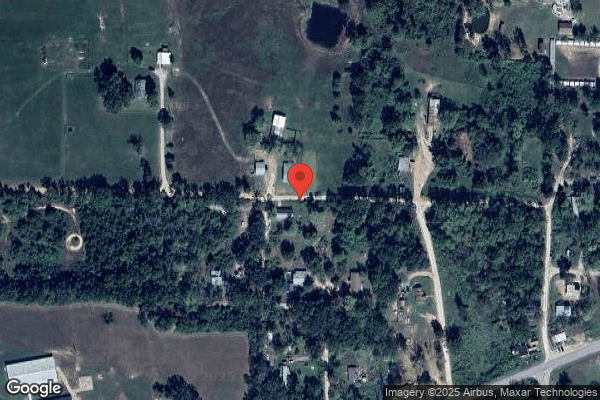
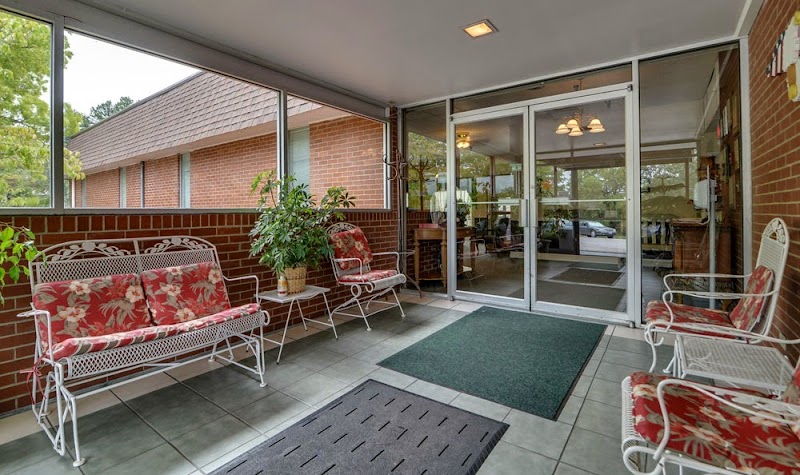
8477 NORTH STREET, BIRCH TREE, MO 65438 (573) 292-3212
For profit - Corporation 86 Beds PARADIGM SENIOR MANAGEMENT Data: November 2025
Trust Grade
65/100
#194 of 479 in MO
Last Inspection: January 2025

Within standard 12-15 month inspection cycle. Federal law requires annual inspections.

Overview

Rock Point Nursing Center in Birch Tree, Missouri has a Trust Grade of C+, indicating it's a decent facility, slightly above average compared to others. It ranks #194 out of 479 facilities in the state, placing it in the top half, and is the only nursing home in Shannon County. The facility is showing an improving trend, with reported issues decreasing from 7 in 2023 to 4 in 2025. However, its staffing rating is poor at 1 out of 5 stars, with a high turnover rate of 49%, which, while below the Missouri average, suggests challenges in staff retention. On the positive side, the facility has no fines on record and has received a 5 out of 5 star rating for health inspections, indicating strong compliance in that area. Specific concerns from recent inspections include failing to provide residents with showers as scheduled and not maintaining a safe and clean environment, such as having deep cracks in the dining room floor and missing baseboard trim. Additionally, there were issues with not properly managing medication tapering for residents, which raises concerns about adherence to care protocols. Overall, while Rock Point has some strengths, families should weigh these against the identified weaknesses.

Trust Score
C+
65/100
In Missouri
#194/479
Top 40%
Safety Record
Low Risk
No red flags
Inspections
Getting Better
7 → 4 violations
Staff Stability
⚠ Watch
49% turnover. Above average. Higher turnover means staff may not know residents' routines.
Penalties
✓ Good
No fines on record. Clean compliance history, better than most Missouri facilities.
Skilled Nurses
⚠ Watch
Each resident gets only 16 minutes of Registered Nurse (RN) attention daily — below average for Missouri. Fewer RN minutes means fewer trained eyes watching for problems.
Violations
⚠ Watch
18 deficiencies on record. Higher than average. Multiple issues found across inspections.
★★★☆☆
3.0
Overall Rating
★☆☆☆☆
1.0
Staff Levels
★☆☆☆☆
1.0
Care Quality
★★★★★
5.0
Inspection Score
Stable
2023: 7 issues
2025: 4 issues

The Good

  • Full Sprinkler Coverage · Fire safety systems throughout facility
  • No fines on record

Facility shows strength in fire safety.

The Bad

3-Star Overall Rating

Above Missouri average (2.5)

Meets federal standards, typical of most facilities

Staff Turnover: 49%

Near Missouri avg (46%)

Higher turnover may affect care consistency

Chain: PARADIGM SENIOR MANAGEMENT

Part of a multi-facility chain

Ask about local staffing decisions and management

The Ugly 18 deficiencies on record

Jan 2025 4 deficiencies
CONCERN (D)

Potential for Harm - no one hurt, but risky conditions existed

Safe Environment (Tag F0584)

Could have caused harm · This affected 1 resident

Based on observation, interview, and record review, the facility failed to maintain a safe, clean, comfortable and homelike environment. This deficient practice had the potential to affect all residen...

Read full inspector narrative →
Based on observation, interview, and record review, the facility failed to maintain a safe, clean, comfortable and homelike environment. This deficient practice had the potential to affect all residents at the facility. The facility census was 70. Review of the facility's policy titled, Homelike Environment, revised on February 2021, showed; - Residents are provided with a safe, clean, comfortable and homelike environment. The facility did not provide a maintenance log. 1. Observations on 01/08/25 at 8:22 A.M., and 01/09/25 at 8:52 A.M., of the dining room and the C unit showed: - A deep crack in the laminate flooring across the middle of the dining room, approximately 15 foot (ft) in length and approximately 1 inch (in) deep causing a shift in the walking surface; - Approximately 20 ft of missing baseboard trim along the entire dining room wall near the kitchen; - Exposed sheetrock approximately 20 in x 20 in in the C unit hallway. During an interview on 01/09/25 at 10:27 A.M., the Maintenance Supervisor (MS) said the crack in the dining room floor had been there since he/she had worked there. No one had not discussed fixing it. The foundation shifted which caused the crack. During an interview on 01/09/25 at 10:44 A.M., the Administrator said she was aware of the crack in the dining room floor and it had been there for a long time. She said they had no current plans to fix it.
CONCERN (D)

Potential for Harm - no one hurt, but risky conditions existed

Medication Errors (Tag F0758)

Could have caused harm · This affected 1 resident

Based on interview and record review, the facility failed to attempt a gradual dose reduction (GDR) for three residents (Residents #16, #24, and #58) out of five sampled residents. The facility census...

Read full inspector narrative →
Based on interview and record review, the facility failed to attempt a gradual dose reduction (GDR) for three residents (Residents #16, #24, and #58) out of five sampled residents. The facility census was 70. Review of the facility's policy titled, Tapering Medications and Gradual Dose Reduction, revised July 2022, showed: - After medications are ordered for a resident, the staff and practitioner shall seek an appropriate dose and duration for each medication that also minimizes the risk of adverse consequences; - Residents who use psychotropic (medications that affect the mind, emotions, and behavior) medications shall receive gradual dose reductions and behavioral interventions, unless clinically contraindicated, in an effort to discontinue these drugs; - The staff and practitioner will consider tapering of medications as one approach to finding an optimal dose or determining whether continued use of a medication is benefiting the resident; - The physician will review periodically whether current medications are still necessary in their current doses. For example, whether an individual's conditions or risk factors are sufficiently prominent or enduring that they require medication therapy to continue in the current dose, or whether those conditions and risks could potentially be equally well managed or controlled without certain medications, or with a lower dose; - Residents who use psychotropic medications shall receive gradual dose reductions, unless clinically contraindicated, in an effort to discontinue the use of such drugs. Pertinent behavioral interventions (non-pharmacological attempts to influence an individual's behavior, including environmental alterations and staff approaches to care) will also be attempted; - Within the first year after a resident is admitted on a psychotropic medication or after the resident has been started on a psychotropic medication, the staff and practitioner shall attempt a GDR in two separate quarters (with at least one month between the attempts), unless clinically contraindicated. After the first year, the facility shall attempt a GDR at least annually, unless clinically contraindicated; - For any individual who is receiving a psychotropic medication to treat a psychiatric disorder other than behavioral symptoms related to dementia {for example, schizophrenia, bipolar mania, or depression with psychotic features), the GDR may be considered contraindicated, if: the continued use is in accordance with relevant current standards of practice and the physician has documented the clinical rationale for why any attempted dose reduction would be likely to impair the resident's function or cause psychiatric instability by exacerbating an underlying psychiatric disorder; or the resident's target symptoms returned or worsened after the most recent attempt at a GDR within the facility and the physician has documented the clinical rationale for why any additional attempted dose reduction at that time would be likely to impair the resident's function or cause psychiatric instability by exacerbating an underlying medical or psychiatric disorder. 1. Review of Resident #16's medical record showed: - admission date of 01/19/23; - Diagnoses of catatonic disorder (syndrome marked by not able to move normally), anxiety (persistent worry and fear about everyday situations), schizophrenia (long term mental disorder that affects a person's ability to think, feel, or behave clearly, sometimes including delusions or hallucinations), and drug induced akathisia (movement disorder causing feeling of restlessness and an urge to move); - An order for Paxil (an antidepressant mediation) 40 milligrams (mg) by mouth at bedtime daily for anxiety disorder, dated 07/29/24; - An order for quetiapine (an antipsychotic (medications that treat symptoms of psychosis, such as hallucinations and delusions) medication) 100 mg by mouth at bedtime daily for schizophrenia, dated 05/07/24; - An order for mirtazapine (an antidepressant medication) 30 mg by mouth at bedtime daily for anxiety disorder, dated 12/18/23; - No documentation of attempted GDRs for Paxil, quetiapine, or mirtazapine; - No documentation of contraindications of medication adjustments for Paxil, quetiapine, or mirtazapine. 2. Review of Resident #24's medical record showed: - admission date of 01/17/24; - Diagnoses of dementia (a disorder marked by memory loss, personality changes, and impaired reasoning that interferes with daily functioning), suicidal ideations, bipolar (a mental disorder that causes unusual shifts in mood) disorder, major depressive disorder (long-term loss of pleasure or interest in life), transient cerebral ischemic attack (TIA - a neurologic deficit that produces stroke symptoms that resolve within 24 hours), cerebral infarction (damage to the brain from interrupted blood supply), insomnia (difficulty sleeping), and anxiety; - An order for escitalopram (an antidepressant medication) 10 mg by mouth every morning for anxiety disorder, dated 07/15/24; - An order for trazodone (an antidepressant medication) 50 mg by mouth at bedtime for insomnia, dated 01/29/24; - An order for quetiapine 50 mg by mouth at bedtime daily for major depressive disorder, dated 01/17/24; - No documentation of attempted GDRs for escitalopram, trazodone, or quetiapine; - No documentation of contraindications of medication adjustments for escitalopram, trazodone, or quetiapine. 3. Review of Resident #58's medical record showed: - admission date of 01/05/24; - Diagnoses of cerebrovascular disease (a condition that impacts the brain's blood vessels and blood flow), rheumatoid arthritis (a chronic disease marked by inflammation of multiple joints), bipolar disorder, hypertension (high blood pressure), and diabetes mellitus (DM - a condition that affects the way the body processes blood sugar); - An order for aripipazole (an antipsychotic medication) 5 mg by mouth in the morning related to bipolar disorder, dated 01/29/24; - No documentation of attempted GDRs for aripipazole; - No documentation of contraindications of medication adjustments for aripipazole. During an interview on 01/09/25 at 11:30 A.M., Pharmacist A said he/she did the monthly medication reviews at least once a month if not more. He/She sent the monthly information to the facility. The facility was responsible for sending the recommendations or considerations to the physicians. A GDR was done when needed unless the resident had bipolar, schizoaffective disorder, or schizophrenia diagnoses. For those diagnoses, the resident did not need a GDR and he/she would let the psychiatric physician handle the resident's medication titrations. A GDR was usually done within the first three months of admission, then every six months, then every year on average for residents without a diagnosis of bipolar, schizoaffective disorder, or schizophrenia. During an interview on 01/09/25 at 11:50 A.M., the Administrator said she expected GDRs to be done for all residents on any psychotropic medication unless they were contraindicated. The GDRs should be completed per the facility's policy.
CONCERN (D)

Potential for Harm - no one hurt, but risky conditions existed

Unnecessary Medications (Tag F0759)

Could have caused harm · This affected 1 resident

Based on observation, interview and record review, the facility failed to maintain a medication error rate of less than five percent (%). There were 28 opportunities with two errors made, resulting in...

Read full inspector narrative →
Based on observation, interview and record review, the facility failed to maintain a medication error rate of less than five percent (%). There were 28 opportunities with two errors made, resulting in an error rate of 7.14% for two residents (Residents #23 and #58) out of six sampled residents. The facility's census was 70. Review of the facility's policy titled, Insulin Administration, revised September 2014, showed: - The staff will have access to specific instructions from the manufacturer on all forms of insulin delivery systems; - The policy did not address insulin pen administration technique. Review of the Fiasp (a rapid insulin injected just below the skin that helps lower mealtime blood sugar spikes) Flextouch Pen (insulin in a pen-type device) instructions, revised, June 2023, showed: - Prime the pen by turning the dose knob to two units; - Hold the pen with the needle is pointing up; - Tap the cartridge holder gently to collect air bubbles at the top; - Push the dose knob in until it stops, and zero is seen in the dose window, count to five slowly, the insulin will be visible at the tip of the needle; - Select the dose; - Give the injection after selecting the area and cleaning the site with an alcohol swab. 1. Review of Resident #23's Physician Order Sheet (POS), dated January 2025, showed: - An order for Fiasp insulin pen 100 units per milliliter (ml) subcutaneous (an injection just below the skin) per a sliding scale of blood sugar of if 140-180 = 2 units, 181- 240 = 3 units, 241-300 = 4 units, 301 - 350 = 6 units, 351-400 = 8 units, dated 11/11/24. Observation of Resident #23's medication administration on 01/08/25 at 11:11 A.M., showed: - Certified Medical Technician (CMT) B administered 3 units of of Fiasp insulin for a blood sugar of 199 subcutaneously with the resident's Fiasp Flextouch Pen; - CMT B failed to prime the Fiasp Flextouch Pen per the manufacturer's instructions prior to the administration of the insulin to the resident. 2. Review of Resident #58's POS, dated January 2025, showed: - An order for Fiasp insulin pen 100 units per ml subcutaneous with meals per a sliding scale of blood sugar of if 0-149 = 0 units, 150-199 =3 units, 200 - 249 = 6 units, 250 - 299 = 9 units, dated 11/28/24. Observation of Resident #58's medication administration on 01/08/25 at 11:26 A.M., showed: - CMT B administered 3 units of Fiasp insulin for a blood sugar of 189 subcutaneously with the resident's Fiasp Flextouch Pen; - CMT B failed to prime the Fiasp Flextouch Pen per the manufacturer's instructions prior to the administration of the insulin to the resident. During an interview on 01/09/25 at 8:19 A.M., CMT B said when administering insulin, he/she would prime the insulin pen when it was brand new, and then after that, he/she did not prime the pen before each dose. He/She had not ever been told to prime the insulin pens before administering each dose. During an interview on 01/09/25 at 10:48 A.M., the Director of Nursing (DON) said all insulin pens should be primed before each individual dose according to the manufacturer guidelines. During an interview on 01/09/25 at 10:50 A.M., the Administrator said she would expect staff to follow manufacturer guidelines, and prime insulin pens before giving each dose.
CONCERN (D)

Potential for Harm - no one hurt, but risky conditions existed

Infection Control (Tag F0880)

Could have caused harm · This affected 1 resident

Based on observation, interview, and record review, the facility failed to implement Enhance Barrier Precautions (EBP) during tube feeding (liquid food delivered into the stomach by a tube) and incont...

Read full inspector narrative →
Based on observation, interview, and record review, the facility failed to implement Enhance Barrier Precautions (EBP) during tube feeding (liquid food delivered into the stomach by a tube) and incontinent care for one resident (Residents #21) out of four sampled residents. The facility census was 70. Review of the facility's policy titled, Enhanced Barrier Precautions, not dated, showed: - EBP is used as an infection prevention and control intervention to reduce the spread of multi-drug resistant organisms; - Gloves and gown are applied prior to performing high contact resident care activity; - Examples of high-contact resident activities requiring EBP include: dressing, bathing, transferring, hygiene care, changing linens, changing briefs and assistance with toileting, device care or use for central line, feeding tube, tracheostomy/ventilator etc.) and wound care. 1. Observation on 01/08/25 at 11:12 A.M., of Resident #21's tube feeding administration showed: - EBP signage posted outside of the resident's room; - Licensed Practical Nurse (LPN) C did not put on an isolation gown, entered the resident's room, performed hand hygiene, put on gloves, and administered the resident's tube feeding; - LPN C removed the gloves, performed hand hygiene, and left the resident's room. 2. Observation on 01/08/25 at 6:06 P.M., of Resident #21's incontinent care showed: - EBP signage posted outside of the resident's room; - Certified Nursing Assistant (CNA) E and Nursing Assistant (NA) D did not put on an isolation gown, entered the resident's room, performed hand hygiene, put on gloves, performed the incontinent care, removed the gloves, performed hand hygiene, and left the resident's room. During an interview on 01/09/25 at 10:02 A.M., LPN C said he/she did not wear a gown when doing tube feedings for Resident #21. During an interview on 01/08/25 at 6:26 P.M., CNA E said he/she did not normally wear a gown when performing any kind of care for Resident #21. CNA E asked the Director of Nursing (DON) before doing care if he/she needed a gown and was told no. During an interview on 01/08/25 at 6:27 P.M., NA D said he/she did not wear a gown when performing incontinent care on Resident #21. During an interview on 01/09/25 at 10:50 A.M., the DON said she would expect staff to follow EBP precautions. Staff should wear a gown when administering tube feedings and during incontinent care.
Sept 2023 7 deficiencies
CONCERN (D)

Potential for Harm - no one hurt, but risky conditions existed

Resident Rights (Tag F0550)

Could have caused harm · This affected 1 resident

Based on observation, interview, and record review, the facility failed to provide care in a manner that enhanced the resident's dignity while eating for one resident (Resident #65) out of four sample...

Read full inspector narrative →
Based on observation, interview, and record review, the facility failed to provide care in a manner that enhanced the resident's dignity while eating for one resident (Resident #65) out of four sampled residents. The facility census was 69. Review of the facility's policy titled, Resident Rights and Dignity, revised February 2021, showed: - Each resident shall be cared for in a manner that promotes and enhances his/her sense of well-being, level of satisfaction with life, and feelings of self-worth and self-esteem; - Residents will be treated with dignity and respect at all times; - Residents will be provided with a dignified dining experience. 1. Review of Resident #65's annual Minimum Data Set (MDS), a federally mandated assessment to be completed by the facility,dated 07/27/23, showed: - Cognition moderately impaired; - Requires limited assist of one staff for eating. Review of the resident's medical record showed: - admission date of 07/22/22; - Diagnoses of autistic disorder (a serious developmental disorder that impairs the ability to communicate and interact), schizophrenia (a disorder that affects a person's ability to think, feel and behave clearly), obsessive compulsive disorder (a disorder with excessive thoughts that lead to repetitive behaviors). Review of the resident's care plan, reviewed 08/24/23, showed: - Cue and assist with meals as needed, set up to eat. Resident able to feed him/herself; - The resident required assist by one staff to eat; - The resident needed encouragement and reminded to eat as he/she was easily distracted; - Would not eat if anything gets on his/her clothes. Observations of the resident in the dining room showed: - On 09/25/23 at 12:45 P.M., the resident sat at a table with his/her face in the plate of pork tenderloin, green beans, and a baked potato, sliding food to his/her mouth with a fork or just picked the food up with his/her mouth and no utensils. Staff not present; - On 09/26/23 at 01:11 P.M., the resident used a fork and a spoon with one in each hand to move the enchiladas to his/her mouth. The resident then lowered his/her face to the plate, picked up food with his/her mouth and left his/her face in the plate as he/she chewed the food. No staff present; - On 09/26/23 at 1:16 P.M., Certified Medication Technician (CMT) F walked into the dining room and asked the resident to sit up so his/her face wasn't in the plate. CMT F walked out of the dining room, the resident placed his/her face back in the plate and continued eating with no staff present; - On 09/27/23 at 8:25 A.M., the resident sat in the dining room eating, with his/her face in the plate of biscuits, scrambled eggs, gravy, sausage. The resident lifted his/her head up with his/her face covered with food from up on his/her nose to his/her chin. No staff present; - On 09/27/23 at 8:28 A.M., Licensed Practical Nurse (LPN) B walked into the dining room and asked the resident to lift his/her head up so he/she didn't go to sleep. LPN B walked out of the dining room and the resident put his/her face back into the plate and continued eating. No staff present. During an interview on 09/27/23 at 9:12 A.M., LPN B said the resident did require supervision in the past while eating but didn't require it now. There was usually a staff member on the hall and he/she also went into the dining room at times. During an interview on 09/28/23 at 11:11 A.M., Physician Therapy Assistant (PTA) said occupational therapy (OT) had just started looking at the resident, mostly for positioning. The resident has just been seen a couple of times and no observations have been made of him/her eating. During an interview on 09/28/23 at 12:01 P.M., the MDS Coordinator said the resident required varied assistance from day to day. There was no way to know on any given day. The resident required limited to extensive assistance, and the MDS Coordinator had to physically pull the resident's face out of the plate the other day. During an interview on 09/28/23 at 12:06 P.M., the Administrator said a staff member should be present during meals and that there was a concern with the resident's eating that needed to be addressed.
CONCERN (D)

Potential for Harm - no one hurt, but risky conditions existed

Safe Environment (Tag F0584)

Could have caused harm · This affected 1 resident

Based on observation, interview and record review, the facility failed to maintain a safe, clean, comfortable, and homelike environment. The deficient practice had the potential to affect all resident...

Read full inspector narrative →
Based on observation, interview and record review, the facility failed to maintain a safe, clean, comfortable, and homelike environment. The deficient practice had the potential to affect all residents in the facility. The facility's census was 69. The facility did not provide a policy regarding a safe, clean, comfortable, and homelike environment. Observations of E hallway showed: - On 09/26/23 at 9:01 A.M., Room E3 with a 2 foot (ft.) x 4 inch (in.) puddle of liquid in the floor under the bedside table at the side of the bed; - On 09/26/23 at 12:17 P.M., Room E3 with a 2 ft. x 4 in. puddle of liquid in the floor under the bedside table at the side of the bed. The floor was sticky and the room had a strong urine odor. The bathroom floor with a 1/2 in. gap in tile in front of the toilet; - On 09/26/23 at 12:20 P.M., Room E5's bathroom with the cove base pulled away from wall behind the right side of the toilet and with an approximate 20 in. x 3 in. hole in the sheet rock behind the cove base with a black discoloration to the insulation; - On 09/26/23 at 12:24 P.M., Room E8's bathroom with a broken florescent light cover; - On 09/26/23 at 3:35 P.M., Room E3 with damaged window screens separated approximately 1 in. away from the bottom frame in the window next to the bed; - On 09/27/23 at 10:20 A.M., Room E3 with a strong urine odor; - 09/28/23 at 8:20 A.M., Room E3 with a strong odor of urine and approximately 1 ft. x 4 in. puddle of liquid on the floor by the bedside. Observations on 09/28/23 at 10:51 A.M., and 09/28/23 at 11:57 A.M., of B hallway showed: - Room B7 with the bathroom wall area behind the toilet with a 1 ft. x 4 ft. damaged wall board with peeled paint, a damaged bedroom window screen separated 1 in. away from the frame, 3 ft. damaged flooring transition strip to the hallway, and a strong urine odor; - Room B2 with four 3 in. diameter unpainted wall sections on the wall adjacent to the hallway; - Room B9 with a damaged bedroom window screen separated 1 in. away from frame; - The dining room entrance with a damaged 4 ft. flooring transition strip in the doorway from the dining room to the hall. During an interview on 09/28/23 at 11:18 A.M., the resident in Room B7 said the urine odor in his/her bathroom was a problem. Observations on 09/28/23 at 1:35 P.M., of A hallway shower room showed: - A strong musty odor, a 4 ft. section of wall paper border peeled away above the vanity mirror, a 2 ft. section of wall paper border ripped away above the shower; - A black ring on the floor behind the toilet and a black substance on the baseboard area tiles behind the toilet; - The shower base area tiles with a brown substance below the faucet; - A 3 ft. right side section of the shower stall with the outside corner tiles damaged and missing near the floor; - The interior side of the entrance/exit door with chipped and damaged paint along the edges. Observations on 09/28/23 at 1:40 P.M., of E hallway shower room showed: - A 4 ft. x 6 in. section of black grime on the shower wall below the faucet near the floor; - A 4 in. x 6 in. section on the left side of the shower wall missing tiles near the floor; - A 1 ft. section of the outside corner wall tiles damaged and missing near the wooden cabinet; - The interior side of entrance/exit door with chipped and damaged paint along the lower half. During an interview on 09/28/23 at 9:17 A.M., the Maintenance Director said maintenance log books were kept in two places in the facility. Staff could place repair requests in the log book and it was checked daily. Staff may also speak directly with the department supervisors about repair issues. During an interview on 09/28/23 at 12:56 A.M., the Administrator said staff repair request were added to a maintenance log book or verbally spoken to the Maintenance Director. The facility should be in good repair. During an interview on 09/28/23 at 1:55 P.M., Student Nurse Assistant (SNA) A said the A hall shower room and E hall shower room were both used frequently for bathing the residents. Both shower rooms were cleaned by housekeeping but they were in need of repairs and were supposed to be remodeled.
CONCERN (D)

Potential for Harm - no one hurt, but risky conditions existed

Deficiency F0658 (Tag F0658)

Could have caused harm · This affected 1 resident

**NOTE- TERMS IN BRACKETS HAVE BEEN EDITED TO PROTECT CONFIDENTIALITY** Based on observation, interview, and record review, the facility failed to obtain a physician's order for the use of a trapeze (...

Read full inspector narrative →
**NOTE- TERMS IN BRACKETS HAVE BEEN EDITED TO PROTECT CONFIDENTIALITY** Based on observation, interview, and record review, the facility failed to obtain a physician's order for the use of a trapeze (a device designed to assist residents in changing positions) for two residents (Resident #7 and #21) out of two sampled residents and failed to complete a resident assessment and safety evaluation for the use of a trapeze for one resident (Resident #21) out of two sampled residents. The facility census was 69. The facility did not provide a policy regarding trapeze use. 1. Review of Resident #7's Physician's Order Sheet (POS), dated September 2023, showed: - admission date of 11/18/22; - Diagnoses of renal (kidney) failure, obstructive uropathy (a disorder of the urinary tract that occurs due to obstructed urinary flow), diabetes mellitus (DM) (a condition that affects the way the body processes blood sugar), anxiety (persistent worry and fear about everyday situations), and depression (a serious medical illness that negatively affects how you feel, the way you think and how you act); - No order for a trapeze. Review of the resident's quarterly Minimum Data Set (MDS), a federally mandated assessment to be completed by the facility, dated 08/25/23, showed: - Cognition intact; - Required extensive assist of one staff for bed mobility, transfers, dressing, and personal hygiene; - Required total assist of two staff for toileting. Review of the resident's medical record showed a Safety Evaluation Assessment for the use of a trapeze, dated 03/20/23, showed the resident safe to use the trapeze. Review of the resident's care plan, revised on 03/20/23, showed the resident used a trapeze to assist with positioning. Observation on 09/27/23 at 11:20 A.M., showed a trapeze over the resident's bed. During an interview on 09/26/23 at 9:31 A.M., Resident #7 said the trapeze had been over his/her bed since shortly after being admitted to the facility. During an interview on 09/28/23 at 11:36 A.M., Physical Therapy Assistant (PTA) E said therapy provided a plan of treatment regarding the trapeze for Resident #7. Plan of treatment consists of short term goals, long term goals, and rehab potential. During an interview on 09/28/23 at 10:00 A.M., the Assistant Director Of Nursing (ADON) said therapy took care of orders for therapy and she wasn't sure if there was an order. 2. Review of Resident #21's POS, dated September 2023, showed: - admission date of 06/17/22; - Diagnoses of borderline personality disorder (a personality disorder characterized by unstable moods, behaviors and relationships), neuropathy (nerve damage leading to pain, weakness and or tingling to one or more parts of the body), major depressive disorder, Type 2 diabetes mellitus with a foot ulcer (an open sore that will not heal or returns over a long period of time), chronic obstructive pulmonary disease (COPD) (a chronic inflammatory lung disease that causes obstructed airflow from the lungs), and osteoarthritis (a type of arthritis that occurs when the flexile tissue at the end of bones wear down); - No order for a trapeze. Review of the resident's quarterly MDS, dated [DATE], showed: - Cognition intact; - Required extensive assist of one staff for bed mobility, transfers, dressing, toileting and personal hygiene. Review of the resident's medical record showed no Safety Evaluation Assessment for the use of a trapeze. Review of the resident's care plan, dated 08/24/21, showed: - No intervention for the use of a trapeze to assist with positioning. Observations showed: - On 09/25/23 at 10:41 A.M., a trapeze over the resident's bed; - On 09/28/23 at 9:18 A.M., the resident lay in bed with a trapeze over the bed. During an interview on 09/26/23 at 2:41 P.M., Resident #21 said he/she sometimes used the trapeze to help with getting up and down in bed. During an interview on 09/28/23 at 11:19 A.M. PTA E said he/she had no safety evaluation assessment for the trapeze for Resident #21. The resident must have gotten it prior to the therapy starting at the facility. The trapeze looked like it might be too low and not sure how effective it was. There should be a safety evaluation assessment completed. During an interview on 09/28/23 at 12:08 P.M., the Administrator said she didn't know about the trapeze. The facility had no assessments for them or related to them and didn't know if they had to have a physician's order for one. She didn't realize Resident #21 had a trapeze. Therapy might have taken care of all that.
CONCERN (D)

Potential for Harm - no one hurt, but risky conditions existed

Quality of Care (Tag F0684)

Could have caused harm · This affected 1 resident

Based on observation, interview, and record review, the facility failed to follow physician's orders for two residents (Resident #8 and #21) out of 17 sampled residents. The facility census was 69. Th...

Read full inspector narrative →
Based on observation, interview, and record review, the facility failed to follow physician's orders for two residents (Resident #8 and #21) out of 17 sampled residents. The facility census was 69. The facility did not provide a policy related to following physician's orders. 1. Review of Resident #8's Physicians Order Sheet (POS), dated August 2023, showed: - Diagnoses of chronic obstructive pulmonary disease (COPD) (a chronic inflammatory lung disease that causes obstructed airflow from the lungs) and chronic respiratory failure whether with hypoxia (the absence of enough oxygen in tissues to sustain bodily functions) or hypercapnia (buildup of carbon dioxide in bloodstream); - An order for oxygen tubing (the tube delivering oxygen from the oxygen container to the person) to be changed, dated 04/12/23. The order did not address how often to change the oxygen tubing; - An order for oxygen five liters per minute (LPM), dated 04/12/23. Review of the resident's medical record showed the oxygen initialed by staff which indicated the resident received oxygen five LPM daily. Observations on 09/25/23 at 11:30 A.M., 09/26/23 at 8:45 A.M., 09/27/23 at 9:45 A.M., and 09/28/23 at 8:30 A.M., showed the resident lay in bed with oxygen on at four LPM via nasal cannula (a tube delivering oxygen to a person's nose) (NC). During an interview on 09/26/23 at 11:00 A.M., Resident #8 said his/her oxygen should be at five LPM and staff should change the oxygen tubing weekly. The tubing did not always get changed weekly and he/she couldn't remember the last time it had been changed. During an interview on 09/28/23 at 3:00 P.M., the Assistant Director of Nursing (ADON) said staff should follow orders and keep oxygen at the correct setting for the resident. During an interview on 09/28/23 at 3:30 P.M., the Administrator said she would expect physician orders to be followed. 2. Review of Resident #21's POS, dated August 2023, showed: - Diagnoses of Type 2 Diabetes (a chronic condition that affects the way the body processes blood sugar) with a foot ulcer (an open sore that will not heal or returns over a long period of time); - An order for tubigrips (an elasticized tubular compression bandage) to be worn from the toes to below the knees every day shift for light compression related to Type 2 Diabetes with a foot ulcer, dated 08/31/23. Observations of Resident #21 showed: - On 09/26/23 at 12:55 P.M., the resident sat in the dining room with tubigrips to the right and left foot that extended right above the ankles; - On 09/27/23 at 8:51 A.M., the resident sat in the dining room with one tubigrip to the right foot that extended right above the ankle and no tubigrip to the left foot; - On 09/28/23 at 8:36 A.M., the resident walked down the hall with no tubigrips on either leg. The resident said the nurse hadn't changed the dressing yet and they were usually put on after that was done; - On 09/28/23 at 9:20 A.M., Licensed Practical Nurse (LPN) B preformed wound care for the resident and did not apply the tubigrips to the resident's legs after the completion of the wound care. During an interview on 09/28/23 at 9:34 A.M., LPN B said he/she was sure tubigrips were put on both feet on the 09/27/23 when the dressing change was completed. The resident sometimes removed them. He/She was unsure about the order for the placement of the tubigrips from the toe to below the knee. During an interview on 09/28/2023 at 09:34 A.M., the Administrator said she would expect the physician's order to be followed and the tubigrips should have been applied to below the knee as ordered.
CONCERN (D)

Potential for Harm - no one hurt, but risky conditions existed

Accident Prevention (Tag F0689)

Could have caused harm · This affected 1 resident

Based on observation, interview, and record review, the facility failed to provide adequate supervision of two residents residing on the secured behavioral unit during smoking which affected one resid...

Read full inspector narrative →
Based on observation, interview, and record review, the facility failed to provide adequate supervision of two residents residing on the secured behavioral unit during smoking which affected one resident (Resident #51) out of two sampled residents and one resident (Resident #20) outside of the sample. The facility census was 69. Review of the facility's policy titled, Smoking, dated 5/2021, showed: - Smoking is allowed in designated areas only; - All residents will be monitored by facility staff when smoking; - No resident may smoke unattended unless specifically care planned to do so. 1. Review of Resident #20's medical record showed: - Date of admission of 04/21/21; - Diagnoses of major depressive disorder (MDD) (a persistent depressed mood, or loss of interest), unsteadiness of feet, muscle weakness, unspecified dementia (a mental disorder in which a person loses the ability to think, remember, learn, make decision and solve problems), chronic obstructive pulmonary disease (COPD) (a chronic inflammatory lung disease that causes obstructed airflow from the lungs), traumatic brain injury (TBI) (brain dysfunction caused by outside forces); - The resident had a guardian. Review of the resident's smoking assessment, dated 08/02/23, showed: - The resident required supervision for smoking; - Staff to store cigarettes and lighter. Review of the resident's care plan, reviewed 08/05/23, showed: - Safe to smoke with supervision; - Behavior problems and made poor decisions; - At risk to smoke unattended; - The resident will not smoke unattended. 2. Review of Resident #51's medical record showed: - Date of admission of 04/21/21; - Diagnoses of MDD, unspecified dementia with other behavioral disturbances, (a mental disorder in which a person loses the ability to think, remember, learn, make decision and solve problems, including impaired concentration, apathy, anxiety and agitation), frontotemporal neurogenic disorder ( FTD) (damage to the neuron in the frontal and temporal lobes of the brain, resulting in unusual behaviors, emotional problems, trouble communicating, difficulty with work or difficult with walking, sometimes called frontotemporal dementia), and COPD. Review of the resident's smoking assessment, dated 06/21/23, showed: - The resident was safe to smoke with supervision; - Lighter and cigarettes are kept in the medication room; - Resident is on a secured unit and is supervised with smoking. Review of the resident's care plan, reviewed 09/26/23, showed: - Safe to smoke with supervision; - Behavior problems and made poor decisions; - At risk to smoke unattended; - The resident will not smoke unattended. Observations on 09/26/23 at 1:43 P.M., 09/27/23 at 8:33 A.M., and 09/28/23 at 8:34 A.M., showed: - Student Nursing Assistant (SNA) A took Resident #20 and #51 out to smoke in the designated smoking area; - SNA A handed Resident #20 and #51 two cigarettes each, lit their cigarettes, and the residents sat on benches against the wall of the building out of view of SNA A; - SNA A walked around the corner of the building and brought out a second group of residents to another designated smoking area; - SNA A remained with the second group of residents during the smoke break and Resident #20 and #51 were not monitored during the smoke break. During an interview on 09/28/23 at 9:06 A.M., SNA A said he/she was not able to see the first group of residents that smoked around the corner of the building. During an interview on 09/28/23 at 12:25 P.M., the Administrator said she would expect staff to be able to visually supervise residents that require supervision with smoking.
CONCERN (D)

Potential for Harm - no one hurt, but risky conditions existed

Deficiency F0925 (Tag F0925)

Could have caused harm · This affected 1 resident

Based on observation, interview, and record review, the facility failed to maintain an effective pest control program to control the fly and gnat populations in the facility. This deficient practice h...

Read full inspector narrative →
Based on observation, interview, and record review, the facility failed to maintain an effective pest control program to control the fly and gnat populations in the facility. This deficient practice had the potential to affect all residents. The facility census was 69. Review of the facility policy titled, Pest Control, revised May 2008, showed: - The facility shall maintain an effective pest control program; - The facility maintains an on-going pest control program to ensure the building is kept free of insects and rodents; - Windows are screened at all times; - Garbage and trash are not permitted to accumulate and are removed from the facility daily; - Maintenance services assist, when appropriate and necessary, in providing pest control services. Observations of the B Hall showed: - On 09/28/23 at 10:51 A.M., two gnats flew around the toilet in room B7. The window was opened 4 inches and the screen separated from the window frame 1 inch (in.) near the center; - On 09/28/23 at 11:03 A.M., six gnats flew around the toilet in room B7; - On 09/28/23 at 11:57 A.M., twelve gnats flew around the bedding in room B9. The window was opened 4 inches and the screen separated from the window frame 1 in. near the center. Observations on 09/25/23 at 11:10 A.M., of D hall showed a fly trap hung from a vent above the resident's bed with numerous dead flies stuck to it in room D11. Observations of E hall showed: - On 09/26/23 at 12:17 P.M., two flies flew around a 2 foot (ft) diameter spilled liquid under the resident's bedside table and eight flies sat on the ground in front of the toilet in room E3; - On 09/26/23 at 3:35 P.M., the resident in room E3 sat in a chair with multiple flies in the room and bathroom. One fly sat on the resident's personal items on the bedside table; - On 09/27/23 at 10:20 A.M., the resident in room E3 lay in bed with two flies on the bed cover, three flies on the bedside table near the resident's water cup, four flies sat on the floor in front of the toilet, two flies sat behind the toilet, three flies sat on the toilet tank, and one fly sat on the sink; - On 09/28/23 at 8:20 A.M., three flies sat on the bathroom sink, seven flies sat on the toilet, three flies sat on the floor in front of the toilet, two flies sat on the wall to the right of the toilet, three flies sat on the curtain at the end of the bed, three flies sat on the bedside table, one fly sat on a salt shaker, one fly sat on an eye glass case, and three flies sat on the floor under the bedside table in room E3; - On 09/28/23 at 11:42 A.M., 1 gnat sat on the toilet seat in room E1; - On 09/28/23 at 11:43 A.M., twelve gnats flew around the toilet with a strong urine odor in room E3. Review of the Maintenance Request log, dated 06/28/23 through 09/28/23, showed no current requests regarding insects documented. During an interview on 09/26/23 at 3:35 P.M., the resident in room E3 said the flies were a bother. There was a fly strip hanging up but the staff took it down two or three weeks ago. The flies were better with it up. During an interview on 09/28/23 at 11:03 A.M., Licensed Practical Nurse (LPN) B said there were occasional issues with flies in the building because there were cows near the facility. During an interview on 09/28/23 at 11:42 A.M., Housekeeper C said reports were made verbally to the housekeeping supervisor when there were issues with bugs. The warm months were the worst for flies and gnats. They were attracted more to the rooms with urine in the floor. During an interview on 09/28/23 at 11:44 A.M., Certified Nurse Assistant (CNA) D said there were usually flies and gnats in certain rooms with a urine odor. Fly strips were used to help with the issue. During an interview on 09/28/23 at 12:31 P.M., the Housekeeping Supervisor said the rooms should not have bugs. If housekeeping staff notices bugs, they should report it. The issue gets passed along verbally to the Maintenance Director and it should be sprayed. Gnats and flies were an ongoing problem in the facility but they had not had complaints this week from staff or residents. During an interview on 09/28/23 at 12:50 P.M., the Maintenance Director said the Housekeeping Supervisor normally speaks about concerns in person if there were issues with bugs in the facility. There had been no recent concerns reported but flies and gnats had been an issue in the past. There was an ant problem on 09/05/23, that was addressed. A pest control business sprays outside the facility and along the baseboards inside. The exterminator left ant baits to be used. A bug spray had been used in the bathrooms when there were gnats. There should not be any type of pests in the rooms. During an interview on 09/28/23 at 12:56 P.M., the Administrator said if there were bugs in the rooms, the Maintenance Director did some spraying. Gnats should be reported by staff and should be added to the maintenance log as an issue. The staff may also speak with the maintenance director in person. An outside pest control business serviced the facility also. There should not be insects in the rooms.
CONCERN (E)

Potential for Harm - no one hurt, but risky conditions existed

ADL Care (Tag F0677)

Could have caused harm · This affected multiple residents

**NOTE- TERMS IN BRACKETS HAVE BEEN EDITED TO PROTECT CONFIDENTIALITY** Based on observation, interview, and record review, the facility failed to provide resident care for activities of daily living...

Read full inspector narrative →
**NOTE- TERMS IN BRACKETS HAVE BEEN EDITED TO PROTECT CONFIDENTIALITY** Based on observation, interview, and record review, the facility failed to provide resident care for activities of daily living (ADL's) when the facility did not provide showers at least weekly for five residents (Resident #8, #18, #23, #26, and #31) and at least twice weekly for one resident (Resident #38) out of 17 sampled residents. The facility census was 69. The facility did not provide a policy related to shower frequency. Review of the shower list showed: - Resident #8 scheduled for a shower once a week on Tuesdays; - Resident #18 scheduled for a shower once a week on Wednesdays; - Resident #23 scheduled for a shower once a week on Fridays; - Resident #26 scheduled for a shower once a week on Tuesdays; - Resident #31 scheduled for a shower once a week on Wednesdays; - Resident #38 scheduled for a shower twice a week on Tuesdays and Fridays. 1. Review of Resident #8's medical record showed: - An admission date of 04/12/23; - Diagnoses of hypertension (high blood pressure), malnutrition, anxiety (persistent worry and fear about everyday situations), chronic obstructive pulmonary disease (COPD) (a chronic inflammatory lung disease that causes obstructed airflow from the lungs), and respiratory failure. Review of the resident's quarterly Minimum Data Set (MDS), a federally mandated assessment to be completed by the facility, dated 07/20/23 showed: - Cognitive status severely impaired; - Extensive assistance of one staff for dressing and personal hygiene; - Physical help to transfer for shower only; - Received oxygen therapy. Review of Resident #8's September 2023 shower calendar showed: - The resident received a shower on 09/07/23 and on 09/20/23; - No documentation of a shower on 09/14/23 or 09/28/23; - Two out of four opportunities for showers missed. Review of the resident's care plan, last revised on 06/15/23, showed the resident required ADL assistance with showers with assist of one staff due to poor endurance and shortness of breath. Observation on 09/27/23 at 10:35 A.M., showed the resident asked staff to wash his/her face and had facial hair about 1/4 inch (in.) long. During an interview on 09/27/23 at 10:40 A.M., Resident #8 said he/she preferred to have his/her face shaven but didn't remember the last time it had been done or the last shower he/she had received. Review of Resident 18's medical record showed: - An admission date of 01/19/23; - Diagnoses of fractures, hypertension, benign prostatic hyperplasia (BPH) (enlargement of the prostate causing difficulty in urination), anxiety disorder, schizophrenia (a long term mental disorder that affects a person's ability to think, feel, or behave clearly, sometimes including delusions or hallucinations), COPD, and Stage 3 pressure ulcer (damage to the skin and/or underlying tissue as a result of pressure) to the left heel. Review of the resident's quarterly MDS, dated [DATE], showed: - Severely impaired cognition; - Total dependence of two staff for dressing; - Extensive assist of one staff for personal hygiene; - Total dependence of one staff for bathing. Review of the resident's September 2023 shower calendar showed: - The resident received a shower on 09/06/23, 09/19/23 and 09/22/23; - No documentation of a shower on 09/13/23 or 09/27/23; - Two out of four opportunities for showers missed. Review of the resident's care plan, revised on 09/05/23, showed the resident required assistance for showers. Observation of the resident on 09/26/23 at 9:50 A.M., showed: - Multiple open areas and scabs on his/her neck and the right side of the face; - Red, excoriated and open areas to the buttocks; - A urinary catheter (a tube inserted into the bladder through the urethra that allows urine to drain from the bladder for collection). Review of Resident #23's medical record showed: - An admission date of 06/29/15; - Diagnoses of traumatic brain dysfunction (an injury that affects how the brain works), aphasia (loss of ability to understand or express speech caused by brain damage), quadriplegia (paralysis caused by illness or injury that results in the loss of use of all limbs and torso), seizure disorder (a burst of uncontrolled electrical activity between brain cells that causes temporary abnormalities in muscle tone or movements like stiffness, twitching or limpness, behaviors, sensations, or states of awareness), and traumatic brain injury (an injury that affects how the brain works). Review of the resident's quarterly MDS, dated [DATE], showed: - Severely impaired cognition; - Extensive assistance of two staff for dressing and personal hygiene; - Total dependence of two staff for bathing. Review of the resident's care plan, revised on 08/21/23, showed the resident required assist of one to two for showers. Review of the resident's September 2023 shower calendar showed: - The resident received showers on 09/01/23, 09/15/23, and 09/22/23; - No documentation of a shower on 09/08/23; - One out of four opportunities for showers missed. Observation on 09/27/23 at 10:45 A.M., showed the resident lay in bed with hair unkempt. Review of Resident #26's medical record showed: - Date of admission of 10/16/17; - Diagnoses of hypertension, BPH, renal (kidney) failure, obstructive uropathy (disorder of the urinary tract that occurs due to obstructed urinary flow), Diabetes Mellitus (DM) (a condition that affects the way the body processes blood sugar), Alzheimer's disease (progressive mental deterioration), dementia (a disorder marked by memory loss, personality changes, and impaired reasoning that interferes with daily functioning), and cerebrovascular accident (CVA) (stroke). Review of the resident's annual MDS, dated [DATE], showed: - Extensive assistance of one staff for dressing and personal hygiene; - Assist of one for bathing. Review of the resident's care plan, revised on 08/21/23, showed the resident required assist of one to two for showers. Review of the resident's September 2023 shower calendar showed: - The resident received showers on 09/13/23 and 09/19/23; - No documentation for showers on 09/05/23 or 09/26/2; - Two out of four opportunities for showers missed. Observation on 09/26/23 at 2:40 P.M., showed the resident to have ½ in. full facial hair and resident with a urinary catheter. During an interview on 09/26/23 at 2:40 P.M., Resident #26 said he/she liked to have his/her face shaven with showers and would prefer to have showers every other day. He/she could not remember when his/her last shower was, but he/she could use a shave. Review of Resident #31's medical record showed: - An admission date of 05/15/23; - Diagnoses of Duchenne or [NAME] Muscular Dystrophy (Duchenne muscular dystrophy (DMD) is a genetic disease that causes progressive muscle weakness and damage. [NAME] muscular dystrophy (BMD) is the less severe, and less common, form of the disease,) anxiety, quadriplegia (paralysis caused by illness or injury that results in the loss of use of all limbs and torso), tracheostomy (an opening created at the front of the neck so a tube can be inserted into the windpipe (trachea) to help with breathing), dependence on supplemental oxygen, chronic respiratory failure with hypoxia (a condition with not enough oxygen in the tissues of the body), obesity (excessive body fat), contracture of the right and left foot, and congestive heart failure (CHF) (occurs when either disease or defect causes the heart muscle to lose the ability to pump blood efficiently). Review of the resident's quarterly MDS), dated [DATE], showed: - Cognitively intact; - Total dependence of 2 or more staff for bed mobility, dressing, personal hygiene and bathing; - Impairment on both sides of the upper and lower extremities; - Always incontinent of bladder and bowel; - Received oxygen therapy and tracheostomy care. Review of Resident #31's September 2023 shower calendar showed: - The resident received a shower on 09/19; - No documentation for showers on 09/06/23, 09/13/23 or 09/27/23; - Three out of four opportunities for showers missed. Observations of the resident showed: - On 09/25/23 at 11:19 A.M., the resident lay in bed wearing a dark blue shirt with red writing; - On 09/26/23 at 9:28 A.M., the resident lay in bed with crumbs on the front of same dark blue shirt with red writing; - On 09/26/23 at 12:27 P.M., and 3:18 P.M., the resident lay in bed wearing the same dark blue shirt with red writing; - On 09/27/23 at 10:05 A.M., the resident lay in bed wearing the same dark blue shirt with red writing; - On 09/27/23 at 11:24 A.M., the resident lay in bed wearing the same dark blue shirt with red writing and hair with flakes in it; - On 09/28/23 at 8:25 A.M., the resident lay in bed wearing the same dark blue shirt with red writing. Review of the resident's care plan, last revised on 09/07/23, showed: - Required assistance with showers of dependent assist of one due to muscular dystrophy with limited movement in the arms and hands, and fixed dorsiflexion contractures (a bent (flexed) joint that cannot be straightened actively or passively) of the right and left foot; - Resident preferred bed baths; - Refused showers at times with interventions of staff will provide bed bath on days the resident refused showers. 2. Review of Resident #38's medical record showed: - Date of admission of 05/12/21; - Diagnoses of schizophrenia, intermittent explosive disorder (IED) (a mental condition marked by frequent impulse anger outbursts or aggression) and obesity Review of the resident's quarterly MDS, dated [DATE], showed: - Cognitively intact; - Limited assistance of one staff for dressing; - Supervision with set up for hygiene; - Supervision with set up for bathing. Review of the resident's care plan, dated 08/24/23, showed: - Cognition varied daily, staff to ensure needs and cares were met; - Assist in shower completion, washing back, drying, etc; - Assist in dressing as needed; - Required supervision/assist to make sure the resident was clean and dry, remind the resident to change clothes if he/she was wet or had a urine odor; - If the resident refused or become agitated with care, stop if possible and approach at a later time. Review of the resident's July 2023 shower calendar showed: - The resident received showers on 07/05/23, 07/11/23, 07/19/23, and 07/25/23, with no refusals documented; - No documentation of showers on 07/07/23, 07/14/23, 07/21/23 and 07/28/23; - Four opportunities out of eight missed. Review of the resident's August 2023 shower calendar showed: - The resident received showers on 08/01/23, 08/07/23, 08/16/23, 08/22/23, and 08/29/23, and refused on 08/25/23; - No documentation of showers on 08/04/23, 08/11/23, and 08/18/23; - Three opportunities out of nine missed. Review of the resident's September 2023 shower calendar showed: - The resident received showers on 09/04/23, 09/14/23, and 09/22/23, and refused on 09/01/23; - No documentation of showers on 09/08/23, 09/12/23, and 09/19/23; - Three opportunities out of seven missed. During an interview on 09/25/23 at 10:35 A.M., Resident #38 said more help was needed with showers and dressing. The showers weren't provided as they should be. Observations of the resident showed: - On 09/25/23 at 10:35 A.M., the resident sat in a recliner in his/her room, dressed in a black t-shirt and black sweat pants, stained with food, and smelled of strong body odor; - On 09/25/23 at 12:40 P.M., the resident sat in the dining room eating, wearing the same black t-shirt and black sweat pants, stained with food, and smelled of strong body odor; - On 09/26/23 at 9:08 A.M., the resident sat in his/her room wearing the same black t-shirt and sweat pants, stained with food, and smelled of strong body odor; - On 09/27/23 at 8:45 A.M., the resident sat in his/her room, wearing a gray shirt, navy sweat pants, and smelled of strong body odor. During an interview on 09/27/23 at 8:45 A.M., Resident #38 said he/she changed clothes that morning, but it was hard to do. He/She didn't get a shower because nobody got it ready. A shower can't be taken if someone doesn't get everything ready for him/her because there were no towels. Staff had to get the towels for the residents. During an interview on 09/26/23 4:15 P.M., Licensed Practical Nurse (LPN) E said towels were not kept on the linen cart because some residents would grab 10 or more and they wouldn't have any. They were kept behind the cart in a cabinet and staff get them out as needed when showers were set up. Resident #38 was scheduled for two showers a week on Tuesdays and Fridays. During an interview on 09/27/23 8:52 A.M., Student Nurse Assistant (SNA) A said Resident #38 was offered a shower yesterday but refused. During an interview on 09/27/23 9:08 A.M., LPN B said Resident #38 refused showers often and would expect staff to reproach the resident later and offer it again. If the resident still refused, the nurse should be notified. When showers were given and refusals should be documented. The residents were scheduled for two showers a week, but they could get them as often as they want. During an interview on 09/28/23 at 12:23 P.M., the Administrator said she would expect residents to have showers two times per week if that was how they were scheduled. If a resident refused, they should be reproached and it should all to be documented. During an interview on 09/28/23 at 12:54 P.M., the Assistant Director of Nursing (ADON) said she would expect all residents to get a shower at least once a week, and try to offer them twice a week. She would expect the resident to get a bed bath or at least cleaned up if they refuse a shower or bed bath. She would expect shower the aide and/or CNA to talk to the nurse if a resident refused a shower or bed bath, and expected the nurse to talk to resident. If staff weren't getting anywhere with the resident, she would expect staff to talk to her or the Director of Nursing (DON). Sometimes they had to go to the Administrator to talk to the resident and call the physician to make them aware. She would expect the resident refusals to be documented by the shower aides, the CNA, the nurse, herself, the DON and the Administrator.
Sept 2021 7 deficiencies
CONCERN (D)

Potential for Harm - no one hurt, but risky conditions existed

Resident Rights (Tag F0550)

Could have caused harm · This affected 1 resident

**NOTE- TERMS IN BRACKETS HAVE BEEN EDITED TO PROTECT CONFIDENTIALITY** Based on observation, interview, and record review, the facility failed to ensure the resident's confidential medical informatio...

Read full inspector narrative →
**NOTE- TERMS IN BRACKETS HAVE BEEN EDITED TO PROTECT CONFIDENTIALITY** Based on observation, interview, and record review, the facility failed to ensure the resident's confidential medical information was not posted in a manner the general public could observe. This affected three residents (Resident #1, #34, and #35) out of a sample of 14, and one additional resident (Resident #39) outside the sample. The facility census was 54. 1. Record review of Resident #1's quarterly Minimum Data Set (MDS), a federally mandated assessment to be filled out by the facility staff, dated [DATE], showed: - Impaired mental status; - Diagnoses of dementia (a general term for loss of memory, language, problem-solving and other thinking abilities that interferes with daily life). Observations of Resident #1, showed: - On [DATE] at 9: 35 A.M., the resident sat on the edge of his/her bed with a visible burgundy colored band around his/her left ankle with the letters DNR (Do Not Resuscitate); - On [DATE] at 9:06 A.M., the resident sat on the edge of his/her bed with a visible burgundy colored band around his/her left ankle with the letters DNR; 2. Record review of Resident #34's quarterly MDS, dated [DATE], showed: - Severely impaired mental status; - Diagnoses of dementia and psychotic disorder (severe mental disorders that cause abnormal thinking and perceptions). Observations of Resident #34, showed: - On [DATE] at 1: 48 P.M. and at 4:01 P.M., the resident sat in the dining room with a burgundy colored band around his/her right ankle with the letters DNR visible to the other residents; - On [DATE] at 1:36 P.M., the resident sat in the dining room with a burgundy colored band around his/her right ankle, with the letters DNR visible to the other residents; - On [DATE] at 9:07 A.M. and [DATE] at 8:48 A.M., the resident sat in the dining room with a burgundy colored band around his/her right ankle with the letters DNR visible to the other residents. 3. Record review of Resident #35's quarterly MDS, dated [DATE], showed: - Severely impaired mental status; - Diagnoses of dementia, Alzheimer's disease (a progressive mental deterioration due to generalized degeneration of the brain), anxiety, depression, and psychotic disorder. Observations of the resident showed: - On [DATE] at 3:55 P.M., the resident walked up and down the hall with a burgundy colored band around his/her right ankle, with the letters DNR visible to the other residents; - On [DATE] at 8:27 A.M. and 1:51 P.M., the resident sat in the dining room with a burgundy colored band around his/her right ankle, with the letters DNR visible to the other residents; - On [DATE] at 8:45 A.M., the resident sat in the dining room with a burgundy colored band around his/her right ankle, with the letters DNR visible to the other residents. 4. Record review of Resident #39's quarterly MDS, dated [DATE], showed: - Severely impaired mental status; - Diagnoses of anxiety, depression, and cerebrovascular accident (CVA)(a stroke). Observations of Resident #39, showed: - On [DATE] at 1: 35 P.M., the resident sat in the dining room with a burgundy colored band around his/her right ankle, with the letters DNR visible to the other residents; - On [DATE] at 1:15 P.M., the resident sat in the dining room with a burgundy colored band around his/her right ankle, with the letters DNR visible to the other residents; - On [DATE] at 9:20 A.M., the resident sat in the dining room with a burgundy colored band around his/her right ankle, with the letters DNR visible to the other residents; During an interview on [DATE] at 3:39 P.M., the Director of Nursing (DON) said the burgundy colored ankle bracelets are something new that corporate has asked them to start using as a quick way to identify a resident's code status if they are found not breathing or unresponsive. They are trying to get them on all residents with a DNR code status. During an interview on [DATE] at 11:29 A.M., Licensed Practical Nurse (LPN) C said when a resident is found unresponsive and not breathing, the nurse would look to see if there is a DNR bracelet on the resident's ankle before initiating CPR. He/she isn't sure if it is the social worker or the DON who puts the bracelets on the resident's ankle. They have been doing this for a few months now. It does identify the residents code status quickly if needed. Record review of the facility's Resident Rights and Dignity policy, revised February 2021, showed: - Each resident shall be cared for in a manner that promotes and enhances his/her sense of well-being, level of satisfaction with life, and feelings of self-worth and self-esteem; - Residents will be treated with dignity and respect at all times; - Staff protect confidential clinical information; - Signs indicating the resident's clinical status or care needs will not be openly posted in the resident's room unless specifically requested by the resident or the family member.
CONCERN (D)

Potential for Harm - no one hurt, but risky conditions existed

Comprehensive Care Plan (Tag F0656)

Could have caused harm · This affected 1 resident

Based on observation, interview, and record review, the facility failed to ensure residents had complete, accurate and individualized care plans, to address the specific needs of each resident. This a...

Read full inspector narrative →
Based on observation, interview, and record review, the facility failed to ensure residents had complete, accurate and individualized care plans, to address the specific needs of each resident. This affected two residents (Resident #13 and #34) out of 14 sampled residents and had the potential to affect all residents. The facility census was 54. Record review of the facility's Comprehensive Person-Centered Care Plan policy, revised 12/2016, showed: -The interdisciplinary team (IDT) in conjunction with the resident and his/her family or legal representative, develops and implements a comprehensive, person-centered care plan for each resident; - The care plan interventions are derived from a thorough analysis of the information gathered as part of the comprehensive assessment; -The care plan will in corporate identified problem areas and incorporate risk factor s associated with identified problems; - The care plan will reflect treatment goals, timetables and objectives in measurable outcomes; - The care plan will reflect currently recognized standards of practice of problem areas and conditions; - Assessments are ongoing and care plans are revised as information about the residents and the residents' condition change. 1. Record review of Resident #13's quarterly Minimum Data Set (MDS), a federally mandated assessment to be filled out by the facility, dated 6/8/21, showed: - The resident received dialysis (a treatment used to remove wastes form the body when the kidneys do not filter as they should). Observation of the resident on 8/31/21 at 2:00 P.M., showed: - A dressing covering the arteriovenous (AV) fistula (a connection used for dialysis) site on the resident's left upper arm. Record review of the resident's care plan, revised on 6/24/21, showed: - No interventions for the care of nor an assessment of the AV fistula site between dialysis treatments; - No interventions for the care of nor an assessment of the AV fistula site after dialysis treatments. 2. Observation on 9/2/21 at 11:50 A.M., of Resident #34 showed: - The resident with a pommel (a device which prevents a wheelchair resident from sliding down and possibly falling out of wheelchair) cushion in his/her wheelchair. Record review of the resident's care plan, revised on 4/15/21, showed: - No interventions nor a plan of care for the pommel cushion. During an interview on 9/3/21 at 2:00 P.M., the Director of Nursing (DON) said she would expect a resident's care plan to look like the resident. If they were on dialysis and/or had a shunt, it should be addressed and if the resident had a pommel cushion, she would expect it to also be addressed on the care plan. The DON said they had recently hired a new MDS coordinator, as the previous one had left recently. Corporate staff had been filling in to help with MDS's and care plans.
CONCERN (D)

Potential for Harm - no one hurt, but risky conditions existed

Deficiency F0658 (Tag F0658)

Could have caused harm · This affected 1 resident

Based on observation, interview, and record review, the facility failed to assess and document the assessment of Resident #34's pommel cushion (a device which prevents a wheelchair resident from slidi...

Read full inspector narrative →
Based on observation, interview, and record review, the facility failed to assess and document the assessment of Resident #34's pommel cushion (a device which prevents a wheelchair resident from sliding down and possibly falling out of wheelchair). This affected one resident out of a sample of one. The facility census was 54. 1. Observation of Resident #34, showed: - On 9/2/21 at 11:49 A.M., the resident transferred from the wheelchair to the toilet per a sit to stand lift (a device specifically designed to secure patients during transfers from a seated position to a standing position, enabling quicker, easier, and safer patient transfer); - Observation of the resident's wheelchair showed a pommel cushion in the seat of the wheelchair; - On 9/3/21 at 1:25 P.M., the resident in his/her wheelchair with a pommel cushion in place. Record review of the resident's Physician Order Sheet (POS), dated 9/2021, showed: - No order for a pommel cushion. Record review of the resident's medical record, showed: - No assessment for the use of a pommel cushion. Record review of the resident's care plan, revised on 9/2/21, showed: - No intervention for the use of a pommel cushion to help prevent the resident from sliding out of his/her wheelchair. During an interview on 9/3/21 at 1:34 P.M., Licensed Practical Nurse (LPN) A said the pommel cushion is to keep the resident from sliding out of the wheelchair. All of the non-skid interventions tried, did not work, so a pommel cushion was used. Not sure if therapy recommended the pommel cushion or if nursing just tried the pommel cushion. The resident has had the pommel cushion for a while. During an interview on 9/3/21 at 1:40 P.M., the Director of Nursing (DON) said if a resident had a pommel cushion, then she would expect there to be an order in the resident's chart, it should be assessed, and it should be care planned. She was unsure how long the resident has used the pommel cushion in his/her wheelchair. The DON said the facility had recently changed ownership and she was unable to obtain any physical therapy (PT) assessments from the previous PT company since the facility had changed ownership. Record review of the facility's Support Surface Guidelines, revised 9/2013, showed: - Did not address the need for an assessment of the pommel cushion or an order for the pommel cushion.
CONCERN (D)

Potential for Harm - no one hurt, but risky conditions existed

Deficiency F0698 (Tag F0698)

Could have caused harm · This affected 1 resident

Based on interview and record review, the facility failed to assess and document the assessment of a dialysis arteriovenous (AV) fistula (a connection between an artery and a vein, made by a vascular ...

Read full inspector narrative →
Based on interview and record review, the facility failed to assess and document the assessment of a dialysis arteriovenous (AV) fistula (a connection between an artery and a vein, made by a vascular surgeon, to be used for dialysis (a procedure used to remove waste products and excess fluid from the body). This affected one resident, (Resident #13) out of a sample of one. The facility census was 54. Record review of the facility's Care of a Resident with End-Stage Renal Disease policy, dated 9/2010, showed: - Education and training of staff includes, specifically the type of assessment data to be gathered about the resident's condition on a daily or per shift basis. Record review of the National Kidney Foundation's recommendations for AV fistula's, showed: - To watch for bleeding; - To call the doctor for redness, pain, swelling or a feeing of warmth at the insertion site, if the patient feels short of breath, have a fever above 99 degrees, or have flu-like symptoms; - To check the access for a thrill (vibration) or a bruit (a sound); - To not scratch the access as fingernails could be a source of infection; - Avoid coughing or sneezing on the access site; - No blood pressures should be taken in the arm with the AV fistula; - Blood should not be drawn from the arm with the AV fistula; - If the thrill or bruit is absent or different, call the doctor. During an interview on 9/3/21 at 10:00 A.M., Resident #13 said they don't check his/her arm/fistula after returning from dialysis. Record review of the resident's Physician Order Sheet (POS), dated 9/2021, showed: - No order to assess the resident's AV fistula between dialysis visits; - No order to assess the resident's AV fistula after his/her dialysis visits. Record review of the resident's medical record showed: - No documentation of the resident's AV fistula assessed after return from dialysis; - No documentation of the resident's AV fistula assessed between dialysis visits; - No treatment order for assessment of the AV fistula on the Treatment Administration Record (TAR). Record review of the resident's care plan, last updated 6/21/21, showed: - No plan of care for the assessment of the resident's AV fistula. During an interview on 9/3/21 at 11:00 A.M., Licensed Practical Nurse (LPN) B said he/she assesses the resident's shunt after dialysis visits and he/she charts his/her observations. LPN B said he/she doesn't know if anyone else charts about the resident's shunt. During an interview on 9/3/21 at 11:47 A.M., the Director of Nursing (DON) said she would expect there to be an order for care of the shunt and the assessment upon return from dialysis. The DON would expect the nurses' to assess and document their assessment in regards to the resident's shunt.
CONCERN (D)

Potential for Harm - no one hurt, but risky conditions existed

Pharmacy Services (Tag F0755)

Could have caused harm · This affected 1 resident

Based on interview and record review, the facility failed to ensure staff properly documented narcotic counts for controlled substances for the nurses' medication cart. This had the potential to affec...

Read full inspector narrative →
Based on interview and record review, the facility failed to ensure staff properly documented narcotic counts for controlled substances for the nurses' medication cart. This had the potential to affect all residents. The facility census was 54. Record review of the facility's Controlled Substances policy, revised 4/2019, showed: - Controlled substances will be reconciled upon receipt, administration, disposition and at the end of each shift; - Controlled substances will be counted at the end of each shift, the nurse coming on duty and the nurse going off duty determine the count together; - Any discrepancies in the controlled substance count will be documented and reported to the Director of Nursing (DON) immediately. 1. Record review of the narcotic count log for controlled substances for 7/23/21 - 9/3/21, showed: - The nurse coming on duty did not sign the narcotic count log 24 times; - The nurse going off duty did not sign the narcotic count log 29 times; - There were 205 opportunities to sign the narcotic count log; - There were 53 missed opportunities to sign the narcotic count log. Record review of the narcotic count log for 9/3/21 at 1:10 P.M., showed: - The narcotic count for the end of the day (7 A.M. - 3 P.M.) shift to be signed. During an interview on 9/3/21 at 1:15 P.M., Licensed Practical Nurse (LPN) B said when he/she counts, he/she always signs the narcotic count log. Not everyone who counts signs the log. LPN B said he/she just goes ahead and signs both places when he/she counts at the beginning of shift. During an interview on 9/3/21 at 1:20 P.M., the DON said she would expect the nurses who count, to be sure and sign the narcotic count logs that the narcotic count is correct. The DON said she was not aware staff had not been signing the narcotic log count and no one had told her not all staff were signing when they counted.
CONCERN (D)

Potential for Harm - no one hurt, but risky conditions existed

Drug Regimen Review (Tag F0756)

Could have caused harm · This affected 1 resident

**NOTE- TERMS IN BRACKETS HAVE BEEN EDITED TO PROTECT CONFIDENTIALITY** Based on interview and record review, the facility failed to ensure the pharmacy consultant identified the need and ensured the ...

Read full inspector narrative →
**NOTE- TERMS IN BRACKETS HAVE BEEN EDITED TO PROTECT CONFIDENTIALITY** Based on interview and record review, the facility failed to ensure the pharmacy consultant identified the need and ensured the physician documented the reason of a decline for a gradual dose reduction (GDR) for one resident (Resident #34) and identified an appropriate diagnosis for the use of an antipsychotic (a major tranquilizer) medication during the pharmacist's monthly Medication Regimen Review (MRR) for one resident (Resident #199) out of 14 sampled residents. The facility census was 54. Record review of the facility's Antipsychotic Medication Use policy, revised December 2016, showed: - Antipsychotic medications may be considered for residents with dementia but only after medical, physical, functional, psychological, emotional, psychiatric, social, and environmental causes of behavioral symptoms identified and addressed; - Antipsychotic medications will be prescribed at the lowest possible dosage for the shortest period of time and will be subject to gradual dose reduction (GDR) and re-review; - Residents will only receive antipsychotic medications when necessary to treat specific conditions when indicated and effective; - The attending physician and other staff will gather and document information to clarify a resident's behavior mood, function, medical condition, specific symptoms, and risks to the resident and others; The attending physician will identify, evaluate and document, with input from other disciplines and consultants as needed, symptoms that may warrant the use of antipsychotic medications; - Residents admitted from the community or transferred from a hospital and already receiving antipsychotic medications, will be evaluated for the appropriateness and indications for use; - Diagnosis of a specific condition for which antipsychotic medications will be necessary to treat, will be based on a comprehensive assessment of the resident. 1. Record review of Resident #34's medical record, showed: - Diagnosis of vascular dementia (a common type of dementia caused by reduced blood flow to the brain) with behavioral disturbances; - An order for risperidone (an antipsychotic medication) 0.25 milligrams (mg) every night for psychosis; - An order for risperidone 0.5 mg. daily for psychosis; - An order for risperidone CONSTA 12.5 mg intramuscularly (IM) every 10 days. Record review of the pharmacist's MMR, dated 2/26/21, showed: - A recommendation to change risperidone 0.25 mg. to twice a day; - A recommendation to change risperidone CONSTA to 12.5 mg. IM every 14 days; - The doctor declined the recommendations on 3/9/21; - The doctor did not give a reason why the recommendations were declined. Record review of the pharmacist's MMR for 3/2021 - 8/31/21, showed: - No request by the pharmacist to the doctor to justify the refusal to reduce the resident's medications. 2. Record review of Resident #199's medical record, showed: - admitted to the facility on [DATE]; - Diagnosis of frontotemporal dementia (a type of dementia that happens because of damage to the frontal and temporal lobes of the brain). Record review of the resident's Physician Order Sheet (POS), dated 8/2021, showed: - An order for risperidone 0.5 mg by mouth two times a day for anxiety disorders, dated 8/30/21; - An order for haldol (an antipsychotic medication) 5 mg intramuscularly every two hours as needed for agitation for 14 Days, dated 8/30/2021. Record review of the pharmacy consultant note, dated 8/31/21, showed: - The entire chart reviewed by the consultant pharmacist; - Medications used with appropriate diagnosis or condition; - Antipsychotic drug use with appropriate diagnosis documented; - Showed no request by the pharmacist to the physician for appropriate diagnoses for the risperidone and haldol; - The pharmacist failed to request appropriate diagnoses for the risperidone and haldol from the physician. During an interview on 9/03/21 at 1:29 P.M., the Director of Nursing (DON) said she would expect the pharmacist to request an appropriate diagnosis for antipsychotic medication usage. During a phone interview on 9/7/21 at 1:25 P.M., the pharmacy consultant said he/she wasn't aware that psychosis, anxiety, and agitation weren't appropriate diagnoses for antipsychotic medication usage. During a phone interview on 9/8/21 at 8:49 A.M., the pharmacy consultant said he/she doesn't go back and ask the physician why he/she didn't document a refusal of a GDR of a medication. He/she asks for detailed documentation for the refusal of the GDR, so it is up to the physician to complete this request.
CONCERN (D)

Potential for Harm - no one hurt, but risky conditions existed

Deficiency F0883 (Tag F0883)

Could have caused harm · This affected 1 resident

**NOTE- TERMS IN BRACKETS HAVE BEEN EDITED TO PROTECT CONFIDENTIALITY** Based on interview and record review, the facility failed to provide information and education to each resident or the resident'...

Read full inspector narrative →
**NOTE- TERMS IN BRACKETS HAVE BEEN EDITED TO PROTECT CONFIDENTIALITY** Based on interview and record review, the facility failed to provide information and education to each resident or the resident's representative of the pneumococcal vaccines for one resident (Resident #2) out of five sampled residents. The facility census was 54. Record review of the facility's Pneumococcal Vaccine policy, revised October 2019, showed: - All residents will be offered pneumococcal vaccines to aid in the prevention of pneumonia/pneumococcal infections; - Prior to or upon admission, residents will be assessed for eligibility to receive the pneumococcal vaccine series, and when indicated, will be offered the vaccine series within 30 days of admission to the facility unless medically contraindicated or the resident previously received the vaccinations; - Assessments of pneumococcal vaccination status will be conducted within five working days of the resident's admission if not conducted prior to admission; - Before receiving a pneumococcal vaccine, the resident or legal representative shall receive information and education in regards to the benefits and the potential side effects of the pneumococcal vaccine with the provision of such education shall be documented in the resident's medical record; - Pneumococcal vaccines will be administered to residents (unless medically contraindicated, already given, or refused) per our facility's physician-approved pneumococcal vaccination protocol; - Administration of the pneumococcal vaccines or revaccination's will be made in accordance with current Centers for Disease Control and Prevention (CDC) recommendations at the time of the vaccination. Review of the CDC Pneumococcal Vaccine Timing for Adults, dated 6/25/20, showed: - CDC recommends two pneumococcal vaccines for adults: 13-valent pneumococcal conjugate vaccine (PCV13, Prevnar13) and the 23-valent pneumococcal polysaccharide vaccine (PPSV23, Pneumovax23); - CDC recommends one dose of the PCV13 vaccination for all adults 65 years or older and adults 19 through [AGE] years old with certain medical conditions who have not previously received PCV13; - CDC recommends one dose of PPSV23 vaccination for all adults 65 years or older, regardless of previous history of vaccination with pneumococcal vaccines, and adults 19 through [AGE] years old with certain medical conditions with an indication of a second dose depending on the medical condition; - Once a dose of PPSV23 given at age [AGE] years or older, no additional doses of PPSV23 should be administered. 1. Record review of Resident #2's medical record showed: - admitted to the facility on [DATE]; - The resident of [AGE] years old; - Diagnoses of coronary artery disease (CAD) (a narrowing or blockage of the coronary arteries which causes limited blood flow to the heart), hypertension (HTN) (high blood pressure), diabetes mellitus (DM) (an inability of the body to produce or respond to insulin which causes elevated levels of glucose in the blood and urine), and dementia (a general term for loss of memory, language, problem-solving, and other thinking abilities that interfere with daily life); - No documentation of the residents's PCV13 and PPSV23 histories; - No documentation of education provided to the resident or the representative for PCV13 and PPSV23; - No documentation of a consent/refusal form signed by the resident or the representative for PCV13 and PPSV23. During an interview on 9/3/21 at 12:11 P.M., Resident #2 said he/she couldn't remember his/her pneumococcal vaccine history. During an interview on 9/3/21 at 1:23 P.M., the Director of Nursing (DON) said she would expect the staff to get resident's PCV13 and PPSV23 histories to be completed and documented. If a resident has not received the PCV13 and the PPSV23 vaccines, the resident or the representative should be educated, and then the resident should be provided the PCV13 and PPSV23 vaccines if consent was given.
Understanding Severity Codes (click to expand)
Life-Threatening (Immediate Jeopardy)
J - Isolated K - Pattern L - Widespread
Actual Harm
G - Isolated H - Pattern I - Widespread
Potential for Harm
D - Isolated E - Pattern F - Widespread
No Harm (Minor)
A - Isolated B - Pattern C - Widespread

Questions to Ask on Your Visit

  • "Can I speak with families of current residents?"
  • "What's your RN coverage like on weekends and overnight?"

Our Honest Assessment

Strengths
  • • No major safety red flags. No abuse findings, life-threatening violations, or SFF status.
  • • No fines on record. Clean compliance history, better than most Missouri facilities.
Concerns
  • • 18 deficiencies on record. Higher than average. Multiple issues found across inspections.
Bottom line: Mixed indicators with Trust Score of 65/100. Visit in person and ask pointed questions.

About This Facility

What is Rock Point Nursing Center's CMS Rating?

CMS assigns ROCK POINT NURSING CENTER an overall rating of 3 out of 5 stars, which is considered average nationally. Within Missouri, this rating places the facility higher than 99% of the state's 100 nursing homes. This mid-range rating indicates the facility meets federal standards but may have areas for improvement.
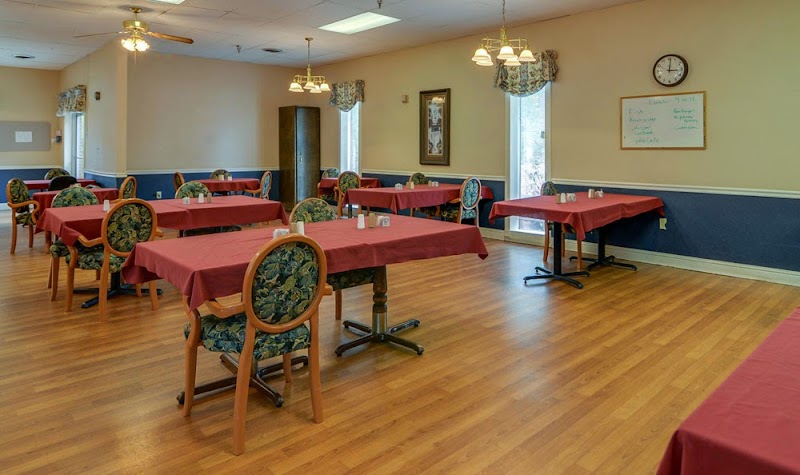
How is Rock Point Nursing Center Staffed?

CMS rates ROCK POINT NURSING CENTER's staffing level at 1 out of 5 stars, which is much below average compared to other nursing homes. Staff turnover is 49%, compared to the Missouri average of 46%. RN turnover specifically is 67%, which is notably high. RNs provide skilled clinical oversight, so turnover in this role can affect medical care quality.

What Have Inspectors Found at Rock Point Nursing Center?

State health inspectors documented 18 deficiencies at ROCK POINT NURSING CENTER during 2021 to 2025. These included: 18 with potential for harm.
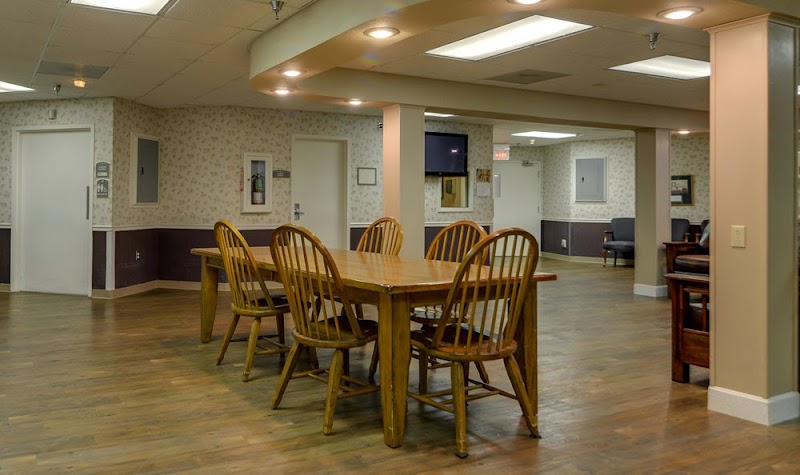
Who Owns and Operates Rock Point Nursing Center?

ROCK POINT NURSING CENTER is owned by a for-profit company. For-profit facilities operate as businesses with obligations to shareholders or private owners. The facility is operated by PARADIGM SENIOR MANAGEMENT, a chain that manages multiple nursing homes. With 86 certified beds and approximately 69 residents (about 80% occupancy), it is a smaller facility located in BIRCH TREE, Missouri.

How Does Rock Point Nursing Center Compare to Other Missouri Nursing Homes?

Compared to the 100 nursing homes in Missouri, ROCK POINT NURSING CENTER's overall rating (3 stars) is above the state average of 2.5, staff turnover (49%) is near the state average of 46%, and health inspection rating (5 stars) is much above the national benchmark.

What Should Families Ask When Visiting Rock Point Nursing Center?

Based on this facility's data, families visiting should ask: "Can you walk me through typical staffing levels on day, evening, and night shifts?" "Can I visit during a mealtime to observe dining assistance and food quality?" "How do you handle medical emergencies, and what is your hospital transfer rate?" "Can I speak with family members of current residents about their experience?" These questions are particularly relevant given the below-average staffing rating.

Is Rock Point Nursing Center Safe?

Based on CMS inspection data, ROCK POINT NURSING CENTER has a clean safety record: no substantiated abuse findings (meaning no confirmed cases of resident harm), no Immediate Jeopardy citations (the most serious violation level indicating risk of serious injury or death), and is not on the Special Focus Facility watch list (a federal program monitoring the lowest-performing 1% of nursing homes). The facility has a 3-star overall rating and ranks #1 of 100 nursing homes in Missouri. While no facility is perfect, families should still ask about staff-to-resident ratios and recent inspection results during their visit.

Do Nurses at Rock Point Nursing Center Stick Around?

ROCK POINT NURSING CENTER has a staff turnover rate of 49%, which is about average for Missouri nursing homes (state average: 46%). Moderate turnover is common in nursing homes, but families should still ask about staff tenure and how the facility maintains care continuity when employees leave.

Was Rock Point Nursing Center Ever Fined?

ROCK POINT NURSING CENTER has no federal fines on record. CMS issues fines when nursing homes fail to meet care standards or don't correct problems found during inspections. The absence of fines suggests the facility has either maintained compliance or corrected any issues before penalties were assessed. This is a positive indicator, though families should still review recent inspection reports for the full picture.

Is Rock Point Nursing Center on Any Federal Watch List?

ROCK POINT NURSING CENTER is not on any federal watch list. The most significant is the Special Focus Facility (SFF) program, which identifies the bottom 1% of nursing homes nationally based on persistent, serious quality problems. Not being on this list means the facility has avoided the pattern of deficiencies that triggers enhanced federal oversight. This is a positive indicator, though families should still review the facility's inspection history directly.