DELMAR GARDENS NORTH
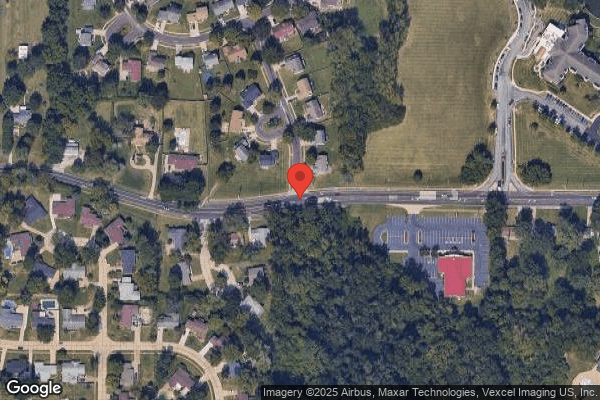

4401 PARKER ROAD, BLACK JACK, MO 63033 (314) 355-1516
For profit - Limited Liability company 240 Beds DELMAR GARDENS Data: November 2025 1 Immediate Jeopardy citation
Trust Grade
8/100
#374 of 479 in MO
Last Inspection: October 2023

Over 2 years since last inspection. Current conditions may differ from available data.

Overview

Delmar Gardens North has received a Trust Grade of F, indicating significant concerns about the quality of care provided, which places it in the poor category. It ranks #374 out of 479 facilities in Missouri, meaning it is in the bottom half of nursing homes in the state, and #52 out of 69 in St. Louis County, suggesting there are only a few local options that perform better. While the facility's trend is improving, having reduced critical issues from four to one in 2025, it still faces concerning staffing challenges with only 2 out of 5 stars and a turnover rate of 58%, which is about average. The facility has reported $39,299 in fines, indicating repeated compliance issues, and it has less registered nurse coverage than 97% of facilities in Missouri, raising concerns about oversight. Specific incidents include a resident suffering serious injuries after falling due to inadequate supervision and staff failing to follow up on a resident's low blood pressure, which led to hospitalization. Overall, while there are some signs of improvement, the facility has serious weaknesses that families should consider carefully.

Trust Score
F
8/100
In Missouri
#374/479
Bottom 22%
Safety Record
High Risk
Review needed
Inspections
Getting Better
4 → 1 violations
Staff Stability
⚠ Watch
58% turnover. Above average. Higher turnover means staff may not know residents' routines.
Penalties
✓ Good
$39,299 in fines. Lower than most Missouri facilities. Relatively clean record.
Skilled Nurses
⚠ Watch
Each resident gets only 9 minutes of Registered Nurse (RN) attention daily — below average for Missouri. Fewer RN minutes means fewer trained eyes watching for problems.
Violations
⚠ Watch
50 deficiencies on record. Higher than average. Multiple issues found across inspections.
★☆☆☆☆
1.0
Overall Rating
★★☆☆☆
2.0
Staff Levels
★★☆☆☆
2.0
Care Quality
★☆☆☆☆
1.0
Inspection Score
Stable
2024: 4 issues
2025: 1 issues

The Good

  • Full Sprinkler Coverage · Fire safety systems throughout facility
  • No fines on record

Facility shows strength in fire safety.

The Bad

1-Star Overall Rating

Below Missouri average (2.5)

Significant quality concerns identified by CMS

Staff Turnover: 58%

12pts above Missouri avg (46%)

Frequent staff changes - ask about care continuity

Federal Fines: $39,299

Above median ($33,413)

Moderate penalties - review what triggered them

Chain: DELMAR GARDENS

Part of a multi-facility chain

Ask about local staffing decisions and management

Staff turnover is elevated (58%)

10 points above Missouri average of 48%

The Ugly 50 deficiencies on record

1 life-threatening 2 actual harm
Feb 2025 1 deficiency 1 IJ
CRITICAL (J) 📢 Someone Reported This

A family member, employee, or ombudsman was alarmed enough to file a formal complaint

Immediate Jeopardy (IJ) - the most serious Medicare violation

Accident Prevention (Tag F0689)

Someone could have died · This affected 1 resident

**NOTE- TERMS IN BRACKETS HAVE BEEN EDITED TO PROTECT CONFIDENTIALITY** Based on observation, interview and record review, the facility failed to maintain an environment as free of accident hazards as...

Read full inspector narrative →
**NOTE- TERMS IN BRACKETS HAVE BEEN EDITED TO PROTECT CONFIDENTIALITY** Based on observation, interview and record review, the facility failed to maintain an environment as free of accident hazards as possible and to provide supervision and assistance to prevent falls for five of seven sampled residents (Residents #1, #3, #4, #5 and #6) by not implementing care planned fall interventions. On 12/31/24 Certified Nurse Aide (CNA) A failed to place Resident #1's bed in a low position. Resident #1 was found screaming and hanging off the bed holding onto the grab rail. A nurse assisted the resident to the floor. The resident sustained bilateral (both sides) fractured femurs (thighbones). The facility failed to complete post fall neurological (neuro) assessments (a series of questions and tests to check brain, spinal cord, and nerve function) as ordered by the physician and in accordance with the facility's policy for seven out of seven sampled residents (Residents #1, #3, #4, #5 #6 and #7), and failed to complete post fall follow-up documentation each shift for 72 hours after falls for six out of seven sampled residents (Residents #3, #4, #5, #6, #7, and #8). Additionally, the facility failed to update two of seven sampled residents' resident care plans (Residents #3 and #6) with interventions after falling. The census was 170. The Administrator was notified on 2/4/25 at 3:06 P.M., of an Immediate Jeopardy (IJ) which began on 12/31/24. The IJ was removed on 2/7/25, as confirmed by surveyor onsite verification. Review of the facility's Fall Risk/Fall Prevention Program, revised 7/24, showed: -Purpose: To identify residents at risk for falls and implement fall prevention interventions. To ensure appropriate and prompt follow up of resident falls; -Procedure: -1. The Morse Fall Scale Observation form will be completed electronically by the charge nurse on admission, re-admission, quarterly or when risk has changed from resident's previous risk score. When completing item #1 identify if the resident has had a fall in the last 3 months, regardless of when admitted ; -2. After completion, if the fall risk assessment is scored 25 or higher, the charge nurse may initiate the at risk fall care plan template in MatrixCare (electronic medical record). The CNA profile and/or assignment sheet will be updated; -3. If the resident scores 51 or higher, the resident will be identified as a High Fall Risk. The Fall Prevention Approaches order set in MatrixCare can be initiated if appropriate and resident specific fall interventions can be implemented based on the reason why the resident is at high risk on the care plan. Add this identification to the CNA Profile. The FALL RISK banner will populate on the resident's face sheet; -4. If the resident scores greater than 50, a Red bag tag may be placed on the resident's wheelchair and/or assistive devices to remind everyone of the high risk. Review of the facility's Post-Fall Assessment, revised 7/24, showed: -Purpose: All falls are investigated to determine the reasons for the fall and to develop interventions to minimize or eliminate future falls. Residents at risk for falls are identified on the Resident Banner in MatrixCare; -Procedure: -1. The nurse on duty will complete a Post-Fall Assessment Event for every fall; -2. Physician (PCP, primary care physician), and resident representative (RR) must be notified of all falls; -3. Neurological (neuro) Assessment should be initiated with all falls: Initiate Neurological Assessment Form for falls with head injuries. Initiate Neurological Assessment Form for unwitnessed falls without head involvement; -4. The charge nurse will implement any immediate interventions necessary to minimize risk of future fall. Be sure to note the date of the fall any injuries and any new/revised interventions; -5. Therapy will complete the Rehab Multidisciplinary Screening Form Observation within 24 to 72 hours, communicate any interventions to nursing staff, and document those interventions in the resident's care plan; -6. Nurses must assess the resident's condition following the fall and document every shift for 72 hours after a fall; -7. The Interdisciplinary (IDT) Fall Review Team will meet at least weekly and formally address every resident that has fallen during the previous week. Discussion will focus on interventions that have been implemented and other interventions that may be required to reduce falls and meet the resident's needs. Interventions are to be updated on the resident care plan. The Interdisciplinary Fall Review Checklist will be completed during fall rounds for Quality Assessment & Assurance (QAA) purposes; -Falls Definition Guidelines: -Current CMS policy regarding falls include: -a. An episode where a resident lost his/her balance and would have fallen, were it not for staff intervention, is a fall. In other words, an intercepted fall is still a fall; -b. The presence or absence of a resultant injury is not a factor in the definition of a fall. A fall without injury is still a fall; -c. When a resident is found on the floor, the facility is obligated to investigate and try to determine how he/she got there, and to put into place an intervention to prevent this from happening again. Unless there is evidence suggesting otherwise, the most logical conclusion is that a fall has occurred; -d. The distance to the next lower surface (in this case, the floor) is not a factor in determining whether or not a fall occurred. If a resident rolled off a bed or mattress that was close to the floor, this is a fall. 1. Review of Resident #1's quarterly Minimum Data Set (MDS), a federally mandated assessment instrument completed by facility staff, dated 1/11/25, showed: -Moderate cognitive impairment; -Upper extremity: Impairment on one side; -Lower extremity: Impairment on both sides; -Dependent with eating, toileting, bathing, personal hygiene, dressing, rolling left and right, and transfers; -Fall in the last month prior to admission; -Fracture related to fall in the six months prior to admission; -Diagnoses included high blood pressure, heart failure, diabetes, hemiplegia and hemiparesis left sided, and fracture. Review of the resident's most recent Morse Fall Scale, dated 11/14/24, showed a score of 35, low risk for falls. Review of the resident's current care plan, showed: -Problem: Falls, resident is at risk of falls due to left side hemiplegia and hemiparesis, legally blind, problem start date, 6/27/23, edited 1/10/25; -Goal: Minimize the risk of falls and related injury through next review, edited 11/13/24; -Approach: -Resident had a fall on 12/31/24, low bed, fall mat and bed against wall, created 1/10/25; -On 7/29/23, resident slid from edge of bed after attempting to get out of bed without assistance, education received on use of call light, created 8/8/23; -Ensure call light is in reach and educate on use of call light if indicated, created 6/27/23; -Ensure environment is free of clutter, created 6/27/23; -Keep bed in lowest position when resident is in bed, created 6/27/23; -Keep personal items within reach of resident, created 6/27/23; -Physical Therapy (PT) and Occupational Therapy (OT) to screen and evaluation as indicated, created 6/27/23; -Problem: Activity of Daily Living (ADL) functional status/rehabilitation potential, resident requires total assist with ADL care, edited 1/9/25; -Approach: Transfer with Hoyer lift (mechanical lift) and assist of two; -Bed not against wall and one fall mat on the right side of the resident's bed. Review of the resident's event history, dated 11/1/24 through 2/3/25, showed: -Date/Time: 12/31/24 at 6:15 A.M., Short Description: Post fall. Review of the resident's post fall assessment, dated 12/31/24: -Event date: 12/31/24 at 6:15 A.M.; -Location of fall: Resident room; -What was resident doing just prior to fall: Sleeping in bed; -Was the fall witnessed: Yes; -Describe exactly what happened: Resident was hanging off the bed holding onto the grab rail; -Check all that apply: Other: rolled off the bed; -List immediate interventions taken to promote resident's safety: Pain management assessment, other: encouraged to call for help; -Was there an injury: No injury; -Did the resident hit their head: No; -Obtain resident statement of activity prior to fall if able: blank; -Behavioral characteristics that may have contributed to the fall: Afraid of falling, forgetful; -Describe the environment at the time of the fall: Call light in reach, lights on in room, assist rails/siderails up; -Pupils: Within normal limits; -Hand grips: Within normal limits; -Were any new medications started within the last month: No; -Notifications: -PCP: 12/31/24 at 7:45 A.M.; -RR: 12/31/24 at 7:26 A.M.; -Care Plan reviewed: Yes: Note: low bed, fall mat and bed against the wall; -Orders: Treatment: Fall: With suspected head trauma - Neuro checks per policy on paper neuro assessment form and compete nurses note every shift for 72 hours, order dated 12/31/24; -Notes: -12/31/24 at 7:57 A.M.: This morning at 6:15 A.M., Registered Nurse (RN) B was heading to the resident's room to give early morning medications and pain medication and heard the resident yelling for help. Resident was seen hanging off the bed and holding on to the grab rails with his/her legs on the floor wrapped with a blanket. The resident's bed was very high up. RN B called out to Certified Nurse Aide (CNA) A, but CNA A was in another resident room with the door closed and did not hear RN B calling out. The resident said he/she couldn't hold on anymore to the rail and that he/she needed to sit down. RN B had to lower the resident to the floor gently holding on to his/her hip and then went and got assistance. The resident was assisted back into bed by four staff on the hall using a blanket with the bed lowered all the way to the floor. The resident was assessed, no physical injuries noted. Resident complained of pain to right thigh. RN B massaged the resident's right thigh and bilateral legs and foot with diclofenac gel (used to relieve pain from arthritis). As needed (PRN) oxycodone (narcotic, used to treat moderate to severe pain) given for pain management. PCP aware order given to x-ray resident's right thigh and right hip, x-ray scheduled. RR made aware and stated would come and see resident this evening instead of tomorrow, as planned. Neuro checks initiated; -12/31/24 at 12:57 P.M.: Continues on observation related to being lowered to floor, awaiting x-ray. Resident resting in bed at this time remains alert and able to make needs known. Small emesis noted earlier, clear. Resident complained of upset stomach as needed (PRN) Mylanta (used to treat upset stomach, heartburn, and acid indigestion) given and effective. Vital signs stable, neuro checks within normal limits (WNL). No complains of pain or discomfort noted at this time. Review of the resident's Neurological Assessment for falls without head involvement, dated 12/31/24, showed: -Unusual verbalization, statements, or behaviors, YES/NO, document specific verbalization in nurse's notes: -12/31/24, 7:00 P.M. - 7:00 A.M., the entry was blank. Review of the nurses notes, showed: -1/1/25 at 2:59 A.M.: Incident follow up (IFU) fall, received x-ray results at 1:53 A.M. via fax. Right hip showing normal examination. Right femur shows acute fracture at distal (body part that is farther away from the center of the body than another part) femur. Call placed to PCP received new order to send to emergency room (ER) to evaluate and treat. Resident denied pain until transferred to gurney; -Evaluation: -Evaluation notes: Resident hanging off the bed holding onto side rail. Care plan: low bed fall mat and bed against wall: -Falls prevention program initiated: Yes; -Injury is resolved/healing without complications: Yes; -Care plan updated: Yes. Review of hospital medical records, dated 1/1/25, showed: -Resident presented from facility with complaint of distal right femur fracture, Facility staff reported resident was tangled in sheets and they tried to assist him/her back into bed. Family concerned resident may have fallen out of bed. X-ray obtained on 12/31/24 at facility showed periprosthetic (a fracture that occurs around or near a previously implanted femoral (thigh bone) prosthesis, such as a total hip or knee replacement) right distal femur fracture. Resident reports pain in bilateral lower extremities and neck pain; -Resident presents with bilateral lower extremity pain of possible ground level fall from bed. X-rays demonstrate bilateral distal femur fractures; -X-rays demonstrate obvious deformities of bilateral distal femurs. -Physical exam: Tender bilaterally in distal femurs, no pelvic tenderness to palpation (touch). Holds right leg in external rotation (movement of a body part away from the body's center). No tenderness in calves or ankles bilaterally. Review of the resident's electronic medical record, showed the facility readmitted the resident on 1/9/25. Review of a written statement and facility interview, dated 1/2/25, showed CNA A said he/she provided the resident's care on the morning of 12/31/24 around 6:00 A.M. CNA A stated he/she changed the resident, gave the resident his/her call light and raised the head of the bed slightly. The height of the bed was at waist height. CNA A stated he/she did not hear RN B yelling for help. During an interview on 2/6/25 at 7:24 A.M., CNA A said he/she worked with the resident on the morning of 12/31/24. CNA A said he/she was not aware the resident was a fall risk because the resident did not have any signs up, or a yellow wrist band that would indicate the resident was a fall risk. CNA A said after changing the resident, the resident fell about 10 - 15 minutes after receiving care. CNA A said he/she left the resident's bed a little bit over waist high. CNA A stood up and held his/her hand at waist level that measured approximately 44 inches high. CNA A said he/she was not aware the resident's bed was supposed to be at the lowest level when the resident was in bed and leaving the room. CNA A said RN B came and asked for assistance with transferring the resident back into bed. CNA A said one person got the resident's legs and one person got the top of the resident, and they lifted the resident into the bed. CNA A said to transfer the resident they are to use the Hoyer. CNA A said there was no reason they didn't use the Hoyer, they were just trying to hurry up and get the resident off the floor because it was cold. CNA A said the resident did not complain of pain when they transferred him/her off the floor and into the bed. CNA A said he/she did not stay in the room when RN B did the assessment on the resident after the resident was transferred into bed. CNA A said he/she did not work with the resident again before the resident went to the hospital. Review of a written statement, dated 1/3/25, showed RN B wrote, on 12/31/24 morning at 6:15 A.M., he/she was doing his/her medication pass. Getting to the hall RN B was about to get medications on that side of the hall when RN B heard the resident shouting for help. CNA A said he/she had already changed the resident and that he/she did not know why the resident was screaming for help. RN B told CNA A he/she should have gone to see why the resident was screaming. While RN B was saying that to CNA A, RN B started making his/her way down to the resident's room. RN B went straight into the resident's room and found the resident hanging off the bed holding onto the grab rail. The resident's back was towards the door and the resident was facing the wall beside the heater. RN B began shouting for CNA A to come help, but CNA A never came to the room. Meanwhile RN B held the resident on his/her hip with both hands so he/she wouldn't fall to the floor because the bed was up high in the air. The resident's legs were on the floor wrapped around his/her blanket. RN B did not see the resident's legs and how they were positioned, but the resident's legs were on the floor while he/she was holding on to the grab rail. The resident then stated he/she could not hold on anymore and RN B told the resident to hold onto the rails firmly so that RN B could lower him/her to the floor. RN B tried to grab the small chair by the heater but was unable to without help. RN B lowered the resident to the floor while holding onto the resident's hips and around his/her waist and gently lowered the resident onto the floor. RN B left the room to get help and found CNA A. RN B told CNA A to go to the resident's room and RN B went to get more help. RN B called two additional staff to come and assist with getting the resident up. On assessment when the resident's blanket was moved, he/she was in a sitting position with both legs to the left side close to the heater. RN B and staff used a big blanket and put it underneath the resident and lowered the bed to the floor and transferred the resident back to the bed. The resident has never been able to do range of motion (ROM) on his/her lower extremities. Resident has a history of bilateral knee replacement of which he/she has arthritis really bad on both legs. The resident complained of right thigh pain, so the nurse massaged it with diclofenac gel, including both legs and feet. RN B also gave PRN (as needed) oxycodone for pain management. RN B notified the PCP immediately and got an order to x-ray the right thigh and right hip. RN B entered the order and called and scheduled the x-ray before leaving for the day. When RN B returned to work, he/she was told the resident had an acute distal femur fracture. RN B thinks the way the resident fractured his/her femur was when he/she rolled off and his/her leg hit the floor. Meanwhile no one witnessed this, it could have been worse if RN B did not hold the resident and gently lower him/her to the floor. With the height of the bed the resident would have broken his/her hip as well. The way the resident was positioned and the bed it would be have been difficult to get the resident up with the Hoyer, so they used four persons with a big blanket to transfer. During an interview on 2/4/25 at 9:40 A.M., RN B said on 12/31/24 at approximately 6:15 A.M., he/she was passing morning medication and heard the resident screaming. RN B asked CNA A who was screaming and he/she said it was the resident. When RN B went into the resident's room, he/she saw the resident's lower body hanging off the left side of the bed with the resident's legs wrapped in the resident's blanket. The resident was hanging onto the grab rail with both arms and the resident's bed was positioned as high as it could go. The resident's legs were wrapped in blankets and he/she was yelling for help. RN B said he/she placed his/her arms around the resident's waist trying to support the resident and yelled out for help. Nobody arrived to assist RN B when he/she was yelling out for help. The resident then said he/she needed to sit down yelling, I can't take it, help me so RN B tried to grab a chair and could not reach the chair, so RN B gently lowered the resident to the floor while holding the resident in a bear hug. RN B left the room to get assistance from other staff. RN B said when the blankets were removed, the resident's legs were bent at the knees and turned to the resident's left side. RN B got assistance from other CNAs and they lifted the resident into bed with a blanket that was placed underneath him/her. RN B said the resident normally transfers with a Hoyer lift, but the way the resident was positioned they could not use the Hoyer lift and used the blanket instead. The resident complained of right thigh pain and rated the pain as a 9 out of 10 (0-3 mild pain, 4-6 moderate pain, 7-10 severe pain). RN B did not check ROM on the resident's legs due to the pain reported. RN B contacted the PCP and obtained an order for a stat (immediate) x-ray to right thigh and hip. RN B said he/she massaged the resident's right legs with diclofenac gel and gave the resident oxycodone for pain. RN B said he/she thought there was a fall mat on the right side of the resident's bed but there was no fall mat on the left side of the resident's bed at the time of the fall. RN B said when the resident's legs went over the edge of the bed and hit the floor from the high position, he/she believes that is when the resident fractured his/her legs. RN B said the resident's call light was not on when the resident was screaming for help, RN B said the resident normally uses his/her call light when he/she needs assistance, but sometimes the resident gets confused. RN B said the resident fell because he/she was trying to get out of bed to look for his/her family members. RN B said it is not the first time the resident had attempted to get out of bed to look for family. RN B said the resident attempted to get out of bed last year to look for his/her family, but staff redirected him/her before the resident fell. Observations on 2/3/25 at 8:50 A.M., 2/3/25 at 1:57 P.M., and 2/4/25 at 6:55 A.M., showed the resident lay in his/her bed in low position on a low air loss mattress. A fall mat was on the right side of the resident's bed, no fall mat was on the left side of the resident's bed. The resident's bed was not against the wall. During an interview on 2/4/25 at 11:54 A.M., agency RN C said nobody told him/her why the resident only had one mat. The physician order should be specific to one or two fall mats, and which side the fall mat goes on. There should be an order for a low bed. The resident is a high fall risk when he/she is in bed. The nurses on the floor can get the order from the doctor or therapy depending on what the interventions are. The nurse on the floor does not put interventions into the care plan. The nurse on the floor gets the order and puts the order in the computer. During an interview on 2/4/25 at 12:20 P.M., CNA D said fall interventions for the resident include to make sure his/her bed is as low as possible, fall mat in place, and rounds every two hours. Sometimes, the resident thinks he/she can walk. CNA D said the mat is on the left side. The right side is the side the resident turns to. That is the side when he/she feels that he/she can walk that he/she tries to get out of. CNA D said there should be one on each side. The bed has never been against the wall. Observation on 2/4/25 at 12:23 P.M., showed the resident lay in his/her bed in low position on a low air loss mattress. A fall mat was on the right side of the resident's bed. No fall mat was on the left side of the resident's bed. The resident's bed was not against the wall. During an interview on 2/4/25 at 12:52 P.M., the DON said she did not recall any specific fall interventions for the resident. The DON said she feels the resident is a high fall risk since the resident had his/her fall in December. Observation and interview on 2/4/25 at 1:29 P.M., showed the resident lay in bed. The bed was in a low position. There was a fall mat on the right side of the resident's bed and no fall mat on the left side of the bed. When the Assistant Administrator (AA) looked at the resident's room, she said there was only a fall mat on the right side of the resident's bed not a fall mat on the left side. The AA said there should be a fall mat on both sides of the bed. The AA was unsure why there was only one fall mat next to the resident's bed. If there is one fall mat, the resident's bed should be up against the wall. The AA said the resident fell off the left side of the bed where there was no fall mat. The AA verified the resident's bed was not against the wall as listed on his/her care plan. The AA expected interventions listed in the resident's care plan to be in place. The AA did not recall the resident's bed ever being against the wall. Without the fall interventions listed on the care plan in place, it puts the resident at risk for the same thing happening again; falling again and the possibility of the resident getting injured again. The concern she had was the fall mat not on being on the left side of the bed with the bed not being against the wall and the bed not being against the wall as care planned. The AA expected a fall intervention to be put in place after every fall. The CNAs find out what fall interventions are in place through the nurse. CNAs have a computer system, but the Internet connection is bad, so the CNAs need to get report from the nurses. 2. Review of Resident #3's admission MDS, dated [DATE], showed: -Moderate cognitive impairment; -Dependent with toileting, bathing, and lower body dressing; -Maximal assistance with bathing transfers; -Fall since admission or prior assessment, no; -Uses wheelchair for mobility; -Diagnoses included Parkinson's Disease (a progressive neurological disorder that affects movement, balance, and coordination), arthritis, dementia, unspecified fall and rhabdomyolysis (a rare muscle injury when the muscle tissue breaks down and releases damaging substances into the blood). Review of the resident's most recent Morse Fall Scale, dated 12/2/24, showed a score of 50, high risk for falls. Review of the resident's current care plan, showed: -Problem: Falls, the resident is at risk for falling due to decreased mobility, unsteady gait, unassisted attempts to stand/transfer/ambulate and poor safety awareness, edited 2/3/25; -Goal: Prevent manage possibility of falling, edited 12/4/25; -Approach: -Resident had a fall on 1/8/25, staff to ensure resident is up in a chair for all meals, created 1/10/25; -Resident had a fall on 12/12/24, staff to offer to sit in TV area or close to nurses station, edited 2/3/25; -Resident had a fall on 11/26/24, staff will encourage use of assistive device while walking in his/her room, edited 11/27/24; -Resident had a fall on 9/7/24, staff will provide frequent rounds, created 9/10/24; -Resident had a fall on 9/3/24, encourage to use call light to get things that are out of reach, created 9/4/24; -Follow facility protocol after any fall, created 6/1/24; -Keep call light in reach, encourage resident to use it and wait for staff when in need of assistance, created 6/1/24; -Keep resident in a supervised area as much as possible, created 6/1/24; -Monitor for decreased/loss of functional status, created 6/1/24; -PT/OT evaluate and treat as ordered and PRN, created 6/1/24; -Resident may utilize a low bed with fall mat and bed against the wall, created 6/1/24; -Resident may utilize a perimeter mattress (bolster mattress, mattress cover with built-in foam bolsters that create a raised rail around the bed's edges) to bed, created 6/1/24; -No intervention listed for fall on 1/31/25. Review of the resident's event history, dated 11/1/24 through 2/3/25, showed: -Date/Time: 11/26/24 at 4:07 A.M., Short Description: Post Fall assessment; -Date/Time: 12/12/24 at 12:47 P.M., Short Description: Fall no injuries; -Date/Time: 1/8/25 at 8:58 A.M., Short Description: Fall on floor in room rolled out of bed; -Date/Time: 1/31/25 at 2:30 A.M., Short Description: Fall. Review of the resident's post fall assessment, dated 11/26/24, showed: -Event date: 11/26/24 at 4:07 A.M.; -Description: Post fall assessment; -Location of fall: Resident room; -What was resident doing just prior to fall: Lying in bed; -Was the fall witnessed: No; -Describe exactly what happened: Resident stated he/she was walking around in room and his/her legs became weak; -Check all that apply: Walking; -List immediate interventions taken to promote resident's safety: Encourage assistive device use; -Was there an injury: Yes, describe below; -Describe injury and first aide, if provided: (this was not completed by facility staff); -Did the resident hit their head: Yes; -Obtain resident statement of activity prior to fall if able: Bilateral lower extremity weakness; -Behavioral characteristics that may have contributed to the fall: Does not use call light, poor safety awareness; -Describe the environment at the time of the fall: Call light in reach; -Pupils: Within normal limits; -Hand grips: Within normal limits; -Foot pushes: Within normal limits; -Were any new medications started within the last month: (this was not completed by facility staff); -Notifications: -PCP: 11/27/24 at 1:01 P.M.; -RR: 11/27/24 at 9:42 A.M.; -Care Plan reviewed: Yes, encouraged use of assistive devices even when walking in room; -Orders: -Chart every shift for 72 hours related to fall, order date 11/26/24 - 11/29/24; -Fall without head involvement: Complete paper neuro assessment form per policy per policy every shift and complete nurses note for 72 hours, order date 11/26/24 - 11/29/24; -Fall: With suspected head trauma - Neuro checks per policy on paper neuro assessment form, and complete nurses note every shift for 72 hours, order date 11/26/24 - 11/29/24; -Notes: 11/26/24 at 4:15 A.M., resident was observed on the right side of the bed facing the wall at 4:00 A.M. Resident stated that he/she was attempting to walk in his/her room when his/her legs gave ou
Dec 2024 1 deficiency
CONCERN (D) 📢 Someone Reported This

A family member, employee, or ombudsman was alarmed enough to file a formal complaint

Potential for Harm - no one hurt, but risky conditions existed

ADL Care (Tag F0677)

Could have caused harm · This affected 1 resident

**NOTE- TERMS IN BRACKETS HAVE BEEN EDITED TO PROTECT CONFIDENTIALITY** Based on interview and record review, the facility failed to provide activities of daily living (ADL) care assistance for a depe...

Read full inspector narrative →
**NOTE- TERMS IN BRACKETS HAVE BEEN EDITED TO PROTECT CONFIDENTIALITY** Based on interview and record review, the facility failed to provide activities of daily living (ADL) care assistance for a dependent resident (Resident #1), during the evening shift on 12/3/24 and the overnight shift from 12/3/24 to 12/4/24. The sample was five. The census was 172. The Administrator was notified on 12/26/24, of the past non-compliance. The facility disciplined various staff members who failed to provide ADL care to the resident. The facility in-serviced current employees on the topics of rounding on residents, customer service, abuse and neglect, and grooming. The deficiency was corrected on 12/11/24. Review of Resident #1's Medical Record showed: -Diagnoses included Alzheimer's disease, diabetes and major depressive disorder; -Cognitively intact; -Resident required two staff members assistance with ADLs. Review of the resident's care plan, in use at the time of the investigation, showed: -Problem: The resident refuses to shower at times; -Goal: The resident will allow staff to assist him/her with showers until next review; -Approach: Reattempt to ask at a later time; -Problem: Resident is dependent with ADL care; -Goal: Resident will be well groomed and increase/be stable with current ADL status; -Approach: Assist with toileting needs per request, routine, and as needed. Give verbal cues for bathing, dressing, grooming. Use gentle, firm approach. Resident is noted to refuse showers. Resident educated on need for personal hygiene daily, staff will re-attempt offer of shower. Review of the resident's shower sheets, showed: -On 11/29/24, Certified Nursing Assistant (CNA) C documented that the resident refused a shower or bath; -On 12/3/24, CNA C documented that the resident refused a shower or bath. Review of the resident's progress notes, showed: -No progress notes showed staff re-attempted to provide the resident a shower between 11/29/24 and 12/3/24; -A note, dated 12/3/24 at 10:45 A.M., written by Licensed Practical Nurse (LPN) G, showed CNA C was working with this resident and came to this nurse and said the resident was full of fecal material, and his/her clothes were soiled. The resident needed to be cleaned up but would not allow CNA C and a fellow CNA to assist to clean the resident. This nurse stepped into the room with the resident and observed him/her and a foul odor. The resident's bed was covered in fecal material. This nurse explained to the resident that staff could not leave him/her unclean with fecal material on him/her. The resident was persistent about refusing care and began to pull at his/her bed clothes and his/her brief, getting his/her hand into the fecal material. While speaking with the resident, CNA C explained that it was the resident's shower day, and that he/she has already said no to being taken to the shower. This nurse asked if he/she and the other two CNAs could give the resident a bed bath. At this time, the resident refused, but this nurse persuaded the resident to be cleaned up. He/She was given a bed bath by CNA C and a fellow CNA with help from this nurse. This nurse spoke with the Nurse Practitioner (NP) about resident's body odor due to consistent refusal of showers. The NP went to the resident's room to speak with him/her, returned to this nurse and stated that the resident said he/she will take a shower when asked next time. Around the end of CNA C's shift, he/she returned to ask for assistance to clean this resident again. This nurse went in and spoke to resident and let him/her know that he/she has to be checked, dried and cleaned before CNA C could hand off report to the next shift. The resident, at that time, agreed to be cleaned up once more with the help of this nurse; -A note, dated 12/4/24 at 8:04 A.M., written by Registered Nurse (RN) F, said the resident was in his/her room, noted to be tachypneic (fast breathing) with labored breathing, not answering questions appropriately, Respiratory Rate (RR): 38 breaths per minute (normal 10-22), Heart Rate (HR) 133 beats per minute (normal 60-100), Oxygen Level (O2): 70 (normal 95-100), Temperature (T): 99.9 degrees Fahrenheit (F) (normal 98.6 F). A call was placed to (Emergency Medical Services) EMS; Emergency Contact (EC) was contacted and requested for the resident be taken to the emergency department for evaluation. EMS arrived and the resident was transferred to hospital. Review on 12/26/24, of CNA C's written statement, dated 12/4/24, showed: -On 12/3/24, he/she attempted to get the resident up for breakfast twice. By the third attempt, he/she informed LPN G that something may be wrong. That morning, on 12/4/24 around 7:00 A.M., CNA C did rounds on the residents on his/her own. He/She noticed the resident's door was closed. He/She opened it and noticed the resident appeared to be in the same condition as 12/3/24. He/She informed the night nurse, LPN B, who then stated he/she was not told anything was wrong. He/She proceeded back to check on the resident with another aide. He/She then noticed the resident had a pill laying on his/her shirt, so he/she informed LPN B and RN F who went to check on the resident. From there, the resident was sent out to the hospital; -Review of the Assistant Director of Nursing (ADON's) summary of an interview with CNA C on 12/5/24, showed CNA C said the resident had the same clothing on from 12/3/24. CNA C said he/she did not provide any care to the resident on 12/4/24. He/She said the last time he/she had given the resident a shower was on Thanksgiving. He/She said before a resident is sent out to the hospital, the resident should be taken to the bathroom and changed. CNA C said he/she had reported to the nurse that the resident was refusing ADL care. Review on 12/26/24, of the ADON's summary of an interview with CNA D, dated 12/4/24 showed: -CNA D said on 12/3/24, he/she worked the evening shift. The resident was in his/her bed for the duration of his/her shift. The resident refused to allow CNA D to change his/her brief and clothing. CNA D did not inform the nurse of the resident's refusal of care. Review on 12/26/24, of CNA E's written statement dated 12/5/24, showed: -CNA E said on 12/3/24, he/she took care of the resident from 10:45 P.M. to 7:15 A.M CNA E laid eyes on the resident around 11:20 P.M. and said the resident was awake in bed watching the television. CNA E returned to the resident's room around 12:40 A.M. with fresh water and the resident was still awake. The next round was around 2:00 A.M., and the resident was sleeping. CNA E emptied the resident's urinal at this time. The next round was at 4:30 A.M., and he/she observed the resident in bed with his/her urinal between his/her legs, under the covers. He/She left the resident's room and continued his/her rounds. He/She returned to the resident's room around 5:40 A.M. and emptied the resident's urinal; -Review of the ADON's summary of an interview on 12/5/24 with CNA E, showed CNA E was unable to say what clothing the resident was wearing on 12/4/24 as the resident was covered with a blanket. CNA E said when he/she did rounds on the resident, he/she should have pulled back the resident's blanket to make sure his/her clothes were not soiled. Review on 12/26/24, of LPN B's written statement dated 12/5/24, showed: -On 12/4/24 at 7: 30 A.M., he/she was finishing his/her work when the day shift aide, CNA C, approached the nurse's station and said the resident did not look good and that he/she needed to be checked on. The two nurses, RN F and LPN A, who were relieving his/her station, went to evaluate the resident and decided to send him/her out to the emergency room (ER). He/She made copies of the resident's Continuity of Care document, face sheet, and code status. He/She called 911 and notified the resident's family member of his/her condition and that he/she was being taken to the ER for evaluation and treatment; -Review of the ADON's summary of an interview on 12/5/24 with LPN B, showed LPN B popped by the resident's room to check on him/her during the night shift (12/3/24 to 12/4/24)but didn't want to wake the resident up. LPN B said no reports were made to him/her of the resident refusing care. Review on 12/26/24, of RN F's written statement, dated 12/5/24, showed: -On 12/4/24, upon arriving on shift, he/she got report from the day nurse and started making rounds. He/She overheard CNA C talking about a change in condition of the resident. Upon assessment, He/She noticed the resident had labored breathing and was breathing fast. He/She grabbed vitals. EMS arrived, he/she gave report, and then the resident was transported to the hospital. Review on 12/26/24, of LPN A's written statement, dated 12/4/24, showed: -CNA C asked me to come to the resident's room and said the resident does not look well. The resident's breathing was labored, eyes looked glassy, weak. LPN A called the second nurse, RN F, to the resident's room. Both nurses took vitals and assessed the resident while LPN B called 911, called the resident's family, and printed out paperwork. During an interview on 12/26/24 at 10:51 A.M., LPN A said he/she was working when the resident was sent to the hospital on [DATE]. He/She said he/she was assigned to another hallway but went to assist the resident's nurse when it was decided that the resident was going to be sent out to the hospital. He/She said he/she did notice the resident appeared dirty and had fecal material on him/her. He/She did know the resident had not received a shower or ADL care before he/she was sent out to the hospital. During an interview on 12/26/24 at 1:03 P.M., the ADON said she along with the Administrator were informed that the facility was going to be hotlined to the Department of Heath and Senior Services (DHSS). She said a facility investigation was started on 12/4/24 into the resident's ADL care. She found multiple issues with staff not reporting the resident's refusal of care. She said the resident was not provided proper ADL care on 12/3/24 on day shift and evening shift and the overnight shift from 12/3/24 to 12/4/24. During an interview on 12/26/24 at 1:23 P.M., the Administrator and ADON said they would expect for staff to provide appropriate ADL care for residents and would expect any refusal of care to be reported and documented. MO00246140
Jul 2024 3 deficiencies
CONCERN (D) 📢 Someone Reported This

A family member, employee, or ombudsman was alarmed enough to file a formal complaint

Potential for Harm - no one hurt, but risky conditions existed

Investigate Abuse (Tag F0610)

Could have caused harm · This affected 1 resident

Based on observation, interview and record review, the facility failed to prevent further potential abuse, neglect or mistreatment by not investigating an injury of unknown origin for one of three sam...

Read full inspector narrative →
Based on observation, interview and record review, the facility failed to prevent further potential abuse, neglect or mistreatment by not investigating an injury of unknown origin for one of three sampled residents (Resident #1). The census was 95. Review of the facility's Injury of Unknown Source - Investigative Protocol policy, undated, showed: -Purpose: The following indicators of abuse/neglect are provided to help determine if abuse/neglect should be suspected. Staff are mandated to report suspected abuse; -Indicators of physical abuse may include injuries of an unknown source; -The attached worksheet and directions are offered to assist facilities in their internal investigation. If a logical/reasonable explanation of the source of the injury cannot be determined, notify your local state agency within 2 hours of discovery. Review of the facility's when to initiate an investigation document, undated, showed: -Contact Administrator and Nursing Administration immediately for the following events included for injury, actual or suspected. Examples included bruise of unknown origin/suspicious bruising or skin tear. Review of the facility's Abuse and Neglect Policy, revised January 2019, showed: -Providing a safe environment for the resident is one of the most basic and essential duties of the facility; -Injuries of unknown source: An injury should be classified as an injury of unknown source when both the source of the injury was not observed by any person or the source of injury could bot be explained by the resident and the injury is suspicious because of the extent or severity or the location of the injury (the injury is located in an area not generally vulnerable to trauma) or the number of injuries observed at one particular point in time or the incidence of injuries over time; -The Administrator or designee will be responsible to ensure that all alleged violations involving mistreatment, neglect, or abuse, including injuries of unknown source, and misappropriation of resident property are reported immediately, not later than two hours after the allegation is made, to other officials in accordance with state law including to the state survey and certification agency; -Procedure for investigation: -Administrator or designee on duty will assess the resident (including the size, location, etc. of any injury), and assure proper documentation of the date, time, and location of the reported or suspected incident; -The supervisor will do everything possible to protect the resident's welfare and safety from harm during the investigations; -An incident report will be completed; -The physician and family will be notified as soon as possible; -The Administrator or Director of Nursing is responsible to notify their Regional Nursing Supervisor to report alleged violation of the resident safety policy to assure prompt investigation and corrective action are in place; -Any employee suspected of violation of these resident safety policies, may be suspended pending investigation; -If a family member or other visitor is suspected of violation of these policies, they may not be allowed to visit the resident or in any other way have access to the facility pending the investigation; -The Administrator or designee and/or supervisor on duty will interview the resident as well as any nursing, housekeeping, laundry, dietary, activity, social service staff, any visitors, volunteers or others who may have knowledge of the occurrence or who may have been in the vicinity at the time of the incident. The Administrator or designee on duty will prepare a written summary of each interview; -Summaries of these investigations will be reviewed during quality assurance and assessment committee meetings for re-evaluation of policies and procedures, if warranted to prevent further occurrences. Review of Resident #1's quarterly Minimum Data Set (MDS), a federally mandated assessment instrument completed by facility staff, dated 7/6/24, showed: -Sometimes able to make self-understood; -Sometimes able to understand others; -Required max assistance for upper and lower body dressing, putting on/off footwear, showering, and transferring from chair/bed-to-chair; -Diagnoses included non-traumatic brain dysfunction, chronic kidney disease, Alzheimer's disease, epilepsy (seizure disorder) and chronic obstructive pulmonary disease (COPD, lung disease); -No open lesions, or skin tears noted. Review of the resident's progress notes, showed: -On 6/10/24, at 6:23 P.M., the resident slide out of his/her chair and sat on the floor. No injury or pain was noted. The resident was assisted back up with assistance with two staff members. The Medical Director (MD) and resident's responsible party (RP) were notified. Review of the facility's event summary report, dated 4/22/24 through 7/23/24, showed: -On 6/10/24, at 6:18 P.M., a post fall assessment was completed due to the resident sliding out of his/her chair and sat on the floor; -There was no injury or pain noted; -The care plan was not reviewed; -The evaluation was to ensure assistance in and out of recliner; -The event was closed on 6/14/24. Review of the resident's progress notes, showed: -On 6/18/24, at 9:55 P.M., the resident was noted with a dime size skin tear to his/her left inner arm. No pain or drainage was noted. The area was cleansed and covered with a dry dressing. The MD and the RP were notified. Review of the resident's event report, dated 6/18/24, at 9:51 P.M., showed: -Event details: A dime sized skin tear/laceration was located on the resident's left inner arm, with irregular wound edges with out any pain reported from the resident; -Activity during skin tear/laceration occurrence: Post fall; -MD and RP were notified; -Orders included: Apply non-adhering dressing, cover with foam dressing, change every three days; Skin tear: Apply antibiotic ointment, cover with dressing if needed to minor cuts or skin tears. Review of the facility's wound report, dated 4/01/24 through 7/23/24, showed: -There was no wound documentation found on the resident. Review of the facility's event summary report, dated 4/22/24 through 7/23/24, showed: -There was no documentation of a fall between 6/10/24 and 6/18/24; -There was no documentation of the injury of unknown origin, the skin tear found on 6/18/24, located on the resident's left inner arm. Review of the resident's Medication Administration Record (MAR), dated June 2024, showed: -An order dated 8/18/23, for a weekly skin assessment, once a day on Wednesdays. Documentation showed an assessment was completed on 6/26/24, noting the resident had impaired skin, a skin tear on the left elbow; -An order, dated 6/28/24 and discontinued on 6/28/24, for a skin tear; monitor for signs and symptoms of infection on each shift. Documentation showed the facility did not administer per order on the night shift on 6/26/24, due to no area.; -An order, dated 6/18/24 and discontinued on 6/28/24, for a skin tear, to apply antibiotic ointment, cover with dressing if needed, change day; Documentation showed the treatment was not administered on 6/27/24 due to healed. Review of the resident's MAR, dated July 2024, showed: -An order, dated 6/18/24, discontinued on 7/6/24, to apply non-adhering dressing, cover with foam dressing, change every three days was administered as ordered. Review of the resident's care plan, dated 7/17/24, showed: -Problem: The resident was at risk for falls; Interventions included: on 6/10/24, the resident had a fall. Ensure assistance in and out of recliner; -Problem: The resident requires maximum assistance with activities of daily living (ADLs); Interventions included monitor skin for redness and breakdown during ADL care and bathing. Report changes to nurse and MD. During an interview on 7/23/24, at 1:39 P.M., the Assistant Administrator said: -Nurses were expected to complete weekly skin assessments and document completion on the residents' MAR; -Nurses were expected to document any new skin issues in the residents' wound management detail. During an interview on 7/23/24, at 2:35 P.M., LPN D, said: -He/She was assigned to the resident's care; -He/She was not aware the resident had any wounds; -He/She would report any abuse, suspected or witnessed, including physical, verbal, mental, sexual or theft, to the Administrator, the Director of Nursing (DON), or Assistant Director of Nursing (ADON) so they could investigate the incident for the residents' safety; -He/She expected the facility to investigate any injury of unknown origin to ensure the cause was not due to abuse. Observation on 7/24/24, at 11:19 A.M., showed the Wound Nurse evaluated the resident's skin. The resident had a healed wound to his/her upper left arm. During an interview on 7/24/24 at 11:25 A.M., the Wound Nurse said: -She was not aware the resident had a healed skin tear located on his/her left inner arm and did not know there was a treatment order for the skin tear; -She expected the nurses who initially found the wounds to document the wounds in the wound management document so she could see them when she looked at residents' wound management detail report; -She would have followed up on the skin tear to ensure the appropriate treatments were ordered and the MD and RP were notified. During an interview on 7/24/24, at 10:45 A.M., the Assistant Administrator said the facility's event summary report would include injuries of unknown origin. During an interview on 7/26/24, at 11:26 A.M., the Administrator, Director of Nursing (DON) and Assistant Director of Nursing (ADON), said: -They expected nurses, after finding a new skin issue, to assess the wound and document their finding in the resident's wound management document, call the MD, get new orders if appropriate, and tell the Wound Nurse; -The nurses were not required to document new skin issues in progress notes; -The Wound Nurse was made aware of any new skin issues by nurses reporting the new wounds to her verbally or by reading residents' progress notes; -The DON and Night Supervisor also looked at daily notes to see if any new skin issues were noted and they would inform the Wound Nurse of their findings; -They expected the Wound Nurse to assess the residents' new skin issue, make sure there was an appropriate wound order and see if the outside wound management team needed to get involved. They also expected the Wound Nurse to put findings in a progress note and in wound management if not already there; -They expected the Wound Nurse to know if a resident had a treatment order for a wound; -They expected nurses to notify the Wound Nurse when they put in a treatment order for a new wound; -They expected nurses to create an unknown injury event, notify the MD, the Wound Nurse and RP of the injury, and document their assessment, what they did and how they followed up when they find an injury of unknown origin; -They expected staff to report any injury of unknown origin to their supervisors, so they could investigate how if might have occurred by talking to the staff, the resident and family members, do a root cause analysis, and put in proper interventions to try to keep it from happening again after reviewing the resident's care plan; -They would document the conclusion of the investigation in a miscellaneous event report and would notify the RP of their findings of the investigation; -They monitored for potential or actual reported allegations of abuse or neglect by depending on residents, family and especially staff to report any potential allegations of neglect; -Staff had not reported any concerns about the manner in which care was provided to the resident; -They were not aware of the resident's skin tear, found by staff on 6/18/24, located at his/her left upper arm; -They could not determine how the skin tear occurred or when as there were no notes in the resident's electronic medical record (EMR) so it was considered an injury of unknown origin; -There were no investigations found on the resident's skin tear located at his/her left upper arm, an injury of unknown origin; -When an injury of unknown origin was not reported to the administrative team, it put the resident at risk of infection and pain if the injury was left untreated; -The facility investigated all injuries of unknown origin to protect residents from possible abuse or neglect. During an interview on 7/26/24 at 3:32 P.M., the Administrator said: -The delivery of care at the bedside by the CNAs was monitored by the nurses on the floor. The care the nurses gave to residents was monitored by the nurse supervisors (Nurse Managers, ADON and DON); -She expected nursing staff to have knowledge of and follow facility policies. MO0023922
CONCERN (D) 📢 Someone Reported This

A family member, employee, or ombudsman was alarmed enough to file a formal complaint

Potential for Harm - no one hurt, but risky conditions existed

Accident Prevention (Tag F0689)

Could have caused harm · This affected 1 resident

Based on observation, interview and record review, the facility failed to ensure the residents' environment remained free of accident hazards by keeping an un-secured plastic container filled with ins...

Read full inspector narrative →
Based on observation, interview and record review, the facility failed to ensure the residents' environment remained free of accident hazards by keeping an un-secured plastic container filled with insulin (used to control high blood sugar) pens (a small lightweight pen that is prefilled with insulin to inject under a person's skin) of 13 residents (Residents #2, #4, #6, #7, #8, #9, #10, #11, #12, #13, #14, #15 and #16) on un-attended, unsupervised treatment/medication carts. The facility also had an open plastic tray with auto shield duo pen needles (needles used to inject insulin from the insulin pen) and lancets (a small device with a needle used to prick the surface of the skin to obtain a blood sample) with a sharps container (used to discard used lancets and auto shield duo pen needles) which had an unsecured plastic lid on top of the un-attended, un-supervised treatment/medication carts. The sample size was 16. The census was 95. Review of the facility's Storage of Drugs policy, undated, showed: -Compartments and areas containing drugs are locked when not in use or when left unattended. Such areas include drawers, cabinets, rooms, refrigerators, carts and boxes. 1. Observation on 7/19/24, at 12:20 P.M., showed an un-attended, unsupervised treatment cart, labeled #2, on the 300 hall, with a red, plastic box with four rows of individual drawers which contained insulin pens; -The first row had one drawer labeled with Resident #7's name containing a Humalog (short acting insulin) pen and a Lantus (long acting insulin) pen; a separate drawer labeled with Resident #7's name which contained a Novolog (fast acting insulin) pen; a separate drawer labeled with Resident #8's name which contained a Lantus pen and a Lispro (fast acting insulin) pen, a separate drawer labeled with Resident #9's name containing two Fiasp (fast acting insulin) pens; a separate drawer labeled with Resident #2's name containing a Humalog pen and a Lantus pen; a separate drawer labeled with Resident #10's name containing a Lispro pen and a Lantus pen; -The second row had one drawer labeled with Resident #11's name containing one Soliqua (a long-acting insulin) and a Lispro pen; a separate drawer labeled with Resident #12's name containing one Lantus pen and a Humalog pen; -The third row had one drawer labeled with Resident #13's name containing one Lispro pen; a separate drawer labeled with Resident #14's name containing one Aspart (a fast-acting insulin) pen; a separate drawer labeled with Resident #15's name containing two Basaglar (a long-acting insulin) pens and one Humalog pen; a separate drawer labeled with Resident #4's name containing one Basaglar pen and a Lispro pen; a separate drawer labeled with Resident #16's name containing on Novolog pen; -The fourth row had separate drawers containing lancets and auto shield duo needles; -Each drawer was un-secured and pulled out of the red plastic box. They each were covered with a plastic cover which was also unsecured and easily opened; -There was also a plastic basket, that did not have a cover, sitting on top of the treatment cart, filled with lancets and auto shield duo needles; -A small sharps container, half filled with used lancets and duo needles, had an un-secured plastic lid that had a small round opening with an attached round lid. The round lid was not attached to the plastic lid and the opening was large enough for a small hand to reach in and take out the used, dirty sharps or shake dirty, used sharps out of the container. The plastic lid covering the top of the small sharps container was also easily removed completely off of the sharps container to gain access to the dirty, used sharps. The small sharps container was mobile and not secured to the cart in any way; -The large sharps container was not secured to the medication cart. There were residents walking around the area of the un-attended, un-supervised medication cart during the time of observation. During an interview on 7/19/24 at 12:28 P.M., the Wound Nurse confirmed the observation of the treatment cart, labeled #2, located in 300 hall, of the un-secured, un-attended red plastic box with rows of drawers labeled with residents' names and containing insulin pens, lancets and auto shield duo needles left on top of the cart. She also confirmed the observation of the small plastic tray which contained lancets and auto shield duo needles and the small sharp container which had an unsecured plastic lid with the hole on top of the lid also uncovered. The Wound Nurse confirmed the small sharps container was not secured to the treatment cart. The Wound Nurse said residents and/or visitors could easily taken any of the insulin pens, lancets or auto shield duo needles and inject insulin into themselves which could cause great bodily harm. She also said residents and/or visitors could easily get their hands into the sharps box or take the sharps box off of the cart. There was potential for a resident and/or visitor to prick themselves with the used, dirty sharps and infect themselves with whatever dried blood was on the sharps. The insulin pens and supplies should be locked up for safety. 2. Observation on 7/19/24 at 1:49 P.M., showed the same red plastic container with drawers labeled with residents' names and containing insulin pens, lancets and auto shield duo needles was left on top of a nurses medication cart located in the 300 hall, un-supervised and unattended. There was also the same yellow plastic tray containing lancets and auto-shield duo needles left on top of the red plastic box, There was a large sharps container that was slightly filled with dirty, used sharps. The lid was secure and attached to the top of the sharps container. The large sharps container was not secured to the medication cart. There were residents walking around the area of the un-attended, un-supervised medication cart during the time of observation. 3. Observation on 7/23/24 at 10:24 A.M., showed showed an un-attended, unsupervised medication cart, on the 300 hall, with a red, plastic box with four rows of individual drawers which contained insulin pens; -The first row had one drawer labeled with Resident #7's name containing a Humalog pen and a Lantus pen; a separate drawer labeled with Resident #7's name which contained a Novolog pen; a separate drawer labeled with Resident #8's name which contained a Lantus pen and a Lispro pen, a separate drawer labeled with Resident #9's name containing two Fiasp pens; a separate drawer labeled with Resident #2's name containing a Humalog pen and a Lantus pen; a separate drawer labeled with Resident #10's name containing a Lispro pen and a Lantus pen; -The second row had one drawer labeled with Resident #11's name containing one Soliqua and a Lispro pen; a separate drawer labeled with Resident #12's name containing one Lantus pen and a Humalog pen; -The third row had one drawer labeled with Resident #13's name containing one Lispro pen; a separate drawer labeled with Resident #14's name containing one Aspart pen; a separate drawer labeled with Resident #15's name containing two Basaglar pens and one Humalog pen; a separate drawer labeled with Resident #4's name containing one Basaglar pen and a Lispro pen; a separate drawer labeled with Resident #16's name containing on Novolog pen; -The fourth row had separate drawers containing lancets and auto shield duo needles; -Each drawer was un-secured and pulled out of the red plastic box. They each were covered with a plastic cover which was also unsecured and easily opened; -There was also a plastic basket, that did not have a cover, sitting on top of the treatment cart filled with lancets and auto shield duo needles; -There was a large sharps container that was slightly filled with dirty, used sharps. The lid was secure and attached to the top of the sharps container. The large sharps container was not secured to the medication cart; -There were residents walking around the area of the un-attended, un-supervised medication cart during the ten minutes of observation. 4. During an interview on 7/26/24 at 11:26 A.M., the Administrator, Director of Nursing (DON) and Assistant Director of Nursing (ADON), said: -They expected insulin pens be stored inside of a locked medication cart when not in use, as they were a medication and needed protection from direct sunlight; -There was a risk of residents and/or visitors to take un-attended, unsupervised insulin if they were left on top on a medication/treatment cart instead of locked inside of a medication/treatment cart; -It was not appropriate or safe to keep unsecured used sharp containers (in which the lid was not locked on, a hand could fit into it to retrieve used sharps, and used sharps could get poured out of the container) on top of an unattended medication cart because anyone could have access to the used sharp and get stuck by the dirty, used sharps. The residents and/or visitors were at risk of infection; - It was not safe or appropriate to keep lancets and duo needles unsecured and unattended on a medication cart as it posed a risk to residents' safety, they could take and then use the lancets and needles on themselves; -Residents were at risk of harm if insulin pens and auto shield duo needles were left un-attended, as they could inject the insulin into themselves which could cause them harm. 5. During an interview on 7/26/24 at 3:32 P.M., the Administrator said she expected staff to have knowledge of and follow the facility policies.
CONCERN (D) 📢 Someone Reported This

A family member, employee, or ombudsman was alarmed enough to file a formal complaint

Potential for Harm - no one hurt, but risky conditions existed

Infection Control (Tag F0880)

Could have caused harm · This affected 1 resident

**NOTE- TERMS IN BRACKETS HAVE BEEN EDITED TO PROTECT CONFIDENTIALITY** Based on observation, interview and record review, staff failed to demonstrate proper use of hand hygiene and proper infection c...

Read full inspector narrative →
**NOTE- TERMS IN BRACKETS HAVE BEEN EDITED TO PROTECT CONFIDENTIALITY** Based on observation, interview and record review, staff failed to demonstrate proper use of hand hygiene and proper infection control during wound care for two of three sampled residents (Residents #2 and #4). The census was 95. Review of the facility's Infection Control Policy, dated 12/2016, showed: -Purpose: The community has established and maintains an infection prevention and control program designed to provide a safe, sanitary and comfortable environment and to help prevent the development and transmission of communicable diseases and infections; -Develop prevention, surveillance, and control measures to protect residents and personnel from healthcare-associated infections; -Develop specific policies and procedures governing such activities as surveillance, standard and transmission based precautions, hand hygiene procedures to be followed by staff involved in direct resident contact, aseptic technique, outbreak investigation, wound care, catheter care, etc. to be followed to prevent the spread of infections; -Ensure compliance with state and federal regulations related to infection prevention and control. Review of the facility's check list for clean dressing change, undated, showed: -Purpose: To prevent/minimize the transmission of microorganisms in a wound; -Gather equipment; -Prepare a clean surface with equipment onto it; -Wash hands and apply gloves; -Remove soiled dressing and dispose in plastic bag; -Remove gloves and wash hands; -Apply clean gloves; -Clean wound with wound cleanser or prescribed cleanser; -Remove gloves and wash hands; -Apply clean gloves; -Apply ordered treatment to the wound. Cover with secondary dressing if ordered; -Secure with tape. Apply the tape with initials and date on the dressing; -Remove gloves and wash hands; -Apply clean gloves; -Position the resident for comfort with bed in lowest position and call light within reach; -Discard gloves and used supplies in trash bag; -Wash hands. 1. Review of Resident #2's annual Minimum Data Set (MDS), a federally mandated assessment instrument completed by facility staff, dated 5/2/24, showed: -Cognitively intact; -Impairment on one side of upper extremity; -Impairment on both sides of lower extremity; -Dependent on staff for toileting, upper and lower body dressing, bathing, personal hygiene, rolling left to right and transfers; -At risk for pressure ulcers (localized are of tissue damage or necrosis (dead tissue) caused pressure over a bony prominence); -One Stage IV pressure ulcer (Full thickness tissue loss (damage extends below all areas of the skin into the subcutaneous tissue or beyond with possible areas of slough (non-viable yellow, tan, gray, green or brown tissue) and/or necrosis) with exposed bone, tendon or muscle) that was present upon admission or re-entry; -Diagnoses included non-traumatic brain dysfunction, diabetes mellitus, Alzheimer's disease, dementia, acquired absence of left leg below knee and right below the knee. Review of the resident's Physician Order Sheet (POS), showed: -An order dated 7/3/24, discontinued on 7/17/24, to cleanse the resident's right buttock with soap and water pat dry and apply Triad (zinc oxide based wound paste for wound healing), twice a day; -An order dated 7/3/24 , discontinued on 7/17/24, to cleanse the resident's sacrum (triangular bone at the base of the spine) and left buttocks with soap and water, pat dry, apply collagen to open wound beds, cover with calcium alginate and a foam dressing daily and as needed. Review of the resident's outside wound management report, dated 7/16/24, showed: -Wound/Ulcer #1: A Stage IV pressure ulcer located at the resident's sacrum, with scattered open scratches to right and left buttocks. Treatment plan: Cleanse with foam cleanser and water, pat dry, apply sacral hydrocolloid (moisture-retentive dressing) dressing, change twice a week and as needed; -Wound/Ulcer #6: Self Induced scratches on left and right buttocks. Treatment plan: Cleanse with foam cleanser and water, pat dry, apply sacral hydrocolloid (moisture-retentive dressing) dressing, change twice a week and as needed Review of the resident's POS, showed: -An order dated 7/17/24, to cleanse buttocks with cleansing foam, wipe clean with a wet towel, apply two hydrocolloid sacral dressing twice a week on Tuesdays and Saturdays and as needed. Review of the resident's Medication Administration Record (MAR), dated 7/11/24 through 7/24/24, printed for staff to use while electronic medical record system was down, showed: -There were no orders found for the resident's Stage IV pressure ulcer wound located at his/her sacrum; -There were no orders found for the resident's scratches located at his/her left and right buttocks. Observation on 7/19/24 at 10:37 A.M., showed Licensed Practical Nurse (LPN) A performed wound care on the resident: -LPN A sanitized his/hands, donned gloves, pumped wound cleanser on a clean gauze pad and cleansed the resident's wound located on his/her sacrum; -LPN A threw the dirty gauze pad away, and without changing his/her dirty gloves, picked up a clean gauze pad and cleansed the wounds located on the resident's right buttock; -LPN A threw the dirty gauze pad away, and without changing his/her dirty gloves picked up a clean gauze pad and cleansed the wounds located on the resident's left buttock; -LPN A threw away the dirty gauze pad, and without changing his/her dirty gloves, opened a packet of skin prep and applied it to the resident's peri wound (area surrounding the wound) of his/her sacrum; -LPN A threw the dirty skin prep pad away, and without changing his/her dirty gloves, opened a new packet of skin prep and applied to the peri wound of the resident's right buttock; -LPN A threw the dirty skin prep pad away, and without changing his/her dirty gloves, opened a new packet of skin prep and applied to the peri wound of the resident's left buttock; -LPN A threw the dirty skin prep pad away, and without changing his/her gloves, opened a package containing a foam dressing and applied it to the wound on the resident's sacrum; -LPN A then doffed his/her dirty gloves, sanitized his/her hands, donned new clean gloves, picked up a tube of Triad cream, squirted some on a gauze pad and used the gauze pad to apply the ointment using an up and down, round and round motion, to the wounds located on the resident's right and left lower buttocks and the resident's perineum (area between the anus and genitals); -LPN A failed to treat each wound separately, using the same gauze pad to treat multiple wounds. -LPN A failed to sanitize his/her hands and don new, clean gloves between each task. During an interview on 7/19/24 at 12:45 P.M., LPN A said: -There were no orders for the resident's wounds on the printed MAR given to him/her to use while the facility's EMR was down; -The Wound Nurse told him/her what type of treatment to use on the resident's wounds; -He/She should have changed his/her gloves and sanitized his/her hands between each dirty to clean task for infection control; -He/She should have treated each wound separately for infection control; -He/She put the resident at risk of infection, cross contamination and delayed wound healing by failing to follow infection control measures. 2. Review of Resident #4's quarterly MDS, dated [DATE], showed: -admitted on [DATE]; -Cognitively intact; -Impairment on both sides of lower extremity; -Required maximal assistance from staff for toileting, bathing, lower body dressing, putting on and off footwear and transfers, -Required moderate assistance from staff to roll left to right, sit to lying and lying to sitting on side of bed; -At risk for pressure ulcers; -No unhealed pressure ulcers; -Diabetic foot ulcer present; -Diagnoses included heart failure, peripheral vascular disease (PVD, poor circulation), chronic kidney disease, diabetes mellitus and malnutrition. Review of the resident's POS, showed an order dated 7/9/24, to cleanse the back of the resident's left foot with wound cleanser, apply Iodosorb gel (treats wet ulcers and wounds) and collagen powder (helps maintain a moist wound environment for healing), cover with heel foam. Change daily and as needed. Review of the resident's outside wound management wound report, dated 7/16/24, showed: -Wound /Ulcer #1: Arterial ulcer (ulcer due to inadequate blood supply to the area) full thickness with bone exposed; Treatment plan: Cleanse with wound cleanser, apply Iodosorb and collagen, gauze, cover with adhesive heel foam, change daily and as needed. Observation on 7/19/24 at 11:08 A.M., showed LPN B performed wound care on the resident's wound located on his/her left heel: -LPN B removed wound solution, a plastic baggy containing gauze pads, a packet of Iodosorb gel, a packet of collagen pellets and a packet containing a foam dressing from his/her treatment cart and placed them on top of the cart; -LPN B failed to sanitize the top of the cart with visibly dirty and dried, unidentifiable substances before placing the resident's wound treatment supplies on top; -LPN B gathered the wound supplies, entered the resident's room and placed wound supplies on top of the resident's bare mattress, visibly dirty with debris and dried unidentifiable substances; -LPN B failed to put the wound supplies on a clean, sanitized surface and/or a barrier cloth; -LPN B sanitized his/her hands and donned gloves; -LPN B twisted the cap off of the Iodosorb tube, held it in his/her left hand and pressed his/her gloved second finger on his/her right hand to the top of the tube, and squirted the gel onto his/her gloved finger, then applied the gel to the perimeter of the resident's pressure ulcer on his/her left heel; -LPN B then took his/her dirty gloved second finger, located on his/her right hand, touched the top of the Iodosorb tube and squeezed more gel from the tube onto his/her dirty gloved second finger, then used that same dirty, gloved finger and applied the gel into the resident's wound base; -LPN B then took the Iodosorb tube, placed it centimeters away from the resident's open wound and squirted more gel into the wound base; -LPN B twisted the cap back on the Iodosorb tube and placed the tube back onto the resident's dirty mattress; -LPN B doffed his/her gloves, failed to sanitize his/her hands and donned new gloves; -LPN B opened the packet of collagen pellets, poured them onto a gauze pad and then pressed the gauze pad into the resident's wound; -LPN B used one hand to hold the gauze, pressed into the wound base, and took the foam dressing from its packet and adhered it to the resident's left heel, covering the gauze pad and wound; -LPN B doffed his/her gloves, failed to sanitize his/her hands, gathered up the wound supplies from the resident's dirty mattress and put them back into the treatment cart; -LPN B then sanitized his/her hands. During an interview on 7/19/24 at 11:30 A.M., LPN B said: -He/She should have changed his/her gloves and sanitized his/her hands between each dirty to clean task for infection control; -He/She should have put the resident's wound treatment supplies on a sanitized area or on a barrier cloth for infection control; -He/She should have squirted the Iodosorb gel to a clean applicator instead of his/her dirty gloved finger for infection control; -He/She potentially introduced germs or bacteria into the resident's Iodosorb tube by touching the top of the applicator with his/her dirty gloved finger and by placing the tip of the applicator so close to the resident's open wound base; -He/She should have discarded the Iodosorb tube as it was potentially contaminated with germs and bacteria for infection control; -He/She should not have put the dirty wound treatment supplies back into the treatment cart as the products had the potential to touch and contaminate other supplies for infection control; -He/She put the resident at risk of infection, cross contamination and delayed wound healing by failing to follow infection control measures. 3. During an interview on 7/19/24 at 11:53 A.M., the Wound Nurse said: -She expected nurses to sanitize their hand and don new gloves when going from a dirty to clean task for infection control; -She expected nurses to put wound treatment supplies on a clean surface or barrier cloth for infection control; -The risk of cross contamination and introduction of bacteria to other items increases when nurses put dirty supplies back into their supply cart; -She expected nurses to squeeze gels and ointments onto a sterile gauze to apply to a wound, to discard the dirty gauze pad and use a new gauze pad for a different area of the wound for infection control; -Touching the top of the application on a tube of medication with a dirty, gloved finger that had touched a wound could contaminate the entire tube of medication; -Squeezing medication straight out of a tube of medication into a open wound increases the risk of cross contamination and contaminating the entire tube of medication; -Failing to follow infection control measures increased the risk of cross contamination, infection of wounds and delayed wound healing. 4. During an interview on 7/26/24 at 11:26 A.M., the Administrator, Director of Nursing (DON) and Assistant Director of Nursing (ADON), said: -They expected nurses to sanitize hands and change gloves during wound care before starting the treatment, between dirty to clean tasks and after wound care is completed; -They expected nurses to put wound care supplies on a sanitized area or on a barrier cloth due to risk of contamination of clean supplies, risk of infection of the wounds, and cross contamination; -It was not appropriate for nurses to put medication on their gloved finger, touching the tip of the tube, smear it on the resident's wound, use same dirty gloved finger, touch the tip of the tube again squirting medication on the dirty gloved finger, then spread the medication into the resident's wound bed due to increased risk of cross contamination for wound, risk of contaminating the tube of medication, risk of infection of wound and delayed healing of wounds; -It was not appropriate for nurses take a tube of medication and take it up to the wound bed and squirt the ointment into the wound bed due to increased risks of cross contamination to the wound, and contamination of the tube of medication. They expected the nurse to discard the tube of medication for infection control; -They expected nurses to use one piece of gauze for each wound site due to increased risk of cross contamination of wounds, risk of infection and risk of delayed wound healing; -They expected nurses to clean a wound from the inside out to decrease the risk of cross contamination, risk of infection and risk of delayed wound healing. 5. During an interview on 7/26/24 at 3:32 P.M., the Administrator said: -The delivery of care at the bedside by the nurses was monitored by the nurse supervisors (nurse managers, ADON and DON); -She expected nursing staff to have knowledge of and follow facility policies.
Nov 2023 2 deficiencies 2 Harm
SERIOUS (G) 📢 Someone Reported This

A family member, employee, or ombudsman was alarmed enough to file a formal complaint

Actual Harm - a resident was hurt due to facility failures

Investigate Abuse (Tag F0610)

A resident was harmed · This affected 1 resident

**NOTE- TERMS IN BRACKETS HAVE BEEN EDITED TO PROTECT CONFIDENTIALITY** Based on interview and record review, the facility failed to ensure staff followed their Abuse, Neglect and Exploitation, Freedo...

Read full inspector narrative →
**NOTE- TERMS IN BRACKETS HAVE BEEN EDITED TO PROTECT CONFIDENTIALITY** Based on interview and record review, the facility failed to ensure staff followed their Abuse, Neglect and Exploitation, Freedom From policy by failing to immediately notify the Administrator/Designee or Director of Nurses (DON)/Designee and promptly begin an investigation regarding one resident's allegation on 10/24/23 around 4:30 P.M. to 5:00 P.M., of being slapped or hit in the face/mouth by Certified Nursing Assistant (CNA) A. In addition, the facility failed to ensure CNA A was immediately suspended from work pending the results of an investigation. CNA A continued to work on 10/24/23 until 10:38 P.M., returned to the facility on [DATE], and worked from 6:34 A.M. until 3:27 P.M., before being suspended from work. Six residents were sampled and problems were identified with one (Resident #3). The census was 145. Review of the facility's Abuse, Neglect and Exploitation, Freedom From policy dated 1/2019 and last revised 9/2022, showed: -Resident Safety Position Statement, included the following: -It is the policy of the facility to maintain a work and living environment that is professional and residents are free from threat or occurrence of harassment, or abuse (verbal, physical, mental or sexual); -Providing a safe environment for the resident is one of the most basic and essential duties of the facility. Employees and volunteers have a unique position of trust with vulnerable residents. Having access to private information, being in a physically intrusive position and having elevated status and special relationships with residents' makes ethical and professional behavior essential; -Residents must not be subjected to abuse by anyone, including facility staff; -Definitions: -Abuse is defined as the willful infliction of injury, unreasonable confinement, intimidation or punishment with resulting physical harm, pain or mental anguish; -Physical abuse includes, but is not limited to, hitting, slapping, pinching, and kicking; -Covered individual means anyone who is an owner, operator, employee, manager, agent, or contractor of the facility. Each covered individual shall report allegations or suspicion of abuse, neglect, exploitation to the Administrator or supervisor. Failure to report abuse, neglect, and exploitation timely may result in disciplinary actions to include termination; Application/Prevention: -The policy regarding resident safety has application in: the manner in which prospective employees are screened, new employees are oriented, how on-going education is provided for all employees, the care and treatment of residents, the supervision of staff, information on reporting for residents, family, volunteers and staff and the prompt reporting, investigation and appropriate response to any violation which is suspected and/or substantiated; -Reporting Suspected Violations: The supervisor on duty shall immediately report any alleged violations of this resident safety policy to the Administrator/Designee or DON/Designee. -Procedure for Investigation, includes: -The supervisor will do everything possible to protect the resident's welfare and safety from harm during the investigation; -Any employee suspected of a violation of these resident safety policies, may be suspended pending investigation. Review of Resident #3's quarterly Minimum Data Set (MDS), a federally mandated assessment instrument completed by facility staff, dated 10/16/23, showed: -Makes Self Understood: Usually understood, difficulty communicating some words or finishing thoughts but is able if prompted or given time; -Ability to Understand Others: Usually understands, misses some part/intent of message but comprehends most conversation; -Moderately impaired cognition; -Mobility Device: Wheelchair; -Diagnosis of dementia; -Hallucinations/Delusions: Not indicated; -No physical, verbal or other behavioral symptoms. Review of the resident's care plan, located in the electronic medical record (EHR), showed: -Problem: Communication, hard of hearing; -Approaches: Clear simple directions. Face resident while speaking using eye contact; -Problem: Cognitive Loss/Dementia; -Approaches: Encourage to participate in conversation and ask questions related to tasks and activities. Provide explanations or instructions in simple understanding to resident needs and give positive feedback and praise for accomplishments. Provide simple explanations and ask yes/no questions when possible for optimal understanding; -Problem: Activity of Daily Living; -Approaches: Resident requires minimum to moderate assistance with bed mobility, transfers, and toileting. Review of the resident's progress note, recorded as a late entry on 10/25/23 at 9:25 A.M. for 10/24/23 at 9:16 P.M., showed CNA reported that resident's relative approached him/her at dinner time and asked the resident if this was the person who hit him/her (resident). Reported this to Supervisor Nurse L and did a full body assessment. Resident is confused and states he/she does not know what I'm asking about being hit. No bruises or redness noted at this time. Resident slept throughout the night without difficulty, No signs/symptoms of pain or discomfort. Nursing monitored him/her throughout the shift. Review of the facility self-report submitted to the Department of Health and Senior Services on 10/24/23 at 9:56 P.M., and concluded on 10/30/23, showed: -Conclusion to Investigation for Resident #3, completed by the Assistant Director of Nurses (ADON), and dated 10/30/23; -On 10/24/23 at approximately 9:00 P.M., Supervisor Nurse L was informed by CNA A the resident's family member asked CNA A to come with him/her, then stated the resident said the CNA had hit the resident. The family member began pointing at the CNA while asking the resident, Did (he/she) hit you? After no response from the resident, the family member told the resident it's ok to say if someone hit you. The resident turned and said yes. CNA A found the Supervisor, and reported the allegation. When the Supervisor was made aware he/she went to locate the family member to obtain information regarding the allegation, and the family member had left the building. CNA A was not the resident's assigned caregiver at the time of the allegation. The nurse working with the resident performed a skin assessment and obtained vital signs. Resident was afebrile (normal temperature) with no signs or symptoms of distress. Resident's physician was made aware of the allegation; -An investigation was initiated. CNA A was interviewed and suspended pending the investigation. During the investigation, the DON spoke to the resident and he/she said his/her care at the facility had been fine. DON then asked resident how his/her night was and he/she said good. The resident was in a pleasant mood during the time of the interview. Other statements were gathered from residents on CNA A's assignment and all stated no issues. Body assessments were completed on non-verbal residents on the assignment and no concerns were found. Staff that worked with the resident within the past 72 hours were interviewed and staff said the resident voiced no concerns regarding care. The resident's roommate, alert and oriented time four (person, place, time, and situation) said no one had mistreated him/her (roommate) and Resident #3 at all and said CNA A had been great to both of them. The roommate also said he/she and Resident #3 are well taken care of. A care plan meeting was held with the family member during which time the family member shared a recording that he/she had with the resident and CNA A; -Conclusion: We cannot substantiate the resident's allegation, however we do not suspect Abuse and Neglect. As a precaution, we will continue to provide staff education on the Abuse and Neglect policy as well as how to care for residents with dementia. The resident's care plan was reviewed and updated. Review of the written statements by staff from the facility investigation, included: -CNA A's written statement dated 10/24/23, no time indicated, showed: To whom it may concern. Resident #3's family stopped him/her in the hall and asked who CNA A was. He/She said yes, what's wrong? The family said just come with him/her. He/She said the resident said CNA A had hit him/her. So CNA A and the family both got to the dining room. The family looked at the resident and pointed to CNA A, asking if he/she hit you. The resident did not respond, then about five seconds later the family said to the resident, it's ok to say if someone hit you. Then the resident turned and said yes. CNA A walked out and found his/her supervisor; -CNA J's written statement dated 10/24/23, no time indicated, showed: He/She overheard the conversation between the family of Resident #3 and CNA A today (10/24/23) while in the dining room that referred to an incident that occurred the day before (10/23/23) about CNA A hitting the resident in the mouth; -CNA K's written statement dated 10/24/23, no time indicated, showed: On 10/24/23, He/She was setting the dining room up for dinner when he/she overheard a person that was visiting with the resident ask the resident if anyone had slapped the resident. The resident did not respond until the person said it's ok to say, that someone hit you. At that time the resident said yes and nothing further so a CNA had walked past and told the nurse; -Certified Medication Technician (CMT) I's written statement dated 10/214/23, no time indicated, showed: He/She was in the dining room with the resident and his/her family member. He/She asked the resident if the resident was going to eat dinner today and the resident said yes. He/She asked the resident why he/she did not eat dinner the day before and the resident said someone had hit him/her in the mouth. CMT I spoke to the family and told the family member he/she did not believe anyone hit the resident. CMT I said he/she just didn't think the resident wanted to eat; -Nurse L's written statement dated 10/24/23, no time indicated, showed: This nurse called the resident's family. The family member said he/she asked the resident what's wrong? The resident said I'm ok, but someone hit me in the mouth after the family member left yesterday. The family member got CNA A and brought him/her in front of the resident. The family member asked the resident, Is this the CNA who hit (him/her)? The resident responded yes. The family member then went home. During a telephone interview on 11/1/23 at 1:38 P.M., CNA A said he/she was scheduled to work a double shift on 10/24/23 (7:00 A.M. to 11:00 P.M.). Prior to 10/24/23, he/she had not worked with the resident for four or five days. He/She was not assigned to care for the resident on the day shift (7:00 A.M. - 3:00 P.M.), but he/she was assigned to provide care to the resident that evening. Around 5:00 P.M. on 10/24/23, the resident's family member called CNA A over and the resident said he/she had hit the resident. He/She went to the nurse's station and told Nurse M what had happened. Nurse M did not give him/her any directives, so he/she went back to work. Around 8:00 P.M., CNA A found Supervisor Nurse L and told him/her what had happened. Supervisor Nurse L asked why he/she did not say anything earlier. He/She told Supervisor Nurse L he/she could not find him/her earlier. About 9:00 P.M., he/she was laying the resident down for bed when Supervisor Nurse L found him/her and told him/her to come to his/her office and write a statement. He/She then sent CNA A home. He/She told Supervisor Nurse L that he/she was scheduled to work a double shift the next day, 10/25/23. Supervisor Nurse L told CNA A he/she could work the next day as scheduled. He/She reported to work the next morning and worked the entire day shift (7:00 A.M. - 3:00 P.M.) before being sent home. Review of CNA A's Employee Time Card, showed he/she clocked in and out for work on the following dates and times: -10/23/23: In at 7:00 A.M., Out at 10:42 P.M.; -10/24/23: In at 6:58 A.M., Out at 10:38 P.M.; -10/25/23: In at 6:34 A.M., Out at 3:27 P.M. During an interview on 11/1/23 at 2:45 P.M. CMT I said he/she had worked at the facility for 14 years and had received abuse and neglect inservices several times prior to 10/24/23, but not since then. He/She fed the resident dinner on 10/23/23, and the resident never said anything about being hit in the mouth. On 10/24/23 between 5:00 P.M. and 5:30 P.M., he/she asked the resident if the resident was going to eat dinner. He/She asked the resident why he/she did not eat dinner yesterday and the resident said because someone hit him/her in the mouth. He/She spoke to the resident's family member who was present and CMT I told the family member he/she did not believe anyone hit the resident. He/She never reported the allegation because he/she did not believe the resident was hit. He/She should have reported it. During an interview on 11/2/23 at 6:50 A.M., Nurse L said he/she had worked at the facility for about one year. He/She worked on 10/24/23, as the Night Supervisor. Nurses work 12 hour shifts, 7:00 A.M. to 7:00 P.M., and 7:00 P.M. to 7:00 A.M. Nurse M was working the unit where CNA A was scheduled that evening. Nurse M never said anything to him/her about the alleged incident. At about 8:00 P.M., CNA A told him/her about the alleged incident. He/She did not remove the CNA from the floor at that time, and the CNA went back to work. He/She was aware of the facility's abuse policy. Nurse L did not immediately send the CNA home because the resident said the CNA slapped him/her the day before on 10/23/23, and CNA A was not assigned to the resident that day. The resident was very confused so it was possible if the alleged abuse occurred it could have been another day he/she referred to. He/She called the ADON around 9:00 P.M. and she told Nurse L to begin the investigation by getting the resident's and staff statements and to send the CNA home. However, CNA A was in a resident's room providing care and wanted to finish. He/She could not recall the exact time he/she called CNA A into his/her office, received his/her written statement then sent CNA A home. He/She talked to Nurse M. Nurse M said since the alleged incident occurred the day before, Nurse M thought the incident had already been reported. He/She had received the facility abuse and neglect inservice prior to 10/24/23, but not since then. During a telephone interview on 11/2/23 at 10:55 A.M., CNA K said he/she had worked at the facility for 9 years and had received the facility abuse and neglect inservice several times, but none since 10/24/23. On 10/24/23 around 4:45 P.M. or 5:00 P.M., he/she was setting up the dining room for dinner. He/She overheard a person, he/she thought was a family member, ask the resident, Did someone hit or slap you? The resident said yeah. Another CNA, he/she did not know, went over and told the nurse. The nurse did not say anything. The nurse did not ask CNA K or anyone else he/she was aware of anything about the resident saying he/she had been slapped. During a telephone interview on 11/2/23 at 3:00 P.M., CNA J said he/she had worked at the facility for about 6 months and received abuse and neglect inservicing during his/her orientation, but nothing since. On 10/24/23 around 4:30 P.M. - 5:00 P.M., he/she was setting up the dining room for dinner. He/She overheard the resident's family member say something to a CNA about the CNA hitting the resident in the mouth the day before. He/She was not sure who the CNA was, but thought it was CNA A. He/She did not report it because the family member said it happened the day before. He/She thought it had been reported the day before. During a telephone interview on 11/2/23 at 11:22 A.M., Nurse M said he/she had worked at the facility for a couple of months and received the facility abuse and neglect inservice during orientation. He/She was the nurse on duty on 10/24/23 and CNA A told him/her the resident said someone had hit him/her the day before on 10/23/23. CNA A did not say it was him/her that was alleged to have hit the resident. Since the CNA said it was supposed to have occurred the day before, Nurse M did not report it to Supervisor Nurse L. He/She thought it had already been reported. Had Nurse M known it had not been reported he/she would have reported it immediately to Supervisor Nurse L. During an interview on 11/1/23 at 12:17 P.M., with the Administrator and ADON, the ADON said Supervisor Nurse L called her on 10/24/23 at 9:00 P.M. She returned his/her call at 9:16 P.M. She told Supervisor Nurse L to get statements from staff and then he called the Administrator. The Administrator said she told the ADON to follow the facility policy and told her to call Supervisor Nurse L back. The ADON said she called Supervisor Nurse L back at 9:26 P.M., but there was no answer. She finally reached Supervisor Nurse L at 9:47 P.M., and told him/her to send CNA A home and CNA A was not to return pending further investigation. The following day she had no idea CNA A was working. She thought Supervisor Nurse L told CNA A he/she was suspended pending further investigation. The Administrator said she was not aware CNA A was working on 10/25/23. Neither recalled how they learned CNA A was working or what time they found out. They thought it was around 1:30 P.M. or 2:00 P.M. As soon as they found out, they called CNA A to the office and told him/her not to finish his/her scheduled double shift and sent CNA A home. During an interview on 11/1/23 at 2:30 P.M., the Director of Clinical Services said she expected staff to follow regulations and the facility policy. Supervisor Nurse L should have gotten CNA A's written statement first then sent him/her home. Staff should never have told CNA A to work on 10/25/23. Review of the facility Nursing In-Service Sign In Sheet, dated 10/30/23, and presented by the ADON on 10/31/23, showed: -Education Title: Elder Abuse Neglect Teaching Plan; -The in-service sheet showed 104 names (101 were nursing staff) and 38 nursing staff signatures; -The in-service sign in sheet did not show staff signatures for: Supervisor Nurse L, Nurse M, CMT I, CNA A, CNA J, or CNA K. Review of the facility Nursing In-Service Sign In Sheet, dated 10/25/23, and 10/30/23, and presented on 11/2/23, showed: -10/25/23 - Education Title: Abuse, Neglect, 2 Hour Reporting; -The in-service sheet showed 64 staff signatures; -10/30/23 - Education Title: Elder Abuse Neglect Teaching Plan; -The in-service showed 54 staff signatures; -The in-service sheets did not show staff signatures for: CNA J and CNA K. On 11/2/23 at 3:00 P.M., the Director of Clinical Services and the ADON said Supervisor Nurse L, Nurse M, CMT I, CNA A, CNA J, and CNA K were all inserviced at the time they gave their statements. Staff in-services were still on-going and would include all facility staff. During a telephone interview on 11/13/23 at 8:45 A.M. the Medical Director said she would expect staff to have followed the abuse and neglect policy. She would have expected the investigation process to have begun when the resident and family made the allegation. She would have expected CNA A to have been sent home as soon as the resident and family member alleged the CNA slapped/hit the resident. The CNA should not have been allowed to have worked until the investigation was completed. MO00226411
SERIOUS (G) 📢 Someone Reported This

A family member, employee, or ombudsman was alarmed enough to file a formal complaint

Actual Harm - a resident was hurt due to facility failures

Quality of Care (Tag F0684)

A resident was harmed · This affected 1 resident

**NOTE- TERMS IN BRACKETS HAVE BEEN EDITED TO PROTECT CONFIDENTIALITY** Based on interview and record review, the facility failed to ensure staff followed their Condition Change, of the Resident polic...

Read full inspector narrative →
**NOTE- TERMS IN BRACKETS HAVE BEEN EDITED TO PROTECT CONFIDENTIALITY** Based on interview and record review, the facility failed to ensure staff followed their Condition Change, of the Resident policy. On the morning of 10/9/23, Nurse O (the day shift nurse) documented the night shift nurse reported at shift change one resident had a low blood pressure (BP), the physician was notified and gave orders to encourage fluids. The night shift nurse failed to document in the progress notes and/or on an SBAR (Situation, Background, Assessment, and Recommendation, assessment tool) communication form, the date or time the resident's BP was low, what the BP was, or the physician's order. In addition, Nurse O failed to document on-going assessments/monitoring of the resident throughout the day. On 10/9/23 at 5:00 P.M., the resident's family visited and requested the resident be sent to the hospital. The resident was admitted to the hospital on [DATE], with a temperature of 102.2 Fahrenheit (F) and a diagnoses of urosepsis (a blood infection caused by a urinary tract infection (UTI)) and hyponatremia (low concentration of sodium in the blood). The resident received intravenous (IV) antibiotics and was readmitted to the facility on [DATE]. Six residents were sampled and problems were found with one (Resident #6). The census was 145. Review of the facility's Condition Change, of the Resident policy, revised 7/2021, showed: -Purpose: To observe, record and report any condition change to the attending physician so proper treatment will be implemented; -Procedure, included the following: After all resident falls, injuries or changes in physical or mental function, monitor the following: -Observe and inquire if resident has headache or pain; -Observe for personality changes; -Observe for alterations in consciousness; -Observe for sensory weakness; -Observe for generalized weakness; -Observe for speech disorder; -Observe for gait (walking), posture, or balance disorder; -Take vital signs and include temperature; -Document the change in progress notes on respective event; -Notify resident's responsible party; -Monitor resident's condition frequently until stable. Review of the facility's SBAR (Situation, Background, Assessment, and Recommendation) Communication Tool policy, dated July 2016 and revised 7/2021 and 11/2023, showed: -Purpose: To ensure optimal communication between the community's nurse and practitioner when there is significant change in a resident's condition; -Equipment: SBAR Communication Tool; -Procedure: A SBAR Communication Tool found in the EHR (electronic health record) or progress note, is encouraged to be completed by the nurse on residents experiencing a significant change in condition; -Note the change in condition, the onset of symptoms; -Complete an evaluation of the resident pertaining to this current change in condition. Complete all ten sections on SBAR. If a section does not apply to the change in condition, check the no changes observed box; -Summarize your assessment/observation; -Contact practitioner of this change in condition; -Contact the resident's POA (power of attorney) and inform of changes in condition and practitioner's orders as soon as reasonable. Review of the resident's annual Minimum Data Set, (MDS) a mandated assessment completed by facility staff, dated 7/18/23, showed: -Makes Self Understood: Understood; -Ability to Understand Others: Understands, clear comprehension; -Cognitively intact; -Eating: Setup or clean-up assistance. Helper sets-up or cleans-up. Resident completes activity; -Diagnoses of high blood pressure and dementia. Review of the resident's care plan, located in the EHR, showed: -Problem Start Date 8/12/20: Deficit in activity of daily living functioning and mobility due to due to congestive heart failure (the heart does not pump blood as well as it should); -Approaches: Assist with morning and evening care per facility policy. Encourage activity of daily living participation to maximize independence. Give verbal bathing-dressing grooming cues. Transfer with assist of 2 persons and Hoyer lift (a machine used to transfer a resident unable to bear weight). Uses a wheelchair for locomotion, he/she requires total assistance; -Problem Start Date 12/8/21: Dehydration/Fluid Maintenance; -Approaches: Provide fluid preferences within dietary restrictions. Encourage fluid intake at each meal, between meals, and with medication pass; -Problem Start Date 10/21/22: Cognitive Loss/Dementia; -Approaches: Staff will encourage resident to participate in conversation and to ask questions related to tasks and activities. Staff will provide resident with simple explanations and ask yes/no questions when possible for optimal understanding. Review of the resident's progress notes, for 10/8/23 and 10/9/23, showed no vitals or assessments documented. Review of the resident's vitals result, located in the EHR, showed: -No vitals documented on 10/8/23; -10/9/23 at 7:55 A.M.: temperature 97.1 (T, normal range 97.8 - 99.0), pulse 60 (P, normal range 60-100 beats per minute), respirations 20 (R, normal range 12-16 breaths per minute), and BP, 164/87 (normal range - systolic of less than 120 and diastolic of less than 80); -No documented vitals after 10/9/23 at 7:55 A.M. Review of the resident's progress notes, showed: -10/9/23 at 9:30 A.M., Nurse O documented: Resident not usual self, confused. Was informed by the night nurse that resident's blood pressure (BP) was low and that the physician was notified with new order to encourage fluids. This nurse had Certified Nursing Assistant (CNA) to get vital signs and and all vital signs were normal. Will continue to monitor; -No other nurse's notes documented until: -10/9/23 at 5:00 P.M., Nurse O documented: Resident still not usual self. Family at bedside very upset due to the resident representative was not called. This nurse apologized, but family did not want to hear it. Physician notified with new order to send resident to hospital emergency room (ER) for evaluation and treatment; -10/9/23 at 5:54 P.M., Nurse O documented: Two attendants with ambulance arrived to transport resident to hospital ER; -10/10/23 at 7:28 P.M., Nurse O documented a late entry for 10/9/23: This nurse did resident's treatment and he/she was alert and oriented, was able to roll on his/her left side facing the wall without difficulty. This nurse had to clean up resident due to resident had a bowel movement and urinated. Didn't notice any foul smelling odor. Resident doesn't appear to be in any distress at this time. During an interview on 11/2/23 at 7:15 A.M., Nurse O said he/she worked 10/9/23 from 7:00 A.M.-7:00 P.M., and was in charge of the resident that day. When he/she came to work that morning, the night nurse said the resident's BP was low on his/her shift. The night nurse called the physician and was told to have the resident drink additional fluid. Nurse O did not know what time the night nurse obtained the low BP, what the resident's BP was or if the resident's family had been notified. He/She did not notify the resident's family. The night shift nurse did not document any of his/her assessments or findings in the progress notes. At the beginning of the shift, Nurse O told CNA N to take the resident's vitals which were within normal limits. At the beginning of his/her shift the resident was confused, but got better during the day. He/She did not obtain any more vitals that day. He/She did not ask the CNA to obtain vitals after the first set was taken at 7:55 A.M. He/She assessed the resident's lungs and bowels later that morning and everything seemed fine. He/She did not document his/her assessment. Around 1:00 P.M., he/she did the resident's treatment and the resident was talking at that time. Around 5:00 P.M., the resident was not his/her usual self. Resident was verbal, just not his/her normal self. In the afternoon, the resident's family came in and said the resident did not look right and wanted the resident to go to the hospital. He/She called the physician who said to send the resident to the hospital. He/She did not know the resident's temperature was 102.2 when he/she arrived at the hospital. The resident had a history of UTIs. During an interview on 11/2/23 at 10:19 A.M., CNA N said he/she worked a double shift (7:00 A.M. - 11:00 P.M.) on 10/9/23, and was assigned to take care of the resident on both shifts. Before 10/9/23, he/she had taken care of the resident several times including the day before, and was familiar with the resident's normal behaviors. Normally, he/she went into the resident's room, said good morning and the resident said good morning back. They would then begin talking to each other. At meal time, the resident normally required set-up assistance, and then could feed and drink independently. On the morning of 10/9/23, he/she went into the resident's room and said good morning, but the resident did not really respond. The resident just looked at him/her. He/She tried to get the resident to talk to him/her a couple more times, but the resident just looked confused and did not respond. He/She told Nurse O and the nurse asked him/her to take the residents vitals, which he/she did around 8:00 A.M. He/She never took the resident's vitals again that day. The nurse did not ask him/her to take the resident's vital again. During meals that day, he/she had to hold the resident's cup for him/her to drink which was not normal. The resident drank his/her supplement and some additional fluids, but Nurse O never told CNA N to give the resident additional fluids. He/She was present later that day when the resident's family came in and said the resident must have a UTI again. The resident went to the hospital a short time later. He/She did not think the resident's condition changed from that morning until the time he/she went to the hospital. Review of the resident's hospital records, showed: -admission date 10/9/23 at 6:38 P.M.; -History of Present Illness: Resident brought into ER room via emergency medical staff from his/her nursing facility for weakness, lethargy (weakness). Family went to visit resident at the facility and he/she could barely wake up. Family states resident was like this last time when he/she had a UTI; -Urinalysis positive (UTI). Started on IV Cefepime and IV Vancomycin (antibiotics) for urosepsis (UTI spread to the kidneys); -Temperatures: -10/9/23 at 7:16 P.M., 102.2 F; -10/9/23 at 9:46 P.M., 103 F; -10/10/23 at 1:06 A.M., 101 F; -10/10/23 at 7:45 A.M., 101.2 F; -discharge date : [DATE]. Discharge diagnoses of UTI and hyponatremia (low concentration of sodium in the blood). Review of the resident's progress notes, showed: -10/25/23 at 6:43 P.M., Resident returned from hospital with diagnoses of UTI and hyponatremia; -10/29/23 at 12:31 P.M., and documented by the Registered Dietician: Resident in hospital for over two weeks and readmitted with diagnoses of UTI and hyponatremia. Resident on Hospice care upon readmission. During an interview on 11/2/23 at 12:06 P.M., the Assistant Administrator said when a resident had a change in condition, nurses were encouraged to fill out an SBAR, but they could document in the progress note as well. During an interview on 11/2/23 at 12:45 P.M., the Director of Clinical Services said she would have expected there to have been some documentation regarding the resident's low BP in the progress notes. During an interview on 12/2/23 at 12:55 A.M., the DON said the night nurse should have documented the resident's low BP in the progress notes or he/she should have completed an SBAR form. She would have expected staff to have followed the facility change in condition policy. She would have expected there to have been nursing assessments regarding the resident's condition and documentation about encouraging fluids. During a telephone interview on 11/13/23 at 8:45 A.M., the Medical Director said she expected staff to follow the facility's change in condition policy. She expected the night shift nurse to have documented the resident's BP and her orders in the progress notes. She recalled the night shift nurse calling her, but could not recall the resident's BP now. She would have expected there to have been monitoring and assessments of the resident, and if there was improvement she would have expected staff to have notified her. MO00226744
Oct 2023 8 deficiencies
CONCERN (D)

Potential for Harm - no one hurt, but risky conditions existed

Deficiency F0578 (Tag F0578)

Could have caused harm · This affected 1 resident

**NOTE- TERMS IN BRACKETS HAVE BEEN EDITED TO PROTECT CONFIDENTIALITY** 2. Record review of R247's Code Status Form, found in the Advanced Directives tab under resident documents in the EMR, revealed ...

Read full inspector narrative →
**NOTE- TERMS IN BRACKETS HAVE BEEN EDITED TO PROTECT CONFIDENTIALITY** 2. Record review of R247's Code Status Form, found in the Advanced Directives tab under resident documents in the EMR, revealed the resident had an admission date of [DATE] and had elected to receive cardiopulmonary resuscitation (CPR) and that 911 would be called. In an interview on [DATE] at 2:40 PM, the SSD stated that the facility gave paperwork to residents or family members on admission and that she would look for R 247's Advanced Directives documentation. In an interview on [DATE] at 12:15 PM, the Administrator stated that advanced directives paperwork could not be found for R247. Facility policy review of an undated facility document titled Advance Directives Policy provided by the facility on paper revealed the facility policy was: 1.Upon admission, identify the resident has an advance directive and if not determine if the resident wishes to formulate an advance directive. A resident has the option to execute an advance directive but will not be required to do so. The facility will not discriminate against a resident based on whether he or she has executed an advance directive. 2. At the resident's request, the facility will provide written examples of advance directives to include, but not limited to a Living will, a directive to the attending physician, a durable power of attorney or health care. a medical power of attorney, a pre-existing medical order for do not resuscitate (DNR), or other document directing the resident's health care. 3. Facility staff will provide the resident and/or resident representative with a copy of this policy to implement an advance directive. (Facilities are permitted to contract with other entities to furnish this information but are still legally responsible for ensuring that the requirements are met.). The facility will identify the primary decision-maker (e.g., assess the resident's decision-making capacity and identify or arrange for an appropriate legal representative for the resident assessed as unable to make relevant health care decisions) has not followed their procedure. Based on record review, interview and review of facility policies and procedures, the facility failed to ensure that two (Resident (R)72 and R247) of 31 sampled residents were informed and provided written information to formulate an advance directive. Findings include: 1. Review of R72'a Face Sheet located in the electronic medical record (EMR) under the Face Sheet tab revealed R72 had diagnoses of type II diabetes, peripheral vascular disease, non-pressure chronic ulcer, gangrene, and moderate protein calorie malnutrition. The resident was admitted on [DATE]. Further review of the EMR revealed a Code Status Form under the Miscellaneous tab labeled Advance Directive dated [DATE]. Review of R72's Minimum Data Set (MDS) with an Assessment Reference Date (ARD) of [DATE] in the electronic medical record (EMR) under the MDS tab indicated a Brief Interview for Mental Status (BIMS) score of 15 out of 15 which indicated R72 was cognitively intact. An interview with the Social Services Director (SSD) on [DATE] at 3:00 PM revealed that the facility did not have a signed advance directive or even a notice that an advance directive was offered. An interview with the Administrator on [DATE] at 3:45 PM indicated she was not aware of the problem with R72; however, the facility was working on a quality improvement plan for advance directives. Further review of the quality improvement plan on [DATE] at 4:30 PM revealed no documentation of a quality improvement plan related to advanced directives was available. An interview with R72 on [DATE] at 4:45 PM revealed that she had not been asked about an advance directive for two years or since she broke her leg and went to the hospital.
CONCERN (D)

Potential for Harm - no one hurt, but risky conditions existed

Deficiency F0655 (Tag F0655)

Could have caused harm · This affected 1 resident

**NOTE- TERMS IN BRACKETS HAVE BEEN EDITED TO PROTECT CONFIDENTIALITY** Based on interviews, record review, and review of facility policy, the facility failed to provide a baseline care plan within 48...

Read full inspector narrative →
**NOTE- TERMS IN BRACKETS HAVE BEEN EDITED TO PROTECT CONFIDENTIALITY** Based on interviews, record review, and review of facility policy, the facility failed to provide a baseline care plan within 48 hours of admission for one resident (Resident (R)100) of one resident reviewed for base line care plans out of 31 sampled residents. Findings include: Review of R100's Face Sheet located in the resident's electronic medical record (EMR) in the section titled Face Sheet revealed the resident was admitted to the facility on [DATE] with diagnoses that included unspecified dementia, anxiety, psychotic disturbances, chronic pain, and generalized osteoarthritis. Review of R100's admission Minimum Data Set (MDS) with an Assessment Reference Date (ARD) of 06/08/23 located in the resident's EMR section titled Resident Assessment Instrument (RAI) revealed the resident had a Brief Interview of Mental Status (BIMS) score 14 out of 15 indicating the resident's cognition was intact. The MDS documented the resident had an unsteady gait but could stabilize with assistance and utilized a walker and cane for mobility. The MDS documented the resident sustained a fall after admission to the facility. Review of R100's Care Plans located in the resident's EMR section titled Care Plans failed to reveal a baseline care plan for R100. During an interview on 10/03/23 at 4:00 PM R100 revealed the resident stated she did not remember receiving or signing a care plan that discussed her care issues with interventions within 48 hours of her admission to the facility. During an interview on 10/04/23 at 11:45 AM Licensed Practical Nurse (LPN) 3 revealed the base line care plans were completed by the unit nurses. LPN3 revealed care plans were revised/updated by the IDT teams. LPN3 was unable to provide a copy of the baseline care plan for R100. During an interview on 10/05/23 at 12:49 PM, the Unit Manager (UM) and the MDS nurse revealed the floor nurse was responsible for baseline care plans that should have been maintained in the EMR. They revealed the baseline care plan was not separated from regular care plans. Neither the UM nor MDS nurse were sure if the resident or resident's responsible party received a copy of baseline care plans within 48 hours of admission. The MDS nurse stated that she and social services worked together in handling the baseline care plans. The facility was unable to provide a copy of the baseline care for this resident. Review of facility policy titled Care Plan Conference, Interdisciplinary, with a revision date 05/21, read in part . The admission care plan is initiated by a nurse or interdisciplinary (IDT) member within 48 hours of admission .
CONCERN (D)

Potential for Harm - no one hurt, but risky conditions existed

Deficiency F0657 (Tag F0657)

Could have caused harm · This affected 1 resident

Based on record review, interview, and review of facility policy, the facility failed to ensure that care plans for one (Resident (R)96) was revised to reflect palliative services from a sampled 31 re...

Read full inspector narrative →
Based on record review, interview, and review of facility policy, the facility failed to ensure that care plans for one (Resident (R)96) was revised to reflect palliative services from a sampled 31 residents. Finding include: Review of R96's Resident Face Sheet located in the resident electronic medical records (EMR) section titled Face Sheet revealed the resident was admitted to the facility 12/16/22 with diagnoses that included acute kidney failure, pressure ulcers of the sacrum, diabetes mellitus type II, cerebral infarct with hemiplegia, hemiparesis, and dysphagia. Review of R96's monthly Physicians Orders located in the resident's EMR section titled Orders revealed the resident started to receive palliative services on 07/20/23. Review of R96's Resident's Progress Notes located in the resident's EMR section titled Documents revealed a note dated 07/20/23 that the resident was evaluated and admitted to palliative services. During an interview on 10/04/23 at 12:00 PM Licensed Practical Nurse (LPN)5 revealed that palliative services provided the care plan for the resident. However, she was unsure if the facility's care plan included that the resident was receiving palliative services. During an interview on 10/05/23 at 1:14 PM the Unit Manager (UM) revealed the resident's palliative services should have been included in the resident's care plan; and this was the responsibility of the Minimum Data Set (MDS) nurse. The UM reviewed the resident's care plan and confirmed it did not include that the resident was on palliative services. Review of the facility's policy titled Care Plans, Interdisciplinary, with a revision date 05/22, read in part . The care plan coordinator or the appropriate discipline updates the resident's care plan using the proper procedure for entering and discontinuing items .
CONCERN (D) 📢 Someone Reported This

A family member, employee, or ombudsman was alarmed enough to file a formal complaint

Potential for Harm - no one hurt, but risky conditions existed

Tube Feeding (Tag F0693)

Could have caused harm · This affected 1 resident

Based on observation, interview, and record review, the facility failed to follow physician's orders and their policy by failing to ensure one resident's gastrostomy tube (g-tube, a tube inserted thro...

Read full inspector narrative →
Based on observation, interview, and record review, the facility failed to follow physician's orders and their policy by failing to ensure one resident's gastrostomy tube (g-tube, a tube inserted through the belly that brings nutrition directly to the stomach) feeding infused at the prescribed rate. In addition, the facility failed to ensure staff recorded a date/time on the package of a g-tube declogger (used to declog a g-tube) of when it was opened, and failed to ensure staff were aware of how long the g-tube declogger could be used prior to discarding it. The facility identified six residents with g-tubes. Four were sampled and problems were identified with one. (Resident # 1). The census was 138. Review of the facility Enteral Nutrition /Tube Feeding policy, dated 2014, showed: -Guideline: Enteral Nutrition (EN, a way of delivering nutrition directly to the stomach or small intestine) may be substituted for individuals who have an intact gastrointestinal tract but are unable or unwilling to take food by mouth in amounts that will support adequate nutrition. Examples are individuals with neurological disorders (strokes, head and neck trauma or surgery), cancer, and individuals with difficulty swallowing or ingesting adequate amounts of food, and gastrointestinal obstructions. Enteral feedings provide nutrients and fluids using the gastrointestinal tract. Enteral feedings can be used to supplement oral intake or can provide all of an individual's nutritional needs; -Procedure: -The choice of the EN depends on the medical and nutritional needs of the individual as assessed by the Registered Dietician (RD) and physician; -Enteral feedings supply nutrients directly to the stomach via a very small diameter, flexible feeding tube; -Continuous drip: Requires a pump and is appropriate for individuals who do not tolerate larger volumes of Tube Feeding (TF, a medical device used to provide nutrition ) infusions. The TF is usually infused for a total of 18 to 24 hours; -Open System: TF product must be opened and poured into a tube feeding bag prior to administration; -EN feeding orders should include: formula - brand and formula name, route of feeding, administration method, strength, number of calories per day and the amount of water flushes per 24 hours; -If the individual is to be a continuous feeding, divide the total milliliters (ml) of enteral feeding by 24. This will be the rate per hour that the enteral formula is to be administered; -Monitoring of the individual's actual intake and tolerance of tube feeding is important to ensure that nutritional goals are met and maintained. Monitoring of the individual with tube feedings is an interdisciplinary team effort and includes EN is being delivered as ordered by physician; -The RD should assist the health care community with the development of guidelines, procedures and/or protocols regarding EN. Review of Resident #1's, quarterly Minimum Data Set (MDS), a federally mandated assessment instrument completed by facility staff, dated 9/9/23, showed: -Makes Self Understood: Rarely/never understood; -Ability to Understand Others: Rarely/never understood; -Total dependence of one person required for bed mobility, dressing, eating, toilet use, personal hygiene and bathing; -Total dependence of 2 (+) persons required for transfers; -Diagnoses of Alzheimer's disease, aphasia (inability to speak), stroke, dementia, and hemiplegia/hemiparesis (partial or total paralysis of one side of the body/weakness of one side of the body); -Feeding Tube: 51% or more of total calories received through a feeding tube. Review of the resident's care plan, located in the electronic health care record (EHR), showed: -Problem: Nutritional status. -Approach(s): Administer g-tube feeding as ordered. RD follow-up as needed. Maintain NPO (nothing by mouth) status. Review of the resident's physician's order sheet (POS), located in the EHR, showed: -Diet: NPO; -Enteral Feeding: Nepro (formula) 1.8 continuous feeding at 50 ml per hour (ml/hour) continuous; -G-Tube Flush: 125 ml of water every two hours; -G-Tube Size: 18 french; -No order regarding g-tube decloggers. Observation on 9/29/23 at 8:51 A.M., showed the resident lay in bed with Nepro TF infusing via a g-tube feeding pump at 60 ml/hour. Observation inside the resident's top drawer of his/her chest of drawers showed an opened, undated, g-tube declogger (used to unclog a g-tube). The inside of the package had small flecks of brown material indicating it had been used. The opened package containing the declogger was marked at that time by the surveyor. That was the only declogger observed in the drawer. Observation on 10/2/23 at 9:32 A.M., and 11:30 A.M., showed the resident lay in bed with Nepro TF infusing at 60 ml/hour. Observation of the resident's top drawer of his/her chest of drawers showed the same opened and marked package containing the g-tube declogger. This was the only declogger observed in the drawer. During an interview on 10/2/23 at 112:50 A.M., Licensed Practical Nurse (LPN) 6 said he/she is an agency nurse. He/She did not know if the facility had a policy as to how long a g-tube declogger could be used prior to being discarded. He/She thought it should be discarded within three to five days after being opened. The package should be dated and timed when opened so staff would know when to discard it. Observation on 10/2/23 at 2:05 P.M., showed the resident sat in a chair in his/her room after being transferred from the bed to the chair. Certified Nursing Assistant (CNA) 3 left the room to find the nurse to turn the resident's tube feeding back on. A few minutes later, LPN 7 entered the room, reconnected the tube feeding and turned the tube feeding pump back on. The tube feeding rate was still set at 60 ml/hour. During an interview, the nurse said nurses work 12 hour shifts. Nurses are responsible to ensure tube feeding rates are set per physician's orders. He/She left to check the physician orders. He/She returned and said 60 ml/hour was not the correct tube feeding rate, and he/she re-set the tube feeding rate to 50 ml/hour. The nurse observed the tube feeding declogger in the resident's top drawer. He/She confirmed the package had been opened, and was undated. He/She was an agency nurse so he/she did not know what the facility's policy was for discarding a g-tube declogger after being opened. He/She thought it would not be used for more than three days to a week after opening. If the package was not dated when opened, you would not know when to discard it. During an interview on 10/2/23 at 2:55 P.M., the Director of Nurses said nurses work 12 hour shifts. Both the day and night shift nurses were responsible to ensure tube feedings were infusing at the rate ordered by the physician. The facility did not have a policy for g-tube decloggers. Staff should write the date and time on the package when it was opened. She thought a g-tube declogger should be discarded no longer than 24 hours after the package was opened and the declogger had been used. MO00223682
CONCERN (D)

Potential for Harm - no one hurt, but risky conditions existed

Respiratory Care (Tag F0695)

Could have caused harm · This affected 1 resident

**NOTE- TERMS IN BRACKETS HAVE BEEN EDITED TO PROTECT CONFIDENTIALITY** Based on observation, record review, interviews, and facility policy review, the facility failed to promptly intervene when a re...

Read full inspector narrative →
**NOTE- TERMS IN BRACKETS HAVE BEEN EDITED TO PROTECT CONFIDENTIALITY** Based on observation, record review, interviews, and facility policy review, the facility failed to promptly intervene when a resident's respiratory equipment was missing for one (Resident (R) 34) of three residents reviewed for respiratory care/oxygen of 31 sample residents. Findings include: Review of R34's electronic Face Sheet located in the Face Sheet tab of the electronic medical record (EMR) revealed R34 was admitted to the facility on [DATE] with diagnoses that included obstructive sleep apnea. Review of R34's electronic Active Orders located in the Orders tab of the EMR revealed R34 had the following physician's order dated 08/05/23 for bilevel positive airway pressure (BiPAP), a respiratory treatment used during sleep to treat obstructive sleep apnea every evening and night shift. 08/05/23: Wash CPAP [Continuous Positive Airway Pressure]/BiPAP mask/tubing/humidifier chamber with warm soapy water. Air dry. Once a day on Sun. During observation and interview with R34 on 10/03/23 at 9:15 AM a BiPAP machine was observed on R34's bedside table. When asked if the BiPAP was currently being utilized the resident stated that the BiPAP equipment was cleaned on Sunday (10/01/23) and the mask had been missing since that time. The resident further stated that the BiPAP had not been used during sleep on 10/01/23 or 10/02/23. During an interview on 10/03/23 at 9:47 AM Licensed Practical Nurse (LPN) 3, who identified herself as the charge nurse on R34's unit, revealed that she was not aware that R34's BiPAP face mask had been missing since 10/01/23. Interview with the Director of Nursing (DON) on 10/04/23 at 8:48 AM confirmed that R34's BiPAP mask had been missing since 10/01/23, but she had not been notified. The DON stated that R34's daughter and primary care physician (PCP) were notified. The DON stated the PCP gave an order at that time to do oxygen saturation checks on R34 every 2 hours while sleeping until the resident's BIPAP mask was replaced. The DON confirmed that the company for the BiPAP machine had also been contacted for replacement of R34's BiPAP mask. Review of the Nursing Policy and Procedure Manual entitled CPAP/Bi-Level Respiratory Care, revised on 07/21, revealed procedures for cleaning that included: WEEKLY: Wash mask, tubing and humidifier chamber in mild soapy water, rinse and allow to air dry.
CONCERN (D)

Potential for Harm - no one hurt, but risky conditions existed

QAPI Program (Tag F0867)

Could have caused harm · This affected 1 resident

Based on record review, interview and review of facility policy, the facility Quality Assurance Performance Improvement (QAPI) program failed to identify problems with the admission process in that Ad...

Read full inspector narrative →
Based on record review, interview and review of facility policy, the facility Quality Assurance Performance Improvement (QAPI) program failed to identify problems with the admission process in that Advance Directives were not offered to two (Residents (R)247 and R333) from a sampled 31 residents. Findings include: 1. Review of R247's Resident Face Sheet located in the resident's electronic medical records (EMR) section titled Face Sheet revealed the resident was admitted to the facility 12/29/22 with diagnoses that included non-Alzheimer's dementia, diabetes type II, coronary artery disease, congestive heart failure, benign prostate hyperplasia, anxiety disorder and depression. Review of R247's Advance Directives located in the resident's EMR section titled Documents revealed the resident did not have an Advance Directive. 2. Review of R333 Resident Face Sheet located in the resident's electronic medical record (EMR) section titled Face Sheet revealed the resident was admitted to the facility 10/16/20 with diagnoses that included diabetes mellitus type II, peripheral vascular disease, anxiety disorder, chronic pain syndrome, necrotizing fasciitis, and protein calorie malnutrition. Review R333 Advance Directive located in the resident's EMR in the section titled Documents revealed the resident did not have an Advance Directive. An interview with the Administrator on 10/05/23 at 4:36 PM revealed she was recently hired in this position but had 25 years' experience. The Administrator stated that she attended the QAPI meeting in September 2023. The Administrator stated that she noticed there was a problem with the Advance Directives not being offered to the residents on admission. The Administrator stated she asked social services to conduct an audit of the Advance Directives missing from the admission packet. The Administrator also stated that she had developed her audit tool to reveal the residents admitted to the facility to see if they had an Advance Directive. The audit tool was reviewed with the Administrator and identified that the tool failed to identify which residents had missing Advance Directives. The Administrator was unable to describe what corrective action would be taken. Review of a facility policy titled Quality Assurance Performance Improvement (QAPI) Program with an effective date November 2017 reads in part . The community's QAPI process focuses on systems and processes rather than individual. The emphasis is on recognizing inconsistencies and system defects.
CONCERN (E)

Potential for Harm - no one hurt, but risky conditions existed

Infection Control (Tag F0880)

Could have caused harm · This affected multiple residents

Based on observation, interviews, review of manufacturer's instructions, policy review, and review of Centers for Disease Control and Prevention (CDC) guidelines, the facility failed to train and ensu...

Read full inspector narrative →
Based on observation, interviews, review of manufacturer's instructions, policy review, and review of Centers for Disease Control and Prevention (CDC) guidelines, the facility failed to train and ensure staff, including agency nurses, disinfected multi-use glucometers with an EPA registered disinfectant and removed used gloves for one of one resident observed receiving a fingerstick (Resident (R) 22) out of 39 residents receiving blood sugar monitoring. This failure increased the likelihood of transmission of blood-borne pathogens to residents receiving blood sugar monitoring. Findings include: During an observation on 10/05/23 at 8:12 AM, Registered Nurse (RN)1 approached the medication cart stating that the cart surface was clean from previous use. RN1 donned gloves gathered supplies and a glucometer. RN1 approached the resident, cleaned the resident's finger with an alcohol prep, allowed it to dry, and performed the fingerstick. She then touched the test strip with a drop of blood and read the results. RN1 then gathered the supplies, alcohol prep, used lancet, glucometer, and the test strip bottle with her contaminated gloves. On 10/05/23 at 8:15 AM, immediately following the observation, when asked about disinfecting the glucometer prior to performing the fingerstick RN1 stated that the glucometer was clean. When asked how she could be sure it was clean she stated that she could not be sure. When asked about removing the supplies with her contaminated gloves and contaminating the test strip bottle, RN1 stated she should have removed her gloves. RN1 stated she had been trained to clean the glucometer before and after each use but acknowledged she failed to clean the glucometer before using on R22. In an interview with Licensed Practical Nurse (LPN) 2 on 10/05/23 at 4:05 PM, LPN2 stated that she cleans the glucometer with alcohol or Sani-wipes. LPN2 added she cleans the glucometer before, after, and in-between each resident. LPN2 stated that she uses Sani-wipes (EPA registered disinfectant) first then alcohol pads. LPN2 stated that she did not receive any training on how to perform glucometer disinfection at the facility. During an interview on 10/05/23 at 4:15 PM with LPN1, located on the 400/500 unit, LPN1 stated use alcohol prep pad [to disinfect the glucometer] . that might not be their policy because I don't know all of their policies because I'm agency; we go by what we've been taught at other facilities. When asked how many times she has worked in the facility, LPN1 stated I've worked here maybe five or six times; usually do day or night shift; they don't do that orientation [disinfecting the glucometer] with us, and they don't tell us before we start doing Accu-Checks what the policy is. In an interview on 10/05/23 at 5:00 PM, the Staff Development Nurse/Unit Manager stated she completes orientation for new and agency staff. She stated that there should be two glucometers on each unit for the nurses to alternate use while waiting for the glucometer to dry after disinfection She stated that she would cleanse a glucometer with a wipe from a purple top canister (Sani-Wipe) and wait two minutes. She stated she would disinfect the glucometer before and after use. The Staff Development Nurse/Unit Manager further stated that glucometer disinfection was not covered in orientation unless the staff members asked about it. Review of the Orientation for New and Contract Staff training packet, provided by the facility, revealed no training related to glucometer cleaning and disinfection. Review of the CDC guidelines, retrieved from https://www.cdc.gov/injectionsafety/blood-glucose-monitoring.html, revealed The Centers for Disease Control and Prevention (CDC) has become increasingly concerned about the risks for transmitting hepatitis B virus (HBV) and other infectious diseases during assisted blood glucose (blood sugar) monitoring and insulin administration. CDC is alerting all persons who assist others with blood glucose monitoring and/or insulin administration of the following infection control requirements: Whenever possible, blood glucose meters should not be shared. If they must be shared, the device should be cleaned and disinfected after every use, per manufacturer's instructions. If the manufacturer does not specify how the device should be cleaned and disinfected then it should not be shared . Review of the facility policy titled, Blood Glucose Monitors (Equipment Cleaning), revised February 2021, revealed Purpose: To prevent the spread of blood borne pathogens. Policy: Equipment used to obtain blood glucose results (blood glucose monitoring devices) that are used for more than one resident will be cleansed before and after each use. Procedure: A container of Oxivir TB will be stored in each treatment cart. Before and after the testing procedure, the nurse will cleanse the monitor with the Oxivir TB. Review of the EVENCARE ProView Blood Glucose Monitoring System manufacturer's instructions, provided by the facility, revealed that The EVENCARE ProView Meter should be cleaned and disinfected between each patient .Disinfection Instructions . the meter must be disinfected between patient uses by wiping it with a CaviWipes towelette or EPA-registered disinfecting wipe in between tests and be cleaned prior to disinfecting. The Disinfection process reduces the risk of transmitting infectious diseases if it is performed properly.
CONCERN (F)

Potential for Harm - no one hurt, but risky conditions existed

Food Safety (Tag F0812)

Could have caused harm · This affected most or all residents

**NOTE- TERMS IN BRACKETS HAVE BEEN EDITED TO PROTECT CONFIDENTIALITY** Based on observations, interviews, record review, and policy review, the facility failed to ensure: 1. the high temperature dish...

Read full inspector narrative →
**NOTE- TERMS IN BRACKETS HAVE BEEN EDITED TO PROTECT CONFIDENTIALITY** Based on observations, interviews, record review, and policy review, the facility failed to ensure: 1. the high temperature dish machine met proper temperatures and 2. the staff maintained a clean kitchen including items in the storage areas for all 133 residents who received meals from the kitchen. These failures had the potential to lead to food-borne illness among all facility residents. Findings include: 1.Observations during the initial tour of the kitchen on 10/02/23 beginning at 9:31 AM with the Food Service Director (FSD) revealed: The hot water dishwasher temperatures of Wash was 152 Fahrenheit (F), the Rinse was 154 F, and the Final Rinse was 190F. At 9:35 AM, Dietary Aide (DA) 1 loaded another batch of dirty dishes onto the conveyor belt and dishwasher temperatures registered at Wash 130F, Rinse 156F, and Final Rinse of 190F. On 10/02/23 at 9:36 AM, DA1 placed another load of dirty bowls from breakfast onto the conveyor belt with the FSD observing. The dishwasher gauges measured the following temperatures: Wash 128F, Rinse 148F and Final Rinse of 191F. The FSD stated that she did not know why the dishwasher temperatures were low and said that she was leaving the kitchen to contact their dishwasher service technician. The plaque on the dishwasher displayed required temperatures of Wash 150F, Rinse 160F and Final Rinse of 180F. On 10/02/23 at 9:44 AM, the FSD returned to the kitchen and told DA1 not to wash any more dishes until the dishwasher reached the correct temperature. In an interview on 10/02/23 at 9:54 AM, the FSD stated that she were not aware that the dishwasher temperature for the Wash and Final Rinse were not reaching the proper temperatures. In an interview on 10/02/23 at 10:24 AM, DA2, who worked at the facility as a dishwasher for one year, stated that he talked to maintenance about a month ago about dishwater temperatures not being met. DA2 stated, One side of the knobs are not moving or the temps [temperatures] were not heating up. The Final Rinse was the only side that worked or heated up. In an interview on 10/02/23 at 10:29 AM, DA3, who worked at the facility as a dishwasher for three years, stated the dishwasher Wash cycle normally gets to 120F and that is the highest . the final rinse is normally fine. In an interview on 10/02/23 at 10:42 AM, the Registered Dietician (RD), facility's dietician for 15 years, stated that she was not aware of any dishwashing issues until that morning. The RD stated that the FSD called the dishwasher technician and industrial chemical company. The RD added that it was odd that the final rinse is meeting temps but not the wash and rinse were not. In an interview on 10/02/23 at 10:49 AM, the FSD stated that they do not audit the dishwasher machine temperatures because they depend on the staff to tell them if the dishwasher was malfunctioning. The FSD stated that staff had not informed maintenance of the low wash and rinse temperatures. The FSD said that the dishwasher should be running at proper temperatures to ensure all germs are killed and that the dishes are cleaned and sanitized. In an interview on 10/02/23 at 1:48 PM, the Maintenance Director (MD) stated that the dishwasher was serviced last week for a converter belt issue and not a temperature issue. The MD stated the dishwasher was a high temp dishwasher and this was the first time he heard that the required temperatures were not met. The MD stated that they do not conduct audits of the dishwasher because expect their staff to report problems to management or their supervisor. In an interview on 10/02/23 at 12:01 PM, the Service Technician (ST) stated the dishwasher was now working and he noticed the wash tank temperature was extremely low because there was no voltage. ST said that he simply turned on the breaker and everything was now working. ST confirmed the proper dishwashing temperatures were the following: 150F for Wash 160F for Rinse 180F for Final Rinse. Review of the owner's manual for the dishwasher machine entitled Maintenance; Dishwashing; Gleaning - [NAME] c44 Instruction Manual shows required dishwashing temperatures as the following: 150F for Wash, 160F for Rinse, and 180F for Final Rinse. 2. During the initial visit to the kitchen on 10/02/23 at 9:10 AM with the FSD observations revealed: The storage room floor contained dirty tiny pieces of paper, sticky-like substances, and a plastic bag on the floor. The debris and substances were embedded onto the floor and under the storage racks. Large white bins of brown sugar, white sugar, white flour, grits, and oats were unlabeled and undated. The corners of the bins contained a buildup of grease and tiny crumbs. Fruit flies were flying around the sticky areas. The recipe shelf above the cook's food preparation area contained greasy crumbs and sticky substances. During a subsequent visit to the kitchen on 10/03/23 at 8:19 AM, observations with FSD revealed: Garbage can at the right of the sink where employees wash their hands was covered with sticky black substances with patches of a white substance embedded. In the storage closet next to the dish machine area, dirty plates (15), large serving trays (4), large rectangular lids (10), bin of scoops and silverware, and metal oven racks were observed. The deep freezer in the storage room across the hall from the kitchen needed defrosting and contained two inches of old ice, Unlabeled traditional stuffing mix and a rice bin covered with what appeared to be dirt were observed in the storage area across from the kitchen Black substance that appeared to be mold covered the large surfaces of two large rectangular plastic cutting boards. The cutting boards were observed in the storage closet next to the dish machine area in the kitchen. In an interview on 10/04/23 at 3:03 PM, the Administrator stated, kitchen food safety is important and it is expected the staff to know proper temps. And if dishwasher temperatures are not working, it is expected for the staff to notify [FSD] or Maintenance. Also, the Administrator stated that the expectation for kitchen staff was to provide clean and sanitized dishes to the facility's residents and proper dishwasher temperatures at all cycles. Review of the facility's Sanitation/Infection Control policy, dated August 2010, revealed Monitor that the dishwashing machine is maintaining operating guidelines for wash, rinse, and final rinse temperatures. Check each item as it comes out of the dishwashing machine for soiled items. Run dirty items through again until they are clean. the Dining Services staff shall maintain the operation of the dishwashing machine according to established procedure and manufacturer guidelines posted or contained in this guideline to ensure effective cleaning and sanitizing of all tableware and equipment used in the preparation and service of food . In addition, all dishwashing machines should be operated according to manufacturer recommendation. Tableware, utensils, and pots and pans should be cleaned and sanitized in either a high temperature dishwashing machine that uses hot water, or a chemical-sanitizing dishwashing machine that uses a chemical sanitizing solution.
Feb 2023 2 deficiencies
CONCERN (D) 📢 Someone Reported This

A family member, employee, or ombudsman was alarmed enough to file a formal complaint

Potential for Harm - no one hurt, but risky conditions existed

Quality of Care (Tag F0684)

Could have caused harm · This affected 1 resident

Based on observation, interview and record review, the facility failed to ensure one resident (Resident #2) received care consistent with professional standards by not following physician orders to ob...

Read full inspector narrative →
Based on observation, interview and record review, the facility failed to ensure one resident (Resident #2) received care consistent with professional standards by not following physician orders to obtain BGM (blood glucose monitoring) prior to the resident receiving insulin and not notifying the resident's physician when the resident refused his/her BGM's and/or insulin. The resident was hospitalized due to hypoglycemia (low blood sugars). The sample was 29. The census was 152. Review of the facility's policy, Following Physician Orders, dated 6/29/21, showed: Purpose: It is the policy of the community to ensure all Licensed Professional Nurses (Registered nurse (RN)/ Licensed Practical Nurse (LPN) and other Healthcare Professionals, follow physician orders in accordance to State, Federal regulations and their respective practice acts; Procedure: All physician orders will be followed as prescribed and if not followed, the reason shall be recorded on the resident's medical record. Review of the facility's policy, Blood Glucose Record, revised 1/2021, showed: Purpose: As a general policy, report blood glucose results to the physician if results are less than 70, or over 300. Procedure: The charge nurse is to document blood glucose results on the diabetes flow sheet in Matrix (computerized charting system) with results of glucose and action taken. Review of the facility's Medication Administration policy, revised 1/2021, showed: General: Only licensed Registered Nurses, Licensed Practical Nurses or Certified Medication Technician (CMTs) are assigned responsibility for preparing, administering and recording of medications; Procedure: If a resident is unable to take the medications or refuses, chart by: Leave the Prep box checked and check the not administered box as well; Click confirm and next and complete the reason for the mediation not being administered; Then click save; Notify charge nurse; Notify the physician as necessary. Review of Resident #2's quarterly Minimum Data Set (MDS, a federally mandated assessment instrument completed by the facility staff), dated 1/12/23, showed: -admission date, 9/2/22; -Cognitively intact; -Rejection of care occurred one to three days; -Diagnoses included: high blood pressure, heart failure, renal (kidney) failure, diabetes and high cholesterol. Review of the resident's care plan, in use at the time of survey, showed it did not address the resident's diabetes or refusal of care. Review of the resident's diabetic administration history, dated 1/2/23 -1/31/23, showed: -An order for Lantus Solostar U-100 (long acting insulin) insulin pen; 100 units/milliliter (ml); administer 15 units; -Time: 7:15 P.M. -11:00 P.M.; Blood sugar; Site; -25 out of 30 opportunities, the resident's BGM was documented as not administered or not taken; -24 out of 30 opportunities, the Lantus insulin was documented as administered; -Under the reason and comment section, the documentation showed the resident refused insulin or BGM five times. Review of the resident's progress notes, dated January 2023, showed no documentation that the physician was notified of the resident's refusal of insulin or BGM. During observation and interview, on 2/2/23, at 9:15 A.M., the resident was observed lying in bed, his/ her head of the bed was elevated and the resident's head was slumped to the right side. The resident's breakfast was uneaten. The resident did not arouse when his/her name was called. Certified Nursing Assistant (CNA) A said the resident is normally awake and can readily feed him/herself but he/she was having difficulty waking the resident up this morning. The resident wasn't responding to his/her questions. CNA A then tried to wake the resident by rubbing the resident's left shoulder and calling his/her name. The resident did not respond. The CNA left the room and returned with a pulse oximeter (a device for measuring the amount of oxygen in the blood) and a thermometer. The CNA was unable to obtain a reading on the pulse oximetry and thermometer was reading low. CNA A said the resident was cold and sweaty. LPN B entered the room and assessed the resident. The LPN called for Emergency Medical Services (EMS). EMS arrived to the resident's room at approximately 9:40 A.M. The resident's BGM was obtained by EMS and the reading was 45 (normal blood sugar is 80-130). The resident was given Baqsimi (nasal spray to treat low blood sugar) by EMS. The resident began to respond by opening his/her eyes and was transported to the hospital. During an interview on 2/1/23 at 12:04 P.M., LPN B said he/she was made aware by CNA A at approximately 9:30 A.M. that the resident was not waking up. He/she was aware the resident was a diabetic but thought the resident was having a stroke because the resident had a history of strokes. All residents who receive short or long acting insulin are to have their blood sugars checked. When the residents refuse medications or treatments, the physician should be notified. During an interview on 2/1/23 at 12:10 P.M., CNA A said he/she saw the resident at 7:00 A.M. but thought he/she was just sleeping because it was still early. He/she did not know the resident that well because he/she was agency staff, but was aware that he/she was diabetic. When any change in condition occurs, the nurse is notified immediately. During an interview on 2/2/23 at 8:45 A.M., the resident said he/she returned to the facility about 10:00 P. M. on 2/1/23. He/she said the hospital ran a lot of tests and determined his/her blood sugar was too low. The resident said he/she has refused insulin and the BGM. He/she remembered she/she did not eat much the night before he/she went out to the hospital. Review of the resident's after visit summary from the hospital, dated 2/1/23, showed the resident was diagnosed with hypoglycemia due to insulin. During an interview on 2/2/23 at 12:11 P.M., the resident's physician said he/she would expect nursing staff to obtain a blood glucose reading prior to administering insulin to a resident. He would also expect staff to document each time a resident refuses blood glucose checks or the administration of insulin. In the event a resident refuses a blood glucose check, he/she would expect staff to use good nursing judgment to determine whether or not to administer a scheduled dose of insulin. Staff should assess for signs and symptoms of hypoglycemia or hyperglycemia and hold or administer insulin as appropriate. He/she just found out today about the resident's repeated refusal of blood glucose checks and/or insulin. If a resident continues to refuse blood glucose checks or insulin administration, he/she would expect nursing staff to repeatedly reinforce the dangers of these refusals and educate the resident on the symptoms of hypoglycemia and hyperglycemia. If a resident was assessed and found to be displaying the signs and symptoms of hypoglycemia, he/she would expect nursing staff to assess the resident, treat appropriately, and to contact him/her for further orders. During an interview on 2/3/23 at 12:26 P.M., the Administrator, Regional Administrator, Director of Nursing (DON) and Corporate Nurse, said all physician orders are expected to be followed. BGM should be taken prior to insulin administration. When a medication or treatment is being refused by the resident, staff should notify the resident's physician. The care plan is to be up to date with accurate information about the resident. The nurse also should take the opportunity to teach the resident on the importance of insulin and the monitoring of blood sugars.
CONCERN (D) 📢 Someone Reported This

A family member, employee, or ombudsman was alarmed enough to file a formal complaint

Potential for Harm - no one hurt, but risky conditions existed

Accident Prevention (Tag F0689)

Could have caused harm · This affected 1 resident

**NOTE- TERMS IN BRACKETS HAVE BEEN EDITED TO PROTECT CONFIDENTIALITY** Based on observation, interview and record review, the facility failed to follow their policy when staff failed to perform post ...

Read full inspector narrative →
**NOTE- TERMS IN BRACKETS HAVE BEEN EDITED TO PROTECT CONFIDENTIALITY** Based on observation, interview and record review, the facility failed to follow their policy when staff failed to perform post fall neurological checks (an assessment completed by the nursing staff, checks level of consciousness, orientation, communication, pupil (eye) response, facial symmetry (balance or equal) and arm/leg movement), document an assessment every shift for 72 hours following unwitnessed falls and to ensure proper fall interventions were implemented for two residents (Residents #6 and #7). The sample was 29. The census was 152. Review of the facility's Post-fall Assessment policy, revised 10/2021, showed: Purpose: All falls are investigated to determine the reasons for the fall and to develop interventions to minimize or eliminate future falls. Residents at risk for falls are identified on the resident banner in Matrix Care (computerized charting system); -The nurse on duty will complete a post-fall assessment event for each fall; - Physician and resident representative must be notified of all falls; -Neurological assessment should be initiated will all falls: Initiate neurological assessment form for falls with head injuries. Initiate neurological assessment for unwitnessed fall without head involvement; -The charge nurse will implement any immediate interventions necessary to minimize risk of future fall. Be sure to note the date of the fall, and injuries and any new/revised interventions; -Therapy will complete the rehab multi-disciplinary screening form observation within 24 to 72 hours, communicate any interventions to nursing staff, and document those interventions in the resident's care plan. -Nurses must assess the resident's condition following the fall and document every shift for 72 hours after a fall; Fall definition guidelines: -An episode where a resident lost his/her balance and would have fallen were it not for staff intervention, is a fall; -The presence or absence of a resultant injury is not a factor in the definition of a fall. A fall without injury is still a fall; -When a resident is found on the floor, the facility is obligated to investigate and try to determine how he/she got there, and to put into place an intervention to prevent this from happening again. Unless there is evidence suggesting otherwise, the most logical conclusion is that a fall has occurred; -The distance to the next lower surface (in this case, the floor) is not a factor determining whether or not a fall occurred. If a resident rolled off a bed or mattress that was close to the floor, this is a fall; -The point of accurately capturing occurrences of falls on the assessment is to identify and communicate resident problems/potential problems, so that staff will consider and implement interventions to prevent falls and injuries from falls. In the instance of a resident rolling off a mattress that is close to the floor, even though this is still recorded as a fall, it might be true that staff have already assessed and intervened, and that placing a bed close to the floor to avoid injuries from falls is the intervention that best suits this individual resident. Review of the facility's Fall risk/Prevention Program policy, reviewed 4/2021, showed that the Morse Fall Scale assessment (a method of assessing a resident's likelihood of falling) observation form will be completed electronically by the charge nurse on admission, re-admission, quarterly or when risk has changed from the resident's previous risk score. Identify if the resident has had a fall in the last three months, regardless when admitted . 1. Review of Resident #6's quarterly Minimum Data Set (MDS), a federally mandated assessment instrument completed by facility staff, dated 12/6/22 showed: -An admission date of 9/16/22; -No cognition assessment; -Always incontinent of bowel and has urinary catheter (tube that drains the bladder); -Requires total dependence of staff for bed mobility, transfers, dressing, eating, toilet use and personal hygiene; -Uses a wheelchair as assistive device; -Diagnoses included: Renal (kidney) failure, stroke, high blood pressure, neurogenic bladder (loss of bladder control due to brain, spinal cord or nerve problems), aphasia (loss of ability to understand or express speech), hemiplegia (paralysis to one side of the body) and schizophrenia (a mental disorder that affects how a person thinks, feels and behaves). Review of the resident's care plan, in use at the time of survey, showed: Problem: Falls; Resident is at risk for falling due to decreased mobility, history of falls and poor safety awareness; Approach: -On 1/2/23, the resident was found on the floor; he/she is to be maintained in line of sight as tolerated when up in chair; -On 1/7/23, resident found on the floor in his/her room; in spite of all interventions, he/she continues to be a frequent faller; staff to continue to ensure all safety measures are in place; -Current interventions in place: low bed, fall mats, bed against wall, staff monitor closely more often, encourage resident to be within view as much as tolerated, attempt to redirect when the resident becomes agitated; -Staff should ensure bed is in low position and floor mat is in place; -Follow facility protocol after any fall; -Keep call light in reach. Encourage resident to use it and wait for staff when in need of assistance; -Monitor for decrease/loss functional status. Review of the resident's fall assessment, dated 1/20/23, showed the resident as high risk for falls. Review of the resident's progress notes, showed: -On 1/2/23 at 7:22 A.M.; the resident was observed with upper body in hallway, urinary catheter in privacy bag and was taut, no blood noted in bag and draining to gravity; Assessed for injury and assisted in to Broda chair (special assistive chair) with assist of two staff members; -On 1/2/23 at 2:12 P.M.; the resident is on incident follow up (IFU), fall no injury noted, the resident is able to move all extremities without difficulty; doesn't appear to be in any pain at this time; -On 1/3/23 at 10:39 A.M.; the residents remains on IFU, fall no injury noted; able to move extremities at will; doesn't appear to be in any pain at this time. Will continue to monitor; -No further progress notes related to the resident's fall on 1/2/23. Review of the resident's neurological (neuro) assessment for falls without head involvement dated 1/2/23, 1/3/23 and 1/4/23, showed: -Neuro checks for falls without head involvement are to be completed every shift for 72 hours; -On 1/3/23, one of the every shift assessments was not completed; -On 1/4/23, one of the every shift assessments was not completed. Review of the resident's progress notes showed: -On 1/7/23 at 4:05 A.M.; the resident was observed by a staff member on the floor in his/her bedroom, the resident was in a supine (lying horizontal face up) positron on the side of his/her bed, no apparent injury noted, a wedge was under the resident prior to the fall, no acute distress or discomfort noted; -On 1/8/23 at 6:42 P.M.; the resident was observed sitting on the side of the bed after lying down for a little over an hour. The resident is reclining in a Broda chair at this time; Continues on observation with no changes in level of consciousness (LOC); No signs or symptoms or pain or distress. -No further progress notes related to the resident's fall on 1/7/23. Review of the resident's neurological assessment for potential head injuries, dated 1/7/23, 1/8/23 and 1/9/23, showed: -Neuro checks are to be completed: every 15 minutes for the first hour, every 30 minutes for the next two hours, every hour for the next five hours and then every shift for 72 hours; -On 1/9/23, two of the every shift assessments were not completed. Review of the resident's progress notes, dated 1/1/23-1/31/23, showed: -On 1/28/23 at 8:01 P.M.; the resident was found lying on his/her back on the floor in the room; The resident was lifted with a Hoyer lift (mechanical lift to move residents) onto the bed; No obvious injuries noted at this time; Temperature (T) 97.1 (normal 98.6); Pulse (P) 79 (normal 60-100); Respirations (R) 17 (normal 12-20); Blood pressure (BP) 138/77 (normal 120/80); Oxygen level 99% (normal 90-100 %) on 2 liters of oxygen; The resident is now sitting at the nurses' station for close observation. -On 1/30/23 at 12:45 A.M.; Certified Nursing Assistant (CNA) informed the nurse that the resident has been seen cradling right leg. The resident would not allow his/her right leg to be extended. This behavior was witnessed by the writer and the resident's physician was called; The CNA said he/she noticed the behavior on 1/29/23 while the resident was sitting in the wheelchair; Vital signs: Temperature: 97.0; Pulse: 61; Respirations: 16; Blood pressure: 94/57, Oxygen level: 92% on room air; No other signs of distress noted at this time. The resident has been sleeping well during the night shift and didn't appear to be in discomfort until the extremity was manipulated; -On 1/30/23 at 8:29 A.M., an X-ray of the right hip and knee was ordered by the Nurse Practitioner (NP); -No further progress notes related to the resident's fall on 1/28/23. Review of the resident's neurological assessment for potential head injuries, dated 1/28/23, 1/29/23 and 1/30/23, showed: -Neuro checks are to be completed: every 15 minutes for the first hour, every 30 minutes for the next two hours, every hour for the next five hours and then every shift for 72 hours; -On 1/29/23, one of the every shift assessments was not completed; -On 1/30/23, two of the every shift assessments was not completed. During observation on 2/2/23 at 10:37 A.M., the resident lay in bed, a used wound dressing was observed on the resident's bed and the resident's right knee had an open wound exposed. The resident's bed height was approximately 30 inches from the floor, and his/her call light was located on the floor between the bed and the wall. The resident was unable to communicate. During observation on 2/2/23 at 11:20 A.M., the resident's door was open and the privacy curtain closest to the hall was pulled halfway, and the resident could not be observed from the hallway. The resident was lying in bed with his/her eyes open. The resident's right knee was observed with a surgical dressing in place. The resident's bed height was positioned approximately 30 inches from the floor and his/her call light was located on the floor between the bed and the wall. The resident was unable to communicate. During an observation on 2/2/23 at 1:17 P.M., the resident's door was closed, no staff members were present in the resident's room, his/her bed height was positioned approximately 30 inches from the floor and his/her call light was located on the floor between the bed and the wall. During an interview on 2/3/22 at 10:05 A.M., the resident's family member said the resident is unable to make his/her needs known due to having a stroke and confusion. He/she relies on staff for everything. The resident's door is frequently closed or the privacy curtain is drawn to the point the resident cannot be readily observed from the hallway. The call light is rarely positioned near the resident when he/she comes for a visit. 2. Review of Resident #7's quarterly MDS, dated [DATE], showed: -admission date 9/11/20; -Cognitively intact; -Always incontinent of bowel and bladder; -Total dependence of staff for mobility and transfers; -Extensive assistance from staff for dressing, toilet use and personal hygiene. Review of the resident's care plan, in use at the time of survey, showed: -Focus: Resident is at risk for falls related to bilateral (both) above the knee amputations (AKA), poor trunk control and poor safety awareness; -Approach: -On 1/18/23, resident rolled out of bed while he/she was sleeping; Physical therapy to reevaluate for proper bed mobility device; -Transfer poles to both sides of bed to assist with mobility; -Continue fall risk assessment every three months and follow facility fall protocol after any fall; -Monitor for decrease or loss of functional status; -Call light within reach. Review of the resident's record, showed: -An admission fall assessment, dated 8/5/22, showed the resident was at low risk for falls; -No further fall assessments documented. Review of the resident's progress notes, dated 1/1/23 -1/31/23, showed: -On 1/8/23 at 7:26 A.M., the resident was observed positioning self, using pole when CNA walked by the resident's room; CNA heard a loud noise and observed the resident lying on the floor next to the window; The resident denies hitting his/her head; resting in bed at this time; Call light within reach; -On 1/8/23 at 9:06 P.M.; continues on observation, no change in LOC; -On 1/9/23 at 6:23 A.M.; the resident is on observation, no signs or symptoms of pain or distress; Bed lowered but resident continues to raise it; -On 1/9/23 at 10:33 A.M.; the resident remains on IFU/fall follow up, no injury noted, resident denies any pain or discomfort at this time. The resident is in bed, call light within reach; Will continue to monitor; -On 1/11/23 at 9:36 A.M.; the resident remains on IFU/Fall; No further incidents noted; Call light within each; Will continue to monitor; -On 1/11/23 at 9:36 A.M.; no complaints of pain or signs and symptoms of distress; -On 1/12/23 at 7:05 A.M.; the resident on IFU/Fall; no further incidents noted; no concerns noted; -No progress notes dated 1/10/23, related to the resident's fall on 1/8/23 were located. -Review the resident's neurological assessment for fall without head involvement dated 1/10/23, 1/11/23 and 1/12/23, showed: -On 1/8/23, 1/9/23 and 1/10/22 no neurological assessments were completed; -On 1/12/23, one every shift assessment was not completed. During an interview on 2/7/23 at 1:25 P.M., the Administrator and the Director of Nursing (DON) said the resident only had the one fall on 1/8/23 and that the neurological forms were incorrectly dated. They expected staff to have clear, accurate and completed information on the neurological forms and in the progress notes. During observation and interview on 2/2/23 at 8:03 A.M., the resident said he/she had fallen out of bed a couple of weeks ago and just remembered waking up on the floor. The resident was lying in bed with positioning poles located on each side of the bed. The bed was positioned approximately 36 inches from the floor. During observation on 2/3/23 at 8:20 A.M., the resident was observed lying in bed with positioning poles to each side of the bed and the resident's bed was positioned approximately 36 inches from the floor. 3. During an interview on 2/2/23 at 11:28 A.M. Licensed Practical Nurse (LPN) C said all unwitnessed falls are to have neurological checks completed and a fall follow up note is to be documented in the progress notes for 72 hours post-fall. The nurses work 12 hour shifts so the documentation for every shift would be twice a day. All neurological checks are a paper format. Residents who are at high risk for falls should have fall mats, bed in low position, call light within reach even if the resident is not able to use the call light. The residents need to be observed in their room with the door left open and privacy curtains adjusted, so they don't obstruct the view of the resident. Bringing the resident out by the nurses' station is also another intervention that may prevent residents from falling. Any resident who has a history of falls should have their bed in the low position. 4. During an interview on 2/2/23 at 2:50 P.M., CNA D said residents who have a history of falling or are at high risk for falls may have interventions in place such as fall mats, bed in low position, frequent rounding, and distractions for the resident,such as TV or music. The care plan usually has updated interventions in place that staff can refer to. All residents are to have call lights in reach, no matter their cognition status. The call light is to be in the resident's reach every time a staff member leaves the resident's room. 5. During an interview on 2/3/23 at 12:30 P.M., the Administrator, Regional Administrator, DON, and Corporate Nurse said they expected staff to follow the facility's fall policies and complete the neuro assessments on all unwitnessed falls. The DON is responsible to track all post-fall documents and assessments. The care plan is to be up to date with accurate information about the resident. The Morse fall score is to be completed quarterly and after a fall, to determine if more interventions are required for the resident. Resident #7's bed is expected to be in low position at all times since he/she had a recent fall, but he/she does not require fall mats since he/she only had the one fall. All residents are to have their call light within reach no matter their cognition status. MO00212816 MO00169057
Jan 2020 13 deficiencies
CONCERN (D)

Potential for Harm - no one hurt, but risky conditions existed

Assessment Accuracy (Tag F0641)

Could have caused harm · This affected 1 resident

**NOTE- TERMS IN BRACKETS HAVE BEEN EDITED TO PROTECT CONFIDENTIALITY** Based on interview and record review, the facility failed to ensure the resident assessment accurately reflected the resident's ...

Read full inspector narrative →
**NOTE- TERMS IN BRACKETS HAVE BEEN EDITED TO PROTECT CONFIDENTIALITY** Based on interview and record review, the facility failed to ensure the resident assessment accurately reflected the resident's status at the time the assessment was completed for three residents (Residents #153, #147, and #183). The sample was 35. The census was 216 with 180 residents in certified beds. 1. Review of Resident #153's weight documentation, showed: -On 5/5/19, 179 pounds (lbs); -On 8/6/19, 173.8 lbs; -On 10/6/19, 174.6 lbs; -On 11/17/19, 151.8 lb, flagged red; -Weight change from 5/5/19 to 11/17/19, indicated a weight loss of 15.19% in 6 months; -Weight change from 8/6/19 to 11/17/19, indicated a weight loss of 12.65% in 3 months; -Weight change from 10/6/19 to 11/17/19, indicated a weight loss of 13% in 1 month. Review of the facility's Weight Monitoring policy, revised 11/2018, showed: -Purpose: To obtain accurate weight of each resident and maintain control of weight changes; -Significant weight loss is defined as loss of 5% or more in 30 days, 7.5% or more in 3 months or 10% or more in 6 months. Review of the resident's progress note dated 11/14/19 at 9:55 P.M., showed the resident arrived to the facility via ambulance. Coccyx (tail bone area) area open, measuring 4.5 by 9.5 by 2.5 centimeters (cm). Resident has a 4 by 1 cm and a 2 by 1 cm Stage II (a partial thickness loss of dermis presenting as a shallow open ulcer) to right buttocks and 3.5 by 1 cm to left buttocks. Left heel is mushy unstageable (unable to determine wound stage due to the wound bed being obscured), no drainage, measuring 4 by 3.5 cm. Review of the resident's significant change Minimum Data Set (MDS), a federally mandated assessment instrument completed by facility staff, dated 11/26/19, showed: -At risk for pressure ulcers (injury to the skin and/or underlying tissue, as a result of pressure or friction); -Number of Stage II pressure ulcers: 0; -Number of unstageable pressure ulcers: 0; -One Stage IV pressure ulcer (full thickness tissue loss with exposed bone, tendon or muscle. Slough (moist dead tissue) or eschar (dry dead tissue) may be present on some parts of the wound bed. Often includes undermining and tunneling); -Significant weight loss/gain: No or unknown; -Diagnoses included stroke and hemiplegia (paralysis on one side of the body). During an interview on 1/7/20 at 12:11 P.M., MDS Coordinator D said resident's MDS should be accurate. If a resident had a significant weight loss, this should be indicated. If a resident had more than one pressure ulcer, this should be indicated on the MDS. 2. Review of Resident #147's physician's order sheet (POS), showed: -An order, dated 12/13/19, to admit to hospice with diagnosis of severe protein caloric malnutrition; -An order, dated 12/13/19, for Lorazepam Intensol (lorazepam, an anti-anxiety medication) concentrate, 2 milligrams (mg) per milliliter (ml), 0.25 ml as needed every four hours; -An order, dated 12/20/19 through 12/24/19, for lorazepam concentrate 2 mg/ml, 0.25 ml as needed every 12 hours; -An order, dated 12/24/19 through 12/31/19, for lorazepam concentrate 2 mg/ml, 0.25 ml every 12 hours; -An order, dated 12/13/19, for tramadol (opiod used for pain relief) 50 mg, as needed every six hours; -An order, dated 12/13/19, for morphine (opiod used for pain relief) concentrate, 20 mg/ml, 0.25 ml as needed every four hours; -An order, dated 12/19/19 through 12/31/19, for morphine concentrate, 20 mg/ml, 0.25 ml every eight hours. Review of the resident's medication administration record (MAR) for December 2019 and January 2020, showed lorazepam, tramadol, and morphine administered to the resident. Review of the resident's significant change MDS, dated [DATE], showed: -On hospice; -Life expectancy of less than 6 months: No; -Antianxiety medications not used; -Opiod medication not used. During an interview on 1/7/20 at 12:11 P.M., MDS Coordinator D said resident MDS should be an accurate reflection of the resident's status. The use of anti-anxiety mediations and opiods should be indicated on the MDS. If a resident is on hospice, they have a life expectancy of less than six months; this should also be indicated on the resident's MDS. 3. Review of Resident #183's medical record, on 10/18/19 at 4:35 P.M., showed the resident discharged home from the facility at approximately 11:55 A.M., with belongings, medications, and narcotics. Review of the resident's discharge MDS, dated [DATE], showed the resident discharged from the facility on 10/18/19 to an acute hospital. During an interview on 1/7/20 at 12:11 P.M., MDS Coordinator D said if a resident is discharged to the community, he/she would expect their discharge MDS to reflect this accurately. 4. During an interview on 1/8/20, the Director of Nurses said the MDS should accurately reflect a resident's status at the time of assessment.
CONCERN (D)

Potential for Harm - no one hurt, but risky conditions existed

Pressure Ulcer Prevention (Tag F0686)

Could have caused harm · This affected 1 resident

**NOTE- TERMS IN BRACKETS HAVE BEEN EDITED TO PROTECT CONFIDENTIALITY** Based on observation, interview and record review, the facility failed to ensure a resident with pressure ulcers (injury to the ...

Read full inspector narrative →
**NOTE- TERMS IN BRACKETS HAVE BEEN EDITED TO PROTECT CONFIDENTIALITY** Based on observation, interview and record review, the facility failed to ensure a resident with pressure ulcers (injury to the skin and/or underlying tissue, as a result of pressure or friction) receives necessary treatment and services, consistent with professional standards of practice, for one resident who developed a wound (Resident #153). The facility failed to monitor and documented the progress of the wound and/or notify the physician until two weeks after first identified, when the wound failed to respond to the ordered treatment. The facility identified 14 residents as having pressure ulcers. The sample was 35. The census was 216 with 180 in certified beds. Review of the facility's Pressure Ulcer Care and Documentation policy, revised 12/2006, showed: -Purpose: To prevent pressure ulcers and/or prevent deterioration of existing pressure ulcers; -Observe daily for the following signs of potential decubitus (pressure ulcers) and report accordingly: Redness or darker, deeper bruise-like color; heat; tenderness; pain or discomfort; cracks in the skin; excessive dryness; sores, cuts or abrasion. Report any changes of condition to the charge nurse; -Procedure for pressure ulcers: Anytime a pressure ulcer is noticed on a resident the charge nurse must fill out a Wound Assessment Form and foreword it to the Director of Nursing (DON) or designee; -The charge nurse must notify physician of pressure ulcer for treatment orders. Responsible party is also notified; -Weekly wound assessments for each pressure ulcer must be done weekly. See form for documentation guidelines; -The charge nurse must notify physician if no improvement occurs after 2 weeks of treatment. Review of the facility's Wound Care Protocol, revised 8/2018, showed: -Goals of assessment: Provide uniform description, facilitate communication among staff, adequate monitoring of progress of deterioration, assess the entire person not just the ulcer, assess for pain and implement interventions to relieve; -Initially assess the ulcer(s) for location, stage, size, sinus tracts (a narrow, elongated channel in the body that allows the escape of fluid), undermining (wound open underneath the border of the wound), tunneling (passage way of tissue destruction under the skin surface that has an opening at the skin level from the edge of the wound), exudate (drainage), necrotic (dead) tissue, the presence or absence of granulation (new tissue growth, appears beefy red) and epithelialization (new tissue growth); -Treatment should be determined based on the assessment; -Initiate and complete a casual risk factors analysis for pressure ulcer assessment form or the casual risk factors analysis for pressure ulcers in the electronic health record (EHR) for each pressure ulcer upon initial findings, admission, re-admission and quarterly. Utilize the findings for development of the care plan; -Weekly reassessment should be done indicating the size and other descriptive characteristics consistent with the initial assessment in order to clearly communicate progress or decline: -If an ulcer/wound is assessed as unchanged at the second weekly assessment, the physician or nurse practitioner must be notified and the treatment plan modified; -If an ulcer/wound is assessed as deteriorated, the physician or nurse practitioner must be notified at that time and the treatment plan modified; -Documentation of the initial and weekly assessment findings should be noted in the wound management section of the EHR or on the weekly wound assessment form. Review of Resident #153's annual Minimum Data Set (MDS), a federally mandated assessment instrument completed by facility staff, dated 8/12/19, showed: -Extensive assistance required for bed mobility; -At risk for pressure ulcers; -No pressure ulcers present; -Diagnoses included stroke. Review of the resident's significant change MDS, dated [DATE], showed: -Extensive assistance required for bed mobility, transfers, personal hygiene and toilet use; -Total assistance required for dressing; -At risk for pressure ulcers; -One stage IV pressure ulcer (full thickness tissue loss with exposed bone, tendon or muscle. Slough (moist dead tissue) or eschar (dry dead tissue) may be present on some parts of the wound bed. Often includes undermining and tunneling); -Diagnoses included stroke and hemiplegia (paralysis on one side of the body). Review of the resident's Braden assessments (assessment used to determine pressure ulcer risk), completed between 7/1/19 through 1/3/20, showed: -On 7/2/19, score of 16, at risk; -On 11/14/19, score of 10, high risk; -On 12/18/19, score of 11, high risk. Review of the facility's October pressure report, showed the following for the resident: -Dated 10/3/19: Date of onset 9/27/19: acquired, coccyx (tail bone area), 0.5 by 0.3, stage II (a partial thickness loss of dermis presenting as a shallow open ulcer). Treatment changes/recommendations: Blank; -Dated 10/8/19: Date of onset 9/27/19: acquired, coccyx, 1.5 by 1, stage II. Treatment changes/recommendations: Blank; -Dated 10/16/19: Date of onset 9/27/19: acquired, coccyx, 1.5 by 1.5, stage II. Treatment changes/recommendations: Blank; -Dated 10/24/19: Date of onset 9/27/19: acquired, coccyx (no measurements), stage II. Treatment changes/recommendations: Blank; -Dated 10/29/19: Date of onset 9/27/19: acquired, coccyx, 1.5 by 2.5, stage II. Treatment changes/recommendations: Blank. Review of the resident's progress notes, showed no documentation on 9/27/19, regarding a skin assessment, pressure ulcer to the coccyx or treatment applied. No documentation staff notified the physician if no improvement occurs after 2 weeks of treatment. Review of the resident's electronic physician order sheet (ePOS), showed and order dated 9/27/19 and discontinued on 10/2/19, for barrier cream to coccyx every shift. Review of the resident's treatment administration record (TAR), for September and October 2019, showed no documentation of a treatment applied to the resident's coccyx stage II pressure ulcer prior to 10/2/19. Further review of the resident's ePOS, showed: -An order dated 10/2/19 and discontinued 10/26/19, for Tielle (absorbent foam dressing) foam to coccyx daily. Review of the facility's October wound summary report, showed the following for the resident: -Date time identified: 10/2/19; -Present on admission: No; -Location: Coccyx. Review of the resident's progress note, dated 10/26/19 at 4:14 P.M., showed: -Area on coccyx is not improving with current treatment new treatment order obtained, resident appetite has decreased. Staff has to assist resident with eating; -No documentation of wound stage, appearance, drainage or measurements; -No documentation of the wound appearance, measurement, drainage, odor or staging from 10/3/19 until 10/26/19. Further review of the resident's ePOS, showed: -An order dated 10/26/19 and discontinued 11/7/19, clean area on coccyx with wound cleanser, apply Silvercel (non-adherent antimicrobial treatment) and cover with Tielle dressing every day; -An order dated 10/26/19 and discontinued 11/14/19, coccyx: measure and record on wound management in electronic medical record, discontinue when healed; -An order dated 11/7/19 and discontinued 11/14/19, Santyl ointment (used to debride wounds); 250 unit/gram topical. Cleanse area on coccyx with wound cleanser apply Santyl cover with 4x4 (gauze) and secure with tape daily and as needed until healed; -An order dated 11/14/19 and discontinued 11/15/19, for Santyl ointment 250 unit/gram topical. Once a day; -An order dated 11/15/19 and discontinued 11/17/19, for Santyl ointment; 250 unit/gram topical. Cleanse with normal saline, apply Santyl and dry dressing to areas on right and left buttock daily; -An order dated 11/17/19 and discontinued 11/18/19, for Santyl ointment; 250 unit/gram topical. Cleanse with normal saline, apply Santyl and dry dressing to areas on right and left buttock daily. One wound Length (L) 11.4 by width (W) 7.4 by (U) unable to determine depth; -An order dated 11/18/19 and discontinued on 11/23/19, for Santyl ointment; 250 unit/gram topical. Full thickness: Cleanse with normal saline, apply Santyl and dry dressing to areas on right and left buttock daily. One wound L 11.4 by W 7.4 by U; -An order dated 11/23/19 and discontinued 11/28/19, for Santyl ointment 250 unit/gram topical. Full thickness: Cleanse with normal saline, apply Santyl then xeroform (non-adherent), and dry dressing to areas on right and left buttock daily. One wound L 11.4 by W 7.4 by U. Review of the facility's undated Identifying Pressure Ulcer Risk Factors through Assessment, Assessment and Treatment, Infection of Pressure Ulcers, Interventions and Care Planning, Definitions policy, showed the following definition: -Kennedy terminal ulcer: appears suddenly when death is imminent (within 14-21 days), is located on the coccyx and/or sacrum (tailbone area) and is yellow, red or black in color. Review of the resident's worsening wound report dated 11/8/19, showed the assistant DON (ADON) and Advanced Practice Registered Nurse (APRN) were called to the room to evaluate a sudden worsening of a wound to the coccyx. The resident's power of attorney was also present. Upon assessment, the resident had an unstageable wound to the coccyx that was approximately 4 by 2 centimeters (cm), a dark irregular shaped ulcer, no drainage present, and no odors present. The wound had several scattered open areas at periwound (area surrounding the wound). Based upon the clinicians experience and the residents co-morbidities associated with end-of life, this wound appears to be a Kennedy terminal ulcer. During an interview on 1/8/20 at 11:20 A.M., Nurse Practitioner I said at the time he/she had assessed the wound to the resident's sacrum/coccyx area on 11/8, he/she was not aware that the wound had been present since 9/27/19. He/she was not aware the wound to the coccyx/sacrum had become progressively worse with each measurement in the weeks prior to the assessment. He/she uses appearance and overall resident decline as a determination if a wound is a Kennedy ulcer. Kennedy ulcers come on quickly. They can pop up in a 24 hour timeframe. Even if he/she would have known the wound had already been present, he/she would have classified it as a Kennedy ulcer based on appearance. The resident was sent to the hospital that same day. Review of the resident's progress note, dated 11/14/19 at 9:55 P.M., showed the resident returned to the facility via ambulance. Wound vacuum (a device used to pull excess fluid from a wound to promote wound healing) to coccyx area, open measuring at 4.5 cm by 9.5 cm by 2.5 cm, undermining at 2 cm, tunneling at 4.5 cm. Resident has 4 by 1 cm and 2 by 1 cm stage II to right buttocks and 3.5 cm by 1 cm to left buttocks. Left heel is mushy unstageable, no drainage, measuring at 4 cm by 3.5 cm. Review of the resident's care plan, in use at the time of the survey, showed: -Problem Start Date: 11/14/19: Category: Pressure Ulcer. Currently with an alteration in skin/pressure injury: coccyx/buttocks wounds; -Goal: Wound will progress toward healing; -Approach start date: 11/14/19: Complete wound management assessment weekly. Frequent repositioning in bed and wheelchair. Obtain treatment orders and initiate. Utilize pressure reducing/relieving devices to bed and/or wheelchair. Wound Consult (if indicated); -The care plan did not identify the type of pressure ulcer. During an interview on 1/6/20 at 2:12 P.M., the DON said the wound nurse position was created approximately two months ago. The position was created as a need. During an interview on 1/7/20 at 8:28 A.M., the wound nurse said when she took over wound management, she had a lot to clean up. If wounds are getting worse, staff notify the physician. There is a lot of education that still needs to be done for the staff regarding pressure ulcers. When a wound is first identified, staff should document the wound assessment, appearance, and measurements. She recently did education with nurses so they know what to do when wounds are observed. She would expect the facility's pressure ulcer policies be followed. During an interview on 1/8/20 at 9:41 A.M., the DON said all wounds should be monitored and treated per acceptable standards of practice, even if the wound is categorized as unavoidable.
CONCERN (D)

Potential for Harm - no one hurt, but risky conditions existed

Incontinence Care (Tag F0690)

Could have caused harm · This affected 1 resident

**NOTE- TERMS IN BRACKETS HAVE BEEN EDITED TO PROTECT CONFIDENTIALITY** Based on observation, interview and record review, the facility failed to ensure a resident with an indwelling urinary catheter ...

Read full inspector narrative →
**NOTE- TERMS IN BRACKETS HAVE BEEN EDITED TO PROTECT CONFIDENTIALITY** Based on observation, interview and record review, the facility failed to ensure a resident with an indwelling urinary catheter (a tube inserted into the bladder to drain urine) received care consistent with accepted standards of practice to prevent urinary tract infections and complications when a staff person held the catheter bag above bladder level during care (Resident #147). In addition, the facility failed to ensure residents who are incontinent receive appropriate treatment and services, for one resident left wet for an extended period of time (Resident #37) and one resident observed during personal care (Resident #120). The sample was 35. The census was 216 with 180 in certified beds. 1. Review of Resident #147's admission Minimum Data Set (MDS), a federally mandated assessment instrument completed by facility staff, dated 11/20/19, showed: -Indwelling catheter used; -Diagnoses included seizure disorder; -Total assistance required for bed mobility, dressing, toilet use, and personal hygiene. Review of the resident's electronic physician's order sheet (ePOS), showed: -An order dated 11/8/19, for staff to provide catheter care every shift; -An order dated 12/20/19, for a 16 French (size) indwelling urinary catheter with 10 cubic centimeter (cc) balloon (used to hold the catheter in the bladder). Review of the resident's care plan, in use at the time of the survey, showed: -Problem: Indwelling catheter due to urinary retention; -Goal: Catheter will remain patent and free from infection; -Approach: Monitor for signs and symptoms of infection. Staff to assure that catheter is lower than the bladder, off the floor and free from kinks to allow free drainage. Keep drainage bag in a privacy cover. Observation on 1/3/20 at 1:59 P.M., showed Certified Nurse Aside (CNA) B and CNA C provided care to the resident. An indwelling urinary catheter was observed to be in use for the resident and located on the left side of the bed. CNA C removed the catheter bag from the left side of the bed, lifted the catheter bag over the resident, approximately 2 feet above bladder level, and held it there for approximately 7 seconds while he/she adjusted the privacy bag. Urine located in the tubing drained toward the resident's bladder. CNA C then handed the bag to CNA B who attached to bag to the right side of the bed. The urine in the tubing and drainage bag appeared yellow with white thick sediment in the tubing. During an interview on 1/8/20 at 9:41 A.M., the Director of Nursing (DON) said the catheter should remain below bladder level. It would not be acceptable to hold the bag up above the resident while adjusting the privacy bag. Review of the facility's Catheter Care policy, revised 12/09, showed: -Purpose: To keep indwelling catheters free of discharge and/or crusting which can cause infections; -Observation: color and amount of urine, check tubing and drainage bag for sediment, check tubing for positioning; -Never lift bag above bladder level (source of infection). Review of anti-reflux catheter bag information, provided by the facility, showed: -The catheter bag has a rounded teardrop shape that provides more efficient drainage; -The dome design and anti-reflux chamber helps prevent urine reflux from the bag, into the tubing; -No information provided to show the catheter design prevented urine in the tubing from returning to the urinary bladder. 2. Review of Resident # 37's quarterly MDS, dated [DATE], showed: -Resident is rarely/never understood; -Extensive assistance required for bed mobility and personal hygiene; -Always incontinent of bowel and bladder; -Diagnoses included stroke. Review of the resident's care plan, in use at the time of the survey, showed: -Deficit in activities of daily living (ADL) functioning and mobility due to recent hospital stay secondary to stroke; -Assist with AM/PM care per facility policy and procedure; -Transfer with assist of two person total assist with Hoyer lift (mechanical lift); -The care plan failed to address the resident's incontinence status,and care needs related to the incontinence with goals and interventions. During an interview on 1/2/20 at 2:18 P.M., a visitor said the resident sometimes has odors. There have been times the resident was saturated with urine. He/she is not sure how often the resident is being cleaned. During an observation and interview on 1/6/20 at 8:18 A.M., CNA E said he/she is the CNA assigned to the resident on the day shift. Night shift took care of getting the resident cleaned up. He/she was not providing care to him/her at this time. He/she does not know the resident well because he/she is a float, but he/she does know the resident is incontinent. Observation of the resident at this time showed the resident lay on a Hoyer pad. There was a faint smell of bowel movement in the room. At 8:32 A.M., CNA E and CNA F transferred the resident via Hoyer to his/her wheelchair. No incontinence care provided. At 10:26 A.M., CNA E said he/she will not be putting the resident back in bed until after lunch. At 1:47 P.M., CNA E and CNA F transferred the resident to bed via the Hoyer lift. CNA E verified this was the first time the resident had been in bed since morning, before he/she assisted the resident to the wheelchair. Staff obtained supplies, uncovered the resident and unsecured the resident's brief. The resident visibly wet with urine. After providing care, staff assisted the resident to his/her side. The resident was incontinent of stool. Staff cleansed the resident. During an interview on 1/7/20 at 8:22 A.M., the DON said shift change occurs at 6:45 A.M. On 1/8/20 at 9:41 A.M., the DON said if a resident is known to be incontinent, staff should check the resident approximately every two to two and a half hours. Staff should provide care if the resident was incontinent. 3. Review of the facility's Nursing Competencies, dated 1/2017, showed: -Purpose: the purpose of this policy is to ensure all nursing staff receives: Comprehensive, standardized training and continuing education in order to perform their jobs and enhance their knowledge and skills. A competency; -Policy: #6. Competencies will be evaluation and documented as proficient for all new nursing staff during scheduled orientation. #7. Competencies skills will be assessed and documented on a yearly basis for all nursing staff; -CNA Competency Check List for Perineal Care: #9. Female: Resident wiped from pubic bone towards the rectal area. (front to back). Review of Resident #120's care plan, updated 11/19/19, showed: -Problem: Required extensive assistance of one staff member with activities of daily living care and transfers; -Approach: Assist with toileting needs per request and routine as needed. Review of the resident's quarterly MDS, dated [DATE], showed: -Diagnoses of high blood pressure and renal failure; -Short/long term memory loss; -Extensive staff assistance for bed mobility, transfers, dressing, toileting, and personal hygiene; -Total staff assistance for bathing; -Incontinent of bowel and bladder. Observation on 1/6/2020 at 1:39 P.M., showed the resident sat on the toilet. After assisting the resident to stand, CNA Q wiped between the resident's buttocks from the back to the front three times with a wet soapy towel. He/she dried between the resident's buttocks, wiping from back to front. During an interview on 1/6/2020 at 2:27 P.M., CNA Q said he/she should have wiped from front to back. During an interview on 1/08/2020 at 08:49 A.M., the Nurse Educator said she would expect staff to wash from front to back when completing perineal care for females.
CONCERN (D)

Potential for Harm - no one hurt, but risky conditions existed

Deficiency F0692 (Tag F0692)

Could have caused harm · This affected 1 resident

Based on observation, interview and record review, the facility failed to communicate weight loss and refusal of Juven (nutritional supplement) to the registered dietician (RD) and obtain weights, for...

Read full inspector narrative →
Based on observation, interview and record review, the facility failed to communicate weight loss and refusal of Juven (nutritional supplement) to the registered dietician (RD) and obtain weights, for one resident (Resident #232). The sample was 35. The census was 216 with 180 in certified beds. Review of the facility's weight policy, revised 1/2018, showed: -Purpose: To obtain accurate weight of each resident and maintain control of weight changes; -Residents are weighed on admission, weekly and monthly thereafter, unless otherwise ordered by nursing from the attending physician; -Facility designee will record weights in the individual resident's electronic medical record (EMR) under vital signs: -Any resident with a weight gain or loss of 5 pounds (lbs.) will be reweighed within 24 hours; -Weight reports will be monitored by the charge nurse, RD/dining services, director of nursing (DON). The weight management committee will meet monthly to discuss residents with fluctuations; -Significant weight loss is defined as loss of 5% or more in 30 days, 7.5% or more in 3 months or 10% or more in 6 months; -Resident with unplanned weight loss/gain will be weighed weekly or as ordered by the physician. A weight change follow-up event will be completed by the charge nurse in the EMR; -The charge nurse is responsible to immediately notify the attending physician, RD and resident representative of weight loss or gain; -Any significant weight loss or gain is to be noted in the progress notes section in the EMR, as to reason why the resident has weight loss or gain with any interventions; -After interventions in place and weekly weight times 4 weeks have been obtained, the nursing management designee will close event with evaluation and further input from weight management committee. Review of Resident #232's EMR diagnoses, included: -Non-pressure chronic ulcer of left calf with fat layer exposed; -Encounter for orthopedic aftercare following surgical amputation; -Non-pressure chronic ulcer of left ankle with fat layer exposed; -Pressure ulcer of right buttock, stage 2 (a partial thickness loss of dermis presenting as a shallow open ulcer with a red-pink wound bed without slough, may also present as an intact or open/ruptured blister); -Acquired absence of left toe(s); -Peripheral vascular disease (poor circulation). Review of the resident's care plan, in use at the time of the survey, showed: -Resident receives specific diet of regular no concentrated sweets (NCS)/thin liquid; -Long term goal target date: 1/21/20; -Resident's weight will be stable with a balanced nutritional diet and unintended weight loss will be prevented. Created 12/21/19; approach start date: 12/21/19 weekly weights for 4 weeks. Review of the resident's EMR, showed the following weights documented: -12/20/19, 147 lbs. (admission weight); -12/29/19, 135.6 lbs.; -Weight loss of 8.16% in 9 days. Review of the resident's RD note, showed: -12/27/19 at 9:40 A.M., admit: Regular, NCS diet, eating well since admission. Resident admitted with amputation to left 5th toe, on wound vac. (a device to pull excess fluid from a wound to promote wound healing). Also has wounds to left calf, ankle, and right buttocks. Review of the facility's weight monitoring policy, showed no need for multi-vitamin due to good PO (by mouth). Will order Juven twice daily. Monitor weights/intakes/skin. Review of the resident's electronic physician order sheets (ePOS), showed on order dated 12/27/19, for Juven one packet twice daily. Review of the resident's medication administration record (MAR), showed the resident refused Juven on: -12/27/19 at 3:25 P.M.; -12/28/19 at 5:21 P.M.; -12/29/19 at 10:37 A.M.; -12/29/19 at 4:37 P.M.; -12/30/19 at 10:29 A.M.; -12/30/19 at 4:39 P.M.; -12/31/19 at 9:54 A.M.; -12/31/19 at 4:47 P.M.; -1/1/20 at 8:12 A.M.; -1/1/20 at 5:47 P.M.; -1/2/20 at 10:18 A.M.; -1/2/20 at 5:26 P.M. Observations of the resident on the survey, showed: -On 1/3/20 at 9:23 A.M., in room and staff served the resident breakfast. Cream of wheat and bacon on the plate. Dentures not in the resident's room. The resident said he/she did not have his/her dentures at the facility. His/her family member had not brought them in; -On 1/3/20 at 10:18 A.M., Certified medical technician (CMT) attempted to administer Juven mixed in water to the resident and the resident refused. During an interview on 1/3/20 at 10:18 A.M., CMT G said that he/she would report the resident is refusing Juven to the nurse. The nurse could try to get a different supplement ordered. Observation on 1/6/20, showed the resident had Equate brand nutritional supplements on the bedside table and dentures were in the resident's mouth. During interview on 1/6/20, the resident said a family member brought in the Equate nutritional supplements from home and the Equate supplement was the only supplement that didn't upset his/her stomach. He/ she is lactose intolerant (body's inability to tolerate dairy products). Further review of the resident's EMR on 1/6/20, showed no new diet or nutritional related orders. No weight documented. During an interview on 1/7/20 at 10:00 A.M., the RD said that staff is expected to follow the facility weight policy and the resident should have been weighed weekly. The Equate supplements in the resident's room required a physician order. She was not notified that the resident was refusing Juven and of the resident's weight loss. The weight committee is the RD and the DON. The weight committee meetings are held monthly. Monthly weights are expected to be completed by the 15th of the month for review. She is in the building twice a week. During an interview on 1/7/20, the DON said she expected staff to follow the facility weight policy. If there is weight loss according to policy parameters, the resident is to be reweighed within 24 hours and the weight placed in the EMR under the vitals tab. During an interview with Licensed Practical Nurse (LPN) H on 1/7/20 at 9:34 A.M. he/she stated that weights are documented in the EMR under the vital signs tab.
CONCERN (D)

Potential for Harm - no one hurt, but risky conditions existed

Tube Feeding (Tag F0693)

Could have caused harm · This affected 1 resident

Based on observation, interview and record review, the facility failed to ensure staff followed acceptable standards of practice for one resident with a gastric tube (g-tube, a tube inserted into the ...

Read full inspector narrative →
Based on observation, interview and record review, the facility failed to ensure staff followed acceptable standards of practice for one resident with a gastric tube (g-tube, a tube inserted into the stomach to provide food, fluid and nutrition). The facility identified seven residents as having a g-tube, six were included in the sample of 35 and issues were identified with one (Resident #153). The census was 216 with 180 residents in certified beds. Review of the resident's electronic physician order sheet (ePOS), showed an order dated 1/18/19 for Glucerna (liquid nutrition) at 60 milliliters (ml) per hour continuous. Observation on 1/2/20 at 10:42 A.M., showed the resident in bed. Glucerna administered at 60 ml per hour. The Glucerna bottle not labeled with the date and time hung. Further review of the resident's ePOS, showed: -An order dated 12/18/19, for aspirin 81 milligram (mg) chew per g-tube daily; -An order dated 12/27/19, for omeprazole (used to treat heart burn) capsule, 20 mg per g-tube daily; -An order dated 1/1/20, for sulfamethoxazole-trimethoprim (antibiotic) tablet, 800-160 mg per g-tube daily. Observation on 1/3/20 at 7:47 A.M., showed Licensed Practical Nurse (LPN) J administered the resident's medications. He/she crushed the aspirin and sulfamethoxazole-trimethoprim and placed each tablet in its own medication cup. He/she then opened the omeprazole capsule and poured the contents in a medication cup. He/she entered the resident's room and paused the tube feeding. He/she checked placement of the g-tube with a 30 ml air bolus and then checked for gastric residual. He/she added approximately 15 ml of water to the first pill and administered to the resident. He/she repeated this process with the second pill. With the third pill, he/she poured the pill in powder form into the syringe. The pill residue occluded the syringe tip. LPN J added water to the syringe but the pill still would not administer. He/she used the plunger to forcefully administer the medication. Review of the facility's Medication Administration via Gastrostomy Tube policy, revised 5/2009, showed: -Purpose: To give medication into the stomach for those residents with g-tubes; -If pills, crush and mix with small amounts of warm water to liquefy; -Check patency and placement of tube: See gastrostomy tube placement check procedure; -Pour medication into the syringe. Let gravity move the solution to the stomach. If fluid does not move, attach plunger to syringe and compress firmly, pushing liquid through the tube. Review of the facility's Gastrostomy Tube Placement Check, revised 11/2017, showed: -Purpose: To ensure that the gastrostomy tube is properly positioned in resident's stomach. Placement of the tube must be checked prior to each feeding and medication administration; -Aspirate gastric contents; -Replace gastric contents in the stomach. During an interview on 1/7/20 at 9:05 A.M., the nurse educator said staff are trained to check placement of the g-tube by checking gastric residual. Checking with an air bolus is no longer acceptable standards of practice. During an interview on 1/8/20 at 9:41 A.M., the Director of Nursing said pills should be diluted prior to administration. Tube feeding bottles should be labeled with the date and time it was hung.
CONCERN (D)

Potential for Harm - no one hurt, but risky conditions existed

Deficiency F0697 (Tag F0697)

Could have caused harm · This affected 1 resident

Based on observation, interview and record review, the facility failed to ensure that pain management is provided to residents who require such services for one resident observed to have pain when sta...

Read full inspector narrative →
Based on observation, interview and record review, the facility failed to ensure that pain management is provided to residents who require such services for one resident observed to have pain when staff failed to inform the nurse the resident experience pain (Resident #147). The census was 216 with 180 residents certified beds. Review of Resident #147's admission Minimum Data Set (MDS), a federally mandated assessment instrument completed by facility staff, dated 11/20/19, showed: -Diagnoses included seizure disorder; -Total assistance required for bed mobility, dressing, toilet use, and personal hygiene. Review of the resident's care plan, in use at the time of the survey, showed: -Problem: Need for comfort measures in care due to significant change in condition; -Goal: Remain comfortable physically, emotionally, and spiritually; -Approach: Contact Hospice staff to assist with care suggestions for pain management. Monitor for signs and symptoms of discomfort. Provide medications as ordered to control pain and discomfort. Review of the resident's electronic physician order sheet, showed the following as needed pain medications available for use: -An order dated 12/13/19, for acetaminophen (Tylenol) suppository; 650 milligram (mg) rectal for pain/fever every four hours as needed; -An order dated 12/13/19, for morphine concentrate (narcotic pain medication) solution; 100 mg per 5 milliliters (ml) administer 0.25 ml sublingual (under the tongue) as needed for pain and dyspnea (shortness of breath) every four hours as needed; -An order dated 12/13/19, for tramadol (narcotic pain medication) 50 mg every six hours as needed for pain. Observation on 1/3/20 at 1:59 P.M., showed Certified Nursing Assistant (CNA) B and CNA C provided care to the resident. Staff said the resident is hurting, as the resident grimaced and moaned. CNA B said he/she would tell the nurse the resident had pain. Review of the resident's medication administration record, reviewed on 1/6/20 at 7:41 A.M., showed no as needed pain medication administered on 1/3/20. During an interview on 1/6/20 at 7:42 A.M., Licensed Practical Nurse I said he/she was the nurse responsible for the resident on Friday 1/3/19 day shift. No one told him/her the resident had pain, and he/she did not give the resident anything as needed for pain. The resident has pain brought on by his/her diagnoses, and he/she has facial grimacing when you move or touch him/her. He/she has pain. During an interview on 1/8/20 at 9:41 A.M., the Director of Nursing said if a resident expresses pain during care, she would you expect the nurse be informed. Resident's with pain should be treated for the pain.
CONCERN (E)

Potential for Harm - no one hurt, but risky conditions existed

Resident Rights (Tag F0550)

Could have caused harm · This affected multiple residents

**NOTE- TERMS IN BRACKETS HAVE BEEN EDITED TO PROTECT CONFIDENTIALITY** Based on observation, interview and record review, the facility failed to treat each resident with respect and dignity and care ...

Read full inspector narrative →
**NOTE- TERMS IN BRACKETS HAVE BEEN EDITED TO PROTECT CONFIDENTIALITY** Based on observation, interview and record review, the facility failed to treat each resident with respect and dignity and care for each resident in a manner and in an environment that promotes maintenance or enhancement of his or her quality of life when staff left a resident exposed to the hall, talked disrespectfully to a resident, and called a resident's brief a diaper. One resident voiced staff frequently talk disrespectfully to residents (Residents #532, #284, #30 and #147). The census was 216 with 180 residents in certified beds. 1. Observation on 1/7/20 at 7:48 A.M., showed Resident #532 sat in his/her room on the side of the bed and faced the room door. Certified Nurse Aide (CNA) B, assisted the resident to dress. The privacy curtain was partially pulled but the resident was still visible from hall and exposed from the waist up. During an interview on 1/8/20 at 9:41 A.M., with the Director of Nursing (DON) and assistant administrator, the DON said complete visual privacy should be provided to residents. 2. Review of Resident #284's medical record, showed: -Diagnoses included generalized muscle weakness, pain, and major depressive disorder; -A physician's order, dated 12/21/19, for two people to assist with transfer needs. Observation and interview on 1/6/20 at 12:29 P.M., showed the resident sat in his/her wheelchair, next to his/her bed. He/she said his/her stomach hurt and he/she wanted to lay down. He/she had been asking the CNA to help him/her lay down for the past two hours, but the aide kept telling the resident to wait. The resident pressed his/her call light and Nurse J entered the room and asked what the resident needed. The resident asked to be laid down in bed and Nurse J asked if the resident wanted to eat because it was lunch time; the resident said no. CNA B entered the room and the resident asked to be laid down in bed. With an annoyed tone, CNA B said, But it's lunch time. The resident said he/she did not want to eat. CNA B shook his/her head at the resident and said he/she had to go find another staff member to assist with the transfer. The resident said the aide's response made him/her feel strange, like you're not wanted. CNA B reentered the room and removed the foot pedals from the resident's wheelchair, throwing them on the floor when he/she finished. During an interview on 1/6/20 at 12:39 P.M., CNA B said the resident wanted to lay back down shortly after he/she got out of bed that morning. The aide asked the resident to wait because the therapist wants him/her to be out of bed for a couple hours a day. CNA B said his/her response to the resident's request would not have made him/her feel good if someone did that to him/her. During an interview on 1/6/20 at 12:48 P.M., Nurse J said the facility prefers residents with gastrostomy tubes to be out of bed for at least two hours a day. Residents have the right to refuse to get out of bed and to decide when to lay down. There were five CNAs on the hall during lunch time, and two were designated to answer call lights and assist with transfers. CNA B was one of the aides assigned to answer call lights during lunch time. His/her response to the resident's request to be laid down was inappropriate. During an interview on 1/8/20 at 9:44 A.M., the DON said residents have the right to choose when they get in and out of bed. Residents who are dependent on staff for transfer assistance should be accommodated when they request to be laid down. It is not appropriate for staff to argue with a resident's choice, and to shake their head in response to resident requests. 3. Review of Resident #30's annual Minimum Data Set (MDS), a federally mandated assessment instrument completed by facility staff, dated 9/23/19, showed: -Cognitively intact; -Extensive assistance required for dressing and personal hygiene; -Limited assistance required for transfers and toilet use. Review of the resident's care plan, in use at the time of the survey, showed: -Problem Start Date: 9/12/18: Activity of daily living (ADL) functional/rehabilitation potential: Deficit in ADL functioning related to stroke with left sided weakness; -Goal: Participate in ADL activities, as tolerated; -Approach: Transfer status with one staff member with a gait belt. During an interview on 1/2/20 at 10:45 A.M., the resident said the only complaint he/she had regarding the facility is, staff complain he/she has to go to the bathroom too much and they don't want to take him/her. He/she takes a laxative daily. When he/she needs to go, he/she needs to go. Staff have an attitude when he/she asks for assistance. Sometimes it will make him/her cry. 4. Review of Resident #147's admission MDS, dated [DATE], showed: -Diagnoses included seizure disorder; -Total assistance required for bed mobility, dressing, toilet use, and personal hygiene. Review of the resident's care plan, in use at the time of the survey, showed: -Category: Communication: Resident has difficulty with communication, non-verbal related to intellectual disability: -Staff will utilize alternative methods of communication to enhance resident's understanding of need and direction. Speak in low, slow voice. Give clear, simple directions. Observation on 1/3/20 at 1:59 P.M., showed CNA B and CNA C provided care to the resident. CNA C told the resident I am going to check your diaper and then checked the resident's brief for incontinence. During an interview on 1/8/20 at 9:41 A.M., with the DON and assistant administrator, the DON said staff should not call a resident's brief a diaper.
CONCERN (E)

Potential for Harm - no one hurt, but risky conditions existed

Deficiency F0583 (Tag F0583)

Could have caused harm · This affected multiple residents

Based on observation, interview and record review, the facility failed to provide personal privacy during personal care for one resident (Resident #147). In addition, the facility failed to ensure pri...

Read full inspector narrative →
Based on observation, interview and record review, the facility failed to provide personal privacy during personal care for one resident (Resident #147). In addition, the facility failed to ensure privacy and confidentiality of resident personal and medical records during three of four days of dining room observations in three of four unit dining rooms on certified halls. The sample was 35. The census was 216 with 180 residents in certified beds. 1. Review of Resident #147's admission Minimum Data Set (MDS), a federally mandated assessment instrument completed by facility staff, dated 11/20/19, showed: -Diagnoses included seizure disorder; -Total assistance required for bed mobility, dressing, toilet use, and personal hygiene. Review of the resident's care plan, in use at the time of the survey, showed: -Category: Communication: Resident has difficulty with communication, non-verbal related to intellectual disability: -Staff will utilize alternative methods of communication to enhance resident's understanding of need and direction. Speak in low, slow voice. Give clear, simple directions. Observation on 1/3/20 at 1:59 P.M., showed Certified Nurse Aide (CNA) B and CNA C provided care to the resident. The resident was located in a room with a roommate. Staff pulled the room curtain along the side of the bed between the two residents, but failed to pull the curtain completely around the resident's bed. Staff checked the resident for incontinence by un-securing the resident's brief. Staff then re-secured the resident's brief. The brief fit crooked and part of the resident's genitals were exposed. The resident's roommate said he/she was going to the bathroom and could be heard getting up and walking in the room. The roommate walked around the curtain, looked in on the resident and talked to the staff before entering the bathroom. Staff failed to cover the resident with a blanket or pull the curtain. After the roommate entered the bathroom, staff adjusted the resident's brief to ensure all genitalia was covered, but did not cover the resident with a blanket as they adjusted the resident in bed. After a few minutes, the roommate came out of the bathroom. The resident remained visible to the bathroom in his/her brief. Staff failed to cover the resident or pull the curtain the rest of the way around the bed. During an interview on 1/8/20 at 9:41 A.M., the Director of Nursing (DON) said staff should ensure complete visual privacy when providing care. If a resident has a roommate who can ambulate independently, staff should ensure the curtain is pulled all the way around so the resident is not visible. 2. Observation of the 200 hall dining room, showed a list of all residents' first and last name, physician prescribed diet orders, allergies and specialty dietary instructions listed on a paper. A cover sheet labeled please lift for diet available but not in use on 1/2/20 at 11:35 A.M., 1:47 P.M., and 4:42 P.M., 1/3/20 at 7:20 A.M. and 9:08 A.M., and 1/6/20 at 6:47 A.M. 3. Observation of the 100 hall dining room, showed a list of all residents' first and last name, physician prescribed diet orders, allergies and specialty dietary instructions listed on a paper. A cover sheet labeled please lift for diet available but not in use on 1/2/20 at 11:39 A.M. and 1/6/20 at 6:51 A.M. 4. Observation of the 300 hall dining room, showed a list of all residents' first and last name, physician prescribed diet orders, allergies and specialty dietary instructions listed on a paper. A cover sheet labeled please lift for diet available but not in use on 1/2/20 at 11:45 A.M., both papers uncovered; and 1/6/20 at 6:56 A.M., one of two papers uncovered. 5. During an interview on 1/8/20 at 9:41 A.M., the DON said resident allergies, physician prescribed diets and specialty instructions should remain confidential. The privacy flap should be used.
CONCERN (E)

Potential for Harm - no one hurt, but risky conditions existed

Deficiency F0658 (Tag F0658)

Could have caused harm · This affected multiple residents

**NOTE- TERMS IN BRACKETS HAVE BEEN EDITED TO PROTECT CONFIDENTIALITY** Based on observation, interview and record review, the facility failed to ensure the services provided or arranged by the facili...

Read full inspector narrative →
**NOTE- TERMS IN BRACKETS HAVE BEEN EDITED TO PROTECT CONFIDENTIALITY** Based on observation, interview and record review, the facility failed to ensure the services provided or arranged by the facility meet professional standards of quality, by failing to ensure staff followed facility policy after a resident's fall (Resident #38) and failing to follow the facility policy regarding weights that were outside of baseline range (Resident #153). In addition, the facility failed to follow physician's orders for one resident (Resident # 8), who had an order to wear a left elbow brace. The sample was 35. The census was 216 with 180 in certified beds. 1. Review of instructions unlicensed staff should follow when a resident is found on the floor, and reviewed with staff during their orientation, showed: I have received information and education on the fall policy and procedures for residents. I understand that it is everyone's job to make sure that residents are safe in our facility. If a resident falls it is my responsibility to make sure that the resident is safe: -Call the nurse to the room or have another staff member get the nurse, you may not leave the resident alone on the floor; -Obtain vital signs; -Assist the nurse after she has assessed the resident back to bed, wheelchair or up in chair; -(In all caps and in bold) All residents must be checked by the nurse before you move the resident; -A fall witness statement must be completed before the end of the shift; -The nurse must be told when a resident falls or is lowered to the floor every time that happens; -I understand the above statements and by signing the form I acknowledge my responsibilities during a resident fall, followed by a space for the staff member to sign and date the instructions. Review of Resident #38's quarterly Minimum Data Set (MDS), a federally mandated assessment instrument completed by facility staff, dated 10/2/19, showed: -admission date of 12/17/19; -Moderately impaired cognition; -No behavioral problems; -Does not reject care; -Limited assistance of one person required for bed mobility, transfers and walking in room/corridor; -Extensive assistance of one person required for locomotion on/off the unit, dressing, toilet use, personal hygiene and bathing; -Mobility devices: Cane/crutch, wheelchair; -Diagnoses of high blood pressure and diabetes mellitus; -One fall without injury since last assessment completed on 7/1/19. Review of the resident's progress note's, showed: -12/21/19: No record of the resident falling; -12/22/19 at 6:43 A.M.: The resident was observed on the floor in the bedroom. No apparent injuries noted. Resident assisted back into bed with assistance of two staff. Full range of motion in all extremities. Denies any pain or discomfort. Safety precautions in place. Will continue to monitor for protective oversight -12/22/19 through 12/29/19: No records of the resident falling, being injured or complaining of pain; -12/30/19 at 8:01 A.M.: Called to room by staff after he/she noticed resident was complaining of pain and grabbing at right hip and upper thigh after moving. Area assessed, no visible signs such as bruising, swelling or increased warmth. Resident continued to display symptoms of pain with movement; -12/30/19 at 10:42 A.M.: Resident continues to complain of pain to right hip, unable to tolerate active range of motion. Physician in facility at this time and assessed resident. New order received to obtain two view x-ray of right hip, pelvis and femur. Radiology company notified. Resident resting in bed. Only complains of pain during movement. Resident's baseline is alert and oriented to self with confusion. Able to voice concerns and make needs known. Will continue to monitor situation; -12/30/19 at 5:04 P.M.: Results of x-rays received and fracture to right hip noted. Review of a facility self-report, phoned to the Department of Health and Senior Services (DHSS) hotline on 12/30/19 at 8:39 P.M., showed on the morning of 12/30/19, the resident was having pain in his/her right hip. The facility received results of an x-ray at 7:30 P.M., showing the resident had a right hip fracture. It is unknown how the fracture occurred, but it is assumed that it possibly happened when the resident fell on [DATE] around 10:55 P.M. During a telephone conversation on 12/31/19 at 11:13 A.M., the facility Assistant Administrator told a DHSS representative the resident fell on [DATE] and there was no injury at that time. The resident went with his/her family on Christmas day and they had not reported anything about the resident falling. The first complaints of pain by the resident was yesterday morning (12/30/19). No one had reported any falls other than the one on 12/21/19. During an interview on 1/3/20 at 11:00 A.M., the Director of Nursing (DON) said she had completed her investigation regarding the resident's hip fracture. She interviewed Certified Nurse Aide (CNA) A who had worked on the evening shift of 12/29/19. The CNA said he/she had assisted the resident to bed that evening. During rounds later in the shift, the resident was scooting around on the floor on his/her buttocks. He/she originally said he/she had told both the nurse on duty as well as the certified medication technician (CMT). He/she stated the nurse came in and assessed the resident, then he/she (CNA A) assisted the resident from the floor back to bed. When the DON spoke to the nurse and CMT, both denied the CNA telling them about the resident being on the floor. When confronted with the nurse's and CMT's statements, the CNA said he/she could not find the nurse quickly, was scared and got the resident up from the floor and put the resident to bed. When the night shift came in he/she told them he/she had a bad night but did not tell anyone the resident had been on the floor. The DON said she would have expected the CNA to have found the nurse on duty to assess the resident prior to assisting the resident back to bed. The CNA was aware of the facility policy to never get a resident up without having the nurse assess the resident. The CNA was hired on 12/9/19 and began work on 12/16/19. Due to his/her failure to follow their policy and not telling the nurse about the resident being found on the floor, the facility terminated the CNA's employment on 1/2/20. Review of CNA A's employee record, showed during orientation he/she received the form with instructions for what unlicensed staff should do when a resident is found on the floor. He/she signed the form on 12/10/19. During a telephone interview on 1/3/20 at 11:50 A.M., CNA A said he/she had worked on the evening of 12/29/19. He/she had assisted the resident to bed around 8:30 or 9:00 P.M. He/she checked on the resident about about 10:00 P.M. and found the resident sitting in the floor on his/her buttocks with his/her legs extended out. He/she just thought the resident sat down and was scooting around on the floor. The resident did not have any signs of injury. He/she did not tell the nurse before he/she assisted the resident back to bed. Once in bed, the resident did say his/her hip was hurting. He/she did not tell the nurse the resident said his/her leg was hurting. 2. Review of the facility's Weight Monitoring policy, revised 11/2018, showed: -Purpose: To obtain accurate weight of each resident and maintain control of weight changes; -Residents are weighed on admission, weekly for the first 4 weeks and monthly thereafter, unless otherwise ordered by nursing order or the attending physician; -Residents are weighed upon admission, on a weekly bases x 4 weeks to establish a baseline weight. Then, completed on a monthly basis by the first week of each month; -Facility designee will record these weights in the individual resident's electronic medical record (EMR) under vital signs; -Any resident with a weight gain/loss of 5 pounds (lbs) will be re-weighed within 24 hours; -Weight reports will be monitored by the charge nurse, registered dietician (RD)/dining services, and Director of Nursing. The weight management committee will meet monthly to discuss residents with fluctuations; -Significant weight loss is defined as a loss of 5% or more in 30 days, 7.5% or more in 3 months or 10% or more in 6 months; -Residents with unplanned weight loss/gain will be weighed weekly or as ordered by the physician. A weight change follow-up event will be completed by the charge nurse in the EMR; -The charge nurse is responsible to immediately notify the attending physician, RD and resident/representative of weight loss/gain; -Any significant weight loss or gain is to be noted in the progress notes section in EMR, as to the reason why the resident has weight loss or gain with any interventions; -After interventions in place and weekly weight times 4 weeks have been obtained, the nursing management designee will close the event with evaluation and further input from the weight management committee. Review of Resident #153's weight record, located in the EMR under vital signs, showed values in red indicate out of range: -On 5/5/19, 179 lbs; -On 6/2/19, 187.4 lbs; -On 7/7/19, 170.2 lbs; -On 7/21/19, 175 lbs; -On 7/28/19, 173 lbs; -On 8/6/19, 173.8 lbs; -On 9/1/19, 182.4 lbs; -On 9/12/19, 173 lbs, flagged red; -On 10/6/19, 174.6 lbs; -On 11/3/19, 161.2 lbs, flagged red; -On 11/14/19, 102 lbs, flagged red, re-weight 100.6 lbs; -On 11/15/19, 100.6 lbs, flagged red; -On 11/17/19, 151.8 lbs, flagged red; -On 11/24/19, 149.6 lbs, flagged red; -On 12/18/19, 148 lbs; -On 12/20/19, 148 lbs; -On 12/22/19, 148 lbs. Review of the resident's electronic physician's order sheet (ePOS), showed an order dated 9/12/19, task: Re-weight. Further review of the resident's weight record, showed no documentation of a re-weight on 9/12/19 as ordered. Review of the resident's progress notes, showed: -On 10/14/19 at 8:31 A.M., weight of 182 lbs not accurate as not in line with other weights. Weight generally stable over past quarter; -On 11/18/19 at 7:23 A.M., readmit: Weight 11/17/19 = 152 lbs; Oct = 175 lbs; loss of 23 lbs (13.1%) in 30 days. Weights inconsistent since readmission, will monitor weekly weights; -On 11/25/19 at 8:28 A.M., weight 11/24/19 = 150 lbs; 11/17/19 = 152 lbs; weight generally stable; -No further documentation to address weight fluctuations, re-weights, documentation for the rationale and interventions for the weight loss or documentation the DON and/or RD were notified of the weight fluctuations. Review of the resident's significant change MDS, dated [DATE], showed: -Significant weight loss/gain: No or unknown; -Diagnoses included stroke and hemiplegia (paralysis on one side of the body). During an interview on 1/7/20 at 12:11 P.M., MDS Coordinator D said resident's MDS should be accurate. If a resident had a significant weight loss, this should be indicated. Further review of the resident's progress notes, showed on 12/27/19 at 7:58 A.M., Readmit/New tube feeding: Resident readmit with new gastric tube (g-tube, a tube inserted into the stomach through the abdomen to provide food, fluid and medications). Weight loss and poor oral likely reason for new tube feeding. Would expect weight to stabilize, gradual increase with start of tube feeding. Monitor weights/tube feeding tolerance/skin. During an interview on 1/7/20 at 10:11 A.M., the dietician said the weight committee consists of herself and the DON. They meet monthly and discuss weights, weight changes, need for new interventions, etc. During an interview on 1/8/20 at 9:41 A.M., the DON said the CNAs are responsible to obtain weights. The weights are overseen by the nurses. Weights are documented under vitals in the EMR. If a weight is out of range, she would expect staff to obtain a re-weight. The re-weight should be documented in the EMR under vitals. The facility quality assurance and performance improvement team had not addressed the issue with inaccurate weights, but the dietician and she have noticed that weights did not seem accurate. 3. Review of Resident # 8's electronic medical record, showed: -Diagnoses included dementia, high blood pressure, hemiplegia and hemiparesis following a stroke, anxiety and depression; -A physician's order, dated 7/30/18, for the resident to wear a left elbow brace on the left arm for six hours each shift. Review of the resident's nurse's notes, showed: -On 10/17/19 at 1:03 A.M., alert and oriented to person and place. He/she was verbal and able to make needs known. The resident has outbursts frequently. Most times, staff is able to redirect; -On 10/24/19 at 10:17 A.M., the nurse practitioner was at the facility seeing other residents. She was informed the resident was refusing to take his/her medication; -On 11/27/19 at 7:28 A.M., the resident stayed up most of the night yelling. Staff was unable to redirect resident. Safety precautions in place; -No further documentation regarding the resident's refusal to wear the left elbow brace. Review of the resident's quarterly MDS, dated [DATE], showed: -Moderate cognitive impairment; -Exhibited verbal behaviors; -No rejection of care; -Required extensive assistance of one staff for dressing and personal hygiene. Further review of the nurse's notes, showed: -On 12/24/19 at 1:06 A.M., alert and oriented to person and place and requires staff assistance of one. He/she is verbal and able to make needs known. Resident has outbursts frequently. Most time staff is able to redirect. He she uses his/her call light. Observation on 1/2/20 at 8:53 A.M., showed the resident sat in his/her wheelchair in the activity's room. He/she was not wearing a left elbow brace. Observations on 1/2/20 at 5:01 P.M. and 5:42 P.M., showed the resident sat in his/her wheelchair in the activity's room. He/she drank a health shake. He/she was not wearing a left elbow brace. Review of the resident's care plan, last revised on 1/2/20, showed: -Problem: Requires moderate to extensive assistance with activities of daily living care secondary to stroke and muscle weakness; -Goal: Will be groomed at all times; -Approach: Continue to give verbal bathing, grooming and dressing cues and assist when he/she is unable to. He/she currently receives restorative therapy ad is noted to participate well. Heel protectors to be worn while in bed; -No information regarding the resident's refusal to wear the left elbow brace. Further review of the resident's nurse's notes, dated 1/4/20 at 10:59 A.M., showed the resident refused all by mouth medications this morning. He/she refused to wear the arm splint as well. Observations on 1/6/20 at 7:21 A.M., 12:16 P.M., 1:08 P.M., and 1/7/20 at 7:46 A.M. and 10:38 A.M., showed the resident was not wearing a left elbow brace. During an interview on 1/7/20 at 7:46 A.M., CNA S said the resident resided on the unit for a while. The resident never wore an elbow brace since he/she has resided on the unit. CNA S was instructed to place a towel in the resident's left hand. During an interview on 1/7/20 at 10:24 P.M., Nurse T said the resident had an active order to wear the left elbow brace. The resident refused to wear the brace and he/she has documented the resident's refusal in the nurse's notes. If the resident refused to wear the elbow brace, the physician should have been notified and the order should have been discontinued. During an interview on 1/720 at 10:44 A.M. and 1:08 P.M., the DON said the physician's orders should be followed. If the resident refused to wear the brace, the information should be documented. MO00164851
CONCERN (E)

Potential for Harm - no one hurt, but risky conditions existed

Pharmacy Services (Tag F0755)

Could have caused harm · This affected multiple residents

Based on interview and record review, the facility failed to establish a system of records of receipt and disposition of all controlled drugs in sufficient detail to enable an accurate reconciliation,...

Read full inspector narrative →
Based on interview and record review, the facility failed to establish a system of records of receipt and disposition of all controlled drugs in sufficient detail to enable an accurate reconciliation, for five of five narcotic count books reviewed on three of four certified halls. The census was 216 with 180 in certified beds. Review of the facility's Controlled Substance Audit policy, revised 2015, showed: -Purpose: To keep accurate records of all controlled substances in accordance with state and federal laws; -The Controlled Medication Shift Audit Record will be signed by the on/off going nurse/certified medication technician (CMT), inventory together at change of shift; -If non-compliance is found in the documentation of controlled substances staff will be required to date and initial medication cards each time it is administered until substantial compliance is achieved; -On-coming Charge Nurse/CMT will count the drugs. Off-going Charge Nurse/CMT will follow and verify the record; -All controlled drugs will be counted between each shift for safe, accurate accountability; -All shift audit sheets will be forwarded to the Director of Nursing (DON) at the end of each month. Review of the facility's Schedule III, IV and V Medications policy, revised 4/07, showed: -The controlled medication shift audit record will be signed by the on/off going nurse/CMT. Forms will be forwarded to the DON monthly and retained for seven years. 1. Review of the 200 hall, CMT cart 2 narcotic count book, on 1/3/20 at 10:58 A.M., showed: -December Narcotic Control Count record: -On the night shift, 11:00 P.M. through 7:00 A.M., 16 out of 31 shifts without count of narcotics; -On the day shift, 7:00 A.M. through 3:00 P.M., 4 out of 31 shifts without count of narcotics. 2. Review of the 200 hall, CMT cart 1 narcotic count book, on 1/3/20 at 10:58 A.M., showed: -December Narcotic Control Count record: -On the night shift, 11:00 P.M. through 7:00 A.M., 15 out of 31 shifts without count of narcotics; -On the evening shift, 3:00 P.M. through 11:00 P.M., 1 out of 31 shifts without count of narcotics. 3. Review of the 500 hall CMT narcotic count book, on 1/3/19 at 11:05 A.M., showed: -December Narcotic Control Count record not available for review; -January Narcotic Control Count record: -On 1/1/20: no off going signature for the 7:00 A.M. through 3:00 P.M., shift. No oncoming signature for the 11:00 P.M. through 7:00 A.M. shift; -On 1/2/20: no off going signature for the 7:00 A.M. through 3:00 P.M., shift. No oncoming signature for the 11:00 P.M. through 7:00 A.M. shift; -On 1/3/20: no off going signature for the 11:00 P.M. through 7:00 A.M. shift. The 3:00 P.M. through 11:00 P.M. off going signature pre-signed. Review of the December 500 hall CMT Narcotic Controlled Count record, provided on 1/7/20, showed: -On the night shift, 11:00 P.M. through 7:00 A.M., 3 out of 31 shifts without count of narcotics and 13 of 31 shifts with only one signature; -On the day shift, 7:00 A.M. through 3:00 P.M., 2 out of 31 shifts without count of narcotics and 9 of 31 shifts with only one signature; -On the evening shift, 3:00 P.M. through 11:00 P.M., 3 out of 31 shifts without count of narcotics and 16 of 31 shifts with only one signature. 4. Review of the 300 hall CMT cart 1 narcotic count book, on 1/3/20 at 11:17 A.M., showed: -December Narcotic Control Count record not available for review; -January Narcotic Control Count record: -On 1/2/20: no oncoming signature for the 7:00 A.M. through 3:00 P.M., shift. No off going signature for the 11:00 P.M. through 7:00 A.M. shift; -On 1/3/20: the 3:00 P.M. through 11:00 P.M., off going signature pre-signed. Review of the December 300 hall CMT cart 1 Narcotic Controlled Count record, provided on 1/7/20, showed: -On the night shift, 11:00 P.M. through 7:00 A.M., 1 out of 31 shifts without count of narcotics and 15 of 31 shifts with only one signature; -On the day shift, 7:00 A.M. through 3:00 P.M., 3 out of 31 shifts with only one signature; -On the evening shift, 3:00 P.M. through 11:00 P.M., 1 out of 31 shifts without count of narcotics and 12 of 31 shifts with only one signature. 5. Review of the 300 hall CMT cart 2 narcotic count book, on 1/3/20 at 11:21 A.M., showed: -December Narcotic Control Count record not available for review; -January Narcotic Control Count record: -On 1/3/20: the 3:00 P.M. through 11:00 P.M., off going signature pre-signed. Review of the December 300 hall CMT cart 2 Narcotic Controlled Count record, provided on 1/7/20, showed: -On the night shift, 11:00 P.M. through 7:00 A.M., 1 out of 31 shifts without count of narcotics and 16 of 31 shifts with only one signature; -On the day shift, 7:00 A.M. through 3:00 P.M., 4 out of 31 shifts with only one signature. -On the evening shift, 3:00 P.M. through 11:00 P.M., 2 out of 31 shifts without count of narcotics and 12 of 31 shifts with only one signature. 6. During an interview on 1/7/20 at 8:22 A.M., the Director of Nursing said shift change occurs at 6:45 A.M., 2:45 P.M., and 10:45. P.M. Two staff should complete and sign the narcotic count at each shift change. Staff should not pre-sign the narcotic count.
CONCERN (E)

Potential for Harm - no one hurt, but risky conditions existed

Deficiency F0761 (Tag F0761)

Could have caused harm · This affected multiple residents

Based on observation, interview and record review, the facility failed to ensure safe medication storage included the provision of appropriate environmental controls in three of four medication storag...

Read full inspector narrative →
Based on observation, interview and record review, the facility failed to ensure safe medication storage included the provision of appropriate environmental controls in three of four medication storage rooms utilized by residents in certified beds. Staff failed to ensure one medication refrigerator had functional thermometers (100 hall) and that staff monitored the refrigerator temperatures in three medication room refrigerators (100, 200 and 500 halls). In addition, facility staff stored drinks in one medication refrigerator (200 hall). The census was 216 with 180 in certified beds. Review of the facility's Medication Storage policy, dated August 2018, showed: -Purpose: To ensure all medications are stored in accordance with state and federal regulations, all medications and biologicals are stored in locked compartments under proper temperature controls and only authorized personnel have access to keys; -Medications which require refrigeration are kept in a refrigerator in the locked medication room. Drugs stored under refrigeration are stored separately from food. All refrigerated areas and devices have a temperature between 36 degrees and 46 degrees Fahrenheit and are equipped with two thermometers. Temperatures are logged daily by a medication technician or nurse for quality assurance. 1. Observation of the 100 hall refrigerator on 1/3/20 at 9:52 A.M., showed no refrigerator temperature log taped to the refrigerator door. Certified Medication Technician K said he/she did not know where the temperature logs were. Nurse L said he/she had worked at the facility for 16 years. The night shift is responsible to log the refrigerator temperatures on a log. He/she looked for the log, but was unable to find one. Observation of the refrigerator showed it contained resident medication along with two thermometers, both of which did not function properly. The nurse looked at both thermometers and said he/she could not determine a reading. He/she did not know how long the thermometers had been that way. Observation of the 200 hall refrigerator on 1/8/20 at 6:05 A.M., showed it contained resident medications, but no refrigerator log was taped to the refrigerator door. Nurses M and N both looked for a temperature log, but could not find one. Both nurses said they thought the day shift was responsible to log the refrigerator temperatures. Observation of the 500 hall refrigerator on 1/8/20 at 6:24 A.M., showed it contained resident medications. A temperature log for the year ending 2019 was taped to the refrigerator door. That log had several blanks where staff should have logged the refrigerator temperatures. Nurse O said he/she did not know where the 2020 log was or who was responsible to remove the log from 2019 and replace it with a log for 2020. He/she thought every shift was responsible to log the temperature of the refrigerator. During an interview on 1/8/20 at 7:15 A.M., the Director of Nurses (DON) said the refrigerator temperature logs should be taped to the refrigerator doors. The refrigerator temperature should be logged once a day, but no specific shift is responsible as long as it gets completed. She supposed she was responsible to put out the 2020 temperature logs, but had not done it. She reviewed the 500 hall 2019 temperature log and said there were several days when the nurses had not logged the temperatures. All the days should have been logged. 2. Observation on 1/3/20 at 11:30 A.M., of the 200 hall medication room, showed two bottles of drinking water and one opened bottle of tea in the medication refrigerator. During an interview on 1/8/20 at 9:41 A.M., the DON said drinks should not be stored in the medication refrigerator.
CONCERN (E)

Potential for Harm - no one hurt, but risky conditions existed

Infection Control (Tag F0880)

Could have caused harm · This affected multiple residents

**NOTE- TERMS IN BRACKETS HAVE BEEN EDITED TO PROTECT CONFIDENTIALITY** Based on observation and interview, the facility failed to ensure staff used acceptable infection control procedures during pers...

Read full inspector narrative →
**NOTE- TERMS IN BRACKETS HAVE BEEN EDITED TO PROTECT CONFIDENTIALITY** Based on observation and interview, the facility failed to ensure staff used acceptable infection control procedures during personal care for two of three residents observed receiving care (Residents #10 and #80). In addition, the facility failed to ensure they had signs posted at the entrance requesting visitors not to enter if they were experiencing a cold or the flu or had symptoms of either and the facility had no personal protection supplies such as gloves or masks for visitors to use if they chose to visit while experiencing cold or flu symptoms or if the facility was experiencing an outbreak among the residents. The census was 216 with 180 in certified beds. Review of the facility's Nursing Competencies, dated 1/2017, showed: -Purpose: The purpose of this policy is to ensure all nursing staff receives: Comprehensive, standardized training and continuing education in order to perform their jobs and enhance their knowledge and skills. A competency; -Policy: #6. Competencies will be evaluation and documented as proficient for all new nursing staff during scheduled orientation. #7. Competencies skills will be assessed and documented on a yearly basis for all nursing staff; -CNA (certified nurse aide) Competency Check List for Perineal Care: #9. Female: Resident wiped from pubic bone towards the rectal area. (front to back). #11. All skin exposed to urine cleansed; lower abdomen, buttocks, lower back, perineal area. #12. Gloves removed, hands washed and new pair of gloves applied. #13. Apply protective ointment from front to back if ordered. #14. Remove gloves, hands washed and new pair of gloves applied. #15. Clean, dry brief/pull up applied. 1. Review of Resident #10's quarterly Minimum Data Set (MDS), a federally mandated assessment instrument completed by facility staff, dated 12/11/19, showed: -Diagnoses of high blood pressure and dementia; -Short/long term memory loss; -Extensive staff assistance for bed mobility, transfers, dressing, toilet use and personal hygiene; -Total staff assistance for bathing; -Incontinent of bowel and bladder. Review of the resident's care plan, updated 1/3/20, showed: -Problem: Incontinent of bowel and bladder. Functional urinary incontinence related to dementia; -Approach: Check for incontinent episodes at least every two hours. Provide incontinent care after each incontinent episode. Observation on 1/3/20 at 5:20 A.M., showed the resident lay in bed. CNA U washed his/her hands and applied gloves. After providing perineal care, he/she turned the resident to his/her left side and washed the resident's buttocks. Without changing his/her gloves, the CNA applied a clean brief, placed the soiled brief on the floor, and adjusted the resident's gown and bed linens before removing his/her gloves. 2. Review of Resident #80's quarterly MDS, dated [DATE], showed: -Diagnoses of heart failure, high blood pressure, diabetes and stroke; -No short/long term memory loss; -Limited staff assistance with bed mobility, transfers, dressing, toilet use and personal hygiene; -Extensive staff assistance with bathing. Review of the resident's care plan, updated 11/2/19, showed: -Problem: Functional urinary incontinence related to dementia; -Approach: Check for incontinence episodes at least every two hours. Provide incontinence care after each incontinent episode. Observation on 1/3/20 at 5:30 A.M., showed the resident sat on the toilet. CNA U washed his/her hands, applied gloves and assisted the resident to a standing position. He/she washed the resident's buttocks and without changing his/her gloves, applied barrier cream. With the same gloves, he/she held the resident's hands, walked him/her to the bed, and covered him/her with blankets. During an interview on 1/3/20 at 5:41 A.M., CNA U said he/she should have removed his/her gloves after providing personal care and before touching clean items. During an interview on 1/8/20 at 08:49 A.M., the Nurse Educator said she would expect staff to change gloves before touching clean items or applying barrier cream. 3. Observation from 1/2/20 through 1/8/20, during the survey process, showed the facility had placed alcohol dispensers throughout the facility, but no sign(s) requesting visitors not to visit if they were experiencing a cold or the flu or had symptoms of either, and no supplies such as masks or gloves for visitors to use if they chose to visit regardless of any symptoms they might have or for visitors to use if the facility was experiencing an outbreak among residents with cold or flu like illness. During an interview on 1/8/20 at 11:15 A.M., the Director of Education said she had placed signs requesting visitors experiencing any type of illness not visit in September. She thinks sometime in December, the activity department removed the signs when they decorated the facility for the holidays. The activity department should not have removed the sign. The sign she put up does not inform visitors where they can obtain masks or gloves to prevent communicable illnesses.
CONCERN (F)

Potential for Harm - no one hurt, but risky conditions existed

Food Safety (Tag F0812)

Could have caused harm · This affected most or all residents

**NOTE- TERMS IN BRACKETS HAVE BEEN EDITED TO PROTECT CONFIDENTIALITY** Based on observation and interview, the facility failed to label and properly store opened food items and maintain the cleanline...

Read full inspector narrative →
**NOTE- TERMS IN BRACKETS HAVE BEEN EDITED TO PROTECT CONFIDENTIALITY** Based on observation and interview, the facility failed to label and properly store opened food items and maintain the cleanliness of the deep fryer, stove, griddle, soup kettle, oven and kitchen floor during four of five days of observation. This deficient practice affected all residents who ate at the facility. In addition, the facility failed to ensure dietary staff were logging the temperatures of the refrigerators located in the kitchenettes. The census was 216 with 180 in certified beds. 1. Observation of the kitchen area on 1/2/20 at 8:23 A.M., showed: -An opened, unsealed and unlabeled bag of what appeared to be frozen chicken in the walk in freezer; -An opened, unsealed bag of frozen beef patties in the walk in freezer; -The deep fryer had a build-up of what appeared to be grease and brown, caked-on food on the sides of both of fryers; -The griddle had a build-up of dirt and grease at the front of the griddle; -The stove-top had a build-up of an ash like substance. The front of the stove had what appeared to be a build-up of grease. At the bottom of the stove, several stained gloves were stored in an opened cabinet; -The four door oven, had a build-up of grease and dirt on the outside of the oven doors, and the sides of the oven; -The soup kettle, had splatters of what appeared to be food, on the bottom, side and front of the kettle; -The main floor of the kitchen was slippery. [NAME] specks and crumbs of food were throughout the floor of the kitchen. Observation of the kitchen area on 1/2/20 at 2:18 P.M., showed: -An opened, unsealed and unlabeled bag of what appeared to be frozen chicken in the walk in freezer; -An opened, unsealed bag of frozen beef patties in the walk in freezer; -An opened, unsealed bag of frozen chicken tenders in the walk in freezer; -The deep fryer had a build-up of what appeared to be grease and brown, caked-on food on the sides of both of fryers; -The griddle had a build-up of dirt and grease at the front of the griddle; -The stove-top had a build-up of an ash like substance. The front of the stove had what appeared to be a build-up of grease. At the bottom of the stove, several stained gloves were stored in an opened cabinet; -The four door oven, had a build-up of grease and dirt on the outside of the oven doors, and the sides of the oven; -The soup kettle, had splatters of what appeared to be food, on the bottom, side and front of the kettle; -The main floor of the kitchen was slippery. [NAME] specks and crumbs of food were throughout the floor of the kitchen. Observation of the kitchen area on 1/3/20 at 9:40 A.M., showed: -An opened, unsealed and unlabeled bag of what appeared to be frozen chicken in the walk in freezer; -An opened, unsealed bag of frozen beef patties in the walk in freezer; -An opened, unsealed and unlabeled bag of waffles in the walk in freezer; -The deep fryer had a build-up of what appeared to be grease and brown, caked-on food on the sides of both of fryers; -The griddle had a build-up of dirt and grease at the front of the griddle; -The stove-top had a build-up of an ash like substance. The front of the stove had what appeared to be a build-up of grease. At the bottom of the stove, several stained gloves were stored in an opened cabinet; -The four door oven, had a build-up of grease and dirt on the outside of the oven doors, and the sides of the oven; -The soup kettle, had splatters of what appeared to be food, on the bottom, side and front of the kettle; -The main floor of the kitchen was slippery. [NAME] specks and crumbs of food were throughout the floor of the kitchen. Observation of the kitchen area on 1/6/20 at 6:56 A.M., showed: -An opened, unsealed and unlabeled bag of what appeared to be frozen chicken in the walk in freezer; -An opened, unsealed bag of frozen beef patties in the walk in freezer; -An opened, unsealed bag of frozen [NAME] in the walk in freezer; -An opened, unsealed bag of chicken tenders; -An opened, unsealed and unlabeled bag of waffles in the walk in freezer; -The deep fryer had a build-up of what appeared to be grease and brown, caked-on food on the sides of both of fryers; -The griddle had a build-up of dirt and grease at the front of the griddle; -The stove-top had a build-up of an ash like substance. The front of the stove had what appeared to be a build-up of grease. At the bottom of the stove, several stained gloves were stored in an opened cabinet; -The four door oven, had a build-up of grease and dirt on the outside of the oven doors, and the sides of the oven; -The soup kettle, had splatters of what appeared to be food, on the bottom, side and front of the kettle; -White specks and crumbs of food were throughout the floor of the kitchen. Observation of the kitchen area on 1/6/20 at 2:12 P.M., showed: -An opened, unsealed and unlabeled bag of what appeared to be frozen chicken in the walk in freezer; -An opened, unsealed bag of frozen beef patties in the walk in freezer; -An opened, unsealed bag of frozen [NAME] in the walk in freezer; -An opened, unsealed bag of chicken tenders; -An opened, unsealed and unlabeled bag of waffles in the walk in freezer; -The deep fryer had a build-up of what appeared to be grease and brown, caked-on food on the sides of both of fryers; -The griddle had a build-up of dirt and grease at the front of the griddle; -The stove-top had a build-up of an ash like substance. The front of the stove had what appeared to be a build-up of grease. At the bottom of the stove, several stained gloves were stored in an opened cabinet; -The four door oven, had a build-up of grease and dirt on the outside of the oven doors, and the sides of the oven; -The soup kettle, had splatters of what appeared to be food, on the bottom, side and front of the kettle; -White specks and crumbs of food were throughout the floor of the kitchen. Observation of the kitchen area on 1/7/20 at 7:59 A.M., showed: -An opened, unsealed and unlabeled bag of what appeared to be frozen chicken in the walk in freezer; -An opened, unsealed bag of frozen beef patties in the walk in freezer; -An opened, unsealed bag of frozen [NAME] in the walk in freezer; -An opened, unsealed bag of chicken tenders; -An opened, unsealed and unlabeled bag of waffles in the walk in freezer; -The deep fryer had a build-up of what appeared to be grease and brown, caked-on food on the sides of both of fryers; -The griddle had a build-up of dirt and grease at the front of the griddle; -The stove-top had a build-up of an ash like substance. The front of the stove had what appeared to be a build-up of grease. At the bottom of the stove, several stained gloves were stored in an opened cabinet; -The four door oven, had a build-up of grease and dirt on the outside of the oven doors, and the sides of the oven; -The soup kettle, had splatters of what appeared to be food, on the bottom, side and front of the kettle; -White specks and crumbs of food were throughout the floor of the kitchen. During an interview on 1/7/20 at 8:12 A.M., Dietary Aide (DA) V said dietary staff are responsible for maintaining the cleanliness of the kitchen. He/she said they are all assigned tasks, and they initial each task after in is completed. During an interview on 1/7/20 at 8:20 A.M., DA W said they were all responsible for maintaining the cleanliness of the kitchen. Night shift staff was responsible for completing the deep cleaning of the kitchen equipment like the oven, fryers and soup kettle. When shown the items, DA W said they were not cleaned. Any opened food item should be labeled, dated and stored correctly. When shown the items in the freezer, DA W said they were not labeled or stored properly. During an interview on 1/7/20 at 8:29 A.M., the Dietary Manager and Assistant Dietary Manager, they said the dietary staff was responsible for maintaining the cleanliness of the kitchen. The fryer, stove, griddle and soup kettle were to be deep cleaned once per week. However, they should be spot cleaned daily. The floors should have been cleaned after each meal preparation. Items in the freezer should be labeled and stored properly. When shown the fryer, stove, griddle, oven, soup kettle and kitchen floor, the Dietary Manager and Assistant Dietary Manager said the items were not cleaned. When shown the items in the freezer, both said the items were not labeled or sealed properly. 2. Observation of the kitchenette refrigerator in the 100 hall dining room area on 1/6/20 at 12:46 P.M., showed the refrigerator contained food and supplement items, but no thermometer or temperature log. DA P looked for both a thermometer and the temperature log and said he/she could not find either. He/she was not sure who was responsible to check refrigerator temperatures or how often. Observation of the kitchenette refrigerator in the 100 hall dining area on 1/7/20 at 6:36 A.M., showed the refrigerator contained food and supplement items. The certified medication technician looked for both a thermometer and the temperature log and could not find either. Observation of the kitchenette refrigerator in the 200 hall dining area on 1/8/20 at 6:05 A.M., showed no temperature log for the refrigerator. Both Nurse M and N said they could not find a log for the refrigerator. Observation of the kitchenette refrigerator in the 500 hall dining area on 1/8/20 at 6:24 A.M., showed no temperature log for the refrigerator. Nurse O said he/she did not know where dietary kept the temperature log. During an interview on 1/8/20 at 1:30 P.M., the Assistant Administrator said she spoke to the Dietary Manager who said a log should be taped to the door of each kitchenette refrigerator. The refrigerator temperature should be logged once a day. The Dietary Manager did not know why that was not being done.
Feb 2019 20 deficiencies
CONCERN (D)

Potential for Harm - no one hurt, but risky conditions existed

Deficiency F0561 (Tag F0561)

Could have caused harm · This affected 1 resident

**NOTE- TERMS IN BRACKETS HAVE BEEN EDITED TO PROTECT CONFIDENTIALITY** Based on observation, interview and record review, the facility failed to honor resident rights to make choices about aspects of...

Read full inspector narrative →
**NOTE- TERMS IN BRACKETS HAVE BEEN EDITED TO PROTECT CONFIDENTIALITY** Based on observation, interview and record review, the facility failed to honor resident rights to make choices about aspects of his or her life in the facility that are significant to the resident for two residents (#37 and #13) by not getting one resident up at the time they wanted and not providing coffee to one resident when requested. The sample size was 35. The census was 223 with 193 in certified beds. 1. Review of the Resident #37's admission Minimum Data Set (MDS), a federally mandated assessment instrument completed by facility staff, dated 11/11/18, showed: -Diagnoses included depression and diabetes; -Cognitively intact; -Limited assistance required for transfer and locomotion on and off the unit; -Special treatments indicated for dialysis (the process of filtering toxins from the blood in individuals with kidney failure). Observation and interview on 2/14/19 at 7:48 A.M., showed the resident sat on his/her bed. The resident said that he/she is on dialysis and has been on dialysis for about nine years. He/she attends dialysis on Mondays, Wednesdays and Fridays. Sometimes his/her choices are not honored. Sometimes he/she wants to get up earlier on dialysis days (around 6:00 A.M.) so he/she could be ready. The night staff do not get him/her up and say he/she does not have to leave until 10 A.M. or 10:30 A.M. The resident did not feel he/she had enough time on dialysis days to get ready if staff waited until the dayshift to get him/her up. During an interview on 2/20/19 at 9:42 A.M., Certified Nursing Assistant (CNA) Y said if a resident wanted to get up at a certain time, staff would try to get them up. Sometimes it is impossible to get them up at a certain time. Staff try to get the resident up close to the time he/she wishes. During an interview on 2/20/19 at 2:30 P.M., the Assistant Director of Nursing (ADON) and the Director of Nursing (DON) said staff is expected to get residents up when they want to get up. Staff should be getting residents up when they want, even if its 3:00 A.M. They were not aware the resident wanted to get up early. This probably started happening once the resident moved to the 200 hall. When he/she was on 300 hall, the staff knew his/her routine. 2. Review of Resident #13's quarterly MDS, dated [DATE], showed the following: -Brief Interview of Metal Status (BIMS) score of 3 out of 15; -A BIMS score of 0-7, showed severe cognitive impairment; -Supervision, oversight, cueing, set up only for meals; -Wheelchair for mobility; -Diagnoses included high blood pressure, diabetes, high cholesterol and Alzheimer's disease. Review of the resident's care plan, dated 7/31/18 and in use at the time of the survey, showed the following: -Problem: Received a pureed no concentrated sweets (NCS) diet. Trial with mechanical soft/regular food; -Goal: Will maintain current nutritional status and stable weight; -Approach: Allow extra time to eat, assist at mealtimes to ensure adequate meal intake, Dietitian to evaluate and follow as needed, encourage to eat and drink at meals. Observation and interview on 2/13/19 at 10:55 A.M., showed the resident sat in his/her room in a Broda chair (medical reclining chair), his/her spouse sat in a chair beside him/her. The resident's spouse said the only concern he/she had with the facility was in regard to feeding assistance while he/she was not present. Observation of the dining room on 2/13/19, showed the following: -At 12:17 P.M., the resident sat in a Broda chair at the dining room table. As staff walked past the resident, he/she requested a glass of milk. Staff did not provide milk or lactose free milk; -At 12:31 P.M., as staff walked by the resident and served other resident's their lunch, the resident repeatedly asked for a cup of coffee. Staff did not address the resident's requests and did not provide coffee; -At 12:32 P.M., as staff walk past the resident, the resident asked for a cup of coffee, he/she sighed and said, that is all I ever ask for. No coffee offered or provided. Observation of the dining room on 2/14/19, showed the following: -At 8:16 A.M., the resident sat in a Broda chair at a table in the dining room. As staff walked past the resident, he/she requested a cup of coffee, none provided; -At 12:04 P.M., an empty and unused coffee cup with a straw placed in the cup, sat in front of the resident; -At 12:47 P.M., as staff walked past the resident, and refilled other resident's coffee cups, the resident asked for a cup of coffee, none provided; -At 12:50 P.M., CNA Q sat next to the resident and assisted him/her with his/her meal. CNA Q said the resident cannot have coffee because he/she heard it caused him/her diarrhea. Further review of the resident's medical record, showed no documentation of allergies or adverse reactions to coffee. Observation of the dining room on 2/15/19, showed the following: -At 7:16 A.M., the resident sat in the dining room. Staff did not offer coffee to the resident. The resident requested coffee, none provided; -At 10:36 A.M., the surveyor asked CNA R if the resident could have coffee, CNA R said he/she would have to ask the nurse because neither milk nor coffee was listed on the resident's care card; -At 10:40 A.M., Nurse S said the resident may have coffee and there is no reason he/she could not have coffee. During an interview on 2/19/19 at 3:23 P.M., the DON said staff should honor meal choices.
CONCERN (D)

Potential for Harm - no one hurt, but risky conditions existed

Safe Environment (Tag F0584)

Could have caused harm · This affected 1 resident

Based on observation and interview, the facility failed to maintain a comfortable sound level during night time and early morning hours and vacuumed hallways outside of resident rooms for one of one d...

Read full inspector narrative →
Based on observation and interview, the facility failed to maintain a comfortable sound level during night time and early morning hours and vacuumed hallways outside of resident rooms for one of one day of observation during the night shift. The census was 223 with 193 in certified beds. During an observation and interview on 2/15/19 at 6:20 A.M., Maintenance Worker F vacuumed the hallway and around the nurses' station on the 200 Hall. The vacuum, a large industrial vacuum and was loud, and made it difficult to hear someone right next to you speak. Both the Director of Nurses (DON) and the Education Coordinator were on the hallway. When questioned about the vacuuming, the DON said they should not be vacuuming at that time of the morning and told Maintenance Worker F to stop. During an interview on 2/15/19 at 6:25 A.M., Maintenance Worker F said the vacuuming is usually done by the night shift, they start vacuuming around 2:00 A.M., and they vacuum all of the resident hallways and nurses' stations. The night shift person called off, so he/she started vacuuming that morning. During a group interview on 2/15/19 at 9:45 A.M., with nine resident, they said staff vacuum late at night, usually around 1:30 A.M. One resident said just the other day it woke him/her up. During an interview on 2/20/19 at 2:40 P.M., the Administrator said they had been vacuuming the hallways during the night for some time and she was not aware the vacuuming was disturbing the residents.
CONCERN (D)

Potential for Harm - no one hurt, but risky conditions existed

MDS Data Transmission (Tag F0640)

Could have caused harm · This affected 1 resident

**NOTE- TERMS IN BRACKETS HAVE BEEN EDITED TO PROTECT CONFIDENTIALITY** Based on interview and record review, the facility failed to electronically transmit encoded, accurate, and complete Minimum Dat...

Read full inspector narrative →
**NOTE- TERMS IN BRACKETS HAVE BEEN EDITED TO PROTECT CONFIDENTIALITY** Based on interview and record review, the facility failed to electronically transmit encoded, accurate, and complete Minimum Data Set (MDS, a federally mandated resident assessment completed by facility staff) data to the Centers for Medicare and Medicaid (CMS) System within 14 days after a facility completes a resident's assessment. In addition, the facility failed to complete and transmit an annual MDS for one of one resident triggered and investigated for timely submission of MDS (Resident #4). The sample was 35. The census was 223 with 193 residents in certified beds. 1. Review of Resident #4's MDS record, showed: -A quarterly MDS, dated [DATE], accepted; -An annual MDS, dated [DATE], validated. During an interview on 2/14/19 at 2:53 P.M., MDS Coordinator C said when the MDS records indicate an MDS is validated, it means it is not finalized and has not been transmitted. The timeframe to transmit an MDS is 14 days after the sign off of the care plan. The resident's annual MDS should have already been submitted. 2. Review of the facility's CMS Submission Reports, showed: -On 1/16/19, 37 records submitted, of those, two submitted late; -On 1/18/19, 32 records submitted, of those, 11 submitted late; -On 1/28/19, 33 records submitted, of those, six submitted late; -On 2/1/19, 51 records submitted, of those, eight submitted late; -On 2/5/19, 19 records submitted, of those, two submitted late. During an interview on 2/14/19 at 2:53 P.M., MDS Coordinator C said he/she would expect MDS be submitted and transmitted timely.
CONCERN (D)

Potential for Harm - no one hurt, but risky conditions existed

Assessment Accuracy (Tag F0641)

Could have caused harm · This affected 1 resident

**NOTE- TERMS IN BRACKETS HAVE BEEN EDITED TO PROTECT CONFIDENTIALITY** Based on observation, interview and record review, the facility failed to assure the resident's Minimum Data Set (MDS), a federa...

Read full inspector narrative →
**NOTE- TERMS IN BRACKETS HAVE BEEN EDITED TO PROTECT CONFIDENTIALITY** Based on observation, interview and record review, the facility failed to assure the resident's Minimum Data Set (MDS), a federally required assessment instrument completed by facility staff, accurately reflect the resident's status for two of 35 sampled residents (Resident #13 and #183). The census was 223 with 193 residents in certified beds. 1. Review of Resident #13's quarterly MDS, dated [DATE], showed: -Total assist of two staff required for transfers; -No diagnoses listed for diabetes mellitus, hyperlipidemia (high fat levels in the blood), Alzheimer's disease, gastro-esophageal reflux disease (GERD, heart burn), osteoporosis (loss of bone strength and density), and other fractures not indicated as diagnoses; -Additional diagnoses: Blank. Review of the resident's medical records, showed diagnoses included diabetes mellitus, hyperlipidemia, Alzheimer's disease, GERD, osteoporosis, current pathological fracture, vitamin D deficiency, insomnia, constipation, falls and pain. Review of the resident's care plan, in use at the time of the survey, showed: -Diagnoses included: Alzheimer's disease and osteoporosis (loss of bone strength and density); -Problem: Falls; -Goal: Prevent/manage future likelihood of falls; -Approach: Transfer with assist of one and gait belt. Review of the resident's electronic physician order sheet (POS), showed: -An order dated 8/30/17, for transfer needs: One person assist; -An order dated 11/21/18, may be up in Broda chair (medical reclining chair) with assist for positioning. Observation on 2/13/19 at 11:37 A.M., showed Certified Nursing Assistant (CNA) A transferred the resident to and from the toilet. Prior to the transfer the resident sat in a Broda chair. CNA A placed a gait belt around the resident, directed the resident to grab onto the grab bar and without locking the wheels to the Broda chair, assisted the resident to stand and pivot to the toilet. After assisting the resident with care, CNA A locked the left side of the Broda chair, instructed the resident to grab the grab bar, assisted the resident to stand, pulled up the resident's pants and assisted the resident to transfer to the Broda chair with the use of the gait belt. During an interview on 2/20/19 at 2:40 P.M., with the Director of Nursing (DON), assistant DON, Administrator, Assistant Administrator and corporate nurse, they said if a resident is assist of one person with the use of the gait belt to transfer, this should this be accurately reflected on the MDS. The resident's diagnoses should be accurately reflected on the MDS. 2. Review of Resident #183's medical record, showed: -An order dated 9/26/18, admit to hospice with diagnosis of sepsis (blood infection); -Hospice initial certification, dated 9/28/18, showed based on the patient's diagnosis and current condition, I expect this patient has a limited life expectancy of 6 months or less, if the terminal illness runs its normal course, and hereby certify this patient as eligible for hospice care. Signed by the certifying physician. Review of the resident's significant change MDS, dated [DATE], showed prognosis: Does the resident have a condition or chronic disease that may result in a life expectancy of less than 6 months: No. During an interview on 2/14/19 at 2:53 P.M., MDS Coordinator C said she would expect an accurate MDS. If a resident has documentation of certification of a terminal illness, she would expect the MDS to reflect a life expectancy of less than 6 months.
CONCERN (D)

Potential for Harm - no one hurt, but risky conditions existed

Deficiency F0676 (Tag F0676)

Could have caused harm · This affected 1 resident

Based on observation, interview and record review, the facility failed to ensure residents are given the appropriate treatment and services to maintain or improve his or her ability to carry out the a...

Read full inspector narrative →
Based on observation, interview and record review, the facility failed to ensure residents are given the appropriate treatment and services to maintain or improve his or her ability to carry out the activities of daily living (ADL) by failing to provide restorative therapy to help residents maintain or improve their mobility, for three of six residents investigated for rehab and restorative services who had physician orders for restorative therapy (Resident's #68, #11, and #134). The census was 223 with 193 in certified beds. 1. Review of Resident #68's annual Minimum Data Set (MDS), a federally mandated assessment instrument completed by facility staff, dated 12/4/18, showed the following: -Brief interview for mental status (BIMS) score of 9 out of 15; -A BIMS score of 8-12, showed moderately impaired cognitive skills for daily decision making; -Limited assistance of one staff person for activities of daily living; -Diagnoses included hepatitis (inflammation of the liver), diabetes, high cholesterol, Alzheimer's disease, seizure disorder, anxiety, and depression. Review of the resident's current electronic physician order sheet (POS), showed a restorative therapy order, dated 11/1/18, for restorative therapy, two times a week to include: Right upper extremity, passive range of motion and active range of motion to shoulder, elbow, and digits to manage contractures and left upper extremity active range of motion, up to two pounds of resistance, 15-20 repetitions each. Resting hand splint offered prior to session and donned at end of session. Review of restorative therapy notes, showed the following: -The week of 11/7/18, one day of therapy documented as provided; -The week of 12/9/18, no therapy documented as provided; -The week of 12/19/18, one day of therapy documented as provided; -The week of 12/28/18, one day of therapy documented as provided; -The week of 1/11/19, one day of therapy documented as provided; -The week of 2/11/19, one day of therapy documented as provided. 2. Review of the Resident #11's February 2019 POS, showed an order dated 12/19/18 for restorative therapy twice a week to include: bilateral (both sides) upper extremity exercise with 0-3 pounds all planes, lower extremity exercise with 2-3 pounds right, and ambulation up to 35 feet with wheeled walker and contact guard assistance, to prevent functional decline with physical therapy re-evaluated as needed. Special instructions; change flow sheet to restorative therapy. Review of the resident's care plan, dated 2/18/19 and in use at the time of the survey, showed: -Problem: Mobility; Deficit in mobility related to weakness: -Approach: Assess current level of function and document; -Do range of motion to reduce potential range of motion loss unless contraindicated; -Place items within reach for the resident. Review of restorative therapy notes, showed restorative therapy provided: -The week of 1/6/19, no documentation therapy provided; -The week of 1/20/19, one day of therapy documented as provided; -The week of 1/27/19, one day of therapy documented as provided; -The week of 2/10/19, one day of therapy documented as provided. 3. Review of the Resident #134's February 2019 POS, showed an order, dated 11/27/18, for restorative therapy twice a week to include: bilateral lower extremity (BLE) and bilateral upper extremity (BUE) and passive range of motion (PROM) to maintain function and prevent contractures. Special Instructions: Change flow sheet to restorative therapy. Review of the resident's care plan, dated 1/16/19, showed: -Problem: Required total assistance with bed mobility, transfers, dressing, toilet use, hygiene, and dressing. He/she is a Hoyer lift for transfers. He/she has multiple sclerosis and has a contracture to his/her left arm. He/she can feed herself in the division dining room; -Approach: Do ROM to reduce potential ROM loss unless contraindicated; -Document amount of assistance needed with ADLs; -Have the resident assist with dressing; -Mobility: Manual wheelchair; -Place items within reach for him/her; -Provide clean, appropriate clothing daily and as needed (PRN); -Report mental and functional changes; -Supervise/assist him/her with bathing per facility protocol; -Use a Hoyer lift for transfers. Review of restorative therapy notes, showed the following: -The week of 1/6/19, one day of therapy documented as provided; -The week of 1/13/19, one day of therapy documented as provided; -The week of 1/20/19, no documentation therapy provided; -The week of 1/27/19, one day of therapy documented as provided; -The week of 2/3/19, one day of therapy documented as provided; -The week of 2/10/19, one day of therapy documented as provided. During an interview on 2/19/19 at 9:32 A.M., the resident said he/she was not sure if he/she received restorative therapy. Someone comes in to stretch his/her legs, but that was it. 4. During an interview on 2/19/19 at 12:30 P.M., Restorative Therapy Aide (RTA) H said the facility has two RTAs for the entire building. They are both pulled to work the floor 2 to 4 times a week and no one does any restorative therapy on those days. The other RTA took a day off, he/she had been pulled to work the floor and none of the residents are receiving any restorative therapy as ordered. 5. During an interview on 2/20/19 at 2:58 P.M., the Director of Nursing (DON) said there is a quarterly review to ensure therapy orders are still appropriate and to determine if the resident should continue with restorative therapy. Restorative therapy aides are pulled to the floor to work, but not two to three times a week. 6. During an interview on 2/20/19 at 2:59 P.M., the administrator said, if therapy aides are pulled to the floor to work, staff are pulled from the therapy department to take care of some of the therapy treatments.
CONCERN (D)

Potential for Harm - no one hurt, but risky conditions existed

ADL Care (Tag F0677)

Could have caused harm · This affected 1 resident

Based on observation, interview and record review, the facility failed to ensure a resident who is unable to carry out activities of daily living receives the necessary services to maintain good groom...

Read full inspector narrative →
Based on observation, interview and record review, the facility failed to ensure a resident who is unable to carry out activities of daily living receives the necessary services to maintain good grooming and personal hygiene for one of 35 sampled residents (Residents #26). The census was 223 with 193 residents in certified beds. Review of Resident #26 care plan, dated 2/6/19 and in use at the time of the survey, showed diagnoses included: Major depressive disorder, anxiety disorder, multiple sclerosis (a neurological degenerative disorder), and muscle weakness; -Problem: Activities of daily living (ADL) Functional/Rehabilitation Potential: Deficit in ADL functioning related to multiple sclerosis; -Goal: Will participate in ADL activities, as tolerated; -Approaches: Supervise/assist with bathing. Required total care with dressing. Provide clean, appropriate clothing daily and as needed. Review of the resident's medical record, showed: -A quarterly Minimum Data Set (MDS), federally mandated assessment instrument completed by facility staff, dated 11/7/18, showed extensive assistance required for personal hygiene; -The resident scheduled to receive his/her showers on Tuesdays, Thursdays, and Saturdays; -A physician order sheet (POS), showed an order to document each shower on shower sheets. During an interview on 2/13/19 at 11:13 A.M., the resident said he/she has issues concerning his/her showers. He/she is dependent on certified nursing assistants (CNAs) for showers. Some CNAs try to get out of giving showers by saying they are out of hot water or cannot find the shower chair at the time. During an interview on 2/19/19 at 12:02 P.M., the resident said he/she did not get a shower this past Saturday. He/she asked a CNA BB about his/her shower and CNA BB said he/she did not have time. His/her last shower was last Tuesday (2/12/19). He/she did not do bed baths because he/she not like them. How often his/her showers happens depends on the CNA. Review of the resident's shower sheets, for January 2019 through current and provided by the facility on 2/20/19, showed two showers documented (2/6/19 and 2/12/19). No documentation of refused showers. During an interview on 2/21/19 at 9:45 A.M., with the Director of Nursing (DON), Assistant DON, Administrator, Assistant Administrator and corporate nurse, they said they are very aware of the residents' concerns with showers. They would expect for the staff to give the residents their showers three times a week unless they refuse. Part of the issue is that the resident demands a shower when he/she wants it. If staff leave to find the shower chair, he/she interprets it as them refusing to shower him/her. When they return, he/she refuses. This is something we are working on with him/her. There should be something documented to show when he/she refuses.
CONCERN (D)

Potential for Harm - no one hurt, but risky conditions existed

Deficiency F0679 (Tag F0679)

Could have caused harm · This affected 1 resident

**NOTE- TERMS IN BRACKETS HAVE BEEN EDITED TO PROTECT CONFIDENTIALITY** Based on observation, interview and record review, the facility failed to provide meaningful activities, for two of four residen...

Read full inspector narrative →
**NOTE- TERMS IN BRACKETS HAVE BEEN EDITED TO PROTECT CONFIDENTIALITY** Based on observation, interview and record review, the facility failed to provide meaningful activities, for two of four residents investigated for activities (Residents #434 and #54). The sample size was 35. The census was 223 with 193 in certified beds. 1. Review of Resident #434's admission Minimum Data Set (MDS), a federally mandated assessment instrument completed by facility staff, dated 9/16/18, showed: -Rarely/never understood; -Staff assessment of daily activity preferences: None; -Care Area Assessment Summary (CAAS) triggered for activities and the facility indicated activities will be care planned. Review of the resident's care plan, dated 12/26/18 and used during the survey, showed: -Call button: Keep call light button within reach. Advise resident to use it and wait for staff when in need of assistance; -Transfer: Mechanical full body lift, number of staff, two; -Diagnoses: Malnutrition, Schizophrenia (a mental condition that causes both psychosis (a loss of contact with reality) and mood problems), Parkinson's disease (a disorder of the brain that leads to tremors, difficulty with walking, movement and coordination), contracture (chronic loss of joint motion due to structural changes in non-bony tissue. These non-bony tissues include muscles, ligaments and tendons) of muscle, right lower leg, contracture of muscle, left lower leg, and muscle weakness; -Activities not care planned with goals and/or interventions. Review of the resident's activity participation sheets, showed the resident had not received any one to one (1:1) visits in November 2018, received 1:1 visits one time in December 2018, one time in January 2019, and no 1:1 visits in February 2019. No documentation the resident was offered or participated in any group activities or other meaningful activities. 2. Review of Resident #54's admission MDS, dated [DATE], showed: -Cognitively intact; -Limited assistance required for locomotion on the unit; -Locomotion off the unit: Activity did not occur; -Interview for activities preferences: -How important is it to you to be around animals such as pets: Very important; -How important is it to you to do things with groups of people: Very important; -How important is it to you to participate in religious services or practices: Very important. Review of the resident's care plan, dated 12/18/18 and used during the survey, showed: -Dressing: Limited assistance with dressing; -Bathing: Supervise/assist with bathing; -Transfer: One staff member with gait belt. At times two staff members with assistance; -Diagnoses: Kidney failure, muscle weakness, dysphagia (difficulty swallowing), and congestive heart failure. Review of the resident's activity participation sheets, reviewed on 2/20/19, showed the resident participated in activities two times in November 2018, two times in January 2019, none in February 2019, and received 1:1 visits one time in December 2018. No other documentation the resident was offered and/or refused activities. During an interview on 2/13/19 at 9:14 A.M., the resident said he/she would like to be involved in activities, but staff to not offer to take him/her to any. He/she likes arts and crafts. On 2/15/19 at 6:47 A.M., the resident said staff will take him/her to BINGO. 3. During an interview on 2/20/19 at 2:30 P.M., the Director of Nursing (DON) and Assistant DON said they expect staff to provide 1:1 activities and document 1:1 activities with residents. They have lost three activities staff. Now the Activity Director is juggling responsibility of the activities. 4. During an interview on 2/21/19 at 9:25 A.M., the Activity Director said every month he looks at who is in the building and always evaluates and reviews who is coming to activities and who is in the bed. He has a volunteer who will visit with residents. We make sure all residents are checked on one way or another.
CONCERN (D)

Potential for Harm - no one hurt, but risky conditions existed

Pressure Ulcer Prevention (Tag F0686)

Could have caused harm · This affected 1 resident

Based on observation, interview and record review, the facility failed to ensure residents with pressure ulcers received necessary treatment and services, consistent with professional standards of pra...

Read full inspector narrative →
Based on observation, interview and record review, the facility failed to ensure residents with pressure ulcers received necessary treatment and services, consistent with professional standards of practice to promote healing, prevent infection and prevent new ulcers from developing, for one resident (Resident #117). The facility identified eight residents as having pressure ulcers. The sample was 35 residents. The census was 223 with 193 in certified beds. Review of Resident #117's quarterly Minimum Data Set (MDS), a federally mandated assessment instrument completed by facility staff, dated 12/24/18, showed the following: -Brief Interview of Mental Status (BIMS) score of 13 out of 15, showed the resident cognitively intact; -Total dependence of two person physical assist for transfers; -Total dependence of two person physical assist for toileting; -Impairment on both sides of lower extremities; -Diagnoses include paraplegia (paralysis of lower portion of the body and of both legs), anxiety, and diabetes mellitus; -Risk of pressure ulcers; -One stage II pressure ulcer (a partial thickness loss of dermis presenting as a shallow open ulcer with a red-pink wound bed without slough, may also present as an intact or open/ruptured blister). Review of the resident's care plan, dated 12/26/18 and in use at the time of the survey, showed: -Problem: Required extensive assistance with activities of daily living (ADLs) related to paraplegia; -Goal-Will be well groomed at all times; -Intervention- Apply creams and ointments as ordered; -The presence of pressure ulcers not care planned. Review of the resident's electronic health record on 2/14/19 at 10:57 A.M., showed: -A physician order dated 12/28/18, for Nystatin (anti-fungal) ointment. 100,000 unit/gram, cleanse with soap and water, pat dry and apply nickel thick to redness on buttocks, twice a day and as needed; -A physician order dated 1/31/19 for Santyl (sterile enzymatic debriding ointment) ointment, 250 unit/gram. Cleanse with normal saline, then apply nickel thick Santyl and apply dry Teille pad dressing (absorbent dressing) once every other day. Observation on 2/14/19 at 1:58 P.M., showed the resident lay in his/her bed and waited for nursing staff to complete the treatment to his/her stage III pressure ulcer (Full thickness tissue loss. Subcutaneous fat may be visible but bone, tendon or muscle is not exposed. Slough may be present but does not obscure the depth of tissue loss. May include undermining or tunneling) located on his/her left ischium (lower portion of the hip bone.) The Assistant Director of Nursing (ADON) stated the resident had previously had a bowel movement and nursing staff had removed the old bandage in order to perform perineal care (peri-care, washing the front and back of the hips, genitals, anal area and buttocks). The resident lay on a nonsterile absorbent pad without a brief or bandage covering the stage III pressure ulcer or reddened areas on the buttocks. The ADON and Licensed Practical Nurse (LPN) W washed their hands, donned gloves and gathered supplies for the treatment. LPN W asked the resident to roll over to his/her right side. The resident rolled over and exposed the pressure ulcer on the resident's left ischium. The ADON and LPN W began wound care: -LPN W picked up a bottle of normal saline, labeled with another resident's name, and wet a piece of gauze; -LPN W took the normal saline wet gauze and wiped the resident's stage III pressure ulcer in circular motions, wiping both the skin around the wound and the wound base with the same area of the gauze; -Without changing gloves, LPN W took a dry piece of gauze, handed from the ADON, and used it to blot and wipe the normal saline from the wound base. LPN W used the same area of the gauze to wipe the skin surrounding the stage III pressure ulcer and the wound base; -LPN W took off his/her gloves, did not sanitize his/her hands, placed two gloves on each hand, and measured the stage III pressure ulcer. Both LPN W and the ADON confirmed a measurement of 2.1 centimeter (cm) length and 1.7 cm width, with moderate slough (moist dead tissue) at the center of the wound; -The ADON prepped the bandage at the treatment cart by uncapping the tube of Santyl, squeezed a small amount on a 2x2 piece of gauze. The ADON then removed the glove from her hand, opened the sterile wrapper of a bandage, took the bandage out with her bare hand and labeled it. -The ADON removed the protective film from the bandage and placed the 2x2 gauze on top of it, with the Santyl facing out, and passed it over to LPN W; -LPN W and the ADON both pressed the bandage against the resident's wound; -The ADON went back to the treatment cart, without changing gloves, and took the cap of the Nystatin cream off and brought it over to LPN W; -LPN W took off one glove, stretched his/her hand out, and the ADON squeezed a small amount into the his/her hand; -LPN W rubbed the Nystatin cream onto the resident's buttocks. LPN W did not wash the area with soap and water and pat dry before application. During an interview on 2/20/19 at 1:32 P.M., the Director of Nursing (DON) said; -When cleansing a wound, the nurse should wash his/her hands and put on clean gloves before removing a dressing. And again before cleansing the wound, change gloves and sanitize hands before applying the new dressing; -It is not appropriate to clean a wound using a circular motion or to cleanse the peri-wound (the skin around the wound) and wound bed with the same piece of gauze. The appropriate technique is to wipe from clean to dirty; -A nurse should not use normal saline that belongs to another resident to cleanse a residents wound due to possible cross contamination of infections. Products are used for the assigned resident only due to infection control issues; -Normal saline is an activator for Santyl, she expected a little bit of normal saline be left in the wound base to activate the Santyl. She did not expect nurses to completely pat the normal saline out of a wound base; -Santyl is applied to a pressure ulcer with slough, nickel thick, to the wound base with a tongue depressor or cotton tipped applicator, not directly to the dressing. During an interview on 2/21/19 at 9:25 A.M., the ADON stated she expects nurses to follow the physician orders for treatments.
CONCERN (D)

Potential for Harm - no one hurt, but risky conditions existed

Accident Prevention (Tag F0689)

Could have caused harm · This affected 1 resident

**NOTE- TERMS IN BRACKETS HAVE BEEN EDITED TO PROTECT CONFIDENTIALITY** Based on observation, interview and record review, the facility failed to ensure the resident environment remains as free of acc...

Read full inspector narrative →
**NOTE- TERMS IN BRACKETS HAVE BEEN EDITED TO PROTECT CONFIDENTIALITY** Based on observation, interview and record review, the facility failed to ensure the resident environment remains as free of accident hazards as is possible and each resident receives adequate supervision and assistance devices to prevent accidents when the facility staff failed to lock a medical reclining chair during a transfer, resulting in the chair rolling away from the resident as the resident attempted to sit in the chair, for one of five residents observed during a gait belt transfer (Resident #13). In addition, the facility failed provide supervision for one resident observed smoking without staff supervision (Resident #64). The census was 223 with 193 residents in certified beds. Review of the facility's Gait Belt Use policy, dated 7/1/15, showed: -Purpose: To provide control and balance of residents that requires physical assistance for transfers and gait; -Gait belts should be used with all residents that require physical lifting assistance for transfers and/or ambulation; -Wrap the gait belt around resident's waste and pull the strap through the buckle and tighten; -Gait belt should be snug but not comfortable. Make sure you can slide your open (flat) hand between the belt and resident; -Verify that the belt is secured before assisting residents with mobility by pulling on belt; -Face resident when assisting to a standing position and place both hands on belt; -Once standing, assistant should position dominate hand on gait belt at center of resident's back to assist with mobility; -Follow proper body mechanics when using gait belt. 1. Review Resident #13's quarterly Minimum Data Set (MDS), a federally mandated assessment instrument completed by facility staff, dated 10/28/19, showed total assist of two staff required for transfers. Review of the resident's care plan, in use at the time of the survey, showed: -Diagnoses included: Alzheimer's disease and osteoporosis (loss of bone strength and density); -Problem: Falls; -Goal: Prevent/manage future likelihood of falls; -Approach: Transfer with assist of one and gait belt. Review of the resident's electronic physician order sheet (POS), showed: -An order dated 8/30/17, for transfer needs: One person assist; -An order dated 9/13/17, fall risk red; -An order dated 11/21/18, may be up in Broda chair (medical reclining chair) with assist for positioning. During an interview on 2/20/19 at 2:11 P.M., the Director of Nursing (DON) said fall risk red means the resident is a high fall risk. Observation on 2/13/19 at 11:37 A.M., showed Certified Nursing Assistant (CNA) A transferred the resident to and from the toilet. Prior to the transfer the resident sat in a Broda chair. CNA A placed a gait belt around the resident, directed the resident to grab onto the grab bar and without locking the wheels to the Broda chair, assisted the resident to stand and pivot to the toilet. After assisting the resident with care, CNA A locked the left side of the Broda chair, instructed the resident to grab the grab bar, assisted the resident to stand, pulled up the resident's pants and assisted the resident to transfer to the Broda chair with the use of the gait belt. As the resident started to sit, the right side of the Broda chair rolled back and to the left rapidly, approximately 12 inches, and came to rest against the sink. CNA A caught the resident with the use of the gait belt. Only the edge, approximate 1 inch of the resident's buttocks touched the seat of the Broda chair. CNA A said whoa, I should have locked both sides. CNA A lifted the resident and repositioned him/her into the Broda chair by lifting the resident with use of the gait belt and said thank goodness you are small. During an interview on 2/20/19 at 2:40 P.M., with the DON, Assistant DON, Administrator, Assistant Administrator and corporate nurse, they said the gait belt transfer policy should be followed. If a resident is being transferred to and from a Broda chair and toilet, the Broda chair should be locked before transferring the resident. 2. Review of Resident #64's quarterly MDS, dated [DATE], showed: -Diagnoses included chronic obstructive pulmonary disease (COPD, lung disease), major depressive disorder, anxiety disorder, rheumatoid arthritis and nicotine dependence; -Cognitively intact with no memory problems; -No behaviors; -A smoker; -Received antipsychotic and antianxiety medications 7 out of 7 days; -Required maximum assistance from staff for transfers, hygiene and bathing. Review of the resident's smoking assessment, dated 1/24/19, showed supervised smoking by staff in designated area. Review of the resident's care plan, dated 3/22/17, updated on 12/18/18, and in use during the survey, showed: -Problem: Enjoyed smoking vapor/electronic cigarette or cigarettes; -Goal: Will maintain safety when smoking; -Interventions: Staff to offer smoking every shift and as needed. Continue quarterly smoking assessments. Give frequent reminders not to smoke in the room, even if it is a vapor/electronic cigarette. Smokes several times throughout the day and is made aware and reminded of policies regarding smoking. Resident will smoke in designated area per facility protocol. During an observation on 2/15/19 at 6:50 A.M., showed the resident sat in his/her electric wheelchair outside on the smoking patio by him/herself, and smoked a cigarette. He/she had on a black nylon puffy coat, fully zipped up. The resident said he/she comes outside by him/herself to smoke every morning and usually it is earlier in the morning when he/she comes outside. None of the staff are with him/her to smoke. He/she finished the cigarette, placed a second cigarette in his/her mouth, raised a lighter to the cigarette and tried to light the cigarette. His/her hands shook and the flame from the lighter blew dangerously close toward the collar of the nylon coat before he/she could get the cigarette lit. During an interview on 2/19/19 at 10:30 A.M., the Administrator said they do have a smoking apron in the facility, it is kept at the receptionist desk; however, no one would be at the receptionist desk at that time of the morning to give the smoking apron to the resident. The resident is able to smoke unsupervised, but if wearing a nylon puffy jacket and shaking while lighting the cigarette, it could be a safety problem.
CONCERN (D)

Potential for Harm - no one hurt, but risky conditions existed

Respiratory Care (Tag F0695)

Could have caused harm · This affected 1 resident

**NOTE- TERMS IN BRACKETS HAVE BEEN EDITED TO PROTECT CONFIDENTIALITY** Based on observation, interview and record review, the facility failed to provide oxygen therapy consistent with professional st...

Read full inspector narrative →
**NOTE- TERMS IN BRACKETS HAVE BEEN EDITED TO PROTECT CONFIDENTIALITY** Based on observation, interview and record review, the facility failed to provide oxygen therapy consistent with professional standards of practice for two of four residents investigated for respiratory care who received oxygen therapy (Residents #159 and #245). The sample size was 35. The census was 223 with 193 in certified beds. 1. Review of Resident #159's quarterly Minimum Data Set (MDS), a federally mandated assessment instrument completed by facility staff, dated 1/19/19, showed: -Brief Interview of Mental Status (BIMS) score of 13 out of 15; -A BIMS score of 13-15, showed the resident cognitively intact; -Diagnoses included chronic obstructive pulmonary disease (COPD), hypertension (high blood pressure), hip fracture, anxiety disorder and depression. Review of the resident's electronic physician order sheet (POS), in use during the survey, showed an order dated 1/10/19, for the resident to receive oxygen at 2 liters continuously per nasal cannula. Observation on 2/13/19 at 9:00 A.M., showed the resident sat in his/her wheelchair and watched television. The resident did not have any oxygen on. The oxygen concentrator sat on the floor beside the resident's bed. The oxygen concentrator on and the tubing and nasal prongs lay directly on the resident's bed. Observation on 2/19/19 at 2:47 P.M., showed the resident lay in the bed. The oxygen concentrator on. The nasal prongs located under the resident's nose, not inside the resident's nostrils. The resident said he/she does not have to wear the oxygen all the time, just at night. Observation on 2/20/19 at 8:12 A.M., showed the resident sat in his/her wheelchair. The resident did not have any oxygen in place. The oxygen concentrator sat on the floor beside the resident's bed, turned off. The tubing and nasal prongs were wrapped around the handle of the oxygen concentrator. The resident said he/she would turn the oxygen contractor back on and put the nasal prongs back on sometime today. Review of the resident's medical record, showed no documentation of the resident's refusal to wear oxygen on the days of observation. During an interview on 2/21/19 at 9:30 A.M., the Assistant Director of Nurses (ADON) and the Director of Nursing (DON) said if the residents have orders for oxygen, it is expected for the that order to be followed. The DON said the resident is independent. If the resident is not wearing his/her oxygen tubing and not receiving oxygen, she would expect this to be documented. In addition, if the resident was taking off his/her tubing, she would expect this to be documented as well. 2. Review of Resident #245's face sheet, showed: -admitted to the facility on [DATE]; -Diagnoses included high blood pressure, major depressive disorder, history of falls and shortness of breath. Review of the resident's electronic POS, in use during the survey, showed: -No orders for oxygen usage as late as 2/19/19 at 9:30 A.M.; -An order dated 2/17/19, for staff to titrate the oxygen to keep the oxygen saturations (amount of oxygen in the blood) greater than 91%; -No order found for how many liters of oxygen to be used or how to be administered. Observation on 2/13/19 at 12:53 P.M., on 2/14/19 at 7:02 A.M., on 2/15/19 at 8:27 A.M., showed the resident sat in his/her wheelchair with oxygen on at 2 to 3 liters a minute by nasal prongs. Observation on 2/20/19 at 9:05 A.M., showed the resident sat in his/her wheelchair in his/her room and fed him/herself breakfast. The resident did not have any oxygen in place. The oxygen concentrator sat on the other side of the resident's bed, with the tubing and nasal prongs directly on the floor. The oxygen concentrator had been turned on and the oxygen flow set to 1 liter a minute. The resident said he/she was short of breath and needed the oxygen. During an interview on 2/20/19 at 9:10 A.M., the ADON verified the oxygen tubing lay on the floor, said it would never be appropriate for the tubing to be on the floor due to infection control issues and it should be in a protective bag when not in use. The ADON verified there were no orders for the oxygen usage until 2/17/19, when staff obtained the order to titrate the oxygen and there should have been an order for the oxygen usage and the amount of oxygen to be administered. 3. During an interview on 2/21/19 at 9:30 A.M., the ADON and the DON said if the residents have orders for oxygen, it is expected for oxygen orders to be followed.
CONCERN (D)

Potential for Harm - no one hurt, but risky conditions existed

Deficiency F0761 (Tag F0761)

Could have caused harm · This affected 1 resident

Based on observation, interview and record review, the facility failed to provide separately locked storage of controlled drugs listed in Schedule II of the Comprehensive Drug Abuse Prevention and Con...

Read full inspector narrative →
Based on observation, interview and record review, the facility failed to provide separately locked storage of controlled drugs listed in Schedule II of the Comprehensive Drug Abuse Prevention and Control Act of 1976 and other drugs subject to abuse, for one of six medication carts checked. The census was 223 with 193 residents in certified beds. Observation on 2/15/19 at 8:10 A.M., of the 300 unit Medicine technician cart, showed controlled medications in an unlocked box. Certified Medication Technician (CMT) E opened the drawer and lifted the lids of the two lock boxes with his/her fingers, no key needed. CMT E said, they should be double locked at all times, it is the responsibility of the CMT. CMT E locked the medication cart as he/she walked away to administer medications to the residents, but did not lock the box of the controlled medications. Review of the facility's Medications, Controlled Drugs policy, revised 2014, showed: -Storage of controlled medications: -All controlled medications must be stored in a separately locked area that requires a different key; -Schedule II (controlled medication) medications will remain in a double locked cabinet in the med room or in a locked container or the nurses' treatment cart; -Schedule III, IV and V (controlled medication) routine medications will be placed in a locked box on the medication cart. During an interview on 2/15/19 at 10:34 A.M., the director of nursing said, controlled medication should be stored in a locked box in a locked medicine cart, it is not ok for the lock box to be unlocked.
CONCERN (D)

Potential for Harm - no one hurt, but risky conditions existed

Deficiency F0806 (Tag F0806)

Could have caused harm · This affected 1 resident

Based on observation, interview and record review, the facility failed to provide appealing options of similar nutritive value to residents who choose not to eat food that is initially served or who r...

Read full inspector narrative →
Based on observation, interview and record review, the facility failed to provide appealing options of similar nutritive value to residents who choose not to eat food that is initially served or who request a different meal choice by failing to provide alternate meals for lunch and dinner and the facility failed to offer alternate choices for residents with food allergies (Resident #134, #53 and #13). The sample was 35. The facility census was 223 with 193 in certified beds. Review of the facility's undated resident choice or holiday meals policy, showed: -Procedures: The principals of substitution will be used to insure the components for the daily menu are met: -Meat item will be replaced with another meat item; -Starch will be replaced with another starch item; -Vegetable and/or salad will be replaced with another vegetable or salad; -Fruit will be replaced with another fruit item. Review of the facility's menu, showed the following: -Additional offering for lunch: Peanut butter and jelly, grilled cheese, grilled hamburger, turkey, ham, braunschweiger or bacon, lettuce and tomato sandwich, fruit plate, or chef salad; -Additional offering for dinner: Peanut butter and jelly, grilled cheese, baked chicken, baked fish, turkey or ham sandwich, fruit plate, or chef salad; -Further review of the menu did not show any substitute for starch and vegetable sides. 1. Observation and interview, showed: -On 2/13/19 at 12:11 P.M., residents served cauliflower soup, BBQ hamburger, potato salad, and onion rings. The residents did not receive alternate options in place of the potato salad and onion rings; -On 2/14/19 at 12:30 P.M., residents served chicken and dumplings, cornbread, and baby carrots. The residents did not receive alternate options in place of the baby carrots. During an interview at 12:57 A.M., Resident #134 said he/she did not eat the baby carrots. He/she was not aware of other vegetable options he/she was able to receive; -On 2/19/19 at 12:30 P.M., residents served deli shaved fried chicken, and fried vegetable sticks. The residents did not receive alternate options in place of the fried vegetable sticks. During an interview at 1:06 P.M., Resident #53 said he/she had no idea what the vegetable stick was. He/she did not eat it. He/she did not have any alternate vegetable options. During an interview on 2/15/19 at 9:45 A.M., all nine residents in attendance at the resident council meeting said there were not enough alternate food options. If a resident was served a meal they did not like for lunch, their only option is to have a sandwich. The residents can order baked chicken or fish for dinner, but it has to be ordered ahead of time and it is often late. There are no alternate options for side dishes. If dietary is serving mashed potatoes and greens beans for the side dish, there are no other options they could have for lunch or dinner. During an interview on 2/19/19 at 12:19 P.M., Dietary Aide I confirmed that the residents were served fried vegetable sticks for lunch. If a resident did not want the fried vegetable sticks, they are to offer green beans, corn, peas, and mixed vegetables. The alternate side dishes are not sent to each of the units. The residents have to ask for it and it is delivered to them. 2. Review of Resident #13's quarterly Minimum Data Set (MDS), a federally mandated assessment instrument completed by facility staff, dated 10/28/18, showed the following: -Brief interview of mental status (BIMS) score of 3 out of 15; -A BIMS score of 0-7, showed severe cognitive impairment; -Required extensive assistance of two for transfers; -Supervision, oversight, cueing, set up only for meals; -Wheelchair for mobility; -Diagnoses included high blood pressure, diabetes, high cholesterol and Alzheimer's disease. Review of the resident's physician order sheet, showed a list of allergies, which included: Dairy, lactose, lactose intolerant. Medication administration notes: NO DAIRY PRODUCTS. Review of the resident's care plan, dated 7/31/18 and in use at the time of the survey, showed the following: -Problem: Received a pureed no concentrated sweets (NCS) diet. Trial with mechanical soft/regular food; -Goal: Will maintain current nutritional status and stable weight; -Approach: Allow extra time to eat, assist at mealtimes to ensure adequate meal intake, dietitian to evaluate and follow as needed, encourage to eat and drink at meals. Observation and interview on 2/14/19, showed the following: -At 12:30 P.M., the resident sat in the dining room and waited on assistance with his/her meal; -At 12:40 P.M., ice cream arrived in individual bowls and served to the other residents; -At 12:50 P.M., as Certified Nursing Assistant (CNA) P assisted the resident to eat his/her lunch, other residents at the table received ice cream. Resident #13 did not receive a bowl of ice cream. CNA P said the resident cannot have ice cream because he/she is lactose intolerant; -At 12:51 P.M., no substitution for dessert offered or provided to the resident. During an interview on 2/20/19 at 4:00 P.M., the Assistant Director of Nursing (ADON) said staff should offer resident's choices and alternates are on the menu and the menus are handed out daily. During an interview on 2/20/19 at 4:15 P.M., the administrator said she expected alternates to arrive with the other resident's food. Staff should have provided an alternate for residents who cannot have ice cream, dietary should have provided something for the resident. 3. During an interview on 2/20/19 at 2:29 P.M., the dietary manager said the dietary staff uses a meal ticket only for alternate meals. There is also a list of likes and dislikes on the steam table. The list is completed only on admission. Dietary staff also go over the alternate menu and residents are told they can call and ask for something else to eat. There are no alternates for the vegetables, but the residents can ask for them. During the resident council meetings, the residents are asked what they like. The servers are aware the residents can ask for an alternate vegetable or starch. The dietary manager confirmed that an alternate vegetable or starch is not on the menu, so residents may not be aware they can order something else. The food listed on the menu is the only food on the steam table and transported to the units. A resident who is lactose intolerant should be offered sherbet or fruit. It is on the likes and dislikes sheet, so staff should be aware. The dietary manager would expect staff to honor the resident's choices and provide alternates if there is a food allergy. 4. During an interview on 2/20/19 at 3:31 P.M., the Administrator and the Director of Nursing (DON) said they would expect staff to honor the resident's meal choices and provide appropriate alternates for the residents who have food allergies. They would expect dietary to provide alternate vegetables in addition to the sandwiches and meat options.
CONCERN (D)

Potential for Harm - no one hurt, but risky conditions existed

Deficiency F0808 (Tag F0808)

Could have caused harm · This affected 1 resident

Based on observation, interview and record review, the facility failed to follow the physician ordered diet for one resident when staff transcribed the physician's order incorrectly this resulted in t...

Read full inspector narrative →
Based on observation, interview and record review, the facility failed to follow the physician ordered diet for one resident when staff transcribed the physician's order incorrectly this resulted in the resident not being provided with their dietary supplement as ordered. This affected one of 35 sampled residents (Resident #68). The census was 223 with 193 residents in certified beds. Review of Resident #68's annual Minimum Data Set (MDS), a federally mandated assessment instrument completed by facility staff, dated 12/4/18, showed the following: -Brief interview of mental status (BIMS) score of 9 out of 15, showed moderately impaired cognition; -Limited assistance of one staff person for activities of daily living; -Diagnoses included diabetes, high cholesterol, Alzheimer's disease, anxiety and depression. Review of the resident's physician order sheet, dated 6/12/18, showed an order for clear Ensure (nutritional dietary supplement), 120 milliliters (ml) twice a day. Review of the resident's dietary notes, dated 10/22/18, showed the resident on a regular diet, no added salt, with clear Ensure twice a day. Further review of the resident's medical record, showed no documentation staff provided the clear Ensure. Observation of meal service on 2/13/19 at 12:20 P.M., 2/14/19 at 8:16 A.M. and 12:47 P.M. and on 2/15/19 at 8:21 A.M., showed no clear Ensure provided to the resident. During an interview on 2/19/19 at 1:56 P.M., Nurse T said the resident did not receive a supplement or have an order for a supplement. He/she then reviewed the resident's physician's orders, and said there was an order for clear Ensure, but he/she did not know who put the order for the supplement in the computer. The order for clear Ensure was under the wrong flow sheet, it was under dietary. The person who entered the order entered it incorrectly. The order, under the wrong location, would not show up on the resident's medication administration record (MAR) and with the order under dietary, nursing would not see the order. The order had been in the wrong location since June. Nurses are expected to enter the orders correctly. During an interview on 2/21/19 at 9:31 A.M., the Assistant Director of Nursing (ADON) said the order for the supplement was a transcription error. Staff are expected to enter orders correctly.
CONCERN (E)

Potential for Harm - no one hurt, but risky conditions existed

Resident Rights (Tag F0550)

Could have caused harm · This affected multiple residents

**NOTE- TERMS IN BRACKETS HAVE BEEN EDITED TO PROTECT CONFIDENTIALITY** Based on observation, interview and record review, the facility failed to ensure staff treat each resident with respect and dign...

Read full inspector narrative →
**NOTE- TERMS IN BRACKETS HAVE BEEN EDITED TO PROTECT CONFIDENTIALITY** Based on observation, interview and record review, the facility failed to ensure staff treat each resident with respect and dignity and provide care in a manner and in an environment that promotes maintenance or enhancement of his or her quality of life by failing to ensure a sufficient amount of food was available during meal service, failing to provide adequate number of tableware and clothing protectors for resident use and failing to provide meals and meal assistance to residents in a timely manner. This affected eight out of 35 sampled residents and had the potential to affect other residents requiring staff assistance (Residents #13, #79, #333, #22, #104, #135, #181 and #120). The census was 223 with 193 residents in certified beds. 1. Review of Resident #13's quarterly Minimum Data Set (MDS), a federally mandated assessment instrument completed by facility staff, dated 10/28/18, showed the following: -Brief interview of mental status (BIMS) score of 3 out of 15; -A BIMS score of 0-7, showed the resident had severe cognitive impairment; -Required extensive assistance of two for transfers; -Supervision, oversight, cueing, set up only for meals; -Wheelchair for mobility; -Diagnoses included, high blood pressure, diabetes, high cholesterol and Alzheimer's disease. Review of the resident's care plan, dated 7/31/18 and in use during the survey, showed the following: -Problem: Received a pureed no concentrated sweets (NCS) diet. Trial with mechanical soft/regular food; -Goal: Will maintain current nutritional status and stable weight; -Approach: Allow extra time to eat, assist at mealtimes to ensure adequate meal intake, dietitian to evaluate and follow as needed, encourage to eat and drink at meals. Observation on 2/13/19 at 10:55 A.M., showed the resident sat in his/her room in a Broda chair (medical reclining chair), his/her spouse sat in a chair beside him/her. The resident's spouse said he/she visited daily and assisted with meals when he/she was present, but was worried his/her spouse did not get enough assistance to eat when he/she was not visiting. Observation of the dining room on 2/14/19, showed the following: -At 11:45 A.M., the resident sat in a Broda chair at a dining room table; -At 12:04 P.M., staff placed the resident's pureed meal in front of the resident, on the table; -At 12:21 P.M., dietary staff continued to plate food while staff served other resident's their meals. The resident sat in his/her chair without meal assistance, and he/she did not attempt to eat; -At 12:50 P.M., certified nursing assistant (CNA) P sat down next to the resident and assisted the resident with his/her meal that had sat in front of him/her since 12:04 P.M. During an interview on 2/19/19 at 4:00 P.M., the Administrator said staff should not make residents who need assistance with meals, wait until everyone is served before they provide assistance with their meals. 2. Review of Resident #79's quarterly MDS, dated [DATE], showed: -BIMS score of 7 out of a possible score of 15; -Extensive assistance required for dressing; -Supervision required for eating; -Diagnoses included diabetes, dementia and depression; -Received a mechanically altered diet. Review of Resident #333's quarterly MDS, dated [DATE], showed: -Cognitively intact; -Independent with dressing and eating; -Diagnoses included anxiety; -Received a therapeutic diet. Observation and interview on 2/13/19 at 12:11 P.M., showed approximately 32 residents in the division 100 dining room. Staff provided residents with clothing protectors prior to being served their meal. Staff had not offered all residents a clothing protector. CNA J said there were no more clothing protectors and sat down at a table with several residents. CNA J did not ask the remaining residents if they wanted a clothing protector or call laundry to request more clothing protectors sent to the division. Staff did not offer the last two tables of residents and they did not receive a clothing protector. Resident #79 and Resident #333 did not receive a clothing protector during meal service. After the meal, Resident #79 had crumbs on his/her black shirt and black pants. When Resident #79 was asked why he/she did not have a clothing protector, Licensed Practical Nurse (LPN) K immediately said Resident #79 did not want one and brushed the crumbs from the resident's shirt and pants. LPN K said some residents do not want to use a clothing protector. LPN K transported Resident #79 out of the dining room to the nurse's station. LPN K continued to wipe the crumbs from the resident's pants and shirt. Resident #333 used his/her napkin to wipe his/her hands off during the meal. He/she had food crumbs on his/her pants after the meal. During an interview on 2/20/19 at 3:31 P.M., the Administrator said she would expect the residents to be offered a clothing protector. She would expect staff to call laundry if they run out of clothing protectors. Maintenance staff is able to get the residents clothing protectors as well. 3. Observation and interview on the 100 division, showed: -On 2/13/19 at 12:40 P.M., the dietary aide said they ran out of onion rings. There were several residents that had not been served. The dietary aide stopped serving the residents in the 100 division to wait for the onion rings. Eight residents waited for their meal. At 12:50 P.M., division 100 dining room received their onion rings, and the dietary aide resumed serving the residents; -On 2/14/19 at 12:27 P.M., staff served residents their meal in the Division 100 dining room. Dietary staff ran out of carrots and bowls. He/she called the kitchen and requested more food and bowls. The dietary aide stopped serving the residents. There were several residents that did not receive their meal. At 12:31 P.M., the division 100 dining room received the carrots and bowls. The dietary aide resumed serving the residents; -On 2/19/19 at 12:42 P.M., staff served the residents their meal in the division 100 dining room. Dietary Aide L said he/she needed more mechanical soft food and ambrosia salad. A CNA in the dining room yelled out, again, I'm getting tired of this. The dietary aide stopped serving the residents in the dining room. Dietary Aide L called the kitchen and asked for more food. During an interview at this time, Dietary Aide L said he/she was waiting for three more regular diets and one more mechanical soft diet to be served. Dietary Aide L said there was not enough food sent to division 100. It happens a lot. During an interview on 2/20/19 at 2:03 P.M., Resident #22 said he/she has to wait if they run out of food, which is all the time. It is horrible. He/she did not like to wait. He/she waited an hour to receive his/her dinner yesterday, 2/19/19. During an interview on 2/20/19 at 2:09 P.M., the dietary manager said the dietary staff have a count list of the number of regular, mechanical, and puree diets for each division. Staff are expected to know the number of plates and bowls to send. Staff should wait until the food arrived, so a partial plate is not served; however, there should be enough food for the residents in case they wanted seconds. Staff are expected to be prepared during meal service so it is not interrupted. 4. Review of Resident #104's medical record, showed: -An annual MDS, dated [DATE], showed: -BIMS score of 4; -Required assist of one for eating; -Care Area triggered for dementia and nutritional status; -Diagnoses included altered mental status; -A care plan, dated 12/26/18 and in use at the time of the survey, showed: -Problem: Received a regular diet; -Goal: Will maintain current nutritional status and stable weight; -Interventions: Allow extra time to eat; Assist at mealtimes to ensure adequate meal intake; Encourage resident to eat and drink at meals. Review of Resident #135's medical record, showed: -A quarterly MDS, dated [DATE], showed the following: -BIMS score of 14; -A BIMS score of 13-15, showed cognitively intact; -Set up help for eating; -Diagnoses included stroke and dementia; -A care plan dated 1/9/19, and in use at the time of the survey, showed: -Problem: Required a regular, no added salt diet; -Goal: Will verbalize understanding of dietary regimen and restrictions; -Intervention: Provide as much control as possible in routines, food preferences, etc. Review of Resident #181's medical record, showed: -A quarterly MDS, dated [DATE], showed the following: -BIMS score of 13 out of 15; -Required one person physical assist for eating; -Impairment on one side of upper body; -A care plan, dated 1/30/19 and in use at the time of the survey, showed: -Problem: Resident has a deficit in activities of daily living (ADL) functioning related to weakness; -Goal: Resident will participate in ADL activities, as tolerated; -Intervention-Set up supplies. Cueing if needed. Review of Resident #120's quarterly MDS, dated [DATE], showed the following: -BIMS score of 9; -A BIMS score of 8-12, showed moderate cognitive impairment; -Required one person physical assist for eating; -Diagnoses included stroke and depression; -A care plan, dated 1/2/19 and in use at the time of the survey, showed: -Problem: On a regular diet; -Intervention: Provide eating assistance. Observations on 2/14/19, showed: -At 12:09 P.M., dietary staff began serving plates of food to the residents seated in the dining room; -At 12:21 P.M., CNA V placed a plate of soup, corn bread and carrots in front of Resident #104. The resident said he/she wanted to eat something else and CNA V called back I'll order you something, as the CNA walked away from the table; -At 12:33 P.M., as residents in the dining room ate their meals, Resident #104, #135, #181, and #120 still did not have food; -At 12:35 P.M., Resident #135 called out to staff in the dining room, Where is my food at?; -At 12:37 P.M., Resident #181 sat at a table by his/herself without a plate of food. He/she looked back over his/her shoulder to the dining room, turned back to his/her table, reached for a packet of sugar and licked the outside of the package; -At 12:41 P.M., the Assistant Director of Nursing (ADON) told Resident #120 his/her food was on the way, everyone is very busy today; -At 12:45 P.M., Dietary Aide (DA) W entered the dining room from the kitchen and said to CNA V and the ADON that the kitchen did not have additional food orders prepared because the cook did not know what the residents wanted to eat; -At 12:47 P.M., CNA V said Residents #181 and #120 order the same food items every day and it is pre-arranged with the kitchen so their meals come out at the same time as the rest of the meal service. Resident #135 often orders a baloney sandwich; -At 12:53 P.M., the dessert of ice cream and coffee served to the remaining residents in the dining room; -At 12:54 P.M., Residents #135, #181 and #120 received their meals and began to eat. Resident #104 propelled him/herself away from the dining room table, into the nursing station without eating any food; -At 12:57 P.M., during an interview, Resident #104 said he/she did not eat anything during the meal. Staff does not always tell him/her what there is to eat and sometimes he/she does not understand things. He/she was hungry; -At 1:00 P.M., the ADON asked Resident #104 if he/she had eaten his/her sandwich. The resident replied he/she never had a sandwich. He/she lowered his/her head and mumbled he/she was hungry and hoped to get a sandwich as the ADON walked away; -At 1:03 P.M., CNA V propelled Resident #104 from the nurse's station back to the resident's dining table. CNA V set a plate full of chips and a sandwich in front of the Resident. The resident ate both the sandwich and the chips with coffee. During an interview on 2/20/19 at 4:05 P.M., the Director of Nursing (DON) and the ADON said it is not acceptable to make residents wait for a long period of time for their meals.
CONCERN (E)

Potential for Harm - no one hurt, but risky conditions existed

Deficiency F0583 (Tag F0583)

Could have caused harm · This affected multiple residents

**NOTE- TERMS IN BRACKETS HAVE BEEN EDITED TO PROTECT CONFIDENTIALITY** Based on observation, interview and record review, the facility failed to provide a resident with personal privacy during person...

Read full inspector narrative →
**NOTE- TERMS IN BRACKETS HAVE BEEN EDITED TO PROTECT CONFIDENTIALITY** Based on observation, interview and record review, the facility failed to provide a resident with personal privacy during personal care when a staff person entered the bath room without knocking while a resident sat on the toilet, for one of four residents observed during personal care (Resident #13), the facility failed to provide privacy of resident records when staff hung information to include resident's first and last names, dietary orders, allergies and other resident specific information in dining rooms, uncovered and visible to residents and visitors. In addition, staff failed to provide privacy when they failed to knock on resident doors before entering. The census was 223 with 193 residents in certified beds. 1. Review of Resident #13's quarterly Minimum Data Set (MDS), a federally mandated assessment instrument completed by facility staff, dated 10/28/19, showed: -Brief interview of Mental Status (BIMS) score of 3 out of 15; -A BIMS score of 0-7, showed the resident had severe cognitive impairment; -Total dependence for transfer, toilet use and personal hygiene. Review of the resident's care plan, in use at the time of the survey, showed: -Diagnoses included Alzheimer's disease; -Problem: Cognitive loss/dementia: Loss of short/long term memory with difficulty in making decisions regarding daily tasks of life; -Approach: Give positive feedback and praise for accomplishments. Review of the resident's electronic physician order sheet (POS), showed: -An order dated 8/30/17, for transfer needs: One person assist; -An order dated 11/21/18, may be up in Broda chair (medical reclining chair) with assist for positioning. Observation on 2/13/19 at 11:37 A.M., showed Certified Nursing Assistant (CNA) A transferred the resident to the toilet. As the resident sat on the toilet, with his/her pants down, a staff person swung the door open, without first knocking and/or announcing him/herself, and told CNA A that he/she left his/her cell phone in the bathroom. He/she opened the privacy curtain approximately 4 inches. The resident visible to the hall. CNA A handed the staff person his/her cell phone and the staff person left the bathroom and closed the door. During an interview on 2/20/19 at 2:40 P.M., with the Director of Nursing (DON), Assistant DON, Administrator, Assistant Administrator and corporate nurse, they said they would you expect staff to knock and announce themselves before walking into the bathroom. If staff needed something from the bathroom as the resident sat on the toilet, they should provide privacy. 2. Observation of the facility's unit dining rooms, showed a list of residents who reside on the individual units with their first and last name, room number, diet order, thickened liquid order as applicable, allergies as applicable and a section for other, which included preferences as applicable, that hung on the outside of the steam table and faced residents in the dining room: -On the 300 hall on 2/13/19 at 8:54 A.M. and 12:32 P.M., on 2/14/19 at 12:09 P.M., on 2/15/19 at 8:46 A.M., on 2/19/19 at 9:05 A.M., and on 2/20/19 at 9:11 A.M.; -On the 100 hall on 2/14/19 at 12:10 P.M., on 2/15/19 at 8:48 A.M., and on 2/19/19 at 9:16 A.M.; -On the 500 hall on 2/14/19 at 12:04 P.M., on 2/15/19 at 8:44 A.M., and on 2/19/19 at 8:24 A.M.; -On the 200 hall on 2/19/19 at 9:11 A.M. During an interview on 2/20/19 at 2:40 P.M., with the DON, Assistant DON, Administrator, Assistant Administrator and corporate nurse, they said they would consider a resident's first and last name in combination with diet orders and allergies to be protected health information. There is a privacy flap that should cover the information that hangs in the dining rooms and staff should lift the flap if they need to review the information. 3. Observation on the 200 hall, showed: -On 2/15/19 at 10:10 A.M., a CNA entered room [ROOM NUMBER] without knocking; -On 2/15/19 at 10:14 A.M., a CNA entered room [ROOM NUMBER] without knocking. He/she had a mobile ice cooler and took the resident some ice; -On 2/15/19 at 10:15 A.M., a CNA entered room [ROOM NUMBER] without knocking. He/she asked the resident if he/she wanted some ice; -On 2/15/19 at 10:17 A.M., a nurse entered room [ROOM NUMBER] without knocking; -On 2/15/19 at 10:18 A.M., a male staff member entered room [ROOM NUMBER] without knocking; -On 2/15/19 at 10:19 A.M., a CNA entered room [ROOM NUMBER] without knocking and took ice into the room; -On 2/15/19 at 10:20 A.M., a nurse entered room [ROOM NUMBER] without knocking. During an interview on 2/20/19 at 2:40 P.M., with the DON, Assistant DON, Administrator, Assistant Administrator and corporate nurse, they said they would expect staff to knock before entering the resident's room, as this is a privacy issue.
CONCERN (E)

Potential for Harm - no one hurt, but risky conditions existed

Deficiency F0655 (Tag F0655)

Could have caused harm · This affected multiple residents

**NOTE- TERMS IN BRACKETS HAVE BEEN EDITED TO PROTECT CONFIDENTIALITY** Based on observation, interview and record review, the facility failed to develop and implement a baseline care plan for each re...

Read full inspector narrative →
**NOTE- TERMS IN BRACKETS HAVE BEEN EDITED TO PROTECT CONFIDENTIALITY** Based on observation, interview and record review, the facility failed to develop and implement a baseline care plan for each resident that included the instructions needed to provide effective and person-centered care of the resident that meet professional standards of quality care, for six of six newly admitted residents sampled who had not had a comprehensive assessment completed (Residents #235, #236, #241, #242, #244 and #245). The census was 223 with 193 in certified beds. 1. Review of Resident #235's face sheet, showed: -admitted to the facility on [DATE]; -Diagnoses included major depressive disorder, right hip fracture with repair, dementia, high blood pressure, glaucoma (elevated pressure in the eye which causes a loss of vision) and a history of falls. Review of the resident's admission assessment, showed: -admitted with 23 staples to the right hip; -admitted with a Stage II (partial thickness loss of dermis presenting as a shallow open ulcer with a red-pink wound bed without slough (dead tissue). May also present as an intact or open/ruptured blister) pressure ulcer to the coccyx (buttocks) that measured 1 centimeter (cm) long by 0.4 cm wide and no depth. A superficial Stage II pressure ulcer to the right of the coccyx that measured 1.5 cm long by 1 cm wide and no depth. Review of the resident's baseline care plan, dated 2/7/19, showed: -Problem: Skin - Allergy to codeine sulfate, opioid analgesics with possible reaction; -Goal: Will not be exposed to codeine sulfate, opioid analgesics causing allergic reaction; -Interventions included: Add allergy to banner, educate staff regarding allergies and potential reactions, monitor for exposure to substances, foods, medications, tape, etc., notify dietary personnel of any food allergies and notify physician/pharmacy of any allergies; -The care plan failed to identify the resident as being post hip surgery with goals and/or interventions; -The care plan failed to identify the presence of a surgical incision site with goal and/or interventions; -The care plan failed to identify the use of staples and/or steri-strips for incisional wound treatment; -The care plan failed to identify the presence of pressure ulcers with goal and/or interventions; -The care plan failed to identify the presence of glaucoma with goal and/or interventions. During an interview on 2/15/19 at 10:08 A.M., Minimum Data Set (MDS) coordinator G verified the resident's care plan only addressed his/her narcotic allergy. 2. Review of Resident #236's face sheet, showed: -admitted to the facility on [DATE]; -Diagnoses included post left hip fracture with repair, diabetes mellitus, breast cancer, cerebral vascular accident (CVA, stroke) and a history of falls. Review of the resident's admission nurse's note, dated 2/7/19 at 1:53 P.M., showed; -Left hip surgical wound 14.5 cm long with 17 staples; -Left buttock, Stage II pressure ulcer that measured 4 cm long by 6.5 cm wide with no depth; -Pureed diet. Review of the resident's baseline care plan, dated 2/7/19, showed: -Problem: Nutritional status. Received a pureed diet at meals; -Goal: Resident will maintain current nutritional status and stable weight; -Interventions included: Allow extra time to eat, assist at mealtimes to ensure adequate meal intake, dietary manager and/or dietician to evaluate and follow as needed, dietary supplements as ordered, encourage to eat and drink at meals, monitor food intake and document, monitor weights as ordered, provide diet as ordered; -The care plan failed to identify the resident as post hip surgery with goals and/or interventions; -The care plan failed to identify the presence of a surgical incision site with goal and/or interventions; -The care plan failed to identify the use of staples and/or steri-strips for incisional wound treatment; -The care plan failed to identify the presence of pressure ulcers with goal and/or interventions; -The care plan failed to identify the history of falls with goal and/or interventions; -The care plan failed to identify the resident had diabetes with goals and/or interventions. During an interview on 2/15/19 at 10:08 A.M., MDS coordinator G verified the resident's care plan only addressed his/her nutritional status. 3. Review of Resident #241's face sheet, showed: -admitted to the facility on [DATE]; -Diagnoses included post left hip fracture with repair, glaucoma, and a history of falls. Review of the resident's baseline care plan, dated 2/9/19, showed: -Problem: Skin - Allergy to ACE inhibitors, chlorthalidone, Lisinopril, neomycin-bacitracin-polymyxin with possible reaction; -Goal: Will not be exposed to ACE inhibitors, chlorthalidone, Lisinopril, neomycin-bacitracin-polymyxin causing allergic reaction; -Interventions: Add allergy to banner, educate staff regarding allergies and potential reactions, monitor for exposure to substances, foods, medications, tape, etc., notify dietary personnel of any food allergies, notify physician/pharmacy of any allergies; -The care plan failed to identify the resident as post hip surgery with goals and/or interventions; -The care plan failed to identify the presence of a surgical incision site with goal and/or interventions; -The care plan failed to identify the use of staples and/or steri-strips for incisional wound treatment; -The care plan failed to identify the presence of glaucoma with goal and/or interventions. During an interview on 2/15/19 at 10:08 A.M., MDS coordinator G verified the resident's care plan only addressed his/her drug allergy. 4. Review of Resident #242's face sheet, showed: -admitted to the facility on [DATE]; -Diagnoses included post right hip fracture repair, high blood pressure, chronic kidney disease, anxiety disorder, dementia and a Stage II pressure ulcer of the sacral (buttocks) region. Review of the resident's baseline care plan, showed the care plan blank as late as 2/15/19. During an interview on 2/15/19 at 10:08 A.M., MDS coordinator G verified the resident's care plan had not been done as required. 5. Review of Resident #244's face sheet, showed: -admitted to the facility on [DATE]; -Diagnoses included acute kidney failure, high blood pressure, peripheral vascular disease, pressure ulcers and a history of falls. Review of the resident's baseline care plan, dated 1/31/19, and updated on 2/7/19, showed: -Problem: Nutritional status. Received a regular no added salt diet at meals; -Goal: Will maintain current nutritional status and stable weight. -2/7/19 - Problem: Wandering/Elopement risk. Resident has the potential for elopement from the facility; -Goal: Will remain indoors unless accompanied by staff, volunteer or family member; -The care plan failed to identify the presence of pressure ulcers with goal and/or interventions; -The care plan failed to identify the history of falls with goal and/or interventions; -The care plan failed to identify the resident of had peripheral vascular disease with goals and/or interventions. 6. Review of Resident #245's face sheet, showed: -admitted to the facility on [DATE]; -Diagnoses included high blood pressure, major depressive disorder, history of falls and shortness of breath. Observation on 2/13/19 at 12:53 P.M., on 2/14/19 at 7:02 A.M., and on 2/15/19 at 8:27 A.M., showed the resident sat in his/her wheelchair with oxygen on at 2 to 3 liters a minute by nasal cannula. Review of the resident's baseline care plan, dated 2/7/19, showed: -Problem: Skin: Allergy to sulfa with possible reaction; -Goal: Resident will not be exposed to sulfa causing allergic reaction; -The care plan failed to identify oxygen usage with goal and/or interventions; -The care plan failed to identify the resident had major depressive disorder with goal and/or interventions; -The care plan failed to identify the history of falls with goal and/or interventions. 7. During an interview on 2/15/19 at 10:08 A.M., MDS coordinator G said the facility has two MDS coordinators, they are responsible for completing the baseline care plans as well as the comprehensive care plans. The baseline care plans are required to be completed within 48 hours of admission to the facility and should include specific information regarding the resident's diagnoses, diet, skin condition, code status, transfer status, ambulation status and any pertinent information. He/she verified the residents' baseline care plan had not been done as required.
CONCERN (E)

Potential for Harm - no one hurt, but risky conditions existed

Comprehensive Care Plan (Tag F0656)

Could have caused harm · This affected multiple residents

**NOTE- TERMS IN BRACKETS HAVE BEEN EDITED TO PROTECT CONFIDENTIALITY** Based on observation, interview and record review, the facility failed to develop and implement a comprehensive person-centered ...

Read full inspector narrative →
**NOTE- TERMS IN BRACKETS HAVE BEEN EDITED TO PROTECT CONFIDENTIALITY** Based on observation, interview and record review, the facility failed to develop and implement a comprehensive person-centered care plan for each resident to address the use of a gastronomy tube (g-tube, a small tube surgically inserted through the abdomen in to the stomach to administer nutrition, fluids and medications), allergies to medications, and preference of activities, for three of 35 sampled residents (Residents #126, #68 and #10). The census was 223 with 193 residents in certified beds. 1. Review of Resident #126's quarterly Minimum Data Set (MDS), a federally mandated assessment instrument completed by facility staff, dated 1/2/19, showed the following: -Brief interview of mental status (BIMS) score of 3 out of 15; -A BIMS score of 0-7, showed severe cognitive impairment; -Total dependence for dressing, eating, and transfers; -Has a feeding tube (g-tube). Review of the resident's February 2019 physician order sheet (POS), showed the following: -An order, dated 12/27/18, for enteral feeding (tube feeding) and elevate head of bed to 30 degrees; -An order, dated 12/27/18, formula intake (document) per shift every shift; -An order, dated 1/19/19, to flush g-tube with 250 milliliters (ml) of water every six hours and at least 30 ml of water before and after each medication every six hours at 12:00 A.M., 6:00 A.M., 12:00 P.M., and 6:00 P.M.; -An order, dated 1/19/19 for formula, Jevity (liquid nutrition) strength 1.2, flow rate at 60 ml every shift; -An order, dated 1/19/19 for enteral feeding: reason for pump (continuous feeding). Review of the resident's care plan, dated 1/11/19, showed: -Problem: Regular diet. Over ideal body weight. Would like to lose weight; -Approach: Assess for dehydration (dizziness on sitting/standing, change in mental status, decreased urine output, concentrate urine, poor skin turgor, dry, cracked lips, dry mucus membranes, sunken eyes, constipation, fever, infection, electrolyte imbalance); -Diet: Regular monitor and record intake of food. Monitor/record weight. Notify physician and family of significant weight change. Encourage oral intake of food and fluids. Provide assistance for meals. Offer available substitutes if he/she has problems with the food being served. Monitor need to advance diet consistency. Obtain dietary or speech therapy consult for need; -Further review of the resident's care plan, showed staff did not document the resident's use of g-tube or what services or care staff were to provide for the g-tube. Observation of the resident on 2/13/19 at 1:35 P.M., 2/14/19 at 12:07 P.M. and 2:48 P.M., 12/15/19 at 5:58 A.M., and 2/19/19 at 9:17 A.M., showed the resident's g-tube feeding infused continuously at 60 ml/hr. 2. Review of Resident #68's annual MDS, dated [DATE], showed the following: -BIMS score of 9 out of 15; -A BIMS score of 8-12, showed moderate cognitive impairment; -Limited assistance of one staff person for activities of daily living; -Diagnoses included hepatitis (virus that causes inflammation of the liver), diabetes, high cholesterol, Alzheimer's disease, seizure disorder, anxiety, and depression. Review of the resident's current electronic POS, showed and order, dated 6/11/2018 for Keppra (levetiracetam, used to treat seizures) 500 milligrams (mg), twice daily. Review of the resident's care plan, reviewed/revised on 6/27/18, showed the following: -Problem: Allergy to Keppra, phenytoin, and sleeping pills with possible reaction; -Goal: Will not be exposed to these substances causing allergic reaction; -Approach: Educate staff regarding my allergies and potential reactions. Flag chart/POS with allergy. Monitor for exposure to these substances. Notify physician/pharmacy of any allergies. Notify dietary personnel of any food allergies. During an interview 2/14/19 at 1:15 P.M., the nurse practitioner said she was not aware a Keppra allergy was listed on the resident's care plan. The resident was admitted on Keppra and the Keppra allergy should not be on the care plan. 3. Review of Resident #10's annual MDS, dated [DATE], showed the following: -Severely impaired vision - no vision or sees only light, colors or shapes; eyes do not appear to follow objects; -BIMS score of 13 out of 15; -A BIMS score of 13-15, showed resident cognitively intact; -Feeling down, depressed, or hopeless 7-11 days (half or more of the days); -Diagnoses included stroke; -Care plan triggered for activities. Review of Resident's care plan dated 1/23/19, showed activities not care planned. Observations on 2/13/19, showed: -At 10:36 A.M., the resident alone in his/her room, sat in his/her recliner and faced the open door with a nasal cannula inserted in his/her nostrils, with the bedside table in front of him/her; -At 12:31 P.M., the resident sat alone in his/her room, in his/her recliner and faced the open door and ate his/her lunch from the bedside table located in front of him/her; -At 2:09 P.M., the resident sat alone in his/her room, in his/her recliner and faced the open door with a nasal cannula inserted in his/her nostrils, with the bedside table cleared of lunch, in front of him/her. Observations on 2/14/19, showed: -At 7:18 A.M., Resident alone in his/her room, sat in a recliner facing an open door, with the bedside table placed in front of him/her and wore a nasal cannula for oxygen therapy; -At 11:21 A.M., Resident remained in the same place alone in his/her room with his/her head bowed to his/her chest; -At 1:10 P.M., Resident sat in his/her recliner, and ate his/her lunch off of the bedside table. During an interview on 2/13/19 at 10:37 A.M., the resident said he/she is blind and likes to listen to the stories on the television. He/she does not leave the room unless the restorative nurse comes for his/her exercises. Staff bring him/her meals and take him/her to the bathroom and that's it. During an interview on 2/14/19 at 1:45 P.M., the resident stated he/she gets lonely sometimes and does not always like to listen to the television. He/she enjoys talking to his/her family on the phone and mentioned they cannot visit due to transportation issues. He/she looks forward to visits from a volunteer on Sundays because they come from the same home state. 4. During an interview on 2/19/19 at 2:40 P.M., the Director of Nursing (DON) said care plans are very individualized. The MDS coordinator reviews the care plans quarterly, and anytime there is a change. Initially when someone comes in with an allergy, staff must confirm with the physician if it is an actual allergy. The Keppra allergy must have been an error, the MDS coordinator or someone must have made an error.
CONCERN (E)

Potential for Harm - no one hurt, but risky conditions existed

Deficiency F0700 (Tag F0700)

Could have caused harm · This affected multiple residents

**NOTE- TERMS IN BRACKETS HAVE BEEN EDITED TO PROTECT CONFIDENTIALITY** Based on observation, interview, and record review, the facility failed to ensure correct installation, use, and maintenance of ...

Read full inspector narrative →
**NOTE- TERMS IN BRACKETS HAVE BEEN EDITED TO PROTECT CONFIDENTIALITY** Based on observation, interview, and record review, the facility failed to ensure correct installation, use, and maintenance of bed rails, including assessing the resident for risk of entrapment from bed rails prior to installation, reviewing the risks and benefits of bed rails with the resident or resident representative and obtaining informed consent prior to installation, for three out of the 35 sampled residents (Resident #90, #65, and #117.) The census was 223 with 193 in certified beds. 1. Review of Resident #90's quarterly Minimum Data Set (MDS), a federally mandated assessment instrument completed by facility staff, dated 12/20/18, showed the following: -Brief interview for mental status (BIMS) score of 6 out of 15; -A BIMS score of 0-7, showed severe cognitive impairment; -Required extensive assistance for bed mobility and transfers; -Upper and lower body impairment on one side; -Diagnoses included stroke, Parkinson's disease (degenerative neurological disease), and depression. Review of the resident's care plan, dated 12/26/18 and in use at the time of the survey, showed: -Problem: Risk for falls related to history of stroke, falls, poor muscle control, decreased mobility, unassisted attempts to stand/transfer/ambulate, poor safety awareness and a history of falling; -Goal: To manage/prevent future falls and the potentials for injury; -Interventions: Low bed, floor mat at bedside and bed against wall. Review of the resident's electronic health record on 2/14/19 at 11:12 A.M., showed: -An admission Bed Assist Devices Evaluation, dated 1/15/19 at 7:15 P.M., marked invalid for incorrect data; -No documentation staff verified correct installation, use, and maintenance of bed rails; -No documentation of assessed resident risk of entrapment from bed rails prior to installation; -No documentation staff reviewed the risks and benefits of bed rails with the resident or resident representative and/or obtained informed consent prior to installation. Observations, showed: -On 2/13/19 at 10:57 A.M. and 2/14/19 at 11:13 A.M., the resident's bed against the wall with a bed rail on the opposite side. The loose bed rail rattled back and forth when moved, creating a 4-5 inch gap in between the mattress and bed rail; -On 2/15/19 at 5:30 A.M., the resident sat on the side of his/her bed as Certified Nursing Assistant (CNA) X prompted him/her to stand up. The loose bed rail in an upright position rattled back and forth when moved, creating a 4-5 inch gap in between the mattress and bed rail. 2. Review of Resident #65's annual MDS, dated [DATE], showed the following: -Extensive assistance required for bed mobility, dressing, toilet use, and transfers; -Moving from a seated to standing position: Not steady, only able to stabilize with human assistance; -Upper and lower body impairment on one side; -Diagnoses included stroke, hemiplegia (paralysis on one side of the body), and anxiety disorder; -Care Area Assessment Summary (CAAS) triggers for activities of daily living (ADL) functional/rehabilitation potential. Review of the resident's care plan, dated 12/5/18 and in use at the time of the survey, showed: -Problem: At risk for falls related to multiple strokes with left sided weakness; -Goal: Will be free of falling and will remain free from injury thru the next review; -Intervention: Call light within reach. Assess for ability to understand use of call light and ability to utilize. Review of the resident's medical record, showed: -No documentation staff verified correct installation, use, and maintenance of bed rails; -No documentation of assessed resident risk of entrapment from bed rails prior to installation; -No documentation staff reviewed the risks and benefits of bed rails with the resident or resident representative and/or obtained informed consent prior to installation. Observation of the resident's room, showed on 2/13/19 at 2:46 P.M., on 2/14/19 at 7:51 A.M., and on 2/19/19 at 10:42 A.M., the resident's bed located near the wall with a bed rail up on the right side. The loose bed rail rattled back and forth when moved, creating a 4-5 inch gap in between the mattress and bed rail. 3. Review of Resident #117's quarterly MDS, dated [DATE], showed the following: -BIMS score of 13 out of 15, showed the resident cognitively intact; -Total dependence of two person physical assist for transfers and toileting; -Impairment on both sides of lower extremities; -Diagnoses included paraplegia (paralysis of lower portion of the body and of both legs), anxiety, and diabetes mellitus. Review of the resident's care plan, dated 12/26/18 and in use at the time of the survey, showed: -Problem: High risk for falls related to decreased mobility and use of psychotropic drugs; -Goal: Resident will not have any future falls; -Intervention: Give verbal reminders not to transfer without assistance. Review of the resident's medical record, showed: -No documentation staff verified correct installation, use, and maintenance of bed rails; -No documentation of assessed resident risk of entrapment from bed rails prior to installation; -No documentation staff reviewed the risks and benefits of bed rails with the resident or resident representative and/or obtained informed consent prior to installation. Observation of the resident's room, showed on 2/13/19 at 1:20 P.M., on 2/14/19 at 1:58 P.M., and on 2/19/19 at 11:33 A.M., bilateral (both sides) side rails attached to the resident's bed, in the upright position. Both the left and the right side rails loose, shook back and forth and up and down when moved creating a 4-5 inch gap in between the mattress and bed rails. 4. During an interview on 2/19/19 at 9:37 A.M., the Director of Nursing (DON) said she is aware there is an issue with the bedrail use in the community; there are too many in use and the residents need reevaluated for appropriateness for use. Nursing staff is expected to complete quarterly bed rail assessments. The facility does not have bed mobility assist device informed consent and release forms signed by residents or their representatives. On 2/21/19 at 9:05 A.M., the DON said all beds in the facility are Invacare beds. 5. Review of the Invacare user manual, dated 2012, showed: -Inspect the wheel locks for correct locking action before actual use; -After any adjustments, repair or service and before use, make sure all attaching hardware is tightened securely. 6. Review of the facility's bed mobility assist devices policy, dated November 2018, showed: -Purpose: To ensure that the use of bed mobility assist devices are utilized when appropriate and alternatives to their use have been attempted, documented and communicated to the resident and/or their representative. A consent form must be obtained prior to the utilization of the assist device; -A bed mobility device evaluation should be completed by the nurse upon the assessed need, quarterly, annually, and with significant change thereafter; -Bed mobility assist device informed consent and release form should be reviewed and signed by the resident and/or their representative upon the application of the assist device and yearly thereafter; -Environmental staff will install and inspect the assist device for safety prior to use. Preventative maintenance will continue bi-monthly and as needed to ensure that the assist device remains secure and that no gap exists between the assist device and the mattress.
CONCERN (E)

Potential for Harm - no one hurt, but risky conditions existed

Food Safety (Tag F0812)

Could have caused harm · This affected multiple residents

Based on observation, interview, and record review, the facility failed to store, prepare, distribute and serve food in accordance with professional standards for food service safety. The facility fai...

Read full inspector narrative →
Based on observation, interview, and record review, the facility failed to store, prepare, distribute and serve food in accordance with professional standards for food service safety. The facility failed to ensure all expired and non-dated food and beverages were discarded; failed keep the floors around the cooking equipment, inside the walk in cooler, the double sink, and range hood free of food crumbs, debris, and grease; failed to ensure staff practiced proper hand washing practice. This resulted in one resident being served expired lactose free milk (Resident #13). Additionally, the facility failed to have a system in place to test their dish machine. This deficient practices had the potential to affect all residents who ate at the facility. The facility census was 223 with 193 in certified beds. 1. Review of the facility's 2014 Food Storage policy, showed: -All food items will be labeled. The label must include the name of the food and the date by which it should be sold, consumed, or discarded; -Discard food that has passed the expiration date, and discard food that has been prepared in the facility after seven days of storing under proper refrigeration; -Leftover contents of cans and prepared food will be stored in covered, labeled, and dated containers in the refrigerators and/or freezer. 2. Review of the facility's 2014 Labeling/Dating Foods policy, showed: -Prepared food or opened food items should be discarded when: -The food item does not have a specific manufacturer expiration date and has been refrigerated for seven days; -The food item is leftover for more than 72 hours; -The food item is older than the expiration date. 3. Review of Resident #13's quarterly Minimum Data Set (MDS), a federally mandated assessment instrument completed by facility staff, dated 10/28/18, showed the following: -Brief interview for mental status (BIMS) score of 3 out of 15; -A BIMS score of 0-7, showed severe cognitive impairment; -Required extensive assistance of two for transfers; -Required assistance of one for toilet use and personal hygiene; -Supervision, oversight, cueing, set up only for meals; -Wheelchair for mobility; -Diagnoses included high blood pressure, diabetes, high cholesterol and Alzheimer's disease. Review of the resident's care plan, dated 7/31/18, showed the following: -Problem: Received a pureed no concentrated sweets (NCS) diet. Trial with mechanical soft/regular food; -Goal: Will maintain current nutritional status and stable weight; -Approach: Allow extra time to eat, assist at mealtimes to ensure adequate meal intake, dietitian to evaluate and follow as needed, encourage to eat and drink at meals. Observation and interview on 2/19/19, showed the following: -At 8:24 A.M., a glass of milk on the table in front of the resident, a straw in the glass, with half of the milk finished; -At 8:48 A.M., Certified Nursing Assistant (CNA) R, opened the small refrigerator located in the kitchenette on 500 hall, and removed a carton of lactose free milk, the expiration date printed by the manufacturer on the carton, 2/7/19, and handwritten on cap, 2/10/19; -At 8:50 A.M., CNA R looked at the expiration date on the carton and said uh oh, he/she gave the resident the lactose free milk earlier. During an interview on 2/20/19 at 2:09 P.M., the dietary manager said the dietary aides are to ensure all food and beverages are dated and labeled inside the division refrigerators every day when sandwiches and health shakes are delivered. She would expect staff check the date of all food and beverages before it is served to the residents. During an interview on 2/20/19 at 4:00 P.M., the Assistant Director of Nursing (ADON) said she expected staff to label and date food items daily for expiration and to check expiration dates prior to service. 4. Observation of the kitchen, showed: -On 2/13/19 at 3:35 P.M.: -Food crumbs on the floor under the table in front of the steam table; -Grease build up on the range hood; -Food crumbs and debris on the floor behind and underneath the cooking equipment; -Staff used a water hose to clean the outside of the soup kettle during meal preparation. This left soapy water on the floor; -On 2/14/19 at 11:39 A.M.: -A trash can, next to the preparation table, overflowed about 4 inches from the top, without a lid; -Food crumbs and debris around the double sink and on the shelf above the double sink; -Food crumbs and debris on the floor behind and underneath the cooking equipment; -Food crumbs on the floor around the preparation table; -Grease build up on the range hood; -A pile of empty boxes in front of the three sink sanitizer; -On 2/15/19 at 7:11 A.M.: -A food stained trash can and one rug inside the double sink; -Several rugs inside the three sink sanitizer; -Grease build up on the range hood; -Food crumbs inside the trays located inside the countertop shelf; -Dust buildup on the fan in the dish machine room; -Two detergent buckets of sanitizing solution and cloths, on top of the counter next to the food. Staff used the cloths during meal preparation; -On 2/19/19 at 1:19 P.M.: -Grease buildup on the range hood; -Dust buildup on the fan in the dish machine room; -Food crumbs on the floor behind and underneath the cooking equipment; -On 2/20/19 at 11:37 A.M.: -A trash can next to the preparation table without a lid; -Food crumbs on the floor behind and underneath the cooking equipment; -Buildup of grease on the range hood; -Box of trash on the floor in front of the walk in cooler; -Food crumbs around the double sink. 5. Observation of the walk in freezer, showed: -On 2/13/19 at 3:35 P.M.: -An open box of frozen cookies; -An open box of fish fillet; -Buildup of frost on the left side of the fan, approximately 12 inches by 5 inches; -Dirt and food debris on the floor; -On 2/14/19 at 11:39 A.M.: -Buildup of frost on the left side of the fan, approximately 12 inches by 5 inches; -Dirt and food debris on the floor; -On 2/15/19 at 7:11 A.M.: -Buildup of frost on the left side of the fan, approximately 12 inches by 5 inches; -Dirt and food debris on the floor; -On 2/19/19 at 1:19 P.M.: -An open box of waffles; -Buildup of frost on the left side of the fan, approximately 12 inches by 5 inches; -On 2/20/19 at 11:37 A.M.: -Buildup of frost on the left side of the fan, approximately 12 inches by 5 inches; -Dirt and food debris on the floor. 6. Observation of the walk in cooler, showed: -On 2/13/19 at 3:35 P.M.: -A box of chicken tenders on the floor in the middle of the walk in cooler; -Unwrapped sliced American cheese; -Open carton of apple juice not dated with use within ten days of opening documented on the carton; -Open carton of cranberry juice not dated with use within ten days of opening documented on the carton; -Open carton of grape juice not dated with use within days of opening documented on the carton; -Food crumbs and debris on the floor under the shelves; -On 2/14/19 at 11:30 A.M. and 2/15/19 at 7:11 A.M.: -Food crumbs and debris on the floor underneath the shelves; -On 2/19/19 at 12:19 P.M.: -Open container of sliced meat, undated; -Open container of sliced peaches, undated; -Food crumbs and debris on the floor underneath the shelves; -Open container of nectar consistency orange juice, dated 4/16; -Open container of nectar consistency water, undated; -On 2/20/19 at 11:37 A.M.: -Food crumbs and debris on the floor underneath the shelves; -Uncovered sliced cake on the rack. 7. Review of the facility's 2014 Dishwashing policy, showed: -Check the dishwashing machine each morning before first set of dishes are to be washed. This is usually before the breakfast meal and again in the PM or generally before the supper meal. If the dishwashing machine has not been used for several hours, it is generally recommended to allow the dishwashing machine to cycle to allow the dishwashing machine to come up to proper function. Check the dials to ensure that the wash and rinse cycles are achieving proper temperature per manufacturer guidelines. If a chemical sanitizer is used, check the concentration using the correct test tape for type of sanitizer in use. If not at the correct hot water temperature or the proper chemical sanitizing concentration, do not proceed to wash dishes. Empty dishwashing machine, check nozzles, and empty bottom screen and restart the dishwashing machine; -Further review of the policy, showed no documentation of the minimum temperature required for proper sanitation. Observation and interview on 2/20/19 at 11:45 A.M., showed Dietary Aide M tested the hot water dish machine. He/she ran a cycle and checked the temperature gauge. He/she checked the gauge to see if it moved to show the final rinse was 180 degrees Fahrenheit (F). He/she said they do not use test strips, they only check the temperature gauge. If the temperature gauge did not move, they would call to have the dish machine serviced. A second cycle started with the surveyor's test strip on a dish. Dietary Aide M removed the strip, and confirmed the strip turned black to indicate proper hot water sanitization. Dietary aide M said they used to have test strips, but not anymore. 8. Observation of the 200 Hall Dining room, on 2/15/19 at 8:14 A.M., showed: -At least 20 residents sat in the dining room; -No sneeze guard on the steam table; -At 8:41 A.M., Dietary Aide (DA) O put on gloves, unwrapped the scoops and placed them into the individual pans of food on the steam table. Picked up a bowl, placed his/her fingers inside on the food area of the bowls and placed the bowls on top of the steam table for staff to serve to the residents; -Without changing his/her gloves, took 7 more bowls, separated them by touching the inside of the bowls with his/her fingers and thumb and served up hot cereal into the bowls; -He/she picked up a plastic container, opened the lid, filled 4 bowls of cheerios, pressed the plastic container up against his/her chest to close the top, picked up another plastic container and filled a bowl of bran flakes, with his/her thumb placed inside of the bowl on the food surface area; -At 8:51 A.M., the Registered Dietician (RD), entered the dining room, walked over, said something to DA O, and DA O removed the gloves, washed his/her hands and put on clean gloves. After he/she had changed gloves, he/she picked up 4 bowls with his/her thumb on the inside of the bowl, picked up the plastic container of cheerios and filled the 4 bowls. He/she pressed the container against the front of his/her shirt while opening and closing the container; -DA O picked up slices of bacon, sausage links and toast with his/her gloved fingers and plated them; -Between plating food, DA O placed his/her gloved hands on the metal top of the steam table while he/she waited for staff to deliver the plates of food to the residents; -At 8:57 A.M., DA O said he/she had finished plating food for the resident's, removed his/her gloves and left the dining area. 9. During an interview on 2/20/19 at 2:09 P.M., the dietary manager said if there are food or beverages opened without a label or date, she would expect staff to throw it away. Once cartons of juice have been opened, she would expect there to be a date. The thickened milk is good for three days, and thickened juice is good for 7 days. She would expect all food to be completely wrapped and covered. The walk in cooler is to be cleaned, swept and mopped daily. The freezer is cleaned every Wednesday. She was aware that it had not been cleaned due to shortage of staff. She confirmed that the freezer floor had not been cleaned. A company cleans the range hood, but the last time they were at the facility was 6/12/18. They were supposed to come in January, but they did not show up. The dish machine room should be cleaned daily because it is used to dry dishes. The dish machine is tested on ce a week on Fridays. It is de-limed, but staff are supposed to look at the gauge every day. If it is not working properly, they call the manufacturer. The dietary manager confirmed that staff would not know if the temperature reached 130 degrees F or 180 degrees F by physically touching the dishes, so a test strip would be needed and the dish machine should be tested daily. The soup kettle is cleaned with hot soapy water, rinsed, and sanitized. The dietary aide boiled it over with the soup, so the hose was used to clean underneath the kettle. The dietary manager would expect the trash cans to be covered. The dietary manager did not know why there were rugs inside the three sink sanitizer or the double sink, but they should not have been there. She would expect staff to wipe down the preparation table and sinks after each meal to ensure there was no food crumb buildup. The dietary manager would expect staff to change gloves and wash their hands to prevent cross contamination during meal service.
CONCERN (E)

Potential for Harm - no one hurt, but risky conditions existed

Deficiency F0909 (Tag F0909)

Could have caused harm · This affected multiple residents

Based on observation, interview and record review, the facility failed to conduct regular inspection of all bed frames, mattresses and bed rails as a part of a regular maintenance program to identify ...

Read full inspector narrative →
Based on observation, interview and record review, the facility failed to conduct regular inspection of all bed frames, mattresses and bed rails as a part of a regular maintenance program to identify areas of possible entrapment, for three out of the 35 sampled residents (Resident #90, #65, and #117.) The census was 223 with 193 in certified beds. 1. Review of Resident #90's care plan, dated 12/26/18, showed: -Problem: Risk for falls related to history of stroke, falls , poor muscle control, decreased mobility, unassisted attempts to stand/transfer/ambulate, poor safety awareness and a history of falling; -Goal: To manage/prevent future falls and the potentials for injury; -Interventions: Low bed, floor mat at bedside and bed against wall. Observation 2/13/19 at 10:57 A.M., 2/14/19 at 11:13 A.M. and on 2/15/19 at 5:30 A.M., showed the resident's bed against the wall with a bed rail on the opposite side. The loose bed rail rattled back and forth when moved, creating a 4-5 inch gap in between the mattress and bed rail. 2. Review of Resident #65's care plan, dated 12/5/18, showed: -Problem: At risk for falls related to multiple strokes with left sided weakness; -Goal: Will be free of falling and will remain free from injury thru the next review; -Intervention: Call light within reach. Assess for ability to understand use of call light and ability to utilize. Observation of the resident's room, showed on 2/13/19 at 2:46 P.M., on 2/14/19 at 7:51 A.M., and on 2/19/19 at 10:42 A.M., the resident's bed located near the wall with a bed rail up on the right side. The loose bed rail rattled back and forth when moved, creating a 4-5 inch gap in between the mattress and bed rail. 3. Review of Resident #117's care plan, dated 12/26/18, showed: -Problem: High risk for falls related to decreased mobility and use of psychotropic drugs; -Goal: Will not have any future falls; -Intervention: Give verbal reminders not to transfer without assistance. Observation of the resident's room, showed on 2/13/19 at 1:20 P.M., on 2/14/19 at 1:58 P.M., and on 2/19/19 at 11:33 A.M., bilateral (both sides) side rails attached to the resident's bed, in the upright position. Both loose side rails, shook back and forth and up and down when moved creating a 4-5 inch gap in between the mattress and bed rails. 4. During an interview on 2/20/18 at 3:18 P.M., the Director of Nursing (DON) said the Maintenance Director said he looks at bed rails when he is on rounds. The facility does not keep a maintenance log of repairs or checks of bed rails in use in the facility. 5. During an interview on 2/21/19 at 9:05 A.M., the DON said said all beds in facility are Invacare beds. Review of the Invacare user manual, dated 2012, showed: -Inspect the wheel locks for correct locking action before actual use; -After any adjustments, repair or service and before use, make sure all attaching hardware is tightened securely; -Annual maintenance check: -When evaluating the condition of rail attachments it is necessary to consider all aspects of the bed-rail system. Including consideration of the rails, mattress, and bed systems; -Inspect the covering of the bed's control panel and the patient control panel to assure that the covering is not cracked or damaged; -Inspect for damaged or loose wiring; -Inspect for secure grounding; -Inspect rails latches. Ensure that all rails engage and lock as specified; -Lubricate rail pivot points as needed with white lithium grease; -Inspect bed, rails, assist rails or assist bars for the presence of tubing end carps and replace as required; -Lubricate all mechanical hinge points, bushings, and surface contact point with white lithium grease; -Inspect for wear of clevis pins and hitch pins and replace if worn or missing; -Inspect the rails for noticeable scratches and chips. -Quarterly maintenance check: -Unplug bed from wall outlet and verify battery function, if equipped. 6. Review of the facility's bed mobility assist devices policy, dated November, 2018, showed: -Purpose: To ensure that the use of bed mobility assist devices are utilized when appropriate and alternatives to their use have been attempted, documented and communicated to the resident and/or their representative. A consent form must be obtained prior to the utilization of the assist device; -A bed mobility device evaluation should be completed by the nurse upon the assessed need, quarterly, annually, and with significant change thereafter; -Bed mobility assist device informed consent and release form should be reviewed and signed by the resident and/or their representative upon the application of the assist device and yearly thereafter; -Environmental staff will install and inspect the assist device for safety prior to use. Preventative maintenance will continue bi-monthly and as needed to ensure that the assist device remains secure and that no gap exists between the assist device and the mattress.
Understanding Severity Codes (click to expand)
Life-Threatening (Immediate Jeopardy)
J - Isolated K - Pattern L - Widespread
Actual Harm
G - Isolated H - Pattern I - Widespread
Potential for Harm
D - Isolated E - Pattern F - Widespread
No Harm (Minor)
A - Isolated B - Pattern C - Widespread

Questions to Ask on Your Visit

  • "What changes have you made since the serious inspection findings?"
  • "Why is there high staff turnover? How do you retain staff?"
  • "Can I speak with families of current residents?"
  • "What's your RN coverage like on weekends and overnight?"

Our Honest Assessment

Strengths
  • • Licensed and certified facility. Meets minimum state requirements.
Concerns
  • • Multiple safety concerns identified: 1 life-threatening violation(s), 2 harm violation(s), $39,299 in fines, Payment denial on record. Review inspection reports carefully.
  • • 50 deficiencies on record, including 1 critical (life-threatening) violation. These warrant careful review before choosing this facility.
  • • $39,299 in fines. Higher than 94% of Missouri facilities, suggesting repeated compliance issues.
  • • Grade F (8/100). Below average facility with significant concerns.
Bottom line: Trust Score of 8/100 indicates significant concerns. Thoroughly evaluate alternatives.

About This Facility

What is Delmar Gardens North's CMS Rating?

CMS assigns DELMAR GARDENS NORTH an overall rating of 1 out of 5 stars, which is considered much below average nationally. Within Missouri, this rating places the facility higher than 0% of the state's 100 nursing homes. A rating at this level reflects concerns identified through health inspections, staffing assessments, or quality measures that families should carefully consider.
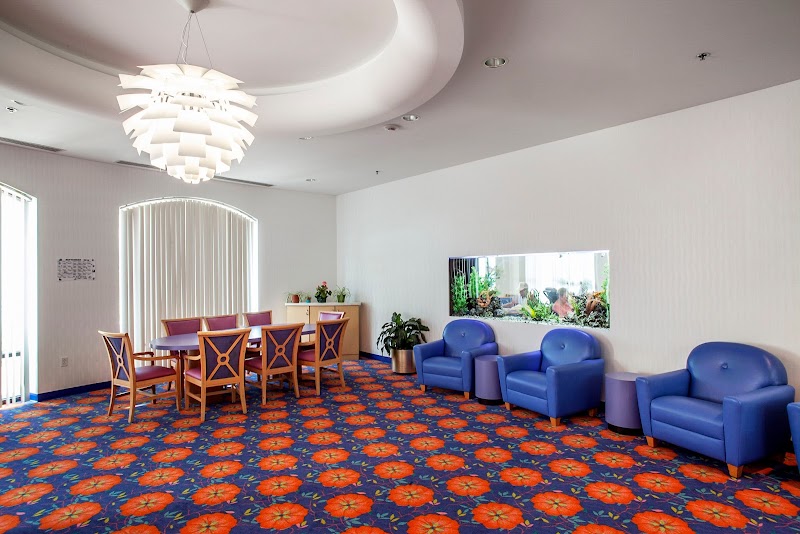
How is Delmar Gardens North Staffed?

CMS rates DELMAR GARDENS NORTH's staffing level at 2 out of 5 stars, which is below average compared to other nursing homes. Staff turnover is 58%, which is 12 percentage points above the Missouri average of 46%. High turnover can affect care consistency as new staff learn residents' individual needs.

What Have Inspectors Found at Delmar Gardens North?

State health inspectors documented 50 deficiencies at DELMAR GARDENS NORTH during 2019 to 2025. These included: 1 Immediate Jeopardy (the most serious level, indicating potential for serious harm or death), 2 that caused actual resident harm, and 47 with potential for harm. Immediate Jeopardy findings are rare and represent the most serious regulatory concerns. They require immediate corrective action.
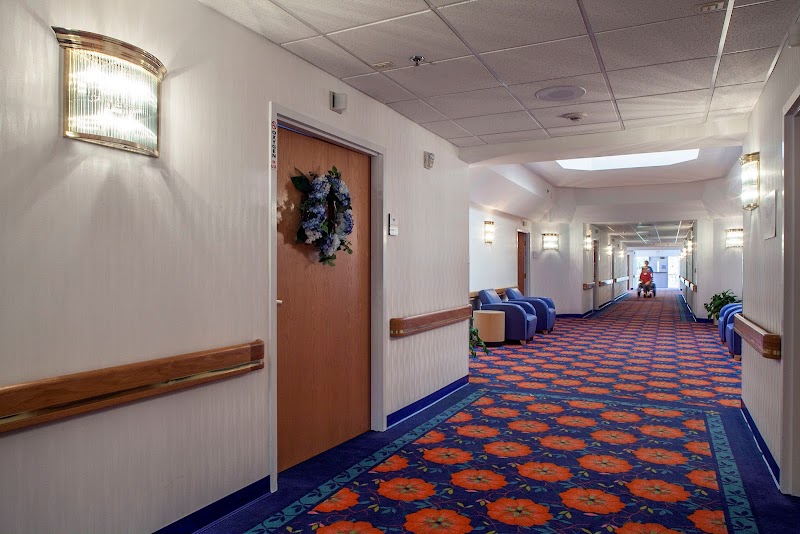
Who Owns and Operates Delmar Gardens North?

DELMAR GARDENS NORTH is owned by a for-profit company. For-profit facilities operate as businesses with obligations to shareholders or private owners. The facility is operated by DELMAR GARDENS, a chain that manages multiple nursing homes. With 240 certified beds and approximately 173 residents (about 72% occupancy), it is a large facility located in BLACK JACK, Missouri.

How Does Delmar Gardens North Compare to Other Missouri Nursing Homes?

Compared to the 100 nursing homes in Missouri, DELMAR GARDENS NORTH's overall rating (1 stars) is below the state average of 2.5, staff turnover (58%) is significantly higher than the state average of 46%, and health inspection rating (1 stars) is much below the national benchmark.

What Should Families Ask When Visiting Delmar Gardens North?

Based on this facility's data, families visiting should ask: "What changes have been made since the serious inspection findings, and how are you preventing similar issues?" "How do you ensure continuity of care given staff turnover, and what is your staff retention strategy?" "Can you walk me through typical staffing levels on day, evening, and night shifts?" "Can I visit during a mealtime to observe dining assistance and food quality?" These questions are particularly relevant given the facility's Immediate Jeopardy citations, the facility's high staff turnover rate, and the below-average staffing rating.

Is Delmar Gardens North Safe?

Based on CMS inspection data, DELMAR GARDENS NORTH has documented safety concerns. Inspectors have issued 1 Immediate Jeopardy citation (the most serious violation level indicating risk of serious injury or death). The facility has a 1-star overall rating and ranks #100 of 100 nursing homes in Missouri. Families considering this facility should ask detailed questions about what corrective actions have been taken since these incidents.

Do Nurses at Delmar Gardens North Stick Around?

Staff turnover at DELMAR GARDENS NORTH is high. At 58%, the facility is 12 percentage points above the Missouri average of 46%. High turnover means new staff may not know residents' individual needs, medications, or preferences. It can also be disorienting for residents, especially those with dementia who rely on familiar faces. Families should ask: What is causing the turnover? What retention programs are in place? How do you ensure care continuity during staff transitions?

Was Delmar Gardens North Ever Fined?

DELMAR GARDENS NORTH has been fined $39,299 across 1 penalty action. The Missouri average is $33,472. While any fine indicates a compliance issue, fines under $50,000 are relatively common and typically reflect isolated problems that were subsequently corrected. Families should ask what specific issues led to these fines and confirm they've been resolved.

Is Delmar Gardens North on Any Federal Watch List?

DELMAR GARDENS NORTH is not on any federal watch list. The most significant is the Special Focus Facility (SFF) program, which identifies the bottom 1% of nursing homes nationally based on persistent, serious quality problems. Not being on this list means the facility has avoided the pattern of deficiencies that triggers enhanced federal oversight. This is a positive indicator, though families should still review the facility's inspection history directly.