LAKEVIEW HEALTH CARE & REHABILITATION CENTER
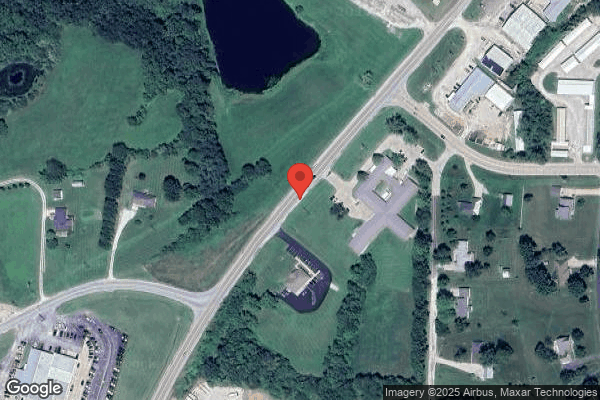
1450 ASHLEY ROAD, BOONVILLE, MO 65233 (660) 882-7007
For profit - Limited Liability company 59 Beds CIRCLE B ENTERPRISES Data: November 2025
Trust Grade
15/100
#404 of 479 in MO
Last Inspection: September 2024

Within standard 12-15 month inspection cycle. Federal law requires annual inspections.

Overview

Lakeview Health Care & Rehabilitation Center has received a Trust Grade of F, indicating significant concerns about the quality of care provided. Ranking #404 of 479 facilities in Missouri places it in the bottom half of the state, and it is the lowest-ranked option in Cooper County. The facility's trend is improving, as it has decreased from 10 issues in 2024 to 3 in 2025, but it still faces high staffing turnover at 71%, which is concerning compared to the state average of 57%. There have been serious incidents reported, such as failing to conduct necessary wound assessments for a resident, which could lead to severe pressure injuries, and not having a registered nurse present for adequate hours daily, potentially compromising resident care. While there are some areas of improvement, the facility still has significant weaknesses, including over $76,000 in fines for compliance issues, which raises alarms about its ability to meet care standards.

Trust Score
F
15/100
In Missouri
#404/479
Bottom 16%
Safety Record
Moderate
Needs review
Inspections
Getting Better
10 → 3 violations
Staff Stability
⚠ Watch
71% turnover. Very high, 23 points above average. Constant new faces learning your loved one's needs.
Penalties
✓ Good
$76,206 in fines. Lower than most Missouri facilities. Relatively clean record.
Skilled Nurses
⚠ Watch
Each resident gets only 18 minutes of Registered Nurse (RN) attention daily — below average for Missouri. Fewer RN minutes means fewer trained eyes watching for problems.
Violations
⚠ Watch
35 deficiencies on record. Higher than average. Multiple issues found across inspections.
★☆☆☆☆
1.0
Overall Rating
★☆☆☆☆
1.0
Staff Levels
★☆☆☆☆
1.0
Care Quality
★★★☆☆
3.0
Inspection Score
Stable
2024: 10 issues
2025: 3 issues

The Good

  • Full Sprinkler Coverage · Fire safety systems throughout facility
  • No fines on record

Facility shows strength in fire safety.

The Bad

1-Star Overall Rating

Below Missouri average (2.5)

Significant quality concerns identified by CMS

Staff Turnover: 71%

25pts above Missouri avg (46%)

Frequent staff changes - ask about care continuity

Federal Fines: $76,206

Well above median ($33,413)

Moderate penalties - review what triggered them

Chain: CIRCLE B ENTERPRISES

Part of a multi-facility chain

Ask about local staffing decisions and management

Staff turnover is very high (71%)

23 points above Missouri average of 48%

The Ugly 35 deficiencies on record

1 actual harm
Jul 2025 2 deficiencies
CONCERN (D) 📢 Someone Reported This

A family member, employee, or ombudsman was alarmed enough to file a formal complaint

Potential for Harm - no one hurt, but risky conditions existed

Report Alleged Abuse (Tag F0609)

Could have caused harm · This affected 1 resident

Based on interviews and record review, facility staff failed to report an allegation of physical abuse for one resident (Resident #1) to the Department of Health and Senior Services (DHSS) within the ...

Read full inspector narrative →
Based on interviews and record review, facility staff failed to report an allegation of physical abuse for one resident (Resident #1) to the Department of Health and Senior Services (DHSS) within the two-hour timeframe. The facility's census was 43. 1. Review of the facility's Abuse Investigation and Reporting policy, Revised July 2014, showed an alleged violation of abuse, neglect, exploitation, or mistreatment (including injuries of an unknown source and misappropriation of resident property) will be reported immediately, but no later than two hours if the alleged violation involves abuse or has resulted in serious bodily injury; or 24 hours if the alleged violation does not involve abuse and has not resulted in serious bodily injury. Findings of abuse investigations will also be reported.2. Review of Resident #1's Quarterly Minimum Data Set (MDS), a federally mandated assessment tool, dated 05/21/25, showed staff assessed the resident as follows:-Moderate cognitive impairment;-No impairment to upper (shoulder, elbow, wrist, hand) and lower (hip, knee, ankle, foot) extremities:-Independent with bed mobility, and transfers;-Required partial assistance with upper body dressing, and substantial assistance with lower body dressing;-Diagnoses to include Anxiety Disorder, Bipolar Disease, and Schizophrenia (a serious mental illness that affects how a person thinks, feels, and behaves).Review of facility's investigation report, dated 06/05/25, showed staff documented the resident reported he/she was abused by five to six individuals who were rough with him/her while they assisted to dress his/her about three to four days prior. Staff documented they assessed the resident for physical and psychological harm, investigated, in-serviced staff on abuse and neglect, and notified the resident's physician and representative. The report did not contain documentation facility staff reported the allegation to DHSS within the two-hour timeframe after the resident reported the allegation of abuse. During an interview on 07/01/25 at 10:42 A.M., the Director of Nursing (DON) said he/she completed an investigation on 06/05/25 for the resident's allegation of abuse. He/She said all allegations of abuse should be reported to DHSS within two hours, but he/she did not report to DHSS because the internal investigation did not reveal that the resident was abused.During an interview on 07/01/25 at 1:15 P.M., the assistant Director of Nursing (ADON) said all allegations of abuse should be reported to DHSS within two hours, but the resident's story kept changing, and after the investigation was completed, the administrator and corporate nurse advised staff the allegation did not need to be reported to DHSS.During an interview on 07/01/25 at 1:39 P.M., the corporate nurse said the investigation did not reveal the resident was abused, or the allegation met the requirement to be reported to DHSS.Complaint #1734617
CONCERN (D) 📢 Someone Reported This

A family member, employee, or ombudsman was alarmed enough to file a formal complaint

Potential for Harm - no one hurt, but risky conditions existed

Deficiency F0658 (Tag F0658)

Could have caused harm · This affected 1 resident

Based on interview and record review, facility staff failed to transcribe one resident (Resident #2) out of two sampled residents medication Omeprazole (used for heartburn) order from the hospital. Th...

Read full inspector narrative →
Based on interview and record review, facility staff failed to transcribe one resident (Resident #2) out of two sampled residents medication Omeprazole (used for heartburn) order from the hospital. The facility census was 43.1. Review of the facility's Administering Medications policy, dated 2001, showed staff are directed as follows:-Medications are administered in a safe and timely manner, and as prescribed;-The individual administering the medication checks the label three times to verify the right resident, right medication, right dosage, right time and right method (route) of administration before giving the medication;-If a dosage is believed to be inappropriate or excessive for a resident, the person preparing or administering the medication will contact the prescriber, the resident's attending physician or the facility's medical director to discuss the concerns.2. Review of Resident #2's admission Minimum Data Set (MDS), a federally mandated assessment, dated 05/29/25, showed staff assessed the resident as cognitively intact, and diagnoses to include heart failure, high blood pressure, and gastroesophageal reflux disease ((GERD) a chronic form of acid reflux that causes heartburn).Review of the resident's hospital discharge orders, dated 05/22/25, showed an order for omeprazole 40 mg capsule, take one capsule by mouth daily.Review of the resident's Physician's Order Sheet (POS), dated 05/23/25 through 07/01/25, showed an order for Omeprazole 40 mg capsule, give 40 capsules by mouth one time a day for GERD. Staff did not accurately transcribe the Omeprazole order from the hospital discharge orders. Review of the resident's Medication Administration Record (MAR), dated July 2025, showed staff were directed to administer 40 Omeprazole capsules by mouth daily for GERD.During an interview on 07/01/25 at 2:59 P.M., RN A said he/she said staff should have realized prior that the Omeprazole order needed to be clarified.During an interview on 07/01/25 at 1:15 P.M., the Assistant Director of Nursing (ADON) said he/she was responsible to ensure the resident's hospital discharge orders were transcribed accurately. He/She said when a resident is admitted , he/she and the DON are responsible to review the medication list, and enter the medications on the POS. He/She said the DON does not double check the orders entered by him/her and he/she does not normally verify the orders entered by the DON. He/She said errors in transcription of the physician's orders create a risk for staff to administer an incorrect dosage of the medication.During an interview on 07/01/25 at 3:28 P.M, the DON said staff are expected to always follow physician's orders. He/She said medications should be administered as prescribed, or staff should contact the physician to clarify orders as needed. He/She said if a nurse or Certified Medication Technician (CMT) observes an order that seems to have been transcribed inaccurately, he/she would expect him/her to bring it to either him/her or the ADON first to check, and then the physician for clarification.173461
May 2025 1 deficiency
CONCERN (D) 📢 Someone Reported This

A family member, employee, or ombudsman was alarmed enough to file a formal complaint

Potential for Harm - no one hurt, but risky conditions existed

Deficiency F0657 (Tag F0657)

Could have caused harm · This affected 1 resident

**NOTE- TERMS IN BRACKETS HAVE BEEN EDITED TO PROTECT CONFIDENTIALITY** Based on interview and record review, facility staff failed to review and revise the comprehensive care plan for two residents (...

Read full inspector narrative →
**NOTE- TERMS IN BRACKETS HAVE BEEN EDITED TO PROTECT CONFIDENTIALITY** Based on interview and record review, facility staff failed to review and revise the comprehensive care plan for two residents (Resident #1 and #2) out of three sampled residents care plans who sustained falls. The facility census was 42. 1. Review of the facility's Care Plans, Comprehensive Person-Centered policy, dated 03/2022, showed assessments of residents are ongoing and care plans are revised as information about the residents and the residents' conditions change. Review of the facility's Falls policy, undated, showed falls can often be an indicator of an impending decline. Each fall must be followed up with and updated in the plan of care with new interventions. 2. Review of Resident #1's Quarterly Minimum Data Set (MDS), a federally mandated assessment tool, dated 03/24/25, showed staff assessed the resident as severely cognitively impaired and one non-injury fall since admission. Review of the facility's Registered Nurse (RN) Investigation Report, dated 03/23/25, showed staff documented the found sitting on the bathroom floor. The resident said he/she lowered himself/herself to the floor due to weakness. Review of the resident's care plan, dated 02/21/25, showed staff did not document a new intervention after the fall on 03/23/25. During an interview on 05/01/25 at 2:43 P.M., the MDS Coordinator said if a resident lowered himself/herself on to the floor, it would be considered a fall, since it was a change in plane. He/She said the Interdisciplinary Team (IDT) implemented the use of a call light, after the resident's fall on 03/23/25, but he/she did not realize the intervention was already in place effective 11/20/24. During an interview on 05/01/25 at 2:53 P.M., the Director of Nursing (DON) said if a resident was lowered to the floor, it would be considered a fall. He/She said he/she did not know a new intervention was not added to the resident's care plan after the fall on 03/23/25. He/She said he/she was responsible to ensure the interventions were added in the care plan, but he/she said he/she overlooked verifying the information was added. 3. Review of Resident #2's annual MDS, dated [DATE], showed staff assessed the resident as moderately cognitively impaired and did not contain documentation of a fall since admission. Review of the facility's RN Investigation Report,, dated 03/24/25, showed staff documented the resident slid off the edge of the bed onto his/her buttocks. Review of the resident's care plan, dated 09/26/24, showed staff did not document a new intervention after the resident fell on [DATE]. During an interview on 05/01/25 at 2:43 P.M., the MDS Coordinator said he/she did not have any documentation of a fall for the resident, so he/she did not know a new intervention should be implemented. During an interview on 05/01/25 at 2:53 P.M., the DON said he/she did not know new a intervention was not added to the resident's care plan. He/She said he/she was responsible to ensure the interventions were added in the care plan, but he/she said he/she overlooked verifying the information was added. 4. During an interview on 05/01/25 at 2:43 P.M., the MDS Coordinator said the IDT team discuss new interventions after each fall. He/She said he/she was responsible to update the resident care plan with new interventions after each fall. He/She said he/she took notes during the IDT meeting and kept it in a notebook, which he/she referred back to in order to ensure interventions were added to the resident's care plan. During an interview on 05/01/25 at 2:53 P.M., the DON said he/she worked with the administrator and the MDS Coordinator to determine new interventions after each fall. He/She said the new interventions would be documented in the resident's care plan. He/She said he/she was responsible to ensure the interventions were added in the care plan, but he/she said he/she overlooked verifying the information was added. MO00253473
Dec 2024 1 deficiency
CONCERN (D) 📢 Someone Reported This

A family member, employee, or ombudsman was alarmed enough to file a formal complaint

Potential for Harm - no one hurt, but risky conditions existed

Infection Control (Tag F0880)

Could have caused harm · This affected 1 resident

**NOTE- TERMS IN BRACKETS HAVE BEEN EDITED TO PROTECT CONFIDENTIALITY** Based on observation, interview and record review, facility staff failed to follow infection control practices and implement out...

Read full inspector narrative →
**NOTE- TERMS IN BRACKETS HAVE BEEN EDITED TO PROTECT CONFIDENTIALITY** Based on observation, interview and record review, facility staff failed to follow infection control practices and implement outbreak testing when two residents (Resident #1 and Resident #2) became symptomatic for Coronavirus Disease (COVID-19) . The facility census was 48. 1. Review of the facilty's COVID-19 - Testing Residents policy, undated, showed facility staff were directed to test residents with sign or symptoms of COVID-19 as soon as possible, regardless of vaccination status. Staff are directed residents and staff are tested for the SARS-CoV-2 virus to detect the presence of current infections (viral testing) and to help prevent the transmission of COVID-19 in the facility. Facility staff to conduct out break testing is initiated when a single new case of COVID-19 occurs among resident or staff to determine if others have been exposed, and a single new case of SARS-CoV-2 infection in any staff or resident should be evaluated to determine if others in the facility could have been exposed. 2. Review of Resident #1's change in status, Minimum data set (MDS), a federally mandated assessment tool, dated 9/27/24, showed staff assessed the resident as follows: -Cognitively intact; -Diagnoses of current Covid-19 infection, seizure disorder and depression. During an interview on 12/10/24 at 11:56 A.M., the resident said he/she had body aches, throwing up, diarrhea, mucous with blood and he/she cannot get comfortable, he/she said symptoms started last week and he/she has told multiple staff and no one has offered to test her for Covid-19. 3. Review of Resident #2's admission MDS, dated [DATE], showed staff assessed the resident as follows: -Cognitively intact; -Diagnoses of current Covid-19 infection, coronary artery disease, heart failure, diabetes, stroke, depression and COPD. During an interview on 12/10/24 at 12:00 P.M., the resident said he/she has not felt well for a few days and his/her roommate, Resident #1, has been sick too. Resident #2 said he/she has a runny nose, sore throat, cough and body aches. Resident #2 said he/she has had symptoms for two to three days and he/she wondered why no staff had tested him/her because he/she knew some residents in the building had covid. 4. During an interview on 12/10/24 at 10:30 A.M., the Director of Nursing (DON) said the facility has four known positives and have not started out break testing. The DON said he/she is being advised by corporate office to not test any other residents because it had to be reported to state. He/She said there are multiple residents that are symptomatic that he/she believes should be tested. During an interview on 12/10/24 at 11:15 A.M., He/She said if a resident has symptoms they can be tested but asymptomatic residents are not tested. During an interview on 12/10/24 at 11:16 A.M., the infection preventionist said he/she has not been instructed that someone with symptoms can not be tested, staff should question residents if they feel okay and tests them if not, but asymptomatic residents are not tested per the policy. During an interview on 12/10/24 at 11:33 A.M., the DON said eleven residents have symptoms headaches, body aches, cough and fatigue, none of them have been tested because they were advised not to test the residents by their corporate office. During an interview on 12/10/24 at 11:46 A.M., Registered Nurse B said he/she rounded with the physician today and got standing orders for residents who have symptoms to be tested. RN B said he/she does not know if the facility administration have denied testing but the physician ordered it and he/she will follow physician orders. MO00246246
Sept 2024 8 deficiencies
CONCERN (E)

Potential for Harm - no one hurt, but risky conditions existed

Deficiency F0657 (Tag F0657)

Could have caused harm · This affected multiple residents

**NOTE- TERMS IN BRACKETS HAVE BEEN EDITED TO PROTECT CONFIDENTIALITY** Reviewed AT Based on observation, interview and record review, facility staff failed to develop and implement a comprehensive p...

Read full inspector narrative →
**NOTE- TERMS IN BRACKETS HAVE BEEN EDITED TO PROTECT CONFIDENTIALITY** Reviewed AT Based on observation, interview and record review, facility staff failed to develop and implement a comprehensive person-centered care plan for one resident (Resident# 21), and failed to update care plans at least quarterly in conjunction with the required Minimum Data Set (MDS), a federally mandated assessment tool to be completed by staff, to provide current interventions to meet individual needs for four (Resident #15, #17, #20, and #30) out of 12 sampled residents. The facility's census was 35. 1. Review of the facility's Care Plans-Baseline Policy, dated March 2022, showed the baseline care plan is used until the staff can conduct the comprehensive assessment and develop an interdisciplinary person-centered comprehensive care plan (no later than 21 days after admission). Review of the facility's Care Plans, Comprehensive Person-Centered Policy, dated March 2022, showed staff were directed as follows: -The interdisciplinary team (IDT), in conjunction with the resident and his/her family or legal representative, develops and implements a comprehensive, person-centered care plan for each resident; -The comprehensive person-centered care plan is developed within seven days of the completion of the required MDS assessment (Admissions, Annual or Significant Change in status), and no more than 21 days after admission; -The care plan interventions are derived from a thorough analysis of the information gathered as part of the comprehensive assessment; -The comprehensive, person-centered care plan describes the services that are to be furnished to attain or maintain the resident's highest practicable physical, mental, and psychosocial well-being, including any specialized services to be provided. -Assessments of residents are ongoing and care plans are revised as information about the residents and the residents' condition change; -The IDT reviews and updates the care plan: i). When the resident has been readmitted to the facility from a hospital stay; ii). At least quarterly, in conjunction with the required quarterly MDS assessment. 2. Review of Resident #21's admission MDS, dated [DATE], showed staff assessed the resident as follows: -admitted on [DATE]; -Cognitively intact; -Diagnoses of peripheral vascular disease ((PVD) narrowing of blood vessels), diabetes mellitus, hyperlipidemia (high levels of fat in the blood); -Received Insulin injections seven days of the seven day look back period (period of time used to complete assessment); -Care area triggers activiites of daily living (ADL) care, nutrition, urinary incontinence, psychosocial, mood, and pressure ulcers. Review of the resident's quarterly MDS, dated [DATE], showed staff assessed the resident as follows: -Re-entered the facility from an acute hospital stay on 07/02/24; -Diagnoses of PVD, hyperlipidemia; -Did not receive injections of any type during the seven day look back period. Review of the resident's medical records showed it did not contain documentation of a comprehensive person-centered care plan for the resident in conjunction with the required admission MDS, to provide directions for the resident's nutritional status, ADL care, urinary incontinence, psychosocial, mood, skin and diabetes. Staff did not document the care plan was updated quarterly. During an interview on 09/09/24 at 1:18 P.M., the resident said he/she returned to the facility from a hospital stay about two months ago and was concerned that facility staff did not resume monitoring his/her blood sugar levels, or the need for insulin medication as an intervention to treat his/her diabetes. 3. Review of Resident #15's annual MDS, dated [DATE], showed staff assessed the resident as: -Cognition not assessed; -Used two bed rails daily; -Lower extremity impairment on both sides Review of the resident's quarterly MDS, dated [DATE], showed staff assessed the resident as follows: -Cognitively intact; -Did not use bed rails; -Lower extremity impairment on both sides. Review of the resident's care plan, dated 10/02/23, showed the plan did not contain direction for the use of side rails. Staff did not document the care plan was updated quarterly. Observation on 09/10/24 at 3:28 P.M., showed the resident in bed with quarter rails in the upright position on both sides. The resident held on to the left rail and repositioned him/herself in bed. Observation on 09/11/24 at 9:53 A.M., showed the resident in bed on his/her left side and held on to the left rail, quarter rails in the upright position on both sides. During an interview on 09/09/24 at 2:26 P.M., the resident said he/she uses the bed rails sometimes when in bed. 4. Review of Resident #17's annual MDS, dated [DATE], showed staff assessed the resident as follows: -Mild cognitive impairment; -Upper extremity impairment on both sides. Review of the resident's quarterly MDS, dated [DATE], showed staff assessed the resident as follows: -Cognition, not assessed; -Upper extremity impairment on both sides. Review of the resident's care plan, dated 11/06/23, showed the plan did not contain direction to prevent further contractures or care for the resident's hand contractures. Staff did not document the care plan was updated quarterly. Observation on 09/09/24 at 11:09 A.M., showed the resident in bed on his/her right side, both hands/fingers contracted with nothing in his/her palms. Observation on 09/10/24 at 12:23 P.M., showed the resident in his/her wheelchair at the dining table, both hands/fingers contracted with nothing in his/her palms. 5. Review of Resident #20's annual MDS, dated [DATE], showed staff assessed the resident as follows: -Moderate cognitive impairment; -Diagnoses of Seizure, Depression, and Schizophrenia; -Did not display any behavioral symptoms during the seven day look back period. Review of the resident's quarterly MDS, dated [DATE], showed staff assessed the resident as follows: -Cognition not assessed; -Diagnoses of Seizure, Depression, and Schizophrenia; -Displayed other behavioral symptoms not directed towards others (hitting, scratching self, pacing, rummaging, verbal symptoms, etc.) one to three days of the seven day look back period. Review of the resident's care plan, dated 10/26/23, showed staff did not update the care plan to address the residents behavioral symptoms. Staff did not document the care plan was updated quarterly. 6. Review of Resident #30's quarterly MDS, dated [DATE], showed staff assessed the resident as follows: -Cognition, not assessed; -Upper extremity impairment on one side. Review of the resident's annual MDS, dated [DATE], showed staff assessed the resident as follows: -Severe cognitive impairment; -Upper extremity impairment on both sides. Review of the resident's quarterly MDS, dated [DATE], showed staff assessed the resident as follows: -Moderate cognitive impairment; -Upper extremity (shoulder, elbow, wrist, hand) impairment on both sides. Review of the resident's care plan, dated 11/01/23, showed the plan did not contain direction for the care of the resident's right upper extremity contracture. Staff did not document the care plan was updated quarterly. 7. During an interview on 09/12/24 at 1:10 P.M., the Director of Nursing (DON) said residents' care plans should be person-centered, and give a full picture of the specific resident's well-being. The DON said care plans should be updated at least quarterly, and should include interventions for bed rails, psychotropic medications, contractures, and any other identified care area of concern. The DON said the nurses will be responsible to add updates to resident's care plans with changes as they occur, the Care Plan Coordinator (CPC) will be responsible to complete the care plans, and the DON will ensure they are done routinely. During an interview on 09/12/24 at 2:04 P.M., the CPC said he/she started working at the facility about two weeks prior. The CPC said he/she is responsible to complete resident's care plans at least quarterly, as needed with changes, and in correlation with the MDS. He/She said the residents' care plans should be personalized with interventions to address any care area of concern, such as specific diagnoses, bed rails, contractures, psychotropic meds, behavioral symptoms, and capture the entire well-being of the resident. During an interview on 09/12/24 at 2:16 P.M., the Administrator said all staff from therapy, nursing, dietary, activities, and social service are responsible to update residents' care plan in real time with changes. The administrator said the CPC is responsible to complete the care plans, they should be updated at least quarterly with the MDS, should be person-centered, and include interventions for bed rails, contractures, psychotropic meds, behavioral symptoms, etc.
CONCERN (E)

Potential for Harm - no one hurt, but risky conditions existed

Accident Prevention (Tag F0689)

Could have caused harm · This affected multiple residents

**NOTE- TERMS IN BRACKETS HAVE BEEN EDITED TO PROTECT CONFIDENTIALITY** Reviewed AT Based on observation, interview, and record review, facility staff failed to ensure residents' environment remained ...

Read full inspector narrative →
**NOTE- TERMS IN BRACKETS HAVE BEEN EDITED TO PROTECT CONFIDENTIALITY** Reviewed AT Based on observation, interview, and record review, facility staff failed to ensure residents' environment remained free of accident hazards when staff failed to ensure resident rooms were free of smoking materials for three unsupervised residents who smoke (Resident #16, #27 and #31) out of five sampled residents. The facility census was 35. 1. Review of the facility's Resident Smoking Policy, undated, showed independent smokers will be issued lockers with a lock and a key. Smoking materials may not be kept in resident rooms. 2. Review of Resident #16's admission Minimum Data Set (MDS), a federally mandated assessment tool, dated 06/14/24, showed staff assessed the resident as cognitively intact. Observation on 09/09/24 at 2:30 P.M., showed the resident had a half carton of cigarettes on the floor by the residents bed. Observation showed an oxygen concentrator in the residents room next to his/her bed. Observation on 09/10/24 at 10:15 A.M., showed the resident had a half carton of cigarettes on the floor by the residents bed. Observation on 09/10/24 at 2:50 P.M., during the Life Safety Code tour showed the resident wore a nasal cannula with oxygen being delivered at four liters per minute from an oxygen concentrator. Observation showed a carton of cigarettes set on the floor next to the resident's bed and an open pack of cigarettes set on the resident's walker, which was next to the bed. Observation showed the resident also kept a lighter in his/her walker. During an interview on 09/10/24 at 2:51 P.M., the resident said he/she was an independent smoker. The resident said he/she kept cigarettes and a lighter in his/her room. Observation on 09/12/24 at 1:00 P.M., showed the resident walked down the hallway with his/her walker, with a pack of cigarettes in basket of the walker. The resident entered their room. 3. Review of Resident #27's admission MDS, dated [DATE], showed staff assessed the resident as cognitively intact. Observation on 09/09/24 at 11:05 A.M., showed the resident with one pack of cigarettes on his/her bedside table in room. During an interview on 9/09/24 at 11:05 A.M., resident said he/she is an independant smoker and is able to go out to smoke anytime he/she wants to. He/She said that he/she keeps open pack of cigerattes with him/her to go outside anytime. Observation on 09/10/24 at 11:25 A.M., showed the resident with one pack of cigarettes on his/her bedside table in room. Observation on 09/11/24 at 10:38 A.M., showed the Resident had one pack of cigarettes on his/her bedside table in room. 4. Review of Resident #31's Quarterly MDS, dated [DATE], showed staff assessed the resident as cognitively intact. Observation on 09/09/24 at 11:50 A.M., showed the resident with two packs of cigarettes on his/her bedside table in his/her room. Observation on 09/10/24 at 2:53 P.M., showed the resident with an open pack of cigarettes and two lighters on his/her bedside table next to bed. Observation on 09/10/24 at 3:30 P.M., showed the resident with one pack of cigarettes on his/her bedside table in his/her room. Observation on 09/11/24 at 10:35 A.M., showed the resident with two packs of cigarettes and a pink disposable electronic cigarette on his/her bedside table in room. 5. During an interview on 09/12/24 at 2:00 P.M., Certified Nurse Aid (CNA) F said smoking materials are kept in the medication room for supervised smokers and unsupervised smokers material keep smoking materials in their room. CNA F said he/she does not know what the facility policy says about smoking materials. The CNA said there are lockers but has never seen residents put their cigarettes or lighters in them lockers. During an interview on 09/12/24 at 2:02 P.M., Registered Nurse (RN) D said unsupervised residents keep their cigarettes and lighter in a locked locker. He/She said if he/she sees a resident with smoking materials in their room, he/she takes another staff member into residents' room, takes the smoking materials, and takes them to the Director of Nursing (DON) to discuss further. He/She said if resident has oxygen and has smoking materials it is a risk for expulsion or a chance that another resident can come in the room and take them. During an interview on 09/12/24 at 3:45 P.M., the Director of Nursing (DON) said residents who have oxygen should not have have a lighter or cigarettes on them, because this is a fire hazard and an explosion could happen. The DON said residents should keep their cigaretts and lighters in a locker, to which they have a key for. The DON said all staff are responsible to make sure these items, to include vapes are not in a residents room. During an interview on 09/10/24 at 4:00 P.M., the administrator said independent smokers were required to keep cigarettes and lighters in lockers located in the little dining room. The administrator said several residents kept cigarettes and lighters in their possession during the day. The administrator said if a resident is using oxygen they should not have cigarettes or lighters in their room.
CONCERN (E)

Potential for Harm - no one hurt, but risky conditions existed

Unnecessary Medications (Tag F0759)

Could have caused harm · This affected multiple residents

**NOTE- TERMS IN BRACKETS HAVE BEEN EDITED TO PROTECT CONFIDENTIALITY** AT Based on observation, interview, and record review, facility staff failed to maintain a medication error rate of less than 5%...

Read full inspector narrative →
**NOTE- TERMS IN BRACKETS HAVE BEEN EDITED TO PROTECT CONFIDENTIALITY** AT Based on observation, interview, and record review, facility staff failed to maintain a medication error rate of less than 5% out of 42 opportunities observed, 21 errors occurred, resulting in a 50% error rate, which effected four residents (Resident #13, #14, #20, and #27) out of 11 sampled residents. The facility census was 35. 1. Review of the Facility's Administering Medication policy, revised April 2019, showed medications are administered in accordance with prescriber orders and the individual administering the medication checks the label three (3) times to verify the right dose before giving the medication. 2. Review of Resident #14's Annual Minimum Data Set (MDS), a federally mandated assessment tool, dated 08/12/24, showed staff documented the resident diagnosis of gastroesophageal reflux disease ((GERD) acid indigestion). Review of the resident's physician's order sheets (POS), dated September 2024, showed an order for Calcium Carbonate (Calcium supplement or to relieve acid indigestion) 500 milligrams (mg) by mouth three times daily. Observation on 09/10/24 at 12:15 P.M., showed Certified Medication Technician (CMT) C administered calcium carbonate 750 mg to the resident. During an interview on 09/11/24 at 3:32 P.M., CMT C said he/she would consider giving 750mg of calcium carbonate instead of 500 mg as a medication error. He/She said he/she was wondering why it was a different amount. He/She said staff are expected to use and give the ordered dose of calcium carbonate. He/She said there is not anything required for him/her to do differently when he/she has a medication error. During an interview on 09/11/24 at 3:50 P.M., Registered Nurse (RN) D said if a medication is given that is not the ordered dose it is a medication error, even if calcium carbonate. He/She said it should not be given and he/she thinks the wrong dose is in the medication cart because they have had changes in administrative staff and who is ordering stock medications. He/She said there have been issues since it has been passed around to different people and it was better when one person was responsible for ordering them. During an interview on 09/12/24 at 1:10 P.M., the Director of Nursing (DON) said he/she would consider it a medication error if the wrong dose of medication was given. He/She said he/she was not aware staff were giving the wrong dose of calcium bicarbonate. He/She said he/she believes the reason the wrong dose was in the medication cart was because recently a staff member had to run to a local store to pick one up and grabbed the wrong dose. He/She said that is not normal practice. During an interview on 09/12/24 at 2:17 P.M., the administrator said he/she expects his/her staff to give medications according to the physician orders. He/She said if medications are not given per the physicians orders he/she would consider that a medication error and staff should notify the charge nurse, physician, and/or DON. 3. Review of the Facility's Administering Medication policy, revised April 2019, showed: -Medications are administered in accordance with prescriber orders, including any required time frame; -Medications are administered within one hour of their prescribed time, unless otherwise specified (for example, before and after meal orders); -The individual administering the medication checks the label three times to verify the right time before giving the medication. Review of the Facility's Medication Pass times, provided at entrance, showed morning (A.M.) medication pass from 6:00 A.M.-9:00 A.M. and noon medication pass is from 11:00 A.M.-1:00 P.M. 4. Review of Resident #13's POS, dated September 2024, showed staff is directed to administer medications between 8:00 A.M.- 9:00 A.M.: -Benztropine Mesylate (for treatment of Parkinson's disease) 2 mg; -Calcitriol (to treat chronic kidney disease) 0.25 Microgram (mcg); -Clozapine (treatment of psychiatric disorders) 50 mg; -Fluvoxamine Maleate (treats depression) 50 mg; -Folic Acid (treatment of anemia) 1 mg; -Gabapentin (neuropathy) 300 mg; -Gemfibrozil (treatment of high cholesterol) 600 mg; -Haloperidol (antipsychiatric medication) 5 mg; -Hydralazine (treat high blood pressure) 25 mg; -Metoprolol tartrate (treat high blood pressure) 25 mg; -Sodium bicarbonate (Antacid) 650 mg; -Tamsulosin HCL (to treat enlarge prostate) 0.4 mg; -Lorazepam (treat anxiety) 1 mg. Observation on 09/11/24 at 10:49 A.M., showed CMT C administered Benztropine Mesylate, Calcitriol, Clozapine, Fluvoxamine Maleate, Folic Acid, Gabapentin, Gemfibrozil, Haloperidol, Hydralazine, Metoprolol Tartrate, Sodium Bicarbonate, Tamsulosin HCL, and Lorazepam. The CMT administered the medication one hour and forty-nine minutes after the scheduled administration time. 5. Review of Resident #27's POS, dated September 2024, showed staff is directed to administer the following medications between 08:00 A.M.- 09:00 A.M.: -Cyanocobalamin (Vitamin B12 deficiency) 1000 mcg; -Eliquis (blood thinner) 5 mg; -Metformin HCL ER (treatment for high blood sugar) 500 mg; -Tamsulosin HCL 0.4 mg; -Venlafaxine HCL ER (treatment of depression) 75 mg; -Pregabalin (treatment of nerve pain) 150 mg; -Oxycodone HCL (pain relief) 5 mg. Observation on 09/11/24 at 11:00 A.M., showed CMT C administered Cyanocobalamin, Eliquis, Metformin HCL ER, Tamsulosin HCL, Venlafaxine HCL ER, Pregabalin, and Oxycodone HCL. The CMT administered the medication two hours after the scheduled administration time. During an interview on 09/11/24 at 3:32 P.M., CMT C said his/her morning medication pass was late. He/She said it is not uncommon for him/her to run late on his/her morning medication pass. He/She said it is hard to do both the skilled nursing facility (SNF) and residential care facility (RCF) residents all on his/her own in the required time frames. He/She said he/she has around 45 residents to get done within the time frame and do blood pressure checks. He/She said he/she thinks it is a staffing issue and it would be better if he/she had another CMT to help pass the medications. He/She said he/she has from 7:00 A.M.-10 A.M. to finish the morning medication pass and sometimes goes over the time. He/She said medication passes for the morning are from 7:00 A.M.-10:00 A.M., Noon pass from 12:00 P.M.- 2:00 P.M., evening 3:00 P.M.- 6:00 P.M He/She said when medications are late there is not anything he/she has been instructed to do different. He/She said their system documents that it is late for him/her. He/She said he/she has never been instructed to notify the physician, charge nurse, or DON when medications are late. During an interview on 09/11/24 at 3:50 P.M., RN D said late medication are a medication error. He/She said if medication are given late staff should be notifying the physician that they are late. He/She said the physician ordered them a certain way and there could be special reasons they are at a scheduled time. He/She said medications that are twice daily or three times daily should be looked at so that medications are not given too close together. He/She said medications given too close together could cause side effects or over dose. During an interview on 09/12/24 at 1:10 P.M., the DON said he/she would consider medications given at the wrong time or late as a medication errors. He/She said morning medication pass is from 6 A.M. to 9 A.M. and staff get an hour leeway to pass medications. During an interview on 09/12/24 at 2:17 P.M., the administrator said staff should administer medications according to the physician orders and the time frame given by the physician. He/She said the concern for being given outside the parameters would be that medication are given multiple times daily may be given too close together. He/She would expect staff to notify the physician if medications are late. 6. Review of the Novolog manufacturers prescribing information insert, dated 02/2023, showed before each injection small amounts of air may collect in the cartridge during normal use. To avoid injecting air and to enusre proper dosing follow the below: -Turn the selector to select two units; -Hold the pen with the needle pointing up, tap the cartridge gently with your finger a few times to make any air bubbles collect at the top of the cartridge; -Keep the needle pointing upwards, press the push button all the way in, the dose selector returns to zero; -A drop of insulin should appear at the needle tip. 7. Review of Resident #20's Quarterly MDS, dated [DATE], showed staff documented the resident diagnosis of Diabetes Mellitus and received insulin injections seven days of the seven days in the look back period. Review of the resident's POS, dated September 2024, showed an order for NovoLOG FlexPen (rapid-acting insulin) inject per sliding scale for a blood sugar of greater than 325 inject six units subcutaneous (under the skin). Observation on 09/11/24 at 11:20 A.M., showed RN D took the lid off the Novolog flexpen, applied the needle, and dialed in six units of insulin. The RN did not to prime the insulin pen before he/she administered the insulin into the resident's abdomen. During an interview on 09/11/24 at 3:50 P.M., RN D said when using the insulin pen, staff should check the medication administration rights, take the lid off the pen, attach the needle, and dial in the dose. He/She said pens need to be primed the first time they are opened and then do not need to be primed after. He/She said staff are given new employee education regarding insulin administration but no further education after. Why did During an interview on 09/12/24 at 2:19 P.M., the administrator said he/she expects staff to verify the physicians orders, clean the pen, attach the needle, prime the pen, and then dial in the dose before administration. He/She said it is important to prime the pen to ensure the resident gets the correct dose of insulin. During an interview on 09/12/24 at 3:08 P.M., the DON said when staff administer insulin via pen to a resident, he/she expects staff to first wipe the rubber seal on the pen, attach the needle, prime the pen with two units of insulin, dial the pen to the ordered dose, and administer the insulin to an appropriate site. The DON said if staff did not prime the pen prior to dialing the ordered dose, he/she may not administer the full dose of the insulin medication to the resident, which would result in a medication error.
CONCERN (E)

Potential for Harm - no one hurt, but risky conditions existed

Infection Control (Tag F0880)

Could have caused harm · This affected multiple residents

AT Based on interview and record review, facility staff failed to ensure the two-step purified protein derivative ((PPD) skin test for Tuberculosis (TB)) was completed in accordance with their policy ...

Read full inspector narrative →
AT Based on interview and record review, facility staff failed to ensure the two-step purified protein derivative ((PPD) skin test for Tuberculosis (TB)) was completed in accordance with their policy and on file for four employees (Director of Nursing (DON)), Licensed Practical Nurse (LPN) A, Dietary B, and Minimum Data Set (MDS) coordinator) out of ten employee files reviewed. The facility census was 35. 1. Review of the Facility's Employee Screening for TB, revised March 2021, showed: -All employees are screened for latent tuberculosis (LTBI) and active TB disease, using tuberculin skin test (TST) or interferon gamma release assay (IGRA) and symptom screening prior to beginning employment; -Each newly hired employee is screened for LTBI and active TB disease after an employment offer has been made but prior to the employee's duty assignment. Review of the Center for Disease Control and Prevention's, Clinical Testing Guidance for TB: TB Skin Tests, Dated May 14, 2024, showed: -Two-Step testing; -If the first skin test is negative, a second TB skin test should be done 1to 3 weeks later; -If the second TB skin test result is positive, it is probably a boosted reaction; -Interpreting test results; -The skin test reaction should be read between 48-72 hours after administration by a health care worker trained to read TB skin results. 2. Review of DON's employee file showed: -Hire date of 09/16/23; -First step PPD administered on 09/26/23 and read on 09/29/23; -Second step PPD administered on 10/03/23; -Staff did not wait seven-21 days after the first dose to administer the second step PPD. 3. Review of LPN A's employee file showed: -Hire date of 08/18/23; -First step PPD administered on 08/15/23 and read on 08/18/23; -Second step PPD administered on 08/23/23; -Staff did not wait seven-21 days after the first dose to administer the second step PPD. 4. Review of Dietary B's employee file showed: -Hire date of 11/17/23; -First step PPD administered on 10/20/23 and read on 10/23/23; -Second step PPD administered on 10/27/23; -Staff did not wait seven-21 days after the first dose to administer the second step PPD. 5. Review of MDS coordinator's employee file showed: -Hire date of 08/26/24; -The file did not contain documentation staff administered the two step PPD. During an interview on 09/10/24 at 10:46 A.M., the Business Office Manager (BOM) said he/she and the department heads had covid when the MDS coordinator was hired, and his/her Two step TB was never started. 6. During an interview on 09/11/24 at 10:01 A.M., the Director of nursing said he/she is responsible for ensuring two step TB's are completed. He/She said he/she starts the first step prior to hire. He/She said TB's a read 48-72 hours after administration and the second step is give one to three weeks after the first step. He/She said he/she has been in the DON position for a year and he/she is unsure why some TB's were not completed in the appropriate time frames. During an interview on 09/12/24 at 2:17 P.M., the administrator said two step TB's are initiated before hire. He/She said he/she expects TB's to be read 48-72 hours after administration and the second step to be completed one to three weeks after the first step. He/She said the DON is responsible for ensuring TB's are completed in the appropriate times frames. He/She was not aware that there was a staff member who did not have the two step TB completed or that there were TB's that were not completed in the appropriate time frames.
CONCERN (F)

Potential for Harm - no one hurt, but risky conditions existed

Deficiency F0727 (Tag F0727)

Could have caused harm · This affected most or all residents

AT Based on interview and record review, facility staff failed to provide the services of a Registered Nurse (RN) for at least eight consecutive hours per day, seven days a week. The facility census w...

Read full inspector narrative →
AT Based on interview and record review, facility staff failed to provide the services of a Registered Nurse (RN) for at least eight consecutive hours per day, seven days a week. The facility census was 35. 1. Review of the facility's Staffing, Sufficient and Competent Nursing Policy, undated, showed the facility provides sufficient numbers of nursing staff with appropriate skills and competency necessary to provide nursing and related care and services 24 hours a day, including a registered nurse for at least 8 consecutive hours daily, seven days a week. 2. Review of the facility's RN staff schedule, dated June 2024, showed the facility did not have an RN in the building on: -06/28/24; -06/29/24; -06/30/24. 3. Review of the facility's RN staff schedule, dated July 2024, showed the facility did not have an RN in the building on: -07/04/24; -07/05/24; -07/06/24; -07/07/24; -07/08/24; -07/09/24; -07/10/24; -07/22/24; -07/27/24; -07/28/24. 4. Review of the facility's RN staff schedule, dated August 2024, showed the facility did not have an RN in the building on: -08/03/24; -08/04/24; -08/24/24; -08/25/24. 5. During an interview on 09/12/24 at 1:33 P.M., the Director of Nursing (DON) said there was no one else available to cover the shifts he/she was not available. He/She said it is a risk not having a RN in case of an emergency and no RN would be available. During an interview on 09/12/24 at 2:14 P.M., the administrator said he/she was not aware there were days with no RN coverage. He/She said he/she expects there to be RN coverage daily. He/She said the risk of not having RN coverage daily is not meeting the requirements.
CONCERN (F)

Potential for Harm - no one hurt, but risky conditions existed

Deficiency F0801 (Tag F0801)

Could have caused harm · This affected most or all residents

Reviewed-sk/at Based on interview and record review, the facility staff failed to designate a person to serve as the Director of Food and Nutrition Services with the appropriate qualifications, when t...

Read full inspector narrative →
Reviewed-sk/at Based on interview and record review, the facility staff failed to designate a person to serve as the Director of Food and Nutrition Services with the appropriate qualifications, when the facility did not employ a qualified dietitian or other clinically qualified nutrition professional full-time. This failure has the potential to affect all residents. The facility census was 35. 1. Review of the facility provided policies, showed the records did not contain a policy related to the qualifications for Director of Food and Nutrition Services. During an interview on 09/10/24 at 9:08 A.M., the dietary supervisor (DS) said he/she started in the dietary supervisor position about three months prior. The DS said he/she had taken food handler courses in the past but had never taken any type of food service manager courses. The DS said he/she thought he/she was signed up for an on-line food service manager course but the assistant administrator had the paperwork. The DS said he/she had not started the food service manager course because the kitchen was short staffed and he/she had to work in the kitchen. During an interview on 09/12/24 at 3:35 P.M., the administrator said he/she was responsible for ensuring the dietary manager had proper training and qualifications. The administrator said he/she thought the dietary manager could complete training after hired to the position. The administrator said he/she did not realize the dietary manager had to have dietary manager qualifications when hired.
MINOR (C)

Minor Issue - procedural, no safety impact

Deficiency F0679 (Tag F0679)

Minor procedural issue · This affected most or all residents

Reviewed AT Based on observation, interview, and record review, facility staff failed to provide an ongoing program of activities designed to meet the residents' interest on the weekends for three res...

Read full inspector narrative →
Reviewed AT Based on observation, interview, and record review, facility staff failed to provide an ongoing program of activities designed to meet the residents' interest on the weekends for three residents (Resident #2, #27, and #39) out of 12 sampled residents. The facility's census was 35. 1. Review of the facility's policy titled, Activity Programs, dated 06/2018, showed the activities program is provided to support the well-being of residents and to encourage both independence and community interaction. Activities are scheduled seven days a week and residents are given an opportunity to contribute to the planning, preparation, conducting, cleanup and critique of the programs. 2. Review of the facility's Activity Calendar, dated July, 2024, showed: -Saturday, 07/06/24- Cards/Word Searches; -Sunday, 07/07/24- National Macaroni Day/Christmas Pajama Day; -Saturday, 07/13/24- Christmas Movie Marathon; -Sunday, 07/14/24- Puzzles/Crosswords; -Saturday, 07/20/24- Axe throwing/Cards; -Sunday, 07/21/24- Junk Food and Binge Watch TV Day; -Saturday, 07/27/24- Coloring Sheets; -Sunday, 07/28/24- Puzzles. 3. Review of the facility's Activity Calendar, dated August, 2024, showed: -Saturday, 08/03/24- Watermelon day; -Sunday, 08/04/24- National friendship day and Sister day; -Saturday, 08/10/24- Lazy day; -Sunday, 08/11/24- Chalk; -Saturday, 08/17/24- Coloring/Reading; -Sunday, 08/18/24- Pajama day; -Saturday, 08/24/24- Color sheets; -Sunday, 08/25/24- Axe throwing; -Saturday, 08/31/24- Eat outside day. During an interview on 09/09/24 at 11:05 A.M., Resident #27 said there are no activities on the weekends. He/She said he/she wishes there was activities on the weekends he/she could go to. He/She said even if a tv with football playing in the dining room since it is football season. During an interview on 09/09/24 at 11:37 A.M., Resident #2 said they do not have any scheduled activities on the weekends. The resident said if they had activities on the weekends, he/she would participate, but for now, he/she just waits until Mondays when they have something going on. During an interview on 09/09/24 at 1:03 P.M., Resident #39 said on the weekends, activities are scaled back. The resident said if staff offered some activities on the weekends, he/she would definitely go and participate. During an interview on 09/10/24 at 3:17 P.M., Resident #2 said there is nothing to do on the weekends. The resident said when the Activities Director (AD) says goodbye to the residents on a Friday, they don't see the AD again until Monday. He/She said it would be nice if the facility could hire someone to do stuff on the weekends with the residents, since the AD cannot be at the facility all the time. During an interview on 09/12/24 at 11:37 A.M., the AD said he/she puts out books and puzzles for the weekends. He/She said he/she is not physically in the facility on the weekends to do activities. He/She said there are no staff led activities on the weekends. He/She said he/she was not aware that there needed to be staff led activities on the weekends. During an interview on 09/12/24 at 1:30 P.M., the Director of Nursing (DON) said there are card or board games on the weekends for the residents to play. He/She said there are no staff led activities on the weekends. He/She said he/she was aware that there are supposed to be activities on the weekends. He/She said he/she does not know why they are not being done on the weekend. During an interview on 09/12/24 at 2:14 P.M., the administrator said on the weekends the residents have coloring sheets and puzzles. He/She said the aides can help with activities if they have time on the weekends. He/She said there are no scheduled activities on the calendar for the weekends.
MINOR (C)

Minor Issue - procedural, no safety impact

Staffing Information (Tag F0732)

Minor procedural issue · This affected most or all residents

AT Based on observation, interview, and record review, facility staff failed to complete the required nurse staffing information to include the facility census. The facility census was 35. 1. Review o...

Read full inspector narrative →
AT Based on observation, interview, and record review, facility staff failed to complete the required nurse staffing information to include the facility census. The facility census was 35. 1. Review of the facility's Posting Direct Care Daily Staffing Numbers policy, dated 08/2022, showed the information recorded on form shall include the resident census at the beginning of the shift for which the information is posted. Records of staffing information for each shift are kept for a minimum of eighteen months. 2. Review of facility's daily staffing sheets, dated August 2024, showed the sheets did not contain facility census on: -08/11/24; -08/12/24; -08/13/24; -08/14/24; -08/19/24; -08/24/24; -08/24/24; -08/25/24; -08/26/24; -08/27/24; -08/28/24. 3. Review of facility's daily staffing sheets, dated September 2024, showed the sheets did not contain facility census on the following dates: -09/01/24; -09/03/24; -09/04/24; -09/05/24. 4. Review of facility's daily staffing sheets, dated August 2024, showed facility staff did not provide a daily staffing sheet for the following dates: -08/05/24; -08/07/24; -08/08/24; -08/09/24; -08/10/24; -08/15/24; -08/16/24; -08/20/24; -08/21/24; -08/22/24; -08/23/24; -08/30/24. 5. Review of facility's daily staffing sheets, dated September 2024, showed facilty staff did not provide a daily staffing sheet for the following dates: -09/02/24; -09/06/24; -09/07/24. During an interview on 09/12/24 at 1:36 P.M., the Director of Nursing (DON) said he/she expects the daily staffing sheet to be posted daily. He/She said the night shift nurse is responsible for filling it out and posting it. He/She said the sheet should include how many staff, hours worked, and resident census. He/She said he/she is responsible for ensuring the daily staffing sheet is completed. He/She said the night nurse must have had a busy night and the facility census and daily sheets were missed being done. During an interview on 09/12/24 at 2:19 P.M., the administrator said he/she expects the staffing daily sheet to be posted every day. He/She said the night shift nurse is responsible for filling the sheet out daily. He/She expects all the information on the sheet to be filled out, including the facility census. He/She it is the DON's who ensures the daily staffing sheet is completed daily. He/She said there shouldn't be a reason that there were no daily sheets done.
Jul 2024 1 deficiency 1 Harm
SERIOUS (G) 📢 Someone Reported This

A family member, employee, or ombudsman was alarmed enough to file a formal complaint

Actual Harm - a resident was hurt due to facility failures

Pressure Ulcer Prevention (Tag F0686)

A resident was harmed · This affected 1 resident

**NOTE- TERMS IN BRACKETS HAVE BEEN EDITED TO PROTECT CONFIDENTIALITY** Based on observation, interview, and record review, facility staff failed to provide necessary treatment and services, consisten...

Read full inspector narrative →
**NOTE- TERMS IN BRACKETS HAVE BEEN EDITED TO PROTECT CONFIDENTIALITY** Based on observation, interview, and record review, facility staff failed to provide necessary treatment and services, consistent with professional standards of practice to prevent the development of pressure injuries and promote healing when staff failed to complete weekly wound assessments for one resident (Resident #1) of three sampled residents and failed to notify the physician when the resident's pressure injury worsened. The facility census was 45. 1. Review of the National Pressure Injury Advisory Panel's, Staging Definitions, dated 2016, showed Stage 3 Pressure Injury: Full-thickness skin loss Full-thickness loss of skin, in which adipose (fat) is visible in the ulcer and granulation tissue and epibole (rolled wound edges) are often present. Slough and/or eschar may be visible. The depth of tissue damage varies by anatomical location; areas of significant adiposity can develop deep wounds. Undermining and tunneling may occur. Fascia, muscle, tendon, ligament, cartilage and/or bone are not exposed. If slough or eschar obscures the extent of tissue loss this is an Unstageable Pressure Injury. Review of the facility's policy titled Wound and Skin Protocols, undated, showed: -It will be the responsibility of the Director of Nursing (DON) to ensure the wound care protocols are instituted and followed for all resident's needing wound treatment and have orders for protocol; -The DON will be responsible for reviewing weekly wound report and monitoring progress/decline of any wound and assuring compliance; -A complete wound assessment documentation will be done weekly on all pressure injuries until healed. A complete wound assessment and documentation will be done weekly on all pressure injuries until healed, the criteria to be included: -Site/location; -Stage; -Size: length, width, and depth measured in centimeters (cm); -Appearance of the wound bed; -Undermining/tunneling: if present measure the depth of the area in cm and describe in relation to the face of a clock what position it is in; -Surrounding skin: describe the condition of the surrounding skin; -Drainage/exudate: describe the amount, color, consistency, and odor. 2. Review of Resident #1's admission Minimum Data Set (MDS), a federally mandated assessment tool, dated 03/28/24 showed staff assessed the resident as: -admitted to the facility on [DATE]; -Did not resist care; -Required maximum assistance of staff for bathing, and dressing; -Dependent on staff for toileting, and hygiene; -Incontinent of bowel and bladder; -At risk for pressure injuries; -Did not have a pressure injury; -Diagnosis of Parkinson's disease (a disorder that effects your nervous system), Coronary Artery Disease, Diabetes (a condition that effects your heart), and Dementia (inability to remember, think or make decisions); -Did not contain a cognition level assessment. Review of the resident's care plan, dated 03/21/24, showed staff assessed the resident with cognitive loss due to dementia. Review showed the resident required moderate to extensive assistance for toileting, bathing, dressing, and hygiene. Review of the resident's Physician's Order Sheet (POS), dated May 2024 showed physician orders to follow facility wound care protocol. Reviewed showed it did not contain an order for a treatment to the resident's coccyx wound. Review of the resident's Treatment Administration Record (TAR), dated May 2024 showed staff are directed to clean and cover the small open area on the resident's coccyx daily and as needed until healed. Review of the resident's weekly skin assessment, dated 05/29/24, showed staff documented the resident with an open area to his/her coccyx. The weekly skin assessment did not contain a complete wound assessment. Review of the resident's weekly skin assessments, dated June 2024, showed staff documented: -06/05/24 open area to coccyx; -06/12/24 open area, but did not contain where; -06/19/24 wound to coccyx; -06/26/24 two open wounds to coccyx. Review of the resident's weekly skin assessment for June 2024 did not contain a complete wound assessment. Review of the resident's hospital wound consult note, dated 06/13/24, showed hospital staff assessed the resident wound as follows: -Right lower coccyx stage 3 pressure injury 2 centimeters (cm) x 1 cm x 0.3 cm with 90 percent slough (moist, stringy tissue over the wound); -Unstageable (full thickness tissue loss covered with slough) coccyx pressure injury 3 cm x 2 cm, wound bed soft dry eschar, no drainage; -Resident not able to reposition himself/herself; -Order for pressure relieving cushion in the wheelchair, air mattress for the bed, and Mepilex dressing to coccyx area. Review of the resident TAR, dated 06/01/2024 to 06/14/2024, showed the TAR did not contain treatment orders for the residents coccyx wound. Review of the resident's POS, dated June 14, 2023, showed the resident physician order directed staff to check air pressure mattress and pressure reducing cushion twice a day, to soak gauze in Vashe (solution used to treat wounds) for seven to nine minutes, clean the coccyx wound bed with Vashe soaked gauze and pat dry, apply a nickel size thick layer of Triad (a cream used to treat wounds), cover wound with mepilex (dressing used to cover wounds) and change ever Monday, Wednesday, Friday, and as needed. Review of the resident's TAR, dated June 14, 2024, showed staff were directed to soak gauze in Vashe for seven to nine minutes, clean the coccyx wound bed with Vashe soaked gauze and pat dry, apply nickel size thick layer of Triad, cover wound with mepilex, and change every Monday, Wednesday, Friday and as needed. Review showed air Mattress and pressure reducing wheelchair cushion check twice a day. Observation on 07/01/24 at 1:20 P.M., showed an open wound approximately the size of a quarter on the resident's coccyx and an open wound approximately the size of a quarter on the resident's left inner gluteal area. Observation showed the wound on the left inner gluteal area had slough (yellow or white matter in the wound bed) in the wound bed. During an interview on 07/01/24 at 9:30 A.M., Registered Nurse (RN) A said the resident had a small reddened-purple area on his/her coccyx and staff were attempting to have the resident seen by the facility wound care consultant. RN A said the resident had eye surgery on 06/13/24 before the wound care consultant could see the resident. RN A said the hospital had the wound care team consult while having eye surgery and the wound was debrided. RN A said the wound care consultants come to the facility once a week. RN A said all wound documentation for the facility is completed by the wound consultant. During an interview on 07/01/24 at 1:45 P.M., RN A said he/she attempted to contact the resident's physician to advise him/her of the wound decline but has not had any response and he/she did not document the attempts. RN A said he/she does not know why measurements were not documented for the resident's wounds. RN A said without proper measurements and wound descriptions staff will not know if the wound has improved or declined. RN A said if something is not documented then it was not done. During an interview on 07/01/24 at 1:45 P.M., Licensed Practical Nurse (LPN) B said if staff do not document something that means it was not done. LPN B said he/she did not know why the resident's skin assessments did not contain measurements or descriptions of the wounds. LPN B said measurements and description of the wound is important so staff can tell if a wound is declining. LPN B said he/she did not contact the physician. During an interview on 07/01/24 at 3:05 P.M., the administrator said the charge nurse is responsible for completing the weekly skin assessments and the DON oversees them. The administrator said he/she was not aware the staff were not completing weekly measurements on wounds per the facility protocol. The administrator said the charge nurse is responsible for calling a resident's physician to obtain new orders or treatments. The administrator said the charge nurse is responsible to document the new orders and transcribe them to the POS, MAR, and TAR. The administrator said if something is not documented then it is not done, and staff must document what they complete. The administrator said measurements, and correct orders are important to ensure a resident gets the proper wound care. During an interview on 07/17/24 at 2:00 P.M., physician C said he/she was aware the resident had a wound on his/her buttock, but he/she has not seen the wound and does not know if the wound would be avoidable or not. He/She said he/she is not sure if the wound consultant had seen the wound or not as the resident is currently in the hospital. The resident's physician said he/she was notified of the resident having a would a couple of weeks ago but does not know the exact date. The resident's physician said he/she made monthly rounds the first part of June 2024 and did not make notation of a wound then, so he/she believes he/she was notified after that. He/She said he/she would expect staff to contact him/her within a couple of days of finding the wound to get treatment orders if a new wound, or if a wound got worse. He/She said he/she would change the treatment orders if a wound was deteriorating with the current orders. He/She said he/she expects staff to assess any wounds when they do treatments and document the wound measurements, the etiology, any drainage, and color of the drainage. He/She said he/she expects staff to assess wounds at least weekly and if not assessed over a period of time the resident could get more wounds or deterioration of the wound. MO00237546
Jun 2023 14 deficiencies
CONCERN (D)

Potential for Harm - no one hurt, but risky conditions existed

Deficiency F0698 (Tag F0698)

Could have caused harm · This affected 1 resident

Based on interview and record review facility staff failed to provide documentation of assessments, monitoring and ongoing communication with the dialysis (a clinical purification of blood as a substi...

Read full inspector narrative →
Based on interview and record review facility staff failed to provide documentation of assessments, monitoring and ongoing communication with the dialysis (a clinical purification of blood as a substitute for the normal function of the kidney) center, and failed to obtain a physician's order for one (Resident #47) resident who received dialysis. The facility census was 42. 1. Review of the facility's Hemodialysis Catheters- Access and Care of Policy, dated February 2023 showed the following: -Dialysis catheters should be marked for dialysis use only so they are not confused with central venous access devices; -The site may not be used for dialysis until a written order is received from the nephrologist or surgeon; -Care involves the primary goals of preventing infection and maintaining patency of the catheter; -Keep the access site clean at all times; -Do not use the access site arm to take blood samples, administer fluids or give injections; -Check for signs of infection (warmth, redness, tenderness or edema) at the access site when performing routine care and at regular intervals. -Do not use the access arm to take blood pressure; -Advise the resident not to sleep on, wear tight jewelry or lift heavy objects with the access arm; -Check the color and temperature of the fingers, and the radial pulse of the access arm when performing routine care and at regular intervals; -Check patency of the site at regular intervals. Palpate the site to feel the thrill or use a stethoscope to hear the whoosh or bruit of blood flow through the access; -The nurse should document in the resident's medical record every shift as follows: -Location of the catheter; -Condition of dressing (interventions if needed); -If dialysis was done during shift; -Any part of report from dialysis nurse post dialysis being given; -Observations post-dialysis. Review of the Resident #47's History and Physical, dated 6/13/23, showed a diagnosis of end-stage renal disease. Review of the resident's physician order sheet (POS), dated 6/7/23, showed the record did not contain an order for dialysis, assessment or monitoring. Review of the resident's care plan showed the record did not contain direction for dialysis, assessment or monitoring of the resident regarding dialysis or the dialysis access site. Review of the resident's treatment record showed the record did not contain documentation the resident received dialysis, assessment or monitoring of the dialysis access site. Review of the resident's medical record, showed the record did not contain documentation between the facility and dialysis staff, ongoing assessments or monitoring of the resident's condition after dialysis treatments. Observation on 6/21/23 at 10:38 A.M., showed the resident was not in his/her room. During an interview on 6/21/23 at 10:40 A.M., the Assistant Director of Nursing (ADON) said the resident was at dialysis. He/She said the resident went to dialysis every Monday, Wednesday, and Friday. During an interview on 6/21/23 at 3:23 P.M., the resident said he/she just got back from dialysis. He/She said he/she went to dialysis every Monday, Wednesday, and Friday. He/She said facility staff do not do any assessments or vital signs before he/she left or when he/she came back. During an interview on 6/22/23 at 9:18 A.M., the ADON said the facility did not have a communication book for dialysis. He/She said staff did not complete assessments before or after dialysis. He/She said if there were any changes that occurred, the dialysis center would call to notify them of the change and then the nurse would document the change. During an interview on 6/22/23 at 12:30 P.M., the ADON said there was not an order for dialysis on the POS, but he/she said there should be. During an interview on 6/23/23 at 4:54 P.M., the administrator said if a resident required dialysis, an order would be expected and dialysis should be addressed in the care plan. The dialysis facility did not communicate anything to the facility regarding the dialysis session, instead the facility staff checked the resident out and documented the findings.
CONCERN (D)

Potential for Harm - no one hurt, but risky conditions existed

Deficiency F0728 (Tag F0728)

Could have caused harm · This affected 1 resident

Based on interview and record review, facility staff failed to ensure two Nurse Aides (NA) (NA J and NA K) of four NAs sampled, completed the nurse aide training program within four months of their em...

Read full inspector narrative →
Based on interview and record review, facility staff failed to ensure two Nurse Aides (NA) (NA J and NA K) of four NAs sampled, completed the nurse aide training program within four months of their employment in the facility. The facility census was 42. 1. Review of the facility's Nurse Aide Qualifications and Training Requirements, dated August 2022, showed the facility showed the following: -The facility will not employ any individual as a nurse aide for more than four (4) months full-time, temporary, per diem, or otherwise, unless: --That individual is competent to provide designated nursing care and nursing related services; and --That individual has completed a training program and competency evaluation program, or a competency evaluation program approved by the state; or that individual has been deemed competent as provided in. 2. Review of NA J's personnel file showed a hire date of 1/31/23. Further review showed the file did not contain documentation the NA completed a nurse aide training program. 3. Review of NA K's personnel file showed a hire date of 7/16/22. Further review showed the file did not contain documentation the NA completed a nurse aide training program. 4. During an interview on 6/23/23 at 8:52 A.M., the Business office Manager (BOM) said nurse aides should be certified within four months after their hire date. He/ She said they use their sister facility to do the training. He/She said he/she did not believe there were any NAs outside of the four month time frame. During an interview on 6/23/23 at 9:36 A.M., the BOM said that after looking into the hire dates here were two NAs outside of the four month compliance timeframe. He/She said he/she found out NA K went through the CNA program but never passed the test for certification. He/She said it was his/her understanding that NA J had not yet been enrolled into CNA program. During an interview on 6/23/23 at 9:44 A.M., the Administrator said he/she was aware that NA K and NA J were not certified. He/She said NA K went through the program but was having trouble passing the test for the certification. He/She said CNA J had not been enrolled into the program yet. During an interview on 6/23/23 at 4:35 P.M., the administrator said nurse aides have four months to become certified. The administrator said she has not been able to get the nurse aides in her facility into a class so they are not certified yet.
CONCERN (D)

Potential for Harm - no one hurt, but risky conditions existed

Deficiency F0847 (Tag F0847)

Could have caused harm · This affected 1 resident

Based on interview and record review, the facility failed to ensure the arbitration agreement was explained to the resident and/or to his/her representative in a form and manner that he/she understood...

Read full inspector narrative →
Based on interview and record review, the facility failed to ensure the arbitration agreement was explained to the resident and/or to his/her representative in a form and manner that he/she understood for one resident (Resident #47). The census was 42. 1. Review of the facility's policies showed staff did not provide a policy for arbitration agreements. Review of the Resident's #47's admission Minimum Data Set (MDS), a federally mandated assessment tool completed by facility staff, dated 6/7/23 showed the resident was cognitively intact. Review of the Resident and Facility Arbitration Agreement, dated 6/8/23 showed the resident signed to allow arbitration. During an interview on 6/22/23 at 9:59 A.M., the resident said he/she did not remember signing or agreeing to the arbitration agreement. He/She said that the arbitration agreement was not explained to him/her and he/she would not have signed it had he/she known and understood it. During an interview on 6/23/23 at 9:00 A.M., the Administrator said this arbitration is on and off, the facility use to do it, then stopped but have just recently began doing it again. The administrator said social services is responsible for going over it with the resident upon admission. We just ask all new admissions to sign it. The administrator said he/she is unsure what happened if a resident refused to sign the agreement, as she has not had a resident refuse. During an interview on 6/23/23 at 9:30 A.M., the Social Services Director (SSD) said he/she was responsible for going over the arbitration agreement with the resident and/or their representative upon admission. The SSD said when asked how they explained this agreement to the resident, I just tell them it has to do with their bill, and being responsible for paying it. The SSD said if the resident doesn't sign the agreement, they would notify the corporate office. The SSD said he/she has been in the position for just a couple weeks but this is what was explained to him/her about the agreement. During an interview on 6/23/23 at 1:50 P.M., with the former SSD, who recently retired, said upon admission he/she went over the arbitration agreement with the resident. He/She said they explained to the resident and/or their representative that the agreement meant if the resident owed a bill they were responsible for it and collection of outstanding bills were handled through the facility. The SSD said the form was to benefit the resident not the facility. During an interview on 6/23/23 at 4:35 P.M., the Administrator said, I think the arbitration agreement is to protect the resident not the facility. The SSD was responsible for going over this with the resident and their representative. The administrator said she did not know the SSD did not completely understand what this form was.
CONCERN (E)

Potential for Harm - no one hurt, but risky conditions existed

Safe Environment (Tag F0584)

Could have caused harm · This affected multiple residents

**NOTE- TERMS IN BRACKETS HAVE BEEN EDITED TO PROTECT CONFIDENTIALITY** Based on observation, interview and record review, facility staff failed to maintain a clean, comfortable and homelike environme...

Read full inspector narrative →
**NOTE- TERMS IN BRACKETS HAVE BEEN EDITED TO PROTECT CONFIDENTIALITY** Based on observation, interview and record review, facility staff failed to maintain a clean, comfortable and homelike environment by failing to ensure resident areas were maintained clean, in good repair and free of odors. The facility census was 42. 1. Review of the facility's polices showed the facility staff did not provide a Housekeeping Policy or Facility Maintenance Policy. Review of the facility's Homelike Environment Policy, revised February 2021, showed: -Residents are provided with a safe, clean, comfortable and homelike environment; -The facility staff and management maximizes, to the extent possible, the characteristics of the facility that reflect a personalized homelike setting. These characteristics include - pleasant, neutral scents; -The facility staff and management minimizes, to the extent possible, the characteristics of the facility that reflect a depersonalized, institutional setting. These characteristics include - institutional odors. 2. Observation on 06/20/23 at 10:00 A.M., showed an odor of urine at the entrance of the building. Observation on 06/20/23 at 10:25 A.M., showed a strong body odor smell in the 200 hall. Further observation of 200 hall showed the linen closet sliding doors hung off track. Observation on 06/20/23 at 11:44 A.M., showed the dining room had an odor of bowel movement. Observation on 06/20/23 at 11:55 A.M., showed room [ROOM NUMBER] had an unpleasant musty odor. No residents were in the room. Observation on 06/20/23 at 11:58 A.M., showed the window in room [ROOM NUMBER] located next to front door, with broken blinds that did not provide privacy for the resident. Observation on 06/20/23 at 12:05 P.M., showed room [ROOM NUMBER] had a strong urine odor. Observation on 06/20/23 at 12:20 P.M., showed the bathroom in room [ROOM NUMBER] had a strong foul odor. Further observation showed brown rust colored stains and peeling paint on the frame of the bathroom door. Observation on 06/20/23 at 12:34 P.M., showed room [ROOM NUMBER] had a strong odor of cigarette smoke. Observation on 06/20/23 at 12:34 P.M., showed room [ROOM NUMBER] had an unpleasant musty odor. No residents were in the room. Observation on 06/20/23 at 1:19 P.M., showed the 300 hall had an unpleasant odor of urine. Observation on 06/21/23 at 7:45 A.M., showed an odor of urine at the entrance of the building. Observation on 06/21/23 at 8:51 A.M., showed room [ROOM NUMBER] had a strong odor. Additionally, the room contained an approximately. 12 inch x 12 inch gouge in the wall. Observation on 06/21/23 at 9:24 A.M., showed room [ROOM NUMBER] had an unpleasant musty odor. Observation on 06/21/23 at 9:25 A.M., showed room [ROOM NUMBER] had an odor of cigarette smoke. Observation on 06/21/23 at 4:00 P.M., showed room [ROOM NUMBER] had an unpleasant musty odor. Observation on 06/22/23 at 8:00 A.M., showed an odor of urine at the entrance of the building. Observation on 06/22/23 at 10:51 A.M., showed room [ROOM NUMBER] had an unpleasant body odor. Observation on 06/22/23 at 11:23 A.M., showed missing floor tile and an unidentiable black speckled substance in the shower area of the first shower room on the 300 hall. During an interview on 06/22/23 at 11:23 A.M., the maintenance director said he/she had not noticed the issues in the shower room. Observation on 06/22/23 at 11:25 A.M., showed the window in the second shower room on the 300 hall did not contain a window screen. Observation showed the window open and multiple flies present in the room. Observation on 06/22/23 at 11:29 A.M., showed a large crack with sharp edges across a window in the small dining room. During an intervierw on 06/22/23 at 11:29 A.M., the maintenance director said he/she did not know about the crack in the window. Observation on on 06/22/23 at 11:40 A.M., showed the window in resident room [ROOM NUMBER] did not contain a window screen. Observation on 06/22/23 at 12:03 P.M., showed the mini-blinds on the window in resident room [ROOM NUMBER] broken which did not provide privacy for the resident. Further observation showed the the cove base around the toilet in the bathroom separated from the wall. Observation on 06/22/23 at 12:04 P.M., showed the mini-blinds on the window in resident room [ROOM NUMBER] broken which did not provide privacy for the resident. Observation also showed drawer missing from the vanity which left an exposed hole. Observation on 06/22/23 at 12:15 P.M., showed the mini-blinds on the window in resident room [ROOM NUMBER] broken which did not provide privacy for the resident. Observation on 6/22/23 at 12:23 P.M., showed room [ROOM NUMBER] had an odor of cigarette smoke. Observation on 6/22/23 at 12:24 P.M., showed room [ROOM NUMBER] had an unpleasant musty odor. Observation on 6/22/23 at 12:25 P.M., showed room [ROOM NUMBER] had an unpleasant musty odor. Observation also showed the window did not contain a window screen. Observation on 6/22/23 at 3:20 P.M., showed the bathroom in room [ROOM NUMBER] had a strong foul odor. Observation on 6/22/23 at 3:45 P.M., showed room [ROOM NUMBER]'s bedroom vanity cabinet drawer wouldn't shut and the handles of the drawers were loose and hanging. Observation on 6/22/23 at 3:47 P.M., showed room [ROOM NUMBER]'s bedroom wall near the bathroom had gouges in the paint, there was a dark brown stain in the back right corner behind the toilet, a broken towel bar, and a broken television cable faceplate. Observation on 6/23/23 at 7:30 A.M., showed an odor of urine at the entrance of the building. 3. During an interview on 6/22/23 at 3:15 P.M., Resident #11 said he/she shared a bathroom with the resident next door. He/She said the bathroom always smelled of urine and he/she has complained about it to staff. He/She said housekeeping had come in to clean the bathroom but it continued to have a strong smell of urine. During an interview on 6/23/23 at 2:54 P.M., the housekeeping district manager said he/she noticed odors in resident rooms, particularly urine. He/She had not investigated if the mattresses were a source of odors. They ordered an odor enzyme however it has not come in yet. If the odors are not resolved, the problem would be handled by the account manager. If there were screens missing, windows broken, wall gouges or other problems, staff reported those problems to the maintenance department. Staff was responsible to report issues to the maintenance staff. He/She had not heard about any kind of book for maintenance requests. During an interview on 6/23/23 at 3:15 P.M., Certified Nurse Aide (CNA) H said he/she was aware the facility has odors. He/She said some of it smelled like urine and some could be body odor from residents. He/She said he/she tried to get rid of the odors by first identifying where it's coming from and then removing the smell by taking out laundry or by providing resident care. He/She said staff were expected to report things like wall gouges, missing screens, and broken windows to maintenance. He/She said all complaints or concerns are reported to the maintenance staff by marking the concerns on the maintenance clip board at the nurse's station. During an interview on 6/23/23 at 3:23 P.M., the maintenance director said odors were noticeable but are much better since he/she started working at the facility two months ago. He/She believed toilets clogging causes the odors, and these have improved. The maintenance director said the maintenance department was responsible for repairing things like wall gouges, screens missing, and broken windows, The staff called issues to the maintenance department's attention by recording issues on a list that they checked every morning. During an interview on 6/23/23 at 4:24 P.M., the Director of Nursing (DON) said absolutely, he/she had noticed odors in the facility. The DON said the odors were probably from residents' lack of wanting to shower. He/She said staff try to get the residents to shower by having multiple people asking them, encouraging them to take showers. The DON said the urine odors are due to missing the toilet, and urine soaking into the floors. He/She said the odors were not from mattresses, a resident even got a new mattress due to the odor. If odors are not resolved, especially regarding showers, staff reports to the administrator. The DON said staff should report maintenance issues such as broken windows, missing screens and wall gouges to the maintenance department. There was a maintenance clipboard used to record issues and the housekeeping department was encouraged to report any problems found while cleaning the rooms. During an interview on 6/23/23 at 4:54 P.M., the administrator said he/she has noticed odors when entering the facility and when entering resident rooms. The administrator said the odors are likely caused by residents urinating on the floor. The rooms are cleaned every day to control these odors. The administrator said staff should report maintenance issues such as wall gouges, broken windows, and missing screens to the maintenance department.
CONCERN (E)

Potential for Harm - no one hurt, but risky conditions existed

Deficiency F0657 (Tag F0657)

Could have caused harm · This affected multiple residents

**NOTE- TERMS IN BRACKETS HAVE BEEN EDITED TO PROTECT CONFIDENTIALITY** Based on interview and record review, the facility staff failed to complete or update care plans and provide interventions to me...

Read full inspector narrative →
**NOTE- TERMS IN BRACKETS HAVE BEEN EDITED TO PROTECT CONFIDENTIALITY** Based on interview and record review, the facility staff failed to complete or update care plans and provide interventions to meet individual needs for three residents (Residents #5, #35 and #36) of five sampled. The facility's census was 42. 1. Review facility's care plan policy, revised March 2022, showed: The comprehensive, person-centered care plan: -describes the services that are to be furnished to attain or maintain the residents highest practical physical, mental, and psychosocial well-being; -The interdisciplinary team (IDT), in conjunction with the resident and his/her family or legal representative, develops and implements a comprehensive, person-centered care plan for each resident; -The care plan interventions are derived from a thorough analysis of the information gathered as part of the comprehensive assessment; -Care plans interventions are chosen only after data gathering, proper sequencing of events, and careful consideration of the relationship between the resident's problem areas and their causes, and relevant clinical decision making. 2. Review of Resident #5's Minimum Data Set (MDS), a federally mandated assessment tool completed by facility staff, dated 3/30/23, showed staff assessed the resident as: -Cognitively intact; -Required extensive assistance from one staff member for bed mobility, transfers, toileting; -Diagnosis of multiple sclerosis (chronic, progressive disease involving damage to the sheaths of nerve cells in the brain and spinal cord). Review of the resident's care plan, updated 4/28/23, showed the resident was at risk for falls related to impaired mobility and functional status, balance loss, and medication regimen. Further review of the resident's care plan showed the resident had documented falls on 3/13/22, 5/15/22, 7/16/22, and 9/27/22, without updated interventions for falls. 3. Review of Resident #35's annual MDS, dated [DATE], showed staff assessed the resident as: -Severely cognitively impaired; -Required extensive assistance from two staff for bed mobility, transfers, toileting; -Active diagnoses including stroke and hemiplegia (paralysis on ones side of the body). Observation 6/20/23 at 12:07 P.M., showed the resident in his/her wheelchair with a calf strap in place. Observation on 6/21/23 at 11:44 A.M., showed the resident in his/her wheelchair with a calf strap in place. Review of residents care plan, dated 5/823, showed staff did not provide direction for staff regarding the resident's use of the wheelchair calf strap. 4. Review of Resident #36's MDS, dated [DATE], showed staff assessed the resident as: -Moderately cognitively impaired; -Totally dependent on staff for eating, bed mobility, transfers and locomotion; -Had a feeding tube; -Showed moderate depression on a screening test; -Had activities that were very important to the resident; -Had urinary incontinence; -Had a pressure ulcer; -Was on an antidepressant and an anticoagulant (blood thinner); -Had Intravenous medications; -Had diagnoses of a stroke and hemiplegia. Further review of the Care Area Assessment (CAA, the framework for decision-making after the MDS assessment has been completed, and serves as the link between the MDS and the Care Plan) showed Care Areas Triggered were: -Cognitive loss/dementia; -Activities of Daily Living Function (ADLs are tasks related to personal care. The ADL score looks at four of these tasks: transfer, bed mobility, toileting, and eating) / Rehabilitation Potential; -Urinary Incontinence; -Psychosocial Well Being; -Activities; -Falls; -Nutritional Status; -Feeding tube; -Dehydration/Fluid Maintenance; -Pressure Ulcer; and -Psychotropic drug use. Review of the resident's medical record showed the record did not contain a care plan for the resident to direct staff in care of the resident in the areas triggered. 5. During an interview on 6/23/23 at 3:15 P.M., Certified Nurse Aide (CNA) H said he/she knows there is a care plan book but he/she doesn't use care plans to determine resident care. He/She said he/she knows how to care for the residents based off of experience, training, and change of shift report. During an interview on 6/23/23 at 4:33 P.M., the MDS Coordinator said he/she was new to the position and had not been trained. The MDS Coordinator said the Care Plan should cover all areas of care the resident required. He/She did not know the MDS would trigger CAAs which drive the Care Planning. During an interview on 6/23/23 at 4:24 P.M., the Director of Nursing (DON) said staff knew how to take care of a resident using a care plan at the nurses' station. The DON said specific information should be included if the resident required assistance for locomotion, transfers, positioning, toileting, or feeding. The care plan should also include interventions for use of a bed rail, any behaviors, and for fall prevention. The care plan would also include a resident's use of a feeding tube and care before and after dialysis. The DON said care plans should be updated as needed, and completed by deadlines. During an interview on 6/23/23 at 4:54 P.M., the administrator said staff get information about residents' care with report from other staff and also care plans can be used. The administrator said care plans should include information about ADL care, fall prevention, high-risk medications, and how to handle behavior problems. The administrator said care plans should be more timely and comprehensive once the new MDS coordinator is trained.
CONCERN (E)

Potential for Harm - no one hurt, but risky conditions existed

Deficiency F0658 (Tag F0658)

Could have caused harm · This affected multiple residents

Based on observation, interview, and record review the facility staff failed to follow professional standards when staff prepared 26 medication cups with medications prior to the timed medication pass...

Read full inspector narrative →
Based on observation, interview, and record review the facility staff failed to follow professional standards when staff prepared 26 medication cups with medications prior to the timed medication pass. Additionally, the facility staff failed follow physician tube feeding orders, document the food consumption, and follow the diet order for one resident (Resident #36). The facility census was 42. 1. Review of the facility's Administering Medications policy, revised April 2019, showed: -Medications are administered in a safe and timely manner, and as prescribed; -The director of nursing services supervises and directs all personnel who administer medications and/or have related functions; -Medication administration times are determined by resident needs and benefit, not staff convenience; -The individual administering medications verifies the resident's identity before giving the resident his/her medications. Methods of identifying the resident include: checking identification band, checking photograph attached to medical record and if necessary verifying the resident identification with other facility personnel; -The individual administering the medications checks the label THREE (3) times to verify the right resident, right medication, right dosage, right time and right method (route) of administration before giving the medication; -The following information is checked/verified for each resident prior to administering medications: allergies to medication and vital sign is necessary. Observation on 06/20/23 at 10:37 A.M., showed the 100, 200 and 400 hall medication cart contained 26 medications cups with various colored pills with hand written first or last names on the cups. During an interview on 06/20/23 at 10:37 A.M., Certified Medication Technician (CMT) M said staff are not allowed to pre-pop the resident's medications for many reasons, could be the wrong resident or the wrong dose. He/She said he/she was trying to get ahead for the noon medication pass. During an interview on 06/23/23 at 04:01 P.M., The Assistant Director of Nursing (DON) said staff are not supposed to pre-pop medications and believed the CMT was trying to save time. It is not the practice of the facility to pre-pop medications because medications can spill and you never know what you gave the resident, or you can give the wrong medication to the wrong person, all kinds of things that can happen. During an interview on 06/23/23 at 04:51 P.M., The Administrator said the facility staff are not allowed to pre-pop medications because a resident could die over a mix up. He/She said CMT M is the only CMT on staff and he/she worked a lot of hours, he/she was trying to get ahead so he/she could go home and take a nap. 2. Review of Resident #36's admission Minimum Data Set (MDS), a federally mandated assessment tool, dated 5/24/23, showed staff assessed the resident as: -Moderately cognitively impaired; -Did not reject care; -Totally dependent for eating; -Had a feeding tube; -Had no signs or symptoms of a possible swallowing disorder; -Had unknown weight loss or gain; -Had diagnoses of a stroke and hemiplegia (severe or complete loss of strength leading to paralysis on one side of the body). Review of the resident's physician order sheet (POS), dated 5/24/23, showed the following orders: -One 8 fluid ounce container of isosource 1.5 (a 1.5 Cal/ml, a calorie dense, whole-protein formula with 18% of calories from protein for oral and tube feeding use) via PEG (percutaneous endoscopic gastrostomy, a procedure in which a flexible feeding tube is placed through the abdominal wall and into the stomach) at 3:00 P.M. with 60 milliliters of water flush before and after feeding; -If patient eats less than 50% of meal or does not drink 100% of Boost Plus, (a high calorie drink with 14 grams of high-quality protein) then bolus (a single dose of a drug or other substance given over a short period of time) one 8-ounce container of isosource 1.5 via PEG. Review of the resident's Treatment Administration Record (TAR), dated May 25 to June 14, showed: -Staff did not document the resident received isosource on 5/31/23 and 6/2/23 at 3:00 P.M. -Staff did not document the percentage of the resident's intake of food at meals on 5/25, 5/26, 5/27, 5/28, 5/29, 5/30, and 5/31. Review of the resident's POS, dated 6/16/23, showed an order for: -One 8 fluid ounce container of isosource 1.5 via PEG at 3 P.M. and 8 P.M. with 60 milliliters of water flush before and after feeding; -If patient eats less than 50% of meal or does not drink 100% of Boost Plus, one 8-ounce container of isosource 1.5 via PEG. -A puree (food made into a smooth, creamy substance) diet. Review of the resident's TAR showed staff did not document the percentage of the resident's intake of food at meals on 6/16, 6/17, 6/18, 6/19, 6/20, 6/21, and 6/22. Observation on 6/21/23 at 12:03 P.M., showed the resident in the dining room assisted by staff to eat a mechanical soft meal (foods that were mashed or chopped using a kitchen tool such as a knife). The food was not pureed as ordered by the physician. Observation on 6/23/23 at 7:42 A.M., showed CNA D assisted the resident to eat a pureed breakfast in the dining room. The resident ate less than 10% of the meal. During an interview on 6/23/23 at 7:52 A.M., CNA D said meal consumption by the resident did not require documentation. CNA D said he/she would report to the nurse the resident did not eat much at all, a total of 4 bites. Review of the resident's TAR, dated 6/23/23, showed staff documented the resident consumed 75% of the A.M. meal. Observation on 6/23/23 at 1:50 P.M., showed CNA H assisted the resident to eat a pureed lunch in the dining room. The resident ate approximately 15% of the noon meal. Review of the resident's TAR, dated 6/23/23, showed staff documented the resident consumed 50% of the noon meal on 6/23/23. During an interview on 6/23/23 at 1:50 P.M., CNA H said the resident ate only a few bites of each item, and this will be reported to nursing. During an interview on 6/23/23 at 3:29 P.M., the Corporate Manager said if a physician creates an order, the order would be followed. During an interview on 6/23/23 at 4:24 P.M., the Assistant Director of Nursing (ADON) said staff follows all physician orders. The ADON said the resident usually requires supplemental tube feeding because the resident often eats only half the meals. He/She said staff who assist with the meal report to the charge nurse the amount of food consumed. The ADON said the resident ate roughly 75% of the noon meal, however there was some disagreement so the resident would receive a supplemental tube feeding. He/She said the amount consumed was not documented. During an interview on 6/23/23 at 4:54 P.M., the administrator said staff follows physician orders. The administrator said the CNAs write down the amount the resident consumes and also reports verbally to the nurse.
CONCERN (E)

Potential for Harm - no one hurt, but risky conditions existed

Accident Prevention (Tag F0689)

Could have caused harm · This affected multiple residents

**NOTE- TERMS IN BRACKETS HAVE BEEN EDITED TO PROTECT CONFIDENTIALITY** Based on observation, interview, and record review, facility staff failed to ensure the residents' environment remained free of ...

Read full inspector narrative →
**NOTE- TERMS IN BRACKETS HAVE BEEN EDITED TO PROTECT CONFIDENTIALITY** Based on observation, interview, and record review, facility staff failed to ensure the residents' environment remained free of accident hazards when they failed to properly propel four residents (Resident's #13, #21, #27, and #32) in wheelchairs in a manner to prevent accidents. The facility census was 42. 1. Review of the facility's policies showed staff did not provide a Wheelchair Safety Policy. 2. Review of Resident #13's Annual Minimum Data Set (MDS), a federally mandated assessment tool, dated 04/27/23, showed staff assessed resident as: -Cognitively intact; -Required no assistance for locomotion on and off the unit; -Wheelchair and walker used as a mobility device. Observation on 06/21/23 at 02:12 P.M., showed the intermediate activities director propelled the resident in his/her wheelchair without foot pedals. 3. Review of Resident #21's quarterly MDS, dated [DATE], showed staff assessed the resident as follows: -Moderate cognitive impairment; -Required total dependence, one person assistance for locomotion on the unit; -Used a wheelchair for mobility. Observation on 6/21/23 at 3:56 P.M., showed Certified Nurse aide (CNA) D propelled the resident in his/her wheelchair from the 400 hall down to the dining room, without foot pedals. Further observation showed the resident's foot wear skimmed the floor. 4. Review of Resident #27's Annual MDS, dated [DATE], showed staff assessed the resident as follows: -Moderate cognitive impairment; -Used a wheelchair for mobility. Observation on 6/21/23 at 3:40 P.M., showed CNA D propelled the resident in his/her wheelchair from the 400 hall to the court yard, without foot pedals. Further observation showed the resident attempting to keep his/her feet from dragging the ground 5. Review of Resident #32's quarterly MDS, dated [DATE], showed staff assessed resident as: -Cognitively intact; -Required no assistance for locomotion on and off the unit; -Walker used as mobility device. Observation on 06/21/23 at 02:12 P.M., showed Nurses Aide (NA) I propelled the resident in his/her wheelchair without foot pedals. Additionally, the resident was leaned over the front of the wheelchair propelling his/her oxygen concentrator. 6. During an interview on 6/23/23 at 3:15 P.M., CNA H said before pushing a resident staff are expected to make sure the residents have foot pedals attached, nothing is dragging, that the wheelchair is in good repair, and that the wheel locks work. He/She said foot pedals are important for keeping the residents' feet from dragging, getting caught up under the wheelchair, and from the resident from falling out. During an interview on 06/23/23 at 4:01 P.M., The Assistant Director of Nursing (ADON) said staff are not to propel residents in their wheelchairs without pedals, because it is an increased fall risk. He/She felt that staff were propelling residents without foot pedals because they were new and did not know better yet. During an interview on 06/23/23 at 04:51 P.M., the administrator said if staff are going to propel residents they must have foot pedals on because the residents can drop their feet and go face forward. He/She said staff just don't think about it or are wanting to help in a situation and forget to put them on. Ultimately the charge nurse or his/her self are in charge of making sure residents are not being pushed without their pedals.
CONCERN (E)

Potential for Harm - no one hurt, but risky conditions existed

Deficiency F0700 (Tag F0700)

Could have caused harm · This affected multiple residents

**NOTE- TERMS IN BRACKETS HAVE BEEN EDITED TO PROTECT CONFIDENTIALITY** Based on observation, interview, and record review, the facility staff failed to complete side rail assessments, entrapment asse...

Read full inspector narrative →
**NOTE- TERMS IN BRACKETS HAVE BEEN EDITED TO PROTECT CONFIDENTIALITY** Based on observation, interview, and record review, the facility staff failed to complete side rail assessments, entrapment assessments, obtain a physician's orders, obtain a signed consent and update care plans for six residents (Resident #2, #3, #9, #35, #36, and #39) who utilized side rails. The facility census was 42. 1. Review of the facility's Bed Safety and Bed Rails policy, revised August 2022, showed: Resident beds meet the safety specifications established by the Hospital Bed Safety Workgroup. The use of bed rails is prohibited unless the criteria for us of bed rails have been met; -The residents sleeping environment is evaluated by the interdisciplinary team; -Consideration is given to the residents safety, medical conditions, comfort and freedom of movement, as well as input from the resident and family regarding previous sleeping habits and bed environment; -Bed frames, mattresses and bed rails are checked for compatibility and size prior to use; -Bed dimensions are appropriate for the resident's size; -Regardless of mattress type, width, length and/or depth, the bed frame, bed rail and mattress will leave no gap wide enough to entrap a residents head or body. Any gaps in the bed system are within the safety dimensions established by the FDA; -Maintenance staff routinely inspects all beds and related equipment to identify risks and problems including potential entrapment risks; -The maintenance department provides a copy of inspections to the administrator and report results to the QAPI committee for appropriate action. Copies of the inspection results and QAPI committee recommendations are maintained by the administrator and/or safety committee; -Bed rails are properly installed and used according to the manufacturer's instructions, specifications and other pertinent safety guidance to ensure proper fit (e.g., avoid bowing, ensure proper distance from the headboard and footboard, etc.) -Additional safety measures are implemented for residents who have been identified as having a higher than usual risk for injury including bed entrapment (e.g., altered mental status, restlessness, etc.) -Before using bed rails for any reason, the staff shall inform the resident or representative about the benefits and potential hazards associated with bed rails and obtain informed consent. The following information will be included in the consent: -The assessed medical needs that will be addresses with the use of bed rails; -The residents risks from the use of the bed rails and how these will be mitigated; -The alternative that were attempted but failed to meet the resident's needs; -The alternatives that were considered but not attempted and the reasons. 2. Review of Resident #2's quarterly Minimum Data Set (MDS) a federally mandated assessment, dated 04/20/23, showed staff assessed the resident as: -Cognitively impaired; -Active diagnoses of stroke, hemiplegia, epilepsy, schizophrenia, asthma, anxiety and depression; -Side or bed rails not in use. Review of the resident's medical record showed the record did not contain documentation staff completed a side rail assessment, an entrapment assessment, a signed consent, or obtained a physician's order for the use of side rails. Review of the resident's care plan, 11/5/22, showed the record did not address the resident's use of side rails. Observation on 06/22/23 at 10:27 A.M., showed the resident in bed with the side rails in the upright position on both sides of the bed. 3. Review of Resident #3's quarterly MDS, dated [DATE], showed staff assessed the resident as follows: -Moderately cognitively impaired; -Active diagnoses of peripheral arterial disease, heart failure, schizophrenia, diabetes, anxiety and depression; -Side or bed rails not in use. Review of the resident's medical record showed the record did not contain documentation staff completed a side rail assessment, an entrapment assessment, a signed consent, or obtained a physician's order for the use of side rails. Review of the resident's care plan, 09/11/22, showed the record did not address the resident's use of side rails. Observation on 06/22/23 at 10:41 A.M., showed the resident in bed with the side rails in the upright position on both sides of the bed. 4. Review of Resident #9's quarterly MDS, dated [DATE], showed staff assessed the resident as: -Cognitively intact; -Active diagnoses of diabetes, pressure wound level 4 and macular degeneration; -Side or bed rails not in use. Review of the resident's medical record showed the record did not contain documentation staff completed a side rail assessment, an entrapment assessment, a signed consent, or obtained a physician's order for the use of side rails. Review of the resident's care plan, 03/02/23, showed the record did not address the resident's use of side rails. Observation on 06/23/23 at 06:48 A.M., showed the resident in bed with the side rails in the upright position on both sides of the bed. 5. Review of Resident #35's annual MDS, dated [DATE], showed staff assessed the resident as: -Severely cognitively impaired; -Diagnoses including stroke, hemiplegia and depression; -Side or bed rails not in use. Review of the resident's medical record showed the record did not contain documentation staff completed a side rail assessment, an entrapment assessment, a signed consent, or obtained a physician's order for the use of side rails. Revew of the resident's care plan, 05/08/23, showed the record did not address the resident's use of side rails. Observation on 06/21/23 at 09:11 A.M., showed the resident in bed with the side rails in the upright position on both sides of the bed. 6. Review of Resident #36's admission MDS, dated [DATE], showed staff assessed the resident as: -Moderately cognitively impaired; -Did not reject care; -Totally dependent requiring assistance of two staff for bed mobility, transfers, toileting, bathing, and personal hygiene; -Had diagnoses of a stroke and hemiplegia (severe or complete loss of strength leading to paralysis on one side of the body). -Required use of a wheelchair. Review of the resident's medical record showed the record did not contain documentation staff completed a side rail assessment, an entrapment assessment, a signed consent or obatained a physician's order. Observation on 6/20/23 at 1:32 P.M., showed the resident in bed with bilateral half bedrails in the upright position. Observation on 6/21/23 at 9:23 A.M., showed the resident in bed with bilateral half bedrails in the upright position. Observation on 6/22/23 at 10:51A.M., showed the resident in bed with bilateral half bedrails in the upright position. 7. Review of Resident #39's admission MDS, dated [DATE], showed staff assessed the resident as: - Cognitively intact; - Active diagnosis of urinary tract infection, anxiety, depression and cardio-respiratory conditions; - Side or bed rails not in use. Review of the resident's medical record showed the record did not contain documentation staff completed a side rail assessment, an entrapment assessment, a signed consent or obtained a physician's order. Review of the resident's care plan, 04/27/23, showed the record did not address the resident's use of side rails. Observation on 06/22/23 at 10:47 A.M., showed the resident in bed with the side rails in the upright position on both sides of the bed. 8. During an interview on 6/23/23 at 3:23 P.M., the maintenance director said he/she did not know about measuring beds with bedrails until today, and plans were to start measuring as soon as possible. During an interview on 6/23/23 at 4:24 P.M., the Director of Nursing (DON) said the facility should have but had not been doing bed rail assessments or entrapment assessments, and had not obtained consents or physician orders. During an interview on 6/23/23 at 4:54 P.M., the administrator said physician orders and bedrail consents should be obtained, and assessments of residents and entrapment for bedrails should be done. During an interview on 06/23/23 at 04:01 P.M., The Assistant Director of Nursing (ADON) said for residents to have bed rails they need physician orders, consents, and assessments. He/She said the charge nurses are in charge of the assessments, social services is in charge of the consents and the maintenance department is in charge of measurements. He/She does not know why they have not been getting done. The expectation is that the bed rails will be on the residents' care plans.
CONCERN (E)

Potential for Harm - no one hurt, but risky conditions existed

Deficiency F0761 (Tag F0761)

Could have caused harm · This affected multiple residents

Based on observation, interview, and record review facility staff failed to store medications in a safe and effective manner for three sampled medication carts. The facility census was 42. 1. Review o...

Read full inspector narrative →
Based on observation, interview, and record review facility staff failed to store medications in a safe and effective manner for three sampled medication carts. The facility census was 42. 1. Review of the facility's Storage of Medications policy, revised November 2020, showed staff are directed as follows: - Drugs and biologicals used in the facility are stored in locked compartments under proper temperature, light and humidity controls. Only persons authorized to prepare and administer medications have access to locked medications. -Drugs and biological's are stored in the packaging, containers or other dispensing systems in which they are received. -The nursing staff is responsible for maintaining medication storage and preparation areas in a clean, safe, and sanitary manner. 2. Observation on 06/20/23 at 10:26 A.M., showed the nurse's medication cart located at the nurse's station contained the following: -One loose green pill; -One loose white pill; -One loose yellow pill. 3. Observation on 06/20/23 at 10:36 A.M., showed the Certified Medication Technician's (CMTs) medication cart for 300 hall, contained the following: -Five loose orange liquid filled pills; -One loose half of a pink pill in a medication cup with no medication name, no resident name or date; -One loose yellow pill; -One loose blue pill; -One loose half of a pink pill; -Nine loose white pills; -One loose half of a white pill. 4. Observation on 06/20/23 at 10:48 A.M., showed the CMT's medication cart for 100/200/400 hall, contained the following: -One medication cup that contained five orange gel pills; -One loose orange gel pill; -A large accumulation of crushed white powder in the 3rd drawer; -Five loose yellow pills; -Six loose white pills; -Two loose pink pills; -Four loose orange pills; -One loose blue pill. 5. During an interview on 06/20/23 at 10:48 A.M., CMT M said he/she is in charge of the medications carts and the policy was to clean them daily, but he/she did not get to it yesterday. During an interview on 06/23/23 at 04:01 P.M., the ADON said their pharmacy comes in every month to go over the medication carts, they are only scheduled to be looked at one time a month. If a pill is dropped the CMT should try and find the pill, if they find one they should let the charge nurse know so it can be destroyed. Loose pills should never be given it to any residents, even if the CMT is certain that they know what and who the pill belongs too. During an interview on 06/23/23 at 04:51 P.M., The Administrator said the charge nurse or CMT is in charge of maintaining the inside of medication carts. The pharmacist comes monthly and they do not clean it out. If a pill is dropped while retrieving medications the CMT should get it and dispose of it, it is never appropriate to identify a pill that is not in its package, wouldn't have patients name expiration or what it was.
CONCERN (E)

Potential for Harm - no one hurt, but risky conditions existed

Food Safety (Tag F0812)

Could have caused harm · This affected multiple residents

**NOTE- TERMS IN BRACKETS HAVE BEEN EDITED TO PROTECT CONFIDENTIALITY** Based on observation, interviews, and record review, the facility staff failed to maintain kitchen equipment, walls, and floors ...

Read full inspector narrative →
**NOTE- TERMS IN BRACKETS HAVE BEEN EDITED TO PROTECT CONFIDENTIALITY** Based on observation, interviews, and record review, the facility staff failed to maintain kitchen equipment, walls, and floors in a clean and sanitary manner to prevent to the growth of bacteria and potential harborage of pests, to ensure freezer temperatures were zero degrees (°) Fahrenheit (F) or lower, and to store food in a manner to prevent cross-contamination and outdated use. This failure had the potential to affect all facility residents. The census was 42. 1. Review of the facility's [NAME] Cleaning Schedule, dated May 2023, showed: - AM [NAME] to clean steam table, toaster, food preparation table, sweep, and mop; - PM cook to clean steam table, toaster, food preparation table, sweep, and mop; - Staff initialed the cleaning schedule to show all items cleaned on both shifts 5/1/23 through 5/19/23; - Staff initialed the cleaning schedule to show all items cleaned on only the P.M. shift 5/22/23 through 5/25/23; - The cleaning schedule did not contain any initials for 5/20/23, 5/21/23, 5/26/23 through the end of the month; - The cleaning schedule for June 2023 not available for review. Observation on 6/21/23 at 12:30 P.M., showed: - A column near the steam table with red and brown drips and spots; - The steam table with crumbs on bottom shelf and brown buildup under knobs. Further observation showed baking sheets stored inverted on the bottom shelf; - The wall around the stove with red, brown, and yellow splatters, drips, grease buildup, and accumulated dust; - Floor and baseboard around stove with black buildup; - Door frames visibly dirty with brown spots and brown buildup; - Outlets near food preparation table and steam tables visibly dirty; - Three door freezer with accumulation of brown substance inside on the bottom shelf. Further observation showed bags of food sat on the bottom shelf; - Large toaster with crumbs and black buildup on knobs; - Small toaster with crumbs and white splatters; - Slicer with crumbs and debris. Further observation showed the dietary staff used the dirty slicer to prepare meat for the residents' dinner meal. - Sprinkler heads near service table with dust buildup. During an interview on 6/22/23 at 12:45 P.M., the dietary manager said he/she is responsible to ensure the kitchen is maintained in a clean and sanitary manner. The kitchen staff utilize a daily cleaning schedule. Walls, floors, and outlets should be cleaned daily. The freezer is deep cleaned weekly, but staff do not document it. The steam table, toasters and the slicer should be cleaned after each use. The dietary manager said he/she cleans the kitchen, but he/she has been busy doing all the cooking. He/She is in the process of hiring more kitchen staff to assist with the cooking so he/she has more time to clean and run the kitchen. During an interview on 6/22/23 at 2:50 P.M., the administrator said the dietary manager is responsible to ensure the kitchen is maintained in a clean and sanitary manner. The facility has a schedule for cleaning the kitchen, and the dietary manager is trained on the schedule. The administrator said it is expected the appliances, counters, floors, and work stations are cleaned daily. She said the toaster and slicer should be cleaned after each use. Staff should perform deep cleans of the walls and baseboards monthly. The administrator said it is expected staff would clean items when they notice they are dirty. 2. Review of the facility's Refrigerators and Freezers policy, dated November 2022, showed: - The facility will ensure safe freezer temperatures; - Freezers are maintained in good working condition; - Freezers keep frozen food solid; - Monthly tracking sheets for all freezers are posted to record temperatures; - Monthly tracking sheets include time, freezer temperature, initials, and action taken. Action taken will be completed on if temperatures are not acceptable; - Food service supervisors or designated employees check and record freezer temperatures daily with first opening and at closing in the evening; - The supervisor takes immediate action if temperatures are out of range. Review of the facility's three door freezer temperature log, dated June 2023, showed: - On 6/1/23 staff recorded the A.M. temperature measured 33° F and the P.M. temperature measured 32° F; - On 6/13/23 staff recorded the A.M. temperature measured 8° F and the P.M. temperature measured 10° F; - On 6/14/23 staff recorded the A.M. temperature measured 10° F and the P.M. temperature measured 9° F; - On 6/15/23 staff recorded the A.M. temperature measured 32° F and the P.M. temperature measured 36° F; - On 6/16/23 staff recorded the A.M. temperature measured 30° F and the P.M. temperature measured 37° F; - On 6/17/23 staff recorded the A.M. temperature measured 32° F and the P.M. temperature measured 30° F; - On 6/18/23 staff recorded the A.M. temperature measured 30° F and the P.M. temperature measured 36° F; - On 6/19/23 staff recorded the A.M. temperature measured 32° F and the P.M. temperature measured 30° F; - On 6/20/23 staff recorded the A.M. temperature measured 10° F. The record did nto contain a P.M. temperature; - On 6/21/23 staff recorded the A.M. temperature measured 32° F. The record did nto contain a P.M. temperature; - On 6/22/23 staff recorded the A.M. temperature measured 32° F. The record did nto contain a P.M. temperature; Observation on 6/21/23 at 1:55 P.M., showed the outside thermometer on the three door freezer did not work. Observation also showed the three door freezer contained a thermometer inside, and the temperature measured 18° F. Observation on 6/21/23 at 2:30 P.M., showed the thermometer inside the three door freezer measured 18° F. During an interview on 6/21/23 at 3:25 P.M., the dietary manager said the temperature of the freezer should measure 32° F. Observation on 6/22/23 at 11:35 A.M., showed the thermometer inside the three door freezer measured 12° F. During an interview on 6/22/23 at 12:45 P.M., the dietary manager said he/she documents the temperature of three door freezer, but he/she cannot read the temperature on the thermometer in the freezer. He/She said he/she did not know regulations required the freezer temperature to be 0° F. The dietary manager said he/she does not think the freezer is broken, but it probably needs the temperature dial turned down. During an interview on 6/22/23 at 2:50 P.M., the administrator said the dietary manager is responsible to ensure kitchen equipment is maintained according to regulations. The facility has a policy for the refrigerator and freezer temperatures. The dietary manager is new to the manager's position, and he/she is still being trained on all the dietary policies. The administrator said the temperature of the freezer should be maintained at 0° F. It is expected dietary staff would submit a work order for the freezer if the temperature was consistently higher than 0° F. 3. Review of the facility's Food Receiving and Storage policy, dated November 2022, showed: - Dry Storage: The policy did not address non-bulk food storage guidelines; - Refrigerated/Frozen storage: All foods stored in the refrigerator or freezer are covered, labeled, and dated. Refrigerated foods are labeled, dated, and monitored so they are used by their use-by date, frozen, or discarded; - Foods and Snacks Kept on Nursing Units: All foods belonging to residents are labeled with the resident's name, the item, and the use by date. Beverages are dated when opened and discarded after 24 hours. Other opened containers are dated and sealed or covered during storage. Partially eaten food is not kept in the refrigerator. Observation on 6/20/23 at 10:33 A.M., of the three door freezer, showed: -orange colored crumbs on the bottom with a thick layer in the corners; -an empty produce bag stuck on the bottom with a clear substance; -an unlabeled, open and undated bag of food shaped like biscuits; -an unlabeled, open and undated bag of food shapes like chicken nuggets; and -an unlabeled, open and undated bag of meat. Observation on 6/20/23 at 10:52 A.M., of the pantry, showed: -cardboard boxes on the floor with bags of Italian Factory bread; -a bag of onions on the floor; -a mop bucket containing a mop and brooms on the floor next to the bag of onions; -a purse on the floor next to bread shelving; -a purse hanging on the shelves with quick oats and coffee; -an opened and undated bag of Cheetos; and -rust spots on the wire shelving. Observation on 6/20/23 at 11:01 A.M., of the standing refrigerator showed: -an unlabeled, opened and undated bag of shredded cheese; -an unlabeled, opened and undated package of sliced round meat the color of bologna; -an opened and undated gallon of milk; -an opened and undated bottle of Worcestershire sauce; -an opened and undated bottle of teriyaki sauce; --an opened and undated bottle of kitchen bouquet; -an opened and undated bottle of soy sauce; -an unlabeled and undated Tupperware-style container with food resembling chicken or tuna salad; -undated hot dogs on a shelf above non-meat food. -a yellow colored substance stuck on the back wall; and -debris on the bottom of fridge. Observation on 6/20/23 at 11:12 A.M., of the walk in refrigerator showed: -two gallons of undated milk and -eggs without labels or dates. Observation on 6/20/23 at 11:17 A.M., in the hallway adjacent to the kitchen, showed: -the ice machine had a dry white substance running down both sides; -a mop bucket filled with discolored water with the mop in the water in the hallway with the ice machine; Observation on 6/20/23 at 2:43 P.M., of the resident refrigerator, showed: -Two opened and undated two-quart bottles of grape juice; -an opened and undated bottle of mustard; -an opened and undated two liter bottle of Pepsi; -an opened and undated two quart bottle of cranberry juice; -an unlabeled, opened and undated container of purple colored jelly; -an undated package of corned beef; -An opened and undated bottle of French salad dressing; -An opened and undated container of relish; and -Undated protein shakes. Observation on 6/20/23 at 2:55 P.M., of the resident freezer, showed: -three undated packages of Klondike bars; -an undated half gallon mint chip ice cream; -an opened and undated bag of pizza rolls; -unboxed and undated ice cream sandwiches; -an undated container of pretzels; -four undated pizzas; -an undated package of [NAME] hot dogs; -an uncontained pizza roll; -a green substance on the door and sides of the freezer; and -a yellow, sticky, crumbly substance stuck on some of the packages. Observation on 6/21/23 at 1:14 P.M., of the walk in refrigerator, showed an open block of white substance, unlabeled. Observation on 6/21/23 at 1:45 P.M., of the food preparation table, showed: - Open box of quick oats unprotected; - Open box of farina unprotected. Observation on 6/21/23 at 1:52 P.M., of the pantry, showed: - Three containers of dry cereal unlabeled; - Open bag of pretzels undated. Observation on 6/21/23 at 1:55 P.M., of the three door freezer, showed an open vanilla ice cream undated. During an interview on 6/22/23 at 12:45 P.M., the dietary manager said he/she is responsible to ensure food is stored in a safe and sanitary manner. The facility has a policy on food storage. He/She became the dietary manager two months ago, and he/she is still learning all the policies. The dietary manager said all open food should be dated, labeled, and sealed to keep it protected. He/She labels and dates food as he/she puts it away, and he/she immediately corrects any food he/she sees stored improperly. The dietary manager said he/she did not notice any unlabeled and undated food items. During an interview on 6/22/23 at 2:50 P.M., the administrator said the dietary manager is responsible to ensure food is stored correctly. The facility has a policy for food storage. The dietary manager is new to the manager's position, and he/she is still being trained on all the dietary policies. The administrator said food should be labeled, dated, and protected while in storage. She said it is expected staff would correct any issues they see or discard the food.
CONCERN (E)

Potential for Harm - no one hurt, but risky conditions existed

Infection Control (Tag F0880)

Could have caused harm · This affected multiple residents

Based on observation and interview, facility staff failed to use appropriate infection control procedures to prevent or reduce the risk of spreading bacteria, when staff failed to wash or sanitize the...

Read full inspector narrative →
Based on observation and interview, facility staff failed to use appropriate infection control procedures to prevent or reduce the risk of spreading bacteria, when staff failed to wash or sanitize their hands in between glove changes during perineal care, wiped multiple times with the same area of the wipe for one resident (Resident #2), and failed to ensure the two-step purified protein derivative (PPD) (skin test for TB) was completed in accordance with their policy and on file for four employees (CNA A, Dietary Aide B, Dietary Aide C and the Social Serviced Director) out of ten employee files reviewed. The facility census was 42. 1. Review of the facility's Handwashing/Hand Hygiene policy, revised August 2019, directed staff to: -All personnel shall follow the hand washing/hand hygiene procedures to help prevent the spread of infections to other personnel, residents, and visitors; Use alcohol-based hand rub containing at least 62% alcohol, or, alternative soap (antimicrobial or non-antimicrobial) and water for the following situations: -Before and after direct contact with residents; -Before and after performing an invasive device (e.g., urinary catheters, IV access sites; -Before moving from a contaminated body site to a clean body site during resident care; -After contact with a resident's intact skin; -After contact with blood or bodily fluids; -After contact with objects (e.g., medical equipment) in the immediate vicinity of the resident; -After removing gloves; The use of gloves does not replace hand washing/hand hygiene. Integration of glove use along with routine hand hygiene is recognized as the best practice for preventing healthcare-associated infections. Single-use disposable gloves should be used: -before aseptic procedures; -when anticipating contact with blood or body fluids; and -when in contact with a resident, or the equipment of a resident, who is on contact precautions. Review of the facility's policies showed the facility did not provide a policy for hand hygiene during the process of incontinent care. Review of Resident #2's quarterly Minimum Data Set (MDS), a federally mandated assessment completed by staff, dated 4/20/23, showed staff assessed the resident as follows: -Cognitively intact; -Required assistance of two or more for toileting; -Frequently incontinent of bowel and bladder. Observation on 6/21/23 at 9:37 A.M., showed Certified Nursing Assistant (CNA) F did not wash or sanitize his/her hands between a soiled glove change during perineal care for the resident. During an observation on 06/21/23 at 04:02 P.M., Nursing Assistant (NA) I did not wash or sanitize his/her hands between a soiled glove change during perineal care for the resident. Observation on 06/22/23 at 8:53 A.M., showed NA G did not wash/sanitize his/her hands or change gloves after he/she touched a trash can or before he/she performed perineal care for the resident. Observation on 6/22/23 at 11:06 A.M., showed CNA E and NA I entered the resident's room to provide perineal care. NA I grabbed the trash can and moved it next to the resident's bedside. NA I did not wash/sanitize his/her hands after he/she touched a trash can or before he/she applied gloves. NA I used the same portion of the wipe multiple times when he/she provided perineal care. NA I did not wash/sanitize his/her hands after he/she performed perineal care on the resident or before he/she used a mechanical lift to get the resident up for lunch. During an interview on 6/23/23 at 3:15 P.M., CNA H said when doing perineal care, when gloves were soiled and perineal care moves to a cleaner area, gloves should be removed, hands should be sanitized by hand washing or hand sanitizer, and new gloves put on. He/She said staff are expected to use a clean portion of the wipe each time they swipe and never use the same wipe or portion of the wipe more than once. During an interview on 6/23/23 at 4:24 P.M., the Assistant Director of Nursing (ADON) said when doing perineal care, when staff's gloves need to move to a cleaner area, the gloves should be changed and hands sanitized. The ADON said wipes should be fresh for each time it is used, not for repeated wipes. During an interview on 6/23/23 at 4:54 P.M., the administrator said peri-care should be done following the principle of a glove change with hands sanitized when going from a dirty area to a clean area. 2. Review of the facility's Employee screening for Tuberculosis, Revised March 2021, showed the following: -All employees are screened for latent tuberculosis infection (LTBI) and active tuberculosis (TB) disease, using tuberculin skin test (TST) or interferon gamma release assay (IGRA) and symptom screening prior to beginning employment. -Each newly hired employee is screened for LTBI and active TB disease after an employment offer has been made but prior to the employee's duty assignments. 3. Review of CNA A's employee file showed: -Hire date of 03/03/23; -First step PPD administered on 02/17/23 and read on 02/20/23; -The file did not contain documentation a second PPD dose was administered 7 to 21 days after the first dose. 4. Review of Dietary Aide B's employee file showed: -Hire date of 08/11/22; -The file did not contain documentation the first PPD was administered; -The file did not contain documentation a second PPD was administered. 5. Review of Dietary Aide C's employee file showed: -Hire date of 04/17/23; -The file did not contain documentation the first PPD was administered; -The file did not contain documentation a second PPD was administered. 6. Review of The Social Services Director's employee file showed; -Hire date of 05/11/23; -First step PPD administered 05/10/23 and read on 05/12/23; -The file did not contain documentation a second PPD was administered. 7. During a phone interview on 06/28/23 at 12:14 P.M., The Administrator said all staff are required to have a two-step TB test prior to employment. The Assistant Director of Nursing (ADON) is in charge of all TB for staff and believe they just got missed. During a phone interview on 07/06/23 at 08:22 A.M., The ADON said he/she is in charge of staff TBs. All staff are required to have a two-step TB test upon hire and annually. He/She said the charge nurse was in charge if he/she was not there and that was why some of them got missed.
CONCERN (E)

Potential for Harm - no one hurt, but risky conditions existed

Deficiency F0883 (Tag F0883)

Could have caused harm · This affected multiple residents

Based on interview and record review, the facility staff failed to offer, administer, and document the administration or refusal of the influenza and/or the pneumococcal immunization for six of six re...

Read full inspector narrative →
Based on interview and record review, the facility staff failed to offer, administer, and document the administration or refusal of the influenza and/or the pneumococcal immunization for six of six residents (Resident #15, #27, #31, #36, #37, and #344) sampled. The facility census was 42. 1. Review of the facility's Pneumococcal Vaccine policy, revised October 2019, showed the following: -All residents will be offered pneumococcal vaccines to aid in preventing pneumonia/pneumococcal infections; -Prior to or upon admission, residents will be assessed for eligibility to receive the pneumococcal vaccine series, and when indicated, will be offered the vaccine series unless medically contraindicated or the resident has already been vaccinated; -If refused, appropriate entries will be documented in each resident's medical record indicating the date of refusal of the pneumococcal vaccination; -For residents who receive the vaccines, the date of vaccination, lot number, expiration date, person administering, and the site of vaccination will be documented in the resident's medical record. Review of the facility's Influenza, Prevention and Control of seasonal policy, revised August 2020, showed the following: -All resident and staff are offered the vaccine prior to the onset of the influenza season; -All residents and staff are encouraged to receive the vaccine unless there is a medical contraindication. 2. Review of Resident #15's medical record showed: -admission date of 12/14/22; -Age: 77; -The record did not contain documentation the resident received, refused, or was offered the influenza vaccine in 2022 or 2023. 3. Review of Resident #27's medical record showed: -admission date of 6/1/22; -Age: 56; -The record did not contain documentation the resident received, refused, or was offered the influenza vaccine in 2022. 4. Review of Resident #31's medical record showed: -admission date of 4/8/22; -Age: 79; -The record did not contain documentation the resident received, refused, or was offered the pneumococcal vaccine. 5. Review of Resident #36's medical record showed: -admission date of 5/24/23; -Age: 79; -The record did not contain documentation the resident received, refused, or was offered the pneumococcal vaccine. 6. Review of Resident #37's medical record showed: -admission date of 2/2/23; -Age: 75; -The record did not contain documentation the resident received, refused, or was offered the pneumococcal vaccine. 7. Review of Resident #334's medical record showed: -admission date of 11/23/22; -Age: 29; - The record did not contain documentation the resident received, refused, or was offered the influenza vaccine in 2022. 8. During an interview on 6/23/23 at 4:30 P.M., the Assistant Director of Nursing (ADON) who is also the certified Infection Preventionist, said social services usually called the previous facility or doctor upon admission to find out if the resident had their flu and pneumonia vaccine. If they had not had the vaccines, they offer them. The ADON said staff documented refusals in the residents' charts. He/She said I was not aware that some residents don't have their flu and pneumonia shots. During an interview on 6/23/23 at 4:38 P.M , the Administrator said the facility encourages the residents to get their influenza shot every year, and there was a form they would sign if they refused that they put in the residents' charts. The administrator said in regards to the pneumonia vaccine, it is ordered by the doctor, so if the resident does not have an order to get it we don't do anything. He/She said they would expect staff to document in the resident's chart if they refused, or if they received the vaccine.
MINOR (C)

Minor Issue - procedural, no safety impact

Deficiency F0575 (Tag F0575)

Minor procedural issue · This affected most or all residents

Based on observation and interview, the facility failed to post, in a form and manner accessible to the residents and resident representatives the required telephone number to the Department of Health...

Read full inspector narrative →
Based on observation and interview, the facility failed to post, in a form and manner accessible to the residents and resident representatives the required telephone number to the Department of Health and Senior Services (DHSS) hotline (to report allegations of abuse and neglect), or a list of names, addresses, and phone numbers of the State Survey Agency (SSA). The census was 42. 1. Review of the facility's policies showed staff did not provide a policy on required postings. Observations from 6/20/23 through 6/23/23 showed the facility did not post the name, address and toll free telephone number for the Elder Abuse Hotline in an accessible manner for residents or resident representatives. During an interview on 6/23/23 at 2:54 P.M., District Housekeeping Manager said the toll free abuse and neglect hotline should be posted at up at the front entrance to the facility. During an interview on 6/23/23 at 3:15 P.M., Certified Nurse Aide (CNA) H said he/she was unsure where the toll free abuse and neglect hotline was posted. He/She said it should be posted where residents and family could see it. During an interview on 6/23/23 at 4:25 P.M., the Assistant Director of Nursing (ADON) said the hotline number should be posted so residents, staff and visitors can see. The ADON was not sure why it was not posted. During an interview on 6/23/23 at 4:35 P.M., the administrator said the abuse and neglect hotline number should be posted in an accessible manner for those who want to report abuse and neglect. The administrator said she does not know where that information went, because it use to be posted. .
MINOR (C)

Minor Issue - procedural, no safety impact

Deficiency F0577 (Tag F0577)

Minor procedural issue · This affected most or all residents

Based on observation, interview, and record review, facility staff failed to ensure the most recent survey results were posted and readily accessible to residents, family member or representatives of ...

Read full inspector narrative →
Based on observation, interview, and record review, facility staff failed to ensure the most recent survey results were posted and readily accessible to residents, family member or representatives of residents. This has the potential to affect all residents in the facility. The facility census was 42. 1. Review of the facility's Survey Results Policy, revised April 2007, showed a copy of the most recent standard survey, including any subsequent extended surveys, follow-up revisits reports, etc., along with state approved plans of correction of noted deficiencies, is maintained in a 3-ring binder located in an area frequented by most residents, such as the main lobby or resident activity room. Observation on 6/20/23 at 10:00 A.M. through 6/23/23 at 4:25 P.M., showed the facility did not have a copy of the federal survey results accessible to the residents, family members, or representatives of residents. During an interview on 6/23/23 at 2:54 P.M., District Housekeeping Manager said a copy of the facility's last survey should be stored at the nurse's station. He/She was not sure if it was accessible to residents. During an interview on 6/23/23 at 3:15 P.M., Certified Nurse Aide (CNA) H said a copy of the last survey should be available on the table by the front door. He/She said if he/she couldn't find the book he/she would ask the charge nurse. During an interview on 6/23/23 at 4:01 P.M., the Assistant Director of Nursing (ADON) said he/she is not sure where the state survey book is located. He/She said it used to be on the front table when you walked into the building. During an interview on 6/23/23 at 4:35 P.M., the administrator said the survey book should be at the nurses station so residents have access to it. The last three years are what should be kept for everyone to review.
Sept 2021 8 deficiencies
CONCERN (D)

Potential for Harm - no one hurt, but risky conditions existed

Notification of Changes (Tag F0580)

Could have caused harm · This affected 1 resident

**NOTE- TERMS IN BRACKETS HAVE BEEN EDITED TO PROTECT CONFIDENTIALITY** Based on observation, interview, and record review, the facility failed to notify one resident's (Resident #33)'s physician of t...

Read full inspector narrative →
**NOTE- TERMS IN BRACKETS HAVE BEEN EDITED TO PROTECT CONFIDENTIALITY** Based on observation, interview, and record review, the facility failed to notify one resident's (Resident #33)'s physician of the resident's refusal to wear his/her ordered Bilevel Positive Airway Pressure (BiPAP), a ventilator that increases air flow to the lungs via pressure. The facility census was 42. 1. Review of the facility's Continuous Positive Airway Pressure (CPAP)/BiPAP Support Policy, revised March 2015, showed the following: Purpose: -To provide the spontaneously breathing resident with continuous positive airway pressure with or without supplemental oxygen; -To improve arterial oxygenation in residents with respiratory insufficiency, obstructive sleep apnea, or restrictive/obstructive lung disease. Reporting: -Notify the physician if the resident refuses the procedure or experiences any adverse consequence, including, but not limited to respiratory distress and marked change in vital signs. Review of Resident #33's admission Minimum Data Set (MDS), a federally mandated assessment completed by facility staff, dated 9/9/2021, showed staff assess the resident as: -admitted on [DATE] from an acute care hospital; -Cognitively Intact; -Does not reject care; -Utilizes a CPAP/BiPAP; -Has diagnoses of morbid obesity, hypertension, obstructive sleep apnea (OSA), chronic obstructive pulmonary disease (COPD), depression, peripheral edema, heart disease and congestive heart failure (CHF). Review of the resident's Physician Order Sheets (POS), showed an order dated 09/02/2021, for BiPAP at bedtime (HS). Review of the resident's plan of care, dated 09/09/2021 showed it did not contain direction for staff in regards to his/her BiPAP. During an interview on 09/21/2021 at 1:13 P.M., the resident said he/she is supposed to wear a BiPAP at night. He/She said he/she had not used a BiPAP device since he/she was admitted to the facility. He/She said he/she had not worn one because the facility did not provide one. Review of the Treatment Administration Record (TAR) showed a treatment order, dated 09/02/2021, for BiPAP at HS. The TAR did not contain documentation the resident received BiPAP services from 09/02/2021 to 09/22/2021. Additionally, the TAR did not contain documentation the resident refused the treatment. Observation on 9/22/21 8:00 A.M., showed a positive airway pressure device on the window ledge of the resident's room. There was no water in the device's humidifier, and there was not an outlet within reach of the power cord. During an interview on 9/22/21 at 9:43 A.M., the resident said he/she had not worn the machine on the window ledge. He/She said when the staff member put it together he/she explained to them it was not a BiPAP, and they said he/she seemed like he/she was doing well without it. He/She said since he/she has not worn a BiPAP at night he/she does not feel like he/she is completing everything he/she could with his/her cares. He/She said it causes him/her anxiety and he/she feels more short of breath when he/she does not wear it. During an interview on 9/22/21 at 10:52 A.M., Certified Nursing Assistant (CNA) C said he/she had never seen the resident with a BiPAP on. He/She said he/she did not know if the resident refused. Observation on 9/23/21 at 4:26 A.M., showed the resident in his/her bed. The light was off and the resident's eyes were closed. He/She did not have his/her BiPAP on. During an interview on 9/23/21 at 4:30 A.M., the Social Services Director (SSD) said the resident refused to put on the BiPAP. The resident told him/her it was uncomfortable. During an interview on 9/24/21 at 5:36 A.M., Licensed Practical Nurse (LPN) A said the resident refuses his/her BiPAP. He/She said the Director of Nursing (DON) and Administrator were both aware the resident refused to wear the device in his/her room. He/She said he/she did not notify the physician of the resident's refusals and did not know if anyone else had. LPN A said he/she did not help the resident apply his/her BiPAP. During an interview on 09/24/2021 at 11:45 A.M., the Assistant Director of Nursing (ADON) said the night nurse is responsible for assisting residents with BiPAP setup and use. During an interview on 9/24/21 at 3:00 P.M., the DON and ADON said if a resident refuses their BiPAP, they would expect the charge nurse to let them know, and document the resident's refusal in a nurse's note. They said the refusal should also be documented on the resident's TAR. They said they would expect staff to notify them of the resident's refusal so they could notify the physician. During an interview on 9/22/21 at 1:20 P.M., Physician H said he/she was aware the resident had an order for a BiPAP. Physician H said he/she would expect staff to assist the resident with setup and application of the BiPAP. He/She said he/she would expect staff to notify him/her if the resident refused to wear it. He/She said it could be harmful for the resident if he/she did not use his/her BiPAP. He/She said it could cause some problems.
CONCERN (D)

Potential for Harm - no one hurt, but risky conditions existed

Incontinence Care (Tag F0690)

Could have caused harm · This affected 1 resident

Based on observation, interview, and record review, the facility failed to provide catheter (a sterile tube inserted into the bladder to drain urine) care for one of three sampled residents (Resident ...

Read full inspector narrative →
Based on observation, interview, and record review, the facility failed to provide catheter (a sterile tube inserted into the bladder to drain urine) care for one of three sampled residents (Resident #244) in a manner to prevent catheter associated urinary tract infections (CAUTI) (an infection of one or more structures in the urinary system associated with the placement of a catheter), for a resident who was at increased risk for developing CAUTI's. The facility census was 42. Review of the facility's Perineal Care policy, revised February 2018, showed: -The purposes of this procedure are to provide cleanliness and comfort to the resident, to prevent infections and skin irritation, and to observe the resident's skin condition; -The date and time that perineal care was given should be documented, as well as any problems noted at the catheter-urethral junction during perineal care such as drainage, redness, bleeding, irritation, crusting, or pain. Review of the facility's Catheter Care, Urinary policy, revised September 2014 showed: -The purpose of this procedure is to prevent catheter-associated urinary tract infections; -The date and time the catheter care was given should be documented, as well the character of urine such as color (straw-colored, dark, or red), clarity (cloudy, solid particles, or blood) and odor. 1. Review of Resident #244's Re-entry admission Minimum Data Set (MDS), a federally mandated assessment tool completed by facility staff, dated 8/26/21, showed staff assessed the resident as: -readmitted from an acute care facility; -Cognitively intact; -Has an indwelling catheter; -Has active diagnoses of neurogenic bladder (condition in which someone lacks bladder control), history of cerebral vascular accident (CVA - occurs when there is disruption of blood flow in the brain causing brain tissue to die), and left-sided hemiparesis (a muscle weakness or partial paralysis on one side of the body that can affect the arms, legs and facial muscles); -Does not reject care. Review of the care plan, dated 2/19/21, showed goals/directions for staff as follows: -Avoid any infections from Foley catheter over next review period; -Assist the resident with perineal cleansing and catheter care. Review of the medical record showed the resident was admitted to the hospital for a CAUTI on 8/16/21 and readmitted to facility on 8/19/21. Review of the physician progress notes, dated August 2021, showed the resident was hospitalized with a diagnosis of catheter-associated urinary tract infection (CAUTI), as well as Extended spectrum beta lactamase (ESBL- a multidrug resistant bacterial infection) of urine. Review of the Activities of Daily Living (ADL) chart showed staff did not document they provided catheter care as directed on: - 8/10/21, 8/11/21, 8/13/21, 8/14/21, 8/15/21, 8/19/21, 8/20/21, 8/21/21, 8/22/21, 8/23/21, 8/24/21, 8/25/21, 8/26/21, 8/27/21, 8/28/21, 8/29/21, 8/30/21, 8/31/21, 09/01/21, 09/02/21, 09/03/21, 09/04/21, 09/05/21, 09/06/21, 09/07/21, 09/08/21, 09/09/21, 09/10/21, 09/11/21, 09/12/21, 09/13/21, 09/14/21, and 09/15/21. Review of the Nurse's notes showed staff did not document they completed catheter care from 8/19/21 through 9/15/21. Review of the nurse's note dated 9/16/21 showed the resident had complaints of pain at his/her catheter site. Staff placed a new 18 French (FR) (the measurement of the outer diameter of a catheter) foley, the urine was dark, with sediment and a had a foul odor. Staff notified the Primary Care Provider (PCP), and received an order for a urinalysis (UA) (a lab test to determine the appearance, concentration and contents of urine) with culture and sensitivity (culture is a test to find the type of bacteria that are causing the infection; sensitivity is a test to see what kind of medicine will be effective on the bacteria). Review of physician's order sheet (POS), dated 9/16/21, showed an order for a urinalysis with culture and sensitivity due to foul odor of urine and mental status changes with increased behaviors. Observation on 9/22/21 at 8:41 A.M., showed the resident was placed on transmission-based contact precautions (TBP) for the ESBL in his/her urine. Review of the POS, dated 09/23/21, showed Physician H ordered Ertapenem (an anti-infective in the carbapenems class) one gram intramuscularly (IM) (given in the muscle via a needle) every day for fourteen days for a UTI. During an interview on 9/23/21 at 10:55 A.M., the Assistant Director of Nursing (ADON) said Certified Nursing Assistants (CNAs) and nurses perform catheter care. He/She said they should document this on the ADL chart. He/she said he/she was not aware staff did not document they completed catheter care for the resident from 8/19/21 through 9/15/21. During an interview on 9/23/21 at 11:55 A.M., CNA G said staff should document catheter care in the ADL book. He/she said he/she wasn't sure why it was not documented for the resident from 8/19/21 to 9/15/21. He/she said if it was not documented it was not done. During an interview on 9/23/21 at 12:00 P.M., CNA C said staff should document catheter care in the ADL book. He/she said he/she did not know why staff did not document they provided catheter care. During an interview on 9/23/21 at 12:05 P.M., CNA F said staff should document catheter care on the ADLs chart. He/she said they have been so short staffed they don't know who's coming or going, and what care has been done or not done. He/She said he/she is not surprised staff doesn't get it done. During an interview on 9/24/21 at 7:15 A.M., the ADON/Charge Nurse said if a nurse performs the care it will be documented in the nurse's notes. He/she said the charge nurse is responsible for checking the care is documented each shift. During an interview on 9/24/21 at 9:20 A.M., the Director of Nursing (DON) said the charge nurse should check to make sure ADLs are charted each day. He/she said he/she was not aware that staff did not document they completed pericare and catheter care from 8/19/21 through 9/15/21 on resident.
CONCERN (D)

Potential for Harm - no one hurt, but risky conditions existed

Deficiency F0740 (Tag F0740)

Could have caused harm · This affected 1 resident

**NOTE- TERMS IN BRACKETS HAVE BEEN EDITED TO PROTECT CONFIDENTIALITY** Based on staff interview and record review, facility staff failed to address one resident's behaviors (Resident #243) and the us...

Read full inspector narrative →
**NOTE- TERMS IN BRACKETS HAVE BEEN EDITED TO PROTECT CONFIDENTIALITY** Based on staff interview and record review, facility staff failed to address one resident's behaviors (Resident #243) and the use of Haldol (antipsychotic medication used to treat certain mental disorders) with specific non-pharmacological interventions for staff to use before administering Haldol. Additionally, staff administered Haldol to one resident (Resident #13) assessed to not exhibit behaviors. The facility census was 42. The facility's policy titled Antipsychotic Medication Use revised December 2016, shows antipsychotic medications may be considered for residents with dementia but only after medical, physical, functional, psychological, emotional psychiatric, social and environmental causes of behavioral symptoms have been identified and addressed. The facility's policy titled Behavioral Health Services revised February 2019, shows the facility will provide and residents will receive behavioral health services needed to attain or maintain the highest practicable physical, mental and psychosocial well-being in accordance with the comprehensive assessment and plan of care. 1. Review of Resident #243's minimum data set (MDS), a federally mandated assessment tool used by staff to plan care, dated 6/22/21, showed staff assessed the resident as follows: -Brief Interview for Mental Status (BIMS) score of 11 (moderate cognitive impairment); -Diagnosis of anxiety disorder, Schizophrenia and PTSD (post traumatic stress disorder); -Exhibits other behavior symptoms not directed toward others, including verbal/vocal symptoms like screaming/disruptive sounds; -Behaviors interfere with resident's participation in activities or social interactions; -Very important for the resident to listen to music, do favorite activities, go outside (when weather permits) and to participate in religious services; -Required limited assistance of one person physical assistance of each of the following bed mobility, transferring, walking in room, walking in corridor, locomotion on unit, dressing, toileting, and personal hygiene. Review of the resident's readmission plan of care, dated 09/09/2021, showed it did not contain non-pharmacological interventions for staff to follow when the resident exhibited behaviors and before staff administered a Haldol intramuscular injection (IM). Review of the resident's Physician's Order Sheet (POS) showed staff obtained an order for 5 mg Haldol IM on 7/29/21, 8/12/21, 8/25/21 and 9/23/21 for agitation and or aggression. Review of the nurses' notes, dated 07/29/21, showed staff documented the resident wanted a pull-up and wanted the staff person to assist the resident to put it on. Staff documented they told the resident he/she knew how to put on the pull-up. The resident raised his/her arm to swing at the nurse. The nurse notified the physician and received an order for 5 milligrams (mg) Haldol every twenty-four for fourteen days. The nurse administered the Haldol IM at that time. Staff did not document any attempts to implement non-pharmacological interventions before administering the Haldol. Review of the nurses' notes dated 08/12/21, showed staff documented the resident yelled out staffs' names repeatedly causing other residents to yell at him/her and repeatedly put on his/her call light. Staff also documented the resident ambulated to the nurses' station and laughed and said he/she was going to keep doing it. Additionally, staff documented he/she told the resident he/she was going to call the doctor if the resident kept it up. Staff documented the resident threatened to run the nurse over with his/her walker and chased after the nurse. The nurse obtained an order for 5 mg Haldol IM at this time and then every twenty-four hours PRN (as needed) for fourteen days. Staff did not document any attempts to implement non-pharmacological interventions before they administered the Haldol. Review of the nurses' notes, dated 08/29/21, showed staff documented the resident leaned against the wall outside of the dining room and lowered himself/herself to the floor. Staff assisted the resident to his/her room where he/she threw herself on the floor. Staff documented they administered Haldol IM at that time. Staff did not document any attempts to implement non-pharmacological interventions before administering the Haldol. Review of the nurses' notes, dated 09/01/21, showed staff documented they administered Haldol 5 mg IM because the resident yelled out, refused to help with self care and threw himself/herself out of a chair. Staff did not document any attempts to implement non-pharmacological interventions before administering the Haldol. Review of the nurses' notes, dated 9/04/21, showed staff documented at 8:45 A.M., the resident continuously yelled out from 6:00 A.M., and was uncooperative with staff with transfers. Staff documented at 9:00 A.M., they administered 5 mg Haldol IM at that time. Staff did not document any attempts to implement non-pharmacological interventions before administering the Haldol. During an interview on 09/24/21 at 9:43 A.M., CNA C said the charge nurses document resident behaviors. He/She said they are told to report behaviors. During an interview on 09/24/21 at 9:44 A.M., the Director of Nursing (DON) said nurses are responsible for completing behavior charting. During an interview on 09/24/21 at 1:30 P.M., the Assistant Director of Nursing (ADON) said staff try to redirect the resident when he/she exhibits behaviors which doesn't always work. He/She said they administer Haldol IM if the resident becomes unsafe. During an interview on 09/24/21 at 2:55 P.M., the DON said the resident is difficult to redirect. Additionally, the DON said she expects the resident's behaviors to be documented to show the reason for the administration of Haldol. She said the care plan should contain non-pharmacological interventions for staff to use prior to administering Haldol. The DON said she did not know the interventions were not in the care plan and they should be. 2. Review of Resident #13's quarterly MDS, dated [DATE], showed staff assessed the resident as follows: -BIMS score of 1 (severe cognitive impairment); -Diagnosis of Schizophrenia, manic depression and anxiety; -Does not exhibit the following behaviors: A. Physical behavioral symptoms directed toward others (e.g., hitting, kicking, pushing, scratching, grabbing, abusing others sexually); B. Verbal behavioral symptoms directed toward others (e.g., threatening others, screaming at others, cursing at others); C. Other behavioral symptoms not directed toward others (e.g., physical symptoms such as hitting or scratching self, pacing, rummaging, public sexual acts, disrobing in public, throwing or smearing food or bodily wastes, or verbal/vocal symptoms like screaming, disruptive sounds). Review of the resident's care plan, updated 06/12/2021, showed staff are to monitor and record the resident's target behaviors. Review of the physician's progress notes, dated 09/02/2021, showed the physician documented the nursing staff denied the resident exhibited any new behaviors. Review of the physician's order sheet (POS), dated 9/15/2021, showed the following: -Haldol 5 mg by mouth every 6 hours PRN for agitation; -Haldol 5 mg IM every 6 hours PRN for agitation. Additional review showed the orders did not contain a stop date for the Haldol. Review of the Medication Administration Record (MAR), dated September 2021, showed the resident received Haldol on 09/16/2021 at 11:15 P.M. Review of the nurses' notes from 09/03/21 through 09/24/2021, showed staff did not document behaviors or the reason they administered the Haldol on 09/16/2021. Review of the resident's behavior monitoring form, showed staff did not document the resident exhibited behaviors for the period of 09/16/2021 through 09/23/2021. During an interview on 09/24/2021 at 9:35 A.M., the DON said nurses document the resident's behaviors in nurses' notes when Haldol is given to a resident as a result of resident behavior. During an interview on 09/24/2021 at 9:45 A.M., the DON said new behavior monitoring forms had not been added to MAR binder, but would be added. The DON said behavior monitoring forms start on the 16th of the month.
CONCERN (E)

Potential for Harm - no one hurt, but risky conditions existed

Deficiency F0570 (Tag F0570)

Could have caused harm · This affected multiple residents

Based on interview and record review, the facility staff failed to maintain a surety bond sufficient to ensure protection of resident funds. The facility census was 42. 1. Review of facility's residen...

Read full inspector narrative →
Based on interview and record review, the facility staff failed to maintain a surety bond sufficient to ensure protection of resident funds. The facility census was 42. 1. Review of facility's resident's trust fund policy and procedure, revised March 2021, showed the facility has a current surety bond to assure the residents' personal funds deposited with the facility. All funds (including refundable deposits) entrusted to the facility for a resident are covered by the surety bond. Review of the facility's resident fund account bank statements for the period of September 2020 through August 2021, showed an average monthly balance of $51,210 , which would require a bond of $52,000. Review of Department of Health and Senior Services approved bond list, showed the facility has a bond for $38,000 dated 2020. During an interview on 9/23/21 at 10:48 A.M., the business office manager said the surety bond is not enough. He/She is aware the current bond is less than what they require to maintain for resident funds. He/She requested an increase when they became aware. During an interview on 9/23/21 at 11:15 A.M., the administrator said when trust funds increase, the facility should increase the bond. He/She said they are currently working on increasing the amount and the financial officer will notify the state.
CONCERN (E)

Potential for Harm - no one hurt, but risky conditions existed

ADL Care (Tag F0677)

Could have caused harm · This affected multiple residents

**NOTE- TERMS IN BRACKETS HAVE BEEN EDITED TO PROTECT CONFIDENTIALITY** Based on observation, interview, and record review, facility staff failed to provide residents assistance with activities of dai...

Read full inspector narrative →
**NOTE- TERMS IN BRACKETS HAVE BEEN EDITED TO PROTECT CONFIDENTIALITY** Based on observation, interview, and record review, facility staff failed to provide residents assistance with activities of daily living (ADLs) necessary to ensure bathing/personal hygiene and grooming were completed for seven of 15 sampled residents (Resident #3, #5, #19, #30, #34, #37 and #243) who required assistance. The facility census was 42. Review of the facility's Activities of daily living (ADLs), Supporting policy, revised in March of 2018, showed: -Residents who are unable to carry out activities of daily living independently will receive the services necessary to maintain good nutrition, grooming and personal and oral hygiene; -Residents will be provided with care, treatment, and services to ensure that their activities of daily living do not diminish unless circumstances of their clinical condition demonstrate that diminishing ADLs are unavoidable; -Appropriate care and services will be provided for residents who are unable to carry out ADLs independently, with the consent of the resident and in accordance with the plan of care, including appropriate support and assistance with: hygiene (bathing, dressing, grooming, and oral care); mobility (transfer and ambulation, including walking); elimination (toileting); dining (meals and snacks); and communication (speech, language, and any functional communication systems). -The resident's response to interventions will be monitored, evaluated, and revised as appropriate. 1. Review of Resident #3's Minimum Data Set (MDS), a federally mandated assessment completed by facility staff, dated 07/26/21, showed the facility staff assessed the resident required extensive assistance with personal hygiene. Observation on 09/23/21 at 04:15 A.M., showed the resident had long chin hair and his/her hair appeared greasy. 2. Review of Resident #5's care plan conference summary, dated 04/28/2021 showed: -Resident is on hospice; -Resident requires some assistance for ADL completion as needed. Observation on 09/21/21 12:08 P.M., showed the resident in bed with long facial hair. Observation on 09/23/21 at 05:50 A.M., showed the resident had dry, crusted patches of skin on face and ears, a dry scalp and uncombed hair. 3. Review of Resident #19's MDS, dated [DATE], showed the facility staff assessed the resident as follows: -A brief interview for mental status (BIMS) score of eight which indicates moderate cognitive impairment; -Required extensive assistance of one staff for bathing. Review of the resident's care plan, updated on 08/03/21, showed: -Resident requires assistance with ADLs; -Staff are to assist with gathering supplies for bathing and assist as needed; -Resident is to bathe per schedule. Review of the resident's bath schedule for the week ending 09/24/21, showed staff should provide showers twice a week on Tuesday and Thursday. Facility was not able to provide documentation of baths or refusals from 09/1/21 through 09/24/21. Observation on 09/21/21 at 09:47 A.M., showed the resident had long facial hair and dry flaky skin. Observation on 09/22/21 at 03:32 P.M., showed the resident in bed with long facial hair and unkempt dry hair. During an interview on 09/21/21 at 09:27 A.M., the resident said staff are supposed to bathe him/her twice a week. 4. Review of Resident #30's quarterly MDS, dated [DATE], showed staff assessed the resident as follows: -A BIMS score of three which indicates severe cognitive impairment; -Has impairment on both sides of upper and lower extremities; -Uses a wheelchair when out of bed; -Totally dependent on staff for bed mobility, transfers, locomotion, eating, toileting, and personal hygiene. Review of the resident's care plan, dated 07/5/2021, showed: -Staff will continue to assist resident with all ADLs, meals and any incontinent care as needed, is currently total care; -Assist resident with hair; -Bathe resident per schedule; -Assist with turning and repositioning, used upper enabling bars to assist with repositioning in bed; -Place frequently used items within reach; -Encourage resident to drink eight glasses of water daily. Review of the resident's shower sheets, showed staff documented the resident received a shower on 08/6/21, 08/26/21 and 09/1/21. The record did not contain documentation the resident received bi-weekly showers or refused assistance. Observation on 09/22/21 at 08:22 A.M., showed the resident lay in bed with his/her eyes closed. The resident's bedside table with glasses and water cup was not within reach. Observation on 09/23/21 at 05:13 A.M., showed the resident lay in bed with his/her eyes closed. Observation showed the left hand rail not raised and bedside table with glasses and water not within reach. Observation on 09/23/21 at 05:23 A.M., showed certified nurse assistant (CNA) E did not offer the resident fluids before he/she left the resident's room. Observation on 09/23/21 at 08:15 A.M., showed the bedside table with glasses and water not within reach. Observation on 09/23/21 at 11:00 A.M., showed the bedside table with glasses and water not within reach and left hand rail not raised. Observation on 09/23/21 at 02:23 P.M., showed the resident's hair was not brushed and appeared greasy. Additionally, the Assistant Director of Nursing (ADON) did not offer fluids to resident before he/she left the resident's room. During an interview on 10/05/21 at 02:09 P.M., the Director of Nursing (DON) said the resident is scheduled to receive showers on Tuesday and Friday of each week and staff document refusals on the Shower Forms. The DON said the resident has not received the showers that are scheduled probably due to resident refusal and a hospitalization. 5. Review of Resident #34's quarterly MDS, dated [DATE], showed staff assessed the resident as follows: -Moderately Cognitively intact; -Requires limited assistance of one staff for bed mobility, transfers, dressing, getting in/out of wheelchair, and hygiene; -Requires partial to moderate assistance with shower and bathing. Observation on 09/21/21 at 11:29 A.M., showed the resident in bed with his/her face unshaven and with long dirty fingernails. 6. Review of Resident #37's annual MDS, dated [DATE], showed the facility staff assessed the resident as follows: -A BIMS score of 11 indicating moderate cognitive impairment; -Required limited assistance on one staff for personal hygiene. Review of the residents care plan, reviewed 06/24/21, showed: -Required assistance for ADLs; -Assist resident with hair and shaving. Observation on 09/21/21 at 09:52 A.M., showed the resident had long facial hair and dry flaky skin. Observation on 09/23/21 at 08:46 A.M., showed the resident had long facial hair and dry skin. 7. Review of Resident #243's discharge MDS, dated [DATE], showed staff assessed the resident as follows: -A BIMs score of 11 indicating moderate cognitive impairment; -Required limited assistance of one person physical assistance with bed mobility, transferring, locomotion, dressing, toileting, and personal hygiene. Review of the resident's care plan on admission, dated 06/22/2021, showed: -Resident needs assist from staff with perineal care and bathing, isn't able to do these very well by self; -Resident needs assistance to complete ADLs; -Resident has glasses. Review of the resident's shower sheets showed, staff documented the resident received a shower on 08/5/21, 08/10/21, 09/02/21 and an unknown date. The record did not contain documentation the resident received bi-weekly showers or refused assistance. Observation on 09/22/21 at 12:33 P.M., showed the resident in the dining room for lunch. The resident had uncombed hair which appeared to be unwashed and greasy. Observation on 09/23/21 at 05:16 A.M., showed CNA D and CNA E assisted the resident up to his/her wheelchair and left the room. Observation showed the resident's glasses were dirty, his/her hair was not brushed and his/her face was greasy. Further observations showed staff did not take the resident to the dining room as requested by the resident, or place the call light within reach before they left the room. During an interview on 09/21/21 at 11:15 A.M., the resident said that he/she likes it here and has no concerns. The resident's hair was not brushed and his/her glasses were dirty. During an interview on 10/05/21 at 02:09 P.M., the DON said the resident is scheduled to receive showers on Monday and Thursday of each week and that refusals are documented on the shower sheets. The DON said that the resident has not received the showers that are scheduled due to resident refusal and a hospitalization. 8. During an interview on 09/22/21 at 08:55 A.M., CNA B said he/she is not sure whether showers get done but is aware there is a schedule and feels the facility does the best they can to keep residents clean and well groomed. During an interview on 09/22/21 at 09:15 A.M., CNA A said there is a schedule to complete baths. In addition said, staff assist residents to shave during showers that are done twice weekly. During an interview on 09/22/21 at 12:02 P.M., the Director of Nursing (DON) and the ADON said residents should receive showers based on their preference whether it be once or twice a week. Men should be shaved during their showers or per their preference. During an interview on 09/24/21 at 07:15 A.M., the ADON said if a nurse performs the care it will be documented in nurse's note. He/she also said the charge nurse is responsible to check that the care is documented each shift. During an interview on 09/24/21 at 09:20 A.M., the DON said the Charge Nurse should check to make sure ADLs are charted each day. During an interview on 10/05/21 at 02:05 P.M., the DON said that the Charge Nurse is responsible for assessing shower refusals/signing off on them and assuring showers are being completed by the shower aid. He/she said that both the CNAs and the nurses are responsible for charting the completed ADLs in the Resident Care Charting Record.
CONCERN (E)

Potential for Harm - no one hurt, but risky conditions existed

Accident Prevention (Tag F0689)

Could have caused harm · This affected multiple residents

**NOTE- TERMS IN BRACKETS HAVE BEEN EDITED TO PROTECT CONFIDENTIALITY** Based on observation, interview and record review, facility staff failed to provide adequate monitoring and implementation of in...

Read full inspector narrative →
**NOTE- TERMS IN BRACKETS HAVE BEEN EDITED TO PROTECT CONFIDENTIALITY** Based on observation, interview and record review, facility staff failed to provide adequate monitoring and implementation of interventions to ensure the safety of two residents (Resident #30 and Resident #243) who were at risk for falls. The facility failed to monitor one resident (Resident #13) who was at risk for elopement, and failed to ensure the residents' environment remained free of accident hazards in accordance with current standards of practice for for all residents. The facility census was 42. 1. Review of the facility's Assessing Falls and Their Causes policy, dated March 2018, showed staff must complete the following: -Review the resident's care plan to assess for any special needs of the resident; -Residents must be assessed upon admission and regularly afterward for potential risk of falls. Relevant risk factors must be addressed promptly; -If a resident has just fallen, or is found without a witness to the event, evaluate for possible injuries to the head, neck, spine, and extremities; -Observe for delayed complications of a fall for approximately 48 hours after and observed or suspected fall, and will document findings in the medical record; -Document any observed signs or symptoms of pain, swelling, bruising, deformity, and/or decreased mobility; and any changes in the level of responsiveness/consciousness and overall function. Note the presence or absence of significant findings; -Review of policy showed it did not contain direction for staff in regards to neurological assessments. Review of the facility's Falls and Fall risk, Managing policy, dated March 2018, showed the following fall risk factors: -Environmental factors that contribute to the risk of falls include wet floors, incorrect bed height, and obstacles in footpath; -Resident conditions that may contribute to the risk of falls include infection, delirium, other cognitive impairment, pain, lower extremity weakness, poor grip strength, medication side effects, functional impairments, visual deficits, and incontinence; -Medical factors that contribute to the risk of falls includes neurological disorders and balance/gait disorders. 2. Review of Resident #30's Quarterly Minimum Data Set (MDS), a federally mandated assessment tool completed by facility staff, dated 8/22/21, showed staff assessed the resident as: -Severe cognitive impairment; -Has impairment on both sides of upper and lower extremities; -Uses a wheelchair; -Totally dependent on staff for bed mobility, transfers, locomotion, eating, toileting, and personal hygiene. Review of the resident's care plan, dated 7/5/21, showed: -Resident is at risk for falls; -Resident has cognitive loss related to an anoxic brain injury, seizures, and delusions; -Resident is at risk for pain; -Resident is at risk for visual impairment related to glaucoma, anoxic brain damage, and history of a cerebrovascular accident (CVA); -Resident is at risk for side effects from antianxiety and antidepressant medications; -Staff will provide assist as needed; -Staff will assist with turning and repositioning, he/she uses upper enabling bars (metal bar to assist the resident with turning) to assist with repositioning in bed; -Resident needs an environment that is free from clutter; -Staff will place my frequently used items within reach; -Staff will make sure my glasses are clean and available at all times. Observation on 09/23/21 at 4:28 A.M., showed the resident cried loud enough to be heard in the hallway. At 4:48 A.M., the resident was found by the surveyor on the left side of the bed, face down on the floor. The bed was not in the lowest position and there were no fall mats. The surveyor notified Licensed Practical Nurse (LPN) A immediately. Observation on 9/23/21 at 5:13 A.M., showed the resident in bed. The bed was not in the lowest position. Observation on 9/23/21 at 05:23 A.M., showed the resident was in bed. The bed was not in the lowest position. Certified Nursing Assistant (CNA) E exited the resident's room. He/She did not place the resident's bedside table, glasses, or water within his/her reach. He/She did not lower the resident's bed. Observation on 9/23/2021 at 11:00 A.M., showed the resident laid in bed. The bed was not in the lowest position, the air mattress pump and cords were on the floor, and his/her left enabler bar was not up. He/She did not have his/her bedside table, glasses, or water within reach. There was water on the floor. During an interview on 9/23/21 at 11:03 A.M., CNA F said the resident is a fall risk. He/She said he/she did not know why the resident did not have fall mats in his/her room. He/She said residents at risk for falls should have fall mats in their room. Observation on 9/23/2021 at 11:05 A.M., showed the resident in bed. The air mattress pump and cords were on the floor. Additionally, there was water on the floor and his/her left enabler bar was not up. During an interview on 9/23/21 at 11:30 A.M., the Director of Nursing (DON)/charge nurse said after an unwitnessed fall a nurse should assess the resident's neurological status every 15 minutes. He/She said he/she had not completed a neurological assessment on the resident since his/her fall this morning. He/She said he/she forgot. During an interview on 09/24/21 at 08:08 A.M., the DON said the resident rolls out of bed all time. During an interview on 10/8/21 at 3:30 P.M., the DON said he/she expects staff to put residents beds in the lowest position and utilize fall mats if they are a fall risk. He/She said it is the charge nurses responsibility to ensure interventions are in place. 3. Review of Resident #243's admission MDS, dated [DATE], showed staff assessed the resident as: -Moderate cognitive impairment; -Uses a walker; -Has no impairment in extremities; -Requires limited assistance of one person for bed mobility, transfers, walking in room, walking in corridor, locomotion on unit, dressing, toileting, and personal hygiene. Review of the resident's care plan, dated 6/22/21, showed: -Resident has impaired mobility, uses a walker, behaviors, incontinent episodes, pain, an ataxic gait, a history of falls, lack of coordination, and intervertebral disc degeneration; -Resident uses a walker for safety with locomotion; -Staff will complete fall assessments; -Staff will supervise resident for safety. Review of the resident's incident/accident report, dated 8/29/2021, showed staff documented the resident fell in the hallway while he/she was leaving the dining room. Staff documented the resident had no injuries. Review of the resident's nurses notes, showed staff documented the following: -8/31/21 the resident refused to stand up from his/her wheelchair; -9/1/21 at 1:30 P.M., the resident threw himself/herself out of his/her chair, with no injuries; -9/3/21 at 11:00 A.M., the resident took two steps to wheelchair, and had to be propelled by staff to the dining room for noon meal; -9/4/21 at 8:45 A.M., staff attempted to transfer resident and he/she started to cry and fell forward onto his/her bed. Two staff members had to reposition the resident on the bed; -9/4/21 Late Entry documented on 9/9/21 showed the resident was ambulating from the dining room to his/her room, he/she threw himself/herself on the floor in the hallway. He/She landed on his/her left side. Staff used hoyer lift (mechanical lift) to get resident off the floor, he/she was placed in his/her wheelchair and taken to his/her room. No injuries noted. Review of the Resident's Discharge MDS, dated [DATE], showed staff assessed the resident as: -discharged to hospital on 9/9/21; -Moderate cognitive impairment; -Uses a walker and wheelchair. Review of the resident's hospital admission note, dated 09/10/21 showed the resident had fallen at the facility, and refused to walk with a walker. He/She was sent to the hospital for a psychiatric evaluation and an x-ray was performed due to his/her refusal to ambulate. X-Ray results showed the resident had a left prosthetic hip fracture. The resident underwent a revision of his/her left total hip arthroplasty (THA) with plate fixation on 9/14/2021. Review of the resident's most recent care plan, an initial care plan, dated 09/16/21, showed: -Requires the assistance of two people with mobility; -Requires the assistance of two people with wheelchair transfers; -Has a history of falls. Care plan did not contain fall interventions for the resident. Observation on 9/21/21 at 11:00 A.M., showed the resident in his/her bed with his/her eyes closed. The bed was not in the lowest position. Observation on 9/23/21 at 05:16 A.M., showed CNA E and CNA D entered the room and assisted the resident into his/her wheelchair. The resident said, I'd give anything if you don't let me fall. During an interview on 09/23/21 at 05:36 A.M., the DON/charge nurse said if a resident had fallen, staff are not to get the resident up until a nurse assesses them. The nurse should then call the doctor, administrator, and responsible party. Observation on 9/24/21 at 09:28 A.M., showed the resident's call light and bedside table were not within reach. His/Her glasses rested on the bedside table. During an interview on 09/24/21 at 09:47 A.M., the Assistant Director of Nursing (ADON)/charge nurse said the resident fell twice in August and the physical decline began after his/her fall on 08/29/21. He/She said the resident was sent out due to behaviors. During an interview on 09/24/21 at 11:16 A.M., the DON said they did not fill out any incident reports in September for the resident's falls because he/she intentionally threw herself out of the chair, and they are recorded in the behavior notes. During an interview on 10/8/21 at 3:30 P.M., the DON said the resident had a physical decline before he/she went to the hospital. He/She said the resident refused to stand up, walk, or help with care. He/She said the resident used a walker before and now the resident uses a wheelchair. During an interview on 09/23/21 at 06:00 A.M., LPN A said if he/she seen a resident fall he/she would call for help, assess the resident for marks and deformities, get them up if they are able, check their vital signs, call the doctor, call the family if not their own responsible party, and assess their need for pain medication. Then he/she would report it to the day nurse, DON, and ADON. If there was an injury, he/she would call the administrator. Then he/she would fill out an incident report and make a nurses note. During an interview on 09/23/21 at 11:03 A.M., CNA F said they know the residents on the 300 hall are at risk for falls because most doors are color coded. He/She then looked around to other doors and said, Well, they aren't anymore. He/She said he/she also gets that information during report from the previous shift, as well as their charts, but unsure of where at in the charts. He/She said interventions in place for residents at risk for falls include fall mats, lowered beds, and call lights being given. He/She knows Resident #30 and #243 are a fall risk. During an interview on 09/23/21 at 11:10 A.M., CNA G said he/she knows who on the 300 hall is a fall risk through report from night shift CNA's. He/She said they get education from the charge nurses regularly, and the names on the doors used to be color coded. He/She knows resident #243 is a fall risk because they just came back from a hip fracture and is unsure if resident #30 is a fall risk or not. He/She said interventions for fall risk residents include gait belts when getting resident up/transferring them, floor mats, and centering them in the bed before leaving the room. During an interview on 09/23/21 at 11:15 A.M., the ADON said staff are able to find which residents are a fall risk through regular education from the department heads, care plans. He/She said they should know everyone on the skilled hallway is a fall risk. He/She said interventions for fall risk residents include, giving residents their call lights, assessing their needs before leaving the room, and the use of gait belts during transfers. He/She said he/she monitors staff to ensure fall interventions are being completed by rounding with other department heads. He/She said they attempt to do this every two hours, but it depends on how busy they are. During an interview on 10/8/21 at 3:30 P.M., the DON said the charge nurse is responsible to ensure fall interventions are in place. He/She said the MDS Coordinator is responsible for updating the care plan. 4. Review of resident #13's Quarterly MDS, dated [DATE], showed staff assessed the resident as: -Severe Cognitive impairment; -Diagnoses of Schizophrenia (a serious mental disorder in which people interpret reality abnormally) and Manic depression (disorder associated with episodes of mood swings). Review of Resident #13's care plan, dated 02/01/21, showed staff are directed as follows: -I am an elopement risk and I have verbalized my wish to leave the facility; -I will not elope from the facility over the next review period; -Alert staff to my risk of elopement; -Assign staff to account for my whereabouts throughout the day; -Note which exits I favor for elopement from facility, and alert staff working near those areas. Observation on 09/22/21 at 09:25 A.M., showed the resident wandered in and out of resident rooms on 300 hall in his/her wheelchair. There was no staff around. Observation on 09/22/21 at 10:58 A.M., showed the resident wheeled himself/herself by the copy room to an exit door. He/she turned around wheeled back down the hallway, and went through a trash can located in a small dining room. There was no staff around. Observation on 09/23/21 at 09:24 A.M., showed the resident in a rear hallway (part of the care facility where residents may freely enter and exit the facility). Resident did not have supervision. Observation on 09/23/21 at 12:45 P.M., showed the resident propelled himself/herself in the rear hallway. He/She looked into resident rooms and checked exits. There was no staff present. Observation on 09/24/21 at 12:05 P.M., showed the resident wandered into two resident's rooms and caused the residents to yell at him/her to leave the room. Staff did not intercede or redirect the resident. During an interview on 09/23/21 at 9:55 A.M., the DON said facility staff constantly watch the resident. He/She said other residents let them know when the resident is somewhere he/she is not supposed to be. The DON said he/she does not know if the resident's care plan directs staff to provide supervision of the resident. He/She said he/she would not consider the resident an elopement risk because the resident never tries the doors. During an interview on 9/24/21 at 3:00 P.M., the DON said we all keep an eye on him/her. He/She said aside from keeping him/her in his/her bed what else can we do? During an interview on 10/8/21 at 3:30 P.M., the DON said the facility does not use wanderguards (a device used to keep a resident from wandering through an unlocked, unattended door) for residents. He/She said the facility does not have any. 5. Observation on 09/22/21 at 9:25 A.M., showed the door to shower room one, on 300 hall, was unlocked and unattended. The shower room had 30 razors on a bedside table, a can of shaving cream, 15 wooden cuticle pusher sticks (small wooden sticks with pointed tip), and a less than half full bottle of clear liquid, labeled deodorizer. Observation on 9/22/21 at 9:34 A.M., showed the door to shower room two, on 300 hall, was unlocked and unattended. In the shower room was an unlocked black box. The black box contained a pair of scissors. Observation on 9/22/21 at 9:36 A.M., showed an unlocked and unattended treatment cart sat behind the nurses station, accessible from hallway. The cart contained a pair of scissors. Multiple staff members walked by the cart. Residents were in the hallway. Observation on 9/22/21 at 10:48 A.M., showed a treatment cart sat behind the nurse's station. The treatment cart was unlocked, and residents wandered by. The treatment cart contained a pair of scissors, and 13 packets of Thera Calazinc (a skin protectant). The packet of skin protectant read, if swallowed, get medical help or contact poison control right away. While in room, unidentified resident walked up to surveyor and stood by cart for approximately two minutes. Observation on 9/22/21 at 11:36 A.M., showed the treatment cart behind the nurse's station was unlocked and unattended. Multiple residents and staff passed by the cart on the way to lunch. Observation on 9/23/21 at 4:33 A.M., showed a treatment cart in a room behind the nurses's station. The treatment cart was unlocked and unattended. The cart contained a pair of scissors and 12 packets of Thera Calazinc. Observation on 9/23/21 at 4:34 A.M., showed the door to shower room one, on 300 hall, was unlocked and unattended. 28 razors sat on a bedside table in the shower room. Observation on 9/23/21 at 4:41 A.M., showed shower room two, on the 300 hall, was unlocked and unattended. In the shower room was an unlocked black box. The black box contained a pair of scissors. An unidentified resident opened the door to the shower room, looked inside, and then closed the door. Observation on 9/24/21 at 9:24 A.M., showed treatment cart left open and unattended. Zinc packages 7 noted in cart, and red scissors. Residents wandering hallway with access. Observation on 9/24/21 9:26 A.M., showed shower room one left unlocked and unattended. A full box of razors, and half a box of razors were sitting in shower room. Interview on 9/24/21 at 12:49 P.M., CNA G said the shower rooms are never locked, because the residents use them as bathrooms. He/She said he/she has seen razors in the bathroom. He/She said he/she thinks they should be locked. During an interview on 9/24/2021 at 3:00 P.M., the DON and ADON/charge nurse said they would expect razors, and other hazardous materials to be locked up. They said it is everyone's responsibility to ensure the treatment cart and shower rooms are locked when not in use. 6. Observation on 09/21/21 12:41 P.M. showed an unidentified resident in a blue shirt being pushed by CNA A into the dining room with no footrests on his/her wheelchair. He/She lifted his/her feet as staff pushed the wheelchair. Observation on 09/23/21 at 06:21 A.M., showed resident #13 being pushed by an unidentified staff member in his/her wheelchair with no footrests. The resident's feet dragged the floor as he/she was pushed. During an interview on 09/23/21 at 7:00 A.M., CNA G said residents should have footrests on their wheelchairs when pushed by staff if they can't hold up their feet. During an interview on 09/23/21 at 7:20 A.M., the DON said we do not have footrests on wheelchairs if the resident can propel themselves. During an interview on 10/8/21 at 3:30 P.M., the DON said if he/she saw a staff member pushing a resident in a wheelchair and the resident's feet were being drug on the ground, he/she would stop them. He/She said he/she would have staff apply foot pedals or hold up the resident's feet while they were being pushed. Phone interviews with Medical Director and Physician H attempted on 10/8/2021 at approximately 10:30 A.M. without success.
CONCERN (F)

Potential for Harm - no one hurt, but risky conditions existed

Infection Control (Tag F0880)

Could have caused harm · This affected most or all residents

**NOTE- TERMS IN BRACKETS HAVE BEEN EDITED TO PROTECT CONFIDENTIALITY** Based on interview and record review, the facility staff failed to develop and implement complete policies and procedures for th...

Read full inspector narrative →
**NOTE- TERMS IN BRACKETS HAVE BEEN EDITED TO PROTECT CONFIDENTIALITY** Based on interview and record review, the facility staff failed to develop and implement complete policies and procedures for the inspection, testing and maintenance of the facility water systems to inhibit growth of waterborne pathogens and reduce the risk of an outbreak of Legionnaire's Disease (LD). The facility census was 42. 1. Review of the Centers for Medicare and Medicaid Services (CMS) Survey and Certification (S&C) letter 17-30, dated 06/02/17 and revised on 06/09/17; showed: -The bacterium Legionella can cause a serious type of pneumonia called LD in persons at risk. Those at risk include persons who are at least [AGE] years old, smokers, or those with underlying medical conditions such as chronic lung disease or immunosuppression. Outbreaks have been linked to poorly maintained water systems in buildings with large or complex water systems including hospitals and long-term care facilities. Transmission can occur via aerosols from devices such as shower heads, cooking towers, hot tubs, and decorative fountains; -Facilities must develop and adhere to policies and procedures that inhibit microbial growth in building water systems that reduce the risk of growth and spread of Legionella and other opportunistic pathogens in water; -CMS expects Medicare certified healthcare facilities to have water management policies and procedures to reduce the risk of growth and spread of Legionella and other opportunistic pathogens in building water systems. An industry standard calling for the development and implementation of water management programs in large or complex building water systems to reduce the risk of legionellosis was published in 2015 by American Society of Heating, Refrigerating, and Air Conditioning Engineers (ASHRAE). In 2016, the CDC and its partners developed a toolkit to facilitate implementation of this ASHRAE Standard(https://www.cdc.gov/legionella/maintenance/wmp-toolkit.html). Environmental, clinical, and epidemiological considerations for healthcare facilities are described in this toolkit; -Surveyors will review policies, procedures, and reports documenting water management implementation results to verify that facilities: -Conduct a facility risk assessment to identify where Legionella and other opportunistic waterborne pathogens (e.g. Pseudomonas, Acinetobacter, Burkholderia, Stenotrophomonas, nontuberculous mycobacteria, and fungi) could grow and spread in the facility water system; -Implement a water management program that considers the ASHRAE industry standard and the CDC toolkit, and includes control measures such as physical controls, temperature management, disinfectant level control, visual inspections, and environmental testing for pathogens; -Specify testing protocols and acceptable ranges for control measures, and document the results of testing and corrective actions taken when control limits are not maintained. Review of the facility's Legionella Water Management Program policy dated July 2017, showed: -As part of the infection prevention and control program, our facility has a water management program, which is overseen by the water management team. -The purposes of the water management program are to identify areas in the water system were Legionella bacteria can grow and spread, and reduce the risk of Legionnaire's disease. -The water management program used by our facility is based on the Centers for Disease Control and Prevention and ASHRAE recommendations for developing a Legionella water management program. -5. The water management program includes the following elements: d. The identification of situations that can lead to Legionella growth, such as: 1) Construction; 2) Water main breaks; 3) Changes in municipal water quality; 4) The presence of biofilm, scale or sediment; 5) Water temperature fluctuations; 6) Water pressure changes; 7) Water stagnation and ; 8) Inadequate disinfection. e. Specific measures used to control the introduction and/or spread of legionella (e.g., temperature, disinfectants); f. The control limits or parameters that are acceptable and that are monitored; g. A diagram of where control measures are applied; h. A system to monitor control limits and the effectiveness of control measures; i. A plan for when control limits are not met and/or control measures are not effective. Review of the facility's Water Management Program records, showed the records did not contain documentation of a complete water management program to monitor the facility's water systems for the growth of waterborne pathogens and prevent LD. Review showed the records did not contain documentation of developed procedures to monitor and inhibit the growth of Legionella and other waterborne pathogen that included identification of situations than could lead to legionella growth, control measures, testing protocols, acceptable ranges for control measures and what corrective actions are to be taken when control limits are not maintained. During an interview on 09/24/21 at 2:30 P.M., the Maintenance Director said he/she and the administrator are responsible for the development and implementation of the facility's water management program. The Maintenance Director said he/she just started at the facility a month ago and did not know the water management program did not contain all the required information. The Maintenance Director said he/she could not provide information regarding the facility's water management policies and procedures related to the identification of situations that could lead to legionella growth or the control measures, testing protocols, acceptable ranges for control measures and what corrective actions were to be taken when the control limits were not maintained for the facility water systems. During an interview on 09/24/21 at 2:50 P.M., the administrator said the maintenance director is responsible for the development and implementation of the facility's water management program. The administrator said he/she became the administrator in March 2021 and did not know the water management program did not contain all required information. The administrator said the program should be reviewed monthly, but he/she had not reviewed the program during his/her time as administrator.
CONCERN (F)

Potential for Harm - no one hurt, but risky conditions existed

Deficiency F0886 (Tag F0886)

Could have caused harm · This affected most or all residents

**NOTE- TERMS IN BRACKETS HAVE BEEN EDITED TO PROTECT CONFIDENTIALITY** Based on observation, interview and record review, the facility failed to assess one resident (Resident #16) for signs and sympt...

Read full inspector narrative →
**NOTE- TERMS IN BRACKETS HAVE BEEN EDITED TO PROTECT CONFIDENTIALITY** Based on observation, interview and record review, the facility failed to assess one resident (Resident #16) for signs and symptoms related to COVID-19 (SARS-CoV-2), and failed to test the symptomatic resident in a timely manner. The facility further failed to identify a positive point of care (POC) (rapid) Covid-19 test, and failed to immediately separate a suspected positive resident from his/her roommate (Resident #27). The facility census was 42. 1. Review of the CDC's Guidance titled Watch for Symptoms, dated February 2021, showed people with these symptoms may have COVID-19: -Fever or chills -Cough -Shortness of breath or difficulty breathing -Fatigue -Muscle or body aches -Headache -New loss of taste or smell -Sore throat -Congestion or runny nose -Nausea or vomiting -Diarrhea This list does not include all possible symptoms. 2. Review of the CDC's The Basics of Oxygen Monitoring and Oxygen Therapy During the Covid-19 Pandemic, undated showed: -An oxygen percentage of 95 to 100 percent (%) is normal for healthy adults; -Warning signs of a low oxygen level include chest pain that does not go away. https://www.cdc.gov/coronavirus/2019-ncov/videos/oxygen-therapy/Basics_of_Oxygen_Monitoring_and_Oxygen_Therapy_Transcript.pdf 3. Review of the facility's Covid-19 Policy and Procedure, undated, showed: -Each facility's Infection Control Preventionist (ICP) will have the responsibility for ensuring proper isolation and other procedures are followed. Administration will validate ICP is utilizing current CDC recommendations and guidance; -Charge nurses are to perform documented monitoring of all residents every shift for fever, cough, sore throat, and new onset shortness of breath. 4. Review of the facility's Coronavirus Disease (Covid-19)- Infection Prevention and Control Measures Policy, undated, showed: -Residents are screened daily for fever and symptoms of Covid-19; -Residents with fever or symptoms of Covid-19 are provided a facemask, immediately isolated and placed on transmission based precautions. 5. Review of [NAME] BinaxNow Covid- Antigen (Ag) (a substance that induces an immune response) Card package insert, dated 12/2020, showed a positive specimen will give two pink/purple colored lines. This means that COVID-19 Antigen was detected. Specimens with low levels of antigen may give a faint sample Line. Any visible pink/purple colored line is positive. 6. Review of Resident #16's Quarterly Minimum Data Set (MDS), a federally mandated assessment completed by facility staff, dated 8/3/21, showed staff assessed the resident as: -Cognitively Impaired; -Does not reject care; -Has diagnoses of heart failure, renal insufficiency (kidney insufficiency), dementia, and contact with and suspected exposure to Covid-19. Observation on 9/21/21 at 12:05 P.M., showed the resident sat in the dining room with a surgical mask. The resident did not have the surgical mask on. He/She coughed multiple times, and spat brownish-yellow phlegm (mucus from lungs) into the mask. He/she sat the mask on the table. Observation 9/21/21 at 3:00 P.M., showed the resident sat in his/her bed. He/she had red liquid on his/her gown, and on the floor mat next to his/her bed. During an interview on 9/21/21 at 3:00 P.M., Certified Nursing Assistant (CNA) C said the resident coughs all the time, and sometimes gets sick (has emesis). Observation on 9/22/2021 at 8:46 A.M., showed the resident sat in a wheelchair in the hallway. He/She did not have a mask on. Observation on 9/22/2021 at 3: 15 P.M., showed the resident attended the resident council meeting. The resident said he/she didn't feel well. CNA A wheeled the resident in his/her wheelchair down the hallway. The resident didn't have a mask on, and coughed while staff wheeled him/her away. Review of the resident's Nurses Notes showed staff documented: -9/21/2021: Resident has complaints of headache (HA) and Nausea/Vomiting (N/V), vomited one time, a small amount; -9/22/2021: Resident has complaints of chest pain, and had oxygen saturation (measurement of how much oxygen is bound to blood cells) of 92 %. During an interview on 9/23/2021 at 5:50 A.M., the Assistant Director of Nursing (ADON) said he/she did not know if the resident had been tested for Covid-19. He/She said the resident coughs all the time. During an interview on 9/23/2021 at 5:55 A.M., CNA C said he/she did not know if the resident had been tested for Covid-19 based on his/her symptoms. He/She said the symptoms of Covid-19 were shortness of breath, runny nose, and fever. During an interview on 9/23/2021 at 5:58 A.M., the Director of Nursing (DON) said the resident frequently gets sick. She said the resident has complaints of something different every day. She said she would not expect the resident to be tested for Covid-19 due to his/her symptoms. During an interview on 9/23/2021 at 6:05 A.M., the Administrator said vaccinated residents are only tested when they have signs and symptoms, or the facility has an outbreak. She did not know if the resident had been tested due to his/her symptoms. This surveyor explained the resident's symptoms to the Administrator, and she said she was going to test the resident. Observation on 9/23/2021 at 6:27 A.M., showed the resident in his/her wheelchair in the hallway. The resident did not have a mask on. During an interview on 9/23/2021 at 6:29 A.M., the Administrator said she expected the staff to isolate the resident until the results of the rapid test were known. She said the results of the rapid test were negative. Observation on 9/23/2021 at 6:29 A.M., showed the Administrator held up an [NAME] BinaxNow Covid-Ag Card (rapid test card). The test card showed a dark pink top line (control line), and a faint pink bottom line (sample line), indicative of a positive Covid-19 test. During an interview on 9/23/21 at 6:30 A.M., the Administrator said she did not see the faint line on the rapid test card. She said the test was negative, but she would test the resident again. The Director of Regional Consulting observed the rapid test card, and said the faint pink sample line was present. He said the test was positive. Observation on 9/23/21 at 6:45 A.M., showed the Administrator asked staff to switch to N 95 masks (a respiratory protective mask/device designed to efficiently filtrate airborne particles). Observation on 9/23/21 at 6:45 A.M., showed the DON and Director of Regional consulting enter resident #16 and resident #27's room after they applied surgical masks, gowns, and gloves. The DON prepped the BinaxNow Ag test card with an unknown amount of extraction reagent (chemical used in detection of Covid-19 antigen) drops, swabbed resident #27's right nare then his/her left nare and placed the swab onto the card, closed it and laid the test down. The DON left the room to retrieve another test card for resident #16. He/She returned and stood in the hallway. He/She prepped the test card with an unknown amount of extraction reagent drops and handed the card to the Director of Regional Consulting. He swabbed resident #16's left nare in three circular motions then swabbed the right nare in three circular motions, he placed the swab in the card, closed it, and laid the test down. He waited approximately seven minutes. Observation showed no control line present on the card (indicative of an invalid test). He then applied gloves, placed six extraction reagent drops into a new test card, swabbed resident #16's nares in three circular movements and locked the swab in place. The test card showed a control line and faint red line, indicative of a positive test. During an interview on 9/23/2021 at 7:00 A.M., the Administrator and Director of Regional Consulting said the resident's roommate was tested, and his/her test was negative. They said the positive resident was going to remain in his/her room, and the roommate was going to be moved to another room and be placed on observation and transmission based precautions (TBP) due to possible exposure. Observation on 9/23/21 at 7:21 A.M., showed an isolation cart outside the resident's room. There were no isolation carts identified on the remainder of the hallway. During an interview on 9/23/21 at 7:23 A.M., CNA C said the resident and the resident's roommate still resided in the same room. Observation on 9/23/2021 at 7:25 A.M., showed CNA G applied Personal Protective Equipment (PPE) to enter the resident's room. Observation showed the resident's roommate remained in the room with the resident. During an interview at 7:38 A.M., the Administrator said the roommate had not been moved because they were trying to find staff to move him/her. She said the resident was being moved now. During an interview on 9/23/2021 at 10:42 A.M., the DON said she monitors residents for fever, cough, malaise (discomfort) sore throat, complaints of not feeling well, and exposure to the virus. She said she was aware of the resident's chest pain and nausea on 9/22/2021. She said the physician was notified, but they did not obtain an order to test the resident for Covid-19. She said a rapid test would show two pink lines, and she would conduct another test if the sample line was faint. She said she did not know a faint sample line was indicative of a positive Covid-19 test. During an interview on 9/23/2021 at 10:49 A.M., the Regional Consulting Nurse said she was aware any line on the sample portion of the rapid test, faint or not, was indicative of a positive Covid-19 test. He/She said the DON and ADON usually performed the tests on residents and staff. During an interview on 9/23/2021 at 10:57 A.M., the Administrator said she did not know a faint sample line was indicative of a positive Covid-19 test. She said the DON and ADON are the ones who typically perform the rapid Covid-19 tests on the residents and staff. She said she would expect the staff in charge of testing the residents to know what a positive test looked like. She said she would expect any resident or staff member that showed symptoms of Covid-19 to be tested per Centers for Medicare & Medicaid Services (CMS) and CDC guidelines. Review of the resident's SARS-COV-2 Virus (Covid-19) polymerase chain reaction (PCR) Test (diagnostic test that determines if you are infected by analyzing a sample to see if it contains genetic material from the virus) Report, dated 9/24/21 at 10:29 P.M., showed the virus was not detected.
Understanding Severity Codes (click to expand)
Life-Threatening (Immediate Jeopardy)
J - Isolated K - Pattern L - Widespread
Actual Harm
G - Isolated H - Pattern I - Widespread
Potential for Harm
D - Isolated E - Pattern F - Widespread
No Harm (Minor)
A - Isolated B - Pattern C - Widespread

Questions to Ask on Your Visit

  • "Why is there high staff turnover? How do you retain staff?"
  • "Can I speak with families of current residents?"
  • "What's your RN coverage like on weekends and overnight?"

Our Honest Assessment

Strengths
  • • Licensed and certified facility. Meets minimum state requirements.
Concerns
  • • 35 deficiencies on record, including 1 serious (caused harm) violation. Ask about corrective actions taken.
  • • $76,206 in fines. Extremely high, among the most fined facilities in Missouri. Major compliance failures.
  • • Grade F (15/100). Below average facility with significant concerns.
  • • 71% turnover. Very high, 23 points above average. Constant new faces learning your loved one's needs.
Bottom line: Trust Score of 15/100 indicates significant concerns. Thoroughly evaluate alternatives.

About This Facility

What is Lakeview Health Care & Rehabilitation Center's CMS Rating?

CMS assigns LAKEVIEW HEALTH CARE & REHABILITATION CENTER an overall rating of 1 out of 5 stars, which is considered much below average nationally. Within Missouri, this rating places the facility higher than 0% of the state's 100 nursing homes. A rating at this level reflects concerns identified through health inspections, staffing assessments, or quality measures that families should carefully consider.

How is Lakeview Health Care & Rehabilitation Center Staffed?

CMS rates LAKEVIEW HEALTH CARE & REHABILITATION CENTER's staffing level at 1 out of 5 stars, which is much below average compared to other nursing homes. Staff turnover is 71%, which is 25 percentage points above the Missouri average of 46%. High turnover can affect care consistency as new staff learn residents' individual needs.

What Have Inspectors Found at Lakeview Health Care & Rehabilitation Center?

State health inspectors documented 35 deficiencies at LAKEVIEW HEALTH CARE & REHABILITATION CENTER during 2021 to 2025. These included: 1 that caused actual resident harm, 30 with potential for harm, and 4 minor or isolated issues. Deficiencies causing actual harm indicate documented cases where residents experienced negative health consequences.

Who Owns and Operates Lakeview Health Care & Rehabilitation Center?

LAKEVIEW HEALTH CARE & REHABILITATION CENTER is owned by a for-profit company. For-profit facilities operate as businesses with obligations to shareholders or private owners. The facility is operated by CIRCLE B ENTERPRISES, a chain that manages multiple nursing homes. With 59 certified beds and approximately 38 residents (about 64% occupancy), it is a smaller facility located in BOONVILLE, Missouri.

How Does Lakeview Health Care & Rehabilitation Center Compare to Other Missouri Nursing Homes?

Compared to the 100 nursing homes in Missouri, LAKEVIEW HEALTH CARE & REHABILITATION CENTER's overall rating (1 stars) is below the state average of 2.5, staff turnover (71%) is significantly higher than the state average of 46%, and health inspection rating (3 stars) is at the national benchmark.

What Should Families Ask When Visiting Lakeview Health Care & Rehabilitation Center?

Based on this facility's data, families visiting should ask: "How do you ensure continuity of care given staff turnover, and what is your staff retention strategy?" "Can you walk me through typical staffing levels on day, evening, and night shifts?" "Can I visit during a mealtime to observe dining assistance and food quality?" "How do you handle medical emergencies, and what is your hospital transfer rate?" These questions are particularly relevant given the facility's high staff turnover rate and the below-average staffing rating.

Is Lakeview Health Care & Rehabilitation Center Safe?

Based on CMS inspection data, LAKEVIEW HEALTH CARE & REHABILITATION CENTER has a clean safety record: no substantiated abuse findings (meaning no confirmed cases of resident harm), no Immediate Jeopardy citations (the most serious violation level indicating risk of serious injury or death), and is not on the Special Focus Facility watch list (a federal program monitoring the lowest-performing 1% of nursing homes). The facility has a 1-star overall rating and ranks #100 of 100 nursing homes in Missouri. While no facility is perfect, families should still ask about staff-to-resident ratios and recent inspection results during their visit.

Do Nurses at Lakeview Health Care & Rehabilitation Center Stick Around?

Staff turnover at LAKEVIEW HEALTH CARE & REHABILITATION CENTER is high. At 71%, the facility is 25 percentage points above the Missouri average of 46%. High turnover means new staff may not know residents' individual needs, medications, or preferences. It can also be disorienting for residents, especially those with dementia who rely on familiar faces. Families should ask: What is causing the turnover? What retention programs are in place? How do you ensure care continuity during staff transitions?

Was Lakeview Health Care & Rehabilitation Center Ever Fined?

LAKEVIEW HEALTH CARE & REHABILITATION CENTER has been fined $76,206 across 2 penalty actions. This is above the Missouri average of $33,841. Fines in this range indicate compliance issues significant enough for CMS to impose meaningful financial consequences. Common causes include delayed correction of deficiencies, repeat violations, or care failures affecting resident safety. Families should ask facility leadership what changes have been made since these penalties.

Is Lakeview Health Care & Rehabilitation Center on Any Federal Watch List?

LAKEVIEW HEALTH CARE & REHABILITATION CENTER is not on any federal watch list. The most significant is the Special Focus Facility (SFF) program, which identifies the bottom 1% of nursing homes nationally based on persistent, serious quality problems. Not being on this list means the facility has avoided the pattern of deficiencies that triggers enhanced federal oversight. This is a positive indicator, though families should still review the facility's inspection history directly.