GOLDEN AGE NURSING HOME
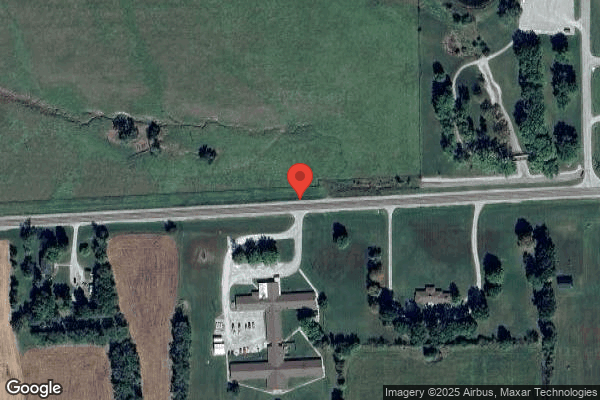
12498 SE HIGHWAY 116, BRAYMER, MO 64624 (660) 645-2243
Government - County 83 Beds Independent Data: November 2025
Trust Grade
23/100
#248 of 479 in MO
Last Inspection: September 2024

Within standard 12-15 month inspection cycle. Federal law requires annual inspections.

Overview

Golden Age Nursing Home has received a Trust Grade of F, indicating significant concerns and a poor overall quality of care. It ranks #248 out of 479 facilities in Missouri, placing it in the bottom half, but it is the best option in Caldwell County, where there are only two facilities. Unfortunately, the facility is worsening, with reported issues increasing from 5 in 2023 to 14 in 2024. On a positive note, staffing is rated at 4 out of 5 stars, indicating a relatively stable workforce with a turnover rate of 60%, which is average for the state. However, the home has faced serious incidents, such as a staff member verbally and physically abusing a resident, and failing to have a full-time administrator to oversee operations, which raises concerns about overall resident safety and care.

Trust Score
F
23/100
In Missouri
#248/479
Bottom 49%
Safety Record
High Risk
Review needed
Inspections
Getting Worse
5 → 14 violations
Staff Stability
⚠ Watch
60% turnover. Above average. Higher turnover means staff may not know residents' routines.
Penalties
○ Average
$13,000 in fines. Higher than 68% of Missouri facilities. Some compliance issues.
Skilled Nurses
⚠ Watch
Each resident gets only 29 minutes of Registered Nurse (RN) attention daily — below average for Missouri. Fewer RN minutes means fewer trained eyes watching for problems.
Violations
⚠ Watch
23 deficiencies on record. Higher than average. Multiple issues found across inspections.
★★☆☆☆
2.0
Overall Rating
★★★★☆
4.0
Staff Levels
★★★★☆
4.0
Care Quality
★★☆☆☆
2.0
Inspection Score
Stable
2023: 5 issues
2024: 14 issues

The Good

  • 4-Star Staffing Rating · Above-average nurse staffing levels
  • 4-Star Quality Measures · Strong clinical quality outcomes
  • Full Sprinkler Coverage · Fire safety systems throughout facility
  • No fines on record

Facility shows strength in staffing levels, quality measures, fire safety.

The Bad

2-Star Overall Rating

Near Missouri average (2.5)

Below average - review inspection findings carefully

Staff Turnover: 60%

13pts above Missouri avg (46%)

Frequent staff changes - ask about care continuity

Federal Fines: $13,000

Below median ($33,413)

Minor penalties assessed

Staff turnover is elevated (60%)

12 points above Missouri average of 48%

The Ugly 23 deficiencies on record

1 actual harm
Sept 2024 14 deficiencies 1 Harm
SERIOUS (G) 📢 Someone Reported This

A family member, employee, or ombudsman was alarmed enough to file a formal complaint

Actual Harm - a resident was hurt due to facility failures

Free from Abuse/Neglect (Tag F0600)

A resident was harmed · This affected 1 resident

Based on interview and record review, the facility failed to ensure on resident, Resident #1 was free from verbal and physical abuse when Certified Nursing Assistant (CNA A) grabbed the resident's arm...

Read full inspector narrative →
Based on interview and record review, the facility failed to ensure on resident, Resident #1 was free from verbal and physical abuse when Certified Nursing Assistant (CNA A) grabbed the resident's arm, jerking him/her back into the wheelchair, while yelling and cursing at the resident. The facility census was 43. Review of the facility's Abuse and Neglect Policy, dated 2/19/2014 showed: -Upon hire, all staff will be trained on the abuse and neglect policy and through on going in-services. -Prevention: Our facility will not condone any form of resident abuse and will continually monitor our facility's policies, procedures, training programs, systems, etc., to assist in preventing resident abuse. -An employee of this facility shall not knowingly: b. Fail to report an incident or suspected incident of abuse. -Identify, correct, and intervene in situations in which abuse, neglect and/or misappropriation of resident property is more likely to occur. This includes analysis of: The supervision of staff to identify inappropriate behaviors, such as using derogatory language, rough handling, ignoring residents while giving care. -Identification: Our facility will not condone any form of resident abuse or neglect. To aid in abuse prevention, all personnel are to report any signs and symptoms of abuse/neglect to their supervisor or to the director of nursing immediately. -Reporting: All employees of this facility must immediately report any incident or suspected incident of resident neglect, abuse, or misappropriation of resident property. Such incidents will be investigated and any findings of abuse will be reported to the state agency responsible for recording such data in the Abuse Registry. 1. Review of Resident #1's quarterly Minimum Data Set (MDS, a federally mandated assessment conducted by facility staff) dated 7/26/2024, showed: -The resident has minimal difficulty hearing, clear speech. He/she is usually able to make self understood and usually understands others. -The resident scores zero on the Brief Interview for Mental Status (BIMS, a structured evaluation aimed at evaluating aspects of cognition in elderly patients). This score indicates severely impaired cognition. -He/she wanders daily. -He/she requires substantial assistance with activities of daily living, including bathing, dressing, toileting and personal hygiene. Review of the resident's comprehensive care plan, dated 8/7/2024, showed he/she has a cognitive deficit related to the diagnosis of dementia without behaviors. Staff will talk calmly to the resident. Review of the facility's investigation showed: 7/25/24: Dietary staff were finishing serving dinner in the dining room at approximately 6:20 P.M. The Kitchen Supervisor observed Resident #1 standing up, leaning up against a chair by a table at the back of the dining room. The Kitchen Supervisor shouted Resident #1's name and asked him/her to sit down. Certified Nurses Assistant (CNA) A came into the dining room and said I can't run. The Kitchen Supervisor ran over to Resident #1 and took the resident's left hand to help keep him/her from falling. A few moments later, CNA A arrived at the resident's right side. CNA A grabbed the resident's right arm near his/her wrist and said Sit your ass down right now. CNA A then jerked the resident down into the wheelchair by his/her right arm. While being jerked into the wheelchair, the resident hit his/her right hip on the arm of the wheelchair. The resident cried out. CNA A then said That's it, you're going to bed right now. I've had enough. The Kitchen Supervisor observed the resident to be scared and shaken up. The Kitchen Supervisor said to CNA A that he/she was afraid the resident was hurt. CNA A responded No, I just scared the resident. You have to understand how he/she has been acting lately. CNA A then pushed the resident from the dining room. 7/27/24: At approximately 7:15 P.M., dietary staff were walking down the south hall to clean up. As the Dietary Aide A reached the nurses' desk, he/she observed Resident #1 standing up against a chair. Dietary Aide A assisted the Kitchen Supervisor to assist Resident #1 back into the wheelchair. Resident #1 said No, I don't want to. Don't do that, I don't want to. CNA A then approached the resident and dietary staff and said Don't worry, I got this. The Kitchen Supervisor returned to the kitchen and Dietary Aide A stayed on the hall. Dietary Aide A witnessed CNA A grab the resident by the wrist and say in an aggressive manner to sit back down in the wheelchair. CNA A then stated to Dietary Aide A that the resident never listens. Dietary Aide A then assisted CNA A to have the resident sit in the wheelchair and then returned to the kitchen. 7/29/24: At approximately 3:30 P.M., the Kitchen Supervisor approached the Assistant Administrator and expressed concerns that CNA A was rough, verbally and physically, with Resident #1. At 4:19 P.M., the Assistant Administrator interviewed CNA A regarding these allegations. CNA A stated that sometimes the resident just doesn't listen and has to be made to sit down. CNA A was suspended pending investigation. Review of the facility's Incident/Accident Report dated 7/29/24 showed the resident had been assessed, showing bruising to right forearm. During an interview on 8/7/24 at 2:17 P.M., the Kitchen Supervisor said: -He/she confirmed the information in the facility investigation. -He/she said that the resident was observed to be shaken up and fearful during the incident on 7/25/24, leaning away from CNA A and crying out. - She should have reported the incident immediately to the charge nurse or call administration. During an interview on 8/20/24 at 10:52 A.M., Dietary Aide A said: -During the evening of 7/27/24 between 7:00 P.M and 7:15 P.M., he/she was on the hall, picking up dishes from dinner. He/she witnessed Resident #1 standing up from his/her wheelchair. Dietary Aide A rushed over to the resident, as he/she is a fall risk. Dietary Aide A asked CNA A to come assist the resident. CNA A came to assist the resident and Dietary Aide A. Dietary Aide A witnessed CNA A grab the resident by the wrist and force the resident back into the wheelchair, while speaking to the resident in a harsh manner. -Dietary Aide A told the Kitchen Supervisor of the incident. -Dietary Aide A has received education about when to report possible incidents of abuse and who to report to. He/she knows to report immediately to anyone in a supervisor position, including the charge nurse or to call the administrator. He/she should have reported the incident immediately to a supervisor or administrator. The Administrator was not available for interview. During an interview on 8/7/24 at 2:31 P.M., the Assistant Administrator said: -CNA A's employment has been terminated. - There was no documentation in the employees file regarding the reason for termination. - He/she expects staff to treat residents with dignity and respect. -She expects staff keep residents safe and report possible incidents of abuse immediately. MO239935
CONCERN (D) 📢 Someone Reported This

A family member, employee, or ombudsman was alarmed enough to file a formal complaint

Potential for Harm - no one hurt, but risky conditions existed

Abuse Prevention Policies (Tag F0607)

Could have caused harm · This affected 1 resident

Based on interview and record review, the facilty failed to follow their abuse and neglect policy when staff failed to immediately intervene and report witnessing two separate incidents of staff to re...

Read full inspector narrative →
Based on interview and record review, the facilty failed to follow their abuse and neglect policy when staff failed to immediately intervene and report witnessing two separate incidents of staff to resident physical and verbal abuse to facility administration. The facility census was 43. Review of the facility's Abuse and Neglect Policy, dated 2/19/2014 showed: -Upon hire, all staff will be trained on the abuse and neglect policy and through on going in-services. -Prevention: Our facility will not condone any form of resident abuse and will continually monitor our facility's policies, procedures, training programs, systems, etc., to assist in preventing resident abuse. -An employee of this facility shall not knowingly: b. Fail to report an incident or suspected incident of abuse. -Identify, correct, and intervene in situations in which abuse, neglect and/or misappropriation of resident property is more likely to occur. This includes analysis of: The supervision of staff to identify inappropriate behaviors, such as using derogatory language, rough handling, ignoring residents while giving care. -Identification: Our facilty will not condone any form of resident abuse or neglect. To aid in abuse prevention, all personnel are to report any signs and symptoms of abuse/neglect to their supervisor or to the director of nursing immediately. -Reporting: All employees of this facilty must immediately report any incident or suspected incident of resident neglect, abuse, or misappropriation of resident property. Such incidents will be investigated and any findings of abuse will be reported to the state agency responsible for recording such data in the Abuse Registry. 1. Review of Resident #1's quarterly Minimum Data Set (MDS, a federally mandated assessment conducted by facility staff) dated 7/26/2024, showed: -The resident has minimal difficulty hearing, clear speech. He/she is usually able to make self understood and usually understands others. -The resident scores zero on the Brief Interview for Mental Status (BIMS, a structured evaluation aimed at evaluating aspects of cognition in elderly patients). This score indicates severely impaired cognition. -He/she wanders daily. -He/she requires substantial assistance with activities of daily living, including bathing, dressing, toileting and personal hygiene. Review of the resident's comprehensive care plan, dated 8/7/2024, showed he/she has a cognitive deficit related to the diagnosis of dementia without behaviors. Staff will talk calmly to the resident. Review of the facility's abuse investigation showed: On 7/25/24 Dietary staff were finishing serving dinner in the dining room at approximately 6:20 P.M. The Kitchen Supervisor observed Resident #1 standing up, leaning up against a chair by a table at the back of the dining room. The Kitchen Supervisor shouted Resident #1's name and asked him/her to sit down. Certified Nurses Assistant (CNA) A came into the dining room and said I can't run. The Kitchen Supervisor ran over to Resident #1 and took the resident's left hand to help keep him/her from falling. A few moments later, CNA A arrived at the resident's right side. CNA A grabbed the resident's right arm near his/her wrist and said Sit your ass down right now. CNA A then jerked the resident down into the wheelchair by his/her right arm. While being jerked into the wheelchair, the resident hit his/her right hip on the arm of the wheelchair. The resident cried out. CNA A then said That's it, you're going to bed right now. I've had enough. The Kitchen Supervisor observed the resident to be scared and shaken up. The Kitchen Supervisor said to CNA A that he/she was afraid the resident was hurt. CNA A responded No, I just scared the resident. You have to understand how he/she has been acting lately. CNA A then pushed the resident from the dining room. On 7/27/24 at approximately 7:15 P.M., dietary staff were walking down the south hall to clean up. As the Dietary Aide A reached the nurses' desk, he/she observed Resident #1 standing up against a chair. Dietary Aide A assisted the Kitchen Supervisor to assist Resident #1 back into the wheelchair. Resident #1 said No, I don't want to. Don't do that, I don't want to. CNA A then approached the resident and dietary staff and said Don't worry, I got this. The Kitchen Supervisor returned to the kitchen and Dietary Aide A stayed on the hall. Dietary Aide A witnessed CNA A grab the resident by the wrist and say in an aggressive manner to sit back down in the wheelchair. CNA A then stated to Dietary Aide A that the resident never listens. Dietary Aide A then assisted CNA A to have the resident sit in the wheelchair and then returned to the kitchen. On 7/29/24 at approximately 3:30 P.M., the Kitchen Supervisor approached the Assistant Administrator and expressed concerns of abuse to the Assistant Administrator that CNA A was rough, verbally and physically, with Resident #1. At 4:19 P.M., the Assistant Administrator interviewed CNA A regarding these allegations. CNA A stated that sometimes Resident #1 just doesn't listen and has to be made to sit down. CNA A was suspended pending investigation. Review of the facility's Incident/Accident Report dated 7/29/24 showed the resident had been assessed, showing bruising to right forearm. During an interview on 8/7/24 at 2:17 P.M., the Kitchen Supervisor said: -He/she confirmed the information in the facility investigation. -He/she said that the resident was observed to be shaken up and fearful during the incident on 7/25/24, leaning away from CNA A and crying out. -He/she has received training on Abuse and Neglect reporting. -He/she was very busy on 7/25/24 and should have reported the incident immediately but lost track of time, then forgetting to report the incident to the charge nurse or administrator. -He/she then observed a bruise on the resident's right forearm on 7/27/24 and recalled the incident on 7/25/24. He/she would have reported the incident then, but there was no one in the administrative offices, so he/she waited until 7/29/24 when the Assistant Administrator was working to report the incident. During an interview on 8/7/24 at 2:31 P.M., the Assistant Administrator said: -CNA A's employment has been terminated. -He/she expects staff to treat residents with dignity and respect. -He/she expects staff to report allegations of abuse or neglect immediately to supervisory staff on duty. If the administrator, assistant administrator or director of nursing are not in the facility, staff can report to the nursing supervisor, charge nurse or any other supervisors in the building. MO239935
CONCERN (D) 📢 Someone Reported This

A family member, employee, or ombudsman was alarmed enough to file a formal complaint

Potential for Harm - no one hurt, but risky conditions existed

Report Alleged Abuse (Tag F0609)

Could have caused harm · This affected 1 resident

Based on interview and record review, the facility failed to keep one cognitively impaired resident (Resident #1) safe from verbal and physical abuse when Certified Nursing Assistant (CNA A) grabbed t...

Read full inspector narrative →
Based on interview and record review, the facility failed to keep one cognitively impaired resident (Resident #1) safe from verbal and physical abuse when Certified Nursing Assistant (CNA A) grabbed the resident's arm, jerking him/her back into the wheelchair, while yelling and cursing at the resident. The facility census was 43. Review of the facility's Abuse and Neglect Policy, dated 2/19/2014 showed: -Upon hire, all staff will be trained on the abuse and neglect policy and through on going in-services. -Prevention: Our facility will not condone any form of resident abuse and will continually monitor our facility's policies, procedures, training programs, systems, etc., to assist in preventing resident abuse. -An employee of this facility shall not knowingly: b. Fail to report an incident or suspected incident of abuse. -Identify, correct, and intervene in situations in which abuse, neglect and/or misappropriation of resident property is more likely to occur. This includes analysis of: The supervision of staff to identify inappropriate behaviors, such as using derogatory language, rough handling, ignoring residents while giving care. -Identification: Our facility will not condone any form of resident abuse or neglect. To aid in abuse prevention, all personnel are to report any signs and symptoms of abuse/neglect to their supervisor or to the director of nursing immediately. -Reporting: All employees of this facility must immediately report any incident or suspected incident of resident neglect, abuse, or misappropriation of resident property. Such incidents will be investigated and any findings of abuse will be reported to the state agency responsible for recording such data in the Abuse Registry. 1. Review of Resident #1's quarterly Minimum Data Set (MDS, a federally mandated assessment conducted by facility staff) dated 7/26/2024, showed: -The resident has minimal difficulty hearing, clear speech. He/she is usually able to make self understood and usually understands others. -The resident scores zero on the Brief Interview for Mental Status (BIMS, a structured evaluation aimed at evaluating aspects of cognition in elderly patients). This score indicates severely impaired cognition. -He/she wanders daily. -He/she requires substantial assistance with activities of daily living, including bathing, dressing, toileting and personal hygiene. Review of the resident's comprehensive care plan, dated 8/7/2024, showed he/she has a cognitive deficit related to the diagnosis of dementia without behaviors. Staff will talk calmly to the resident. Review of the facility's investigation showed: 7/25/24: Dietary staff were finishing serving dinner in the dining room at approximately 6:20 P.M. The Kitchen Supervisor observed Resident #1 standing up, leaning up against a chair by a table at the back of the dining room. The Kitchen Supervisor shouted Resident #1's name and asked him/her to sit down. Certified Nurses Assistant (CNA) A came into the dining room and said I can't run. The Kitchen Supervisor ran over to Resident #1 and took the resident's left hand to help keep him/her from falling. A few moments later, CNA A arrived at the resident's right side. CNA A grabbed the resident's right arm near his/her wrist and said Sit your ass down right now. CNA A then jerked the resident down into the wheelchair by his/her right arm. While being jerked into the wheelchair, the resident hit his/her right hip on the arm of the wheelchair. The resident cried out. CNA A then said That's it, you're going to bed right now. I've had enough. The Kitchen Supervisor observed the resident to be scared and shaken up. The Kitchen Supervisor said to CNA A that he/she was afraid the resident was hurt. CNA A responded No, I just scared the resident. You have to understand how he/she has been acting lately. CNA A then pushed the resident from the dining room. 7/27/24: At approximately 7:15 P.M., dietary staff were walking down the south hall to clean up. As the Dietary Aide A reached the nurses' desk, he/she observed Resident #1 standing up against a chair. Dietary Aide A assisted the Kitchen Supervisor to assist Resident #1 back into the wheelchair. Resident #1 said No, I don't want to. Don't do that, I don't want to. CNA A then approached the resident and dietary staff and said Don't worry, I got this. The Kitchen Supervisor returned to the kitchen and Dietary Aide A stayed on the hall. Dietary Aide A witnessed CNA A grab the resident by the wrist and say in an aggressive manner to sit back down in the wheelchair. CNA A then stated to Dietary Aide A that the resident never listens. Dietary Aide A then assisted CNA A to have the resident sit in the wheelchair and then returned to the kitchen. 7/29/24: At approximately 3:30 P.M., the Kitchen Supervisor approached the Assistant Administrator and expressed concerns that CNA A was rough, verbally and physically, with Resident #1. At 4:19 P.M., the Assistant Administrator interviewed CNA A regarding these allegations. CNA A stated that sometimes the resident just doesn't listen and has to be made to sit down. CNA A was suspended pending investigation. Review of the facility's Incident/Accident Report dated 7/29/24 showed the resident had been assessed, showing bruising to right forearm. During an interview on 8/7/24 at 2:17 P.M., the Kitchen Supervisor said: -He/she confirmed the information in the facility investigation. -He/she said that the resident was observed to be shaken up and fearful during the incident on 7/25/24, leaning away from CNA A and crying out. - She should have reported the incident immediately to the charge nurse or called the administration. During an interview on 8/20/24 at 10:52 A.M., Dietary Aide A said: -During the evening of 7/27/24 between 7:00 P.M and 7:15 P.M., he/she was on the hall, picking up dishes from dinner. He/she witnessed Resident #1 standing up from his/her wheelchair. Dietary Aide A rushed over to the resident, as he/she is a fall risk. Dietary Aide A asked CNA A to come assist the resident. CNA A came to assist the resident and Dietary Aide A. Dietary Aide A witnessed CNA A grab the resident by the wrist and force the resident back into the wheelchair, while speaking to the resident in a harsh manner. -Dietary Aide A told the Kitchen Supervisor of the incident. -Dietary Aide A has received education about when to report possible incidents of abuse and who to report to. -He/she knows to report immediately to anyone in a supervisor position, including the charge nurse or to call the administrator. - He/she should have reported the incident to a supervisor. The administrator was not available for interview. During an interview on 8/7/24 at 2:31 P.M., the Assistant Administrator said: -CNA A's employment has been terminated. -He/she expects staff to treat residents with dignity and respect. - He/she said that it is her expectation that staff keep residents safe and report possible incidents of abuse immediately. MO239935
CONCERN (E)

Potential for Harm - no one hurt, but risky conditions existed

Deficiency F0582 (Tag F0582)

Could have caused harm · This affected multiple residents

Based on interview and record review, the facility failed to obtain a signature from the resident or or resident's legal representative on the Notice of Medicare Non-Coverage (NOMNC) and the Skilled N...

Read full inspector narrative →
Based on interview and record review, the facility failed to obtain a signature from the resident or or resident's legal representative on the Notice of Medicare Non-Coverage (NOMNC) and the Skilled Nursing Facility Advanced Beneficiary Notice (SNF ABN) forms prior to discharging from Medicare services for two residents (Resident #4 and #11) out of three sampled residents. The facility census was 43. Review of form instructions skilled nursing facility advance beneficiary notice of non-coverage (SNFABN) Form CMS-10055, dated 4/8/2014, showed: -Signature and date: The beneficiary or their authorized representative must sign the signature box to acknowledge that they read and understood the notice. The skilled nursing facility may fill in the date if the beneficiary needs help. The date should reflect the date the SNF gave therm notice to the beneficiary in-person or when appropriate, the date contact was made with the beneficiary's authorized representative by phone. If an authorized representative signs for he beneficiary, write 'rep' or representative next to the signature. If the authorized representatives signature is not clearly legible, the authorized representative's name bust be printed. If the beneficiary refuses to choose an option and/or refuses to sign the SNFABN when required, the SNF should annotate the original copy of the SNFABN indicating the refusal to sign and may list a witness to the refusal. -Basic delivery requirements: -Who may sign: Beneficiary, Beneficiary's authorized representative, legally appointed representative or guardian of the beneficiary, in case of emergency, a disinterested third party/ -Delivery requirements: Must be signed to provide the correct forms. 1. Review of Resident #4's Quarterly Minimum Data Set (MDS), a federally mandated assessment instrument, completed by facility staff, dated 6/5/24., showed: - Moderate Cognitive Impairment. - Total assist of all activities of daily living. -Diagnoses included: Heart failure, High blood pressure, and Parkinson's disease ( a chronic, debility neurological disorder that affects motor skills and movement). Review of the resident's electronic medical record, showed: - The resident admitted to skilled Medicare part A services on 3-1-24. - The last covered Medicare part A day was 4-26-24 - The facility did not obtain signatures on either CMS-10055 SNF/ABN form, or CMS 10123 NOMNC form from the facility staff member, the resident or the resident's representative. 2. Review of Resident #11's Quarterly MDS, completed on 7/1/24., showed: - Severe Cognitive Impairment; - Total assist of all activities of daily living. - Diagnoses included: Anxiety and Depression Review of the resident's electronic medical record, showed: - The resident admitted to skilled Medicare part A services on 2-22-24. - The last covered Medicare part A day was 3-31-24 - The facility did not obtain signatures on either CMS-10055 SNF/ABN form, or CMS 10123 NOMNC form from the facility staff member, the resident or the resident's representative. During an interview on 08/29/24 09:20 AM, the Social Services Director (SSD) said she was not aware that the documents did not have signatures, but that the documents should be signed to ensure they were received. During an interview on 8/29/24 at 2:20 P.M., the Administrator said: - The social service designee was responsible for the management of the SNF/ABN forms and the NOMNC forms. - She was not aware the forms had not been signed and should have been.
CONCERN (E)

Potential for Harm - no one hurt, but risky conditions existed

Safe Environment (Tag F0584)

Could have caused harm · This affected multiple residents

**NOTE- TERMS IN BRACKETS HAVE BEEN EDITED TO PROTECT CONFIDENTIALITY** Based on observation and interview, the facility failed to maintain the walls, hallways, ceilings and floors in a clean and home...

Read full inspector narrative →
**NOTE- TERMS IN BRACKETS HAVE BEEN EDITED TO PROTECT CONFIDENTIALITY** Based on observation and interview, the facility failed to maintain the walls, hallways, ceilings and floors in a clean and homelike environment. Furthermore the facility failed to ensure furnishings were in good repair. The facility census was 43. The facility did not provide a policy for cleaning, maintenance of the facility and care of furnishings. Observations beginning on 08/28/24 at 11:06 A.M. showed on the 300 hall: -There was a gash in the sheet-rock between rooms [ROOM NUMBERS]; -There were multiple nicks and scratches in the sheet of the lower third of the hallway walls -Ceiling vent was rusted; -Multiple ceiling tiles had water stains; - Water stains on carpets in outpatient therapy room and room between the outpatient therapy and the exit door; -Multiple light fixtures had dead bugs and debris ; -There was water staining around vent outside room [ROOM NUMBER]; -Cobwebs were in the corners of the exit door, hallway and ceiling; -Dust, dirt and debris behind the fire doors in the floor corners. The nurse's station area showed: -Black non-skid matting on floor was peeling in multiple areas and secured in multiple areas with gray duct tape; -Black vinyl chairs cracked and peeling, exposing soft foam underneath; -Water fountain with crusty white debris at spigot and on the floor underneath; -Handrail from 300 hall into dining hall loose at one end; -Handrail outside soiled utility missing the end cap, exposed a rough edge; -Multiple gouges and scratches in lower third of the wall into the dining hall The 400 hall showed: -Multiple water stained ceiling tiles; -Dust, debris and dirt behind the fire door at the floor corners; -Ceiling vents had rust and water stains surrounding the vent; -Multiple gouges and nicks in lower third of the walls; -Multiple dead bugs and debris in ceiling light covers; -Cobwebs in the exit door and ceiling corners; -Rusted breaker box cover. The 200 hall showed: -Ceiling vents had dust, debris and rust; -Multiple nicks in lower third of the walls -General seating area blinds and window sills showed gray/white dust and debris; -Heat/air register had a black moldy substance and gray fuzzy debris on the grate; -Multiple light fixtures with debris and dead bugs. The conference room showed: -Cobwebs at the wall and ceiling corners; -Blinds had dust and debris. North dining room area showed: -Multiple bed frames; -Cobwebs in ceiling corners; -Multiple couches, chairs and tables in the room During an interview on 08/28/24 at 11:34 A.M. the Housekeeping supervisor said maintenance personnel are responsible for cleaning the hallways, dusting the hallways and cleaning of the light fixtures. The maintenance supervisor was unavailable for an interview. During an interview on 8/28/24 at 1:22 P.M. the Administrator said: -Maintenance cleans the hallways and the lights and completes repairs. -Housekeeping is responsible for the daily room cleanings. - The areas should be maintained, clean and homelike.
CONCERN (E)

Potential for Harm - no one hurt, but risky conditions existed

Employment Screening (Tag F0606)

Could have caused harm · This affected multiple residents

Based on interview and record review, the facility failed to check the Family Care Safe Registry (FCSR) prior to employment to ensure all newly hired employees as well as checking the NA Registry to v...

Read full inspector narrative →
Based on interview and record review, the facility failed to check the Family Care Safe Registry (FCSR) prior to employment to ensure all newly hired employees as well as checking the NA Registry to verify that new employees did not have a Federal Indicator (marker given to individuals who have committed abuse/neglect. This affected eight out of eight sampled employees hired since August, 2024. The facility census was 43. Review of the facility's Personnel Policy, dated January 2020., showed no information in regard to the requirement for staff to complete criminal background checks prior to employment. Review of the facility's undated Abuse and Neglect Policy., showed: -No information regarding Family Care Safe Registry verification. -No information regarding all staff to be verified through the NA Registry. Review of new employee hire records in the years 2023 and 2024., showed: -Staff #1, #2, #3, #4, #5, #6, #7, and #8 had no FCSR verification completed by the facility. -Staff #6 #7 had no verification through the NA registry completed by the facility During an interview on 8/29/24 at 3:30 P.M., the Business Office manager said: -She was unaware that all staff should be verified through the FCSR. -She was unaware that all staff should be verified through the NA registry. During an interview on 8/29/24 at 3:45 P.M., the Administrator said all verifications through the registries should be completed prior to new employees start date.
CONCERN (E)

Potential for Harm - no one hurt, but risky conditions existed

Deficiency F0726 (Tag F0726)

Could have caused harm · This affected multiple residents

Based on observation, interview and record review, the facility failed to ensure five randomly sampled nursing staff (Nurse Aide A, Certified Nurse Aid A, B and C and Certified Medication Technician A...

Read full inspector narrative →
Based on observation, interview and record review, the facility failed to ensure five randomly sampled nursing staff (Nurse Aide A, Certified Nurse Aid A, B and C and Certified Medication Technician A)had the appropriate competencies and skills sets to provide nursing and related services to assure resident safety and attain or maintain the highest practicable physical, mental, and psychosocial well-being of each resident and that nurse aides are able to demonstrate competency in skills and techniques necessary to care for residents' needs. The deficient practice potentially effected all residents. The facility census was 43. The facility did not provide a policy on competencies. Review of the employee files showed: -Nurse Aide (NA) A: -date of hire was 9/13/23 -No competency evaluation at the time of hire or within the last 12 months or since hire. -Certified Nurse Aide (CNA) A: -date of hire was 5/17/22 -No competency evaluation at the time of hire nor within the last 12 months -CNA B : -date of hire 9/14/17 -No competency evaluation at the time of hire nor within the last 12 months -CNA C: -date of hire 5/17/22 -No competency evaluation at the time of hire nor within the last 12 months -Certified Medication Technician (CMT) -date of hire 12/2/22 -No competency evaluation at the time of hire nor within the last 12 months During an interview on 8/28/24 at 1:22 P.M. the Administrator said the DON was responsible for training and competency. During an interview on 8/29/24 at 1:21 P.M. the Director of Nursing (DON) said: -She and the Administrator put in-services together a year at a time and as needed. -She and the Assistant DON go to the floor and watch different aides perform cares quarterly. -She does not document when staff are observed providing cares. -She is aware if something is not documented it is considered not done.
CONCERN (E)

Potential for Harm - no one hurt, but risky conditions existed

Deficiency F0728 (Tag F0728)

Could have caused harm · This affected multiple residents

Based on interview and record review, the facility failed to ensure one nurse aide (NA) completed a nurse aide training program within four months of his/her employment in the facility. The census was...

Read full inspector narrative →
Based on interview and record review, the facility failed to ensure one nurse aide (NA) completed a nurse aide training program within four months of his/her employment in the facility. The census was 43. The facility did not provide a policy on use of Nurse Aides. Review of Nurse Aide (NA) A employee file showed: -Date of hire 9/13/23 -He/She completed an orientation module between 9/18/23 and 10/5/23. During an interview on 08/28/24 04:11 PM NA A said: -He/She began employment while he/she was in high school. -He/She did not attend a Vocational Technical School for Certified Nurse Aide (CNA) training. -He/She was not enrolled in CNA classes. -Administration had not discussed CNA classes with him/her. -He/She was not aware he/she needed to be certified within 4 months of hire. The administrator was not available for interview. During an interview the Director of Nursing said: -Nurse Aide A is not certified; -She is unsure why Nurse Aide A has not been in class.
CONCERN (E)

Potential for Harm - no one hurt, but risky conditions existed

Deficiency F0865 (Tag F0865)

Could have caused harm · This affected multiple residents

Based on record review and interview the facility failed to have administrative oversight for the Quality Assurance and Performance Improvement (QAPI) program. This had the potential to effect all res...

Read full inspector narrative →
Based on record review and interview the facility failed to have administrative oversight for the Quality Assurance and Performance Improvement (QAPI) program. This had the potential to effect all residents. The facility census was 43. Review of the facility policy QAPI Program dated 2/13/23 showed: -The Board of Directors and Administration of the facility are responsible and accountable for the ongoing QAPI Program. Review of the facility QAPI meeting minutes for 2024 showed the Administrator did not attend the meetings on: -February 2nd -May 30th -June 21st -August 1st During an interview on 8/27/24 at 3:29 P.M. the Human Resources/QAPI Coordinator said: -Administration is not always at the meetings because of their availability. -The Administrator works 2 days a week. -The Assistant Administrator was in the facility daily. During an interview on 8/28/24 at 2:23P.M. the Assistant Administrator said: -She is not a licensed Administrator. -Typically she is in the facility Monday through Friday. -Usually she is available for meetings; but may not be at every one. - The Administrator works two days a week. -Generally she and the Administrator oversee the QAPI program. -The Administrator is the head over all the QAPI and Quality Assessment and Assurance (QAA) program.
CONCERN (E)

Potential for Harm - no one hurt, but risky conditions existed

Deficiency F0868 (Tag F0868)

Could have caused harm · This affected multiple residents

Based on record review and interviews the facility failed to ensure quarterly quality assessment committee (QAA) meetings were held with the required members. The facility census was 43. Review of the...

Read full inspector narrative →
Based on record review and interviews the facility failed to ensure quarterly quality assessment committee (QAA) meetings were held with the required members. The facility census was 43. Review of the facility provided policy Quality Assessment and Assurance (QAA) Committee dated 3/3/23 showed: -The facility will maintain a QAA Committee consisting of the following representatives: -Administrator -Medical Director (licensed physician) -Director of Nursing -Infection Preventionist -Clerical staff -Staff members may be assigned for expertise and work perspective in the area under study Review of the facility provided QAA meeting notes showed only the Medical Director and Director of Nursing (DON) were present for meetings: -January 31, 2024 -Apirl 22, 2024 - No meeting in July 2024. -August 24, 2024 During an interview on 08/28/24 at 1:37 P.M. the DON said: -Usually she meets with the Medical Director on weekends. -The Medical Director typically comes to the facility on Saturdays. -The QAA Coordinator types everything from the monthly Quality Assurance and Performance Improvement (QAPI) meetings and she reviews them quarterly with the medical director as the QAA meetings. -There are not other staff at the meetings going over information with the Medical Director. -The meetings attendees are the DON and the medical director. - The Administrator works two days a week and does not attend the meetings.
CONCERN (E)

Potential for Harm - no one hurt, but risky conditions existed

Deficiency F0940 (Tag F0940)

Could have caused harm · This affected multiple residents

Based on interview and record review, the facility failed to ensure that an effective training program for all new and existing staff was in place, when the facility failed to complete a facility asse...

Read full inspector narrative →
Based on interview and record review, the facility failed to ensure that an effective training program for all new and existing staff was in place, when the facility failed to complete a facility assessment to include: Staff competencies and skill sets that are necessary to provide the level and types of care needed for the resident population. Furthermore, the facility failed to track attendance and hours of training for staff members who required at least 12 hours of education yearly. This had the potential to effect all residents. The facility census was 43. The facility did not provide their Facility Assessment. The facility did not provide a policy on education of staff and competencies. Review of education records showed: - Quality Assurance and Performance Improvement education was completed 1/10/24; -Resident Rights, harassment, and professional communication was completed 1/25/24; -Resident transfers, lifts and use of restraints was completed 2/23/24; -Proper preparing of pureed food was completed 2/14/24 -Abuse and Neglect and Intimacy in the elderly was completed 3/25/24 -Standard precautions, and Activities of Daily Living was completed 4/25/24 -Incontinence and skin care was completed 5/25/24 -Elopement and use of a fire extinguisher was completed 6/27/24 -A table top emergency drill was completed 7/25/24 -Sensory communication, fall risk, and preventing abuse was completed 8/9/24. -There were no time frames for length of training to ensure 12 hours. -There was no education on Dementia care, Care of the cognitively impaired resident, or Restorative Nursing. Review of the employee files showed: -Nurse Aide (NA) A: -date of hire was 9/13/23 -No tracking of required training's -Certified Nurse Aide (CNA) A: -date of hire was 5/17/22 -No tracking of required training's -CNA B : -date of hire 9/14/17 -No tracking of required training's -CNA C: -date of hire 5/17/22 -No tracking of required training's -Certified Medication Technician (CMT) -date of hire 12/2/22 -No tracking of required training's During an interview on 08/29/24 01:21 PM the Director of Nursing said: -She and the Administrator create the yearly education calendar. -She observes staff performing care quarterly. -She has not documented the observation of cares. -When staff miss education they have to meet with her or the Administrator for the information. -Meetings are done on pay day to ensure staff attendance. -She does not have a tracking tool for hours of education and attendance at required training. -She is unsure if the Administrator changed Dementia care, or care of the cognitively impaired resident with another educational offering. During an interview on 08/28/24 at 1:22 P.M. the Administrator said: -The DON is in charge of education, tracking and the education calendar. -Staff must have required training's yearly. -The facility did not have a facility assessment.
CONCERN (E)

Potential for Harm - no one hurt, but risky conditions existed

Deficiency F0947 (Tag F0947)

Could have caused harm · This affected multiple residents

Based on interview and record review the facility failed to ensure continued competence of nurse aides when they failed to perform competency evaluations, at least yearly, for 5 randomly sampled nursi...

Read full inspector narrative →
Based on interview and record review the facility failed to ensure continued competence of nurse aides when they failed to perform competency evaluations, at least yearly, for 5 randomly sampled nursing staff (Nurse Aide A, Certified Nurse Aid A, B and C and Certified Medication Technician A). This had the potential to effect all residents. The facility census was 43. The facility did not provide a facility assessment or a policy on competency. Review of the employee files showed: -Nurse Aide (NA) A: -date of hire was 9/13/23 -No competency evaluation at the time of hire or within the last 12 months or since hire. -Certified Nurse Aide (CNA) A: -date of hire was 5/17/22 -No competency evaluation at the time of hire nor within the last 12 months -CNA B : -date of hire 9/14/17 -No competency evaluation at the time of hire nor within the last 12 months -CNA C: -date of hire 5/17/22 -No competency evaluation at the time of hire nor within the last 12 months -Certified Medication Technician (CMT) -date of hire 12/2/22 -No competency evaluation at the time of hire nor within the last 12 months During an interview on 8/28/24 at 1:22 P.M. the Administrator said the DON was responsible for staff training and competency. During an interview on 8/29/24 at 1:21 P.M. the Director of Nursing (DON) said: -She and the Administrator put in-services together a year at a time and as needed. -She and the Assistant DON go to the floor and watch different aides perform cares quarterly. -She does not document when staff are observed providing cares. -She is aware if something is not documented it is considered not done.
CONCERN (F) 📢 Someone Reported This

A family member, employee, or ombudsman was alarmed enough to file a formal complaint

Potential for Harm - no one hurt, but risky conditions existed

Administration (Tag F0835)

Could have caused harm · This affected most or all residents

Based on interview and record review, the facility failed to employee a full time Licensed Nursing Home Administrator (LNHA) for the facility who was responsible for operation of the facility. In addi...

Read full inspector narrative →
Based on interview and record review, the facility failed to employee a full time Licensed Nursing Home Administrator (LNHA) for the facility who was responsible for operation of the facility. In addition the LNHA was not available on a full time basis in the facility to provide oversight including development of a Facility Assessment or oversee the Quality Assurance program to ensure the residents receive appropriate nursing and medical care. The census was 43. Review of the facility's Assistant Administrator Job Description, dated 3/22/24, showed: -Golden Age Nursing Home requires Administration to maintain a courteous professional manner while interacting and communicating with residents, their families, co-workers, and visitors. This extends to telephone conversations, and written or digital forms of communication. -On request or on absence of the Administrator, the Assistant Administrator will function as the primary spokesperson for Golden Age Nursing Home and be the main representative for the facility to the public, community, and Golden Age Nursing Age District Board. -When requested by the Administrator, the Assistant Administrator management duties may include: guiding staff recruitment, hiring, employee orientation, job descriptions and performance evaluations, wage/salary changes, promotion, and if needed, disciplinary counseling or termination of any employee. -The Assistant Administrator will be guided by the Administrator in understanding of Nursing Home regulations to achieve compliance as required by existing Federal, Missouri and local regulations. When delegated by the Administrator, the Assistant will assume responsibility for interpreting Federal, state or local regulations to Department Heads, Managers, and the Golden Age Nursing Home board, and ensure the use of proper oversight to achieve compliance. Review of the facility's Administrator Job Description, dated 5/22/24, showed: -The Administrator is delegated the authority by the Golden Age Nursing Home board to: Assume overall administrative responsibility for the proper operation of Golden Age Nursing Home and care given to residents. -Must be an appropriately trained and qualified individual who is a licensed Nursing Home Administrator by the state of Missouri. Review of the minutes from the November 5, 2021 meeting of the Golden Age Nursing Home Board of Directors Meeting showed: -Discussion of Administrator: Assistant Administrator announced that her temporary license would expire on November 27, 2021. We must have an administrator by 11/27/21. Plans are to call the Medical Director to see if he/she knows of anyone that would help out until the Assistant Administrator gets her license. Put ads in the paper. Suggestion was made that the Administrator be asked to come back. All agreed that would be possible as long as the Assistant Administrator would still be assistant administrator and major decisions would be made by the Assistant Administrator. The Administrator can train in areas that did not get completed previously. He/she will have limited responsibilities. The Assistant Administrator will contact the Administrator and see if this is a possibility. Review of the minutes from the November 8, 2021 Golden Age Nursing Home Board of Directors meeting showed: -The Administrator agreed to accept the Administrator position while the Assistant Administrator is working towards his/her administrator requirements. He/she agreed to work 2-3 days a week. Review of the Administrator's employment record at the facility showed on 11/20/21 the Administrator is listed as the Administrator. Review of the Assistant Administrator's Temporary Emergency License showed the Temporary Emergency License #799 at Golden Age Nursing Home effective 7/30/2021 and expires 11/27/2021. Review of the Administrator's Nursing Home Administrators License showed Nursing Home Administrator License is valid through 6/30/2026. 1. Observation on 8/7/2024 and 8/27/24 showed: - No LNHA available to meet with the surveyors. - The Assistant Administrator is not a LNHA. - The Administrator works part time in the facility two days a week on Monday and Friday. - The Assistant Administrator said she is in charge however the Administrator can be available by phone when needed. During an interview on 8/27/24 at 1:54 P.M., Resident #39 said: -He/she believes the Assistant Administrator is the Administrator. That is who he/she goes to with all questions and concerns. During an interview on 8/27/24, Resident #1 said: -He/she believes the Assistant Administrator is the Administrator. The Assistant Administrator is here all the time. During an interview on 8/28/24 at 11:11 A.M., family member of Resident #38 said: -He/she believes the Assistant Administrator is the Administrator. -The Assistant Administrator is always at the facility and is who he/she takes concerns to regarding his/her family member. During an interview on 8/28/24 at 1:22 P.M., the Director of Nursing (DON) said the following: - The Assistant Administrator is not a LNHA. - She reports to the LNHA on a daily basis. - The Assistant Administrator makes decisions in the absence of the Administrator. During an interview on 8/28/24 at 2:25 P.M., the Administrator (ADM) and the Assistant Administrator (AADM) said the following: ADM: He/she works part time in the facility. - The Assistant Administrator is not a LNHA. -He/she has worked part time since approximately November 2021, and the Assistant Administrator has performed the duties of an Administrator in her absence. -He/she did not know anything about a facility assessment and the facility does not have a current one. The most recent facility assessment is dated 2022. -The Assistant Administrator finished the needed hours to be able to sit for the Administrator test at the end of July, 2024. The Assistant Administrator just need to send a letter and the Nursing Home Administrator Board will allow him/her to sit for the test. AADM: -He/she doesn't have a preceptor. The Administrator is his/her mentor. -He/she has worked three years, or about 2080 hours, to be able to sit for the Administrator test. -No one signs any documentation of the verification of hours the Assistant Administrator worked. -He/she usually attends QAA and QAPI meetings, as they normally occur on weekends and the Administrator doesn't work weekends. -Any concerns from staff, residents or families first come to the Assistant Administrator then he/she will pass them onto the Administrator as needed. -The Administrator works two days a week. The Assistant Administrator works Monday through Friday. 2. Review of the facility's Matrix for Providers, dated 8/28/24, showed a census of 43 and the following resident characteristics: -26 residents with Dementia diagnosis -One resident fed via tube -No residents on dialysis -Three residents with indwelling catheter -11 residents with falls -6 residents on Hospice services During an interview on 8/28/24 at 1:22 P.M. the Administrator said: - She does not work in the facility on a full time basis. -She did not know anything about a facility assessment and does not have one. -She found information online and would write one but did not have a current assessment. 3. Review of the facility policy QAPI Program dated 2/13/23 included the Board of Directors and Administration of the facility are responsible and accountable for the ongoing QAPI Program. Review of the facility QAPI meeting minutes for 2024 showed the Administrator did not attend the meetings on: -February 2nd -May 30th -June 21st -August 1st During an interview on 8/27/24 at 3:29 P.M. the Human Resources/QAPI Coordinator said: -Administration is not always at the meetings because of their availability. -The Administrator works 2 days a week. -The Assistant Administrator was in the facility daily. During an interview on 8/28/24 at 2:23P.M. the Assistant Administrator said: -She is not a licensed Administrator. -Typically she is in the facility Monday through Friday. -Usually she is available for meetings; but may not be at every one. - The Administrator works two days a week. -Generally she and the Administrator oversee the QAPI program. -The Administrator is the head over all the QAPI and Quality Assessment and Assurance (QAA) program. 4. Review of the facility provided policy Quality Assessment and Assurance (QAA) Committee dated 3/3/23 included the facility will maintain a QAA Committee consisting of the following representatives: -Administrator -Medical Director (licensed physician) -Director of Nursing -Infection Preventionist -Clerical staff -Staff members may be assigned for expertise and work perspective in the area under study Review of the facility provided QAA meeting notes showed only the Medical Director and Director of Nursing (DON) were present for meetings: -January 31, 2024 -Apirl 22, 2024 - No meeting in July 2024. -August 24, 2024 During an interview on 08/28/24 at 1:37 P.M. the DON said: -Usually she meets with the Medical Director on weekends. -The Medical Director typically comes to the facility on Saturdays. -The QAA Coordinator types everything from the monthly Quality Assurance and Performance Improvement (QAPI) meetings and she reviews them quarterly with the medical director as the QAA meetings. -There are not other staff at the meetings going over information with the Medical Director. -The meetings attendees are the DON and the medical director. - The Administrator works two days a week and does not attend the meetings.
CONCERN (F)

Potential for Harm - no one hurt, but risky conditions existed

Deficiency F0838 (Tag F0838)

Could have caused harm · This affected most or all residents

Based on interview and record review, the facility failed to conduct and document a facility-wide assessment to determine what resources are necessary to care for its residents competently during both...

Read full inspector narrative →
Based on interview and record review, the facility failed to conduct and document a facility-wide assessment to determine what resources are necessary to care for its residents competently during both day-to-day operations and emergencies as required. This had the potential to affect all of the residents. The sample was 19. The census was 43. Review of the facility's Matrix for Providers, dated 8/28/24, showed a census of 43 and the following resident characteristics: -26 residents with Dementia diagnosis -One resident fed via tube -No residents on dialysis -Three residents with indwelling catheter -11 residents with falls -6 residents on Hospice services During an interview on 8/28/24 at 1:22 P.M. the Administrator said: - She does not work in the facility on a full time basis. -She did not know anything about a facility assessment and does not have one. -She found information online and would write one but did not have a current assessment.
Jan 2023 5 deficiencies
CONCERN (D)

Potential for Harm - no one hurt, but risky conditions existed

Deficiency F0570 (Tag F0570)

Could have caused harm · This affected 1 resident

Based on record review and interviews, the facility failed to ensure they maintained a Department of Health and Senior Services (DHSS) approved surety bond in an amount to cover any loss of theft to r...

Read full inspector narrative →
Based on record review and interviews, the facility failed to ensure they maintained a Department of Health and Senior Services (DHSS) approved surety bond in an amount to cover any loss of theft to residents' money held in the facility's Resident Trust Fund (RTF) account which affected all residents who had money held in their RTF account. The facility census was 43. The facility did not have a policy for surety bonds. Review of the facilities approved surety bond, approved on 12/23/2011 showed an approved amount of $15,000.00. Review of the RTF worksheet on 01/12/2023 showed: -The average monthly balance for the facility's interest bearing account of $18,934.23; -The approved bond amount for this average monthly balance (Grand Total rounded to the nearest thousand x 1.5 = required bond amount) should be at least $28,500. During an interview on 01/12/23 at 10:20 A.M. the Business Office staff member said: -He/she doesn't do anything with the surety bond. During an interview on 01/12/23 at 10:25 A.M. the Business Office Manager (BOM) said: -He/she doesn't do anything with the bond. -The Administrator reviews the bond. -He/she didn't know if the Assistant Administrator had reviewed the bond also or not. -He/she has only been in the BOM position since September/October. During an interview on 01/12/23 at 10:35 A.M. the Assistant Administrator said: -He/she doesn't do anything with the bond yet; -He/she hasn't been shown the bond yet. -The administrator is responsible for the bond. During an interview on 01/12/23 at 12:06 P.M. the Administrator said and showed: -He/she knew the surety bond needed to be between $30,000 and $40,0000. -He/she reviewed it recently and they called their insurance company about September or October to have it increased. -The bond paper still showed current bond amount was $15,000. During a follow up interview on 01/12/23 at 12:51 P.M. the Administrator said: -He/she called the insurance company, and there was record that the increase was initiated in July 2022 but the insurance company had emailed the business office back for additional information and nothing had been done or followed up on since. -He/she was not aware the email hadn't been addressed.
CONCERN (D)

Potential for Harm - no one hurt, but risky conditions existed

Deficiency F0804 (Tag F0804)

Could have caused harm · This affected 1 resident

Based on observation, interview, and record review, the facility failed to ensure puree food items were prepared according to the recipe to conserve nutritive value, flavor and appearance. This effect...

Read full inspector narrative →
Based on observation, interview, and record review, the facility failed to ensure puree food items were prepared according to the recipe to conserve nutritive value, flavor and appearance. This effected the four residents who had orders for puree diet. The facility census was 43. Review of the facility's Puree (texture-modified diet that can be useful for people with chewing difficulties) diet policy, undated showed: - When preparing a pureed diet, measure portions before processing. - When preparing meat, puree with a broth or other liquid. All meat must be moistened and served with low fat sauce or gravy to allow for ease in swallowing. Observation of [NAME] A preparing the puree meal for lunch on 1/11/23 at 11:30 A.M., showed: - Breaded pork chop, white and wild rice, broccoli and apple cobbler on the menu. - He/she placed four breaded pork chops in blender and blended up. - He/she put three slices of bread into the blender along with a half cup of broth from broccoli and then blended up to what he/she believed to be the right consistency. - He/she checked consistency and said it was fine. - He/she did not use the recipe book for puree foods. - He/she did not weigh breaded pork chops. Observation of the recipe book on 1/11/23 at 11:45 A.M., which includes the puree food guidelines showed: - For five servings: fifteen ounces of meat, one and one fourth cup of broth and two and a half slices of bread. - For entrées of three ounces cooked, a half slice of bread and liquid broth. - Begin with a half cup of liquid puree then continue to alternate, adding a half cup of broth until right consistency. - Bold black note on page states to use only amount of liquid necessary to puree product. Do not increase or decrease amount of meat or bread. During an interview on 1/11/23 at 9:15 A.M., [NAME] A said: - He/she goes to the kitchen manager or dietary supervisor with questions. - He/she will follow recipes regarding menu. - Purees should be like baby food. - He/she goes by the recipe in the book for what is needed for recipe. - The kitchen manager explained to her how to do puree's. - For each resident, she does a serving size; one slice of bread is his/her rule of thumb. During an interview on 1/12/23 at 8:35 A.M., the kitchen manager said: - He/she has been employed at facility for a year but only the kitchen manager for a couple months. - His/her responsibilities include scheduling staff, ordering, paperwork and in-servicing kitchen staff. - Environmental supervisor gives him/her trainings he/she is responsible for giving to kitchen staff. - [NAME] A's training consisted of one day hands off and then two weeks of cooking/training with him/her. - Purees are thickened with bread. - He/she does puree's how the consultant dietician showed him/her. - He/she is to start with the bare minimum of bread/liquid and work way up to the right consistency. - They have four residents who have orders for puree meals. - The number's across the top of the puree recipe menu represent how many residents they are serving and then below that is how much of each item they are to use. - Tenderloins are typically three to four ounces each. - Also received training from the prior cook who had told him/her to refer to the recipe book for recipes. - He/she does not use the recipe book to follow the recipe for purees. - He/she was not aware of the puree recipes in the back of the recipe book. - He/she was not aware the recipe had a note bolded in black which said not to increase/decrease amount of meat or bread. During an interview on 1/12/23 at 10:43 A.M., the dietary supervisor said: - He/she is currently taking classes to become a certified dietician manager (CDM). - He/she trained kitchen staff the best he/she could and then got the consultant dietician involved. - His/her expectations are for staff to follow the recipes and they have been told this. - The consultant dietician has come in and watched them serve. - Last in-service on purees was within the last couple months as he/she had to have it for his/her own training. - What the kitchen manager said was what the consultant dietician told them to do. - If puree recipe is not followed or accurate, a resident could choke. It also cuts down on the nutritional value. - Only training the kitchen staff have had is through him/her as he/she used to be a cook. During an interview on 1/17/23 at 1:27 P.M. the registered dietician said: - Staff have to follow the menu and if they have any questions, they can consult him/her or the consultant dietician. - Staff should follow the recipes for purees. - When asked what could happen if staff does not follow the recipe, he/she stated Me telling you that, is going to jeopardize my contract. They should follow the recipe. During an interview on 1/17/23 at 1:48 P.M. the consultant dietician said: - He/she provides training to the kitchen staff as issues arise, is the preceptor and is training one on one with the dietary supervisor while he/she goes through the CDM training, discuss scenarios and inspects kitchen for sanitation and following menu. - Last in-service was four to five months ago over sanitation and puree textures. - His/her expectations are for staff to follow the recipe, never use water as a liquid and final texture should be of a pudding and no thicker than mashed potatoes. - Staff should be measuring portion sizes as they are placing in the blender. - Should have recipe compliance when it comes to increasing/decreasing meat or bread as there may be a little leeway to get proper texture to make it smoother. - The facility has a recipe book with the puree recipes in the back of the book. - Was not aware of the note in the book that says not to increase or decrease the amount of meat or bread. - If recipe is not followed it would negligibly affect the nutritional value.
CONCERN (D)

Potential for Harm - no one hurt, but risky conditions existed

Food Safety (Tag F0812)

Could have caused harm · This affected 1 resident

**NOTE- TERMS IN BRACKETS HAVE BEEN EDITED TO PROTECT CONFIDENTIALITY** Based on observation, interview and record review, the facility failed to ensure stored dishes were clean and free from dust and...

Read full inspector narrative →
**NOTE- TERMS IN BRACKETS HAVE BEEN EDITED TO PROTECT CONFIDENTIALITY** Based on observation, interview and record review, the facility failed to ensure stored dishes were clean and free from dust and food particles, failed to monitor the chemicals in the dishwasher were reaching proper sanitation, failed to maintain kitchen tiles were in good repair and in sanitary condition to prevent food contamination and failed to maintain the kitchen in a sanitary manner. This has the potential to affect all residents residing in the facility. The facility census was 43. Review of the facility's cleaning policy, undated showed: - Ensure a clean and sanitary dietary environment. - All equipment, food contact surfaces and utensils shall be cleaned. - All food surfaces will be cleaned at the end of each food preparation session. - The floor of the kitchen must be cleaned daily and after each spill or contamination. - Refrigerator units must be cleaned monthly. - Wall surfaces that become splattered during food preparation process must be cleaned daily. - Walk-in refrigerators and freezers must be cleaned quarterly or more often if needed. Review of the facility's dish washing policy, undated showed: - Ensure dishes are properly sanitized after each use. - Manufacturer's instructions must always be followed. - Low temperature dishwasher with chemical sanitization includes wash 120 degrees Fahrenheit and final rinse 50 parts per million (the mass of a chemical or contaminate per unit volume of water (PPM) hypochlorite (chlorine) on dish surfaces in final rinse. - The chemical solution must be maintained at the correct concentration, based on periodic testing, at least once per shift and for the effective contact time according to manufacturer's guidelines. Observation of initial walkthrough of the kitchen on 1/10/23 at 8:32 A.M., showed: - Hole in the tile floor across from deep fryer in front of food prep table. - Three cast iron skillets, three sauce pans and a metal strainer facing upwards. Observation of the kitchen on 1/11/23 at 7:53 A.M., showed: - Grease on the table surface under the deep fryer. - Sign on refrigerator showing state cleaning policy states, wall surfaces that become splattered during food prep must be cleaned daily and all food surfaces will be cleaned at the end of each food preparation session. - Three cast iron skillets, three sauce pans, mixing bowl and a metal strainer facing upwards. - Notebook on the floor under pots and pans cart. - Broken tile under pots and pans cart. - Cracked tile in front of wheeled fridge. - Vent above deep fryer and stove vent dirty. - Food debris on bottom of vegetable freezer. - Broken window blind in freezer room. - Holes in wall between vegetable and bread freezer. - Outside doors of freezer dirty. - Orange substance on floor under meat freezer. Observation of the dishwasher and temperature log showed: - Dishwasher is a [NAME] Ultra Dish Machine Detergent, [NAME] Sanspot, [NAME] Sanitizer. - No entries on 11/27/22, 12/4/22, 12/10/22, 12/11/22, 12/14/22, 12/24/22, 12/25/22, 1/7/23 and 1/8/23. Review of the day helper schedule showed: - Daily Tasks: Sweep and mop kitchen, clean breakroom refrigerator, microwave and tables, and refill ice chest in south breakroom by 9:00 A.M - Mondays: Bleach break room refrigerator and freezer. - Tuesdays: Check condiment dates in breakroom and south refrigerator. - Wednesdays: Sweep/mop walk in wipe freezer room. - Thursday: Sweep/mop walk in, wipe walk in shelves. - Friday: Bleach drink cart. During an interview on 1/11/23 at 8:30 A.M., Dishwasher A said: - He/she changes the water out every two to four washes. - The wash temp should be 120 degrees Fahrenheit, rinse temperature 140 degrees Fahrenheit and final rinse should be 50 PPM. - He/she is not sure what type of dishwasher machine they use, would have to ask the dietary/maintenance supervisor. - His/her theory is, they share water with laundry and if they are not doing laundry, temperatures may be higher. - Supposed to check the PPM once a day. - Missing days that are not logged are because he/she does not work weekends or holidays. During an interview on 1/11/23 at 9:15 A.M., [NAME] A said: - He/she goes to the kitchen manager or dietary manager with questions. - They are all responsible for cleaning surfaces but dietary aide B will go behind them and clean. - The deep fryer oil is changed out every one to one and a half weeks. During an interview on 1/11/23 at 9:40 A.M., Dietary Aide A said: - He/she is responsible for serving trays and drinks but will sometimes help with dishwashing. - Cups and dishes are supposed to be put upside down. - Dietary aide A typically puts dishes away. During an interview on 1/11/23 at 10:10 A.M., Dietary Aide B said: - He/she is a helper and will clean and help deliver trays. - He/she is responsible for wiping surfaces and cleaning up after kitchen staff. During an interview on 1/12/23 at 8:35 A.M., the kitchen manager said: - He/she has been employed here for one year. - His/her responsibilities include scheduling staff, ordering, paperwork, training's and in-services. - The dietary manager will give him/her the training's he/she is responsible for giving to kitchen staff. - Holes in floor have been here since he/she started here. During an interview on 1/12/23 at 10:43 A.M., the dietary supervisor/maintenance supervisor said: - His/her expectations for the dishwasher are that staff should be checking the temperatures daily according to the manufacturer and change out the water every four washes. - He/she believed the dishwasher was high temperature but after contacting the person who sold it to the facility, it was determined to be low temperature with a booster heater. - Dietary aide A is responsible for logging temperatures. - Kitchen staff should be checking the temperatures four times a day with the same expectations on the weekends. - Temperatures should be logged daily, including on the weekends. - If there are any issues with temperatures, equipment, etc., kitchen staff will report directly to him/her. They do not do work orders, they will verbally tell him/her during the day or will call him/her. - He/she is not aware of any days where temperatures for the dishwasher were not logged. - Only training kitchen staff has had, has been through him/her as he/she used to be a cook. - He/she trained staff the best he/she could then got the consultant dietician involved. - Pots and pans should be stored upside down; this is the dishwasher's responsibility and this falls on every shift. - His/her expectations is for the kitchen to be clean; once the cook is done in the morning, the dishwasher will clean up; in the afternoon and evening it is the responsibility of the cook as it is easier for them to clean up as they go. - Deep fryer is horrible and he/she is aware the grease will leak and pool up underneath it. He/she has pulled it out three times in the last couple months to clean under it. - All kitchen staff and maintenance are responsible for wiping down the walls. - They do have a cleaning schedule; kitchen helpers also help with cleaning. - They will use the floor scrubber/degreaser one to two times a week to clean the floors. - The hole in the floor has been here since he/she started; was told it was from a mounted table being there. - Kitchen is a work in progress and they are planning to redo the floors.
CONCERN (F)

Potential for Harm - no one hurt, but risky conditions existed

Infection Control (Tag F0880)

Could have caused harm · This affected most or all residents

**NOTE- TERMS IN BRACKETS HAVE BEEN EDITED TO PROTECT CONFIDENTIALITY** Based on record review and interview, the facility failed to implement their water management policy and procedures to reduce th...

Read full inspector narrative →
**NOTE- TERMS IN BRACKETS HAVE BEEN EDITED TO PROTECT CONFIDENTIALITY** Based on record review and interview, the facility failed to implement their water management policy and procedures to reduce the risk of growth and spread of Legionella (bacteria that causes Legionnaires' disease, a serious type of pneumonia and failed to review it annually. The facility also failed to ensure facility staff were informed of the facility's Water Management Plan. The facility census was 43. Review of the CMS Quality Safety and Oversight (QSO), dated 6/2/17 and revised on 7/6/18, showed: -Facilities must have water management plans and documentation that, at a minimum, ensure each facility: Conducts a facility risk assessment to identify where Legionella (A [NAME] of pathogenic Gram-negative bacteria that includes the species L. pneumophila, causing legionellosis (all illnesses caused by Legionella) and other opportunistic waterborne pathogens (e.g. Pseudomonas, Acinetobacter, Burkholderia, Stenotrophomonas, nontuberculous mycobacteria, and fungi) could grow and spread in the facility water system. -The facility should develop and implement a water management program that considers the American Society of Heating Refrigerating and Air Conditioning Engineers (ASHRAE) industry standard and the Center for Disease Control and Prevention (CDC) toolkit. 1. Review of the facility's undated Water Management Plan included the following: - The Water Management Committee included the Maintenance Director, Director of Nursing and Administrator; - Preventive Maintenance and Control Measures included the following: o System flushing- Flush all drain outlets (both hot and cold) that are used less than once per week. Purging should be approximately three minutes or until temperature stabilizes-weekly; o Hot water storage tank flushing- Flush bottom drain valve on hot water tanks for five minutes at full flow- quarterly; o Hot water tank inspection- Inspect, clean, disinfect, and descale hot water storage tankes- Annually; o Ice machine inspection- Inspect and disinfect ice machines-Monthly; o Temperature of storage tanks- Measuring temperature in storage tanks as well in the hot water distribution system- weekly; o Disinfection levels- Residual chlorine should be checked to ensure proper disinfection is available- Monthly; o Visual inspection- Biofilm, corrosion, and organic debris provide areas optimal for growth- Ice machines, strainers and shower heards should be inspected regularly during maintenance- quarterly; o Environmental sampling- IDEXX Legiolert screening tests should be conducted to test for Legionella bacteria. Sample sites should encompass the entire water system to provide verification that control measures are effective. Three to four locations per floor (sinks/showers). Hot water tanks- semi-annually. Observation on 1/11/23 at 8:05 A.M. showed the following: - The facility had chillers outside the facility; - There was stagnant water observed in the commode room. Review of the facility's water management records on 1/11/23 showed - Last test performed 7/25/22 with no findings. During an interview on 1/11/23 at 1:00 P.M., the Maintenance Director said: - He was not on a committee to review the facility's water management plan annually; - The only thing he does for water management was take water samples annually and send them to be tested; - He monitored the ice machines every two months, but he was not aware there was more he should be doing. During an interview on 1/11/23 3:00 P.M., the Infection Preventionist/Director of Nursing said: - There had been no cases of Legionellosis since the last survey; - She was not familiar with the water management plan, or what to do if there was a positive case; - She was not part of the water management committee. During an interview on 1/11/23 at 3:05 P.M., the Administrator said: - She paid a company to develop the water management plan; - It had not been reviewed annually; - If there was a case of Legionellosis she would call the company who developed the plan.
MINOR (C)

Minor Issue - procedural, no safety impact

Deficiency F0865 (Tag F0865)

Minor procedural issue · This affected most or all residents

Based on observations, interviews, and record review, the facility failed to have a Quality Assurance and Performance Improvement (QAPI) plan and failed to have a plan that contained all required elem...

Read full inspector narrative →
Based on observations, interviews, and record review, the facility failed to have a Quality Assurance and Performance Improvement (QAPI) plan and failed to have a plan that contained all required elements. Facility census was 43. Review of facility policy, QAPI, dated 1/11/23, showed: -The issues and projects addressed at QAPI committee meetings will include both clinical and non-clinical issues for quality assurance or performance improvement. -The QAPI committee will consider all assessments and recommendations reported by audit or analysis, or complaints received and referred by the sub-committee; submit findings of performance improvement projects (PIPs) to the chair person; recommendations will be made for resolutions of issues reported and/or PIPs; and consider/select requests for projects. -The sub-committee will include reporting of any quality, performance issue or complaint and assess and recommend solutions and/or referral to the quarterly QAPI committee; some issues may be corrected and resolved by the sub-committee, based on the use of intervention strategies. Other issues will be sent to QAPI committee for further work. -The work of both committees will utilize the facility data, observations, and complaints to identify opportunities to improve our methods, systems and care, this may include: complaints and/or grievances of residents, their families or our staff, medical records review, incident and or accident reports, quality data collected, logs kept of both clinical and non-clinical issues, staffing trends, care claims, and survey outcomes. -Clinical and non-clinical PIPs will be designed to show improvement over time. The PIPs will be designed to have appropriate intervention strategies for improvement and expected favorable outcome. Relevant data collection and analysis will be used in assessing the effectiveness of the PIPs. During the entrance conference on 01/10/2023 at 8:30 A.M. the facility's QAPI plan was requested. The policy was provided on 01/12/2023. During an interview on 01/12/23 at 01:58 P.M. the Administrator, Assistant Administrator, and Director of Nursing said: -The QAPI policy was written yesterday. -They did not have one. -They were aware that the policy needed to be more inclusive and detailed.
Dec 2019 4 deficiencies
CONCERN (D)

Potential for Harm - no one hurt, but risky conditions existed

Deficiency F0582 (Tag F0582)

Could have caused harm · This affected 1 resident

Based on record review and interview, the facility failed to issue SNF (Skilled Nursing Facilities) ABN (Advanced Beneficiary Notice) Form CMS (Centers for Medicare and Medicaid) -10055 to each reside...

Read full inspector narrative →
Based on record review and interview, the facility failed to issue SNF (Skilled Nursing Facilities) ABN (Advanced Beneficiary Notice) Form CMS (Centers for Medicare and Medicaid) -10055 to each resident within the appropriate timeframes once they determined the residents were no longer eligible for skilled nursing services as provided under Medicare Part A. This affected two of three sampled residents (Resident #185 and #19). The facility was of 38 . The facility did not have a policy directing staff on when to provide the SNF-ABN Form to residents. 1. Review of Resident #185's medical records showed the following: - Resident start date for Part A Skilled Services started 7/19/19; - Last covered day of Part A services was 11/15/19; - No signed CMS-100055 found in the resident's file. -The resident resides in the facility. Review of Resident #19's medical record showed the following; -Resident start date for Part A Skilled Services started 10/21/19; -Last covered day of Part A services was 11/8/19; -No signed CMS-10055 found in the residents file -The resident resides in the facility. During an interview on 12/11/19 at 2:32 P.M., the administrator said she did not know she needed to complete the CMS-10055 form.
CONCERN (D)

Potential for Harm - no one hurt, but risky conditions existed

Transfer Notice (Tag F0623)

Could have caused harm · This affected 1 resident

**NOTE- TERMS IN BRACKETS HAVE BEEN EDITED TO PROTECT CONFIDENTIALITY** 3. Review of Resident #186's progress notes, dated 8/7/19, at 12:40 P.M., showed: - Resident's blood pressure to be 87/50, edema...

Read full inspector narrative →
**NOTE- TERMS IN BRACKETS HAVE BEEN EDITED TO PROTECT CONFIDENTIALITY** 3. Review of Resident #186's progress notes, dated 8/7/19, at 12:40 P.M., showed: - Resident's blood pressure to be 87/50, edema or swelling from injury and inflammation due to a fracture of the right elbow - Received an order to transfer the resident to the local hospital for congestive heart failure and blistering lesions on both lower extremities; - Resident's sister notified by phone. Review of the resident's progress notes, dated 8/21/19, at 12:50 P.M., showed; - Resident fell at 12:25 P.M.; resident complaining of pain above left ankle; - Received an order to transfer the resident to the local hospital for further evaluation; - Resident's sister notified by phone. Review of the resident's re-admission Minimum Data Set (MDS), a federally mandated assessment instrument completed by facility staff, dated 11/15/19, showed; - Cognitive skills intact; - Diagnoses included chronic obstructive pulmonary disease, heart failure, seizure disorder, edema or swelling from injury and inflammation; Review of the resident's medical chart on 12/11/19, at 9:15 A.M., showed: - No letters provided to the resident or his/her responsible party with the reason for transfer/discharge to the hospital. 4. Review of Resident #15's admission MDS, dated [DATE], showed: - Severe cognitive impairment; - Limited assist of one staff for activities of daily living (ADLs); - Diagnoses included: heart failure, dementia, anxiety, and depression. Review of the nurse's notes, dated 11/19/19, showed: - Resident assisted out of the shower room with an unsteady gait with two staff assist; - Nurse assessed resident to be short of air with exertion, lethargic, weak, confused, dry cough at times, nasal congestion, runny nose, and resident stating he/she unable to see very well; - Physician notified and orders received to send to emergency room; - Responsible party notified per telephone. Review of the hospital records, dated 11/20/19, showed: - Discharge to facility with a negative evaluation with no acute process; - His/Her symptoms improved significantly the following day and resident back to baseline; - Diagnoses included: dementia, weakness, and heart failure. Review of the resident's medical record on 12/9/19, showed no letter provided to the resident or his/her responsible party with the reason for transfer/discharge to the hospital. 5. During an interview on 12/12/19, at 10:30 A.M., the social services designee said: - Nursing staff call the responsible party when they transfer/discharge a resident; - He/She did not know of a transfer/discharge letter provided to the resident or his/her responsible party. During an interview on 12/12/19, at 11:20 A.M., the administrator said: - She did not know a letter needed to be sent to a resident or responsible party with each discharge/transfer to the hospital. Based on interviews and record review, the facility failed to ensure staff provided written notice of transfer or discharge to residents or their responsible parties and the reasons for the transfer, in writing and in a language they understood. This affected three of 14 sampled residents (Residents #15, #29, and #186). The facility census was 38. 1. The facility did not provide a policy for transfer and discharge of a resident. 2. Review of Resident #29's progress notes, dated 11/4/19, showed: - The resident had abdominal distension; - The physician notified with new orders for an abdominal x-ray of the kidneys, ureters, and urinary bladder (KUB); - The resident's spouse notified of the new orders. Review of the resident's progress notes, dated 11/5/19, showed: - Received an order to transfer the resident to the local hospital for abdominal pain. Review of the resident's admission Minimum Data Set (MDS), a federally mandated assessment instrument completed by facility staff, dated 11/18/19, showed; - Cognitive skills severely impaired; - Diagnoses included diabetes mellitus, seizure disorder, and psychotic disorder. Review of the resident's medical chart on 12/10/19, at 1:24 P.M., showed; - No letter provided to the resident or his/her responsible party with the reason for transfer/discharge to the hospital
CONCERN (D)

Potential for Harm - no one hurt, but risky conditions existed

Deficiency F0625 (Tag F0625)

Could have caused harm · This affected 1 resident

**NOTE- TERMS IN BRACKETS HAVE BEEN EDITED TO PROTECT CONFIDENTIALITY** 3. Review of Resident #186's progress notes, dated 8/7/19, at 12:40 P.M., showed: - Resident's blood pressure to be 87/50, edema...

Read full inspector narrative →
**NOTE- TERMS IN BRACKETS HAVE BEEN EDITED TO PROTECT CONFIDENTIALITY** 3. Review of Resident #186's progress notes, dated 8/7/19, at 12:40 P.M., showed: - Resident's blood pressure to be 87/50, edema or swelling from injury and inflammation, due to a fracture of the right elbow; - Received an order to transfer the resident to the local hospital for congestive heart failure and blistering lesions on both lower extremities; - Resident's sister notified by phone. Review of the resident's progress notes, dated 8/21/19, at 12:50 P.M., showed; - Resident fell at 12:25 P.M.; resident complaining of pain above left ankle; - Received an order to transfer the resident to the local hospital for further evaluation; - Resident's sister notified by phone. Review of the resident's admission Minimum Data Set (MDS), a federally mandated assessment instrument completed by facility staff, dated, 11/15/19, showed; - Cognitive skills intact; - Diagnoses included chronic obstructive pulmonary disorder, heart failure, edema or swelling from injury and inflammation, and seizure disorder. Review of the resident's medical chart on 12/11/19, at 9:15 A.M., showed; - No evidence staff provided the bed hold policy to the resident or resident's responsible party prior to being sent to the hospital. 4. Review of Resident #15's admission MDS, dated [DATE], showed: - Severe cognitive impairment; - Limited assist of one staff for activities of daily living (ADLs); - Diagnoses included: heart failure, dementia, anxiety, and depression. Review of the nurse's notes, dated 11/19/19, showed: - Resident assisted out of the shower room with an unsteady gait with two staff assist; - Nurse assessed resident to be short of air with exertion, lethargic, weak, confused, dry cough at times, nasal congestion, runny nose, and resident stating he/she unable to see very well; - Physician notified and orders received to send to emergency room; - Responsible party notified per telephone. Review of the hospital records, dated 11/20/19, showed: - Discharge to facility with a negative evaluation with no acute process; - His/her symptoms improved significantly the following day and resident back to baseline; - Diagnoses included: dementia, weakness, and heart failure. Review of the resident's medical record on 12/9/19, showed no evidence staff provided the bed hold policy to the resident or resident responsible party prior to being sent to the hospital. 5. During an interview on 12/12/19, at 10:30 A.M., the social services designee said: - He/She did not fill out the bed hold policy with the resident or resident representative prior to discharge/transfer to the hospital. - The facility always holds beds for residents. - The facility has never had an issue with residents not having a bed when returning from the hospital. During an interview on 12/12/19, at 11:20 A.M., the administrator said: - Staff should complete and send the bed hold policy to the resident or responsible party with each discharge/transfer to the hospital. Based on interview and record review, the facility failed to inform residents and their family/legal representatives of their bed hold policy at the time of transfer/discharge to the hospital for three of 14 sampled residents (Residents #15, #29 and #186). The facility census was 38. 1. Review of the facility's undated hospitalization bed hold policy showed, in part: - Resident and/or responsible party may be charged the current daily room rate during the hospitalization period. If the resident and/or responsible party does not choose to reserve the room all personal belongings would need to be removed from the room; - Resident and/or responsible party choosing to reserve the room during the resident's hospitalization will be readmitted to the facility immediately upon discharge from the hospital providing the facility can continue to meet the needs of said resident; - Should it be determined that the needs of the resident cannot be met by the facility and the resident has reserved the room, all monies collected shall be refunded retroactively to such date that conditions prohibited readmission; - If a resident and/or responsible party has chosen not to reserve the room, the resident will be readmitted immediately upon discharge providing there is a bed available and the facility can continue to meet the needs of the resident. If a bed is not available the resident shall be readmitted upon availability of a bed provided that the needs of the resident can be met by the facility at the time the bed becomes available. 2. Review of Resident #29's progress notes, dated 11/4/19, showed: - The resident had abdominal distension; - The physician notified with new orders for an abdominal x-ray of the kidneys, ureters, and urinary bladder (KUB); - The resident's spouse notified of the new orders. Review of the resident's progress notes, dated 11/5/19, showed: - Received an order to transfer the resident to the local hospital for abdominal pain. Review of the resident's admission Minimum Data Set (MDS), a federally mandated assessment instrument completed by facility staff, dated 11/18/19, showed; - Cognitive skills severely impaired; - Diagnoses included diabetes mellitus, seizure disorder, and psychotic disorder. Review of the resident's medical chart on 12/10/19, at 1:24 P.M., showed; - No evidence staff provided the bed hold policy to the resident or resident's responsible party prior to being sent to the hospital.
MINOR (C)

Minor Issue - procedural, no safety impact

Infection Control (Tag F0880)

Minor procedural issue · This affected most or all residents

Based on interview and record review, the facility failed to develop a water management program related to Legionella's disease (a severe, often lethal, form of pneumonia where the bacteria causing th...

Read full inspector narrative →
Based on interview and record review, the facility failed to develop a water management program related to Legionella's disease (a severe, often lethal, form of pneumonia where the bacteria causing the pneumonia is found in both potable and nonpotable water systems). This had the potential to affect the facility's residents and staff. The facility had a census of 38. 1. Review of the facility's Life Safety Code (LSC) paper work showed no policy regarding water management related to Legionella's Disease. During an interview on 12/11/19, at 4:45 P.M., the Administrator said she did not know she needed to have a water management program related to Legionella's disease. She did not know about the Centers for Medicare and Medicaid Services (CMS) assessment for Legionella's disease or anything related to the requirement. She did not have a policy regarding Legionella Disease.
Understanding Severity Codes (click to expand)
Life-Threatening (Immediate Jeopardy)
J - Isolated K - Pattern L - Widespread
Actual Harm
G - Isolated H - Pattern I - Widespread
Potential for Harm
D - Isolated E - Pattern F - Widespread
No Harm (Minor)
A - Isolated B - Pattern C - Widespread

Questions to Ask on Your Visit

  • "What safeguards are in place to prevent abuse and neglect?"
  • "Why is there high staff turnover? How do you retain staff?"
  • "Can I speak with families of current residents?"
  • "What's your RN coverage like on weekends and overnight?"

Our Honest Assessment

Strengths
  • • Licensed and certified facility. Meets minimum state requirements.
Concerns
  • • Multiple safety concerns identified: Federal abuse finding, 1 harm violation(s), Payment denial on record. Review inspection reports carefully.
  • • 23 deficiencies on record, including 1 serious (caused harm) violation. Ask about corrective actions taken.
  • • $13,000 in fines. Above average for Missouri. Some compliance problems on record.
  • • Grade F (23/100). Below average facility with significant concerns.
Bottom line: This facility has a substantiated abuse finding. Extreme caution advised. Explore alternatives.

About This Facility

What is Golden Age's CMS Rating?

CMS assigns GOLDEN AGE NURSING HOME an overall rating of 2 out of 5 stars, which is considered below average nationally. Within Missouri, this rating places the facility higher than 0% of the state's 100 nursing homes. A rating at this level reflects concerns identified through health inspections, staffing assessments, or quality measures that families should carefully consider.

How is Golden Age Staffed?

CMS rates GOLDEN AGE NURSING HOME's staffing level at 4 out of 5 stars, which is above average compared to other nursing homes. Staff turnover is 60%, which is 13 percentage points above the Missouri average of 46%. High turnover can affect care consistency as new staff learn residents' individual needs.

What Have Inspectors Found at Golden Age?

State health inspectors documented 23 deficiencies at GOLDEN AGE NURSING HOME during 2019 to 2024. These included: 1 that caused actual resident harm, 20 with potential for harm, and 2 minor or isolated issues. Deficiencies causing actual harm indicate documented cases where residents experienced negative health consequences.

Who Owns and Operates Golden Age?

GOLDEN AGE NURSING HOME is owned by a government entity. Government-operated facilities are typically run by state, county, or municipal agencies. The facility operates independently rather than as part of a larger chain. With 83 certified beds and approximately 37 residents (about 45% occupancy), it is a smaller facility located in BRAYMER, Missouri.

How Does Golden Age Compare to Other Missouri Nursing Homes?

Compared to the 100 nursing homes in Missouri, GOLDEN AGE NURSING HOME's overall rating (2 stars) is below the state average of 2.5, staff turnover (60%) is significantly higher than the state average of 46%, and health inspection rating (2 stars) is below the national benchmark.

What Should Families Ask When Visiting Golden Age?

Based on this facility's data, families visiting should ask: "What safeguards and monitoring systems are in place to protect residents from abuse or neglect?" "How do you ensure continuity of care given staff turnover, and what is your staff retention strategy?" "Can I visit during a mealtime to observe dining assistance and food quality?" "How do you handle medical emergencies, and what is your hospital transfer rate?" These questions are particularly relevant given the substantiated abuse finding on record and the facility's high staff turnover rate.

Is Golden Age Safe?

Based on CMS inspection data, GOLDEN AGE NURSING HOME has documented safety concerns. The facility has 1 substantiated abuse finding (meaning confirmed case of resident harm by staff or other residents). The facility has a 2-star overall rating and ranks #100 of 100 nursing homes in Missouri. Families considering this facility should ask detailed questions about what corrective actions have been taken since these incidents.

Do Nurses at Golden Age Stick Around?

Staff turnover at GOLDEN AGE NURSING HOME is high. At 60%, the facility is 13 percentage points above the Missouri average of 46%. High turnover means new staff may not know residents' individual needs, medications, or preferences. It can also be disorienting for residents, especially those with dementia who rely on familiar faces. Families should ask: What is causing the turnover? What retention programs are in place? How do you ensure care continuity during staff transitions?

Was Golden Age Ever Fined?

GOLDEN AGE NURSING HOME has been fined $13,000 across 1 penalty action. This is below the Missouri average of $33,209. While any fine indicates a compliance issue, fines under $50,000 are relatively common and typically reflect isolated problems that were subsequently corrected. Families should ask what specific issues led to these fines and confirm they've been resolved.

Is Golden Age on Any Federal Watch List?

GOLDEN AGE NURSING HOME is not on any federal watch list. The most significant is the Special Focus Facility (SFF) program, which identifies the bottom 1% of nursing homes nationally based on persistent, serious quality problems. Not being on this list means the facility has avoided the pattern of deficiencies that triggers enhanced federal oversight. This is a positive indicator, though families should still review the facility's inspection history directly.