AVENIR AT MARK TWAIN
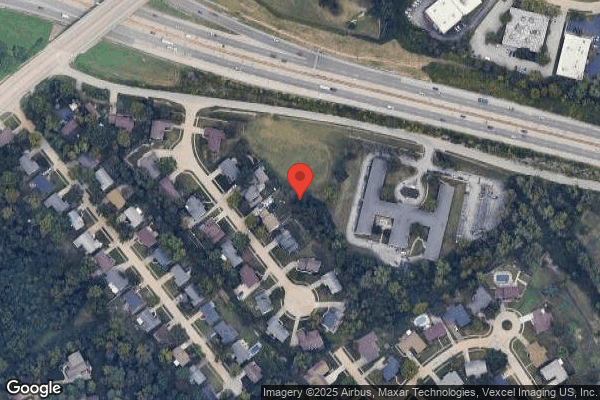
11988 MARK TWAIN LANE, BRIDGETON, MO 63044 (314) 291-8240
For profit - Corporation 120 Beds COMMUNITY CARE CENTERS Data: November 2025 2 Immediate Jeopardy citations
Trust Grade
0/100
#337 of 479 in MO
Last Inspection: January 2024

Within standard 12-15 month inspection cycle. Federal law requires annual inspections.

Overview

Avenir at Mark Twain has received a Trust Grade of F, indicating significant concerns about the care provided, which places it in the poor category. It ranks #337 out of 479 nursing homes in Missouri, putting it in the bottom half of facilities in the state, and #44 out of 69 in St. Louis County, suggesting there are better local options available. The facility is trending towards improvement, having reduced issues from 15 in 2024 to 9 in 2025, but it still has a concerning number of fines totaling $195,310, higher than 93% of Missouri facilities. Staffing is rated average with a turnover rate of 62%, which aligns with state averages, but there are serious incidents of care deficiencies, such as failing to ensure residents received timely CPR when needed and leaving residents unattended in unsafe conditions, including exposure to freezing temperatures. While there are some strengths in staffing rates, the overall quality of care and serious safety violations raise significant red flags for families considering this home.

Trust Score
F
0/100
In Missouri
#337/479
Bottom 30%
Safety Record
High Risk
Review needed
Inspections
Getting Better
15 → 9 violations
Staff Stability
⚠ Watch
62% turnover. Above average. Higher turnover means staff may not know residents' routines.
Penalties
✓ Good
$195,310 in fines. Lower than most Missouri facilities. Relatively clean record.
Skilled Nurses
⚠ Watch
Each resident gets only 24 minutes of Registered Nurse (RN) attention daily — below average for Missouri. Fewer RN minutes means fewer trained eyes watching for problems.
Violations
⚠ Watch
42 deficiencies on record. Higher than average. Multiple issues found across inspections.
★☆☆☆☆
1.0
Overall Rating
★★★☆☆
3.0
Staff Levels
★☆☆☆☆
1.0
Care Quality
★☆☆☆☆
1.0
Inspection Score
Stable
2024: 15 issues
2025: 9 issues

The Good

  • Full Sprinkler Coverage · Fire safety systems throughout facility
  • No fines on record

Facility shows strength in fire safety.

The Bad

1-Star Overall Rating

Below Missouri average (2.5)

Significant quality concerns identified by CMS

Staff Turnover: 62%

16pts above Missouri avg (46%)

Frequent staff changes - ask about care continuity

Federal Fines: $195,310

Well above median ($33,413)

Significant penalties indicating serious issues

Chain: COMMUNITY CARE CENTERS

Part of a multi-facility chain

Ask about local staffing decisions and management

Staff turnover is elevated (62%)

14 points above Missouri average of 48%

The Ugly 42 deficiencies on record

2 life-threatening
Aug 2025 6 deficiencies
CONCERN (D) 📢 Someone Reported This

A family member, employee, or ombudsman was alarmed enough to file a formal complaint

Potential for Harm - no one hurt, but risky conditions existed

ADL Care (Tag F0677)

Could have caused harm · This affected 1 resident

Based on observation, interview, and record review, the facility failed to ensure Activities of Daily Living (ADL) needs were met for three of 18 sampled residents. The facility failed to ensure gener...

Read full inspector narrative →
Based on observation, interview, and record review, the facility failed to ensure Activities of Daily Living (ADL) needs were met for three of 18 sampled residents. The facility failed to ensure general hygiene needs were met for two residents (Residents #1 and #64) and feeding assistance was provided to one resident (Resident #28). The sample was 18. The census was 75. Review of the facility's ADL policy, undated, showed:-Purpose: To ensure residents receive assistance with ADLs to maintain or enhance their dignity, independence, and quality of life, while preventing avoidable decline in function;-Procedure: Care plans will reflect each resident's functional status, strengths, limitations, and preferences. Staff will provide individualized assistance with bathing, grooming, dressing, eating, mobility, toileting, and hygiene as needed. Residents will be encouraged to participate in their ADLs to the fullest extent possible. Care will be delivered in a private and respectful manner. All ADL care provided, resident participation, refusals, and changes in condition will be documented in the electronic health record. 1. Review of Resident #1's annual Minimum Data Set (MDS), a federally mandated assessment instrument completed by facility staff, dated, 5/31/25, showed:-Cognitively intact;-Diagnoses included Ogilvie syndrome (acute dilation of the colon), chronic obstructive pulmonary disease (COPD, lung disease), and major depressive disorder. Review of the resident's care plan, in use at the time of the survey, showed:-Focus: The resident has an ADL Self Care Performance Deficit;-Goal: The resident will maintain current level of function through the next review date;-Interventions: The resident requires some cueing and supervision of one staff for dressing. The resident requires one staff participation with personal hygiene and oral care. Observation on 8/18/25 at 11:58 A.M., showed the resident walking down the hallway back to his/her room. The resident's pants were falling down exposing his/her underwear. The resident's hair was oily. The resident's fingernails were dirty, stained with dark matter. Observation on 8/19/25 at 7:45 A.M., showed the resident seated in the dining room for breakfast. The resident's shirt was unbuttoned with his/her stomach exposed. His/Her hair was oily. His/Her fingernails were dirty, with dark matter underneath the nails. The resident's pants were falling down exposing his/her underwear. Observation on 8/19/25 at 8:34 A.M., showed the resident seated in a chair near the nurse's station. The resident's shirt was unbuttoned with his/her stomach exposed. His/Her hair was oily. His/Her nails were dirty, with dark matter underneath the nails. During an interview on 8/20/25 at 7:48 A.M., Certified Nursing Assistant (CNA) M said he/she would expect the resident to have clean nails and hair. He/She would expect staff to assist the resident with his/her clothing to ensure they are on correctly. During an interview on 8/20/25 at 8:01 A.M., Registered Nurse (RN) C said he/she would expect the resident's hair and nails to be cleaned during the resident's showers or as needed. He/She would expect staff to ensure the resident's clothing is on properly. During an interview on 8/20/2025 at 3:00 P.M., the Director of Nursing (DON) and Administrator said they would expect the resident's hair and nails to be clean. They would expect staff to ensure the resident's clothing is on properly and comfortable to the resident. 2. Review of Resident #64's quarterly MDS, dated , 7/3/25, showed:-Cognitively intact;-Diagnoses included diabetes, muscle weakness, and major depressive disorder. Review of the resident's care plan, in use at the time of the survey, showed:-Focus: Resident has an ADL self-care performance deficit;-Goal: Resident will maintain current level of function through the next review date;-Interventions: Resident requires one staff participation with bathing. The resident requires one staff participation with personal hygiene and oral care. Observation and interview on 8/14/2025 at 11:54 A.M., showed the resident in the dining room in an activity. He/She had oily hair and dirty fingernails with matter underneath the nails. The resident said he/she is not always given the chance to shower twice a week. Observation on 8/19/2025 at 8:38 A.M., showed the resident had oily hair and dirty nails with matter underneath the nails. During an interview on 8/20/25 at 7:48 A.M., CNA M said he/she would expect the resident to have clean nails and hair. He/She would expect the resident to receive at least two showers a week. During an interview on 8/20/25 at 8:01 A.M., RN C said nursing staff should ensure the resident receives at least two showers or bed baths a week. He/She would expect the resident's hair and nails to be washed. During an interview on 8/20/2025 at 3:00 P.M., the DON and Administrator said they would expect the resident to recieve at least two showers or bed baths a week. They would expect the resident's hair and nails to be cleaned during their showers or as needed. 3. Review of Resident #28's admission MDS, dated , 7/3/25, showed:-Moderately impaired cognition;-Diagnoses included hemiplegia and hemiparesis (muscle weakness or partial paralysis) affecting the dominant right side, diabetes, and acute kidney failure. Review of the resident's care plan, in use at the time of the survey, showed:-Focus: Resident has an ADL self-care performance deficit;-Goal: The resident will maintain current level of function through the next review date;-No interventions for eating assistance listed. Observation on 8/18/25 at 8:40 A.M., showed the resident in the dining room for breakfast. The resident struggled to open a carton of juice with one hand. He/She poked a hole in the seal with a finger in order to open his/her drink. During an interview on 8/18/25 at 9:52 A.M., the resident said no staff ever help him/her in the dining room. Observations on 8/19/25 during lunch, showed:-At 12:30 P.M., while in the dining room for lunch, the resident picked up his/her napkin and his/her fork fell on the ground;-At 1:10 P.M., the resident started to eat his/her pasta with his/her hands. During an interview on 8/20/25 at 7:48 A.M., CNA M said he/she would expect staff to assist the resident with any needs he/she might have during meals. The resident is someone who needs help due to low mobility in his/her right arm. During an interview on 8/20/25 at 8:01 A.M., RN C said he/she would expect staff to assist the resident during meals with opening drinks and positioning the resident's wheelchair up to the table. He/She would expect the resident's care plan to reflect his/her ADL needs. During an interview on 8/19/25 at 12:46 P.M., the DON said she would expect all staff in the dining room for meals to assist residents with opening drinks and bringing residents new silverware. She would expect nursing staff to inform her if residents are having a hard time feeding themselves so the residents can be evaluated for ADL care needs. 25880741612001
CONCERN (E) 📢 Someone Reported This

A family member, employee, or ombudsman was alarmed enough to file a formal complaint

Potential for Harm - no one hurt, but risky conditions existed

Resident Rights (Tag F0550)

Could have caused harm · This affected multiple residents

**NOTE- TERMS IN BRACKETS HAVE BEEN EDITED TO PROTECT CONFIDENTIALITY** Based on observation, interview and record review, the facility failed to ensure residents were treated in a dignified manner af...

Read full inspector narrative →
**NOTE- TERMS IN BRACKETS HAVE BEEN EDITED TO PROTECT CONFIDENTIALITY** Based on observation, interview and record review, the facility failed to ensure residents were treated in a dignified manner affecting 5 of 18 sampled residents (Residents #1, #58, #64, #28 and #5). The census was 75. Review of the facility's resident's rights policy, undated, showed:-Employees shall treat all residents with kindness, respect, and dignity;-Residents are entitled to exercise their rights and privileges to the fullest extent possible. Our facility will make every effort to assist each resident in exercising his or her rights to assure that the resident is always treated with respect, kindness, and dignity;-Respect: Treat others as you want to be treated-every person matters. 1. Review of Resident #1's annual Minimum Data Set (MDS), a federally mandated assessment instrument completed by facility staff, dated, 5/31/25, showed:-Cognitively intact;-Diagnoses included Ogilvie syndrome (acute dilation of the colon), chronic obstructive pulmonary disease (COPD, a group of lung diseases that block airflow and make it difficult to breathe) and major depressive disorder. Observation on 8/15/25, in the resident's room, showed:-At 7:33 A.M., Restorative Aide W came into the resident's room and started to clean the room. He/She put on gloves, grabbed a paper towel and then wiped up a pile of bowel movement (BM) located near the resident's bed. He/She turned to the resident and said why did you put this on the ground? You have all these nasty wet clothes. You need to clean this up.;-At 7:39 A.M., he/she walked to the resident's door and grabbed the doorknob with one gloved hand while he/she grabbed the dirty linen cart with his/her other gloved hand. He/She said this resident is always making messes. Observation on 8/15/25 at 8:03 A.M., showed the resident sat in a chair next to the nurse's station. Housekeeping Aide M turned and said, you have to excuse me. This one (gesturing towards resident) and I [NAME] multiple times a day. He/She likes to make messes and throw BM all over. The resident looked up towards where Housekeeping Aide M was standing, visibly upset with a frown. During an interview on 8/15/25 at 8:07 A.M., Restorative Aide W said that is how he/she always talks to the resident. He/She said it hard to work with the resident and the resident should be cleaning up his/her own messes. During an interview on 8/20/25 at 1:48 P.M., the Director of Nurses (DON) and Administrator said staff should speak to residents in a respectful manner. It is not appropriate for staff to express displeasure with residents in front of them. 2. Review of Resident #58's quarterly MDS, dated [DATE], showed:-Cognitively intact;-Diagnoses included anxiety, depression, and mental disorder not otherwise specified. Review of the resident's care plan, in use at the time of survey, showed:-Focus: The resident has a potential psychosocial well-being problem;-Goal: The resident will demonstrate adjustment to nursing home placement by/through review date;-Tasks included allow the resident time to answer questions and to verbalize perceptions and fears. Observation on 8/18/25 at 1:00 P.M., showed the resident propelled into the dining room in his/her wheelchair. The Dietary Manager (DM) passed a lunch tray behind the resident, then bumped into the resident's wheelchair. The Dietary Manager said something in a stern, loud, and rude voice and said, You should have said hi, I'm behind you, and walked away from the resident. At 1:10 P.M., the resident asked dietary staff for silverware. As the DM prepared trays at the food prep line within earshot of the resident, the DM said, We're not doing this today. The resident asked the DM for a plate of food and said he/she did not want a burger and wanted to eat whatever was on the menu. The DM said, It's too late, you already asked for a burger. The resident asked why it was too late and said he/she had the right to change his/her mind. The DM ignored the resident and continued plating food for other residents in the dining room. During an interview on 8/18/25 at 1:23 P.M., Certified Nursing Assistant (CNA) I said the DM speaks rudely to the residents all the time. He/She said he/she goes out of his/her way to not work in the dining room during meals so he/she does not have to hear the DM speak to residents. During an interview on 8/18/25 at 1:32 P.M., the resident said fettuccine was served at lunch. He/She wanted a burger with a side of fettuccine and one of the staff told him/her it was ok to ask for that. The DM said no, he/she could not have what was requested. The way the DM talked to him/her was not very nice. During an interview on 8/19/25 at 8:51 A.M., Licensed Practical Nurse (LPN) J said some of the dietary staff is rude and they get upset with residents asking for things, particularly the DM. Staff should speak to residents nicely and try to accommodate them.During an interview on 8/19/25 at 9:47 A.M., CNA S said the DM talks to people rudely. Residents should get what they request and should be able to ask for things without getting yelled at. During an interview on 8/19/25 at 1:56 P.M., the DM said residents should be treated with dignity and respect. She said she did not intentionally speak rude to the resident. The resident tries to order food too late all the time and it aggravates her. During an interview on 8/20/25 at 1:48 P.M., the DON and Administrator said staff should speak to residents in a respectful manner. It is unacceptable for staff to yell at residents. If these issues are observed by other staff, staff should report their observations to Administration. 3. Review of Resident #64's quarterly MDS, dated [DATE], showed:-Cognitively intact;-Diagnoses included type two diabetes, muscle weakness and major depressive disorder. Observation on 8/19/25 at 8:38 A.M., showed the resident having a conversation with a surveyor. He/She said that he/she was told he/she could only have three bowls of cereal. The DM came up to the table where the resident was having a conversation and said, that didn't come from us in the dietary department. The resident asked the DM to not butt into his/her conversation. The Dietary Manager walked into the kitchen and yelled through the kitchen window, how many bowls do you want, the resident responded with one bowl and a cup of coffee. The DM brought the bowl of cereal to the table and when the resident said thank you, the DM turned without responding and walked back into the kitchen, muttering under her breath. During an interview on 8/19/25 at 1:56 P.M., the DM said residents should be treated with dignity and respect. She said she did not intentionally speak rudely to the resident. She said her tone could have been nicer. During an interview on 8/20/25 at 1:48 P.M., the DON and Administrator said staff should speak to residents in a respectful manner. It is unacceptable for staff to yell at residents. If these issues are observed by other staff, staff should report their observations to Administration. 4. Review of Resident #28's admission MDS, dated [DATE], showed:-Moderately impaired cognition;-Diagnoses included hemiplegia and hemiparesis (muscle weakness or partial paralysis) affecting the dominant right side, type two diabetes and acute kidney failure. Observation on 8/18/25, of the resident in the dining room, showed:-At 8:40 A.M., the resident was seated in the dining room for breakfast. The resident struggled to open a carton of juice with one hand. He/She called out for someone to help him/her;-At 8:46 A.M., CNA I walked past the resident's table. The resident started to ask for help but CNA I walked past him/her;-At 8:49 A.M., the Restorative Aide W walked up to the resident's table. The resident asked him/her for help. Restorative Aide W walked away without assisting the resident;-The resident poked a hole in the seal with a finger in order to open his/her drink. During an interview on 8/18/25 at 9:52 A.M., the resident said no staff ever help him/her in the dining room. They walk away before he/she can even finish asking for help. During an interview with on 8/20/25 at 1:48 P.M., the DON and Administrator said any staff member can assist a resident with opening a food package or retrieving new silverware. They expected staff to assist residents with meals and not ignore the residents or walk away while the residents are talking. 5. Review of Resident #5's medical record, showed:-Diagnoses included hypertension (high blood pressure), end stage renal disease (ESRD, permanent kidney failure requiring transplant or dialysis for survival), history of transient ischemic attack (TIA, a temporary interruption in blood flow to the brain causing stroke-like symptoms) and Type 2 diabetes. Review of the resident's care plan, in use at the time of the survey, showed:-Focus: the resident is at risk for falls as evidenced by a fall the resident suffered on 3/5/25; -Interventions: Ensure personal items were within the resident's reach. Ensure the resident's call light is within reach for the resident to use in order to ask for assistance. During an interview on 8/18/25 at 7:40 A.M., the resident said a few days ago a member of the night shift, CNA P, got into a power struggle with him/her over the call light. The resident said CNA P attempted to pull the call light away from him/her in order to prevent him/her from using it for the rest of the night. The resident said the staff member told him/her this would prevent the resident from pressing it all night and bothering staff on the hall. The resident said he/she felt disrespected by the staff member during that interaction, and these undignified interactions happen with other staff members as well. During an interview on 8/18/25 at 8:39 A.M., the Administrator said the resident came to his office on 8/17/25 to discuss the alleged incident with CNA P. The resident was assessed and found without injury. The resident did not allege abuse occurred and did not state he/she was in pain but felt the treatment given to him/her by CNA P was undignified. CNA P was removed from the future schedule at that time while the facility investigated the incident. The Administrator had not been able to successfully contact CNA P to discuss the alleged incident. 2588074 25793742572384161199516119822591662
CONCERN (E) 📢 Someone Reported This

A family member, employee, or ombudsman was alarmed enough to file a formal complaint

Potential for Harm - no one hurt, but risky conditions existed

Deficiency F0658 (Tag F0658)

Could have caused harm · This affected multiple residents

**NOTE- TERMS IN BRACKETS HAVE BEEN EDITED TO PROTECT CONFIDENTIALITY** Based on interview and record review, the facility failed to ensure services provided met professional standards of practice whe...

Read full inspector narrative →
**NOTE- TERMS IN BRACKETS HAVE BEEN EDITED TO PROTECT CONFIDENTIALITY** Based on interview and record review, the facility failed to ensure services provided met professional standards of practice when one resident (Resident #27) did not receive his/her routine anti-anxiety medication as prescribed for over two weeks. The facility also failed to document accurate weights on one resident (Resident #10) and failed to document when two residents (Resident #9 and Resident #68) left the facility for outside appointments and when the residents returned to the facility. The sample was 18. The census was 75. Review of the facility's Medical Provider Orders policy, revised 4/7/23, showed:-Policy: The facility shall use uniform guidelines for the ordering and following of medical provider orders;-Following of Medication and/or Treatment Orders;-Staff should follow all valid medical provider orders timely unless there is an emergency which would temporarily delay the implementation of the order;-The policy did not provide guidance for processes on reordering medications or pulling medications from the emergency kit (E-kit) if a prescribed medication was unavailable.Review of the facility's Weight Monitoring Program Guidelines policy, dated 10/11/10, showed:-The Director of Nursing (DON)and the Staff Development Coordinator will be responsible for monitoring the weights of each resident in the facility;-All new admissions will be added to the weekly schedule for the first four weeks after admission; After that time the assigned Nurse Manager will assess the stability of the resident's weight and decide when to continue to monitor the residents weight on a weekly basis or monthly basis. -The Nurse Manager will monitor on a weekly basis if the residents will be added to or removed from the weekly weight list;-The Nurse Manager will review significant weight gains and losses. 1. Review of Resident #27's medical record, showed:-Diagnoses included anxiety;-A physician order, dated 9/12/24, for clonazepam 1 milligram (mg), one tablet by mouth at bedtime for anxiety.Review of the resident's July and August 2025 Medication Administration Record (MAR) and progress notes related to clonazepam, showed:-A nurse's note, dated 7/31/25, showed the medication was ordered;-A nurse's note, dated 8/5/25, showed the medication is out of stock;-A nurse's note, dated 8/8/25, showed waiting on pharmacy to deliver medication;-A nurse's note, dated 8/9/25, showed waiting on medication to be sent by pharmacy, no access to E-kit;-A nurse's note, dated 8/11/25, showed waiting on medication from pharmacy;-A health status note, dated 8/11/25, showed nurse spoke to the resident's primary care physician, Physician EE, regarding resident's clonazepam. Per Physician EE, the facility's psychiatrist, Physician FF, was responsible for filling the script. Pharmacy contacted. Per pharmacy, will send additional request to Physician FF for medication. Resident made aware;-Staff documented 9 to indicate medication not received on 16 occasions from 7/26/25 through 8/13/25.Review of the resident's quarterly Minimum Data Set (MDS), a federally mandated assessment instrument completed by facility staff, dated 8/13/25, showed the resident cognitively intact.Review of the resident's care plan, in use at the time of survey, showed:-Focus: The resident has a potential psychosocial well-being problem related to anxiety;-Focus: The resident has a mood problem;-Tasks included the resident is taking anti-anxiety medications.During an interview on 8/18/25 at 12:04 P.M., the resident said there are issues with getting some medications consistently. He/She was recently out of clonazepam for two weeks. The clonazepam was back in stock within the past week. The facility needed a script from a psychiatrist. Two weeks was too long to be without his/her medication. He/She takes clonazepam for anxiety. He/She had an increase in anxiety during his time without the medication. During an interview on 8/19/25 at 8:51 A.M., Licensed Practical Nurse (LPN) J said the resident was out of clonazepam. The facility was waiting on a signed script from Physician EE. The resident even personally called Physician EE to request refills. Facility nurses have sent scripts and tried contacting Physician EE. When a resident is out of medication, they should notify the physician to get the order filled and pass the information along to the oncoming shift.During an interview on 8/20/25 at 9:31 A.M., Registered Nurse (RN) A said the resident's clonazepam was received on 8/13/25 after being out of stock for two weeks. Physician EE is the resident's physician, but cannot prescribe narcotic medication, so the medication has to be prescribed by Physician FF. The facility has issues getting a hold of Physician FF. When the resident's clonazepam ran out, staff should have pulled it from the E-kit. When a nurse pulls narcotics from the E-kit, it has be removed in the presence of two witnesses. The facility uses some agency nurses and they do not have access to the E-kit, so this is another problem. The resident should not have been without his/her medication for two weeks. People cannot just stop taking medications like that right away. During an interview on 8/19/25 at 11:04 A.M., the DON said there have been ongoing issues getting a response from Physician EE. Clonazepam is a narcotic medication and Physician EE cannot prescribe narcotics, so he/she refers his/her residents to the psychiatrist, Physician FF, for narcotic anxiety medication, or to a pain management clinic for narcotic pain medication. This results in delays in residents getting some of their medications. If a resident is out of their prescribed narcotic medication and Physician EE is their primary physician, nurses should reach out to the facility's medical director, Physician GG, regarding the issue. Nurses could also check the E-kit for the medication.Review of the facility's E-kit Active Inventory list, reviewed 8/19/25, showed a quantity of 23 clonazepam 0.5 mg tablets on hand.During an interview with the DON and Administrator on 8/20/25 at 1:48 P.M., they said they expected residents to receive their medications as prescribed. If a narcotic medication is not on hand, staff should call the pharmacy and place a STAT (immediate) order for the medication, which would require a script from the physician. Since Physician EE cannot prescribe narcotic medication, staff could contact the medical director, Physician GG. Staff should pull the medication, if available, from the E-kit. If a medication is not administered, the physician should be notified. Two weeks was too long for the resident to be without his/her anxiety medication. 2. Review of Resident #10's quarterly, MDS, dated [DATE], showed:-Diagnoses included: Malnutrition (inadequate nutrition), dysphagia (difficulty swallowing), gastrostomy status (a tube surgically inserted into the abdomen that is used for medications, liquid nutrition), and adult failure to thrive. Review of the resident's care plan, in use at the time of the survey, showed the care plan did not note the resident's weekly weights. Review of the resident's physician order sheets, dated, August, 2025, showed:-An order, dated 4/7/25, weekly weights, every Monday, day shift. Review of the resident's weight summary located in the resident's medical records, showed:-On 6/16/25: 112.0 pounds (lbs.);-On 6/30/25: 108.0 lbs;-On 7/7/25: 107.0 lbs;-On 7/7/25: 113. 4 lbs;-On 7/14/25: 116.0 lbs;-On 7/21/25: no weight. Review of the resident's paper documentation of weekly weights showed:-On 6/16/25: 110 lbs;-On 6/30/25: 113.4 lbs;-On 7/7/25: 116.0 lbs;-On 7/14/25: 112.0 lbs;-On 7/21/25: 112.0 lbs. During an interview on 8/18/25 at 1:10 P.M., LPN J said the Restorative Aide (RA) obtains all the weights. The RA will then inform the nurse verbally of the weight and the nurse places the weight in the electronic medical record (EMR). During an interview on 8/19/25 at approximately 10:00 A.M., RA W said he/she was responsible to complete all the weights. Weekly weights were completed every Monday. Once the weights are obtained RA W writes them on the weekly weight sheet, and the sheet is kept in his/her office. RA W said he/she will either verbally communicate the resident's weights to the nurse or write the resident's weights on a separate piece of paper and hand it to the nurse. RA W said he/she was instructed by the former DON that he/she is not allowed to place the residents' weights directly into their EMR. RA W said it would be better if he/she could directly place the weights in the EMR so there would be no delays, confusion or inaccuracy of the weights. During an interview on 8/20/25 at 1:27 P.M., the DON said the Charge Nurse on the floor oversees the residents' weights. The RA was responsible to obtain the weights and place them in the EMR. All weights were expected to be added into the EMR timely and accurately to avoid any inaccuracy about the weights. She was not aware that the RA was not placing the weights directly into the EMR. 3. Review of Resident #9's medical record showed diagnoses that include atrial fibrillation (irregular heartbeat), stroke, slurred speech, pacemaker, heart failure, infection of cardiac devices, and muscle weakness. Review of the resident's request transportation form showed:-On 5/20/25 , eye doctor appointment;-On 5/27/25, cardiology (heart) doctor appointment;-On 5/30/25, infectious disease doctor appointment-On 7/15/25 , foot and ankle surgery doctor appointment;-On 8/14/25, wellness visit appointment;-On 8/19/25, foot and ankle surgery doctor appointment. Review of the resident's progress notes showed:-On 5/20/25, no documentation related to the eye doctor's appointment;-On 5/27/24, no documentation related to the cardiology doctor's appointment;-On 5/30/25 at 9:38 A.M., the nurse received a call that the resident arrived late to the appointment, and the appointment was rescheduled for 8/4/25;-On 7/15/25, no documentation related to the foot and ankle surgery doctor's appointment;-On 8/4/25, no documentation related to the rescheduled infectious disease doctor's appointment;-On 8/14/25, no documentation related to the wellness visit appointment;-On 8/19/25, no documentation related to the foot and ankle surgery doctor's appointment. 4. Review of Resident #68's medical record showed diagnoses that included stroke, high blood pressure, edema (swelling), breast cancer, cardiomegaly (weakened and enlarged heart), atrial fibrillation, and lumbar (lower back) radiculopathy (nerve irritation or compression that causes pain). Review of the resident's request transportation forms showed:-On 5/15/25, primary care doctor appointment;-On 5/20/25, eye doctor appointment;-On 6/13/25, pain management doctor appointment;-On 6/17/25, neurology (brain and nervous system) doctor appointment;-On 7/10/25, pain management doctor appointment. Review of the resident's progress notes showed:-On 5/15/25, no documentation related to the primary care doctor's appointment;-On 5/20/25, no documentation related to the eye doctor's appointment;-On 6/13/25, no documentation related to the pain management doctor's appointment;-On 6/17/25, no documentation related to the neurology doctor's appointment;-On 7/10/25, no documentation related to the pain management doctor's appointment. During an interview on 8/19/25 at approximately at 10:15 A.M., the resident said he/she has many doctor appointments due to his/her many medical conditions. Some of his/her appointments are missed due to transportation delays. 5. During an interview on 8/19/25 at 9:25 A.M., LPN J said when the residents go out to any appointments, there should be a note that the resident left for the appointment and when the resident returned. The return note should contain the condition of the resident, any information the resident said about the appointment and any new orders related to the appointment and when the next appointment is scheduled; all that information should be documented in the progress notes. 6. During an interview on 8/20/25 at 1:27 P.M., the Administrator and DON said a progress note is expected to be added every time the resident leaves for an appointment and when they return. The notes are expected to include when the resident left and where they were going. When the resident returns, a note is expected to include what time the resident returned and if there are any new recommendations, orders or appointments that need to be added to the resident's medical record. If the resident does not go to the appointment a note is expected to be added related to the missed appointment. 1611982
CONCERN (E) 📢 Someone Reported This

A family member, employee, or ombudsman was alarmed enough to file a formal complaint

Potential for Harm - no one hurt, but risky conditions existed

Deficiency F0804 (Tag F0804)

Could have caused harm · This affected multiple residents

**NOTE- TERMS IN BRACKETS HAVE BEEN EDITED TO PROTECT CONFIDENTIALITY** Based on observation, interview and record review, the facility failed to ensure residents were served food at a palatable, safe...

Read full inspector narrative →
**NOTE- TERMS IN BRACKETS HAVE BEEN EDITED TO PROTECT CONFIDENTIALITY** Based on observation, interview and record review, the facility failed to ensure residents were served food at a palatable, safe, and appetizing temperature during meal service. This affected 10 of 18 sampled residents (Residents #5, #7, #17, #26, #27, #48, #54, #60, #64 and #68). The census was 75. Review of the facility's meal temperature policy, revised 1/2019, showed:-Purpose: To ensure appropriate food temperatures during meal service and to ensure appropriate food holding temperatures. To comply with federal and state regulations governing food meal service;-Policy: Meals temperatures shall be monitored by the Dietary Manager and the Cooks on a daily basis. Hot food shall be cooked or heated to a temperature above 165 degrees Fahrenheit (F) . Cold food shall be chilled to a temperature below 40 degrees F. Foods shall be provided at point of service to support resident/patient satisfaction. Temperatures of hot food shall be supported to promote service temperatures of hot foods to about 120 degrees F and cold foods to below 50 degrees F. 1. Review of Resident #5's medical record, showed:-Cognitively intact;-Diagnoses included hypertension (HTN, high blood pressure), end stage renal disease (ESRD, permanent kidney failure requiring transplant or dialysis for survival), history of transient ischemic attack (TIA, a temporary interruption in blood flow to the brain causing stroke-like symptoms) and tType 2 diabetes. During an interview on 8/18/25 at 7:40 A.M. the resident said meals at the facility are often served cold and taste bland. A hamburger was served for dinner over the weekend that the resident described as burned, dry, and covered in a nasty sauce. 2. Review of Resident #7's comprehensive Minimum Data Set (MDS), a federally mandated assessment instrument completed by facility staff, dated 8/16/25, showed:-Cognitively intact;-Independent with eating;-Diagnoses included emphysema (lung disease), heart failure, breast cancer, iron deficiency anemia, hyperlipidemia and chronic kidney disease. During an interview on 8/14/25 at 12:18 P.M., the resident said the only issue he/she has with the facility is the food. The food is always cold when it is supposed to be hot. The food doesn't taste good. He/She doesn't bother asking for an alternative food because it won't be good or hot, either. Observation on 8/14/25 at 12:54 P.M., showed the resident eating lunch in his/her room. The food on his/her plate consisted of a pinkish meat, diced mixed vegetables, and mashed potatoes. During an interview, the resident said the food was meh and not very good. 3. Review of Resident #17's quarterly MDS, dated [DATE], showed:-Cognitively intact;-Diagnosis included hemiplegia and hemiparesis (muscle weakness or partial paralysis) affecting the non-dominant left side, dementia and acute respiratory failure. During an interview on 8/14/2025 at 11:19 A.M., the resident said the food is not good. The food is usually cold when delivered. 4. Review of Resident #26's quarterly MDS, dated [DATE], showed:-Cognitively intact;-Independent with eating;-Diagnoses included depression and bipolar disorder (mood disorder that can cause intense mood swings).During an interview on 8/14/25 at 5:36 P.M., the resident said food is often served cold. Residents can ask staff to microwave their food, but he/she doesn't like doing this because he/she feels like he/she is being inconvenient. 5. Review of Resident #27's quarterly MDS, dated [DATE], showed:-Cognitively intact;-Independent with eating;-Diagnoses included diabetes, acute kidney failure, high blood pressure, dehydration, depression, and anxiety. During an interview on 8/18/25 at 12:04 P.M., the resident said the food served by the facility is terrible. The food is served cold when it should be hot. The food tastes bad and can be undercooked. 6. Review of Resident #48's quarterly MDS, dated [DATE], showed:-Cognitively intact;-Setup or clean-up assistance required for eating;-Diagnoses included diabetes, hyperlipidemia, high blood pressure, and morbid obesity. Observation on 8/15/25 at 8:13 A.M., showed Certified Nurse Aide (CNA) HH delivered a breakfast tray to the resident's room. At 8:28 A.M., the resident's breakfast tray contained a scoop of scrambled eggs and a biscuit. During an interview, the resident said his/her food was served cold and it was not enough to eat. At 9:05 A.M., CNA HH removed the resident's breakfast tray. As he/she was leaving the room, the resident said his/her food was nasty. CNA HH laughed and said he/she would remove the tray for the resident. CNA HH did not offer to get the resident an alternate. Observation on 8/18/25 at 8:46 A.M., showed the resident in bed with a tray of breakfast on his/her bedside table, consisting of a scoop of scrambled eggs and a donut. No dietary slip on the breakfast tray. During an interview, the resident said this is ridiculous. He/She is hungry and did not get served enough to eat. He/She is upset, tired and hungry. 7. Review of Resident #54's medical record, showed:-Cognitively intact;-Diagnoses included acute kidney failure, muscle weakness and depression. During an interview on 8/14/2025 at 12:03 P.M., the resident said the food is horrible. He/She said food temperatures are cold when food is delivered. He/She said two months ago, the kitchen served raw meat to the residents. 8. Review of Resident #60's comprehensive MDS, dated [DATE], showed:-Moderate cognitive impairment;-Setup or clean-up assistance required for eating;-Diagnoses included diabetes, adult failure to thrive, heart disease, chronic obstructive pulmonary disease (lung disease) and dementia. Observation on 8/18/25 at 8:47 A.M., showed the resident eating breakfast in his/her room. Breakfast consisted of one donut and one scoop of scrambled eggs. No dietary slip was on the tray. During an interview, the resident said his/her breakfast was not good. The donut was not sweet and it was dry. The food served at the facility does not taste good. It is always served cold when it should be hot. 9. Review of Resident #64's quarterly MDS, dated [DATE], showed:-Cognitively intact;-Diagnosis included type two diabetes, muscle weakness and major depressive disorder. During an interview on 8/14/2025 at 1:48 P.M., the resident said the food is awful. The coffee is not hot when served. Staff do not offer refills. 10. Review of Resident #68's quarterly MDS, dated [DATE], showed:-The resident is cognitively intact;-Diagnoses include stroke, high blood pressure and heart failure. During an interview on 8/14/25 at 5:58 P.M., the resident said he/she does not eat the food in the facility. The food does not look appetizing, and it is often cold. The food is not nutritious and does not provide the 5 food groups. The resident's family brings in meals for him/her every day. 11. Observation on 8/14/25 at 5:37 P.M., of dinner on the [NAME] hallway, showed:-Baked beans measured 103.2 degrees F;-Barbeque (BBQ) burger measured 92.3 degrees F. The meat was chewy. Observation on 8/14/25 at 5:53 P.M., of dinner on the East hallway, showed:-BBQ burger measured 95.6 degrees F. The meat was bland and chewy. 12. During a group interview on 8/18/25 at 11:03 A.M., six out of six residents, whom the facility identified as alert and oriented, said there are ongoing issues with dietary. Food that is supposed to be hot is served cold. Food is served that is not cooked all the way through. They have discussed this in resident council meetings and the dietary issues have continued. During an interview on 8/14/25 at 11:43 A.M., CNA B said the food served at the facility is terrible, not good. The residents don't like the food and won't eat it. The portions are small and residents do not get enough to eat. The food is always served cold when it should be hot. During an interview on 8/19/25 at 1:03 P.M., Dietary Aide F said food should be served at a safe and palatable temperature and should taste good. During an interview on 8/19/25 at 12:44 P.M., the Dietary Manager said food should be delivered to residents at a safe and palatable temperature to prevent illness. She said the food has not been served at the required temperature due to broken kitchen appliances not warming the food. During an interview on 8/20/2025 at 2:12 P.M., the Administrator and Director of Nursing (DON) said they expected food to be served to residents at a safe and palatable temperature. They expected food to be palatable. They expected staff to heat up food if it is not at the appropriate temperature. 161200116119951611992
CONCERN (E) 📢 Someone Reported This

A family member, employee, or ombudsman was alarmed enough to file a formal complaint

Potential for Harm - no one hurt, but risky conditions existed

Deficiency F0806 (Tag F0806)

Could have caused harm · This affected multiple residents

**NOTE- TERMS IN BRACKETS HAVE BEEN EDITED TO PROTECT CONFIDENTIALITY** Based on observation, interview, and record review, the facility failed to provide food that accommodates resident allergies and...

Read full inspector narrative →
**NOTE- TERMS IN BRACKETS HAVE BEEN EDITED TO PROTECT CONFIDENTIALITY** Based on observation, interview, and record review, the facility failed to provide food that accommodates resident allergies and preferences, and to provide alternative meal options (Residents #26, #5, #49, #48, #60, #27, #35, and #55). The sample was 18. The census was 75.1. Review of the facility's resident council meeting minutes, showed:-On 6/25/25, 13 residents in attendance. Staff are not properly reading the tickets and sending meals to their rooms that their tickets state they do not want. Alternative menus - some meals they do not have in the kitchen, so they do not reach out to ask if they want another alternative meal; -On 7/16/25, 20 residents in attendance. Residents complained the kitchen staff is rude and fail to read the tickets accurately. They also noted that some meals are not available. One resident expressed frustration of being served daily eggs when he/she is allergic to eggs. During a group interview on 8/18/25 at 11:03 A.M., six out of six residents, whom the facility identified as alert and oriented, said there are ongoing issues with dietary. They have discussed their concerns with staff in resident council meetings and the dietary issues have continued. The facility does not post menus, so residents do not know what meal are going to be served. The facility has an alternate menu, but the kitchen is out of stock of the items on the alternate menu all the time. Three of the six residents in attendance said when dietary slips are provided with meals, staff do not follow the guidance on the dietary slips. 2. Observations on 8/14/25 at 10:14 A.M., 8/15/25 at 8:54 A.M., and 8/18/25 at 8:30 A.M., showed no menus posted in the facility. During an interview on 8/19/25 at 1:56 P.M., the Dietary Manager (DM) said the expectation is that the menus for each day and for the month are to be posted on the wall outside the main dining room. This has not been done. 3. Review of Resident #26's electronic medical record (EMR), showed:-Diagnoses included depression and bipolar disorder (mood disorder that can cause intense mood swings);-Allergies to eggs and poultry flagged at the top of the screen in the EMR;-A comprehensive nutritional assessment, dated 3/6/24, showed allergies to eggs and poultry. Resident has an allergy to chicken;-A physician order, dated 2/15/25, for regular diet. Allergies: Eggs, poultry. Review of the resident's quarterly Minimum Data Set (MDS), a federally mandated assessment instrument completed by facility staff, dated 5/31/25, showed:-Cognitively intact;-Independent with eating. Review of the resident's care plan, in use at the time of survey, showed a focus of the resident has nutritional problem or potential nutritional problem. No documentation related to the resident's allergies of food preferences. Review of the resident's dietary slips, undated, showed NO EGGS (ALLERGY) and NO POULTRY (ALLERGY) at the top of the slips for breakfast, lunch, and dinner. During an interview on 8/14/25 at 5:36 P.M., the resident said he/she is allergic to poultry and eggs. He/She is served eggs at breakfast all the time. If eggs are on the menu for breakfast, he/she is supposed to get an alternate meat. Observation on 8/18/25 at 9:07 A.M., showed the resident in his/her room eating breakfast. During an interview, the resident said he/she was served eggs for breakfast yesterday. The resident showed a picture he/she took on his/her phone of the eggs. The picture showed a plate of scrambled eggs, and the picture was timestamped 8/17/25 at 9:06 A.M. During an interview on 8/20/25 at 8:24 A.M., Certified Nurse Aide (CNA) B said the resident is allergic to eggs and gets served eggs all the time. 4. Review of Resident #5's quarterly MDS, dated [DATE], showed:-Cognitively intact;-Setup or clean-up assistance required for eating;-Diagnoses included high blood pressure, kidney failure, and diabetes. During an interview on 8/18/25 at 7:40 A.M., the resident said he/she was served a burger for dinner over the weekend that was burned, dry, and covered in nasty sauce. He/She asked for a hotdog as a substitute but was told by dietary staff the item was not available. Observation on 8/18/25 at 12:45 P.M., showed the resident in the hallway outside of the kitchen. He/She requested a hotdog for lunch. Dietary Aide (DA) OO said no, he/she does not get a hotdog today, DA OO will give him/her a burger. During an interview on 8/18/25 at 12:55 P.M., the resident said he/she wanted a hotdog for lunch. He/She has been wanting a hotdog for two weeks, and they never have any. It makes him/her upset. He/She eats a burger every day and he/she doesn't want another burger. 5. Review of the facility's alternate menu, undated, showed:-Please circle: Lunch or dinner;-Date, resident name, room;-Please circle your choice:-Grilled cheese;-Soup;-Hamburger and chips;-Cheeseburger and chips;-Deli sandwich and chips;-Chef salad;-Hot dog and chips;-Tuna salad and chips;-Please have completed and return to Dietary by 10:00 A.M. for lunch and 3:30 P.M. for dinner. Observation of the kitchen on 8/18/25 at 12:27 P.M., showed no hot dogs or tuna in the food storage areas. Cans of cream of chicken soup were located in the pantry. During an interview on 8/18/25 at 12:35 P.M., DA OO and the DM said food listed on the alternate menu is always available. Residents must fill out their request for an alternate and give it to dietary two hours in advance of each meal. The facility is out of hot dogs right now. They are also out of tuna. The only soup they have is cream of chicken, which is more of a base for other dishes rather than a soup someone would order to eat at a meal. 6. Review of Resident #49's medical record, showed:-Diagnoses included respiratory failure, morbid obesity, diabetes, heart failure, kidney failure, dysphagia (difficulty swallowing), disorientation, depression, anxiety, schizophrenia (serious mental illness that affects how a person thinks, feels, and behaves), and schizoaffective disorder (mental illness combining symptoms of a mood disorder and schizophrenia);-A quarterly nutritional assessment, dated 3/1/24 with blank fields for food likes and food dislikes;-No other nutritional assessments completed after 3/1/24. Review of the resident's quarterly MDS, dated [DATE], showed:-Cognitively intact;-Supervision or touching assistance required for eating. Review of the resident's care plan, in use at the time of survey, showed a focus of the resident has a nutritional problem. No documentation related to the resident's food preferences was noted in the care plan. Review of the resident's dietary slips, undated, showed no documentation of likes or dislikes for breakfast, lunch, or dinner. During an interview on 8/14/25 at 11:51 A.M., the resident said the food has gone downhill. He/She doesn't like eggs or cheese and he/she gets served that a lot. He/She hates that because he/she doesn't want to waste food. He/She keeps telling staff he/she does not like eggs. He/She loves breakfast, just not eggs. Observation and interview on 8/15/25 at 8:24 A.M., showed the resident in bed with a breakfast tray on his/her table containing scrambled eggs. The eggs were untouched. The dietary slip on the tray did not show the resident's dislike of eggs. The resident said he/she does not like eggs. He/She told the aide and asked for meat or something. The aide said they would be back and they did not return. At 9:22 A.M., the resident's eggs remained on his/her bedside table, untouched. During an interview, the resident said the aide never came back with meat. He/She just received a food delivery of chips and snacks. He/She guesses that is better than nothing. Observation and interview on 8/18/25 at 9:22 A.M., showed the resident in bed with a breakfast tray on his/her bedside table containing scrambled eggs and no dietary slip on the tray. The eggs were untouched. The resident said he/she does not like eggs. 7. Review of Resident #48's medical record, showed diagnoses included diabetes, hyperlipidemia (high cholesterol), high blood pressure and morbid obesity;-A quarterly nutritional assessment, dated 4/23/24, with blank fields for food likes and dislikes;-No other nutritional assessments completed after 4/23/24. Review of the resident's quarterly MDS, dated [DATE], showed:-Cognitively intact;-Setup or clean-up assistance required for eating. Review of the resident's care plan, in use at the time of survey, showed a focus of the resident has a nutritional problem related to morbid obesity and diabetes. No documentation related to the resident's food preferences was noted in the care plan. Review of the resident's dietary slips, undated, showed no documentation of likes or dislikes for breakfast, lunch, or dinner. Observation and interview on 8/18/25 at 8:46 A.M., showed the resident in bed with a tray of breakfast on his/her bedside table, consisting of a scoop of scrambled eggs and a donut, with no dietary slip on the breakfast tray. The resident said there should be a dietary slip on the tray at every meal. Dietary doesn't post a menu anymore, so he/she never knows what he/she is getting and if he/she should request to get something else. 8. Review of Resident #26's medical record, showed:-A comprehensive nutritional assessment, dated 3/6/24, with no likes or dislikes documented;-No nutritional assessments completed after 3/6/24. Review of the resident's quarterly MDS, dated [DATE], showed:-Cognitively intact;-Independent with eating. Review of the resident's care plan, in use at the time of survey, showed a focus of the resident has nutritional problem or potential nutritional problem. No documentation related to the resident's allergies or food preferences were noted in the care plan. Review of the resident's dietary slips, undated, showed no likes or dislikes documented. During an interview on 8/14/25 at 5:36 P.M., the resident said he/she is allergic to poultry and eggs, so he/she relies on the alternate menu. He/She requests alternates all the time and seldom gets what he/she requested. The kitchen is always out of stuff. 9. Review of Resident #60's comprehensive MDS, dated [DATE], showed:-Moderate cognitive impairment;-Setup or clean-up assistance required for eating;-Diagnoses included diabetes, adult failure to thrive, heart disease, chronic obstructive pulmonary disease (lung disease), and dementia. Review of the resident's care plan, in use at the time of survey, showed no documentation related to the resident's food preferences. Review of the resident's medical record, showed no documentation of nutritional assessments. Observation and interview on 8/18/25 at 8:47 A.M., showed the resident eating breakfast in his/her room, with no dietary slip on the tray. The resident said there are no menus posted in the facility, so residents never know what is going to be served. 10. Review of Resident #27's quarterly MDS, dated [DATE], showed:-Cognitively intact;-Independent with eating;-Diagnoses included diabetes, acute kidney failure, hypertension, dehydration, depression, and anxiety. Review of the resident's care plan, in use at the time of survey, showed a focus of the resident has a potential nutritional problem. No documentation related to the resident's food preferences. Review of the resident's medical record, showed no nutritional assessments documented. During an interview on 8/18/25 at 12:04 P.M., the resident said the facility used to have a menu posted for meals served each day, but they don't do that anymore. The kitchen doesn't actually have the alternates listed. 11. Review Resident #35's quarterly MDS, dated [DATE], showed:-Cognitively intact;-Dependent on assistance for eating;-Diagnoses included neurofibromatosis (condition characterized by changes in skin coloring and the grown of tumors along nerves in the skin, brain, and other parts of the body), hypotension (low blood pressure), and anemia. Review of the resident's care plan, in use at the time of survey, showed a focus of the resident has nutritional problem or potential nutritional problem. No documentation related to the resident's allergies of food preferences were noted in the care plan. Review of the resident's medical record, showed no nutritional assessments documented. During an interview on 3/18/25 at 3:28 P.M., the resident said the staff do not follow diet orders. If residents ask for something specific, they are told no. Last week, the resident asked for something, and the DM said they are not going to do that. If the resident requests toast for breakfast, staff tell him/her toast is not on the menu so he/she can't have that. The resident said, It's bread.how hard can it be to serve the residents toast? 12. Review of Resident #55's comprehensive MDS, dated [DATE], showed:-Cognitively intact;-Setup or clean-up assistance required for eating;-Diagnoses included heart failure, high blood pressure, respiratory failure, diabetes, hyperlipidemia, and depression. Review of the resident's dietary meal ticket slip (undated) showed:-The resident is to be served a regular, low sodium, controlled carbohydrate diet for all meals. During an interview on 8/14/25 at 1:58 P.M., the resident said substitutes are not always available from the kitchen. He/She requested two grilled cheese sandwiches from the kitchen after the lunch meal and was served two bologna sandwiches, both of which were marked as expired as of 8/12/25. 13. Observation and interview on 8/20/25 at 8:10 A.M., showed CNA T passed trays of food to resident rooms on the hallway. None of the trays had dietary slips. CNA T said dietary slips are not on the trays sent out to the hallway by dietary. He/She is just passing trays to residents without knowing what should be on their dietary slips. Dietary slips tell staff if the resident has allergies and what the resident likes/dislikes. Residents should receive the right foods. Menus are not posted in the facility. Residents need to know what is on the menu so they can know if they should request an alternate or not. Observation and interview on 8/20/25 at 8:24 A.M., showed CNA B passed trays to resident rooms from carts on the hallway. There were no dietary slips on the trays. CNA B said dietary staff are not sending dietary slips out with room trays. Dietary slips should include diet type and if the resident has allergies and what they like/dislike. Staff won't know what is supposed to be on a resident's tray without the dietary slips, unless they get to know the resident over time and learn it themselves. 14. During an interview on 8/20/25 at 10:24 A.M., [NAME] V said when the previous DM left the facility, he/she took his/her computer, and the dietary slips were on the computer. The kitchen has a copy of all dietary slips that were available when the DM left. When plating food at meals, dietary staff go off the recipes for what they put on the plate. If a resident is allergic to eggs, dietary should give the resident meat instead, and/or cold cereal. Hot dogs and soup are on the alternative menu. The kitchen is out of hot dogs. All they have is cream of chicken soup, not real soup that someone would eat as a meal. The DM places orders for food. 15. During an interview on 8/19/25 at 1:56 P.M., the DM she would expect for all items on the alternate menu to be available for the residents. She would expect all alternate menu requests made by residents to be respected. During an interview on 8/20/25 at 10:08 A.M., the DM said dietary staff should refer to dietary slips when plating food for residents. Dietary slips show if the resident has allergies. Ideally, the slips should include the resident's likes/dislikes. Currently, the slips to not include this information. She does not have access to print the dietary slips at this time. The kitchen is out of hot dogs and tuna. They have cream of chicken soup, but no other soups. The kitchen should be stocked with all items that are available on the alternate menu. At this time, the DM is unable to place food orders. Food orders are currently placed by an outside company that is contracted to provide dietician services. The outside company sticks to a budget and only orders the items listed on each recipe for meals on the planned menu. The outside company is not ordering extra items for alternate meals. 16. During an interview with the Director of Nurses (DON) and Administrator on 8/20/25 at 1:48 P.M., they said they expected menus to be posted daily. Dietary staff should be sending dietary slips out with trays during meals. The DM has access to the dietary slips, and she should print them out at meals. Dietary slips should show the resident's name, room number, diet type, and other information, such as allergies and likes/dislikes. Dietary staff should follow the dietary slips when plating food. Nursing should check the dietary slips and make sure the correct items are there before delivering to the resident. The DM should complete assessments with each resident to determine their likes/dislikes. Dietary should have all items available that are listed on the alternate menu. Traditionally, the DM places food orders but since she is new, food orders are placed by an outside company contracted by the facility for dietician services. Residents have the right to ask for and receive alternative meal options. 16119952588074
CONCERN (E) 📢 Someone Reported This

A family member, employee, or ombudsman was alarmed enough to file a formal complaint

Potential for Harm - no one hurt, but risky conditions existed

Deficiency F0947 (Tag F0947)

Could have caused harm · This affected multiple residents

Based on interview and record review the facility failed to provide documentation of ongoing educational training provided to active Certified Nursing Aides (CNAs), totaling no less than 12 hours per ...

Read full inspector narrative →
Based on interview and record review the facility failed to provide documentation of ongoing educational training provided to active Certified Nursing Aides (CNAs), totaling no less than 12 hours per year, for four of six sampled active CNAs. Insufficient training documentation was provided for four of six sampled CNAs. The sample was 18. The census was 75.1. Review of CNA E's CNA Annual In-Service Training Log, showed:-Inservices completed each month from January 2025 to June 2025, with each inservice totaling one hour;-No record of inservices completed prior to January 2025. 2. Review of CNA Z's CNA Annual In-Service Training Log, showed:-Inservices completed each month from January 2025 to June 2025, with each inservice totaling one hour;-No record of inservices completed prior to January 2025. 3. Review of CNA AA's CNA Annual In-Service Training Log, showed:-No record of inservices completed for the past year, from hire date to hire date, while employed at the facility. 4. Review of CNA BB's CNA Annual In-Service Training Log, showed:-No record of inservices completed for the past year, from hire date to hire date, while employed at the facility. 5. Review of CNA CC's CNA Annual In-Service Training Log, showed:-No record of inservices completed for the past year, from hire date to hire date, while employed at the facility. 6. Review of CNA DD's CNA Annual In-Service Training Log, showed:-No record of inservices completed for the past year, from hire date to hire date, while employed at the facility. 7. During an interview on 8/19/25 at 8:52 A.M., the Director of Nursing (DON) said she was unable to find annual education logs for four of the six sampled CNAs and does not have access to any annual trainings completed by employees prior to January, 2025. The DON said the previous administration walked out of the building with numerous documents and believes CNA trainings may have been among them. Ensuring annual education is completed by CNAs is the responsibility of the DON, and all CNAs at the facility should receive 12 hours of education annually per regulation guidelines.8. During an interview on 8/20/25 at 1:48 P.M the Administrator and DON said they expected all CNAs at the facility to receive 12 hours of ongoing education annually per regulation guidelines. It is believed the previous DON took inservice records and education documentation with them when resigning from the position.
Jan 2025 3 deficiencies 1 IJ
CRITICAL (J) 📢 Someone Reported This

A family member, employee, or ombudsman was alarmed enough to file a formal complaint

Immediate Jeopardy (IJ) - the most serious Medicare violation

Deficiency F0678 (Tag F0678)

Someone could have died · This affected 1 resident

**NOTE- TERMS IN BRACKETS HAVE BEEN EDITED TO PROTECT CONFIDENTIALITY** Based on interview and record review, the facility failed to provide appropriate basic life support, including cardiopulmonary r...

Read full inspector narrative →
**NOTE- TERMS IN BRACKETS HAVE BEEN EDITED TO PROTECT CONFIDENTIALITY** Based on interview and record review, the facility failed to provide appropriate basic life support, including cardiopulmonary resuscitation (CPR, a lifesaving technique that's used in emergencies in which someone's breathing or heartbeat has stopped) for one (Resident #1) of three sampled residents, who was found by staff without a pulse. Staff started CPR on a resident with full code orders but stopped before Emergency Medical Services (EMS) arrived. The Certified Nurse Aides (CNAs) on duty said they did not know how to determine code status. EMS was not notified timely, the resident was discovered without pulse at 5:10 A.M. and EMS was not contacted until 6:14 A.M. The resident expired. Additionally, the facility failed to provide CPR qualified staff for 14, full eight hour shifts between [DATE] through [DATE]. The Staffing Coordinator (SC) did not know he/she was responsible to ensure one CPR certified staff person was available on each shift. Fifty-four residents were listed as full code residents. The census was 71. The Administrator was notified on [DATE] at 12:45 P.M. of an Immediate Jeopardy (IJ) which began on [DATE]. The IJ was removed on [DATE], as confirmed by surveyor onsite verification. Review of the facility's Medical Emergency Response policy, revised [DATE], showed: -Policy: It is the policy of this facility to respond to medical emergencies for residents, staff and visitors; -Policy Explanation and Compliance Guidelines: -1. The employee who first witnesses or is first on the site of a medical emergency, that are trained, will initiate immediate action, including CPR as appropriate, basic first aid and summon for assistance; -2. CPR will be initiated unless: -a. There is a DNR order in place. -b. There are obvious signs of clinical death (rigor mortis (stiffening of the joints and muscles of a body a few hours after death), dependent lividity (the pooling of blood in the lower parts of the body after death. This causes the skin to appear discolored, usually in a shade of purple), decapitation (head removed from the body), transection (horizontal cross-section that divides the body into two parts), or decomposition (gradual process that begins at death and continues until the body is reduced to a skeleton)); -c. Initiating CPR could cause injury or peril (being in danger of injury) to the rescuer; -3. A nurse will: -a. Assess the situation and determine the severity of the emergency; -b. Stay with the resident; -c. Designate a staff member to announce emergency code, if necessary, notify the physician and call 911 as needed; -4. A Code will be announced, if necessary; -5. All available staff will respond to the emergency accordingly; -6. A nurse will bring the Emergency Cart to the code site, ensure accurate documentation of the event and delegate any other duties or tasks needed; -7. If the resident experiences cardiac arrest, the facility must provide basic life support, including CPR, prior to the arrival of emergency medical services, and: -a. In accordance with the resident's advance directives, or; -b. In absence of advance directives or a Do Not Resuscitate order, and; -c. If the resident does not show obvious signs of clinical death; -8. The Charge Nurse or designee will ensure emergency medications and equipment are inventoried and restocked after the event; -9. The emergency carts and equipment shall be checked daily; -10. The facility will ensure that CPR certified staff are always available; -11. Current certified staff must maintain CPR-Certification for Healthcare Providers through a CPR provider whose training includes hands-on skills practice and in-person assessment and demonstration of skills. Online certification is not acceptable; -12. This facility will not implement a No CPR policy. Review of the facility's CPR policy, revised [DATE], showed: -Policy: It is the policy of this facility to adhere to residents' rights to formulate advance directives. In accordance to these rights, this facility will implement guidelines regarding cardiopulmonary resuscitation (CPR); -Policy Explanation and Compliance Guidelines: -1. The facility will follow current American Heart Association (AHA) guidelines regarding CPR; -2. If a resident experiences a cardiac arrest, facility staff will provide basic life support, including CPR, prior to the arrival of emergency medical services, and: -a. In accordance with the resident's advance directives, or; -b. In the absence of advance directives or a Do Not Resuscitate order; and; -c. If the resident does not show obvious signs of clinical death (e.g., rigor mortis, dependent lividity, decapitation, transection, or decomposition); -3. CPR certified staff will be available at all times; -4. Staff will maintain current CPR certification for healthcare providers through a CPR provider who evaluates proper technique through in-person demonstration of skills. CPR certification which includes an online knowledge component yet still requires in-person skills demonstrations to obtain certification or recertification is also acceptable. 1. Review of Resident #1's quarterly Minimum Data Set (MDS) a federally mandated assessment instrument completed by facility staff, dated [DATE], showed: -Severe cognitive impairment; -Diagnoses included chronic obstructive pulmonary disease (COPD, a condition caused by damage to the airways or other parts of the lung), emphysema (a chronic lung disease that damages the lungs, making it difficult to breathe), dependence on supplemental oxygen and high blood pressure. Review of the resident's current care plan, showed: -Focus: Advanced directive care; -Goal: Advanced directive will be honored through the end of review period; -Interventions: -Call 911 immediately; -Code status: Full code; -Initiate CPR immediately; -Notify family immediately; -Notify physician immediately; -Review advanced directives quarterly and with any change in condition. Resident to be asked about any desired changes to current advanced directives or whether they wish to execute any. During an interview on [DATE] at 2:11 P.M., the Social Worker (SW) said the resident was alert and oriented. He/She wanted to be a full code (in the event of no pulse, initiation of CPR and summoning 911) and told the SW to bring (him/her) back. They had a clear conversation, and this was maybe in October, 2024. It is the resident's right to choose to have everything done. Review of the resident's physician orders, dated [DATE], showed a full code order. Review of the resident's progress notes, dated [DATE] at 8:50 A.M., showed, Licensed Practical Nurse (LPN A) went into the resident's room to pass early morning medication. After calling out the resident's name without response, LPN A proceeded to apply tactile queue (uses physical touch) as well as higher calling sound but found the resident was not responding. The resident was cold to touch. The nurse contacted another nurse (LPN B) in the building who responded promptly. Both nurses attempted resuscitation per protocol to no avail. LPN A and LPN B concluded with no heartbeat and zero oxygenation further resuscitation could not revive the resident. LPN A called the resident's family and physician to notify them what happened without any signs/symptoms of sudden death. The family member was not available on phone, the physician was called via exchange, message was left that there was emergency news and requested a call back. While waiting for the physician to call back the family called back and gave the name of the funeral home to collect the body. After learning the patient had passed, LPN A called 911 to assess. Administration was notified early after the incidence, and they assisted in making contacts. Review of the 911 phone call placed on [DATE] at 6:14 A.M., showed: -911 Operator: Tell me exactly what happened; -SC: They found a full code resident passed away and 911; -911 Operator: OK, so are you guys doing CPR or?; -SC: Yes, they are doing CPR in there, they was yes; -911 Operator: Ok alright, and I just have to ask he/she is not awake is that correct? -SC: No; -911 Operator: And he/she is not breathing is that correct?; -SC: No, no (he/she) is not; -911 Operator: Ok, do you guys need any further assistance? We are sending the ambulance. Do you need CPR instructions or anything like that?; -SC: No. Review of the EMS report, dated [DATE], showed: -Call type: Cardiac arrest/death; -Disposition: Patient dead at scene no resuscitation attempted; -Dispatch notified: 6:14 A.M.; -Unit dispatched: 6:15 A.M.; -Enroute: 6:17 A.M.; -At scene: 6:21 A.M.; -At patient: 6:22 A.M.; -Depart: 6:34 A.M.; -Narrative: Upon arrival resident was found unresponsive, no CPR in progress, and resident lying supine (lying face up) in bed. Staff stated they had last seen the resident awake and breathing at approximately 2:00 A.M., when giving the resident his/her night medication. Staff came back into the room at approximately 5:10 A.M., to find the resident unresponsive and not breathing. LPN A preceded to state the resident was a full code, they did 10 minutes of manual CPR, no automated external defibrillator used (AED, device designed to analyze the heart rhythm and deliver an electric shock). After the 10 minutes they stopped with compressions stating, there was no signs of life so we stopped. Staff then left the room waiting to call EMS at 6:14 A.M. 4 lead electrocardiogram (EKG, four electrodes to record the heart's electrical activity) was placed showing asystole (heart not beating), extremities and jaw were rigor (stiffening of the joints and muscles of a body after death). Review of the Fire Department's After-Action Report, dated [DATE], showed: -Alarm: 6:15 A.M.; -Arrival: 6:19 A.M.; -Remarks: Responded for report of cardiac arrest, CPR in progress. First to arrive on scene and make patient contact. No CPR was being performed upon arrival at the patient and two workers appeared to be cleaning the patient's body and bedding space. A nurse of the facility was present in the patient's room. The nurse stated that when he/she came into the room this morning at 5:10 A.M. to administer the patient's morning medications the patient was found unresponsive and not breathing. He/She then went to get another nurse and began CPR. Upon arrival in the room, the nurse stated, we have given up, stating the patient had no response to CPR and he/she felt cold. The nurse stated the patient was a full code and that he/she was last seen alive at 2:00 A.M. Performed an initial assessment. Patient was unresponsive, pulseless, not breathing, skin tone very pale, and pupils were fixed and dilated to the extent the patient's iris was almost entirely covered by the size of pupils. Applied a 4-lead EKG showing asystole in lead 2 which was confirmed in lead 3. Another emergency service ambulance arrived on scene and assumed the lead role in patient care. The patient was pronounced deceased on the scene and was not transported. The police department was on the scene and conducting an investigation of the incident. During an interview on [DATE] at 8:27 A.M., LPN A said early in the morning on [DATE], he/she went into the resident's room to give him/her medication. LPN A said when he/she called out the resident's name, the resident didn't respond. LPN A said he/she called the resident's name out loud several times and received no response. LPN A checked on the resident because the resident normally responded when spoken to. LPN A said he/she knew the resident was a full code so he/she started doing CPR for approximately 10 minutes. LPN A did CPR on the resident in bed. When asked if a back board was placed behind the resident, LPN A then said he/she got the crash cart and placed the back board behind the resident while he/she was in bed before starting CPR. LPN A said the resident was on continuous oxygen at two liters and LPN A turned the concentrator up to the highest level, at five liters on the nasal cannula. After doing 10 minutes of CPR, LPN A said he/she verbally called to LPN B who came immediately. LPN A and LPN B both performed CPR on the resident until approximately 5:30 A.M. When LPN A and LPN B found no response to the CPR, they stopped performing CPR. LPN A said he/she called out for CNA C and CNA D and they came into the room. LPN B left and went back to his/her nurse's station because they had given up on resuscitation of the resident. CNA C began chest compressions on the resident and CNA D was giving breaths with the ambu bag. LPN A called the family, the physician, and the Assistant Director of Nurses, who instructed LPN A to contact 911. When EMS came in, everyone had given up and staff were not doing CPR. Staff gave up because the body had no life and was cold and kind of stiff. LPN A said the resident's body was not discolored except some blue discoloration to the lips. LPN A said he/she called 911 to let EMS know what happened and that the resident was a full code. LPN A said he/she removed the back board before EMS arrived. LPN A said when a resident is found unresponsive, start CPR immediately if full code, if the resident starts breathing again then LPN A would call 911. LPN A said the reason for the delay in calling 911 was because in this case, a bit of time passed because there were doubts all along if this was going to be positive effect. During an interview on [DATE] at 9:48 A.M., LPN B said around 5:30 A.M. on [DATE], CNA C ran over to his/her nurse's station and was yelling for him/her and said resident in distress. LPN B said he/she grabbed the crash cart and saw CNA C standing at the door of the resident's room. LPN A and CNA D were doing CPR on the resident. LPN A was doing compressions and CNA D was standing over the resident's head. LPN B pushed CNA D out of the way and hooked the ambu bag up. LPN B put the ambu bag over the resident's mouth and hooked it up to the concentrator. LPN B said he/she did not know how many liters the concentrator was set to. LPN B said CNA C and CNA D took over CPR until 911 showed up. LPN B said another resident needed something so LPN B left the room. LPN B did not know when LPN A called 911. LPN B was not in the room when 911 showed up. LPN B said he/she did not see any color difference in the resident's skin or rigor mortis. The resident was cool to the touch. During an interview on [DATE] at 8:59 A.M., CNA D said the last time he/she saw the resident was at 12:00 A.M. on [DATE]. CNA D said CNA C was assigned to the resident because the CNA who would have been assigned to the resident did not show up for the shift. On the morning of [DATE], LPN A called that he/she needed help because the resident was unresponsive around 5:30 A.M. CNA D called for CNA C and they went into the resident's room. The resident was lying on his/her back on the bed. CNA D said CNA C started doing chest compressions while LPN A started making phone calls. CNA D said he/she did not do chest compressions or do any type of rescue breaths. CNA D said he/she was clearing stuff out of the way. CNA D said nobody ever said to move the resident to the floor, CNA D said LPN B came in the room and made the comment that the resident should have been moved to the floor and said CNA C was not doing the compressions hard enough. CNA C stopped doing compressions when EMS came into the building. CNA D said the resident was between cold and warm and was not freezing cold. CNA D said he/she did not remember if the crash cart was in the resident's room. CNA D said an artificial manual breathing unit (ambu) bag was not used when CNA C did compressions. CNA D said he/she was not CPR certified. CNA D did not know how to access a resident's code status. During an interview on [DATE] at 7:15 A.M., CNA D said he/she saw LPN A and LPN B talking in the hallway around 5:00 A.M. LPN A had two carts in the hallway near the resident's room. One cart was the nurse's medication cart, and the other cart was the Certified Medication Technician's (CMT) medication cart. The nurses do not have CMTs on the night shift, so the nurses have to use both carts when passing medication. LPN A was standing next to the medication cart and LPN B was standing on the back side of the medication cart. CNA D did not see LPN B in the resident's room. Around 5:30 A.M. LPN A was standing outside the resident's doorway and called out for that he/she needed assistance. CNA D called out for CNA C and both went to the resident's room. LPN A started making phone calls and was stepping in and out of the resident's room. CNA C started doing chest compressions on the resident in the bed and CNA D moved the pillows that were propped around the resident and grabbed the bed controller and moved the bed up because it was in a low position. CNA D did not remember if there was a back board behind the resident. During an interview on [DATE] at 5:38 A.M., CNA C said he/she was not assigned to the resident the morning of [DATE]. CNA C said he/she did not see the resident that night, [DATE] or the morning of [DATE] until he/she overheard LPN A say the resident passed away while standing at the nurse's station making phone calls. CNA C said he/she went into the resident's room and CNA D followed. CNA C started doing chest compressions because nobody was doing anything on the resident. CNA C said someone said he/she was not doing chest compressions hard enough. CNA C did chest compressions for 15 to 20 minutes and stopped because LPN A said stop, and asked why he/she was doing CPR. LPN A said the resident was gone so CNA C stopped doing compressions. CNA C said when he/she was doing chest compressions, nobody was giving breaths to the resident. CNA C said it was around 30 minutes after he/she stopped doing compressions before EMS arrived. When EMS arrived, he/she left the room. CNA C said the resident did not have any discoloration to his/her skin that looked like mottling (discoloration on the skin that can appear red, purple, blue, or brown). CNA C did not know if the resident was a full code or a DNR and CNA C did not know how to access a resident's code status. CNA C said he/she was not CPR certified. CNA C said he/she did not see LPN A or LPN B do CPR on the resident. CNA C said there was no backboard under the resident or in the resident's room. CNA C said the crash cart was not in the resident's room. During an interview on [DATE] at 9:19 A.M., the Staffing Coordinator (SC) said he arrived at the facility around 6:15 A.M. on [DATE]. SC said when he arrived, LPN A, LPN B, CNA C and CNA D were in the resident's room. SC said he thought LPN B was doing CPR, but he was not sure. The SC asked LPN A if he/she called 911 and LPN A said he/she was getting ready to call and SC said he needed to call. SC told LPN A he/she needed to call 911 from the nurse's station. SC said the person on the phone could not understand LPN A, so he got on the phone and spoke with 911. During an interview on [DATE] at 9:00 A.M., Emergency Medical Technician (EMT) F said he/she was the first on the scene. EMT F said he/she was dispatched to the facility for CPR in progress. When he/she arrived at the resident's room, three staff members were in the room, LPN A and 2 other staff members. EMT F said CPR was not in progress. The two staff members appeared to be rolling the resident around and cleaning the resident. EMT F told LPN A they were dispatched for a CPR in progress. LPN A told EMT F that he/she found the resident unresponsive at 5:10 A.M. LPN A got another nurse, and they started CPR together. LPN A told EMT F they gave up because the resident had no response to CPR and felt cold. During an interview on [DATE] at 9:09 A.M., EMT E said they were the second on scene. When he/she arrived, no CPR was being performed. LPN A told EMT E he/she found the resident unresponsive at 5:10 A.M. LPN A got another nurse, and they started CPR together. LPN A said CPR was administered for 10 minutes and when the resident showed no signs of life, they stopped CPR. EMT E asked LPN A what they did between 5:10 and 6:00 A.M. LPN A began yelling and said he/she did CPR for 10 minutes and the resident showed no signs of life, so they stopped. EMT E asked why they waited to call 911, but could not get an answer from LPN A. EMT E said if LPN A would have called in a reasonable time, even if the resident had signs that he/she had deceased , EMS could have gone through the CPR protocol and the life saving measures. However, with the amount of time that passed before 911 was called, EMS was unable to do the life saving measures. During an interview on [DATE] at 11:23 A.M., the Assistant Fire Chief (AFC) said he spoke to the Administrator on [DATE]. The AFC was concerned that CPR was not in progress when they arrived. He was also concerned regarding the large time lapse in calling 911 after the resident was found unresponsive. The AFC said once the staff started CPR, it should have been continued until EMS arrived. Once CPR is started, it cannot be stopped until someone more qualified arrives to take over or pronounce the resident. During interview on [DATE] at 12:46 P.M., the Administrator said he received a call from the AFC on Thursday [DATE] around 1:00 P.M. in the afternoon. AFC stated when they arrived, nobody was doing CPR on the resident. The Administrator said once the nurses started CPR, they should not have stopped until EMS arrived and took over. On [DATE] at 10:28 A.M., the Administrator said he expected physician orders to be followed. During an interview on [DATE] at 2:27 P.M., the resident's Primary Care Physician (PCP) said the nurse should start CPR immediately with a full code patient and have someone call 911 immediately. Anyone can call 911. Compressions should continue until EMS arrives. LPNs need to follow the supervision of EMS and not pronounce death, and they should continue CPR until EMS arrives and takes over care. During an interview on [DATE] at 10:22 A.M., the Medical Director (MD) said the purpose of CPR is to resuscitate the patient. The patient code status wishes should be followed. If a patient is found unresponsive, verify code status if full code, 911 should be called immediately and CPR should be initiated immediately. CPR should be continued until EMS arrives and takes over CPR. 2. Review of the facility's staffing sheets from [DATE] through [DATE], showed: -14 out of the 30 days the facility did not have a CPR certified staff member on the night shift (11:00 P.M. - 7:00 A.M.): -[DATE]: No CPR certified staff member on night shift; -[DATE]: No CPR certified staff member on night shift; -[DATE]: No CPR certified staff member on night shift; -[DATE]: No CPR certified staff member on night shift; -[DATE]: No CPR certified staff member on night shift; -[DATE]: No CPR certified staff member on night shift; -[DATE]: No CPR certified staff member on night shift; -[DATE]: No CPR certified staff member on night shift; -[DATE]: No CPR certified staff member on night shift; -[DATE]: No CPR certified staff member on night shift; -[DATE]: No CPR certified staff member on night shift; -[DATE]: No CPR certified staff member on night shift; -[DATE]: No CPR certified staff member on night shift; -[DATE]: No CPR certified staff member on night shift. During an interview on [DATE] at 9:57 A.M., the SC said he did not know which staff members were CPR certified. He thought all the nurses were CPR certified. During an interview on [DATE] at 10:12 A.M., Human Resources (HR) said she does orientation with new employees and asks for CPR cards at that time. HR said the previous Director of Nursing (DON) used to keep the CPR cards and when they didn't have a DON around [DATE], HR started keeping the CPR cards. HR had not given the SC a list showing what staff were CPR certified. During an interview on [DATE] at 9:19 A.M., the SC said he did not know what staff members where CPR certified. He was not aware he was supposed to have one CPR certified staff member on each shift until [DATE], after talking with state. When the SC spoke to the Administrator, he told the SC there needed to be one on each shift. Currently there is nothing on the staffing sheets to identify what staff members are CPR certified. During an interview on [DATE] at 5:20 A.M., LPN G said he/she does not know who is CPR certified and he/she would not have time to ask in an emergency. The resident would be LPN G's top concern at that time. During an interview on [DATE] at 6:45 A.M., LPN H said the facility did not have LPN H's CPR certification at the facility. During an interview on [DATE] at 3:15 P.M., the Administrator said he expected a CPR certified staff member to be on staff at all times. The Administrator said the SC knows that all nurses are CPR certified. He expected the facility to have the current, up-to-date CPR certifications for staff who are CPR certified. Staff would be considered not CPR certified if the facility did not have the staff members current up-to-date CPR certification. NOTE: At the time of the abbreviated survey, the violation was determined to be at the immediate jeopardy level J. Based on observation, interview and record review completed during the onsite visit, it was determined the facility had implemented corrective action to remove the IJ violation at the time. A final revisit will be conducted to determine if the facility is in substantial compliance with participation requirements. At the time of exit, the severity of the deficiency was lowered to the E level. This statement does not denote that the facility has complied with State law (Section 198.026.1 RSMo.) requiring that prompt remedial action be taken to address Class I violation(s). MO00247107
CONCERN (D) 📢 Someone Reported This

A family member, employee, or ombudsman was alarmed enough to file a formal complaint

Potential for Harm - no one hurt, but risky conditions existed

Report Alleged Abuse (Tag F0609)

Could have caused harm · This affected 1 resident

**NOTE- TERMS IN BRACKETS HAVE BEEN EDITED TO PROTECT CONFIDENTIALITY** Based on interview and record review, the facility failed to ensure all alleged violations involving neglect were reported immed...

Read full inspector narrative →
**NOTE- TERMS IN BRACKETS HAVE BEEN EDITED TO PROTECT CONFIDENTIALITY** Based on interview and record review, the facility failed to ensure all alleged violations involving neglect were reported immediately, but not later than two hours after the allegation is made, to the State Survey Agency for one resident (Resident #1) after the facility was made aware staff started cardiopulmonary resuscitation (CPR) and stopped before Emergency Medical Services (EMS) arrived. The sample was 3. The census was 71. Review of the facility's Abuse, Neglect and Exploitation Policy, revised 6/24, showed: -Policy: It is the policy of this facility to provide protections for the health, welfare and rights of each resident by developing and implementing written policies and procedures that prohibit and prevent abuse, neglect, exploitation and misappropriation of resident property; -Definitions: Neglect means failure of the facility, its employees, or service providers to provide goods and services to a resident that are necessary to avoid physical harm, pain, mental anguish, or emotional distress; -Prevention of Abuse, Neglect and Exploitation: The facility will implement policies and procedures to prevent and prohibit all types of abuse, neglect, misappropriation of resident property, and exploitation that achieves: -Identifying, correcting and intervening in situations in which abuse, neglect, exploitation, and/or misappropriation of resident property is more likely to occur with the deployment of trained and qualified, registered, licensed, and certified staff on each shift in sufficient numbers to meet the needs of the residents, and assure that the staff assigned have knowledge of the individual residents' care needs and behavioral symptoms; -Ensuring the health and safety of each resident with regard to visitors such as family members or resident representatives, friends, or other individuals subject to the resident's right to deny or withdraw consent at any time and to reasonable clinical and safety restrictions; -Providing residents, representatives, and staff information on how and to whom they may report concerns, incidents and grievances without the fear of retribution; and providing feedback regarding the concerns that have been expressed; -Identification of Abuse, Neglect and Exploitation: The facility shall have written procedures to assist staff in identifying the different types of abuse - mental/verbal abuse, sexual abuse, physical abuse, and the deprivation by an individual of goods and services; -Reporting/Response: The facility will have written procedures that include: -Reporting of all alleged violations to the Administrator, state agency, adult protective services and to all other required agencies (e.g., law enforcement when applicable) within specified timeframes: -Immediately, but not later than 2 hours after the allegation is made, if the events that cause the allegation involve abuse or result in serious bodily injury, or; -Not later than 24 hours if the events that cause the allegation do not involve abuse and do not result in serious bodily injury. Review of the facility's Medical Emergency Response policy, revised [DATE], showed: -Policy: It is the policy of this facility to respond to medical emergencies for residents, staff and visitors; -Policy Explanation and Compliance Guidelines: - 1. The employee who first witnesses or is first on the site of a medical emergency, that are trained, will initiate immediate action, including CPR as appropriate, basic first aid and summon for assistance; -2. CPR will be initiated unless: -a. There is a DNR (Do Not Resuscitate) order in place. -b. There are obvious signs of clinical death (rigor mortis (stiffening of the joints and muscles of a body a few hours after death), dependent lividity (the pooling of blood in the lower parts of the body after death. This causes the skin to appear discolored, usually in a shade of purple), decapitation (head removed from the body), transection (horizontal cross-section that divides the body into two parts), or decomposition (gradual process that begins at death and continues until the body is reduced to a skeleton)); -c. Initiating CPR could cause injury or peril (being in danger of injury) to the rescuer; -3. A nurse will: -a. Assess the situation and determine the severity of the emergency; -b. Stay with the resident; -c. Designate a staff member to announce emergency code, if necessary, notify the physician and call 911 as needed; -4. A Code will be announced, if necessary; -5. All available staff will respond to the emergency accordingly; -6. A nurse will bring the Emergency Cart to the code site, ensure accurate documentation of the event and delegate any other duties or tasks needed; -7. If the resident experiences cardiac arrest, the facility must provide basic life support, including CPR, prior to the arrival of emergency medical services, and: -a. In accordance with the resident's advance directives, or; -b. In absence of advance directives or a Do Not Resuscitate order, and; -c. If the resident does not show obvious signs of clinical death; -8. The Charge Nurse or designee will ensure emergency medications and equipment are inventoried and restocked after the event; -9. The emergency carts and equipment shall be checked daily; -10. The facility will ensure that CPR certified staff are always available; -11. Current certified staff must maintain CPR-Certification for Healthcare Providers through a CPR provider whose training includes hands-on skills practice and in-person assessment and demonstration of skills. Online certification is not acceptable; -12. This facility will not implement a No CPR policy. Review of Resident #1's quarterly Minimum Data Set (MDS), a federally mandated assessment instrument completed by facility staff, dated [DATE], showed: -Severe cognitive impairment; -Lower extremity impairment on one side; -Diagnosis included chronic obstructive pulmonary disease (COPD), emphysema (a chronic lung disease that damages the lungs, making it difficult to breathe), dependence on supplemental oxygen, and high blood pressure. Review of the resident's most recent care plan, showed: -Focus: Advanced directive care; -Goal: Advanced directive will be honored through the end of review period; -Interventions: -Call 911 immediately; -Code status: Full code; -Initiate CPR immediately; -Notify family immediately; -Notify physician immediately; -Review advanced directives quarterly and with any change in condition. Resident to be asked about any desired changes to current advanced directives or whether they wish to execute any. Review of the resident's physician orders, showed an order as a full code (in the event of no pulse, initiation of CPR and summoning 911), dated [DATE]. Review of the resident's progress notes, dated [DATE] at 8:50 A.M., showed Licensed Practical Nurse (LPN A) went into the resident's room to pass early morning medication. After calling out the resident's name without response, LPN A proceeded to apply tactile queue (uses physical touch) as well as higher calling sound but found the resident was not responding. The resident was cold to touch. The nurse contacted another nurse, LPN B, in the building who responded promptly. Both nurses attempted resuscitation per protocol to no avail. LPN A and LPN B concluded the resident had no heartbeat, zero oxygenation, and no further resuscitation could revive the resident. LPN A called the resident's family and physician to notify them what happened. The family member was not available on phone, the physician was called via exchange message was left that there was an emergency news and requested a call back. While waiting for the physician to call back, the family called back and gave the name of the funeral home to collect the body. After learning the patient had passed, LPN A called 911 to assess. Administration was notified early after the incidence, and they assisted in making contacts. During an interview on [DATE] at 12:46 P.M., the Administrator said he received a call from the Assistant Fire Chief (AFC) on [DATE] around 1:00 P.M. in the afternoon. AFC stated that when they arrived, nobody was doing CPR on the resident. The Administrator said once the nurses started CPR, they should not have stopped until EMS arrived and took over. At 3:15 P.M., the Administrator said the reason he did not report the incident was because the AFC said he was going to report it to the hotline. During an interview on [DATE] at 10:28 A.M., the Administrator said any abuse, neglect or exploitation should be reported to state. When CPR was stopped prior to EMS arriving, it should have been reported for neglect within two hours of the incident. The Administrator expected staff to be knowledgeable of and follow the facility policies. The Administrator expected physician orders to be followed. MO00247107
CONCERN (D) 📢 Someone Reported This

A family member, employee, or ombudsman was alarmed enough to file a formal complaint

Potential for Harm - no one hurt, but risky conditions existed

Deficiency F0658 (Tag F0658)

Could have caused harm · This affected 1 resident

**NOTE- TERMS IN BRACKETS HAVE BEEN EDITED TO PROTECT CONFIDENTIALITY** Based on interview and record review, the facility failed to ensure three residents (Residents #3, #1, and #5) received care in ...

Read full inspector narrative →
**NOTE- TERMS IN BRACKETS HAVE BEEN EDITED TO PROTECT CONFIDENTIALITY** Based on interview and record review, the facility failed to ensure three residents (Residents #3, #1, and #5) received care in accordance with acceptable standards of practice when staff failed to complete progress notes when a resident had a fall (Residents #3 and #5), was sent to the hospital, and returned from the hospital (Resident #3). The facility failed to complete post fall follow up for 72 hours that included, progress notes per shift (Residents #3, #1 and #5), vital signs per shift (Resident #3), and neurological checks (neuro check - pulse rate, respiration rate, and blood pressure measurements; assessment of pupil size and reactivity; and equality of hand grip strength) (Resident #1) in accordance with facility policies. Additionally, the facility failed to update the care plan with interventions for each fall (Resident #1), and to follow interventions previously listed in the care plan (Resident #3). The facility also failed to document notifications to the physician (Residents #3 and #5) and residents' family in the progress notes when the resident had a fall (Residents #3 and #1), and failed to document notifications when a resident was sent to the hospital and when the resident returned from the hospital (Resident #3). The sample was 3. The census was 71. Review of the facility's Fall Prevention Program Policy, revised 1/25, showed: -Policy: Each resident will be assessed for fall risk and will receive care and services in accordance with their individualized level of risk to minimize the likelihood of falls; -Definitions: -A ''fall is an event in which an individual unintentionally comes to rest on the ground, floor, or other level, but not as a result of an overwhelming external force (e.g., resident pushes another resident). The event may be witnessed, reported, or presumed when a resident is found on the floor or ground, and can occur anywhere; -A near miss which is also considered a fall, is when a resident would have fallen if someone else had not caught the resident from doing so; -Policy Explanation and Compliance Guidelines: -1. The facility utilizes a standardized risk assessment for determining a resident's fall risk; -a. The risk assessment categorizes residents according to low, moderate, or high risk; -b. For program identification purposes, the facility utilizes high risk and low/moderate risk, using the scoring method designated on the risk assessment; -2. Upon admission, the nurse will complete a fall risk assessment along with the admission assessment to determine the resident's level of fall risk; -3. The interdisciplinary team (IDT) will indicate on the resident's plan of care fall risk and initiate interventions on the resident's baseline care plan, in accordance with the resident's level of risk; -4. The nurse will refer to the facility's High Risk or Low/Moderate Risk protocols when determining primary interventions; -5. Low/Moderate Risk Protocols: -a. Implement universal environmental interventions that decrease the risk of resident falling, examples to include, but not limited to: -i. A clear pathway to the bathroom and bedroom doors; -ii. Bed is locked and lowered to a level that allows the resident's feet to be flat on the floor when the resident is sitting on the edge of the bed; -iii. Call light and frequently used items are within reach; -iv. Adequate lighting; -v. Wheelchairs and assistive devices are in good repair; -b. Implement routine rounding schedule; -c. Monitor for changes in resident's cognition, gait, ability to rise/sit, and balance; -d. Encourage residents to wear shoes or slippers with non-slip soles when ambulating; -e. Ensure eye glasses, if applicable, are clean and the resident wears them when ambulating; -f. Monitor vital signs in accordance with facility policy; -g. Complete a fall risk assessment every 90 days and as indicated when the resident's condition changes; -6. High Risk Protocols: -The resident will be provided with appropriate individualized interventions the following list is intended as examples for guidance and is not all inclusive; -a. The resident will be placed on the facility's Fall Prevention Program; -i. Indicate fall risk on care plan; -ii. Place Fall Prevention Indicator (such as star, color coded sticker) on the name plate to resident's room; -iii. Place Fall Prevention Indicator on resident's wheelchair; -b. Implement interventions from Low/Moderate Risk Protocols; -c. Provide interventions that address unique risk factors measured by the risk assessment tool: medications, psychological, cognitive status, or recent change in functional status. -d. Provide additional interventions as directed by the resident's assessment, including but not limited to: -i. Assistive devices; -ii. Increased frequency of rounds; -iii. Sitter, if indicated; -iv. Medication regimen review; -v. Low bed; -vi. Alternate call system access; -vii. Scheduled ambulation or toileting assistance; -viii. Family/caregiver or resident education; -ix. Therapy services referral; -7. When a resident who does not have a history of falling experiences a fall, the resident will be placed on the facility's Fall Prevention Program; -8. Each resident's risk factors and environmental hazards will be evaluated when developing the resident's comprehensive plan of care; -a. Interventions will be monitored for effectiveness; -b. The plan of care will be revised as needed; -9. When any resident experiences a fall, the facility will: -a. Assess the resident; -b. Complete a post-fall assessment; -c. Complete an incident report; -d. Notify physician and family; -e. Review the resident's care plan and update as indicated; -f. Document all assessments and actions; -g. Obtain witness statements in the case of injury. Review of the facility's Falls Clinical Protocol Policy, revised 1/25, showed: -Assessment and Recognition: -1. The physician will help identify individuals with a history of falls and risk factors for falling; -a. Staff will ask the resident and the caregiver or family about a history of falling; -b. The facility will document in the medical record a history of one or more recent falls (for example, within 90 days); -c. While many falls are isolated individual incidents, a few individuals fall repeatedly. Those individuals often have an identifiable underlying cause; -2. In addition, the nurse shall assess and document/report the following: -a. Vital signs; -b. Recent injury, especially fracture or head injury; -c. Musculoskeletal function, observing for change in normal range of motion, weight bearing, etc.; -d. Change in cognition or level of consciousness; -e. Neurological (neuro) status; -f. Pain; -g. Frequency and number of falls since last physician visit; -h. Precipitating factors, details on how fall occurred; -i. All current medications, especially those associated with dizziness or lethargy; and; -j. All active diagnoses; -3. The staff and practitioner will review each resident's risk factors for falling and document in the medical record; -a. Examples of risk factors for falling include lightheadedness or dizziness, multiple medications, musculoskeletal abnormalities, peripheral neuropathy (a condition where the nerves outside of the brain and spinal cord (peripheral nerves) become damaged, leading to symptoms like numbness, tingling, pain, or weakness, usually in the hands and feet), gait and balance disorders, cognitive impairment, weakness, environmental hazards, confusion, visual impairment, hypotension (low blood pressure), and medical conditions affecting the central nervous system; -b. After a first fall, the staff (and physician, if possible) should watch the individual rise from a chair without using his or her arms, walk several paces, and return to sitting. If the individual has no difficulty or unsteadiness, additional evaluation may not be needed. If the individual has difficulty or is unsteady in performing this test, additional evaluation should occur; -4. The physician will identify medical conditions affecting fall risk (for example, a recent stroke or medications that cause dizziness or hypotension) and the risk for significant complications of falls (for example, increased fracture risk in someone with osteoporosis (bones become brittle and fragile) or increased risk of bleeding in someone taking an anticoagulant (used to prevent and treat blood clots, also called blood thinner); -a. Falls often have medical causes; they are not just a nursing issue; -5. The staff will evaluate and document falls that occur while the individual is in the facility; for example, when and where they happen, any observations of the events, etc; -6. Falls should be categorized as: -a. Those that occur while trying to rise from a sitting or lying to an upright position; -b. Those that occur while upright and attempting to ambulate; and; -c. Other circumstances such as sliding out of a chair or rolling from a low bed to the floor; -7. Falls should also be identified as witnessed or unwitnessed events; -Cause Identification: -1. For an individual who has fallen, the staff and practitioner will begin to try to identify possible causes within 24 hours of the fall; -a. Often, multiple factors contribute to a falling problem; -2. If the cause of a fall is unclear, or if a fall may have a significant medical cause such as a stroke or an adverse drug reaction (ADR), or if the individual continues to fall despite attempted interventions, a physician will review the situation and help further identify causes and contributing factors. -a. After a fall, the physician should review the resident's gait, balance, and current medications that may be associated with dizziness or falling; -b. Many categories of medications, and especially combinations of medications in several of those categories, increase the risk of foiling; -3. The staff and physician will continue to collect and evaluate information until either the cause of the falling is identified, or it is determined that the cause cannot be found or is not correctable; -Treatment/Management; -1. Based on the preceding assessment, the staff and physician will identify pertinent interventions to try to prevent subsequent falls and to address the risks of clinically significant consequences of falling; -a. Examples of such interventions may include calcium and vitamin D supplementation to address osteoporosis, use of hip protectors, addressing medical issues such as hypotension and dizziness, and tapering, discontinuing, or changing problematic medications (for example, those that could make the resident dizzy or cause blood pressure to drop significantly on standing); -2. If underlying causes cannot be readily identified or corrected, staff will try various relevant interventions, based on assessment of the nature or category of falling, until falling reduces or stops or until a reason is identified for its continuation (for example, if the individual continues to try to get up and walk without waiting for assistance); -Monitoring and Follow-Up; -1. The staff, with the physician's guidance, will follow up on any fall with associated injury until the resident is stable and delayed complications such as late fracture or subdural hematoma. have been ruled out or resolved; -a. Delayed complications such as late fractures and major bruising may occur hours or days after a fall, while signs of subdural hematomas or other intracranial bleeding could occur up to several weeks after a fall; -2. The staff and physician will monitor and document the individual's response to interventions intended to reduce falling or the consequences of falling; -a. Frail elderly individuals are often at greater risk for serious adverse consequences of falls; -b. Risks of serious adverse consequences can sometimes be minimized even if falls cannot be prevented; -3. If interventions have been successful in fall prevention, the staff will continue with current approaches and will discuss periodically with the physician whether these measures are still needed; for example, if the problem that required the intervention has resolved by addressing the underlying cause; -4. If the individual continues to fall, the staff and physician will re-evaluate the situation and reconsider possible reasons for the resident's falling (instead of, or in addition to those that have already been identified) and also reconsider the current interventions; -5. As needed, and after an appropriately thorough review, the physician will document any uncorrectable risk factors and underlying causes. Review of the facility's Notification of Changes Policy, revised 3/3/22, showed: -Policy: The purpose of this policy is to ensure the facility promptly informs the resident, consults the resident's medical provider; and notifies, consistent with his or her authority, resident's representative when there is a change requiring notification; -Circumstances requiring notification include: -1. Accidents; -a. Resulting in injury; -b. Potential to require medical provider intervention; -2. Significant change in the resident's physical, mental or psychosocial condition such as deterioration in health, mental or psychosocial status; -This may include: -a. Life-threatening conditions, or; -b. Clinical complications; -3. Circumstances that require a need to alter treatment. This may include: -a. New treatment; -b. Discontinuation of current treatment due to: -i. Adverse consequences; -ii. Acute condition; -iii. Exacerbation of a chronic condition; -4. A transfer or discharge of the resident from the facility; -Additional considerations: -1. Competent individuals: -a. The facility must still contact the resident's medical provider and notify resident's representative, if known; -b. A family that wishes to be informed would designate a member to receive calls; -c. When a resident is mentally competent, such a designated family member should be notified of significant changes in the resident's health status because the resident may not be able to notify them personally, especially in the case of sudden illness or accident; -d. The resident may choose not to notify designee at their discretion and may make changes to this decision at any time; -2. Residents incapable of making decisions: -a. The representative would make any decisions that have to be made; -b. The resident should still be told what is happening to him or her; -3. Death of a resident: The resident's medical provider is to be notified immediately in accordance with State law; -5. Contact information of the resident's legal representative or family member must be recorded and periodically updated; -6. Right to privacy: -a. The facility is required to inform the resident of his/her rights upon admission and during the resident's stay including the resident's right to privacy; -b. If a resident specifies that he/she wishes to exercise this right and not notify family members in the event of a significant change as specified at this requirement, the facility should respect this request, which would obviate the need to notify the resident's interested family member or legal representative, if known; -c. If a resident specifies that he/she does not wish to exercise the right to privacy, then the facility is required to comply with the notice of change requirements. 1. Review of Resident #3's quarterly Minimum Data Set (MDS), a federally mandated assessment instrument completed by facility staff, dated 12/18/24, showed: -Cognitively intact; -Required substantial assistance with toileting, bathing, dressing, personal hygiene, rolling, sit to lying, sit to stand, transfers and bathing; -Occasionally incontinent of bladder and bowel; -Number of falls since admission or prior assessment, whichever is more recent: -No injury: One; -Injury, None; -Major injury, None; -Diagnoses included heart failure, high blood pressure, diabetes, stroke, and respiratory failure. Review of the resident's face sheet, showed the resident had an emergency contact listed and two next of kin (NOK) listed. Review of the resident's hospital visit, dated 11/30/24, showed: -Clinical impressions: fall initial encounter, left buttocks pain, neck pain; -4:59 A.M.: Arrived; -5:42 P.M.: X-ray to pelvis with bilateral (both sides) hip; -6:40 P.M.: Computed tomography (CT, a noninvasive medical imaging procedure that uses x-rays to create cross-sectional images of the body) head without contrast (performed without an injected dye); 6:41 P.M.: CT cervical (top section of the spine) spine without contrast; -9:09 P.M.: Discharge, condition stable; -Medication changes: None. Review of the resident's progress notes, showed: -11/30/24, no note regarding the resident's fall on 11/30/24; -No progress note regarding of notification of fall on 11/30/24 to the physician or the emergency contact/NOK; -No progress note regarding resident being sent out to hospital on [DATE] for evaluation or treatment after fall; -No progress note regarding of notification of resident being sent out to hospital on [DATE] after fall to the physician or the emergency contact/NOK. Review of the resident's fall risk data collection, dated 12/1/24, showed low risk with a score of 8. Review of the resident's care plan, during the survey, showed: -Focus: The resident has actual/potential for falls, 11/30/24 fall due to unavoidable environmental hazards; -Goal: The resident will be free of falls through the review date; -Interventions: -Call Don't Fall sign, date initiated 8/22/24; -Be sure resident's call light is within reach and encourage the resident to use it for assistance as needed, date initiated 8/22/24; -IDT Review of fall dated: 11/30/24 maintenance to conduct inspection for all facility toilets, date initiated 12/2/24. Observation on 1/13/25 at 11:00 A.M., showed no Call Don't Fall sign in the resident's room. Review of the resident's progress notes, showed: -No progress note regarding resident returning from hospital on [DATE] or notifications to physician or the emergency contact/NOK; -12/1/24, no incident follow up note for night shift (7:00 A.M. to 7:00 P.M.); -12/2/24, no incident follow up note day shift or night shift (7:00 P.M. to 7:00 A.M.); -12/3/24, no incident follow up note day shift or night shift. Review of the resident's vital signs, showed: -No oxygen saturation (Sp02, measures amount of oxygen in the blood, normal SpO2 is between 90 and 100 percent (%)) documented for 11/30/24, 12/1/24, 12/2/24, 12/3/24; -No temperature, (T, normal range, 98.6 degrees Fahrenheit (F)) documented for 11/30/24, 12/1/24, 12/2/24, 12/3/24; -No respiratory rate (RR, breaths per minute, normal range, 12-18) documented for 11/30/24, 12/1/24, 12/2/24, 12/3/24. (The facility did not monitor/document the resident's vital signs for 72 hours post fall.) 2. Review of Resident #1's quarterly MDS, dated [DATE], showed: -Severe cognitive impairment; -Lower extremity impairment on one side; -Dependent with oral hygiene, toileting, bathing, dressing, and personal hygiene; -Dependent with rolling, sitting to lying, lying to sitting, and transfers; -Always incontinent of urine; -Frequently incontinent of bowel; -Number of falls since admission or prior assessment, whichever is more recent: -No injury: One; -Injury: None; -Major Injury: None; -Diagnoses included chronic obstructive pulmonary disease (COPD), emphysema (a chronic lung disease that damages the lungs, making it difficult to breathe), dependence on supplemental oxygen, and high blood pressure. Review of the resident's face sheet, showed the resident had an emergency contact listed. Review of the resident's fall risk data collection, dated 11/27/24, showed low risk with a score of 7. Review of the resident's care plan, during the survey, showed: -Focus: Resident has actual/potential for falls: -4/23/24, reaching for something on table and fell out of bed; -8/28/24, resident fell out of bed; -11/27/24, blank; -Goal: Resident will be free of falls through the review date; -Interventions: -Be sure the call light is within reach and encourage the resident to use it for assistance as needed, date initiated 8/4/23; -Educate the resident about calling for assistance prior to cares and what to do if a fall occurs, date initiated 8/4/23; -Encourage the resident to participate in activities that promote exercise, physical activity for strengthening and improved mobility such as: moving and grooving, initiated 8/4/23; -Ensure resident is wearing appropriate footwear nonskid socks or shoes when ambulating or mobilizing in wheelchair, date initiated 8/4/23; -No interventions listed for fall on 11/27/24. Review of the resident's neurological checklist, dated 11/27/24, showed: -Eye Responses: A. Eyelid movement: -4 = Opens eyes spontaneously and purposely; -3 = Opens eyes only in response to speech; -2 = Opens eyes in response to pain; -1 = Does not open eyes when painfully stimulated; -U = Untestable; -11/27/24 at 3:45 A.M., blank, no eye response documented. Review of the resident's progress notes, showed: -No note showing the resident's emergency contact notified of fall on 11/27/24; -No incident follow up note on 11/28/24 day shift. 3. Review of Resident #5's annual MDS, dated [DATE], showed: -Cognitively intact; -Independent rolling, lying to sitting, sit to stand, transfers, and eating; -Partial assistance with bathing; -Supervision for dressing and personal hygiene; -Always continent of bowel and bladder; -Number of falls since admission or prior assessment, whichever is more recent: -No injury: Two or more; -Injury, None; -Major injury, None; -Diagnoses included high blood pressure, dementia, seizure disorder, and respiratory failure. Review of the resident's face sheet, showed the resident had no emergency contact listed. Review of the resident's fall risk data collection, dated 12/10/24, showed high risk with a score of 24. Review of the resident's care plan, showed: -Focus: The resident is at risk for falls and has a history of falls; -7/17/24, fell while getting out of bed; -12/10/24, resident fell out of bed tripped over blankets; -Goal: The resident will be free of falls through the review date; -Interventions: -10/14/24 therapy provided resident reacher and educated to utilize, date initiated 10/14/24; -Encouraged the resident to participate in activities that promote exercise, physical activity for strengthening an improved mobility such as: (specify), date initiated 5/17/24; -Ensure personal items are within reach, date initiated 5/17/24; -Ensure the resident is wearing appropriate footwear when ambulating or mobilizing in wheelchair, date initiated 5/17/24; -IDT review of fall dated: -Short term interventions placed: -7/7/23, blank; -9/15/23, reposition bed and floor mat placed; -12/27/23, social services to declutter; -7/17/24, resident reminded to use call light for needs; -12/10/24, resident educated to keep feet from wrap in blankets when transferring self; -Provide reacher/grabber device, date initiated 5/17/24. Review of the resident's progress notes, showed: -12/10/24, no note regarding the resident's fall on 12/10/24; -No progress note regarding of notification of fall on 12/10/24 to the physician; -12/11/24, no incident follow up note day shift or night shift; -12/12/24, no incident follow up note day shift or night shift; -12/23/24, no incident follow up note day shift or night shift. Observation on 1/13/25 at 11:00 A.M., showed no fall prevention indicator
Sept 2024 1 deficiency
CONCERN (D) 📢 Someone Reported This

A family member, employee, or ombudsman was alarmed enough to file a formal complaint

Potential for Harm - no one hurt, but risky conditions existed

Deficiency F0658 (Tag F0658)

Could have caused harm · This affected 1 resident

Based on interview and record review, the facility failed to ensure professional standards of practice were met, when the facility failed to ensure one out of three resident's labs were obtained per p...

Read full inspector narrative →
Based on interview and record review, the facility failed to ensure professional standards of practice were met, when the facility failed to ensure one out of three resident's labs were obtained per physician orders (Resident #108). The census was 80. Review of the facility's Laboratory Services and Reporting Policy, dated reviewed/revised on 8/18/2023, showed: -Policy: The facility must provide or obtain laboratory services when ordered by a physician, physician assistant, nurse practitioner, or clinical nurse specialist in accordance with state law; -The facility must provide or obtain laboratory services to meet the needs of its residents. Review of Resident #108's admission Minimum Data Set (MDS), a federally mandated assessment instrument completed by the facility staff, dated 7/15/24, showed: -Cognitively intact; -Diagnoses included: heart failure, high blood pressure, urinary tract infection (UTI) past 30 days, diabetes, Chronic Obstructive Pulmonary Disease (COPD, lung disease) and adult failure to thrive (term used to describe a decline in an elderly person's health that's characterized by a number of symptoms, including: weight loss, decreased appetite, poor nutrition, inactivity, dehydration, depression, impaired immune function, low cholesterol, cognitive impairment, and social isolation). Review of the progress notes dated 8/20/24 at 3:37 P.M., showed the resident refused morning finger stick (a medical procedure that involves pricking a finger with a lancet to collect a small amount of blood for testing), yelled at nurse no, doctor was here today to visit resident, new order for Complete Blood Count (CBC, determines general health status and screens for and monitors for a variety of disorders including anemia), Comprehensive Metabolic Panel (CMP, measurement of blood sugar, electrolytes, fluid balance, kidney and liver function), Thyroid Stimulating Hormone (TSH, blood test to monitor treatment of hypothyroidism), Hemoglobin A1C (A1C, blood test that measures a person's average blood sugar level over the past three months), Urinalysis (UA, analyzes a urine sample for its appearance, concentration, and content) with culture and sensitivity (C&S, test checks for bacteria or other germs in a urine sample), nurse will attempt to get urine for UA, lab orders entered in the Emed lab (computer program for the lab); -There was no documentation showing the family was notified of the new orders. Review of the doctor's progress notes dated 8/20/24, showed: -Chief complaint/nature of presenting problem: per provider (a licensed individual or organization that provides health care services) add on related to confusion/agitation/ankle pain; -Plan: Confusion, check UA; -Senile dementia: CBC, CMP, TSH, Lipids (laboratory test that measures cholesterol level in the blood), A1C. Review of the physician order sheet, undated, showed: -An order for check CBC, CMP, TSH, Lipids, A!C, next lab day, revision date was 8/20/24; -An order for UA and C & S for dysuria (painful or difficult urination) and agitation, revision date was 8/20/24. Review of the progress notes dated 8/21/24 through 8/25/24, showed: -On 8/21/24 at 11:53 P.M., resident was straight catheter (intermittent catheter or in-and-out catheter, is a small, flexible tube used to drain urine from the bladder) earlier tonight without successful results. Resident was hydrated for later attempts; -On 8/22/24 at 9:16 P.M., resident still needed UA specimen, straight catheter attempted on this shift, but resident was already wet. Fluids was offered and encouraged; oncoming nurse notified; -On 8/25/24 at 7:05 P.M., lab would be here at any time to get UA; -No documentation to show the labs were drawn or if the resident refused to have his/her blood drawn; -No documentation showing the facility followed up with the lab to see if the labs were drawn or not. Review of the labs, showed: -On 8/25/24 the UA was completed, and no C & S was indicated; -There were no other lab results for the labs ordered on 8/20/24. Review of the doctor's progress note dated 8/27/24, showed: -UA available-positive for epidermal cells (cells that make up the outer most layer of skin) and not indicated for C & S. Patient is non-verbal at baseline, confused; -Labs: 8/26/24 no new labs. Review of the progress notes dated 8/26/24 through 8/30/24, showed: -On 8/27/24 at 3:54 P.M., The resident was seen by the doctor today and labs reported. No new orders. Will continue to monitor; -On 8/30/24 at 8:39 P.M., resident sent to the hospital per family request; -No documentation to show the labs were drawn or the resident refused to have his/her blood drawn; -No documentation showing the facility followed up with the lab to see if the labs were drawn or not. During an interview on 9/25/24 at 11:40 A.M., a representative from the lab said the facility was responsible for entering lab orders into the computer. For routine blood draws, the facility should print the requisition after the order was entered into the computer and place it into a folder or whatever system they had sat up. When the phlebotomist (person who draws the blood) went to the facility, they checked the book/folder to see what labs needed to be drawn and draw them. Routine labs were drawn Monday through Friday. Lab results were faxed to the facility. The lab representative checked the computer and saw the resident had a UA completed on 8/25/24, but he/she did not see any labs entered to be drawn between 8/20/24 and 8/30/24. During an interview on 9/25/24 at 12:03 P.M., Licensed Practical Nurse (LPN) B said the nurse who obtained the order for the lab was responsible for entering the order into the computer and ordering the lab. Once the lab results were received, the nurse should fax the results to the doctor's office and call them to ensure they received it. If a resident refused to have their blood drawn, the nurse should try to talk to the resident and report it to the doctor and document it in the progress notes. The only labs in the medical record were from 7/17/24 and the UA from 8/25/24. There was no documentation to show the resident refused or the doctor was notified the labs were not drawn. During an interview on 9/25/24 at 12:17 P.M. and 2:35 P.M., The Director of Nursing (DON) said she talked with the nurse who entered the order for the labs and the nurse said he/she entered the labs into the medical record to be drawn. The DON did not see the labs on the website, and she called the lab. The lab told the DON they dropped the ball, and the labs were not drawn. Review of the lab requisition, provided by the facility, showed on 8/20/24 at 3:24 P.M., the following labs were ordered for 8/21/24: CBC, CMP and a UA with C & S if indicated. During an interview on 9/25/24 at 2:35 P.M., the DON said she was sure there was another requisition for the other labs because the nurse would not order only part of the labs. The DON said the facility always checked for the lab results every day. They were constantly looking at it. This one must have just have slipped through or the resident refused to have his/her blood drawn. The resident was refusing some of his/her medications and finger sticks and may have refused to have his/her blood drawn. The DON did not know for sure if the resident refused to have his/her blood drawn. The lab should have told the nurse if they could not draw the resident's blood. The DON would expect for staff to follow physician orders and follow the facility's policies and procedures. MO00241443 MO00241395
Apr 2024 2 deficiencies
CONCERN (D) 📢 Someone Reported This

A family member, employee, or ombudsman was alarmed enough to file a formal complaint

Potential for Harm - no one hurt, but risky conditions existed

Report Alleged Abuse (Tag F0609)

Could have caused harm · This affected 1 resident

Based on interview and record review, the facility failed to immediately report an allegation of staff to resident verbal abuse, which was overheard by Resident #1, involving Resident #2 and Certified...

Read full inspector narrative →
Based on interview and record review, the facility failed to immediately report an allegation of staff to resident verbal abuse, which was overheard by Resident #1, involving Resident #2 and Certified Nurse Aide (CNA) A to the Department of Health of Senior Services (DHSS) within the required two-hour time frame. The sample was 2. The census was 82. Review of the facility's undated Abuse Prohibition Policy, showed: -Facility operation policy: each resident has the right to be free from abuse, corporal punishment, involuntary seclusion, neglect, misappropriation of resident property or exploitation. Residents must not be subjected to abuse by anyone, including but not limited to staff, other residents, consultants, volunteers, agency staff, family or legal guardians; -Definitions: -Abuse: means the willful infliction of injury, unreasonable confinement, intimidation, or punishment with resulting physical harm, pain or mental anguish; -Verbal abuse: defined as the use of oral, written or gestured language that willfully includes disparaging and derogatory terms to resident or their families, or within their hearing distance, regardless or their age, ability to comprehend, or disability. Examples of verbal abuse include but are not limited to: threats of harm, saying things to frighten a resident; -Reporting: the facility will ensure that allegations of abuse are reported immediately to the supervisor or change nurse. The supervisor or charge nurse will then report immediately to the Administrator or Director of Nursing (DON). The results of all investigations will be reported to the Administrator or the DON and to the other officials in accordance with state and local laws, as well as federal regulations; -Initial report to the state certifying agency will be made immediately, but no later than two hours, if the allegation involves abuse of serious bodily injury, or not later than 24 hours if the allegation does not involve abuse or does not result in serious bodily injury; -Failure to report any suspicion of abuse, neglect, misappropriation of resident property or violation of this policy, may result in monetary penalties and/or exclusion from participation in any federal health care program. Review of Resident #1's medical record, showed: -Able to make needs and wants known; -Diagnoses included chronic pain, anxiety and depressive disorder. Review of Resident #2's medical record, showed: -Able to make some needs and wants known; -Diagnoses included diabetes, dementia with behavioral disturbances and agitation, depression and muscle weakness; -Staff provide moderate to total assistance with daily care needs. During an interview on 4/5/24 at 8:48 A.M., the Social Worker (SW) said Resident #1 and the nurse approached him/her on 4/4/24. Resident #1 told the SW that he/she was in the shared bathroom on 4/1/24 in the evening and overheard a staff member tell Resident #2 that if you pinch me again, I'm going to slap you. Resident #1 frequently complained about staff and did not add specifics to the allegation. The SW said the allegation should have been reported to DHSS within the required time frame. He/She had not reported the allegation. The facility was experiencing a respiratory outbreak and the SW had gotten busy assisting staff with those needs. During an interview on 4/5/24 at 9:15 A.M., Resident #1 said on 4/1/24 at approximately 9:00-10:00 P.M., he/she was in the shared bathroom of him/her and Resident #2. Resident #1 said he/she heard a staff person tell Resident #2 if you pinch my titty one more time, I'm going to slap you. He/She did not see the staff member and did not hear a slap. Resident #1 described the staff member based on the staff member's voice. Resident #1 told the SW on 4/4/24 in the late morning of what he/she heard. He/She felt the SW did not take the allegation seriously. No additional staff had spoken to him/her about the allegation. During an interview on 4/5/24 at 1:44 P.M., the Administrator said the SW should have reported the allegation to DHSS when the resident reported the allegation. MO00234177
CONCERN (D) 📢 Someone Reported This

A family member, employee, or ombudsman was alarmed enough to file a formal complaint

Potential for Harm - no one hurt, but risky conditions existed

Investigate Abuse (Tag F0610)

Could have caused harm · This affected 1 resident

Based on interview and record review, the facility failed to follow their policy to investigate an allegation of verbal abuse between Certified Nurse Aide (CNA) A and Resident #2 which was overheard b...

Read full inspector narrative →
Based on interview and record review, the facility failed to follow their policy to investigate an allegation of verbal abuse between Certified Nurse Aide (CNA) A and Resident #2 which was overheard by Resident #1 from the shared bathroom of Resident #1 and #2. Resident #1 reported the incident to the facility's Social Worker (SW) on 4/4/24. The allegation was not investigated following the resident notification. The sample size was 2. The census was 82. Review of the facility's undated Abuse Prohibition Policy, showed: -Facility operation policy: each resident has the right to be free from abuse, corporal punishment, involuntary seclusion, neglect, misappropriation of resident property or exploitation. Residents must not be subjected to abuse by anyone, including but not limited to staff, other residents, consultants, volunteers, agency staff, family or legal guardians; -Definitions: -Abuse: means the willful infliction of injury, unreasonable confinement, intimidation, or punishment with resulting physical harm, pain or mental anguish; -Verbal abuse: defined as the use of oral, written or gestured language that willfully includes disparaging and derogatory terms to resident or their families, or within their hearing distance, regardless or their age, ability to comprehend, or disability. Examples of verbal abuse include but are not limited to: threats of harm, saying things to frighten a resident; -Investigate: the facility will investigate all types of abuse and report. The facility will ensure all alleged violations involving mistreatment, neglect, abuse and report. Staff accused of abuse will be sent home immediately on suspension until the results of the investigation are complete. The results of the investigation determine that an employee has committed abuse, the employee will be terminated. If the investigation determines that the employee did not commit abuse, the employee will return to work. Review of Resident #1's medical record, showed: -Able to make needs and wants known; -Diagnoses included: chronic pain, anxiety and depressive disorder. Review of Resident #2's medical record, showed: -Able to make some needs and wants known; -Diagnoses included: diabetes, dementia with behavioral disturbances and agitation, depression and muscle weakness; -Staff provide moderate to total assistance with daily care needs. During an interview on 4/5/24 at 8:48 A.M., the Social Worker (SW) said Resident #1 and the nurse approached him/her on 4/4/24. Resident #1 told him/she that he/she was in the shared bathroom on 4/1/24 in the evening and overheard a staff member tell Resident #2 that if you pinch me again, I'm going to slap you. Resident #1 frequently complained about staff and did not add specifics to the allegation. The SW said he/she did not begin an investigation into the allegation. The facility was experiencing a respiratory outbreak and he/she had gotten busy assisting staff with those needs. Resident #2 required staff to meet his/her care needs. During an interview on 4/5/24 at 9:15 A.M., Resident #1 said on 4/1/24 at approximately 9:00-10:00 P.M., he/she was in the bathroom he/she shared with Resident #2. Resident #1 said he/she heard a staff person tell Resident #2 if you pinch my titty one more time, I'm going to slap you. He/she did not see the staff member and did not hear a slap. Resident #1 described the alleged staff member based on the staff member's voice. Resident #1 said the staff person had a slightly deeper voice, long hair black, wavy hair, was dark skinned around 5 foot 7 inches and had a thin build. Resident #1 told the SW on 4/4/24 in the late morning of what he/she heard. He/She felt the SW did not take the allegation seriously. No additional staff had spoken to him/her about the allegation. No management staff asked him/her any further questions or was asked to describe or identify the alleged staff person. Resident #2 is dependent on staff for his/her care. During an interview on 4/5/24 at 10:03 A.M., Licensed Practical Nurse (LPN) C said on the morning of 4/4/24, Resident #1 said he/she was in the bathroom that is shared with Resident #2. Resident #1 overheard a staff member tell Resident #2 stop pinching me, or I'll slap you. LPN C took the resident to the SW to report the allegation. LPN C had not completed a witness statement at the time of the interview. He/She received abuse and neglect inservicing a few months ago. During an interview on 4/5/24 at 10:03 A.M., CNA B said he/she had not abused or disrespected a resident. He/She worked with Residents #1 and #2 on 4/4/24. Management had not asked him/her questions regarding allegations of verbal abuse at the time of the interview with the surveyor. He/She had worked at the facility for approximately 7 months and was last inserviced on abuse and neglect at the time of orientation. During an interview on 4/5/24 at 11:01 A.M., CNA A said he/she worked a 16 hour shift on 4/2/24 and frequently cared for Resident #2. He/She was scheduled to work the evening shift on 4/5/24 beginning at 3:00 P.M. Resident #2 required full staff care. CNA A did not work the evening shift on 4/1/24. CNA A worked at the facility for approximately 4 months. He/She was trained on abuse and neglect at the time of hire. He/She had not been interviewed regarding any verbal abuse allegations at the time of the interview with the surveyor. During an interview on 4/5/24 at 12:10 P.M., the surveyor provided Resident #1's description of the staff to the Assistant Director of Nursing (ADON) and the Director of Nursing (DON). The ADON said based on the resident's description of the staff, the staff member would be CNA A. Neither the ADON nor the DON were aware of the allegation. All staff should report all allegations immediately to management to begin the investigation process. During an interview on 4/5/24 at 1:44 P.M., the Administrator said he/she had not been notified of any allegations of verbal abuse. Staff are expected to immediately notify management and begin an investigation. The SW should have started the investigation when she was told by the resident on 4/4/24 of the allegation. The facility was starting the investigation, obtaining staff statements and suspending the staff on 4/5/24.
Jan 2024 12 deficiencies 1 IJ (1 affecting multiple)
CRITICAL (K) 📢 Someone Reported This

A family member, employee, or ombudsman was alarmed enough to file a formal complaint

Immediate Jeopardy (IJ) - the most serious Medicare violation

Accident Prevention (Tag F0689)

Someone could have died · This affected multiple residents

**NOTE- TERMS IN BRACKETS HAVE BEEN EDITED TO PROTECT CONFIDENTIALITY** Based on observation, interview and record review, the facility failed to ensure the resident environment remained free from haz...

Read full inspector narrative →
**NOTE- TERMS IN BRACKETS HAVE BEEN EDITED TO PROTECT CONFIDENTIALITY** Based on observation, interview and record review, the facility failed to ensure the resident environment remained free from hazards and residents received supervision per the facility's smoking protocol and individual resident smoking assessments when five residents were left unattended in the outside courtyard without staff available to let them back in for approximately 30 minutes during freezing weather conditions, with a temperature of 22 degrees Fahrenheit (F) and wind speeds of nine miles per hour (mph) (Residents #69, #58, #65, #63 and #68). One resident (Resident #69) required supervision at all times for safety. The door to the outside courtyard could only be opened from the inside and once closed, residents and staff could not get back inside unless let in by someone inside the building, or by using a slanted walkway through the courtyard to get to a back gate that exited to a driving path where vehicles traveled. In addition, one resident (Resident #65) was observed to enter the code on the keypad used to open the courtyard door without staff assistance, and staff reported knowledge of some residents knowing the code and not reporting it to the Interim Administrator. The Interim Administrator said it is required that all residents be supervised when smoking. The facility identified eight residents who smoke. The census was 69. The Interim Administrator was notified on 1/17/24 at 3:54 P.M. of an immediate jeopardy (IJ) which began on 1/17/24. The IJ was removed on 1/19/24 as confirmed by surveyor onsite verification. Review of the facility's Smoking policy, revised 11/24/23, showed: -Policy: It is the policy of this facility to provide a safe and healthy environment for residents, visitors, and employees, including safety as related to smoking. Safety protections apply to smoking and non-smoking residents; -Policy Explanation and Compliance Guidelines included: -Smoking is prohibited in all areas expect the designated smoking area. A Designated Smoking Area sign will be prominently posted; -Safety measures for the designated smoking area may include, but not limited to, protection from weather; -Residents who smoke shall be further assessed to determine whether or not supervision is required for smoking, or if resident is safe to smoke at all; -Any resident who is deemed safe to smoke, with or without supervision, shall be allowed to smoke in designated smoking areas (weather permitting), at designated times, and in accordance with his/her care plan; -All safe smoking measures shall be documented on each resident's care plan and communicated to all staff, visitors, and volunteers who shall be responsible for supervising residents while smoking. Supervision shall be provided as indicated on each resident's care plan. 1. Review of the signs posted on the door leading to the outside courtyard from the facility's dining room, showed: -This door is only allowed to be open by staff. No resident should open this door. Residents are only allowed to go out with staff; -Smoking times, updated 1/8/24: --6:30 A.M., Housekeeping; --8:30 A.M., Dietary; --10:30 A.M., Activities; --1:30 P.M., Activities; --3:30 P.M., Admissions; --6:30 P.M., CNA- East Wing; --8:30 P.M., CNA-West Wing; --10:30 P.M., CNA-East Wing; --Smoking times may differ depending on situation. Residents are not allowed to smoke without staff, smoking without staff could cause facility to become a non-smoking facility. 2. Review of Resident #69's medical record, showed diagnoses included central cord syndrome (spinal cord injury) at unspecified level of cervical spinal cord, spastic hemiplegia (involuntary contractions affecting one side of the body) affecting unspecified side and depression. Review of the resident's smoking assessment, dated 9/14/23, showed: -Does the resident currently smoke: Yes;. -Smoking care plan intervention: Smoking materials are kept secured by staff; -Is the resident cognitively intact: Yes; -Can the resident light a cigarette independently: No; -All residents must be supervised when smoking. Review of the resident's smoking acknowledgement form, undated, showed: -Effective 11/24/23, the facility is now a smoking facility; -A staff member will be present for your safety during the times listed; -Signed by the resident. Review of the resident's quarterly Minimum Data Set (MDS), a federally mandated assessment instrument completed by facility staff, dated 12/5/23, showed: -Cognitively intact; -Upper and lower extremity impairment on both sides; -Use of wheelchair. Review of the resident's care plan, in use at the time of survey, showed: -Focus: Resident is a smoker; -Goal: Resident will maintain safety while following smoking protocol; -Interventions: Smoking materials are kept secured by staff; -The care plan did not identify the facility's smoking protocol for supervision while smoking, resident's inability to light a cigarette independently, and the resident's use of an apron while smoking. 3. Review of Resident #58's medical record, showed: -Diagnoses included high blood pressure, acquired absence of right toe, polyneuropathy (decreased ability to move and feel due to nerve damage), sleep apnea, shortness of breath, anxiety and depression. Review of the resident's smoking assessment, dated 10/19/23, showed: -Does the resident currently smoke: Yes; -Smoking care plan intervention: Educate resident about smoking risks and hazards; -Is the resident cognitively intact: Yes; -Can the resident hold a cigarette safely: Yes, is capable but this is a non-smoking facility; -Does the resident only smoke in designated areas at designated times: No; -All residents must be supervised when smoking. Review of the resident's smoking acknowledgement form, undated, showed: -Effective 11/24/23, the facility is now a smoking facility; -A staff member will be present for your safety during the times listed; -Signed by the resident. Review of the resident's quarterly MDS, dated [DATE], showed: -Cognitively intact; -Lower extremity impairment to one side; -Use of wheelchair and walker; -Two or more falls since prior assessment. Review of the resident's care plan, in use at the time of survey, showed: -Focus: Resident is dependent on tobacco and continues to smoke after being made aware this is a smoke free facility; -Goal: Resident will have minimized risk of injury from unsafe smoking practices through review date; -Interventions: Educate resident about smoking risks and hazards; -The care plan did not identify the facility's smoking protocol for supervision while smoking. During an interview on 1/16/24 at 9:42 A.M., the resident said residents smoke in the facility's courtyard during the smoke times posted on the door. Staff have to let the residents outside to smoke, but this is a problem because it's always hard to find staff around to supervise at smoke time. The facility's rule is staff are supposed to supervise and go outside with residents during smoke time, but some of the staff stay inside. 4. Review of Resident #65's medical record, showed diagnoses included dementia, encephalopathy (brain disease), muscle weakness and unsteadiness on feet. Review of the resident's smoking assessment, dated 10/28/23, showed: -Does the resident currently smoke: Yes; -Smoking care plan interventions: Resident is supervised while smoking, smoking per facility protocol; -Is the resident cognitively intact: Yes; -All residents must be supervised when smoking. Review of the resident's smoking acknowledgement form, undated, showed: -Effective 11/24/23, the facility is now a smoking facility; -A staff member will be present for your safety during the times listed; -Signed by the resident. Review of the resident's quarterly MDS, dated [DATE], showed: -Cognitively intact; -Use of walker. Review of the resident's care plan, in use at the time of survey, showed no documentation related to the resident smoking. 5. Review of Resident #63's medical record, showed diagnoses included colon cancer, brain cancer, weakness, anxiety and depression. Review of the resident's smoking assessment, dated 10/22/23, showed: -Does the resident currently smoke: Yes; -Smoking care plan interventions: Smoking per facility protocol; -Is the resident cognitively intact: Yes; -All residents must be supervised when smoking. Review of the resident's smoking acknowledgement form, undated, showed: -Effective 11/24/23, the facility is now a smoking facility; -A staff member will be present for your safety during the times listed. -Signed by the resident. Review of the resident's significant change MDS, dated [DATE], showed: -Cognitively intact; -Use of wheelchair. Review of the resident's care plan, in use at the time of survey, showed no documentation related to the resident smoking. 6. Review of Resident #68's medical record, showed diagnoses included respiratory failure and depression. Review of the resident's smoking assessment, dated 9/13/23, showed: -Does the resident currently smoke: No; -All residents must be supervised when smoking. Review of the resident's quarterly MDS, dated [DATE], showed: -Cognitively intact; -Use of walker. Review of the resident's smoking acknowledgement form, undated, showed: -Effective 11/24/23, the facility is now a smoking facility; -A staff member will be present for your safety during the times listed; -Signed by the resident. Review of the resident's care plan, in use at the time of survey, showed: -Focus: Resident is a smoker; -Goal: Resident will maintain safety while following smoking protocol; -Interventions: Smoking per facility protocol; -The care plan did not identify the facility's smoking protocol for supervision while smoking. 7. Observation on 1/17/24, showed: -At 10:30 A.M., Residents #58, #63, and #69, sat in wheelchairs, and Resident #68 sat on a wheeled rollator, outside in the facility's courtyard, adjacent to the facility's dining room. All four residents wore coats and were smoking cigarettes. No residents wore smoking aprons. No staff were present in the courtyard or dining room. -Review of weather data for that time, showed a temperature of 22 degrees F with wind at nine mph; -At 10:32 A.M., Resident #65 ambulated with a walker through the dining room and approached a keypad on the dining room wall in front of the courtyard door. During an interview, the resident said he/she had to get outside to smoke before time was up. The resident entered a code on the keypad and exited through the door of the dining room, to the outside courtyard; -At 10:41 A.M., Resident #65 knocked on the courtyard door leading to the dining room. No staff were present in the dining room. Seconds later, two unknown employees entered the dining room from the facility's main hall. One employee turned around and exited the dining room through the main hall, while the other employee entered the kitchen, adjacent to the dining room; -At 10:44 A.M., Resident #65 knocked on the courtyard door leading to the dining room. No staff were present in the dining room; -At 10:45 A.M., Housekeeper E walked through the dining room, entered a code on the keypad next to the courtyard door, and exited through the door to the courtyard. The door closed. He/She turned around, knocked on the door to the dining room, and tried the doorknob. The door was locked and no staff were present in the dining room. Housekeeper E walked down a slanted sidewalk through the courtyard and exited through a back gate; -At 10:49 A.M., Resident #63 knocked on the courtyard door leading to the dining room and tried the doorknob. No staff were present in the dining room; -At 10:59 A.M., the residents were back inside the facility from the courtyard. During an interview on 1/17/24 at 10:59 A.M., Resident #58 said he/she and the other four residents who were just outside smoking, had to wait for staff to let them back in. Residents do not have a way to get back inside the facility from the courtyard without staff letting them in. Staff are supposed to be outside with residents during smoke times, but some staff do not want to go outside with the residents. During an interview on 1/17/24 at 11:30 A.M., Resident #63 said staff use the keypad in the dining room to let residents out to the courtyard at smoke time. Unless staff go out with them, residents have to wait outside for staff to let them back in. A cook let him/her and several other residents out to the courtyard this morning, before the 10:30 A.M. smoke time. A different dietary employee let the residents back in. The residents were outside for around 45 minutes. It was cold outside. During an interview on 1/17/24 at 1:00 P.M., Residents #58 and #63 said residents do not have the code for the keypad used to open the door going out to the courtyard. Once outside, there is no way to open the door from the courtyard to get back into the dining room. Staff are supposed to supervise smoke breaks and let residents back in when the smoke break is over, but that does not always happen and residents have been locked outside before today. Resident #63 said he/she once waited 45 minutes to get back inside. Resident #58 said he/she once waited 30 minutes to get back inside. During an interview on 1/17/24 at 1:07 P.M., Resident #65 said it's always the same problem with smoking times. Staff are supposed to go outside with residents during smoking time, but then sometimes they don't. Residents will wait outside for 15 to 20 minutes before staff let them back in. This morning, dietary staff let him/her out to the courtyard at smoking time and then left. He/She was not supervised while smoking and had to wait outside for over 20 minutes before staff let him/her back in. During an interview on 1/17/24 at 1:12 P.M., Resident #65 said residents are not supposed to have the code to use the keypad in the dining room for the courtyard door. Staff are supposed to be with residents during smoking times. If staff are not at the courtyard door when residents are ready to come back inside after smoking, maybe a dietary employee will walk by and open the door. He/She has been left waiting to get back inside for 30 minutes before. During an interview on 1/17/24 at 1:13 P.M., Resident #69 said he/she has limited mobility. He/She can hold a cigarette, but cannot light it. He/She has to be supervised and is supposed to wear an apron while smoking. There is a smoking schedule on the courtyard door for staff and residents to follow. A dietary employee let him/her and other residents outside to the courtyard for the 10:30 A.M. smoke break, but did not stay to supervise. He/She smoked one cigarette and was ready to come back in. He/She had to wait outside for about 30 minutes before staff let him/her back inside. Staff are supposed to stay and supervise smoking, then let the residents back inside. It doesn't make sense because the door locks when it closes and then staff cannot get back inside, either. If there is an emergency while residents are outside smoking and no staff with them, there is nothing the residents can do. Residents have been locked outside in the courtyard before today. On one occasion, a resident who walks went through the courtyard's back gate, around the building, and through the front door to let the other residents back inside. During an interview on 1/17/24 at 11:34 A.M., [NAME] D said designated smoking times are posted on the door leading from the dining room to the courtyard. Smoking is supposed to be supervised by staff. A specific staff member is assigned to supervise smoke times posted on the schedule. There is a keypad to open the door from the dining room to the courtyard and only staff should know the code; however, some residents are observant and have learned the code to let themselves out. The door to the courtyard cannot be opened from the outside and staff have to use the keypad to open the door and let residents back in. Today at around 10:30 A.M., he/she used the keypad to open the door and let several residents outside to the courtyard to smoke. He/She is unsure which staff member was assigned to supervise the smoke break at that time, but they were not around when the residents wanted to go outside. When he/she let the residents out, he/she told them he/she could not supervise because he/she was the only employee in dietary at the time, and he/she went back to the kitchen. While in the kitchen, staff cannot hear when residents knock on the courtyard door. During an interview on 1/17/24 at 1:47 P.M., [NAME] D said when he/she does smoke breaks, he/she lets the residents outside and goes back to cooking. Staff don't know when residents are ready to come back in. He/She has been outside with the residents before and has gotten stuck, unable to get back inside from the courtyard. He/She had to leave the residents in the courtyard and walk around the building to get back inside. All of the residents should be supervised while smoking. During an interview on 1/17/24 at 11:49 A.M., Housekeeper E said there is a keypad for staff to use when opening the door from the dining room to the courtyard. Residents are not supposed to know the code to the keypad, but some of them do. At the designated smoking times, staff are supposed to use the keypad in the dining room to let residents outside to the courtyard. Staff are supposed to supervise the residents while they smoke. There is no way to open the door to the dining room from the courtyard because it locks when closed. At 10:45 A.M., he/she went outside to the courtyard to get to the back gate. While he/she was in the courtyard, residents were outside smoking with no staff present. Residents asked him/her to let them back in, but the door to the dining room had already closed and locked behind him/her. He/She reentered the facility through a different entrance. During an interview on 1/17/24 at 11:05 A.M., the Activity Director said if Activities staff are unable to make it for their assigned smoke times, the Task Aides help with supervising residents while they smoke. He/She asked Task Aide H to monitor the 10:30 A.M. smoke time today. At minimum, staff must monitor residents from the door. During an interview on 1/17/24 at 11:12 A.M., Task Aide H said the process for smoke time is to get the residents who need help to the smoking area and meet the rest of the residents in the dining room. Staff enter the code on the keypad for the courtyard door and go out to sit with the residents while they smoke. Residents cannot be alone while smoking in the courtyard. Some residents know the code to the keypad, but shouldn't. He/She is unsure how some of the residents got the code, and he/she did not report this. He/She was told he/she was responsible for monitoring the 10:30 A.M. smoke time today. He/She was on the phone during the smoke time, so he/she did not take the residents outside to smoke and he/she is unsure who did. During an interview on 1/17/24 at 1:01 P.M., Housekeeper G said some residents require supervision while smoking, and he/she sometimes assists with supervising. Resident #69 requires supervision while smoking. He/She has a contracted right hand and requires the use of an apron while outside smoking. Resident #63 coughs and is out of breath before he/she goes out to smoke, then tries to catch his/her breath when he/she comes back inside from smoking. He/She requires supervision while smoking for safety reasons due to being weak. Residents cannot go outside to smoke without staff. There is a schedule posted on the door to the courtyard, which shows which staff are responsible for letting residents outside during each smoking time. At smoke time, staff use the keypad in the dining room to let residents outside to the courtyard. Residents do not have the code for the keypad to the courtyard door. Once the courtyard door closes, it locks and cannot be opened from the outside. If he/she was in the courtyard with residents during smoke time and an emergency occurred, he/she would use his/her cell phone to call someone inside the building, or walk out of the courtyard and go around to the next nearest entrance to find help. During an interview on 1/17/24 at 1:23 P.M., the Admissions Director said the facility has a smoking schedule posted, which shows which staff are responsible for monitoring residents at each smoke time. Resident #69 has a history of seizures and cannot use his/her hands. He/She needs to wear a smoking apron and staff have to light his/her cigarette. He/She needs to be monitored while smoking. Resident #63 requires some oversight because he/she gets winded and by the time he/she is done smoking, he/she is breathing hard. Staff should monitor all smoke breaks so they can let residents back inside. Smoking assessments for all residents show residents should be supervised while smoking because there is no way for residents to get back inside on their own from the courtyard. To monitor smoking, staff should hold the door open to let the residents out to the courtyard, light Resident #63's cigarette at the door, and then supervise while standing inside the dining room. If she was outside in the courtyard with the residents and the door closed, she would text someone to let her back in. There is a back gate in the courtyard, but it is locked. If her phone was dead and there was an emergency, she would kick in the glass on the courtyard door and scream for help. During an interview on 1/17/24 at 1:55 P.M., Certified Nurse Aide (CNA) A said residents are unable to smoke outside, unsupervised. There is a schedule posted that tells which employee is assigned to supervise for smoke times. Supervision while smoking entails going outside to the courtyard with the residents while they smoke. The door from the dining room to the courtyard requires a code to get out and residents do not have the code. Once outside in the courtyard, there is no way to get back inside unless someone is waiting inside at the door to open it. Supervision while smoking would require two people; one to go outside and another to let people back in. During an interview on 1/17/24 at 11:16 A.M., the Interim Administrator said she would not be surprised if residents knew the code for the keypad to get outside. If staff are aware that residents have the code, they should tell her. Staff are responsible for taking residents outside at smoke times. Smoke times are posted throughout the facility to show which staff are assigned at each time. If the assigned staff cannot supervise at their assigned time, they should tell her and she can supervise. Staff are required to watch residents while they are smoking, and residents cannot be unsupervised. She canceled smoke breaks during the last couple of days due to severe cold weather. If residents are left outside and unable to get back in, they are at risk of harm. During an interview on 1/17/24 at 1:00 P.M., the Interim Administrator said smoke times are supervised by one staff. The residents do not require staff to physically stay outside with them. This morning when she supervised the early smoke break, she stood by the door to monitor the residents. The residents used to smoke by themselves, but there is always a risk of injury and that is why the policy changed. All but one of the residents who smoke are independent. Resident #69 cannot be outside by him/herself. Staff have to light his/her cigarette and he/she has to wear an apron while smoking. If something happened while the residents were smoking and she needed to respond by going outside to the courtyard and the door closed, she would have to use her cell phone to call someone to have them come open the door. The residents who smoke can move around, but staff do not want to encourage them to go through the back gate of the courtyard for safety reasons because the walkway is slanted and they might fall. During an interview on 1/19/24 at 8:58 A.M., the Wound Nurse said smoking assessments are done by Social Services (SS). She expected smoking assessments to be completed accurately. The outcome of a smoking assessment should be reflected on the resident's care plan. Care plans are updated by the MDS Nurse. During an interview on 1/19/24 at 9:07 A.M., Licensed Practical Nurse (LPN) B said SS completes smoking assessments. LPN expected smoking assessments to be completed accurately and to be reflected on a resident's care plan. Care plans are updated by the MDS Nurse. During an interview on 1/22/24 at 12:37 P.M., the MDS Nurse said she has worked with the facility for eight months and is new to the position. She is responsible for completing all MDS's and care plans for each resident at the facility. Care plans should be completed upon admission and updated quarterly and with changes. She generates care plans based on resident hospital records, interviews with CNAs and nurses, and resident assessments completed by other departments, including nursing and SS. SS completes smoking assessments. The MDS Nurse expected the assessments to be completed accurately because she uses the responses to identify interventions for the care plans. She expected care plans to accurately reflect a resident's individual needs and preferences related to smoking, including whether or not supervision is required while smoking, or if the resident requires any devices or precautions for smoking safely. During an interview on 1/19/24 at 9:50 A.M., the Director of Nurses (DON) said smoking assessments are completed by SS and the DON assists. Smoking assessments are completed upon admission and readmission, quarterly, and as needed. She expected smoking assessments to be accurate. There is verbiage at the bottom of all current smoking assessments stating all residents must be supervised while smoking. When the DON started working at the facility last year, the facility was non-smoking. In October or November 2023, the facility initiated a smoking protocol due to non-compliance by residents, who were smoking outside the front of the facility. The new smoking protocol moved resident smoking to the courtyard at specific times, supervised by staff. Care plans should reflect a resident's smoking status, and whether or not they should be supervised while smoking. During an interview on 1/19/24 at 10:28 A.M., the Interim Administrator said she has been working as SS with the facility for around seven months. When she first started working with the facility, two residents smoked, but they could not smoke on the facility's premises. Over time, residents started lining up to go outside to smoke and then there were eight residents who smoked. Around October 2023, the previous Administrator implemented a new smoking policy, which was reviewed and signed by residents who smoked. The new policy was for smoking to take place in the courtyard, supervised at specific times by staff. As SS, she is responsible for completing smoking assessments upon admission, quarterly, and with changes. The smoking assessments should be completed accurately and the findings should be reflected on the resident's care plan, which is updated by the MDS Nurse. If a resident should be supervised while smoking, it should be indicated on their care plan. Resident #69 is the only resident who requires supervision while smoking at this time. During an interview on 1/31/24 at 11:47 A.M., the facility's Medical Director said previously, the facility was non-smoking. The facility implemented a new smoking policy in September or October 2023. He was not involved in developing the policy, but did approve the facility's smoking policy. Staff is responsible for assessing residents for their safety while smoking. He expects staff to visually supervise residents while they are outside smoking for safety. This applies to any resident with a physical disability, a diagnosis such as dementia, or any resident who requires some assistance, which includes most residents. The residents who were outside for 30 minutes, unable to get back inside, should have been able to get back inside the facility when they were finished smoking or as desired. He expects the facility to have a system in place for residents to be let out to the smoking area and to be let back inside. He expects there to be a standard protocol for staff to follow in the event of getting locked outside in the courtyard while residents are smoking. Note: At the time of the survey, the violation was determined to be at the immediate jeopardy level K. Based on observation, interview and record review completed during the onsite visit, it was determined the facility had implemented corrective actions to remove the IJ violation at the time. A final revisit will be conducted to determine if the facility is in substantial compliance with participation requirements. At the time of the exit, the deficiency was lowered to the E level. This statement does not denote the facility has complied with state law (section 198.026.1 RSMO) requiring that prompt remedial action to be taken to address Class I violation(s). MO00229167
CONCERN (D)

Potential for Harm - no one hurt, but risky conditions existed

Deficiency F0569 (Tag F0569)

Could have caused harm · This affected 1 resident

Based on interview and record review, the facility failed to ensure residents and/or responsible parties were notified in a timely manner when a resident's account was within the $200.00 Social Securi...

Read full inspector narrative →
Based on interview and record review, the facility failed to ensure residents and/or responsible parties were notified in a timely manner when a resident's account was within the $200.00 Social Security (SSI) limit ($5,726.00) or when the resident's account was over the SSI limit. This affected two residents reviewed who received Medicaid benefits (Residents #176 and #45). The census was 69. Review of the facility's Resident Trust Fund (RTF) policy, undated, showed: -Purpose: To establish policy and procedures for the facility RTF; -Policy: It will be the policy of the management company that the RTF is managed and accounted for in accordance with state and federal regulations. Each facility should follow the state guidelines of the payment programs using the greatest level of specificity if requirements vary in state and federal programs; -General included: -Any individual resident trust account that is nearing the state specified maximum balance will require the following action: --a. Notification to resident/responsible party as to balance (Medicaid Limit letter). Discussion should include an inventory of resident material needs and make a comfort item purchase; --b. If a resident does not have a responsible party, the Social Services Director (SSD) shall be notified. An inventory of the resident belongings will proceed and if it is determined that the resident does not require any comfort items, the account will be placed on a watch list. 1. Review of the Resident #176's monthly account balances, showed: -In May 2023, he/she had $8,449.35 in his/her account; -In June 2023, he/she had $6,283.86 in his/her account; -In July 2023, he/she had $9,289.94 in his/her account;. Review of the resident's Medicaid Resident Fund Notification, dated 8/11/23, showed the resident with a balance of $7,124.32 in his/her account. Review of the resident's monthly account balances, showed: -In August 2023, he/she had $6,277.33 in his/her account; -In September 2023, he/she had $8,805.26 in his/her account; -In November 2023, he/she had $10,486.23 in his/her account; -In December 2023, he/she had $13,542.23 in his/her account. Review of the resident's fund documentation, showed no additional Resident Fund Notifications, or documentation of follow-up to the notification issued on 8/11/23. 2. Review of Resident #45's Medicaid Resident Fund Notification, dated 8/11/23, showed the resident with a balance of $6,190.06 in his/her account. Review of the resident's monthly account balances, showed: -In November 2023, he/she had $9,932.35 in his/her account; -In December 2023, he/she had $7,580.47 in his/her account. Review of the resident's fund documentation, showed no additional Resident Fund Notifications, or documentation of follow-up to the notification issued on 8/11/23. 3. During an interview on 1/19/24 at 7:49 A.M., the Business Office Manager (BOM) said she started her position with the facility in May 2023 and she is responsible for overseeing the RTF. The Medicaid spend down limit is $5,726.00. The BOM is supposed to notify residents or their responsible parties when the resident is within $200.00 of the limit. If the resident does not spend their money down, they are at risk of losing their Medicaid. After the BOM completes the monthly reconciliation of the RTF, she sends out spend down notifications within the first 10 days of the following month. She expected for Residents #176 and #45 to have been notified sooner than they were. The facility was working on obtaining prepaid burials for both residents, but there was difficulty getting hold of Resident #176's responsible party. There should have been documentation of follow-up after the notifications were issued in August, 2023. During an interview on 1/19/24 at 10:28 A.M., the Interim Administrator said she has been employed as the facility's SSD for the past seven months, and began her role as Interim Administrator on 11/26/23. She expected the BOM to notify residents and/or their responsible parties when a Medicaid resident is within $200.00 of their spend down limit. When the BOM identifies a resident within $200.00 of their limit, she and the SSD discuss how to spend the money down to the correct limit so the resident does not run the risk of losing their Medicaid. They talk to the resident or their responsible party about these options, including purchase of a new wheelchair, prepaid burial, or clothing. She expected residents/responsible parties to be notified in a timely manner and for there to be follow-up.
CONCERN (D)

Potential for Harm - no one hurt, but risky conditions existed

Deficiency F0661 (Tag F0661)

Could have caused harm · This affected 1 resident

**NOTE- TERMS IN BRACKETS HAVE BEEN EDITED TO PROTECT CONFIDENTIALITY** Based on interview and record review, the facility failed to ensure a discharge summary was completed for one resident, includin...

Read full inspector narrative →
**NOTE- TERMS IN BRACKETS HAVE BEEN EDITED TO PROTECT CONFIDENTIALITY** Based on interview and record review, the facility failed to ensure a discharge summary was completed for one resident, including a recapitulation of the resident's stay and a final summary of the resident's status at the time of the discharge, for one of one resident investigated for discharge (Resident #72). The census was 69. Review of Resident #72's medical record, showed: -admitted [DATE]; -Primary diagnosis traumatic subdural hemorrhage (brain bleed); -An order dated 11/13/23 to discharge to another long-term care facility; -A progress note dated 11/17/23, resident discharged to another long-term care facility at 12:00 P.M. with medications, via family personal car; -A discharge summary opened in the electronic medical record on 11/17/23 at 12:43 P.M., was blank. During an interview on 1/19/24 at 8:24 A.M., the Interim Administrator/Social Services said she is responsible for completing the discharge summary. Social services start it once they know where the resident is going, set up the discharge, and nursing closes it on the day of discharge. The resident's discharge was family initiated. The discharge summary and recapitulation of stay should have been completed.
CONCERN (D) 📢 Someone Reported This

A family member, employee, or ombudsman was alarmed enough to file a formal complaint

Potential for Harm - no one hurt, but risky conditions existed

Deficiency F0687 (Tag F0687)

Could have caused harm · This affected 1 resident

Based on observation, interview and record review, the facility failed to provide proper treatment and care to maintain good foot health by failing to ensure timely follow-up with a podiatrist for one...

Read full inspector narrative →
Based on observation, interview and record review, the facility failed to provide proper treatment and care to maintain good foot health by failing to ensure timely follow-up with a podiatrist for one resident (Resident #7). The census was 69. Review of the facility's Care of Fingernails/Toenails policy, revised February 2018, showed: -Purpose: The purposes of this procedure are to clean the nail bed, to keep nails trimmed, and to prevent infections; -General Guidelines: -1. Nail care includes daily cleaning and regular trimming; -2. Proper nail care can aid in the prevention of skin problems around the nail bed; -3. Unless otherwise permitted, do not trim the nails of diabetic residents or residents with circulatory impairments; -4. Trimmed and smooth nails prevent the resident from accidentally scratching and injuring his or her skin; -5. Watch for and report any changes in the color of the skin around the nail bed, blueness of the nails, any signs of poor circulation, cracking of the skin between the toes, any swelling, bleeding, etc.; -6. Stop and report to the nurse supervisor if there is evidence of ingrown nails, infections, pain, or if nails are too hard or too thick to cut with ease; -Reporting included: -Report other information in accordance with facility policy and professional standards of practice. Review of Resident #7's admission Minimum Data Set (MDS), a federally mandated assessment instrument completed by facility staff, dated 10/25/23, showed: -admission date 10/18/23; -Cognitively intact; -Rejection of care behavior not exhibited; -Upper and lower extremity impairment on one side; -Dependent for personal hygiene; -Diagnoses included arthritis, anxiety and depression. Review of the resident's care plan, in use at the time of survey, showed: -Focus: Resident has potential/actual impairment to skin integrity related to incontinence and limited mobility; -Goal: Resident will be free from injury through review date; -Interventions included keep fingernails short; -Focus: Resident has an activities of daily living (ADL) self-care performance deficit; -The care plan did not identify the resident's specific needs related to ADL self-care performance deficit, including assistance required to maintain personal hygiene. Review of the resident's shower sheet, dated 11/17/23, showed: -Does the resident need his/her toenails cut: Yes; -Signed by Certified Nurse Aide (CNA) and Charge Nurse; -No Director of Nurses (DON) signature. Review of the resident's medical record, showed a consent for podiatry services signed by the resident on 12/18/23. Review of the resident's shower sheets, dated 12/20/23 and 1/5/24, showed: -Does the resident need his/her toenails cut: Yes; -Signed by CNA and Charge Nurse; -No DON signature. Review of the resident's Social Services (SS) note, dated 1/10/24, showed it was reported to SS the resident's family member said he/she would like the resident to be seen by the foot doctor. SS will schedule a care plan meeting for the resident and an appointment to see the podiatrist. Review of the facility's list of residents seen by the podiatrist, dated 1/10/24, showed the resident not listed. Review of the resident's shower sheets, dated 1/12/24 and 1/17/24, showed: -Does the resident need his/her toenails cut: Yes; -Signed by CNA and Charge Nurse; -No DON signature. During an interview on 1/18/24 at 7:15 A.M., the resident said his/her feet are numb. His/Her toenails are terribly long and rub against his/her sheets. His/Her toenails have never been trimmed since he/she was admitted to the facility. A physician has not looked at his/her feet since he/she was admitted to the facility. Observation on 1/18/23 at 7:17 A.M., showed the resident sat upright in bed with a sheet over his/her legs. CNA A lifted the sheet off the resident's legs, leaving his/her feet exposed. The resident's right foot had an oval-shaped area of curled dried skin, approximately 1.5 inches (in) by (x) 0.75 in. The resident's right toe had thick, scaly dry skin buildup around the toenail. The right big toenail was yellow, thick, and long, protruding approximately 0.5 in. over the top of the toe, with all other toenails on the right foot were thick and yellow. The resident's left foot had dry skin on the sole. The left big toenail was thick, yellow, jagged, and long, approximately 0.25 in. over the top of the toe. The left middle and pinky toenails were thick, yellow, and long, protruding approximately 0.5 in. over the top of the toes. During an interview at that time, CNA A said the resident requires total assistance from staff with bathing and personal hygiene. When staff assist residents with bathing, they are supposed to fill out a shower sheet. They should check the resident's feet and document their findings, including dry skin, on a shower sheet, and they should mark whether or not the resident needs their toenails clipped. Once completed, the shower sheet gets signed by the nurse and filed in the binder at the nurse's station. If an aide notices a resident's toenails look long and thick, like the resident's do, the aide should tell the nurse. CNA A recently assisted the resident with a shower and noticed he/she needed to see a podiatrist, so he/she told the nurse. The nurse would be the person to notify SS if the resident needs to be added to the list to see the podiatrist. The podiatrist came to the facility within the past month and the resident was not seen. During an interview on 1/19/24 at 8:58 A.M., the Wound Nurse said the resident cannot get up on his/her own and requires total assistance from staff with personal care. When staff assist residents with bed baths or showers, they should look at the resident's skin, feet, and toenails. They should mark any issues on a shower sheet. Shower sheets are reviewed and signed by nurses, picked up by the Wound Nurse, and then given to the DON. If any issues are noted with a resident's feet or toenails, it should be reported to the nurse. The nurse would report the issues to SS, who would add the resident to the list for the podiatrist. During an interview on 1/19/24 at 9:07 A.M., Licensed Practical Nurse (LPN) B said the resident requires total assistance from staff with bathing and personal hygiene. When staff provide bathing assistance, he/she expects them to look at the resident's feet. Any issues noted with a resident's feet or toenails should be documented on a shower sheet and reported to the nurse. Shower sheets are reviewed by the nurse, the Wound Nurse, and the DON. The nurse should notify SS of the need for a podiatry referral and she adds them to the list for the podiatrist. During an interview on 1/19/24 at 9:50 A.M., the DON said nursing staff should document any issues with feet or toenails on shower sheets, and also report it to the nurse. Shower sheets are reviewed by the nurse, then the Wound Nurse, and then the DON. The DON was not aware of the resident having any issues with his/her feet or toenails. Toenail trims should be performed by the nurse, unless there are limitations or issues, such as the resident being diabetic. Once the nurse is made aware of concerns regarding the resident's feet or toenails, they should notify SS to get the resident seen by podiatry. SS is responsible for arranging podiatry appointments. Referrals for podiatry should be made immediately and follow-up for referrals should be made timely to ensure the resident gets seen. After the resident signed consent for podiatry services on 12/18/23, the DON expected follow-up on the referral to have been made prior to this week. If the resident could not be seen by the podiatrist who comes out to the facility monthly, a referral could have been made to a different podiatrist outside of the facility. During an interview on 1/19/24 at 10:28 A.M., the Interim Administrator said she has been the facility's SS for the past seven months. Resident #7 requires maximum assistance with bathing and personal hygiene. When aides provide bathing assistance, they mark whether or not residents need their toenails trimmed on a shower sheet. The shower sheet is reviewed by the nurse, who lets SS know if a resident needs to be seen by podiatry. Once SS is notified of the need for podiatry services, she has the resident sign a consent and then sends it to the podiatrist's office. The podiatrist's office reviews the referral, then sends the facility an order to have signed by the physician. Once the physician signs off, the referral goes back to podiatry and the resident is added to the list of people to be seen when the podiatrist comes out to the facility each month. On 11/26/23, she took on the role as Interim Administrator. The resident signed consent for podiatry services around this time, and the Interim Administrator sent the consent to the podiatry office, but did not follow up while transitioning to her new position. MO00229167
CONCERN (D)

Potential for Harm - no one hurt, but risky conditions existed

Deficiency F0688 (Tag F0688)

Could have caused harm · This affected 1 resident

Based on observation, interview, and record review, the facility failed to ensure a resident with limited mobility received services, equipment, and assistance to maintain or improve mobility as recom...

Read full inspector narrative →
Based on observation, interview, and record review, the facility failed to ensure a resident with limited mobility received services, equipment, and assistance to maintain or improve mobility as recommended by the Physical Therapist for one of three residents investigated for position and mobility (Resident #39). The census was 69. Review of the facility's Restorative Nursing Programs policy, date implemented 9/13/23 and last date reviewed 1/18/24, showed: -It is the policy of this facility to provide maintenance and restorative services designated to maintain or improve a resident's ability to the highest practicable level; -Restorative nursing program refers to nursing interventions that promote the resident's ability to adapt and adjust to living as independently and safety as possible. This concept actively focuses on achieving and maintaining optimal physical, mental, and psychosocial functioning; -Cognitive and physical function of all residents will be assessed in accordance with the facility's assessment protocols; -Residents, as identified during the comprehensive assessment process, will receive services from restorative aides when they are assessed to have a need for restorative nursing services. These services may include: Passive range of motion, splint or brace assistance, training and skill practice in transfers or walking, etc.; -Residents may receive restorative nursing services upon admission when not a candidate for specialized rehabilitation services, when restorative needs arise during the course of a longer-term stay, in conjunction with specialized rehabilitation therapy, or upon discharge from therapy; Review of the facility's Restorative Plan for residents on restorative, showed five residents identified as receiving restorative services, as of 1/19/24. Resident #39 was not listed as receiving restorative services. Review of Resident #39's medical record, showed diagnoses included hemiplegia (paralysis on one side of the body) and hemiparesis (weakness on one side of the body) following stroke affecting left non-dominant side, Parkinson's disease (movement disorder of the nervous system that gets worse over time), generalized muscle weakness, and foot drop (right foot). Review of the resident's Physical Therapy (PT) Therapist Progress and Discharge Summary, showed: -Start of care 6/22/23; -Long Term Goal: The patient will perform ambulation with restorative nursing program with trained caregivers according to physical therapy written instruction with 100% accuracy; -Discharge plan and instructions: Recommend 24 hour nursing care and restorative nursing program for ambulation with wheeled walker; -End of care 10/26/23. Review of the resident's progress note, dated 10/26/23, showed staff spoke with resident concerning ambulating alone with his/her walker and the risk of falling. Made aware that PT informed this nurse resident will start restorative on Friday, 10/27/23. Review of the resident's quarterly Minimum Data Set (MDS), a federally mandated assessment instrument completed by facility staff, dated 1/1/24, showed: -Cognitively intact; -Partial/moderate assistance required for lower body dressing and putting on/taking off footwear; -Restorative nursing program performed 0 days. Observation on 1/16/24 at 8:09 A.M., showed a brace on the floor in the resident's room. During an interview, the resident said the brace is for one of his/her legs, but he/she was not sure which one. He/She cannot get the brace on him/herself and cannot get it inside his/her shoe. If he/she had help from staff, he/she could get the brace on but staff do not help him/her with it. He/She is not receiving therapy. Review of the resident's electronic physician order sheet (ePOS), showed no orders for a brace or restorative therapy. Review of the resident's care plan, in use at the time of survey, showed: -Focus: Resident has an activities of daily living (ADLs) self-care performance deficit, left-sided weakness and decreased strength, history of stroke with history of left sided deficits; -Goal: Resident will continue to actively participate in his/her ADLs; -Interventions included dressing, assist resident to choose simple and comfortable clothing and needs help x 1; -The care plan did not identify the resident's use of a brace or restorative therapy. Observations on 1/17/24 at 11:00 A.M. and 1/18/24 at 6:20 A.M., showed the resident with no brace on his/her leg. During an interview on 1/18/24 at 11:56 A.M., the Therapy Director said the resident was no longer seen by therapy. The resident was ambulating with a brace during therapy. The brace helped him/her walk. Staff would have to help the resident put on the brace. The need for restorative is communicated to nursing when skilled services are ending. During an interview on 1/18/24 at 12:01 P.M., Licensed Practical Nurse (LPN) T said he/she is the resident's nurse. He/She has not seen the resident use a leg brace. He/She does not put a brace on the resident. During an interview on 1/19/24 at 9:33 A.M., the Restorative Therapy Director and Restorative Aide U said they currently have approximately 10 residents they just added to an exercise group, in addition to the residents who receive restorative therapy. The documentation for restorative services is completed on a paper record and not in the electronic medical record. To determine which residents would benefit from restorative nursing services, nursing staff assist to identify during their routine assessments. This may be done if a resident has falls, declines, or when discharged from skilled services if therapy recommends the restorative program. The implementation of the restorative program is new. A resident with a brace would be a good candidate for the restorative nursing program. Resident #39 has never been on restorative, so there is no documentation or plan of care for him/her. They were not aware therapy recommended restorative or that he/she had been using a brace on his/her leg. He was discharged from therapy prior to implementing the restorative program, so he/she was missed. He/She would benefit from the restorative nursing program.
CONCERN (D)

Potential for Harm - no one hurt, but risky conditions existed

Deficiency F0712 (Tag F0712)

Could have caused harm · This affected 1 resident

**NOTE- TERMS IN BRACKETS HAVE BEEN EDITED TO PROTECT CONFIDENTIALITY** Based on interview and record review, the facility failed to ensure one resident was seen by his/her physician within the first ...

Read full inspector narrative →
**NOTE- TERMS IN BRACKETS HAVE BEEN EDITED TO PROTECT CONFIDENTIALITY** Based on interview and record review, the facility failed to ensure one resident was seen by his/her physician within the first 30 days of admission to the facility (Resident #61). The sample was 17. The census was 69. Review of the facility's Physician Visits policy, undated, showed: -Policy Statement: The Attending Physician must make visits in accordance with applicable state and federal regulations; -Policy Interpretation and Implementation included; -The Attending Physician must visit his/her patients at least once every thirty (30) days for the first ninety (90) days following the resident's admission, and then at least every sixty (60) days thereafter; -A physician visit is considered timely if it occurs not later than ten (10) days after the date the visit was required. However, the subsequent visit must be timed in relation to when the previous one was due, not to when it was made. For example, if an individual is admitted on [DATE] and a visit that was due by March 31 is not made until April 8, the next visit would be due by April 30, not May 8. Review of Resident #61's admission Minimum Data Set (MDS), a federally mandated assessment instrument completed by facility staff, dated 12/6/23, showed: -admission date 11/28/23; -Cognitively intact; -Diagnoses included depression and other insomnia. Review of the resident's care plan, in use at the time of survey, showed: -Focus: Resident takes antidepressant medication related to depression; -Interventions included monitor/document/report to physician as needed ongoing signs/symptoms of depression unaltered by antidepressant medications; -Focus: Resident takes psychotropic medications; -Interventions included monitor/record/report to physician as needed side effects and adverse reactions; -Focus: Resident uses anti-anxiety medications; -No documentation related to the frequency of physician visits. Review of the resident's medical record, showed: -Attending physician: Physician C; -On 12/7/23, 12/28/23, and 1/11/24, seen by Nurse Practitioner (NP) S; -No physician visits. During an interview on 1/16/24 at 8:34 A.M., the resident said he/she struggles with depression and sleep, for which he/she is prescribed medication. He/She is on a lot of medication for sleep, but does not stay asleep. During an interview on 1/17/24 at 4:39 P.M., the resident said while at the facility, he/she has been seen by a NP, but never a physician. He/She is concerned his/her psychiatric medications are being managed by a NP and not a physician. During an interview on 1/18/24 at 1:34 P.M., the resident said he/she was seen today by a NP. He/She does not feel right about only seeing the NP and not a physician. He/She wants to see a physician regarding his/her medications, especially his/her psychiatric medications. During an interview on 1/18/24 at 1:44 P.M., NP S said he/she works with Physician C's office. The NP comes to the facility every week. He/She does not know how often Physician C comes to the facility and does not know his/her schedule. During an interview on 1/19/24 at 9:50 A.M., the Director of Nurses (DON) said there are two physicians who see residents at the facility, including Physician C. When a resident is admitted to the facility, the Admissions Director assigns one of the physicians to the resident. The admitting nurse contacts the physician to notify them of a new resident on their caseload, and sends the physician the resident's paperwork. When she pulled Resident #61's physician visits this week, she saw the resident had only been seen by the NP and wondered why the resident had not been seen by the physician. The resident is alert and oriented times four and has a history of depression. She understands why the resident would want his/her medications to be reviewed or managed by the physician and not just the NP. The DON expects physicians to see their residents within the resident's first 30 days after admission to the facility.
CONCERN (E)

Potential for Harm - no one hurt, but risky conditions existed

Deficiency F0568 (Tag F0568)

Could have caused harm · This affected multiple residents

Based on interview and record review, the facility failed to ensure general accounting principles were followed by failing to follow up on outstanding checks during monthly resident trust fund reconci...

Read full inspector narrative →
Based on interview and record review, the facility failed to ensure general accounting principles were followed by failing to follow up on outstanding checks during monthly resident trust fund reconciliations. The facility identified 20 residents with funds handled by the facility. The census was 69. Review of the facility's Resident Trust Fund (RTF) policy, undated, showed: -Purpose: To establish policy and procedures for the facility RTF; -Policy: It will be the policy of the management company that the RTF is managed and accounted for in accordance with state and federal regulations. Each facility should follow the state guidelines of the payment programs using the greatest level of specificity if requirements vary in state and federal programs; -Procedure included: -The resident fund bank account must be reconciled monthly immediately upon receipt of the bank statement. The corporate office must receive these by the sixth business day of the following month; -The above balancing should be done as close to month end as possible, any discrepancies or variances should be resolved immediately. Review of the facility's monthly RTF reconciliation, showed outstanding checks as follows: -January and February 2023: -check #2928, $52.31; -check #2950, $719.00; -check #3154, $200.00; -March, April, May and June 2023; -check #2928, $52.31; -check #2950, $719.00; -check #3154, $200.00; -check #3376, $3.00; -July and August 2023: -check #2928, $52.31; -check #2950, $719.00; -check #3154, $200.00; -check #3376, $3.00; -check #3408, $350.00; -check #3409, $330.41; -September, October, November and December 2023: -check #2928, $52.31; -check #2950, $719.00; -check #3154, $200.00; -check #3376, $3.00; -check #3408, $350.00; -check #3409, $330.41; -check #3415: $70.00. During an interview on 1/19/24 at 7:49 A.M., the Business Office Manager (BOM) said she began her position with the facility in May 2023. She is responsible for reconciling the RTF at the end of every month. Outstanding checks are factored into the monthly RTF reconciliation. She should investigate outstanding checks that do not clear within a reasonable timeframe after completing the reconciliation. Yesterday, she found out check #3415 was issued for a resident's funeral in August 2023. She has started looking into some of the more recent checks that have repeated on the monthly RTF reconciliation, but has not investigated the older checks, yet. During an interview on 1/19/24 at 8:15 A.M., the Interim Administrator and Regional Director of Operations said they expect the BOM to reconcile the RTF at the end of each month. They expect the BOM to investigate any repeated outstanding checks and report them to the Regional BOM. Outstanding checks should be investigated in a timely manner.
CONCERN (E)

Potential for Harm - no one hurt, but risky conditions existed

Abuse Prevention Policies (Tag F0607)

Could have caused harm · This affected multiple residents

Based on interview and record review, the facility failed to check for a federal indicator (identifies when an employee who has ever held a Certified Nurse Aide (CNA) certificate and has ever been fou...

Read full inspector narrative →
Based on interview and record review, the facility failed to check for a federal indicator (identifies when an employee who has ever held a Certified Nurse Aide (CNA) certificate and has ever been found to have abused, neglected, or misappropriated resident property) through the state Nurse Aide (NA) registry, for six of 10 employee files reviewed, and failed to ensure checking for a federal indicator was part of the facility's abuse policies for employee screening. The census was 69. Review of the facility's Abuse, Neglect, and Exploitation policy, revised 11/23/23, showed: -Policy: It is the policy of this facility to provide protections for the health, welfare and rights of each resident by developing and implementing written policies and procedures that prohibit and prevent abuse, neglect, exploitation and misappropriation of resident property; -Policy Explanation and Compliance Guidelines included: -Screening: -A. Potential employees will be screened for a history of abuse, neglect, exploitation, or misappropriation of resident property; -Background, reference, and credentials' checks shall be conducted on potential employees, contracted temporary staff, students affiliated with academic institutions, volunteers, and consultants; -The facility will maintain documentation of proof that the screening occurred; -The policy failed to require the NA registry be checked for all staff hired, regardless of position they are applying for, to determine if they had any federal indicators for abuse, neglect, or misappropriation. Review of the facility's Compliance with Reporting Allegations of Abuse/Neglect policy, revised 11/23/23, showed: -Policy: It is the policy of this facility to report all allegations of abuse/neglect/exploitation or mistreatment, including injuries of unknown sources and misappropriation of resident property are reported immediately to the Administrator of the facility and to other appropriate agencies in accordance with current state and federal regulations within prescribed timeframes; -Compliance Guidelines: The facility shall develop and operationalize policies and procedures for screening and training employees, protection of residents and for the prevention, identification, investigation, and reporting of abuse, neglect, mistreatment, and misappropriation of property. The purpose is to assure that the facility is doing all that is within its control to prevent occurrences; -Screening: The facility will screen employees for a history of abuse, neglect or mistreating residents by attempting to obtain information from previous employers and/or current employers, and checking with the appropriate licensing boards and registries; -The policy failed to require the NA registry be checked for all staff hired, regardless of position they are applying for, to determine if they had any federal indicators for abuse, neglect, or misappropriation. 1. Review of Laundry Aide N's employee file, showed: -Date of hire: 1/8/22; -No NA registry federal indicator check. 2. Review of Housekeeper I's employee file, showed: -Date of hire: 10/4/22; -No NA registry federal indicator check. 3. Review of Dietary Aide J's employee file, showed: -Date of hire: 3/28/23; -No NA registry federal indicator check. 4. Review of Licensed Practical Nurse (LPN) K's employee file, showed: -Date of hire: 9/5/23; -No NA registry federal indicator check. 5. Review of Registered Nurse (RN) L's employee file, showed: -Date of hire: 6/20/23; -No NA registry federal indicator check. 6. Review of Activity Assistant M's employee file, showed: -Date of hire: 12/5/23; -No NA registry federal indicator check. 7. During an interview on 1/18/24 at 9:07 A.M., the Human Resources (HR) Manager said she has been in her current position with the facility since October 2023. She is responsible for completing background screenings on all new hires, prior to them starting employment at the facility. Pre-employment background screenings include checking the NA registry. The appropriate pre-employment background screenings must be completed in order to help the facility ensure residents are safe. Pre-employment background screenings should be retained in the employee files. During an interview on 1/18/24 at 11:58 A.M., the Interim Administrator said she expected the appropriate pre-employment background screenings to be completed by the HR Manager prior to an employee beginning work at the facility. She expected the background screenings to be completed as part of the facility's policy related to abuse prevention, and for the background screenings to be retained in the employee files.
CONCERN (E)

Potential for Harm - no one hurt, but risky conditions existed

Deficiency F0730 (Tag F0730)

Could have caused harm · This affected multiple residents

Based on interview and record review, the facility failed to have a system in place to ensure Certified Nurse Aides (CNAs) received the required 12 hours of annual in-service training, for five of fiv...

Read full inspector narrative →
Based on interview and record review, the facility failed to have a system in place to ensure Certified Nurse Aides (CNAs) received the required 12 hours of annual in-service training, for five of five CNAs sampled. The facility identified 13 CNAs employed more than a year. The census was 69. Review of the facility's Facility Assessment Tool, last updated 11/23/23, showed staff training/education is conduced by in-services, 1 on 1 training, and education packets with post-tests. Clinical staff is monitored for 1 on 1 competencies. Mandatory 12 hours for nurse aide training, etc. Review of the facility's in-service binder, showed: -CNA W, date of hire 7/1/98; -CNA V, date of hire 2/6/14; -CNA Y, date of hire 3/2/20; -CNA X, date of hire 11/1/22; -CNA O, date of hire 12/27/22; -In-service training separated by month, including in-services provided to staff in all departments, with no tracking per CNA by hire date; -A stack of skill checklists for CNAs related to providing care with no hours identified and no tracking by hire date. During an interview on 1/18/24 at 11:10 A.M., the Director of Nurses said she is responsible for in-service training and CNA 12-hour tracking. She has no idea how the tracking is to be done. She does the in-servicing and skills check, but she is not tracking the hours.
CONCERN (E) 📢 Someone Reported This

A family member, employee, or ombudsman was alarmed enough to file a formal complaint

Potential for Harm - no one hurt, but risky conditions existed

Deficiency F0804 (Tag F0804)

Could have caused harm · This affected multiple residents

**NOTE- TERMS IN BRACKETS HAVE BEEN EDITED TO PROTECT CONFIDENTIALITY** Based on observation, interview and record review, the facility failed to provide residents food at a safe and appetizing temper...

Read full inspector narrative →
**NOTE- TERMS IN BRACKETS HAVE BEEN EDITED TO PROTECT CONFIDENTIALITY** Based on observation, interview and record review, the facility failed to provide residents food at a safe and appetizing temperature for five residents (Residents #13, #58, #61, #63 and #64). The sample was 17. The census was 69. Review of the facility's record of food temperatures policy, revised 12/12/23, showed: -Policy: It is the policy of this facility to record food temperatures daily to ensure food is at the proper serving temperatures before trays are assembled; -Guidelines: If the food temperature falls into an unsafe range, immediately follow procedures for reheating previously cooked food. No food will be served that does not meet the food code standard temperatures. 1. Review of Resident #13's admission Minimum Data Set (MDS), a federally mandated assessment instrument completed by facility staff, dated 10/25/22, showed: -Cognitively intact; -Requires assistance with eating; -Diagnoses included type two diabetes mellitus and sleep apnea(breathing starts and stops in sleep). During an interview on 1/16/24 at 10:42 A.M., the resident said the food is usually cold when delivered to him/her in his/her room. During an interview on 1/18/24 at 9:32 A.M., the resident said his/her breakfast was okay, but really cold. 2. Review of Resident #58's quarterly MDS, dated [DATE], showed: -Cognitively intact; -Independent with eating; -Diagnosis included high blood pressure, diabetes mellitus (DM, metabolic disease), anxiety and depression. During an interview on 1/16/24 at 9:42 A.M., the resident said that all of his/her meals are usually cold. 3. Review of Resident #61's admission MDS, dated [DATE], showed: -Cognitively intact; -Independent with eating; -Diagnoses included depression. During an interview on 1/18/24 at 9:23 A.M., the resident said he/she was served an omelet, hash browns, and oatmeal for breakfast. His/Her breakfast was late being delivered to his/her room and all of the food was cold. 4. Review of Resident #63's quarterly MDS, dated [DATE], showed: -Cognitively intact; -Independent with eating; -Diagnosis included cancer, anxiety and depression. During an interview on 1/16/24 at 9:31 A.M. the resident said the food is terrible. It is cold and does not taste good. The resident eats in his/her room. 5. Review of Resident #64's admission MDS, dated [DATE], showed: -Moderately impaired cognition; -Independent with eating; -Diagnoses included muscle weakness and acute kidney failure. During an interview on 1/16/24 at 8:10 A.M., the resident said that sometimes his/her food is cold when delivered to his/her room. During an interview on 1/18/24 at 9:31 A.M., the resident said his/her breakfast tastes good, but the temperature is lukewarm. 6. Observation on 1/17/24 at 5:46 P.M. of dinner trays served on the East wing, showed: -Western macaroni and cheese measured 93.7 degrees Fahrenheit (F) and was cold to touch; -Cooked vegetables measured 82 degrees F. 7. Observation on 1/18/24 at 9:19 A.M. of breakfast trays served on the [NAME] wing, showed: -Eggs measured at 109.2 degrees F and were lukewarm; -Hash browns measured at 104.3 degrees F; -Toast measured at 93.7 degrees F and was soft. 8. During an interview on 1/19/24 at 8:15 A.M., [NAME] D said he/she expected food to be delivered to residents at a safe and appetizing temperature to ensure food does not spoil. He/She said staff are required to take temperatures of the food before it leaves the kitchen. During an interview on 1/19/24 at 8:19 A.M., Dietary Aide F said he/she expected food to be delivered at a safe and appetizing temperature to ensure residents do not get sick. During an interview on 1/19/24 at 8:21 A.M., the Regional Director of Operations said she expected dietary staff to follow facility policies and deliver food at a safe temperature. MO00229168
CONCERN (E)

Potential for Harm - no one hurt, but risky conditions existed

Infection Control (Tag F0880)

Could have caused harm · This affected multiple residents

Based on interview and record review, the facility failed to ensure six out of 10 sampled staff hired since the last survey or full inspection, received their two-step tuberculin skin test prior to or...

Read full inspector narrative →
Based on interview and record review, the facility failed to ensure six out of 10 sampled staff hired since the last survey or full inspection, received their two-step tuberculin skin test prior to or upon hire as per facility policy. The census was 69. Review of the facility's Tuberculosis, Employee Screening policy, undated, showed: -Policy Statement: All employees shall be screened for tuberculosis (TB) infection and disease, using a two-step tuberculin skin test {TST) or blood assay for Mycobacterium tuberculosis (BAMT) and symptom screening, prior to beginning employment. The need for annual testing shall be determined by the annual TB risk classification or as per State regulations; -New Employee Screening: -1. Each newly hired employee will be screened for TB infection and disease after an employment offer has been made but prior to the employee's duty assignment; -2. The Employee Health Coordinator (or designee) will accept documented verification of two-step TST or BAMT results within the preceding 12 months; -a. If the TST or BAMT result was negative, the employee will not be given another skin test prior to beginning employment. -b. If the previous skin test result was positive or unavailable, the employee must have additional verification of absence of active TB; -Tuberculin Skin Testing: -1. The facility's Employee Health Coordinator will administer a TST to all newly hired employees except those who have documented positive TST or BAMT results, and those who provide documented verification of having had a negative TST or BAMT within the preceding 12 months; -2. The initial TB testing will be a two-step TST performed by injecting 0.1 milliliters (ml) (5 tuberculin units) of purified protein derivative (PPD) intradermally (situated, occurring, or done within or between the layers of the skin); -a. If the reaction to the first skin test is negative, the facility will administer a second skin test 1 to 2 weeks after the first test. The employee may begin duty assignments after the first skin test (if negative) unless prohibited by state regulations; -b. If the reaction to the TST is positive, the employee will be referred for a chest X-ray and symptom screening, which must be completed prior to employment. 1. Review of Employee R's employee file, showed: -Date of hire: 4/3/23; -First step of TST administered 4/6/23 and read 4/8/23; -Second step of TST blank. 2. Review of Employee N's employee file, showed: -Date of hire: 1/18/22; -No TST completed prior to/upon hire; -Annual, single TB test administered 8/15/23 and read 8/17/23. 3. Review of Employee P's employee file, showed: -Date of hire: 2/1/22; -No TST completed prior to/upon hire; -Annual, single TB test administered read 8/15/23. 4. Review of Employee Q's employee file, showed: -Date of hire: 5/12/22; -No TST completed prior to/upon hire; -Annual, single TB test administered 8/14/23 and read 8/16/23. 5. Review of Employee I's employee file, showed: -Date of hire: 10/4/22; -No TST completed prior to/upon hire; -Annual, single TB test administered 8/15/23 and read 8/17/23. 6. Review of Employee O's employee file, showed: -Date of hire: 12/27/22; -No TST completed prior to/upon hire; -Annual, single TB test administered 8/14/23 and read 8/16/23. 7. During an interview on 1/18/24 at 11:42 A.M., the Director of Nurses (DON) said she began working with the facility on 1/3/23. All new hires have to receive a TST. The first step must be read before the employee starts working. The second step must be completed within a week or two of the first step. After the two-step process, employees have to receive annual TB testing. Annual TB testing can only take place after the TST is complete. The DON used to have a staff member who tracked the TB testing, but then the DON found out the staff member was no longer tracking the TB tests and the DON began tracking them in September or October 2023. Once the TB tests are completed, she keeps a copy and provides a copy to the Human Resources Manager for review. The DON had staff complete annual TB testing in August 2023. She was not aware Employees R, N, P, Q, I and O did not have their TSTs completed. During an interview on 1/18/23 at 11:58 A.M., the Interim Administrator said she expected all newly hired staff to undergo a TST. She expected the TST documentation to be retained in the employee files. She expected the facility's TB policy to be followed.
MINOR (C)

Minor Issue - procedural, no safety impact

Staffing Information (Tag F0732)

Minor procedural issue · This affected most or all residents

Based on interview and record review, the facility failed to post nurse staffing information on a daily basis, to include the total number of hours worked by categories of licensed staff, identifying ...

Read full inspector narrative →
Based on interview and record review, the facility failed to post nurse staffing information on a daily basis, to include the total number of hours worked by categories of licensed staff, identifying Registered Nurse (RN) hours and Licensed Practical Nurse (LPN), directly responsible for resident care per shift. The census was 69. Review of the nurse staffing information, posted at the front entrance of the facility, on 1/16/24 at 6:34 A.M., showed: -The staffing sheet dated 1/12/24; -The categories included licensed nursing staff and unlicensed nursing staff for the day, evening, and night shift; -The staffing sheet did not identify the number of licensed nursing staff, LPN hours versus RN hours. During an interview on 1/19/24 at 9:51 A.M., the Director of Nurses said the Staffing Coordinator is responsible for posting the staffing information. During an interview on 1/19/24 at 10:19 A.M., the Staffing Coordinator said he is responsible for posting the staffing hours, but the receptionist is responsible for posting staffing information when he is off. He was not aware the nursing hours posted should be divided between LPNs and RNs.
Sept 2023 1 deficiency
CONCERN (D) 📢 Someone Reported This

A family member, employee, or ombudsman was alarmed enough to file a formal complaint

Potential for Harm - no one hurt, but risky conditions existed

Deficiency F0678 (Tag F0678)

Could have caused harm · This affected 1 resident

**NOTE- TERMS IN BRACKETS HAVE BEEN EDITED TO PROTECT CONFIDENTIALITY** Based on interview and record review, the facility failed to develop policies to define the process for updating residents' code...

Read full inspector narrative →
**NOTE- TERMS IN BRACKETS HAVE BEEN EDITED TO PROTECT CONFIDENTIALITY** Based on interview and record review, the facility failed to develop policies to define the process for updating residents' code status. This failure resulted in facility staff's failure to follow one of four sampled resident's wishes for a do not resuscitate (DNR) code status and staff performed cardiopulmonary resuscitation (CPR) when the resident was found unresponsive (Resident #1). The census was 72. Review of the facility's CPR policy, dated [DATE], showed the following: -Policy: It is the policy of this facility to adhere to residents' rights to formulate advance directives. In accordance to these rights, this facility will implement guidelines regarding cardiopulmonary resuscitation (CPR); -Policy Explanation and Compliance Guidelines: The facility will follow current American Heart Association (AHA) guidelines regarding CPR. If a resident experiences a cardiac arrest, facility staff will provide basic life support, including CPR, prior to the arrival of emergency medical services, and: in accordance with the resident's advance directives, or in the absence of advance directives or a Do Not Resuscitate order; and if the resident does not show obvious signs of clinical death (e.g., rigor mortis, dependent lividity, decapitation, transection, or decomposition). Review of the facility's communication of code status policy, dated [DATE], showed the following: -Policy: It is the policy of this facility to adhere to resident's rights to formulate advanced directives. In accordance to these rights, this facility will implement procedures to communicate a resident's code status to those individuals who need to know this information; -Policy explanation and compliance guidelines: The facility will follow facility policy regarding a resident's right to request, refuse, and/or discontinue medical or surgical treatment and to formulate an advanced directive. When an order is written pertaining to a resident's presence or absence of an advanced directive, the directions will be clearly documented in designated sections of the medical record. The nurse who notates the physician order is responsible for documenting the directions in all relevant sections of the medical record. The designated sections of the medical record are face sheet and physician order sheet (POS). Additional means of communication of code status include: documents tab in Point Click Care (PCC, electronic medical records) and code status binder located at east and west nurses station. In the absence of an advanced directive or further direction from the physician, the default direction will be full code. The presence of an advanced directive or any physician directives related to the absence or presence of an advanced directive shall be communicated to social services. The social services director shall maintain a list of residents who have an advanced directive on file. The resident's code status will be reviewed at least quarterly and documented in the medical record. Review of Resident #1's admission Minimum Data Set (MDS), a federally mandated assessment instrument completed by facility staff, dated [DATE], showed the following: -admission date of [DATE]; -Cognitively intact; -Diagnoses of Type II Diabetes Mellitus and Parkinson's disease (a disorder of the central nervous system that affects movement, often including tremors). Review of the resident's electronic medical record (EMR) on [DATE] at 9:45 A.M., showed the following: -Under the miscellaneous tab, a scanned in code status document showed the resident was a full code. The document was signed by the resident on [DATE] and had two witness signatures listed (Nurse Supervisor and Licensed Practical Nurse (LPN) B). The Durable Power of Attorney (DPOA) line was blank. Review on [DATE] at 3:41 P.M., showed the original signed code status for the resident located in the Social Worker's office in his/her code status binder. The code status was a full code status. The document was signed by the resident on [DATE] and had two witness signatures (Nurse Supervisor and LPN B). The DPOA line was left blank. During an interview on [DATE] at 11:43 A.M., LPN A said he/she found the resident unresponsive around 4:45 A.M. on [DATE] and immediately initiated CPR. He/She yelled for a Certified Nurse Aide (CNA), who then took over CPR for the resident, continuing CPR. LPN A said he/she found the resident's code status of full code in the nurse's station binder and went off that document. Observation on [DATE] at 1:12 P.M. of the code status binder showed a code status sheet for the resident. The code status was full code. After reviewing the resident's code status, the Director of Nursing (DON) took the binder to update the code status sheets. During an interview on [DATE] at 11:48 A.M., CNA G said once the resident was found unresponsive, he/she continued CPR once taking over for LPN A. He/She was unaware the resident's code status had been changed to DNR. He/She expected for the code status of the resident to have been updated in the binder at the nurses station. Review of the police department investigative report, dated [DATE], showed the following: -At 5:04 A.M., call to 911 was received by 911 operators; -At 5:06 A.M., police and EMS were dispatched to the facility; -At 5:13 A.M., EMS arrived on scene to the facility; -At 5:14 A.M., the official time of death for the resident was declared. Review of the resident's nurse progress notes, dated [DATE] at 8:13 A.M., showed LPN A documented the resident was found unresponsive. CPR was initiated, till 911 arrived. EMS pronounced the resident dead, DON was made aware, physician's exchange was called. During an interview on [DATE] at 11:09 A.M., the DON said he/she received a text at 4:53 A.M. on [DATE] from the nurse who informed him/her about the resident. The DON received a phone call from the police who told her to come to the facility. The DON said the facility was conducting an internal investigation due to CPR being performed on the resident when he/she had a code status of DNR. The DON provided a copy of the resident's code status which had DNR checked Review of the DNR code status on [DATE] at 3:16 PM showed the document was signed by the resident on [DATE] and had two witness signatures listed (Nurse Supervisor and LPN B). The time, date, and witnesses on the DNR code status document matched the full code status document previously signed by the resident. Review of the resident's POS, dated [DATE], showed the following: -Full code order with a start date of [DATE]. The code status showed to have been struck out in the system on [DATE] at 4:36 P.M. by the DON with the rationale the resident had a DNR code status upon arrival. -DNR order with a start date of [DATE] created by the DON. During an interview on [DATE] at 1:03 P.M., the Nurse Supervisor said when a new resident arrives to the facility, he/she gives the resident a full code status until staff are able to sit down with the resident to determine the resident's code status. He/She said the Social Worker is in charge of updating the code status binders located at the nurses' stations. Floor nurses are responsible for informing the Social Worker of any code status changes. The Nurse Supervisor said the resident's code status was changed from full code to DNR the same day and somehow the EMR was not updated with the new code status change. During an interview on [DATE] at 8:05 A.M., LPN B said when the resident first came to the facility, he/she was upbeat and alert and signed a full code directive. Later on during his/her stay at the facility, the resident started to decline so the resident and POA decided to change his/her advance directive to DNR. LPN B said this advance directive change did not happen on the same day, but was unable to provide a date. LPN B said they did not document the code status change anywhere in the EMR. During an interview on [DATE] at 1:14 P.M., the DON said the code status binders kept at the nurse's stations are not up to date and he/she was currently doing an audit of the code status binders to update them. When the resident was found unresponsive, the LPN determined the resident's code status by looking in the EMR and the code status binder, full code. When the resident arrived to the facility, he/she wanted to be a full code, but later in the resident's stay, when the resident started to decline, he/she decided to change his/her code status to a DNR and that the code status was never updated in the EMR or in the code status binders. Nursing staff are responsible for updating the resident's code status in the EMR. During an interview on [DATE] at 1:53 P.M., the Social Worker said he/she is in charge of code status updates. Nursing staff are to inform him/her when a resident has requested to update their code status. When the Social Worker first interviewed the resident, the resident requested to be a full code. The Social Worker was unaware the resident's code status had been changed to a DNR status. During an interview on [DATE] at 3:16 P.M., the DON said he/she was unsure whether the full code paperwork or the DNR paperwork was the original signed document. During an interview on [DATE] at 3:53 P.M., the DON said the LPNs (Nurse Supervisor and LPN B) who witnessed the resident's updated request to be a DNR, copied the original full code document and changed the document to say DNR due to the resident being unable to sign the new document. During an interview on [DATE] at 4:51 P.M., the Nurse Supervisor said if a resident's code status is changed, the doctor is expected to be notified. Nursing staff should call the resident's responsible party and then let the Social Worker know of the changes made. He/She expected staff to ensure the proper code status is uploaded into the EMR and placed in the nurse's station binders. During an interview on [DATE] at 9:03 A.M., the Social Worker for the resident's physician said no record of a code status was in the resident's file. The Social Worker expected for a resident's code status to be followed and updated in the patient's EMR. During on [DATE] at 9:11 A.M., the DON said CPR should not be attempted on a resident who has a DNR code status. The DON said when changing a code status of a resident who is unable to sign, there should be two witnesses and documentation of the resident's verbal request should be obtained and put in the resident's EMR. During an interview on [DATE] at 11:26 A.M., the medical records staff said he/she is in charge of uploading signed code status documents to the resident's EMR, but that he/she is not responsible to update the resident's code status in the code status section of the EMR. MO00223790
Apr 2023 1 deficiency
CONCERN (D) 📢 Someone Reported This

A family member, employee, or ombudsman was alarmed enough to file a formal complaint

Potential for Harm - no one hurt, but risky conditions existed

Accident Prevention (Tag F0689)

Could have caused harm · This affected 1 resident

**NOTE- TERMS IN BRACKETS HAVE BEEN EDITED TO PROTECT CONFIDENTIALITY** Based on interview and record review, the facility failed to identify a resident's risk for falls and develop interventions to a...

Read full inspector narrative →
**NOTE- TERMS IN BRACKETS HAVE BEEN EDITED TO PROTECT CONFIDENTIALITY** Based on interview and record review, the facility failed to identify a resident's risk for falls and develop interventions to address potential risk. The resident had an unwitnesed fall and sustained a left femur (thigh bone) fracture (Resident #19). In addition, the facility failed to complete a full investigation of the fall. This has the potential to affect all residents in the facility. The sample was 20. The census was 66. Review of the facility's Falls and Fall Risk, Managing policy, dated revised March 2018, showed: -Based on previous evaluations and current data, the staff will identify interventions related to the resident's specific risks and causes to try to prevent the resident from falling and to try to minimize complications from falling; -Resident-Centered Approaches to Managing Falls and Fall Risk: --The staff, with the input of the attending physician, will implement a resident-centered fall prevention plan to reduce the specific risk factor(s) of falls for each resident at risk or with a history of falls; --If a systematic evaluation of a resident's fall risk identifies several possible interventions, the staff may choose to prioritize interventions (i.e., to try one or a few at a time, rather than many at once); --If falling recurs despite initial interventions, staff will implement additional or different interventions, or indicate why the current approach remains relevant; --If underlying causes cannot be readily identified or corrected, staff will try various interventions, based on assessment of the nature or category of falling, until falling is reduced or stopped, or until the reason for the continuation of the falling is identified as unavoidable; -Monitoring Subsequent Falls and Fall Risk: --The staff will monitor and document each resident's response to interventions intended to reduce falling or the risks of falling; --If interventions have been successful in preventing falling, staff will continue the interventions or reconsider whether these measures are still needed if a problem that required the intervention (e.g., dizziness or weakness) has resolved; --If the resident continues to fall, staff will re-evaluate the situation and whether it is appropriate to continue or change current interventions. As needed, the attending physician will help the staff reconsider possible causes that may not previously have been identified; --The staff and/or physician will document the basis for conclusions that specific irreversible risk factors exist that continue to present a risk for falling or injury due to falls. Review of the facility's Fall Risk Assessment policy, dated revised March 2018, showed: -Policy statement: The nursing staff, in conjunction with the attending physician, consultant pharmacist, therapy staff, and others, will seek to identify and document resident risk factors for falls and establish a resident-centered falls prevention plan based on relevant assessment information; -Policy interpretation and implementation: --Upon admission, the nursing staff and the physician will review a resident's record for a history of falls, especially falls in the last 90 days and recurrent or periodic bouts of falling over time; --The nursing staff will ask the resident and/or his/her family about any history of the resident falling; --The nursing staff, attending physician, and consultant pharmacist will review for medications or medication combinations that could relate to falls or fall risk, such as those that have side effects of dizziness, ataxia, or hypotension; --The staff will look for evidence of a possible link between the onset of falling (or an increase in falling episodes) and recent changes in the current medication regimen; --The attending physician and nursing staff will evaluate the resident's vital signs, assess the resident for medical conditions (such as those that cause dizziness or vertigo) or sensory impairments (such as decreased vision and peripheral neuropathy) that may predispose to falls; --Assessment data shall be used to identify underlying medical conditions that may increase the risk of injury from falls (such as osteoporosis); --The staff, with the support of the attending physician, will evaluate functional and psychological factors that may increase fall risk, including ambulation, mobility, gait, balance, excessive motor activity, activities of daily living (ADL) capabilities, activity tolerance, continence, and cognition; --The staff will seek to identify environmental factors that may contribute to falling, such as lighting and room layout; --The staff and attending physician will collaborate to identify and address modifiable fall risk factors and interventions to try to minimize the consequences of risk factors that are not modifiable. Review of the resident's admission face sheet, showed the resident was admitted to the facility on [DATE], with diagnoses that included type 2 diabetes mellitus (a disorder in which the body does not produce enough or respond normally to insulin, causing blood sugar (glucose) levels to be abnormally high), end stage renal disease (ESRD, a medical condition in which a person's kidneys cease functioning on a permanent basis leading to the need for a regular course of long-term dialysis or a kidney transplant to maintain life), congestive heart failure (CHF, the heart doesn't pump blood as efficiently as it should), diabetes insipidus (a disorder of salt and water metabolism marked by intense thirst and heavy urination) and encephalopathy (a term for any disease of the brain that alters brain function or structure). Review of the resident's quarterly Minimum Data Set (MDS), a federally mandated assessment instrument completed by facility staff, dated 1/13/23, showed: -Moderate cognitive impairment; -Usually makes self understood, difficulty communicating some words or finishing thoughts but is able if prompted or given time; -Total dependence on one staff for bed mobility, dressing and bathing; -Required extensive assist of two staff for transfers; -Not steady, only able to stabilize with human assistance for surface to surface transfers, moving on and off toilet and moving from seated to standing position; -Functional limitation in range of motion (ROM, refers to both the distance a joint can move and the direction in which it can move) of one side upper extremity and bilateral (both) lower extremities; -Required a wheelchair for mobility. Review of the resident's Nursing Admission/readmission Data Collection, dated 3/9/23, showed: -Resident was unable to verbalize or demonstrate understanding of orientation to room; -Resident required total dependence for bed mobility, transfers, dressing, eating, toilet use, personal hygiene and bathing; -Alert and oriented to person only; -Resident aphasic (a disorder that affects how you communicate. It can impact your speech, as well as the way you write and understand both spoken and written language). Resident non-verbal. Opens eyes to name. Follows staff with eyes; -Resident has chronic and acute pain. Unable to voice intensity or description of pain; -Resident was bedridden; -Resident had no falls in the previous 6 months. Review of the resident's care plan, provided on 4/27/23 and in use during the investigation, showed: -Focus: ADL self-care performance deficit; date initiated: 3/10/23; -Goal: Blank; -Interventions: --Bed mobility, the resident is totally dependent on staff for repositioning and turning in bed; --Transfers, the resident requires total assistance with transfers; -No noted care plan, including interventions, for fall risk status; -No care plan, including interventions, for actual falls. Review of the resident's progress notes showed: -3/28/23 at 5:16 P.M., resident has surgical debridement (sacrum and bilateral hip wounds) at hospital today; -3/28/23 at 6:16 P.M., upon return, blood glucose noted at 160, blood pressure 142/65, and pulse 92 with no acute distress. Skin cool to touch. Resident appears comfortable and responding by voice with a smile. Son at bedside; -3/28/23 at 10:58 P.M., Registered Nurse (RN) A summoned to room by Certified Nursing Assistant (CNA) B. Upon entry, resident found lying on floor by left side of the bed. Resident assessed with no injuries noted. Breath sounds clear, but diminished. After assessment and vital signs by RN A, resident was placed back in bed by two CNAs. Director of Nursing (DON), resident's son, and physician made aware of fall. Resident's son requested that resident be sent to the hospital for evaluation. Call placed to ambulance. Resident transported to hospital via ambulance around 10:30 P.M.; -No other notes related to the resident fall or condition. Review of the facility's unwitnessed fall document, dated 3/28/23, showed: -Incident description: --RN A summoned to room by CNA B, upon entry resident found lying on floor by left side of the bed on floor mat. Resident assessed with no injuries noted. After assessment and vital signs, resident placed back in bed by two CNAs; --Resident unable to give description; -Immediate action taken: --Assessment and vital signs, proper personnel notified, and resident sent to hospital per family request; -Injuries observed at time of incident: --No injuries observed; -Level of Pain: --Occasional Moan or Groan. Low Level of Speech with a Negative Quality; --Level of Consciousness: Alert; --Mobility: Bedridden; -Mental Status: --Oriented to person only; -Note: Resident moaning when right leg is touched. CNA B and family state pain present in leg before the fall; -Predisposing environmental factors: None; -Predisposing physiological factors: None; -Predisposing situation factors: None; -Witnesses: No witnesses found; -Agency/Person notified: --Director of nursing, 3/28/23 at 9:43 P.M.; --Resident representative, 3/28/23 at 9:46 P.M.; --Medical director, 3/28/23 at 9:55 P.M. Upon request on 4/27/23, no other fall investigation documentation was able to be provided by the facility. During an interview on 4/27/23 at 8:46 A.M., CNA B said: -He/She went to check the resident's colostomy bag (a plastic bag that collects fecal matter from the digestive tract through an opening in the abdominal wall called a stoma), raised the bed, checked the colostomy bag and realized the bag had come open. He/She only had wipes in the room and that was not enough to clean the resident; -He/She lowered the bed and was walking out of the room to get more supplies when he/she heard the wheels on the feeding pump move. He/She turned around to look and saw the resident had rolled out of bed onto the fall mat on the floor at bedside; -He/She does not know how it happened, the resident was in the middle of the bed and he/she didn't even know the resident could move himself/herself; -CNA B asked the resident if he/she was ok and the resident shook his/her head up and down. CNA B asked the resident if he/she was hurting and the resident shook his/her head side to side; -He/She went into the hallway and waved down RN A. RN A and another CNA came into the room; -CNA B and CNA C picked the resident up off the floor and placed him/her back into bed; -RN A then checked the resident's vital signs. He/She does not remember for sure, but thinks RN A then did a head to toe assessment prior to getting the resident cleaned up; -CNA B did look to see if there were any bruises when he/she cleaned up the resident. He/she did not see any bruising; -He/She does not remember any moaning or groaning, or other signs of pain, during transfer or when cleaning up the resident; -He/She believes the resident is a Hoyer lift (mechanical lift) transfer. They will use two staff to get a resident off of the floor no matter the transfer status; -The resident was sent to the hospital only because the son requested it; -He/She does not know if the resident was a fall risk, it was only the second or third time he/she worked with the resident; -Staff will find out if a resident is total care during shift change report; -CNAs do not have access to the resident [NAME] (list of resident care) or other documentation pertaining to resident care. CNAs would not have access if it was something in the office, that would be something more for the nurse or DON; -The only way CNAs know about a resident's care status is by report from other CNAs; -He/She did not receive any type of education or fall in-service after the incident; -He/She does not remember the last in-service on falls/accidents. During an interview on 4/27/23 at 1:37 P.M., RN A said: -He/She was passing medications on the west wing when he/she was called to the resident's room by CNA B; -Upon entering the room, the resident was noted on the floor between the bed and window, lying face up; -CNA B said he/she lowered the bed then left the room to get extra supplies. When CNA B returned to the room, he/she found the resident lying on the floor. The bed was in the low position when RN A entered the room; -RN A assessed the resident and checked his/her vital signs. The resident is alert and oriented to self only. The resident did respond by opening his/her eyes to his/her name but no other questions or answers. No grimacing or groaning was noted; -The two CNAs got the resident into bed and then RN A assessed the resident again. He/She did not note any injury; -The resident is a Hoyer lift, but they had to two person the resident off of the floor. You cannot get a resident off of the floor with a Hoyer lift; -He/She did do one neuro check but that was it since the resident was sent out to the hospital. He/She does not remember if/where the neuro check was charted. If the resident stays in the facility, neuro checks are performed for three days and they are documented on the neuro check form. If the resident is sent to the hospital, neuro checks are not documented on the form; -To his/her knowledge, updating the care plan is left up to the DON and/or MDS, but not 100% sure, but does know management is responsible for that; -The resident's son came to the facility shortly after being notified of the fall and requested the resident be sent to the hospital; -CNAs know resident care from shift change report. If a CNA does not know what care a resident gets, they mostly ask other staff as a guide; -Does not remember getting an in-service after the fall, or the last time in-serviced on falls/accidents; -Fall risk assessments are performed on admission/readmission. He/she believes it is up to management to reassess after the initial assessment. During an interview on 4/27/23 at 2:12 P.M., the DON said: -The DON is responsible for fall investigations; -Staff notify the DON of a fall, the DON checks to see where the fall occurred and what happened, then it is addressed in the interdisciplinary team (IDT) meeting, new interventions are put into place and the care plan is updated; -The IDT consists of the DON, Social Worker, MDS coordinator, therapy and Nurse Managers. The Administrator is sometimes present; -The fall investigation should include factors relating to the fall, new interventions placed and a conclusion. This is all documented under risk management, an in-house tool. No written statements were collected from the CNAs or nurse present; -The MDS Coordinator is responsible for updating care plans; -If the immediate intervention is to send the resident to the hospital, the care plan is not updated until the resident returns to the facility; -He/She is aware the resident did not have a fall care plan and the care plan was not updated; -The facility has hired a new MDS Coordinator and working on getting all care plans updated; -The resident rolled out of bed onto the floor mat when CNA B left the room to get supplies; -The nurse was notified, an assessment was performed and the resident was placed back into bed. The resident did not show signs of injury; -The resident is a fall risk with interventions of placing the bed in the lowest position and a floor mat at bedside; -All floor staff knew the resident was a fall risk. It was passed on in report; -Staff can see the [NAME] and CNAs can see it on point of care. Staff can always ask him/her, the Unit Manager or Staffing Coordinator if they have any questions; -Neuro checks should be performed if it was an unwitnessed fall on a paper form, the form is later uploaded into the electronic charting; -Neuro checks were not performed on the resident, besides the initial check during the head to toe assessment because the resident was sent out. There is no documentation of the neuro check; -The resident was sent out 911 because the son requested the resident be sent to the hospital for evaluation and treatment; -The hospital notified staff the resident had a broken leg. MO00216250
Feb 2023 1 deficiency
CONCERN (D) 📢 Someone Reported This

A family member, employee, or ombudsman was alarmed enough to file a formal complaint

Potential for Harm - no one hurt, but risky conditions existed

Deficiency F0773 (Tag F0773)

Could have caused harm · This affected 1 resident

**NOTE- TERMS IN BRACKETS HAVE BEEN EDITED TO PROTECT CONFIDENTIALITY** Based on interview and record review, the facility failed to ensure physician's orders regarding labs were carried for one of 13...

Read full inspector narrative →
**NOTE- TERMS IN BRACKETS HAVE BEEN EDITED TO PROTECT CONFIDENTIALITY** Based on interview and record review, the facility failed to ensure physician's orders regarding labs were carried for one of 13 sampled residents (Resident #1) due to an ongoing issue with malfunctioning fax machines. Nursing staff were unable to consistently send orders for labs or receive lab results in a timely manner. The census was 60. Review of the facility's policy titled Laboratory Services and Reporting, revised 8/18/22, showed the facility must provide or obtain laboratory services when ordered by a physician, physician assistant, nurse practitioner, or clinical nurse specialist in accordance with state law. The facility must provide or obtain laboratory services to meet the needs of its residents. Review of Resident #1's quarterly Minimum Data Set (MDS) dated [DATE], a federally mandated assessment instrument completed by facility staff, showed the following: -Cognitively intact; -Diagnoses including multiple sclerosis (MS, disease in which the immune system eats away at the protective covering of nerves), progressive neurological conditions, renal failure, pneumonia, and other idiopathic (spontaneous/unknown cause) autonomic neuropathy (occurs when there is damage to the nerves that control automatic body functions). Review of the resident's care plan, updated 9/22/22, showed the following: -The resident has pain daily related to MS but it is tolerable with his/her current medication regimen; -He/she is on an intravenous (IV) infusion every 180 days per his/her neurologist for his/her MS diagnosis; -Monitor his/her labs and report all abnormals to his/her physician. Review of the resident's physician's orders, showed the following: -9/25/20, Ocrevus (treats relapsing or primary progressive MS) 300 milligram (mg)/10 ml (milliliters) by IV route every 180 days, check with neurologist; -4/19/22, complete blood count (CBC, helps diagnose conditions such as infection, anemia), comprehensive metabolic panel (CMP, measures blood sugar (glucose) levels, electrolyte and fluid balance, kidney function, and liver function), thyroid stimulating hormone (TSH, a blood test that measures TSH. Levels that are too high or too low may be a sign of a thyroid problem), lipids (blood test used to monitor and screen for risk of cardiovascular disease), Vitamin D, one time daily every 6 month(s) starting on the 1st for 1 day(s) for labs. Review of the resident's CMP, CBC and immunoglobulins A (antibody present in mucous membranes which fights infection)/E (antibody produced by the body in response to an allergen) /G (antibody which is always present in the body to prevent infections)/M (the first antibody made by the body to fight infection) lab results, showed specimens were collected on 10/17/22 and results were reported on 10/25/22. Review of the resident's physician's orders, showed an order dated 12/8/22, for CBC, CMP, immunoglobulin (protein made by B cells and plasma cells (types of white blood cells which help the body fight infection) A, M, G, E. Review of the resident's CMP, CBC and immunoglobulins A/E/G/M lab results, showed specimens were collected on 12/9/22 and results were reported on 12/13/22. Review of the resident's progress note, dated 1/9/23 at 4:32 P.M., showed the physician's office called looking for lab results. The nurse was not able to locate scanned labs in the resident's file. Instructed the physician's nurse to call the Assistant Director of Nursing (ADON) tomorrow, because he/she could access and fax over the labs. Review of the resident's physician's orders, showed an order dated 1/9/23, for a CBC, CMP, immunoglobulin A, M, G, E, lymphocyte subset (provides information regarding the body's immune system status). Review of the resident's late entry progress notes, dated 1/11/23 at 9:02 A.M., showed the nurse faxed the resident's immunoglobulins A/E/G/M, CMP, CBC with differential (measures the number of each type of white blood cells in the blood) final lab results to physician's office. No new orders. Did inform the office that the resident's lymphocyte subset panel 1 was not drawn as scheduled and that another requisition was filled out. Review of the resident's CMP, CBC and immunoglobulins A/E/G/M lab results, showed specimens were collected on 1/10/23 and results were reported on 1/14/23. Review of the resident's lab report, dated 1/16/23, showed the lab was unable to perform lymphocyte subset panel testing, due to the phlebotomist only having collected one specimen in a lavender tube, instead of a sample in both a lavender and yellow acid citric dextrose solution (sterile tubes used for the collection of whole blood for special tests). The lab requested the facility submit a new requisition for a redraw on the next routine lab day. Review of the resident's CMP, CBC, immunoglobulins A/E/G/M lab and lymphocyte subset panel results, showed specimens were collected on 1/24/23 and results were reported on 1/30/23. Review of the progress note, dated 1/23/23 at 12:28 P.M., showed the nurse called the lab company to follow up on the lymphocyte subset panel. A representative said that it was an error on the part of the phlebotomist that the lab only received one tube, when it should have been two tubes. The lab gave the nurse a confirmation number for a redraw of the lymphocyte subset panel for the next scheduled lab day. The nurse also called the physician's office to provide an update. No answer at the office at this time. The answering machine said that the office was closed for lunch. During an interview on 1/23/23 at 11:15 A.M., the resident said he/she was supposed to receive an infusion in September of the previous year (2022), but was still waiting for it. Staff kept telling the resident they sent the labs to the physician's office, who said they had not received it. They had blood drawn from him/her last week, saying they missed something. The resident did not understand what the hold up was. Staff just said they were trying to get the labwork to the physician. During an interview on 1/23/23 at 1:56 P.M., the physician's Infusion Coordinator said the resident had not received an infusion since March 2022. The Infusion Coordinator had been trying since September 2022 to get facility staff to obtain the three routine labs drawn on the resident, which were required by the resident's physician. It took so long for the facility to obtain the labs that the physician had to order a lymphosat subset panel, in order to see if the resident's B cells had recovered in order to ensure he/she was providing the correct dosage. On 1/16/23, when the facility finally sent the resident's labs, the last page said the lymphosat panel needed to be redrawn. When the facility called the Infusion Coordinator, she pointed out that it needed to be redrawn. As of the day of the interview, the facility still had not sent the lymphosat subset panel. The Infusion Coordinator's concern was that the resident was severely behind in getting his/her infusion and there was a potential for relapse of MS and exacerbated disease progression in the resident's brain. During an interview on 1/23/23 at 2:54 P.M., Nurse A said he/she entered the resident's order into the database, when the physician called in the order. The delay in the facility receiving the lab results and sending them to the physician's office in a timely manner was due to an ongoing issue with the facility fax machines. The fax machines were down for several weeks, so the nursing staff did not know if the results had come in or not. Charge nurses did not have access to the eMed database containing lab results. At the time, there was no Director of Nursing (DON). The fax machines were not consistently functional; some days they worked and other days they did not work. Normally, the clinic or physician called in orders. If the nurse on duty at the time did not get a requisition entered for the ordered lab work, then the oncoming nurse had to put in the requisition. A lab technician came to the facility on Mondays, Wednesdays and Fridays to draw/pick up samples for labs and check the lab requisition book. During an interview on 1/23/23 at 2:35 P.M. and 3:05 P.M., the ADON said she had given the order for the resident's routine labs to the resident's nurse. The physician added an order for a lymphosat panel. The nurse put in a requisition for it, but the lab technician did not draw enough of a sample. During interviews on 1/23/23 at 2:30 P.M. and 2/8/23 at 11:28 A.M., the DON said she was unaware the resident had not received an infusion since March 2022 due to delayed lab results. As soon as the resident's nurse learned the lab technician did not draw a sufficient sample for a lymphosat subset panel, he/she should have ensured the technician came right back and collected the sample, even if it was necessary to put in a STAT (at once) requisition. The charge nurses were previously responsible for ensuring labs were ordered and for following up on requests. That responsibility had recently been delegated to the Unit Manager, who was responsible for reviewing lab orders daily as well as ensuring orders and results were faxed and received. Nursing staff had been experiencing ongoing issues with knowing which machines they could and could not use in order to ensure that faxes were going through. The facility was working on getting an eFax online system set up, but she did not know when that would occur. The DON discovered there were a lot of routine lab orders in the database which had not been carried out, because the order was not entered correctly. Those orders did not have end dates. She delegated the task of contacting physicians and asking if they still wanted nursing to obtain those labs to the ADON who subsequently resigned. The DON did not know whether or not the ADON completed that task. During an interview on 2/8/23 at 12:15 P.M., the Administrator said their information technology staff was looking into the issue of the fax machines malfunctioning. The facility always had at least one machine working at any given time. The problem was that someone could be attempting to fax something to the facility using the phone number for a facility fax machine which was not working. The issue should be resolved soon, but there was no estimated date on or around which that was slated to occur. The Administrator expected nursing staff to follow up on lab orders sent, in order to ensure they went through and also call to check on lab results they were expecting. MO00212390
Nov 2019 14 deficiencies
CONCERN (D)

Potential for Harm - no one hurt, but risky conditions existed

Deficiency F0561 (Tag F0561)

Could have caused harm · This affected 1 resident

Based on interview and record review, the facility failed to promote and facilitate resident self-determination through support of resident choice, by failing to facilitate a resident's right to make ...

Read full inspector narrative →
Based on interview and record review, the facility failed to promote and facilitate resident self-determination through support of resident choice, by failing to facilitate a resident's right to make choices about aspects of his or her life in the facility that are significant to the resident when the facility staff opened and withheld resident mail without the resident's permission (Resident #79). Staff also failed to ensure the resident was served a diet in a texture he/she could chew. The sample size was 18. The census was 84. 1. Review of Resident #79's quarterly Minimum Data Set (MDS), a federally mandated assessment completed by facility staff, dated 10/5/19, showed the following: -Cognitively intact; -Required total staff assistance for transfers, locomotion, toileting and bathing; -Required no assistance for eating; -Dental: left blank; -Diagnoses included neurogenic bladder (lack bladder control due to a brain, spinal cord or nerve problem), end stage renal disease, diabetes, stroke, leg paralysis and depression. Review of the resident's medical record, showed the following: -A social service note dated 10/30/18, showed the resident's child, who was also power of attorney (POA) for the resident, said he/she did not want to be financially responsible for the resident. The facility social service designee (SSD) explained the child would not be responsible for any credit cards or anything else the resident may get on his/her credit; -A social service note, dated 6/26/19, showed the resident applied for a credit card without the permission of his/her child. The SSD contacted the resident's child and left a voice mail indicating a new credit card was issued to the resident. The SSD placed the card in the facility safe. The SSD noted she would not give the resident the card until the child responded. During an interview on 11/6/19 at 12:40 P.M., the resident said he/she never received the credit card. The resident also remembered a few months back when his/her child sent something from their place of employment with the company name on the envelope. The resident said he/she received the envelope opened. He/she was told the SSD opened it because she thought it was an advertisement. The resident did not know why that would give the SSD permission to open his/her mail. The resident never gave anyone at the facility permission to open his/her mail. During an interview on 11/7/19 at 8:10 A.M., the SSD said the resident and child are at odds. The resident had a history of applying for credit cards and the child felt responsible. The child asked the SSD to keep the credit cards and then the family member would cut up or deactivate the credit cards. The resident had problems with debt in the past. The credit card came in the mail. She notified the family member and opened it. She knew it was a credit card because it said so on the envelope. She was not holding the resident's mail, she was following the family member's request. During an interview on 11/7/19 at 11:42 A.M., the administrator said she expected staff to give residents their mail. The family member was concerned about the resident getting into debt, and the SSD held the card per the family member's request. The facility should not have the credit card unless the resident requested them to keep it. The administrator opened the facility safe and showed an opened envelope addressed to the resident, which the administrator verified was the resident's credit card. The envelope did not have a credit card company name on it, but had a handwritten note stating Please keep in safe. Further review of the resident's medical record, showed the following: -A standing order from 2016, for the resident to receive a regular texture diet; -A progress note from the registered dietician, dated 10/29/19, showed the resident had on-going desired weight loss. The recommendation did not address the resident's dental issues and there were no new recommendations. During an interview on 11/5/19 at 11:33 A.M., the resident said he/she said he did not eat dinner last night because he/she could not chew the meat and did not like the side dishes. The meat was whole and fried. The resident does not have teeth. He/she had dentures up until a year ago when they started to no longer fit properly. The dentist said since the resident did not have have bone in his/her lower jaw, he/she could no longer wear dentures. The only solution was implants, which the resident could not afford. The resident chewed with his/her gums and could eat most foods except for whole meat. Staff talked about receiving mechanical soft (ground) meat once, but never followed up. He/she would eat mechanical meat if provided. He/she could not eat the meat served to him/her at least once a week. Review of the dinner menu for 11/4/19, showed crispy chicken strips served for dinner with macaroni & cheese and sweet peas & carrots. During an interview on 11/7/19 11:06 A.M. Nurse C, verified he/she routinely cared for the resident and was aware the resident could no longer use dentures. He/she was not aware the resident could not eat certain foods. During an interview on 11/8/19 at 10:17 A.M. with the Director of Nursing (DON) and MDS coordinator, the DON said she expected staff to ask residents why they did not eat something when they removed their plates. The MDS coordinator said she asked the resident about changing his/her diet texture, and the resident declined, but this was a while ago. She had not recently checked on the resident's preferences.
CONCERN (D)

Potential for Harm - no one hurt, but risky conditions existed

Deficiency F0688 (Tag F0688)

Could have caused harm · This affected 1 resident

**NOTE- TERMS IN BRACKETS HAVE BEEN EDITED TO PROTECT CONFIDENTIALITY** Based on interview and record review, the facility failed to provide services to assure that residents maintained and/or improve...

Read full inspector narrative →
**NOTE- TERMS IN BRACKETS HAVE BEEN EDITED TO PROTECT CONFIDENTIALITY** Based on interview and record review, the facility failed to provide services to assure that residents maintained and/or improved their highest level of range of motion and mobility by not providing restorative therapy to two of 18 sampled residents (Residents #136 and #41). The census was 84. 1. Review of Resident #136's admission Minimum Data Set (MDS), a federally mandated assessment instrument completed by facility staff, dated 9/1/19, showed the following: -admission date of 8/26/19; -Severely impaired cognition; -Diagnoses included right hip fracture and other fractures; -Required total assistance from staff with bed mobility, transfers and bathing; -Required extensive assistance from staff with dressing and toilet use; -Limited range of motion (ROM) affecting one side of the body, of the lower extremity; -Received skilled therapy services, physical and occupational. Review of the resident's physician's order sheet (POS), dated October 2019, showed the following: -An order dated 10/23/19, to discontinue skilled physical and occupational therapy; -No order for restorative therapy (RT). Review of the resident's medical record, showed the following: -Restorative nursing plan dated 10/23/19; -Diagnosis: Right hip fracture; -Exercise Program: Bilateral lower extremities: Active Assist Range of Motion (AAROM) for 10-20 repetitions; -Precautions or special instructions: Encourage active participation; -Program developed by: Therapy Program Director, signed and dated 10/23/19. Review of the RT section in the computer, showed no documented RT exercises provided 10/23/19 through 11/8/19. Review of the skilled physical therapy discharge instructions, showed the following: -Start of care: 8/26/19; -End of care: 10/23/19; -Discharge Plans and Instructions: Resident discharged to nursing with recommendations including RT for lower extremity therapeutic exercises. During an interview on 11/8/19 at 8:15 A.M., the Therapy Program Director said the resident was discharged from skilled physical/occupational therapy with his/her last covered day on 10/22/19 and RT was recommended on 10/23/19. The program director said the therapy department filled out the RT nursing program form, gave a copy to the Director of Nursing (DON), and the DON gave the copy of the RT recommendation to the RT Aide. The therapy program director said the RT Aide should document the resident's restorative therapy exercises in the computer. He/she said if the RT Aide did not document the exercise sessions in the computer, it meant the resident did not receive his/her RT exercises as recommended. He/she said the facility had not had an RT Aide for approximately one month. The therapy program director said, generally, the resident's RT for AAROM exercises should be 3-5 times a week and verified the resident's restorative nursing plan form, dated 10/23/19, did not specify the frequency of the recommended exercises. During an interview on 11/8/19 at 10:15 A.M., the DON verified she did not receive the resident's restorative nursing plan form, dated 10/23/19, from the therapy department until 11/8/19, so therefore, the resident had not received his/her RT exercises from 10/23/19 through 11/8/19. She expected the therapy program director to have provided her with the resident's RT nursing plan form prior to 11/8/19. The DON said the resident's restorative nursing plan, completed by the therapy department, was the therapy's recommendation and did not require a physician's order. She expected residents with restorative therapy recommendations to receive restorative therapy. 2. Review of Resident #41's significant change MDS, dated [DATE], showed the following: -Severe cognitive impairment; -Extensive assistance of staff required for most activities of daily living; -Diagnoses included atrial fibrillation (a-fib, irregular heartbeat), high blood pressure, urinary tract infection and diabetes. Review of the resident's medical record, showed the following: -Received physical therapy from 7/28/19 to 9/13/19; -discharged from physical therapy to RT on 9/13/19. Review of the RT plan of care, dated 9/13/19, showed RT three to five times a week. Review of the resident's medical record, showed no documentation the resident received restorative therapy. During an interview on 11/8/19 at 10:15 A.M., the DON said the facility had not had a restorative aide for approximately one month. There was a driver who had worked with a couple of residents, but there was no documentation and she did not know who the residents were. The resident had not received restorative therapy.
CONCERN (E)

Potential for Harm - no one hurt, but risky conditions existed

Resident Rights (Tag F0550)

Could have caused harm · This affected multiple residents

Based on observation, interview and record review, the facility failed to ensure staff treated residents with respect and dignity by leaving one resident exposed during personal care (Resident #22) an...

Read full inspector narrative →
Based on observation, interview and record review, the facility failed to ensure staff treated residents with respect and dignity by leaving one resident exposed during personal care (Resident #22) and by standing while assisting residents with meals. The sample size was 18. The facility census was 84. 1. Review of Resident #22's quarterly Minimum Data Set (MDS), a federally mandated assessment instrument completed by facility staff, dated 8/7/19, showed the following: -No cognitive impairment; -Unable to ambulate; -Dependent on two staff members for transfers; -Extensive assistance required for bed mobility and toileting; -Diagnoses included Alzheimer's disease, chronic lung disease, muscle atrophy and morbid obesity. Review of the care plan, dated 5/15/19 and last updated 6/19/19, showed the following: -Problem: Resident is dependent for toileting; -Goal: Staff will provide incontinence care daily as needed; -Interventions: Cheerful dialogue while providing care to encourage and maintain self esteem, encourage to drink all fluids served during meals, offer a drink whenever assisting resident, keep call light in reach, administer medications as ordered, monitor for skin breakdown, monitor labs and report to physician, monitor for incontinent episodes and provide care after each episode and offer toileting every two hours and as needed (PRN). -No documentation the resident desired to wear two briefs at the same time. Observation on 11/7/19 at 5:10 A.M., showed Certified Nurse Aide (CNA) G entered the resident's room and closed the door. He/she did not close the privacy curtain at the door or between the beds. CNA G removed the top sheet and blanket from the bed and removed the resident's urine saturated brief, which exposed a second urine saturated brief. CNA G loosened and lowered the second brief which exposed a small puddle of urine on the resident's symphisis pubis ( joint that sits between and joins the left and right pubic bones. It is located in front of and below the urinary bladder). While the resident lay exposed from the waist down, CNA G stood at the sink and waited for the water to warm. At that time, the roommate sat up in bed and pulled the privacy curtain between the beds. CNA G provided incontinence care. While the resident remained exposed from the waist down, the CNA left the room, leaving the door open. The resident said, Hey, you forgot to close the door. After approximately 15 seconds, CNA G returned to the room and closed the door, but did not pull the privacy curtain at the door. CNA G placed a pull up brief and slacks over the resident's feet and assisted him/her to a seated position at the side of the bed. CNA G again left the room and left the door open, which exposed the resident from the waist down. After approximately 40 seconds, CNA G returned to the room with a stand up lift (mechanical lift used to transfer a resident from a seated to a standing position) and closed the door but did not pull the privacy curtain at the door. CNA G placed his/her feet on the lift platform and wrapped the safety strap around the resident's waist and again left the room leaving the resident exposed. The resident leaned down and stretched the pull up brief and attempted to cover his/her groin area. CNA G returned approximately 30-40 seconds later with CNA H and closed the door. During an interview on 11/7/19 at 6:20 A.M., CNA G said he/she had changed the resident two hours prior and added that he/she should have covered the resident, pulled the privacy curtains closed and closed the door. During an interview on 11/7/19 at 6:23 A.M., the resident said he/she had not been changed since midnight and had been wet for hours. During a follow up interview on 11/7/19 at 10:40 A.M., the resident said he/she felt embarrassed when staff did not pull the privacy curtain by the door. If someone opened the door or the staff member left, anyone could look in and see him/her. Staff usually left him/her exposed when providing care, and he/she did not like it. This morning he/she felt especially embarrassed since it took so long for staff to provide care. During an interview on 11/8/19 at 10:15 A.M., the Director of Nursing (DON) said if staff checked the resident every two hours, the briefs would not be saturated. It was never okay to use two briefs unless the resident requested it and then staff should include it on the care plan. When care is provided to a resident whose bed is by the door, staff should always close the door, always pull the privacy curtain by the door, and always pull the privacy curtain between the beds. Anytime staff walk away from the resident, staff should cover the resident. They should never be left exposed. Using double briefs and leaving a resident exposed was undignified treatment. 2. Observation on 11/7/19 at 8:01 A.M. of the dining room, showed CNA A and CNA B stood while assisting residents to eat breakfast at the assisted dining table. During an interview on 11/8/19 at approximately 1:00 P.M., the administrator said staff should not stand while assisting residents with meals. It was a dignity issue.
CONCERN (E)

Potential for Harm - no one hurt, but risky conditions existed

Deficiency F0657 (Tag F0657)

Could have caused harm · This affected multiple residents

**NOTE- TERMS IN BRACKETS HAVE BEEN EDITED TO PROTECT CONFIDENTIALITY** Based on observation, interview and record review, the facility failed to ensure care plans reflected residents' current needs ...

Read full inspector narrative →
**NOTE- TERMS IN BRACKETS HAVE BEEN EDITED TO PROTECT CONFIDENTIALITY** Based on observation, interview and record review, the facility failed to ensure care plans reflected residents' current needs by not updating them to include new/additional fall interventions. Staff also failed to address one resident's order to receive nothing by mouth (NPO), include a resident's risk of elopement and use of a wanderguard (a worn device which alerts staff of an attempted elopement) and the treatment and interventions for a resident's skin condition for four of 18 sampled residents (Residents #4, #1, #6 and #85). The census was 84. 1. Review of Resident #4's quarterly Minimum Data Set (MDS), a federally mandated assessment instrument completed by facility staff, dated 10/18/19, showed the following: -Severe cognitive impairment; -Required extensive assistance from staff for transfers, toileting, personal hygiene and dressing; -Mobility devices used: [NAME] and wheelchair; -Any falls since prior assessment? No; -Diagnoses included: End stage renal disease, diabetes, dementia, Parkinson's disease (a disorder of the central nervous system that affects movement, often including tremors) and hip fracture. Review of the resident's progress notes, dated 3/28/19 at 7:30 P.M. , showed at 3:10 P.M., activity staff found the resident on the floor. Upon entering the room, staff found the resident on the floor near the foot of the bed, lying in a supine position. Staff completed assisted range of motion without difficulty or complaints of pain or discomfort. Two staff assisted the resident to a standing position. The resident ambulated a short distance to a wheelchair with the assistance of one staff. The resident's gait was slightly unsteady. Review of the resident's care plan, revised on 5/9/19, and in use during the survey, showed the following: -Problem: Resident has a history of falling on 7/8/18. Resident remains at risk for falls related to incontinence and tendency to wander. Resident fell on 3/28/19; -Goal: Resident will not have any episodes of falls and/or injury through the next review; -Interventions included: Consult with neurologist. Resident transfers self and uses a walker for ambulation at times. Keep call light within reach. Keep the area free of clutter and well lit. Make sure resident has appropriate footwear on when up. Further review of the resident's progress notes, showed the following: -On 4/13/19 at 9:30 P.M., an incident note, showed the nurse was on the front hall when the certified nurse aide (CNA) and certified medication technician (CMT) reported the resident had fallen out of bed. The resident was found on his/her left side; -On 4/13/19 at 11:00 P.M., a nurse's note showed the nurse and the CMT heard a loud crashing noise coming from the long hall. Upon entering the resident's room, the resident was found lying against a bookshelf on the left side of the bed. The resident had a small laceration to the left eye. The nurse and CMT picked up the resident and placed him/her into the wheelchair. Staff brought the resident to the nurses' station and treated the laceration over the left eye. Staff sent the resident to the hospital; -On 4/23/19 at 1:27 P.M., a nurse's note showed the resident readmitted from the hospital with a left hip fracture. Further review of the resident's care plan, showed staff did not update it to reflect the resident's falls or injuries in April. Staff also failed to update the care plan with new fall interventions. Observation of the resident on 11/5/19 at 3:49 P.M., showed the resident on his/her back on a low bed with one foot on the floor. Beside the bed were vertically stacked, unfolded blue fall mats. During an interview on 11/7/19 at 12:56 P.M., Nurse C said the resident occasionally walked but had to have stand by assistance. Otherwise, the resident used a wheelchair. The resident required assistance from one staff for transfers. The resident had falls since April, but no falls with injuries. When the resident is in bed, the interventions in place are a low bed and blue fall mats placed beside the bed. During an interview on 11/7/19 at 1:53 P.M., the Director of Nursing (DON) said each fall should be reflected on the resident's care plan. If a new intervention was put in place, this should also be reflected on the care plan. 2. Review of Resident #1's quarterly MDS, dated [DATE], showed the following: -Severe cognitive impairment; -Dependent on staff for all mobility and personal hygiene; -Diagnoses included stroke, malnutrition and gastrostomy tube (g-tube, small tube surgically inserted through the abdomen in to the stomach to administer food and fluids). Review of the physician's order sheet (POS), showed the following: -An order, dated 8/16/19, for nothing by mouth (NPO); -An order, dated 10/11/19, to infuse Jevity 1.5 (tube feeding formula) at 50 cubic centimeters (cc) an hour; -An order, dated 10/11/19, to administer 120 cc of water via g-tube every four hours. Review of the care plan, dated 2/7/19 and last updated on 10/28/19, showed the following: -Problem: Resident has a g-tube through which he/she receives nutrition and fluids; -Goal: Resident will have no signs or symptoms of dehydration through the next review; -Interventions: Flush g-tube as ordered and encourage resident to consume all fluids during meals, monitor labs and report abnormal results to physician, administer medications as ordered, receives liquids thickened to honey consistency, observe for edema (swelling), observe and monitor for signs and symptoms of decreased fluid volume, monitor bowel patterns and obtain weight; -Problem: Resident has a g-tube through which he/she receives nutrition and fluids. He/she may have pureed foods or honey thick liquids for pleasure; -Goal: Nutrition needs will be met with a 1-2# weight gain per month until within normal range; -Interventions: Check g-tube placement prior to giving medications or when reconnecting tube, elevate head of bed 30-45 degrees at all times when nutrition is infusing, flush g-tube as ordered, administer Jevity 1.5 via g-tube as ordered, serve diet as ordered, consult dietician as needed, monitor weight and labs, upon nursing request resident may have pudding, applesauce or pureed desserts only, NO ice cream or milkshakes, use only a maroon spoon and only the nurse or daughter may feed him/her. Further review of the POS, showed no order for pleasure foods. During an interview on 11/8/19 at 10:15 A.M., the administrator and DON said if the resident had a waiver for pleasure foods, then he/she would not need an order. (A copy of the waiver was requested at this time, but it was not provided.) 3. Review of Resident #6's quarterly MDS, dated [DATE], showed the following: -Severe cognitive impairment; -Unable to ambulate; -Extensive assistance required for dressing, toileting, personal hygiene and transfers; -Wandering behaviors one to three days of seven; -Diagnoses included dementia and psychotic disorder (severe mental disorder that causes abnormal thinking and perceptions). Review of the POS, showed an order, dated 10/31/19, for a wanderguard bracelet to be placed on the resident, and staff to monitor every shift. Review of the care plan, dated 5/14/14 and last updated 9/24/19, showed no documentation regarding wandering behaviors or use of a wanderguard bracelet. Observations on 11/5/19 at 2:59 P.M., 11/6/19 at 6:35 A.M. and 10:36 A.M. and 11/7/19 at 5:07 A.M. and 8:58 A.M., showed the resident sat in a wheelchair in the front hallway of the facility. A wanderguard bracelet was attached to the lower leg of the wheelchair. During an interview on 11/8/19 at 10:16 A.M., the administrator and DON agreed the wanderguard should have been added to the resident's care plan. 4. Review of Resident #85's admission MDS, dated [DATE], showed the following: -Cognitively intact; -Required no assistance from staff for self care; -Diagnoses included heart failure, high blood pressure, end stage renal disease and diabetes; -Special treatment received while a resident: Hospice. Review of the resident's November 2019 POS, showed the following orders: -An order, dated 10/3/19, for Bacit-Poly-Neo HC Ointment 1 % (used to treat skin infections), apply to lesions topically as needed three times a day; -An order, dated 10/11/19, for [NAME] Sensitive Lotion 1 % (lotion used to temporarily relieve itching and pain), apply to lesions topically every day and night shift for dry skin, may keep at bedside; -An order, dated 10/29/19 for Hydroxyzine HCl (It can treat anxiety, nausea, vomiting, allergies, skin rash, hives, and itching) tablet, give 25 milligrams (mg) by mouth every 8 hours as needed for implacable itching related to presence of cardiac defibrillator. During an interview on 11/5/19 at 2:24 P.M., the resident said he/she had lesions on his/her skin from kidney failure. They were very itchy and caused a lot of discomfort. The creams provided some relief. Observation and interview on 11/7/19 at 9:19 A.M., showed the resident had a small band aid on his/her face. The resident said a lesion had ruptured and was oozing. Review of the resident's care plan, last revised on 11/6/19, and in use during the survey, showed staff did not address the resident's skin condition. During an interview on 11/8/19 at 10:30 A.M., the DON said she expected the care plan to reflect the resident's current health needs. The resident's care plan should address his/her skin condition.
CONCERN (E)

Potential for Harm - no one hurt, but risky conditions existed

Deficiency F0658 (Tag F0658)

Could have caused harm · This affected multiple residents

**NOTE- TERMS IN BRACKETS HAVE BEEN EDITED TO PROTECT CONFIDENTIALITY** Based on observation, interview and record review, the facility failed to ensure physician orders were followed by not obtaining...

Read full inspector narrative →
**NOTE- TERMS IN BRACKETS HAVE BEEN EDITED TO PROTECT CONFIDENTIALITY** Based on observation, interview and record review, the facility failed to ensure physician orders were followed by not obtaining orders for a hand splint, the care of a gastrostomy tube (G-tube, a tube surgically inserted into the stomach to provide hydration, nutrition and medications), a suprapubic catheter (a sterile tube inserted into the bladder through the abdominal wall to drain urine) and not documenting intake for a resident with a fluid restriction for four of 18 sampled residents (Residents #1, #61, #41 and #19). The census was 84. 1. Review of Resident #1's quarterly Minimum Data Set (MDS), a federally mandated assessment instrument completed by facility staff, dated 5/10/19, showed the following: -Severe cognitive impairment; -Dependent on staff for all mobility and personal hygiene; -Diagnoses included stroke, malnutrition, gastrostomy tube and aphasia (inability to produce and/or understand speech). Observations on 11/5/19 at 1:01 P.M., 11/6/19 at 6:26 A.M. and 1:12 P.M. and 11/7/19 at 5:03 A.M., showed the resident wore a splint on his/her right hand. Observation on 11/8/19 at 7:51 A.M., showed the resident in bed, and the right hand splint lay on his/her abdomen. Review of the electronic physician's order sheet (e-POS), showed no order for a hand splint. Review of the care plan, dated 2/7/19 and last updated 10/28/19, showed no documentation regarding a right hand splint. During an interview on 11/8/19 at 10:15 A.M., the administrator and Director of Nursing (DON) said the resident should have an order for a hand splint, and it should be noted on the care plan. 2. Review of Resident #61's significant change MDS, dated [DATE], showed the following: -Moderately impaired cognitive skills for daily decision making: -Total dependence on staff for most activities of daily living (ADLs); -Incontinent of bowel and bladder; -G-tube; -Received 501 cubic centimeters (cc) or more average fluid intake a day by tube feeding; -Diagnoses included high blood pressure, stroke, aphasia, increased cholesterol, anxiety and depression. Review of the resident's care plan, updated on 11/4/19, showed the following: -Focus: G-tube; -Goal: G-tube will remain patent (open and unobstructed) through next review; -Interventions: Check placement by air auscultation (listening to the internal body sounds from organs with a stethoscope), or aspiration of stomach contents prior to giving medications or when reconnecting tube, head of bed elevated 30-45 degrees at all times when nutrition is infusing, tube is being flushed, meds are being given, essentially when G-tube is in use, flush G-tube as ordered. Review of the resident's ePOS, dated 11/1/19 through 11/30/19, showed the following: -An order, dated 10/25/19, for TwoCal HN (nutritional supplement) 240 milliliters (ml) via G-tube four times a day for nutrition with 250 milliliters (ml) water flush; -No other orders regarding the G-tube. During an interview on 11/8/19 at 10:16 A.M., the DON said orders on the ePOS should include an order for the G-tube, the care and changing of the G-tube and for checking placement of the G-tube. 3. Review of Resident #41's significant change MDS, dated [DATE], showed the following: -Severe cognitive impairment; -Extensive assistance of staff required for most ADLs; -Suprapubic catheter; -Diagnoses included atrial fibrillation (a-fib, irregular heartbeat), high blood pressure, urinary tract infection and diabetes. Review of the resident's care plan, updated on 4/10/19, showed the following: -Focus: Suprapubic catheter; -Goal: Maintain patent suprapubic catheter through the next review; -Interventions: Nursing is not to remove suprapubic catheter as it is sutured in, record output every shift, encourage fluids served during meals, monitor urine for changes in color, clarity and odor and if noted, notify physician, follow up with urologist as ordered. Review of the resident's ePOS, dated 11/1/19 through 11/30/19, showed the following: -An order, dated 8/7/19, to replace suprapubic catheter monthly with a 16 French (FR-type and size) catheter and fill with 7 cc of water or saline every night shift, starting on the 25th and ending on the 25th of each month; -An order, dated 8/7/19, for care of suprapubic catheter every day and night shift; -No order or diagnosis for a suprapubic catheter. During an interview on 11/8/19 at 10:16 A.M., the DON said there should be a diagnosis and an order for the use of the suprapubic catheter on the resident's ePOS. 4. Review of Resident #19's quarterly MDS, dated [DATE], showed the following; -No cognitive impairment; -Extensive assistance of staff required for toileting, dressing and bed mobility; -Lower extremity impairment on both sides; -Received dialysis; -Diagnoses included anemia, heart failure, high blood pressure, diabetes, viral hepatitis and depression. Review of the resident's care plan, updated on 5/22/19, showed the following: -Focus: Potential for dehydration and fluid/electrolyte imbalance due to hepatitis C (liver inflammation caused by a viral infection) and 1500 cc fluid restriction; -Goal: Will not exhibit signs or symptoms of dehydration through the next review; -Interventions: Monitor for signs or symptoms of dehydration such as loss of skin turgor, elasticity, decreased urine output, foul smelling and concentrated urine, monitor for signs or symptoms of fluid overload such as edema, rales, productive cough, notify physician of signs of fluid overload, obtain labs as ordered, report abnormalities to physician, provide diet as ordered; -Focus: Renal failure and on dialysis; -Goal: Will not experience any complications through the next review; -Interventions: Administer medications as ordered, 1500 cc fluid restriction, no added salt diet, attend dialysis three times a week related to end stage renal disease. Review of the registered dietician's (RD's) nutrition progress notes, dated March through June 2019 and August through October 2019, showed the resident was on a 1500 cc per day fluid restriction. Review of the resident's ePOS, dated November 1, 2019 through November 30, 2019, showed the resident received a regular, no added salt diet with a 1500 cc fluid restriction. Review of the resident's diet slip showed the resident received a regular, no added salt diet with a 1500 cc fluid restriction. Review of the resident's medication administration record (MAR) and treatment administration record (TAR), dated 11/1/19 through 11/30/19, showed no diet order, including the fluid restriction, and no place on the MAR or TAR to record the resident's fluid intake. During an interview on 11/8/19 at 10:16 A.M., the DON said they had no residents on fluid restriction. If they were, there should be an order for it, and it should be communicated with dietary. Staff should document intake and compliance with a fluid restriction. The administrator said the resident did have a fluid restriction, and staff did not give him any more than allowed. The MDS coordinator said the diet order containing the fluid restriction should carry over to the MAR so that intake could be documented. During an interview at 12:00 P.M., the MDS coordinator said she found no documentation of the fluid restriction on the MAR.
CONCERN (E)

Potential for Harm - no one hurt, but risky conditions existed

ADL Care (Tag F0677)

Could have caused harm · This affected multiple residents

**NOTE- TERMS IN BRACKETS HAVE BEEN EDITED TO PROTECT CONFIDENTIALITY** Based on observation, interview and record review, the facility failed to provide and ensure residents who were unable to carry ...

Read full inspector narrative →
**NOTE- TERMS IN BRACKETS HAVE BEEN EDITED TO PROTECT CONFIDENTIALITY** Based on observation, interview and record review, the facility failed to provide and ensure residents who were unable to carry out activities of daily living (ADLs) received the necessary services to maintain adequate oral hygiene and nail care, including cleansing and trimming, for three of 18 sampled residents (Residents #1, #136 and #60). The census was 84. 1. Review of Resident #1's quarterly Minimum Data Set (MDS), a federally mandated assessment instrument completed by facility staff, dated 5/10/19, showed the following: -Severe cognitive impairment; -Dependent on staff for all mobility and personal hygiene; -Diagnoses included stroke, malnutrition, gastrostomy tube (g-tube, small tube surgically inserted through the abdomen in to the stomach to administer food and fluids) and aphasia (inability to produce and/or understand speech). Review of the care plan, dated 2/7/19 and last updated 3/12/19, showed the following: -Problem: Resident needs extensive to total dependence with all activities of daily living (ADL)s; -Goal: Staff will provide resident's ADL support through the next review; -Interventions: Be calm and gentle, don't hurry him/her, be patient and explain all procedures before performing them, assist to the shower twice a week, if resident becomes agitated during care, grooming or mealtime, stop activity and return 5-10 minutes later, transfer resident with a mechanical lift and two staff members. Observations on 11/5/19 at 1:01 P.M. and 11/6/19 at 10:25 A.M., showed the resident sat in bed with his/her tongue coated in a white substance. A large amount of mucus covered his/her tongue, gums and roof of the mouth and created a spider web appearance when he/she opened his/her mouth. Observation on 11/7/19 at 12:05 P.M., showed he/she sat in the hallway and when he/she opened his/her mouth, the white substance remained on his/her tongue and the mucus web remained. Observation and interview on 11/8/19 at 7:51 A.M., showed the resident lay in bed with a hard yellowish substance on his/her bottom lip, tongue coated with a white substance and a large mucus web in his/her mouth. When asked if staff clean out his/her mouth, the resident nodded yes. When asked if he/she would prefer staff provide that service on a more frequent basis, he/she nodded yes. During an interview and observation on 11/8/19 at 8:54 A.M., the Director of Nursing (DON) observed the resident's mouth and said his/her mouth should never look that way. At a minimum, staff should clean the resident's mouth twice a day and apply a moisturizer to his/her lips. They have lemon swabs and the swabs that need water applied to them, to clean the residents' mouths. She said residents who receive tube feedings need extra moisture in their mouths due to not receiving anything by mouth. 2. Review of Resident #136's admission MDS, dated [DATE], showed the following: -admission date of 8/26/19; -Severely impaired cognition; -Diagnoses included dementia and depression; -Required total assistance from staff for bed mobility, transfers, personal hygiene and bathing. Review of the resident's care plan, dated 9/5/19, showed the following; -Problem: Resident requires extensive assistance with ADLs; -Goal: Resident will need less assistance with his/her ADLs by next review; -Interventions: Assist resident to the shower room twice weekly and if resident becomes agitated during care, grooming or mealtime, stop activity and return five to 10 minutes later to reattempt or ask another staff member to finish assisting the resident. Review of the shower schedule binder for the [NAME] Hall, showed the resident's showers scheduled during the evening shift every Monday and Thursday. Review of the resident's shower sheets, showed the following: -On 10/10/19, 10/17/19 and 10/29/19, the resident received his/her shower. There was no documentation staff shaved and/or trimmed the resident's fingernails; -On 10/24/19, staff documented the resident refused his/her shower. There was no documentation staff shaved and/or trimmed the resident's fingernails. Observations and interview during the survey, showed the following: -On 11/5/19 at 12:38 P.M., the resident sat in the wheelchair. The resident had thick facial hair and his/her fingernails were dirty and untrimmed; -On 11/6/19 at 9:31 A.M., the resident sat in the wheelchair. The resident had thick facial hair and his/her fingernails were dirty and untrimmed. The resident denied wanting to grow a beard and preferred to be shaved daily. The resident could not recall the last time staff had shaved him/her and could not recall if he/she let staff know that he/she wanted to be shaved; -On 11/7/19 at 5:25 A.M., the resident lay in the bed. The resident had thick facial hair and his/her fingernails were dirty and untrimmed. During an interview on 11/8/19 at 8:40 A.M., the DON verified the resident's fingernails were dirty and untrimmed and the facial hair on the resident. She expected nursing staff to shave him/her and trim and clean underneath the resident's fingernails on his/her shower days and as needed (PRN). The DON said it was unacceptable for the resident not be shaved and his/her fingernails to be dirty and untrimmed. 3. Review of Resident #60's admission MDS, dated [DATE], showed the following: -admission date 8/28/19; -Severely impaired cognition; -Diagnoses included stroke and aphasia; -Required extensive assistance from staff for bed mobility, dressing, toilet use and personal hygiene; -Required total assistance from staff with transfers and bathing. Review of the resident's care plan, dated 10/2/19 and in use during the survey, showed the following: -Problem: Resident requires extensive to total assistance with ADLs; -Goal: Staff will provide the resident's ADLs through next review; -Interventions: Assist the resident to the shower room twice weekly, be calm/gentle, do not rush or hurry the resident and if resident becomes agitated during care, grooming or mealtime, stop activity and return five-10 minutes later to reattempt or ask another staff member to finish assisting the resident. Review of the shower schedule binder for the [NAME] Hall, showed the resident's showers scheduled during the evening shift every Monday and Thursday. Review of the resident's shower sheets, showed the following: -On 10/10, 10/17, 10/24 and 10/29/19, the resident received his/her shower. There was no documentation staff cleansed and/or trimmed the resident's fingernails. Observations and interview during the survey, showed the following: -On 11/5/19 at 11:49 A.M., the resident sat in the wheelchair with long, dirty, untrimmed fingernails; -On 11/6/19 at 9:30 A,.M., the resident sat in the wheelchair with long, sharp, untrimmed fingernails; -On 11/7/19 at 5:15 A.M. and 8:30 A.M., the resident's fingernails remained long, sharp and untrimmed. When asked if staff clean and trim his/her fingernails on shower days, the resident shook his/her head, No; -On 11/8/19 at 8:40 A.M., the resident sat in his/her wheelchair with long, sharp, untrimmed fingernails. The DON verified the resident's fingernails were long and untrimmed. She said if the resident wanted his/her fingernails trimmed, she expected nursing staff to trim his/her fingernails. The resident's fingernails should be cleansed and trimmed on his/her shower days and PRN. 4. During an interview on 11/8/19 at 8:40 A.M., the DON said she expected nursing staff to shave, cleanse and trim all residents' fingernails on their scheduled shower days and PRN. She expected the residents to receive their shower at least twice weekly and/or PRN.
CONCERN (E)

Potential for Harm - no one hurt, but risky conditions existed

Accident Prevention (Tag F0689)

Could have caused harm · This affected multiple residents

Based on observation, interview and record review, the facility failed to ensure appropriate and safe transfer techniques were used in the care of one resident (Resident #22) during one of four transf...

Read full inspector narrative →
Based on observation, interview and record review, the facility failed to ensure appropriate and safe transfer techniques were used in the care of one resident (Resident #22) during one of four transfers observed. The facility also failed to prevent resident access to razors in three of four common shower rooms. This had the potential to affect all residents who were able to move freely around the facility. The census was 84. 1. Review of Resident #22's quarterly Minimum Data Set (MDS), a federally mandated assessment instrument completed by facility staff, dated 8/7/19, showed the following: -No cognitive impairment; -Unable to ambulate; -Dependent on two staff members for transfers; -Extensive assistance required for bed mobility and toileting; -Diagnoses included Alzheimer's disease, chronic lung disease, muscle atrophy and morbid obesity. Observation on 11/7/19 at 5:10 A.M., showed Certified Nurse Aide (CNA) G provided the resident morning care and then assisted him/her to the side of the bed. CNA G retrieved the stand up lift (mechanical lift used to transfer someone from a seated position to a standing position) from the hallway, rolled the lift to the bedside, placed the resident's feet on the platform of the lift, placed the sling around his/her back and attached the sling to the lift. CNA G summoned CNA H to the room for assistance, and CNA H stood at the door. With the legs of the lift closed, CNA G raised the resident to a standing position, pulled up his/her brief and slacks, and with the legs of the lift still closed, rolled the lift approximately 5 feet to the wheelchair. CNA H stepped behind the resident to adjust his/her slacks and then stepped to the side. CNA G started to open the legs of the lift around the wheelchair and CNA H told him/her to keep the legs of the lift closed. With the legs of the lift closed, CNA G lowered the resident to the wheelchair. During an interview on 11/7/19 at approximately 6:00 A.M., CNA G said the legs of the lift should always be kept closed except when lowering to the wheelchair. Only then, should the legs be open. He/she said he/she had only been working at the facility for a short time; so he/she listened to the other CNA who had worked there longer. During an interview on 11/8/19 at 9:00 A.M., Physical Therapist I said he/she evaluated the resident for transfers with a stand up lift and suggested to management that they obtain a waiver. He/she said given the resident's size and overall condition, he/she did not believe the stand up lift to be the safest alternative. Regardless, the legs of the lift should always be open and for this particular resident, it was safer to always have two people present for the transfers. Review of the facility's undated Stand Up Lift Policy, showed the following: -Purpose: To enable one individual to lift or transfer a resident safely, without injury to the resident or employee; -Procedure: 1. Gather equipment and bring to bedside; 2. Wash hands; 3. Identify resident and explain procedure; 4. Screen resident for privacy; 5. Bring the stand up lift carefully up to the resident placing the resident's feet on the footrest and continuing forward if possible until the knee pad is just in contact with the resident's knee or upper shin. Put on the brakes; 6. Lower the resident support arms and place the sling round the resident's back so that it lies one inch or so above the waist line; 7. Help the resident's arms through the sling if they cannot manage to do this themselves; 8. Tighten the cords so they are in tension and the sling is firm across the resident's back, then lock the cords into this position by firmly pulling each cord down into the retaining cleat; 9. Fasten the safety straps by pushing the buckle together, ensure the straps are loose and not twisted when they are fastened; 10. If possible, the resident should now hold onto the padded frame with one, or both hands; 11. Encourage the resident to do all they can to get in to a standing position and turn the lift handle clockwise. This will elevate the resident into a near standing position-their feet supported on the footrest. Be careful not to raise the residents too high as this could cause pressure under the arms; 12. Position resident comfortably, cover appropriately and leave the call light within reach or with resident in a supervised area; 13. Return lift to designated area when not in use; 14. Wash your hands. During an interview on 10/8/19 at 10:15 A.M., the administrator and Director of Nursing (DON) said their policy required one staff person for transfers with a stand up lift. The DON said sometimes if a resident was larger, the transfer may require two staff members. They both said that the legs of the lift should be open during the transfer to provide stability. They said they follow the manufacturer's guidelines. (A copy of the manufacturer's guidelines was requested at this time, but it was not provided.) 2. Observations of the unlocked shower room located next to the nurse's desk on the East wing on 11/5/19 at 1:45 P.M., 11/6/19 at 6:17 A.M. and 11/7/19 at 11:05 A.M., showed one razor located on the linen cart within view of any one who entered. Observations of the unlocked hydrotherapy room on the [NAME] wing on 11/6/19 at 4:00 P.M. showed five razors next to a sharps container and on 11/7/19 at 8:14 A.M., showed four razors by the sharps container. Observation of the unlocked shower room next to the nurse's station on the [NAME] wing on 11/8/19 at 8:08 A.M., showed a cart with two razors on the shelf next to a box containing at least six razors. During an interview on 11/8/19 at 8:45 A.M., CNA J said razors were stored in the medication room, which was locked. When they were finished using the razors, staff should dispose of the razors in the sharps container. During an interview on 11/8/19 at 10:20 A.M., the DON said razors were stored in the supply room down stairs. Staff should discard used razors in the sharps container. It was not okay for razors to be left out because it was a hazard and could cause cross contamination.
CONCERN (E)

Potential for Harm - no one hurt, but risky conditions existed

Deficiency F0698 (Tag F0698)

Could have caused harm · This affected multiple residents

**NOTE- TERMS IN BRACKETS HAVE BEEN EDITED TO PROTECT CONFIDENTIALITY** Based on interview and record review, the facility failed to provide thorough assessments, orders, monitoring and ongoing commun...

Read full inspector narrative →
**NOTE- TERMS IN BRACKETS HAVE BEEN EDITED TO PROTECT CONFIDENTIALITY** Based on interview and record review, the facility failed to provide thorough assessments, orders, monitoring and ongoing communication with the dialysis (the clinical purification of blood by dialysis as a substitute for the normal function of the kidney) center for two residents (Residents #69 and #19). Additionally, the facility had no contract with one of the dialysis providers (Resident #19). The facility identified four residents who received dialysis. Two of them were chosen for the sample of 18 and issues were found with both of them. The census was 84. 1. Review of Resident #69's quarterly Minimum Data Set (MDS), a federally mandated assessment instrument completed by facility staff, dated 9/20/19, showed the following: -Moderate cognitive impairment; -Total dependence on staff for transfers, dressing and bathing; -Incontinent of bowel and bladder; -Received dialysis; -Diagnoses included anemia, high blood pressure, diabetes, high cholesterol, dementia, bipolar disorder, depression and chronic obstructive pulmonary disorder (COPD-difficulty breathing). Review of the resident's care plan, updated on 4/10/19, showed the following: -Focus: Renal failure and dialysis; -Goal: No complications through next review; -Interventions: Monitor dialysis shunt (an implanted tube attached to an artery and vein in the arm to provide access for dialysis) for thrills (palpation to detect blood flow) and bruits (audible vascular sounds to detect blood). Review of the resident's physician's order sheet (POS), dated 11/1/19 through 11/30/19, showed the following: -Additional diagnosis of chronic kidney disease; -No order for dialysis; -An order to check bruit and thrill, and obtain vitals before and after dialysis. Review of the medication administration record (MAR) and treatment administration record (TAR), both dated 11/1/19 through 11/30/19, showed no orders to check bruit and thrill, or to obtain vitals before and after dialysis. Further review of the resident's medical record, showed no documentation of laboratory tests or any communication with the dialysis center regarding the resident. 2. Review of Resident #19's quarterly MDS, dated [DATE], showed the following; -No cognitive impairment; -Extensive assistance of staff required for toileting, dressing and bed mobility. -Lower extremity impairment on both sides; -Received dialysis; -Diagnoses included anemia, heart failure, high blood pressure, diabetes, viral hepatitis and depression. Review of the resident's care plan, updated 5/22/19, showed the following: -Focus: Renal failure and dialysis; -Goal: No complications through the next review; -Interventions: Goes to dialysis three times weekly on Tuesday, Thursday and Saturday. Review of the resident's POS, dated 11/1/19 through 11/30/19, showed the following: -Additional diagnoses of chronic kidney disease; -No order for dialysis; -An order, dated 10/1/19, to check bruit and thrill every day and night shift for dialysis; -An order, dated 10/3/19, to obtain vitals before dialysis, in the morning every Tuesday, Thursday and Saturday. Review of the residents MAR and TAR, both dated 11/1/19 through 11/30/19, showed no orders to check bruit and thrill, or to obtain vitals before dialysis every Tuesday, Thursday and Saturday. 3. During an interview on 11/8/19 at 10:16 A.M., the DON said there should be an order on the POS if a resident received dialysis. Nurses should be assessing the access sites and taking vital signs before and after dialysis. The orders did not make it over to the MAR/TAR from the POS because it was not checked to carry over. There was no place to document assessments or vital signs. The facility used two dialysis providers, and one of them had two locations. Staff called the providers to get information on residents when they needed it, such as a dry weight. One of the providers sent documentation to be kept in the resident's medical records monthly, and the other sent it every other week. Resident #69 brought paperwork back to the facility but might have kept it instead of giving it to staff. The DON expected staff to find out from the resident if dialysis sent anything back for the medical records. There must be communication with the dialysis provider to ensure continuity of care for residents on dialysis. The administrator said they did not have a contract with Resident #19's dialysis provider.
CONCERN (E)

Potential for Harm - no one hurt, but risky conditions existed

Deficiency F0802 (Tag F0802)

Could have caused harm · This affected multiple residents

Based on observation, interview and record review, the facility failed to ensure enough dietary staff to effectively carry out food service in a timely manner and at appropriate times. The census was ...

Read full inspector narrative →
Based on observation, interview and record review, the facility failed to ensure enough dietary staff to effectively carry out food service in a timely manner and at appropriate times. The census was 84. Review of Resident Council minutes, showed the following: -August 2019, Dietary: Resident #62 said meals start increasingly late; another resident said weekend meal service was poor; -Issues addressed on the back of the minutes with a handwritten note by the administrator did not include late and poor meal service; -September 2019, Old business, dietary issues not addressed as old business; -Dietary: Resident #62 said, They are still serving way too late and missing one or more items on his/her tray; -Issues addressed on the back of the minutes with a handwritten note by the administrator, dietary manager has been on family leave and hopes to be back soon; -October 2019, Old business, no change in dining service or food; -Dietary: Resident #62 said, 'They are still serving way too late. [NAME] M is great and the new cook is also wonderful, food complaints are not about their cooking; -Issues addressed on the back of the minutes with a handwritten note by the administrator, the dietary supervisor is still on leave of absence, will speak with staff, new staff in orientation. Review of meal times, provided by the facility showed the following: -Breakfast, open seating, starting at 7:00 A.M.; -Lunch, west wing 12:00 P.M.; east wing 1:30 P.M.; -Dinner, west wing 5:00 P.M.; east wing 6:30 P.M. During an interview on 11/5/19 at 10:25 A.M., [NAME] M said they had just finished serving breakfast. They had to serve in the dining room in two shifts due to the size of the dining room. A lot of residents received meal trays in their rooms. The Dietary Manager (DM) was on leave for the last couple of months. There was someone designated to take the manager's place, but he/she was on vacation; so [NAME] M would try and help with anything needed. During an interview on 11/6/19 at 10:20 A.M., [NAME] N said he/she would prepare the lunch puree. He/she was the evening cook and was just helping out today. During observation and interview on 11/6/19 at 1:26 P.M., Resident #19 resided on the west wing, sat up in bed and a lunch tray in front of him/her contained two hot dogs. The resident said he/she just got lunch. Breakfast had been served late for a while. On weekends, breakfast could be as late as 11:00 A.M. and dinner arrived between 7:00 P.M. and 8:00 P.M. During observation and interview on 11/6/19 at 1:33 P.M., Resident #69 resided on the west wing, sat in a wheelchair in his/her room with a lunch tray in front of him/her and said he/she just got lunch. He/she was too tired today from dialysis to go to the dining room. During an interview on 11/7/19 at 8:14 A.M., [NAME] M said they had been working short staffed for a while. In addition to the DM being out, the corporate office had cut the pots and pans person, who washed dishes and assisted in the dining room with bussing tables and serving. Now they had a cook, Dietary Aide (DA) N, who served drinks, bussed tables and washed dishes, and a caller, DA O, who was the person who stood at the window and told the cook what they needed on the meal trays as they were being served. Hall trays were filled after service in the dining room ended. Observation of the main dining room on 11/7/19 at 8:15 A.M., showed [NAME] M stood alone in the kitchen, at the steam table and served meals. Tray carts with hall trays sat next to the steam table with utensils on each, but no food. DA N served drinks in the dining room and came in and out of the kitchen as residents made requests. DA O stood outside the serving window, reviewed dietary slips, requested items from [NAME] M and placed them on the trays. DA O pointed out who residents were to [NAME] N, and he/she served trays to residents. Nursing staff pushed residents into the dining room to their tables and left the dining room. During observation and interview on 11/7/19 at 8:57 A.M., Resident #50 resided on the west wing, lay in bed, and said he/she had not received breakfast yet. He/she said it usually came between 9:30 A.M. to 9:45 A.M. Observation on 11/7/19 at 9:25 A.M., showed [NAME] M pushed the cart of hall trays for the west wing to the nurses' station and walked away. During an interview on 11/8/19 at 9:55 A.M., Resident #62, who resided on the east wing, said he/she ate in his/her room. Meals were served at least an hour later than they used to be. Breakfast was now 9:30 A.M. to 10:00 A.M., lunch was now 1:30 P.M. to 2:00 P.M. and dinner 6:30 P.M. to 7:00 P.M. He/she thought it was too late and this had been occurring for the past couple of months. He/she had not noticed any improvement. During an interview on 11/8/19 at approximately 1:00 P.M., DA N stood at the dishwasher and said he/she also washed dishes. This job was supposed to be part-time, because he/she worked another full time job, but this job had turned into full time. During an interview on 11/8/19 at 1:20 P.M., the administrator said the DM had been out for about 6 weeks and would return on Monday. The person designated to take his/her place had a few days of vacation but was back today. The administrator verified the corporate office had recently cut a position in the kitchen. [NAME] N was the evening cook and worked 11:30 A.M. until 8:00 P.M.
CONCERN (E)

Potential for Harm - no one hurt, but risky conditions existed

Deficiency F0804 (Tag F0804)

Could have caused harm · This affected multiple residents

Based on observation, interview and record review, the facility failed to serve food that was palatable when staff failed to follow recipes for the preparation of therapeutic pureed diets. The facilit...

Read full inspector narrative →
Based on observation, interview and record review, the facility failed to serve food that was palatable when staff failed to follow recipes for the preparation of therapeutic pureed diets. The facility identified eight residents who received pureed diets. The census was 84. 1. Observation on 11/6/19 at 10:20 A.M., of pureed ravioli and meat sauce preparation, showed the following: - [NAME] L said he/she would make eight to 12 servings of pureed ravioli and meat sauce, took four slices of bread (one slice per serving) from a bag, tore it into pieces into the blender, turned the blender on and blended until breadcrumb consistency; -Cook L added three - 4 ounce scoops of ravioli and meat sauce to the blender; -Cook L poured in a small amount of prepared vegetable broth from a pitcher, turned the blender on, blended for approximately 30 seconds, added more vegetable broth and continued to blend until it reached proper consistency. The pureed ravioli and meat sauce had a heavy bread taste and did not taste like ravioli; -Cook L said he/she would repeat the same process two more times to make 12 total servings. The large blender was not working so a smaller one was being used that would not hold 12 servings. Review of a pureed casserole recipe provided by the facility, showed one-half slice of bread for each serving of puree, with a note: Do not increase or decrease the amount of casserole or bread. 2. Observation of the pureed open face turkey sandwich preparation on 11/7/19 at 10:58 A.M., showed the following: -Cook M said he/she would make 8 servings but would do it one half at a time in a smaller blender; -Cook M placed 4 slices of bread in the blender and blended until it reached bread crumb consistency; -Cook M used a 4 ounce scoop and placed 4 scoops of diced turkey into the blender, then added two more 4 ounce scoops of mechanical soft cooked turkey, added an unmeasured amount of hot turkey base and blended the mixture for at least 2 to 3 minutes. The mixture tasted like turkey but had a thin consistency. Review of the pureed entree recipe provided by the facility showed the following: -One-half slice bread for each 4 ounce serving; -Method of preparation, place entree in blender, grind. Add bread, grind. Add 4 ounce liquid, blend, continue alternating adding 4 ounce liquid until consistency is smooth and between pudding and mashed potato consistency. Note: Use only the amount of liquid necessary to puree the product. Do not increase or decrease the amount of meat or bread. 3. Observation of the pureed green bean preparation, showed the following: -Cook M said he/should would make 8 servings but would do it one half at a time in a smaller blender; -Cook M placed 4 slices of bread (one slice per serving) in the blender and blended until it reached bread crumb consistency; -Cook M used a large spoon/ladle, said it may be a #5, but was not sure how many ounces it was, placed 4 spoons of cooked green beans in the blender, added an unmeasured amount of hot vegetable base and blended the mixture. The mixture tasted like unseasoned green beans. [NAME] M tasted the mixture and said it tasted bland with a hint of onion. Review of the pureed vegetable recipe provided by the facility showed: -One-half slice bread for each 4 ounce serving; -Method of preparation, place vegetables in food processor and blend, add bread, blend. Add small amount of liquid and blend, alternately adding and blending until consistency is smooth. Add butter or margarine, blend. Note: Use only the amount of liquid necessary to puree the product. Do not increase or decrease the amount of vegetables or bread. 4. During an interview on 11/8/19 at 1:20 P.M., the administrator said she expected staff to follow pureed recipes to ensure the proper consistency and nutritional value for residents who received pureed diets.
CONCERN (E)

Potential for Harm - no one hurt, but risky conditions existed

Food Safety (Tag F0812)

Could have caused harm · This affected multiple residents

Based on observation and interview, the facility failed to prevent a build up of frost and ice in the walk-in freezer by not repairing or replacing the freezer door, failed to date and cover food item...

Read full inspector narrative →
Based on observation and interview, the facility failed to prevent a build up of frost and ice in the walk-in freezer by not repairing or replacing the freezer door, failed to date and cover food items in the refrigerator, keep a handwashing sink clean and ensure boxes were not stored on the floor in the freezer. The census was 84. 1. Observations of the kitchen on 11/5/19 at 10:25 A.M., 11/6/19 at 10:20 A.M., 11/7/19 at 10:58 A.M., and 11/8/19 at 12:30 P.M., showed the following: -The door to the walk-in freezer open, with an approximate 10 inch piece of rubber seal sticking out from the door, with the door unable to close. The inside shelves to the left of the door held frozen food products and were covered in a heavy build-up of frost and ice, ice on ceiling and floor and a lighter build-up of frost on the shelves and frozen food to the right of the freezer door. Approximately 8 cardboard boxes containing frozen food items sat on the floor in the freezer; -The handwashing sink smeared and with a build-up of grime. During an interview on 11/6/19 at 11:57 A.M., the maintenance supervisor said he first noticed the freezer door was broken last week. He oiled the door and did what he could, but it did not help so he called a refrigeration company out to look at it and was waiting for their proposal to replace the door and door frame. When someone notified him something was broken, he and his staff see if they are able to repair the problem and if not, they will call someone. [NAME] M told him either last week or the week before that the freezer would not shut. During an interview on 11/7/19 at 7:51 A.M., the maintenance supervisor provided a copy of an estimate from the refrigeration company, dated 10/28/19, to replace the freezer door and frame. He gets a copy of the 24 hour report every day which has documentation of all that has gone on that day. The maintenance items that need to be addressed are highlighted. He finds out what needs to be done from either the 24 hour report or from work orders completed by staff. He gives estimates to the administrator to pass on to the corporate office for approval. During an interview on 11/7/19 at 8:14 A.M., [NAME] M said the freezer broke shortly after the Dietary Manager left on sick leave around the end of September. [NAME] M did not recall when he/she told the maintenance supervisor. During an interview on 11/8/19 at 1:20 P.M., the administrator said she was not aware there was a problem with the freezer door. It had not been reported to her. It was correct that she would be the one to pass the proposal on to the corporate office. She would expect staff to inform her there was an issue with the door. She expected staff to keep the handwashing sink in the kitchen clean. 2. Further observation of the kitchen on 11/5/19 at 10:25 A.M., 11/6/19 at 10:20 A.M. and 11/7/19 at 8:14 A.M., showed the following: -Three uncovered mugs and two uncovered glasses of liquids sat on a tray in the reach-in cooler; -One large thawed roast beef, two vacuum sealed thawed steaks, approximately ten bags of thawed liquid eggs, two sealed plastic bags of diced fruit and one sealed plastic bag of hot dogs sat on shelves in the walk-in cooler, undated. On 11/8/19 at 12:30 P.M., a large thawed roast beef, two vacuum sealed thawed steaks, three large 10 pound rolls of ground beef, one sealed plastic bag of diced fruit, one sealed plastic bag of hot dogs and approximately ten bags of thawed liquid eggs sat on shelves in the walk-in cooler, all undated. Two boxes of produce sat stacked directly on the walk-in refrigerator floor; the top box contained fresh peaches. During an interview on 11/8/19 at 1:20 P.M., the administrator said the dietary manager had been out on sick leave for about six weeks and was expected back the following Monday. There was someone assigned to take her place, but she had been out on a few days of vacation. All items placed in the coolers should be covered, and labeled and dated to ensure freshness. Items should never be stored directly on the floor in the walk-in refrigeration units and she would expect staff to store them properly.
CONCERN (E)

Potential for Harm - no one hurt, but risky conditions existed

Infection Control (Tag F0880)

Could have caused harm · This affected multiple residents

**NOTE- TERMS IN BRACKETS HAVE BEEN EDITED TO PROTECT CONFIDENTIALITY** Based on observation, interview and record review, the facility failed to ensure staff used acceptable infection control procedu...

Read full inspector narrative →
**NOTE- TERMS IN BRACKETS HAVE BEEN EDITED TO PROTECT CONFIDENTIALITY** Based on observation, interview and record review, the facility failed to ensure staff used acceptable infection control procedures during blood sugar testing and incontinence care for one resident (Resident #70) of 18 sampled residents. The facility also failed to properly label, with a resident's name, a comb and brushes left in the community shower rooms, all of which contained hairs in the teeth/bristles. The facility census was 84. 1. Review of Resident #70's quarterly Minimum Data Set (MDS), a federally mandated assessment completed by facility staff, dated 9/20/19, showed the following: -Severe cognitive impairment; -Dependent on staff for toileting, dressing and personal hygiene; -Incontinent of bowel and bladder; -Diagnoses included diabetes, seizures and altered mental status. Observation on 11/5/19 at 4:20 P.M., showed Licensed Practical Nurse (LPN) C lay the glucometer (device used to check blood sugar) on a pair of gloves on top of the treatment cart, placed a glucostick (test strip) in the glucometer and obtained a lancet (needle) and alcohol pad from the drawer. He/she entered the resident's room, lay the gloves on the unclean bedside table and placed the supplies on top of the gloves. He/she cleansed his/her hands, removed the gloves from beneath the supplies and donned them as all of the supplies lay directly on the unclean table. He/she then lay the glucometer on the resident's abdomen, cleansed the finger tip and obtained the specimen. He/she disposed of the used supplies and carried the glucometer to the sink and lay it on a paper towel. He/she removed gloves, washed hands and carried the glucometer on the paper towel to the treatment cart, lay it on the top of the cart, donned gloves and cleansed the glucometer with a bleach wipe. During an interview on 11/5/19 at approximately 4:30 P.M., LPN C said the glucometer should be cleansed after every use with a bleach wipe. He/she said never place the glucometer on the resident or the resident's bed and he/she should have used a proper barrier on the treatment cart and the bedside table. Observation on 11/6/19 at 6:56 A.M., showed the resident lay in bed. Certified Nurse Aide (CNA) J entered the room, spoke with the resident and donned gloves without washing his/her hands. CNA J cleansed the resident's genital area and turned him/her to the right side which exposed a small amount of stool. He/she cleansed the stool using three different cloths and without changing gloves or washing his/her hands, placed socks on the resident's feet and a pull up brief and slacks over his/her ankles. He/she then placed a shirt over the resident's head and pulled down the sleeves, touching the resident's skin with the soiled gloves. CNA J then turned him/her back and forth and adjusted the clothing. After placing shoes on his/her feet, he/she removed gloves and washed his/her hands. During an interview on 11/6/19 at approximately 7:05 A.M., CNA J said staff should always wash hands when entering a resident's room to provide care, when leaving the room and when going from dirty to clean. During an interview on 11/8/19 at 10:15 A.M., the Director of Nursing (DON) said staff should always wash their hands when entering a room and during care when going from dirty to clean. Staff should always wash hands after cleansing stool and before leaving the room. Staff also should use a barrier under a glucometer and the other needed supplies when checking a blood sugar. The glucometer should never be placed on the bed and/or resident. 2. Observation of the shower room next to room [ROOM NUMBER] on the East wing on 11/6/19 at 8:15 A.M., showed an unlabeled comb on the sink with numerous gray hairs in the teeth of the comb. Observation of the shower room on the [NAME] wing on 11/7/19 at 8:14 A.M., showed three black brushes and two white combs all unlabeled and with visible strands of hair. During an interview on 11/8/19 at 10:20 A.M., the DON said she expected combs and brushes to have names on them and should be stored in the residents' rooms with their personal care items. These should not be left out in public areas to prevent cross contamination.
MINOR (B)

Minor Issue - procedural, no safety impact

Transfer Notice (Tag F0623)

Minor procedural issue · This affected multiple residents

Based on interview and record review, the facility failed to issue a written transfer/discharge notice to the resident and/or resident's representative, when transferred to the hospital for various me...

Read full inspector narrative →
Based on interview and record review, the facility failed to issue a written transfer/discharge notice to the resident and/or resident's representative, when transferred to the hospital for various medical reasons for three sampled residents (Residents #4, #1 and #56). The sample was 18. The census was 84. 1. Review of Resident #4's Minimum Data Set (MDS), a federally mandated assessment instrument completed by facility staff, admission and discharge assessments, showed the following; -admission date of 2/4/10; -Discharge to the hospital 4/5/19; -readmission to the facility 4/13/19; -Discharge to the hospital 4/13/19; -readmission to the facility 4/22/19; -No documentation the resident and/or their representative received written notice of the resident's transfers. 2. Review of Resident #1's MDS admission and discharge assessments, showed the following: -admitted to the facility 6/19/18; -Discharge to the hospital 8/8/19; -readmission to the facility 8/16/19; -No documentation the resident and/or their representative received written notice of the resident's transfer. 3. Review of Resident #56's MDS admission and discharge assessments, showed the following: -admission date of 11/21/13; -Discharge to the hospital 10/11/19; -readmission to the facility 10/18/19; -No documentation the resident and/or the resident's representative received written notice of the resident's transfer. 4. During an interview on 11/8/19 at 10:15 A.M., the administrator and Director of Nursing (DON) said the facility should provide a written transfer/discharge notice to the resident and/or resident's representative at the time of the resident's transfer. The DON verified the facility did not keep a copy of the residents' transfer/discharge notice letters for verification the letters were provided at the time of the transfer.
MINOR (B)

Minor Issue - procedural, no safety impact

Deficiency F0625 (Tag F0625)

Minor procedural issue · This affected multiple residents

**NOTE- TERMS IN BRACKETS HAVE BEEN EDITED TO PROTECT CONFIDENTIALITY** Based on interview and record review, the facility failed to provide written notice of the facility's bed hold policy to residen...

Read full inspector narrative →
**NOTE- TERMS IN BRACKETS HAVE BEEN EDITED TO PROTECT CONFIDENTIALITY** Based on interview and record review, the facility failed to provide written notice of the facility's bed hold policy to residents or their legal representatives, at the time of the transfers, for three sampled residents who were transferred to the hospital for medical reasons (Residents #4, #1 and #56). The census was 84. 1. Review of Resident #4's Minimum Data Set (MDS), a federally mandated assessment completed by facility staff, admission and discharge assessments, showed the following; -admission date of 2/4/10; -Discharge to the hospital 4/5/19; -readmission to the facility 4/13/19; -Discharge to the hospital 4/13/19; -readmission to the facility 4/22/19; -No documentation the resident and/or their representative received written notice of the facility's bed hold policy at the time of transfer. 2. Review of Resident #1's medical record, showed the following: -admitted to the facility on [DATE]; -Discharge to the hospital on 8/8/19; -readmission to the facility on 8/16/19; -No documentation the resident and/or their representative received written notice of the facility's bed hold policy at the time of transfer. 3. Review of Resident #56's MDS admission and discharge assessments, showed the following: -admission date of 11/21/13; -discharge date of 10/11/19; -readmission date to the facility 10/18/19; -No documentation the resident and/or the resident's representative received written notice of the facility's bed hold policy at the time of the transfer. 4. During an interview on 11/7/19 at 9:15 A.M., the Director of Nursing said there was a packet of bed hold forms in the front of each resident's chart. If the resident went to the hospital, the nurse was supposed to sign and date the form and send it with the resident, but she was unsure of the whole process. 5. During an interview on 11/8/19 at 10:20 A.M., the administrator said they did not document the provision of the bed hold policy to the resident or representative.
Oct 2018 1 deficiency
CONCERN (E)

Potential for Harm - no one hurt, but risky conditions existed

Deficiency F0883 (Tag F0883)

Could have caused harm · This affected multiple residents

**NOTE- TERMS IN BRACKETS HAVE BEEN EDITED TO PROTECT CONFIDENTIALITY** Based on interview and record review, the facility failed to assess and vaccinate eligible residents with the pneumococcal vacci...

Read full inspector narrative →
**NOTE- TERMS IN BRACKETS HAVE BEEN EDITED TO PROTECT CONFIDENTIALITY** Based on interview and record review, the facility failed to assess and vaccinate eligible residents with the pneumococcal vaccine as indicated by the current Centers for Disease Control (CDC) guidelines, unless the resident had previously received the vaccine, refused, or had a medical contraindication present for three residents (Residents #9, #19, and #53), in a review of 18 sampled residents. The facility also failed to provide education to residents and/or resident representatives based on the current CDC guidelines for administering the pneumococcal vaccine. The facility census was 81. 1. Review of the facility's undated Policy on Immunization Recommendations for Residents of Long-Term Care Facilities showed the pneumococcal vaccine is recommended for residents 65 years and older. A repeat dose after six years may be given to those at highest risk. Consult the resident's physician to determine the level of risk and need for this vaccine. 2. Review of the Pneumovac Permission Form, undated, provided to residents upon admission, showed the following: -CDC recommends vaccination for all persons that are over the age of 65, in a nursing home or long-term care facility, and that received their first dose of Pneumovac before age [AGE] need a booster; -A space on the form for residents or responsible parties to mark, indicating permission was given for the administration of a pneumococcal vaccine; -A space on the form for residents or responsible parties to mark, indicating permission was not given for the administration of a pneumococcal vaccine; -A space on the form for residents or responsible parties to mark, indicating the resident had already received the Pneumovac and a space for the date (if known) the vaccine was received. 3. Review of the US Department of Health and Human Services CDC Pneumococcal Vaccine Time for Adults, dated 11/30/15, showed the following: -Two pneumococcal vaccines were recommended for adults: 13-valent pneumococcal conjugate vaccine (PCV13, PREVNAR 13) and 23-valent pneumococcal polysaccharide vaccine (PPSV23, Pneumovax 23): -One dose of PCV13 was recommended for adults 65 years or older who had not previously received PCV13; -One dose of PPSV23 was recommended for adults 65 years or older, regardless of previous history of vaccination with pneumococcal vaccines. Once a dose of PPSV23 was given at age [AGE] years or older, no additional doses of PPSV23 should be administered; -For those age [AGE] years or older who had not received any pneumococcal vaccines, or those with unknown vaccination history, administer one dose of PCV13. Administer one dose of PPSV23 at least one year later for most adults or at least eight weeks later for adults with immunocompromising conditions; -For those age [AGE] years or older who previously received one dose of PPSV23 and no doses of PCV13, administer one dose of PCV13 at least one year after the dose of PPSV23 for all adults regardless of medical conditions; -For residents age [AGE]-64 years, administer one dose of PPSV23 at 19 through 64 years. This includes adults with chronic heart or lung disease, diabetes mellitus, alcoholism, chronic liver disease and adults who smoke; -For residents age [AGE]-64 years, administer one dose of PCV13 then administer PPSV23 at least eight weeks apart from the PCV13 (at 19-64 years). Administer another PPSV23 at least five years after the first dose of PPSV23(at 19-64 years). 4. Review of Resident #19's face sheet showed the following: -The resident was under age [AGE]; -The resident was originally admitted to the facility on [DATE]. -The resident had diagnoses of stroke, diabetes, hypertension and cerebral edema. Review of the resident's pneumococcal immunization informed consent form showed the resident gave his/her permission to the facility to administer the pneumococcal vaccine. He/she signed the consent form on 5/27/10. Review of the resident's electronic health record showed the resident received the pneumococcal vaccine on 6/10/10. There was no documentation found indicating which dose of the pneumococcal vaccine the resident received or if any further doses had been offered to the resident. During interview on 10/15/18 at 10:04 A.M., the resident said he/she had not been offered any pneumonia vaccines since 2010. He/she would take one if offered. 5. Review of Resident #53's face sheet showed the resident was originally admitted to the facility on [DATE]. The resident was over age [AGE]. Review of the resident's pneumococcal immunization informed consent form showed the following: -The resident's responsible party gave permission for the facility to administer the pneumococcal vaccine to the resident, and signed the consent form on 7/20/11; -No date listed indicating the resident had ever received the pneumococcal vaccine in the past. Review of the resident's electronic health record showed the resident received the pneumococcal vaccine on 8/7/11. There was no documentation found indicating which dose of the pneumococcal vaccine the resident received. 6. Review of Resident # 9's face sheet showed the following: -The resident was admitted on [DATE]. - The resident's diagnoses included chronic obstructive pulmonary disease and chronic respiratory failure. - The resident was over age of 65. Review of the resident's pneumococcal immunization informed consent form showed the following: -The resident and responsible party gave the facility permission to give the resident the pneumococcal vaccine; -The resident and responsible party signed the consent form on 3/7/18; -The date was listed as unknown when the resident had already received the pneumococcal vaccine, Review of the resident's electronic health record showed the date the resident received the pneumococcal vaccine was listed as unknown. Review showed no evidence staff administered the pneumococcal vaccine after the resident and responsible party gave permission for the vaccine on 3/7/18. 7. During an interview on 10/18/18 at 8:59 A.M., the director of nursing (DON) said the social service director obtained consent from residents or their responsible parties upon admission regarding administration of the pneumococcal vaccine. The facility currently used a consent form that did not include both the PPSV23 and the PCV13 vaccines. The facility had not been providing education to residents or families regarding the current CDC guidelines for pneumococcal vaccination. If the resident or their designee indicated they wished to receive the pneumococcal vaccine, and it was administered in the facility, staff administered the PPSV23 to the resident. The facility did not readdress pneumococcal status for residents after their initial admission to the facility.
Understanding Severity Codes (click to expand)
Life-Threatening (Immediate Jeopardy)
J - Isolated K - Pattern L - Widespread
Actual Harm
G - Isolated H - Pattern I - Widespread
Potential for Harm
D - Isolated E - Pattern F - Widespread
No Harm (Minor)
A - Isolated B - Pattern C - Widespread

Questions to Ask on Your Visit

  • "What changes have you made since the serious inspection findings?"
  • "Why is there high staff turnover? How do you retain staff?"
  • "Can I speak with families of current residents?"
  • "What's your RN coverage like on weekends and overnight?"

Our Honest Assessment

Strengths
  • • Licensed and certified facility. Meets minimum state requirements.
Concerns
  • • Multiple safety concerns identified: 2 life-threatening violation(s), $195,310 in fines, Payment denial on record. Review inspection reports carefully.
  • • 42 deficiencies on record, including 2 critical (life-threatening) violations. These warrant careful review before choosing this facility.
  • • $195,310 in fines. Extremely high, among the most fined facilities in Missouri. Major compliance failures.
  • • Grade F (0/100). Below average facility with significant concerns.
Bottom line: Trust Score of 0/100 indicates significant concerns. Thoroughly evaluate alternatives.

About This Facility

What is Avenir At Mark Twain's CMS Rating?

CMS assigns AVENIR AT MARK TWAIN an overall rating of 1 out of 5 stars, which is considered much below average nationally. Within Missouri, this rating places the facility higher than 0% of the state's 100 nursing homes. A rating at this level reflects concerns identified through health inspections, staffing assessments, or quality measures that families should carefully consider.

How is Avenir At Mark Twain Staffed?

CMS rates AVENIR AT MARK TWAIN's staffing level at 3 out of 5 stars, which is average compared to other nursing homes. Staff turnover is 62%, which is 16 percentage points above the Missouri average of 46%. High turnover can affect care consistency as new staff learn residents' individual needs.

What Have Inspectors Found at Avenir At Mark Twain?

State health inspectors documented 42 deficiencies at AVENIR AT MARK TWAIN during 2018 to 2025. These included: 2 Immediate Jeopardy (the most serious level, indicating potential for serious harm or death), 37 with potential for harm, and 3 minor or isolated issues. Immediate Jeopardy findings are rare and represent the most serious regulatory concerns. They require immediate corrective action.

Who Owns and Operates Avenir At Mark Twain?

AVENIR AT MARK TWAIN is owned by a for-profit company. For-profit facilities operate as businesses with obligations to shareholders or private owners. The facility is operated by COMMUNITY CARE CENTERS, a chain that manages multiple nursing homes. With 120 certified beds and approximately 67 residents (about 56% occupancy), it is a mid-sized facility located in BRIDGETON, Missouri.

How Does Avenir At Mark Twain Compare to Other Missouri Nursing Homes?

Compared to the 100 nursing homes in Missouri, AVENIR AT MARK TWAIN's overall rating (1 stars) is below the state average of 2.5, staff turnover (62%) is significantly higher than the state average of 46%, and health inspection rating (1 stars) is much below the national benchmark.

What Should Families Ask When Visiting Avenir At Mark Twain?

Based on this facility's data, families visiting should ask: "What changes have been made since the serious inspection findings, and how are you preventing similar issues?" "How do you ensure continuity of care given staff turnover, and what is your staff retention strategy?" "Can I visit during a mealtime to observe dining assistance and food quality?" "How do you handle medical emergencies, and what is your hospital transfer rate?" These questions are particularly relevant given the facility's Immediate Jeopardy citations and the facility's high staff turnover rate.

Is Avenir At Mark Twain Safe?

Based on CMS inspection data, AVENIR AT MARK TWAIN has documented safety concerns. Inspectors have issued 2 Immediate Jeopardy citations (the most serious violation level indicating risk of serious injury or death). The facility has a 1-star overall rating and ranks #100 of 100 nursing homes in Missouri. Families considering this facility should ask detailed questions about what corrective actions have been taken since these incidents.

Do Nurses at Avenir At Mark Twain Stick Around?

Staff turnover at AVENIR AT MARK TWAIN is high. At 62%, the facility is 16 percentage points above the Missouri average of 46%. High turnover means new staff may not know residents' individual needs, medications, or preferences. It can also be disorienting for residents, especially those with dementia who rely on familiar faces. Families should ask: What is causing the turnover? What retention programs are in place? How do you ensure care continuity during staff transitions?

Was Avenir At Mark Twain Ever Fined?

AVENIR AT MARK TWAIN has been fined $195,310 across 8 penalty actions. This is 5.6x the Missouri average of $35,032. Fines at this level are uncommon and typically indicate a pattern of serious deficiencies, repeated violations, or failure to correct problems promptly. CMS reserves penalties of this magnitude for facilities that pose significant, documented risk to resident health or safety. Families should request specific documentation of what issues led to these fines and what systemic changes have been implemented.

Is Avenir At Mark Twain on Any Federal Watch List?

AVENIR AT MARK TWAIN is not on any federal watch list. The most significant is the Special Focus Facility (SFF) program, which identifies the bottom 1% of nursing homes nationally based on persistent, serious quality problems. Not being on this list means the facility has avoided the pattern of deficiencies that triggers enhanced federal oversight. This is a positive indicator, though families should still review the facility's inspection history directly.