BUFFALO PRAIRIE CENTER FOR REHAB AND HEALTHCARE

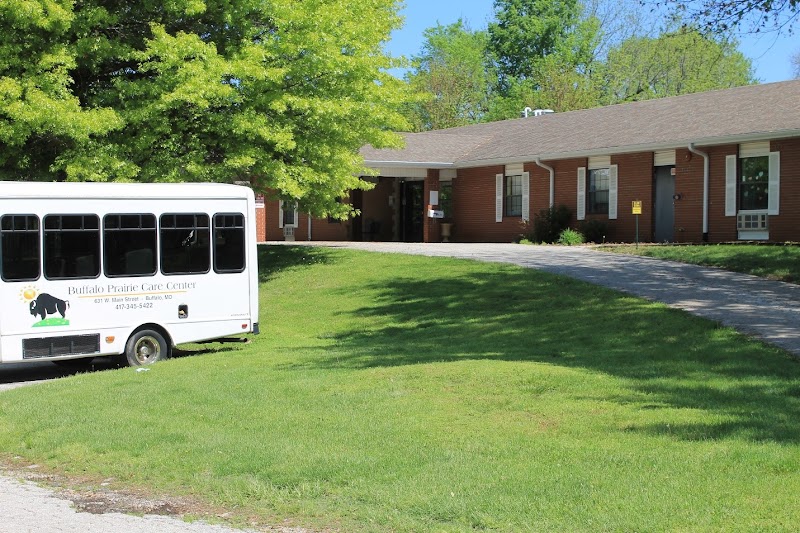
631 WEST MAIN STREET, BUFFALO, MO 65622 (417) 345-5422
For profit - Limited Liability company 60 Beds PRIME HEALTHCARE MANAGEMENT Data: November 2025 1 Immediate Jeopardy citation
Trust Grade
26/100
#354 of 479 in MO
Last Inspection: October 2024

Within standard 12-15 month inspection cycle. Federal law requires annual inspections.

Overview

Buffalo Prairie Center for Rehab and Healthcare has received a Trust Grade of F, indicating significant concerns and a poor reputation among nursing homes. Ranking #354 out of 479 facilities in Missouri places it in the bottom half, and it is the second-worst option in Dallas County. Although the facility is improving, with issues decreasing from 17 in 2024 to 13 in 2025, it still faces serious deficiencies, including a critical incident where a staff member inappropriately restricted a resident's freedom. Staffing is a positive aspect, as the facility has a 0% turnover rate, well below the state average, and offers good RN coverage, exceeding 87% of other Missouri facilities. However, it has incurred $8,731 in fines and has a troubling history of managing basic operations, such as failing to pay bills on time, which led to the removal of necessary equipment like a generator.

Trust Score
F
26/100
In Missouri
#354/479
Bottom 27%
Safety Record
High Risk
Review needed
Inspections
Getting Better
17 → 13 violations
Staff Stability
○ Average
Turnover data not reported for this facility.
Penalties
✓ Good
$8,731 in fines. Lower than most Missouri facilities. Relatively clean record.
Skilled Nurses
⚠ Watch
Each resident gets only 28 minutes of Registered Nurse (RN) attention daily — below average for Missouri. Fewer RN minutes means fewer trained eyes watching for problems.
Violations
⚠ Watch
56 deficiencies on record. Higher than average. Multiple issues found across inspections.
★☆☆☆☆
1.0
Overall Rating
★☆☆☆☆
1.0
Staff Levels
★☆☆☆☆
1.0
Care Quality
★☆☆☆☆
1.0
Inspection Score
Stable
2024: 17 issues
2025: 13 issues

The Good

  • Full Sprinkler Coverage · Fire safety systems throughout facility
  • No fines on record

Facility shows strength in fire safety.

The Bad

1-Star Overall Rating

Below Missouri average (2.5)

Significant quality concerns identified by CMS

Federal Fines: $8,731

Below median ($33,413)

Minor penalties assessed

Chain: PRIME HEALTHCARE MANAGEMENT

Part of a multi-facility chain

Ask about local staffing decisions and management

The Ugly 56 deficiencies on record

1 life-threatening
Jun 2025 2 deficiencies
CONCERN (D) 📢 Someone Reported This

A family member, employee, or ombudsman was alarmed enough to file a formal complaint

Potential for Harm - no one hurt, but risky conditions existed

Report Alleged Abuse (Tag F0609)

Could have caused harm · This affected 1 resident

Based on interview and record review, the facility failed to ensure all allegations of possible abuse were reported immediately to facility management and within two hours to the state licensing agenc...

Read full inspector narrative →
Based on interview and record review, the facility failed to ensure all allegations of possible abuse were reported immediately to facility management and within two hours to the state licensing agency (Department of Health and Senior Services-DHSS) when staff failed to report an allegation of employee to resident abuse until the following day for one resident (Resident #1). The facility census was 46. Review of the facility policy titled, Abuse Prevention, dated 10/21/22, showed the following: -The facility is committed to protecting the residents from abuse by anyone including, but not necessarily limited to facility staff, other residents, and staff from other agencies providing services to our residents, family members, legal guardians, surrogates, sponsors, friends, visitor, or any other individual; -Abuse is any willful infliction of injury, unreasonable confinement, intimidation, or punishment with resulting physical harm, pain, mental anguish, or emotional distress. This includes the deprivation by any individual, including a caretaker of goods or services that are necessary to attain or maintain physical, mental and psychosocial well-being. Abuse may be resident-to-resident, staff-to-resident, family-to-resident, or visitor-to-resident; -Physical abuse is an employee purposefully beating, striking, wounding, or injuring any consumer. In any manner whatsoever, an employee mistreating or maltreating a consumer in a brutal or inhumane manner. An employee handling a consumer with any more force than is reasonable for a consumer's proper control, treatment, or management; -The Administrator and Director of Nursing (DON) must be promptly notified of suspected abuse or incidents of abuse. If such incidents occur or are discovered after hours, the Administrator or DON must be called at home or must be paged and informed of such incident; -The Administrator or designee shall report any allegations of abuse, neglect, or misappropriation of resident property as well as report any reasonable suspicion of a crime in accordance with Section 1150B of the Social Security Act of the Department of Health as required; -Alleged violations abuse, neglect, exploitation, or mistreatment, including injuries of an unknown source and misappropriation of resident property are reported immediately, but not later than two hours after the allegation is made, if the events that cause the allegation involve abuse or result in serious bodily injury; -Report the results of all investigations to the Administrator or designee and other officials in accordance with state law including State Survey Agency within five working day of the incident. 1. Review of Resident #1's face sheet (a brief resident profile) showed the following: -admission date of 06/20/22; -Diagnoses included vascular dementia (brain damage caused by multiple strokes), polyneuropathy (a nervous system disorder that impacts nerve function in multiple areas of the body), dependence on wheelchair, and need for assistance with personal cares. Review of the resident's care plan, revised on 01/24/25, showed the following: -Resident has behavioral symptoms related to diagnosis of dementia; -Staff should approach calmly and unhurried, introduce self and explain all procedures; -Staff should attempt to refocus behaviors to something positive; -Staff should reduce stimulations and keep conversation short/simple; -Staff should speak in a reassuring voice and be supportive of their feelings; -Resident screams out daughter's name and demands from staff, physically abusive to staff, refuses showers, incontinent care, and activities of daily living (ADLs) from staff often. Review of the resident's annual Minimum Data Set (MDS-a federally mandated assessment tool administered by staff), dated 05/09/25, showed the following: -The resident had severe cognitive impairment; -The resident required partial/moderate assistance of staff for toileting, transfers, and mobility. Review of Nurse Aide (NA) C's written statement, dated 05/26/25, showed the following: -On Sunday morning (05/25/25) at 3:00 A.M., NA C was doing checks with NA D and went into the resident's room to get him/her changed; -The resident was hitting NA D and NA D hit the resident back; -NA C waited until the following day to report it. During an interview on 06/03/25, at 11:27 A.M., NA C said the following: -Staff should report any abuse allegation immediately to the charge nurse; -On 05/25/25, at approximately 3:00 A.M., she was making rounds on the memory care unit with NA D when they stopped to check on the resident. They told the resident they needed to check to see if he/she was wet. The resident began to yell and curse at them and began hitting NA D. NA D slapped back at the resident. He/she did not report the incident until the following day of 05/26/25. He/she did not want to report NA D while he/she was still on shift with him/her. Review of DHSS records showed facility staff made a self-report regarding an allegation of possible abuse on the afternoon of 05/26/26 (the day following the alleged abuse incident). The self report showed the following: -It was reported to the Administrator 05/26/25, at 12:11 P.M., that two nurse aides were the resident's room doing cares on 05/25/25 at 3:00 A.M. The resident was hitting and scratching NA D. NA D slapped the resident in the face. During an interview on 06/03/25, at 10:16 A.M., Certified Nursing Assistant (CNA) A said the following: -He/she would report any abuse allegation to the charge nurse immediately after ensuring safety of the resident; -The facility has two hours to report any abuse allegation to the state agency; -Slapping a resident would be an allegation of abuse and should be reported immediately. During an interview on 06/03/25, at 10:21 A.M., CNA B said the following: -He/she would ensure safety of a resident first and report immediately to charge nurse following an allegation of abuse; -The facility should report any abuse allegation to the state agency within 24 to 48 hours; -Slapping a resident would be an allegation of abuse and should be reported immediately. During an interview on 06/03/25, at 11:49 A.M., CNA E said the following: -He/she would ensure safety of a resident first and report immediately to charge nurse following an allegation of abuse; -The facility has two hours to report any abuse allegation to the state agency. During an interview on 06/03/25, at 11:55 A.M., Registered Nurse (RN) F said the following: -He/she would ensure safety of the resident and assess the resident following any abuse allegation and then report immediately to the Director of Nursing (DON); -The facility has two hours to report any abuse allegation to the state agency; -Slapping a resident would be an allegation of abuse. During an interview on 06/03/25, at 12:37 P.M., RN G said the following: -Staff report any abuse to him/her immediately, and he/she would ensure resident safety, complete an assessment for injuries, and then report up the chain of command; -The facility has two hours to report any abuse allegation to the state agency; -Slapping a resident would be an allegation of abuse. During an interview on 06/03/25, at 1:08 P.M., the Social Services Director (SSD) said the following: -She would report any abuse allegation immediately to the Administrator; -The facility has two hours to report any abuse allegation to the state agency. During an interview on 06/03/25, at 1:21 P.M., the DON said the following: -Staff should ensure resident safety and then report any abuse allegation immediately to charge nurse, DON, or Administrator; -The facility has two hours to report any abuse allegation to the state agency. During an interview on 06/03/25, at 1:38 P.M., the Administrator said the following: -Staff should ensure the safety of a resident first then report any abuse of allegation immediately to the charge nurse, DON, or Administrator; -The facility has two hours to report any abuse allegation to the state agency. MO00254817
CONCERN (D) 📢 Someone Reported This

A family member, employee, or ombudsman was alarmed enough to file a formal complaint

Potential for Harm - no one hurt, but risky conditions existed

Investigate Abuse (Tag F0610)

Could have caused harm · This affected 1 resident

Based on interview and record review, the facility failed to document a timely and thorough investigation, to include interviews with multiple staff and other residents, and immediate steps taken to p...

Read full inspector narrative →
Based on interview and record review, the facility failed to document a timely and thorough investigation, to include interviews with multiple staff and other residents, and immediate steps taken to protect all residents during the investigation for an allegation of possible physical abuse involving one resident (Resident #1). The facility census was 46. Review of the facility policy titled, Abuse Prevention, dated 10/21/22, showed the following: -The facility is committed to protecting the residents from abuse by anyone including, but not necessarily limited to facility staff, other residents, and staff from other agencies providing services to our residents, family members, legal guardians, surrogates, sponsors, friends, visitor, or any other individual; -Abuse is any willful infliction of injury, unreasonable confinement, intimidation, or punishment with resulting physical harm, pain, mental anguish, or emotional distress. This includes the deprivation by any individual, including a caretaker of goods or services that are necessary to attain or maintain physical, mental and psychosocial well-being. Abuse may be resident-to-resident, staff-to-resident, family-to-resident, or visitor-to-resident; -Physical abuse is an employee purposefully beating, striking, wounding, or injuring any consumer. In any manner whatsoever, an employee mistreating or maltreating a consumer in a brutal or inhumane manner. An employee handling a consumer with any more force than is reasonable for a consumer's proper control, treatment, or management; -The facility will initiate at the time of any finding of potential abuse or neglect an investigation to determine cause and effect, and provide protection to any alleged victims to prevent harm during the continuance of the investigation; -Any allegation of abuses, or neglect, misappropriation or exploitation against any employee must result in his/her immediate suspension to protect the resident; -Report the results of all investigations to the Administrator or designee and other officials in accordance with state law including State Survey Agency within five working day of the incident. 1. Review of Resident #1's face sheet (a brief resident profile) showed the following: -admission date of 06/20/22; -Diagnoses included vascular dementia (brain damage caused by multiple strokes), polyneuropathy (a nervous system disorder that impacts nerve function in multiple areas of the body), dependence on wheelchair, and need for assistance with personal cares. Review of the resident's care plan, revised 01/24/25, showed the following: -Resident had behavioral symptoms related to diagnosis of dementia; -Staff should approach calmly and unhurried, introduce self and explain all procedures; -Staff should attempt to refocus behaviors to something positive; -Staff should reduce stimulations and keep conversation short/simple; -Staff should speak in a reassuring voice and be supportive of their feelings; -Resident screams out daughter's name and demands from staff, physically abusive to staff, refuses showers, incontinent care, and activities of daily living (ADLs) from staff often. Review of the resident's annual Minimum Data Set (MDS - a federally mandated assessment tool administered by staff), dated 05/09/25, showed the following: -Resident had severe cognitive impairment; -Resident required partial/moderate assistance of staff for toileting, transfers, and mobility. Review of Nurse Aide (NA) C's written statement, dated 05/26/25, showed the following: -On Sunday morning (05/25/25), at 3:00 A.M., NA C was doing checks with NA D and went into the resident's room to get him/her changed; -The resident was hitting NA D and NA D hit the resident back; -NA C waited until the following day to report it. During an interview on 06/03/25, at 11:27 A.M., NA C said on 05/25/25, at approximately 3:00 A.M., he/she was making rounds on the memory care unit with NA D when they stopped to check on the resident. They told the resident they needed to check to see if he/she was wet. The resident began to yell and curse at them and began hitting NA D. NA D slapped back at the resident. The resident was screaming and NA D was telling the resident not to hit him/her and hands were flying. He/she did not report the incident until the following day of 05/26/25. He/she did not want to report NA D while he/she was still on shift with him/her. Review of DHSS records showed facility staff made a self-report regarding an allegation of possible abuse on the afternoon of 05/26/26 (the day following the alleged abuse incident). The self report showed the following: -It was reported to the Administrator 05/26/25, at 12:11 P.M., that two nurse aides were the resident's room doing cares on 05/25/25 at 3:00 A.M. The resident was hitting and scratching NA D. NA D slapped the resident in the face. Review of the facility's Investigation Summary, undated, showed the following: -The alleged perpetrator had not worked since the abuse allegation was reported (06/26/25, the day after the abuse allegation occurred) and will not be returning for the safety of all residents; -The resident had not suffered any emotional or mental status change since the incident occurred; -This was a he-said she-said alleged abuse investigation since the resident's cognition was impaired and there were no other witnesses; -The investigation included written statements by Nursing Assistant (NA) C and NA D. (The investigation did not show documented interviews with other staff or residents.) During an interview on 06/03/25, at 10:16 A.M., Certified Nursing Assistant (CNA) A said the following: -He/she would report any abuse allegation to the charge nurse immediately following ensuring safety of the resident; -Slapping a resident would be considered abuse. During an interview on 06/03/25, at 10:21 A.M., CNA B said the following: -He/she would ensure safety of a resident first and report immediately to charge nurse following an allegation of abuse; -Slapping a resident would be considered abuse. During an interview on 06/03/25, at 11:49 A.M., CNA E said he/she would ensure safety of a resident first and report immediately to charge nurse following an allegation of abuse. During an interview on 06/03/25, at 11:55 A.M., Registered Nurse (RN) F said the following: -He/she would ensure safety of the resident and assess the resident following any abuse allegation and then report immediately to the DON; -Slapping a resident would be considered abuse. -He/she does not participate in investigations of abuse allegations; During an interview on 06/03/25, at 12:37 P.M., RN G said the following: -Staff report any abuse to him/her immediately, and he/she would ensure resident safety, complete an assessment for injuries, and then report up the chain of command; -Slapping a resident would be considered abuse. During an interview on 06/03/25, at 1:08 P.M., the Social Services Director (SSD) said the following: -She has not been informed if she has a role in abuse investigations with the new Administrator, but did interview residents on previous abuse allegations; -She did not conduct any interviews for this investigation. During an interview on 06/03/25, at 1:21 P.M., the Director of Nursing (DON) said the following: -Staff should ensure resident safety and then report any abuse allegation immediately to charge nurse, DON, or Administrator; -A full body skin assessment is completed on the resident and 15-minute checks are initiated; -Any staff member accused of abuse is immediately suspended pending an investigation. During an interview on 06/03/25, at 1:38 P.M., the Administrator said the following: -Staff should ensure the safety of a resident first then report any abuse of allegation immediately to the charge nurse, DON, or Administrator; -The nurse should assess the resident and notify the physician and family; -The alleged staff member should be suspended immediately pending an investigation; -An abuse allegation investigation should include obtaining witness statements, conducting assessments of the resident, interviewing residents, and completing in-services. She did not interview any residents or other staff members. MO00254817
May 2025 7 deficiencies
CONCERN (D) 📢 Someone Reported This

A family member, employee, or ombudsman was alarmed enough to file a formal complaint

Potential for Harm - no one hurt, but risky conditions existed

Comprehensive Assessments (Tag F0636)

Could have caused harm · This affected 1 resident

Based on record review and interview, the facility failed to complete an admission Minimum Data Set (MDS - a federally mandated comprehensive assessment instrument completed by facility staff) in a ti...

Read full inspector narrative →
Based on record review and interview, the facility failed to complete an admission Minimum Data Set (MDS - a federally mandated comprehensive assessment instrument completed by facility staff) in a timely manner for one residents (Resident #6). The facility census was 52. Review showed the facility did not provide a policy related to MDS assessments. 1. Review of Resident #6's face sheet showed the following: -admission date of 04/08/25; -Diagnoses included vascular dementia (brain damage caused by multiple strokes), type II diabetes mellitus (a long-term condition in which the body has trouble controlling blood sugar and using it for energy), major depressive disorder, Alzheimer's disease (a progressive disease that destroys memory and other important mental functions), cerebral atherosclerosis (buildup of plaque in the arteries that supply blood to the brain), and history of mini stroke. Review of the resident's electronic record showed on 04/08/25, at 4:00 P.M., nursing staff documented the resident arriving to the facility. Review of the resident's electronic record showed facility staff did not document completion of an admission MDS for the resident. During an interview on 05/06/25, at 9:35 A.M., the Social Services Director (SSD) said admission MDS should be scheduled to complete two weeks after resident's admission. During an interview on 05/06/25, at 10:40 A.M., the MDS Coordinator and the Administrator said staff should complete admission MDS within first 14 days of admission and staff should have completed an admission MDS for the resident.
CONCERN (D) 📢 Someone Reported This

A family member, employee, or ombudsman was alarmed enough to file a formal complaint

Potential for Harm - no one hurt, but risky conditions existed

Deficiency F0637 (Tag F0637)

Could have caused harm · This affected 1 resident

Based on record review and interview, the facility failed to complete significant change Minimum Data Sets (MDS - a federally mandated assessment instrument completed by facility staff) one resident (...

Read full inspector narrative →
Based on record review and interview, the facility failed to complete significant change Minimum Data Sets (MDS - a federally mandated assessment instrument completed by facility staff) one resident (Resident #7) who was moved to the locked unit in the facility. The facility census was 52 Review showed the facility did not provide a policy related to MDS assessments. 1. Review of Resident #7's face sheet showed the following: -admission date of 10/25/22; -Diagnoses included paranoid schizophrenia (a disorder that affects a person's ability to think, feel, and behave correctly with paranoia), congestive heart failure (CHF - a chronic condition in which the heart doesn't pump blood as well as it should), major depressive disorder, morbid obesity, type II diabetes mellitus, mild intellectual disabilities, impulse disorder, chronic obstructive pulmonary disorder (COPD - a group of lung diseases that block airflow and make it difficult to breathe), and high blood pressure. Review of the facility incident report of theft and/or loss report dated 03/03/25, showed the following: -Nursing staff received a complaint from a resident stating he/she won a candy bar at bingo, and Resident #7 was sitting nearby in the dining room and picked the candy bar up from the table and ate it. A replacement candy bar was given to the resident. Review of the facility Incident Report of Theft and/or Loss Report, dated 04/02/25, showed nursing staff received a complaint from a resident stating the resident went into his/her room through adjoining bathroom and drank his/her sodas. Review of the facility Incident Report of Theft and/or Loss Report, dated 04/15/25, showed the following; -The Administrator documented the resident's roommate's child reported the resident had a 12-pack of soda's missing. Staff located the missing cans of soda under the resident's bed. The resident's guardian was notified and permission given to move resident to the unit. Review of the resident's census showed he/she was moved to the memory care unit on 04/15/25. Review of the resident's current Physician Order Sheet showed an order, dated 04/25/25, for resident to be moved to locked unit. Review of the resident's record showed the most recent MDS completed was a quarterly assessment completed on 02/16/25. Staff did not document completion of a significant change MDS following the move of the resident's behaviors and move to the locked unit on 04/15/25. Review of the resident's current care plan on 05/06/25, at 11:28 A.M., showed staff did not care plan the resident's behaviors listed on the Theft and/or Lost Reports, which lead to the resident's move to the locked unit. During an interview on 05/06/25, at 9:35 A.M., the Social Services Director (SSD) said the facility began doing care plan meetings last month and the resident's care plan had not yet been updated for the behaviors leading to moving her to the locked unit. During an interview on 05/06/25, at 10:40 A.M., the MDS Coordinator and the Administrator said the following: -Staff should complete a significant change MDS within 14 days of the change of condition; -Staff should have completed a significant change MDS for the resident's move to the locked unit.
CONCERN (D) 📢 Someone Reported This

A family member, employee, or ombudsman was alarmed enough to file a formal complaint

Potential for Harm - no one hurt, but risky conditions existed

MDS Data Transmission (Tag F0640)

Could have caused harm · This affected 1 resident

**NOTE- TERMS IN BRACKETS HAVE BEEN EDITED TO PROTECT CONFIDENTIALITY** Based on record review and interview, the facility failed to complete a discharge with return anticipated Minimum Data Set (MDS ...

Read full inspector narrative →
**NOTE- TERMS IN BRACKETS HAVE BEEN EDITED TO PROTECT CONFIDENTIALITY** Based on record review and interview, the facility failed to complete a discharge with return anticipated Minimum Data Set (MDS - a federally mandated comprehensive assessment instrument completed by facility staff) and a readmission MDS within seven days for one resident resident (Resident #5). The facility census was 52 Review showed the facility did not provide a policy related to MDS assessments. 1. Review of Resident #5's face sheet (a brief information sheet about the resident) showed the following: -admitted on [DATE]; -Diagnosis included: chronic obstructive pulmonary disease (COPD, group of lung diseases that block airflow and make it difficult to breathe), atrial fibrillation A-Fib, an irregular and often very rapid heart rate that can lead to blood clots in the heart), cerebral infarction (stroke, a condition where blood flow to the brain is interrupted, causing brain tissue to die), muscle weakness. Review of the quarterly MDS, dated [DATE], showed the following: -Moderate cognitive impairment; -Use of wheelchair for mobility; -Dependent on staff for oral hygiene, toileting hygiene, showers, dressing, bed mobility, transfers; -Required substantial to maximal assistance with personal hygiene; -Required partial to moderate assistance with eating. Review of the resident's progress notes showed staff documented the following: -On 04/24/25, at 3:01 P.M., the resident reported chest tightness, but denied pain. He/she was on oxygen at 3 liters via nasal cannula with oxygen saturation (measure of how much oxygen is present in your blood, typically expressed as a percentage) of 93% (normal 92 to 100%). Blood pressure was 136/83 millimeters of Mercy (mm/Hg) (normal 120/80 mm/Hg), heart rate was 130 beats per minute (bpm) (normal 60 to 100). The nurse reported the resident had not yet received his morning medications. A verbal order was given for metoprolol (used to treat high blood pressure) 12.5 milligrams (mg) to be administered immediately. A 30-minute reassessment showed heart rate of 113 beats per minute. The nurse was instructed to send the resident to the emergency room if tachycardia (rapid heart rate) persisted; -On 04/24/25, at 5:23 P.M., a nurse documented the resident was sent to the hospital. Blood pressure was 90/50 mm/Hg, heart rate was 168 bpm, and temperature was 101.8 degrees Fahrenheit (F) (normal 98.6). Staff notified physician and message was left for resident family. The Director of Nursing (DON) was aware. Review of the resident's MDS records showed staff did not complete a discharge MDS for the hospital transfer on 04/24/25. Review of the resident's progress notes showed staff documented the following: -On 04/30/25, at 4:24 P.M., staff documented a phone call from hospital to notify the resident was returning to the facility in about one hour; -On 04/30/25, at 4:30 P.M., staff documented the resident returned from the hospital via ambulance. Resident was transferred to bed. Staff notified physician and family. Review of the MDS showed no discharge with return anticipated MDS for hospital transfer on 04/24/2 and showed no re-admission MDS for return on 04/30/25. Review of the resident's MDS records showed staff did not complete a readmission MDS for the hospital transfer on 04/24/25. During an interview on 05/06/25, at 9:25 A.M., the Social Services Director (SSD) said he/she was responsible for MDS portions C, D, E, and Q. He/she said the MDS were started every Wednesday and there was one week to complete. He/she said a hospital discharge would be completed by the MDS Coordinator. During an interview on 05/06/25, at 10:40 A.M., with MDS Coordinator and Administrator, the MDS Coordinator said he/she was new to the MDS role and still in the learning process. The Administrator said a discharge with return anticipated MDS should be started once the resident was out of the building for 24 hours. He said that there should have been a discharge and re-admission MDS timely for the resident. During an interview on 05/06/25, at 4:30 P.M., with Administrator and DON, the DON said staff should complete MDS assessments as required.
CONCERN (D) 📢 Someone Reported This

A family member, employee, or ombudsman was alarmed enough to file a formal complaint

Potential for Harm - no one hurt, but risky conditions existed

Deficiency F0655 (Tag F0655)

Could have caused harm · This affected 1 resident

Based on interview and record review, the facility failed to develop a baseline care plan for all residents when staff failed to complete a baseline care plan within 48 hours of admission of one resid...

Read full inspector narrative →
Based on interview and record review, the facility failed to develop a baseline care plan for all residents when staff failed to complete a baseline care plan within 48 hours of admission of one resident (Resident #6). The facility census was 52. Review of the facility policy titled, Baseline Care Plan, dated April 2017, showed the following: -Development and implementation of a baseline care plan to deliver effective and person-centered care for the resident that meets professional standards of quality care within 48 hours of admission; -To assure that the resident's immediate care needs are met and maintained, a baseline care plan will be developed within 48 hours of the resident's admission; -The interdisciplinary team will review the healthcare practitioner's orders, and implement a baseline care plan to meet the resident's immediate care needs including but not limited to initial goals based on admission orders, physician orders, dietary orders, therapy services, and social services; -The baseline care plan will be used until the staff can conduct the comprehensive assessment and develop an interdisciplinary person-centered care plan; -The resident and their representative will be provided a summary of the baseline care plan that includes but is not limited to initial goals, summary of medications and dietary instructions, any services and treatments to be administered by the facility, and any updated information based on the details of the comprehensive care plan, as necessary. 1. Review of Resident #6's face sheet (a brief resident profile) showed the following: -admission date of 04/08/25; -Diagnoses included vascular dementia (brain damage caused by multiple strokes), type II diabetes mellitus (a long-term condition in which the body has trouble controlling blood sugar and using it for energy), major depressive disorder, Alzheimer's disease (a progressive disease that destroys memory and other important mental functions), cerebral atherosclerosis (buildup of plaque in the arteries that supply blood to the brain), and history of mini stroke. Review of the resident's electronic record showed on 04/08/25, at 4:00 P.M., nursing staff documented the resident arriving to the facility. Review of the resident's electronic record showed facility staff did not document completion of a baseline care plan for the resident. During an interview on 05/06/25, at 9:35 A.M., the Social Services Director (SSD) said baseline care plans should be completed within 72 hours of a resident's admission. During an interview on 05/06/25, at 10:40 A.M., the MDS Coordinator and the Administrator said the following: -Staff should complete baseline care plans within 72 hours; -Staff should have completed a base line care plan for the resident. During an interview on 05/06/25, at 4:21 P.M., the Director of Nursing (DON) and the Administrator said staff should complete a baseline care plan within 48 hours of a resident's admission.
CONCERN (D) 📢 Someone Reported This

A family member, employee, or ombudsman was alarmed enough to file a formal complaint

Potential for Harm - no one hurt, but risky conditions existed

Comprehensive Care Plan (Tag F0656)

Could have caused harm · This affected 1 resident

Based on interview and record review, the facility failed to develop and implement accurate comprehensive care plans for all residents when staff failed to complete a comprehensive care plan for one r...

Read full inspector narrative →
Based on interview and record review, the facility failed to develop and implement accurate comprehensive care plans for all residents when staff failed to complete a comprehensive care plan for one resident (Resident #6) and when staff failed to care plan behaviors leading to one resident's (Resident #7) move to the locked unit. The facility census was 52. Review of the facility policy titled, Comprehensive Person-Centered Care Plans, dated April 2025, showed the following: -Development and implementation of a comprehensive person-centered care plan for each resident that is consistent with resident rights, which include measurable objectives and timeframes to meet the medical, nursing, mental and psychosocial needs that are identified through the comprehensive assessment; -The Interdisciplinary Team (IDT-includes attending physician, registered nurse, nurse aide, dietary manager, social services, activity director, therapist, Minimum Data Set (MDS-a federally mandated assessment tool administered by staff)/Care plan Coordinator, the resident and/or resident representative) in conjunction with the resident and his/her representative, develops and implements a comprehensive, person-centered care plan for each resident; -Care plan interventions are derived from a thorough analysis of the information gathered as part of the comprehensive assessment; -The comprehensive, person-centered care plan will include measurable objectives and timeframes which are defined as the desired outcome for a specific resident problem; -Areas of concern that are identified during the resident assessment will be evaluated before interventions are added to the care plan; -Identifying problem areas and their causes, and developing interventions that are targeted and meaningful to the resident, are the endpoint of an interdisciplinary process; -The comprehensive, person-centered care plan is developed within seven days of the completion of the required comprehensive assessment (MDS); -Assessments of residents are ongoing and care plans are revised as information about the residents and the residents' conditions change; -The IDT must review and update the care plan when there is a significant change in the residents , when the desired outcome is not met, when the resident has been readmitted to the facility from a hospital stay, and at least quarterly, in conjunction with the required quarterly MDS assessment. 1. Review of Resident #6's face sheet (a brief resident profile) showed the following: -admission date of 04/08/25; -Diagnoses included vascular dementia (brain damage caused by multiple strokes), type II diabetes mellitus (a long-term condition in which the body has trouble controlling blood sugar and using it for energy), major depressive disorder, Alzheimer's disease (a progressive disease that destroys memory and other important mental functions), cerebral atherosclerosis (buildup of plaque in the arteries that supply blood to the brain), and history of mini stroke. Review of the resident's electronic medical record showed on 04/08/25, at 4:00 P.M., nursing staff documented the resident arriving to the facility. Review of the resident's electronic record showed facility staff did not document completion of a comprehensive care plan for the resident. During an interview on 05/06/25, at 9:35 A.M., the Social Services Director (SSD) said staff should schedule completion of a comprehensive care plan two weeks after a resident's admission. During an interview on 05/06/25, at 10:40 A.M., the MDS Coordinator and the Administrator said the following: -Staff should complete a resident's comprehensive care plan within 21 days of admission; -Staff should have completed a comprehensive care plan for the resident. During an interview on 05/06/25, at 4:21 P.M., the Director of Nursing (DON) said staff should complete comprehensive care plans within 21 days of a resident's admission. 2. Review of Resident #7's face sheet showed the following: -admission date of 10/25/22; -Diagnoses included paranoid schizophrenia (a disorder that affects a person's ability to think, feel, and behave correctly with paranoia), congestive heart failure (CHF - a chronic condition in which the heart doesn't pump blood as well as it should), major depressive disorder, morbid obesity, type II diabetes mellitus, mild intellectual disabilities, impulse disorder, chronic obstructive pulmonary disorder (COPD - a group of lung diseases that block airflow and make it difficult to breathe), and high blood pressure. Review of the facility Incident Report of Theft and/or Loss Report, dated 03/03/25, showed nursing staff received a complaint from a resident stating he/she won a candy bar at bingo and Resident #7 was sitting nearby in the dining room and picked the candy bar up from the table and ate it. Review of the facility Incident Report of Theft and/or Loss Report, dated 04/02/25, showed the nursing staff received a complaint from a resident stating Resident #7 went into his/her room through adjoining bathroom and drank his/her sodas. The resident had a large box provided by his/her family. Review of the facility Incident Report of Theft and/or Loss Report, dated 04/15/25, showed the Administrator documented Resident #7's roommate's child reported the resident had a 12-pack of soda's missing. Staff located 12 missing cans of soda under Resident #7's bed. The facility replaced the sodas. Resident #7's guardian was notified and permission given to move resident to the unit. Review of the resident's census showed he/she was moved to the memory care unit on 04/15/25. Review of the resident's current physician order sheet showed an order, dated 04/25/25, for resident to be moved to locked unit. Review of the resident's current care plan on 05/06/25, at 11:28 A.M., showed staff did not care plan related the resident's behaviors listed in the Theft and/or Lost Reports or the move to the locked unit. During an interview on 05/06/25, at 1:38 P.M., Licensed Practical Nurse (LPN) B said behaviors should be included in the care plan. During an interview on 05/06/25, at 2:24 P.M., LPN A said behaviors should be included in the care plan. During an interview on 05/06/25, at 9:35 A.M., the Social Services Director (SSD) said the facility began doing care plan meetings last month and the resident's care plan had not yet been updated for the behaviors leading to moving her to the locked unit. During an interview on 05/06/25, at 10:40 A.M., the MDS Coordinator and the Administrator said the following: -Staff should update care plans for behaviors while the behaviors are happening; -Staff should have updated the resident's care plan at the time of the move to the locked unit. During an interview on 05/06/25, at 4:21 P.M., the Director of Nursing (DON) said the following: -Care plans were updated as needed and quarterly; -Staff should have updated the resident's care plan to include the behaviors leading to the move to the locked unit.
CONCERN (E) 📢 Someone Reported This

A family member, employee, or ombudsman was alarmed enough to file a formal complaint

Potential for Harm - no one hurt, but risky conditions existed

Pharmacy Services (Tag F0755)

Could have caused harm · This affected multiple residents

**NOTE- TERMS IN BRACKETS HAVE BEEN EDITED TO PROTECT CONFIDENTIALITY** Based on interview and record review, the facility failed to provide pharmacy services that included procedures for accurate adm...

Read full inspector narrative →
**NOTE- TERMS IN BRACKETS HAVE BEEN EDITED TO PROTECT CONFIDENTIALITY** Based on interview and record review, the facility failed to provide pharmacy services that included procedures for accurate administering and documentation of administration of all medications when staff failed to document administration of physician ordered medications for for six residents(Resident #1, #2, #3, #4, #7, and #10). The facility census was 52. Review of the facility policy titled, Administration Procedures for All Medications, revised August 2014, showed the following: -Purpose to administer medications in a safe and effective manner; -After administration of medication, return to the cart, replace the medication container, and document administration in the medication administration record (MAR), and controlled substance sign out record, if indicated; -Monitor for side effects or adverse drug reactions immediately after administration and throughout each shift; -If resident refuses medication document refusal on MAR; -Notify physician of persistent refusals, held medications for pulse, blood pressure low/high blood sugar, or any other reason medication is held, and suspected adverse drug reactions. 1. Review of Resident #1's face sheet (a brief information sheet about the resident) showed the following: -admission date of 08/20/20; -Diagnoses included chronic obstructive pulmonary disease (COPD - group of lung diseases that block airflow and make it difficult to breathe), paranoid schizophrenia (type of schizophrenia (disorder that affects a person's ability to think, feel, and behave clearly) characterized by prominent delusions, hallucinations, and a lack of other disorganized symptoms, such as disorganized speech or behavior), restless leg syndrome (condition characterized by a nearly irresistible urge to move the legs, typically in the evenings), hyperlipidemia (high levels of fats in blood, can increase risk of heart attack and stroke), type 2 diabetes mellitus (chronic condition that affects the way the body processes blood sugar (glucose)), and insomnia (sleep disorder with trouble falling and/or staying asleep). Review of the resident's annual Minimum Data Set (MDS - a federally mandated comprehensive assessment completed by facility staff), dated 04/02/25, showed the following: -Cognitively intact; -Used antipsychotic (drug used to treat psychotic disorders), antianxiety (drug used to treat anxiety disorders), antidepressant drug used to treat depression disorders), and insulin (controls the amount of sugar in the blood) medications. Review of the resident's care plan, reviewed 04/02/25, showed the following: -Resident had diabetes mellitus; -Staff should administer diabetic medication as prescribed and report any adverse effect to the physician; -Resident had chronic pain related to arthritis; -Staff should administer analgesia as per physician orders; -Resident was at risk for pain related to diagnosis of osteoarthritis (type of arthritis that occurs when flexible tissue at the ends of bones wears down), chronic pain, restless leg syndrome, fibromyalgia, impaired mobility and low back pain. Review of the resident's Physician Order Sheet (POS), current as of 05/06/25, showed an order, dated 01/03/25, for insulin aspart (short-acting, manmade version of human insulin, used to treat diabetes) 100 unit/milliliter (ml), inject 20 units subcutaneously (method of administering medication by injecting it into the fatty tissue layer just beneath the skin) with meals related to type 2 diabetes mellitus. Review of the resident's April 2025 and May 2025 Medication Administration Record (MAR) showed the following: -An order, dated 01/03/25, for insulin aspart 100 unit/ml, inject 20 units subcutaneously with meals related to type 2 diabetes mellitus; -Staff did not document whether or not insulin was administered at the 12:30 P.M. on 04/07/25. Review of the resident's POS, current as of 05/06/25, showed an order, dated 01/04/25, for fenofibrate (used to treat high cholesterol) 54 milligrams (mg), give 54 mg one time a day related to hyperlipidemia. Review of the resident's April 2025 and May 2025 MAR showed the following: -An order, dated 01/04/25, for fenofibrate 54 mg, give 54 mg one time a day related to hyperlipidemia; -Staff did not document whether or not the medication was administered at the 6:00 A.M. to 6:00 P.M. dose on 05/03/25. Review of the resident's POS, current as of 05/06/25, showed an order, dated 08/16/24, for ropinirole (used to treat restless leg syndrome) 1 mg three times per day. Review of the resident's April 2025 and May 2025 MAR showed the following: -An order dated 08/16/24, for ropinirole 1 mg three times per day; -Staff did not document administration of the 12:00 P.M., dose on 05/01/25, 05/02/25, and 05/03/25. Review of the resident's POS, current as of 05/06/25, showed the following: -An order, dated 08/16/24, for melatonin (used to help regulate body's sleep wake cycle) 10 mg, give 10 mg at bedtime for insomnia. Review of the resident's April 2025 and May 2025 MAR, showed the following: -An order, dated 08/16/24, for melatonin 10 mg, give 10 mg at bedtime for insomnia; -Staff did not document administration of the medication on 04/15/25. Review of the resident's April and May 2025 nurses' progress notes showed staff did not document related to the medications that were not administered as ordered. During interview on 05/05/25, at 10:30 A.M., the resident said his/her pain medication is often provided several hours late which caused the pain to not be well controlled. The resident said there were times he/she did not receive medication or was told it was not available. 2. Review of Resident #2's face sheet showed the following: -admission date of 09/20/24; -Diagnoses included hypertension (high blood pressure), depression, COPD, muscle spasms, multiple fractures of ribs, and post dental procedure. Review of the resident's quarterly MDS, dated [DATE], showed the following: -Moderate cognitive impairment; -Use of antianxiety, opioid (prescription pain medications), antiplatelet (used to prevent blood clots), and hypoglycemic (used to treat low blood sugar levels) medications. Review of the resident's care plan, last reviewed on 04/21/25, showed the following: -Resident was at risk for pain related to history of fractures; -Staff should administer analgesic medications as ordered by the physician; -Resident had a diagnosis of hypertension; -Staff should administer medication per physician order and report any adverse side effects; -Resident was at risk for behavioral symptoms related to diagnosis; -Staff should administer medication per physician order and report any adverse side effects. Review of the resident's POS, current as of 05/06/25, showed an order, dated 11/24/24, for amlodipine besylate (used to help lower blood pressure) tablet 5 mg, given 1 tablet by mouth one time a day for hypertension. Review of the resident's April 2025 and May 2025 MAR showed the following: -An order,dated 11/24/24, amlodipine besylate tablet 5 mg, given 1 tablet by mouth one time a day for hypertension; -Staff did not document administration of the medication for the 9:00 A.M. dose on 04/10/25. Review of the resident's POS, current as of 05/06/25, showed an order, dated 03/25/25, for trazodone HCl tablet (can treat depression) 50 mg, give 50 mg by mouth at bedtime for depression. Review of the resident's April 2025 and May 2025 MAR, showed the following: -An order, dated 03/25/25, for trazodone tablet 50 mg, given 50 mg by mouth at bedtime for depression; -Staff did not document administration of the medication on 04/02/25 and 04/15/25. Review of the resident's POS, current as of 05/06/25, showed an order, dated 09/24/24, for albuterol sulfate (used to prevent and treat difficulty breathing, shortness of breath, chest tightness caused by lung diseases) HFA inhalation Aerosol Solution (metered-dose container)108 mcg/ACT (amount per dose), 2 puffs inhale orally two times a day for COPD. Review of the resident's April 2025 and May 2025 MAR, showed the following: -An order, dated 09/24/24, for albuterol sulfate HFA inhalation Aerosol Solution 108 mcg/ACT, 2 puffs inhale orally two times a day for COPD; -Staff did not document administration of the morning medication dose on 04/16/25. Review of the resident's POS, current as of 05/06/25, showed an order, dated 09/21/24, for budesonide-formoterol (combination medication used for managing asthma and COPD) inhalation aerosol 80-4.5 mcg/act, 2 puffs inhale orally two times a day for COPD. Review of the resident's April 2025 and May 2025 MAR showed the following: -An order, dated 09/21/24, for budesonide-formoterol inhalation aerosol 80-4.5 mcg/act, 2 puffs inhale orally two times a day for COPD; -Staff did not document administration of the 9:00 A.M. dose on 04/01/25, 04/02/25, 04/03/25, 04/10/25, and 04/16/25; -Staff did not document administration of the 6:00 P.M. dose on 04/01/25, 04/02/25, and 04/03/25. Review of the resident's POS, current as of 05/06/25, showed an order, dated 02/03/25, for methocarbamol (can treat muscle spasms and pain) oral tablet 1000 mg, given 1 tablet by mouth three times a day for muscle spasms. Review of the resident's April 2025 and May 2025 MAR showed the following: -An order, dated 02/03/25, for methocarbamol oral tablet 1000 mg, given 1 tablet by mouth three times a day for muscle spasms; -Staff did not document administration of the 1:00 P.M. dose on 04/04/25, 04/08/25, 04/10/25, 04/18/25, 04/20/25, and 04/26/25; -Staff did not document administration of the 8:00 P.M. dose on 04/02/25 and 04/15/25; -Staff did not document administration of the 1:00 P.M. dose on 05/01/25, 05/02/25, 05/03/25 and 05/04/25. Review of the resident's POS, current as of 05/06/25, showed an order, dated 02/25/25, for morphine sulfate (strong pain-relieving medication) oral tablet 15 mg, give 1 tablet my mouth three times a day for pain related to multiple fractures of ribs. Review of the resident's April 2025 and May 2025 MAR showed the following: -An order, dated 02/25/25, for morphine sulfate oral tablet 15 mg, give 1 tablet my mouth three times a day for pain related to multiple fractures of ribs; -Staff did not document administration of the 12:00 P.M. dose on 04/26/25; -Staff did not document administration of the bedtime dose on 04/02/25, 04/10/25, 04/20/25 and 04/21/25; -Staff did not document administration of the 12:00 P.M. dose on 05/01/25, 05/02/25 and 05/04/25. Review of the resident's POS, current as of 05/06/25, showed an order, dated 04/26/25, for amoxicillin (antibiotic to treat infection) oral tablet 500 mg, give 1 tablet by mouth three times a day for post dental procedure for 10 days. Review of the resident's April 2025 and May 2025 MAR showed the following: -An order, dated 04/26/25, for amoxicillin oral tablet 500 mg, give 1 tablet by mouth three times a day for post dental procedure for 10 days; -Staff did not document administration of the 2:00 P.M. dose on 5/03/25, 05/04/25, and 05/06/25; -Staff did not document administration of the 9:00 P.M. dose on 05/05/25. Review of the resident's April 2025 and May 2025 nurses' progress notes showed staff did not document related to the medication that were not administered as ordered. During interview on 05/05/25, at 11:00 A.M., the resident said the facility runs out of pain medications at times and he/she missed doses which caused increased pain symptoms and at times the medications were administered late. The resident said that staff was inconsistent with medication administration which made it difficult to get a restful sleep. 3. Review of Resident #3's face sheet showed the following: -admission date of 04/19/24; -Diagnoses included restless leg syndrome, cerebral infarction, depression, gastro-esophageal reflux disease (GERD - digestive disease in which stomach acid or bile irritates the food pipe lining.), COPD, anxiety, and sleep disturbance. Review of the resident's quarterly MDS, dated [DATE], showed the following: -Cognitively intact; -Use of antianxiety, antidepressant, anticoagulant, diuretic (type of drug that causes the kidneys to make more urine), opioid, and hypoglycemic medications. Review of the resident's care plan, last reviewed on 04/22/25, showed the following -Resident had potential for nutritional problems related to pain; -Resident had pain issues related to arthritis, old stroke, muscles spasms, and restless leg syndrome; -Staff should administer medications as ordered, monitor and document effectiveness. Review of the resident's POS, current as of 05/06/25, showed an order, dated 02/27/24, for gabapentin (used to treat nerve pain) oral capsule 300 mg, give 300 mg by mouth three times per day related to restless leg syndrome. Review of the resident's April 2025 and May 2025 MAR showed the following: -An order, dated 02/27/24, for gabapentinoral capsule 300 mg, give 300 mg by mouth three times per day related to restless leg syndrome; -Staff did not document administration of the 12:00 P.M. dose on 04/03/25, 04/04/25 and 04/10/25; -Staff did not document administration of the bedtime dose on 04/15/25; -Staff did not document administration of the 12:00 P.M. dose on 05/01/25 and 05/02/25. Review of the resident's POS, current as of 05/06/25, showed an order, dated 10/09/24, lorazepam (used to treat anxiety) oral tablet 0.5 mg, give 1 tablet by mouth at bedtime for anxiety. Review of the resident's April 2025 and May 2025 MAR showed the following: -An order, dated 10/09/24, lorazepam oral tablet 0.5 mg, give 1 tablet by mouth at bedtime for anxiety; -Staff did not document administration of the medication on 04/15/25. Review of the resident's POS, current as of 05/06/25, showed an order, dated 05/31/25, for melatonin oral tablet 5 mg, give 2 tablets by mouth at bedtime for sleep. Review of the resident's April 2025 and May 2025 MAR showed the following: -An order, dated 05/31/25, for melatonin oral tablet 5 mg, give 2 tablets by mouth at bedtime for sleep; -Staff did not document administration of the dose on 04/15/25. Review of the physician order sheet, current as of 05/06/25, showed the following: -An order dated 04/24/24, Fluticasone-Umeclidin-Vilant (used to help control the symptoms of COPD and improve lung function) inhalation aerosol power breath activated 100-62.5-25 mcg/alt, 1 puff inhale orally in the morning related to COPD. Review of the resident's April 2025 and May 2025 MAR, showed the following: - An order, dated 04/24/24, Fluticasone-Umeclidin-Vilant inhalation aerosol power breath activated 100-62.5-25 mcg/alt, 1 puff inhale orally in the morning related to COPD; -Staff did not document administration of the morning dose on 04/18/25. Review of the resident's POS, current as of 05/06/25, showed an order, dated 02/11/25, for atorvastatin calcium (used to help decrease amount of cholesterol in arteries) oral tablet 20 mg, give 20 mg by mouth at bedtime for history of cerebral infarction. Review of the resident's April 2025 and May 2025 MAR, showed the following: -An order, dated 02/11/25, for atorvastatin calcium oral tablet 20 mg, give 20 mg by mouth at bedtime for history of cerebral infarction (stroke, process results in an area of necrotic (dead or dying) tissue in brain); -Staff did not document administration of the 8:00 P.M. dose on 04/15/25. Review of the resident's POS, current as of 05/06/25, showed an order, dated 02/11/25, bupropion HCL ER (drug used to treat depression) oral tablet extended release 24 hour, give 300 mg by mouth at bedtime for major depressive disorder. Review of the resident's April 2025 and May 2025 MAR showed the following: -An order, dated 02/11/25, bupropion HCL ER oral tablet extended release 24 hour, give 300 mg by mouth at bedtime for major depressive disorder; -Staff did not document administration of the 8:00 P.M. dose on 04/15/25. Review of the resident's POS, current as of 05/06/25, showed an order, dated 02/27/25, for famotidine (used to treat stomach ulcers and GERD) oral tablet 20 mg, give 20 mg by mouth at bedtime related to GERD. Review of the resident's April 2025 and May 2025 MAR showed the following: -An order, dated 02/27/25, for famotidine oral tablet 20 mg, give 20 mg by mouth at bedtime related to GERD; -Staff did not document administration of the scheduled dose on 04/15/25. Review of the resident's POS, current as of 05/06/25, showed an order, dated 02/11/25, for ropinirole HCL ER oral tablet extended release 4 mg, give 4 mg by mouth at bedtime for restless legs. Review of the resident's April 2025 and May 2025 MAR showed the following: -An order, dated 02/11/25, for ropinirole HCL ER oral tablet extended release 4 mg, give 4 mg by mouth at bedtime for restless legs; -Staff did not document administration of the scheduled dose on 04/15/25. Review of the resident's April and May 2025 nurses' progress notes showed staff did not document related to the medications that were not administered as ordered. During interview on 05/05/25, at 9:30 A.M., the resident said he/she often received his/her bedtime medications with evening dinner time medications, and he/she preferred to receive them at 8:30 P.M. for consistency and help with sleep and pain level. He/she was frequently not receiving his/her noon time gabapentin which helped with his/her pain level. 4. Review of Resident #4's face sheet showed the following: -admission date of 04/21/25; -Diagnoses included acute peptic ulcer (break in the lining of the stomach or the duodenum (the first part of the small intestine), characterized by a sore that is deep enough to form a crater) with both hemorrhage (bled severely) and perforation (hole through wall of stomach or duodenum), hypertension (high blood pressure), congestive heart failure (CHF - a condition in which the heart can't pump enough blood to the body's other organs). Review of the care plan, reviewed on 04/21/25, showed the following: -Resident was at risk for electrolyte imbalance related to acute peptic ulcer with both hemorrhage and perforation; -Resident at risk for respiratory problems related to CHF; -Staff should administer medication per physician orders and report any adverse side effects. Review of the resident's POS, current as of 05/06/25, showed an order, dated 04/22/25, for pantoprazole sodium (used to treat heartburn or acid reflux) oral tablet delayed release 40 mg, give 1 tablet by mouth two times a day related to acute peptic ulcer with both hemorrhage and perforation. Review of the resident's April 2025 and May 2025 MAR showed the following: -An order, dated 04/22/25, for pantoprazole sodium oral tablet delayed release 40 mg, give 1 tablet by mouth two times a day related to acute peptic ulcer with both hemorrhage and perforation; -Staff did not document administration of the 12:00 P.M. dose on 04/28/25, 05/01/25, and 05/02/25. Review of the resident's POS, current as of 05/06/25, showed an order dated 04/22/25, for sucralfate oral suspension (drug used in the treatment of gastric and duodenal ulcers ) 1 gm / 10 ml (milliliters), give 10 ml by mouth four times a day related to acute peptic ulcer with both hemorrhage and perforation. Review of the resident's April 2025 and May 2025 MAR showed the following: -An order, dated 04/22/25, for sucralfate oral suspension 1 gm / 10 ml, give 10 ml by mouth four times a day related to acute peptic ulcer with both hemorrhage and perforation; -Staff did not document administration of the 12:00 P.M. dose on 04/28/25, 05/01/25 and 05/02/25. Review of the resident's April and May 2025 nurses' progress notes showed staff did not document related to the medications that were not administered as ordered. During an interview on 05/05/25, at 8:45 A.M., the resident's representative said that the resident had been receiving the ordered sucralfate after meals instead of before meals. He/she said the resident had missed some doses. 5. Review of Resident #7's face sheet showed the following: -admission date of 10/25/22; -Diagnoses included paranoid schizophrenia (a disorder that affects a person's ability to think, feel, and behave correctly with paranoia), congestive heart failure (CHF - a chronic condition in which the heart doesn't pump blood as well as it should), major depressive disorder, morbid obesity, type II diabetes mellitus, mild intellectual disabilities, impulse disorder, chronic obstructive pulmonary disorder (COPD - a group of lung diseases that block airflow and make it difficult to breathe), and high blood pressure. Review of the resident's care plan, last revised 06/07/24, showed the following: -Resident had diagnoses of major depressive disorder, schizophrenia, intellectual disability, and impulse disorder with potential for decline in mood; -Resident takes psychoactive medications which put him/her at risk for adverse reactions, continues to have delusions/hallucinations at times; -Administer medications, including psychotropic as ordered; -Psychiatric services as needed. Review of the resident's quarterly MDS, dated [DATE], showed the following: -Resident cognitively intact; -Resident takes an antipsychotic. Review of the resident's current POS showed the following: -An order, dated 01/13/25, for clozapine (an antipsychotic medication primarily used to treat schizophrenia) oral tablet 50 mg, give 100 mg by mouth at bedtime related to paranoid schizophrenia; -An order, dated 01/14/25, for clozapine oral tablet 50 mg, give 50 mg by mouth one time a day related to paranoid schizophrenia. Review of the resident's April 2025 MAR showed the following: -An order, dated 01/13/25, for clozapine oral tablet 50 mg, give 100 mg by mouth at bedtime related to paranoid schizophrenia; -An order, dated 01/14/25, for clozapine oral tablet 50 mg, give 50 mg by mouth one time a day related to paranoid schizophrenia; -Staff did not document administration of the morning dose on 04/17/25 and 04/24/25; -Staff did not document administration of the bedtime dose on 04/15/25, 04/16/25, 04/17/25, 04/18/25, 04/20/25, 04/24/25, 04/29/25, and 04/30/25. 6. Review of Resident #10's face sheet showed the following: -admission date of 03/10/22; -Diagnoses included vascular dementia (brain damage caused by multiple strokes), chronic kidney disease, paroxysmal atrial fibrillation (episodes of an irregular heartbeat in the upper chambers of the heart come and go), polyneuropathy (nervous system disorders that impact nerve function in multiple areas of the body), sarcopenia (progressive loss of muscle mass, strength and function), anxiety disorder, and hyperlipidemia (condition in which there are high levels of fat particles in the blood). Review of the resident's care plan, last revised 01/24/25, showed the following: -Resident had behavioral symptoms related to diagnosis of dementia and mania, administer medications as prescribed and report any adverse side effects noted to physician; -Resident requires psychoactive medications for diagnosis of mania, administer psychotropic medications as prescribed, and report any side effects notes such as nausea, vomiting, oversedation, and/or increased agitation; -Resident has impaired cognitive function or impaired thought processes related to dementia, administer medication as ordered and monitor for side effects and effectiveness. Review of the resident's quarterly MDS, dated [DATE], showed the following: -Severe cognitive impairment; -Resident takes an antipsychotic and antianxiety. Review of the resident's current POS showed an order, dated 01/14/25, for alprazolam (a benzodiazepine used to help calm and relax the nervous system) tablet 0.5 mg, give one tablet by mouth two times a day for anxiety. Review of the resident's April 2025 MAR showed the following: -An order, dated 01/14/25, for alprazolam tablet 0.5 mg, give one tablet by mouth two times a day for anxiety; -Staff did not document administration of the morning dose on 04/08/25; -Staff did not document administration of the evening dose on 04/08/25, 04/16/25, 04/17/25, and 04/21/25. Review of the resident's current POS showed an order, dated 11/06/24, for buspirone (anti-anxiety medication affecting neurotransmitters in the brain, primarily serotonin and dopamine) hydrochloride (HCI) tablet 5 mg, give one by mouth three times a day for anxiety. Review of the resident's April 2025 MAR showed the following: - An order, dated 11/06/24, for buspirone HCI tablet 5 mg, give one by mouth three times a day for anxiety; -Staff did not document administration of the noon dose on 04/03/25, 04/04/25, 04/10/25, 04/12/25, and 04/23/25; -Staff did not document administration of the bedtime dose on 04/16/25, 04/29/25, and 04/30/25. Review of the resident's current POS showed an order, dated 08/07/24, for meclizine (an antihistamine medication used to prevent and treat nausea, vomiting and dizziness) HCI 25 mg, give 25 mg by mouth with meals for dizziness. Review of the resident's April 2025 MAR showed the following: - An order, dated 08/07/24, for meclizine HCI 25 mg, give 25 mg by mouth with meals for dizziness; -Staff did not document administration of the 12:30 P.M. dose on 04/03/25, 04/04/25, 04/10/25, 04/12/25, 04/16/25, 04/20/25, 04/23/25; -Staff did not document administration of the 5:30 P.M. dose on 04/16/25. Review of the resident's current physician order sheet showed the following: -An order dated 09/18/24, for Seroquel oral tablet 25 mg (extended-release antipsychotic medication used to treat schizophrenia and improve moods, thoughts, and behaviors), give one tablet by mouth three times day for agitation/mood stabilization related to vascular dementia. Review of the resident's April 2025 MAR showed the following: -An order, dated 09/18/24, for Seroquel oral tablet 25 mg, give one tablet by mouth three times day for agitation/mood stabilization related to vascular dementia; -Staff did not document administration of the 1:00 P.M. dose on 04/03/25, 04/04/25, 04/10/25, 04/12/25, 04/16/25, 04/17/25, 04/18/25, 04/23/25, 04/26/25, and 04/28/25; -Staff did not document administration of the 6:00 P.M., dose on 04/16/25. Review of the resident's current POS showed an order, dated 04/11/25, for polymyxin B-trimethoprim ophthalmic solution 10000-0.1 Unit/ML-%, instill one drop in both eyes every three hours for eye irritation every three hours while awake. Review of the resident's April 2025 MAR showed the following: -An order, dated 04/11/25, for polymyxin B-trimethoprim ophthalmic solution (a combination antibiotic eye drop that treats bacterial eye infections) 10000-0.1 Unit/ML-%, instill one drop in both eyes every three hours for eye irritation every three hours while awake; -Staff did not document administration of the 12:00 A.M. dose on 04/12/25, 04/14/25, 04/16/25, 04/25/25, 04/26/25, 04/27/25; -Staff did not document administration of the 3:00 A.M. dose on 04/12/25, 04/13/25, 04/14/25, 04/16/25, 04/19/25, 04/21/25, 04/24/25, 04/25/25, 04/26/25, 04/27/25, and 04/28/25; -Staff did not document administration of the 12:00 P.M. dose on 04/12/25 and 04/23/25; -Staff did not document administration of the 6:00 P.M. dose on 04/16/25; -Staff did not document administration of the 9:00 P.M. dose on 04/11/25, 04/12/25, 04/16/25, 04/17/25, 04/19/25, 04/29/25, and 04/30/25. 7. During an interview on 05/06/25, at 8:30 A.M., Certified Medication Tech (CMT) C said staff should document that resident medications as administered or document the reason medication was not provided. There were multiple codes for reasons not provided. Staff should make a progress note if medication was not administered. The MAR should not have empty areas, but staff just get too busy at times and did not chart. Ideally staff should document the work completed. During an interview on 05/06/25, at 1:30 P.M., Licensed Practical Nurse (LPN) B said medications should be administered when due. The staff had one hour before and one hour after administration time to provide the medication. Staff should follow physician orders for medications. The MAR should not have blank spots. Staff should document when given. If the medication was unable to be administered there were codes for the reason not given and should document in a progress note. During an interview on 05/06/25, at 2:15 P.M., LPN A said he/she was not aware of medications not being administered to residents. He/she said staff should document work. If it was not charted it was not done. The MAR should not have blank areas. Staff have one hour before and one hour after the medication time to administer the dose. There were some liberal times that allowed a three-hour time frame of administration. If a medication was not given the staff should document the accurate code and a progress note for the reason not provided. During an interview on 05/06/25, at 4:30 P.M., the Director of Nursing (DON) said the following: -Staff should be aware of medication types and reasons for medication. -Staff should be aware if a medication should be provided before meals or with meals. -Staff should document when the medication was administered. -Staff should document if a medication was not provided and the reason why. -She was not aware of resident not receiving medications on time or missing doses. -If a medication was unavailable the staff were educated to notify the DON or Administrator so they could look in the Automated Dispensing Unit (ADU - computer-controlled systems that store, dispense, and track medications, primarily in hospitals and long-term care facilities) since most medications were available at all times. -Ultimately, the DON was responsible to ensure medications were administered. -The CMTs were responsible for routine scheduled medications, including scheduled narcotics. -The nurses were responsible for as needed narcotic medications and insulin administration. During an interview on 05/06/25, at 4:30 P.M., the Administrator said he was not aware of residents not receiving medications. Staff were educated to notify himself or the DON if a medication was not available. Most medications were available at all times in the ADU. He was not aware of resident MAR's having blank spots. Staff should document medications whether administered or not administered. MO00253426, MO00253672, MO00253689
CONCERN (E) 📢 Someone Reported This

A family member, employee, or ombudsman was alarmed enough to file a formal complaint

Potential for Harm - no one hurt, but risky conditions existed

Deficiency F0804 (Tag F0804)

Could have caused harm · This affected multiple residents

**NOTE- TERMS IN BRACKETS HAVE BEEN EDITED TO PROTECT CONFIDENTIALITY** Based on observation, interview, and record review, the facility failed to ensure food was served at temperatures that were pala...

Read full inspector narrative →
**NOTE- TERMS IN BRACKETS HAVE BEEN EDITED TO PROTECT CONFIDENTIALITY** Based on observation, interview, and record review, the facility failed to ensure food was served at temperatures that were palatable and appetizing for three residents (Resident #1, Resident #8, and Resident #9) who often ate in their rooms. The facility census was 52. Review of the facility policy titled, Food Temperatures, undated, showed the following: -The temperature of all food items will be taken and properly recorded prior to service of each meal; -All hot food items must be cooked to appropriate internal temperatures, held and served at a temperature of at least 135 degrees Fahrenheit (F); -Cooking temperatures must be reached and maintained according to regulations, laws, and standardized recipes while cooking; -Hot food items may not fall below 135 degrees F after cooking; -All cold food items must be stored and served a temperature of 41 degrees F or below; -Temperatures should be taken periodically to assure hot foods stay about 135 degrees F and cold food stay below 41 degrees F during the holding and plating process and until food leaves the service area; -Food should be transported as quickly as possible to maintain temperatures for delivery and service. If food transportation time is extensive, food should be transported using a method that maintains temperatures such as hot/cold carts, pellet systems, insulated plate bases and domes. 1. Review of Resident #8's face sheet (brief resident profile) showed the following: -admission date of 09/25/23; -Diagnoses included type 2 diabetes mellitus (chronic condition that affects the way the body processes blood sugar (glucose)), pure hyperglyceridemia (genetic disorder characterized by elevated levels of triglycerides in the blood), and gastro-esophageal reflux disease (GERD-digestive disease in which stomach acid or bile irritates the food pipe lining). Review of the resident's quarterly minimum data set (MDS - a federally mandated assessment tool completed by staff), dated 02/16/25, showed the following: -Resident cognitively intact; -Regular diet; -Supervision with meals. During an interview on 05/05/25, at 9:54 A.M., the resident said the following: -He/she eats meals in his/her room; -The Food is always served cold: -He/she does not ask for food to be reheated or replaced. 2. Review of the Resident #9's face sheet showed the following: -admission date of 08/11/23; -Diagnoses included stroke, slurred speech, GERD, and diabetes mellitus (lifelong condition where the pancreas makes little or no insulin, which leads to high blood sugar levels). Review of the resident's quarterly MDS, dated [DATE], showed the following: -Resident cognitively intact; -Therapeutic diet; -Supervision with meals. During an interview on 05/06/25, at 2:22 P.M., the resident said the following: -He/she eats meals in his/her room; -Sometimes the food does not taste good because it is not the warmest; -Staff will offer to reheat food, but he/she does not have them reheat it. 3. Review of Resident #1's face sheet showed the following: -admitted on [DATE]; -Diagnosis included hyperlipidemia (high levels of fats in blood, can increase risk of heart attack and stroke) and type 2 diabetes mellitus. Review of the annual MDS, dated [DATE], showed the following: -Resident is cognitively intact; -Regular diet; -Setup assistance with eating. During an interview on 05/06/25, at 3:13 P.M., the resident said the following: -Meals are sometimes meals served cold; -Breakfast is usually served cold; -He/she has complained to staff about the food temperatures, and they offered to replace and/or reheat the meal. 4. Observation on 05/05/25, at 12:52 P.M., showed the following: -A test tray was requested and received from the uninsulated food cart on the Buffalo Boulevard Hall at the end of the meal service; -The meal included baked chicken, broccoli, and baked potato; -Temperatures were taken of the items served; -The baked chicken measured at 124.3 F, the broccoli measured at 125.4 F, and the baked potato measured at 126 degrees F. 5. During an interview on 05/06/25, at 12:41 P.M., Nurse Assistant (NA) D said one resident has complained at times about food being served cold. During an interview on 05/06/25, at 3:04 P.M., Certified Nurse Assistant (CNA E) said the following: -Residents complain food trays on the halls are served cold; -He/she notified the dietary staff about the cold food complaints; -He/she will reheat or replace cold food if requested. During an interview on 05/06/25, at 3:19 P.M., Dietary [NAME] F said the following: -Food should not be served with temperatures below 125 degrees F because that is the danger zone; -The food temperatures from the test tray were too low and not appropriate; -He/she had only received one cold food complaint from a resident. During an interview on 05/07/25, at 10:19 A.M., the Dietary Manager said the following: -He/she had received complaints from residents about food being served on Buffalo Boulevard Hall; -Food should be temping above 120 degrees F when served to the resident; -He/she was not aware of the facility policy regarding food temperatures at service. During an interview on 05/06/25, at 4:21 P.M., the Administrator said staff should never reheat a served meal in the microwave. Staff should always replace a meal with a fresh one. MO00253023, MO00253543
Apr 2025 3 deficiencies
CONCERN (D) 📢 Someone Reported This

A family member, employee, or ombudsman was alarmed enough to file a formal complaint

Potential for Harm - no one hurt, but risky conditions existed

ADL Care (Tag F0677)

Could have caused harm · This affected 1 resident

Based on observation, interview, and record review, the facility failed to ensure appropriate incontinent care (support and management strategies needed to assist individuals who experience the involu...

Read full inspector narrative →
Based on observation, interview, and record review, the facility failed to ensure appropriate incontinent care (support and management strategies needed to assist individuals who experience the involuntary loss of bladder or bowel control) was provided when staff failed to check and change one resident (Resident #1) who was visibly incontinent of urine. The facility had a census of 54. Review of the facility provided policy titled Incontinent Care, dated 07/21/22, showed the facility staff will provide incontinent care as directed in the plan of care. 1. Review of Resident #1's face sheet showed the following information: -admission date of 12/26/22; -Diagnoses included Alzheimer's disease (progressive brain disorder, the most common cause of dementia, that slowly destroys memory and thinking skills, eventually leading to the inability to perform simple daily tasks), chronic kidney disease stage 3 (kidneys are damaged and can't filter blood the way they should, mild to moderate damage), and benign prostatic hyperplasia (BPH - noncancerous enlargement of the prostate gland) with lower urinary tract symptoms (range of problems related to the bladder and urethra (duct by which urine is conveyed out of the body from the bladder), affecting how urine is stored and passed). Review of the resident's care plan, last revised on 07/24/24, showed the following: -Resident had an activities of daily living (ADL) self-care performance deficit related to Alzheimer's disease; -Resident had bowel incontinence related to immobility; -Staff should check resident frequently and assist with toileting as needed; -Staff should provide peri-care after each incontinent episode; -Resident had mixed incontinence of bladder and bowel related to impaired cognition and BPH; -Staff should clean peri-area (area of the body between the anus and the genitals) with each incontinence episode; -Staff should encourage fluids during the day to promote prompted voiding responses; -Staff should remember resident had a diagnosis of BPH with lower urinary tract symptoms; -Staff should remember resident had a diagnosis of have a diagnosis of chronic kidney disease. Observations of the resident, on 04/12/25, showed the following: -At 9:00 A.M., the resident was seated in a Broda chair (wheelchair that provides a customizable fit to eliminate slipping and slouching) near the nurses' desk. The resident was dressed and had a blanket covering his/her lap; -At 9:40 A.M., the resident was seated in the Broda chair in the same location with liquid dripping from the underside of the middle of the chair. There was a small puddle of about 3 inches in diameter; -At 9:56 A.M., the resident remained in the same location near the nurses' desk. Registered Nurse (RN) A stopped, pulled the resident's shirt down, and spoke briefly with the resident. A puddle of liquid remained under the resident's chair. There was no longer dripping noted; -At 10:03 A.M., a housekeeping staff walked by the resident and briefly said hello; -At 10:07 A.M., RN A walked past the resident with the treatment cart; -At 10:08 A.M., Certified Medication Tech (CMT) B pushed the resident in his/her Broda chair to his/her room and cleaned his/her face with a cloth. The CMT removed some debris from the resident shirt. He/she did not check the resident for toileting needs and pushed the resident back to the nursing station area; -At 10:20 A.M., the resident remained in Broda chair near nurse desk with the blanket covering lap; -At 10:45 A.M., the resident remained near the nurse desk with his/her eyes closed; -At 11:00 A.M., the resident remained near the nurse desk with his/her eyes closed; -At 11:10 A.M., Nurse Aide (NA) D spoke with the resident and said he/she would push the resident to the dining room for lunch. The surveyor requested the resident be checked for toileting needs. The NA went and requested assistance from additional staff; -At 11:14 A.M., Certified Nurse Aide (CNA) C pushed the resident down to his/her room, and NA D pushed the Hoyer lift (mobile, wheeled device used to assist individuals with limited mobility in transferring from one place to another) into the room. NA E entered the room as well. Staff applied gloves; -The staff removed the blanket from the resident's lap. The resident's sweat pants were visibly wet from the private area and down the interior of the thigh area. The staff attached the Hoyer pad that was under the resident to the Hoyer lift and raised the resident out of the Broda chair. The backside of the resident's pants were visibly wet throughout the bottom area. The lift pad was visibly wet under the resident's backside. The Broda chair was visibly wet on the bottom of the chair. There was a urine odor when the resident was moved from the chair; -Staff provided incontinent care; -The staff put clean shorts on the resident and hooked the Hoyer pad to the Hoyer lift. The staff wiped the Broda Chair with a bed bath wipe and transferred the resident to the chair. During an interview on 04/12/25, at 11:35 A.M., with CNA C said that the resident was normally checked and changed every two hours and as needed. The aide was unsure when the resident was last changed or checked. The aide said it had been a busy day and was working with two NA's. The resident was already dressed and in the Broda chair at the nurses' station when the staff arrived to work at 6:00 A.M. The aide had not personally checked or changed the resident since started his/her shift. If someone noted a puddle under a resident they should immediately change the resident and get the area cleaned up. During an interview on 04/12/25, 11:45 A.M., RN A said that he/she does not generally see residents wet when seated in the common areas. If he/she saw a puddle under a resident he/she would move the resident to a private area to check for incontinence. During an interview on 04/12/25, at 11:53 A.M., Licensed Practical Nurse (LPN) F said the aides check residents every two hours and as needed. The resident was in the Broda chair at about 5:00 A.M. He/she sits in the Broda chair until after lunch and then is put to bed and transferred back to his/her chair for supper and then back to bed. The staff should check the resident every two hours. If there was a puddle under a resident's chair, he/she would call for aides to change resident. During an interview on 04/12/25, at 12:00 P.M., NA D said that residents were checked every two hours. He/she did not know when the resident had last been checked, but he/she should have been checked sooner. Staff were busy with other tasks. During an interview on 04/12/25, at 12:05 P.M., CNA H said residents should be checked every two hours for toileting assistance. If there was a puddle under a resident, he/she would provide dignity and privacy and take them to their room. The resident should then be toileted and changed, and the area and chair cleaned. During an interview on 04/12/25, at 12:15 P.M., Housekeeper G Said if he/she saw a puddle under a resident, he/she would notify the nursing staff. During an interview on 04/12/25, at 12:30 P.M., the Director of Nursing (DON) said staff should check and change residents every two hours and as needed. If the resident was already in the Broda chair when their shift started they should be doing walking rounds at each shift and find out the last time the resident had been checked. The aides are regularly checking residents. If there was a puddle under a resident staff should take the resident to the room and clean up the resident and wipe down the chair. He/she saw the resident in the hall when he/she arrived this day. During an interview on 04/12/25, at 12: 35 P.M., the Administrator said staff should be monitoring residents and checking and changing residents per protocol. MO00252032
CONCERN (E) 📢 Someone Reported This

A family member, employee, or ombudsman was alarmed enough to file a formal complaint

Potential for Harm - no one hurt, but risky conditions existed

Deficiency F0728 (Tag F0728)

Could have caused harm · This affected multiple residents

Based on interview and record review, the facility failed to ensure nurse aides (NA) completed their training, competencies, and testing in a timely manner when two NA's failed to complete a state app...

Read full inspector narrative →
Based on interview and record review, the facility failed to ensure nurse aides (NA) completed their training, competencies, and testing in a timely manner when two NA's failed to complete a state approved certified nursing assistant (CNA) training program, competency evaluation, and certification test within four months of hire and continued to work providing direct care to residents. The facility census was 54. Review showed the facility did not provide a policy regarding NA training classes. 1. Review of the facility list of NA's currently employed at the facility, and working the floor as an NA, dated 04/02/25, showed the following: -NA I was hired as an NA on 09/02/24; -NA J was hired as a dietary staff on 03/23/24 and transitioned to NA on 09/23/24. Review of NA I's personnel file showed staff did not have documentation of a CNA certification. Review of NA J's personnel file showed staff did not have documentation of a CNA certification. During an interview on 04/12/25, at 10:56 A.M., the Director of Nursing (DON) said NA's have 120 days from their date of hire to complete training, clinicals, and pass their test to become a CNA. NA I and NA J are ready to test, but it has not been completed. The previous DON was the clinical supervisor, but did not follow through on the certification. She was responsible for compliance. During an interview on 04/12/25, at 12:35 P.M., the Administrator said once an NA is hired they have 120 days from their date of hire to complete the training course, clinicals, and pass certification to become a CNA. NA I and NA J should have completed testing. The completion slipped through the cracks. He and the DON were responsible for compliance. MO00251228
CONCERN (F) 📢 Someone Reported This

A family member, employee, or ombudsman was alarmed enough to file a formal complaint

Potential for Harm - no one hurt, but risky conditions existed

Administration (Tag F0835)

Could have caused harm · This affected most or all residents

**NOTE- TERMS IN BRACKETS HAVE BEEN EDITED TO PROTECT CONFIDENTIALITY** Based on observation, interview, and record review, the facility failed to ensure the facility was administered in an effective ...

Read full inspector narrative →
**NOTE- TERMS IN BRACKETS HAVE BEEN EDITED TO PROTECT CONFIDENTIALITY** Based on observation, interview, and record review, the facility failed to ensure the facility was administered in an effective and efficient manner to ensure the highest practical well-being of all residents when the facility failed to pay their bills in a timely manner for a generator that was being utilized resulting in the generator being removed. The facility census was 54. Review showed the facility did not provide a policy regarding timeliness of payments to companies providing services. 1. Observation on 04/02/25, at 9:30 A.M., showed the following: -A disconnected natural gas generator outside the facility on a concrete pad near the kitchen exterior wall; -No other connected or operational generator was observed on the facility grounds. Review of facility invoices for generator services showed the following: -An invoice, dated 04/07/25, with an amount due of $41,796.95; -The invoice showed $27,838.45 was over 90 days past due; -The invoice showed $3,000 was 61-90 days past due; -The invoice showed $3,000 was 31-60 days past due; -The invoice showed $3000 was 1-30 days past due; -The invoice had a notation stating this was the final bill for the rental generator. Review of an email from the company providing the portable generator to the facility, dated 03/11/25, showed the following: -The company noted two prior communications had occurred regarding past due invoices related to the generator services; -The company stated the generator would be removed and outstanding balances turned over to collections if not paid in full by 03/31/25; -The company noted the facility owed $41,796.95. During an interview on 04/12/25, at 11:08 A.M., the Director of Fiscal Services said the facility was in negotiation with the company providing the generator. There were questions regarding the amount being charged and they requested an initial contract specifying terms of their agreement. The generator company had not provided the agreement. The generator company removed the generator during negotiation of billing. The facility is still working on negotiation with the generator company. During an interview on 04/12/25, at 12:05 P.M., a representative for the company providing the portable generator said the facility had multiple past due invoices with the company. The facility had the generator since 2020 or 2021. The company that owned the facility owed around $80,000 between two facilities utilizing their services for portable generators. He/She could not recall the exact amount the facility owed. The generator was removed around the beginning of the month due to non-payment. During an interview on 04/02/25, at 6:15 A.M., and on 04/12/25, at 12:35 P.M., the Administrator said the company providing the portable generator came to the facility on [DATE] and removed the portable generator. He said he had not been receiving the invoices for the generator. The invoices went directly to the owners. He did not know of any outstanding balances or issues with the generator. The facility has 90 day terms for services. If there is a dispute with billing it typically is not paid until the dispute is solved and approved through the corporate office. He and the Business Office Manager were responsible for ensuring bills were current. MO00252037, MO00252309
Jan 2025 1 deficiency
CONCERN (F) 📢 Someone Reported This

A family member, employee, or ombudsman was alarmed enough to file a formal complaint

Potential for Harm - no one hurt, but risky conditions existed

Administration (Tag F0835)

Could have caused harm · This affected most or all residents

Deficiency Text Not Available

Read full inspector narrative →
Deficiency Text Not Available
Nov 2024 2 deficiencies
CONCERN (D) 📢 Someone Reported This

A family member, employee, or ombudsman was alarmed enough to file a formal complaint

Potential for Harm - no one hurt, but risky conditions existed

Deficiency F0692 (Tag F0692)

Could have caused harm · This affected 1 resident

**NOTE- TERMS IN BRACKETS HAVE BEEN EDITED TO PROTECT CONFIDENTIALITY** Based on interview, and record review, the facility failed to ensure all residents maintained acceptable parameters of nutrition...

Read full inspector narrative →
**NOTE- TERMS IN BRACKETS HAVE BEEN EDITED TO PROTECT CONFIDENTIALITY** Based on interview, and record review, the facility failed to ensure all residents maintained acceptable parameters of nutrition unless unavoidable when staff failed to identify weight loss risk timely and failed to care plan current or new weight loss interventions for one resident (Resident #1) out of a sample of five residents. The facility census was 50. Review of the facility policy titled, Weight Assessment and Intervention, revised September 2008, showed the following: -The multidisciplinary team will strive to prevent, monitor, and intervene for undesirable weight loss for our residents; -The nursing staff will measure resident weights on admission, the next day, and weekly for two weeks thereafter. If no weight concerns are noted at this point, weights will be measured monthly thereafter; -Any weight change of 5% or more since the last weight assessment will be retaken the next day for confirmation. If the weight is verified, nursing will immediately notify the dietitian in writing. Verbal notification must be confirmed in writing; -The dietitian will review the unit weight record by the 15th of the month to follow individual weight trends over time. Negative trends will be evaluated by the treatment team whether or not the criteria for significant weight change has been met; -The threshold of significant unplanned and undesired weight loss will be based on the following criteria:one month a 5% weight loss is significant and greater than 5% is severe; three months 7.5% weight loss is significant and greater than 7.5% is severe; and six months 10% weight loss is significant and greater than 10% is severe; -Assessment information shall be analyzed by the multidisciplinary team and conclusions shall be made regarding the resident's target weight range, approximate calorie, protein and other nutrient needs compared with the resident's current intake, the relationship between current medical condition or clinical situation and recent fluctuations in weight and whether and to what extent weight stabilization or improvement can be anticipated; -The physician and the multidisciplinary team will identify conditions and medications that may be causing anorexia, weight loss or increasing the risk of weight loss. 1. Review of Resident #1's face sheet (brief resident profile sheet) showed the following: -admission date of 12/03/23; -readmission date of 12/14/23; -Diagnoses included hypothyroidism (interactive thyroid), chronic pain, chronic kidney disease (kidneys do not function appropriately), and type two diabetes mellitus (long-term condition in which the body has trouble controlling blood sugar and using it for energy). Review of the resident's Physician Order Sheet (POS), dated 02/13/24, showed an order for low concentrated sweets (LCS) regular texture, regular/thin consistency diet. The POS did not show an order for weekly or monthly weight per facility policy. Review of the resident's care plan, initiated 06/05/24, showed the following: -The resident was at risk for nutritional problems related to cognitive loss and diabetes; -Staff to allow the resident to make his/her own food choices from the daily menu with guided assistance from staff; -Staff to encourage healthy food choices; -Low concentrated sweets regular diet; -The resident required set up assistance as needed; -Staff to obtain weight upon admission and per physician order; -Staff to offer alternative food if/when needed when the resident did not eat or did not like the food; -Registered Dietician consult as needed. Review of the resident's vital signs, dated 06/07/24, showed the resident weighed 159.8 pounds. Review of the resident's quarterly Minimum Data Set (MDS - a federally mandated assessment instrument completed by facility staff), dated 06/17/24, showed the following information: -Moderately impaired cognitive skills; -No impairment of movement of upper and lower extremity; -Supervision or touching assistance with eating; -Weight of 156 pounds. Review of the resident's medical record showed staff did not document a weight for the resident in July 2024. Review of the resident's vital signs, dated 08/01/24, showed the resident weighed 149 pounds (a loss of 10.8 pounds/6.7% since last documented weight). Review of the resident's progress note dated 08/01/24, at 11:23 A.M., showed a charge nurse documented the following: -The resident weighed 149 pounds on 08/01/24; -The resident takes nutrition and hydration orally; -The resident had no complaints of thirst; -The resident had no signs or symptoms of a swallowing disorder. (Staff did not document regarding the resident's weight loss.) Review of the resident's medical record showed staff did not document dietary progress notes related to the resident's weight loss. Review of the resident's progress note dated 08/06/24, at 2:31 P.M., showed an registered nurse (RN) documented the following: -The resident weighed 149 pounds on 08/01/24; -The resident takes nutrition and hydration orally; -The resident had no complaints of thirst; -The resident had no signs or symptoms of a swallowing disorder. (Staff did not document regarding the resident's weight loss.) Review of the resident's progress note dated 08/13/24, at 12:47 P.M., showed a RN documented the following: -The resident takes nutrition and hydration orally; -The resident had no complaints of thirst; -The resident had no signs or symptoms of a swallowing disorder. (Staff did not document regarding the resident's weight loss.) Review of the resident's progress note dated 08/15/24, at 12:44 P.M., showed RN A documented the following: -The resident takes nutrition and hydration orally; -The resident had no complaints of thirst; -The resident had no signs or symptoms of a swallowing disorder; -Normal intake noted. (Staff did not document regarding the resident's weight loss.) Review of the resident's progress note dated 08/20/24, at 2:39 P.M., a RN documented the following: -The resident takes nutrition and hydration orally; -The resident had no complaints of thirst; -The resident had no signs or symptoms of a swallowing disorder. (Staff did not document regarding the resident's weight loss.) Review of the resident's progress note dated 08/22/24, at 5:52 P.M., showed a nurse documented the following: -The resident takes nutrition and hydration orally; -The resident had no complaints of thirst; -The resident had no signs or symptoms of a swallowing disorder. (Staff did not document regarding the resident's weight loss.) Review of the resident's progress note dated 08/27/24, at 10:00 A.M., showed a RN documented the following: -The resident takes nutrition and hydration orally; -The resident had no complaints of thirst; -The resident had no signs or symptoms of a swallowing disorder. (Staff did not document regarding the resident's weight loss.) Review of the resident's progress note dated 08/28/24, at 9:03 A.M., showed a RN documented the following: -The resident takes nutrition and hydration orally; -The resident had no complaints of thirst; -The resident had no signs or symptoms of a swallowing disorder. (Staff did not document regarding the resident's weight loss.) Review of the resident's progress notes dated 08/28/24, at 10:13 P.M., showed a nurse documented the following: -The resident took nutrition and hydration orally; -The resident had no complaints of thirst; -No signs or symptoms of a swallowing disorder; -Meal supplements ordered and normal intake noted (the record showed no order or care plan intervention listed for a meal supplement); -On 09/04/24 the resident weighed 150 pounds. (Staff did not document regarding the resident's weight loss.) Review of the resident's progress note dated 08/29/24, at 2:35 P.M., showed RN A documented the following: -The resident takes nutrition and hydration orally; -The resident had no complaints of thirst; -The resident had no signs or symptoms of a swallowing disorder; -Normal intake noted. (Staff did not document regarding the resident's weight loss.) Review of the resident's progress note dated 08/30/24, at 11:06 A.M., showed a nurse documented the following: -The resident takes nutrition and hydration orally; -The resident had no complaints of thirst; -The resident had no signs or symptoms of a swallowing disorder. (Staff did not document regarding the resident's weight loss.) Review of the resident's progress note dated 09/01/24, at 10:29 P.M., showed a LPN documented the following: -The resident takes nutrition and hydration orally; -The resident had no complaints of thirst; -The resident had no signs or symptoms of a swallowing disorder; -Normal intake noted. (Staff did not document regarding the resident's weight loss.) Review of the resident's progress note dated 09/02/24, at 8:40 A.M., showed RN A documented the following: -The resident takes nutrition and hydration orally; -The resident had no complaints of thirst; -The resident had no signs or symptoms of a swallowing disorder; -Normal intake noted. (Staff did not document regarding the resident's weight loss.) Review of the resident's progress note dated 09/02/24, at 10:30 P.M., a LPN documented the following: -The resident takes nutrition and hydration orally; -The resident had no complaints of thirst; -The resident had no signs or symptoms of a swallowing disorder; -Normal intake noted. (Staff did not document regarding the resident's weight loss.) Review of the resident's vital signs, dated 09/04/24, showed the resident weighed 150 pounds. Review of the physician' progress note, dated 09/10/24, showed the following: -The resident was seen for a monthly visit; -The resident stated he/she is doing well; -No real changes seen this month; -The resident has diabetes mellitus type two and last A1C (blood test that measures the average level of blood sugar in your body over the past three months) was 5.7 (a prediabetic level). The resident continues on Trulicity (Type 2 diabetes medication) 3 milligrams weekly. (The physician did not document regarding the resident's weight loss.) Review of the resident's progress note dated 09/13/24, at 9:55 A.M., showed the Director of Nursing (DON) documented the resident had a low concentrated sweets diet and had no supplements. The resident weighed 149 pounds. (Staff did not document regarding the resident's weight loss.) Review of the resident's quarterly MDS, dated [DATE], showed the following: -Moderately impaired cognitive skills; -No impairment of the upper and lower extremity; -Supervision required with eating; -Weight of 150 pounds. Review of the resident's progress note dated 10/01/24, at 11:45 P.M., showed a LPN documented the resident continued on isolation due to COVID (COVID-19 - an infectious disease caused by severe acute respiratory syndrome coronavirus 2 (SARS-CoV-2)) positive. The resident had a poor appetite. Review of the resident's quarterly MDS, dated [DATE], showed the following: -Moderately impaired cognitive skills; -No impairment of the upper and lower extremity; -Supervision required with eating; -Weight of 150 pounds. Review of the resident's progress note dated 10/07/24, at 3:34 P.M., showed RN A documented the following: -The resident takes nutrition and hydration orally; -The resident had no complaints of thirst; -The resident had no signs or symptoms of a swallowing disorder; -Normal intake noted; -The resident requires assistance with meals (fed/set up) as needed. (Staff did not document regarding the resident's weight loss.) Review of the resident's progress note dated 10/08/24, at 12:59 A.M., showed a LPN documented the following: -The resident takes nutrition and hydration orally; -The resident had no complaints of thirst; -The resident had no signs or symptoms of a swallowing disorder; -The resident requires assistance with meals (fed/set up) as needed. (Staff did not document regarding the resident's weight loss.) Review of the resident's progress note dated 10/09/24, at 12:03 A.M., showed a LPN documented the following: -The resident takes nutrition and hydration orally; -The resident had no complaints of thirst; -The resident had no signs or symptoms of a swallowing disorder; -Normal intake noted. (Staff did not document regarding the resident's weight loss.) Review of the resident's care plan revised 10/09/24 showed the following: -The resident was at risk for nutritional problems related to cognitive loss and diabetes; -Staff to administer the resident medications as ordered. (Staff did not document regarding the resident's prior weight loss or any interventions for the weight loss.) Review of the Registered Dietician's (RD) weight review dated 10/31/24, at 8:59 P.M. showed the following: -Dietitian weight review; -On 06/05/24, an order for Trulicity and weight loss was a benefit of Trulicity; -On 06/07/24 weight of 159.8 pounds; -On 07/2024, no weight listed (no weight NA); -On 08/01/24, weight of 149 pounds; -On 09/04/24, weight of 150 pounds with base metabolic index (BMI) of 22.7 (within normal limits); -On 10/2024, no weight listed; (weight NA); -The resident's weight is down 10.8 pounds in two months for August, a 6.8% change, then the resident's weight is stable; -The resident has a LCS regular Diet. Review of the resident's vital signs, dated 11/01/24, showed the resident weighed 149 pounds. Review of the physician's progress note, dated 11/07/24, showed the following: -The resident was seen as a physician intake; -The resident was alert with no acute distress; -Medications and medical history reviewed; -The resident weighed 149 pounds. (The physician did not document regarding the resident's weight loss.) Review of the resident's progress note dated 11/13/24, at 2:15 A.M., showed a LPN documented the following: -The resident takes nutrition and hydration orally; -The resident had no complaints of thirst; -The resident had no signs or symptoms of a swallowing disorder; -Normal intake noted. (Staff did not document regarding the resident's weight loss.) Review of the resident's progress note dated 11/14/24, at 12:10 A.M., showed a LPN documented the following: -The resident takes nutrition and hydration orally; -The resident had no complaints of thirst; -The resident had no signs or symptoms of a swallowing disorder; -Normal intake noted. (Staff did not document regarding the resident's weight loss.) Review of the Registered Dietician's (RD) weight review dated 11/15/24, at 10:06 P.M., showed the following: -Dietitian weight review; -On 06/05/24 an order for Trulicity, weight loss is a benefit of Trulicity; -On 06/07/24, weight of 159.8 pounds; -On 07/2024, no weight listed; -On 08/01/24 weight of 149 pounds; -On 09/04/24 weight of 150 pounds, BMI 22.7 (WNL); -On 10/2024, no weight listed; -On 11/01/24 weight of 149 pounds, BMI of 22.7 (WNL); -The resident's weight is down 10.8 pounds in two months for August, 6.8% change, then stable; -The resident is on a LCS regular diet; -Continue current diet. During an interview on 11/25/24, at 8:42 A.M., Certified Nurse Aide (CNA) B said the following: -The resident ate, but did not eat a lot; -The resident said he/she had a small belly; -The resident fed himself/herself and did not have shakes; -Staff give shakes to residents with a significant weight loss and those residents on hospice; -When the resident got COVID, the resident stayed in his/her bed. During an interview on 11/25/24, at 9:40 A.M., the Dietary Manager said the following: -The resident used to come for meals in the dining room. She was not aware of the resident's weight loss and weight of 149 pounds. -She started as the dietary manager two weeks ago. -The regional manager gets the weight report weekly. -She is learning the computer system. -She did not have a chance yet to review any residents' weight loss or which residents to monitor for a weight loss. -She was not aware of any weight meetings. She is learning the kitchen duties and the computer system. During an interview on 11/25/24, at 9:43 A.M., CNA C said a medication technician gave the resident shakes at all meals. During an interview on 11/25/24, at 10:00 A.M., RN A said the following: -The resident did not eat good; -He/she did not know if the resident had a physician order for supplements or shakes; -Residents can have shakes, but are not always a physician order. During interviews on 11/25/24, at 10:21 A.M., and on 11/25/24, at 11:29 A.M., the Registered Dietician (RD) said the following: -On 06/07/24, the resident weighed 159.8 lbs and on 08/01/24 the resident weighed 149 lbs. She did not remember the resident's weight change. Initially the facility was going to find another dietician, and she had given a 90 day notice in February 2024 due to she had a lot of travel; -She may have missed the June 2024 weights for the resident; -She would had addressed the resident's weight loss in August 2024 and increased interventions; -She assumed the physician ordered Trulicity for the resident due to the A1C of 9 last year; -The resident started on Trulicity in June 2024 and August had a 10 pound weight loss; -The resident did not lose anymore weight and did pretty good; -She did not make any recommendations. The weight loss did not appear to be planned due to the Trulicity. She did not know if she noticed in August 2024 as a negative weight loss and saw the resident in October 2024; -The resident did not trigger significant weight loss for August 2024, was 6.8% for two months; -She did not make a recommendation for the resident's weight loss due to 6.8% weight loss, scale problems and on Trulicity; -She comes to the facility once per month; -She prints a weight list from the computer system and reviews it with the staff and DON; -Significant weight loss is 5% for one month and 10% for six months; -She reviews the weekly and daily weights and reviews the lowest and highest weights; -Nursing staff and the physician make interventions for a weight loss; -Interventions and/or recommendations include two calorie supplement, health shake, chocolate milk, megace (appetite stimulant), mirtazapine (antidepressant), and if the facility staff did a recent change, she will not do an intervention; -She documents in the computer system under the progress note of recent weights and diet orders; -She completes a diet summary and sends it electronically to the staff and DON; -She documents RD notes in the computer system. During interviews on 11/25/24, at 10:53 A.M., and on 11/26/24, at 12:45 P.M., the DON said the following: -On 06/07/24, the resident weighed 159.8 lbs and on 08/01/24, the resident weighed 149 pounds which was a ten pound weight loss in two months; -Staff offered the resident shakes and the resident refused the shakes which staff did not document; -She did not find an order for any supplements or updated dietary interventions on the resident's care plan; -She was busy with other duties and did not update the resident's care plan; -She reviewed the resident's dietician note for 10/31/24 of a 10.8 pound weight loss in two months. She did not see a dietary recommendation; -She should had paid more attention to the RD note of the resident's physician order of Trulicity and should had notified the physician to discontinue the Trulicity which caused weight loss. She did not review the RD note close enough; -She did not have any DM progress notes of the previous DM or current DM on the resident; -She did not know if the previous physician or current physician was aware of the resident's weight loss; -Staff monitored weight loss with the monthly weight report; -Staff discuss weight loss and evaluate if staff took weight in the Hoyer or the wheelchair; -Staff should meet monthly to discuss weights; -She meets with the Dietary Manager to discuss weights; -She did not have support staff such as an Assistant Director of Nursing (ADON) to discuss weights -Staff should review weight loss and interventions such as super cereal, protein shakes, increase frequency of shakes, supplements and medication changes if a resident continues to lose weight; -The RD comes to the facility monthly and completes her own audit and sends to the facility electronically of any significant weight losses; -The RD documents her evaluations in the computer system; -The RD sends any dietary recommendations to the facility electronically; -Nurses enter an order for dietary supplements, health shakes or any diet changes; -She is responsible for updating care plans for dietary changes and interventions; -The previous DM attended some weight meetings, but if the kitchen was short staffed, the DM would work in the kitchen. During an interview on 11/25/24, at 1:00 P.M the Administrator said the following: -Staff should have regular scheduled care plan meetings; -She expected staff to obtain physician orders and update the care plan with any dietary interventions. During an interview on 11/25/24, at 1:00 P.M., the DON said the following: -Staff should meet weekly for care plan meetings, but she had been stretched with other duties; -The care plan team includes the Administrator, DON, Activity Director, DM, and therapy staff. MO00243477, MO00244038, MO00244311, and MO00245489
CONCERN (E) 📢 Someone Reported This

A family member, employee, or ombudsman was alarmed enough to file a formal complaint

Potential for Harm - no one hurt, but risky conditions existed

Safe Environment (Tag F0921)

Could have caused harm · This affected multiple residents

Based on observation and interview, the facility failed to maintain a functional environment for all residents, staff, and the public when staff failed to maintian the front entrance door power Americ...

Read full inspector narrative →
Based on observation and interview, the facility failed to maintain a functional environment for all residents, staff, and the public when staff failed to maintian the front entrance door power American Disabilities Act (ADA) button. The facility census was 50. Review showed the facility did not provide a policy regarding maintenance of the front door. 1. Observation on 11/25/24, at 9:25 A.M., of the front entrance door showed the following: -An ADA push button located to the left of the front entrance door; -The power button located at the door open mechanism was illuminated and in the Auto-On position; -The door did not open when the ADA button was pressed. During an interview on 11/25/24, at 9:22 A.M., the Maintenance Director said the following: -He has worked at the facility for one month; -The ADA button for the front door has not worked since he started; -The door should be checked monthly for proper function; -He did not know why the door had not been fixed; -Maintenance staff are responsible for maintaining the door. During an interview on 11/25/24, at 11:21 A.M., the Receptionist said the following: -He/She has worked at the facility for two years; -The ADA button has not worked since he/she started; -He/She is at the front reception desk near the front door from 8:30 A.M. to 5:00 P.M., Monday through Friday; -He/She will open the door during that time for anyone needing assistance to get out of the facility; -There have been complaints from paramedic staff who enter the building and families about the button not functioning; -Maintenance maintains the doors. During an interview on 11/25/24, at 1:01 P.M., the Administrator said the following: -She was unaware of the front entrance ADA button not functioning; -The door should be checked weekly to monthly for proper function; -The Maintenance Director is responsible for maintaining the door. MO00244038, MO00245491
Oct 2024 15 deficiencies
CONCERN (D)

Potential for Harm - no one hurt, but risky conditions existed

Deficiency F0558 (Tag F0558)

Could have caused harm · This affected 1 resident

Based on observation, interview, and record review, the facility failed to provide reasonable accommodation of resident needs and preferences when they failed to have hydration accessible for one resi...

Read full inspector narrative →
Based on observation, interview, and record review, the facility failed to provide reasonable accommodation of resident needs and preferences when they failed to have hydration accessible for one resident (Resident #20) out of 20 sampled residents. The facility census was 50. Review of the facility's policy titled Resident Hydration and Prevention of Dehydration, revised October 2011, showed the following information: -The facility will endeavor to provide adequate hydration and to prevent and treat dehydration; -Nurses' Aides will provide and encourage intake of bedside, snack, and meal fluids, on a daily and routine basis as a part of daily care. -If potential inadequate intake or signs and symptoms of dehydration are observed, intake and output monitoring will be initiated and incorporated into the care plan. Activities of Daily Living (ADL) status, diagnosis, individual preferences, habits, and cognitive and medical status will be considered in all interventions. Physician will be informed; -Orders may be written for extra fluids to be encouraged between meals and/or with medication passes. A specific minimum amount should be included in the order; -Minimum fluid needs will be calculated and documented on initial, annual, and significant change assessments, using current standards of practice; -The dietician will assess all residents for hydration adequacy at least quarterly. 1. Review of the resident's current face sheet (brief look at resident information) showed the following information: -admission date of 07/21/23; -Diagnoses included chronic kidney disease, dysuria (difficulty urinating), chronic obstructive pulmonary disease (COPD - a lung disease that damages the airways and air sacs in the lungs making it difficult to breathe), and heart failure. Review of the resident's annual Minimum Data Set (MDS - a federally mandated assessment tool filled out by facility staff), dated 07/26/24, showed the following information: -Resident rarely or never being understood; -Required supervision from staff during eating; -Required partial to moderate assistance from staff for dressing; -Resident dependent on staff for transfers; -No complications with swallowing; -Received a mechanically altered and therapeutic diet. Review of the resident's care plan, revised on 07/27/24, showed nectar/mildly thick consistency liquid provided in a two handled cup with a lid and spout for drinks. Review of the resident's Dietary Profile, dated 09/18/24, showed the resident was not on a fluid restriction and should be offered eight cups of nectar thick fluid per day via sippy cup. Observation on 09/30/24, at 9:40 A.M., showed the resident lay in bed on his/her back, water located on the resident's bed side table, in front of the bedroom window and out of the resident's reach. Observation on 09/30/24, at 11:01 A.M., showed the resident lay in bed on his/her back, water located on the resident's bed side table, in front of the bedroom window and out of the resident's reach. Observation on 10/01/24, at 9:01 A.M., showed the resident lay in bed on his/her right side facing the wall with no water located in the room. Observation on 10/02/24, at 10:29 A.M., showed the resident waved to surveyor to come in his/her room. The resident lay in bed on his/her right side facing the wall and no water was located in the room. Upon nearing the resident, the resident opened his/her mouth, observed to be visibly dry. The resident said thirsty. During an interview on 10/07/24, at 10:00 A.M., Certified Nursing Assistant (CNA) A said the following: -The CNA's go around to every resident and pass ice and water each shift; -All residents should have water accessible; -At one point the CNA's were told that the resident couldn't have water in his/her room because he/she has thickened liquids and there was a potential for choking, but after the facility met with the resident's family member, the aides should now ensure the resident has water accessible; -If he/she was to walk into the resident's room and see that the resident did not have water, the aide would go to the kitchen where the thickener is, and make the resident some water before delivering it to the resident's room. During an interview on 10/07/24, at 10:15 A.M., Registered Nurse (RN) C said the following: -All residents should have access to water in their rooms; -The CNA's are responsible to ensure that all residents have water accessible. They should complete this task during rounds, which happens every two hours; -The resident should be provided water in his/her room. The staff needed to thicken it and place it in a sippy cup, prior to giving it to the resident. During an interview on 10/07/24, at 1:47 P.M., at the Director of Nursing (DON) said the following: -The CNA's are responsible to ensure that all residents have water accessible. They should complete this task at rounds and per request; -There is thickener in the dinning room. All the aides have to do is thicken the resident's water and provide it to him/her; -All staff should make sure the resident's hydration is within reach and/or also offer the resident a drink during rounds, which is every two hours; -The resident can have water in his/her room, he/she is cognitively aware, and can drink independently. During an interview on 10/07/24, at 1:47 P.M., the Administrator said staff should make sure that all residents have access to water.
CONCERN (D)

Potential for Harm - no one hurt, but risky conditions existed

Deficiency F0645 (Tag F0645)

Could have caused harm · This affected 1 resident

Based on interview and record review, the facility failed to administer the required Preadmission Screening and Resident Review (PASARR) Screening (Level 1) to identify residents with a mental disabil...

Read full inspector narrative →
Based on interview and record review, the facility failed to administer the required Preadmission Screening and Resident Review (PASARR) Screening (Level 1) to identify residents with a mental disability (MD), intellectual disability (ID) or a related condition for one resident (Resident #30) prior to admission to the facility. The facility census was 50. Review of a facility policy titled admission Criteria, dated December 2016, showed the following: -Nursing and medical needs of individuals with mental disorders will be determined by coordination with Medicaid PASARR program to the extent practicable; -Potential residents with mental disorders will only be admitted if the state mental health agency has determined (through the preadmission screening program) that the resident has a physical or mental condition that requires the level of service provided by the facility. 1. Review of Resident #30's face sheet (a document that gives a resident's information at a quick glance) showed the following information: -admission date of 11/28/22; -Diagnoses included major depressive disorder, bipolar disorder (a mental health condition that causes extreme mood swings), and psychosis (a mental disorder characterized by a disconnection from reality). Review of the resident's quarterly Minimum Data Sheet (MDS - a federally mandated comprehensive assessment instrument completed by facility staff), dated 08/21/24, showed the following information: -Resident cognitively intact; -Resident unable to complete a mental status interview; -Resident had delusions (misconceptions or beliefs that are firmly held, contrary to reality); -Resident taking antidepressant, antianxiety, and antipsychotic medication. Review of the resident's current care plan showed the following: -Resident had confusion, inattention, disorganized thinking, altered level of consciousness, and non-congruent mood and affect; -Resident had exhibited on more than one account socially inappropriate behavior such as undressing, placing objects in body, pounding on the wall, and yelling; -Staff should remind resident not to play with bed control buttons or wrap call light cord around neck; -Resident used psychotropic and antidepressant medication. Review of an email from Central Office Medical Review Unit (COMRU), dated 10/01/24, showed a PASARR had not been completed for the resident. During interviews on 10/02/24, at 9:47 A.M., and on 10/03/24, at 10:08 A.M., the Social Services Designee (SSD) said the following: -He/she was responsible for completing the Level 1 PASARR; -He/she completed a PASARR if the hospital does not complete one prior to admission to facility. During an interview on 10/07/24, at 1:47 P.M., the Administrator said the SSD was responsible for completing the PASARR and he/she expected it to be completed.
CONCERN (D)

Potential for Harm - no one hurt, but risky conditions existed

Pharmacy Services (Tag F0755)

Could have caused harm · This affected 1 resident

Based on interview and record review, the facility failed to provide pharmaceutical services to meet the needs of each resident when facility staff documented ordered medication could not be administe...

Read full inspector narrative →
Based on interview and record review, the facility failed to provide pharmaceutical services to meet the needs of each resident when facility staff documented ordered medication could not be administered on multiple dates due to not being available on-site for one resident (Resident #15). The facility census was 50. Review of the facility's policy Documentation of Medication Administration, revised April 2007, showed the following: -The facility shall maintain a medication administration record to document all medications administered; -A nurse or certified medication aide (where applicable) shall document all medications administered to each resident on the resident's Medication Administration Record (MAR); -Administration of medication must be documented immediately after (never before) it is given. Review of the facility's policy titled 'Medication Orders' revised November 2014, showed the following: -The purpose of this procedure is to establish uniform guidelines in the receiving and recording of medication orders; -A current list of orders must be maintained in the clinical record of each resident; -Medications to be reordered from pharmacy in a timely manner to ensure no lapse of administration of medications. Medications not received from pharmacy after reorder, nursing staff to follow up with pharmacy on availability and time frame to be delivered. Staff may pull medications from STAT safe if available and notify physician for any need in order change and notify resident/representative if any new orders obtained. 1. Review of Resident #15's face sheet (admission data) showed the following: -admission date of 09/03/20; -readmission date of 11/25/22; -Diagnoses included schizophrenia (a serious mental illness that affects how a person thinks, feels, and behaves), major depressive disorder, and hallucinations. Review of the resident's care plan, revised 12/23/23, showed the following: -Required psychoactive medications for diagnosis of schizophrenia and major depressive disorder; -Staff to administer psychotropic medications as ordered and report any side effects noted, such as nausea, vomiting, over sedation, and increased agitation. Review of the resident's annual Minimum Data Set (MDS - a federally mandated assessment tool completed by facility staff), dated 09/04/24, showed the following information: -Moderately impaired cognitive skills; -No behaviors. Review of the resident's current Physician Order Sheet (POS) showed an order, dated 11/26/22 with an end date of 09/13/24, for escitalopram oxalate (an antidepressant) tablet 10 milligrams (mg) for staff to give one tablet by mouth (PO) one time a day for depression. Review of the resident's August 2024 Medication Administration Record (MAR) showed the following: -An order, dated 11/26/22 with an end date of 09/13/24, for escitalopram oxalate tablet 10 mg, one tablet PO one time a day for depression; -On 08/14/24, Certified Medication Tech (CMT) I documented administration of the escitalopram oxalate; -On 08/15/24, CMT I documented the escitalopram oxalate was not administered. Review of the resident's progress note dated 08/15/24, at 8:12 A.M., CMT I documented the medication ordered on 08/14/24 and was unavailable to administer. Review of the resident's August 2024 MAR showed on 08/16/24, CMT I did not administer the resident's escitalopram oxalate. Review of the resident's progress note dated 08/16/24, at 8:57 A.M., CMT I documented the resident's escitalopram oxalate was ordered on 08/14/24 and has not been received from the pharmacy. Review of the resident's August 2024 MAR showed the following: -On 08/17/24, CMT I documented administration of the escitalopram oxalate; -On 08/18/24, a staff documented administration of the escitalopram oxalate; -On 08/19/24, staff did not administer the resident's escitalopram oxalate. Review of the resident's progress note dated 08/19/24, at 9:44 A.M., showed a nurse documented staff were waiting on the escitalopram oxalate from the pharmacy. Review of the resident's August 2024 MAR showed the following: -On 08/20/24, CMT I documented administration of the resident's escitalopram oxalate; -On 08/21/24, CMT I did not administer the resident's escitalopram oxalate. Review of the resident's progress note dated 08/21/24, at 8:14 A.M., showed CMT I documented the resident's escitalopram oxalate ordered on 08/18/24. Review of the resident's August 2024 MAR showed on 08/22/24, CMT I did not administer the resident's escitalopram oxalate. Review of the resident's progress note dated 08/22/24, at 8:49 A.M., showed CMT I documented the resident's escitalopram oxalate was ordered on 08/18/24. Review of the resident's August 2024 MAR showed on 08/23/24, 08/24/24, and 08/25/24, CMT I documented administration of the resident's escitalopram oxalate. Review of the resident's progress note dated 08/24/24, at 8:25 A.M., showed CMT I documented the resident's oxalate pulled from the emergency kit and the medication ordered on 08/18/24. Review of the resident's August 2024 MAR showed the following: -On 08/26/24, a staff documented administration of the resident's escitalopram oxalate; -On 08/27/24, staff did not administer the escitalopram oxalate. Review of the resident's progress note dated 08/27/24, at 9:07 A.M., showed a nurse documented the resident's escitalopram oxalate on order from the pharmacy and not given. Review of the resident's August 2024 MAR showed the following: -On 08/28/24, CMT I documented administration of the resident's escitalopram oxalate; -On 08/29/24, showed CMT I did not administer the resident's escitalopram oxalate; Review of the resident's progress note dated 08/29/24, at 9:09 A.M., showed CMT I documented the resident's escitalopram oxalate was reordered on 08/29/24. Review of the resident's August 2024 MAR showed on 08/30/24, CMT I did not administer the resident's escitalopram oxalate. Review of the resident's progress note dated 08/30/24, at 9:00 A.M., showed CMT I documented the resident's escitalopram oxalate was unavailable from the pharmacy. Review of the resident's August 2024 MAR on 08/31/24, CMT I documented administration of the resident's escitalopram oxalate. Review of the resident's September 2024 MAR showed the following: -On 09/01/24, 09/02/24, and 09/03/24, staff documented administration of the resident's escitalopram oxalate; -On 09/04/24, CMT I did not administer the resident's escitalopram oxalate. Review of the resident's progress note dated 09/04/24, at 8:08 A.M., showed CMT I documented the resident's escitalopram oxalate was ordered on 08/29/24 and had not been received it from the pharmacy. Review of the resident's September 2024 MAR showed on 09/05/24, CMT I did not administer the resident's escitalopram oxalate. Review of the resident's progress note dated 09/05/24, at 7:29 A.M., showed CMT I documented the resident's escitalopram oxalate was unavailable from the pharmacy and not in the emergency kit. Review of the resident's September 2024 MAR showed on 09/06/24, CMT I did not administer the resident's escitalopram oxalate. Review of the resident's progress note dated 09/06/24, at 9:17 A.M., showed CMT I documented the resident's escitalopram oxalate had not been received. He/she notified the nurse that the facility did not receive the medication. During an interview on 10/03/24, at 11:05 A.M., CMT I said the following: -He/she documented in the progress notes if a medication was not available and informed the charge nurse or Director of Nursing (DON); -The charge nurse or DON called the pharmacy if a medication was not available; -He/she documented the number 9 in the progress notes which meant see progress note; -He/she did not administer the resident's medications for the listed August 2024 and September 2024 dates due to the medication was not available; -He/she did not know why the medication was not available on dates listed and available on the other dates; -He/she did not remember if he/she reported the medication not available to the charge nurse or DON. During an interview on 10/03/24, at 10:52 A.M. CMT E said the following: -Staff should check the emergency kit and notify the nurse if a medication is not available; -Nurses contact the physician if a medication is not available. During interviews on 10/03/24, at 10:27 A.M. and 12:17 P.M., Registered Nurse (RN) C said the following: -Staff did not administer the resident's medication on the dates noted on the August 2024 and September 2024 MAR; -He/she did not know the resident's escitalopram oxalate was not available for several days; -Nurses enter orders in the computer if a resident is admitted from the hospital; -The DON enters orders into the computer and if she is not here, the charge nurse enters the orders; -The facility computer system automatically goes to the pharmacy; -Nurses fax any new orders to the pharmacy and the medications should arrive to the facility within 24 hours unless a controlled substance; -Staff should check the emergency kit if a medication is unavailable; -Staff should notify the DON if a medication is unavailable and the DON calls the pharmacy; -The DON runs a report daily of medications not given or not available; -Staff should inform the nurse if a medication dose is not administered. During interviews on 10/02/24, at 1:50 P.M., and on 10/03/24, at 2:31 P.M., the DON said the following: -The missed doses of escitalopram oxalate were around the time she had to redo the physician orders for the pharmacy; -Staff informed her they administered the escitalopram oxalate from the emergency kit; -She reordered from the pharmacy and did not hear from the pharmacy; -She must have called the pharmacy to get enough medications to get through the weekend for the 09/04/24, 09/05/24 and 09/06/24; -She must not had reviewed the dashboard those days since she worked as a CNA and a nurse; -She considered the medication unavailable for the escitalopram oxalate to be a missed doses; -Nurses enter the physician order in the computer which connects to the pharmacy; -Nurses fax new admission orders to the pharmacy; -The pharmacy delivers through a courier service and usually delivers the following day; -Nurses call the pharmacy if a medication is not delivered the following day; -The nurse or she calls the pharmacy if a medication is not available; -She reviews the computer dashboard everyday for missed medications or unavailable medications; -The dashboard on the computer shows medications not administrated. She asks the nurse if they called the pharmacy for the medication; -The CMT notifies the charge nurse if a medication is not in yet; -She should review the 'dashboard' everyday for medications not administered. During an interview on 10/07/24, at 1:47 P.M., the Administrator said she expected the staff to administer resident's medications as ordered and report if unavailable.
CONCERN (D)

Potential for Harm - no one hurt, but risky conditions existed

Deficiency F0760 (Tag F0760)

Could have caused harm · This affected 1 resident

Based on observation, interview, and record review, the facility failed to ensure all residents were free of significant medication errors when staff failed to administer warfarin sodium (blood thinne...

Read full inspector narrative →
Based on observation, interview, and record review, the facility failed to ensure all residents were free of significant medication errors when staff failed to administer warfarin sodium (blood thinner that be used to treat and prevent blood clots) per the physician's order and failed to notify nurse management or the physician of the missed doses for one resident (Resident #152). The facility census was 50. Review of the facility's policy Documentation of Medication Administration, revised April 2007, showed the following: -The facility shall maintain a Medication Administration Record (MAR) to document all medications administered; -A nurse or certified medication aide, where applicable, shall document all medications administered to each resident on the resident's MAR; -Administration of medication must be documented immediately after, never before, it is given; -Documentation must include, as a minimum: name and strength of the drug, dosage, method of administration, date and time of administration; reason(s) why a medication was withheld, not administered or refused (as applicable); signature and title of the person administering the medication; and resident response to the medication, if applicable for as needed (PRN) medication and pain medications, etc. Review of the facility's policy titled Medication Administration, undated, showed the following: -Five rights to be followed: right patient, right drug, right dose, right time, and right route; -Document the administration after it is confirmed that the resident has taken the medication in the resident's medical record and sign; -Any discrepancies in medication administration must be immediately brought to the Director of Nursing (DON). The physician and the family must be notified. An incident report needs to complete. 1. Review of Resident #152's face sheet (admission data) showed the following: -admission date of 09/06/24 with readmission date of 09/27/24; -Diagnoses included other thrombophilia (an abnormality of blood coagulation (the process through which blood changes from a liquid and becomes thicker, like a gel) that increases the risk of thrombosis (the formation of a blood clot in a blood vessel or the heart, which can restrict blood flow)); -Abnormal coagulation profile. Review of the resident's September 2024 Physician Orders, dated 09/01/24 through 10/03/24, showed an order, dated 09/06/24, for warfarin sodium oral tablet, 5 milligrams (mg), give one tablet by mouth (PO) in the evening for blood thinner. The order showed a hold began on 09/06/24, at 3:11 P.M. Review of the resident's September 2024 MAR showed an order, dated 09/06/24, for warfarin sodium oral tablet, 5 mg, give on tablet PO in the evening for blood thinner. The order showed a hold began on 09/06/24 at 3:11 P.M. Review of the resident's baseline care plan, dated 09/08/24, showed medications included use of anticoagulants (a substance that prevents or treats blood clots in the heart and blood vessels). Review of the resident's September 2024 Physician Orders dated 09/01/24 through 10/03/24 showed an order, dated 09/06/24, for warfarin sodium oral tablet, 5 mg, give one tablet PO in the evening for blood thinner. The order showed the hold ended on 09/11/24, at 3:10 P.M. Review of the resident's September 2024 MAR showed the following: -An order, dated 09/06/24, for warfarin sodium oral tablet, 5 mg, give one tablet PO in the evening for blood thinner. The order showed the hold ended on 09/11/24, at 3:10 P.M. -On 09/11/24, Certified Medication Technician (CMT) B documented he/she did not administer the resident's medication. Review of the resident's progress note dated 09/11/24, at 7:14 P.M., showed CMT B documented warfarin sodium was not available. Staff did not document physician or DON notification of the missed dose. Review of the resident's September 2024 MAR, dated 09/12/24, showed CMT B documented he/she did not administer the resident's warfarin sodium. Review of the resident's progress note dated 09/12/24, at 5:44 P.M., showed CMT B documented warfarin sodium was not available. Staff did not document physician or DON notification of the missed dose. Review of the resident's September 2024 MAR, dated 09/13/24, showed CMT B documented he/she did not administer the resident's warfarin sodium. Review of the resident's progress note dated 09/13/24, at 5:58 P.M., showed CMT B documented warfarin sodium was not available. Staff did not document physician or DON notification of the missed dose. During an interview on 10/03/24, at 3:28 P.M., CMT B said the following: -On 09/11/24, 09/12/24, and 09/13/24, he/she thought the warfarin was not available and staff did not inform him/her the medication was in a pill bottle until the resident's responsible party informed him/her; -The resident missed three doses of the wafarin; -He/she did not remember if he/she reported the resident's missed dose to the charge nurse or the Director of Nursing (DON). During an interview on 10/03/24, at 9:54 A.M., CMT I said staff should report to the DON if a medication is unavailable. During an interview on 10/03/24 at 10:52 A.M. CMT E said the following: -The MAR shows up as yellow of when to administer and is red if past time; -The MAR turns green when staff administered a medication; -Staff should check the emergency kit and notify the nurse if a medication is not available; -Nurses contact the physician if a medication is not available. During interviews on 10/03/24, at 10:27 A.M. and 12:17 P.M., Registered Nurse (RN) C said the following: -On 09/11/24, 09/12/24, and 09/13/24, the resident's MAR showed staff documented the resident's warfarin was unavailable; -He/she did not know the resident did not receive the warfarin on those days; -Nurses enter orders in the computer if a resident is admitted from the hospital; -The DON enters orders into the computer and if she is not here, the charge nurse enters the orders; -The facility computer system automatically goes to the pharmacy; -Nurses fax any new orders to the pharmacy and the medications should arrive to the facility within 24 hours unless a controlled substance; -Staff should check the emergency kit if a medication is unavailable; -Staff should notify the DON if a medication is unavailable and the DON calls the pharmacy; -The DON runs a report daily of medications not given or not available; -Staff should inform the nurse if a medication dose is not administered. During an interview on 10/03/24, at 2:00 P.M., the Medical Director said the following: -He recalled the resident and his/her recent hospital stay and testing of the PT/INR levels (labs used to determine how thin or thick, clotting time of blood) based on a phone call from the DON; -It was not good the resident went without the warfarin for the three days. During interviews on 10/02/24, at 1:50 P.M., and on 10/03/24, at 2:31 P.M., the DON said the following: -She requested laboratory test results for the resident's PT/INR levels due to she did not know what the resident's results were while in the hospital and put the resident's warfarin on hold until results; -On 09/13/24, the nurse contacted the physician to restart the warfarin; -On 09/11/24, 09/12/24, and 09/13/24 the resident's MAR showed staff documented the resident's medication not available. She did not know why the staff would document that; -She expected CMT B to notify the charge nurse if the medication was unavailable or check the emergency kit; -The resident should not go without the wafarin for more than a couple days due to the risk of blood clots; -Staff should have notified the physician of the resident's missed doses; -The resident's Warfarin was on hold from 09/06/24 through 09/11/24; -Staff did not report the medication not available on 09/11/24, 09/12/24, and 09/13/24; -The medication was suppose to be started and staff should have notified her if the medication was not at the facility; -The medication was probably in the emergency kit; -Staff did not document notification of the physician of the missed dose of the resident's medication. -She reviews the computer dashboard everyday for missed medications or unavailable medications; -The dashboard on the computer shows medications not administrated. She then asks the nurse if they called the pharmacy for the medication; -The CMT notifies the charge nurse if a medication is not in yet; -She should review the dashboard everyday for medications not administered. During an interview on 10/07/24, at 1:47 P.M., the Administrator said she expected staff to administer medications as ordered to residents.
CONCERN (D)

Potential for Harm - no one hurt, but risky conditions existed

Medical Records (Tag F0842)

Could have caused harm · This affected 1 resident

**NOTE- TERMS IN BRACKETS HAVE BEEN EDITED TO PROTECT CONFIDENTIALITY** Based on observation, interview, and record review, the facility failed to maintain complete medical records for all residents w...

Read full inspector narrative →
**NOTE- TERMS IN BRACKETS HAVE BEEN EDITED TO PROTECT CONFIDENTIALITY** Based on observation, interview, and record review, the facility failed to maintain complete medical records for all residents when staff failed to document full details and notifications related to two residents (Resident #41 and #46) who transferred to the hospital and later returned to the facility. The facility census was 50. Review of the facility's policy titled Charting and Documentation, revised April 2008, showed the following: -All services provided to the resident, or any changes in the resident's medical or mental condition, shall be documented in the resident's medical record; -All incidents, accidents, or changes in the resident's condition must be recorded; -Documentation of procedures and treatments shall include care-specific details and shall include at a minimum the date and time the procedure/treatment was provided; the name and title of the individual(s) who provided the care; the assessment data and/or any unusual findings obtained during the procedure/treatment; how the resident tolerated the procedure/treatment; whether the resident refused the procedure/treatment; notification of family, physician or other staff, if indicated; and the signature and title of the individual documenting. Review of a facility policy titled, Transfer or Discharge Documentation, dated December 2016, showed the following: -When a resident is transferred or discharged , details of the transfer will be documented in the medical record; -The following information will be documented in the medical record when a resident is transferred or discharged : the basis for transfer; that appropriate notice was given to resident or representative; the date and time of the transfer or discharge; the new location of the resident; mode of transportation; a summary of resident's overall medical, physical, and mental condition; and disposition of personal effects and medications. 1. Review of Resident #41's face sheet (a document that gives a resident's information at a quick glance) showed the following: -admission date of 06/02/24; -Diagnoses included cerebral infarction (condition that occurs when the blood supply to part of the brain is blocked or reduced), atrial fibrillation (irregular, often rapid heart rate that can cause poor blood flow), and fracture of right femur (thigh bone). Review of the resident's admission Minimum Data Set (MDS - a federally mandated assessment instrument completed by facility staff), dated 06/02/24, showed the following: -Cognitively intact; -Required set up and clean up assistance with eating and oral hygiene; -Required partial to moderate assistance with dressing, toileting, showering, bed mobility, and transfers; -Used wheelchair for mobility. Review of the resident's care plan, revised on 08/18/24, showed the following: -Required maximum assistance for transfers, toileting, dressing, and hygiene; -At risk for falls related to weakness, balance deficit, and history of falls. Review of the resident's nursing progress note dated 09/01/24, at 11:24 P.M., showed the nurse received an update from the hospital regarding resident. The resident admitted to Intensive Care Unit (ICU) with a diagnosis of atrial fibrillation, urinary tract infection, and sepsis (condition when the body responds improperly to an infection). There was no estimated discharge given. Review of resident's September 2024 Physician Order Sheet (POS) showed no order to transfer resident to the hospital on [DATE]. Review of the resident's nursing progress notes, dated 09/01/24, showed staff did not document regarding the reason for the transfer, time of transfer, or notification to physician of the transfer. Review of resident's nursing progress notes, dated 09/05/24, showed staff did not document the time or date resident returned from hospital or physician notification of the resident's return. 2. Review of Resident #46's face sheet showed the following: -admission date of 06/12/24; -Diagnoses included chronic obstructive pulmonary disease (COPD - group of lung diseases that block airflow and make it difficult to breathe), heart disease (condition where the heart does not pump blood as well as it should), and chronic kidney disease (disease that causes progressive damage and loss of function to the kidneys). Review of the resident's quarterly MDS, dated [DATE], showed the following: -Cognitively intact; -Resident on isolation or quarantine for an active infectious disease; -Required set up and clean up assistance with eating, toileting, and oral hygiene; -Required partial to moderate assistance with dressing, showering, bed mobility, and transfers; -Used wheelchair for mobility. Review of the resident's care plan, revised on 08/18/24, showed the following: -Required staff supervision for transfers, toileting, dressing, and hygiene; -At risk for falls related to debility. Review of the resident's nursing progress note dated 07/10/24, at 12:30 P.M., showed staff documented the resident complained of continuing diarrhea and vomiting. The nurse assessed the resident and determined the resident was weak. This nurse decided after assessment that resident is at risk of dehydration and acute kidney injury related to vomiting and diarrhea for last 4 to 5 days. The nurse sent the resident out to emergency room via Emergency Medical Services (EMS) at 12:20 P.M. (Staff did not document notification of the physician of the transfer to the hospital.) Review of the resident's July 2024 Physician Order Sheet showed no order for transfer of resident to hospital on [DATE]. Review of the residents hospital after visit summary, dated 07/16/24, showed the resident admitted to the hospital on [DATE] related to an intestinal infection due to Clostridiodes difficile (bacteria which can cause inflammation of the colon). The resident was discharged back to the skilled nursing facility on 07/16/24. Review of the resident's nursing notes, dated 07/16/24, showed staff did not document regarding the resident's return to the facility or physician notification of the return. 3. During an interview on 10/03/24, at 11:08 A.M., Registered Nurse (RN) C said the following: -The nurse should obtain an order from the physician for a resident transfer; -He/she would note the transfer order in the physician orders; -For a resident transfer to hospital, he/she would assess the resident, notify the Director of Nursing (DON) and physician, contact family and EMS, complete a transfer form, and document this in the resident chart. 4. During an interview on 10/04/24, at 10:26 A.M., Licensed Practical Nurse (LPN) D said the following: -Nurses should assess the resident and obtain vital signs for a resident with a change of condition requiring transfer; -The nurse should obtain and document an order for transfer; -Nursing notes should be made to and include the details and time of transfer, assessment, and notifications. 4. During interviews on 10/03/24, at 2:31 P.M., and on 10/04/24, at 12:02 P.M., the DON said the following: -He/she expected nurses to notify the physician and the DON of the resident condition and need to transfer out of the facility; -Nurse documentation should include where the resident is sent and the reason; -A physician order is needed for transfer; -The nurse on duty did notify the physician of Resident #46's transfer to the hospital, but did not document it; -Staff should document any notifications made. 5. During an interview on 10/07/24, at 1:47 P.M., the Administrator said he/she expected nurses to document resident transfers.
CONCERN (E)

Potential for Harm - no one hurt, but risky conditions existed

Pressure Ulcer Prevention (Tag F0686)

Could have caused harm · This affected multiple residents

**NOTE- TERMS IN BRACKETS HAVE BEEN EDITED TO PROTECT CONFIDENTIALITY** 2. Review of Resident #6's face sheet showed the following information: -admission date of 07/02/24; -Diagnoses included type tw...

Read full inspector narrative →
**NOTE- TERMS IN BRACKETS HAVE BEEN EDITED TO PROTECT CONFIDENTIALITY** 2. Review of Resident #6's face sheet showed the following information: -admission date of 07/02/24; -Diagnoses included type two diabetes, low blood pressure, peripheral vascular disease (PVD- a circulatory condition in which narrowed blood vessels reduce blood flow to limbs), and heart failure. Review of the resident's annual MDS, dated [DATE], showed the following information: -At risk for developing pressure ulcers; -Has stage one or greater pressure ulcer; -Two stage 2 pressure ulcers present at admission. Reviewoftheresidentscareplan lastrevisedon08/15/24, showedthefollowinginformation -CompleteBradenscaleuponadmission; -Completeweeklyskinassessmentperschedule -Notifyphysicianofanynewskinimpairmentandimplementtreatmentorders -Orderfromphysiciantocleansewoundtoleftgluteal(buttock fold applycollagenpowder(used to promote wound healing) towoundbed coverwithsacral (tailbone) borderdressingasneededanddailyonMonday Wednesday andFriday -Orderfromphysiciantocleansewoundtoleftposterior(backof thigh applycalciumalginatetowoundbed coverwithoptifoam(abrandoffoamdressingsusedtotreatwounds, securewithborderdressingthreetimesaweek onMondayWednesdayandFriday andasneeded -Providewoundcareasorderedandmonitorforsignsandsymptomsofinfectionandworseningofwounds. Review of the resident's skilled evaluation, dated 09/03/24, showed the following information: -Skin warm and dry, skin color is within normal limits, and turgor normal; -Skin issue #001 was pressure ulcer/injury of left posterior thigh. Wound length 5 cm, width 2.6 cm, and depth 0.1 cm. Epithelial tissue with serous (clear to yellow) drainage. Peri-wound (skin surrounding a wound) was fragile. Dressing saturation minimal at 25 percent, no odor, tunneling or undermining (edges of wound separate from healthy tissue, creating a pocket or dead space under the wound). Treatment was three times a week. Pressure ulcer staging was stage 2- partial thickness loss and painful; -Skin issue #002 was pressure ulcer/injury of left buttock. Wound length 7 cm, width: 2.5 cm, and depth: 0.1 cm. Granulation tissue with serous drainage. Peri-wound: fragile with dressing saturation minimal at 25 percent, no odor, tunneling or undermining. Treatment three times a week. Pressure ulcer staging of stage 2, painful, skin tissue mushy; (Staff did not document regarding left gluteal fold wound.) Review of the resident's Wound-Weekly Observation Tool, dated 09/03/24, showed the following information: -Left gluteal fold wound acquired on 07/02/24; -Wound is pressure in type and Stage 2; -Epithelial and granulation (pink-red moist tissue that fills an open wound, when it starts to heal) tissue present with serosanguinous drainage, no odor, 2 cm x 1.6 cm x 0.1 cm; -Cleanse area with wound cleanser, apply collagen powder to wound bed, cover with border dressing and as needed for soiled dressing; -Wound is improving. (Staff did not document regarding the resident's wounds on left thigh or left buttock.) Review of the resident's September 2024 POS showed the following orders: -An order for wound care of left gluteal fold. Staff to cleanse area with wound cleanser, apply collagen powder to wound bed, and cover with sacral dressing every Monday, Wednesday, and Friday, and as needed. The order was discontinued on 09/09/24; -An order, dated 09/09/24, for wound care clinic to evaluate and treat. Review of the resident's Skin Observation Tool, dated 09/13/24, no new areas of concern. Resident reports no pain related to skin issues. Resident continued to have wound care to left gluteal fold and right upper thigh three times a week. No new issues noted, Will continue to monitor. Review of the wound care clinic's assessment, dated 09/19/24, showed the following information: -Moderate risk for pressure ulcers; -Wound to left gluteal fold, stage three pressure ulcer (full thickness tissue loss, subcutaneous fat may be visible, but bone, tendon, or muscle is not exposed), 35 percent granulation tissue, 10 percent slough (non-viable yellow, tan, grey, green, or brown tissue, usually moist), 15 percent epithelial, 15 percent scab, and 25 percent skin with moderate serosanguinous exudate. Measurements included length 6.7 cm x width 7.7 cm; -Recommended treatment to cleanse wound with hypochlorous acid (used to prevent/treat infection), apply collagen pad, cover with bordered gauze, change every other day, and as needed for soiling. Review of the resident's Skin Observation Tool, dated 09/20/24, showed no new areas of concern. Resident reported no pain related to skin issues. Resident continued to have wound care to left gluteal fold and right upper thigh three times a week. No new issues noted. Staff will continue to monitor. Review of wound care clinic's assessment, dated 09/26/24, showed the following information: -Wound had deteriorated and was larger this week with more open areas; -Wound of left gluteal fold, stage three pressure ulcer, 35 percent granulation tissue, 15 percent epithelial, 15 percent scab, and 35 percent skin with moderate serosanguinous exudate. Measurements included 10 cm x 10.6 cm; -Recommended treatment to cleanse wound with hypochlorous acid, apply calcium alginate to wound base, cover with super absorbent dressing, change dressing daily and as needed for soiling. Review of the resident's September 2024 POS showed the following orders: -An order, dated 09/26/24, for wound care of left posterior thigh to be cleanse area with wound cleanser, apply calcium AG to wound bed, cover with border foam three times a week on Monday, Wednesday, and Friday, and as needed; -An order for wound care of right gluteal fold to included cleanse area with wound cleanser, apply calcium AG to wound bed, and cover with optifoam three times a week and as needed (Staff did not document order for wound care of left buttock wound, weekly wound observations, or skin assessments.) ReviewoftheresidentsSkinObservationTool, dated 09/27/24, showednonewareasofconcern Residentreported nopainrelatedtoskinissues Residentcontinued tohavewoundcaretoleftglutealfoldandrightupperthighthreetimesaweek Nonewissuesnoted. Staff willcontinuetomonitor ReviewoftheresidentsOctober2024 POSshowedthefollowingorders -Anorder dated09/09/24, forwoundcareclinictoevaluateandtreat -An order, dated 09/26/24, for wound care of rightglutealfold to cleanseareawithwoundcleanser, applycalciumAGtowoundbed coverwithoptifoam and securewithborderdressingthreetimesaweekandasneeded -An order, dated 09/26/24, for woundcare of leftposteriorthigh to be cleansed withwoundcleanser applycalciumAGtowoundbed and coverwithborderfoameveryMonday Wednesday andFridayandasneeded. (Staff did not enter orders regarding weeklywoundobservation, skinassessments, or treatment of leftglutealfoldofleftbuttockwounds.) Reviewoftheresidentsrecordshowedstaff did not document a WoundWeeklyObservationTool completedforthemonthofOctober2024. Observation on 10/02/24, at 2:55 P.M., showed the following: -A stage two wound to buttock. The wound was approximately the size of a quarter and the tissue consisted of 100 percent granulation tissue with yellow exudate (drainage); -A second stage two wound on the resident's left gluteal fold. The wound was approximately quarter size and the tissue consisted of 100 percent granulation with yellow exudate; -A third stage two wound to the resident's posterior left thigh consistent with the facility's documentation. The wound was approximately one inch in length, rectangular in shape, and consisted of 100 percent granulation tissue with yellow exudate. 3. During interviews on 10/03/24, at 10:27 A.M., and on 10/07/24, at 10:15 A.M., RN C said the following: -The facility has a wound care nurse that comes in weekly; -He/she is not sure how often wounds should be assessed and/or documented on; -He/she is not sure how often wounds should be measured, but that should be apart of the assessment, maybe weekly; -Nurses are responsible for doing the wound care treatments; -The DON completes the admission assessments on residents when admitted ; -The charge nurses complete skin assessments; -Nurses should assess for any openings, cuts, bruises, signs of redness or infection when completing a skin assessment; -Nurses should report to the DON of any open areas; -The former wound nurse was no longer at the facility; -The former wound nurse assessed residents' wounds and informed staff what dressings to use and how to use them; -He/she expected an order to be entered in the computer which shows up on he TAR. 4. During interviews on 10/02/24, at 1:50 P.M., on 10/03/24, at 2:31 P.M. and 3:10 P.M., on 10/04/26, at 9:26 A.M., and on 10/07/24, at 1:47 P.M., the DON said the following: -The nurses and herself are responsible for entering treatment orders into the electronic medical record (EMR); -The facility used to have a wound nurse and that nurse was responsible for weekly wound assessments which include measurements. The wound nurse used to complete the assessments every Monday, Wednesday, and Friday. At this time, the DON and/or the nurses on the floor will have to take that over; -She plans to print a list every day, spread out over the course of the week, that lists the residents that have weekly wound assessments due, and give those lists to the charge nurse; -The wound care clinic comes on Thursdays and almost all of the residents with wounds will be on their services from now on; -She plans to use the wound care clinic measurements for the weekly wound assessments. -Upon admission, the charge nurse should conduct a skin assessment on the first day or the first 24 hours; -The nurse should contact the physician to obtain treatment orders for any skin issues if not on hospital orders; -Nurses should contact the physician if staff find any skin concerns; -Nurses should enter any treatment orders in the computer. 5. During an interview on 10/07/24, at 1:47 P.M., the Administrator said the following: -She expected the nurses and/or DON to enter all treatment orders; -She expected the weekly wound assessments to be completed. Based on observation, interview, and record review, the facility failed to provide care per standards of practice when staff failed to consistently assess and document complete, thorough, and accurate weekly skin and weekly wound tracking of all wounds for two residents (Resident #152 and Resident #6) and when staff failed to enter a wound treatment orders and document completion of the wound treatments for one resident (Resident #152). Both resident had pressure ulcers (localized damage to the skin and/or underlying soft tissue usually over a bony prominence or related to a medical or other device). A sample of three residents was reviewed. The facility census was 50. Review of the facility's policy titled Wound Prevention and Treatment Documentation', revised September 2024, showed the following: -Staff to chart weekly a wound assessment including measurements and description of the wound during rounds. This can be on the weekly wound observation tool inside the computer system or on a paper assessment form. This description should match physicians or wound consultant team notes. Consultant notes alone do not support facility wound monitoring requirements; -Staff to make weekly wound progress note for each resident with wounds. Unless the following items have been documented on the assessment form include wound status, wound treatments that are ordered, if resident is having pain and what treatment for pain is, what nutritional and equipment interventions are in place, and that you notified the resident representative and physician and changed the treatment if the wound has declined; -Create, or review and revise, the wound plan of care weekly; -Log each wound onto the wound report weekly, or utilize the assessment reports in the computer system, adding if admitted or acquired and what type of wound it has been classified as per wound consultant; -Distribute log weekly to other interdisciplinary team members including registered dietician, pharmacy, care plan coordinator, therapy, Administrator, Director of Nursing (DON) and regional nurse; -There must be a system for nurses and direct care staff to report and document new possible skin issues. Assign nurses to complete a weekly skin check and document it. If there is a wound care nurse, it is in his/her job description to assist with monitoring them and the bathing sheets for any new areas of skin breakdown. Staff may utilize bath sheet, computer charting, stop and watch, or report sheets. Staff to make sure that whichever system is used there is documented notification and follow through of any changes including pain or other signs and symptoms of infection or non-healing issues; -If a new skin issue is noted, the charge nurse informs physicians, gets treatment order written and added to administration record, and if a new wound is developing a report in risk management should be filled out for investigation into the cause to prevent reoccurrence for individual and like residents; -Pressure, venous (wound on the leg or ankle), arterial (deep wound on the skin of the lower leg or foot that does not heal normally due to poor blood flow), diabetic (group of diseases that result in too much sugar in the blood), surgical, [NAME] (a dark sore that develops rapidly on the skin of a patient who is near the end of life) and COVID (coronavirus disease 2019-an infectious disease) wounds are monitored weekly and as needed by the DON or designee in collaboration with hospice teams, wound consultant teams, or both; -All residents upon admission, quarterly, or significant change, should have an assessment completed to identify risks for skin breakdown, preventative interventions and equipment should be care planned and put into place to prevent that breakdown from occurring. 1. Review of Resident #152's face sheet (admission data) showed the following: -admission date of 09/06/24; -Pressure ulcer of the right buttock; -Pressure ulcer of the left buttock; -Cutaneous (affecting the skin) abscess (a confined pocket of pus that collects in tissues, organs or spaces inside the body) of buttock; -Alzheimer's disease. Review of there resident's Braden Scale for Predicting Pressure Ulcer Risk, completed by facility staff, dated 09/06/24, at 3:52 P.M., showed a staff assessed the resident as high risk for pressure ulcer development. Review of the facility's weekly wound tracking document, dated 09/06/24, showed the following: -The resident's left buttock wound measured 1.8 centimeter (cm) long by 0.6 cm wide by 0.1 cm in depth. The resident's wound status was improved. The treatment of calcium alginate (a non-adhesive non-woven wound dressing made from alginate, a natural polymer derived from brown seaweed) and border dressing was in place. Intervention of repositioning in place; -The resident's right buttock wound measured 0.8 cm long by 0.5 cm wide by 0.1 cm in depth. The resident's wound status was improved. Treatment of calcium alginate and border dressing was in place. Intervention of repositioning was in place. Review of the resident's nursing admission screening/history dated 09/06/24, at 2:30 P.M., showed a nurse documented the following: -Resident noted to have a cyst lanced on his/her right buttock; -Right buttock measured 1.4 cm long by 1.2 cm wide by 0.1 in depth, stage 2 pressure ulcer (partial-thickness loss of skin with exposed dermis, presenting as a shallow open ulcer); -Left buttock measured 2.2 cm long by 1.4 cm wide by 0.1 cm in depth, stage 2 pressure ulcer; -Will cover with foam border. Review of the resident's skilled evaluation dated 09/06/24, at 8:22 P.M., showed a nurse documented the resident's skin warm and dry with skin color within normal limits (WNL). The resident's turgor (the skin's elasticity) was normal. Review of the resident's skilled evaluation dated 09/07/24, at 9:47 P.M., showed a nurse documented the resident's skin warm and dry with skin color WNL. The resident's turgor was normal. Review of the resident's baseline care plan, dated 09/08/24, showed the following: -Resident had current skin integrity issues; -Resident had Stage 2 pressure ulcer to his/her bilateral buttock. Review of the resident's skilled evaluation dated 09/08/24, at 3:39 P.M. showed the DON documented the following: -Skin warm and dry; -Skin color WNL; -Skin turgor normal; -Skin issue on left buttock measured 2 cm long by 2 cm wide and zero cm in depth; -Thin, watery and clear drainage; -No odor present; -No tunneling (a passageway of tissue destruction under the skin surface that has an opening at the skin level from the edge of the wound); -Stage 2 pressure ulcer. (Staff did not document regarding pressure ulcer on the right buttock.) Review of the resident's skilled evaluation dated 09/08/24, at 11:06 P.M., showed a nurse documented the following: -Skin warm and dry; -Skin color WNL; -Skin turgor normal; -Skin issue on left buttock measured 2 cm long by 2 cm wide and zero cm in depth; -Thin, watery and clear drainage; -No odor present; -No tunneling; -Stage 2 pressure ulcer. (Staff did not document regarding pressure ulcer on the right buttock.) Review of the resident's weekly observation tool dated 09/09/24, at 10:40 A.M., showed a nurse documented the following: -The resident admitted with stage 2 pressure ulcer to his/her right buttocks acquired on 09/06/24; -Epithelial (the thin tissue forming the outer layer of a body's surface) tissue present; -Small amount of serosanguinous (containing blood); -No odor present; -Measurements included 10 millimeters (mm) long by 7 mm wide by 1 mm in depth. The area was dry and intact; -Cleanse with wound cleanser, apply calcium alginate, and cover with border dressing three times weekly or as needed (PRN) for soiled dressing. Review of the resident's weekly observation tool dated 09/09/24, at 10:41 A.M., showed a nurse documented the following: -The resident admitted with a stage 2 pressure ulcer to his/her left buttocks; -Epithelial tissue present; -Small amount of serosanguinous; -No odor present; -Measurements include 20 mm long by 10 mm wide by 1 mm in depth. The area is dry and intact; -Cleanse with wound cleanser, apply calcium alginate, cover with border dressing three times weekly or PRN for soiled dressing. Review of the facility's weekly wound tracking document, dated 09/09/24, showed the following: -The resident's left buttock wound date of origination on 09/06/24 and measured 2.0 cm long by 1.0 cm wide by 0.1 cm in depth. A new treatment of calcium alginate border dressing ordered in place. Intervention of repositioning in place; -The resident's right buttock date of origination on 09/06/24 and measured 1.0 cm long by 0.7 cm wide by 0.1 cm in depth. New treatment of calcium alginate border dressing ordered in place. Intervention of repositioning in place. Review of the resident's September 2024 Physician's Order Sheet (POS) and September 2024 Treatment Administration Record (TAR) showed staff did not document the orders referred to on the weekly tracking document. Review of the resident's skilled evaluation dated 09/09/24, at 3:18 P.M., showed a nurse documented the following: -Skin warm and dry; -Skin color WNL; -Skin turgor normal; -Skin issue: No change. Left buttock measured 2 cm long by 2 cm wide and zero cm in depth; -Thin, watery and clear drainage; -No odor present; -No tunneling; -Stage 2 pressure ulcer. (Staff did not document regarding pressure ulcer on the right buttock.) Review of the resident's skilled evaluation dated 09/09/24, at 11:08 P.M., showed a nurse documented the following: -Skin warm and dry; -Skin color WNL; -Skin turgor normal; -Skin issue: Left buttock measured 2 cm long by 2 cm wide and zero cm in depth; -Thin, watery and clear drainage; -No odor present; -No tunneling; -Stage 2 pressure ulcer. (Staff did not document regarding pressure ulcer on the right buttock.) Review of the resident's skilled evaluation dated 09/10/24, at 9:50 P.M., showed a nurse documented the following: -Skin warm and dry; -Skin color WNL; -Skin turgor normal; -Skin issue: Left buttock measured 2 cm long by 2 cm wide and zero cm in depth; -Thin, watery and clear drainage; -No odor present; -No tunneling; -Stage 2 pressure ulcer. (Staff did not document regarding pressure ulcer on the right buttock.) Review of the resident's skilled evaluation dated 09/10/24, at 11:11 P.M., showed Registered Nurse (RN) C documented the following: -Skin warm and dry; -Skin color WNL; -Skin turgor normal; -Skin issue: No change. Left buttock measured 2 cm long by 2 cm wide and zero cm in depth; -Thin, watery and clear drainage; -No odor present; -No tunneling; -Stage 2 pressure ulcer. (Staff did not document regarding pressure ulcer on the right buttock.) Review of the resident's skin observation tool dated 09/11/24, at 5:27 A.M., showed a nurse documented the following: -The resident had right and left buttock pressure ulcer; -The resident has pressure ulcers to bilateral buttocks. All treated three times weekly. Staff will continue to monitor. Review of the resident's skilled evaluation dated 09/11/24, at 5:00 P.M., showed a nurse documented the following: -Skin warm and dry; -Skin color WNL; -Skin turgor normal; -Skin issue: Left buttock measured 2 cm long by 2 cm wide and zero cm in depth; -Thin, watery and clear drainage; -No odor present; -No tunneling; -Stage 2 pressure ulcer. (Staff did not document regarding pressure ulcer on the right buttock.) Review of the resident's skilled evaluation dated 09/11/24, at 9:38 P.M., showed the DON documented the following: -Skin issue: Left buttock measured 2 cm long by 2 cm wide and zero cm in depth; -Thin, watery and clear drainage; -No odor present; -No tunneling; -Stage 2 pressure ulcer. (Staff did not document regarding pressure ulcer on the right buttock.) Review of the resident's skilled evaluation dated 09/12/24, at 9:28 P.M., showed a nurse documented the following: -Skin warm and dry; -Skin color WNL; -Skin turgor normal; -Skin issue on left buttock measured 2 cm long by 2 cm wide and zero cm in depth; -Thin, watery and clear drainage; -No odor present; -No tunneling; -Stage 2 pressure ulcer. (Staff did not document regarding pressure ulcer on the right buttock.) Review of the resident's skilled evaluation dated 09/13/24, at 3:51 P.M., showed a nurse documented the following: -Skin warm and dry; -Skin color WNL; -Skin turgor normal; -Skin issue: Changed. Left buttock measured 1 cm long by 1 cm wide and zero cm in depth; -Thin, watery and clear drainage; -No odor present; -No tunneling; -Stage 2 pressure ulcer. (Staff did not document regarding pressure ulcer on the right buttock.) Review of the resident's skilled evaluation dated 09/13/24, at 9:16 P.M., showed a nurse documented the following: -Skin warm and dry; -Skin color WNL; -Skin turgor normal; -Skin issue: Left buttock measured 2 cm long by 2 cm wide and zero cm in depth; -Thin, watery, and clear drainage; -No odor present; -No tunneling; -Stage 2 pressure ulcer. (Staff did not document regarding pressure ulcer on the right buttock.) Review of the resident's skilled evaluation dated 09/14/24, at 2:06 P.M., showed a nurse documented the following: -Skin warm and dry; -Skin color WNL; -Skin turgor normal; -Skin issue: No change. Left buttock measured 1 cm long by 1 cm wide and zero cm in depth; -Thin, watery and clear drainage; -No odor present; -No tunneling; -Stage 2 pressure ulcer. (Staff did not document regarding pressure ulcer on the right buttock.) Review of the resident's skilled evaluation dated 09/14/24, at 10:14 P.M., showed a nurse documented the following: -Skin warm and dry; -Skin color WNL; -Skin turgor normal; -Skin issue: No change. Left buttock measured 1 cm long by 1 cm wide and zero cm in depth; -Thin, watery and clear drainage; -No odor present; -No tunneling; -Stage 2 pressure ulcer. (Staff did not document regarding pressure ulcer on the right buttock.) Review of the resident's skilled evaluation dated 09/15/24, at 11:27 P.M., showed a nurse documented the following: -Skin warm and dry; -Skin color WNL; -Skin turgor normal; -Skin issue: Left buttock measured 2 cm long by 2 cm wide and zero cm in depth; -Thin, watery and clear drainage; -No odor present; -No tunneling; -Stage 2 pressure ulcer. (Staff did not document regarding pressure ulcer on the right buttock.) Review of the resident's skilled evaluation dated 09/16/24, at 2:52 P.M., showed a nurse documented the following: -Skin warm and dry; -Skin color WNL; -Skin turgor normal; -Skin issue: Left buttock measured 2 cm long by 2 cm wide and zero cm in depth; -Thin, watery and clear drainage; -No odor present; -No tunneling; -Stage 2 pressure ulcer. (Staff did not document regarding pressure ulcer on the right buttock.) Review of the resident's skilled evaluation dated 09/16/24, at 10:38 P.M., showed a nurse documented the following: -Skin warm and dry; -Skin color WNL; -Skin turgor normal; -Skin issue: Left buttock measured 2 cm long by 2 cm wide and zero cm in depth; -Thin, watery and clear drainage; -No odor present; -No tunneling; -Stage 2 pressure ulcer. (Staff did not document regarding pressure ulcer on the right buttock.) Review of the facility's wound tracking document, dated 09/16/24, showed staff documented the following: -The resident's left buttock wound measured 1.8 cm long by 0.6 cm wide by 0.1 in depth. The stage two pressure ulcer showed improved status. Treatment of calcium alginate with border dressing and intervention of re-positioning in place. (Staff did not document regarding pressure ulcer on the right buttock.) Review of the resident's September 2024 POS and September 2024 TAR showed staff did not document the treatment orders referred to on the weekly tracking document. Review of the resident's skilled evaluation dated 09/17/24, at 2:36 P.M., showed a RN C documented the following: -Skin warm and dry; -Skin color WNL; -Skin turgor normal; -Skin issue: Left buttock measured 2 cm long by 2 cm wide and zero cm in depth; -Thin, watery and clear drainage; -No odor present; -No tunneling; -Stage 2 pressure ulcer. (Staff did not document regarding pressure ulcer on the right buttock.) Review of the resident's skilled evaluation dated 09/17/24, at 11:02 P.M., showed a nurse documented the following: -Skin warm and dry; -Skin color WNL; -Skin turgor normal; -Skin issue: Left buttock measured 2 cm long by 2 cm wide and zero cm in depth; -Thin, watery and clear drainage; -No odor present; -No tunneling; -Stage 2 pressure ulcer. (Staff did not document regarding pressure ulcer on the right buttock.) Review of the resident's skilled evaluation dated 09/18/24, at 11:10 A.M., showed a nurse documented the following: -Skin warm and dry; -Skin color WNL; -Skin turgor normal; -Skin issue: Left buttock measured 2 cm long by 2 cm wide and zero cm in depth; -Thin, watery and clear drainage; -No odor present; -No tunneling; -Stage 2 pressure ulcer. (Staff did not document regarding pressure ulcer on the right buttock.) Review of the resident's skin observation tool dated 09/18/24, at 4:01 P.M., showed a nurse documented the following: -The resident had right and left buttock pressure ulcer; -The resident has pressure ulcers to bilateral buttocks. All treated three times weekly. Staff will continue to monitor. Review of the resident's September 2024 POS and September 2024 TAR showed staff did not document the orders referred to on the skin observation tool. Review of the resident's skilled evaluation dated 09/19/24, at 12:13 A.M., showed a nurse documented the following: -Skin warm and dry; -Skin color WNL; -Skin turgor normal; -Skin issue: Left buttock measured 2 cm long by 2 cm wide and zero cm in depth; -Thin, watery and clear drainage; -No odor present; -No tunneling; -Stage 2 pressure ulcer. (Staff did not document regarding pressure ulcer on the right buttock.) Review of the resident's skilled evaluation dated 09/19/24, at 9:18 A.M., showed RN C documented the following: -Skin warm and dry; -Skin color WNL; -Skin turgor normal; -Skin issue: Left buttock measured 2 cm long by 2 cm wide and zero cm in depth; -Thin, watery and clear drainage; -No odor present; -No tunneling; -Stage 2 pressure ulcer. (Staff did not document regarding pressure ulcer on the right buttock.) Review of the resident's Discharge summary dated [DATE], at 2:38 P.M., showed a nurse documented the resident discharged to the hospital. Review of the resident's admission MDS, dated [DATE]. showed the following: -Severely impaired cognitive skills; -Resident had a stage one or greater pressure ulcer; -At risk for development of pressure ulcers; -One or more unhealed pressure ulcers at stage one or higher; -Two stage 2 pressure ulcers. Two stage 2 pressure ulcers were present upon admission. Review of the resident's September 2024 POS and September 2024 TAR showed staff did not document treatment orders for the wound noted on the resident's admission MDS. Observation on 10/02/24, at 10:30 A.M., showed the resident in his/her bed. Staff provided incontinent care of loose liquid stool on the resident. The resident had one red circular dime size area located on his/her inner right buttock and one dime size area located on his/her inner left buttock. The areas did not appear to drain with no signs of infection. The areas were red and did not appear to be abscess. The resident's buttocks appeared excoriated (abrasion of the skin's surface). Review of the resident's care plan, dated 10/02/24, showed the following: -The resident was at risk for impaired skin integrity related to incontinence and requiring assistance with mobility; -The resident had an open area to his/her right buttocks that he/she had upon readmission; -Staff to apply barrier cream as ordered; -Staff to assist with repositioning to prevent skin breakdown; -Complete weekly skin assessment per schedule. Review of the resident's October 2024 TAR showed an order, dated 10/02/24, for staff to cleanse the left buttock with wound cleanser, apply calcium alginate to wound bed, and cover with island dressing. Staff to change daily and PRN for soilage. (This was the first document wound care order (27 days after admission).) During an interview on 10/02/24, at 1:50 P.M., the DON said the following: -The resident had a little slit on his/her buttock when he was admitted to the facility on [DATE]; -On 09/09/24 the wound nurse completed a weekly wound assessment; -The former wound nurse should have entered wound treatment orders in the computer which would have showed up on the TAR; -She did not see any treatment orders for the resident's pressure ulcers in the computer; -Nurses should have entered a temporary order to cover the resident's area with abdominal gauze pads (ABD) used to absorb discharge or wet to dry (a type of wound dressing); -The 09/09/24, wound assessment showed for staff to use wound cleanser calcium alginate and staff should had entered the treatment in the computer and on the TAR in order for the nu[TRUNCATED]
CONCERN (E)

Potential for Harm - no one hurt, but risky conditions existed

Respiratory Care (Tag F0695)

Could have caused harm · This affected multiple residents

**NOTE- TERMS IN BRACKETS HAVE BEEN EDITED TO PROTECT CONFIDENTIALITY** Based on observation, interview, and record review, the facility failed to provide respiratory care per standards of practice wh...

Read full inspector narrative →
**NOTE- TERMS IN BRACKETS HAVE BEEN EDITED TO PROTECT CONFIDENTIALITY** Based on observation, interview, and record review, the facility failed to provide respiratory care per standards of practice when staff failed to ensure staff changed oxygen equipment per professional standards for two residents (Resident #46 and #36) and failed to accurately document oxygen orders and care plan the use of oxygen for one resident (Resident # 36) out of a sample of 20 residents selected for review. The facility had a census of 50. Review showed the facility did not provide a policy regarding oxygen administration. 1. Review of Resident #46's face sheet (a document that gives a resident's information at a quick glance) showed the following: -admission date of 06/12/24; -Diagnoses included chronic obstructive pulmonary disease (COPD - group of lung diseases that block airflow and make it difficult to breathe), heart disease (condition where the heart does not pump blood as well as it should), and chronic kidney disease (disease that causes progressive damage and loss of function to the kidneys). Review of the resident's quarterly Minimum Data Set (MDS - a federally mandated assessment instrument completed by facility staff), dated 07/22/24, showed the following: -Cognitively intact; -Set up and clean up assistance with eating, toileting, and oral hygiene; -Partial to moderate assistance with dressing, showering, bed mobility, and transfers; -Uses wheelchair for mobility. Review of the resident's care plan, revised on 08/18/24, showed the following: -Required staff supervision for transfers, toileting, dressing, and hygiene; -Required oxygen at 3 liters via nasal cannula continuously to maintain oxygen saturation above 90%. Review of the resident's September 2024 Physician Order Sheet (POS) showed the following: -An order, dated 06/12/24, to change oxygen humidifier weekly every Monday for oxygen dependence; -An order, dated 06/12/24, to change and date oxygen tubing and storage bag weekly on Monday nights for oxygen dependence; -An order, dated 06/12/24, for oxygen at 3 liters via nasal cannula to maintain oxygen saturation above 90%. Review of the resident's September 2024 Medication Administration Record (MAR) showed staff documented oxygen tubing and humidifier changed as ordered on 09/02/24, 09/09/24, 09/16/24, 09/23/24, and 09/30/24. Observation on 09/30/24, at 3:20 P.M., of resident's room showed an oxygen concentrator with an undated nasal cannula attached. The oxygen humidifier and tubing attached to the concentrator were each dated 09/16/24. A portable oxygen tank with nasal cannula attached had an illegible date written on a sticker attached to the tubing. Observation on 10/02/24, at 9:25 A.M. of the resident's room showed an oxygen concentrator with an undated nasal cannula attached. The oxygen humidifier and tubing attached to the concentrator were each dated 09/16/24. 2. Review of the resident #36's face sheet showed the following: -admission date of 07/06/24; -Diagnoses included COPD and interstitial pulmonary disease (lung disease which causes progressive scarring of the lung tissue). Review of the resident's quarterly MDS, dated [DATE], showed the following: -Cognitively intact; -On oxygen therapy; -Set up and clean up assistance with eating, oral hygiene, and showering; -Independent with dressing, mobility, and transfers; Review of the resident's care plan, revised on 08/18/24, showed staff did not care plan the resident's oxygen use. Review of the resident's September 2024 POS showed the following: -An order, dated 07/07/24, to change oxygen humidifier weekly on Mondays; -An order, dated 07/07/24, to change and date oxygen tubing and storage bag weekly on Monday nights; -An order, dated 07/07/24, for oxygen at 3 Liters via nasal cannula to maintain oxygen saturation above 90%. Review of the resident's September 2024 MAR showed the following: -Staff documented oxygen tubing and storage bag changed as ordered on 09/02/24, 09/09/24, 09/16/24, 09/23/24, and 09/30/24; -No order to change the humidifier or oxygen 3 Liters via nasal cannula indicated. Observation on 09/30/24, at 2:38 P.M., of the resident's room showed an oxygen concentrator with an undated nasal cannula attached. The oxygen humidifier and tubing attached to the concentrator were each dated 09/16/24. A portable oxygen tank with nasal cannula attached had a date of 09/16/24 written on a sticker attached to the tubing. Observation on 10/02/24, at 9:28 A.M. of the resident's room showed no date on the nasal cannula tubing attached to concentrator. The oxygen humidifier bottle and tubing attached to concentrator each labeled with a sticker dated 09/16/24. Observation on 10/03/24, at 10:26 A.M., of the resident's room showed no date on nasal cannula tubing attached to concentrator. The oxygen humidifier bottle and tubing attached to concentrator each labeled with a sticker dated 09/16/24. The nasal cannula attached to portable oxygen tank in room labeled with a sticker dated 09/16/24. 3. During an interview on 10/03/24, at 9:30 A.M., Certified Medication Technician (CMT) E said the following: -Certified nurse aides (CNA) change oxygen tubing at night; -Tubing should have a piece of tape with a date attached and be changed once a week at night. 4. During an interview on 10/03/24, at 11:08 A.M., Registered Nurse (RN) C said oxygen tubing change was scheduled on night shift. He/she was unaware of when and how scheduled as he/she does not work that shift. 5. During an interview on 10/04/24, at 10:15 A.M., CNA F said the following: -Nurses were responsible for oxygen tubing; -CNA's obtain new oxygen tanks when needed and turn them on; -CNA's adjust the oxygen flow level on resident's tank and concentrators, but confirm with the nurse before changing liter flow. 6. During an interview on 10/04/24, at 10:26 A.M., Licensed Practical Nurse (LPN) D said the following: -Nurses are responsible for everything related to oxygen; -Oxygen tubing should be changed once a week. 7. During an interview on 10/04/24, at 10:58 A.M., CNA G said the following: -CNAs will change oxygen tubing on night shift occasionally; -He/she will ask the nurse what the oxygen flow rate should be and adjust it accordingly. 8. During an interview on 10/04/24, at 12:02 P.M., the Director of Nursing (DON) said the following: -Oxygen tubing is changed weekly on Monday overnight shift; -Nurse and aides are responsible for tubing change; -List at nurse station for all residents currently on oxygen; -Oxygen should be listed on the care plan; -CNA's should put tubing on resident only and not adjust liters on equipment. 9. During an interview on 10/07/24, at 1:47 P.M., the Administrator said he/she expected nurses to change the oxygen tubing as ordered.
CONCERN (E)

Potential for Harm - no one hurt, but risky conditions existed

Deficiency F0697 (Tag F0697)

Could have caused harm · This affected multiple residents

Based on observation, interview, and record review, the facility failed to provide effective pain management for all residents when staff failed to administer pain medications as ordered for two resid...

Read full inspector narrative →
Based on observation, interview, and record review, the facility failed to provide effective pain management for all residents when staff failed to administer pain medications as ordered for two residents (Resident #252 and #36) and when staff failed to document an order for pain medication for one resident (Resident #36). A sample of 20 residents was reviewed in the facility with a census of 50. Review of the facility's policy titled Pain Assessment and Management, revised in March 2015, showed the following information: -Pain management was defined as the process of alleviating the resident's pain to a level that is acceptable to the resident and is based on his or her clinical condition and established treatment goals; -Pain management is a multidisciplinary care process that includes, assessing the potential for pain, effectively recognizing the presence of pain, identifying the characteristics of pain, addressing the underlying cause of pain, developing and implementing approaches to pain management, identifying and using specific strategies for different levels of pain, monitoring for effectiveness of interventions, and modifying approaches as necessary; -Assess the resident's pain and consequences of pain at least each shift for acute pain or significant changes in levels of chronic pain; -Observe the resident during rest and movement for physiologic and non-verbal signs of pain; -Assess pain using a consistent approach and a standardized pain assessment instrument appropriate to the resident's cognition level; -The physician and staff will establish a treatment regimen based on consideration of the resident's medical condition, current medication regimen, the nature, severity, and cause of pain, the course of illness, and treatment goals; -Implement the medication regimen as ordered, carefully documenting the results of the interventions; -Reassess the resident's pain and consequences of pain at least each shift; -If pain has not been adequately controlled the multidisciplinary team shall reconsider approaches and make adjustments as indicated. -Document the resident's reported level of pain with adequate detail as necessary and in accordance with the pain management program; -Report any significant changes, adverse effects, or prolonged unrelieved pain despite care plan interventions, to the physician. 1. Review of Resident #252's face sheet (brief look at resident information) showed the following information: -admission date of 09/20/24; -Diagnoses included displaced fracture of posterior wall of right acetabulum (a break in the back portion of the hip socket), posterior dislocation (out of place in the back portion) of right hip, multiple rib fractures, and high blood pressure. Review of the resident's care plan, dated 10/01/24, showed the following information: -Administer analgesic (pain killing) medications as ordered by physician; -Attempt non-pharmacological interventions prior to giving as needed medications; -Document and report adverse reactions to analgesic therapy; -Pain assessment to be completed upon admission, quarterly, and as needed with changes. Review of the resident's September 2024 Physician's Order Sheet (POS) showed the following orders: -An order, dated 09/21/24, for pain assessment check and record every shift; -An order, dated 09/21/24, for morphine sulfate (used to treat moderate to severe pain) 15 milligrams (mg) tablet, give one tablet by mouth every six hours as needed (PRN) for pain. The order was discontinued on 09/24/24; -An order, dated 09/24/24, for morphine sulfate 15 mg tablet, give one tablet by mouth four times a day for pain management; -An order, dated 09/24/24, for Percocet (used to treat moderate to severe pain) 5-325 mg tablet, give two tablets by mouth four times a day for pain. Use Percocet in place of morphine 15 mg and discontinue when morphine arrives from pharmacy. Order end date of 09/28/24. Review of the resident's September 2024 Medication Administration Record (MAR) showed scheduled morphine sulfate 15 mg tablet was not administered on 09/24/24, at 1:00 P.M., with the reason awaiting from pharmacy noted. Review of the resident's pain assessments, located in the Medication Administration Record (MAR), dated 09/25/24, showed a pain level of a three out of ten documented on the 6:00 P.M. to 6:00 A.M. shift. Review of the resident's September 2024 MAR showed the scheduled morphine sulfate 15 mg tablet was not administered on 09/25/24, at 5:00 P.M. and 8:00 P.M., with the reason awaiting from pharmacy noted. Staff did not administer the Percocet 5-325 mg due to reason of awaiting from pharmacy noted. Review of the resident's pain assessments, located in the MAR, dated 09/26/24, showed the following: -Pain level of a four out of ten documented on the 6:00 A.M. to 6:00 P.M. shift; -Pain level of a five out of ten documented on the 6:00 P.M. to 6:00 A.M. shift. Review of the resident's September 2024 MAR showed the Percocet 5-325 mg was administered on 09/26/24, at 8:00 A.M., 1:00 P.M., and 5:00 P.M. Review of the resident's September 2024 MAR showed the scheduled morphine sulfate 15 mg tablet was not administered on 09/26/24 through 09/27/24, at 8:00 A.M., 1:00 P.M., 5:00 P.M., and 8:00 P.M. with the reason awaiting from pharmacy noted. Staff did not administer the Percocet 5-325 mg on 09/27/24, due to reason of awaiting from pharmacy noted. Review of the resident's pain assessments, located in the MAR, dated 09/27/24, showed pain level of a five out of ten documented on the 6:00 A.M. to 6:00 P.M. shift. Review of the resident's pain assessments, located in the MAR, dated 09/28/24, showed a pain level of five out of ten on the 6:00 P.M. to 6:00 A.M. shift. Review of the resident's September 2024 MAR showed the scheduled morphine sulfate 15 mg tablet was not administered on 09/28/24, at 8:00 A.M., with the reason awaiting from pharmacy noted. Staff did not administer the Percocet 5-325 mg due to reason of awaiting from pharmacy noted. Review of the resident's pain assessments, located in the MAR, dated 09/29/24, showed a pain level of five out of ten on the 6:00 A.M. to 6:00 P.M. shift. During interviews on 10/01/24, at 9:24 A.M. and 12:10 P.M., the resident said he/she was often in pain due to his/her right hip being broken and having multiple rib fractures. He/she did not receive ordered pain medication for several days after admitting to the facility, despite asking for it. The staff told him/her the reason they were unable to administer the pain medication was because the pharmacy was located far away from the facility, and it takes days for medications to arrive. He/she asked the staff if there was anything else they could do, to which he/she said the staff said no. The staff did not offer him/her any other pain medication other than Tylenol, which does not touch the pain. Review of the resident's October 2024 POS showed an order, dated 10/01/24, for morphine sulfate 15 mg tablet, give one tablet by mouth four times a day for pain management. Review of the resident's pain assessments, located in the MAR, dated 10/01/24, showed a pain level four out of ten on the 6:00 A.M. to 6:00 P.M., shift. Review of the resident's October 2024 MAR showed the morphine sulfate 15 mg not administered on 10/01/24, at 5:00 P.M. Review of the resident's pain assessments, located in the MAR, dated 10/02/24, showed a pain level of four out of ten on the 6:00 A.M. to 6:00 P.M. shift. Review of the resident's pain assessments, located in the MAR, dated 10/03/24, showed a pain level of four out of ten on the 6:00 P.M. to 6:00 A.M. shift. Review of the resident's October 2024 MAR showed morphine sulfate 15 mg not administered on 10/03/24, at 8:00 P.M. During an interview on 10/07/24, at 10:15 A.M., Registered Nurse (RN) C said he/she could not recall any instances where the resident complained of pain and he/she wasn't able to administer his/her medication. During an interview on 10/07/24, at 1:47 P.M., the Director of Nursing (DON) said she believes this resident's case is an error of documentation. 2. Review of Resident #36's face sheet showed the following: -admission date of 07/06/24; -Diagnoses included chronic obstructive pulmonary disease (COPD - group of lung diseases that block airflow and make it difficult to breathe), prostate cancer, and interstitial pulmonary disease (lung disease which causes progressive scarring of the lung tissue). Review of the resident's quarterly Minimum Data Set (MDS - a federally mandated assessment instrument completed by facility staff), dated 07/19/24, showed the following: -Cognitively intact; -Resident had routine and as needed pain medication; -Had frequent pain that interfered with day-to-day activities. Review of the resident's care plan, revised on 07/16/24, showed the following: -Resident at risk for pain; -Administer analgesic medications as ordered by doctor; -Attempt non-pharmacological interventions prior to giving as needed medications; -Document and report adverse reactions to analgesic therapy. Review of resident's September 2024 POS showed the following: -An order, dated 07/06/24, for Tylenol 650 mg tablet, give 1300 mg two times daily for prostate cancer; -An order, dated 07/13/24, for ibuprofen (pain medication) 200 mg tablet, give 400 mg every six hours as needed for pain; -An order for oxycodone (opioid pain medication) 10 mg, give one tablet every six hours as needed for pain that was discontinued 09/17/24; -An order, dated 09/17/24, for oxycodone 15 mg tablet, give one tablet every six hours as needed for pain. Review of resident's September 2024 MAR showed the ordered Tylenol was not administered at the following dates and times due to medication not available: -On 09/02/24 at 4:00 P.M.; -On 09/03/24 at 7:30 A.M. and 4:00 P.M.; -On 09/04/24 at 4:00 P.M.; -On 09/12/24 at 7:30 A.M. and 4:00 P.M.; -On 09/13/24 at 7:30 A.M. and 4:00 P.M.; -On 09/17/24 at 7:30 A.M.; -On 09/18/24 at 7:30 A.M. and 4:00 P.M.; -On 09/25/24 at 4:00 P.M.; -On 09/26/24 at 7:30 A.M. and 4:00 P.M. Review of resident's progress notes, dated 09/26/24, showed staff administered a half tablet of oxycodone (7.5 mg instead of the ordered 15 mg) as the medication was not in stock and unavailable in the emergency kit. Nurse will follow up with pharmacy. Review of resident's September 2024 MAR showed the ordered Tylenol was not administered at the following dates and times due to medication not on 09/27/24 at 7:30 A.M. Review of resident's progress notes showed the following: -On 09/27/24 to 09/29/24 at 3:11 P.M., resident on leave of absence from facility. -On 09/29/24, at 3:11 P.M., resident returned from leave of absence with family. Resident requested pain medication as he/she walked in the door. -On 09/29/24, at 3:29 P.M., resident requested oxycodone, however facility did not have the medication in stock or in the emergency kit. Staff contacted physician who ordered hydrocodone (opioid pain medication) 10/325 mg as a substitute for the oxycodone. Staff notified pharmacy of all outages at this time. Review of the resident's September 2024 physician orders showed no order entered for hydrocodone 10/325 mg. Review of the resident's September 2024 MAR showed no order for the hydrocodone 10/325 mg entered, no pain medication administered on 09/29/24 or 09/30/24, and resident pain scale not assessed on 09/29/24. Resident pain scale on 09/30/24, indicated pain level of 6 on a scale of 0 to 10 in the morning and a pain level of 3 in in the evening. During interviews on 09/30/24, at 2:44 P.M., and on 10/02/24, at 10:12 A.M., the resident said the following: -He/she had been in pain since yesterday; -He/she went on a leave to visit family on Friday and the nurse told him no pain medications were available to send with resident over the weekend visit; -He/she requested a pain pill upon return to facility on Monday and the nurse said oxycodone had not been delivered, but obtained a substitute order from the physician at that time; -He/she received only one pain pill since his return to the facility at 3:00 P.M. yesterday; -The substitution order from the physician did not relieve his/her pain; -His/her pain level was 9.5 to 10 on a scale of 0 to 10 at the time of the interview; -He/she requested a pain pill before lunch today and the nurse advised there are no pain pills to administer. During an interview on 09/30/24, at 3:00 P.M., RN C said the facility had difficulty obtaining medications through the pharmacy due to physician is not signing the prescription. The nurse on duty last night called to get a substitute pain medication as the oxycodone is not available. Review of the resident's October 2024 MAR showed no order listed for hydrocodone 10/325 mg. Review of resident October Physician Order Sheet (POS) showed the following: -An order, dated 07/06/24, for Tylenol 650 mg tablet, give 1300 mg two times daily for prostate cancer; -An order, dated 07/13/24, for ibuprofen 200 mg tablet, give 400 mg every six hours as needed for pain; -An order, dated 09/17/24, for oxycodone 15 mg tablet, give one tablet every six hours as needed for pain; -No order for hydrocodone 10/325 mg. Review of a progress note dated 10/01/24, at 8:55 A.M., showed oxycodone documented as administered, but per the physician, hydrocodone 10/325 mg substituted from the emergency kit until medication is received from the pharmacy. During an interview on 10/03/24, at 3:28 P.M., Certified Medication Tech (CMT) B said the following: -Staff document yes or no in the MAR of medication administration; -He/she clicks no and hold/progress note and documents in the progress note if a medication is not available; -He/she checks if the medication is ordered and hits the reorder button if need to order a medication; -Nurses administer the pain pills to residents; -The nurses can only administer the narcotics to the residents and pulls it from the emergency kit as long as available and it was empty; -The facility was out of the resident's pain pills for a week and half for the resident; -The resident complained his/her ribs hurt; -The facility was out of the resident pain medication and the scheduled Tylenol strength was out for a couple of months. During an interview on 10/03/24, at 11:08 A.M., RN C said the following: -He/she did not give resident medications prior to leave from the facility, but is sure he received them; -Resident's oxycodone order was received last night; -No oxycodone was available on Monday morning when he/she worked; -The nurse that obtained the oxycodone substitution order did not enter it into the physician orders or include it on the MAR; -He/she received information on the substituted medication in report and the nurse who obtained order documented a progress note; -He/she would enter a medication order into the physician orders, write a progress note, and include it in the MAR; -He/she has administered the hydrocodone by documenting oxycodone was given on the MAR and including a note about the substituted medication. During an interview on 10/04/24, at 10:15 A.M., Certified Nurse Aide (CNA) F said the resident had severe discomfort at times and asked for pain medication. The resident stays in bed and becomes antisocial when in pain. He/she would advise the nurse when resident requests a pain pill. During an interview on 10/04/24, at 10:26 A.M., Licensed Practical Nurse (LPN) D said the following: -The resident will advise the nurse if he/she is in pain; -Resident had not been out of pain medications that he/she knew of, but he/she only works one day per week; -He/she would enter the order in physician orders and notify family of any new order; -When the nurse enters the medication into the computer system as a new order it automatically populates in the MAR; -If a medication is not on the MAR, then there is not a physician order in place; -If a substitution medication was only noted in the progress notes, he/she would contact the physician to verify before administering medication. During an interview on 10/07/24 at 11:33 A.M., CMT E said all medication orders should be listed in the MAR or the nurse should not administer medication. 3. During an interview on 10/03/24, at 2:00 P.M., the Medical Director said the facility often had trouble with getting medications from the pharmacy timely. 4. During an interview on 10/03/24, at 3:28 P.M., CMT B said the following: -When preparing to administer medication, if staff were to find the medication is not available, they should click medication not available within the MAR and then click hold/see progress note. Staff should write the reason in the progress note that the medication was not able to be administered; -The nurses administer pain medication; -He/she heard the physian was resigning and was no longer signing any scripts for the pharmacy. 5. During an interview on 10/07/24, at 10:00 A.M., CNA A said the following: -If a resident complained of pain the aides reported it to the charge nurse. The charge nurse will go and assess the resident and provide pain medication, if ordered; -The aides should go and reassess the resident's pain level and ensure effectiveness of the nurses intervention. 6. During an interview on 10/07/24, at 10:15 A.M., RN C said the following: -If a resident complained of pain, he/she went and assessed the resident and obtained the resident's level of pain; -If the resident had pain medication ordered, and the medications were available, they would be administered. If pain medication was not ordered or available, the RN would call the physician for advisement; -The facility has standing orders for Tylenol; -It does take some time for medications to arrive from the pharmacy. Sometimes they are just in need of a script. In that case the nurse would report that to the DON to handle; -If there is a delay with the pharmacy, the physician will sometimes write a new order for a medication that may be in the E-Kit (locked safe located at the facility, that contains all kinds of medications). -Nurses are who administer PRN (as needed) pain medications. 7. During an interview on 10/07/24, at 1:47 P.M., the DON said the following: -Staff should be assessing residents for pain every shift, which is twice a day; -All residents should have some type of medication for pain; -Nurses are the responsible staff members to administer PRN pain medications; -After administering pain medication, the nurse should re-evaluate the resident for effectiveness of the medication; -Narcotics are re-ordered through the pharmacy every Sunday. The medications typically arrive by the next night; -If for some reason the medication doesn't come in by the following night, the DON contacts the physician for the physician to get into contact with the pharmacy. -If there continues to be a delay in medication delivery, the DON contacts the physician again for an additional order for medication that is in the facility's E-kit. -Percocet is usually the alternative for Morphine; -All orders should be listed in the POS and the MAR. 8. During an interview on 10/07/24, at 1:47 P.M., the Administrator said staff should be assessing resident's for pain every shift. Pain medication should be administered, re-assessed, and documented.
CONCERN (E)

Potential for Harm - no one hurt, but risky conditions existed

Unnecessary Medications (Tag F0759)

Could have caused harm · This affected multiple residents

**NOTE- TERMS IN BRACKETS HAVE BEEN EDITED TO PROTECT CONFIDENTIALITY** 3. Review of the National Library of Medicine document Preventing Errors When Drugs Are Given Via Enteral Feeding Tubes, dated 2...

Read full inspector narrative →
**NOTE- TERMS IN BRACKETS HAVE BEEN EDITED TO PROTECT CONFIDENTIALITY** 3. Review of the National Library of Medicine document Preventing Errors When Drugs Are Given Via Enteral Feeding Tubes, dated 2013, showed the following: -The most common improper administration techniques included mixing multiple drugs together to give at the same time and failing to flush the tube before giving the first drug and between giving subsequent drugs; -Appropriate administration techniques must be used to prevent incompatibility (between medications and the feeding formula) and tube occlusions; -The tube should be flushed with at least 15 mL of purified water before and after each medication is given Review of the Resident #49's face sheet showed the following information: -admission date of 09/06/24; -Diagnoses included nontraumatic intracerebral hemorrhage intraventricular (bleeding into the fluid-filled areas, or ventricles, surrounded by the brain), convulsions (a medical condition that causes the body's muscles to contract and relax rapidly and repeatedly, resulting in uncontrolled shaking), respiratory failure, and altered mental status. Review of the resident's admission MDS, dated [DATE], showed the following information: -Resident rarely or never understood; -Feeding tube use. Review of the resident's care plan, revised on 10/03/24, showed the following information: -Administer medications and flushes via g-tube per physician order; -Elevate head of bed 30 degrees at all times. Review of the resident's October 2024 Physician Order Sheet showed the following: -An order, dated 09/06/24, for hydralazine HCI (medication used to treat high blood pressure) oral 100 mg tablet, give one tablet via g-tube (feeding tube) three times a day for high blood pressure; -An order, dated 09/20/24, for tramadol HCI (medication used to treat pain) oral 50 mg tablet, give one tablet by mouth three times a day for pain. (Staff did not note an order to combine medications.) Review of the resident's October 2024 MAR, showed the following: -An order, dated 09/06/24, for hydralazine HCI oral 100 mg tablet, give one tablet via g-tube three times a day for high blood pressure; -An order, dated 09/20/24, for tramadol HCI oral 50 mg tablet, give one tablet by mouth three times a day for pain. (Staff did not note an order to combine medications.) Observation on 10/02/24, at 2:43 P.M., showed the following: -The Director of Nursing (DON) prepared to administer medication to the resident, by obtaining and crushing one 50 milligram tablet and one hydralazine 25 mg tablet; -After crushing the medication, the DON poured the medications into one medicine cup, together and added warm water to the medicine cup; -The DON donned a gown, gloves, and mask before entering the residents room; -The DON unclamped the resident's g-tube and flushed the g-tube with 30 ml of water using a 30 ml syringe; -The DON obtained the medications into the 30 ml syringe and administered the medications through the g-tube. After administering the medications, the DON flushed the g-tube again with 30ml of water; -The DON doffed gown, gloves, mask, and sanitized her hands. 4. During an interview on 10/07/24, at 11:33 A.M., CMT E said a physician order is required to change the route, dosage, or any medication changes. 5. During an interview on 10/04/24, at 10:26 A.M., Licensed Practical Nurse (LPN) D said the medication name, dosage, and type should be matched with the order indicated on the MAR during medication administration. 6. During an interview on 10/07/24, at 10:15 A.M., RN C said the following: -Staff should follow the 5 routes of medication administration, including right patient, dose, right time, right route, and right drug; -Staff should have the medications separated while administering. The process for administration should be to flush the g-tube with water, administer one medication, flush with water, administer the second medication, flush, and continue with that process until all medication is administered. 7. During an interview on 10/07/24, at 1:47 P.M., the DON said staff should follow physician orders and include the right medication, dose, route, and route of administration. Staff should alert the nurse of any medication problem. There should be an order to combine medications. 8. During an interview on 10/07/24, at 1:47 P.M., the Administrator said the following: -All orders should ensure the 5 routes of medication administration recommendation are followed; -There should be orders to combine medication. 1. Review of Resident #9's face sheet (a document that gives a resident's information at a quick glance) showed the following information: -admission date of 11/28/22; -Diagnoses included diabetes mellitus (chronic, metabolic disease characterized by elevated levels blood glucose) and congestive heart failure (CHF - chronic condition in which the heart doesn't pump blood as well as it should). Review of the resident's quarterly Minimum Data Sheet (MDS - a federally mandated comprehensive assessment instrument completed by facility staff), dated 08/07/24, showed resident cognitively intact. Review of resident's October 2024 Medication Administer Record (MAR) showed the following: -An order, dated 10/01/24, for guaifenesin DM (medication to relieve chest congestion) liquid 200 milligrams (mg) per 10 milliliters (ml), give 10 ml by mouth three times a day for cough and then as needed. Observations on 10/03/24, at 11:52 A.M., showed Certified Medication Technician (CMT) E administered one guaifenesin 200 mg tablet to the resident. (The physician had ordered a liquid administered.) 2. Record review of Resident #34's face sheet showed the following information: -admission date of 01/18/24; -Diagnoses included throat cancer, lupus (condition that occurs when the immune system attacks healthy tissues and organs), and diabetes mellitus. Review of the resident's quarterly MDS, dated [DATE], showed the resident was cognitively intact, taking an antipsychotic, and had no behavioral symptoms. Review of resident's current Physician Order Sheet (POS) showed the following orders: -An order, dated 09/18/24, for olanzapine (antipsychotic medication) 5 mg tablet, give one tablet three times daily; -An order, dated 09/18/24, for ondansetron hydrochloride (HCL) (medication for nausea and vomiting) 4 mg tablet, give one tablet by mouth four times daily. Observations on 10/03/24, at 11:52 A.M., showed CMT E administered olanzapine 10 mg tablet and ondansetron orally dissolving tablet (ODT) 4 mg. (The physician had ordered a different dosage of olanzapine and a different form of ondansetron.) Based on observation, interview, and record review, the facility failed to ensure a medication error rate of 5% or less when facility staff made five medication errors out of 39 opportunities (12.82% error rate) affecting three residents (Resident #9, #34, and #49). The facility census was 50. Review of the facility's policy titled Medication Administration, undated, showed the five rights to be followed were the right patient, right drug, right dose, right time and right route;
CONCERN (E)

Potential for Harm - no one hurt, but risky conditions existed

Deficiency F0761 (Tag F0761)

Could have caused harm · This affected multiple residents

Based on observation, interview, and record review, the facility failed to ensure all medications were stored and labeled in accordance with standards of practice when staff failed to store controlled...

Read full inspector narrative →
Based on observation, interview, and record review, the facility failed to ensure all medications were stored and labeled in accordance with standards of practice when staff failed to store controlled substances under two locks for two residents (Resident #1 and Resident #39) and when medication carts were left unlocked when unattended. The facility census was 50. Review of the facility's Storage of Medication Policy, undated, showed the following: -The facility shall store all drugs and biological's in a safe, secure, and orderly manner; -The nursing staff shall be responsible for maintaining medication storage and preparation areas in a clean, safe, and sanitary manner; -Compartments (including, but not limited to, drawers, cabinets, rooms, refrigerators, carts, and boxes) containing drugs and biological's shall be locked when not in use, and trays or carts used to transport such items shall not be left unattended if open or otherwise potentially available to others; -Medication requiring refrigeration must be stored in a refrigerator per the manufactures recommendation and located in the drug room at the nurses' station or other secured locations; -Only person authorized to prepare and administer medications shall have access to the medication room, including any keys. Review of the Controlled Substance Guidelines for Missouri Practitioners, issued by the Bureau of Narcotics and Dangerous Drugs (BNDD), dated 11/08/24, showed the following: -Individual practitioners must store controlled substances in a securely locked, substantially constructed cabinet or safe. Access to the storage area should be restricted to persons specifically authorized to handle the controlled substances. -The safe or cabinet should remain locked at all times. It is not allowed to have it remain unlocked throughout the day while you are open for business. -If controlled substances are stored in a refrigerator then the refrigerator must have a lock. 1. Review of Resident #1 face sheet, dated 10/07/24, showed and admission date of 10/02/24 and diagnoses including human immunodeficiency virus, acute kidney failure, epilepsy (seizures), and symptoms with concerns for food and fluid intake. Record review of the resident's October 2024 Physician Order Sheet, dated 10/07/24, showed an order, dated 10/02/24, for dronabinol capsule 2.5 milligram (mg) (a controlled medication that controls nausea, vomiting, and appetite) twice daily for symptoms and signs concerning food and fluid intake. Observation on 10/03/24, at 10:06 A.M., of the main medication store room refrigerator showed the following: -The medication room was locked and accessed with a key by Certified Medication Tech (CMT) E; -The medication refrigerator was not locked; -The medication refrigerator contained a pharmacy card of the resident's dronabinol 2.5 mg, 60 capsules. 2. Review of Resident 39's face sheet, dated 10/07/24, showed an admission date of 04/18/24 and diagnoses that included benign intracranial hypertension (increased pressure in the brain), malignant neoplasm of unspecified kidney (cancer), atrial fibrillation (irregular heartbeat), and actinomycotic encephalitis (a rare bacterial infection that affects the brain and surrounding tissues). Record review of the resident's October 2024 Physician Order Sheet showed an order, dated 07/21/24, for dronabinol capsule 5 mg, twice daily for nausea related to cancer treatment. Observation on 10/03/24, at 10:06 A.M., of the main medication store room refrigerator showed the following: -The medication room was locked and accessed with a key by CMT E; -The medication refrigerator was unsecured; -The refrigerator contained a pharmacy card of the resident's dronabinol 5 mg, 12 capsules. 3. Observation on 10/02/24, at 11:20 A.M., showed the following: -A nurse medication cart located outside of the Director of Nursing (DON)'s office, facing the hallway, unlocked; -The cart contained several insulin pens, narcotics inside of narcotic box, and assorted medication cards; -Resident #6 sat by the cart awaiting medication, while other residents walked past the cart to get into the dinning room; -The DON arrived at the cart by 11:31 A.M., obtained supplies and left the cart unlocked; -The DON locked the cart at 11:40 A.M. 4. Observation on 10/02/24, at 12:11 P.M., showed the following: -The DON left the cart unlocked near the nurses' station and certified nurse aides' (CNA) room door, and entered the medication room, shutting the door behind her; -Several residents were nearby and/or passing; -The DON arrived back to the cart at 12:13 P.M. 5. During an interview on 10/03/24, at 9:58 A.M. and 10:35 A.M., CMT E said the following: -The nurses have access with keys to the locks on the medication carts, medication storage room, and medication lock box for in the refrigerator; -The CMT's are able to access scheduled narcotics in the medication cart; -No narcotics are kept in the medication room or medication refrigerator that he/she is aware of; -CMT's don't pass any medications that are stored in the refrigerator; -If an unsecured medication is discovered, staff are expected to secure the medication, and notify the Director of Nursing (DON) immediately. 6. During an interview on 10/03/24, at 11:02 A.M., CMT I said if an unsecured narcotic/medication is found, staff are expected to report to the charge nurse and DON. 7. During interviews on 10/07/24, at 10:15 A.M. and 12:31 P.M., Registered Nurse (RN) C said the following: -Medication carts should be locked unless it is actively in use; -Narcotic medications are kept in one of the three medication carts when they are delivered from the pharmacy; -Refrigerated medications are stored in the main medication room that remains locked; -The nursing staff and the CMT's have keys and access to the medication room; -All staff constantly check to make sure the medication are secure when they access the cart or medication room; -The medication cart is expected to be locked when unattended; -If the medication cart or medication storage room is found to be unlocked, the RN would lock the cart and notify the person who is responsible for the cart. 8. During an observation and interview on 10/03/24 at 10:43 A.M., the DON said she expects staff to lock medication in a secure manner. 9. During an interview on 10/07/24, at 1:47 P.M., the DON and Administrator said the following: -Medication carts should be locked at all times; -Medication should be stored in a safe and secure manner; -The controlled medications were unsecured in the refrigerator and the main storage room door was locked; -Narcotic medication should be stored under a double lock; -For any concerns with medication storage, the staff should contact the pharmacy and investigate safety of the medication.
CONCERN (F)

Potential for Harm - no one hurt, but risky conditions existed

Deficiency F0727 (Tag F0727)

Could have caused harm · This affected most or all residents

Based on interview and record review, the facility failed to ensure consistent and sufficient Registered Nurse (RN) and Director of Nursing (DON) hours to allow the DON to complete the duties of DON w...

Read full inspector narrative →
Based on interview and record review, the facility failed to ensure consistent and sufficient Registered Nurse (RN) and Director of Nursing (DON) hours to allow the DON to complete the duties of DON when the DON frequently had to work the charge nurse or a certified nurse aide (CNA). The facility census was 50. Review of the facility's job description titled, Director of Nursing Services, undated, showed the following: -The primary purpose of the position was to plan, organize, develop, and direct the overall operation of the nursing service department in accordance with current federal, state, and local standards, guidelines, and regulations that govern the facility and as may be directed by the Administrator or the Medical Director to ensure that the highest degree of quality care is maintained at all times; -The Director of Nursing Services is delegated the administrative authority, responsibility, and accountability necessary for carrying out assigned duties. In the absence of the Medical Director, the Director of Nursing Services is charged with carrying out the resident care policies established by the facility; -Duties and responsibilities include administrative functions, personnel functions, committee functions, nursing care functions, staff development, safety and sanitation, equipment and supply functions, care plan and assessment functions, care plan and assessment functions, budget and planning functions, and resident rights. 1. During interviews on 10/03/24, at 2:31 P.M., and on 10/04/24, at 9:26 A.M. and the DON said the following: -She was behind on her DON duties due to covering the floor; -DON duties include reviewing the computer 'dashboard' for physician orders, tracking labs, hiring and terminating staff, monitoring wounds, the infection prevention program, and the antibiotic stewardship program; -She has had to work the floor as a certified nurse aide and a charge nurse. During an interview on 10/07/24, at 9:48 A.M., the DON said she worked the floor on the following shifts: -On 09/17/24 on the 6 A.M. to 6 P.M. shift; -On 09/18/24 on the 6 A.M. to 6 P.M. shift; -On 09/23/24 on the 6:00 P.M. to 6 A.M. shift; -On 09/27/24 on the 6:00 P.M. to 6 A.M. shift; -On 09/29/24 on the 6 A.M. to 6 P.M. shift; -She worked every Saturday and Sunday in September 2024 on the 6 A.M. to 6 P.M. shift. Interview and record review, showed the facility failed to implement an effective and complete antibiotic stewardship program when staff failed to track residents on antibiotics for various infections in the facility by not completing a current and ongoing antibiotic log of residents with active infections. During interviews 10/01/24, at 12:43 P.M., and on 10/04/24, at 11:44 A.M., the DON said no measures were in place to track outcome surveillance related to antibiotic use. Observation, interview, and record review, showed the facility failed to ensure all residents were free of significant medication errors when staff failed to administer warfarin sodium (blood thinner that be used to treat and prevent blood clots) per the physician's order. Interview and record review showed the facility failed to provide pharmaceutical services to meet the needs of each resident when facility staff documented ordered medication could not be administered on multiple dates due to not being available on-site for one resident. During interviews on 10/02/24, at 1:50 P.M., and on 10/03/24, at 2:31 P.M., the DON said the following: -She reviews the computer dashboard everyday for missed medications or unavailable medications; -The dashboard on the computer shows medications not administrated. She then asks the nurse if they called the pharmacy for the medication; -The CMT notifies the charge nurse if a medication is not in yet; -She should review the dashboard everyday for medications not administered. During an interview on 10/07/24, at 1:47 P.M., the Administrator said the following: -She expected staff to administer medications as ordered to residents. -She expected staff to follow guidelines for prescribed antibiotics. -She was aware of the DON working shifts as charge nurse and a nurse aide.
CONCERN (F)

Potential for Harm - no one hurt, but risky conditions existed

Deficiency F0801 (Tag F0801)

Could have caused harm · This affected most or all residents

Based on interview and record review, the facility staff failed to employ a qualified dietary manager for food and nutrition services with accredited education in food service management. The facility...

Read full inspector narrative →
Based on interview and record review, the facility staff failed to employ a qualified dietary manager for food and nutrition services with accredited education in food service management. The facility census was 50. Review of the facility's policy titled, Director of Food and Nutrition Services, undated, showed the following: -The Director of Food and Nutrition Services (DFNS) will be responsible for all aspects of the food and nutrition services department including but not limited to food safety, staff safety, cost management, and meeting nutritional needs of patients/residents served; -The DFNS will be hired by corporate staff, the Administrator, or by the immediate supervisor of the position as deemed appropriate by the facility; -The DFNS will be qualified according to the position's job description and guidelines put forth by the agency that regulates the facility. A facility that does not have a full time dietitian (registered dietitian nutritionist or RDN) or clinically qualified nutrition professional must designate a person to serve as DFNS. According to the Centers for Medicare and Medicaid (CMS) services State Operations Manual for nursing homes F tag 801, the DFNS hired prior to 11/28/16 must meet the following requirement no later than five years after 11/28/16, or no later than one year after 11/12/16, for those hired or designated to that position after 11/28/16: -The DFNS must be a certified dietary manager (CDM); certified food service manager; have a similar national certification for food service management and safety from a national certifying body; or have an associate's or higher degree in food service management or in hospitality, if the course study includes food service or restaurant management from an accredited institution of higher learning; and in states that have established standards for food service managers or dietary managers, must meet state requirements for food service managers or dietary managers. 1. During an interview on 10/02/24, at 3:13 P.M., the Dietary Manager (DM) said the following: -A Registered Dietitian came to the facility monthly and reviewed residents' weight loss; -She started the DM position in March 2024; -She worked at a head start as a nutritional assistant for 23 years; -She had a card that showed she completed a certificate of proper temperatures safety through the health department; -He/she was not a CDM and not enrolled in a training/certification course; -He/she was not a Certified Food Services Manager and did not have an associate's degree or higher in food service management or hospitality. Review showed the facility did not provide documentation of certification, training, or experience that met the requirements for a DFNS in a long-term care setting. During an interview on 10/02/24, at 3:36 P.M., the Administrator said she did not know of the needed qualifications for the DM and would send him/her to the required classes.
CONCERN (F)

Potential for Harm - no one hurt, but risky conditions existed

Administration (Tag F0835)

Could have caused harm · This affected most or all residents

Based on observation, interview, and record review, the facility failed to ensure the facility was administered in an effective and efficient manner to ensure the highest practical well-being of all r...

Read full inspector narrative →
Based on observation, interview, and record review, the facility failed to ensure the facility was administered in an effective and efficient manner to ensure the highest practical well-being of all residents when the facility failed to pay their bills in a timely manner. The facility census was 48. 1. Review of the facility's laboratory service invoices showed the following: -An invoice, dated 07/16/24, with an amount due of $446.46; -An invoice, dated 07/31/24, with an amount due of $3,063.46; -An invoice, dated 08/22/24, with an amount due of $3,497.40; -An invoice, dated 08/26/24, with an amount due of $327.46; -An invoice, dated 09/17/24, with an amount due of $918.94; -An invoice, dated 09/23/24, with an amount due of $2,684.94; -The invoice total due was $10,938.66. Review of a statement to the facility from the laboratory services company, dated 12/06/24, showed the following: -An invoice, dated 11/06/24, noted as 31 to 60 days past due, with an amount of $3,603.88; -An invoice, dated 11/06/24, noted as 61 to 90 days past due, with an amount of $7,334.78; -Total amount due of $10,938.66. During an interview on 01/13/25, at 1:31 P.M., the laboratory company representative said his/her company provided the dishwashing detergent and sanitizers for the kitchen dishwasher and laundry, and housekeeping chemicals to the facility. The facility orders one time per month. His/her company had issues with the facility account not being paid. The facility had been over 120 days late. The facility's payment term was 30 days. His/her company delivered product to the facility October 2024 and did not deliver any product again until last week. He/she spoke with several different people about past due bills. During interviews on 01/09/25, at 10:17 A.M. and 12:40 P.M., and on 01/13/25, at 2:30 P.M., the Director of Fiscal Services (DFS) said the company provided chemicals for the washer, dryer and dishwasher. The facility was on a 60 day term with the company. 2. Review of the facility's linen and medical supply company's invoice showed the following: -An invoice, dated 08/15/24, with a due date of 12/13/24, with an invoice total and balance due of $35.16; -An invoice, dated 08/17/24, with a due date of 12/15/24, with an invoice total and balance due of $506.41; -An invoice, dated 08/23/24, with a due date of 12/21/24, with an invoice total and balance due of $191.72; -An invoice, dated 08/23/24, with a due date of 12/21/24, with an invoice total and balance due of $490.63; -An invoice, dated 09/06/24, with a due date of 01/04/25, with an invoice total and balance due of $121.84; -An invoice, dated 09/06/24, with a due date of 01/04/25, with an invoice total and balance due of $590.59; -An invoice, dated 09/07/24, with a due date of 01/05/25, with an invoice total and balance due of $227.70; -An invoice, dated 09/13/24, with a due date of 01/11/25. with an invoice total and balance due of $15.99. During interviews on 01/09/25, at 10:17 A.M. and 12:40 P.M., and on 01/13/25, at 2:30 P.M., the DFS said the facility did not get the invoice until today and the bill was paid today (01/13/25). She did not know why it was late. The company provides linens and medical supplies to the facility. 3. Review of the facility's former medical director's invoice showed the following: -An invoice, dated 11/30/24, with a due date of 12/30/24. The invoice total and balance due were $3000.00. During interviews on 01/09/25, at 10:17 A.M. and 12:40 P.M., and on 01/13/25, at 2:30 P.M., the DFS said the former medical director bill was due 12/30/24 and not paid until 01/13/25. 4. During interviews on 01/09/25, at 10:17 A.M. and 12:40 P.M., and on 01/13/25, at 2:30 P.M., the DFS said the following: -The bill comes to the facility's business office at the facility and accounts payable reviews the invoice and pays it; -It is the policy of the facility to pay invoices within the terms and in a timely manner; -The Business Office Manager (BOM) is responsible for monitoring invoices and should contact the vendor if an invoice is not received; -Corporate accounts payable department issues the check. During an interview on 01/13/25, at 2:30 P.M., the Business Office Manager said the following: -He/she received invoices through the mail or email; -He/she saved the invoices in the computer and uploaded to the accounts payable processing system in which corporate management pays the bill; -He/she reviewed emails daily for invoices and the vendors contact him/her if a bill is late. During an interview on 01/13/25, at 2:47 P.M., the Administrator said the former administrator had over 5000 emails related to bills. The corporate staff pay the facility bills. MO00245715
CONCERN (F)

Potential for Harm - no one hurt, but risky conditions existed

Infection Control (Tag F0880)

Could have caused harm · This affected most or all residents

2. Review of facility records showed the facility did not provide a policy or procedure regarding hand hygiene and/or the use of alcohol-based hand rubs. Review of the CDC Clinical Safety: Hand Hygie...

Read full inspector narrative →
2. Review of facility records showed the facility did not provide a policy or procedure regarding hand hygiene and/or the use of alcohol-based hand rubs. Review of the CDC Clinical Safety: Hand Hygiene for Healthcare Workers, updated 02/27/24, showed the following: -Hand hygiene means cleaning hands with handwashing with water and soap (e.g., plain soap or with an antiseptic), or antiseptic hand rub (alcohol-based foam or gel hand sanitizer); -Cleaning hands reduces the potential spread of deadly germs to patients; the spread of germs, including those resistant to antibiotics; and the risk of healthcare personnel colonization or infection caused by germs received from the resident; -Staff should perform hand hygiene immediately before touching a resident; before performing an aseptic task such as placing an indwelling device or handling invasive medical devices; before moving from work on a soiled body site to a clean body site on the same resident; after touching a resident or resident's surroundings; after contact with blood, body fluids, or contaminated surfaces; and immediately after glove removal. -Unless hands are visibly soiled alcohol-based hand sanitizer (ABHS) is preferred over soap and water in most clinical situations because it is more effective at killing germs on hands than soap; is easier to use when providing care, especially when moving from soiled to clean activities on the same resident or when moving between care of residents in shared rooms; and improves hand hygiene adherence. -Staff should wash with soap and water when hands are visibly soiled; before eating; after using the restroom; and during the care of patients with suspected or confirmed infection during outbreaks of C. difficile and norovirus. Observation on 10/02/24, at 11:31 A.M., showed the Director of Nursing (DON) wheeled Resident #6 into her office to perform a blood sugar check. The DON did not perform hand hygiene, donned gloves, obtained an alcohol swab, lancet, and the glucometer. The DON obtained the residents blood sugar. The DON disposed of sharps, doffed gloves, and disinfected the glucometer. The DON did not perform hand hygiene. The DON obtained an insulin pen, primed the pen, and dialed the dose to 11 units. The DON obtained gloves from her pockets, donned one glove to her right hand, and obtained an alcohol swab. The DON cleansed the insertion site on the resident and administered the insulin dose with the gloved hand. The DON discarded the used insulin needle and doffed the glove. The DON did not perform hand hygiene. The DON locked the medication cart and wheeled the resident into the dinning room. Observation on 10/02/24, at 11:41 A.M., showed the did not perform hand hygiene and prepared and administered one morphine ER (pain medication) 15 milligram (mg) tablet to Resident 46. Without performing hand hygiene, the DON prepared and administered one hydrocodone (pain medication) 5-325 mg tablet to Resident #14. Without performing hand hygiene, the DON touched the tea dispenser in the dinning room and provided the resident with a cup of tea. Observation on 10/02/24, at 12:45 P.M., of the medication pass by Certified Medication Technician (CMT) I showed the CMT did not perform hand hygiene between medication passes to four residents. CMT I was observed to cough into her right hand while preparing medication for a resident and did not perform hand hygiene. Observation on 10/02/24, at 12:03 P.M., showed the DON donned gloves without performing hand hygiene and obtained an alcohol swab, lancet, and the glucometer. The DON obtained Resident #1's blood sugar. The DON disposed of sharps, doffed gloves, and disinfected the glucometer. Without performing hand hygiene, the DON obtained an insulin pen, primed the pen, and dialed the dose to 18 units. The DON donned gloves and obtained an alcohol swab and cleansed the insertion site on the resident. The DON administered the insulin dose to the resident. The DON doffed gloves and placed them onto the medication. The DON picked up the dirty gloves and disposed of them in the trash, put her hands in her pockets to obtain the medication cart keys and unlocked the cart. The DON did not perform hand hygiene after doffing the gloves and touching the dirty gloves. Observation on 10/02/24, at 12:14 P.M., showed the DON entered the doorway of Resident #9's room. Without performing hand hygiene, the DON donned gloves, accessed the resident's IV in the resident's right arm, unclamped the IV tubing, cleansed the port with an alcohol swab, and flushed the IV with normal saline. The DON obtained the resident's antibiotic medication and connected the medication to the IV port. The DON doffed gloves. The DON did not perform hand hygiene. Observation on 10/03/24, at 11:52 A.M., of the medication pass by CMT E showed the CMT prepared and passed medication to three separate residents without performing hand hygiene. During an interview on 10/04/24, at 10:15 A.M., Certified Nurse Aide (CNA) F said hand hygiene should be completed before and after resident care and with any change of gloves. During an interview on 10/04/24, at 10:26 A.M., Licensed Practical Nurse (LPN) D said hand hygiene should be done before and after any resident contact. During an interview on 10/07/24, at 10:58 A.M., Certified Nurse Assistant (CNA) A said staff should wash hands all the time and especially when changing gloves, resident contact, and serving food. During an interview on 10/07/24, at 12:32 P.M. Registered Nurse (RN) C said hand hygiene should be completed when changing gloves, entering or exiting resident rooms, and between residents during a medication pass. Hand hygiene should be done after sneezing or coughing. During interviews on 10/04/24, at 11:44 A.M., and on 10/07/24, at 1:47 P.M., the Director of Nursing (DON) said staff should perform hand hygiene in between medication passes. During an interview on 10/07/24, at 1:47 P.M., the Administrator said he/she expected staff to perform hand hygiene. Based on observation, interview and record review, the facility failed maintain a complete and effective infection control program when the facility failed to have a thorough program for the prevention of the growth of the Legionella bacteria (a bacteria which causes a respiratory disease when breathing in small droplets of water in the air that contain Legionella. A Legionella infection is also called Legionnaires' Disease. It can become a health concern when it grows and spreads in human-made water systems.) in the facility water supply or where moist conditions existed. The facility also failed to perform hand hygiene per standards of practice during medication passes involving multiple residents. The facility census was 50. 1. The Centers for Disease Control (CDC) Toolkit for Legionella (which is officially titled Developing a Water Management Program to Reduce Legionella Growth & Spread in Buildings) showed that healthcare facilities need to actively identify and manage hazardous conditions that support growth and spread of Legionella by: -Identifying building water systems for which Legionella control measures are needed; -Assess how much risk the hazardous conditions in those water systems pose; -Apply control measures to reduce the hazardous conditions, whenever possible, to prevent Legionella growth and spread; -Make sure the program is running as designed and is effective; -Legionella grows best at 77 to 108 degrees Fahrenheit (F); -Disinfectants (one way to prevent Legionella) are only effective in certain pH levels (usually 6.5 - 8.5); -How often to check depends on several factors (which should be determined by the facility from its Water Management Program); -The water temperatures and pH levels should be checked at regular intervals. Record review of the facility's policy titled Legionella Prevention and Management, undated, showed the following: -It is the policy of the facility to establish protocols for the prevention and control of transmission of Legionnaires' Disease; -Steps to prevent Legionella include staff taking samples of potable (drinkable) water per the facility water management plan; -The Environmental Department will keep a log of testing the water distribution system. This log will be reviewed annually by the Administrator through the Quality Assurance program; -Education will be provided annually for Legionella awareness to facility staff. Review showed the facility did not provide documentation of a Legionella risk assessment, including not having a diagram or scheme for the facility's water, completed for the facility. During an interview on 10/01/24, at 4:20 P.M., the Maintenance Director said the following: -He flushed the toilets and sinks of all resident rooms that were empty, but the rooms were rarely empty of residents for long periods; -He didn't know of levels of water temperature or pH appropriate to prevent the growth or spread of Legionella; -The facility used to have a map/diagram of the facility's water system, but doesn't know where it is currently; -He attends a regular meeting for quality assurance and it is noted at that time which resident rooms are empty; -He didn't know of any other steps being taken by the facility to prevent Legionella. During an interview on 10/01/24, at 4:30 P.M., the Administrator said during department head meetings, empty resident rooms are noted (for maintenance to follow-up by flushing sinks and toilets). Only sinks and toilets in resident rooms were flushed and no other areas of the building were addressed (areas where any water could potentially stagnate, or conditions promoting Legionella growth could be present). She didn't know of any other steps taken by any staff to enact or follow the CDC Toolkit for Legionella or follow the facility policy Legionella Prevention and Management.
CONCERN (F)

Potential for Harm - no one hurt, but risky conditions existed

Antibiotic Stewardship (Tag F0881)

Could have caused harm · This affected most or all residents

Based on interview and record review, the facility failed to implement an effective and complete antibiotic stewardship program when staff failed to track residents on antibiotics for various infectio...

Read full inspector narrative →
Based on interview and record review, the facility failed to implement an effective and complete antibiotic stewardship program when staff failed to track residents on antibiotics for various infections in the facility by not completing a current and ongoing antibiotic log of residents with active infections. This failure could potentially place all residents at risk of infection. The facility census was 50. Review of a facility policy titled, Antibiotic Stewardship - Order for Antibiotics, dated December 2016, showed the following: -Antibiotics will be prescribed and administered to residents under the general guidance of the Antibiotic Stewardship Program; -Prescribers will provide the drug name, dose, frequency, duration, route, and indication for antibiotic orders; -The prescriber will assess the resident within 24 hours of a telephone antibiotic order; -Appropriate indications for the use of antibiotics will include resident meeting criteria for a clinical definition of an active infection and pathogen susceptibility, based upon a culture and sensitivity test. 1, Review showed the facility provided a computer printout of all residents prescribed antibiotics for the month of September. Staff provided no further documentation of antibiotic tracking information provided upon request. During interviews 10/01/24, at 12:43 P.M., and on 10/04/24, at 11:44 A.M., the Director of Nursing (DON) said the following: -He/she obtains a report of antibiotic usage monthly and reviews it with the physician. -No residents in facility were currently on antibiotics. -There are no other antibiotic tracking measures or notes from the monthly physician meeting documented. -He/she said no measures were in place to track outcome surveillance related to antibiotic use. -He/she obtains a new urinalysis upon completion of antibiotics but does not maintain a log with results. During an interview on 10/07/24, at 1:47 P.M., the Administrator said he/she expected staff to follow guidelines for prescribed antibiotics.
Dec 2023 1 deficiency
CONCERN (D) 📢 Someone Reported This

A family member, employee, or ombudsman was alarmed enough to file a formal complaint

Potential for Harm - no one hurt, but risky conditions existed

Deficiency F0760 (Tag F0760)

Could have caused harm · This affected 1 resident

Based on interview and record review, the facility failed to ensure residents were free from significant medication errors when the facility failed to document transcribe physician's orders accurately...

Read full inspector narrative →
Based on interview and record review, the facility failed to ensure residents were free from significant medication errors when the facility failed to document transcribe physician's orders accurately for one resident's (Resident #1) antipsychotic medication resulting in the resident receiving an incorrect dosages of medication. The facility had a census of 52. Review of a facility policy titled, admission Assessment and Follow Up: Role of the Nurse, not dated, showed the following: -Staff are to reconcile the list of medications from the medication history, admitting orders, previous medication administration records if available, and discharge summary from the previous institution; -Staff are to contact the attending physician to communicate and review the findings of the initial assessment and any other pertinent information and obtain admission orders that are based on these findings. Review of a facility document titled, Admission/re-admission Checklist, not dated, showed the following: -Staff are to review and enter all medication and treatment orders provided by the hospital; -Staff are to check hospital paperwork for additional orders. (The checklist does not address review of orders and paperwork for admissions from sources other than hospitals.) Review of the Medication Guide for Seroquel, approved by the US Food and Drug Administration, dated 2009, showed the following: -Suddenly stopping taking Seroquel may cause side effect such as trouble sleeping, trouble staying asleep, nausea, and vomiting. 1. Review of Resident #1's face sheet (basic information sheet) showed the following: -admission date of 10/25/23; -Diagnoses included lung cancer, depression (a group of conditions associated with the elevation or lowering of a person's mood), anxiety (intense, excessive, and persistent worry and fear about everyday situations), and acute neoplasm (new or abnormal tissue growth) related pain. Review of the resident's admitting orders, dated 10/25/23, show the following orders were to be given: -An order, with a start date of 10/10/23, for Seroquel (an antipsychotic medication) oral tablet 50 milligrams (mg), five tablets (250 mg) given by mouth at bedtime. Review of the resident's order summary report, dated 10/01/23 to 11/03/23, showed the following: -An order, dated 10/26/23, for Seroquel oral tablet 50 mg, one tablet given by mouth in the morning. The order had a discontinue date of 10/28/23 with reason noted as, spouse states order to be at 250 mg at evening. Staff called hospice and verified; -An order, dated 10/26/23, for Seroquel oral tablet 50 mg, one tablet given by mouth one time only. The order had an end date of 10/27/23; -An order, dated 10/26/23, for Seroquel oral tablet 50 mg, one tablet given by mouth at bedtime. The order had an end a discontinue date of 10/28/23 with reason noted as, hospice called and order changed to 250 mg at bedtime; -An order, dated 10/28/23, for Seroquel 200 mg, one tablet given by mouth at bedtime; -An order, dated 10/28/23, for Seroquel 50 mg, one tablet given by mouth at bedtime. Review of the resident's October 2023 Medication Administration Record (MAR) showed the following; -On 10/26/23, staff documented administration of one 50 mg tablet of Seroquel at 1:31 P.M. and one 50 mg tablet of Seroquel at bedtime (100 mg total for the day, 150 mg less than the ordered amount); -On 10/27/23, staff documented administration of one 50 mg tablet of Seroquel in the morning (50 mg total for the day, 200 mg less than the ordered amount). During an interview on 12/27/23, at 2:37 P.M., Certified Medication Technician (CMT) A said the following: -The charge nurse or Director of Nursing (DON) is responsible for entering physician's orders for new residents; -Orders entered should be accurate for medication, dosage, and frequency; -He/she was unaware of any inaccurate medication orders. During an interview on 12/27/23, at 2:50 P.M., Registered Nurse (RN) B said the following: -The previous DON entered the medication orders for the resident; -He/She was unaware of any issues with medication orders accuracy; -The admitting charge nurse or DON are responsible for entering physician's orders upon admission; -The orders should be checked to ensure they are accurate and match the MAR. During an interview on 12/27/23, at 3:13 P.M., the DON said the following: -He/She was not the DON when the resident admitted to the facility; -The previous DON was responsible for all medication order entry for new admissions until he/she took over as DON; -The DON and charge nurse staff are now responsible for entering physician's orders upon admission and is double checked by the DON for accuracy; -He/She was unaware of any issues with the resident's medication; -Orders entered should be checked for accuracy to ensure the correct medication, dosage, and frequency and match the MAR. During an interview on 12/27/23, at 3:45 P.M., the Administrator said the following: -He/She was unaware of any issues with the resident's medications; -Medication orders are entered by the DON or charge nurse and checked by the DON to ensure the orders are accurate; -Orders entered should be accurate for medication, dosage, and frequency. MO00227457
Feb 2023 4 deficiencies 1 IJ
CRITICAL (J) 📢 Someone Reported This

A family member, employee, or ombudsman was alarmed enough to file a formal complaint

Immediate Jeopardy (IJ) - the most serious Medicare violation

Deficiency F0603 (Tag F0603)

Someone could have died · This affected 1 resident

Based on observation, record review, and interview, the facility failed to protect the resident's right to be free from involuntary seclusion by staff when one staff member Registered Nurse (RN) A hel...

Read full inspector narrative →
Based on observation, record review, and interview, the facility failed to protect the resident's right to be free from involuntary seclusion by staff when one staff member Registered Nurse (RN) A held one resident's (Resident #1) door shut while he/she was in their room and attempting to exit the room, in response to his/her behaviors and combativeness with staff. Multiple staff were present during the time RN A held the door closed and witnessed the resident attempting to exit their room and did not intervene. The facility census was 43. The Administrator was notified on 1/26/23, at 1:39 P.M., of an Immediate Jeopardy which began on 1/19/2023. The Immediate Jeopardy was removed on 01/26/23, as confirmed by surveyor onsite verification. Record review of the facility's policy titled Abuse-Reportable Events, revised 1/1/2023, showed the following: -It is the policy of the home to prohibit resident abuse or neglect in any form, and to report in accordance with the law any incident/event in which there is cause to believe a resident's physical or mental health or welfare has been or may be adversely affected by abuse or neglect caused by another person; -Involuntary seclusion: Separation of a resident from others, or from his/her room, or confinement to his/her room (with or without roommates), against the resident's will or the will of the resident's legal representative; -Temporary monitored separation from other residents will not be considered involuntary seclusion and may be permitted if used as a therapeutic intervention as determined by professional staff and consistent with the resident's care plan. 1. Record review of Resident #1's face sheet (a brief resident profile sheet) showed the following: -readmission date of 9/29/22; -Diagnoses included Alzheimer's disease (a progressive disease that destroys memory and other important mental functions), impulse disorder (a condition in which a person has trouble controlling emotions or behaviors), problems related to living in a residential institution, dementia with behavioral disturbances, and mild cognitive deficit. Record review of the resident's quarterly Minimum Data Set (MDS - a federally mandated assessment tool completed by facility staff), dated 12/29/22, showed the following: -Severely cognitively impaired; -Experienced delusions (misconceptions or beliefs that are firmly held, contrary to reality); -No physical or verbal behaviors displayed; -Wandered one to three days of the look back period (the period of time when the assessment was done). Record review of the resident's current care plan showed the following: -On 10/05/2022, staff documented the resident has the potential to be verbally aggressive yelling and fits of frustration due to dementia, ineffective coping skills, mental/emotional illness, and poor impulse control. Interventions included administering medications as ordered, monitor/document for side effects and effectiveness and assess resident's coping skills and support system. -Staff did not care plan temporary monitored separation as an intervention. -The medical record did not include an assessment of seclusion as an intervention- including risks to the resident. Record review of the resident's current active medication orders showed the following: -An order, dated 11/2/22, for Lorazepam (an oral medication for agitation), 2 milligram (mg) tablet, give by mouth every six hours as needed for agitation. Record review of the resident's progress notes, dated 12/27/22 to 1/19/23, showed no behaviors documented. Record review of the resident's progress notes dated 1/20/23, at 4:10 P.M., showed the Assistant Director of Nursing (ADON) documented the following: -On 1/19/23, at approximately 5:30 P.M., the resident was trying to go out an exit door on the unit and take another resident with him/her; -Staff intervened and spoke to the resident calmly about getting ready for supper; -Resident was difficult to divert and various activities were attempted; -The nurse on duty came to the unit and helped assist him/her back to his/her room; -The resident stayed there, calmed, and then ate his/her meal. Record review of the resident's Medication Administration Record, dated 1/19/23, showed Lorazepam was not administered. Record review of the facility's investigation of an allegation of seclusion, dated 1/26/2023, showed the following: -On 1/26/23, the Administrator was advised by a State Inspector of an allegation from 1/19/23 for resident abuse against the ADON and Certified Medication Technician (CMT) D concerning a resident was in his/her room and the door was held preventing him/her from getting out; -On 1/26/23, the Administrator interviewed the ADON, who advised he/she was present at the time of the incident, but it was Registered Nurse (RN) A who had his/her hand on the door knob for a brief time. The resident was trying to hurt staff and push a resident in his/her wheelchair through an exit door. The proper intervention is to take the resident to his/her room to self-calm. The resident took a couple of minutes to self-calm and opened the door and returned to the dining room; -On 1/26/23, the Administrator interviewed Certified Nursing Assistant (CNA) B who said the resident became agitated and was trying to push another resident through the exit doors. When staff tried to intervene, the resident became combative, swinging his/her arms, and trying to bite and scratch. CNA B got the ADON and RN A. When RN A arrived, they assisted the resident to his/her room. He/she sat on the bed and staff left the room. They stood outside the door to listen for any behaviors and RN A held the door knob for a second, but then released it; -On 1/26/23, the Administrator interviewed Maintenance Worker (MW), who said he/she did not see much, but knew the resident was being very combative. MW observed staff take the resident to his/her room. MW saw RN A hold the door shut for a minute; -On 1/26/23, the Administrator interviewed Nursing Assistant (NA) C who said the resident became combative when they tried to intervene when he/she was trying to push another resident through the exit door. Staff took the resident to his/her room and sat him/her on the bed. -The investigation found the incident did occur. RN A followed the care plan and was protecting the resident, other residents, and staff from the resident's combative behavior. Record review of the Regional Human Resources investigation, dated 2/2/23, showed the following: -On 1/19/23, RN A helped a resident into his/her room and when RN A walked out, he/she shut the door and held onto the door not allowing the resident to come out of his/her room (Involuntary Seclusion); -Based on record review (in-service/education, written statements, and care plan of resident), CNA B, the ADON, RN A, and the Administrator, all stated they followed the plan of care for the resident and provided protective oversight of other residents and staff of on the unit; -RN A followed the care plan of temporary separation rather than pharmaceutical approach which was suggested. RN A said that temporary separation would be a last resort when all other interventions failed. This approach has been determined the most appropriate and effective as it wouldn't be causing emotional or physical harm and abuse has been unsubstantiated. Record review of the Regional Human Resources investigation, dated 2/2/23, showed the following: -NA C's written statement, no date, said NA C was getting residents up for dinner and the resident was holding onto another resident's chair and pushing the resident's legs into the exit doors. After multiple attempts of trying to get the resident to let go, NA C was told to get a nurse for a shot. RN A came back and RN A, CMT D, and CNA B grabbed the resident's hands off of the other resident's chair and walked him/her back to his/her room. As they were walking, the resident was trying to bite RN A. When the resident was in his/her room, everyone came out, and RN A held the door shut by the handle. NA C said it was abuse, because staff cannot seclude a resident from others or make them stay in their room. During an interview on 1/26/23, at 11:57 A.M., NA C said the following: -On 1/19/23, around dinnertime, the resident grabbed another resident's wheelchair, and was trying to push the resident through an exit door; -NA C tried to redirect the resident by telling him/her to come to the table for dinner; -The resident continued to be upset and CNA B and CMT D came over to assist; -NA C went to get RN A; -Staff got the resident's hands off of the wheelchair and RN A, CNA B, and CMT D walked him/her to his/her room; -The resident was kicking and biting at staff; -Staff got the resident into his/her room and staff exited; -NA C observed RN A to be holding the door handle down for about a minute, which would prevent the resident from opening the door; -NA C believes the resident was trying to get out as he/she heard the door banging; -NA C said staff cannot hold a resident in their room, as it is a restraint, which is considered abuse; -NA C said he/she told RN E about the incident, and he/she was told to talk to the ADON about the incident; -NA C said he/she spoke to the ADON about his/her concerns, but the ADON said he/she does not recall the conversation; -The resident has behaviors, but normally not as violent, and he/she can usually be redirected with drinks or a snack; -NA C is unsure of the interventions documented in the resident's care plan. Record review of the Regional Human Resources investigation, dated 2/2/23, showed the following: -CNA B's written statement, dated 1/30/23, said on 1/19/23, around 5:00 to 5:30 P.M., the resident became combative. The resident had a hold of another resident, trying to leave with the other resident. The resident was pushing the other resident into a glass door. When trying to pull the resident's hands off of the resident's wheelchair, the resident would try to strike, shaking the resident's wheelchair. The resident let go and became combative. Staff guided the resident to his/her room, where he/she continued to hit, kick, and bite. Staff exited his room and he/she tried to follow. The door was shut and held for a moment to let the resident calm down. During an interview on 1/26/23, at 10:22 A.M., CNA B said the following: -On 1/19/23, at 5:30 P.M., the resident was holding another resident's wheelchair, and trying to exit seek; -The resident would not let go of the wheelchair and kept pushing the other resident into the glass doors at the back of the hallway; -Staff attempted to redirect the resident and the resident finally let go; -CMT D, RN A, the ADON, and NA C walked the resident to his/her room; -While walking to the room, the resident was being combative; -CNA B, CMT D, and the RN walked the resident into his/her room and the ADON stood back; -Staff were able to get the resident in his/her room and sit him/her on his/her bed; -Staff walked out of room and the resident stood up; -CNA B observed RN A shut the door and hold onto the door handle; -CNA B observed the resident trying to get out, as he/she could see the door being pulled back toward the resident; -CNA B walked away, and the ADON and RN A continued to stand by the door; -Staff cannot hold a resident's door shut; -Staff holding a resident's door shut is considered abuse and a restraint; -CNA B is not aware of the interventions in the resident's care plan and said he/she is not on behavior monitoring. During an interview on 1/26/23, at 11:33 A.M., MW said the following: -Last week, (exact date/time unknown) possibly around lunch or dinner time, MW was painting a utility closet back in the unit, by the resident's room; -The resident had a hold of another resident's wheelchair and was trying to push it out a door; -CMT D and CNA B were trying to talk to the resident and to get him/her to sit down; -The resident started swinging and kicking at staff. Staff took the resident to his/her room; -MW has observed the resident to have behaviors, but normally he/she can be redirected by staff and will calm when taken to his/her room; -CMT D, CNA B, the ADON, and RN A all came out of the room; -RN A had a hold of the door handle; -MW observed the resident trying to exit the room while RN A had a hold of the handle, as MW could see the door moving; -MW observed the resident pull on the door a couple of times; -RN A let go and said the resident will calm down; -MW does not believe staff can hold someone in their room as it would be considered a restraint, which is abuse. Record review of the Regional Human Resources investigation, dated 2/2/23, showed the following: -ADON's written statement (no date), said on 1/19/23, CNA B came to the ADON's office as he/she was about to leave for the day and said staff was having a problem with the resident. The ADON went back to the unit and observed the resident standing behind the wheelchair of another resident, wanting to push the resident through the exit door. CMT D was standing next to them, trying to talk to the resident about letting go of the wheelchair. The resident was agitated. CNA B and the ADON stood on each side, and spoke to the resident, slowing moving the other resident's wheelchair away from the door and toward a table. Staff talked to resident for about 15 to 20 minutes and he/she was still agitated. Staff attempted to give the resident supper/drink which did not help. The resident struck at CMT D and the ADON sent staff to check with RN A to see if the resident had a PRN (a medication that is given as needed), the could be administered. RN A came to the unit and attempted to talk with the resident. The resident had his/her hands on the back of the other resident's wheelchair and RN A took one hand and the CMT D took the other hand, and they walked him/her to his room. The ADON followed and staff sat him on his/her bed and tried to talk with him/her. The resident was still agitated, but calmer. RN A closed the door, and held the door knob. The resident did jiggle the door once. It was maybe for 30 to 45 seconds and the resident quieted. The ADON said staff need to contact the physician and family in reference to the situation and to obtain the resident an as needed medication. The ADON did not feel it was abuse as RN A had his/her hand on the knob for a short period of time. RN A was attempting to let the resident calm in a quiet area as per care plan, which had worked in the past. The ADON would have contacted the Administrator if he/she though it was abuse. During an interview on 1/26/23, at 9:59 A.M., ADON said the following: -On 1/19/23, around 5:30 P.M., CNA B told the ADON that the resident was agitated; -CMT D and the MW were present in the hallway of the unit (a secured area in the facility) and CMT D was trying to talk with the resident and trying to get him/her to let go of another resident's wheelchair; -The ADON talked to the resident for about 20 minutes; -RN A came back to the unit. RN A held the resident's hand, with CMT D on the other side and they were able to get the resident to let go of the wheelchair; -RN A and CMT D guided the resident to his/her room. The ADON followed and sat on the resident's bed with him/her; -Staff walked out of the room and the resident had stood up and was ranting; -The ADON was standing next to RN A while he/she held the door knob. The ADON could hear the resident jiggling the door handle, but the ADON did not know if the resident was trying to come out; -RN A said the resident would calm down and held the door hand for approximately 15 seconds; -The ADON said if a resident is trying to get out, staff cannot hold a door handle it could be considered a restraint; -Seclusion, restraints, or restrictions can be considered abuse; -The resident gets agitated off and on and often sun downs (restlessness, agitation, irritability, or confusion that can begin or worsen as daylight begins to fade); -The ADON said the resident normally can be redirected with snacks or walking, but is unsure if those interventions are in the resident's care plan; -The resident does not have routine behavior monitoring; -The resident does not have an as needed medication for agitation. Record review of the resident's medical record showed staff did not document any prior events of taking the resident to an area/room to calm. Record review of the resident's current care plan showed staffed added the following interventions dated 01/20/23: -Diversion: use of foods and temporary separation monitoring is effective for patient for calming. Record review of the Regional Human Resources investigation, dated 2/2/23, showed the following: -RN A's written statement, dated 1/26/23, said CNA B advised RN A that the resident was having some aggression. RN A came to the unit and observed the resident standing behind a resident in a wheelchair. The ADON and CNA B started offering interventions of meals, snacks, and drinks. They walked the resident to his/her room to separate him/her from other resident's and staff. The resident raised his/her hand to swing at RN A and RN A guided him/her away by holding his/her hand. RN A and the ADON walked with the resident to his/her room for temporary separation which had been successful with this resident in the past and following his/her care plan. RN A sat on the bed with the resident, who was the only staff in the room, and the ADON was at the door. The resident was still aggressive by swinging his arms and kicking. RN A continued to offer the resident snacks to calm him/her. The intervention was not working and RN A moved to begin a second intervention of temporary seclusion. RN A and the ADON walked out of the room together as RN A shut the door and both RN A and the ADON stood by the door. RN A's hand was on the door knob and they listened to make sure the resident was safe. During an interview on 1/26/23, at 10:59 A.M., RN A said the following: -Last week, (exact date/time unknown) possibly around lunch break, the resident had a hold of a resident's wheelchair; -The resident was attempting to bite and hit staff and RN A walked the resident to his/her room and shut the door; -RN A stood by the door for approximately five minutes to make sure the resident did not come out and create a problem; -RN A said his/her hand was on the door knob, but he/she did not hold the door shut; -RN A said staff cannot hold someone in their room or prevent a resident from leaving a room, or hold a door shut, as that would be considered abuse; -RN A did not administer any as needed medication for agitation, because normally the resident can be walked to his/her room, and then the resident is pleasant; -RNA A is unsure of the behavior interventions in the resident's care plan; -RN A did not chart the resident behavior in his/her progress notes. During an interview on 1/26/23, at 10:12 A.M., CMT D said the following: -On 1/19/23, around a mealtime, the resident was holding on to another resident's wheelchair; -Staff were able to get the resident to let go of the wheelchair, and the ADON and RN A took the resident to his/her room; -CMT D returned to passing medications; -CMT D observed the ADON and RN A standing by the resident's closed door; -Staff cannot hold a door knob to keep a resident in their room; -CMT D would have notified the Administrator is he/she observed staff hold the resident's door shut, as it is considered abuse; -CMT D said the resident was normally easy to redirect by walking with him/her; -CMT D believes the resident has a PRN medication now, but not when the incident occurred; -CMT D is unsure if the resident is on behavior monitoring, and is unaware of interventions documented in the resident's care plan. During an interview on 1/26/23, at 3:45 P.M., the resident's next of kin (NOK) said the following; -The NOK does not believe holding the resident's door knob to be appropriate; -The NOK said it might upset the resident to be held in his/her room; -The facility has not informed the NOK about his recent behavior or about staff keeping the resident in his/her room. During an interview on 1/27/23, at 11:34 A.M., the facility physician said the following: -The physician was not notified of any behaviors last week; -The facility contacted him/her yesterday, 1/26/23, regarding the resident having behaviors and staff requested an order to send the resident to the hospital; -The physician asked if the resident was administered a PRN for his/her agitation and staff said he/she doesn't have a PRN. The physician said the resident has a PRN for agitation; -Staff did not indicate what behaviors the resident was displaying, but advised the Administrator wanted the resident sent out to the hospital; -The physician expects to be notified of a resident's behaviors if it requires and intervention; -Staff are expected to be aware if a resident has a PRN medication and to administer the medication if necessary; -The physician does not believe holding the door shut to be appropriate, as it is involuntary seclusion. During an interview on 2/1/23, at 4:22 P.M., the Director of Nursing (DON) said it is never ok to shut a resident in their room and hold the door knob. Staff cannot prevent a resident from leaving their room as it is a form of isolation which is abuse. If the DON observed a staff holding a resident in their room, he/she would intervene and report the incident to the Administrator. During an interview on 1/26/23, at 12:51 P.M., the Administrator said the following: -The Administrator was unaware until 1/26/23 of the allegation regarding staff holding the resident's door shut; -The Administrator would expect to be notified if staff held a resident's door shut; -It is not appropriate for staff to hold a resident's door shut, and there is no reason to hold a resident's door shut; -The Administrator interviewed RN A who said they held the door knob for a second and then released it; -The Administrator does not believe staff was trying to seclude the resident; -The Administrator believes staff were trying to protect other residents, not to prevent the resident from coming out of his/her room; -Purposely holding a resident's door shut to keep them from getting out is a restraint and considered seclusion, which is abuse; -The resident normally has behaviors. Staff should address behaviors with the physician; -The Administrator is unsure if the resident has a PRN medication for behaviors; -The Administrator believes the resident's behaviors are documented in his/her care plan, but he/she is unsure of the interventions that have been put in place; -The Administrator believes the interventions are to redirect by taking the resident to his/her room, or offering food. NOTE: At the time of the abbreviated survey, the violation was determined to be at the immediate jeopardy level J. Based on observation, interview, and record review completed during the onsite visit, it was determined the facility had implemented corrective action to remove the IJ violation at the time. A final revisit will be conducted to determine if the facility is in substantial compliance with participation requirements. At the time of exit, the severity of the deficiency was lowered to the D level. This statement does not denote that the facility has complied with State law (Section 198.026.1 RSMo.) requiring that prompt remedial action to be taken to address Class I violation(s). MO00213005
CONCERN (D) 📢 Someone Reported This

A family member, employee, or ombudsman was alarmed enough to file a formal complaint

Potential for Harm - no one hurt, but risky conditions existed

Notification of Changes (Tag F0580)

Could have caused harm · This affected 1 resident

Based on interview and record review, facility staff failed to notify one resident's (Resident #1) family and physician, in a timely manner, of a change in behaviors that resulted in seclusion of the ...

Read full inspector narrative →
Based on interview and record review, facility staff failed to notify one resident's (Resident #1) family and physician, in a timely manner, of a change in behaviors that resulted in seclusion of the resident. The facility census was 43. Record review showed the facility did not provide a policy related to physician notification. 1. Record review of Resident #1's face sheet (a brief resident profile sheet) showed the following: -readmission date of 9/29/22; -Diagnoses included Alzheimer's disease (a progressive disease that destroys memory and other important mental functions), impulse disorder (a condition in which a person has trouble controlling emotions or behaviors), problems related to living in a residential institution, dementia with behavioral disturbances, and mild cognitive deficit. Record review of the resident's quarterly Minimum Data Set (MDS - a federally mandated assessment tool completed by facility staff), dated 12/29/2022, showed the following: -Severely cognitively impaired; -Experienced delusions (misconceptions or beliefs that are firmly held, contrary to reality); -No physical or verbal behaviors displayed; -Wandered one to three days of the look back period (the period of time when the assessment was done). Record review of the resident's current care plan showed the following: -On 10/05/2022, staff documented the resident had the potential to be verbally aggressive yelling and fits of frustration due to dementia, ineffective coping skills, mental/emotional illness, and poor impulse control. Interventions included administering medications as ordered; monitor/document for side effects and effectiveness; and assess resident's coping skills and support system; Record review of the resident's progress notes, dated 12/27/22 to 1/19/23, showed staff did not document any behaviors for the resident. Record review of the resident's progress notes showed a late entry, dated 1/20/23, at 4:10 P.M., the ADON documented the following: -On 1/19/23, at approximately 5:30 P.M., the resident was trying to go out an exit door on the unit and take another resident with him/her; -Staff intervened and spoke to the resident calmly about getting ready for supper; -Resident was difficult to divert and various activities were attempted; -The nurse on duty came to the unit and helped assist him/her back to his/her room; -The resident stayed there, calmed, and then ate his/her meal. During an interview on 1/26/23, at 9:59 A.M., the Assistant Director of Nursing (ADON) said the following: -On 1/19/23, around 5:30 P.M., Certified Nursing Assistant (CNA) B told the ADON that the resident was agitated; -Resident #1 grabbed another resident's wheelchair and wouldn't let go for 20 minutes; -After releasing the wheelchair, the resident was walked to his/her room by Registered Nurse (RN) A, Certified Medication Technician (CMT) D and the ADON. The resident was ranting and followed the staff to the door; -RN A said the resident would calm down and held the door handle for approximately 15 seconds; -The ADON is unsure if the physician or family was contacted of these behaviors; -The physician should be notified of behaviors especially when the resident cannot be redirected. Record review of the resident's progress notes dated 1/20/23, at 9:37 A.M., showed the resident's physician was notified of behaviors last evening, no new orders. Staff did not document family notification. During an interview on 1/26/23, at 10:22 A.M., CNA B said the following: -On 1/19/23, at 5:30 P.M., the resident was holding another resident's wheelchair, and trying to exit seek; -The resident would not let go of the wheelchair and kept pushing the other resident into the glass doors at the back of the hallway; -Staff attempted to redirect the resident and the resident finally let go; -CMT D, RN A, the ADON, and Nursing Assistant (NA) C walked the resident to his/her room; -While walking to the room, the resident was being combative by hitting and kicking at staff; -CNA B is unsure if the physician or family was notified of the change in behaviors. During an interview on 1/26/23, at 10:59 A.M., RN A said the following: -Last week, (exact date/time unknown) possibly around lunch break, the resident had a hold of a resident's wheelchair; -The resident was attempting to bite and hit staff; -RN A did not notify the physician as the resident has displayed behavior since he/she admitted to the facility. During an interview on 1/26/23, at 3:45 P.M., the resident's next of kin (NOK) said the following; -The NOK has not received a call from the facility in two to three weeks. -The facility has not informed the NOK about his recent behavior. During an interview on 1/27/23, at 11:34 A.M., the resident's physician said the following: -The physician was not notified of any behavior's the prior week; -The facility knows to call him/her if a resident has any issues; -The facility contacted him/her on 1/26/23, regarding the resident having behaviors and staff requested an order to send the resident to the hospital; -1/26/23, was the first contact the physician had with the facility regarding the resident's behaviors; -Staff did not indicate what behaviors the resident was displaying, but advised the Administrator wanted the resident sent out to the hospital; -The physician expects to be notified of a resident's behaviors if it requires an intervention. During an interview on 1/26/23, at 12:51 P.M., the Administrator said the following: -The resident normally has behaviors. Staff should address behaviors with the physician; -The Administrator is unsure if the physician and family were notified of the resident's behaviors, but they should be MO00213005
CONCERN (D) 📢 Someone Reported This

A family member, employee, or ombudsman was alarmed enough to file a formal complaint

Potential for Harm - no one hurt, but risky conditions existed

Report Alleged Abuse (Tag F0609)

Could have caused harm · This affected 1 resident

Based on interview and record review, the facility staff failed to report an allegation of abuse immediately to the facility management and within two hours to the State Survey Agency (Department of H...

Read full inspector narrative →
Based on interview and record review, the facility staff failed to report an allegation of abuse immediately to the facility management and within two hours to the State Survey Agency (Department of Health and Senior Services - DHSS) when staff observed a staff member involuntarily seclude one resident (Resident #1) to his/her room following the resident exhibiting behaviors and combativeness. The facility census was 43. Record review of the facility's policy titled Abuse-Reportable Events, revised 1/1/2023, showed the following: -It is the policy of this home to prohibit resident abuse or neglect in any form, and to report in accordance with the law any incident/event in which there is cause to believe a resident's physical or mental health or welfare has been or may be adversely affected by abuse or neglect caused by another person; -Involuntary seclusion: Separation of a resident from others, or from his/her room, or confinement to his/her room (with or without roommates), against the resident's will or the will of the resident's legal representative; -Temporary monitored separation from other residents will not be considered involuntary seclusion and may be permitted if used as a therapeutic intervention as determined by professional staff and consistent with the resident's care plan; -Employees are required to report all incidents of possible abuse, mistreatment, or neglect of any resident, crimes against a resident or misappropriation of a resident's property immediately to their supervisor or Senior Staff Member. The Senior Staff Member is defined as the highest ranking person in the building at the time of the incident . The supervisor or Senior Staff Member shall immediately report to the Administrator or person on call; -All alleged allegation of abuse will be reported to the appropriate state agency and to all other agencies as required by regulation. 1. Record review of Resident #1's face sheet (a brief resident profile sheet) showed the following: -readmission date of 9/29/22; -Diagnoses included Alzheimer's disease (a progressive disease that destroys memory and other important mental functions), impulse disorder (a condition in which a person has trouble controlling emotions or behaviors), problems related to living in a residential institution, dementia with behavioral disturbances, and mild cognitive deficit. Record review of the resident's quarterly Minimum Data Set (MDS - a federally mandated assessment tool completed by facility staff), dated 12/29/2022, showed the following: -Severely cognitively impaired; -Experienced delusions (misconceptions or beliefs that are firmly held, contrary to reality); -No physical or verbal behaviors displayed; -Wandered one to three days of the look back period (the period of time when the assessment was done). Record review of the resident's current care plan showed the following: -On 10/05/2022, staff documented the resident had the potential to be verbally aggressive yelling and fits of frustration due to dementia, ineffective coping skills, mental/emotional illness, and poor impulse control. Interventions included administering medications as ordered; monitor/document for side effects and effectiveness; and assess resident's coping skills and support system. -The care plan did not address an intervention of temporary monitored separation. Record review of the facility's investigation of an allegation of seclusion, dated 1/26/2023, showed the following: -On 1/26/23, the Administrator was advised by a State Inspector that of an allegation from 1/19/23 for resident abuse against the Assistant Director of Nursing (ADON) and Certified Medication Technician (CMT) D concerning a resident was in his/her room and the door was held preventing him/her from getting out; -On 01/26/23, the Administrator began an investigation. Record review of the Regional Human Resources investigation, dated 2/2/23, showed the following: -On 1/19/23, RN A helped a resident into his/her room and when RN A walked out, he/she shut the door and held onto the door not allowing the resident to come out of his/her room (Involuntary Seclusion). Record review of DHSS records showed the facility did not report an allegation of abuse/seclusion of the resident on 1/19/23. During an interview on 1/26/23, at 9:59 A.M., the Assistant Director of Nursing (ADON) said the following: -On 1/19/23, around 5:30 P.M., Certified Nursing Assistant (CNA) B told the ADON that the resident was agitated; -Resident #1 grabbed another resident's wheelchair and wouldn't let go for 20 minutes; -After releasing the wheelchair, the resident was walked to his/her room by RN A, CMT D and the ADON. The resident was ranting and followed the staff to the door; -The ADON was standing next to RN A while RN A held the door knob. The ADON could hear the resident jiggling the door handle, but the ADON did not know if the resident was trying to come out; -The ADON said if a resident is trying to get out, staff cannot hold a door handle it could be considered a restraint; -Seclusion, restraints, or restrictions can be considered abuse; -The State is notified of all allegations of abuse and neglect within two hours. During an interview on 1/26/23, at 10:22 A.M., CNA B said the following: -On 1/19/23, at 5:30 P.M., the resident was holding another resident's wheelchair and trying to exit seek; -The resident would not let go of the wheelchair and kept pushing the other resident into the glass doors at the back of the hallway; -Staff attempted to redirect the resident and the resident finally let go; -Certified Medication Technician (CMT) D, Registered Nurse (RN) A, the ADON, and Nursing Assistant (NA) C walked the resident to his/her room; -While walking to the room, the resident was being combative, kicking and hitting at staff; -CNA B, CMT D, and the RN walked the resident into his/her room, and the ADON stood back; -Staff were able to get the resident in his/her room, and sit him/her on his/her bed; -Staff walked out of room, and the resident stood up; -CNA B observed RN A shut the door, and hold onto the door handle; -CNA B observed the resident trying to get out, as he/she could see the door being pulled back toward the resident; -CNA B walked away, and the ADON and RN A continued to stand by the door; -Staff cannot hold a resident's door shut; -If staff observed another staff holding a resident's door shut, the staff needs to report the incident to the charge nurse or Director of Nursing (DON). CNA B did not report the incident, as he/she thought the incident was already reported and he/she was unsure if the incident was reportable as the resident was combative; -Allegations of abuse are reported to the charge nurse or DON; -Staff holding a resident's door shut is considered abuse and a restraint; -Allegations of abuse are reported to the State within two hours. During an interview on 1/26/23, at 11:33 A.M., MW said the following: -Last week, (exact date/time unknown) possibly around lunch or dinner time, MW was painting a utility closet back in the unit, by the resident's room; -The resident had a hold of another resident's wheelchair and was trying to push it out a door; -CMT D and CNA B were trying to talk to the resident and to get him/her to sit down; -The ADON came back to the unit and tried to talk to the resident, and then RN A came and tried to take talk with him/her; -The resident started swinging and kicking at staff. Staff took the resident to his/her room; -MW has observed the resident to have behaviors, but normally he/she can be redirected by staff and will calm when taken to his/her room; -CMT D, CNA B, the ADON, and RN A all came out of the room; -RN A had a hold of the door handle; -MW observed the resident trying to exit the room while RN A had a hold of the handle, as MW could see the door moving; -MW observed the resident pull on the door a couple of times; -MW does not believe staff can hold someone in their room as it would be considered a restraint, which is abuse; -Allegations of abuse are reported to the State within two hours. During an interview on 1/26/23, at 12:51 P.M., the Administrator said the following: -The Administrator was unaware until 1/26/23 of the allegation regarding staff holding the resident's door shut; -The Administrator would expect to be notified if a staff held a resident's door shut; -It is not appropriate for staff to hold a resident's door shut, and there is no reason to hold a resident's door shut; -Purposely holding a resident's door shut to keep them from getting out is a restraint and considered seclusion, which is abuse; -Allegations of abuse are reported to the State within two hours. During an interview on 2/1/23, at 4:22 P.M., the DON said it is never ok to shut a resident in their room and hold the door knob. Staff cannot prevent a resident from leaving their room as it is a form of isolation which is abuse. If the DON observed a staff holding a resident in their room, he/she would intervene and report the incident to the Administrator. Allegations of abuse are reported to the State within two hours. MO00213005
CONCERN (D) 📢 Someone Reported This

A family member, employee, or ombudsman was alarmed enough to file a formal complaint

Potential for Harm - no one hurt, but risky conditions existed

Investigate Abuse (Tag F0610)

Could have caused harm · This affected 1 resident

Based on interview and record review, the facility staff failed to complete a timely investigation of abuse when staff observed one resident (Resident #1) involuntarily secluded to his/her room by a s...

Read full inspector narrative →
Based on interview and record review, the facility staff failed to complete a timely investigation of abuse when staff observed one resident (Resident #1) involuntarily secluded to his/her room by a staff member following the resident exhibiting behaviors and combativeness with staff. The facility census was 43. Record review of the facility's policy titled Abuse-Reportable Events, revised 1/1/2023, showed the following: -It is the policy of this home to prohibit resident abuse or neglect in any form, and to report in accordance with the law any incident/event in which there is cause to believe a resident's physical or mental health or welfare has been or may be adversely affected by abuse or neglect caused by another person; -Involuntary seclusion: Separation of a resident from other, or from his/her room, or confinement to his/her room (with or without roommates), against the resident's will or the will of the resident's legal representative; -Temporary monitored separation from other residents will not be considered involuntary seclusion and may be permitted if used as a therapeutic intervention as determined by professional staff and consistent with the resident's care plan; -The home's administration will conduct and investigate allegations of crimes, suspected abuse, neglect, or misappropriation of property, and will provide notification and release of information to the proper authorities, in accordance with federal and state regulations; -The charge nurse will assess the resident or resident(s); -The charge nurse will begin taking written statements from the person reporting the allegation or suspicion and any witnesses including staff, family, and/or residents. In certain situations, the person writing the information, along with the person making the statement, if at all possible, and a witness to dictated statement should all sign the completed form; -The charge nurse will ask any witness to wait for the Administrator or the person on-call to arrive at the home. If an employee is involved, the employee will be detained and removed from their assigned duties until they are interviewed by the Administrator or person on-call or other appropriate staff; -The person on-call will notify the Administrator and/or Director of Nurses, review the steps taken in the investigation, take appropriate action if an employee is involved in the allegation or suspicion of abuse. This will include removing the employee from duty and will be placed on investigative suspension; -The on-call will assess all residents who may have been affected by the allegation or suspicion of abuse; -The Abuse Coordinator will review all aspects of the investigation as soon as possible, ensure that all the reports are complete and appropriate authorities have been notified including the notification of local law enforcement related to any crimes against a resident, complete the investigation and direct any disciplinary action required, review corrective actions), inform the resident or his/her representative of the findings of the investigation and corrective action taken, and refer all occurrences to the QAPI (quality assurance and performance improvement) Committee to be analyzed to determine what change or changes are needed, if any, to the facilities policies and procedures to prevent further occurrences. 1. Record review of Resident #1's face sheet (a brief resident profile sheet) showed the following: -readmission date of 9/29/22; -Diagnoses included Alzheimer's disease (a progressive disease that destroys memory and other important mental functions), impulse disorder (a condition in which a person has trouble controlling emotions or behaviors), problems related to living in a residential institution, dementia with behavioral disturbances, mild cognitive deficit. Record review of the resident's quarterly Minimum Data Set (MDS - a federally mandated assessment tool completed by facility staff), dated 12/29/22, showed the following: -Severely cognitively impaired; -Experienced delusions (misconceptions or beliefs that are firmly held, contrary to reality); -No physical or verbal behaviors displayed; -Wandered one to three days of the look back period (the period of time when the assessment was done). Record review of the resident's current care plan showed the following: -On 10/05/22, staff documented the resident had the potential to be verbally aggressive yelling and fits of frustration due to dementia, ineffective coping skills, mental/emotional illness, and poor impulse control. Interventions included administering medications as ordered; monitor/document for side effects and effectiveness; and assess resident's coping skills and support system. -The care plan did not address an intervention of temporary monitored separation. Record review of the facility's investigation of an allegation of seclusion, dated 1/26/23, showed the following: -On 1/26/23, the Administrator was advised by a State Inspector of an allegation from 1/19/23 for resident abuse against the Assistant Director of Nursing (ADON) and Certified Medication Technician (CMT) D concerning a resident was in his/her room and the door was held preventing him/her from getting out; -On 1/26/23, the Administrator began an investigation (seven days after the incident occurred). During an interview on 1/26/23, at 9:59 A.M., the Assistant Director of Nursing (ADON) said the following: -On 1/19/23, around 5:30 P.M., Certified Nursing Assistant (CNA) B told the ADON that the resident was agitated; -Certified Medication Technician (CMT) D and the Maintenance Worker (MW) were present in the hallway of the unit (a secured area in the facility where certain residents reside) and CMT D was trying to talk with the resident and trying to get him/her to let go of another resident's wheelchair; -The ADON talked to the resident for about 20 minutes; -Registered Nurse (RN) A came back to the unit. RN A held the resident's hand, with CMT D on the other side and they were able to get the resident to let go of the wheelchair; -RN A and CMT D guided the resident to his/her room. The ADON followed and sat on the resident's bed with him/her; -Staff walked out of the room and the resident had stood up and was ranting; -The ADON was standing next to RN A while he/she held the door knob. The ADON could hear the resident jiggling the door handle; -The ADON said if a resident is trying to get out, staff cannot hold a door handle it could be considered a restraint; -Seclusion, restraints, or restrictions can be considered abuse; -An investigation is immediately conducted after an allegation of abuse or neglect is reported; -The ADON, Director of Nursing (DON), and Administrator conduct the investigation. During an interview on 1/26/23, at 10:22 A.M., CNA B said the following: -On 1/19/23, at 5:30 P.M., the resident was holding another resident's wheelchair, and trying to exit seek; -The resident would not let go of the wheelchair and kept pushing the other resident into the glass doors at the back of the hallway; -Staff attempted to redirect the resident and the resident finally let go; -CMT D, RN A, the ADON, and Nursing Assistant (NA) C walked the resident to his/her room; -While walking to the room, the resident was being combative, hitting and kicking staff; -CNA B, CMT D, and the RN walked the resident into his/her room, and the ADON stood back; -Staff were able to get the resident in his/her room and sit him/her on his/her bed; -Staff walked out of room and the resident stood up; -CNA B observed RN A shut the door, and hold onto the door handle; -CNA B observed the resident trying to get out, as he/she could see the door being pulled back toward the resident; -Staff cannot hold a resident's door shut; -Staff holding a resident's door shut is considered abuse and a restraint; -Allegations of abuse are investigated by the Administrator. During an interview on 1/26/23, at 10:59 A.M., RN A said the following: -Last week, (exact date/time unknown) possibly around lunch break, the resident had a hold of a resident's wheelchair; -The resident was attempting to bite and hit staff and RN A walked the resident to his/her room and shut the door; -RN A stood by the door for approximately five minutes to make sure the resident did not come out and create a problem; -RN A said his/her hand was on the door knob, but he/she did not hold the door shut; -RN A said staff cannot hold someone in their room or prevent a resident from leaving a room, or hold a door shut, as that would be considered abuse; -The Administrator and DON conduct an investigation. During an interview on 1/26/23, at 11:33 A.M., MW said the following: -Last week, (exact date/time unknown) possibly around lunch or dinner time, MW was painting a utility closet back in the unit, by the resident's room; -The resident had a hold of another resident's wheelchair and was trying to push it out a door; -CMT D and CNA B were trying to talk to the resident and to get him/her to sit down; -The ADON came back to the unit and tried to talk to the resident and then RN A came and tried to take talk with him/her; -The resident started swinging and kicking at staff. Staff took the resident to his/her room; -MW has observed the resident to have behaviors, but normally he/she can be redirected by staff and will calm when taken to his/her room; -CMT D, CNA B, the ADON, and RN A all came out of the room; -RN A had a hold of the door handle; -MW observed the resident trying to exit the room while RN A had a hold of the handle, as MW could see the door moving; -MW observed the resident pull on the door a couple of times; -RN A let go and said the resident will calm down; -MW does not believe staff can hold someone in their room as it would be considered a restraint, which is abuse; -The facility immediately initiates an investigation. During an interview on 1/26/23, at 11:57 A.M., NA C said the following: -On 1/19/23, around dinnertime, the resident grabbed another resident's wheelchair and was trying to push the resident through an exit door; -NA C tried to redirect the resident by telling him/her to come to the table for dinner; -The resident continued to be upset and CNA B and CMT D came over to assist; -NA C went to get RN A; -Staff got the resident's hands off of the wheelchair and RN A, CNA B, and CMT D walked him/her to his/her room; -The resident was kicking and biting at staff; -Staff got the resident into his/her room, and staff exited; -NA C observed RN A to be holding the door handle down for about a minute, which would prevent the resident from opening the door; -NA C believes the resident was trying to get out as he/she heard the door banging; -NA C said staff cannot hold a resident in their room, as it is a restraint, which is considered abuse; -The facility immediately starts an investigation into allegations of abuse. During an interview on 1/26/23, at 12:51 P.M., the Administrator said the following: -The Administrator was unaware until 1/26/23 of the allegation regarding staff holding the resident's door shut; -The Administrator would expect to be notified if a staff held a resident's door shut, as an investigation would immediately be started; -It is not appropriate for staff to hold a resident's door shut, and there is no reason to hold a resident's door shut; -Purposely holding a resident's door shut to keep them from getting out is a restraint and considered seclusion, which is abuse; -An investigation is started immediately by the Administrator. During an interview on 2/1/23, at 4:22 P.M., the Director of Nursing (DON) said it is never ok to shut a resident in their room and hold the door knob. Staff cannot prevent a resident from leaving their room as it is a form of isolation which is abuse. If the DON observed a staff holding a resident in their room, he/she would intervene and report the incident to the Administrator. The Administrator completes the facility investigation. MO00213005
Dec 2022 16 deficiencies
CONCERN (D)

Potential for Harm - no one hurt, but risky conditions existed

Deficiency F0561 (Tag F0561)

Could have caused harm · This affected 1 resident

**NOTE- TERMS IN BRACKETS HAVE BEEN EDITED TO PROTECT CONFIDENTIALITY** Based on observation, interview, and record review, the facility failed to promote and facilitate self-determination when staff ...

Read full inspector narrative →
**NOTE- TERMS IN BRACKETS HAVE BEEN EDITED TO PROTECT CONFIDENTIALITY** Based on observation, interview, and record review, the facility failed to promote and facilitate self-determination when staff failed to honor the preference of one resident (Resident #16) to take his/her own smoking supplies off of facility property when signing out. The facility failed to promote self-determination when the facility presented a new facility policy showing the resident (Resident #3) could no longer use electronic cigarette devices and took his/her personal property away, resulting in the resident purchasing cigarettes in order to smoke. The facility census was 49. Record review of the facility provided, undated, policy titled, Smoking Policy, showed the following in information: -It is the policy of the facility to provide employees with as near a smoke-free environment as possible and to ensure safe smoking practices for those who smoke; -Employee smoking is permitted only in places where is designated. Smoking is prohibited in all other areas; -Areas where smoking is permitted are posed with a designated smoking area sign; -Only the Administrator has the authority to designate an area of the facility a smoking area; -While this policy applies primarily to staff, certain smoking restrictions apply to residents and visitors; -Resident and visitors are not permitted to smoke in any area that is not designated a smoking area; -A resident who is confined to his/her room and is a smoker, as with all residents, will be assessed for safe smoking status and reasonable accommodations will be considered. (The policy did not address vaping.) Record review of the facility provided document titled, Smoking Agreement for all Residents, dated 8/18/22, showed the following information: -There are no independent smokers living in the facility; -All residents will smoke at the designated area at the facility and smoke times with facility staff present; -If a smoke break is missed the resident will have to wait until the next scheduled smoke time, unless, their smoke break was missed due to staff involvement; -At no time should a resident have nicotine paraphernalia and lighters in their possession or in their room; -The facility will postpone smoke breaks if the weather is extremely hot, cold, raining with lightening, or blizzard like weather; -Residents will smoke in the designated area, unless weather prohibits, smoking will be allowed out front under the awning with Administrator's approval. (The agreement did not address vaping.) 1. Record review of Resident #16's face sheet (brief information sheet about the resident) showed the resident is his/her own responsible party. Record review of the residents' quarterly MDS (Minimum Data Set - federally mandated assessment completed by facility staff), dated 07/26/22, showed the following: -Cognitively intact; -Extensive assistance of two staff for bed mobility, transfers, dressing, toilet use, personal hygiene; -Set up assistance only for locomotion and eating; -Use of electric wheelchair. Record review of resident's current care plan showed the following: -Resident uses tobacco products. He/she had been assessed for safety with smoking. He/she was unable to smoke independently and safely due to his/her hands and inability to hold a cigarette properly, diagnosis generalized weakness and paralytic conditions; -Educate resident on not keeping lighters or tobacco products on his/her person or in his/her room and the risk of losing smoking privileges according to policy; -Resident uses his/her electric wheelchair to travel in the community; -Staff will educate the resident about proper road and highway safety when ambulating out in the community; -Staff will observe real time roadside safety travels during therapy sessions; -Therapy will address education on roadside safety with resident when traveling in the community; -The resident is independent on self for meeting emotional, intellectual, and social needs. He/she is dependent on staff for meeting all activities of daily living (ADL - dressing, grooming, bathing, eating, and toileting) due to immobility. During observation and interview on 12/7/22, at 3:15 P.M., the resident said he/she has been in the facility for several years and would often check out to go into town in his/her electric wheelchair to visit people in town, buy a sandwich or Chinese meal, or just to get fresh air and see the town. He/she said that about two to three months ago he/she was told that staff had secretly evaluated the resident and said that he/she could no longer check out his/her own purchased cigarettes because he/she was not safe to smoke while out of the facility. The facility provided a document to sign that said he/she would not smoke while on leave. He/she declined to sign this and was then verbally advised he/she would have to find a different place to reside. He/she felt this against his/her resident rights. He/she understood that he/she could not keep the lighter and cigarettes in his/her room. However, by not allowing him/her to take the cigarettes caused him/her to have to cross the highway in the electric wheelchair to purchase additional cigarettes. He/she said that if could check out his/her purchased cigarettes then he/she could go into town without crossing the highway. He/she felt that by the staff not allowing him/her to take cigarettes, that he/she purchased, is against his/her rights and feels demeaning and not being treated as an adult. During an interview on 12/12/22, at 11:15 A.M., Registered Nurse (RN) A said that residents are able to check out their cigarettes to go on leave from facility, except for Resident #16 and does not know why that was determined. Resident #16 has been assessed that he/she can safely check out from the facility for leave. The resident is safe with everything he/she does. He/she has control of his/her upper body. The resident is alert and fully oriented. He/she can go to the store while out of the facility and purchase more cigarettes. 2. Record review of Resident #3's care plan showed the following: -The resident was alert and oriented x 4 (refers to someone who is alert and oriented to person, place, time and event) and able to make his/her own needs know. The resident was cooperative and able to set own goals; -The staff will invite the resident to care plan meetings; -The resident uses tobacco products and has been assessed for safety with smoking; -Staff will educate the educate the resident of the smoking policy; -Staff will observe the resident during smoking sessions and report any problems. Record review of the resident's quarterly MDS, dated [DATE], showed the following: -Cognitively intact; -Resident required extensive assist of two staff for bed mobility, transfers, toilet use; -Required assist of one staff for personal hygiene; -Require set up help for locomotion and eating; -Uses wheelchair for mobility. During observation and interview on 12/7/22, at 12:15 P.M., the resident said that he/she had been at the facility since July. When first admitted , he/she was able to use his/her vape. He/she said that staff recently presented a policy that showed no electronic devices and took his/her personal property away. He/she was then forced to purchase and smoke cigarettes. He/she said that staff continue to vape when residents are outside smoking. He/she had vaped for about 15 years. 3. During an interview on 12/12/22, at 11:15 A.M., RN A said that residents can vape, several residents do use vapes. He/she that Resident #3 used to have a vape but was unsure why it had been said that he cannot vape any longer. 4. During an interview on 12/9/22, at 3:12 P.M., the Social Services Director (SSD) said that she started to enforce the smoking policy about eight months ago and made some people unhappy. She said that when assessing a resident for smoking safety, there is a team that go out and evaluate, but do not announce that they are assessing for safety. They look at the resident for dexterity and vision. She had asked the laundry department to report to her any burn holes in clothing. The SSD said that even if a resident is off premise, they are under the facility's care and would still be held liable. She said there was a new corporate smoking policy that included only allowing small non-rechargeable vapes. She said that staff should not smoke or vape when out with residents, because staff should be watching the resident for safety and not smoking themselves. 5. During an interview on 12/12/22, at 2:10 P.M., Certified Nurse Aide (CNA) B said that the facility will not allow any residents to check out lighter or cigarettes when out of the facility on leave. He/she said that residents have to go out with staff during scheduled smoke breaks. 6. During an interview on 12/13/22, at 12:00 PM, the Director of Nursing (DON) said that residents should be able to smoke when off premise with a responsible party, or if they are their own responsible party. It is the resident right to make choices of what to do when offsite on checked out leave. She said that residents should be able to check out their own cigarettes and lighters to smoke while off premise on leave, it is their personal property and resident right. 7. During an interview on 12/13/22, at 3:13 P.M., the Administrator said that residents are allowed to smoke off premise, they can do what they want off premise. The resident can check out their own cigarettes when leave facility. She said that the facility policy does not allow vape or electronic cigarettes related to the possibility for combustible issue related to storage issues safely. She said that staff are able to use their vape or electronic cigarettes while at work but they must store them in their vehicles when not in use.
CONCERN (D)

Potential for Harm - no one hurt, but risky conditions existed

Safe Environment (Tag F0584)

Could have caused harm · This affected 1 resident

Based on observation, record review, and interview, the facility failed to provide clean bed linens that were in good condition for four residents (Residents #15 and #18). The facility census was 49. ...

Read full inspector narrative →
Based on observation, record review, and interview, the facility failed to provide clean bed linens that were in good condition for four residents (Residents #15 and #18). The facility census was 49. Record review showed the facility did not provide a policy related to resident bed sheets. Record review of the facility's Shower Schedule, dated 10/19/2022, showed shower days are also bed strips and bed cleaning days. 1. Record review of Resident #15's face sheet showed the following: -admission date of 7/12/19; -Diagnoses included pigmentary retinal dystrophy (major cause of severe progressive vision loss), asthma (airways become inflamed, narrow and swell, and produce extra mucus, which makes it difficult to breathe) , anxiety disorder,and type 2 diabetes mellitus (impairment in the way the body regulates and uses sugar (glucose) as a fuel). Record review of the resident's quarterly Minimum Data Set (MDS - federally mandated assessment completed by staff), dated 9/23/22, showed the following information: -Cognitively intact; -Required extensive assistance of one staff person for bed mobility, transfers, locomotion, dressing, eating, toilet use, and personal hygiene. Record review of the resident's care plan, dated 7/26/22, showed the following information: -Independent with vision deficits; -Dependent on staff to remind and bring resident to activities. During record review of the staff provided shower sheets for the resident showed that staff documented the following information: -Resident received shower on 11/20/22 and 11/26/22; -Resident refused shower on 11/31/22; -Resident refused shower on 12/4/22. During observation and interview on 12/06/22, at 10:05 A.M., the resident said that he/she was unsure when the staff last changed his/her bed sheets. The resident was seated in a wheelchair in the room. The bed was unmade and the bottom sheet had brown and yellow stains in the middle of the bed. During observation on 12/9/22, at 1:00 P.M., the resident's bed was unmade. The resident was not in the room. The bottom sheet on the bed appeared soiled with yellow and brown staining in the middle of the bed. During observation on 12/12/22, at 9:34 A.M., the resident's bed was unmade and the resident was not in the room. The bed sheets had dried yellow and brown stains on the bottom sheet with multiple black areas of dirt and debris at the foot of the bed. During an interview on 12/12/22, at 2:10 P.M., Certified Nurse Aide (CNA) B said that resident sheets are changed on shower days when staff can get to it. He/she was unsure the last time the resident's sheets were changed. 2. Observation on 12/12/2022, at 2:32 P.M., showed Resident #18 lay in bed with his/her eyes closed. The fitted sheet on the bed had multiple pea-sized holes located at his/her top left side. 3. During an interview on 12/6/2022, at 1:45 P.M., Residents #37 and #38 (roommates) said staff did not routinely change their bed linens. Resident #37 said his/her sheets had not been changed for almost one month, but would like to have clean sheets at least every week or two. 4. During an interview on 12/13/22, at 12:00 P.M., the Director of Nursing (DON) said that staff should be changing bed sheets on shower days and any time they are soiled or wet. She said that staff should throw away bed linens that are in disrepair such as holes, or use for rags. 5. During an interview on 12/13/22, at 3:13 P.M., with the Administrator and the Assistant Director of Nursing (ADON), the Administrator said that bed sheets are changed as needed, when soiled. She said that sheets should be discarded when there are holes in them. She said that staff should change a resident's bed sheet if there was brown and yellow stains and black debris.
CONCERN (D)

Potential for Harm - no one hurt, but risky conditions existed

MDS Data Transmission (Tag F0640)

Could have caused harm · This affected 1 resident

Based on record review and interviews, the facility failed to complete and electronically transmit a discharge Minimum Data Set (MDS - a federally mandated assessment tool completed by facility staff)...

Read full inspector narrative →
Based on record review and interviews, the facility failed to complete and electronically transmit a discharge Minimum Data Set (MDS - a federally mandated assessment tool completed by facility staff) for one resident (Resident #39). The facility census was 49. Record review of the Centers for Medicare and Medicaid Services (CMS) Resident Assessment Instrument (RAI) Version 3.0 Manual, Chapter 2, Assessments for the RAI, showed the following information: -The discharge assessment is an Omnibus Budget Reconciliation Act of 1987 (OBRA) non-comprehensive resident assessment; -The discharge assessment must be completed no later than 14 calendar days after the discharge; -The MDS must be transmitted no later than 14 calendar days after the MDS completion date. 1. Record review of Resident #39 MDS submitted reports showed the following information: -admitted to the facility 7/16/2022; -admission Assessment Reference Date (ARD) of 7/23/2022; -Staff did not complete and transmit a discharge assessment within 28 days of the resident's discharge date of 10/14/2022. During an interview on 12/12/2022, at 10:48 A.M., the Assistant Director of Nursing (ADON) said the following: -She was asked by administration to act as the MDS Coordinator when she started working at the facility approximately three weeks earlier. At that time, there was no MDS Coordinator, as the former MDS Coordinator had already left employment there; -She was aware that the required assessments for the residents had not been submitted and was working on getting them caught up. During an interview on 12/13/2022, at 2:10 P.M., the Administrator said staff should complete and submit all MDS required assessments according to the regulatory time frames. She was aware that assessments were overdue or had not been completed. Since the facility had been without a designated MDS Coordinator for a while, staff from a sister facility had been trying to assist with the process.
CONCERN (D)

Potential for Harm - no one hurt, but risky conditions existed

Deficiency F0655 (Tag F0655)

Could have caused harm · This affected 1 resident

Based on record review and interview, the facility failed to complete a baseline care plan within 48 hours of admission for one resident (Resident #203) and failed to document reviewing or providing a...

Read full inspector narrative →
Based on record review and interview, the facility failed to complete a baseline care plan within 48 hours of admission for one resident (Resident #203) and failed to document reviewing or providing a copy of a baseline care plan to the resident and/or resident representative. The facility census was 49. Record review showed the facility did not provide a policy pertaining to baseline care plans. 1. Record review of Resident #203's facility face sheet (a document that gives a resident's information at a quick glance) showed the following information: -admission date of 12/1/22; -Diagnoses included acute and chronic respiratory failure (inability of the respiratory system to meet the oxygenation or ventilation requirements of the patient) with hypoxia (deficiency in the amount of oxygen reaching the tissues), personal history of traumatic brain injury (form of acquired brain injury, occurs when a sudden trauma causes damage to the brain), and person injured in motor-vehicle accident. Record review of the resident's medical record, on 12/9/22, showed no record of a baseline care plan. Record review of the resident's social services notes showed no documentation of a baseline care plan reviewed or signed by the resident or resident's representative. During an interview on 12/9/22, at 3:12 P.M., the Social Services Director (SSD) said that care plans should be completed within 48 hours of admission and should include information related to the resident's care needs. During an interview on 12/13/22, at 12:00 A.M., the Assistant Director of Nursing (DON) said that care plans should be completed timely and should include all any special needs the resident required. During an interview on 12/13/22, at 3:15 P.M., the Administrator said there was not a policy on care plans, as it was only a procedure. She said that nursing staff should set up the initial care plan and staff should add to the care plan every day to every couple of days as needed.
CONCERN (E)

Potential for Harm - no one hurt, but risky conditions existed

Abuse Prevention Policies (Tag F0607)

Could have caused harm · This affected multiple residents

Based on interview and record review, the facility failed to complete a criminal background check (CBC) and Employee Disqualification List (EDL - a state listing of individuals who have been determine...

Read full inspector narrative →
Based on interview and record review, the facility failed to complete a criminal background check (CBC) and Employee Disqualification List (EDL - a state listing of individuals who have been determined to have: abused or neglected a resident, patient, client, or consumer; misappropriated funds or property belonging to a resident, patient, client, or consumer; or falsified documentation verifying delivery of services to an in-home services client or consumer) check for one staff (Certified Nurse Aide (CNA) S) and failed to check the Nurse Aide (NA) Registry for two staff (CNA D and Registered Nurse (RN) S) to ensure they did not have prior criminal offenses or a Federal Indicator (a marker given to a potential employee who has committed abuse, neglect, or misappropriation of property against residents) prohibiting them from working in a certified facility. The facility's census was 49. Record review showed the facility did not provide a policy pertaining to background screenings. 1. Record review of CNA D's personnel records showed: -Re-hire/Start date of 9/28/2021; -The facility did not verify that a requested CBC was completed and received. The screen printout showed the request had failed in process; -The facility did not check the NA registry for a Federal indicator. 2. Record review of RN T's personnel records showed: -Hire/Start date of 12/5/2022; -The facility did not check the NA registry for a Federal indicator until 12/13/2022. 3. During an interview on 12/13/2022, at 10:15 A.M., the Business Office Manager (BOM) said he/she was responsible for requesting the background checks and checking the EDL, NA Registry, and licensing for all new hires. The BOM said he/she had not noticed the CBC requested for CNA D had not been received. The request had failed in process. CNA D was a re-hire. The EDL and NA Registry check in the file were from a previous hire date of 4/10/2021. The RN Registry check for RN S was not located. 4. During an interview conducted on 12/13/2022, at 3:13 P.M., the Administrator said staff should request CBC/EDL and NA Registry checks on all new hires. The state Family Care Safety Registry (FCSR) includes the EDL check unless the background check shows prior arrest and prosecution. The EDL is then run separately.
CONCERN (E)

Potential for Harm - no one hurt, but risky conditions existed

Transfer Notice (Tag F0623)

Could have caused harm · This affected multiple residents

**NOTE- TERMS IN BRACKETS HAVE BEEN EDITED TO PROTECT CONFIDENTIALITY** 1. Record review of Resident #44's face sheet showed an admission date of 9/26/2022. Record review of resident's nurses' notes ...

Read full inspector narrative →
**NOTE- TERMS IN BRACKETS HAVE BEEN EDITED TO PROTECT CONFIDENTIALITY** 1. Record review of Resident #44's face sheet showed an admission date of 9/26/2022. Record review of resident's nurses' notes showed the following information: -On 11/24/2022, at 10:41 A.M., the resident had a temperature between 100 and 103.5 degrees Fahrenheit (F - 98.7 degrees F is considered normal) that morning. Staff applied cool compresses under the arms and groin area. Staff made call to covering doctor. New orders received to send the resident to the hospital to be evaluated and treated. The resident's family was notified by phone. Record review of the resident's electronic and paper medical records showed staff did not document notification to the resident or resident's responsible party in writing of the resident's transfer to the hospital on [DATE]. 2. Record review of Resident #200's face sheet showed an admission date of 10/15/2022. Record review of the resident's nurses' notes showed the following information: -On 10/24/2022, at 12:04 A.M., the resident found sitting on bed frame of another resident's bed. The resident was unable to get up. Staff transferred the resident to the wheelchair, but they could not move the resident to any other position without causing pain. The resident was unable to straighten leg. Staff called the on-call physician and received an order to send the resident to emergency room for evaluation. Staff contacted the family by phone and notified the Administrator. The resident left the facility at 12:15 A.M. by ambulance. -On 10/26/2022, at 11:04 A.M., the resident's right hip showed signs of possibly being out of place again today. He/she is in extreme pain. The provider gave order to send the resident to the emergency room for evaluation. The resident's family member was notified of the situation and trip to the ER via phone call. The resident was transported by ambulance; -On 11/28/2022, at 7:58 A.M., staff documented the certified medication technician (CMT) notified the nurse at 7:15 A.M., that something was wrong with the resident. The nurse went to the dining room. The resident was pale, eyes fixed, with faint pulse, not responding to verbal stimuli, and with very faint respirations. The resident was rushed back to the room and put back to bed, still not responding. Staff completed a sternal rub and it took a while before the resident started responding. Staff took vital signs. The resident was still not responding to verbal stimuli and only a small response to painful stimuli. At 7:20 A.M., the nurse called the physician on call service. The physician ordered the resident to be sent to the emergency room. The nurse called the family to at 7:25 A.M. and verbally informed them of what was going on. The resident was sent by ambulance at 7:35 A.M. and the family was to meet them there. Record review of the resident's electronic and paper medical records showed staff did not document notification to the resident or resident's responsible party in writing of the resident's transfer to the hospital on [DATE], 10/26/2022, or 11/28/2022. 3. Record review of Resident #203's face sheet showed an admission date of 12/1/2022. Record review of the resident's nurses' notes showed the following information: -On 12/3/2022, at 2:05 P.M., staff documented the resident was noted to have increased thick white secretions and was unable to fully cough up and or out. Staff assisted as able with toothettes to remove secretions. The resident had a slightly elevated temperature and slightly elevated respiratory rate. Physician called to request order to suction resident; -On 12/3/2022, at 2:10 P.M., staff received a new order to send the resident to the emergency room of resident's family desire for evaluation and treatment. Notified resident's family via telephone. Record review of the resident's electronic and paper medical records showed staff did not document notification to the resident or resident's responsible party in writing of the resident's transfer to the hospital on [DATE]. 4. During an interview on 12/09/2022, at 1:45 P.M., Licensed Practical Nurse (LPN) C said when a physician gives an order to send a resident to the hospital, he/she contacts the family or responsible party on the resident face sheet to determine which hospital to send the resident to. He/she then contacts Emergency Medical Services for transport. He/she sends a face sheet, code status sheet, and physician order sheet with the ambulance staff. He/she does not send any written information to the family. 5. During an interview on 12/12/2022, at 11:15 A.M., Registered Nurse (RN) A said when a resident is transferred to the hospital, he/she verbally notifies the doctor and the family, and sends a face sheet and medication sheet with the ambulance. He/she does not send any written information send to the family, but was unsure if someone in the business office does. 6. During an interview on 12/13/2022, at 10:00 A.M., the Business Office Manager (BOM) said written notices of transfer should be done when a resident is sent to the hospital. However, he/she was not sure if the notices were actually being completed and sent out. 7. During an interview on 12/13/2022, at 3:13 P.M., the Administrator and the Assistant Director of Nursing (ADON) said the Social Services Director (SSD) should send a written notice of transfer to the resident and/or responsible party when a resident is transferred to the hospital. The Administrator was unable to locate documentation of the written notifications for Residents #44, #200 or #203. Based on interview and record review, the facility failed to notify the resident and/or the resident's representative in writing of a transfer or discharge to the hospital, including the reason for the transfer, for three residents (Residents #44, #200 and #203). The facility census was 49. Record review showed the facility did not have a written policy and procedure pertaining to written notices to residents and/or their representative when a resident is transferred to the hospital.
CONCERN (E)

Potential for Harm - no one hurt, but risky conditions existed

Deficiency F0625 (Tag F0625)

Could have caused harm · This affected multiple residents

**NOTE- TERMS IN BRACKETS HAVE BEEN EDITED TO PROTECT CONFIDENTIALITY** 3. Record review of Resident #44's face sheet showed the following information and admission date of 9/26/2022. Record review of...

Read full inspector narrative →
**NOTE- TERMS IN BRACKETS HAVE BEEN EDITED TO PROTECT CONFIDENTIALITY** 3. Record review of Resident #44's face sheet showed the following information and admission date of 9/26/2022. Record review of the resident's nurses' notes showed the following information: -On 11/24/2022, at 10:41 A.M., the resident had a temperature between 100 and 103.5 degrees Fahrenheit (F - normal is considered 97.8 F) that morning. Staff applied cool compresses under the arms and groin area. Staff made call to covering doctor and received new orders to send the resident to the hospital to be evaluated and treated. Staff notified the resident's family was notified by phone. Record review of the resident's electronic and paper medical records showed staff did not document notification to the resident or resident's responsible party in writing of the facility's Bed Hold Policy upon the resident's transfer to the hospital on [DATE]. 4. Record review of Resident #200's face sheet showed an admission date of 10/15/2022. Record review of the resident's nurses' notes showed the following information: -On 10/24/2022, at 12:04 A.M., staff found the resident sitting on a bed frame of another resident's bed. The resident was unable to get up. Staff transferred the resident to the wheelchair, but they could not move the resident to any other position without causing pain. The resident unable to straighten leg. Staff called the on-call physician and received an order to send the resident to emergency room for evaluation. Staff contacted the family by phone and notified the Administrator. The resident left the facility at 12:15 A.M. by ambulance' -On 10/26/2022, at 11:04 A.M., the resident's right hip showed signs of possibly being out of place again. He/she is in extreme pain. The provider gave order to send the resident to the emergency room for evaluation. The resident's family member was notified of the situation and trip to the ER via phone call. The resident was transported by ambulance; -On 11/28/2022, at 7:58 A.M., staff documented the Certified Medication Technician (CMT) notified the nurse at 7:15 A.M. that something was wrong with the resident. The nurse went to the dining room the resident and was pale, eyes fixed, with faint pulse, not responding to verbal stimuli, and with very faint respirations. The resident was rushed back to the room and put the resident back to bed, still not responding. Staff completed a sternal rub and took a while before the resident started responding. Staff took vital signs. The resident was still not responding to verbal stimuli and only a small response to painful stimuli. The nurse called the physician on-call services at 7:20 A.M. The physician ordered the resident to be sent to the emergency room. The nurse called the family to at 7:25 A.M. and verbally informed of what was going on. The resident was sent by ambulance at 7:35 A.M. and the family will meet them there. Record review of the resident's electronic and paper medical records showed staff did not document notification to the resident or resident's responsible party in writing, including the facility's Bed Hold Policy, of the resident's transfer to the hospital on [DATE], 10/26/2022, or 11/28/2022. 5. Record review of Resident #203's face sheet showed an admission date of 12/1/2022. Record review of the resident's nurses' notes showed the following information: -On 12/3/2022, at 2:05 P.M., staff documented the resident was noted to have increased thick white secretions and was unable to fully cough up and or out. Staff assisted as able with toothettes to remove secretions. The resident had a slightly elevated temperature and slightly elevated respiratory rate. Physician called to request order to suction resident; -On 12/3/2022, at 2:10 P.M., staff received a new order to send the resident to the emergency room of resident's family desire for evaluation and treatment. Staff notified resident's family via telephone Record review of the resident's electronic and paper medical records showed staff did not document notification to the resident or resident's responsible party in writing of the facility's Bed Hold Policy upon of the resident's transfer to the hospital on [DATE]. 6. During an interview on 12/09/2022, at 1:45 P.M., Licensed Practical Nurse (LPN) C said when a physician gives an order to send a resident to the hospital, he/she contacts the family or responsible party on the resident face sheet to determine which hospital to send the resident to. He/she then contacts Emergency Medical Services for transport. He/she sends a face sheet, code status sheet, and physician order sheet with the ambulance staff. He/she does not send any written information to the family. 7. During an interview on 12/12/2022, at 11:15 A.M., Registered Nurse (RN) A said when a resident is transferred to the hospital, he/she verbally notifies the doctor and the family, and sends a face sheet and medication sheet with the ambulance. He/she does not send any written information send to the family, but was unsure if someone in the business office does. 8. During an interview on 12/13/2022, at 10:00 A.M., the Business Office Manager (BOM) said written notices of transfer, with the Bed Hold Policy, should be done when a resident is sent to the hospital. However, he/she was not sure if the notices were actually being completed and sent out. 9. During an interview on 12/13/2022, at 3:13 P.M., the Administrator and the Assistant Director of Nursing (ADON) said the Social Services Director (SSD) should send a written notice of transfer, to include the Bed Hold Policy, to the resident and/or responsible party when a resident is transferred to the hospital. The Administrator was unable to locate documentation of the written notifications, including the Bed Hold Policy, for Residents #4, #44, #48, #200 or #203. Based on interview and record review, the facility failed to give written information to the resident and/or resident's representative regarding the facility's bed hold policy for five residents (Residents #4, #44, #48, #200, and #203) who were transferred out to the hospital. The facility census was 49. Record review showed the facility did not have a written policy pertaining to the issuance of written information to the resident and/or resident's representative of the bed hold policy when a resident is transferred out of the hospital. Record review of a facility form entitled Bed-Hold Notice showed the following information: -Staff should fill in blanks for: resident name; facility name; maximum number of days for no cost bed hold while hospitalized or during therapeutic leave or vacation (if facility is paid by Medicaid); and facility contact information; -Medicare and private pay residents may hold their bed at the current room and board rate as indicated; -Resident or their representative are to indicate choice and sign to hold/not hold the bed. 1. Record review of Resident #4's face sheet showed the an admission date of 6/17/2022. Record review of resident's nurses' notes showed the following information: - On 8/18/2022, at 5:43 A.M., the resident was experiencing difficulty breathing, with an oxygen saturation rate of 85% (acceptable percentage is generally greater than 90%) on supplemental oxygen flow at 5 LPM (liters per minute). The resident requested to be sent to the hospital due to feeling he/she cannot breathe. Staff notified the physician on call and an order was received to send the resident to the emergency room. Staff called the resident's family member and notified him/her of condition and transfer. Staff notified the Director of Nursing (DON) and Administrator. Emergency Medical Services (EMS) transported resident to hospital at 5:52 A.M Record review of the resident's electronic and paper medical records showed staff did not document notification to the resident or resident's responsible party in writing of the facility's Bed Hold Policy when the resident was transferred to the hospital on 8/18/2022. 2. Record review of Resident #48's face sheet showed an admission date of 11/23/2022. Record review of resident's nurses' notes showed the following information: -On 11/28/2022, at 10:04 A.M., the resident was noted to have a cough with audible wheezing (heard with the ear without use of equipment) with respiration rate 30 breaths per minute (bpm - normal range 12-20 bpm) and oxygen saturation rate 85% on 4.5 LPM. The resident requested to go to the hospital and staff called ambulance. Nurse called emergency contact and left message. Record review of the resident's electronic and paper medical records showed staff did not document notification to the resident or resident's responsible party in writing of the facility's Bed Hold Policy upon the resident's transfer to the hospital on [DATE].
CONCERN (E)

Potential for Harm - no one hurt, but risky conditions existed

Deficiency F0638 (Tag F0638)

Could have caused harm · This affected multiple residents

Based on record review and interview, facility staff failed to complete a quarterly Minimum Data Set (MDS - a federally mandated assessment instrument completed by facility staff) assessment for eight...

Read full inspector narrative →
Based on record review and interview, facility staff failed to complete a quarterly Minimum Data Set (MDS - a federally mandated assessment instrument completed by facility staff) assessment for eight residents (Residents #7, #9, #16, #27, #29, #32, #36, and #38) not less than every three months (92 days). The facility had a census of 49. Record review of the Centers for Medicare and Medicaid Services (CMS) Resident Assessment Instrument (RAI) Version 3.0 Manual, Chapter 2, Assessments for the RAI, showed the following information: -The quarterly assessment is an Omnibus Budget Reconciliation Act of 1987 (OBRA) non-comprehensive assessment for a resident that must be completed at least every 92 days following the previous OBRA assessment of any type; -The quarterly assessment is used to track a resident's status between comprehensive assessments to ensure critical indicators of gradual change in a resident's status are monitored; and -The ARD must be not more than 92 days after the (assessment review date) ARD of the most recent OBRA assessment of any type. 1. Record review of Resident #7 MDS submitted reports showed the following information: -admitted to the facility 3/31/2018; -Annual assessment ARD of 4/9/2022; -Quarterly assessment ARD of 7/10/2022; -Staff did not complete or submit any additional assessments; -Staff did not complete or submit a quarterly assessment within 92 days of the most recent comprehensive assessment. 2. Record review of Resident #9 MDS submitted reports showed the following information: -admitted to the facility 5/5/2013; -Annual assessment ARD of 4/18/2022; -Quarterly assessment ARD of 7/19/2022; -Staff did not complete or submit any additional assessments; -Staff did not complete or submit a quarterly assessment within 92 days of the most recent comprehensive assessment. 3. Record review of Resident #16 MDS submitted reports showed the following information: -admitted to the facility 4/9/2019; -End of Part A Stay assessment 3/18/2022; -Quarterly assessment ARD of 4/25/2022; -Quarterly assessment ARD of 7/26/2022; -Staff did not complete or submit any additional assessments; -Staff did not complete or submit a quarterly assessment within 92 days of the most recent comprehensive assessment. 4. Record review of Resident #27 MDS submitted reports showed the following information: -admitted to the facility 4/6/2021; -Annual assessment ARD of 4/14/2022; -Quarterly assessment ARD of 7/15/2022; -Staff did not complete or submit any additional assessments; -Staff did not complete or submit a quarterly assessment within 92 days of the most recent comprehensive assessment. 5. Record review of Resident #29 MDS submitted reports showed the following information: -admitted to the facility 7/27/2021; -Annual assessment ARD of 7/30/2022; -Staff did not complete or submit any additional assessments; -Staff did not complete or submit a quarterly assessment within 92 days of the most recent comprehensive assessment. 6. Record review of Resident #32 MDS submitted reports showed the following information: -admitted to the facility 10/6/2021; -Significant Change assessment ARD of 1/3/2022; -Quarterly assessment ARD of 4/5/2022; -Quarterly assessment ARD of 7/6/2022; -Staff did not complete or submit any additional assessments; -Staff did not complete or submit a quarterly assessment within 92 days of the most recent comprehensive assessment. 7. Record review of Resident #36 MDS submitted reports showed the following information: -admitted to the facility 4/4/2022; -admission assessment ARD of 4/11/2022; -Quarterly assessment ARD of 7/12/2022; -Staff did not complete or submit any additional assessments; -Staff did not complete or submit a quarterly assessment within 92 days of the most recent comprehensive assessment. 8. Record review of Resident #38 MDS submitted reports showed the following information: -admitted to the facility 4/13/2022; -admission assessment ARD of 4/20/2022; -Quarterly assessment ARD of 7/21/2022; -Staff did not complete or submit any additional assessments; -Staff did not complete or submit a quarterly assessment within 92 days of the most recent comprehensive assessment. 9. During an interview on 12/12/2022, at 10:48 A.M., the Assistant Director of Nursing (ADON) said the following: -She was asked by administration to act as the MDS Coordinator when she started working at the facility approximately three weeks earlier. At that time, there was no MDS Coordinator, as the former MDS Coordinator had already left employment there; -She was aware that the required assessments for the residents had not been submitted and was working on getting them caught up. 10. During an interview on 12/13/2022, at 2:10 P.M., the Administrator said staff should complete and submit all MDS required assessments according to the regulatory time frames. She was aware that assessments were overdue or had not been completed. Since the facility had been without a designated MDS Coordinator for a while, staff from a sister facility had been trying to assist with the process. The corporation and facility did not have a policy pertaining to the submission of required MDS assessments.
CONCERN (E)

Potential for Harm - no one hurt, but risky conditions existed

Comprehensive Care Plan (Tag F0656)

Could have caused harm · This affected multiple residents

**NOTE- TERMS IN BRACKETS HAVE BEEN EDITED TO PROTECT CONFIDENTIALITY** Based on observation, record review, and interview, the facility failed to develop and implement a care plan related to Resident...

Read full inspector narrative →
**NOTE- TERMS IN BRACKETS HAVE BEEN EDITED TO PROTECT CONFIDENTIALITY** Based on observation, record review, and interview, the facility failed to develop and implement a care plan related to Resident #3's urinary catheter care and shower needs. The facility failed to develop and implement a care plan related to Resident #16's ostomy (allows bodily waste to pass through a surgically created area on the abdomen into a 'pouch' or 'ostomy bag' on the outside of the body) medical needs. The facility failed to update Resident #42's care plan to reflect the findings of the resident's assessment for safety while smoking. The facility census was 49. Record review showed the facility did not provide a policy related to care plans. 1. Record review of Resident #3's face sheet (gives basic profile information) showed the following information: -admission date of 7/26/22; -Diagnoses included multiple sclerosis (disease in which the immune system eats away at the protective covering of nerves disrupting communication between the brain and the body), type 2 diabetes mellitus (impairment in the way the body regulates and uses sugar (glucose) as a fuel), neuromuscular dysfunction of the bladder (lack of bladder control due to brain, spinal cord or nerve problems), and hypertension (high blood pressure). Record review of the resident's physician order sheet (POS), dated 12/12/22, showed the following: -An order, dated 8/20/22, for T gel shampoo (medication is used on the hair/scalp to treat dandruff and other scaly, itchy skin conditions), wash hair with T gel on shower days; -An order, dated 10/13/22, to change urinary catheter (flexible tube inserted through a narrow opening into a body cavity, particularly the bladder, for removing fluid) drainage bag (collect urine) as needed for blockage or leakage or soiling; -An order, dated 10/13/22, for urinary catheter change as needed for blockage of leakage and secure to the body as needed for neurogenic bladder; -An order, dated 10/13/22, for urinary catheter care every shift with soap and water; -An order, dated 10/13/22, for Indwelling catheter, record output every shift. Record review of the resident's care plan, dated 8/1/22, showed the following information: -The resident was alert and oriented x 4 (refers to someone who is alert and oriented to person, place, time and event) and able to make his/her own needs know. The resident is cooperative and able to set own goals; -No information related to indwelling or external catheter; -No information related to resident's pain or medical conditions; -No information in the care plan related to shower preferences/prescribed shampoo. Record review of the resident's quarterly Minimum Data Set (MDS - a federally mandated comprehensive assessment tool completed by facility staff), dated 9/29/22, showed the following information: -Cognitively intact; -Indwelling catheter: checked; -External (condom) catheter: checked; -Required extensive assistance of at least two persons for bed mobility, transfers, dressing, toileting, and personal hygiene. Observation on 12/6/22, at 10:00 A.M., showed the resident seated in an electric wheelchair with a catheter collection bag inside a dignity bag on the back of the wheelchair. During observation and interview on 12/7/22, at 9:45 A.M., and 12/9/22, at 11:00 A.M., the resident he/she said that he/she thought the Nurse Practitioner had written an order for him/her to receive a shower three times per week. He/she said that he/she would prefer to have at least one shower per week but two would be better. He/she had an external catheter and that the aides change this every night. A catheter collection bag was inside a dignity bag on the back of the wheelchair. During an interview on 12/09/22, at 1:45 P.M., Licensed Practical Nurse (LPN) C said that the resident had a condom catheter and the nursing aides change this at night. He/she said that he/she did not know if the aides chart this information anywhere. During an interview on 12/12/22, at 2:10 P.M., Certified Nurse Aide (CNA) B said that he/she changes the resident's condom catheter every night, Monday through Friday, when he/she was working. He/she said there was not any order that told the staff this information and did not have anywhere to chart the change. He/she said that if an aide was on shift that did not know the resident required the change, the staff would have to ask the charge nurse. He/she said the resident had all the supplies required in his/her room. 2. Record review of Resident #16's face sheet showed the following information: -Diagnoses included paralytic syndrome (loss or impairment of the ability to move a body part), quadriplegia (symptom of paralysis that affects all a person's limbs and body from the neck down.), and chronic kidney disease (CKD - kidneys are damaged and cannot filter blood the way they should). Record review of the resident's POS, dated 12/12/22, showed the following: -An order, dated 2/20/22, to provide colostomy care every shift per facility protocol, two time per day; -An order, dated 3/7/22, for indwelling catheter record output every shift related to quadriplegia; -An order, dated 4/7/22, for colostomy (surgical operation in which a piece of the colon is diverted to an artificial opening in the abdominal wall so as to bypass a damaged part of the colon) change bag or wafer as needed; -An order, dated 4/7/22, for colostomy change the bag and wafer once every five days; -An order, dated 4/7/22, to empty colostomy every shift. Record review of the resident's quarterly MDS, dated [DATE], showed the following information: -Cognitively intact; -Ostomy: checked; -Required extensive assistance of at least two persons for bed mobility, transfers, dressing, toileting, and personal hygiene. Record review of the resident's care plan, dated 4/25/22, showed the following information: -The resident is independent on self for meeting emotional, intellectual, and social needs. He/she is dependent on staff for meeting all activities of daily living due to immobility; -No information related to ostomy in the care plan. During an interview on 12/09/22, at 1:30 P.M., the resident said that staff change his/her colostomy wafer and bag about every 5 to 10 days or if needed. During an interview on 12/09/22, at 2:00 P.M., LPN C said that the resident's ostomy change will show up on the treatment administration record when scheduled to be changed. He/she did not know if this information was in the resident care plan. 3. Record review of Resident #42's face sheet showed the following: -admission date of 11/9/22; -The resident is his/her own responsible party. Record review of the resident's progress notes showed no documentation regarding the resident smoking. Record review of the resident's physician's orders showed no mention of the resident smoking. Record review of the resident's admission MDS, dated [DATE], showed no assessed needs regarding safety or smoking. Record review of the resident's electronic medical record showed a Smoking Assessment, dated 12/6/22, with the following information: -Resident requires a smoking apron, supervision, and one-on-one assistance. Record review of the resident's electronic Care Plan, initiated on 11/11/22 and revised on 11/28/22, showed the care plan did not reflect the assessment for safety for the resident to smoke. 4. During an interview on 12/09/22, at 3:12 P.M., the Social Services Director (SSD) said that when she started at the facility, approximately eight months prior, there were no resident care plans. She said the care plans that are available she had started and worked hard to update. The care plans should include everything from A to Z, things such as dementia, arthritis, special needs, resident choices, goals and interventions. The nursing staff should add to the resident care plans. 5. During an interview on 12/13/22, at 12:00 P.M., the Director of Nursing (DON) said that resident care plans should include all equipment, including catheters or ostomy, oxygen, and any equipment special to the resident's needs, and included pain management or resident medical conditions unique to the resident. 6. During an interview on 12/13/22, at 3:13 P.M., with the Administrator and Assistant Director of Nursing (ADON), the ADON said that care plans should include resident cognition and communication, activities of daily living, incontinence, falls, skin concerns, nutrition needs, activities, discharge planning, and any resident special needs, including items such as special eating utensils.
CONCERN (E)

Potential for Harm - no one hurt, but risky conditions existed

Deficiency F0678 (Tag F0678)

Could have caused harm · This affected multiple residents

**NOTE- TERMS IN BRACKETS HAVE BEEN EDITED TO PROTECT CONFIDENTIALITY** 3. Record review of Resident #10's face sheet showed the following: -admitted to the facility on [DATE]; -Full Code. Record revi...

Read full inspector narrative →
**NOTE- TERMS IN BRACKETS HAVE BEEN EDITED TO PROTECT CONFIDENTIALITY** 3. Record review of Resident #10's face sheet showed the following: -admitted to the facility on [DATE]; -Full Code. Record review of the resident's EMR showed the following: -Social Services initial assessment, dated [DATE], does the patient make his/her own decisions? Staff noted he/she did not understand, so staff was assuming full code. Record review of the resident's current care plan showed the following information: -On [DATE], staff documented the resident prefers to be DNR; -Staff will address code status with each care plan session. Record review of the physician order sheet, active as of [DATE], showed the following -An order, dated [DATE], for full code. Record review of the resident's paper chart, located behind the nurses' desk, showed the following: -A green sheet in protective plastic sleeve, located in the front of the chart, which said full code. 4. Record review of Resident #200's face sheet showed the following: -Initially admitted to the facility on [DATE]; -re-admitted on [DATE]; -Diagnosis included dementia (group of thinking and social symptoms that interferes with daily functioning.); -No code status located on face sheet. Record review of the resident's current care plan showed the following information: -Resident is currently a Full Code; -Code status will be addressed at each care plan session; -Staff will follow procedure for full code. Record review of the resident's current POS showed the following: -An order, dated [DATE], for DNR. Record review of the resident's paper chart showed the following: -No green or red sheet located in the front of the chart with information regarding code status; -Face sheet with no code status located on sheet. Record review of the electronic medical record showed the following: -Social Services admission document, dated [DATE], resident code status circled DNR (once doctor signs). 5. During an interview on [DATE], at 1:45 P.M., Licensed Practical Nurse (LPN) C said that staff should be able to locate a resident's code status on the resident face sheet and if no information was located on the face sheet, it should be in the resident paper chart behind the nurses' desk. 6. During an interview on [DATE], at 3:12 P.M., the Social Services Director (SSD) said that on admission and during care plan conferences she discusses advance directives and talks about what DNR and full code mean. She said that this information should be located on the residents' care plans and should be accurate. 7. During an interview on [DATE], at 02:10 P.M., Certified Nurse Aide (CNA) B said that a resident's code status can be located on the electronic medical record and there are dots on resident doors. (As CNA looked around there were no dots located on any resident doors.) He/she said there used to be dots on the doors. 8. During an interview on [DATE], at 12:00 P.M., the Director of Nursing (DON) said that staff should look for resident code status in the paper charts behind the nurse desk or on the face sheet in the EMR. She felt the EMR was a slower way to find the code status. 9. During an interview on [DATE], at 3:13 P.M., with the Administrator and the Assistant Director of Nursing (ADON), the Administrator said when a resident is admitted , their code status election sheet should be put in the resident's EMR under the miscellaneous tab. The ADON said that the code status should be on the face sheet, in the physician orders, and in the care plan, and it should be consistent and correct. Based on record review and interview, the facility failed to develop and implement an effective system to ensure a resident's choice of code status (the type of emergent treatment a person would or would not receive if their heart or breathing were to stop) was readily accessible to staff and documented consistently throughout the medical record for four residents (Residents #4, #5, #10, and #200). The facility census was 49. Record review of the facility policy, titled Advance Directives, dated [DATE], showed the following information: -Upon admission, the resident will be provided with written information concerning the right to refuse of accept medical or surgical treatment and to formulate and advance directive if he or she chooses to do so; -Prior to or upon admission of a resident, the Social Services Director (SSD) or designee will inquire of the resident, his/her family members and or his/her legal representative, about the existence of any written advance directive; -Information about whether or not the resident has an executed advance directive shall be displayed prominently in the medical record; -The plan of care for each resident will be consistent with his or her documented treatment preferences and/or advance directives; -The Interdisciplinary Team will review annually with the resident his or her advance directives to ensure that such directive are still the wishes of the resident. Such reviews will be made during the annual assessment process and recorded on the resident assessment instrument. 1. Record review of Resident #4's electronic medical record (EMR) conducted on [DATE], showed the following information: -admission date of [DATE]; -The face sheet (gives basic profile information at a quick glance) did not show a code status; -The physician order sheet (POS) showed no order regarding a code status; -The resident's current care plan showed the resident had chosen a status of DNR (Do Not Resuscitate -did not wish to received Cardiopulmonary Resuscitation (CPR-process of providing rescue ventilation to maintain circulation of blood )). Record review of the resident's paper chart showed a DNR form was signed by the resident and physician on [DATE]. 2. Record review of Resident #5's EMR showed the following information: -The face sheet showed a status of Full Code (wished to received CPR); -The POS showed an order, dated [DATE], for Full Code; -The current care plan showed staff documented the resident desired a Full Code status on [DATE], but chose a code status of DNR on [DATE]. Record review of the resident's paper chart showed a green Full Code page placed in the front of the chart.
CONCERN (E)

Potential for Harm - no one hurt, but risky conditions existed

Deficiency F0761 (Tag F0761)

Could have caused harm · This affected multiple residents

Based on observation, interview, and record review, the facility staff failed to store refrigerated medications at the manufacture's recommended temperatures and failed to have a system in place to mo...

Read full inspector narrative →
Based on observation, interview, and record review, the facility staff failed to store refrigerated medications at the manufacture's recommended temperatures and failed to have a system in place to monitor and adjust the temperature as needed. The facility census was 49. Record review of the facility's policy titled Storage of Medications, dated April 2007, showed the following information: -The facility shall store all drugs and biologicals in a safe, secure, and orderly manner; -Medications requiring refrigeration must be stored in a refrigerator located in the medication room or other secured location. Medication must be stored separately from food and must be labeled accordingly. 1. Observation on 12/12/22, at 11:15 A.M., of the medication refrigerator in the medication room located behind the nurse desk showed the following: -The thermometer in the medication refrigerator read 26 degrees Fahrenheit (F); -There was no temperature log found in the medication room or at the nurse desk; -Located on the top of the refrigerator was an orange sheet of paper in a plastic protective sheet that said: Temperature to be 36 to 46 degrees. 2. Observation on 12/22/22, at 2:43 P.M., of the medication refrigerator in the medication room located behind the nurse desk showed the following: -Temperature on thermometer located in the middle of the medication refrigerator read 26 degrees F; -Three vials of Tuberculin (used in a skin test to help diagnose tuberculosis (TB) infection in persons at increased risk of developing active disease) . Record review of Tuberculin package insert on the Food and Drug Administration website, dated March 2021, advised that the vials should be stored at 35 to 46 degree F and should not be frozen. The product should be discarded if exposed to freezing. 3. Observation on 12/22/22, at 2:43 P.M., of the medication refrigerator in the medication room located behind the nurse desk showed the following: -Temperature on thermometer located in the middle of the medication refrigerator read 26 degrees F; -Eight vials of Influenza 2022-2023 (annual flu vaccine). Record review of the Center for Disease Control website, dated 4/14/22, showed influenza vaccine should be stored in the refrigerator at 35 to 46 degrees F and should never be exposed to freezing temperatures. 4. Observation on 12/22/22, at 2:43 P.M., of the medication refrigerator in the medication room located behind the nurse desk showed the following: -Temperature on thermometer located in the middle of the medication refrigerator read 26 degrees F; -One Bydureon Bcise pen (an injectable prescription medicine that may improve blood sugar (glucose) auto injectors). Record review of the package insert, dated November 2021, showed store the Bydureon Pens in the refrigerator at 36 to 46 degrees F. Do not freeze Bydureon. 5. Observation on 12/22/22, at 2:43 P.M., of the medication refrigerator in the medication room located behind the nurse desk showed the following: -Temperature on thermometer located in the middle of the medication refrigerator read 26 degrees F; -Six Acetaminophen 650 mg suppositories (used to treat fever or pain). Record review of the package insert, dated November 2022, showed acetaminophen suppositories should be stored it at room temperature, and may be stored in the refrigerator, but they should not be frozen. 6. Observation on 12/22/22, at 2:43 P.M., of the medication refrigerator in the medication room located behind the nurse desk showed the following: -Temperature on thermometer located in the middle of the medication refrigerator read 26 degrees F; -Five syringes of Prevnar (pneumonia vaccination). Record review of the package insert, dated August 2017 , showed the vaccine should be stored in the refrigerated at 36 to 46 degrees F, and it should not be frozen. It should be discarded if frozen. 7. Observation on 12/22/22, at 2:43 P.M., of the medication refrigerator in the medication room located behind the nurse desk showed the following: -Temperature on thermometer located in the middle of the medication refrigerator read 26 degrees F; -Eleven Levemir pens (an injectable prescription medicine that may improve blood sugar (glucose) auto injectors). Record review of the package insert, dated January 2019, showed that unopened Levemir should be stored in the refrigerator between 36 to 46 degrees F and should be frozen. Do not use if it has been frozen. 8. Observation on 12/22/22, at 2:43 P.M., of the medication refrigerator in the medication room located behind the nurse desk showed the following: -Temperature on thermometer located in the middle of the medication refrigerator read 26 degrees F; -Nine Lantus pens (an injectable prescription medicine that may improve blood sugar (glucose) auto injectors. Record review of the package insert, dated May 2019, showed that unopened Lantus should be in the refrigerator between 36 to 46 degrees F, if the vial has been frozen or overheated, it should be thrown away. 9. Observation on 12/22/22, at 2:43 P.M., of the medication refrigerator in the medication room located behind the nurse desk showed the following: -Temperature on thermometer located in the middle of the medication refrigerator read 26 degrees F; -Thirteen Lorazepam liquid (liquid form of Brand Name Ativan, used to treat anxiety, agitation, and help with sleep). Record review of the package insert, dated May 2008, showed that the medication should be stored in the refrigerator at 36 to 46 degrees F. 10. Observation on 12/22/22, at 2:43 P.M., of the medication refrigerator in the medication room located behind the nurse desk showed the following: -Temperature on thermometer located in the middle of the medication refrigerator read 26 degrees F; -Four boxes of Basaglar 4 pens (an injectable prescription medicine that may improve blood sugar (glucose) auto injectors. Record review of the package insert, dated August 2022, showed that unopened pens should be in the refrigerator at 36 to 46 degrees F. The medication should not be used if frozen. 11. During an interview and observation on 12/12/22, at 2:43 P.M., Registered Nurse (RN) A verified the refrigerator thermometer at 26 degrees F. He/she said that the night shift checks and the temperature, but he/she was unsure where the information was maintained. He/she said the temperature should be as directed on the top of the refrigerator at 36 to 46 degrees F. 12. During interview and observation on 12/13/22, at 10:41 A.M., the Director of Nursing (DON) verified the medication refrigerator thermometer at 26 degrees Fahrenheit. She said that it should be above 32 degrees. She was unsure if the nurses were keeping a log anywhere, but there should be a log. Staff should check it every day. 13. During an interview on 12/13/22, at 3:13 P.M., with the Administrator and the Assistant Director of Nursing (ADON), the Administrator said that the medication refrigerator should be checked by the nurse or certified medication tech daily, and there should be a log on the refrigerator. She said the temperature should be below 41 degrees, but should not be 26 degrees; that would be below freezing. Staff should be notifying someone and/or adjust the temperature if it was out of range.
CONCERN (F) 📢 Someone Reported This

A family member, employee, or ombudsman was alarmed enough to file a formal complaint

Potential for Harm - no one hurt, but risky conditions existed

Deficiency F0725 (Tag F0725)

Could have caused harm · This affected most or all residents

**NOTE- TERMS IN BRACKETS HAVE BEEN EDITED TO PROTECT CONFIDENTIALITY** Based on observation, interview, and record review, the facility failed to have sufficient nursing staff to meet the needs of al...

Read full inspector narrative →
**NOTE- TERMS IN BRACKETS HAVE BEEN EDITED TO PROTECT CONFIDENTIALITY** Based on observation, interview, and record review, the facility failed to have sufficient nursing staff to meet the needs of all the residents in a timely fashion and to provide showers in a timely fashion to four residents (Residents #3, #5, #16, and #37). The facility census was 49. 1. During a resident group meeting on 12/7/22, at 10:51 A.M., residents said the following; -Weekends are really bad regarding staffing with a very skeleton crew, very slow at getting to the lights and nurses passing medications; -One resident said the facility is short-handed during the day, but it was especially bad at night for the past nine months to a year. Often there was only one staff in the memory care unit during the night and one nurse acted as both nurse and aide for the rest of the facility; -Resident #40 is supposed to use a walker, but requires someone to be stand-by assistance. They have told him/her they don't have the staff for this, so he/she must use the wheelchair. -The facility has no restorative aide currently. Observation and interview on 12/11/22, beginning at 7:27 P.M., showed the following: -Two surveyors arrived at the facility and rang the doorbell at 7:27 P.M., calling the facility's phone at 7:30 P.M.; -Licensed Practical Nurse (LPN) G answered the phone and came to the front door from the direction of the memory care unit. The LPN went to get one certified nurse aide (CNA) from the general population halls to switch halls with her to monitor and attend to the residents in the memory care unit; -The facility census was 49. The facility staff present included: one LPN, two certified nurse aides (CNA), and two dietary staff; -Dietary I said he/she was supposed to leave at 7:00 P.M., but supper was late, and the dishes were late coming back. He/she was leaving shortly; -Dietary F said that he/she was supposed to leave at 7:30 P.M.; -CNA H said that he/she stayed over from working a 12-hour day shift and ideally would leave at 10:00 P.M. During an interview on 12/11/22, at 7:37 P.M., CNA R said there were six nursing staff on the day shift. CNA H had come in at 6:00 A.M., and had just agreed to stay until 10:00 P.M. to assist with resident care. He/she said the kitchen staff was leaving when they were finished with the clean up and dishes from dinner. CNA R said sometimes they get someone to come in during the night to assist with resident care and/or to cover staffing to meet the fire code and sometimes it's only one aide and the nurse onsite during the night. Observation and interview on 12/11/22, beginning at 7:39 P.M., showed the following: -At 7:39 P.M., Resident # 200 was in bed with no clothing on and bed sheets were rolled into a ball at the end of the bed; -At 7:45 P.M., Resident #16 said that staff are working extremely hard and he/she waits to go to bed when it was convenient for the staff, especially on the weekends. He/she said that he/she had not seen the administration staff work on the weekends to help out; -At 7:46 P.M., two call lights were alarming, and the facility phone rang for two minutes. Staff did not answer the phone. LPN G was attempting to pass medications and said he/she was still passing bedtime medications and completing resident treatments until midnight on the previous night. He/she said he/she had requested a certified medication technician (CMT) on the weekend schedule until 10:00 P.M. for several months, but had been advised there were not CMTs scheduled on the weekend. He/she said that there have been weekend nights were it was only the nurse and one aide working from 10:00 P.M. to 6:00 A.M. Sometimes another staff person, who was not nursing staff, would come in at 2:00 A.M. to 6:00 A.M. for fire code staff coverage. During an interview on 12/11/22, at 7:53 P.M., a resident sat in a chair in the front lobby, waiting for the 8:30 P.M. smoke break. The resident said one staff always goes outside with the residents who smoke. Observation and interviews on 12/11/22, beginning at 8:00 P.M., showed the following: -At 8:00 P.M. (21 minutes after the resident was first observed), CNA I entered Resident #200's room and assisted resident into clothing and covered with bed sheets. The aide said that the resident had been on the secured unit, but was no longer mobile, and the resident often was confused and took of his/her clothing; -At 8:10 P.M., both dietary staff left the facility for the day, leaving three staff in the building: one LPN and two CNAs; -All staff on duty said that they were unable to locate the schedule book all weekend and were unsure who was scheduled. The staff all said CNA H came in at 6:00 A.M. to work a 12-hour shift, but when asked agreed to stay over after 6:00 P.M Staff was unsure who, if anyone, would be coming in at 10:00 P.M.; -All staff on duty said that the weekends were often short staffed, and at times there was only one LPN and one CNA in the building from 10:00 P.M. to 2:00 A.M.; -Resident #3 was in the hall in an electric wheelchair, he/she said that generally he/she preferred to be assisted to bed by 9:00 P.M., after the last smoke break at 8:30 P.M. He/she said that on the weekends he/she usually had to wait until 11:00 P.M. to get to bed due to the low amount of staff and the need for two staff to assist with Hoyer lift (mechanical lift) transfer for full cares to bed due to his/her being paralyzed. 2. Record review of the Resident Census and Conditions of Resident Form, completed by facility staff on 12/13/22, showed the following: -Census of 49 residents; -35 residents required assistance of one or two staff for bathing; -14 residents were dependent on staff for bathing; -28 residents required assistance of one or two staff for dressing; -15 residents were dependent on staff for dressing; -23 residents required assistance of one to two staff for transfers; -15 residents were dependent on staff for transfers; -27 residents required assistance of one to two staff for toilet use; -12 residents were dependent on staff for toilet use; -41 residents required assistance of one to two staff for eating; -6 residents were dependent on staff for eating; -1 resident was bedfast; -16 residents with dementia; -1 resident required suctioning; -1 resident required ostomy (surgical opening made in the skin) care. Record review of the facility staffing sheets showed the staff scheduled as follows for a census of 48 and 49 residents: -On 12/1/22, from 6:00 A.M. to 2:00 P.M., one nurse and three aides; -On 12/1/22, from 2:00 P.M. to 10:00 P.M., one nurse, one CMT, and three aide; -On 12/1/22, from 10:00 P.M. to 2:00 A.M., one nurse and one aides; -On 12/1/22, from 2:00 A.M. to 6:00 A.M., one nurse and two aides; -On 12/2/22, from 6:00 A.M. to 2:00 P.M., one nurse and three aides; -On 12/2/22, from 2:00 P.M. to 10:00 P.M., one nurse, four aides, and one CMT; -On 12/2/22, from 10:00 P.M. to 2:00 A.M., one nurse and two aides; -On 12/2/22, from 2:00 A.M. to 6:00 A.M., one nurse and one aide; -On 12/3/22, from 6:00 A.M. to 6:00 P.M., one nurse and two CNAs; -On 12/3/22, from 6:00 P.M. to 6:00 A.M., one nurse and two CNAs; -On 12/4/22, from 6:00 A.M. to 6:00 P.M., two nurses and two CNAs; -On 12/4/22, from 6:00 P.M. to 2:00 A.M., one nurse and one CNA; -On 12/4/22, from 2:00 A.M. to 6:00 A.M., one nurse, one CNA, and one Maintenance staff for fire code coverage, -On 12/5/22, from 6:00 A.M. to 2:00 P.M., one nurse, one CMT, and three aides; -On 12/5/22, from 2:00 P.M. to 10:00 P.M., one nurse, one CMT, and three aides; -On 12/5/22, from 10:00 P.M. to 2:00 A.M., one nurse and three aides; -On 12/5/22, from 2:00 A.M. to 6:00 A.M., one nurse and two aides; -On 12/6/22, from 6:00 P.M. to 2:00 P.M., one nurse, one CMT, and three aides; -On 12/6/22, from 2:00 P.M. to 10:00 P.M., one nurse, one CMT, and three aides; -On 12/6/22, from 10:00 P.M. to 2:00 A.M., one nurse and three aides; -On 12/6/22, from 2:00 A.M. to 6:00 A.M., one nurse and two aides; -On 12/7/22, from 6:00 A.M. to 2:00 P.M., one nurse, one CMT, and three aides; -On 12/7/22, from 2:00 P.M. to 10:00 P.M., one nurse, one CMT, and three aides; -On 12/7/22, from 10:00 P.M. to 6:00 A.M., one nurse and two aides; -On 12/8/22, from 6:00 A.M. to 2:00 P.M., one nurse, one CMT, and four aides; -On 12/8/22, from 2:00 P.M. to 10:00 P.M., one nurse, one CMT, and three aides; -On 12/8/22, from 10:00 P.M. to 6:00 A.M., one nurse and two aides; -On 12/9/22, from 6:00 A.M. to 2:00 P.M., one nurse, one CMT, and four aides; -On 12/9/22, from 2:00 P.M. to 10:00 P.M., one nurse, one CMT, and four aides; -On 12/9/22, from 10:00 P.M. to 6:00 A.M., one nurse and two aides; -On 12/10/22, from 6:00 A.M. to 6:00 P.M., two nurses and four aides; -On 12/10/22, from 6:00 P.M. to 6:00 A.M., one nurse and two CNAs; -On 12/11/22, from 6:00 A.M. to 6:00 P.M., two nurses and four CNAs; -On 12/11/22, from 6:00 P.M. to 6:00 A.M., one nurse and two aides; -On 12/12/22, from 6:00 A.M. to 2:00 P.M., one nurse, one CMT, and three aides; -On 12/12/22, from 2:00 P.M. to 10:00 P.M., one nurse, one CMT, and four aides; -On 12/12/22, from 10:00 P.M. to 6:00 A.M., one nurse and three aides; -On 12/13/22, from 6:00 P.M. to 2:00 P.M., one nurse, one CMT, and five aides; -On 12/13/22, from 2:00 P.M. to 10:00 P.M., one nurse, one CMT, and three aides; -On 12/13/22, from 10:00 P.M. to 2:00 A.M., one nurse, one CMT, and three aides; -On 12/13/22, from 2:00 A.M. to 6:00 A.M., one nurse and two aides. During an interview on 12/09/22, at 1:50 P.M., the Director of Nursing (DON) said she does not have input into the nurse staffing schedule. The administrator completes the schedule. During an interview on 12/09/22, at 2:45 P.M., Maintenance E said when he has been called into work for fire code staffing, he helps as much as he can, such as passing drinks and water. He helps the nurses as much as he can, but he cannot do any of the nursing items. He lets the nurses and Administrator know when he is there. He keeps track of his hours, but does not clock in. He said on 12/4/22, he worked from 2:00 A.M. to 6:00 A.M. 3. Record review of Resident #3's face sheet showed the following: -admission date of 7/26/22; -Diagnosis included multiple sclerosis (a chronic disease affecting the central nervous system), type 2 diabetes mellitus (affects how the body uses blood sugar), neuromuscular dysfunction of the bladder (lack of bladder control), and hypertension (high blood pressure). Record review of resident's current care plan showed the following: -The resident was alert and oriented and able to make his/her own needs know. (Staff did not care plan related to the resident's shower preferences.) Record review of the residents' quarterly Minimum Data Set (MDS - a federally mandated assessment tool completed by facility staff), dated 9/29/22, showed the following: -Cognitively intact; -Resident required extensive assist of two staff for bed mobility, transfers, toilet use; -Required assist of one staff for personal hygiene; -Require set up help for locomotion; -Uses wheelchair for mobility. Record review of the current physician order sheet showed the following: -An order, dated 8/20/22, for T gel shampoo (medication is used on the hair/scalp to treat dandruff and other scaly, itchy skin conditions), wash hair with T gel on shower days. Record review of the facility provided resident shower sheet showed staff documented the following: -Shower given on 10/7/22; -Shower given on 10/14/22 (7 days after prior shower); -Shower given on 10/21/22 (7 days after prior shower); -Shower given on 11/8/22 (18 days after prior shower). During observation and interview on 12/7/22, at 9:45 A.M., the resident said that he/she had not had a shower for almost two weeks or longer and was unsure of the last shower. He/she felt bad and unclean without a shower more often. He/she has gone 3 weeks without being provided a shower. He/she thought the Nurse Practitioner had written an order for him/her to receive a shower three times per week. He/she said that he/she would prefer to have at least one shower per week but two would be better. 4. Record review of Resident #16's face sheet showed the following: -Diagnosis included paralytic syndrome (a condition that leads to a wide impairment of motor function) and quadriplegia (a form of paralysis that affects all four limbs, plus the torso). Record review of the residents' quarterly MDS, dated [DATE], showed the following: -Cognitively intact; -Extensive assistance of two staff for bed mobility, transfers, dressing, toilet use, personal hygiene; -Set up assistance only for locomotion; and -Use of electric wheelchair. Record review of resident's current care plan showed staff did not care plan regarding the resident's showed preferences. Record review of the facility provided resident's shower sheet showed the following: -No showers documented for October, November, or December 2022; -Last shower documented on 9/30/22. During the Resident Council Meeting on 12/07/22, at 10:51 A.M., the resident said at one time, management appointed someone on evenings to give showers, but that hasn't helped. Residents complained to the administrator that they were not getting showers at the last resident council meeting and the administrator said it is due to staff shortage and residents refusing. The resident said he/she has never refused a shower. During an interview on 12/07/22, at 3:15 P.M., the resident said that he/she would prefer to have a shower at least one time per week, even once every other week would be okay. He/she did not know when he/she last had a shower. He/she said there were not enough staff to assist with showers and he/she tried to be understanding that he/she was unable to have a shower once per week. He/she did not like to complain because he/she liked the staff and did not want to cause them increased work. 5. Record review of Resident #5's face sheet showed the following information: -Diagnoses included candidiasis of skin and nails (yeast infection), lack of coordination, severe obesity, major depressive disorder, chronic pain, chronic obstructive pulmonary disease (COPD - group of diseases that cause airflow blockage and breathing-related problems), constipation, fibromyalgia (widespread muscle pain and tenderness), urinary tract infection (UTI), history of dermatophytosis (ringworm; highly contagious fungal infection of the skin or scalp), and localized scleroderma (skin hardening due to swelling). Record review of the resident's annual MDS, dated [DATE], showed the following information: -Cognitively intact; -Required limited assistance for dressing, toileting and bathing; -Required extensive assistance for transfers and personal hygiene. During an interview on 12/6/2022, at 11:40 A.M., the resident said he/she only gets showers every two to three weeks, but would prefer at least weekly due to feeling unclean. Staff usually gives him/her pre-moistened wipes to clean with in between showers, but none were in the room that morning when he/she experienced diarrhea and needed them. Record review of the resident's care plan, last updated 9/16/2022, showed staff did not care plan related to the need for assistance with or preferences regarding bathing/showers. Record review of the facility provided resident shower sheet showed staff documented the following: -Shower given on 10/12/2022; -Shower refused on 10/21/2022 (nine days after the prior shower); -Shower given on 11/21/2022 (one month after the prior shower); -Staff did not document any showers given or refused in December 2022. 6. Record review of Resident #37's quarterly MDS, dated [DATE], showed the following information: -Required physical help in part of bathing activity; -Required use of either walker or wheelchair for mobility Record review of the resident's care plan, last updated on 12/12/2022, showed staff did not care plan relating to the resident's shower preference or abilities for self-care. Record review of the facility provided resident shower sheet showed staff documented the following: -Shower given 10/5/2022; -Shower given on 10/12/2022 (seven days after the prior shower); -Shower given on 10/26/2022 (14 days after the prior shower); -Shower given on 11/8/2022 (13 days after the prior shower); -Shower given on 11/22/2022 (14 days after the prior shower). During an interview on 12/6/2022, at 1:45 P.M., the resident said he/she only gets a shower about every two weeks, but would really like them more often because he/she feels dirty in between them. 7. Record review of the facility's Shower Schedule, dated 10/19/2022, showed the following information: -Do not change this schedule. Every resident must get a shower on the days they are scheduled; -49 listed resident reflected twice weekly showers scheduled with six residents were scheduled for once weekly showers; -Once a week (schedule) are resident choice; -Shower days are also bed strips and bed cleaning days. 8. During the Resident Council Meeting on 12/07/22, at 10:51 A.M., the following was said regarding showers: -Showers are only given about once a month; -The residents in the meeting said they have never refused a shower; -A resident said he/she hasn't had a shower since he/she has been here; -A resident said he/she has been scheduled for a shower for a few weeks, but no one ever comes and gets him/her for one, and they don't tell him/her why; -A resident said he/she gets a shower every couple of weeks. 9. During an interview on 12/10/2022, at 11:20 P.M., the Social Service Director (SSD) said there were a few months that there were no resident council meetings. During that time, he/she would go around and ask everyone if they had any concerns. The main complaint verbalized was showers were not being given as they should be. 10. During an interview on 12/12/22, at 2:10 P.M., CNA B said there is no dedicated shower staff and no current shower schedule. He/she said they get to showers when they can. 11. During an interview on 12/13/22, at 2:00 P.M., CNA K, said the following: -It has been about a month since any of the residents in the unit have had a shower; -They have complained about this to the DON and the Administrator; -The aides in the unit are told to give the resident's a shower, but they are not able to leave the unit to do so, as the showers are located outside of the unit; -He/she has worked the unit by themselves every day except for one or two, without anyone else to help. 12. During an interview on 12/13/22, at 2:15 P.M., CMT Q, said he/she does give showers also, at times, and will any time there is a few extra minutes. 13. During an interview on 12/13/22, at 1:45 P.M., Nurse Aide (NA) O, said the following: -Staffing is terrible; -Sometimes he/she has to stay really late and no one for the next shift will show up; -He/she said it is a little different only today because CNA D was nice enough to come in a little early to help them out; -There are often times during the night that there is only one nurse on the skilled side and then only one aide on the unit. 14. During an interview on 12/13/22, at 12:00 P.M., the DON said that she thought an aide on the night shift was doing showers. She did not know if there was a shower schedule. Residents should receive showers at least weekly and per their preference if they want more and at their time preference. 15. During an interview on 12/13/22, at 3:13 P.M., the Administrator said there was a schedule for showers but it was not updated at this time. The expectation is that residents receive a shower once per week, it would be preferable to get everyone showered twice per week. Residents are usually given showers in the evening unless they have a preference and want it done in the morning. Staff from general population must attend the memory care unit while their staff brings residents out to shower. The staff document on the shower sheet and the Administrator documents this information into the shower book and disposes of the shower sheet. The Administrator said they were struggling with showers. They discussed it during resident council and notified residents that the staff are trying hard to get residents showered at least once per week. 16. During an interview on 12/13/22, at 3:21 P.M., the Administrator and DON said the following: -They are trying hard to get new people in, but they quit so fast; -The Administrator tries to staff one aide for every 18 residents on the day shift until the 11:00 P.M. evening shift. MO00210484
CONCERN (F)

Potential for Harm - no one hurt, but risky conditions existed

Deficiency F0804 (Tag F0804)

Could have caused harm · This affected most or all residents

Based on interview, observation, and record review, the facility failed to provide palatable and appeasing food to all residents. The facility had a census of 49. Record review of the facility policy,...

Read full inspector narrative →
Based on interview, observation, and record review, the facility failed to provide palatable and appeasing food to all residents. The facility had a census of 49. Record review of the facility policy, titled Menus, revised 2008, showed the following: -Menus shall meet the nutritional needs of residents, be prepared in advance, be followed, and meeting the needs in accordance with the recommended dietary allowances of the Food and Nutrition Board; -Menus and available snacks shall be adjusted to meet individual caloric and nutrient-intake needs of the resident; -The dietitian will review and approve all menus; -Deviations from menus that have already been posted will be noted and recorded noting such changes; -Menus will provide a variety of foods from the basic daily food groups and will indicate standard portions at each meal; -Menus will be varied for the same day of consecutive weeks; -When a cycle menu is used, the cycle shall be of no less than tree weeks duration and revised periodically, with consideration of resident input; -Menus will be adjusted periodically to include seasonal items; -Menu planning will consider the cultural backgrounds and food habits of residents. 1. Record review of the facility's Grievance Log on showed the following: -On 10/12/22, a resident complained the evening meals are not cooked appropriately, the food didn't taste good, and the meat always too tough to eat. The resident mentioned this to the evening cook on 10/11/22. The cook said staff do not arrive early enough to cook the meat long enough for it to get tender; -On 11/2/22, a resident complained he/she received pot pie for dinner the prior night that was too dry for anyone to eat. During an interview on 12/6/22, at 11:00 A.M., Resident #15 said that the food was not good, often cold and tasted terrible. Observation on 12/06/22, at 12:21 P.M., of the unit dining room showed the following: -Many of the residents did not eat the food. Residents picked at the food and left the dining room with their plates still full. During an interview on 12/6/22 , at 12:26 P.M., Resident #11 said the food that day was bad. During an interview on 12/6/22 , at 12:29 P.M., Resident #23 said the food served that day for lunch was horrible food, and it was always horrible food served. During the Resident Council Meeting on 12/07/22, at 10:51 A.M., the residents said the following about meals: -They can get an alternative when they don't like what food is being served, but it's still not good; -The food wasn't very good a lot of the time. They are told the state sets the menus; -The food could be better and they should use some seasoning. During an observation and interview on 12/7/2022, at 1:01 P.M., Resident #18 had eaten part of his/her meal and said he/she hadn't had enough to eat and was still hungry. The resident did not want more of the meal as he said it was pretty bad. During an interview on 12/07/22, at 12: 56 P.M., Resident #3 said the food is terrible. He/she said that the staff had provided salad in the past, but did not think they offer that any more. He/she said the meals were repetitive and often cold. The staff often provided microwave sandwiches and the french fries were soggy. He/she said the alternative choices were not any better. During an interview on 12/07/22, at 3:15 P.M., Resident #16 said that the food was not good. He/she said that the taste, appearance, and smell was unappealing. Observations on 12/8/22, during the noon meal, in the main dining room showed most residents did not eat much of the chicken sandwich and did not eat the spinach. Some residents ate some of the French fries. Observation on 12/8/2022, at 12:53 P.M., of a sampled hall lunch showed the following: -Chicken Cordon Bleu was was dry and overcooked, with no seasoning; -The french fries were cool, hard, and lacked seasoning or flavor. Observations on 12/9/22, at 12:25 P.M., of a sampled meal tray showed the following: -The meal consisted of a turkey salad sandwich and Copper Penny Carrots. A brownie was served as the dessert; -The white sliced sandwich bread was spread with a ground meat of mechanical texture. The taste of turkey could not be detected in the spread; -The carrots were bland, overcooked and very mushy; -The brownie was very dry and lacked flavor. During an interview on 12/9/22 , at 12:13 P.M., Housekeeper/Dietary F -He/she had not tasted the food; -He/she does not tastes what he/she serves out; -He/she has heard a lot of complaints about food and knows it doesn't taste great to the residents. During an interview on 12/9/22, at 2:25 P.M., Certified Nurse Aide (CNA) K said the following: -He/she noticed a lot of the residents don't want to eat their food and said they do complain they don't like it. During an interview on 12/11/22, at 9:15 A.M., Dietary [NAME] L said the following: -He/she will always taste the food before it goes out to the residents; -They've been told they cannot go over $6 a day, per resident, including the snack; -He/she said they don't know who decided it but that management has told them this; -He/she wants only good food going out to the residents, like he/she would want to eat or feed his/her parents; -If residents aren't eating, he/she feels like staff should be asking them what is wrong and why they are not eating; -A lot of plates come back untouched. During an interview on 12/11/22, at 9:25 A.M., Dishwasher M said the following: -A lot of resident's say they do not like the food and that is obvious by what they won't eat; -They are required to stay within a budget of no more than $6 a day on each resident, for all meals and a snack combined. During an interview on 12/11/22, at 3:10 P.M., the Social Service Director (SSD) said the following: -He/she does not normally eat the food at the facility, but would not want to because it does not look appetizing. During an interview on 12/13/22, at 11:45 A.M., Dietary Aide/Cook N said the following: -He/she feels the food that is being served out is lacking and does not understand why it is not better; -He/she thinks that if someone would talk to the residents and find out what they like, they could improve the food situation. During an interview on 12/13/2022. at 12:45 P.M., Nurse Aide (NA) O, said the following: -A lot of residents will not even touch their plates because the food is so bad; -Pot roast came out last week and we can't have knives in the back unit, but they could not cut the meat at all because it was so tough; -No other residents in the building were able to easily cut their meat during that meal. During an interview on 12/13/22, at 12:15 P.M., the Kitchen Manager, said he/she has been to multiple resident council meetings and food is always a problem for the residents. During an interview on 12/13/22, at 10:45 A.M., the Administrator said the following: -He/she is aware that the residents were becoming unhappy with the menu; -Feels staff should be asking the residents more questions about why they are not eating; -When she is in the dining room she will ask resident's if the food is okay; -Once in a while, she does do a random test tray to see if the food is okay to eat; -He/she said they do have to stay within a budget, but try to serve good food within the budget. During an interview on 12/13/2022, at 1:25 P.M. the Administrator and Assistant Director of Nursing (ADON) said the following: -They do have a budget to follow, but they try to ensure meals are satisfying for the residents; -Staff knows that food has become an issue.
CONCERN (F)

Potential for Harm - no one hurt, but risky conditions existed

Food Safety (Tag F0812)

Could have caused harm · This affected most or all residents

Based on interview, observation, and record review, the facility failed to protect food while stored per professional standards food contact surfaces (dishes) were stacked wet instead of air dried, de...

Read full inspector narrative →
Based on interview, observation, and record review, the facility failed to protect food while stored per professional standards food contact surfaces (dishes) were stacked wet instead of air dried, dented cans were stored were no separated to prevent use, and when staff failed to date, label, or seal stored food after opening. The facility census was 48. 1. Record review of the facility policy titled Food Receiving and Storage, revised the 2014, showed the following information: -When food is delivered to the facility it will be inspected for safe transport and quality before being accepted; -Dry foods that are stored in bins will be removed from original packaging, labeled and dated ('use by date); -Such foods will be rotated using a first in-first out system; -Any other opened containers must be dated and sealed or covered during storage. An observation on 12/06/22, at 9:06 A.M., of the dry food storage room showed the following items were found to be unlabeled and undated: -An opened five pound bag of instant mashed potatoes; -An opened five pound bag of buttermilk biscuit mix; -An opened five pound bag of sweet cornbread mix; -An opened five pound bag of pancake/waffle mix; -An opened two and one-half pound bag of yellow cake mix; -A two pound box of instant rice left open and exposed to air; -A 25 pound bag of dried beans left open and exposed to air. An observation on 12/09/22, at 12:05 P.M., of the dry food storage room showed the following items were found to be unlabeled and undated: -An opened five pound bag of instant mashed potatoes; -An opened five pound bag of buttermilk biscuit mix; -An opened five pound bag of sweet cornbread mix; -An opened five pound bag of pancake/waffle mix; -An opened two and one-half pound bag of yellow cake mix; -A two pound box of instant rice left open and exposed to air; -A 25 pound bag of dried beans left open and exposed to air. During an interview on 12/09/22, at 9:15 A.M., Dietary [NAME] L said he/she tries to make sure everything is labeled and dated so it's easy to know when to use the product. During an interview on 12/13/22, at 11:35 A.M., Kitchen Aide P, said food should be wrapped tightly and dated. During an interview on 12/13/22, at 3:12 P.M., the Administrator said all food items should be dated when opened and sealed in between uses. 2. Record review of the facility policy titled All food received from the vendor and delivered directly to the kitchen shall be checked in by the Food Service Supervisor, by Med-Pass, Inc. , the 2004 Edition, showed the following information: -The quality, size, count and weight shall be checked against the order; -Any foods of poor quality shall be refused; -poor quality would include: broken boxes, wet boxes or dented cans. (The policy did not address the process to follow when cans were dented or damaged.) Record review of the 2017 Food Code, issued by the Food and Drug Administration, showed the following information: -Food packages should be in good condition and protect the integrity of the contents so the food is not exposed to potential contamination; -Food held for credit, such as damaged products, should be segregated and held in an area separate from other food storage; -Food packages that are damaged, spoiled or otherwise unfit for sale or use in a food establishment may become mistaken for safe and wholesome products and/or cause contamination of other foods and should be kept in separate and segregated areas; -Damaged packaging may allow the entry of bacteria or other contaminants into the contained food. An observation on 12/06/22, at 9:06 A.M.,of the food storage area showed the following mixed in with cans to be used for food services: -One six pound can of spaghetti sauce with dents around the bottom rim; -One six pound can of sliced carrots with a dent in the side. During an interview on 12/13/22, at 11:35 A.M., Kitchen Aide P, said he/she was not aware that dented cans should not be used. During an interview on 12/13/22, at 11:45 A.M., Dietary Aide/Cook N said the following: -He/she knows that any dented cans are supposed to be put to the side and not used, as they can be returned to the distributor. During an interview on 12/13/22, at 3:12 P.M., the Administrator said dented cans of food should not be used. 3. Record review showed the facility did not provide a policy regarding wet, stacked dishes. Record review of the 2017 Food Code, issued by the Food and Drug Administration, showed the following information: -After cleaning and sanitizing, equipment and utensils shall be air-dried or used after adequate draining before contact with food; - Items must be allowed to drain and to air-dry before being stacked or stored. Stacking wet items such as pans prevents them from drying and may allow an environment where microorganisms can begin to grow. An observation on 12/06/22, at 9:06 A.M., of the kitchen, showed the following dishes wet and stacked together, trapping water inside: -Four large, clear plastic drinking glasses; -Eight small metal warming pans, that go on the steam table; -Four large metal warming pans, that go on the steam table. An observation on 12/13/22, at 9:55 A. M., of the kitchen area showed the following: -Eighteen small juice glasses stacked on a metal shelf. The glasses were on top of another with water droplets trapped inside. During an interview on 12/13/22, at 11:35 A.M., Kitchen Aide P said the following: -Did not realize that the drinking glasses could not, or should not be stacked like that, but states he/she understands why and how it could promote bacteria growth. During an interview on 12/13/22, at 11:45 A.M., Dietary Aide/Cook P said the following: -He/she knows that dishes are not to be stacked wet. During an interview on 12/13/22, at 3:12 P.M., the Administrator said dishes should not be stacked wet.
CONCERN (F)

Potential for Harm - no one hurt, but risky conditions existed

Infection Control (Tag F0880)

Could have caused harm · This affected most or all residents

1. Record review of the CDC (Centers for Disease Control and Prevention) Toolkit for Legionella (also titled Developing a Water Management Program to Reduce Legionella Growth & Spread in Buildings), d...

Read full inspector narrative →
1. Record review of the CDC (Centers for Disease Control and Prevention) Toolkit for Legionella (also titled Developing a Water Management Program to Reduce Legionella Growth & Spread in Buildings), dated 03/25/2021, showed healthcare facilities need to actively identify and manage hazardous conditions that support growth and spread of Legionella by: -Identifying building water systems for which Legionella control measures are needed; -Assess how much risk the hazardous conditions in those water systems pose; -Apply control measures to reduce the hazardous conditions, whenever possible, to prevent Legionella growth and spread; -Make sure the program is running as designed and is effective. Record review of the facility's policy titled, Legionella Water Management Program, not dated, showed the following information: -The facility shall have a water management team consisting of an infection preventionist, administrator, medical director, director of maintenance, and the director of environmental services; -Areas that could encourage growth and spread of Legionella shall be identified including storage tanks, water heaters, filters, aerators, showerheads and hoses, misters, atomizers, air washers and humidifiers, hot tubs, fountains, and medical devices; -Possible situations that can lead to Legionella growth shall be identified such as construction, water main breakage, changes in municipal water quality, presence of biofilms, scale or sediment, water temperature fluctuations, water pressure changes, and water stagnation; -Specific measures shall be used to control the introduction and spread of Legionella; -The water management program will be reviewed at least annually. Record review of facility records showed the following: -The facility did not document a risk assessment to identify at risk areas for Legionella growth; -The facility did not document water testing for at risk areas for Legionella; -The facility did not document facility specific measures taken to prevent the growth and/or spread of Legionella bacteria. During an interview on 12/06/2022, at 4:27 P.M., the Maintenance Director said the following: -The facility should have a Legionella program that is facility specific; -The Legionella program should include a risk assessment, monthly water testing, and prevention measures to prevent the growth of Legionella; -He created a partial water flow diagram, but had not completed it; -He is responsible for the Legionella program. During an interview on 12/06/2022, at 5:00 P.M., the Administrator said the following: -The facility should have a Legionella program in place that is specific to the facility's needs; -The Legionella program should include a risk assessment, water flow diagram, monthly water testing, and prevention measures to prevent the growth of Legionella; -The Maintenance Director is responsible for the Legionella program. 2. Record review of the facility's policy titled, Hand Washing, dated July 2019, showed the following information: -It is the policy of the home that hand hygiene is in the primary means to prevent the spread of infection; -The use of gloves does not replace proper hand washing; -Employees must was their hands for at least 20 second under the following conditions: --When coming on duty; --When hands are visibly soiled (hand washing with soap and water); --Before and after direct resident contact (for which hand hygiene is indicated by acceptable professional practice); --Before and after performing any invasive procedure (ex: finger stick blood sampling); --Before and after entering isolation precaution setting; --Before and after eating or handling food (hand washing with soap and water); --Before and after assisting a resident with meals; --Before and after assisting a resident with personal care; --Upon and after coming in contact with a resident's intact skin (ex: taking pulse or blood pressure, lifting a resident); --After removing gloves; --After completing duty. (The policy did not address hand hygiene during medication administration.) Record review of the facility's policy titled Medication Administration, undated, showed the following: -Medications are prepared, administered, and recorded only by licensed nursing, certified medication aides, medical, pharmacy, or other personnel authorized by state laws and regulations to administer medications; -Residents are identified before medication is administered; -Supplies and equipment, which are needed during a medication pass, are to be placed on the medication cart. The following materials are needed for the medication pass: -The medication cart. The medication administration record; Water and/or juice and drinking glasses; -Hand-washing materials; -Medications supplied for one resident are never administered to another resident; -The resident's medication administration record is initialed by the person administering a medication. (The policy did not address hand hygiene during medication administration.) Observation on 12/09/22, beginning at 8:50 A.M., showed the following: -Certified Medication Tech (CMT) J opened the medication cart and opened Resident #8's medication administration record; -Without performing hand hygiene, the CMT opened a medication bottle of Linzess (drug used to treat irritable bowel syndrome with constipation and chronic constipation with no known cause) and tipped the bottle to put a tablet into the medication cap. The CMT placed his/her finger into the container and pulled a tablet out with his/her bare finger, then placed it into the medication cup; -The CMT removed a foil package of Mucus Relief (guaifensin -an expectorant medication that aids in the elimination of sputum from the respiratory tract) and popped one pill into his/her bare hand and placed into the medication cup; -The CMT opened a medication bottle of Meclizine (antihistamine used to treat motion sickness and dizziness) and pulled one tablet out of container with his/her bare finger and placed into the medication cup; -The CMT opened a medication bottle of fish oil (dietary supplement) and poured two tablet into the bottle cap, he/she then held one tablet with his/her bare finger while pouring one tablet into the medication cup and then poured the additional tablet back in bottle; -Without performing hand hygiene, the CMT put on gloves, entered the resident's room, took a bottle of resident eye drops to the room. He/she administered one eye drop into each eye, removed his/her gloves and returned to the medication cart to return the eye drops. The CMT did not complete hand hygiene before applying gloves or after removing gloves. The CMT touched the resident eyelid while applying the eye drops and handed the resident a tissue; -The CMT re-entered the resident room with a cup of water and provided the resident with the medication cup and water cup. The CMT did not complete hand hygiene before returning to the resident room; -The CMT returned to the cart, charted the resident's medications and began preparing the next resident's medication. The CMT did not perform handy hygiene; -CMT J opened the medication cart and opened Resident #3's medication administration record; -Without performing hand hygiene, the CMT opened the box of Mucus Relief tablets, and took out a foiled package. He/she popped one tablet into his/her bare hand and placed into the medication cup on the top of the cart; -The CMT then opened a medication bottle labeled Vitamin D3 1,000 international units (IU) (dietary supplement) and tipped the bottle to the side and pulled one capsule out of bottle with his/her bare finger; -The CMT opened the locked narcotic drawer and signed out a tablet from the narcotic log book; -He/she pulled the Lyrica 100 mg (prescription used to treat diabetic nerve pain) bubble pack out of the cart and punched one tablet into his/her bare hand and put it into the medication cup; -Without performing hand hygiene, he/she then entered the resident's room with the medication cup, a spoon, and a cup of water. He/she handed the water cup to the resident; -The CMT spooned the medications in the resident's mouth with bare hand and the resident used the water to take the medications; -The CMT returned to the medication cart and used hand sanitizer. During an interview on 12/13/22, at 11:25 A.M., CMT J said staff should complete hand hygiene between each resident medication pass. He/she staff should pop medication into the medication cup and staff should not put their fingers into the medication bottle. He/she said if a pill fell into his/her hand during medication administration, he/she would put it into the medication cup, but if any tablets fell on the floor he/she would throw the pill away. During an interview on 12/12/22, at 11:15 A.M., Registered Nurse (RN) A said staff should use hand hygiene before and after every resident during medication administration. He/she said staff should not touch the medications with their bare hand or pull a tablet out of a bottle with their bare finger. During an interview on 12/13/22, at 12:00 P.M., the Director of Nursing (DON) said staff should complete hand hygiene between every resident during medication administration. She said staff should not pop medications from medication card into their hand and then put into the medication cup. She said staff should never put their fingers inside a bottle of medication to dispense medication. During an interview on 12/13/22, at 3:13 P.M., with the Administrator and the Assistant Director of Nursing (ADON). The Administrator said staff should be putting pills into a medication cup and not touching the pills. She said staff should not pull medication out of a bottle with their fingers. Based on record review and interview, the facility failed to maintain an effective infection control program for all residents when the facility failed to have a program in place for the prevention of the growth of Legionella bacteria (a bacteria which causes a respiratory disease when breathing in small droplets of water in the air that contain Legionella. It can become a health concern when it grows and spreads in human-made water systems) in the facility water supply or where moist conditions existed. The facility staff also failed to use appropriate infection control procedures to prevent the spread of bacteria or other infectious causing contaminants when staff failed to use appropriate hand hygiene while completing medication administration for two residents (Resident #3 and #8). The facility census was 49.
MINOR (C)

Minor Issue - procedural, no safety impact

Staffing Information (Tag F0732)

Minor procedural issue · This affected most or all residents

Based on observation and interview, facility staff failed to post required nurse staffing information daily. The facility census was 49. 1. Observation on 12/06/22, at 10:52 A.M., showed the nurse sta...

Read full inspector narrative →
Based on observation and interview, facility staff failed to post required nurse staffing information daily. The facility census was 49. 1. Observation on 12/06/22, at 10:52 A.M., showed the nurse staffing hours posted on a board behind the main nursing station. The staff posting was dated 11/22/22. Observation on 12/09/22, at 10:01 A.M., showed the nurse staffing hours posted on a board behind the main nursing station. The staff posting was dated 12/8/22. Observation on 12/11/22, at 7:30 P.M., showed the nurse staffing hours posted on a board behind the main nursing station. The staff posting was dated 12/8/22. Observation on 12/12/22, at 11:10 A.M., showed the nurse staffing hours posted on a board behind the main nursing station. The posting was dated 12/8/22. Observation on 12/13/22, at 1:30 P.M., showed the nurse staffing hours posted on a board behind the main nursing station. The posting was dated 12/8/22. During an interview on 12/13/22, at 12:00 P.M., the Director of Nursing (DON) said the night staff should be completing the daily staff hours form and posting it on the board. During an interview on 12/13/22, at 3:15 P.M., the Administrator said that the staff should be posting the daily census nurse staffing hours behind the nurses desk every night.
Nov 2019 5 deficiencies
CONCERN (D)

Potential for Harm - no one hurt, but risky conditions existed

Deficiency F0582 (Tag F0582)

Could have caused harm · This affected 1 resident

Based on record review and interview, the facility failed to provide a Skilled Nursing Facility Advance Beneficiary Notice (SNFABN, form CMS-10055) or a denial letter at the initiation, reduction, or ...

Read full inspector narrative →
Based on record review and interview, the facility failed to provide a Skilled Nursing Facility Advance Beneficiary Notice (SNFABN, form CMS-10055) or a denial letter at the initiation, reduction, or termination of Medicare Part A benefits for one resident (Resident #37) who remained in the facility after discharge from Medicare Part A services. The facility census was 46. Record review of the Centers for Medicare and Medicaid Services Survey and Certification memo (S&C -09-20), dated 1/9/09, showed the following: -If the skilled nursing facility (SNF) believes on admission or during a resident's stay that Medicare will not pay for skilled nursing or specialized rehabilitative services and the provider believes that an otherwise covered item or service may be denied as not reasonable or necessary, the facility must inform the resident or his/her legal representative in writing why these specific services may not be covered and the beneficiary's potential liability for payment for the non-covered services. The SNF's responsibility to provide notice to the resident can be fulfilled by use of either the SNFABN (form CMS-10055) or one of the five uniform denial letters; -The SNFABN provides an estimated cost of items or services in case the beneficiary had to pay for them his/herself or through other insurance they may have; -If the SNF provides the beneficiary with either the SNFABN or a denial letter at the initiation, reduction, or termination of Medicare Part A benefits, the provider has met its obligation to inform the beneficiary of his/her potential liability for payment and related standard claim appeal rights. 1. Record review of Resident #37's SNF Beneficiary Protection Notification Review showed the following: -On 8/24/19, the resident started Medicare Part A skilled services; -9/25/19 was the last covered day of Medicare Part A services, with 52 days remaining; -The facility did not document the date services ended; -The facility initiated the discharge from Medicare Part A services when benefit days were not exhausted; -The facility did not provide the resident or his/her legal representative the SNFABN, form CMS-10055, or alternative denial letter. During an interview on 11/7/19 at 11:44 A.M., the Director of Nursing (DON) said she completed the notice of Medicare non-coverage (NOMNC) but did not complete the SNFABN. The NOMNC was the only form she was instructed to complete. During an interview on 11/7/19 at 4:38 P.M. the administrator said the former Minimum Data Set (MDS) coordinator completed the beneficiary notices. He did not have the SNFABN forms and was unsure of their location.
CONCERN (D)

Potential for Harm - no one hurt, but risky conditions existed

Deficiency F0688 (Tag F0688)

Could have caused harm · This affected 1 resident

**NOTE- TERMS IN BRACKETS HAVE BEEN EDITED TO PROTECT CONFIDENTIALITY** Based on observation, interview and record review, the facility failed to provide restorative nursing services to maintain or im...

Read full inspector narrative →
**NOTE- TERMS IN BRACKETS HAVE BEEN EDITED TO PROTECT CONFIDENTIALITY** Based on observation, interview and record review, the facility failed to provide restorative nursing services to maintain or improve one resident's (Resident #41) functional status as directed by therapy out of a selected sample of 16 residents. The facility census was 46. Record review of the facility's Restorative Nursing Services policy, updated July 2017, included the following information: -Residents will receive restorative nursing care as needed to help promote optimal safety and independence. Record review of the facility's Resident Mobility and Range of Motion policy, updated July 2017, included the following information: -Residents will not experience an avoidable reduction in range of motion (ROM); -Residents with limited range of motion will receive treatment and services to increase and/or prevent a further decrease in ROM; -Residents with limited mobility will receive appropriate services, equipment and assistance to maintain or improve mobility unless reduction in mobility is unavoidable. 1. Record review of Resident #41's face sheet (a document that gives a resident's information at a quick glance) showed staff re-admitted the resident to the facility on 3/13/19. His/her diagnoses included muscle weakness, other abnormalities of gait and mobility, repeated falls, and kidney disease. Record review of the resident's physical therapy Discharge summary dated [DATE], showed the physical therapist recommended the resident to the Restorative Program to include walking, stationary bike and lower extremities exercises. Record review of the resident's quarterly Minimum Date Set (MDS), a federally mandated assessment instrument, complete by facility staff, dated 10/4/19 showed the following information: -Cognitively intact; -Required assistance for walking in his/her room; -Moving from seated to standing position, not steady but able to stabilize without staff assistance; -Walking was not steady and only able to stabilize with staff assistance; -Turning around not steady but able to stabilize without staff assistance; -Used a walker and wheelchair for mobility; -Restorative Nursing Program (RNP): Transfer training 3 out of 7 days. Record review of the resident's care plan, revised on 11/6/19, showed the following information: -Category: Activities of daily living (ADL)/Rehabilitation Potential, start date of 10/4/18; -Approach start date of 10/4/18 Physical Therapy (PT) for strengthening; -Long-term target date of 1/2/20, will maintain current level of function (the care plan did not interventions related to the resident's participation in the RNP). Observations of the resident showed the following: -On 11/5/19, at 12:15 P.M., the resident propelled his/her wheelchair to the dining room for lunch; -On 11/6/19, at 10:14 A.M., the resident was out of the facility for dialysis; -On 11/7/19, at 3:19 P.M., the resident propelled his/her wheelchair down the hall; On 11/8/19, at 9:30 A.M., the resident was out of facility for dialysis; -On 11/8/19, at 2:45 P.M., the resident returned from dialysis and propelled his/her wheelchair down the hall. During an interview on 11/6/19, at 11:45 A.M., Restorative Nurse Aide (RNA) D said currently, the resident did not participate in restorative therapy. They discharged the resident from restorative therapy because he/she did not want to participate in the restorative group activity. The resident did not attend morning group stretching class because he/she went to dialysis two times a week, in the morning. The facility did not have stretching classes in the afternoon. The resident did participate in restorative therapy three times a week. He/she bowled using the Wii, and used the stationary bike and arm bike. On 10/21/19, the restorative program changed from individualized therapy to group therapy. During an interview on 11/7/19, at 10:58 A.M., the resident said he/she did not participate in therapy or restorative therapy because he/she maxed out on his/her Medicare days. If he/she had the opportunity, he/she would participate in restorative therapy; he/she could participate in the RNP on Tuesday and Thursday, after dialysis. The resident felt like he/she had lost strength. During an interview on 11/7/19 at 1:10 P.M., the Director of Rehabilitation Services (DRS) said the following: -The resident was on her caseload several times. -He/she last discharged from physical and occupational therapy on 9/25/19, because he/she reached his/her highest level of achievement. -When the resident discharged from therapy, therapy staff referred him/her to the restorative nursing program. -Therapy staff refer residents to the RNP so they did not decline. -When therapy staff referred a resident to the RNP, they completed a referral sheet and gave it to the Director of Nursing (DON) who would talk to the restorative aide. -The resident's therapy discharge paper showed recommendations for a functional maintenance program, which included walking and exercising, using the stationary bike and lower extremities exercises; -The DRS thought the resident needed restorative therapy. During an interview on 11/7/19, at 1:33 P.M., the DON said the following: -When therapy staff referred a resident to the RNP, therapy staff gave her a discharge form. -The DON worked with the RNA to come up with a plan for the resident. -The DON did not get a RNP referral for the resident. -The facility was working on a new process for better communication. -The RNP had an aide who worked with residents on a daily schedule.
CONCERN (D)

Potential for Harm - no one hurt, but risky conditions existed

Incontinence Care (Tag F0690)

Could have caused harm · This affected 1 resident

**NOTE- TERMS IN BRACKETS HAVE BEEN EDITED TO PROTECT CONFIDENTIALITY** Based on observation, interview, and record review, the facility failed to ensure one resident (Resident #35), with a history of...

Read full inspector narrative →
**NOTE- TERMS IN BRACKETS HAVE BEEN EDITED TO PROTECT CONFIDENTIALITY** Based on observation, interview, and record review, the facility failed to ensure one resident (Resident #35), with a history of acute renal failure and urosepsis (sepsis caused by an infection of the urinary tract), received necessary monitoring after the physician discontinued his/her indwelling urinary catheter (a sterile tube inserted into the bladder to drain urine)and failed to follow physician's orders for recatheterization when the resident had no urinary output, resulting in severe urinary retention. A sample of 16 residents were selected for review in a facility with a census of 46. Record review of the facility's Foley (indwelling) Catheter Removal policy, revised on October 2010, included the following information: -The purpose of this procedure is to provide guidelines for the approved method of removing an Foley catheter; -The following information should be recorded in the resident's medical record: the date and time the procedure was performed, the name and title of the individual who performed the procedure, all assessment data (character, color, clarity, etc. of urine) obtained during the procedure, and how the resident tolerated the procedure; -Report other information in accordance with the facility policy and professional standards of practice. 1. Record review of the Resident #35's face sheet (a document that gives a resident's information at a quick glance) showed the following: -Resident admitted to the facility on [DATE] and re-admitted to the facility on [DATE]; -Diagnoses included urinary tract infection, dementia with behavioral disturbance, diabetes with diabetic chronic (long-term) kidney disease, acute (severe or intense, sudden onset) kidney failure, and renal calculus (kidney stones). Record review of the resident's physician history and physical, dated 8/1/19, showed the following: -Resident had acute urosepsis (sepsis (a potentially life-threatening condition caused by the body's response to an infection) caused from an infection of the urinary tract) and behavioral and metabolic encephalopathy (a chemical imbalance in the blood that alters brain function) secondary to the same (urosepsis); -Resident had a recent urinary calculus (kidney stone) removed under general anesthesia on 7/16/19. Resident took Macrobid (an antibiotic) at that time. On 6/11/19, the resident was also hospitalized with acute renal failure and urinary tract infection with Klebsiella (a bacteria) and was given Rocephin (an antibiotic) intravenously (IV) for 10 days, so the resident has had multiple antibiotics recently. Record review of the resident's quarterly Minimum Data Set (MDS), a federally mandated assessment instrument completed by facility staff, dated 9/18/19, showed: -Moderately impaired cognitive ability; -Required extensive assistance of one or more staff with bed mobility and transfers; -Dependant on one or more staff with toileting; -Had an indwelling urinary catheter. Record review of the resident's physician progress note, dated 10/10/19, showed the following: -Resident had significant dementia and bizarre behaviors; -Resident really wanted his/her indwelling catheter removed; -The resident's urologist said if the resident did not void (empty the bladder) in 4 hours to re-insert the catheter; -The physician thought the facility staff needed to give the resident a little longer time (to void) of about 8 hours; -If the resident did not void, staff will straight catheterize (small hollow, flexible tubes that are used to empty urine from the bladder intermittently) the resident three times. If a third time is needed, staff will re-insert the indwelling catheter; -The resident readmitted to the facility with a history of obstructive uropathy, so this might not work, but staff are going to try anyway as it really bothers the resident. He/she pulls on it and it irritated the resident; -Assessment: Obstructive uropathy, secondary to benign prostatic hypertrophy (BPH) (an enlarged prostate gland which can cause blocking the flow of urine out of the bladder and bladder, urinary tract, or kidney problems) with recurrent urosepsis; -Plan: Attempt indwelling catheter removal. Record review of the resident's October 2019 physician order sheets (POS) showed an order for an indwelling catheter, 16 French (fr) with 30 milliliter (ml) balloon, change as needed. Record review of the resident's oral intake and output record, dated 10/10/19, showed the following: -The day shift (7:00 A.M.-3:00 P.M.), staff did not document an output; -The evening shift (3:00 P.M.-11:00 P.M.), staff documented the resident had 1850 milliliters (ml) of catheter output; -The night shift (11:00 P.M.-7:00 A.M.), staff documented the resident had 1650 ml of catheter output. Record review of the resident's nurses' notes dated 10/10/19, (no time listed), showed a nurse documented the physician saw the resident and wrote new orders. Record review of the resident's POS, dated 10/10/19, showed the following orders: -Discontinue the resident's Foley catheter in the A.M.; -Straight catheterize the resident every eight hours, three times, if no output; -If the resident required straight catheterization three times, re-insert the indwelling catheter. Record review of the resident's October 2019 treatment administration record (TAR) showed the following: -A physician order, dated 10/10/19, to discontinue the resident's indwelling catheter in the morning, straight catheterize the resident every 8 hours if he/she did not void, for a total of three times. If the resident had no output, reinsert an indwelling catheter. -On 10/11/19, in the morning, a nurse initialed the TAR indicating he/she removed the resident's catheter. Record review of the resident's nurse note, dated 10/11/19 (with no time documented), showed a nurse documented the following: -The resident had no issues voiding after his/her catheter was removed (the nurse did not document when he/she removed the resident's catheter); -The resident voided three times, a large amount, during the night shift. Record review of the resident's oral intake and output record, dated 10/11/19, showed the following: -Day shift staff documented the resident had 300 ml of catheter output; -Evening shift staff did not document any urinary output; -Night shift staff did not document any urinary output. Record review of the resident's oral intake and output record, dated 10/12/19, showed staff documented the resident's indwelling catheter was removed, but did not document any urinary output. Record review of the resident's nurses' notes showed no documentation for 10/12/19. Record review of the resident's oral intake and output record, dated 10/13/19, showed staff did not document any urinary output. Record review of the resident's nurse's note dated 10/13/19, at 4:00 P.M., showed a nurse documented the following: -The resident seemed sleepy today, aroused easily; -Resident denied pain; -Blood pressure 107/65, temperature 98.6, pulse 109; -Speech per resident's normal, grips equal and per normal for resident; -No other neurological changes noted; -Staff did not document the resident's urinary output. Record review of the resident's oral intake and output record, dated 10/14/19, staff did not document any urinary output. Record review of the resident's nurse note dated 10/14/19, at 1:00 P.M., showed: -Resident was lethargic; -Resident did not eat much breakfast; -No fever; -Notified the resident's physician and obtained orders; -Staff did not document the resident's urinary output. Record review of the resident's nurses' notes, dated 10/14/19, showed a nurse documented the following: -At 7:00 P.M., the resident's bladder was distended (refers to urinary retention in the bladder due to its incapacity to void normally). The nurse obtained a urinalysis using 16 Fr/30 ml balloon straight catheter. The nurse left the urine collection bag left in place until he/she notified the resident's physician the amount of urine drained from the resident's bladder was greater than 1300 ml at this time (normal capacity of the bladder is 400-600 ml). -At 7:20 P.M., a nurse paged the resident's physician. -At 7:50 P.M., a nurse notified the physician of urine output greater than 2400 ml of amber urine with sediment; -The nurse reported to the physician he/she obtained a urinalysis and left the catheter in place until nurse spoke with physician; -The physician ordered for staff to leave the resident's catheter in place, obtain blood tests and send the urinalysis to the laboratory immediately. Record review of the resident's nurse note dated 10/15/19, at 3:15 A.M., showed: -Nurse notified the resident's physician of the results of the blood urea nitrogen (BUN) and creatinine drawn on 10/14/19 at 5:56 A.M.; -BUN 60 (normal range is 7-25 milligrams/deciliter), on 10/10/19 it was 27; -Creatinine 4.4 (normal range is 0.7-1.3 milligrams/deciliter), on 10/10/19 it was 1.5; -The physician ordered staff to send the resident to the hospital emergency room for kidney failure. Record review of the resident's skilled nursing to hospital transfer form completed by facility staff, dated 10/15/19, showed: -Reason for transfer, kidney failure; -Temperature 102.5. Record review of the resident's hospital physician history and physical, dated 10/15/19, showed the following: -Resident had a temperature of 102.3 at the nursing facility and was more lethargic than usual; -Acute recurrent complicated urinary tract infection present on admission, treated with an antibiotic; -Acute mental status change, suspect related to urinary tract infection (UTI); -Acute or chronic renal failure. Record review of resident's hospital Discharge summary, dated [DATE], showed the following: -Primary discharge diagnoses included urinary tract infection (UTI), acute urinary retention, and acute kidney injury on chronic kidney disease stage 4 (advanced kidney damage). Observation on 11/07/19, at 9:30 A.M., showed the resident sat in a wheelchair near the nurses' station. An indwelling catheter tube connected to a drainage bag inside a dignity bag, under the resident's wheelchair. During an interview on 11/07/19 at 4:27 P.M., the Director of Nursing (DON) said the following: -The facility did a trial of removal of the resident's indwelling catheter on Friday, 10/11/19; -The DON thought the resident went to hospital on Saturday, 10/12/19 or Sunday, 10/13/19; -The hospital diagnosed the resident with urinary retention; -After staff removed the resident's indwelling catheter, the resident was voiding, but apparently he/she was not completely emptying his/her bladder; -The resident did not want the catheter; -The resident returned from the hospital with an indwelling catheter; -After the resident's return from the hospital, the resident's spouse said the resident was in renal (kidney) failure, but the resident refused dialysis; -If a nurse had an order for a catheter removal trial, the DON expected the nursing staff to monitor the resident; -Nursing staff should ensure the resident voided, monitored the amount of urinary output or number of incontinent episodes, and documented the number of times the resident was incontinent and/or measured output, if possible; -The nursing staff should monitor a resident's urinary output for at least 24 hours, or longer if the nurse had concerns, after the removal of an indwelling catheter; -Nursing staff should document a resident's urinary output in the resident's nurse's notes or on the resident's intake and output record; -The nurses should have continued to monitor the resident's output after removal of the catheter. During an interview on 11/08/19, at 3:23 P.M., Certified Nursing Assistant (CNA) B said the following: -He/she worked on Sunday afternoon, 10/13/19. The off-going day shift CNA told CNA B the resident had not voided all day and was acting very sleepy and confused; -After supper, the CNA took the resident to the bathroom, but he/she could not void; -The resident said he/she needed to urinate, but was unable to do so; -The CNA notified the charge nurse, Registered Nurse (RN) C, who called the physician and obtained an order to straight catheterize the resident; -Once the nurse inserted the urinary catheter, the resident had over 2000 ml of urine output within just a few minutes; -When the nurse called the physician, the nurse said the physician asked why the nurse did not clamp off the catheter during the output, the nurse responded he/she did not have a chance because the resident's urine rushed out all out once; -The catheter was attached to a drainage bag; -The physician told the nurse to leave the catheter inside the resident's bladder. During an interview on 11/08/19 at 3:45 P.M., RN C said the following: -The resident was drowsy and had a distended bladder; -He/she obtained a physician's order to catheterize the resident; -The nurse did not remember any other details of the event.
CONCERN (E)

Potential for Harm - no one hurt, but risky conditions existed

Deficiency F0570 (Tag F0570)

Could have caused harm · This affected multiple residents

Based on interview and record review, the facility failed to maintain a surety bond sufficient to ensure protection of resident funds. The facility's census was 46. 1. Record review of the facility's ...

Read full inspector narrative →
Based on interview and record review, the facility failed to maintain a surety bond sufficient to ensure protection of resident funds. The facility's census was 46. 1. Record review of the facility's documented surety bond showed the facility had an approved bond for $20,000.00. Record review of the facility's reconciled bank statements from October 2018 through September 2019, showed an average monthly balance of $23,000.00. Based on this amount, the facility needed a bond of at least $34,000.00 (one and a half times the average monthly balance). During an interview on 11/8/19, at 9:17 A.M., the business office/facility bookkeeper said after she received the facility's monthly bank statement she scanned and sent it to the corporate office. Corporate staff added the interest to each resident fund account. Facility funds and resident funds were kept in separate accounts. She did not notice the average monthly balance increased from $8,000.00 to $33,000.00. She did not review the reconciled statements. Interviews with the administrator on 11/8/19, showed the following: -At 9:50 A.M., the Administrator said corporate office was in charge of resident funds. Instead of transferring the residents' room and board from the resident account, they moved only the resident's amount to the Patient Fund Account (PNA). The PNA was the resident's money. All residents' Social Security money went into another account. They kept extra funds in the resident fund account (PNA) so they did not need to transfer the actual money every time a resident's money was deposited. The facility's money, in the resident trust bank account, was not used for facility purposes, but for operational efficiency. The account was strictly for residents. The Administrator did not know what operational efficiency meant. -At 2:56 P.M., the Administrator said the resident fund records did not show facility cushion deposits and transfers separate from the residents' funds, this was done by corporate office staff. Review of an email from the Corporate Bookkeeper showed the PNA process as followed: -All Social Security money went into a separate bank account. Corporate staff transferred the residents' portion of their Social Security money into the PNA bank account. -Instead of moving that exact dollar from that account to the PNA account, the corporation kept additional funds in the PNA bank account to anticipate the resident's funds being transferred to the resident's accounts. The corporation conducted their own internal accounting for the transfers. -The corporation always kept extra funds in the PNA bank account to ensure residents' money would always be accounted for. It was more efficient on their end to have the extra money in the account so they did not have to keep moving money around. The additional money in the PNA account was used strictly for the residents and not for facility purposes. The money did not belong to any specific resident, so it would not need to be covered by the surety bond.
CONCERN (F)

Potential for Harm - no one hurt, but risky conditions existed

Safe Environment (Tag F0921)

Could have caused harm · This affected most or all residents

Based on observation and interview, facility staff failed to ensure every hose that extended below the flood plain had a backflow preventer (an anti-siphon device used to keep toxins from backing up i...

Read full inspector narrative →
Based on observation and interview, facility staff failed to ensure every hose that extended below the flood plain had a backflow preventer (an anti-siphon device used to keep toxins from backing up into the potable water supply). This affected both of the shower rooms. The facility census was 46. 1. Observation on 11/5/19, starting at 10:30 A.M., showed: - The shower hose in the hospice/unit shower room extended to the floor and did not have a backflow preventer. - Both shower hoses in the main shower room extended to the floor and did not have a backflow preventer. During an interview on 11/5/19, at 3:45 P.M., the Maintenance Supervisor said he did not realize all hoses that extended below the flood plain were required to have a backflow preventer.
Understanding Severity Codes (click to expand)
Life-Threatening (Immediate Jeopardy)
J - Isolated K - Pattern L - Widespread
Actual Harm
G - Isolated H - Pattern I - Widespread
Potential for Harm
D - Isolated E - Pattern F - Widespread
No Harm (Minor)
A - Isolated B - Pattern C - Widespread

Questions to Ask on Your Visit

  • "What changes have you made since the serious inspection findings?"
  • "Can I speak with families of current residents?"
  • "What's your RN coverage like on weekends and overnight?"

Our Honest Assessment

Strengths
  • • Licensed and certified facility. Meets minimum state requirements.
Concerns
  • • Multiple safety concerns identified: 1 life-threatening violation(s), Payment denial on record. Review inspection reports carefully.
  • • 56 deficiencies on record, including 1 critical (life-threatening) violation. These warrant careful review before choosing this facility.
  • • Grade F (26/100). Below average facility with significant concerns.
Bottom line: Trust Score of 26/100 indicates significant concerns. Thoroughly evaluate alternatives.

About This Facility

What is Buffalo Prairie Center For Rehab And Healthcare's CMS Rating?

CMS assigns BUFFALO PRAIRIE CENTER FOR REHAB AND HEALTHCARE an overall rating of 1 out of 5 stars, which is considered much below average nationally. Within Missouri, this rating places the facility higher than 0% of the state's 100 nursing homes. A rating at this level reflects concerns identified through health inspections, staffing assessments, or quality measures that families should carefully consider.
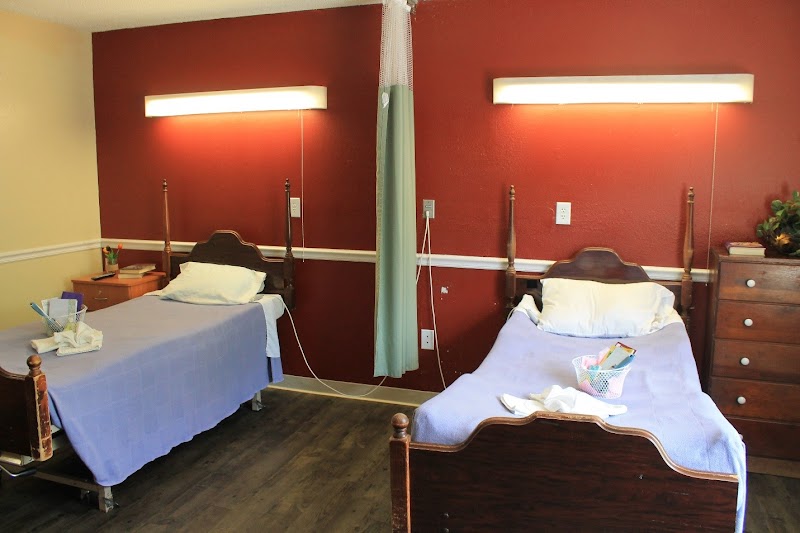
How is Buffalo Prairie Center For Rehab And Healthcare Staffed?

CMS rates BUFFALO PRAIRIE CENTER FOR REHAB AND HEALTHCARE's staffing level at 1 out of 5 stars, which is much below average compared to other nursing homes.

What Have Inspectors Found at Buffalo Prairie Center For Rehab And Healthcare?

State health inspectors documented 56 deficiencies at BUFFALO PRAIRIE CENTER FOR REHAB AND HEALTHCARE during 2019 to 2025. These included: 1 Immediate Jeopardy (the most serious level, indicating potential for serious harm or death), 54 with potential for harm, and 1 minor or isolated issues. Immediate Jeopardy findings are rare and represent the most serious regulatory concerns. They require immediate corrective action.
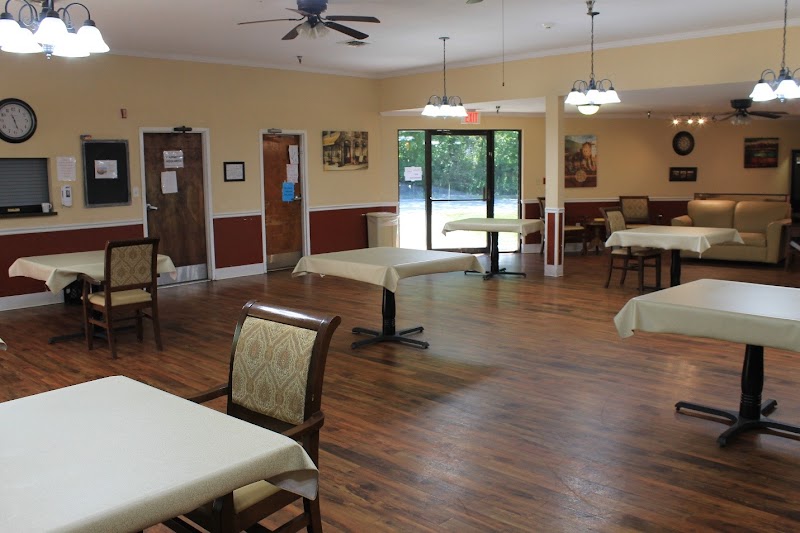
Who Owns and Operates Buffalo Prairie Center For Rehab And Healthcare?

BUFFALO PRAIRIE CENTER FOR REHAB AND HEALTHCARE is owned by a for-profit company. For-profit facilities operate as businesses with obligations to shareholders or private owners. The facility is operated by PRIME HEALTHCARE MANAGEMENT, a chain that manages multiple nursing homes. With 60 certified beds and approximately 49 residents (about 82% occupancy), it is a smaller facility located in BUFFALO, Missouri.
How Does Buffalo Prairie Center For Rehab And Healthcare Compare to Other Missouri Nursing Homes?

Compared to the 100 nursing homes in Missouri, BUFFALO PRAIRIE CENTER FOR REHAB AND HEALTHCARE's overall rating (1 stars) is below the state average of 2.5 and health inspection rating (1 stars) is much below the national benchmark.

What Should Families Ask When Visiting Buffalo Prairie Center For Rehab And Healthcare?

Based on this facility's data, families visiting should ask: "What changes have been made since the serious inspection findings, and how are you preventing similar issues?" "Can you walk me through typical staffing levels on day, evening, and night shifts?" "Can I visit during a mealtime to observe dining assistance and food quality?" "How do you handle medical emergencies, and what is your hospital transfer rate?" These questions are particularly relevant given the facility's Immediate Jeopardy citations and the below-average staffing rating.

Is Buffalo Prairie Center For Rehab And Healthcare Safe?

Based on CMS inspection data, BUFFALO PRAIRIE CENTER FOR REHAB AND HEALTHCARE has documented safety concerns. Inspectors have issued 1 Immediate Jeopardy citation (the most serious violation level indicating risk of serious injury or death). The facility has a 1-star overall rating and ranks #100 of 100 nursing homes in Missouri. Families considering this facility should ask detailed questions about what corrective actions have been taken since these incidents.

Do Nurses at Buffalo Prairie Center For Rehab And Healthcare Stick Around?

BUFFALO PRAIRIE CENTER FOR REHAB AND HEALTHCARE has not reported staff turnover data to CMS. Staff turnover matters because consistent caregivers learn residents' individual needs, medications, and preferences. When staff frequently change, this institutional knowledge is lost. Families should ask the facility directly about their staff retention rates and average employee tenure.

Was Buffalo Prairie Center For Rehab And Healthcare Ever Fined?

BUFFALO PRAIRIE CENTER FOR REHAB AND HEALTHCARE has been fined $8,731 across 1 penalty action. This is below the Missouri average of $33,166. While any fine indicates a compliance issue, fines under $50,000 are relatively common and typically reflect isolated problems that were subsequently corrected. Families should ask what specific issues led to these fines and confirm they've been resolved.

Is Buffalo Prairie Center For Rehab And Healthcare on Any Federal Watch List?

BUFFALO PRAIRIE CENTER FOR REHAB AND HEALTHCARE is not on any federal watch list. The most significant is the Special Focus Facility (SFF) program, which identifies the bottom 1% of nursing homes nationally based on persistent, serious quality problems. Not being on this list means the facility has avoided the pattern of deficiencies that triggers enhanced federal oversight. This is a positive indicator, though families should still review the facility's inspection history directly.