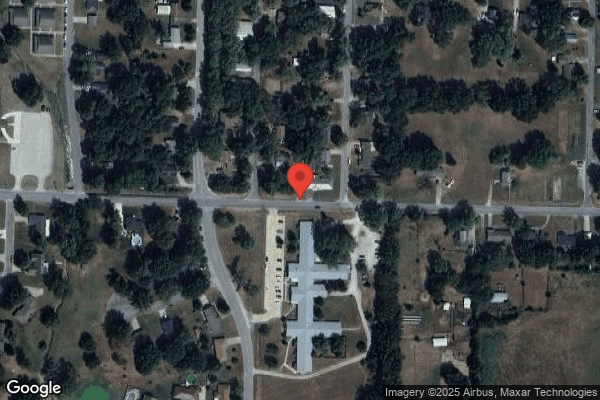
MEDICALODGES BUTLER

103 EAST NURSERY, BUTLER, MO 64730 (660) 679-3179
For profit - Corporation 105 Beds MEDICALODGES, INC. Data: November 2025
Trust Grade
80/100
#100 of 479 in MO
Last Inspection: March 2024

Within standard 12-15 month inspection cycle. Federal law requires annual inspections.

Overview

Medicalodges Butler has a Trust Grade of B+, which means it is above average and recommended for families considering care. The facility ranks #100 out of 479 nursing homes in Missouri, placing it in the top half, and is the best option in Bates County. The trend is improving, as the number of issues dropped from 6 in 2024 to just 1 in 2025, indicating progress. Staffing is a strength, with a turnover rate of 33%, well below the state average, which helps maintain consistency in care. However, there have been some concerns, including issues with maintaining cleanliness in the kitchen and not fully meeting infection control requirements, which could affect all residents.

Trust Score
B+
80/100
In Missouri
#100/479
Top 20%
Safety Record
Low Risk
No red flags
Inspections
Getting Better
6 → 1 violations
Staff Stability
○ Average
33% turnover. Near Missouri's 48% average. Typical for the industry.
Penalties
✓ Good
No fines on record. Clean compliance history, better than most Missouri facilities.
Skilled Nurses
○ Average
Each resident gets 30 minutes of Registered Nurse (RN) attention daily — about average for Missouri. RNs are the most trained staff who monitor for health changes.
Violations
⚠ Watch
12 deficiencies on record. Higher than average. Multiple issues found across inspections.
★★★★☆
4.0
Overall Rating
★★★★☆
4.0
Staff Levels
★★☆☆☆
2.0
Care Quality
★★★★☆
4.0
Inspection Score
Stable
2024: 6 issues
2025: 1 issues

The Good

  • 4-Star Staffing Rating · Above-average nurse staffing levels
  • Full Sprinkler Coverage · Fire safety systems throughout facility
  • No fines on record
  • Staff turnover below average (33%)

    15 points below Missouri average of 48%

Facility shows strength in staffing levels, fire safety.

The Bad

Staff Turnover: 33%

13pts below Missouri avg (46%)

Typical for the industry

Chain: MEDICALODGES, INC.

Part of a multi-facility chain

Ask about local staffing decisions and management

The Ugly 12 deficiencies on record

Jun 2025 1 deficiency
CONCERN (D) 📢 Someone Reported This

A family member, employee, or ombudsman was alarmed enough to file a formal complaint

Potential for Harm - no one hurt, but risky conditions existed

Deficiency F0760 (Tag F0760)

Could have caused harm · This affected 1 resident

**NOTE- TERMS IN BRACKETS HAVE BEEN EDITED TO PROTECT CONFIDENTIALITY** Based on interview and record review, the facility failed to administer the correct insulin Lantus (a long acting insulin)10 uni...

Read full inspector narrative →
**NOTE- TERMS IN BRACKETS HAVE BEEN EDITED TO PROTECT CONFIDENTIALITY** Based on interview and record review, the facility failed to administer the correct insulin Lantus (a long acting insulin)10 units but instead gave the resident Novalog (fast acting insulin) 10 units at 8:00 P.M., to one sampled resident (Resident # 1) out of three sampled residents. The facility census was 68 residents. On 6/5/25 the Administrator and acting Director of Nursing (DON) were notified of past non-compliance which occurred on 3/7/25. On 3/8/25 the facility administrator was notified of the incident by Licensed Practical Nurse (LPN) A and the investigation was started. LPN A was educated on 3/8/25 and was given a written warning on 3/10/25. Employee education started on 3/8/25 before the start of there shift and finished on 4/3/25. The deficiency was corrected on 3/8/25. Review of the facility's policy Medication Administration General Guidelines dated 1/25 showed: -Medications are administered as prescribed in accordance with manufacturers' specifications, good nursing principles and practices and by persons legally authorized to do so. -Prior to administration, review and confirm medication orders for each individual resident on the Medication Administration Record (MAR). -Compare the medication and dosage schedule on the resident's MAR with the medication label. -Verify medication is correct three times before administering the medication. --When pulling medication package from the medication cart. --When the dose is prepared. --Before the dose is administered. 1. Review of the resident's admission Record showed the resident was admitted to the facility on [DATE] and readmitted on [DATE] with the following diagnosis of Type II Diabetes Mellitus (a deficiency or complete lack of insulin secretion in the pancreas or resistance to insulin). Review of the resident's Care Plan dated 9/15/22 showed: -Administer insulin per physician orders. -Observe for any signs/symptoms of hypo/hyperglycemia (excessive thirst, hunger, voiding, altered mental status, mood changes, excessive perspiration, weight changes, circulatory changes), and notify charge nurse/physician. -Monitor his/her blood sugars as ordered. -Notify physician of any unusual fluctuations. Review of the resident's annual Minimum Data Set (MDS - a federally mandated assessment tool completed by facility staff for care planning) dated 5/16/25 showed he/she: -Was cognitively intact. -Had a diagnosis of diabetes. -Received insulin injections. Review of the resident's Order Summary Report dated March 2025 showed: -Accucheck (blood sugar monitoring) four times a day related to Type II Diabetes. Follow diabetic protocol for blood sugar below 50 or above 450. -Lantus SoloStar 100 Unit/Milliliter (ml) Pen-Injector, inject 10 units subcutaneously (under the skin) at bedtime related to Type II Diabetes. -Novolog 100 Units/ml PenFill Cartridge, inject five units subcutaneously three times a day related to Type II Diabetes. Review of the resident's MAR dated March 2025 showed: -Accucheck four times a day on 3/7/25 were at 8:00 A.M. was 96, 12:00 P.M. was 149, 5:00 P.M. was 78, and 8:00 P.M. was 135. -Accucheck on 3/8/25 at 8:00 A.M. was 112. -Lantus SoloStar 100 Unit/ml Pen-Injector, 10 units was given to the resident on 3/7/25 at 7:47 P.M. -Novolog 100 Units/ml PenFill Cartridge, five units was given at 9:10 A.M., 12:21 P.M., and resident refused his/her 5:00 P.M. dose due to blood sugar being 78. Review of the resident's Nurse's Note dated 3/8/25 at 2:56 A.M. showed: -Humalog (rapid acting insulin) was given at 9:00 P.M. on 3/7/25. --NOTE: The resident did not have an order for Humalog. -At 1:30 A.M. on 3/8/25 LPN A realized what he/she had done. -LPN A immediately took the resident's blood sugar and it was 34. -Resident immediately was awaken and able to speak with LPN A. -LPN A called the Nurse Practitioner (NP). -NP gave an order to give the resident two sugar tablets. -LPN A immediately gave the resident two sugar tablets, a glass of milk, and cookies. -LPN A rechecked the resident blood sugar at 2:00 A.M. and it was 65. -Resident's blood sugar was checked again at 2:49 A.M. and it was 115. Review of the resident's Physician's Telephone Order dated 3/8/25 showed: -Give two glucose tablets now. -Recheck blood sugar in 30 minutes. Review of the Medication Error Report dated 3/8/25 showed: -LPN A gave the resident 10 units of Humalog instead of 10 units of Lantus insulin as prescribed. -Resident unable to give description. -Humalog was given at 9:00 P.M. on 3/7/25. -At 1:30 A.M. on 3/8/25 LPN A realized what he/she had done. -LPN A immediately took the resident's blood sugar and it was 34. -Resident immediately was awaken and able to speak with LPN A. -LPN A called the Nurse Practitioner (NP). -NP gave an order to give the resident two sugar tablets. -LPN A immediately gave the resident two sugar tablets, a glass of milk, and cookies. -LPN A rechecked the resident blood sugar at 2:00 A.M. and it was 65. -Resident was oriented to person, place, time, and situation. -Resident was not sent to the hospital for evaluation and treatment. -LPN A did not follow rights of medication administration. -LPN A's statement was the resident was out of Lantus insulin, so LPN A got Lantus from the E-kit and accidentally pulled Humalog and gave the resident 10 units at 9:00 P.M. At 1:30 A.M. he/she realized that he/she gave the wrong insulin. -The physician, Administrator, DON and family were notified of the incident. -Reviewed medication error of this resident's insulin. LPN A discovered his/her own mistake and called the NP for orders to correct the blood sugar. Orders were followed and resident was monitored. LPN A was educated on medication administration and written education was provided. All parties notified appropriately. Review of LPN A's Employee Warning Notice dated 3/10/25 showed: -LPN A obtained Humalog from the E-kit and administered that instead of Lantus 10 units. -LPN A did not follow proper procedure for removing E-kit medication. -LPN A failed to follow the rights of medication administration by not checking to ensure it was the correct drug. Review of the resident's Risk Progress Note dated 3/11/25 at 11:38 A.M. showed: -On 3/8/25 the resident was given 10 units of Humalog insulin at 9:00 P.M. -Order was for Lantus 10 units. -At 1:30 A.M. LPN A realized the medication error and immediately assessed the resident; blood sugar was 32. -LPN A notified NP. -Resident was given two sugar tablets, a glass of milk, and a cookie. -At 2:00 A.M. the resident's blood sugar was 65 and at 2:49 A.M. the resident's blood sugar was 115. -Root cause LPN A failed to follow right medication administration by not assessing it was the right drug. -Staff education provided immediately on right medication and administration. During an interview on 6/5/25 at 1:51 P.M., the NP said he/she: -Was notified on 3/8/25 that the resident was given Humalog 10 units instead of 10 units of Lantus. -The resident showed no other symptoms of low blood sugar that is why he/she only ordered two glucose tablets instead of the four. -The resident was able to eat and drink that is why he/she had the nurse give the resident something to eat. -The resident was alert and able to answer questions with the correct answers. -The glucose tablets are fast acting to get the blood sugar up. -The food and drink will help the blood sugar stay up longer. -Assessed the resident when he/she arrived at the facility with no outcome found due to the low blood sugar. During an interview on 6/5/25 at 2:43 P.M., the resident said: -He/She had no problems with his/her blood sugar being too low. -Did not remember the incident of the wrong insulin being given. -The nurses check his/her blood sugars before meals and at night. -He/She feels safe living at the facility. During an interview on 6/5/25 at 2:59 P.M., the DON said he/she: -Was notified by LPN A on 6/8/25 at 1:32 A.M., that LPN A gave the resident the wrong insulin at 9:00 P.M. on 3/7/25. -LPN A reported to him/her of the steps taken to raise the resident's blood sugar. -LPN A said he/she notified the NP and followed the orders given and the resident's blood sugar came back to normal without any side effects. -Would expect LPN A to follow the rights before giving any medications. -Educated LPN A over the phone 3/8/25 and again 3/10/25 when signing the Employee Warning Notice. -All Certified Medication Technicians (CMTs) and nurses were educated starting 3/8/25 on medication administration and proper procedure of removing medications from the E-kit. During an interview on 6/5/25 at 2:59 P.M., the Administrator said he/she: -Was notified of the medication error by LPN A. -LPN A found his/her own medication error later that shift and called the NP to get orders to bring the resident blood sugar back to normal. -LPN A assessed the resident while the NP was on the phone, so LPN A could notify the NP of the resident's condition. -LPN A was educated right away and the rest of the staff was educated later on 3/8/25 thru 4/3/25. -The CMTs and nurses were educated before they worked their next shift. During an interview on 6/5/25 at 3:27 P.M., LPN A said he/she: -Was giving bedtime insulins and seen the resident was out of Lantus. -Went to the E-kit and took out an insulin pen and proceeded to give the resident 10 units of what he/she thought was Lantus insulin. -Did not check the insulin pen with the resident's MAR to make sure it was the right insulin and just gave the insulin pulled from the E-kit. -The medication error was found when he/she was going over the E-kit paperwork. -Resident was given 10 units of Humalog instead of 10 units of Lantus. -Went straight to the resident's room and woke the resident up and checked the resident's blood sugar. -The resident blood sugar was low at 34. -Called the NP and explained what had happened and followed the NP's orders. -Resident's blood sugar started to rise and was 65 15 minutes after giving the two glucose tablets as ordered. -Gave the resident a glass of milk and cookies to help raise the blood sugar level. -Notified the DON and Administrator of the medication error. -By 2:00 A.M., the resident's blood was 115. -Was educated by the DON while on the phone about medication administration rights to check the drug with the MAR before giving the medication. MO00250731
Mar 2024 6 deficiencies
CONCERN (D)

Potential for Harm - no one hurt, but risky conditions existed

Accident Prevention (Tag F0689)

Could have caused harm · This affected 1 resident

**NOTE- TERMS IN BRACKETS HAVE BEEN EDITED TO PROTECT CONFIDENTIALITY** Based on observation, interview and record review, the facility failed to update the intervention for the continued use of a kne...

Read full inspector narrative →
**NOTE- TERMS IN BRACKETS HAVE BEEN EDITED TO PROTECT CONFIDENTIALITY** Based on observation, interview and record review, the facility failed to update the intervention for the continued use of a knee brace for one sampled resident (Resident #2); to update the care plan with new interventions as needed; and to ensure the fall care plan was implemented for one sampled resident (Resident #41) who fell after being left alone in the dining room and did not have on proper footwear out of 18 total sampled residents. The facility census was 70 residents. Review of the facility's Falls Management policy revised 12/22/22 showed: -The fall assessment should be completed upon admission, quarterly, with a significant change and each fall occurrence. -If identified risk is present the interventions should be communicated to facility staff on the care plan. -After a fall occurs the licensed nurse would initiate a risk management event reporting process to include: --A physical assessment. --Injuries sustained. --Fall occurrences were to be documented in the clinical record including the environmental, situational or psychological and situational factors, location, time found, position, adaptive equipment, actions taken and new interventions implemented. -The physician and responsible party should be notified. -Witness statements should be obtained and resident statements were to be obtained. -The residents' care plan would be reviewed and revised with each fall occurrence and new interventions implemented. 1. Review of Resident # 2's admission Record showed the resident was admitted to the facility on [DATE] and readmitted on [DATE] with diagnoses that included Hemiplegia and Hemiparesis (paralysis and weakness on one side of the body) following a stroke. Review of the resident's Fall Risk care plan initiated on 4/26/19 showed: -An intervention initiated 4/26/19 to make sure the resident had on appropriate shoes or non-slip footwear when up. -An intervention initiated 4/4/22 for resident to be up in wheelchair primarily for mobility and to propel himself/herself. Assistance needed of one to two staff with walker and gait belt for transfers. -NOTE: There were no updated interventions to the care plan related to the resident's fall. Review of the resident's Activities of Daily Living (ADL - dressing, grooming, bathing, eating, and toileting) care plan, revised 4/26/19, showed: -An intervention was in place for: Resident's left knee gives out at times and he/she needed to wear a left knee brace when up. Do not make adjustments to settings. If the brace needed adjusting notify the therapy department. -The intervention was revised 5/8/19 showing the resident's left knee gives out at times and he/she needed to wear a left knee brace when up. Ensure the brace was on underneath his/her clothing. Do not make adjustments to setting. If the brace needed adjusting notify the therapy department. Review of the resident's physician orders showed no order for the left knee brace. Review of the resident's Fall Risk Assessment, dated 5/16/23 showed the resident: -Exhibited loss of balance while standing. -Required hands on assistance to move from place to place. -Had decreased muscle coordination. -Had the potential for his/her blood pressure to drop significantly between lying and standing positions. -Was able to stand, pivot, and transfer. -Was not able to consistently bear weight on both legs. -Could consistently bear weight on one leg, grip with both hands, tolerate pressure on the mid to lower back, and follow simple instructions. Had a joint replacement. -Required supervision or limited physical assistance for transfers. -Was at high risk for falls. Review of the resident's quarterly Minimum Data Set (MDS - a federally mandated assessment instrument completed by facility staff for care planning), dated 5/19/23 showed the resident: -Was severely cognitively impaired. -Required substantial/maximum assist (staff does more than 50 percent of the effort) for repositioning and transferring. -Independently wheeled 50 feet in his/her manual wheelchair. Review of the resident's Fall Risk Assessment, dated 6/4/23 showed the resident: -Had a fall. -Was unable to independently come to a standing position. -Exhibited a loss of balance. -Required hands on assistance to move from place to place. -Had decreased muscle coordination. -Was at high risk for falls. Review of the resident's Fall Incident Report, dated 6/6/23, showed: -A statement from Certified Nurses Aide (CNA) B stated he/she was transferring the resident to the bedside commode with a gait belt and helping the resident pull down his/her pants. The resident started to fall and CNA B lowered the resident to the floor and called for help. -A note written on 6/4/23 at 6:30 A.M. showed: --The floor was wet from the resident trying to use the commode prior to falling. --The resident complained of pain in his/her left lower extremity and his/her left foot was twisted in an upward position. --Emergency Medical Services (EMS) transferred the resident to the hospital. -Predisposing factors included improper footwear and an intervention showed make sure the resident wears proper footwear. -A progress note, dated 6/6/23 showed: --The resident had a fall resulting in left tibia and fibula fracture(s). --The fall was witnessed in the resident's room on 6/4/23 at 3:25 A.M. --After interviews it was determined the root cause of the fall was the resident's left knee giving out while standing causing his/her leg to buckle. --The resident did not have his/her knee brace in place. --The CNA had a gait belt on the resident, however, was unable to safely move the resident to the commode or wheelchair and had to lower the resident to the floor. The resident's leg was under him/her with no way of moving it. --The resident was not moved until EMS arrived due to complaints of left leg pain. --The resident was admitted to the hospital and would be re-evaluated upon his/her return. Review of the resident's hospital Discharge summary, dated [DATE] showed: -The resident was admitted to the hospital on [DATE] at 11:36 A.M. with an admitting diagnosis that included closed fracture of his/her left ankle. -Two-view X-rays were taken of the left lower extremity and showed an oblique fracture (diagonal break) of is/her left tibia. -Surgery performed on 6/6/24. -Non-weight bearing for at least four weeks to allow bone healing. Review of the resident's Fall Risk Assessment, dated 6/8/23 showed the resident: -Was unable to stand, pivot or transfer. -Could not bear weight. -Had a fracture. -Was a total mechanical lift. Review of the resident's significant change MDS, dated [DATE] showed the resident was dependent upon staff for repositioning, transfers, and wheeling in his/her wheelchair. Review of the resident's ADL care plan showed an intervention initiated on 6/23/23 for total assistance of two staff with a hoyer lift for transfers. Review of the resident's Fall Risk care plan showed an intervention initiated 6/23/23 for resident up in wheelchair primarily for mobility and can propel self. Assistance of two staff needed with hoyer lift for transfers. Review of the resident's Fall Risk assessment, dated 7/12/23 showed: -The resident was unable to independently come to a standing position. -Required hands on assistance to move from place to place. -Had decreased muscle coordination. -Was at high risk for falls. Review of the resident's Fall Risk assessments, dated 10/3/23, 12/26/23 and 3/5/23 showed: -The resident was unable to independently come to a standing position. -Exhibited loss of balance while standing. -Was unable to stand, pivot, and transfer. -Was unable to bear weight on at least one leg. -Transferred with a total mechanical lift. Review of the residents annual MDS, dated [DATE] showed the resident was dependent upon staff for transfers. During an interview on 3/26/24 at 10:21 A.M. Family Member A said: -Staff was helping the resident up one morning several months ago and the resident broke his/her ankle in a fall. Now the resident was unable to walk. -Staff have used a full body mechanical lift since the fall. Before that the resident could stand and pivot. -The resident used to go to the toilet with staff assistance and now he/she goes in a brief. -Before the leg break the resident was supposed to wear the knee brace for all transfers and whenever the resident was up because the brace helped stabilize the resident's knee. During an interview on 3/28/24 at 11:59 A.M. CNA B said: -The morning of the fall he/she woke the resident up, put on a gait belt and stood the resident up with a walker like he/she always did. -When he/she was transferring the resident onto the bedside commode the resident just collapsed. -The resident wore a knee brace when up and out of bed. The resident was not wearing the knee brace during that morning transfer. The resident also wore TED (thromboembolic (blood clot) deterrent) hose. -The resident normally did a good job with transfers and could bear weight prior to the fall so he/she normally just transferred the resident from his/her bed in the mornings without the knee brace and put on the resident's TED hose and knee brace when the resident was sitting on the bedside commode. That day the resident's leg gave out and he/she went down. -He/She should have had the knee brace on the resident's knee prior to the transfer. He/She wasn't sure if the outcome would have been the same. -Since the resident's fall he/she had been a two-person mechanical lift transfer. -The electronic [NAME] showed staff how they were to care for residents and before the resident's leg break it showed staff were to use a walker and knee brace for the resident's transfers. -After the fracture the [NAME] showed the resident was a two-person mechanical lift. -There was also a communication sheet for CNAs that showed the resident was a two-person mechanical lift following the fall. Observation on 3/28/24 at 1:34 P.M. showed Certified Medication Technician (CMT) B and CNA E transferred the resident from his/her wheelchair into his/her bed using a total mechanical lift. During an interview on 3/28/24 at 1:40 P.M. CMT B said: -Before the resident broke his/her tibia he/she transferred with one or two person assistance using a walker and his/her knee brace. On a good day the resident could transfer with only one staff. -The resident was supposed to wear the knee brace at all times when up and for all transfers according to the resident's [NAME] information. -He/She learned of the resident's fall through shift report and through the daily communication book. Communication forms showed the resident changed to a mechanical lift status after the injury. During an interview on 3/28/24 at 1:45 P.M. CNA E said: -Since the resident's fracture all transfers were done with the total mechanical lift. -Before that the resident stood with a walker while wearing his/her knee brace during transfers. During an interview on 3/29/24 at 10:09 A.M. CNA C said: -Prior to the resident's fall the resident was transferred with two staff. The resident used a walker and staff used a gait belt. He/She couldn't ambulate, but could transfer with staff assistance. -The resident was supposed to wear TED hose and a leg brace for all transfers and throughout the day. -The TED hose and leg brace could be taken off if the resident was in bed, but had to be put back on before the resident got out of bed. -Since the resident's fracture staff have used a mechanical lift to transfer the resident. During an interview on 3/29/24 at 10:56 A.M. the Administrator said: -The resident had a knee brace when he/she came to the facility on admission and there was an intervention for the brace. -It was a preference of the resident's to wear the leg brace. He/She never fully stood on that leg. -The leg brace was not physician ordered because wearing it was a preference. During an interview on 3/29/24 at 11:20 A.M. the MDS Coordinator said: -The resident had an intervention to wear the knee brace beginning in 2017. -He/She had an intervention to wear shoes and non-slip footwear since 4/26/19 and an intervention to wear the knee brace under his/her clothing since 5/8/19. -The knee brace helped the resident with comfort. -The brace was to be put on before staff transferred the resident and was probably a therapy recommendation. During an interview on 3/29/24 at 11:41 A.M. the Rehabilitation Supervisor said: -The resident came to the facility in 2017 with the knee brace. -He/She was on their caseload in 2017 and therapy recommended he/she use the knee brace for transfers. The resident was not walking with the brace, just transferring with it. -The resident had a care plan intervention for the knee brace back in 2017. -The resident was seen multiple times between 2017 and 2023 for various issues and therapy had always recommended he/she wear the knee brace. -The resident could no longer bear weight since his/her fall and no longer required the knee brace. -At the time of the accident the resident would wear the knee brace for comfort during transfers. During an interview on 3/29/24 at 12:40 P.M. the Director of Nursing (DON) said: -It was care planned at the time of the resident's fall he/she use the leg brace when the resident was up. -The resident's care plan should have shown the resident could wear the brace as he/she desired not all the time or just with transferring. During an interview on 4/5/24 at 12:29 P.M. the resident's physician said: -The resident had arthritis, chronic weakness and instability. -He/She used a wheelchair for mobility most of the time. -The resident's fall had been several months ago and an aide was with him/her. -There were different kinds of braces and the resident's brace would not have provided full immobility. -The brace helped support the joint and provided some stability, but would not have necessarily prevented the fall due to the resident's instability and muscle weakness. -The resident did not have an order for the leg brace because he/she came into the facility with the brace already. The resident just liked using his/her leg brace. 2. Review of Resident # 41's admission Record showed he/she was admitted to the facility on [DATE] with diagnoses that included: -Alzheimer's disease (a slowly progressive disease of the brain that is characterized by impairment of memory and eventually by disturbances in reasoning, planning, language, and perception). -Presence of left artificial hip joint. Review of the resident's Fall Risk assessment, dated 11/8/23 showed the resident: -Had two falls within the past six months. -Was unable to come to a standing position; exhibited loss of balance while standing; required hands on assistance to move from place to place; used short, discontinuous steps and/or a shuffling gait; exhibited jerking or instability when making turns; and had decreased muscle coordination. -Was at high risk for falls. Review of the resident's Fall care plan, initiated 11/8/23 showed an intervention, initiated, on 11/8/23 to ensure appropriate shoes or non-skid socks at all times. Review of the resident's Risk progress notes for 11/9/23 showed the resident had an unwitnessed, non-injury fall on 11/9/23 at 10:00 P.M. while crawling onto the floor from his/her bed. The Interdisciplinary Team (IDT - staff responsible for the resident's assessments and care plans) decided to move the resident to the Special Care Unit (SCU) for more direct supervision. The care plan was updated. Review of the resident's ADL care plan, initiated 11/9/23 showed an intervention was added on 11/10/23 for weight bearing assistance of one staff with use of a gait belt and walker for standing from a sitting position, to transfer, and to ambulate. Review of the resident's admission MDS, dated [DATE] showed the resident: -Was severely cognitively impaired. -Depended upon staff for repositioning and transfers. -Utilized a walker and a wheelchair. -Had upper and lower extremity impairments on one side. -Had a previous hip fracture affecting his/her current medical needs. -Had one fall since his/her admission. Review of the resident's Risk progress notes for 11/15/23 showed: -The resident had an unwitnessed, non-injury fall in the dining room while attempting to ambulate on 11/15/23 at 1:30 P.M. The new intervention was for the resident to be removed from the dining room immediately following meals. The care plan was updated. -The resident had an unwitnessed, non-injury fall on 11/15/23 at 10:52 P.M. in the SCU dining room. A new intervention was in place for the resident to not be left alone in the SCU dining room until he/she was more aware of his/her surroundings due to having just been moved back to the unit. The resident's care plan was updated. Review of the resident's Fall risk care plan showed an intervention was added on 11/15/23 to not leave the resident unattended in the dining room. Review of the resident's Fall Incident Report, dated 11/26/23, showed: -The nurse was called into the SCU due to the resident having an unwitnessed fall on 11/26/23 at 3:00 A.M. while staff tended to another resident. Upon the nurse's arrival the resident was in front of the recliner on his/her back with knees bent and holding his/her head. The resident was unable to give a description of what happened. -The resident was assessed. He/She denied pain or discomfort. A hematoma (a pool of blood that forms in an organ, tissue or body space, usually caused by a broken blood vessel damaged by surgery or injury) was noted to the left side of the resident's forehead, measuring approximately one inch by one inch. Staff assisted the resident with a gait belt back into the recliner. -The resident was to be checked on more frequently to prevent future falls, neurological checks (assessments of level of consciousness, movement, hand grasp, pupil reaction, and speech) were started, and the resident was to be sent to the emergency room if there were any changes. -It was determined the root cause of the fall was the resident sleeping in the recliner in the dining room without any shoes or non-skid socks. CNA D was educated to ensure non-skid socks were on at night. During an interview on 3/26/24 at 2:13 P.M. Family Member B said the resident was unable to walk well and needed staff assistance with all transfers. During an interview on 3/28/24 at 12:52 P.M. CNA D said: -The resident fell four months or so back probably between 1:00 A.M. and 3:00 A.M. He/She was doing rounds and helping another resident at the time. -The resident always slept in the recliner in the dining room and still usually slept there because the resident tried to get out of bed a lot. -He/She had only left the resident alone for five minutes the night of the fall. -The resident was not supposed to be left unattended in the dining room, so he/she did his/her rounds when the resident was sleeping. He/She had continued to leave the resident alone in the dining room because he/she had to change other residents and was the only CNA working the unit at night. He/She just always did his/her rounds when the resident was sleeping. -The electronic [NAME] showed the resident was supposed to be assisted by staff using a gait belt for transfers. Observation on 3/28/24 at 1:49 P.M. showed: -The resident was sitting in his/her room in his/her wheelchair. -CMT B applied a gait belt on the resident. -The resident used a walker while standing as CMT B and CNA E helped him/her stand and walked with the to his/her bed. During an interview on 3/28/24 at 1:54 P.M. CMT B said: -The resident transferred with one or two person assistance, depending upon his/her behaviors. -Since there were always two CNAs on the day shift they normally used two staff even when the resident did not have behaviors. -The resident was able to walk short distances such as from the toilet to his/her bed. During an interview on 3/29/23 at 10:22 P.M. CNA C said: -The resident had always transferred with a gait belt and a walker with one to two staff assisting. -Sometimes the resident could ambulate short distances and sometimes not, depending upon if the resident was upset. -Most of the time the resident used a wheelchair and transferred with the use of a gait belt and walker. -The resident had an intervention that he/she couldn't be left alone in the dining room. -He/She also had to wear non-skid socks because the resident refused to wear his/her shoes. -The electronic [NAME] showed the resident's interventions. During an interview on 3/29/24 at 10:56 A.M. the Administrator said: -The resident was left unattended in the dining room and had a fall resulting in a hematoma. -The DON updated the resident's care plan after the falls on 11/15/23 and realized the intervention to not leave the resident alone in the dining room was no longer appropriate, but had forgotten to remove it. -After the 11/26/23 fall staff had been educated to make sure the resident wore non-skid socks. During an interview on 3/29/24 at 11:25 A.M. the MDS Coordinator said the resident had the following interventions as of 11/26/23: -Wear non-skid socks, initiated on 11/8/23. -Weight bearing as tolerated with one staff and the use of a gait belt and walker for standing, transfers and ambulation, initiated on 11/10/23. -Don't leave the resident unattended in the dining room, initiated 11/15/23. During an interview on 3/29/24 at 12:40 P.M. the DON said: -After the resident fell a second time on 11/15/23 the IDT added the intervention the resident shouldn't be left alone. -The intervention was only meant to be for a few days, but was not removed as it should have been. -The resident was not wearing non-skid socks on 11/26/23 when he/she fell and staff were educated to make sure he/she was wearing them at all times. -All resident falls are reviewed within 24 to 48 hours by the IDT. -Interventions are first initiated by the nurse on duty at the time of an accident or fall and then reviewed and adjusted as needed by the IDT. -The care plan interventions should be kept updated and reflect the resident's current needs.
CONCERN (D)

Potential for Harm - no one hurt, but risky conditions existed

Deficiency F0699 (Tag F0699)

Could have caused harm · This affected 1 resident

**NOTE- TERMS IN BRACKETS HAVE BEEN EDITED TO PROTECT CONFIDENTIALITY** Based on interview and record review, the facility failed to identify, assess and provide supportive interventions for one sampl...

Read full inspector narrative →
**NOTE- TERMS IN BRACKETS HAVE BEEN EDITED TO PROTECT CONFIDENTIALITY** Based on interview and record review, the facility failed to identify, assess and provide supportive interventions for one sampled resident (Resident #63), with a diagnosis of Post-Traumatic Stress Disorder (PTSD - a mental health condition triggered by a terrifying event - either experiencing it or witnessing it; symptoms may include flashbacks, nightmares and severe anxiety, as well as uncontrollable thoughts about the event), out of 18 sampled residents. The facility census was 70 residents. Review of Trauma-Informed Care Implementation Center (https://www.traumainformedcare.chcs.org/what-is-trauma-informed-care/) copyright 2021 showed: -Trauma-informed care shifts the focus from What's wrong with you? to What happened to you? -A trauma-informed approach to care acknowledges that health care organizations and care teams need to have a complete picture of a patient's life situation - past and present - in order to provide effective health care services with a healing orientation. -Adopting trauma-informed practices can potentially improve patient engagement, treatment adherence, and health outcomes, as well as provider and staff wellness. It can also help reduce avoidable care and excess costs for both the health care and social service sectors. -Trauma-informed care seeks to: --Realize the widespread impact of trauma and understand paths for recovery; --Recognize the signs and symptoms of trauma in patients, families, and staff; --Integrate knowledge about trauma into policies, procedures, and practices; and --Actively avoid re-traumatization. A policy was requested, and the facility did not have a policy on PTSD/trauma informed care. 1. Review of Resident #63's Level One Pre-Admissions Screening and Resident Review (PASRR) (federally mandated screening process for individuals with serious mental illness and/or intellectual disability/developmental disability related diagnosis who apply or reside in Medicaid Certified beds in a nursing facility regardless of the source of payment.) dated 2/23/24 showed the resident had a diagnosis of PTSD. Review of the resident's Transfer/Discharge Report showed the resident was admitted to the facility on [DATE] with a diagnosis of PTSD. Review of the Order Summary Report (OSR) dated 2/23/24 showed the following physician's orders: -Sertraline ((a type of antidepressant drug (used to relieve depression) that inhibits the reabsorption of serotonin (a compound present in blood platelets and serum, which constricts the blood vessels and acts as a neurotransmitter (a chemical substance that is released at the end of a nerve fiber by the arrival of a nerve impulse and, by sending it across the nerve junction, causes the transfer of the impulse to another nerve fiber, a muscle fiber, or some other structure) by neurons, so increasing the availability of serotonin as a neurotransmitter) medication give 200 milligrams (mg) by mouth at bedtime for Major Depressive Disorder (a mental disorder characterized by a persistently depressed mood and long-term loss of pleasure or interest in life, often with other symptoms such as disturbed sleep, feelings of guilt or inadequacy, and suicidal thoughts). Review of the resident's admission Minimum Data Set (MDS-a federally mandated assessment instrument completed by facility staff for care planning) dated 2/29/24 showed: The resident had a moderate cognitive impairment. -Had PTSD. Review of the resident's care plan revised 3/3/24 showed: -He/She used therapeutic psychotropic medications related to disease process for PTSD, and Major Depression. -PTSD was not addressed in the care plan. -The resident's triggers were not addressed. -The resident's interventions were not addressed. -The resident was on an antidepressant medication for PTSD. During an interview on 3/25/24 at 10:26 A.M. the resident said: -He/she had a diagnosis of PTSD. -The facility was doing nothing for it. -He/she had PTSD due to being in the military in the past but did not want to discuss the details or triggers. During an interview on 3/28/24 at 9:13 A.M., Certified Medication Technician (CMT) A said: -The resident had PTSD. -He/She was unsure what his/her triggers are, or his/her inventions were. -The resident had not had any behaviors. -He/She would look on the care plan for the triggers and interventions. During an interview on 3/28/24 at 9:15 A.M., Certified Nurse's Assistant (CNA) A said: -Was unsure if the resident had a diagnosis of PTSD. -He/She did not know the resident's triggers or interventions. During an interview on 03/28/24 at 9:19 A.M., Registered Nurse (RN) A said: -The MDS Coordinator was responsible for care plan development. -He/She did not know if the resident had a diagnosis of PTSD. -He/She did not know the resident's triggers or interventions. -The information of the resident's triggers and interventions should have been in the care plan. During an interview on 3/28/24 at 9:32 A.M., the MDS Coordinator said: -He/She was responsible for care plan development. The care plan should accurately reflect the resident's condition at the time it was developed along with diagnosis. -He/She was responsible for all the information needed for the PTSD care plan. -The care plan should have had the triggers and the interventions. -The staff should have been made aware of the resident's triggers and interventions. -The care plan did not have this information of residents' triggers and interventions in it. During an interview on 3/28/24 at 12:40 P.M., Director of Nursing (DON) said: -The MDS Coordinator was responsible for the care plans. -It was his/her expectation that if the resident had a diagnosis of PTSD, it would be addressed in the care plan to include triggers and interventions. -The MDS Coordinator was responsible for the information for the PTSD care plan. -The care plan would have addressed the triggers and the interventions. -It was his/her expectation that the nurses and CNAs would know a resident's triggers and interventions. -The Inter-disciplinary Care Team (IDT) audited the care plans. -He/She was ultimately responsible to ensure the care plan were correct for the residents.
CONCERN (E)

Potential for Harm - no one hurt, but risky conditions existed

Deficiency F0569 (Tag F0569)

Could have caused harm · This affected multiple residents

**NOTE- TERMS IN BRACKETS HAVE BEEN EDITED TO PROTECT CONFIDENTIALITY** Based on interview and record review, the facility failed to ensure a Third Party Liability (TPL- a form that is used by nursing...

Read full inspector narrative →
**NOTE- TERMS IN BRACKETS HAVE BEEN EDITED TO PROTECT CONFIDENTIALITY** Based on interview and record review, the facility failed to ensure a Third Party Liability (TPL- a form that is used by nursing homes to present a complete account of all the resident's remaining personal funds after a resident passed away) form was completed and submitted to MO Health Net within 30 days of death for three deceased residents (Residents #219, #220, and #221); and the facility failed to ensure a check with the remaining funds was submitted within 5 days of discharge for one discharged resident (Resident #218. This practice potentially affected four discharged residents. The facility census was 70 residents. 1. Review of Resident #219's resident fund information showed: - The resident passed away on [DATE]; at the time of the resident trust review, it had been 36 days since the resident's death. - The resident had $200.11 in his/her account when he/she passed away. During an interview on [DATE] at 11:42 A.M., the Business Office Manager (BOM) said he/she sent a check to the funeral home on [DATE] and he/she had not completed a TPL form into MO Health Net within 30 days of the resident's death. 2. Review of Resident #220's resident fund information showed: - The resident passed away on [DATE]; at the time of the resident trust review, it had been 91 days since the resident's death. - The resident had $87.30 in his/her account, when he/she passed away. During an interview on [DATE] at 11:45 A.M., the BOM said he/she sent a check to the funeral [NAME] on [DATE] and he/she had not submitted a TPL form to MO Health Net within 30 days of the resident's death. 3. Review of Resident #221's resident fund information showed: - The resident passed away on [DATE]. - The resident had $498.65 in his/her account, when he/she passed away. During an interview on [DATE] at 11:49 A.M., the BOM said he/she sent the balance of the resident's funds back to the state. Review of a copy of the TPL showed the TPL was submitted in [DATE] which was 70 days after the resident's death. 4. Review of Resident #218's resident trust information showed: - The resident discharged form the facility on [DATE]. - The resident had a balance of $20.00 in his/her account when he/she discharged from the facility. During an interview on [DATE] at 12:38 P.M., the BOM said: He/she had to wait until the end of [DATE] to process the check because there was a hair care charge for that resident was incurred. - He/she knew the hair care charges existed at the time of the resident's discharge. - He/she notified the family about the resident's balance. - The family said to take out the amount for the hair care charge out of the residents' balance and - He/she sent the balance of the resident's funds on [DATE]. During a phone interview on [DATE] 3:20 P.M., the BOM said: - He/she was trained that if he/she was sending money back to the state, then he/she was filling out and submitting the TPL forms. - He/she was not aware that he/she had to fill out and submit the TPL forms on any resident that received Medicaid or Medicare.
CONCERN (E)

Potential for Harm - no one hurt, but risky conditions existed

Deficiency F0923 (Tag F0923)

Could have caused harm · This affected multiple residents

**NOTE- TERMS IN BRACKETS HAVE BEEN EDITED TO PROTECT CONFIDENTIALITY** Based on observation and interview, the facility failed to ensure there was negative airflow as required in the soiled utility r...

Read full inspector narrative →
**NOTE- TERMS IN BRACKETS HAVE BEEN EDITED TO PROTECT CONFIDENTIALITY** Based on observation and interview, the facility failed to ensure there was negative airflow as required in the soiled utility room close to the South Hall and in the restrooms of the following resident rooms: 123, 122, 102, and the restrooms of shared rooms of 30/28, 31/33, 29/27, 19/21, 16/14, 15/17, 12/10 and 13/11. This practice potentially affected at least 20 residents who resided in or used those areas. The facility census was 70 residents. **Note: Air flow was tested by holding one piece of tissue paper to the ceiling vent. If the paper was drawn up then negative air flow was present; if the paper was not drawn to the ceiling vent, then negative airflow was absent. 1. Observation with the Maintenance Director on 3/26/24, showed: - At 12:09 P.M., there was not any negative airflow in the soiled utility room close to the south nurse's station. - At 12:14 P.M., there was not any negative airflow from the ceiling vent of the restroom of resident room [ROOM NUMBER]. - At 12:15 P.M., there was not any negative airflow from the ceiling vent of the restroom of resident room [ROOM NUMBER]. - At 12:41 P.M., there was not any negative airflow from the ceiling vent of the restroom of resident room [ROOM NUMBER]. - At 2:24 P.M., there was not any negative airflow from the ceiling vent of the shared restroom of resident rooms 30/28. - At 2:26 P.M., there was not any negative airflow from the ceiling vent of the shared restroom of resident rooms 31/33. - At 2:28 P.M., there was not any negative airflow from the ceiling vent of the shared restroom of resident rooms 29/27. - At 2:30 P.M., there was not any negative airflow from the ceiling vent of the restroom of resident room [ROOM NUMBER]. - At 2:42 P.M., there was not any negative airflow from the ceiling vent of the shared restroom of resident rooms 19/21. - At 2:45 P.M., there was not any negative airflow from the ceiling vent of the shared restroom of resident rooms 16/14. - At 2:47 P.M., there was not any negative airflow from the ceiling vent of the shared restroom of resident rooms 15/17. - At 2:49 P.M., there was not any negative airflow from the ceiling vent of the shared restroom of resident rooms 12/10. - At 2:53 P.M., there was not any negative airflow from the ceiling vent of the shared restroom of resident rooms 13/11. During an interview on 3/27/24 at 3:11 P.M. the Maintenance Director said: - A switch which controlled the negative air flow vents in the North and East areas, was turned off in the attics. - The switch which controlled the ceiling vents in the areas on the South side (the South side Soiled utility room and resident rooms [ROOM NUMBERS]), was no longer working. During an interview on 3/27/24 at 3:14 P.M., the Administrator said back in January 2024, when it was really cold outside, he/she asked that the ceiling vents be turned off to reduce draft that would come in.
CONCERN (E)

Potential for Harm - no one hurt, but risky conditions existed

Deficiency F0925 (Tag F0925)

Could have caused harm · This affected multiple residents

Based on observation and interview, the facility failed to maintain the East hall attic area free of openings that could let in potential pests, and failed to maintain that attic area free of debris t...

Read full inspector narrative →
Based on observation and interview, the facility failed to maintain the East hall attic area free of openings that could let in potential pests, and failed to maintain that attic area free of debris that indicated evidence of pests; failed to maintain the South hall attic area free of hay/straw which indicated the presence of pests and failed to maintain the tat area over the dementia unit free of pests which were once in that attic as evidenced by animal droppings and the presence of feathers. This practice potentially affected 40 residents who resided in or used those areas. The facility census was 70 residents. 1. Observation on 3/26/24 at 9:19 A.M., with the Maintenance Director of the East attic area showed: - Two openings at the outer wall end of the attic where the screen was not properly sealed against the entrance of pests. - The presence of some type of nest. 2. Observation on 3/26/24 at 10:41 A.M., with the Maintenance Director of the South attic area, showed the presence of a large amount of hay/straw towards the outer wall end of the attic. 3. Observation on 3/26/24 at 10:53 A.M., with the Maintenance Director of the attic area over the dementia unit, showed the presence of straw/hay, feathers and animal droppings. During a phone interview on 4/4/24 at 10:19 A.M., the Maintenance Director said: - He/she went into the attic areas once per month. - In certain instances, he/she was not able to get to all areas of the attic, so he/she did not notice the hay/straw towards the outer wall.
CONCERN (F)

Potential for Harm - no one hurt, but risky conditions existed

Food Safety (Tag F0812)

Could have caused harm · This affected most or all residents

Based on observation and interview, the facility failed to remove dust and food debris from under the reach-in refrigerators at the back of the kitchen; failed to maintain the gasket (a mechanical sea...

Read full inspector narrative →
Based on observation and interview, the facility failed to remove dust and food debris from under the reach-in refrigerators at the back of the kitchen; failed to maintain the gasket (a mechanical seal which fills the space between two or more mating surfaces, generally to prevent leakage from or into the joined objects) in the door to the white upright freezer in good repair; failed to remove a buildup of dust from the sprinkler heads over the 3 compartment sink, the sprinkler heads and pipes over the automated toaster and ice maker machine; and failed to remove debris from the spray wand of the automated dishwasher. This practice potentially affected all residents in the facility. The facility census was 70 residents. 1. Observations on 3/25/24 from 9:18 A.M. through 9:38 A.M., during the initial kitchen tour, showed: - A buildup of food debris and dust under the reach-in refrigerators at the back of the kitchen. - A buildup of dust and debris under and behind the ice making machine. - A buildup of dust on the sprinkler heads and the sprinkler pipes over the 3-compartment sink and the automated toaster. - A 9 inch (in.) crack on the gasket of the white upright freezer. 2. During an interview on 3/25/24 at 2:54 P.M., the Dietary Manager (DM) said he/she notified the Maintenance Assistant to clean the sprinkler heads, the ceiling vents and the light fixtures about three 3 weeks prior to 3/25/24. 3. Observation on 3/27/24 from 6:21 A.M. through 9:12 A.M., showed: - At 6:21 A.M., there was the presence of debris in the nozzle of the lower spray wand of the automated dishwasher. -A buildup of food debris and dust under the reach-in refrigerators at the back of the kitchen -A buildup of dust and debris under and behind the ice making machine. - A buildup of dust on the sprinkler heads and the sprinkler pipes over the 3-compartment sink and the automated toaster. - A 9 in. crack on the gasket of the white upright freezer. 4. Observation on 3/27/24 at 8:55 A.M., showed debris was still present in the spray wand of the automated dishwasher. During an interview on 3/27/24 at 8:55 A.M., the DM said the spray wands are supposed to be cleaned nightly. During an interview on 3/27/24 at 8:56 A.M. Dietary Aides (DA) C (who washed dishes at the time) said he/she did not notice the debris in the dishwasher spray wand. During an interview on 3/27/24 at 9:06 A.M., the DM said he/she had not noticed the damaged gasket on the white upright freezer. During an interview on 3/27/24 at 9:12 A.M., the DM said it had been at least a week or more that they have not gotten under and behind the reach in refrigerators and the under the ice machine.
Jul 2022 2 deficiencies
CONCERN (E)

Potential for Harm - no one hurt, but risky conditions existed

Food Safety (Tag F0812)

Could have caused harm · This affected multiple residents

Based on observation, interview, and record review, the facility failed to keep the kitchen and the dry storage floors clean; to retain operable thermometers in all refrigerators/freezers to confirm a...

Read full inspector narrative →
Based on observation, interview, and record review, the facility failed to keep the kitchen and the dry storage floors clean; to retain operable thermometers in all refrigerators/freezers to confirm adequate temperature ranges; to maintain sanitary utensils and food preparation equipment; to maintain plastic cutting boards to avoid food safety hazards; to follow correct hair hygiene practices; and to separate damaged foodstuffs. These deficient practices potentially affected all residents, visitors, volunteers, or staff who ate food from the kitchen. The facility's census was 68 residents with a licensed capacity for 110 residents. 1. Observations during the initial kitchen inspection on 6/27/22 between 10:01 A.M. and 12:38 P.M. showed the following: -The dry storage room floor had nine plastic cup lids, a fork, bits of paper, plastic, a small strip of cardboard, and food debris underneath the baker's racks. -There was a 12 ounce plastic bottle of pancake syrup under the large can dispenser rack. -A large 6.61 pound can of Mandarin oranges on the dispenser rack was heavily dented at the top side. -The middle utensil drawer under a food preparation table behind the stove had a small dark-wooden handled spatula with a cream colored substance encrusted on it. -There were many crumbs on a lower shelf with a tub of lids and a service tray with spice jars on it, and food debris on the floor underneath. -There were numerous crumbs, spills, and splotches on the shelf under the manual can opener. -The vents on the cooling unit on top of the ice machine had a heavy build-up of lint, and a small sign that stated Clean Air Filter Twice a Month. -There was an over-abundance of crumbs on the bottom edge of a tray cart next to the steam table. -There was no thermometer in the freezer by the back exit door. -A green cutting board was heavily scored with plastic bits flaking off. -There was a large quantity of crumbs under the conveyor toaster on a metal rolling cart, with more crumbs on the two shelves underneath. -Resident food trays were being passed out of the kitchen from the steam table and beverages prepared by four nursing staff with no hairnets on. Observations during the follow-up kitchen inspection on 6/28/22 between 9:16 A.M. to 12:19 P.M. showed the following: -The dry storage room floor had a fork, bits of paper, and food debris under the baker's racks. -Numerous crumbs were on the lower shelf with a tub of lids and a service tray of spice jars on it, food debris on the floor underneath. -There were many crumbs, spills, and splotches on a shelf under the manual can opener. -The vents on the cooling unit on top of the ice machine had a heavy build-up of lint, and a small sign that stated Clean Air Filter Twice a Month. -There was an over-abundance of crumbs on the bottom edge of a tray cart next to the steam table. -The freezer by the back exit door had no thermometer in it. -A green cutting board was heavily scored with bits of plastic flaking off. -Resident food trays were being passed out of the kitchen from the steam table and beverages prepared in the kitchen by three staff with no hairnets on. During an interview on 6/29/22 at 10:13 A.M. the Dietary Manager said the following: -The cooks and bakers were responsible for cleaning the floors daily and maintenance deep cleans once a week. -Food preparation utensils should be cleaned after each use. -All dietary staff are responsible for keeping food preparation areas and shelves clean. -Plastic food preparation items should have no cracks or anything, and be easily cleanable. -Damaged food stuffs are sent back to the vendor for credit. -He/She always thought the nursing staff should wear hairnets when taking resident food trays from the server at the steam table. Record review of the 1999 and 2009 Food and Drug Administration (FDA) Food Code and Missouri Food Codes, showed: -Chapter 4-101.11: Materials that are used in the construction of utensils and food-contact surfaces of equipment may not allow the migration of deleterious substances or impart colors, odors, or tastes to food and under normal use conditions shall be: (A) Safe; (B) Durable, corrosion-resistant, and nonabsorbent; (C) Sufficient in weight and thickness to withstand repeated wear washing; (D) Finished to have a smooth, easily cleanable surface; and (E) Resistant to pitting, chipping, crazing, scratching, scoring, distortion, and decomposition. -Chapter 4-501.12, Surfaces such as cutting blocks and boards that are subject to scratching and scoring shall be resurfaced if they can no longer be effectively cleaned and sanitized, or discarded if they are not capable of being resurfaced. Surfaces such as cutting blocks and boards that are subject to scratching and scoring shall be resurfaced if they can no longer be effectively cleaned and sanitized, or discarded if they are not capable of being resurfaced.
CONCERN (F)

Potential for Harm - no one hurt, but risky conditions existed

Infection Control (Tag F0880)

Could have caused harm · This affected most or all residents

**NOTE- TERMS IN BRACKETS HAVE BEEN EDITED TO PROTECT CONFIDENTIALITY** Based on observation, interview, and record review, the facility failed to meet the requirements for a comprehensive, facility-s...

Read full inspector narrative →
**NOTE- TERMS IN BRACKETS HAVE BEEN EDITED TO PROTECT CONFIDENTIALITY** Based on observation, interview, and record review, the facility failed to meet the requirements for a comprehensive, facility-specific infection prevention and control program designed to help prevent the development and transmission of water-borne pathogens (a bacterium, virus, or other microorganism that can cause disease), in accordance with Centers for Medicare and Medicaid Services (CMS) guidelines. This deficient practice had the potential to affect all residents, visitors, volunteers, and staff who reside, visit, use, or work in the facility. The facility census was 68 with a licensed capacity for 110. 1. Record review of a maintenance binder containing the facility's water-borne pathogen prevention program, dated 7/25/19, and entitled Legionella Risk Assessment & Management Program, provided by the Maintenance Supervisor (MS), showed a 6-page document with 3 attached pages of chlorine tests, that failed to include other CMS requirements such as, but not limited to: -A facility-specific risk assessment that considers the American Society of Heating, Refrigerating, and Air Conditioning Engineers (ASHRAE) industry standard. -A completed Centers for Disease Control (CDC) toolkit assessment. -A schematic or diagram of the facility's water system. -A facility-specific infection prevention program or plan to deal with outbreaks of Legionella (A [NAME] of pathogenic Gram-negative bacteria that includes the species L. pneumophila, causing legionellosis (all illnesses caused by Legionella) including a pneumonia-type illness called Legionnaires' disease and a mild flu-like illness called Pontiac fever.) and/or other waterborne pathogens. Observations during the kitchen Life Safety Code (LSC) inspection on 6/27/22 at 10:10 A.M., showed there was an ice machine, a three-sink area, and an area with a chemical dish-washing machine. Observations during the LSC facility inspections with the MS on 6/28/22 between 11:10 A.M. and 1:48 P.M. showed the following: -Most resident rooms had their own sink with an adjoining bathroom. -There were two bath houses located on the South Hall. -There were hot water heaters in the basement and on the main floor. -There were washing machines in the basement. -There was a sprinkler system with piping running through the basement, the main floor, and the attics. -There were at least two janitor's closets in the facility with a place to rinse out mops. -There was a public restroom near the front lobby. During an interview on 6/29/22 at 1:11 P.M., the Administrator said the following: -He/she was unaware of all the requirements for a water-borne pathogen prevention program such as a completed CDC Toolkit, a water flow diagram, or an ASHRAE assessment. -They had some information when the requirement came out, but it had been awhile since they looked at it. -Their corporate office had come up with the program now in place.
Nov 2019 3 deficiencies
CONCERN (D)

Potential for Harm - no one hurt, but risky conditions existed

Deficiency F0602 (Tag F0602)

Could have caused harm · This affected 1 resident

**NOTE- TERMS IN BRACKETS HAVE BEEN EDITED TO PROTECT CONFIDENTIALITY** Based on interview and record review, the facility failed to prevent the misappropriation of a resident's narcotic (controlled s...

Read full inspector narrative →
**NOTE- TERMS IN BRACKETS HAVE BEEN EDITED TO PROTECT CONFIDENTIALITY** Based on interview and record review, the facility failed to prevent the misappropriation of a resident's narcotic (controlled substance, also known as opioid) medication and the narcotic count sheet for one sampled resident (Resident #58) when his/her card of Hydrocodone was found missing out of 19 sampled residents. The facility census was 66 residents. Record review of the facility Controlled Medication Reconciliation policy dated October 2014 showed: -The purpose of the policy was to maintain an accurate accounting of all controlled medications and to deter diversion. -Controlled medications will be reconciled at each shift change or with a change in licensed nurse responsibility for controlled medications. -A Controlled Medication inventory sheet will be utilized to deter diversion and will be maintained for each mediation cart or storage area with controlled medications. -The Controlled Medication Inventory sheet maintains a log of the total number of cards, bottles, boxes or vials present on the medication cart or storage areas. -Each controlled medication item (card, bottle, box or vial) will have a separate Individualized Controlled Record sheet. -At each shift change or with a change in licensed nurse responsibility for the medication cart or storage area, the oncoming licensed nurse will count each of the items and reconcile the total item number with the number on the medication inventory sheet. -During controlled medication count, the oncoming nurse will view the cards, bottles, boxes and vials and validate the count. -The off going nurse will validate the count recorded on the individual controlled medication count sheet is correct, -The controlled medication count will be conducted by both nurses present at the medication cart or storage area in order that each may view and validate the count. -Any discrepancies in the Individualized Controlled Record sheets and/or in Controlled Medication Inventory sheet which cannot be reconciled will be immediately reported to the Director of Nursing (DON). -Once controlled medications are counted, reconciled and validated as accurate both licensed nurses will sign the Controlled Medication Shift Count sheet; the date shift start time, shift end time, on-coming and off-going nurse will be recorded on the sheet. Record review of the facility Abuse, Neglect and Exploitation policy dated September 2017 showed: -Misappropriation of resident property is the patterned or deliberate misplacement, exploitation or wrongful or permanent use of a resident's belongings or money without the residents consent. -The facility will identify, correct and intervene in situations in which abuse, neglect and/or misappropriation of resident property is more likely to occur. -The DON/Administrator shall oversee a thorough, timely and credible investigation of all incidents to rule out abuse, neglect or misappropriation of funds or property. Record review of drugabuse.gov, revised June 2019 showed: -Opioids are a class of drugs often used as medicines used mostly to treat moderate to severe pain. -Opioids can also make people feel very relaxed and high, which is why they are sometimes used for non-medical reasons. -This can be dangerous because opioids can be highly addictive, and overdoses and death are common. 1. Record review of Resident #58's face admission Record showed he/she was admitted to the facility on [DATE] with the following diagnoses: -Alzheimer's disease, unspecified (An irreversible, progressive brain disorder that slowly weakens memory and thinking skills and, eventually, the ability to carry out the simplest tasks). -Other chronic pain (persistent or recurrent pain lasting longer than 3 months). Record review of the Controlled Medication Shift Count for the North hall dated 10/23/19 through 11/26/19 showed: -Two licensed nurse signatures from 10/23/19 at 6:30 P.M. through 11/26/19 at 6:30 P.M. -A notation of Off was written next to the signatures of the two licensed nurses on 11/26/19 at 6:30 A.M. Record review of the resident's Medication Administration Record (MAR) dated 11/1/19 through 11/30/19, showed no missed doses of Hydrocodone (an opioid pain medication combined with acetaminophen, a non-narcotic pain medication) 5-325 milligrams (mg). Record review of the facility Pharmacy Shipping Manifest controlled drug record dated 11/19/19 showed the resident's Hydrocodone-APAP (acetaminophen) 5-325 mg tablet, quantity 90 was received and signed for by two licensed nurses on 11/19/19. Record review of the facility Employee Acknowledgement Form signed by Agency Licensed Practical Nurse (LPN) D on 11/20/19 showed LPN D read, or had read to him/her Controlled Medication Reconciliation and had the opportunity to ask questions regarding anything not clear to him/her. During an interview on 11/26/19 at 11:23 A.M. the Administrator said: -He/she was investigating possible diversion of the resident's narcotic Hydrocodone medication, a full card of 30 tablets. -Agency LPN D worked the night shift from 11/25/19 to 11/26/19. -During the morning shift change narcotic count on 11/26/19, the oncoming licensed nurse, LPN A noticed the count for the resident's narcotic Hydrocodone was off by one full card of 30 tablets. -Both licensed nurses signed the narcotic count sheet. -LPN A told LPN D he/she could not leave the facility until the Director of Nursing (DON) arrived. -LPN D told LPN A that he/she could not wait, he/she had to get to his/her other job and that the missing narcotic card of 30 Hydrocodone had to be at the facility someplace because he/she did not take it. -LPN D said LPN A could pat him/her down and held his/her arms away from his/her body. -LPN D left the facility without waiting for the DON to arrive. -Licensed nurse staff searched for the missing card of 30 Hydrocodone tablets and were not able to locate it. -LPN D would be completing a urine drug screen on 11/26/19. -He/she planned to be at the facility at the beginning of the night shift on 11/26/19 as LPN D was scheduled to work at that time, and he/she would interview LPN D and have LPN D give urine for a urine drug screen. Record review of LPN A's Presumptive Drug Screen dated 11/26/19 showed negative results. Record review of the resident's Order Summary Report dated 11/26/19 showed: -Assess pain each shift. -Hydrocodone tablet 5-325 mg, give one tablet by mouth three times a day related to other chronic pain. A telephone call was placed to LPN D on 12/3/19 at 10:42 A.M. and at 1:59 P.M. There was no answer from LPN D. There was an outgoing message that the number had a voice mail box that had not been set up. During an interview on 12/3/19 at 3:39 P.M. LPN A said: -During shift change from 6:00 A.M. to 6:30 A.M. on the North Hall he/she and LPN D completed the narcotic count and found the count was off by one narcotic card and one narcotic sheet. -There should have been 35 narcotic medication cards and 35 narcotic medication sheets but there were 34 narcotic medication cards and 34 narcotic medication sheets. -He/she and LPN D counted what must have been six times and each time counted 34 rather than 35 narcotic medication cards and narcotic medication sheets. -Both said the narcotic cards and count on the cards and the narcotic count sheets out loud. -LPN D said the count could not be wrong, he/she did not take anything, and suggested both nurses document a correction of the count; LPN A told LPN D they could not correct the count to 34. -LPN D became upset, took off his/her jacket, held out his/her arms and said he/she had not taken anything and that he/she had to go to his/her other job. -LPN D signed the narcotic count sheet (the sheet that documents the count was completed by two licensed nurses). -LPN A signed the narcotic count sheet and noted that the count was off by one. -LPN A told LPN D he/she needed to wait for the DON to arrive at the facility. -LPN D gave LPN A the keys and said he/she was going to the Dementia Unit to give report to oncoming staff, gave the keys to LPN A and left the North side of the facility and did not return to the North side of the building. -LPN D reported the discrepancy in the narcotic count to the DON very early in his/her shift that began at 6:30 A.M. on 11/26/19. During an interview on 12/3/19 at 4:02 P.M. the Assistant Director of Nursing (ADON) said: -He/she had completed the narcotic count with LPN D the evening of 11/25/19 and the count was correct with 35 narcotic cards and 35 narcotic sheets. -When he/she arrived at work on 11/26/19, the DON informed him/her of a narcotic count discrepancy of 34 narcotic cards and 34 narcotic sheets rather than 35 narcotic cards and 35 narcotic sheets. -He/she, the Minimum Data Set (MDS - a federally mandated assessment tool required for care planning) coordinator and the Medical Records staff person reviewed the pharmacy manifest sheets (sheets that document receipt of narcotic medications and narcotic count sheets when delivered to the facility) which were kept in medical records and backtracked until they found which resident had a discrepancy of having two narcotic cards and two narcotic sheets, but should have had three narcotic cards and three narcotic sheets according to the pharmacy manifests. Record review of the State of Missouri Division of Professional Registration Complaint Report, completed by the facility Administrator regarding an incident that occurred on 6:15 A.M. on 11/26/19 and received by Department of Health and Senior Services, the State facility licensing agency, on 12/3/19 showed: -LPN D was being reported to the State Board of Nursing. -LPN D was being utilized from a nurse staffing agency at the time 30 tablets of Hydrocodone came up missing. -On the morning of 11/26/19 at approximately 6:30 A.M. the oncoming nurse, LPN A started counting the North Medication cart narcotics with the off going agency nurse, LPN D. -The count ended with 34 cards of narcotics. -LPN A informed LPN D that the count was off by one whole card of narcotics. -LPN D asked LPN A if they should just correct the count. -LPN A informed LPN D that they needed to search for the error. -LPN D then counted again with LPN A and the count was still not correct. -LPN A reported LPN D as defensive and making statements that he/she did not take anything and that LPN A could pat her down, which LPN A refused to do. -LPN A said to LPN D that they needed to report the narcotic count result to the DON. -LPN D replied that the facility had his/her number if they needed to reach him/her, but he/she had to give report to the other nurse. -LPN D then left the North unit and went to give report to the Alzheimer's Unit oncoming nurse. -LPN A then notified the facility DON and waited for LPN D to return to finalize the problem. -LPN D did not return, he/she left the building without further discussion of the missing card of narcotics. -The DON arrived at the facility at 7:17 A.M. and immediately started helping LPN A search for the missing card of narcotics in the medication carts and the medication room. -The search continued for a few hours due to trying to figure out which card was missing. -The DON, ADON, and Medical Records assisted in finding which card was missing by starting at the bottom of the Controlled Medication Sheet from the last correct count as a process of elimination. -When they got to the resident's Hydrocodone 90 tablets that was received in the facility on 11/19/19 and signed in by two licensed nurses, they found that the facility was missing one card of Hydrocodone 30 tablets from that shipment. -The other card of 60 was present in the facility. -Both cards were in addition to the resident's current supply. -The resident did not miss any doses of medication due to this incident. -The DON then did a final check through the Narcotic cart and the Certified Medication Technician (CMT) cart as well as the medication room to ensure that the resident's card of 30 Hydrocodone did not get misplaced. -The DON notified the Administrator when he/she was entering the building at 9:45 A.M. that there was suspicion of misappropriation of resident property. -The Administrator then started an investigation with the DON to question the methods of searching for the narcotic. -The DON also confirmed that the sign out sheet for the 30 tablets of Hydrocodone was missing. -Due to LPN A taking control of the narcotic medication cart and signing the narcotic count sheet, the Administrator asked him/her to complete a drug screen. -LPN A completed a drug screen on 11/26/19 and negative results were received immediately. -The Administrator questioned LPN A's counting procedures and they were correct, that is how the error was discovered. -The Administrator questioned LPN A as to why he/she felt the need to sign the narcotic book when it was not correct. -LPN A said he/she had to be able to continue the morning medication routine to care for the residents. -LPN A had also notified the DON and felt that after that he/she could continue with his/her work routine. -The Administrator agreed with this logic and felt that LPN A was taking care of the residents by continuing the morning medication routine. -The Administrator then notified the State survey team leader who was in the facility. -The Administrator also notified the corporate office, the police department, the resident's physician/medical director, and the staffing agency manager on 11/26/19. -The Administrator and DON canceled the shift for LPN D for the scheduled shift on 11/26/19. -The Administrator and the DON wanted to speak with LPN D, therefore did not notify LPN D of the cancellation. -The Administrator and DON waited for LPN D to show up for his/her scheduled shift on the evening of 11/26/29 to start at 6:30 P.M. -Several text messages were sent and two phone calls were made to LPN D, there were no replies. -The Administrator and the DON waited until 8:00 P.M. on 11/26/19 for LPN D to report to work. -The nurse staffing agency was notified of LPN D's no call, no show for his/her shift on 11/26/19 and the investigation was reviewed with the nurse staffing agency contact staff on 11/26/19. -All nurses were educated on how to start the count correctly until administrative staff can arrive so that no residents will receive untimely medications. -Procedure is that the off going nurse needs to sign on the next line in the controlled medication inventory that the count is off by such and such quantity with his/her signature, the oncoming nurse will start a new line and count with another nurse in the building so that two licensed nurses can verify the new count without the off going nurse being involved in the count, the oncoming nurse can continue cares while the DON and the Administrator take over the investigation process. -The facility is replacing the resident's Hydrocodone count of 30 tablets; the resident's insurance will not be billed. -The nursing agency terminated their contract with LPN D; the nurse staffing agency contact person had tried numerous times to contact LPN D and LPN D had not returned any telephone calls or text messages from the nurse staffing agency. During an interview on 12/4/19 at 10:44 A.M. the MDS Coordinator said: -He she did not have a part in the investigation on narcotic medication that was missing on 11/26/19. -He/she was going to take part in the investigation but never did take part in any of the investigation. A telephone call was placed to LPN D on 12/4/19 at 1:21 P.M. There was no answer from LPN D. There was an outgoing message that the number had a voice mail box that had not been set up. During an interview on 12/4/19 at 1:51 P.M. the DON said: -LPN A called him/her while he/she was driving to the facility on [DATE] at 7:11 A.M. -He/she arrived at the facility at 7:17 A.M. on 11/26/19 and LPN A immediately spoke with him/her stating that he/she and LPN D had counted narcotics and there were 34 cards, not 35. -LPN A had counted the narcotics on the North Hall as the off going licensed nurse with the ADON and the ADON counted with the oncoming licensed nurses in the evening on 11/25/19 as the oncoming nurse, LPN D was late for his/her shift on 11/25/19; there were 35 narcotic cards at that time. -LPN A asked LPN D to remain at the facility for the DON to arrive and said the policy at the facility was that no licensed nurse leaves if the narcotic count was not correct. -LPN D refused to stay at the facility and did leave before he/she, arrived at the facility. -He/she and LPN A went to the North hall medication cart and completed a narcotic count and found 34, not 35 narcotic cards. -He/she and LPN A searched, in the medication room, including in the storage of overflow medications, in all the cabinets, in the trash and also searched through the North side CMT medication cart for a missing narcotic card. -Around 8:00 A.M. the ADON arrived and began searching for the missing card with the licensed nurse medical records staff; they began by counting the North unit narcotics and found there were 34, not 35 cards, then they went through the medication room and through the North Nurse Station cabinets. -The DON, the ADON, the MDS coordinator and the licensed nurse medical records staff went through the looked at the narcotic manifests and the North unit narcotic book and found on 11/19/19 90 Hydrocodone tablets were delivered to the facility for the resident, one card with 60 tablets and one card with 30 tablets but there was only one Hydrocodone card that originally had 60 Hydrocodone tablets and there was no card of 30 Hydrocodone tablets; also there was no narcotic sign out sheet for the resident's card of 30 Hydrocodone. -Upon arrival of the Administrator at 9:30 A.M. on 11/26/19, the DON informed the Administrator of the missing narcotic medication and what had been done in the investigation up to that point. -He/she later looked on the South end of the building for the resident's missing narcotic card of 30 Hydrocodone and did not find the card. -He/she and the Administrator waited at the facility for LPN D to arrive for his/her scheduled shift at 6:30 P.M. until 8:00 P.M. on 11/26/19 and LPN D did not arrive at the facility. -During this time he/she called LPN D twice and texted LPN D at 6:50 P.M. and again two times at 7:21 P.M. on 11/26/19; LPN D did not respond to texts, did not answer his/her telephone and had no voice mail. -Earlier in the day on 11/26/19, LPN A completed a drug screen which was negative. -Everything pointed to the agency nurse, LPN D regarding the residents missing card of 30 Hydrocodone tablets and missing narcotic count sheet for 30 Hydrocodone. During an interview on 12/4/19 at 3:37 P.M. the contact staff person for the staffing agency that employed LPN D said: -LPN D was an independent contractor with the staffing agency, not an employee of the agency and his/her contract with the staffing agency had been terminated following unsuccessful attempts to get LPN D to respond to telephone calls and text messages in attempts to have LPN D contact the facility to discuss the facilities concerns. -LPN D had three incidents of no call, no show for shifts to which he/she had committed to work, including one no call no show for a shift at the facility prior to 11/26/19. During a telephone interview on 12/11/19 at 9:37 A.M. the DON said: -The keys to the medication carts only open a certain cart. -The Licensed nurse takes responsibility for the keys when he/she begins his/her shift and does not relinquish the keys until the next shift oncoming nurse takes responsibility for them. -No other staff had access to the keys as they were in LPN D's possession. -The police were called by the DON and Administrator after he/she had verified the medication was missing. -The police came to the facility the same day and took a report of the missing medication. MO00163824
CONCERN (E)

Potential for Harm - no one hurt, but risky conditions existed

Deficiency F0625 (Tag F0625)

Could have caused harm · This affected multiple residents

**NOTE- TERMS IN BRACKETS HAVE BEEN EDITED TO PROTECT CONFIDENTIALITY** 2. Record review of Resident #39's face sheet showed he/she was admitted to the facility on [DATE] and readmitted on [DATE] with...

Read full inspector narrative →
**NOTE- TERMS IN BRACKETS HAVE BEEN EDITED TO PROTECT CONFIDENTIALITY** 2. Record review of Resident #39's face sheet showed he/she was admitted to the facility on [DATE] and readmitted on [DATE] with the following diagnoses: -Dementia (a progressive organic mental disorder characterized by chronic personality disintegration, confusion, disorientation, stupor, deterioration of intellectual capacity and function, and impairment of control of memory, judgment, and impulses); and -Retention of urine. Record review of the resident's nurse's notes showed: -On 10/10/19 at 8:15 A.M. the resident was discharged to the hospital; and -On 10/13/19 at 1:54 P.M. the resident was re-admitted to the facility. Record review of the resident's medical record of the Notice of Bed Hold Policy and Returns showed, it was signed by the resident on 10/13/19. 3. Record review of Resident #62's face sheet showed he/she was admitted to the facility on [DATE] and readmitted on [DATE] with diagnoses of Dementia and Pulmonary Embolism (blood clots in the lungs). Record review of the nurse's notes showed: -On 10/26/19 at 11:25 P.M. the resident was discharged to the hospital; and -On 10/31/19 at 12:05 P.M. the resident was re-admitted to the facility. Record review of the resident's medical record of the Notice of Bed Hold Policy and Returns showed, it was signed by the resident on 10/31/19. 4. Record review of Resident #263's face sheet showed he/she was admitted to the facility on [DATE] and readmitted on [DATE] and 11/13/19 with the following diagnoses: -Dementia; and -Kidney stones. Record review of the nurse's notes showed: -On 10/23/19 at 10:24 A.M. the resident was discharged to the hospital. -On 10/30/19 at 4:50 P.M. the resident was re-admitted to the facility. -On 11/10/19 at 10:04 P.M. the resident was discharged to the hospital and -On 11/13/19 at 1:19 P.M. the resident was re-admitted to the facility. Record review of the resident's medical record of the Notice of Bed Hold Policy and Returns showed, it was signed by the resident on 10/31/19 and 11/13/19. 5. During an interview on 11/25/19 at 10:30 A.M., Licensed Practical Nurse (LPN) A said, he/she: -Never handed papers to residents directly. -Staff were to verbally ask the resident about the Bed Hold Policy. -He/she was unaware of anything in writing. -The verbal communication about the Bed Hold Policy was to be documented on the Transfer Form; and -Thought the social worker sent the letters. During an interview on 11/25/19 at 10:54 A.M. the Social Worker said: -Information/letters were sent to the resident representative by the Administrator; and -Copies were filed in the resident's file in the Business Office. During an interview on 11/25/19 at 11:00 A.M. the Business Office Manager said: -He/she tried to get the resident to sign the Bed Hold Policy if possible, if not the resident would sign it upon return, unless the resident representative came in and signed the form. -Some residents have guardians, in that case, the guardian was called and then faxed the letter, they would sign and fax back; and -The family was called, given an option to sign and return the letter or come in to sign the form. During an interview on 11/26/19 at 9:12 A.M. LPN B said: -A copy of the Bed Hold Policy and other documents goes to hospital. -The staff verbally informs the resident of the Bed Hold Policy; and -The resident representative can request a copy of all the paper work sent to the hospital. During an interview on 11/26/19 at 1:44 P.M. the Director Of Nursing (DON) said: -The facility staff called and talked with the family regarding the Bed Hold Policy. -Try to get the resident to sign before transfer but if not, it was signed upon return to the facility; and -The Bed Hold Policy letter needed to be changed and signed before the transfer. Based on interview and record review, the facility failed to notify the resident and the resident's representative(s) in writing of the bed hold policy within 24 hours of the resident's transfer to an acute care hospital, for four sampled residents (Residents #51, #39, #62, and #263) out of 19 sampled residents. The facility census was 66 residents. Record review of the facility Notice of Bed Hold Policy and Returns, revised 12/14/17 showed: -It is the policy to provide a written notice to residents, family members or legal representatives of the facility's bed hold policies via Notice of Bed Hold Policy and Returns at the time of admission and again at the time of transfer of a resident to a hospital. -The licensed charge nurse will send a blank Notice of Bed Hold Policy and Returns with the resident at the time of discharge. -Within 24 hours the Business Office Manager, Administrator or Director of Nursing (DON) if on weekend/holiday, or other designee will attempt to contact resident/responsible party to complete Notice of Bed Hold Policy and Returns. -It is expected that facility staff will document multiple attempts to reach the resident/responsible party; this is to be documented on the form. -Notice of bed Hold Policy and Returns is required to be completed with signatures regardless if the resident/responsible party elects or declines to hold the bed/room. -The Notice of the Bed Hold Policy and Returns will be kept in the Business office if the resident/responsible party plans to come in and sign, or will be mailed out with a stamped return envelope. 1. Record review of Resident #51's facility assessments showed: -He/she was originally admitted to the facility on [DATE]. -He/she had severe cognitive impairment. -He/she was discharged on 9/21/19 with his/her return anticipated. -He/she was reentered the facility on 9/25/19 from an acute care hospital. Record review of the resident's Notice of Bed Hold Policy and Returns showed it was signed by the resident's representative on 9/23/19, two days following his/her transfer to an acute care hospital and there were no notations on the form to document attempts to contact the resident's responsible party prior to 9/23/19.
CONCERN (E)

Potential for Harm - no one hurt, but risky conditions existed

Staffing Information (Tag F0732)

Could have caused harm · This affected multiple residents

Based on observation, interview, and record review, the facility failed to post at the beginning of each shift nurse staffing information in a prominent place with public access and readily accessible...

Read full inspector narrative →
Based on observation, interview, and record review, the facility failed to post at the beginning of each shift nurse staffing information in a prominent place with public access and readily accessible to residents on the south end of the building (including the Special Care Unit (SCU) and to show actual hours and specific units worked for the following categories of staff: Registered Nurses (RNs), Licensed Practical Nurses (LPNs) and Certified Nursing Assistants (CNAs). The facility census was 66 residents. Document review of the facility's Nurse Staff Posting policy, dated December, 2014 showed: -Nurse staffing data would be posted in an area accessible to residents and the public. -Eight and twelve hour shift information should be posted. -The form will include the total number and actual hours worked by the following categories of staff: RNs, LPNs, and CNAs; and -The daily posting will be initiated at the start of each shift by the charge nurse on the unit. Observation on the following dates and times showed: -On 11/20/19 at 2:02 P.M. and again at 2:49 P.M. -On 11/21/19 at 8:30 A.M. -On 11/22/19 at 6:35 A.M. -On 11/25/19 at 9:18 A.M. -On 11/26/19 at 8:00 A.M. --Staffing was posted on the north side of the building near the North Nurses' Station. There was no staffing posted in a prominent location for visitors or residents on the south end of the building such as near the South Nurses' Station, SCU, or in another location readily accessible by visitors and residents on the south end of the building. The staffing sheet was missing information regarding actual hours and specific units RNs, LPNs, and CNAs were working. During an interview on 11/26/19 at 8:11 A.M. LPN C said: -The Day Shift charge nurses start their shift at 6:15 A.M. -The charge nurse working the North Nurses' Station posts the staffing information on the north side bulletin board for the whole building soon after he/she arrives to work. -When he/she worked the north end of the building he/she posted staffing information for the whole building on the north end. -He/she had never posted staffing information on the south end of the building. -Visitors for residents living on the south end of the building normally use the main entrance, not the north entrance; and -The staffing information sheets do not show the number of hours worked for any unit for specific nursing categories. During an interview on 11/26/19 at 8:30 A.M. LPN A said: -Information on the staffing sheets included the number of nurses and CNAs, including Certified Medication Technician (CMT) and Restorative Aides. -The posted staffing information did not indicate the staffing hours on any given unit or work area for any category of nursing staff; and -There were two building entrances, one that enters into the north end of the building and the main entrance. Visitors normally enter the building though the main door unless they are visiting residents on the north end of the building. Observation on 11/26/19 at 9:41 A.M. showed that staffing information was posted outside the South Nursing Station. During an interview on 11/26/19 at 11:48 A.M. LPN A said: -The north end charge nurse filled out the staffing information sheets which were posted on the north end of the building only and -At the end of the day staffing information sheets were turned into the Director of Nursing (DON). During an interview on 11/26/19 at 1:40 P.M. the DON said: -He/she started posting staffing information sheets near the South Nurses' Station and on the SCU on 11/22/19. Before that date staffing information was posted near the North Nurses' Station only. -At the end of the day the charge nurse brings the staffing sheet to him/her and then the business office adds the hours; and -The hours worked for each nursing category (RNs, LPNs, and CNAs) are filled out after the sheets have been turned in and filled out by the business office and do not reflect specific units.
Understanding Severity Codes (click to expand)
Life-Threatening (Immediate Jeopardy)
J - Isolated K - Pattern L - Widespread
Actual Harm
G - Isolated H - Pattern I - Widespread
Potential for Harm
D - Isolated E - Pattern F - Widespread
No Harm (Minor)
A - Isolated B - Pattern C - Widespread

Questions to Ask on Your Visit

  • "Can I speak with families of current residents?"
  • "What's your RN coverage like on weekends and overnight?"

Our Honest Assessment

Strengths
  • • Grade B+ (80/100). Above average facility, better than most options in Missouri.
  • • No major safety red flags. No abuse findings, life-threatening violations, or SFF status.
  • • No fines on record. Clean compliance history, better than most Missouri facilities.
  • • 33% turnover. Below Missouri's 48% average. Good staff retention means consistent care.
Concerns
  • • 12 deficiencies on record. Higher than average. Multiple issues found across inspections.
Bottom line: Generally positive indicators. Standard due diligence and a personal visit recommended.

About This Facility

What is Medicalodges Butler's CMS Rating?

CMS assigns MEDICALODGES BUTLER an overall rating of 4 out of 5 stars, which is considered above average nationally. Within Missouri, this rating places the facility higher than 99% of the state's 100 nursing homes. This rating reflects solid performance across the metrics CMS uses to evaluate nursing home quality.

How is Medicalodges Butler Staffed?

CMS rates MEDICALODGES BUTLER's staffing level at 4 out of 5 stars, which is above average compared to other nursing homes. Staff turnover is 33%, compared to the Missouri average of 46%. This relatively stable workforce can support continuity of care.

What Have Inspectors Found at Medicalodges Butler?

State health inspectors documented 12 deficiencies at MEDICALODGES BUTLER during 2019 to 2025. These included: 12 with potential for harm.

Who Owns and Operates Medicalodges Butler?

MEDICALODGES BUTLER is owned by a for-profit company. For-profit facilities operate as businesses with obligations to shareholders or private owners. The facility is operated by MEDICALODGES, INC., a chain that manages multiple nursing homes. With 105 certified beds and approximately 65 residents (about 62% occupancy), it is a mid-sized facility located in BUTLER, Missouri.

How Does Medicalodges Butler Compare to Other Missouri Nursing Homes?

Compared to the 100 nursing homes in Missouri, MEDICALODGES BUTLER's overall rating (4 stars) is above the state average of 2.5, staff turnover (33%) is significantly lower than the state average of 46%, and health inspection rating (4 stars) is above the national benchmark.

What Should Families Ask When Visiting Medicalodges Butler?

Based on this facility's data, families visiting should ask: "Can I visit during a mealtime to observe dining assistance and food quality?" "How do you handle medical emergencies, and what is your hospital transfer rate?" "Can I speak with family members of current residents about their experience?"

Is Medicalodges Butler Safe?

Based on CMS inspection data, MEDICALODGES BUTLER has a clean safety record: no substantiated abuse findings (meaning no confirmed cases of resident harm), no Immediate Jeopardy citations (the most serious violation level indicating risk of serious injury or death), and is not on the Special Focus Facility watch list (a federal program monitoring the lowest-performing 1% of nursing homes). The facility has a 4-star overall rating and ranks #1 of 100 nursing homes in Missouri. While no facility is perfect, families should still ask about staff-to-resident ratios and recent inspection results during their visit.

Do Nurses at Medicalodges Butler Stick Around?

MEDICALODGES BUTLER has a staff turnover rate of 33%, which is about average for Missouri nursing homes (state average: 46%). Moderate turnover is common in nursing homes, but families should still ask about staff tenure and how the facility maintains care continuity when employees leave.

Was Medicalodges Butler Ever Fined?

MEDICALODGES BUTLER has no federal fines on record. CMS issues fines when nursing homes fail to meet care standards or don't correct problems found during inspections. The absence of fines suggests the facility has either maintained compliance or corrected any issues before penalties were assessed. This is a positive indicator, though families should still review recent inspection reports for the full picture.

Is Medicalodges Butler on Any Federal Watch List?

MEDICALODGES BUTLER is not on any federal watch list. The most significant is the Special Focus Facility (SFF) program, which identifies the bottom 1% of nursing homes nationally based on persistent, serious quality problems. Not being on this list means the facility has avoided the pattern of deficiencies that triggers enhanced federal oversight. This is a positive indicator, though families should still review the facility's inspection history directly.