CALIFORNIA CARE CENTER
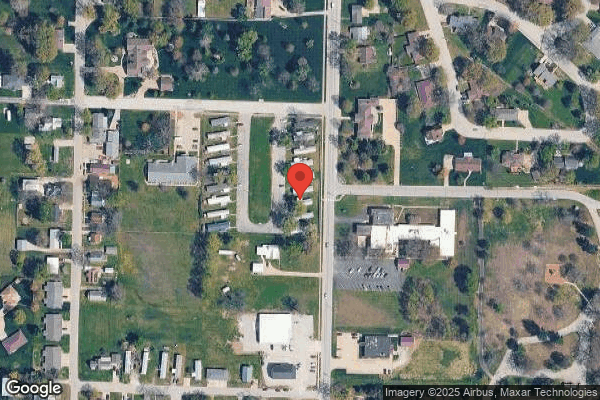
1106 SOUTH OAK, CALIFORNIA, MO 65018 (573) 796-3127
For profit - Corporation 60 Beds JAMES & JUDY LINCOLN Data: November 2025
Trust Grade
80/100
#5 of 479 in MO
Last Inspection: August 2024

Within standard 12-15 month inspection cycle. Federal law requires annual inspections.

Overview

California Care Center in California, Missouri has received a Trust Grade of B+, indicating that it is above average and recommended for families seeking care. It ranks #5 out of 479 facilities in Missouri, placing it in the top half, and is the best option in Moniteau County. However, the facility is experiencing a worsening trend, with issues increasing from 1 in 2023 to 2 in 2024. Staffing is a weakness, rated 2 out of 5 stars with a turnover rate of 53%, which is below the state average, but there is good RN coverage, exceeding 88% of other facilities. Notably, there have been serious incidents reported, including staff administering the wrong medication to a resident, leading to a hospital stay, and another instance where medication errors were not properly communicated to the resident's physician. Additionally, there was a concern regarding the maintenance of a comfortable living environment, as staff failed to ensure resident areas were in good repair. These incidents highlight some critical areas for improvement, despite the facility's overall strengths.

Trust Score
B+
80/100
In Missouri
#5/479
Top 1%
Safety Record
Moderate
Needs review
Inspections
Getting Worse
1 → 2 violations
Staff Stability
⚠ Watch
53% turnover. Above average. Higher turnover means staff may not know residents' routines.
Penalties
✓ Good
No fines on record. Clean compliance history, better than most Missouri facilities.
Skilled Nurses
⚠ Watch
Each resident gets only 29 minutes of Registered Nurse (RN) attention daily — below average for Missouri. Fewer RN minutes means fewer trained eyes watching for problems.
Violations
○ Average
6 deficiencies on record. Average for a facility this size. Mostly minor or procedural issues.
★★★★★
5.0
Overall Rating
★★☆☆☆
2.0
Staff Levels
★★★☆☆
3.0
Care Quality
★★★★★
5.0
Inspection Score
Stable
2023: 1 issues
2024: 2 issues

The Good

  • Full Sprinkler Coverage · Fire safety systems throughout facility
  • No fines on record

Facility shows strength in fire safety.

The Bad

Staff Turnover: 53%

Near Missouri avg (46%)

Higher turnover may affect care consistency

Chain: JAMES & JUDY LINCOLN

Part of a multi-facility chain

Ask about local staffing decisions and management

The Ugly 6 deficiencies on record

2 actual harm
May 2024 2 deficiencies 2 Harm
SERIOUS (G) 📢 Someone Reported This

A family member, employee, or ombudsman was alarmed enough to file a formal complaint

Actual Harm - a resident was hurt due to facility failures

Notification of Changes (Tag F0580)

A resident was harmed · This affected 1 resident

Based on interview and record review, facility staff failed to notify one resident's (Resident #1's) out of one sampled residents' physician when the resident was given another residents medication wh...

Read full inspector narrative →
Based on interview and record review, facility staff failed to notify one resident's (Resident #1's) out of one sampled residents' physician when the resident was given another residents medication which resulted in a hospital stay. The facility census was 29. 1. Review of the facility Medications, Errors and Drug Reactions policy, undated, showed the facility shall report all medication errors and adverse drug reactions immediately to the attending physician, Director of Nursing (DON), and the Administrator. 2. Review of Resident #1's significant change Minimum Data Set (MDS), a federally mandated assessment tool, dated 02/15/24, showed staff assessed the resident: -Cognitively intact; -Active diagnoses of Cancer (abnormal cell growth with the potential to invade or spread to other parts of the body) and renal failure. Review of the resident's plan of care, undated, showed staff documented to administer medications as ordered by the physician. Review of the residents progress notes, dated 4/17/24, showed Registered Nurse (RN) C documented, around 8:00 A.M., this nurse discovered Resident #1 was given medications that belonged to another resident at breakfast. Assessment done, no changes in condition or behavior observed. Resident played bingo where weekend manager observed the resident to be off but finished playing the game. While seated at his/her table, this nurse observed resident to be lethargic, but able to respond when talked to, vital signs were rechecked, resident hypotensive and bradycardic. Emergency Medical Services (EMS) and Director of Nursing (DON) called; resident sent to the emergency room around 11:45 A.M., later admitted to the hospital. Physician notified at 11:50 A.M. During an interview on 5/3/24 at 9:30 A.M., the administrator said he/she expects the physician to be notified immediately if there is a medication error. He/She said the physician was not contacted until the resident had an adverse reaction and was sent to the hospital. He/She said the RN C did not contact the physician immediately because he/she wanted to stay with the resident for monitoring. During an interview on 5/3/24 at 9:51 A.M., Certififed Medication Technician (CMT) A said he/she did not contact the physician and was not asked to contact the physician by anyone else. He/She said the resident was monitored for an hour by RN C and then went to bingo where the weekend manager noticed the resident was off and that is when RN C called emergency medical services and the physician. During an interview on 5/3/24 at 10:03 A.M., RN C said he/she realized he/she gave the wrong medication to resident #1 and monitored him/her for about an hour. He/She said he/she checked vital signs. He/She said the resident went to play bingo and when he/she checked on him/her again the weekend manager said he/she seemed off. RN C checked his/her vitals again and the resident was hypotensive and voiced he/she felt sleepy. He/She said he/she texted the physician after the resident was sent with EMS. He/She said he/she should have called the physician right away but was with the resident. During an interview on 5/3/24 at 10:15 A.M., the DON said he/she expects staff to contact the physician immediately with medication errors. During an interview on 5/14/24 at 1:26 P.M., the physician said he/she expects to be contacted as soon as a mistake with medications are made. He/She said he/she does not know why the facility waited to contact him/her until the resident had a negative reaction. MO00235395
SERIOUS (G) 📢 Someone Reported This

A family member, employee, or ombudsman was alarmed enough to file a formal complaint

Actual Harm - a resident was hurt due to facility failures

Deficiency F0760 (Tag F0760)

A resident was harmed · This affected 1 resident

Based on interview and record review, facility staff failed to ensure residents remained free of significant medication errors when staff administered Resident #2's medication to Resident #1 which res...

Read full inspector narrative →
Based on interview and record review, facility staff failed to ensure residents remained free of significant medication errors when staff administered Resident #2's medication to Resident #1 which resulted in Resident #1 being transported to the hospital after an adverse reaction. The facility census was 29. 1. Review of the facility Medications, Administration guidelines, undated, showed it is the purpose of this facility residents receive their medicationson timely and in accordance with established policies. Drug administration shall be defined as an act in which an authorized person, in accordance with all laws and regulations governing such acts, gives a single dose of a prescribed drug or biological to a resident. The complete act of administration entails removing an individual dose from a previously dispensed, properly labeled container, verifying it with the physicians orders, giving the individual dose to the proper resident, and promptly recording the information. Staff are directed further as follows: -The same person preparing the doses for administration must administer medications; -The person administering the drugs must chart medications immediately following the administrations. The date, time administered, dosage, etc. must be entered in the medical record and signed by the person entering the data; -If there is doubt as to the correct identification of a resident, medication may not be administered to that resident until positive identification has been made. Review of the medication administration policy, undated, showed staff are directed to remain in the room while the resident takes the medication. 2. Review of Resident #1's significant change Minimum Data Set (MDS), a federally mandated assessment tool, dated 02/15/24, showed staff assessed the resident: -Cognitively intact; -Diagnoses of cancer (abnormal cell growth with the potential to invade or spread to other parts of the body) and renal failure. Review of the resident's plan of care, undated, showed staff are directed to administer medications as ordered by the physician. Review of the resident's progress notes, dated 4/17/24 at 6:00 P.M., showed Registered Nurse (RN) C documented, around 8:00 A.M., discovered Resident #1 given medications which belonged to another resident at breakfast. Review showed staff documented they assessed the resident, no changes in condition or behavior observed. RN C documented the resident respirations even and unlabored, lung sound clear, heart sounds regular, bowel sounds present in all quadrants, skin warm per usual. Staff documented the resident played bingo where weekend manager observed the resident to be off but finished playing the game. RN C documented he/she oserved the resident to be lethargic, but able to respond when talked to, vital signs were rechecked, resident hypotensive and bradycardic. Emergency Medical Services (EMS) and Director of Nursing (DON) called. RN C documented resident sent to the emergency room around 11:45 A.M., later admitted to the hospital. Physician notified at 11:50 A.M. Review of Resident #2's physician orders sheet (POS), dated 4/1/24 - 5/1/24 showed physician orders to adminsiter 6:00 A.M. to 10:00 A.M., medication pass: -Glimepiride (high blood sugar levels cause by type 2 diabetes) 2 milligrams (mg) one time daily; -Doxazosin (treat high blood pressure) 8 mg one time daily; -Eliquis (an anticoagulant used to prevent blood clots and strokes) 5 mg twice daily; -Hydralazine (treat high blood pressure) 25 mg three times daily; -Lisinopril (treat high blood pressure) 40 mg one time daily; -Metoprolol (treat high blood pressure) 50 mg one time daily; -Furosemide (treat fluid retention) 40 mg one time daily. Review of the resident's hospital records, dated 4/27/24, showed Resident #1 admitted the hospital after Skilled Nursing Facility staff administered the wrong medications. Review showed the resident received Levophed for blood pressure support. During an interview on 5/3/24 at 9:30 A.M., the administrator said Certified Medication Technician (CMT) A gave Resident #2 a medication cup with his/her medication at the dining room table and did not verify the medication was taken before leaving the resident. Resident #1 and #2 sit at the same table at meals. Dietary aide B came to clean the table off and noticed the medication cups still had pills and was in the spot Resident #1 usually sits at, he/she gave the medication to RN C stating they were Resident #1's because they were in his/her usual spot. RN C gave Resident #1 the medication in the cup not realizing it was Resident #2's medication, he/she then told CMT A he/she gave Resident #1 his/her medications but CMT A had already given Resident #1's medications. RN C began monitoring the resident vitals. The resident had to be sent out for evaluation after he/she started to have adverse effects. During an interview on 5/3/24 at 9:51 A.M., CMT A said he/she gave Resident #2 his/her pills at the breakfast table in a medication cup, he/she watched the resident take a few and walked away. He/She said after he/she finished the medication pass for the morning, he/she went on break. When he/she returned from break he/she said RN C approached him/her and said he/she gave Resident #1 his/her medication pass but he/she had given resident #1 his/her medication in the hall before break. He/She said RN C took vitals and monitored the resident until he/she had an adverse reaction and was sent to the hospital. During an interview on 5/3/24 at 10:03 A.M., RN C said he/she was by his/her medication cart when dietary aide B called out to him/her Resident #1 forgot his/her pills on the breakfast table. He/She said the dietary aide was standing where Resident #1 usually sits and the medication cup was full of pills and looked like none had been taken. He/She said he/she did not see CMT A and Resident #1 was in his/her room so he/she gave the resident the medication in the cup. He/She said he/she informed CMT A when he/she returned from break Resident #1 had not taken his/her pills at breakfast and he/she gave him/her the pills. CMT A told him/her Resident #1 already received his/her pills in the hallway. RN A said he/she went and assessed Resident #1 and everything was baseline. Resident #1 went an activity and the weekend supervisor noticed something was off with the resident and reported it to RN C. He/She took vitals again and the resident was hypotensive and said he/she was sleepy and emergency medical services were contacted. During an interview on 5/3/24 at 12:18 P.M., Dietary Aide B said he/she was cleaning off the tables after breakfast and Resident #1 and Resident #2 always sit together, he/she said he/she saw a cup of medication where Resident #1 usually sits. He/She said he/she gave the medication's to RN C without realizing Resident #1 and Resident #2 had switched seats. MO00235395
Jun 2023 1 deficiency
CONCERN (E)

Potential for Harm - no one hurt, but risky conditions existed

Safe Environment (Tag F0584)

Could have caused harm · This affected multiple residents

**NOTE- TERMS IN BRACKETS HAVE BEEN EDITED TO PROTECT CONFIDENTIALITY** Based on observation, interview, and record review, facility staff failed to provide a comfortable and homelike environment, whe...

Read full inspector narrative →
**NOTE- TERMS IN BRACKETS HAVE BEEN EDITED TO PROTECT CONFIDENTIALITY** Based on observation, interview, and record review, facility staff failed to provide a comfortable and homelike environment, when staff failed to ensure resident areas were in good repair. The facility census was 28. 1. Review of the facility's policy titled, Deep Cleaning a Resident Room, undated, showed staff were directed to do the following: -Deep cleaning is the segment of housekeeping that ensures total cleanliness of the resident room. The deep cleaning guarantees that all areas of the resident room and bathroom are cleaned and disinfected. Deep cleaning includes polishing, scrubbing, scrapping, dusting, and disinfecting everything in the resident room; -Spot wipe all walls using approved disinfectant; -Clean all corners, edges, and baseboards. Be sure to remove any buildup around closets, behind beds, furniture, and door jams. Use a scrapper to dig dirt out of corners. Dust mop and wet mop entire room. Review of the facility's policy titled, Housekeeping Department, undated, showed staff were directed to do the following: -The resident room cleaning procedure should be used for all resident rooms to maintain cleanliness and to promote infection control; -Sanitize the inside of the toilet and urinal using the bowl mop saturated with bowl cleaning solution; -Notify your supervisor of any maintenance work. The facility did not provide a policy for ensuring the resident's room were in good repair. Review of the facility's Maintenance Log, showed staff last documented needed repairs on 01/02/2023. 2. Observation on 06/12/23 at 06:13 A.M. showed room [ROOM NUMBER] had a black substance between the floor tiles and a buildup of debris on the baseboards. The bathroom floor had brown stains around the base of the toilet, and tiles separated from the floor. Further observation showed the walls with black marks, chipped paint, gouges. Observation on 06/14/23 at 02:09 P.M., showed the area remained unchanged. 3. Observation on 06/12/23 at 06:20 A.M. showed room [ROOM NUMBER] had a buildup of debris on the floor by the threshold, base boards, and under the sink. The bathroom floor had brown stains around the base of the toilet, and tiles separated from the floor. Further observation showed the walls with black marks, gouges, and several nail holes. Observation on 06/14/23 at 01:54 P.M., showed the area remained unchanged. 4. Observation on 06/12/23 at 06:44 A.M. showed room [ROOM NUMBER] had debris on the floor under the bed, black marks on the bathroom door and wall, black marks on the floor in front of the closet and dresser. Further observation missing trim around the sink and closet. Observation on 06/13/23 at 04:11 P.M., showed the area remained unchanged. 5. Observation on 06/12/23 at 07:31 A.M. showed the wall in room [ROOM NUMBER] had three dime sized holes and five nickel sized anchor support holes. Observation on 06/13/23 at 09:00 A.M., showed the area remained unchanged. 6. Observation on 06/12/23 at 07:44 A.M. showed the Tea Room had two green chairs with large brown stains on the armrests and seat cushions. Further observation showed a wooden framed chair with a large stain on the fabric covered seat. Observation on 06/14/23 at 02:30 P.M., showed the area remained unchanged. 7. Observation on 06/12/23 at 10:02 A.M. showed room [ROOM NUMBER] with no base board by the closet and a large patch of canvas-like material on the wall under the window. The materials edges had peeled back and hung from the wall. Observation on 06/14/23 at 02:30 P.M., showed the area remained unchanged. 8. Observation on 06/12/23 at 10:56 A.M. showed room [ROOM NUMBER] had a metal door frame with chipped paint and rust build up. The walls had black scuff marks, and the base board peeled away from the wall behind the door. Further observation showed the toilet bowl had a built up black substance. Observation on 06/14/23 at 02:30 P.M., showed the area remained unchanged. 9. Observation on 06/12/23 at 11:01 A.M., showed room [ROOM NUMBER] had exposed concrete floor where tile had been removed. Further observation showed the wall beneath the window had a large patch made of canvas-like material on the wall which had started to peel. Observation on 06/14/23 at 02:30 P.M., showed the area remained unchanged. 10. Observation from 06/13/23 at 01:46 P.M. showed room [ROOM NUMBER] had a buildup of debris at the threshold and baseboards, and black wheelchair tire prints on the floor. Further observation showed the walls had black marks and gouges, the toilet had brown stains and no sealant around the base, and a ceiling vent cover had started to separate from the ceiling. Additional observation showed an oxygen concentrator with brown steaks down the front of it. Observation on 06/14/23 at 02:03 P.M., showed the area remained unchanged. 11. Observation on 06/13/23 at 03:46 P.M., showed room [ROOM NUMBER] had gouges in the wall and missing trim in the bathroom. 12. Observation on 06/13/23 at 03:53 P.M., showed room [ROOM NUMBER] and room [ROOM NUMBER] shared a bathroom. The bathroom trim had missing paint and the toilet had rust around the base. 13. Observation on 06/13/23 at 03:59 P.M. showed room [ROOM NUMBER] had a black substance on the floor in front of the closet and dresser and paint missing from trim. 14. Observation on 06/13/23 at 04:04 P.M. showed room [ROOM NUMBER] had black marks on the walls. 15. Observation on 06/13/23 at 04:17 P.M. showed room [ROOM NUMBER] and room [ROOM NUMBER] shared a bathroom. The toilet had rust around the base. 16. Observation on 06/13/23 at 04:18 P.M., showed room [ROOM NUMBER] had debris and black marks on the floor, and loose trim. The walls had black marks and gouges, and the toilet had rust around the base. During an interview on 06/14/23 at 09:28 A.M., Certified Nurse Aide (CNA) D said he/she told the charge nurse if he/she saw something he/she needed maintenance to repair. The CNA said the facility did not have a full time maintenance person. The CNA said the facility had a maintenance book at the nurse's station. The CNA said the facility has not had a maintenance person in a long time. During an interview on 06/14/23 at 10:14 A.M., Licensed Practical Nurse (LPN) E said if something needed repaired staff should notify maintenance. The LPN said there was a maintenance log at the nurse's station. The LPN said he/she had noticed the rust and missing paint on door frames but had not reported it to maintenance. The LPN said staff told maintenance when repairs were needed. The LPN said he/she had not noticed the missing base boards, or the canvas material peeling off of the walls, but would expect staff to report those things to him/her and they had not During an interview on 06/14/23 at 10:50 A.M., the Maintenance staff member said he/she did the maintenance and paperwork at the facility. He/She said staff told him/her verbally what needed to be repaired and there was a maintenance book by the nurse's station. He/she checked the maintenance book every day, unless staff told him/her about something that needed repair. Staff reported the base boards coming off but he/she had not ordered the replacements. He/She said no one reported missing pieces of tile or canvas material peeling off of the walls to him/her. The maintenance staff member said he/she had not noticed the stained chairs in the Tea Room. During an interview on 06/14/23 at 1:29 P.M., Director of Nursing (DON) said staff should tell him/her or the administrator if something needed repaired. The DON said the facility still did not have a full time maintenance person. The DON said he/she had not seen the peeling canvas on walls, missing base boards, or damage on the walls in room. The DON said he/she had not noticed the stained chairs in the Tea Room. The DON said he/she would expect the staff to report these issues to the maintenance staff and the chairs be disposed of. The DON said maintenance does rounds of the rooms, but he/she is not sure how it is scheduled.
Apr 2022 3 deficiencies
CONCERN (E)

Potential for Harm - no one hurt, but risky conditions existed

Deficiency F0657 (Tag F0657)

Could have caused harm · This affected multiple residents

**NOTE- TERMS IN BRACKETS HAVE BEEN EDITED TO PROTECT CONFIDENTIALITY** Based on observation, interview, and record review, facility staff failed to revise care plans for five residents (Resident #6, ...

Read full inspector narrative →
**NOTE- TERMS IN BRACKETS HAVE BEEN EDITED TO PROTECT CONFIDENTIALITY** Based on observation, interview, and record review, facility staff failed to revise care plans for five residents (Resident #6, #11, #12 #21, and #66) with interventions to prevent falls. The facility census was 30. 1. Review of the facility's, Care Plan Comprehensive Policy, dated March 2015, showed the policy directed staff as follows: -An individualized comprehensive care plan that includes measurable goals and time frames will be developed to meet the resident's highest practicable physical, mental and psychosocial well-being; -Assessment of each resident is an ongoing process and the care plan will be revised as changes occur in the resident's condition; -A well developed care plan will be oriented to: -Preventing avoidable declines in functioning or functional levels or otherwise clarifying why another goal takes precedence (e.g., palliative approaches in end of life situation). -Managing risk factors to the extent possible or indicating the limits of such interventions. -Evaluating treatment of measurable goals, timetables and outcomes of care. -Assessing and planning for care to meet the resident's medical, nursing, mental and psychosocial needs. -The interdisciplinary care plan team is responsible for the periodic review and updating of care plans: -At least quarterly. -When changes occur that impact the resident's care (i.e. change in diet, discontinuation of therapy, changes in care areas that do not require a significant change assessment). 2. Review of Resident #6's Quarterly MDS (Minimum Data Set), a federal assessment tool, dated 3/14/22, showed staff assessed the resident as follows: -Severe cognitive impairment; -Required extensive assistance from one staff for transport, bed mobility, walking in room, dressing, toileting, and personal hygiene; -Diagnoses of cerebral palsy (a congenital disorder of movement, muscle tone, or posture), and seizure disorder; -Had two or more falls with injury since last assessment. Review of the resident's care plan, last reviewed 1/15/21, showed staff documented the resident was at risk for falls and are directed to: -Be aware of the resident's risk for falls and to provide supervision/physical assistance with Activities of Daily Living (ADLs); -Be aware the resident displayed impulsive behaviors and was unaware of his/her own physical limitations; -Keep resident within line of sight as much as possible when awake. -Review showed the care plan did not contain direction for staff in regards to the use of a helmet. Review of the resident's Physician Order Sheet (POS), dated 3/13/22, showed an order to wear a helmet while up in wheel chair and to check and remove it every two hours for redness, soreness. Review of the resident's Fall Assessment Tool, dated 3/13/22, showed staff assessed the resident as a high fall risk. Observation on 4/18/22 at 10:38 A.M. showed the resident sat in his/her wheelchair. He/She wore a safety helmet. Observation on 4/18/22 at 1:29 P.M. showed the resident wore a safety helmet. Observation on 4/19/22 at 1:43 P.M. showed the resident wore a safety helmet. During an interview on 4/19/22 at 8:22 A.M., Certified Nursing Assistant (CNA) G said the resident has worn a helmet since March of this year, because he/she fell out of his/her wheelchair. He/She said staff check it every two hours to make sure it does not cause problems. During an interview on 4/19/22 at 08:43 A.M., Registered Nurse (RN) B said staff removed the helmet every two hours to check for wear on the resident's head. 3. Review of Resident #11's Quarterly MDS, dated [DATE], showed staff assessed the resident as follows: -Severe Cognitive Impairment; -Diagnosis of heart failure; -Required extensive assistance from two staff for bed mobility, transfers, dressing and toileting; -Required extensive assistance from one staff for locomotion on and off the unit and eating; -Had one fall without injury since last assessment. Review of the resident's Fall Risk Assessment Tool, dated 4/8/22, showed the staff assessed the resident as a high fall risk. Review of the nurse's notes, dated 1/26/22, showed staff documented the resident was found wrapped in blankets on the side of the bed on the floor. Review of the nurses notes, dated 3/23/22, showed staff documented the resident was found on the floor next to his/her bed. Review of the care plan, dated 4/14/22, showed it did not contain interventions for the resident's falls on 1/26/22 and 3/23/22. 4. Review of Resident #12's Quarterly MDS, dated [DATE], showed staff assessed the resident as follows: -Severe Cognitive Impairment; -Diagnosis of Non-traumatic Brain Dysfunction; -Required extensive assistance from two staff for bed mobility, dressing, toileting, personal hygiene and transfers; -Required extensive assistance from one staff for locomotion on and off the unit; -Had one fall without injury since last assessment. Review of the resident's Fall Risk Assessment Tool, dated 11/10/21, showed the staff assessed the resident as a high fall risk. Review of the nurse's notes, dated 12/24/21, showed staff documented the resident was found on the floor by his/her bed. Review of the Care Plan, dated 2/17/22, showed it did not contain an intervention for the resident's fall on 12/24/21. 5. Review of Resident #21's quarterly MDS, dated [DATE], showed staff assessed resident as follows: -Severe Cognitive Impairment; -Diagnosis of Non-traumatic Brain Dysfunction; -Required extensive assistance from two staff for bed mobility, transfers and walking; -Required extensive assistance from one staff for locomotion on and off the unit, dressing, toileting, and personal hygiene. -Had one fall without injury since last assessment. Review of the resident's Fall Risk Assessment Tool, dated 2/24/22, showed the staff assessed the resident as a high fall risk. Review of the the resident's nurse's notes, dated 1/12/22, showed staff documented the resident slid out of his/her wheelchair. Review of the the resident's Care Plan, dated 2/24/22, showed it did not contain an intervention for the residents fall on 1/12/22. 6. Review of Resident #29's admission MDS, dated [DATE], showed staff assessed resident as follows: - Severe Cognitive Impairment; - Diagnoses of Non-traumatic Brain Dysfunction, diabetes, arthritis, and Dementia; -Required extensive assistance from one staff for bed mobility, transfers, dressing, toileting and personal hygiene; -Had falls prior to admission. Review of the resident's Fall Risk Assessment Tool, dated 2/16/22, showed the staff assessed the resident as a high fall risk. Review of the resident's nurse's notes, dated 3/3/22, showed staff documented the resident slid out of his/her wheelchair. Review of the resident's Care Plan, dated 3/17/22, showed it did not contain an intervention for the resident's fall on 3/3/22. During an interview on 4/20/22 at 10:46 A.M., CNA G said if a resident is a fall risk and they look in the care plan for interventions. He/She said everything we need to know is in the resident's care plan. During an interview on 4/20/22 at 10:54 A.M., RN B said interventions for residents at high risk for falls are in the care plans. During an interview on 4/20/22 at 11:08 A.M., the Director of Nursing (DON) said falls are discussed in a weekly meeting where interventions are discussed by the staff and implemented. He/She said the facility is aware interventions are not being documented in care plans, because the facility is behind. He/She said the expectation is after every fall interventions are implemented or reevaluated for effectiveness. During an interview on 4/20/22 at 11:29 P.M., the Administrator said the care plans should have interventions for falls to direct staff on how to individually care for the residents. He/She said the facility is aware there is a care plan breakdown.
CONCERN (E)

Potential for Harm - no one hurt, but risky conditions existed

Infection Control (Tag F0880)

Could have caused harm · This affected multiple residents

Based on interview and record review, facility staff failed to implement facility communicable disease policies and procedures to ensure all employees were screened appropriately and in a timely manne...

Read full inspector narrative →
Based on interview and record review, facility staff failed to implement facility communicable disease policies and procedures to ensure all employees were screened appropriately and in a timely manner for tuberculosis (TB). The facility failed to ensure the two-step purified protein derivative (PPD) (skin test for TB) was completed and on file for five out of ten employee files reviewed. The facility census was 30. 1. Review of the facility's TB Screening for Long Term Care Employees Guidelines, undated, showed the following: -All employees will be screened for TB; -Once the decision has been made to employ an individual, the first step PPD will be administered by the nursing department, documented on the employee immunization record, and must be read prior to or no later than the employment start date; -All PPDs will be documented on the staff immunization record, including new hires; -Documented evidence of prior PPD will be maintained with facility employee immunization records; -The guidelines stated second step PPD given seven to twenty one days after the first if the first dose is negative along with an employee risk screening tool. 2. Review of the Business Office Manager's (BOM)'s employee file showed: -Hire date of 12/28/21; -First step PPD administered on 1/24/21 and read on 1/27/21; -The file did not contain documentation a second PPD dose was administered 7 to 21 days after the first dose. 3. Review of The Activity Director's (AD)'s employee file showed: -Hire date of 3/2/22; -First step PPD administered on 2/23/22; -The file did not contain documentation the first PPD was read, or results; -The file did not contain documentation a second PPD was administered. 4. Review of Laundry Aide C's employee file showed: -Hire date of 4/25/19; -First step PPD administered 4/22/19 and read on 4/25/19; -Second step PPD administered on 6/9/19 and read on 6/12/19, more than 7 to 21 days after the first step. 5. Review of [NAME] D's employee file showed; -Hire date of 4/18/19; -First step PPD administered 4/15/19 and read on 4/18/19; -Second step PPD administered on 6/9/19 and read on 6/12/19, more than 7 to 21 days after the first step. 6. Review of Nurse Aide (NA) E's employee file showed: -Hire date of 3/24/22; -First step PPD administered 3/22/22 and read on 3/25/22, one day after the hire date; -The file did not contain documentation a second PPD was administered. During an interview on 4/20/22 at 11:01 A.M., the Minimum Data Set (MDS) Coordinator said he/she was in charge of staff testing for TB, the facility policy was a two step upon hire and annually thereafter. The first step was to be read in 48-72 hours and the second step within two weeks. If the two week window was missed, he/she said you have to start over with the two step process. He/She said he/she did not think any tests had been missed. He/she said if TB tests are missed they must have got overlooked. During an interview on 4/20/22 at 11:08 A.M., the Director of Nursing (DON) said the MDS coordinator was responsible for staff TBs. He/She said the expectation was two step upon hire and then annually. He/She said all staff have their first step read before their first day. The facility should administer the second step within 14 days or two weeks from the first step and if it's not done in that time frame they do not start over, they just complete the second step. He/She said it was easy to forget the second step, but does not know why the TBs would not all be up to date. During an interview on 4/20/22 at 11:29 A.M., the Administrator said the facility was required to administer a two step TB test upon hire and then annually. There should be two weeks in between the first and second step, and if the second step was out of the required time frame then the process must start over. He/She said all results need to be read within 48-72 hours and done before staff are allowed to work on the floor. He/She said he/she was not sure why the TBs would be missed and thinks it's a documentation error.
MINOR (C)

Minor Issue - procedural, no safety impact

Staffing Information (Tag F0732)

Minor procedural issue · This affected most or all residents

Based on observation and interview, facility staff failed to post the required nurse staffing information which included the total number of staff and the actual hours worked by both licensed and unli...

Read full inspector narrative →
Based on observation and interview, facility staff failed to post the required nurse staffing information which included the total number of staff and the actual hours worked by both licensed and unlicensed nursing staff directly responsible for resident care, per shift, and on a daily basis. The facility census was 30. 1. Observation on 4/18/22 at 2:23 P.M., showed the current required nurse staffing information was not posted. Observation on 4/19/22 at 3:52 P.M., showed the current required nurse staffing information was not posted. Observation on 4/20/22 at 10:34 A.M., showed the current required nurse staffing information was not posted. During an interview on 4/20/22 at 9:26 A.M., the Director of Nursing (DON) said the nurse staff posting is posted daily by the nurses station. He/She said it is the responsibility of the night nurse and he/she does not know why it is not being done. During an interview on 4/20/22 at 10:26 A.M., Certified Medication Technician (CMT) A said the nurses are responsible for filling out the nurse staff posting and it should be updated every day. During an interview on 4/20/22 at 10:32 A.M., Registered Nurse (RN) B said the nurse staff posting is hanging on the wall by the nurses station and it shows how many hours staff work in the 24 hour period. He/She said the night shift charge nurse is responsible for completing it. He/She said it should be updated every night. He/she did not know why the staff posting had not been updated, because the night shift charge nurse knows it is to be completed. During an interview on 4/20/22 at 11:13 A.M., the Administrator said that the nurse staff posting shows how many residents are in our facility, and the number of Licensed Practical Nurses (LPN), RN, CMT, and aides in the building. It also shows how many hours they work in the 24 hour period. The staff posting should be hung at the nurses station on the wall above the call light system. He/She said the night shift nurse is responsible for completing it. He/She said he/she does not know why it has not been completed.
Understanding Severity Codes (click to expand)
Life-Threatening (Immediate Jeopardy)
J - Isolated K - Pattern L - Widespread
Actual Harm
G - Isolated H - Pattern I - Widespread
Potential for Harm
D - Isolated E - Pattern F - Widespread
No Harm (Minor)
A - Isolated B - Pattern C - Widespread

Questions to Ask on Your Visit

  • "Can I speak with families of current residents?"
  • "What's your RN coverage like on weekends and overnight?"

Our Honest Assessment

Strengths
  • • Grade B+ (80/100). Above average facility, better than most options in Missouri.
  • • No fines on record. Clean compliance history, better than most Missouri facilities.
Concerns
  • • 6 deficiencies on record, including 2 serious (caused harm) violations. Ask about corrective actions taken.
Bottom line: Generally positive indicators. Standard due diligence and a personal visit recommended.

About This Facility

What is California's CMS Rating?

CMS assigns CALIFORNIA CARE CENTER an overall rating of 5 out of 5 stars, which is considered much above average nationally. Within Missouri, this rating places the facility higher than 99% of the state's 100 nursing homes. This rating reflects solid performance across the metrics CMS uses to evaluate nursing home quality.

How is California Staffed?

CMS rates CALIFORNIA CARE CENTER's staffing level at 2 out of 5 stars, which is below average compared to other nursing homes. Staff turnover is 53%, compared to the Missouri average of 46%.

What Have Inspectors Found at California?

State health inspectors documented 6 deficiencies at CALIFORNIA CARE CENTER during 2022 to 2024. These included: 2 that caused actual resident harm, 3 with potential for harm, and 1 minor or isolated issues. Deficiencies causing actual harm indicate documented cases where residents experienced negative health consequences.

Who Owns and Operates California?

CALIFORNIA CARE CENTER is owned by a for-profit company. For-profit facilities operate as businesses with obligations to shareholders or private owners. The facility is operated by JAMES & JUDY LINCOLN, a chain that manages multiple nursing homes. With 60 certified beds and approximately 31 residents (about 52% occupancy), it is a smaller facility located in CALIFORNIA, Missouri.

How Does California Compare to Other Missouri Nursing Homes?

Compared to the 100 nursing homes in Missouri, CALIFORNIA CARE CENTER's overall rating (5 stars) is above the state average of 2.5, staff turnover (53%) is near the state average of 46%, and health inspection rating (5 stars) is much above the national benchmark.

What Should Families Ask When Visiting California?

Based on this facility's data, families visiting should ask: "Can you walk me through typical staffing levels on day, evening, and night shifts?" "Can I visit during a mealtime to observe dining assistance and food quality?" "How do you handle medical emergencies, and what is your hospital transfer rate?" "Can I speak with family members of current residents about their experience?" These questions are particularly relevant given the below-average staffing rating.

Is California Safe?

Based on CMS inspection data, CALIFORNIA CARE CENTER has a clean safety record: no substantiated abuse findings (meaning no confirmed cases of resident harm), no Immediate Jeopardy citations (the most serious violation level indicating risk of serious injury or death), and is not on the Special Focus Facility watch list (a federal program monitoring the lowest-performing 1% of nursing homes). The facility has a 5-star overall rating and ranks #1 of 100 nursing homes in Missouri. While no facility is perfect, families should still ask about staff-to-resident ratios and recent inspection results during their visit.

Do Nurses at California Stick Around?

CALIFORNIA CARE CENTER has a staff turnover rate of 53%, which is 7 percentage points above the Missouri average of 46%. Moderate turnover is common in nursing homes, but families should still ask about staff tenure and how the facility maintains care continuity when employees leave.

Was California Ever Fined?

CALIFORNIA CARE CENTER has no federal fines on record. CMS issues fines when nursing homes fail to meet care standards or don't correct problems found during inspections. The absence of fines suggests the facility has either maintained compliance or corrected any issues before penalties were assessed. This is a positive indicator, though families should still review recent inspection reports for the full picture.

Is California on Any Federal Watch List?

CALIFORNIA CARE CENTER is not on any federal watch list. The most significant is the Special Focus Facility (SFF) program, which identifies the bottom 1% of nursing homes nationally based on persistent, serious quality problems. Not being on this list means the facility has avoided the pattern of deficiencies that triggers enhanced federal oversight. This is a positive indicator, though families should still review the facility's inspection history directly.