CAMPBELL HEALTHCARE & SENIOR LIVING
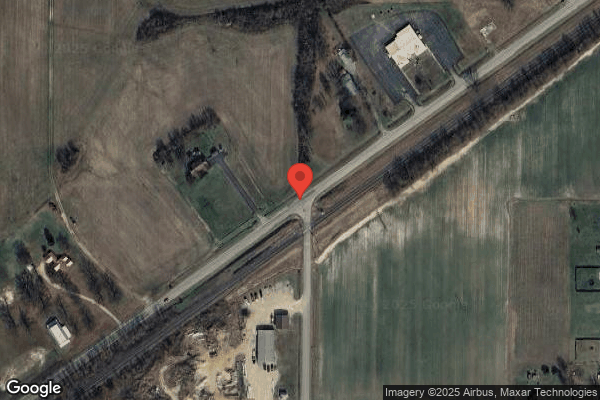

17108 US HIGHWAY 62, CAMPBELL, MO 63933 (573) 246-2155
For profit - Corporation 90 Beds POINTE MANAGEMENT Data: November 2025
Trust Grade
50/100
#235 of 479 in MO
Last Inspection: September 2024

Within standard 12-15 month inspection cycle. Federal law requires annual inspections.

Overview

Campbell Healthcare & Senior Living has received a Trust Grade of C, indicating it is average and sits in the middle of the pack among nursing homes. It ranks #235 out of 479 facilities in Missouri, placing it in the top half, but it is last in its county, ranked #4 of 4 in Dunklin County. Unfortunately, the facility's performance has worsened, with issues increasing from 6 in 2023 to 14 in 2024. Staffing is a concern, rated only 2 out of 5 stars, although the turnover rate is slightly better than average at 53%. On a positive note, the facility has not incurred any fines, which suggests some compliance with regulations. However, there are specific issues to be aware of, such as delays in answering resident call lights, which could lead to unmet needs, and concerns about food storage practices that increase the risk of foodborne illnesses. Overall, while there are strengths, families should consider these weaknesses seriously when evaluating the facility.

Trust Score
C
50/100
In Missouri
#235/479
Top 49%
Safety Record
Low Risk
No red flags
Inspections
Getting Worse
6 → 14 violations
Staff Stability
⚠ Watch
53% turnover. Above average. Higher turnover means staff may not know residents' routines.
Penalties
✓ Good
No fines on record. Clean compliance history, better than most Missouri facilities.
Skilled Nurses
⚠ Watch
Each resident gets only 18 minutes of Registered Nurse (RN) attention daily — below average for Missouri. Fewer RN minutes means fewer trained eyes watching for problems.
Violations
⚠ Watch
22 deficiencies on record. Higher than average. Multiple issues found across inspections.
★★☆☆☆
2.0
Overall Rating
★★☆☆☆
2.0
Staff Levels
★☆☆☆☆
1.0
Care Quality
★★★☆☆
3.0
Inspection Score
Stable
2023: 6 issues
2024: 14 issues

The Good

  • Full Sprinkler Coverage · Fire safety systems throughout facility
  • No fines on record

Facility shows strength in fire safety.

The Bad

2-Star Overall Rating

Near Missouri average (2.5)

Below average - review inspection findings carefully

Staff Turnover: 53%

Near Missouri avg (46%)

Higher turnover may affect care consistency

Chain: POINTE MANAGEMENT

Part of a multi-facility chain

Ask about local staffing decisions and management

The Ugly 22 deficiencies on record

Sept 2024 14 deficiencies
CONCERN (D)

Potential for Harm - no one hurt, but risky conditions existed

Resident Rights (Tag F0550)

Could have caused harm · This affected 1 resident

Based on observation, interview and record review, the facility failed to ensure staff treated residents with dignity and in a respectful manner by leaving two residents (Residents #9 and #11) out of ...

Read full inspector narrative →
Based on observation, interview and record review, the facility failed to ensure staff treated residents with dignity and in a respectful manner by leaving two residents (Residents #9 and #11) out of 18 sampled residents exposed during care. The facility census was 72. The facility did not provide a policy regarding maintaining a resident's dignity. 1. Review of Resident #9's medical record showed: - admission date of 05/20/24; - Diagnoses of cerebral infarction (disrupted blood flow to the brain), dysphagia (difficulty swallowing), apraxia following unspecified cerebrovascular disease (neurological disorder that makes it difficult to perform certain movements), contracture, right hand (a permanent tightening of muscles, tendons, causing the joints to shorten and become stiff); Review of the resident's quarterly Minimum Data Set (MDS, a federally mandated assessment instrument completed by facility staff), dated 08/14/24 showed: - Cognition severely impaired; - Always incontinent of bowel; - Dependent (helper does all the effort) for toileting hygiene;. Observation of the resident on 09/11/24 at 11:24 A.M., showed: - The resident lay in bed; - Certified Nurse Assistant (CNA) D and CNA E entered the room to perform incontinent care; - The CNAs did not close the curtains to the windows; - The residents' bed was closest to the window; - A parking lot and yard could be seen through the window; - The resident required his/her clothing to be changed, CNA D and CNA E changed resident shirt and brief; - The resident's breast and genitalia were exposed to the window. 2. Review of Resident #11's medical record showed: - admission date of 06/28/24; - Diagnoses of dementia with mild agitation (condition that causes loss of cognitive function, such as thinking, remembering, and reasoning that interferes with daily life), mood disorder (disturbance of mood, in the form of depression or euphoria), and metabolic encephalopathy (a brain dysfunction that occurs when a chemical imbalance in the blood affects the brain). Review of the resident's admission MDS, dated , 07/01/24, showed: - Cognition not impaired; - Always incontinent of bowel and bladder; - Dependent for toileting hygiene; Observation of the resident on 09/12/24 at 9:12 A.M., showed: - The resident lay in bed; - CNA I and CNA J assisted LPN F with wound care; - The CNA's closed the door to hallway to provide privacy; - The residents' window curtain remained open to yard; - The resident had wounds to both hips; - The resident did not have a brief covering private areas; - CNA I and CNA J assisted LPN F to turn resident from side to side exposing the resident's genitalia and buttocks to the outside window. During an interview on 09/11/24 at 2:10 P.M. Licensed Practical Nurse (LPN) G said before peri-care is started, staff should always ensure privacy by pulling the curtain within the room, pull the window curtains and close the door. During an interview on 09/12/24 at 12:19 P.M., CNA D said before performing peri-care, staff should provide privacy by closing the door, pull the curtain in front of the door, the curtain on the window. If the resident has a roommate and they are in the room, then staff should pull the curtain to divide the room. During an interview on 09/12/24 at 12:47 P.M., the Director of Nursing (DON) said the curtains on the window and in the room should be pulled closed before providing peri-care to any resident.
CONCERN (D)

Potential for Harm - no one hurt, but risky conditions existed

Safe Environment (Tag F0584)

Could have caused harm · This affected 1 resident

**NOTE- TERMS IN BRACKETS HAVE BEEN EDITED TO PROTECT CONFIDENTIALITY** Based on observation, interview, and record review, the facility failed to provide a safe, clean and comfortable homelike enviro...

Read full inspector narrative →
**NOTE- TERMS IN BRACKETS HAVE BEEN EDITED TO PROTECT CONFIDENTIALITY** Based on observation, interview, and record review, the facility failed to provide a safe, clean and comfortable homelike environment. This deficient practice had the potential to affect all residents in the facility. The facility census was 72. Review of the facility's policy titled, Homelike Environment, revised February 2021, showed: - Residents are provided with a safe, clean, comfortable and homelike environment and encouraged to use their personal belongings to the extent possible; - The facility staff and management maximizes, to the extent possible, the characteristics of the facility that reflect a personalized, homelike setting which include a clean, sanitary and orderly environment. 1. Observations made on 09/09/24 at 9:38 A.M. and 09/11/24 at 11:02 A.M., of the 500 hall unit, showed: - A three foot (ft.) piece of base trim peeled off the bottom wall of the closet located in room [ROOM NUMBER]; - A piece of wood trim hung off the bottom of the closet onto the floor located in room [ROOM NUMBER]. - Several areas of exposed sheet rock and peeled paint on the wall above bed 1 located in room [ROOM NUMBER]. 2. Observations made on 09/09/24 at 10:54 A.M., 09/10/24 at 11:06 A.M., and 09/11/24 at 10:54 A.M., of the courtyard, showed two electrical conduits (a pipe or tube designed to enclose and protect cables or wires from moisture and physical damage) with broken zip ties hung low from the top of the wooden awning attached from the side of the building leading to two outside air-conditioner units. 3. Observation made on 09/10/24 at 11:30 A.M., of room [ROOM NUMBER] showed five stuffed animals sat on top of the overbed light fixture of bed 1. 4. Observations made on 09/11/24 at 6:48 A.M., of the shower room on the left side of the 400 hall, showed: - The left side of shower stall with a four ft. cove base trim missing; - The bottom of the floor of the shower stall showed a buildup of brown/grime/stain near the drain; - The toilet with dried fecal matter on the top of lid; - A large shower chair with a dried brown substance on seat and surrounding surfaces. During an interview on 09/12/24 at 9:00 A.M., Housekeeper A said it was the housekeeping department's job to keep the showers and bathrooms clean. He/She said staff had not made it in there yet this morning. During an interview on 09/12/24 at 9:13 A.M., Housekeeper A said there is maintenance request form that can be filled out for any environmental issues such as peeled paint, exposed sheetrock, loose base boards or any other concerns. He/She has not seen any environmental issues to report to maintenance. During an interview on 09/12/24 at 9:16 A.M., Housekeeper B said there is maintenance request form that can be filled out for any environmental issues such as peeled paint, exposed sheetrock, loose base boards or any other concerns. He/She has not seen any environmental issues to report to maintenance. During an interview on 09/12/24 at 9:20 A.M., the Maintenance Supervisor (MS) said he would secure the electrical conduits with new zip ties immediately. He/She would expect staff to write down any needed repairs as well to be addressed in a timely manner. It makes it easier to keep up with repairs instead of staff verbally telling him. During an interview on 09/12/24 09:43 AM, the Administrator said she would expect staff to write down environmental concerns so the MS could address in a timely manner. This will be addressed.
CONCERN (D)

Potential for Harm - no one hurt, but risky conditions existed

Transfer Notice (Tag F0623)

Could have caused harm · This affected 1 resident

**NOTE- TERMS IN BRACKETS HAVE BEEN EDITED TO PROTECT CONFIDENTIALITY** Based on interview and record review, the facility failed to provide a written copy of the notice of transfer or discharge to th...

Read full inspector narrative →
**NOTE- TERMS IN BRACKETS HAVE BEEN EDITED TO PROTECT CONFIDENTIALITY** Based on interview and record review, the facility failed to provide a written copy of the notice of transfer or discharge to the resident and/or the resident's responsible party and to the representative of the Office of Long-Term Care (LTC) Ombudsman (a program that advocates for residents, provides information and help resolve problems) for three residents (Residents #9 and #21) out of four sampled residents. The facility census was 72. Review of the facility's policy titled, Transfer or Discharge Policy, revised March 2021, showed: - Residents and/or representatives are notified in writing, and in a language and format they understand prior to transfer or discharge; - The resident and representative are notified in writing of the specific reason for transfer, the effective date, the location, and the bed-hold policy; - The reasons for the transfer or discharge are documented in the resident ' s medical record; - The policy did not address sending a monthly transfer log to the Office of the State LTC Ombudsman. 1. Review of Resident #9's medical record showed: - admitted on [DATE]; - The resident transferred to the hospital on [DATE], returned to the facility on [DATE]; - No documentation of the written notification with the reason for the hospital transfer provided to the resident and/or the responsible party; - No documentation of the written transfer/discharge notification provided to the representative of the Office of the LTC Ombudsman. 2. Review of Resident #21's medical record showed: - admitted on [DATE]; - The resident transferred to the hospital on [DATE], and returned to the facility on [DATE]; - The resident transferred to the hospital on [DATE], and returned to the facility on [DATE]; - No documentation of the written notification with the reason for the hospital transfer provided to the resident and/or the responsible party; - No documentation of the written transfer/discharge notification provided to the representative of the Office of the LTC Ombudsman. During an interview 08/22/24 at 1:09 P.M., the Regional LTC Ombudsman said he/she had not received a single transfer log from the home this year. During an interview on 09/12/24 at 10:14 A.M., the Administrator said she did not know a written notice of the discharge/transfer form needed to be given to the resident and/or the responsible party. She was not aware transfer logs had to be sent on a regular basis to the Regional LTC Ombudsman. She said a social service director had been hired to assist with this task to ensure compliance.
CONCERN (D)

Potential for Harm - no one hurt, but risky conditions existed

Deficiency F0637 (Tag F0637)

Could have caused harm · This affected 1 resident

Based on interview and record review, the facility failed to complete a significant change Minimum Data Set (MDS) (a federally mandated assessment tool completed by the facility) assessment within 14 ...

Read full inspector narrative →
Based on interview and record review, the facility failed to complete a significant change Minimum Data Set (MDS) (a federally mandated assessment tool completed by the facility) assessment within 14 days for one resident (Resident #66) out of three sampled closed resident records. The facility's census was 72. Record review of the facility's policy titled, Comprehensive Assessments, revised October 2023 , showed: - Comprehensive MDS assessments are conducted to assist in developing person-centered plans; - Significant Change in Status Assessment (SCSA) is a comprehensive assessment for a resident that must be completed when the Interdisciplinary Team (ITD, a group of health care professionals from diverse fields who work in a coordinated effort toward a common goal for a resident) has determined that a resident meets the significant change guidelines for either major improvement or decline; - The policy did not address a timeframe to submit a significant change. 1. Record review of Resident #66's medical record showed: - An admission date of 02/09/24; - admitted to hospice (health care focused on the quality of life of a terminally ill person) care on 06/07/24; - The facility failed to complete a significant change MDS within 14 days after the election of the resident's hospice benefit. During an interview on 09/12/24 at 11:18 A.M., RN C said there should be a significant change within 14 days when a resident goes on hospice services. During an interview on 09/11/24 at 11:31 A.M., the Director of Nursing (DON) said a significant change assessment should have been completed within 14 days upon a resident receiving hospice services due to a change in condition. During an interview on 09/12/24 at 11:34 A.M., the Administrator said a significant change assessment should be completed within 14 days upon a resident receiving hospice services. The facility does not have an in-house MDS Coordinator. Instead, they use a virtual coordinator, who is part of the corporate office.
CONCERN (D)

Potential for Harm - no one hurt, but risky conditions existed

Assessment Accuracy (Tag F0641)

Could have caused harm · This affected 1 resident

**NOTE- TERMS IN BRACKETS HAVE BEEN EDITED TO PROTECT CONFIDENTIALITY** Based on interview and record review, the facility failed to document an accurate Minimum Data Set (MDS - a federally mandated a...

Read full inspector narrative →
**NOTE- TERMS IN BRACKETS HAVE BEEN EDITED TO PROTECT CONFIDENTIALITY** Based on interview and record review, the facility failed to document an accurate Minimum Data Set (MDS - a federally mandated assessment completed by facility staff) for one resident (Resident #9) out of 18 sampled residents and one resident (Resident #15) outside the sample. The facility's census was 72. The facility did not provide a MDS policy. 1. Review of Resident #9's medical record showed: - admission date of 05/20/24; - Diagnoses of cerebral infarction (disrupted blood flow to the brain), dysphagia (difficulty swallowing), apraxia following unspecified cerebrovascular disease (neurological disorder that makes it difficult to perform certain movements), - Resident had a fall and sent to hospital on [DATE]; Review of the resident's admission MDS, dated [DATE], showed no prior falls. Review of the resident's quarterly MDS, dated [DATE], showed: - No falls; - The facility did not code the resident's MDS accurately. 2. Review of Resident #15's medical record showed: - admission date of 06/12/23; - Diagnoses of chronic atrial fibrillation with defibrillator (an irregular and rapid heart beat that requires an implantable device to treat the irregular rhythm), insomnia (sleep disorder that makes it difficult to fall, stay and get quality sleep) Type 2 diabetes (chronic disease that occurs when the body is unable to use insulin properly, resulting in high blood sugar levels); Review of Physicians Order Sheet (POS), dated April 2024-September 2024 showed no insulin injections prescribed. Review of the resident's annual MDS, dated [DATE], showed: - Resident received one insulin injection weekly; - The facility did not code the resident's MDS accurately. Review of the resident's quarterly MDS, dated , 03/18/24, showed: - Resident received zero insulin injections weekly; During an interview on 09/12/24 at 10:25 A.M., Licensed Practical Nurse (LPN) G said Resident #9 did have a fall in July. During an interview on 09/12/24 at 10:45 A.M., Registered Nurse (RN) C said if a resident has a change in condition it should be reflected on MDS. During an interview on 09/12/24 at 1:00 P.M., the Administrator and Director of Nursing (DON) said they would expect the MDS to accurately reflect falls and if the resident is receiving insulin.
CONCERN (D)

Potential for Harm - no one hurt, but risky conditions existed

Deficiency F0645 (Tag F0645)

Could have caused harm · This affected 1 resident

Based on interview and record review, the facility failed to provide documentation of a Level I Preadmission Screening and Resident Review (PASARR - a federally mandated preliminary assessment to dete...

Read full inspector narrative →
Based on interview and record review, the facility failed to provide documentation of a Level I Preadmission Screening and Resident Review (PASARR - a federally mandated preliminary assessment to determine whether a resident may have a mental illness or an intellectual disorder to determine the level of care needed) for two residents (Residents #21 and #43) out of 18 sampled residents. The facility's census was 72. The facility did not provide a PASARR policy. 1. Review of Resident #21's medical record showed: - An admission date of 07/30/23; - Diagnoses of schizophrenia (a disorder that affects one's ability to think, feel and behave clearly) violent behavior and generalized anxiety disorder (an excessive, ongoing anxiety and worry that are difficult to control); - No level I PASARR. 2. Review of Resident #43's medical record showed: - An admission date of 07/30/21; - Diagnoses of psychotic disorder (a mental disorder characterized by a disconnection from reality), traumatic brain injury (TBI) (an injury to the brain) and dementia (thinking and social symptoms that interfere with daily functioning); - No level I PASARR. During an interview on 09/11/24 at 7:30 A.M., the Administrator said she was unable to find the PASARR on these two residents. She said she had contacted the previous facilities and was not able to obtain the PASARR's and would start the process of completing new ones. Every resident should have a Level I PASARR in their chart.
CONCERN (D)

Potential for Harm - no one hurt, but risky conditions existed

Deficiency F0655 (Tag F0655)

Could have caused harm · This affected 1 resident

**NOTE- TERMS IN BRACKETS HAVE BEEN EDITED TO PROTECT CONFIDENTIALITY** Based on observation, interview and record review, the facility failed to ensure the baseline care plan (initial plan for delive...

Read full inspector narrative →
**NOTE- TERMS IN BRACKETS HAVE BEEN EDITED TO PROTECT CONFIDENTIALITY** Based on observation, interview and record review, the facility failed to ensure the baseline care plan (initial plan for delivering of care and services) included specific interventions and the resident and/or guardian received a written summary of the baseline care plan for one resident (Resident #120) out of two sampled residents. The facility was census was 72. Review of the facility's policy titled, Baseline Care Plan Policy, revised 03/2022, showed: - The baseline care plan of care to meet the resident's immediate health and safety needs is developed for each resident within forty-eight (48) hours of admission; - The baseline care plan includes instructions needed to provide effective, person-centered care of the resident that meet professional standards of quality care and must include the minimum healthcare information necessary to properly care for the resident including, but not limited to the following: a. Initial goals based on admission orders and discussion with the resident/representative; b. Physician orders; c. Dietary orders; d. Therapy services; e. Social services: and f. Preadmission Screening and Resident Review (PASARR) recommendation, if applicable. - The baseline care plan is used until the staff can conduct the comprehensive assessment and develop an interdisciplinary person-centered comprehensive care plan. - The resident and/or representative are provided a written summary of the baseline care plan (in language that the resident/representative can understand) that includes, but is not limited to the following: a. The stated goals and objectives of the resident; b. A summary of the resident's medications and dietary instructions; c. Any services and treatments to be administered by the facility and personnel acting on behalf of the facility; and d. Any updated information based on the details of the comprehensive care plan, as necessary. - Provision of the summary to the resident and/or resident representative is documented in the medical record. 1. Review of Resident #120's medical record, showed: - admitted to the facility on [DATE] ; - Diagnoses of coronary artery disease (CAD), renal insufficiency (a condition in which the kidneys lose the ability of remove waste and balance fluids, diabetes mellitus (DM) (a chronic disease that occurs when the body cannot control its blood sugar levels) and depression (a mood disorder that causes a persistent feeling of sadness and loss of interest); - No documentation of a written summary of the baseline care plan. During an interview on 09/09/24 at 10:45 A.M., the resident said he/she did not receive any paperwork and is own responsible party. During an interview on 09/09/24 at 3:00 P.M., the Director of Nursing (DON) said the Minimum Data Set (MDS - a federally mandated assessment instrument required to be completed by facility staff) coordinator and care plan coordinator work offsite. She said there is a nurse that works part-time to help with the tasks, however she does not complete the MDS's and care plans. The DON said the MDS coordinator always does a care plan on admission of the residents and is a computer generated care plan. The DON said she was not aware the baseline care plan had to be given to the resident or the resident representative. During an interview on 09/12/24 at 1:45 P.M., the Administrator said the MDS coordinator worked off-site. However, the Administrator said information is shared with the staff member on each resident and she has access to the facility's computer system.
CONCERN (D)

Potential for Harm - no one hurt, but risky conditions existed

Deficiency F0658 (Tag F0658)

Could have caused harm · This affected 1 resident

**NOTE- TERMS IN BRACKETS HAVE BEEN EDITED TO PROTECT CONFIDENTIALITY** Based on interview and record review, the facility failed to follow physician's order for fall mats (a soft landing surface to h...

Read full inspector narrative →
**NOTE- TERMS IN BRACKETS HAVE BEEN EDITED TO PROTECT CONFIDENTIALITY** Based on interview and record review, the facility failed to follow physician's order for fall mats (a soft landing surface to help prevent injuries) for one resident (Resident #6) out of two sampled residents. The facility census was 72. Review of the facility's policy titled, Attending Physician Responsibilities, revised August 2014, showed: - The attending physician's shall be the primary practitioners responsibility for providing medical services and coordinating the healthcare of each resident in the facility; - The physician will provide orders to ensure that individuals have appropriate comfort and supportive measures as needed; - The policy did not address facility following physician orders. 1. Review of Resident #6's medical record showed: - admitted on [DATE]; - Diagnoses of abnormal involuntary (cannot control) movements, epilepsy (a disease that causes recurrent seizures), and muscle spasm (involuntary tightening of a muscle or group of muscles). Review of the resident's Physician Order Sheet (POS), dated September 2024, showed an order for fall mats to both sides of the bed dated 01/29/24. Observations made on 09/09/24 at 10:55 A.M., 09/09/24 at 2:43 P.M., 09/10/24 at 08:43 A.M. and 09/11/24 at 8:23 A.M., showed: - Resident laid in bed; - A fall mat placed on the left side of the resident's bed. - No fall mat in place on the right side of the resident's bed. During an interview on 09/12/24 at 1:46 P.M., the Director of Nursing (DON) said if there is an order for fall mats for both sides of the bed she would expect fall mats to be placed on both sides of the resident's bed. During an interview on 09/12/24 at 1:48 P.M. , the Administrator said if there is a physician order for fall mats to be on both sides of the bed she would expect fall mats to be placed on both sides of the resident's bed.
CONCERN (D)

Potential for Harm - no one hurt, but risky conditions existed

Deficiency F0699 (Tag F0699)

Could have caused harm · This affected 1 resident

**NOTE- TERMS IN BRACKETS HAVE BEEN EDITED TO PROTECT CONFIDENTIALITY** Based on interview and record review, the facility failed to identify, assess and provide supportive interventions for one resid...

Read full inspector narrative →
**NOTE- TERMS IN BRACKETS HAVE BEEN EDITED TO PROTECT CONFIDENTIALITY** Based on interview and record review, the facility failed to identify, assess and provide supportive interventions for one resident (Resident #52) with a diagnosis of post traumatic stress disorder (PTSD - a mental health condition triggered by a terrifying event - either experiencing it or witnessing it; symptoms may include flashbacks, nightmares and severe anxiety, as well as uncontrollable thoughts about the event) out of one sampled resident. The facility's census was 72. Review of the facility's policy titled, Trauma Informed Care, revised March 2019, showed: - To guide staff in appropriate and compassionate care specifics to individuals who have experienced trauma; - All staff are provided in-service training about trauma, its impact on health, and post-traumatic stress disorder in the context of the healthcare setting; - Nursing staff are trained on screening tools, trauma assessment and how to identify triggers associated with re-traumatization; - As part of the comprehensive assessment, identify history of trauma or interpersonal violence when possible. Identifying past trauma or adverse experiences may involve record review or the use of screening tools. 1. Review of Resident #52's medical record showed: - admitted on [DATE]; - Diagnoses of PTSD, major depressive disorder (MDD - long-term loss of pleasure or interest in life), and anxiety disorder (persistent worry and fear about everyday situations); - No documentation of a PTSD assessment. Review of the resident's Physician's Order Sheet (POS), dated September 2024, showed: - An order for donepezil (an anti-depressant medication) 10 milligram (mg) tablet once a day for PTSD dated 09/4/24; - An order for venlafaxine (an anti-anxiety medication) 37.5 mg tablet at bedtime dated 09/04/24. Review of the resident's Preadmission Screening and Resident Review (PASARR - a federal program to prevent inappropriate admission and retention of people with mental disabilities in nursing facilities), dated 03/31/23, showed: - PTSD, major depression, and anxiety; - No behaviors documented. Review of the resident's care plan, last updated 06/09/24, showed: - PTSD not addressed; - No documentation the resident had past trauma or any triggers that would cause the resident to have behaviors. During an interview on 09/12/2024 at 10:53 A.M., the Director of Nursing (DON) said she had never seen a PTSD assessment. A PTSD assessment will be implemented. DON said PTSD should be part of the resident's care plan with triggers and interventions. During an interview on 09/12/2024 at 10:53 AM, the Administrator said she was not aware of an assessment for residents with a PTSD diagnosis. She would expect a resident to be care planned for PTSD with triggers and interventions.
CONCERN (D)

Potential for Harm - no one hurt, but risky conditions existed

Deficiency F0725 (Tag F0725)

Could have caused harm · This affected 1 resident

**NOTE- TERMS IN BRACKETS HAVE BEEN EDITED TO PROTECT CONFIDENTIALITY** Based on observation, interview and record review, the facility failed to provide sufficient nursing staff to answer call lights...

Read full inspector narrative →
**NOTE- TERMS IN BRACKETS HAVE BEEN EDITED TO PROTECT CONFIDENTIALITY** Based on observation, interview and record review, the facility failed to provide sufficient nursing staff to answer call lights in a timely manner to meet each resident's rights, physical, mental and psychosocial (how someone feels and copes with changes in their social environment) well-being. The deficient practice had the potential to affect all residents in the facility. The facility census was 72. Review of the facility's policy titled, Answering the Call Light, undated, showed: - The purpose of this procedure is to respond to the resident's requests and needs; - Explain the call light to the new resident; - Demonstrate the use of the call light; - Ask the resident to return the demonstration so that you will be sure that the resident can operate the system; - Be sure the call light is plugged in and functioning at all times; - When the resident is in bed or confined to a chair, be sure the call light is within easy reach of the resident; - Some residents may not be able to use their call light, provide alternative such as bell and check on these residents frequently; - Report all defective call lights to the administration and maintenance; - When answering call light, present to resident room in timely manner; - Call light must be acknowledged on the phone and residents room; - Assist resident at this time and make sure all needs are med before leaving the room; - If assistance is needed from more than one staff member upon entering the room, staff member should press the call light again once both call lights have been acknowledged. Review of the facility layout, dated 11/13/19, showed: - A call light central monitoring unit located at the nurse workstation on the 300 hall; - A call light central monitoring unit located in a nurse office on the 500 hall; - A call light central monitoring unit located in the Director of Nursing (DON) office; - A call light central monitoring unit located in the Administrator's office. Review of the facilities wireless nurse call system report log, dated 09/03/24 through 09/8/24, showed: - 09/03/24 at 12:47 P.M., room [ROOM NUMBER] response time of 7 hours (h)18 minutes (m); - 09/03/24 at 1:52 P.M., room [ROOM NUMBER] response time of 1 h 21 m; - 09/03/24 at 3:17 P.M., room [ROOM NUMBER] response time of 4 h 47 m; - 09/03/24 at 9:20 P.M., room [ROOM NUMBER] response time of 1 h 8 m; - 09/03/24 at 9:38 P.M., room [ROOM NUMBER] response time of 1 h 9 m; - 09/04/24 at 3:02 A.M., room [ROOM NUMBER] response time of 2 h 41 m; - 09/04/24 at 6:59 A.M., room [ROOM NUMBER] response time of 2 h 56 m; - 09/04/24 at 8:54 A.M., room [ROOM NUMBER] response time of 2 h 36 m; - 09/04/24 at 9:59 A.M., room [ROOM NUMBER] response time of 1 h 31 m; - 09/04/24 at 10:39 A.M., room [ROOM NUMBER] bathroom response time of 2 h 59 m; - 09/04/24 at 12:27 P.M., room [ROOM NUMBER] response time of 1 h 30 m; - 09/04/24 at 1:49 P.M., room [ROOM NUMBER] response time 1 h 41 m; - 09/04/24 at 3:48 P.M., room [ROOM NUMBER] response time 2 h 16 m; - 09/04/24 at 4:15 P.M., room [ROOM NUMBER] response time of 3 h 45 m; - 09/06/24 at 7:19 A.M., room [ROOM NUMBER] response time of 1 h 12 m; - 09/06/24 at 5:05 P.M., room [ROOM NUMBER] response time of 2 h 48 m; - 09/06/24 at 10:22 P.M., room [ROOM NUMBER] response time of 1 h 22 m; - 09/07/24 at 7:45 A.M., room [ROOM NUMBER] response time of 6 h 2 m; - 09/07/24 at 11:02 A.M., room [ROOM NUMBER] response time of 2 h 35 m; - 09/07/24 at 12:33 P.M., room [ROOM NUMBER] response time of 1 h 24 m; - 09/07/24 at 3:03 P.M., room [ROOM NUMBER] response time of 5 h 36 m; - 09/08/24 at 5:59 A.M., room [ROOM NUMBER] response time of 1 h 22 m; - 09/08/24 at 6:39 A.M., room [ROOM NUMBER] response time of 4 h 44 m; - 09/08/24 at 7:04 A.M., room [ROOM NUMBER] response time of 4 h 19 m; - 09/08/24 at 5:52 P.M., room [ROOM NUMBER] response time of 2 h 14 m. During an interview on 09/09/24 at 9:08 A M, Resident #69 said he/she had been lying in bed with his/her call light on for over an hour. Resident said he/she had a bowel movement and had not been changed all night. The resident said call lights do not get answered during the night. Observation made on 09/09/24 at 9:13 A.M. showed a strong, foul odor coming from resident #69's room. During an interview on 09/09/24 at 10:22 A.M., Resident #219 said the call lights take a long time to be answered. During an interview on 09/09/24 at 10:45 A.M., Resident #120 said the call lights take a long time to get answered. The resident said the call light was on from 7:45 A.M. until noon when the staff brought his/her lunch tray to the room. During an interview on 09/09/24 at 11:04 A.M., Resident #15 said call lights do not get answered, especially at night. During an interview on 9/09/24 at 12:33 P.M., Resident #29 said that call lights are a constant issue and are not answered. The resident said he/she does not even push the call light anymore. He/She will use wheelchair, leave room, go find staff for help themselves and/or ask roommate for assistance. During an interview on 09/10/24 at 1:57 P.M., Resident #18 said it takes a long time for staff to answer the call lights. He/she said night time was the worse usually. During an interview on 09/09/24 at 2:47 P.M., Resident #27 said it took a long time for the call lights to be answered. The resident said he/she just kept pushing the button, hoping someone would answer it. During an interview on 09/09/24 at 2:53 P.M., Resident #13 said sometimes the call lights are not answered in a timely manner. The resident said sometimes it takes up to 1-2 hours before someone comes in to check on him/her. During an interview on 09/09/24 at 3:06 P.M., Resident #26 said it takes awhile for staff to answer his/her call light. During an interview on 09/09/24 at 3:24 P.M., Resident #35 said the day shift answers call lights for the most part, but the night shift is terrible about answering call lights. During an interview on 09/10/24 at 9:03 A.M., Resident #69 said he/she pushed the call light over an hour ago and still had not been changed. The resident said staff came to his/her room, turned off his/her call light and said they would be back, but never did. The resident said he/she pushed the call light again and was still waiting to be changed. Observations made on 09/10/24 at 9:05 A.M. showed: - CNA P walked toward Resident #69's room; - CNA P's facility-issued iPhone (mobile device) with an alert notification and resident's room number identified; - A response time of 42 minutes. During an interview on 09/11/24 at 3:11 A.M., CNA T said the call light notification on the iPhone has a two-step process. When a resident presses the call light, the iPhone will show an alert notification with the time and room number listed. The first step is to tap the button on the iPhone to clear the call light time. The second step is for staff to turn off the call light by pressing the button on the wall in the resident's room before leaving. He/She clears the alert on the iPhone, but does not always press the call light button on the wall before leaving. CNA T said by clearing the alert notification on the iPhone should take care of the call light notification. Observation on 09/11/24 at 3:15 A.M., showed CNA T with a facility-issued iPhone in his/her possession at the time of interview. During an interview on 09/12/24 at 10:25 AM, CNA N said he/she was headed to a resident's room to turn a call light off. CNA N was asked if he/she would be taking care of residents needs when the call light was turned off. CNA N said no and the resident's aides were currently busy. CNA N said he/she would turn off the resident's call light and the resident's aides would get to the resident when they were done. CNA N said he/she did not think staff should wait to turn call lights off until care is provided and he/she tries to turn call lights off as soon as possible regardless if care is provided at that time. During an interview on 09/12/24 at 12:43 P.M., the Administrator said she does not expect staff to go in and turn off call lights without providing resident care. The call light system is a two-step process. She would expect staff to complete both steps upon receiving the alert notification on their facility-issued iPhone and providing care before leaving the resident's room.
CONCERN (D)

Potential for Harm - no one hurt, but risky conditions existed

Infection Control (Tag F0880)

Could have caused harm · This affected 1 resident

Based on observation, interview and record review, the facility failed to maintain proper infection control practices during incontinent care for one resident (Resident #9) out of four sampled residen...

Read full inspector narrative →
Based on observation, interview and record review, the facility failed to maintain proper infection control practices during incontinent care for one resident (Resident #9) out of four sampled residents and during wound care for one resident (Resident #24) out of two sampled residents. The facility failed to follow enhanced barrier precautions (EBP) for four residents (Residents #7, #9, #11 and #31) out of six sampled residents during care. The facility also failed to implement a risk management process specific to Legionella disease (a serious type of pneumonia caused by legionella bacteria) which had the potential to affect all residents, staff and the public. The kitchen staff failed to perform hand hygiene between the residents during a meal pass. The facility census was 72. Review of the facility's policy titled, Wound Care, revised, October 2019, showed: - Put on gloves, loosen tape and remove dressing; - Pull glove over dressing and discard into appropriate receptacle. Wash and dry hands thoroughly; - Put on gloves; - Use a no-touch technique to apply creams and ointments. Review of the facility's policy titled, Perineal Care, revised, February 2019, showed: -Did not address when during the procedure of perineal care to change gloves. Review of the facility's policy titled, Legionella Water Management Program, revised July 2017, showed: - The water management program includes the following elements: - A detailed description and diagram of the water system in the facility, including the following: a) receiving b) cold water distribution c) heating d) hot water distribution e) waste; - The identification of areas in the water system that could encourage the growth and spread of Legionella or other waterborne bacteria, including the following: a) storage tanks b) water heaters c) filters d) aerators e) showerheads and hoses f) misters, atomizers, air washers and humidifiers g) hot tubs h) fountains i) medical devices such as continued positive airway pressure (CPAP), hydrotherapy equipment, etc.; - Specific measures used to control the introduction and/or spread of Legionella (temperature, disinfectants): - The control limits or parameters that are acceptable and that are monitored; - A diagram of where control measures are applied; - A system to monitor control limits and the effectiveness of control measures; -Documentation of the program. Review of the facility's policy titled, Enhanced Barrier Precautions, revised March 2024, showed: - An order for enhanced barrier precautions will be obtained for residents with any of the following: wounds (e.g. chronic wounds such as pressure ulcers, diabetic foot ulcers, unhealed surgical wounds and chronic venous stasis ulcers) and/or indwelling medical devices (e.g., central lines, urinary catheters (a tube inserted into the bladder to drain urine), feeding tubes, tracheostomy/ventilator tubes) even if the resident is not known to be infected or colonized with multi-drug resistant organism (MDRO); - High-contact resident care activities include: dressing, bathing, transferring, providing hygiene, changing linens, changing briefs or assisting with toileting, device care or use: central lines, urinary catheters, feeding tubes, tracheostomy/ventilator tubes, wound care: any skin opening requiring a dressing. Review of the facility's policy titled, Preventing Foodborne Illness-Employee Hygiene and Sanitary Practices, revised October 2017, showed: - Food and nutrition services employees will follow appropriate hygiene and sanitary procedures to prevent the spread of foodborne illness; - All employees who handle, prepare or serve food will be trained in the practices for safe food handling and preventing foodborne illness; - Employees must wash their hands: - whenever entering or re-entering the kitchen; - after handling soiled equipment or utensils; - Antimicrobial hand gel cannot be used in place of handwashing in food service areas; - Gloves are considered single-use items and must be discarded after completing the task for which they were used. The use of disposable gloves does not substitute for proper handwashing. 1. Observation of Resident #7's incontinent care on 09/11/24 at 5:35 A.M., showed: - EBP sign on the resident room door; personal protective equipment (PPE) stored outside the resident door; - Certified Nurse Aid (CNA) O and CNA Q entered the resident room without gowns; - The resident with a gastrostomy (G-tube - a tube inserted into the stomach to deliver nutrition); - CNA O and CNA Q performed incontinent care for the resident. 2. Observation of Resident #9's incontinent care on 09/11/24 at 6:07 A.M., showed: - EBP sign on the resident room door; - PPE stored in clear drawers outside the resident room; - CNA O and CNA Q entered the resident room without gowns; - The resident with a G-tube; - CNA O and CNA Q performed incontinent care for the resident. Observation of the resident's incontinent care on 09/11/24 at 11:24 A.M., showed: - EBP sign on the resident door; - CNA D and CNA E put on gowns and gloves outside the resident room and entered the room; - CNA D and CNA E removed the resident's dirty pants and brief soiled with urine; - CNA D cleaned the front peri-area, did not change gloves and did not perform hand hygiene; - CNA D placed a clean brief on the resident. 3. Observation of Resident #11's incontinent care on 09/11/24 at 6:58 A.M., showed: - EBP sign on the resident room door; - PPE stored in clear drawers outside the resident room; - CNA O and CNA Q entered the resident room without gowns; - The resident with a Foley catheter (a type of urinary catheter); - CNA O and CNA Q performed incontinent care for the resident. 4. Observation of Resident #24's wound care on 09/12/24 at 12:46 P.M., showed: - LPN G put on an isolation gown and a N95 mask; - LPN G performed hand hygiene, removed the soiled dressing, used a 4x4 gauze and wound cleaner to clean the wound, patted the wound dry with a new 4x4, and applied skin prep and a border dressing; - LPN G did not perform hand hygiene and change gloves between removing the soiled dressing and applying the clean dressing. 5. Observation of Resident #31's wound care on 09/12/24 at 10:38 A.M., showed: - EBP signage on the resident room door; - LPN G performed hand hygiene and put on gloves; - LPN G failed to put on an isolation gown - LPN G removed the dressing from the resident's right second toe, removed the gloves, performed hand hygiene and put on clean gloves; - LPN G cleaned the wound with wound cleanser and gauze, applied a non-adherent pad and a toe guard, applied a clean sock, removed the gloves and performed hand hygiene. 6. Observations on 09/09/24 at 12:14 P.M. showed: - Dietary Staff (DS) K served residents' meal plates in the dining room; - DS K re-entered the kitchen, received residents' plates, exited the kitchen and served the residents' plates, touched the table, and the residents; - DS K did not perform hand hygiene between serving the residents. 7. Observations on 09/09/24 at 12:16 P.M. showed: - Dietary Manager (DM) served residents' meal plates in the dining room; - The DM entered the kitchen, picked up a scoop, placed au gratin potatoes onto the resident's plate, replaced the scoop in the potatoes, picked up another scoop, placed green beans onto the resident's plate, then replaced the scoop into the green beans, exited the kitchen and served the resident's plate; - The DM did not perform hand hygiene before entering the kitchen after serving residents' plates and before exiting the kitchen and serving another resident's plate. 8. Observations made on 09/10/24 at 8:30 A.M. showed: - Dietary staff L wore disposable gloves and served the meal plates to the residents' in the dining room; - Dietary staff L did not change gloves or perform hand hygiene between the residents. 9. The facility did not provide a water flow diagram. During an interview on 09/11/24 at 12:23 P.M., the Maintenance Supervisor (MS) said he/she did not have a waterflow diagram with areas that were potentially at risk for the growth of Legionella. He/she said water temperatures were monitored weekly. During an interview on 09/11/24 at 11:44 A.M., Certified Nurse Aid (CNA) D said during incontinent care, the only time gloves were changed was if they were visibly dirty. During an interview on 09/12/24 at 1:26 P.M., Licensed Practical Nurse (LPN) G said gloves were changed after removing a soiled dressing and before applying a clean dressing during wound care. During an interview on 09/12/24 at 12:34 P.M., Dietary Staff M said the residents were served by the dietary staff. He/She was new to this position, but the staff should wash their hands before serving a resident's plate and staff should wash their hands in the kitchen before getting another resident's plate. During an interview on 09/12/24 at 12:50 P.M., the DM said the dietary staff pass the residents' plates, they do not clean their hands between each resident unless they touch the resident, chair, table or anything else. The DM said, I did not know you had to clean between each resident. During an interview on 09/12/24 at 1:00 P.M., the Administrator said she thought there was a hand sanitizer dispenser in the dining room or kitchen and staff should be using it between each resident. During an interview on 09/12/24 at 1:05 P.M., the Corporate Nurse said staff should cleanse their hands between serving each resident. During an interview on 09/12/24 at 2:17 P.M., the Director of Nursing said when staff were providing care to residents with EBP, gowns and gloves should be worn. During incontinent and wound care, gloves should be changed when going from dirty to clean care.
CONCERN (D)

Potential for Harm - no one hurt, but risky conditions existed

Deficiency F0883 (Tag F0883)

Could have caused harm · This affected 1 resident

Based on interview and record review, the facility failed to document pertinent education provided to the residents or the resident's representative regarding benefits, side effects or warnings of the...

Read full inspector narrative →
Based on interview and record review, the facility failed to document pertinent education provided to the residents or the resident's representative regarding benefits, side effects or warnings of the influenza (a viral respiratory infection) and/or the pneumococcal (an infectious lung disease) vaccine for five residents (Residents #2, #6, #21, #24, and #31) out of five sampled residents. The facility's census was 72. Review of the facility's policy, titled, Influenza Vaccine, revised March 2022, showed: - Prior to the vaccination, the resident (or resident's legal representative) will be provided information and education regarding the benefits and potential side effects of the influenza vaccine. Provision of such education shall be documented in the resident's medical record. - A resident's refusal of the vaccine shall be documented on the informed consent for the influenza vaccine and placed in the resident's medical record. Review of the facility's policy, titled, Pneumococcal Vaccine, revised March 2022, showed: - Before receiving a pneumococcal vaccine, the resident or legal representative receives information and education regarding benefits and potential side effects of the pneumococcal vaccine. Provision of such education is documented in the resident's medical record. - Resident/representatives have the right to refuse vaccination. If refused, appropriate information is documented in the resident's medical record indicating the date of the refusal of the pneumococcal vaccination. 1. Review of Resident #2's medical record showed: - admission date of 10/06/22; - Influenza vaccine administered on 10/20/23; - Pneumococcal vaccine administered on 10/20/23; - No documentation the facility provided information and education to the resident or the resident's representative of the influenza vaccine. - No documentation the facility provided information and education to the resident or the resident's representative of the pneumococcal vaccine. 2. Review of Resident #6's medical record showed: - admission date of 02/05/16; - Influenza vaccine refused on 09/25/23; - No documentation the facility provided information and education to the resident or the resident's representative of the influenza vaccine; 3. Review of Resident #21's medical record showed: - admission date of 07/20/23; - Influenza vaccine administered on 10/20/23; - No documentation the facility provided information and education to the resident or the resident's representative of the influenza vaccine. 4. Review of Resident #24's medical record showed: - admission date of 09/30/16; - Influenza vaccine administered on 10/20/23; - No documentation the facility provided information and education to the resident or the resident's representative of the influenza vaccine; 5. Review of Resident #31's medical record showed: - admission date of 06/13/24; - Influenza vaccine refused on 06/13/24; - Pneumococcal vaccine refused on 06/13/24; - No documentation the facility provided information and education to the resident of the influenza vaccine; - No documentation the facility provided information and education to the resident of the pneumococcal vaccine. During an interview on 09/12/24 at 2:30 P.M., the Director of Nursing (DON) said education should be provided prior to any vaccine being administered. The education should be documented when provided. During an interview on 09/12/24 at 2:32 P.M., the Administrator said Social Services Designee (SSD) usually handles obtaining the consents and providing residents and representatives with information and education. There was no SSD during annual survey.
CONCERN (D)

Potential for Harm - no one hurt, but risky conditions existed

Deficiency F0947 (Tag F0947)

Could have caused harm · This affected 1 resident

Based on interview an record review, the facility failed to conduct at least twelve hours of nurse aide in-service education per year for two out of two Certified Nurse Aides (CNA) out of two sampled ...

Read full inspector narrative →
Based on interview an record review, the facility failed to conduct at least twelve hours of nurse aide in-service education per year for two out of two Certified Nurse Aides (CNA) out of two sampled CNAs. The facility census was 72. Review of the policy titled, In-Service Training, All Staff, revised August 2022 showed: - All staff must participate in initial orientation and annual in-service training. - The primary objective of the in-service training is to ensure that staff are able to interact in a manner that enhances the resident's quality of life and quality of care and can demonstrate competency in the topic areas of the training. - Completed training is documented by the staff development coordinator, or his or her designee and includes: a. the date and time of the training; b. topic of the training; c. the method used for training' d. a summary of the competency assessment; and e. the hours of training completed. 1. Review of CNA N's April 2023 through April 2024 in-service records showed: - Hire date of 04/07/23; - No documentation of annual in-service trainings provided; - The facility failed to provide CNA N with at least twelve hours of in-service education for April 2023 through April 2024. 2. Review of CNA O's July 2023 through July 2024 in-service records showed: - Hire date on 07/27/23; - No documentation of annual in-service trainings provided; - The facility failed to provide CNA O with at least twelve hours of in-service education for July 2023 through July 2024. During an interview on 09/12/24 at 2:05 P.M., the Administrator said CNAs should have at least 12 hours of training annually. She said she thought the trainings had documented times on the sheets, however would get this done from this point on.
CONCERN (F)

Potential for Harm - no one hurt, but risky conditions existed

Food Safety (Tag F0812)

Could have caused harm · This affected most or all residents

Based on observation, interview, and record review, the facility failed to store and distribute food under sanitary conditions, increasing the risk of cross-contamination and food-borne illness. These...

Read full inspector narrative →
Based on observation, interview, and record review, the facility failed to store and distribute food under sanitary conditions, increasing the risk of cross-contamination and food-borne illness. These deficient practices had the potential to affect all residents. The facility census was 72. Review of the facility's policy titled, Sanitation, revised November 2022, showed: - The food service area is maintained in a clean and sanitary manner; - All kitchen areas and dining areas are kept clean; - All utensils, counters, shelves and equipment are kept clean, maintained in good repair and free of breaks, corrosions, open seams, cracks and chipped areas that may affect their use or proper cleaning. Review of the facility's policy titled, Food Receiving and Storage, revised November 2022, showed: - Foods shall be received and stored in a manner that complies with safe food handling practices; - All foods stored in the refrigerator or freezer are covered, labeled and dated; - Functioning of the refrigerators and food temperatures are monitored daily and at designated intervals throughout the day by the food and nutrition services manager or designee and documented according to state-specific requirements; - Refrigerated foods are labeled, dated and monitored so they are used by their use by date, frozen or discarded. 1. Observations made on 09/09/24 at 9:44 A.M. and 09/09/24 2:04 P.M., of the temperature check logs, showed: - A two-door standup refrigerator with no temperature checks from 09/01/24 through 09/08/24; - A three-door standup refrigerator with no temperature checks from 09/01/24 through 09/08/24. 2. Observations made on 09/09/24 at 9:47 A.M. and 09/09/24 at 2:09 P.M., of the standup freezers, showed: - A plastic container of yellow shredded cheese undated; - A bag of tortilla shells with an expiration date of 06/21/24; - A bag of dinner rolls undated. 3. Observations made on 09/09/24 at 10:01 A.M. and 09/09/24 at 2:12 P.M., of the kitchen, showed: - No lid on the trash can by the stove; - No lid on the trash can by the food disposal; - A build up of grease and grime on the bottom surface leg supports and wheels of the deep fryer; - A build up of grease on the area of the cracked and missing floor tile under the deep fryer; - Several broken floor tiles under the deep fryer. 4. Observations made on 09/09/24 at 10:10 A.M., 09/09/24 at 2:18 P.M. and 09/10/24 at 1:14 P.M. , of the canned goods area, showed: - Two bags of flour tortillas with an expiration date of 06/21/24; - A bag of flour tortillas with an expiration date of 08/02/24. 5. Observations made on 09/09/24 at 10:16 P.M. and 09/09/24 at 2:25 P.M., of the dish machine, showed: - A buildup of dirt and debris on the floor underneath; - A black and gray bristle brush with a buildup of dirt laid on the floor underneath; - A panel unattached and/or unglued from the wall laid on the floor underneath; - A buildup of dirt and grime on the trash disposal. During an interview on 09/09/24 at 2:31 P.M., the Dietary Manager (DM) said the kitchen floors should be free of dirt, debris and kitchen equipment should be cleaned daily. Daily refrigerator temperatures should be checked by staff and initialed when completed. There should be dates on all food and expired foods should be thrown away. The DM said these areas of concern will need to be monitored more closely. During an interview 09/09/24 at 4:01 P.M., the Administrator said the kitchen floors should be free of dirt and debris. Kitchen equipment should be cleaned daily. Refrigerator temperatures should be checked by staff daily and initialed when completed. There should be dates on all food and expired foods should be thrown away accordingly. The DM should ensure areas of the kitchen are checked and monitored on a regularly to meet compliance.
Apr 2023 6 deficiencies
CONCERN (D)

Potential for Harm - no one hurt, but risky conditions existed

Deficiency F0578 (Tag F0578)

Could have caused harm · This affected 1 resident

**NOTE- TERMS IN BRACKETS HAVE BEEN EDITED TO PROTECT CONFIDENTIALITY** Based on observation, interview and record review, the facility failed to ensure a code status was consistently documented throu...

Read full inspector narrative →
**NOTE- TERMS IN BRACKETS HAVE BEEN EDITED TO PROTECT CONFIDENTIALITY** Based on observation, interview and record review, the facility failed to ensure a code status was consistently documented throughout the medical record for two residents (Residents #29 and Resident #33 ) out of 14 sampled residents. The facility census was 56. Record review of the facility's Advance Directives policy, undated, showed: - Advance directives will be respected in accordance with state law and facility policy; - The plan of care for each reach resident will be consistent with his/her documented treatment preferences and/or advance directive; - The interdisciplinary team (IDT) (a group of health care professionals from diverse fields who work in a coordinated effort toward a common goal for a resident) will review annually with the resident his/her advance directive to ensure that such directives are still the wishes of the resident. Such reviews will be made during the annual assessment process and recorded on the resident Minimal Data Set (MDS) (a federally mandated assessment instrument completed by the facility staff). 1. Record review of Resident 29's medical record showed: - An admission date of [DATE]; - The Physician's Order Sheet (POS), dated [DATE], with a do not resuscitate (DNR) (does not want cardiopulmonary resuscitation) (CPR) (an emergency procedure consisting of chest compressions if the heart stops beating or the person stops breathing) code status order, dated [DATE]; - The revised care plan with a full code status (wants CPR if the heart stops beating or the person stops breathing), dated [DATE]. 2. Record review of Resident 33's medical record showed: - An admission date of [DATE]; - The POS, dated [DATE], with a DNR code status order, dated [DATE]; - The revised care plan with a full code status, dated [DATE]. During an interview on [DATE] at 11:50 A.M., the MDS Coordinator said he/she would expect a resident's code status be documented consistently throughout the resident's medical record, reviewed annually and updated as needed. During an interview on [DATE] 11:54 A.M., the Director of Nursing (DON) said she would expect a resident's code status be documented consistently throughout the resident's medical record. During an interview on [DATE] at 11:57 A.M., the Administrator said he would expect a resident's code status be documented consistently throughout the resident's medical record.
CONCERN (D)

Potential for Harm - no one hurt, but risky conditions existed

Deficiency F0660 (Tag F0660)

Could have caused harm · This affected 1 resident

Based on interview and closed record review, the facility failed to ensure a discharge planning process was in place which addressed goals and needs and involved the resident and/or the resident's leg...

Read full inspector narrative →
Based on interview and closed record review, the facility failed to ensure a discharge planning process was in place which addressed goals and needs and involved the resident and/or the resident's legal guardian and the interdisciplinary team (IDT) (a group of health care professionals from diverse fields who work in a coordinated effort toward a common goal for a resident) in developing a discharge plan for one resident (Resident #63) out of one sampled discharged resident. The facility census was 56. 1. Record review of Resident #63's closed medical record showed: - admission date of 7/19/22; - Diagnoses of chronic pain syndrome (a type of pain that persists for three months or longer), depression (a serious medical illness that negatively affects how a person feels, thinks, and acts), anxiety (persistent worry and fear about everyday situations), hypertension (high blood pressure), and myocardial infarction (a heart attack); - The resident to be his/her own responsible party; - No documentation which addressed the resident's preference and potential for future discharge; - No documentation of an assessment for the resident's continued care needs after discharge; - No documentation of an IDT discharge plan of care for the resident and/or the resident's legal guardian. During an interview on 4/21/23 at 5:45 A.M., the Assistant Director of Nursing (ADON) said he/she would expect the facility to start discharge planning on the date of admission and assist the resident and/or the responsible party in the process. During an interview on 4/21/23 at 5:50 A.M., the Director of Nursing (DON) said the facility's IDT should assist the resident and/or the resident's representative in developing a discharge plan that reflects the resident's discharge needs, goals and treatment preferences upon admission. A discharge plan was not initiated upon the resident being admitted to the facility. During an interview on 4/21/23 at 11:49 A.M., the Administrator said he would expect the facility's IDT to assist the resident and/or the resident's representative in developing a discharge plan that reflects the resident's discharge needs, goals and treatment preferences upon admission. The facility did not provide a policy.
CONCERN (D)

Potential for Harm - no one hurt, but risky conditions existed

Deficiency F0661 (Tag F0661)

Could have caused harm · This affected 1 resident

Based on interview and closed record review, the facility failed to complete a comprehensive discharge summary for one resident (Resident #63) out of one sampled discharged resident. The facility cens...

Read full inspector narrative →
Based on interview and closed record review, the facility failed to complete a comprehensive discharge summary for one resident (Resident #63) out of one sampled discharged resident. The facility census was 56. Record review of the facility's Discharge of Resident/Recapitulation of Stay policy, undated, showed: - Social services will initiate the discharge packet upon notification of plans to discharge by the resident or the responsible party; - A discharge meeting will be arranged to include the resident, family or power of attorney (POA) (legal authorization for a designated person to make decisions about another person's property, finances or medical care), and a representative from social services, activities, dietary, nursing and therapy departments; - The interdisciplinary team (IDT) (a group of health care professionals from diverse fields who work in a coordinated effort toward a common goal for a resident) members will complete the discharge plan of care; - At the time of discharge, a Licensed Nurse (LN) will review the discharge plan of care and medications with the resident or the responsible party; - The LN and the resident or the responsible party will sign the discharge plan of care and the discharge release of the medication list. A copy will be placed in the discharge packet and the original will remain in the resident file; - The physical chart will be pulled and sent to medical records. 1. Record review of Resident #63's closed medical record showed: - The resident discharged to home on 2/21/23; - No documentation of a comprehensive discharge summary. During an interview on 4/21/23 at 5:45 A.M., the Assistant Director of Nursing (ADON) said he/she would expect the nursing department to complete a comprehensive discharge summary including a recapitulation of a resident's stay for documentation purposes before a resident's discharge was complete. During an interview on 4/21/23 at 5:50 A.M., the Director of Nursing (DON) said the nursing department should have completed a comprehensive discharge summary, including a recapitulation of the resident's stay, prior to discharge to another community. A discharge summary was not opened and completed when the facility was notified the resident would be returning to the community. During an interview on 4/21/23 at 11:49 A.M., the Administrator said he would expect the facility or the nursing department to complete a comprehensive discharge summary, including a recapitulation of a resident's stay, prior to discharge to another community.
CONCERN (D)

Potential for Harm - no one hurt, but risky conditions existed

Infection Control (Tag F0880)

Could have caused harm · This affected 1 resident

Based on observation, interview, and record review the facility failed to implement infection prevention and control interventions designed to prevent the development and transmission of communicable ...

Read full inspector narrative →
Based on observation, interview, and record review the facility failed to implement infection prevention and control interventions designed to prevent the development and transmission of communicable diseases and infections and failed to provide a safe and sanitary environment by not wearing source control (facemasks) based on the community transmission (CT) level (the amount of Coronavirus Disease 2019 (COVID-19) (a highly contagious respiratory disease caused by the severe acute respiratory syndrome coronavirus 2 (SARS-CoV-2) (a member of a large family of viruses called coronaviruses) spread within each county), having the potential to affect all residents, and failed to disinfect the glucometer (a device used to measure blood sugar) per the manufacturer's instructions and failed to sanitize hands for one sampled resident (Resident #27) and six residents (Resident #47, #8, #41, #17, #7 and #36) outside the sample. The facility also failed to perform proper glove change from dirty to clean care during incontinent care for two residents (Resident #6 and #30) outside the sample. The facility census was 56. Record review of the facility's Testing, Source Control and Quarantine policy and procedure, not dated, showed: - When Community Transmission levels are high, source control is recommended for everyone in areas where they could encounter residents. Healthcare personnel could choose not to wear source control when in areas restricted from resident access; - Consider implementing Personal Protective Equipment (PPE) (equipment a worker uses or wears to keep them healthy and safe) when Community Transmission levels are high. N95 masks (a respiratory protective device designed to achieve a very close facial fit and very efficient filtration of airborne particles) in select situations, (e.g., aerosol-generating procedures such as nebulizer treatments) and eye protection during resident care encounters. Record review of the Infection Control Guidance, provided by the Centers for Disease Control and Prevention (CDC) and updated on 9/22/22, showed: - Select infection prevention control (IPC) measures (e.g., use of source control) are influenced by levels of the SARS-CoV-2 transmission in the community; - The Community Transmission metric is different from the COVID-19 Community Level metric used for non-healthcare settings; - Implement source control refers to use of respirators or well-fitting facemasks or cloth masks to cover a person's mouth and nose to prevent the spread of respiratory secretions, when they are breathing, talking, sneezing, or coughing; - When SARS-CoV-2 Community Transmission levels are high, source control is recommended for everyone in a healthcare setting when they are in areas of the healthcare facility where they could encounter residents. Record review of the COVID Data Tracker, on 4/18/23, on the CDC website, showed the facility's county had a high community transmission rate on 4/13/23. Record review of the facility's Handwashing/Hand Hygiene policy, undated, showed: - Use an alcohol-based hand rub containing at least 62 percent (%) alcohol; or, alternatively soap and water before and after contact with residents, before preparing or handling medications, after contact with blood or bodily fluids, after contact with objects in the immediate vicinity of the resident, and after removing gloves; - The use of gloves does not replace hand washing/hand hygiene; - Glove use along with routine hand hygiene is recognized as the best practice for preventing healthcare-associated infections. Record review of the Blood Glucose Monitoring System (glucometer) user instruction manual showed: - Clean and disinfect using a commercially available Environmental Protection Agency (EPA) (agency that protects people and the environment from significant health risks)-registered disinfectant detergent or germicide wipe; - To use wipe, remove from the container and follow the product label instructions to disinfect the glucometer. Record review of the Sani-Cloth Bleach Germicidal Disposable Wipe label showed: - Unfold a clean wipe and thoroughly wet the surface; - Treated surface must remain visibly wet for a full four minutes. Record review of the facility's Obtaining a Fingerstick Glucose Level procedure guide, undated, showed: - Did not refer to the glucometer's instruction manual which said to follow the germicidal wipe's instruction to allow to remain wet for four minutes. 1. Observation on 4/18/23 at 8:45 A.M., showed: - The facility staff walking in the commons area with no facial coverings among residents located in the same area. 2. Observations on 4/18/23 at 9:21 A.M., and 4/19/23 at 8:58 A.M., of the 500 hall dining room showed: - Activity Assistant K conducted group activities with two residents without wearing a facial covering; - Activity Assistant L conducted group activities with three residents without wearing a facial covering. 3. Observations of the lunch meals showed: - On 4/19/23 at 12:20 P.M., dietary staff serving residents' meal trays in the main dining room and not wearing facial coverings; - On 4/19/23 at 12:30 P.M., staff serving residents' meal trays in the assisted dining room and not wearing facial coverings. 4. Observation of Resident #47 on 4/20/23 at 7:36 A.M., showed: - Certified Medication Technician (CMT) F obtained Resident #47's glucometer from a basket containing other residents' glucometers, donned gloves, and obtained a blood glucose reading for resident #47, without wearing a facial covering, removed his/her gloves, and failed to wash or sanitize his/her hands. CMT F charted the blood glucose reading in the electronic medical record (EMR); - CMT F returned the glucometer to the basket containing other resident specific glucometers without sanitizing the glucometer; - CMT F obtained a blood pressure on Resident #35 without washing or sanitizing his/her hands or wearing a facial covering; - CMT F returned to Resident #47 and obtained his/her blood pressure and did not wash or sanitize his/her hands; - CMT F opened the drawer to the medication cart, closed the drawer, pushed the cart to the medication room, and obtained a bottle of medication without washing or sanitizing his/her hands. He/she then pushed the cart back to Resident #47's doorway, sanitized his/her hands, and administered medications to Resident #47 without wearing a facial covering. 5. Observation of Resident #8 on 4/20/23 at 7:58 A.M., showed: - CMT F obtained Resident #8's glucometer out of a basket containing multiple resident glucometers; - CMT F did not sanitize the glucometer and donned a pair of gloves; - CMT F obtained a blood glucose reading for Resident #8 without wearing a facial covering; - CMT F returned the glucometer to the basket with multiple contaminated resident glucometers without sanitizing the glucometer; - CMT F removed his/her gloves and did not wash or sanitize his/her hands. 6. Observation of Resident #41 on 4/20/23 at 8:15 A.M., showed: - CMT F obtained blood pressure reading on resident #41 without washing or sanitizing his/her hands, and without wearing a facial covering; - CMT F placed medications in a cup without washing or sanitizing his/her hands; - CMT F donned gloves, administered ear drops to Resident #41, did not wash or sanitize his/her hands, and then gave oral medications to the resident without wearing a facial covering. During an interview on 4/20/23 at 8:25 A.M., Certified Medication Technician (CMT) F said he/she should change gloves and wash hands when entering and leaving each resident room. He/she forgot to sanitize the glucometer and that he/she would normally wipe the end of the glucometer off with an alcohol pad when he/she was done using it. 7. Observation on 4/20/23 at 8:31 A.M., of the 500 hall special needs unit, showed: - Housekeeper A entered and exited resident rooms without wearing a facial covering while cleaning the resident rooms. 8. Observations on 4/20/23 at 8:37 A.M., and 4/21/23 at 8:28 A.M., of the 500 hall special needs unit showed: - CNA B assisted Resident #5 with the breakfast meal in his/her room without wearing a facial covering. 9. Observation on 4/20/23 at 8:45 A.M., of the 500 hall dining room showed: - Licensed Practical Nurse (LPN) I administered medication to residents sitting in the dining room without wearing a facial covering. 10. Observation on 4/20/23 at 10:25 A.M., showed: - LPN O administered gastrostomy tube (a tube placed into the stomach to receive food or medication) (g-tube) medications to Resident #59 without wearing a facial covering. 11. Observation on 4/20/23 at 10:30 A.M., showed: - Resident #30 lay in bed with a brief soiled with urine and fecal material; - Nurse Aide (NA) P and Certified Nurse Aide (CNA) Q put on gloves to provide peri care; - NA P removed the soiled brief and cleaned the resident's peri area; - With the same soiled gloves, NA P touched the resident's clean brief, bed pad, and placed clean pants back on the resident; - NA P did not change gloves between dirty and clean care; - NA P and CNA Q did not wear a facial covering while providing direct care to the resident. During an interview on 4/20/23 at 10:40 A.M., NA P and CNA Q said the dirty gloves should have been removed after providing the peri care and new gloves put on before putting the clean items back on the resident. 12. Observation on 4/20/23 at 10:55 A.M., showed: - Resident #6 lay in bed with a brief soiled with urine; - CNA R and CNA S put on gloves to provide peri care; - CNA R removed the soiled brief and cleaned the resident's peri area; - With the same soiled gloves, CNA R touched the resident's clean brief, bed pad, and placed the clean blanket back on the resident; - CNA R did not change gloves between dirty and clean care; - CNA R and CNA S did not wear a facial covering while providing direct care to the resident. During an interview on 4/20/23 at 11:00 A.M., CNA R said he/she should have changed gloves when providing care from dirty to clean, he/she was nervous and just forgot to do so. 13. Observation of Resident #17 on 4/20/23 at 11:20 A.M., showed: - CMT G returned to the medication cart after obtaining the blood glucose reading for resident #17 without wearing a facial covering; - CMT G removed one glove, did not wash or his/her sanitize hands, opened drawer to the cart using an ungloved/unsanitized hand, and removed a Sani-Cloth brand germicidal (substance that kills germs) bleach wipe; - CMT G wiped the entire surface of the glucometer for less than five seconds with the wipe, set the glucometer to the side, and threw away the wipe; - CMT G failed to keep the glucometer wet for four minutes. 14. Observation of Resident #7 on 4/20/23 at 11:24 A.M., showed: - CMT G donned gloves, wiped the entire surface of the glucometer using a Sani-Cloth bleach wipe for less than five seconds, set the glucometer to the side, and threw away the wipe; - CMT G failed to keep the glucometer wet for four minutes; - CMT G used the glucometer to obtain a blood glucose reading on Resident #7; - CMT G did not change gloves or sanitize his/her hands prior to obtaining the blood glucose reading or wear a facial covering; - CMT G returned to the medication cart, touched the computer screen with a contaminated glove, then removed the glove on his/her right hand, documented the reading in the EMR, redonned the same soiled glove, opened a drawer to the medication cart, obtained a Sani-Cloth wipe, wiped the glucometer for less than five seconds and returned it to a basket containing multiple resident specific glucometers; - CMT G failed to keep the glucometer wet for four minutes or wear a facial covering; - CMT G obtained a Novolog insulin pen (device containing insulin) out of the drawer of the medication cart and administered the insulin without changing gloves and washing or sanitizing his/her hands. 15. Observation of Resident #27 on 4/20/23 at 11:30 A.M., showed: - CMT G donned gloves, wiped Resident #27's glucometer using a Sani-Cloth bleach wipe for less than five seconds, and failed to keep the glucometer wet for four minutes; - CMT G obtained a blood glucose reading without changing gloves, washing or sanitizing his/her hands or wearing a facial covering; - CMT G returned to the medication cart, did not remove the soiled gloves, wash or sanitize his/her hands, opened the drawer containing the Sani-Cloth bleach wipes, wiped the glucometer with Sani-Cloth bleach wipe for less than five seconds, returned the glucometer to a basket containing multiple resident specific glucometers, removed his/her gloves, and did not wash or sanitize his/her hands, and charted blood glucose in the EMR. 16. Observation of Resident #36 on 4/20/23 at 11:35 A.M., showed: - CMT G entered Resident #36's room, without wearing facial covering, donned gloves, wiped the glucometer with a Sani-Cloth wipe for less than five seconds, and failed to keep the glucometer wet for four minutes; - CMT G touched the computer screen on the medication cart with his/her right gloved hand, removed his/her right glove, made an entry in the EMR, redonned the same glove, reentered the resident's room and obtained a blood glucose reading; - CMT G returned to the medication cart, touched the computer screen and keyboard with his/her soiled right gloved hand, opened the drawer to the medication cart, removed a Sani-cloth wipe, wiped the glucometer with the wipe for less than five seconds, threw the wipe away and returned the glucometer to a basket containing multiple resident specific glucometers, and failed to keep the glucometer wet for four minutes; - CMT G failed to wash or sanitize his/her hands between tasks; During an interview on 4/20/23 at 1:27 P.M., the Director of Nursing (DON) said: - She expected the staff to follow the manufacturer guidelines for sanitizing the glucometers; - Staff should wash their hands before and after any resident care, before donning gloves, after removing gloves, and should change their gloves between dirty and clean tasks. During an interview on 4/20/23 at 1:34 P.M., CMT G said he/she should wash his/her hands after every procedure unless he/she used hand sanitizer then, he/she would wash his/her hands after every two uses. He/she would normally change gloves and wash his/her hands or use sanitizer between procedures. He/she was instructed to sanitize a glucometer by wiping it with a bleach wipe and letting it air dry. During an interview on 4/20/23 at 2:30 P.M., the Infection Preventionist said he/she would expect the staff to follow the manufacturer's label of the Sani-Cloth bleach wipe to sanitize the glucometers between uses. 17. Observation on 4/20/23 at 3:01 P.M., of the resident council meeting showed: - Activity assistant K assisted Resident #165 to the meeting; - Activity assistant K repositioned Resident #164's chair and left the meeting; - The activity assistant K assisted the residents without wearing a facial covering. 18. Observation on 4/20/23 at 3:35 P.M., of the Business Office Manager (BOM) showed he/she assisted Resident #165 down the hall without wearing a facial covering. During an interview on 4/19/23 at 10:15 A.M., the Director of Nursing (DON) said the Administrator checked the rate and told the staff when to wear the face masks and when not to wear the face masks. During an interview on 4/19/23 at 1:00 P.M., the Administrator said the community transmission level was high at this time the staff were not wearing masks until a positive COVID-19 case was recorded in the facility. He said the facility followed the most recent CDC guidelines and provided the facility's policy. He said he checked the rate weekly, not sure what day of the week he checked it, and did not print it out at the time he checked the level. He said the facility had no positive residents or staff at this time. During an interview on 4/20/23 at 10:00 A.M., the Infectionist Preventionist (IP) said he/she had not spoken to the local health department in regards to the community transmission level being high. The IP said the Administrator told the staff when they should and should not wear a mask. The facility was only testing when there were signs and symptoms of COVID-19 for the residents or staff. During an interview on 4/20/23 at 3:30 P.M., the Administrator said he had not spoken to the local health department, and he only reports to them when he had a positive COVID-19 test. He said the facility had infection control measures in place and monitored the signs and symptoms for COVID-19. The facility was testing only when there was signs and symptoms of a COVID-19 for a resident or staff member. 19. Observations on 4/21/23 at 4:04 A.M., of the 400 hall showed: - CNA M and NA N provided incontinent care for Resident #36 in his/her room without wearing a facial covering; 20. Observations on 4/21/23 at 4:18 A.M., of the 500 hall special needs unit showed: - CNA D answered Resident #54's call light in his/her room without wearing a facial covering; - NA J entered and exited resident rooms without wearing a facial covering while doing resident rounds. 21. Observations on 4/21/23 at 8:36 A.M., of the 500 hall dining room showed: - Activity Assistant K conducted group activities with four residents without wearing a facial covering; - Activity Assistant L conducted group activities with three residents without wearing a facial covering. - CNA B assisted Resident #1 with the breakfast meal without wearing a facial covering.
CONCERN (E)

Potential for Harm - no one hurt, but risky conditions existed

Safe Environment (Tag F0584)

Could have caused harm · This affected multiple residents

**NOTE- TERMS IN BRACKETS HAVE BEEN EDITED TO PROTECT CONFIDENTIALITY** Based on observation, interview, and record review, the facility failed to provide a safe, clean and comfortable homelike enviro...

Read full inspector narrative →
**NOTE- TERMS IN BRACKETS HAVE BEEN EDITED TO PROTECT CONFIDENTIALITY** Based on observation, interview, and record review, the facility failed to provide a safe, clean and comfortable homelike environment. This deficient practice had the potential to affect all residents in the facility. The facility census was 56. Record review of the facility's Maintenance Service policy, undated, showed: - Maintenance service shall be provided to all areas of the building, grounds and equipment; - The Maintenance Department is responsible for maintaining the buildings, grounds, and equipment in a safe and operable manner at all times; - The Maintenance Director is responsible for developing and maintaining a schedule of maintenance service to assure that the buildings, grounds, and equipment are maintained in a safe and operable manner; - The Maintenance Director is responsible for inspections of the building and work order requests; - Records shall be maintained in the Maintenance Director's office. 1. Observations on 4/18/23 at 9:32 A.M., 4/19/23 at 9:10 A.M., and 4/20/23 at 9:03 A.M., of the 500 hall showed: - The sheetrock tape connecting the ceiling to the walls cracked and peeling away in multiple areas down both sides of the hall at the entrance and ended at the exit door leading to the outside fenced-in area; - Seven out of the 12 light fixture coverings on the ceiling with visible cracks and tape located in the dining room; - A light fixture with two blown florescent bulbs located near the Direct Supply heating/air conditioner unit in the dining room; - All four walls in the dining room with several black scuff marks, peeling paint and areas of exposed sheet rock; - A four inch (in.) x 12 in. hole in the sheetrock on the bottom part of the wall near the clothes closet located by the window in room [ROOM NUMBER]; - The bottom two drawers broken and unable to close located under the sink counter in room [ROOM NUMBER]; - The right bottom drawer broken and unable to close located next to the clothes closet by the window in room [ROOM NUMBER]. 2. Observations on 4/18/23 at 11:10 A.M., 4/19/23 at 2:01 P.M., and 4/20/23 at 10:45 A.M., of the 300 Hall showed: - A 4 in. x 6 in. yellow stained circle on the ceiling near the door in room [ROOM NUMBER]; - A 6 in. x 6 in. peeling paint near the curtain rail in room [ROOM NUMBER]; - A dark stained area around the commode in room [ROOM NUMBER]'s bathroom. 3. Observations on 4/18/23 at 12:35 P.M., 4/19/23 at 9:16 A.M., and 4/20/23 at 9:04 A.M., showed Resident #1 sat in his/her wheelchair in the dining room with the left and right side padded armrest cracked and coming apart at the seams. 4. Observations on 4/18/23 at 12:45 P.M., of the dining room showed: - Resident #3 sat in his/her wheelchair with the right side padded armrest cracked and coming apart at the seams; - Resident #7 sat in his/her geri-chair (a full body padded wheelchair) with the left and right side padded armrest peeled and coming apart at the seams; - Resident #25 sat in his/her wheelchair with the left and right side padded armrest cracked and coming apart at the seams; - Resident #30 sat in his/her wheelchair with the left and right side padded armrest peeled and coming apart at the seams; - Resident #57 sat in his/her wheelchair with the left side padded armrest cracked and coming apart at the seams. 5. Observations on 4/18/23 at 12:58 P.M., 4/19/23 at 9:43 A.M., and 4/20/23 at 10:12 A.M., of the common area showed: - A light fixture covering on the ceiling with a visible crack located on the left side of the fireplace near a sprinkler head. 6. Observation on 4/20/23 at 9:04 A.M., showed Resident #37 sat in his/her wheelchair in the dining room with the left and right side armrest cracked and coming apart at the seams. 7. Observation on 4/20/23 at 9:30 A.M., showed: - The left side tire on Resident #58's wheelchair to have pieces of rubber missing from the complete circumference of the tire; - Resident #40's wheelchair with the left side padded armrest cracked and coming apart at the seams. During an interview, Resident #58 said his/her wheelchair tire was coming apart and leaving little black pieces on the floor in his/her room and his/her roommate's chair needed to be fixed also. 8. Observations on 4/20/23 at 9:45 A.M., showed: - A large picture window in the right front corner of the main dining room covered with white grime and film that blocked the visibility; - A large picture window in the hallway to the dining room near the exit door covered with white grime and film that blocked the visibility. 9. Observation on 4/20/23 at 9:50 A.M., showed the 300 Hall fire door bottom floor plate with missing metal strips and covered with tattered black tape. Record review of Maintenance Requests, dated 3/14/23 through 4/4/23, showed no current requests for areas of concern documented. During an interview on 4/18/23 at 9:51 A.M., the Maintenance Supervisor (MS) said the facility used group texting and would text any repairs needed to him/her. He/she did not keep the maintenance request forms once a repair or an area of concern was completed. During an interview on 4/20/23 at 8:31 A.M., Housekeeper A said he/she verbally told the maintenance supervisor if a wall needs painting, sheetrock was exposed, and furniture/equipment needed repaired or addressed. During an interview on 4/20/23 at 8:37 A.M., Certified Nursing Assistant (CNA) B said he/she verbally told the maintenance supervisor if a wall needs painting, sheetrock was exposed, and furniture/equipment needed repaired or addressed. There was a maintenance form that was sometimes used and placed in a book for maintenance to address. During an interview on 4/20/23 at 8:45 A.M., Licensed Practical Nurse (LPN) C said he/she verbally told the maintenance supervisor if a wall needs painting, sheetrock was exposed, or furniture/equipment needed repaired or addressed. There was also a maintenance form that could be filled out for repairs. During an interview on 4/21/23 at 12:12 P.M., the Administrator said he would expect staff to fill out a work request form and place it in the work order book when a repair was needed and the maintenance department should be checking the work orders on a daily basis.
CONCERN (F)

Potential for Harm - no one hurt, but risky conditions existed

Deficiency F0919 (Tag F0919)

Could have caused harm · This affected most or all residents

**NOTE- TERMS IN BRACKETS HAVE BEEN EDITED TO PROTECT CONFIDENTIALITY** Based on observation, interview, and record review, the facility failed to answer call lights in a timely manner nor did they en...

Read full inspector narrative →
**NOTE- TERMS IN BRACKETS HAVE BEEN EDITED TO PROTECT CONFIDENTIALITY** Based on observation, interview, and record review, the facility failed to answer call lights in a timely manner nor did they ensure staff had functioning call devices in their possession to answer resident calls via the wireless nurse call system per the facility's call light exception, approved by the Department of Health and Senior Services (DHSS). This deficient practice had the potential to affect all residents in the facility. The facility census was 56. Review of the facility's exception letter, approved by DHSS, dated 11/27/19 showed, the facility is required to comply with the stipulations that follow: 1. The operator will ensure the wireless nurse call system is fully operational twenty-four (24) hours per day, seven (7) days a week. 2. The operator shall maintain, at a minimum, all the features of the CISCOR [NAME] 9000 wireless call system provided to the SLCR on November 13, 2019, and notify the SLCR of system changes. 3. The operator will ensure that all direct care staff carry and utilize the wireless two (2) way radios or iPhone at all times. 4. The operator will ensure that a wireless nurse call system report is available to the SLCR staff for review upon request. 5. The operator will ensure that resident care and services are not adversely affected in any way by the exception. Record review of the facility's Answering the Call Light policy, undated, showed: - The purpose of this procedure is to respond to the resident's requests and needs; - Explain the call light to the new resident; - Demonstrate the use of the call light; - Ask the resident to return the demonstration so that you will be sure that the resident can operate the system; - Be sure the call light is plugged in at all times; - When the resident is in bed or confined to a chair, be sure the call light is within easy reach of the resident; - Some residents may not be able to use their call light. Be sure to check these residents frequently; - Report all defective call lights to the nurse supervisor promptly; - Answer the resident's call light as soon as possible; - Be courteous in answering the resident's call light. - The policy did not address the staff responsibility to carry and utilize the wireless two (2) way radios or iPhone at all times. The facility did not provide a wireless nurse call system report upon request. Record review of the facility layout, dated 11/13/19, showed: - A call light central monitoring unit located at the nurse workstation on the 300 hall; - A call light central monitoring unit located in a nurse office on the 500 hall; - A call light central monitoring unit located in the Director of Nursing (DON) office; - A call light central monitoring unit located in the Administrator's office. Observations throughout the survey (4/18/23-4/21/23) showed no resident rooms with visible and/or audible call signals/indicators. During the resident council meeting on 4/20/23 at 3:01 P.M., Resident #36 said he/she had recently waited two and a half hours for a staff member to answer his/her call light. During an interview on 4/21/23 at 4:00 A.M., NA H said there is a call monitoring screen in a small office at the beginning of the 300 hall. The staff need to look at the monitor to see if there are any residents needing assistance. He/she said the staff do not carry a mobile device with them. Observations on 4/21/23 at 4:10 A.M., of the call light central monitoring screen at the nurse workstation on the 300 hall showed: - room [ROOM NUMBER]'s bed cord call light unanswered for one hour and 15 minutes; - room [ROOM NUMBER]'s bed cord call light unanswered for one hour and 28 minutes; Observations on 4/21/23 at 4:15 A.M., of the 500 hall special needs unit showed: - A CNA sat at a table in the dining room; - A NA sat at a table in the dining room. During an interview on 4/21/23 at 4:16 A.M., CNA D said staff from outside of the unit notify him/her when a resident needs assistance because the call lights do not light up or sound on the unit. CNA D had not been made aware that the call light had been turned on for room [ROOM NUMBER]. CNA D did not have a call light mobile device. Observations on 4/21/23 at 4:18 A.M., of the 500 hall dining room showed: - The call light walkie-talkie lay on a shelf located on the wall with a flat screen television; - The call light walkie-talkie was turned off; - CNA D turned on the call light walkie-talkie; - CNA D answered the resident's call light in room [ROOM NUMBER]. During an interview on 4/21/23 at 4:29 A.M., LPN E said the facility's call light mobile devices do not work and have a short battery life of about 20 minutes. The call light walkie-talkies are in place to inform all staff when a resident's call light has been pressed. Staff should be monitoring the call light screen and alerting staff on the unit. Observations on 4/21/23 at 4:43 A.M., of the employee break room located near the kitchen showed: - A call light walkie-talkie lay on top of a counter not in use; - A call light mobile device lay on top of a counter not in use. Observation on 4/21/23 at 10:39 A.M., of the call light monitoring unit's desktop screen at the nurse workstation on the 300 hall showed room [ROOM NUMBER]'s bed cord call light unanswered for 50 minutes; Observation on 4/21/23 at 10:49 A.M., of the 500 hall dining room showed a call light walkie-talkie lay on a shelf located on the wall with a flat screen television. Observations on 4/21/23 at 11:29 A.M., of the call light monitoring unit's desktop screen at the nurse workstation on the 300 hall showed room [ROOM NUMBER]'s bed cord call light unanswered for 15 minutes; During an interview on 4/21/23 at 12:49 P.M., the DON said there had been times staff had clocked out after his/her shift, taken the call light mobile device home and had forgotten to leave it at the facility. There was a mobile cell phone app (an application software designed to run on a wireless mobile device to provide users with similar services to those accessed on personal computers) the nursing staff could download on his/her personal mobile phone device. The mobile app would allow the nursing staff to monitor and answer the call lights in a timely manner. During an interview on 4/21/23 at 12:52 P.M., the Administrator said walkie-talkies were used as a way of communication throughout the facility among staff and not just for call lights. The facility purchased mobile phone devices for staff to use for monitoring the call lights. Over time, the mobile phone devices had come up missing, lost and were expensive to replace. Some of the nursing staff were in the process of downloading a mobile app on his/her personal mobile phone device so the call lights could be monitored and answered in a timely manner. He would try to get a wireless nurse call system report for the SLCR staff to review.
Sept 2021 2 deficiencies
CONCERN (D)

Potential for Harm - no one hurt, but risky conditions existed

Safe Environment (Tag F0584)

Could have caused harm · This affected 1 resident

**NOTE- TERMS IN BRACKETS HAVE BEEN EDITED TO PROTECT CONFIDENTIALITY** Based on observation and interview the facility failed to provide housekeeping and maintenance services necessary to maintain a ...

Read full inspector narrative →
**NOTE- TERMS IN BRACKETS HAVE BEEN EDITED TO PROTECT CONFIDENTIALITY** Based on observation and interview the facility failed to provide housekeeping and maintenance services necessary to maintain a sanitary, orderly, and comfortable interior for a homelike environment. The facility census was 62. 1. Record review of the facility's policy for Maintenance Service, undated showed: - The Maintenance department is responsible for maintaining the buildings, grounds, and equipment in a safe and operable manner at all times. - Maintaining the building in compliance with current federal, state, and local laws, regulations and guidelines. - Maintaining the building in good repair and free from hazards. - Establishing priorities in providing repair service. - Maintenance personnel shall follow established safety regulations to ensure the safety and well-being of all concerned. Observation on 08/31/21 at 11:25 A.M., showed: - room [ROOM NUMBER] bathroom, a black mold like substance on both walls on side of the toilet; - room [ROOM NUMBER] a hole in the wall to the right of the air conditioning unit approximately 2 inches by 6 inches; - room [ROOM NUMBER] a 6 inch scuffed area to the wall behind the bed. Observation on 09/01/21 at 10:35 A.M., showed: - room [ROOM NUMBER]/310's shared bathroom, a black, mold like substance on the bathroom walls and the baseboards were peeling from the wall; - room [ROOM NUMBER], the wood laminate peeling off of the closet doors; - room [ROOM NUMBER], a pan under the sink full of water; - room [ROOM NUMBER], the top drawer of the three drawer chest separated and falling out; - room [ROOM NUMBER] baseboards peeling away from the wall under the air conditioning unit. During an interview on 9/01/21 at 3:05 P.M., the maintenance supervisor said they were trying to make updates and get things fixed as they notice issues in rooms.
CONCERN (D)

Potential for Harm - no one hurt, but risky conditions existed

Assessment Accuracy (Tag F0641)

Could have caused harm · This affected 1 resident

**NOTE- TERMS IN BRACKETS HAVE BEEN EDITED TO PROTECT CONFIDENTIALITY** Based on interview and record review, the facility failed to accurately code the Minimum Data Set (MDS), a federally mandated as...

Read full inspector narrative →
**NOTE- TERMS IN BRACKETS HAVE BEEN EDITED TO PROTECT CONFIDENTIALITY** Based on interview and record review, the facility failed to accurately code the Minimum Data Set (MDS), a federally mandated assessment instrument completed by facility staff for two residents (Resident #29 and #49) out of 16 sampled residents. The facility census was 62. 1. Record review of Resident #29's Quarterly MDS, dated [DATE], showed: - A diagnosis of anxiety; - The N410-E area marked for an antipsychotic (medications to treat symptoms of psychosis, schizophrenia, severe depression and severe anxiety). Record review of the resident's September 2021 Physician Order Sheet (POS) showed: - Diagnoses of delirium (serious disturbance in mental abilities that results in confused thinking and reduced awareness of surroundings) and anxiety; - An order for trileptal (an anticonvulsant, used to treat seizures, it is also used as a mood stabilizer) 150 milligram (mg) one-half tablet twice daily; - No order for an antipsychotic. 2. Record review of Resident #49's Quarterly MDS, dated [DATE], showed: - Diagnoses of anxiety and depression; - The N410-E area marked for an antipsychotic. Record review of the resident's September 2021 Physician Order Sheet (POS) showed: - Diagnoses of anxiety and Alzheimer's disease; - An order for trileptal (an anticonvulsant, used to treat seizures, it is also used as a mood stabilizer) 150 mg one tablet three times daily; - No order for an antipsychotic. During an interview on 9/1/21 at 3:00 P.M. the Director of Nursing (DON) said she was thinking the trileptal medication was an antipsychotic and would get it corrected. The facility does not have a policy for the MDS's, the facility follows the Resident Instrument Assessment (RAI) manual for MDS's.
Understanding Severity Codes (click to expand)
Life-Threatening (Immediate Jeopardy)
J - Isolated K - Pattern L - Widespread
Actual Harm
G - Isolated H - Pattern I - Widespread
Potential for Harm
D - Isolated E - Pattern F - Widespread
No Harm (Minor)
A - Isolated B - Pattern C - Widespread

Questions to Ask on Your Visit

  • "Can I speak with families of current residents?"
  • "What's your RN coverage like on weekends and overnight?"

Our Honest Assessment

Strengths
  • • No major safety red flags. No abuse findings, life-threatening violations, or SFF status.
  • • No fines on record. Clean compliance history, better than most Missouri facilities.
Concerns
  • • 22 deficiencies on record. Higher than average. Multiple issues found across inspections.
  • • Grade C (50/100). Below average facility with significant concerns.
Bottom line: Mixed indicators with Trust Score of 50/100. Visit in person and ask pointed questions.

About This Facility

What is Campbell Healthcare & Senior Living's CMS Rating?

CMS assigns CAMPBELL HEALTHCARE & SENIOR LIVING an overall rating of 2 out of 5 stars, which is considered below average nationally. Within Missouri, this rating places the facility higher than 0% of the state's 100 nursing homes. A rating at this level reflects concerns identified through health inspections, staffing assessments, or quality measures that families should carefully consider.

How is Campbell Healthcare & Senior Living Staffed?

CMS rates CAMPBELL HEALTHCARE & SENIOR LIVING's staffing level at 2 out of 5 stars, which is below average compared to other nursing homes. Staff turnover is 53%, compared to the Missouri average of 46%. RN turnover specifically is 88%, which is notably high. RNs provide skilled clinical oversight, so turnover in this role can affect medical care quality.

What Have Inspectors Found at Campbell Healthcare & Senior Living?

State health inspectors documented 22 deficiencies at CAMPBELL HEALTHCARE & SENIOR LIVING during 2021 to 2024. These included: 22 with potential for harm.

Who Owns and Operates Campbell Healthcare & Senior Living?

CAMPBELL HEALTHCARE & SENIOR LIVING is owned by a for-profit company. For-profit facilities operate as businesses with obligations to shareholders or private owners. The facility is operated by POINTE MANAGEMENT, a chain that manages multiple nursing homes. With 90 certified beds and approximately 63 residents (about 70% occupancy), it is a smaller facility located in CAMPBELL, Missouri.

How Does Campbell Healthcare & Senior Living Compare to Other Missouri Nursing Homes?

Compared to the 100 nursing homes in Missouri, CAMPBELL HEALTHCARE & SENIOR LIVING's overall rating (2 stars) is below the state average of 2.5, staff turnover (53%) is near the state average of 46%, and health inspection rating (3 stars) is at the national benchmark.

What Should Families Ask When Visiting Campbell Healthcare & Senior Living?

Based on this facility's data, families visiting should ask: "Can you walk me through typical staffing levels on day, evening, and night shifts?" "Can I visit during a mealtime to observe dining assistance and food quality?" "How do you handle medical emergencies, and what is your hospital transfer rate?" "Can I speak with family members of current residents about their experience?" These questions are particularly relevant given the below-average staffing rating.

Is Campbell Healthcare & Senior Living Safe?

Based on CMS inspection data, CAMPBELL HEALTHCARE & SENIOR LIVING has a clean safety record: no substantiated abuse findings (meaning no confirmed cases of resident harm), no Immediate Jeopardy citations (the most serious violation level indicating risk of serious injury or death), and is not on the Special Focus Facility watch list (a federal program monitoring the lowest-performing 1% of nursing homes). The facility has a 2-star overall rating and ranks #100 of 100 nursing homes in Missouri. While no facility is perfect, families should still ask about staff-to-resident ratios and recent inspection results during their visit.

Do Nurses at Campbell Healthcare & Senior Living Stick Around?

CAMPBELL HEALTHCARE & SENIOR LIVING has a staff turnover rate of 53%, which is 7 percentage points above the Missouri average of 46%. Moderate turnover is common in nursing homes, but families should still ask about staff tenure and how the facility maintains care continuity when employees leave.

Was Campbell Healthcare & Senior Living Ever Fined?

CAMPBELL HEALTHCARE & SENIOR LIVING has no federal fines on record. CMS issues fines when nursing homes fail to meet care standards or don't correct problems found during inspections. The absence of fines suggests the facility has either maintained compliance or corrected any issues before penalties were assessed. This is a positive indicator, though families should still review recent inspection reports for the full picture.

Is Campbell Healthcare & Senior Living on Any Federal Watch List?

CAMPBELL HEALTHCARE & SENIOR LIVING is not on any federal watch list. The most significant is the Special Focus Facility (SFF) program, which identifies the bottom 1% of nursing homes nationally based on persistent, serious quality problems. Not being on this list means the facility has avoided the pattern of deficiencies that triggers enhanced federal oversight. This is a positive indicator, though families should still review the facility's inspection history directly.