FOUNTAINBLEAU LODGE

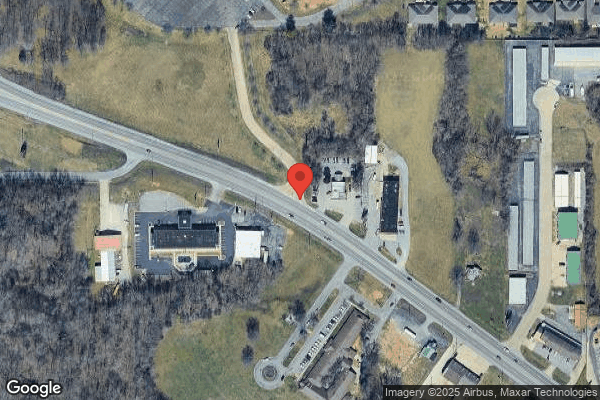
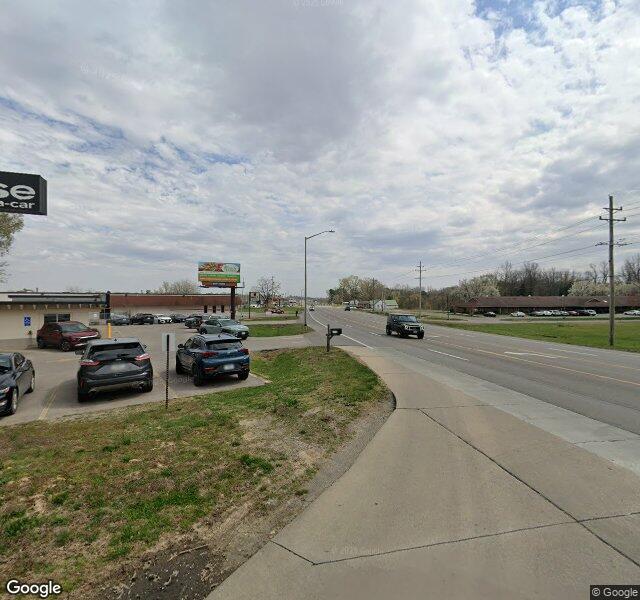
2001 NORTH KINGSHIGHWAY, CAPE GIRARDEAU, MO 63701 (573) 335-1999
For profit - Corporation 33 Beds SHAFIQ MALIK Data: November 2025 1 Immediate Jeopardy citation
Trust Grade
41/100
#148 of 479 in MO
Last Inspection: August 2024

Within standard 12-15 month inspection cycle. Federal law requires annual inspections.

Overview

Fountainbleau Lodge has a Trust Grade of D, which means it is below average and raises some concerns about care quality. It ranks #148 out of 479 nursing homes in Missouri, placing it in the top half, but only #6 out of 8 in Cape Girardeau County, indicating limited better local options. The facility is improving, with the number of identified issues decreasing from 9 in 2023 to 8 in 2024. Staffing is average, with a turnover rate of 64%, which is close to the state average, and they have a fair level of RN coverage. However, the facility reported $8,827 in fines, which is average, and has faced critical issues, such as a resident accessing unsecured medications that could have led to overdose and concerns about food safety that could increase the risk of illness. Overall, while there are some strengths, families should weigh these serious weaknesses when considering this facility.

Trust Score
D
41/100
In Missouri
#148/479
Top 30%
Safety Record
High Risk
Review needed
Inspections
Getting Better
9 → 8 violations
Staff Stability
⚠ Watch
64% turnover. Above average. Higher turnover means staff may not know residents' routines.
Penalties
✓ Good
$8,827 in fines. Lower than most Missouri facilities. Relatively clean record.
Skilled Nurses
○ Average
Each resident gets 41 minutes of Registered Nurse (RN) attention daily — about average for Missouri. RNs are the most trained staff who monitor for health changes.
Violations
⚠ Watch
22 deficiencies on record. Higher than average. Multiple issues found across inspections.
★★★☆☆
3.0
Overall Rating
★★★☆☆
3.0
Staff Levels
★☆☆☆☆
1.0
Care Quality
★★★★☆
4.0
Inspection Score
Stable
2023: 9 issues
2024: 8 issues

The Good

  • Full Sprinkler Coverage · Fire safety systems throughout facility
  • No fines on record

Facility shows strength in fire safety.

The Bad

3-Star Overall Rating

Above Missouri average (2.5)

Meets federal standards, typical of most facilities

Staff Turnover: 64%

17pts above Missouri avg (46%)

Frequent staff changes - ask about care continuity

Federal Fines: $8,827

Below median ($33,413)

Minor penalties assessed

Chain: SHAFIQ MALIK

Part of a multi-facility chain

Ask about local staffing decisions and management

Staff turnover is elevated (64%)

16 points above Missouri average of 48%

The Ugly 22 deficiencies on record

1 life-threatening
Aug 2024 7 deficiencies
CONCERN (D)

Potential for Harm - no one hurt, but risky conditions existed

Abuse Prevention Policies (Tag F0607)

Could have caused harm · This affected 1 resident

Based on interview and record review, the facility failed to ensure that Nurse Aide (NA) Registry checks were completed prior to the employment start date for seven employees out of a sample of ten em...

Read full inspector narrative →
Based on interview and record review, the facility failed to ensure that Nurse Aide (NA) Registry checks were completed prior to the employment start date for seven employees out of a sample of ten employees and failed to ensure their policy addressed checking the NA Registry for all employees prior to employment. The facility also failed to follow their policy to ensure the Criminal Background Check (CBC), Employee Disqualification List (EDL) or Family Care Safety Registry (FCSR) were completed prior to the employment date for one employee out of a sample of ten employees. The facility's census was 29. Review of the facility's Compliance and Ethics-Screening Employees, Contractors and Volunteers policy, dated December 2020, showed: - Employees, contracted individuals and volunteers are screened for violations of fraud, abuse and/or ethics violations prior to employment or engagement; - Background screening and investigations are conducted prior to employment or engagement to ensure that employees, contractors and/or volunteers meet at least the following criteria: Competency evaluations have been met (through the state nurse aide registry for nurse aides). Review of the facility's Licensure, Certification, and Registration of Personnel policy, revised April 2007, showed: - Our facility conducts employment background screening checks, reference checks, license verification and criminal conviction investigation checks in accordance with current federal and state laws; -The policy did not address checking the nurse aide registry for employees other than nurse aides. 1. Review of Certified Medication Technician/Certified Nurse Aide (CMT/CNA) B's personnel file showed: - Hire date of 09/22/23; - The facility failed to check the NA Registry for CMT/CNA B prior to hire date. 2. Review of Housekeeper C's personnel file showed: - Hire date of 11/15/23; - The facility failed to check the NA Registry for Housekeeper C. 3. Review of Licensed Practical Nurse (LPN) D's personnel file showed: - Hire date of 11/28/23; - The facility failed to check the NA Registry for LPN D. 4. Review of Dietary Aide E's personnel file showed: - Hire date of 12/01/23; - The facility failed to check the CBC and EDL list prior to hire date, and failed to check the NA Registry for Dietary Aide E. 5. Review of Registered Nurse (RN) F's personnel file showed: - Hire date of 12/28/23; - The facility failed to check the NA Registry for RN F. 6. Review of LPN G's personnel file showed: - Hire date of 01/03/24; - The facility failed to check the NA Registry for LPN G. 7. Review of Dietary Aide H's personnel file showed: - Hire date of 02/23/24; - The facility failed to check the NA Registry for Dietary Aide H prior to hire date. During an interview on 08/07/24 at 3:35 P.M., the Director of Nursing (DON) said Human Resources (HR) checks the NA Registry and employees can't work until they are cleared. During an interview on 08/08/24 at 5:00 P.M., the Administrator said she would expect the NA Registry to be checked for all employees prior to hire and all employees to have a background check before they are hired.
CONCERN (D)

Potential for Harm - no one hurt, but risky conditions existed

Transfer Notice (Tag F0623)

Could have caused harm · This affected 1 resident

**NOTE- TERMS IN BRACKETS HAVE BEEN EDITED TO PROTECT CONFIDENTIALITY** Based on interview and record review, the facility failed to notify the resident and/or the resident's representative in writing...

Read full inspector narrative →
**NOTE- TERMS IN BRACKETS HAVE BEEN EDITED TO PROTECT CONFIDENTIALITY** Based on interview and record review, the facility failed to notify the resident and/or the resident's representative in writing of a transfer to the hospital, including the reason for transfer, and failed to notify the Office of the State Long-Term Care Ombudsman for two residents (Resident #1 and Resident #15) out of 12 sampled residents and one resident (Resident #13) outside the sample. The facility's census was 29. Review of the facility's Transfer/Discharge policy, dated October 2022, showed: - Residents who are sent emergently to an acute care setting, such as a hospital, are permitted to return to the facility; - The Transfer/Discharge notice is given as soon as practicable but before the transfer or discharge when the health and/or safety of the individuals in the facility would be endangered due to the clinical or behavioral status of the resident, or an immediate transfer or discharge is required by the resident's urgent medical needs; - Notices are provided in a form and manner that the resident can understand; - Notices of Transfer are provided to the resident and/or resident's representative as soon as practicable before the transfer, and to the long-term care (LTC) Ombudsman when practicable. Review of the facility's Discharge to Hospital Protocol, undated, showed: - Obtain order to send to the hospital of choice for evaluation. Write a telephone order and order in the computer to send to emergency room (ER) for evaluation; - Under resident profile in electronic health record, print the transfer/discharge record to send to the hospital; - Under orders, print medication review sheet with current orders to send to hospital; - Send a purple copy of the purple cardstock Out of Hospital Do Not Resuscitate (DNR) form from the chart; - Have resident sign a copy of the Bed Hold Policy. If the resident is unable to sign this form, contact the responsible party and inform them of this policy. Please document on the form and in the nurses notes that the resident and/or responsible party were notified of this policy. A copy of the signed policy needs to go with the resident and a copy needs to be placed in the chart under admission records. 1. Review of Resident #1's medical record showed: - Transferred to the hospital on [DATE], and readmitted to the facility on [DATE]; - No documentation that the resident or resident's responsible party had been notified in writing. 2. Review of Resident #13's medical record showed: - Transferred to the hospital on [DATE], and readmitted to the facility on [DATE]; - Transferred to the hospital on [DATE], and readmitted to the facility on the same day; - No documentation that the resident or resident's responsible party had been notified in writing. 3. Review of Resident #15's medical record showed: - Transferred to the hospital on [DATE], and readmitted to the facility on [DATE]; - No documentation that the resident or resident's responsible party had been notified in writing. During an interview on 08/08/24 at 10:38 A.M., Licensed Practical Nurse (LPN) A said when a resident is hospitalized , nursing staff complete a bed hold form for the family to sign and print out a transfer/discharge form from the electronic record to go to the hospital with them. Nursing staff also call the family and tell them the resident is being sent out. During an interview on 08/08/24 at 2:20 P.M., the Social Services Designee said the nurse should fill out the Skilled Nursing Facility Holding Room policy, which shows the transfer reason and bed hold policy. She will then look in the chart for documentation to make sure the nurse notified the family. She will then send a letter to the family within seven days which includes the transfer reason and bed hold policy. During an interview on 08/08/24 at 5:00 P.M., the Administrator said he/she would expect notification of transfers to be sent per regulation.
CONCERN (D)

Potential for Harm - no one hurt, but risky conditions existed

Deficiency F0625 (Tag F0625)

Could have caused harm · This affected 1 resident

**NOTE- TERMS IN BRACKETS HAVE BEEN EDITED TO PROTECT CONFIDENTIALITY** Based on interview and record review, the facility failed to inform the resident and/or resident's representative, in writing, o...

Read full inspector narrative →
**NOTE- TERMS IN BRACKETS HAVE BEEN EDITED TO PROTECT CONFIDENTIALITY** Based on interview and record review, the facility failed to inform the resident and/or resident's representative, in writing, of the facility's bed hold policy at the time of transfer to the hospital for one resident (Resident #1) out of 12 sampled residents and one resident (Resident #13) outside the sample. The facility's census was 29. Review of the facility's Bed-Hold and Return policy, dated October 2022, showed: - Residents/Representatives are provided written information regarding the facility and state bed-hold policies, which address holding or reserving a resident's bed during periods of absence; - Residents are provided written notices about these policies in advance of any transfer (admission) and at the time of transfer (if an emergency, within 24 hours); - The written bed-hold notices provided to residents/representatives, explain in detail, the duration of the state bed-hold policy, if any, during which the residents permitted to return and resume residence in facility. Review of the facility's Discharge to Hospital Protocol, undated, showed: - Obtain order to send to the hospital of choice for evaluation. Write a telephone order and order in the computer to send to emergency room (ER) for evaluation; - Under resident profile in electronic health record, print the transfer/discharge record to send to the hospital; - Under orders, print medication review sheet with current orders to send to hospital; - Send a purple copy of the purple cardstock Out of Hospital Do Not Resuscitate (DNR) form from the chart; - Have resident sign a copy of the Bed Hold Policy. If the resident is unable to sign this form, contact the responsible party and inform them of this policy. Please document on the form and in the nurses notes that the resident and/or responsible party were notified of this policy. A copy of the signed policy needs to go with the resident and a copy needs to be placed in the chart under admission records. 1. Review of Resident #1's medical record showed: - Transferred to the hospital on [DATE] and readmitted to the facility on [DATE]; - No documentation the Resident or Resident's Representative was informed in writing of the facility's bed hold policy at the time of transfer. 2. Review of Resident #13's medical record showed: - Transferred to the hospital on [DATE] and readmitted to the facility on [DATE]; - Transferred to the hospital on [DATE] and readmitted to the facility on [DATE]; - No documentation the Resident or Resident's Representative was informed in writing of the facility's bed hold policy at the time of transfer. During an interview on 08/08/24 at 10:38 A.M., Licensed Practical Nurse (LPN) A said when a resident is hospitalized , nursing staff complete a bed hold form for the family to sign and print out a transfer/discharge form from the electronic record to go to the hospital with them. Nursing staff also call the family and tell them the resident is being sent out. During an interview on 08/08/24 at 2:20 P.M., the Social Services Designee said the nurse should fill out the Skilled Nursing Facility Holding Room policy, which shows the transfer reason and bed hold policy. She will then look in the chart for documentation to make sure the nurse notified the family. She will then send a letter to the family within seven days which includes the transfer reason and bed hold policy. During an interview on 08/08/24 at 5:00 P.M., the Administrator said he/she would expect residents discharging to the hospital to have the bed hold papers sent per the regulations.
CONCERN (D)

Potential for Harm - no one hurt, but risky conditions existed

Comprehensive Care Plan (Tag F0656)

Could have caused harm · This affected 1 resident

Based on interview and record review, the facility failed to implement a care plan with specific interventions to meet individual needs for one resident (Resident #26) out of 12 sampled residents. The...

Read full inspector narrative →
Based on interview and record review, the facility failed to implement a care plan with specific interventions to meet individual needs for one resident (Resident #26) out of 12 sampled residents. The facility's census was 29. Review of the facility's policy, Comprehensive Person-Centered Care Plans, revised March 2022, showed: - The interdisciplinary team (IDT), in conjunction with the resident and his/her family or legal representative, develops and implements a comprehensive, person-centered care plan for each resident; - The care plan interventions are derived from a thorough analysis of the information gathered as part of the comprehensive assessment; - The comprehensive, person-centered care plan includes measurable objectives and timeframes, describes the services that are to be furnished to attain or maintain the resident's highest practicable physical, mental and psychosocial well-being; - Care plan interventions are chosen only after date gathering, proper sequencing of events, careful consideration of the relationship between the resident's problem areas and their causes and relevant clinical decision making; - When possible, interventions address the underlying sources of the problem areas, not just the symptoms or triggers; - Assessments of residents are on-going and care plans are revised as information about the residents and the resident's conditions change. 1. Review of Resident #26's medical record showed: - admission date of 12/08/23; - Diagnoses of: hemaplegia (paralysis on one side of the body) and hemiparesis (muscle weakness or partial paralysis on one side of the body that can affect the arms, legs and facial muscles) following nontraumatic intracerebral hemorrhage (bleeding in the brain) affecting right dominate side, cerebral infarction (disruptive bloodflow in the brain) acute kidney disease, (a condition in which the kidneys suddenly can not filter waste from the blood), and chronic kidney disease (long standing disease of the kidneys leading to renal failure); - Physician's Order Sheet (POS), dated 07/02/24, showed an order for dialysis, gather face sheet, POS and dialysis communication form, every night shift, on Tuesdays, Thursdays and Sundays. Review of Resident # 26's care plan, last revised 07/10/24, did not address dialysis. During an interview on 08/08/24 at 5:00 P.M., the Administrator and Director of Nursing said they would expect care plans to include treatments and any changes that may occur with orders or plan of care.
CONCERN (D)

Potential for Harm - no one hurt, but risky conditions existed

Infection Control (Tag F0880)

Could have caused harm · This affected 1 resident

**NOTE- TERMS IN BRACKETS HAVE BEEN EDITED TO PROTECT CONFIDENTIALITY** Based on observation, interview, and record review, the facility failed to maintain infection control practices to prevent the d...

Read full inspector narrative →
**NOTE- TERMS IN BRACKETS HAVE BEEN EDITED TO PROTECT CONFIDENTIALITY** Based on observation, interview, and record review, the facility failed to maintain infection control practices to prevent the development and transmission of infection during incontinent care for two residents (Resident #22 and #24) out of two sampled residents. The facility failed to develop and implement a risk management process specific to Legionnaires disease (a type of pneumonia caused by Legionella bacteria), which had the potential to affect all residents, staff and visitors. The facility's census was 29. Review of the facility's policy, Standard Precautions, revised September 2022, showed: - Standard precautions apply to the care of all residents in all situations regardless of suspected or confirmed presence of infectious disease; - Hand hygiene is performed with alcohol-based hand rub (ABHR) or soap and water before and after contact with resident; - Before moving from work on a soiled body site to a clean body site, on same resident; - After contact with items in resident rooms; - After removing gloves; - Hands are washed with soap and water when visibly soiled with dirt, blood or body fluids; - Gloves are worn when handling or touching resident-care equipment visibly soiled or potentially contaminated with blood, body fluids or infectious organisms; - Gloves are changed and hygiene performed before moving from a contaminated body site to a clean body site during resident care; - Gloves are removed promptly after use, before touching non-contaminated items and environmental surfaces and before going to another resident; - After gloves are removed, hands are washed immediately to avoid transfer of microorganisms to other residents or environment. 1. Observation of Resident #22 on 08/08/24 at 1:44 P.M. showed: - Certified Nurse Aide (CNA) I and CNA J gathered a container of wipes and a clean brief, entered the Resident's room, and donned gloves without washing hands; - CNA I cleaned the resident's perineal area and placed the used wipe in a plastic bag; - While wearing the same gloves, CNA I reached into the wipes container and obtained another wipe, cleaned bowel movement (BM) off of the resident's buttocks and placed the wipe in the soiled brief; - With the same soiled gloves, CNA I obtained another wipe from the wipes container, cleaned the resident's buttocks area again, placed the used wipe in the soiled brief and folded the brief up; - CNA I rolled up the bed pad and soiled brief, tucked under the resident and did not wash hands or change gloves; - CNA J leaned over the resident with his/her long hair dangling down, touching the resident's legs and bed pad; - With the same soiled gloves, CNA I obtained a wipe from the wipes container, and cleaned the resident's perineal area again and his/her right leg fold; - With the same soiled gloves, CNA I picked up a tube of cream from the resident's table and applied the cream to the inner thighs of the resident; - With the same soiled gloves, CNA I and CNA J rolled the resident onto his/her right side. CNA J pulled out the soiled bed pad and brief, handed them to CNA I to place in bag, removed gloves, and did not wash hands; - With the same soiled gloves, CNA I and CNA J with bare hands, placed a clean brief on the resident and straightened the clean bed pad; - CNA I removed gloves and did not wash hands; - CNA I and CNA J left the room with a bag of soiled linens, trash and did not wash hands until placing in the shower room. During an interview on 08/08/24 at 2:10 P.M., CNA I said he/she would change gloves if they are soiled, if BM gets on them, and when finished with a soiled brief. He/She will change gloves when putting a clean brief on, and wash/sanitize hands before and after care. During an interview on 08/08/24 at 2:10 P.M., CNA J said he/she performs peri care, places clean linens if necessary, redresses resident, throws away trash, removes gloves, and washes/sanitizes hands. 2. Observation of Resident #24 on 08/08/24 at 10:50 A.M. showed: - CNA K gathered wipes and a clean brief, did not wash or sanitize hands prior to entering the room, and donned gloves; - CNA K removed blankets, lowered the resident's pants and folded down the soiled brief; - With the same soiled gloves, CNA K picked up the trash can and moved it closer to the bed; - With the same soiled gloves, CNA K removed four wipes from the container and laid them on the fitted sheet; - With the same soiled gloves, CNA K picked up a wipe from the bed, cleaned the resident's perineal area, repeated steps two more times, then tucked the used wipes into the soiled brief; - As CNA K leaned over the resident wearing a gait belt (a device used for assistance with transfers and walking), the strap was hanging loose and dangled onto the soiled brief on the bed during the duration of incontinent care; - CNA K removed his/her soiled gloves, did not wash or sanitize hands and donned clean gloves; - CNA K rolled the resident onto his/her left side, tucked the soiled brief down, reached for a wipe in the wipes container, cleaned BM off of the resident's buttocks, and reached back into the wipe container two more times to clean the resident's buttocks area; - CNA K tucked the used wipes into the soiled brief, rolled the brief up and placed in the trash can; - CNA K removed gloves, did not wash or sanitize hands, donned clean gloves, then placed a clean brief on the resident; - With the same gloves, CNA K pulled up the resident's pants, bagged the trash, touched the resident's shirt, and pulled the blankets up around his/her chest before washing hands. During an interview on 08/08/24 at 2:20 P.M., CNA K said when providing peri care, he/she puts gloves on and would change gloves after wiping the front, after wiping the back, and before putting on clean clothes. During an interview on 08/08/24 at 5:00 P.M., the Administrator and Director of Nursing said they would expect staff to change gloves and wash hands between dirty and clean and before leaving resident rooms. Review of the facility's policy, Legionella Water Management Program, revised September 2022, showed: - As part of the infection prevention and control program (IPCP), our facility has a water management program which is overseen by the water management team, including The Infection Preventionist (IP), Administrator, Medical Director, Maintenance Director, and Director of Environmental Services; - The purposes of the water management program are to identify areas in the water system where Legionella bacteria can grow and spread, and to reduce the risk of Legionnaire's Disease; - The identification of situations that can lead to Legionella growth are such as construction, water main breaks, changes in municipal water quality, presence of biofilm, scale or sediment, water temperature fluctuations, water stagnation and inadequate disinfection; - Specific measures used to control the introduction and/or spread of Legionella such as temperatures and disinfectants; - Control limits or parameters that are unacceptable and are monitored; - A diagram where control measures are applied; - A system to monitor control limits and effectiveness; - A plan for when control limits are not met and/or control measures are not effective. Review of the facility's water temperature log, dated April 2023 through July 2024, showed: - On 07/01/23, water temperature in room [ROOM NUMBER] was 97.2 degrees (°) Fahrenheit (F) and room [ROOM NUMBER] was 100.9 °F, with no intervention documented; - On 08/01/23, water temperature in room [ROOM NUMBER] was 100.8°F, room [ROOM NUMBER] was 97.6°F and room [ROOM NUMBER] was 100.3°F, with no intervention documented; - In September 2023, water temperature in room [ROOM NUMBER] was 100.8°F, room [ROOM NUMBER] was 97°F and room [ROOM NUMBER] was 100.3°F, with documentation of got it adjusted; - In October 2023, water temperature in room [ROOM NUMBER] was 104°F, with no intervention documented; - On 11/14/23, water temperature in room [ROOM NUMBER] was 104°F, with no intervention documented; - On 12/14/23, water temperature in room [ROOM NUMBER] was 104°F, with no intervention documented; - On 01/12/24, water temperature in rooms [ROOM NUMBERS] were 104°F, with no intervention documented; - On 06/14/24, water temperature in room [ROOM NUMBER] was 103°F, room [ROOM NUMBER] was 104°F and room [ROOM NUMBER] was 103.1°F, with no interventions documented; - On 07/14/24, temperatures in room [ROOM NUMBER] was 97.4°F, room [ROOM NUMBER] was 98.4°F and room [ROOM NUMBER] was 98.5, with no interventions documented. During an interview on 08/07/24 at 10:25 A.M., the Maintenance Director said he didn't know he was supposed to check for Legionella since the facility was on city water, but the temperatures should be no higher than 122 degrees (°) Fahrenheit (F) and no lower than 95° F. When asked about the lower temperature ranges, he/she said he/she thought it was ok since they had been above 95 °F. During an interview on 08/07/24 at 10:55 A.M., the Maintenance Director said he just found out the range should be 105-120°F. During an interview on 08/08/24 5:00 P.M., the Administrator said she would expect the facility to follow the Water Management and Legionella policies, and the water temperatures, in resident areas, should be between 105 and 115°F.
CONCERN (D)

Potential for Harm - no one hurt, but risky conditions existed

Deficiency F0925 (Tag F0925)

Could have caused harm · This affected 1 resident

**NOTE- TERMS IN BRACKETS HAVE BEEN EDITED TO PROTECT CONFIDENTIALITY** Based on observation and interview, the facility failed to maintain an effective pest control program. This practice affected th...

Read full inspector narrative →
**NOTE- TERMS IN BRACKETS HAVE BEEN EDITED TO PROTECT CONFIDENTIALITY** Based on observation and interview, the facility failed to maintain an effective pest control program. This practice affected three residents (Resident #10, #17 and #19) out of 12 sampled residents and had the potential to affect all residents in the facility. The facility's census was 29. Review of the facility's policy, Pest Control, revised May 2008, showed: - The facility shall maintain an effective pest control program; - The facility maintains an on-going pest control program to ensure that the building is kept free of insects and rodents; - Only approved insecticides are permitted in facility and stored in areas away from food storage; - Maintenance services assist, when appropriate and necessary, in providing pest control services. Observation on 08/06/24 at 10:50 A.M. of Resident #17's room showed a fly landed on the resident's hand, bedspread, and nose. During an interview on 08/06/24 at 10:50 A.M., Resident #17 said the flies were always bad. Observation of the dining room on 08/06/24 at 12:29 P.M. showed a fly buzzed around, landing on a window and a gnat flying around near the doors in the dining room. Observation of the dining room on 08/07/24 at 12:10 P.M. showed two flies buzzed around a table while residents were eating, landing on the residents and on the table. Observation of the dining room during the resident council meeting on 08/07/24 at 3:00 P.M. showed two flies buzzed around residents and had to be swatted away. During the resident council meeting on 08/07/24 at 3:15 P.M., Resident #10 said he/she wished for a fly swatter and Resident #19 said he/she kept one in his/her room. Observations on 08/08/24 between the hours of 8:50 A.M. and 2:23 P.M. showed: - A fly on a resident's table in the dining room; - A fly crawling on the table in front of Resident #17 while eating lunch; - Three flies on the center light/chandelier in the dining room; - A fly on a resident's wheelchair in the dining room; - Three flies buzzed around the nurses station; - A fly buzzed around in the common area by the therapy room, while residents were watching television; - A fly buzzed around a resident in a wheelchair in the hallway near the nurses station on the therapy hall; - A fly buzzed around in the hall outside of room [ROOM NUMBER]; - A fly buzzed around in the hall outside of room [ROOM NUMBER]; - A fly buzzed around in room [ROOM NUMBER]. During an interview on 08/08/24 at 09:30 A.M., Licensed Practical Nurse (LPN) A said the facility has issues with flies and spiders. During an interview on 08/08/24 at 5:00 P.M., the Administrator said she would expect the facility to be free of pests.
CONCERN (F)

Potential for Harm - no one hurt, but risky conditions existed

Food Safety (Tag F0812)

Could have caused harm · This affected most or all residents

Based on observation, interview, and record review, the facility failed to store and distribute food under sanitary conditions, increasing the risk of cross contamination and food-borne illnesses. Thi...

Read full inspector narrative →
Based on observation, interview, and record review, the facility failed to store and distribute food under sanitary conditions, increasing the risk of cross contamination and food-borne illnesses. This deficient practice had the potential to affect all residents. The facility's census was 29. Review of the facility's policy, Preventing Foodborne Illness-Employee Hygiene and Sanitary Practices, revised November 2022, showed: - Food and nutrition service employees follow appropriate hand hygiene and sanitary procedures to prevent the spread of food borne illnesses; - All employees who handle, prepare or serve food are trained in the practices of safe food handling and preventing food-borne illnesses; - Employees must wash their hands whenever entering or re-entering the kitchen; - Before coming in contact with any food surfaces; - After handling soiled equipment or utensils; - After engaging in other activities that contaminate hands; - The use of disposable gloves does not substitute for proper handwashing; - Gloves are not required when distributing food to residents at dining tables or when assisting residents to eat, unless touching ready-to-eat food; - Did not address covering and labeling of food. Observations made on 08/06/24 and 08/08/24 between 11:50 A.M. and 12:40 P.M. showed: - Staff wore gloves and with the same gloves, touched door handles, residents' plates, and utensils; - Staff did not sanitize/wash hands between glove changes; - No sanitizer observed on counters or on walls; - Certified Nurse Aide (CNA) I assisted resident with eating, got up from the table, walked around the dining room and refilled other residents' cups, sat back down and continued to assist/feed resident without washing or sanitizing hands; - CNA O and CNA M received trays through the kitchen door, passed them while wearing gloves, returned for more trays, removed gloves, and did not sanitize/wash hands; - CNA M carried bowls with bare hands, with his/her thumbs tucked inside of the bowls; - Dietary Aide P, with gloved hands, took two trays (one in each hand), from the kitchen to the dining room, returned to obtain two more trays, wearing the same gloves, until told by another staff member to wash hands; - CNA N picked up a utensil from the floor, placed it on the bottom of the drink cart, did not wash or sanitize hands, obtained a clean utensil and provided it to the resident; - With bare hands, CNA N touched multiple residents' drink cups by the rim and touched the rim of the cups to the spout of the drink pitcher; - With bare hands, CNA N scooped ice from the ice bucket into multiple residents' cups for refills, touching the cups with the scoop. Observations on 08/07/24 at 3:50 P.M. showed: - A container of sliced tomatoes and onions in the refrigerator with no cover, label or date; - A squeeze bottle of red colored substance in the refrigerator with no label or date; - Two large pans of cooked bratwurst patties placed on top of the warmer, uncovered, with a fly buzzing over the top of them; - Two large trays of fruit cups, in the refrigerator, covered, but not labeled. During an interview on 08/08/24 at 10:30 A.M., the Maintenance Director, who said he/she helped in other areas when needed, said the food that had been placed on top of the warmer should have been covered. During an interview on 08/08/24 at 4:00 P.M., CNA M said there was no hand sanitizer in the dining room and if a resident would drop utensil on the floor, he/she would pick it up, put it away and get a new utensil. During an interview on 08/08/24 at 4:05 P.M., CNA N said there was only hand sanitizer on the walls, there was none in the dining room, but they wore gloves. He/She said that if a resident would drop a utensil on the floor, he/she would pick it up and get a new one. During an interview on 08/08/24 at 5:00 P.M., the Director of Nursing and Assistant Director of Nursing said they would expect hand sanitizer to be available for staff in dining room. The Administrator said staff should perform hand hygiene prior to passing trays, should not cross contaminate, when gloves are removed, hands should be washed before putting on clean gloves and food should be covered, labeled and food preparation area free from pests.
Jun 2024 1 deficiency 1 IJ
CRITICAL (J) 📢 Someone Reported This

A family member, employee, or ombudsman was alarmed enough to file a formal complaint

Immediate Jeopardy (IJ) - the most serious Medicare violation

Accident Prevention (Tag F0689)

Someone could have died · This affected 1 resident

Based on observation, record review, and interview, the facility failed to provide protective oversight for one (Resident #1) of four sampled residents, when facility staff left the facility's medicat...

Read full inspector narrative →
Based on observation, record review, and interview, the facility failed to provide protective oversight for one (Resident #1) of four sampled residents, when facility staff left the facility's medication overflow cart unlocked and unattended. Resident #1 gained access to the cart and took two medication cards of gabapentin (a medication used to treat seizures disorder and used for nerve pain) and one card of Metoprolol (a medication used to treat high blood pressure) to his/her room. He/She reported taking 6 pills of Gabapentin and 6 pills of Gabapentin were missing which placed the resident in danger of potential overdose. The facility census was 27. The administrator was notified on 06/11/24 at 10:30 A.M. of an Immediate Jeopardy (IJ) past non-compliance which began on 06/09/24. On 06/10/24, the facility performed education to licensed and certified staff on proper safety of medication carts and the need to keep the cart locked at all times. The IJ was corrected on 06/10/24. Review of the facility policy Security of Medication Cart, dated April 2007, showed: - The nurse must secure the medication cart during the medication pass to prevent unauthorized entry; - Medication carts must be securely locked at all times when out of nurse's view; - When the medication cart is not being used, it must be locked and parked at the nurse's station or inside the medication room. - The policy did not address measures to ensure the medication carts were locked while not in use; - The policy did not address the use of a secondary medication cart designated as the overflow medication cart, it's placement in the hall or it not being monitored at all times. 1. Review of Resident #1's medical record showed: - An admission date of 03/19/2024 with diagnoses of brain cancer, depression, anxiety, repeated falls, disorder of the central nervous system, and headaches; - Alert and oriented to person place and time, no cognitive concerns; - Able to make needs known; - Independent with personal care. Review of the resident's June 2024 Physician Order Sheet showed: - An order dated 03/19/2024, pain assessment every shift; - An order dated 03/20/2024, admit to Hospice care; - An order dated 05/08/2024 for Gabapentin 100 mg, two capsules by mouth every eight hours for nerve pain. Review of the facility finalization report of incident, dated 06/10/2024, showed: - After interview with staff and resident it was found that the medication overstock cart was unlocked and not secured at the time the resident opened it and removed medication cards from the cart. Review of the facility camera footage, dated 06/09/2024 at 8:03 P.M., showed: - A medication cart parked in the corner of 100 and 200 hall intersection, across from the nurse's station; - No staff were seen on the video; - The resident walked down the 200 Hall towards the corner of the 100 and 200 hall intersection; - The resident sat down in a chair located in front of the medication cart; - The resident reached behind him/her and opened the second drawer of the cart, looked over his/her shoulder and took an undistinguishable amount of medication cards from the cart; - The resident then closed the drawer and walked towards his/her room to the to the right of the medication cart and out of camera view. During an interview on 06/11/2024 at 9:35 A.M., the Director of Operations (DOP) said on 06/09/2024 at approximately 9:00 P.M. she received a call from the Assisted Living Supervisor (ALS) stating he/she had been monitoring the cameras for the skilled unit and observed the resident sitting down in front of the overflow medication cart located on the 100/200 hall area, removed medication cards from the medication overflow cart and then return to his/her room. The ALS immediately notified Licensed Practical Nurse (LPN) A on the skilled unit to immediately go to Resident #1's room and check to see what he/she had or if the resident had medication cards in his/her possession. LPN A retrieved two medication cards of Gabapentin (60 capsules) of 300 mg of Gabapentin and one card (30 pills) of Metoprolol. Upon interviewing the resident, he/she admitted to ingesting 6 pills of 300 mg Gabapentin capsules and 6 pills were missing. The physician was notified and advised at that dosage, it did not meet the level of overdose and to continue monitor the resident. The DOP said the facility has a very small medication room behind the nurse's station, so the extra cards of medications, or the overflow, must be stored in another cart which is kept in the corner created with the intersections of hallways 100 and 200, and across from the nurse's station. They refer to this cart as the overflow medication cart. The DOP would expect the nurse to only unlock the overflow cart when he/she was working directly from it. Once done, it should be locked. It is sitting across from the nurse's station, so it is more likely to be monitored, however, the nurse's station is not always manned. The DOP was not aware of the last time the medication had been used or checked for being locked. During an interview on 06/11/2024 at 10:00 A.M., the resident said he/she had been in the dining room and was heading back to his/her room. The resident said he/she was in so much pain at that time he/she was desperate because it was not time for his/her as PRN (as needed) pain medication. As he/she neared the corner where the medication cart was stored, he/she saw no one was around. The resident said he/she did not know if the cart would be unlocked, but couldn't remember ever seeing staff lock or unlock it. The resident said he/she made a very stupid mistake and decided to check to see if he/she could get into the cart to find anything to take. The resident said he/she sat down in the chair beside the cart, reached down and tugged on the drawer, which opened easily. The resident said he/she checked over his/her shoulder to make sure no one was around and quickly reached in and grabbed 3 cards of medications. He/She looked only enough to see gabapentin on the card, and he/she knew that was also one of his/her medications. Once in his/her room, the resident saw he/she had taken a card of his/her own medication and took six of the capsules. The resident said there was nothing at the medication cart to stop anyone from reaching in to get some of them, but he/she shouldn't have done it. During an interview on 06/11/2024, at 9:50 A.M., Certified Medication Technician (CMT) C said the medication cart should be always locked. Only the nurses have keys to access the overflow medication cart. CMT C said he/she had never checked because it should always be locked. He/she worked the day of the incident and LPN A was in charge of the overflow cart, maintaining responsibility of the keys. During an interview on 06/11/2024 at 9:45 A.M., Registered Nurse (RN) B said the overflow medication cart should always be locked unless being used to retrieve medications, then re-locked. No one should have to check the cart for being unlocked, as it should never be left that way. Complaint #MO237379
Mar 2023 9 deficiencies
CONCERN (D)

Potential for Harm - no one hurt, but risky conditions existed

Transfer Notice (Tag F0623)

Could have caused harm · This affected 1 resident

**NOTE- TERMS IN BRACKETS HAVE BEEN EDITED TO PROTECT CONFIDENTIALITY** Based on interview and record review, the facility failed to notify the resident and/or the resident's representative in writing...

Read full inspector narrative →
**NOTE- TERMS IN BRACKETS HAVE BEEN EDITED TO PROTECT CONFIDENTIALITY** Based on interview and record review, the facility failed to notify the resident and/or the resident's representative in writing of a transfer or discharge to a hospital, including the reasons for transfer for one resident (Resident #11) out of 12 sampled residents. The facility census was 30. 1. Record review of Resident #11's medical record showed: - Transferred and admitted to the hospital on [DATE] and readmitted to the facility on [DATE]; - Transferred and admitted to the hospital on [DATE] and readmitted to the facility on [DATE]; - No documentation that the resident's representative was informed in writing of the transfer/discharge to a hospital at the time of transfer. During an interview on 3/09/23 at 3:03 P.M., the Director of Nursing (DON) said the Social Services Designee (SSD) should be doing the written communication with families and ombudsman and she is not sure that this is getting done. The floor nurse gets everything ready to send the residents to the hospital, but they don't do the written communication. During an interview on 3/09/23 at 3:10 P.M., the SSD said she has not been sending anything to the families in writing regarding transfers to the hospital. She does send the information to the ombudsman regarding transfers and discharges. During an interview at 3/10/23 at 12:34 P.M., the DON said she would expect a resident/resident's representative to be notified in writing of a transfer/discharge. The facility did not provide a policy.
CONCERN (D)

Potential for Harm - no one hurt, but risky conditions existed

Deficiency F0625 (Tag F0625)

Could have caused harm · This affected 1 resident

**NOTE- TERMS IN BRACKETS HAVE BEEN EDITED TO PROTECT CONFIDENTIALITY** Based on interview, and record review, the facility failed to inform the resident and family or legal representative of their be...

Read full inspector narrative →
**NOTE- TERMS IN BRACKETS HAVE BEEN EDITED TO PROTECT CONFIDENTIALITY** Based on interview, and record review, the facility failed to inform the resident and family or legal representative of their bed hold policy at the time of transfer to the hospital for two residents (Resident #11 and #14) out of 12 sampled residents. The facility census was 30. Record review of the facility's Bed Hold policy, undated, showed: - It shall be the policy of Fountainbleau Lodge to hold a resident's room while they are in the hospital upon request of the family. 1. Record review of Resident #11's medical record showed: - Transferred and admitted to the hospital on [DATE] and readmitted to the facility on [DATE]; - Transferred and admitted to the hospital on [DATE] and readmitted to the facility on [DATE]; - No documentation that the resident's representative was informed in writing of the facility bed hold policy at the time of transfer. 2. Record review of Resident #14's medical record showed: - Transferred and admitted to the hospital on [DATE] and readmitted to facility on 1/06/23; - No documentation that the resident (own responsible party) was informed in writing of the facility bed hold policy at the time of transfer. During an interview on 3/9/23 at 3:03 P.M., the Director of Nursing (DON) said the Social Services Designee (SSD) should be doing the written communication with families and she is not sure that this is getting done. During an interview on 3/9/23 at 3:10 P.M., the SSD said when a resident goes out, the nurses usually initiate the process and call the families. The nurses usually ask if residents want their bed held, but it's not being documented. She has the bed hold forms, but she has not been completing them. During an interview on 3/10/23 at 12:34 P.M., the DON said she would expect the bed hold policy to be provided and signed when a resident is transferred.
CONCERN (D)

Potential for Harm - no one hurt, but risky conditions existed

Comprehensive Care Plan (Tag F0656)

Could have caused harm · This affected 1 resident

**NOTE- TERMS IN BRACKETS HAVE BEEN EDITED TO PROTECT CONFIDENTIALITY** Based on observation, interview and record review, the facility failed to implement a care plan with specific interventions to m...

Read full inspector narrative →
**NOTE- TERMS IN BRACKETS HAVE BEEN EDITED TO PROTECT CONFIDENTIALITY** Based on observation, interview and record review, the facility failed to implement a care plan with specific interventions to meet individual needs for four residents (Resident #11, #26, #31, and #134) out of 12 sampled residents. The facility census was 30. Record review of the facility's Care Planning - Interdisciplinary Team policy, revised September 2013, showed: - Our facility's care planning/interdisciplinary team is responsible for the development of an individualized comprehensive care plan for each resident; - A comprehensive care plan for each resident is developed within seven days of completion of the Minimum Data Set (MDS, a federally mandated clinical assessment). Record review of the facility's Comprehensive Person-Centered Care Plans policy, revised December 2016, showed: - A comprehensive, person-centered care plan that includes measurable objectives and timetables to meet the resident's physical, psychosocial and functional needs is developed and implemented for each resident; - The care plan interventions are derived from a thorough analysis of the information gathered as part of the comprehensive assessment; - The care planning process will facilitate resident and/or representative involvement, include an assessment of the resident's strengths and needs, and incorporate the resident's personal and cultural preferences in developing the goals of care; - The comprehensive, person-centered care plan will include measurable objectives and timeframes; describe the services that are to be furnished to attain or maintain the resident's highest practicable physical, mental, and psychosocial well-being; include the resident's stated goals upon admission and desired outcomes; incorporate identified problem areas; reflect treatment goals, timetables, and objectives in measurable outcomes. Record review of the facility's Using the Care Plan policy, revised August 2006, showed: - The care plan shall be used in developing the resident's daily care routines and will be available to staff personnel who have responsibility for providing care or services to the resident; - The Nurse Supervisor uses the care plan to complete the Certified Nurses Aides (CNAs) daily/weekly work assignment sheets and/or flow sheets. 1. Observation on 3/8/23 at 11:45 A.M. and 2:57 P.M. and on 3/9/23 at 9:12 A.M. showed Resident #11's oxygen concentrator on at two liters per minute with the nasal cannula lying on the bed. During an interview on 3/8/23 at 11:45 A.M., Resident #11 said he/she does not usually use oxygen during the day, but uses oxygen every night. Record review of the resident's medical record showed: - An admission date of 9/24/21; - Diagnoses of acute respiratory failure with hypoxia (occurs when there is not enough oxygen in the blood), respiratory syncytial virus pneumonia (respiratory virus that infects the lungs and breathing passages), chronic obstructive pulmonary disease (COPD, chronic inflammatory lung disease that causes obstructed airflow from the lungs), and unspecified systolic and diastolic heart failure (when the heart muscle is weak and can't contract or relax normally); - The quarterly MDS, dated [DATE], showed the resident had shortness of breath or trouble breathing when sitting at rest and received oxygen therapy; - An order for oxygen at HS (hours of sleep), and PRN (as needed) at bedtime and as needed during day shift, dated 3/3/23. Record review of the resident's care plan, dated 10/25/22, did not address oxygen therapy. 2. Record review of Resident #26's medical record showed: - An admission date of 7/8/22; - Diagnoses of nontraumatic intracerebral hemorrhage (bleeding into the brain in the absence of trauma or surgery); dysphagia following cerebral infarction (difficulty swallowing following a stroke), acute respiratory failure with hypoxia, and pneumonia due to streptococcus group B (infection that inflames air sacs in one or both lungs, which may fill with fluid). Record review of the resident's care plan, dated 7/26/22, showed: - The only focus area, interventions, and goals documented were for code status (the type of emergent treatment a person would or would not receive if their heart or breathing were to stop); - Did not address any other focus areas, interventions, or goals. 3. Record review of Resident #31's medical record showed: - An admission date of 2/10/23; - Diagnoses of alcoholic cirrhosis of liver (chronic liver damage leading to scarring and liver failure) with ascites (abdominal swelling caused by accumulation of fluid), portal hypertension (elevated blood pressure in the major vein that leads to the liver), type 2 diabetes mellitus (chronic condition that affects the way the body processes blood sugar), cognitive communication deficit (difficulty with thinking and how someone uses language), and need for assistance with personal care. Record review of the resident's care plan, dated 2/20/23, showed: - The only focus area, interventions, and goals documented were for diuretic (causing increased passing of urine) therapy; - Did not address any other focus areas, interventions, or goals. 4. Record review of Resident #134's medical record showed: - An admission date of 1/20/23; - Diagnoses of COPD, atrial fibrillation (irregular rapid heart rate) and benign prostatic hyperplasia (enlarged prostate gland causing urinary difficulty); -The admission MDS, dated [DATE], showed resident used tobacco. Record review of the resident's care plan, dated 2/28/23, showed smoking not addressed on the care plan. During an interview on 3/10/23 at 12:34 P.M., the Director of Nursing and MDS Coordinator said they would expect comprehensive care plans to reflect the resident's current status and the care plans should be updated quarterly and as needed.
CONCERN (D)

Potential for Harm - no one hurt, but risky conditions existed

Drug Regimen Review (Tag F0756)

Could have caused harm · This affected 1 resident

Based on interview and record review, the facility failed to ensure the physician responded to the pharmacist's recommendations in regard to the resident's medications for three residents (Resident #5...

Read full inspector narrative →
Based on interview and record review, the facility failed to ensure the physician responded to the pharmacist's recommendations in regard to the resident's medications for three residents (Resident #5, #14 and #19) out of 12 sampled residents. The facility's census was 30. Record review of the facility's Antipsychotic Medication Use policy, last revised December 2016, showed: - Residents will only receive antipsychotic medications when necessary to treat specific conditions for which they are indicated and effective; - The attending physician will identify, evaluate and document, with input from other disciplines and consultants as needed, symptoms that may warrant the use of antipsychotic medications; - The need to continue PRN (as needed), orders for psychotropic medications beyond 14 days require the practitioner document the rationale for the extended order and the duration of such order be indicated in order; - PRN orders for antipsychotic medications will not be renewed beyond 14 days unless healthcare practitioner has evaluated the resident for appropriateness of that medication; - The physician shall respond appropriately by changing or stopping problematic doses or medications, or clearly documenting why the benefits of medication outweigh the risks or suspected or confirmed adverse consequences. 1. Record review of Resident #5's medical record showed: - admission date of 4/15/20; - Diagnoses of major depressive disorder (long-term loss of pleasure or interest in life) and anxiety disorder (persistent worry and fear about everyday situations); - An order, dated 10/17/22, for duloxetine (an antidepressant medication) 20 milligrams (mg) two capsules to equal 40 mg daily for depression. Record review of the Resident's Progress Notes showed: - On 1/31/23, the Pharmacist recommended a Gradual Dose Reduction (GDR) of 30 mg daily; - On 2/27/23, the Pharmacist sent a reminder that the GDR from 1/31/23 had not been addressed; - No documentation from the physician in regard to the pharmacist's recommendation. 2. Record review of Resident #14's medical record showed: - admission date of 5/03/21; - Diagnoses of schizoaffective disorder (a combination of symptoms that affect a person's ability to think, feel and behave), traumatic brain injury and depressive disorder; - An order on 8/17/22 for Rexulti (an antipsychotic medication) 0.5 mg one tablet daily for use as an antipsychotic. Record review of the Resident's Progress Notes showed: - On 12/29/22, the Pharmacist recommended a GDR of 0.25 mg daily; - No documentation from the physician in regard to the pharmacist's recommendation. 3. Record review of Resident #19's medical record showed: - An admission date of 5/24/19; - Diagnoses of anxiety disorder, insomnia (difficulty falling and staying asleep) and major depressive disorder; - An order, dated 11/05/22, for temazepam (a benzodiazepine that can treat insomnia) 15 mg every 24 hours as needed for insomnia at bedtime; - An order, dated 1/03/23, for hydroxyzine (an antihistamine medication that can treat anxiety and tension) 25 mg every night as needed. Record review of the Resident's Progress Notes showed: - On 12/29/22, the pharmacist recommended the physician document rationale for temazepam use after 14 days and indication of duration; - On 1/31/23, the pharmacist recommended the physician document rationale for hydroxyzine use after 14 days and indication of duration; - On 1/31/23, pharmacist requested that recommendation from 12/29/22 be addressed; - On 2/27/23, pharmacist requested that recommendation from 12/29/22 be addressed; - On 2/27/23, pharmacist requested that recommendation from 1/31/23 be addressed; - No documentation from the physician. During an interview on 3/09/23 at 3:30 P.M., the Assistant Director of Nursing (ADON) said the pharmacist had been putting recommendations into the progress notes and not on a report that could have been sent to the physician. She hadn't been made aware of any pharmacy recommendations sent to the facility and therefore, they had not been addressed. During an interview on 3/10/23 at 12:34 P.M., the Director of Nursing (DON) and ADON said they would expect pharmacy recommendations to be sent to the physician and to be addressed in a timely manner.
CONCERN (D)

Potential for Harm - no one hurt, but risky conditions existed

Medication Errors (Tag F0758)

Could have caused harm · This affected 1 resident

Based on interview and record review, the facility failed to attempt a Gradual Dose Reduction (GDR) for three residents (Resident #5, #14, and #19) out of 12 sampled residents. The facility's census w...

Read full inspector narrative →
Based on interview and record review, the facility failed to attempt a Gradual Dose Reduction (GDR) for three residents (Resident #5, #14, and #19) out of 12 sampled residents. The facility's census was 30. The facility did not provide a GDR policy. Record review of the facility's Antipsychotic Medication Use policy, last revised December 2016, showed: - Residents will only receive antipsychotic medications when necessary to treat specific conditions for which they are indicated and effective; - The attending physician will identify, evaluate and document, with input from other disciplines and consultants as needed, symptoms that may warrant the use of antipsychotic medications; - The need to continue PRN (as needed), orders for psychotropic medications beyond 14 days require the practitioner document the rationale for the extended order and the duration of such order be indicated in order; - PRN orders for antipsychotic medications will not be renewed beyond 14 days unless healthcare practitioner has evaluated the resident for appropriateness of that medication; - The physician shall respond appropriately by changing or stopping problematic doses or medications, or clearly documenting why the benefits of medication outweigh the risks or suspected or confirmed adverse consequences. 1. Record review of Resident #5's medical record showed: - admission date of 4/15/20; - Diagnoses of major depressive disorder (long-term loss of pleasure or interest in life) and anxiety disorder (persistent worry and fear about everyday situations); - An order, dated 10/17/22, for duloxetine (an antidepressant medication) 20 milligrams (mg) two capsules to equal 40 mg daily for depression. Record review of the Resident's Progress Notes showed: -No documentation of a GDR since 10/17/22. 2. Record review of Resident #14's medical record showed: - admission date of 5/03/21; - Diagnoses of schizoaffective disorder (a combination of symptoms that affect a person's ability to think, feel and behave), traumatic brain injury and depressive disorder; - An order, dated 8/17/22, for Rexulti (an antipsychotic medication) 0.5 mg one tablet daily for use as an antipsychotic. Record review of the Resident's Progress Notes showed: - No documentation of a GDR since 8/17/22. 3. Record review of Resident #19's medical record showed: - An admission date of 5/24/19; - Diagnoses of anxiety disorder, insomnia (difficulty falling and staying asleep) and major depressive disorder; - An order, dated 11/05/22, for temazepam (a sedative that can treat insomnia) 15 mg every 24 hours as needed for insomnia at bedtime; - An order, dated 1/03/23, for hydroxyzine (an antihistamine that can treat anxiety and tension) 25 mg every night as needed. Record review of the Resident's Progress Notes showed: - No documentation from the physician in regard to the rationale for use after 14 days and indication of duration for temazepam or hydroxyzine. During an interview on 3/09/23 at 3:30 P.M., the Assistant Director of Nursing (ADON) said the pharmacist had been putting recommendations into the progress notes and not on a report that could have been sent to physician. She hadn't been made aware of any pharmacy recommendations sent to the facility and therefore, they had not been addressed. During an interview on 3/10/23 at 12:34 P.M., the Director of Nursing (DON) and ADON said they would expect pharmacy recommendations to be sent to the physician and to be addressed in a timely manner.
CONCERN (D)

Potential for Harm - no one hurt, but risky conditions existed

Deficiency F0883 (Tag F0883)

Could have caused harm · This affected 1 resident

**NOTE- TERMS IN BRACKETS HAVE BEEN EDITED TO PROTECT CONFIDENTIALITY** Based on interview and record review, the facility failed to provide and document that residents received or declined appropriat...

Read full inspector narrative →
**NOTE- TERMS IN BRACKETS HAVE BEEN EDITED TO PROTECT CONFIDENTIALITY** Based on interview and record review, the facility failed to provide and document that residents received or declined appropriate immunizations. This affected two residents (Resident #5 and #14) out of 12 sampled residents. The facility's census was 30. Record review of the facility's Pneumococcal Vaccine policy, last revised October 2019, showed: - Prior to or upon admission, residents will be assessed for eligibility to receive the Pneumococcal vaccine series and when indicated, be offered the vaccine series within 30 days of admission; - Assessments of pneumococcal vaccination status will be conducted within five working days of the resident's admission not conducted prior to admission; - Pneumococcal vaccines will be administered to residents (unless medically contraindicated, already given or refused), per the facility's physician-approved pneumococcal vaccination protocol. 1. Record review of Resident #5's medical record showed: - admitted on [DATE]; - No record of the pneumococcal (infection caused by bacteria that can range from ear and sinus infections to pneumonia and bloodstream infections) vaccination; - No documentation of refusal for the pneumococcal vaccination. 2. Record review of Resident #14's medical record showed: - admitted on [DATE]; - No record of the pneumococcal vaccination; - No documentation of refusal for the pneumococcal vaccination. During an interview on 3/09/23 at 8:22 A.M., the Assistant Director of Nurses (ADON) said the residents had not received the pneumococcal vaccinations, nor did they have a declination. During an interview on 3/10/23 at 12:34 P.M., the Director of Nurses (DON) and ADON said they would expect residents to be offered influenza/pneumococcal vaccines and have a signed declination if the resident refused.
CONCERN (E)

Potential for Harm - no one hurt, but risky conditions existed

Abuse Prevention Policies (Tag F0607)

Could have caused harm · This affected multiple residents

Based on interview and record review, the facility failed to follow their policy to complete a Criminal Background Check (CBC) and Employee Disqualification List (EDL - a listing of individuals who ha...

Read full inspector narrative →
Based on interview and record review, the facility failed to follow their policy to complete a Criminal Background Check (CBC) and Employee Disqualification List (EDL - a listing of individuals who have been determined to have abused or neglected a resident) check for nine out of ten sampled staff prior to hire. The facility census was 30. Record review of the facility's Background Screening Investigations policy, revised November 2015, showed: - Our facility conducts employment background screening checks, reference checks and criminal conviction investigation checks on direct access employees. For purposes of this policy direct access employee means any individual who has access to a resident or patient of a long term care (LTC) facility or provider through employment or through a contract and has duties that involve one-on-one contact with a patient or resident of the facility or provider, as determined by the State for purposes of the National Background Check Program; - The Personnel/Human Resources Director, or other designee, will conduct background checks, reference checks and criminal conviction checks on all potential employees and contract personnel who meet the criteria for direct access employee, as stated above. Such investigation will be initiated within two days of an offer of employment or contract agreement. 1. Record review of Employee A's personnel file showed: - A hire date of 8/17/22; - No documentation of the CBC or EDL check completed within two days of hire. 2. Record review of Employee B's personnel file showed: - A hire date of 2/27/23; - No documentation of the CBC or EDL check completed within two days of hire. 3. Record review of Employee C's personnel file showed: - A hire date of 11/10/22; - No documentation of the CBC or EDL check completed within two days of hire. 4. Record review of Employee D's personnel file showed: - A hire date of 11/18/22; - No documentation of the CBC or EDL check completed within two days of hire. 5. Record review of Employee E's personnel file showed: - A hire date of 6/2/22; - No documentation of the CBC or EDL check completed within two days of hire. 6. Record review of Employee F's personnel file showed: - A hire date of 1/23/23; - No documentation of the CBC or EDL check completed within two days of hire. 7. Record review of Employee G's personnel file showed: - A hire date of 2/9/23; - No documentation of the CBC or EDL check completed within two days of hire. 8. Record review of Employee H's personnel file showed: - A hire date of 8/6/21; - No documentation of the CBC or EDL check completed within two days of hire. 9. Record review of Employee J's personnel file showed: - A hire date of 2/9/23; - No documentation of the CBC or EDL check completed within two days of hire. During an interview on 3/10/23 at 12:34 P.M., the Business Office Manager said CBCs and EDL checks should be done at the time of hire, as well as if an employee is rehired. The Business Office Manager said he/she is still fairly new to the position. During an interview on 3/10/23 at 12:38 P.M., the Administrator said she would expect all background checks and EDL checks would be completed at the time of hire.
CONCERN (F)

Potential for Harm - no one hurt, but risky conditions existed

QAPI Program (Tag F0867)

Could have caused harm · This affected most or all residents

Based on interview and record review, the facility failed to ensure the Quality Assurance/Quality Assurance Performance Improvement (QAA/QAPI) committee developed and implemented an appropriate plan o...

Read full inspector narrative →
Based on interview and record review, the facility failed to ensure the Quality Assurance/Quality Assurance Performance Improvement (QAA/QAPI) committee developed and implemented an appropriate plan of action to correct identified quality deficiencies. This had the potential to affect all residents in the facility. The facility census was 30. Record review of the facility's QAPI Plan, effective 7/19/17, showed: - The QA&A Committee reports to the executive leadership and governing body and is responsible for meeting, at a minimum, on a quarterly basis, more frequently if necessary; coordinating and evaluating QAPI program activities; developing and implementing appropriate plans of action to correct identified quality deficiencies; regularly reviewing and analyzing data collected under the QAPI program and data resulting from drug regimen review and acting on available data to make improvements; and analyzing the QAPI program performance to identify and follow up on areas of concern and/or opportunities for improvement. 1. Record review of the facility's QAA/QAPI committee meeting notes showed: - No documented QAA/QAPI meetings since 2020. - No documentation of follow up on the facility's open Performance Improvement Projects (PIPs) since 2020. During an interview on 3/9/23 at 2:17 P.M., the Administrator said QAA/QAPI was done quarterly prior to COVID. The Administrator said since COVID, QAA/QAPI have not been done quarterly, but will start up again in March with the new Medical Director and will be done quarterly. During an interview on 3/10/23 at 12:34 P.M., the Director of Nursing said she would expect QAA/QAPI meetings to be held quarterly.
CONCERN (F)

Potential for Harm - no one hurt, but risky conditions existed

Deficiency F0868 (Tag F0868)

Could have caused harm · This affected most or all residents

Based on interview and record review, the facility failed to maintain quarterly quality assurance assessment (QAA) committee meetings with the required members. The facility's census was 30. Record re...

Read full inspector narrative →
Based on interview and record review, the facility failed to maintain quarterly quality assurance assessment (QAA) committee meetings with the required members. The facility's census was 30. Record review of the facility's QAPI Plan, effective 7/19/17, showed: - The QA&A Committee reports to the executive leadership and governing body and is responsible for meeting, at a minimum, on a quarterly basis, more frequently if necessary; coordinating and evaluating QAPI program activities; developing and implementing appropriate plans of action to correct identified quality deficiencies; regularly reviewing and analyzing data collected under the QAPI program and data resulting from drug regimen review and acting on available data to make improvements; and analyzing the QAPI program performance to identify and follow up on areas of concern and/or opportunities for improvement. Record review showed the facility did not maintain the minimum required quarterly QAA meetings since 2020. During an interview on 3/9/23 at 2:17 P.M., the Administrator said QAA/QAPI was done quarterly prior to COVID. The Administrator said since COVID, QAA/QAPI have not been done quarterly, but will start up again in March with the new Medical Director and will be done quarterly. During an interview on 3/10/23 at 12:34 P.M., the Director of Nursing said she would expect QAA/QAPI meetings to be held quarterly.
Dec 2020 5 deficiencies
CONCERN (D)

Potential for Harm - no one hurt, but risky conditions existed

Deficiency F0578 (Tag F0578)

Could have caused harm · This affected 1 resident

Based on interview and record review the facility failed to ensure the accuracy of the advance directive (a written statement of a person's wishes regarding medical treatment) regarding the resuscitat...

Read full inspector narrative →
Based on interview and record review the facility failed to ensure the accuracy of the advance directive (a written statement of a person's wishes regarding medical treatment) regarding the resuscitation status for one resident (Resident #13) out of 12 sampled residents. The facility census was 26. 1. Record review of Resident #13's Physician Order Sheet (POS), dated December 2020, showed an order for full code status (allow all interventions needed to restart heart). Record review of the resident's medical record showed: - Face Sheet Advance Directive, DNR (do not allow any interventions to restart heart); - Care plan, last revised on 11/30/20, showed the resident as Full Code status. Review of the resident's Electronic Health Record (EHR) showed no code status addressed. During an interview on 12/2/20 at 8:42 A.M. Registered Nurse (RN) A said when there is a code status question staff look in the computer at the EHR. During an interview on 12/2/20 at 8:55 A.M. the Director of Nursing (DON) said if the code status is not addressed in the EHR, the resident would be considered Full Code.
CONCERN (D)

Potential for Harm - no one hurt, but risky conditions existed

Assessment Accuracy (Tag F0641)

Could have caused harm · This affected 1 resident

**NOTE- TERMS IN BRACKETS HAVE BEEN EDITED TO PROTECT CONFIDENTIALITY** Based on interview and record review, the facility failed to accurately code the Minimum Data Set (MDS), a federally mandated as...

Read full inspector narrative →
**NOTE- TERMS IN BRACKETS HAVE BEEN EDITED TO PROTECT CONFIDENTIALITY** Based on interview and record review, the facility failed to accurately code the Minimum Data Set (MDS), a federally mandated assessment instrument completed by facility staff, for two residents (Resident #17 and #124) out of 12 sampled residents, and one resident (Resident #10) outside the sample. The facility census was 26. 1. Record review of Resident #10's Quarterly MDS, dated [DATE], showed: - A diagnosis of Peripheral Vascular Disease (PVD) (a circulatory condition in which narrowed blood vessels reduce blood flow to the limbs); - The N410-E area marked for an anticoagulant (blood thinner, medication that slows down the process of making clots). Record review of the resident's December 2020 Physician Order Sheet (POS) showed: - A diagnosis of PVD; - An order for Plavix (an antiplatelet, medication that stops cells in the blood from sticking together) 75 milligrams daily; - No order for an anticoagulant. 2. Record review of Resident #17's MDS, dated [DATE], showed: - A diagnosis of Atherosclerotic Heart Disease of Coronary Artery (CAD) (heart blockage); - The N410-E area marked for an anticoagulant (blood thinner, medication that slows down the process of making clots). Record review of the resident's December 2020 Physician Order Sheet (POS) showed: - A diagnosis of CAD; - An order for Plavix 75 milligrams daily for CAD; - No order for an anticoagulant. 3. Record review of Resident #124's Annual MDS, dated [DATE], showed: - A diagnosis of Cerebrovascular Disease (a disease affecting the blood vessels and blood supply to the brain); - The N410-E area marked for an anticoagulant (blood thinner, medication that slows down the process of making clots). Record review of the resident's December 2020 Physician Order Sheet (POS) showed: - A diagnosis of Cerebrovascular Disease; - An order for Plavix 75 milligrams daily; - No order for an anticoagulant. During an interview on 12/3/20 at 12:12 p.m., the MDS Coordinator said she had not been told that Plavix was not an anticoagulant and had been coding it as such on the MDS, but will review any residents taking that medication and correct it on the coding. The facility follows the RAI manual for MDS policy.
CONCERN (D)

Potential for Harm - no one hurt, but risky conditions existed

Quality of Care (Tag F0684)

Could have caused harm · This affected 1 resident

Based on interview and record review the facility failed to obtain an order for hospice and a coordinated plan of care for one resident (Resident #123) out of one sampled resident. The facility census...

Read full inspector narrative →
Based on interview and record review the facility failed to obtain an order for hospice and a coordinated plan of care for one resident (Resident #123) out of one sampled resident. The facility census was 26. Record review of Resident #123's Physician's Order Sheet (POS), dated December 2020, showed: - admission date 11/18/2020; - No order for hospice services. Record review of the resident's medical record showed no hospice coordinated plan of care. Record review of the resident's interim care plan dated, 11/19/20, showed: - Hospice/End of Life Care. During an interview on 12/2/20 at 3:45 P.M., Registered Nurse (RN) A said the resident was admitted with hospice in place and there is not a physician's order. There is usually a hospice book that has the coordinated plan of care, but Resident #123 does not have one. During an interview on 12/3/20 at 12:41 P.M., the Director of Nursing (DON) said she would expect an order for hospice and expect hospice to immediately come in and put a coordinated plan of care in place. Record review of the facility's Hospice Program policy, dated July 2017, showed: - Coordinated care plans for residents receiving hospice services will be collaborated on by a hospice representative and coordinating facility staff.
CONCERN (D)

Potential for Harm - no one hurt, but risky conditions existed

Deficiency F0883 (Tag F0883)

Could have caused harm · This affected 1 resident

**NOTE- TERMS IN BRACKETS HAVE BEEN EDITED TO PROTECT CONFIDENTIALITY** Based on interview and record review, the facility failed to provide documentation of four residents (Residents #2, #10, #16 and...

Read full inspector narrative →
**NOTE- TERMS IN BRACKETS HAVE BEEN EDITED TO PROTECT CONFIDENTIALITY** Based on interview and record review, the facility failed to provide documentation of four residents (Residents #2, #10, #16 and #124) out of five sampled residents received the pneumococcal vaccine upon admission. The facility census was 26. Review of the facility's Pneumococcal Immunization policy, reviewed on August 16, 2016 , showed: - All residents will be offered pneumococcal vaccines to aid in preventing pneumonia/pneumococcal infections. - Prior to or upon admission, residents will be assessed for eligibility to receive the pneumococcal vaccine series, and when indicated, will be offered the vaccine series within thirty days of admission to the facility unless medically contraindicated or the resident has already been vaccinated. - Assessments of pneumococcal vaccination status will be conducted within five working days of the resident's admission if not conducted prior to admission. - For resident who receive the vaccines, the date of vaccination, lot number, expiration date, person administering, and the site of vaccination will be documented in the resident's medical record. - Administration of the pneumococcal vaccines or revaccinations will be made in accordance with current Center for Disease Control and Prevention (CDC) recommendations at the time of the vaccination. Review of the United States Department of Health and Human Services Centers for Disease Control (CDC) Pneumococcal Vaccine Timing for Adults, dated 6/5/20, showed: - CDC recommends two pneumococcal vaccines for adults: 13-valent pneumococcal conjugate vaccine (PCV 13, Prevnar 13) and the 23-valent pneumococcal polysaccaride vaccine (PPSV 23, Pneumovax 23); - CDC recommends vaccination with the PCV 13 for all adults 65 years or older and adults 19 through [AGE] years old with certain medical conditions; - CDC recommends vaccination with PPSV 23 for all adults 65 years or older and adults 19 through [AGE] years old with certain medical conditions. 1. Review of Resident #2's medical record showed: - admitted to the facility on [DATE]; - The resident [AGE] years old; - Diagnoses of diabetes mellitus (DM) (an inability of the body to produce or respond to insulin which causes elevated levels of glucose in the blood and urine), acute kidney failure (a condition in which the kidneys suddenly cannot filter waste from the blood). - No documentation of the resident's pneumococcal vaccine history; 2. Review of Resident #10's medical record showed: - admitted to the facility on [DATE]; - The resident [AGE] years old; - Diagnoses of diabetes mellitus; - No documentation of the resident's pneumococcal vaccine history. 3. Review of Resident #16's medical record showed: - admitted to the facility on [DATE]; - The resident [AGE] years old; - Diagnoses of diabetes mellitus, thyroid disorder (a condition that affects the function of the thyroid gland), and dementia (lost of cognitive ability); - No documentation of the resident's pneumococcal vaccine history. 4. Review of Resident #124's medical record showed: - admitted to the facility on [DATE]; - The resident [AGE] years old; - Diagnoses of diabetes mellitus, heart failure (a chronic condition in which the heart does not pump blood as well as it should), and tobacco use; - No documentation of the resident's pneumococcal vaccine history. During an interview on 12/3/20 at 10:43 A.M. the Director of Nursing (DON) said the facility staff had not administered a pneumonia vaccine in probably a year and said the facility is in the process of providing a pneumonia clinic.
CONCERN (F)

Potential for Harm - no one hurt, but risky conditions existed

Food Safety (Tag F0812)

Could have caused harm · This affected most or all residents

Based on observation, interview, and record review, the facility failed to store, prepare, distribute, and serve food under sanitary conditions. This deficient practice had the potential to affect all...

Read full inspector narrative →
Based on observation, interview, and record review, the facility failed to store, prepare, distribute, and serve food under sanitary conditions. This deficient practice had the potential to affect all residents. The facility's census was 26. 1. Observation on 12/2/20 at 10:30 A.M. of the two door refrigerator in the kitchen showed: - Two five pound (lb) bags of shredded cheese opened with no date; - A gallon size releasable plastic bag of sliced tomatoes, opened with no date; - A large bag of shredded lettuce, opened with no date; - A gallon plastic container of cherries, opened with not date; - A gallon jug of ranch dressing, opened with no date, build up of dressing around the lid, on lid and running down the side of the jug; - A gallon jug of Catalina dressing, no lid, covered with clear plastic wrap, dressing running down the side of the jug, no open date; - A large plastic container of orange soup type mixture, unlabeled with no open date; - A quart size container of cottage cheese, expired date of 11/12/20; - A half-gallon container of chicken soup opened with no date; - A quart size container of barbeque pork, opened with no date; - Two opened gallons of orange juice, tops of containers dented down into the jug, food particles and debris on top of the container, no open date. 2. Observation on 12/2/20 at 10:40 A.M. of the kitchen dry storage area showed: - A ten pound (lb) bag of pasta, opened with no date; - A five lb bag of graham cracker crumbs, opened with no date; - A gallon size releasable plastic bag of rice, opened with no date; - A five lb bag of cornmeal mix, opened with no date; - Two, 2 lb bags of powdered sugar, opened with no date; - A four and one-half lb bag of white frosting, opened with no date; - A five lb bag of brownie mix, opened with no date; - A five lb bag of white cake mix, opened with no date; - A two lb bag of pecans, opened with no date; - Two jar containers of chicken base opened with no date, and substance running down the side of container; - A container of beef base opened with no date, substance running down the side of the container. 3. Observation on 12/2/20 at 10:45 A.M. of the cooking area of the kitchen showed: - The six burner range with large amounts of grease and food debris buildup; - The seven knobs on the front of the cook stove showed build up of grease and food debris; - Top of oven with blackened grease and food debris; - The deep fryer with dark, yellow, sticky substance dripping down both sides of the fryer; - The dinner plate storage area at the end of the steam table with splatters of food and build up of food and debris; - The floor area near the cook stove and the steam table was wet liquid and food debris crunched under foot. 4. Observation on 12/2/20 at 10:50 A.M. of the walk in refrigerator showed: - A large bag of mixed salad, opened with no date; - A five lb bag of shredded cheese, opened with no date; - A container of imitation bacon bits, opened with no date; - A small stack of mini tortilla shells, opened with no date; - A paper cup of mixed fruit, no covering, laying on the side on the refrigerator shelf; - No thermometer. 5. Observation on 12/2/20 at 10:55 A.M. of the walk in freezer showed: - The thermometer on the outside (built in) not working; - No thermometer inside the freezer; - A large area of dried food debris on the floor; - No temperature logs. During an interview on 12/2/20 at 10:55 A.M. the Dietary Manager (DM) said the built in thermometer of the walk in freezer has never worked, so no temperatures are taken. She said the facility had been short staffed in the kitchen and just now got back to a full crew. During an interview on 12/3/20 at 12:00 P.M. the Administrator said he would ensure the kitchen would get cleaned up. Record review of the facility's Food Storage policy, not dated, showed: - Food shall be stored on shelves in a clean, dry area free from contaminants; - All food items will be labeled; - Leftover prepared food will be stored in a covered, labeled, and dated container; - Never leave any food uncovered and not labeled; - All foods stored in the refrigerator or freezer will be covered, labeled and dated; - Foods shall be received and stored in a manner that complies with safe food handling practices.
Understanding Severity Codes (click to expand)
Life-Threatening (Immediate Jeopardy)
J - Isolated K - Pattern L - Widespread
Actual Harm
G - Isolated H - Pattern I - Widespread
Potential for Harm
D - Isolated E - Pattern F - Widespread
No Harm (Minor)
A - Isolated B - Pattern C - Widespread

Questions to Ask on Your Visit

  • "What changes have you made since the serious inspection findings?"
  • "Why is there high staff turnover? How do you retain staff?"
  • "Can I speak with families of current residents?"
  • "What's your RN coverage like on weekends and overnight?"

Our Honest Assessment

Strengths
  • • Licensed and certified facility. Meets minimum state requirements.
Concerns
  • • Multiple safety concerns identified: 1 life-threatening violation(s). Review inspection reports carefully.
  • • 22 deficiencies on record, including 1 critical (life-threatening) violation. These warrant careful review before choosing this facility.
  • • Grade D (41/100). Below average facility with significant concerns.
  • • 64% turnover. Above average. Higher turnover means staff may not know residents' routines.
Bottom line: Trust Score of 41/100 indicates significant concerns. Thoroughly evaluate alternatives.

About This Facility

What is Fountainbleau Lodge's CMS Rating?

CMS assigns FOUNTAINBLEAU LODGE an overall rating of 3 out of 5 stars, which is considered average nationally. Within Missouri, this rating places the facility higher than 99% of the state's 100 nursing homes. This mid-range rating indicates the facility meets federal standards but may have areas for improvement.

How is Fountainbleau Lodge Staffed?

CMS rates FOUNTAINBLEAU LODGE's staffing level at 3 out of 5 stars, which is average compared to other nursing homes. Staff turnover is 64%, which is 17 percentage points above the Missouri average of 46%. High turnover can affect care consistency as new staff learn residents' individual needs. RN turnover specifically is 62%, which is notably high. RNs provide skilled clinical oversight, so turnover in this role can affect medical care quality.

What Have Inspectors Found at Fountainbleau Lodge?

State health inspectors documented 22 deficiencies at FOUNTAINBLEAU LODGE during 2020 to 2024. These included: 1 Immediate Jeopardy (the most serious level, indicating potential for serious harm or death) and 21 with potential for harm. Immediate Jeopardy findings are rare and represent the most serious regulatory concerns. They require immediate corrective action.

Who Owns and Operates Fountainbleau Lodge?

FOUNTAINBLEAU LODGE is owned by a for-profit company. For-profit facilities operate as businesses with obligations to shareholders or private owners. The facility is operated by SHAFIQ MALIK, a chain that manages multiple nursing homes. With 33 certified beds and approximately 30 residents (about 91% occupancy), it is a smaller facility located in CAPE GIRARDEAU, Missouri.

How Does Fountainbleau Lodge Compare to Other Missouri Nursing Homes?

Compared to the 100 nursing homes in Missouri, FOUNTAINBLEAU LODGE's overall rating (3 stars) is above the state average of 2.5, staff turnover (64%) is significantly higher than the state average of 46%, and health inspection rating (4 stars) is above the national benchmark.

What Should Families Ask When Visiting Fountainbleau Lodge?

Based on this facility's data, families visiting should ask: "What changes have been made since the serious inspection findings, and how are you preventing similar issues?" "How do you ensure continuity of care given staff turnover, and what is your staff retention strategy?" "Can I visit during a mealtime to observe dining assistance and food quality?" "How do you handle medical emergencies, and what is your hospital transfer rate?" These questions are particularly relevant given the facility's Immediate Jeopardy citations and the facility's high staff turnover rate.

Is Fountainbleau Lodge Safe?

Based on CMS inspection data, FOUNTAINBLEAU LODGE has documented safety concerns. Inspectors have issued 1 Immediate Jeopardy citation (the most serious violation level indicating risk of serious injury or death). The facility has a 3-star overall rating and ranks #1 of 100 nursing homes in Missouri. Families considering this facility should ask detailed questions about what corrective actions have been taken since these incidents.

Do Nurses at Fountainbleau Lodge Stick Around?

Staff turnover at FOUNTAINBLEAU LODGE is high. At 64%, the facility is 17 percentage points above the Missouri average of 46%. Registered Nurse turnover is particularly concerning at 62%. RNs handle complex medical decisions and coordinate care — frequent RN changes can directly impact care quality. High turnover means new staff may not know residents' individual needs, medications, or preferences. It can also be disorienting for residents, especially those with dementia who rely on familiar faces. Families should ask: What is causing the turnover? What retention programs are in place? How do you ensure care continuity during staff transitions?

Was Fountainbleau Lodge Ever Fined?

FOUNTAINBLEAU LODGE has been fined $8,827 across 1 penalty action. This is below the Missouri average of $33,167. While any fine indicates a compliance issue, fines under $50,000 are relatively common and typically reflect isolated problems that were subsequently corrected. Families should ask what specific issues led to these fines and confirm they've been resolved.

Is Fountainbleau Lodge on Any Federal Watch List?

FOUNTAINBLEAU LODGE is not on any federal watch list. The most significant is the Special Focus Facility (SFF) program, which identifies the bottom 1% of nursing homes nationally based on persistent, serious quality problems. Not being on this list means the facility has avoided the pattern of deficiencies that triggers enhanced federal oversight. This is a positive indicator, though families should still review the facility's inspection history directly.