LIFE CARE CENTER OF CAPE GIRARDEAU
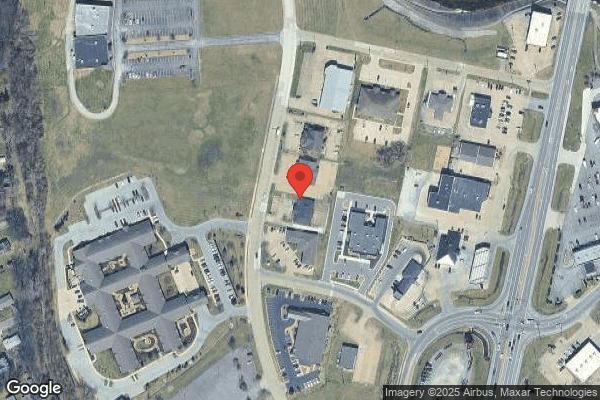

365 SOUTH BROADVIEW STREET, CAPE GIRARDEAU, MO 63703 (573) 335-2086
For profit - Corporation 120 Beds LIFE CARE CENTERS OF AMERICA Data: November 2025 2 Immediate Jeopardy citations
Trust Grade
0/100
#411 of 479 in MO
Last Inspection: May 2025

Inspected within the last 6 months. Data reflects current conditions.

Overview

Life Care Center of Cape Girardeau has received a Trust Grade of F, indicating poor performance with significant concerns. Ranking #411 out of 479 facilities in Missouri places it in the bottom half, and it is the lowest-ranked facility in Cape Girardeau County. The facility is worsening, with issues increasing from 18 in 2024 to 21 in 2025. Staffing is a concern, with a rating of 2 out of 5 stars and a high turnover rate of 74%, much higher than the state average of 57%, which suggests frequent staff changes may affect care quality. Additionally, fines totaling $163,438 are alarming, as they are higher than 91% of Missouri facilities, indicating ongoing compliance problems. On a positive note, the facility does have average RN coverage, which is important for identifying potential health issues. However, critical incidents include failing to follow proper resuscitation orders for a resident who was supposed to be a Do Not Resuscitate, which poses serious risks. Another serious finding involved inadequate pain management for residents, suggesting that care does not consistently align with professional standards. Overall, while there are some strengths, the numerous deficiencies and critical incidents raise significant concerns for families considering this nursing home.

Trust Score
F
0/100
In Missouri
#411/479
Bottom 15%
Safety Record
High Risk
Review needed
Inspections
Getting Worse
18 → 21 violations
Staff Stability
⚠ Watch
74% turnover. Very high, 26 points above average. Constant new faces learning your loved one's needs.
Penalties
✓ Good
$163,438 in fines. Lower than most Missouri facilities. Relatively clean record.
Skilled Nurses
○ Average
Each resident gets 30 minutes of Registered Nurse (RN) attention daily — about average for Missouri. RNs are the most trained staff who monitor for health changes.
Violations
⚠ Watch
44 deficiencies on record. Higher than average. Multiple issues found across inspections.
★☆☆☆☆
1.0
Overall Rating
★★☆☆☆
2.0
Staff Levels
★★★★☆
4.0
Care Quality
★☆☆☆☆
1.0
Inspection Score
Stable
2024: 18 issues
2025: 21 issues

The Good

  • 4-Star Quality Measures · Strong clinical quality outcomes
  • Full Sprinkler Coverage · Fire safety systems throughout facility
  • No fines on record

Facility shows strength in quality measures, fire safety.

The Bad

1-Star Overall Rating

Below Missouri average (2.5)

Significant quality concerns identified by CMS

Staff Turnover: 74%

27pts above Missouri avg (46%)

Frequent staff changes - ask about care continuity

Federal Fines: $163,438

Well above median ($33,413)

Significant penalties indicating serious issues

Chain: LIFE CARE CENTERS OF AMERICA

Part of a multi-facility chain

Ask about local staffing decisions and management

Staff turnover is very high (74%)

26 points above Missouri average of 48%

The Ugly 44 deficiencies on record

2 life-threatening 5 actual harm
Jun 2025 1 deficiency 1 IJ
CRITICAL (J) 📢 Someone Reported This

A family member, employee, or ombudsman was alarmed enough to file a formal complaint

Immediate Jeopardy (IJ) - the most serious Medicare violation

Deficiency F0678 (Tag F0678)

Someone could have died · This affected 1 resident

**NOTE- TERMS IN BRACKETS HAVE BEEN EDITED TO PROTECT CONFIDENTIALITY** Based on interview and record review, the facility failed to ensure an accurate and consistent system was in place to direct sta...

Read full inspector narrative →
**NOTE- TERMS IN BRACKETS HAVE BEEN EDITED TO PROTECT CONFIDENTIALITY** Based on interview and record review, the facility failed to ensure an accurate and consistent system was in place to direct staff when to initiate basic life support for one resident (Resident #1), when on [DATE] at around 10:25 P.M., staff entered the resident's room and found the resident unresponsive with no respirations. Cardiopulmonary resuscitation (CPR - a procedure performed usually involving chest compressions and assisted breathing to revive a person's life) was initiated by facility staff with notification to emergency medical services (EMS) and hospice services. The resident's facility medical record showed a full code status order was entered on [DATE], without any documentation of the resident's wishes or consent for a full code status. The resident's hospice record located in the facility showed the resident's consent and an order for do not resuscitate (DNR) on [DATE], with documentation of the conversation for the DNR as per the resident's choice. The facility census was 92. On [DATE] at 4:25 P.M., the Director of Nursing (DON) was notified of the immediate jeopardy (IJ) which began on [DATE]. The IJ was removed on [DATE], as confirmed by surveyor onsite verification. Review of the facility's policy titled, Advance Directives and Advance Care Planning, dated [DATE], showed: - Residents have the right to self-determination regarding their medical care. This includes the right of an individual to direct his or her own medical treatment, including the right to execute or refuse to execute an advance directive; - It is required that the patient is asked about advanced directives, and to document any wishes the patient might have with regard to the care they want or do not want; - The facility is not relieved of its obligation to provide this information to the individual once he/she is able to receive such information. Follow-up procedures must be in place to provide the information to the individual directly at the appropriate time; - Do Not Resuscitate order -A medical order issued by a physician or other authorized non-physician practitioner that directs healthcare providers not to administer CPR in the event of cardiac or respiratory arrest. Existence of an advance directive does not imply that a resident has a DNR order. The medical record must show evidence of documented discussions leading to a DNR order; - Competent - Residents have the right to actively participate in their plan of care. The resident has the right to designate a representative, in accordance with State law, and any legal surrogate so designated may exercise the resident's rights to the extent provided by state law. A resident is competent to make a health care decision if he/she understands the nature of his or her illness, understands the treatment options available to him/her, understands the consequences of refusing such treatments, and is able to make and communicate decisions about his/her medical treatment; - Residents or their responsible parties receive materials concerning their rights under applicable laws to make decisions regarding their medical care, including the right to accept or refuse medical care, the right to accept or refuse medical/surgical treatment, organ donation requests, and the formation of advance directives upon admission; - A written description of the facility's policies regarding advance directives and applicable State law is provided to the resident or resident representative. Information is provided in a manner easily understood by the resident or resident representative; - The resident and/or family, upon admission, to determine the need and knowledge relative to advance directives and advanced care planning; - Residents may revise an advance directive either orally or in writing. With an oral reversal, charting is due immediately, the physician is notified immediately, an immediate notation is made on the care plan, and an immediate entry is made in the medical record. With written reversals, the physician is notified, and the plan is permanently adjusted. The physician must give an order for any changes in the advance directives; - If the resident leaves the facility temporarily (e.g., emergency room visit, hospital stay, or diagnostic procedure), a copy of the advance directive is sent with the resident. The facility should also ensure advance directive status (e.g., DNR) is communicated to the receiving provider and transporting provider; - Each time the resident is admitted to the facility, quarterly, and when a change in condition is noted in the resident condition, the facility should review the advance directive and advance care planning (ACP) information. This review should focus on if the existing advance directives and ACP match the current goals of care for the resident. The social services director or designee should document this conversation in the medical record and assist as needed with updating the documents that need revision in accordance with state and federal requirements; - Residents who are competent at the time of admission and who have not previously executed an advance directive are given the opportunity to do so with the assistance of an interdisciplinary team, consisting of, but not limited to: the Medical Director, Executive Director, DON, Director of Social Services, chaplain, and others as appropriate. Social Services ensures that a copy of the advance directive is obtained for the resident's medical record and verifies that there is an appropriate physician's order in the resident's medical record as well; - Documentation in the Minimum Data Set (MDS - a federally mandated assessment to be completed by facility staff) should reflect the appropriate advance directives. This information is reviewed or updated, as appropriate, at least quarterly or more frequently if there is a significant change in the resident's medical condition. Each quarter the care plan team reviews with the resident, his/her advance directives to ensure that they are still the wishes of the resident. Such reviews are made during the quarterly assessment process and recorded on the Resident's Assessment Instrument (RAI); - DNR - Regardless of whether the resident is in a persistent vegetative state or has a terminal condition, all Life Care Centers of America's residents receive full resuscitative measures unless a DNR is written in the resident's medical record and is identified in the resident's advance directive. While the physician's order is pending, the documented verbal wishes of the resident or resident's representative regarding DNR status will be honored, unless state specific guidelines differ; - Social Services or Nursing Administration's documentation of the DNR must be present in the medical record regarding the DNR status and discussion with the resident and/or resident's representative on the consequences and implications of this status. The physician is notified regarding any questions concerning the appropriateness of the resident's code status; - A physician's order and written consent from the resident or resident's representative must be obtained. While the physician's order is pending, staff should honor the documented verbal wishes of the resident or the resident's representative regarding CPR unless state-specific regulations differ; - DNR order is flagged appropriately on the resident's chart to alert staff as to status; - Social Services and/or a member of Nursing Administration reviews the DNR status with the resident and/or family and the receiving physician within 72 hours of admission; - The resident or resident's representative must sign an informed consent as required by state specific requirement indicating that the resident consents to a DNR or no CPR or no resuscitation in the event of cardiac arrest or respiratory failure; - The DNR order is incorporated into the resident's care plan and is periodically reviewed, at least quarterly, including supportive care and comfort measures. These measures will not be withheld when a DNR order exists; - DNR orders may be revoked at any time but must be documented in the resident's chart as such with consent of the resident or the resident's representative; - The resident's physician is notified of any change in condition regardless of the DNR order; - The DON or designee establishes a system to inform all direct care staff of the resident's DNR status; - If the resident is discharged from the facility and re-admitted , the DNR status must be reviewed to determine if it is still appropriate and desired by all parties involved. A new order for DNR is obtained at that time. 1. Review of Resident #1's medical record showed: - An admission date of [DATE]; - A Code Status form signed by the resident on [DATE], with both full resuscitation and Do Not Attempt Resuscitation (DNAR - no medical procedures or measures of resuscitation would be taken including no CPR and not calling 911) marked with an X with a line through the full resuscitation X; - No documentation of a code status in the Resident admission Agreement; - No documentation of a baseline care plan (basic information of resident done with 48 hours of admission) that addressed the resident's code status; - An order for a Full Code status, dated [DATE]; - No documentation of any contact with the resident, the resident's family, or the physician to obtain a proper authorization for a code status change from DNR to Full Code. Review of the resident's hospice binder showed: - Long-term Care/Hospice Coordination of Care Form with code status marked DNAR signed by Hospice Intake Coordinator Nurse H and a facility staff member on [DATE]; - A progress note, dated [DATE] from 2:33 P.M. - 3:46 P.M., showed Hospice Intake Coordinator Nurse H met with the resident at the hospital to sign the hospice admission paperwork. The hospice admission paperwork was discussed with the resident. All of the paperwork was signed by the resident. The hospice admission paperwork discussion included the home DNR form, the outside the hospital DNR form, the hospice consent for treatment, the release of information, and the acknowledgement of information form. The admission form was given to the resident. The resident did not have a durable power of attorney (DPOA) and said he/she had no one but himself/herself. The resident was alert and oriented times four. Vital signs were taken and a full assessment was completed. Medications were reviewed with the resident and the facility nurse. Orders were given to the facility nurse and all questions answered. Instructed to contact the hospice nurse 24 hours a day seven days a week with any questions, concerns, or changes in the resident's condition. Discussed who the hospice nurse and the aide would be and what days they would be making visits; - A code status order signed on [DATE] at 10:48 A.M. by the hospice physician for a no code blue (chest compressions or medications to restart the heart if it stops)/no intubation (breathing tube inserted into the trachea to help with breathing). Review of the facility's investigation of the resident's event on [DATE] showed: - A witness statement, dated [DATE], Licensed Practical Nurse (LPN) D said on [DATE] at 10:25 P.M., LPN D was called to the resident's room by other staff and said the resident was not breathing. A crash cart was brought to the resident's room and CPR was started. EMS was called by a CNA. At 10:33 P.M., Hospice Registered Nurse (RN) G entered the resident's room and said no need to continue CPR as the resident was a no code by the hospice paperwork and advised EMS staff there was no need to enter the facility. At 10:48 P.M., Hospice RN G exited the facility and said he/she would return to the facility to complete the needed paperwork; - A witness statement, dated [DATE], showed CNA E said on [DATE], LPN D told him/her to call ambulance services because the resident was unresponsive. He/She called EMS, returned to the resident's room, and helped assist with CPR until the facility nurse came in and said to stop because the hospice nurse said the resident had DNR papers. Observation and interview on [DATE] at 2:30 P.M. showed: - LPN A said he/she noticed shortly before he/she left on the day shift on [DATE], the resident did not have a code status listed in PCC, so he/she entered it. Staff used the code status that was listed in PCC. Staff entered the resident's information in PCC on [DATE], when the resident was admitted , but didn't list the code status. LPN A did not discuss the code status with the resident on [DATE], because he/she was asleep. He/she looked at the resident's facility admission paperwork which listed him/her as a full code; - LPN A reviewed the resident's admission paperwork packet and he/she could not find the form he/she was referring to for the resident's full code status. LPN A said the nurse that admitted the resident was supposed to complete the paperwork and then the health medical records person was supposed to scan the documents into the resident's file. During an interview on [DATE] at 10:57 A.M., LPN B said the resident was alert and oriented times four and able to make his/her own decisions. He/She finished the admission paperwork on [DATE], since it was not completed on [DATE], when the resident was admitted . The admission paperwork should be completed within the first 24 hours of being admitted . All of the resident's orders in PCC were messed up or not there. The hospice nurse was there the morning of [DATE], for the first two to three hours of his/her shift and helped him/her straighten out the orders. He/She did not recall seeing the hospice binder, but did interview the resident on [DATE], and the resident said he/she wanted to be a full code. He/She did not document this discussion in the resident's medical record. At the time of the discussion, the hospice nurse had already left the building, but was supposed to come back later in the day. By the time the hospice nurse came back, he/she had forgotten to tell the hospice nurse what the resident's wishes were. The admission paperwork was put in a basket by the fax machine and someone came by to collect it and scan the information into the computer. He/She would usually put a code status order in PCC, but since the resident was hospice, hospice residents were usually DNR and this resident wanted to be full code, he/she wanted to clarify the code status change first. He/She gave report to LPN D on [DATE] at around 6:00 to 6:30 P.M. and the resident was at baseline at that time. He/She would look in PCC to see what the code status of the resident would be. The facility had a lot of travel agency workers who often had a lack of communication with what went on in the facility. During an interview on [DATE] at 9:30 A.M., LPN C said he/she remembered working night shift on [DATE], and the resident was alert and oriented with a little confusion at times. He/She made his/her needs known. LPN C said he/she thought it was given in report the resident was a DNR, but had mentioned wanting to change to full code status and gave the same information to the next shift, LPN B, on [DATE]. He/She did not verify the code status with the resident and did not do the admission paperwork, but did help with the admission process by doing the admission assessments. He/She did not do any admission paperwork, but did remember seeing a white binder with the resident's hospice information in it. He/She did not remember looking at the information or what the binder showed was the resident's code status was. He/She would look for the code status in PCC and if it was not signed by the physician and by the resident or the resident representative, then he/she would go by the last known legal code status on file. During an interview on [DATE] at 9:27 A.M., Hospice Manager F said he/she prepared the hospice binders. The hospice binders included all necessary orders, forms, care directions, and staff information related to the resident's care. Once the binder was together, then Hospice Intake Coordinator H delivered the binder to the facility. The intake coordinator conducted a meeting with the resident and the facility staff to review and sign the necessary forms, go over care instructions, and then left the hospice binder at the facility. The hospice binder remained at the facility until the resident expired. After the resident expired, the documents were left with the facility and the empty binder would be taken back to the hospice office. During an interview on [DATE] at 10:02 A.M., Hospice Intake Coordinator Nurse H said Hospice Office Manager F assembled the hospice binders. He/She brought the hospice binder, the field chart, and the signable forms to complete the resident's in-person admission that was put together by Hospice Office Manager F to the facility. He/She met the resident and the resident's facility primary nurse on [DATE]. During the visit on [DATE], both the facility nurse and the resident signed the Long-Term Care Hospice Coordination of Care Form, which showed the resident's DNR code status. He/She reviewed the medications with the facility nurse who signed off on the medications. He/She also went over the resident's plan of care and answered any questions for the facility nurse. After the admission was complete, he/she left the hospice binder, which included the resident's DNR documentation, at the facility. The DNR documentation details included a Hospital DNR that was already signed by the physician, a Hospice DNR order with a verbal consent order by the physician obtained on [DATE], and the signed order by the Hospice physician on [DATE]. The binder included multiple references to the resident's DNR code status. The hospice binder remained in the facility until after the resident expired. After the resident expired, the hospice staff would leave all of the resident's documents from the hospice binder with the facility and retrieve the empty binder. He/She recalled Hospice RN I did his/her first visit on [DATE], and noted the binder was missing from the usual location. The binder was found later at the nurse's station among other binders. During an interview on [DATE] at 10:17 A.M., Hospice RN I said he/she was the primary hospice nurse assigned to the resident and completed the first facility visit on [DATE]. On arrival to the facility on [DATE], the hospice binder was not in the usual location which was a small room behind the nurse's station. He/She eventually found the binder in with other binders on the nurse station desk. He/She spoke with LPN B and found the orders for the resident were messed up. He/She had to provide updated orders to the facility nurse before ending the visit on [DATE]. During an interview on [DATE] at 9:59 A.M., Hospice RN G said he/she received a phone call from LPN D who said the resident was actively coding on [DATE]. He/She was about three minutes from the facility and informed LPN D the resident was a DNR and the hospice binder should confirm that information. Upon arrival to the facility, LPN D was at the front desk looking through the hospice binder. The hospice binder showed the resident was a DNR and should not have been coded. He/She did not enter the facility beyond the front desk and did not witness the code. He/She did not know the exact details of what occurred. EMS arrived shortly after him/her, but the facility nurse stopped EMS at the door and said they were no longer needed. EMS did not enter the facility. He/She then left the facility to answer another hospice patient's needs. He/she returned to the facility within one to one and a half hours, and completed the usual post-death procedures. During an interview on [DATE] at 2:40 P.M., the Director of Nursing (DON) said addressing a resident's code status should be one of the first things done when admitting a new resident. The nurses on the unit were responsible for filling out the admission paperwork packet and it should address the code status. The code status should match between the hospice record and the facility record. The Care Profile in PCC should show the current accurate code status. During a phone interview on [DATE] at 3:12 P.M., the Medical Director said he/she was told about the incident with the resident's code status. He/She did not sign a DNR order. If the resident wanted to be a full code and had conversations with the facility staff about it, then those conversations should be documented somewhere in the resident's medical record. The facility should have the code status and the resident's wishes of a newly admitted resident within 24 hours of admission. The resident's code status should match throughout the resident's medical record. NOTE: At the time of the survey, the violation was determined to be at the immediate and serious jeopardy level J. Based on observation, interview and record review completed during the onsite visit, it was determined the facility had implemented corrective action to address and lower the violation at the time. A final revisit will be conducted to determine if the facility is in substantial compliance with participation requirements. At the time of exit, the severity of the deficiency was lowered to the D. This statement does not denote that the facility has complied with State law (Section 198.026.1 RSMo.) requiring that prompt remedial action be taken to address Class I violation(s). Complaint #MO00256082
May 2025 17 deficiencies
CONCERN (D)

Potential for Harm - no one hurt, but risky conditions existed

Deficiency F0557 (Tag F0557)

Could have caused harm · This affected 1 resident

Based on observation, interview and record review, facility staff failed to cover resident catheter (tube inserted into the bladder to drain urine) bags to maintain dignity for one resident (Resident ...

Read full inspector narrative →
Based on observation, interview and record review, facility staff failed to cover resident catheter (tube inserted into the bladder to drain urine) bags to maintain dignity for one resident (Resident #54) out of six sampled residents and for one resident (Resident #38) outside the sample. The facility census was 88. Review of the facility's policy titled, Dignity, revised 09/26/24, showed: - Each resident has the right to be treated with dignity and respect. Interactions and activities with residents by staff, temporary agency staff, or volunteers must focus on maintaining and enhancing the resident's self-esteem, self-worth, and incorporating the resident's goals, preferences, and choices. Staff must respect the resident's individuality as well as, honor and value their input; - A facility must treat each resident with respect and dignity and care for each resident in a manner and in an environment that promotes maintenance or enhancement of his/her quality of life, recognizing each resident's individuality. The facility must protect and promote the rights of the resident; - Staff should refrain from practices demeaning to residents, such as leaving urinary catheter bags uncovered. 1. Review of Resident #38's Physician Order Sheet (POS) showed: - An order for an indwelling catheter to straight drainage with a 16 French (Fr. - size) catheter and with a 5 milliliter (ml) bulb. Change for infection, obstruction or when the closed system is compromised, dated 05/14/25; - An order for catheter care every shift for adequate urine flow and keep the catheter bag placed below the level of the bladder, dated 05/15/25; - An order to secure the catheter with an anchoring device to prevent tension. Check every day shift for soiling or dislodgement and as needed. Change the device when clinically indicated and as recommended by the manufacturer, dated 05/14/25; - An order to change the catheter bag as needed for for infection, obstruction, or when the closed system is compromised, dated 05/14/25. Review of resident's Care Plan, dated 03/24/25, showed: - Did not address the use of a catheter dignity bag or shield. Observation and interview on 05/21/25 at 2:30 P.M., of the resident showed: - The resident sat in a motorized wheelchair in the hallway and the catheter drainage bag hung on the side of wheelchair without a dignity bag or shield; - The resident said it bothered him/her that the catheter drainage bag wasn't covered with a dignity bag and other people could see the contents in the bag. 2. Review of Resident #54's POS showed: - An order to change the catheter bag as needed for infection, obstruction, or when the closed system is compromised, dated 03/11/25; - An order to secure the catheter with an anchoring device to prevent tension. Check every day shift and as needed. Change the device when clinically indicated and as recommended by the manufacturer, dated 03/11/25; - An order for catheter care every shift and keep the catheter bag placed below the level of the bladder, dated 03/10/25. Review of resident's Care Plan, dated 04/07/25, showed: - Did not address the use of a catheter dignity bag or shield. Observation on 05/20/25 at 5:04 P.M., of the resident showed: - The resident sat in a wheelchair in the dining room and ate his/her evening meal. The resident's catheter drainage bag hung underneath the wheelchair and touched the floor without a dignity bag or shield. During an interview on 05/22/25 at 3:21 P.M., Certified Nurse Assistant (CNA) B said residents should have a dignity bag or shield to cover their catheter drainage bag if they were out of their room and the catheter drainage bag should not touch the floor. During an interview on 05/22/25 at 6:30 P.M., the Director of Nursing (DON) and Administrator said he/she expected staff to cover catheter drainage bags and keep them off the floor when residents were out of their rooms.
CONCERN (D)

Potential for Harm - no one hurt, but risky conditions existed

Deficiency F0561 (Tag F0561)

Could have caused harm · This affected 1 resident

**NOTE- TERMS IN BRACKETS HAVE BEEN EDITED TO PROTECT CONFIDENTIALITY** Based on observation, interview, and record review, the facility failed to create an environment that was respectful of the righ...

Read full inspector narrative →
**NOTE- TERMS IN BRACKETS HAVE BEEN EDITED TO PROTECT CONFIDENTIALITY** Based on observation, interview, and record review, the facility failed to create an environment that was respectful of the rights of each resident to make choices about aspects of their lives that were significant by putting residents to bed based on staff preference and not resident preference for one resident (Resident #54) and by failing to honor two resident's (Residents #54 and #77) preferences to be shaved regularly out of 21 sampled residents . The facility's census was 88. Review of the facility's policy titled, Area of Focus: Resident Rights, reviewed 11/14/24, showed: - At the time of admission, a resident is afforded certain rights while residing in a Long-Term Care Facility. The facility and its associates have the responsibility for ensuring these rights are always upheld while the resident is in their care. Center for Medicare and Medicaid Services (CMS) outlines at least 48 rights the resident has that span a wide range of topics; - The resident has a right to a dignified existence, self-determination, and communication with and access to persons and services inside and outside the facility; - The facility must treat each resident with respect and dignity and care for each resident in a manner and in an environment that promotes maintenance or enhancement of his/her quality of life, recognizing each resident's individuality. The facility must protect and promote the rights of the resident; - The resident has the right to exercise his/her rights as a resident of the facility; - The facility must ensure that the resident can exercise his/her rights without interference, coercion, discrimination, or reprisal from the facility; - The facility will ensure its associates are educated to the importance of resident's rights. Any violation or potential violation should be reported immediately to their supervisor, the Director of Nursing (DON), Social Services, or Executive Director; - Associates will be trained upon hire and at least annually on Resident Rights and how to ensure that the right are always upheld. The facility will also inform each resident, orally and in writing, of the rights at the time of admission and periodically throughout their stay. 1. Review of Resident #54's medical record showed: - admission date of 02/25/25; - Diagnoses of depression (a mental health disorder characterized by depressed mood or loss of interest in actives), anxiety disorder (mental health condition characterized by persistent and excessive worry and anxiety about a wide range of everyday events), obstructive sleep apnea (intermittent airflow blockage during sleep), kidney failure (kidney's do not function like they should), and obesity (overweight). Review of the resident's quarterly Minimum Data Set (MDS - a federally mandated assessment completed by the facility), dated 04/06/25, showed: - Cognitively intact; - Dependent on staff for supervision or touching assistance with personal hygiene. Review of resident's Care Plan, dated 04/07/25, showed: - Resident required Activities of Daily Living (ADLs) assistance and therapy services needed to maintain or attain highest level of function; - Assist with mobility and ADLs as needed; - Resident is a mechanical lift for all transfers with two people. Review of the resident's Shower Schedule, undated, showed: - Scheduled for showers every Thursday and Sunday. Review of the resident's Showers Sheets, dated 02/20/25 - 05/20/25, showed: - No shower sheets for 02/28/25 - 02/28/25, and shaving not provided with three out of three opportunities missed for shaving; - One shower sheet for March 2025, and shaving not provided with nine out of nine opportunities missed for shaving; - Seven shower sheets for April 2025, and shaving not provided with four out of eight opportunities missed for shaving; - Four shower sheets for 05/01/25 - 05/20/25, and shaving not provided with with six out of six opportunities missed for shaving; - A total of 22 opportunities missed out of 26 opportunities for shaving. Observation and interview on 05/20/25 at 10:12 A.M., of the resident showed: The resident with visible whiskers on his/her chin and upper lip; - The resident said he/she would like to be shaved, but staff did not always do it. Sometimes staff would shave him/her during a shower, but the resident did not always receive two showers a week. Also, it depended on who the staff was as to whether he/she was shaved or not. During interviews and observations on 05/20/25, of the resident showed: - At 5:04 P.M., the resident said his/her preference was to go to bed after dinner. Typically he/she would like to be put in bed by 7:00 P.M., but staff would not put him/her to bed until all of the evening meal trays had been passed, the residents were fed, and the meal trays were collected. It was typically anywhere between 8:00 P.M. - 10:00 P.M., before he/she was put in bed; - At 6:22 P.M., the call light was on in the resident's room; - At 6:28 P.M., the light was off in the resident's room; - At 6:28 P.M., the resident said the staff member that responded to the call light told him/her to let them get the evening trays passed, and they would put him/her to bed afterwards; - At 7:20 P.M., the resident sat in his/her wheelchair next to the bed with a throw blanket covering him/her and his/her head lay over on some pillows that were propped up on the side of the bed and the arm of the wheelchair; - At 7:20 P.M., the resident said he/she was tired and would like to go to bed, but no one had come back to put him/her to bed. He/She normally had to prop his/her head on pillows in the wheelchair so he/she could sleep every night until staff would finally come and put him/her to bed; - At 7:46 P.M., the call light was on in the resident's room; - At 7:51 P.M., the call light was off in the resident's room; - At 8:01 P.M., the resident sat in his/her wheelchair in the room; - At 8:09 P.M., two staff entered the resident's room with a mechanical lift; - At 8:30 P.M., staff exited the room and the resident lay in bed; - At 8:30 P.M., the resident said it was always late every night before he/she got to go to bed. Staff would only get him/her up and put him/her back to bed once a day because they didn't have enough staff to get them up multiple times. His/Her preference was to lay back in bed during the afternoon and be gotten back up for mealtimes and activities. His/Her her legs always had red marks on them from being in the wheelchair all day, but he/she didn't want to miss out on things due to staff not being able to get him/her out the bed. 2. Review of Resident #77's medical record showed: - admission date of 05/08/25; - Diagnoses of depression, anxiety disorder, and hemiplegia/hemiparesis (paralysis/weakness on one side of the body) following cerebral infarction (stroke) affecting the left non-dominant side. Review of the resident's quarterly MDS, dated [DATE], showed: - Cognitively impaired; - Substantial or maximum assistance from staff with personal hygiene, bathing, and showering. Review of the resident's Care Plan, dated 05/06/25, showed: - Required ADL assistance and therapy services needed to maintain or attain highest level of function; - Assist with mobility and ADLs as needed. Review of the resident's Shower Schedule, undated, showed: - Scheduled for showers every Friday and Monday. Review of the resident's Showers Sheets, dated 02/20/25 - 05/20/25, showed: - No shower sheets for 02/28/25 - 02/28/25, and shaving not provided with three out of three opportunities missed for shaving; - No shower sheets for March 2025, and shaving not provided with nine out of nine opportunities missed for shaving; - Seven shower sheets for April 2025, and shaving not provided with six out of eight opportunities missed for shaving; - Four shower sheets for 05/01/25 - 05/20/25, and shaving not provided with with four out of six opportunities missed for shaving; - A total of 22 opportunities missed out of 26 opportunities for shaving. Observation and interview on 05/19/25 at 2:49 P.M., of the resident showed: - The resident with visible whiskers/stubble on his/her chin; - The resident said he/she would like to be shaved on a regular basis. He/She couldn't remember the last time staff offered to shave him/her, but their preference would be to be shaved every day. During an interview on 05/22/25 at 3:21 P.M., Certified Nurse Assistant (CNA) B said the CNAs assigned to a resident's hall were responsible for shaving the residents. Female residents were supposed to be shaved every time they were given a shower, which should be at least twice a week. Male residents should be shaved on their shower days and during in-between showers days if that was their preference. Staff were supposed to accommodate the resident if they wanted to get up and go to bed throughout the day. However the resident would likely have long wait times and not be able to get up or back in bed during the time frames they wanted due to the various tasks required by the staff throughout their shifts. During an interview on 05/22/25 at 6:30 P.M., the DON and Administrator said they would expect residents to be shaved on their shower days, as needed, and upon request. They would expect staff to honor a resident's choices for when they would like to get and go to bed.
CONCERN (D)

Potential for Harm - no one hurt, but risky conditions existed

Deficiency F0569 (Tag F0569)

Could have caused harm · This affected 1 resident

**NOTE- TERMS IN BRACKETS HAVE BEEN EDITED TO PROTECT CONFIDENTIALITY** Based on interview and record review, the facility failed to refund resident funds within 30 days of discharge or expiration of ...

Read full inspector narrative →
**NOTE- TERMS IN BRACKETS HAVE BEEN EDITED TO PROTECT CONFIDENTIALITY** Based on interview and record review, the facility failed to refund resident funds within 30 days of discharge or expiration of residents for four residents (Residents #197, #198, #199, and #200) out of a sample of 10 residents. The facility census was 88. The facility did not provide a policy regarding expired or discharged resident funds. 1. Review of Resident #197's census showed billing stopped on [DATE]. Review of the facility maintained Resident Trust Fund Trial Balance Report, dated [DATE] - [DATE], showed: - The resident's balance remained at $367.14. Review of the facility maintained Resident Trust Fund Trial Balance Report, dated [DATE] - [DATE], showed: - The resident's account was closed on [DATE]; - The resident funds of $367.14 remained in the facility account for days 94 days after the resident was discharged from the facility. 2. Review of Resident #198's census showed billing stopped on [DATE]. Review of the facility maintained Resident Trust Fund Trial Balance Report, dated [DATE] - [DATE], showed: - The resident's balance remained at $991.29, with a note the resident expired on [DATE]. Review of the facility maintained Resident Trust Fund Trial Balance Report, dated [DATE] - [DATE], showed: - The resident's account was closed on [DATE]; - The resident funds of $991.29 remained in the facility account for 50 days after the resident expired. 3. Review of the census for Resident #199 showed billing stopped on [DATE]. Review of the facility maintained Resident Trust Fund Trial Balance Report, dated [DATE] - [DATE], showed: - The resident's balance remained at $41.83. Review of the facility maintained Resident Trust Fund Trial Balance Report, dated [DATE] - [DATE], showed: - The resident's balance of $-1064.17 with a note the resident expired on [DATE]. Review of the facility maintained Resident Trust Fund Trial Balance Report, dated [DATE] - [DATE], showed: - The resident's account was closed on [DATE]; - The resident funds of $41.83 remained in the facility account for 71 days after the resident expired. 4. Review of the census for Resident #200 showed billing stopped on [DATE]. Review of the facility maintained Resident Trust Fund Trial Balance Report, dated [DATE] - [DATE], showed: - The resident's balance remained at $220.02. Review of the facility maintained Resident Trust Fund Trial Balance Report, dated [DATE] - [DATE], showed: - The resident's balance remained at $220.02 with a note the account was frozen on [DATE]. Review of the facility maintained Resident Trust Fund Trial Balance Report, dated [DATE] - [DATE], showed: - The resident's account was closed on [DATE]; - The resident funds of $220.02 remained in the facility account for 280 days after the resident was discharged from the facility. During an interview on [DATE] at 5:38 P.M., the Regional Field Controller said Resident #199's account was not closed and his/her social security was removed from the account for the month of November, which caused a negative balance. When the account was closed in December, the error was corrected. He/She did not know where Resident #200 discharged to, so they had no way of knowing where the money needed to be sent. It was decided to put a freeze on the account in October to ensure no money was unintentionally put in or taken out of the account until the correct place to forward the money could be determined. He/She was able to find the correct address for the Resident #200 in February 2025, so the money was then released. Sometimes it was a struggle to get a hold of a resident's family or responsible party to determine where the money was needed to be sent. It was also a struggle to get responses from funeral homes to send the money for burial expenses. It could sometimes take a long time to get money where it needed to be sent after a discharge or expiration of a resident. During an interview on [DATE] at 6:14 P.M., the Administrator said she would expect discharged and expired resident's money to be removed from their accounts and sent to the correct parties within 30 days of them leaving the facility per regulatory guidelines.
CONCERN (D)

Potential for Harm - no one hurt, but risky conditions existed

Comprehensive Care Plan (Tag F0656)

Could have caused harm · This affected 1 resident

**NOTE- TERMS IN BRACKETS HAVE BEEN EDITED TO PROTECT CONFIDENTIALITY** Based on observation, interview, and record review, the facility failed to implement a care plan with specific interventions tai...

Read full inspector narrative →
**NOTE- TERMS IN BRACKETS HAVE BEEN EDITED TO PROTECT CONFIDENTIALITY** Based on observation, interview, and record review, the facility failed to implement a care plan with specific interventions tailored to meet individual needs for four residents (Residents #22, #25, #46 and #83) out of 21 sampled residents. The facility census was 88. Review of the facility's policy titled, Comprehensive Care Plans and Revisions, reviewed 09/11/24, showed: - The facility will ensure the timeliness of each resident's person-centered, comprehensive care plan, and to ensure the comprehensive care plan is reviewed and revised by an interdisciplinary team composed of individuals who have knowledge of the resident and his/her needs, and that each resident and resident representative, if applicable, is involved in developing the care plan and making decisions about his or her care; - The facility should monitor the resident over time to help identify changes in the resident condition that may warrant an update to the person-centered plan of care; - When these changes occur, the facility should review and update the plan of care to reflect the changes to care delivery, this can include additional interventions on existing problems, updating goal or problem statements, and adding a short-term problem, goal, and interventions to address a time limited condition. 1. Review of Resident #22's medical record showed: - admission date of 11/29/02; - Diagnoses of reduced mobility, lack of coordination, dementia (a group of thinking and social symptoms that interferes with daily functioning), and legal blindness; - A quarterly Minimum Data Set (MDS - a federally mandated assessment to be completed by the facility staff), dated 03/31/25, showed the resident's vision severely impaired. Review of the resident's Care Plan, dated 12/07/23, showed: - Activities: offer items from activity cart such as magazines, novels, crafts, adult coloring pages, word and number puzzle books, jigsaw puzzles, board games, checkers, cards and dominoes, etc.; - Post activity calendar in resident's room; - Did not address activities appropriate for the resident's blindness. Observations of the resident showed: - On 5/19/25, 5/20/25, 5/21/25 and 5/22/25, the resident sat alone or slept in his/her room with audio books playing. During an interview on 05/19/25 at 1:30 P.M., the resident said he/she stayed in his/her room and listened to audio books every day. He/She couldn't read the activities calendar, but did know he/she had one. The resident said no one came to his/her room to tell him/her the daily activities. During an interview on 5/21/25 at 2:30 P.M., the resident said he/she was not aware of the strawberry shortcake social activity going on, but would love to have some. 2. Review of Resident #25's medical record showed: - admission date of 12/29/21; - Diagnoses of dizziness and giddiness (feeling unsteady, lightheadedness, or spinning), age-related osteoporosis (decreased bone density), and rheumatoid arthritis (inflammation of joints); - A quarterly MDS, dated [DATE], showed no devices used in bed for the resident; - An order for weekly weights every Tuesday day shift, dated 12/11/24; - An order for 2 Cal Med Pass (a supplemental nutritional drink) three times a day 240 milliliters, dated 04/18/24. Observation on 05/19/25 at 11:20 A.M. showed the resident lay in bed with a fall mat on the floor on the left side of the bed and the resident lay on a concave mattress (a mattress that curves inwards). Review of the resident's Care Plan, dated 04/10/25, showed: - Did not address the fall mat or concave mattress; - Did not address the 2 Cal Med Pass supplement. 3. Review of Resident #46's medical record showed: - admission date of 03/07/25; - Diagnoses of type 2 diabetes (a long-term condition in which the body has trouble controlling blood sugar and using it for energy), rheumatoid arthritis, and post traumatic stress disorder (PTSD - a mental health condition caused by an extremely stressful or terrifying event.) Review of the resident's Care Plan, revised 05/08/25, showed: - The care plan did not address the history of PTSD or triggers. During an interview on 05/22/25 at 11:30 A.M., the resident said his/her PTSD triggers were fighting and arguments. Fights and arguments made him/her feel like he/she was in fight or flight mode. The resident had told staff many times that he/she had a PTSD diagnosis. 4. Review of Resident #83's medical record showed: - admission date of 12/30/24; - Diagnoses of secondary bone cancer (cancer that originates in one part of the body and spreads to the bones), cancer of right breast, secondary brain cancer (cancer that originates in one part of the body and spreads to the brain), major depressive disorder (a mental health condition characterized by persistent low mood, loss of interest or pleasure in activities, and a range of other symptoms that can significantly impact daily life), anxiety disorder (persistent worry and fear about everyday situations), protein-calorie malnutrition (occurs when an individual's intake of protein and calories is insufficient to meet their body's needs), and abnormal weight loss (unintentional reduction in total body mass); - A quarterly MDS, dated [DATE], showed cognition intact. During an interview on 05/19/25 at 2:36 P.M., Resident #83 said he/she was a vegetarian and sometimes was served meat. He/She was served only a plate of potatoes for a meal. Review of the resident's Care Plan, dated 04/23/25, showed: - Resident on a regular diet and Osmolyte (a supplemental feeding) via percutaneous endoscopic gastrostomy (PEG tube - a feeding tube inserted directly into the stomach through the skin) when consumed less than 50% of meals; - Did not address the resident's vegetarian preference. Observation of the resident showed: - On 05/21/25 at 8:24 A.M., the resident sat in bed and a bowl of cereal with 25% eaten sat on the overbed table. During an interview on 05/22/25 at 6:30 P.M., the Director of Nursing (DON) and Administrator said they would expect the care plans to accurately reflect the resident's condition, their individual care needs, and dietary preferences. During an interview on 05/23/25 at 9:54 A.M., the MDS Coordinator said he/she would expect the care plan to accurately reflect the resident's condition, their individual care needs, and dietary preferences.
CONCERN (D)

Potential for Harm - no one hurt, but risky conditions existed

Deficiency F0658 (Tag F0658)

Could have caused harm · This affected 1 resident

Based on observation, interview, and record review, the facility failed to obtain weights as ordered for one resident (Resident #25) out of five sampled residents and one resident (Resident #53) outsi...

Read full inspector narrative →
Based on observation, interview, and record review, the facility failed to obtain weights as ordered for one resident (Resident #25) out of five sampled residents and one resident (Resident #53) outside the sample. The facility census was 88. Review of the facility's policy titled, Weight Monitoring, Long-Term Care, reviewed 08/19/24, showed: - Weighing a resident in a long-term care facility is an important part of assessing a resident's health. Following a routine weighing schedule helps detect weight changes. Unless otherwise specified, a resident's weight should be recorded at the time of admission, weekly for 4 weeks, and then monthly. Keep in mind that many residents have comorbidities that cause unplanned weight changes, and some residents require more frequent weight assessments; - Weight loss in older adults can result from various conditions. Unplanned weight loss in residents is associated with increased mortality. A decrease in weight of 5% or more in a month and/or more than 10% in six months should be reported to the practitioner for further evaluation. Weight loss can take various forms. For example, cachexia is weight loss associated with loss of muscle mass, whereas sarcopenia is a geriatric syndrome with three components - loss of muscle mass, loss of strength, and reduced performance; - Documentation associated with weight monitoring includes: weight according to your facility's documentation format, assessment findings, date and time that you notified the practitioner of significant weight changes, prescribed interventions, response to those interventions, teaching provided to the resident and family (if applicable), understanding of that teaching, and follow-up teaching needed. Review of the facility's policy titled, Physician Orders, reviewed 02/27/25, showed: - A physician must personally approve in writing a recommendation that an individual be admitted to a facility. A physician, physician assistant or nurse practitioner must provide orders for the resident's immediate care and ongoing care of the resident. The facility is obligated to follow and carry out the orders of the prescriber in accordance with all applicable state and federal guidelines; - All physician/practitioner orders, including verbal/telephone orders, are recorded on the Physician's Order Form for each resident and must be signed and dated within 14 days by the ordering physician, physician assistant, or nurse practitioner unless state regulations mandate sooner; - Upon admission, a written order approving the admission will be obtained from the attending physician. This may be done by telephone order; - As a means of validation, any orders taken verbally or by telephone must be read back in their entirety to the person giving the orders; - The receiving nurse or therapist immediately enters telephone or verbal orders into the clinical software; - It may be necessary to mail or take orders to a provider's office to obtain timely signatures if the provider still manually signs orders. If so, the documents are put in a sealed envelope and marked confidential to protect the privacy information. A log or a copy of all orders is kept for all orders that are sent out to be signed; - Physician orders include the following: Orders for admission to the facility or Medicare Skilled Care if Medicare Part A, Medications and Treatments, Diet, Special medical procedures required for the safety and well-being of the resident, Code status, Lab and x-ray requirements, Discharge, Transfer and Release of Body, Others as necessary and appropriate; - Any orders written by a consulting physician must be reviewed and signed by the resident's attending physician. This may be done by telephone order; - A Monthly Order Summary is signed at least every 30 days by the physician. The summary may be printed and signed with a wet-signature or may be signed electronically; - Orders must be authenticated, signed and dated, by the provider who gave the order. Signatures may be manual or electronic and may be accepted if faxed. (See Authentication of All Record Entries policy for further information.) Stamped signatures are prohibited. 1. Review of Resident #25's May 2025 Physician Order Sheet (POS) showed: - An admission date of 12/29/21; - Diagnoses of dizziness and giddiness (feeling unsteady, lightheadedness, or spinning), age-related osteoporosis (decreased bone density), and rheumatoid arthritis (inflammation of the joints); - An order for weekly weights every Tuesday day shift, dated 12/11/24. Review of the resident's Weight Record, dated February 2025 - May 2025, showed: - For February 2025, no weights documented on 02/11/25 and 02/18/25, with two missed opportunities out of four weekly weight opportunities; - For March 2025, no weights documented on 03/11/25 and 03/25/25, with two missed opportunities out of four weekly weight opportunities; - For April 2025, no weight documented on 04/01/25, with one missed opportunity out of five weekly weight opportunities; - For May 2025, no weight documented on 05/20/25, with one missed opportunity out of three weekly weight opportunities. Review of the resident's Treatment Administration Records (TARs), dated February 2025 - May 2025, showed: - For February 2025, weights not documented for three missed opportunities out of four weekly weight opportunities; - For March 2025, weights not documented for three missed opportunities out of four weekly weight opportunities; - For April 2025, weights not documented for two missed opportunities out of five weekly weight opportunities; - For May 2025, weights documented. Review of the resident's Care Plan, dated 04/10/25, showed: - Weekly weights loss not addressed. 2. Review of Resident #53's May 2025 POS showed: - An admission date of 01/09/25; - Diagnoses of heart failure (chronic condition where heart does not pump blood as well it should, muscle weakness, reduced mobility, history of falling, and cardiomegaly (an enlarged heart); - An order for daily weights, one time a day related to cardiomegaly, dated 01/11/25, and discontinued on 04/23/25; - An order for weekly weights every Monday day shift, dated 04/21/25. Review of the resident's Weight Record, dated February 2025 - May 2025, showed: - For February 2025, no weights documented on 02/01/25 - 02/03/25, 02/05/25 - 02/12/25, 02/14 - 02/18/25, 02/21/25 - 02/25/25, 02/27/25, and 02/28/25, with 23 missed opportunities out of 28 daily weight opportunities; - For March 2025, no weights documented on 03/02/25, 03/03/25, 03/05/25, 03/06/25, 03/08/25 - 03/11/25, 03/13/25 - 03/15/25, 03/18/25, 03/22/25 - 03/24/25, 03/26/25 - 03/31/25 with 21 missed opportunities out of 31 daily weight opportunities; - For April 2025, no weight documented on 04/01/25 - 04/03/25, 04/07/25, 04/09/25 - 04/12/25, 04/15/25 - 04/17/25, 04/20/25, 04/21/25 with 12 missed opportunities out of 21 daily weight opportunities and no weight documented on 04/28/25, with one opportunity missed out of one weekly weight opportunity; - For May 2025, no weight documented on 05/05/25, 05/12/25, and 05/19/25 with three opportunities missed out of three weekly weight opportunities. Review of the resident's TARs, dated February 2025 - May 2025, showed: - For February 2025, weights not documented for 18 missed opportunities out of 28 daily weight opportunities; - For March 2025, weights not documented for 19 missed opportunities out of 31 daily weight opportunities; - For April 2025, weights not documented for 11 missed opportunities out of 21 daily weight opportunities and one missed opportunity out of one weekly weight opportunity; - For May 2025, weights not documented for three missed opportunities out of three weekly weight opportunities. Review of the resident's Care Plan, dated 04/22/25, showed: - Did not address the weekly weights. During an interview on 05/22/25 at 3:21 P.M., Certified Nurse Assistant (CNA) B said the nurse would tell the CNAs at the start of the shift if a resident on their hall needed weighed for the day. If weights were not completed by the CNA assigned to the hall, then CNA B would be notified by the nurse which weights did not get completed so CNA B could complete them. CNA B said he/she and other CNAs would not know who needed weighed unless the nurses told them because they couldn't access the information otherwise. During an interview on 05/22/25 at 6:30 P.M., the Director of Nursing (DON) and Administrator said they would expect physician orders to be followed.
CONCERN (D)

Potential for Harm - no one hurt, but risky conditions existed

Deficiency F0675 (Tag F0675)

Could have caused harm · This affected 1 resident

Based on observation, interview, and record review, the facility failed to ensure one resident (Resident #25) out of two sampled residents received timely feeding assistance and one resident (Resident...

Read full inspector narrative →
Based on observation, interview, and record review, the facility failed to ensure one resident (Resident #25) out of two sampled residents received timely feeding assistance and one resident (Resident #37) out of 21 sampled residents received an evening meal tray in a timely manner. The facility's census was 88. Review of the facility's policy titled, Feeding a Resident, reviewed 09/10/24, showed: - Properly trained personnel supervised by nursing assist residents as needed with meals and snacks and feed residents who are unable to feed themselves; and nursing personnel provide assistive devices to residents as directed by therapy and provide education to residents regarding the use of assistive devices; - The facility must provide special eating equipment for residents who need them and appropriate assistance to ensure that the resident can use the assistive device when consuming meals and snacks; - Assist resident with toileting and hand hygiene prior to meals, ensure resident is positioned appropriately for meals, sit to assist resident with eating, provide size appropriate bites to residents, offer a liquid between bites to help with swallowing of food, at the end of the meal, assist resident with personal hygiene such as hand hygiene and washing of face, remove tray and place in the designated location in accordance with infection prevention and control procedures, document food and fluid intake, and report any issues with eating to the charge nurse. The facility did not provide a policy regarding passing meal trays. 1. Review of Resident #25's medical record showed: - admission date of 12/29/21; - Diagnoses of dizziness and giddiness (feeling unsteady, lightheadedness, or spinning), age-related osteoporosis (decreased bone density), and rheumatoid arthritis (inflammation of joints). Review of the resident's quarterly Minimum Data Set (MDS - a federally mandated assessment to be completed by the facility), dated 04/07/25, showed: - Cognitive impairment; - Dependent on staff for dressing and showering/bathing; - Substantial/Maximum assist from staff for personal and oral hygiene; - Set up or clean up assistance for eating. During an interview on 05/19/25 at 11:42 A.M., the resident said staff did not pass the evening trays until around 6:00 P.M., and would not come back to feed him/her until they were passed. He/She had to wait 30 minutes to an hour before staff fed him/her and then the food was cold. Observations on 05/20/25, of the resident showed: - At 6:27 P.M., the evening meal tray was delivered to the resident's room; - At 6:29 P.M., staff exited the resident's room. Another staff walked by and asked if he/she set up the resident's tray in front of the resident because he/she had to be fed; - At 6:40 P.M., the resident tried to reach his/her arms up and towards the meal tray. The resident yelled for staff to come here; - At 6:49 P.M., staff walked to door and told the resident to hold on as the resident continued to yell for staff to come here; - At 6:51 P.M., staff put on personal protective equipment (PPE), entered the room, and fed the resident. During an interview on 05/22/22 at 3:21 P.M., Certified Nurse Aide (CNA) B said staff must feed Resident #25. The CNAs were responsible for passing the meal trays on their halls. The CNAs did not have help from any other facility staff to pass trays, except for if they were shorthanded, then the nurses would sometimes help. CNA B said the CNAs were supposed to pass all of the hall trays before feeding the residents that required assistance. The CNAs put the trays in the resident rooms, but were supposed to leave the tray covers on the food and not put it in front of the residents until they were ready to feed them. It typically took 30 minutes to get the hall trays passed, but that time could sometimes vary depending on if residents sent things back to the kitchen or needed replacement options, etc. 2. Review of Resident #37's medical record showed: - admission date of 12/16/22; - Diagnoses of depression (a mental health disorder characterized by depressed mood or loss of interest in actives), anxiety disorder (mental health condition characterized by persistent and excessive worry and anxiety about a wide range of everyday events), and respiratory failure (lungs cannot properly exchange gases). Observation of the resident on 05/20/25, showed: - At 5:04 P.M., staff served the evening meal in the dining room and the resident was not in the dining room; - At 6:24 P.M., staff delivered trays to the resident's hall, but no tray was delivered to Resident #37's room; - At 7:59 P.M., staff delivered a plate of salad and a plate with a hotdog and a bowl of fruit to the resident. During an interview on 05/20/25 8:01 PM., the resident said he/she didn't get a dinner tray. When a staff member came in to see why his/her roommate put the call light on, he/she told the staff member he/she never received a tray. The resident said he/she usually ate dinner in the dining room, but he/she was tired, had lay down to nap, somehow was overlooked, and didn't get a tray. Sometimes people will get missed. If the Administrator was still at the facility, she would get food for him/her if a tray wasn't received. If the Administrator had already left for the day, he/she wouldn't get anything. Staff do not pass snacks and would not get him/her other food if it was too late and then he/she was out of luck and would not be able to eat until breakfast the next day. During an interview on 05/19/25 at 11:28 A.M., Resident #53 said he/she did not get a breakfast tray today. The resident called to the kitchen to see if they were running late and was told it was already served it. The kitchen sent him/her a tuna fish sandwich. He/She was upset because they served his/her favorite breakfast today and he/she missed it. This was probably the third day this month that he/she had not gotten a breakfast tray. The resident said he/she didn't know why they missed him/her. During an interview on 05/20/25 at 8:05 P.M., Resident #52 said he/she did not get a dinner tray last week. The kitchen was already closed and no one was available to get his/her food, so he/she ended up having a friend order pizza for him/her. During an interview on 05/22/22 at 3:21 P.M., CNA B said he/she knew residents on the rehab hall would sometimes get missed for their meal trays, because they were new and the CNAs wouldn't get the tickets turned in to the kitchen in time. Sometimes the new staff would move the trays around, get them mixed up, and then inadvertently miss passing trays. CNA B said staff should be double checking to ensure they didn't miss anyone, but he/she knew sometimes newer staff would not do that. During an interview on 05/22/25 at 4:30 P.M., the Dietary Manager (DM) said Resident #37 was missed during the evening meal pass on 05/20/25, because he/she usually ate in the dining room. When the CNAs took his/her tray and he/she wasn't in the dining area, they did not bring the ticket back to tell the kitchen he/she needed a hall tray, so he/she ended up getting missed. Sometimes CNAs would miss people on the hall because they would start mixing the trays around in the cart and inadvertently not pass trays that needed to be passed. The door to the kitchen was not locked, so staff could enter the kitchen and get a resident food if they needed to during the evening after the kitchen staff had gone home for the evening. During an interview on 05/22/25 at 6:30 P.M. the Director of Nursing (DON) and the Administrator said they would expect staff to deliver trays to each resident and wait to deliver a tray to a resident who required assistance to eat until they were ready to feed them.
CONCERN (D)

Potential for Harm - no one hurt, but risky conditions existed

ADL Care (Tag F0677)

Could have caused harm · This affected 1 resident

**NOTE- TERMS IN BRACKETS HAVE BEEN EDITED TO PROTECT CONFIDENTIALITY** Based on observation, interview, and record review, the facility failed to provide showers for three residents (Residents #25, #...

Read full inspector narrative →
**NOTE- TERMS IN BRACKETS HAVE BEEN EDITED TO PROTECT CONFIDENTIALITY** Based on observation, interview, and record review, the facility failed to provide showers for three residents (Residents #25, #54, and #77) out of 21 sampled residents and one resident (Resident #53) outside the sample. The facility's census was 88. Review of the facility policy titled, Activities of Daily Living (ADLs), reviewed 09/10/24, showed: - The resident will receive assistance as needed to complete ADLs. Any change in the ability to perform ADLs will be reported to the nurse; - Quality of care is a fundamental principle that applies to all treatment and care provided to facility residents. Based on the comprehensive assessment of a resident, the facility must ensure that residents receive treatment and care in accordance with professional standards of practice, the comprehensive person-centered care plan, and the residents' choices: - Based on the comprehensive assessment of a resident and consistent with the resident's needs and choices, the facility must provide the necessary care and services to ensure that a resident's abilities in ADLs do not diminish unless circumstances of the individual's clinical condition demonstrate that such diminution was unavoidable. This includes the facility ensuring that a resident is given the appropriate treatment and services to maintain or improve his or her ability to carry out the ADLs; - The facility must provide care and services for the following ADLs: bathing, dressing, grooming, and oral care. 1. Review of Resident #25's medical record showed: - An admission date of 12/29/21; - Diagnoses of dizziness and giddiness (feeling unsteady, lightheadedness, or spinning), age-related osteoporosis (decreased bone density), and rheumatoid arthritis (inflammation of joints). Review of the resident's quarterly Minimum Data Set (MDS), a federally mandated assessment to be completed by the facility, dated 04/07/25, showed: - Cognitive impairment; - Dependent on staff for dressing; - Substantial/Maximum from staff for personal hygiene; - Dependent on staff for showering and bathing. Review of the facility shower scheduled showed: - The resident's scheduled shower days were Saturday and Tuesday. Review of the resident's showers sheets for 02/20/25 - 05/20/25 showed: - No shower sheets for February 2025, and showers not provided with two out of two opportunities missed for showers; - No shower sheets for March 2025, and showers not provided with nine out of nine opportunities missed for showers; - For April 2025, five showers received with four out of nine opportunities missed for showers; - For May 2025, three showers received with two out of five opportunities missed for showers; - A total of 17 opportunities missed out of 25 opportunities for showers. Observation on 05/19/25 at 11:20 A.M., showed the resident lay in bed wearing a hospital gown and disheveled hair. 2. Review of Resident #53's medical record showed: - An admission date of 01/09/25; - Diagnoses of heart failure (chronic condition where heart does not pump blood as well it should), muscle weakness, reduced mobility, and history of falling. Review of the resident's quarterly MDS, dated [DATE], showed: - Cognitive status mildly impaired; - Partial to moderate assistance when dressing upper body and substantial/maximum assistance for dressing lower body; - Partial to moderate assistance for personal hygiene; - Substantial/Maximum assistance with showering and bathing. Review of the facility shower scheduled showed: - The resident's scheduled shower days were Monday and Thursday. Review of the resident's showers sheets for 02/20/25 - 05/20/25 showed: - No shower sheets for February 2025, and showers not provided with three out of three opportunities missed for showers; - No shower sheets for March 2025, and showers not provided with nine out of nine opportunities missed for showers; - For April 2025, four showers received with four out of eight opportunities missed for showers; - For May 2025, five showers received with one out of six opportunities missed for showers; - A total of 17 opportunities missed out of 26 opportunities for showers. During an interview on 05/22/25 at 1:56 P.M., the resident said he/she wished staff would give him/her showers more often. His/Her preference for showers would be to have at least two showers a week. 3. Review of Resident #54's medical record showed: - An admission date of 02/25/25; - Diagnoses of depression (a mental health disorder characterized by depressed mood or loss of interest in actives), anxiety disorder (mental health condition characterized by persistent and excessive worry and anxiety about a wide range of everyday events), obstructive sleep apnea (intermittent airflow blockage during sleep), kidney failure (kidneys do not function like they should), and obesity (overweight). Review of the resident's quarterly MDS, dated [DATE], showed: - Cognitive status intact; - Partial or moderate assistance when dressing upper body and dependent on staff for dressing lower body; - Supervision or touching assistance from staff for personal hygiene; - Dependent of staff for bathing. Review of the facility shower scheduled showed: - The resident's scheduled shower days were Thursday and Sunday. Review of the resident's showers sheets for 02/20/25 - 05/20/25 showed: - No shower sheets for February 2025, and showers not provided with one out of one opportunity missed for showers; - For March 2025, one shower received with eight out of nine opportunities missed for showers; - For April 2025, seven showers received with one out of eight opportunities missed for showers; - For May 2025, four showers received with two out of six opportunities missed for showers; - A total of 12 opportunities missed out of 24 opportunities for showers. During an observation and interview on 05/20/25 at 10:12 A.M., showed: - The resident sat in a wheelchair with slightly greasy hair and stubble on his/her lip and chin; - The resident said he/she did not get showered as often and he/she would like and the staff sometimes didn't do a good job. Recently there was a staff member that did not take his/her depends off for him/her shower and he/she was dirty. It was really weird. He/She told other staff he/she did not want that staff anymore and requested different staff come into change him/her and provide him/her showers in the future. His/Her roommate had helped him/her shower in the past due to the staff not providing appropriate assistance. 4. Review of Resident #77's medical record showed: - An admission date of 05/08/24; - Diagnoses of depression, anxiety disorder, and hemiplegia and hemiparesis (paralysis or weakness on one side of body) following cerebral infarction (stroke) affecting left non-dominant side. Review of the resident's quarterly MDS, dated [DATE], showed: - Cognitively impaired; - Substantial/Maximum assistance when dressing upper body and dependent on staff when dressing lower body; - Substantial/Maximum assistance with personal hygiene and showering/bathing. Review of the facility shower scheduled showed: - The resident's scheduled shower days were Monday and Friday. Review of the resident's showers sheets for 02/20/25 - 05/20/25 showed: - No shower sheets for February 2025, and showers not provided with three out of three opportunities missed for showers; - No shower sheets for March 2025, with nine out of nine opportunities missed for showers; - For April 2025, seven showers received with one out of eight opportunities missed for showers; - For May 2025, six showers received with no missed showers; - A total of 13 opportunities missed out of 26 opportunities for showers. Observation on 05/19/25 at 2:49 P.M., showed: - The resident lay bed with disheveled hair and stubble on his/her chin and upper lip. During an interview on 05/22/25 at 3:21 P.M., Certified Nurse Assistant (CNA) B said it was the responsibility of the CNAs to complete the showers on their hall. They follow a shower schedule and the residents should receive two showers a week. CNA B said they were supposed to complete a shower sheet even if the resident refused a shower. If a resident refused, the CNAs were supposed to inform the nurse about the refusal. During an interview on 05/22/25 at 6:30 P.M., the Director of Nursing (DON) and the Administrator said the CNAs were responsible for completing showers. There was a shower schedule for the CNAs to follow. They would expect a shower sheet to be completed once the shower or bed bath had been given. If a resident refused a shower, it should be listed on the shower sheet.
CONCERN (D)

Potential for Harm - no one hurt, but risky conditions existed

Deficiency F0678 (Tag F0678)

Could have caused harm · This affected 1 resident

**NOTE- TERMS IN BRACKETS HAVE BEEN EDITED TO PROTECT CONFIDENTIALITY** Based on interview and record review, the facility failed to ensure cardiopulmonary resuscitation (CPR - initiation of life sust...

Read full inspector narrative →
**NOTE- TERMS IN BRACKETS HAVE BEEN EDITED TO PROTECT CONFIDENTIALITY** Based on interview and record review, the facility failed to ensure cardiopulmonary resuscitation (CPR - initiation of life sustaining measures in the event the heart stops beating) certified staff accompanied all residents with a full code (initiate CPR in the event the heart stops beating) status when transported to and from appointments in the facility van for two transport drivers (Transport Driver F and Transport Driver G) out of two sampled transport drivers. The facility census was 88. Review of the facility's policy titled, Cardiopulmonary Resuscitation, revised [DATE], showed: - The facility is able to and does provide emergency basic life support immediately when needed, including CPR, to any resident requiring such care prior to the arrival of emergency medical personnel in accordance with related physicians' orders, such as do not resuscitate (DNR - do not initiate CPR) and the resident's advance directives; - The facility should ensure that properly trained personnel (and certified in CPR for healthcare providers) are available immediately (24 hours per day) to provide basic life support, including CPR, to residents requiring emergency care prior to the arrival of emergency medical personnel, and subject to accepted professional guidelines, the resident's advance directives, and physician orders; - Did not address the need of CPR certified staff during transportation of residents. 1. Review of Transport Driver F's Employee File showed: - A hire date of [DATE]; - No documentation of CPR certification. 2. Review of Transport Driver G's Employee File showed: - A hire date of [DATE]; - No documentation of CPR certification. During an interview on [DATE] at 5:00 P.M., Employee G said he/she was not CPR certified, and did not know he/she was required when transporting residents. Sometimes staff came along to transport residents, but not always. He/She didn't know if the staff that came along were CPR certified. During an interview on [DATE] at 6:20 P.M., the Director of Nursing (DON) said she would expect transport staff to be CPR certified. During an interview on [DATE] at 6:22 P.M., the Administrator said she would expect transport staff to be CPR certified. She said Certified Nursing Assistants (CNA) and other staff sometimes accompany the residents during transport, but that they did not always. She didn't know if the staff that accompany the residents at times were CPR certified.
CONCERN (D)

Potential for Harm - no one hurt, but risky conditions existed

Deficiency F0679 (Tag F0679)

Could have caused harm · This affected 1 resident

**NOTE- TERMS IN BRACKETS HAVE BEEN EDITED TO PROTECT CONFIDENTIALITY** Based on observation, interview, and record review, the facility failed to provide an on-going program of activities designed to...

Read full inspector narrative →
**NOTE- TERMS IN BRACKETS HAVE BEEN EDITED TO PROTECT CONFIDENTIALITY** Based on observation, interview, and record review, the facility failed to provide an on-going program of activities designed to meet the interests and the physical, mental, and psychosocial well-being of each resident. This practice affected one resident (Resident #22) out of 18 sampled residents and could potentially affect all residents. The facility census was 88. Review of the facility's policy titled, Therapeutic Activities Program, revised on 04/01/22, and reviewed on 09/27/24, showed; - The facility activities program will be directed by a qualified activities director. The director is responsible for directing the development, implementation, supervision and ongoing evaluation of the activities program. This includes the completion and/or directing/delegating the completion of the activity's component of the compressive assessment; - Directing the activity program includes scheduling activities, both individual and groups, implementing and/or delegation the implementation of programs, monitoring the response and/or reviewing/evaluating the response to the programs to determine if the activities meet the assessed needs of the resident, and making any revisions as necessary; - The facility should implement an ongoing resident centered activities program that incorporates the residents' interests, hobbies and cultural preferences which is integral to maintaining and/or improving a resident's physical, mental, and psychosocial well-being and independence. To create opportunities for each resident to have a meaningful life supporting his/her domains of wellness (security, autonomy, growth, connectedness, identity, joy, and meaning). Review of the May 2025 Activities Calendar showed: - Four activities per day; - The mornings showed coffee with sweet treats, worship, move and groove, or hot chocolate; - The afternoons showed games such as bingo, music, outside exercise, salsa and chips or strawberry shortcake social, and resident council meeting; - Approximately four days per week there was time listed as 1:1. 1. Review of Resident #22's medical record showed: - admission date of 11/29/02; - Diagnoses of reduced mobility, lack of coordination, dementia (a group of thinking and social symptoms that interferes with daily functioning), and legal blindness; - A quarterly Minimum Data Set (MDS - a federally mandated assessment to be completed by the facility staff), dated 03/31/25, showed the resident's vision severely impaired; - A significant change MDS, dated [DATE], showed the resident's vision severely impaired, very important to participate in activities he/she likes, very important to go outside to get fresh air when weather is appropriate, and somewhat important to do things with groups of people. Review of the resident's Care Plan, dated 12/07/23, showed: - Activities: offer items from activity cart such as magazines, novels, crafts, adult coloring pages, word and number puzzle books, jigsaw puzzles, board games, checkers, cards and dominoes, etc.; - Post activity calendar in resident's room; - Did not address resident's need for activities appropriate for the resident's blindness. During an interview on 05/19/25 at 1:30 P.M., the resident said he/she stayed in his/her room and listened to audio books every day. He/She couldn't read the activities calendar, but did know he/she had one. The resident said no one came to his/her room to tell him/her the daily activities. Observations of the resident showed: - On 5/19/25, 5/20/25, 5/21/25 and 5/22/25, the resident sat alone or slept in his/her room with audio books playing. During an interview on 05/21/25 at 2:30 P.M., the resident said he/she was not aware of the strawberry shortcake social activity going on, but would love to have some. During an interview on 05/22/25 at 8:50 A.M., the Activities Director said he/she sat down with each resident upon admission and had a paper that they filled out to get to know the resident's preferences. He/She said there were not any residents that could not hear or see, but then said that Resident #22 was a little blind and he/she provided books on tape for him/her. During an interview on 05/22/25 at 6:30 P.M., the Director of Nursing (DON) said she would expect activities to include residents who require special accommodations, staff to notify residents of daily activities, and the activities calendar to reflect the daily activities.
CONCERN (D)

Potential for Harm - no one hurt, but risky conditions existed

Quality of Care (Tag F0684)

Could have caused harm · This affected 1 resident

**NOTE- TERMS IN BRACKETS HAVE BEEN EDITED TO PROTECT CONFIDENTIALITY** Based on observation, interview, and record review, the facility failed to provide timely and necessary care by not following th...

Read full inspector narrative →
**NOTE- TERMS IN BRACKETS HAVE BEEN EDITED TO PROTECT CONFIDENTIALITY** Based on observation, interview, and record review, the facility failed to provide timely and necessary care by not following through with a transfer from a wheelchair to bed after responding to a call light for one sampled resident (#54) and not following through with peri care request after responding to a resident's call light for one resident outside of the sample (Resident #78). Failure to respond to resident's request for assistance when responding to call lights could place residents at risk for skin breakdown, discomfort and cause emotional distress. This could affect all residents. The facility census was 88. The facility did not provide a policy regarding call light response times. 1. Review of Resident #54's medical record showed: - An admission date of 02/25/25; - Diagnoses of depression (a mental health disorder characterized by depressed mood or loss of interest in actives), anxiety disorder (mental health condition characterized by persistent and excessive worry and anxiety about a wide range of everyday events), obstructive sleep apnea (intermittent airflow blockage during sleep), kidney failure (kidney's do not function like they should), obesity (overweight). Review of the resident's quarterly MDS, dated [DATE], showed: - Cognitive status intact; - Mobility devices used - wheel chair; - Partial or moderate assistance when dressing upper body and dependent on staff for dressing lower body; -Dependent on staff when putting on or taking off footwear; - Dependent of staff for chair to bed transfer. Review of resident's Care Plan, dated 04/07/25, showed: - Resident required Activities of Daily Living (ADLs) assistance and therapy services needed to maintain or attain highest level of function; - Assist with mobility and ADLs as needed; - Resident is a mechanical lift for all transfers with two people. During interviews and observations on 05/20/25, of the resident showed: -At 5:04 P.M., the resident said his/her preference was to go to bed after dinner. Typically he/she would like to be put in bed by 7:00 P.M. The resident said he/she will put on his/her call light, but staff always turn it off and will tell him/her they will be back after all of the evening meal trays had been passed, the residents fed, and meal trays collected. The resident said it does not matter how many times he/her will turn the light on, they will turn it off and tell him/her they will be back after other tasks are completed; - At 6:22 P.M., the call light was on in the resident's room; - At 6:28 P.M., the light was off in the resident's room; - At 6:28 P.M., the resident said the staff member that responded to the call light told him/her to let them get the evening trays passed, and they would put him/her to bed afterwards; - At 7:20 P.M., the resident sat in his/her wheelchair next to the bed with a throw blanket covering him/her and his/her head lay over on some pillows that were propped up on the side of the bed and the arm of the wheelchair; - At 7:20 P.M., the resident said he/she was tired and would like to go to bed, but no one had come back to put him/her to bed. He/She normally had to prop his/her head on pillows in the wheelchair so he/she could sleep every night until staff would finally come and put him/her to bed; - At 7:46 P.M., the call light was on in the resident's room; - At 7:51 P.M., the call light was off in the resident's room; - At 8:01 P.M., the resident sat in his/her wheelchair in the room; - At 8:09 P.M., two staff entered the resident's room with a mechanical lift; - At 8:30 P.M., staff exited the room and the resident lay in bed; - At 8:30 P.M., the resident said it was always late every night before he/she got to go to bed. It is a common occurrence that staff will turn the call light off, not put him/her to bed, say they will be back, but not come back for an hour or more. The resident said his/her legs always had red marks on them from being in the wheelchair for so long. 2. Review of Resident #78's medical record showed: - An admission date of 01/15/25; - Diagnoses of muscle weakness, reduced mobility, history of falling, cardiomegaly (enlarged heart), chronic kidney disease, stage 4 (severe) (long standing kidney disease leading to organ failure). Review of the resident's quarterly MDS, dated [DATE], showed: - Cognitive status intact; - Dependent on staff for toileting; - Dependent on staff for toilet transfers; - Dependent on staff for chair to bed transfers. Review of resident's Care Plan, dated 04/28/25, showed: - ADL Assistance and Therapy Services needed to maintain or attain highest level of function. - Assist with mobility and ADLs as needed. - Total lift with all transfers. During interviews and observations on 05/20/25, of the resident showed: - 6:42 P.M., The call light was on in the resident's room; - 6:43 P.M., The call light was off in the resident's room; - 6:45 P.M., The resident was lying in bed and said he/she needed his/her diaper changed. The resident said a staff member turned the light off and said they would be back in a minute to change him/her; - 7:08 P.M., The call light was on in the resident's room; - 7:12 P.M., The call light was off in the resident's room; - 7:16 P.M., The resident was lying in bed and said he/she still needed to be changed. He/she said a different aide keeps coming in, turning off the call light and telling him/her someone will be back to change him/her; - 7:17 P.M., The call light was on in the resident's room; - 7:17 P.M., The resident appeared visibly distressed and tearful with increased breathing. The resident said the staff do this to him/her all the time and it is very upsetting. He/she said one time he/she laid in a dirty diaper for 10 hours. He/she said another night it was five hours. The resident said he/she did not know the aides that turned off his/her light. He/she said it had been a different aide every time the light was turned off. He/she said he/she is tired of staff doing him/her this way. - 7:42 P.M., The call light was off in the resident's room after an aide entered the room and closed the door. After the aide exited the room, the resident confirmed he/she had gotten changed. During an interview on 05/22/25 at 3:21 P.M., Certified Nurse Assistant (CNA) B said the CNAs are responsible for responding to call lights in a responsible amount of time to assistance with toileting, cleaning residents, and putting them to bed. He/she said they knew there had been an issue with staff turning off the call light, saying they will be back and not addressing the request before leaving the room or in a timely manner. He/she said the staff had to attend an in-service meeting about it. He/she claimed they did not do that and have not seen others do it but knows it does occur at times. CNA B said if he/she were to see a light on will ask what they need and if he/she can't get to it right then she will tell them about how long they will have to wait, will leave the light on and come back as soon as he/she can. During an interview on 05/22/25 at 6:30 P.M., the Director of Nursing (DON) and Administrator said they would expect staff to respond to a call light in a timely manner, address the resident need and then turn the light off after the need was addressed.
CONCERN (D)

Potential for Harm - no one hurt, but risky conditions existed

Deficiency F0730 (Tag F0730)

Could have caused harm · This affected 1 resident

Based on interview and record review, the facility failed to provide the certified nurse assistants (CNAs) an annual individual performance review or evaluation and failed to provide regular in-servic...

Read full inspector narrative →
Based on interview and record review, the facility failed to provide the certified nurse assistants (CNAs) an annual individual performance review or evaluation and failed to provide regular in-service education based on these reviews for one CNA (CNA D) out of two sampled CNAs. The facility census was 88. Review of the facility's policy titled, CNA 12 hours of Inservice Training, dated 06/11/24, showed: - CNA training must be sufficient to ensure continuing competence and be no less than 12 hours per year; - Training must address areas of weakness as determined in nurse aides' performance reviews and facility assessment and may address the special needs of residents as determined by the facility staff; - CNA in-service hours will be calculated annually by their employment date rather than the calendar year; - In addition to the areas of training identified as part of the annual performance review and facility assessment, the facility will also provide training each year on the following: Dementia management training, Resident abuse prevention training, Care of the cognitively impaired. Review of the Facility Assessment, dated 08/06/24, showed: - The facility does extensive training as to keep all associates current and helping our work environment; - All associates are trained upon hire, annually and as needed on the topics of communication; resident's rights; abuse, neglect and exploitation; infection control; culture change; identification of resident changes in condition; cultural competency; compliance and ethics; dementia and care of the cognitive impaired and abuse prevention strategies for residents with cognitive impairment; and behavioral health. 1. Review of CNA D's Employee File showed: - A hire date of 03/16/07; - No documentation of an annual performance review or evaluation for the time frame from April 2024 through March 2025. During an interview on 05/22/25 at 6:28 P.M.,the Administrator and the Director of Nursing (DON) said they would expect CNAs to have a performance review or evaluation yearly and have education provided based on the reviews.
CONCERN (D)

Potential for Harm - no one hurt, but risky conditions existed

Deficiency F0761 (Tag F0761)

Could have caused harm · This affected 1 resident

**NOTE- TERMS IN BRACKETS HAVE BEEN EDITED TO PROTECT CONFIDENTIALITY** Based on observation, interview, and record review, the facility failed to label and store medications in a safe and effective m...

Read full inspector narrative →
**NOTE- TERMS IN BRACKETS HAVE BEEN EDITED TO PROTECT CONFIDENTIALITY** Based on observation, interview, and record review, the facility failed to label and store medications in a safe and effective manner. This deficient practice affected two medication carts out of three sampled medication carts. The facility census was 88. Review of the facility's policy titled, Storage and Expiration Dating of Medications, Biologicals, revision date of [DATE], showed: - Only authorized facility staff should have possession of the keys, access cards, electronic codes, or combinations which open medication storage areas; - Facilities should ensure that medications and biologicals are stored in an orderly manner in cabinets, drawers, carts, refrigerators/freezers of sufficient size to prevent crowding; - The facility should ensure that medications and biologicals that have an expired date on the label, have been retained longer than recommended by manufacturer or supplier guidelines, or have been contaminated or deteriorated, are stored separate from other medications until destroyed or returned to the pharmacy or supplier; - Once any medication is opened, the facility should follow the manufacturer guidelines with respect to expiration dates for opened medications; - The facility should record the date opened on the primary medication container when the medication has a shortened expiration date once opened; - Medications with a manufacturer's expiration date expressed in a date and year will expire on the last day of the month; - The facility should destroy or return all discontinued, outdated/expired, or deteriorated medications in accordance with the pharmacy return/destruction guidelines and other applicable laws; - The facility personnel should inspect nursing station storage areas for proper storage compliance on a regularly scheduled basis; - The facility should request the pharmacy perform a routine nursing unit inspection for each nursing station to assist the facility in complying with its obligations pursuant to applicable laws. 1. Observation on [DATE] at 9:30 A.M., of the 100 Hall Medication Cart showed: - One round pale orange pill with 50 inscribed on it lay loose in the bottom of the drawer; - Two ½ round light yellow pills lay loose in the bottom of the drawer; - One round white pill with 54.5 inscribed on it lay loose in the bottom of the drawer; - One round green pill lay loose in the bottom of the drawer; - One round small white pill lay loose in the bottom of the drawer; - A labeled medication card of 30 tablets of dicyclomine (a medication used to treat irritable bowel syndrome) 10 milligrams (mg) with an expiration date of [DATE], lay in the bottom of the drawer. 2. Observation on [DATE] at 10:00 A.M., of the 300 Hall Medication Cart showed: - One oblong white pill with APO inscribed on it lay loose in the bottom of the drawer; - One small round white pill lay loose in the bottom of the drawer; - One small round white pill with + inscribed on it lay loose in the bottom of the drawer; - A labeled card of four tablets of levothyroxine (medication for hypothyroidism) 50 micrograms (mcg) lay in the very bottom of the medication cart underneath the left drawer. During an interview on [DATE] at 6:30 P.M., the Director of Nursing (DON) said she would expect all medications to be in proper packaging and labeled.
CONCERN (D)

Potential for Harm - no one hurt, but risky conditions existed

Infection Control (Tag F0880)

Could have caused harm · This affected 1 resident

Based on observation, interview, and record review, the facility failed to maintain adequate infection control practices to prevent the spread of infection during care for two residents (Resident #71 ...

Read full inspector narrative →
Based on observation, interview, and record review, the facility failed to maintain adequate infection control practices to prevent the spread of infection during care for two residents (Resident #71 and #83) out of three sampled residents and failed to ensure oxygen tubing was clean for one resident (Resident #53) out of one sampled resident. The facility's census was 88. Review of the facility policy titled, Oxygen Administration (Infection Control, Safety, & Storage), revised, 04/08/25, showed: - Change oxygen supplies (e.g., cannula (a thin, flexible tube inserted in the nostrils used to deliver supplemental oxygen), tubing, humidifier) weekly and when visibly soiled. Equipment should be labeled with the resident name and dated when setup or changed out; - Store oxygen and respiratory supplies in a bag labeled when not in use. Review of the facility's policy titled, Hand Hygiene, revised 06/13/23, showed: - The hand hygiene procedures to be followed by staff involved in direct resident contact; - Associates perform hand hygiene (even if gloves are used) in the following situations: Before and after contact with the resident; After contact with blood, body fluids, or visibly contaminated surfaces; After contact with objects and surfaces in the resident's environment; After removing personal protective equipment (e.g., gloves, gown, eye protection, facemask); and Before performing a procedure such as an aseptic task (e.g., insertion of an invasive device such as a urinary catheter, manipulation of a central venous catheter, and/or dressing care). Review of facility policy titled, Enhanced Barrier Precautions (EBP), dated 04/22/25, showed: - Enhanced barrier precautions are indicated for residents with wounds and/or indwelling medical devices; - Examples of high-contact resident care activities requiring gown and glove use include dressing, bathing, transferring, providing hygiene, changing linens, changing briefs, toileting, device care, and wound care. 1. Observation on 05/19/25 at 11:28 P.M., of Resident #53 showed: - The resident lay in bed and the oxygen tubing and nasal cannula lay on the floor out of his/her reach; - The resident's oxygen tubing and nasal cannula stained brown in color. During an interview on 05/19/25 at 11:28 P.M., the resident said he/she was supposed to wear the oxygen all the time. Sometimes he/she took it off or it would come off while asleep. He/She usually put it back on but it fell on the floor and he/she couldn't reach it. Staff did not change the oxygen tubing. Observation on 05/19/25 at 11:37 P.M., of the resident showed: - Certified Medication Technician (CMT) E entered the resident's room and told the resident he/she needed to wear the oxygen; - CMT E picked the oxygen tubing and nasal cannula off of the floor and put the nasal cannula in the resident's nostrils. During an interview on 05/19/25 at 11:45 P.M., CMT E said he/she did not know when or who was responsible for changing the oxygen tubing and nasal cannula. During an interview on 05/22/25 at 3:21 P.M., Certified Nurse Aide (CNA) B said the oxygen tubing and nasal cannula should be changed by Sunday night shift. When oxygen was not in use, it was supposed to be put in a bag that hung from the wall to keep it from touching the floor. If the tubing and nasal cannula touched the floor, it should be changed before the resident used it again. During an interview on 05/22/25 at 6:30 P.M., the Director of Nursing (DON) and the Administrator said they would expect oxygen tubing to be changed weekly and would expect it to be changed if it touched the floor. 2. Observation on 05/20/25 at 7:20 P.M., of Resident #71's incontinent care showed: - CNA A and CNA D performed hand hygiene, put on gown and gloves, and entered the resident's room; - CNA A removed the resident's urine soaked brief, did not change gloves, and did not perform hand hygiene; - CNA A cleaned the resident's front perineal area, did not change gloves, and did not perform hand hygiene; - CNA D positioned the resident on his/her side; - CNA A cleaned the resident's buttocks, did not change gloves, and did not perform hand hygiene; - CNA A placed a clean brief on the resident, did not change gloves, and did not perform hand hygiene; - CNA A moved the resident's bedside table closer to the bed and handed the resident the call light; - CNA A and CNA D removed gloves and performed hand hygiene. 3. Observation on 05/21/25 at 8:24 A.M., of Resident #83's percutaneous endoscopic gastrostomy (PEG - a feeding tube inserted directly into the stomach through the skin) tube feeding showed: - Registered Nurse (RN) Q performed hand hygiene, put on gloves, did not put on a gown, and entered the resident's room; - RN Q performed the PEG tube feeding and water flush; - RN Q removed gloves and performed hand hygiene. During an interview on 05/22/25 at 3:19 P.M., RN Q said EBP should be worn when providing care to residents with open wounds, recent surgery, immunosuppression (suppression of the body's immune system and its ability to fight infections and other diseases), and any indwelling medical devices, such as PEG tubes. During an interview on 05/22/25 at 5:12 A.M., CNA A said hand hygiene should be done before perineal care, when moving between dirty to clean tasks, and after care. During an interview on 05/22/25 at 6:35 P.M., the DON said she would expect hand hygiene and glove changes to be done before care, when going from dirty to clean tasks, and after perineal care.
CONCERN (D)

Potential for Harm - no one hurt, but risky conditions existed

Safe Environment (Tag F0921)

Could have caused harm · This affected 1 resident

**NOTE- TERMS IN BRACKETS HAVE BEEN EDITED TO PROTECT CONFIDENTIALITY** Based on observation and interview, the facility failed to provide a safe and functional environment for the residents by allowi...

Read full inspector narrative →
**NOTE- TERMS IN BRACKETS HAVE BEEN EDITED TO PROTECT CONFIDENTIALITY** Based on observation and interview, the facility failed to provide a safe and functional environment for the residents by allowing items to be stored on top of overbed light fixtures for residents in five rooms. Storing items on the overbed light creates a hazard of the items falling on the resident below, and does not utilize the light fixtures as intended. The deficient practice had the potential to affect all residents and staff in the facility. The facility census was 88. The facility did not provide a policy for overbed lighting safety. 1. Observation on 05/19/25 at 11:08 A.M., of room [ROOM NUMBER] showed: - Seven stuffed animals on top of the light fixture above the bed by the door; - Eight stuffed animals on top of the light fixture above the bed by the window. 2. Observation on 05/19/25 at 11:15 A.M., of room [ROOM NUMBER] showed: - Two decorative pictures on top of the light fixture above the bed by the window. 3. Observation on 05/19/25 at 11:20 P.M., of room [ROOM NUMBER] showed: - Seven stuffed animals on top of the light fixture above the bed by the door. 4. Observation on 05/19/25 at 11:42 A.M., of room [ROOM NUMBER] showed: - Eight stuffed animals on top of the light fixture above the bed by the window. 5. Observation on 05/19/25 at 2:45 P.M., of room [ROOM NUMBER] showed: - Eight stuffed animals on top of the light fixture above the bed by the door. During an interview on 05/22/25 at 3:21 P.M., Certified Nurse Assistant (CNA) B said residents, resident family members, and housekeeping put stuffed animals and décor on top of the lights over the beds. He/She did not think they were supposed there due to it being a possible fire hazard. During an interview on 05/22/25 at 6:30 P.M., the Director of Nursing (DON) and Administrator said items should not be placed on the light fixtures due to possible hazards.
CONCERN (E)

Potential for Harm - no one hurt, but risky conditions existed

Deficiency F0804 (Tag F0804)

Could have caused harm · This affected multiple residents

Based on observation, interview, and record review, facility staff failed to properly maintain the temperature of cold foods at or below 41 degrees Fahrenheit (°F) at the time of meal service, fai...

Read full inspector narrative →
Based on observation, interview, and record review, facility staff failed to properly maintain the temperature of cold foods at or below 41 degrees Fahrenheit (°F) at the time of meal service, failed to implement a system to monitor food temperatures at the time of meal service, and failed to ensure refrigerator temperatures were maintained at 41 degrees or below. Failure to maintain foods at the proper temperature had the potential to affect all residents receiving meal service. The facility's census was 88. Facility policy entitled, Food Temperature Control, revised 4/28/25, showed: - Food temperatures are maintained during mealtimes to ensure residents receive safe food served at acceptable temperatures; - Food temperatures are checked at the completion of the cooking process and before food is placed on the serving line; If issues are identified, they are corrected, or the food is discarded; - Food temperatures are recorded prior to meal service on the Food Temperature Record Log; - If the food temperatures are unsatisfactory, the problem areas are corrected before serving the food item(s); - Hot foods are held at a minimum of 135°F or per state requirements; - Cold foods are held at or below 41 °F per Centers for Medicare and Medicaid Services (CMS) guidelines, unless state requirements are more stringent; - While potentially hazardous food/time/temperature control for safety (PHF/TCS) Foods are on the serving line, the food will be maintained at a safe temperature; - Salads may be prepared a day prior to serving, stored in a shallow, covered container, and placed in the refrigerator; - Canned items that will be served chilled (i.e., fruits, bean salad, or pudding) may be refrigerated the day prior to use to reach an appropriate temperature; - Milk, juice, and other chilled beverages should remain cold on the serving line and may be placed in a container designed for temperature control; - Food items should not be covered with ice to prevent contamination. 1. Observation on 05/20/25 at 1:28 P.M., of the noon meal test tray showed: - Potato salad with a temperature of 79 °F; - Cheesecake with a temperature of 64 °F; - Chef salad with a temperature of 72 °F. 2. Observation on 05/22/25 at 7:24 A.M., of the breakfast meal test tray showed: - Milk with a temperature of 47 °F; - Juice with a temperature of 49 °F. Review of the Food Temperature Logs for April 2025 showed: - No documentation of food temperatures for April 2025. Review of the Walk-in Refrigerator Logs for the morning shift temperatures for April 2025 showed: - 04/04/25 - 42 °F; - 04/05/25 - 50 °F; - 04/11/25 - 56 °F; - 04/12/25 - 48 °F; - 04/13/25 - 52 °F; - 04/15/25 - 49 °F; - 04/16/25 - 51 °F; - 04/17/25 - 48 °F; - 04/18/25 - 54 °F; - 04/19/25 - 45 °F; - 04/20/25 - 43 °F; - 04/22/25 - 42 °F; - 04/23/25 - 45 °F; - 04/25/25 - 48 °F; - 04/26/25 - 42 °F; - 04/27/25 - 48 °F; - 04/28/25 - blank; - 04/29/25 - 50 °F; - 04/30/25 - 45 °F; - A total of 19 out of 30 days the morning temperatures were left blank or had a temperature higher than 41 °F. Review of the Walk-in Refrigerator Logs for the evening shift temperatures for April 2025 showed: - 04/03/25 - 42 °F; - 04/04/25 - 46 °F;; - 04/05/25 - 48 °F; - 04/06/25 - 44 °F; - 04/07/25 - 48 °F; - 04/08/25 - 46 °F; - 04/09/25 - 48 °F; - 04/11/25 - 46 °F; - 04/12/25 - 46 °F; - 04/13/25 - 48 °F; - 04/16/25 - 72 °F; - 04/18/25 - 44 °F; - 04/19/25 - 44 °F; - 04/20/25 - 42 °F; - 04/21/25 - 42 °F; - 04/22/25 - 52 °F; - 04/23/25 - 42 °F; - 04/24/25 - 42 °F; - 04/25/25 - 43 °F; - 04/26/25 - 43 °F; - 04/27/25 - blank; - 04/28/25 - blank; - 04/29/25 - blank; - 04/30/25 - blank; - A total of 24 out of 30 days the evening temperatures were left blank or had a temperature higher than 41 °F. During an interview on 05/22/25 at 4:30 P.M., the Dietary Manager said he/she knew they did not have all the required temperature logs. They had been short staffed. He/She and the Assistant Dietary Manager had been assisting with cooking and plating the food so the things like the temperature logs were not getting completed/reviewed. He/She knew they were supposed to be completed and reviewed to ensure the equipment and the food was at the correct temperature. With everything they were having to do to help the kitchen staff to ensure food was getting out in time, some things had fallen off or were missed. During an interview on 05/22/25 at 6:30 P.M., the Administrator and the Director of Nursing (DON) said all temperatures logs should be completed and temperatures should be within the correct ranges.
CONCERN (F)

Potential for Harm - no one hurt, but risky conditions existed

Food Safety (Tag F0812)

Could have caused harm · This affected most or all residents

Based on observation, interview, and record review, the facility failed to store and distribute food under sanitary conditions, increasing the risk of cross-contamination and food-borne illness. These...

Read full inspector narrative →
Based on observation, interview, and record review, the facility failed to store and distribute food under sanitary conditions, increasing the risk of cross-contamination and food-borne illness. These practices had the potential to affect all residents who are served food from the kitchen. The facility census was 88. The facility policy titled, Food Safety, reviewed 05/01/25, showed: - Food is stored and maintained in a clean, safe, and sanitary manner following federal, state, and local guidelines to minimize contamination and bacterial growth; - Pre-packaged food is placed in a leak-proof, pest-proof, non-absorbent, sanitary container with a tight-fitting lid. The container is labeled with the name of the contents and date (when the item is transferred to the new container). The use by date is noted on the label or product when applicable; - The use by date guide is easily accessible to all associates involved with resident food storage; - Dented, leaky, rusted, and swelling cans that could affect food safety are returned to the vendor but stored in a designated area away from other food. These items will not be used; - The Director of Food and Nutrition Services implements practices to eliminate infestation of pests and prevents the contamination of food; - Food is inspected upon delivery for damage, rodent or insect infestation, and spoilage; - Food is labeled with the date received if not already indicated on the item; - If multiple items are packaged in one box, each item will be individually dated with receipt date; - Ambient temperatures in refrigerators/coolers are to remain at or below 41 degrees Fahrenheit (°F) to significantly slow growth of microorganisms; - Ambient temperatures in freezers remain at 0 °F or lower and all food is frozen solid; - Temperatures are recorded at least twice daily on the Refrigerator/Freezer Temperature Log using an inside thermometer placed near the door which is the warmest part of the refrigerator, and any problems will be reported immediately to the Director of Food and Nutrition Services /Maintenance; - Opened packages of food are resealed tightly to prevent contamination of the food item and use by date will be used when applicable; - Opened food items will be removed from the original packaging that it was delivered in before being placed in an ingredient bin or storage container; - Food not safe for consumption or the safety of the food is in question will be removed from storage; - Scoops will be stored in a manner that does not have the potential to contaminate the food ingredients. For example, scoops will be stored outside of bins or placed in a holder on the side of the bin. 1. Observation on 05/19/07/25 at 3:24 P.M., of the dry food storage room showed: - An opened bottle of lemon juice that required refrigeration after opening; - A bag of Oreo cookie pieces, a bag of powdered sugar, and a bag of corn bread mix improperly sealed; - Five large plastic bins contained cereal and two large plastic bins contained breadcrumbs with no best by date label; - A large plastic bin with no lid contained bags of dry pasta with debris in the bottom of the bin; - One bag of pasta not dated or labeled. 2. Observation on 05/19/07/25 at 3:26 P.M., of the double door refrigerator located in the front of the kitchen showed: - Three large pitchers of a prepared drink without a labeled date; - Two plastic containers of lunch meat not dated and labeled. 3. Observation on 05/19/07/25 at 3:28 P.M., of the walk-in refrigerator located in the back of the kitchen showed: - Two heads of lettuce, unwrapped/undated in an opened cardboard box; - One watermelon with large crack across the top of it unwrapped/undated in a cardboard box; - Potatoes in a large undated, opened cardboard box on the lower shelf with a fuzzy white/green substance on some of them; - An unsealed and unlabeled bag of celery; - A prepared salad with no date; - An opened and undated block of butter. 4. Observation on 05/19/07/25 at 3:30 P.M., of the walk-in freezer located in the back of the kitchen showed: - Seven bags of frozen vegetables and meat patties sat in opened cardboard boxes improperly sealed and undated. 5. Observation on 05/19/07/25 at 3:31 P.M., of the ice machine located in the front of the kitchen showed: - An ice scoop lay on top of the ice machine. 6. Review of the Food Temperature Logs, dated March 2025 and April 2025, showed: - Food temperature logs for 03/01/25 - 03/09/25 and 03/24/25 - 03/31/25, were not completed for March 2025, with a total of 17 out 30 opportunities missed; - No food temperature logs for April 2025, with a total of 30 out 30 opportunities missed. 7. Review of the Walk-in Refrigerator Logs for the morning shift temperatures, dated March 2025, showed: - 03/04/25 - 50 °F; - 03/05/25 - 55 °F; - 03/08/25 - 55 °F; - 03/09/25 - 51 °F; - 03/10/25 - 55 °F; - 03/11/25 - 51 °F; - 03/12/25 - 52 °F; - 03/13/25 - 48 °F; - 03/15/25 - blank; - 03/16/25 - 51 °F; - 03/17/25 - 45 °F; - 03/19/25 - 49 °F; - 03/20/25 - blank; - 03/22/25 - 50 °F; - 03/23/25 - 55 °F; - 03/26/25 - 48 °F; - 03/17/25 - 52 °F; - 03/49/25 - 49 °F; - 03/29/25 - blank; - 03/30/25 - blank; - 03/31/25 - 45 °F; - A total of 21 out of 31 days the morning temperatures were left blank or had a temperature higher than 41 °F; - Notes to the side of the log the door was left open. Review of the Walk-in Refrigerator Logs for the evening shift temperatures, dated March 2025, showed: - 03/04/25 - 46 °F; - 03/05/25 - 46 °F; - 03/06/25 - 44 °F; - 03/07/25 - 44 °F; - 03/08/25 - 48 °F; - 03/09/25 - 48 °F; - 03/11/25 - 48 °F; - 03/12/25 - 50 °F; - 03/13/25 - 50 °F; - 03/14/25 - 48 °F; - 03/15/25 - 48 °F; - 03/16/25 - 55 °F; - 03/18/25 - 44 °F; - 03/20/25 - blank; - 03/22/25 - blank; - 03/23/25 - blank; - 03/24/25 - blank; - 03/25/25 - 42 °F; - 03/27/25 - 48 °F; - 03/28/25 - 44 °F; - 03/30/25 - 42 °F; - A total of 21 out of 30 days the evening temperatures were left blank or had a temperature higher than 41 °F; - Notes to the side of the log the door was left open. Review of the Walk-in Refrigerator Logs for the morning shift temperatures, dated April 2025, showed: - 04/04/25 - 42 °F; - 04/05/25 - 50 °F; - 04/11/25 - 56 °F; - 04/12/25 - 48 °F; - 04/13/25 - 52 °F; - 04/15/25 - 49 °F; - 04/16/25 - 51 °F; - 04/17/25 - 48 °F; - 04/18/25 - 54 °F; - 04/19/25 - 45 °F; - 04/20/25 - 43 °F; - 04/22/25 - 42 °F; - 04/23/25 - 45 °F; - 04/25/25 - 48 °F; - 04/26/25 - 42 °F; - 04/27/25 - 48 °F; - 04/28/25 - blank; - 04/29/25 - 50 °F; - 04/30/25 - 45 °F; - A total of 19 out of 30 days the morning temperatures were left blank or had a temperature higher than 41 °F.; - Notes to the side of the log the door was left open. Review of the Walk-in Refrigerator Logs for the evening shift temperatures, dated April 2025, showed: - 04/03/25 - 42 °F; - 04/04/25 - 46 °F;; - 04/05/25 - 48 °F; - 04/06/25 - 44 °F; - 04/07/25 - 48 °F; - 04/08/25 - 46 °F; - 04/09/25 - 48 °F; - 04/11/25 - 46 °F; - 04/12/25 - 46 °F; - 04/13/25 - 48 °F; - 04/16/25 - 72 °F; - 04/18/25 - 44 °F; - 04/19/25 - 44 °F; - 04/20/25 - 42 °F; - 04/21/25 - 42 °F; - 04/22/25 - 52 °F; - 04/23/25 - 42 °F; - 04/24/25 - 42 °F; - 04/25/25 - 43 °F; - 04/26/25 - 43 °F; - 04/27/25 - blank; - 04/28/25 - blank; - 04/29/25 - blank; - 04/30/25 - blank; - A total of 24 out of 30 days the evening temperatures were left blank or had a temperature higher than 41 °F; - Notes to the side of the log the door was left open. During an interview on 05/22/25 04:30 PM., the Dietary Manager (DM) said he/she would expect items to be appropriately stored, dated, labeled, and the temperature logs completed and with the correct temperature ranges. They had been short staffed. He/She and the Assistant DM were cooking and serving food so things like temperature logs got put on the back burner. During an interview on 05/22/25 at 6:30 P.M., the Director of Nursing (DON) and the Administrator said they would expect items to be appropriately stored, dated, labeled, and the temperature logs completed and within the correct temperature ranges.
MINOR (C)

Minor Issue - procedural, no safety impact

Deficiency F0574 (Tag F0574)

Minor procedural issue · This affected most or all residents

Based on observation, interview, and record review, the facility failed to provide information on the location of the State Long-Term Care Ombudsman program (a statewide network of individuals who hel...

Read full inspector narrative →
Based on observation, interview, and record review, the facility failed to provide information on the location of the State Long-Term Care Ombudsman program (a statewide network of individuals who help residents in long-term care facilities maintain and improve their quality of life by helping ensure their rights were preserved and respected). This practice could have potentially affected all residents in the facility. The census was 88. Review of facility's policy titled, Resident Rights,reviewed 11/19/24, showed: - The resident has a right to a dignified existence, self-determination, and communication with and access to persons and services inside and outside the facility. Observation on 05/21/25 at 2:00 P.M., of the facility showed: - The prior Ombudsman information posted on the wall past the entrance of the facility; - The Ombudsman information posted on approximately 8 X 12 inch paper with the Ombudsman's program and telephone number of the prior representative; - No postings for the current Ombudsman. During a group interview on 05/20/25 at 1:30 P.M., seven residents (Residents #1, #2, # 9, #10, #21, #54, and #71) said they did not know where the Ombudsman information was posted or how to contact the Ombudsman. During an interview on 05/22/25 at 10:30 A.M., the Administrator said the Ombudsman information and telephone number was posted on the wall past the entrance of facility. She was waiting on the current Ombudsman to bring or send the updated information to be posted but did have the contact information. During an interview on 05/23/25 at 11:10 A.M., the Director of Nursing (DON) said the Ombudsman information was posted on the wall past the entrance but didn't know if it was the prior or current Ombudsman's information.
Mar 2025 3 deficiencies 1 IJ
CRITICAL (J) 📢 Someone Reported This

A family member, employee, or ombudsman was alarmed enough to file a formal complaint

Immediate Jeopardy (IJ) - the most serious Medicare violation

Deficiency F0678 (Tag F0678)

Someone could have died · This affected 1 resident

**NOTE- TERMS IN BRACKETS HAVE BEEN EDITED TO PROTECT CONFIDENTIALITY** Based on record review and interview the facility failed to ensure an accurate and consistent system was in place to direct staf...

Read full inspector narrative →
**NOTE- TERMS IN BRACKETS HAVE BEEN EDITED TO PROTECT CONFIDENTIALITY** Based on record review and interview the facility failed to ensure an accurate and consistent system was in place to direct staff when to initiate basic life support for one resident (Resident #1) when on [DATE] the Phlebotomist came in around 5:00 A.M. and came to nurse's station and said the resident would not wake up. Licensed Practical Nurse (LPN) E went to the room and the resident did not have a pulse. LPN E and Certified Nurse Aid (CNA) C went to the nurse's station to check the report sheet for code status. The resident was a full code. LPN E returned to the room to begin Cardiopulmonary Resuscitation (CPR) while CNA C checked the electronic medical record for code status and called the code overhead. After a few compressions, CNA C returned to the room and stated the resident was a Do Not Resuscitate (DNR) according to the electronic records. LPN E stopped compressions and 911 was not called. Record review upon the resident's admission, [DATE], a DNR was signed. On a [DATE] re-admission a Full Code was signed. On [DATE] the status was changed to DNR with no order or signature. The resident's spouse said the resident should have been a full code. The facility census was 94. The Administrator was notified on [DATE], of the Immediate Jeopardy (IJ) past non-compliance, which occurred on [DATE]. The facility provided training and in-servicing for all staff regarding the facility's CPR policy and using proper definitions/verbiage when writing and receiving orders for CPR/DNR. The IJ was corrected on [DATE]. Review of the facility's policy titled, Advance Directives and Advance Care Planning, dated [DATE], showed: - Residents have the right to self-determination regarding their medical care. This includes the right of an individual to direct his or her own medical treatment, including the right to execute or refuse to execute an advance directive; - It is required that the patient is asked about advanced directives, and to document any wishes the patient might have with regard to the care they want or do not want; - If an adult individual is incapacitated at the time of admission and is unable to receive information to articulate whether or not he or she has executed an advance directive, the facility may give advance directive information to the individual's resident representative in accordance with State Law; - The facility is not relieved of its obligation to provide this information to the individual once he or she is able to receive such information. Follow-up procedures must be in place to provide the information to the individual directly at the appropriate time; - Do Not Resuscitate (DNR) order -A medical order issued by a physician or other authorized non-physician practitioner that directs healthcare providers not to administer cardiopulmonary resuscitation (CPR-life saving measures) in the event of cardiac or respiratory arrest. Existence of an advance directive does not imply that a resident has a DNR order. The medical record must show evidence of documented discussions leading to a DNR order; - Competent - Residents have the right to actively participate in their plan of care. The resident has the right to designate a representative, in accordance with State law, and any legal surrogate so designated may exercise the resident's rights to the extent provided by state law. A resident is competent to make a health care decision if he or she understands the nature of his or her illness, understands the treatment options available to him or her, understands the consequences of refusing such treatments, and is able to make and communicate decisions about his/her medical treatment; - Incompetent - When a resident is ''incompetent, he/she is unable to make his or her own decisions. A resident should not be presumed incompetent unless a physician renders an opinion of such, and even then, such presumption could be rebutted or challenged. A resident is in fact incompetent only when a court with jurisdiction over the resident declares such. The court-appointed resident representative exercises the resident's rights to the extent judged necessary by a court. The resident's wishes and preferences must be considered in the exercise of the rights by the representative; - Residents or their responsible parties receive materials concerning their rights under applicable laws to make decisions regarding their medical care, including the right to accept or refuse medical care, the right to accept or refuse medical/surgical treatment, organ donation requests, and the formation of advance directives upon admission; - A written description of the facility's policies regarding advance directives and applicable State law is provided to the resident or resident representative. Information is provided in a manner easily understood by the resident or resident representative; - The resident and/or family, upon admission, to determine the need and knowledge relative to advance directives and advanced care planning; - Residents may revise an advance directive either orally or in writing. With an oral reversal, charting is due immediately, the physician is notified immediately, an immediate notation is made on the care plan, and an immediate entry is made in the medical record. With written reversals, the physician is notified, and the plan is permanently adjusted. The physician must give an order for any changes in the advance directives; - If the resident leaves the facility temporarily (e.g., ER visit, hospital stay, or diagnostic procedure), a copy of the advance directive is sent with the resident. The facility should also ensure advance directive status (e.g., DNR, DNI) is communicated to the receiving provider and transporting provider; - Each time the resident is admitted to the facility, quarterly, and when a change in condition is noted in the resident condition, the facility should review the advance directive and advance care planning (ACP) information. This review should focus on if the existing advance directives and ACP match the current goals of care for the resident. The social services director or designee should document this conversion in the medical record and assist as needed with updating the documents that need revision in accordance with state and federal requirements; - Residents who are competent at the time of admission and who have not previously executed an advance directive are given the opportunity to do so with the assistance of an interdisciplinary team, consisting of, but not limited to: the Medical Director, Executive Director, Director of Nursing, Director of Social Services, chaplain, and others as appropriate. Social Services ensures that a copy of the advance directive is obtained for the resident's medical record and verifies that there is an appropriate physician's order in the resident's medical record as well; - In the absence of an advance directive, incompetent residents have treatment decisions made by appropriate surrogate decision-makers. Such persons may include a court appointed guardian, the holder of a durable power of attorney, or a family member; - When the surrogate decision-maker is not the holder of a durable power of attorney (or a court appointed guardian) and where conflict arises as to the care provided or withheld, the facility provides all medical care until the conflict is resolved or otherwise ordered by a court of law; - Documentation in the Minimum Data Set (MDS) should reflect the appropriate advance directives. This information is reviewed or updated, as appropriate, at least quarterly or more frequently if there is a significant change in the resident's medical condition. Each quarter the care plan team reviews with the resident, his or her advance directives to ensure that they are still the wishes of the resident. Such reviews are made during the quarterly assessment process and recorded on the Resident's Assessment Instrument (RAI); - Do Not Resuscitate (DNR) - Regardless of whether the resident is in a persistent vegetative state or has a terminal condition, all Life Care Centers of America's residents receive full resuscitative measures unless a DNR is written in the resident's medical record and is identified in the resident's advance directive. While the physician's order is pending, the documented verbal wishes of the resident or resident's representative regarding DNR status will be honored, unless state specific guidelines differ; - Social Services or Nursing Administration's documentation of the DNR must be present in the medical record regarding the DNR status and discussion with the resident and/or resident's representative on the consequences and implications of this status. The physician is notified regarding any questions concerning the appropriateness of the resident's code status; - A physician's order and written consent from the resident or resident's representative must be obtained. While the physician's order is pending, staff should honor the documented verbal wishes of the resident or the resident's representative regarding CPR unless state-specific regulations differ; - DNR order is flagged appropriately on the resident's chart to alert staff as to status; - Social Services and/or a member of Nursing Administration reviews the DNR status with the resident and/or family and the receiving physician within 72 hours of admission; - The resident or resident's representative must sign an informed consent as required by state specific requirement indicating that the resident consents to a DNR or no CPR or no resuscitation in the event of cardiac arrest or respiratory failure; - The DNR order is incorporated into the resident's care plan and is periodically reviewed, at least quarterly, including supportive care and comfort measures. These measures will not be withheld when a DNR order exists; - DNR orders may be revoked at any time but must be documented in the resident's chart as such with consent of the resident or the resident's representative; - The resident's physician is notified of any change in condition regardless of the DNR order; - The Director of Nursing or designee establishes a system to inform all direct care staff of the resident's DNR status. - If the resident is discharged from the facility and re-admitted , the DNR status must be reviewed to determine if it is still appropriate and desired by all parties involved. A new order for DNR is obtained at that time. 1. Review of Resident #1's medical record showed: - An initial admission date of [DATE]; - A code status form marked and signed DNR (Do Not Attempt Resuscitation) on [DATE] by the resident's spouse; - A readmission date of [DATE]; - A code status form marked and signed full code on [DATE] by the resident; - A DNR order, dated [DATE], with no documentation as to why the order was changed from full code to DNR; - No documentation of any contact being made with the resident, the resident's family, or physician to obtain proper authorization for a code status change on [DATE]. Review of the resident's care plan, last revised [DATE], showed: - Resident had an advance directive to be a DNR, date initiated [DATE]; - Code status would be reviewed on a quarterly basis and as needed (prn), date initiated [DATE]; - No mention of code status changing to full code, which was signed by the resident, on [DATE]; - No mention of DNR change on [DATE]. Review of the resident's BIMS (Brief Interview for Mental Status: score 0 to 7 severe cognitive impairment, 8-12 moderate cognitive impairment, 13-15 cognition intact) showed: - On [DATE], BIMS score was five out of 15; - On [DATE], BIMS score was 12 out of 15; - On [DATE], BIMS score was 15 out of 15; - On [DATE], BIMS score was 15 out of 15. Review of the resident's BCAT (Brief Cognitive Assessment Tool to show cognition with scoring from 0 to 50 with 50 being cognitively intact) done from [DATE] through [DATE] showed a score of 33, stating cognitive impairment and/or mild stage dementia. Review of the resident's hospital record, dated [DATE], showed: - Upon discharge from the hospital on [DATE], the resident was at his/her baseline mental status per spouse alert and oriented to time, person, place, and situation; - Patient has continued to have waxing and waning (increases and decreases in consciousness) consciousness through the course of recent hospital admissions. The resident was placed on delirium precautions and received trazodone prn (as needed). The resident improved and was at baseline mental status at time of discharge on [DATE]; - Code status at discharge: NO CPR. Review of witness statement from CNA C, dated [DATE] at 7:30 P.M., showed: -CNA took the resident to the bathroom at about 2:00 A.M. on [DATE] to use the toilet and had a bowel movement (as reported by the CNA). The CNA put the resident back to bed after using the bathroom. When the lab staff arrived, lab staff went into resident's room and came out to the nurse's station and told facility staff that the resident was not responding. CNA J went into the resident's room, came back out, and said go get LPN E. LPN E, CNA J, CNA D, and CNA C went into Resident #1's room. LPN E checked the resident and said he/she had no pulse. CNA C went to the nurse's station and called the code blue overhead and checked the report sheet which said full code. CNA C then turned on the computer and when the computer screen came up, CNA C checked the resident's name and the computer said he/she was DNR. CNA C then ran down to the room and told the nurse the resident was a DNR and to stop compressions. The nurse stopped compressions and CNA C left the room. Review of witness statement from CNA D, dated [DATE] at 8:30 P.M., showed: - CNA D was on his/her assigned hall on [DATE] around 5:30 A.M., he/she saw commotion and went to the other staff members who stated the resident was unresponsive. CNA D asked if the resident was a full code. LPN E said they looked and said the resident was a full code. CNA D grabbed the crash cart and took it into the room. LPN E and CNA D placed the backboard under the resident and LPN E started compressions. CNA D gave a breath or two via ambu bag (a device to deliver air to someone not breathing or with difficulty breathing). Someone came to the room and said the resident was a DNR. Compressions stopped. Review of witness statement from LPN E, dated [DATE] at 7:45 P.M., showed: - Phlebotomist came in around 5:00 A.M. and came to nurse's station and said the resident would not wake up. LPN E went to the room and the resident did not have a pulse. LPN E and CNA C went to the nurse's station to check the report sheet for code status. At this time the report sheet said full code. LPN E returned to the room to begin CPR while CNA C checked the electronic medical record for code status and called the code overhead. After a few compressions, CNA C returned to the room and stated the resident was a DNR. LPN E stopped compressions and 911 was not called. LPN F came to assist with breaths via ambu bag. No breaths were given before stopping CPR. Review of an interview statement by phone interview between LPN E and the Administrator on [DATE] showed: - LPN E reports during the interview that when he/she entered the room of the resident, the resident's body was cool to touch. Review of the witness statement from LPN F, dated [DATE] at 8:05 P.M., showed: - LPN F saw commotion on unit 300 from unit 200 desk. LPN F went down the hall and followed the staff where the nurse had the crash cart. LPN F connected the ambu bag while the nurse started compressions. The nurse completed less than five compressions before CNA confirmed DNR status. LPN F did not give any breaths. After CPR was stopped, LPN F returned to unit 200. Review of an interview statement by phone interview between LPN F and the Administrator on [DATE] showed: - LPN F reported during the interview that when he/she entered the room of the resident, the resident's body was cold to touch and the resident's color was dusky blue. During an interview on [DATE] at 3:30 P.M., the Director of Nursing (DON) said code status used to be on the report sheet. The code status was removed from the report sheet and so the report sheet currently does not have code status on them. Staff should look in the electronic medical record for the code status. During an interview on [DATE] at 8:15 A.M., Registered Nurse (RN) G said he/she would look in the computer for code status and not anywhere else. He/she would not look at anything like a report sheet for code status as that could not be accurate and lead to mistakes. During an interview on [DATE] at 10:46 A.M., LPN A said the resident was alert and oriented as far as he/she could tell. He/She said the resident was not confused. During an interview on [DATE] at 10:55 A.M., Social Services Assistant (SSA) said the resident was alert and oriented. When the resident first got to the facility, he/she was confused, but the last couple BIMS he/she did, the resident was alert and able to make his/her own decisions. The only time the spouse got involved when making decisions was when the resident suggested the spouse be involved. During an interview on [DATE] at 12:16 P.M., the resident's spouse said the only reason the resident was in the facility was for rehab. The spouse said the resident had been alert and oriented throughout his/her stay at the facility. He/she said there wasn't anything wrong with the resident's mental status until the morning of the 11th, which was the day before he/she passed. The spouse said the resident fought hard to live and was ready to fight and come home. The spouse said the resident did not want a DNR after the first initial DNR signed. The spouse said he/she was present when the resident signed his/her admission documentation, which included the full code. The spouse said the resident was very much alert and oriented at the time. During an interview on [DATE] at 1:40 P.M., Occupational Therapist (OT) H said he/she worked with the resident doing therapy. He/She said the resident seemed alert and oriented and could carry on a conversation just fine. He/She said therapy success staff had planned the resident a success story since he/she was close to completing therapy and going home soon. During an interview on [DATE] at 1:42 P.M., the Director of Rehab said he/she did not remember the resident's cognitive status off hand, but the BCAT score of 33 out of 50 is consistent with the BIMS score of 12 showing some cognition issues. During an interview on [DATE] at 2:11 P.M., the Administrator and DON said code status should be assessed upon admission, readmission, change of condition, at least quarterly and as needed. They said a change of code status should be reflected in the care plan. They said the process to change code status is if a resident has a BIMS of 12 or greater, they will discuss what a DNR and full code is and what they would like and if they have a BIMS of less than 12, then the POA or next of kin will be contacted. Staff can check code status in the electronic records system and in the plan of care. They said when a resident is requesting a code status change, the IDT team should be notified. The IDT team includes the Administrator, DON, MDS, Dietary Manager, Social Services, Activities, Housekeeping, Director of Rehab and Infection Preventionist. During an interview on [DATE] at 2:30 P.M., LPN M said on [DATE] he/she received a phone call from another staff person to change Resident #1's status to a DNR. LPN M said he/she did not know who the staff person was that called and directed the change. He/She thought it might have been a nurse or human resources. LPN M did not verify the order with a signed consent for change of code status or notify the physician, resident and or family any changes. Complaint #MO00249411
CONCERN (D) 📢 Someone Reported This

A family member, employee, or ombudsman was alarmed enough to file a formal complaint

Potential for Harm - no one hurt, but risky conditions existed

Deficiency F0573 (Tag F0573)

Could have caused harm · This affected 1 resident

Based on record review and interview, the facility failed to ensure all residents or residents' authorized representatives were given access to view medical records in a timely manner when staff faile...

Read full inspector narrative →
Based on record review and interview, the facility failed to ensure all residents or residents' authorized representatives were given access to view medical records in a timely manner when staff failed to give one resident (Resident #5) out of 6 sampled residents, access to view the resident's medical record within the required 24 hours after a request had been made. This had the potential to affect all the residents in the facility. The facility's census was 94. The facility did not provide a policy regarding medical records requests. Review of Resident #1's annual Minimum Data Set (MDS, a federally mandated assessment instrument completed by facility staff), dated 01/17/25, showed: - A Brief Interview for Mental Status (BIMS) score of 15 indicating no cognitive impairment; - Diagnoses of anemia (blood does not have enough red blood cells and hemoglobin, a protein found in the red blood cells, to carry oxygen all through the body), coronary artery disease (damage or disease in the heart's major blood vessels), hypertension (condition in which the force of the blood against the artery walls is too high), diabetes (a group of diseases that result in too much sugar in the blood), hyperlipidemia (a condition in which there are high levels of fat particles in the blood), arthritis (swelling and tenderness in one or more joints causing joint pain or stiffness that often gets worse with age), anxiety (intense, excessive and persistent worry and fear about everyday situations), and depression (persistent feelings of sadness, hopelessness, and loss of interest in activities once enjoyed.) Review of the resident's demographics admission record showed the facility listed the resident as his/her own responsible party. During an interview on 02/26/25 at 10:00 A.M., Resident #5 said he/she requested a copy of all his/her medical records and a copy of an internal investigation regarding a complaint made against a staff member. Resident #5 said he/she wrote the request, so it would be in writing and gave it the Director of Nursing (DON) on 02/13/25. Resident #5 said the facility still has not given him/her any of the requested records. Review on 02/26/25 at 10:00 A.M. of a photocopied letter dated 02/13/25 provided by Resident #1 showed the resident requested all the medical records the facility had for him/her and a copy of an internal investigation involving a staff member from a prior complaint. During an interview on 02/26/25 at 3:45 P.M., the Administrator and Director of Nursing (DON) said Resident #5 gave the DON a handwritten request for records on 02/13/25, the same day they gave Resident #5 a letter regarding a room change. The DON said the resident's request was emailed to their legal department. The DON said he/she knows they must give residents their records within 24 hours of requesting them, but the facility process requires all medical records request be sent to their legal department first before they release any records. The Administrator said he/she didn't think they sent the request to their legal department. The DON said yes, they emailed it to them. The DON said they were told they couldn't fulfill the request due to Resident #5 wanting copies of an internal investigation. When asked about the medical records request portion, the Administrator said sometime after the request was received, he/she went to speak with Resident #5 to clarify what specific medical records he/she wanted. The Administrator said Resident #5 kept talking about the internal investigation. The Administrator said he/she asked about the medical records request portion again and Resident #5 said he/she just wanted the internal investigation. The Administrator said there was no documentation regarding their conversation in Resident #5's progress notes. The Administrator said he/she has a word document on his/her computer he/she referred to as a tic sheet with information regarding Resident #5, including the conversation about the medical records request. When asked for clarification on what he/she meant by a tic sheet, he/she said it was a running word document where he/she would make a tic mark and put a note regarding interactions with Resident #5. The Administrator said he/she had documented the discussion with Resident #1 regarding medical records and could provide a copy of the tic sheet. During an interview on 02/26/25 at 4:45 P.M., Resident #5 said the Administrator has never come to him/her to ask about the records request. Resident #5 said he/she was very clear in his/her written request that he/she wanted all of his/her medical records. Resident #5 said the DON told him/her they sent the request to the legal department later that same day on 02/13/25, but has not heard back regarding the request since then. During an interview on 02/26/25 at 5:45 P.M., the DON said he/she was mistaken, and the records request he/she was thinking of was for a different resident. The DON said there were no emails with the facility legal department regarding the records request made by Resident #5. The DON said she does not remember the request asking for medical records, only the internal investigation. Review of facility word documents regarding Resident #1 provided by the facility showed: - No documentation regarding the conversation the Administrator had with Resident #5 about medical records; - A document, dated 02/14/25, regarding the request for a copy of an internal investigation, with no mention of medical records, signed by the Administrator and the DON. Review of Resident #5's progress notes in the electronic medical record showed: - A nursing note, dated 02/13/25 at 3:57 P.M., This resident left note on this DON desk requesting medical records and a copy of incident report dated 10/27/24. Resident informed that the note was received and forwarded to administration to be approved. Plan of care ongoing. During an interview on 02/27/25 at 2:11 P.M., the Administrator said, to his/her knowledge, Resident #5 never requested a copy of his/her medical records. The Administrator said if the resident requested a copy of medical records, they would have given them to him/her. The Administrator said Resident #5 could have written the records request, had somebody copy it and claim he/she gave it to the DON when he/she did not. The Administrator said Resident #5 never gave them a request for medical records, only a request for an internal investigation. The DON reported to the Administrator that he/she remembered receiving a handwritten records request from Resident #5, but does not remember the request mentioning wanting medical records, only a copy of an internal investigation. The Administrator said he/she did not forward a medical records request for Resident #5 to the legal department of their corporation. During an interview on 02/27/25 at 2:30 P.M., the DON said there is a progress note dated 02/13/25 regarding the resident asking for medical records, but he/she does not recall that happening and offered no further explanation. The DON said he/she did not forward a medical records request for Resident #5 to their legal department. Complaint #MO00249530
CONCERN (D) 📢 Someone Reported This

A family member, employee, or ombudsman was alarmed enough to file a formal complaint

Potential for Harm - no one hurt, but risky conditions existed

Deficiency F0760 (Tag F0760)

Could have caused harm · This affected 1 resident

Based on interview and record review, the facility failed to follow physician's orders by not administering medications as ordered for one resident (Resident #1) out of six sampled residents. The faci...

Read full inspector narrative →
Based on interview and record review, the facility failed to follow physician's orders by not administering medications as ordered for one resident (Resident #1) out of six sampled residents. The facility's census was 94. Review of the facility's policy titled, Reordering, Changing, and Discontinuing Medication Orders, dated 07/01/24, showed: - Facilities are encouraged to reorder medications electronically or by fax whenever possible; - Facility is encouraged to follow verbal reorders with a faxed copy to the pharmacy; - Electronic Orders (e-Refill): Authorized facility staff may use Omniview (Trademark) to electronically reorder resident; - Facility staff should review the transmitted re-orders for status and potential issues and pharmacy response; - Facility may order refill medications using other electronic medication ordering systems by using the new request or reordering feature of the software and transmitting to the pharmacy; - Facility should retain a copy of the refill/order form communicated to the pharmacy to reconcile the medications delivered by the pharmacy. Review of Resident #1's medical record showed: - admission date of 08/13/24; - Diagnoses of kidney (renal) transplant, congenital cytomegalovirus infection (virus similar to common cold), chronic kidney disease (ckd-kidneys not filtering waste properly), heart failure (heart not pumping and functioning like it should), chronic obstructive pulmonary disease (COPD- disease of lungs making breathing more difficult), essential hypertension (high blood pressure), pulmonary hypertension (high pressure affecting heart and lungs), urinary tract infections (UTIs) , and urine retention; -An order for tacrolimus oral capsule one milligram (mg) twice a day (bid) by mouth for renal transplant. May use home medication until pharmacy delivers, order dated 09/10/24. Review of the pharmacy delivery sheets showed: - Tacrolimus one mg capsule immediate release (IR) quantity 30 pills shipped on 09/10/24 and delivered on 09/11/24 at 4:02 A.M.; - Tacrolimus one mg capsule immediate release (IR) quantity 30 pills shipped on 10/02/24 and delivered on 10/02/24 at 11:59 P.M.; - Tacrolimus one mg capsule immediate release (IR) quantity 30 pills shipped on 10/25/24 and delivered on 10/25/24 at 10:59 P.M. Review of the resident's medication administration record (MAR), dated October 2024, showed: - Tacrolimus one mg bid by mouth not administered on 10/19/24 x two doses, 10/20/24 morning dose, 10/21/24 x two doses, 10/22/24 x two doses, 10/23/24 morning dose, 10/24/24 morning dose, and 10/25/24 x two doses; - 11 out of 14 opportunities missed from 10/19/24 through 10/25/24. Review of the resident's progress notes showed: - On 10/21/24 at 12:27 P.M., nurse notified pharmacy; - On 10/21/24 at 8:55 P.M., medication unavailable; - On 10/22/24 at 8:02 P.M., awaiting medication; - On 10/25/24 at 12:23 P.M., on order; - On 10/25/24 at 7:35 P.M., unable to obtain. During an interview on 02/27/25 at 12:16 P.M., the resident's spouse said he/she brought the medication, tacrolimus, from home for the facility to use until a prescription could be obtained. The spouse said the bottle was returned to him/her the next day and he/she was informed the facility did not need it, because they had obtained their own medication. The spouse said the bottle appeared to have approximately the same number of pills in the bottle. During an interview on 02/27/25 at 9:29 A.M., Pharmacy General Manager said a refill request for tacrolimus was put in on 10/02/24, filled on 10/02/24, and received by facility on 10/02/24. Another refill was requested, filled, delivered, and received by facility all on 10/25/24. During an interview on 02/27/25 at 2:11 P.M., the DON said he/she would expect staff to notify the pharmacy when a refill for a medication is needed if it's a standard medication within seven days of the medication being out. The nurse passing the medications would be responsible for requesting the refill. The med tech should tell the charge nurse when the medication is running low, so they know the refill is needed. He/she would expect staff to administer medications as ordered. He/she said if a home medication is brought into the facility for use, he/she would expect staff to make a progress note of how much of the medication is available and it would be stored in the medication cart unless it needs to be refrigerated. The DON said he/she would expect staff to inform the family if they are running low and need more. During a telephone interview on 03/14/25 at 12:43 P.M., the hospital Patient Safety and Quality Improvement Manager responded to questions regarding the transplant medication. The questions were answered by a transplant nephrologist medical doctor. The doctor said if a patient is on tacrolimus 1 mg twice a day for renal transplant and they missed seven days of the medication the main concern with skipping the medication for one week is it increases the risk for transplant rejection. The doctor said it is concerning to go that long without any doses because it increases the risk for transplant rejection and kidney dysfunction if the medication is not taken for a week. The doctor said the time frames vary from patient to patient on how soon rejection or kidney dysfunction will occur after missing medications. For some patients, symptoms can occur after a few days and other patients may take up to a month. The doctor said the CMV titer is very low, so the patient having CMV would not cause any additional concerns. The doctor said if the prescribed medication is not available, the facility would normally call the transplant office and they would provide recommendations for a different medication that may be available at the facility. Complaint #MO00249411
Dec 2024 2 deficiencies 1 Harm
SERIOUS (G) 📢 Someone Reported This

A family member, employee, or ombudsman was alarmed enough to file a formal complaint

Actual Harm - a resident was hurt due to facility failures

Deficiency F0697 (Tag F0697)

A resident was harmed · This affected 1 resident

Based on observation, interview, and record review, the facility failed to ensure two residents (Residents #1 and #2) out of five sampled residents received treatment and care in accordance with profe...

Read full inspector narrative →
Based on observation, interview, and record review, the facility failed to ensure two residents (Residents #1 and #2) out of five sampled residents received treatment and care in accordance with professional standards of practice, the comprehensive care plan, and the residents' choices related to pain management. The facility's census was 94. Review of the facility policy titled, Pain Assessment and Management, last revised 09/12/23, showed: - Facility must ensure that pain management is provided to residents who require such services consistent with professional standards of practice, the comprehensive-centered care plan, and the residents' goals and preferences; - Based on assessment, the facility in collaboration with the attending physician/prescriber, other health care professionals, and the resident and/or their representative, develops, implements, monitors, and revises as necessary interventions to prevent or manage each individual resident's pain; - Monitor appropriately for effectiveness and/or adverse consequences; - All residents will be assessed for pain indicators upon admission/readmission, quarterly, and with any change in condition. Review of the facility policy titled, Administration of Medications, last revised 02/13/23, showed: - The facility will ensure medications are administered safely and appropriately per physician order to address residents' diagnoses and signs and symptoms; - As needed administrations medications should reflect the initial administration and the additional follow-up performed top determine the effectiveness of the medication administered; - Ensure the medication is working the way it should, medications are reviewed regularly, and ongoing observations are done if required. Review of the facility policy titled, Pharmacy, last revised 01/01/22, showed: - During normal business hours, facility staff may contact the pharmacy by phone or fax at the phone/fax provided, or by mail or hand delivery; - After normal business hours, facility staff should contact the pharmacy by dialing the telephone number to page the on-call pharmacist; - If orders for medications are received from the pharmacy/prescriber when the pharmacy is closed, the facility should remind the physician the pharmacy is closed and that a delay in medication therapy can be prevented by using a medication in the facility's emergency medication supply; - If a medication cannot be substituted, ask the physician if the medication can be initiated the following morning; - If a medication is considered essential and cannot be substituted or delayed, contact the emergency number provided. Orders should be directly received from a facility nurse or a licensed physician and cannot be faxed, emailed, or provided to the answering service personnel. 1. Review of Resident #1's medical record showed: - admission date of 11/21/24; - Diagnoses of unspecified fracture of left femur (serious injury that occurs when the thighbone breaks), unspecified fracture of upper end of left humerus (break near the shoulder joint), multiple fractures of ribs left side, Crohn's disease (chronic inflammatory bowel disease), and chronic pain syndrome. Review of the resident's Physician Order Sheet (POS), dated December 2024, showed: - An order for Norco (pain medication) 5/325 milligrams (mg) by mouth every six hours as needed for moderate pain, dated 11/27/24; - An order for acetaminophen (pain medication) 325 mg two tablets by mouth every six hours as needed for pain, dated 11/21/24; - An order for gabapentin (nerve pain medication) 300 mg by mouth two times a day related to chronic pain syndrome, dated 11/21/24; - An order to assess pain level every shift, dated 11/21/24; - An order for Norco 7.5/325 mg by mouth every six hours as needed for pain, dated 12/18/24 at 9:30 A.M.; - An order to assess pain before starting treatment, dated 11/21/24; - An order to cleanse wound with Vasche (wound cleanser) and apply bordered gauze daily, dated 12/01/24. Review of the resident's admission Minimum Data Set (MDS - a federally mandated assessment completed by the facility), dated 11/25/24, showed: - Primary diagnosis of fractures and other multiple trauma; - Cognition intact; - Impairment of upper extremity on one side and impairment of lower extremity on both sides; - Total dependence for dressing, toileting, personal hygiene, bathing; - Dependent with rolling left and right, lying to sitting on side of bed, sit to stand, and chair transfers; - Substantial to max assist with sit to lying; - Used walker and wheelchair for mobility; - On scheduled and as needed pain medication regimen; - Occasionally had pain interference with therapy activities and day-to-day activities; - Had surgical wounds and skin tears; - Application of nonsurgical dressings and wound care; - Occasional pain. Review of the resident's Medication Administration Record (MAR) and Treatment Administration Record (TAR), dated December 2024, showed: - Norco 5/325 mg administered on 12/16/24 at 6:02 A.M., for pain level of eight out of 10; - Norco 5/325 mg not administered on 12/17/24 and 12/18/24; - Acetaminophen 325 mg not administered on 12/16, 12/17, or 12/18; - Norco 7.5/325 mg administered on 12/18/24 at 9:47 A.M., for pain level nine out of 10. Review of the resident's Progress Notes showed: - On 12/16/24 at 3:08 P.M., the as needed medication helped the resident's pain. The as needed pain medication available; - On 12/17/24 at 4:53 P.M., staff spoke with the physician's group and was told the pharmacy had to contact them to fill the pain medications. Staff had faxed the pharmacy for refill; - On 12/17/24 at 5:27 P.M., a request for Norco was sent to the pharmacy by fax; - On 12/18/24 at 8:05 A.M., the pharmacy was called to check on the Norco request. The pharmacy would fill the medication script and send the medication out as soon as possible (STAT) run; - On 12/18/24 at 9:12 A.M., a call was placed to the physician's group due to the resident's pain level being a nine and unable to give the prescribed Norco as the facility was waiting for the pharmacy to fill it. Review of the resident's care plan, last revised 12/07/24, showed: - Resident expressed pain related to surgery to the left hip and broken ribs from a fall at home prior to hospitalization; - Educate resident and family regarding pain management; - Interventions to evaluate the effectiveness of pain interventions, observe and report complaints of pain or requests for pain treatment; - Observe and report changes in sleep patterns, usual routine, decrease in functional abilities, decrease in range of motion, and withdrawal or resistance to care; - Give pain medications as ordered. During an interview on 12/17/24 at 12:57 P.M., Resident #1 said he/she didn't know when he/she got pain medication last. Resident #1 was is in a lot of pain. He/She said his/her pain was currently a nine and a half on a scale from zero to 10. The pain medication normally helped dull the pain but did not take it away completely. Today was the worst it had been. He/She had a high pain tolerance. Resident #1 said he/she hurt yesterday, and staff did not have anything to give him/her, so he/she just had to deal with it. It was not the first time he/she had to go without pain medication. Resident #1 said they would give him/her acetaminophen, but that was it. He/She should receive pain medication every six hours and now he/she couldn't get it at all. Resident #1 didn't know why he/she couldn't get more pain medications. On 12/16/24 at 10:10 P.M., the nurse told him/her they didn't have the pain medication. Resident #1 said he/she was going to leave the facility, because he/she had pain medication at home, but he/she did not have a way to get to his/her home last night. During an interview on 12/17/24 at 1:55 P.M., Resident #1 said he/she was very angry last night, because he/she believed the staff had been lying to him/her about whether staff had given him/her the pain pill. He/She could not sleep due to the pain, and it had caused him/her to have anxiety due to concerns something was wrong with the way he/she had been healing due to the increased pain levels. It had restricted his/her physical range of motion, mobility and prohibited his/her ability to complete daily tasks, such as using the restroom. During an interview on 12/18/24 at 9:30 A.M., Resident #1 said he/she asked for pain medication several times throughout the night on 12/17/24. Staff said they were still out of the medication. He/She still had not received anything for pain and his/her pain level was a nine or nine and a half out of 10. The facility had been out of medication for over two days now and he/she had not received any pain medication. 2. Review of Resident #2's medical record showed: - admission date of 11/09/20: - Diagnoses of acute kidney failure (the kidneys cannot filter waste from the body), hemiplegia and hemiparesis (weakness or paralysis on the left side of the body) following nontraumatic subarachnoid hemorrhage (a brain bleed) affecting the left non-dominant side, acute respiratory failure with hypoxia (body cannot maintain levels of oxygen and carbon dioxide), unspecified hydronephrosis (kidneys swell and stretch due to buildup of urine), chronic obstructive pulmonary disease (COPD - lung disease that block airflow and make it difficult to breathe). Review of the resident's POS, dated December 2024, showed: - An order for acetaminophen 325 mg two tablets by mouth every six hours as needed for pain or fever, dated 11/18/24; - An order for gabapentin 300 mg three times a day by mouth for nerve pain, dated 11/18/24; - An order for Norco 5/325 mg by mouth every six hours as needed for pain, dated 11/18/24; - An order to assess pain level every shift on scale of zero to 10, dated 11/18/24; - An order to assess pain before starting a treatment every shift, dated 11/18/24. Review of the resident's MAR and TAR, dated December 2024, showed: - Norco 5/325 mg administered last on 12/16/24 at 1:00 A.M., for pain level of seven out of 10 with no follow up pain scale showing if medication was effective; - Norco 5/325 mg not administered on 12/17/24 and 12/18/24; - Acetaminophen 325 mg two tablets administered on 12/16/24 at 2:40 P.M., and 8:52 P.M., for pain levels of seven out of 10 both times with no follow up pain scale showing if medication was effective; - Acetaminophen 325 mg two tablets administered on 12/17/24 at 3:06 A.M., for a pain level of five and at 4:55 P.M., for a pain level of eight with no follow up pain scale showing if medication was effective; - Acetaminophen 325 mg two tablets administered on 12/18/24 at 7:53 A.M., for pain level of seven and at 2:28 P.M., for pain level eight with no follow up pain scale showing if medication was effective. During an interview on 12/17/24 at 1:55 P.M., Resident #2 said he/she had been out of pain medication for two days and it was starting to make him/her anxious and scared. He/She didn't know when the pain medication would be available next and he/she took acetaminophen instead but it did not do much for the pain. The pain caused him/her to not sleep much at night and his/her appetite was gone. He/She had snacks in the room but did not feel like eating anything because of the pain. Resident #2 had asked for pain medication many times, but did not know when he/she would get any. He/She listened to music or tried to read to distract him/herself from the pain. His/Her pain was an eight out of 10 which was worse than normal. During an interview on 12/17/24 at 3:20 P.M., Resident #2 said he/she asked for pain medication about an hour or two ago. He/She said staff just kept saying they were out of the medication. During an interview on 12/17/24 at 1:55 P.M., Resident #2 said not having pain medication had affected everything. He/She said it had affected his/her whole quality of life. It had affected his/her sleep. He/She did not sleep at all last night and it had affected his/her eating. He/She had snacks in his/her room, but he/she had not been able to eat them because of the pain. Activities had been restricted due to being in too much pain to attend them. The pain had been an eight out of ten on the zero through ten pain scale. Resident #2 had been out of pain medication for two days and was fearful and anxious of when he/she will be able to get the pain medication again. He/She listened to music or read to try and distract his/herself from the pain. Maybe the new physician would change something, but had not seen the new physician yet. During an interview on 12/17/24 at 10:10 A.M., Registered Nurse (RN) A said if staff had an order, they could pull the medications from the Emergency (E) kit and two staff must sign off on it. Staff typically tried to order at least three 30 tablet medication cards for the E kit. The facility was currently having issues running out of Norco 5/325 and the nurse managers must reorder it. It had been out for about two days. Resident #1 used Norco 5/325, so he/she had acetaminophen that was ordered, but someone needed to call and get something stronger for him/her. During an interview on 12/17/24 at 1:11 P.M., the Director of Nursing (DON) said the facility had ran out of scripts and had been using the E kit more than management would have liked. The staff would have to call the physician for a one-time order for a stronger dose when they were out of the lower dose pain medication. Staff had not had any issues getting orders from the physician. A count was conducted of the E kit which showed there were no Norco 5/ 325 mg tablets available. During an interview on 12/17/24 at 2:41 P.M., the DON said she believed RN E sent an order request yesterday for the pain medication for Resident #1. The facility could use a different pharmacy if they needed and could see if the physician would order something different the facility had on hand. During an interview on 12/17/24 at 3:25 P.M., Certified Medication Technician (CMT) B said Resident #2 had been out of the medication for a couple of days. As far as he/she knew, the nurse had been calling the pharmacy or dealing with people on the phone working on getting the medication. A couple weeks ago, a different pain medication ran out. He/She could tell the residents were being affected some without their medications and more residents were asking for their pain medication more frequently. During an interview on 12/17/24 at 3:30 P.M., Licensed Practical Nurse (LPN) C said he/she was dealing with getting the residents their medications. If he/she was not able to get the ordered medications, then he/she was trying to get substitute medications until the residents normal medications would be available. Some medications the facility had a backup supply in the E kit but the facility was currently out of Norco 5/325 mg tablets. The pharmacy should bring some of the medications tonight or in the morning. This facility just got a new physician and the pharmacy was getting a new internet system so it was making things a little more complicated and delaying things a little. During an interview on 12/17/24 at 4:00 P.M., the Director of Nursing (DON) said the E kit should be there that night. One of the nurses was getting medication straightened out on 100 Hall. During an interview on 12/17/24 at 4:13 P.M., the DON said the residents on 200 Hall should be getting their medication filled tonight. During an interview on 12/18/24 at 8:36 A.M., Resident #2 said he/she was still out of medication so he/she did not receive any pain medication last night. During an interview on 12/18/24 at 8:50 A.M., the DON said the pharmacy did not bring medications last night for the E kit and some residents. She called the pharmacy this morning and they were filling them now and should be delivered today. During an interview on 12/18/24 at 8:57 A.M., Pharmacy Worker I said on 12/17/24 at 12 P.M., the pharmacy received a request for Resident #1 for Norco 5/325 mg as soon as possible. The pharmacy notified the physician yesterday but had not received anything back yet. He/She went and checked the fax machine and the electronic transmission with nothing from the physician yet. The last script filled and sent was on 11/28/24, and 20 Norco 5/325 tablets were sent at that time. For Resident #2, the pharmacy filled the script on 12/16/24 at 4:30 P.M., and delivered it on 12/17/24. If the facility was out of medications and needed them STAT, then the pharmacy would have filled the medications and sent them to the facility as soon as possible. The pharmacy did not know the facility wanted the medications STAT. Observation on 12/18/24 at 9:22 A.M., of Resident #2's medications showed: - Zero Norco 5/325 mg medication. Observation on 12/18/24 at 9:26 A.M., of the E Kit showed: - Zero Norco 5/325 mg medication. During an interview on 12/18/24 at 3:32 P.M., RN E said the previous physician left 11/17/24, and the new physician started to visit to the facility last week. He/She didn't know exactly which residents the new physician saw, but he/she told the new physician the people he/she knew had problems. He/She was pretty sure the new physician saw Resident #1, because he/she had told the new physician about Resident #1 needing pain medications. The facility ran out of the pain medications over the weekend. They got the E kit filled sometime today, so they now had the pain medication in the facility. During an interview on 12/18/24 at 3:40 P.M., LPN F said staff had ordered pain medication for the E kit and knew it was supposed to be delivered sometime today. During an interview on 12/18/24 at 3:51 P.M., LPN G said there was a crazy process to get prescriptions filled from their new pharmacy. Staff had to call the pharmacy. The pharmacy then sent a fax to the physician's office and the physician sent it back to the pharmacy. It was kind of a difficult process. It had been a process to try and get medications filled. During an interview on 12/18/24 at 4:26 P.M., the DON, the Administrator, and the Corporate Nurse said staff should request a refill when medications reach seven days remaining. If staff couldn't get medication, staff should call for a new script. If staff couldn't get it in a timely manner, staff should request an alternative. If something was unavailable, then staff should contact the physician. The DON thought the pharmacy delivered the E kit replacement at around 1:15 P.M., on 12/18/24. The DON and the Administrator said staff should be assessing residents for pain every shift, on admission, readmission and with a change of condition and as needed. During an interview on 12/19/24 at 10:45 A.M., Pharmacist J said the new script for Resident #2's pain medication left the pharmacy this morning to be delivered. During an interview on 01/02/25 at 9:40 A.M., Pharmacist L said if the facility requested a refill and the scripts were received by 12:00 P.M., then the pharmacy could send the medication out to the facility the same day. For E kit medications, the facility had to fill out a form for certain medications they wanted ordered and the pharmacy could deliver it the same day if placed by 12:00 P.M. If the facility needed medications STAT, then the pharmacy would try to deliver it the same day if possible. If a resident was without pain medication, the resident would probably be in pain and depending on the amount of pain, the facility may need to contact a physician to see if they wanted to try something different until the resident's normal pain medication was available again.
CONCERN (D) 📢 Someone Reported This

A family member, employee, or ombudsman was alarmed enough to file a formal complaint

Potential for Harm - no one hurt, but risky conditions existed

Deficiency F0712 (Tag F0712)

Could have caused harm · This affected 1 resident

**NOTE- TERMS IN BRACKETS HAVE BEEN EDITED TO PROTECT CONFIDENTIALITY** Based on observation, interview, and record review, the facility failed to ensure residents received required physician's visits...

Read full inspector narrative →
**NOTE- TERMS IN BRACKETS HAVE BEEN EDITED TO PROTECT CONFIDENTIALITY** Based on observation, interview, and record review, the facility failed to ensure residents received required physician's visits for one resident (Resident #3) out of five sampled residents. The facility census was 94. Review of the facility policy titled, Physician Services Guidelines, last revised 03/10/23, showed: - The physician must make an initial comprehensive visit no later than 30 days after admission; - A physician must visit the patient at last every 30 days for the fist 90 days after admission and at least every 60 days thereafter. 1. Review of Resident #3's medical record showed: - admitted on [DATE]; - Diagnoses of falls, acute kidney failure (kidneys not functioning properly), chronic pain, reduced mobility, muscle weakness, cognitive communication deficit (condition making it difficult to communicate with someone), aphasia (difficulty speaking), hypothyroidism (abnormal thyroid hormone), hypertension (high blood pressure, gastroesophageal reflux disease (GERD - stomach acid being forced back into the throat region), bilateral osteoarthritis (joint disease), and a colostomy (procedure creating opening to intestines through abdomen allowing stool to exit the body); - No documented physician or care provider visit; - A progress note, dated 12/11/24 at 3:37 P.M., showed a conversation with the family related to the appointment made with an outside primary care provider (PCP) on 12/12/24. The family was educated this PCP did not follow patients in this nursing home and the facility physician would see the resident. The family wished to keep the appointment. The PCP's office made aware the patient was currently in a skilled facility; - The resident attended the outside PCP appointment setup by family on 12/12/24. During an interview on 12/17/24 at 9:45 A.M., Resident #3 said he/she had not seen a physician at the facility. He/She wanted to see his/her physician outside the facility but was told by the facility staff he/she was not allowed and had to seen by the facility physician. Finally, on 12/12/24, he/she went to see his/her PCP outside the facility. During a phone interview on 12/18/24 at 11:50 A.M., the resident's family said that the facility physician hadn't seen the resident since being admitted to the facility, so he/she scheduled an appointment with a physician outside the facility. The facility said the resident could not see a different physician and the facility physician would see the resident. The facility tried to get the family to cancel the physician's appointment on 12/12/24, but the family refused. During an interview on 12/18/24 at 3:32 P.M., Registered Nurse (RN) E said the facility's previous physician left on 11/17/24, and the new facility physician started to visit some of the residents on 12/10/24. He/She didn't know which residents the physician saw. During an interview on 12/18/24 at 3:40 P.M., Licensed Practical Nurse (LPN) F said the facility physician rounded on 12/10/24, but only saw newly admitted residents. During an interview on 12/18/24 at 3:51 P.M., LPN G said the new facility physician rounded on some of the residents for the first time on 12/10/24. He/She didn't know who the physician saw. During a phone interview on 12/18/24 at 12:35 P.M., the physician's office RN K said Resident #3 wasn't seen by the facility physician on 12/10/24, when the physician was at the facility. He/She believed the physician only saw newly admitted residents that day. He/She didn't not know when the physician would be back at the facility. During an interview on 12/18/24 at 4:30 P.M., the Director of Nursing (DON) and the Administrator said the residents should be seen by a physician every 30 days for the first 90 days after being admitted .
Nov 2024 1 deficiency 1 Harm
SERIOUS (G) 📢 Someone Reported This

A family member, employee, or ombudsman was alarmed enough to file a formal complaint

Actual Harm - a resident was hurt due to facility failures

Accident Prevention (Tag F0689)

A resident was harmed · This affected 1 resident

Based on interview and record review, the facility failed to ensure the environment remained free of accident hazards by not ensuring staff utilized a hoyer lift and an appropriate vehicle to accommod...

Read full inspector narrative →
Based on interview and record review, the facility failed to ensure the environment remained free of accident hazards by not ensuring staff utilized a hoyer lift and an appropriate vehicle to accommodate a wheelchair for one resident (Resident #1) resulting in increased pain and anxiety out of three sampled residents. The facility census was 99. The facility did not provide a policy for transfers. 1. Review of Resident #1's medical record showed: - An admission date of 10/30/24; - Diagnoses of muscle weakness, reduced mobility, history of falling, and chronic kidney disease (long standing disease of the kidneys); - No documentation of a lift assessment. Review of the resident's significant change Minimum Data Set (MDS - a federally mandated assessment completed by the facility staff), dated 11/16/24, showed: - The resident required maximal assistance with mobility. Review of the resident's Physical Therapy (PT) evaluation, dated 11/05/24, showed: - The resident required a Hoyer lift (a mechanical lift) for transfers. - Review of the resident's comprehensive care plan, dated 11/20/24, showed: - Did not address transfers or mobility concerns with individualized interventions. During an interview on 11/26/24 at 12:15 P.M., Therapy F said on 11/20/24, Resident #1 was a changed to a Hoyer lift transfer. The resident had not made a lot of progress in the last month as pain and weakness were contributing factors as well as having a lot going on with medical issues. During an interview on 11/26/24 at 11:00 A.M., Resident #1 said he/she had an appointment on 11/15/24, at an infusion center. Certified Nursing Assistant (CNA) B was with him/her during the appointment. When it was time to leave, no transportation was available from the facility. He/She was transported in a specialized van or bus so he/she could stay seated in the wheelchair. After waiting for two to three hours, the Activities Director (AD) and Licensed Practical Nurse (LPN) A arrived in the AD's personal small car to take him/her back to the facility. CNA B, the AD, and LPN A folded the resident in half like a folding chair to load him/her in the car. He/She screamed in pain but the three staff members kept pushing. The resident was in so much pain and couldn't remember if the staff used a gait belt during the transfer or if he/she received anything for pain after arriving at the facility. Once the staff was in the process of getting him/her in the car, they couldn't stop. The staff almost dropped the resident during the transfer and that was why they kept pushing to get him/her in the car despite he/she screamed/cried out in pain and begged them to stop. It was a horrible experience. The resident dreaded having to go to the doctor because he/she was fearful and anxious of it happening again. The resident said it was a traumatic and painful experience. During an interview on 11/26/24 at 12:24 P.M., Resident #1 said he/she had some knee and back pain and swelling in his/her knees. After the transfer incident on 11/15/24, his/her knee and back pain was significantly worse for a couple days. His/Her bottom burned and hurt from having to sit for several hours in a urine soiled brief. During an interview on 11/26/24 at 3:50 P.M., Resident #1 said he/she had required a Hoyer lift for transfers for at least a month. The resident said his/her legs did not work and he/she couldn't bear weight. During an interview on 11/26/24 at 3:56 P.M., CNA B said he/she was told to go with Resident #1 to his/her appointment at the infusion center on 11/15/24. They arrived around 8:00 A.M., and the resident was done around 1:00 P.M. He/She called the facility and notified staff they were ready to be picked up. Around 2:00 P.M., CNA B called the facility again and was told the facility transportation was not available, but they were working on it. The resident and CNA B waited another couple of hours. CNA B did not have the items required to provide care for the resident. The Administrator had the AD come in his/her personal car to pick them up. The resident was a Hoyer lift transfer, so when the AD and LPN A arrived in the car, Resident #1 told them he/she could not stand. The resident screamed and cried in pain. CNA B said LPN A were aware Resident #1 was a Hoyer lift transfer but attempted to transfer the resident manually and they almost dropped Resident #1 when they tried to get him/her in the back seat of the small car. When they got back to the facility, more people helped to help get Resident #1 out of the car. During an interview on 11/26/24 at 11:15 A.M., the AD said on 11/15/24, there were issues getting transportation arranged for Resident #1 to be picked up from the infusion center. Staff spent several hours trying to get an outside transportation agency scheduled and had issues contacting them. The Administrator told the AD (who was also a CNA) and LPN A to pick up Resident #1 because the infusion center was closing. The AD drove his/her own personal car. Resident #1 was a Hoyer lift transfer. Resident #1 appeared to be in a lot of pain during the transfer, screamed out in pain, and told them to stop. Resident #1 was almost dropped during the transfer into the back seat of the car because they thought the back seat would have more room. A gait belt and the Hoyer lift sling that was underneath Resident #1 were used during the manual transfer. The AD got on one side and LPN A got on the other side of the resident while CNA B got in the back seat of the car to pull on the lift sling to try and help pull the resident into the car. The AD was unaware of a plan for what to do if it happened again. During an interview on 11/26/24 at 11:25 A.M., LPN A said Resident #1 went to an appointment on 11/15/24, at an infusion center with CNA B in attendance because the resident was chair bound. CNA B called several times throughout the day telling the facility staff they were waiting on transport to pick them up after the appointment. The Administrator told LPN A someone would have to go get the resident. At the time, LPN A thought the resident transferred with assistance of one staff and didn't realize he/she required a Hoyer lift. The infusion center was closing and he/she knew the resident had sat for at least five hours, was probably soiled, and needed to be changed. When LPN A and the AD arrived at the infusion center, the resident cried because his/her bottom burned since he/she had sat in a urine soiled brief, and was in pain because he/she had missed the scheduled pain medication. LPN A noticed the Hoyer lift sling and the resident said he/she was a Hoyer lift transfer sometimes. It was awkward to transfer the resident into the car. The resident cried, said he/she was in pain, and wanted them to stop with the transfer. During an interview on 11/26/24 at 2:07 P.M., the facility Transport Coordinator said he/she received around five different calls on 11/15/24, about whether the outside transportation agency was going to pick up Resident #1 from the infusion center. He/She told everyone at the facility the outside transportation agency was going to pick up the resident. The resident was on the waiting on the list to be picked up. The waiting list means first come, first serve and this resident was going to be picked up, but had to wait his/her turn. On 11/15/24 at around 4:00 P.M., an unknown person called the outside transportation agency and told them Resident #1 didn't need to be picked up because facility staff went to get the resident. During an interview on 11/26/24 at 2:19 P.M., the outside transportation agency Staff F said Resident #1 wasn't a scheduled run on 11/15/24. For same day appointments, the facility was supposed to call dispatch, but originally someone had left a voicemail for him/her. By the time he/she got the message, the ride had already been put in with dispatch at 2:04 P.M., on 11/15/24. He/She called the infusion center later and the staff there said someone from the facility was there picking up the resident, and their services were not needed. During an interview on 11/26/24 at 2:53 P.M., the infusion center Staff C said he/she called the facility on 11/15/24, approximately 12 to 13 times and CNA B called too, but couldn't get anyone from the facility to answer the phone. Eventually the facility answered and was told Resident #1 had waited to be picked up for over for two hours, was soiled, needed changed, and was in pain. The facility said they were having issues with the outside transportation agency. The resident appeared to be miserable and in pain. Eventually two facility staff members arrived in what appeared to be a personal car to take the resident back to the facility. During an interview on 11/27/24 at 9:30 A.M., the infusion center Staff E said on 11/15/24, Resident #1 sat a long time in a soiled brief. He/She offered to help CNA B get the resident to the bathroom, but the resident was non-weight bearing and was a Hoyer lift transfer. Eventually, two facility staff members arrived in what appeared to be a personal car. He/She watched from the window as the facility staff to transferred Resident #1 into the car. During an interview on 11/27/24 at 9:40 A.M., the infusion center Staff D said he/she was in the parking lot on 11/15/24, when two facility staff members arrived to transport Resident #1. The resident could not bear any weight on his/her legs. When the facility staff members attempted to pick up the resident, the resident's knees appeared to buckle and he/she heard the resident yell out he/she was going to fall. The facility staff continued to try and get the resident in the car. The resident screamed out in pain and said his/her knees and legs hurt. The resident was a larger person and the staff appeared to struggle to get him/her in the car. The resident appeared to be in significant pain throughout the entire incident. During an interview on 11/26/24 at 12:43 P.M., the Director of Nursing (DON) said they had issues with getting arrangements in place for Resident #1 to be picked up from the infusion center on 11/15/24. She was told LPN A went to get the resident in the facility van, but LPN A realized he/she did not have the correct license to drive the van, so LPN A and the AD took the AD's personal car. She didn't know what happened until they arrived back at the facility. Resident #1 complained of pain with his/her left knee. The resident sat on a Hoyer lift sling when he/she arrived in the car. The resident needed the Hoyer lift due to he/she was normally weaker leading up to his/her infusions and from the appointment. During an interview on 11/26/24 at 4:32 P.M., the Administrator said she knew staff tried to get an outside transportation agency scheduled for Resident #1 on 11/15/24. The infusion center called and said the facility had to get someone there soon because they were closing. They couldn't get the outside transportation agency on the phone so she told LPN A to go pick up the resident since he/she had a license to drive the facility van. She told LPN A to take the AD with him/her. About an hour later, she found out LPN A got to the van and realized he/she did not have the correct license to drive it and instead of coming back in to notify the Administrator, he/she decided to take a personal car to get the resident. Had LPN A notified her, she would have made other arrangements such as an ambulance. She would expect staff to provide appropriate accommodations to residents to ensure they were transferred in a safe manner, either by using a mechanical lift or providing transportation that allowed the residents to be transported in their wheelchairs. Complaint #MO245231
Aug 2024 3 deficiencies 1 Harm
SERIOUS (G) 📢 Someone Reported This

A family member, employee, or ombudsman was alarmed enough to file a formal complaint

Actual Harm - a resident was hurt due to facility failures

Pressure Ulcer Prevention (Tag F0686)

A resident was harmed · This affected 1 resident

jw KW Based on observation, interview, and record review, the facility failed to identify and treat a facility acquired pressure ulcer (injury to the skin and underlying tissue from prolonged contact ...

Read full inspector narrative →
jw KW Based on observation, interview, and record review, the facility failed to identify and treat a facility acquired pressure ulcer (injury to the skin and underlying tissue from prolonged contact with pressure) for one resident (Resident #2) out of five sampled residents. The facility's census was 105. Review of the facility's policy titled, Skin Wound, dated 08/25/21, showed: - Based on comprehensive assessment of a resident, the facility must ensure that a resident receives care consistent with professional standards of practice to prevent pressure ulcers and does not develop pressure ulcers unless the individuals clinical condition demonstrates that they were unavoidable; - A resident with pressure ulcers receives necessary treatment and services consistent with professional standards of practice to promote healing, prevent infection, and prevent new pressure ulcers form developing; - A skin assessment/inspection should be performed weekly by a licensed nurse; - Skin observations also occur throughout points of care provided by Certified Nurse Aides (CNA) during activities of daily living (ADL's). Any changes or open skin areas are reported to the nurse. CNAs will also report to the nurse if the topical dressing is identified as soiled, saturated, or dislodged. The nurse will complete further inspection/assessment and provide treatment if needed. Review of Resident #2's quarterly Minimum Data Set (MDS - a federally mandated assessment instrument required to be completed by the facility staff), dated 06/02/24, showed: - An admission date of 10/23/23; - Cognition intact; - No rejection of care; - Independent with eating; - One person physical assist with bathing; - Supervision and/or touch assistance of staff for rolling left and right in bed, sit to stand, lying to sitting, chair to bed, and toileting; - Foley catheter (a device that drains urine from the urinary bladder into a collection bag outside of the body); - Incontinent of bowel; - Hemodialysis (a treatment that filters waste and water from the blood) treatments; - No pressure ulcers. Review of the resident's medical record showed: - Resident his/her own responsible party; - Diagnoses of clostridium difficile (c-diff - a bacteria that causes diarrhea and colitis), diabetes (a disease in which the body's ability to produce or respond to the hormone insulin is impaired, resulting in abnormal metabolism of carbohydrates and elevated levels of glucose in the blood and urine), end stage renal disease (medical condition where the kidneys stop functioning normally and can no longer filter waste from the blood), neurogenic bladder (the nerves that carry messages back and forth between the bladder and the spinal cord and brain don't work the way they should), morbid (severe) obesity (a chronic disease that occurs when someone has an excessive amount of body fat that can negatively impact their health), anxiety, and depression, cognitive communication deficit (trouble reasoning and making decisions while communicating), and history of pressure ulcer of other site, Stage 3 (full thickness tissue loss. Subcutaneous fat may be visible, but bone, tendon, or muscle is not exposed. Slough may be present but does not obscure the depth of tissue loss. May include undermining and tunneling). Review of the resident's August 2024 Physician Order Sheets (POS) showed: Encourage resident to reposition every two hours, dated 07/16/24; - No orders for skin care and/or treatment of any wounds. Review of the resident's care plan, updated on 04/24/24, showed: - At risk for break in the skin integrity. Interventions of clean and dry the skin after each incontinent episode, a pressure reducing mattress, weekly skin checks, and a wheelchair cushion; - The resident was resistive to care, refused showers, wanted bed baths but when bed baths were offered, he/she refused them, refused to use toilet, lay in bed and soiled self, refused to assist with ADLs, and wanted staff to do all care. Interventions included allowing resident to amke decisions reagrding treatment to give a sense of control, educate resident regarding of the possible outcomes of not complyi ng with care and treatemets, and if resident resistive to care, leave and wait 5-10 minutes, return later and attempt care agian; - No changes to the skin integrity or noncompliance with care since 04/24/25. Review of the resident's Weekly Skin Integrity assessment, dated 08/19/24, showed blanchable (all redness disappears when light finger pressure is applied, indicating that the local capillaries are undamaged) area of redness to the coccyx and barrier cream applied. Shower sheets were not provided. Review of the resident's progress notes, dated 8/19/24 through 08/22/24, showed: - On 08/19/24, the resident refused to go to dialysis and refused labs to be completed for follow up care. Insisted on just lying in bed all the time. Resident educated on consequences of refusing dialysis, and the resident said, I know, and continued to refuse to go. Resident was incontinent of bowel. Peri care provided with each incontinent episode and PRN. Resident remained on contact isolation at this time for c-diff. Resident told the CNA that he/she did not want to be changed. Resident made aware that not being changed could result in skin integrity issues. The resident agreed to a bed check with reservations about pain when moved. Resident screamed out in pain often and staff encouraged the resident to use bed controls him/herself to control the rate in which bed was placed into position for optimal comfort of the resident and safe working position for the staff; - On 08/20/24, the resident insisted on just lying in bed all the time. - On 08/21/24, the resident insisted on just lying in bed all the time. Resident educated on consequences of refusing dialysis, and the resident said, I know, and continued to refuse to go. Resident incontinent of bowel. Peri care provided with each incontinent episode and PRN; - On 08/22/24, the resident insisted on just lying in bed all the time. The resident was incontinent of bowel. Peri care provided with each incontinent episode and as needed (PRN). During an interview on 08/22/24 at 12:40 P.M., CNA E said the resident refused to allow staff to change or reposition him/her frequently. CNA E said he/she noticed the open wound on the resident's buttocks sometime during his/her shift on 08/21/24, and reported the concerns to LPN B. CNA E could not recall the timing of when he/she reported the wound to LPN B. CNA E did not know what LPN B did. During an interview on 08/22/24 at 12:05 P.M., Licensed Practical Nurse (LPN) B said on 08/21/24, he/she assisted the CNAs with incontinent care of the resident. LPN B said he/she helped roll the resident toward him/her, and held the resident in position so he/she (resident) did not fall out of bed. LPN B said since he/she was facing the front of the resident, he/she could not see any of the resident's buttocks. LPN B said he/she did not assess the resident's skin during the care provided on 08/21/24. The CNAs did not report or say anything to him/her at that time about the resident having any open wounds. The resident was very difficult to handle and resisted or refused care frequently. Staff did encourage the resident to allow them to reposition him/her frequently due to being unable to reposition his/herself. Not sure what the facility policy was on pressure wounds, but should be documented and the physician notified for orders to treat. During an interview on 08/22/24 at 12:30 P.M., CNA C said he/she frequently cared for the resident, although he/she was unaware of the resident having any open wounds. If the staff noticed wounds and/or redness or anything abnormal, we were to immediately report the concerns to the nursing staff to follow up on. The resident did refuse care frequently and did not want to be repositioned in bed. Observations on 08/22/24 at 1:45 P.M., of the resident showed: - Right upper buttock area with open wound measured 3.4 centimeters (cm) x 1.9 cm, with an area of yellow slough (dead cells that accumulate in the wound) measured 1.2 cm x 1.1 cm. An area of necrotic (tissue death that occurs when there is not enough blood flow to the area) tissue measured 0.5 cm x 0.3 cm.; - Right lateral (side) buttock area with open wound measured 0.8 cm x 1.3 cm and reddened in color; - Right medial (middle) buttock area with an open reddened area measured 3.5 cm x 0.5 cm and non-blanchable (redness that doesn't fade when pressure is applied). During an interview on 08/22/24 at 1:55 P.M., the Director of Nursing (DON) said she was not aware of Resident #2 having any open wounds. She would have expected the nursing staff to assess weekly and as needed due to the resident being a high risk for pressure ulcers and moisture associated skin damage with having c-diff. and continued refusals of care. Complaint # MO240798
CONCERN (D) 📢 Someone Reported This

A family member, employee, or ombudsman was alarmed enough to file a formal complaint

Potential for Harm - no one hurt, but risky conditions existed

Deficiency F0558 (Tag F0558)

Could have caused harm · This affected 1 resident

**NOTE- TERMS IN BRACKETS HAVE BEEN EDITED TO PROTECT CONFIDENTIALITY** Based on observation, interview, and record review, the facility failed to provide reasonable accommodations of individual needs...

Read full inspector narrative →
**NOTE- TERMS IN BRACKETS HAVE BEEN EDITED TO PROTECT CONFIDENTIALITY** Based on observation, interview, and record review, the facility failed to provide reasonable accommodations of individual needs and preferences to ensure one resident (Resident #2) of five sampled residents has an acceptable bed with the correct width and length that encourages independent bed mobility. The facility census was 105. Review of the facility policy titled, Care of Bariatric Resident, dated 04/18/23, showed: - Severe obesity- weighing more than 250 pounds (lbs) or a body mass index of 40 kilograms (km) and is synonymous with the term bariatric; - The facility should consider the activation of bariatric protocols when admitting a resident who is 250 lbs or more; - Education should also address any negative feelings or fear related to the care of bariatric residents; - It is also important to assess and document, both during the admitting assessment and on a regular basis, the bariatric resident's ability to participate during repositioning , transferring, and ambulation. Review of the manufacturer's guidelines showed the measurements for the facility's standard sized beds were 34 inches () wide by 80 long. Review of the manufacturer's guideline showed the measurements for the facility's standard bariatric beds were 48 wide by 80 long. 1. Review of Resident #2's quarterly Minimum Data Set (MDS, a federally mandated assessment instrument required to be completed by the facility staff), dated 06/02/24, showed: - An admission date of 10/23/23; - Cognition intact; - No rejection of care; - Independent with eating; - One person physical assist with bathing; - Supervision and/or touch assistance of staff for rolling left and right in bed, sit to stand, lying to sitting, chair to bed, and toileting; - Foley catheter (a device that drains urine from the urinary bladder into a collection bag outside of the body); - Incontinent of bowel; - Hemodialysis (a treatment that filters waste and water from the blood) treatments; - Height 70 inches, weight, 290 lbs. Review of the resident's medical record showed: - Resident his/her own responsible party; - Diagnoses of clostridium difficile (c-diff - a bacteria that causes diarrhea and colitis), diabetes (a disease in which the body's ability to produce or respond to the hormone insulin is impaired, resulting in abnormal metabolism of carbohydrates and elevated levels of glucose in the blood and urine), end stage renal disease (medical condition where the kidneys stop functioning normally and can no longer filter waste from the blood), neurogenic bladder (the nerves that carry messages back and forth between the bladder and the spinal cord and brain don't work the way they should), morbid (severe) obesity, anxiety, and depression, cognitive communication deficit (trouble reasoning and making decisions while communicating), and history of Stage 3 pressure ulcer (full thickness tissue loss. Subcutaneous fat may be visible, but bone, tendon, or muscle is not exposed. Slough may be present but does not obscure the depth of tissue loss. May include undermining and tunneling); - Weight on 07/24/24 was 266.2 lbs., dialysis dry weight (the lowest tolerated post-dialysis weight achieved via gradual change in post-dialysis weight at which there are minimal signs or symptoms of hypovolemia (a decreased volume of circulating blood in the body) or hypervolemia (fluid overload, means there is too much fluid or blood in your body, which causes swelling): - Weight on last re-admission to the facility on [DATE] was 278 lbs. Review of the resident's progress notes showed: - On 08/12/24, the nurse was called to resident's room per a Certified Nurse Aide (CNA) who was attempting to perform incontinent care on the resident. The CNA said the resident slid off of the right side of the bed into the floor. Upon entering the resident's room, the resident was observed on his/her knees on the right side of the bed with the resident's arms wrapped around the side rail. the CNA said while attempting to perform care, the resident's legs started going off the right side of the bed with the CNA being on the left side of the bed. Once the resident's legs slid off of bed, the resident ended up in the position he/she was in when the nurse arrived. The resident kept repeating, I'm sorry, I'm sorry. Staff assured the resident that everything was ok. Additional staff was called in to assist in getting the resident assessed and back into bed using a a mechanical lift. The resident had no notable injuries at the time. The resident did not hit his/her head during the incident. The resident verbalized pain all over per the resident's normal complaints of pain and pain medication given. Observations on 08/22/24 at 10:35 A.M., showed the resident lay in a standard size bed with the use of a 1/4 assist bar to aide in assistance to turn and reposition self independently. The resident yelled and screamed while staff assisted with incontinent care for staff not to allow him/her to fall from the bed. During an interview on 08/22/24 at 10:35 A.M., Resident #2 said he/she was uncomfortable in the current bed, the bed was too small and he/she had a fear of falling out of the bed again. He/She had fallen out of the bed while receiving incontinent care with staff. He/She was afraid to move too much in fear of falling out. The resident talked with the Administrator yesterday and he was working on getting the resident a bigger bed like he/she had several months ago. During an interview on 08/22/24 at 11:00 A.M., the Administrator said he had spoken to the resident yesterday and was working on locating a bariatric bed for the resident to use. During an interview on 08/22/24 at 12:00 P.M., Registered Nurse (RN) D said the resident had a fall from the bed recently and now was afraid to roll in the bed independently. No interventions were added. During an interview on 08/22/24 at 12:05 P.M., Licensed Practical Nurse (LPN) B said the resident had never requested a larger bed to him/her, but did know the resident was terrified of falling out of the bed. No interventions were added. During an interview on 08/22/24 at 12:30 P.M., CNA C said ever since the resident fell out of the bed, he/she had a great fear of falling and now was refusing a bath and/or rolling over. The resident previously had a larger bed a while back, but when he/she returned this time from the hospital and placed in the current room, he/she had a regular size bed. No one provided any options or a larger bed for the resident. During an interview on 08/22/24 at 12:40 P.M., CNA E said the resident had spoken to someone about getting a bigger bed. When the resident was on a different hall, he/she had a larger bed. During an interview on 08/22/24 at 1:55 P.M., the Director of Nursing (DON) said she believed the weight requirement for a bariatric bed was 300 lbs., yet when referring to the facility policy, it was 250 lbs. The resident should have been placed in a bariatric bed upon re-admission to the facility on [DATE]. Complaint # MO240798
CONCERN (D) 📢 Someone Reported This

A family member, employee, or ombudsman was alarmed enough to file a formal complaint

Potential for Harm - no one hurt, but risky conditions existed

Accident Prevention (Tag F0689)

Could have caused harm · This affected 1 resident

**NOTE- TERMS IN BRACKETS HAVE BEEN EDITED TO PROTECT CONFIDENTIALITY** Based on interview and record review, the facility failed to provide adequate supervision to safely transfer a cognitively impai...

Read full inspector narrative →
**NOTE- TERMS IN BRACKETS HAVE BEEN EDITED TO PROTECT CONFIDENTIALITY** Based on interview and record review, the facility failed to provide adequate supervision to safely transfer a cognitively impaired resident (Resident #1) out of five sampled residents, to the emergency room (ER). Facility staff sent the resident, unescorted, to the ER in a city cab instead of an ambulance after the resident experienced a medical problem. The facility census was 105. The facility did not provide a policy on safe transportation. 1. Review of Resident #1's admission Minimum Data Set (MDS - a federally mandated assessment instrument required to be completed by the facility staff), dated 07/31/24, showed: - An admission date of 07/25/24; - Cognitively impaired; - Diagnoses of atrial fibrillation (abnormal heart rate) and cognitive communication deficit (a cognitive deficit that affects verbal skills.) - The resident required assistance with all activities of daily living (ADL's). Review of the resident's Physician Order Sheet (POS), dated September 2024, showed: - An order for a peripherally inserted central catheter (PICC) line, dated 07/25/24; - An order for the PICC line to be flushed every shift, dated 07/25/24. Review of the resident's care plan, dated 07/25/24, showed: - The resident required assistance with all ADL's; - The resident was at [NAME] for falls due to muscle weakness; - The resident had decreased mobility. Review of the resident's Progress Notes, dated 08/15/24, showed Licensed Practical Nurse (LPN) A went to flush the PICC line and the PICC line had become dislodged. The nurse practitioner (NP) was notified and gave an order to send the resident to the ER for evaluation and reinsertion. A local cab transport was called to transport the resident to the ER. During an interview on 08/22/24 at 1:10 P.M., the Director of Nursing (DON) said she was aware the resident was sent by cab to the ER. She did not realize the resident was not cognitively intact. She would have expected LPN A to call an ambulance or send an escort with the resident. During an interview on 08/22/24, LPN A said he/she noticed the PICC line was dislodged and went to call for an ambulance to transport the resident to the ER. He/She called the wrong number and the cab showed up. He/She did not know why the cab wasn't canceled and a call placed to the ambulance instead of placing the resident in the cab. It did not occur to him/her to send an escort as the resident seemed alert and oriented. LPN A did not check the medical record for the resident's cognitive ability before placing the resident in a cab. During an interview on 08/22/24 at 2:00 P.M., LPN B said he/she did not believe Resident #1 was capable of being sent out unattended due to the resident's confusion. During an interview on 08/22/24, the facility NP said he/she had no idea the facility was sending a cognitively impaired resident out in a cab. This information was not provided when LPN A called him/her. It was not a good practice to allow a cognitively impaired resident out unescorted. Complaint #MO240637
Mar 2024 11 deficiencies 2 Harm
SERIOUS (G) 📢 Someone Reported This

A family member, employee, or ombudsman was alarmed enough to file a formal complaint

Actual Harm - a resident was hurt due to facility failures

Quality of Care (Tag F0684)

A resident was harmed · This affected 1 resident

Based on interview and record review, the facility failed to provide needed care and services to promote the healing of an open abdominal surgical wound for one resident (Resident #37) out of one samp...

Read full inspector narrative →
Based on interview and record review, the facility failed to provide needed care and services to promote the healing of an open abdominal surgical wound for one resident (Resident #37) out of one sampled resident. The failure to thoroughly assess, document, treat and monitor the resident's condition contributed to the resident being hospitalized with sepsis (widespread infection causing organ failure and dangerously low blood pressure) and wound infection. The facility census was 100. The facility did not provide a policy regarding skin assessments, wound management or treatment. 1. Review of Resident #37's medical record showed: - An admission date of 02/13/24; - Diagnoses of surgical aftercare of an abdominal open wound, type 2 diabetes mellitus (inability of the body to make enough insulin), chronic obstructive pulmonary disease (lung disease that makes it difficult to breathe), diastolic heart failure (heart can't properly fill with blood during the resting period), paroxysmal atrial fibrillation (irregular heart beat), atherosclerotic heart disease (narrowing of the artery walls with plaques), peripheral vascular disease (narrowing of the blood vessels in the legs), and history of amputation of the right leg above the knee. Review of the resident's admission Assessment Tool, dated 02/13/24, showed: - Skin not intact with a wound vac (a vacuum that pulls fluid and infection from the wound, helping it to heal) to the abdomen; - The resident admitted for wound vac treatment to the abdomen; - No documentation of the description of the wound or any specific orders for treatments; - The facility failed to complete a comprehensive skin assessment upon admission. Review of the resident's hospital Wound Nurse's progress note, dated 02/12/24, showed: - The abdominal wound measured 11 centimeters (cm) X 5.7 cm X 1.5 cm with 1.2 cm tunneling (opening under the surface of the wound); - State of healing early partial granulation (a new connective tissue and microscopic blood vessels form during healing process) with non-healing of the tunneling. Last dressing change on 02/12/24. Review of the resident's post hospitalization admission orders, dated 02/13/24, showed: - An order for a wound vac to the abdomen wound. When changing dressing, cleanse with Vashe (a type of wound cleanser) wound cleanser. Loosely pack white foam (wound dressing that allows for removal from tunneling wounds) to 10 o'clock tunneling and two black foams (wound vac dressing) into the wound bed. Suction at 150 millimeters of mercury (mm/hg). Last changed 2/12/24. Review of the resident's Physician's Order Sheet (POS), dated 02/28/24, showed: - An order to apply the wound vac two times weekly to the abdominal wound and may shower when the wound vac is to be changed. Skin prep (skin protectant) to the outer edges of the wound. Cut black foam to fit, cover with Tegaderm (transparent film dressing applied on top of the foam to seal the wound) and the wound vac appliance every day shift Tuesday and Friday for wound care, dated 02/15/24 with a start date of 02/16/24; - Referral for a wound evaluation and treatment order, dated 2/20/24 (seven days after admission). Review of the resident's admission Minimum Data Set (MDS) (a federally mandated assessment completed by the facility), dated 02/19/24, showed: - Cognitive status moderately impaired; - Dependent assistance for shower/bathing; - Total dependence of one staff for lower body dressing, chair/bed to chair transfer, toilet transfer, and tub/shower transfer; - Foley catheter (a tube inserted in the bladder to drain urine) for neurogenic bladder (lack of bladder control due to a nerve problem); - Surgical wound upon admission; - Pressure reducing device for the chair and bed; - Surgical wound care. Review of the resident's care plan, revised 02/13/24, showed the care plan did not address the abdominal wound. Review of the resident's progress notes/skin assessment notes showed: - On 02/19/24 at 10:47 P.M., the wound vac was unhooked upon arrival, reapplied the machine to the wound. When reassessed, the wound and the pump were not draining with the a clogged line to the pump. Attempted to change to the dressing to a wet to dry dressing until the wound nurse arrived in the morning. Unable to remove the gray sponge from the wound. It was stuck. Covered the sponge material with an ABD (a thick dressing) and secured with tape. - On 02/20/24 at 7:31 A.M., the foam pad was stuck to the wound. The wound was soaked with Vashe, patted dry, wet to dry dressing placed to the wound, covered with ABD pads, and secured with tape. The wound care clinic to evaluate the resident this afternoon for wound care. - On 02/20/24 at 11:15 P.M., the gray sponge was removed by the day shift. The wound nurse never saw the resident this shift. Resident with a wet to dry dressing on the wound. - On 02/24/24 at 5:13 P.M., the wound vac was removed this shift. A wet to dry dressing was placed on the wound. The resident was to follow up with wound care this week to assess and update the treatment orders. - On 02/25/24 at 12:55 P.M., 02/26/24 at 5:47 P.M., 02/27/24 at 5:48 P.M., 02/28/24 at 6:02 P.M., 02/29/24 at 7:47 P.M., 03/01/24 at 12:18 A.M., and 03/03/24 at 8:07 P.M., the wet to dry dressing was changed; - On 03/03/24 at 12:58 P.M., the resident was admitted to hospital; - On 03/05/24 at 11:48 A.M., a late entry for 02/29/24, the wound care clinic was here today and observed the resident's wound. There was an issue with downloading the paperwork into the new system. The progress note was pending. A verbal order was given to cleanse the wound with hypochlorous acid (a type of wound treatment), skin prep to the peri-wound (area around the wound) area, apply calcium alginate (a type of wound treatment) to cut to fit to the wound, and cover with bordered gauze dressing. Change every Tuesday, Thursday and Saturday and as needed for soiling and saturation. No signs or symptoms of infection or foul odor present. Review of the resident's skin assessment notes, showed: - Wound Observation Tool, dated 02/14/24 - Abdomen surgical wound non-healing with overall impression unchanged. 26-50 percent (%) slough (dead tissue that accumulate in the wound fluid) tissue present, granulation tissue present. Large amount of serosanguineous (fluid drainage from the wound) drainage. Measurements of 10.8 cm X 5.9 cm X 1.9 cm with 1.7 cm tunneling. Wound vac in place; - Wound Observation Tool, dated 02/21/24 - Abdomen surgical wound non-healing with overall impression unchanged. 26-50% slough tissue present, granulation tissue present. Large amount of serosanguineous drainage. Measurements 10.8 cm X 5.9 cm X 1.9 cm with 1.7 cm tunneling. Wound vac in place. Review of the resident's Wound Care Clinic Visit Summary Report, written on 03/05/24, and the onsite visit completed on 02/29/24 (16 days after admission and nine days after the initial referral), showed the the initial visit with the abdomen midline-upper wound measured 13 cm X 5.8 cm X 0.3 cm. Tissue type of 90% granulation and 10% slough. Wound recommendations were to apply skin prep to the peri-wound. Soak gauze with solution and allow it to sit on the wound for at least 15 minutes prior to the wound change. Apply calcium alginate to the wound base. Cover with silicone bordered foam (type of dressing). Change dressing every Tuesday, Thursday and Sunday and as needed for soiling, saturation, or unscheduled removal. Okay to continue current treatment orders until able to obtain the supplies. Review of the resident's Event note, dated 03/03/24 (two days before the wound clinic's report and recommendations were received from the 02/29/24 visit), showed the nursing staff alerted to Resident #34's room for complaints of not feeling well. The resident's blood pressure was low, 82/38, and he/she had symptoms of atrial fibrillation. The resident was sent to the emergency room for assessment. Nursing staff called the hospital to gather a report on the resident and was informed the resident was septic and admitted to the intensive care unit. Review of the resident's progress note from the hospital, dated 03/03/24, showed: - Resident admitted to the intensive care unit with diagnoses of septic shock, urinary tract infection (UTI) (infection in the urinary system)/bacteremia (bladder infection, infection in the blood), pneumonia (infection that inflames air sacs in one or both lungs, which may fill with fluid), abdominal wound and a sacral pressure ulcer (injury to the skin and the underlying tissue resulting from prolonged pressure on the skin) infections; - Abdominal wound infection had purulent (pus) thick drainage with possible exposed mesh (screen like material used as a reinforcement for tissue or bone); - Consult general surgery. During an interview on 03/05/24 at 2:50 P.M., Licensed Practical Nurse (LPN) C said he/she assessed Resident #34 with the wound care clinic provider on 02/29/24. He/She did not make notes of observations or recommendations during the visit with the provider. He/She did not receive the wound care clinic orders until 03/05/24, which was two days after Resident #34 was admitted to the hospital. During an interview on 03/05/24 at 3:00 P.M., the Wound Care Clinic provider said he/she assessed the resident on 02/29/24 and made recommendations for treatment to the abdominal wound. Although the onsite visit for Resident #34 occurred on 02/29/24, the visit notes and recommendations did not get to the facility until 03/05/24. During an interview on 03/05/24 at 4:00 P.M., the Administrator and Director of Nursing (DON) said: - Wound care treatments were to be completed per order; - Nurses completing skin assessments were to ensure they were accurate and had orders in place; - The wound care nurse was off work from 02/13/24 - 02/25/24, and the floor nurses were to do the wound care treatments. During an interview on 03/19/24 at 2:20 P.M., the resident's family member said when he/she saw the resident on 02/18/24, the abdominal wound vac dressing was not attached on one end of the wound. He/She asked the nurse to change the dressing and the nurse said they did not really know what they were doing, and the wound nurse was off. On 02/20/24, the wound vac dressing was off. A couple days later, the wound vac had been discontinued and staff were applying wet to dry dressings. On 03/03/24, the resident was admitted to the hospital. The doctor said the abdominal and sacral wounds were infected. The wound on the resident's sacrum was small and almost healed when he/she admitted to the facility but now it was a Stage 4 pressure ulcer (full thickness tissue loss with exposed bone, tendon, or muscle). During an interview on 3/27/24 at 11:30 A.M., Family Nurse Practitioner (FNP) O said he/she examined Resident #37 on 02/20/24, and the wound vac was not in place to the resident's abdomen. He/She did not alter the original admission wound orders that were sent from the hospital nor did he/she give orders for the wet to dry dressings. The facility should have followed the wound treatment orders from the hospital when the resdient was admitted . On 02/27/24, he/she saw the resident per the family's request due to his/her altered mental status and antibiotics were started. During an interview on 03/27/24 at 2:41 P.M., LPN Q said he/she worked the night shift so didn't have responsibility for the wound care. On 02/19/24, a CNA informed him/her the resident's wound vac was not hooked up. He/She tried to hook it up and turn it on, but it was clogged with dried blood. He/She was unable to remove the wound vac dressing because it was stuck to the wound. He/She went to the supervisor for help with the dressing and they were unable to remove the dressing and covered the site with an abdominal dressing and taped it down. He/She last worked with the resident on 02/28/24, and the wound vac had not been replaced. During an interview on 03/27/24 at 2:54 P.M., LPN P said on 02/20/24, he/she removed the wound vac per the treatment order to change the dressing. He/She had trouble pulling out the black foam and the dressing had to be soaked for a long time. The wound was dry and eviscerated (deprived of vital content) from the black foam. He/She put on a wet to dry dressing and informed nursing management. The wound vac was never reapplied to his/her knowledge. Complaint #MO232652 and MO233045
SERIOUS (G) 📢 Someone Reported This

A family member, employee, or ombudsman was alarmed enough to file a formal complaint

Actual Harm - a resident was hurt due to facility failures

Pressure Ulcer Prevention (Tag F0686)

A resident was harmed · This affected 1 resident

Based on interview and record review, the facility failed to follow physician orders and provide treatment for two residents (Resident #37 and #71) out of six sampled residents with pressure injuries ...

Read full inspector narrative →
Based on interview and record review, the facility failed to follow physician orders and provide treatment for two residents (Resident #37 and #71) out of six sampled residents with pressure injuries (injury to the skin and underlying tissue resulting from prolonged pressure on the skin). Resident #37 was admitted from the hospital with a sacral (above the tailbone) wound. The facility failed to complete a comprehensive assessment upon admission and failed to obtain physician orders to treat the wound. The resident was hospitalized 19 days after the facility admission with an infected, unstagable (the stage is unclear due to the base of the wound is covered with dead tissue) sacral wound. The facility census was 100. Review of the facility's policy titled, Skin Integrity & Pressure Ulcers/Injury Prevention and Management, reviewed 03/31/23, showed: - A resident with pressure ulcers receives necessary treatment and services, consistent with professional standards of practice, to promote healing, prevent infection and prevent new ulcers from developing; - Certain risk factors have been identified that increase a resident's susceptibility to develop or impair healing of pressure injuries. Examples include comorbid conditions, malnutrition and hydration deficits; - The facility will utilize the following Lippincott procedures (primary evidence-based procedures reference): pressure injury prevention, skin assessment, and long term care. The facility did not provide a policy on pressure injury or wound care. 1. Review of Resident #37's medical record showed: - An admission date of 02/13/24; - Diagnoses of surgical aftercare of abdominal open wound, type 2 diabetes mellitus (inability of the body to make enough insulin), chronic obstructive pulmonary disease (lung disease that makes it difficult to breathe), diastolic heart failure (heart can't properly fill with blood during the resting period), paroxysmal atrial fibrillation (irregular heart beat), atherosclerotic heart disease (narrowing of the artery walls with plaques), peripheral vascular disease (narrowing of the blood vessels in the legs), and history of amputation of the right leg above the knee. Review of the hospital's discharge papers showed: - A preadmission wound ostomy nurse's progress note, dated 02/12/24 at 9:22 A.M., identified a sacral moisture associated skin damage (MASD) wound of 3.4 centimeters (cm) X 0.5 cm X 0.1 cm, assessed as red, moist and with epithelial (thin layer of tissue below skin) tissue. The area was treated with Vashe (wound cleanser) and covered with a bordered foam dressing. The abdominal surgical wound measured 11 cm X 5.7 cm; - An order, dated 02/13/24, to treat the resident's sacrum, cleanse with Vashe (wound cleanser) and apply silicone bordered foam dressing. Review of the resident's admission Assessment Tool, dated 02/13/24, showed: - Skin not intact with a wound vac (a machine that applies a vacuum to draw the fluid out of a wound and increase to blood flow to the area) to the abdomen, a sacral ulcer, and friction/shearing to the scrotum; - The resident admitted for a wound vac treatment to the abdomen, a Foley catheter (a tube inserted into the bladder to drain urine) and a sacral wound; - No documentation of the descriptions of the wounds or any specific orders for the treatments; - The facility failed to complete a comprehensive skin assessment upon admission. Review of the resident's Physician's Order Sheet (POS), dated 02/28/24, showed: - No orders for the treatment of the sacral ulcer; - Referral to the wound care clinic to evaluate and treat, dated 2/20/24 (seven days after admission). Review of the resident's Treatment Administration Record (TAR), dated February 2024 - March 2024, showed no documentation of treatment orders for the sacral ulcer. Review of the resident's admission Minimum Data Set (MDS) (a federally mandated assessment completed by the facility), dated 02/19/24, showed: - Cognitive status moderately impaired; - Dependent assistance for shower/bathing self; - Total dependence of one staff for lower body dressing, chair/bed to chair transfer, toilet transfer, and tub/shower transfer; - Foley catheter for neurogenic bladder; - At risk for pressure ulcer; - Resident with no pressure ulcers; - Surgical wound upon admission; - Pressure reducing device for the chair and bed; - Surgical wound care. Review of the resident's care plan, dated 02/13/24, showed: - The resident was at risk for a break in skin integrity; - Weekly skin checks and treatments as ordered; - The resident goals were to maintain intact skin with no breaks through the review period, and minimize risk for symptoms of skin infection through the review period; - Did not specify the skin injury type or location; - Did not address the resident's sacral ulcer. Review of the resident's Shower Sheets, dated February 2024, showed: - On 02/14/24, 02/18/24 and 02/28/24, the Certified Nurse Assistant (CNA) identified the sacral wound and the Licensed Practical Nurse (LPN) acknowledged the CNA observations by the LPN signatures; - On 02/21/24, the CNA identified the sacral wound and the Director of Nursing (DON) acknowledged the CNA observation by the DON signature; - The facility failed to provide a description of the wound, assess or intervene. Review of the resident's skin assessments completed by facility staff, entitled Wound Observation Tool showed: - On 02/14/24, no observation or documentation regarding the sacral pressure ulcer; - On 02/21/24, no observation or documentation regarding the sacral pressure ulcer. Review of the resident's Weekly Skin Integrity Data Collection report, completed on 02/28/24, showed: - Wound clinic to evaluate for orders for the sacrum wound; - Allevyn (silicone adhesive foam dressing to manage drainage) in place. Review of the resident's Wound Care Clinic Visit Summary Report, written and signed 03/05/24, showed: - The actual onsite visit completed on 02/29/24 (16 days after admission and nine days after the initial referral); - The wound on the sacrum measured 10 centimeters X 12 cm X 0.2 cm. Measurements of 3.4 cm X 0.5 cm X 0.1 cm as the last known measurements from the hospital assessment, dated 02/12/24; - Tissue type consisted of granulation (healing with new tissue) 25 percent (%), eschar (dark, dead matter that is cast off from the surface of the skin) 20% and slough (dead tissue separated from the living structure) 55%; - Unstageable due to slough and/or eschar obscuring the base of the wound; - Had a mild odor upon removal of the dressing; - The treatment recommendation of skin prep (a protective dressing) to the peri-wound (the area around the wound). Soak gauze with solution and allow it to sit on the wound for at least 15 minutes prior to the wound change. Apply calcium alginate (a wound dressing) to the wound base. Cover with bordered gauze. Change the dressing daily and as needed for soiling, saturation, or unscheduled removal. Okay to continue the current treatment orders until able to obtain the supplies. Review of the resident's event note, dated 03/03/24 (two days before the wound clinic's report and recommendations were received from the 02/29/24 visit), showed nursing staff alerted to Resident #34's room for complaints of not feeling well. The resident's blood pressure was low, 82/38, and he/she had symptoms of atrial fibrillation. The resident was sent to the emergency room for assessment. Nursing staff called the hospital to gather a report on the resident and was informed the resident was septic (a widespread infection causing organ failure and dangerously low blood pressure). Review of the resident's progress note from the hospital, dated 03/03/24, showed: - Resident admitted to the intensive care unit (ICU) with diagnoses of septic shock, urinary tract infection (UTI) (an infection in the urinary system)/bacteremia (bladder infection, infection in the blood), pneumonia (infection that inflames air sacs in one or both lungs, which may fill with fluid), abdominal surgical and sacral pressure ulcer wounds infections; - The description of the sacral wound was large with black dead tissue, nonblanchable (discoloration of the skin that does not turn white when pressed) on the sacrum, scattered ulcerated lesions (open sores) in the perianal (area surrounding the anus) area; - Sacral wound debrided (remove damaged tissue) to the bone. During an interview on 03/05/24 at 2:50 P.M., LPN C said he/she assessed Resident #34 with the wound care clinic provider on 02/29/24. He/She did not make notes of observations or recommendations during the visit with the provider. He/She did not receive the wound care clinic orders until 03/05/24, which was two days after Resident #34 was admitted to the hospital. During an interview on 03/05/24 at 3:00 P.M., the Wound Care Clinic provider said he/she assessed the resident on 02/29/24, and made recommendations for the treatment to the sacral ulcer. Although the onsite visit for Resident #34 occurred on 02/29/24, the visit notes and recommendations did not get to the facility until 03/05/24. During an interview on 03/19/24 at 2:20 P.M., the resident's family member said on 03/03/24, the resident was admitted to the hospital. The doctor said the abdominal and sacral wounds were infected. The wound on the resident's sacrum was small and almost healed when he/she admitted to the facility but now it is a Stage 4 (a full thickness tissue loss with exposed bone, tendon, or muscle) pressure ulcer. 2. Review of Resident #71's medical record showed: - An admission date of 06/28/23; - Diagnosis of a Stage 3 (full thickness tissue loss) pressure ulcer. Review of the resident's care plan, last revised 03/11/24, showed a pressure ulcer to the right lower buttock. Review of the resident's wound care showed: - An order to clean the wound on the right buttock with wound cleanser, pat dry, and apply Mepilex (a soft foam wound covering used to manage drainage) daily and as needed until healed, ordered on 11/06/23 and discontinued on 01/20/24; - An order to apply Triad (a coating used to moisturize and protect wounds) to the wound, cover with Allevyn daily and as needed, ordered on 01/22/24 and discontinued on 02/22/24; - An order to clean the wound with wound cleanser, pat dry, apply collagen Hydrogel (a type of wound treatment) to the wound, cover with a four by four border dressing daily and as needed, ordered on 02/23/24 and discontinued on 03/14/24; - A wound care note, dated 03/08/24, showed the hospice nurse reported to the nursing staff nursing the resident said his/her wound care was not being done daily. Review of the resident's TAR, dated December 2023 - March 2024, showed: - For December 2023, no documentation for seven out 31 wound care treatment opportunities; - For January 2024, no documentation for 10 out of 30 wound care treatment opportunities; - For February 2024, no documentation for seven out of 29 wound care treatment opportunities; - For March 2024, no documentation three out of 14 wound care treatment opportunities. During an interview on 03/14/24 at 8:12 A.M., the resident said the staff used to not change the dressing when they should, but they were doing better. During an interview on 03/15/24 at 9:12 A.M., LPN C said he/she completed the wound dressings on Tuesdays and Thursdays and the floor nurses were responsible for doing the dressing changes the other days. If he/she was unable to perform the dressing change on a certain day, he/she notified the floor nurse early in the morning of that day. During an interview on 03/05/24 at 4:00 P.M., the Administrator and DON said they would expect: - admission orders to be transcribed and implemented on admission; - An admission assessment to be completed and accurate; - New orders from providers to be transcribed and implemented in a timely manner; - Treatments to be completed as ordered; - Nurses signing off shower sheets to ensure the treatment was in place for the wounds and if no order was in place, contact the provider for orders; - Nurses completing skin assessments ensure they were accurate and orders in place; - MDS be accurate and reflect the resident status and care plan. Complaint #MO232652 and MO233045
CONCERN (D)

Potential for Harm - no one hurt, but risky conditions existed

Deficiency F0582 (Tag F0582)

Could have caused harm · This affected 1 resident

Based on interview and record review, the facility failed to get the Skilled Nursing Facility Advanced Beneficiary Notice (SNF ABN) form signed no later than two days before covered services ended for...

Read full inspector narrative →
Based on interview and record review, the facility failed to get the Skilled Nursing Facility Advanced Beneficiary Notice (SNF ABN) form signed no later than two days before covered services ended for one resident (Resident #21) out of two sampled residents. The facility's census was 100. The facility did not provide a policy regarding SNF ABN forms. 1. Review of Resident #21's SNF ABN form showed: - The resident discharged from skilled Medicare services on 10/24/24, and remained in the facility; - The resident received and signed the form on 10/26/24; - The facility failed to provide the SNF ABN form to the resident at least two calendar days before the skilled Medicare services ended. During an interview on 03/15/24 at 2:25 P.M., the Social Service Assistant said he/she had the SNF ABN form signed when he/she found out a resident was being cut off. During an interview on 03/15/24 at 2:15 P.M., the Administrator said she would expect the SNF ABN form to be completed and signed at least two days prior to the resident's discharge from skilled Medicare services.
CONCERN (D)

Potential for Harm - no one hurt, but risky conditions existed

Safe Environment (Tag F0584)

Could have caused harm · This affected 1 resident

**NOTE- TERMS IN BRACKETS HAVE BEEN EDITED TO PROTECT CONFIDENTIALITY** Based on observation, interview, and record review, the facility failed to maintain a safe, clean, comfortable and homelike envi...

Read full inspector narrative →
**NOTE- TERMS IN BRACKETS HAVE BEEN EDITED TO PROTECT CONFIDENTIALITY** Based on observation, interview, and record review, the facility failed to maintain a safe, clean, comfortable and homelike environment. This deficient practice had the potential to affect all residents in the facility. The facility census was 100. The facility did not provide a policy. 1. Observations of room [ROOM NUMBER] showed: - On 03/13/24 at 3:57 P.M., and 03/14/24 at 8:14 A.M., food particles, three empty medication dispensing cups, an unidentified yellow pill/tablet, and dirt under the resident's bedside chair. One French fry and shredded cheese on the floor by the electric cords to the bed; - On 03/15/24 at 9:43 A.M., food particles, three empty medication dispensing cups, an unidentified pill/tablet tablet, and dirt under the resident's chair at the bedside. During an interview on 03/13/24 at 3:57 P.M., the resident in room [ROOM NUMBER]'s spouse said the housekeepers did not clean under objects in the room. This was reported to the Administrator in the past, and it was cleaned at that time, but continued. Ants were bad last summer and leaving this could cause a bigger ant issue this year. 2. Observations on 03/12/24 at 12:35 P.M., 03/13/24 at 1:15 P.M., 03/14/24 at 12:40 P.M., and 03/15/24 at 1:50 P.M., of room [ROOM NUMBER] showed a brown substance on the toilet seat. During an interview on 03/14/24 at 12:45 P.M., the resident in room [ROOM NUMBER]'s family said the toilet seat had looked like that since state had been there before. The same trash had been underneath the resident's bed since he/she was admitted . 3. Observation of room [ROOM NUMBER] on 03/12/24 at 9:40 A.M., showed multiple areas of the right side of wall with missing paint and exposed drywall. 4. Observation of room [ROOM NUMBER] on 03/12/24 at 9:50 A.M., showed: - The laminate top of the bedside table had sharp, cracked areas on the surface; - The wooden trim on the built in cabinet located in the bathroom/entrance to the shower had a 5 inch (in.) piece missing and sharp, 3 in. long splinters sticking out at a 45 degree angle. 5. Observations of the 300 Hall dining room on 03/12/24 at 12:30 P.M., 03/13/24 at 1:18 P.M., and 9:30 A.M., and 03/14/24 at 8:30 A.M., showed an open pack of cheese crackers next to a recliner. During an interview on 03/15/24 at 9:30 A.M., Housekeeper H said each housekeeper got assigned a hall to clean. To clean a room, a housekeeper swept, mopped, cleaned the counters and the bathrooms, emptied the trash, and moved the furniture and the bed to get the trash. If it was an isolation room that needed cleaned, then a deep clean was completed while they wore the appropriate equipment. Housekeeping was not responsible to clean each hall's dining area. He/She believed the kitchen staff cleaned those areas. During an interview on 03/15/24 at 2:11 P.M., the housekeeping supervisor said she expects housekeepers to move and clean under objects in resident rooms. During an interview on 03/15/24 at 2:14 P.M., the Administrator said she expected the housekeepers to clean under and behind objects in the resident rooms. During an interview on 03/20/24 at 9:47 A.M., the Administrator said their process was to notify maintenance of any issues via a maintenance request form and/or by telephone depending on the severity of the issue. Maintenance then either fixed the issue or made the necessary safety repairs until a proper fix could be made.
CONCERN (D)

Potential for Harm - no one hurt, but risky conditions existed

Transfer Notice (Tag F0623)

Could have caused harm · This affected 1 resident

**NOTE- TERMS IN BRACKETS HAVE BEEN EDITED TO PROTECT CONFIDENTIALITY** Based on interview and record review, the facility failed to notify a representative of the office of the Missouri State Long-Te...

Read full inspector narrative →
**NOTE- TERMS IN BRACKETS HAVE BEEN EDITED TO PROTECT CONFIDENTIALITY** Based on interview and record review, the facility failed to notify a representative of the office of the Missouri State Long-Term Care Ombudsman (an advocate for residents in a long-term care facility) when residents were sent to the hospital for six residents (Resident #10, #14, #31, #34, #64, and #127) out of 6 sampled residents. The facility's census was 100. Review of the facility's policy titled, Ombudsman Program, revised 10/06/22, showed: - Before a facility transfers or discharges a resident, the facility must notify the resident and the resident's representative(s) of the transfer or discharge and the reasons for the move in writing and in a language and manner they understand. The facility must send a copy of the notice to a representative of the Office of the State Long-Term Care Ombudsman; - Notice to the Office of the State LTC Ombudsman must occur before or as close as possible to the actual time of a facility-initiated transfer or discharge; - The medical record must contain evidence that the notice was sent to the Ombudsman. 1. Review of Resident #10's nurse's notes showed the resident was transferred to the hospital on [DATE], and readmitted to the facility on [DATE]. Review of the resident's medical record showed no documentation of notification to the Ombudsman's Office for the transfer. 2. Review of Resident #14's progress notes showed the resident was transferred to the hospital on [DATE], and readmitted to the facility on [DATE]. Review of the resident's medical record showed no documentation of notification to the Ombudsman's Office for the transfer. 3. Review of Resident #31's progress notes showed; - Resident was transferred to the hospital on [DATE], and readmitted to the facility on [DATE]; - Resident was transferred to the hospital on [DATE], and readmitted to the facility on [DATE]. Review of the resident's medical record showed no documentation of notification to the Ombudsman's Office for the transfers. 4. Review of Resident #34's nurse's notes showed: - The resident was transferred to the hospital on [DATE], and readmitted to the facility the same day; - The resident was transferred to the hospital on [DATE], and readmitted to the facility on [DATE]. Review of the resident's medical record showed no documentation of notification to the Ombudsman's Office for the transfers. 5. Review of Resident #64's progress notes showed the resident was transferred to the hospital on [DATE], and readmitted to the facility on [DATE]. Review of the resident's medical record showed no documentation of notification to the Ombudsman's Office for the transfer. 6. Review of Resident #127's medical record showed: - The resident discharged on 12/28/24; - No documentation of notification sent to the Ombudsman for the discharge. During an interview on 03/13/24 at 4:00 PM, the Social Services Director (SSD) said that when he/she started this position a few months ago, he/she was told that the Social Services department was not responsible for the transfer/discharge notices being sent to the Ombudsman's office. He/She was just told today that his/her department was in fact responsible for the notices to be sent to the Ombudsman's office. During an interview on 03/15/24, the Administrator said that the SSD or his/her designee, was responsible for the transfer/discharge notices and that she would expect the required notices to be sent to the Ombudsman's office.
CONCERN (D)

Potential for Harm - no one hurt, but risky conditions existed

Deficiency F0658 (Tag F0658)

Could have caused harm · This affected 1 resident

Based on observation, interview, and record review, the facility failed to ensure care and treatment of an excoriated skin area for one resident (Resident #10) out of one sampled resident. The facilit...

Read full inspector narrative →
Based on observation, interview, and record review, the facility failed to ensure care and treatment of an excoriated skin area for one resident (Resident #10) out of one sampled resident. The facility also failed to follow physician's orders for one resident (Resident #34) and failed to obtain weights as ordered for three residents (Resident #41, #89 and #111) out of 20 sampled residents. The facility census was 100. Review of the facility's policy titled, Indwelling Urinary Catheter (a tube placed into the bladder to drain urine) - Foley (an indwelling catheter) Management, dated 08/24/23, showed: - Based on comprehensive assessment of a resident, the facility must ensure that residents receive treatment and care in accordance with professional standards of practice; - Insertion, ongoing care and catheter removal protocols that adhere to professional standards of practice and infection prevention and control procedures; - Response of the resident during the use of the catheter; - Ongoing monitoring for changes in condition related to potential catheter associated urinary tract infections (CAUTI), recognizing, reporting, and addressing such changes. Review of the facility's policy titled, Weights and Heights, dated 07/17/2021, showed: - Follow facility protocol to determine who is assigned resident weights and heights; - Maintain consistency when obtaining repeated weights (weight at same time of day, with same equipment, with resident wearing similar clothing); - Notify the nurse if the weight obtained is significantly different from the prior weight (greater than three pounds (lbs) for a weekly weight or greater than five lbs for a monthly weight), and reweigh as needed; - The unit manager/designee should review and verify the weights on the day they were obtained to ensure there is no unexplained significant variance from the prior weight by utilizing the weight report in the facility's computerized documentation software program. Review of the facility's policy titled, Physician Orders, revised 03/10/23, showed: - A physician, physician assistant, or nurse practitioner must provide orders for the resident's immediate care and ongoing care of the resident; - The facility is obligated to follow and carry out the orders of the prescriber in accordance with all applicable state and federal guidelines. 1. Review of Resident #10's medical record showed: -An admission date of 11/07/23; -Diagnoses of hypothyroidism (abnormal thyroid hormone), seizures (a burst of uncontrolled electrical activity between brain cells that causes temporary abnormalities in muscle tone or movements like stiffness, twitching or limpness, behaviors, sensations, or states of awareness), hypertension (high blood pressure), anxiety (persistent worry and fear about everyday situations), major depressive disorder (long-term loss of pleasure or interest in life), schizophrenia (a long term mental disorder that affects a person's ability to think, feel, or behave clearly, sometimes including delusions or hallucinations), vascular dementia (a disorder marked by memory loss, personality changes, and impaired reasoning that interferes with daily functioning), schizoaffective disorder (a condition characterized by abnormal thought processes and deregulated emotions), and neuromuscular dysfunction (lack of bladder control due to nerve damage) of the bladder; - No documentation of any concerns with the resident's skin. Review of the resident's Physician Order Sheet (POS), dated March 2024, showed: - An order for an indwelling catheter to straight drainage. Change for infection, obstruction, or when the closed system is compromised, dated 11/07/23; - An order to change the foley catheter and bag every 30 days, dated 11/07/23; - An order for catheter care every shift, dated 11/07/23; - An order for a catheter anchor-apply as needed, dated 02/13/24; - No documentation of any skin treatment orders. Review of the resident's shower sheets for March 2024 showed: - On 03/02/24, Certified Nurse Assistant (CNA) identified redness to the resident's front groin area and a patch on the buttocks and the Licensed Practical Nurse (LPN) acknowledged the CNA observation by the LPN signature; - On 03/06/24, the CNA identified the resident's skin with no issues and the LPN acknowledged the CNA observation by the LPN signature; - On 03/13/24, the CNA identified a red area on the resident's buttocks with skin intact and the LPN acknowledged the CNA observation by the LPN signature. Observation on 03/12/24 at 10:20 A.M., showed Resident #10 received Foley catheter care. During catheter care, the resident told CNA K his/her skin hurt and burned during the catheter care. The resident had a small dime shaped red excoriation area on top of the penis head and a red/pink area around the urethra (the tubular structure that draines urine from the bladder) opening. During an interview on 03/12/24 at 10:40 A.M., CNA K said that he/she noticed the abnormal skin areas and would let someone know. During an interview on 03/15/24 at 9:20 A.M., CNA K said he/she notified the nurse the other day. During an interview on 03/15/24 at 1:02 P.M., LPN C said he/she did not know about the resident's skin areas, but would look at it. No one had informed him/her of anything. The resident just had a big wound on his/her bottom to heal, so he/she would look at the resident in a little bit. During an interview on 03/15/24 at 3:56 P.M., LPN C said the resident definitely had something going on and had received skin treatment orders for it. It was a good thing to catch the skin concerns now as it definitely could turn in to something. Observation on 03/15/24 at 4:00 P.M., showed Resident #10's urethral opening was bright red and not blanchable. The groin area, the scrotum, and the inner thighs were pink and excoriated. During an interview on 03/15/24 at 4:00 P.M, LPN I did not know about the resident's groin and penis skin concerns. He/She tried to observe the resident's catheter care and/or the catheter care site to make sure it was clean every shift. 2. Review of Resident #34's medical record showed: - An admission date of 02/27/20; - Diagnoses of cerebral palsy (damage to the motor center of the brain), chronic respiratory failure (blood has too little oxygen or too much carbon dioxide), chronic pain, acute kidney disorder (kidneys not filtering body's waste as they should), essential hypertension (high blood pressure), insomnia (difficulty sleeping), major depressive disorder (long-term loss of pleasure or interest in life), neurogenic bowel (loss of normal bowel function due to nerve damage), neuromuscular dysfunction of the bladder, generalized anxiety (persistent worry and fear about everyday situations), cervicalgia (neck and shoulder pain), and polyneuropathy (simultaneous malfunction of peripheral nerves throughout the body); - An order for intermittent catheterization (insertion and removal of a catheter several times a day to empty the bladder) four times per day with 100-200 cubic centimeter (cc) water flushes to clear/irrigate mucus, dated of 01/17/23 - 02/16/24, 02/23/24 - 02/28/24, and 02/28/24. Review of the resident's treatment administration record (TAR), dated February 2024 and March 2024, showed: - For February 2024, no documentation for nine out of 80 intermittent catheterization opportunities; - For March, no documentation for 11 out of 52 intermittent catherization opportunities. Review of the resident's care plan, dated 03/11/24, showed: - Resident with a urostomy (a tube created out of your own intestines to help you pass urine) due to a neurogenic bladder; - Resident self-catheterized the urostomy so at risk for infections; - Resident with a history of frequent urinary tract infections (UTI). 3. Review of Resident #41's medical record showed: - An admission date of 11/27/23; - Diagnoses of chronic kidney disease, Stage 4 (kidneys are moderately or severely damaged and are not working as they should to filter waste from your blood), morbid obesity, and type 2 diabetes mellitus (a condition where the body has trouble controlling blood sugar); - An order for weekly weights every Tuesday day shift, dated 01/27/23; Review of the resident's weight record, dated February 2024 and March 2024, showed: - For February 2024, no documentation for two out of four weekly weight opportunities; - For March 2024, no documentation for one out of two weekly weight opportunities. Review of the resident's TAR, dated February 2024 and March 2024, showed: - For February 2024, no documentation for two out of four weekly weight opportunities; - For March 2024, no documentation for one out of two weekly weight opportunities. Review of the resident's Care Plan, dated 10/20/23, showed the resident at risk for weight gain and edema (swelling caused by too much fluid in the tissue). 4. Review of Resident #89's medical record showed: - An admission date of 01/25/24; - Diagnoses of encephalopathy (brain disease that alters brain function or structure), dysphagia (difficulty swallowing), cognitive communication deficit (difficulty with thinking and how someone uses language), and dementia (a group of conditions characterized by impairment of at least two brain functions, such as memory loss and judgment); - An order for daily weights once a day, dated 02/21/24. Review of the resident's weight record, dated February 2024 and March 2024, showed: - For February 2024, no documentation for one out of eight daily weight opportunities; - For March 2024, no documentation for two out of 15 daily weight opportunities. Review of the resident's TAR, dated February 2024 and March 2024, showed: - For February 2024, no documentation for eight out of eight daily weight opportunities; - For March 2024, no documentation for 15 out of 15 daily weight opportunities. Review of the resident's Care Plan, dated 01/26/24, showed it did not address the daily weights for the resident. 5. Review of Resident #111's medical record showed: - admission date of 01/20/24; - Diagnoses of acute respiratory failure (a serious condition that happens when your lungs cannot get enough oxygen into your blood or remove enough carbon dioxide), protein-calorie malnutrition (a nutritional status in which reduced availability of nutrients leads to changes in body composition and function), anemia (a condition in which the blood doesn't have enough healthy red blood cells and hemoglobin, a protein found in red blood cells, to carry oxygen all through the body), and reduced mobility; - An order for daily weights times three days, dated 01/20/24 with a start date of 01/21/24 and discontinued on 01/22/24; - An order for weekly weights every Tuesday day shift, dated 02/13/24 with a start date of 02/20/24. Review of the resident's weight record, dated January 2024 - March 2024, showed: - For January 2024, no documentation for two out of two daily weight opportunities; - For February 2024, no documentation for one out of two weekly weight opportunities; - For March 2024, no documentation for one out of two weekly weight opportunities. Review of the resident's TAR, dated January 2024 - March 2024, showed: - For January 2024, no documentation for two out of two daily weight opportunities; - For February 2024, no documentation for two out of two weekly weight opportunities; - For March 2024, no documentation for two out of two weekly weight opportunities. Review of the resident's Care Plan, dated 01/22/24, showed the resident at risk for weight fluctuations related to his/her current health status. During an interview on 03/15/24 at 4:55 P.M., the Director of Nursing (DON) and the Administrator said they expected staff to follow the physician's orders as directed. During an interview on 03/15/24 at 4:56 P.M., the Administrator said she expected staff to properly report wounds to the appropriate personnel from the CNA to the charge nurse to the DON and finally to the physician to receive orders.
CONCERN (D) 📢 Someone Reported This

A family member, employee, or ombudsman was alarmed enough to file a formal complaint

Potential for Harm - no one hurt, but risky conditions existed

ADL Care (Tag F0677)

Could have caused harm · This affected 1 resident

**NOTE- TERMS IN BRACKETS HAVE BEEN EDITED TO PROTECT CONFIDENTIALITY** Based on observation, interview, and record review, the facility failed to provide showers for eight (Resident #9, #30, #34, #36...

Read full inspector narrative →
**NOTE- TERMS IN BRACKETS HAVE BEEN EDITED TO PROTECT CONFIDENTIALITY** Based on observation, interview, and record review, the facility failed to provide showers for eight (Resident #9, #30, #34, #36, #64, #89, #122, and #183) out of 20 sampled residents. The facility's census was 100. Review of the facility policy titled, Activities of Daily Living, dated 08/23/23, showed: - A resident who is unable to carry out activities of daily living receives the necessary services to maintain good nutrition, grooming, and personal and oral hygiene; - Based on the comprehensive assessment of a resident, the facility must ensure that residents receive treatment and care in accordance with professional standards of practice, the comprehensive person-centered care plan, and the residents' choices. 1. Review of Resident #9's medical record showed: - An admission date of 02/23/24; - Diagnoses of hypertension (high blood pressure), gastroesophageal reflux disease (GERD) (stomach acid being forced back into the throat region), depression (a mental health disorder characterized by persistently depressed mood or loss of interest in activities, causing significant impairment in daily life), and dementia (a group of conditions characterized by impairment of at least two brain functions, such as memory loss and judgment); - Scheduled shower days on Tuesday and Friday. Review of the resident's admission Minimum Data Set (MDS, a federally-mandated assessment to be completed by the facility), dated 2/28/24, showed: - Severe cognitive impairment; - Partial/moderate assistance from staff for dressing and bathing; - Supervision or touching assistance from staff for personal hygiene. Review of the resident's shower sheets for February 23, 2024, through March 14, 2024, showed the resident had two out of six opportunities missed for showers. During an interview on 03/12/24 at 1:26 P.M., Resident #9's family member said the resident had only had one shower since being admitted to the facility on [DATE]. 2. Review of Resident #30's medical record showed: - An admission date of 04/15/2022; - Diagnoses of kidney disease (kidneys not filtering body's waste like supposed to), GERD, essential hypertension, hypothyroidism (abnormal thyroid hormone), insomnia (difficulty sleeping), osteoarthritis (a type of arthritis marked by cartilage deterioration of joints and vertebrae), diabetes mellitus (DM, abnormal blood sugar), anxiety (persistent worry and fear about everyday situations), major depressive disorder (long-term loss of pleasure or interest in life), and multiple sclerosis (MS) (a disease of the central nervous system resulting in muscle weakness and loss of coordination); - Scheduled showers on Tuesdays and Saturdays. Review of the resident's significant change MDS, dated [DATE], showed: - Moderate cognitive impairment; - Substantial/maximum assistance on staff for dressing, personal hygiene, and bathing. Review of the resident's shower sheets for February 1, 2024, through March 14, 2024, showed the resident had four out of 12 opportunities missed for showers. 3. Review of Resident #34's medical record showed: - An admission date of 02/27/20; - Diagnoses of cerebral palsy (damage to the motor center of the brain), chronic respiratory failure (body's blood has too little oxygen or too much carbon dioxide), chronic pain, acute kidney disorder, essential hypertension, insomnia, major depressive disorder, neurogenic bowel (loss of normal bowel function due to nerve damage), neuromuscular dysfunction of bladder (lack of bladder control due to nerve damage), generalized anxiety, cervicalgia (neck and shoulder pain), and polyneuropathy (simultaneous malfunction of peripheral nerves throughout the body); - Scheduled showers on Sunday and Wednesday. Review of the resident's quarterly MDS, dated [DATE], showed: - No cognitive impairment; - Substantial/maximum assistance on staff for dressing; - Setup assistance on staff for personal hygiene; - Partial/moderate assistance on staff for bathing. Review of the resident's shower sheets for February 1, 2024, through March 14, 2024, showed the resident had six out of 10 opportunities missed for showers. During an interview on 03/12/24 at 1:19 P.M., the resident said he/she maybe got one shower a week, but had not had one in over a week. He/She relied on staff as he/she was not able to get out of bed. He/She did not even care if it was a bed bath, as long as he/she got them. 4. Review of Resident #36's medical record showed: - An admission date of 05/03/21; - Diagnoses of epilepsy (a disorder in which nerve cell activity in the brain is disturbed, causing seizures), abnormal posture, obesity (a disorder involving excessive body fat that increases the risk of health problems), quadriplegia (partial or complete paralysis of both the arms and legs), polyneuropathy, and type 2 diabetes mellitus; - Scheduled shower on Monday and Thursday. Review of the resident's quarterly MDS, dated [DATE], showed: - No cognitive impairment; - Dependent on staff for dressing, personal hygiene, and bathing. Review of the resident's shower sheets for February 1, 2024, through March 14, 2024, showed the resident had 10 out of 12 opportunities missed for showers. During an interview on 03/14/24 at 4:15 P.M., the resident said that he/she usually only got one shower a week. 5. Review of Resident #64's medical record showed: - An admission date of 08/30/23; - Diagnoses of dementia, dysphagia (difficulty swallowing), hypertension, schizoaffective disorder (a mental health condition with symptoms of both psychosis and mood symptoms), and aortic valve stenosis (the narrowing of the valve in the large blood vessel branching off the heart); - Scheduled shower days of Monday and Thursday. Review of the resident's quarterly MDS, dated [DATE], showed: - Severe cognitive impairment; - Dependent on staff for dressing, personal hygiene, and bathing. Review of the resident's shower sheets for February 1, 2024, through March 14, 2024, showed the resident had four out of 12 opportunities missed for showers. 6. Review of Resident #89's medical record showed: - An admission date of 01/25/24; - Diagnoses of encephalopathy (brain disease that alters brain function or structure), dysphagia, cognitive communication deficit (difficulty with thinking and how someone uses language), and dementia; - Scheduled shower days on Sunday and Wednesday. Review of the resident's admission MDS, dated [DATE], showed: - Severe cognitive impairment; - Dependent on staff for dressing, personal hygiene, and bathing. Review of the resident's shower sheets for February 1, 2024, through March 14, 2024, showed the resident had four out of 12 opportunities missed for showers. 7. Review of Resident #122's medical record showed: - An admission date of 02/26/24; - Diagnoses of right femur (thigh bone) fracture, repeated falls, muscle weakness, and reduced mobility; - Scheduled shower days on Sunday and Wednesday. Review of the resident's comprehensive admission MDS, dated [DATE], showed: - No cognitive impairment; - Partial/moderate assistance of staff for upper body dressing; - Substantial/maximal assistance of staff for lower body dressing; - Supervision/touching assistance of staff for personal hygiene; - Dependent on staff for bathing. Review of the resident's shower sheets for February 26, 2024, through March 14, 2024, showed the resident had two out of five opportunities missed for showers. During an interview on 03/12/24 at 11:44 A.M., the resident said he/she had only had one shower by staff since admission, and his/her family gave him/her one yesterday. 8. Review of Resident #183's medical record showed: - An admission date of 02/23/24; - Diagnoses of chronic obstructive pulmonary disease (COPD, a chronic inflammatory lung disease that causes obstructed airflow from the lungs), muscle weakness, repeated falls, and reduced mobility; - Scheduled shower days on Sunday and Wednesday. Review of the resident's admission MDS, dated [DATE], showed: - No cognitive impairment; - Substantial/maximal assistance of staff for upper body dressing and personal hygiene; - Dependent on staff for lower body dressing and bathing. Review of the resident's shower sheets for February 23, 2024, through March 14, 2024, showed the resident had two out of five opportunities missed for bed baths. During an interview on 03/13/24 at 1:13 P.M., the resident said the Physical Therapist (PT) recently washed his/her hair and staff washed it again today. It had been over two weeks since he/she had received a bath until today. The only other bath he/she had was when he/she first got there. He/She said was told they were trying to figure out when his/her bath days were. He/She had not had a shower because he/she was not physically able to shower. During an interview on 03/21/24 at 3:10 P.M., CNA N said that residents were supposed to get a shower or a bed bath twice weekly. He/She said that after a resident received a shower or bed bath, he/she filled out a shower sheet and charted it in the computer. The shower sheets were given to the nurse to sign. If a resident refused a shower, he/she notified the nurse and noted the refusal on the shower sheet. During an interview on 03/15/24 at 10:16 A.M., Licensed Practical Nurse (LPN) M said the CNAs are supposed to complete the shower sheets for the residents when they give showers. They are supposed to give the completed showers sheets to the charge nurse working their hall to review and sign. If the charge nurse is not available, they are supposed to put the shower sheets in a binder that is located at the nurses station for the charge nurse to review at a later time. The director of nursing, assist director of nursing, and the wound nurse are responsible for ensuring the aides are completing the showers on their assigned halls. During an interview on 03/15/24 at 2:11 P.M., the Administrator said he/she would expect residents to receive at least two showers a week. Complaint #231931 and MO232783
CONCERN (D)

Potential for Harm - no one hurt, but risky conditions existed

Deficiency F0761 (Tag F0761)

Could have caused harm · This affected 1 resident

**NOTE- TERMS IN BRACKETS HAVE BEEN EDITED TO PROTECT CONFIDENTIALITY** Based on observation, interview, and record review, the facility failed to ensure drugs and biologicals were labeled in accordan...

Read full inspector narrative →
**NOTE- TERMS IN BRACKETS HAVE BEEN EDITED TO PROTECT CONFIDENTIALITY** Based on observation, interview, and record review, the facility failed to ensure drugs and biologicals were labeled in accordance with currently accepted practices. This had the potential to affect all residents. The facility's census was 100. Review of the facility's policy titled, Storage and Expiration (exp) Dating of Medications, Biologicals, dated [DATE], showed: - Only authorized facility staff should have possession of the keys, access cards, electronic codes, or combinations which open medication storage areas; - Facilities should ensure that medications and biologicals are stored in an orderly manner; - The facility should ensure that medications and biologicals that have an expired date on the label, have been retained longer than recommended by manufacturer or supplier guidelines, or have been contaminated or deteriorated, are stored separate from other medications until destroyed or returned to the pharmacy or supplier; - Once any medication is opened, the facility should follow the manufacturer guidelines with respect to expiration dates for opened medications; - The facility should record the date opened on the primary medication container when the medication has a shortened expiration date once opened; - Medications with a manufacturer's expiration date expressed in a date and year will expire on the last day of the month; - The facility should destroy or return all discontinued, outdated/expired, or deteriorated medications in accordance with the pharmacy return/destruction guidelines and other applicable laws; - The facility personnel should inspect nursing station storage areas for proper storage compliance on a regularly scheduled basis; - The facility should request the pharmacy perform a routine nursing unit inspection for each nursing station to assist the facility in complying with its obligations pursuant to applicable laws. Observation on [DATE] at 9:40 P.M., of the medication cart on the 300 Hall showed aspirin (a medication to treat pain, fever, headache, and inflammation) 81 milligrams (mg), 100 tablets, with a manufacturer's expiration date of 12/23 and exp [DATE] written on the bottle. Observation on [DATE] at 9:50 P.M., of the medication room on the 300 Hall showed: - Niacin (a B vitamin) 500 mg, 100 tablets, two bottles with a manufacturer's expiration date of 11/23; - Aspirin 325 mg, 100 tablets, with a manufacturer's expiration date of 02/24. Observation on [DATE] at 10:30 A.M., of the medication cart on the 100 Hall showed three tablets of furosemide (a medication to treat fluid retention) 40 mg with an expiration date of [DATE], for Resident #5. The resident did not receive the medication once expired. Observation on [DATE] at 10:40 A.M., of the medication room on the 100 Hall showed: - Multivitamin One Daily, 100 tablets, with a manufacturer's expiration date of 02/24; - Aspirin 325 mg, 100 tablets, with a manufacturer's expiration date of 02/24. During an interview on [DATE] at 8:10 A.M., the Director of Nursing (DON) said the pharmacy came monthly and checked the medication carts and medication storage rooms. They were here this last Monday. The DON was responsible for checking the carts quarterly. During an interview on [DATE] at 2:30 P.M., the Administrator said she expected the DON and the pharmacy to check the medication carts and storage rooms for expired or damaged medications and to dispose of them properly.
CONCERN (D)

Potential for Harm - no one hurt, but risky conditions existed

Antibiotic Stewardship (Tag F0881)

Could have caused harm · This affected 1 resident

Based on interview and record review, the facility failed to provide documentation of the Antibiotic Stewardship Program (a program that measures and improves how antibiotics were prescribed by clinic...

Read full inspector narrative →
Based on interview and record review, the facility failed to provide documentation of the Antibiotic Stewardship Program (a program that measures and improves how antibiotics were prescribed by clinicians and used by patients) and that its policies were reviewed annually. This had the potential to affect all residents in the facility. The census was 100. Review of the facility's policy titled, Antibiotic Stewardship, showed: - The antibiotic stewardship program promotes the appropriate use of antibiotics and includes a system of monitoring to improve resident outcomes and reduce antibiotic resistance. This means that the antibiotic is prescribed for the correct indication, dose, and duration to appropriately treat the resident while also attempting to reduce the development of antibiotic-resistant organisms and/or adverse events. The program will be managed and overseen by the Infection Preventionist; - The procedure for antibiotic stewardship in this facility include: Leadership commitment and Accountability; Drug Expertise; Action; Tracking; Reporting; and Education. 1. Review of the facility's Antibiotic Stewardship Program showed: - Pharmacy's Anti-infective Utilization Report for February 1, 2024, through February 29, 2024; - Process measures for tracking how and why antibiotics were prescribed, system of reports related to monitoring antibiotic usage and resistance data, summarizing antibiotic resistance, tracking measures of outcome surveillance related to antibiotic use, track adverse outcomes, reporting feedback to prescribing practitioners regarding antibiotic resistance data, feedback on prescribing practices and compliance with facility antibiotic use protocols. Review at each Quality Assurance and Performance Improvement (QAPI) Committee meeting presented by the pharmacist and the Infection Preventionist; - No documentation of the antibiotic stewardship tracking per the procedure completed for 10/2022 - 02/2024. Review of the facility's Matrix (a listing of all facility residents), dated 03/11/24, showed 13 residents currently received antibiotics. During an interview on 03/15/24 at 4:00 P.M., the Administrator and Director of Nursing (DON) said they would expect the Nursing Department to follow the Centers for Medicare and Medicaid Services (CMS) and Centers for Disease Control (CDC) guidelines for the Antibiotic Stewardship program.
CONCERN (D)

Potential for Harm - no one hurt, but risky conditions existed

Deficiency F0947 (Tag F0947)

Could have caused harm · This affected 1 resident

Based on interview and record review, the facility failed to conduct at least twelve hours of nurse aide in-service education per year. This affected two Certified Nurse Assistants (CNA) CNA A and CNA...

Read full inspector narrative →
Based on interview and record review, the facility failed to conduct at least twelve hours of nurse aide in-service education per year. This affected two Certified Nurse Assistants (CNA) CNA A and CNA B out of two sampled CNAs. The facility's census was 100. Review of the facility's policy titled, Required Inservice for Nurse Aides, dated 09/13/22, showed: - Certified Nurse Aide training must be sufficient to ensure continuing competence and be no less than 12 hours per year; - Associates will be notified when they are deficient in in-service hours and arrangements will be made to make up the deficient training requirements prior to the next annual performance review. 1. Review of CNA A's in-service record showed: - A hire date of 06/03/20; - A total of six hours of annual in-service training for March 2023 through March 2024; - Less than twelve hours of in-service education for March 2023 through March 2024. 2. Review of CNA B's in-service record showed: - A hire date of 07/05/22; - A total of six hours and 30 minutes of annual in-service training for March 2023 through March 2024; - Less than twelve hours of in-service education for March 2023 through March 2024. During an interview on 03/15/24 at 2:10 P.M., the Administrator said she would expect all CNAs to receive twelve hours of annual in-service training.
CONCERN (F)

Potential for Harm - no one hurt, but risky conditions existed

Food Safety (Tag F0812)

Could have caused harm · This affected most or all residents

Based on observation, interview, and record review, the facility failed to store and distribute food under sanitary conditions, increasing the risk of cross-contamination and food-borne illness. These...

Read full inspector narrative →
Based on observation, interview, and record review, the facility failed to store and distribute food under sanitary conditions, increasing the risk of cross-contamination and food-borne illness. These practices had the potential to affect all residents. The facility census was 100. Review of the facility's Food Safety Policy, dated 11/28/17 and revised 04/26/23, showed: - Food is stored and maintained in a clean, safe and sanitary manner following federal, state and local guidelines to minimize contamination and bacterial growth; - Pre-packaged food is placed in a leak-proof, pest proof, non-absorbent, sanitary (NSF) container with a tight-fitting lid. The container is labeled with the name of the contents and date (when the item is transferred to the new container). Use by Date is noted on the label or product when applicable. The use by date guide is easily accessible to all associates involved with resident food storage; - Associate food will not be stored with resident food; - Foods for resident consumption stored in refrigerators/freezers outside of the food service department must be maintained at appropriate temperatures and adhere to food safety guidelines; - Leftovers are dated properly and discarded after 72 hours unless otherwise indicated; - Opened packages of food are resealed tightly to prevent contamination of the food item and use by date will be used when applicable; - Food not safe for consumption or the safety of the food is in question will be removed from storage. Observation on 03/15/24 at 1:17 P.M. of the nourishment room refrigerator for the 100 hall showed: - A tomato covered with a black substance; - A partially used open stick of butter open to air; - A plastic container containing food without a date or name; - A foam container without a date or name; - Macaroni and cheese with a resident's name and an expiration date of 01/14/24; - A pizza box with no name or date. Observation on 03/15/24 at 1:18 P.M. of the nourishment room for 100 hall ice maker showed: - A brown liquid under the ice maker on the counter; - [NAME] and yellow film/buildup on the ice dispenser, the backsplash, and the grate above the drain. Observation on 03/15/24 at 1:25 P.M. of the nourishment room for hall 300 showed: - An opened snack size container of applesauce with no date opened; - A jar of apple butter with no name or date opened; - Foam container with no name or date opened; - Three partially consumed drinks in the freezer with no names or dates; - [NAME] colored ice on top of an open box of frozen waffles; - An opened box of frozen waffles with no name or date. Observation on 03/15/24 at 1:27 P.M. of the nourishment room ice maker for hall 300 showed white and yellow film/buildup on the ice dispenser, the backsplash, and the grate over the drain. Observation on 03/15/24 at 1:35 P.M. of the nourishment room refrigerator for hall 200 showed a partially consumed sandwich in a bag with no name or date. Observation on 03/15/24 at 1:36 P.M. of the nourishment room ice maker for hall 200 showed: - [NAME] film/buildup on the ice dispenser; - [NAME] and yellow film/buildup on the grate covering the drain basin and in the drain basin; - Standing water on the counter under the ice maker; - A yellow stained bath blanket tucked behind the drain under the ice maker cabinet; - A darkened area three inches in height spanning the entire back of the cabinet, approximately 30 inches; - A bath blanket stained yellow in areas around the water lines under the ice maker; - A black substance on the bottom of the cabinet. During an interview on 03/15/24 at 1:20 P.M., Certified Nursing Assistant (CNA) D said the refrigerator in the nourishment room is for resident food and the food should be labeled with a resident name, date, and room number. During an interview on 03/15/24 at 1:31 P.M., Licensed Practical Nurse (LPN) E said the nourishment room is a resident snack room and staff food storage. The food should be labeled with a date and a name, and the housekeepers should check and clean out the refrigerator periodically. During an interview on 03/15/24 at 2:02 P.M., the housekeeping supervisor said that housekeeping is responsible for checking and cleaning out refrigerators once or twice a week in the dining room areas and resident rooms. Housekeeping is also responsible for cleaning the nourishment rooms.
Jan 2024 1 deficiency
CONCERN (D) 📢 Someone Reported This

A family member, employee, or ombudsman was alarmed enough to file a formal complaint

Potential for Harm - no one hurt, but risky conditions existed

ADL Care (Tag F0677)

Could have caused harm · This affected 1 resident

**NOTE- TERMS IN BRACKETS HAVE BEEN EDITED TO PROTECT CONFIDENTIALITY** Based on observation, interview, and record review, the facility failed to provide showers for three (Resident #1, #2, and #3) o...

Read full inspector narrative →
**NOTE- TERMS IN BRACKETS HAVE BEEN EDITED TO PROTECT CONFIDENTIALITY** Based on observation, interview, and record review, the facility failed to provide showers for three (Resident #1, #2, and #3) out of four sampled residents. The facility's census was 98. Review of the facility policy titled, Activities of Daily Living, dated 08/23/23, showed: - A resident who is unable to carry out activities of daily living receives the necessary services to maintain good nutrition, grooming, and personal and oral hygiene; - Based on the comprehensive assessment of a resident, the facility must ensure that residents receive treatment and care in accordance with professional standards of practice, the comprehensive person-centered care plan, and the residents' choices. 1. Review of Resident #1's medical record showed: - An admission date of 09/08/23; - Diagnoses of hypertension (abnormal blood pressure), diabetes mellitus (DM) (abnormal blood sugar), hemiplegia (paralysis of one side of the body), pneumonia (an infection that inflames the air sacs of one or both lungs), stroke, and renal failure requiring dialysis (process of purifying the blood of a person whose kidneys aren't working normally); - Scheduled shower days on Sundays and Wednesdays. Review of the resident's annual Minimum Data Set (MDS), a federally mandated assessment to be completed by the facility, dated 09/15/23, showed: - Cognitive status intact; - Dependent on staff for dressing; - Dependent on staff for personal hygiene; - Dependent on staff for bathing. Review of the resident's shower sheets for November 1, 2023 through December 31, 2023 showed: - For November 2023, the resident did not receive showers on 11/5/23, 11/12/23, 11/19/23, and 11/22/23, with four out of nine opportunities missed; - For December 2023, the resident did not receive showers on 12/10/23, 12/13/23, 12/20/23, 12/24/23, 12/27/23, and 12/31/23, with six out of nine opportunities missed. Observation on 01/04/24 at 11:05 A.M., showed the resident lay in bed with crumbs under his/her breasts, groin area, and between the legs. During an interview on 01/04/24 at 11:20 A.M., Resident #1 said he/she did not get showers but definitely wants them. If he/she did get a shower, it was usually a bed bath. When he/she asked to get a shower, staff did not try to give him/her one. 2. Review of Resident #2's medical record showed: - An admission date of 03/03/21; - Diagnoses of anemia (low blood levels of iron), heart failure (chronic condition where heart does not pump blood as well it should), hypertension, renal failure, neurogenic bladder (bladder control issues from nerve damage), DM, chronic obstructive pulmonary disease (COPD)(a chronic inflammatory lung disease that causes obstructed airflow from the lungs), depression (a serious medical illness that negatively affects how you feel, the way you think, and how you act), and hemiplegia; - Scheduled shower days on Sundays and Wednesdays. Review of the resident's annual MDS, dated [DATE], showed: - Cognitive status minimally impaired; - Limited assistance of one staff for dressing; - Supervision for personal hygiene; - Physical assistance of one staff for part of bathing. Review of the resident's shower sheets for November 1, 2023 through December 31, 2023 showed: - For November 2023, the resident did not receive showers on 11/5/23, 11/8/23, 11/15/23, 11/19/23, and 11/26/23, with five out of nine opportunities missed; - For December 2023, the resident did not receive showers on 12/10/23, 12/17/23, 12/24/23, and 12/27/23, with four out of nine opportunities missed. Observation on 01/04/24 at 2:15 P.M., showed Resident #2 sat in a wheelchair wearing a black shirt and black pants. The resident smelled of dried urine and had oily hair. During an interview on 01/04/24 at 02:15 P.M., Resident #2 began to cry and said he/she did not get showers as scheduled. He/she was embarrassed and did not want to smell bad. 3. Review of Resident #3's medical record showed: - An admission date of 11/23/23; - Diagnoses of hypertension, gastroesophageal reflux disease (GERD) (stomach acid being forced back into the throat region), pneumonia, DM, thyroid disorder (abnormal thyroid producing wrong amount of hormones), osteoporosis (a condition causing loss of bone mass, predisposing a person to fractures), hip fracture, depression, and COPD; - Scheduled shower days on Mondays and Thursdays. Review of the resident's annual MDS, dated [DATE], showed: - Cognitive status moderately impaired; - Dependent on staff for dressing; - Dependent on staff for personal hygiene; - Physical dependence of staff for bathing. Review of the resident's shower sheets for November 1, 2023 through December 31, 2023 showed for December 2023, the resident did not receive showers on 12/04/23, 12/07/23, 12/11/23, 12/18/23, 12/25/23, and 12/28/23, with six out of eight opportunities missed. Observation on 01/04/24 at 02:45 P.M., showed Resident #3 sat in a chair wearing a blue shirt and gray sweat pants with unkempt hair. During an interview on 01/04/24 at 03:00 P.M., Certified Nurse Assistant (CNA) A said that residents should get two showers a week. They were supposed to complete a shower sheet with every bath/shower, but sometimes they did not fill one out. During an interview on 01/04/24 at 03:15 P.M., CNA B said residents got two showers a week or possibly extra ones if needed. He/She would fill out a shower sheet if a shower was given or refused and would document any skin issues on the shower sheet. He/She then put the shower sheet in the designated black box or gave it to the Registered Nurse (RN) if skin issues were seen. During an interview on 01/05/24 at 10:15 A.M., the Director of Nursing (DON) said residents were scheduled showers two times a week and should get a shower at a minimum of once a week, but residents could ask for more showers if they wanted. The showers should be documented on the shower sheet as given or refused and if refused, staff should attempt to shower the resident again later. Complaint MO229416 & MO229431
Dec 2023 1 deficiency
CONCERN (D) 📢 Someone Reported This

A family member, employee, or ombudsman was alarmed enough to file a formal complaint

Potential for Harm - no one hurt, but risky conditions existed

Deficiency F0658 (Tag F0658)

Could have caused harm · This affected 1 resident

**NOTE- TERMS IN BRACKETS HAVE BEEN EDITED TO PROTECT CONFIDENTIALITY** Based on interview and record review, the facility failed to follow physician orders to obtain daily/weekly weights for three re...

Read full inspector narrative →
**NOTE- TERMS IN BRACKETS HAVE BEEN EDITED TO PROTECT CONFIDENTIALITY** Based on interview and record review, the facility failed to follow physician orders to obtain daily/weekly weights for three residents (Residents #7, #8, and #9) of eleven sampled residents. The facility census was 102. Review of the facility policy titled Weights and Heights, dated 07/17/2021, directed staff to: - Follow facility protocol to determine who is assigned resident weights and heights; - Maintain consistency when obtaining repeated weights (weight at same time of day, with same equipment, with resident wearing similar clothing); - Notify the nurse if the weight obtained is significantly different from the prior weight (greater than 3 pounds (lbs.) for a weekly weight, or greater than 5 pounds for a monthly weigh), reweigh as needed; - The unit manager /designee should review and verify the weights on the day they were obtained to ensure there is no unexplained significant variance from the prior weight by utilizing the weight report in Point Click Care (PCC) (the facility computerized documentation software program). 1. Review of Resident #7's quarterly Minimum Data Set (MDS), a federally mandated assessment instrument required to be completed by the facility staff, dated 02/23/2023 showed: - An admission date of 02/23/2023; - Diagnoses of atrial fibrillation (a type of arrhythmia, or abnormal heartbeat), pulmonary hypertension (makes the heart work harder than normal to pump blood into the lungs), non-Hodgkin's lymphoma (a disease in which malignant (cancer) cells form in the lymph system), chronic lymphocytic leukemia (a type of cancer that starts from white blood cells (called lymphocytes) in the bone marrow). - Cognition intact. Review of the resident's December 2023 Physician Order Sheets (POS), showed an order dated 08/23/2023 for daily weights after getting up in A.M., notify Cardiologist (physician who specializes in heart disease) if weight gain greater than three pounds in 24 hour period or five pounds in one week regardless if dayshift or nightshift. Review of Resident #7's Care Plan, showed: - Weight weekly, notify Medical Doctor (MD) and Registered Dietician (RD) of any weight loss. - Report edema (swelling) to physician. Review of Resident #7's weight record, showed: - Staff failed to record/obtain weights on seven occasions out of 30 opportunities in November 2023: - Staff failed to record/obtain weights on four occasions of 31 opportunities in October 2023. - Staff failed to record/obtain daily weights as ordered by the physician. 2. Review of Resident #8's quarterly MDS, dated [DATE] showed: - An admission date of 05/16/2016; - Diagnoses of chronic kidney disease, Stage 4 (kidneys are moderately or severely damaged and are not working as they should to filter waste from your blood), morbid obesity (a complex chronic disease in which a person has a body mass index (BMI) of 40 or higher or a BMI of 35 or higher and is experiencing obesity-related health condition atrial fibrillation, diabetes, chronic congestive heart failure (CHF) (long-term condition in which your heart can't pump blood well enough to meet your body's needs) and hypertension (high blood pressure); - Cognition intact. Review of the resident's December 2023 POS showed an order dated 06/28/23 for daily weights for CHF weight gain. Review of the Resident #8's Care Plan, showed: - Notify MD of edema; - Resident is daily weights; - Weight monitoring weekly; - Call MD office for weight gain greater than three pounds in one day or five pounds in one week. Review of Resident #8's weight record, showed: - Staff failed to record/obtain daily weights on six occasions out of 31 opportunities in November 2023: - Staff failed to record/obtain daily weights on one occasion of 31 opportunities in October 2023. - Staff failed to record/obtain daily weights as ordered by the physician. 3. Review of Resident #9's quarterly MDS, dated [DATE] showed: - An admission date of 06/16/2023; - Diagnoses of chronic obstructive pulmonary disease (COPD) (a group of diseases that cause airflow blockage and breathing-related problems), obesity, and hypertension; - Cognition intact. Review of the resident's December 2023 POS, showed an order dated 06/19/2023 for weekly weights on Tuesday. Review of the Resident #9's Care Plan, showed: - Notify MD of edema; - Weekly weights until stable then monthly and as needed (prn). Review of Resident #9's weight record, showed: - Staff failed to record/obtain weekly weights on five occasions out of five opportunities in October 2023: - Staff failed to record/obtain weekly weights on one occasion of five opportunities in November 2023. - Staff failed to record/obtain weekly weights as ordered by the physician. During an interview on 12/05/23 at 2:25 A.M., the Administrator said the night shift Certified Nurse Aides (CNA) are responsible for taking daily weights on residents with the orders to do so. The CNAs should be using the same equipment daily, using same wheelchair, same type of clothing and reporting to the charge nurse any changes in weights or equipment used. The charge nurse is to input the weights into the PCC system and report to the oncoming day shift nurse any changes in weights that need to be reported to the physicians. A new weight monitoring system was put in place less than three months ago, at this point the failure to follow through is with the Director of Nursing not monitoring the weights are being done. Complaint #MO227683
Aug 2023 1 deficiency
CONCERN (D) 📢 Someone Reported This

A family member, employee, or ombudsman was alarmed enough to file a formal complaint

Potential for Harm - no one hurt, but risky conditions existed

Deficiency F0658 (Tag F0658)

Could have caused harm · This affected 1 resident

**NOTE- TERMS IN BRACKETS HAVE BEEN EDITED TO PROTECT CONFIDENTIALITY** Based on interview and record review, the facility failed to follow physician orders to obtain daily weights for three residents...

Read full inspector narrative →
**NOTE- TERMS IN BRACKETS HAVE BEEN EDITED TO PROTECT CONFIDENTIALITY** Based on interview and record review, the facility failed to follow physician orders to obtain daily weights for three residents (Residents #1, #2 and #3) of three sampled residents. The facility census was 99. Review of the facility policy titled Weights and Heights, dated 07/17/2021, directed staff to: - Follow facility protocol to determine who is assigned resident weights and heights; - Maintain consistency when obtaining repeated weights (weight at same time of day, with same equipment, with resident wearing similar clothing); - Notify the nurse if the weight obtained is significantly different from the prior weight (greater than 3 pounds (lbs.) for a weekly weight, or greater than 5 pounds for a monthly weigh), reweigh as needed; - The unit manager /designee should review and verify the weights on the day they were obtained to ensure there is no unexplained significant variance from the prior weight by utilizing the weight report in Point Click Care (PCC) (the facility computerized documentation software program). 1. Review of Resident #1's quarterly Minimum Data Set (MDS), a federally mandated assessment instrument required to be completed by the facility staff, dated 06/23/2023 showed: - An admission date of 03/03/21; - Diagnoses of chronic kidney disease (kidney damage causing the kidneys to be unable to filter blood as need), chronic systolic heart failure (CHF, serious, chronic condition that occurs when the left ventricle can't pump blood efficiently), and morbid obesity (a complex chronic disease in which a person has a body mass index (BMI) of 40 or higher or a BMI of 35 or higher and is experiencing obesity-related health condition); - Cognition intact. Review of the resident's July and August 2023 Physician Order Sheets (POS), showed an order dated 05/09/23 for daily weights, notify physician if weight gain greater than five pounds in 24 hour period. Review of Resident #1's Care Plan, showed daily weights needed to monitor for CHF. Review of Resident #1's July and August 2023 Treatment Administration Sheet (TAR), showed: - Staff failed to record weights on five occasions out of 31 opportunities in July 2023: - Staff failed to record weights on two days of 10 opportunities in August 2023. During an interview on 08/10/23 at 2:00 P.M., Resident #1 said the staff do not weigh him/her daily. 2. Review of Resident #2's quarterly MDS, dated [DATE] showed: - An admission date of 05/21/21; - Diagnoses of chronic kidney disease, Stage 4 (kidneys are moderately or severely damaged and are not working as they should to filter waste from your blood), CHF, and hypertension (high blood pressure); - Cognition intact. Review of the resident's July and August 2023 POS showed an order dated 06/28/23 for daily weights for CHF weight gain. Review of the Resident #2's Care Plan, showed daily weights needed to monitor for CHF. Review of Resident #2's July and August 2023 TARs, showed: - Staff failed to record weights on five occasions out of 31 opportunities in July 2023: - Staff failed to record weights on one of 10 opportunities in August 2023. During an interview on 08/10/23 at 10:35 A.M., Resident #2 said the staff do not weigh him/her daily at times. 3. Review of Resident #3's quarterly MDS, dated [DATE] showed: - An admission date of 12/08/21; - Diagnoses of heart failure (serious condition in which the heart doesn't pump blood as efficiently as it should), and hypertension; (high blood pressure); - Cognition impaired. Review of the resident's July and August 2023 POS, showed an order dated 07/19/22 for daily weights and to call CHF clinic if weight gain greater than five pounds in one week period. Review of Resident #3's Care Plan, daily weights needed to monitor for CHF. Review of Resident #1's July and August 2023 TARs, showed: - Staff failed to record weights on five occasions out of 31 opportunities in July 2023: - Staff failed to record weights on three of 10 opportunities in August 2023. During an interview on 08/10/23 at 10:45 A.M., Licensed Practical Nurse (LPN) A said the night shift Certified Nurse Aides (CNA) are responsible for taking daily weights on residents who have orders for them. The CNA reports to the charge nurse and the charge nurse inputs the weights into the PCC system and reports to the oncoming day shift nurse any changes in weights that need to be reported to the physicians. During an interview on 08/10/23 at 12:45 A.M., the Director of Nursing said the night shift CNAs are responsible for taking daily weights on residents with the orders to do so. The CNA should be using the same equipment daily, using same wheelchair, same type of clothing and reporting to the charge nurse any changes in weights or equipment used. The charge nurse is to input the weights into the PCC system and report to the oncoming day shift nurse any changes in weights that need to be reported to he physicians. Complaint #MO222548
Oct 2022 3 deficiencies
CONCERN (D)

Potential for Harm - no one hurt, but risky conditions existed

Comprehensive Care Plan (Tag F0656)

Could have caused harm · This affected 1 resident

**NOTE- TERMS IN BRACKETS HAVE BEEN EDITED TO PROTECT CONFIDENTIALITY** Based on observation, interview and record review, the facility failed to implement a care plan with specific interventions tail...

Read full inspector narrative →
**NOTE- TERMS IN BRACKETS HAVE BEEN EDITED TO PROTECT CONFIDENTIALITY** Based on observation, interview and record review, the facility failed to implement a care plan with specific interventions tailored to meet individual needs for four residents (Resident #6, #38, #50 and #73) out of 18 sampled residents. The facility census was 81. 1. Record review of Resident #6's medical record showed: - An admission date of 11/02/16; - Diagnoses of hemiplegia (severe or complete loss of strength on one side of the body that can affect arms, legs, and facial muscles) and hemiparesis (severe or complete loss of strength on one side of the body that can affect arms, legs, and facial muscles) following cerebral infarction (stroke or disrupted blood flow to the brain due to problems with the vessels that supply it), affecting right dominant side, muscle weakness, and lack of coordination; - An evaluation for bed rails on 9/18/22; - Care plan did not address bed rails. Observation of Resident #6: - On 10/03/22 at 1:15 P.M., Resident awake in bed with rails up; - On 10/04/22 at 9:42 A.M., Resident awake in bed with rails up; - On 10/04/22 at 10:09 A.M., Resident awake in bed with rails up; - On 10/05/22 at 2:12 P.M., Resident awake in bed with rails up; - On 10/06/22 at 8:25 A.M., Resident eating breakfast in bed with rails up. 2. Record review of Resident #38's medical record showed: - admitted on [DATE]; - Diagnoses of hemiplegia and hemiparesis after cerebral infarction, pain in right shoulder and aphasia (loss of the ability to understand or express speech); - A consent for bed rails, signed on 9/17/22; - An evaluation for bed rails on 9/17/22; - Care plan did not address bed rails. Observations of Resident #38 showed: - On 10/4/22 at 10:18 A.M., Resident laying in bed with bilateral half side rails up; - On 10/5/22 at 10:57 A.M., Resident laying in bed with bilateral half side rails up; - On 10/6/22 at 9:30 A.M., Resident laying in bed with bilateral half side rails up; - On 10/6/22 at 11:51 A.M., Resident laying in bed with bilateral half side rails up. 3. Record review of Resident #50's medical record showed: - An admission date of 7/25/22; - Diagnoses of hemiplegia and hemiparesis following cerebrovascular disease, reduced mobility, lack of coordination, and muscle weakness; - A consent for bed rails, signed on 7/25/22; - A readmission evaluation for bed rails, recommending left upper and right upper quarter rails, dated 7/25/22; - Care plan did not address bed rails. Observation of Resident #50 showed: - On 10/3/22 at 11:52 A.M., Resident resting in bed with upper left and upper right quarter bed rails up; - On 10/4/22 at 10:57 A.M., Resident resting in bed with upper left and upper right bed rails up; - On 10/6/22 at 9:09 A.M., Resident resting in bed with upper left and upper right quarter bed rails up; - On 10/6/22 at 9:48 A.M., Resident resting in bed with upper left and upper right quarter bed rails up. 4. Record review of Resident #73's medical record showed: - An admission date of 3/30/22; - Diagnoses of hemiplegia and hemiparesis following nontraumatic subarachnoid hemorrhage (bleeding in the space that surrounds the brain) affecting left dominant side, muscle weakness, lack of coordination, and low back pain. - A consent for bed rails, signed on 3/30/22; - An initial evaluation for bed rails, recommending left upper and right upper quarter rails, dated 6/14/22. - A quarterly evaluation for bed rails, dated 9/12/22; - Care plan did not address bed rails. Observation of Resident #73 showed: - On 10/3/22 at 11:38 A.M., Resident resting in bed with upper left and upper right quarter bed rails up; - On 10/6/22 at 9:09 A.M., Resident resting in bed with upper left and upper right quarter bed rails up; - On 10/6/22 at 9:48 A.M., Resident resting in bed with upper left and upper right quarter bed rails up. Record review of the facility's undated policy titled Area Focus: Care Planning-Baseline, Comprehensive and Routine Updates, showed the comprehensive care plan must include a problem/focus statement, measurable goals and interventions. During an interview on 10/6/22 at 1:05 P.M., the Director of Nursing (DON) said residents' bed/side rails should be included in the comprehensive care plans as it is individualized. The Unit Managers, charge nurses and Minimum Data Set (MDS-a federally mandated process for clinical assessment of all residents in Medicare or Medicaid certified nursing homes) Coordinator along with herself, are all responsible for assuring resident's care plans are updated and accurate.
CONCERN (D)

Potential for Harm - no one hurt, but risky conditions existed

Garbage Disposal (Tag F0814)

Could have caused harm · This affected 1 resident

Based on observation, interview and record review, the facility failed to ensure garbage dumpsters and trash receptacles were covered for four of four days of observation. The facility census was 81. ...

Read full inspector narrative →
Based on observation, interview and record review, the facility failed to ensure garbage dumpsters and trash receptacles were covered for four of four days of observation. The facility census was 81. 1. Observation of the main kitchen on 10/03/22 at 11:25 A.M. showed the following: - An uncovered 32 gallon trash can located in the dishwashing section rolled partially under the countertop, filled with trash near the rim; - An uncovered 32 gallon trash can located near the food prep table and sink filled with trash near the rim. 2. Observation of the main kitchen on 10/04/22 at 9:02 A.M. showed the following: - Two uncovered 32 gallon trash cans located near the rear food prep table and sink, filled with trash near the rim. 3. Observation of the main kitchen on 10/04/22 at 10:29 A.M. showed the following: - An uncovered 13 gallon trash can located near the food prep table and sink, partially filled; - An uncovered 32 gallon trash can located in the dishwashing section filled and uncovered, halfway underneath the counter. 4. Observation of the main kitchen on 10/05/22 at 8:25 A.M. showed the following: - An uncovered 32 gallon trash can near the employee handwashing sink filled near the rim; - An uncovered 32 gallon trash can located in the dishwashing section rolled partially under the countertop, filled with trash near the rim. 5. Observation of the main kitchen on 10/06/22 at 8:15 A.M. showed the following: - An uncovered 32 gallon trash can near the walk in refrigerator, filled with trash near the rim; - An uncovered 32 gallon trash can located in the dishwashing section rolled partially under the countertop, filled with trash near the rim. 6. Observation of the dumpster area on 10/03/22 at 12:50 P.M. showed the following: - Two 8 yard (yd) dumpsters with lids entirely opened. 7. Observation of the dumpster area on 10/04/22 at 9:00 A.M. showed the following: - Dumpster enclosure gate open; - Two 8 yd dumpsters partially filled with lids entirely opened. 8. Observation of the dumpster area on 10/05/22 at 3:31 P.M. showed the following: - Two 8 yd dumpsters partially filled with lids entirely opened. 9. Observations of the dumpster area on 10/06/22 at 8:20 A.M. showed the following: - Dumpster enclosure gate open; - Two 8 yd dumpsters partially filled with lids entirely opened. 10. During an interview on 10/06/22 at 9:23 A.M., the Maintenance Director said that he/she expects the gates to be closed and lids to be placed over both dumpsters, but is aware they are left uncovered due to staff usage throughout the day. 11. During an interview on 10/06/22 at 11:29 A.M., the Administrator said that he/she would expect kitchen staff to follow facility policy on waste management. The Administrator said the Dietary Manager is new and employed for one month. The Administrator said he/she is still learning the kitchen expectations, but the trash cans should be covered. 12. Record review of the facility's Disposal of Garbage and Refuse Policy, dated 12/17/21 and revised 9/8/22, showed: - Garbage will be disposed of properly and per federal, state, and local requirements; - All waste is properly contained in the dumpsters or compactors and are covered appropriately; - Food waste may be disposed of in garbage disposal or covered waste cans.
CONCERN (F)

Potential for Harm - no one hurt, but risky conditions existed

Food Safety (Tag F0812)

Could have caused harm · This affected most or all residents

Based on observation, interview, and record review, the facility failed to store and distribute food under sanitary conditions, increasing the risk of cross-contamination and food-borne illness. These...

Read full inspector narrative →
Based on observation, interview, and record review, the facility failed to store and distribute food under sanitary conditions, increasing the risk of cross-contamination and food-borne illness. These practices had the potential to affect all residents. The facility census was 81. Record Review of the facility's Food Safety Policy, dated 11/28/17 and revised 9/08/22, showed: - Food is stored and maintained in a clean, safe and sanitary manner following federal, state and local guidelines to minimize contamination and bacterial growth; - Pre-packaged food is placed in a leak-proof, pest proof, non-absorbent, sanitary (NSF) container with a tight-fitting lid. The container is labeled with the name of the contents and date (when the item is transferred to the new container). Use by Date is noted on the label or product when applicable. The use by date guide is easily accessible to all associates involved with resident food storage; - Dented, leaky, rusted and swelling cans that could affect food safety are returned to the vendor but stored in a designated area away from other food. These items will not be used; - Food is inspected upon delivery for damage, rodent or insect infestation, and spoilage; - Leftovers are dated properly and discarded after 72 hours unless otherwise indicated; - All food is stored six inches off the floor and 18 inches from the ceiling and is stored in a clean, dry area which is free of contaminates and away from sewer/waste disposal pipes and vents; - Opened packages of food are resealed tightly to prevent contamination of the food item and use by date will be used when applicable; - Opened food items will be removed from the original packaging that it was delivered in before being placed in an ingredient bin or storage container; - Food not safe for consumption or the safety of the food is in question will be removed from storage. Record Review of the facility's Cleaning Schedule Policy, dated 10/04/19 and revised 12/17/21, showed: - The Director of Food and Nutrition Services develops a cleaning schedule, with assistance from the Registered Dietitian, to ensure that the Food and Nutrition Services department remains clean and sanitary at all times; - 483.60(i) (2) - Store, prepare, distribute and serve food in accordance with professional standards for food service safety. Record Review of the facility's Safe Food Handling Policy, dated 10/07/19 and revised 9/08/22, showed: - All food purchased, stored and distributed is handled with accepted food-handling practices and per federal, state and local requirements; - Thawing some foods at room temperature may not be acceptable because it may be within the danger zone for rapid bacterial proliferation. Recommended methods to safely thaw frozen foods include: Thawing in the refrigerator, in a drip-proof container, and in a manner that prevents cross-contamination; Thawing the item in a microwave oven, then cooking and serving it immediately afterward; Thawing as part of a continuous cooking process; - Frozen food is thawed under refrigeration or in the cooking process. 1. Observation of the kitchen on 10/03/22 at 11:25 A.M. showed: - Range with grease coated top surface and exterior; - Food processor with pureed food splattered on the exterior surface; - Walk in refrigerator cooler at 48 degrees Fahrenheit (F); - Walk in refrigerator floor damp with black grime; - Walk in refrigerator with vent louvers and fan blades dusty; - Walk in refrigerator with undated and unlabeled lettuce in a clear plastic bin with an unfastened lid; - Walk in refrigerator with 10 egg salad sandwiches loosely covered with foil in a metal pan dated 9/24/22; - Walk in refrigerator with unlabeled unknown soft food wrapped in foil dated 10/3/22; - Walk-in freezer -5 degrees F with excessive ice on vent and on ceiling of freezer; - Dry storage room with light cover panels covered with dead bugs and dust; - Dry storage room floor with food crumbs, dirt and dust underneath bottom storage racks; - Dry storage room with an uncovered container of tea filter packs dated 7/1/22 in a 31 quart (qt) clear plastic storage bin on the bottom rack with loose grounds spilled; - Dry storage room with undated, unsealed bags of pasta on bottom rack in a clear plastic container; - Dry storage room with uncovered and opened, plastic bag lined, 25 pound (lb) cardboard box of cracker crumbs, dated 1/12/22; - Dry storage room with two 35 lb clear soybean frying shortening on the floor in original factory boxes, dated 9/9/22; - Dry storage room with four 14.5 oz cans diced red peppers, dented; - Dry storage room with four 6.94 lb tomato paste dented on top rim over 1 inch (in.), dated 9/20/22; - Dry storage room with one 7 lb can of classic lemon pudding dented 1 in. from the bottom rim of can; - Dry storage room with one 7 lb can of classic lemon pudding dented along the side, dated 9/20/22; - Dry storage room with one 6.5 lb can of sliced pears, dated 9/9/22, dented 3 in. along the side of can; - Dry storage room with one 6.5 lb can of pears dented along the rim; - Dry storage room with one 7 lb can of vanilla pudding with three dents along top and bottom rim. 2. Observations of the kitchen on 10/04/22 at 10:29 A.M. showed: - Food processor with pureed food splattered on the exterior surface; - Dishwasher vent hood exhaust covered in brown dust inside; - Dishwasher splattered with an unknown white substance on exterior surface; - Dry storage room with uncovered container of tea filter packs dated 7/1/22 in a 31 qt clear plastic storage bin on the bottom rack with loose grounds spilled; - Kitchen floor sticky with food debris and dust; - Exhaust vent louvers covered with dust on exterior of ice machine near the food prep table; - Walk in refrigerator temperature at 45 degrees F with no thermometer inside the unit. 3. Observation of the kitchen on 10/05/22 at 3:38 P.M. showed: - Floor damp with food debris and dust; - Four 24 cup metal muffin pan in food prep area with dark brown stains built up around the individual cups; - Two 24 cup metal muffin pans in pan storage area with dark brown stains built up on top and inside of cups; - Can opener with grime build up on the cutting blade; - Four 25.5 in. x 17.5 in. x 1 in. cookie sheet style metal pans with dark brown build up on cooking surface; - Walk in refrigerator temperature at 43 degrees F; - Walk in freezer with a 45 in. x 7 in. x 3 in. section of ice build up inside the unit along the ventilation louvers; - Dry storage room with a dust covered smoke alarm and ceiling panels surrounding the alarm; - Dry storage room with five dented cans total left on the dry storage can rack; - One 50 oz cream of chicken soup dated 9/20/22 with one in. dent near bottom rim; - Two 6.94 lb cans tomato paste with one in. dents; - Two 7 lb cans of vanilla pudding with bent rims. 4. Observation of the kitchen on 10/06/22 at 9:02 A.M. showed: - Walk in refrigerator at 44 degrees F on outside thermometer, inside thermometer showed 38 degrees F; - Can opener with grime build up on the cutting blade; - Three bags of chicken placed in a gray plastic bin filled with water thawed in the sink near the walk in refrigerator; - Freezer ceiling had a 2 foot (ft) x 5 ft area covered in icicle type formations. 5. Observation of the kitchen on 10/06/22 at 10:15 A.M. showed: - Raw chicken removed from bags soaked in the gray plastic bin full of contaminated water due to the city being under a boil water order. During an interview on 10/05/22 at 4:38 P.M., the Administrator said that she wasn't aware of a facility policy for dented cans, but he/she would look for one. During an interview on 10/05/22 at 4:35 P.M., the Dietary Manager (DM) said normally the food service representative delivers the canned goods to the food storage floor and leaves. The DM said if he/she finds dented cans, he/she takes a picture and sends it to the representative for credit. The DM said he/she then throws the dented cans away. During an interview on 10/06/22 at 9:30 A.M., the Maintenance Director said the freezer was set up to defrost every four hours by the refrigeration service and all ventilation cleaning and maintenance on the refrigeration units is done by the service company. During an interview on 10/06/22 at 10:12 A.M., Dietary Aide (DA) A said the chicken had been out of the freezer since 8:30 A.M. DA A said he/she placed three 8 lb packs of chicken to thaw in a five gallon gray bin placed in the sink. DA A said he/she was trained to thaw chicken in the gray bin filled with water. During an interview on 10/06/22 at 10:26 A.M., the DM said that he/she normally thaws chicken by placing the frozen chicken in a gray plastic bin filled with water and runs water over the chicken. The DM said that is how he/she trains the staff to thaw meat. He/she has only worked here for two months. The DM said that he/she would have the Dietary Aide rinse the chicken with bottled water since he/she had placed the raw chicken in the bin with contaminated water. During an interview on 10/06/22 at 10:36 A.M., the Administrator said that she would throw away the chicken that thawed and soaked in contaminated water and send the DM out to pick up more chicken. During an interview on 10/06/22 at 11:07 A.M., the Administrator said that she was not aware if kitchen staff, maintenance or the service company should monitor the refrigeration equipment in between services. She said that she would get records for the service company. During an interview on 10/06/22 at 11:29 A.M., the Administrator said she was still learning kitchen expectations and the DM has only been on the job for one month. She said the kitchen area trash cans should be covered and the floors, walk in refrigerator and equipment should be clean in the kitchen. She said that the chicken should have been thawed in the refrigerator overnight. During an interview on 10/06/22 at 12:44 P.M., the Administrator said that the service company does not do monthly inspections on refrigeration equipment. She said the DM and dietary department workers are expected to tell the Maintenance Director if there are problems or concerns with the equipment. She said the Maintenance Director is expected to call the service company to make repairs.
Understanding Severity Codes (click to expand)
Life-Threatening (Immediate Jeopardy)
J - Isolated K - Pattern L - Widespread
Actual Harm
G - Isolated H - Pattern I - Widespread
Potential for Harm
D - Isolated E - Pattern F - Widespread
No Harm (Minor)
A - Isolated B - Pattern C - Widespread

Questions to Ask on Your Visit

  • "What changes have you made since the serious inspection findings?"
  • "Why is there high staff turnover? How do you retain staff?"
  • "Can I speak with families of current residents?"
  • "What's your RN coverage like on weekends and overnight?"

Our Honest Assessment

Strengths
  • • Licensed and certified facility. Meets minimum state requirements.
Concerns
  • • Multiple safety concerns identified: 2 life-threatening violation(s), 5 harm violation(s), $163,438 in fines, Payment denial on record. Review inspection reports carefully.
  • • 44 deficiencies on record, including 2 critical (life-threatening) violations. These warrant careful review before choosing this facility.
  • • $163,438 in fines. Extremely high, among the most fined facilities in Missouri. Major compliance failures.
  • • Grade F (0/100). Below average facility with significant concerns.
Bottom line: Trust Score of 0/100 indicates significant concerns. Thoroughly evaluate alternatives.

About This Facility

What is Life Of Cape Girardeau's CMS Rating?

CMS assigns LIFE CARE CENTER OF CAPE GIRARDEAU an overall rating of 1 out of 5 stars, which is considered much below average nationally. Within Missouri, this rating places the facility higher than 0% of the state's 100 nursing homes. A rating at this level reflects concerns identified through health inspections, staffing assessments, or quality measures that families should carefully consider.

How is Life Of Cape Girardeau Staffed?

CMS rates LIFE CARE CENTER OF CAPE GIRARDEAU's staffing level at 2 out of 5 stars, which is below average compared to other nursing homes. Staff turnover is 74%, which is 27 percentage points above the Missouri average of 46%. High turnover can affect care consistency as new staff learn residents' individual needs. RN turnover specifically is 80%, which is notably high. RNs provide skilled clinical oversight, so turnover in this role can affect medical care quality.

What Have Inspectors Found at Life Of Cape Girardeau?

State health inspectors documented 44 deficiencies at LIFE CARE CENTER OF CAPE GIRARDEAU during 2022 to 2025. These included: 2 Immediate Jeopardy (the most serious level, indicating potential for serious harm or death), 5 that caused actual resident harm, 36 with potential for harm, and 1 minor or isolated issues. Immediate Jeopardy findings are rare and represent the most serious regulatory concerns. They require immediate corrective action.

Who Owns and Operates Life Of Cape Girardeau?

LIFE CARE CENTER OF CAPE GIRARDEAU is owned by a for-profit company. For-profit facilities operate as businesses with obligations to shareholders or private owners. The facility is operated by LIFE CARE CENTERS OF AMERICA, a chain that manages multiple nursing homes. With 120 certified beds and approximately 93 residents (about 78% occupancy), it is a mid-sized facility located in CAPE GIRARDEAU, Missouri.
How Does Life Of Cape Girardeau Compare to Other Missouri Nursing Homes?

Compared to the 100 nursing homes in Missouri, LIFE CARE CENTER OF CAPE GIRARDEAU's overall rating (1 stars) is below the state average of 2.5, staff turnover (74%) is significantly higher than the state average of 46%, and health inspection rating (1 stars) is much below the national benchmark.

What Should Families Ask When Visiting Life Of Cape Girardeau?

Based on this facility's data, families visiting should ask: "What changes have been made since the serious inspection findings, and how are you preventing similar issues?" "How do you ensure continuity of care given staff turnover, and what is your staff retention strategy?" "Can you walk me through typical staffing levels on day, evening, and night shifts?" "Can I visit during a mealtime to observe dining assistance and food quality?" These questions are particularly relevant given the facility's Immediate Jeopardy citations, the facility's high staff turnover rate, and the below-average staffing rating.

Is Life Of Cape Girardeau Safe?

Based on CMS inspection data, LIFE CARE CENTER OF CAPE GIRARDEAU has documented safety concerns. Inspectors have issued 2 Immediate Jeopardy citations (the most serious violation level indicating risk of serious injury or death). The facility has a 1-star overall rating and ranks #100 of 100 nursing homes in Missouri. Families considering this facility should ask detailed questions about what corrective actions have been taken since these incidents.

Do Nurses at Life Of Cape Girardeau Stick Around?

Staff turnover at LIFE CARE CENTER OF CAPE GIRARDEAU is high. At 74%, the facility is 27 percentage points above the Missouri average of 46%. Registered Nurse turnover is particularly concerning at 80%. RNs handle complex medical decisions and coordinate care — frequent RN changes can directly impact care quality. High turnover means new staff may not know residents' individual needs, medications, or preferences. It can also be disorienting for residents, especially those with dementia who rely on familiar faces. Families should ask: What is causing the turnover? What retention programs are in place? How do you ensure care continuity during staff transitions?

Was Life Of Cape Girardeau Ever Fined?

LIFE CARE CENTER OF CAPE GIRARDEAU has been fined $163,438 across 3 penalty actions. This is 4.7x the Missouri average of $34,713. Fines at this level are uncommon and typically indicate a pattern of serious deficiencies, repeated violations, or failure to correct problems promptly. CMS reserves penalties of this magnitude for facilities that pose significant, documented risk to resident health or safety. Families should request specific documentation of what issues led to these fines and what systemic changes have been implemented.

Is Life Of Cape Girardeau on Any Federal Watch List?

LIFE CARE CENTER OF CAPE GIRARDEAU is not on any federal watch list. The most significant is the Special Focus Facility (SFF) program, which identifies the bottom 1% of nursing homes nationally based on persistent, serious quality problems. Not being on this list means the facility has avoided the pattern of deficiencies that triggers enhanced federal oversight. This is a positive indicator, though families should still review the facility's inspection history directly.