RATLIFF CARE CENTER

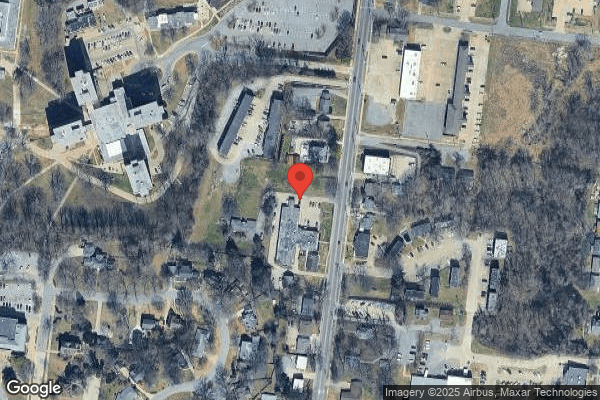
717 NORTH SPRIGG, CAPE GIRARDEAU, MO 63701 (573) 335-5810
For profit - Individual 46 Beds Independent Data: November 2025
Trust Grade
60/100
#111 of 479 in MO
Last Inspection: May 2025

Inspected within the last 6 months. Data reflects current conditions.

Overview

Ratliff Care Center has a Trust Grade of C+, which indicates a decent rating that is slightly above average. They rank #111 out of 479 facilities in Missouri, placing them in the top half, and #5 out of 8 in Cape Girardeau County, meaning only four local options are better. The facility is showing a worsening trend, with the number of issues increasing from 5 in 2024 to 8 in 2025. Staffing is a concern here, with a rating of 2 out of 5 stars and a high turnover rate of 78%, significantly above the state average. While there have been no fines, which is a positive aspect, the facility has faced issues such as failing to submit accurate staffing information to Medicare and Medicaid, and concerns about food safety, which could pose health risks to residents. Overall, families should weigh these strengths and weaknesses carefully when considering this facility.

Trust Score
C+
60/100
In Missouri
#111/479
Top 23%
Safety Record
Low Risk
No red flags
Inspections
Getting Worse
5 → 8 violations
Staff Stability
⚠ Watch
78% turnover. Very high, 30 points above average. Constant new faces learning your loved one's needs.
Penalties
✓ Good
No fines on record. Clean compliance history, better than most Missouri facilities.
Skilled Nurses
⚠ Watch
Each resident gets only 29 minutes of Registered Nurse (RN) attention daily — below average for Missouri. Fewer RN minutes means fewer trained eyes watching for problems.
Violations
⚠ Watch
22 deficiencies on record. Higher than average. Multiple issues found across inspections.
★★★★☆
4.0
Overall Rating
★★☆☆☆
2.0
Staff Levels
★★☆☆☆
2.0
Care Quality
★★★★☆
4.0
Inspection Score
Stable
2024: 5 issues
2025: 8 issues

The Good

  • Full Sprinkler Coverage · Fire safety systems throughout facility
  • No fines on record

Facility shows strength in fire safety.

The Bad

Staff Turnover: 78%

31pts above Missouri avg (46%)

Frequent staff changes - ask about care continuity

Staff turnover is very high (78%)

30 points above Missouri average of 48%

The Ugly 22 deficiencies on record

May 2025 8 deficiencies
CONCERN (D)

Potential for Harm - no one hurt, but risky conditions existed

Deficiency F0605 (Tag F0605)

Could have caused harm · This affected 1 resident

Based on interview and record review, the facility failed to monitor the drug regimen for unnecessary medications by not ensuring the as needed (PRN) psychotropic (medications that affect a persons me...

Read full inspector narrative →
Based on interview and record review, the facility failed to monitor the drug regimen for unnecessary medications by not ensuring the as needed (PRN) psychotropic (medications that affect a persons mental state) medication orders were limited to 14 days unless specific duration and clinical rationale were provided for one resident (Resident #17) out of five sampled residents. The facility census was 35. Review of the facility's policy titled, PRN Medications, undated, showed: - Ensure PRN orders are evaluated for diagnosis, continuing need, and relevant documentation; - To provide guidelines to ensure proper diagnosis and documented need and effectiveness of PRN medications; - When receiving an order for a PRN medication, make sure the appropriate diagnosis is received. Document the need for the medication and effectiveness of the medication. Pharmacy and nursing to review PRN medications quarterly and request to discontinue medication for non-use or schedule medication if continual use and effectiveness warrant; - Did not address PRN psychotropic medications were limited to 14 days unless a clinical rationale was documented by the physician. 1. Review of Resident #17's April 2025 Physician Order Sheet (POS) showed: - Diagnoses of major depressive disorder (a serious medical illness that negatively affects how you feel, the way you think and how you act), anxiety (persistent worry and fear about everyday situations), Alzheimer's disease (a progressive neurodegenerative disorder that affects memory, thinking and behavior) and history of falling; - An order for Ativan (an antianxiety medication) 0.5 milligram (mg) by mouth every 12 hours PRN for pain moderate related to restlessness and agitation for one month, dated 04/27/25. Review of the resident's Medication Regimen Review (MRR), dated 04/28/25, showed: - The pharmacist did not address the Ativan PRN order; - No documentation for a request of a clinical rationale to continue the PRN Ativan medication past the 14-day timeframe by the pharmacist. Review of the resident's May 2025 POS showed: - An order for Ativan 0.5 mg by mouth every 12 hours PRN for pain moderate related to restlessness and agitation for one month, dated 05/27/25. Review of the resident's medical record showed: - No clinical rationale documented by the physician for the 30 day PRN Ativan 0.5 mg orders for April and May 2025. Review of the resident's May 2025 Medication Administration Record (MAR) showed: - Ativan 0.5 mg administered on 05/07/25 and 05/09/25. During an interview on 05/29/25 at 10:25 A.M., the Pharmacist said a PRN psychotropic medication order should have a 14-day duration. If the medication needed to be continued, another 14-day duration period would need to be recommended or requested upon the monthly pharmacy review. During an interview on 05/30/25 at 2:25 P.M., the Assistant Director of Nursing (ADON) said he/she was not aware a 14-day stop date should be placed on a PRN psychotropic medication order written for one month without a clinical rationale provided by the physician. During an interview on 05/30/25 at 2:27 P.M., the Director of Nursing (DON) said she was not aware a 14-day stop date should be placed on a PRN psychotropic medication order written for one month without a clinical rationale provided by the physician. During an interview on 05/30/25 at 2:29 P.M., the Administrator said he was not aware a 14-day stop date should be placed on a PRN psychotropic medication order written for one month without a clinical rationale provided by the physician.
CONCERN (D)

Potential for Harm - no one hurt, but risky conditions existed

Abuse Prevention Policies (Tag F0607)

Could have caused harm · This affected 1 resident

Based on interview and record review, the facility failed to follow per the facility policy to complete criminal background checks (CBC) for two employees (Employee A and Employee B) of 10 sampled emp...

Read full inspector narrative →
Based on interview and record review, the facility failed to follow per the facility policy to complete criminal background checks (CBC) for two employees (Employee A and Employee B) of 10 sampled employees prior to hire. The facility census was 35. Review of the facility's policy titled, Employee Disqualification List (EDL) Procedures, dated July 1, 2019, showed: - As a licensed facility, we are required to use the EDL Automated System and investigate criminal background on all new hires; - Prior to working, the facility will check criminal background through the Missouri Highway Patrol or the Family Safety Registry on all new employees prior to contact with any resident. 1. Review of Employee A's personnel file showed: - A hire date of 09/29/24; - No documentation the CBC was completed before the employee's hire date. 2. Review of Employee B's personnel file showed: - A hire date of 01/19/25; - No documentation the CBC was completed before the employee's hire date. During an interview on 05/30/25 at 11:35 A.M., the Administrator said the CBC should be checked on all new hires before they were to work in the facility. During an interview on 05/30/25 at 2:47 P.M., the Director Of Nursing (DON) said she would expect the CBC along with all new hire paperwork to be completed before staff would work in the facility.
CONCERN (D)

Potential for Harm - no one hurt, but risky conditions existed

Investigate Abuse (Tag F0610)

Could have caused harm · This affected 1 resident

Based on interview and record review, the facility failed to complete a thorough facility investigation that included all of the elements outlined in the facility policy related to a bruise of unknown...

Read full inspector narrative →
Based on interview and record review, the facility failed to complete a thorough facility investigation that included all of the elements outlined in the facility policy related to a bruise of unknown origin involving one resident (Resident #21) out of one sampled resident. The facility census was 35. Review of the facility's policy titled, Abuse Prohibition Protocol Manual, undated, showed: - It is the policy of this facility to prohibit mistreatment, neglect, and abuse of residents and misappropriation of resident's property. The facility defines abuse as the willful infliction of injury, unreasonable restriction, threat or punishment with resulting physical harm or pain, or mental pain or deprivation by an individual, including a caretaker, of goods or services that are necessary to achieve or maintain physical, mental and social well being; - To assure that everything possible to prevent abuse is being done, the facility has implemented the following seven components process. The seven components were screening, training, prevention, identification, protection, investigation, and reporting and response; -It is the policy of this facility to provide a through orientation and continuing education to prevent abuse, neglect, mistreatment of resident and misappropriation of resident property. The orientation and continuing education will include, but not limited to, appropriate interventions to deal with aggressive and/or catastrophic reaction of residents, reporting of staff knowledge of abuse allegations without fear of reprisal, how to recognize signs of burnout and stress that may lead to abuse, what constitutes abuse, neglect and misappropriations of resident property; - Prevention Information Policy and Procedure portion of this policy addressed signs of physical abuse may include, but are not limited to: skin tears, swelling, burns, broken bones, scratches, unusual bruises, and cuts and irritation or tears around private parts; -To protect the resident from an employee during an abuse investigation, the employee will be suspended without pay during the investigation process; - All events listed under the Identification Section of this protocol will be initially investigated. The Registered Nurse (RN) Supervisor, Director of Nursing (DON), Assistant Administrator or Administrator can do this; - At such time that the Administrator, Assistant Administrator and/or DON believe that abuse has occurred, the Administrator, Assistant Administrator and/or DON will notify the appropriate state agencies; Review of the facility's policy titled, Abuse Prohibition Protocol Manual - Section 7, undated, showed: - The investigation is the process used to try and determine what happened. The designated facility personnel will begin the investigation immediately. A root cause investigation and analysis will be completed, The information gathered will be given to the administration; - When an incident or suspected incident of abuse is reported, the Administrator or designee will investigate the incident with the assistance of appropriate personnel. The investigation will include: who was involved, resident statements, resident's roommates statements, interviews obtained from three to four residents who received care from the alleged staff, interviews obtained from three to four different department staff, involved witness statements of events, a description of the resident's behavior and environment at the time of the incident, injuries present including an assessment, observation of the resident, and staff behaviors during the investigation; - All staff must cooperate during the investigation to assure the resident is fully protected; - The results of the investigation will be recorded and attached to the report; - The facility shall submit the following reports to the State Licensing Agency to report abuse, neglect and/or an unusual occurrence: 1. Memo that outlines and summarizes the events of the incident; 2. Investigative Report Form; 3. Facility Interval Investigative Reports shall be attached to the above State Required Report Forms; - The facility shall complete the following report forms for the internal investigation. These report forms shall be attached to the state required forms and all maintained in a file labeled Resident Abuse and Unusual Occurrence Reporting. This file shall be maintained and shall be readily available to State personnel when requested: 1. Resident Unusual Occurrence Investigative Report: a.) Completed by Registered Nurse (RN) Supervisor or Director of Nursing (DON) immediately upon notification of an incident, b.) Attach copies of photographs if indicated; 2. Statement of Resident Physical Condition Report; 3. Witness Statement completed for each individual involved in the incident: a.) Charge Nurse assigned, b.) Certified Nurses' Aid (CNA) assigned, c.) Any witness to the incident, d.) Resident Statement, e.) Accused Employee, Resident or other individual involved; 4. Grievance/Complaint Report if completed; 5. Any Counseling or Termination Reports. 6. Administrator's Summary of Investigative Process of Incident Form: a.) Completed by the Administrator to summarize the events, which occurred with the incident, b.) Attach all State Reporting Forms; 7. Submit all investigations and memo within five days to the State Licensing Agency. 1. Review of Resident #21's quarterly Minimum Data Set (MDS - a federally mandated assessment instrument completed by facility staff), dated 04/13/25, showed: - Diagnoses of hypertension (high blood pressure), dementia (a term for loss of memory and other thinking abilities severe enough to interfere with daily life), and paraplegia (loss or impairment of motor and sensory functions in the lower half of the body, typically affecting both legs); - Severely impaired cognition; - Dependent upon staff for all activities of daily living (ADLs). Review of the resident's Care Plan, revised 08/08/24, showed: - Totally dependent and required assistance of two staff for ADLs; - Hands with contractures (a condition where a muscle or a group of muscles, tendons, skin, or other tissues become permanently stiff and shortened, limiting movement at a joint or other body part); - Dependent on staff/family for meeting emotional, intellectual, physical, and social needs relayed to cognitive (things having to do with the way we think and process information) deficits; - An ADL self-care performance deficit related to dementia, limited range of motion (ROM - a joint or body part cannot move freely or as it normally can), and musculoskeletal impairment (a condition that can cause stiffness and limited ROM); - A communication problem related to diagnoses of dementia, pure motor hemiplegia (a stroke syndrome characterized by weakness or paralysis on one side of the body), and age related hearing loss; - Impaired visual function related to advanced age. Review of the resident's Nurses' Notes showed: - On 12/22/24 at 8:58 A.M., a bruise noted above the left eye with an unknown origin at this time; - On 12/23/24 at 8:43 A.M., a call was placed to the family regarding the bruise noted to the resident's left eye. Review of the resident's medical record showed: - No documentation the facility started an investigation as outlined in the facility policy for the resident's bruise of unknown origin found on 12/22/24. Review on 05/30/25 of the facility's Investigation and Summary Report related to the resident's bruise of unknown origin, dated 12/22/24, showed: - A copy of the resident's progress notes, dated 12/22/24 - 05/30/25; - A one paragraph handwritten summary of the resident's bruise of unknown origin by the Assistant Director of Nursing (ADON) on the back page of the progress note, dated 05/30/25, and signed by the ADON and the Administrator; - No documentation the facility completed a thorough facility investigation that included all of the elements outlined in the facility policy which included: Resident Unusual Occurrence Investigative Report, Statement of Resident Physical Condition Report, Resident Abuse Report/Investigation Form, Witness Statement, Administrator's Summary of Investigation Process of Incident, and Results Memo. During an interview on 05/30/25 at 9:25 A.M., the Administrator said the resident was known to move his/her hands and put them over his/her eyes. Education was verbally given to staff addressing abuse and neglect. Observations were made of the resident during staff transfers with no concerns. Since abuse or neglect was not suspected, Department of Health and Senior Services (DHSS) was not notified of the resident's bruise of unknown origin. During an interview on 05/30/25 at 9:41 A.M., the ADON said he/she observed the bruising above the resident's eye after breakfast on the morning of 12/23/24. Staff was interviewed about the origin of the bruise. No staff knew how it happened. The ADON called the resident's family to inform him/her of the bruise. The process for any injury of unknown origin was to interview staff, call family, educate staff, and have a nurse make observations while the resident was transferred by staff. This was done as a prevention to rule out an issue with the Hoyer lift (a mechanical lift). The incident went on the 24-hour report sheet and all the steps were completed, but the facility did not have any documentation of it.
CONCERN (D)

Potential for Harm - no one hurt, but risky conditions existed

Deficiency F0657 (Tag F0657)

Could have caused harm · This affected 1 resident

**NOTE- TERMS IN BRACKETS HAVE BEEN EDITED TO PROTECT CONFIDENTIALITY** Based on observation, interview, and record review, the facility failed to update and revise care plans with specific interventi...

Read full inspector narrative →
**NOTE- TERMS IN BRACKETS HAVE BEEN EDITED TO PROTECT CONFIDENTIALITY** Based on observation, interview, and record review, the facility failed to update and revise care plans with specific interventions tailored to meet individual needs for two residents (Residents #3 and #35) out of 12 sampled residents. The facility census was 35. Review of the facility's policy titled, Care Plan, undated, showed: - Care plans will be developed by the interdisciplinary team (IDT), in collaboration with the resident and family in order to make reasonable goals and interventions to achieve obtainable goals per resident ability; - The care plan will include resident's current abilities and will continue the goals of care. It will include measurable objectives and timetables for individualized interventions. It will also include a resident's baseline, specific goals for monitoring of all interventions for effectiveness, medication indication/rationale for use based on clinical guidelines; - Care plans will be reviewed by care plan coordinator as changes occur and updated as needed. 1. Review of the Resident #3's medical record showed: - admitted on [DATE]; - Diagnoses of type II diabetes mellitus (DM - a condition that affects the way the body processes blood sugar), dementia (a disorder marked by memory loss, personality changes, and impaired reasoning that interferes with daily functioning), and repeated falls. Review of the resident's Restraint: Side Rail or Alternative Decision Tree, dated 05/13/25, showed: - No assist bars used. Review of the resident's Care Plan, dated 05/14/25, showed: - Did not address assist bars. Observations on 05/27/25 at 10:39 A.M., 05/28/25 at 8:49 A.M., 05/29/25 at 9:36 A.M.,and 3:11 P.M., and 05/30/25 at 10:46 A.M., showed: - The resident lay in bed with the left and right U-shaped assist bars in the upright position. During an interview on 05/27/25 at 10:44 A.M., Nurse Aide (NA) C said the resident used both assist bars to turn while transferred in bed. During an interview on 05/27/25 at 10:46 A.M., Certified Nurse Assistant (CNA) D said the resident used his/her assist bars to turn while transferred in bed. During an interview on 05/28/25 at 12:54 P.M., the resident said he/she used the assist bars for repositioning in bed and turning side to side. 2. Review of the Resident #35's medical record showed: - admitted on [DATE]; - Diagnoses of fractured left femur (broken upper leg bone), hemiplegia (paralysis of one side of the body), cerebral infarction (stroke), type II DM, and repeated falls. Review of the resident's Incident Progress Notes showed: - On 04/12/25, the resident reported an unwitnessed fall in the room with no injury noted; - On 04/15/25, the resident found on his/her hands and knees in front of the wheelchair in the room with no injury noted; - On 04/17/25, the resident with a witnessed fall while being transferred to the bathroom by a staff member with no injury noted; - On 04/23/25, the resident found on floor beside his/her bed with extreme pain to the left trochanter (the point at where the hip and thigh muscles attach) and sent to the emergency room (ER) due to the injury; - On 04/28/25, the resident returned to the facility; - On 04/29/25, the resident lay on his/her back on the floor next to his/her bed and sent to the ER and returned to facility with no new injury; - On 05/26/25, the resident in a seated position by his/her bed with no injury noted. Review of the resident's Care Plan, dated 04/09/25, showed: - An actual fall with a serious injury hip fracture; - At high risk for falls related to confusion, gait/balance problems, unaware of safety needs, and vision/hearing problems; - Interventions of: ensure call light is within reach and encourage to use the call light; - Not revised and/or updated after multiple reported falls with no additional interventions put in place for safety measures. Observations on 05/27/25 at 9:49 A.M., 05/28/25 at 9:58 A.M., 05/29/25 at 3:23 P.M. and 05/30/25 at 10:58 A.M., showed: - Resident lay in bed with the call light within reach; - No other fall interventions. During an interview on 05/29/25 at 10:21 A.M., Therapy Employee G said the resident had a history of falls and the facility had implemented fall mats at one point. The resident had dementia and it was hard to get him/her to use the call light for assistance. During an interview on 05/30/25 at 2:35 P.M., the Assistant Director of Nursing (ADON) said if a resident needed or used assist bars for repositioning, an assessment should be completed. The care plan should be updated to reflect the need for the assist rails. The resident's care plan should be updated for falls and interventions with safety measures put in place for the resident. During an interview on 05/30/25 at 2:37 P.M., the Director of Nursing (DON) said the care plan should include assist bars for any resident that used them for repositioning along with a completed assessment. There should be fall interventions in place and the care plan should be updated to ensure safety measures for the resident. During an interview on 05/30/25 at 2:40 A.M., the Administrator said resident care plans should have fall interventions put in place to ensure safety measures. The care plan should also reflect when a resident used assist bars for repositioning along with an accurate assessment completed to ensure the resident safety.
CONCERN (D)

Potential for Harm - no one hurt, but risky conditions existed

Deficiency F0729 (Tag F0729)

Could have caused harm · This affected 1 resident

Based on observation, interview, and record review, the facility failed to ensure two Certified Nursing Assistants (CNAs)/Certified Medication Technicians (CMTs) (CNA/CMT D and CNA/CMT E) maintained a...

Read full inspector narrative →
Based on observation, interview, and record review, the facility failed to ensure two Certified Nursing Assistants (CNAs)/Certified Medication Technicians (CMTs) (CNA/CMT D and CNA/CMT E) maintained active CNA and CMT certificates while performing CMT duties. The facility census was 35. The facility did not provide a policy in regards to maintaining certification for CNAs. 1. Review of CNA/CMT D's personnel record showed: - Hire date of 01/16/25; - Missouri Certified Nurse Aide Certification issued on 01/01/23, and inactive on 01/01/25. Review on 05/30/25, of CNA/CMT D's Missouri CNA Registry showed: - CNA/CMT certifications became inactive on 01/01/25. Observations on 05/29/25 at 8:44 A.M., 8:48 A.M., and 8:57 A.M., showed: - CNA/CMT D administered medications to residents. 2. Review of CNA/CMT E's personnel record showed: - Hire date of 09/04/12; - Missouri Certified Nurse Aide Certification issued on 01/01/23, and inactive on 01/01/25. Review on 05/30/25, of CNA/CMT E's Missouri CNA Registry showed: - CNA/CMT certifications became inactive on 01/01/25. Observations on 05/30/25 at 8:45 A.M., showed: - CNA/CMT E administered medications to residents. During an interview on 06/03/25 at 11:13 A.M., CNA/CMT E said he/she did not know the certification was inactive until the Administrator told him/her. Most of his/her duties included administering medications to the residents, however if needed, he/she did work the floor as a CNA and assisted the residents. During an interview on 06/04/25 at 8:17 A.M., CNA/CMT D said he/she was aware his/her certification had been inactive. He/She completed the renewal process in May 2025, and thought it was completed. Most of his/her duties included administering medications to the residents, but if needed, he/she worked the floor as a CNA and assisted the residents with care. During an interview on 05/30/25 at 11:35 A.M., the Administrator said there had been a staff turnover and he had tried to keep up with everything. He was unaware CNA/CMT D and CNA/CMT E's certification were inactive. During an interview on 05/30/25 at 2:47 P.M., the Director of Nursing (DON) said she would expect all certifications to be active.
CONCERN (D)

Potential for Harm - no one hurt, but risky conditions existed

Infection Control (Tag F0880)

Could have caused harm · This affected 1 resident

Based observation, interview, and record review, the facility failed to follow enhanced barrier precautions (EBP) during wound care for one resident (Resident #20) out of one sampled resident. The fac...

Read full inspector narrative →
Based observation, interview, and record review, the facility failed to follow enhanced barrier precautions (EBP) during wound care for one resident (Resident #20) out of one sampled resident. The facility failed to implement proper infection control practices during a gastrostomy tube (g-tube - a tube inserted in the stomach to provide nutrition and medications) dressing change for one resident (Resident #32) out of two sampled residents. The census was 35. Review of the facility's policy titled, Enhanced Barrier Precautions, dated April 2024, showed: - EBP is designed to prevent transmission of multidrug resistant organisms (MDRO's) during high contact resident care activities where contact precautions do not apply; - Personal protective equipment (PPE) including gown and gloves are used; - EBP are indicated for residents with any of the following: - Infection or colonization with a Centers for Disease Control and Prevention (CDC)-targeted MDROs when contact precautions do not otherwise apply; - Chronic wounds; - Indwelling medical devices, even if the resident is not known to be infected or colonized with a MDRO; - Wounds generally include chronic wounds, not shorter-lasting wounds, such as skin breaks or skin tears covered with an adhesive bandage or similar dressing; - Chronic wounds include, but are not limited to pressure ulcers injury to skin and underlying tissue from prolonged pressure), diabetic foot ulcers, unhealed surgical wounds and venous stasis ulcers; - Indwelling medical device examples include central lines, urinary catheters, feeding tubes, and tracheostomies; - For residents whom EBP are indicated, EBP is employed when performing the following high contact resident care activities: - Device care or use: central line, urinary catheter, feeding tube, tracheostomy cleaning; - Wound care: any skin opening requires a dressing; - [NAME] gown/glove icons will be placed by resident nametags on the outside of the door to notify staff of EBP. Review of the facility's policy titled, Wound Care Policy and Procedure, undated, showed: - Perform hand hygiene (wash hands or use hand sanitizer) before dressing change; - Put on clean gloves and gown if resident on EBP; - Prepare clean area for gathered supplies (as per the physician order) for dressing change; - Put on clean gloves to remove dirty dressing; - Remove gloves and perform hand hygiene; - Put on clean gloves to apply new dressing, avoid contamination, ensure that anything contacting the wound has not been contaminated; - Change gloves and perform hand hygiene as needed; - Dispose of used dressing, gloves, and gown properly; - Perform hand hygiene post dressing change. 1. Review of Resident #20's May 2025 Physician Order Sheet (POS) showed: - Diagnoses of hemiplegia (paralysis of one side of the body) following a cerebral infarction (stroke) affecting the right side and pressure ulcer of right heel, unstageable (so severe that depth and extent cannot be measured); - An order for the right calf skin tear to clean the area with wound cleanser, apply Xeroform (a type of wound dressing) or impregnated gauze, cover with kerlix (a type of wound dressing) daily every day shift, dated 05/29/25. Observation on 05/30/25 at 10:20 A.M., of the resident's wound care showed: - [NAME] gown/glove signage on outside of the resident room; - A three-drawer cart of PPE under the resident sink; - Registered Nurse (RN) H and Licensed Practical Nurse (LPN) I performed hand hygiene, put on gloves, and did not put on a gown; - RN H used scissors to cut the soiled dressing and did not sanitize the scissors prior to use; - RN H removed gloves and did not perform hand hygiene; - RN H put on clean gloves and used wound cleanser to clean the wound; - RN H removed gloves and did not perform hand hygiene; - RN H applied Xeroform to the wound on the resident's calf; - RN H placed an ABD (high-absorbency wound dressing) pad to the heel which was covered by a dressing for another wound, did not change gloves, did not perform hand hygiene, did not get a clean ABD pad, and moved the ABD from the heel wound dressing to the wound on the back of the resident's calf, did not change gloves, and did not perform hand hygiene; - RN H secured the Xeroform with gauze wrap and secured with tape. 2. Review of Resident #32's POS showed: - Diagnoses of Alzheimer's disease (decline in memory, thinking and reason) and moderate protein-calorie malnutrition (deficiency in protein and calories resulting in becoming underweight); - An order to clean g-tube site and apply a drain sponge (a type of dressing) daily and as needed, dated 11/07/24; - An order for 150 milliliter (ml) water flush every four hours, dated 11/06/24; Observation on 05/29/25 at 9:31 A.M. of the resident's g-tube flush and g-tube dressing change showed: - [NAME] gown/glove signage on outside of resident room; - A three-drawer cart of PPE under the resident sink; - RN J put on a gown and gloves and performed hand hygiene; - RN J connected a syringe to the g-tube; - RN J flushed the g-tube with 150 ml of water, did not change gloves, and did not perform hand hygiene; - RN J removed the drain sponge dressing with visible drainage from around the g-tube site; - RN J did not change gloves, did not perform hand hygiene, and cleaned the g-tube site with wound cleanser and gauze; - RN J did not change gloves, did not perform hand hygiene, applied a clean drain sponge dressing to around the g-tube site, secured the dressing with tape, and initialed and dated the dressing. During an interview on 05/29/25 at 9:30 A.M., RN J said staff should wear gowns to protect the residents with g-tubes or chronic wounds . Hand hygiene should be done when going from dirty to clean tasks. During an interview on 05/30/25 at 12:14 P.M., the Infection Preventionist said EBP were for residents that had catheters, drug-resistant bacteria, wounds, or indwelling medical devices. Nurses performing wound care, g-tube care or dressing changes should be wearing gowns and gloves. Gloves should be changed and hand hygiene should be done when going from dirty to clean tasks. During an interview on 05/30/25 at 2:21 P.M., the Director of Nursing (DON) said PPE should be worn for residents on EBP. Staff knew residents with a green gown and glove icon required PPE while providing high-contact care, such as wound care or g-tube care. Staff should be changing gloves and performing hand hygiene anytime they go from dirty to clean tasks. During an interview on 05/30/25 at 2:25 P.M., the Administrator said staff should be wearing PPE in resident rooms that had a green gown and glove icon on the outside of the door. Staff should change gloves and wash hands when going from dirty to clean tasks during wound care or g-tube care.
CONCERN (D)

Potential for Harm - no one hurt, but risky conditions existed

Deficiency F0947 (Tag F0947)

Could have caused harm · This affected 1 resident

Based on interview and record review, the facility failed to conduct at least twelve hours of certified nurse aide (CNA) in-service education per year and failed to provide the required annual compete...

Read full inspector narrative →
Based on interview and record review, the facility failed to conduct at least twelve hours of certified nurse aide (CNA) in-service education per year and failed to provide the required annual competencies of Abuse and Neglect Prevention and Dementia Care (care of a resident with an impaired ability to remember, think, or make decisions) for one CNA F out of two sampled CNAs. The facility census was 35. Review of the facility's policy titled, Training and Implementation Guideline, undated, showed: - All staff will be provided ongoing education related to their position; - Have a consistent and effective process for education for employees about the policies and procedures in a matter that enables effective and consistent implementation and ongoing adherence at all levels care of care; - Develop training schedule, format and length including location that is most effective and cost effective manner; - Ensure training material maintains state guidelines; - The policy did not address CNA in-services, at least 12 hours in a year, including dementia management and abuse prevention. Review of the Facility Assessment, revised May 2025, showed: - Staff competencies and annual training requirements per regulatory authority and/or facility policy: Abuse, neglect, and dementia care management; - Other areas identified as areas of weakness during annual performance review/competency evaluation. 1. Review of the CNA F's March 2024 - February 2025 In-service Records showed: - A hire date of 03/23/24; - No documentation of the total in-service training hours; - No documentation of an annual competency in-service on Abuse and Neglect Prevention and Dementia Care. During an interview on 05/29/25 at 3:35 P.M., the Assistant Director of Nursing (ADON) said CNAs should have the required 12-hours of annual in-services including abuse, neglect and dementia topics and training. The former Director of Nursing (DON) was responsible for keeping up with the in-services and quit in December 2024. The in-service binder could not be located. During an interview on 05/29/25 at 3:37 P.M., the DON said CNAs should have the required 12-hours of annual in-services including abuse, neglect and dementia topics and training. During an interview on 05/30/25 at 2:50 P.M., the Administrator said CNAs should have the required 12-hours of annual in-services including abuse, neglect and dementia topics and training.
CONCERN (E)

Potential for Harm - no one hurt, but risky conditions existed

Deficiency F0570 (Tag F0570)

Could have caused harm · This affected multiple residents

Based on interview and record review, the facility failed to maintain the surety bond (a purchased bond for security of resident's personal funds) for at least one and one half times the average month...

Read full inspector narrative →
Based on interview and record review, the facility failed to maintain the surety bond (a purchased bond for security of resident's personal funds) for at least one and one half times the average monthly balance of the resident's personal funds for the last 12 consecutive months from May 2024 through April 2025. The facility census was 35. The facility did not provide a policy regarding surety bonds. Review of the Residents' Personal Funds Account for the last 12 consecutive months from May 2024 through April 2025 showed: - The facility's approved bond amount equaled $35,000.00; - The average monthly balance of the residents' personal funds equaled $31,517.90; - An average monthly balance of $31,517.90 rounded to the nearest thousand equaled $32,000.00, at one and one half times will equal the required bond amount of at least $48,000.00. During an interview on 05/29/25 at 1:36 P.M., the Business Office Manager said the surety bond should be one and one-half times more than the average daily balance in the resident trust account. During an interview on 05/29/25 at 1:39 P.M., the Administrator said the surety bond should be one and one-half times more than the average daily balance in the resident trust account.
May 2024 5 deficiencies
CONCERN (D)

Potential for Harm - no one hurt, but risky conditions existed

Transfer Notice (Tag F0623)

Could have caused harm · This affected 1 resident

**NOTE- TERMS IN BRACKETS HAVE BEEN EDITED TO PROTECT CONFIDENTIALITY** Based on interview and record review, the facility failed to notify the resident and/or the resident's representative in writing...

Read full inspector narrative →
**NOTE- TERMS IN BRACKETS HAVE BEEN EDITED TO PROTECT CONFIDENTIALITY** Based on interview and record review, the facility failed to notify the resident and/or the resident's representative in writing of a facility-initiated transfer when four residents (Resident #4, #9, #30, and #32) out of four sampled residents transferred to the hospital. The facility's census was 40. Review of the facility's policy titled, Bed Hold, undated, showed the resident and/or representative will be notified, in writing of the resident transfer. 1. Review of Resident #4's medical record showed: - Transferred to the hospital on [DATE], and readmitted to the facility on [DATE]; - No documentation the resident or resident representative was informed in writing of the transfer/discharge to the hospital. 2. Review of Resident #9's medical record showed: - Transferred to the hospital on [DATE], and readmitted to the facility on [DATE]; - No documentation the resident or resident representative was informed in writing of the transfer/discharge to the hospital. 3. Review of Resident #30's medical record showed: - Transferred to the hospital on [DATE], and readmitted to the facility on [DATE]; - Transferred to the hospital on [DATE], and readmitted to the facility on [DATE]; - No documentation the resident or resident representative was informed in writing of the transfer/discharge to the hospital. 4. Review of Resident #32's medical record showed: - Transferred to the hospital on [DATE], and returned to the facility on [DATE]; - Transferred to the hospital on [DATE], and returned to the facility on [DATE]; - Transferred to the hospital on [DATE], and readmitted to the facility on [DATE]; - Transferred to the hospital on [DATE], and readmitted to the facility on [DATE]; - No documentation the resident or resident representative was informed in writing of the transfer/discharge to the hospital. During an interview on 05/16/24 at 8:58 A.M., Registered Nurse (RN) C said when a resident was transferred to the hospital the nurse called the family and the physician for the order. The nurse printed the resident's cover sheet and a copy of the insurance card, arranged transportation and called report to the emergency room. During an interview on 05/16/24 at 9:42 A.M., the Social Services Designee said a transfer form was completed by the nurse on a transfer. A copy went with the resident to the hospital and the other was mailed to the family. During an interview on 05/16/24 at 12:30 P.M., the Administrator said that he would expect residents and/or their representatives to be notified in writing when a resident was transferred to the hospital.
CONCERN (D)

Potential for Harm - no one hurt, but risky conditions existed

Deficiency F0625 (Tag F0625)

Could have caused harm · This affected 1 resident

**NOTE- TERMS IN BRACKETS HAVE BEEN EDITED TO PROTECT CONFIDENTIALITY** Based on interview and record review, the facility failed to inform the resident and/or legal representative in writing of thei...

Read full inspector narrative →
**NOTE- TERMS IN BRACKETS HAVE BEEN EDITED TO PROTECT CONFIDENTIALITY** Based on interview and record review, the facility failed to inform the resident and/or legal representative in writing of their bed hold policy at the time of transfer to the hospital for four residents (Residents #4, #9, #30, and #32) out of four sampled residents. The facility's census was 40. Review of the facility's policy titled, Bed Hold, undated, showed: - If a resident is discharged to the hospital or goes out of the facility for an overnight leave of absence, the bed may be held by paying the current room rate for the bed being reserved; - Will notify all residents and/or their representatives of the bed hold policy upon admission; - Resident and/or representative will be notified, in writing of a resident transfer; - The resident and/or representative must notify the Social Services Department of choice to hold or not hold the bed within 72 hours of receipt of the transfer notice; - If the bed is held, the resident and/or representative will be charged the current room rate for days held. 1. Review of Resident #4's medical record showed: - Transferred to the hospital on [DATE], and readmitted to the facility on [DATE]; - No documentation the resident or resident representative was informed in writing of the facility bed hold policy at the time of the transfer. 2. Review of Resident #9's medical record showed: - Transferred to the hospital on [DATE], and readmitted to the facility on [DATE]; - No documentation the resident or resident representative was informed in writing of the facility bed hold policy at the time of the transfer. 3. Review of Resident #30's medical record showed: - Transferred to the hospital on [DATE], and readmitted to the facility on [DATE]; - Transferred to the hospital on [DATE], and readmitted to the facility on [DATE]; - Transferred to the hospital on [DATE], and readmitted to the facility on [DATE]; - No documentation the resident or resident representative was informed in writing of the facility bed hold policy at the time of the transfer. 4. Review of Resident #32's medical record showed: - Transferred to the hospital on [DATE], and readmitted to the facility on [DATE]; - Transferred to the hospital on [DATE], and readmitted to the facility on [DATE]; - Transferred to the hospital on [DATE], and readmitted to the facility on [DATE]; - Transferred to the hospital on [DATE], and readmitted to the facility on [DATE]; - No documentation the resident or resident representative was informed in writing of the facility bed hold policy at the time of the transfer. During an interview on 05/16/24 at 8:58 A.M., Registered Nurse (RN) C said he/she was not sure about the bed hold policy. During an interview on 05/16/24 at 8:59 A.M., Licensed Practical Nurse (LPN) D said the nurses did not have anything to do with the bed hold policy. That was handled by Administration or the Social Service Designee (SSD). During an interview on 05/16/24 at 9:42 A.M., the SSD said the bed hold agreement was signed on admission. During an interview on 05/16/24 at 12:30 P.M., the Administrator said he expected residents and/or their representatives to be given the bed hold notice when residents were transferred to the hospital.
CONCERN (D)

Potential for Harm - no one hurt, but risky conditions existed

Deficiency F0700 (Tag F0700)

Could have caused harm · This affected 1 resident

**NOTE- TERMS IN BRACKETS HAVE BEEN EDITED TO PROTECT CONFIDENTIALITY** Based on observation, interview, and record review, the facility failed to assess residents for the use of bed rails, and faile...

Read full inspector narrative →
**NOTE- TERMS IN BRACKETS HAVE BEEN EDITED TO PROTECT CONFIDENTIALITY** Based on observation, interview, and record review, the facility failed to assess residents for the use of bed rails, and failed to obtain an informed consent from the resident or the resident's representative for four residents (Resident #7, #25, #28, and #41) out of four sampled residents with bed rails. The facility's census was 40. Review of facility's policy titled, Restraints - Seatbelts - Side Rails, not dated, showed residents with side rails in place will be assessed for the need and safety of such devices upon admission, quarterly, and with any change in condition. 1. Review of Resident #7's medical record showed: - An admission date of 02/10/22; - Diagnoses of high blood pressure, dementia (a disorder marked by memory loss, personality changes, and impaired reasoning that interferes with daily functioning), anxiety (persistent worry and fear about everyday situations), and depression (a serious medical illness that negatively affects how you feel, the way you think, and how you act); - No documentation of any attempts made with alternative methods prior to the bed rail use; - No documentation of an informed consent signed explaining the risks and benefits for the bed rail use; - No documentation of a bed rail assessment completed. Review of the resident's quarterly Minimum Data Set (MDS - a federally mandated assessment completed by the facility), dated 03/22/24, showed: - Impaired cognition; - Partial/ moderate assistance with bed mobility; - No bed rail use. Review of the resident's care plan, dated 05/05/22, showed the assist bar bed rail use not addressed. Observations of the resident on 05/13/24 at 11:16 A.M., 05/14/24 at 1:35 P.M., and 05/15/24 at 3:05 P.M., showed the resident lay in bed with the 4 inch U-shaped assist bar bed rail in the upright position on the right side of the bed. 2. Review of Resident #25's medical record showed: - An admission date of 02/13/24; - Diagnoses of chronic obstructive pulmonary disease (COPD - a chronic inflammatory lung disease that causes obstructed airflow from the lungs), dysphagia (difficulty swallowing), atrial fibrillation (an irregular, often rapid heart rate that commonly causes poor blood flow), malignant neoplasm (cancer) of the larynx and bladder, congestive heart failure (a chronic condition in which the heart doesn't pump blood as well as it should), lack of coordination, and muscle weakness; - No documentation of any attempts made with alternative methods prior to the bed rail use; - No documentation of an informed consent signed explaining the risks and benefits for the bed rail use; - No documentation of a bed rail assessment completed. Review of the resident's admission MDS, dated [DATE], showed: - Moderately impaired cognition; - Substantial/ max assistance with bed mobility; - No bed rail use. Review of the resident's care plan, dated 02/24/24, showed the assist bar bed rail use not addressed. Observations of the resident on 05/13/24 at 11:05 A.M., and 05/16/24 at 10:30 A.M., showed the resident lay in bed with the 4 inch wide U-shaped assist bar bed rails in the upright position on the right and left side of the bed. 3. Review of Resident #28's medical record showed: - An admission date of 07/02/21; - Diagnoses of dementia, malignant neoplasm of the prostate, secondary malignant neoplasm of the bone, neuropathy (burning and numbness in the hands and feet), and chronic pain; - No documentation of any attempts made with alternative methods prior to the bed rail use; - No documentation of an informed consent signed explaining the risks and benefits for the bed rail use; - No documentation of a bed rail assessment completed. Review of the resident's annual MDS, dated [DATE], showed: - Impaired cognition; - Substantial/moderate assistance with bed mobility; - No bed rail use. Review of the resident's care plan, dated 04/18/24, showed showed bed rail use not addressed. Observation of the resident showed: - On 05/15/24 at 1:44 P.M., and 3:34 P.M., the resident lay in bed with the 4 inch wide U-shaped assist bar bed rail in the upright position on the left side side of the bed; - On 05/16/24 at 10:20 A.M., the resident lay in bed with the 4 inch wide U-shaped assist bar bed rail in the upright position on the right side of the bed. 4. Review of Resident #41's medical record showed: - An admission date of 04/05/24; - Diagnoses of pneumonia (infection in one or both lungs), depression, high blood pressure, atrial fibrillation, falls, back pain, and failure to thrive; - No documentation of any attempts made with alternative methods prior to the bed rail use; - No documentation of an informed consent signed explaining the risks and benefits for the bed rail use; - No documentation of a bed rail assessment completed. Review of the resident's admission MDS, dated [DATE], showed: - Impaired cognition; - Substantial/ max assistance with bed mobility; - No bed rail use. Review of the resident's care plan, dated 04/18/24, showed the assist bar bed rail use not addressed. Observations of the resident on 05/13/24 at 4:02 P.M., 05/14/24 at 2:00 P.M., and 05/15/24 at 2:30 P.M., showed the resident lay in bed with the 4 inch U-shaped assist bar bed rails in an upright position on the right and left sides of the bed. During an interview on 05/13/24 at 4:02 P.M., Resident #41 said he/she used the bed rails to get around in the bed and pull him/herself up in the bed. During an interview on 05/15/24 at 3:12 P.M., the Assistant Director of Nursing (ADON) said there was a screening tool for bed rails they used but there was no physician's order obtained or a consent signed. There was not an official bed rail reassessment. If a resident started to decline in function, the assist bar bed rail was removed.
CONCERN (D)

Potential for Harm - no one hurt, but risky conditions existed

Deficiency F0909 (Tag F0909)

Could have caused harm · This affected 1 resident

**NOTE- TERMS IN BRACKETS HAVE BEEN EDITED TO PROTECT CONFIDENTIALITY** Based on observation, interview, and record review, the facility staff failed to conduct regular inspections of all bed frames,...

Read full inspector narrative →
**NOTE- TERMS IN BRACKETS HAVE BEEN EDITED TO PROTECT CONFIDENTIALITY** Based on observation, interview, and record review, the facility staff failed to conduct regular inspections of all bed frames, mattresses and bed rails as part of a regular maintenance program for four residents (Resident #7, #25, # 28, and #41) out of four sampled residents with bed rails. The facility's census was 40. Review of facility's policy titled, Restraints - Seatbelts - Side Rails, not dated, showed residents with side rails in place will be assessed for the need and safety of such devices upon admission, quarterly, and with any change in condition. 1. Review of Resident #7's medical record showed: - admitted on [DATE]; - No documentation of maintenance assessments for the bed rails. Observations of the resident showed on 05/13/24 at 11:16 A.M., 05/14/24 at 1:35 P.M., and 05/15/24 at 3:05 P.M., the resident lay in bed with the 4 inch wide U-shaped assist bar bed rail in the upright position on the right side of the bed. 2. Review of Resident #25's medical record showed: - admitted on [DATE]; - No documentation of maintenance assessments for the bed rails. Observations of the resident on 05/13/24 at 11:05 A.M., and 05/16/24 at 10:30 A.M., the resident lay in bed with the 4 inch wide U-shaped assist bar bed rails in the upright position on the right and left sides of the bed. During an interview on 05/13/24 at 3:36 P.M., Resident #25 said that he/she used the bed rails to help turn in the bed. 3. Review of Resident #28's medical record showed: - admitted on [DATE]; - No documentation of maintenance assessments for the bed rails. Observation of the resident showed: - On 05/15/24 at 1:44 P.M., and 3:34 P.M., the resident lay in bed with the 4 inch wide U-shaped assist bar bed rail in the upright position on the left side side of the bed; - On 05/16/24 at 10:20 A.M., the resident lay in bed with the 4 inch wide U-shaped assist bar bed rail in the upright position on the right side of the bed. 4. Review of Resident #41's medical record showed: - admitted on [DATE]; - No documentation of maintenance assessments for the bed rails. Observations of the resident on 05/13/24 at 4:02 P.M., 05/14/24 at 2:00 P.M., and 05/15/24 at 2:30 P.M., showed the resident lay in bed with the 4 inch wide U-shaped assist bar bed rails in the upright position on the right and left sides of the bed. During an interview on 05/13/24 at 4:02 P.M., Resident #41 said he/she used the bed rails to get around in bed and pull him/herself up in the bed. During an interview on 05/15/24 at 3:12 P.M., the Assistant Director of Nursing (ADON) said there was a screening tool for bed rails they used but there was no physician's order obtained or a consent signed. There was not an official bed rail reassessment. If a resident started to decline in function, the assist bar bed rail was removed. During an interview on 05/15/24 at 2:44 P.M. Administrator said the facility did not have a maintenance person. He had divided up the maintenance duties between other employees. He got the assessment from the nurse and he put the rails on the bed. No assessments had been completed.
CONCERN (F)

Potential for Harm - no one hurt, but risky conditions existed

Staffing Data (Tag F0851)

Could have caused harm · This affected most or all residents

Based on interview and record review, the facility failed to electronically submit to The Center of Medicare and Medicaid Services (CMS) complete and accurate direct care staffing information no less ...

Read full inspector narrative →
Based on interview and record review, the facility failed to electronically submit to The Center of Medicare and Medicaid Services (CMS) complete and accurate direct care staffing information no less frequently than quarterly, for the quarter immediately preceding the annual survey. The census was 40. The facility did not provide a policy for direct care staffing information. Review of the facility's Payroll Based Journal (PBJ) staffing Data Report, for fiscal year quarter 1, 2024 (October 1 through December 31), showed the facility triggered for failing to submit data for the quarter. During an interview on 05/14/24 at 10:30 A.M.,, the Administrator said that he had not been submitting the PBJ information and he knew it should be submitted quarterly.
May 2023 2 deficiencies
CONCERN (D) 📢 Someone Reported This

A family member, employee, or ombudsman was alarmed enough to file a formal complaint

Potential for Harm - no one hurt, but risky conditions existed

Report Alleged Abuse (Tag F0609)

Could have caused harm · This affected 1 resident

Based on interview and record review, facility staff failed to report an allegation of abuse as per the facility's policy and procedure for one resident (Resident #1) when Certified Nurse Aide (CNA) A...

Read full inspector narrative →
Based on interview and record review, facility staff failed to report an allegation of abuse as per the facility's policy and procedure for one resident (Resident #1) when Certified Nurse Aide (CNA) A placed a hand and a pillow over Resident #1's face while assisting with the resident's care. The facility also failed to report the abuse allegation to the State Department within the two- hour timeframe. The facility census was 43. Review of the facility's Abuse Neglect Prohibition Policy, undated, showed: -Abuse is defined as the willful infliction of injury, unreasonable restriction, threat or punishment with resulting harm or pain, or mental pain, or deprivation by an individual of goods or services that are necessary to achieve or maintain physical, mental, and social well-being; -If staff see or suspect any form of abuse, it should be reported through one or all of the following ways: A. Write or tell your immediate Supervisor, a Charge Nurse, Director of Nursing (DON), Social Service Designee or Administrator; B. Give written information to the DON, Assistant Administrator, or Administrator; C. Write or tell the Ombudsman (an agency that assists residents to engage in self-directed and self-empowered advocacy); D. Call the state Hotline; -Any inappropriate staff behavior identified will be immediately corrected; -The Administrator, Assistant Administrator, and/or DON will notify the appropriate state agencies; -Each reportable incident must be reported to State Licensing Agency by telephone within 24 hours with a written investigation report submitted by fax within 5 days. (This is an outdated process as per the guidance provided by the state to the industry); -Facility policy did not address the timeframe for staff to report an allegation of abuse to a nurse or administration, immediate actions to be taken, and notification of law enforcement; Review of the facility's policy titled Abuse and Neglect: Prevent, Recognize, and Report Training Record, dated April 2023, showed: -It is the responsibility of every staff member to report any suspected abuse or neglect of any type; -Staff who suspect abuse of a resident by another professional caregiver should first report it to supervisors; This policy did not address timeframe for staff to report an allegation and the immediate actions to be taken. 1. Review of Resident #1's Face Sheet (admission data) showed: -Diagnoses of pseudobulbar affect (a neurological condition that causes inappropriate involuntary laughing or crying), anxiety, dementia, cerebral infarction (stroke caused by a disruption of blood flow to the brain) and cognitive communication deficit (a condition that cause difficulty with thinking and how language is used); -Had a responsible party. Review of the resident's Significant Change Minimum Data Set (MDS, a federally mandated assessment instrument completed by the facility staff), dated 04/26/2023, and showed the resident had severe cognitive impairment for daily decision-making. Record review showed the Facility Reported Incident (FRI) received in the regional office on 05/12/2023 at 6:04 P.M. Review of the facility's FRI Investigation Notes, dated as completed on 05/12/2023, showed: -Owner notified on 05/06/2023 (six days prior to the report received at the state agency) at 11:00 P.M. of an incident that occurred earlier in shift; -On 05/12/2023, received last witness statement; -Based on statements, incident reported to state agency; -No documentation of law enforcement notification. During a telephone interview on 05/24/2023 at 11:00 A.M., CNA B said: -On 05/06/23 at approximately 8:45 P.M., he/she provided care to the resident; -Resident #1 was combative and yelling; -CNA B looked up and saw CNA A put his/her hand over Resident #1's face; -CNA B looked up again and CNA A had put a pillow over the resident's face; -Nurse Aide (NA) C assisted as well, but was in and out of room during the resident's care; -CNA B told CNA A it was not okay to hold her hand over a resident's face and CNA A left the room; -CNA B said he/she was unsure of what to do so he/she waited approximately 2 hours until the end of his/her shift to talk to an oncoming CNA (CNA E); -CNA E said to call the Owner; -CNA B contacted the owner (not administrator or direct supervisor) and reported; -CNA B did not report the incident to the nurse, his/her supervisor on duty; -CNA B said he/she should have reported immediately to the nurse. During an interview on 05/24/2023 at 11:50 A.M., the DON said he/she expected staff to report any allegation of abuse or neglect immediately to the Charge Nurse or management. The DON said CNA B and NA C should have reported the incident to their supervisor immediately. During an interview on 05/24/2023 at 12:50 P.M., the Administrator said: -He was unable to determine if abuse occurred and had not contacted local law enforcement; -He expected all staff to report any allegation of abuse immediately to their supervisors or someone in administration; -Staff have been recently in-serviced on abuse and neglect; -He did not realize the time-frame for reporting abuse to the state agency was two hours; -He reported to the state agency on 05/12/2023 after completing his investigation, which was six days after the allegation of abuse, was initially reported to someone in administration. During a telephone interview on 05/24/2023 at 4:18 P.M., LPN D said CNA E reported the incident between Resident #1 and CNA A. CNA B's shift had ended but he/she had not left the building. LPN D told CNA B to call and report to the owner (Not the administrator). During a telephone interview on 05/24/2023 at 4:36 P.M., NA C said: -On 05/06/2023, he/she had gone in and out of the room while CNA B provided care to Resident #1; -NA C did observe CNA A place a hand over the resident's mouth and then a pillow over the resident's face twice; -He/she did not report the incident because CNA B said he/she would report; -He/she should have reported the incident to the charge nurse immediately after the care was over. MO00218374
CONCERN (D) 📢 Someone Reported This

A family member, employee, or ombudsman was alarmed enough to file a formal complaint

Potential for Harm - no one hurt, but risky conditions existed

Investigate Abuse (Tag F0610)

Could have caused harm · This affected 1 resident

Based on interview and record review, the facility failed to thoroughly investigate an allegation of physical abuse when a staff member reported Certified Nurse Aide (CNA) A placed a hand and a pillow...

Read full inspector narrative →
Based on interview and record review, the facility failed to thoroughly investigate an allegation of physical abuse when a staff member reported Certified Nurse Aide (CNA) A placed a hand and a pillow over Resident #1's face. The facility failed to document the alleged abuse in the resident's medical record, to notify the resident's responsible party and physician, and to interview all potential staff and other residents assigned to CNA A about potential abuse. Staff failed to follow the facility's policy on documentation of the completed investigation. The facility census was 43. Review of the facility's Abuse Neglect Prohibition Policy, undated, showed: -Abuse is defined as the willful infliction of injury, unreasonable restriction, threat or punishment with resulting harm or pain, or mental pain, or deprivation by an individual of goods or services that are necessary to achieve or maintain physical, mental, and social well-being; -It is the policy to investigate events that may indicate abuse; -Facility shall submit the following reports to State Licensing Agency to report abuse, neglect, and or an unusual occurrence: A. Memo outlining and summarizing the events of the incident; B. Investigation Report Form; C. Facility internal investigative reports shall be attached to the above State Required Report Forms; -Facility shall complete the following report forms for the internal investigation. These report forms shall be readily accessible to State personnel when requested: A. Resident Unusual Occurrence Investigation Report; B. Statement of Resident Physical Condition Report; C. Witness Statements, Grievance/Complaint Report if completed; D. Any counseling or Termination Report; E. Administrator's Summary of Investigation Process of Incident Form; -Submit investigation within five days to the State Licensing Agency; -Facility policy did not address the timeframe for staff to report an allegation of abuse to a nurse or administration, immediate actions to be taken by staff after allegation received, and notification of responsible party, physician, or law enforcement. Review of the facility's policy titled Abuse and Neglect: Prevent, Recognize, and Report Training Record, dated April 2023, showed: -It is the responsibility of every staff member to report any suspected abuse or neglect of any type; -Staff who suspect abuse of a resident by another professional caregiver should first report it to supervisors; -It is not the staff member's responsibility to investigate or confirm the abuse or neglect; -Supervisor, leadership, and/or human resources will follow up with an investigation; -Did not address timeframe for staff to report an allegation and the immediate actions to be taken. 1. Record review showed the Facility Reported Incident (FRI) received in the regional office on 05/12/2023 at 6:04 P.M. Review of the facility's FRI Investigation Notes, completed on 05/12/2023, showed: -Owner notified on 05/06/2023 (six days prior to the report received at the state agency) at 11:00 P.M. of an incident that occurred earlier in shift; -On 05/12/2023, received last witness statement; -Based on statements, incident reported to state agency; -No documentation of law enforcement notification. Review of Resident #1's Face Sheet (admission data) showed: -Diagnoses of pseudobulbar affect (a neurological condition that causes inappropriate involuntary laughing or crying), anxiety, dementia, cerebral infarction (stroke caused by a disruption of blood flow to the brain) and cognitive communication deficit (a condition that cause difficulty with thinking and how language is used); -Had a responsible party. Review of the resident's Significant Change Minimum Data Set (MDS, a federally mandated assessment instrument completed by the facility staff), dated 04/26/2023, showed the resident had severe cognitive impairment for daily decision making. Review of the resident's May 2023 Progress Notes showed no documentation of the reported incident or notification of the resident's responsible party and physician. Review of CNA B's written statement, dated 05/6/2023, showed: -On 05/6/23 at 8:45 P.M., resident assisted to bed by CNA A, CNA B, Nurse Aide (NA) C, and Licensed Practical Nurse (LPN) D; -Resident always tends to be vocal when being transferred; -LPN D left after resident placed in bed; -While providing care to the resident, CNA B noticed CNA A put his/her hand over the resident's mouth because he/she was being very vocal; -CNA B told CNA A not to do that because the resident cannot help it; -CNA B continued to assist the resident with care when he/she looked up again and saw CNA A holding a pillow over the resident's face; -CNA B removed the pillow and told CNA A that was not okay; -CNA A left the room; -CNA B told NA C that he/she was going to report what happened to the owner and NA C needed to report also. Review of CNA A's written statement, dated 05/08/23, showed: -The resident was kicking, scratching, and pinching during care; -Resident grabbed CNA A's arms and they held each other while CNA B provided care; -NA C was in and out of the room; -Resident rolled onto his/her side during care and a pillow fell on him/her; -CNA A did not grab the pillow because he/she and the resident held each other's hands. Review of NA C's written statement, undated, showed: -On evening of 05/06/23, resident had dementia and was screaming; -CNA A placed his/her hand on the resident's cheek and shook it a bit; -CNA A then placed entire hand over the resident's mouth; -CNA A then placed a pillow over the resident's face; -NA C removed pillow but CNA A put the pillow back on the resident's face; -NA C started to walk out to tell but CNA A got mad and walked out. During an interview on 05/24/23 at 10:05 A.M., the Administrator said he did not complete any investigation reports and the investigation only included the three witness statements. On 05/24/23 at 10:50 A.M., Administrator provided a written investigation statement. Review of facility's Investigation Notes, dated as completed on 05/12/23, showed: -On 05/06/23 at appropriately 2300 hours, CNA B phoned the Owner of facility to report an incident that occurred earlier in his/her shift regarding CNA A; -Owner advised CNA B to write down what she witnessed and would investigate; -After reviewing CNA B's documentation, CNA A was contacted and informed not to report to work on 05/07/23 and to report to Administrator on 05/08/23; -NA C was contacted and instructed to write down what was observed; -CNA A reported to Administrator on 05/08/23 as directed and was interviewed; -CNA A denied allegations and indicated it was retaliation from an earlier incident between her and CNA B; -CNA A provided written statement; -On 05/12/23, NA C provided written statement; -Based on CNA B and NA C statements decided to terminate CNA A; -Reported incident to DHSS; -No notification of the resident's responsible party and physician; -No interviews with additional staff and residents; -No review of the resident's medical record. During a telephone interview on 05/24/23 at 11:00 A.M., CNA B said: -On 05/06/23 at approximately 8:45 P.M., he/she was providing care and looked up and saw CNA A's hand over the resident's mouth; -Told CNA A not to do that; -Next time he/she looked up, CNA A was standing over the resident with a pillow pushing downward; -Removed pillow from resident and told CNA that was not okay; -CNA A walked out of the room; -Resident had been yelling during care but does not recall the resident having any other behaviors; -NA C in and out of room during the resident's care; -Did not see CNA A pick up the pillow and did not see him/her holding the resident's hands; -Unsure what to do so he/she waited approximately 2 hours until the end of his/her shift to talk with a night CNA; -The night CNA said to call the Owner; -Owner called and incident reported. During a telephone interview on 05/24/23 at 11:35 A.M., CNA A said: -Resident yelling, hitting, scratching, and kicking during care; -Denies placing a hand or a pillow over the resident's mouth; -Could not have done either of these things because he/she was holding the resident's hands during care; -Earlier in evening, he/she had disagreement with CNA B and believes CNA B said these things as retaliation. During an interview on 05/24/23 at 11:50 A.M., the DON said: -Staff did not document the incident in the resident's medical record since the resident unable to provide a statement; -Expected staff to document any incident in the resident's medical record; -Staff did not notify the resident's responsible party and physician; -Will contact the resident's responsible party. During an interview on 05/24/23 at 12:50 P.M. the Administrator said: -Unable to determine if abuse occurred but terminated CNA A has a precaution; -CNA A's statement was believable but differs from the other two statements; -Investigation forms were not completed as listed in the facility's policy; -A thorough investigation would include obtaining other residents' statements and all staff involved; -The resident's responsible party and physician should have been notified. During a telephone interview on 05/24/23 at 4:18 P.M., LPN D said: -Not notified of the incident until evening shift had ended at 11:00 P.M.; -Assessed resident and no injuries were noted; -Normal for resident to yell out during care; -Resident did try to bite an employee when being assisted to bed. During a telephone interview on 05/24/23 at 4:36 P.M., NA C said: -On 05/06/23 evening shift, resident was yelling during care. No other behaviors noted. Does not recall CNA A holding hands with the resident; -In and out of room during the resident's care; -CNA A placed her hand under the resident's jaw and covered her hand over the resident's mouth. CNA B said something and CNA removed hand; -CNA A then placed a pillow over the resident's face. NA C immediately removed pillow but CNA A placed pillow a second time. CNA B said not okay. CNA A left the room; -Did not report because CNA B said he/she would report. During a telephone interview on 05/24/23 at 4:50 P.M., the resident's responsible party said he/she was not notified of the alleged incident until today. MO00218374
Mar 2023 7 deficiencies
CONCERN (D)

Potential for Harm - no one hurt, but risky conditions existed

Deficiency F0655 (Tag F0655)

Could have caused harm · This affected 1 resident

Based on interview and record review, the facility failed to implement a baseline care plan upon admission with specific interventions for one resident (Resident #195) outside the sample of 12 sampled...

Read full inspector narrative →
Based on interview and record review, the facility failed to implement a baseline care plan upon admission with specific interventions for one resident (Resident #195) outside the sample of 12 sampled residents. The facility census was 43. Record review of the facility's Care Plan policy, revised 1/3/18, showed: - A care plan will be developed by the interdisciplinary team in collaboration with the resident or the resident's representative in order to develop individualized, person-centered interventions; - It will include measurable objectives and timetables for individualized interventions; - It will also include a resident's baseline, specific goals for monitoring of all interventions for effectiveness, and medication indication/rationale for use based on clinical guidelines. 1. Record review of Resident #195's medical record showed: - An admission date of of 3/8/23; - No documentation of a baseline care plan with specific interventions completed. During an interview on 3/22/23 at 10:00 A.M., Licensed Practical Nurse C said every new admit should have a baseline care plan completed upon admission with specific interventions and it should be part of the admission process. During an interview on 3/22/23 at 10:22 A.M., the Director of Nursing said she would expect every new admit to have a baseline care plan completed with specific interventions within 48 hours of admission to the facility. During an interview on 3/22/23 at 1:00 P.M., the Administrator said he would expect a baseline care plan with specific interventions completed within 48 hours for each new admission to the facility.
CONCERN (D)

Potential for Harm - no one hurt, but risky conditions existed

Comprehensive Care Plan (Tag F0656)

Could have caused harm · This affected 1 resident

Based on interview and record review, the facility failed to ensure comprehensive care plans were in place for two residents (Resident #15 and #17) out of 12 sampled residents and three residents (Res...

Read full inspector narrative →
Based on interview and record review, the facility failed to ensure comprehensive care plans were in place for two residents (Resident #15 and #17) out of 12 sampled residents and three residents (Resident #19, #23, and #194) outside the sample. The facility census was 43. Record review of the facility's Care Plan policy, revised 1/3/18, showed: - A care plan will be developed by the interdisciplinary team in collaboration with the resident or the resident's representative in order to develop individualized, person-centered interventions; - It will include measurable objectives and timetables for individualized interventions; - It will also include a resident's baseline, specific goals for monitoring of all interventions for effectiveness, medication indication/rationale for use based on clinical guidelines. 1. Record review of Resident #15's medical record showed: - An admission date of 1/20/23; - No documentation of a comprehensive care plan completed. 2. Record review of Resident #17's medical record showed: - An admission date of 7/25/22; - No documentation of a comprehensive care plan completed. 3. Record review of Resident #19's medical record showed: - An admission date of 7/26/22; - No documentation of a comprehensive care plan completed. 4. Record review of Resident #23's medical record showed: - An admission date of 7/19/22; - No documentation of a comprehensive care plan completed. 5. Record review of Resident #194's medical record showed: - An admission date of 2/24/22; - No documentation of a comprehensive care plan completed. During an interview on 3/22/23 at 10:00 A.M., Licensed Practical Nurse (LPN) C said every resident should have a comprehensive care plan in place and available for chart review. During an interview on 3/22/23 at 10:22 A.M., the Director of Nursing (DON) said every resident should have a comprehensive care plan in place with individualized interventions and available for chart review. During an interview on 3/22/23 at 1:00 P.M., the Administrator said he would expect every resident to have an individualized comprehensive care plan in place within a specific timeframe and accessible for review.
CONCERN (D)

Potential for Harm - no one hurt, but risky conditions existed

Deficiency F0658 (Tag F0658)

Could have caused harm · This affected 1 resident

Based on observation, interview, and record review, the facility failed to obtain a physician's order for a Foley catheter (a flexible tube placed in the bladder to drain and collect urine) for one re...

Read full inspector narrative →
Based on observation, interview, and record review, the facility failed to obtain a physician's order for a Foley catheter (a flexible tube placed in the bladder to drain and collect urine) for one resident (Resident #15) out of twelve sampled residents. The facility census was 43. Record review of the facility's Physician Orders policy, not dated, showed: - All physician orders must be entered into the chart/processed by a Licensed Practical Nurse (LPN)/Registered Nurse (RN); - Telephone and verbal orders to be signed by the physician within 48 hours; - Admission/readmission orders verified with the physician within two hours of admission. 1. Observations on 3/20/23 at 10:44 A.M., 3/21/23 at 11:43 A.M., and 3/22/23 at 11:01 A.M., showed Resident #15 lay in bed with a Foley catheter in place with a drainage bag attached to the bed frame. Observation on 3/21/23 at 2:35 P.M., showed Certified Nurse Aide (CNA) D provided catheter care for the resident. Record review of the resident's nursing notes showed: - The Foley catheter patent and draining clear yellow urine, dated 3/11/23; - The Foley catheter in place due to urinary retention, dated 3/12/23; - The Foley catheter changed, dated 3/15/23; - The Foley catheter in place due to urinary retention, dated 3/17/23. Record review of the resident's Physician Order Sheet (POS), dated March 2023, showed: - No order for a Foley catheter. During an interview on 3/22/23 at 9:45 A.M., LPN C said he/she could not locate a physician's order for the resident's Foley catheter and a call to the physician's office was placed to see if a telephone order had been written for the Foley catheter. He/she would expect a resident with a Foley catheter to have a physician's order. During an interview on 3/22/23 at 9:52 A.M., the Director of Nursing said she would expect a resident with a Foley catheter to have a current physician's order. During an interview on 3/22/23 at 1:00 P.M., the Administrator said he would expect a resident with a Foley catheter to have a physician's order in the resident's medical record.
CONCERN (D)

Potential for Harm - no one hurt, but risky conditions existed

Deficiency F0730 (Tag F0730)

Could have caused harm · This affected 1 resident

Based on interview and record review, the facility failed to provide nurse aide's annual individual performance review or evaluation for two out of two nurse aides sampled. The facility census was 43....

Read full inspector narrative →
Based on interview and record review, the facility failed to provide nurse aide's annual individual performance review or evaluation for two out of two nurse aides sampled. The facility census was 43. 1. Record review of the facility's personnel records showed: - Certified Nursing Assistant (CNA) E with a hire date of 3/7/06; - CNA E did not receive an annual individual performance review or evaluation for the year of 2022. - CNA F with a hire date of 7/20/16; - CNA F did not receive an annual individual performance review or evaluation for the year of 2022. During an interview on 3/22/23 at 11:11 A.M., the Administrator said the facility did not provide employee evaluations on an annual basis, but try to do them when time and finances permit. During an interview on 3/22/23 at 3:20 P.M., the Director of Nursing (DON) said at this time, they did not provide staff evaluations. The facility did not provide a policy on nurse aide performance reviews or evaluations.
CONCERN (D)

Potential for Harm - no one hurt, but risky conditions existed

Deficiency F0947 (Tag F0947)

Could have caused harm · This affected 1 resident

Based on interview and record review, the facility failed to conduct at least twelve hours of nurse aide in-service education per year and failed to provide the required annual competencies of Abuse P...

Read full inspector narrative →
Based on interview and record review, the facility failed to conduct at least twelve hours of nurse aide in-service education per year and failed to provide the required annual competencies of Abuse Prevention and Dementia Care for two out of two nurse aides sampled. The facility census was 43. Record review of the facility's Nurse Aide In-services policy, not dated, showed: - The purpose is to ensure nurse aides receive continued education; - Nurse aides will attend/complete one hour of in-service education per month; - Include training on how to care for residents with cognitive impairment, dementia, and resident abuse prevention; - Ensure competence of all nurse aides and address areas of weakness as determined in the nurse aide's performance review and the facility assessment. 1. Record review of the facility's 2022 in-service records showed: - Certified Nursing Assistant (CNA) E with a hire date of 3/7/06; - CNA E attended a total of four hours of in-services; - CNA E did not attend an annual competency in-service on Abuse Prevention; - CNA E did not attend an annual competency in-service on Dementia Care. 2. Record review of the facility's 2022 in-service records showed: - CNA F with a hire date of 7/20/16; - CNA F attended a total of four hours of in-services; - CNA F did not attend an annual competency in-service on Abuse Prevention; - CNA F did not attend an annual competency in-service on Dementia Care. During an interview on 3/22/23 at 8:30 A.M., the Director of Nursing (DON) said they had not provided any nurse aide in-services since she started working there two years ago. They did have the a training program available, but she had not had time to set it up. The Infection Preventionist had held some in-services on infection control and that was all the training she knew of at the time. She was aware that training on Abuse Prevention and Dementia Care were required annual training. During an interview on 3/22/23 at 8:40 A.M., the Infection Preventionist said he/she had provided some in-services to the facility staff over the past several months in regards to infection control.
CONCERN (F)

Potential for Harm - no one hurt, but risky conditions existed

Food Safety (Tag F0812)

Could have caused harm · This affected most or all residents

**NOTE- TERMS IN BRACKETS HAVE BEEN EDITED TO PROTECT CONFIDENTIALITY** Based on observation, interview, and record review, the facility failed to store and distribute food under sanitary conditions, ...

Read full inspector narrative →
**NOTE- TERMS IN BRACKETS HAVE BEEN EDITED TO PROTECT CONFIDENTIALITY** Based on observation, interview, and record review, the facility failed to store and distribute food under sanitary conditions, increasing the risk of cross-contamination and food-borne illness. These deficient practices had the potential to affect all residents. The facility census was 43. Record review of the facility's Kitchen Cleaning policy, revised 11/30/20, showed: - All workers are expected to use good hygiene practices at all times and to follow all established sanitation procedures; - It is the responsibility to ensure they are providing a clean/safe environment for their residents; - The cleaning program may be shared responsibilities between different workers of the cleaning team to provide the cleaning program. Observations of the kitchen on 3/20/23 at 8:33 A.M., and 3/20/23 at 3:43 P.M., showed: - 12 - one gallon (gal.) containers of Ecolab cleaner on the floor surface located under the three compartment sink; - Five - one gal. bottles of germicidal ultra bleach on the floor surface located under the three compartment sink; - A five gal. bucket containing various broken dishes located under the three compartment sink; - The floor area under the three compartment sink with a buildup of dirt and debris; - The dish machine with a buildup of carbon and debris on the front, sides, top and crevices; - Two hall tray carts with a dried milky substance on the plastic protective covering with a zipper; - A five pound bag of mild cheddar cheese, opened and not dated, located in the left walk-in freezer; - A bag of white shredded mild cheddar cheese, opened and not dated, located in the left walk-in freezer; - Two bags of shredded cheese, not labeled or dated, located in the left walk-in freezer; - A gourmet cupcake in a crushed plastic container, opened and not dated, located in the right walk-in freezer; - A bag of dried hotdog buns, opened and not dated, located on the counter in a basket; - Five inch soft round tortilla shells in a zip lock bag, opened and not dated, located on the counter in a basket. Observations of the kitchen on 3/20/23 at 3:16 P.M., and 3/21/23 at 8:14 A.M., showed: - The side-by-side walk-in freezers with a buildup of stains and a dried white milky substance located on the front sides and right side surfaces; - The Silver King refrigerator with dried milk spots and stains throughout the interior; - The Silver King refrigerator with a buildup of carbon, debris and stains on the front, top and sides; - A two speaker portable radio with a buildup of dirt and dust near the Silver King refrigerator; - The Vulcan griddle with a buildup of grease on the top surface; - The Vulcan stove with a buildup of carbon and debris on the top surfaces, back splash, front covers, handles, and the turn knobs; - The Vulcan stove with a buildup of dirt and debris underneath it on the floor; - The Dean deep fryer with a grease buildup and stains on the top and sides; - The Dean deep fryer with a buildup of dirt and debris underneath it on the floor; - A trashcan with no lid located by the Dean deep fryer; - A trashcan with a buildup of dirt and dried stains on the outside surfaces located under the cork bulletin board upon entering the kitchen; - A plate warmer with a buildup of carbon and dirt on the top, crevices and sides; - The [NAME] food safety knife and utensil holder with a buildup of carbon and dust on the front, top and sides; - Two ceiling vents above the entrance door to the kitchen and above the ice machine with a buildup of dust; - The ice machine with a dirt and debris buildup underneath it on the floor; - The ice machine with a buildup of carbon and a white milky substance on the front lid and the right side; - The Traulsen refrigerator with dirt and debris underneath it on the floor located beside the ice machine. Record review of the kitchen's cleaning assignment schedule showed: - January 2023 daily cleaning tasks initialed and completed on 1/12/23, 1/13/2023, 1/18/23 and 1/19/23; - No documentation of daily cleaning tasks initialed and completed after 1/19/23. During an interview on 3/22/23 at 8:25 A.M., Kitchen Aide A said he/she cleaned the kitchen as much as time allowed during the shift. The kitchen surfaces, equipment, air vents and floors should be free of carbon, grease, dirt, dust, stains and debris buildup and he/she would expect food to be labeled and dated. During an interview on 3/22/23 at 8:25 A.M., [NAME] B said he/she cleaned the kitchen during the shift, but nothing specific. There was not a form to initial when a cleaning task was completed. The kitchen surfaces, equipment, air vents and floors should be free of carbon, grease, dirt, dust, stains and debris buildup and he/she would expect food to be labeled and dated. During an interview on 3/20/23 at 3:18 P.M., and 3/22/23 at 8:34 A.M., the Dietary Manager (DM) said cleaning was done in the kitchen, but it was difficult scheduling and assigning cleaning tasks due to staff turnover and training of new employees. He/she would expect the kitchen surfaces, equipment, air vents and floors be free of carbon, grease, dirt, dust stains and debris buildup. He/she would also expect the kitchen area to be cleaned on a daily basis and food to be labeled and dated. During an interview on 3/21/23 at 10:32 A.M., the Administrator said he would expect the kitchen surfaces, equipment, air vents and floors to be free of carbon, grease, dirt, dust, stains and debris buildup. He would expect a daily cleaning kitchen schedule to be in place with documentation of the daily tasks initialed upon completion as well as food labeled and dated.
MINOR (C)

Minor Issue - procedural, no safety impact

Deficiency F0565 (Tag F0565)

Minor procedural issue · This affected most or all residents

Based on interview and record review, the facility failed to provide the residents the opportunity to meet for council meetings. This practice affected six of six residents (Resident #16, #20, #22, #2...

Read full inspector narrative →
Based on interview and record review, the facility failed to provide the residents the opportunity to meet for council meetings. This practice affected six of six residents (Resident #16, #20, #22, #24, #32, and #38) present at the group interview, with the potential to affect all residents. The facility census was 43. Record review of the Resident Council Policy, not dated, showed: - The purpose is to ensure resident's are provided a forum to discuss their concerns, identify problems and propose solutions to a designated staff member on a regular basis; - The council will meet monthly; - All residents will be invited to attend; - Designated staff to make notes and provide them to administration. Record review of the Resident Council meeting minutes showed: - Resident Council meetings held in October 2022 and March 2023. During a group interview on 3/21/23 at 1:58 P.M., Resident #16, #20, #22, #24, #32, and #38 said they did not meet on a monthly basis. They would like to meet on a regular basis to discuss concerns in the facility. During an interview on 3/20/23 at 2:35 P.M., the Activity Director (AD) said the residents did not have resident council meetings like they should. He/she had been working the floor as a Certified Nurse Aide (CNA) for several months due to a decrease in staff. During an interview on 3/21/23 at 3:40 P.M., the Administrator said it had really been bad for the last six months. Staffing had been rough. He said he knew the residents should have the opportunity to meet monthly. The facility was trying to get back on track with the meetings.
Understanding Severity Codes (click to expand)
Life-Threatening (Immediate Jeopardy)
J - Isolated K - Pattern L - Widespread
Actual Harm
G - Isolated H - Pattern I - Widespread
Potential for Harm
D - Isolated E - Pattern F - Widespread
No Harm (Minor)
A - Isolated B - Pattern C - Widespread

Questions to Ask on Your Visit

  • "Why is there high staff turnover? How do you retain staff?"
  • "Can I speak with families of current residents?"
  • "What's your RN coverage like on weekends and overnight?"

Our Honest Assessment

Strengths
  • • No major safety red flags. No abuse findings, life-threatening violations, or SFF status.
  • • No fines on record. Clean compliance history, better than most Missouri facilities.
Concerns
  • • 22 deficiencies on record. Higher than average. Multiple issues found across inspections.
  • • 78% turnover. Very high, 30 points above average. Constant new faces learning your loved one's needs.
Bottom line: Mixed indicators with Trust Score of 60/100. Visit in person and ask pointed questions.

About This Facility

What is Ratliff's CMS Rating?

CMS assigns RATLIFF CARE CENTER an overall rating of 4 out of 5 stars, which is considered above average nationally. Within Missouri, this rating places the facility higher than 99% of the state's 100 nursing homes. This rating reflects solid performance across the metrics CMS uses to evaluate nursing home quality.

How is Ratliff Staffed?

CMS rates RATLIFF CARE CENTER's staffing level at 2 out of 5 stars, which is below average compared to other nursing homes. Staff turnover is 78%, which is 31 percentage points above the Missouri average of 46%. High turnover can affect care consistency as new staff learn residents' individual needs. RN turnover specifically is 67%, which is notably high. RNs provide skilled clinical oversight, so turnover in this role can affect medical care quality.

What Have Inspectors Found at Ratliff?

State health inspectors documented 22 deficiencies at RATLIFF CARE CENTER during 2023 to 2025. These included: 21 with potential for harm and 1 minor or isolated issues.

Who Owns and Operates Ratliff?

RATLIFF CARE CENTER is owned by a for-profit company. For-profit facilities operate as businesses with obligations to shareholders or private owners. The facility operates independently rather than as part of a larger chain. With 46 certified beds and approximately 36 residents (about 78% occupancy), it is a smaller facility located in CAPE GIRARDEAU, Missouri.

How Does Ratliff Compare to Other Missouri Nursing Homes?

Compared to the 100 nursing homes in Missouri, RATLIFF CARE CENTER's overall rating (4 stars) is above the state average of 2.5, staff turnover (78%) is significantly higher than the state average of 46%, and health inspection rating (4 stars) is above the national benchmark.

What Should Families Ask When Visiting Ratliff?

Based on this facility's data, families visiting should ask: "How do you ensure continuity of care given staff turnover, and what is your staff retention strategy?" "Can you walk me through typical staffing levels on day, evening, and night shifts?" "Can I visit during a mealtime to observe dining assistance and food quality?" "How do you handle medical emergencies, and what is your hospital transfer rate?" These questions are particularly relevant given the facility's high staff turnover rate and the below-average staffing rating.

Is Ratliff Safe?

Based on CMS inspection data, RATLIFF CARE CENTER has a clean safety record: no substantiated abuse findings (meaning no confirmed cases of resident harm), no Immediate Jeopardy citations (the most serious violation level indicating risk of serious injury or death), and is not on the Special Focus Facility watch list (a federal program monitoring the lowest-performing 1% of nursing homes). The facility has a 4-star overall rating and ranks #1 of 100 nursing homes in Missouri. While no facility is perfect, families should still ask about staff-to-resident ratios and recent inspection results during their visit.

Do Nurses at Ratliff Stick Around?

Staff turnover at RATLIFF CARE CENTER is high. At 78%, the facility is 31 percentage points above the Missouri average of 46%. Registered Nurse turnover is particularly concerning at 67%. RNs handle complex medical decisions and coordinate care — frequent RN changes can directly impact care quality. High turnover means new staff may not know residents' individual needs, medications, or preferences. It can also be disorienting for residents, especially those with dementia who rely on familiar faces. Families should ask: What is causing the turnover? What retention programs are in place? How do you ensure care continuity during staff transitions?

Was Ratliff Ever Fined?

RATLIFF CARE CENTER has no federal fines on record. CMS issues fines when nursing homes fail to meet care standards or don't correct problems found during inspections. The absence of fines suggests the facility has either maintained compliance or corrected any issues before penalties were assessed. This is a positive indicator, though families should still review recent inspection reports for the full picture.

Is Ratliff on Any Federal Watch List?

RATLIFF CARE CENTER is not on any federal watch list. The most significant is the Special Focus Facility (SFF) program, which identifies the bottom 1% of nursing homes nationally based on persistent, serious quality problems. Not being on this list means the facility has avoided the pattern of deficiencies that triggers enhanced federal oversight. This is a positive indicator, though families should still review the facility's inspection history directly.