CASSVILLE HEALTH CARE CENTER

1300 COUNTY FARM ROAD, CASSVILLE, MO 65625 (417) 847-3386
For profit - Limited Liability company 60 Beds PRIME HEALTHCARE MANAGEMENT Data: November 2025 2 Immediate Jeopardy citations
Trust Grade
0/100
#360 of 479 in MO
Last Inspection: October 2024

Within standard 12-15 month inspection cycle. Federal law requires annual inspections.

Overview

Cassville Health Care Center has received a Trust Grade of F, indicating poor performance with significant concerns about the quality of care provided. It ranks #360 out of 479 facilities in Missouri, placing it in the bottom half of all nursing homes in the state, and #3 out of 3 in Barry County, meaning there are no better local options available. The facility is worsening, with the number of reported issues increasing from 13 in 2024 to 18 in 2025. Staffing is a weakness, with a poor rating of 1 out of 5 stars, although the turnover rate at 48% is slightly below the state average. The facility has incurred $28,375 in fines, which is concerning and indicates ongoing compliance problems. Recent inspector findings revealed critical issues, including inadequate staffing leading to residents being left wet for extended periods and failure to provide necessary pain management for a resident in need. Overall, while there are some strengths in staffing turnover, the facility has serious deficiencies that families should consider carefully.

Trust Score
F
0/100
In Missouri
#360/479
Bottom 25%
Safety Record
High Risk
Review needed
Inspections
Getting Worse
13 → 18 violations
Staff Stability
⚠ Watch
48% turnover. Above average. Higher turnover means staff may not know residents' routines.
Penalties
✓ Good
$28,375 in fines. Lower than most Missouri facilities. Relatively clean record.
Skilled Nurses
⚠ Watch
Each resident gets only 23 minutes of Registered Nurse (RN) attention daily — below average for Missouri. Fewer RN minutes means fewer trained eyes watching for problems.
Violations
⚠ Watch
62 deficiencies on record. Higher than average. Multiple issues found across inspections.
★☆☆☆☆
1.0
Overall Rating
★☆☆☆☆
1.0
Staff Levels
★★☆☆☆
2.0
Care Quality
★☆☆☆☆
1.0
Inspection Score
Stable
2024: 13 issues
2025: 18 issues

The Good

  • Full Sprinkler Coverage · Fire safety systems throughout facility
  • No fines on record

Facility shows strength in fire safety.

The Bad

1-Star Overall Rating

Below Missouri average (2.5)

Significant quality concerns identified by CMS

Staff Turnover: 48%

Near Missouri avg (46%)

Higher turnover may affect care consistency

Federal Fines: $28,375

Below median ($33,413)

Moderate penalties - review what triggered them

Chain: PRIME HEALTHCARE MANAGEMENT

Part of a multi-facility chain

Ask about local staffing decisions and management

The Ugly 62 deficiencies on record

2 life-threatening 2 actual harm
Sept 2025 11 deficiencies 2 IJ (1 affecting multiple)
CRITICAL (J) 📢 Someone Reported This

A family member, employee, or ombudsman was alarmed enough to file a formal complaint

Immediate Jeopardy (IJ) - the most serious Medicare violation

Investigate Abuse (Tag F0610)

Someone could have died · This affected 1 resident

**NOTE- TERMS IN BRACKETS HAVE BEEN EDITED TO PROTECT CONFIDENTIALITY** Based on observation, interview, and record review, the facility failed to prevent any future potential abuse, neglect, exploita...

Read full inspector narrative →
**NOTE- TERMS IN BRACKETS HAVE BEEN EDITED TO PROTECT CONFIDENTIALITY** Based on observation, interview, and record review, the facility failed to prevent any future potential abuse, neglect, exploitation, or mistreatment while an investigation of misappropriation was in progress, when the facility allowed one staff member (RN A) to return to the facility to work as the only nurse on duty causing one resident (Resident #1) to be fearful of retaliation and taking steps to leave the facility due to the fear. The facility census was 44. The Administrator was notified on 09/08/25, at 2:18 P.M., of an Immediate Jeopardy (IJ) which began on 09/08/25. The IJ was removed on 09/08/25 as confirmed by surveyor on-site verification. Review of the facility's policy titled Abuse and Neglect Policy, revised 06/12/24, showed the following:-The facility will develop and operationalize policies and procedures for screening and training employees, protection of residents and for the prevention, identification. investigation, and reporting of abuse, neglect, mistreatment, and misappropriation of property. The purpose is to assure that the facility is doing all that is within its control to prevent occurrences;-The facility will protect residents from harm during an investigation;-When suspicion of abuse/neglect/exploitation or reports of abuse/neglect/exploitation occur, the following procedure will be initiated: The Licensed Nurse will respond to the needs of the resident and protect him/her from further incident and remove the accused employee from resident care areas;-The Administrator or designee will suspend the accused employee pending completion of the investigation;-The Facility will take steps to prevent mistreatment while the investigation is underway;-Employees of this Facility who have been accused of mistreatment will be immediatelyremoved from contact with any residents and must leave the Facility pending the results of the investigation and review by the Administrator. If the alleged abuse is by the Administrator or Director of Nursing (DON), at the direction of the Executive [NAME] President/Chief Operating Officer or the [NAME] President for Operations, the Administrator or DON may remain at the facility, but are only permitted to be in non-resident areas or his/her office and should have no resident contact pending the outcome of the investigation;-Employees accused of possible mistreatment shall not complete the shift and will immediately be sent home.1. Review of Resident #2's face sheet (brief look at resident information) showed the following information:-re-admission date of 06/19/25;-Diagnoses included dementia, high blood pressure, Alzheimer's disease, and pain.Review of the resident's Electronic Medical Record (EMR) showed an incident report for Diversion of Medications, dated 09/03/25, at 9:00 A.M. The Regional Nurse Consultant (RNC) documented the following information:-On 09/02/25, the former DON/Registered Nurse (RN) A asked the night shift nurses to come in at approximately 3:30 P.M. Registered Nurse (RN) B and Licensed Practical Nurse (LPN) C entered the building and noted RN A was not in the building. RN B and LPN C did not receive report and were given the medication cart keys by a non-nurse staff member. At this time, staff noted there had been several narcotic medications that were printed from the medication dispensing machine, that were unaccounted for. No medications were accounted for from med passes on 09/02/25. The process was to dispense the medications for the day and then fill the cart. Not only were medications unaccounted for, but there was also medications that were dispensed that were not ordered for residents. Dispense record indicates that two hydrocodone/acetaminophen 5-325 mg tablets were dispense as scheduled daily, but when RN A was on duty, she was dispensing six hydrocodone/acetaminophen 10-325 mg tablets, although there was no reason for the four extra tablets to have been dispensed;-RN A provided controlled substance destruction logs, but the Former Administrator noted that RN A scribbled on the paper prior to handing it to her;-There were still at least 26 hydrocodone/acetaminophen tablets that were unaccounted for at this time in the investigation;-RN A was suspended pending investigation.During an interview on 09/07/25, at 3:46 P.M., the Former Administrator said RN A was placed on suspension pending investigation. 2. Review of Resident #1's face sheet showed the following:-admission date of 08/07/24;-Diagnoses included chronic obstructive pulmonary disorder (COPD - a group of lung disease that make it hard to breathe), congestive heart failure (CHF - a chronic condition in which the heart does not pump blood as it should), and irregular heartbeat.Review of the resident's quarterly Minimum Data Set (MDS- a federally mandated assessment tool filled out by facility staff), dated 06/26/25, showed the resident was cognitively intact.Review of the facility's Misappropriation of Funds Investigation, dated 09/04/25, showed the following:-At approximately 6:15 P.M., the resident approached the Former Administrator and said the former DON/RN A had asked him/her for money on several occasions;-The resident said that about two months ago, RN A had requested $540.00 dollars from him/her;-The resident said RN A took him/her to the store, and he/she used the ATM to get the RN $200.00, not the full $540.00;-The resident said he/she used a mobile payment app to send the RN money per the RN's request on several other occasions;-The resident also indicated the RN's child was playing with his/her iPad and broke it, shattering the screen;-The resident indicated that RN A told him/her that he/she would pay him/her back, and now the resident indicated he/she felt used and taken advantage of;-Immediate action indicates RN was already on suspension following another incident.Review of the resident's Psychosocial Post-Incident Impact Questionnaire dated 09/04/25, at 11:28 P.M., showed the following:-No coping skills identified. The resident said he/she does not feel he/she was being taken advantage of at the time of in the incident, but felt like it when she later realized he/she was taking advantage of;-The resident [NAME] like he/she should not trust anyone with his/her money now;-The resident felt safe to report due to RN A not being in the building due to a previous suspension.Review of the resident's care plan, revised 09/04/25, showed the resident was at risk for financial exploitation related to cognitive impairment and dependence on others for financial management. Education on abuse, neglect, misappropriation, and exploitation provided to the resident.During an interview on 09/09/25, at 2:09 P.M., the Former Administrator said the following:-On 09/04/25, RN A was suspended for misappropriation of narcotics, later that night Resident #1 and LPN D came into her office and the resident reported to her that RN A had also taken money from him/her;-RN A would drive the resident to the store and have the resident withdraw money for him/her, in addition to several mobile cash app transactions;-After seeing the resident's bank statements and app transactions, she determined RN A needed to be terminated and did so on 09/05/25.During an interview on 09/07/25, at 1:12 P.M., the resident said the following:-He/she loaned the former DON/RN A around $500.00 over a course of four months starting in July 2025;-RN A was aware the resident got a large back check from social security, so the RN started to ask the resident for money to help with bills, kids sports, and food to feed his/her kids. The resident said he/she had a heart and hearing that made him/her feel horrible to the point he/she could not say no;-RN A frequently brought his/her children to work, who also entered the resident's room and broke his/her tablet;-RN A said he/she would pay him/her back;-The first payment to RN A was via cash. RN A took him/her to the store and the resident pulled out $200.00 cash for RN A. He/she believed this happened maybe two times;-The rest of the transactions were through a mobile payment app that allowed users to send and receive money;-Recently RN A was placed on suspension for misappropriation of narcotics (also known as opioids - a class of drugs that interact with opioid receptors in the brain to produce pain relieving properties), which is when he/she felt safe enough to tell another nurse about the money that had been given to him/her;-After telling the nurse, the Former Administrator came and talked with him/her and went through his/her bank statements to determine the amount of money that had been sent to RN A. The determination was $850.00.Observation on 09/08/25, at 4:38 A.M., showed RN A working as the only nurse in the facility.Observation on 09/08/25, at 9:54 A.M., showed RN A sitting on the floor in the office of the Business Office Manager (BOM).During interviews on 09/08/25, at 10:05 A.M. and 3:38 P.M., the resident said the following:-RN A was back working in the building and he/she felt frightened;-He/she had his/her suitcase packed and had plans to leave the facility and find an apartment somewhere;-He/she was feeling mental anguish due to RN A taking money from him/her and then the corporation of the facility allowing RN A back into work;-He/she was afraid RN A would come into his/her room and confront him/her for telling;-RN A had came into his/her room and attempted to talk to him/her regarding taking the resident's money;-He/she did not feel safe at the facility.Observation on 09/08/25, at 10:54 A.M., showed RN A was observed to be the only nurse working in the facility.During an interview on 09/08/25, at 3:25 P.M., Resident #11 said he/she saw RN A attempt to talk to Resident #1 on this date.During an interview on 09/08/25, at 11:52 A.M., RN A said the following:-He/she was terminated for allegations of misappropriation of resident funds and diversion of medication on 09/04/25;-On 09/06/25, at 11:00 P.M., the owner of the facility called him/her and asked him/her if they gave him/her another chance would he/she mess it up and then asked him/her to come to work to relieve a nurse;-He/she arrived at the facility on 09/08/25, at 12:40 A.M.During an interview on 09/08/25, at 1:03 P.M., LPN C said the following:-Corporate staff had RN A relieve him/her on 09/08/25, but the RN was still under investigation for misappropriation of Resident #1's funds;-When RN A arrived, RN B told RN A to leave the building due to being under investigation for misappropriation and the Former Administrator told the RN to leave too;-He/she did not feel it was safe to leave RN A in the building due to misappropriation of the resident's funds;-He/she felt the resident suffered mental anguish because corporate brought the resident's abuser back in the facility.During an interview on 09/08/25, at 10:55 A.M., Certified Nurse Aide (CNA) N said the following:-On 09/08/25, at approximately 12:30 A.M., RN A entered the facility, and the Former Administrator and RN B told RN A he/she could not be in the facility;-The owner was on RN A's phone and directed the former Administrator and RN B to give RN A the keys and get out of the facility;-The residents appeared scared because RN A was there.During an interview on 09/09/25, at 12:10 P.M., LPN D said the following:-RN A was fired on 09/05/25;-When he/she heard that RN A was allowed back in the facility, he/she refused to come back in to work;-He/she felt Resident #1 was fearful of reporting RN A for misappropriation while the RN still worked in the facility.During an interview on 09/08/25, at 11:15 A.M., CNA O said RN A arrived at the facility on 09/08/25, at 12:00 A.M.During an interview on 09/09/25, at 2:10 P.M., the Former Administrator said the following:-He/she terminated RN A on 09/05/25;-He/she was upset when RN A walked in the facility on 09/08/25 and she told the owner that the RN was terminated and was currently under investigation.During an interview on 09/08/15, at 10:40 A.M., the Corporate Operating Officer (COO) said he was aware of some nursing staff issues. He had personally called the former DON/RN A and asked him/her to return to the building. He knew there was an investigation involving RN A, but did not know the outcome. He was not aware Resident #1 was fearful of RN A. He said it was his decision to bring RN A back.During an interview on 09/08/25, at 11:04 A.M., the Regional Director of Operations (RDO) said he/she spoke with the Former Administrator the day before regarding the home. He/she was aware of some staffing challenges. He/she was aware the former DON/RN A had allegations of misappropriation against him/her. RN A had not been cleared, and the investigation was still ongoing. They typically do not bring accused staff back until the investigation is over. During an interview on 09/10/25, at 8:27 A.M., the Social Services Designee (SSD) said the following:-The resident signed himself/herself out and went to another town to find another place to live;-The resident called the SSD on 09/09/25 at 9:31 P.M., and told the SSD that RN A called the resident;-The SSD told the resident to not tell the RN where the resident was;-The resident said he/she was fine, but it scared him/her when the RN called.During an interview on 09/08/25, at 3:05 P.M., Resident #4 said the following:-RN A should not be in the facility;-He/she was worried RN A could steal money from residents and was worried about the safety of the residents.During an interview on 09/08/25, at 10:06 A.M., Housekeeper (HK) U said the following:-If a staff member was accused of misappropriation they were suspended pending the investigation;-If the investigation showed the allegation to be substantiated, the staff member would not be allowed to come back to work;-When he/she arrived at the facility this morning (09/08/25), he/she saw RN A, who was an alleged perpetrator in an investigation in the building working.During an interview on 09/08/25, at 10:48 A.M., CNA P said when he/she arrived at work on 09/08/25, at 5:50 A.M., RN A was working. RN A was under investigation for misappropriation.During an interview on 09/10/25, at 11:58 A.M., Certified Medication Technician (CMT) J said he/she spoke with the resident and the resident was very upset that RN A was in the facility.During an interview on 09/08/25, at 10:55 A.M., CNA Q said the following:-When he/she arrived at work on 09/08/25, at 5:45 A.M., RN A and another CNA were the only staff that worked overnights;-The RN was under investigation for misappropriation of money from Resident #1. During an interview on 09/08/25, at 11:00 A.M., CNA L said when he/she arrived at work on 09/08/25, at 5:45 A.M., RN A was working in the facility.During an interview on 09/08/25, at 11:06 A.M., CNA S said when he/she arrived at work on 09/08/25, at 6:00 A.M., RN A was the nurse.During an interview on 09/09/25, at 2:49 P.M., CNA M said if an employee was accused of misappropriation, they should be suspended pending investigation not allowed to be in the facility.During an interview on 09/10/25, at 11:04 A.M., the Medical Director said he/she would not expect a staff member under investigation to be brought back to the facility unsupervised and the staff member should not have access to the resident.During an interview on 09/10/25, at 3:36 P.M., the Administrator said the following:-If a staff member was accused of misappropriation, they were suspended pending an investigation;-The staff member should not have access to the resident;-Resident #1 was not protected when RN A was allowed back into the facility on [DATE].Complaint #2608924, #2609968, #2609971, #2609989, #2609995, #2610122, #2610146, and #2610229NOTE: At the time of the abbreviated survey, the violation was determined to be at the immediate and serious jeopardy level J. Based on observation, interview, and record review completed during the onsite visit, it was determined the facility had implemented corrective action to address and lower the violation at the time. A final revisit will be conducted to determine if the facility is in substantial compliance with participation requirements.At the time of exit, the severity of the deficiency was lowered to the D level.
CRITICAL (K) 📢 Someone Reported This

A family member, employee, or ombudsman was alarmed enough to file a formal complaint

Immediate Jeopardy (IJ) - the most serious Medicare violation

Administration (Tag F0835)

Someone could have died · This affected multiple residents

**NOTE- TERMS IN BRACKETS HAVE BEEN EDITED TO PROTECT CONFIDENTIALITY** Based on interview and record review, the facility failed to ensure a licensed Administrator was available to the facility, that...

Read full inspector narrative →
**NOTE- TERMS IN BRACKETS HAVE BEEN EDITED TO PROTECT CONFIDENTIALITY** Based on interview and record review, the facility failed to ensure a licensed Administrator was available to the facility, that staff were aware of who the Administrator was, and that the Administrator was aware of and involved in the day-to-day happenings of the facility. This resulted in the facility not having sufficient staffing scheduled and available on-hand to ensure proper care resulting in multiple residents being left wet for extended periods of time; in staff not having access to administer ordered insulin and pain medications; allowing an unlicensed driver to transport residents; and failing to provide protective oversight of residents after a staff member was allowed to return with an investigation of allegations of misappropriation against a staff member ongoing. The facility census was 44. The Administrator was notified on 09/08/25, at 2:18 P.M., of an Immediate Jeopardy (IJ) which began on 09/08/25. The IJ was removed on 09/08/25 as confirmed by surveyor on-site verification. Review showed the facility did not provide a policy related to the Administrator.1. Review of the Former Administrator's license showed the Administrator was not licensed in Missouri. Review of the Board of Nursing Home Administrator's records showed there was no Temporary Emergency Administrator License issued for the facility. During an interview on 09/07/25, at 10:30 A.M., the former Administrator said the following:-He/she was hired on 09/02/25;-He/she did not have a Missouri Administrator license;-He/she was supposed to have someone over him/her, but had never met that person and did not know that person's name.During an interview on 09/09/25, at 2:10 P.M., the Former Administrator said he/she was the Administrator until he/she was terminated on 09/07/25.During an interview on 09/10/25, at 8:26 A.M., the Business Office Manager (BOM) said he/she could not provide a Missouri Administrator License for the former Administrator because the former Administrator only had a license for Arkansas. 2. During an interview on 09/08/25, at 10:49 A.M., the Corporate Operating Officer (COO) said there was an Administrator who was took over after 08/31/25. The Former Administrator was an interim and did not have a Missouri Administrator License yet. The Former Administrator should have had the current Administrator's contact information. During an interview on 09/08/25, at 2:16 P.M. and 2:38 P.M., the Administrator said the following:-He/she was licensed in Missouri;-He/she was the Administrator as of 09/08/25, at 8:00 A.M. and arrived at the facility at 10:00 A.M.;-He/she did not know whose name was listed as the Administrator;-He/she had not heard anything related to the misappropriation allegations.During an interview on 09/08/25, at 2:40 P.M., the Regional Director of Operations (RDO) said he/she could not confirm who the Administrator was for the facility.2. Observation, interview, and record review showed the facility failed to provide routine drugs and biologicals to its residents when the facility failed to ensure nursing staffing had access to and the ability to administer insulin to three residents (Resident #5, # 6, and #7). Observation, interview, and record review showed the facility failed to ensure pain management was provided to residents who require such services, consistent with professional standards of practice, the comprehensive person-centered care plan, and the residents' goals and preferences when the facility failed to ensure pain medication was administered as needed to one resident (Resident #4) who displayed signs of untreated pain. During an interview on 09/10/25, at 3:36 P.M., the Administrator said the following:-He was not aware residents were not receiving their medication;-He was not familiar with the medication dispensing system, but access should have been provided to nurses prior to starting their shifts. If the nurses did not have access or the ability to perform their jobs, they should have contacted him.3. Interview and record review, showed the facility failed to maintain sufficient nursing staff to provide nursing and related services to assure resident safety and allow residents to maintain their highest practicable physical, mental, and psychosocial well-being, when the facility failed to maintain a nursing schedule that provided sufficient staff on-site to assist all residents resulting in nurses working over 24 shifts, lack of staff on-site to meet the needs all residents, and the building left unattended for a short period of time. This resulted in residents being left wet for an extended period of time and in residents feeling concern regarding their well-being. During an interview on 09/09/25, at 10:50 A.M., the Administrator said the following:-The facility was actively recruiting staff for nursing;-The facility had a contract with a staffing agency, but they were not going to use the agency unless they had an emergency with staffing. He/she did not feel the facility had a staffing emergency at the time.During an interview on 09/10/25, at 3:36 P.M., the Administrator said the following:-He/she was getting nursing staffing covered, but the facility did not have enough staff so he/she was bringing staff from other facilities to assist;-Two staff was not enough to care for the residents at night;-He/she had worked on a schedule since he/she arrived on 09/08/25 and all staff were instructed to get with the Regional Nurse Consultant (RNC) about their schedules.4. Based on observation, interview, and record review, the facility failed to prevent any future potential abuse, neglect, exploitation, or mistreatment while an investigation of misappropriation was in progress, when the facility allowed one staff member (RN A) to return to the facility to work as the only nurse on duty causing one resident (Resident #1) to be fearful of retaliation and taking steps to leave the facility due to the fear. During an interview on 09/10/25, at 3:36 P.M., the Administrator said the following:-If a staff member was accused of misappropriation, they were suspended pending an investigation;-The staff member should not have access to the resident;-Resident #1 was not protected when RN A was allowed back into the facility on [DATE].5. Interview and record review, \showed the facility failed to provide services in compliance with all applicable Federal, State, and local laws, regulations, and codes, and with accepted professional standards and principles that apply to professionals providing services in such a facility, when the Transport Driver transported four residents (Resident #1, #9, #11, and #12) in the facility's van to physician appointments when his/her driver's license was suspended. During an interview on 09/08/25, at 6:43 P.M., the BOM said when he/she found out about the transport driver's license being suspended, he/she had no one to tell, because there was no Administrator at that time and the Administrator was the transport driver's supervisor.6, During an interview on 09/08/25, at 10:06 A.M., Housekeeper (HK) U said the facility had an Administrator (Former Administrator), but he/she was let go last night and he/she did not know if the facility had a new Administrator.During an interview on 09/08/25, at 10:42 A.M., the HK Supervisor said the facility did not have an Administrator at this time.During an interview on 09/08/25, at 1:03 P.M., Licensed Practical Nurse (LPN) C said the following:-The facility's old Administrator's last day was 08/29/25;-He/she found out they had a second Administrator other than the Former Administrator when the state surveyor entered on 09/07/25, but had never seen another Administrator.During an interview on 09/08/25, at 7:12 P.M., LPN E said he/she believed the Former Administrator was the Administrator.During an interview on 09/09/25, at 12:10 P.M., LPN D said the Former Administrator had left and now he/she did not know who the new Administrator was.During an interview on 09/10/25, at 11:04 A.M., the Medical Director said the Administrator for the facility should be licensed in Missouri.NOTE: At the time of the abbreviated survey, the violation was determined to be at the immediate and serious jeopardy level K. Based on observation, interview, and record review completed during the onsite visit, it was determined the facility had implemented corrective action to address and lower the violation at the time. A final revisit will be conducted to determine if the facility is in substantial compliance with participation requirements.At the time of exit, the severity of the deficiency was lowered to the E level.Complaints #2610146, #2610182, and #2611677
SERIOUS (G) 📢 Someone Reported This

A family member, employee, or ombudsman was alarmed enough to file a formal complaint

Actual Harm - a resident was hurt due to facility failures

Deficiency F0697 (Tag F0697)

A resident was harmed · This affected 1 resident

Based on observation, interview, and record review, the facility failed to ensure that pain management was provided to all residents who require such services, consistent with professional standards o...

Read full inspector narrative →
Based on observation, interview, and record review, the facility failed to ensure that pain management was provided to all residents who require such services, consistent with professional standards of practice, the comprehensive person-centered care plan, and the residents' goals and preferences, when the facility failed to ensure staff had access to administer as needed pain medication as requested for one resident (Resident #4) who showed physical and verbal signs of pain. The facility census was 44. Review of the facility policy titled Pain Management, revised on 06/26/24, showed the following information:-In order to help a resident attain or maintain his/her highest practicable level of physical, mental, and psychosocial well-being and prevent or manage pain, the facility staff will recognize when the resident is experiencing pain and identify circumstances when the pain can be anticipated, evaluate the resident's pain and the causes upon admission, during ongoing assessments, and when a significant change of condition or status occurs, and manage or prevent pain;-Facility staff will observe for nonverbal indicators of pain which may indicate the presence of pain;-Facility staff will be aware of verbal descriptors a resident may use to report or describe their pain;-The facility will use a pain assessment tool, which is appropriate for the resident's cognitive status;-Based upon the evaluation, the facility in collaboration with the physician will develop, implement, monitor, and revise as necessary interventions to prevent or manage each individual resident's pain;-Pharmacologic interventions will follow a systematic approach to include; evaluating the resident's condition and pain regimen, administering medication around the clock versus as needed, reassess and adjust the medication dose;-Opioids will be prescribed and dosed in accordance with current professional standards to optimize their effectiveness and minimize their adverse consequences;-Facility staff will reassess the resident's pain management at established intervals for effectiveness.1. Review of Resident #4's face sheet showed the following information:-admission date of 03/23/25;-Diagnoses included chronic kidney disease, low blood pressure, and heart disease.Review of the resident's care plan, dated 12/02/24, showed staff to administer analgesic (a medication that relieves pain) medications as ordered by the physician.Review of the resident's quarterly Minimum Data Set (MDS - a federally mandated assessment completed by facility staff), dated 06/04/25, showed the following information:-Resident had intact cognition;-Resident took opioid medications;-Resident was not on a scheduled or as needed (PRN) pain regimen.Review of the resident's September 2025 Physician Order Sheet (POS) showed the following:-An order, dated 03/02/25, for dialysis (treatment that filters waste and excess fluid from the blood when kidneys are failing) three times a week on Tuesdays, Thursdays, and Saturdays;-An order, dated 03/02/25, to perform pain scale two times a day;-An order, dated 03/23/25, for acetaminophen (over the counter medication used to relieve pain) 325 mg, give two tablets every four hours as needed for general discomfort;-An order, dated 03/26/25, for tramadol HCL (a controlled substance and synthetic opioid analgesic used to treat pain) 50 milligram (mg) tablet, give one tablet by mouth every four hours as needed for pain.Review of the resident's assessment titled, Pain interview, dated 09/03/25, showed the following:-The resident had pain frequently;-The pain limited sleep and day to day activities;-There was a PRN pain regimen available of tramadol.Review of the resident's Pain Scale Assessment, dated 09/09/25, showed the following information:-The resident rated his/her pain on day shift pain at a level of 8 out of 10;-The resident rated his/her pain on night shift pain at a level of 8 out of 10.Review of the resident's September 2025 MAR showed the following information:-On 09/09/25, staff did not administer the resident's tramadol 50 mg tablet;-On 09/09/25, staff did administer acetaminophen 325mg two tablets at 5:00 A.M.Review of the resident's progress notes, dated 09/09/25, showed staff did not document regarding the resident's pain, steps taken to address the pain, or why tramadol was not administered. Observation and interview on 09/09/25, at 3:52 P.M., showed the resident appeared upset and in pain as he/she grimaced when talking about his/her pain. He/she normally takes a tramadol before he/she goes to dialysis. This morning, he/she was in pain, and he/she asked for his/her medication. The nurse said it was locked away where he/she could not get to it. The nurse gave him/her acetaminophen instead. It worked some, but not as good as the tramadol. The chairs were so uncomfortable at dialysis they make him/her hurt more, but it is more bearable when he/she gets the tramadol. His/her pain this morning was 8 out of 10.Record review of the resident's progress notes, dated 09/09/25, showed staff did not document physician or management notification related to not being able to access the medication. During an interview on 09/09/25, at 7:25 A.M., the Social Services Director (SSD) said the following:-She was aware the nurse on staff, Licensed Practical Nurse (LPN) F, was not given access to the medication dispensing machine so he/she could not pass medications;-The resident was supposed to have tramadol before he/she went to dialysis this morning and the nurse was unable to pull it;-The resident asked the nurse for this and was in reporting a pain level of 8 out of 10;-The nurse gave him/her acetaminophen since he/she did not have access to the tramadol.During an interview on 09/09/25, at 9:58 A.M., LPN F said the following:-He/she was unable to give the residents their medications last night and this morning due to not having access to the electronic medical records (EMR);-The resident did ask for a tramadol around 5:00 A.M. this morning related to pain rated at a 8 out of 10;-He/she typically does not work at the facility and was not provided any access for the EMR system and/or the medication dispensing system. Due to this fact, the resident was not able to have his/her pain medication today before his/her dialysis treatment. He/she did give the resident some acetaminophen, however. During an interview on 09/09/25, at 12:00 P.M., LPN D said the following:-He/she was not aware of any residents not receiving their medications while he/or she was on shift;-If a resident is exhibiting pain, pain should be assessed, and medication should be administered;-If medication is not effective the physician should be called for additional orders;-The resident always gets a tramadol before he/she goes to dialysis. If the nurse on duty yesterday, or this morning, did not have access, he/she would have not been able to administer the resident's medication.During an interview on 09/09/25, at 4:33 P.M., the facility physician said the following:-She would expect nurses to have access to the medication dispensing systems prior to starting their shifts;-If a resident was in pain, pain medication should be administered.Review of the resident's Pain Scale Assessment, dated 09/10/25, showed on the day shift the resident rated his/her pain level at 8 out of 10.Observation and interview on 09/10/25, at 8:42 A.M., showed the resident to be on the verge of tears and appeared to be in distress. The resident said the following:-The staff will not give him/her his/her pain medicine because they do not have access to them;-He/she rated his/her pain at a 8 out of 10 pain in his/her left leg and back;-He/she did not get his/her pain medications last night either;-The nurse said he/she did not have access to the medications.Review of the resident's progress note dated 09/10/25, at 11:18 A.M., showed LPN I documented the following:-Resident complaining of left hip pain 8/10;-Resident was assessed, no grimacing, and able to make wants and needs known. Resident expressed he/she has had a hip replacement in 2004, wheelchair cushion was present;-Resident was educated to offload pressure while sitting in the wheelchair;-Certified Medication Tech (CMT) administered acetaminophen.Review of the resident's progress notes showed staff did not document physician or management notification of the inability to administer pain medication. During an interview on 09/10/25, at 9:49 A.M., LPN I said the following:-If a resident says they are in pain, staff should check to see if there are any orders and if not, call the physician, and try to get them more comfortable;-He/she does not have access to any of the narcotics;-He/she does not believe that LPN H has access either;-If a nurse did not have access, they should call the Director of Nursing (DON), or the Administrator;-He/she did reach out to the Administrator but had not heard back. He/she contacted him around 8:59 A.M.,-Residents should receive their medication per physician's order;-If a nurse does not have access and cannot administer medication, he/she would send the resident out to the hospital for pain control;-He/she would consider pain rated as an 8 out of 10 as severe pain.During an interview on 09/10/25, at 10:11 A.M., LPN H said the following:-He/she had medications pulled for him/her by the CMT that he/she could have given them. He/she did not have access to the medication dispensing machine so if they did not have those pulled for him/her, he/she would not have been able to give PRNs;-He/she should have had access to it before he/she started his/her shift;-He/she did not recall if the resident asked him/her for any pain medication. He/she was aware that the resident usually got a pain medication before dialysis but he/she was unable to administer it due to not having access;-He/she considered pain rated as 8 out of 10 to be severe pain;-He/she could have reached out to the physician or sent the resident to the hospital, but did not feel the resident was in enough pain to warrant that. Review of the resident's September 2025 MAR showed on 09/10/25, staff documented administering acetaminophen 325 mg two tablets at 10:51 A.M.During an interview on 09/10/25, at 11:58 A.M., CMT J said the following:-The resident did complain of pain to the charge nurse this morning. The resident asked the CMT to look at the resident's PRN tramadol;-The CMT had access to give the resident acetaminophen so that is what he/she did;-He/she did not have access to the medication dispensing machine to pull the resident's tramadol;-Pain should be addressed immediately. Observation and interview on 09/10/25, at 12:13 P.M., showed the resident speaking with CMT J. The CMT told the resident he/she would check with the nurse regarding his/her tramadol. The resident reported his/her pain level to be rated at an 8 out of 10. He/she did not get his/her medicine on 09/09/25, as well as hasn't received it today and he/she was tired of asking for it;-LPN I came out of the medication room and administered the tramadol at 12:32 P.M.Review of the resident's September 2025 MAR showed on 09/10/25, staff documented administration of tramadol 50 mg tablet at 12:22 P.M.During an interview on 09/10/25, at 11:04 A.M., the Medical Director said the following:-He expected nurses to have access to the medication dispensing machine prior to starting their shift;-If a resident requested a PRN pain medication, they should receive it per orders. During an interview on 09/10/25, at 3:36 P.M., the Administrator said the following:-He was not aware residents were not receiving their medication;-He was not familiar with the medication dispensing system, but access should have been provided to the nurses prior to starting their shifts. If the nurses did not have access or the ability to perform their jobs, they should have contacted him.
SERIOUS (G) 📢 Someone Reported This

A family member, employee, or ombudsman was alarmed enough to file a formal complaint

Actual Harm - a resident was hurt due to facility failures

Deficiency F0725 (Tag F0725)

A resident was harmed · This affected 1 resident

**NOTE- TERMS IN BRACKETS HAVE BEEN EDITED TO PROTECT CONFIDENTIALITY** Based on interview and record review, the facility failed to maintain sufficient nursing staff to provide nursing and related se...

Read full inspector narrative →
**NOTE- TERMS IN BRACKETS HAVE BEEN EDITED TO PROTECT CONFIDENTIALITY** Based on interview and record review, the facility failed to maintain sufficient nursing staff to provide nursing and related services to assure resident safety and allow residents to maintain their highest practicable physical, mental, and psychosocial well-being, when the facility failed to maintain a nursing schedule to ensure sufficient staff were on-site to assist all residents resulting in nurses working over 24 shifts, lack of staff on-site to meet the needs all residents, and left the building unattended for a short period of time. This resulted in residents being left wet for an extended period of time and residents feeling concern regarding their well-being. The facility census was 44 residents.Review of the facility's policy titled Sufficient Staff Policy, revised 05/18/24, showed the following:-It is the policy of this facility to provide sufficient staff with appropriate competencies and skill sets to assure resident safety and attain or maintain the highest practicable physical, mental and psychosocial well-being of each resident. The facility's census, acuity, and diagnoses of the resident population will be considered based on the facility assessment;-The facility will supply services in sufficient numbers of each of the following personnel types on a 24-hour basis to provide nursing care to all residents in accordance with resident care plans. Except when waived, licensed nurses; and other nursing personnel, including but not limited to nurse aides (NA).1. Review showed the facility did not provide any working nursing staffing sheets or nursing staff schedule when requested for review.During interview on 09/07/25, at 10:30 A.M., the Former Administrator said the following:-As of 09/07/25, the facility had three nurses on staff and Registered Nurse (RN) B was the only RN;-RN B had been working for over 36 hours and felt he/she could not leave the facility, but was concerned for the resident's safety due to being tired;-The Former Administrator expressed this concern to corporate staff.During interviews on 09/07/25, at 12:42 P.M., and 09/08/25, at 1:03 P.M., Licensed Practical Nurse (LPN) C said the following:-He/she arrived at the facility on 09/06/25, at 5:15 A.M., and had no relief until he/she was terminated and had worked for over 30 hours;-He/she and RN B were fired on 09/08/25 and left the facility at approximately 1:50 A.M.;-When he/she and RN B left, Certified Nurse Aide (CNA) N, Nurse Aide (NA) T, and another CNA left as well. This left CNA O and RN A in the facility;-The facility census was 44 and should have at least three staff overnights for that census. Corporate was aware of how many staff were left in the building.-The facility had never completed staffing sheets, even when RN A was the Director of Nursing (DON). The only time he/she saw a staffing sheet prior to this was when state was in the building for a complaint;-They do not currently use agency staff;-No staff was actively making the schedule. Staff were just trying to call other staff for help as needed.During interviews on 09/07/25, at 2:42 P.M., and 09/08/25, at 10:55 A.M., CNA N said the following:-There were several days when he/she was the only CNA in the building, and he/she had to stay over due to no CNA coming in to cover for him/her;-He/she was not supposed to work on 09/07/25, but came in to help due to RN B and LPN C being so exhausted. He/she came in at approximately 5:00 P.M.;-The Former Administrator was on the telephone with the Regional Nurse Consultant (RNC) and Regional Director of Operations (RDO) attempting to get coverage for the nurses;-The LPN who was supposed to cover the night shift called in and another LPN had already resigned, but said they would come in if the company gave them a bonus;-The police department came to the facility due to multiple phone calls from residents related to their safety and the police department called the Department of Health and Senior Services (DHSS). The police contacted the owner and told the owner they needed to have a plan for nursing relief;-RN A came to the facility on [DATE], at approximately 12:30 A.M., and the owner told RN B, LPN C, and the Former Administrator they were fired and to give the keys to RN A;-The facility did not have a schedule and would just call staff in if they were shorthanded.During an interview on 09/08/25, at 11:15 A.M., CNA O said the following:-When he/she arrived at the facility on 09/07/25, at 10:00 P.M., LPN C and RN B had been working for 30 hours. CNA N, NA T, and another CNA were also in the facility;-NA T and another CNA said they would stay until 6:00 A.M.;-The CNA did not feel it was safe for LPN C and RN B to continue working, because they were so tired and could possibly pass the wrong medication;-The owner called and said he/she was going to send another nurse;-RN A came to the facility at approximately 12:00 A.M.;-The owner fired LPN C and RN B, because they refused to hand the keys over to RN A because RN A was under investigation for misappropriation of narcotic medication;-LPN C and RN B left the facility around 12:30 A.M. to 1:00 A.M. and CNA N, NA T, and the other CNA walked out at this time. This left him/her and RN A to care for the residents;-Some residents were still wet when day shift arrived, because he/she and the RN could not get them all changed. He/she and the RN tried the best they could, but call lights were hard to keep up with and residents were concerned about their safety and wanted to know what was going on;-RN A went outside to sit and then said he/she needed a drink and sent the CNA to the store leaving only the RN at the facility for approximately 10 minutes;-When the CNA returned, the RN sat in the RN's car and said he/she did not want any allegations against him/her. This meant no staff were in the facility for approximately 10 minutes;-The CNA gave the RN the drink and went in the facility to answer call lights;-The facility did not have a schedule for the nurses or CNAs so he/she did not know what his/her schedule was;-On 09/05/25 and 09/06/25, he/she had to stay over after the end of his/her shift because only one CNA came in to relieve him/her.During an interview on 09/08/25, at 11:52 A.M., RN A said the following:-On 09/07/25, the owner called him/her and asked him/her to work due to the nurse that was working had been at the facility for over 30 hours;-LPN C, RN B, CNA N, NA T, and another CNA left the facility around 1:55 A.M. and the Former Administrator left before that time. This left him/her and CNA O to care for the residents. The census was 44;-Two staff was not appropriate staffing for that many residents;-He/she cared for the residents the best he/she could;-He/she asked CNA O to go to the store and get him/her a drink around 2:00 A.M. and the CNA was gone for approximately 15 minutes;-He/she answered call lights while the CNA was gone;-He/she called the Social Services Designee (SSD) to come into the facility, because he/she did not want to have any more accusations against him/her;-When the CNA returned with his/her drink, he/she met the CNA outside. He/she was sitting outside when the CNA left to get the drink, but was not sitting in his/her car when the CNA returned;-When day shift aides arrived, it was brought to his/her attention that a few residents were left wet;-If the facility would have had sufficient staffing, the residents would have been cared for.During an interview on 09/08/25, at 11:06 A.M., CNA S said the following:-When he/she arrived on 09/08/25, at 6:00 A.M., he/she relieved CNA O. CNA O and RN A were the only staff in the building overnight;-Two staff was not enough to care for the residents;-Several residents were wet and soiled and had to have their bedding changed.During an interview on 09/08/25, at 10:55 A.M., CNA Q said the following:-When he/she arrived at the facility on 09/08/25, at 5:45 A.M., CNA O and RN A were the only staff that worked overnights. The CMT had just arrived as well;-Two staff were not enough to care for the residents overnight;-When he/she started rounds, all the residents were soaked and said they had not been changed since 2:00 A.M.;-CNA N and NA T were supposed to work overnights but walked out when LPN C and RN B were fired.During interviews on 09/08/25, at 11:00 A.M., and 09/10/25, at 8:46 A.M.,CNA L said the following:-When he/she arrived on 09/08/25, at 5:45 A.M., CNA O and RN A were the only staff that worked overnights;-Two staff was not enough to care for the residents;-The CNA believed three to four staff would be sufficient;-He/she did not know if any other staff were scheduled;-The facility did not have enough staff to care for the residents;-He/she was the shower aide and had not been able to give showers for two weeks due to having to work on the floor. During an interview on 09/08/25, at 10:48 A.M., CNA P said the following:-When he/she arrived at work on 09/08/25, at 5:50 A.M., he/she relieved CNA O;-CNA O and RN A were the only staff in the building overnight;-CNA N was supposed to work overnight, but walked out on his/her shift and left one CNA and one nurse in the building;-Two staff was not enough to care for the residents.During an interview on 09/08/25, at 10:05 A.M., Resident #1 said the following:-Last night, LPN C and RN B called the main office to get some staff to relieve them since they had worked 30 hours straight and the main office told them no;-The police department came and corporate fired LPN C and RN B and two aides that were here walked out too. This left no staff to care for the residents and if something happened they had no help;-RN A was at the facility, but was outside walking around the facility.During an interview on 09/08/25, at 3:05 P.M., Resident #4 said the following:-Last night RN B and LPN C attempted to hold it together with no relief;-Last night there was only one CNA in the building with RN A after RN B and LPN C were fired.During an interview on 09/08/25, at 6:11 P.M., Resident #6 said the following:-The facility did not have enough staff;-LPN C and RN B got fired on 09/08/25 at approximately 1:30 A.M. After they left, no staff were in the facility that he/she was aware of. The residents were left alone;-No staff came to change him/her all night and at 9:00 A.M. when staff did change him/her, he/she was wet and soiled, dripping wet and required a bed change. He/she filed a grievance about this;-He/she usually felt safe, but did not feel safe last night because he/she did not believe any staff were in the building to care for the residents and he/she did not get any sleep because of this.During an interview on 09/09/25, at 11:20 A.M., Resident #8 said the following:-He/she was scared the other night because all the staff walked out except for one;-The facility only had one staff in the building for about 5 hours. He/she was told this by CNA O, who was the CNA that night.During an interview on 09/09/25, at 3:59 P.M., Resident #9 said the following:-The other night when LPN C and RN B left and the aides all walked out with them, he/she could not get ahold of any staff;-He/she was concerned because if there was an emergency, there was no staff to take care of it.During an interview on 09/09/25, at 4:10 P.M., Resident #10 said the following:-The other night after RN B and LPN C were fired, there were no staff in the building;-He/she was not changed after the RN and LPN left and was left wet and soiled until day shift came in to change him/her.During an interview on 09/08/25, at 3:25 P.M., Resident #11 said a lot of residents were stressed out about not having a nurse.During interviews on 09/08/25, at 3:49 P.M., and 09/10/25, 12:00 P.M., the Business Office Manager (BOM) said the facility currently only had two nurses (Registered Nurse (RN) A and Licensed Practical Nurse (LPN) E) employed with the facility. He/she could not provide working staffing sheets because they had not been completed for a long time.During an interview on 09/09/25, at 12:10 P.M., LPN D said the following:-The facility did not have a nursing schedule and staff just went by when they were scheduled in the past;-At times, staff worked longer hours due to no staff came in to relieve them;-The facility used to have a working nursing staffing sheet and the night nurse completed it but they recently could not complete this because they had no schedule to go off of. He/she had not seen a daily staffing sheet for approximately a month.During an interview on 09/08/25, at 7:12 A.M., LPN E said the following:-The facility usually had three to four staff in the building at night;-It was not appropriate to only have two staff at night, because that was not enough to care for the residents and the residents would not get the care they deserved;-The facility had a schedule, but it switched off and on for who was responsible for making it. The night nurses had set schedules;-On 09/07/25, LPN C and RN B contacted him/her to come to work, but he/she was unable to due to a sick family member. He/she was scheduled to come in nights on 09/08/25, but already called in.During an interview on 09/10/25, at 11:58 A.M., CMT J said the following:-When he/she first started at the facility six months ago they had a schedule but after the staff member who was doing the schedule quit, they have not had one since;-Recently, he/she had not seen a schedule or a nursing staffing sheet;-The facility had a shortage of nurses and some nurses have worked for thirty plus hours.During an interview on 09/09/25, at 4:33 P.M., the Facility Physician said he/she was not aware that only two staff were left in the building overnight on 09/08/25. Two staff was not enough to care for the residents.During interviews on 09/10/25, at 11:04 A.M., and on 09/11/25, at 3:56 P.M., the Medical Director said the following:-He/she did not know the staffing requirements for 44 residents, but did not believe one nurse and one CNA was sufficient. He/she believed one more staff member added to this would be sufficient, but this depended on the level of care the residents' required;-Having only one staff in the building was not appropriate;-He/she was not aware that no staff was in the building on 09/08/25 for a short amount of time;-He/she expected the facility to have a schedule and a working staffing sheet.During an interview on 09/09/25, at 10:50 A.M., the Administrator said the following:-The facility was actively recruiting staff for nursing;-The facility had a contract with a staffing agency but they were not going to use the agency unless they had an emergency with staffing. He/she did not feel the facility had a staffing emergency at the time.During an interview on 09/10/25, at 3:36 P.M., the Administrator said the following:-He/she was getting nurse staffing covered, but the facility did not have enough staff, so he/she was bringing staff from other facilities to assist;-Two staff was not enough to care for the residents at night;-It was not appropriate for the RN to send the CNA for a drink during the night leaving only one staff in the building and the RN should have stayed in the facility;-He/she had worked on a schedule since he/she arrived on 09/08/25 and all the staff were instructed to get with the Regional Nurse Consultant (RNC) about their schedules.Complaint #2598186, #2609971, #2609968, #2609989, #2609995, #2610146, #2610182, and #2610229
CONCERN (D) 📢 Someone Reported This

A family member, employee, or ombudsman was alarmed enough to file a formal complaint

Potential for Harm - no one hurt, but risky conditions existed

Report Alleged Abuse (Tag F0609)

Could have caused harm · This affected 1 resident

Based on interview and record review, the facility failed to report an allegation of misappropriation to the Department of Health and Senior Services (DHSS) and law enforcement within the required twe...

Read full inspector narrative →
Based on interview and record review, the facility failed to report an allegation of misappropriation to the Department of Health and Senior Services (DHSS) and law enforcement within the required twenty-four hour timeframe when staff noticed and reported missing medications to the Administrator for three residents (Resident #1, #2 and #4) out of twelve sampled residents. The facility census was 44. Review of the facility's policy titled Abuse and Neglect Policy, revised 06/12/24, showed the following:-It is the policy of this facility to report all allegations of abuse/neglect/exploitation or mistreatment, including injuries of unknown sources and misappropriation of resident property are reported immediately to the Administrator of the facility and to other appropriate agencies in accordance with current state and federal regulations within prescribed time frames;-The facility will report all alleged violations and all substantiated incidents to the state agency and to all other agencies as required, and take all necessary corrective actions depending on the results of the investigation. The facility will analyze the occurrences to determine what changes are needed, if any, to policies and procedures to prevent further occurrences;-Any owner, operator, employee, manager, agent, or contractor of the facility can report an allegation of abuse/neglect/exploitation to the abuse agency hotline without fear of retaliation;-The Administrator or designee will refer to the State Operations Manual (SOM) for reporting and utilize the Abuse/­Neglect Reporting Decision Tree to assess the particular incident. Best practice is to include the SOM and Decision Tree with the investigation. Should the incident be a reportable event, notify the appropriate agencies immediately: as soon as possible, but no later than 24 hours after discovery of the incident. In the case of serious bodily injury, no later than 2 hours after discovery or forming the suspicion;- The facility must ensure that all alleged violations involving abuse, neglect, exploitation, mistreatment, or sexual assault including injuries of unknown source and misappropriation of resident property, are reported immediately, but no later than 2 hours after the allegation in made, if the events that cause the allegation involve abuse or result in serious bodily injury, or not later than 24 hours if the events that cause the allegation do not involve abuse and do not result in serious bodily injury, to the State Survey Agency. 1. Review of the facility's investigation, dated 09/15/25, showed the following:-On 09/02/25, at an unknown time, Licensed Practical Nurse (LPN) C reported a possible diversion of medications to Registered Nurse (RN) B;-RN B notified the Administrator on 09/03/25, at 9:26 A.M., about the possibility of medication diversion by RN A;-The Regional Nurse Consultant (RNC) was notified on 09/03/25, at 9:25 A.M., and the Regional Director of Operations (RDO) was notified on 09/03/25, at 9:26 A.M.-Staff did not document notification to DHSS regarding the misappropriation allegation.Review of Resident #2's Electronic Medical Record (EMR) showed an incident report for Diversion of Medications, dated 09/03/25, at 9:00 A.M. The RNC documented the following information:-On 09/02/25, the former Director of Nursing (DON)/RN A asked the night shift nurses to come in at approximately 3:30 P.M. RN B and LPN C entered the building and noted RN A was not in the building. RN B and LPN C did not receive report and were given the medication cart keys by a non-nurse staff member. At this time, staff noted there had been several narcotic medications that were printed from the medication dispensing machine that were unaccounted for. No medications were accounted for from med passes on 09/02/25. The process was to dispense the medications for the day and then fill the cart. Not only were medications unaccounted for, but there was also medication that was dispensed that was not ordered for residents. Dispense record indicates that two hydrocodone/acetaminophen 5-325 milligram (mg) tablets were dispensed as scheduled daily, but when RN A was on duty, she was dispensing six hydrocodone/acetaminophen 10-325 mg tablets, although there was no reason for the four extra tablets to be dispensed;-RN A provided controlled substance destruction logs, but the Former Administrator noted that RN A scribbled on the paper prior to handing it to him/her;-There were still at least 26 hydrocodone/acetaminophen tablets that were unaccounted for at this time in the investigation;-RN A was suspended pending investigation.Review of DHSS records showed the facility did not self-report related to the misappropriation of medications.During an interview on 09/09/25, at 2:10 P.M., the former Administrator said the following:-He/she reported the allegation of misappropriation of narcotics to the RNC and the RDO and they felt the allegation was not reportable, so they did not report to DHSS.During an interview on 09/08/25, at 7:12 P.M., LPN E said if he/she received a report of misappropriation, he/she reported to the Administrator immediately. The Administrator reported to DHSS within two hours.During an interview on 09/09/25, at 12:10 P.M., LPN D said the following:-If a certified nurse aide (CNA) or certified medication technician (CMT) received an allegation of misappropriation, they reported to their charge nurse immediately and the charge nurse reported to the DON, Social Services Designee (SSD), or Administrator immediately;-Any staff member can report to DHSS, but usually the DON, SSD, or Administrator reported to DHSS within two hours.During an interview on 09/09/25, at 2:49 P.M., CNA M said if he/she received an allegation of misappropriation, he/she reported to the charge nurse immediately. The Administrator reported to DHSS within two hours.During an interview on 09/10/25, at 8:46 A.M., CNA L said if he/she received an allegation of misappropriation, he/she reported to the charge nurse immediately. If the allegation was against the charge nurse or the DON, he/she reported to the Administrator. The Administrator reported to DHSS within two hours.During an interview on 09/10/25, at 11:58 A.M., CMT J said if he/she received a report of misappropriation, he/she reported to the charge nurse immediately and then followed up with the Administrator to ensure it was reported to them. The Administrator reported to DHSS within two hours.During an interview on 09/10/25, at 3:36 P.M., the Administrator said he/she reported any allegations of misappropriation to DHSS immediately.Complaint #2608924, #2609968, #2609971, #2609989, #2609995, #2610122, #2610146, and #2610229.
CONCERN (E) 📢 Someone Reported This

A family member, employee, or ombudsman was alarmed enough to file a formal complaint

Potential for Harm - no one hurt, but risky conditions existed

Deficiency F0602 (Tag F0602)

Could have caused harm · This affected multiple residents

**NOTE- TERMS IN BRACKETS HAVE BEEN EDITED TO PROTECT CONFIDENTIALITY** Based on observation, interview, and record review, the facility failed to ensure residents were free from misappropriation when...

Read full inspector narrative →
**NOTE- TERMS IN BRACKETS HAVE BEEN EDITED TO PROTECT CONFIDENTIALITY** Based on observation, interview, and record review, the facility failed to ensure residents were free from misappropriation when a facility staff member coerced money from one resident (Resident #1) and when the staff member dispensed and did not administer or destroy narcotic medications of one resident (Resident #2). The facility census was 44. Review of the facility policy, titled Abuse and Neglect revised 06/12/24, showed the following information:-Misappropriation of resident property includes identity theft, theft of money from bank accounts, theft of money from a resident, unauthorized or coerced purchases on a resident's resident card, unauthorized or coerced purchases from resident funds, a resident who provides a gift to staff in order to receive ongoing care, based on staff's persuasion, a resident who provides monetary assistance to staff after staff had made the resident believe the staff was in a financial crisis, misappropriation of resident property, and misappropriation of resident medication;-The licensed nurse will respond to the needs of the resident to protect him/her from further incident, call 911 when there is a medical emergency, remove the accused employee from the resident care areas, notify the Administrator, notify the attending physician, resident's family, and Medical Director, monitor and document the resident's condition including response to nursing interventions, document actions taken in the medical record, complete an incident report, revise the resident's care plan if the resident's medical, nursing, physical, mental or psychological needs or preferences change as a result of the abuse;-The Administrator will complete an administrative investigation to include personal statements from staff and residents involved in a situation that has any type of accusations of abuse either staff or resident abuse, suspend the accused employee pending completion of the investigation, notify the appropriate agencies immediately, report to the state nurse registry of the nursing board any knowledge of any actions which would indicate an employee is unfit for service.1. Review of Resident #1's face sheet (brief look at resident information) showed the following:-admission date of 08/07/24;-Diagnoses included chronic obstructive pulmonary disorder (COPD - a group of lung disease that make it hard to breathe), congestive heart failure (CHF - a chronic condition in which the heart does not pump blood as it should), and irregular heartbeat.Review of the resident's quarterly Minimum Data Set (MDS- a federally mandated assessment tool filled out by facility staff), dated 06/26/25, showed the resident was cognitively intact.Review of the facility's Misappropriation of Funds Investigation, dated 09/04/25, showed the following:-At approximately 6:15 P.M., the resident approached the Former Administrator and said that the former Director of Nursing (DON)/Registered Nurse (RN) A had asked him/her for money on several occasions;-The resident said that about two months ago, RN A had requested $540.00 dollars from him/her;-The resident said RN A took him/her to the store and he/she used the ATM to get the RN $200.00, not the full $540.00;-The resident said he/she used a mobile payment app to send the RN money per the RN's request on several other occasions;-The resident also indicated the RN's child was playing with his/her iPad and broke it, shattering the screen;-The resident indicated that RN A told him/her that he/she would pay him/her back, and now the resident indicated he/she felt used and taken advantage of;-Immediate action indicates RN was already on suspension following another incident.Review of the resident's Psychosocial Post-Incident Impact Questionnaire dated 09/04/25, at 11:28 P.M., showed the following:-No coping skills identified. The resident said he/she does not feel he/she was being taken advantage of at the time of in the incident, but felt like it when she later realized he/she was taken advantage of;-The resident [NAME] like he/she should not trust anyone with his/her money now;-The resident felt safe to report due to RN A not being in the building due to previous suspension.Review of the resident's care plan, revised 09/04/25, showed the resident was at risk for financial exploitation related to cognitive impairment and dependence on others for financial management. Education on abuse, neglect, misappropriation, and exploitation provided to the resident.During an interview on 09/07/25, at 1:12 P.M., the resident said the following:-He/she loaned the former DON/RN A around $500.00 over a course of four months starting in July 2025;-RN A was aware the resident got a large back check from social security, so the RN started to ask the resident for money to help with bills, kids sports, and food to feed his/her kids. The resident said he/she had a heart and hearing that made him/her feel horrible to the point he/she could not say no;-RN A frequently brought his/her children to work, who also entered the resident's room and broke his/her tablet;-RN A said he/she would pay him/her back;-The first payment to RN A was via cash. RN A took him/her to the store and the resident pulled out $200.00 cash for RN A. He/she believed this happened maybe two times;-The rest of the transactions were through a mobile payment app that allowed users to send and receive money;-Recently RN A was placed on suspension for misappropriation of narcotics (also known as opioids - a class of drugs that interact with opioid receptors in the brain to produce pain relieving properties), which is when he/she felt safe enough to tell another nurse about the money that had been given to RN A;-After telling the nurse, the Former Administrator came and talked with him/her and went through his/her bank statements to determine the amount of money that had been sent to RN A. The determination was $850.00.Review on 09/07/25, at 1:25 P.M., of the resident's mobile payment app history showed the following:-On 04/02/25, the resident sent $100.00 to RN A;-On 04/09/25, the resident sent $100.00 to the RN A ;-On 04/25/25, the resident sent $50.00 to the RN A ;-On 08/06/25, the resident sent $50.00 to the RN A.During an interview on 09/08/25, at 11:52 A.M., RN A said the following:-The resident had given him/her money via a mobile app;-On 04/02/25, the resident sent him/her $100.00;-On 04/09/25, the resident sent him/her 100.00;-On 04/25/25, the resident sent him/her 50.00;-On 08/06/25, the resident sent him/her 50.00;-The resident requested the money be sent to him/her, because the resident's bank account was not working. The resident would send money to him/her and he/she would cash it for the resident and then give it to him/her;-She had asked the resident for gas money before, but that was because he/she was having to transport the resident to an appointment;-She ended up not having to transport the resident to his/her appointment and the transport driver did, so she gave that money, $50.00, to him/her;-General practice is that residents do not have to pay for transportation, that would be the facility's responsibility;-Taking money from residents was not acceptable and having his/her children use/break something of the resident's was not acceptable.During an interview on 09/07/25, at 2:42 P.M., Certified Nursing Assistant (CNA) N said the following:-RN A's children would come into work with her often and would ask the residents as well as staff members for money and/or food;-Recently it had came out that the resident loaned money to RN A;-It was not okay to take money from residents. If someone is alleged of doing so, they should be suspended pending investigation.During an interview on 09/08/25, at 1:11 P.M., Licensed Practical Nurse (LPN) C said it was not okay to take money from residents, if someone is alleged of doing so, they should be suspended pending investigation.During an interview on 09/08/25, at 2:18 P.M., the Administrator said he was not aware of any misappropriation claims.During an interview on 09/09/25, at 12:00 P.M., LPN D said the following:-Misappropriation of resident funds is a type of abuse;-The expectation if someone reports misappropriation of funds, staff are to notify the charge nurse or the Social Services Director (SSD), and the DON and an investigation will begin;-On 09/04/25, RN A was suspended for misappropriation of narcotics;-On 09/04/25, he/she entered the resident's room. The resident asked him/her if RN A was gone. He/she replied yes, and that is when the resident told him/her RN A had taken money from him/her;-He/she immediately reported the allegations to the former Administrator and an investigation began; -He/she felt the resident would have reported it sooner, but was fearful with RN A in the building, so when RN A was suspended for prior allegations, that is when the resident felt comfortable enough to report.During an interview on 09/09/25, at 2:09 P.M., the Former Administrator said the following:-On 09/04/25, RN A was suspended for misappropriation of narcotics, later that night the resident and LPN D came into her office and the resident reported to her that RN A had also taken money from him/her;-RN A would drive the resident to the store and have the resident withdraw money for her, in addition to several mobile cash app transactions;-After seeing the resident's bank statements and app transactions, she determined RN A needed to be terminated and did so on 09/05/25.During an interview on 09/10/25, Certified Medication Technician (CMT) J said the following:-If he/she became aware of any misappropriation allegations, he/she would immediately report it to the charge nurse and then follow up with said charge nurse to ensure that they told the Administrator and reported the allegations to the State Agency within two hours;-The accused staff member should be suspended pending investigation.Review of the Administrator's summary of findings, dated 09/15/25, showed the following:-After review of the investigation completed by the Former Administrator and RN B, and after review of all witness statements and bank statements, it is concluded the allegations are substantiated;-The employee (RN A) has been removed from the facility and his/her employment has been terminated;-He will continue to monitor the resident to ensure he/she feels safe and has no psychosocial effects from the incident;-Education has been provided to all staff on all aspects of abuse and neglect.2. Review of Resident #2's face sheet showed the following information:-re-admission date of 06/19/25;-Diagnoses included dementia, high blood pressure, Alzheimer's disease, and pain.Review of the resident's care plan, dated 03/23/23, showed staff did not care plan related to the resident's pain or medication to treat pain. Review of the resident's quarterly MDS. dated 06/19/25, showed the following information:-Resident had severe cognitive impairment;-Resident did not take any opioid medications;-Resident was not on a scheduled or as needed (PRN) pain regimen.Review of the resident's August 2025 POS showed the following information:-The resident did not have a routine order for hydrocodone/Acetaminophen 10-325mg tablet;-The resident did not have a PRN order for hydrocodone/Acetaminophen 10-325 mg tablet.Review of the resident's August 2025 MAR showed the resident did not have an order or any administrations of hydrocodone/acetaminophen 10-325 mg tablets.Review of the resident's Controlled Substance Dispense History from the medication dispensing machine showed RN A pulled the following medication for the resident: -On 08/13/25, at 11:00 A.M., two hydrocodone/acetaminophen 10-325 mg tablets;-On 08/14/25, at 10:10 A.M., two hydrocodone/acetaminophen 10-325 mg tablets;-On 08/14/25, at 10:18 A.M., six hydrocodone/acetaminophen 10-325 mg tablets;-On 08/15/25, at 11:11 A.M., six hydrocodone/acetaminophen 10-325 mg tablets;-On 08/18/25, at 9:44 A.M., six hydrocodone/acetaminophen 10-325 mg tablets;-On 08/18/25, at 4:17 P.M., two hydrocodone/acetaminophen 10-325 mg tablets;-On 08/19/25, at 9:43 A.M., six hydrocodone/acetaminophen 10-325mg tablets; -On 08/21/25, at 2:50 P.M., six hydrocodone/acetaminophen 10-325 tablets;-On 08/22/25, at 7:16 P.M., two hydrocodone/acetaminophen 10-325 mg tablets;-On 08/22/25, at 7:25 P.M., six hydrocodone/acetaminophen 10-325 mg tablets;-On 08/24/25, at 5:08 P.M., two hydrocodone/acetaminophen 10-325 mg tablets;-On 08/24/25, at 8:00 P.M., six hydrocodone/acetaminophen 10-325 mg tablets;-On 08/25/25, at 3:52 A.M., six hydrocodone/acetaminophen 10-325 mg tablets;-On 08/30/25, at 7:36 A.M., six hydrocodone/acetaminophen 10-325 mg tablets;-On 08/30/25, at 1:27 P.M., two hydrocodone/acetaminophen 10-325 mg tablets;-On 08/31/25, at 11:54 A.M., six hydrocodone/acetaminophen 10-325 mg tablets;-On 08/31/25, at 11:57 A.M., two hydrocodone/acetaminophen 10-325mg tablets;-On 09/01/25, at 6:40 A.M., six hydrocodone/acetaminophen 10-325 mg tablets;-On 09/02/25, at 8:51 A.M., six hydrocodone/acetaminophen 10-325 mg tablets;-On 09/02/25, at 5:59 A.M., two hydrocodone/acetaminophen 10-325mg tablets;-On 09/03/25, at 7:17 A.M., six hydrocodone/acetaminophen 10-325 mg tablets.Review of the resident's September 2025 POS showed an order, dated 09/04/25, for hydrocodone/acetaminophen 5-325 mg by mouth every four hours as needed for pain. The order was entered by LPN D.Review of the resident's Electronic Medical Record (EMR) showed an incident report for Diversion of Medications, dated 09/03/25, at 9:00 A.M. The Regional Nurse Consultant (RNC) documented the following information:-On 09/02/25, the former DON/RN A asked the night shift nurses to come in at approximately 3:30 P.M. RN B and LPN C entered the building and noted RN A was not in the building. RN B and LPN C did not receive report and were given the medication cart keys by a non-nurse staff member. At this time, staff noted there had been several narcotic medications that were printed from the medication dispensing machine, that were unaccounted for. No medications were accounted for from med passes on 09/02/25. The process was to dispense the medications for the day and then fill the cart. Not only were medications unaccounted for, but there was also medication that were dispensed that were not ordered for residents. Dispense record indicates that two hydrocodone/acetaminophen 5-325 dispense as scheduled daily, but when RN A was on duty, she was dispensing six hydrocodone/acetaminophen 10-325 mg although there is no reason for them to be dispensed;-RN A provided controlled substance destruction logs, but the Former Administrator noted that RN A scribbled on the paper prior to handing it to her;-There were still at least 26 hydrocodone/acetaminophen tablets that were unaccounted for at this time in the investigation;-RN A was suspended pending investigation.Review of the facility's Controlled Substance Accountability Sheet, showed the following:-An order for hydrocodone/acetaminophen 10-325, dated 08/12/25, for the resident;-On 08/14/25 through 08/31/25, six tablets were destroyed daily by RN A and LPN D;-On 09/01/25 and 09/02/25, six tablets were destroyed by RN A and a medication technician;-On 09/03/25, six tablets were destroyed and did not have signatures for who destroyed the medication.During an interview on 09/07/25, at 1:55 P.M., RN B said the following:-RN A called him/her in to work on 09/02/25 night shift. Once arriving on shift, he/she noted there were a lot of discrepancies with narcotics. He/she immediately reported it to the Former Administrator. RN B then made copies of all the dispensed discrepancies;-After the dispensing record was printed, he/she compared that to the resident's POS, and MAR;-RN A had been dispensing two routine narcotics, for the resident, in addition to six as needed narcotics for the resident. It was questionable and concerning as to why the resident would need 8 narcotics in one day;-After reviewing the resident's MAR and POS, it showed the resident did not have an order for the narcotics. At that point, he/she printed an entire month's worth of dispense sheets, and quickly realized that RN A had been doing this for a while;-Once learning all of this information, he/she assisted the Former Administrator in searching RN A's office where they found multiple open medication packets, and loose pills scattered throughout the office. While they found a lot, not all the medications were recovered and there was no additional record of destructions;-RN A never asked him/her to destroy any medications with her;-There are supposed to be two nurses for destruction of narcotics;-The resident apparently had an order written by the physician on 08/12/25, for hydrocodone/acetaminophen 10-325 mg, and sent the order directly to the pharmacy. RN A did not convert those orders into the resident's EMR.During an interview on 09/08/25, at 11:52 A.M., RN A said the following:-She was fired last week for allegations of misappropriation of narcotics and resident funds;-She pulled all those medications out of the medication distribution system so they could be destroyed, but often did not have the time to destroy them;-The physician sent the script in wrong for the resident, which is why it was not the right medication that she was pulling;-She called the pharmacy a couple of times to get the resident's medication removed from the medication dispensing system as it was the wrong order. They did not. So, she pulled them out to destroy;-The resident had an order, it was just not transcribed into the EMR, so there is no record of it ever existing and/or being administered;-The resident never took pain medication;-She did communicate with the pharmacy and Physician, but has no record of it. She did not document any of the concerns in the resident's progress notes;-She destroyed the narcotics with another nurse, LPN D;-She was not aware there was supposed to be a destruction log. She had not used a destruction log since July 2025, so there is no way of telling what medications were destroyed or not;-She was not sure why the medication kept being dispensed, she called the pharmacy to get this corrected, but did not document it or follow up.During an interview on 09/08/25, at 1:11 P.M., LPN C said the following:-He/she was on shift at work on 09/03/25, and discovered several discrepancies for the resident's narcotics;-The resident did not have an order for the medication that was being dispensed by RN A, and he/she could not find a destruction record for all the medications that had been dispensed;-RN A never asked him/her to destroy any medications with her.-The way the medication dispensing system worked was the nurse on shift had to load a roll of blank packets into the machine. The nurse must enter in the resident name and select which medication they are wanting dispensed. After they are dispensed you either put them in a locked box in the medication cart and log them and/or administer them to the resident;-There are supposed to be two nurses for destruction of narcotics.During an interview on 09/09/25, at 12:00 P.M., LPN D said the following:-There was no log for the destruction of the resident's narcotics that were pulled from the medication dispensing system;-He/she asked RN A why those medications were being dispensed and never got a clear answer other than RN A would be destroying them and she would then take them to her office. He/she was unaware if RN A kept them in a locked box or not;-He/she came to learn the resident did have an order for hydrocodone/acetaminophen but it was never transcribed into the resident's EMR so it was never administered that he/she was aware of;-RN A forged his/her signature on the narcotic sheets. He/she was not in the building on the dates that RN A said that he/she destroyed narcotics with her;-Toward the resident's end of life, he/she did begin to experience pain, and he/she did obtain an order for PRN hydrocodone/acetaminophen 5-325 mg every four hours as needed, on 09/04/25. During an interview on 09/07/25, at 3:46 P.M., the Former Administrator said RN A was placed on suspension pending investigation and was terminated on 09/05/25 after seeing an overwhelming amount of evidence against her for misappropriation of narcotics and resident funds.Complaints #2608924, #2609968, #2609971, #2609989, #2609995, #2610122, #2610146, and #2610229
CONCERN (E) 📢 Someone Reported This

A family member, employee, or ombudsman was alarmed enough to file a formal complaint

Potential for Harm - no one hurt, but risky conditions existed

Deficiency F0760 (Tag F0760)

Could have caused harm · This affected multiple residents

**NOTE- TERMS IN BRACKETS HAVE BEEN EDITED TO PROTECT CONFIDENTIALITY** Based on observation, interview, and record review, the facility failed to ensure all residents were free of significant medicat...

Read full inspector narrative →
**NOTE- TERMS IN BRACKETS HAVE BEEN EDITED TO PROTECT CONFIDENTIALITY** Based on observation, interview, and record review, the facility failed to ensure all residents were free of significant medication error, when staff failed to administer insulin as ordered for three residents (Resident #5, # 6, and #7). The facility census was 44. Review of the facility policy, titled Medication Administration, revised 06/06/24, showed the following information:-Ensure the six rights of medication administration are followed included right resident, right drug, right dosage, right route, right time, and right documentation;-Administer medication as ordered;-Injections are administered by licensed nurses as ordered by the physician and in accordance with professional standards of practice.1. Review of Resident # 5 face sheet (brief look at resident information) showed the following information:-re-admission date of 06/18/25;-Diagnoses included diabetes.Review of the resident's quarterly Minimum Data Set (MDS- a federally mandated assessment tool filled out by facility staff), dated 06/18/25, showed the following information:-Cognitively intact;-Received insulin injections seven days out of the week.Review of the resident's care plan, revised on 08/18/25, showed the following information:-Accu-Check's (blood glucose monitoring) per physician order;-Administer diabetic medication per physician order;-Rotate insulin injection locations and document as indicated.Review of the resident's September 2025 Physician Order Sheet (POS) showed the following information:-An order, dated 08/07/25, for insulin glargine (Lantus - a long-acting synthetic form of human insulin used to manage blood sugar) subcutaneous (under the skin) solution pen injector 100 unit/milliliter (ml), inject 30 units subcutaneously every morning and at bed time;-An order, dated 08/28/25, for Novolog (a modified type of rapid acting medical insulin used to treat diabetes) FlexPen, inject 10 units subcutaneously three times a day, in addition to sliding scale;-An order, dated 06/24/25, for Novolog FlexPen, inject three times a day per the following sliding scale;-If blood glucose level is 121 mg/dL to 175 mg/dL, administer 4 units of insulin;-If blood glucose level is 176 mg/dL to 225 mg/dL, administer 8 units of insulin;-If blood glucose level is 226 mg/dL to 275 mg/dL, administer 10 units of insulin;-If blood glucose level is 276 mg/dL to 325 mg/dL, administer 12 units of insulin;-If blood glucose level is 326 mg/dL to 425 mg/dL, administer 19 units of insulin and call the physician;-If blood glucose level is 426 mg/dL to 475 mg/dL, administer 21 units of insulin and call the physician;-If blood glucose level is 476 mg/dL to 500 mg/dL, administer 24 units of insulin and call the physician.Review of the resident's September 2025 Medication Administration Record ( MAR) showed the following information:-On 09/09/25, staff did not document a blood sugar check at 7:00 A.M.;-On 09/09/25, staff did not document administration of the resident's 7:00 A.M. dose of insulin glargine. Staff noted hold/ see progress notes;-On 09/09/25, staff did not document administration of the resident's 7:00 A.M. dose of scheduled Novolog. Staff noted hold/ see progress notes;-On 09/09/25, staff did not document administration of the resident's 7:00 A.M. dose of sliding scale Novolog. Staff noted hold/ see progress notes.Review of the resident's progress notes, dated 09/09/25, showed staff did not document why the resident's insulin was not administered.Observation and interview on 09/09/25, at 11:15 A.M., showed the resident lay in bed appearing flushed and said the following:-He/she did not receive his/her insulin this morning;-He/she was worried, because his/her blood sugar level had been running high;-He/she asked staff about his/her insulin and it was reported to him/her the nurse did not have access to administer the insulin. The nurse also did not check his/her blood glucose level this morning though he/she believed the nurse does not need access to be able to do that.During an interview on 09/09/25, at 1:30 P.M., the Regional MDS and Care Plan Coordinator said the following:-The resident missed his/her morning dose of insulin;-She had checked the resident at this time, and it was 390 mg/dL resulting in an insulin administration of 10 units plus an additional 19 units of sliding scale.Review of the resident's September 2025 MAR showed the Regional MDS and Care Plan Coordinator administered the resident's insulin on 09/09/25 after the lunch meal. 2. Review of Resident #6's face sheet showed the following information:-re-admission date of 04/22/24;-Diagnoses included diabetes. Review of the resident's MDS, dated [DATE], showed the following information:-Cognitively intact;-Received insulin injections seven days out of the week.Review of the resident's care plan, revised 08/18/25, showed the resident had a nutritional need related to diabetes. Staff did not care plan related to the resident's medication management of the resident's diabetes. Review of the resident's September 2025 POS showed an order, dated 08/15/25, for Lantus Solostar Subcutaneous Solution Pen Injector 100 unit/ml, inject 65 units subcutaneously one time a day at 7:00 A.M. Review of the resident's September 2025 MAR showed the following:-On 09/09/25, staff did not document checking the resident's blood sugar at 7:00 A.M.,-On 09/09/25, staff did not document administration of the resident's Lantus at 7:00 A.M. Staff noted hold/ see progress notes.Review of the resident's progress notes, dated 09/09/25, showed staff did not document why the resident's insulin was not administered.During an interview on 09/09/25, at 11:29 A.M., the resident said the following:-He/she had not received his/her insulin this morning;-The nurse on duty spoke with him/her about it and said that he/she did not have access to the system in order to administer his/her insulin;-His/her blood sugar had not been taken this morning either.3. Review of Resident #7's face sheet showed the following information:-admission date of 05/20/25;-Diagnoses included diabetes.Review of the resident's MDS, dated [DATE], showed the following information:-Moderate cognitive impairment;-Received insulin injections seven days out of the week.Review of the resident's care plan, dated 07/09/25, showed staff did not care plan related to the resident's medication management of diabetes. Review of the resident's September 2025 POS showed the following information:-An order, dated 06/11/25, for insulin lispro injection solution 100 unit/ml, inject before meals and at bedtime as per following sliding scale;-If blood glucose was 150 mg/dL to 175 mg/dL, administer 4 units of insulin;-If blood glucose was 176 mg/dL to 225 mg/dL, administer 8 units of insulin;-If blood glucose was 226 mg/dL to 275 mg/dL, administer 10 units of insulin;-If blood glucose was 276 mg/dL to 325 mg/dL, administer 12 units of insulin; -If blood glucose was 326 mg/dL to 375 mg/dL, administer 16 units of insulin; -If blood glucose was 376 mg/dL to 425 mg/dL, administer 19 units of insulin and call physician;-If blood glucose was 426 mg/dL to 475 mg/dL, administer 21 units of insulin and call physician;-If blood glucose was 476 mg/dL to 500 mg/dL, administer 24 units of insulin and call physician;-An order, dated 07/17/25, for Lantus 100 unit/ml, inject 25 units subcutaneously one time a day, at 8:00 A.M.Review of the resident's September 2025 MAR showed the following information:-On 09/09/25, the resident did not receive Insulin Lispro at 6:30 A.M. Staff noted hold/ see progress notes;-On 09/09/25, the resident did not receive Lantus at 8:00 A.M. Staff noted hold/ see progress notes; - The resident did not get his/her blood sugar checked at 7:00 A.M.Review of the resident's progress notes, dated 09/09/25, showed staff did not document why the resident's insulin was not administered.Observation and interview on 09/09/25, at 11:23 A.M., showed the resident lay in bed appearing to be fatigued by the inability to hold conversation without closing his/her eyes and drifting in and out of sleep. The resident said the following:-He/she was a diabetic and did not get his/her blood sugar checked this morning;-He/she did not receive his/her insulin this morning;-He/she was told the nurse did not have access to give him/her his/her insulin and/or check blood sugar;-He/she was concerned about not getting his/her medication.4. During an interview on 09/09/25, at 9:58 A.M., Licensed Practical Nurse (LPN) F said the following:-He/she was unable to give the residents their medications, this morning (09/09/25), due to not having access to the electronic medical records (EMR); -He/she was unable to give the residents their insulin. He/she believed around 11 residents went without their insulin due him/her having a broken hand and not being able to administer. The facility was aware of this when they asked him/her to work; -He/she typically does not work at the facility and was not provided any access for the EMR system and/or the medication dispensing system;During an interview on 09/09/25, at 4:33 P.M., the facility physician said the following:-He/she would expect nurses to have access to the medication dispensing system prior to starting their shifts;-He/she has not been made aware of any missed medication administrations;-If a resident's order says to notify her regarding blood sugar levels, she expected to be notified.During an interview on 09/10/25, at 9:49 A.M., LPN I said the following:-If a nurse did not have access to the EMR or medication administration system they should call the Director of Nursing (DON), or the Administrator;-Residents should receive their medication per physician's order;During an interview on 09/10/25, at 11:04 A.M., the Medical Director said the following:-He expected nurses to have access to the medication dispensing system prior to starting their shift;-If a resident has an order for insulin, he expected them to receive it.During an interview on 09/10/25, at 11:58 A.M., Certified Medication Technician J said the following:-LPN F did not have any access to the resident's records;-LPN F made several calls in attempts to get access and the ability to pass resident medications; -If a resident had an order for medication, they should be receiving that medication.During an interview on 09/10/25, at 3:36 P.M., the Administrator said the following:-He was not aware residents were not receiving their medication;-He was not familiar with the medication dispensing system, but access should have been provided to the nurses prior to starting their shifts. If the nurses did not have access or the ability to perform their jobs, they should have contacted him.Complaints #2598186, #2609971, #2611677
CONCERN (E) 📢 Someone Reported This

A family member, employee, or ombudsman was alarmed enough to file a formal complaint

Potential for Harm - no one hurt, but risky conditions existed

Deficiency F0836 (Tag F0836)

Could have caused harm · This affected multiple residents

**NOTE- TERMS IN BRACKETS HAVE BEEN EDITED TO PROTECT CONFIDENTIALITY** Based on interview and record review, the facility failed to provide services in compliance with all applicable Federal, State, ...

Read full inspector narrative →
**NOTE- TERMS IN BRACKETS HAVE BEEN EDITED TO PROTECT CONFIDENTIALITY** Based on interview and record review, the facility failed to provide services in compliance with all applicable Federal, State, and local laws, regulations, and codes, and with accepted professional standards and principles that apply to professionals providing services in such a facility, when the Transport Driver transported four residents (Resident #1, #9, #11 and #12) in the facility's van to physician appointments when his/her driver's license was suspended. The facility census was 44.Review of the facility's policy titled Licensure Verification, revised 12/27/24, showed the following:-All personnel that require a license, or certification shall be verified through the appropriate issuing agency;-The Human Resources Director, or designee, is responsible for maintaining and ensuring the validity and current status of individual's certification/licensure;-An individual will not be employed and or/will be terminated from employment (whichever case may apply) if the individual has lost licensure/certification for any reason;-Any licensed/certified employee is responsible for submitting verification of licensure/certification renewal to Human Resources prior to expiration.Review showed the facility did not provide a policy or job description related to the Transport Driver.1. During an interview on 09/08/25, at 5:11 P.M., Certified Nursing Assistant (CNA) N said the Transport Driver showed him/her a letter the driver received where the driver got arrested for driving on a suspended license and was in possession of drug paraphernalia. During an interview on 09/08/25, at 5:28 P.M., Nurse Aide (NA) T said the following:-The transport driver did not have a driver's license;-The transport driver showed him/her a letter that said the driver was arrested for driving on a suspended license.Review of Case.Net (www.courts.mo.gov a website to view cases in Missouri courts) showed the following related to the Transport Driver:-Case filed on 07/23/25, with charges dated 07/19/25, for driving while license suspended/revoked;-Case filed on 07/31/25, with charges dated 07/18/25, for unlawful possession of drug paraphernalia and driving while license suspended/revoked.Review of the facility's transports documentation, dated 08/18/25 through 09/09/25, showed the following:-On 08/19/25, Resident #1 was transported to a physician's appointment in [NAME], Missouri (MO) (approximately 120 miles round trip);-On 08/25/25, Resident #9 was transported to a physician's appointment in Neosho, MO (approximately 76 miles round trip); -On 08/26/25, Resident #9 was transported to a physician's appointment in town; -On 08/27/25, Resident #9 and Resident #12 were transported to physician's appointments in [NAME], MO (approximately 38 miles round trip); -On 08/28/25, Resident #11 was transported to a physician's appointment in [NAME], MO (approximately 120 miles round trip)During an interview on 09/08/25, at 3:05 P.M., Resident #4 said the facility's Transport Driver did not have a valid license. During interviews on 09/08/25, at 6:43 P.M., and on 09/09/25, at 10:06 A.M., the Business Office Manager (BOM) said the following:-He/she completed background checks quarterly;-The Transport Driver was pulled over in his/her personal vehicle on 07/28/25 and had drug paraphernalia and a suspended license;-The transport driver completed transports up to 09/08/25;-He/she heard through the grapevine that the driver had been arrested and called the local sheriff's office to confirm this. The sheriff's office said the transport driver's license was suspended on 08/18/25;-If he/she had not been told by other staff, the transport driver would still be driving the van.During an interview on 09/09/25, at 10:06 A.M., the Housekeeping Supervisor said he/she learned the Transport Driver's license was suspended on 08/18/25 when he/she looked on-line and he/she told the BOM.During an interview on 09/10/25, at 11:58 A.M., Certified Medication Technician (CMT) J said if a staff member transported residents, they needed a transport license.During an interview on 09/09/25, at 12:10 P.M., Licensed Practical Nurse (LPN) D said the following:-Staff were required to have a chauffer's license to operate the facility's van;-He/she saw the Transport Driver take residents to appointments recently;-He/she did not know if the driver had a valid driver's license.During an interview on 09/10/25, at 11:04 A.M., the Medical Director said he/she would not expect anyone with a suspended license to drive or be the transport driver for the facility.During an interview on 09/10/25, at 3:36 P.M., the Administrator said the following:-He/she understood that when the Transport Driver was hired, the driver's license was not suspended;-When the BOM found out the driver's license was suspended, the BOM told the driver they could not drive the van.
CONCERN (F) 📢 Someone Reported This

A family member, employee, or ombudsman was alarmed enough to file a formal complaint

Potential for Harm - no one hurt, but risky conditions existed

Abuse Prevention Policies (Tag F0607)

Could have caused harm · This affected most or all residents

Based on interview and record review, the facility failed to implement policies that prevented abuse, neglect, and exploitation of residents when the facility did not complete the required preemployme...

Read full inspector narrative →
Based on interview and record review, the facility failed to implement policies that prevented abuse, neglect, and exploitation of residents when the facility did not complete the required preemployment screenings including Criminal Background Checks (CBC), Employee Disqualification List (EDL - a list of individuals not able to work in long-term care facilities in the state) checks, and Nurse Aide (NA) Registry (checks for a federal indicator of abuse that makes an individual unable to work in long-term care) checks and when the facility failed to ensure the staff had valid nursing licenses for two staff (Licensed Practical Nurse (LPN) F and LPN G) prior to the nurses working with the residents. The facility census was 44.Review of the facility's policy titled Abuse and Neglect Policy, revised 06/12/24, showed the following:-The facility will develop and operationalize policies and procedures for screening and training employees, protection of residents, and for the prevention, identification, investigation, and reporting of abuse, neglect, mistreatment, and misappropriation of property. The purpose is to assure that the facility is doing all that is within its control to prevent occurrences;-The facility will screen employees for a history of abuse, neglect, or mistreating residents by attempting to obtain information from previous employers and/or current employers, and checking with the appropriate licensing boards and registries;-The facility will not employ individuals who have been convicted of abusing, neglecting, or mistreating individuals. Potential employees are screened for a history of abuse, neglect, or mistreating of residents;-The facility is committed to protecting the residents from abuse by anyone including, but not limited to, facility staff, other residents, consultants, volunteers. and staff from other agencies providing services to the individual, family members or legal guardians, friends, or any other individuals.Review of the facility's policy titled Background Investigations, revised 12/27/24, showed the following:-Job reference checks, drug screenings, licensure verifications, and criminal conviction record checks are conducted on all personnel making application for employment with this company;-The Human Resource Department will conduct all applicable background investigations on each individual making application for employment with this company and on any current employee if such background investigation is appropriate for position for which the individual has applied;-Persons applying for employment and current employees will be informed of this policy. The company will not conduct a background investigation without an applicant's or employee's advance consent. Applicants or employees who do not consent to a background investigation will, however, not be considered for positions that the company has determined to require the completion of a background investigation;-If the background investigations disclose any material misrepresentation or omissions by the applicant or employee on the application form or reveal information indicating that the individual may not be appropriate for hire, the company will investigate the matter further. Upon completion of such investigation, if the company determines that the applicant's or employee's background makes him/her unsuitable for the position he/she is seeking, the applicant will not be employed, or, if already employed, will be terminated;-The facility will not employ individuals who have been found guilty of abuse, neglect, exploitation, misappropriation of property, or mistreatment by a court of law; have had a finding entered into the state nurse aide registry concerning abuse, neglect, exploitation, mistreatment of residents, or misappropriation of resident property; or have a disciplinary action in effect against his or her professional license in a state licensure body as a result of a finding of abuse, neglect, exploitation, mistreatment of resident, or misappropriation of resident property. 1. Review showed the facility did not provide personnel files for LPN F or LPN G.During an observation and interview on 09/09/25, at 9:09 A.M., LPN F said the following:-He/she was not a current employee of the facility. He/she had not worked at the facility since August or October 2024;-The facility staff did not conduct a CBA, Family Care Safety Registry (FCSR - a registry the includes EDL and CBC checks), NA Registry, or EDL check and did not check his/her nursing license prior to him/her starting his/her shift;-He/she did not fill out an application for employment and did not do any orientation or education prior to working his/her shift;-He/she worked last night with a certified nursing assistant (CNA) and a nurse aide (NA);.-The LPN was observed working as the charge nurse.Observation on 09/08/25, at 7:47 PM., showed LPN G working as the charge nurse.During an interview on 09/09/25, at 8:50 A.M., the Business Office Manager (BOM) said the following:-He/she did not have personnel files for LPN F or LPN G;-He/she did not conduct a CBC, EDL, FCSR, or NA Registry on the LPNs prior to the LPNs working the floor.During an interview on 09/09/25, at 12:10 P.M., LPN D said the following:-New staff were required to complete onboarding, orientation, and the appropriate background and licensure checks prior to working a shift;-Nurses should not be allowed to work the floor prior to checking their license because the facility would not know if they had a valid nurses license that was unencumbered, and this would not be safe for the residents.During an interview on 09/10/25, at 11:58 A.M., Certified Medication Technician (CMT) J said the following:-Upon hire, the facility completed background checks, NA registry, and checked the potential employees license;-No one should have access to the residents prior to these being completed and he/she did not believe they could work on the floor before these were completed.During an interview on 09/10/25, at 11:04 A.M., the Medical Director said in the case of emergency staffing, he/she still expected the facility staff to check the status of the nurses' license, check the EDL list, and perform a CBC.During interviews on 09/09/25, at 10:50 A.M., and on 09/10/25, at 3:36 P.M., the Administrator said the following:-When the facility hired staff they conducted a NA registry, EDL, CBC, FCSR checks, and confirmed nurses' licenses;-He/she did not know if LPN F or LPN G completed applications for employment prior to starting their shifts;-The facility did not conduct a CBC, FCSR, NA Registry, or EDL checks and did not check the status of their nursing licenses prior to the LPNs starting their shifts;-He/she did not set the LPNs up to work their shifts and did not know who did this.Complaint #2611677
CONCERN (F) 📢 Someone Reported This

A family member, employee, or ombudsman was alarmed enough to file a formal complaint

Potential for Harm - no one hurt, but risky conditions existed

Staffing Information (Tag F0732)

Could have caused harm · This affected most or all residents

Based on observation, interview, and record review, the facility failed to post the current daily nurse staffing information in a clear and readable format and in a prominent place readily accessible ...

Read full inspector narrative →
Based on observation, interview, and record review, the facility failed to post the current daily nurse staffing information in a clear and readable format and in a prominent place readily accessible to residents and visitors. The facility census was 44.Review of the facility's policy titled Nurse Staffing Posting Information Policy, revised 06/26/24, showed the following:-It is the policy of this facility to make nurse staffing information readily available in a readable format to residents and visitors at any given time;-The Nurse Staffing Sheet will be posted on a daily basis and will contain facility name; the current date; facility's current census; the total number and the actual hours worked by the licensed and unlicensed nursing staff directly responsible for resident care per shift;-The facility will post the Nurse Staffing Sheet at the beginning of each shift;-The information posted will be presented in a clear and readable format and in a prominent place readily accessible to residents and visitors;-A copy of the schedule will be available to all supervisors to ensure the information posted is up-to-date and current. The information shall reflect staff absences on that shift due to callouts and illness. Staffing shall include all nursing staff who are paid by the facility (including contract staff). Any staff not paid for by the facility, such as hospice staff or individuals hired by families, shall not be included;-Nursing schedules and posting information will be maintained in the Human Resources Department for review for a minimum of 18 months or as required by State law, whichever is greater;-The facility will, upon oral or written request, make the nurse staffing data available to the public for review at a cost not to exceed the community standard.1. Observations on 09/08/25, at 11:03 A.M. and 4:41 P.M., 09/09/25, at 9:03 A.M., and 09/10/25, at 12:27 P.M., showed staff did not have the Nurse Staffing Posting displayed in the entry hall, at the nurses' station, or by the time clock.During an interview on 09/08/25, at 11:06 A.M., Certified Nursing Assistant (CNA) S said he/she did not know where the Nurse Staffing Sheet was posted, but thought it should be posted.During an interview on 09/08/25, at 11:52 A.M., Registered Nurse (RN) A said the following:-The Nurse Staffing Sheet should be posted behind the nurses' station under the white board on the wall visible to anyone that came to the facility;-The Director of Nursing (DON) was responsible for the Nurse Staffing Sheet;-He/she did not know the last time it was posted, and the sheet was not posted today;-He/she was the former DON and was responsible for posting the Nurse Staffing Sheet, but had not posted it for at least four months.During an interview on 09/08/25, at 1:03 P.M., Licensed Practical Nurse (LPN) C said the following:-The Nurse Staffing Sheet should be posted daily;-He/she had not seen the Nurse Staffing Sheet posted and did not know where the DON posted it;-RN A (the former DON) was responsible for posting it.During an interview on 09/08/25, at 7:12 P.M., LPN E said the following:-He/she had not seen the Nurse Staffing Sheet in at least three months; -RN A (the former DON) filled the Nurse Staffing Sheet out and posted it.During an interview on 09/09/25, at 12:10 P.M., LPN D said the following:-He/she had not seen the Nurse Staffing Sheet posted in a long time;-The night nurse was responsible for filling out the Nurse Staffing Sheet.During an interview on 09/10/25, at 12:00 P.M., the Business Office Manager said the facility had not completed the Nurse Staffing Sheet in a long time, so he/she was unable to provide any copies.During an interview on 09/10/25, at 3:36 P.M., the Administrator said the Nurse Staffing Sheet should be posted daily.
CONCERN (F) 📢 Someone Reported This

A family member, employee, or ombudsman was alarmed enough to file a formal complaint

Potential for Harm - no one hurt, but risky conditions existed

Infection Control (Tag F0880)

Could have caused harm · This affected most or all residents

Based on interview and record review, facility staff failed to fully implement their infection control program when staff failed to ensure the required two step tuberculosis (TB-a communicable disease...

Read full inspector narrative →
Based on interview and record review, facility staff failed to fully implement their infection control program when staff failed to ensure the required two step tuberculosis (TB-a communicable disease that affects the lungs characterized by fever, cough, and difficulty breathing) screening test was administered timely as per policy for two staff (Licensed Practical Nurse (LPN) F and LPN G) of two staff sampled. The facility census was 44. Review of the facility's policy titled Tuberculosis Testing, revised 06/29/23, showed the following:-The purpose of the policy was to ensure each resident and employee of the facility is tested for tuberculosis (TB) after entering the facility to prevent the spread of infection;-Upon hire, a new employee will receive a two-step PPD skin test (a test used to determine exposure to TB);-Each employee will also have an annual one-step TB test to ensure that any possible infections can be triggered proactively to prevent further spread;-All TB tests will be kept on file in the according areas (employee files).1. Reviewed showed the facility did not provide personnel files for LPN F and LPN G upon request. Observation on 09/08/25, at 7:46 P.M., showed LPN G was working as the charge nurse.During an observation and interview on 09/09/25, at 9:09 A.M., LPN F said the following:-He/she was not currently employed by the facility. He/she used to work for the facility but left in August or October 2024;-He/she worked the floor last night with a certified nursing assistant (CNA) and a nurse aide (NA);-He/she did not have a TB test prior to working on the floor with the residents.-The LPN was working as the charge nurse.During an interview on 09/09/25, at 8:50 A.M., the Business Office Manager (BOM) said the following:-He/she did not have personnel files for LPN F and LPN G;-LPN F and LPN G were not employees of the corporation and were not employees of a staffing agency;-He/she did not have TB tests for the LPNs.During an interview on 09/09/24, at 12:10 P.M., LPN D said staff should have a negative TB test prior to working the floor and if they did not, this was not safe for the residents. During an interview on 09/09/25, at 4:33 P.M., the facility physician said staff should have a negative TB test prior to working with the residents. During an interview on 09/10/25, at 11:04 A.M., the Medical Director said staff should have a negative TB test prior to working the floor but in the case of emergency staffing needs, he believed if the staff wore a mask that would be sufficient to protect the residents.During interviews on 09/09/25, at 11:02 A.M. and 09/10/25, at 3:36 P.M., the Administrator said the following:-Upon hire, staff should have their first TB skin test read prior to working on the floor;-He did not know who had LPN F and LPN G come to the facility to work and did not know if they were employees of the corporation or a staffing company;-LPN F and LPN G did not have a negative TB test prior to working the floor.Complaint #2611677
Jun 2025 2 deficiencies
CONCERN (D) 📢 Someone Reported This

A family member, employee, or ombudsman was alarmed enough to file a formal complaint

Potential for Harm - no one hurt, but risky conditions existed

Quality of Care (Tag F0684)

Could have caused harm · This affected 1 resident

Deficiency Text Not Available

Read full inspector narrative →
Deficiency Text Not Available
CONCERN (E) 📢 Someone Reported This

A family member, employee, or ombudsman was alarmed enough to file a formal complaint

Potential for Harm - no one hurt, but risky conditions existed

Pharmacy Services (Tag F0755)

Could have caused harm · This affected multiple residents

Deficiency Text Not Available

Read full inspector narrative →
Deficiency Text Not Available
Apr 2025 3 deficiencies
CONCERN (D) 📢 Someone Reported This

A family member, employee, or ombudsman was alarmed enough to file a formal complaint

Potential for Harm - no one hurt, but risky conditions existed

ADL Care (Tag F0677)

Could have caused harm · This affected 1 resident

Based on interview and record review, the facility failed to ensure each dependent resident received the necessary care and services to maintain good personal hygiene when staff failed to answer one r...

Read full inspector narrative →
Based on interview and record review, the facility failed to ensure each dependent resident received the necessary care and services to maintain good personal hygiene when staff failed to answer one resident's (Resident #1) call light in a timely leaving the resident wet for an extended period. Four residents were sampled and the facility had a census of 50. Review of the facility's policy titled Call Light Response Policy, undated, showed the following: -The purpose was to ensure that all residents' needs are met in a timely, respectful, and safe manner by providing an effective and reliable call light system and by establishing clear procedures for prompt staff response; -The facility is committed to maintaining a culture of safety and responsiveness. The call light system enables residents to request assistance, and all staff are responsible for responding promptly to ensure resident well-being and satisfaction; -The policy applies to all direct care staff, nursing personnel, and other facility employees who may observe or hear a resident call light alarm; -Staff must respond to all call lights within 15 minutes, unless immediate emergencies dictate otherwise; -Incontinence needs, pain requests, and fall risks are considered high-priority and must be addressed as a matter of urgency. 1. Review of Resident #1's face sheet (a document that gives a resident's information at a quick glance), showed the following: -admission date of 04/08/12; -Diagnoses included fracture of the neck of the right femur (long bone of the upper leg), chronic obstructive pulmonary disease (COPD - a progressive lung disease that causes airflow limitation, making it difficult to breathe), and hemiplegia (paralysis of one side of the body). Review of the resident's quarterly Minimum Data Set (MDS - a federally mandated assessment instrument completed by facility staff), dated 04/01/25, showed the following: -The resident was cognitively intact; -The resident had impairment on one side of his/her upper and lower extremity; -The resident used a wheelchair for locomotion; -The resident required substantial assistance from staff for lower body dressing and was dependent on staff for toilet hygiene, personal hygiene, and showering; -The resident required substantial assistance from staff for bed mobility and was dependent on staff for transfers; -The resident was frequently incontinent of urine and occasionally incontinent of bowel. Review of the resident's care plan, revised 12/04/24, showed the following: -The resident required assist with activities of daily living (ADL - dressing, eating, bathing, etc.). He/she had contractures to the right ankle, foot, and hand and had a diagnosis of cerebral infarction (stroke - a condition where blood flow to the brain is blocked, leading to brain tissue death) with right sided weakness; -The resident had urinary and bowel incontinence related to post stroke with right sided weakness and diminished perception to void or defecate; -Allow sufficient time for completion of tasks and encourage independence. Provide sequencing if needed; -The resident required extensive assistance with one staff for bed mobility and showers and was dependent on one staff member for transfers, dressing, toileting and personal hygiene; -Staff should assist with changing and toileting; -Ensure call light in reach and answer the call light promptly; -Assist with clothing change as needed; -The resident can become agitated and upset when his/her normal routine was deviated from. Please report to social services all of his/her complaints so that they can help him/her reconcile them. Review of the resident's progress note dated 04/24/25, at 1:42 P.M., showed the Social Services Designee (SSD) was approached by the resident who wanted to have a private conversation with the SSD. The resident and SSD went to the SSD office where the resident proceeded to get upset and cry. The resident told the SSD that he/she lied to the state surveyor that he/she told SSD about ongoing issue with his/her call light not being answered in a timely manner on evening shifts, but he/she had not brought this issue to SSD attention yet. The SSD took the resident's complaint and reported it to the proper department. Review of a Resident/Family Concern/Grievance Form filed by the resident, dated 04/24/25, showed the following: -Call lights not being answered in a timely manner on evening shift; -Concern received from the resident; -Concern referred to the Director of Nursing (DON); -Review and action taken was will in-service staff on answering call lights in timely manner; -The resident was contacted on 04/25/25 and commented his/her light was not answered fast during the evening shift after dinner (will follow up with staff education); -The grievance decision showed call light not answered fast enough, steps taken by staff to investigate the grievance included check of response times and in-service staff. The summary of the pertinent findings or conclusions regarding the resident's concern was to monitor response times weekly and interview resident. -The grievance was confirmed. Corrective actions included educate staff and random call light answer time audits. During an interview on 04/29/25, at 8:35 A.M. and 7:25 P.M., the resident said the following: -He/she was left wet for 30 to 40 minutes while he/she waited for staff to answer his/her call light; -He/she activated the call light before he/she needed to use the restroom; -He/she only required assistance from one staff member to use the restroom; -He/she would have an episode of incontinence while he/she waited for staff and that embarrassed him/her; -He/she filed a grievance about call light response time on 04/24/25; -He/she had not received any response to his/her grievance and nothing had changed. During an interview on 04/29/25, at 11:58 A.M., Certified Nurse Aide (CNA) A said staff answered call lights when they had time to answer them. Staff should not wait 30 minutes or longer to answer a call light. During an interview on 04/29/25, at 12:01 P.M., CNA B said staff should answer call lights timely. He/she knew a call light was activated by looking at the monitor at the nurses' station. Staff should not wait 30 minutes or longer to answer a call light. During an interview on 04/29/25, at 5:56 P.M., CNA E said the following: -The resident complained of his/her call light not being answered timely if he/she needed to use to restroom or wanted to go to bed; -The resident only activated his/her call light when he/she needed to use the restroom, wanted water, or wanted to lay down; -The resident was continent to an extent and required assistance of one staff to use the restroom; -The call light response times on 04/25/25 of 30 minutes and 43 seconds and 38 min and 11 seconds; on 04/26/25 of 48 min and 2 sec and 33 minutes and 18 seconds, on 04/27/25 of 45 min and 29 seconds, and on 04/28/25 of 51 minutes and 35 seconds and 28 minutes and 3 seconds for the resident were not appropriate and staff should have answered it sooner; -If the resident's call light was answered sooner, he/she may not have episodes of incontinence; -Staff should answer call lights as soon as possible; -He/she knew a call light was activated by looking at the monitor behind the nurses' station; -Staff did not have pagers and he/she did not know why; -The charge nurse was responsible for ensuring staff answered call lights timely; -The DON was ultimately responsible for ensuring residents call lights were answered timely. During an interview on 04/29/25, at 6:26 P.M., CNA F said the following: -The resident required assistance of one staff member to use the restroom; -The call light response times for the resident on 04/25/25 of 30 minutes and 43 seconds and 38 min and 11 seconds, 04/26/25 of 48 min and 2 sec and 33 minutes and 18 seconds, 04/27/25 of 45 min and 29 seconds and 04/28/25 of 51 minutes and 35 seconds and 28 minutes and 3 seconds were not appropriate and staff should have answered it sooner. (Did we ask what were the inappropriate call response times and what was an appropriate response time?) -Staff should answer call lights within three to ten minutes; -Staff knew a call light was activated by looking at the monitor behind the nurses' station; -Staff did not have pagers or walkie talkies and had to go look at the monitor; -He/she did not know why staff did not have pagers for the call lights; -Any staff member could answer a call light; -The charge nurse should answer call lights when CNAs were busy; -CNAs were responsible for answering call lights timely and the charge nurse and DON were responsible for ensuring staff answered call lights timely. During an interview on 04/29/25, at 12:07 P.M., Registered Nurse (RN) C said the following: -The resident complained of staff not answering call lights fast enough; -Staff should answer call lights as soon as possible; -Any staff member could answer a call light; -Staff should not wait 30 minutes or more to answer a call light; -Staff knew call lights were activated by looking at the monitor behind the nurses' station; -The charge nurse and the DON were responsible for ensuring staff answered call lights timely. During an interview on 04/29/25, at 5:35 P.M., Licensed Practical Nurse (LPN) D said the following: -The resident used the restroom and only required assistance from one staff member; -The resident did complain about his/her call light taking too long especially around 6:00 P.M.; -The call light response times for the resident on 04/25/25 of 30 minutes and 43 seconds and 38 min and 11 seconds; on 04/26/25 of 48 min and 2 sec and 33 minutes and 18 seconds; on 04/27/25 of 45 min and 29 seconds; and on 04/28/25 of 51 minutes and 35 seconds and 28 minutes and 3 seconds were not appropriate and staff should have answered it sooner; -The resident activated his/her call light when he/she needed to use the restroom or wanted to go to bed; -If the resident's call light was answered sooner, he/she may not have episodes of incontinence. -Staff should answer call lights as soon as possible; -Staff took longer every now and then around mealtimes or bedtime; -Any staff could answer a call light; -Staff knew call lights were activated by looking at the monitor behind the nurses' station; -Staff used to have pagers, but they were either lost or broken; -Staff should have pagers to alert them that a call light was activated; -The charge nurse and DON were responsible for ensuring staff answered call lights timely. During an interview on 04/29/25, at 6:46 P.M., LPN G said the following: -The resident complained about his/her call light not answered in a timely manner and would call the facility on the telephone when the call light was not answered; -The call light response times for the resident on 04/25/25 of 30 minutes and 43 seconds and 38 min and 11 seconds; on 04/26/25 of 48 min and 2 sec and 33 minutes and 18 seconds; on 04/27/25 of 45 min and 29 seconds; and on 04/28/25 of 51 minutes and 35 seconds and 28 minutes and 3 seconds were not appropriate and staff should have answered it sooner. Most of those times were during shift change, but staff still should not take that long to answer the resident's call light; -Staff did not answer call lights as timely on days when staffing was lower; -Staff knew a call light was activated by looking at the monitor behind the nurses' station; -Staff used to have pagers, but he/she had not seen them lately; -Any staff member could answer a call light; -On evening and night shifts, if the CNAs were busy, the charge nurse should answer call lights; -The charge nurse was responsible for ensuring CNAs answered call lights timely and the DON was ultimately responsible. During an interview on 04/29/25, at 7:32 P.M., the Director of Nursing (DON) said the following: -The resident filed a grievance about call lights on 04/24/25, but she did not receive the grievance until 04/29/25. The SSD should have given her the grievance immediately; -The call light response times for the resident on 04/25/25 of 30 minutes and 43 seconds and 38 min and 11 seconds; on 04/26/25 of 48 min and 2 sec and 33 minutes and 18 seconds; on 04/27/25 of 45 min and 29 seconds; and on 04/28/25 of 51 minutes and 35 seconds and 28 minutes and 3 seconds were not appropriate and staff should have answered it sooner; -She expected staff to answer call lights within 15 minutes; -During shift change, staff took longer to answer call lights; -Staff knew a call light was activated by looking at the monitor at the nurses' station; -Staff only had one functional pager and she ordered more on 04/29/25; -She did not know how long the pagers had not been functional and found out they were not when she worked on 04/27/25; -Maintenance should check the operation of the pagers and the charge nurse should ensure staff used the pagers. She should check the pagers periodically as well; -If staff noticed a pager was not operational, they should write it in the maintenance book; -Any staff could answer a call light. They may not be able to provide the care needed, but could alert staff to what a resident needed and let the resident know they were heard; -The charge nurse should answer call lights when the aides were busy; -She had not audited call light times but planned to; -The charge nurse was responsible for ensuring staff answered call lights timely and she was ultimately responsible. During an interview on 04/29/25, at 7:56 P.M., the SSD said the resident filed a grievance about his/her call light on 04/24/25 and the SSD gave the grievance to the DON on 04/25/25. When he/she received a grievance, he/she gave the grievance to the appropriate department head immediately. During an interview on 04/29/25, at 8:12 P.M. and 8:41 P.M., the Administrator said the following: -The resident filed a grievance about his/her call light on 04/24/25; -If the resident's call light was not answered timely, the resident usually called the facility on the telephone; -He did not know when the resident's grievance was given to the DON, but the SSD should have given it to the DON immediately and have a resolution within 14 days unless the need was immediate; -The call light response times for the resident on 04/25/25 of 30 minutes and 43 seconds and 38 min and 11 seconds; on 04/26/25 of 48 min and 2 sec and 33 minutes and 18 seconds; on 04/27/25 of 45 min and 29 seconds, and on 04/28/25 of 51 minutes and 35 seconds and 28 minutes and 3 seconds were not appropriate and staff should have answered it sooner. Shift change was not an excuse for the resident's call light times taking so long; -Any staff member could answer a call light and he expected staff to answer call lights within 15 minutes; -Staff knew a call light was activated by looking at the monitor behind the nurses' station; -The facility had pagers and he found out on 04/29/25 that they were not operational. Some pagers were broken and some were missing. Only one pager was operational; -The charge nurse was responsible for ensuring staff answered call lights timely and the DON was ultimately responsible for ensuring staff answered call lights timely; -He reached out to the company on 04/29/25 about replacing pagers. but did not have pagers ordered. MO00253357
CONCERN (D) 📢 Someone Reported This

A family member, employee, or ombudsman was alarmed enough to file a formal complaint

Potential for Harm - no one hurt, but risky conditions existed

Quality of Care (Tag F0684)

Could have caused harm · This affected 1 resident

Based on record review and interview, the facility to provide care as per facility policy and the resident's care plan when staff failed to treat one resident's (Resident #3) rash in a timely manner. ...

Read full inspector narrative →
Based on record review and interview, the facility to provide care as per facility policy and the resident's care plan when staff failed to treat one resident's (Resident #3) rash in a timely manner. The facility's census was 45. Review of the facility's Change in a Resident's Condition or Status Policy, revised May 2017, showed the following: -The facility shall promptly notify the resident, his or her attending physician, and representative (sponsor) of changes in the resident's medical/mental condition and/or status (e.g., changes in level of care, billing/payments, resident rights, etc.); -The nurse will notify the resident's attending physician or physician on-call when there has been a need to alter the resident's medical treatment significantly; -A significant change of condition is a major decline or improvement in the resident's status that will not normally resolve itself without intervention by staff or by implementing standard disease-related clinical interventions. 1. Review of Resident #3's medical record showed the following: -admission date of 08/16/21; -Diagnoses including dementia, schizophrenia (a serious mental health condition that affects how people think, feel and behave), and anxiety. Review of the resident's quarterly Minimum Data Set (MDS - a federally mandated assessment tool completed by facility staff), dated 04/01/25, showed the following: -Severe cognitive impairment; -Requires maximal assistance with upper and lower body dressing; -Requires moderate assistance with showers; -Application of ointments/medications other than to feet. Review of the resident's weekly skin observation tool, dated 04/25/25, showed a nurse documented observing redness in the resident's abdominal folds and under his/her breasts. Review of the resident's weekly skin observation tool, dated 05/02/25, showed a nurse documented he/she observed yeast (a common fungal infection caused by an overgrowth of the yeast Candida on the skin. These infections often appear in warm, moist areas like skin folds (under breasts, groin, armpits), and symptoms include a red, itchy rash, which may have small blisters or pus-filled bumps) under the resident's breasts. Staff did not document physician notification of the change. Review of the resident's May 2025 medication administration record (MAR) and physician order sheet (POS), showed the following: -An as needed order for Nystatin External Cream was discontinued; -An order dated 05/22/25, for Nystatin External Cream (a medicated cream or ointment that treats fungal or yeast infections on skin) 100000 UNIT/GM, apply to abdominal folds and breast topically every day and evening shift for yeast. -An active order for Nystatin External Cream 100000 Unit/Gram (GM) (topical), apply to abdominal folds and breast topically every six hours as needed for yeast. Review of the resident's care plan, revised 05/06/25, showed the following: -Resident at risk for impaired skin integrity related to occasional incontinence of bladder and bowel, required assist with hygienic cares, and had a diagnosis of dementia; -Resident had moisture associated skin damage (MASD- skin damage caused by prolonged exposure to moisture, such as urine, sweat, wound drainage, or saliva) to his/her abdominal folds. -Complete weekly skin assessment per schedule; -Notify physician of any new skin impairment and implement treatment orders. Review of the resident's May 2025 MAR and POS, showed staff did not document applying the as needed Nystatin to the observed reddened/yeast area from 05/01/25 to 05/08/25. Review of the resident's weekly skin observation tool dated 05/09/25, showed a nurse documented observing redness/yeast in the resident's abdominal folds and under his/her breasts. Review of the resident's weekly skin observation tool, dated 05/16/25, showed a nurse documented observing redness/yeast in the resident's abdominal and breast folds. Review of the resident's May 2025 MAR and POS, showed staff did not document applying the resident's as needed Nystatin to the observed reddened/yeast area from 05/16/25 to 05/22/25. Review of the resident's progress notes showed staff did not document why the Nystatin was not applied from 05/01/25 to 05/22/25 and staff did not document notification of the physician of the change in skin condition. During an interview and observation on 06/17/25, at 9:10 A.M., the resident said he/she had a red rash underneath his/her breasts that staff treated with cream. During an interview on 06/17/25, at 4:00 P.M., Licensed Practical Nurse (LPN) D said the following: -If he/she observed a new rash or a yeast infection on a resident's skin, he/she would clean and dry the area thoroughly then perform a complete skin assessment, document the findings in a nurse's note, and contact the physician; -The resident had a current yeast infection under his/her breasts that staff were treating; -The rash was not a new issue for the resident as he/she developed these rashes off and on. Staff treated the rash, it cleared, and then it returned; -The resident had an as needed order for Nystatin cream for a long time, but it was now a scheduled treatment. During an interview on 06/17/25, at 5:00 P.M., the Director of Nursing (DON) said the following: -The nurses completed weekly skin assessments on all residents and documented their findings on the weekly skin observation tool located in the electronic medical record; -If the nurse observed a new yeast rash on a resident, the nurse contacted the physician for orders; -The resident had a yeast infection in his/her left arm pit and underneath both of his/her breasts; -He/she developed yeast type rashes often in his/her skin folds and under his/her breasts; -He/she had an as needed Nystatin order for staff to use when he/she re-developed the rash; -The DON did not know there was a twenty-day delay in staff observing the rash and documenting treatment. During an interview conducted on 06/17/25, at 7:00 P.M., the Administrator said the following: -When staff identified a new skin issue, they should assess the area, document the assessment in the nurse's notes and notify the physician; -Staff should document when they administer medications and/or treatments. MO00254042
CONCERN (E) 📢 Someone Reported This

A family member, employee, or ombudsman was alarmed enough to file a formal complaint

Potential for Harm - no one hurt, but risky conditions existed

Pharmacy Services (Tag F0755)

Could have caused harm · This affected multiple residents

Based on record review and interview, the facility failed to provide pharmacy services that ensured only appropriate licensed personnel administered medications when the facility allowed one certified...

Read full inspector narrative →
Based on record review and interview, the facility failed to provide pharmacy services that ensured only appropriate licensed personnel administered medications when the facility allowed one certified nurse aide (CNA C) to administer medications to residents and perform blood sugar checks on residents. The facility's census was 45. Review of the facility's Administering Medications Policy, revised December 2012, showed the following information: -Medications shall be administered in a safe and timely manner, and as prescribed; -Only persons licensed or permitted by this state to prepare, administer, and document the administration of medications may do so; -The Director of Nursing Services will supervise and direct all nursing personnel who administer medications and/or have related functions. 1. During an interview on 06/17/25, at 9:17 A.M., Resident #1 said the following: -He/she observed CNA C and another CNA administer medications to residents; -One of the CNAs (CNA C) was a nursing student; -The resident did not know if a nurse prepared the medication for CNA C to administer or if the nurse allowed CNA C to prepare the medications unassisted; -He/she only observed CNA C enter residents' rooms, unaccompanied by licensed or certified staff, and administer the prepared medication. During an interview on 06/17/25, at 12:10 P.M., Resident #2 said the following: -He/she observed a nurse place medication in a medication cup, then give the cup to CNA C to administer to a resident; -CNA C administered medications multiple times to multiple residents; -The resident also witnessed a nurse give a medication cup to another CNA (CNA A), but that only happened one time; -The resident did not remember a specific nurse who did this, but said he/she saw several nurses follow this practice; -The resident said the CNAs should not administer medications to residents and thought the nurses did this because they were short-staffed. During an interview on 06/25/25, at 10:15 A.M., CNA C said the following: -He/she worked at the facility as a CNA since September 2024; -He/she also attended nursing school at a local college and just finished his/her first semester; -At the end of his/her first semester, either the end of April or beginning of May 2025, he/she finished his/her pharmacology class which included a clinical skill check off for medication administration; -The CNA's instructor told the CNA he/she needed to redo the medication administration check off again due to difficulty with medication dosage calculations and medication administration charting; -The CNA said he/she did well on the other aspects of medication administration, but wanted more practice; -The DON (Director of Nursing) said the CNA could practice at the facility, but did not know when that would occur; -One day (05/29/25), on the CNA's day off, the DON called the CNA and said if he/she was available, he/she could administer medications to residents; -While at the facility, the DON observed/assisted him/her with preparing the medications for administration, including comparing the order to the medication card, as well as documenting the administration; -After preparing the medications, the CNA administered the medications to the resident; -CNA C also performed fingerstick blood sugars and scanned residents' continuous glucose monitoring (CGM - a glucose monitoring system for diabetes management) systems and documented the reading on the MAR (medication administrator record); -The DON administered the insulin. The CNA performed no injections; -The nurse's MAR included antibiotics and some blood pressure medications. The CNA did not administer any narcotic medications; -The DON did not accompany the CNA to resident rooms as he/she was comfortable with administering medications; -The DON instructed the CNA on how to document medication administration in the MAR and observed him/her following those instructions; -CNA C only administered medications that one day, but administered medications to multiple residents. During an interview on 06/17/25, at 7:00 P.M., the DON said on 05/29/25, CNA C performed finger stick blood sugar checks on the residents listed on the blood glucose check list (three residents) and administered all of the medications listed on the nurse MAR (22 residents) for the day shift. During an interview on 06/17/25, at 2:57 P.M., CNA A said the following: -Nurses or certified medication technicians (CMT) passed medications; -The nurses checked residents' blood sugars; -He/she did not know if passing medications or checking blood sugars was within a CNA's scope of practice; -He/she did not administer medications to any residents. During an interview on 06/17/25, at 3:37 P.M., Certified Medication Technician (CMT) B said the following: -CMTs and nurses administered medications to residents per physician's order; -Nurses checked residents' blood sugars; -He/she observed CNA C scan a resident's CGM, but did not see the CNA administer any medications or perform a finger stick to check a resident's blood sugar; -The CNA completed the blood sugar check as a CNA and employee of the facility, and not as a nursing student at the facility; -A CNA was not allowed to check a residents' CGM system, because it was not within a CNAs scope of practice. During an interview on 06/17/25, at 4:00 P.M., Licensed Practical Nurse (LPN) D said the following: -He/she never prepared medications for a CNA to administer; -The LPN said CNA C was in nursing school and was trying to get his/her medication technician certification, but did not have it yet; -The LPN said it was inappropriate to ask CNAs to administer medications as it was not in their scope of practice. During an interview on 06/17/25, at 4:50 P.M., Registered Nurse (RN) E said the following: -He/she did not give a CNA medications to administer to residents; -CNA C was not only a CNA, but a nursing student who completed medication training; -The RN said CNA C worked with another nurse (DON) administering medications to residents; -Towards the end of his/her shift (around 4:00 P.M.), the charge nurse (DON) left the facility leaving CNA C with the RN to prepare and administer medications to residents; -The RN did not ask for any specifics related to the CNA's qualifications or if he/she was working at the facility as a nursing student, because the CNA worked the beginning of the shift with the charge nurse (DON); -The RN prepared the medications and gave the medication cups to the CNA to administer to the residents; -When the CNA administered the medications, the RN did not enter resident rooms with the CNA but stood outside the residents' doors; -The RN did not remember the exact date the CNA administered medications but thought it was over two weeks ago. During an interview on 06/17/25, at 5:00 P.M., the DON said the following: -CNA C attended nursing school and worked the day shift; -The CNA told the DON he/she completed his/her check off for medication administration, but his/her instructor said he/she needed more practice; -CNA C asked the DON if he/she could practice administering medications at the facility; -The DON told the CNA yes, but she did not know when this would occur; -The next time the DON worked as a charge nurse (05/29/25), the DON called the CNA and asked if the CNA wanted to practice administering medications and performing blood sugar checks. The CNA did, and came to the facility; -The DON said she observed and assisted CNA C with preparing the medications according to physician order and administer the medication to the resident; -The DON accompanied the CNA into resident rooms to observe him/her administering the medications; -The DON also observed the CNA scan residents' CGM system to obtain their blood sugar reading and observed the CNA perform finger stick blood sugar checks on residents. The CNA did not change a resident's CGM system; -The DON left before the shift ended and RN E assisted and observed the CNA the remainder of the shift; -The nursing school the CNA attended did not have a contract with the facility to use the facility as a clinical site; -A partnership contract could not be initiated until the student's third semester of training; -The DON said she would not allow a CNA/nursing student to administer medications again unless they had a contract/partnership with the school. During an interview on 06/17/25, at 7:00 P.M., the Administrator said CNAs should not administer medications or perform blood sugar checks or CGM scans on residents. MO00254895
Apr 2025 2 deficiencies
CONCERN (D) 📢 Someone Reported This

A family member, employee, or ombudsman was alarmed enough to file a formal complaint

Potential for Harm - no one hurt, but risky conditions existed

Deficiency F0557 (Tag F0557)

Could have caused harm · This affected 1 resident

Based on interview and record review, the facility failed to protect all residents' right to be treated with dignity and respect when when two staff members (Certified Nursing Assistant (CNA) A and CN...

Read full inspector narrative →
Based on interview and record review, the facility failed to protect all residents' right to be treated with dignity and respect when when two staff members (Certified Nursing Assistant (CNA) A and CNA B) entered the on resident's (Resident #1) room with out the resident's knowledge, rearranged items, and removed personal belongings. Six residents were sampled in the facility with a census of 54. Review of the facility's policy titled Quality of Life - Dignity, revised 08/2009, showed the following: -Each resident shall be cared for in a manner that promotes and enhances quality of life, dignity, respect and individuality; -Residents shall be treated with dignity and respect at all times; -Treated with dignity meant the resident would be assisted in maintaining and enhancing his or her self-esteem and self-worth; -Residents' private space and property shall be respected at all times. Staff will knock and request permission before entering residents' rooms; -Staff shall keep the resident informed and oriented to their environment. Procedures shall be explained before they are performed and residents will be told in advance if they are going to be taken out of their usual or familiar surroundings. Review of the facility's policy titled Resident Rights, revised 12/2016, showed the following: -Employees shall treat all residents with kindness, respect, and dignity; -Federal and state laws guarantee certain basic rights to all residents of this facility. These rights include the resident's right to a dignified existence; be treated with respect, kindness, and dignity; exercise his or her rights as a resident of the facility and as a resident or citizen of the United States; be supported by the facility in exercising his or her rights; exercise his or her rights without interference, coercion, discrimination or reprisal from the facility; and retain and use personal possessions to the maximum extent that space and safety permit. 1. Review of Resident #1's face sheet (a document that gives a resident's information at a quick glance) showed the following: -admission date of 01/07/22; -Resident was his/her own responsible party; -Diagnoses included heart failure, diabetes, and chronic kidney disease. Review of the resident's annual Minimum Data Set (MDS - a federally mandated assessment instrument completed by facility staff), dated 01/19/25, showed the following: -The resident was cognitively intact; -The resident required set-up assistance for eating and was maximum to total assistance for all other Activities of Daily Living (ADL - dressing, eating, bathing, etc.), bed mobility, transfers and locomotion; -The resident had no behaviors. Review of the resident's care plan, revised 08/28/24, showed the following; -Staff to allow sufficient time for completion and encourage independence; -Staff to approach resident in a calm manner, introduce self and explain all procedures; -Staff to provide encouragement and socialization during tasks; -The resident had behavioral symptoms related to diagnoses of dementia and depression; -Staff to approach calmly and unhurried, introduce yourself and explain all procedures; -Staff to attempt to refocus behaviors to something positive; -Staff to speak in a reassuring voice and be supportive of resident's feelings. During interviews on 03/28/25, at 1:28 P.M. and on 04/01/25, at 9:12 A.M., the resident said the following: -Two CNAs went through his/her personal items and moved them around; -No staff talked to him/her prior to doing this; -He/she felt they should have asked his/her permission; -The CNAs threw out his/her newspapers from [NAME] Virginia and said they shredded them; -The CNAs threw out the meal tray slips that he/she used to make notes on; -Staff did not know what happened to his/her magazines; -Staff put his/her food in his/her roommates refrigerator; -He/she told a couple of the nurses he/she was upset about this; -Staff did not treat him/her with dignity and respect by going through his/her items and throwing some of them away; -What staff thought was junk was important to him/her and they had no right to do that. During interviews on 03/28/25, at 1:11 P.M., and on 04/01/25, at 9:58 A.M., CNA A said the following: -The resident complained of his/her room being rearranged; -The Director of Nursing (DON) told him/her and CNA B to rearrange the resident's room for safety; -He/she did not ask the resident before rearranging the room and did not know if upper management did; -He/she and CNA B threw away lunch cards from the resident's room; -He/she and CNA B moved the resident's tubs so they would not fall on the resident; -The resident was upset; -It was not appropriate to remove the resident's belongings without the resident's permission; -Removing the items needed to be done, but he/she should have had the resident's permission. This was the resident's home and it was not appropriate to take anything from the resident's home without permission; -He/she and CNA B did not treat the resident with dignity and respect by doing this, but felt it was for the resident's and staff safety; -The items fell over when staff bumped into them and he/she did not want anything to happen to the resident or staff; -Upper management said the newspapers were a fire hazard; -If a resident reported not being treated with dignity and respect, he/she reported this to the charge nurse. During an interview on 04/01/25, at 9:50 A.M., CNA B said the following: -He/she and CNA A took newspapers out that were stacked high per the DON's instructions; -He/she did not ask the resident's permission and the resident was not present in the room; -When the resident found out, the resident was not happy and the CNA told the DON. The DON said he/she would speak to the resident; -The property belonged to the resident and not the CNAs; -This was the resident's home; -Residents should be treated with respect and kindness; -It was not appropriate for staff to go into a resident's room and throw items away or move items around with the resident's permission. During an interview on 03/28/25, at 2:24 P.M., CNA D said the following: -The resident reported to him/her that CNA A and CNA B threw all of the residents' things away; -The resident said he/she was not in the room and was not aware ahead of time; -He/she did not believe this was treating the resident with dignity and respect; -Staff should treat residents with respect; -If he/she heard a staff member not treating a resident with dignity and respect, he/she told the charge nurse; -Staff should not go into a resident's room and rearrange their items or throw items away without the resident's permission. During an interview on 04/01/25, at 9:21 A.M., CNA E said the following: -The resident complained that CNAs went through his/her belongings without his/her knowledge or permission; -Staff should treat residents with dignity and respect; -If he/she heard a staff member not treating a resident appropriately, he/she reported this to the charge nurse; -He/she did not believe it was appropriate to go into a resident's room and rearrange or throw items away without the resident's permission. He/she thought this would be disrespectful. During an interview on 03/28/25, at 12:52 P.M., Certified Medication Technician (CMT) C said staff should treat residents with dignity and respect. During an interview on 04/01/25, at 9:33 A.M., LPN F said the following: -The resident did report some of his/her property was missing and wanted to talk to the Social Services Designee (SSD) and DON about it; -If the DON told the CNAs to go through the resident's property and throw items away. The CNAs should not have without the resident's permission; -Staff should treat the residents with dignity and respect. This is the resident's home; -He/she did not believe it was appropriate to go through a resident's belongings and throw some away without the resident's knowledge; -The belongings were the residents' property and the residents did not have much. During an interview on 04/01/25, at 10:53 A.M., the Business Office Manager (BOM) said the following: -It was not appropriate for CNA A and CNA B to go through the resident's belongings without the resident's permission. This was the resident's home; -The DON should not have instructed the CNAs to do this without the resident's permission; -Staff should treat residents with kindness, courtesy and respect. This is the residents' home; -He/she did not believe it was appropriate for staff to go into a resident's room and go through their belongings, rearrange their belongings or throw their belongings away with the resident's permission During an interview on 04/01/25, at 11:27 A.M., the Social Services Director (SSD) said the following: -Staff should have made the resident aware and received the resident's permission prior to rearranging his/her room or removing his/her property; -Staff should not have removed the resident's newspapers and meal tickets without the resident's permission or the resident being present; -Staff did not treat the resident with dignity and respect; -Staff should treat residents with dignity and respect, this is their home; -Staff should not remove items or rearrange residents' property without their permission. During an interview on 04/01/25, at 11:37 A.M., the Housekeeping Supervisor said the following: -He/she did not instruct CNA A and CNA B to rearrange the resident's room or throw the resident's belongings away; -He/she did not know if the DON received permission from the resident prior to instructing the CNAs to do this; -The resident carried a pink bag with his/her laptop, puzzle books, check book, and newspapers in and when he/she came from the office, CNA A and CNA B were going through the bag at the nurses' station getting rid of tray cards and newspapers and said the resident did not need them. The CNAs said the DON gave them permission to do this; -He/she did not know what happened to the resident's newspapers or meal tray cards; -The resident used the back of the meal tray cards to make notes; -He/she believed if the DON or CNAs asked for permission, the resident would have said no; -The resident was not treated with dignity and respect; -Staff should treat residents with respect and dignity. This was their home; -It was not appropriate for staff to remove resident's belongings or rearrange the resident's room without their permission. During interviews on 04/01/25, at 10:59 A.M. and 11:27 A.M., the DON said the following: -On 03/25/25, CNA A and CNA B were in the resident's room cleaning because the Housekeeping (HK) Supervisor told them to; -He/she did not know if the resident gave permission, but the resident was not in the room; -The resident was not pleased with this; -The resident had meal tickets in his/her room. The DON did not know why the resident kept these; -The CNAs asked about the newspapers in the resident's room and he/she told them to take them out of the resident's room and place them in a box. He/she did not know where the newspapers were at this time; -The DON had not received permission prior to having the CNAs remove the newspapers, but they were stacked on the resident's bed side table and bending the table; -He/she should have asked the resident's permission; -The resident was not treated with dignity and respect. -Staff should treat residents with dignity and respect. This was their home; -Staff should not remove property or rearrange a residents room without the residents permission. During an interview on 04/01/25, at 12:00 P.M., the Administrator said the following: -He/she did not know who instructed the CNAs to rearrange the resident's room or remove the resident's belongings, but they should not have done this without the resident's permission; -The resident had the right to have his/her personal belongings; -He/she heard the resident did not give permission. -Staff should treat residents with dignity and respect; -Staff should not rearrange a resident's room or remove their property without the resident's consent. MO00251081, MO00251763
CONCERN (D) 📢 Someone Reported This

A family member, employee, or ombudsman was alarmed enough to file a formal complaint

Potential for Harm - no one hurt, but risky conditions existed

Pharmacy Services (Tag F0755)

Could have caused harm · This affected 1 resident

**NOTE- TERMS IN BRACKETS HAVE BEEN EDITED TO PROTECT CONFIDENTIALITY** Based on interview and record review, the facility failed to ensure establish an accurate system of administration of medication...

Read full inspector narrative →
**NOTE- TERMS IN BRACKETS HAVE BEEN EDITED TO PROTECT CONFIDENTIALITY** Based on interview and record review, the facility failed to ensure establish an accurate system of administration of medications when staff failed to accurately document administration of topical medications and administer them within the parameters of physicians' orders for two residents (Resident #2 and Resident #3). Five residents were sampled out of a facility census of 54. Review of the facility's policy titled Medication Administration, undated, showed the following: -Document the administration after it is confirmed that the resident has taken the medication in the resident's medical record and sign; -Any discrepancies in medication administration must be immediately brought to the Director of Nursing (DON). The physician and family must be notified. An incident report needs to be completed. 1. Review of Resident #2's face sheet (a document that gives a patient's information at a quick glance) showed the following: -admission date of 05/29/24; -Diagnoses included chronic obstructive pulmonary disease (COPD - a progressive lung disease), asthma and diabetes. Review of the resident's quarterly Minimum Data Set (MDS - a federally mandated comprehensive assessment instrument completed by facility staff), dated 03/27/25, showed the following: -The resident was cognitively intact; -The resident had no other ulcers, wounds or skin problems; -The resident had application of ointments or medication other than to his/her feet. Review of the resident's care plan, revised 09/06/24, showed the following: -Administer medications per physician's order and report any adverse side effects to physician. -Apply barrier cream as ordered. Review of the resident's February 2025 Physician's Order Sheet (POS), February 2025 Medication Administration Record (MAR), and corresponding MAR Progress Notes showed the following: -An order, with a start date of 11/21/24 and end date of 03/17/25, for triamcinolone acetonide cream (a prescription corticosteroid that treats skin conditions) 0.1%, apply to buttocks topically every day and evening shift for contact dermatitis; -On 02/06/25, staff did not document of application for the evening shift; -On 02/12/25, at 11:15 A.M., a nurse documented other/see progress note with no reason noted; -On 02/13/25, at 10:14 A.M., a nurse documented other/see progress note with not available noted; -On 02/14/25 and 02/15/25, staff did not document of application for the daytime shift; -On 02/16/25 and 02/17/25, a nurse documented the resident was sleeping for the evening application; -On 02/21/25, staff did not document application for the daytime shift; -On 02/26/25, staff did not document application for the evening shift; -On 02/27/25, a nurse documented sleeping for the evening application. Review of the resident's March 2025 POS, March 2025 MAR, and corresponding MAR Progress Notes showed the following: -An order, with start date 11/21/24 and end date 03/17/25, for triamcinolone acetonide cream 0.1%, apply to buttocks topically every day and evening shift for contact dermatitis; -On 03/03/25, a nurse documented the resident was sleeping for the evening application; -On 03/05/25, at 2:44 P.M., a nurse documented other/see progress note with no reason noted; -On 03/12/25, at 2:39 P.M., a nurse documented other/see progress note with up in wheelchair noted; -On 03/12/25, a nurse documented the resident was sleeping for the evening application; -On 03/14/25, 03/15/25, and 03/17/25, staff did not document application of the medication; -An order, dated 03/18/25, for triamcinolone acetonide cream 0.1%, apply to left hip topically every day and evening shifts for contact dermatitis; -On 03/20/25, 03/24/25, 03/28/25 and 03/29/25 daytime and 03/18/25, 03/19/25, 03/24/25 and 03/31/25 evening, staff did not document of application of the medication. During an interview on 03/28/25, at 9:21 A.M., Certified Nursing Assistant (CNA) E said the resident had a rash and nurses applied cream to it. During an interview on 03/28/25, at 10:05 A.M., Licensed Practical Nurse (LPN) F said the following: -The resident had an order for triamcinolone twice daily; -The resident should receive this medication per physician's orders; -If staff did not apply the medication, they should document in the MAR and make a progress note with the reason; -If the resident was asleep, the nurse should attempt to wake them and then document their attempt. During an interview on 04/01/25, at 10:59 A.M., the DON said the following: -The resident had an order for triamcinolone twice daily and should have received the medication per physician's orders; -The nurses should have documented a reason the medication was not administered and notified the physician and pharmacy and documented this as well; -The resident did not receive his/her medications per physician's orders. During an interview on 04/01/25, at 12:00 P.M., the Administrator said the resident did not receive their triamcinolone per physician's orders. 2. Review of Resident #3's face sheet showed the following: -admission date of 11/16/20; -Diagnoses included diabetes, bullous pemphigoid (a rare skin condition causing large, fluid filled blisters), and high blood pressure. Review of the resident's quarterly MDS, dated [DATE], showed the following: -The resident had severe cognitive impairment; -The resident required set-up assistance for eating and oral hygiene, moderate assistance for toilet hygiene, showers, upper body dressing, putting on/taking off footwear and personal hygiene and maximum assistance for lower body dressing. The resident required moderate assistance for bed mobility and transfers; -The resident had no other ulcers, wounds or skin problems and did not receive skin and ulcer treatments. Review of the resident's care plan, revised 09/19/24, showed the following: -The resident required assist with ADLs related to diagnoses of dementia, osteoporosis, depression and anxiety. Allow sufficient time for completion and encourage independence. Provide sequencing as needed; -The resident was at risk for impaired skin integrity related to requiring assist with transfers and diminished awareness of pressure sensations related to dementia. Apply barrier cream as ordered. Complete weekly skin assessment per schedule. Notify the physician of any new skin impairment and implement treatment orders; -The resident had a skin condition caused by bullous pemphigoid. Notify his/her physician with any concerns or changes in his/her wound areas. Treat per physician's orders. Review of the resident's February 2025 POS, February 2025 MAR, and corresponding MAR Progress Notes showed the following: -An order, dated 12/06/23, for triamcinolone acetonide external cream 0.5%, apply to left arm, back and face sores topically every day and night shift related to zoster (viral infection that causes an outbreak of a painful rash or blisters on the skin), without complications; -On 02/14/25, 02/15/25, and 02/21/25 daytime, and on 02/20/25 and 02/24/25 evening, staff did not document application of the medication; -On 02/16/25, daytime, a nurse documented hold/see progress note with nurse passing medications the entirety of shift noted. Review of the resident's March 2025 POS, March 2025 MAR, and corresponding MAR Progress Notes showed the following: -An order, dated 12/06/23, for triamcinolone acetonide external cream 0.5%, apply to left arm, back and face sores topically every day and night shift related to zoster, without complications; -On 03/02/25, at 9:03 P.M., a nurse documented other/see progress note with no reason noted; -On 03/14/25, 03/15/25, 03/20/25, 03/24/25, 03/28/25 and 03/29/25, daytime, and on 03/12/25, 03/18/25, 03/19/25, 03/24/25, 03/25/25, 03/26/25, and 03/31/25, evening, staff did not document application of the medication; -On 03/13/25, 03/14/25, and 03/15/25 the evening a nurse documented sleeping. Review of the resident's March 2025 POS, March 2025 MAR, and corresponding MAR Progress Notes showed the following: -An order, with start date of 03/07/25 and end date of 03/21/25, for clobetasol propionate external cream (used to treat skin conditions that involve inflammation and itchiness) 0.06%, apply to rash topically every day and night shift for rash for 14 days, upper extremities and face; -On 03/07/25, at 2:56 A.M., a nurse documented other/see progress note with no reason noted; -On 03/07/25, at 9:51 P.M., a nurse documented other/see progress note with no cream available noted; -On 03/08/25, at 12:31 P.M., a nurse documented other/see progress note with waiting on delivery noted; -On 03/08/25, at 10:29 P.M., a nurse documented other/see progress note with no cream in treatment cart noted; -On 03/09/25, at 12:01 P.M., a nurse documented other/see progress note with no reason noted; -On 03/09/25, at 11:58 P.M., a nurse documented other/see progress note with no reason noted; -On 03/10/25, at 9:45 A.M., a nurse documented other/see progress note with on order noted; -On 03/14/25, 03/15/25, and 03/20/25, daytime, and on 03/12/25, 03/18/25, and 03/19/25, evening, staff did not document application of the medication. Review of the resident's Skin Observation Tool, dated 03/21/25, showed the resident had psoriatic areas noted to face, trunk, and upper and lower extremities. During an interview on 03/28/25, at 2:24 P.M., CNA D said the resident had rashes and a skin condition and the nurses applied the residents cream to these. During an interview on 03/28/25, at 10:05 A.M., LPN F said the following: -The resident had an order for triamcinolone twice daily and should receive this per physician's orders; -The resident had an order for clobetasol twice daily to start 03/07/25 for fourteen days. Staff should have administered twice daily for the full fourteen days. During an interview on 04/01/25, at 10:59 A.M., the DON said the following: -The resident had an order for triamcinolone twice daily and staff should have administered it twice daily; -The resident had an order for clobetasol twice daily for fourteen days and did not receive the medication per physician's orders; -Staff should have adjusted the end date of the clobetasol to be fourteen days from the date the medication was received and notified the physician and pharmacy. The nurses should have documented this as well; -When staff did not administer the medications, they should have documented a reason and notified the physician and resident's responsible parties; -The resident did not receive his/her medications per physician's orders; -He/she expected nursing staff to administer medications per physician's orders and properly document when a dose was missed. During an interview on 04/01/25, at 12:00 P.M., the Administrator said the resident did not receive their triamcinolone or clobetasol per physician's orders. 3. During an interview on 03/28/25, at 12:52 P.M., Certified Medication Technician (CMT) C said the resident should receive medication per physician's order. Nurses applied creams and ointments such as triamcinolone and clobetasol. During an interview on 03/28/25, at 2:24 P.M., CNA D said residents should receive medication per physician's order. CNAs can apply barrier cream, but nurses applied medicated creams. If a resident had an order for a cream, they should receive the cream per that order. During an interview on 03/28/25, at 9:21 A.M., CNA E said CNAs applied nystatin, zinc, and barrier creams, but nurses applied triamcinolone and clobetasol. If a resident had an order for a cream, staff should apply it per physician's orders. During an interview on 03/28/25, at 10:05 A.M., LPN F said the following: -Nurses applied clobetasol and triamcinolone; -If a resident had an order for a cream, the nurse should follow the physician's orders; -If a medication was not available, the nurse should document in the MAR, call the pharmacy and physician and document this in a progress note; -If a resident had a prescription for fourteen days and the medication was not available the first few days, the nurse can call the physician to change the stop date or to change the order to until finished; -If several days of the medication were missed, the nurse should notify the physician and document this. At times, the physician may change to another medication or request STAT orders from the pharmacy or get at a local pharmacy. During an interview on 04/01/25, at 10:59 A.M., the DON said the following: -Staff should administer resident's medications per physician's orders; -If a resident had an order for twice daily, they should receive twice daily unless the resident refused; -If a medication was not available, staff should contact the pharmacy and physician to either change the medication, place it on hold, or prescribe something comparable and document this; -If a resident had an order for a medication for fourteen days and the medication was not available for the first few days, the nurse should contact the physician and the fourteen days should start when the medication was received; -He/she believed the issue with the triamcinolone and clobetasol was these medications were on the Treatment Administration Record (TAR) and the nurses were not switching from the MAR to the TAR in the computer; -The nurses were responsible for checking both the MAR and TAR; -He/she expected the nurses to check both the MAR and TAR for the residents. During an interview on 04/01/25, at 12:00 P.M., the Administrator said the following: -He/she expected staff to administer medications per physician's orders; -If staff did not administer a medication, they should document a reason why and notify the physician; -If a medication was not available, nurses should notify the DON and the Administrator so they could possibly obtain locally; -If an order was for twice daily for fourteen days, the resident should receive the medication per physician's orders unless the physician changed the order and the fourteen day time frame should start when the medication was received; -If a resident was sleeping, he/she expected staff to attempt to wake the resident and then document their attempt. MO00251081, MO00251709
Oct 2024 13 deficiencies
CONCERN (D)

Potential for Harm - no one hurt, but risky conditions existed

Deficiency F0557 (Tag F0557)

Could have caused harm · This affected 1 resident

Based on observation, interview, and record review, the facility failed the protect each resident's right to have and use personal possessions when the facility failed move the personal possessions of...

Read full inspector narrative →
Based on observation, interview, and record review, the facility failed the protect each resident's right to have and use personal possessions when the facility failed move the personal possessions of two residents (Resident #3 and #27) when the staff moved the residents to different rooms. The facility census was 41. Review of the facility's policy titled, Quality of Life - Homelike Environment, dated May 2017, showed the following: -Residents are provided with a safe, clean, comfortable, and homelike environment and encouraged to use their personal belongings to the extent possible; -Staff shall provide person-centered care that emphasizes the residents' comfort, independence, and personal needs and preferences; -The facility staff and management shall maximize, to the extent possible, the characteristics of the facility that reflect a personalized, homelike setting. These characteristics include inviting colors and décor, personalized furniture and room arrangements, plants and flowers, where appropriate, and comfortable noise levels. Review of the facility's policy titled, Personal Property, dated September 2012, showed the following: -Residents are permitted to retain and use personal possessions and appropriate clothing, as space permits; -Each resident's room is equipped with a private closet space that includes clothes racks and shelving and that permits easy access to the resident's clothing; -The resident is encouraged to maintain his/her room in a home-like environment by bringing personal items (i.e., photographs, knickknacks, etc.) to place on nightstands, televisions, etc. 1. Review of Resident #3's face sheet (a brief summary of a resident's medical record) showed the following: -admission date of 04/08/12; -Diagnoses included heart disease, depression, anxiety, diabetes, muscle weakness, right ankle and right foot contracted (a permanent tightening of the muscles, tendons, skin and nearby tissues that causes the joints to shorten and become stiff preventing normal movement), hand contracted, and kidney disease. Review of the resident's annual Minimum Data Set (MDS - a federally mandated assessment tool completed by facility staff) dated 08/07/24, showed the following: -Cognitively intact; -Ambulated with a motorized wheel chair. During an interview on 09/25/24, at 10:49 A.M., the resident said the following: -In July his/her room had water on the floor and nobody was sure of where it was coming from, the floors or the bathroom; -The staff moved him/her out of this room to another hall; -The staff moved most of his/her belongings to include plastic tubs of personal items, furniture, and small refrigerator to the end of the hall in an open unsecured area; -It had been almost two months since his/her belongings were moved out of his/her room; -He/she asked several time when could he/she go back to his/her room; -He/she asked several times when the room was going to be repaired and completed so he/she could move back to his/her home; -The resident said it has upset him/her being away from his/her home and his/her things. During an interview on 10/01/24, at 3:10 P.M., Certified Medication Tech (CMT) D said the following: -The resident's belongings were moved to the end of the hall and put in the library area; -The resident's belongings were not secured and were visible/accessible to anyone; -The resident was frustrated that his/her belongings were in a different area of the facility and not in his/her room. During an interview on 10/01/24, at 3:10 P.M., Certified Nurse Aide (CNA) H said the following: -The resident was frustrated that he/she had to go back and forth from his/her temporary room to the facility library area to access his/her belongings. During an interview on 10/01/24, at 3:36 P.M., the Social Services Director (SSD) said the resident's belongings were put in the library area of the facility while work was being done on the resident's room. During an interview on 10/01/24, at 7:05 P.M., the Administrator said the following: -The issue in the resident's room began in July 2024; -Most of the resident's items he/she needed were moved to his/her new room; -Some of the resident's items were moved to the end of the hallway/library while the resident's room was being worked on; -The resident's belongings were in the hallway for two months. 2. Review of Resident #27's face sheet (resident's information at a quick glance) showed the following: -admission date of 09/10/22; -Diagnoses included chronic obstructive pulmonary disease (COPD - lung disease that makes it difficult to breathe), chronic kidney disease (damaged kidneys that can no longer filter blood the way they should), and nicotine dependence. Observation on 09/23/24, at 10:53 A.M., of a room with the resident's name on it showed the following: -Pictures, artwork, crafts, and calendar hanging on west wall of room; -Bird seed, shoes, and craft projects in closet in room; -No resident bed in the room. During interviews on 09/24/24, at 4:12 P.M., and 09/26/24, at 11:38 A.M., the resident said the following: -He/she moved out of his/her room two months ago so the air conditioner could be replaced; -He/she thought he/she was moving back to his/her room, so his/her belongings were left hanging on the wall; -Staff have not told him/her when he/she would move back to his/her original room. -Maintenance started using his/her original room for storage while the resident's belongings were still on the wall; -Staff had not offered to assist the resident with getting his/her stuff off the walls; -He/she was upset about moving out of his/her original room. He/she had been in that room for a long time, and it was like home to him/her. During an interview on 10/01/24, at 11:40 A.M., Housekeeper (HK) I said the following: -The resident moved out of his/her old room three weeks ago to have the air conditioner replaced; -The resident left some belongings in the room along with pictures and art hanging on the walls; -The housekeeping supervisor was responsible for moving residents belonging when they move rooms; -The resident was supposed to go back to his/her old room after the air conditioner was replaced. During an interview on 10/01/24, at 3:10 P.M., CMT D said the resident was moved out of his/her room three months ago to have the air conditioner replaced and not all of the resident's belongings were moved with him/her. The resident was not sure if or when he/she would be going back to his/her room During an interview on 10/01/24, at 3:36 P.M., the SSD said the The resident moved rooms due to needing the air conditioner replaced. The resident was going to move back to the room once the repairs were completed so some of the resident's belongings were left on the walls. During an interview on 10/01/24, at 4:52 P.M., the Housekeeping Supervisor said the resident was moved from his/her room in August 2024 so the air conditioner could be replaced. The resident left his/her belongings hanging on the wall as the resident was to return to the room. 3. During an interview on 10/01/24, at 3:10 P.M., CMT D said housekeeping was responsible for moving resident's belongings when a room change is made. During an interview on 10/01/24, at 4:52 P.M., the Housekeeping Supervisor said the housekeeping staff were responsible for moving a resident's items when there is a room change. All residents' belongings should be moved with the resident. During an interview on 10/01/24, at 3:36 P.M., the SSD said she was responsible for arranging room changes and notification of room changes. Housekeeping was responsible for moving all of the resident's belongings when a room change is made. All of the resident's belongings should be moved with the resident. During an interview on 10/01/24, at 2:32 P.M., the Maintenance Supervisor said housekeeping was responsible for moving all of the resident's belongings when a resident has a room change. Resident's belongings can be left in the resident's rooms as long as they do not interfere with the repairs being done. During an interview on 10/01/24, at 7:05 P.M., the Administrator said housekeeping was responsible for moving resident's belongings if there was a room change. Residents should not have to move their belongings on their own.
CONCERN (D)

Potential for Harm - no one hurt, but risky conditions existed

ADL Care (Tag F0677)

Could have caused harm · This affected 1 resident

**NOTE- TERMS IN BRACKETS HAVE BEEN EDITED TO PROTECT CONFIDENTIALITY** 2. Review of Resident #14's face sheet showed: -admission date of 01/02/18 and readmission date of 04/29/24; -Diagnoses included...

Read full inspector narrative →
**NOTE- TERMS IN BRACKETS HAVE BEEN EDITED TO PROTECT CONFIDENTIALITY** 2. Review of Resident #14's face sheet showed: -admission date of 01/02/18 and readmission date of 04/29/24; -Diagnoses included chronic obstructive pulmonary disease (COPD- a group of lung diseases that block airflow causing difficulty breathing), Type II diabetes mellitus, fibromyalgia (long-term condition that involves widespread body pain and tiredness), major depressive disorder, and history of falling. Review of the resident's care plan, dated 08/19/24, showed the following: -Required assist with ADLs related to unsteady gait/balance at times; -Allow sufficient time for completion and encourage independence. Staff to provide with sequencing as needed; -Required assist of one staff for his/her showers. Review of the resident's quarterly MDS, dated [DATE], showed the following: -Cognitively intact; -Did not reject care; -Set-up or clean-up assistance with showering and showering transfers; -Helper provided verbal cues or touching/steadying assistance as resident completed upper and lower body dressing, putting shoes on, and going from sitting to standing position; -Experienced shortness of breath with exertion. Review of the resident's shower sheets and ADL charting, dated August 2024, showed staff documented assisting the resident with a total of three showers during August 2024, on 08/02/24, on 08/15/24, and on 08/21/24. Review of the resident's shower sheets and ADL charting, dated 09/01/24 to 09/26/24, showed staff documented assisting the resident with two on 09/09/24 and on 09/24/24. During an interview on 09/25/24, at 3:19 P.M., the resident said the following: -Staff did not always have time to assist the resident with showering; -He/she was lucky if staff assisted him/her with one shower per week, and sometimes staff assisted him/her with one shower every two weeks; -He/she needed more frequent showers; -He/she frequently felt dirty; -He/she attempted to wipe him/herself off with a wash cloth, but that was not the same as a shower; -He/she would like to have at least two showers per week. 3. During an interview on 09/26/24, at 2:40 P.M., Certified Nurse Aide (CNA) O said the facility had a mid-shift CNA who primarily gave residents showers. The shower CNA had a schedule, by resident room number, that allotted each resident a shower two times a week. The shower CNA completed shower sheets for each shower he/she gave and also documented the shower in the residents' ADL record. CNA O had not given residents showers in a while. During an interview on 9/26/24, at 2:43 P.M., CNA Q said he/she was usually scheduled as the shower aide. If he/she was not working then other CNAs gave residents showers. He/she had a shower list with residents' room numbers. Each room number was scheduled two times a week, and staff would give additional showers if possible. The shower aide completed a shower sheet for each resident shower he/she attempted or completed. He/she documented any skin issues he/she observed on the shower sheet. If the resident refused a shower, she/she made a notation of the refusal on the sheet and on the shower schedule. Staff would then attempt later that day to give the resident a shower. He/she gave the completed sheets to the charge nurse to review. The shower aide documented showers on the sheets and in the residents' ADL record. During an interview on 10/01/24, at 9:51 A.M., CNA C said the following: -Each resident should get two showers per week; -At times, staff cannot complete all the assigned showers due to emergencies or staff calling in sick to work; -Some of the residents complain that they want more showers. During interviews on 09/26/24, at 2:47 P.M., and on 10/01/24, at 9:35 A.M., LPN B said the following: -The certified nurse assistants (CNAs) completed showers; -The CNAs were supposed to give each residents two showers per week, unless the resident requested otherwise; -Part of the time, the CNAs did not get the assigned resident showers completed when staff called in sick to work. -The aides document the resident's shower on a shower sheet and in the electronic medical record. During an interview on 10/01/24, at 10:06 A.M., the Assistant Director of Nursing (ADON) said the following: -Staff should be assisting residents with two showers per week; -He/she did not audit to ensure the showers were completed; -The DON completed the shower audits. During interviews on 10/01/24, at 1:01 P.M. and 4:45 P.M., the DON said the following: -Staff should assist all residents with at least one shower weekly; -The residents were scheduled for two showers per week; -Part of the time, staff were unable to complete all the assigned showers, but if not completed, staff attempt to complete those the following day; -No one audited the showers to ensure they were being done, but the charge nurses knew who was on the shower list each day and they can make a list of which residents needs showers the following day; -Recently, the DON and corporate nurse found a problem with the tasks in the residents' ADL record. Residents' shower days were not scheduled, some tasks were duplicated, and at times the system would not let the CNAs save documentation. The DON and corporate nurse fixed the bathing ADL task and now expected staff to document showers in that resident's ADL record; -If staff had difficulty documenting the shower in the ADL record, staff should let her know, and document on a shower sheet. Prior to fixing the ADL task record, staff completed shower sheets as their documentation. During an interview on 10/01/24, at 7:05 P.M., the Administrator said residents should be scheduled for a shower two times a week, unless noted differently based on the residents' preference. If staff could not shower a resident on his/her scheduled day, they should attempt the shower the following day. Staff documented showers on shower sheets and in the electronic medical record. The facility did not have a dedicated shower aide every day. The DON should ensure residents receive their scheduled showers. Based on interview, and record review, the facility failed to provide timely assistance to all dependent residents for bathing when staff failed to provide routine bathing for two residents (Resident #28 and #14) in a facility with a census of 41. Review of the facility's shower policy, revised 10/13/22, showed the following information: -The purposes of the procedure was to promote cleanliness, provide comfort to the resident, and to observe the condition of the resident's skin. -The following information should be recorded on the resident's ADL record and/or in the resident's medical record: the date and time the shower was performed; the name and title of the individual(s) who assisted the resident with the shower; and if the resident refused the shower, the reason(s) why and the intervention taken. -Notify the supervisor if the resident refuses the shower. 1. Review of Resident #28's face sheet (a brief summary of a resident's medical record) showed the following: -admission date of 08/18/21; -Diagnoses included multiple sclerosis (a chronic disease of the central nervous system), end stage renal disease, diabetes, and depression. Review of the resident's annual minimum data set (MDS - a federally mandated assessment tool completed by facility staff), dated 09/02/24, showed the following: -Moderately impaired cognition; -Did not reject care; -Required partial/moderate assistance with showering, tub/shower transfers, lower body dressing, and personal hygiene; -Required supervision or touching assistance for upper body dressing; -Experienced shortness of breath with exertion. Review of the resident's care plan, updated 09/02/24, showed the following: -Required assist with activities of daily living (ADLs - dressing, grooming, bathing, eating, and toileting) related to multiple sclerosis and required limited-to-extensive assist with ADLs.; -Allow sufficient time for completion and encourage independence. Staff to provide with sequencing as needed; -Required extensive assistance of two staff and at times and required a mechanical lift with transfers; -Required extensive assistance of one staff for showers. Review of the resident's August 2024 and September 2024 ADL charting, under the bathing task, showed the following: -On 08/10/24, staff documented not applicable (NA); -On 09/09/24, staff documented NA; -On 09/15/24, staff documented NA. Review of the resident's shower sheet, dated 09/30/24, showed staff assisted the resident with a bed bath (staff could not find any additional shower sheets for the resident). During an interview on 09/25/24, at 1:04 P.M., the resident said he/she preferred to have a shower once a week, but even every other week would be okay since he/she did not sweat a lot. The resident said he/she had a shower on Monday (09/23/24), but prior to that he/she did not have a shower or bed bath since July 2024, and that was done at the hospital, not at the facility. Last week, his/her family member asked when was the last time he/she had a shower. The resident told the family member July 2024. The resident thought the family member spoke with the Director of Nursing (DON) about it because on Monday, staff gave him/her a shower. In the past, when he/she asked staff about a shower, they told him/her they would get back with him/her, but never did. During an interview on 09/26/24, at 2:47 P.M., Licensed Practical Nurse (LPN) B said he/she did not know about the resident getting or not getting a shower. During an interview on 10/01/24, at 4:45 P.M., the Director of Nursing (DON) said the resident preferred one shower a week, on a day he/she did not attend dialysis (a treatment that removes waste and extra fluid from the blood when the kidneys are no longer able to perform this function). The resident's scheduled day was Friday, but the DON did not know if that was still his/her scheduled day. The DON knew the resident missed a few scheduled showers, but did not know the resident missed so many. The resident's family member did not discuss with her the lack of showers.
CONCERN (D)

Potential for Harm - no one hurt, but risky conditions existed

Quality of Care (Tag F0684)

Could have caused harm · This affected 1 resident

**NOTE- TERMS IN BRACKETS HAVE BEEN EDITED TO PROTECT CONFIDENTIALITY** Based on record review, observation, and interview, the facility failed to provide care per standards of practice when staff fai...

Read full inspector narrative →
**NOTE- TERMS IN BRACKETS HAVE BEEN EDITED TO PROTECT CONFIDENTIALITY** Based on record review, observation, and interview, the facility failed to provide care per standards of practice when staff failed to to obtain a physician's order for treatment and administered a treatment without an order for reddened skin on one resident (Resident #1) and when the facility failed to obtain a urine sample for an ordered urinalysis for one resident (Resident #11) in a timely manner . The facility's censes was 41. 1. Review of the facility's policy/procedure titled, Medication Orders, revised November 2014, showed the following: -The purpose of this procedure was to establish uniform guidelines in the receiving and recording of medications orders; -Orders must be written and maintained in chronological order; -When recording treatment orders, specify the treatment, frequency and duration. Review of Resident #28's face sheet (a brief summary of a resident's medical record) showed the following: -admission date of 08/18/21; -Diagnoses included diabetes, morbid obesity, and erythema intertrigo (A skin condition that appears as red patches in skin folds where skin rubs together. It's caused by a combination of friction, moisture, and lack of ventilation. The affected area can become inflamed and may itch, burn, or be painful.). Review of the resident's annual Minimum Data Set (MDS - a federally mandated assessment tool completed by facility staff), dated 09/02/24, showed the following: -Cognitively intact; -Required partial/moderate assistance with bathing, lower body dressing, and personal hygiene; -Required substantial/maximal assistance with toileting hygiene; -Application of ointments/medications other than to feet. Review of the resident's care plan, last reviewed on 09/02/24, showed the following: -At risk for impaired skin integrity due to resident required assistance with activities of daily living (ADL - dressing, grooming, bathing, eating, and toileting) and had a diagnosis of diabetes and multiple sclerosis (a chronic disease of the central nervous system); -Report any skin breakdown; -Apply barrier cream as ordered; -Complete weekly skin assessment per schedule; -Notify physician of any new skin impairment and implement treatment orders. Review of the resident's skin observation tool, dated 09/21/24, showed a nurse documented the following: -Right (front) iliac crest (the curved part at the top of the hip), rash; -Left (front) iliac crest, rash; -Groin, rash; -Redness noted to the abdominal folds and groin. Staff cleaned cleaned and applied nystatin (treats fungal or yeast infections of the skin). Observation and interview on 09/24/24, at 1:20 P.M., showed the following: -Certified Nurse Aide (CNA) P and Nurse's Aide (NA) R entered the resident's room and assisted him/her to bed. -The resident had moist reddened skin under the left side of his/her abdominal fold. -CNA P said the skin under the resident's abdominal fold was red due to moisture. -The CNA did not know how long the area has been red because it was a problem the resident had off and on. -The resident said at night, staff placed a pillowcase between his/her abdominal folds to help wick the moisture and it seemed to help. -The nurses used to apply a powder to his/her skin folds, but did not anymore. Review of the resident's skin observation tool, dated 09/30/24, showed a nurse documented redness noted to abdominal folds and groin. Staff cleaned cleaned and applied nystatin. Review of the resident's September 2024 Physician Order Sheet (POS) and September 2024 nurse's Medication Administration Record (MAR) showed no order for nystatin. During interviews on 10/01/24, at 4:25 P.M. and 6:04 P.M., Licensed Practical Nurse (LPN) B said nurses completed residents' skin observations weekly. Who completed the assessments varied and depended on when the task showed up on the electronic medical record. If a nurse found a skin issue, such as redness or a rash, the nurse notified the physician and obtained an order if applicable. Nystatin required a physician's order and staff should not administer unless they have an order. The resident had a history of yeast under his/her skin folds. The LPN did not know the resident had redness under his/her abdominal fold. He/she had not observed the resident's skin folds and he/she did not know he/she needed to. During an interview on 10/01/24, at 4:45 P.M., the Director of Nursing (DON) said the nurses complete skin observations on all residents weekly. In the electronic medical record, the skin assessment tasks populated and alerted staff the assessment was due. If a nurse observed redness, he/she notified the physician. If the resident had redness due to a rash in his/her skin fold so the physician had a standing order for Nystatin powder. The standing orders were listed in the protocol book and staff entered them per batch update located in the electronic medical record. When the nurse entered the order it self-populated to the nurses treatment administration record. The DON did not know the resident had redness under his/her skin fold or that the nurse applied Nystatin. The staff should have an order for Nystatin. The DON reviewed the resident's skin assessment and TAR and said she did not find the order for Nystatin. During an interview on 10/01/24, at 7:05 P.M., the Administrator said staff should follow physician's orders when administering medications and should not administer medications without an order. The nurses complete skin assessments on residents upon admission and then weekly. The Assistant Director Of Nursing (ADON) and charge nurses completed the skin assessments. If they find an issue with a resident's skin, they notify the physician and obtain orders if applicable. The physician has standing orders for minor treatments. If the nurses used or followed a standing order, they should enter that into the resident's orders. 2. Review of Resident #11's face sheet showed the following: -admission date of 07/2/22; -Diagnoses included diabetes, dementia, and stroke. Review of the resident's annual MDS, dated [DATE], showed the following: -Severely impaired cognition; -Required substantial/maximal assistance with toileting hygiene, bathing, lower body dressing, and toilet transfer; -Always incontinent of bowel and bladder. Review of the resident's care plan, reviewed 08/27/24, showed the following: -The resident had urinary/bowel incontinence related weakness, inability to be aware of continence needs, and poor mobility. -Assist with clothing change as needed; -Provide perineal care after incontinent episodes; -Labs as ordered and notify the physician of results. Review of the resident's progress note dated 09/26/24, at 9:22 A.M., late entry for 09/25/24, at 12:00 P.M., showed the nurse noticed the resident choking and gagging while eating lunch. The nurse notified the physician and downgraded his/her diet to puree. During an interview 09/26/24, at 11:23 A.M., LPN B said the resident did not feel well today. He/she vomited breakfast. He/she messaged the physician who said okay. The corporate nurse heard the LPN and told him/her to contact the physician again and get more. Review of the resident's progress notes dated 09/26/24, at 12:22 P.M., showed a nurse documented he/she messaged the physician about the resident's increased confusion, not responding, vomiting, and fatigue. The physician ordered blood tests and a urinalysis. If staff were unable to obtain a clean catch urinalysis and may catheterize the resident for the sample. Review of the resident's September 2024 Physician Order Sheet (POS) showed an order, dated 09/26/24, for staff to obtain a urinalysis. Observation on 09/26/24, at 1:00 P.M., showed CNA S and CNA T assisted the resident to the bathroom. After they finished, the aides both asked the resident if he/she wanted to lay down. The resident just looked at the aides and did not respond. The aides asked again, and the resident just stared at the aides, and did not answer. CNA S said the resident usually would tell the staff what he/she wanted. This was a change from his/her normal behavior. During interviews on 10/01/24, at 11:40 A.M. and 4:25 P.M., LPN B said when a physician ordered a urinalysis for a resident, the nurse entered the order in the electronic medical record, and let the aides know of the order to get the urine. When staff obtained the urine for the urinalysis, the nurse entered the information into the laboratory website, printed the requisition and face sheet, placed the forms with the specimen, then contacted the shipping company for pickup. The nurse would document collection in the nurses notes. LPN B said he/she thought staff obtained the resident's urine for the urinalysis. After reviewing the resident's electronic record, LPN B said he/she did not find verification staff sent the specimen. He/she did not know the reason staff had not yet obtained the specimen, and perhaps they needed to catheterize the resident to obtain a sample. When the nurses were not able to complete an order such as obtaining a urine sample, the nurse passed it on to the oncoming nurse. During an interview on 10/01/24, at 4:30 P.M., CNA J said usually the nurse told the aides when they needed to collect a urine sample. He/she thought the aides obtained the resident's sample, but he/she did not know when. He/she did not obtain it. During an interview on 10/01/24, at 4:45 P.M., the Director of Nursing (DON) said if staff observed a change in a resident's behavior, or if he/she had other symptoms of a urinary tract infection, the nurse contacted the physician and obtained an order for a urinalysis. If the resident was continent, staff would place a collection device on the toilet, if the resident was incontinent, the nurse would obtain permission to catheterize the resident. Staff would attempt to collect the sample via a bedpan or toilet before catheterizing. Hopefully staff could obtain the sample the same day, but if not, the nurse passed that information to the oncoming nurse. When staff obtain the sample, the nurse labeled the specimen cup, and entered the order into the laboratory website, printed the requisition and resident's face sheet and placed it with the specimen, then contacted the shipping company for pick up. The shipping company made daily trips to the facility. If staff could not obtain the specimen timely, within one to two days, the nurses should contact the physician. During an interview conducted on 10/01/24, at 7:05 P.M., the Administrator said staff should obtain a urine specimen for a urinalysis within the same shift the physician ordered it, but at most within 24 hours. If staff could not obtain the sample during that shift, the nurse should pass that information to the oncoming nurse. If the staff could not obtain the sample within that timeframe, the nurse should contact the DON, the Administrator, and the physician.
CONCERN (D)

Potential for Harm - no one hurt, but risky conditions existed

Deficiency F0698 (Tag F0698)

Could have caused harm · This affected 1 resident

**NOTE- TERMS IN BRACKETS HAVE BEEN EDITED TO PROTECT CONFIDENTIALITY** Based on interview and record review, the facility failed to communicate and collaborate, consistent with professional standards...

Read full inspector narrative →
**NOTE- TERMS IN BRACKETS HAVE BEEN EDITED TO PROTECT CONFIDENTIALITY** Based on interview and record review, the facility failed to communicate and collaborate, consistent with professional standards of practice, with the dialysis (a process of filtering and removing waste products from the bloodstream when the kidneys can no longer sufficiently do so) center, failed to monitor fluid intake as care planned, and failed to implement interventions to manage dialysis treatment such as consistent weights to monitor fluid retention and dietary restrictions to manage elevated laboratory results for one resident (Resident #28), out of a sample of two residents. The facility census was 41. Review of the facility's Care of a Resident with End-Stage Renal Disease Policy, revised September 2010, showed the following: -Residents with end stage renal disease (ESRD - a medical condition in which a person's kidneys cease functioning on a permanent basis) will be cared for according to currently recognized standards of care. -Staff caring for residents with ESRD, including residents receiving dialysis care outside the facility, shall be trained in the care and special needs of these residents. -Education and training of staff includes specifically the nature and clinical management of ESRD (including infection prevention and nutritional needs); the type of assessment data that is to be gathered about the resident's condition on a daily or per shift basis; timing and administration of medications, particularly those before and after dialysis; and the care of grafts and fistulas (a connection between two parts); -Agreements between this facility and the contracted ESRD facility include all aspects of how the resident's care will be managed including: how the care plan will be developed and implemented, and how information will be exchanged between facilities; -The resident's comprehensive care plan will reflect the resident's needs related to ESRD/dialysis care. Review of the current Dialysis Service Agreement, between the facility and the dialysis center, showed the following: -Clinic responsibilities: Provide the skilled nursing facility (SNF)/resident with access to medical records in compliance with state and federal laws and provide nutritional guidelines to resident and/or SNF; -SNF/resident responsibilities: participate in the development of the plan; notify the resident, physician/practitioner or nurse about any changes in resident's health; participate in education, activities or other efforts with respect to improving the resident's renal diet; and ensure the resident is prepared to spend an extended length of time at the clinic and has received proper nourishment and any medications prescribed for reasons unrelated to the services, as appropriate, before coming to the clinic. -It is essential that a communications process be established between the SNF and the clinic. The care of the resident receiving services must reflect ongoing communication, coordination and collaboration between the SNF and clinic. The communications process should include how the communication will occur, who is responsible for the communication, and where the communication and responses will be documented in the medical record including but not limited to: timely medication administration (initiated, administered, held or discontinued) by the SNF and clinic; physician/practitioner treatment orders, laboratory values and vital signs; nutritional/fluid management including documentation of weights, resident compliance with food/fluid restrictions or the provisions of meals before, during and/or after dialysis and monitoring intake and output measurements as ordered; dialysis adverse reactions/complications and/or recommendations for follow up observations and monitoring, and/or concerns related to the vascular access. 1. Review of Resident #28's face sheet (a brief summary of the resident's history) showed the following: -admission date of 08/18/21; -Diagnoses included ESRD, dependence on renal dialysis, diabetes, and depression. Review of the resident's September 2024 Physician Order Sheet (POS) summary showed an order, dated 07/17/24, for a renal (dialysis) diet. Review of the resident's nurses' notes showed the following: -On 07/31/24, at 4:34 P.M., a nurse documented the resident could not complete dialysis due to a clogged shunt (a passage that is made to allow blood or other fluid to move from one part of the body to another). The resident had an appointment on 08/02/24 to fix the shunt. The resident should have nothing by mouth after midnight on 08/02/24 and would have inpatient dialysis at that time. -On 08/02/24, at 10:33 A.M., a nurse documented the resident could have nothing by mouth to prepare for a procedure later. -On 08/03/24, at 5:07 A.M., a nurse documented the resident left for dialysis after replacement of a new shunt yesterday (08/02/24). Review of the resident's September 2024 POS summary showed an order, dated 08/29/24, to monitor the resident left arm shunt for warmth, color, swelling, bleeding, and dressing condition. Bruits and thrills (signs of good blood flow in an arteriovenous (AV) fistula) of shunt checked daily, every day shift. Review of the resident's nurses' notes dated 08/31/24, at 10:05 P.M., showed a nurse documented dialysis staff sent the resident to the hospital due to a clogged shunt. emergency room staff removed the clog and they completed dialysis on the resident. Review of the resident's care plan, last updated on 09/02/24, showed the following: -Received dialysis related to diagnosis of ESRD requiring dialysis; -Renal diet; -1500 ml fluid restriction: -The resident attended dialysis on Tuesday/Thursday/Saturday; -The resident had an unaccessed dialysis shunt in his/her left arm and a Central Port in his/her chest which was used for dialysis. -Do not take blood pressure from this site. -Monitor labs per physician order. Labs are also obtained at the dialysis clinic; -Monitor left arm shunt site and central port in upper chest for warmth, color, swelling, bleeding and dressing condition. Bruits and thrills of shunt checked daily or per order. -Monitor weight per physician order. Know that weight may vary due to dialysis. -Report any increased lethargy an itching to dr. Report any complications following dialysis such as hypotension (low blood pressure), fever and bleeding. -Send a meal or snack if requested. Review of the resident's laboratory results from the dialysis center, dated 09/05/24, showed the following: -Phosphorus (goal 3.5-5) = 7.7. -The resident's phosphorus was high. High phosphorus could lead to bone disease. The resident needed to limit milk to ½ cup per day, and avoid cheese, dairy products, chocolate, [NAME] and highly processed foods. The resident needed to make sure he/she took Auryxia, the phosphorus binder, four tablets with each meal. Diet, dialysis, and binders are necessary for good control. Review of the resident's weight summary, dated 09/05/24, showed staff documented the resident weighed 355.4 pounds (lbs) (a decrease of 20 lbs in 16 days). Review of the resident's nurses note dated 09/06/24, at 8:21 A.M., a nurse documented the resident's shunt was not working and the resident had an appointment to fix it today. Review of the resident's weight summary showed staff documented the following: -On 09/11/24, the resident weighed 370 lbs (a decrease of 14.6 lbs); -On 09/18/24, the resident weighed 368.6 lbs. Review of the resident's September 2024 activities of daily living (ADL) charting, under the nutrition task, showed staff documented the following: -Morning meal: Staff documented fluid intake for that meal 16 out of 26 days, and noted resident unavailable 7 out of 26 days (the unavailable days corresponded with the resident's dialysis days when he/she received breakfast prior to 6:00 A.M.); -Noon meal: Staff documented fluid intake for that meal 16 out of 26 days, and resident unavailable, 7 out of 26 days (the RU days corresponded with the resident's dialysis days); -Evening meal: Staff documented fluid intake for that meal, 11 out of 26 days. Review of the resident's September 2024 nurse treatment administration record (TAR) showed the following: -A treatment to monitor left arm shunt site for warmth, color, swelling, bleeding and dressing conditions. Bruits and thrills of shunt checked daily, every day shift. -The nurses documented checking the resident's shunt 17 out of 26 days (the resident received a new port on his/her right chest). Observation and interview on 09/25/24, at 1:00 P.M., showed the following: -The resident said he/she went to dialysis three times a week. -He/she had a shunt on her left arm, but it kept getting clogged. About a week ago, he/she got a new port on his/her right chest. -Observation showed the resident had to blue caps on his/her left and a central line access on his/her upper left chest. -The nurses did not do anything with his/her ports or shunts, including checking for bruits and thrills. They told him/her that they did not know much about it and it was the dialysis center's job to take care of them. -Staff used to weigh him/her and obtained his/her vital signs prior to dialysis, but they have stopped. The resident did not know the reason they stopped. -The resident thought the facility and dialysis center no longer used written communication forms, they just called each other for information. -The resident had a 1500 milliliter (ml) fluid restriction. He/she did not think staff monitored his/her fluid intake, but he/she did and tried to stay within the restriction. He/she asked that staff only pass ice with no water. That way he/she could suck on the ice when his/her mouth became dry. Observation and Interview on 10/01/24, at 12:55 P.M., showed the following: -The resident said the facility staff and dialysis clinic staff did not use a communication form. This process stopped about a month ago. -Prior to that, facility staff completed the communication form and placed it in the book located in the bag that hung on the back of the resident's wheelchair. When the resident arrived at dialysis, dialysis staff would remove the paper and add any pertinent information then place it back into the resident's book. -Observation showed a bag on the back of the resident's wheelchair. Inside the bag, buried beneath a large blanket, was a one inch binder that contained communication forms. The last form completed was dated 07/27/24. The forms were not chronological and were not completed three days a week. -The resident said when he/she had blood work completed at dialysis, the dialysis staff printed the laboratory results, reviewed the values with him/her then placed it in the dialysis book. -The resident said facility staff did not consistently look in the resident's dialysis book for laboratory results. There had been times when dialysis staff added new laboratory results and there was still old results in the book. Observation on 10/01/24, at 1:00 P.M., showed the physician's notebook in a file cabinet drawer did not contain any of the resident's recent or past laboratory results. During an interview on 10/01/24, at 4:20 P.M., Certified Nurse Aide (CNA) N said if a resident had a fluid restriction, the aides typically found out from the resident, and they would confirm that with the nurse. Staff documented the resident's fluid intake from meals in the electronic medical record. The resident had a fluid restriction and they only passed ice to him/her, not ice water. The CNA did not know how much fluid the resident was allowed. During an interview on 10/01/24, at 4:30 P.M., CNA J said he/she did not know how he/she would know if a resident had a fluid restriction. The residents typically received fluids with meals and he/she entered each residents intake in the electronic medical record. He entered intakes for all residents. Some residents only wanted ice passed, which could be a preference or it could be due to a restriction. He/she did not know if the resident had a fluid restriction. During interviews on 09/26/24, at 3:35 P.M., and 10/01/24, at 11:40 A.M. and 4:25 P.M., Licensed Practical Nurse (LPN) B said the following: -Communication between the facility and dialysis center was hit and miss. Dialysis center staff were good about calling the facility if something was going on with the resident. -Staff used to weigh the resident before dialysis, but stopped. -The nurses assessed the residents' ports and shunt when they returned from dialysis. They checked for bleeding or anything abnormal, and documented the assessment in the resident's progress notes. -Dietary served the resident breakfast before he/she left to dialysis, and typically he/she returned before lunch. -Most residents did not receive morning medications before dialysis because they timed the most important medications for after dialysis. It did not make much sense to give residents their medication prior to dialysis for the dialysis machines to just clean their blood of the medication. -If a resident had a fluid restriction, staff monitored and documented their fluid intake at meals to ensure residents did not drink too much fluid. -Recently, the resident had a lot of issues with his/her shunt. One to two weeks ago he/she received a new port. -The resident returned to the facility, from the dialysis center, around lunchtime. The resident had a bag that hung on the back of his/her wheelchair. Staff placed the communication notes in the resident's bag, and dialysis staff documented on the note and sent it back to the facility with the resident. -The LPN had not completed those forms since he/she had been a nurse which was a few months. -Dialysis center staff typically called instead of documenting information on the communication form. When dialysis center staff called the facility, the nurse documented the information relayed by the dialysis clinic to the resident's progress note. -Any nurse could look in the resident's bag for the paperwork when the resident returned. -If a resident had a fluid restriction, the resident typically drank all of their fluids at meal time. The aides knew that each resident received two cups of fluid with each meal, they calculated the intake, and entered it into the electronic medical records. -The nurses should review the resident's fluid intakes. The resident had a 1500 ml fluid restriction. During an interview on 09/27/24, at 3:10 P.M., LPN A said when the resident returned from dialysis, staff checked the bag located on the back of his/her wheelchair, for paperwork, including laboratory results and communication forms. Sometimes dialysis staff placed paperwork in the bag, sometimes they did not. If the dialysis center sent laboratory results, the nurse faxed the report to the physician. During an interview interviews on 09/27/24, at approximately 11:00 A.M. and 12:10 P.M., and on 10/01/24, at 2:20 P.M. and 4:45 P.M., the Director of Nursing (DON) said the following: -Staff sent the communication forms to the dialysis center, but the dialysis center stopped completing them and returning them to the facility. The last one that she could find was at the end of July. The communication form should include the resident's vital signs, weight before and after dialysis, which dialysate they used, and if there were any issues during the treatment. -The DON had a meeting next Monday with the dialysis clinic to discuss communication. -The dialysis center placed the communication forms and laboratory results in the bag that's on the back of the resident's wheelchair. -Last week, the resident had issues with his/her fistula. It was at that time she noticed the dialysis center was not communicating via written communication. The dialysis center did not write information regarding the issues the resident had with clots in his/her shunt. The dialysis center, at times, called the facility to relay information, but they also told the DON that dialysis center staff called the facility and nobody answered. The DON said she was at the desk, when dialysis staff said they called, and nobody called. -Staff should document in the resident's progress note when dialysis staff called the facility to relay information. -Dialysis staff placed the resident's laboratory results in the bag hanging on the back of the resident's wheelchair. -The nurses checked the bag, and if they found any laboratory results, they placed them in the physician's book for the physician to review. The nephrologist also reviewed laboratory results received at the dialysis center. -Dialysis staff called the facility when a resident's laboratory results were abnormal. -Staff documented any conversation with the dialysis staff in the resident's progress note. -When the resident had a clot in her shunt, dialysis staff called and facility staff documented the information in the notes. -The resident has had two shunt revisions on his/her left arm within the last month. They were both outpatient procedures. He/she now had a right port. -The staff checked the resident's the insertion site to make sure that the dressing was intact and the nurses should check the site every shift. -The DON did not know how often staff weighed the resident, but thought it was ordered weekly. -At one time staff took the resident's pre-and post dialysis weight, but dialysis staff also weighed the resident and it did not make sense for both to do so. -Facility staff would send the communication form to the dialysis clinic, but the dialysis clinic did not send the communication forms back to the facility. -Sometimes the dialysis clinic placed the laboratory results in the resident's bag, but they did not always put them in the binder. The dialysis center completed his/her blood work monthly. If there was an issue, they completed blood work more frequently. Typically, when another resident who received dialysis returned from dialysis, he/she gave the DON his/her laboratory results which then reminded her (the DON) to look for Resident #28's laboratory results. -Today, when the DON looked in the resident's bag, she found forceps which meant dialysis center staff must have removed stitches. There was no documentation or communication from the dialysis clinic to the facility regarding removing the stitches or why they sent the forceps. -Updating care plans was a group effort, but the Assistant Director of Nursing (ADON) ensured they were completed. -When a resident returned from a procedure, such as getting a new port, the resident did not always return with specific orders to assess the port. The facility had standing orders for the nurses to monitor the port. -The DON reviewed the resident's orders and did not find an order for weights. Usually resident had orders for weekly weights. The DON thought the resident had ordered weekly weights. -If a resident had a fluid restriction, it usually originated from a nephrologist recommendation. The restriction was considered part of the diet order and staff entered it as an order. -Staff should document fluid intake with meals, and when the nurses and/or certified medication technicians administered medication, they should keep track of how much fluid they gave the resident with their medications. The nurse at the end of the shift should add up the intake and enter the number of milliliters in the medication administration record. The aides knew residents had a fluid restrictions by reviewing a simplified version of the care plan in the electronic medical record. -The DON said she could see that staff were not consistently documenting the resident's fluid intake. During an interview on 10/01/24, at 7:05 P.M., the Administrator said the following: -Staff should follow physician's orders. -Communication with dialysis should include a communication form that was passed back-and-forth between the facility and the dialysis clinic. -Dialysis staff also called the facility with information and facility staff should document that information in the resident's progress notes. -The nurses should check the residents' shunts or ports as ordered. -The physician determined the fluid restriction amount. If a resident had a fluid restriction, staff needed to follow the guidelines. Staff should document the resident's fluid intake in the electronic medical record. If the resident was not compliant with the fluid restriction, staff should notify the physician and document the notification in the electronic medical record. -Residents should have a physician order to complete, at a minimum, weekly weights.
CONCERN (D)

Potential for Harm - no one hurt, but risky conditions existed

Deficiency F0740 (Tag F0740)

Could have caused harm · This affected 1 resident

**NOTE- TERMS IN BRACKETS HAVE BEEN EDITED TO PROTECT CONFIDENTIALITY** Based on observation, interview, and record review, the facility failed to ensure two residents received behavioral health servi...

Read full inspector narrative →
**NOTE- TERMS IN BRACKETS HAVE BEEN EDITED TO PROTECT CONFIDENTIALITY** Based on observation, interview, and record review, the facility failed to ensure two residents received behavioral health services to maintain their highest practical psychosocial well-being when the facility failed to care plan and implement resident specific interventions and failed to follow-up on psychological services for one resident (Resident #24), and failed to follow-up with possible on psychological services after the resident exhibited an increase in his/her mood score and expressed desire to speak with a psychologist for one resident (Resident #28). The facility had a census of 41. 1. Review of Resident #24's face sheet (a brief summary of the resident's history) showed the following: -admission date of 10/14/23; -Diagnoses included above the knee amputation of the left leg, diabetes, depression, psychosis (mental state where a person has difficulty distinguishing reality from what is not real), and anxiety. Review of the resident's September 2024 Physician Order Sheet (POS) showed the following: -An order, dated 11/05/23, for duloxetine (an antidepressant) 30 milligrams (mg), one time a day related to depression. Take with 60 mg tablet; -An order, dated 11/05/23, for duloxetine 60 mg, one time a day related to depression. Take with 30 mg tablet. Review of the resident's quarterly Minimum Data Set (MDS - a federally mandated assessment tool completed by facility staff), dated 01/26/24, showed the following information: -Cognitively intact; -Felt down, depressed, or hopeless, never or one day; -Took an antidepressant -Took an antipsychotic. Review of the resident's progress note dated 01/26/24, at 3:51 P.M., showed a nurse documented that he/she asked the resident about seeing a psychologist related to his/her recent loss of limb. The resident agreed and thought it may be a good idea because he/she was feeling very down and defeated lately. The physician was agreeable to refer the resident to his/her psychologist of choice. Review of the resident's September 2024 POS showed an order, dated 06/14/24, for Seroquel (an antipsychotic), 200 mg, at bedtime related to unspecified psychosis. Review of the resident's quarterly MDS, dated [DATE], showed the following information: -Cognitively intact; -Little interest or pleasure in doing things, two to six days (several days); -Felt down, depressed, or hopeless, two to six days (several days); -Took an antidepressant; -Took an antipsychotic. Review of the resident's care plan, updated 08/28/24, showed the following: -Required psychoactive medications for psychosis; -Administer psychotropic medications as ordered and report any side effects noted, such as nausea/vomiting, over sedation, increased agitation; -Reduce stimulations, including noise and lighting level, when feeling anxious or agitated. (Staff did not care plan regarding the resident's wish to see a psychologist or specific non-pharmacological interventions to help with mood.) Review of the resident's September 2024 POS showed an order. dated 09/20/24, to discontinue duloxetine 30 mg (per gradual dose reduction guidelines). Review of the resident's progress notes showed staff did not document regarding a referral for a psychologist. Observation and interview on 09/23/24, at 3:00 P.M., showed the following: -The resident sat in his/her wheelchair in a dark room. -The resident said he/she had been depressed and on antidepressant medication since his/her amputation. He/she had complications with his/her amputation requiring another surgery. Now he/she had problems with his/her knee and could not use the prosthesis. -The resident said he/she did not think the facility had a psychologist who visited the facility. Staff had not asked the resident if he/she wanted to talk to a psychologist. He/she would talk to someone if they were available. His/her health issues were a lot to deal with, and add his/her age and that made it even harder. -The resident spoke in a flat tone with a somber expression, and did not smile during interaction. During an interview on 09/26/24, at 2:47 P.M., Licensed Practical Nurse (LPN) B said the resident had been very sick recently with one thing after another. The resident might be a little bit depressed, but he/she did not know for sure because of the resident's prolonged illness. During an interview on 09/27/24, at 2:37 P.M., Certified Nurse Aide (CNA) H said signs of depression included the resident appeared depressed or sad or if the resident told the CNA he/she was depressed. If a resident said he/she was depressed, the CNA would let the nurse and Director of Nursing (DON) know. The CNA had not seen the resident depressed. During an interview on 09/27/24, at 3:10 P.M., LPN A said it was hard to tell if the resident was depressed because the resident had not felt well for quite a while. During an interview on 10/01/24, at 2:00 P.M., the Social Services Designee (SSD) said the resident had not brought up anything to her related to talking with a psychologist. The resident had been sick recently. She had not asked the resident if he/she wanted to talk with a psychologist. That was not a typical question she asked residents. She did not know anything about the resident wanting to talk to a psychologist in January 2024. During an interview on 10/01/24, at 2:20 P.M., the DON said the following: -In January 2024, the resident exhibited pain medication seeking behaviors and she thought maybe the resident was masking emotional pain with pain medication. After the DON talked with the resident about her pain medication use, the resident started confiding in her about past issues. -About the time, the physician made an adjustment to one of her medication's. -The DON remembered talking to the resident about a psychologist, but scheduling psychologist appointment at that time was difficult because the resident had multiple appointments for his/her leg. At first the resident was hesitant with talking to a psychologist because he/she had never talked to anyone before and he/she didn't want someone to make her feel crazy. -After the resident started confiding in the DON, he/she did not express the need or want to speak to a psychologist therefore no one made an appointment. 2. Review of Resident #28's face sheet showed the following: -admission date of 08/18/21; -Diagnoses included multiple sclerosis (a chronic autoimmune disease that damages the protective coating around nerve fibers in the brain and spinal cord), diabetes, depression, and end stage renal disease (ESRD) is a chronic kidney disease that occurs when the kidneys are no longer able to function properly and permanently). Review of the resident's quarterly MDS, dated [DATE], showed the following: -Cognitively intact; -Felt down, depressed, or hopeless, two to six days (several days); -Patient Health Questionnaire (PHQ-9- a multipurpose instrument for screening, diagnosing, monitoring and measuring the severity of depression) total severity score = 1 which indicated no or minimal depression; -Took no antidepressants. Review of the resident's physician order, dated 07/17/24, showed an order for Celexa (an antidepressant medication), 10 mg, every day. Review of the resident's annual MDS, dated [DATE], showed the following: -Moderately impaired cognition; -Little interest or pleasure in doing things, 12 to 14 days (nearly every day); -Felt down, depressed, or hopeless, 12 to -14 days (nearly every day); -Felt tired or had little energy, 12 to 14 days (nearly every day); -Poor appetite or overeating, 12 to 14 days (nearly every day); -Felt bad about self, or a failure, or had let self or family down, 12 to 14 days (nearly every day); -Trouble concentrating on things such as reading the newspaper or watching television, 7 to 11 days (half or more of the days); -PHQ-9 total severity score = 17 which indicated moderately severe depression. -Took an antidepressant. Review of the resident's care plan, last updated 09/02/24, showed the following: -Psychosocial well-being at risk related to diagnosis of depression; -Allow to express feelings and speak with psychiatric/counselor if wanted/requested; -Current psychological medications included Celexa for depression; -Facility staff to provide additional recreational tools inside their room or facility; -Encourage to attend/participate in activities; -Notify physician if symptoms of psychosocial duress is noted, such as withdrawn, increased isolation in room, prolonged decreased appetite, prolonged change in mood; -Approach in a calm manner, introduce yourself and explain all procedures. Provide encouragement and socialization during tasks; -Required psychoactive medication for diagnosis of depression; -Administer medications as ordered and report any side effects noted, such as nausea/vomiting, sedation, increased agitation; -May have psychological services as needed/requested; -Offer one-on-one visits and activities; -Offer to take to an activity to increase socialization. Observation and interview on 09/25/24, at 1:00 P.M., showed the resident sat in his/her wheelchair. The resident said he/she was depressed and wanted to talk to someone (a psychologist) about his/her depression, but no one had offered that service to him/her. During an interview on 9/26/24, at 6:15 P.M., LPN B said the resident was depressed. Recently, within the last few days, the LPN noticed a shift in the resident's mood, and today he/she appeared more blah. The LPN attributed the change to seasonal depression. During an interview conducted on 09/27/24, at 3:10 P.M., LPN A said he/she did not know the resident well, but he/she typically laid in bed, all of the time, except when he/she went to dialysis. During an interview on 10/01/24, at 2:00 P.M., the SSD said the resident was is depressed and as far as she knew, the resident was not offered counseling services. She had not asked the resident if he/she wanted to talk with a psychologist. That was not a typical question she asked residents. During an interview on 10/01/24, at 2:20 P.M., the DON said the resident, at one time, took two antidepressants for his/her depression. He/she developed serotonin syndrome (a potentially life-threatening drug reaction that occurs when there's too much serotonin in the body) and the physician had to discontinue one of the antidepressants. The resident had never verbalized to her that he/she wanted to speak to a psychologist. 3. During an interview on 09/26/24, at 2:47 P.M., LPN B said the following: -He/she had not seen a psychologist visit the facility. -If a resident appeared depressed, withdrawn, slept more than usual, had labile (fluctuating) emotions, or erratic behaviors, he/she would notify the physician, follow the physician's instructions, and documented the change and notification in the progress notes. -As far as the MDS and PHQ9 scores, the nurses or Assistant Director of Nursing (ADON) completed the mood interview. If there was an increase or a change in the score, staff would notify the DON, ADON, and the physician. 4. During an interview on 09/27/24, at 3:10 P.M., LPN A said signs and symptoms of depression included self-isolating, not eating, not talking, sadness, not wanting to talk about anything happy, and generally not acting like themselves. If he/she noticed any of these symptoms, he/she would notify the DON. If this was new behavior, then the nurse would also notify the physician, follow physician orders, and document the symptoms and notification in the resident's progress notes. The LPN did not know who completed residents' MDS mood interviews. The LPN did not know if a psychologist visited the facility. 5. During an interview on 09/27/24, at 2:37 P.M., CNA H said signs of depression included the resident appearing depressed or sad, or if the resident told the CNA he/she was depressed. If a resident said he/she was depressed, the CNA notify the nurse and DON know. 6. During an interview on 09/27/24, at approximately 3:15 P.M., LPN E said at other facilities he/she worked at, social services completed the MDS mood interview, but he/she did not know if that's who did it at this facility. 7. During an interview on 10/01/24, at 2:00 P.M., the SSD said the following: -She had been the social services designee since April 2024. -She completed a wide range of duties which included completing the mood interview on the MDS. -When a resident's MDS was due, the electronic medical record created a task alerting staff to complete it. -If the SSD noticed a change in a resident's mood interview score or if the resident's score was consistently high, she reviewed the resident's medications and care plan to ensure staff included that information on the care plan, and discussed the resident's mood interview in the care plan meeting. -The facility was working on a system to address behavioral/mental health needs. -If a resident needed or wanted to speak with a psychologist, she would tell the DON about the resident's request and they would refer the resident to the a local counseling center. The SSD would schedule the appointment. -They did not have a psychologist that visited the facility. -The SSD did not have a legend that showed her what was considered a high mood interview score. -Asking a resident if he/she wanted to speak with a psychologist was not a typical question she would ask residents, but she usually asked when completing the mood interview. -All staff completed and updated residents' care plans. 8. During an interview on 10/01/24, at 2:20 P.M., the DON said the following: -The SSD completed the mood interview. -The SSD had not brought up any concerns related to mood interviews recently, but they did discuss it when she completed the assessment. -If there was a score change with the mood interview, the DON reviewed the resident's physician's orders then notified the physician. The physician may need to adjust the resident's medication at that time. Staff documented the physician notification in the resident's progress note. -The MDS Coordinator, who worked remotely, would let her (the DON) know if there was a big jump in a resident's mood interview score. -Within the last few months, they had a community coordinator came to the facility and talk to the residents about services, but they did not talk to administration about those services. -There was a program that provided group therapy three times a week, at the community center and the community center would provide transportation. At this time, they did not have any residents attending that program. -The DON asked the community coordinator to speak to residents because she did not think that residents knew there was an option to talk to somebody. -If a resident needed or wanted to speak with a psychologist, staff notified the physician and the physician would write an order. Staff asked the resident if he/she had a psychologist who he/she had seen in the past, if so, staff would schedule an appointment with that psychologist. If not, facility staff would schedule an appointment with the local counseling center. -They were trying to get a psychologist to come into the facility, but had not found one yet. The DON planned on talking with the local counseling center to possibly set up a psychologist to visit, but she thought they would need several residents to make it worth the psychologist's time. The facility used to have a psychologist and the DON did not know what happened to that psychologist. -The DON said updating care plans was a group effort. The ADON reviewed the care areas generated by the MDS, and included those areas in the care plan. She also added specific information related to that specific resident. They reviewed care plans quarterly concurrently with the MDS. 9. During an interview on 10/01/24, at 7:05 P.M., the Administrator said they did not have a psychologist who visited the facility. If a resident had increased signs of depression, they would notify the physician. If a resident needed psychology services, the facility would look at outpatient services and would obtain an order from the physician.
CONCERN (D)

Potential for Harm - no one hurt, but risky conditions existed

Unnecessary Medications (Tag F0759)

Could have caused harm · This affected 1 resident

Based on observation, interview, and record review, the facility failed ensure a medication error rate less that 5% percent when staff made two errors out of 25 opportunities (8% error rate) when staf...

Read full inspector narrative →
Based on observation, interview, and record review, the facility failed ensure a medication error rate less that 5% percent when staff made two errors out of 25 opportunities (8% error rate) when staff failed to administered ordered medications to residents (Resident #11 and #2) during medication pass observation. The facility census was 41. Review of the facility policy/procedure titled, Medication Orders, revised November 2014, showed the following: -Medications should be reordered from the pharmacy in a timely manner to ensure no lapse of administration of medications; -For medications not received from pharmacy after reorder, nursing staff to follow up with pharmacy on availability and time frame to be delivered; -Staff may pull medication from STAT (emergency) safe, if available,notify the physician of any need in order change and notify the resident's representative if any new orders were obtained. 1. Review of Resident #11's face sheet (a brief summary of a resident's medical record) showed the following: -admission date of 07/02/22 with a readmission date of 01/11/24; -Diagnoses included diabetes mellitus, type II with diabetic neuropathy (nerve damage that can cause numbness and pain), wedge compression fracture (a spinal fracture when the front of the vertebra collapses) of thoracic (T) 11-12 vertebra (mid back), dorsalgia (pain in the back or spine), and chronic pain. Review of the resident's Physician Order Summary (POS) report showed the following: -An order, dated 01/12/24, for pregabalin (medication used to treat nerve and muscle pain) capsule 50 milligrams (mg), give one capsule by mouth three times a day related to diagnoses of wedge compression fracture of vertebra and dorsalgia. Review of the resident's September 2024 Nurse Administration Record showed the following: -An order, dated 01/12/24, for pregabalin capsule 50 mg, give one capsule by mouth three times a day (A.M., noon, and at hour of sleep); -On 09/24/24, staff documented a code 9: for all three doses. Code '9' indicated other/see progress notes. Observation and interview on 09/24/24, at 11:48 A.M., with Licensed Practical Nurse (LPN) A showed the following: -He/she was responsible for checking resident blood sugars, administering insulin, and administering controlled medications; -The resident had an order for pregabalin at that time; -The facility did not currently have the medication in the facility for the resident, because they were awaiting the medication from the pharmacy; -He/she thought the pharmacy was awaiting a new physician's prescription before dispensing the medication. 2. Review of Resident #2's face sheet showed the following: -admission date of 08/16/21; -Diagnoses included unspecified osteoarthritis (a type of arthritis that occurs when flexible tissue at the ends of bones wears down) Review of the resident's September 2024 POS and Medication Administration Record (MAR) showed the following: -An order, dated 12/19/23, for Tylenol 325 mg, two tablets every day; -On 09/24/24, the certified medication tech (CMT) documented a 9 which indicated other/see progress notes. Observation and interview on 09/24/24, at 3:12 P.M., showed the following: -CMT V prepared all of the resident's afternoon/evening medications for administration except for the Tylenol 325 mg. -The CMT said the facility did not have any Tylenol 325 mg tablets. The Tylenol was a stock medication that they usually kept in the medication cart. Earlier that day, the CMT could not find the bottle of Tylenol in the cart, and looked in the medication storage room, but did not find any there either. Since the facility did not have any Tylenol 325 mg tablets at that time, he/she would document the medication was unavailable. During an interview on 10/01/24, at 2:20 P.M., the Director of Nursing (DON) said the following: -If a CMT did not find a specific medication, specifically a stock medication, the CMT should talk to her first before documenting the medication was not available. -The facility may have that medication somewhere else and may not truly be out of the medication. -The DON would look for the medication and if she could not find it, she would get the medication from a local pharmacy, especially if the medication was a common stock medication. -When staff told her they did not have any Tylenol 325 mg tablets, she went to the store and bought a bottle. She did not know the resident did not receive that ordered dose of Tylenol. 3. During interviews on 10/01/24, at 1:01 P.M. and 2:20 P.M., the DON said the following: -If staff could not find a specific medication, they should notify her in case they had the medication in another cart or in the medication storage room. -Not administering an ordered medication, except when a resident refused, was a medication error. -He/she expected the pharmacy to notify the facility if they had an issue filling a prescription and the reason; -Medications ordered from the pharmacy should arrive the same day as ordered; -If the medication did not arrive with the pharmacy delivery, the CMT or nurse should call the pharmacy, check on the status of the order, and notify the DON, so he/she could follow up and try to get with pharmacy or try to get the medications from an alternative pharmacy; -Additionally, the nurse should check to see if the medication is in the emergency kit (E-kit); -If the nurse cannot locate the medication in the E-Kit, the nurse would notify the physician for further instructions to see if the physician could substitute the ordered medication for a different meds or change the order. 4. During an interview on 10/01/24, at 7:05 P.M., the Administrator said the following: -The nurses should follow physician orders when administering medications. -If an ordered medication was not available, staff should check the facility for the medication, and if they cannot locate the medication, they should notify the physician and contact the pharmacy. -The pharmacy the facility used was located out of town. Because of that, the facility should have a back up plan such as checking local pharmacies if necessary. When the facility resorted to buying a medication at a local pharmacy it depended on the medication and timeframe of delivery/availability of the facility's contracted pharmacy.
CONCERN (D)

Potential for Harm - no one hurt, but risky conditions existed

Deficiency F0760 (Tag F0760)

Could have caused harm · This affected 1 resident

**NOTE- TERMS IN BRACKETS HAVE BEEN EDITED TO PROTECT CONFIDENTIALITY** Based on observation, interview, and record review, the facility failed to ensure residents were free of significant medication ...

Read full inspector narrative →
**NOTE- TERMS IN BRACKETS HAVE BEEN EDITED TO PROTECT CONFIDENTIALITY** Based on observation, interview, and record review, the facility failed to ensure residents were free of significant medication error when staff failed to administer insulin per physician orders, failed to document notification of the partial insulin doses, and failed to develop and implement specific interventions related to diabetes for one resident (Resident #24). The facility also failed to administer multiple doses of two medications ordered to manage one resident's (Resident #28) chronic kidney disease. The facility census was 41. Review of the facility policy/procedure titled, Medication Orders, revised November 2014, showed the following: -A current list of orders must be maintained in the clinical record of each resident. -Orders must be written and maintained in chronological order. -Medications should be reordered from the pharmacy in a timely manner to ensure no lapse of administration of medications. -If medications were not received from pharmacy after reorder, nursing staff were to follow up with pharmacy on availability and time frame to be delivered; -Staff may pull medication from STAT safe, if available, and notify the physician of any need in order change and notify the resident's representative if any new orders were obtained. 1. Review of Resident #24's face sheet (a brief summary of the resident's medical and admission history) showed the following: -admission date of 10/14/23; -Diagnoses included diabetes. Review of the resident's quarterly Minimum Data Set (MDS - a federally required assessment tool completed by facility staff), dated 07/25/24, showed the following information: -Cognitively intact; -Received insulin seven out of seven days. Review of the resident's care plan, updated 08/28/24, showed the resident at risk for nutritional problems related to diabetes. (The care plan did not include specific interventions related to blood glucose and insulin usage). Review of the resident's current Physician Order Sheet (POS) showed the following: -An order, dated 07/19/24, for Humalog KwikPen 100 units/milliliter (ml) (a fast acting insulin), inject as per following sliding scale: -If blood glucose reading was 60 to 120 milligrams/deciliter (mg/dL), staff to administer 0 units of insulin; -If blood glucose reading was 121 to 175 mg/dL, staff to administer 2 units of insulin; -If blood glucose reading was 176 to 225 mg/dL, staff to administer 4 units of insulin; -If blood glucose reading was 226 to 275 mg/dL, staff to administer 5 units of insulin; -If blood glucose reading was 276 to 325 mg/dL, staff to administer 6 units of insulin; -If blood glucose reading was 326 to 375 mg/dL, staff to administer 8 units of insulin; -If blood glucose reading was 376 to 425 mg/dL, staff to administer 9 units of insulin; -If blood glucose reading was 426 to 475 mg/dL, staff to administer 10 units of insulin; -If blood glucose reading was 500 mg/dL, staff to call physician; -The order did not include insulin dosage for blood glucose 476 to 500 mg/dL; -Insulin to be administered before meals and at bedtime for diabetes; -An order, dated 07/19/24, for Tresiba (a long-acting insulin) 100 unit/ml, inject 15 unit subcutaneously (under the skin) one time a day for diabetes; -An order, dated 07/19/24, for Tresiba 100 units/ml, inject 20 unit subcutaneously at bedtime for diabetes. Review of the resident's August 2024 nurse Medication Administration Record (MAR) and corresponding MAR progress notes showed the following: -On 08/06/24, at bedtime (no corresponding note with specific time), a nurse documented partial administration of Tresiba insulin, and 5 (the order indicated the nurse should administer 20 units of insulin). The nurse did not document he/she contacted the physician regarding the partial dose; -On 08/07/24, at 12:04 P.M., a nurse documented the resident's blood glucose was 418 mg/dL with partial administration of Humalog insulin. The nurse administered 8 units of insulin per resident's request (the order indicated the nurse should administer 9 units of insulin). The nurse did not document he/she contacted the physician regarding the partial dose; -On 08/10/24, at 7:58 A.M., a nurse documented the resident's blood glucose was 426 mg/dL and he/she administered 10 units of Humalog per orders. The nurse documented on the MAR progress note, he/she administered 7 units of insulin per resident's request. The nurse did not document he/she contacted the physician regarding the partial dose; -On 08/12/24, at 12:04 P.M., a nurse documented the resident's blood sugar was 418 mg/dL and partial administration of Humalog insulin. The nurse administered 8 units of insulin per resident's request (the order indicated the nurse should administer 9 units of insulin). The nurse did not document he/she contacted the physician regarding the partial dose; -On 08/13/24, at bedtime (no corresponding note with specific time), a nurse documented partial administration of Tresiba insulin, and 8 (the order indicated the nurse should administer 20 units of insulin). The nurse did not document he/she contacted the physician regarding the partial dose; -On 08/14/24, at 8:47 P.M., a nurse documented the resident's blood glucose was 544 mg/dL and other/see progress note. The nurse documented on the MAR progress note the resident would not allow the nurse to contact the physician. The nurse administered Humalog 14 units per resident's request (the order indicated the nurse should contact the physician for dosage); -On 08/17/24, morning medication (no corresponding note with specific time), a nurse documented partial administration of Tresiba insulin, and 10 (the order indicated the nurse should administer 20 units of insulin). The nurse did not document he/she contacted the physician regarding the partial dose; -On 08/19/24, at bedtime (no corresponding note with specific time), a nurse documented partial administration of Tresiba insulin, and 8 (the order indicated the nurse should administer 20 units of insulin). The nurse did not document he/she contacted the physician regarding the partial dose; -On 08/20/24, at 9:00 P.M., a nurse documented the resident's blood glucose was 190 mg/dL, no insulin required (the order indicated the nurse should administer 4 units of Humalog insulin); -On 08/22/24, at 9:00 P.M., a nurse documented the resident's blood glucose was 209 mg/dL, no insulin required (the order indicated the nurse should administer 4 units of Humalog insulin); -On 08/27/24, at 8:00 A.M., a nurse documented the resident's blood glucose was 339 mg/dL, partial administration of Humalog insulin. The nurse administered 7 units of insulin per resident's request (the order indicated the nurse should administer 8 units of insulin). The nurse did not document he/she contacted the physician regarding the partial dose; -On 08/28/24, at bedtime (no corresponding note with specific time), a nurse documented partial administration of Tresiba insulin, and 5 (the order indicated the nurse should administer 20 units of insulin). The nurse did not document he/she contacted the physician regarding the partial dose; -On 08/29/24, at 11:00 A.M., a nurse documented the resident's blood glucose was 490 mg/dL, no insulin required (the order had no instructions for insulin dosage for blood glucose level of 476-500 mg/dL). The nurse did not document he/she contacted the physician for dosage instructions; -On 08/30/24, at 9:00 P.M., a nurse documented the resident's blood glucose level was 135 mg/dL, no insulin required (the order indicated the nurse should administer 2 units of Humalog insulin). Review of the resident's September 2024 nurse MAR and corresponding MAR progress notes showed the following: -On 09/12/24, at 9:00 P.M., a nurse documented the resident's blood glucose was 178 mg/dL, no insulin required (the order indicated the nurse should administer 4 units of Humalog insulin). -On 09/14/24, at 9:00 P.M., a nurse documented the resident's blood glucose was 125 mg/dL, no insulin required (the order indicated the nurse should administer 2 units of Humalog insulin); -On 09/16/24, at 9:00 P.M., a nurse documented the resident's blood glucose was 148 mg/dL, no insulin required (the order indicated the nurse should administer 2 units of Humalog insulin); -On 09/18/24, at 8:15 A.M., a nurse documented the resident's blood glucose was 352 mg/dL, partial administration of Humalog insulin. The nurse administered 5 units of insulin per the resident's request (the order indicated the nurse should administer 8 units of insulin). The nurse did not document he/she contacted the physician regarding the partial dose; -On 09/18/24, at 4:59 P.M., a nurse documented the resident's blood glucose was 440 mg/dL, partial administration of Humalog insulin. The nurse administered 8 units of insulin per the resident's request (the order indicated the nurse should administer 10 units of insulin). The nurse did not document he/she contacted the physician regarding the partial dose; -On 09/19/24, at 9:19 A.M., a nurse documented partial administration of Tresiba insulin, and 10. The nurse added a note that showed he/she administered 12 units of insulin per the resident's request (the order indicated the nurse should administer 20 units of insulin). The nurse did not document he/she contacted the physician regarding the partial dose; -On 09/19/24, at 11:49 A.M., a nurse documented the resident's blood glucose was 475 mg/dL, and partial administration of Humalog insulin. The nurse administered 7 units of insulin per the resident's request (the order indicated the nurse should administer 10 units of insulin). The nurse did not document he/she contacted the physician regarding the partial dose; Observation on 09/24/24, at 11:22 A.M., of the resident's medication administration showed the following: -Licensed Practical Nurse (LPN) A performed a finger stick blood glucose check on the resident; -The glucometer showed a result of 136 milligrams/deciliter (mg/dL); -The resident told the LPN he/she did not want any insulin (refused dose of 2 units Humalog insulin due per the resident's sliding scale order). During an interview on 09/24/24, at 11:25 A.M., Licensed Practical Nurse (LPN) A said the following: -The resident tells the nurse how much insulin he/she wants and the resident did not usually follow by the sliding scale order.; -The nurse told the resident in the past as long as he/she was not asking for more than the order allowed, it was okay to adjust the amount of insulin taken; -The nurse said when the resident asked for a different amount of insulin than what the physician ordered, he/she made a note in the resident's medical record. Review of the resident's September 2024 nurse MAR and corresponding MAR progress notes showed the following: -On 09/24/24, at bedtime (no corresponding note with specific time), a nurse documented partial administration of Tresiba insulin, and 12 (the order indicated the nurse should administer 20 units of insulin). The nurse did not document he/she contacted the physician regarding the partial dose; -On 09/24/24, at bedtime (no corresponding note with specific time), a nurse documented partial administration of Tresiba insulin, and 12 (the order indicated the nurse should administer 20 units of insulin). The nurse did not document he/she contacted the physician regarding the partial dose. During an interview on 09/25/24, at 11:05 A.M., the resident said staff checked his/her blood glucose four times a day, before meals and at bedtime. The physician ordered a sliding scale for insulin dosage, but the resident did not always follow the order. The resident had been a diabetic for 44 years and he/she told the nurses what dosage he/she would take. During interviews on 09/26/24, at 3:35 P.M. and 6:15 P.M., LPN B said the following: -The resident sometimes told the nurses how much insulin he/she would take which was not always the entire dose the physician ordered. The resident would ask to take less, but never asked for more than prescribed. -When the resident did not take the full ordered dose, the nurse notified the physician via secure message, and documented it in the resident's progress notes. Usually the physician just answered ok. -Recently, the resident's blood glucoses were higher due to an ordered steroid. -If the resident's blood glucose was out of range (greater than 500 mg/dL), the nurse contacted the physician. -When the physician wrote an order, the nurse who took the order, entered the order into the electronic medical record. The nurse thought the Assistant Director of Nursing (ADON) or Director of Nursing (DON) reviewed new orders. -The LPN did not see dosage instructions for blood glucose level of 476 to 500 mg/dL. During an interview on 09/27/24, at 3:10 P.M., LPN A said the following: -When the resident requested a partial dose of insulin, the nurses documented the dosage in the MAR progress notes and notified the physician of the partial dose via secure message. The nurse noted the notification in the resident's progress notes. -The nurse did not administer more insulin than prescribed, but did administer less. -Usually the physician answered OK when notified. -The nurse did not know if another nurse or administration staff checked newly entered orders for accuracy. -If the nurse noticed a resident's sliding scale was missing instructions, he/she would message the physician for clarification. Observation and interview on 10/01/24, at 2:20 P.M., with the DON showed the the following: -The resident's physician knew the resident dictated his/her own insulin dosage. Because of that, the physician adjusted his/her sliding scale. The resident was on a high dose sliding scale, and the physician changed it to a low-dose sliding scale. The physician adjusted the resident's sliding scale closer to the dosage the resident historically requested. -The nurses messaged the physician each time the resident requested a different ordered dose. -The DON reviewed the resident's MAR monthly for any trends. -Observation showed the DON searched the physician/facility secure messaging for messages to the physician related to the resident requesting an adjustment of his/her insulin dosage. The DON did not find any messages to the physician regarding the partial dose administrations. -The DON said she verbally had a conversation with the physician around the time the sliding scale changed. The sliding scale order changed on 07/19/24. The DON told the physician that the resident frequently requested a lower insulin dose than ordered. The DON said she should have documented the conversation she had with the physician in the progress notes. During an interview on 10/01/24, at 7:05 P.M., the Administrator said the nurses should follow sliding scale orders for the administration of insulin. If the resident did not take the ordered dose, the nurse should contact the physician and document the notification in the progress note. 2. Review of Resident #28's face sheet showed the following: -readmission date of 07/17/24; -Diagnoses included end stage renal disease (ESRD - a medical condition in which a person's kidneys cease functioning on a permanent basis leading to the need for a regular course of long-term dialysis) and dependence on renal dialysis (a process of filtering and removing waste products from the bloodstream when the kidneys can no longer sufficiently do so). Review of the resident's July 2024 and August 2024 MAR and corresponding MAR progress notes showed the following: -An order, dated 07/18/24, for Veltassa oral packet (a prescription medication used to treat high levels of potassium), 8.4 grams, give one packet by mouth one time a day (scheduled for 12:00 P.M.); -On 07/20/24, 07/27/24, and 07/31/24, a CMT documented absent from home without medications; -On 08/03/24, 08/10/24, 08/17/24, 08/21/24, 08/24/24, 08/30/24, and 08/31/24, a CMT documented absent from home without medications. Review of the resident's laboratory results from the dialysis center showed the following: -On 08/08/24, potassium level (goal 3.5-5.7)=6.6; -On 08/13/24, potassium level (goal 3.5-5.7)=5.3. Review of the resident's July 2024 and August 2024 MAR and corresponding MAR progress notes showed the following: -An order, dated 07/17/24, for Auryxia oral tablet (a medication that rids the body of extra phosphorus for people with chronic kidney disease on dialysis), give four tablets with meals for kidney failure (scheduled for 7:00 A.M., 12:00 P.M., and 5:00 P.M.); -On 07/18/24, 07/23/24, 07/25/24, and 07/30/24, at 7:00 A.M., a certified medication technician (CMT) documented absent from home without medications; -On 07/20/24, 07/27/24, and 07/31/24, at 7:00 A.M. and 12:00 P.M., a CMT documented absent from home without medications; -On 08/02/24, at 12:00 P.M. and 5:00 P.M., a CMT documented absent from home without medications; -On 08/03/24 and 08/10/24, at 7:00 A.M. and 12:00 P.M., a CMT documented absent from home without medications; -On 08/06/24, 08/08/24, 08/13/24, 08/15/24, and 08/17/24, at 7:00 A.M., a CMT documented absent from home without medications; -On 08/09/24, at 7:00 A.M., a CMT documented other/see progress note. Review of the resident's phosphorus laboratory results from the dialysis center, dated 08/15/24, showed the following: -Phosphorus level (goal 3.5-5) = 7.4. -The resident's phosphorus was high. High phosphorus could lead to bone disease. The resident needed to limit milk to ½ cup per day, and avoid cheese, dairy products, chocolate, [NAME] and highly processed foods. The resident needed to make sure he/she took Auryxia, the phosphorus binder, four tablets with each meal. Diet, dialysis and binders are necessary for good control. Review of the resident's August 2024 MAR and corresponding MAR progress notes showed the following: -An order, dated 07/17/24, for Auryxia oral tablet, give four tablets with meals for kidney failure (scheduled for 7:00 A.M., 12:00 P.M., and 5:00 P.M.); -On 08/13/24, 08/15/24, 08/17/24, 08/20/24, and 08/22/24, at 7:00 A.M., a CMT documented absent from home without medications. Review of the resident's phosphorus laboratory results from the dialysis center, dated 08/22/24, showed the following: -Phosphorus level (goal 3.5-5) = 6.9. -The resident's phosphorus was high. High phosphorus could lead to bone disease. The resident needed to limit milk to ½ cup per day, and avoid cheese, dairy products, chocolate, [NAME] and highly processed foods. The resident needed to make sure he/she took Auryxia, the phosphorus binder, four tablets with each meal. Diet, dialysis and binders are necessary for good control. Review of the resident's August 2024 MAR and corresponding MAR progress notes showed the following: -An order, dated 07/17/24, for Auryxia oral tablet, give four tablets with meals for kidney failure (scheduled for 7:00 A.M., 12:00 P.M., and 5:00 P.M.); -On 08/24/24, at 7:00 A.M. and 12:00 P.M., a CMT documented absent from home without medications; -On 08/27/24, at 7:00 A.M., a CMT documented absent from home without medications; -On 08/28/24, at 7:00 A.M., a CMT documented other/see progress notes. Waiting on delivery; -On 08/28/24, at 5:00 P.M., a CMT documented other/see progress notes, not applicable; -On 08/29/24, at 7:00 A.M., a CMT documented absent from home without medications; -On 08/29/24, at 12:00 P.M. and 5:00 P.M., for Auryxia, a CMT documented other/see progress notes, not applicable; -On 08/30/24 and 08/31/24, at 7:00 A.M. and 12:00 P.M., for Auryxia, a CMT documented absent from home without medications; -On 08/31/24, at 5:00 P.M., for Auryxia, a CMT documented hospitalized . Review of the resident's annual MDS, dated [DATE], showed the resident had moderately impaired cognition. Review of the resident's care plan, updated 09/02/24, showed the following: -The resident attended dialysis on Tuesday/Thursday/Saturday; -Monitor labs per physician order. Labs are also obtained at the dialysis clinic; -Current medications for dialysis includes Renvela (a medication that rids the body of extra phosphorus for people with chronic kidney disease on dialysis) 800 mg 4 tabs, three times daily. (The resident did not have an order for Renvela. The care plan did not include Auryxia or Veltassa, or the dietary recommendations due to elevated phosphorus levels.) Review of the resident's September 2024 and corresponding MAR progress notes showed the following: -An order, dated 07/17/24, for Auryxia oral tablet, give four tablets with meals for kidney failure (scheduled for 7:00 A.M., 12:00 P.M., and 5:00 P.M.); -On 09/02/24, at 12:00 P.M., a CMT documented absent from home without medications; -On 09/03/24 and 09/05/24, at 7:00 A.M., a CMT documented absent from home without medications. Review of the resident's laboratory results from the dialysis center, dated 09/05/24, showed the following: -Phosphorus level (goal 3.5-5) =7.7. -The resident's phosphorus was high. High phosphorus could lead to bone disease. The resident needed to limit milk to ½ cup per day, and avoid cheese, dairy products, chocolate, [NAME] and highly processed foods. The resident needed to make sure he/she took Auryxia, the phosphorus binder, four tablets with each meal. Diet, dialysis and binders are necessary for good control. Review of the resident's September 2024 and corresponding MAR progress notes showed the following: -An order, dated 07/17/24, for Auryxia oral tablet, give four tablets with meals for kidney failure (scheduled for 7:00 A.M., 12:00 P.M., and 5:00 P.M.); -On 09/07/24, at 7:00 A.M. and 12:00 P.M., a CMT documented absent from home without medications; -On 09/10/24 and 09/12/24, at 7:00 A.M., a CMT documented absent from home without medications; -On 09/17/24, at 7:00 A.M., 12:00 P.M., and 5:00 P.M., a CMT documented absent from home without medications; -On 09/19/24, at 7:00 A.M., a CMT documented absent from home without medications; -On 09/20/24, at 12:00 P.M., a CMT documented other/see progress note, morning medications administered late; -On 09/21/24, at 7:00 A.M. and 12:00 P.M., a CMT documented absent from home without medications; -On 09/24/24 and 09/26/24 at 7:00 A.M., a CMT documented absent from home without medications; -On 09/28/24, at 7:00 A.M. and 12:00 P.M., a CMT documented absent from home without medications. Review of the resident's September 2024 and corresponding MAR progress notes showed the following: -An order, dated 07/18/24, for Veltassa oral, 8.4 g, give one packet by mouth one time a day (scheduled for 12:00 P.M.). Order discontinued on 09/27/24. -On 09/02/24, a CMT documented absent from home without medications. -On 09/06/24, a CMT documented hold/see progress note, medication held per charge nurse instructions. -On 09/07/24, a CMT documented absent from home without medications. -On 09/12/24 and 9/13/24, a CMT documented other/progress notes, not applicable. -On 09/14/24 and 9/15/24, a CMT documented other/progress notes, medication unavailable. -On 09/16/24, a CMT documented other/progress notes, not applicable. -On 09/17/24, a CMT documented absent from home without medications. -On 09/18/24-09/19/24, a CMT documented other/progress notes, not applicable. -On 09/20/24, a CMT documented other/progress notes, morning medications administered late. -On 09/21/24, a CMT documented absent from home without medications. -On 09/23/24, a CMT documented other/progress notes, not applicable. -On 09/24/24, a CMT documented other/progress notes, not applicable. -On 09/25/24, a CMT documented other/progress notes, waiting for delivery. -On 09/27/24, a CMT documented other/progress notes, waiting for delivery. Review of the resident's laboratory results from the dialysis center, dated 09/05/24, showed potassium level (goal 3.5-5.7)= 5.1. Observation and interview on 09/25/24, at 1:00 P.M., showed the resident said he/she had a powdered medication (Veltassa) that staff should give him/her every day or at least on the days he/she did not go to dialysis, but staff had not administered it to him/her in at least five days. The resident said he/she had no current issues with diarrhea, but did a few weeks ago. Observation and interview on 10/01/24, at 12:55 P.M., showed on dialysis days, the resident did not think he/she received his/her morning medications with breakfast because staff thought since he/she received dialysis, the medications would be dialyzed out of his/her blood, so there was no point. No one told the resident the physician discontinued the Veltassa. During an interview on 10/01/24, at 11:45 A.M. and at 1:10 P.M., CMT D said the following: -If he/she could not find a medication for administration, he/she checked, in the resident's electronic medical record (EMR), if staff had already ordered the medication and if not, he/she would order it. He/she also would let the nurse know and document in the MAR the medication was not available. -If a medication showed a morning administration time such as 7:00 A.M. and the resident left for dialysis at 5:45 A.M., he/she could not administer that dose of medication. The CMT did not start his/her shift until 6:00 A.M. -The CMT did not have to notify the nurse of the missed dose because the nurses could see which residents had medications due because the EMR alerted them of the scheduled medications and past due medications. On the days the resident was gone to dialysis during medication pass, the CMT documented the resident was absent from the home without medications. During interviews on 09/26/24, at 3:35 P.M. and 6:15 P.M., and on 10/01/24, at 1:12 P.M., LPN B said the following: -The process for requesting refills on medications depended on the medication. -For most medications, staff requested a refill in the electronic medical record. -Usually the pharmacy delivered the medication the next day and sometimes even the same day if they requested it before a certain time. -If the facility did not receive the requested medication by the next day, the nurse called the pharmacy. -The resident's Veltassa was a special medication and the dialysis clinic helped the facility to obtain it. They could not request a refill in the electronic medical record. The facility had to order the Veltassa via mail order which made it difficult, coupled with the resident's lack of payor source made it even more difficult. -The CMTs should notify the charge nurse if a resident did not have an ordered medication. The CMTs did not tell him/her the resident was out of Veltassa. -If staff could not administer a medication due to lack of availability, the nurse contacts the pharmacy and secure message to the physician. During an interview on 09/27/24, at 3:10 P.M., LPN A said the following: -Staff usually reordered residents' medications in the electronic medical record. The CMT requested refills of the medications on the CMT MAR and the nurses requested refills for the medications on the nurses' MAR. However, the nurses could request refills for the CMT medications if needed. -The CMTs and nurses tried to request refills before the medication reached blue line on the medication card, which was seven days. -Usually, if staff requested a refill before noon, the pharmacy delivered it the same night, but if not, they would deliver it the next day. -If the facility did not have a specific medication, the nurse would check if staff requested a refill, if not, then he/she would request the refill. If staff already requested a refill but did not have the medication, the nurse would call the pharmacy. -If staff could not administer a medication, the nurse notified the physician and documented the notification in the notes. Review of the resident's progress notes, dated 09/27/24, showed the DON documented the following: -At 12:04 P.M., late entry on 09/13/24, the resident had several episodes of loose stools. The resident's previous potassium level, drawn on 09/05/24, was 5.1. The physician ordered staff to hold Veltassa until the diarrhea resolved. -At 12:22 P.M., the resident's Veltassa was held since 09/13/24. The resident's potassium level continued to remain within range. The physician discontinued the medication. During interviews on 09/27/24, at approximately 12:00 P.M., and 10/01/24, at 2:20 P.M. and 4:45 P.M., the DON said the following: -The DON remembered she needed to enter a progress note regarding the held medication when the surveyor asked her about the medication. -On 09/13/24, the resident had diarrhea and they held his/her Veltassa because it was contraindicated, and could cause diarrhea. -The resident had several episodes of diarrhea prior to 09/13/24. - On 09/13/24, the DON told a CMT to hold the Veltassa until she got it clarified. The DON forgot to add the hold to the MAR. -If a physician ordered a medication to be held, the nurse entered the hold order to carry over onto the MAR. However, if the hold was for for any length of time, the DON usually just discontinued the medication and would restart it with a new order, if needed, at a later date. -The resident's Valtessa was suppose to auto-ship, but there were issues with the payer source and that was the reason the medication was not delivered to the facility timely. -If staff did not have a medication to administer, they should let her know. -If staff did not have a medication to administer, the nurse notified the physician then documented the notification in the resident's progress notes. -Not administering an ordered medication, except when a resident refused, was a medication error. -CMTs should notify her and the charge nurse for every medication error. She or the charge nurse would notify the physician and complete an incident report regarding the error. Any notes documented in the incident report auto-populated to the resident's progress note. -The DON received emails from the pharmacy asking for approval to deliver the resident's Veltassa because the resident had to pay for the medication, and it was costly. -The DON did not know the resident was not receiving the Valtessa until she received the emails. -The DON asked the physician if they could hold the medication until they figured out the billing, however after reviewing the resident's potassium level which showed it was stable, the physician determined that they no longer needed the medication at that time, plus the resident had diarrhea often. -The facility followed a liberalized medication administration time. Staff typically administered residents' medications after they returned from dialysis. If they received their medications prior to dialysis, it would be pointless because the medications would be dialyzed out of the resident's blood. -The resident had an order to take medication with breakfast to help with meal absorption. The resident should get that medication when he/she ate breakfast, which was prior to dialysis. -If staff were not able to consistently administer[TRUNCATED]
CONCERN (E)

Potential for Harm - no one hurt, but risky conditions existed

Deficiency F0565 (Tag F0565)

Could have caused harm · This affected multiple residents

Based on interview and record review, the facility failed provide a fully functioning Resident Council Group when the facility staff failed to address and provide feedback regarding concerns expressed...

Read full inspector narrative →
Based on interview and record review, the facility failed provide a fully functioning Resident Council Group when the facility staff failed to address and provide feedback regarding concerns expressed residents attending resident council meetings. The facility census was 41. Review of the facility's policy titled, Resident Council, dated April 2017, showed the following: -The facility supports residents' rights to organize and participate in the Resident Council; -The purpose of the Resident Council is to provide a forum for residents, families and resident representative to have input in the operation of the facility. discussion of concerns and suggestions for improvement, consensus building and communication between residents and facility staff, and disseminating information and gathering feedback from interested residents; -A Resident Council Response Form will be utilized to track issues and their resolutions. The facility department related to any issues will be responsible for addressing the item(s) of concern; -The Quality Assurance and Performance Improvement (QAPI) Committee will review information and feedback from the Resident Council as part of their quality review. Issues documented on council response forms may be referred to the QAPI Committee, if applicable. 1. Review of the Resident Council Meeting Minutes, dated 07/08/24, showed the following: -Residents wanted more activities; -One resident voiced missing shorts and blanket; -Residents stated bed pans were not being put in bag after use; -One resident's bed still does not lock and his/her toilet was broken; -Residents still fighting over the TV remote in the dining room; -Residents upset about the facility not providing baked potatoes; -Residents complained about the fire/smoke doors being closed and not working; -Resident had concerns related to the cleanliness of the building had spider webs in the windows. (The staff did not document any old business from the previous month or any follow-up/resolution to prior concerns.) Review of the Resident Council Meeting Minutes, dated 08/12/24, showed the following: -The residents asked when the staff were going to clean out the flower garden due to the weeds getting tall; -Residents voiced not getting enough fried chicken, only baked chicken that has been too dry; -Residents voiced the cook does not know how to make a salad. He/she was not cutting up the lettuce; -Residents voiced concern of curtains not being pulled during cares; -Residents asked again when are the doors were getting fixed, -Residents voiced concerns of spider webs in the windows; -Residents voiced concern of not getting showers; -Residents voiced the front door needed washed and the entryway columns look bad. (The staff did not document any old business from the previous month or any follow-up/resolution to prior concerns.) Review of the Resident Council Meeting Minutes, dated 09/09/24, showed the following: -Residents voiced meals were not visually appealing; -Residents voiced concerns regarding the cleanliness of the building since it had cob webs; -Residents voiced concerns related to curtains not being pulled during cares, a resident's room not ready, a resident's room door scraping tile, and two residents bed brakes not working. (The staff did not document any old business from the previous month or any follow-up/resolution to prior concerns.) During the Resident Council interview on 09/24/24, at 11:00 A.M., the ten attending residents said the following: -The concerns they bring to resident council are never addressed; -They have complained about the doors not being fixed for several months and nothing has been done; -They have complained about the spider webs for months and the spider webs are still on the windows and exit doors; -Staff do not address the concerns brought to council and there is never any follow-up. During an interview on 09/26/24, at 2:00 P.M., the Activity Director said the following: -She take notes during the monthly council meetings; -She takes the complaints to morning meetings and tells the appropriate department; -There really is no additional follow-up; -The issues brought to council are not resolved and they don't go over the previous months issues in the meeting; -She did not report to anyone the resident council concerns about the spider webs. During interviews on 09/24/24, at 10:08 A.M., and on 10/01/24, at 7:05 P.M., the Administrator said the following: -In September 2024, he directed the Activity Director to attach a follow-up on the old business from the resident council meeting; -The previous months did not have any follow-up; -The Activity Director does bring issues from the resident council to the morning meetings and he expects each department to follow-up on any concerns from resident council; -The resident council's purpose was for residents to have their concerns addressed; -Staff should return to resident council and let them know how their complaints/concerns were addressed.
CONCERN (E) 📢 Someone Reported This

A family member, employee, or ombudsman was alarmed enough to file a formal complaint

Potential for Harm - no one hurt, but risky conditions existed

Safe Environment (Tag F0584)

Could have caused harm · This affected multiple residents

Based on observation, interview, and record review, failed to provide the maintenance services need maintain the fire doors to the facility resulting in residents have difficulty moving aobut the the ...

Read full inspector narrative →
Based on observation, interview, and record review, failed to provide the maintenance services need maintain the fire doors to the facility resulting in residents have difficulty moving aobut the the faiclity #3, #18, #8, #5, #27 Review of the facility's policy titled, Quality of Life - Homelike Environment, dated May 2017, showed the following: -The facility staff and management shall maximize, to the extent possible, the characteristics of the facility that reflect a personalized and homelike setting. These characterizes include clean, sanitary and orderly environment; -Staff shall provide person-centered care that emphasizes the residents' comfort, independence and personal needs and preferences. 1. Observation throughout the the survey, 09/23/24 to 10/01/24, showed the following: -The smoke barrier doors closed and the magnetic hold-opend devices did not function appropriately; -One smoke door on the 200 hall was open due to the sticky or warped floor holding it open. The magnetic hold-opne device did not function appropriately. During the group interview on 09/24/24, at 11:00 A.M., the residents said the magnetic hold open devices on the doors had not worked since July 2024. The doors were normally opened and propped open with chairs. Reviewed the Resident Council Meeting Minutes, dated July 2024 and August 2024, showed the following: -On 07/08/24, the residents complained about the fire/smoke doors being closed and not working; -On 08/12/24, the residents asked when the fire/smoke doors would be fixed. 2. Review of Resident #3's face sheet (a brief summary of a resident's medical record) showed the following: -admission date of 04/08/12; -Diagnoses included heart disease, depression, anxiety, diabetes, muscle weakness, right ankle and right foot contracted (a permanent tightening of the muscles, tendons, skin and nearby tissues that causes the joints to shorten and become stiff preventing normal movement), hand contracted, and kidney disease. Review of the resident's annual Minimum Data Set (MDS -a federally mandated assessment tool completed by facility staff), dated 08/07/24, showed the following: -Cognitively intact; -Ambulates with a motorized wheel chair. During an interview on 09/26/24, at 9:45 A.M., the resident said the following: -The magnetic doors have not been working for a very long time. -The doors had been held open with chairs until the last few weeks; -It is very hard to get through the doors into the dining room. 3. During an interview on 09/23/24, at 12:01 P.M., Resident #18 said he/she had a difficult time getting through the closed doors to the dining room in his/her wheelchair. During an interview on 09/23/24, at 3:05 P.M., Resident #8 said the doors to the dining room are supposed to be open but there is a problem with the magnets holding them open. Staff had been propping open the doors to the dining room with chairs. During an interview on 09/23/24, at 3:27 P.M., Resident #5 said the doors to the dining room had been propped open with chairs until Monday. During an interview on 09/24/24, at 4:12 P.M., Resident #27 said it was difficult to get through the closed doors to the dining room because he/she had to use a walker or wheelchair to ambulate. The staff would prop the doors to the dining room open with chairs. During an interview on 09/25/24, at 9:20 A.M., Resident #41 said staff had been propping the doors open with chairs. During an interview on 09/25/24, at 2:10 P.M., Certified Nurse Aide (CNA) N said the following: -It was difficult for the residents to get through the smoke barrier doors since they are shut; -The smoke barrier doors had been propped open with chairs; -Some residents are unable to get through the smoke barrier doors since they were closed and the residents have to wait for staff or other residents to open the smoke barrier doors for them. During an interview on 09/26/24, at 6:08 P.M., the Maintenance Director said the following: -The doors should remain in a closed position while they are waiting on repairs to be completed for the magnetic holders of the smoke barrier doors (SBD); -He was unaware of any issues with the Cardinal hall SBD's; -The stripping of the door was caused by damage from residents running into the door with their wheelchair's; -He plans on repairing and replacing issues with doors once the magnetic holders are fixed; -The SBD's are inspected monthly; -He is responsible for compliance. During an interview on 09/26/24, at 7:06 P.M., the Administrator said the following: -There were issues with the SBD's being propped open; -The issue has been occurring on and off since issues started with the magnetic holders of the SBD's in April 2024; -An in-service was completed on 09/20/24 regarding the doors to not be propped open; -He was unaware of one of the Cardinal hall smoke doors being held open by the trim at the bottom of the door; -The doors should be well maintained and free from any significant gaps. The doors should be self-closing; -The Maintenance Director is responsible for compliance.
CONCERN (E)

Potential for Harm - no one hurt, but risky conditions existed

Abuse Prevention Policies (Tag F0607)

Could have caused harm · This affected multiple residents

Based on record review and interview, the facility failed fully implement their abuse policy to prevent the hiring of staff that may be unable to work in the facility when staff failed to completed a ...

Read full inspector narrative →
Based on record review and interview, the facility failed fully implement their abuse policy to prevent the hiring of staff that may be unable to work in the facility when staff failed to completed a Nurse Aide (NA) Registry (a registry that indicated a list of individuals who had a previous incident involving abuse, neglect, or misappropriation of property that would prevent the employee from working in a certified long-term care facility) check prior to starting employment and continued resident contact for three staff. The facility census was 41. Review of the facility's policy titled, Nursing Policy and Procedure subject of Abuse Prevention Program, dated 05/3/19, showed the following information: -Pre-employment screening will be completed on all employees to include a criminal history check, background check, reference check from previous employers, professional licensure, certification or registry check as applicable, misconduct registry, and Office of Inspector General. 1. Review of Dietary Aide (DA) F's personnel record showed the following information: -Hire/start date of 08/07/24; -The facility did not have documentation of a check the NA Registry. During an interview on 10/01/24, at 4:30 P.M., the Business Office Manager (BOM) said the DA had never had a job before so she did not feel the NA Registry check was necessary. 2. Review of Licensed Practical Nurse (LPN) E's personnel record showed the following information: -Hire/start date of 08/26/24; -The facility did not have documentation of a check the NA Registry. During an interview on 10/01/24, at 4:30 P.M., the BOM said the NA Registry check for the LPN was overlooked and should have been completed prior to hire. 3. Review of Registered Nurse (RN) G's personnel record showed the following information: -Hire/start date of 09/16/24; -The facility did not have documentation of a check the NA Registry. During an interview on 10/01/24, at 4:30 P.M., the BOM said the NA Registry check for the RN was overlooked and should have been completed prior to hire. 4. During an interview on 10/01/24, at 4:30 P.M., the BOM said she runs NA Registry Checks on all potential employees. This check needed to be completed before the employee began work. During an interview on 10/01/24, at 7:05 P.M., the Administrator said he expected staff to check the NA Registry to ensure no federal indicator was found on all new employees.
CONCERN (E)

Potential for Harm - no one hurt, but risky conditions existed

Pharmacy Services (Tag F0755)

Could have caused harm · This affected multiple residents

Based on observation, interview, and record review, the facility failed to ensure all physician ordered medications were safe and fully effective when the staff had three expired medications in the fa...

Read full inspector narrative →
Based on observation, interview, and record review, the facility failed to ensure all physician ordered medications were safe and fully effective when the staff had three expired medications in the facility's medications carts affect at least two residents (Resident #30 and #46). The facility census was 41. Review of the facility's policy titled, Storage of Medications, undated, showed the following: -The facility shall store all drugs and biologicals in a safe, secure, and orderly manner; -The nurse staff shall be reasonable for maintaining medication storage and preparation areas in a clean, safe, and sanitary manner; -The facility shall not use discontinued, outdated, or deteriorated drugs or biologicals. All such drugs shall be returned to the dispensing pharmacy or destroyed. 1. Observations on 09/26/24, at 9:45 A.M., of the nurse medication cart and the medication room with Licensed Practical Nurse (LPN) B showed the following: -One expired box of Naloxone nasal spray (a medication used to treat narcotic overdose in an emergency situation) 4 milligrams (mg) for Resident #30. The box showed a manufacturer's expiration date of 06/2024. The medication was located in the medication room crash cart (emergency cart); -One expired bottle of Nitrostat (a medication used to treat chest pain) sublingual (SL- under the tongue) tablets for Resident #46. The bottle showed a manufacturer's expiration date of 02/2024. The medication was located in nurse medication cart. Observation on 09/26/24, at 10:50 A.M., of the front certified medication cart (CMT) medication cart with CMT D showed the one stock bottle of Geri-kot (used to treat constipation) 8.6 mg with an manufacturer's expiration date of 03/2024. During interviews on 09/26/24, at 10:45 A.M., and on 10/01/24, at 1:01 P.M., the Director of Nursing (DON) said the following: -He/she tried to check the medication carts periodically and tried to go thru the medications in medication room to check for expired medications; -He/she audited the medication room medications every two weeks; -The night nurses were supposed to start auditing the medication carts for expired medications this month (September 2024), but were not documenting the audits; -He/she thought he/she had removed Resident #30's expired Naloxone from the medication cart for return to the pharmacy and replacement. but he/she may have left the medication on the crash cart in the medication room and suspected another nurse may have placed the medication in the cart, not realizing the medication was expired.
CONCERN (E) 📢 Someone Reported This

A family member, employee, or ombudsman was alarmed enough to file a formal complaint

Potential for Harm - no one hurt, but risky conditions existed

Safe Environment (Tag F0921)

Could have caused harm · This affected multiple residents

**NOTE- TERMS IN BRACKETS HAVE BEEN EDITED TO PROTECT CONFIDENTIALITY** Based on observation, interview, and record review, the facility failed to provide a functional, sanitary, and comfortable envir...

Read full inspector narrative →
**NOTE- TERMS IN BRACKETS HAVE BEEN EDITED TO PROTECT CONFIDENTIALITY** Based on observation, interview, and record review, the facility failed to provide a functional, sanitary, and comfortable environment for residents, staff and the public, when staff failed to keep resident room floors a cleanable surface and failed to ensure the ceilings in good repair. The facility census was 41. Review of the facility's policy titled, Quality of Life - Homelike Environment, dated May 2017, showed the following: -The facility staff and management shall maximize, to the extent possible, the characteristics of the facility that reflect a personalized, homelike setting. These characterizes include clean, sanitary, and orderly environment; -Staff shall provide person-centered care that emphasizes the residents' comfort, independence, and personal needs and preferences. 1. Observation on 09/23/24, at 10:43 A.M., of room [ROOM NUMBER] showed the floor had a buildup of a black, gummy substance on it. There were four chipped tiles with missing pieces causing the floor to not be a cleanable surface. Observation on 09/23/24, at 10:44 A.M., of the shared bathroom between room [ROOM NUMBER] and room [ROOM NUMBER] showed the floor had a buildup of a black substance on it. Pieces of tile were missing from the floor, leaving gaps between the tiles. The tiles were separating and the grout between the tiles was black. Observation on 09/23/24, at 3:01 P.M., of room [ROOM NUMBER] showed two chipped tiles with pieces of tile missing. Observation on 09/26/24, at 3:00 P.M., of room [ROOM NUMBER] showed the entire tile floor appeared brownish yellow in color (in contrast with the cream-colored tiles of the hallway), with a tacky texture and the appearance wax build up. A urine smell permeated the room. Observation on 09/26/24, at 3:00 P.M., of room [ROOM NUMBER] showed the entire tile floor appeared brownish yellow in color (in contrast with the cream-colored tiles of the hallway), with a tacky texture and the appearance wax build up. A urine smell permeated the resident's room. During an interview on 09/26/24, at 11:20 A.M., Housekeeper (HK) M said the following: -He/she mopped the resident rooms daily and sometimes more than once per day as needed; -He/she changed the mop heads every three rooms (after cleaning three rooms); -He/she used a flat rectangular microfiber mop head and triple (a floor cleaner); -HK M reported to the HK Supervisor and to the Administrator that some of the resident rooms were not cleanable due to a buildup of wax. During an interview on 10/01/24, at 11:40 A.M., HK I said the following: -Many of the resident floors were discolored a yellowish-brown color; -The chemicals the facility used to clean the floors did not work; -He/she had never seen the floor cleaning machine used in the resident rooms; -The mop heads HK used were not effective to clean with, the mop heads frequently became caught in the wax build up on the floors and would fall off the mop handle; -The nurse aides were supposed to use the mop bucket in the dirty utility room to clean up urine spills, and then notify HK; -HK changed out the dirty utility room mop water and mop head daily; -The Cardinal Hall had an odor of urine every day. During an interview on 09/26/24, at 11:31 A.M., the HK Supervisor said the following: -Some of the resident floors have a black and yellow buildup of wax and urine, which turned into a gummy substance that cannot be mopped up. When this occurred maintenance needed to strip the wax off the floors and then re-wax the floors, but maintenance had not stripped or re-waxed most of the rooms; -In November 2023, the Administrator, the Maintenance Supervisor, and the Housekeeping Supervisor made a list of the resident floors maintenance needed to strip and re-wax, but Maintenance had not completed most of the rooms; -Housekeepers deep cleaned two resident rooms per day in the facility; -During the deep clean all the resident furniture, staff moved out of the rooms and cleaned all surfaces in the room; -During the deep cleans, maintenance should use the floor cleaning machine and then buff the floors, but that did not usually occur; -The Maintenance Supervisor informed the HK Supervisor the maintenance department did not have time or were busy doing other jobs when asked to clean the floors; -Approximately 2 to 3 months ago, the Administrator, the Maintenance Supervisor, and the HK Supervisor discussed the need for maintenance to use the floor cleaning machine during the resident room deep cleaning days, but they were not doing so; -The flat microfiber mop heads used to mop, were not working to clean some areas of the floor, and instead pushed the dirt around; -On 09/12/24 or 9/13/24, the HK Supervisor ordered better mop heads (the loop heavy duty type), but they were on back order, therefore the facility continued to use the flat microfiber type. During an interview on 10/01/24, at 2:30 P.M., the Maintenance Supervisor said the following: -The floors on Cardinal Hall were discolored due to normal aging of the tile; -He/she did not clean floors, he only refinished the floors; -The facility had an issue with the floor cleaning chemicals reacting with the wax which created a gummy substance and caused the wax to slide around, but the issue resolved when the facility changed chemicals; -None of the floors were scheduled to be stripped and re-waxed because the wax lasts for 10 years and will just gradually wear away as maintenance buffed the floors; -The floors were cleaned using the cleaning machine and buffed during the deep clean days; -Every resident room was deep cleaned monthly. During an interview on 10/01/24, at 9:35 A.M., Licensed Practical Nurse (LPN) B said the following: -Housekeeping mopped the resident room floors daily or more if needed; -If a resident urinated in the floor, staff should use towels to dry up the majority of the urine and then the nursing staff were supposed to clean up the urine spill with a mop and mop bucket located in the dirty utility rooms; -Housekeeping changed the dirty utility room mop head and mop water daily; -Some of the residents on the Cardinal Hall urinated on the floor and staff attempt to clean the floors, but the floors became dirty again shortly after cleaning. During an interview on 10/01/24, at 1:01 P.M., the Director of Nursing (DON) said the following: -If a urine spill occurred, the aides should clean up the majority of the urine from the floor, with a towel and then use the mop and mop bucket located in the dirty utility room to clean the remainder of the spill; -Nursing should then notify housekeeping so they can replace the mop water and the mop head after each use; -Maintenance and HK said the chemicals HK used to clean the resident room floors had a chemical reaction with the wax which caused a gummy substance on the resident floors; -He/she mopped the floors in some of the resident rooms in the past, and the floors did not appear clean after mopping; -Maintenance ordered new wax and was supposed to be in the process of stripping and re-waxing the floors one room at a time; -Some of the resident rooms were not cleanable due to the buildup of wax; -He/she said staff try to mop the rooms frequently after urine spills, but he/she thought the wax was compromised and that made it difficult to get rid of the urine smell in the rooms. During an interview on 10/01/24, at 7:05 P.M., the Administrator said the following: -It took the Administrator and maintenance department a long time to figure out what was causing the discoloration of the floor tile of the resident rooms on Cardinal Hall -Maintenance determined in July 2024, the cleaning chemicals used by housekeeping were interacting with the wax on the floors, and the facility switched to a different cleaning chemical; -Maintenance was supposed to go through and strip and re-wax each resident room; -During the deep clean of resident rooms, staff should pull out all the resident furniture and sweep and mop the floors; -Maintenance did not use the floor machine to clean or buff the floors during the deep clean; -Maintenance used the floor machine when stripping and re-waxing the rooms; -If CNAs clean up a urine spill from the floor, should notify housekeeping to change out the mop water, instead of CNAs continuing to use the same mop water for the remainder of the day. 2. Observation on 09/26/24 at 3:00 P.M., of the Cardinal Hall (a resident hallway) showed the following: -An approximate 4 by 4-foot dried brown stain on the ceiling between rooms 21-22 paint. The texture was missing, exposing sagging sheet rock, and dangling dry wall tape; -A 5 by 6-inch area of dried brown streaks starting at the top edge of the wall running down the wall, lateral to the ceiling stain. During an interview on 09/24/24, at 10:30 A.M., Resident #38 said the following: -A couple of months ago, the facility had water leaking from the ceiling outside of his/her room in the hallway on Cardinal Hall; -The Administrator went up into the attic and repaired the leak, but staff did not repair the damage to the ceiling; -The resident said he/she was concerned the ceiling in the hallway might fall due to the damage. During an interview on 09/26/24, at 3:45 P.M., the Social Service Designee (SSD) said the following: -The stain/water damage on the ceiling of the Cardinal Hall had been present for about two months and was caused by a previous water leak. During an interview on 09/26/24, at 11:31 A.M., the HK Supervisor said the water leak damage to the ceiling of the Cardinal Hall happened during the first part of June 2024 and no one had repaired the damaged ceiling. During an interview on 10/01/24, at 7:05 P.M., the Administrator said the following: -The staining and damage to the ceiling on the Cardinal Hall had been that way since July 2024; -He/she patched a water leak in the attic above the Cardinal Hall in July 2024, and he/she was waiting for the plumber to swap out a section of water pipe in the attic before hiring someone to replace the dry wall and repair the ceiling.
CONCERN (F)

Potential for Harm - no one hurt, but risky conditions existed

Food Safety (Tag F0812)

Could have caused harm · This affected most or all residents

Based on observation, interview, and record review, the facility failed ensure food was protected from possible contamination per standards of practice when the facility failed to keep the ceiling in ...

Read full inspector narrative →
Based on observation, interview, and record review, the facility failed ensure food was protected from possible contamination per standards of practice when the facility failed to keep the ceiling in the kitchen and microwave free of debris and when the facility allowed dogs in the dining room during meals. The facility's census was 41. 1. Review of the facility's policy titled General Sanitation of Kitchen, undated, showed that food and nutrition services staff will maintain the sanitation of the kitchen through compliance with a written, comprehensive cleaning schedule. Observations on 09/23/24, at 9:39 A.M., on 09/24/24, at 8:48 A.M., and 09/25/24, at 11:15 A.M., showed the following: -A three-foot by two-foot area of peeling paint on the ceiling above the food preparation table (the peeling paint could fall and contaminate food or food contact surfaces); -A four-foot by four-foot size piece of material that appeared to be used to repair an area of the ceiling. A three-foot line on the edge of the material is separating from the ceiling and causing a two-inch gap between the ceiling and the material above the food preparation table; -The microwave in the kitchen had a twelve-inch area, under the turn table ring where paint had peeled off. Under the peeled paint in the microwave the surface was yellow, brown and orange in color, and appeared to be rust. During an interview on 09/25/24, at 1:04 P.M., with Dietary Aide (DA) K said the following: -The chipping paint on the ceiling had been that way since at least June 2024; -The gap in the ceiling was getting bigger; -The chipping paint could fall into food being prepared, contaminate the food, and make residents sick; -Cooks are responsible for cleaning the microwave. During an interview on 09/25/24, at 1:11 P.M., [NAME] L said the following: -The paint chipping on the ceiling above the food preparation table had been that way since June 2024; -He/she reported the chipping paint to the Dietary Manager; -The chipping paint could fall into food, contaminate the food, and make the residents sick; -He/she was not aware of the chipping paint and discoloration on the bottom of the microwave; -Kitchen staff had daily and weekly cleaning list. Cooks are responsible for cleaning the microwave; -He/she doesn't use the microwave in the kitchen very often since meals are served out of the dinette in the dining room. During an interview on 9/26/24 at 1:11 P.M., the Dietary Manager said the following: -He/she reported the chipping paint and the gap in the ceiling to maintenance by way of the maintenance repair request book located at the nurses desk; -The maintenance staff were responsible for repairing and maintaining the walls, ceilings, floors and vents in the kitchen; -He/she was not aware of the chipping paint and discoloration on the bottom of the microwave; -The microwave should be a cleanable surface. During an interview on 10/01/24, at 2:52 P.M., the Maintenance Supervisor said the following: -He was updating the lights in the kitchen and when the old light fixture was taken down the chipping paint and the gap in the ceiling was exposed; -The maintenance supervisor said the parts for repairing the ceiling above the food preparation table have been ordered. During an interview on 10/01/24, at 7:05 P.M., the Administrator said the following: -The maintenance staff are responsible for repairs to the floors, walls, and ceilings in the kitchen; -The ceiling in the kitchen above the food preparation table has been in that condition since June 2024; -The maintenance staff are working on getting material to fix the ceiling; -The chipping paint could fall off the ceiling and contaminate the food being prepared and possibly make residents sick; -He was not aware of the chipping paint and discoloration inside the microwave in the kitchen. 2. Review of the Food and Drug Administration (FDA) Food Code 2022 showed the following: -Animals carry disease-causing organisms and can transmit pathogens to humans through direct and/or indirect contamination of food and food-contact surfaces. -Except as specified food employees may not care for or handle animals that may be present. Observation on 09/23/24 at 12:10 PM showed a dog ran into the dining room and the Director of Nursing (DON) picked up the dog from the dining room floor and carried the dog around the dining room during lunch time with residents present in the dining room. During an interview on 09/23/24, at 1:00 P.M., Resident #12 said the following: -The DON brought two dogs to the facility daily and sometimes the Activity Director brought his/her dogs to the facility; -These dogs frequently walked around the dining room tables looking for food scraps during resident meal time; -He/she did not like the dogs in the dining room when he/she was trying to eat During an interview on 09/24/24, at 10:30 A.M., Resident #38 said the following: -He/she did not like the dogs running around in the facility; -The dogs walk into the dining room during resident meals; -The smaller dog urinated on the floor of the facility at times; -He/she did not like the dogs being in the dining room. During an interview on 09/26/24, at 11:00 A.M., Certified Medication Technician (CMT) D said the following: -There were two dogs in the facility, both belonged to the DON; -Staff tried to keep the dogs out of dining room, but they wandered into the dining room at times. During an interview on 10/01/24, at 11:40 A.M., HK I said the following: -The dogs came into the dining room during resident meal time; -Some of the residents complained about the dogs in the dining room and about the dogs urinating and defecating in the facility. During an interview on 09/26/24, at 11:31 A.M., the Housekeeping Supervisor said the following: -The DON brought his/her two dogs to the facility every day and the dogs urinated on the floor in the facility and pooped in the floor of the facility at times; -The dogs wandered into the dining room during resident mealtime; -During lunch, the dogs walked into the dining room approximately two to three times per week. During an interview on 09/26/24, at 2:19 P.M., the Dietary Manager said the following: -Animals, including dogs, should not be in the dining room when food was being served; -The DON's two dogs had been coming to the facility for several months; -The DON's two dogs had been going into the dining room when food was being served on numerous occasions; -He/she told the DON and Administrator that animals, including dogs, could not be in the dining room when food was being served. During an interview on 09/26/24, at 3:45 P.M., the Social Service Designee (SSD) said the following: -The two dogs belonged to the DON and the DON brought the dogs to the facility every day that he/she worked; -He/she and other staff attempted to keep the dogs out of the dining room, but he/she was sure the dogs went to the dining room. During an interview on 10/01/24, at 7:05 P.M., the Administrator said the following: -The DON's dogs were not allowed to into the dining room during meal time; -The DON should keep his/her dogs out of the dining room.
Dec 2022 22 deficiencies
CONCERN (D)

Potential for Harm - no one hurt, but risky conditions existed

Deficiency F0583 (Tag F0583)

Could have caused harm · This affected 1 resident

Based on record review, observation, and interview, the facility failed to provide privacy for two residents (Resident #36 and Resident #248) by failing to replace a privacy curtain in their room. The...

Read full inspector narrative →
Based on record review, observation, and interview, the facility failed to provide privacy for two residents (Resident #36 and Resident #248) by failing to replace a privacy curtain in their room. The facility census was 50. Record review of the facility's policy titled Quality of Life - Dignity, revised 8/2009, showed the following: -Each resident shall be cared for in a manner that promotes and enhances quality of life, dignity, respect and individuality; -Treated with dignity means the resident will be assisted in maintaining and enhancing his or her self-esteem and self-worth; -Staff shall promote, maintain, and protect the resident privacy, including bodily privacy during assistance with personal care and during treatment procedures. 1. Record review of Resident #36's face sheet (a document that gives a patient's information at a quick glance) showed the following: -admission date of 7/22/22; -Diagnoses included alcohol abuse with withdrawal delirium (symptoms such as shaking, confusion, and hallucinations), metabolic encephalopathy (a problem with the brain caused by a chemical imbalance in the blood), and heart failure. Record review of the resident's quarterly Minimum Data Set (MDS - a federally mandated comprehensive assessment instrument completed by facility staff), dated 11/4/22, showed the following: -Moderate cognitive impairment; -Required limited assistance from one facility staff for bed mobility, transfers, walk in room and corridor, locomotion on and off the unit, dressing, toilet use, personal hygiene and bathing and set-up assistance of facility staff for eating; -The resident used a wheelchair for locomotion. Observation on 12/1/22, at 3:04 P.M., showed no privacy curtain between the beds of the residents. During an observation and interview on 12/5/22, at 9:36 A.M., the resident said the following: -He/she would not object to a curtain between the beds. It would be better if there was a curtain so he/she and his/her roommate could have privacy; -No privacy curtain hung between the beds. 2. Record review of Resident #248's face sheet showed the following: -admission date of 7/15/22 and readmission date of 0/20/22; -Diagnoses included chronic inflammatory demyelinating polyneuritis (a neurological disorder characterized by progressive weakness and impaired sensory function in the legs and arms), anxiety, Guillain-Barre syndrome (a condition in which the immune system attacks the nerves), and high blood pressure. During an observation and interview on 11/20/22, at 10:25 A.M., the resident said the following: -Staff shut the door when they provide personal cares; -No privacy curtain between the beds in this room. Observations on 12/02/22, at 10:24 A.M., showed the following: -The Director of Rehabilitation (DOR) and Licensed Practical Nurse (LPN) L entered the resident's room to assess the resident's skin; -The resident's roommate lay on his/her own bed, facing the resident; -Staff turned the resident onto his/her left side and pulled the resident's saturated brief down, exposing the resident's buttocks to the roommate; -Staff provided incontinent care to the resident by wiping his/her buttocks with a wet hand towel, as the resident's back and buttocks remained in direct line of sight of the roommate; -The resident room was not equipped with a privacy curtain. During an interview on 12/02/22, at 10:25 A.M., the DOR said the following: -The room did not have a privacy curtain, but it needed one; -He/she was unsure how long the room had been without a privacy curtain. During an observation and interview on 12/2/22, at 2:41 P.M., the resident said the following: -It bothered him/her that he/she could not have privacy during his/her personal cares; -He/she preferred to have a curtain for staff to pull for privacy; -No privacy curtain hung between the beds. During an observation and interview on 12/5/22, at 9:32 A.M., the resident said the following: -He/she preferred to have privacy when staff changed him/her; -Staff did not hold up a sheet to protect his/her privacy while they changed him/her because it took two staff to do this task; -No privacy curtain hung between the beds. During an interview on 12/7/22, at 10:32 A.M., the resident said the privacy curtain between the beds had not been there since he/she admitted but could not remember the date. 3. Record review of the facility's Housekeeping Deep Cleaning Checklist showed the following: -On 11/15/22, the privacy curtain for Resident #36 and Resident #248's room was changed. -On 12/6/22, the privacy curtain for Resident #36 and Resident #248's room was changed. 4. During an interview on 12/2/22, at 1:35 P.M., Certified Nursing Assistant (CNA) A said the following: -He/she pulled the privacy curtain and shut residents' door when providing personal care. He/she kept as much of a resident's body covered when changing their brief so the resident would not be completely exposed; -If he/she noticed no privacy curtain in a room, he/she told the housekeeping supervisor; -If a room did not have a privacy curtain, he/she asked the roommate to please step out of the room and if the roommate could not leave or refused to leave, he/she asked another staff member to assist with holding a sheet up to protect the residents privacy; -He/she thought Resident #36 and Resident #248 had a privacy curtain between the beds, but if not, they should have one. 5. During an interview on 12/2/22, at 2:54 P.M., CNA C said the following: -He/she closed the door and pulled the privacy curtain when providing personal cares to a resident. If they did not have a privacy curtain, he/she just pulled the door shut. If they did not have a privacy curtain between the beds, he/she had another staff member hold a sheet up to protect a resident's privacy; -If he/she noticed a privacy curtain missing he/she told the charge nurse; -Resident #36 and Resident #248 did not have a privacy curtain and he/she told the charge nurse but could not remember when. 6. During an interview on 12/5/22, at 12:25 P.M., LPN G said the following: -If residents' shared a room, staff pulled the privacy curtain between the beds and closed the door; -Every room should have a privacy curtain. If no privacy curtain was present, he/she expected CNA's to tell him/her; -Resident #36 and Resident #248 did not have a privacy curtain between the beds because Resident #36 threatened to pull it down. Staff could not provide privacy to the residents without a curtain; -Resident #248 required two staff assistance to roll and change him/her and staff more than likely did not hold up a sheet to protect his/her privacy. 7. During an interview on 12/5/22, at 2:09 P.M., the Administrator said the following: -To provide privacy in personal cares, staff should close the doors and window blinds and pull the privacy curtain; -All rooms should have privacy curtains; -Resident #36 and #248 argued about if they wanted the privacy curtain and he/she told housekeeping they needed to hang the privacy curtain. 8. During an interview on 12/7/22, at 10:35 A.M., CNA E said the following: -He/she closed the door and pulled the privacy curtain when providing personal cares to a resident; -If he/she noticed the privacy curtain was missing, he/she told the Administrator or housekeeping; -Housekeeping or maintenance hung the privacy curtains; -He/she did not know how long the privacy curtain was gone in Resident #36 and #248's room. 9. During an interview on 12/7/22, at 10:49 A.M., Housekeeper (HK) H said the following: -Housekeeping hung the privacy curtains; -If CNA's noticed a privacy curtain missing, they told a housekeeper or the housekeeping supervisor; -Privacy curtains were available for housekeeping to hang; -He/she did not know Resident #36 and #248's privacy curtain was missing or how long it had been. 10. During an interview on 12/7/22, at 10:51 A.M., the Housekeeping Supervisor said the following: -Housekeeping hung privacy curtains; -Housekeeping checked privacy curtains during deep cleans and twice weekly while cleaning rooms; -If CNA's or nursing staff noticed a privacy curtain was missing, they should tell him/her; -Resident #36 and #248's privacy curtain was not there for a week. His/her evening housekeeper noticed it on 11/28/22 and told him/her on 11/29/22 that Resident #36 pulled the privacy curtain. Housekeeping should have replaced it on 11/29/22, but he/she did not know why they did not. Housekeeping rehung the privacy curtain on 12/5/22; -Staff could not provide privacy to Residents #36 and #248 while the privacy curtain was missing. 11. During an interview on 12/7/22, at 11:02 A.M., CNA F said the following: -He/she knocked on residents' door before entering, shut the door, and pulled the privacy curtain to provide privacy in personal cares. If the room did not have a privacy curtain, he/she just shut the door; -If the resident had a roommate and they did not have a privacy curtain between the beds, he/she told the charge nurse and the charge nurse asked housekeeping to hang a privacy curtain; -He/she did not know there was not a privacy hung between Resident #36 and #248. 12. During an interview on 12/7/22, at 11:20 A.M., the Director of Nursing (DON) said the following: -Staff should knock before entering a resident's room, close the door and pull the privacy curtain to provide privacy to residents during personal cares; -If a room did not have a privacy curtain between the beds, staff should ask the roommate to leave before performing personal cares and if they refused, take the other resident to the bathroom to perform personal cares; -If a resident required two staff to provide personal cares, explain to the roommate the importance of privacy and ask them to step out of the room. Worst case scenario, request a third staff member to assist by holding a sheet up to provide the resident care during personal care and when complete, tell the charge nurse or housekeeping a privacy curtain was needed; -If housekeeping found no privacy curtain in a room while cleaning, they should replace it immediately. They should not wait until the next day or for a week to replace a privacy curtain; -He/she did not know how long Resident #36 and #248's privacy curtain was missing, but they should have one hung for privacy. 13. During an interview on 12/7/22, at 11:59 A.M., LPN G said the following: -Resident #36 and #248's privacy curtain was missing for at least two weeks; -He/she told housekeeping when Resident #36 pulled it down. 14. During an interview on 12/7/22, at 12:49 P.M., the Administrator said the following: -He/she did not know how long Resident #36 and #248's privacy curtain was down; -When housekeeping found it was missing, they should have replaced it immediately; -If CNA's noticed the privacy curtain missing they should tell the charge nurse or housekeeping; -The privacy curtain should not have been gone for a week or more.
CONCERN (D)

Potential for Harm - no one hurt, but risky conditions existed

Deficiency F0637 (Tag F0637)

Could have caused harm · This affected 1 resident

**NOTE- TERMS IN BRACKETS HAVE BEEN EDITED TO PROTECT CONFIDENTIALITY** Based on interview, and record review, the facility failed to update the Minimum Data Set (MDS-a federally mandated assessment i...

Read full inspector narrative →
**NOTE- TERMS IN BRACKETS HAVE BEEN EDITED TO PROTECT CONFIDENTIALITY** Based on interview, and record review, the facility failed to update the Minimum Data Set (MDS-a federally mandated assessment instrument completed by facility staff) with a Significant Change in Status Assessment (SCSA) within 14 days after a significant change in status had occurred for one resident (Resident #99). The facility census was 50. 1. Record review of Resident #99's face sheet (admission data) showed the following: -Resident admitted on [DATE]; -Diagnoses included chronic kidney disease stage 3 (kidneys have mild to moderate damage and are less able to filter waste and fluid out of blood), type 2 diabetes mellitus (a chronic condition that affects the way the body processes blood sugar), and epilepsy (a disorder in which nerve cell activity in the brain is disturbed, causing seizures). Record review of the resident's Braden Scale (assessment for predicting pressure ulcer risk completed by facility staff), dated 10/22/22, showed the resident scored an 12 (a score of 10 to 12 places the resident at high risk for the development of a pressure ulcer). Record review of the resident's progress note dated 10/23/22, at 3:06 P.M., showed a nurse documented the resident's skin color within normal limits. The resident's was skin warm and dry to touch with moisture associated rash to inner buttock. Record review of the resident's history and physical, dated 10/26/22, showed the physician documented the resident's skin as within normal limits. Record review of the resident's admission minimum data set (MDS - a federally mandated assessment tool completed by facility staff), dated 11/4/22, showed the following: -Cognitive skills intact; -Required extensive assistance with bed mobility, transfer, and personal hygiene; -No unhealed pressure ulcers; -At risk for development of pressure ulcers. Record review of the resident's progress note dated 11/7/22, at 3:17 P.M., showed Licensed Practical Nurse (LPN) G documented per social service staff, the resident's spouse called and reported he/she spoke with the infectious disease doctor regarding the resident and suggested to send the resident to the emergency department for evaluation and treatment. Record review of the resident's comprehensive care plan, dated 11/8/22, showed the following: -The resident has potential for impaired skin integrity as evidenced by the Braden scale for predicting pressure ulcer risk; -Staff should evaluate the resident's skin integrity; -Monitor nutritional status; -Educate the resident/representative about the proper usage of pressure reducing devices. Record review of the resident's progress note dated 11/8/22, at 2:25 A.M., showed Registered Nurse (RN) N received a phone call from the hospital and resident admitted to the hospital for urinary tract infection (UTI). Record review of the resident's progress note dated 11/15/22, at 6:15 P.M., showed LPN G documented the resident arrived to the facility and readmitted under the care of the medical director. The resident was admitted for comfort care with hospice. (Staff did not update the resident's face sheet with the re-admission date) Record review of the resident's hospice medical record showed the resident admitted to hospice on 11/15/22. Record review of the resident's nursing re-admission screening dated 11/15/22, at 6:30 P.M., showed the following: -Diagnoses included encephalopathy (brain disease that alters brain function or structure) and bacterial meningitis (infection of the membranes that protect the spinal cord and brain); -Pressure ulcer to the coccyx (triangular area at base of spine); -Right scapula (shoulder blade) quarter sized open areas; -Pressure ulcer to the right heel. Record review of of the resident's MDS records showed staff did not complete a significant change MDS for the resident since the resident had been admitted to hospice services or developed resident's pressure ulcer. During an interview on 12/2/22, at 11:47 A.M., the Social Service Director (SSD) said the following: -The resident's spouse called the infectious disease physician due to he/she thought the resident was worse; -Staff did not see changes with the resident since admission on [DATE]; -The resident returned to the facility on [DATE] on hospice care. During interviews on 12/7/22, at 11:06 A.M. and 12:06 P.M., the Administrator said a significant change in status assessment should be completed if a resident has had a significant decline or if a resident goes on hospice services. A significant change in status MDS assessment should have been completed for the resident.
CONCERN (D)

Potential for Harm - no one hurt, but risky conditions existed

Quality of Care (Tag F0684)

Could have caused harm · This affected 1 resident

**NOTE- TERMS IN BRACKETS HAVE BEEN EDITED TO PROTECT CONFIDENTIALITY** Based on observation, record review, and interview, the facility failed to routinely and accurately monitor and assess a wound f...

Read full inspector narrative →
**NOTE- TERMS IN BRACKETS HAVE BEEN EDITED TO PROTECT CONFIDENTIALITY** Based on observation, record review, and interview, the facility failed to routinely and accurately monitor and assess a wound for one resident (Resident #28) and failed to identify, notify the physician of, obtain treatment orders in a timely fashion, and monitor one resident's (Resident #99) wound. The facility census was 50. Record review showed the facility did not provide a policy for notification to the physician of a change in condition. Record review of the facility's form Situation, Background, Assessment, Recommendation (SBAR) Communication Form, dated 2014, showed the following: -Before calling the physician, nurse practitioner, physician assistant/other healthcare professional: evaluate the resident, check vital signs, review record, review an 'Interact' care path or acute change in condition file card if indicated, and have relevant information available when reporting; -Review and notify primary care clinician notified with date and time and recommendations of primary clinicians. Record review of the facility's policy titled, Skin Ulcer-Wound, undated, showed the following: -All caregivers are responsible for preventing, caring for, and providing treatment for skin ulcerations; -Provide treatment that promotes prevention of ulcerations and healings of existing ulcerations; -A skin ulcer (wound) is defined as any open area of the skin regardless of origin. It may also include an area of discoloration that is not open if the nurse identifies an area of concern that may potentially ulcerate and then confirms suspicion with a provider (physician/nurse practitioner/physician assistant) for diagnosis; -Licensed staff will upon admission perform a head to toe body audit within two hours of admission. The findings will be documented per facility protocol on the admission assessment form. Any items not documented on the admission assessment form will be charted in the nurses' notes; -Licensed staff will complete a head to toe skin assessment weekly and as needed; -The skin assessment will be documented on a skin assessment form. Any unusual findings will be documented on the form with a follow up note in the nurse's notes further describing the area of concern; -Consult wound care providers when appropriate; -For all other open areas, the treatment is determined based on tissue type and drainage; -All orders must be approved by a physician within 24 hours of discovering the open area or change in treatment; -Measurements must be completed weekly by the same licensed person when at all possible; -At the time a skin issue is discovered it must be measured; -A wound assessment should be documented in the nurses' notes (or other documentation location) with each dressing change; -It is recommended to chart on a Treatment Administration Record (TAR) or other location that the dressing is intact every shift that a dressing change is not performed. 1. Record review of Resident #28's face sheet (admission data) showed the following: -admission date of 9/12/22; -Diagnoses included diabetes mellitus (a group of diseases that result in too much sugar in the blood), anxiety disorder, and anemia. Record review of the resident's admission minimum data set (MDS - a federally mandated assessment tool completed by facility staff), dated 9/25/22, showed the following: -Cognitive intact skills; -Always incontinent of urine and bowel. Record review of the resident's care plan, revised 10/3/22, showed the following: -The resident has functional bladder incontinence related to his/her inability to tell when he/she needs to void (to urinate) and his/her chorea (involuntary movements of the limbs or facial muscles) body movements prevents hi/her from being assisted for toileting; -Clean perineal care (washing the genital and rectal areas of the body) with each incontinence episode. Observation of the resident on 11/30/22. at 11:11 A.M., showed the following: -The resident lay on his/her bed while exhibiting, flailing type movements of his/her legs; -Licensed Practical Nurse (LPN) G entered the resident's room to observe the resident's skin; -The nurse sanitized his/her hands and donned gloves; -The nurse assisted the resident in pulling down his/her incontinent brief; -The resident's entire groin and upper, inner, bilateral thighs were gaulded and dark red in color; -The resident had a brown scabbed area to his/her left, upper, inner thigh, approximately 1 centimeter (cm) in size. Record review of the resident's skin assessment, dated 10/10/22, showed staff did not document area to his/her left, upper, or inner thigh. During an interview on 12/05/22, at 2:10 P.M., LPN G said the resident's last skin assessment was on 10/10/22 and staff should complete the skin assessment weekly. Record review of the resident's November 2022 TAR and Physician Order Sheet (POS) did not show orders or assessments of the resident's inner thigh. Record review of the resident's shower sheet, dated 12/1/22, showed staff did not document any skin concerns. During an interview on 12/05/22, at 3:29 P.M., Registered Nurse (RN) N said he/she saw redness on the resident's groin area before he/she went on vacation (from 11/12/22 through 11/22/22) which was a little red and excoriated from being wet. He/she applied barrier cream on the resident and a dry brief. The resident had no open areas. 2. Record review of Resident #99's face sheet showed the following: -admission date of 10/22/22; -Diagnoses included chronic kidney disease stage 3 (kidneys have mild to moderate damage and are less able to filter waste and fluid out of blood), type 2 diabetes mellitus (a chronic condition that affects the way the body processes blood sugar), and epilepsy (a disorder in which nerve cell activity in the brain is disturbed, causing seizures). Record review of the resident's admission MDS, dated [DATE], showed the following: -Cognitive skills intact; -Required extensive assistance with bed mobility, transfer, and personal hygiene. Record review of the resident's comprehensive care plan, dated 11/8/22, showed staff should evaluate the resident's skin integrity. Record review of the resident's progress note dated 11/15/22, at 6:15 P.M., showed LPN G documented the resident arrived to the facility and was readmitted under the care of the medical director. The resident was admitted for comfort care with hospice. Record review of the resident's hospital discharge orders showed no for wound treatments or antibiotics. Record review of the resident's nursing re-admission screening dated 11/15/22, at 6:30 P.M., showed the following: -Diagnoses included encephalopathy (brain disease that alters brain function or structure) and bacterial meningitis (infection of the membranes that protect the spinal cord and brain); -Right scapula (shoulder blade) , quarter sized open areas on right shoulder and mid back. (Staff did not document obtaining a treatment order for the right scapula area.) Record review showed staff did not update the resident's care plan for skin ulcer. Record review of the resident's medical record showed staff did not document notifying the physician or physician orders for the right scapula. Record review of the resident's November 2022 TAR showed no treatment orders for the right scapula. Observation on 11/30/22, at 11:21 A.M., of the resident showed the following: -LPN G and the Director of Rehabilitation (DOR) entered the resident's room to observe the resident's skin; -The resident lay on an air bed on his/her back with his/her eyes open; -Staff sanitized their hands and donned gloves; -The DOR assisted the resident to roll onto his/her left side; -Staff observed an occlusive dressing (2 inch square foam adhesive dressing) to his/her upper right back; -The dressing was marked with a date of 11/16; -LPN G removed the dressing to expose what LPN G described as a nickel-sized shallow, open area with yellow tissue to the wound bed, with an irregularly-shaped, slightly raised, reddened edge and a scant amount of bloody drainage; -The nurse cleansed the area and applied a new dressing. During an interview on 11/30/22, at 11:25 A.M., LPN G said the following: -The facility did not carry those types of dressings, therefore, the hospice nurse must have placed the dressing on the resident's back; -The nurse said no one should have placed a dressing on the resident's upper back because the resident did not have a physician's order for treatment to the area; -The nurse said he/she would be contacting the resident's physician for a treatment order; -The home had a traveling wound care company that visits the facility weekly, but the resident was not currently seen by wound care plus; -The nurse was unsure if the resident would be eligible for the traveling wound care, due to being on hospice services; -The nurse said he/she last looked at the resident's skin on 11/15/22, upon admission, and at that time the upper back area appeared as a superficial scabbed skin tear, which he/she left open to air to dry out. During an interview on 11/30/22, at 1:25 P.M., the Hospice Registered Nurse (RN) U said the following: -The resident was admitted to hospice services on 11/15/22; -The nurse said he had made several visits to see the resident at the facility, but was not aware of an open area to the resident's right upper back. During an interview on 12/01/22, at 2:57 P.M., and on 12/2/22, at 1:38 P.M., LPN L said the following: -The resident admitted to the facility on [DATE]. The resident was discharged to the hospital on [DATE] and readmitted on [DATE]; -The resident readmitted to the facility on hospice care; -He/she did not know of the two areas on the resident's back; -The 11/15/22, admission assessment showed heel, scapula, and a sacral (the triangular-shaped bone at the base of the spine) wound; -There is a treatment for the sacral wound and right heel but he/she did not see the treatment for the scapula. Record review of the resident's December 2022 POS showed the following: -An order, dated 12/5/22, to cleanse wound to right upper back with facility choice wound cleanser. Cover wound with hydroconductive (non adherent) dressing and cover with boarder gauze daily every day shift for wound care. (Staff obtained physician order five days after observation of the wound on 11/30/22.) During an interview on 12/05/22, at 3:29 P.M., RN N said he/she did not know of any treatment to the resident's back or if the physician was aware. Record review of the resident's December 2022 TAR showed the following: -An order, undated, to cleanse wound to right upper back with facility choice wound cleanser. Cover wound with hydroconductive dressing and cover with boarder gauze daily every day shift for wound care; -On 12/6/22, staff documented the treatment as completed. 3. During an interview on 12/01/22 at 2:57 P.M. and 12/2/22 at 1:38 P.M., LPN L said the following: -LPN G and a physician complete the wound measurements. -Nursing staff assess resident's skin upon admission and document in the progress notes; -Staff should get a tape measure and measure if they have a pressure ulcer and assess if the wound is soft or open; -Staff should notify LPN G and the physician if a resident has a pressure ulcer; -Nursing staff should enter the physician order in the computer on the TAR and POS; -Nurses completed the wound treatments and should document and initial in the computer; -Signs of infection for a wound include redness, heat, streaking and/or odor. 4. During an interview on 11/30/22, at 11:25 A.M., and on 12/05/22, at 2:10 P.M., LPN G said the following: -He/she is not the wound treatment nurse; -He/she rounds every Tuesday with the wound care company; -He/she treats the resident wounds Monday to Thursday; -Weekly skin assessments are completed on the night shift and should be documented in the computer under the assessment tab; -The nurse said the previous Director of Nursing (DON) and previous Assistant Director of Nursing (ADON) were responsible for weekly wound assessments, but no one at the facility was currently documenting weekly wound assessments; -Wound care assessments were one of the things that were not getting done due to the facility being short of staff; -The former DON and ADON completed the wound report and tracking. No staff completed it since the ADON quit in September/October 2022, approximately four to six weeks ago; -Nurses complete the skin assessment and document on the skin assessment and obtain orders if wounds are found; -Residents may admit to the facility with wounds and the wound care company comes to the facility weekly; -Nurses decide what residents get on the wound care company list; -Staff should report redness, new bruising, and deep tissue to the charge nurse; -Nurses notify the physician by facsimile or text with skin concerns or change in condition; -Nursing staff should report on the 24 hour shift report of weekly skin assessments or infections; -A wound nurse should assess and measure wounds to ensure a wound is not getting worse. 5. During an interview on 12/01/22, at 3:11 P.M., Certified Nurse Aide (CNA) Q said staff should inform the charge nurse if they notice any new skin concerns. 6. During an interview on 12/05/22, at 11:02 A.M., LPN B said the following: -Staff should assess a resident's skin from head to toe upon admission and document in the resident's medical record; -He/she thinks the weekly skin assessments are completed on the night shift; -Staff should notify the physician with any new skin concerns; -Staff should notify hospice with any new skin issues if a resident is on services; -He/she did not do skin treatments very often. He/she usually passes medications. 7. During an interview on 12/07/22, at 11:06 A.M. and 12:06 P.M., the Administrator said the following: -Facility staff should inform the resident's physician with a change in condition or change in a wound timely; -Hospice nurse normally contacts the physician with any changes; -She expects facility nurses to complete weekly skin assessments; -RN N tracks the weekly skin assessments. Night shift staff divide the halls and complete the weekly skin assessments; -She did not know the weekly skin assessments were not monitored or completed.
CONCERN (D)

Potential for Harm - no one hurt, but risky conditions existed

Deficiency F0698 (Tag F0698)

Could have caused harm · This affected 1 resident

Based on observation, interview, and record review, the facility failed to ensure one resident (Resident #150) who received dialysis (a treatment to clean blood when the kidneys are not able to. It he...

Read full inspector narrative →
Based on observation, interview, and record review, the facility failed to ensure one resident (Resident #150) who received dialysis (a treatment to clean blood when the kidneys are not able to. It helps the body remove waste and extra fluids in the blood) was properly monitored for potential complications related to dialysis, when staff did not did not have specific orders for frequency of monitoring of the resident's dialysis central venous catheter (an intravenous line into a vein in the resident's chest), did not document any monitoring, and did not have a person-centered care plan related to dialysis care needs. The facility census was 50. Record review of the facility policy titled Dialysis-General Guidelines and Management, dated 5/2017, showed the following: -It is the policy of this home that dialysis reidents will recieve dialysis service as per physician orders and will be monitored accordingly; -Avoid taking blood pressure and or wearing constrictive clothing of limb containing access; -Monitor for signs and symptoms of access site infection or occlusion or central line observations of possible swelling or redness to the area; -Monitor for signs and symptoms of bleeding from access site. Record review of the www.mayoclinic.org website regarding hemodialysis (when a machine filters wastes, salts and fluid from blood when kidneys are no longer healthy enough to do this work adequately) showed i it is extremely important to take care of the access site to reduce the possibility of infection and other complications. 1. Record review of Resident #150's face sheet showed: -admission date of 8/18/21; -Diagnoses included type 2 diabetes mellitus (group of diseases that affect how the body uses blood sugar (glucose)), multiple sclerosis (a potentially disabling disease of the brain and spinal cord (central nervous system)), and end stage renal disease. Record review of the resident's admission minimum data set (MDS - a federally-mandated comprehensive assessment tool completed by facility staff), dated 8/31/21, showed the following: -Cognitively intact; -Resident on dialysis. Record review of the resident's current physician order sheets showed the following orders related to the central venous line: -An order, dated 12/30/21, for dialysis, maintain right chest wall dialysis port. (The orders did not contain specifics to monitoring the central venous line/dialysis port.) Record review of the resident's November 2022 Medication Administration Record (MAR) and Treatment Administration Record (TAR) showed staff had no orders noted for treatment or monitoring of the resident's central venous catheter (chest wall dialysis port). Record review of the resident's care plan, initiated on 6/27/22 and revised on 12/2/22, showed care plan related to the resident's dialysis or monitoring related to dialysis. Observation and interview on 11/29/22, at 9:50 A.M., showed the following: -The resident had central venous line access to his/her right upper chest covered with a clear occlusive dressing (air- and water-tight medical dressing) dated 11/22; -The resident said the central venous line was for dialysis access; -The resident said he/she was supposed to go to dialysis on Tuesday, Thursday, and Saturday. Record review of the resident's progress note dated 11/29/22, at 4:05 A.M., showed the following: -Resident said he/she did not want to go to dialysis; -Dialysis center notified, plan for resident to return to dialysis on 12/1/22. During an interview on 12/07/22, at 11:29 A.M., Licensed Practical Nurse (LPN) G said the following: -The resident had a central venous line access for dialysis in his/her chest; -The facility nurses did not do anything with the resident's central venous line, since the resident went to dialysis three times per week and the dialysis staff cared for the site; -He/she did not think the central venous line needed to be monitored by facility staff because they were not supposed to mess with it; -The resident watched the area and could let staff know if he/she had issues with the central venous line; -The central venous line generally had a clear dressing over it; -The order for the central venous line was not on the treatment sheet for the nurses at the facility to monitor; -The resident should have a dialysis care plan specific to his/her needs to let staff know what to monitor for if the resident had complications. During an interview on 12/07/22, at 11:53 A.M., the Administrator said the following: -The nurses should monitor the resident's central line/dialysis access at least daily for signs of infection, redness, heat, drainage, or edema (swelling); -The resident's care plan should be individualized and include specific resident needs and monitoring.
CONCERN (E) 📢 Someone Reported This

A family member, employee, or ombudsman was alarmed enough to file a formal complaint

Potential for Harm - no one hurt, but risky conditions existed

Deficiency F0561 (Tag F0561)

Could have caused harm · This affected multiple residents

**NOTE- TERMS IN BRACKETS HAVE BEEN EDITED TO PROTECT CONFIDENTIALITY** Based on interview and record review, the facility failed to maintain sufficient staff to provide bath/showers as preferred for ...

Read full inspector narrative →
**NOTE- TERMS IN BRACKETS HAVE BEEN EDITED TO PROTECT CONFIDENTIALITY** Based on interview and record review, the facility failed to maintain sufficient staff to provide bath/showers as preferred for four residents (Resident #6, Resident #8, Resident #28, and Resident #148) The facility census was 50 . Record review of the facility policy titled, Activities of Daily Living, undated, showed the following: -Policy to provide resident care (i.e. dressing, grooming, hygiene, bathing, toileting) in accordance with the assessed needs and abilities of the resident with a goal of promoting and maintaining those abilities; -Purpose to meet the care and needs of the residents through identification and consideration of their varying abilities as their specific aging and disease progressing; -Staff should recognize that each resident requires individualized, creative care. 1. Record review of Resident #2's face sheet showed: -admitted to the facility on [DATE]; -Diagnoses included chronic atrial fibrillation (cardiac dysrhythmia), type 2 diabetes mellitus with polyneuropathy (disease affecting the peripheral nerves), spinal enthesopathy (a disease of the connective tissue), neuromuscular dysfunction of the bladder, chronic kidney disease, spondylosis (the degeneration of the spine/neck), and urinary urge incontinence. Record review of the resident's quarterly MDS, dated [DATE], showed: -Cognitively intact; -Required extensive assistance of two or more staff with bed mobility, transfers, and dressing; -Required extensive assistance of one staff with toileting and personal hygiene; -Required physical help of one staff in part of bathing activity; -Required wheelchair mobility; -Always incontinent of bowel and bladder; -At risk for the development of pressure ulcer. Record review of the resident's care plan, revised on 10/19/22, showed the following: -The resident has an ADL self-care performance deficit related to her diagnosis of cervical region spondylosis; -The resident requires assist by two staff to turn and reposition in bed as necessary; -The resident requires assistance of one staff with personal hygiene and oral care; -The resident requires mechanical lift with two staff assistance for transfers. -The resident has bladder incontinence related to chronic kidney disease; -Notify nursing if incontinent during activities; -Clean peri-area with each incontinence episode; -Monitor/document for signs/symptoms of urinary tract infection and any possible causes of incontinence. Record review of the resident's November 2022 Shower Sheets showed the following: -One shower form titled Skin Monitoring: Comprehensive CNA Shower Review, showed the resident's name, a date of 11/4/22, signed as completed by a CNA; -The facility was unable to locate any other shower sheets for the resident for November 2022. During an interview on 11/27/22, at 1:00 P.M., the resident said the following: -He/she did not get out of bed often, was incontinent of bowel and bladder, and required staff assistance to change his/her wet/soiled brief and clothing; -He/she wore an incontinent brief; -He/she generally waited 30 to 45 minutes for staff to answer his/her call-light, but had waited up to six hours for assistance to change out of wet/soiled clothing; -Staff had not assisted the resident with a shower since 11/4/22, 23 days prior; -He/she preferred to have a shower two times per week; -He/she told the Activity Director, Office Manager, and the former Director of Nursing (DON) about the concerns, but the issues persisted; -He/she asked to speak to the Administrator, but the Administrator had not came to talk with the resident; -Not getting a regular shower made the resident feel dirty and odorous. During an interview on 12/02/22 at 11:47 A.M., the Social Service Director (SSD) said the following: -When he/she spoke to the resident a few days prior, the resident said he/she had not been assisted to shower for three weeks; -The resident was pretty sharp and and wrote everything down. 2. Record review of Resident #8's quarterly Minimum Data Set (MDS - a federally mandated comprehensive assessment instrument completed by facility staff), dated 6/11/22, showed the following: -admission date of 11/4/21; -Cognitively intact skills; -Limited assistance required of one staff person for dressing; -Bath-physical help to transfer only, no setup or physical help from staff; -Diagnoses included chronic obstructive pulmonary disease with exacerbation (COPD-a group of lung disease that block airflow and make it difficult to breathe), hypothyroidism (a condition in which the thyroid gland doesn't produce enough thyroid hormone), type 2 diabetes mellitus (affects the body's ability to process sugar), and morbid (severe) obesity. Record review of the resident's care plan, last reviewed on 10/5/22, showed the following information: -Provide assistance with activities of daily living (ADL's - dressing, grooming, bathing, eating, and toileting) as needed; -Allow resident time to dress and undress. Record review of the resident's November 2022 shower sheets showed the resident received a shower on the following days: -On 11/5/22; -On 11/11/22 (six days after prior shower); -On 11/22/22 (11 days after prior shower); -On 11/28/22 (six days after prior shower). During an interview on 11/30/22, at 10:41 A.M., the resident said the following: -If your name is on the bathing list and you don't get shower, it could be days after when you finally get a shower; -He/she has not received a shower one time per week; -He/she would like a shower at least twice a week; -He/she talked to staff, but nothing had been resolved; -He/she feels humiliated, disgusted, and mad when he/she does not receive his/her showers. During interviews on 12/02/22, at 10:14 A.M., and 12/7/22, at 10:51 A.M., Certified Nurse Aide (CNA) P said the resident gets showers on some days and some days the resident does not receive his/her shower. 3. Record review of Resident #28's face sheet showed the following: -admission date of 9/12/22; -Diagnoses included diabetes mellitus, anxiety disorder, and anemia (low levels of healthy red blood cells). Record review of the resident's admission MDS, dated [DATE], showed the following: -Cognitive intact skills; -Required physical help in part of bathing activity. Record review of the resident's care plan, revised 10/18/22, showed the following: -The resident has an ADL self-care performance deficit related to the after effects of Coronavirus Disease 2019 (COVID-19 - an infectious disease caused by severe acute respiratory syndrome) including constant involuntary chorea (involuntary movements of the limbs or facial muscles) body movements; -Bathing/showering: check nail length and trim and clean on bath day and as necessary; -Provide sponge bath when a full bath or shower cannot be tolerated. Record review of the November 2022 shower monitoring log showed staff did not document a shower provided for the month of 11/2022. Record review of the resident's shower sheet, dated 12/1/22, showed the resident received. During an interview on 12/02/22, at 11:11 A.M., the resident said he/she got a shower yesterday (12/1/22). He/she said it has been three weeks since his/her last shower. During an interview on 12/05/22, at 2:10 P.M., Licensed Practical Nurse (LPN) G said the resident told someone a few weeks ago it had ten days since he/she received a shower. 4. Record review of Resident #148's face sheet showed the following: -admission date of 4/8/12; -Diagnoses included hemiplegia (muscle weakness or partial paralysis on one side of the body) and hemiparesis (muscle weakness or partial paralysis on one side of the body), contracture (a condition of shortening and hardening of muscles leading to deformity and rigidity of joints) of unspecified hand and contracture of right ankle, heart failure, major depressive, and anxiety disorder. Record review of the resident's quarterly MDS assessment, dated 5/17/22, showed the following: -Cognitive skills intact; -Required limited assistance with bed mobility, transfer, dressing, toilet use, and personal hygiene; -Required physical help with bathing activity. Record review of the resident's November 2022 shower sheets showed the resident received a shower on the following days: -On 11/8/22; -On 11/11/22; -On 11/18/22 (seven days after prior shower); -On 11/28/22 (ten days after prior shower). During interviews on 11/27/22, at 1:10 P.M., and on 12/05/22, at 11:26 A.M., the resident said the following: -He/she gets a shower one time per week; -The resident wants a shower three times per week; -The resident has asked staff for showers and the staff state they have no help; -The facility used to have a shower aide, but have not had one in approximately 6 to 7 weeks and since then the aides on the floor were not able to give all the residents their showers; -He/she receives a shower once per week for about the past three months; -The resident feels dirty when he/she gets one shower per week. During an interview on 12/02/22 at 11:47 A.M., the Social Service Director (SSD) said the following: -The resident should get a shower on Monday, Wednesday, and Friday; -The resident said he/she had not had a shower in a week. 5. During an interview on 12/01/22, at 3:05 P.M., CNA A said staff do what showers they can do if they do not have a shower aide available. Staff complete as many showers as they can on their designated halls. 6. During interviews on 12/02/22, at 10:14 A.M., and on 12/7/22, at 10:51 A.M., CNA P said the following: -Residents have asked when they will get a shower; -The facility has an issue with showers; -The bath aide quit three weeks ago; -Staff split up the showers and try to cover them. -Showers are not being done, it is hit or miss; -If there is enough staff, they will have a shower aide and if there is not enough staff, showers are not getting done. 7. During an interview on 12/02/22, at 11:47 A.M., the SSD said the following: -Staff give the shower sheets to the Administrator; -CNA should complete the shower sheet, the nurse signs the shower sheet, and gives to the Administrator; -She thinks the aides feel over stressed and are brand new CNA's and 'learning the ropes'. 8. During an interview on 12/02/22, at 1:38 P.M. LPN L said the following: -He/she did not think residents are getting showers as scheduled; -Residents have complained about not getting showers; -Staff completed showers the first several weeks of November, but did not document on the shower sheets. 9. During an interview on 12/05/22, at 11:02 A.M., LPN B said the following: -Showers are hit or miss and staff try to make up the showers the best possible; -The facility may not have a shower aide some days and staff make up the following day; -Some of the aides get the showers completed in between resident care. 10. During an interview on 12/05/22, at 11:40 A.M., CNA F said the following: -He/she asked residents last week who wanted a shower and only completed four showers due to other tasks; -He/she did not know how often the residents receive showers. 11. During an interview on 12/05/22, at 2:10 P.M., LPN G said the following: -The facility did not have a good shower program. The facility had no shower aide since first of October 2022; -There is no documentation of residents receiving a shower for today, not documented in the computer and shower sheets not turned in. This makes it difficult to monitor which residents have received and not received a shower; -The administrator is working a system to mark down when shower sheets are turned in. 12. During an interview on 12/05/22, at 3:29 P.M., Registered Nurse (RN) N said the facility lost a shower person about a month ago and staff try to get some showers done on the night shift. 13. During an interview on 12/6/22, at 11:05 A.M., CNA I said the following: -There is no shower aide; -The evening shift comes in to complete the showers; -If there is enough staff, they pull an aide for showers; -There hasn't been a shower aide for over one month; -The residents are not getting showers on a regular basis; -The facility just want staff to run them through now. 14. During interviews on 12/01/22, at 11:04 A.M., and on 12/7/22, at 11:53 A.M., the Administrator said the following: -Residents should get two showers per week unless requests more; -The Activity Director used to be the shower aide; -She tries to assign a staff person to showers each day; -She noticed an issue with showers not getting done, put monitoring in place, but she did not think it is fixed; -She notices some residents gets showers and same residents are not receiving showers when she monitors the shower sheets; -She did not like the current bath schedule of one shower per week and wants the schedule modified to two showers per week. MO00210609 and MO00210267
CONCERN (E)

Potential for Harm - no one hurt, but risky conditions existed

Comprehensive Assessments (Tag F0636)

Could have caused harm · This affected multiple residents

**NOTE- TERMS IN BRACKETS HAVE BEEN EDITED TO PROTECT CONFIDENTIALITY** Based on interview and record review, the facility staff failed to ensure an admission Minimum Data Set (MDS - a federally manda...

Read full inspector narrative →
**NOTE- TERMS IN BRACKETS HAVE BEEN EDITED TO PROTECT CONFIDENTIALITY** Based on interview and record review, the facility staff failed to ensure an admission Minimum Data Set (MDS - a federally mandated comprehensive assessment instrument completed by facility staff) was completed for three resident (Resident #101, Resident #150 and Resident #248). The facility census was 50. 1. Record review of Resident #101's face sheet (admission data) showed an admission date of 10/3/22. Record review of the resident's MDS assessments showed the following: -Staff completed an entry assessment on 10/3/22; -Staff completed a five day assessment on 10/10/22; -Staff completed a discharge assessment on 10/12/22. Record review of the resident's progress note dated 10/12/22, at 10:41 A.M., showed a nurse documented the resident discharged to home with medications. The resident exited the facility at 9:30 A.M. accompanied by a family member by private vehicle. Record review of the resident's progress note dated 11/14/22, at 3:36 P.M., showed a nurse documented the resident arrived to the facility by ambulance. The resident admitted to room under the care of the medical director. The resident was at the facility previously. Record review of the resident's MDS records showed staff did not complete the resident's 11/14/22 entry assessment and the admission MDS assessment. During an interview on 12/02/22, at 11:47 A.M., the Social Service Director (SSD) said the resident was admitted to the facility on [DATE]. The resident's admission MDS assessment was not completed and is late. 2. Record review of Resident #150's face sheet showed an admission date of 8/18/21. Record review of the resident's MDS assessments showed the following: -Staff completed an admission assessment on 8/31/21 -Staff completed a discharge assessment on 9/27/21; -Staff completed an entry assessment on 10/2/21. Record review of the resident's MDS records showed staff did not complete the resident's admission MDS assessment. During an interview on 12/02/22, at 11:47 A.M., the SSD said the resident's MDS assessment was in progress and not completed. 3. Record review of Resident #248's face sheet showed the following: -The resident admitted on [DATE] and readmitted on [DATE]. Record review of the resident's MDS assessments showed the following: -Staff completed an entry assessment on 7/15/22; -Staff completed a discharge assessment on 10/6/22; -Staff completed an entry assessment on 10/20/22. Record review of the resident's MDS records showed staff did not complete the resident's admission MDS assessment. 4. During an interview on 12/02/22 at 11:47 A.M., the SSD said the following: -The facility did not have a MDS/Care Plan Coordinator; -The Administrator completes the nursing sections; -She completes assessment the other sections; -The administrator transmits the completed MDS assessments; -There is a tab for assessments on the computer which show the date the assessment is due and red color means the assessment is over due; -MDS assessments are late and not completed. 5. During an interview on 12/7/22, at 11:06 A.M., the Administrator said the following: -MDS admission assessments should be completed within 14 days; -MDS assessments are late and not completed; -The former MDS Coordinator left the facility October 2022. The former MDS coordinator did not have the MDS assessments completed.
CONCERN (E)

Potential for Harm - no one hurt, but risky conditions existed

Deficiency F0638 (Tag F0638)

Could have caused harm · This affected multiple residents

Based on record review and interview, the facility failed to ensure Minimum Data Set (MDS - a federally mandated assessment instrument completed by facility staff) assessments were completed within th...

Read full inspector narrative →
Based on record review and interview, the facility failed to ensure Minimum Data Set (MDS - a federally mandated assessment instrument completed by facility staff) assessments were completed within the required timeframe for six residents (Resident #2, Resident #6, Resident #19, Resident #22, Resident #33 and Resident #35). The facility census was 50. Record review of the Centers for Medicare and Medicaid Services (CMS) Resident Assessment Instrument (RAI) Version 3.0 Manual, Chapter 2, Assessments for the RAI, showed the following information: -The MDS completion date (item Z0500B) must be no later than 14 days after the Assessment Reference Date (ARD-the specific end-point for the look-back period in the MDS assessment process). 1. Record review of Resident #2's MDS assessment showed staff completed a quarterly assessment on 7/21/22. During an interview on 12/2/22, at 11:47 A.M., the Social Service Director (SSD) said the resident's quarterly MDS was due 11/4/22 (28 days late). During an interview on 12/7/22, at 11:06 A.M., the Administrator said the resident's most recent quarterly MDS assessment was not completed. 2. Record review of Resident #6's MDS assessment showed staff completed an annual assessment on 7/21/22. During an interview on 12/2/22, at 11:47 A.M., the SSD said the resident's 10/21/22 quarterly MDS was in progress and should have been completed by 11/4/22 (28 days late). During an interview on 12/7/22, at 11:06 A.M., the Administrator said the resident's most recent quarterly MDS assessment was not completed. 3. Record review of Resident #19's MDS assessment showed staff completed a annual assessment on 6/5/22. During an interview on 12/2/22, at 11:47 A.M., the SSD said the resident's 9/5/22 quarterly MDS was in progress and not completed. The quarterly MDS should have been completed by 9/19/22 (74 days late). During an interview on 12/7/22 ,at 11:06 A.M., the Administrator said the resident's most recent quarterly MDS assessment was not completed. 4. Record review of Resident #22's MDS assessment showed staff completed a quarterly assessment on 6/17/22. During an interview on 12/2/22, at 11:47 A.M., the SSD said the resident's quarterly MDS was not completed. The quarterly MDS was due 9/17/22 (62 days late). During an interview on 12/7/22, at 11:06 A.M., the Administrator said the resident's most recent quarterly MDS assessment was not completed. 5. Record review of Resident #33's MDS assessment showed staff completed a quarterly assessment on 7/27/22. During an interview on 12/2/22, at 11:47 A.M., the SSD said the resident's 10/27/22 quarterly MDS was in progress. The quarterly MDS was due 11/10/22 (22 days late). During an interview on 12/7/22, at 11:06 A.M., the Administrator said the resident's most recent quarterly MDS assessment was not completed. 6. Record review of Resident #35's MDS assessment showed the following information: -Staff completed a discharge assessment on 5/26/22; -Staff completed an entry assessment on 6/7/22; -Staff completed a 5 day assessment on 6/13/22. During an interview on 12/2/22, at 11:47 A.M., the SSD said the resident's quarterly MDS was in progress. The quarterly MDS was due 6/20/22 (165 days late). During an interview on 12/7/22, at 11:06 A.M., the Administrator said the resident's quarterly MDS assessment was not completed. The resident's last assessment was 2/17/22 and no quarterly assessments completed since then. 7. During an interview on 12/2/22, at 11:47 A.M., the SSD said the following: -The facility did not have a MDS/Care Plan Coordinator; -The computer has a tab for assessments and shows assessments which are due and is red when overdue; -She completes assessment part of the MDS; -The Administrator is completing the nursing sections; -The Administrator submits the completed MDS assessments. 8. During an interview on 12/7/22, at 11:06 A.M., the Administrator said the following: -She was aware of the late MDS assessments; -The former MDS coordinator left the facility October 2022. The former MDS coordinator did not have the MDS assessments completed; -Quarterly assessments with 90 day timeframe.
CONCERN (E)

Potential for Harm - no one hurt, but risky conditions existed

MDS Data Transmission (Tag F0640)

Could have caused harm · This affected multiple residents

Based on interview and record review, the facility failed to electronically transmit encoded Minimum Data Set (MDS - a federally mandated assessment instrument completed by facility staff) assessments...

Read full inspector narrative →
Based on interview and record review, the facility failed to electronically transmit encoded Minimum Data Set (MDS - a federally mandated assessment instrument completed by facility staff) assessments from the facility to the Centers for Medicare & Medicaid Services (CMS) Quality Improvement and Evaluation System (QIES) Assessment Submission and Processing (ASAP) system within 14 days after completion for ten residents (Resident #4, Resident #5, Resident #9, Resident #12, Resident #13, Resident #17, Resident #20, Resident #21, Resident #23 and Resident #30). The facility had a census of 50 residents. Record review showed the facility did not have a policy regarding transmitting MDS data. 1. Record review of Resident #4's quarterly MDS assessment, due 6/6/22 and completed on 7/8/22, showed staff encoded the MDS assessment data into the facility system, but did not electronically transmit the encoded MDS information to the QIES ASAP System within 14 days. Record review of the resident's record showed staff did not document if the assessment has been transmitted to CMS. 2. Record review of Resident #5's quarterly MDS assessment, due 6/15/22 and completed on 8/3/22, showed staff encoded the MDS assessment data into the facility system, but did not electronically transmit the encoded MDS information to the QIES ASAP System within 14 days. Record review of the resident's record showed staff did not document if the assessment has been transmitted to CMS. 3. Record review of Resident #9's annual MDS assessment, due 6/11/22 and completed on 8/26/22, showed staff encoded the MDS assessment data into the facility system, but did not electronically transmit the encoded MDS information to the QIES ASAP System within 14 days. Record review of the resident's record showed staff did not document if the assessment has been transmitted to CMS. 4. Record review of Resident #12's discharge MDS assessment, due 7/13/22 and five day assessment due 7/28/22, showed staff encoded the MDS assessment data into the facility system, but did not electronically transmit the encoded MDS information to the QIES ASAP System within 14 days. Record review of the resident's record showed staff did not document if the assessment has been transmitted to CMS. 5. Record review of Resident #13's quarterly MDS assessment, due 6/9/22 and completed on 7/8/22, showed staff encoded the MDS assessment data into the facility system, but did not electronically transmit the encoded MDS information to the QIES ASAP System within 14 days. Record review of the resident's record showed staff did not document if the assessment has been transmitted to CMS. 6. Record review of Resident #17's quarterly MDS assessment, due 7/18/22 and completed on 8/23/22, showed staff encoded the MDS assessment data into the facility system, but did not electronically transmit the encoded MDS information to the QIES ASAP System within 14 days. Record review of the resident's record showed staff did not document if the assessment has been transmitted to CMS. 7. Record review of Resident #20's quarterly MDS assessment, due 6/16/22 and completed on 7/28/22, showed staff encoded the MDS assessment data into the facility system, but did not electronically transmit the encoded MDS information to the QIES ASAP System within 14 days. Record review of the resident's record showed staff did not document if the assessment has been transmitted to CMS. 8. Record review of Resident #21's quarterly MDS assessment, due 10/15/22 and completed on 12/9/22, showed staff encoded the MDS assessment data into the facility system, but did not electronically transmit the encoded MDS information to the QIES ASAP System within 14 days. Record review of the resident's record showed staff did not document if the assessment has been transmitted to CMS. 9. Record review of Resident #23's quarterly MDS assessment, due 6/9/22 and completed on 8/3/22, showed staff encoded the MDS assessment data into the facility system, but did not electronically transmit the encoded MDS information to the QIES ASAP System within 14 days. Record review of the resident's record showed staff did not document if the assessment has been transmitted to CMS. 10. Record review of Resident #30's quarterly MDS assessment, due 11/16/22 and completed on 11/17/22, showed staff encoded the MDS assessment data into the facility system, but did not electronically transmit the encoded MDS information to the QIES ASAP System within 14 days. Record review of the resident's record showed staff did not document if the assessment has been transmitted to CMS. 11. During an interview on 12/02/22, at 11:47 A.M., the Social Service Director (SSD) said the following: -The facility did not have a MDS/Care Plan coordinator; -The administrator transmits the completed MDS assessments. 12. During an interview on 12/7/22, at 11:06 A.M., the Administrator said the following: -MDS admission assessments should be completed within 14 days; -MDS assessments are late and not completed; -She is working on completing the late MDS assessments; -The former MDS coordinator left the facility end of October 2022. The former MDS coordinator did not have the MDS assessments completed; -Completed MDS assessments should be submitted to CMS weekly; -She has submitted all completed MDS assessments; -Since the facility has no Director of Nursing (DON) or Assistant Director of Nursing (ADON), she is trying to complete the MDS assessments and submit them.
CONCERN (E)

Potential for Harm - no one hurt, but risky conditions existed

Comprehensive Care Plan (Tag F0656)

Could have caused harm · This affected multiple residents

**NOTE- TERMS IN BRACKETS HAVE BEEN EDITED TO PROTECT CONFIDENTIALITY** Based on record review and interview, the facility failed to develop a comprehensive person-centered care plan for five resident...

Read full inspector narrative →
**NOTE- TERMS IN BRACKETS HAVE BEEN EDITED TO PROTECT CONFIDENTIALITY** Based on record review and interview, the facility failed to develop a comprehensive person-centered care plan for five residents (Resident #6, Resident #19, Resident #33, Resident #101 and Resident #150 ) that included measurable objectives to meet the resident's medical and nursing needs as identified in the comprehensive assessment. The facility census was 50. Record review of the facility's policy titled Care Plans, Comprehensive Person-Centered, revised December 2016, showed the following: -A comprehensive, person-centered care plan that includes measurable objectives and timetables to meet the resident's physical, psychosocial, and functional needs is developed and implemented for each resident; -The interdisciplinary team (IDT), in conjunction with the resident and his/her family or legal representative, develops and implements a comprehensive, person-centered plan for each resident; -The care plan interventions are derived from a thorough analysis of the information gathered as part of the comprehensive assessment; -The comprehensive, person-centered care plan is developed within seven days of the completion of the required comprehensive assessment; -Assessments of residents are ongoing and care plans are revised as information about the residents and the residents' conditions change. 1. Record review of Resident #6's face sheet (a document that gives a quick overview of a resident's information) showed the following: -admission date of 11/16/20; -Diagnoses included Type 2 diabetes (an impairment in the way the body regulates and uses sugar (glucose) as a fuel), dementia, major depressive disorder, and anxiety disorder. Record review of the resident's annual minimum data set (MDS - a federally-mandated comprehensive assessment tool completed by facility staff), dated 7/21/22, showed the following information: -Staff documented the resident received insulin and anti-anxiety medications seven out of seven days of the assessment look-back period. Record review of the resident's physician order sheet (POS), as of 12/7/22, showed the following information: -An order, dated 5/9/22, for Buspirone HCL (used to treat anxiety disorders) tablet 10 milligrams (mg), one tablet by mouth three times a day; -An order, dated 8/32/22, for Novolog (rapid acting insulin) flexpen solution pen-injector 100 unit/milliliter (ml) inject 15 unit subcutaneous (under the skin) before meals for diabetes. Record review of the resident's current care plan, last updated 6/27/22, showed staff did not address use of anti-anxiety medication and insulin on the care plan. During an interview on 12/5/22, at 11:54 A.M., Certified Nurse Aide (CNA) E said the resident's care plan was not helpful for his/her care. During an interview on 12/5/22, at 12:00 P.M., Licensed Practical Nurse (LPN) J said the resident's care plan should include more information. During an interview on 12/5/22, at 12:06 P.M., the Social Service Director (SSD) said the following: -The resident was admitted to the facility on [DATE] and the only care plan is dated 6/27/22; -The resident's care plan should have more care areas. During interviews on 12/5/22, at 11:35 A.M., and on 12/7/22, at 11:06 A.M. and 12:06 P.M., the Administrator said the resident's care plan should have more care areas. 2. Record review of Resident #19's face sheet showed the following: -admission date of 8/29/2017; -Diagnoses included vascular dementia, major depressive disorder, anxiety disorder, peripheral vascular disease (a slow and progressive circulation disorder), and contracture (shortening and hardening of muscles, tendons, or other tissue, often leading to deformity and rigidity of joints) of the right knee. Record review of the resident's annual MDS assessment, dated 6/5/22, showed the following: -Extensive assistance of two or more staff with bed mobility and transfers; -Total dependence on two or more staff for dressing, toileting, personal hygiene, and bathing. Record review of the resident's care plan, dated 10/11/22, showed the following: -The resident has an Activities of Daily Living (ADL - dressing, grooming, bathing, eating, and toileting) self-care performance deficit related to (area left blank); -The resident will maintain current level of function in ADL's; -The resident's preferred dressing/grooming routine is (SPECIFY); -Bathing/showering: The resident is able to: (SPECIFY); -Dressing: the resident is totally dependent on (X) staff for dressing. (Staff did not complete the resident's ADL care plan based on the resident's specific care needs.) During interviews on 12/02/22, at 11:47 A.M., and on 12/7/22, at 12:50 P.M., the SSD said the resident's quarterly MDS assessment and care plan update is late. 3. Record review of Resident #33's face sheet showed the following: -admission date of 4/13/22; -Diagnoses included acute respiratory failure with hypoxia (low oxygen), long term use of anticoagulants (blood thinners), atrial fibrillation (heart dysrhythmia), and hemiplegia (paralysis on one side of the body) following a stroke Record review of the resident's quarterly MDS assessment, dated 7/27/22, showed the following: -Moderate cognitive impairment; -Extensive assistance of staff with bed mobility and dressing; -Totally dependent on staff for transfers, toileting, personal hygiene and bathing; -Limitation in range of motion to upper and lower extremity on one side; -Always incontinent of bowel and bladder; -Required supplemental oxygen; -At risk of developing pressure ulcers. Record review of the resident's current care plan, initiated on 10/31/22 and revised on 12/2/22, showed staff did not care plan regarding the resident's ADL deficit, the need for oxygen, or the risk of pressure ulcer development. 4. Record review of Resident #101's face sheet showed the following: -admission date of 10/3/22; -Diagnoses included chronic obstructive pulmonary disease (COPD-difficult breathing) and Alzheimer's disease. Record review of the resident's progress note dated 11/14/22, at 3:36 P.M., showed a nurse documented the resident arrived to the facility by ambulance. The resident admitted to room under the care of the medical director. Record review of the resident's baseline care plan, dated 12/3/22, showed the following: -The resident communicates easily with staff; -Required one person assistance with eating, personal hygiene, toilet use, dressing and bathing; -Required oxygen therapy; -History of skin integrity issues. During interviews on 12/05/22, at 2:10 P.M., and on 12/7/22, at 10:30 A.M., LPN G said the resident is independent depending on the day. The resident's oxygen is monitored. During an interview on 12/07/22, at 10:42 A.M., the Director of Rehabilitation said the resident had been at the facility on and off with admissions. The resident is on the restorative nurse program three to five times per week. The resident is fairly independent. Staff monitor the resident's oxygen levels. Record review of the resident's medical record showed staff did not complete the resident's comprehensive care plan. During interviews on 12/02/22, at 11:47 A.M., and on 12/7/22, at 12:50 P.M., the SSD said the resident was admitted to the facility on [DATE]. The resident's admission MDS assessment is not completed. The resident did not have a comprehensive care plan. The resident required assistance sometimes and is independent with transfers. 5. Record review of Resident #150's face sheet showed the following: -admission date of 8/18/21; -Diagnoses included type 2 diabetes mellitus, multiple sclerosis (a potentially disabling disease of the brain and spinal cord (central nervous system)), and end stage renal disease. Record review of the resident's admission MDS, dated [DATE], showed: -Required extensive assistance of staff with bed mobility, toileting, and dressing; -Totally dependent on staff for transfers; -Limited assistance of staff with personal hygiene; -Physical help required with part of bathing; -Required wheelchair for mobility; -Frequently incontinent of bowel and bladder; -Resident on dialysis (a treatment to clean blood when the kidneys are not able to. It helps the body remove waste and extra fluids in the blood). During interviews on 12/02/22, at 11:47 A.M., and on 12/7/22, at 12:50 P.M., the SSD said the resident's care plan only showed a code status. The resident required a Hoyer lift transfer (a mechanical lift). The resident is on dialysis. During interviews on 12/05/22, at 2:10 P.M., and on 12/7/22, at 10:30 A.M., LPN G said the resident required transfer with a Hoyer lift. The resident had recent abdominal surgery and states it is painful. The resident is incontinent and goes to dialysis three times per week. During an interview on 12/07/22, at 10:42 A.M., the Director of Rehabilitation said the resident required one to two person assistance depending on the day. The resident is weaker on days he/she goes to dialysis appointment. Record review of the resident's current care plan, initiated on 6/27/22 and revised on 12/2/22, showed staff did not care plan related to the resident's ADL deficient, use of Hoyer lift, recent surgery, or dialysis needs. During interviews on 12/5/22, at 11:35 A.M., and on 12/7/22, at 11:06 A.M. and 12:06 P.M., the Administrator said the resident's care plan should have more care areas. 6. During an interview on 12/01/22, at 3:11 P.M., Certified Nurse Aide (CNA) Q said he/she had not seen a care plan document for the residents. 7. During interviews on 12/02/22, at 11:47 A.M., and on 12/7/22, at 12:50 P.M., the SSD said the following: -Care plans should be individualized; -Care plans should show personal care for the resident; -Care plans should address medications, transfer, meals texture, shower supervision, continent or not; -Care plan meetings are being done and the care plan is not getting updated. 8. During an interview on 12/5/22, at 11:54 A.M., CNA E said the following: -Care required for residents should be in the resident's care plan; -Information in a care plan should include transfers, continence or incontinence, type of food texture , if the resident required assistance with eating, emergency contact, if wear glasses, hearing aids, feeding tube and dialysis appointments or port. 9. During an interview on 12/5/22, at 12:00 P.M., LPN J said the following: -Resident's care plans should show care required for the resident; -He/she did not know who updated care plans; -Care plans should show a resident's decline, assistance required for transfers, and continent care. 10. During an interview on 12/07/22, at 10:38 A.M., the Activity Director said the staff have care plan meetings once per week. 11. During an interview on 12/07/22, at 10:42 A.M., the Director of Rehabilitation said the following: -He/she attends the care plan meetings; -The facility has the care plan meetings weekly; -The care plans should be individualized to ensure the best care for the resident. 12. During an interview on 12/07/22, at 10:50 A.M., the Dietary Manager said the following: -Staff meet once per week for care plan meetings; -Care plans are important to assist staff to know of what diets residents are on and how to provide care for the resident. 13. During an interview on 12/7/22, at 10:51 A.M., CNA P said the following: -Care plan should have as much information as possible for the care of the resident; -Care plans should address transfers, meals, and incontinence; -He/she was involved in the care plans months ago, but now staff are too busy on the floor and unable to attend the meetings on Thursday. 14. During interviews on 12/5/22, at 11:35 A.M., and on 12/7/22, at 11:06 A.M. and 12:06 P.M., the Administrator said the following: -She was aware of the late MDS assessments and care plans; -She knows care plans need developed and updated; -Care plans meetings include all the disciplines and meet weekly; -Care plans should include if a resident is a smoker, mobility, pressure ulcers, hospice and anything about the resident; -Care plans are for staff to know how to care for the residents; -The nurse aides have a cardex which is a quick glance of how to care for the residents; -Care plans should be developed within 14 days; -Care plans should be updated if any different than the resident's baseline.
CONCERN (E) 📢 Someone Reported This

A family member, employee, or ombudsman was alarmed enough to file a formal complaint

Potential for Harm - no one hurt, but risky conditions existed

ADL Care (Tag F0677)

Could have caused harm · This affected multiple residents

**NOTE- TERMS IN BRACKETS HAVE BEEN EDITED TO PROTECT CONFIDENTIALITY** 7. Record review of Resident #14's face sheet, showed the following: -admission date of 1/2/18; -Diagnoses included urinary trac...

Read full inspector narrative →
**NOTE- TERMS IN BRACKETS HAVE BEEN EDITED TO PROTECT CONFIDENTIALITY** 7. Record review of Resident #14's face sheet, showed the following: -admission date of 1/2/18; -Diagnoses included urinary tract infection (UTI - an infection in any part of the urinary system, the kidneys, bladder, or urethra), respiratory failure, diabetes, urge incontinence. and high blood pressure. Record review of the resident's quarterly MDS, dated [DATE], showed the following: -The resident was cognitively intact; -The resident required no assistance from facility staff for bed mobility, transfers, dressing, eating, toilet use and personal hygiene. The resident required supervision from facility staff to walk in his/her room and the corridor, locomotion in his/her room and the corridor and bathing; -The resident used a wheelchair and walker for locomotion; Record review of the resident's care plan, revised 9/2/22, showed no documentation related to an ADLs deficit or the resident's preferences related to showers. Record review of the resident's Skin Monitoring: Comprehensive CNA Shower Review (a document used by facility staff to document during showers) showed the resident received a shower on 11/9/22. Record review of the Administrator's tracking sheet for showers for the month of November 2022 showed the resident received a shower on 11/9/22. No other dates marked for receiving a shower. During an observation and interview on 11/29/22, at 2:55 P.M., the resident said the following: -He/she had not received a shower for over a week; -The resident's hair appeared greasy and not combed. During an observation and interview on 11/30/22, at 3:07 P.M., the resident said the following: -He/she still had not received a shower since a week ago Monday (11/21/22). That was ten days ago; -This morning, he/she had a bowel movement all over him/herself and he/she could have used a shower; -The resident's hair appeared greasy and unkempt. During an interview on 12/2/22, at 11:01 A.M., the resident said the following: -He/she received a shower on 12/1/22; -He/she wanted showers at least two times weekly on his/her scheduled days of Tuesday and Friday. During an interview on 12/2/22, at 1:35 P.M., CNA A said the following: -The resident received a shower on either 11/30/22 or 12/1/22. He/she did not know when the resident received a shower before that. During an interview on 12/2/22, at 2:54 P.M., CNA C said the following: -The resident received a shower last night and possibly one the week before. During an interview on 12/7/22, at 10:35 A.M., CNA E said the following: -The resident complained about not receiving showers. The day shift made the night shift give the residents shower, but the resident preferred early morning showers. During an interview on 12/7/22, at 10:51 A.M., CNA P said the following: -The aides had a list of residents that staff were to assist with showering on Monday and Thursday, and a list of residents that staff were to assist with showers on Tuesday and Friday showers; -Staff did not have time to give all the resident showers as scheduled due to staff shortages; -If the facility had adequate staffing, they would have a designated shower aide; but this was not normally the case and the aides working the floor could not get many showers done due to other resident care needs. During an interview on 12/7/22, at 11:02 A.M., CNA F said the following: -The resident complained of not receiving a shower so he/she gave them on their birthday 11/21/22. He/she remembered this because he/she shared a birthday with the resident; -He/she did not know how long it had been since the resident received a shower before that, but the charge nurse told him/her the resident complained about their hair being greasy and wanted a shower. The resident's hair was greasy. -He/she did not fill out a shower sheet because he/she did not know he/she had to at that time. He/she did report giving a shower the resident to the charge nurse. During an interview on 12/7/22, at 11:20 A.M., the DON said he/she did not know if the resident complained of not receiving showers. During an interview on 12/7/22, at 11:59 A.M., LPN G said the resident complained about not receiving showers. 8. Record review of Resident #37's face sheet showed the following: -admission date of 3/25/22; -Diagnoses included spinal cord injury, high blood pressure, and cervical spinal fusion (surgery that joins two or more of the vertebrae in your neck). Record review of the resident's quarterly MDS, dated [DATE], showed the following: -The resident was cognitively intact; -The resident required total assistance of two or more staff for bed mobility, transfers and dressing, total assistance from one staff for eating, personal hygiene and bathing and supervision for locomotion; -The resident used a wheelchair for locomotion. Record review of the resident's care plan, revised 10/10/22, showed the following: -The resident had an ADL self-care performance deficit related to his/her immobility due to spinal cord injury. The resident would maintain current level of function through the review date. Check nail length and trim and clean on bath day and as necessary. Report any changes to the nurse. The resident was totally dependent of staff to provide bath/shower an unspecified frequency and as necessary; -The resident had decreased use and control of his/her legs and arms related to spinal cord injury. The resident would remain free from complications or discomfort related to paraplegia through the review date. Assist with ADL's and locomotion as required. Encourage the resident to perform as much as possible of these activities. Record review of the Administrator's tracking sheet for showers for the month of November 2022, showed the resident received a shower on 11/3/22 and 11/8/22. No other dates marked for receiving a shower. Record review of the resident's Skin Monitoring: Comprehensive CNA Shower Review showed the resident received a shower on 11/8/22 and 11/22/22. No sheet produced for a shower on 11/3/22. During an observation and interview on 11/29/22, at 3:25 P.M., the resident said he/she had not had a shower in a week. The resident's hair appeared greasy. During an observation and interview on 12/1/22, at 3:08 P.M. the resident said the following: -He/she still had not received a shower. The staff did not have time to give him/her one last night. His/her scalp itched and his/her hair was really oily; -His/her hair appeared greasy. During an interview on 12/7/22, at 11:02 A.M., CNA F said the following: -The resident complained about their hair being greasy, but told him/her a CNA on the evening shift would give them a shower. The resident often complained of their hair being greasy and he/she did not know how often the evening CNA's gave the resident a shower. During an interview on 12/7/22, at 11:20 A.M., the DON said the following: -The resident complained of not receiving showers, but the resident only allowed a certain CNA to give him/her a shower. During an interview on 12/7/22, at 11:59 A.M., LPN G said the resident complained about not receiving showers. 9. During an interview on 12/1/22, at 1:35 P.M., CNA I said the following: -The facility had not had a designated shower aide for over a month and staff were not getting the residents' showers done on a regular basis. 10. During an interview on 12/2/22, at 1:35 P.M., CNA A said the following: -The facility did not have a shower schedule in place, but the staff worked together to try to get all the residents twice a week; -Some days, a shower aide is scheduled and some days not; -If a resident complained of not receiving a shower, he/she told the charge nurse of the Administrator. 11. During an interview on 12/2/22, at 2:54 P.M., CNA C said the following: -Residents should receive showers twice weekly; -Sometimes the showers were completed and sometimes not due to staffing; -He/she documented showers in the shower book and in the computer; -If a resident refused a shower, he/she let the charge nurse know. 12. During an interview on 12/7/22, at 10:35 A.M., CNA E said the following: -Some residents received showers three times a week, but most residents get the one to two times a week. The residents should receive a shower twice weekly but sometimes there is not enough staff to give showers and work the floor; -If a resident complained of not receiving a shower, he/she told the charge nurse and if they did not take care of the situation, he/she told the Administrator or DON. 13. During an interview on 12/7/22, at 11:02 A.M., CNA F said the following: -Staff should give residents showers as often as the resident wanted one; -Sometimes residents received showers twice weekly and sometimes not; -Staff could not complete showers regularly because there was not enough staff to give showers and care for the residents; -If a resident complained about not receiving a shower, he/she told the charge nurse. If the day shift did not have enough staff to give the shower that day, the nurse checked to see if the evening shift had enough staff to give the resident a shower. Evening shift generally had enough staff to get showers done. 14. During an interview on 12/7/22, at 11:20 A.M., the DON said the following: -Staff should give residents showers twice weekly; -When a CNA gave a shower, they should fill out a shower sheet, note if any new skin issue and give the sheet to the charge nurse to review; -Residents had not received showers twice a week due to staffing issues. The facility had a shower aide that resigned and then hired another shower aide who left when the prior DON left and then the facility hired a contract CNA to step into the shower aide position for a few weeks but they had that CNA stop giving showers and he/she did not know why; -Currently, residents received showers depending on staffing. 15. During an interview on 12/07/22 at 11:53 A.M., the Administrator said the following: -Staff should reposition and change all incontinent residents every two hours. That is a standard of practice, and is the bare minimum, or if they know that a resident is more frequently wet, they should change that resident more often than every two hours; -Staff should clean any dropped food off of residents after each meal; -Staff should give residents two showers per week, that is the goal; -He/she noticed that some of the residents were getting showers and some were not, he/she started trying to track which residents have had showers for November and December 2022, but the lack of showers remains an issue. MO00210267, MO00210368, MO00210609 6. Record review of Resident #6's face sheet (a document that that gives a patient's information at a quick glance) showed the following: -admission date of 11/16/20; -Diagnoses included type 2 diabetes mellitus, dementia, major depressive disorder, and anxiety. Record review of the resident's quarterly MDS, dated [DATE], showed the following: -Moderate cognitive impairment; -Required limited assistance of one staff for dressing and personal hygiene; -Required physical help of one staff in part of the bathing activity; -Used a wheelchair for mobility; Record review of the resident's care plan, dated 6/27/22, showed: -No care plan related to ADL deficit, needs, or the resident's preferences related to showers. Record review of the resident's November and December 2022 Physician Order Sheets, showed an order for the following: -An order, with a start date of 7/4/22, staff to wash the resident's hair with Ketoconazole Shampoo 2%, apply to scalp topically as needed for dry scalp use with each shower day. Record review of the Administrator's tracking sheet for showers for the month of November 2022 showed: -Staff gave the resident two showers during the entire month, one on 11/10/22 and one on 11/11/22. During an observation and interview on 11/29/22, at 9:30 A.M., the resident said the following: -He/she had not received a shower for 3-4 weeks; -The resident's hair appeared greasy and unkempt. During an observation and interview on 11/29/22, at 3:08 P.M., the resident said the following: -He/she had just received a shower that day on 11/29/22; -The resident's hair remained greasy in appearance and uncombed. Record review of the resident's Skin Monitoring: Comprehensive CNA Shower Review (a document used by facility staff to document during showers) showed staff assisted the resident with one shower in November 2022 on 11/29/22. Observation on 11/30/22, at 9:20 A.M., showed the following: -The resident's hair was remained greasy in appearance and uncombed; -Resident wore the same clothes as on 11/29/22. During interviews on 11/30/22, at 9:20 A.M., and on 12/1/22, at 11:28 A.M., the resident said the following: -Staff were not assisting the residents with showers every week and he/she never refused showers; -Staff had not told the resident when he/she would get another shower; -Not getting enough showers made the resident feel dirty and upset. Based on observation, interview, and record review, the facility failed to provide adequate activities of daily living (ADLs - dressing, grooming, bathing, eating, and toileting) assistance to seven dependent residents when staff failed to provide timely incontinent care to one resident (Resident #19), failed to provide timely incontinent care and adequate assistance with dressing and grooming to one resident (Resident #22), failed to provide timely incontinent care and adequate oral care to one resident (Resident #35), and failed to provide an adequate number of showers to three residents (Resident #6, #14, and #37). The facility census was 50. Record review of the facility policy titled, Activities of Daily Living, undated, showed: -Policy to provide resident care (i.e. dressing, grooming, hygiene, bathing, toileting) in accordance with the assessed needs and abilities of the resident with a goal of promoting and maintaining those abilities; -Purpose to meet the care and needs of the residents through identification and consideration of their varying abilities as their specific aging and disease progressing; -Staff should recognize that each resident requires individualized, creative care; -Each resident will be assessed upon admission, quarterly, and upon significant change of condition to determine ADL status; -Assessment will include attempts to gain insight from family and friends, or significant others, staff involved in direct care of the resident and members of the interdisciplinary team; -Information gathered from the resident's family will assist in developing ADL care plans. 1. Record review of Resident #22's face sheet showed: -admission date of 11/06/19; -Diagnoses included Type II diabetes mellitus (condition that affects the bodies ability to process sugar), dementia, and history of heart attack. Record review of the resident's PPS 5-Day Minimum Data Set (MDS - a federally-mandated comprehensive assessment tool completed by facility staff), dated 7/23/22, showed the following: -Moderate cognitive impairment; -Required extensive assistance of two or more staff with bed mobility, transfers, dressing, and personal hygiene; -Required limited assistance of one staff with eating; -Required physical help of two or more staff with part of bathing activity; -Required wheelchair for mobility; -Always incontinent of bladder and frequently incontinent of bowel; -At risk of developing pressure ulcers; -On a daily diuretic (water pill). Record review of the resident's ADL care plan, revised on 10/11/22, showed the following incomplete information: -The resident has an ADL self-care performance deficit related to his/her diminished physical and cognitive status; -The resident will maintain current level of function in (SPECIFY); -Bed mobility: The resident is able to: (SPECIFY); -Dressing: Allow sufficient time for dressing and undressing; -Eating: The resident requires (SPECIFY what assistance) by (X) staff to eat; -Personal Hygiene: The resident requires (SPECIFY assistance) by (X) staff with personal hygiene and oral care. Observation on 11/27/22, at 11:20 A.M., showed the resident sat in a broda chair (a reclining wheelchair) in the facility dining room. During an interview on 11/27/22, at 11:20 A.M., Certified Nursing Assistant (CNA) K said the following: -He/she had not had time to check/change all the incontinent residents since arriving to work at 7:00 A.M.; -He/she was unsure how long some of the residents had been up in their chairs, because they were up before he/she arrived at 7:00 A.M.; -The resident was already up in his/her wheelchair in the dining room at 7:00 A.M. and he/she had not repositioned or checked the resident for incontinence or assisted the resident to bed. During an interview on 11/27/22, at 11:23 A.M., the facility Activity Director (AD) said the following: -He/she worked as a CNA part of the time for the facility and was working as a CNA on 11/27/22; -He/she had not repositioned or checked the resident for incontinence that morning or assisted the resident to bed; -The facility nursing department was short-staffed on 11/27/22. During an interview on 11/27/22, at 11:26 A.M., CNA F said the following: -He/she arrived to work at 7:00 A.M. that morning; -The staff had not yet checked the resident for incontinence. The night shift left at 7:00 A.M. and should have changed the resident before getting him/her up out of bed; -He/she and the other CNAs were busy answering call lights and were unsure how many residents remained to be checked for incontinence. Observation on 11/27/22, at 11:30 A.M., showed the resident remained in the dining room seated in a broda chair. An odor of urine surrounded the resident. During an interview on 11/27/22, at 11:35 A.M., CNA K said he/she was unsure how many residents had not been checked for incontinence or changed since the beginning of day shift. Observation on 11/27/22, at 11:54 A.M., showed the resident remained up in a broda chair in the dining room. Observation on 11/27/22, at 12:25 P.M., showed the resident remained in the dining room in a broda chair. During an interview and observation on 11/27/22, at 12:25 P.M., CNA K said he/she had not yet had the time to check the resident for incontinence. The CNA then propelled the resident to his/her room. The CNA said he/she did not have a gait belt (a belt place around the resident's waist to aide in transfers) and left the room to find one. LPN L entered the room to help the CNA with transferring the resident to bed. At 12:32 P.M., the resident sat in his/her broda chair in his/her room. Chunks of scrambled eggs, which were turning green in color, and pieces of sausage clung to the resident's skin in the bend of the resident's arms. CNA K returned to the resident's room and removed a plush blanket that was over the resident's lap and announced that the resident's blanket was wet. The resident wore a shirt and an incontinent brief, but no pants. The CNA said to the resident, Where's your pants? The resident did not reply. CNA K and LPN L then placed a gait belt around the resident's waist and proceeded to assist the resident up out of the wheelchair and onto the bed. A pungent urine odor filled the room and the resident's saturated incontinent brief sagged down between the resident's thighs during the transfer. More pieces of food fell from the resident's body/lap as staff transferred the resident to bed. The resident's chair seat was visibly wet. Both CNA K and LPN L said they had not checked the resident for incontinence that morning since their arrival to the facility at 7:00 A.M., over 5 hours ago. The resident had dark linear areas of redness behind both knees. Staff assisted the resident to bed onto his/her side the resident had multiple areas of redness to his/her left upper buttock, right ischium (the lower and posterior of the three principal bones composing either half of the pelvis), and coccyx (tailbone) area. Staff cleansed the resident's skin and applied barrier cream to the resident's buttocks. 2. Record review of Resident #19's face sheet showed: -admission date of 8/29/17; -Diagnoses included vascular dementia, major depressive disorder, anxiety disorder, peripheral vascular disease (slow and progressive circulation disorder), and contracture (shortening and hardening of muscles, tendons, or other tissue, often leading to deformity and rigidity of joints) of right knee. Record review of the resident's annual MDS, dated [DATE], showed: -Severely impaired cognitive skills for daily decision making; -Extensive assistance of two or more staff with bed mobility and transfers; -Total dependence on two or more staff for dressing, toileting, personal hygiene, and bathing; -Functional limitation in range of motion, lower extremity impairment on both sides; -Wheelchair required for mobility; -Always incontinent of bowel and bladder; -At risk of developing a pressure ulcer; -Pressure reducing device to chair and bed; -Application of ointments or dressings other than to feet. Record review of the resident's care plan, dated 10/11/22, showed the following incomplete information: -The resident had an ADL self-care performance deficit related to (area left blank); -The resident will maintain current level of function in ADL's; -AM Routine: The resident's preferred dressing/grooming routine is (SPECIFY); -Bathing/showering: The resident is able to: (SPECIFY); -Dressing: the resident is totally dependent on (X) staff for dressing. Observations on 11/27/22, at 11:20 A.M., showed the resident sat in a wheelchair in the facility dining room. During an interview on 11/27/22, at 11:20 A.M., Certified Nursing Assistant (CNA) K said the following: -He/she had not had time to change all the residents since arriving to work at 7:00 A.M.; -He/she was unsure how long some of the residents had been up in their chairs, because they were up before he/she arrived at 7:00 A.M.; -The resident was already up in his/her wheelchair at 7:00 A.M. and he/she had not checked on the resident for incontinence or assisted the resident to bed; -The resident had been in the dining room since before breakfast. During an interview on 11/27/22, at 11:23 A.M., the Activity Director (AD) said the following: -He/she worked as a CNA on 11/27/22 and had not checked the resident for incontinence that morning or assisted the resident to bed; -The facility nursing department was short-staffed. During an interview on 11/27/22, at 11:26 A.M., CNA F said the following: -He/she came to work at the facility that morning; -The staff had not yet checked the resident for incontinence or repositioned the resident, the night shift left at 7:00 A.M. and they generally changed the residents before getting them up out of bed; -He/she and the other CNAs were busy answering call lights and were unsure how many residents remained to be checked for incontinence on the day shift. Observation on 11/27/22, at 11:30 A.M., showed the resident in the dining room seated in a high back wheelchair on a transfer sling (a sling used to move a resident from a wheelchair to bed/chair when attached to a mechanical lift). An odor of urine surrounded the resident. Observation on 11/27/22, at 11:35 A.M., CNA K and CNA F to assist the resident to his/her room and to bed using a mechanical lift (four and one-half hours after finding the resident up in a wheelchair). Staff hooked the resident's transfer sling to the mechanical lift and raised the resident up out of the wheelchair to expose a saturated lift sling with urine soaked through to the seat of the wheelchair. The resident's wheelchair cushion appeared wet. A pungent odor of urine permeated the room. Staff assisted the resident onto his/her left side on the bed and pulled the wet transfer sling back to expose a wet night gown. Staff rolled the transfer sling up under the resident and pulled his/her incontinent brief down. The brief was saturated with urine, light brown in color, with a pungent odor. Staff removed the brief. Staff assisted the resident to his/her back and wiped the resident's groin using pre-moistened wipes. The wipes appeared brown after wiping the resident's groin. The resident was again assisted to his/her left side and staff wiped the resident's buttocks. The resident's buttocks skin was red in color. Staff removed the resident's saturated gown over the resident's head and placed a clean gown on the resident and obtained a clean lift sling for the resident. Observation on 11/27/22, at 11:54 A.M., showed staff assisted the resident back up out of bed and into the wheelchair and transported the resident out to the dining room for lunch. During an observation on 11/30/22, at 10:56 A.M., the resident sat in a wheelchair in his/her room. During an observation and interview on 11/30/22, at 12:16 P.M., CNA C and CNA F said they had not had a chance to change the resident since their arrival to work at 7:00 A.M CNA F said staff changed the resident on the night shift and CNA F said staff would change the resident after lunch. Observation showed the resident sat in his/her wheelchair in his/her room. Observation showed CNA C and CNA F walked into another residents' room. Observation on 11/30/22, at 1:42 P.M., showed the following: -The resident sat in his/her room in a high back wheelchair on a transfer sling; -CNA C and CNA I entered the resident's room to assist the resident to bed; -The aides lifted the resident and transferred him/her to bed using a mechanical lift; -A strong odor of urine and feces permeated the air; -The aides pulled down the front of the resident's incontinent brief which was saturated with urine; -Staff assisted the resident to turn onto his/her right side. The resident's transfer sling was soaked thru with feces and urine and feces covered the resident's back and night gown. This resident had an open area (approximately nickel-sized) to the resident's left lateral hip. A purplish-red circle of intact skin surrounded the open area and measured approximately 6 centimeters. The resident had several dark red areas of intact skin to his/her buttocks near the midline and dark red creases to his/her posterior thighs. During an interview on 11/30/22, at 1:45 P.M. CNA I said the following: -The aides try to lay everyone down after breakfast, but today, staff were too busy answering call lights and they did not have not enough staff; -Incontinent residents should be changed and repositioned every two hours, but that was not happening because the facility did not have enough staff to get it done. 3. Record review of Resident #35's face sheet showed: -admission date of 6/7/22; -Diagnoses of anxiety disorder, depression, and dementia with psychotic disturbance. Record review of the resident's PPS 5-day MDS, dated [DATE], showed: -Cognitive skills for daily decision making severely impaired; -Short-term and long-term memory problem; -Extensive assistance on one staff with personal hygiene -Extensive assistance of two or more staff with bed mobility, transfers, and dressing; -Supervision of one staff with eating; -Totally dependent on 2 staff for toileting; -Totally dependent on one staff for bathing; -Always incontinent of bowel and bladder. Record review of the resident's care plan, dated 7/06/22, showed the following incomplete information: -The resident has an ADL self-care deficit performance deficit related to (left blank); -The resident will maintain current level of function in (SPECIFY); -Bed mobility: The resident is able to (SPECIFY); -Bed mobility: The resident is totally dependent on (X) staff for repositioning and turning in bed (SPECIFY FREQUENCY) and as necessary; -Bed mobility: The resident requires (SPECIFY WHAT ASSISTANCE) by (X) staff to turn and reposition in bed (Specify frequency) and as necessary; -Bed mobility: The resident uses (SPECIFY assistive device) to maximize independence with turning and repositioning in bed; -The resident has bowel incontinence related to (left blank); -The resident will be continent; -Observed patterns of incontinence and initiate toileting schedule if indicated; -Provide peri-care after each incontinent episode; -Take resident to the toilet and the same time each day resident usually has bowel movement (specify). Observation on 11/27/22 at 11:35 A.M., showed the resident lying on a mattress on the floor. The resident wore a nightgown and an odor of urine permeated the resident's room. Five flies buzzed the resident landing on the resident's arms and top sheet. The resident said, I want to get up, come on, come on. During an interview on 11/27/22 at 11:35 A.M., CNA F said he/she and the other CNAs do not check the resident for incontinence until he/she wakes up. Both CNA F and CNA K said they had not changed the resident that morning since their arrival at 7:00 A.M. Observation on 11/27/22, at 12:00 P.M., showed CNA F and CNA K assisted the resident up out of bed (five hours after their arrival to work). The resident cried out and moaned and the staff pulled the resident's top sheet down. The resident's wore an incontinent pull-up that was visibly saturated with light brown liquid. Staff pulled down the front of the resident's pull-up down creating a pungent urine odor. Staff assisted the resident onto his/her left side exposing a wet odorous bottom sheet with dried brown urine rings extending from the residents mid-back to ankles. The resident's gown was saturated on the back side. The sheet was rolled up to expose a wet mattress. The CNA K started to gag and ran from the room, then returned a few moments later and said, Sorry, it's the smell. The resident had tears rolling down his/her face and continued to moan. The staff removed the resident's gown. Staff wiped urine from the resident's vaginal area and buttocks, but did not wipe the urine from the resident's back and the back of the resident's thighs. The staff redressed the resident and assisted the resident up into a wheelchair. The resident's lips and teeth were covered in a thick yellow substance. Staff attempted to clean the resident's teeth with a tooth brush and toothpaste and said they had not been able to complete oral care on the resident that morning. Observation on 11/30/22, at 9:10 A.M. showed the resident lying on his/her back on a mattress in his/her floor. Resident's mouth was open and eyes were closed. Flies buzzed around the resident and landed on his/her face. The resident's teeth and lips were covered in a thick yellowish-brown substance. Observation on 11/30/22, at 9:30 A.M., showed CNA I and CNA C attempted to care for the resident. CNA I squatted down beside the resident and attempted to get the flies away from the resident's mouth by waving a hand in the air in front of the resident's face. The CNA I lifted the resident's head and the resident's tongue was covered in a yellowish-brown substance that appeared dried on. Flies buzzed the resident landing on his/her face and arms. Both CNAs said they had not been able to give the resident oral care this morning. CNA I attempted to raise the resident's head and used an electric toothbrush and toothpaste to try to clean the resident's mouth/teeth, CNA I then used toothettes (a mouth sponge on a stick) to attempt to clean the resident's mouth, teeth, and tongue. The aides said the resident had refused breakfast. The CNAs removed the resident's top sheet and pulled the front of his/her incontinent brief down in front and dark brown urine was visible. Staff then rolled the resident onto his/her left side to expose a saturated odorous brief and a draw sheet under the resident with brown rings on it from dried urine. During an interview on 11/30/22, at 9:30 A.M., CNA C said the
CONCERN (E)

Potential for Harm - no one hurt, but risky conditions existed

Pressure Ulcer Prevention (Tag F0686)

Could have caused harm · This affected multiple residents

**NOTE- TERMS IN BRACKETS HAVE BEEN EDITED TO PROTECT CONFIDENTIALITY** 3. Record review of Resident #14's face sheet showed the following: -admission date of 1/2/28; -Diagnoses included urinary tract...

Read full inspector narrative →
**NOTE- TERMS IN BRACKETS HAVE BEEN EDITED TO PROTECT CONFIDENTIALITY** 3. Record review of Resident #14's face sheet showed the following: -admission date of 1/2/28; -Diagnoses included urinary tract infection (UTI - an infection in any part of the urinary system, the kidneys, bladder, or urethra), respiratory failure, diabetes, urge incontinence, and high blood pressure. Record review of the resident's quarterly Minimum Data Set (MDS), a federally mandated comprehensive assessment instrument completed by facility staff, dated 10/9/22, showed the following: -The resident was cognitively intact; -The resident required no assistance from facility staff for bed mobility, transfers, dressing, eating, toilet use and personal hygiene. The resident required supervision from facility staff to walk in his/her room and the corridor, locomotion in his/her room and the corridor and bathing; -The resident used a wheelchair and walker for locomotion; -The resident had no unhealed pressure ulcers and no other skin problems; -Used a pressure reducing device in his/her chair and bed. Record review of the resident's current physician order sheet showed the following: -An order, dated 5/22/22, for staff to asses the resident's skin on the night shift, every Monday. Staff to document on the Skin Observation Tool under the Assessment Tab. Record review of the resident's care plan, revised 9/2/22, showed the following: -Assess skin weekly and report any issues to the physician; -At risk for potential impaired skin integrity secondary to decreased mobility and incontinence; -Assess skin weekly and as needed; -Assist and encourage to change positions when awake; -Pressure relief mattress and pressure relief cushion in his/her wheelchair. Record review of the resident's Braden Scale for Predicting Pressure Ulcer Risk (a tool to help health professionals, especially nurses, assess a patient's risk of developing a pressure ulcer), dated 9/11/22, showed the resident was at high risk for pressure ulcers. Record review of the resident's Skin Observation Tool, dated 11/29/22, showed the resident had moisture associated skin damage (MASD - inflammation or skin erosion caused by prolonged exposure to a source of moisture such as urine, stool, sweat, wound drainage, saliva, or mucus) to his/her left buttock. Record review of the resident's nurse TAR, dated 12/2022, showed no treatment for the resident's wound per physician's order. Record review of the resident's current physician order sheet showed the following: -An order, dated 12/2/22, for wound care of bilateral (both sides) buttocks. Staff to gently cleanse with facility choice wound cleanser, pat skin dry, apply skin prep to outer wound area, apply foam dressing to wound bed and secure with border dressing. During an interview on 11/29/22, at 3:01 P.M., the resident said the following: -He/she had an area of blisters on his/her right thigh right under his/her buttocks; -He/she told the nursing staff about it, but they were just too busy; -He/she believed the blistered area was from sitting on the toilet too long. During an observation and interview on 12/2/22, at 11:04 A.M. and 2:27 P.M., the resident said the following: -A nurse was supposed to put a padded bandage over his/her right buttocks/upper thigh area last night, but one of the nurses went home with the key, and therefore staff did not have access to the supplies; -The area on his/her thigh happened as a result of sitting on the toilet too long. He/she took him/herself to the bathroom, and did not require staff assistance; -The area on his/her upper leg had been there about a week and he/she told CNAs and nurses about it, but the staff were in such a hurry to do what they are supposed to they forget about the extra duties; -The area on the back of his/her thighs caused him/her discomfort; -The CNA who gave the resident a shower yesterday, on 12/1/22, had the nurse come and look at the area on the upper thigh; -He/she did not remember the names of the nurses or CNAs he/she told about the area on his/her upper thigh; -He/she used his/her wheelchair to get around out in the hallway, but did not have a cushion for it. He/she sat in the wheelchair when he/she went to activities or the shower room and sat in the wheelchair for thirty minutes to an hour at a time; -Observation showed the resident seated in a wheelchair without a pressure relieving cushion or foot rests. The wheelchair height did not fit the resident and his/her feet dangled while he/she sat in it. Observation on 12/02/22, at 11:10 A.M., showed the following: -The RNA P entered the resident's room to check the resident's skin; -The resident stood up from his/her bed and pulled her clothing out of the way to expose two linear areas of redness to his/her right, posterior thigh; -One area of red excoriation approximately 6 inches long by 1 inch wide with an open area in the center approximately 3 cm long by 1.5 cm wide with red tissue present to the wound bed, no drainage or odor noted; -One area of red excoriation approximately 3 inches long by 1 inch wide with an open area approximately 1.5 cm long by 1.5 cm wide open area with red tissue present to the wound bed, no drainage or odor noted. During an interview on 12/2/22, at 11:10 A.M., the RNA P said the following: -Both of the resident's posterior thighs have redness and open areas; -The RNA had not seen the skin areas before now. During an interview on 12/2/22, at 1:35 PM., CNA A said the following: -The resident reported that when he/she received a shower either yesterday, on 12/1/22, or the day before, on 11/30/22, the CNA who gave the resident the shower found blisters on the resident's thigh. CNA A believed the nurse assessed the resident's blisters that day. During an interview on 12/2/22, at 1:56 P.M., the Director of Nursing (DON) said the following: -The resident had some blisters on his/her bottom from sitting on the toilet too long; -LPN B said they added a physician's order for a foam dressing treatment yesterday, on 12/1/22; -He/she found out about the pressure area yesterday, on 12/1/22, when the CNA found it; -He/she did not know if the resident had that area before because he/she did not work last week; -He/she looked at the resident's physician's orders and did not find an order for a treatment for the resident's pressure area. During an interview on 12/2/222, at 2:54 P.M., CNA C said the following: -The resident had new pressure areas on his/her bottom and the nurse addressed them when the resident had his/her shower yesterday, on 12/1/22. During an interview on 12/05/22, at 2:11 P.M., LPN G said the following: -RN T entered an order for treatment to the resident's posterior thigh areas on 12/2/22; -The resident notified LPN G earlier that day on 12/5/22, of the open areas to his/her posterior thighs; -LPN G was unsure how long the resident had the open areas. During an interview on 12/6/22, at 11:12 A.M., LPN B said the following: -The resident did not have wounds, just a shear or irritation from sitting on the toilet; -Staff found the area on the resident last week, but he/she could not remember the day; -RN N was the charge nurse that day and would have done the treatment, treatment orders and contacted the physician; -He/she did not believe the area on the resident required a wound treatment, but maybe just some padding; -Last week at some point, a nurse locked the keys to the treatment cart inside the cart and the nurse had to get a backup key to open it. He/she heard about this, but was not in the facility that day. 4. During interviews on 12/01/22, at 2:57 P.M., and on 12/2/22, at 1:38 P.M., LPN L said the following: -LPN G and a wound care company do the wound measurements; -Nursing staff assess a resident's skin upon admission and document in the progress notes; -Staff should notify LPN G and the physician if a resident had a pressure ulcer; -He/she did not know if staff notify hospice if a resident had a pressure ulcer; -Nursing staff should enter the physician order in the computer on the TAR and POS; -Nurses completed the wound treatments and should document and initial in the computer; -Signs of infection for a wound include redness, heat, streaking and/or odor. 5. During interviews on 12/01/22, at 3:05 P.M., and on 12/2/22, 1:35 P.M., CNA A said the following: -Staff should report to the charge nurse of new skin conditions; -Staff should monitor residents for pressure ulcers if they are in bed a lot, close to death, or have weight loss; -Pressure ulcer interventions include repositioning every few hours, ensure the resident is clean and dry and report to the charge nurse if notice any new skin concerns; -Signs of infection of a pressure ulcer include odor, discoloration, oozing and/or pus and staff should report to the charge nurse; -He/she prevented pressure ulcers by turning and toileting the residents every one to two hours, propping areas with pillows and placing heel protectors on the residents' heels; -If he/she noticed a new area on a resident, he/she reported it to the charge nurse and the charge nurse assessed it. 6. During an interview on 12/01/22, at 3:11 P.M., CNA Q said the following: -Staff know if residents have pressure ulcers when changing them and should inform the charge nurse; -Staff should inform the charge nurse if notice any new skin concerns; -Signs of infection of a pressure ulcer include odor, color or redness of the skin. 7. During an interview on 12/2/222, at 2:54 P.M., CNA C said the following: -He/she prevented pressure ulcers when he/she turned or checked the resident every two hours and propped the resident with pillows; -Opportunities to find new pressure areas included when he/she rolled a resident, changed a resident, assisted a resident with dressing or showered a resident; -If he/she found a new reddened area, he/she put barrier cream on it and told the charge nurse. If the area was open, he/she told the charge nurse. The charge nurse assessed the resident. 8. During an interview on 12/06/22, at 9:42 A.M., RN T said the following: -He/she worked 12-hour shifts on weekends at the facility; -He/she struggled, at times, to complete the treatments; -There were a few times he/she was not able to get the wound treatments completed; -Nursing staff should pass on to the next shift of any changes with resident's condition; -Staff should notify the physician with any changes in a resident condition. 8. During interviews on 12/5/22, at 11:02 A.M., and on 12/6/22, at 11:12 A.M., LPN B said the following: -If a CNA found a new area on a resident, they should report this to the charge nurse and nurse assessed the resident; -If there is an area on the resident, the nurse contacted the physician and placed an order for a treatment specific to the wound. The nurses had access to standing order in a binder at the nurse's station. -Staff should assess resident skin from head to toe upon admission and document in the resident's medical record; -He/she thinks the weekly skin assessments are completed on the night shift; -Staff should notify the physician with any new skin concerns; -Signs of infection of a wound include odor, drainage, warmth and should notify the physician; -Staff should obtain a wound culture if a wound appeared infected; -Staff should notify hospice with any new skin issues if a resident is on services; - He/she did not do skin treatments very often. He/she usually passes medications. 9. During an interview on 12/05/22, at 2:10 P.M., LPN G said the following: -He/she is not the wound treatment nurse; -He/she rounds every Tuesday with the wound care company; -He/she treats the wounds Monday to Thursday; -Weekly skin assessments are completed on the night shift and should be documented in the computer under the assessment tab; -The former DON and the former ADON completed the wound report and tracking. No staff completed it since the ADON quit in September/October 2022, approximately four to six weeks ago; -Nurses complete the skin assessment and document on the skin assessment and obtain orders if wounds are found; -Residents may admit to the facility with wounds and the wound care company comes to the facility weekly; -Nurses decide what residents get on the wound care company list; -Nurses refer a resident to wound care company if they have a stage II or greater surgical, stasis or venous wound; -Staff should report redness, new bruising, deep tissue injury to the charge nurse; -Signs of infection include drainage, odor, redness, warmth, and swelling and should notify the physician immediately; -Nurses notify the physician by facsimile or text; -Nursing staff should report on the 24 hour shift report of weekly skin assessments or infections; -Other hospice companies write out the physician order and hand to staff; -A wound nurse should assess and measure wounds to ensure a wound is not getting worse. 10. During interviews on 12/07/22, at 11:06 A.M., 11:53 A.M., 12:06 P.M., and 3:15 P.M., the Administrator said the following: -Pressure ulcers and hospice care should be on the resident's care plan; -Hospice staff should interact with the facility nurses of the resident's course of treatment, change in condition and status or progression of any wounds; -The hospice nurse and facility nurses should be involved with orders for treatment; -Facility staff should inform the resident's physician with a changes in wound status timely; -Hospice nurse normally contacted the physician with any changes; -She expected for the facility staff and hospice to be aware of the wound treatment and treatment should not be different; -She expected facility nurses to complete weekly skin assessments; -RN N tracked the weekly skin assessments. Night shift staff divide the halls and complete the weekly skin assessments; -She did not know the weekly skin assessments were not monitored or being completed; -The wound care company came to the facility once a week and measured wounds. The wound care company saw residents with a stage II or greater wound; -She did not know if the facility nurses had training on measuring wound; -She expected the facility nurses to inform the nurse coming on duty of wound drainage or a decline in a wound; -She expected the facility nurses to notify the physician of a decline in a wound; -Corporate staff did not want the facility nurses to measure the wounds and wanted the wound care company to measure the wounds. If a resident was not on the wound care (company) list, the facility should get the resident on services. -Dependent residents should be repositioned every two hours and as needed; -The nurses should complete weekly skin assessments on all residents, since the ADON left in September 2022, no one was ensuring the nurses were completing the weekly skin assessments; -If staff leave residents sitting in their wheelchairs for prolonged periods of time, this could lead to the residents developing skin breakdown; -If a staff member observed an open area on a resident's skin, that staff member should immediately report to charge nurse, and the nurse should contact the physician the same day for a treatment order. 2. Record review of Resident #19's face sheet showed: -admission date of 8/29/2017; -Diagnoses of vascular dementia, major depressive disorder, anxiety disorder, peripheral vascular disease (slow and progressive circulation disorder), and contracture (permanent shortening of muscle or joint) of right knee. Record review of the resident's annual MDS, dated [DATE], showed the following: -Severely impaired cognitive skills for daily decision making; -Extensive assistance of two or more staff with bed mobility and transfers; -Total dependence on two or more staff for dressing, toileting, personal hygiene, and bathing; -Functional limitation in range of motion, lower extremity impairment on both sides; -Wheelchair required for mobility; -Always incontinent of bowel and bladder; -At risk of developing a pressure ulcer; -Pressure reducing device to chair and bed; -Application of ointments or dressings other than to feet. Record review of the resident's incomplete care plan, dated 10/11/22, showed the following: -The resident has an ADL self-care performance deficit related to (area left blank); -The resident will maintain current level of function in ADL's; -AM Routine: The resident's preferred dressing/grooming routine is (SPECIFY); -Bathing/showering: The resident is able to: (SPECIFY); -Dressing: the resident is totally dependent on (X) staff for dressing. Record review of the physician order sheet for November 2022, showed the following: -An order, dated 5/22/22, for staff to perform a weekly skin assessments every Thursday and document on the skin observation tool under the assessment tab. Record review of the most recently completed resident's skin observation tool, dated 11/18/22, showed the following: -Left buttocks - Other (specify) redness. Record review of the nurse November 2022 TAR showed the following: -Weekly skin assessment scheduled for 11/24/22 was left blank, not initialed by the nurse as completed. Observations on 11/27/22, at 11:20 A.M., showed the resident sat in a wheelchair in the facility dining room. During an interview on 11/27/22, at 11:20 A.M., Certified Nursing Assistant (CNA) K said the resident was already up in his/her wheelchair at 7:00 A.M. and he/she had not checked on the resident for incontinence or assisted the resident to bed. The resident had been in the dining room since before breakfast. During an interview on 11/27/22, at 11:23 A.M., the Activity Director (AD) said the following: -He/she worked as a CNA on 11/27/22 and had not checked the resident for incontinence or repositioned the resident that morning or assisted the resident to bed. During an interview on 11:26 A.M., CNA F said the following: -He/she came to work at the facility that morning at 7:00 A,M.; -The staff had not yet checked the resident for incontinence or repositioned the resident, the night shift left at 7:00 A.M. and they changed the residents before getting them up out of bed. Observation on 11/27/22 at 11:30 A.M., showed the following: -The resident sat in the dining room in a high back wheelchair on a transfer sling (a canvas sling used to move a resident from a wheelchair to bed/chair when attached to a mechanical lift). Observation on 11/27/22 at 11:35 A.M., showed: -CNA K and CNA F assisted the resident to his/her room and to bed using a mechanical lift. Staff hooked the resident's transfer sling to the mechanical lift and raised the resident up out of the wheelchair, placed him/her in bed and provide incontinent care. The resident's buttocks were red in color. Observation on 11/27/22, at 11:54 A.M., showed staff assisted the resident back up out of bed and into the wheelchair using the transfer sling and transported the resident out to the dining room for lunch. During an observation and interview on 11/30/22, at 12:16 P.M. CNA C and CNA F said they had not had a chance to change the resident. CNA F said staff changed the resident on the night shift and would change the resident after lunch. Observation showed the resident sat in his/her wheelchair in his/her room. Observation on 11/30/22, at 1:42 P.M., showed the following: -The resident sat in his/her room in a high back wheelchair on a transfer sling; -CNA C and CNA I entered the resident's room to assist the resident to bed; -The aides lifted the resident and transferred him/her to bed using a mechanical lift and provided cares; -The resident had a nickel-sized open area to the resident's left lateral hip. The open area presented as a shallow oval crater which contained approximately 75% red granulation tissue and 25 % yellow slough to the wound bed. A purplish-red circle of intact skin surrounded the open area and measured approximately 6 centimeters (cm). The resident had several dark red areas of intact skin to his/her buttocks near midline and dark red creases to his/her posterior thigh skin. During an interview on 11/30/22, at 1:45 P.M., CNA I said the following: -The aides tried to lay everyone down after breakfast, but on 11/30/22, staff were too busy answering call lights and did not have not enough staff; -Incontinent residents should be changed and repositioned every two hours, but that was not happening because the facility did not have enough staff to get it done; -Yesterday morning, on 11/29/22,, he/she and CNA A observed the open pressure ulcer on the resident's hip. He/she thought CNA A told one of the nurses about the pressure ulcer, but was unsure which nurse. During an interview on 11/30/22, at 2:24 PM, LPN G said the following: -He/she was aware of the resident's left hip pressure ulcer, because the aides told the nurse about the area the week before on 11/24/22 (six days prior); -On 11/24/22, he/she cleansed the area and put a dressing on the area; -He/she looked for, but could not find any documentation in the resident's chart about the pressure ulcer and could not find an order to treat the pressure ulcer; -On 11/24/22, he/she charted on the 24-hour nurse report sheet about the resident's pressure ulcer and called it nickel-sized stage II pressure ulcer; -The LPN said he/she had not measured the ulcer; -The LPN said he/she was not aware staff had left the resident up in a wheelchair from before 7:00 A.M. until 1:45 P.M.; -Staff should assist the resident to bed after breakfast each day and check the resident for incontinence. Observation on 11/30/22, at 2:41 P.M., showed the following: -LPN G measured the resident's left hip stage II pressure ulcer as 1.3 centimeters (cm) long by 1.2 cm wide, (no measurable depth) shallow, round crater with 75% red granulation and 25% yellow slough tissue to wound bed; -The nurse observed an area of blanchable redness to the surrounding intact skin. LPN G estimated the area to be the approximate size of a tennis ball; -The LPN said he/she would start a daily wound treatment on the resident; -The nurse said, If the facility was not so short staffed and he/she did not have to help out on the floor as an aide the previous week, he/she would have written the treatment order; -Short staffing is an on-going issue at the facility. Record review of the resident's progress note dated 11/30/2022, at 2:55 P.M., showed LPN G documented the following: -Treatment order received for dime sized stage II wound to left hip. Order to cleanse wound and apply hydroconductive (highly absorbent) dressing to wound and cover with silicone bordered gauze. Record review of the resident's physician treatment order, dated 12/1/22, showed the following new order: -Staff to cleanse wound to left hip with facility choice wound cleanser, apply hydroconductive (highly absorbent) dressing to the wound bed, and cover with silicone boarder gauze daily and PRN (as needed). During an interview on 12/05/22, at 2:11 P.M., LPN G said the following: -No one at the facility completed weekly wound tracking, since the former ADON left the facility approximately six weeks ago; -When staff discovered an open area on a residents' skin this should be reported to the nurse immediately, and the nurse should contact the physician for a treatment that same day; -The care plan coordinator was supposed to be doing the pressure risk assessments on all residents every quarter, but they were not keeping up with those; -The aides should check the residents for incontinence and reposition the resident's every two hours. During an interview on 12/05/22, at 3:29 P.M., RN N said the following: -The resident's left hip wound appeared to be a stage II pressure ulcer; -He/she said the amount of time staff left the resident up in a wheelchair could have contributed to the development of the pressure ulcer; -Residents should be changed and repositioned every two hours; -Staff should assist the resident to bed after meals. During an interview on 12/06/22 at 2:28 P.M., the resident's physician/facility medical director said the following: -The facility staff should reposition and change incontinent residents every two hours; -The facility nurses should check all resident skin weekly; -The facility nurses or the wound care company should measure all wounds weekly. Based on observation, interview, and record review, the facility failed to provide timely and routine assessments, treatment, care plan updates, and notification of the physician for one resident (Resident #99) with a change in condition of a sacrum/coccyx (large bone at base of the spine/tailbone) pressure ulcer (a local injury to the skin and/or underlying tissue usually over a bony prominence as a result of pressure, or pressure in combination with shear and/or friction); failed to provide timely repositioning, assessment, treatment, care planning, and notification of the physician for one resident (Resident #19) with a pressure ulcer to his/her left hip; and failed to provide timely assessment, monitoring, physician notification, and treatment for one resident (Resident # 14) with open areas to his/her posterior thigh. The facility census was 50. Record review of the facility policy, 'Pressure Ulcer/Injury Risk Assessment', revised July 2017, showed the following: -The purpose of this procedure is to provide guidelines for the structured assessment and identification of residents at risk of developing pressure ulcers/injuries; -The purpose of a structured risk assessment is to identify all risk factors and then to determine which can be modified and which cannot, or which can be immediately addressed and which will take time to modify; -Once the assessment is conducted and risk factors are identified and characterized, a resident-centered care plan can be created to address the modifiable risks for pressure ulcers/injuries; -The risk assessment should be conducted as soon as possible after admission, but no later than eight hours after admission completed; -Repeat the risk assessment weekly for the first four weeks, if there is a significant change in condition, or as often as is required based on the resident's condition; -If a new skin alteration is noted, initiate a (pressure or non-pressure) form related to the type of alteration in skin; -Develop the resident-centered care plan and interventions based on the risk factors identified in the assessments, the condition of the skin, the resident's overall clinical condition, and the resident's stated wishes and goals; -The interventions must be based on current, recognized standards of care; -The effects of the interventions must be evaluated; -The care plan must be modified as the resident's condition changes, or if current interventions are deemed inadequate; -The following information should be recorded in the resident's medical record utilizing facility forms: the date of assessment(s) conducted, the date and time and type of skin care provided, the condition of the resident's skin (the size and location of any red or tender areas), Initiation of a (pressure or non-pressure) form related to the type of alteration in skin if new skin alteration noted, documentation in medical record addressing medical director notification if new skin alteration noted with change of plan of care. Record review of the facility's policy titled, 'Skin Ulcer-wound', undated, showed the following: -All caregivers are responsible for preventing, caring for, and providing treatment for skin ulcerations; -Licensed staff will upon admission perform a head to toe body audit within two hours of admission. The findings will be documented per facility protocol on the admission assessment form. Any items not documented on the admission assessment form will be charted in the nurses' notes; -Licensed staff members will upon admission complete a risk scale once the head to toe body assessment is complete. The risk scale will be completed weekly for the first four weeks after admission for each resident at risk, then weekly for the first four weeks after admission for each resident at risk, then quarterly, or whenever there is a change in condition or functional ability; -Licensed staff will complete a head to toe skin assessment weekly and as needed; -The skin assessment will be documented on a skin assessment form. Any unusual findings will be documented on the form with a follow up note in the nurse's notes further describing the area of concern; -Consult wound care providers when appropriate; -Until wound care providers can assess and order treatment, the following techniques may be employed: for all other open areas, the treatment is determined based on tissue type and drainage-For moderate to heavily draining wounds, calcium alginate is appropriate, cover with secondary dressing to hold in place. For lightly exudating wounds, cover with non-adherent dressing. Change as needed for soiling or drainage. For wounds that have slough or unstable eschar present, a debridement agent is required. Keep mind santyl must be moist to be active so may need to be ordered with Vaseline gauze or other moist dressing. Change daily and as needed for soiling or drainage. For deep or tunneling wounds, fill the open space with calcium alginate rope or other packing agent. Loosely pack. Cover with secondary dressing; -All orders must be approved by a physician within 24 hours of discovering the open area or change in treatment; -Measurements must be completed weekly by the same licensed person when at all possible; -At the time a skin issue is discovered it must be measured. Wounds are three dimension; therefore length, width, and depth must be documented if using measuring instrument. It is acceptable to measure using common household objects (dime size, quarter size, size of a half dollar) until actual measurements can be obtained per facility protocol; -A wound assessment should be documented in the nurses' notes (or other documentation location) with each dressing change; -It is recommended to chart on a treatment administration record (TAR) or other location that the dressing is intact every shift that a dressing change is not performed. 1. Record review of Resident #99's face sheet (admission data) showed the following: -admission date of 10/22/22; -Diagnoses included chronic kidney disease stage 3 (kidneys have mild to moderate damage and are less able to filter waste and fluid out of blood), type 2 diabetes mellitus (a chronic condition that affects the way the body processes blood sugar), and epilepsy (a disorder in which nerve cell activity in the brain is disturbed, causing seizures). Record review of the resident's admission Minimum Data Set (MDS - a federally mandated assessment tool completed by facility staff), dated 11/4/22, showed the following: -Cognitive skills intact; -Required extensive assistance with bed mobility, transfers, and personal hygiene; -No pressure ulcers; -At risk for development of pressure ulcers. Record review of the resident's comprehensive care plan, dated 11/8/22, showed the following: -Staff should evaluate the resident's skin integrity; -Educate the resident/representative about the proper usage of pressure reducing devices. Record review of the resident's progress note dated 11/8/22, at 2:25 A.M., showed Registered Nurse (RN) N documented he/she received a phone call from the hospital and the resident admitted to the hospital for urinary tract infection (UTI). Record review of the resident's progress note dated 11/15/22, at 6:15 P.M., showed Licensed Practical Nurse (LPN) G documented the resident arrived to the facility and was re-admitted under the care of the medical director. The resident was admitted for comfort care with hospice. Record
CONCERN (E)

Potential for Harm - no one hurt, but risky conditions existed

Deficiency F0700 (Tag F0700)

Could have caused harm · This affected multiple residents

**NOTE- TERMS IN BRACKETS HAVE BEEN EDITED TO PROTECT CONFIDENTIALITY** Based on observation, interview and record review, the facility failed to obtain signed informed consent and physician orders fo...

Read full inspector narrative →
**NOTE- TERMS IN BRACKETS HAVE BEEN EDITED TO PROTECT CONFIDENTIALITY** Based on observation, interview and record review, the facility failed to obtain signed informed consent and physician orders for side rails, failed to add side rails to the resident's care plans for three residents (Resident #29, Resident #37 and Resident #248), and failed to complete side rail assessments on a regular basis on two residents (Resident #29 and Resident #37). The facility census was 50. Record review of the facility's policy titled Bed Safety, revised 12/2007, showed the following: -The facility shall strive to provide a safe sleeping environment for the resident; -The resident's sleeping environment shall be assessed by the interdisciplinary team, considering the resident's safety, medical conditions, comfort, and freedom of movement, as well as input from the resident and family regarding previous sleeping habits and bed environment; -If side rails are used, there shall be an interdisciplinary assessment of the resident, consultation with the Attending Physician, and input from the resident and/or legal representative; -The staff shall obtain consent for the use of side rails from the resident or the resident's legal representative prior to their use; -After appropriate review and consent as specified above, side rails may be used at the resident's request to increase the resident's sense of security (e.g., if he/she has a fear of falling, his/her movement is compromised, or he/she is used to sleeping in a larger bed); -Side rails may be used if assessment and consultation with the Attending Physician has determined that they are needed to help manage a medical symptom or condition, or to help the resident reposition or move in bed and transfer, and no other reasonable alternatives can be identified; - Before using side rails for any reason, the staff shall inform the resident and family about the benefits and potential hazards associated with side rails. 1. Record review of Resident #29's face sheet (a document that gives a patient's information at a quick glance) showed the following: -admission date of 4/1/19; -Diagnoses included hemiplegia (muscle weakness or partial paralysis on one side of the body that can affect the arms, legs, and facial muscles) and hemiparesis (muscle weakness or partial paralysis on one side of the body that can affect the arms, legs, and facial muscles) following non-traumatic intracerebral hemorrhage (bleeding into the brain tissue), depression, heart disease, and high blood pressure. Record review of the resident's quarterly Minimum Data Set (MDS - a federally mandated assessment instrument completed by facility staff), dated 9/14/22, showed the following: -The staff assessed the resident's cognitive status as modified independent with some difficulty in new situations only; -The resident did not requires assistance of staff for bed mobility, transfers, locomotion on and off the unit, eating or personal hygiene. He/she did require extensive assistance from one staff for dressing; -The resident used a wheelchair for locomotion. Observations on 11/29/22, at 10:17 A.M. and 2:49 P.M., showed the resident laid in bed and had a small bed rail on the left side of his/her bed. The rail was solid. Record review of the resident's Bed Rail Assessment, completed 3/31/22, showed the following: -The resident was non-ambulatory; -The resident's level of consciousness did not fluctuate; -The resident did not have an alteration in safety awareness due to cognitive decline; -The resident had a history of falls; -The resident displayed poor mobility or difficulty moving to a sitting position on the side of the bed; -The resident had difficulty with balance and poor trunk control; -The resident did not have difficulty with postural hypertension (a form of low blood pressure that happens when standing after sitting or lying down); -The resident expressed a desire to have side rails/assist rails for safety and/or comfort; -The resident was not visually challenged; -Side rail placement was bilateral; -Side rails/assist bar are indicated and serve as an enabler to promote independence. The resident expressed a desire to have side rails/assist bar; -The resident's guardian verbalized consent for position bars for independence. (The staff did not document another bed rail assessment since 3/31/22.) Record review of the resident's care plan, revised 10/11/22, showed staff did not care plan the use of side rails. Record review of the resident physician's order sheet (POS), dated 12/2022, showed no physician's order for side rail use. Record review of the resident's record showed no signed informed consent for bed rails on file for the resident. During an interview on 12/5/22, at 3:42 P.M., the Administrator said the resident did not have signed informed consent for bed rails. During an interview on 12/7/22, at 11:20 A.M., the Director of Nursing (DON) said the resident did not have signed informed consent or a physician's order for bed rails and the resident's bed rails were not on their care plan. During an interview on 12/7/22, at 11:59 A.M., Licensed Practical Nurse (LPN) G said the following: -The resident did not have signed informed consent or a physician's order for bed rails and the resident's bed rails were not on their care plan. 2. Record review of Resident #37's face sheet showed the following: -admission date of 3/25/22; -Diagnoses included spinal cord injury, high blood pressure, and cervical spinal fusion (surgery that joins two or more of the vertebrae in your neck). Record review of the resident's quarterly MDS, dated [DATE], showed the following: -The resident was cognitively intact; -The resident required total assistance of two or more staff for bed mobility, transfers and dressing, total assistance from one staff for eating, personal hygiene and bathing, and supervision for locomotion; -The resident used a wheelchair for locomotion. Observations on 11/29/22, at 10:45 A.M. and 3:25 P.M., showed the resident laid in bed and had a bed rail on both sides of the bed. During an observation and interview on 12/1/22, at 3:08 P.M., the resident said the following: -He/she used the bed rails to assist staff with rolling in bed; -The resident had bed rails on both sides of his/her bed. Record review of the resident's Bed Rail Assessment, dated 3/25/22, showed the following: -The resident was non-ambulatory; -The resident's level of consciousness did not fluctuate; -The resident did not have alteration in safety awareness due to cognitive decline; -The resident did not have a history of falls; -The resident displayed poor bed mobility or difficulty moving to a sitting position on the side of the bed; -The resident had difficulty with balance and poor trunk control; -The resident did not have difficulty with postural hypertension; -The resident expressed a desire to have side rails/assist bar for safety and/or comfort; -The resident was not visually challenged; -Interventions that apply to this resident included lower the bed to the floor, provide restorative care to enhance abilities to safely stand and walk provide frequent staff monitoring at night,, provide assisted toileting for the resident at night, and visual and verbal reminders to use the call bell; -Side rail placement recommendations were none. The resident had expressed a desire to have side rails/assist bar. (The staff did not document another bed rail assessment since 3/25/22.) Record review of the resident's care plan, revised 10/10/22, showed staff did not care plan the use of side rails. Record review of the resident's POS, dated 12/2022, showed no physician's order for side rails. Record review of the resident's records showed no signed informed consent on file for the resident. During an interview on 12/5/22, at 3:42 P.M., the Administrator said the resident did not have signed informed consent for bed rails. During an interview on 12/7/22, at 11:20 A.M., the DON said the resident did not have signed informed consent or a physician's order for bed rails and the resident's bed rails were not on their care plan. During an interview on 12/7/22, at 11:59 A.M., LPN G said the resident did not have signed informed consent or a physician's order for bed rails and the resident's bed rails were not on their care plan. 3. Record review of Resident #248's face sheet showed the following: -admission date of 7/15/22 and readmission date of 10/20/22; -Diagnoses included chronic inflammatory demyelinating polyneuritis (a neurological disorder characterized by progressive weakness and impaired sensory function in the legs and arms), anxiety, Guillain-Barre syndrome (a condition in which the immune system attacks the nerves) and high blood pressure. Observation 11/29/22, at 10:31 A.M., showed the resident laid in bed and had a bed rail on the left side of his/her bed. Observation on 11/30/22, at 10:33 A.M., showed the resident laid in bed and had a bed rail on the left side of his/her bed. Record review of the resident's Bed Rail Assessment, dated 10/20/22, showed the following: -The resident was ambulatory; -The resident's level of consciousness did not fluctuate; -The resident did not have alteration in safety awareness due to cognitive decline; -The resident did not have a history of falls; -The resident displayed poor bed mobility or difficulty moving to a sitting position on the side of the bed; -The resident had difficulty with balance or poor trunk control; -The resident did not have difficulty with postural hypertension; -The resident expressed a desire to have side rails/assist bar for safety and/or comfort; -The resident was not visually challenged; -Interventions provided included provide frequent staff monitoring at night; -Side rail placement was bilateral. Side rails/assist bar was indicated and served as an enabler to promote independence. Record review of the resident's care plan, revised 10/31/22, showed staff did not care plan use of the side rails. Record review of the resident's POS, dated 12/2022, showed no physician's order for side rails. Record review of the resident's records showed no signed informed consent on file for the resident. During an interview on 12/5/22, at 3:42 P.M., the Administrator said the resident did not have signed informed consent for bed rails. During an interview on 12/7/22, at 11:20 A.M., the DON said the resident did not have signed informed consent or a physician's order for bed rails and the resident's bed rails were not on their care plan. During an interview on 12/7/22, at 11:59 A.M., LPN G said the resident did not have signed informed consent or a physician's order for bed rails and the resident's bed rails were not on their care plan. 4. During an interview on 12/2/22, at 1:35 P.M., Certified Nurse Aide (CNA) A said the following: -If a resident wanted a bed rail, he/she told the charge nurse or the social services designee because he/she considered bed rails a restraint; -Therapy evaluated the resident to see if a bed rail was appropriate for a resident; -Facility staff should obtain consent for bed rails. 5. During an interview on 12/7/22, at 10:35 A.M., CNA E said the following: -If a resident wanted a bed rail, he/she told the charge nurse and they told the Administrator or SSD. The Administrator told housekeeping; -Bed rails required consent from the resident or family and a physician's order. 6. During interviews on 12/5/22, at 1:11 P.M., and on 12/7/22, at 11:59 A.M., LPN G said the following: -Prior to this date, the facility administration did not require a physician's order because they did not consider a helper rail as a bed rail; -Residents could still become entrapped in the helper rails; -Residents required signed informed consent for bed rails and the care plan coordinator should include them on the resident's care plan; -Nurses complete the side rail assessments; -The interdisciplinary team has weekly meetings and informed of side rails to add to the care plan; -Therapy staff assess the resident if a side rail is required; -Maintenance staff install the side rails; -Nursing staff did not complete the side rail measurements; -The only side rails are called grab bars; -Grab bars should be on the resident care plan. 7. During an interview on 12/5/22, at 1:13 P.M., the Maintenance Director said the following: -He/she put bed rails on the residents' beds; -Therapy or nursing told him/her where to place them on the residents' bed; -If he/she did not get a request from nursing or therapy, he/she did not place a bed rail on. 8. During an interviews on 12/5/22, at 1:13 P.M. and 3:41 P.M., the Therapy Program Director said the following: -If therapy had a resident on caseload, the evaluating therapist assessed the need of a positioning aide for bed mobility. If the evaluating therapist determined a need then he/she told the maintenance director and they installed them on the bed; -He/she believed bed rails required a physician's order. According to the facility's plan of correction from a former citation for bed rails, the nurses should obtain a signed physician's order for bed rails. 9. During an interview on 12/5/22, at appropriately 1:30 P.M., the Social Service Director said the following: -Residents should have a physician order for a grab bar; -The facility did not use the 1/4, 1/2 side rails, but used the U bars; -The Maintenance Director installed the rails on the resident beds; -She did not obtain the consents for rails. 10. During an interview on 12/7/22, at 11:20 A.M., the DON said the following: -If a resident required a bed rail, nursing assessed the resident to make sure they are safe to get a rail, attempted other interventions prior to placing a bed rail on and obtained a physician's order. They assess the residents with bed rails quarterly. The DON obtained signed informed consent from the resident or their responsible party; -The Maintenance Director installed the bed rails; -If a resident did not have signed informed consent or a physician's order, they should not have a bed rail; -The care plan coordinator should include the bed rail on the resident's care plan. 11. During interviews on 12/5/22, at 2:09 P.M., and on 12/7/22 at 11:06 A.M., the Administrator said the following: -Nurses or therapy let the Maintenance Director know if a resident required a mobility bar on their bed; -He/she should put the bed rails on the resident's care plans, but he/she had not done this; -According to the nurses and Maintenance Director, in the past the facility had not obtained a physician's order for bed rails. He/she believed bed rails required a physician's order; -Facility staff should obtain signed informed consent before placement of bed rails; -Nursing should assess residents with bed rails at least quarterly.
CONCERN (E)

Potential for Harm - no one hurt, but risky conditions existed

Deficiency F0800 (Tag F0800)

Could have caused harm · This affected multiple residents

Based on observation, interview, and record review, the facility failed to ensure all residents received proper nutrition at all meals when staff did not follow recipes/menus when preparing and servin...

Read full inspector narrative →
Based on observation, interview, and record review, the facility failed to ensure all residents received proper nutrition at all meals when staff did not follow recipes/menus when preparing and serving food resulting in residents receiving portions smaller than called for by menu/recipe The facility's census was 50. Record review of the facility's policy titled Kitchen Weights and Measures, revised 04/2007, showed the following: -Food Services staff will be trained in proper use of cooking and serving measurements to maintain portion control; -Staff will be trained in the comparison of volume and weight measures; -Recipes will specify consistent use of metric or U.S. measurement guidelines; -Serving utensils used will be consistent with choice of metric or U.S. measure used; -Staff will be trained in the appropriate measurement and type of serving utensil to use for each food. Signs or posters explaining coded measurement indicators on utensils will be prominently displayed for reference; -The Food Service Supervisor will ensure cooks prepare the appropriate amount of food for the number of servings required. 1. Record review of the facility's menu for the lunch meal on 12/1/22 showed the following: -Tasty meat sauce serving size 4 ounces ladle (oz.) which equals 2 oz. protein; -Pureed meat sauce serving size 4 oz. ladle which equals 2 oz. protein; -Spaghetti noodles serving size 3/4 cup (c.); -Pureed spaghetti serving size #6 scoop (4 1/2 oz.). To make, blend 3/4 c. spaghetti noodles and 2 tablespoons (Tbsp.) chicken broth; -Pureed green peas serving size #8 scoop (3.7 oz.). To make, blend 3/4 c of buttered green peas; -Pureed bread serving size #16 scoop (2 oz.). To make blend 4 teaspoons margarine, 1 c. puree bread mix, and 3 c. water. Observations and interview on 12/1/22, at 11:26 A.M. and 12:10 P.M., showed the following: -The Dietary Manager (DM) prepared a pureed meal for Resident #99; -He/she placed one piece of garlic toast with some chicken broth in the blender and blended until smooth; -He/she then placed approximately 3 ounces, per the DM (the DM did not measure), of spaghetti noodles in the blender with chicken broth and blended until smooth. (The recipe called for ¾ cup (c.) or 6 oz.) He/she then used a 2 oz. spoodle (a utensil midway between a spoon and a ladle) and placed 1 ½ scoops of tasty meat sauce in the blender with beef broth and blended until smooth. (The recipe called for a 4 oz. ladle.); -He/she then placed approximately 3 oz. of peas, per the DM (the DM did not measure), into the blender with hot water and blended until smooth. (The recipe called for a #8 scoop (3.7 oz.)); -The Dietary Manager prepared to serve resident's in the dining room and the hall trays. He/she used small condiment sized tongs without measurement to serve spaghetti and a 2 oz. spoodle for the tasty meat sauce. (The recipe called for ¾ c. of spaghetti noodles and 4 oz. ladle for the tasty meat sauce.) -He/she served the residents in the dining room using the small condiment tongs and 2 oz. spoodle. When he/she started to serve the hall trays, he/she realized he/she was running low on spaghetti noodles and started to give smaller portions of the noodles and continued to use the 2 oz. spoodle for the tasty meat sauce. He/she ran out of spaghetti noodles with four hall trays still to serve and requested another kitchen staff member go to the kitchen to prepare more; -Two residents in the dining room approached the serving area and requested a second serving of spaghetti, but he/she did not have any spaghetti to serve them and told them another staff member was preparing more. During an interview on 12/1/22, at 12:39 P.M., the DM said the following: -He/she followed the menu to know the portions to serve; -He/she did not usually run out of food and generally had more than needed; -The menu was not available in the serving area and he/she did not reference the menu for serving sizes. During an interview on 12/2/22, at 9:12 A.M., [NAME] D said the following: -When preparing puree food, the recipe told the portion to put in the blender. The cook should not guess on serving size and should not put less in the blender than the recipe called for. He/she usually used a 4 oz. spoon. If the cook put less than the recipe called for, the resident would not get the proper nutrition; -He/she used the menu to tell what portions to serve. The kitchen staff had ladles and spoons that corresponded with the correct serving oz. He/she had not served spaghetti at a meal yet but would refer to the menu to know the correct portion. The cook should not serve smaller portions if he/she began to run out of an item. He/she would either go to the kitchen to see if he/she had a substitution of cook more spaghetti. If the recipe called for 4 oz. of tasty meat sauce, the cook should not serve 2 oz. Serving smaller portions could lead to poor nutrition. During an interview on 12/2/22, at 10:21 A.M., the DM said the following: -The recipe told him/her the portions of food needed for puree; -On 12/1/22, the recipe called for ¾ c. spaghetti noodles and he/she used approximately 3 oz.; -On 12/1/22 the recipe called for 4 oz. of tasty meat sauce and he/she used 3 oz; -On 12/1/22, the recipe called for 4 oz. of peas and he/she used approximately 3 oz; -On 12/1/22, Resident #99 did not get the proper nutrition; -On 12/1/22, during serve out, the recipe called for ¾ c. spaghetti and he/she did not know how much he/she served; -On 12/1/22, during serve out, the recipe called for 4 oz. tasty meat sauce and he/she served 2 oz.; -The residents served on 12/1/22 did not get the proper nutrition; -The menu told how much to cook for the amount of residents served. He/she did not prepare enough spaghetti noodles and should not have given smaller portions when he/she realized he/she was running out of spaghetti noodles. He/she should have stopped and prepared more or requested another kitchen staff member prepare more; -If he/she saw a cook used the wrong utensil for portion size, he/she would correct the cook and request the cook use the appropriate serving size so residents receive the proper nutrition. During an interview on 12/5/22, at 2:09 P.M., the Administrator said the following: -He/she expected the cooks to serve the amount of food the menu called for; -The cook should not serve smaller portion when they started to run out of food. He/she preferred they cook more than the recipe called for and have food left over.
CONCERN (F) 📢 Someone Reported This

A family member, employee, or ombudsman was alarmed enough to file a formal complaint

Potential for Harm - no one hurt, but risky conditions existed

Deficiency F0725 (Tag F0725)

Could have caused harm · This affected most or all residents

Based on observation, interview, and record review, the facility staff failed to maintain sufficient staff to provide an adequate showers/grooming, timely incontinent care and repositioning, and consi...

Read full inspector narrative →
Based on observation, interview, and record review, the facility staff failed to maintain sufficient staff to provide an adequate showers/grooming, timely incontinent care and repositioning, and consistent and accurate wound tracking and treatments. The facility census was 50. 1. Record review of the Resident Census and Conditions form (form staff required to complete on annual survey) completed by the administrator, dated 11/30/22, showed the following information: -Census of 50 residents; -Forty-two residents required assistance of one totwo staff for bathing; -Five residents dependent on staff for bathing; -Thirty-seven residents required assistance of one to two staff for toileting; -Five residents dependent on staff for toileting assistance; -Forty-two residents required assistance of one to two staff for dressing; -Five residents dependent on staff for dressing assistance. 2. Interview and record review, showed the facility failed to maintain sufficient staff to provide bath/showers as preferred for four residents (Resident #6, Resident #8, Resident #28, and Resident #148). During an interview on 11/27/22, at 1:00 P.M., Resident #2 said the following: -He/she did not get out of bed often, was incontinent of bowel and bladder, and required staff assistance to change his/her wet/soiled brief and clothing; -He/she wore an incontinent brief; -He/she generally waited 30 to 45 minutes for staff to answer his/her call-light, but had waited up to six hours for assistance to change out of wet/soiled clothing; -Staff had not assisted the resident with a shower since 11/4/22, 23 days prior; -He/she preferred to have a shower two times per week; -He/she told the Activity Director (AD), Office Manager, and the former Director of Nursing (DON) about the concerns, but the issues persisted; -He/she asked to speak to the Administrator, but the Administrator had not came to talk with the resident; -Not getting a regular shower made the resident feel dirty and odorous. During an interview on 11/30/22, at 10:41 A.M., Resident #8 said the following: -If your name is on the bathing list and you don't get shower, it could be days after when you finally get a shower; -He/she has not received a shower one time per week; -He/she would like a shower at least twice a week; -He/she talked to staff, but nothing had been resolved; -He/she feels humiliated, disgusted, and mad when he/she does not receive his/her showers. During an interview on 12/02/22, at 11:11 A.M., the Resident #28 said he/she got a shower yesterday (12/1/22). He/she said it has been three weeks since his/her last shower. During interviews on 11/27/22, at 1:10 P.M., and on 12/05/22, at 11:26 A.M., Resident #148 said the following: -He/she gets a shower one time per week; -The resident wants a shower three times per week; -The resident has asked staff for showers and the staff state they have no help; -The facility used to have a shower aide, but have not had one in approximately 6 to 7 weeks and since then the aides on the floor were not able to give all the residents their showers; -He/she receives a shower once per week for about the past three months; -The resident feels dirty when he/she gets one shower per week. During an interview on 12/01/22, at 3:05 P.M., Certified Nurse Aide (CNA) A said staff do what showers they can do if they do not have a shower aide available. Staff complete as many showers as they can on their designated halls. During interviews on 12/02/22, at 10:14 A.M., and on 12/7/22, at 10:51 A.M., CNA P said the following: -Residents have asked when they will get a shower; -The facility has an issue with showers; -The bath aide quit three weeks ago; -Staff split up the showers and try to cover them; -Showers are not being done, it is hit or miss; -If there is enough staff, they will have a shower aide and if there is not enough staff, showers are not getting done. During an interview on 12/02/22, at 1:38 P.M., Licensed Practical Nurse (LPN) L said the following: -He/she did not think residents are getting showers as scheduled; -Residents have complained about not getting showers. During an interview on 12/05/22, at 11:02 A.M., LPN B said the following: -Showers are hit or miss and staff try to make up the showers the best possible; -The facility may not have a shower aide some days and staff make up the following day; -Some of the aides get the showers completed in between resident care. During an interview on 12/05/22, at 11:40 A.M., CNA F said the following: -He/she asked residents last week who wanted a shower and only completed four showers due to other tasks; -He/she did not know how often the residents receive showers. During an interview on 12/05/22, at 2:10 P.M., LPN G said the following: -The facility did not have a good shower program. -The facility had no shower aide since first of October 2022. During an interview on 12/05/22, at 3:29 P.M., Registered Nurse (RN) N said the facility lost a shower person about a month ago and staff try to get some showers done on the night shift. During an interview on 12/6/22, at 11:05 A.M., CNA I said the following: -There is no shower aide; -If there is enough staff, they pull an aide for showers; -There hasn't been a shower aide for over one month; -The residents are not getting showers on a regular basis. During interviews on 12/01/22, at 11:04 A.M., and on 12/7/22, at 11:53 A.M., the Administrator said the following: -Residents should get two showers per week unless requests more; -The AD used to be the shower aide; -She tries to assign a staff person to showers each day; -She noticed an issue with showers not getting done, put monitoring in place, but she did not think it is fixed. 3. Observation, interview, and record review, showed the facility failed to provide adequate activities of daily living (ADLs - dressing, grooming, bathing, eating, and toileting) assistance to seven dependent residents when staff failed to provide timely incontinent care to one resident (Resident #19), failed to provide timely incontinent care and adequate assistance with dressing and grooming to one resident (Resident #22), failed to provide timely incontinent care and adequate oral care to one resident (Resident #35), and failed to provide an adequate number of showers to three residents (Resident #6, #14, and #37). The facility census was 50. During an interview on 11/27/22, at 11:20 A.M., CNA K said the following: -He/she had not had time to check/change all the incontinent residents since arriving to work at 7:00 A.M.; -He/she was unsure how long some of the residents had been up in their chairs, because they were up before he/she arrived at 7:00 A.M.; -Resident #22 was already up in his/her wheelchair in the dining room at 7:00 A.M. and he/she had not repositioned or checked the resident for incontinence or assisted the resident to bed. During an interview on 11/27/22, at 11:23 A.M., the facility AD said the following: -He/she worked as a CNA part of the time for the facility and was working as a CNA on 11/27/22; -He/she had not repositioned or checked the Resident #22 for incontinence that morning or assisted the resident to bed; -The facility nursing department was short-staffed on 11/27/22. During an interview on 11/27/22, at 11:26 A.M., CNA F said the following: -He/she arrived to work at 7:00 A.M. that morning; -The staff had not yet checked Resident #22 for incontinence. The night shift left at 7:00 A.M. and should have changed the resident before getting him/her up out of bed; -He/she and the other CNAs were busy answering call lights and were unsure how many residents remained to be checked for incontinence. During an interview on 11/27/22, at 11:35 A.M., CNA K said he/she was unsure how many residents had not been checked for incontinence or changed since the beginning of day shift. During an interview and observation on 11/27/22, at 12:25 P.M., CNA K said he/she had not yet had the time to check the Resident #22 for incontinence. During an interview on 11/27/22 at 11:35 A.M., CNA F said he/she and the other CNAs do not check Resident #35 for incontinence until he/she wakes up. Both CNA F and CNA K said they had not changed the resident that morning since their arrival at 7:00 A.M. Observation on 11/27/22, at 12:00 P.M., showed CNA F and CNA K said they had not been able to complete oral care on the resident that morning. Observation and interview on 11/30/22, at 9:30 A.M., showed CNA I and CNA C said they had not been able to give the Resident #35 oral care this morning. During an interview on 11/30/22, at 9:58 A.M., LPN J said the following: -Earlier that morning, the Resident #35 had what appeared to be dried food on his/her teeth and lips at that time; -The nurse did not attempt to clean the resident's mouth and did not tell anyone to assist the resident with oral care because all the staff were busy. During an observation and interview on 11/29/22, at 9:30 A.M., Resident #6 said the following: -He/she had not received a shower for 3-4 weeks; -The resident's hair appeared greasy and unkempt. During an observation on 11/30/22, at 9:20 A.M., showed the following: -Resident #6 His/her hair was remained greasy in appearance and uncombed; -Resident wore the same clothes as on 11/29/22. During an observation and interview on 11/29/22, at 3:25 P.M., Resident #37 said he/she had not had a shower in a week. The resident's hair appeared greasy. During an observation and interview on 11/29/22, at 2:55 P.M., Resident #14 said the following: -He/she had not received a shower for over a week; -The resident's hair appeared greasy and not combed. During an interview on 11/30/22, at 10:07 A.M., LPN G said the following: -He/she expected the aides to provide incontinent care every two hours, but the facility had insufficient staff to make rounds on the residents every two hours; -Staff were not getting the resident showers completed due to insufficient staffing. During an interview on 11/27/22, at 11:15 A.M., LPN M said the following: -The aides should be making rounds on the residents every two hours to reposition and check for incontinence, provide perineal-care, and change the residents, but that was not happening; -The facility did not have enough nursing staff working to timely change incontinent residents; -On 11/27/22, at 11:15 A.M., there were three residents in the dining room that had been out there since before breakfast. These residents were usually assisted to bed and incontinent briefs changed after breakfast, but the facility did not have enough staff to timely care for these residents. During an interview on 11/27/22, at 12:25 P.M., LPN L said there was not enough staff to properly care for all the residents in the facility. The LPN said the aides were doing the best they could to care for the residents, but he/she was unsure if staff were getting all cares completed. The nurse said staff should check residents for incontinence every two hours. During an interview on 12/7/22, at 10:51 A.M., CNA P said the following: -The aides had a list of residents that staff were to assist with showering on Monday and Thursday, and a list of residents that staff were to assist with showers on Tuesday and Friday showers; -Staff did not have time to give all the resident showers as scheduled due to staff shortages; -If the facility had adequate staffing, they would have a designated shower aide; but this was not normally the case and the aides working the floor could not get many showers done due to other resident care needs. During an interview on 12/1/22, at 1:35 P.M., CNA I said the following: -The facility had not had a designated shower aide for over a month and staff were not getting the residents' showers done on a regular basis. During an interview on 12/2/22, at 2:54 P.M., CNA C said the following: -Sometimes the showers were completed and sometimes not due to staffing. During an interview on 12/7/22, at 11:20 A.M., the DON said the following: -Residents had not received showers twice a week due to staffing issues. The facility had a shower aide that resigned and then hired another shower aide who left when the prior DON left and then the facility hired a contract CNA to step into the shower aide position for a few weeks but they had that CNA stop giving howers and he/she did not know why; -Currently, residents received showers depending on staffing. 4. Observation, record review, and interview, showed the facility failed to routinely and accurately monitor and assess a wound for one resident (Resident #28) and failed to identify, notify the physician of, obtain treatment orders in a timely fashion, and monitor one resident's (Resident #99) wound. Observation, interview, and record review, showed the facility failed to provide timely and routine assessments, treatment, care plan updates, and notification of the physician for one resident (Resident #99) with a change in condition of a sacrum/coccyx (large bone at base of the spine/tailbone) pressure ulcer (a local injury to the skin and/or underlying tissue usually over a bony prominence as a result of pressure, or pressure in combination with shear and/or friction); failed to provide timely repositioning, assessment, treatment, care planning, and notification of the physician for one resident (Resident #19) with a pressure ulcer to his/her left hip; and failed to provide timely assessment, monitoring, physician notification, and treatment for one resident (Resident # 14) with open areas to his/her posterior thigh. During an interview on 11/30/22, at 11:25 A.M., and on 12/05/22, at 2:10 P.M., LPN G said the following: -The previous DON and previous Assistant Director of Nursing (ADON) were responsible for weekly wound assessments, but no one at the facility was currently documenting weekly wound assessments; -Wound care assessments were one of the things that were not getting done due to the facility being short of staff; -The former DON and ADON completed the wound report and tracking. No staff completed it since the ADON quit in September/October 2022, approximately four to six weeks ago. During an interview on 12/06/22, at 9:42 A.M., RN T said the following: -He/she worked 12-hour shifts on weekends at the facility; -He/she struggled, at times, to complete the treatments; -There were a few times he/she was not able to get the wound treatments completed. 5. During an interview on 11/27/22 at 11:15 A.M., LPN M said the following: -The aides should complete rounds on the residents every two hours to reposition, check for incontinence, provide perineal-care, and change the residents incontinent briefs, but that was not happening; -The facility did not have enough nursing staff working to timely change incontinent residents; -On 11/27/22, there were three residents in the dining room that had been out there since before breakfast, these residents were usually assisted to bed and incontinent briefs changed after breakfast, but the facility did not have enough staff; -On 11/27/22, the facility had 3 aides and two LPNs caring for all the residents. 6. During an interview on 11/27/22, at 12:25 P.M., LPN L said there was not enough staff to properly care for all the residents in the facility. The LPN said the aides were doing the best they could to care for the residents, but he/she was unsure if staff were getting all cares completed. 7. During an interview on 11/27/22, at 11:15 A.M., LPN M said the following: -The aides should be making rounds on the residents every two hours to reposition and check for incontinence, provide perineal-care, and change the residents, but that was not happening; -The facility did not have enough nursing staff working to timely change incontinent residents; -On 11/27/22, the facility had 3 aides and two LPNs caring for all the residents. 8. During an interview on 12/1/22, at 12:57 P.M., RN N said the following: -The other nurse, who passed all medications was leaving at 1:00 P.M., and he/she would not have another nurse or certified medication technician until 4:00 P.M. that day; -Due to insufficient staffing, the nurses were not always able to complete weekly skin assessments on the residents because they did not have time to get everything done; -When he/she had to send someone out to the hospital or if residents became ill, then he/she sometimes could not complete all his/her responsibilities such as treatment/charting. 9.During an interview on 12/06/22 at 9:42 A.M., RN T -Generally he/she worked with another nurse and two to three aides in the facility; -Some days, the nurses were not able to get all the skin treatments done. 10. During an interview on 12/7/22, at 11:20 A.M., the Director of Nursing (DON) said the following: -LPN L and the Administrator completed the nursing schedule last month and LPN G did before that. He/she did not do the schedule so he/she did not know how they knew how many staff were needed except by census and Per Patient Day (PPD - calculated by dividing the total number of patient days by the number of patient days worked by all staff members during a specified period of time); -The residents have gone without timely cares due to staffing. They had to wait longer to be changed, laid down or taken to the bathroom. 11. During an interview on 12/7/22, at 12:49 P.M., the Administrator said the following: -The former DON normally completed the schedule,e but since they left, Licensed Practical Nurse (LPN) L completed the nursing schedule and he/she assisted them; -LPN L knew how many staff needed by fire code and acuity of the residents. Fire code was the bare minimal staffing. MO00210267, MO00210368, MO00210609
CONCERN (F)

Potential for Harm - no one hurt, but risky conditions existed

Deficiency F0727 (Tag F0727)

Could have caused harm · This affected most or all residents

Based on interview and record review, the facility failed to have a registered nurse (RN) work eight consecutive hours seven days per week. The facility census was 50. Record review showed the facilit...

Read full inspector narrative →
Based on interview and record review, the facility failed to have a registered nurse (RN) work eight consecutive hours seven days per week. The facility census was 50. Record review showed the facility did not provide a policy related to RN coverage. 1. Record review of the facility's time sheets for RN's for the month of 9/2022 showed the following: -On 9/5/22, the facility did not have eight consecutive hours of RN coverage; -On 9/11/22, the facility did not have eight consecutive hours of RN coverage; -On 9/12/22, the facility did not have eight consecutive hours of RN coverage; -On 9/26/22, the facility did not have eight consecutive hours of RN coverage. Record review of the facility's nurse schedule for the month of 11/2022 showed the following: -On 11/14/22, the facility did not have eight consecutive hours of RN coverage; -On 11/24/22, the facility did not have eight consecutive hours of RN coverage; -On 11/28/22, the facility did not have eight consecutive hours of RN coverage. During an interview on 12/7/22, at 11:20 A.M., the Director of Nursing (DON) said the following: -The facility was required to have RN coverage eight hours a day, seven days a week; -Currently, the facility employed three RNs; -There are days every other weekend when the facility did not have a RN in the building. The Administrator attempted to remedy that with agency staffing; -No residents in the facility required the services that only a RN could perform; -He/she and the Administrator assumed they had to have an RN in the building eight hours however they could schedule it to fit the hours in; -He/she did not complete the schedule so he/she did not know if there was not eight consecutive hours of RN coverage on 9/5/22, 9/11/22, 9/12/22, 9/26/22, 11/14/22, 11/24/22 or 11/28/22. Licensed Practical Nurse (LPN) G completed the schedule for 9/2022 and LPN L and the Administrator completed the schedule 11/2022, they should have scheduled a RN for those days. During interviews on 12/1/22, at 11:04 A.M., and on 12/7/22, at 12:49 P.M., the Administrator said the following: -Normally the former Director of Nursing (DON) completed the schedule, but since they left, he/she put LPN L in charge of the schedule and he/she assisted them; -She did not have a policy for RN staffing and went by the State of Missouri regulations of eight consecutive hours, seven days a week, 365 days a year; -She and LPN L should schedule the RN on day shift, but they scheduled an RN on night shift from midnight to 8:00 A.M. if they could not find a RN to work the day shift; -She should ensure a RN worked eight hours a day; -On 11/14/22, 11/24/22 and 11/28/22 the facility did not have a RN in the building; -The facility should have a RN every day for eight consecutive hours.
CONCERN (F)

Potential for Harm - no one hurt, but risky conditions existed

Deficiency F0801 (Tag F0801)

Could have caused harm · This affected most or all residents

Based on interview and record review, the facility staff failed to employ a qualified dietary manager for food and nutrition services with accredited education in food service management. The facility...

Read full inspector narrative →
Based on interview and record review, the facility staff failed to employ a qualified dietary manager for food and nutrition services with accredited education in food service management. The facility census was 50. Record review of the facility's policy titled Food Services Manager, revised 12/2008, showed the following: -The daily functions of the Food Services Department are under the supervision of a qualified Food Services Manager; -The Food Services Manager is a qualified supervisor licensed by this state and is knowledgeable and trained in food procurement storage, handling, preparation, and delivery; -The Food Services Manager is responsible for the daily functions of the Food Services Department in accordance with the facility's department policies and procedures. Additional responsibilities of the Food Services Manager include: supervision, training, and scheduling of kitchen supervisors and assisting the dietitian and the nursing services department in selecting residents who may be fed by feeding assistants. 1. During an interview on 12/2/22, at 10:21 A.M., the Dietary Manager (DM) said the following: -He/she was not a Certified Dietary Manager and not enrolled in a training/certification course; -He/she was not a certified food services manager, did not have an associate's degree or higher in food service management or hospitality; -He/she started working in the kitchen as a cook on 9/12/22 and took the DM position on 10/1/222. He/she had only worked in long term care since 9/12/22; -A Registered Dietician came to the facility monthly and was available for questions by email or telephone. During an interview on 12/5/22, at 2:09 P.M., the Administrator said the following: -The DM was serve safe certified, but was not a Certified Dietary Manager and was not enrolled a course at this time; -The DM was not a certified food services manager, did not have an associate's degree or higher in food service management or hospitality.
CONCERN (F)

Potential for Harm - no one hurt, but risky conditions existed

Food Safety (Tag F0812)

Could have caused harm · This affected most or all residents

Based on observation, interview, and record review the facility failed to store and prepare food in accordance with professional standards of practice and protect all food from possible contamination ...

Read full inspector narrative →
Based on observation, interview, and record review the facility failed to store and prepare food in accordance with professional standards of practice and protect all food from possible contamination when the facility staff failed to ensure foods were held at an appropriate temperature to inhibit the growth of pathogens that can cause foodborne illness; staff failed to label and date open and left over food containers; staff improperly thawed potentially hazardous food; staff failed to discard dented cans when staff stored dented cans on the shelves along with cans of food staff used to prepare resident food; staff failed to discard expired food stored on the shelves along with food used to prepare resident food; staff failed to store food in a container that could not seal to prevent contamination; and staff failed to clean the floor in the dry storage room that stored food used to prepare resident food. The facility census was 50. 1. Record review of the facility's policy titled Food Preparation and Service, revised 7/2014, showed the following: -The danger zone for food temperatures is between 41 degrees Fahrenheit (°F) and 135°F. This temperature range promotes the rapid growth of pathogenic microorganisms that cause foodborne illness; -Potentially hazardous foods (PHF) include meats, poultry, seafood, cut melon, eggs, milk, yogurt and cottage cheese; -The longer foods remain in the danger zone the greater the risk for growth of harmful pathogens; -PHF must be maintained below 41°F or above 135°F. Record review of the facility's policy titled Food Receiving and Storage, revise 7/2014, showed the following: -Refrigerated foods must be stored below 41 °F unless otherwise specified by law. Observation and interview during the lunch serve out on 12/1/22, at 12:10 P.M. and 12:39 P.M., showed the following: -The Dietary Manager transported the meal to the steam table and placed the hot food on the steam table and placed applesauce, a bowl of cottage cheese, a bowl of jello, and super pudding on the counter top in the serving area. He/she did not place these items in an ice bath or in the refrigerator. He/she placed the pureed meal in the microwave; -The temperature of bowl of cottage cheese was 52 degrees F, bowl of jello was 50 degrees F, apple sauce was 62 degrees F, and the super pudding was 46 degrees F; -He/she said he/she should serve cold food below 40 degrees F; -At 12:59 P.M., he/she served the cottage cheese and jello that sat on the counter top not in an ice bath or in the refrigerator; -At 1:08 P.M., the hot food remained on the steam table covered while he/she waited for another cook to make more spaghetti noodles and the applesauce and super pudding remained on the counter top, uncovered and not in an ice bath. During an interview on 12/2/22, at 9:12 A.M., [NAME] D said the following: -He/she would not serve cold food above 41 degrees F. He/she discarded food if its temperature was in the danger zone because it could sour and cause the residents to get sick; -He/she would not leave the covered cottage cheese and jello or the uncovered applesauce or super pudding on the counter not in an ice bath or refrigerator. During an interview on 12/2/22, at 10:21 A.M., the Dietary Manager (DM) said the following: -The danger zone for food temperatures was between 70 degrees F and 135 degrees F. They should keep cold food at 45 degrees F or below; -He/she and the other cooks should keep cold food in the refrigerator or an ice bath. They should not keep the cold food on the counter, not in an ice bath or in the refrigerator. If cold food had a temperature above 41 degrees F, they should not serve it because it ran the risk of bacteria growth and could cause illness; -The cook was responsible for taking temperatures of food before serving and he/she was responsible for ensuring they completed the temperatures. During an interview on 12/5/22, at 2:09 P.M., the Administrator said the following: -The cooks should take the temperature of the food after cooking and before serving it; -Cooks should not serve cold food to the residents if the temperatures were in the danger zone because of the risk of salmonella (a common bacterial disease that affects the intestinal tract) that could cause illness in the residents; -Cooks should place cold foods in an ice bath or refrigerator and not leave them on the counter. 2. Record review of the facility's policy titled Food Preparation and Service, revised 7/2014, showed the following: - Food service employees shall prepare and serve food in a manner that complies with safe food handling practices. Record review of the facility's policy titled Food Receiving and Storage, revise 7/2014, showed the following: -All foods stored in the refrigerator or freezer will be covered, labeled and dated (''use by date). Record review of the facility's policy titled Refrigerators and Freezers, revised 12/2014, showed the following: -This facility will ensure safe refrigerator and freezer maintenance, temperatures, and sanitation, and will observe food expiration guidelines; -All food shall be appropriately dated to ensure proper rotation by expiration dates. ''Received dates (dates of delivery) will be marked on cases and on individual items removed from cases for storage. ''Use by'' dates will be completed with expiration dates on all prepared food in refrigerators. Expiration dates on unopened food will be observed and use by'' dates indicated once food is opened; -Supervisors will be responsible for ensuring food items in pantry, refrigerators, and freezers are not expired or past perish dates. Observations on 11/30/22, at 9:27 A.M., showed the following: -In the large stainless steel two door refrigerator, a 4 liter container of peas and 4 liter container of what appeared to be meatballs sat on the middle shelf in the right side of the refrigerator. The containers were not labeled or dated. Observations on 12/1/22, at 11:05 A.M., showed the following: -In the large stainless steel two door refrigerator, a 4 liter container of peas and a 4 liter container of what appeared to be meatballs sat on the middle shelf on the right side of the refrigerator. The containers were not labeled or dated. A gallon sized bag of what appeared to be either chicken or turkey and a small container of gravy sat on the middle shelf on the left hand side. The bag and container were not labeled or dated. During an interview on 12/2/22, at 8:57 A.M., Dishwasher R said all staff along with the DM were responsible to make sure items in the refrigerator were labeled and dated. During an interview on 12/2/22, at 9:12 A.M., [NAME] D said the following: -Staff labeled and dated food in the refrigerator; -If staff found food not labeled or dated, they should discard it because they do not know how long they were in the refrigerator and they could be bad. Left overs were good for two days in the refrigerator; -The cooks and DM were responsible for checking items in the refrigerator for labels and dates; -The containers of peas and what appeared to be meatball should not be in the refrigerator not labeled or dated. During an interview on 12/2/22, at 10:21 A.M., the DM said the following: -Staff should label left overs in the refrigerator. If staff did not label or date the items they should not use them; -The staff member putting the left overs in the refrigerator was responsible for labeling an dating the item and he/she was responsible for ensuring the staff completed this. During an interview on 12/5/22, at 2:09 P.M., the Administrator said the following: -He/she expected kitchen staff to label left overs before placed in the refrigerator and if they did not label or date them, they should discard them. 3. Record review of the facility's policy titled Food Preparation and Service, revised 7/2014, showed the following: - Food service employees shall prepare and serve food in a manner that complies with safe food handling practices; -Potentially hazardous foods (PI-IF), including raw meats which might contaminate other foods or the food preparation area, will be prepared in specified areas using appropriate measures to prevent cross contamination; -Foods will not be thawed at room temperature. Thawing procedures include: thawing in the refrigerator in a drip-proof container; submerging the item in cold running water (70°F or below); thawing in a microwave oven and then cooking and serving immediately; or thawing as part of a continuous cooking process. Record review of the facility's policy titled Food Receiving and Storage, revise 7/2014, showed the following: -Uncooked and raw animal products and fish will be stored separately in drip-proof containers and below fruits, vegetables and other ready-to-eat foods. Observation on 11/29/22, at 9:17 A.M., showed the following: -In the large stainless steel two door refrigerator, a large pan of pork chops sat thawing on top of a box of coleslaw mix on the bottom shelf and two large packages of hamburger sat in a pan on the bottom shelf next to the box of coleslaw mix and touching heads of lettuce. Observation on 11/30/22, at 9:27 A.M., showed the following: -In the large stainless steel two door refrigerator, a large pan of pork chops sat thawing on top of a box of coleslaw mix on the bottom shelf and two large packages of hamburger sat in a pan on the bottom shelf next to the box of coleslaw mix and touching heads of lettuce. Observation on 11/30/22, at 2:53 P.M., showed the following: -In the large stainless steel two door refrigerator, a large pan of pork chops sat thawing on top of a box of coleslaw mix on the bottom shelf and two large packages of hamburger now sat in front of the box of coleslaw mix no longer touching the heads of lettuce. A package of thawing bacon now sat on the bottom shelf thawing and touched the heads of lettuce. During an interview on 12/2/22, at 9:12 A.M., [NAME] D said the following: -He/she thawed food in the refrigerator in a drip pan on the bottom shelf and it should not touch perishable food; -Thawing pork chops, hamburger, or bacon should not be on top of a box of coleslaw mix or touching heads of lettuce because this could lead to cross contamination and possible sickness in the residents. If he/she saw this, he/she would discard the coleslaw mix and heads of lettuce and would not move the coleslaw mix to another shelf. During an interview on 12/2/22, at 10:21 A.M., the DM said the following: -The cooks thawed food in the refrigerator or under running water 70 degrees F or below; -They should place the food to be thawed on the bottom shelf in a drip pan to prevent them from dripping on any other food; -They should not place thawing pork chops, hamburger, or bacon on top of coleslaw mix or touching heads of lettuce and the coleslaw mix should not be moved to another shelf after this happened. This could lead to cross contamination and if served could cause illness. They should discard the coleslaw mix and heads of lettuce. During an interview on 12/5/22, at 2:09 P.M., the Administrator said the following: -Kitchen staff should place thawing meat in a drip pan separate from other food on the bottom shelf. They should not place them on top of coleslaw mix or heads of lettuce. They should discard the coleslaw mix and heads of lettuce due to possible contamination. 4. Record review of the Food Code, issued by the Food and Drug Administration, showed the following information: - Food packages should be in good condition and protect the integrity of the contents so the food is not exposed to potential contamination. - Food held for credit, such as damaged products, should be segregated and held in an area separate from other food storage. - Food packages that are damaged, spoiled or otherwise unfit for sale or use in a food establishment may become mistaken for safe and wholesome products and/or cause contamination of other foods and should be kept in separate and segregated areas. - Damaged packaging may allow the entry of bacteria or other contaminants into the contained food. Observation on 11/29/22, at 9:17 A.M., of the storage area showed the following: -Six dented 6 pound (lb.) 10 oz. cans of mandarin oranges; -One 6 lb. 10oz. dented can of tomato sauce; -One dented 6 lb. 10 oz. can of pineapple tidbits; -Two 6 lb. 10 oz. dented cans of cream style corn; -Two 4 lb. 4 oz. dented cans of mushroom stems and pieces; -One 6 lb. 10 oz. dented can of spaghetti sauce; -One 3 quart (qt.) 1 oz. dented can of evaporated milk; -In the dented can area behind the door, there were no cans. Observations on 11/30/22, at 9:27 A.M. and 2:53 P.M., of the storage area showed the following: -Six dented 6 pound (lb.) 10 oz. cans of mandarin oranges; -One 6 lb. 10 oz. dented can of tomato sauce; -One dented 6 lb. 10 oz. can of pineapple tidbits; -Two 6 lb. 10 oz. dented cans of cream style corn; -Two 4 lb. 4 oz. dented cans of mushroom stems and pieces; -One 6 lb. 10 oz. dented can of spaghetti sauce; -One 3 quart (qt.) 1 oz. dented can of evaporated milk; -In the dented can area behind the door, there were no cans. Observation on 12/1/22, at 11:05 A.M., of the storage area showed the following: -Six dented 6 pound (lb.) 10 oz. cans of mandarin oranges; -One 6 lb. 10 oz. dented can of tomato sauce; -One dented 6 lb. 10 oz. can of pineapple tidbits; -Two 6 lb. 10 oz. dented cans of cream style corn; -Two 4 lb. 4 oz. dented cans of mushroom stems and pieces; -One 6 lb. 10 oz. dented can of spaghetti sauce; -One 3 quart (qt.) 1 oz. dented can of evaporated milk; -In the dented can area behind the door, there were no cans. During an interview on 12/2/22, at 8:57 A.M., Dishwasher R said the following: -The DM or a cook put the cans on the can rack; -They should place dented cans in the dented can storage not on the can storage rack; -The cooks checked for dented cans. During an interview on 12/2/22, at 9:12 A.M., [NAME] D said the following: -He/she did not stock the can storage rack; -If he/she found a can with a dent on the can storage rack, he/she set it to the side and told the DM; -If a can was dented, it could rust or contaminate the food inside; -The person stocking the cans and the DM were responsible for checking for dented cans and they should not place them on the can storage rack; -He/she did not know if there was a dented can storage area. During an interview on 12/2/22, at 10:21 A.M., the DM said the following: -He/she put the cans on the can storage rack when the truck delivered them on Fridays. When he she stocked the can storage rack he/she placed the dented cans in the dented can storage area next to the floor; -Dented cans should not be on the can storage rack. Dented cans could develop botulism (food poisoning caused by a bacterium growing on improperly sterilized canned meats and other preserved foods) or create an opening for pests or other bacteria to enter; -He/she was responsible for checking for dented cans, but had not checked them. During an interview on 12/5/22, at 2:09 P.M., the Administrator said the following: -The DM could send dented cans back to their supplier for a credit and staff should not use a dented can; -Kitchen staff should keep dented cans separate from the undented cans. 5. Record review of the facility's policy titled Refrigerators and Freezers, revised 12/2014, showed the following: -This facility will ensure safe refrigerator and freezer maintenance, temperatures, and sanitation, and will observe food expiration guidelines; -All food shall be appropriately dated to ensure proper rotation by expiration dates. ''Received dates (dates of delivery) will be marked on cases and on individual items removed from cases for storage. ''Use by'' dates will be completed with expiration dates on all prepared food in refrigerators. Expiration dates on unopened food will be observed and use by'' dates indicated once food is opened; -Supervisors will be responsible for ensuring food items in pantry, refrigerators, and freezers are not expired or past perish dates. Supervisors should contact vendors or manufacturers when expiration dates are in question or to decipher codes. Observation on 11/29/22, at 9:17 A.M., showed six 46 fluid oz. bottles of prune juice on a shelf next to the can storage rack with an expiration date of 6/25/22. Observations on 11/30/22, at 9:27 A.M. and 2:53 P.M., showed six 46 fluid oz. bottles of prune juice on a shelf next to the can storage rack with an expiration date of 6/25/22. Observation on 12/1/22, at 11:05 A.M., showed six 46 fluid oz. bottles of prune juice on a shelf next to the can storage rack with an expiration date of 6/25/22. During an interview on 12/2/22, at 8:57 A.M., Dishwasher R said the following: -The DM checked for expired items; -The DM should discard the prune juice on the rack that was expired. During an interview on 12/2/22, at 9:12 A.M., [NAME] D said the following: -If he/she found an expired item, he/she pulled it off the shelf and let the DM know so they could discard it; -All kitchen staff and the DM looked for expired items; -There should not be six bottles of expired prune juice on a shelf in the dry storage area. During an interview on 12/2/22, at 10:21 A.M., the DM said the following: -He/she had not checked for expired items in the dry storage area and did not have anyone else assigned to that task but he/she should check weekly; -If staff found an expired item, they should pull it from the shelf so they would not chance serving it to the residents. If they served it, it could cause illness; -Six bottles of prune juice expired 6/25/22 should not still be on the shelf in the dry storage area; -All staff should check for expired items, but he/she was responsible to ensure they did. During an interview on 12/5/22, at 2:09 P.M., the Administrator said the following: -Kitchen staff should pull expired items from the shelf, discard and not use them. 6. Record review of the facility's undated policy titled Dry Storage Areas showed dry storage areas will be maintained to keep food safe and free of infestation or contamination. Observation on 11/29/22, at 9:17 A.M., showed a large barrel inside the dry storage area that contained bread crumbs dated 10/6 (no year) with a lid that was broken and missing pieces making the container unable to seal and subject to pests. Observations on 11/30/22, at 9:27 A.M. and 2:53 P.M., showed a large barrel inside the dry storage area that contained bread crumbs dated 10/6 (no year) with a lid that was broken and missing pieces making the container unable to seal and subject to pests. The broken area was approximately four inches long and had a gap of up to ½ inch. Observation on 12/1/22, at 11:05 A.M. showed a large barrel inside the dry storage area that contained bread crumbs dated 10/6 (no year) with a lid that was broken and missing pieces making the container unable to seal and subject to pests. The broken area was approximately four inches long and had a gap of up to ½ inch. No pests observed inside the barrel. During an interview on 12/2/22, at 8:57 A.M., Dishwasher R said the following: -Lids on large barrels containing food should seal. If he/she saw the lid was cracked or missing pieces and could not seal, he/she told the DM; -If the lid was cracked or missing pieces, the food in the barrel could be contaminated and bugs could get into the food item; -If a lid was cracked or broken and missing pieces, the kitchen staff should replace it. The DM was responsible for ordering a new lid; -He/she did not know if there was a barrel in the dry storage containing bread crumbs that was cracked or missing pieces of the lid. During an interview on 12/2/22, at 9:12 A.M., [NAME] D said the following: -The kitchen staff should ensure the lids on the large barrels containing food in the dry storage area sealed so bugs could not get into the food; -The lids on the large barrels should not be cracked or missing pieces. If he/she saw this, he/she told the DM so they could order a new one; -The bread crumbs in the barrel in the dry storage area were sealed. He/she did not know if the lid was cracked or had missing parts that prevented it from sealing; -If the lid was cracked and missing pieces, they should discard the bread crumbs inside the barrel. During an interview on 12/2/22, at 10:21 A.M., the DM said the following: -The large barrels in the dry storage area containing food items should not have lids that were cracked or missing pieces preventing them from sealing; -If a lid was cracked or missing pieces and unable to seal on the large barrel, the food item in the barrel could get pests or bacteria in them; -If staff saw that the lid was cracked and missing pieces, they should inform him/her, discard the lid and the contents of the barrel. He/she would then order a new lid for the barrel; -The barrel containing bread crumbs should not have a cracked lid missing pieces preventing it from sealing. He/she planned to throw the bread crumbs away. During an interview on 12/5/22, at 2:09 P.M., the Administrator said the following: -He/she expected kitchen staff to discard lids on barrels containing food items that were cracked and missing pieces; -They should discard the food inside the barrel because of possible contamination. 7. Record review of the facility's undated policy titled Dry Storage Areas showed the floors, walls, shelves and other storage areas will be kept clean. Observation on 11/29/22, at 9:17 A.M., showed the floors under the racks on the wall across from the door in the dry storage room to have dried on debris (some orange in color and some brown-black in color), trash and stirring straws on it. Observations on 11/30/22, at 9:27 A.M. and 2:53 P.M. showed the floors under the racks on the wall across from the door in the dry storage room to have dried on debris (some orange in color and some brown-black in color), trash, and stirring straws on it. Observation on 12/1/22, at 11:05 A.M., showed the floors under the racks on the wall across from the door in the dry storage room to have dried on debris (some orange in color and some brown-black in color), trash, and stirring straws on it. During an interview on 12/2/22, at 8:57 A.M., Dishwasher R said the following: -The kitchen staff did not have a cleaning schedule; -When there was extra kitchen staff, they swept and mopped the dry storage area; -Kitchen staff should clean the dry storage area twice weekly but he/she did not have time to clean it; -There should not be dried on debris or trash under the racks in the dry storage area and it should be swept and mopped. During an interview on 12/2/22, at 9:12 A.M., [NAME] D said the following: -All kitchen staff were responsible for cleaning the dry storage area and they should clean it twice weekly; -If he/she saw trash or dried particles on the floor under the racks in the dry storage area, he/she would clean it up; -The DM was responsible for ensuring staff completed cleaning tasks. During an interview on 12/2/22, at 10:21 A.M., the DM said the following: -He/she was responsible for ensuring kitchen staff completed the cleaning of the kitchen and dry storage; -The kitchen staff should clean the dry storage weekly and if they saw dried on debris or trash on the floor, they should clean it. During an interview on 12/5/22, at 2:09 P.M., the Administrator said kitchen staff should have a cleaning schedule and they should follow it.
CONCERN (F)

Potential for Harm - no one hurt, but risky conditions existed

Infection Control (Tag F0880)

Could have caused harm · This affected most or all residents

Based on interview and record review, the facility failed to maintain an effective infection control program for all residents when the facility failed to have a program in place for the prevention of...

Read full inspector narrative →
Based on interview and record review, the facility failed to maintain an effective infection control program for all residents when the facility failed to have a program in place for the prevention of the growth of Legionella bacteria (a bacteria which causes a respiratory disease when breathing in small droplets of water in the air that contain Legionella. It can become a health concern when it grows and spreads in human-made water systems) in the facility water supply or where moist conditions existed. The facility had a census of 50. Record review of the CDC (Centers for Disease Control and Prevention) Toolkit for Legionella (also titled Developing a Water Management Program to Reduce Legionella Growth & Spread in Buildings), dated 03/25/2021, showed healthcare facilities need to actively identify and manage hazardous conditions that support growth and spread of Legionella by: -Identifying building water systems for which Legionella control measures are needed; -Assess how much risk the hazardous conditions in those water systems pose; -Apply control measures to reduce the hazardous conditions, whenever possible, to prevent Legionella growth and spread; -Make sure the program is running as designed and is effective. Record review of the facility policy titled, Legionella Water Management Program, revised July 2017, showed the following information: -The facility is committed to the prevention, detection and control of water-borne contaminants, including Legionella; -As part of the infection prevention and control program, the facility has a water management program, which is overseen by the water management team; -The water management team will consist of at least the following personnel: the Infection Preventionist, Administrator, Medical Director (or designee), Director of Maintenance and the Director of Environmental Services; -The purposes of the water management program is to identify areas in the water system where Legionella bacteria can grow and spread and to reduce the risk of Legionnaire's disease; -The water management program includes the following elements: -An interdisciplinary water management team; -A detailed description and diagram of the water system in the facility including receiving water, cold/hot water distribution, heating, and waste water; -The identification of areas in the water system that could encourage the growth and spread of Legionella or other waterborne bacteria including storage tanks, water heaters, filters, aerators, showerheads and hoses, misters, atomizers, air washers and humidifiers, hot tubs, fountains and medical devices; -The identification of situations that can lead to Legionella growth such as construction, water main breakage, changes in municipal water quality, presence of biofilm, scale or sediment, water temperature fluctuations, water pressure changes, water stagnation and inadequate disinfection; -Specific measures used to control the introduction and/or spread of Legionella; -The water management program will be reviewed at least once a year, or sooner if any of the following occur, the control limits are consistently not met, there is a major maintenance or water service change, there are any disease cases associated with the water system or there are changes in laws, regulations, standards or guidelines. 1. Record review of facility records showed the following: -The facility did not document a risk assessment to identify at risk areas for Legionella growth; -The facility did not document water testing for at risk areas for Legionella; -The facility did not document facility specific measures taken to prevent the growth and/or spread of Legionella bacteria. During an interview on 12/7/2022 at 11:06 A.M , the Maintenance Director said the following: -The facility should have a Legionella program that is facility specific; -The Legionella program identifies areas such as stagnant water; -He/she started the water flow diagram today (12/7/22); -He/she had not identified risk areas for Legionella; -He/she did not have documentaion of Legionella monitoring; -The facility did not have a water management team; -He checks temperatures for hot water everyday; -He was responsible for the Legionella program. During an interview on 12/7/2022 at 11:06 A.M., the Administrator said the following: -The facility did not have a Legionella program in place; -The facility should have a Legionella program in place; -The Maintenance Director is responsible for the Legionella program.
CONCERN (F)

Potential for Harm - no one hurt, but risky conditions existed

Antibiotic Stewardship (Tag F0881)

Could have caused harm · This affected most or all residents

Based on interview and record review, the facility failed to maintain an infection prevention control program (IPCP) that included a functional antibiotic stewardship program with a effective system t...

Read full inspector narrative →
Based on interview and record review, the facility failed to maintain an infection prevention control program (IPCP) that included a functional antibiotic stewardship program with a effective system to monitor resident antibiotic use and potential trends of infections in the facility. The facility census was 50. Record review of the facility policy titled Surveillance for Infections, revised July 2016, showed: -The infection preventionist will conduct ongoing surveillance for Healthcare-Associated Infections (HAIs) and other epidemiologically significant infections that have substantial impact on potential resident outcome and that may require transmission-based precautions and other preventative intervention; -The purpose of the surveillance of infections is to identify both individual cases and trends of epidemiologically significant organisms and HAIs, to guide appropriate interventions, and to prevent future infections; -Infections that will be included in routine surveillance include those with: evidence of transmissibility in a healthcare environment; available processes and procedures that prevent or reduce the spread of infection; clinically significant morbidity or mortality associated with infection; and pathogens associated with serious outbreaks; -Nursing staff will monitor residents for signs and symptoms that may suggest infection, according to current criteria and definitions of infections, and will document and report suspected infections to the charge nurse as soon as possible; -If a communicable disease outbreak is suspected, this information will be communicated to the charge nurse and infection preventionist immediately; -The surveillance should include a review·of any or all of the following information to help Identify possible indicators of infections: laboratory records; skin care sheets; infection control rounds or interviews; verbal reports from staff; infection documentation records; temperature logs; pharmacy records; antibiotic review; and transfer log/summaries; -All multidrug-resistant reports require immediate attention. -For residents with infections that meet the criteria for definition of infection for surveillance, collect the following data as appropriate: identifying information; diagnoses; admission date, date of onset of infection; infection site; pathogens; invasive procedures or risk factors; pertinent remarks; if the resident is admitted to the hospital, or expires; and treatment measures and precautions; -Using the current suggested criteria for HAIs, determine if the resident has a Healthcare-Associated Infection. -Daily (as indicated) record detailed information about the resident and infection on an individual infection report form; -Monthly collect information from individual resident infection reports and listing of infections by resident for the entire month; -Monthly summarize monthly data for each nursing unit by site and by pathogen; -Monthly/Quarterly identify predominant pathogens or sites of infection among residents in the facility or in particular units by recording them month to month and observing trends; -Monthly/Quarterly compare incidence of current infections to previous data to identify trends and patterns; -Compare the rates to previous months in the current year and to the same month in previous years, to identify seasonal trends; -Consider how increases or decreases might relate to recent process changes, events, or activities in the facility; -If the infection rates rise each month over a period of six (6) months, additional advice is warranted; -Surveillance data will be provided to the Infection Control Committee regularly. 1. Record review of the facility's October 2022 Infection Control Log showed the following: -Listed the resident name, name of physician, resident room number, admit date , date of onset of infection, whether acquired or admitted with, type of symptoms, McGeer's criteria (used to determine HAIs), culture results, antibiotic order, isolation precaution type, and infection resolved date. Record review showed the facility did not have an Infection Control Log for November 2022 and December 2022. During an interview on 12/07/22, at 11:53 A.M., the Administrator said the following: -The facility did not have an antibiotic stewardship program handbook; -The facility had an Infection Control Log where Licensed Practical Nurse (LPN) G or the Administrator would add residents placed on antibiotics; -He/she did not list the type of bacteria/pathogen on the infection control log; -The facility did not monitor for infectious trends in the facility; -The previous Assistant Director of Nursing (ADON) did a lot of stuff related to infections/antibiotics on his/her computer and the Administrator said he/she believed that information was lost when the ADON quit and the facility computer was wiped clean. During an interview on 12/07/22, at 1:48 PM, LPN G said the following: -He/she did not complete the antibiotic tracking (infection control) log until the end of each month; -He/she did not have a log started for November or December, 2022; -He/she did not record the type of bacteria/pathogen on the infection control log; -He/she, along with the resident physician, look back after cultures arrive and determine if a resident was placed on the correct antibiotic for the type of bacteria cultured; -On the LPNs days off, the other nurses were not following up on cultures results to ensure the resident was on the appropriate antibiotic.
CONCERN (F)

Potential for Harm - no one hurt, but risky conditions existed

Deficiency F0882 (Tag F0882)

Could have caused harm · This affected most or all residents

Based on interview and record review, the facility failed to maintain an infection prevention control program (IPCP) that included a qualified infection preventionist on at least a part-time basis. Th...

Read full inspector narrative →
Based on interview and record review, the facility failed to maintain an infection prevention control program (IPCP) that included a qualified infection preventionist on at least a part-time basis. The facility census was 50. Record review of the facility policy titled, Surveillance for Infections, revised July 2016, showed: -The infection preventionist will conduct ongoing surveillance for Healthcare-Associated Infections (HAIs) and other epidemiologically significant infections that have substantial impact on potential resident outcome and that may require transmission-based precautions and other preventative intervention; -The purpose of the surveillance of infections is to identify both individual cases and trends of epidemiologically significant organisms and HAIs, to guide appropriate interventions, and to prevent future infections; -The charge nurse will notify the attending physician and the infection preventionist of suspected infections; -The infection preventionist and the attending physician will determine if laboratory tests are indicated, and whether special precautions are warranted; -The infection preventionist will determine if the infection is reportable; -The attending physician and interdisciplinary team will determine the treatment plan for the resident; -If transmission-based precautions or other preventative measures are implemented to slow or stop the spread of infection, the infection preventionist will collect data to help determine the effectiveness of such measures; -The infection preventionist or designated infection control personnel is responsible for gathering and interpreting surveillance data. 1. Record review showed the facility did not have an Infection Control Log for November 2022 and December 2022. During an interview on 12/07/22, at 11:53 A.M., the Administrator said the following: -The facility did not currently have an infection preventionist; -The former Assistant Director of Nursing (ADON) acted as the infection preventionist, but he/she left in October 2022; -The previous ADON did a lot of stuff related to infections/antibiotics on his/her computer and the Administrator said he/she believed that information was lost when the ADON quit and the facility computer was wiped clean.
CONCERN (F)

Potential for Harm - no one hurt, but risky conditions existed

Deficiency F0925 (Tag F0925)

Could have caused harm · This affected most or all residents

2. Observations on 12/1/22, at 11:05 A.M. and 11:26 A.M., showed seven flies buzzing around in the food preparation area of the kitchen. While the Dietary Manager (DM) prepared the puree, a fly flew a...

Read full inspector narrative →
2. Observations on 12/1/22, at 11:05 A.M. and 11:26 A.M., showed seven flies buzzing around in the food preparation area of the kitchen. While the Dietary Manager (DM) prepared the puree, a fly flew around the area with broth sitting on the counter uncovered. A fly landed on the coffee pot, then the microwave handle and then the base of the blender used to prepare the puree food. Three flies crawled on the aluminum foil covering the already prepared regular diet food sitting on another counter in the food preparation area. A fly landed on a spoodle (a utensil midway between a spoon and a ladle) the DM then used the spoodle to measure out spaghetti sauce. During an interview on 12/1/22, at 11:14 A.M., the DM said the following: -The flies were awful the last couple of days; -He/she told the Maintenance Director about them, but he/she was not sure what they did about it. During an interview on 12/2/22, at 9:12 A.M., [NAME] D said the following: -The weather affected if he/she saw flies in the kitchen and if he/she saw them, he/she told the DM; -Flies should not land on the microwave, blender, coffee pot or spoodle used for serving food. During an interview on 12/5/22, at 2:09 P.M., the Administrator said the following: -He/she had not received any complaints of flies in the kitchen, but could see where it potentially could be a problem. He/she had not personally seen any flies in the kitchen; -Flies tend to migrate to that area since the smoking area is outside that door and the staff go in and out and in and out; -If a fly landed on the serving equipment staff should remove that item and obtain a clean one. Based on observation, interview, and record review, the facility failed to maintain an effective pest control program to eliminate flies from the facility when multiple flies were present and buzzed around and landed on one resident (Resident #35) and when multiple flies were present in the kitchen and landed on various food prep items for resident use in the facility kitchen. The facility census was 50. 1. Record review of Resident #35's face sheet showed: -admission date of 6/7/22; -Diagnoses included anxiety disorder, depression, and dementia with psychotic disturbance. Observation on 11/27/22, at 11:35 A.M., showed the resident lying on a mattress on his/her floor. The resident wore a nightgown and an odor of urine permeated the resident's room. Five flies buzzed the resident landing on the resident's arms and top sheet. The resident said, I want to get up, come on, come on. Observation on 11/30/22, at 9:10 A.M., showed the resident lying on his/her back on a mattress on his/her floor. The resident's mouth was open and eyes were closed. Flies buzzed around the resident and landed on his/her face. During an interview on 11/30/22, at 9:21 A.M., Certified Nurse Aide (CNA) I said the following: -The resident's room always had flies; -He/she reported the fly issue to multiple nurses and to maintenance; -The facility did not do anything to improve the fly problem. Observation on 11/30/22, at 9:30 A.M., showed CNA I and CNA C attempted to care for the resident. CNA I squatted down beside the resident and attempted to get the flies away from the resident's mouth by waving a hand in the air in front of the resident's face. CNA I lifted the resident's head and the resident's tongue was covered in a yellowish-brown substance that appeared dried on. Flies buzzed the resident landing on his/her face and arms. During an interview on 11/30/22, at 9:30 A.M., CNA C said the following: -The facility had a fly problem; -He/she reported the flies to the Administrator in the past and the Administrator informed the aide that the facility had fly lights to deal with the flies. During an interview on 11/30/22 at 9:58 A.M., Licensed Practical Nurse (LPN) J said the following: -The nurse said the facility had flies and the flies landed on the residents, but he/she had not personally reported the fly problem to anyone. -The resident's hospice nurse sometimes used a flyswatter to kill some of the flies. During an interview on 11/30/22, at 10:07 A.M., LPN G said the following: -The facility fly problem was ongoing; -The flies buzzed the resident's face and body; -He/she had reported the flies to the Administrator and maintenance in the past; -The Administrator said the fly problem was due to the resident's family bringing in sticky fly strips and this was drawing the flies into the resident's room; -The facility had blue fly lights/traps, but these were not effective; -The pest control person came to the facility monthly, but the nurse was unsure if the pest control person treated the facility for flies; -It was not acceptable to have flies buzzing the resident. Observation on 11/30/22, at 10:56 A.M. showed the following: -The resident lay on his/her bed with his/her mouth open and eyes closed; -Resident had approximately seven flies on the floor mats on the floor to the right of his/her bed and four flies on his/her blanket. Observation on 11/30/22, at 11:29 A.M., showed the following: -The resident lay on his/her bed. The resident had a faint cry; -The resident had approximately three flies crawl on his/her right cheek. One fly flew in and out of the resident's mouth; -The resident had seven flies on the floor mats on the floor to the right of his/her bed; -The resident had three flies crawl on the resident's blanket. Observation on 11/30/22, at 12:02 P.M.,showed the following: -The resident lay on his/her bed as six flies flew around on the floor mats on the floor to the right of the resident's bed. During an interview on 11/30/22, at 12:03 P.M., CNA F said the following: -Flies came into the facility yesterday (11/29/22) due to a sunny day; -He/she noticed flies in the resident's room today. Observation on 12/01/22, at 1:14 P.M., showed the resident in his/her bed. Approximately five flies buzzed around the resident's upper body on his/her shirt. The resident lay in bed with his/her eyes closed and mouth open. During an interview on 12/01/22, at 1:21 P.M., CNA A said the following: -He/she noticed the flies this week; -The flies were in certain areas; -The flies were around the resident; -He/she thought a pest control staff came on Mondays; -Flies would be around the resident when the resident fed himself/herself. During an interview 12/01/22, at 1:40 P.M., the Maintenance Director said the following: -He had worked at the facility for four years, but did not notice the fly problem until yesterday, 11/30/22; -On 11/30/22, staff propped an outside door open to deliver food to the kitchen and this is how some of the flies came in to the facility; -Staff were using the fly trap lights and fly swatters to try and control the problem; -The pest guy came on Monday, 11/28/22 and checked all the fly trap lights. During an interview on 12/01/22, at 2:28 P.M., the Administrator said the she had no concerns with flies but the resident's family brought sticky fly strips to the resident's room which caused the flies to bypass the bug light in the hall. The flies go to the fly strips which had nectar. Observation and interview on 12/01/22, at 2:39 P.M., the Administrator said the flies buzzing around the resident was inappropriate. The staff should switch out the resident's mattress. The resident has a history of the resident's mattress smells like urine and needs replaced. The floor mats were replaced three weeks ago. Observation showed another resident in the room next door in his/her room with a fly on the resident's mouth. During an interview on 12/02/22, at 10:14 A.M., Restorative Nurse Aide (RNA) P said the following? -There are flies in the resident's room; -Staff kill the flies; -There are blue lights in the halls that worked for a month. The blue lights doe not work anymore; -Flies attracted to the food and when the resident is wet. During an interview on 12/02/22, at 11:47 A.M., the Social Service Director (SSD) said the following: -The facility had flies this week; -The pest control company came once a month; -The resident had numerous flies in his/her room; -The resident's family placed fly traps in the resident's room and opened the window; -This was the first time she had heard of flies on the resident.
MINOR (C)

Minor Issue - procedural, no safety impact

Deficiency F0888 (Tag F0888)

Minor procedural issue · This affected most or all residents

**NOTE- TERMS IN BRACKETS HAVE BEEN EDITED TO PROTECT CONFIDENTIALITY** Based on observation, interview, and record review, the facility staff failed to ensure two staff (Registered Nurse (RN) N and C...

Read full inspector narrative →
**NOTE- TERMS IN BRACKETS HAVE BEEN EDITED TO PROTECT CONFIDENTIALITY** Based on observation, interview, and record review, the facility staff failed to ensure two staff (Registered Nurse (RN) N and Certified Nursing Assistant (CNA) F were granted a qualifying exemption prior to starting their employment. The facility failed to fully implement their Staff Vaccination Policy for COVID-19 by failing to implement additional precautions, intended to mitigate the transmission and spread of COVID-19, for all staff who are not fully vaccinated for COVID-19. Unvaccinated staff failed to properly wear N95 (a respiratory protective device designed to achieve a very close facial fit and very efficient filtration of airborne particles) face masks and perform Coronavirus Disease 2019 (COVID-19) testing for unvaccinated staff per facility policy. The facility census was 50. 1. Record review of the facility's undated policy titled COVID-19 Vaccination Policy, showed the following: -In accordance with the facility's duty to provide and maintain a workplace that is free of known hazards, we are adopting this policy to safeguard the health of our employees and their families; our customers and visitors; and the community at large from the COVID-19 virus, which may be reduced by vaccinations. This policy will comply with all applicable laws and is based on guidance from the Centers for Disease Control and Prevention (CDC), Centers of Medicare and Medicaid Services (CMS), and local health authorities (MODHSS); -Effective February 14, 2022, all employees are required to receive the COVID-19 vaccination as determined by CMS, unless a reasonable accommodation is approved. Employees not in compliance with this policy will be considered self-resignation; -Before the stated deadlines to be vaccinated have expired, employees will be required to provide either proof of vaccination or an approved reasonable accommodation to be exempted from the requirements; -The facility will consider requests for reasonable accommodation on an individualized basis. Employees in need of an exemption from this policy due to a medical reason, must submit a handwritten letter from a licensed practitioner to the administrator to begin the accommodation process as soon as possible. Employees requesting exemption from this policy due to a sincerely held religious belief must submit a Religious Accommodation Request form to the Administrator to begin the accommodation process as soon as possible. Accommodations will be granted where they do not cause undue hardship or pose a direct threat to the health and safety of others; -Candidates for employment must meet the minimum requirement of being fully vaccinated for COVID-19 or have received an exemption and provide a copy of their vaccination status prior to reporting to new hire orientation; -Employees who are approved for exemption will be required to test before each shift, before entering the facility, and must wear N95 and/or Face Shield at all times while in the facility. Employees who are approved for exemption will also be required to continue to follow facility infection control policy and procedures. Record review of the facility's exemptions showed the following: -CNA F received a non-medical exemption on [DATE] and started employment on [DATE]; -RN N received a non-medical exemption on [DATE] and started employment on [DATE]. During an observation and interview on [DATE], at 9:39 A.M., CNA F said the following: -He/she was not vaccinated and did not have an exemption. During an interview on [DATE], at 9:52 A.M., RN N said the following: -He/she had a non-medical exemption. During an interview on [DATE], at 10:39 A.M., the Business Office Manager said the following: -The facility offered exemptions for unvaccinated staff. He/she sent the exemption requests to regional management for approval; -Newly hired staff cannot begin work without their exemption approved; -The facility provided education on exemptions and vaccinations at new employee orientation. During an interview on [DATE], at 1:17 P.M., the Administrator said the following: -The facility offered exemptions to unvaccinated staff. The staff filled out a form and could not begin work until the exemption was approved. During an interview on [DATE], at 11:20 A.M., the Director of Nursing (DON) said the following: -Unvaccinated staff should not work the floor prior to receiving an exemption. During an interview on [DATE], at 12:44 P.M., CNA F said the following: -He/she received his/her non-medical exemption late on [DATE]; 2. Record review of the facility's table for mask requirements showed the following: -Community transmission rate color red (high) staff with medical or religious exemption for COVID-19 vaccine wear N95 mask. Record review of the CDC COVID Data Tracker, [NAME] County had a high community transmission rate as of [DATE]. Observation on [DATE], at 9:37 A.M., showed CNA F wore a surgical mask on his/her chin, not covering his/her nose or mouth and spoke with Resident #29 face to face within four feet. During an observation and interview on [DATE], at 9:39 A.M., CNA F said the following: -He/she was not vaccinated and the facility required to wear the N95 mask. -He/she wore a N95 mask covering his/her nose and mouth and did not appear to be symptomatic. During an interview on [DATE], at 9:43 A.M., CNA E said the following: -Unvaccinated staff wore N95 masks. During an observation and interview on [DATE], at 9:52 A.M., RN N said the following: -He/she was not fully vaccinated and the facility required him/her to wear a N95 mask; -N95 masks should be worn covering the nose and mouth; -Unvaccinated staff should not wear a surgical mask and should not wear a surgical mask or N95 mask on their chin not covering the nose or mouth when assisting residents; -He/she wore a N95 mask covering his/her nose and mouth did not appear symptomatic. During an interview on [DATE], at 10:00 P.M., LPN L said the following: -The facility required unvaccinated staff to wear N95 masks. They should wear the mask covering their nose and mouth. Unvaccinated staff should not wear a surgical mask or wear either a surgical mask or N95 mask under their nose or under their chin. During an interview on [DATE], at 10:32 A.M., Staff O said the following: -He/she was not vaccinated and the facility required him/her to wear a N95 mask. During an interview on [DATE], at 10:39 A.M., the Business Office Manager said the following: -The facility required unvaccinated staff to wear a N95 mask. During an interview on [DATE], at 1:17 P.M., the Administrator said the following: -Unvaccinated staff should wear a N95 mask. Observation on [DATE], at 1:43 P.M., showed the following: -CNA F walked Resident #20 down the hall with his/her arm draped over the resident's shoulder and spoke to the resident. He/she wore a N95 mask positioned under his/her chin and it did not cover his/her mouth. He/she walked the resident into their bathroom and when he/she saw this surveyor, he/she pull his/her mask up over his/her nose and mouth. During an interview on [DATE], at 11:20 A.M., the Director of Nursing (DON) said the following: -Unvaccinated staff should not wear a surgical mask. The facility required them to wear a N95 mask covering their nose and mouth; -Unvaccinated staff should not provide resident care while wearing a surgical mask or wearing a surgical mask or N95 mask under their chin. This would be essentially like not wearing a mask and would not protect them or the residents. During an interview on [DATE], at 11:59 A.M., LPN G said the following: -The facility required unvaccinated staff to wear a N95 mask; -He/she did not know which staff were unvaccinated now. The unvaccinated staff used to wear a green dot on their name badge so he/she could monitor if they wore the correct mask; -Unvaccinated staff should not perform resident care while wearing a surgical mask or when wearing a surgical mask or N95 on their chin, not covering their nose or mouth; -Staff should wear masks covering their nose and mouth. If they did not wear them correctly, they were not effective and could spread COVID-19 or other sickness. During an interview on [DATE], at 12:44 P.M., CNA F said the following: -He/she wore a surgical mask until the Administrator told him/her on [DATE] that he/she should wear a N95 mask. He/she did not receive education on masks until that day. -He/she wore his/her mask not covering his/her nose or mouth because it was hard to breathe when it covered the nose and mouth; -He/she should not pull his/her mask down and should not provide resident care with his/her mask down because he/she could make a resident sick; -Resident #20 pulled his/her mask down when they walked down the hall. The resident was hard of hearing and did not like staff's masks covering their face. He/she should have pulled the mask back up immediately after the resident pulled it down. 3. Record review of the facility's COVID-19 tests for exempted staff for the month of 11/2022 showed the following: -Staff O tested on [DATE], [DATE] and [DATE]. No test present for the week of 11/20 through [DATE]; -No tests present for CNA F, RN N or [NAME] D for the month of 11/2022. During an observation and interview on [DATE], at 9:35 A.M., [NAME] D said the following: -He/she had a non-medical exemption; -The facility required him/her to test for COVID-19 as needed and if he/she was off work for two or more days; -He/she did not appear to have any symptoms. During an observation and interview on [DATE], at 9:39 A.M. and 12:44 P.M., Certified Nursing Assistant (CNA) F said the following: -He/she received an exemption on [DATE]. The facility required him/her test for COVID-19 weekly; -He/she did not appear to have any symptoms. During an interview on [DATE], at 9:43 A.M., CNA E said the following: -The facility required unvaccinated staff to test weekly. During an interview on [DATE], at 9:52 A.M., Registered Nurse (RN) N said the following: -He/she had a non-medical exemption and the facility required him/her to test weekly; -He/she had not tested recently due to having COVID-19 within the last 90 days. His/her 90 days was finished on [DATE] and would start testing weekly again. During an interview on [DATE], at 9:52 A.M. and 11:16 A.M., Licensed Practical Nurse (LPN) L said the following: -He/she tested staff with an exemption weekly; -He/she used the antigen test BinaxNow COVID-19 Ag Card for testing; -If an exempted staff member contracted COVID-19, he/she did not start their weekly testing for 90 days. He/she did not know the most recent CDC guidelines related to this; -He/she tested exempted staff on Mondays but recently worked on Sunday nights so he/she just grabbed the exempted staff as he/she could; -He/she received a list of exempted staff from the Business Office Manager (BOM) so he/she knows which staff required weekly testing. He/she had not received an updated listing for two to three weeks; -He/she worked so many hours recently and knew he/she had not tested exempted staff for the last two weeks; -Testing the exempted staff was important to protect the residents from contracting COVID-19; -He/she did not know CNA F or cook D and did not have any tests for them for 11/2022. He/she did not have tests for RN N either. During an interview on [DATE], at 2:32 P.M., Staff O said the following: -He/she had a non-medical exemption and the facility required him/her to test weekly if the county transmission rate was not high and twice weekly if the county transmission rate was high; -Recently he/she tested weekly and LPN L let him/her know when he/she had to test twice weekly. Record review of the CDC COVID Data Tracker, [NAME] County had a high community transmission level as of [DATE]. During an interview on [DATE], at 10:39 A.M., the BOM said the following: -Exempted staff were required to test weekly and LPN L tested them on Mondays. At times, required testing goes to twice weekly and the Administrator let LPN L and the exempted staff know when that happened; -He/she gave LPN L a list of exempted staff and updated the list every couple of weeks depending on how many newly hired staff the facility had. He/she needed to give LPN L a new list due to several newly hired staff; -He/she discussed newly hired staff in the morning meeting and let LPN L know at that time their exemption status; -CNA F hired on [DATE] and [NAME] D hired on [DATE] received non-medical exemptions; -The facility educated on their testing policy during new employee orientation. During an interview on [DATE], at 1:17 P.M., the Administrator said the following: -He/she expected exempted staff to test weekly but they have not been in November; -LPN L tested exempted staff since September or [DATE] and completed testing regularly until recently. He/she did not know where the break down was; -The BOM gave LPN L a list of exempted staff and they talked about new hires in morning meeting. If LPN L did not attend morning meeting, the BOM should update LPN L the next time they saw them.
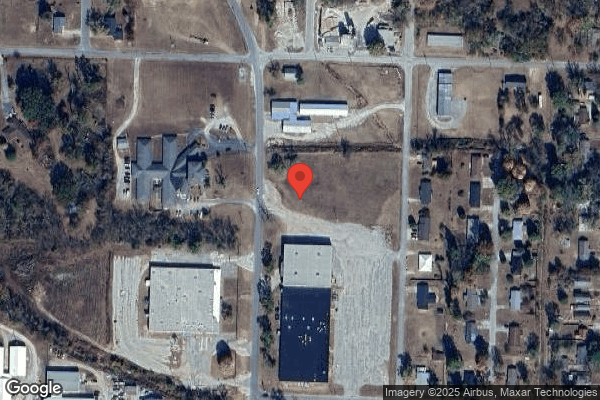
Oct 2020 9 deficiencies
CONCERN (D)

Potential for Harm - no one hurt, but risky conditions existed

Report Alleged Abuse (Tag F0609)

Could have caused harm · This affected 1 resident

**NOTE- TERMS IN BRACKETS HAVE BEEN EDITED TO PROTECT CONFIDENTIALITY** Based on interview and record review, the facility failed to report an allegation of abuse to the Department of Health and Senio...

Read full inspector narrative →
**NOTE- TERMS IN BRACKETS HAVE BEEN EDITED TO PROTECT CONFIDENTIALITY** Based on interview and record review, the facility failed to report an allegation of abuse to the Department of Health and Senior Services (DHSS) within the required two-hour timeframe when one resident (Resident #3) out of a selected sample of 14 residents reported sexual abuse during care. The facility's census was 46. Record review of the facility's Abuse and Neglect Policy and Procedures, last revised on 3/3/17, showed the following: -Purpose: to establish guidelines that identifies and report resident abuse -Policy: The resident has the right to be free from verbal, sexual, physical and mental abuse. -Residents must not be subjected to abuse by anyone, including facility staff. -Abuse is defined as the willful infliction of injury to attain or maintain physical, mental and psychosocial well-being. -Sexual abuse includes but not limited to, sexual harassment, sexual coercion, or sexual assault. Sexual abuse is the non-consensual contact of any type with a resident. -Staff are expected to report any allegations of any type of abuse. -Reporting: It is the responsibility of every employee of this facility to report any knowledge of an abuse situation occurring in the facility, that employee is to immediately notify the supervise who will notify the administrator and/or DON, any allegation reported by the resident, alleged incidents include occurrences between staff and residents. All alleged violations involving abuse are to be reported immediately to the administrator and other officials including the State Survey agency and adult protective services but no later than two hours after the allegation is made. 1. Record review of Resident #3's face sheet (a document that gives a resident's information at a quick glance) showed the following: -admitted to the facility on [DATE]; -Diagnoses included depression and anxiety. Record review of the resident's nurse's note, dated 9/24/20 at 6:00 A.M., showed registered nurse (RN) A documented he/she was called into the resident's room. The resident said Certified Nurse's Aide (CNA) B stuck his/her finger in his/her (the resident's) anus. CNA B said he/she was cleaning the resident after a bowel movement (BM). Resident #3 punched CNA B in the face. Record review of the resident's social services note, dated 9/24/20, showed the social service designee (SSD) documented Resident #3 said a male CNA stuck his/her finger in his/her anus. The CNA said he/she was cleaning the resident after the resident had a BM. The resident punched the CNA in the face. The SSD would follow-up with the administrator and the Director of Nursing (DON) on the issue. During an interview on 9/26/20 at 1:45 P.M., Resident #3 said the following: -He/she lived at the facility for four years; -On 9/24/20 at approximately 5:30 A.M., while staff were providing incontinent care, CNA B put his/her finger in the resident's anus. Resident #3 hit CNA B; -The resident reported the incident to RN B right after it happened. During an interview on 09/26/20, at 12:30 P.M., RN A said the following: -The allegation should be reported immediately to the administrator so she could report the alleged abuse to DHSS within the required two-hour time frame; -On the morning of 9/24/20, at approximately 5:00 A.M., CNA J asked him/her to go to Resident #3's room. CNA J said there was an incident between the resident and CNA B. The resident punched CNA B in the face; -CNA B stood in the corner of the room holding the left side of his/her face which was red and swollen; -The resident said CNA B stuck his/her finger in his/her (the resident's) anus; -On 9/24/20, at approximately 5:43 A.M., RN A reported the allegation of sexual abuse to the administrator by telephone and documented the abuse in the nurses notes. During an interview on 9/26/20 at 1:22 P.M., Certified Medication Technician (CMT) L said all allegations of abuse need to be reported immediately to the charge nurse, the DON and/or the administrator report the allegation to DHSS within two hours. During an interview on 9/26/20, at 2:00 P.M., the administrator said the following: -All of allegations of abuse should be reported immediately; -All allegations should be reported within two hours to DHSS; -Staff reported the incident to her on 9/24/20, but she was focused more on the assault on CNA B (than calling DHSS). -On the morning of 9/24/20, RN A called her and reported Resident #3's allegation against CNA B. RN A documented the alleged abuse in the nurse's notes; -On 9/25/20, the DON called the administrator and reported the allegation of abuse against CNA B. The administrator then reported the allegation to DHSS and began an investigation. -The administrator did not believe CNA B did what Resident #3 claimed. -The administrator said she takes responsibility for the failure to report to DHSS an allegation of sexual abuse within the required two hour time frame. During an interview on 9/26/20 at 3:08 P.M., CNA C said the following: -All allegations of abuse should be reported to the charge nurse, the DON and/or the administrator. -All allegations of abuse have to be reported to DHSS within two hours. During an interview on 9/28/20 at 10:27 A.M., CNA E said the following: -All allegations of abuse should be reported immediately to the charge nurse; -The facility has two hours to report the allegation of abuse to DHSS. During an interview on 9/28/20 at 11:41 A.M., CNA D said the following: -All allegations of abuse should be reported to the charge nurse, the DON and/or the administrator; -The facility should report the abuse to DHSS within two hours; -While providing care to Resident #3 on the morning of 9/25/20, the resident said on 9/24/20, he/she punched CNA B in the face after the CNA stuck his/her finger in his/her (the resident's) anus; -CNA D and another CNA, approached the DON to report the allegation of abuse; the DON told them she already knew about the incident and to be quiet about it. During an interview on 10/01/20, at 2:08 P.M., the DON said the following: -On 9/25/20, at 8:45 A.M., she was at the desk charting. CNA K and CNA D came to the desk, talking loudly. They said as they assisted Resident #3 to bed, they asked him/her why he/she hit CNA B. The resident said because CNA B put his/her finger in his/her (the resident's) anus. -The DON said this was the first she had heard of the allegation of sexual abuse against CNA B; -The DON called the administrator and reported to her what the CNAs said about the sexual abuse allegation; -The administrator arrived to the facility and spoke with Resident #3, then called the DHSS hotline. MO00175896
CONCERN (D)

Potential for Harm - no one hurt, but risky conditions existed

Pressure Ulcer Prevention (Tag F0686)

Could have caused harm · This affected 1 resident

**NOTE- TERMS IN BRACKETS HAVE BEEN EDITED TO PROTECT CONFIDENTIALITY** Based on observation, interview, and record review, the facility failed to timely assess, notify the physician of, and provide t...

Read full inspector narrative →
**NOTE- TERMS IN BRACKETS HAVE BEEN EDITED TO PROTECT CONFIDENTIALITY** Based on observation, interview, and record review, the facility failed to timely assess, notify the physician of, and provide treatment for one resident (Resident #21) who had pressure ulcers on his/her heels, out of a selected sample of 14 residents. The facility census was 46. Record review of the U.S. Department of Health and Human Services Clinical Practice Guidelines, Number 15, Treatment of Pressure Ulcers, showed the following information: -Assess the pressure ulcer initially for location, stage, size, tracts, exudate (any fluid that has been forced out of the tissues or its capillaries because of the inflammation or injury), necrotic tissue (death of tissue in response to disease or injury), and presence or absence of granulation tissue (formation of new tissue, usually pink to red in color) and epithelialization (healing by the growth of epithelium over a denuded surface); -To monitor progress or deterioration, the examiner must accurately measure the length, width, and depth of the ulcer; -Reassess pressure ulcers at least weekly; -Indicators of a deteriorating pressure ulcer include increases in exudate and wound edema (swelling or puffiness from fluid), loss of granulation tissue, and a purulent (containing pus) discharge; -A clean pressure ulcer should show evidence of some healing within 2 to 4 weeks. If no progress can be demonstrated, reevaluate the adequacy of the overall treatment plan as well as adherence to this plan, making modifications as necessary. Record review of the facility procedure policy titled, Pressure Ulcer/Injury Risk Assessment, revised July 2017, showed: -Staff should initiate a pressure form related to the type of skin alteration, if new skin alteration is noted; -Staff should notify the physician and resident's family, if a new skin alteration is noted. Record review of the facility's Wound Care Nurse- Job Description, undated, showed the following responsibilities for the wound nurse: -Measurement of all wounds weekly; -Documentation on all wounds weekly; -Review and revise care plans on wounds; -Monitor and audit weekly skin assessments; -Follow all treatment orders and communicate with wound company. 1. Record review of Resident #21's face sheet (a document that provides a summary of active medications, recently recorded vitals, active problems and current history information) showed: -admitted to the facility on [DATE] and re-admitted from the hospital on 9/12/20; -Diagnoses included chronic osteomyelitis (inflammation of the bone caused by infection) of his/her left ankle and foot, chronic kidney disease, reduced mobility, diabetes with diabetic neuropathy (a type of nerve damage), and muscle weakness. Record review of the resident's care plan, dated 7/24/20, showed: -Resident at risk for potential skin integrity secondary to decreased mobility; -Staff to assist the resident to change position at least every couple of hours while in bed; -Encourage and assist resident with position changes while up in a wheelchair; -Make sure resident is clean and dry; -Resident has a pressure relief mattress and a pressure relief device in his/her wheelchair. Record review of the resident's September 2020 treatment administration record showed an order, dated 9/12/20, for weekly skin assessments (staff did not initial completion of a weekly assessment from 9/12/20-9/30/20). Record review of the resident's weekly skin assessment form for September 2020, showed a nurse documented the following on 9/1/2020: -The skin was not intact on the resident's feet; -Treatment in place to open areas on the resident's feet; -The assessment did not include location, size, Stage, appearance of wound bed and surrounding tissue, or description of any drainage. Record review of the resident's weekly skin assessment form for September 2020, showed a nurse documented the following on 9/8/2020: -The skin was not intact on the resident's feet; -Treatment in place to open areas on feet; -The assessment did not include location, size, Stage, appearance of wound bed and surrounding tissue, or description of any drainage. Record review of the resident's weekly skin assessment form for September 2020, showed staff did not document an assessment of the resident's skin after 9/8/20. Record review of the resident's October 2020 physician orders, showed an order, dated 9/12/20, for the nurse to cleanse the resident's right, anterior (front) foot with wound cleanser, apply skin prep (a liquid film-forming dressing that helps reduce friction during removal of tapes and films) to the peri-wound, apply Hydrogel (a wound treatment gel) to the wound bed, cover the wound with a dressing, and wrap it with gauze, daily; Record review of the resident's October 2020 treatment administration record (TAR) showed an order, dated 9/12/20, for a treatment to the resident's right, anterior foot, nurse to cleanse with wound cleanser, apply skin prep, Hydrogel, cover with an ABD pad, and wrap with gauze daily. Record review of the resident's admission minimum data set (MDS) (a federally mandated comprehensive assessment tool completed by facility staff), dated 9/18/20, showed the following: -Resident re-admitted from the hospital on 9/12/20; -Resident scored a 12 out of 15 on the Brief interview for mental status (BIMS), indicating moderate cognitive impairment; -Required total assistance of two or more staff with bed mobility, toileting, transfers; -Required total assistance of one staff with personal hygiene; -Required extensive assistance of one staff with dressing; -Functional limitation in range of motion to both lower extremities; -Resident at risk for the development of pressure ulcers; -Pressure reduction device to chair and bed; -Resident had diabetic ulcers to feet and a surgical wound; -Staff apply dressings to feet. Record review of the facility's binder titled, Wound and Skin Tracking, showed no documentation staff completed a full assessment for the resident's right inner foot and great toe. During an interview on 10/1/20 at 8:53 A.M., Licensed Practical Nurse (LPN) S said the following: -He/she began working at the facility, as the wound nurse, four days ago; -He/she had not yet completed weekly wound measurements and assessments on the resident; -In the past few months, several different nurses assisted with completing resident wound assessments; -The facility kept a wound book with all residents' weekly wound assessments. An observation on 10/1/20 at 11:00 A.M., showed the LPN S removed the dressings from both of the resident's feet and showed: -An open blister (Stage II pressure ulcer) on the resident's right inner foot, at the base of the big toe. The LPN measured the wound as 0.9 cm long by 1.3 cm wide. The wound bed was shallow with pink tissue and no drainage. The nurse completed the treatment to the wound as ordered. -An unstageable (full thickness tissue loss in which actual depth of the ulcer is completely obscured by slough (dead tissue which can be yellow, tan, gray, green, or brown) and/or eschar (dead tissue that can be tan, brown, or black) in the wound bed) pressure ulcer on the resident's right outer heel. The LPN measured the wound as 1.4 centimeters (cm) long by 1.0 cm wide. The wound bed was covered with black eschar, the wound had no drainage and the surrounding skin was intact. -A sloughing, brown, hardened area with peeling skin at the edges, on the end of the resident's right great toe. The LPN measured the area as 0.6 cm long by 0.8 cm wide; -A reddened, non-blanchable (Stage 1) pressure ulcer on the resident's left outer heel. The LPN measured the area as 1.0 cm wide by 0.75 cm long. During an interview on 10/1/20 at 11:00 A.M., LPN S said the following: -He/she first noticed the blackened area on the resident's right outer heel on 9/30/20. He/she had not yet obtained an order for treatment. -The nurse did not have an order to treat the brown, hardened tissue on the resident's right great toe; -Since starting work at the facility 4 days prior, none of the other nurses made wound rounds with her to look at the resident's feet or show her specifically which residents had pressure ulcers; -The nurse did not know of the reddened, non-blanchable area on the resident's left lateral (side) heel and he/she did not have an order for treatment. During an observation and interview on 10/1/2020 at 11:00 A.M., the resident said the following: -The resident lay on his/her back in bed with his/her heels resting on the mattress. -Staff usually positioned him/her on his/ her back while in bed; -Staff did not turn him/her onto his/her side on a regular basis. During an interview on 10/02/20 at 2:23 P.M., LPN S said the following: -The areas on the resident's left and right heel were caused from pressure. -He/she had not yet notified the physician of the resident's right and left heel pressure ulcers, but he/she had started a treatment to the resident's right outer heel. During an interview on 10/2/20 at 3:20 P.M. and 6:30 P.M., the Director of Nursing (DON) said the following: -The nurses completed the weekly skin assessment for all residents. Each resident was assigned a day and which ever nurse was working the day that resident was assigned, completed the skin assessment. We have been really short-staffed so if there was just one nurse working, he/she may not had time to get them done. According to the TARs, it did not appear as though the nurses were consistently completing the skin assessments. -The wound nurse completed the weekly wound assessments on all residents with pressure ulcers. The facility had gone through several different wound nurses in the last couple of months. During that time, the nurses were not consistently completing weekly wound assessments. -The DON said, If we did not document it, we did not do it. -The nurses should place the wound assessments in the wound tracking book. -If a nurse identified a new pressure ulcer, the nurse should assess and measure the wound, notify the resident's physician, and obtain treatment orders for the wound, all during the same shift as the wound was discovered. -The nurse should also let the DON know of the newly identified wound. -Typically, the DON looked at newly identified wounds because the shower aide notified her of them. She had not been looked at residents' skin in one week. Observation on 10/02/20 at 4:00 P.M., showed: -The resident lay on his/her back in bed with his/her heels resting on the bed; -The resident's pressure relieving boots lay in a nearby chair; -The Assistant Director of Nursing (ADON) removed the dressings on both of the resident's feet; -The resident's right outer heel area remained black. During an interview on 10/2/20 at 4:05 P.M., the ADON and wound nurse said the following: -The ADON said the black area to the resident's right outer was a necrotic pressure ulcer. A week prior, the resident's right outer heel had a callus in the same area, but the ADON did not notify the physician of the area. The non-blanchable area to the resident's left outer heel was a stage 1 pressure ulcer. The ADON said she would notify the resident's physician and obtain treatment orders for both areas; -The wound nurse stepped into room and said she had written an order for treatment to the resident's heels; -The ADON said she would call and notify the physician of the pressure ulcers. Observation on 10/02/20 at 5:35 P.M., showed the resident lay on his/her bed, on his/her back, with the head of the bed elevated. The resident's heels rested directly on the bed.
CONCERN (E)

Potential for Harm - no one hurt, but risky conditions existed

Abuse Prevention Policies (Tag F0607)

Could have caused harm · This affected multiple residents

Based on interview and record review, the facility failed to check the Nurse Aide (NA) Registry for four staff (Dietary Aide (DA) I, Activity Director, Business Office Manager, and Certified Nurse Aid...

Read full inspector narrative →
Based on interview and record review, the facility failed to check the Nurse Aide (NA) Registry for four staff (Dietary Aide (DA) I, Activity Director, Business Office Manager, and Certified Nurse Aide (CNA) G) out of eight sampled staff to ensure they did not have a Federal Indicator (a marker given to a potential employee who has committed abuse, neglect, or misappropriation of property against residents) prohibiting them to work in a certified facility. The facility failed to conduct criminal background checks on two staff (CNA B and Activity Director) out of eight sampled staff to ensure the residents are protected from harm; and failed to check the Employee Disqualification List (EDL) (a listing maintained by Department of Health and Senior Services of individuals who are prohibited from employment in long-term facilities after an investigation establishes that they have abused, neglected or exploited clients under their care) quarterly for one staff (CNA H) out of eight sampled staff to ensure he/she was not on the EDL. The facility census was 46. Record review of the facility's policy titled, Acknowledgement and Residents Rights and Resident Abuse and Neglect, last revised 3/3/17, showed the following information: -It is the responsibility of the administrator and the Director of Nursing (DON) to ensure the screening of potential employees for a history of abuse, neglect or mistreatment of residents; -This includes attempting to obtain information from previous employers and/or current employers and checking the appropriate licensing boards and registries; -The administrator and DON is responsible for ensuring the resident is protected from harm by conducting pre-employment reference checks on all facility employees; -Reference checks include a Criminal Background Check as prescribed by federal and state regulations, checking the state registry to verify that there is no disqualification against the employee. -The policy did not direct the facility to check the Nurse Aide Registry on all employees to ensure they did not have a Federal indicator or a system to regularly check the EDL list for current employees placed on the EDL after hire. 1. Record review of DA I's personnel records showed the following information: -Hire/start date of 7/15/2020; -The facility did not check the NA registry for a Federal indicator. 2. Record review of Activity Director's personnel records showed the following information: -Hire/start date of 3/1/2020; -The facility did not check the NA registry for a Federal indicator for the employee. -The facility did not complete a criminal background check on the employee. 3. Record review of Business Office Manager's personnel records showed the following information: -Hire/start date of 1/23/2020; -The facility did not check the NA registry for a Federal indicator for the employee. 4. Record review of CNA G's personnel records showed the following information: -Hire/start date of 8/26/2020; -The facility did not check the NA registry for a Federal indicator for the employee. 5. Record review of CNA B's personnel records showed the following information: -Hire/start date of 9/2/2020; -The facility did not complete a criminal background check on the employee. 6. Record review of CNA H's personnel records showed: -Hire/start date of 1/8/2020; -The facility did not complete a quarterly check for EDL placement on the employee after 1/16/2020. Record review of the Missouri EDL list showed CNA H was placed on the EDL list on 9/25/2020 until 9/25/2021. 7. During an interview on 10/2/2020, at 12:05 P.M., the Business Office Manager said: -He/she has been Business Office Manager one week; -He/she runs NA registry checks, Family Care Safety Registry (a registry established by law that provides facilities with background information on potential employees) and EDL checks on all potential employees; -These checks need to be completed before the employee begins working; -EDL checks are done quarterly on current employees; -The last EDL check for all employees was August 2020 and the next check will be the end of October 2020; -Staff did not complete an EDL check on CNA H since 1/16/2020. During an interview on 10/02/2020, at 4:00 P.M. and 6:30 P.M., the administrator said: -She expects staff to complete background checks on all employees before they start working; -She expects a quarterly EDL check on all employees; -There should be an EDL check on all employees for August 2020; -She did not know CNA H was recently placed on the EDL list; -An employee cannot work at the facility and be on the EDL list.
CONCERN (E)

Potential for Harm - no one hurt, but risky conditions existed

Investigate Abuse (Tag F0610)

Could have caused harm · This affected multiple residents

**NOTE- TERMS IN BRACKETS HAVE BEEN EDITED TO PROTECT CONFIDENTIALITY** Based on interview and record review, the facility failed to immediately begin an investigation of an allegation of abuse, per f...

Read full inspector narrative →
**NOTE- TERMS IN BRACKETS HAVE BEEN EDITED TO PROTECT CONFIDENTIALITY** Based on interview and record review, the facility failed to immediately begin an investigation of an allegation of abuse, per facility policy; and failed to ensure resident safety after an allegation of abuse when the facility continued to allow the alleged perpetrator (Certified Nurse's Aide (CNA) B) to assist residents after an allegation of abuse, in a sample of 14 residents. The facility census was 46. Record review of the facility's Abuse and Neglect Policy and Procedures, revised on 3/3/17, showed the following: -Purpose: to establish guidelines that identifies and report resident abuse -Policy: The resident has the right to be free from verbal, sexual, physical and mental abuse. -To ensure each resident is treated with dignity and care, free from abuse and neglect and to take swift and immediate action to investigate and adjudicate alleged resident abuse. -Residents must not be subjected to abuse by anyone, including facility staff. -Abuse is defined as the willful infliction of injury to attain or maintain physical, mental and psychosocial well-being. -Sexual abuse includes but not limited to, sexual harassment, sexual coercion, or sexual assault. Sexual abuse is the non-consensual contact of any type with a resident. -It is the responsibility of the administrator and nursing services to identify events such as occurrences, patterns and trends that may constitute abuse and determine the direction of the investigation. -The administrator and/or the Director of Nursing (DON) is responsible for the initiation of the investigation immediately upon notification of the alleged event or findings. Facility will document investigation findings, including witness statements, corrective actions and conclusions. The facility will notify the resident, resident's family and physician of any investigational findings and facility outcomes. -Protection: The charge nurse on duty is responsible for taking immediate action to ensure the resident is protected from harm during the investigation of the alleged abuse and shall notify the administrator and/or the DON of what specific action was taken. -Immediate action may include, one-to-one supervision, separation of the alleged perpetrator to a different unit away from the alleged victim, immediate suspension of an employee alleged to have abused a resident, notify the administrator and/or the DON. -Under no circumstances should a resident who alleged abuse be left with exposure to an alleged perpetrator for any length of time until the resident is secure or the investigation is completed with no reasonable cause to believe abuse did occur. -The facility will take action to prevent further potential abuse while the investigation is in progress. -After the facility submits an immediate report of an alleged violation, the facility must conduct a thorough investigation; prevent any other incidents from occurring during the course of the investigation and report the results of the investigation to the (State agency) SA within five working days. -Accountability on the part of the employee will be absolute. 1. Record review of Resident #3's face sheet (a document that gives a resident's information at a quick glance) showed the following: -admitted to the facility on [DATE]; -Diagnoses included depression and anxiety. Record review of the resident's nurse's notes, dated 9/24/20, at 6:00 A.M., showed Registered Nurse (RN) A documented staff called him/her into Resident #3's room. The resident said Certified Nurse's Aide (CNA) B stuck his/her finger in the resident's anus. CNA B said he/she was cleaning the resident after a bowel movement (BM). The resident punched the CNA in the face. Record review of the resident's social services note, dated 9/24/20, showed the social service designee (SSD) documented the resident said a male CNA stuck his/her finger in his/her anus. The CNA said he/she was cleaning the resident after the resident had a BM. The resident punched the CNA in the face. The SSD would follow-up with the administrator and Director of Nursing (DON) on the issue. During an interview on 9/26/20 at 1:45 P.M., Resident #3 said the following: -He/she lived at the facility for four years; -On 9/24/20 at approximately 5:30 A.M., while staff were providing incontinent care, CNA B put his/her finger in his/her (the resident's) anus. He/she then hit CNA B; -About a year ago, CNA B was fired from the facility for a similar incident. The facility rehired CNA B within the last week or two; -The resident did not know why the CNA did that (placed his/her finger in the resident's anus). CNA B thought the resident could not move because he/she only had one leg , but the CNA found out he/she (the resident) could hit. -The resident reported the incident to RN A right after it happened; -CNA B worked the next night but he/she (the resident) would not allow CNA B to provide him/her care. The resident did not want CNA B providing any care for him/her ever again; -The resident said CNA B should not be allowed to work at the facility. -The resident was still very upset about the incident and wanted something done. During an interview on 9/26/20, at 12:30 P.M., RN A said the following: -An investigation into an abuse allegation should begin immediately; -If the alleged abuse involved a staff member, the staff member should be suspended pending an investigation, and the staff member could not return to work until a finding was made; -On 9/24/20, at approximately 5:00 A.M., CNA J called him/her (RN A) to Resident #3's room. CNA J said there was an incident between the resident and CNA B. CNA B stood in the corner of the room holding his/her left side of face which was red and swollen; -CNA J said the resident punched CNA B in the face; -The resident said CNA B stuck his/her finger in his/her (the resident's) anus; -CNA B was not suspended after the allegation because his/her shift was almost over. CNA B continued to work until around 6:00 A.M. -On 9/24/20, at approximately 5:43 A.M., RN A reported the allegation of sexual abuse to the administrator by telephone and documented the abuse in the resident's nurse's notes. During an interview on 9/26/20, at 1:22 P.M., Certified Medication Technician (CMT) L said all allegations of abuse should be investigated. He/she had heard Resident #3 alleged sexual abuse against CNA B. The resident was alert and oriented had never made any abuse allegations against staff. During an interview on 9/26/20, at 2:00 P.M., the administrator said the following: -An investigation should be initiated immediately for all of allegations of abuse; -On the morning of 9/24/20, RN A called her (the administrator) and reported an allegation of abuse against CNA B. The administrator worked on 9/24/20 and started an investigation on the assault of CNA B. She did not start an investigation for the allegation of sexual abuse, at that time because she was concerned about CNA B. -On 9/25/20, the DON called the administrator and reported the allegation of sexual abuse against CNA B. After the administrator reported the allegation to DHSS, she started the investigation into the allegation. -The administrator said she did not believe CNA B did what Resident #3 claimed. -CNA B worked after the allegation of abuse was reported; -On 9/25/20, she suspended CNA B pending the investigation. During an interview on 9/26/20, at 3:08 P.M., CNA C said the following: -If an allegation of abuse involved an employee, the employee should be suspended immediately and an investigation would be started; -She/he knew of the allegation of abuse against CNA B that occurred on the morning of 9/24/20. -He/she worked with CNA B on the overnight shift. CNA B worked the entire shift starting on 9/24/20 at 10:00 P.M. through 9/25/20, at 6:00 A.M. CNA B provided care to all residents, except for Resident #3, including Resident #3's roommate. -He/she heard CNA B was suspended on 9/25/20 (later that day); -Resident #3 was alert and oriented and he/she had never made any allegations against staff until this incident. During an interview on 9/28/20 at 10:27 A.M., CNA E said the following: -An investigation should be started immediately after an allegation of abuse was made; -Usually when a resident made an allegation of abuse against an employee, DHSS investigated the allegation at the facility within 24 hours; -Any employee accused of abuse should be suspended until the investigation was completed; -CNA D told him/her that Resident #3 made an allegation of abuse against CNA B on the morning of 9/24/20; -Resident #3 was alert and oriented and he/she had never made any allegations of abuse against staff in the past; -CNA B worked the overnight shift on 9/24/20-9/25/20 (after the allegation of abuse) and gave report to the oncoming staff that morning (9/25/20). -CNA B told CNA D and another CNA during report on the morning of 9/25/20 that Resident #3 had sucker punched him/her on the morning of 9/24/20. During an interview on 9/28/20 at 11:41 A.M., CNA D said the following: -An investigation should be started immediately after any allegation of abuse is reported; -Any employee accused of abuse should be suspended pending the investigation; -CNA B worked the overnight shift ending at 6:00 A.M. on 9/25/20, and gave report to CNA D; -During morning report on 9/25/20, CNA B told him/her (CNA D) and another CNA, that Resident #3 had sucker punched him/her on the morning of 9/24/20; -While providing care to Resident #3 on the morning of 9/25/20, the resident said he/she punched CNA B in the face after the CNA stuck his/her finger in his/her (the resident's) anus; -CNA D and another CNA approached the DON to report the allegation of abuse against CNA B. The DON told them she already knew about the incident and to be quiet about it. The DON did not allow the CNAs to give the whole report. During an interview on 10/1/20, at 2:08 P.M., the DON said the following: -On 9/25/20 at 8:45 A.M., she was charting at the desk. CNA K and CNA D came to the desk and said, loudly, we were assisting Resident #3 to bed and asked him/her why he/she hit CNA B. The resident replied because he/she put his/her finger in his/her (the resident's) anus. At that point, the DON told the CNAs to lower their voices because there were residents nearby in the dining room, and the desk was not an appropriate place to discuss this. -She told them they should not be asking questions, or talking to residents or staff about ongoing investigations. At that point, she was referring to the assault of the staff member (CNA B). -Neither CNA K or CNA D worked on the day the incident allegedly occurred. -Both CNAs asked if there was an investigation and the DON said yes, it was being taken care of; -The DON did not know the resident made an allegation of abuse against CNA B until the CNAs reported it to her; -The DON called the administrator and reported the allegation of abuse against CNA B; -The DON notified the regional nurse and then obtained statements from staff working during the alleged incident which reportedly occurred on 9/24/20 at 5:30 A.M. MO00175896
CONCERN (E)

Potential for Harm - no one hurt, but risky conditions existed

Deficiency F0700 (Tag F0700)

Could have caused harm · This affected multiple residents

**NOTE- TERMS IN BRACKETS HAVE BEEN EDITED TO PROTECT CONFIDENTIALITY** 3. Record review of Resident #2's quarterly MDS, dated [DATE], showed the following information: -Moderate cognitive impairment;...

Read full inspector narrative →
**NOTE- TERMS IN BRACKETS HAVE BEEN EDITED TO PROTECT CONFIDENTIALITY** 3. Record review of Resident #2's quarterly MDS, dated [DATE], showed the following information: -Moderate cognitive impairment; -Independent with bed mobility and hygiene; -Required assistance with transfers and walking. Record review of the resident's care plan, last revised 9/10/2020, showed the following information: -The resident is unable to independently change position while in bed; -Goal was to use bed rails for bed mobility with assistance as needed; -Approach was for half bed rails on both sides of the bed while in bed to aid in mobility. Record review of the resident's medical record showed the following information: -Staff did not complete a side rail assessment; -Staff did not obtain a signed consent form for the use of the side rails; -Staff did not document any safety gap measurements pertaining to the installed side rails. Observation on 9/30/2020, at 10:00 A.M., showed the resident lay in bed with half side rails in the raised position on each side of his/her bed. The right side rail appeared to have a four to five inch gap from the mattress. Observation on 9/30/2020, at 4:11 P.M. and 10/01/2020, at 3:46 P.M., showed the resident lay in bed with half side rails in the raised position on each side of the resident's bed. The left half side rail was close to the mattress. The right half side rail had a gap of four to five inches. 4. Record review of Resident #34's medical record showed the following information: -Staff completed a side rail assessment on 4/1/2020 for '1/4 rails' and a quarterly review on 7/27/2020; -Staff did not obtain a signed consent form for the use of the side rails; -Staff did not document any safety gap measurements pertaining to the installed side rails. Record review of the resident's quarterly MDS, dated [DATE], showed the following information: -Cognitively intact; -Required extensive assistance for bed mobility and transfers. Record review of the resident's care plan, last revised 8/19/2020, did not address the use of side rails. Observation on 9/30/2020, at 10:30 A.M., showed the resident's bed had half side rails in the raised position on each side of his/her bed. The resident sat in his/her electric wheelchair. During an observation and interview on 9/30/2020, at 2:51 P.M., showed the resident's bed had a right half rail in the down position (right side of the rail touching the floor and left side pointing towards the ceiling. The left half rail was in the up (raised) position. The resident said he/she uses the left half rail for repositioning and does not use the right half rail. The resident sat in his/her electric wheelchair. 5. During an interview on 10/2/2020, at 9:00 A.M., the maintenance director said the following: -He/she installs side rails when nurses request them; -The facility only uses half siderails; -Maintenance staff do not check any gap measurements and do not complete any monitoring of the side rails. 6. During an interview on 10/2/2020, at 9:15 A.M., the Physical Therapist (PT) said the following: -PT often recommends side rails for repositioning; -Nurses complete an assessment, reassess quarterly, and maintenance installs the rails; -The facility only uses quarter side rails. During an interview on 10/2/2020, at 9:54 A.M., LPN M said he/she was familiar with gap measurement sheets used by his/her previous employer for bed rails, but had not seen any gap measurements completed at this facility. During an interview on 10/2/2020, at 3:26 P.M., the Director of Nursing (DON) said: -The facility uses quarter or half side rails; -Nurses complete side rail assessments and update quarterly; -He/she was not sure staff completed gap measurements. During an interview on 10/2/2020, at 3:30 P.M. and 6:33 P.M., the administrator said the following: -The facility used assist bars and sometimes half side rails; -Staff do not complete assessments that he/she knew; -They had not been using or obtaining consent forms; -They had not been completing gap measurements for the use of bed rails, but they will for the future. Based on observation, interview, and record review, the facility failed to obtain informed consent for side rails and failed to complete a bed rail safety check to include measurements of the bed frame and bed rails for risk of entrapment for four residents (Resident #2, #13, #34 and #45) out of a sample of 14 residents. The facility census was 46. Record review of the facility's policy entitled, Bed Safety (Revised December 2007), showed the following information: -The facility shall strive to provide a safe sleeping environment for the resident; -The resident's sleeping environment shall be assessed by the interdisciplinary team, with input from the resident and family; -To try to prevent deaths/injuries from the beds and related equipment (including the frame, mattress side rails, headboard, footboard, and bed accessories), the facility shall promote the following approaches: -Inspection by maintenance staff of all beds and related equipment as part of the regular bed safety program to identify risks and problems including potential entrapment risks; -Review that gaps within the bed system are within the dimensions established by the Food and Drug Administration (FDA; Note: The inspection shall consider situations that could be caused by the resident's weight, movement or bed position); -Ensure that when bed system components are worn and need to be replaced, components meet manufacturer specifications; -Ensure that bed side rails are properly installed using the manufacturer's instructions and other pertinent safety guidance to ensure proper fit; -Identify additional safety measures for residents who have been identified as having a higher than usual risk for injury including entrapment; -The maintenance department shall provide a copy of the inspections to the Administrator and report results to the Quality Assurance (QA) Committee for appropriate action; -The facility's education and training activities will include instruction about risk factors for resident injury due to beds, and strategies for reducing risk factors for injury, including entrapment; -If side rails are used, there shall be an interdisciplinary assessment of the resident, consultation with the attending physician, and input from the resident and/or legal representative; -Staff shall obtain consent for the use of side rails from the resident or the resident's legal representative prior to their use; -Before using side rails for any reason, the staff shall inform the resident and family about the benefits and potential hazards associated with side rails. 1. Record review of Resident #13's medical record showed the following information: -Staff completed a side rail assessment, dated 6/8/2020, stating his/her preference for side rails to indicate the edge of the bed (to alleviate fear of falling). The assessment showed the resident could not reposition him/herself due to paraplegia; -Staff did not obtain a signed consent form for the use of bed rails; -Staff did not document any safety gap measurements pertaining to the installed side rails. Record review of the resident's care plan, last updated 8/19/2020, showed the following information: -At risk for falls due to paralysis; -Make sure bed is in low position, with call light in reach; -Make sure resident is positioned in center of bed, not near the edge; -Staff did not document information pertaining to the use of side rails on the bed. Record review of the resident's quarterly Minimum Data Set (MDS) a federally mandated assessment instrument, completed by facility staff, dated 9/22/2020, showed the following information: -admitted to the facility on [DATE]; -Severely impaired cognition; -Total dependence on two staff for bed mobility and transfers. Observation on 9/29/2020, at 8:50 A.M., showed the resident had ½ side rails installed on each side of his/her bed. The rails were in the lowered position; the resident was not in the room. Observation on 10/1/2020, at 11:06 A.M., showed the resident rested in bed, with ½ side rails in the raised position on each side of his/her bed. 2. Record review of Resident #45's medical record showed the following information: -Staff completed a side rail assessment, dated 5/18/2020, indicating the bars would be used as enablers to assist the resident with turning and repositioning; -Staff did not obtain a signed consent form for the use of the side rails; -Staff did not document any safety gap measurements pertaining to the installed side rails. Record review of the resident's quarterly MDS, dated [DATE], showed the following information: -admitted to the facility on [DATE]; -Total dependence on two staff for bed mobility; extensive assistance from two staff for transfers; -Moderately impaired cognition. Record review of the resident's care plan, last revised 8/27/2020, showed the following information: -Required assistance with changing positions while in bed as evidenced by not being able to turn related to weakness; -Resident will use half bed rails for bed mobility to turn and reposition self while in bed; -Assess and report any risk factors related to half rail bed use; -Half rail left side to help with bed mobility; -Observe resident at rest and report if resident is too close to edge of bed; make sure mattress fits properly on bed frame and there is no room for resident to slide between mattress and bedframe or rails. Observation on 9/30/2020, at 9:22 A.M., showed the resident rested in bed. He/she had u-shaped grab bars in use on each side of his/her bed. Observation and interview on 10/1/2020, at 1:58 P.M., showed the resident used the grab bar on the far side of the bed to assist with turning onto his/her side for Licensed Practical Nurse (LPN) M to complete wound care. The LPN said the resident could use the grab bars to assist with turning and repositioning.
CONCERN (E)

Potential for Harm - no one hurt, but risky conditions existed

Infection Control (Tag F0880)

Could have caused harm · This affected multiple residents

**NOTE- TERMS IN BRACKETS HAVE BEEN EDITED TO PROTECT CONFIDENTIALITY** 5. Record review of the facility policy titled, Administering Medications, revised December 2012, showed the following informati...

Read full inspector narrative →
**NOTE- TERMS IN BRACKETS HAVE BEEN EDITED TO PROTECT CONFIDENTIALITY** 5. Record review of the facility policy titled, Administering Medications, revised December 2012, showed the following information: -Staff shall follow established facility infection control procedures (e.g., handwashing, antiseptic technique, gloves, isolation precautions, etc.) for the administration of medications, as applicable. Record review of the center for disease control (CDC) and prevention guidance titled, Injection Safety-Medication Preparation, reviewed June 20, 2019, showed the the rubber septum should be disinfected with alcohol prior to piercing it. Record review of Resident #40's face sheet (brief information sheet) showed the following information: -re-admitted to the facility on [DATE]; -Diagnosis of type 2 diabetes mellitus (chronic condition that affects the way the body processes blood sugar/glucose, resulting in too much sugar in the blood) with diabetic neuropathy (nerve damage, pain, and numbness). Observation on 10/01/2020 at 11:25 A.M., showed the following: -Licensed Practical Nurse (LPN) S prepared to administer insulin to the resident; -The nurse removed the cap from the resident's Lispro insulin pen, and without cleaning the rubber stopper, inserted the pen needle into the rubber diaphragm of the multidose pen and administered 4 units of Lispro insulin per sliding scale order via subcutaneous injection into the resident's abdomen. Record review of Resident #41's face sheet showed the following information: -re-admitted to the facility on [DATE]; -Diagnosis of type 2 diabetes mellitus. Observation on 10/01/2020 at 11:35 A.M., showed the following: -LPN S prepared to administer insulin to the resident #41; -The nurse removed the cap from the resident's Novolog insulin pen, and without cleaning the rubber stopper, inserted the pen needle into the rubber diaphragm of the multidose pen and administered the 17 units of Novolog insulin per routine order and sliding scale order via subcutaneous injection into the resident's abdomen. During an interview on 10/2/2020 at 6:30 P.M., the DON said nurses should cleanse the resident's insulin pen rubber stopper with alcohol before inserting the pen needle. Based on observation, interview, and record review, the facility failed to maintain proper infection control practices based on facility policy and acceptable standards of practice for 2019 Novel Coronavirus Disease (COVID-19) pandemic, when staff did not properly wear face coverings in resident common areas of the facility, and staff did not follow the facility's screening process policy upon entrance to the facility. The facility failed to ensure staff followed policies and acceptable standards of practice when staff did not appropriately administer, read, and document results for the two-step tuberculosis (TB; infectious lung disease) tests for three residents (Residents #39, #45, and #248) out of 12 sampled residents. Staff failed to pre-clean the rubber stoppers prior to insulin pen needle insertion for two residents (Resident #40 and #41). The facility census was 46. Record review of the facility's policy and procedure regarding Infection Control - Prevent and Control the Spread of SARS-COV-2, COVID-19 (Revised 7/21/2020), included the following information: -The facility will follow Missouri Department of Health and Senior Services (DHSS), Center for Medicare and Medicaid (CMS), and the Centers for Disease Control (CDC) guidelines for residents and/or staff with suspected or confirmed infections of SARS-COV-2/COVID-19; -The facility will follow a planned approach to prevent and control the transmission of COVID-19, including education for staff on prevention and timely identification through screening assessments; -Staff will utilize the correct transmission-based precautions; -Mandatory education for employees on COVID cause, symptoms, prevention, and management including the correct use of donning and doffing of required Personal Protective Equipment (PPE); -Screen all people coming into the facility at the entryway with a risk assessment documenting education being provided and manually check each person's temperature; -Staff upon entry to facility should document a completed risk assessment and have their temperature checked every shift; -Consider having staff wear a mask at all times inside the facility, if there has been a declared emergency in your state, and to the extent that the PPE is available. In the event of shortage, assigned homemade double layered cotton fabric masks or bandanas may be used in facilities that do not have any suspected or confirmed positive cases of COVID-19; -Per CDC guidelines: secure ties or elastic bands (of mask) at middle of head and neck; fit flexible band to nose bridge; fit snug to face and below chin; -Effective March 11th, all staff will report to the nurses' station prior to clocking in for their scheduled shift for a temperature check. There will be a binder available with a form for each day and each shift. Staff will be responsible for signing their name and logging their temperature; -Supervisors from each department to screen employees under their watch each shift with the screening tool. 1. Observation on 9/29/2020 at 10:20 A.M., showed the Director of Nursing (DON) wore a cloth face covering, positioned below his/her nose. The DON did not attempt to reposition the face covering throughout a brief introduction and conversation with the surveyor. During an interview on 9/29/2020 at 1:48 P.M., Certified Nurse Aide (CNA) R said all staff were expected to enter through the back/employee door, wearing a face covering over their mouth and nose, and proceed directly to the nurses' station to check and document their temperature and answer the COVID screening questions. If anyone's temperature was over 100 degrees, they were not to clock in, and they were told to go home. They were to wear masks covering their nose and mouth at all times in any resident areas of the building. 2. Observation on 9/29/2020 at 2:35 P.M., showed a short hallway from the employee entrance that led to an adjoining hallway leading into a resident dining/lounge area and to the nurses' station. On the short hallway wall, directly facing the employee entrance, a sign was posted instructing all staff to proceed directly to the nurses' desk for COVID-19 screening. Observation on 9/30/2020 at 7:10 A.M., showed when surveyors entered the facility, the door was not latched closed; anyone could walk into the facility without someone letting them in. There was no one in the vicinity to screen someone entering the building. A table inside the front door contained a COVID screening notebook and a thermometer; there were no sanitizing wipes available for cleaning the thermometer in between uses. The surveyors proceeded to the nurses' desk to request wipes. Certified Medication Technician (CMT) Q, wearing a face mask positioned below his/her nose, retrieved wipes from the medication room, but he/she and two additional unidentified staff did not know for sure how to operate that thermometer; no instructions were located. Observation on 9/30/2020 at 7:38 A.M., showed the following: -Registered Nurse (RN) P came into the facility through the employee side door; -RN P walked down the hall to the nurses' station, put his/her personal belongings on the desk, and shuffled a few items on the desk; -RN P then went into the medication room with CMT L, and they started doing the shift count of controlled medications; -As of that time, the RN had not completed the screening questions or checked his/her temperature. Observation on 9/30/2020 at 7:45 A.M., showed CMT Q, RN P, and the Social Services Director (SSD) working in the building. Record review at that time showed none of those three staff had documented their temperature check or COVID screening that morning in either notebook, by the front door, or at the nurses' desk. Observation on 9/30/2020 at 7:50 A.M., showed three to four residents sat in the common lounge area. The administrator entered through the employee entrance by the kitchen, said hello to the surveyors and residents in the common area and walked across the common area to his/her office. He/She did not proceed directly to the nurses' desk to complete a COVID-19 screening questionnaire or perform a body temperature check. Observation on 9/30/2020 at 8:05 A.M., showed someone at the front door of the facility wanting to come in. The business office manager came down the hall to let the person into the building, and that person did a screening while the business office manager waited to the side. After the entering person left the area, the business office manager, who was already in the building prior to the surveyors' arrival, looked around and then proceeded to screen him/herself at that time. During an interview on 9/30/2020 at 8:30 A.M., RN P said he/she had screened his/herself in his/her car, on the way to the facility. Observation on 9/30/2020 at 8:37 A.M., showed CNA F approached the nurses' desk from the [NAME] Hall, crossing through the main dining room. Record review at that time by the surveyor, showed CNA F had not completed the COVID-19 screening questionnaire or documented a body temperature check. Observation on 9/30/2020 at 8:38 A.M., showed RN P sat at the nurses' desk looking at paperwork. Record review made at that time by the surveyor, showed RN P still had not completed the COVID-19 screening questionnaire or documented a body temperature check. Observation during the medication pass on 9/30/2020 at 12:00 P.M., showed the following: -CMT Q wore a cloth face mask under his/her nose while administering medications to nine different residents; -During the entire observation, the CMT's nose was exposed. 3. Observation and interview on 10/2/2020 at 8:50 A.M., showed the following: -The assistant director of nursing (ADON) entered the facility via the front entrance without wearing a mask; -Still not wearing a mask, the ADON then walked through the front lobby and into the administrator's office; -Three residents sat in the assisted dining/activity area outside of the administrator's office; -The ADON then exited the administrator's office, and walked back through the lobby to his/her vehicle; -The ADON then re-entered the facility, without donning (applying) a mask; -The ADON again walked through the front lobby and into the administrator's office; -Three residents continued to sit in the assisted dining room outside of the administrator's office; -The ADON then walked out of the administrator's office toward the nurses' station past the three residents seated in the assisted dining room; -This surveyor asked the ADON a question and the ADON turned around and returned to the administrator's office and donned a mask; -The ADON then approached this surveyor at the nurses' station and said, I just came in the front door, I haven't been up here yet. During an interview on 10/2/2020 at 4:30 P.M., the administrator and the DON both said, regarding COVID prevention, employees should enter the building and go straight to the nurses' desk. Staff should don a mask before entering to cover nose/mouth/chin; the masks are to be on when they come in the door and remain on at all times when in resident care areas and anywhere residents can go. At the desk, staff should answer the screening questions and check their temperature. Temperatures should be checked in the building, not on the staff's way to the building. The DON is responsible for oversight of screenings and documentation; he/she should compare the screening logs to the staff on site for the shift. The staff screenings at the facility for COVID-19 is done on the honor system; he/she thinks they are honest with screening. 4. Record review of the facility policy entitled, Tuberculosis Screening - Administration and Interpretation of Tuberculin Skin Tests (Revised August 2013), showed the following information: -The facility will administer and interpret tuberculin skin tests (TST) in accordance with recognized guidelines and pertinent regulations; -After obtaining a physician's order, a qualified nurse or a healthcare practitioner will inject 0.1 milliliter (ml; 5 tuberculin units) of purified protein derivative (PPD) intradermally (under the skin) on the forearm; -A qualified nurse or healthcare practitioner will interpret the TST 48 to 72 hours after administration. Record review of Resident #39's medical record showed the following information: -admitted to the facility on [DATE]; -Staff administered the first of a two-step tuberculin skin test (TB) on 11/6/2019; staff documented they checked the results on 11/8/2019. Staff administered the second TB skin test on 11/26/2019; staff documented the results read on 11/30/2019 (the fourth day from administration; outside the 48-72 hour required parameter). Record review of Resident #45's medical record showed the following information: -admitted to the facility on [DATE]; -Staff documented administration of the first of a two-step TB skin test on 5/18/2020; staff did not document reading the test results; -Staff did not document administration or a result reading of a second TB skin test. Record review of Resident #248's medical record showed the following information: -admitted to the facility on [DATE]; -Staff did not provide any documentation regarding a two-step TB skin test on admission. During an interview on 10/2/2020 at 2:30 P.M., Licensed Practical Nurse (LPN) M said the admitting nurse should administer the resident's first of two TB tests. The nurse on shift should read the test in 48 to 72 hours. During an interview on 10/2/2020 at 6:33 P.M., the administrator and the DON said the admitting nurse should do the first of the two-step TB test when the resident is admitted , and the test should be read and documented in 48 to 72 hours. The 2nd step should be administered in 10 to 14 days. A search did not locate any documentation regarding TB testing for Resident #248; they would have to re-start a two-step process.
CONCERN (E)

Potential for Harm - no one hurt, but risky conditions existed

Safe Environment (Tag F0921)

Could have caused harm · This affected multiple residents

**NOTE- TERMS IN BRACKETS HAVE BEEN EDITED TO PROTECT CONFIDENTIALITY** 5. Record review of the facility's policy, titled Sanitation, Med-Pass, Inc., revised 2008, showed the following information: -T...

Read full inspector narrative →
**NOTE- TERMS IN BRACKETS HAVE BEEN EDITED TO PROTECT CONFIDENTIALITY** 5. Record review of the facility's policy, titled Sanitation, Med-Pass, Inc., revised 2008, showed the following information: -The food service area shall be maintained in a clean and sanitary manner; -All equipment, food contact surfaces and utensils shall be washed to remove or completely loosen soils by using the manual or mechanical means necessary and sanitized using hot water and/or chemical sanitizing solutions; -Food preparation equipment and utensils that are manually washed will be allowed to air dry; -Kitchen and dining room surfaces not in contact with food shall be cleaned on a regular schedule and frequently enough to prevent accumulation of grime; -The food service manager will be responsible for scheduling staff for regular cleaning of kitchen and dining areas. Food service staff will be trained to maintain cleanliness throughout their work areas during all tasks, and to clean after each task before proceeding to the next assignment. Record review of the 2013 Missouri Food Code showed the following information: -Physical facilities shall be cleaned as often as necessary to keep them clean; -Nonfood-contact surfaces of equipment shall be kept free of an accumulation of dust, dirt, food residue, and other debris. Observation on 9/29/2020, beginning at 10:00 A.M., showed the following: -On the floor, to the left of the kitchen stove, sat an open box covered in grease, lint and food crumbs, containing extra metal vents. -A black tabletop fan sat on top of an unused steam table covered with grease and lint. The fan's protective blade covering had visible, thick lint on it. The fan faced the countertop where staff prepare food. -A thick buildup of grease, lint and debris was under the three-bin wash sink in the dishwashing room; -The floor was dirty with a buildup of dirt, lint, and grease, with additional accumulation in the corners and where the walls and floor meet. During an interview on 10/01/2020, at 3:16 P.M., Dietary Staff (DS) N said he/she tried to keep dishes up as he/she works to keep the kitchen cleaner. During an interview on 10/01/2020, at 3:33 P.M., the Dietary Manager (DM) said she is making a book for a cleaning schedule that includes daily, weekly and monthly duties for staff to follow and he/she is currently in the process of hiring more staff using a check-off system. During an interview on 10/2/2020, at 6:30 P.M., the administrator said the following: -The kitchen should have a cleaning schedule; -The administrator said the dietary department was short-staffed recently, but she had hired a new cook who would be starting in the coming week. MO00172606 3. Observation of the [NAME] 2 shower room (located on the NW hall) on 10/2/2020, at 11:30 A.M., showed the following: -The baseboard trim, composed of ceramic tile, inside of the shower was loose from the wall, creating a one-eighth inch gap between the wall and the top edge of the tile, causing an uncleanable surface due to the gap; -Along the top edge of the baseboard trim, a slimy, black substance lined the edge on all three shower walls; -In the back right-hand corner of the shower, multiple black spots were visible under the caulking from the floor running approximately two feet up the wall from the floor. During an interview on 10/2/2020, at 11:30 A.M., Certified Nursing Assistant (CNA) F said he/she sprayed Triple cleaner spray into the shower after resident use and then used the shower head to rinse off the cleaner, but this process did not get rid of the black substance. During an interview on 10/2/2020, at 4:35 P.M., the maintenance supervisor said the following: -He knew about the loose tiles in the shower room and planned to re-attach them to the wall; -He knew about the black substance in the shower room, but it was not mold, it was mildew; -He had tested the black substance himself and determined it was not mold; -The shower caulking could not have mold or mildew in it because the caulk is mold and mildew resistant. During an interview on 10/2/2020, at 6:30 P.M., the administrator said she did not know of the black substance in the shower, but she knew of the loose tiles in the shower. 4. During an interview on 10/2/2020, at 6:33 P.M., the administrator said she was told by maintenance that they did not think it was mold in the bathroom or on the ceiling. The damaged ceilings were caused by bad pipes leaking. Corporate had approved the capital expenditure and planned to replace floors and ceilings, but had not proceeded with the repairs due to the COVID precautions. Housekeeping should thoroughly clean the shower, using their spray and the new mop that does not leave remaining water on the tiles; they should scrub the tiles as necessary. Based on observation, interview, and record review, the facility failed to provide a safe, clean, comfortable, homelike environment for the residents, including one resident (Resident #23). A sample of 14 residents was selected for review; the facility census was 46. 1. Record review of Resident #23's annual Minimum Data Set (MDS), a federally mandated comprehensive assessment instrument, completed by facility staff, dated 7/9/2020, showed the following information: -admitted to the facility on [DATE]; -Cognition intact; -Independent for all activities of daily living; -Diagnoses included chronic obstructive pulmonary disease (COPD; breathing disorder), sleep apnea (breathing disorder), anxiety, depression, insomnia, and high blood pressure. Record review of the resident's care plan, last revised 6/12/2020, showed the following information: -Resident had COPD and had difficulty breathing at times; -Used a Continuous Positive Air Pressure (CPAP) machine at night; -Monitor for signs of respiratory distress, shortness of breath, or labored breathing; -Monitor resident for oxygen use per physician orders. Observation on 9/29/2020, at 12:24 P.M., showed the resident rested on his/her bed. The resident used supplemental oxygen via a nasal canula. Observation on 9/30/2020, at 8:46 A.M., showed a large section of the ceiling (approximately two foot square) in the hallway with water damage and contained a ribbon-like area of black substance. The damaged ceiling was located just outside the door to Resident #23's room. Observation on 10/2/2020, at 12:34 P.M., showed the resident rested on his/her bed, using supplemental oxygen via a nasal canula. During an interview on 10/2/2020, at 12:41 P.M., Resident #23 said he/she uses the oxygen all the time, except while he/she is eating. When asked if he/she had ever noticed the water damaged ceiling outside his/her room, the resident said, Yes! And there's mold up there; I think I'm allergic to mold. During an interview on 10/2/2020, at 4:35 P.M., the maintenance director said the black substance on the ceiling was an iron pyrite mineral deposit; not mold. The corporation had a work order to repair that and other water damaged ceiling areas in the facility. The repairs were scheduled for March 2020, but due to the pandemic restrictions, they were put on hold until crews were allowed back in the building. 2. Observation on 9/30/2020, at 12:24 P.M., showed three to four floor tiles, located in the mid section of the resident assistive dining/communal activity area, with dark colored holes in them. The irregular shaped holes ranged from golfball to softball sized and were deep enough to potentially cause a wheelchair to jar or jolt a resident. The holes could potentially continue to deteriorate with ongoing use and cleaning. During an interview on 10/2/2020, at 4:35 P.M., the maintenance director said the tiles were damaged back in the spring when approximately 30 gallons of water was tipped over during the night and remained on the floor until morning. The floors were also going to be replaced pending pandemic restrictions.
CONCERN (F)

Potential for Harm - no one hurt, but risky conditions existed

Food Safety (Tag F0812)

Could have caused harm · This affected most or all residents

Based on observation, interview and record review, the facility failed to keep food safe from potential contamination when the appliances and the exterior louvers on the range hood had a build-up of g...

Read full inspector narrative →
Based on observation, interview and record review, the facility failed to keep food safe from potential contamination when the appliances and the exterior louvers on the range hood had a build-up of grease and lint. Staff stacked clean dishware inside one another prior to being air dried which all could potentially contaminate food prepared for residents. The facility census was 46. Record review of the facility's policy, titled Sanitation, Med-Pass, Inc., revised 2008, showed the following information: -The food service area shall be maintained in a clean and sanitary manner; -All equipment, food contact surfaces, and utensils shall be washed to remove or completely loosen soils by using the manual or mechanical means necessary and sanitized using hot water and/or chemical sanitizing solutions; -Food preparation equipment and utensils that are manually washed will be allowed to air dry; Record review of the 2013 Missouri Food Code showed physical facilities shall be cleaned as often as necessary to keep them clean. 1. Observation on 9/29/2020, beginning at 10:00 A.M., showed the following: - The front of the stove had a large build-up of grease and lint around all eight knobs that operate the grill and burners; - The sliding metal vents on the top, backside of the hood had a build up of grease and lint; -The grease and lint have the potential to contaminate food that staff prepare for residents. Observation on 9/29/2020, beginning at 10:00 A.M., showed the coffee machine and the tubing leading into the machine was dirty with grease, lint, and coffee stains. 2. Record review of the 1999 Food Code, issued by the Food and Drug Administration, showed the following information: -After cleaning and sanitizing, equipment and utensils shall be air-dried or used after adequate draining before contact with food. -Items must be allowed to drain and to air-dry before being stacked or stored. Stacking wet items such as pans prevents them from drying and may allow an environment where microorganisms can begin to grow. Observation on 9/29/2020, beginning at 10:00 A.M., showed the following: - Twelve wet plates stacked upside down, on top of each other; - Six wet bowls tipped upside down on a tray, stacked on top of one another; - Two trays stacked, holding 33 wet coffee mugs, turned upside down; - Wet juice and water glasses from breakfast were stacked upside down in a metal pan for storage. 3. During an interview on 9/29/2020, at 10:43 A.M., Dietary Staff (DS) O said this is how he/she does the dishes and keeps the stacked glasses inside the metal pan. During an interview on 10/01/2020, at 3:16 P.M., DS N said he/she understands the dishes must be kept dry after they have been washed due to the possibility of bacteria growth. During an interview on 10/01/2020, at 3:33 P.M., the Dietary Manager (DM) said he/she hasn't had much training and did not know wet dishes could not be stacked together. She is making a book for a cleaning schedule that includes daily, weekly, and monthly duties for staff to follow and he/she is currently in the process of hiring more staff using a check-off system. During an interview on 10/2/2020, at 6:30 P.M., the administrator said the following: -The kitchen should have a cleaning schedule; -The administrator said the dietary department was short-staffed recently, but she had hired a new cook who would be starting in the coming week.
CONCERN (F)

Potential for Harm - no one hurt, but risky conditions existed

Deficiency F0925 (Tag F0925)

Could have caused harm · This affected most or all residents

Based on observation, interview, and record review, the facility failed to maintain an effective pest control system for control of roaches and flies. The facility census was 46. Record review of the ...

Read full inspector narrative →
Based on observation, interview, and record review, the facility failed to maintain an effective pest control system for control of roaches and flies. The facility census was 46. Record review of the facility's policy, titled Pest Control, Med-Pass, Inc, revised May 2008, showed the following information: -The facility maintains an on-going pest control program to ensure the building is kept free of insects and rodents; -Pest control services will be provided by (left blank to insert a company here); -Garbage and trash are not permitted to accumulate and are removed from the facility daily, and; -Maintenance services assist, when appropriate and necessary, in providing pest control services. Record review of the facility's policy, titled Sanitation, Med-Pass, Inc, revised May 2008, showed all kitchens, kitchen areas, and dining areas shall be kept clean, free from litter and rubbish and protected from rodents, roaches, flies, and other insects. 1. Record review of pest control extermination visits showed the following information: -On 4/30/2020, the facility was inspected and serviced for the pest control of ants and roaches; -On 5/21/2020, the facility was inspected and treated at all entry points, hallways, kitchen, offices and common areas for the control of roaches and ants; -On 6/25/2020, the facility was inspected and cleared all exterior rodent stations for the control of rodents, but did not enter the facility; -On 7/30/2020, the facility exterior was inspected and the rodent stations were cleared for the control of rodents, but did not enter the facility; -On 8/27/2020, the service note showed the following, The interior wasn't serviced due to inactivity and the location being locked down; -No service date found for the month of September 2020. 2. During an observation and interview on 9/26/2020, at 2:00 P.M., showed the following: -A roach crawled on the floor of the administrator's office near the surveyor's shoe; -While seated in an office chair with wheels, the administrator rolled his/her chair over near the roach, extended his/her leg and stomped the roach with his/her feet, killing the roach; -The administrator said, Ever since we have been getting all these boxes filled with COVID supplies, we have had a roach problem. Observation on 9/29/2020, at 10:30 A.M., showed multiple boxes stacked in the administrator's office. The administrator said the boxes were full of personal protective equipment (PPE) such as masks and gowns. The office was located on the other side of a wall from a kitchen serve-out area (currently used for storage) and just outside a resident dining/activity lounge. 3. Observation of the kitchen on 9/29/2020, beginning at 10:00 A.M., showed the following: -Three roaches crawled from underneath the two-door, side-by-side, refrigerator; -The three-bin wash sink had two roaches crawling underneath. 4. Observation of the serving area, just outside the kitchen, on 10/01/2020, at 11:50 A.M., showed the following: -One metal rolling cart had several pink, plastic water pitchers on the top and middle shelves. -When the cart was moved, a roach crawled up and over the top of one of the pitchers. -Three cockroaches were smashed on the floor. 5. During an interview on 10/01/2020, at 2:37 P.M., the dietary manager (DM) said the pitchers get washed every morning and placed on the rolling cart so the evening aides can use them to pass out water. The aides will collect the pitchers that are already in the room and put them on the cart and put the cart just outside the kitchen so they may be washed again. The kitchen does get sprayed. He/she noticed and has pointed out to the exterminator that under the sink is the spot the roaches may be. During an interview on 10/01/2020, at 3:16 P.M., Dietary Staff (DS) N said the roaches have been bad the last couple months and they seem to always be near the water sources such as under the kitchen sink and they have had someone coming into the facility to spray for the roach problem. During an interview on 10/02/2020, at 10:53 A.M., Resident #8 said he/she has seen roaches out by the kitchen, but not in his/her room. During an interview on 10/02/2020, at 9:46 A.M., Licensed Practical Nurse (LPN) M said he/she has never seen a roach around the nurses' station or in any resident rooms but has seen a few in the assisted dining room. 6. Observation on 9/29/2020, showed the following: -At 12:24 P.M., a fly in the East 1 hallway, about midway down the hall. -At 12:36 P.M., a fly by the nurses' station, which is located between East 1 and East 2 hallways across from a resident dining/activity lounge. -At 1:50 P.M., a fly rested on the sock toe of a resident who sat in a wheelchair in the dining/activity lounge across from the nurses' station. -At 2:06 P.M., a fly in the East 1 hallway. During an interview on 9/30/2020, at 1:48 P.M., a resident residing on the East 1 hall said he/she had not seen any roaches or spiders in his/her room, but sees a lot of flies; he/she showed the surveyor a flyswatter kept handy. 7. During an interview on 10/02/2020, at 4:38 P.M., the maintenance director said the following: -The facility was bug free up until a month or two ago; -The kitchen was getting some boxes in there and thinks this is why they have gotten worse; -The boxes are no longer kept in the kitchen and he/she thinks this will help; -When the facility does get sprayed, the bugs tend to spread out more; -The whole building is sprayed as well as anything connected and the entire outside parameter; -All doors and windows are also sprayed for preventative measures; -There is also a bug light in the kitchen that attracts and kills all bugs; -The bug light is emptied every Friday. During an interview on 10/2/2020, at 6:30 P.M., the administrator said the following: -She would let the pest control company come inside the facility to spray, if the roaches could not be controlled by spraying the outside perimeter of the building; -She allowed the pest control company to spray outside of the building (monthly), but had not allowed them to enter the building due to the COVID-19 visitation restrictions; -The pest control company representative agreed to submit to a COVID-19 test, if needed, so they would be allowed access to the facility; -The kitchen staff should have a cleaning schedule; -The dietary department was short-staffed recently, but she had hired a new cook who would be starting in the coming week. MO00169226, MO00171008, MO00172606
Understanding Severity Codes (click to expand)
Life-Threatening (Immediate Jeopardy)
J - Isolated K - Pattern L - Widespread
Actual Harm
G - Isolated H - Pattern I - Widespread
Potential for Harm
D - Isolated E - Pattern F - Widespread
No Harm (Minor)
A - Isolated B - Pattern C - Widespread

Questions to Ask on Your Visit

  • "What changes have you made since the serious inspection findings?"
  • "Can I speak with families of current residents?"
  • "What's your RN coverage like on weekends and overnight?"

Our Honest Assessment

Strengths
  • • Licensed and certified facility. Meets minimum state requirements.
Concerns
  • • Multiple safety concerns identified: 2 life-threatening violation(s), Special Focus Facility, 2 harm violation(s), $28,375 in fines, Payment denial on record. Review inspection reports carefully.
  • • 62 deficiencies on record, including 2 critical (life-threatening) violations. These warrant careful review before choosing this facility.
  • • $28,375 in fines. Higher than 94% of Missouri facilities, suggesting repeated compliance issues.
  • • Grade F (0/100). Below average facility with significant concerns.
Bottom line: This facility is on CMS's Special Focus list for poor performance. Consider alternatives strongly.

About This Facility

What is Cassville Health's CMS Rating?

CMS assigns CASSVILLE HEALTH CARE CENTER an overall rating of 1 out of 5 stars, which is considered much below average nationally. Within Missouri, this rating places the facility higher than 0% of the state's 100 nursing homes. A rating at this level reflects concerns identified through health inspections, staffing assessments, or quality measures that families should carefully consider.

How is Cassville Health Staffed?

CMS rates CASSVILLE HEALTH CARE CENTER's staffing level at 1 out of 5 stars, which is much below average compared to other nursing homes. Staff turnover is 48%, compared to the Missouri average of 46%.

What Have Inspectors Found at Cassville Health?

State health inspectors documented 62 deficiencies at CASSVILLE HEALTH CARE CENTER during 2020 to 2025. These included: 2 Immediate Jeopardy (the most serious level, indicating potential for serious harm or death), 2 that caused actual resident harm, 57 with potential for harm, and 1 minor or isolated issues. Immediate Jeopardy findings are rare and represent the most serious regulatory concerns. They require immediate corrective action.

Who Owns and Operates Cassville Health?

CASSVILLE HEALTH CARE CENTER is owned by a for-profit company. For-profit facilities operate as businesses with obligations to shareholders or private owners. The facility is operated by PRIME HEALTHCARE MANAGEMENT, a chain that manages multiple nursing homes. With 60 certified beds and approximately 49 residents (about 82% occupancy), it is a smaller facility located in CASSVILLE, Missouri.

How Does Cassville Health Compare to Other Missouri Nursing Homes?

Compared to the 100 nursing homes in Missouri, CASSVILLE HEALTH CARE CENTER's overall rating (1 stars) is below the state average of 2.5, staff turnover (48%) is near the state average of 46%, and health inspection rating (1 stars) is much below the national benchmark.

What Should Families Ask When Visiting Cassville Health?

Based on this facility's data, families visiting should ask: "What changes have been made since the serious inspection findings, and how are you preventing similar issues?" "Can you walk me through typical staffing levels on day, evening, and night shifts?" "Can I visit during a mealtime to observe dining assistance and food quality?" "How do you handle medical emergencies, and what is your hospital transfer rate?" These questions are particularly relevant given the facility's Immediate Jeopardy citations and the below-average staffing rating.

Is Cassville Health Safe?

Based on CMS inspection data, CASSVILLE HEALTH CARE CENTER has documented safety concerns. Inspectors have issued 2 Immediate Jeopardy citations (the most serious violation level indicating risk of serious injury or death). The facility is currently on the Special Focus Facility watch list (a federal program monitoring the lowest-performing 1% of nursing homes nationwide). The facility has a 1-star overall rating and ranks #100 of 100 nursing homes in Missouri. Families considering this facility should ask detailed questions about what corrective actions have been taken since these incidents.

Do Nurses at Cassville Health Stick Around?

CASSVILLE HEALTH CARE CENTER has a staff turnover rate of 48%, which is about average for Missouri nursing homes (state average: 46%). Moderate turnover is common in nursing homes, but families should still ask about staff tenure and how the facility maintains care continuity when employees leave.

Was Cassville Health Ever Fined?

CASSVILLE HEALTH CARE CENTER has been fined $28,375 across 2 penalty actions. This is below the Missouri average of $33,363. While any fine indicates a compliance issue, fines under $50,000 are relatively common and typically reflect isolated problems that were subsequently corrected. Families should ask what specific issues led to these fines and confirm they've been resolved.

Is Cassville Health on Any Federal Watch List?

CASSVILLE HEALTH CARE CENTER is currently an SFF Candidate, meaning CMS has identified it as potentially qualifying for the Special Focus Facility watch list. SFF Candidates have a history of serious deficiencies but haven't yet reached the threshold for full SFF designation. The facility is being monitored more closely — if problems continue, it may be added to the official watch list. Families should ask what the facility is doing to address the issues that led to this status.