WESTVIEW NURSING HOME
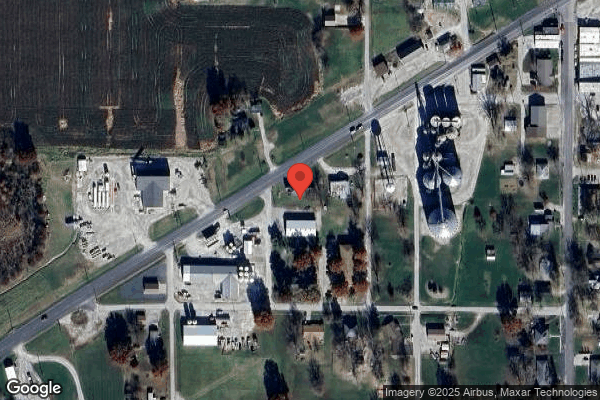
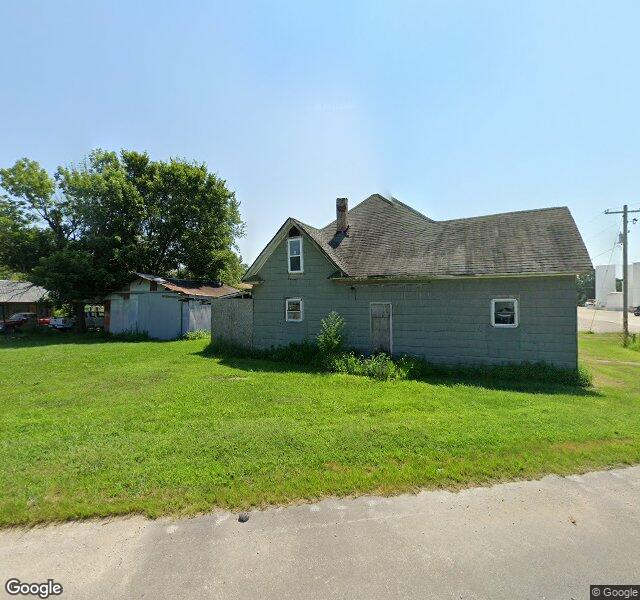
301 WEST DUNLOP STREET, CENTER, MO 63436 (573) 267-3920
For profit - Corporation 60 Beds RELIANT CARE MANAGEMENT Data: November 2025 4 Immediate Jeopardy citations
Trust Grade
0/100
#477 of 479 in MO
Last Inspection: May 2025

Inspected within the last 6 months. Data reflects current conditions.

Overview

Westview Nursing Home in Center, Missouri, has received a Trust Grade of F, indicating significant concerns and poor overall performance. It ranks #477 out of 479 facilities in Missouri, placing it in the bottom half, and is the only option in Ralls County. Unfortunately, the facility is worsening, with issues increasing from 3 in 2024 to 15 in 2025. Staffing is a major concern here, with a rating of 1 out of 5 stars and a turnover rate of 82%, which is well above the state's average of 57%. The facility also faces substantial fines totaling $193,989, higher than 98% of Missouri facilities, suggesting ongoing compliance problems. Notably, there have been critical incidents, including verbal and mental abuse by the Director of Nursing towards residents, with reports of residents feeling threatened and upset. Additionally, the facility failed to follow hospital discharge orders for residents, potentially jeopardizing their health. While RN coverage is average, the overall low ratings and troubling incidents highlight significant weaknesses that families should carefully consider.

Trust Score
F
0/100
In Missouri
#477/479
Bottom 1%
Safety Record
High Risk
Review needed
Inspections
Getting Worse
3 → 15 violations
Staff Stability
⚠ Watch
82% turnover. Very high, 34 points above average. Constant new faces learning your loved one's needs.
Penalties
✓ Good
$193,989 in fines. Lower than most Missouri facilities. Relatively clean record.
Skilled Nurses
⚠ Watch
Each resident gets only 16 minutes of Registered Nurse (RN) attention daily — below average for Missouri. Fewer RN minutes means fewer trained eyes watching for problems.
Violations
⚠ Watch
59 deficiencies on record. Higher than average. Multiple issues found across inspections.
★☆☆☆☆
1.0
Overall Rating
★☆☆☆☆
1.0
Staff Levels
★☆☆☆☆
1.0
Care Quality
★☆☆☆☆
1.0
Inspection Score
Stable
2024: 3 issues
2025: 15 issues

The Good

  • Full Sprinkler Coverage · Fire safety systems throughout facility
  • No fines on record

Facility shows strength in fire safety.

The Bad

1-Star Overall Rating

Below Missouri average (2.5)

Significant quality concerns identified by CMS

Staff Turnover: 82%

36pts above Missouri avg (46%)

Frequent staff changes - ask about care continuity

Federal Fines: $193,989

Well above median ($33,413)

Significant penalties indicating serious issues

Chain: RELIANT CARE MANAGEMENT

Part of a multi-facility chain

Ask about local staffing decisions and management

Staff turnover is very high (82%)

34 points above Missouri average of 48%

The Ugly 59 deficiencies on record

4 life-threatening 6 actual harm
Jul 2025 2 deficiencies 2 Harm
SERIOUS (G) 📢 Someone Reported This

A family member, employee, or ombudsman was alarmed enough to file a formal complaint

Actual Harm - a resident was hurt due to facility failures

Deficiency F0658 (Tag F0658)

A resident was harmed · This affected 1 resident

Deficiency Text Not Available

Read full inspector narrative →
Deficiency Text Not Available
SERIOUS (H) 📢 Someone Reported This

A family member, employee, or ombudsman was alarmed enough to file a formal complaint

Actual Harm - a resident was hurt due to facility failures

Deficiency F0557 (Tag F0557)

A resident was harmed · This affected multiple residents

Deficiency Text Not Available

Read full inspector narrative →
Deficiency Text Not Available
May 2025 12 deficiencies 2 Harm
SERIOUS (G)

Actual Harm - a resident was hurt due to facility failures

Deficiency F0658 (Tag F0658)

A resident was harmed · This affected 1 resident

**NOTE- TERMS IN BRACKETS HAVE BEEN EDITED TO PROTECT CONFIDENTIALITY** Based on interview and record review, the facility failed to accurately transcribe physician orders received from a transferring...

Read full inspector narrative →
**NOTE- TERMS IN BRACKETS HAVE BEEN EDITED TO PROTECT CONFIDENTIALITY** Based on interview and record review, the facility failed to accurately transcribe physician orders received from a transferring facility upon admission to the facility for one resident (Resident #18), in a review of 18 sampled residents. The resident admitted with physician orders to receive medications to treat anxiety and depression, and did not receive the medications for 14 days. The resident reported experiencing depressed mood and significant mood fluctuations as a result of not receiving the medication. The facility census was 56. Review of Drugs.com on 06/05/25 showed the following: -Buspar is an anti-anxiety medicine that affects chemicals in the brain that may be unbalanced in people with anxiety; -Take Buspar exactly as prescribed; -If switching anxiety medication, the resident may need to slowly decrease the dose of the other medication rather than stopping suddenly; Some anxiety medications can cause withdrawal symptoms when you stop taking them suddenly after long-term use; -Depakote affects chemicals in the body that may be involved in causing seizures; also used to treat manic episodes related to bipolar disorder (manic depression); -Do not stop using this medicine without physician's advice; stopping suddenly may cause a serious, life-threatening type of seizure; -Take exactly as prescribed. Review of the facility policy, admission Process, Assignment of Primary Diagnosis, revised on 12/01/22, showed the following: -A Licensed/Registered Nurse will ensure that all admission paperwork, including physician orders and medications are followed; -All physician orders are noted and followed per policy. Review of the facility policy, Transcription of Orders/Following Physician Orders, revised 05/18/24, showed the following: -The purpose of this policy is to outline procedures in accurately transcribing physician's orders and to ensure that all physician orders are followed. To ensure a process is in place to monitor nurses in accurately transcribing and following physician orders. -Upon receiving a physician's order via telephone, fax, written order, verbal order, transcribed order or other, it will be documented in residents' electronic medical records in the orders section; -Clarification of physician orders will be obtained if the order is either unclear or the nurse is uncomfortable in implementation of the physician orders. 1. Review of Resident #18's referral packet, dated 03/03/25, showed the following: -The resident had a physician's order for Buspar HCL (a medication used to treat anxiety disorder) tablet 5 milligram (mg), give one tablet twice daily for anxiety (original order dated 02/12/25); -The resident had a physician's order for Depakote (a medication used to treat seizure disorder that is also used to treat mood disorders) tablet delayed release 125 mg, give one capsule one time a day for depression (original order dated 02/12/25). Review of the resident's admission record showed the following: -He/She admitted to the facility on [DATE]; -His/Her diagnoses included post-traumatic stress disorder (PTSD; a mental health condition that can develop after experiencing or witnessing a traumatic event that involves actual or threatened death, serious injury, or a threat to physical integrity), major depressive disorder (a mental health condition characterized by persistent feelings of sadness, emptiness, and a loss of interest or pleasure in activities), anxiety disorder (a group of mental health conditions characterized by excessive and persistent worry or fear that is disproportionate to the actual threat or situation), and borderline personality disorder (a personality disorder characterized by a pattern of unstable relationships, self-image, and emotions, leading to difficulties with interpersonal relationships, impulsivity, and self-harm). Review of the resident's progress notes, dated 03/26/25 at 7:06 P.M., showed Licensed Practical Nurse (LPN) A documented the following: -The resident arrived to the facility at 4:00 P.M. via facility transportation; -He/She arrived with his/her medications from his/her previous facility; -His/Her orders were put into the electronic health record. Review of the resident's physician's orders, dated March 2025, showed no documentation staff transcribed the orders for Buspar HCL and Depakote upon the resident's admission to the facility. Review of the resident's Medication Administration Record (MAR), dated March 2025, showed the following: -No documentation the resident received Buspar on 3/26/25 through 3/28/25; -No documentation the resident received Depakote on on 3/26/25 through 3/28/25. Review of the resident's progress notes, dated 03/28/25 at 2:10 P.M. showed the resident told the Social Services Director (SSD) that he/she had not received all of his/her medications. During an interview on 05/29/25 at 12:40 P.M., the SSD said the following: -The resident reported to her that he/she had not been getting some of his/her medications, and she reported it to the charge nurse (LPN A) right away; -The resident seemed more depressed; the resident was in a new facility and it was much smaller, in a more rural area than the resident expected, and the resident said there was nothing to do. Review of the resident's MAR, dated March 2025, showed the following: -No documentation the resident received Buspar on 03/29/25 through 03/31/25; -No documentation the resident received Depakote on 03/29/25 through 03/31/25. Review of the resident's physician's orders, dated April 2025, showed no documentation staff transcribed the orders for Buspar HCl and Depakote received upon the resident's admission to the facility. Review of the resident's MAR, dated April 2025, showed the following: -No documentation the resident received Buspar on 04/01/25 through 04/08/25 (a total of 14 days); -No documentation the resident received Buspar on 04/01/25 through 04/08/25 (a total of 14 days). Review of the resident's psychiatric note, dated 04/09/25, showed the following: -The resident presented as guarded and displayed limited engagement; -He/She reported experiencing depressed mood and significant mood fluctuations; -He/She expressed concern about not receiving his/her previously prescribed medications, specifically Buspar and Depakote, which he/she said were effective for him/her at his/her previous facility; -His/Her guarded presentation suggests underlying distress; -Given his/her reported history and current symptoms, the following medications were restarted: Buspar 5 mg by mouth twice daily for anxiety and depakote sprinkles 125 mg, two capsules at bedtime for mood stabilization and depressive symptoms. Review of the resident's physician orders, dated April 2025, showed the following: -Buspar HCI oral tablet 5 mg, give one tablet by mouth two times a day related to major depressive disorder (order dated 04/09/25); -Depakote oral tablet delayed release 125 mg, give two capsules by mouth at bedtime related to major depressive disorder (order dated 04/09/25). During an interview on 05/19/25 at 2:00 P.M., the resident said the following: -He/She didn't receive Depakote or Buspar for several weeks after he/she first arrived at the facility; -He/She had behaviors and depressed mood because of not receiving his/her medications; -He/She told staff about the missing medications and they did nothing about it. During an interview on 06/03/25 at 8:28 A.M., LPN A said the following: -He/She entered the physician orders the resident brought with him/her into the electronic medical record; -He/She wasn't aware the resident was missing any orders for medications; -The resident nor the SSD reported to him/her that any medications were missing; -The resident had not reported any increased depression. During an interview on 06/03/25 at 10:57, the Assistant Director of Nursing (ADON) said the charge nurse (LPN A) was responsible for ensuring the admission paperwork, including the physician orders for the resident's medications, were entered and followed. During an interview on 05/21/25 at 2:25 P.M., the Medical Director said the following: -Buspar or Depakote should not be be stopped abruptly; -If the resident was on the medications at another facility, both of the medications should be continued upon admission; -If there was any question or discrepancy in orders, he would have expected the nurse to call him to clarify.
SERIOUS (H)

Actual Harm - a resident was hurt due to facility failures

Deficiency F0557 (Tag F0557)

A resident was harmed · This affected multiple residents

**NOTE- TERMS IN BRACKETS HAVE BEEN EDITED TO PROTECT CONFIDENTIALITY** Based on interview and record review, the facility failed to ensure staff treated residents with dignity and respect for four re...

Read full inspector narrative →
**NOTE- TERMS IN BRACKETS HAVE BEEN EDITED TO PROTECT CONFIDENTIALITY** Based on interview and record review, the facility failed to ensure staff treated residents with dignity and respect for four residents (Residents #1, #2, #3, and #6) in a review of nine sampled residents. Residents described staff as being rude, disrespectful and were loud, snappy, and yelled at them. Others described staff as talking down to them, scolding them and making them feel stupid while others said staff mocked and made fun of them, calling them a liar, and making them feel terrible, angry, frustrated, and not like home. The census was 56.Review of the facility policy, Resident's Rights - Missouri, last revised 7/2023 showed the following:-A resident has a right to a dignified existence, self-determination, and communication with and access to persons and services inside and outside the facility. The facility must protect and promote rights of each resident, including each of the following rights:- The resident has the right to voice grievances without discrimination or reprisal. Such grievances include those with respect to treatment which has been furnished as well as that which has not been furnished;-A resident has the right to be free from verbal, sexual, mental, and physical abuse;-A resident is treated with consideration, respect, and in full recognition of his/her dignity and individuality. 1. Review of Resident #3's quarterly Minimum Data Set (MDS), a federally mandated assessment instrument, completed by the facility, dated 06/10/25, showed the following:-Cognitively intact;-Ability to understand others and to be understood;-No delirium, no psychosis, and no behaviors;-Feeling down, depressed, hopeless two to six days;-Feeling bad about self, like a failure or have let self or family down seven to eleven days. Review of the resident's care plan, last revised 07/08/25, showed the following:-Diagnoses included anxiety disorder (persistent worry) and major depressive disorder (serious mood disorder);-Resident has manifestations of behaviors related to his/her mental illness that may create disturbances that affect others;-Acknowledge the resident's concerns. During an interview on 07/15/15 at 12:54 P.M., the resident said the following:-One (unnamed) staff speaks to him/her like he/she was five years old; -It made him/her feel like a child and like he/she had been scolded;-Licensed Practical Nurse (LPN) C was horrendous and had a horrible bedside manner;-LPN C yelled, cursed, and targeted residents; -LPN C was always disrespectful when speaking to him/her and others; -He/She had observed/heard Nurse Assistant (NA) D talk down to Resident #4 when the NA yelled, Why did you pee yourself again? You know better! This happened in the hallway; he/she was the only witness to this incident;-The Administrator had called him/her a liar; -It made him/her feel terrible. 2. Review of Resident #1's annual MDS, dated [DATE], showed the following:-Ability to understand others and to be understood;-Cognitively intact;-No delirium;-No psychosis, no behaviors. Review of the resident's care plan, last revised 05/28/25, showed the following:-Diagnoses included major depressive disorder and anxiety;-Monitor, document, report any signs of depression including hopelessness, anxiety, sadness, verbalization or tearfulness, loss of pleasure and interest in activities, risk to harm self or others. During an interview on 07/15/25 at 10:20 A.M., the resident said the following:-Staff in general could be rude and disrespectful;-NA D was loud and snappy at times;-All staff talked to resident like they were stupid;-Some staff yelled and mocked him/herself and other residents; -He/She had not reported as he/she would be threatened, and it would be held against him/her; -Staff treatment of residents upset him/her and made him/her feel like he/she was in a concentration camp, not a home;-LPN C was the worst of all. 4. Review of Resident #2's annual MDS, dated [DATE], showed the following:-Cognitively intact;-Ability to understand others and to be understood;-No delirium;-No psychosis, no behaviors;-Feeling down, depressed, hopeless two to six days;-Feeling bad about self or like he/she was a failure or has let self or family down seven to eleven days. Review of the resident's care plan, last revised 07/15/25, showed the following:-At risk for impaired social interaction and ineffective coping skills related to bipolar diagnosis;-Emotional distress triggered by overwhelming emotions or feelings or memories;-Allow time to vent with staff of any concerns or feelings;-Provide opportunities for expression of feelings related to situational stressors. During an interview on 07/15/25 at 12:45 P.M., the resident said the following:-Staff, including the administrator, yelled and cursed at him/her and other residents; -LPN C was the worst by far. LPN C mocked and made fun of residents. LPNC will make accusations and laugh at residents making sure they could hear him/her. -LPN C had just done this to him/her;-Staff had called him/her a liar; -It made him/her angry and frustrated;-Everyone had reported staff treatment, but nothing changed. 5. Review of Resident #6's quarterly MDS dated [DATE] showed the following:-Moderately impaired cognition;-No delirium, no psychosis. During an interview on 07/15/25 at 9:55 A.M., the resident said about two weeks ago, he/she overheard and witnessed Certified Medication Technician (CMT) B yell at a resident in the dining room. CMT B could have an attitude. This made him/her feel upset for the other resident and him/herself. 6. Review of Resident #5's admission MDS, dated [DATE], showed the following:-Cognitively intact;-Ability to understand others and to be understood;-No delirium, no psychosis;-Feeling down, depressed, hopeless two to six days;-Feeling bad about self, like a failure or has let self or family down seven to eleven days. Review of the resident's care plan, last revised 07/15/25, showed his/her diagnoses included generalized anxiety disorder. During an interview on 07/15/25 at 12:40 P.M., the resident said the following:-Staff talked down to residents like they were children; -He/She had experienced it by many staff;-The worst was LPN C. 7. During an interview on 07/15/25, an anonymous staff member said the following:-A lot of residents had reported they were afraid to ask CMT B for anything due to his/her reaction to them;-CMT B talked down to residents and was aggressive;-One resident said CMT B was aggressive and he/she would not ask this staff for anything because of the way CMT B spoke to and treated him/her and other residents. He/She would refuse to take his/her medications from CMT B;-He/She had never reported this to anyone because he/she was afraid to lose his/her job. 8. During an interview on 07/17/25 at 2:18 P.M., the Director of Nursing said the following:-Staff should speak to residents in an appropriate tone, professionally and respectful;-Staff should not curse at or in front of residents;-Staff should not mock residents or talk down to them like they are toddlers;-No residents/staff had reported incidents of staff mistreatment to him/her; -Residents should not be fearful of retaliation;-Staff receive resident rights and abuse/neglect training with orientation and quarterly, or more often. During an interview on 07/17/25 at 2:30 P.M., the Administrator said the following:-Staff should speak to residents with dignity and respect. They have been in-serviced on this multiple times;-Staff should not curse at residents or in front of them;-Staff should not mock, yell or talk down to residents like they are toddlers;-Resident #3 had complained of LPN C talking to him/her like he/she was a toddler this morning; -All staff are given a copy of resident rights and abuse/neglect policy upon hire, and they sign they have reviewed and understand. 1588544
CONCERN (D)

Potential for Harm - no one hurt, but risky conditions existed

Deficiency F0657 (Tag F0657)

Could have caused harm · This affected 1 resident

**NOTE- TERMS IN BRACKETS HAVE BEEN EDITED TO PROTECT CONFIDENTIALITY** Based on observation, interview, and record review, the facility failed to update and revise the comprehensive care plan for two...

Read full inspector narrative →
**NOTE- TERMS IN BRACKETS HAVE BEEN EDITED TO PROTECT CONFIDENTIALITY** Based on observation, interview, and record review, the facility failed to update and revise the comprehensive care plan for two residents (Resident #26 and #14), in a review of 18 sampled residents. The facility failed to update Resident #26's care plan to address the resident's use of antipsychotic, antidepressant, and antianxiety medications, failed to update Resident #47's care plan to address the resident's need for a mechanical lift transfer, and failed to update Resident #14's care plan with interventions for wound care and enhanced barrier precautions (EBP). The facility census was 56. Review of the facility's policy, Comprehensive Care Plans, revised on 10/31/2024, showed the following: -It is the policy of this facility to develop and implement a comprehensive person-centered care plan for each resident, consistent with resident rights, that includes measurable objectives and time frames to meet a resident's medical, nursing, and mental and psychosocial needs that are identified in the resident's comprehensive assessment; -The care planning process will include an assessment of the resident's strengths and needs, and will incorporate the resident's personal and cultural preferences in developing goals of care. Services provided or arranged by the facility, as outlined by the comprehensive care plan, shall be culturally-competent and trauma-informed; -The comprehensive care plan will be developed within seven days after the completion of the comprehensive MDS assessment. All Care Assessment Areas (CAAs) triggered by the MDS will be considered in developing the plan of care. Other factors identified by the interdisciplinary team, or in accordance with the resident's preferences, will also be addressed in the plan of care. The facility's rationale for deciding whether to proceed with care planning will be evidenced in the clinical record; -The comprehensive care plan will describe, at a minimum, the services that are to be furnished to attain or maintain the resident's highest practicable physical, mental and psychosocial well-being; -The comprehensive care plan will be prepared by an interdisciplinary team, that includes, but is not limited to: -The attending physician or non-physician practitioner designee involved in the resident's care, if the physician is unable to participate in the development of the care plan; -A registered nurse with responsibility for the resident; -A nurse aide with responsibility for the resident; -A member of the food and nutrition services staff; -The resident and the resident's representative, to the extent practicable; -The comprehensive care plan will be reviewed and revised by the interdisciplinary team after each comprehensive and quarterly MDS assessment; -The comprehensive care plan will include measurable objectives and time frames to meet the resident's needs as identified in the resident's comprehensive assessment. The objectives will be utilized to monitor the resident's progress. Alternative interventions will be documented, as needed; -Qualified staff responsible for carrying out interventions specified in the care plan will be notified of their roles and responsibilities for carrying out the interventions, initially and when changes are made. 1. Review of Resident #26's electronic health record showed the resident's diagnoses included bipolar disorder (mental health disorder that causes extreme mood swings), major depressive disorder, anxiety disorder, and paranoid personality disorder (mental condition in which a person has a long-term pattern of distrust and suspicion of others). Review of the resident's psychiatric assessment, dated 02/28/25, showed the following: -The resident had a history of anxiety and auditory hallucinations; -Medications included Trazodone (a medication to treat major depressive disorder) 50 milligram (mg), quetiapine rumarate (an antipsychotic medication) 200 mg, divalproex sodium (anti-seizure medication used to treat certain types of psychiatric conditions) 250 mg, and aripiprazole lauroxil syringe (long-acting injection to treat psychiatric conditions). Review of the resident's annual Minimum Data Set (MDS), a federally mandated assessment instrument completed by the facility, dated 03/05/25, showed the following: -Cognition was intact; -He/She received antipsychotic medications seven out of the previous seven day look back period; -He/She received antidepressant medications seven out of the previous seven day look back period; -He/She received antianxiety medications seven out of the previous seven day look back period. Review of the resident's Care Plan, last reviewed on 03/12/25, showed the following: -No documentation the resident had a history of hallucinations; -No documentation the resident received anti-depressant medications, antipsychotic medications, or anti-anxiety medications. Review of the resident's Physician's Orders, dated May 2025, showed the following: -Quetiapine fumarate 200 mg (order dated 09/16/24); -Aristada (long-acting injection to treat psychiatric conditions) prefilled syringe 882 mg/3.2 milliliter (ml) (order dated 11/2/24); -Divalproex Sodium ER 250 mg (order dated 11/2/24); -Trazodone 50 mg (order dated 02/19/25); -Duloxetine HCl (an antidepressant medication) delayed release sprinkle 60 mg (order dated 04/27/25). During an interview on 05/19/25 at 2:00 P.M., the resident's responsible party said the following: -The resident had inappropriate behaviors with residents of the opposite gender; -He/She expected staff to monitor for those inappropriate behaviors and redirect the resident. During an interview on 05/20/25 at 8:20 A.M., Nurse Aide (NA) C said the following: -The resident had a history of inappropriately touching residents of the opposite gender; -Staff instructed the resident to keep his/her hands to himself/herself; -Staff were to monitor the resident for these behaviors. Review of the resident's care plan showed no documentation the resident had inappropriate behaviors towards other residents, no interventions to address these behaviors, and no system for monitoring for these behaviors. During an interview on 05/21/25 at 2:00 P.M., the Assistant Director of Nursing (ADON) said antipsychotic medication use should be included in the resident's care plan. During an interview on 05/21/25 at 2:00 P.M., the Regional Registered Nurse said antipsychotic medications use should be included in the resident's care plan. 2. Review of Resident #47's diagnoses list, dated 10/05/22,showed the resident's diagnoses included white matter disease (a rare, progressive, and genetic neurological disorder that affects the brain's white matter), history of transient ischemic attack (TIA) (a temporary disruption of blood flow to the brain, leading to stroke-like symptoms that usually disappear within minutes or hours) and cerebral infarction (a serious medical condition where blood flow to the brain is blocked, leading to brain tissue damage or death), history of falling, unsteadiness on feet, and muscle weakness. Review of the resident's care plan, revised 08/02/24, showed the following: -He/She has an activity of daily living (ADL) self-care performance deficit related to disease process: Stroke; -He/She has limited physical mobility related to stroke. Review of the resident's quarterly MDS, dated [DATE], showed he/she was dependent on staff for transfers. Review of the resident's care plan showed it had not been updated since 08/02/24 to show transfer status and the resident required a mechanical lift for transfers. Observation on 05/20/25 at 1:05 P.M. showed Nurse Aide (NA) L brought a mechanical lift to the resident's room and Certified Nurse Aide (CNA) H and NA C transferred the resident from his/her wheelchair to his/her bed via the lift. During an interview on 05/20/25 at 1:45 P.M., NA L said that staff never transfer the resident without the mechanical lift. During an interview on 05/20/25 at 2:15 P.M., CNA H said the resident's transfer status should be on the care plan. During an interview on 05/20/25 at 2:12 P.M., Licensed Practical Nurse (LPN) A said the resident was a mechanical lift transfer and the transfer status should be found somewhere in the electronic health record (EHR). During an interview on 05/21/25 at 12:00 P.M., the Certified Occupational Therapy Assistant (COTA) Program Coordinator said the following: -The resident required a two person maximum assist with mechanical lift for transfers; -The resident had a significant decline about two to three months ago; -The resident has been a two person maximum assist transfer with a mechanical lift for two to three months. During an interview on 05/20/25 at 5:15 P.M., the DON said the following: -If the charge nurse has a new admission, they were responsible for starting the care plan; -The baseline care plan was a group effort; -The MDS Coordinator worked off site; -The MDS Coordinator was responsible for completing the comprehensive care plan; -The ADON and DON were responsible for updating the care plan. During an interview on 06/05/25 at 3:00 P.M., the MDS Coordinator said the following: -She worked remotely and was not in the building to be a part of morning meetings and care plan meetings; -She helped to update a care plan if she noticed something that needed and update; -It was the DON's and interdisciplinary team's responsibility at the facility to update the care plans. During an interview on 05/21/25 at 4:58 P.M., the Administrator said the following: -The care plans were not updated to reflect the current needs of the resident because the MDS Coordinator worked remotely and was not at the facility; -When the MDS Coordinator was in house and was responsible for completing the care plans, it made it easier because she was here for morning meetings and care plan meetings; -Now that the facility no longer had an in-house MDS Coordinator, the DON and ADON were working on slowly getting the care plans updated. Surveyor: [NAME], Konnie
CONCERN (D)

Potential for Harm - no one hurt, but risky conditions existed

Deficiency F0692 (Tag F0692)

Could have caused harm · This affected 1 resident

Based on observation, interview, and record review, the facility failed to consistently implement interventions to address weight loss, including providing assistance with eating to prevent unplanned ...

Read full inspector narrative →
Based on observation, interview, and record review, the facility failed to consistently implement interventions to address weight loss, including providing assistance with eating to prevent unplanned weight loss for one resident (Resident #47), in a review of 18 sampled residents. The facility census was 56. Review of the facility policy, Weight Monitoring, revised 05/07/24, showed the following: -Purpose: Based on the resident's comprehensive assessment, the facility will ensure that all residents maintain acceptable parameters of nutritional status, such as usual body weight or desirable body weight range and electrolyte balance, unless the resident's clinical condition demonstrates that this is not possible or the resident preferences indicate otherwise; -Weight can be a useful indicator of nutritional status. Significant, unintended changes in weight (loss or gain) or insidious weight loss (gradual unintended loss over a period of time) may indicate a nutritional problem; -The facility will utilize a systemic approach to optimize a resident's nutritional status. This process includes: -Identifying and assessing each resident's nutritional status and risk factors; -Evaluating/analyzing the assessment information; -Developing and consistently implementing pertinent approaches; -Monitoring the effectiveness of interventions and revising them as necessary; -Information gathered from the nutritional assessment and current dietary standards of practice are used to develop an individualized care plan to address the resident's specific nutritional concerns and preferences. The care plan should address the following, to the extent possible: -Identified causes of impaired nutritional status; -Reflect the resident's personal goals and preferences; -Identify resident-specific interventions; -Time frame and parameters for monitoring; -Updated as needed such as when the resident's condition changes, goals are met, interventions are determined to be ineffective or a new causes of nutrition-related problems are identified; -If nutritional goals are not achieved, care planned interventions will be reevaluated for effectiveness and modified as appropriate; -The resident and/or resident representative will be involved in the development of the care plan to ensure it is individualized and meets personal goals and preferences; -Interventions will be identified, implemented, monitored and modified (as appropriate), consistent with the resident's assessed needs, choices, preferences, goals and current professional standards to maintain acceptable parameters of nutritional status; -Documentation: -The physician should be informed of a significant change in weight and may order nutritional interventions; -Meal consumption information should be recorded and may be referenced by the interdisciplinary care team as needed; -If the interdisciplinary care team desires to explore specific meal consumption information for a resident, the Registered Dietitian, Dietary Manager, or the nursing department may initiate this process; -The Registered Dietitian or Dietary Manager should be consulted to assist with interventions; actions are recorded in the nutrition progress note; -Observations pertinent to the resident's weight status should be recorded in the medical record as appropriate; -The interdisciplinary plan of care communicates care instructions to staff. 1. Review of Resident #47's admission weight, dated 10/03/22, showed the resident weighed 163.0 pounds. Review of the resident's diagnoses list, dated 10/05/22, showed the resident's diagnoses included white matter disease (a rare, progressive neurological disorder that damages the brain's white matter that can lead to various neurological symptoms like memory problems, balance issues, and mobility difficulties), personal history of transient ischemic attack (TIA; a temporary disruption of blood flow to the brain, leading to stroke-like symptoms that usually disappear within minutes or hours), cerebral infarction (a serious medical condition where blood flow to the brain is blocked, leading to brain tissue damage or death), muscle weakness, benign prostatic hyperplasia (a non-cancerous enlargement of the prostate gland that can cause urinary issues), and localized swelling, mass and lump, lower limb. Review of the resident's care plan, revised 08/02/24, showed the following: -He/She was at risk for self-care deficit and decline in functions related to his/her diagnosis of white matter disease; -He/She required extensive assistance with his/her activities of daily living (ADL) tasks; -He/She could perform some of the task with supervision, set up and cues; -Allow time for him/her to complete the task and intervene as needed; -Monitor for decline in functions; -Provide supervision, assistance, set and cues as needed; -Determine level of assistance needed based on ADL evaluation; -He/She was on a mechanical soft diet; -Ensure he/she had appropriate portions at meals and offer seconds; -He/She was on a mechanical soft/thin liquid diet due to aspiration and choking risk; -He/She used weighted utensils, double handled cups, and a scoop plate to assist with eating independently; -Notify therapy if he/she required assistance with eating or needed other utensil modifications to keep independence. Review of the resident's documented weights, located in the electronic medical record, showed the following: -On 11/11/24, the resident weighed 175.2 pounds; -On 12/10/24, the resident weighed 174.1 pounds; -On 01/10/25, the resident weighed 189.2 pounds; -On 02/02/25, the resident weighed 190.0 pounds; Review of the resident's physician's orders, dated 03/06/25, showed a new order for regular diet with mechanical soft texture. Review of the resident's documented weights, dated 03/07/25, showed the resident weighed 157.0 pounds. (A loss of 33 pounds in one month; a 17% weight loss in one month.) Review of the resident's nutrition/dietary note, dated 03/11/25 at 3:29 P.M., showed the following: -He/She continued on a regular/mechanical soft diet with thin liquids and no snacks from the vending machine; -No indication of recent intake available; -Weight was 157 pounds, down 33 pounds in one month (-17.4% loss), down 17 pounds in three months (-9.7% loss), and down 15 pounds in six months. Current BMI (body mass index, tells whether one has too much, too little or a healthy amount of body fat) is 24.6 - normal; -Question accuracy of weights. Pattern has varied significantly over the past year; -Continue current plan of care, monitor oral intake on current diet and weight for significant changes; -Registered dietician will follow and be available as needed. Review of the resident's documented weights, dated 04/16/25, showed the resident weighed 158.0 pounds. Review of the resident's quarterly Minimum Data Set (MDS), a federally mandated assessment instrument completed by staff, dated 04/19/25, showed the following: -Severely impaired cognition; -Required supervision or touch assistance with eating; -Required mechanically altered diet; -Weight 158 pounds; -Had a weight loss of 5% or more in last month or 10% or more in last six months. Review of the resident's nutrition/dietary note, dated 04/23/25 at 8:04 P.M., showed the following: -The resident remained on a mechanical soft diet with weighted silverware, and double handed cups; -The resident's weight was 209 pounds, up 20 pounds in three months (10.6% gain), up 37 pounds in six months (21.5% gain), BMI = 32.7 class I obesity weight range; -Unsure of weight accuracy; -Will continue to monitor and be available as needed. Review of the resident's documented weights, dated 04/29/25, showed the resident weighed 167.0 pounds. (A gain of nine pounds in 13 days.) Review of the resident's progress note, dated 04/29/25, showed staff notified the physician of the resident's weight loss. Repeat labs, urine, chest x-ray, and Boost (high protein nutritional supplement) three times daily ordered. Review of the resident's physician orders, dated 05/07/25, showed a new order for Boost with meals. Review of the resident's documented weights showed the following: -On 05/09/25, the resident weighed 143.4 pounds; -On 05/12/25, the resident weighed 142.0 pounds. Review of the resident's physician orders, dated 05/12/25, showed an order for weekly weights to be obtained every Monday. Review of the resident's physician orders for May 2025, showed the following: -Boost (high protein nutritional supplement) with meals; -Weekly weight (every Monday); -Regular diet, mechanical soft texture; -May use weighted silverware, double handed cups, white scoop plate during meals. Observation on 05/18/25 at 12:10 P.M. showed the following: -The resident sat in the dining room; -Staff served the resident a mechanical soft diet which included hamburger with gravy, mashed potatoes and gravy, pudding parfait, and koolaid; -The resident used weighted silverware, a separated/scoop plate and a double handled cup; -The resident attempted to feed himself/herself with the weighted silverware. As he/she took a bite of food to his/her mouth, the food fell from the silverware to the resident's clothing; -NA M walked over to the resident and gave the resident a bite of food; -The resident consumed approximately 50% of his/her meal. Review of the resident's medical record showed no documentation staff monitored the resident's oral intake from his/her meals on 05/18/25. During an interview on 05/18/25 at 1:00 P.M., the resident said the food was not good. Staff do not provide him/her with a alternate when he/she did not like what was served. Review of the resident's documented weights, dated 05/19/25, showed the resident weighed 144.0 pounds. Observation on 05/19/25 at 5:25 P.M., showed the following: -The resident sat in his/her wheelchair in the dining room. The resident held his/her hand up and said, Help; -Staff were in the dining room and served other residents trays and offered feeding assistance to other residents. Staff did not attend to the resident's request for help; -The resident attempted to feed himself/herself with the weighted silverware. As he/she took a bite of food to his/her mouth, the food fell from the silverware to the resident's clothing; -After several attempts of raising his/her hand and saying help, Nurse Assistant (NA) L wiped the food off of the resident's shirt and pants and placed a clothing protector around the resident's neck and walked away. (NA L did not ask the resident why he/she asked for help and did not assist the resident to eat his/her meal); -The resident removed his/her clothing protector and said, I'm done; -The resident said he/she was full; -The resident ate/spilled approximately 25% of his/her meal; -Staff did not offer an alternative or offer to assist the resident; -The resident wheeled himself/herself out of the dining room and into the hallway. During an interview on 05/19/25 at 5:45 P.M., the resident said he/she would like staff to assist him/her with eating. Review of the resident's medical record showed no documentation staff monitored the resident's oral intake from his/her meals on 05/19/25. Observation on 05/21/25 at 12:15 P.M. showed the following: -The resident fed himself/herself in the dining room; -He/She used weighted utensils, divided/scoop plate and a double handled cup; -He/She held his/her hand up with his/her spoon for assistance, and no staff came to assist him/her; -While he/she tried to feed himself/herself, he/she dropped food and did not get the food to his/her mouth; -The resident held his/her hand in the air and asked for a napkin; -NA M brought the resident a napkin and put a clothing protector on the resident. NA M did not offer to assist the resident to eat; -The resident ate all of his/her goulash and all of his/her chocolate mousse dessert and left all of his/her green beans; -He/She took off his/her clothing protector and wheeled himself/herself out of the dining room; -He/She said he/she didn't like green beans; -No staff offered the resident seconds as directed on his/her care plan. During an interview on 05/21/25 at 3:15 P.M., the resident said the following: -He/She would eat more and actually asked for double portions but didn't get it when he/she asked; -He/She was usually still hungry after meals. Review of the resident's medical record showed no documentation staff monitored the resident's oral intake from his/her meals on 05/21/25. During an interview on 05/21/25 at 11:40 A.M., NA C said the resident required more assistance with eating lately. During an interview on 05/21/25 at 11:40 A.M., NA L said the resident required a lot more assistance with eating recently. During an interview on 05/21/25 at 2:00 P.M., the Registered Dietician said the following: -Last month's review did not signal a weight loss for the resident, so she was just now seeing the resident's current weight loss; -Looking at her notes, she saw a note where staff were unsure of the accuracy of the resident's weight because the resident actually triggered for weight gain last month; -She always followed up on the following month with any weight gain or weight loss. The resident was on her list to be seen; -The staff were having issues with the resident wanting regular food and he/she was on a mechanical soft, so they were going to work on a diet waiver; -The resident started on Boost with meals (three times daily) on 05/07/25; -She was going to have to look into the resident's percentage of intake and see if double portions would be appropriate. During an interview on 06/05/25 at 2:00 P.M., the Assistant Director of Nursing (ADON) said the following: -Meal intake documentation was completed as needed and was a task the Director of Nursing (DON) had to trigger to be completed; -Once the DON triggered the task, the certified nurse assistants (CNA)s were responsible to chart how much the resident ate during the meals; -The resident's meal intake was not charted because the previous DON never triggered the task for the CNAs to chart. During an interview on 05/21/25 at 4:58 P.M., the Administrator said staff were to assist the resident if he/she needed help with eating.
CONCERN (D)

Potential for Harm - no one hurt, but risky conditions existed

Deficiency F0698 (Tag F0698)

Could have caused harm · This affected 1 resident

Based on observation, interview, and record review, the facility failed to assess a dialysis fistula ( a connection that a surgeon makes between an artery and a vein to make it possible for a person t...

Read full inspector narrative →
Based on observation, interview, and record review, the facility failed to assess a dialysis fistula ( a connection that a surgeon makes between an artery and a vein to make it possible for a person to receive hemodialysis) before and after dialysis treatments and to monitor for bruit (audible vascular sound associated with turbulent blood flow) and thrill (a vibration caused by blood flowing through the fistula) every shift as directed in facility policy for one resident (Resident #50), in a review of 18 sampled residents. The facility failed to develop a care plan to address the care and monitoring of the resident's fistula. The facility identified two residents who received dialysis treatments. The facility census was 56. Review of the facility's dialysis policy, last reviewed on 03/18/22, showed the following: -The facility will ensure residents who require dialysis receive such services, consistent with professional standards of practice, the comprehensive person-centered care plan, and the resident's goals and preferences; -The facility would ensure each resident received care and services for the provision of hemodialysis and/or peritoneal dialysis consistent with professional standards of practice including: -Ongoing assessment of the resident's condition and monitoring for complications before and after dialysis treatments received at a certified dialysis facility; -Ongoing assessments and oversight of the resident before and after dialysis treatments; -To prevent injuries, ensure care plan and certified nursing assistants care plan indicate no blood pressure measurements, venipunctures, and or injections on the affected side. When blood flow through the vascular access was reduced, it could clot; -The nurse would monitor bruit and thrill every shift and document on the resident's Treatment Administration Record (TAR); -Palpate the vascular access to feel for a thrill or vibration that indicates arterial and venous blood flow and patency; -Auscultate the vascular access with a stethoscope to detect a bruit or swishing sound that indicated patency; -After dialysis, assess the vascular access for any bleeding or hemorrhage. 1. Review of Resident #50's electronic health record showed the resident's diagnoses included end stage renal disease (ESRD; permanent kidney failure) and dependence on renal dialysis. Review of the resident's care plan, last revised on 01/06/25, showed the following: -His/Her diagnoses included renal insufficiency (poor function of the kidneys) related to ESRD and absence of one kidney; -He/She required dialysis every Monday, Wednesday, and Friday; (The care plan did not include the resident had a dialysis fistula. The care plan did not address the care of the fistula, including contraindication to taking blood pressure measurements in the arm with the fistula, venipunctures, and/ or injections on the affected side, and did not address monitoring the fistula, including assessment for bruit and thrill every shift, as directed in facility policy.) Review of the resident's quarterly Minimum Data Set (MDS), a federally mandated assessment to be completed by the facility, dated 03/27/25, showed the following: -His/Her cognition was intact; -Diagnoses included ESRD; -He/She required dialysis. Review of the resident's physician's orders, dated May 2025, showed no orders related to the resident's dialysis treatments and/or monitoring of the dialysis fistula. Review of the resident's TAR, dated May 2025, showed no documentation staff monitored bruit and thrill every shift, as directed in facility policy. During an interview on 05/20/25 at 1:20 P.M., the resident said the following: -He/She had dialysis treatments on Monday, Wednesday, and Friday; -He/She had dialysis yesterday (Monday); -He/She had a fistula in his/her left arm; -Some staff did not check his/her fistula after dialysis. Observation on 05/20/25 at 1:20 P.M., showed the resident had a bandage over the fistula located in his/her left arm. (The resident received dialysis treatment the day prior on 05/19/25.) During an interview on 5/20/25 at 1:30 P.M., Licensed Practical Nurse (LPN) A said the following: -The resident went to dialysis on Mondays, Wednesdays, and Fridays; -There was no specific assessment he/she needed to complete when the resident returned except to monitor for increased bleeding; -He/She only assessed for bleeding and made sure the site was clean and dry. During an interview on 05/21/25 at 8:40 A.M., LPN B said he/she was unaware of any specific protocols to follow when a resident returned from dialysis. During an interview on 05/20/25, at 3:00 P.M., the Assistant Director of Nursing (ADON) said the following: -Resident #1 received dialysis treatments and had a fistula in his/her arm; -Nursing staff were to obtain weights, vital signs (blood pressure, pulse, temperature, oxygen level) on the day of dialysis treatment and assess for bleeding at the fistula site; -Nursing staff were not expected to feel for bruit (audible vascular sound associated with turbulent blood flow) and/or thrill (a vibration caused by blood flowing through the fistula) of the fistula. During an interview on 06/03/25 at 10:20 A.M., the Director of Nursing said staff were to follow the facility's policy and procedure for monitoring residents who received dialysis treatments, including monitoring the site for bleeding, thrill, bruit, and signs of infection.
CONCERN (D)

Potential for Harm - no one hurt, but risky conditions existed

Deficiency F0806 (Tag F0806)

Could have caused harm · This affected 1 resident

Based on observation, interview, and record review, the facility failed to serve food that accommodated one resident's (Resident #12) preferences and allergies, in a review of 18 sampled residents. Th...

Read full inspector narrative →
Based on observation, interview, and record review, the facility failed to serve food that accommodated one resident's (Resident #12) preferences and allergies, in a review of 18 sampled residents. The facility census was 56. The facility did not have a policy for preferences/allergies/substitutions. 1. Review of Resident #12's face sheet showed he/she was lactose intolerant. Review of the resident's diagnoses list, dated 11/03/22, included gastro-esophageal reflux disease (GERD) (a chronic condition where stomach contents, including acid, reflux back into the esophagus causing symptoms like heartburn, chest pain, and other digestive issues). Review of the resident's care plan, revised on 01/11/24, showed the following: -He/She was lactose intolerant; -He/She would not receive items he/she was allergic to; -He/She was on a regular diet. No bread per resident request; -Dietary department will monitor diet monthly to ensure proper dietary recommendations; -He/She will request special foods from dietary then refuse and say that there was something wrong with it and will refuse to eat it. Review of the resident's quarterly Minimum Data Set (MDS), a federally mandated assessment instrument completed by the facility staff, dated 02/13/25, showed the resident's cognition was intact. Review of the resident's diet card, undated, showed the following: -Diet: Regular; -Allergies: Lactose; -Beverages: soy milk; -Notes: lactose intolerant, no bread, no pasta; -Dislikes: white bread. Review of the resident's physician orders, dated May 2025, showed the following: -Allergy: Lactose intolerance; -Regular diet; -No bread. During an interview on 05/18/25 at 1:54 P.M., the resident said the following: -He/She was lactose intolerant and staff served him/her regular milk; -He/She would prefer gluten-free bread options, but the facility did not offer it; -Staff did not accommodate his/her allergies nor his/her preferences. Observation on 05/20/25 at 8:20 A.M. showed the resident had a full bowl of puffed rice cereal in milk on his/her tray on the bedside table. During an interview on 05/20/25 at 8:20 A.M., the resident said the following: -The Dietary Manager told him/her if he/she wanted lactose-free milk, he/she would have to buy it himself/herself; -The puffed rice cereal came from the kitchen with the milk already in the bowl. Since it was regular milk, he/she could not eat the cereal. During an interview on 05/21/25 at 8:58 A.M., the Dietary Manager said the following: -If the facility had what the resident requested, they would provide it for him/her; -Dietary staff used to order almond milk for the resident, but stopped. Now the resident wanted it, and the facility didn't have it; -No one told the resident he/she had to buy the almond milk himself/herself; -The facility served the resident regular milk, because they did not have almond milk; -It would not be appropriate to serve the resident regular milk if he/she was lactose intolerant; -The resident didn't eat white bread and the facility did not keep gluten-free bread; -Staff do not serve any type of bread to the resident; -It would be appropriate to have lactose-free and gluten-free options for the resident; -The administrator told him/her that lactose-free and gluten-free alternative items weren't in the budget. During an interview on 05/21/25 at 9:15 A.M., the administrator said the following: -The facility did not have a special milk or gluten-free breads because the resident wasn't drinking/eating them; -When the resident didn't eat/drink what he/she requested, it affected the budget; -She expected the facility to adhere to the resident's allergies and preferences.
CONCERN (E)

Potential for Harm - no one hurt, but risky conditions existed

Abuse Prevention Policies (Tag F0607)

Could have caused harm · This affected multiple residents

Based on interview and record review, the facility failed to conduct pre-employment screenings, including the criminal background check (CBC), the employee disqualification list (EDL) and/or the famil...

Read full inspector narrative →
Based on interview and record review, the facility failed to conduct pre-employment screenings, including the criminal background check (CBC), the employee disqualification list (EDL) and/or the family care safety registry (FCSR) which would included both the CBC and EDL screenings, and/or the Nurse Aide (NA) registry, as directed by facility policy, for seven of 10 sampled newly hired employees reviewed. The facility census was 56. Review of the facility's Abuse and Neglect Policy, dated 10/25/22, showed the following: -The facility would not employ individuals who have been convicted of abusing, neglecting, or mistreating individuals; -Potential employees are screened for a history of abuse, neglect, or mistreating of residents. Review of the facility's Applicant, Employee, Volunteer, and Vendor Screening Policy, last reviewed/revised on 05/14/24, showed the following: -Corporation was committed to compliance with Federal and State regulations regarding the screening of individuals who may be in contact with residents or providing services that are, in a whole or in part, payable by a government health care program; -Human Resources (HR) department would conduct pre-employment screens on applicants to determine whether thee applicant had committed a disqualifying crime, is an excluded provider of any Federal or State healthcare programs, is eligible to work in the United States, and if applicable is duly licensed or certified to perform the duties of the position for they applied; -HR staff would conduct the following screens on potential employees prior to hire; -Criminal History: using the request for criminal records check, a criminal background check would be done through the Missouri Highway Patrol's Missouri Automated Criminal History; -Family Care Safety Registry: screening would check the sex offender, EDL, and other Missouri data bases automatically. The company should ensure the applicant submits the paperwork and the fee to the FCSR. Registration and background check must be completed within 15 days of the first date of employment; -EDL must be checked for every applicant. The results must be printed with the original initialed and dated by the person who conducted the check; -CNA Registry: The CNA Registry must be checked for all applicants regardless of the position for which they are applying. The results must be printed with the original initialed and dated by the person conducted the check. 1. Review of the Administrator's employee file showed the following: -Date of hire 12/18/23; -No record staff checked the FCSR, CBC, EDL, or NA Registry prior to hire. 2. Review of Licensed Practical Nurse (LPN) A's employee file showed the following: -Date of hire 01/02/25; -No record staff checked the FCSR, CBC, EDL, and NA Registry prior to hire. 3. Review of Nurse Aide (NA) C's employee file showed the following: -Date of hire 01/03/25; -No record staff checked the FCSR, CBC, EDL, or NA Registry prior to hire. 4. Review of Registered Nurse (RN) B's employee file showed the following: -Date of hire 01/17/25; -No record staff checked the FCSR, CBC, EDL, or NA Registry prior to hire. 5. Review of [NAME] F's employee file showed the following: -Date of hire 02/03/25; -NA Registry was checked after hire date on 02/27/25. 6. Review of Certified Medication Technician (CMT) E's employee file showed the following: -Date of hire 02/16/25; -NA Registry was checked after hire date on 02/28/25. 7. Review of the Director of Nursing's employee file showed the following: -Date of Hire 04/23/25; -No record NA Registry was checked prior to hire. 8. During interview on 05/20/25 at 4:00 P.M., the Human Resources (HR) Manager said the following: -He had been in the position for one month; -He realized there was a lot of information missing from the new hire files; -If the information was not in the employee's file, then it was not completed and/or there was no record of being completed. During interview on 05/21/25, at 5:00 P.M., the Administrator said the following: -She expected staff to check the FCSR, CBC, EDL, and Nurse Aide Registry for all new hires; -She realized they were not current on the proper documents needed.
CONCERN (E)

Potential for Harm - no one hurt, but risky conditions existed

Deficiency F0678 (Tag F0678)

Could have caused harm · This affected multiple residents

**NOTE- TERMS IN BRACKETS HAVE BEEN EDITED TO PROTECT CONFIDENTIALITY** Based on observation, interview and record review, the facility failed to ensure two staff (Nurse Aide (NA) J and the Environmen...

Read full inspector narrative →
**NOTE- TERMS IN BRACKETS HAVE BEEN EDITED TO PROTECT CONFIDENTIALITY** Based on observation, interview and record review, the facility failed to ensure two staff (Nurse Aide (NA) J and the Environmental Services (EVS) Director), providing transportation for two residents who had elected Full Code status including (Resident #47 and #43) of 18 sampled residents, maintained current cardiopulmonary resuscitation (CPR -an emergency lifesaving procedure performed when the heart stops beating) certification for healthcare providers as required. The training must be obtained with a provider in accordance with the accepted national standards, through a CPR provider whose training included hands-on practice and in-person skills assessment and as facility policy directed. The facility failed to ensure four additional staff, (Certified Occupational Therapy (COTA) Program Director, Administrator, Activity Director and the Business Office Manager/Human Recourses (BOM/HR), in a review of eighteen staff, maintained current CPR certification for health care providers through a CPR provider who who met the requirement for in-person demonstration of skills. The facility also failed to ensure a resident's code status was accurately and consistently documented for communication to staff for one sampled resident, (Resident #37) and one additional resident (Resident #36). The facility census was 56. Review of the facility policy, Communication of Code Status, revised [DATE], showed the following: -It is the policy of this facility to adhere to residents' rights to formulated advance directives. In accordance to these rights, this facility will implement procedures to communicate a resident's code status to those individuals who need to know this information; -The facility will follow facility policy regarding a resident's right to request, refuse and/or discontinue medical or surgical treatment and to formulate an Advance Directive; -When an order is written pertaining to a resident's presence or absence of an Advance Directive, the directions will be clearly documented in designated sections of the medical record. Examples of directions to be documented include, but are not limited to: -Full Code; -Do Not Resuscitate; -The nurse who notates the physician order is responsible for documenting the direction in all relevant sections of the medical record; -The designated sections of the medical record are: -Physician Orders; -Care Plan; -Additional means of communication of code status include a black dot on door/name plate; (the policy did not indicate what the black dot meant); -In the absence of an Advance Directive or further direction from the physician, the default direction will be Full Code; -The presence of an Advance Directive or any physician directives related to the absence or presence of an Advance Directive shall be communicated to Social Services; -The Social Services Director shall maintain a list of residents who have an Advance Directive on file; -The resident's code status will be reviewed at least quarterly and documented in the medical record. Review of the facility policy, Cardiopulmonary Resuscitation/CPR Policy, revised [DATE], showed the following: -The facility will follow current American Heart Association (AHA) guidelines regarding CPR; -CPR certified staff will be available at all times; -Staff will maintain current CPR certification for health care providers through a CPR provider who evaluates proper technique through in-person demonstration of skills. CPR certification, which includes an on-line knowledge component, yet still requires in-person skills demonstrations to obtain certification or recertificatio is also acceptable. The policy did not address if a zoom (a videoconferencing) to demonstrate hands-on competency was appropriate. Review of the facility policy, Fleet Management Program: Driver Authorization, Driver Safety and Maintenance Requirements, revised [DATE], showed no documentation of requirements for drivers to have CPR certification for transporting Full Code residents. 1. Review of www.nationalcprfoundation.com showed National CPR Foundation is an online certification provider for healthcare providers, workplace individuals and the community (the online certification provides no hands on portion to this training and refers those who are required to complete a hands-on component or a skills-check, please visit CPRNearMe.com). Review of www.cprnearme.com showed no hands-on component or skills-check for health care providers within fifty miles of the facility. 2. Review of Resident #14's medical record, including his/her face sheet, physician orders (dated [DATE]) and care plan (revised [DATE]), showed the resident elected to be full code. 3. Review of the Resident #47's medical record, including his/her face sheet, physician orders (dated [DATE]) and care plan (revised [DATE]), showed the resident elected to be full code. 4. Review of Resident #25's medical record, including his/her face sheet, physician orders (dated [DATE]) and care plan (revised [DATE]), showed the resident elected to be full code. 5. Review of Resident #43's medical record, including his/her face sheet, physician orders (dated [DATE]) and care plan (revised [DATE]), showed the resident elected to be full code. 6. Review of NA J's employee file on [DATE] at 1:00 P.M., showed no CPR certification in the employee's file. There was no evidence to show NA J maintained current CPR certification for health care providers through a CPR provider who evaluated proper technique through in-person demonstration of skills as the facility policy directed. During an interview on [DATE] at 1:11 P.M. and [DATE] at 8:35 A.M.,11:00 A.M. and 3:24 P.M., NA J said the following: -His/Her CPR card had expired; -He/She did not know when his/her card expired; -He/She had transported Resident #14 from the hospital to the facility; -He/She had transported Resident #43 to his/her wound care appointment; -The Environmental Services (EVS) Director and he/she had transferred Resident #25 together; -He/She had taken an online CPR course today, [DATE], and finished around 1:45 P.M.; -He/She had completed hands on skills test by using Zoom during the CPR course on [DATE]. Review of NA J's Certificate of Completion for CPR, dated [DATE], showed he/she had successfully met the requirements for certification by completing the cognitive training skills evaluation in the specified course. The course was provided by NationalCPRFoundation. NA J's CPR certification was an on-line knowledge component. There was no evidence of documentation of a hands on/in-person portion to the training. 7. Review of the EVS Director's employee file on [DATE] at 1:00 P.M., showed no CPR certification in the employee's file. There was no evidence to show the EVS Director maintained current CPR certification for health care providers through a CPR provider who evaluated proper technique through in-person demonstration of skills as the facility policy directed. During an interview on [DATE] at 11:11 A.M. and 1:55 P.M., the EVS Director said the following: -He had been responsible for most all of the facility transfers from [DATE] until [DATE]; -He thought his CPR card had expired in [DATE]; -He and NA J had transferred Resident #25 together; -He had taken an online CPR course today, [DATE], and finished around 11:06 A.M.; -He had completed a hands on skills test by using Zoom during the CPR course on [DATE]; -He was aware a transporter should be CPR certified if transporting full code residents. Review of EVS Director's Certificate of Completion for CPR, dated [DATE], showed he had successfully met the requirements for certification by completing the cognitive training skills evaluation in the specified course. The course was provided by NationalCPRFoundation. The EVS Director's CPR certification was an on-line knowledge component. There was no evidence of documentation of a hands on/in-person portion to the training. 8. Review of the medical record clerk's employee file on [DATE] at 1:00 P.M., showed no CPR certification in the employee's file. There was no evidence to show the medical record clerk maintained current CPR certification for health care providers through a CPR provider who evaluates proper technique through in-person demonstration of skills as the facility policy directed. During an interview on [DATE] at 9:45 A.M., the medical record clerk said the following: -She lost her CPR card; -She did not know if her CPR card had expired; -She had been transporting residents for the last two months; -She had transported Resident #25 to an appointment; -She had transported Resident #43 to a wound care appointment; -NA J had accompanied her on a transfer in the past; -She had taken an online CPR course on her phone on [DATE]; -She had completed the hands on skills test by using Zoom during the CPR course on [DATE]. Review of medical records clerk's Certificate of Completion for CPR, dated [DATE], showed she had successfully met the requirements for certification by completing the cognitive training skills evaluation in the specified course. The course was provided by NationalCPRFoundation. The medical records clerk's CPR certification was an on-line knowledge component. There was no evidence of documentation of a hands on/in-person portion to the training. 9. Review of the facility's list of residents transports showed the following: -On [DATE], Resident #14 was transported by NA J from the hospital to the facility; -On [DATE], Resident #47 was transported by the medical records clerk from the hospital to the facility; -On [DATE], Resident #43 was transported by the medical records clerk from the facility to a physician's office; -On [DATE], Resident #25 was transported by the medical records clerk from the hospital to the facility; -On [DATE], Resident #25 was transported by the medical records clerk from the facility to a physician's office; -On [DATE], Resident #43 was transported by the medical records clerk from the facility to a physician's office; -NA J and the medical record clerk had transported full code residents without any CPR certification. 10. Review of the COTA Program Coordinator's Certificate of Completion for CPR, dated [DATE], showed she had successfully met the requirements for certification by completing the cognitive training skills evaluation in the specified course. The course was provided by NationalCPRFoundation. The COTA Program Coordinator's CPR certification was an on-line knowledge component. There was no evidence of documentation of a hands on/in-person portion to the training. No evidence to show the COTA Program Coordinator had maintained current CPR certification for health care providers through a CPR provider who evaluated proper technique through in-person demonstration of skills as the facility policy directed. 11. Review of the Administrator's Certificate of Completion for CPR, dated [DATE], showed she had successfully met the requirements for certification by completing the cognitive training skills evaluation in the specified course. The course was provided by NationalCPRFoundation. The Administrator's CPR certification was an on-line knowledge component. There was no evidence of documentation of a hands on/in-person portion to the training. No evidence to show the Administrator had maintained current CPR certification for health care providers through a CPR provider who evaluated proper technique through in-person demonstration of skills as the facility policy directed. 12. Review of the Activity Director's Certificate of Completion for CPR, dated [DATE], showed she had successfully met the requirements for certification by completing the cognitive training skills evaluation in the specified course. The course was provided by NationalCPRFoundation. The Activity Director's CPR certification was an on-line knowledge component. There was no evidence of documentation of a hands on/in-person portion to the training. No evidence to show the Activity Director had maintained current CPR certification for health care providers through a CPR provider who evaluated proper technique through in-person demonstration of skills as the facility policy directed. 13. Review of the Business Office Manager/Human Recourses (BOM/HR) Director's Certificate of Completion for CPR, dated [DATE], showed she had successfully met the requirements for certification by completing the cognitive training skills evaluation in the specified course. The course was provided by NationalCPRFoundation. The BOM/HR Director's CPR certification was an on-line knowledge component. There was no evidence of documentation of a hands on/in-person portion to the training. No evidence to show the BOM/HR Director had maintained current CPR certification for health care providers through a CPR provider who evaluated proper technique through in-person demonstration of skills as the facility policy directed. 14. During an interview on [DATE] at 12:12 P.M., 1:15 P.M. and 3:48 P.M., the BOM/HR Director said the following: -He was responsible for tracking staff CPR certifications. He was new to the position and had not been tracking the CPR certifications for proper certification or expiration; -Copies of the CPR cards should be in the employee files. During an interview on [DATE] at 9:08 A.M. and [DATE] at 10:41 A.M., the Director of Nursing (DON) said the following: -He did not know who was responsible for transporting residents to and from the facility or know about facility policies regarding code status or CPR certification; -All staff members who provided transportation for residents should be CPR qualified; -He did not know the policy regarding hands-on skill testing CPR requirements. During an interview on [DATE] at 9:06 A.M. and [DATE] at 5:00 P.M., the Administrator said the following: -Staff should have hands on skill evaluations when completing CPR courses as facility policy directs; -Staff should be CPR qualified when transporting residents with a full code status; -She expect the BOM to ensure an employee file contained current CPR certification for health care providers through a CPR provider who evaluates proper technique through in-person demonstration of skills and was responsible for tracking CPR certification expiration dates. 15. Review of Resident #37's face sheet showed he/she was his/her own person and had elected to be full code. Review of the resident's physician orders (dated [DATE]) and care plan (revised [DATE]) showed the resident had elected to be full code. Observation on [DATE] at 8:40 A.M. of the resident's photo/name plate, outside of his/her room, had a black dot, indicating a Do Not Resuscitate code status. During an interview on [DATE] at 9:30 A.M., the resident said he/she wished to be a full code. The resident's code status was not consistent throughout the resident's medical record and facility documentation. 16. Review of Resident #36's face sheet showed he/she had a guardian and had elected a code status of DNR. Review of the resident's care plan (revised [DATE]) and physician orders (dated [DATE]) ,showed the resident had elected a code status of DNR. Review of the Code Status binder at the nurse's station, on [DATE] at 9:41 A.M., showed the resident's name listed on the DNR list. Observation on [DATE] at 10:35 A.M. and [DATE] at 11:00 A.M., of the resident's photo/name plate outside of his/her room, had no black dot, which would indicate the resident had elected a full code code status. During a telephone interview on [DATE] at 9:48 A.M., the resident's guardian confirmed the resident was a DNR. The resident's code status was not consistent throughout the resident's medical record, facility documentation and signage. 17. During an interview on [DATE] at 9:41 A.M., NA O said the following: -He/She did not know what a black dot indicated if it was by a resident door; -He/She would check the binder at the nurse's station, before starting CPR. During an interview on [DATE] at 11:00 A.M., NA J said the following: -He/She knew of one resident (Resident #40) with code status of DNR; -He/She thought the red dot by the resident's door was DNR; -He/She did not know what the black dot stood for by a resident door; -He/She would check the binder at the nurse's station, before starting CPR. During an interview on [DATE] at 8:51 A.M.,Certified Nurse Assistant (CNA) H said he/she was unsure about what the dots on a resident's photo/name plate meant. During an interview on [DATE] at 8:50 A.M.,Certified Medication Technician (CMT) I said the following: -He/She thought that the black dot on a resident's photo/name plate meant the resident was a registered sex offender; -A red dot on a resident's photo/name plate meant full code; -He/She was unsure how DNR was coded; -He/She would check the binder at the nurse's station, if unsure. During an interview on [DATE] at 8:52 A.M., Licensed Practical Nurse (LPN) A said the following: -The red and black dots on the nameplates/door stood for Full Code and DNR; -He/She was unsure which color was for which code status; -He/She would look at the dot on the door first in an emergency, then check the EHR, (face sheet and or care plan) and if they did not match, he/she would go talk to the Director of Nurses (DON). During an interview on [DATE] at 9:08 A.M. and [DATE] at 10:41 A.M., the DON said the following: -A resident's code status should be consisted throughout the resident's medical record and facility documentation; -He did not know where he would expect staff to look to find a resident's code status. During an interview on [DATE] at 9:06 A.M. and [DATE] at 5:00 P.M., the Administrator said the following: -The facility no longer used the red dots; -The red dot was a stop system to mean the resident could not be taken down during a behavior emergency; -The black dot indicated DNR code status; -She would expect staff to know the the black dot meant DNR code status; -She would expect all code status communications to match (dot on nameplate/door, DNR binder and EHR); -Medical Records was responsible for updating the dots and nameplate/door.
CONCERN (E)

Potential for Harm - no one hurt, but risky conditions existed

Deficiency F0679 (Tag F0679)

Could have caused harm · This affected multiple residents

**NOTE- TERMS IN BRACKETS HAVE BEEN EDITED TO PROTECT CONFIDENTIALITY** Based on observation, interview, and record review, the facility staff failed to develop and provide an individualized activity ...

Read full inspector narrative →
**NOTE- TERMS IN BRACKETS HAVE BEEN EDITED TO PROTECT CONFIDENTIALITY** Based on observation, interview, and record review, the facility staff failed to develop and provide an individualized activity program to meet the residents' needs and interests to support their physical, mental, and psychosocial well-being for three residents (Residents #25, #18, and #3), in a review of 18 sampled residents. The facility failed to develop a care plan to identify the residents' preferences to ensure an ongoing program to support their choice of activities. The facility census was 56. Review of the facility policy, Activities, revised 07/19/23, showed the following: -The purpose of this policy is to ensure that all residents in the facility are provided an ongoing program of activities designed to meet, in accordance with comprehensive assessment, their interests and their physical, mental and psychosocial well-being; -The Life Enhancement Director coordinates section F of the comprehensive assessment and ensures that activities are designed to promote and enhance the emotional health, self esteem, pleasure, comfort, education, creativity, success and independence for all residents, based on interview and assessing the resident's likes and dislikes; If the resident requires more intensive interventions for activities, 1:1 programming that is relevant to the resident's specific needs, interests, culture, and history/background, then an individualized activities plan of care will be developed to enhance their psychosocial well being; -To ensure than an ongoing program of activities is designed, The Life Enhancement Director will monitor large and small group activities, 1:1 programming and self directed activities. The Life Enhancement Director will modify the care plan interventions to resident centered approaches to promote self expression; -The activity calendar will be posted on each unit and will include activities that are appropriate for the general therapeutic milieu population that meets the specific needs, cognitive impairments, interests and supports the quality of life while enhancing self esteem and dignity; -Section F of the MDS 3.0 comprehensive assessment will be reviewed on all residents to ensure that the facility identifies resident's interests and needs and has a plan in place for individual 1:1 self-directed activities; -Under the direction of the Life Enhancement Director/Activities Director, documentation will be completed on each resident's activity within the facility daily. Documentation will note participation in activities and specific resident-centered individualized programming that will include but not limited to; the emotional health, physical, cognition, promotion of self esteem, pleasure, comfort, education, creativity, success and independence. All mentioned documentation is done electronically on point click care (pcc). 1. Review of Resident #25's admission Minimum Data Set (MDS), a federally mandated assessment to be completed by the facility, dated 12/10/24, showed the following: -Intact cognition; -It was somewhat important to do his/her favorite activities. Review of the resident's care plan, last reviewed/revised on 3/20/24, showed the resident was an active participant in activities. (The care plan did not include any specific information about the resident's preferred activities.) Review of the facility's activity calendar, dated 5/18/25 (Sunday), showed activities scheduled for 05/18/25 included 9:00 A.M. coffee club and 10:00 A.M. church. Review of the facility's activity attendance log, dated 05/18/25, showed the following: -Seven residents, include Resident #25, attended coffee club; -Church was canceled; -There were no other activities documented on the activity log sheet. During an interview on 05/19/25 at 8:20 A.M., Nurse Aide (NA) C said there was no church held on 05/18/25 because the minister did not show up. Review of the facility's activity calendar, dated 05/19/25, showed activities scheduled for 05/19/25 included 9:00 A.M. coffee club, 2:00 P.M. karaoke, and transportation week. Review of the facility's activity log, dated 05/19/25, showed no documentation the resident attended any scheduled activities on this date. Review of the facility's activity calendar, dated 05/20/25, showed activities scheduled for 05/20/25 included 10:00 A.M. coffee club and 2:00 P.M. shopping. Review of the facility's activity attendance log, dated 05/20/25, showed the resident did not attend any activities on this date. During an interview on 05/20/25 at 8:20 A.M., the resident said the following: -There had not been many activities for about a month or so; -Sometimes there were activities on the weekends, but not very often; -He/She was bored and would like more to do. 2. Review of Resident #18's admission MDS, dated [DATE], showed the following: -Intact cognition; -It was very important to do his/her favorite activities; -No rejection of cares. Review of the resident's care plan, dated 03/27/25, showed no documentation related to activities. Observation on 05/18/25 at 12:55 P.M. showed the resident sat on the edge of his/her bed with the bedside table over his/her lap coloring a coloring page with colored pencils. During an interview on 05/19/25 at 2:00 P.M., the resident said the following: -Laying in bed, coloring and smoking was about the extent of the resident's activities; -He/She and his/her roommate smoked because there was nothing else to do; -The facility rarely had the activities that were on the activity calendar; -Staff always say they are going to do an activity, and then it doesn't happen. Review of the facility's activity calendar, dated 05/20/25, showed activities scheduled for 05/20/25 included 10:00 A.M. coffee club and 2:00 P.M. shopping. Review of the facility's activity attendance log, dated 05/20/25, showed the resident did not attend any activities on this date. During an interview on 05/20/25 at 5:40 P.M., the resident said the following: -They did not have any activities today; -They always say they are going to do something and it doesn't happen. 3. Review of Resident #3's quarterly MDS, dated [DATE], showed the resident was cognitively intact. Review of the resident's diagnosis list, dated 02/11/22, showed vision loss in both eyes. Review of the resident's care plan, revised 01/29/24, showed the following: -Encourage the resident to become engaged in facility life through group activities, meals in dining rooms, and therapeutic groups if applicable to needs; -He/She did not actively participate in facility activities; -Minister here every Sunday and does one-on-one bible study with the resident; -The resident needed one-on-one bedside/in-room visits and activities if unable to attend out of room events; -Provide one-on-one activity program two times a week. Observation on 05/18/25 at 1:45 P.M. showed the resident lay in bed awake. The room was quiet. During an interview on 05/18/25 at 1:45 P.M., the resident said the following: -His/Her radio was broken or on the wrong station because he/she had not been able to listen to it for a while; -All he/she did for activities was listen to his/her radio; there wasn't much else to do; -His/Her minister was supposed to be here today, but did not come. Observation on 05/20/25 at 8:18 A.M. showed the resident lay in bed awake. The room was quiet. During an interview on 05/20/25 at 8:18 A.M., the resident said no one had fixed his/her radio. 4. Review of the facility's activity calendar, dated 05/20/25 at 7:30 A.M., showed the following: -10:00 A.M. coffee club; -Shopping with no time provided; -There were no additional activities scheduled. Review of facility's activity attendance logs, dated 05/20/25, showed the following: -No documentation residents attended coffee club; -No documentation residents participated in shopping; -There was no documentation of any other activities. Review of the Activity calendar, dated 05/21/25, showed the following: -At 10:00 A.M., coffee club; -At 2:00 P.M., arts and crafts. Observation of activities on 05/21/25 at 2:00 P.M. showed the arts and craft activity was not held on this day/time. Review of facility's activity attendance logs, dated 05/21/25, showed the following: -No documentation residents attended coffee club; -No documentation residents attended arts and crafts; -There was no documentation of any other activities. During an interview on 05/20/25 at 10:40 A.M., the Activity Director said the following: -She started as Activity Director in March 2025; -She was very limited on access to supplies for activities. She had to purchase supplies in bulk, and it was a difficult transition to learn how to plan activities; -If she needed funds for activities, she had to use the administration fund which was shared with other departments; -If another department needed something more important, then that request would be granted and she would not receive items she needed/requested for an activity; -The shopping activity consisted of residents filling out a list of what they would like. Activity staff then went to the store and purchased the residents' requested items. The residents did not physically go shopping; -Weekend activities consisted of church and a folder located outside his/her office door with activities such as word searches the residents could complete and turn in for prizes out of the treat cart; -Activity staff were scheduled on weekends, but they had some staffing issues recently. During an interview on 05/21/25 at 5:00 P.M., the Administrator said the following: -Staff should follow the activity calendar as written; -There had been some budget cuts and changes in ordering of supplies which made it challenging to schedule activities due to the limited supplies on hand.
CONCERN (E)

Potential for Harm - no one hurt, but risky conditions existed

Infection Control (Tag F0880)

Could have caused harm · This affected multiple residents

Based on observation, interview, and record review, the facility failed to maintain the prevention of communicable disease in regards to Tuberculosis (TB; a communicable disease that affects the lungs...

Read full inspector narrative →
Based on observation, interview, and record review, the facility failed to maintain the prevention of communicable disease in regards to Tuberculosis (TB; a communicable disease that affects the lungs characterized by fever, cough, and difficulty breathing) when the facility failed to ensure Tuberculin Skin Tests (TST) for five employees in a review of ten newly hired employees reviewed, were completed in accordance with the general requirements for TB testing for long-term care employees. The facility also failed to ensure staff utilized Enhanced Barrier Precautions (EBP), as required by facility policy, when providing care to one resident (Resident #39), in a review of 18 sampled residents, who required the use of personal protective equipment (PPE) while providing care. Facility census was 56. Review of the facility's Tuberculosis Testing policy, last reviewed 06/29/2023, showed the following: -Upon hire, a new employee will receive a 2-step PPD (purified protein derivative/TB) skin test; -All TB tests records will be kept on file in the according areas (employee files). 1. Review of the Administrator's employee file showed the following: -He/She was hired 12/18/23; -No evidence of TB testing or results. 2. Review of Laundry Aide G's employee file showed the following: -He/She was hired 08/19/24; -No evidence of TB testing or results. 3. Review of Licensed Practical Nurse (LPN) A's employee file showed the following: -He/She was hired on 01/02/25; -No evidence of TB testing or results. 4. Review of Nurse Assistant (NA) C's employee file showed the following: -He/She was hired 01/03/25; -No evidence of TB testing or results. 5. Review of Registered Nurse (RN) D's employee file showed the following: -He/She was hired 01/27/25; -No evidence of TB testing or results. 6. During an interview on 05/21/25 at 10:00 A.M., the Human Resources (HR) Director said the following: -He was responsible for ensuring employees were up to date with TB testing; -He started as HR Director a month ago and had been going through employee files to address what the previous HR Director did not complete, including ensuring employee TB testing was completed upon hire. During an interview on 05/21/25 at 5:00 P.M., the administrator said TB testing was to be completed on all new hires. HR was responsible for tracking, but the Assistant Director of Nursing (ADON) was responsible for completing the TB testing. During an interview on 06/02/25 at 3:55 P.M., the ADON said the following: -The previous DON and Business Office Manager monitored the employee TB testing, but they quit in January 2025; -In reviewing employee files, it was discovered there were several staff who were not up to date with TB testing; -She and the corporation's regional nurse were reviewing and administering TB testing when they could, but had not completed all of them. 7. Review of the facility policy, Enhanced Barrier Precautions, revised 05/18/24, showed the following: -Enhanced barrier precautions (EBP) is a strategy in nursing homes to decrease transmission of Centers of Disease Control and Prevention (CDC)-targeted and epidemiologically important multidrug-resistant organisms (MDROs) when contact precautions do not apply. EBP uses PPE and recommends gown and glove use for certain residents during specific high-contact resident care activities associated with MDRO transmission. EBP expands the use of personal protective equipment (PPE) beyond situations in which exposure to blood and body fluids is anticipated. EBP uses gown and gloves during high-contact resident care activities that provide opportunities for transfer of MDROs to staff hands and clothing; -Gown and gloves must be used for high-contact resident care activities for residents with wounds and/or indwelling medical devices even if the resident is not known to be infected or colonized with a MDRO; -High-contract resident care activities include, but are not limited to, dressing, bathing/ showering, transferring, providing hygiene, changing linens, changing briefs or assisting with toileting, indwelling device care or use, or wound care; -Wounds that require EBP are chronic wounds, including, but not limited to pressure ulcers, diabetic foot ulcers, unhealed surgical wounds and venous stasis ulcers. These are wounds that generally require a dressing; -Make gowns and gloves available immediately near or outside of the resident's room; -Facility should ensure that all staff know which residents require EBP. Facility has the discretion on how to communicate to staff. A sign about EBP is attached which may be used. 8. Review of the Resident's #39's annual Minimum Data Set (MDS), a federally mandated assessment instrument completed by facility staff, dated 04/13/25, showed the following: -The resident had a one stage II pressure ulcer (Partial thickness loss of dermis/middle later of skin presenting as a shallow open ulcer with a red or pink wound bed, without slough. May be present as an intact or open/ruptured blister) not present upon admission; -The resident required pressure ulcer care. Review of the resident's Physician's Order Summary, dated 05/01/25 to 05/31/25, showed the following: -Resident on EBP for history of ESBL ((Extended-spectrum Betalactamase) (common antibiotic-resistant organism) of the urine (02/27/25); -Apply barrier cream with Calmoseptine (ointment used to treat minor skin irritations) or equivalent to open area and buttocks every shift (04/07/25). Review of resident's skin assessment, dated 05/17/25, showed the resident had a 0.7 centimeter (cm) by 1.1 cm by 0.9 cm stage II pressure ulcer of the left buttock. Review of the resident's care plan on 05/18/25 showed no documentation the resident required EBP due to history of ESBL of the urine and/or presence of a stage II wound of the left gluteus. Observation on 05/20/25 at 8:20 A.M. showed there were no EBP signs and/or PPE on the resident's door. During an interview on 05/20/25 at 8:20 A.M., Nursing Assistant (NA) C said the following: -The resident was dependent with care; -The resident had a small healing wound on his/her bottom. Observation on 05/20/25 at 2:05 P.M. showed the following: -NA C and Certified Nursing Assistant (CNA) H entered the resident's room to assist the resident to bed; -NA C and CNA H did not wear gowns; -NA C and CNA H assisted the resident to bed with the mechanical lift; -The resident was incontinent of bowel and bladder; -The resident had a small pressure ulcer on his/her left buttock; -NA C and CNA H provided incontinence care without wearing gowns. During an interview on 05/21/25 at 8:10 A.M., CNA H said the following: -He/She was not 100% sure if the resident was supposed to be on EBP; -He/She would look for the germ sticker on the resident's picture by the door, but did not particularly remember if the resident had one or not; -Residents who had any kind of wound, chronic infection, indwelling devices were on EBP and required use of gown, gloves, booties, and face shields if needed. During an interview on 05/21/25 at 8:21 A.M., NA C said the following: -There were signs on residents' doors that directed if the residents were on EBP and required use of PPE during cares; -He/She did not think the resident was on EBP. There was no sign on the outside of the resident's door; -If a resident was on EBP then he/she should wear a gown and gloves when providing care. Observation on 05/321/25 at 8:25 A.M. showed no signs and/or germ sticker on the resident's door to indicate the resident was on EBP. There was no PPE located outside of the resident's room. During an interview on 05/21/25 at 2:00 P.M., the administrator said the following: -The resident was supposed to be on EBP; -CNAs removed the signs, including the germ sticker from resident's picture, and PPE because they thought the resident was not on EBP; -She expected residents to have signage indicating the resident required EBP; -PPE was readily available near the resident's room if he/she required EBP.
CONCERN (E)

Potential for Harm - no one hurt, but risky conditions existed

Deficiency F0883 (Tag F0883)

Could have caused harm · This affected multiple residents

**NOTE- TERMS IN BRACKETS HAVE BEEN EDITED TO PROTECT CONFIDENTIALITY** Based on interview and record review, the facility failed to offer and/or administer the pneumococcal vaccine as indicated by th...

Read full inspector narrative →
**NOTE- TERMS IN BRACKETS HAVE BEEN EDITED TO PROTECT CONFIDENTIALITY** Based on interview and record review, the facility failed to offer and/or administer the pneumococcal vaccine as indicated by the current Centers for Disease Control and Prevention (CDC) guidelines for five residents (Resident #18, #23, #37, #50, and #39), in a review of 18 sampled residents. The facility census was 56. Review of the facility policy, Influenza and Pneumococcal Immunizations, revised on 05/14/24, showed the following: -The purpose of this policy is to ensure that all residents residing in the facility are offered influenza and pneumococcal immunizations to prevent infection and the spread of communicable diseases; -The resident or their legal representative will be informed that the pneumococcal immunization will be offered upon admission per CDC guidelines. The pneumococcal immunization will not be given if the immunization is medically contraindicated, the facility has evidence to support the resident received the immunization, or the resident or their legal representative has refused the immunization. All CDC recommendations for the pneumococcal immunization will be followed; -The resident or their legal representative will be required to sign the revolving consent form attached to this policy. The resident or their legal representative will be told this form provides consent for the pneumococcal immunization as needed unless those immunizations are medically contraindicated. Review of the CDC's Pneumococcal Vaccine Timing for Adults, updated October 2024, showed the following: -For adults 50 years or older who have never received any pneumococcal vaccine or whose previous vaccination history is unknown, administer PCV15, PCV20, or PCV21; -If PCV15 is administered, administer a dose of PPSV23 at least one year after the dose of PCV15. If the PPSV23 is not available, the PCV20 or PCV21 may be used; -If PCV20 or PCV21 is administered, regardless of which vaccine is used, their pneumococcal vaccinations are complete; -For adults 50 years or older who received the PPSV23 only at any age, administer the PCV15, PCV20 or the PCV 21 at least one year after the PPSV23 was administered; -For adults 50 years or older who received the PCV13 only at any age, administer the PCV20 or PCV21 at least one year after the PCV13 was administered; -For adults 50 years or older who received the PCV13 at any age and the PPSV23 when less than [AGE] years of age, administer the PCV20 or PCV21 after at least five years after the last pneumococcal vaccine dose; -For adults 65 years or older who received the PCV13 at any age and the PPSV23 at 65 years or older, the individual and their vaccination provider may choose to administer the PCV20 or PCV21 after at least five years after the last pneumococcal vaccine dose. (Refer to the CDC's Shared Clinical Decision-Making PCV20 or PVC21 Vaccination for Adults 65 Years or Older for additional information on clinical decision making.) Review of the CDC's Pneumococcal Vaccine Timing for Adults 19-[AGE] years of age with chronic health conditions, updated October 2024, showed the following: -Chronic health conditions include; alcoholism, chronic heart disease, congestive heart failure, chronic liver failure, chronic lung disease, chronic obstructive pulmonary disease, emphysema, asthma, cigarette smoking, and diabetes; -For adults ages 19-[AGE] years of age who have never received any pneumococcal vaccine or whose previous vaccination history is unknown, administer PCV 15, PCV20, or PCV21. -If PCV15 is administered, administer a dose of PPSV23 at least one year after the dose of PCV15; -For adults 19-[AGE] years of age or older who received the PPSV23 only, administer the PCV 15, PCV20, or PCV 21 at least one year after the PPSV23 was administered; -For adults 19-[AGE] years of age who received the PCV13 only at any age, administer the PCV20 or PCV21 at least one year after the PCV13 was administered; -For adults 19-[AGE] years of age who received the PCV13 and the PPSV23, no vaccines are recommended at this time. Review pneumococcal vaccine recommendations a again when the the adult turns [AGE] years of age. 1. Review of Resident #18's Face Sheet showed the following: -He/She admitted to the facility on [DATE]; -He/She was greater than [AGE] years of age; -He/She had diagnoses that included diabetes, alcohol abuse, tobacco use, congestive heart failure and chronic obstructive pulmonary disease; -He/She was his/her own responsible party. Review of the resident's Physician Orders, dated 03/26/25, showed he/she may have the pneumococcal vaccine every five years with written or verbal consent. Review of the resident's electronic health record (EHR) showed the following: -No documentation the resident received any pneumococcal vaccinations prior to admission; -No documentation the facility offered, the resident received or refused any pneumococcal vaccinations. (The resident was not up to date on the pneumococcal vaccination per CDC recommendations.) Review of the resident's admission Minimum Data Set (MDS), a federally mandated assessment instrument completed by facility staff, dated 04/02/25, showed the following: -Intact cognition; -The resident's pneumococcal vaccination was not up to date; -The resident was not offered the pneumococcal vaccination. During an interview on 05/20/25 at 1:50 P.M., the resident said he/she wanted the pneumococcal vaccination and it had not been offered. 2. Review of the Resident #23's Face Sheet showed the following: -He/She admitted to the facility on [DATE]; -He/She was less than [AGE] years of age; -He/She had a diagnosis of diabetes; -He/She was his/her own person. Review of the resident's immunization record showed the resident received pneumovax (PPSV23) on 01/04/19. Review of the resident's Physician Orders, dated 05/19/20, showed he/she may have the pneumococcal vaccination as directed every five years. Review of the resident's EHR showed the following: -No documentation the resident received one dose of PCV15, PCV20, or PCV21 one year after PPSV23; -No documentation the facility offered, the resident received, or refused any additional pneumococcal vaccinations. (The resident was not up to date on the pneumococcal vaccination per CDC recommendations.) Review of the resident's annual MDS, dated [DATE], showed the resident's pneumococcal vaccination was up to date. During an interview on 05/21/25 at 9:38 A.M., the resident said he/she wanted the pneumococcal vaccination. 3. Review of Resident #37's Face Sheet showed the following: -He/She admitted to the facility on [DATE]; -He/She was greater than [AGE] years of age; -He/She had a diagnosis of diabetes; -He/She was his/her own person. Review of the resident's Physician Orders, dated 01/07/24, showed he/she may have the pneumococcal vaccine every five years with written or verbal consent. Review of the resident's quarterly MDS, dated [DATE], showed the following: -The resident's pneumococcal vaccination was not up to date; -The resident was not eligible for the pneumococcal vaccination (medically contraindicated). Review of the resident's electronic health record (EHR) showed the following: -No documentation the resident received any pneumococcal vaccinations prior to admission; -No documentation the facility offered, the resident received, or refused any pneumococcal vaccinations; -No documentation the pneumococcal vaccination was medically contraindicated for the resident. (The resident was not up to date on the pneumococcal vaccination per CDC recommendations.) During an interview on 05/21/25 at 9:30 A.M., the resident said he/she wanted the pneumococcal vaccination. 4. Review of the Resident #50's face sheet showed he/she was over [AGE] years of age. Review of the resident's EHR showed the resident's diagnoses included diabetes mellitus, renal insufficiency due to end stage renal disease (kidney failure), dependence on renal dialysis (a treatment to clean your blood when your kidneys are not able to), and emphysema (chronic respiratory disease). Review of the resident's undated immunization record showed the following: -No documentation the resident received any pneumococcal vaccinations; -No documentation the facility offered, the resident received, or refused any pneumococcal vaccinations. (The resident was not up to date on the pneumococcal vaccination per CDC recommendations.) Review of the resident's quarterly MDS, dated [DATE], showed the following: -Cognition was intact; -The resident's pneumococcal vaccination was not up to date; -Pneumococcal vaccination was not offered. Review of the resident's Physician Orders, dated May 2025, showed he/she may have the pneumococcal vaccination every five years with written or verbal consent. During an interview on 05/20/25 at 1:20 P.M., the resident said he/she wanted to stay current on immunizations, including the pneumococcal vaccination. He/She would consent to the vaccination if it was offered, but no one had offered the vaccination. During an interview on 05/21/25 at 12:45 P.M., the Assistant Director of Nursing (ADON) said the resident did not receive the pneumococcal vaccination. He/She was unsure why the resident did not receive the vaccine. 5. Review of the Resident #39's face sheet showed he/she was over [AGE] years of age. Review of the resident's EHR showed the resident's diagnoses included diabetes, heart failure (the heart can't pump enough oxygen-rich blood to meet the body's needs), acute respiratory failure with hypoxia (results from acute or chronic impairment of gas exchange between the lungs which causes low oxygen level in the blood), and chronic obstructive pulmonary disease (COPD) (chronic respiratory disease which impairs breathing). Review of the resident's immunization record showed the resident received a pneumococcal vaccination of unknown type on 11/13/21. Review of the resident's undated immunization record showed no documentation the facility offered, the resident received, or refused any further pneumococcal vaccinations. (The resident was not up to date on the pneumococcal vaccination per CDC recommendations.) Review of the resident's annual MDS, dated [DATE], showed the following: -The resident's pneumococcal vaccination was not up to date; -Pneumococcal vaccination was not offered. 6. During an interview on 05/21/25 at 12:45 P.M., the ADON said the following: -Nursing and administrative nursing staff reviewed the status of residents' vaccinations; -The facility obtained the residents' vaccination histories from the discharge paperwork from previous facilities and/or hospital admissions; -The facility did not utilize any other outside records to verify what vaccinations a resident received; -Resident #50 did not have pneumococcal vaccination. He/She was unsure why the resident did not receive one. During an interview on 05/21/25 at 4:58 P.M., the administrator said the following: -All immunizations should be up to date per the CDC guidelines/recommendations; -The ADON and and Director of Nursing (DON) were responsible to track immunizations and document them in the EHR.
CONCERN (F)

Potential for Harm - no one hurt, but risky conditions existed

Food Safety (Tag F0812)

Could have caused harm · This affected most or all residents

Based on observation, interview, and record review, staff failed to store, prepare, and serve food in accordance with professional standards for food service safety. Staff did not handle, seal, label,...

Read full inspector narrative →
Based on observation, interview, and record review, staff failed to store, prepare, and serve food in accordance with professional standards for food service safety. Staff did not handle, seal, label, or date food items in order to prevent potential contamination. Staff did not practice proper handwashing, glove hygiene, and consumption and storage of personal food and beverage items. Staff did not ensure dishes and utensils were in good condition, or that they were cleaned, stored, and handled in a sanitary manner. Staff did not maintain surfaces and equipment to be free from a buildup of debris and ensure trash cans were covered when not in use. Staff failed to ensure equipment was in good working order. The facility census was 56. 1. Record review of the facility policy, Dietary - Receiving and Storing Food and Supplies, revised 6/30/23, showed the following: -Eggs shall be checked for cracks and any cracked eggs shall be disposed of; -Dry Storage: Any opened products shall be placed in seamless plastic or glass containers with tight-fitting lids or Ziploc bags, plastic film, or tape. Cleaning supplies must be stored in a separate area away from all food. Observation on 5/19/25, from 8:09 A.M. to 8:32 A.M., during the initial kitchen tour, showed the following: -In the dry storage room, an unsealed 25-pound bag of rice and an unsealed box of rice sat in a large food storage container. There was no lid on the container. There was food and trash debris on the floor around the container. An approximate 1-inch by 8-inch section of the wall corner in this area was damaged and the surface was not smooth. A large container of dry fish batter was not securely sealed and the lid was raised 0.5-inches in one corner; -In the walk-in cooler, two open packages of butter were not sealed and were open to the air. A cracked egg stuck to an open egg carton located above an open egg carton containing approximately 24 eggs. Two of the eggs sat in dried egg debris and broken shells; -In the walk-in freezer, a box of sausage did not have the inner plastic sealed and the food items were exposed to air. Observation on 5/20/25 at 11:12 A.M., in the kitchen chest freezer, showed an unsealed, unlabeled, and undated bag of frozen food items that resembled breaded patties. Observation on 5/20/25 at 11:31 A.M., in the kitchen, showed a cardboard container of instant cereal sat next to a bottle of oven cleaner on the bottom shelf under the food preparation sink. The top of the cereal container had drips of clear liquid resembling water on its surface. During an interview on 5/21/25 at 11:54 A.M., the Dietary Manager said she expected food to be stored, served, and prepared in a safe and sanitary manner. Food should be stored away from moisture and cleaning products. Food should be sealed, labeled, and dated. 2. Record review of the facility policy, Hand Washing and Glove Use, revised 4/26/24, showed the following: -Policy: Guidelines for hand washing and glove use to promote safe and sanitary conditions throughout the department; -Hands must be washed when working with different food substances (i.e. raw chicken to fresh fruit), following contact with any unsanitary surface (i.e. touching hair, opening doors); -Washing procedure: Wet hands, apply soap, lather (vigorously rubbing hands together for approximately 20 seconds), rinse hands to remove soap and debris, dry hands with a disposable paper towel, utilize paper towels to turn off the faucet; -Gloves must be worn when touching any ready-to-eat food; -When gloves are used, hand washing must occur per above procedure prior to putting on gloves and whenever gloves are changed. Gloves must be changed as often as hands need to be washed. Gloves may be used for one task only; -Important to remember that gloves can often give a false sense of security and can carry germs same as our hands. Record review of the facility policy, Dietary - Receiving and Storing Food and Supplies, revised 6/30/23, showed to wash hands before and after handling raw meat to prevent the transmission of bacteria to food from the hands and objects that have been touched by hands. Wash and sanitize all surfaces, equipment, and utensils that have come in contact with raw meats before using for any other food to prevent cross-contamination. Record review of the facility policy, Dietary - Equipment Operations, Infection Control, and Sanitation Policy, revised 2/2/24, showed the following: -All surfaces and equipment shall be washed with a sanitizing solution; -Sanitizing cloths shall be placed in the sanitizing buckets to be used in sanitizing all work surfaces and equipment; -Cups, glasses, bowls, and plates shall be handled without contact with inside surfaces or surfaces that contact the user's mouth. Observation on 5/19/25 from 11:50 A.M. to 12:43 P.M., in the kitchen during the lunch meal service, showed the following: -Cook R used his/her bare hands to pick up a bun that fell out of a package onto the steam table and placed the bun back into the package; -He/She put on gloves and used a soiled dry cloth to wipe the steam table counter and left the dry cloth on the counter; -Without washing his/her hands or changing his/her gloves, he/she served food onto residents' plates at the steam table; -He/She removed his/her gloves, rested his/her bared hands on the preparation counter, touched his/her hair restraint and face, touched the trash can lid, put on oven mitts and moved food items from the stove; -Without washing his/her hands, he/she put on gloves and prepared food items in the food processor, took the dirty food processor container to the dishwashing room, and returned to the food preparation area where he/she ladled gravy over pureed food items. Observation on 5/20/25, from 11:12 A.M. to 12:28 P.M., in the kitchen, showed the following: -Cook R used his/her gloved hands to grasp a long plastic sleeve of raw ground meat with a knife and opened it into a pan in the food preparation sink; -He/She removed his/her gloves, discarded the plastic sleeve in the trash can, turned on the faucet handle at the food preparation sink, filled the pan of meat with water and carried it to the stovetop where he/she turned the knob on the stove; -Without washing his/her hands, he/she put on gloves and chopped celery at the food preparation counter. Observation on 5/20/25 from 11:33 A.M. to 11:41 A.M., showed the following: -Cook R washed his/her hands at the handwashing sink and used his/her clean hands to turn off the faucet handle; -He/She put on gloves, handled meal tickets, touched meat as he/she added the meat to the food processor, touched the food processor control knobs, obtained food from the walk-in cooler, and took dirty food containers to the dishwashing room; -He/She washed his/her hands at the handwashing sink again and used his/her clean hands to turn off the faucet handle; -He/She put on gloves, used oven mitts to obtain food from the oven, removed the oven mitt, and prepared additional food at the food processor. Observation on 5/20/25 at 11:20 A.M., in the kitchen, showed the following: -Dietary Aide P ate food from a disposable bowl as he/she walked across the kitchen from the serving counter area and near the food preparation counter where staff served pieces of cake into individual bowls; -He/She discarded the bowl in the trash can. His/Her bare hands touched the inside of the trash can liner; -He/She washed his/her hands at the handwashing sink and turned the faucet handles off with his/her clean hands; -He/She obtained a napkin from a napkin dispenser and wiped the surface of the serving counter. Observation on 5/20/25 at 11:23 A.M., in the kitchen, showed the following: -Dietary Aide Q picked up a paper towel from the floor, discarded the paper towel in the trash can, and left the kitchen; -He/She returned to the kitchen, did not wash his/her hands, and made coffee at the beverage counter; -He/She washed his/her hands at the handwashing sink and turned the faucet handles off with his/her clean hands; -He/She went to the dishwashing room where he/she touched and removed clean cups from the dishwashing machine dish rack and placed them on the clean dish storage shelf. Observation on 5/20/25 at 11:59 A.M., in the kitchen, showed the following: -Dietary Aide P drank from an open cup in the food preparation and serving area; -He/She did not wash his/her hands and handed a clean cup to a staff member who was at the kitchen door to the adjacent dining room; -With his/her bare hands, he/she touched the inner eating surface of bowls of pre-portioned dessert and moved the bowls from a cart to the serving counter. Observation on 5/20/25 at 11:12 A.M., on the kitchen chest freezer, showed a staff's keys, cell phone, and open cup sat on the lid of the freezer. Observation on 5/20/25 at 11:23 A.M., in the kitchen, showed a staff's cell phone sat on a box of food wrap on the preparation counter next to an open pan of cake. Observation on 5/21/25 at 11:25 A.M., in the kitchen, showed [NAME] R used his/her bare hands to touch the food contact surface of serving utensils that hung on the wall as he/she selected utensils to use to serve the lunch meal service. During an interview on 5/21/25 at 11:25 A.M., Dietary Aide Q said staff should touch utensils, plates, and bowls by the outside edge (not the eating surface) of those items. During an interview on 5/21/25 at 11:54 A.M., the Dietary Manager said staff should handle food containers and utensils by the non-eating surfaces of those items. During an interview on 5/21/25 at 11:25 A.M., Dietary Aide Q said staff should wash their hands every time they change gloves, when they enter the kitchen, after picking up items from the floor, and after performing dirty tasks. When washing their hands, staff should not turn off the faucet with their clean hands but should use a paper towel to turn off the faucet. During an interview on 5/21/25 at 11:54 A.M., the Dietary Manager said staff should wash their hands after changing gloves, after completing dirty tasks, and before clean tasks. Staff should use a paper towel to turn off the faucet handle when washing their hands. 3. Record review of the facility policy, Dietary - Equipment Operations, Infection Control, and Sanitation Policy, revised 2/2/24, showed the following: -General daily and weekly cleaning schedules may be used or Cleaning Schedules by position may be used; -All surfaces and equipment shall be washed with a sanitizing solution; -Sanitizing cloths shall be placed in the sanitizing buckets to be used in sanitizing all work surfaces and equipment; -Dishwashing procedure: Scrape food garbage from dishes into garbage disposal, this can be done with a rubber scraper or pre-rinse sprayer; -Cups, glasses, bowls, and plates shall be handled without contact with inside surfaces or surfaces that contact the user's mouth; -Chipped and cracked dishes shall be discarded; -Remove spills, spillovers, and burned food deposits immediately. Wipe oven exterior weekly; -Walk-In Refrigerator: Weekly - thoroughly sweep all floor areas and corners, mop floor and drain area, scrub any hard-to-clean areas using a sanitizing solution and scouring pad; -Counters: Weekly - use a mild detergent and water, rinse shelves with a clean rag and dry. Record review of the facility policy, Dietary - Receiving and Storing Food and Supplies, revised 6/30/23, showed the following: -Dry Storage: Dishes and Utensils: Storage areas will be cleaned and sanitized. Bowls, pans, cups, and steam table pans will be stored upside down when not in use. Trash cans should be closed when not in use. Observation on 5/19/25 at 8:21 A.M., in the kitchen, showed the following: -In the clean dish storage area, five of 12 beverage pitchers were chipped and missing several 1-inch chunks of the lids; -On the food preparation table, approximately 30 small white plates and three divided plates were not inverted or covered. Observation on 5/20/25 at 12:34 P.M., showed Dietary Aide P dropped a package of silverware on the floor, picked up the package, and placed it back in the bin of clean packages of silverware. Observation on 5/20/25 at 11:12 A.M., in the kitchen, showed oven mitts visibly soiled with dried food debris sat directly on and made contact with clean scoops and serving utensils in a bin under the preparation table near the stove. Observation on 5/20/25 from 11:20 A.M. to 11:59 A.M., in the kitchen, showed the trash can by the stove was uncovered. No staff were using the trash can. 4. Record review of the facility's Daily Dietary Checklist showed the following: -A.M. and P.M. Cook: clean stove top, griddle, and deep fryer if used; -A.M. and P.M. Dietary Aide: sweep and mop. Observation on 5/19/25, from 8:09 A.M. to 8:32 A.M., during the initial kitchen tour, showed the following: -The sides and back top area of the deep fryer were coated with a heavy accumulation of yellow grease; -The stove top had a moderate accumulation of dried food and encrusted debris across its surface; -The food preparation, serving, and steam table legs, shelves, and frames were covered in bits of dried food, splatters, and other debris. The floor around these items had crumbs, splatters, and food debris visible across the floor's surface. -The walk-in freezer showed an excess buildup of ice, food debris, and trash on the floor. During an interview on 5/21/25 at 11:54 A.M., the Dietary Manager said staff were to regularly clean items such as the kitchen and walk-in floors, preparation counter shelves, and appliances. The dietary aides and cooks had cleaning schedules they were to follow. 5. Record review of the facility policy, Dietary - Equipment Operations, Infection Control, and Sanitation Policy, revised 2/2/24, showed the following: -Dish Machine: Clean dish machine interior and exterior with de-liming solution weekly. -Recording of dish machine temperatures: low temperature dish machine wash temperature 120-140 degrees Fahrenheit (F), rinse temperature 120-150 degrees (F), or follow manufacturer's directions if different. Observation on 5/21/25 at 9:33 A.M., 9:40 A.M. and at 11:18 A.M., in the dishwashing room, showed Dishwasher S used the dishwashing machine to wash dishes. The maximum temperature shown on the dishwashing machine temperature gauge was 100 degrees F. A label on the machine read, 'Wash Temperature: 120 degrees F Minimum, Rinse Temperature: 120 degrees F Minimum.' The dishwashing machine showed a heavy accumulation of white crusty and food debris in and on the surface of the machine. During an interview on 5/21/25 at 9:33 A.M., Dishwasher S said he/she was unsure what the temperature needed to be on the dishwashing machine. Staff logged the sanitizer chemical level on a log sheet but not the temperature. During an interview on 5/21/25 at 11:54 A.M., the Dietary Manager said the dishwashing machine temperature should be at least 120 degrees F and was unaware it was not reaching this temperature. 6. Observation on 5/20/25 at 12:00 P.M., at the kitchen steam table, showed the following: -Cook R removed pans of food items from the oven and placed them into three of the five bays on the steam table; -He/She placed the remaining food pans on top of the lids of the remaining two bays (not within the bays). Observation on 5/21/25 at 11:20 A.M., at the kitchen steam table, showed drips of water ran down the back side of the steam table and into a half-full plastic tub of water. Water also pooled on the metal steam table shelf (below the steam table) near several cardboard boxes of beverage mix. During an interview on 5/20/25 at 12:00 P.M., [NAME] R said two of the steam table bays leaked so he/she was unable to use them to keep food warm during meal services. During an interview on 5/20/25 at 12:28 P.M., the Dietary Manager said she was unsure how long the two steam table bays had issues with leaking. Some of the other bays leaked occasionally. Maintenance staff had tried fixing the bays with new valves but they still leaked. 7. Observation on 5/21/25 at 9:25 A.M., of the walk-in cooler and freezer, showed the following: -The cooler door was rusted on the inside and the seal was torn in an approximately 2-foot long section. The latch would not engage in the frame and the door remained open approximately 0.25 inches when closed; -The freezer door latch handle was broken with a section of the handle missing. The interior portion of the latch, where the handle was once located, had a sharp edge and was difficult to open. During an interview on 5/21/25 at 9:25 A.M., the Dietary Manager said the walk-in cooler door had been that way (rusted interior, torn seal, broken latch) for a long time. Sometimes the temperature in the walk-in cooler reached 48 degrees Fahrenheit. The walk-in freezer door latch handle had been broken approximately three years. 8. Observation on 5/21/25 at 9:31 A.M., showed [NAME] R filled a pan of vegetables with water from the three-compartment dishwashing sink. During an interview on 5/21/25 at 9:31 A.M., [NAME] R said the food preparation sink only had cold water, so he/she had to use the three-compartment dishwashing sink to fill up the pan of vegetables with hot water. During an interview on 5/21/25 at 11:50 A.M., the Dietary Manager said the food preparation sink did not have hot water running to it and never had since she worked at the facility. 9. Observation on 5/21/25 at 9:34 A.M., under the dishwashing machine sink, showed a cloth was inserted into a pipe that went through the wall. An electrical cord with wire nuts on three wires (originating from the cord) lay on the ground. During an interview on 5/21/25 at 9:33 A.M., Dishwasher S said it would be nice if the garbage disposal was replaced. Staff were to put food waste in the trash can prior to rinsing dishes in the sink but sometimes the sink got clogged. During an interview on 5/21/25 at 9:25 A.M., the Dietary Manager said there used to be a garbage disposal where the wires and pipe were under the dishwashing sink but it had been removed about a year ago. During an interview on 5/21/25 at 2:32 P.M., the Maintenance Director said the garbage disposal was removed prior to him starting at the facility in September 2024. The facility was on a septic system and he was told that the plumbing system was unable to support a garbage disposal. 10. Observation on 5/21/25 at 11:50 A.M., of the food preparation sink showed a 1.5-inch drain pipe entered an approximately 6-inch by 6-inch open floor drain. During an interview on 5/21/25 at 11:50 A.M., the Dietary Manager said the drain to the food preparation sink overflowed two to three times per month when morning staff arrived to work. When this happened, staff had to clean up the drain water before they could start working and preparing food for the day.
Mar 2025 1 deficiency
CONCERN (D) 📢 Someone Reported This

A family member, employee, or ombudsman was alarmed enough to file a formal complaint

Potential for Harm - no one hurt, but risky conditions existed

Accident Prevention (Tag F0689)

Could have caused harm · This affected 1 resident

**NOTE- TERMS IN BRACKETS HAVE BEEN EDITED TO PROTECT CONFIDENTIALITY** Based on interview and record review, the facility failed to provide protective oversight for one resident (Resident #4), in a r...

Read full inspector narrative →
**NOTE- TERMS IN BRACKETS HAVE BEEN EDITED TO PROTECT CONFIDENTIALITY** Based on interview and record review, the facility failed to provide protective oversight for one resident (Resident #4), in a review of eight sampled residents. Resident #4, who resided on the facility's locked unit, had a history of elopement. Resident #4 obtained the fenced courtyard door access code and left the facility without staff knowledge, unaccompanied and without prior authorization. He/She returned 20 minutes later, using the same door code access to regain entry into the facility courtyard, without staff knowledge. The resident used the front door access code to leave through the locked unit courtyard door; the door codes were the same and had not been changed to two different codes every week per the facility's procedure. The resident said he/she had planned to hitch-hike, but the weather was too cold, so he/she returned to the facility. The facility census was 59. Review of the facility policy, Elopements and Wandering Residents, revised 06/12/24, showed the following: -The facility ensures that residents who exhibit wandering behavior and/or are at risk for elopement, receive adequate supervision to prevent accidents and receive care in accordance with their person-centered plan of care addressing the unique factors contributing to wandering or elopement risk; -Elopement occurs when a resident leaves the premises or a safe area without authorization (for example, an order for discharge or leave of absence) and/or any necessary supervision to do so; -The facility is equipped with door locks/alarms to help avoid elopements; -The facility shall establish and utilize a systematic approach to monitoring and managing residents at risk for elopement or unsafe wandering, including identification and assessment of risk, evaluation and analysis of hazards and risks, implementing interventions to reduce hazards and risks and monitoring for effectiveness and modifying interventions when necessary; -Residents will be assessed for risk of elopement and unsafe wandering upon admission and throughout their stay by the interdisciplinary care plan team; -Adequate supervision will be provided to help prevent accidents or elopements. 1. Review of the facility staffing schedule for 02/18/25 showed Certified Nurse Aide (CNA) A and CNA D were assigned to the locked unit and responsible for Resident #4 (no specific shift or time frame). 2. Review of Resident #4's admission record face sheet, undated, showed the following: -The resident admitted to the facility on [DATE]; -The resident had a legal guardian; -2. Diagnoses included bipolar disorder (a serious mental illness that causes unusual shifts in mood, ranging from extreme highs-mania or manic-to extreme lows-depression), moderate intellectual disabilities (a condition characterized by significant limitations in intellectual functioning and adaptive behaviors) and major depressive disorder (a common and serious mental health condition characterized by persistent feelings of sadness, hopelessness and loss of interest or pleasure in activities). Review of the resident's admission elopement evaluation, dated 10/08/24, showed the following: -The resident had a history of elopement or an attempted elopement while at home; -The resident had a history of elopement or attempted leaving the facility without informing staff; -A score value of one or higher (one yes response) indicated risk of elopement; -The resident was identified as a risk for wandering/elopement. Review of the resident's quarterly Minimum Data Set (MDS), a federally mandated assessment instrument, completed by facility staff, dated 12/31/24, showed the following: -Cognitively intact; -Exhibited wandering behavior one to three days of the seven day look back period; -Independent for mobility; -Received antipsychotic (psychiatric medications used to treat psychosis, a collection of symptoms that can make it difficult to distinguish reality), antianxiety, antidepressant and hypnotic (psychoactive medications that help people fall asleep). Review of the resident's quarterly elopement evaluation, dated 01/09/25, showed the following: -The resident did not have a history of elopement or an attempted elopement while at home; -The resident did not have a history of elopement or attempted leaving the facility without informing staff; -The resident was not identified as a risk for wandering/elopement. During an interview on 03/06/25 at 12:35 P.M., the resident said the following: -He/She did not want to be at the facility, so he/she left (no specific date or time other than about three weeks ago); -He/She wished he/she could be at a facility closer to his/her family; -He/She had watched the staff put in the door access code to the front locked unit doors; that was how he/she knew the code and how to open the locked door and get out/off the locked unit; -He/She said the code to the front and back door was 1492; -He/She tried to bundle up before he/she left because it was very cold that day; -He/She thought it was about one degree below zero, so he/she wore jeans, a hooded sweatshirt, socks and tennis shoes; -He/She walked to the highway and tried to hitchhike to get away; -He/She came back to the facility because he/she was cold and he/she let himself/herself back into the courtyard with the same access code he/she used to leave by; -He/She left over the lunch hour, and no one knew he/she was gone; -He/She had not told any staff he/she was leaving that day; -He/She could not recall the staff that was on the unit at the time he/she left; it was lunch time, so everyone was up at the front of the unit; -The staff on the locked unit did not do regular face checks on residents; -All of this should be on camera because he/she saw it was recording him/her; he/she had looked up at the camera. During an interview on 03/10/25 at 11:20 A.M., the resident's legal guardian said the following: -The resident was an elopement risk; -The resident had been unhappy at the facility since his/her admission and wanted to go to a facility that was closer to his/her family; -The administrator called her on 02/18/25 and told her that the resident entered the access code for the courtyard door off the locked unit and started to go out the door but was redirected by the administrator and the resident did not leave; -She was not aware the resident had left the facility unaccompanied and unauthorized, on 02/18/25 and was gone for 20 minutes; -She would not have given the resident permission to leave; the resident had been out during Christmas with family and came back with contraband; -He/She was in a locked unit because of previous behaviors and elopement attempts, even from home when the resident lived with his/her parent. Observation of a facility monitoring/video recording, of 02/18/25, showed the following: -The resident can be seen standing alone, facing the outside facility fenced courtyard door of the locked unit on 02/18/25 at 12:24:29 P.M.; -The resident wore a hooded sweatshirt, jeans and tennis shoes; -The video frame showed Motion sensor, human detected, on the unit courtyard; -No facility staff were with the resident; -No other residents were seen on the video; -The resident looked up at the camera and then back at the courtyard door; -The resident did not appear on camera at 12:25:47 P.M. on 02/18/25; -The video frame showed Motion sensor detected, on the unit courtyard; -The resident was then seen entering the locked unit fenced courtyard door from the facility parking and back into the locked unit's courtyard at 12:45:02 P.M. on 02/18/25; -The video frame showed Motion sensor, human detected on the unit courtyard; -The resident pulled the fenced courtyard door shut behind him/her and then walked back into the locked unit (a code was not required to re-enter the facility at the facility door); -No facility staff were with the resident when he/she came back through the locked unit fenced courtyard door; -There was snow on the ground of the unit courtyard; -The resident had been gone from the facility for 20 minutes per the time stamp of the video recording. During an interview on 03/06/25 at 11:15 A.M., Resident #5 said the following; -He/She lived on the locked unit with Resident #4; -He/She (Resident #5) had known the door codes to the front and outside (courtyard) door of the locked unit for some time; -The facility staff were not very careful when they put the door codes in, so the residents could see the numbers; -Resident #4 came to his/her room when Resident #4 got back to the facility the day he/she eloped, around lunchtime, and told him/her that he/she (Resident #4) had left but came back because it was cold outside; -Resident #4 pulled his/her pant legs up and had him/her touch Resident #4's legs; Resident #4's legs were like ice; -The temperature outside that day was really cold, like negative one degree; -The staff did not know Resident #4 left because the staff do not do regular face checks on the residents on the locked unit; -There are cameras on the unit and in the back courtyard so the staff would have seen this on video. During an interview on 03/10/25 at 11:15 A.M., an anonymous employee said the following: -A resident from the locked unit told him/her that Resident #4 left the facility and came back; this was a couple of days after it had happened; -The fenced courtyard door on the locked unit opens to the facility parking lot; -This event occurred on 02/18/25 at 12:24 P.M.; -He/She remembered it was very cold the day Resident #4 left the facility. During an interview on 03/07/25 at 9:00 A.M., CNA A said the following: -He/She was on the locked unit on 02/18/25; -Sometime in the afternoon, Resident #4 made a statement that he/she was going to leave the facility; -He/She had another staff member go and get the administrator right away; the administrator was right outside the locked unit door; -The administrator came into the locked unit and saw that Resident #4 had just opened the fenced courtyard door using the code; -The administrator had the maintenance director change the access code to the courtyard door right away; -He/She had a good rapport with the resident, and the resident had never made a statement before that he/she was going to leave; -The resident had never attempted to elope from the facility before; -He/She was not aware on 02/18/25 that the resident had tried and was successful at leaving the facility around 12:24 P.M.; -He/She remembered it was freezing cold on 02/18/25. During an interview on 03/10/25 at 12:55 P.M., CNA D said the following: -He/She always worked the locked unit; -He/She was not aware that Resident #4 was an elopement risk; -When Resident #4 got upset, he/she would often say that he/she would just leave the facility, but staff didn't think much of those threats because the resident had never eloped; -He/She was not aware on 02/18/25 that the resident had tried and was successful at leaving the facility around 12:24 P.M. During an interview on 03/07/25 at 9:33 A.M., the maintenance director said the following: -It was his responsibility for changing the door access codes to the front and back (fenced courtyard) locked unit doors, as well as all the door keypads in the facility; -He tried to change the access code for all the locked doors every Monday, but it is grueling to get all the door codes changed, so sometimes some doors got missed. He always tried to be sure the locked unit doors were changed; -The administrator asked him to change the locked unit's back (fenced courtyard) door access code on 02/18/25 because a resident had tried to elope; -The fenced courtyard door of the locked unit opens to the facility's parking lot. During an interview on 03/06/25 at 7:15 P.M., 03/10/25 at 5:45 P.M., and 03/20/25 at 10:09 A.M., the administrator said the following: -Resident #4 had been unhappy at the facility since he/she was admitted because the resident wanted to be in a facility closer to his/her family; -Sometimes the resident would talk about leaving, but he/she could be redirected when he/she was upset; -The resident had not tried to elope before; -She was not sure why the resident's admission elopement evaluation showed the resident was an elopement risk, but the resident's quarterly elopement evaluation indicated the resident was not an elopement risk; -The front and back doors of the locked unit had keypads with a different number for each door; -The door keypads had a covering over them to prevent others from watching numbers being put in; -It was the maintenance director's responsibility to change the keypad codes to the locked unit every week; -The maintenance director would send the door codes out to the facility staff in a secured group chat; -She saw the resident (she was on the unit) putting in a door code to the fenced courtyard door off the locked unit during the afternoon of 02/18/25, around 2:00 P.M.; -The resident got the door open and put one foot out the door, but when she called his/her name, the resident turned and came back in; he/she did not leave the facility; -The resident told her he/she got the front door access code by watching the staff key in the numbers; -She was not sure why the front door access code worked on the courtyard door, each door was supposed to have its own number; -She had the maintenance director change the door access code right away when this occurred; -She was unaware the resident had left the facility for 20 minutes on 02/18/25 at 12:25 P.M.; -She would expect staff to use the covers provided over the door keypads to prevent residents from seeing the access codes put in; -She would expect staff not to share the door access codes with residents or anyone else. Observation of facility door access codes during on-site visits showed the following: -On 02/25/25: locked unit front door 1492; -On 03/06/25 (the day the elopement investigation began by the state agency), locked unit front door 1492 (this code had not been changed on Monday, 03/05/25 as the Maintenance Director indicated in his interview that he changed codes weekly on Monday), back door 3860 (same code as the Maintenance Director reported as being the code on 02/18/25; the code had not been changed on 02/24/25 or 03/03/25 per the report that codes were changed every Monday). Review of the outside temperatures by wunderground.com for the city where the resident resided, when he/she eloped on 02/18/25, was four degrees Fahrenheit at 11:54 A.M. and six degrees Fahrenheit at 12:54 P.M. MO00250497
Mar 2024 3 deficiencies 1 Harm
SERIOUS (G) 📢 Someone Reported This

A family member, employee, or ombudsman was alarmed enough to file a formal complaint

Actual Harm - a resident was hurt due to facility failures

Deficiency F0742 (Tag F0742)

A resident was harmed · This affected 1 resident

**NOTE- TERMS IN BRACKETS HAVE BEEN EDITED TO PROTECT CONFIDENTIALITY** Based on interview and record review, the facility failed to develop and implement behavioral health interventions to ensure the...

Read full inspector narrative →
**NOTE- TERMS IN BRACKETS HAVE BEEN EDITED TO PROTECT CONFIDENTIALITY** Based on interview and record review, the facility failed to develop and implement behavioral health interventions to ensure the physical and psychosocial well-being of two residents (Resident #1 and #2), in a review of four sampled residents. Staff identified Resident #1, who had diagnoses of anxiety and depression, had a language/communication barrier and became agitated when unable to communicate effectively and was not aggressive unless provoked. The facility failed to identify meaningful interventions to address the root cause of the resident's behaviors, and the facility did not ensure an effective means for the resident to communicate his/her needs which resulted in increased agitation. On 2/24/24, the resident became agitated when unable to have a second slice of pizza. Staff administered a medication (that was not ordered to treat the resident's anxiety) to treat the resident's agitation. Staff failed to identify the root cause of the resident's behavior and develop interventions to address the root cause. On 3/9/24, the resident was involved in a physical altercation after Resident #2 (roommate) would not move from the doorway as Resident #1 entered the room. Resident #2 pushed Resident #1 which resulted in Resident #1 hitting Resident #2 multiple times in the head and upper body. During evaluation at the hospital on 3/9/24, Resident #1 reported Resident #2 had exposed himself/herself and performed self-sexual activities in front on him/her and attempted multiple times to touch him/her and his/her possessions afterwards. This made Resident #1 very upset. Resident #1 felt uncomfortable around Resident #2 and as a result became agitated. Resident #1 was placed on an antipsychotic medication for agitation and sleep. Prior to the incident on 3/9/24, staff identified Resident #2 took Resident #1's belongings, which upset Resident #1, however, no interventions were implemented to prevent further incidents. Staff identified Resident #2 instigated incidents and provoked other residents. The facility failed to identify meaningful interventions to address the resident's behaviors directed towards other residents. Staff discussed imposing interventions with the resident's increased behaviors, including setting limits on activities the resident enjoyed. The facility census was 60. Review of the facility policy, Initial Psychosocial History, last reviewed/revised on 1/19/22, showed the following: -Purpose of the policy was to ensure that a comprehensive social history was completed on all residents. The social history was imperative to provide key information to develop an individualized plan of care that addressed the resident's physical, mental, and psychosocial well-being; - The social services director (SSD) would complete the initial psychosocial history on all residents within 72 hours of admission, excluding weekends and holidays; -The facility would recognize that each person was unique and were entitled to basic rights. The SSD would adopt a holistic perspective by recognizing that each resident had individualized needs that interplay to a positive wellbeing which included social, psychological, physical, and spiritual; -The initial psychosocial history form included identifying information, family and relationships, occupational and educational history, marital history, activities of daily living skills and preferences, psychosocial assessment, socialization and support systems, legal history, admission to facility, medical and psychiatric history, special considerations, and discharge planning; -The SSD, to ensure a holistic approach, would also review and include pertinent information in the initial psychosocial history from the PASARR (if applicable), nursing assessment, history and physical, resident interview, and family/guardian interview; -Once the initial psychosocial history was completed, the SSD would meet with the administrator and/or the director of nursing (DON) to communicate findings, discuss plan of care needs and ensure all immediate care needs were met; -Each weekday morning, the SSD would bring completed initial psychosocial history forms or a list of completed in the electronic medical record (EMR) to the morning meeting and review with the interdisciplinary team (IDT) to address development of the individualized plan of care. Review of the facility's policy, Behavioral Emergency, dated 1/5/23, showed the following: -Purpose of the policy was to provide safe treatment and humane care to the resident in a behavioral crisis, to ensure that the resident was not being coerced, punished, and disciplined for staff convenience; -The guardian would be notified and imposed limitations may be placed on the resident, including hospitalization or other special directives; -Documentation of behavior emergencies would include evaluation of the resident's behavior, including consideration for precipitating events or environmental triggers, and other related factors in the medical record with enough specific detail of the actual situation to permit underlying cause identification to the extent possible, not identifying or attempting to identify the root causes of the behavior and not revising the plan of care with measurable goals and interventions to address the care and treatment for a resident with behavioral and/or mental/psychosocial symptoms; The licensed nurse would document the behavioral emergency in the medical record by utilizing the BIRPEEEE documentation guidelines a) B = Behavior; define the behavior; b) I = intervention; document interventions, note behavior emergency policy and document interventions from the behavioral emergency policy; c) R = Reaction/Response; document reaction and response of resident after interventions; d) P = Plan; continue current plan of care, continue observation/monitoring of resident; e) E = Evaluation; f) E = Evaluation; g) E = Evaluation; h) E = Evaluation. 1. Review of Resident #1's level one Preadmission Screening and Resident Review (PASARR), a screening process for individuals prior to admission into a nursing facility to determine if they have a serious mental illness and/or intellectual disability/developmental disability, dated 12/11/20, showed the following: -Recent medical incidents included a Grade II left temporal (highly associated with memory skills. Left temporal lesions result in impaired memory for verbal material) meningioma (meningioma is a tumor that grows from the membranes that surround the brain and spinal cord, called the meninges) status post craniotomy (is the surgical removal of part of the bone from the skull to expose the brain) with residual effects including altered mental status; -His/Her primary language was Spanish; -He/She was oriented to person and place; -His/Her memory was fair; -Diagnoses included anxiety disorder, depressive disorder, malignant (cancerous) neoplasm of the cerebral meninges, and aphasia following cerebral infarction (stroke); -Medication regimen included duloxetine (antidepressant medication) and trazodone (anti-anxiety medication); -He/She showed no signs of mental illness; -He/She had not received intensive psychiatric treatment in the previous two years. Review of the resident's hospital records, dated 12/20/23, showed the resident's medical history included peripheral artery disease ( the narrowing or blockage of the vessels that carry blood from the heart to the legs), stroke, resection of meningioma, altered mental status, aphasia (loss of ability to understand or express speech, caused by brain damage), and encephalomalacia ( is a localized softening of the substance of the brain, due to bleeding or inflammation); Review of the resident's face sheet showed the following: -He/She was admitted to the facility on [DATE]; -He/She was his/her own responsible party. Review of the resident's admission Minimum Data Set (MDS), a federally mandated assessment to be completed by the facility, dated 1/8/24, showed the following: -The resident was admitted to the facility on [DATE]; -Cognition was not documented; -He/She had no speech; -He/She was understood; -He/She understood others; -No psychosis or behaviors affecting others. Review of the resident's care plan, dated 1/3/24, showed the following: -He/She had a communication problem related to aphasia and language barrier; -He/She would be able to make basic needs known by sign language daily; -He/She would maintain current level of communication function by how, with what assistance i.e., making sounds, using appropriate gestures, responding to yes/no questions appropriately, using communication board, and writing messages; -Allow him/her time to respond, repeat as necessary, do not rush him/her; -Request clarification from him/her to ensure understanding; -Ask yes/no questions if appropriate; -Use simple, brief, and consistent words/cues; -He/She was able to understand English, but responded using sign language; -He/She had a diagnosis of aphasia related to stroke; -Allow resident time to process and understand what was being said to him/her and allow time to answer; -Give him/her alternate communication options; pen and paper and/or communication board; -He/She had impaired coping; -Ensure him/her to verbalize feelings regarding fear and/or anxiety. (The care plan did not identify any other coping skills for the resident.) (Review of the resident's care plan showed no documentation regarding behaviors or agitation directed towards others.) Review of the resident's medication administration record (MAR), dated 1/1/24 to 1/31/24, showed no documented behaviors for this time frame. Review of the resident's physician's orders, dated February 2024, showed the following: -Monitor for behaviors every shift; -Hydroxyzine (antihistamine medication used also to treat anxiety) 25 milligrams (mg), give one tablet every six hours as needed (PRN) for itching; -Duloxetine (an antidepressant medication) 60 mg, give one capsule daily for depression. Review of the resident's nursing progress note, dated 2/24/24 at 1:25 P.M., showed the resident was very upset at lunch due to not being able to have a second slice of pizza. He/She become very angry and started yelling and threw his/her plate at the wall. The nurse attempted to calm him/her down, but other staff came and started to talk to him/her also. The resident became angrier and swiped drinks off the table onto the floor. Staff assisted him/her to leave the dining room to calm down. The resident become physically aggressive with staff and sat on the floor in the doorway. The nurse convinced the resident to go to his/her room and calm down. The resident sat on his/her bed and apologized. A PRN dose of hydroxyzine was administered, and the resident later fell asleep. No other behaviors were noted. Review of the resident's MAR, dated February 2024, showed the following: -Hydroxyzine 25 mg tablet; one tablet every six hours as needed for itching; -Staff administered hydroxyzine 25 mg on 2/24/24 at 1:25 P.M. (Staff administered hydroxyzine for the resident's behaviors and not for itching as indicated in the resident's physician's orders.) -Monitor for behaviors every shift; -There were no behaviors documented from 2/1/24 to 2/29/24. Review of the resident's medical record showed no documentation staff attempted to identify the root cause of the resident's behavior on 2/24/24 or developed interventions to address the root cause for the resident's behavior. Review of the resident's progress notes, dated 3/9/24 at 7:44 A.M., showed at approximately 6:20 A.M., a code green (code used to alert staff for behavioral event and need for intervention) was called for a resident-to-resident altercation. Staff reported they saw the resident punching Resident #2 because he/she was mad over a phone charger. The resident tossed his/her coffee filled cup on the floor. He/She was sent to the hospital for further management and care. Review of the resident's hospital medical records, dated 3/9/24, showed the following: -admitted to the emergency room with chief complaint of moderate aggression; -He/She presented to the emergency department complaining of aggression with a one-day onset. He/She presented from the nursing home where he/she reportedly got into a physical altercation with another resident, striking him/her. The resident had been having progressively worsening issues with aggression according to the nursing home staff; -Exam showed no gross motor deficits, no neurological deficits, and he/she was alert and oriented to person, place, and time; -He/She was calm and cooperative; -He/She was a non-English speaking and had the additional impediment of previous stroke causing significant aphasia. Attempted to converse with the resident using a translator and were unable to get any kind of significant information from him/her besides the fact that someone was messing with his/her phone charger; -Social services assessment showed he/she reported that he/she had been in an argument with his/her roommate over a phone charger that he/she believed the roommate took from him/her. He/She hit his/her roommate. He/She had a history of a stroke and had trouble with communicating, but was able to understand. The facility reported that he/she was getting upset more often and this was the first time that he/she had hit anyone. The facility reported that he/she had gotten upset because they ran out of pizza and he/she threw his/her plate across the room and started picking arguments with other residents. The facility reported no mental health history and he/she was not on medications for mental health; -Psychiatric consult note: the resident was a poor historian due to not able to speak English, stroke history, and intellectual disability. He/She used gestures, signs, and talked gibberish. He/She denied previous psych history. He/She said his/her roommate exposed himself/herself in front of him/her and attempted to touch him/her multiple times. He/She felt uncomfortable around him/her and as a result became agitated. Recommendation included to start Seroquel (antipsychotic medication) 25 mg every bedtime for agitation and sleep; -It had eventually come out that the roommate was performing self-sexual activities in front of him/her and then trying to grab his/her possessions afterwards. This made the resident very upset; -Telepsychiatry recommended initiation of Seroquel 25 mg at bedtime which was added to the resident's discharge orders; -Discharge instructions included to take Seroquel 25 mg one tablet daily at bedtime, and to continue all other medications as directed by the originating prescriber. Review of the resident's nursing progress note, dated 3/9/24 at 11:00 A.M., showed that upon his/her return from the hospital, he/she was moved to the behavioral unit and placed on 15-minute safety checks. Education was provided to the resident on facility policies and peer-to-peer contact, as well as appropriate behavior and coping mechanisms. Review of the resident's care plan showed no documentation staff updated the resident's care plan with coping mechanisms and/or interventions to address aggressive behaviors after the altercation with Resident #2 on 3/9/24. Review of the facility's investigation, dated 3/11/24, showed the following: -On 3/9/24, the Director of Nursing (DON) and the Administrator were notified of a resident-to-resident altercation between the resident and Resident #2. It was stated that the altercation started in the bedroom of the two residents; -Staff on duty witnessed the resident (Resident #1) trying to enter the room, but was unable to due to Resident #2 sitting in his/her wheelchair in front of the doorway. The resident attempted to go around Resident #2 and accidentally stepped on Resident #2's foot; -Resident #2 become visibly upset, yelling, cursing, and pushed the resident causing him/her to fall onto the bed; -The resident got up and started to hit Resident #2 multiple times in the head and upper body; -When Resident #2 was asked what had happened, he/she stated that he/she pushed the resident for stepping on his/her foot and the resident hit him/her; -The resident was sent to the hospital for evaluation and treatment; -Care plan interventions included residents were separated in different locations of the building for safety, psychological evaluation, and treatment, placed on 15-minute safety checks, and education was provided to the resident on facility policies and peer to peer contact, as well as appropriate behavior and coping mechanisms. Review of a resident contract signed by the resident, dated 3/11/24, showed that he/she agreed to not have any verbal or physical altercations with fellow residents. Failure to abide by this contract would lead to limitations being placed for him/herself or being discharged to another facility. Review of the resident's MAR, dated 3/1/24 to 3/31/24, showed the following: -Seroquel 25 mg; one tablet at bedtime related to anxiety disorder was started on 3/11/24 (order was obtained from the hospital on 3/9/24); -Staff documented Seroquel 25 mg; one tablet at bedtime was administered on 3/11/24. During an interview on 3/12/24 at 10:30 A.M., the Administrator said the following: -The resident had never had physical behaviors since he/she was admitted ; -The resident could understand English, but had difficulty making himself/herself understood; -The resident becomes frustrated when he/she is unable to understand, but had never been aggressive; -There was an incident last weekend when he/she became upset when staff did not understand him/her, and he/she threw his/her plate and coffee on the floor; -The resident was roommates with Resident #2 , but Resident #2 could not communicate well with Resident #1. The resident attempted to maneuver around Resident #2 who was blocking the doorway to their room. The resident ended up on Resident #2's foot. Resident #2 become upset and pushed the resident, and he/she fell on the bed. The resident then got up and struck Resident #2. The resident was sent to the hospital and returned with new order for Seroquel; -The resident was moved in with Resident #2 approximately a week ago because they both had problems with their previous roommates; -Earlier in the week, prior to the altercation, the resident said Resident #2 had touched his/her personal belongings and he/she did not like Resident #2 touching his/her personal belongings. Review of the resident's medical record showed there was no evidence to show staff implemented interventions to address Resident #2 touching Resident #1's personal belongings prior to the altercation on 3/9/24. During an interview on 3/12/24 at 11:10 A.M., Certified Nurse Assistant (CNA) A said the following: -On 3/9/24, he/she came out of another room when he/she saw the resident step on Resident #2's foot as he/she tried to maneuver around Resident #2 who was blocking the doorway. Resident #2 shoved the resident on the bed and the resident jumped up and struck Resident #2.; -He/She was unaware of any previous issues between the two residents; -The resident was not usually aggressive. Observation of on 3/12/24 at 1:00 P.M. showed the resident lay in his/her bed calmly listening to music on his/her phone. He/She appeared happy as evidenced with smile on his/her face. During interview with the resident on 3/12/24 at 1:00 P.M., showed it was difficult to communicate due to the communication barrier. He/She pointed to his/her scar on his/her head to show where he/she had previous surgery. He/She picked up his body spray and sat it back down and responded yeah yeah yeah when asked if someone had taken his/her body spray. He/She responded yeah yeah yeah when asked if it was his/her previous roommate (Resident #2). During an interview on 3/12/24 at 4:00 P.M., Certified Medication Technician (CMT) B said the following: -The resident spoke minimal English and communicated by using his/her hands; -The resident became frustrated because others didn't know what he/she was trying to communicate; -He/She had not seen the resident be physically aggressive. During an interview on 3/12/24 at 4:01 P.M., the Maintenance Director said the resident was mellow until provoked, then he/she would become agitated. During an interview on 3/12/24 at 4:15 P.M., the Care Plan Coordinator said the following: -The resident only became physically aggressive if he/she was provoked; -He/She had never seen the resident lash out for no reason; -The resident was normally quiet and kept to himself/herself in his/her room. During an interview on 3/13/24 at 1:00 P.M., Licensed Practical Nurse (LPN) C said the following: -On 2/24/24, the resident was sitting at the dining room table with a peer who had received more pizza. The resident was told there was no more when he/she had asked for more. The resident became frustrated, staff tried to redirect and calm him/her down, but only made him/her more agitated; -He/She administered hydroxyzine because it could also be used for anxiety; -The resident had a language barrier. The resident did not have a problem understanding, but had difficulty communicating to others what he/she wanted; -The resident was usually nice and tried to keep to himself/herself; -He/She noticed a behavior one time and that was because another resident had instigated the issue; -The resident attempted to get out of the room, but his/her roommate Resident #2 was blocking the doorway. The resident accidentally stepped on Resident #2's toes which caused Resident #2 to become angry and he/she pushed the resident on the bed. The resident got up and struck Resident #2; -Resident #1 went to the hospital and was evaluated by psych; -The hospital reported to him/her that the resident said Resident #2 had performed self-sexual behaviors in front of Resident #1 and then Resident #2 wiped his/her hands on Resident #1, all of which he/she reported to management staff; -Resident #1 did not communicate Resident #2's inappropriate sexual behavior to the facility staff; -Resident #2 was known to be an instigator and cause problems; -Resident #1 and Resident #2 should not have been roommates because of Resident #2's history with other roommates and/he she reported that to management staff, but the resident's remained in the same room; -Resident #2 would accuse Resident #1 of taking his/her stuff, when it was Resident #1's stuff that Resident #2 had originally taken. During an interview on 3/14/24 at 2:30 P.M., the administrator said she was unaware that Resident #2 had performed self-sexual behaviors in front of Resident #1 and then Resident #2 wiped his/her hands on Resident #1. She felt like Resident #1 would have told staff if that had occurred. She was aware Resident #1 did not like Resident #2 touching his/her belonging and would make Resident #1 upset when Resident #2 touched his/her things. She spoke with Resident #2 and explained that he/she could not bother other resident's belongings and Resident #2 said he/she would not do it again. During an interview on 3/14/24 AT 7:40 A.M., Registered Nurse (RN) D said the following: -The resident had aphasia and spoke Spanish which caused difficulty understanding and being understood; -The resident's communication barrier caused difficulty between the resident and most of the staff; -The resident was easily irritated which could be caused from staff and/or other peers not understanding him/her; -The facility did not know much about the resident's history due to the communication barrier. -The resident was involved in an altercation with a peer and was sent to the hospital for physical aggression. He returned from the hospital with a new order for Seroquel to calm him/her down and aid with sleep. During an interview on 3/13/24 at 10:00 A.M., the Social Services Director said the following: -The resident's primary language was Spanish, but he/she could understand English; -There was an incident between the resident and the Dietary Manager approximately one month ago. The resident wanted more coffee and he/she started yelling. Not sure if the communication barrier caused the resident's increased agitation, but it could have played a role in it; -The root cause of the resident's behaviors was his/her communication skills; -Overall, she had not seen the resident be aggressive. The resident was normally smiling and appeared happy/cheerful; -The facility was working on being able to meet the resident's psycho-social needs. The resident tried to tell his/her story, but she could not understand him/her. -The resident was admitted directly from a hospital after his/her former facility refused to let him/her return. She did not know any other details regarding the resident. During an interview on 3/14/24 at 11:00 A.M., the Dietary Manager said the following: -The resident had an episode in the dining room when he/she wanted something and wanted it immediately; -The resident seemed frustrated a lot and she was not sure if the resident's actions were due to inability to understand, to be understood, or a behavior; -The resident became frustrated when trying to communicate and would use the gesture to forget it when he/she could not communicate what he/she wanted/needed. During an interview on 3/14/24 at 12:15 P.M., the resident's physician said the following: -The facility did not provide him/her with any of the resident's medical history; -He would expect the facility to reach out to the previous facility and obtain the resident's history and/or background before accepting the resident so they could have better knowledge about the resident's needs; -The resident had a history of a head injury and spoke Spanish. It was unclear how much the resident understood; -The resident was usually calm when he saw the resident; -The resident was in an altercation recently with a peer and was sent to the emergency room. The resident saw tele psych and was recommended that he/she start on Seroquel. It was reported that the resident appeared agitated on a frequent basis. He did not feel that the resident needed the medication due to the degree of provocation. The Seroquel was continued to prevent further incidents of aggression. During an interview on 3/26/24 at 3:25 P.M., the Director of Nursing said the following: -The resident's communication was quite different. The resident made up his/her own sign language which made it difficult for staff to understand him/her and for him/her to understand the staff; -Staff should have contacted the physician for an order to administer the hydroxyzine for increased anxiety/agitation and not take it upon themselves to administer without contacting the physician first. The physician may have recommended some other intervention. During interview on 4/10/24 at 2:13 P.M., the Administrator said the following: -The resident was started on Seroquel on 3/11/24 after the incident with Resident #2; -The resident's diagnosis for Seroquel use was anxiety; -The root cause of the resident's behavior on 3/9/24 was that Resident #2 provoked him/her by shoving him/her; -The root cause of previous incidents involving the resident and behaviors was due to his/her communication barrier. 2. Review of Resident #2's Preadmission Assessment and Resident Screening (PASARR), a federally mandated screening process for individuals with serious mental illness and/or intellectual disability/developmental disability. , dated 9/6/22, showed the following: -His/Her diagnoses included major depressive disorder, recurrent severe psych features, adjustment disorder (is an emotional or behavioral reaction to a stressful event or change in a person's life) with depressed mood, alcohol-induced mood disorder, stimulant abuse with stimulant-induced mood disorder, antisocial personality disorder, opioid use, meth dependence, alcohol intoxication abuse, and cannabis use; -His/Her estimated intellectual function level was average; -He/She had a history of a closed traumatic brain injury (TBI) with loss of consciousness (an injury to the brain from external mechanical force), post-traumatic stress disorder (PTSD, is a disorder that develops in some people who have experienced a shocking, scary, or dangerous event) secondary to TBI; -History of withdrawn, depressed, suspicious and paranoid, anxiety, abnormal thought process. Oriented to person, place and situation but not time, impaired procedural, and situational memory. Required guardianship and had a history of incarceration; -Multiple previous psychiatric treatments, including incarceration, hospitalizations, and outpatient; -Aggressive/assaultive behaviors included fire setting, yelling, and cursing when frustrated; -Required physical assistance with toileting, personal hygiene, bathing, and dressing/undressing; -Use of wheelchair, unassisted; -He/She was open and honest with others and would curse when he/she got frustrated; -He/She felt worthless; -He/She had thoughts about hurting and/or killing himself/herself in the past when he/she was not seeing his/her children. He/She thought he/she would be better off dead; -He/She had thoughts about hurting or killing someone only when people threatened him/her; -Assessment and implementation of behavioral support plan included monitoring of behavioral symptoms and provision of behavioral support; -Medication therapy and monitoring services included psychiatric follow up to prescribe and manage medications; -Provide for individual personal space; -Establish consistent routines; -Provide schedule of daily tasks/activities; -Provide instructions at the individual's level of understanding; -Assess and plan for the level of supervision required to prevent harm to self or others; -Safety plan to address potential risk to self or others, -Plan should identify clear steps that would be taken to support the individual during a crisis, specify who to contact for assistance, how staff should work together with individual during the crisis, as well as identify when the physician, emergency medical services, and/or law enforcement should be contacted; -Personal support should include to assess and plan for meaningful socialization and recreational activities to diminish tendencies toward isolation, withdrawal, etc. Review of the resident's face sheet showed he/she was admitted to the facility on [DATE]. Review of the residents quarterly MDS, dated [DATE], showed the following: -Staff did not complete the areas to assess the resident's cognitive pattern or mood; -The resident had no behaviors in the previous seven days. Review of the resident's care plan, last revised on 1/9/24, showed the following: -He/She had a behavior problem related to his/her disease process, resisting care, and having altercations with peers; -Administer medications as ordered, anticipate, and meet the resident's needs; -Caregivers to provide opportunity for positive interaction and interaction. Stop and talk with him/her when passing by; -If reasonable, discuss the resident's behavior and explain/reinforce why behavior was inappropriate and/or unacceptable to the resident; -He/She had decreased activity involvement related to immobility and physical limitations; -Establish and record the resident's prior level of activity involvement and interests by talking with the resident, caregivers, and family on admission and as necessary. (Review showed no documented interventions to meet his/her psychosocial needs, no documentation to address meaningful socialization and recreational activities to diminish tendencies toward isolation, withdrawal, etc., and to provide for individual personal space as indicated on the resident's PASARR, and no documentation to address how staff were to respond when the resident had behaviors directed towards others.) Review of the resident's quarterly M
CONCERN (D) 📢 Someone Reported This

A family member, employee, or ombudsman was alarmed enough to file a formal complaint

Potential for Harm - no one hurt, but risky conditions existed

Deficiency F0558 (Tag F0558)

Could have caused harm · This affected 1 resident

**NOTE- TERMS IN BRACKETS HAVE BEEN EDITED TO PROTECT CONFIDENTIALITY** Based on observation, interview, and record review, the facility failed to provide reasonable accommodation of individual needs ...

Read full inspector narrative →
**NOTE- TERMS IN BRACKETS HAVE BEEN EDITED TO PROTECT CONFIDENTIALITY** Based on observation, interview, and record review, the facility failed to provide reasonable accommodation of individual needs for one resident (Resident #1), in a review of sampled four residents. The facility failed to address the resident's communication barrier, provide effective communication tools, and ensure all staff were aware of the communication tools necessary to determine the resident's needs. The facility census was 60. Review of the facility's policy for communication with persons with limited English proficiency (LEP), last reviewed on 6/30/23, showed the following: -Purpose of the policy was to ensure that all residents receive care in a language that they understand; -Facility would take reasonable steps to ensure that persons with LEP had meaningful access and an equal opportunity to receive skilled nursing care and participate in activities and programs; -The policy of the facility was to ensure meaningful communication with LEP residents involving their medical conditions and treatment; -The policy also provided for communication of information contained in vital documents, including but not limited to, admission agreements, consents, and (do not resuscitate) DNR forms; -Language assistance would be provided through use of competent bilingual staff, staff interpreters, contracts, or formal arrangements with local organizations provided interpretation or translation services, or technology and telephonic interpretation services; -Identifying LEP residents and their language: -The facility would promptly identify the language and communication needs of the LEP resident. If necessary, staff would use a language identification card (or I speak cards available on-line at www.lep.gov) to determine the language. During the admission process, the facility shall ensure that it identified any resident who is a LEP person; -If the facility had a LEP resident, staff will at may have direct contact with LEP resident would be trained in effective communication techniques, including the effective use of an interpreter; -Obtaining a qualified interpreter: -The administrator was responsible for keeping a list of any name, language, phone number of any bilingual staff and for contacting the appropriate bilingual staff member to interpret, if an interpreter was needed, if an employee who spoke the needed language is available and was qualified to interpret; - In the alternative, the administrator, in consultation with the Regional Director and in house counsel, would ensure that arrangements were made for in-person or telephonic interpretation through a contract with qualified interpreters; -Providing written translations: -When translation of documents was needed, the facility would submit documents to be translated by a qualified medical translation service; -The administrator, in consultation with Regional Director and in-house counsel would ensure that arrangements and contracts were made all needed translations; -Monitoring language needs: -On an ongoing basis, facility would assess changes in demographics or other needs that may require reevaluation of this policy and its procedures. In addition, facility would regularly assess the efficiency of these procedures, including but not limited to mechanisms for securing interpreter services, equipment used for the delivery of language assistance, and feedback from residents. 1. Review of Resident #1's level one (I) Preadmission Screening and Resident Review (PASARR), a screening process for individuals prior to admission into a nursing facility to determine if they have a serious mental illness and/or intellectual disability/developmental disability, dated 12/11/20, showed the following: -Recent medical incidents included a Grade II left temporal (highly associated with memory skills. Left temporal lesions result in impaired memory for verbal material) meningioma (meningioma is a tumor that grows from the membranes that surround the brain and spinal cord, called the meninges) status post craniotomy (is the surgical removal of part of the bone from the skull to expose the brain) with residual effects including altered mental status; -His/Her primary language was Spanish; -He/She was oriented to person and place; -His/Her memory was fair; -Diagnoses included aphasia following cerebral infarction (stroke). Review of the resident's face sheet showed the following: -He/She was admitted to the facility on [DATE]; -He/She was his/her own responsible party. Review of the resident's admission Minimum Data Set (MDS), a federally mandated assessment to be completed by the facility, dated 1/8/24, showed the following: -The resident admitted to the facility on [DATE]; -Cognition was not documented; -He/She had no speech; -He/She was understood; -He/She understood others; -He/She was not of Hispanic Latino/a, or Spanish origin; -He/She spoke English; -He/She did not want an interpreter to communicate with physicians and/or healthcare staff. Review of the resident's care plan, dated 1/3/24, showed the following: -He/She had a communication problem related to aphasia and language barrier; -He/She would be able to make basic needs known by sign language daily; -He/She would maintain current level of communication function by how, with what assistance i.e., making sounds, using appropriate gestures, responding to yes/no questions appropriately, using communication board, and writing messages; -Be conscious of the resident's position when in groups, activities, and dining room to promote proper communication with others; -Allow him/her time to respond, repeat as necessary, do not rush him/her; -Request clarification from him/her to ensure understanding; -Face him/her when speaking, make eye contact, and turn off TV/radio to reduce environmental noise; -Ask yes/no questions if appropriate; -Use simple, brief, and consistent words/cues; -He/She was able to understand English, but responded using sign language; -He/She had impaired coping; -Ensure him/her to verbalize feelings regarding fear and/or anxiety; -He/She had a diagnosis of aphasia related to stroke; -Allow resident time to process and understand what was being said to him/her and allow time to answer; -Give him/her alternate communication options; pen and paper and/or communication board. (The resident's care plan did not address the resident spoke Spanish and /or the need for an interpreter or interpreter devices to assist the resident in communicating with staff/residents.) Review of the resident's hospital medical records, dated 3/9/24, showed the following: -The resident presented from the nursing home where he/she reportedly got into a physical altercation with another resident, striking him/her. The resident had been having progressively worsening issues with aggression according to the nursing home staff. The resident spoke very little English; therefore, translation services were utilized; -He/She was a non-English speaking and had the additional impediment of previous stroke causing significant aphasia. Attempted to converse with the resident using a translator and were unable to get any kind of significant information from him/her; -It was difficult to decide if he/she understands and cannot respond secondary to his/her dysphasia (he/she was able to respond to some things verbally) or a language barrier; -He/She had a history of a stroke and had trouble with communicating, but was able to understand. -Psychiatric consult note: the resident was a poor historian due to not able to speak English, stroke history, and intellectual disability. He/She used gestures, signs, and talked gibberish. During an interview on 3/12/24 at 10:30 A.M., the Administrator said the following: -The resident had a communication barrier. She thought he/she spoke Spanish and had his/her own sign language to communicate; -The resident could understand English, but had difficulty making himself/herself understood; -The resident becomes frustrated when he/she was unable to understand; -There was an incident last weekend when he/she became upset when staff did not understand him/her, and he/she threw his/her plate and coffee on the floor; -There was one nurse on night shift (Registered Nurse D) who could speak some Spanish, but she thought that was the only staff who could converse in Spanish with the resident; -Staff obtained a picture book approximately one week ago to assist staff/resident communication, but the resident threw it in the trash; -The book was now kept in the Social Service Director's (SSD's) office; -The resident was roommates with Resident #2 , but Resident #2 could not communicate well with the resident. During an interview on 3/12/24 at 11:10 A.M., Certified Nurse Assistant (CNA) A said the following: -The resident had his/her own way to communicate which could usually be understood; -The resident spoke minimal English; -He/She communicated with the resident by asking yes/no questions; -One nurse, who worked night shift, could converse with the resident in Spanish and the resident still wouldn't respond sometimes. Observation of on 3/12/24 at 1:00 P.M. showed the resident lay in his/her bed calmly listening to music on his/her phone. There was no communication board and/or ring with pictures located in his/her room. During interview with the resident on 3/12/24 at 1:00 P.M., it was difficult to communicate due to the communication barrier. When asked if he/she had ring of pictures for communication, the resident used hand gestures around his/her eyes, and responded yeah yeah yeah when asked if he/she needed glasses to see. During an interview on 3/12/24 at 4:00 P.M., Certified Medication Technician (CMT) B said the following: -The resident spoke Spanish; -The resident spoke minimal English; -The resident communicated by using his/her hands; -The resident became frustrated because others didn't know what he/she was trying to communicate; -He/She was not aware of any special communication tools, including picture ring or communication book, to aide in communication with the resident. During an interview on 3/12/24 at 4:01 P.M., the maintenance director said the following: -The resident's language was Spanish; -He/She spoke some Spanish and tried to converse with the resident, but the resident would not converse back; -The resident used his/her own sign language to communicate his/her wants/needs; -He/She was not aware of any special book or translation techniques used to assist with communicating with the resident, but wished the facility had something like that because it would help a lot. During an interview on 3/12/24 at 4:15 P.M., the care plan coordinator said the following: -The resident's primary language was Spanish; -The resident had aphasia; -The resident could understand English, but could not communicate it back very well; -The resident communicated by pointing and using hand gestures; -He/She had only been at the facility since February, and had not had a chance to review the resident's care plan. The resident's primary language should be addressed on the care plan along with any special tools needed for staff/resident communication; -He/She was not aware of any special communication tools being used at this time. During an interview on 3/13/24 at 1:00 P.M., Licensed Practical Nurse (LPN) C said the following: -The resident had a language barrier. The resident did not have a problem understanding, but had difficulty communicating to others what he/she wanted; -The resident used his/her own gestures and staff had to learn what those gestures meant. It would be hard for someone who was not familiar with the resident to communicate as they may not know what the resident was trying to communicate; -He/She was not aware of any communication tools used, including a picture ring or communication book, but that would help if they were available. During an interview on 3/14/24 AT 7:40 A.M., Registered Nurse (RN) D said the following: -The resident had aphasia and spoke Spanish which caused difficulty understanding and being understood; -He/She spoke some Spanish and could communicate some with the resident, but the resident only spoke single words not full sentences; -The resident mostly used his/her own sign language to communicate; -The resident's communication barrier caused difficulty between the resident and most of the staff; -He/She was not sure if there were staff on other shifts who could communicate with the resident in Spanish; -He/She was unaware of any communication tools used to aid staff with communicating with the resident; -The resident was easily irritated which could be caused from staff and/or other peers not understanding him/her. During an interview on 3/13/24 at 10:00 A.M., the SSD said the following: -The resident's primary language was Spanish, but the resident could understand English; -She purchased a flip picture book for staff to use to communicate with the resident, but the resident threw it in the trash. She took the book to her office for staff to obtain when needed. Staff would not have access to her office unless she was there or call her to let them in to obtain the book. Staff were aware of resident's communication barrier and the key ring with the pictures; -She was not aware of any staff who spoke Spanish; -She was not aware the resident spoke Spanish when he/she was accepted as a resident; -She was not involved with the admission/acceptance process. The facility's admission Coordinator obtained all information prior to acceptance of the resident; -She had not reached out to any interpreters to assist, but it would be a good idea. She was still in the learning phase of her position; -She had not investigated any translation applications that could be used on cell phones. The transportation driver told her about an app that he/she used to translate, but nothing was used facility-wide; During an interview on 3/14/24 at 11:00 A.M., the Dietary Manager said the following: -The resident seemed frustrated a lot and she was not sure if the resident's actions were due to inability to understand, to be understood, or a behavior; -The resident became frustrated when trying to communicate and would use the gesture to forget it when he/she could not communicate what he/she wanted/needed; -Staff were learning to communicate with the resident via the resident's own sign language, but it was difficult at times; -The resident had cards with pictures that the SSD gave him/her to use to communicate, but the resident said he/she needed glasses and could not see it, and threw the book in the trash; -She wished staff could do more to understand the resident to help him/her quicker. During an interview on 3/14/24 at 11:24 A.M., the admission Coordinator said the following: -He was told the resident could speak some English. He was not aware of the need for any special communication tools to communicate with the resident; -He reviewed the resident's information the hospital provided and did not see any indication that the facility could not meet the resident's needs. He forwarded the referral to the facility's interdisciplinary team (IDT) for review. During an interview on 3/14/24 at 12:15 P.M., the resident's physician said the following: -Staff had not reached out to him for guidance for better communication with the resident; -The resident had a history of a head injury and spoke Spanish. It was unclear how much the resident understood; -He expected the facility to have some means to communicate with the resident such as an English to Spanish app for a phone to understand his/her needs or how would they know what he/she wanted and/or needed. During an interview on 3/14/24 at 2:10 P.M., Nurse Aide (NA) F said the following: -The resident spoke Spanish, but could understand English; -The resident spoke minimal English; -The resident had a hard time communicating, but would eventually get out what he/she was trying to say; -The resident used hand gestures to communicate. A lot of the staff took it as the resident was being aggressive when he/she talked with his hands, but he/she was not. During an interview on /26/24 at 3:25 P.M., the Director of Nursing said the following: -She expected staff, who provided care for the resident, be familiar of his/her communication deficits and/or barrier, and have knowledge of the tools needed to assist with communication; -The resident's communication was quite different. The resident made up his/her own sign language which made it difficult for staff to understand him/her and for him/her to understand the staff; -The SSD provided a ring with pictures to assist with resident communication; -Staff were made aware of this ring of pictures, but the facility had several new staff which might not be aware; -Communication tools should be documented on the resident's care plan; -Staff should have access to the communication tool and it should not be stored where the staff were unable to access it.
CONCERN (D) 📢 Someone Reported This

A family member, employee, or ombudsman was alarmed enough to file a formal complaint

Potential for Harm - no one hurt, but risky conditions existed

Medication Errors (Tag F0758)

Could have caused harm · This affected 1 resident

**NOTE- TERMS IN BRACKETS HAVE BEEN EDITED TO PROTECT CONFIDENTIALITY** Based on observation, interview, and record review, the facility failed to ensure one resident (Residents #1), in a review of fo...

Read full inspector narrative →
**NOTE- TERMS IN BRACKETS HAVE BEEN EDITED TO PROTECT CONFIDENTIALITY** Based on observation, interview, and record review, the facility failed to ensure one resident (Residents #1), in a review of four sampled residents, was free from unnecessary psychotropic medications. The facility administered a medication ordered for itching to the resident following an incident of agitation which staff identified was a response to the resident's communication barrier. The facility failed to ensure an appropriate indication for use of a newly ordered antipsychotic medication implemented following an incident where the resident responded with physical aggression after another resident pushed him/her onto the bed. The facility census was 60. Review of the facility's Psychotropic and Antipsychotic PRN (as needed)) Medication Orders Guideline, dated 11/28/17, showed the following: -While there may be isolated situations where pharmacological intervention was required first, these situations do not negate the obligation of the facility to develop and implement non-pharmacological interventions; -Psychiatric disorders or expressions and/or indications of distress, as with all symptoms, it was important to seek the underlying cause of the distress. Some examples of potential causes included delirium, pain, psychiatric or neurological illness, environmental or psychological stressors, dementia, or substance intoxication or withdrawal. Non-pharmacological approaches, unless clinically contraindicated must be implemented to address expressions or indications of distress. However, medications may be effective when the underlying cause of a resident's distress has been determined, non-pharmacological approaches to care were ineffective or expressions of distress had worsened. Medications may be unnecessary and are likely to cause harm when given without a clinical indication, at too high of a dose, for too long after the resident's distress had been resolved, or if the medications were not monitored for efficacy, risks, benefits, and revised as necessary; -Regarding PRN medications, it was important that the medical record included documentation related to the attending physician's or other prescriber's evaluation of the resident and indications, specific circumstances for use, and the desired frequency of administration for each medication; -As part of the evaluation, gathering and analyzing information helps define clinical indications and provide baseline data for subsequent monitoring of psychotropic medication use; -When psychopharmacological medications were used as an emergency measure, adjunctive approaches such as individualized, non-pharmacological approaches and techniques must be implemented. Review of the facility policy, Medication Administration and Monitoring, last reviewed/revised on 9/20/23, showed the following: -Purpose of the policy was to ensure a process was in place for proper administration of medications, techniques of administering medications, effective monitoring of residents for adverse consequences associated with side effects to medications; -Medications were to be administered per physician's orders. 1. Review of Resident #1's level one (I) Preadmission Screening and Resident Review (PASARR), a screening process for individuals prior to admission into a nursing facility to determine if they have a serious mental illness and/or intellectual disability/developmental disability, dated 12/11/20, showed the following: -Recent medical incidents included a Grade II left temporal (highly associated with memory skills. Left temporal lesions result in impaired memory for verbal material) meningioma (meningioma is a tumor that grows from the membranes that surround the brain and spinal cord, called the meninges) status post craniotomy (is the surgical removal of part of the bone from the skull to expose the brain) with residual effects including altered mental status; -His/Her primary language was Spanish; -He/She was oriented to person and place; -His/Her memory was fair; -Diagnoses included anxiety disorder, depressive disorder, malignant (cancerous) neoplasm of the cerebral meninges, and aphasia following cerebral infarction (stroke); -He/She showed no signs of mental illness; -He/She had not received intensive psychiatric treatment in the previous two years. Review of the resident's hospital records, dated 12/20/23, showed the following: -Chief complaint for admission was homeless; -Medical history included stroke, altered mental status, aphasia (loss of ability to understand or express speech, caused by brain damage), and encephalomalacia ( is a localized softening of the substance of the brain, due to bleeding or inflammation). Review of the resident's face sheet showed the following: -He/She admitted to the facility on [DATE]; -He/She was his/her own responsible party. Review of the resident's admission Minimum Data Set (MDS), a federally mandated assessment to be completed by the facility, dated 1/8/24, showed the following: -The resident was admitted to the facility on [DATE]; -Cognition was not documented; -He/She had no speech; -He/She was understood; -He/She understood others; -No psychosis or behaviors affecting others. Review of the resident's care plan, dated 1/3/24, showed the following: -He/She had a communication problem related to aphasia and language barrier; -He/She would maintain current level of communication function by how, with what assistance i.e., making sounds, using appropriate gestures, responding to yes/no questions appropriately, using communication board, and writing messages; -Allow him/her time to respond, repeat as necessary, do not rush him/her; -Request clarification from him/her to ensure understanding; -Ask yes/no questions if appropriate; -Use simple, brief, and consistent words/cues; -He/She was able to understand English, but responded using sign language; -He/She had a diagnosis of aphasia related to stroke; -Allow resident time to process and understand what was being said to him/her and allow time to answer; -Give him/her alternate communication options; pen and paper and/or communication board; -He/She had impaired coping; -He/She was encouraged to verbalize feelings regarding fear and/or anxiety. (No other coping skills were identified in the resident's care plan.) Review of the resident's medication administration record (MAR), dated 1/1/24 to 1/31/24, showed no documented behaviors for this time frame. Review of the resident's physician's orders, dated February 2024, showed the following: -Monitor for behaviors every shift; -Hydroxyzine( (an antihistamine) 25 mg, give one tablet every six hours PRN for itching. Review of the resident's nursing progress note, dated 2/24/24 at 1:25 P.M., showed the resident was very upset at lunch due to not being able to have a second slice of pizza. He/She become very angry and started yelling and threw his/her plate at the wall. The nurse attempted to calm him/her down, but other staff came and started to talk to him/her also. The resident became angrier and swiped drinks off the table onto the floor. Staff assisted him/her to leave the dining room to calm down. The resident become physically aggressive with staff and sat on the floor in the doorway. The nurse convinced the resident to go to his/her room and calm down. The resident sat on his/her bed and apologized. Staff administered a PRN (as needed) dose of hydroxyzine and the resident later fell asleep. No other behaviors were noted. Review of the resident's MAR, dated February 2024, showed the following: -Hydroxyzine 25 mg tablet; one tablet every six hours as needed for itching; -Staff administered hydroxyzine 25 mg on 2/24/24 at 1:25 P.M. (Staff administered hydroxyzine for the resident's behaviors and not for itching as indicated in the resident's physician's orders.); -Monitor for behaviors every shift; -There were no behaviors documented from 2/1/24 to 2/29/24. Review of the resident's progress notes, dated 3/9/24 at 7:44 A.M., showed at approximately 6:20 A.M., a code green (code used to alert staff for behavioral event and need for intervention) was called for a resident-to-resident altercation. Staff reported they saw the resident punching Resident #2 because he/she was mad over a phone charger. The resident tossed his/her coffee filled cup on the floor. He/She was sent to the hospital for further management and care. Review of the resident's hospital medical records, dated 3/9/24, showed the following: -admitted to the emergency room with chief complaint of moderate aggression; -He/She presented to the emergency department complaining of aggression with a one-day onset. He/She presented from the nursing home where he/she reportedly got into a physical altercation with another resident, striking him/her. The resident had been having progressively worsening issues with aggression according to the nursing home staff; -Exam showed no gross motor deficits, no neurological deficits, and he/she was alert and oriented to person, place, and time; -He/She was calm and cooperative; -Social services assessment showed he/she reported that he/she had been in an argument with his/her roommate over a phone charger that he/she believed the roommate took from him/her. He/She hit his/her roommate. He/She had a history of a stroke and had trouble with communicating, but was able to understand. The facility reported that he/she was getting upset more often and this was the first time that he/she had hit anyone. The facility reported that he/she had gotten upset because they ran out of pizza and he/she threw his/her plate across the room and started picking arguments with other residents. He/She was on hydroxyzine which was ordered from his/her primary physician. The facility reported no mental health history and he/she was not on medications for mental health; -Psychiatric consult note: the resident was a poor historian due to not able to speak English, stroke history, and intellectual disability. He/She used gestures, signs, and talked gibberish. He/She denied previous psych history. He/She said his/her roommate exposed himself/herself in front of him/her and attempted to touch him/her multiple times. He/She felt uncomfortable around him/her and as a result became agitated. Recommendation included to start Seroquel (antipsychotic medication) 25 mg every bedtime for agitation and sleep; -It had eventually come out that the roommate was performing self-sexual activities in front of him/her and then trying to grab his/her possessions afterwards. This made the resident very upset; -Telepsychiatry recommended initiation of Seroquel 25 mg at bedtime which was added to the resident's discharge orders; -Discharge instructions included to take Seroquel 25 mg one tablet daily at bedtime, and to continue all other medications as directed by the originating prescriber. Review of the facility's investigation, dated 3/11/24, showed the following: -On 3/9/24, the Director of Nursing (DON) and the Administrator were notified of a resident-to-resident altercation between the resident and Resident #2. The altercation started in the bedroom of the two residents; -Staff on duty witnessed the resident (Resident #1) trying to enter the room, but was unable to due to Resident #2 sitting in his/her wheelchair in front of the doorway. The resident attempted to go around Resident #2 and accidentally stepped on Resident #2's foot; -Resident #2 become visibly upset, yelling, cursing, ,and pushed the resident causing him/her to fall onto the bed; -The resident got up and started to hit Resident #2 multiple times in the head and upper body; -When Resident #2 was asked what had happened, he/she said he/she pushed the resident for stepping on his/her foot and the resident hit him/her; -The resident was sent to the hospital for evaluation and treatment. Review of the resident's MAR, dated 3/1/24 to 3/31/24, showed the following: -Seroquel 25 mg; one tablet at bedtime related to anxiety disorder was started on 3/11/24 (order was obtained from the hospital on 3/9/24); -Staff documented Seroquel 25 mg; one tablet at bedtime was administered on 3/11/24. During an interview on 3/12/24 at 10:30 A.M., the Administrator said the following: -The resident had never had physical behaviors since he/she was admitted ; -The resident was roommates with Resident #2 , but Resident #2 could not communicate well with Resident #1. The resident attempted to maneuver around Resident #2 who was blocking the doorway to their room. The resident ended up on Resident #2's foot. Resident #2 become upset and pushed the resident, and he/she fell on the bed. The resident then got up and struck Resident #2; -The resident was sent to the hospital and returned with new order for Seroquel. During an interview on 3/12/24 at 11:10 A.M., Certified Nurse Assistant (CNA) A said the following: -On 3/9/24, he/she came out of another room when he/she saw the resident step on Resident #2's foot as he/she tried to maneuver around Resident #2 who was blocking the doorway. Resident #2 shoved the resident on the bed and the resident jumped up and struck Resident #2.; -He/She was unaware of any previous issues between the two residents; -The resident was not usually aggressive. Observation of on 3/12/24 at 1:00 P.M. showed the resident lay in his/her bed calmly listening to music on his/her phone. He/She appeared happy as evidenced with smile on his/her face. During an interview on 3/12/24 at 4:15 P.M., the care plan coordinator said the following: -The resident only became physically aggressive if he/she was provoked; -He/She had never seen the resident lash out for no reason; -The resident was normally quiet and kept to himself/herself in his/her room. During an interview on 3/13/24 at 1:00 P.M., Licensed Practical Nurse (LPN) C said the following: -On 2/24/24, the resident was sitting at the dining room table with a peer who had received more pizza. The resident was told there was no more when he/she had asked for more. The resident became frustrated, staff tried to redirect and calm him/her down, but only made him/her more agitated; -He/She administered hydroxyzine because it could also be used for anxiety; -He/She did not recall contacting the physician and just gave the medication in the moment because he/she felt it was appropriate to use in that situation; -The resident was usually nice and tried to keep to himself/herself; -He/She noticed a behavior one time and that was because another resident had instigated the issue; -The resident attempted to get out of the room, but his/her roommate Resident #2 was blocking the doorway. The resident accidentally stepped on Resident #2's toes which caused Resident #2 to become angry and he/she pushed the resident on the bed. The resident got up and struck Resident #2; -The resident went to the hospital and was evaluated by psych. During an interview on 3/14/24 AT 7:40 A.M., Registered Nurse (RN) D said the following: -The resident's communication barrier caused difficulty between the resident and most of the staff; -The resident was easily irritated which could be caused from staff and/or other peers not understanding him/her; -The resident had an order for hydroxyzine to be administered for itching. He/She would have to contact the physician and obtain an order to give it for any other indication such as for increased behaviors; -The resident was involved in an altercation with a peer and was sent to the hospital for physical aggression. He returned from the hospital with a new order for Seroquel to calm him/her down and aid with sleep. During an interview on 3/14/24 at 12:15 P.M., the resident's physician said the following: -He expected staff to contact him for further direction if a medication such as hydroxyzine could be used for agitation/anxiety if it was indicated on the orders for itching; -The resident was in an altercation recently with a peer and was sent to the emergency room. The resident saw tele psych and was recommended that he/she start on Seroquel. It was reported that the resident appeared agitated on a frequent basis. He did not feel that the resident needed the medication due to the degree of provocation. The Seroquel was continued to prevent further incidents of aggression. During an interview on /26/24 at 3:25 P.M., the Director of Nursing said she would not expect staff to administer hydroxyzine for increased anxiety/agitation if was indicated for itching on the resident's physician's orders. Staff should have contacted the physician for an order to administer for increased anxiety/agitation and not take it upon themselves to administer without contacting the physician first. The physician may have recommended some other intervention. During interview on 4/10/24 at 2:13 P.M., the Administrator said the following: -The resident was started on Seroquel on 3/11/24 after the incident with Resident #2; -The resident's diagnosis for Seroquel use was anxiety; -Hospital psych evaluated the resident for the use of Seroquel; the facility did not assess the need for the medication and if the diagnosis was appropriate for use; -The root cause of the resident's behavior on 3/9/24 was that Resident #2 provoked him/her by shoving him/her; -The root cause of previous incidents involving the resident and behaviors was due to his/her communication barrier.
Aug 2023 16 deficiencies
CONCERN (D) 📢 Someone Reported This

A family member, employee, or ombudsman was alarmed enough to file a formal complaint

Potential for Harm - no one hurt, but risky conditions existed

Deficiency F0558 (Tag F0558)

Could have caused harm · This affected 1 resident

**NOTE- TERMS IN BRACKETS HAVE BEEN EDITED TO PROTECT CONFIDENTIALITY** Based on observation and interview the facility failed to provide reasonable accommodation of individual needs by ensuring resid...

Read full inspector narrative →
**NOTE- TERMS IN BRACKETS HAVE BEEN EDITED TO PROTECT CONFIDENTIALITY** Based on observation and interview the facility failed to provide reasonable accommodation of individual needs by ensuring resident's call lights were in reach at all times for two residents (Resident #24 and #31) in a review of 21 sampled residents. The facility census was 53. The facility did not have a policy regarding accessibility of call lights. 1. Review of Resident #24's significant change Minimum Data Set (MDS), a federally mandated assessment instrument completed by facility staff, dated 7/25/23, showed the following: -Moderately impaired cognition; -Totally dependent on two staff for transfers. Review of the resident's care plan, dated 7/27/23, showed the following: -Totally dependent with all activities of daily living (ADLs); -Required assist of two staff for bed mobility and transfers; -The resident required a safe environment with a working and reachable call light and personal items in reach. Observation on 8/21/23 at 11:40 A.M., showed the resident lay in his/her bed. His/Her call light lay on the over-the-bed table out of the resident's reach. Observation on 8/21/23 at 2:00 P.M., showed the resident sat in his/her wheelchair beside his/her bed grimacing. The call light lay over the table near the head of the resident's bed, and out of the resident's reach. Interview on 8/21/23 at 2:00 P.M. showed the resident complained of low back pain and needed to lay down for relief. He/She did not know where the call light was located. Observation on 8/22/23 at 10:41 A.M., showed the resident lay in his/her bed. The call light hung from the bed remote cord (which sat on the over-the-bed table) out of the resident's reach. During an interview on 8/22/23 at 10:41 A.M., the resident said he/she would use the call light if he/she knew where it was located. Observation on 8/23/23 at 6:00 A.M. showed the resident lay in his/her bed. The resident's call light lay on the over-the-bed table out of the resident's reach. Observation on 8/23/23 at 9:45 A.M. showed the following: -The resident lay in his/her bed; -The call light lay on the over-the-bed table out of the resident's reach; -Registered Nurse (RN) A entered the resident's room, administered medications to the resident and exited the room without ensuring the call light was in the resident's reach. Observation on 8/23/23 at 1:45 P.M. showed the resident lay in his/her bed. The call light lay on the over-the-bed table, near the head of the bed and out of the resident's reach. 2. Review of Resident #31's quarterly MDS, dated [DATE], showed the following: -Cognitively intact; -Dependent on two staff for transfers and bed mobility. Review of there resident's care plan, dated 6/15/23, showed the following: -At risk for falls related to unsteady balance and poor safety awareness; -Be sure the resident's call light is within reach; -The resident needs prompt response to all requests for assistance. Observation on 8/24/23 at 5:30 P.M. showed the resident lay in bed. His/Her call light was on the floor near the bedside table. During interview on 8/24/23 at 5:35 P.M., the resident said his/her call light was usually on the floor or behind his/her computer on the bedside table. He/She would use his/her call light if he/she could reach it, if he/she couldn't reach the call light, he/she yelled. During interview on 8/28/23 at 2:45 P.M., the Director of Nursing said call lights should be in resident's reach at all times.
CONCERN (D) 📢 Someone Reported This

A family member, employee, or ombudsman was alarmed enough to file a formal complaint

Potential for Harm - no one hurt, but risky conditions existed

Tube Feeding (Tag F0693)

Could have caused harm · This affected 1 resident

**NOTE- TERMS IN BRACKETS HAVE BEEN EDITED TO PROTECT CONFIDENTIALITY** Based on observation, interview, and record review the facility failed to provide proper care for two sampled residents (Residen...

Read full inspector narrative →
**NOTE- TERMS IN BRACKETS HAVE BEEN EDITED TO PROTECT CONFIDENTIALITY** Based on observation, interview, and record review the facility failed to provide proper care for two sampled residents (Residents #6 and #24) who had gastrostomy tubes (a tube inserted through the abdominal wall directly into the stomach to provide nutrition), in a review of 21 residents. The facility failed to label the nutritional bottles, failed to check placement and residual prior to administering medications, failed to properly administer tube medications, and failed to ensure Resident #24's bed was elevated as appropriate while he/she received nutrition through the feeding tube. The facility census was 54. Review of the facility policy, Gastrostomy Tubes, dated 1/19/22, showed the following: -The resident with a feeding infusing should not lie flat. The head of the bed should be elevated. Some procedures will need to be changed slightly for the resident with a feeding infusing. For example, an occupied bed cannot be flattened to change the linen; -When multiple medications are scheduled for administration at the same time, each should be given separately, each medication should be given with 30 ml's of room temperature or warm water; -Raise the head of the bed so the resident is in the Fowler's position (sitting position) as tolerated. -Verify tube placement and patency, aspirate for gastric contents, note the residual volume, and allow gravity to re-instill it. Clamp the G-Tube, remove the syringe, and take out the plunger. 1. Review of Resident #6's quarterly Minimum Data Set (MDS), a federally mandated assessment instrument completed by facility staff, dated 6/7/23, showed the resident was to receive nothing by mouth (NPO) and had a feeding tube. Review of the resident's care plan, dated 7/23/23, showed the following: -Required tube feedings related to dysphagia (difficulty swallowing); -Check for tube placement and gastric contents/residual volume per facility protocol and record; -Dependent with tube feedings and water flushes. See physician orders for current feeding orders. Review of the resident's Physician Order Sheet (POS), dated August 2023, showed the following: -Diagnoses included gastrostomy tube (g-tube), pneumonia (lung infection) and dysphagia; -Administer Jevity 1.5 (nutritional supplement) at 60 milliliters (ml)l/hour for caloric intake; -NPO diet; -By mouth (PO) medications should be given via g-tube. Review of the Medication Administration Record (MAR), dated August 2023, showed the following: -Administer Jevity 1.5 at 60 ml/hour for caloric intake through g-tube; -Hold every four hours if residual is 300 mls. Call physician for further orders if greater than 300 mls. Observation on 8/22/23 at 9:06 A.M. showed the following: -The resident lay in his/her bed; -A bottle of Jevity hung from his/her feeding pump; the pump was set at 60 ml/hour; -The bottle of Jevity had no labeling including the resident's name, rate, date, time or initials of person who hung the feeding. Observation on 8/23/23 at 9:23 A.M. showed the following: -The resident sat in his/her wheelchair in his/her room with a feeding pump nearby delivering Jevity per his/her g-tube; -Registered Nurse (RN) A entered the resident's room with medications (all mixed in the same glass with water) he/she had prepared at the medication cart: -He/She paused the feeding, disconnected the tubing from the port of the g-tube and placed the piston syringe into the port of the tubing; -Without checking placement or residual, he/she poured water into the syringe which did not drain per gravity; -RN A squeezed the tubing multiple times along with pressing on the resident's abdomen around the tube's insertion site to get the flush to flow; -After minutes of this, he/she used the piston plunger and pushed the water in; -He/She emptied the glass of medications and water into the tube and repeated the process until all was administered, and then reconnected the feeding tube to the pump. 2. Review of Resident #24's significant change MDS, dated [DATE], showed the following: -Moderately impaired cognition; -Presence of feeding tube. Review of the resident's care plan last revised 7/27/23 showed the following: -The resident had a feeding tube; -Staff were to check for placement and residual. Review of the resident's POS, dated August 2023, showed the following: -Diagnoses included gastrostomy tube, dysphagia, and aspiration pneumonia (infection and inflammation of the lungs related to inhaling liquid or food into the lungs); -NPO diet; -Jevity 1.5 Cal/fiber oral liquid nutritional supplement, give 60 mls via g-tube every hour; -Atorvastatin (cholesterol medication) 10 milligrams (mg) daily; -Cholestyramine (cholesterol medication) 4 gram, one packet daily for skin integrity; -Furosemide (diuretic) 20 mg daily; -Gabapentin (anti-convulsant medication) 400 mg every A.M. and P.M.; -Losartin (blood pressure medication) 265 mg daily; -Propanolol (blood pressure medication) 40 mg two times daily; -Zoloft (anti-depressant medication) 100 mg daily; -B12 500 (supplement) micrograms (mcg) two tabs daily; -Valproic Acid (anti-convulsant medication)1000 mg, give 20 mls. Review of the resident's Aspiration Risk Assessment, dated 8/22/23, showed the resident had a history of and was currently at risk for aspiration. Observation on 8/22/23 at 9:16 A.M. showed the following: -The resident lay in his/her bed and was receiving Jevity through the g-tube at 60 ml/hour; -The bottle of Jevity (identified only by manufacturer label) was not labeled with name, rate, date time or initials of person who hung the bottle; -The flush bag held water and was dated and timed 8/20/23 at 6:00 A.M.; -The resident's bed was flat and the resident lay on his/her back. Two pillows were under his/her head but his/her shoulders were not off of the bed. Observation on 8/23/23 at 9:45 A.M. showed the following: -RN A prepared the resident's morning medications (as identified on the POS) at the medication cart; -RN A placed each medication in the same medication cup, placed the medications from the cup into a plastic sleeve and then crushed them; -RN A poured the crushed medications from the plastic sleeve into a glass which contained a powder medication, added water, and stirred all the medications together in the water; -RN A entered the resident's room; -The resident lay in bed; -RN A paused the feeding, disconnected the tubing from the pump, and inserted the piston syringe into the port; -Without checking for placement or residual, RN A poured water into the syringe which drained per gravity; -RN A added the medications and water from the glass into the syringe and then flushed with water; -RN A re-attached the feeding and turned on the feeding pump. 3. During interview on 8/24/23 at 2:26 P.M., RN A said the following: -All feeding bottles and flush bags should be labeled with name, rate, room number, date and time; -The head of the resident's bed should be elevated 45-90 degrees for residents receiving tube feedings; and should not be flat unless the pump is paused or off when providing cares; -Staff should check for placement of the tube by auscultating (a process of instilling air into the tube and listening to the sound generated by the air blown through the tube to determine tube placement in the gastrointestinal tract) each time before administering medications or feeding; -Staff should check for residual by checking for backflow of gastric contents and the physician should be called if over 300 mls. During interview on 8/28/23 at 2:45 P.M., the Director of Nursing said the following: -The head of the bed should be elevated 45 degrees for a resident receiving tube feedings and for 30 minutes after receiving medications; -When preparing and administering medications through a g-tube, the nurse should place the medications in separate cups, and the nurse should flush with the tube with water after administering each medication; -Staff should label feeding bags/bottles with name, date, time, rate, name of feeding and the nurse who hung it should initial it; -Staff should check for placement (by auscultating) and residual (by aspirating) prior to administering anything through the g-tube.
CONCERN (D) 📢 Someone Reported This

A family member, employee, or ombudsman was alarmed enough to file a formal complaint

Potential for Harm - no one hurt, but risky conditions existed

Deficiency F0728 (Tag F0728)

Could have caused harm · This affected 1 resident

Based on interview and record review, the facility failed to ensure two nurse aides (NA D and NA E), completed a nurse aide training program within four months of their employment in the facility. The...

Read full inspector narrative →
Based on interview and record review, the facility failed to ensure two nurse aides (NA D and NA E), completed a nurse aide training program within four months of their employment in the facility. The facility census was 94. The facility did not have a policy on certification of nurse aides. 1. Review of the facility Nurse Aide Training Log showed NA D's date of hire was February 2021 (no specific day noted). He/She began NA responsibilities on 4/3/22. NA D enrolled in a nurse aide training program in March 2023 (within a few days of the 7th). There was no documentation to show if the training was complete or if NA D was certified. During interview on 8/21/23 at 3:00 P.M. NA D said he/she had been employed at the facility as an NA for seven months. He/She had completed the online course and could test soon. 2. Review of the facility Nurse Aide Training Log showed NA E's date of hire was 12/19/22 (he/she had previously been employed with a hire date of 8/8/19). NA E enrolled in a nurse aide training program on March 7th, 2023. There was no documentation to show if the training was complete or if NA E was certified. During interview on 8/22/23 at 9:07 A.M. NA E said the following: -He/She had worked at the facility for three and a half years; -Most of his/her employment had been spent working as an NA; -He/She should be able to test this week or next week. During an interview on 8/28/23 at 2:45 P.M. the Administrator said the following: -NA's should complete their certification within four months of their date of hire; -Both NA D and NA E were not currently certified.
CONCERN (E)

Potential for Harm - no one hurt, but risky conditions existed

Deficiency F0567 (Tag F0567)

Could have caused harm · This affected multiple residents

Based on record review and interview, the facility failed to keep residents from going into a negative balance which allowed the residents to spend another resident's money without written authorizati...

Read full inspector narrative →
Based on record review and interview, the facility failed to keep residents from going into a negative balance which allowed the residents to spend another resident's money without written authorization for 32 residents (Resident #4, #5, #11, #12, #15, #17, #18, #19, #20, #22, #23, #25, #31, #35, #36, #38, #40, #43, #45, #46, #48, #50, #51, #53, #58, #59, #60, #62, #403, #404, #405 and #406). The facility managed funds for 46 residents. The facility census was 53. 1. Record review of the facility maintained Trust - Current Account Balance Report as of 11/30/2022, dated 09/01/23, showed the following residents were allowed to go into a negative balance for 11/2022. Resident Amount #11 <$9.75> #20 <$50.00> #36 <$24.11> #40 <$4.03> #43 <$0.16> #405 <$30.00> #406 <$35.74> 2. Record review of the facility maintained Trust - Current Account Balance Report as of 12/31/2022, dated 09/01/23, showed the following residents were allowed to go into a negative balance for 12/2022. Resident Amount #17 <$9.07> #20 <$65.00> #23 <$29.60> #25 <$9.11> #36 <$8.41> #38 <$2.86> 3. Record review of the facility maintained Trust - Current Account Balance Report as of 01/31/20223, dated 09/01/23, showed the following residents were allowed to go into a negative balance for 01/2023. Resident Amount #5 <$5.00> #17 <$69.07> #20 <$90.00> #22 <$21.69> #38 <$12.86> #50 <$9.92> 4. Record review of the facility maintained Trust - Current Account Balance Report as of 02/28/2023, dated 09/01/23, showed the following residents were allowed to go into a negative balance for 02/2023. Resident Amount #4 <$23.29> #5 <$45.00> #15 <51.70> #17 <$113.07> #20 <$114.00> #22 <$5.99> #25 <$14.11> #38 <$34.86> #46 <$10.00> #50 <$116.92> #51 <$34.72> #403 <$89.47> #406 <$8.69> 5. Record review of the facility maintained Trust - Current Account Balance Report as of 03/31/2023, dated 09/01/23, showed the following residents were allowed to go into a negative balance for 03/2023. Resident Amount #4 <$23.29> #5 <$78.00> #15 <$96.73> #17 <$19.67> #20 <$114.00> #25 <$26.80> #31 <$4,959.98> #36 <$3.39> #38 <$34.86> #46 <$10.00> #48 <$2,616.39> #50 <$164.02> #51 <$34.72> #403 <$208.12> 6. Record review of the facility maintained Trust - Current Account Balance Report as of 04/30/2023, dated 09/01/23, showed the following residents were allowed to go into a negative balance for 04/2023. Resident Amount #4 <$23.29> #5 <$137.66> #15 <$163.61> #20 <$114.00> #25 <$51.80> #31 <$4,959.98> #38 <$34.86> #46 <$33.51> #48 <$2,701.39> #50 <$164.02> #51 <$34.72> #403 <$323.60> #404 <$42.26> #406 <$6.95> 7. Record review of the facility maintained Trust - Current Account Balance Report as of 05/31/2023, dated 09/01/23, showed the following residents were allowed to go into a negative balance for 05/2023. Resident Amount #4 <$23.29> #5 <$137.66> #12 <$35.00> #15 <$146.59> #17 <$31.67> #18 <$6.74> #19 <$12.89> #20 <$94.00> #22 <$11.71> #23 <$13.45> #25 <$153.80> #31 <$4,959.98> #35 <$41.43> #38 <$34.86> #46 <$33.51> #48 <$2,811.39> #50 <$164.02> #51 <$34.72> #403 <$419.04> #404 <$42.26> 8. Record review of the facility maintained Trust - Current Account Balance Report as of 06/30/2023, dated 09/01/23, showed the following residents were allowed to go into a negative balance for 06/2023. Resident Amount #4 <$23.29> #12 <$35.00> #15 <$101.59> #17 <$41.67> #20 <$94.00> #22 <$11.71> #23 <$53.45> #25 <$143.80> #31 <$4,959.98> #35 <$38.43> #38 <$34.86> #46 <$73.51> #48 <$2,841.39> #50 <$174.02> #51 <$34.72> #53 <$2.00> #403 <$369.04> #404 <$42.26> 9. Record review of the facility maintained Trust - Current Account Balance Report as of 07/31/2023, dated 09/07/23, showed the following residents were allowed to go into a negative balance for 07/2023. Resident Amount #17 <$5.00> #22 <$15.00> #25 <$35.00> #31 <$4,959.98> #45 <6.65> #48 <$236.99> #50 <$5.00> #53 <$2.00> #58 <$248.00> #59 <$21.94> #60 <$0.06> #62 <$47.73> 10. Record review of the facility maintained Resident Trust Policy, last reviewed date of 09/17/21, on 09/07/23, showed When a resident requests a cash withdrawal from his/her personal funds, the petty cash clerk will first verify that the funds are available. Record review also showed, If any resident has a negative balance on the last day of the month a positive adjustment must be posed in AHT to make their balance zero. 11. During an interview on 08/24/23 at 1:54 P.M. and 2:58 P.M., the Regional Business Office Manager (BOM) said the facility has paid back, and is in the process of paying back, any fund discrepancies to the residents and Regional staff would be conducting an audit of the facility's resident trust fund. 12. During an interview on 09/01/23 at 1:01 P.M., the Corporate Business Office Director said the facility's former BOM made multiple fund errors and received re-education, trainings, and write-ups regarding these discrepancies. 13. During an interview on 09/07/23 at 1:56 P.M., the Corporate Business Office Director said the following: -The former facility BOM allowed residents to have negative fund balances; -Corporate staff re-educated the former BOM on the process and the facility policy several times; -The former BOM did not keep accurate resident fund balances and did not check resident balances prior to issuing money or going shopping for residents; -In one of the larger negative balances, the former BOM paid room and board for a resident who didn't owe room and board but this was funded back to correct the error; -Corporate staff performed an audit on the facility's resident fund account, all negative resident balances were funded, and as of 09/07/23 there were no negative balances; -A new facility BOM was hired and is being trained for tasks in the position.
CONCERN (E) 📢 Someone Reported This

A family member, employee, or ombudsman was alarmed enough to file a formal complaint

Potential for Harm - no one hurt, but risky conditions existed

Deficiency F0568 (Tag F0568)

Could have caused harm · This affected multiple residents

Based on record review and interview, the facility failed to maintain a system to ensure the resident trust fund account was managed in accordance with proper accounting principles by not maintaining ...

Read full inspector narrative →
Based on record review and interview, the facility failed to maintain a system to ensure the resident trust fund account was managed in accordance with proper accounting principles by not maintaining an accurate accounting of all monies held in the resident trust fund account and by not reconciling each month. The facility managed funds for 46 residents. The facility census was 53. 1. Record review of the facility maintained reconciliation forms, dated August 2022 through July 2023, showed the facility attempted to reconcile by inserting numbers, to make it appear as though the reconciliation showed a zero balance for the following months. -August 2022: fund facility error $4.31, $11.87, $147.17 and $306.16; fund negative balance $28.60 and $20; fund missing funds $500; -September 2022: fund facility error $306.16; fund missing funds $500; fund unknown debit $453.39; -October 2022: fund unknown debit $453.39; -November 2022: fund unknown debit $453.39; fund check 5011 error #321; -December 2022: fund check 5011 error $321; fund negative balances $51.13; posting error-fund $645; paid from wrong acct-fund $1,709.87; fund petty cash discrepancy $1,576.21; -January 2023: fund check 5011 error $321; fund negative balances $51.13; posting error-fund $645; paid from wrong acct-fund $1,709.87; fund petty cash discrepancy $1,576.21 and $510; -February 2023: fund check 5011 error $321; fund negative balances $51.13; posting error-fund $645; paid from wrong acct-fund $1,709.87; fund petty cash discrepancy $1,576.21 and $510; fund cash discrepancy $1,441.58; -March 2023: fund check 5011 error $321; fund negative balances $51.13; posting error-fund $645; paid from wrong acct-fund $1,709.87; fund petty cash discrepancy $1,576.21 and $510; fund cash discrepancy $1,441.58 and $2,848.34; -April 2023: fund check 5011 error $321; fund negative balances $51.13; posting error-fund $645; paid from wrong acct-fund $1,709.87; fund petty cash discrepancy $1,576.21 and $510; fund cash discrepancy $1,441.58, $2,848.34, and $1,475.18; -May 2023: fund check 5011 error $321; fund negative balances $51.13; posting error-fund $645; paid from wrong acct-fund $1,709.87; fund petty cash discrepancy $1,576.21 and $510; fund cash discrepancy $1,441.58, $2,848.34, $1,475.18, and $3,297.79; -June 2023: fund check 5011 error $321; fund negative balances $51.13; posting error-fund $645; paid from wrong acct-fund $1,709.87; fund petty cash discrepancy $1,576.21 and $510; fund cash discrepancy $1,441.58, $2,848.34, $1,475.18, $3,297.79, and $1,930.11; -July 2023: fund cash discrepancy $1,930.11; fund negative balances $1,784.03 and $2,682.40. 2. Record review of the facility's attempted reconciliations, dated August 2022 through July 2023, also showed the facility was attempting to reconcile the resident trust fund bank statement to the Resident Trust (RT) Module instead of the Trust - Current Account Balance, listed by resident name and dollar amount for the following months. Month RT Module RT Current Account Balance 09/2022 $23,126.10 $29,344.10 10/2022 $31,152.22 $31,172.22 11/2022 $62,864.39 $62,879.48 12/2022 $34,466.98 $34,212.98 02/2023 $47,363.28 $47,378.28 03/2023 $38,765.54 $38,945.54 06/2023 $72,703.12 $72,541.62 07/2023 $47,544.81 $48,883.81 3. Record review of the facility maintained Resident Trust Policy, last reviewed date of 09/17/21, on 09/07/23, showed the Resident Trust Bank Reconciliation should reconcile only the bank statement, checkbook and AHT Trust Funds module monthly. The Trust - Current Account Balance is not listed as part of the reconciliation policy. 4. Record review and email correspondence, sent on 09/01/23 by the Corporate Business Office Director, showed the following: -An email from the Corporate Financial Management Staff with the following information: -A deposit of $15 hit the bank 05/25/23 and is not posted; -Check #5051 says it is for Resident #9 but it is not posted; -Difference between Walmart purchases and what is posted is $115.92; -Difference between Dirt Cheap purchases and what is posted is $533.26; -Difference in checks written for cash and what was posted is $2,648.61; -I know the last three will have to be funded, but just letting you know where you are .the first two should be corrected in Point Click Care (PCC); -The Corporate Business Office Director said the fund cash discrepancies were not all for one month; -For May 2023, $3,297.79 was funded to the resident fund due to documentation not able to be located. 5. During an interview on 08/24/23, at 10:57 A.M., the facility Business Office Manager (BOM) said the following: -He/She did not conduct the resident fund reconciliations and was unfamiliar with entries, such as 'fund cash discrepancy,' 'fund negative balances,' etc., or what they meant on the monthly reconciliations; -The Corporate Financial Management Staff conducted reconciliations of the resident funds account; 6. During an interview on 08/24/23 at 1:54 P.M. and 2:58 P.M., the Regional Business Office Manager (BOM) said the following: -The discrepancy entries shown on the monthly resident fund reconciliations were due to errors made by the facility's BOM; -The facility BOM started in November 2022; he/she was not sure if the errors started then or not; -He/She discovered the errors about three weeks ago when he/she started in his/her current position; -The facility has paid back, and is in the process of paying back, any fund discrepancies to the residents; -Regional staff would be conducting an audit the following week of the facility's resident trust fund. 7. During an interview on 09/01/23, at 12:52 P.M., the Corporate Financial Management Staff said he/she conducted the facility's monthly resident trust fund reconciliations. 8. During an interview on 09/01/23, at 1:01 P.M., the Corporate Business Office Director said the following: -The Corporate Financial Management Staff conducted the monthly resident funds account reconciliations and reconciled them to the bank statements; -The facility's former BOM made multiple fund errors and received re-education, trainings, and write-ups regarding these discrepancies; -The Corporate Financial Management Staff emailed the Corporate Business Office Director on a monthly basis regarding resident fund discrepancies. 9. During an interview on 08/28/23, at 2:14 P.M., the Administrator said he/she expected staff to ensure a full, complete, and separate accounting of resident funds per generally accepted accounting principles, including accurate and timely reconciliation.
CONCERN (E)

Potential for Harm - no one hurt, but risky conditions existed

Deficiency F0569 (Tag F0569)

Could have caused harm · This affected multiple residents

Based on record review and interview, the facility failed to provide notification when the resident's trust account reached $200 less the Supplemental Security Income (SSI) resource for six residents ...

Read full inspector narrative →
Based on record review and interview, the facility failed to provide notification when the resident's trust account reached $200 less the Supplemental Security Income (SSI) resource for six residents (Residents #5, #9, #13, #27, #30 and #33). The facility managed funds for 46 residents. The facility census was 53. 1. Record review of the facility maintained Trust - Current Account Balance Report as of 07/31/2023, dated 09/07/23, showed the following residents had the following balances: Resident Amount #5 $6,455.71 #9 $10,649.83 #13 $6,983.27 #33 $5,555.45 2. Record review of the facility maintained Trust - Current Account Balance Report as of 06/30/2023, dated 09/01/23, showed the following residents had the following balances: Resident Amount #5 $12,920.39 #9 $9,601.33 #13 $6,648.48 #27 $8,610.45 #30 $5,683.66 #33 $7,529.78 3. Record review of the facility maintained Trust - Current Account Balance Report as of 05/31/2023, dated 09/01/23, showed the following residents had the following balances: Resident Amount #9 $9,027.08 #13 $6,296.31 #27 $7,107.94 #33 $6,438.45 4. Record review of the facility maintained Trust - Current Account Balance Report as of 04/30/2023, dated 09/01/23, showed the following residents had the following balances: Resident Amount #9 $8,724.81 #13 $5,960.19 #27 $5,479.37 #33 $5,437.31 5. Record review of the facility maintained Trust - Current Account Balance Report as of 03/31/2023, dated 09/01/23, showed the following residents had the following balances: Resident Amount #9 $8,128.09 #13 $5,712.05 6. Record review of the facility maintained Trust - Current Account Balance Report as of 02/28/2023, dated 09/01/23, showed the following residents had the following balances: Resident Amount #13 $5,388.48 #33 $6,301.32 7. Record review of the facility maintained Trust - Current Account Balance Report as of 01/31/2023, dated 09/01/23, showed the following resident had the following balance: Resident Amount #33 $5,245.97 8. Record review of the facility maintained Trust - Current Account Balance Reports for the period 01/01/23 through 07/31/23, showed Residents #5, #9, #13, #27, #30 and #33's resident trust account reached at least $200 less than the SSI resource limit of $5,301.85 for 07/2022 - 06/30/2023 and $5,726.00 for 07/2023. 9. Record review of the facility maintained Resident Trust Policy, last reviewed date of 09/17/21, on 09/07/23, showed Any Medicaid resident who reaches a balance of $4,799.99 should be notified in writing that he/she is within $200 of the allowable non-exempt resource limit set forth and may lose their eligibility if they accumulate excess funds. 10. During an interview on 08/24/23 at 10:57 A.M., the facility Business Office Manager (BOM) said he/she tried to ensure the resident fund balance was not above $6,000 for any resident who received Medicaid funding. 11. During an interview on 09/06/23 at 2:33 P.M., the Corporate Business Office Director said the former facility Business Office Manager (BOM) did not send letters to residents notifying them of the Medicaid limit even after corporate staff re-trained and re-educated him/her on the process.
CONCERN (E) 📢 Someone Reported This

A family member, employee, or ombudsman was alarmed enough to file a formal complaint

Potential for Harm - no one hurt, but risky conditions existed

Safe Environment (Tag F0584)

Could have caused harm · This affected multiple residents

**NOTE- TERMS IN BRACKETS HAVE BEEN EDITED TO PROTECT CONFIDENTIALITY** Based on observation and interview, the facility failed to ensure a clean, homelike environment for residents who resided in the...

Read full inspector narrative →
**NOTE- TERMS IN BRACKETS HAVE BEEN EDITED TO PROTECT CONFIDENTIALITY** Based on observation and interview, the facility failed to ensure a clean, homelike environment for residents who resided in the facility. The facility failed to ensure walls, floors, ceilings, doors, linens, equipment, and furniture were clean and in good repair. The facility census was 53. Review of the policies received from the facility on [DATE] showed the facility did not provide policies specific to housekeeping and facility maintenance as requested. 1. Observation on [DATE] at 9:20 A.M. showed the arm rest cover on Resident #13's wheelchair was torn and rough with wood showing through the torn areas. The floor in the resident's room was dirty with a brown/black substance and debris. There was a strong urine odor in the room. There was no soap in the soap dispenser in the bathroom, and there was a used uncovered graduate on the floor with a yellowish substance in the container. During an interview on [DATE] at 9:20 A.M., the resident said he/she had asked for a new wheelchair, but he/she had not received one. 2. Observations on [DATE] at 11:57 A.M. and 2:56 P.M., and on [DATE] at 1:59 P.M., in room [ROOM NUMBER] showed the following: -The floor was sticky and visibly soiled with loose dirt and medium to dark, grayish stains; -A dried, tan substance was on the floor, near and below the feeding pump, which held the resident's feeding bottle of tan liquid. 3. Observation on [DATE], at 11:19 A.M., of the nurses' station, located between the 200 and 400 halls, showed the following: -Approximately 75% of the front outside counter edge trim was missing or broken; -Approximately 25% of the inside counter edge trim was chipped or missing; -Above the station, an approximate 3 foot by 3 foot area of the ceiling was patched and unpainted. 4. Observation on [DATE], at 11:59 A.M., of the 100 hall ceiling, located outside of the dining room, showed patched and unpainted areas in the following sizes: a 1 foot by 1 foot area, two 2 inch by 2 foot areas, and a 4 inch by 4 inch area. 5. Observation and interview on [DATE], at 1:22 P.M., showed the following: -The door to occupied resident room [ROOM NUMBER] required considerable force to close; -Resident #14, who resided in the room, said the door didn't close well and was hard to close. 6. Observation on [DATE], at 7:23 A.M., showed the following: -The door to occupied resident room [ROOM NUMBER] had an approximate 2 foot by 3 foot plastic kick plate located at the lower portion of the door; -The kick plate was peeling away from the door; -The right side of the kick plate was detached from the door and an approximate 1 inch gap was present between the kick plate and the door. 7. Observation on [DATE], at 8:49 A.M., in occupied room [ROOM NUMBER], showed the following: -Various dried white drips on the right side of the bathroom wall located near the toilet; -Moisture with various pieces of small debris on the floor located at the right side entrance to the bathroom; -No soap in the wall-mounted soap dispenser located by the sink in the resident's room. 8. Observation and interview on [DATE], at 9:05 A.M., in occupied room [ROOM NUMBER], showed the following: -An approximate 3 inch by 6 inch light brown discolored area to the right of the toilet in the bathroom; -No soap in the wall-mounted soap dispenser located by the sink in the resident's room. -The resident said he/she had resided in the room for about two to three months. There hadn't been any soap in the dispenser since he/she had been in the room. 9. Observation on [DATE], at 9:51 A.M., showed the following: -Resident #1 lay asleep in his/her bed; -His/Her head lay on a pillow with no pillow case; -Two light brown stains, approximately 3 inches by 4 inches in size, were visible on the uncased pillow. 10. Observation on [DATE], at 3:16 P.M., showed the following: -An approximate 15 foot long black scuff mark, located on the wall between rooms [ROOM NUMBERS], approximately six inches above the floor cove base trim; -A 6 inch by 4 inch scrape and a 1 inch by 3 foot scrape, located on the lower wall by room [ROOM NUMBER], with peeling paint that showed the white color that was underneath the blue-painted wall; -Approximately ten 0.5 inch by 1 foot scrapes on the dark blue-painted wall, located on lower sections of the walls by rooms 400 through 403, the activity room, and the clean and dirty utility rooms on the 400 hall; -Six 0.5 inch by one foot scrapes and exposed drywall, located on the green-painted wall between room [ROOM NUMBER] and the janitor closet. 11. Observations on [DATE] at 12:34 P.M. and on [DATE] at 6:23 P.M., of the dining room showed the following: -One table had an approximate 4 inch by 2.5 inch area of veneer peeling off its surface; -Two tables had approximately 25% of the veneer edge peeling off; -One chair had an approximate 2 inch tear in the fabric seat and the inner padding was visible; -One of the feet was missing from one of the chairs causing the chair to be unstable; -A brown cushioned chair had an approximate 3 inch by 1 inch area on the right vinyl-covered arm rest that was badly worn. 12. Observation on [DATE], at 8:10 A.M., showed approximately 25% of the black vinyl covering on Resident #5's wheelchair right arm rest was cracked and the inner padding was visible. The wheelchair's left arm rest pad was missing. 13. Observation and interview on [DATE], at 7:55 A.M., showed the following: -Approximately 50% of the black vinyl covering on Resident #21's wheelchair left arm rest was cracked and worn and the inner padding was visible; -Approximately 25% of the black vinyl covering on the right arm rest was cracked and worn; -The resident said the arm rests had been in that condition for awhile. 14. Observation on [DATE], at 12:51 P.M., of Resident #1's wheelchair showed the front ends of both arm rests (located closest to the front of the wheelchair) had an approximate 1 inch torn area that exposed the inner padding and the surface of the arm rests was no longer smooth. 15. Observation on [DATE], at 9:59 A.M., showed approximately 25% of the vinyl covering on Resident #16's wheelchair left side arm rest was missing and the inner padding was visible. 16. was worn and cracked throughout its surface and was not smooth. During an interview on [DATE] at 4:15 P.M., the housekeeping supervisor said the regular housekeeper was out on medical leave and they have rearranged schedules to clean. Everyone was trying to monitor the residents' rooms and keep them tidied up, but it was sometimes difficult to do. During interview on [DATE] at 2:45 P.M., the Director of Nursing (DON) said the following: -Environmental Services were responsible for cleaning rooms; -Staff should sweep and mop the floors daily. During an interview on [DATE], at 2:14 P.M., the Administrator said the following: -She expected staff to maintain a safe, clean, comfortable, and homelike environment; -Items, such as wheelchairs, furniture, equipment, doors, walls, ceilings, and floors, should be clean and in good repair; -Housekeeping staff were responsible for cleaning common areas daily and as needed; -Certified Nurse Assistants (CNAs) were responsible for cleaning resident rooms daily and as needed; -Staff should change pillow cases and bed linens daily or as needed unless the care plan specifies otherwise. MO182428 MO184835 MO183811
CONCERN (E) 📢 Someone Reported This

A family member, employee, or ombudsman was alarmed enough to file a formal complaint

Potential for Harm - no one hurt, but risky conditions existed

Comprehensive Care Plan (Tag F0656)

Could have caused harm · This affected multiple residents

**NOTE- TERMS IN BRACKETS HAVE BEEN EDITED TO PROTECT CONFIDENTIALITY** Based on observation, interview, and record review, the facility failed to complete comprehensive care plans for four residents ...

Read full inspector narrative →
**NOTE- TERMS IN BRACKETS HAVE BEEN EDITED TO PROTECT CONFIDENTIALITY** Based on observation, interview, and record review, the facility failed to complete comprehensive care plans for four residents (Resident #28, #30, #34, and #53), in a review of 21 sampled residents. The facility census was 53. Review of the facility policy, Comprehensive Care Plans and Baseline Care Plans, last reviewed 1/19/22, showed the following: -The purpose was to ensure the facility developed a comprehensive care plan for each resident that includes measurable objectives and timetables to meet a resident's medical, nursing, and mental and psychosocial needs that are identified in the comprehensive assessment; -The Comprehensive Care Plan must be completed within 14 days of admission; -Daily nursing meetings will occur Monday thru Friday with a review of the resident's medical, functional and psychosocial problems. From this meeting, information will be individualized to the resident's plan of care. On Monday morning, the resident's status will be reviewed from the weekend to ensure all areas that need to be assessed for care plan needs are addressed; -The interdisciplinary team (IDT) discussed realistic ways to revise care plans on a timely basis and tools needed to revise care plans to be accurate and individualized. Upon discussion the following tools, resources will be used to initiate and revise care plans to be individualized, timely and accurately; -Review Preadmission Screening and Resident Review (PASRR; a federally mandated screening process for individuals with serious mental illness and/or intellectual disability/developmental disability related diagnosis who apply or reside in Medicaid Certified beds in a nursing facility regardless of the source of payment) when applicable, to include any past history into the resident's current plan of care; -Review Initial Psychosocial Assessment and previous medical records as available including contacting family or legal guardian to ensure an accurate comprehensive assessment and plan of care is completed; -All residents will have a comprehensive care plan developed to address decompensation in mental and physical illness; -Copies of telephone orders will be forwarded to the Minimum Data Set (MDS)/Care Plan Coordinator (CPC) to facilitate revision of care plans; -The nurses meetings will review any behaviors, falls, weight losses, pain and any pertinent information or changes in resident's condition. Nurse meetings will be facilitated by director of nursing (DON)/designee, resident care coordinator (RCC). During each meeting, the care plan team will meet and address changes in a resident's plan of care within 24 hours during the week and within 72 hours after the weekend. All changes will be reviewed with Interdisciplinary Care Plan team, physician, dietician, psychiatrist and will be added to the individualized plan of care; -All information including Registered Nurse (RN) Investigations, incident reports and any pertinent information will be relayed and documented during the daily nurses meeting, Monday thru Friday. The weekend will be reviewed on Monday in the daily nurses meeting. 1. Review of Resident #53's Level One Nursing Facility Pre-admission Screening for Mental Illness, Intellectual Disability, or Related Condition, dated 02/03/23, showed the following: -He/She had diagnoses of seizures, lung cancer with metastasis (secondary malignant growth at a distance from a primary site of cancer) to the colon, diabetes, prostate cancer, chronic obstructive pulmonary disease (COPD), and chronic renal disease; -He/She was oriented to person and place; -He/She had impaired situational memory. Record review of the resident's admission record showed the following: -He/She was admitted to the facility on [DATE]; -His/Her diagnoses included heart failure, presence of a cardiac pacemaker (a small, battery-powered device that prevents the heart from beating too slowly), chronic obstructive pulmonary disease (COPD), chronic kidney disease, seizures, Type 2 diabetes mellitus (a chronic condition that affects the way the body processes blood sugar), hypokalemia (a metabolic imbalance characterized by extremely low potassium levels in the blood), hyperlipidemia (an excess of fats in the blood), essential hypertension (high blood pressure), and gastroesophageal reflux disease (GERD; a digestive disease in which stomach acid repeatedly flows back into the esophagus (the tube connecting the mouth and stomach)). Review of the resident's admission summary progress note on 05/26/23 at 8:16 P.M., showed the resident has a pacemaker. Record review of the resident's STOP determination review, dated 05/27/23, showed the following: -He/She was placed on the STOP Program; -The goal of the STOP program was to eliminate high potential residents from being injured or suffering from an adverse reaction related to known histories or physical ailments resulting from the use of approved CALM (Crisis Alleviation Lessons and Methods - techniques used to deescalate and manage behaviors safely) techniques; -Examples of residents who may red flag for the STOP Program included residents above [AGE] years of age, resident with a current diagnosis or past history of respiratory distress/failure, cardiac related insufficiencies, or uncontrolled seizure disorder; -If the resident was added to the STOP program, then an individualized, supportive plan of care would be developed. Record review of the resident's admission Minimum Data Sheet (MDS), a federally mandated assessment tool required to be completed by facility staff, dated 06/01/23, showed the following: -He/She had one-sided impairment to his/her upper and lower extremity; -He/She used a walker and a wheelchair for mobility. Record review of the resident's Initial Psychosocial History, dated 06/12/23, showed the following: -The resident's assistive devices included a wheelchair, dentures, and glasses; -He/She had vision, dental, and podiatric needs that had an impact on his/her physical, mental, and psycho-social well-being; -He/She was widowed and had served in the military; -The death of his/her parents, wife, and siblings were crisis turning events for the resident; -His/Her family was always close together and he/she had fun growing up on a farm together; -Stressors for the resident included being stuck in a wheelchair and losing all of his/her clothing items; -He/She preferred to do activities alone, watch television, participate in outdoor activities, and have his/her family/significant other involved in care discussions. Record review of the resident's Activity Interview for Daily and Activity Preferences, dated 06/12/23, showed it was very important to him/her to choose what clothes to wear; take care of his/her personal belongings or things; have a place to lock and keep his/her things safe; have books, newspapers, and magazines to read; listen to music; be around animals; keep up with the news; do things with groups of people; do his/her favorite activities; go outside; and participate in religious services or practices. Record review of the resident's Activity Interest Survey, dated 06/12/23, showed the resident was interested in card games (spades, rummy, and poker); pool; listening to music; bird watching; attending socials, barbecues, and cook outs; and going out to eat. Record review of the resident's Activity Department Initial Note and admission Assessment, dated 06/18/23, showed the following: -He/She had a preferred nickname; -He/She preferred to do activities in the morning; -He/She used a wheelchair and needed assistance for ambulation; -His/Her vision was poor; -He/She needed assistance in reading and writing; -He/She was prone to seizures; -He/She had memory limitations, required reminders, and extensive verbal cueing. Review of the resident's progress notes on 07/18/23, at 3:09 P.M., showed the following: -Called family member to ask about pacemaker information on 07/18/23 at 3:05 P.M.; -Family member did not answer, staff was unable to leave a voicemail; -Will follow up with family member this week. Review of the resident's progress notes from 07/19/23 to 08/21/23 showed no additional information regarding the resident's pacemaker or contact with the resident's family member. Observation and interview on 08/21/23, at 12:21 P.M., with the resident showed the following: -His/Her spouse passed away almost 30 years ago, they used to enjoy singing and dancing; -He/She was getting replacement dentures soon due to his/her previous ones being taken by someone at a former facility; -He/She did not wear glasses. Review of email correspondence on 09/01/23, at 4:12 P.M., from the facility's Client Services Liaison, showed the following: -The resident did not have glasses or dentures when admitted to the facility; -The facility was assisting the resident with scheduling appointments to get new glasses and dentures; -Information regarding the resident's pacemaker was located in the resident's July progress notes; Record review of the resident's care plan, revised 07/25/23, showed the following: -He/She was independent with activities of daily living (ADL), staff were to provide protective oversight and assist him/her where needed; -No interventions regarding the resident's diagnoses of COPD, lung cancer, prostate cancer, chronic kidney disease, seizures, Type 2 diabetes, hypokalemia, hyperlipidemia, hypertension, or GERD; -No interventions or care instructions regarding his/her cardiac pacemaker, vision, dental, or podiatric needs; -No indication he/she was placed on the STOP program; -No assistive devices, including wheelchair, walker, dentures, or glasses, used by the resident; -No past traumatic events, stressors, or related interventions for the resident; -No preferences, activities, required reminders/verbal cueing, or related accommodations for the resident; -No preferred nickname by which the resident wished to be called; -No indication his/her vision was poor; -No indication he/she was prone to or had a diagnosis of seizures; -No indication of his/her memory limitations or impairments 2. Review of Resident #34's Level II Preadmission Screening and Resident Review (PASRR), a tool used to screen residents upon admission to a nursing facility for evidence of serious mental illness and/or intellectual disabilities, developmental disabilities, or related conditions, dated 11/12/19, showed the following: -His/Her diagnoses and medical conditions included seizure disorder, pseudo seizures (episodes of movement, sensation, or behaviors that are similar to epileptic seizures but do not have a neurologic origin), and migraine headaches; -He/She reported abuse by a person who lived with him/her; -His/Her historical symptoms and behaviors included verbal aggression, delusions that people at his/her home were trying to poison him/her, statements he/she wanted to kill a person who lived in his/her home with a knife, past suicide attempt by hanging, threats of cutting his/her throat and wrist, auditory hallucinations of a person shooting a gun while in the hospital, reports of a monster in his/her closet at home that wanted to kill him/her and associated nightmares (over prior 3-4 years), and reports that others were stealing from him/her; -His/Her behavioral support plan included de-escalation techniques, reduced environmental stimuli, and provision of a structured environment with consistent routines, daily task/activity schedule, instructions at his/her level of understanding, and supervision to prevent harm to himself/herself or others. Review of the resident's admission record showed the following: -He/She was admitted to the facility on [DATE]; -His/Her diagnoses included epilepsy. Review of the resident's admission MDS, dated [DATE], showed the following: -His/Her cognition was intact; -His/Her diagnoses included seizure disorder or epilepsy; -His/Her vision was impaired (saw large print, but not regular print in newspapers/books); he/she did not wear corrective lenses; -It was very important to him/her to take care of his/her personal belongings or things, do things with groups of people, do his/her favorite activities, and go outside to get fresh air when the weather was good; -It was somewhat important for him/her to participate in religious services or practices. Review of the resident's admission activity interview for daily and activity preferences, dated 01/26/23, showed the following: -It was very important to him/her to have snacks available between meals; -It was somewhat important to him/her to have a place to lock his/her things to keep them safe, to be around animals such as pets, and to do things with groups of people. Review of the resident's admission activity interest survey, dated 01/26/23, showed the resident was interested in the following: -Playing bingo, board games, and table games; -Listening to music; -Attending barbecues/cook outs, socials, concerts, and parties; -Going to the movie theater, shopping, and out to eat. Review of the resident's physician progress notes, for date of service 01/31/23, showed the following: -The resident complained of having seizures every night; -When he/she closed his/her eyes, he/she had a seizure; -The resident had a history of seizure disorder; -The resident complained of migraine headaches. Review of the resident's psychosocial progress notes, on 05/26/23 at 12:43 A.M., showed the following: -He/She enjoyed going to the dining room early for meals and being present for activities happening at that time; -He/She did not have any family or friends with whom he/she communicated. Review of the resident's progress notes, on 06/16/23 at 3:35 P.M., showed the following: -He/She was lining up to go outside and smoke; -He/She was behind a resident that he/she felt was rushing him/her; -He/She began calling the resident names; -The other resident got upset and smacked toward him/her. Review of the resident's quarterly MDS, dated [DATE], showed the following: -He/She had moderately impaired cognition; -He/She had a diagnosis of seizure disorder or epilepsy. Review of the resident's quarterly participation review, dated 07/31/23, showed the following: -He/She self-initiated activities; -He/She socialized with peers prior to meal times and with his/her roommate; -He/She went outside and socialized with peers during smoke breaks; -He/She had no family involvement; -He/She enjoyed activities like bingo and going outside; -He/She enjoyed listening to music. During interview on 08/21/23, at 1:22 P.M., the resident said the following: -He/She wore glasses; -The only activities the facility offered were smoking and bingo; -He/She was Catholic and would prefer to have Catholic religious activities; -He/She has had seizures since he/she was [AGE] years old; -He/She was abused by his/her parents when he/she was younger; -His/Her past care takers abused him/her and stole from him/her; Review of the resident's current care plan, last revised 06/16/23, showed the following: -He/She had a deficit in vision related to being blind to right eye, he/she did not have glasses; -No indication the resident wore glasses; -No indication or interventions related to the resident's epilepsy, seizure disorder, or migraines; -No past traumatic events, stressors, or related interventions for the resident; -No preferences, activities, or related accommodations for the resident; -No indication or interventions related to the resident's lack of family or friend involvement; -No indication or interventions related to the resident's impaired memory; -No indication or interventions related to the resident's inability to follow complex directions or stay on task/complete assignments -No indication or interventions related to the resident's history of verbal aggression or incident documented in his/her 06/16/23 progress notes. 3. Review of Resident 28's wound evaluation report, dated 6/6/23, showed the following: -The diabetic foot ulcer of the right third toe was stable; -The wound measured 0.24 cm (area), 0.4 cm (length), 0.85 cm (width), and no documentation of depth; Review of resident's wound evaluation report, dated 6/6/23, showed the following: -A deteriorating diabetic wound of the right first toe that was in house acquired and was six months old; -The wound measured 2.68 cm (area), 2.17 cm (length), and 1.91 cm (width), Review of the resident's care plan last reviewed/revised on 6/13/23 showed the following: -Had the potential impairment to skin integrity of buttocks, knees, and feet due to not being able to reposition himself/herself; -He/She needed pillows between his/her feet to protect the skin while in bed; -No documentation the resident had diabetic foot ulcers and no interventions identified to address care and healing of the wounds. Review of the resident's quarterly MDS, dated [DATE], showed the resident had diabetic foot ulcers. Review of the resident's Physician Order Sheet (POS), dated 8/14/23, showed the following: -Skin prep (a liquid that when applied to the skin forms a protective film or barrier) to the right big toe, third middle toe, and right and left heel in the evening for would care (original order dated 3/8/23); -Skin prep to the right big toe, third middle toe, and right and left heel in the evening for would care (original order dated 3/9/23); -Apply calcium alginate (highly absorbent dressing), cover with foam to right big toe and middle toe one time a day every two days until healed then discontinue (original order dated 8/5/23). Observation on 8/23/23 at 7:20 A.M. showed the following: -The resident lay in his/her bed without a dressing on his/her right foot; -The resident's toes/nail beds on his/her right foot were necrotic (a medical condition in which there are dead cells in your body organ), and the right great toe/nail bed was bleeding. 4. Review of Resident #30's progress note dated 8/13/23 at 1:08 P.M. showed the resident had an arteriovenous (AV) fistula (a connection that is made between an artery and a vein for dialysis access) in the resident's upper right arm. Review of the resident's POS, dated 8/14/23, showed and open ended order dated 3/16/23 to check the resident's AV fistula site for thrill (sound of blood through the vein) and infection. Review of the resident's POS, dated 8/16/23, showed an order for skin prep to right heel. Review of the resident's nursing progress note, dated 8/21/23, showed the following: -He/She had Stage II pressure ulcer (Partial thickness loss of dermis presenting as a shallow open ulcer with a red-pink wound bed, without slough or bruising. May also present as an intact or open/ ruptured blister) on the right hip; -He/She had a Stage II pressure ulcer on the right heel. Review of the resident's current care plan (last revised on 6/14/23) showed the following: -No documentation the resident had an AV fistula or the care staff was to provide for the fistula; -No documentation the resident had Stage II pressure ulcers on the right hip and right heel and no interventions to address care and healing of the pressure ulcers. 5. During an interview on 8/24/23 at 1:15 P.M., the regional MDS/care plan coordinator said the previous care plan coordinator assumed responsibility of completing the care plans approximately six months ago. Care plans should be personalized and reflect the resident's care. She did not know why the previous coordinator was not updating the care plans when needed, because he/she had been trained. Staff should assess residents and develop a comprehensive care plan with regards to their preference for activities. During interview on 8/28/23 at 2:45 P.M., the director of nursing (DON) said the following: -She expected care plans to be up-to-date, accurate, and reflect the resident; -She expected all interdisciplinary areas to be included on the care plan, including dietary, activities, and activities of daily living (ADL) needs; -She expected care plans to include wounds; -She expected staff to update/revise the care plans within 24 to 48 hours of a change.
CONCERN (E) 📢 Someone Reported This

A family member, employee, or ombudsman was alarmed enough to file a formal complaint

Potential for Harm - no one hurt, but risky conditions existed

Deficiency F0658 (Tag F0658)

Could have caused harm · This affected multiple residents

**NOTE- TERMS IN BRACKETS HAVE BEEN EDITED TO PROTECT CONFIDENTIALITY** Based on observation, interview, and record review, the facility failed to follow professional standards of practice for two res...

Read full inspector narrative →
**NOTE- TERMS IN BRACKETS HAVE BEEN EDITED TO PROTECT CONFIDENTIALITY** Based on observation, interview, and record review, the facility failed to follow professional standards of practice for two residents (Residents #28 and #14), in a review of 21 sampled residents. The facility failed to follow physician's orders for dressing changes to diabetic foot ulcers for Resident #28, and failed to administer medication as ordered by the resident's physician to Resident #14. The facility census was 53. Review of the facility's policy for following physician's orders, dated 7/9/21, showed the following: -The purpose of the policy was to outline procedures to ensure physician's orders were followed and that a process was in place to monitor nurses in accurately following physician's orders; -Upon receiving a physician's order via telephone, fax, written order, transcribed order, or other, it will be written on the physician's order sheet (POS); -The unit director/designated nurse would review of medication administration records and treatment administration records daily to monitor for medications that were not administered to the resident due to unavailability, refusal, omission, etc.; -In the event that a medication was unavailable, the unit manager/designated nurse would contact the pharmacy and have the medication delivered. If the resident was not going to receive their scheduled medication per physician's order, the unit manager/designated nurse would contact the DON and the administrator, physician, and legal guardian if applicable; -The nurse and/or certified medication technician (CMT) in charge of medication administration must review all of their designated medication administration records and treatment administration records prior to the end of their shift to ensure that all medications/treatments scheduled to be given on their shifts were administered according to the physician's order and all necessary interventions were taken in the event of an omission; -The nurse or CMT must sign on the medication administration follow through from to verify that they have reviewed all MARs/TARs prior to the end of their shift; -The unit manager/designated nurse would review all medication/treatment administration records and compare all medications to the medications available for each resident in the facility weekly to ensure availability. Review of the facility's policy, Medication Administration and Monitoring, revised 09/17/21, showed the following: -Medications are to be given per doctors' orders; -All medications are recorded on the medication administration record (MAR) and signed immediately after the resident has taken the medications; -The nurse or certified medication technician (CMT) will check each medication to the MAR noting correct name of medication, correct resident name, correct dose, correct time and correct route of administration; -The nurse or CMT should note that if the medication is refused or not available, the nurse or CMT will initial and circle the time of the medication in question; -On the back of the MAR the reason for the medication in question that is not given will be noted along with an explanation of the solution to the problem; -The director of nursing (DON) or registered nurse (RN) designee will be notified immediately regarding the resident not receiving the medication; -It will then become the DON or RN designee responsibility to ensure the medication is received and that the licensed practical nurse (LPN) or CMT distributes the medication to the resident; -The back-up pharmacy or primary pharmacy will be notified and medication will be received; -The physician will be notified if medication is given late and the nurses notes will indicate why medication has a discrepancy, Example 1: Medication A is not available but has been ordered on this date and the doctor was notified; -The nurse or CMT then will go to the progress notes and note the documentation of the medication discrepancy and physician notified; -The DON or RN supervisor will also be notified of the medication refusal or unavailability of the medication; -The DON or RN will investigate the medication in question and ensure that the process for medications not given to the residents are followed. 1. Review of Resident #14's admission record showed the following: -He/She was admitted to the facility on [DATE]; -His/Her diagnoses included dementia, anxiety disorder, major depressive disorder, bipolar disorder, delusional disorders, and other long term drug therapy. Review of the resident's social and medical initial assessment DA124-C (Missouri Department of Health and Senior Services form used by facilities to complete pre-admission screenings), dated 01/22/19, showed the resident's diagnoses included dementia, bipolar, depression, anxiety, and convulsion (12/19/14). Review of the resident's physician orders summary showed phenobarbital (sedative and anti-seizure medication), give one 30 milligram (MG) tablet by mouth four times a day for convulsions, start date 09/30/22, end date 08/05/23. Review of the resident's February 2023 medication administration record (MAR), showed staff entered a chart code of 9, denoted as Other/See Progress Notes on the MAR Chart Codes, for the following administration dates and times for the resident's phenobarbital: -02/12/23 at 12:00 P.M. and 6:00 P.M.; -02/21/23 at 6:00 A.M., 12:00 P.M., and 6:00 P.M.; -02/22/23 at 12:00 A.M., 12:00 P.M., and 6:00 P.M. Review of the resident's progress notes for 02/12/23 showed no notes regarding administration of the resident's phenobarbital medication. Review of the resident's progress notes, on 02/21/23 at 3:06 P.M., showed the following: -The resident was on phenobarbital for convulsions; -The resident's phenobarbital needed a physician's signature; -He/She received his/her last dose at 6:00 A.M. and there was no phenobarbital in the facility emergency medication kit; -The pharmacy sent the order to be signed by the physician on 02/20/23 and it was not signed as of 02/21/23 at 3:06 P.M. Review of the resident's progress notes for 02/22/23 showed no notes regarding administration of the resident's phenobarbital medication. Review of the resident's March 2023 MAR showed the following: -No record staff administered the resident's phenobarbital on 03/05/23/23 at 6:00 A.M.; -Staff entered a chart code of 9 for administration of the resident's phenobarbital on 03/09/23 at 12:00 P.M. Review of the resident's March 2023 progress notes showed no notes regarding administration of the resident's phenobarbital medication. Review of the resident's April 2023 MAR showed the following: -No record staff administered the resident's phenobarbital on 04/12/23 at 6:00 A.M.; -Staff entered a chart code of 9 for administration of the resident's phenobarbital on 04/25/23 at 12:00 A.M., 6:00 A.M., 12:00 P.M., and 6:00 P.M. Review of the resident's April 2023 progress notes showed no notes regarding administration of the resident's phenobarbital medication. Review of the resident's May 2023 MAR showed the following: -No record staff administered the resident's phenobarbital on the following dates and times: -05/27/23 at 6:00 A.M.; -05/29/23 at 6:00 A.M. Review of the resident's May 2023 progress notes showed no notes regarding administration of the resident's phenobarbital medication. Review of the resident's June 2023 MAR showed the following: -No record staff administered the resident's phenobarbital on the following dates and times: -06/08/23 at 6:00 A.M.; -06/14/23 at 6:00 P.M.; -06/20/23 at 6:00 P.M. Review of the resident's June 2023 progress notes showed no notes regarding administration of the resident's phenobarbital medication. Review of the resident's July 2023 MAR showed the following: -No record staff administered the resident's phenobarbital on 07/13/23 at 6:00 P.M.; -Staff entered a chart code of 9 for administration of the resident's phenobarbital on 07/22/23 at 12:00 P.M. and 6:00 P.M. Review of the resident's July 2023 progress notes showed no notes regarding administration of the resident's phenobarbital medication. Review of the resident's August 2023 MAR showed no record staff administered the resident's phenobarbital on 08/02/23 at 6:00 A.M. Review of the resident's progress notes on 08/02/23 showed no notes regarding administration of the resident's phenobarbital medication. During an interview on 08/21/23, at 1:12 P.M., the resident said he/she went without his/her phenobarbital medication for several days in February or March. He/She required the medication for treatment of his/her epilepsy. During an interview on 08/23/23, at 11:29 A.M., the Director of Nursing (DON) said the resident's insurance did not always cover the cost of his/her phenobarbital medication and that is why he/she hadn't received all of his/her ordered doses. During interview on 8/28/23 at 2:45 P.M. the DON said the following: -Physician's orders should be followed; -If the facility was out of a resident's medication, staff should follow the facility's medication administration policy and procedures; -Staff should check the facility's emergency medication kit (e-kit) for the medication, and if the medication was not in the facility's e-kit, staff should notify the resident's physician and start an order from the pharmacy; -Staff should document in the resident's progress notes if the facility was out of a resident's medication; -It was very rare that the facility didn't have needed medications in the facility's e-kit; -Treatments should be completed as ordered by the physician; -A dressing (ordered to change every other day) dated 8/17 should not be in place on 8/22 (five days later). 2. Review of Resident #28's quarterly MDS, dated [DATE], showed the following: -He/She was dependent of one staff with bed mobility; -He/She was at risk for pressure ulcers; -He/She did not have any unhealed pressure ulcers, venous ulcers, and/or diabetic ulcers. Review of the resident's comprehensive assessment showed he/she was discharged to an acute hospital on [DATE] and returned on 12/14/22. Review of his/her comprehensive assessments showed he/she was discharged to an acute hospital on 2/11/23 and readmitted on [DATE]. Review of the resident's Braden score (assessment tool to determine an individual's risk for developing pressure ulcers), dated 2/16/23, showed he/she was a high risk for developing pressure ulcers. Review of the resident's wound evaluation report, dated 2/21/23 at 11:46 A.M., showed the following: -He/She had diabetic wound of the right third toe that was acquired in house (facility acquired) and was six months old; -The wound measured 0.11 centimeters (cm), 0.47 cm (length), 0.35 cm (width), and point 0.1 cm (depth). Review of the resident's significant change MDS, dated [DATE], showed the following: -He/She required extensive assistance of two staff with bed mobility; -He/She had diabetic foot ulcers. Review of the resident's significant change MDS, dated [DATE], showed the following: -He/She was placed on hospice; -He/She required extensive assistance of two staff with bed mobility; -He/She had diabetic foot ulcers. Review of the resident's medical record showed staff failed to document wound assessments, including wound measurements for March, April, and May 2023. Review of resident's wound evaluation report dated 6/6/23 showed the following: -The diabetic foot ulcer of the right third toe was stable; -The wound measured 0.24 cm (area), 0.4 cm (length), 0.85 cm (width), and no documentation of depth. Review of resident's wound evaluation report dated 6/6/23 showed the following: -A deteriorating diabetic wound of the right first toe that was in house acquired and was six months old; -The wound measured 2.68 cm (area), 2.17 cm (length), and 1.91 cm (width), there was no documentation of depth (there was no previous documentation of this wound to compare to). Review of the resident's care plan, last reviewed/revised on 6/13/23, showed the following: -The resident had potential impairment to skin integrity of buttocks, knees, and feet due to not being able to reposition himself/herself; -Weekly treatment documentation to include measurement of each area of skin breakdown's width, length, depth, type of exudate (drainage), and any other notable changes or observations. Review of the resident's quarterly MDS, dated [DATE], showed the resident with presence of diabetic foot ulcers. Review of the resident's medical record showed no documentation of wound measurements for July. Review of the resident's Physician Order Sheet (POS), dated 8/14/23 showed the following: -Apply calcium alginate (a water-insoluble, gelatinous, cream-colored substance that can be created through the addition of aqueous calcium chloride to aqueous sodium alginate), cover with foam to right big toe and middle toe one time a day every two days until healed then discontinue (8/5/23); -Skin prep to the right big toe, third middle toe, and right and left heel in the evening for would care (3/8/23); -Skin prep to the right big toe, third middle toe, and right and left heel in the evening for would care (3/9/23). Review of the resident's Treatment Administration Record (TAR) dated 8/1/23 to 8/30/23 showed the following: - Apply calcium alginate, cover with foam to right big toe and middle toe one time a day every two days until healed then discontinue (8/5/23); -Dressing was due on 8/8/23 and 8/22/23; -No documentation to show staff completed ordered dressings on 8/8/23 and 8/22/23; -Skin prep to the right big toe, third middle toe, and right and left heel in the evening for would care (3/8/23); -No documentation staff applied skin prep to the resident's right big toe, third middle toe, and right and left heels on the evenings of 8/3/23, 8/7/23, 8/8/23, 8/11/23, 8/21/23, 8/22/23, and 8/25/23; -Skin prep to the right big toe, third middle toe, and right and left heel in the morning for wound care (3/9/23); -No documentation to show staff skin prep to the resident's right big toe, third middle toe, and right and left heels on the mornings of 8/8/23, 8/11/23, 8/21/23, 8/22/23, and 8/25/23. Observation on 8/23/23 at 7:20 A.M. showed the following: -There were no dressings on the toe wounds; -The toes/nail beds on the right foot were necrotic (a medical condition in which there are dead cells in your body organ) with bleeding of the right great toe/nail bed noted. There were no dressing present on the resident's toes. During an interview on 8/24/23 at 10:45 A.M., the hospice Certified Nurse Aide (CNA) K said the following: -He/She comes to the facility twice a week to shower the resident; -He/She had taken dressings off of the resident before a shower that were four or five days old; -He/She has come in to provide ADL care and there were no dressings at all on the resident's wounds. During interview on 8/23/23 at 2:26 P.M., RN A said the following: -Staff should follow physician orders as ordered; -Staff should change dressings per physician orders; -The charge nurse or whoever completes the wound care was to complete the wound assessments; -He/She did not actually assess the resident's wounds because the resident was on hospice and wound progress was monitored by the hospice agency. 3. Review of Resident #6's quarterly MDS, dated [DATE], showed the following: -At risk for pressure ulcers; -Totally dependent on two staff for bed mobility; -Presence of two Stage II pressure ulcers (partial thickness loss of dermis presenting as a shallow open ulcer with a red-pink wound bed without slough. May also present as an intact or open/rupturedblister); -Presence of one Stage I pressure ulcer (an observable, pressure-related alteration of itnact skin, whose indicators as compared to an adjacent or opposite area on the body may include changes in one or more of the following parameters: skin temperature, tissue consistency, sensation, and/or a defined are of persisten redness in lightly pigmented skin, whereas in darker skin tones, the ulcer may appear with persistent red, blue or purple hues). Review of the resident's care plan, dated 6/14/23, showed the following: -At risk and has history for pressure injury; -Follow facility policies/protocols for prevention/treatment of skin breakdown; -Heel protectors. Review of the resident's Physician Order Sheet (POS), dated August 2023, showed an order for heel protectors on bilateral lower extremities (BLE) while in bed. Obervation on 8/21/23 at 3:10 P.M. showed the following: -The resident lay in the bed and did not wear heel protectors as ordered; -CNA D and NA E entered and performed incontinence care on the resident; -The resident continued to lay in bed. Staff left the resident's room and did not put heel protectors on the resident. Observation on 8/22/23 at 9:16 A.M. showed the following: -The resident lay in his/her bed and did not wear heel protectors; -CNA C and NA D entered the resident's room and provided incontinence care for the resident. -The resident continued to lay in bed. Staff left the resident's room and did not put heel protectors on the resident. Observation on 8/23/23 at 10:30 A.M. showed the following: -NA D and CNA F transferred the resident to bed; -The staff exited the room and did not put heel protectors on the resident. Observation on 8/23/23 at 1:59 P.M. showed the resident lay in bed and did not wear heel protectors. 4. Review of Resident #24's significant change MDS, dated [DATE], showed the following: -Total dependence on two staff for bed mobilty; -At risk for pressure ulcers. Review of the resident's POS, dated August 2023, showed an order for boot heel protectors on every shift. Observations on 8/21/23 showed the following: -At 11:40 A.M., the resident lay in his/her bed and did not wear heel protectors. -At 2:10 P.M., the resident lay in his/her bed and did not wear heel protectors. Observations on 8/22/23 showed the following: -At 9:16 A.M., the resident lay in his/her bed and did not wear heel protectors; -At 10:45 A.M., the resident lay in his/her bed and did not wear heel protectors; -At 2:45 P.M., the resident lay in his/her bed and did not wear heel protectors. Observations on 8/23/23 showed the following: -At 6:00 A.M., the resident lay in the bed and did not wear heel protectors; -At 7:10 A.M., the resident lay in the bed and did not wear heel protectors; -At 7:42 A.M., the resident lay in the bed and did not wear heel protectors; -At 9:45 A.M., the resident lay on the bed and did not wear heel protectors. Observation on 8/23/23 at 1:45 P.M. showed the resident lay in his/her bed and did not wear heel protectors. Registered Nurse (RN) was in the resident's room and asked the resident where his/her moon boots were, and then exited the room without finding/applying them to the resident's feet. During an interview on 8/23/23 at 1:45 P.M. and 2:16 P.M., Registered Nurse (RN) A said the resident was supposed to have moon boots (a type of heel protector) on his/her feet. Staff should follow physician's orders as ordered. During interview on 8/28/23 at 2:45 P.M., the Director of Nursing said the following: -She expected staff to change wound dressings as ordered by the physician; -She expected the nurse to complete the wound assessments weekly; -She was responsible for ensuring the assessments were completed, but had not been; -A dressing (ordered to change every other day) dated 8/17 should not be in place on 8/22 (five days later); -If the facility was out of a resident's medication, staff should follow the facility's medication administration policy and procedures; -Staff should check the facility's emergency medication kit (e-kit) for the medication, and if the medication was not in the facility's e-kit, staff should notify the resident's physician and start an order from the pharmacy; -Staff should document in the resident's progress notes if the facility was out of a resident's medication; -It was very rare that the facility didn't have needed medications in the facility's e-kit; -She expected staff to put heel protectors on residents if they were ordered. MO185988
CONCERN (E) 📢 Someone Reported This

A family member, employee, or ombudsman was alarmed enough to file a formal complaint

Potential for Harm - no one hurt, but risky conditions existed

ADL Care (Tag F0677)

Could have caused harm · This affected multiple residents

**NOTE- TERMS IN BRACKETS HAVE BEEN EDITED TO PROTECT CONFIDENTIALITY** Based on observation, interview and record review the facility failed to provide Activities of Daily Living (ADL's) for five dep...

Read full inspector narrative →
**NOTE- TERMS IN BRACKETS HAVE BEEN EDITED TO PROTECT CONFIDENTIALITY** Based on observation, interview and record review the facility failed to provide Activities of Daily Living (ADL's) for five dependent residents in a review of 21 sampled residents. Staff failed to provide oral care for two residents (Residents #6 and #24) who were NPO (nothing by mouth) and received only tube feedings. Staff failed to provide complete perineal care for three incontinent residents (Resident #6, #8, and #24. Staff failed to monitor resident #50 for incontinence and/or provide incontinence care as warranted. The facility census was 53. During an interview the director of nursing said the facility did not have a policy for providing activities of daily living (ADL) care. Review of the facility policy, Gastronomy Tubes (a tube inserted directly into the stomach for nutrition), dated 8/30/23, showed the resident with a feeding tube is usually NPO. Dry mouth, dry lips and sore throat are sources of discomfort. The resident's care plan will often include frequent oral hygiene, lubricant for the lips and mouth rinses. Review of the facility policy, Peri-Care, dated 6/29/23, showed the following: -Perineal care is usually called peri care. It means washing the genitals and anal area. Peri care prevents skin breakdown of perineal area, itching, burning, odor, and infections. Perineal care is very important in maintaining the residents' comfort. More frequent care is required for residents who are incontinent. 1. Review of Resident #6's quarterly Minimum Data Set, a federally mandated assessment instrument completed by facility staff, dated 6/7/23, showed the following: -Nothing by mouth (NPO); -Total dependence of one staff for personal hygiene; -Always incontinent of bowel and bladder. Review of the resident's care plan, dated 6/14/23, showed the following: -Totally dependent on staff for oral care; -Incontinent of bowel and bladder and dependent on staff for peri care; -Clean peri area with each incontinent episode. Review of the resident's Medication Administration Record (MAR), dated August 2023, showed the following: -Oral hygiene every two hours for hygiene; -No documentation staff performed oral care on 8/2/23 from 12:00 P.M. to 6:00 P.M., or on 8/8, 8/11, 8/19, 8/21 and 8/22 from 8:00 A.M. to 6:00 P.M. Observation on 8/22/23 at 9:16 A.M. showed the following: -The resident lay in his/her bed; -Certified Nurse Assistant (CNA) C and Nurse Assistant (NA) D entered the resident's room; -The resident had been incontinent of bladder; -CNA C tucked the urine saturated bed pad under the resident; -CNA C cleaned the resident's backside and rolled the resident back to his/her right side; -NA D removed the soiled bed bad, wiped the resident's left hip, and the resident rolled to his/her back; -CNA C and NA D repositioned the resident and lowered the bed; -CNA C and NA D did not clean the resident's front perineal area which had been in contact with the urine; -Staff did not offer or perform oral care. Observation on 8/23/23 at 10:30 A.M. showed the following: -The resident sat in his/her wheelchair in his/her room; -NA D and CNA F entered the room and transferred the resident to bed; -CNA F and NA D removed the resident's urine soiled incontinence brief and cleaned the resident's buttocks and backside with cleansing wipes; -They positioned the resident and applied a clean gown; -CNA F and NA D did not clean the resident's front perineal area, and did not offer or perform oral care. 2. Review of Resident #24's significant change MDS, dated [DATE], showed the following: -Presence of a feeding tube; -Required extensive assistance from two staff for personal hygiene. Review of the resident's care plan, dated 7/27/23, showed the following: -Total dependence with all ADLs; -NPO related to dysphagia; -Oral/Dental health problems related to poor oral hygiene; -Monitor/document/report as needed issues regarding oral problems such as cracked lips; -Provide mouth care as per ADL personal hygiene. Observation on 8/21/23 at 11:40 A.M. showed the resident lay in his/her bed with dry, cracked lips. During interview on 8/21/23 at 11:40 A.M., the resident said staff do not usually clean his/her mouth. Oral care would help his/her dry lips. Observation on 8/22/23 at 9:16 A.M. showed the resident's lips remained dry and cracked. Observation on 8/23/23 at 6:00 A.M. showed the resident's lips were dry and cracked. Observation on 8/23/23 at 9:45 A.M. showed the following: -The resident lay on the bed; -The resident's lips were dry and cracked; -Registered Nurse (RN) A entered the resident's room and administered medications via the g-tube; -RN A did not offer or perform oral care. Observation on 8/23/23 at 1:45 P.M. showed RN A entered the resident's room and performed a treatment to the resident's heel and applied lotion to the resident's legs. RN A did not offer or perform oral care for the resident. 3. Review of Resident #8's annual MDS, dated [DATE], showed the following: -His/Her cognition was moderately impaired; -He/She required extensive assistance from two staff with personal hygiene; -He/She was dependent of two staff with toileting; -He/She was always incontinent of bowel and bladder. Review of the resident's care plan, last reviewed on 6/9/23, showed the following: -He/She was incontinent of bowel and bladder and was dependent on staff to perform peri-care after each episode of incontinence; -He/She would remain clean, dry, and free of odors; -Staff were to check him/her every two hours for incontinence and provide peri-care after each incontinent episode as needed. Observation on 8/21/23 at 12:00 P.M. showed a strong urine odor in the resident's room. During an interview on 8/21/3 at 12:00 P.M., the resident said staff did not come in often enough to assist him/her. He/she was incontinent and was waiting for staff to come clean him/her. Observation on 8/22/23 at 9:10 A.M. showed there was a strong urine odor in the resident's room. During interview on 8/22/23 at 9:10 A.M., the resident said he/she had not been cleaned since 3:00 A.M. and he/she was soaked with urine. During interview on 8/22/23 at 11:00 A.M., CNA C said his/her shift started at 7:00 A.M. He/She just finished providing post-incontinence care on the resident for the morning. He/She was unable to say when peri-care was completed prior to 11:00 A.M. Observation on 8/23/23 at 7:10 A.M. showed there was a strong urine odor in the resident's room. Observation on 8/23/23 at 9:40 A.M. showed the following: -The resident had a strong odor of urine and feces and had been incontinent of bladder and bowel; -NA D and CNA F provided incontinence care for the resident; -NA D cleaned urine from resident's left buttock by wiping over the area multiple times with the same perineal wipe. During an interview on 8/23/23 at 9:40 A.M., NA D said staff were expected to check and change the resident every two hours and provide incontinence care as needed. The resident was incontinent of bowel and bladder. He/She should have used a different surface or different wipe with each swipe when removing urine from resident's buttock. 4. Review of Resident #50's significant change MDS, dated [DATE], showed the following: -His/Her cognition was intact; -He/She required extensive assistance of one staff with personal hygiene; -He/She was dependent on two staff with toilet use; -He/She was always incontinent of bowel and bladder. Review of the resident's care plan, last reviewed on 7/20/23, showed the following: -He/She was incontinent of bowel and bladder; -He/She required extensive assistance with activities of daily living (ADL). Observation on 8/21/23 at 1:50 P.M. showed the resident had body odor and smelled like urine. Observation on 8/22/23 at 10:30 A.M. showed the resident had a strong urine odor. During an interview on 8/22/23 at 10:30 A.M., the resident said staff only clean him/her up twice a day during the day time hours, and do not clean him/her up at night at all. He/She pushes the call light, but it takes them a long time to come (he/she was unable to provide a specific timeframe). He/She did not like to have a bowel movement in his/her pants. He/She was able to tell when he/she needed to go to the bathroom, but staff don't get to him/her in time. It made him/her angry when staff do not respond in time and he/she has a bowel movement in his/her pants. Observation on 8/23/23 at 6:15 A.M. showed the resident had a strong urine odor. During an interview on 8/23/23 at 6:20 A.M., CNA J said the following; -The resident used to be able to go to the bathroom, but was now totally incontinent; -The resident needed to be checked for incontinence every two hours and as needed, and cleaned up as warranted. Observation on 8/23/23 at 7:12 A.M. showed the following: -The resident lay in his/her bed and yelled, help; -He/She had a strong urine odor. 5. Review of Resident #3's admission record showed his/her diagnoses included glaucoma (eye disease that can cause vision loss and blindness), vision loss in both eyes, and dementia. Review of the resident's care plan, revised 06/13/23, showed the following: -He/She had decreased vision and could only identify shapes; -He/She required staff supervision for completion of activities of daily living (ADLs) related to his/her limited vision and diagnosis of dementia; -Staff were to provide all necessary items and assist with personal hygiene as needed. Review of the resident's quarterly MDS, dated [DATE], showed the following: -He/She had severely impaired vision; -He/She required extensive staff assistance with personal hygiene (brushing teeth, washing/drying face and hands). During an interview on 08/23/23, at 8:49 A.M., the resident said he/she was blind and staff used to help him/her wash his/her hands before meals. Staff no longer assist him/her with this task because they are busy and don't have time. During interview on 8/23/23 at 11:00 A.M., CNA F said staff should provide oral care for residents who are NPO every two hours when staff check and change the residents. During interview on 8/23/23 at 11:10 A.M., NA D said staff should perform oral care for residents who are NPO every two hours. Staff should offer oral care for all other residents upon rising, after meals and at bedtime. During interview on 8/30/23 at 2:54 P.M., NA E said staff should provide oral care every AM and PM, and should provide oral care for residents who are NPO every two hours. During interview on 8/28/23 at 2:45 P.M., the Director of Nursing (DON) said the following: -She would expect staff to provide oral care for a resident who was NPO every two hours or when providing cares; -Staff should assist residents to brush their teeth in the morning and after meals; -Staff should clean the front and back perineal areas when providing incontinence care; -She expected staff to change the surface of the perineal wipe after each swipe; -She expected staff to check and provide incontinence care every two hours and as needed. -He/She expected staff to assist residents to wash their hands prior to meals. MO184504 MO185988 MO202028 MO183811 MO223282 MO188554 MO182924
CONCERN (E)

Potential for Harm - no one hurt, but risky conditions existed

Menu Adequacy (Tag F0803)

Could have caused harm · This affected multiple residents

Based on observation, interview, and record review, the facility failed to serve the correct portion sizes as directed for residents on a low concentrated sweets (LSC)/consistent carbohyrdate (CCHO) d...

Read full inspector narrative →
Based on observation, interview, and record review, the facility failed to serve the correct portion sizes as directed for residents on a low concentrated sweets (LSC)/consistent carbohyrdate (CCHO) diet for the lunch meal on 8/22/23. The facility census was 53. Review of the diet report dated 8/22/23 showed 11 residents had diet orders for a low concentrated sweets (LSC)/consistent carbohyrdate (CCHO) diet. Review of the diet spreadsheet menu for the lunch meal on 8/22/23 showed staff were to serve residents on a LSC/CCHO diet a 4-ounce portion of spaghetti with meat sauce and a #12 dip of banana pudding (2.875 ounces). During an interview on 8/22/23 at 11:50 A.M. Dietary Aide M said he/she portioned the banana pudding into bowls with a #8 (4 ounces) scoop. Observation on 8/22/23 between 11:55 A.M. and 12:40 P.M., showed [NAME] N served all residents on a LSC/CCHO diet a 6-ounce portion of spaghetti with meat sauce (instead of 4-ounce serving) and a #8 dip (4-ounce) serving of banana pudding (instead of a 2.875-ounce serving). During an interview on 8/22/23 at 2:40 P.M., Dietary Aide M said he/she followed the menu for portion sizes. He/She just forgot today and was focused on preparing 8-ounce portions of the pudding (as instructed for residents on a regular diet). During an interview on 8/22/23 at 2:30 P.M., the Dietary Supervisor said she expected staff to follow the menu for portion sizes.
CONCERN (E) 📢 Someone Reported This

A family member, employee, or ombudsman was alarmed enough to file a formal complaint

Potential for Harm - no one hurt, but risky conditions existed

Infection Control (Tag F0880)

Could have caused harm · This affected multiple residents

**NOTE- TERMS IN BRACKETS HAVE BEEN EDITED TO PROTECT CONFIDENTIALITY** Based on observation, interview and record review, the facility failed to maintain the prevention of communicable disease in reg...

Read full inspector narrative →
**NOTE- TERMS IN BRACKETS HAVE BEEN EDITED TO PROTECT CONFIDENTIALITY** Based on observation, interview and record review, the facility failed to maintain the prevention of communicable disease in regards to Tuberculosis (TB) (a communicable disease that affects the lungs characterized by fever, cough, and difficulty breathing) when the facility failed to ensure Tuberculin Skin Tests (TST) for four new employees (Registered Nurse (RN) A, Social Services Director, Maintenance Director, Nurse Aide (NA) G) of ten new employees reviewed, were completed in accordance with the general requirements for TB testing for long-term care employees. The ten sampled employees were hired since the previous survey. Staff failed to ensure proper infection control techniques including proper hand hygiene and proper gloving was followed while providing incontinence care for four residents (Resident #6, #8, #28, and #31) and failed to ensure one resident's (Resident #30's), urinary catheter (a tube inserted in to the bladder to excrete urine out of the body) drainage bag and tubing did not rest on the floor in a review of 21 sampled residents. The facility census was 53. 1. Review of the facility's Handwashing Policy, last reviewed 06/29/23, showed the following: -The use of gloves did not replace handwashing; -Hands were to be washed before and after gloving; -A waterless antiseptic solution may be used as an adjunct to routine handwashing; -Appropriate ten (10) to fifteen (15) second handwashing must be performed under the following conditions: a. Whenever hands are obviously soiled; b. Before performing invasive procedures; c. Before preparing or handling medications; d. After having prolonged contact with a resident; e. After handling used dressings, specimen containers, contaminated tissues, linens, etc.; f. After contact with blood, body fluids, secretions, excretions, mucous membranes, or broken skin; g. After handling items potentially contaminated with a resident's blood, body fluids, exertions and secretions; h. After removing gloves; i. After using the toilet, blowing or wiping the nose, smoking, combing the hair, etc.; j. Before and after eating; k. Whenever is doubt, and; l. Upon completion of duty. -Vigorously lather hands with soap and rub them together, creating friction to all surfaces, for ten (10) to fifteen (15) seconds under moderate stream of running water, at a comfortable temperature; -Rinse hands thoroughly under running water. Hold hands lower than wrists. Do not touch fingertips to inside of sink; -Dry hands thoroughly with paper towels and then turn off faucets with a clean, dry paper towel. -Discard towels into trash; -As an adjunct to routine handwashing, an antiseptic solution may be applied to the hands after proper handwashing; -In areas/rooms where sinks are not readily available, a waterless antiseptic hand preparation may be used between tasks that would normally require handwashing, unless the hands are visibly soiled. (Note: hands should be washed with soap and water at the first opportunity). Review of the facility's Tuberculosis Testing policy, last reviewed 06/29/2023, showed the following: -Upon hire, a new employee will receive a 2 step PPD (purified protein derivative/TB) skin test; -All TB tests records will be kept on file in the according areas (employee files). Review of the facility's Catheter Care Policy, last reviewed 06/29/23, showed the following: -The facility would ensure any resident with a urinary catheter would be maintained to prevent infection; -Make sure that the urinary drainage bag does not touch the floor. 1. Review of Registered Nurse A's employee file showed the following: -He/She was hired on 08/08/23; -No evidence of TB test administration. 2. Review of the Social Services Director's employee file showed the following: -He/She was hired 07/05/23; -No evidence of TB test administration. 3. Review of the Maintenance Director's employee file showed the following: -He/She was hired 06/23/23; -No evidence of TB test administration. 4. Review of Nurse Aide G's employee file showed the following: -He/She was hired 07/31/23; -No evidence of TB test administration. During an interview on 08/23/23 at 11:10, the DON said the following: -TB testing was not up to date for staff; -She was getting prepared to test all the employees in the entire building, but had not started or completed the task at this time. During an interview on 08/24/23 at 12:15 P.M., the Corporate Human Resource Manager, said the following: -The previous Director of Nurse's last day of employment was 05/04/23; -There was no documentation employees hired after 05/04/23 had TB testing completed. 5. Review of Resident #6's quarterly Minimum Data Set (MDS), a federally mandated assessment instrument completed by facility staff, dated 6/7/23, showed the following: -Dependent on two staff for bed mobility; -Dependent of one staff for personal hygiene; -Always incontinent of bowel and bladder. Review of the resident's care plan, dated 6/14/23, showed the following: -Incontinent of bowel and bladder and dependent on staff for pericare; -Clean peri area with each incontinent episode. Observation on 8/22/23 at 9:16 A.M. showed the following: -The resident lay in bed; -Certified Nurse Assistant (CNA) C and Nurse Aide (NA) D entered the resident's room, washed their hands, and put on gloves; -CNA C tucked two urine saturated bed pads under the resident and wiped the urine soiled air mattress with perineal wipes; -With soiled gloves, CNA C pulled clean wipes from the package and cleaned the resident's backside; -CNA C placed the soiled wipes directly on the uncovered air mattress near the resident's pillow; -Without removing his/her gloves, CNA C placed a clean bed pad and draw sheet under the resident, and rolled the resident back to his/her right side; -Nurse Aide (NA) D removed the soiled bed pad, and without changing gloves or washing hands, pulled clean wipes from the package, wiped the resident's left hip and rolled the resident to his/her back; -Wearing the same soiled gloves, CNA C and NA D lifted the resident up in bed, repositioned the resident and lowered the bed; -NA D carried the unbagged, soiled linens out of the room without removing gloves and without washing his/her hands. During interview on 8/23/23 at 11:10 A.M., NA D said the following: -When performing perineal care, hands should be washed before and after cares and when gloves become soiled; -Gloves should be changed when soiled by bodily fluids; -Disinfectant cleanser should be used to clean urine soiled mattresses/areas; -Residents should not lay on urine soiled mattresses until they have been disinfected. During interview on 8/30/23 at 2:48 P.M., CNA C said the following: -He/She should wash his/her hands before and after cares, when moving from soiled to clean areas during perineal care; -He/She should change gloves and wash hands when they become soiled; -The soiled mattress should not be cleansed with a perineal wipe but with an approved cleanser/disinfectant. 6. Review of Resident #8's annual MDS, dated [DATE], showed the following: -He/She required extensive assistance of two staff with bed mobility, dressing, and personal hygiene; -He/She was always incontinent of bowel and bladder. Review of the resident's care plan, last reviewed on 6/9/23, showed the following: -He/She was incontinent of bowel and bladder and was dependent on staff to perform peri-care after each episode of incontinence; -He/She would remain clean, dry, and free of odors; -Staff were to check him/her every two hours for incontinence and provide peri-care after each incontinent episode as needed. Observation on 8/23/23 at 9:40 A.M. showed the following: -The resident lay in bed and was incontinent of bowel and bladder; -Wearing gloves, NA D cleaned urine from the resident's right buttock and tucked the soiled bed pad under the resident. Without removing his/her gloves, NA D obtained clean linens and placed them under the resident, and then assisted the resident to roll onto his/her right side. CNA F cleaned feces from the resident's buttock, rectal area, thighs, and from the resident's bed mattress with a peri-wipe. Without removing his/her soiled gloves, CNA F pulled clean linens from under the resident, obtained barrier cream from the resident's window sill, and applied the barrier cream to the resident's lower back and buttocks. CNA F removed his/her gloves, and without performing hand hygiene, he/she put on new gloves and cleaned the resident's genital area with baby wipes. CNA F removed gloves, did not perform hand hygiene, opened the resident's door and exited the room. During an interview on 8/23/23 at 10:09 A.M., CNA F said he/she should change his/her gloves anytime they become soiled and should wash hands after removing gloves. He/She should not have touched any clean items with contaminated gloves. Bed mattresses should be cleaned with a disinfectant. He/She was not aware of what the facility used, so he/she used a peri-wipe to clean the feces from the resident's mattress. During an interview on 8/23/23 at 10:10 A.M., NA D said he/she should have removed his/her contaminated gloves and washed his/her hands when they were soiled Hands should be washed when gloves are changed. Clorox wipes should be use to clean feces from a mattress. 7. Review of Resident #28's significant change MDS, dated [DATE], showed the following: -He/She was dependent of two staff with personal hygiene; -He/She was always incontinent of bowel and bladder. Review of the resident's care plan, last reviewed/revised on 6/13/23, showed the following: -He/She had an ADL self-care performance deficit; -He/She was at risk for pressure injury and skin breakdown related to incontinence of bowel and bladder; -Staff were to keep resident's skin clean and dry. Observation on 8/23/23 at 7:20 A.M. showed the following: -The resident was incontinent of bowel and bladder; -While wearing gloves, NA D cleaned feces from the resident's buttocks/rectal area. Without removing his/her soiled gloves, NA D obtained the resident's Hoyer lift pad, incontinence brief and clothing, and tucked the Hoyer lift pad, incontinence brief, and clothing under the resident. 8. Review of Resident #30's quarterly MDS dated [DATE], showed the following: -His/Her cognition was moderately impaired; -He/She had an indwelling urinary catheter (catheter drains urine from your bladder into a bag outside your body). Review of the resident's care plan, last reviewed/revised on 6/25/23, showed the resident had an indwelling catheter due to a neurogenic bladder (name given to a number of urinary conditions in people who lack bladder control due to a brain, spinal cord or nerve problem) and was at risk for infections. Review of the resident's physician's orders, dated August 2023, showed an order for an indwelling urinary catheter. Observation on 8/22/23 at 9:30 A.M. showed the resident lay in his/her bed with the urinary catheter tubing and drainage bag, in a dignity bag resting on the floor. Observation on 8/22/23 at 11:20 A.M. showed the resident lay in his/her bed with the urinary catheter tubing and drainage bag, in a dignity bag resting on the floor. Observation on 8/23/23 at 6:15 A.M. showed the resident lay in his/her bed with the urinary catheter tubing and drainage bag, in a dignity bag resting on the floor. During an interview on 8/23/23 at 6:15 A.M., CNA J said urinary catheter tubing and drainage bags should be kept off of the floor to prevent infection. He/She did not know the resident's tubing and drainage bag were on the floor. Observation on 8/23/23 at 9:20 A.M. showed the resident lay in his/her bed with the urinary catheter tubing and drainage bag, in a dignity bag resting on the floor. During interview on 8/28/23 at 2:45 P.M. the Director of Nursing said the following: -Urine and/or feces soiled mattresses should be properly cleaned and disinfected with proper disinfectant wipes; -She would not expect staff to use a perineal wipe as a disinfectant wipe; -Hands should be washed before cares, anytime they become soiled, with glove changes and after cares; -Gloves should be changed when they become visibly soiled; -Staff should not touch clean items with soiled/contaminated hands and/or gloves; -She expected urinary catheter tubing and drainage bags be kept off of the floor. MO184835 MO182428
CONCERN (E)

Potential for Harm - no one hurt, but risky conditions existed

Deficiency F0925 (Tag F0925)

Could have caused harm · This affected multiple residents

**NOTE- TERMS IN BRACKETS HAVE BEEN EDITED TO PROTECT CONFIDENTIALITY** Based on observation, interview, and record review the facility failed to ensure the facility was free of pests. The facility ce...

Read full inspector narrative →
**NOTE- TERMS IN BRACKETS HAVE BEEN EDITED TO PROTECT CONFIDENTIALITY** Based on observation, interview, and record review the facility failed to ensure the facility was free of pests. The facility census was 53. Review of the facility's pest policy dated 6/29/23 showed it was not specific to the facility's prevention, treatment, and/or maintenance of flies. 1. Review of Resident #50's progress note dated 7/5/23 at 11:57 A.M. showed the resident showed staff his/her right forearm which was noted to be red, swollen, and warm to touch. The forearm had a white head with brown dot in the middle. The physician was notified and orders were obtained for Keflex (oral antibiotic) and warm compresses to the affected area. Review of physician's progress note dated 7/11/23 showed on 7/5/23 resident's left forearm was hot, red, and had a brown dot in the center which looked like a spider bite. The resident was started on Keflex and warm compresses. Assessment revealed a boil on his/her left forearm. Review of resident's Minimum Data Set, (MDS) a federally mandated assessment instrument completed by staff dated 7/19/23, showed the resident with intact cognition. Review of resident's physician progress note dated 7/25/23 showed skin assessment revealed a boil to the left forearm. Treatment included triple antibiotic ointment to the left elbow once a day until healed. Review of resident's physician progress note dated 8/15/23 showed skin assessment revealed a boil to the left forearm. Treatment included triple antibiotic ointment to the left elbow once a day until healed. Observation of resident's room on 8/21/23 at 1:50 P.M. showed the resident's mattress with flies eating crumbs from the bed and a spider crawling on the dirty bed linens. During an interview on 8/22/23 at 10:30 A.M. resident said he/she was bitten by a spider on the back of his/her forearm, but was unable to recall the date. Observation of the resident on 8/22/23 at 10:30 A.M. showed a reddened area to his/her right forearm. Observation of the resident's room on 8/22/23 at 10:30 A.M. showed multiple flies on the resident's mattress. 2. Review of Resident #53's admission MDS, dated [DATE], showed the following: -His/Her cognition was intact; -He/She did not have any skin issues, infections, or other problems (open lesions, burns, skin tears). Review of the resident's progress notes and physician visit, on 07/11/23, showed the following: -He/She was seen for cellulitis (a bacterial skin infection) on his/her forearm; -Physical exam showed there was a central necrotic (death of body tissue) area consistent with a bite of some type with surrounding cellulitis; -New orders were received for Keflex (antibiotic medication) 500 milligrams (mg) by mouth four times daily for seven days for cellulitis due to a spider bite on right upper arm. Review of the facility's pest control company inspection report, for service date 07/14/23, showed spiders were treated on interior baseboards and the technician found mild spider activity. Observation and interview on 08/24/23, at 3:33 P.M., showed the following: -A mostly healed area of skin on the resident's right upper arm where the resident said he/she was bitten by a spider; -He/She had seen six spiders in his/her room and killed one with his/her shoe. 3. Review of Resident #8's annual MDS, dated [DATE], showed the following: -He/She required extensive assistance of two staff with personal hygiene; -He/She was always incontinent of bowel and bladder. Observation on 8/21/23 at 12:00 P.M. showed a strong urine odor noted in resident's room. There was a fly flying around the resident's face and bed. Observation on 8/22/23 at 9:10 A.M. showed flies flying around resident's face and bed that he/she swatted away with his/her hand. During an interview on 8/24/23 at 6:00 P.M., the resident said the flies really bothered him/her. They were attracted to him/her due to his/her incontinence. 4. Review of Resident #1's quarterly MDS, dated [DATE], showed the following: -He/She rarely/never made himself/herself understood or understood others; -He/She required extensive assistance with bed mobility, transfers, dressing, and personal hygiene and total dependence for bathing; -He/She had one-sided impairment on both his/her upper and lower extremities. Observation on 8/21/23 at 11:57 A.M. showed the resident lay in the bed as three flies swarmed around his/her landing on the resident's face and arms. Observation on 8/22/23 at 9:16 A.M. showed the following: -The resident lay in his/her bed; -Certified Nurse Assistant (CNA) C and Nurse Assistant (NA) D entered the resident's room to perform incontinent care; -Several flies swarm around the resident landing on the mattress and linens. Observation on 8/22/23 at 2:45 P.M showed the following: -The resident lay in the bed; -There was one fly on the resident's chest. Observation on 8/23/23 at 1:59 P.M. showed the following: -The resident lay in his/her bed; -Registered Nurse (RN) A and Certified Medication Technician (CMT) B entered and prepared to provide incontinent care; -Five flies swarmed around the resident, landing on his/her arms, blankets and chest; -CMT B waved one fly from the resident's face; -RN A motioned the Maintenance Director to enter the room and said there are so many flies. -The Maintenance Director said he/she would have to spray when the residents were out of the room. 5. Review of the pest control company invoice showed a representative was at the facility on 8/2/23. The representative documented ants in the kitchen storage. Staff had put ant bait out to attract ants. It was working. Food crumbs on shelf along with open food products (dried onions). Advised staff to clean shelves, and was informed that they had been. Back door to the kitchen gapped open. 6. Observation in the kitchen dry food storage area on 8/21/23 at 10:05 A.M. showed the following: -A 15-pound box of onion flakes was open and the plastic wrapping around the onion flakes was not securely sealed; -A 25-pound box of rice was open and the plastic wrapping around the rice was not securely sealed. Observation on 8/22/23 at 1:55 P.M., showed the floor in the dry food storage room was soiled with loose food particles, and had a buildup of dark debris along the edges of the room and under the shelves. Ants crawled on the wooden storage shelves and on sealed packages and boxes containing food that were stored on the shelves. Observation on 8/22/23 at 2:00 P.M. showed the back door to the kitchen stood open approximately 1 to 2 inches and would not close without force into the door frame. During interview on 8/22/23 at 2:30 P.M., the dietary manager said the facility has had issues with ants in the dry food storage area. Pest control had been at the facility. The pest control representative recommended staff clean the shelves with vinegar, water and dish soap. They had been using a product to kill ants, but the pest control representative said it was bringing in more ants. The staff ensure they seal items in the dry food storage with plastic wrap and lids. During an interview on 08/24/23, at 3:33 P.M. and 6:48 P.M., the Maintenance Director said the following: -A pest control company came monthly to address pests at the facility; -Once he/she was notified of spiders in the facility, he/she called the pest company right away; -He/She was aware that several flies were in the facility and one resident was bitten by a spider in July; -He/She contacted the pest control company to come in July after the spider bite incident occurred; -He/She was unaware of a second resident being bitten by a spider; -He/She sprayed resident rooms for flies on an almost daily basis; -Motorized air curtains were located at some of the doors to help keep flies outside but residents sometimes turned these off due to the loud sound the units made.
CONCERN (F)

Potential for Harm - no one hurt, but risky conditions existed

Food Safety (Tag F0812)

Could have caused harm · This affected most or all residents

Based on observation and interview, the facility failed to maintain a sanitary environment in the kitchen, failed to ensure food items in storage and in the refrigerators/freezers were properly labele...

Read full inspector narrative →
Based on observation and interview, the facility failed to maintain a sanitary environment in the kitchen, failed to ensure food items in storage and in the refrigerators/freezers were properly labeled, dated, and sealed to protect from potential contamination, and failed to ensure an air gap between the ice machine and the floor drain. The facility census was 53. Review of the facility's policy, Receiving and Storing Food and Supplies, dated as last reviewed 6/30/23, showed the following: -Dry food storage: Storage area shall be easily accessible for receiving new items. The walls, ceiling, and floor shall be maintained in good repair and regularly cleaned. Any opened products shall be placed in seamless plastic or glass containers with tight-fitting lids or Ziploc bags. Open products may also be sealed utilizing plastic film or tape. -Frozen foods: Foods to be frozen shall be stored in airtight containers or wrapped in heavy-duty aluminum foil, plastic film, or special laminated papers, date and label a received date. -Food storage: All products shall be dated upon receipt or when they are prepared. Use Date shall be marked on all food containers according to the timetable in the Dry, Refrigerated and Freezer Storage Chart found in this section. Leftovers shall be dated according to the Leftovers policy. -Refrigerated Leftover storage: Cover with non-absorbent lid or material. Date container (lids may be misplaced). Label unless easily identifiable without removing cover - such as sliced peaches in glass jar. 1. Observation on 8/21/23 at 10:05 A.M. during the initial kitchen tour showed the following: -A 15-pound box of onion flakes, located in the dry food storage area, was open and the plastic wrapping around the onion flakes was not securely sealed; -A 25-pound box of rice, located in the dry food storage area, was open and the plastic wrapping around the rice was not securely sealed; -A 11.25-pound box of wheat rolls, located in the walk-in freezer, was open and the plastic around the rolls was not sealed; -A 20-pound box of Italian blend vegetables, located in the walk-in-freezer, was open and the plastic around the vegetables was not sealed; -A bowl covered with plastic wrap, located in the walk-in freezer, contained a red colored food item. The item was not labeled or dated; -A pan of gravy was in the walk-in cooler and was dated 8/15/23; -A pan of cooked noodles, located in the walk-in cooler, was not dated; -A pan of chicken salad, located in the walk-in cooler, was not dated; -A pan containing a yellow liquid, located in the walk-in cooler, was not labeled or dated; -A bowl containing a reddish brown liquid, located in the walk-in cooler, was not labeled or dated. 2. Observation on 8/21/23 at 10:14 A.M. showed the floor in the walk-in freezer was sticky and dirty. Miscellaneous items, such as plastic, paper, a plastic spoon, and trash lay on the floor. Observations on 8/22/23 between 9:47 A.M. and 2:00 P.M., showed the following: -An approximately 2 foot by 2 foot area of the wall, located under the preparation counter containing the microwave, toaster, and food processor, was torn and peeling; -The wall between the preparation counter and the deep fat fryer and range was soiled with food debris and splatters. The paint on the wall in this area and in other areas throughout the kitchen was peeling and was not easily cleanable; -The area of wall that connected to the backsplash for the three-compartment sink was peeling. An approximately 6 inch by 4 inch area of a mold-like substance was on the wall under the sanitizer dispenser; -The wallboard behind the dish drying rack near the dishwashing area was pulled away from the all; -The wall and the tile along the wall between the kitchen exit door and the walk-in cooler were damaged. Tiles were missing and pulled away from the wall and the wall was damaged and peeling in areas; -The floor and the wall under the dishwashing counter were heavily soiled with black, mold-like debris. Portions of the floor tile along the wall and on the floor under the counter were broken and no longer attached to the wall and floor. A six inch tile was missing from the floor under the sanitizer buckets. The water lines and drains under the counter were heavily soiled with a black, mold-like debris; -A 1 foot by 1 foot area of the floor tile by the dishwasher and the kitchen door was broken or missing. The grout on the floor in this area was missing in several areas and food debris was settled between the tiles; -Grease buildup and debris on the floor under and behind the deep fat fryer; -The floor throughout the kitchen was soiled with a buildup of debris in the grout between the tiles and a buildup of dark debris around the edges of the room where the wall met the floor; -The floor in the dry food storage room was soiled with loose food particles, and had a buildup of dark debris along the edges of the room and under the shelves; -The floor tiles in front of the walk-in cooler were broken and/or missing and the floor was heavily soiled. -The drywall ceiling near the main kitchen door to the dining room was cracked along the seam in multiple places; -Food splatters and debris were scattered throughout the ceiling in the kitchen; -The ceiling vent near the main kitchen door to the dining room was heavily soiled with a buildup of dust and debris; -The ceiling vent by the dietary manager's office was heavily soiled with a buildup of dust and debris; -A buildup of condensation and water droplets on the ceiling vent located over the steamtable; -A buildup of black debris on the counter-mounted can opener and on the blade; -Staff washed dishes at the dishwasher. A fan blew in the direction of the clean dishes, and had a buildup of dust and debris on the blades and cover; -The metal shelving unit in the dishwashing area, used as a drying rack, was rusted and pitted; -The metal shelving unit in the kitchen near the main door to the dining room was rusted and pitted. A thin rubber-type shelf liner with holes was on each of the four shelves and was soiled. Staff stored drink pitchers and bowls inverted on one of the shelves; -The metal trash can, located at the handwashing sink, was soiled and rusted; -A buildup of black dusty debris on the cooler fan covers in the walk-in cooler. The fans were blowing in the direction of a cart containing uncovered drinks for the residents' meal. During interviews on 8/22/23 at 11:40 A.M. and 2:00 P.M. showed the following: -The facility was supposed to paint the kitchen. She was to pick a date in September to deep clean the kitchen so maintenance could paint. She hadn't set a date yet. The walls definitely need painted; -Staff should label and date all food items; -Staff are to look for expired food items in the cooler every three days and discard any leftover food items that are over three days old; -Staff are to ensure items in dry food storage are covered with plastic and sealed; -The floor in the dishwashing area is in bad condition; -Staff mop the floors in the kitchen at least twice a day, but it was difficult to clean the grout and the areas between the tiles; -Staff wipe down the cooler fans in the walk-in cooler and freezer at least once a week; -Staff are to wash the can opener between shifts; -Condensation forms on the ceiling vents when it is humid; -Staff do not clean the shelf liners on the metal shelving units; -The dietary department if short staffed. Staff are able to clean but not as good as he/she would like. She posted a cleaning schedule so staff know what is expected. 3. Observation on 8/21/23 at 10:30 A.M. showed a buildup of clear yellow grease on the filters in the rangehood, located over the deep fat fryer and the six-burner range. Review of the vendor tag on the rangehood on 8/21/23 showed the rangehood was last professionally cleaned on 6/19/23. During interview on 8/21/23 at 10:34 A.M., the dietary manager said the facility staff do not remove the filters out of the rangehood because they are sharp. The vendor comes once every six months to clean the rangehood. 4. Observation on 08/23/23, at 8:02 A.M., of the ice machine located in the dining room, showed various dried white drips and a 0.25 inch piece of moist brown material on the interior surface of the front door. When the door closed, the soiled surface was located approximately 3 inches above the ice that was located in the storage bin area of the ice machine. During an interview on 08/24/23, at 5:58 P.M., the Dietary Manager said it was his/her responsibility to clean and sanitize the interior portion of the ice machine door on a daily basis. He/She was not always able to complete this task due to his/her other work duties. During an interview and observation on 08/24/23, at 3:31 P.M., showed the following: -The Maintenance Director said a contracted company came every 60 days to change the filters and perform detailed cleaning and sanitization of the ice machine; -The Dietary Manager wiped down the ice machine in between the contracted company visits; -Two 1 inch diameter PVC pipes, originating from the ice machine area located in the dining room, entered through a wall into an adjacent mechanical room; -The Maintenance Director said these pipes were likely connected to the ice machine, as the other items in the area (a snack machine and a bottled beverage dispensing machine) did not require a drain; -The back side of the ice machine was inaccessible and the Maintenance Director said only the contracted company pulled the unit forward out of its location; -When viewed from the adjacent mechanical room, the two 1 inch PVC pipes each connected to PVC 90 degree elbows that each connected to an approximate 3 inch vertical section of 1 inch diameter PVC pipe; -The vertical sections of PVC pipe extended approximately 1.5 inches below the flood rim level of the approximate 4 inch flanged drain pipe; -The Maintenance Director said the ice machine drains should contain air gaps but he/she was unaware they did not. During an interview on 08/28/23, at 2:14 P.M., the Administrator said he/she expected the ice machine to be clean and have a sufficient drain air gap to prevent backflow of liquids back into the unit.
CONCERN (F) 📢 Someone Reported This

A family member, employee, or ombudsman was alarmed enough to file a formal complaint

Potential for Harm - no one hurt, but risky conditions existed

Deficiency F0868 (Tag F0868)

Could have caused harm · This affected most or all residents

Based on interview and record review, the facility failed to conduct quarterly Quality Assessment and Assurance (QAA) committee meetings. The facility census was 53. Review of the facility's QAPI Pla...

Read full inspector narrative →
Based on interview and record review, the facility failed to conduct quarterly Quality Assessment and Assurance (QAA) committee meetings. The facility census was 53. Review of the facility's QAPI Plan Policy, last reviewed 07/09/21, showed the following: -This QAPI plan provided guidance for the facility overall quality improvement program. Quality assurance performance improvement principles will drive the decision making within the facility. Decisions would be made to promote excellence in quality of care, quality of life, resident choice, person directed care, and resident transitions; -QAPI activities are integrated across all parts of the facility. Each department would have a representative on the QAPI committee. If a representative is not available, the department area will still be addressed through committee discussions. The QAPI activities would cross departments and staff across all departments wouldl work together to assure the facility addresses all concerns and strives to continuously improve the provided services. The facility strives to employ evidence based practices related to performance excellence in all management practices, clinical care, and resident and family satisfaction; -QAPI meeting would be held on a monthly basis; -The medical director, consulting pharmacist would provide QAPI leadership by being on the QAPI committee; -Records of the actions taken at each meeting would be kept using the attached form Instructions for IDP/CP/QAPI QA Meetings; -Minutes should document what was reviewed, issues/problems addressed, plan of correction, the monitoring process and the results; -At least quarterly, all disciplines should have a representative at the QAPI meetings. During an interview on 8/21/23 at 12:30 P.M., the administrator said the QA committee was supposed to meet formerly every quarter with the interdiosciplinary team which included the pharmacist and physician. They discuss issues with the physician weekly when he was at the facility and also discussed issues with the pharmacist when they were in the facility. There had been no formal quarterly QA meeting for past year since she had been acting administrator. There was a huge staff turn over and they had been working on correcting deficient areas.
MINOR (C) 📢 Someone Reported This

A family member, employee, or ombudsman was alarmed enough to file a formal complaint

Minor Issue - procedural, no safety impact

Deficiency F0577 (Tag F0577)

Minor procedural issue · This affected most or all residents

Based on observation and interview, the facility failed to post survey results and plans of correction in a location that was visible for residents and visitors to review, in the main building and in ...

Read full inspector narrative →
Based on observation and interview, the facility failed to post survey results and plans of correction in a location that was visible for residents and visitors to review, in the main building and in the locked unit. The facility census was 53. Observations throughout the survey, on 08/21/23 through 08/24/23, showed there was no evidence the survey results were accessible to the residents or visitors in any areas of the facility. Interviews during the resident council meeting on 08/24/23 at 2:00 P.M., showed the following: -Resident #12 said there were no survey results posted in the main building, and the only way he/she knew the results were through rumors: -Resident #47 said there were no survey results posted on the locked unit. During an interview on 08/28/23, at 2:14 P.M., the Administrator said the facility's most recent survey results should be posted and available for residents and visitors to view. Prior to the COVID-19 pandemic, the results were located on the sign-in table at the facility's main entrance, but they were no longer in that location.
Jun 2023 1 deficiency
CONCERN (E) 📢 Someone Reported This

A family member, employee, or ombudsman was alarmed enough to file a formal complaint

Potential for Harm - no one hurt, but risky conditions existed

Deficiency F0740 (Tag F0740)

Could have caused harm · This affected multiple residents

**NOTE- TERMS IN BRACKETS HAVE BEEN EDITED TO PROTECT CONFIDENTIALITY** Based on interview and record review the facility failed to ensure three residents (Resident #7, #1 and #4) with mental health d...

Read full inspector narrative →
**NOTE- TERMS IN BRACKETS HAVE BEEN EDITED TO PROTECT CONFIDENTIALITY** Based on interview and record review the facility failed to ensure three residents (Resident #7, #1 and #4) with mental health diagnoses, received the necessary behavioral health care services to maintain the highest practicable physical, mental and psychosocial well-being when Certified Nurse Aide (CNA) E made residents feel uncomfortable, nervous, and scared when CNA E asked about their diagnoses and why the residents were in a locked behavioral unit. CNA E told a resident he/she would rather be in prison than locked on the behavioral unit. CNA E asked a resident if his/her scars were caused by a methamphetamine (a powerful, highly addictive stimulant) laboratory explosion, and taunted residents before opening their lockers. CNA E also made residents uncomfortable when he/she made reference to not having a gun. A sample of nine residents was selected for review. The facility census was 55. The facility did not provide any policy regarding the expectation of staff treatment of and interactions with residents as requested. 1. Review of Resident #7's Preadmission Screening and Record Review (PASRR, a federally mandated screening process for individuals with serious mental illness and/or intellectual disability/developmental disability related diagnosis), dated 11/19/20, showed the following: -The resident had a history of self mutilation (cutting/burning self), multiple serious suicide attempts, command auditory hallucinations (hallucinations that instruct someone to act in specific ways) to harm self and others; -The resident did not make good decisions, could not follow complex directions or stay on task; -The resident wondered if anyone spied on him/her and said he/she was pretty paranoid; -The resident needed an environment with low stimulation, a minimum of visual/auditory distractions, and consistent routines; Review of the resident's admission Minimum Data Set (MDS), a federally mandated assessment instrument required to be completed by facility staff, dated 5/16/23, showed the following: -The resident's cognition was moderately impaired; -The resident had no physical, verbal, or other behaviors towards others; -The resident had diagnoses that included anxiety, depression, schizoaffective disorder (is combination of symptoms of schizophrenia (a serious mental illness that affects how a person thinks, feels, and behaves) and mood disorder, such as depression and hallucinations. Review of the resident's care plan, dated 5/18/23, showed the following: -The resident had impaired thought processes related to a diagnosis of schizoaffective disorder; -Cue, reorient and supervise as needed; -Monitor/document/report as needed any changes in cognitive function, specifically changes in decision making, memory, difficulty expressing self, difficulty understanding others and mental status. The resident did not have any progress notes documented from 6/1/23 through 6/4/23. During an interview on 6/4/23 at 12:56 P.M. Resident #7 said the following: -Certified Nurse Aide (CNA) E asked the resident about the scars/burn marks on his/her arms and asked if the resident was in a meth (methamphetamine, a powerful, highly addictive stimulant) lab that blew up; -Another resident asked CNA E to open his/her locker and CNA E said, No keys for you, no keys for you; -CNA E then lifted his/her shirt to show the waist band of his/her pants, turned around and said, See, I don't have a gun; -That made the resident very uncomfortable, nervous and scared; -CNA E said the resident was faking his/her problems and didn't need to be in the locked unit; -CNA E told the resident he/she would rather be in prison than be in a locked unit; -The resident was glad CNA E got moved off the unit because he/she was afraid to go to sleep. 2. Review of Resident #1's PASRR, dated 3/9/17, showed the following: -The resident had poor insight, judgment and concentration; -The resident did not make good decisions, could not follow complex directions or stay on task; -The resident had difficulty interacting appropriately and communicating effectively with others; -The resident manifested agitation and exacerbated signs and symptoms associated with illnesses; -The resident was at risk of harming self and others if not in a structured placement. Review of the resident's care plan, dated 10/26/22, showed the following: -The resident will see a counselor one time a week to express feelings and work on coping mechanisms for angry outbursts and threatening behavior; -Staff will be available to talk with the resident when needed; -The resident had impaired coping. Staff should monitor the effectiveness of the resident's immediate support system; Review of the resident's undated face sheet showed the resident had diagnoses that included schizophrenia (a serious mental illness that affects how a person thinks, feels, and behaves), paranoid personality disorder (PPD, a mental health condition marked by a pattern of distrust and suspicion of others without adequate reason to be suspicious) and psychotic disorder (severe mental disorders that cause abnormal thinking and perceptions). Review of the resident's quarterly MDS, dated [DATE], showed the following: -The resident was cognitively intact; -The resident had no physical, verbal, or other behaviors towards others. Review of the resident's progress notes, dated 6/3/23 at 10:15 P.M., showed the following: -He/She felt unsafe with CNA E on the unit; -The resident was noted as agitated; -The resident asked to have CNA E replaced with another staff member; -The Director of Nursing (DON) was called and the incident was reported. The DON decided to move CNA E to the general population area; -Resident #1 calmed down after CNA E was moved off the unit. During an interview on 6/4/23 at 1:12 P.M. the resident said the following: -The resident tried to shake CNA E's hand but he/she slapped it out of the way and asked a lot of personal information about why the resident was in the facility; -Resident #4 wanted to get in his/her locker and CNA E told Resident #4 no keys, no keys, you have to fight me for the keys; -CNA E pulled up his/her shirt and said I ain't got no gun; -CNA E yelled at Resident #4; -Resident #1 was a little bit scared when CNA E said he/she didn't have a gun; -Resident #1 told the charge nurse, Registered Nurse (RN) F, about the situation and he/she got CNA E off the unit; 3. Review of Resident #4's PASRR, dated 8/23/16, showed the following: -The resident had poor judgment and poor insight; -The resident smiles in response to others and answered questions through interpreter; -The resident had difficulty interacting appropriately/communicating effectively with others; -The resident manifested agitation and exacerbated signs and symptoms associated with illnesses. Review of the resident's care plan, date 6/10/20, showed the following: -The resident displayed a deficit in communication related to a language barrier; -Allow adequate time for the resident to respond, repeat as necessary, do not rush, request clarification from the resident to ensure understanding, ask yes/no questions if appropriate and use simple brief consistent words/cues. Contact translator for long conversations. Review of the resident's annual MDS, dated [DATE], showed the following: -The resident's cognition was moderately impaired; -The resident had diagnoses that included unspecified schizophrenia (a chronic mental disorder characterized by delusions, hallucinations, disorganized speech and behavior, and decreased emotional expression and motivation), psychotic disorder and depression. The resident did not have any progress notes documented from 6/1/23 through 6/4/23. During an interview on 6/4/23 at 1:08 P.M., Resident #4 said the following: -CNA E said he/she wouldn't open the resident's locker; -CNA E held up his/her shirt and said see, I don't have a gun. The resident asked the CNA if he/she was crazy; -After a little while CNA E opened the resident's locker and he/she apologized to the resident for not getting locker opened earlier and then everything was fine. During an interview on 6/4/23 at 1:17 P.M., Resident #5 said the following: -The resident tried to shake CNA E's hand and he/she slapped the resident's hand out of the way. CNA E was rude; -Resident #4 did not get upset very often, but when he/she couldn't get in his/her locker and the CNA yelled at Resident #4, Resident #4 yelled too. 4. During an interview on 6/4/23 at 12:28 P.M. and 3:20 P.M. and on 6/16/23 at 9:00 A.M., the Administrator said the following: -CNA E was agency staff. The administrator does not assign agency staff to work the locked unit as they are not familiar with the residents and the administrator wanted facility staff, who are familiar with the residents and how to deal with behaviors, working on the unit; -CNA E was supposed to be working the general population floor and not the locked unit. The staff is not supposed to change the scheduled duties without talking with management. She was not sure how the schedule got changed; -Staff should not be talking about whether they do or don't have guns on them at the facility. Staff should not be questioning residents about their diagnoses or why they were in the facility; -What CNA E said to residents and how he/she behaved was completely inappropriate. CNA E's actions caused the residents to be uncomfortable and could have caused negative behaviors in the residents. During an interview on 6/4/23 at 12:47 P.M. Nurse Aide (NA) C said the following: -NA D told him/her in report that CNA E made the residents feel unsafe; -NA D said some residents said CNA E raised his shirt and said I don't have a gun; -NA D said CNA E slapped some of the residents' hands aggressively; -Residents #1, #7 and #6 told NA C they didn't feel safe with CNA E working on the unit. NA C told the residents to report the information to the administrator the next day. During an interview on 6/4/23 at 1:53 P.M. the Director of Nursing (DON) said the following: -NA D called the DON about 7:50 P.M. on 6/3/23 and told her CNA E gave him/her the creeps and he/she was a weirdo to the NA. NA D also said CNA E was not doing his/her job and sat around; -The DON called RN F and told him/her to swap CNA E with someone on the general population floor. During an interview on 6/4/23 at 2:15 P.M., RN F said the following: -Resident #1 said he/she did not feel safe with CNA E and it was because of something CNA E said to the resident. Resident #1 also said CNA E slapped his/her hand when he/she tied to shake the CNA's hand; -RN F called the DON but wasn't sure if he/she told the DON that CNA E slapped the resident's hands, but RN F did tell the DON that Resident #1 was uncomfortable with CNA E; -RN F felt CNA E should have been removed from the unit. CNA E worked and did his/her job on the general population floor for the rest of the shift. During an interview on 6/12/23 at 11:00 A.M., CNA E said the following: -He/She did not try to push the residents away with his/her hand. He/She was giving them five when the residents came up to him/her; -He/She did not have keys to let the residents into their lockers at the first of the shift. Once he/she got the keys CNA E let two residents into their lockers. Resident #4 was one of the residents that wanted in his/her locker before CNA E had keys. -CNA E did not tell residents they would have to fight him/her for the keys; -There was no yelling or cussing or arguing going on when CNA E was on the unit; -He/She did tell the residents the locked unit was kind of like a prison. He/She said it was probably wrong to say that; -He/She did not know the residents well enough to ask them personal questions about scars or illnesses; -He/She sat with a couple of residents and did ask them why are you back here (on the locked unit), you seem ok to be up front? The CNA did not ask specific questions about their diagnoses; -He/She did not talk about guns, raise his shirt up or say he/she did or didn't have a gun. MO219447 MO219449
Jun 2023 3 deficiencies 2 IJ (2 affecting multiple)
CRITICAL (K) 📢 Someone Reported This

A family member, employee, or ombudsman was alarmed enough to file a formal complaint

Immediate Jeopardy (IJ) - the most serious Medicare violation

Free from Abuse/Neglect (Tag F0600)

Someone could have died · This affected multiple residents

**NOTE- TERMS IN BRACKETS HAVE BEEN EDITED TO PROTECT CONFIDENTIALITY** Based on observation, interview, and record review, the facility failed to ensure four residents (Residents #1, #2, #8, and #9) ...

Read full inspector narrative →
**NOTE- TERMS IN BRACKETS HAVE BEEN EDITED TO PROTECT CONFIDENTIALITY** Based on observation, interview, and record review, the facility failed to ensure four residents (Residents #1, #2, #8, and #9) were free from verbal and mental abuse. The Director of Nurses (DON) yelled at Resident #9 and pursued the resident into his/her bathroom. The resident was upset and crying and made threats to harm himself/herself as a result of the DON's actions towards him/her. The DON continued to provide care to one resident, Resident #2, who was visibly upset and did not want the DON to provide his/her care. The DON continued to provide care for the resident despite the resident's response and refusal. The resident reported the DON was verbally abusive to him/her during care. This upset the resident who then made comments of self-harm. The DON failed to remain sensitive to Resident #8, when discussing plans for discharge when he/she told the resident he/she would not see his/her family. The resident had a history of becoming emotional when he/she could not see his/her family and a history of attempts at self-harm. The resident said he/she tried to strangle himself/herself with his/her hands after the DON said he/she would not see his/her family. The DON verbally abused Resident #1 when he/she spoke to the resident abruptly and through gritted teeth. The facility census was 56. The administrator was notified of the Immediate Jeopardy (IJ) on 5/25/23 at 12:55 P.M. which began on 5/3/23. The IJ was removed on 5/25/23 as confirmed by surveyor onsite verification. Review of the facility policy, Abuse and Neglect, dated 1/5/23, showed the following: -Mistreatment, neglect, or abuse of residents is prohibited. This included verbal abuse and mental abuse; -Verbal abuse - using profanity or speaking in a demeaning, non-therapeutic, undignified, threatening or derogatory manner in a resident's presence. Examples include harassing a resident, mocking, insulting, ridiculing, yelling at a resident with the intent to intimidate, threatening residents, including but not limited to, depriving a resident of care or withholding a resident from contact with family and friends, and isolating the resident from social interaction or activities; -Mental abuse is the use of verbal or non-verbal conduct which causes or has the potential to cause the resident to experience humiliation, intimidation, fear, shame, agitation or degradation. 1. Review of Resident #9's face sheet showed the following: -The resident had a guardian; -Diagnoses included anxiety disorder and bipolar disorder (a disorder associated with episodes of mood swings ranging from depressive lows to manic highs). Review of the resident's Preadmission Screening and Resident Review (PASRR; a federally mandated screening process for individuals with serious mental illness and/or intellectual disability/developmental disability related diagnosis who apply or reside in a nursing facility), dated 11/30/22, showed the following: -The resident's psychiatric history began in childhood. He/She was suicidal as a teenager. The current facility does not know any historical details except for bipolar diagnosis. They report the resident was mostly asymptomatic, however, he/she can be manipulative at times; -The resident needs monitoring of behavioral symptoms and provision of behavioral support to address manipulative behaviors, medication therapy and monitoring, and a structured environment. Review of the resident's Care Plan, dated as revised on 1/24/23, showed the following: -The resident was at risk for impaired social interaction and ineffective coping skills related to diagnosis of bipolar disorder; -Allow the resident time to vent with staff of any concerns or feelings; -Maintain a low stimulus environment. Review of the resident's quarterly Minimum Data Set (MDS), a federally mandated assessment instrument completed by facility staff, dated 5/3/23, showed the following: -Cognition was intact; -No behaviors directed toward self or others. During interviews on 5/3/23 at 3:14 P.M. and on 5/4/23 at 2:34 P.M., the resident said this morning (5/3/23) he/she was talking with Physical Therapy Assistant (PTA) E by the therapy area about how the Director of Nursing (DON) overrides his/her physician orders. As the resident said the DON's name, the DON came around the corner (from the DON's office) and started yelling and screaming at the resident. The DON yelled, You need to come here and tell me what you said! The DON followed him/her down the hall and continued to yell this and the resident's name as she followed the resident. She followed the resident into the resident's room and then into the resident's bathroom. She continued to yell at the resident as the resident sat on the toilet to use the bathroom. The DON did not ask if he/she wanted to talk now or wait until later. At this point, the resident decided to tell the DON what he/she had told PTA E about the DON overriding orders. The resident's roommate, Resident #8, was in the room. PTA E and other staff and residents who were around the nurses station also observed the DON yell and scream at the resident. The DON was yelling and screaming at the resident. This made the resident very upset and it was so bad the resident wanted to cut himself/herself, which he/she had not done since he/she was a teenager. The DON triggered this feeling, because he/she was so abusive. He/She did not feel safe around the DON because his/her verbal and emotional abuse, towards the resident was so bad the resident wanted to cut and kill himself/herself. The DON had argued with him/her, yelled and screamed at him/her prior to today (5/3/23). The DON did this to everyone, including other residents. The DON was belligerent, disrespectful, disgraceful, talks down to residents, and was verbally and emotionally abusive. The resident started seeing a counselor last week as a result of how the DON spoke/treated him/her. During an interview on 5/4/23 at 1:55 P.M., PTA E said he/she was outside the therapy room when the resident walked by. He/She asked the resident if he/she was okay. The resident said he/she wasn't feeling well and that he/she kept telling the DON, but the DON was ignoring him/her. As they were talking, the DON came from around the corner, and said, What did you say. I heard my name. The resident walked down the hall (toward the nurses station). The DON yelled at the resident down the hall, Stop! I know you can hear me! The resident continued down the hall. During an interview on 5/4/23 at 10:09 A.M., Resident #8 (the resident's roommate), said the DON entered his/her room yesterday screaming at Resident #9. He/She did not remember what the DON said to the resident. The DON walked right into the room right after the resident was in the bathroom and yelled at Resident #9. The resident was crying. During an interview on 5/4/23 at 12:55 P.M., Certified Occupational Therapy Assistant (COTA) I said on 5/3/23, he/she was in the therapy room with a resident. He/She heard Resident #9 talking to PTA E about having headaches and confusion. The resident was frustrated. The DON said the resident's name and you hear me, you hear me. During interview on 5/4/23 at 10:26 A.M., Laundry Staff D said he/she was walking down the hall yesterday morning when he/she heard the resident talking to PTA E outside therapy. She was not sure what they were saying. After he/she had walked past the resident, he/she heard the DON say, What just came out of your mouth? It was the DON's tone of voice that caused him/her to turn around. The DON was always loud, but his/her tone was sharp. The resident walked away and did not say anything. The DON continued to yell the resident's name and say, What did you say? Do you have something to say? Since the resident ignored the DON, Laundry Staff D thought it was okay and he/she continued to laundry. Later, he/she saw the resident outside smoking. The resident was crying. The resident said the DON yelled at him/her and he/she couldn't even go to the bathroom without the DON yelling and screaming at him/her. The resident was still crying at the 3:30 P.M. smoke break and said he/she was tired of living this way with the DON always yelling. The resident was really bothered by this. During interview on 5/4/23 at 10:35 A.M. and 2:55 P.M., Dietary Staff G said during smoke break (on 5/3/23), the resident said the DON was yelling at him/her as he/she went into his/her room and bathroom. The resident was crying and said he/she was so upset, he/she was going to cut his/her wrist. The DON was always yelling. He/She felt bad for some of the residents. 2. Review of Resident #2's PASRR Level II Screening, dated 1/30/12, showed the following: -The resident's diagnoses included bipolar affective disorder and borderline personality disorder (a mental disorder characterized by unstable moods, behavior, and relationships); -The resident's history included periods of depression with periods of mania and problems with interacting with others (poor relationship with family). Review of the resident's face sheet showed the following: -He/She was his/her own responsible party; -Diagnoses included schizoaffective disorder, urinary tract infection, gram-negative (a type of bacteria) sepsis (the body's extreme response to an infection), enterocolitis (inflammation in the intestines) due to clostridium difficile (c. diff; a bacteria that causes diarrhea and inflammation of the colon). Review of the resident's Care Plan, dated 11/14/22, showed the following: -Allow the resident to make decisions about treatment regime to provide a sense of control; -Educate the resident of possible outcomes of not complying with treatment or care; -Give clear explanation of all care activities prior to and as they occur during each contact; -If possible, negotiate a time for activities of daily living (ADLs) so that the resident participates in the decision making process. Return at the agreed time; -If the resident resists with ADLs, reassure the resident, leave and return 5-10 minutes later and try again. -Update on 3/28/23, the resident was placed on isolation related to c-diff. The resident has an indwelling urinary catheter related to urinary tract infection (UTI). -Update on 5/1/23, the resident has a diagnosis of sepsis related to UTI. Review of the resident's quarterly MDS, dated [DATE], showed the following: -Cognition was intact; -No mood symptoms; -No behaviors directed toward self or others; -Did not reject care. During interview on 4/26/23 at 2:15 P.M., the resident said the following: -He/She did not like the DON at all. The DON made him/her feel mad and fierce (angry), this made him/her want to hurt the DON; -He/She avoided the DON and did not speak to him/her. He/She told the DON to leave him/her alone (the resident raised his/her voice when speaking and clenched his/her fists); -Yesterday, the resident was hanging out in the hall with other residents, and the DON yelled, Get the hell out of the hallway! During interviews on 5/4/23 at 10:05 A.M. and 2:50 P.M., the resident said last night, he/she didn't want the DON to do his/her treatment and he/she was upset the DON came into his/her room. He/She did not like the DON. He/She told her he/she didn't want her in his/her room and the DON kept doing the treatment. She got after the him/her for pulling out the PICC (peripherally inserted central catheter; a thin, flexible tube inserted into a vein for intravenous therapy) line and he/she did not do this. This made him/her feel terrible. The DON jumped on his/her case and told him/her no one wanted to be around him/her, he/she bothered people. The DON told him/her to shut up and not to say anything else. The DON was nothing but trouble. He/She was tired of the DON picking on him/her. He/She has been here one month, and can't take it here anymore and wants to leave because the DON isn't nice to him/her. The DON chews him/her out when he/she hasn't done anything. During an interview on 5/4/23 at 12:40 P.M., the Business Office Manager (BOM) said the resident had been refusing treatments all day (on 5/3/23) and finally agreed for the DON to empty his/her catheter bag around 4:30 and 5:00 P.M. When the DON asked the resident to put on a mask (due to isolation precautions related to infection), the resident immediately started cussing at the DON and was almost jumping out of his/her chair at him/her. The resident was so upset. The DON noticed the resident's PICC line wasn't in place, so he/she tried to look for it. The resident was cursing at the DON and he/she told him/her they had to find it since he/she was on a blood thinner. The resident's behaviors and cursing went on for approximately ten minutes. The BOM had never seen the resident act like this. The resident told the BOM that he/she did not like the DON. The resident was talking about how he/she did not want to live and would harm himself/herself. During interview on 5/4/23 at 10:46 A.M., Laundry Staff D said the resident stopped him/her first thing at breakfast this morning and told him/her that the DON was 'smart with him/her' and yelled at him/her last night. The DON told him/her to stay away from people, because no one wanted him/her around. The resident was mad. The resident was usually upbeat and happy. During interview on 4/26/23 at 3:30 P.M. and 5/4/23 at 1:40 P.M., Licensed Practical Nurse (LPN) A said the following: -The DON would tell Resident #2 to get up and do it himself/herself when he/she (Resident #2) asked for assistance with care. This made the resident very angry. 3. Review of Resident #8's PASRR, dated 10/25/22, showed the following: -The resident had two children. -Diagnoses included major depressive disorder, bipolar disorder with current episode of severe depression with psych features, unspecified mood disorder, post-traumatic stress disorder (PTSD), and mild mental retardation; -He/She had bipolar disorder and was withdrawn and depressed. He/She had PTSD and was suspicious and paranoid; -He/She had impaired insight, judgement, and decision-making. He/She expressed his/her emotions in maladaptive ways such as lays on the floor, injures self, etc. Review of the resident' face sheet showed the following: -The resident was his/her own responsible party: -Diagnoses include persistent mood (affective disorder) and major depressive disorder. Review of the resident's admission MDS, dated [DATE], showed the following: -Cognition was intact; -No mood symptoms present; -No behaviors toward self or others. Review of the resident's care plan, dated 12/9/22, showed the following: -Per PASRR, the resident suffers from a long history of major depression, bipolar, unspecified mood disorder, PTSD, and MMR. The resident's symptoms include behavioral problems. He/She pulls his/her own hair out with his/her hands and will put his/her hands around his/her neck in an attempt to choke himself/herself. Unable to be redirected at these times. -Allow time to voice feelings and concerns; -Redirect as needed. Review of the resident's significant change MDS, dated [DATE], showed the following: -Staff did not assess the resident's cognition, short or long-term memory, decision making skills, or mood symptoms; -The resident did not have any behaviors toward himself/herself or others. During interview on 5/4/23 at 10:09 A.M. and 2:25 P.M., the resident said he/she did not like the DON and had tried to commit suicide three times because of the DON. She tried to strangle himself/herself with his/her hands a couple months ago after the DON told him/her that he/she couldn't see his/her family anymore. No one else heard what the DON said to him/her. The resident and the DON were discussing the resident and discharge. The resident told the DON he/she was wanting to discharge, but there were some things he/she would need to work on first, so they didn't know how long he/she would have to be at the facility. The resident got upset, because he/she can't see his/her family and his/her child who lived out of state. The DON told him/her, Maybe you won't see your family again. The DON sounded mean to him/her. This hurt his/her feelings. After this, he/she went into the hallway and tried to choke himself/herself with his/her hands. 4. Review of Resident #1's annual MDS, dated [DATE], showed the following: -Resident was unable to complete interview for mental assessment; -Adequate hearing; -Usually understood and understands others; -No behavioral symptoms exhibited; -Diagnoses included aphasia (a disorder that affects how you communicate), cerebral vascular accident (CVA or stroke), anxiety, manic depression and schizophrenia. Review of the resident's care plan, revised 3/14/23, showed the following: -When the resident becomes agitated, intervene before agitation escalates, guide away from the source of distress, engage calmly in conversation, if response was aggressive, staff to calmly walk away and reproach later; -When the resident begins yelling, address his/her needs calmly asking the resident what he/she needs. Observation on 4/26/23 at 1:20 P.M., showed the following: -The resident was in his/her room and yelled loudly, he/she could be heard in the hall; -The DON entered the room abruptly and through gritted teeth said, Will you stop it! She abruptly moved the resident's wheelchair back and said, You want up, okay you will get up! The DON exited the room; -(The state surveyor was directly across the hall. The state surveyor walked across the hall, the resident was the only one in his/her room at the time. The resident was partially positioned in bed (which was in low position) and his/her legs were on a floor mat, which was positioned directly beside the resident's bed. The resident was upset and yelling. The resident calmed quickly, smiled and laughed at the state surveyor when spoken to in a calm voice). During interview on 4/26/23 at 3:30 P.M. and 5/4/23 at 1:40 P.M., LPN A said the following: -Resident #1 yells and laughs which was his/her only way of communication. When the resident hollered out, the DON told him/her to stop yelling down the hall. What are you yelling for? and would tell the resident to shut up. This upset the resident and he/she would become frustrated with the DON for yelling at him/her and the resident yelled back; -If staff spoke calmly to Resident #1, he/she would speak calmly back to the staff. 5. During interview on 4/26/23 at 2:52 P.M., Certified Nurse Assistant (CNA) A said the DON raised her voice and talked down to the residents. During interview on 4/26/23 at 2:45 P.M., Laundry Staff B said the DON was loud and rude to the residents. The DON told residents to shut up if they were being loud. During interview on 4/26/23 at 3:30 P.M. and 5/4/23 at 1:40 P.M., LPN A said the following: -The DON was loud and boisterous; and was always rude to residents; -The DON talked down to the residents and would tell residents to shut up if they were being loud; -When residents were waiting to smoke or at the desk waiting for their medication, the DON would yell, Get out of here. We have had this discussion. Go back to your room!. During interview on 5/5/23 at 12:39 P.M., the acting administrator said based on his investigation, he felt the allegation of abuse was unsubstantiated. MO217920 NOTE: At the time of the abbreviated survey, the violation was determined to be at the immediate jeopardy level K. Based on interview and record review completed during the onsite visit, it was determined the facility had implemented corrective action to remove the IJ violation at the time. A final revisit will be conducted to determine if the facility is in substantial compliance with participation requirements. At the time of exit, the severity of the deficiency was lowered to the E level. This statement does not denote that the facility has complied with State law (Section 198.026.1 RSMo.) requiring that prompt remedial action to be taken to address Class I violation(s).
CRITICAL (K) 📢 Someone Reported This

A family member, employee, or ombudsman was alarmed enough to file a formal complaint

Immediate Jeopardy (IJ) - the most serious Medicare violation

Investigate Abuse (Tag F0610)

Someone could have died · This affected multiple residents

Based on observation, interview, and record review, the facility failed follow their policies and procedures to report to the administrator and to conduct an investigation of staff to resident abuse f...

Read full inspector narrative →
Based on observation, interview, and record review, the facility failed follow their policies and procedures to report to the administrator and to conduct an investigation of staff to resident abuse for two residents (Residents #2 and #9) and implement interventions to protect residents from abuse at the facility. On 5/3/23, Resident #9 reported to staff the Director of Nursing (DON) yelled and screamed at him/her. On 5/4/23, Resident #2 reported the DON yelled at him/her. Staff did not report the allegations of abuse to the administrator, and the DON continued to work on 5/3/23 and 5/4/23. The facility census was 56. The administrator was notified of the Immediate Jeopardy (IJ) on 5/25/23 at 12:55 P.M. which began on 5/3/23. The IJ was removed on 5/25/23 as confirmed by surveyor onsite verification. Review of the facility's policy, Abuse and Neglect, dated 1/5/23, showed the following: -Verbal abuse - using profanity or speaking in a demeaning, non-therapeutic, undignified, threatening or derogatory manner in a resident's presence. Examples include harassing a resident; mocking, insulting or ridiculing; yelling at a resident with the intent to intimidate; or threatening residents; -Mental abuse - the use of verbal or nonverbal conduct with causes or has the potential to cause the resident to experience humiliation, intimidation, fear, shame, agitation or degradation. -Employees are required to immediately report any occurrences of potential mistreatment including alleged violations, mistreatment, neglect, or abuse they observe, hear about or suspect to a supervisor or the administrator. All residents, visitors, volunteers, family members or others are encouraged to report their concerns or suspected incidents of potential mistreatment to a supervisor or the administrator or the compliance hotline. -The facility does not condone abuse by anyone. It is the responsibility of employees to promptly report any incident or suspected incident of abuse/neglect/misappropriation of funds to the facility management immediately. -Upon learning of the report of abuse or neglect, the administrator shall initiate an incident investigation. -The facility will take steps to prevent mistreatment while the investigation is underway. Employees who have been accused of mistreatment will be immediately removed from contact with any residents and must leave the facility pending the results of the investigation and review by the administrator. If the alleged abuse is by the Administrator or the Director of Nursing, at the direction of the management Executive [NAME] President/Chief Operating Officer or the [NAME] President for Operations, the Administrator or DON may remain at the facility but are only permitted to be in non-resident areas or his/her office and should have no resident contact pending the outcome of the investigation. Employees accused of possible mistreatment shall not complete the shift and will immediately be sent home. 1. During interview on 5/3/23 at 3:14 P.M., Resident #9 said on 5/3/23 he/she was talking with Physical Therapy Assistant (PTA) E by the therapy area about how the DON overrides his/her physician orders. As the resident said the DON's name, the DON came around the corner (from the DON's office) and started yelling and screaming at the resident. The DON yelled, You need to come here and tell me what you said! The DON followed him/her down the hall and continued to yell this and the resident's name as she followed the resident. She followed the resident into the resident's room and then into the resident's bathroom. She continued to yell at the resident as the resident sat on the toilet to use the bathroom. The DON was not cursing, but she was yelling and screaming at the resident. This made the resident very upset and was so bad that the resident wanted to cut himself/herself. The resident reported this incident to the administrator in training (who no longer works at the facility), Laundry Staff D, and Dietary Staff G, who told him/her to call 'state.' During interviews on 5/4/23 at 10:26 A.M. and on 5/25/23 at 1:14 P.M., Laundry Staff D said he/she was walking down the hall yesterday morning (5/3/23) when he/she heard the resident talking to PTA E outside therapy. After he/she had walked past the resident, he/she heard the DON ask, What just came out of your mouth? It was the DON's tone of voice that caused him/her to turn around. The DON was always loud, but his/her tone was sharp. The resident walked away and did not say anything. The DON continued to yell the resident's name and say, What did you say? Do you have something to say? Since the resident ignored the DON, Laundry Staff D thought it was okay and he/she continued to laundry. Later, he/she saw the resident outside smoking. The resident was crying. The resident said the DON yelled at him/her, and he/she couldn't even go to the bathroom without the DON yelling and screaming at him/her. The resident was still crying at the 3:30 P.M. smoke break, and said he/she was tired of living this way with the DON always yelling. He/She reported the resident crying to the Client Services Liaison, but did not remember exactly what he/she reported. He/She told the resident to tell the interim administrator or the Client Services Liaison about what happened. He/She assumed the resident reported it since the resident walked toward their offices. During interviews on 5/4/23 at 11:15 A.M. and 1:48 A.M., the Client Services Liaison said he/she was not aware of any incident involving the resident and the DON. Staff should have reported when the resident said the DON yelled at him/her. No one reported this to him/her. During an interview on 5/4/23 at 10:32 A.M., Certified Medication Technician (CMT) K said the resident was crying and told him/her that the DON followed him/her into the bathroom and yelled at him/her. He/She did not report this to anyone. He/She would consider this abuse and should have reported it. During interview on 5/4/23 at 10:35 A.M. and 2:55 P.M., Dietary Staff G said during smoke break (on 5/3/23), the resident told him/her and Dietary Staff J that the DON was yelling at him/her as he/she went into his/her room and bathroom. The resident was crying and said he/she was so upset, he/she was going to cut his/her wrist. He/She did not report this to anyone, because the DON was always yelling. During interview on 5/25/23 at 1:40 P.M., Dietary Staff J said at smoke break (on 5/3/23), the resident was upset and told him/her that the DON was in his/her face yelling. He/She told the resident to report it. He/She did not report it, because he/she felt the resident could report it himself/herself. Review of a document provided by the facility showed the DON worked on 5/3/23 and on 5/4/23. Observations on 5/4/23 showed the DON was at the facility working and was out of his/her office in resident use areas. Review on 5/4/23 showed no evidence the facility investigated the allegation of abuse. 2. During interviews on 5/4/23 at 10:05 A.M. and 2:50 P.M., Resident #2 said last night (5/3/23), he/she didn't want the DON to do his/her treatment and he/she was upset the DON came into his/her room. He/She did not like the DON. He/She told the DON he/she didn't want her in his/her room and the DON kept doing the treatment. She got after him/her for pulling out the PICC (peripherally inserted central catheter; a thin, flexible tube inserted into a vein for intravenous therapy) line and he/she didn't. This made him/her feel terrible. The DON jumped on his/her case and told him/her no one wanted to be around him/her, he/she bothered people. The DON told him/her to shut up and not to say anything else. During an interview on 5/4/23 at 12:40 P.M., the Business Office Manager (BOM) said the resident had been refusing treatments all day (on 5/3/23) and finally agreed for the DON to empty his/her catheter bag around 4:30 P.M. and 5:00 P.M. When the DON asked the resident to put on a mask (due to isolation precautions related to infection), the resident immediately started cussing at the DON and was almost jumping out of his/her chair at her. The resident was so upset. The DON noticed the resident's PICC line wasn't in place, so she tried to look for it. The resident was cursing at the DON and she told him/her they had to find it since he/she was on a blood thinner. The resident's behaviors and cursing went on for approximately ten minutes. The BOM had never seen the resident act like this. The resident told the BOM that he/she did not like the DON. He did not hear the DON say anything rude/inappropriate to the resident, but he was more focused on how the resident was yelling at the DON. During interviews on 5/4/23 at 10:46 A.M. and 5/25/23 at 1:14 P.M., Laundry Staff D said first thing at breakfast on 5/4/23, the resident told him/her that the DON was 'smart' with him/her and yelled at him/her. The resident said the DON told him/her to stay away from people, because no one wanted him/her around. Laundry Staff D told the Client Services Liaison that the resident and the DON 'had words' and she (the Client Services Liaison) needed to talk to the resident. The Client Services Liaison was on her way to see the resident so he/she (Laundry Staff D) did not tell her any details. During interviews on 5/4/23 at 11:15 A.M. and 1:48 P.M., the Client Services Liaison said Laundry Staff D told her (on the morning of 5/4/23) that the resident was upset with the DON but did not tell her any specifics. She went to talk to the resident, and the resident said he/she did not like the DON and did not want her to talk to him/her, but the resident did not tell her why he/she felt this way. She gave the resident the corporate hotline number for him/her to call with his/her concerns, because the resident feels like he/she needs the highest person possible to listen to his/her concerns. The resident did not tell him/her about the incident involving the DON. Review on 5/4/23 showed no evidence the facility investigated the allegation of abuse. 3. During an interview on 5/4/23 at 12:39 P.M., the acting administrator said no one had reported any concerns with how the DON treated residents. He was not aware of the incidents involving Residents #2 and #9 until the state agency (SA) started the investigation on 5/4/23. During interview on 5/5/23 at 12:39 P.M., the acting administrator said no one had reported any concerns with how the DON treated residents. No one told him the DON yelled at Resident #9. He was not aware of this incident prior to 5/4/23. He did not feel the DON's actions were verbal or emotional abuse. Based on his investigation, he felt the allegation of abuse was unsubstantiated. During an interview on 5/25/23 at 6:30 P.M., the Administrator said she expected staff to report allegations of abuse to someone, everyone, until they see something happen. Staff cannot just tell their charge nurse regarding allegations of abuse. She had an open door policy, so staff can call her to report the allegations. (The administrator was out of the facility on leave at the time of the abuse.) NOTE: At the time of the recertification survey, the violation was determined to be at the immediate jeopardy level K. Based on interview and record review completed during the onsite visit, it was determined the facility had implemented corrective action to remove the IJ violation at the time. A final revisit will be conducted to determine if the facility is in substantial compliance with participation requirements. At the time of exit, the severity of the deficiency was lowered to the E level. This statement does not denote that the facility has complied with State law (Section 198.026.1 RSMo.) requiring that prompt remedial action to be taken to address Class I violation(s).
CONCERN (D) 📢 Someone Reported This

A family member, employee, or ombudsman was alarmed enough to file a formal complaint

Potential for Harm - no one hurt, but risky conditions existed

Accident Prevention (Tag F0689)

Could have caused harm · This affected 1 resident

Based on observation, interview, and record review, the facility failed to ensure staff provided adequate monitoring to prevent falls, and failed to consistently implement and modify care plan interve...

Read full inspector narrative →
Based on observation, interview, and record review, the facility failed to ensure staff provided adequate monitoring to prevent falls, and failed to consistently implement and modify care plan interventions for falls as necessary, for two residents, (Residents #3 and #5) in a review of nine sampled residents. The facility's census was 56. Review of the facility post fall protocol, revised 2/26/21, showed the following: -The purpose of this policy is to ensure that all residents who have had a fall have accurate assessment and follow through to prevent further injury and reoccurrence of falls; -The Licensed Practical Nurse (LPN)/Registered Nurse (RN) on duty will complete a head to toe assessment and follow through to prevent further injury and reoccurrence of falls; -Documentation of incident details, the time of incident, the location of the incident, equipment involved if any and residents activity at the time if any; -Descriptions of any injuries if any actions taken; -Update the care plan to include individualized interventions with date; -Update the fall assessments; -Director of Nurses/Registered Nurse (DON/RN) designee to complete medical record review within 24 hours of falls and incidents; -Reassess FRAPSS (Focus Risk Assessment Plan Scope/Severity) level and interventions for falls; -Notify nursing staff management staff on call for facility per policy, for falls and further investigation if needed. Review of the facility's Focus Assessment Plan Scope/Severity for Falls (FRAPSS) policy, revised 7/9/21, showed the following: -The purpose of the policy was to assess all residents for potential falls in the facility. To ensure a comprehensive interdisciplinary plan of care is established for all residents who are identified for increased risk of falls. To identify precipitating factors for fall risk and to be proactive in implementing interventions to prevent or reduce the incident of further falls; -The resident will be assessed using the FRAPSS form for fall risk upon admission, quarterly, and in an acute situation where the resident has fallen; -Every resident who has a fall, including those without injury, will be screened by the therapy department and nursing interventions will be put in place to reduce the risk of further falls; -The resident will be assessed by a Licensed Nurse and after the assessment is completed the resident will be scored accordingly and placed on the scope and severity level which outlines the plan of care and is denoted by different colors; -The focus levels for fall risk: Scope and Severity Grid: a. FRAPSS Level 1 Yellow = Minimal risk. The resident has had no falls in the last 30 days. Interventions will include visual checks by nursing staff and an environmental assessment; b. FRAPSS Level 2 [NAME] = Potential for more than minimal harm. The resident has had one fall in the last 30 days with no significant injury. Interventions will include all Level 1 interventions and screening by therapy with possible interventions including assistive devices, investigation by RN or designee, including monitoring of PRN medications given to the resident. Rule out any medical antecedents, obtain any lab work, and follow physician orders; c. FRAPSS Level 3 Blue = Potential for actual harm. The resident has had two or more falls without significant injury. Interventions include all Level 1 and Level 2 interventions and intensive monitoring. Interdisciplinary team (IDT) approach. The resident will be added to a high priority RN list and assessed by the DON or designee including a meeting to establish a plan of care addressing the Minimum Data Set (MDS, a federally mandated assessment instrument required to be completed by facility staff) and care plans for the resident. Physician and guardian notification of all interventions by the IDT. In-servicing to all the direct care staff on plan of care for resident's individual needs related to falls; d. FRAPSS Level 4 Red= Immediate Jeopardy. Two or more falls with one or more resulting in significant injury. Interventions will include all interventions of level 1, 2, and 3, and may include, based on IDT determination, hospitalization, 30 day discharge letter sent to guardian/resident, immediate discharge if the facility does not feel that the needs of the resident can continue to be met, One on one while awake with a body alarm on the resident, bed alarms on while asleep, including other individualized plans of care as assessed by the IDT. The administrator, DON, and therapy director will meet and establish interventions and plan of care that will reduce the risk of the resident falling and ensure that protective oversight of the resident is a priority. The DON will continue to assess the resident as a high priority in the facility and the plan of care will be modified to ensure the highest level of safety is in place for the resident. The physician will be notified of all falls and all orders will be followed. A family care plan meeting will be set up to address the needs of the resident and to discuss the possible 30 day and/or immediate discharge, including the reasons for the decision by administration. -Nursing interventions will be individualized and addressed on the care plan for the resident; -The DON will be responsible for monitoring the direct care staff and residents to continue to address the needs of the individual resident. Any time a resident is marked with more than one FRAPSS Level color star by mistake, the higher interventions/level will be followed. 1. Review of Resident #3's care plan dated 11/15/22 showed the following: -The resident was at risk for falls related to unsteady balance and poor safety awareness. Educated to ask for assistance utilize his/her call light before transferring (date initiated 3/16/22); -Anticipate and meet the resident's needs, assist with transfer as needed, be sure the resident's call light was within reach and encourage the resident to use it for assistance as needed. The resident needs prompted response to all requests for assistance; -Educate the resident/family/caregivers about safety reminders and what to do if a fall occurs, educate to ask for assistance when needed, encourage the resident to participate in activities that promote exercise, physical activity for strengthening and improved mobility; -Ensure the resident is wearing appropriate footwear mobilizing in wheelchair, follow facility fall protocol, keep bed in lowest position, physical therapy to evaluate and treat as ordered and as needed; -Review information on past falls and attempt to determine cause of falls, record possible root causes, remove any potential causes if possible, educate family/caregivers/IDT (interdisciplinary team) as to causes; -The resident needs a safe environment with even floors free from spills and/or clutter; adequate, glare free light; a working and reachable call light, the bed in low position at night, handrails on walls, personal items within reach, the resident's wheelchair will be evaluated for appropriate measurements as needed. Review of the resident's annual Minimum Data Set (MDS), a federally mandated assessment instrument to be completed by the facility staff, dated 1/6/23, showed the following: -Makes self-understood and understands others; -Unable to complete interview for mental status assessment; -No behavioral symptoms exhibited; -Extensive assistance of two staff members with transfers, dressing, toilet use and personal hygiene; -Walking in room and corridor did not occur; -Required supervision with assistance of two staff members with locomotion on and off the unit; -Assistive device used, wheelchair; -No falls since previous assessment. Review of the resident's nursing note, dated 2/2/23 at 6:49 P.M., showed the following: -At around 6:40 P.M., a peer called that the resident fell on the floor hitting front of head, assessment done with no signs of redness or redness/any signs of injury; -The resident was able to verbalize what happened, said he/she tried to pick up something on the floor. Resident was awake, coherent, assessment done, resident refused to be sent out to hospital for further management. Review of the resident's unwitnessed incident report, dated 2/2/23 at 6:30 P.M., showed the following: -At around 6:40 P.M., a peer called that the resident fell on the floor hitting front of head, assessment done with no signs of redness, scratch/any signs of injury; -The resident was able to verbalize what happened, said he/she tried to pick up something on the floor; -Resident was awake and coherent, assessment done, called the physician, resident refused to be sent to hospital for further management, night nurse to continue monitoring the resident; -There was no predisposing environmental factor or predisposing psychological factors. The resident used a wheeled walker, no witnesses found. Review of the resident's nursing note, dated 2/2/23 at 10:01 P.M., showed the resident had a hard time sitting up in the chair this evening, leaning to the right side but it was dangerous because he/she was unable to adjust back in the seat safely, needed to be seen by therapy so they will know what to do, the resident was unable to bear much of any weight. Review of the resident's nursing note dated 2/3/23 at 12:08 A.M.,showed need to be seen by therapy unable to sit up in his/her chair properly. Review of the resident's therapy screening for incident, dated 2/3/23, untimed, showed the evaluation was not recommended (the resident was currently on therapy services), resident reaching for paper on the floor while seated in wheelchair and fell forward out of wheelchair, resident to continue with occupational therapy (OT) and physical therapy (PT), increase safety awareness. Review of the resident's care plan, dated 11/15/22, showed no update to the care plan reflecting the fall on 2/2/23 and did not add any additional interventions to prevent further falls. Review of the resident's nursing note, dated 2/13/23 at 8:15 P.M., showed the following: -The resident's roommate came in the hall letting nurse know the resident had fallen on the floor and hit his/her head, went into the resident's room and noted him/her to be on the floor on his/her right side; -Assessment completed with abrasion noted at right temple, assisted to bed, neuro checks started per protocol, notified management as policy. Physician's office notified with message left. Review of the resident's witnessed fall incident, dated 2/14/23 at 5:00 A.M., showed the following: The resident picked up something from off of the floor and fell out of his/her chair face forward, and landed on his/her right side; resident assessment was completed; -No injuries observed post incident, predisposing environmental factors, none, predisposing psychological factors, other, predisposing situation factors, none, leaned down to pick something up. Review of the resident's physical therapy notes showed the resident was currently on PT services during the month of February 2023. Review of the resident's care plan, dated 11/15/22, showed facility staff did not update the resident's care plan reflecting the fall on 2/13/23 and did not add any additional interventions to prevent further falls. Review of the resident's nursing note, dated 2/24/23 at 6:42 P.M., the following: -The resident screamed out, Help! Upon assessment it was noted resident was on floor, curled into the fetal position; -The resident was alert and oriented. Resident said, he/she had to find a place to fall and he/she was looking at the chair and chose the floor. The resident denied pain/discomfort at this time; -The resident had a knot to the right side of the forehead with bruising started. On call physician called and orders to send to ER for evaluation and treatment. Review of the resident's FRAPSS investigation, dated 2/24/23, showed the following: -Incident occurred in room, the resident was alert and oriented and had no change in mental status prior to fall, no pattern noted to the time of incidents, FRAPSS fall level was yellow prior to the incident, after the incident the FRAPSS fall level was green risk for falls; -Interventions were physician notified, therapy to assess gait and positioning, hospitalization, therapy director to review interventions. Review of the resident's therapy screening for incident, dated 2/25/23, showed the evaluation was not recommended (currently on therapy services), the resident said fell from the wheelchair, poor historian, and the resident was to continue with physical therapy and occupational therapy. Review of the resident's care plan, dated 11/15/22, showed facility staff did not update the care plan to reflect the resident's fall on 2/24/23 or an attempt made by facility staff to determine the root cause of the fall. Review of the resident's nursing note, dated 3/27/23 at 2:26 P.M., showed the resident called for help and was found by staff on the floor. The resident self-reported that he/she tried to pick up his/her jacket on the floor then fell. Assessment done with hematoma (injury that causes blood to collect under the skin, a bruise or black and blue mark) noted at left upper forehead above the eyebrow, the resident was alert, awake, and coherent and able to follow commands, resident sent out to the hospital for further management. Review of the therapy screening for incident, dated 3/29/23, untimed, showed the resident fell on 3/28/23 attempting to obtain clothes from his/her closet, stood and did not lock brakes, physical therapy and occupational therapy recommended. Review of the resident's care plan revised on 4/26/23, for the fall on 3/27/23, showed the following: -The resident had an actual fall resulting in black eyes and knots on his/her forehead, the resident leaned forward picking something up the floor, he/she will require a floor mat and a low bed, continue on interventions for at risk plan, provide exercises that provide strength building where possible, one on one activities if bed bound. Further review of the resident's care plan, revised on 4/26/23, showed the interventions put in place on 4/26/23 were not individualized to specific factors involved in the fall, the resident did not lock brakes on his/her wheelchair when he/she attempted to obtain clothes from his/her closet. 2. Review of Resident #5's care plan, dated 11/14/22, showed the following: -The resident was at risk for falls related to unsteady balance and use of psychotropic medication (a medication that affects behavior, mood, thoughts, or perception); -Encourage use of prescribed assistive devices, perform safety risk evaluations on admission and as needed upon changes in condition, safety measures including strategies to reduce the risk of infection, falls, injury initiated as appropriate dated initiated 6/8/22; -Keep call light in reach, medication review quarterly and as needed, monitor for decline in functions, pathway cleared for safety, therapy to screen quarterly and as needed date initiated 10/6/22. Review of the resident's quarterly Minimum Data Set (MDS), a federally mandated assessment instrument to be completed by the facility, dated 1/20/23, showed the following: -Makes self-understood and always understands others; -Mental status interview to be conducted, did not indicate if interview was completed; -Independent with bed mobility, transfers, walking, locomotion on and off the unit; -One person physical assistance with transfer during bathing; -No devices used; -No falls since admission or previous assessment; -Steady at all times; -Diagnoses included dementia, Parkinson's disease (a brain disorder that causes unintended or uncontrollable movements, such as shaking, stiffness, and difficulty with balance and coordination), and seizure disorder. Review of the resident's progress note, dated 2/7/23 at 7:08 P.M., showed the following: -Heard a loud thump in the resident's room, entered the room, the resident was on the floor with his/her head resting on his/her guitar stand; -The resident was assessed and assisted back to bed, the resident voiced complaint of pain in the back of the neck, going down his/her left shoulder and left arm, and voiced complaint of chest tightness; -Management notified and was notified to leave a message for the physician, the resident was going to the hospital and 911 called. Review of the fall investigative report, dated 2/7/23 at 9:02 A.M., showed the following: -The resident put himself/herself on the floor, no injury; -The resident wanted to go to the hospital, no changes in medical status in the past week; -FRAPSS Level was yellow and now was a level green; -Interventions checked environmental assessment, therapy screening, assess gait and positioning, physician and guardian notification, rule out medical antecedents, and pharmacy consult. Review of the resident's care plan last, revised 2/8/23, showed unwitnessed fall with no injury on 2/7/23, sent to ER for evaluation and treatment per resident request, there was no evidence staff put any new interventions in place. Review of the resident's physical therapy progress report, dated 2/8/23, showed the following: -Parkinson's difficulty walking, start of care was 1/9/23, continue with services, resident will improve ability to safely transfer to a standing position from sitting to standing in a chair, wheelchair or on the side of the bed with independence with ability to achieve/maintain balance and with implementation of compensatory strategies; -Precautions a fall risk, history of seizures, prior equipment grab bars, and electric wheelchair, discharge plan characteristics that may impact treatment, unstable psychiatric history; -Justification for continued services, impairments balance deficits, strength impairments and decreased static balance, reason for skilled services PT services are necessary in order to facilitate motor control, increase lower extremity range of motion and strength, facilitate independence with all functional mobility, minimize falls and promote safety awareness in order to enhance resident's quality of life by an improved ability to perform functional mobility with reduced risk of falls, the resident was at risk for further decline in function and falls. Review of the resident's FRAPSS fall assessment, dated 2/8/23, showed one fall in the last 30 days, FRAPSS Level 2, [NAME] risk for falls. Review of the resident's progress note, dated 2/18/23 at 5:49 P.M., showed the following: -Around 5:15 P.M. staff found the resident on the floor, the resident said he/she stood and walked to go and get something and he/she lost balance and landed on his/her elbow; -Assessment done with small abrasion noted, no injury noted, scratch on the head, called the physician on call and ordered to monitor the resident. Review of the resident's fall investigative report, dated 2/18/23 at 5:58 P.M., showed the following: -Abrasion to left elbow, lost balance, occurred in the resident's room, no pattern noted for times of incidents; -FRAPSS Level was 2, [NAME] risk for falls, now it is Level 3, Blue risk for falls; -Interventions, environmental assessment, adequate lightening, footwear assessment, physician notification, therapy screening, assess gait and positioning, legal guardian notified, obtain lab diagnostic studies, pharmacy consult, Care plan coordinator to reassess care plan and interventions. Review of the resident's FRAPSS fall assessment, dated 2/18/23, showed the reason for assessment acute, two or more falls in the last 30 days, FRAPSS Level 3, Blue, implemented for fall risk. Review of therapy screening, dated 2/19/23, untimed, showed continued with PT/OT as the resident was currently receiving therapy, the resident reported following safety and training stowing foot rest, unable to explain if his/her knee gave out when attempted to stand. Review of the resident's care plan showed facility staff did not update the care plan to reflect the fall on 2/18/23 and did not add any additional interventions to prevent further falls. Review of the pharmacy review note, dated 3/6/23 6:07 A.M., showed the resident was reviewed for fall risk due to co-morbid diagnoses and medications ordered, the resident was at risk of falls. There were no specific pharmacy recommendations. Review of the resident's nursing note, dated 3/22/23 at 7:14 P.M., showed the resident was found on the floor on his/her right side. The resident said he/she tried to walk towards the closet (not using his/her wheelchair) to get some socks, lost his/her balance and fell. Assessment done with weakness to bilateral extremities, the resident request to be sent to emergency room, EMS called for transport. Review of the resident's unwitnessed incident report dated 3/22/23 at 8:39 P.M., at showed the following: -The resident was found on the floor on his/her right side, the resident said he/she tried to walk towards the closet (not using his/her wheelchair) to get some socks, lost balance and fell, assessment done with weakness to bilateral extremities, the resident requests to be sent to emergency room, EMS called for transport; -No environmental factors, predisposing psychological factors included gait imbalance and predisposing situation factors was using wheeled walker. Review of the resident's care plan, dated 11/14/22 ,showed facility staff did not update the care plan to reflect the fall on 3/22/23 and did not add any additional interventions to prevent further falls. Review of the resident's nursing note, dated 4/6/23 at 4:30 P.M., showed the following: -The resident almost fell in the bathroom. The roommate said the resident lost balance after using the bathroom and got hold of the wall and slid down to the floor; -The resident said he/she hit his/her head. No complaints of pain or any dizziness; -Staff called EMS and transferred the resident to the hospital for further management. Review of the resident's witnessed fall report, dated 4/6/23, showed the following: -The resident almost fell in the bathroom. The roommate said the resident lost balance after using the bathroom and got hold of the wall and slid down to the floor; -The resident said he/she hit his/her head. No complaints of pain or any dizziness; -Staff called EMS and transferred to the resident to the hospital for further management. The facility did not complete a fall investigative report for the fall on 4/6/23. Review of the resident's care plan, dated 11/14/22, showed facility staff did not update the care plan to reflect the fall on 4/6/23 after the resident lost his/her balance and slid to the floor and did not add any additional interventions to prevent further falls. 3. During an interview on 4/26/23 at 3:30 P.M., the Care Plan Coordinator/Licensed Practical Nurse (LPN A) said the following: -If a resident's care plan had falls identified as a problem and interventions were already in place, he/she did not have to update the care plan or add any new interventions; -He/She did not update the care plan to show a resident had a fall; -Interventions were what the facility did to assess the resident after a fall to assure the resident was not injured or hurt. He/She thought Resident #5's falls were related to a behavior. During an interview on 4/26/23 at 3:45 P.M., the Director of Nursing said the following: -She did not feel it was necessary to update a resident's care plan with each fall; -She did not review the resident's care plan after each fall. If the care plan warranted an update with interventions the care plan coordinator would update the care plan; -Resident #5 put himself/herself to the floor as a behavior. The resident fell after the billing office spoke with him/her about his/her bill. The care plan was not updated with this information. The behaviors were happening before she took over as the DON. She didn't think that could be on the care plan. During an interview on 5/2/23 at 10:45 A.M., the acting administrator said the following: -He would expect staff to try and identify the root cause related to a fall; -Staff should update Resident #5's care plan if his/her falls were related to a behavior regarding his/her bill; -Falls, or any changes with the residents, should be discussed in daily meetings Monday through Friday; -Since temporally filling in as the administrator, he had identified an issue with daily nursing meetings being inconsistent. In these meetings, nursing staff reviewed any changes with a resident including falls. He would expect the facility to have daily meetings. MO 00216005 MO 00216759
Jan 2023 5 deficiencies 1 IJ
CRITICAL (J) 📢 Someone Reported This

A family member, employee, or ombudsman was alarmed enough to file a formal complaint

Immediate Jeopardy (IJ) - the most serious Medicare violation

Quality of Care (Tag F0684)

Someone could have died · This affected 1 resident

**NOTE- TERMS IN BRACKETS HAVE BEEN EDITED TO PROTECT CONFIDENTIALITY** Based on interview and record review, the facility failed to follow hospital discharge orders for two residents (Resident #1 and...

Read full inspector narrative →
**NOTE- TERMS IN BRACKETS HAVE BEEN EDITED TO PROTECT CONFIDENTIALITY** Based on interview and record review, the facility failed to follow hospital discharge orders for two residents (Resident #1 and Resident #2) in a review of 19 residents. Resident #1 was admitted to the hospital on [DATE] with lithium (medication used for a mood stabilizer) toxicity which required hemodialysis (a treatment to filter wastes and water from your blood) to correct and high potassium levels and was discharged back to the facility with orders to discontinue lithium, haloperidol (used to treat certain mental/mood disorders such as schizophrenia, schizoaffective disorders), benztropine (used to treat tremors) and clonazepam (used for the acute management of panic disorders and seizure disorders). Hospital discharge orders also stated Austedo (used to treat a type of involuntary movements which is a side effect of antipsychotic medications) was to be held until follow up with psychiatry and lisinopril (used to treat high blood pressure) was to be held until follow up with his/her primary care physician; Start taking Olanzapine (used to treat schizophrenia) and Norvasc (used to treat high blood pressure). The facility continued to give the discontinued medication to the resident for seven days, gave medications that were to be held and did not start new medications. On 1/10/23 lithium lab values showed the resident was on the high end of the normal range. Resident #2 was taken to the hospital on [DATE] with altered mental status secondary to seizure activity and high potassium levels. He/She was discharged back to the facility on [DATE] with orders to discontinue potassium along with other medications. The facility continued to administer the discontinued medication to Resident #2 for five days. Resident #2 returned to the hospital on [DATE]. He/She was unresponsive, had twitching movements and continued high potassium levels. The facility census was 52. The Administrator was notified on 1/11/23 at 4:30 P.M. of the Immediate Jeopardy (IJ), which began on 12/15/22. The IJ was removed on 1/13/23, as confirmed by surveyor onsite verification. Review of the facility Transcription of Orders/Following Physician's Orders policy, dated 7/9/21, showed the following: -The purpose of this policy is to outline procedures in accurately transcribing physician's orders and to ensure that all physicians' orders are followed. That a process is in place to monitor nurses in accurately transcribing and following physician's orders; -Upon receiving a physician's order via telephone, fax, written order, verbal order, transcribed order or other, it will be written on the Physician's Order Sheet; -The RCC/Unit Director/Licensed Practical Nurse (LPN)/Director of Nursing (DON)/designee will audit all physician's orders daily to ensure all new physician's orders are recapped and followed completely and accurately. On weekends, the Registered Nurse (RN) Supervisor will check all charts in the facility to ensure that all new orders received have been transcribed accurately and implemented; - The RCC/Unit Director/LPN/DON/RN Supervisor/designee will document the audit on the Daily Physician's Order Review Form, which will include initial of reviewer, date, and notation that the chart was checked. -Further review of the facility policy showed it was directed towards paper charting and not electronic charting that the facility now utilized. The policy did not address hospital discharge order verification. Review of the facility's Medication Administration and Monitoring policy, dated 9/17/21, showed the following: -The purpose is to ensure a process is in place for proper administration of medications, techniques of administering medications, effective monitoring of residents for adverse consequences associated with side effects to medications. To provide guidelines and systems for following procedures for medication errors including defining a medication error and the levels of medication errors. To ensure therapeutic guidelines are monitored in drugs that require laboratory and diagnostic studies; -Medications are to be given per physician's orders. 1. Review of the Resident #1's face sheet showed the following: -The resident had diagnoses that included chronic obstructive pulmonary disease (chronic inflammatory lung disease that causes obstructed airflow from the lungs), schizophrenia (a serious mental illness that affects how a person thinks, feels, and behaves), bipolar disorder (a disorder associated with episodes of mood swings ranging from depressive lows to manic highs), extrapyramidal and movement disorder (involuntary or uncontrollable movements. tremors. muscle contractions), and chronic kidney disease (gradual loss of kidney function). Review of the resident's quarterly Minimum Data Set (MDS, a federally mandated assessment instrument required to be completed by facility staff), dated 9/26/22, showed the following: -The resident's cognition was intact; -The resident did not have any impairment to upper or lower extremities; -The resident was independent with transfers, ambulation, dressing, eating, bathing and toileting; -The resident had clear speech. Review of the resident's care plan, revised on 10/26/22, showed the following: -The resident will be/remain free of psychotropic drug related complications, including movement disorder, discomfort, hypotension, gait disturbance or cognitive/behavioral impairment; -Administer psychotropic medication as ordered by the physician; -Monitor for side effects and effectiveness every shift; -Monitor, document and report as needed any adverse reactions of psychotropic medications; unsteady gait, tardive dyskinesia (a movement disorder characterized by uncontrollable, abnormal, and repetitive movements of the face, torso, and/or other body parts), frequent falls, refusal to eat, difficulty swallowing, dry mouth, depression, suicidal ideations, social isolation, blurred vision, diarrhea, fatigue, insomnia, loss of appetite, weight loss, muscle cramps, nausea, vomiting, behavior symptoms not usual to the person; -The resident will maintain current level of function through the review date; -Monitor, document and report as needed any changes, any potential for improvement, reasons for self-care deficit, expected course and decline in function; -The resident is at risk for decreased cardiac output and impaired activity tolerance related to his/her diagnosis of hypertension (high blood pressure); -Give anti-hypertensive medication as ordered; -Obtain blood pressure reading prior to giving anti-hypertensive medications. Review of the resident's physician progress note, dated 12/27/22, showed the following: -The resident's complaint for being seen was increased tremors; -Staff reported increased tremors; -Tremors are not debilitating; -Start taking Austedo 6 mg give one tablet every day; -Continue to monitor and assess the resident for health status changes, contact the physician with any changes. Review of the resident's December 2022, medication administration record MAR showed the resident was given Austedo 6 mg on 12/29/22 at 7:00 A.M. and then went to the hospital later that day. Review of the resident's progress notes, dated 12/29/22 at 6:57 A.M., showed the following: -The resident mumbled his/her words; -The resident needed help getting dressed. Review of the resident's progress notes, dated 12/29/22 at 8:58 A.M., showed the following: -A certified nurse aide (CNA) noted the resident on his/her knees trying to get into bed; -The resident had altered mental status; -The resident's speech was unclear; -The resident was very diaphoretic (sweating heavily), his/her hair was completely wet along with his/her shirt; -The nurse called 911 and the resident left the facility by ambulance. Review of the resident's emergency room (ER) records, dated 12/29/22, showed the following: -The resident arrived to the ER with altered mental status; -The resident's heart rate was 42 beats per minute (normal range 60-100); -A dopamine infusion (used to treat the symptoms of low blood pressure and low cardiac output and improves blood flow to the kidneys) was started; -The resident had to have emergent hemodialysis due to lithium toxicity; -The resident was admitted to the intensive care unit. Review of the hospital laboratory records, dated 12/29/22 at 10:30 P.M., showed the resident's lithium level was 2.3 and was critically high. Review of the resident's hospital records, dated 12/30/22, showed the following: -The resident was bradycardic (slow heart rate), likely due to renal insufficiency and drug effects; -The resident continued on the dopamine infusion and hemodialysis; -The resident's lithium level had normalized. Review of the hospital laboratory records, dated 12/30/22 at 7:24 P.M., showed the residents lithium level was 0.8. Review of the resident's telepsychiatry visit, dated 1/4/23, while at the hospital showed the following: -Continue with trazadone (antidepressant) 75 mg every night at bedtime; -Discontinue lithium, haloperidol, and benztropine; -The resident will need to follow up with his/her outpatient psychiatrist. Review of the resident's hospital course/pertinent physical findings, dated 1/4/23, showed the following: -The resident's renal function had improved; -After emergent hemodialysis lithium levels have been 0.8 with normal range 1.0 - 1.2; -The resident's mentation had improved, he/she was at baseline; -On this date the resident felt well and had no complaints. Review of the hospital discharge orders, dated 1/4/23, showed the following: -STOP taking the following medications: --Haloperidol (antipsychotic medication) 10 mg oral tablet; one tablet orally once a day at bedtime, --Benztropine (used to treat tremors) 1 mg oral tablet two times a day; --Clonazepam (used to treat or prevent seizures and reduce anxiety) 0.5 mg oral tablet; take one tablet orally once a day in the evening; --Lithium carbonate (used to treat manic episodes of bipolar disorder) 300 mg orally two times a day; -These medications are CHANGED: -- Austedo (used to treat a type of involuntary movements which is a side effect of antipsychotic medications) 6 mg oral tablet once a day. HOLD until follow up with psychiatry, --Lisinopril used to treat high blood pressure) 20 mg oral tablet orally once a day HOLD until follow up with primary care physician; -Start taking the following NEW medications: --Olanzapine (antipsychotic used to treat schizophrenia) 5 mg oral tablet two times a day --Norvasc (used to treat high blood pressure) 2.5 mg oral tablet once a day. Review of the resident's progress notes, dated 1/5/23 at 3:29 P.M., showed the following: -The resident arrived to the facility by the facility van; -Lab values are back to normal at this time. Review of the resident's Physician Order Sheet (POS) from 1/5/23 to 1/11/23 showed the following: -Austedo (used to treat a type of involuntary movements which is a side effect of antipsychotic medications) tablet 6 milligrams (mg), give one tablet by mouth one time a day related to extrapyramidal and movement disorder. Order date: 12/28/22; -Benztropine (used to treat tremors) tablet 1 mg, give one tablet by mouth two times a day for anxiety. Order date: 10/20/22; -Clonazapam (used to treat or prevent seizures and reduce anxiety) tablet 0.5 mg, give one tablet by mouth in the evening for anxiety disorder. Order date: 10/20/22; -Haloperidol (antipsychotic medication) tablet 10 mg, give one tablet by mouth at bedtime related to schizophrenia. Order date: 10/20/22; -Lisinopril (used to treat high blood pressure) tablet 20 mg, give 20 mg by mouth one time a day related to essential hypertension. Order date: 12/09/22; -Lithium carbonate (used to treat manic episodes of bipolar disorder) capsule 300 mg, give one capsule by mouth two times a day related to bipolar disorder. Order date: 10/20/22; -Norvasc (used to treat high blood pressure) tablet 2.5 mg, give one tablet by mouth one time a day related to essential hypertension. Order date: 1/11/23; -Olanzapine (antipsychotic used to treat schizophrenia) tablet 5 mg, give one tablet by mouth two times a day related to schizophrenia. Order date: 1/11/23. Review of the resident's progress notes, dated 1/5/23 at 11:16 P.M., showed the following: -The resident did not seem to be at baseline mentation, he/she seemed confused at times and had to be reoriented; -A message was left with the facility's physician's office questioning them if the resident's lithium should be discontinued, but did not hear back from them. Will inform the morning staff to follow up. There was no documentation found in the resident's record for January 2023 to show staff followed up on the resident's lithium order with the facility physician. Review of the resident's medication administration record (MAR), dated 1/5/23, showed the following: -Clonazepam 0.5 mg tablet, give one tablet by mouth in the evening for anxiety disorder. Start date was 10/21/22, the MAR showed staff administered the medication at 4:00 P.M.; -Haloperidol 10 mg tablet, give one tablet by mouth at bedtime related to schizophrenia. Start date was 10/20/22, the MAR showed staff administered the medication at 8:00 P.M.; -Benztropine 1 mg tablet, give one tablet by mouth two times a day for anxiety. Start date was 10/21/22, the MAR showed staff administered the medication at 4:00 P.M.; -Lithium carbonate 300 mg capsule, give one capsule by mouth two times a day related to bipolar disorder. Start date was 10/21/22, the MAR showed staff administered the medication at 4:00 P.M.; -Norvasc and Olanzapine were not on the MAR to be administered. Review of the resident's MAR, dated 1/6/23, showed the following: -Clonazepam 0.5 mg tablet, give one tablet by mouth in the evening for anxiety disorder. Start date was 10/21/22, the MAR showed staff administered the medication at 4:00 P.M.; -Haloperidol 10 mg tablet, give one tablet by mouth at bedtime related to schizophrenia. Start date was 10/20/22, the MAR showed staff administered the medication at 800 P. MM.; -Benztropinee 1 mg tablet, give one tablet by mouth two times a day for anxiety. Start date was 10/21/22, the MAR showed staff administered the medication at 7:00 A.M. and 4:00 P.M.; -Lithium carbonate 300 mg capsule, give one capsule by mouth two times a day related to bipolar disorder. Start date was 10/21/22, the MAR showed staff administered the medication at 7:00 A.M. and 4:00 P.M.; -Lisinopril 20 mg, give 20 mg by mouth one time a day related to hypertension (high blood pressure). Start date 12/10/22, the MAR showed staff administered the medication at 8:00 A.M.; -Norvasc and Olanzapine were not on the MAR to be administered. Review of the resident's progress notes, dated 1/6/23 at 2:21 P.M., showed the following: -The resident noted to be confused since admission; -Needs attended to; -Will continue to monitor. Review of the resident progress notes, dated 1/6/23 at 2:23 P.M., showed the following: -Called the on call clinic regarding lithium, if the resident is still to continue and still waiting for any orders; -Long Term Psych Management (LTPM) informed regarding lithium medication. The resident is included for tomorrow's tele psych visit. Review of the resident's MAR, dated 1/7/23, showed the following: -Clonazepam 0.5 mg tablet, give one tablet by mouth in the evening for anxiety disorder. Start date was 10/21/22, the MAR showed staff administered the medication at 4:00 P.M.; -Haloperidol 10 mg tablet, give one tablet by mouth at bedtime related to schizophrenia. Start date was 10/20/22, the MAR showed staff administered the medication at 8:00 P.M.; -Benztropine 1 mg tablet, give one tablet by mouth two times a day for anxiety. Start date was 10/21/22, the MAR showed staff administered the medication at 7:00 A.M. and 4:00 P.M.; -Lithium carbonate 300 mg capsule, give one capsule by mouth two times a day related to bipolar disorder. Start date was 10/21/22, the MAR showed staff administered the medication at 7:00 A.M. and 4:00 P.M.; -Lisinopril 20 mg, give 20 mg by mouth one time a day related to hypertension (high blood pressure). Start date 12/10/22, the MAR showed staff administered the medication at 8:00 A.M.; -Norvasc and Olanzapine were not on the MAR to be administered. Review of the resident's MAR, dated 1/8/23, showed the following: -Clonazepam 0.5 mg tablet, give one tablet by mouth in the evening for anxiety disorder. Start date was 10/21/22, the MAR showed staff administered the medication at 4:00P. MM; -Haloperidol 10 mg tablet, give one tablet by mouth at bedtime related to schizophrenia. Start date was 10/20/22, the MAR showed staff administered the medication at 8:00 P.M.; -Benztropine 1 mg tablet, give one tablet by mouth two times a day for anxiety. Start date was 10/21/22, the MAR showed staff administered the medication at 7:00 A.M. and 4:00 P.M.; -Lithium carbonate 300 mg capsule, give one capsule by mouth two times a day related to bipolar disorder. Start date was 10/21/22, the MAR showed staff administered the medication at 7:00 A.M. and 4:00 P.M.; -Austedo 6 mg tablet, give one tablet by mouth one time a day for movement disorder. Start dated 12/29/22, the MAR showed staff administered the medication at 7:00 A.M.; -Lisinopril 20 mg, give 20 mg by mouth one time a day related to hypertension (high blood pressure). Start date 12/10/22, the MAR showed staff administered the medication at 8:00 A.M.; -Norvasc and Olanzapine were not on the MAR to be administered. Review of the resident's MAR, dated 1/9/23, showed the following: -Clonazepam 0.5 mg tablet, give one tablet by mouth in the evening for anxiety disorder. Start date was 10/21/22, the MAR showed staff administered the medication at 4:00 P.M.; -Haloperidol 10 mg tablet, give one tablet by mouth at bedtime related to schizophrenia. Start date was 10/20/22, the MAR showed staff administered the medication at 8:00 P.M.; -Benztropinee 1 mg tablet, give one tablet by mouth two times a day for anxiety. Start date was 10/21/22, the MAR showed staff administered the medication at 7:00 A.M. and 4:00 P.M.; -Lithium carbonate 300 mg capsule, give one capsule by mouth two times a day related to bipolar disorder. Start date was 10/21/22, the MAR showed staff administered the medication at 7:00 A.M. and 4:00 P.M.; -Austedo 6 mg tablet, give one tablet by mouth one time a day for movement disorder. Start dated 12/29/22, the MAR showed staff administered the medication at 7:00 A.M.; -Lisinopril 20 mg, give 20 mg by mouth one time a day related to hypertension (high blood pressure). Start date 12/10/22, the MAR showed staff administered the medication at 8:00 A.M.; -Norvasc and Olanzapine were not on the MAR to be administered. Review of the resident's laboratory results, dated 1/10/23, showed his/her lithium level was 1.2, which is the high end of the normal therapeutic range of 1.0 - 1.2. Review of the resident's MAR, dated 1/10/23, showed the following: -Clonazepam 0.5 mg tablet, give one tablet by mouth in the evening for anxiety disorder. Start date was 10/21/22, the MAR showed staff administered the medication at 4:00 P.M.; -Haloperidol 10 mg tablet, give one tablet by mouth at bedtime related to schizophrenia. Start date was 10/20/22, the MAR showed staff administered the medication at 8:00 P.M.; -Benztropine 1 mg tablet, give one tablet by mouth two times a day for anxiety. Start date was 10/21/22, the MAR showed staff administered the medication at 7:00 A.M. and 4:00 P.M.; -Lithium carbonate 300 mg capsule, give one capsule by mouth two times a day related to bipolar disorder. Start date was 10/21/22, the MAR showed staff administered the medication at 7:00 A.M. and 4:00 P.M.; -Lisinopril 20 mg, give 20 mg by mouth one time a day related to hypertension (high blood pressure). Start date 12/10/22, the MAR showed staff administered the medication at 8:00 A.M.; -Norvasc and Olanzapine were not on the MAR to be administered. -Austedo was not administered on this date. The MAR showed 9 in the box to be checked if given. 9 = Other/See Progress Notes. Review of the resident's progress notes showed no evidence of documentation regarding the missed dose of Austedo on 1/10/23. Review of the resident's MAR, dated 1/11/23, showed the following: -Clonazepam 0.5 mg tablet, give one tablet by mouth in the evening for anxiety disorder. Start date was 10/21/22, the MAR showed staff administered the medication at 4:00 P.M. and discontinued the medication at 5:51 P.M.; -Haloperidol 10 mg tablet, give one tablet by mouth at bedtime related to schizophrenia. Start date was 10/20/22, the MAR showed the medication was discontinued at 5:49 P.M.; -Benztropine 1 mg tablet, give one tablet by mouth two times a day for anxiety. Start date was 10/21/22, the MAR showed the medication was administered at 7:00 A.M. and 4:00 P.M. and discontinued at 5:50 P.M.; -Lithium carbonate 300 mg capsule, give one capsule by mouth two times a day related to bipolar disorder. Start date was 10/21/22, the MAR showed staff administered the medication at 7:00 A.M. and 4:00 P.M. and discontinued it at 5:11 P.M.; -Austedo 6 mg tablet, give one tablet by mouth one time a day for movement disorder. Start dated 12/29/22, the MAR showed the medication was was not given at 7:00 A.M. and was discontinued at 5:55 P.M.; -Lisinopril 20 mg, give 20 mg by mouth one time a day related to hypertension (high blood pressure). Start date 12/10/22, the MAR showed staff gave the medication at 8:00 A.M. and put the medication on HOLD at 5:56 P.M. until 1/17/23; -Norvasc and Olanzapine were not on the MAR to be administered. Review of the resident's progress notes from 1/7/23 through 1/11/23 showed no documentation regarding the resident's confusion, lithium orders, or tele psych visit. During an interview on 1/11/23 at 1:00 P.M., Activity Aide A said Resident #1's speech had gotten worse and he/she was harder to understand lately. During an interview on 1/11/23 at 1:08 P.M. Nurse Assistant B said the resident was totally independent before he/she got sick and went to the hospital. During observation and interview on 1/11/23 at 6:19 P.M., Resident #1 said the following: -He/She felt stronger at the hospital before he/she was discharged back to the facility; -He/She was feeling weak again since he/she has been back to the facility and sometimes had to use the wheelchair to help him/her get around. -During an interview, the resident's speech was slurred and he/she was moderately difficult to understand. Review of the resident's progress notes, dated 1/12/23, showed the following: -The resident was seen by Long Term Psych Management (LTPM) via tele health with orders to start a new medication. There was no documentation that showed anything regarding the orders for medications upon discharge from the hospital; -There was no documentation that showed the resident's medications were verified with the physician. Review of the resident's January 2023 progress notes and physician order sheet showed no evidence the facility documented the staff clarified the medication orders with the physician. During an interview on 1/11/23 at 11:56 A.M., Medical Records Staff E said the following: -He/She only got three pages of records from the hospital when the resident was discharged ; -He/She did not have a copy of hospital discharge records. During an interview on 1/11/23 at 3:19 P.M., LPN C said the following: -He/She started the admission of the resident and did not have paper orders; -The orders that came from the hospital were three pieces of paper, but they didn't have medication orders on them; -He/She got report from the hospital nurse who told LPN C there were no new orders; -He/She asked the hospital nurse again about orders and the nurse told him/her there were no new orders and the resident was going back to the facility on medications he/she had been on; -He/She put all the medications back on the resident's MAR that he/she was on before going to the hospital; -Usually the hospital sent paper orders to the facility for the residents. During an interview on 1/11/23 at 2:05 P.M., the Director of Nursing said the following: -Prior to the resident going to the hospital, he/she had tremors and had gotten weaker and did not want to stand; -He/She had to start using a wheelchair before going to the hospital; -The physician's office said to refer to the LTPM for lithium orders; -The LTPM psychiatric physician called and said they were sick and wouldn't be able to see the resident on 1/7/23; -The DON did not make a follow up call to LTPM to get another appointment scheduled for the resident, because she thought they would call back to make an appointment. During an interview on 1/11/23 at 11:56 A.M., 1:32 P.M. and 4:33 P.M., the administrator said the following: -She remembered the facility admitting nurse got verbal report from the hospital and there were no changes to the resident's medication; -She had to retrieve the hospital discharge records from the off-site customer service coordinator (she printed them to bring to the surveyor for review); -The facility did not have a system in place for a second staff member to check new orders or discharge orders from a hospital; -She was not aware the resident should not be taking lithium or that there were other medication's the resident had discontinued at the hospital; -She was not aware there were other medications that were supposed to be on hold until the resident was seen by his/her psychiatrist and primary care physician; -She would make changes to the resident's chart to reflect the orders from the hospital. 2. Review of Resident #2's admission MDS, dated [DATE], showed the following: -Moderately impaired cognition; -No rejection of care; -Diagnoses of diabetes, depression, manic depression, and chronic obstructive pulmonary disease (COPD, a condition involving constriction of the airways and difficulty or discomfort in breathing); -Received a diuretic (causes increased passing of urine) daily. Review of the resident's care plan, revised 12/7/22, showed the following: -Per the Preadmission Screening and Resident Review (PASRR) the resident suffers long history of mild mental retardation, depressive disorder, impulse control, post traumatic stress disorder (PTSD), anxiety and bipolar disorder; -Symptoms include delusions, confusion, crying spells, visual hallucinations and depressive symptoms; -Follow up with physician and psych as needed; -Medication provided as prescribed. Review of the resident's progress notes, dated 12/13/22 at 1:55 P.M., showed the following: -Saw resident's upper extremities twitching and disorientation since this morning with following vital signs: temperature 97.2 (normal is 98.6), blood pressure 100/60 (normal is 120/80), respirations 21 (normal is 12 to 16 at rest), pulse rate 108 (normal is 60 to 100 at rest), oxygen saturation 91% (normal is 95% to 100%), and blood sugar 308 (normal is 60 to 120); -Sent out at about 2:09 P.M. to hospital via EMS (emergency medical services). Review of the resident's hospital records, dated 12/13/22 through 12/15/22, showed the following: -The resident's potassium level on 12/13/22 at 3:15 P.M. was 5.5 (high, normal range is 3.6 to 5.2. Levels greater than 5.5, left untreated, can lead to fatal abnormal heart rhythms); -The resident's potassium level on 12/14/22 at 5:07 A.M. was 4.5; -The resident's potassium level on 12/15/22 at 4:54 A.M. was 5.3 (high); -The resident's potassium level on 12/15/22 at 8:56 A.M. was 5.1. Review of the resident's hospital physician note, dated 12/15/22, showed the following: -The resident had a primary medical history of congestive heart failure (CHF), COPD, seizure disorder, hypertension, diabetes and bipolar disorder who was admitted with altered mental status suspected to be secondary to seizure activity; -During hospitalization he/she was noted to have high potassium levels; -Discontinue the potassium supplement at discharge; -Resident was consulted to the psychiatry service with recommendation to discontinue lorazepam (anti-anxiety medication). Review of the resident's hospital discharge orders, dated 12/15/22, showed the following: -Stop taking the following medication: -- Ibuprofen (pain medication) 200 mg oral tablet: two tabs orally every 6 hours as needed with food; --Levetiracetam (seizure medication) 250 mg oral tablet: one tab orally two times a day; --Lorazapam 0.5 mg oral tablet: one tab orally two times a day; --Potassium chloride (supplement) 20 milliequivalents (mEq) oral tablet, extended release (ER): one tab orally once a day; -These records were found in the resident's facility EHR (electronic health record) under the miscellaneous tab. Review of the resident's progress notes, dated 12/15/22 at 6:34 P.M., showed the resident returned at 3:50 P.M. via Emergency Medical Service (EMS) from the hospital with diagnosis of altered mental status and seizure. Review of the resident's December 2022 physician's orders showed the following: -Ibuprofen 200 mg give two tablets by mouth every 6 hours as needed for pain start 10/7/22; -Levetiracetam 250 mg tablets give one tablet by mouth two times a day start 10/7/22; -Lorazepam 0.5 mg tablet give one tablet by mouth two times a day start date 10/7/22; -Potassium chloride 20 mEq give one tablet once daily start date 10/8/22. Review of the resident's December 2022 MAR showed the following: -Staff documented the resident received potassium chloride ER 20 mEq by mouth once daily from 12/15/22 through 12/19/22; -Staff documented the resident received lorazepam 0.5 mg by mouth two times daily from 12/15/22 through 12/19/22; -Staff documented the resident received levetiracetam 250 mg by mouth twice daily from 12/15/22 through 12/19/22. Review of the resident's progress notes, dated 12/19/22 at 6:03 P.M., showed the following: -Resident unresponsive and noted to have twitching movements to extremities at approximately 5:00 P.M.; -Able to arouse with verbal stimuli without coherent responses; -Unable to answer questions; -Unable to open eyes; -No grip to bilateral upper extremities or pedal pushes; -Sweat noted to hair; -Skin damp and clammy to touch; -Vitals signs: temperature 96.5, respirations 20, pulse 97, blood pressure 87/44, oxygen saturation 95% on 2 liters per minutes/nasal cannula. Blood glucose 195; -Call placed to physician with orders to send to emergency room (ER) for further treatment and evaluation; -Ambulance pick up and transfer to ER at approximately 5:40 P.M. Review of the resident's hospital physician progress note, dated 12/19/22 at 6:33 P.M., showed the following: -Resident with acute kidney injury, hyperkalemia (high potassium levels), hyponatremia (low sodium levels), creatine kinase (CK total) (measures the amount of creatine kinase in the blood. Elevated CK levels may indicate skeletal muscle, heart or brain damage or degeneration-either chronic or acute) ordered; -3 liter saline bolus (one of the most commonly used IV fluids used for most hydration needs) ordered, insulin (hormone used to treat diabetes), dextrose (a sterile solution used to provide the body with extra water and carbohydrates), sodium bicarbonate (a medication primarily used to treat severe metabolic acidosis (buildup of acid in the body due to kidney disease or kidney failure)), albuterol (medication used to prevent and treat wheezing and shortness of breath caused by breathing problems) ordered. This is for reduction of hyperkalemia; -Resident's altered mental status may be secondary to uremic encephalopathy (progress
CONCERN (D) 📢 Someone Reported This

A family member, employee, or ombudsman was alarmed enough to file a formal complaint

Potential for Harm - no one hurt, but risky conditions existed

Notification of Changes (Tag F0580)

Could have caused harm · This affected 1 resident

Based on interview and record review, the facility failed to notify a resident's responsible party of a medication transcription error involving one resident (Resident #1), per facility policy. The fa...

Read full inspector narrative →
Based on interview and record review, the facility failed to notify a resident's responsible party of a medication transcription error involving one resident (Resident #1), per facility policy. The facility was made aware of a medication transcription error that resulted in the resident being given medication that was to be discontinued after discharge from the hospital and caused a change in the resident's condition and did not report it to the resident's responsible party, in a review of 19 sampled residents. The facility census was 52. Review of the facility's Contacting Resident's Guardian for Emergent Situations policy, dated 7/9/21, showed the following: -It is the responsibility of the administrator or the Director of Nursing (DON) to contact the resident's guardian if an incident arises such as an emergency event, urgent high priority event, or reportable event. These events include, but are not limited to the following: -Emergency or urgent high priority events are events that requires a RNI (registered nurse investigation) and/or incident entry in electronic health record. Examples of these events included: failure to administer medication and wrong medication given; -All other staff shall not contact the resident's guardian, but should instead notify the administrator and/or DON of the situation and/or issue. The administrator or DON shall then inform the guardian of the situation and/or issue. 1. Review of the Resident #1's face sheet showed the following: -The resident had a guardian; -The resident had diagnoses that included chronic obstructive pulmonary disease (chronic inflammatory lung disease that causes obstructed airflow from the lungs), schizophrenia (a serious mental illness that affects how a person thinks, feels, and behaves), bipolar disorder (a disorder associated with episodes of mood swings ranging from depressive lows to manic highs), extrapyramidal and movement disorder (involuntary or uncontrollable movements. tremors. muscle contractions), and chronic kidney disease (gradual loss of kidney function). Review of the resident's quarterly Minimum Data Set (MDS), a federally mandated assessment instrument required to be completed by facility staff, dated 9/26/22, showed the following: -The resident's cognition was intact; -The resident did not have any impairment to upper or lower extremities; -The resident was independent with transfers, ambulation, dressing, eating, bathing and toileting. Review of the resident's care plan, undated, showed the following: -The resident will be/remain free of psychotropic drug related complications, including movement disorder, discomfort, hypotension, gait disturbance or cognitive/behavioral impairment; -Administer psychotropic medication as ordered by the physician; -Monitor for side effects and effectiveness every shift; -Monitor, document and report as needed any adverse reactions of psychotropic medications; unsteady gait, tardive dyskinesia (a movement disorder characterized by uncontrollable, abnormal, and repetitive movements of the face, torso, and/or other body parts), frequent falls, refusal to eat, difficulty swallowing, dry mouth, depression, suicidal ideations, social isolation, blurred vision, diarrhea, fatigue, insomnia, loss of appetite, weight loss, muscle cramps, nausea, vomiting, behavior symptoms not usual to the person. Review of the resident's hospital discharge orders, dated 1/4/23 showed the following: -STOP taking the following medications: -Haloperidol 10 milligram (mg) oral tablet; one tablet orally once a day at bedtime; -Benztropine 1 mg oral tablet; one tablet orally two times a day; -Clonazepam 0.5 mg oral tablet; take one tablet orally once a day in the evening; -Lithium carbonate; 300 mg orally two times a day; -These medications are CHANGED: -Austedo 6 mg oral tablet; one tablet orally once a day. HOLD until follow up with psychiatry; -Lisinopril 20 mg oral tablet; one tablet orally once a day HOLD until follow up with primary care physician (PCP); -Start taking the following NEW medications: -Olanzapine 5 mg oral tablet; one tablet orally two times a day; -Norvasc 2.5 mg oral tablet; one tablet orally once a day. Review of the resident's hospital course/pertinent physical findings, dated 1/4/23, showed the following: -The resident's renal function had improved; -After emergent hemodialysis lithium levels have been 0.8 with a therapeutic range of 1.0 - 1.2; -The resident's mentation had improved, he/she was at baseline; -On this date the resident felt well and had no complaints. Review of the resident's Physician Order Sheet (POS) from 1/5/23 to 1/11/23 showed the following: -Austedo (used to treat a type of involuntary movements which is a side effect of antipsychotic medications) tablet 6 milligrams (mg), give one tablet by mouth one time a day related to extrapyramidal and movement disorder. Order date: 12/28/22; -Benztropine (used to treat tremors) tablet 1 mg, give one tablet by mouth two times a day for anxiety. Order date: 10/20/22; -Clonazapam (used to treat or prevent seizures and reduce anxiety) tablet 0.5 mg, give one tablet by mouth in the evening for anxiety disorder. Order date: 10/20/22; -Haloperidol (antipsychotic medication) tablet 10 mg, give one tablet by mouth at bedtime related to schizophrenia. Order date: 10/20/22. Start: date 10/20/22; -Lisinopril (used to treat high blood pressure) tablet 20 mg, give 20 mg by mouth one time a day related to essential hypertension. Order date: 12/09/22; -Lisinopril tablet 5 mg, give one tablet by mouth one time a day for hypertension. Order date: 1/17/23; -Lithium carbonate (used to treat manic episodes of bipolar disorder) capsule 300 mg, give one capsule by mouth two times a day related to bipolar disorder. Order date: 10/20/22; -Norvasc (used to treat high blood pressure) tablet 2.5 mg, give one tablet by mouth one time a day related to essential hypertension. Order date: 1/11/23; -Olanzapine (antipsychotic used to treat schizophrenia) tablet 5 mg, give one tablet by mouth two times a day related to schizophrenia. Order date: 1/11/23. Review of the resident's medication administration record (MAR), dated 1/5/23 - 1/11/23, showed: -The resident was administered the following medications that were supposed to be on hold until the resident was seen by psychiatry and his/her physician: -Austedo 6 mg tablet one time a day; -Lisinopril 20 mg tablet one time a day; -The resident did not receive the medications he/she was supposed to have started upon return to the facility from 1/5-1/11: -Olanzapine 5 mg tablet one time a day; -Norvasc 2.5 mg tablet one time a day; -The resident was administered the following medications that were supposed to be discontinued upon return to the facility on 1/5/23; -Haloperidol 10 mg tablet one time a day at bedtime; -Benztropine 1 mg tablet two times a day: -Clonazepam 0.5 mg one time a day in the evening; -Lithium carbonate 300 mg two times a day. Review of the resident's progress notes, dated 1/5/23 at 3:29 P.M., showed the following: -The resident arrived to the facility by the facility van; -Lab values are back to normal at this time. Review of the resident's progress notes, dated 1/5/23 at 11:16 P.M., showed the following: -The resident did not seem to be at baseline mentation, he/she seemed confused at times and had to be reoriented; -A message was left with the facility's physician's office questioning them if the resident's lithium should be discontinued, but did not hear back from them. Will inform the morning staff to follow up. Review of the resident's progress notes, dated 1/6/23 at 2:21 P.M., showed the following: -The resident noted to be confused since admission; -Needs attended to; -Will continue to monitor. Review of the resident progress notes, dated 1/6/23 at 2:23 P.M., showed the following: -Called the on call clinic regarding lithium, if the resident is still to continue and still waiting for any orders; -Long Term Psych Management (LTPM) informed regarding lithium medication. The resident is included for tomorrow's telepsych visit. Review of the resident's laboratory results, dated 1/10/23, his/her lithium level showed the resident's level was 1.2, which is the high end of the therapeutic range of 1.0 - 1.2. Review of the resident's progress notes from 1/7/23 through 1/11/23 showed no documentation regarding the resident's confusion, lithium orders, or telepsych visit. During an interview on 1/11/23 at 6:19 P.M., Resident #1 said the following: -He/She felt stronger at the hospital before he/she was discharged back to the facility; -He/She was feeling weak again since he/she has been back to the facility and sometimes had to use the wheelchair to help him/her get around. Observation on 1/11/23 at 6:19 P.M. showed that during an interview, Resident #1's speech was slurred and he/she was moderately hard to understand. During an interview on 1/11/23 at 11:56 A.M., 1:32 P.M. and 4:33 P.M., the administrator said the following: -She remembered the facility admitting nurse, LPN C, got verbal report from the hospital and there were no changes to the resident's medication; -She had to retrieve the hospital discharge records from the off-site customer service coordinator (she printed them to bring to the surveyor for review); -She was not aware the resident should not be taking lithium or that there were other medications the resident had discontinued at the hospital; -She was not aware there were other medications that were supposed to be on hold until the resident was seen the his/her psychiatrist and primary care physician; During an interview on 1/11/23 at 3:19 P.M., LPN C said the following: -He/She started the admission of the resident and did not have paper orders; -The orders that came from the hospital were three pieces of paper, but they didn't have medication orders on them; -He/She got report from the hospital nurse who told LPN C there were no new orders; -He/She asked the hospital nurse again about orders and the nurse told him/her there were no new orders and the resident was going back to the facility on medications he/she had been on; -He/She put all the medications back on the resident's MAR that he/she was on before going to the hospital; -Usually the hospital sent paper orders to the facility for the residents. Review of the resident's progress notes, dated 1/5/23 through 1/17/23, showed no documentation the resident's guardian had been notified of the change in condition of the resident since his/her return from the hospital. The progress notes also did not show documentation that the guardian was notified of the significant medication error that occurred when the resident was given medication that was supposed to be discontinued and medication that was supposed to be started but was not. During an interview on 1/17/23 at 2:07 P.M., the resident's guardian said the following: -He/She was never notified of the resident's medication error or change in condition; -He/She would definitely expect to be notified in this situation. During an interview on 1/26/23 at 11:42 A.M. and 12:00 P.M., the administrator said the following: -The resident's guardian was contacted by the DON or LPN C about the medication errors; -The DON said she forgot to call the resident's guardian. During an interview on 1/26/23 at 12:32 P.M., the DON said the administrator asked her to notify the resident's guardian about the medication errors, but she forgot and did not call them. During an interview on 1/31/23 at 4:19 P.M. the resident's primary care physician (PCP) said he would expect the facility to notify the resident's responsible party and/or PCP if the resident had a change in condition. He said his office is available 24 hours a day.
CONCERN (E) 📢 Someone Reported This

A family member, employee, or ombudsman was alarmed enough to file a formal complaint

Potential for Harm - no one hurt, but risky conditions existed

ADL Care (Tag F0677)

Could have caused harm · This affected multiple residents

**NOTE- TERMS IN BRACKETS HAVE BEEN EDITED TO PROTECT CONFIDENTIALITY** Based on observation, interview, and record review, the facility failed to ensure seven residents (Resident #10, #11, #6, #1, #3...

Read full inspector narrative →
**NOTE- TERMS IN BRACKETS HAVE BEEN EDITED TO PROTECT CONFIDENTIALITY** Based on observation, interview, and record review, the facility failed to ensure seven residents (Resident #10, #11, #6, #1, #3, #18, and #19) who required assistance with activities of daily living (ADLs), in a review 19 sampled residents, received the necessary care and services to maintain good grooming and personal hygiene. The residents were not assisted with showers during a period of time when they were isolated with COVID-19. The facility census was 52. Review of the facility's Shower and Bath policy, dated 7/5/22, showed the following: -Shower assignments are to be located within assigned tasks in the electronic health record (EHR) and are to be monitored by the charge nurse/team lead/ designated team member; -Each resident must be scheduled for at least two showers or baths per week. If nursing staff believes additional showers/baths are needed, they should be provided. Showers/baths will also be available to all residents upon request if there is availability at the time requested; -The shower schedule shall be reviewed monthly and as needed by the Director of Nursing (DON)/designee; -If a resident refuses their scheduled shower or bath, the charge nurse/team lead is to be notified immediately. The charge nurse/team lead will work with the resident to understand the reason for the refusal and assist in minimizing missed and refused showers/baths. 1. Review of Resident #1's care plan, dated 4/30/20, showed the following: -The resident needed supervision when shaving and personal hygiene. He/She is continent of bowel and bladder; -The resident will maintain current level of function through the review date. Review of the resident's quarterly Minimum Data Set (MDS), a federally mandated assessment instrument required to be completed by facility staff, dated 9/26/22, showed the following: -The resident's cognition was intact; -The resident did not have any impairment to upper or lower extremities; -The resident was independent with transfers, ambulation, dressing, eating, bathing, and toileting. Review of the resident's shower sheets, dated 12/1/22 through 1/17/23, showed the following: -There was documentation the resident refused a shower on 12/25/22 and 1/17/23; -There was no documentation the resident received a shower from 12/21/22 through 1/17/23 (28 days). Review of the resident's hospital records, dated 1/4/23, showed the resident tested positive for COVID. Observation on 1/11/23 at 6:19 P.M., in the resident's room showed the following: -The resident lay awake in bed; -The resident had shoulder length hair that was greasy; -The resident's nails were long and had brown debris under them; -The resident had a gauze bandage on his/her neck. During an interview on 1/11/23 at 6:19 P.M., the resident said the following: -He/She had not had a shower since their return from the hospital on 1/5/23 (The resident was in the hospital 12/29/22 - 1/5/23); -He/She thought it was because no one wanted to be around him since he/she had COVID; -He/She said the gauze bandage was from when he/she was in the hospital and had to have dialysis; -He/She said it would be nice to have a shower. 2. Review of Resident #3's quarterly MDS, dated [DATE], showed the following: -The resident's cognition was intact; -He/She did not reject care; -He/She required two or more staff for physical assistance with bathing; -He/She had lower extremity impairment on one side; -Diagnoses included bipolar and schizophrenia. Review of the resident's care plan, last revised on 1/3/23, showed no documentation to address the resident's activities's of daily living that would include bathing. Review of the facility's December 2022 shower sheets showed the following: -Staff documented the resident refused a shower on 12/6/22; -There was no documentation the resident received a shower from 12/1/22 to 12/14/22 (14 days). Review of the undated list of COVID-19 positive residents showed the resident tested positive for COVID-19 on 12/29/22. Review of the resident's shower sheets, dated 1/1/23 - 1/11/23, showed no documentation the resident received or refused a shower. There was no documentation the resident received a shower from 12/16/22 to 1/11/23 (26 days). Observation on 1/11/23 at 11:37 A.M., showed the following; -The resident lay awake in bed; -The resident had greasy hair; -The resident's face had dry flaky skin on his/her cheeks, eyebrows, and nose; -The resident had dried mucus in his/her nose hairs; -The resident had a red stain on both sides of his/her mouth and down into his/her beard. During an interview on 1/11/23 at 11:37 A.M., the resident said the following: -He/She had not had a shower for over two weeks; -He/She knew there was a red stain on his/her face and thought it was from something he/she ate; -His/Her face had not been washed in a long time; -He/She couldn't get to the sink to wash his/her face; -He/She would like to get a shower and clean up. 3. Review of Resident #6's admission MDS, dated [DATE], showed the following: -Cognition blank; -No rejection of care; -Required extensive assist of two or more staff for transfers; -Bathing did not occur; -Occasionally incontinent of urine; -Frequently incontinent of stool; -Diagnoses of diabetes, urinary tract infection (UTI) in the last 30 days, dementia, and depression. Review of the resident's care plan, dated 9/30/22, showed the following: -The resident is at risk for decreased cardiac output and impaired activity tolerance related to a diagnosis of hypertension; -The resident is at risk for impaired thought process and impaired social interaction related to a diagnosis of bipolar disorder; -Encourage resident to be involved in self-care. Review of the resident's quarterly MDS, dated [DATE], showed the following: -Cognitively intact; -No rejection of care; -Physical help in part of bathing only, set up help only; -Required supervision for transfers; -Occasionally incontinent of urine and stool. Review of the undated list of COVID-19 positive residents showed the resident tested positive for COVID-19 on 12/29/22. Review of the resident's shower sheets, dated 12/1/22 through 1/11/23, showed the following: -No documentation the resident refused showers; -No documentation the resident received a shower from 12/10/22 through 1/10/23 (31 days). Observation on 1/1/23 at 12:40 P.M., in the resident's room showed the following: -The resident lay awake in bed; -His/her hair was greasy. Observation on 1/11/23 at 5:47 P.M., in the resident's room showed the following: -The resident lay awake in bed; -His/her hair was greasy. During interview on 1/11/23 at 10:52 A.M. and 5:47 P.M., the resident said the following: -He/she has not been getting showers; -His/her last shower was at least two weeks ago. 4. Review of Resident #10's admission MDS dated [DATE] showed the following: -Moderately impaired cognition; -No rejection of care; -Required limited assist of one staff for transfers; -Required physical help in bathing for transfers only; -Diagnoses of anxiety, manic depression and post-traumatic stress disorder (PTSD). Review of the resident's undated care plan showed the following: -The resident required extensive assistance with his/her ADL tasks; -He/she can perform some of the task with supervision, set-up, and cues; -Provide supervision, assistance, set-up and cues as needed. Review of the undated list of COVID-19 positive residents showed the resident tested positive for COVID-19 on 12/27/22. Review of the resident's shower sheets, dated 12/1/22 through 1/17/23, showed the following: -There was no documentation the resident refused a shower; -There was no documentation the resident received a shower from 12/21/22 through 1/17/23 (27 days). During interview on 1/17/23 at 2:00 P.M. and 2:45 P.M., the resident said the following: -He/she did not get any showers while on quarantine and he/she wanted one; -He/she would like to shower every other day; -He/she was sorry if he/she smelled bad. 5. Review of Resident #18's care plan, revised 10/6/22, showed the following: -The resident had a stroke affecting his/her left side; -Monitor/document resident's abilities for ADLs and assist resident as needed. Encourage resident to do what he/she is capable of doing for self. Review of the resident's quarterly MDS, dated [DATE], showed the following: -Cognitively intact; -No rejection of care; -Diagnoses of hemiplegia, depression, and psychotic disorder; -Required limited assist of one for transfers; -Required physical help with transfer assist only for bathing. Review of the undated list of COVID-19 positive residents showed the resident tested positive for COVID-19 on 12/29/22. Review of the resident's shower sheets, dated 12/1/22 through 1/11/23, showed the following: -No documentation the resident had a shower from 12/12/22 to 12/18/22 (7 days); -No documentation the resident had a shower from 12/20/22 through 1/11/23 (22 days.) Observation on 1/11/23 at 10:56 A.M., in the resident's room showed the following: -The resident lay awake in bed; -His/her hair was greasy; -His/her face was covered with stubble. 6. Review of Resident #11's quarterly Minimum Data Set (MDS), a federally mandated assessment instrument completed by facility staff, dated 11/30/22, showed the following: -Cognitively intact; -No rejection of care; -Staff supervision required for bathing; -Diagnoses of schizophrenia and psychotic disorder. Review of the resident's undated care plan showed the following: -The resident has an ADL self-care performance deficit related to non-compliance, requires supervision and cues to maintain his/her hygiene; -He/she will refuse showers; -Encourage resident to keep good personal hygiene to promote independence; -Per guardian resident should shower at least three times a week; -BATHING/SHOWERING: guardian limitation: cannot skip two showers within one week. Review of the resident's shower sheets, dated 12/1/22 through 1/17/23, showed the following: -Staff documented the resident refused a shower on 12/8/22 and 1/12/23; -No documentation the resident received a shower from 12/27/22 to 1/17/23 (21 days). Observation on 1/1/23 at 10:59 A.M., in the resident's room showed the following: -The resident lay in bed with his/her eyes closed; -The resident's hair was greasy. Review of the undated list of COVID-19 positive residents showed the resident tested positive for COVID-19 on 1/3/23. Observation on 1/17/23 at 10:36 A.M., in the resident's room showed the following: -The resident lay in bed watching TV; -The resident's hair was greasy. 7. Review of Resident #19's quarterly MDS dated [DATE] showed the following: -Cognition blank; -No rejection of care; -Required supervision for transfer assist; -Physical help required for transfers during bathing; -Diagnoses of dementia, arthritis, and seizures. Review of the resident's care plan revised 10/6/22 showed the following: -The resident is at risk for decline in his/her ADLs; -He/She does require some assistance with ADLs; -He/She may refuse cares at times; -Encourage the resident to participate to the fullest extent possible with each interaction. Review of the resident's shower sheets, dated 12/1/22 through 1/11/23, showed the following: -No documentation the resident received a shower from 12/7/22 to 12/19/22 (13 days); -No documentation the resident received a shower from 12/21/22 to 1/11/23 (22 days). Review of the undated list of COVID-19 positive residents showed the resident tested positive for COVID-19 on 12/29/22. During interview on 1/11/23 at 10:56 A.M., the resident said the following: -Lately he/she has not been getting showers; -It has been a month since he/she has had a shower; -He/She wants a shower more often than that. 8. During interview on 1/17/23 at 2:50 P.M., Certified Nurse Aide (CNA) G said the following: -He/She was gone the first week the residents were on quarantine; -When he/she returned to work everyone wanted a shower so staff tried to catch residents up on showers, but just couldn't; -At one point he/she was told they weren't giving showers when the residents were on quarantine, he/she doesn't know who told him/her that. During interview on 1/17/23 at 4:52 P.M., the Director of Nurses (DON) said the following: -The charge nurse was responsible for monitoring to ensure showers are completed; -She would want residents to receive their showers; -Most of the residents refused showers during quarantine; -Staff should document refusal of showers; -The staff were busy during quarantine. During interview on 1/17/23 at 5:30 P.M. the administrator said she would expect showers to be given. Showers should have been given when the residents were on quarantine/isolation. If a shower is refused she would expect staff to document the refusal. MO 211955
CONCERN (F) 📢 Someone Reported This

A family member, employee, or ombudsman was alarmed enough to file a formal complaint

Potential for Harm - no one hurt, but risky conditions existed

Deficiency F0883 (Tag F0883)

Could have caused harm · This affected most or all residents

**NOTE- TERMS IN BRACKETS HAVE BEEN EDITED TO PROTECT CONFIDENTIALITY** Based on interview and record review, the facility failed to maintain policies consistent with current Centers for Disease Contr...

Read full inspector narrative →
**NOTE- TERMS IN BRACKETS HAVE BEEN EDITED TO PROTECT CONFIDENTIALITY** Based on interview and record review, the facility failed to maintain policies consistent with current Centers for Disease Control (CDC) guidelines and follow policies and procedures for immunization of residents against pneumococcal disease and influenza. The facility failed to provide and document provision of pertinent information regarding the pneumococcal vaccine including the benefits and potential side effects of the pneumococcal vaccine for seven residents (Resident #4, #6, #10, #14, #15, #16, and #17) in a review of 19 sampled residents. The facility also failed to document these residents received the pneumococcal vaccine or did not receive the vaccine due to medical contraindications, previous vaccination, or refusal and failed to assess and vaccinate eligible residents with the pneumococcal vaccine with recommended doses of pneumococcal vaccine as indicated by the current CDC guidelines. The facility also failed to administer the influenza vaccine to six residents (Resident #4, #6, #10, #14, #16, and #17). The facility did not obtain consents from these residents, resident representatives or guardians in a timely manner to administer the influenza vaccine. The facility census was 52. Review of the CDC website, dated 8/31/22, showed everyone 6 months of age and older is recommended to get an annual influenza vaccine, including even healthy adults. Vaccination is especially important for people at higher risk of serious influenza complications or people who live with or care for people at higher risk for serious influenza complications. Review of the CDC Website: Vaccine and Preventable Diseases: Pneumococcal Vaccination: Summary of Who and When to Vaccinate dated 1/24/22 showed the following: There are two types of pneumococcal vaccines available in the United States: -Pneumococcal conjugate vaccines (PCV13, PCV15, and PCV20); -Pneumococcal polysaccharide vaccine (PPSV23); Adults 19 through [AGE] years old: -CDC recommends pneumococcal vaccination for adults 19 through [AGE] years old who have certain chronic medical conditions or other risk factors; For adults with any of the conditions or risk factors listed below: -Alcoholism; -Chronic heart disease, including congestive heart failure and cardiomyopathies; -Chronic liver disease; -Chronic lung disease, including chronic obstructive pulmonary disease (COPD), emphysema and asthma; -Chronic renal failure; -Cigarette smoking; -Diabetes; For those who have not previously received any pneumococcal vaccine, CDC recommends: -Give 1 dose of PCV15 or PCV20; -If PCV15 is used, this should be followed by a dose of PPSV23 at least one year later. The minimum interval is eight weeks and can be considered in adults with an immunocompromising condition, cochlear implant or cerebrospinal fluid leak; -If PCV20 is used, a dose of PPSV23 is NOT indicated; For those who have only received PPSV23, CDC recommends: -May give 1 dose of PCV15 or PCV20; -The PCV15 or PCV20 dose should be administered at least one year after the most recent PPSV23 vaccination; -Regardless of if PCV15 or PCV20 is given, an additional dose of PPSV23 is not recommended since they already received it; For those who have received PCV13 with or without PPSV23, CDC recommends: -Give PPSV23 as previously recommended.* The incremental public health benefits of providing PCV15 or PCV20 to adults who have received PCV13 only or both PCV13 and PPSV23 have not been evaluated; Adults 65 years or older: CDC recommends pneumococcal vaccination for all adults 65 years or older; For adults 65 years or older who have not previously received any pneumococcal vaccine, CDC recommends: -Give 1 dose of PCV15 or PCV20; -If PCV15 is used, this should be followed by a dose of PPSV23 at least one year later. The minimum interview is 8 weeks and can be considered in adults with an immunocompromising condition, cochlear implant, or cerebrospinal fluid leak; -If PCV is used, a dose of PPSV23 is NOT indicated; For adults 65 years or older who have only received PPSV23, CDC recommends: -May give 1 dose of PCV15 or PCV20; -The PCV15 or PCV20 dose should be administered at least one year after the most recent PPSV23 vaccination; -Regardless of if PCV15 or PCV20 is given, an additional dose of PPSV23 is not recommended since they already received it; For adults 65 years or older who have only received PCV13, CDC recommends: -Give PPSV23 as previously recommended.* The incremental public health benefits of providing PCV15 or PCV20 to adults who have received PCV13 only or both PCV13 and PPSV23 have not been evaluated; *For adults who have received PCV13 but have not completed their recommended pneumococcal vaccine series with PPSV23, one dose of PCV20 may be used if PPSV23 is not available. If PCV20 is used, their pneumococcal vaccinations are complete. Review of the facility Influenza and Pneumococcal Immunizations policy, dated 3/18/22, showed the following: -The purpose of the policy is to ensure that all residents residing in the facility are offered influenza and pnuemococcal immunizations to prevent infection and the spread of communicable diseases; -As part of the admission process, the resident/resident's representative will be provided education on the benefits and potential side effects of both the influenza and pneumococcal immunizations; -The resident/resident representative will be told the influenza immunizations are provided yearly (between October 1 and Mach 31) unless the immunization is medically contraindicated, the facility has evidence that the resident has already been immunized during this time period, or the resident/resident representative has refused the immunization; -The resident/resident representative will be told the pneumococcal immunization will be offered upon admission and a second pneumococcal immunization may be recommended after five years from the first immunization. The pneumococcal immunization will not be given if the immunization is medically contraindicated, the facility has evidence to support the resident received the immunization, or the resident/resident representative has refused the immunization; -Use the following guidelines: -Administer the immunocompetent adults aged 65 years or older 1 dose PCV 13 (13-valent pneumococcal conjugate vaccine), if not previously administered, followed by 1 dose of PCV 23 (23-valent pneumococcal polysaccharide vaccine) at least 1 year after PCV 13; if PPSV23 was previously administered but not PCV 13, administer PCV 13 at least 1 year after PPSV 23; -When both PCV 13 and PPSV23 are indicated, administer PCV 13 first (PCV 13 and PPSV 23 should not be administered during the same visit); -Special populations: administer the adults aged 19 - 64 years with the following chronic conditions 1 dose of PPSV 23 (at age [AGE] years or older, administer 1 dose of PCV13, if not previously received, and another dose of PPSV23 at least 1 year after PCV13 and at least 5 years after PPSV23): chronic heart disease (excluding hypertension), chronic lung disease, chronic liver disease, alcoholism, diabetes mellitus, cigarette smoking; -Administer to adults aged 19 years or older with the following one does of PCV13 followed by one dose of PPSV23 at least 8 weeks after PCV 13, and a second dose of PPSV23 at least five years after the first does of PPSV23 (if the most recent dose of PPSV23 was administered before age [AGE] years, at age [AGE] years or older, administer another dose of PPSV23 at least 5 years after the last does of PPSV23): immunodeficiency disorders (including B- and T-lymphocyte deficiency, complement deficiencies, and phagocytic disorders); -HIV infection: -Anatomical or functional asplenia (including sickle cell disease and other hemoglobinopathies); -Chronic renal failure and nephrotic syndrome; -Administer to adults aged 19 year or older with the following indications one does of PCV13 followed by 1 dose of PPSV23 at least 8 weeks after PCV13 (if the dose of PPSV23 was administered before age [AGE] years, at age [AGE] years or older, administer another dose of PPSV23 at least 5 years after the last dose of PPSV23): cerebrospinal fluid leak, cochlear implant; -The resident/resident representative will be asked to sign the revolving consent form. The revolving consent form provides consent for annual influenza immunizations and for the pneumococcal immunization as needed unless immunization is medically contraindicated; -The resident/resident representative can revoke the revolving consent form at any time but such revocation must be in writing; -Any resident who has not been offered a revolving consent form will have it offered to the resident/resident representative following the procedure listed above for at admission; -The resident/resident representative will be provided education on the benefits and potential side effects of the immunizations; -On admission and yearly, the resident/resident representative will sign a form showing they have been educated on and is aware of the benefits and potential side effects of receiving the immunizations; -The customer service consultant/designee or the social services director/designee will provide educational information on the immunizations and ensure the consent form is filled out, placed in the resident's chart and updated (if needed) before the immunization is given to the resident; -The consent/refusal form will include documentation to support that the resident/resident's representative is fully informed and educated on the benefits and potential side effects of the immunizations; -Physician order will be obtained for the immunizations unless medically contraindicated or the resident/resident's representative has refused the immunizations; -The resident's clinical record will document: a. The resident/resident representative was provided education regarding the benefits and potential side effects of the influenza and pneumococcal immunizations; b. The resident either received the influenza and pneumococcal immunizations or did not receive them due to medical contraindications or refusal; -See appendix A (appendix A is a CDC pneumococcal vaccine timing for adults, dated 11/20/2015). Review of the facility policy showed it did not include updated CDC pneumococcal vaccine recommendations including administration of PCV15 and PCV20. 1. Review of Resident #4's face sheet showed he/she had a guardian. The resident had a diagnosis of chronic obstructive pulmonary disease (COPD) (a group of diseases that cause airflow blockage and breathing-related problems). He/She admitted to the facility on [DATE]. He/She was under [AGE] years of age. Review of the resident's physician's orders, dated 10/30/22, showed the following: -May have influenza vaccine yearly with written consent; -May have pneumococcal vaccine every five years with written or verbal consent. Review of the resident's admission Minimum Data Set (MDS, a federally mandated assessment instrument required to be completed by facility staff), dated 11/8/22, showed the following: -Cognitively intact; -No rejection of care; -Diagnoses of diabetes, anxiety and manic depression; -Did not receive the influenza vaccine in this facility during this year's influenza season; -Influenza vaccine received outside of the facility; -Pneumococcal vaccine not up to date; -Current tobacco use. Review of the resident's immunization record showed the following: -Influenza date given: blank; -Influenza consent status: consent required; -Pneumovax Dose 1 date given blank; -Pneumovax Dose 1 consent status: consent required. Review of the resident's medical record showed no documentation facility staff offered the resident or his/her guardian the annual influenza vaccine or the pneumonia vaccine. During interview on 1/11/23 at 11:04 A.M. and 5:43 P.M., the resident said the following: -He/She always takes the influenza vaccine; -He/She hasn't had the influenza vaccine this year, it has not been offered to him/her. 2. Review of Resident #6's face sheet showed he/she was his/her own responsible party. He/she was admitted to the facility on [DATE]. He/she was greater than [AGE] years of age. Review of the resident's admission MDS, dated [DATE], showed the following: -Cognition blank; -No rejection of care; -Diagnoses of diabetes, urinary tract infection (UTI) in the last 30 days, dementia, and depression; -Did not receive the influenza vaccine in this facility during this year's influenza season; -Influenza vaccine received outside of the facility; -Pneumococcal vaccine not up to date; -Pneumococcal vaccine not offered. Review of the resident's care plan, dated 9/30/22, showed the the resident is at risk for decreased cardiac output and impaired activity tolerance related to a diagnosis of hypertension. Review of the resident's quarterly MDS, dated [DATE], showed the following: -Cognitively intact; -No rejection of care; -Did not receive the influenza vaccine in this facility during this year's influenza season; -Influenza vaccine received outside of the facility; -Pneumococcal vaccine not up to date. Review of the resident's immunization record showed the following: -Influenza date given: blank; -Influenza consent status: consent required; -Pneumovax Dose 1 date given: blank; -Pneumovax Dose 1 consent status: consent required. Review of the resident's physician's orders showed no orders for influenza or pneumococcal vaccinations. During interview on 1/11/23 at 10:52 A.M. and 5:47 P.M. the resident said the following: -He/She hasn't had the influenza vaccine this year, he/she didn't know if he/she would take it; -He/She didn't know if the facility had offered the influenza vaccine to him/her. 3. Review of Resident #10's face sheet showed he/she had a guardian. He/she was admitted to the facility on [DATE] and was less than [AGE] years of age. Review of the resident's physician's orders, dated 10/5/22, showed the following: -May have influenza vaccine yearly with written consent; -May have pneumococcal vaccine every five years with written or verbal consent. Review of the resident's admission MDS, dated [DATE], showed the following: -Moderately impaired cognition; -No rejection of care; -Current tobacco use; -Did not receive the influenza vaccine in this facility during this year's influenza season; -Influenza vaccine received outside of the facility; -Pneumococcal vaccine not up to date. Review of the resident's immunization record showed the following: -Influenza date given: blank; -Influenza consent status: consent required; -Pneumovax Dose 1 date given: blank; -Pneumovax Dose 1 consent status: consent required. During interview on 1/17/23 at 2:00 P.M. and 2:45 P.M., the resident said no one at the facility has offered him/her the influenza or pneumonia vaccine. He/she did not receive the vaccines outside of the facility. During interview on 1/17/23 at 2:10 P.M. the resident's guardian said the following: -He/She doesn't recall seeing vaccine consents and/or vaccine education for the resident; -Usually that paperwork was all in the admission packet/paperwork; -If he/she received the consents he/she would have authorized administration of the vaccine. 4. Review of Resident #14's face sheet showed he/she had a guardian. He/She admitted to the facility on [DATE]. He/She was under [AGE] years of age. Review of the resident's physician's orders, dated 10/29/22, showed the following: -May have influenza vaccine yearly with written consent; -May have pneumococcal vaccine every five years with written or verbal consent. Review of the resident's admission MDS dated [DATE] showed the following: -Cognitively intact; -No rejection of care; -Did not receive the influenza vaccine in this facility during this year's influenza season; -Influenza vaccine received outside of the facility; -Pneumococcal vaccine not up to date. Review of the resident's immunization record showed no documentation regarding influenza or pneumococcal vaccinations. No documentaion to show the resident received a influenza vaccine outside the facility. 5. Review of Resident #15's face sheet showed he/she was his/her own responsible party. He/She was admitted to the facility on [DATE]. He/She was over [AGE] years of age. Review of the resident's quarterly MDS, dated [DATE], showed the following: -Cognitively intact; -No rejection of care; -Diagnoses of diabetes; -Pneumococcal vaccine not up to date. Review of the resident's physician's orders showed no orders for pneumococcal vaccinations. Review of the resident's immunization record showed no documentation regarding the pneumococcal vaccinations. Review of the resident's medical record showed no documentation facility staff offered or the resident declined the pneumonia vaccine. 6. Review of Resident #16's face sheet showed he/she had a guardian. He/She admitted to the facility on [DATE]. He/She was over [AGE] years of age. Review of the resident's admission MDS, dated [DATE], showed the following: -Cognitively intact; -Rejection of care occurred 1-3 days of the last 7 days; -Diagnoses of COPD; -Current tobacco use; -Received influenza vaccine outside the facility; -Pneumococcal vaccine not up to date. Review of the resident's physician's orders, dated 9/30/22, showed the following: -May have influenza vaccine yearly with written consent; -May have pneumococcal vaccine every five years with written or verbal consent. Review of the resident's immunization record showed no documentation regarding the influenza or pneumococcal vaccinations. Review of the resident's medical record showed no documentation facility staff offered the resident or his/her guardian the pneumonia vaccines. Review of the resident's medical record showed the resident received the influenza vaccine outside the facility but no date the influenza vaccine was received. 7. Review of Resident #17's face sheet showed he/she was his/her own responsible party. He/She admitted to the facility on [DATE]. He/She was under [AGE] years of age. Review of the resident's admission MDS, dated [DATE], showed the following: -Moderately impaired cognition; -No rejection of care; -Received influenza vaccine outside of the facility; -Pneumococcal vaccine not up to date. Review of the resident's physician's orders, dated 10/24/22, showed the following: -May have influenza vaccine yearly with written consent; -May have pneumococcal vaccine every five years with written or verbal consent. Review of the resident's immunization record showed no documentation regarding the influenza or pneumococcal vaccinations. Review of the resident's medical record showed no documentation facility staff offered or the resident refused the influenza or pneumonia vaccines. 8. During interview on 1/17/23 at 4:52 P.M., the Director of Nursing (DON) said the following: -The administrator had been completing the documentation part of the DON duties; -Pneumonia vaccinations were administered by a corporate nurse; -If the residents are their own responsible parties then the resident should sign the consent or refusal themselves; -She did not know about influenza or pneumonia vaccine consents given on admission; -She was not sure about the CDC guidelines for administration of the pneumonia vaccine. During interview on 1/17/23 at 4:45 P.M., the assistant administrator said the following: -The DON was responsible for immunizations; -The DON was responsible for making sure the residents received vaccinations according to CDC guidelines; -She would expect vaccine consents/refusals to be completed upon admission or shortly thereafter. During interview on 1/17/23 at 5:30 P.M., the administrator said the following: -Influenza and pneumonia vaccines are given by facility staff; -The DON was responsible for making sure influenza and pneumonia vaccines are offered; -She would expect pneumonia vaccine to be given per current CDC guidelines. During an interview on 1/31/23 at 4:19 P.M., the primary care physician (PCP) said the following: -He would expect the facility to administer the influenza, pneumococcal and COVID -19 vaccines according to Center for Disease Control (CDC) guidelines unless the residents declined the vaccine or it was medically contraindicated; -If a resident did not receive influenza, pneumococcal and COVID -19 vaccines it would increase their risks for developing the viruses.
CONCERN (F) 📢 Someone Reported This

A family member, employee, or ombudsman was alarmed enough to file a formal complaint

Potential for Harm - no one hurt, but risky conditions existed

Deficiency F0887 (Tag F0887)

Could have caused harm · This affected most or all residents

**NOTE- TERMS IN BRACKETS HAVE BEEN EDITED TO PROTECT CONFIDENTIALITY** Based on interview and record review, the facility failed to ensure seven residents (Resident #4, #6, #10, #14, #15, #16, and #1...

Read full inspector narrative →
**NOTE- TERMS IN BRACKETS HAVE BEEN EDITED TO PROTECT CONFIDENTIALITY** Based on interview and record review, the facility failed to ensure seven residents (Resident #4, #6, #10, #14, #15, #16, and #17), in a review of 19 sampled residents, were offered the COVID-19 (an infectious disease caused by severe acute respiratory syndrome) vaccine and/or booster vaccines in a timely manner. The facility failed to document provision and documentation of education regarding the benefits, risks and potential side effects associated with the COVID-19 (a disease caused by the coronavirus) vaccine and/or refusal of the vaccine. The facility census was 52. Review of the facility COVID-19 Vaccine policy, dated 1/5/23, showed the following: -The facility will ensure that the vaccine is available to all residents; -All residents, both current and new, will be offered the COVID-19 vaccine unless the immunization is medically contraindicated or the resident has already been vaccinated. If a resident has already received the vaccine, the facility will ask for documentation of the vaccination; -Before being offered the vaccine, the resident/resident representative will be educated on the benefits and risks of the vaccine as well as the potential side effects associated with the vaccine. The education will be done in a manner in which the resident/resident representative understands; -If the COVID-19 vaccine requires two does, the resident/resident representative will be educated again before the second dose with current information including any changes in the risks or benefits and potential side effects before consent is obtained for the second dose; -The resident's medical record will include documentation that the resident/resident representative was provided with education about the benefits and potential risks associated with the COVID-19 vaccine; -Each resident, who is their own person and who wishes to receive the vaccine, will sign the facility COVID-19 vaccine consent for residents and a copy will be kept in the resident's medical record. For residents with a guardian or representative, they will sign the facility COVID-19 vaccine consent for residents and a copy will be kept in the resident's medical record; -The following things must be documented in the resident's medical record: 1. Facility COVID-19 Vaccine Consent Form or Declination form; 2. If there is a medical contraindication to the vaccine, documentation to that effect must be made in the resident's medical record; 3. With the exception of residents who are medically contraindicated or who have previously been vaccinated, the medical record must include the date the education took place and the name of the individual who received the education; -Vaccine dosing for the primary series: 1. Non-immunocompromised (someone without a weakened immune system) individuals should receive two doses of the Pfizer or Moderna or Novavax vaccine or one dose of the Johnson & Johnson/[NAME]; 2. Immunocompromised (someone with a weakened immune system) individuals who received the Pfizer or Moderna COVID-19 vaccine are eligible to receive a third dose of the primary series at least four weeks after the second dose of the vaccine; 3. Any updates on the timing of the primary series from the Center for Disease Control (CDC) will be followed; -Vaccine dosing for the boosters: 1. Non-immunocompromised individuals who received the Pfizer or Moderna or Johnson & Johnson/[NAME] vaccine may receive a booster at least five months after completion of the primary series. Those over 50 who received the Pfizer or Moderna vaccine may have an additional booster at least four months after the first booster; 2. Immunocomprised individuals who received the Pfizer or Moderna vaccine may receive a booster at least three months after completion of the primary series. Immunocompromised individuals who received the Johnson & Johnson/[NAME] vaccine may receive a booster at least two months after completion of the primary series. They may receive a second booster at least four months after the first booster; 3. Bivalent Booster - All individuals who received their last doses (primary or booster) at least two months ago are eligible for the bivalent booster (either Pfizer or Moderna); 4. Novavex Booster - Any individual unable or unwilling to take the bivalent booster may be eligible to take the monovalent Novavax booster instead if it has been six months since they received their primary series and they have not received any booster; 5. All updated guidance from the CDC on boosters will be followed; -The Director of Nursing (DON)/designee will serve as the facility point of contact for ensuring that all residents and staff are educated about and offered the COVID-19 vaccine. The DON will also be responsible for ensuring that this policy is followed and that educational materials are maintained. 1. Review of Resident #4's face sheet showed he/she had a guardian. The resident had a diagnosis of chronic obstructive pulmonary disease (COPD). He/she was admitted to the facility on [DATE]. Review of the resident's physician's orders dated 10/30/22 showed no orders regarding COVID-19 vaccine. Review of the resident's admission Minimum Data Set (MDS), a federally mandated assessment instrument completed by facility staff, dated 11/8/22 showed the following: -Cognitively intact; -No rejection of care; -Current tobacco use. Review of the resident's immunization record showed SARS-COV2 (COVID-19) (Dose 1) date given: 5/21/21 (historical). The resident received the first dose of a two dose series. Review of the undated list of COVID-19 positive residents showed the resident tested positive for COVID-19 on 12/29/22. Review of the facility COVID-19 Vaccine Tracker, updated 1/3/23, showed the following: -The resident received COVID-19 vaccine dose 1 on 5/21/21; -No documentation the resident received second dose COVID-19 vaccine and boosters. Review of the resident's medical record showed no documentation facility staff offered or the resident or his/her guardian refused the second COVID-19 dose or booster. Review of the resident's medical record showed no documentation of the risks/benefits of receiving the vaccine. 2, Review of Resident #6's face sheet showed he/she was his/her own responsible party. Review of the resident's quarterly MDS dated [DATE] showed the following: -Cognitively intact; -No rejection of care. Review of the resident's physician's orders showed no orders for COVID-19 vaccinations. Review of the resident's immunization record showed the following: -SARS-COV-2 (COVID-19) (Dose 1) date given: blank; -SARS-COV-2 (COVID-19) (Dose 1) consent status: consent required. Review of the undated list of COVID-19 positive residents showed the resident tested positive for COVID-19 on 12/29/22. Review of the facility COVID-19 Vaccine Tracker, updated 1/3/23, showed no documentation the resident received any COVID-19 vaccines. Review of the resident's medical record showed no evidence staff offered or the resident declined the COVID-19 vaccine series. 3. Review of Resident #10's face sheet showed he/she had a guardian. He/she was admitted to the facility on [DATE]. Review of the resident's physician's orders, dated 10/5/22, showed no orders regarding COVID-19 vaccine. Review of the resident's admission MDS dated [DATE] showed the following: -Moderately impaired cognition; -No rejection of care; -Diagnoses of anxiety, manic depression and post-traumatic stress disorder (PTSD); -Current tobacco use. Review of the resident's immunization record showed the following: -SARS-COV-2 (COVID-19) (Dose 1) date given: blank; -SARS-COV-2 (COVID-19) (Dose 1) consent status: consent required. Review of the undated list of COVID-19 positive residents showed the resident tested positive for COVID-19 on 12/27/22. Review of the facility COVID-19 Vaccine Tracker, updated 1/3/23, showed no documentation the resident received any COVID-19 vaccines. Review of the resident's medical record showed no evidence staff offered or the resident declined the COVID-19 vaccine series. During interview on 1/17/23 at 2:00 P.M. and 2:45 P.M. the resident said no one at the facility has offered him/her the COVID-19 vaccine. During interview on 1/17/23 at 2:10 P.M. the resident's guardian said the following: -He/she doesn't recall seeing vaccine consents and/or vaccine education for the resident; -Usually that paperwork is all in the admission packet/paperwork; -If he/she received the consents he/she would authorize administration of the vaccine, but he/she always allows the resident to refuse if he/she wants to. Review of the resident's medical record showed no documentation of the risks/benefits of receiving the vaccine. 4. Review of Resident #14's face sheet showed he/she had a guardian. He/she was admitted to the facility on [DATE]. Review of the resident's physician's orders, dated 10/29/22, showed no orders regarding the COVID-19 vaccine. Review of the resident's admission MDS, dated [DATE], showed the following: -Cognitively intact; -No rejection of care; -Diagnoses of PTSD, anxiety and depression. Review of the resident's immunization record showed SARS-COV-2 (COVID-19) (Dose 1) date given: 2/19/21 (historical). The resident received the first dose of a two dose series. Review of the facility COVID-19 Vaccine Tracker updated 1/3/23 showed the following: -The resident received COVID-19 dose 1 on 2/19/21; -No documentation the resident received second does COVID-19 and a booster. Review of the resident's medical record showed no documentation facility staff offered or the resident and/or his/her guardian declined the COVID-19 vaccination series. Review of the resident's medical record showed no documentation of the risks/benefits of receiving the vaccine. 5. Review of Resident #15's face sheet showed he/she was his/her own responsible party. He/she was admitted to the facility on [DATE]. Review of the resident's physician's orders dated 2/22/22 showed no orders for COVID-19 vaccinations. Review of the resident's quarterly MDS, dated [DATE], showed the following: -Cognitively intact; -No rejection of care; -Diagnoses of diabetes and anxiety. Review of the resident's immunization record showed no documentation regarding the COVID-19 vaccine. Review of the undated list of COVID-19 positive residents showed the resident tested positive for COVID-19 on 12/29/22. Review of the facility COVID-19 Vaccine Tracker updated 1/3/23 showed no documentation the resident received any COVID-19 vaccines. Review of the resident's medical record showed no documentation facility staff offered or the resident refused the COVID-19 vaccination series. Review of the resident's medical record showed no documentation of the risks/benefits of receiving the vaccine. 6. Review of Resident #16's face sheet showed he/she had a guardian. He/she was admitted to the facility on [DATE]. Review of the resident's physician's orders, dated 9/30/22, showed no orders regarding COVID-19 vaccination. Review of the resident's admission MDS, dated [DATE], showed the following: -Cognitively intact; -Rejection of care occurred 1-3 days of the last 7 days; -Diagnoses of dementia and COPD; -Current tobacco use. Review of the resident's immunization record showed no documentation regarding the COVID-19 vaccination. Review of the undated list of COVID-19 positive residents showed the resident tested positive for COVID-19 on 12/29/22. Review of the facility COVID-19 Vaccine Tracker, updated 1/3/23, showed no documentation the resident received any COVID-19 vaccines. Review of the resident's medical record showed no documentation facility staff offered or the resident and/or his/her guardian declined the COVID-19 vaccines. Review of the resident's medical record showed no documentation of the risks/benefits of receiving the vaccine. 7. Review of Resident #17's face sheet showed he/she was his/her own responsible party. He/she was admitted to the facility on [DATE]. Review of the resident's admission MDS, dated [DATE], showed the following: -Moderately impaired cognition; -No rejection of care; -Diagnosis of schizophrenia Review of the resident's physician's orders, dated 10/24/22, showed no orders for COVID-19 vaccine. Review of the resident's immunization record showed no documentation regarding the COVID-19 vaccination. Review of the undated list of COVID-19 positive residents showed the resident tested positive for COVID-19 on 1/3/23. Review of the facility COVID-19 Vaccine Tracker, updated 1/3/23, showed no documentation the resident received any COVID-19 vaccines. Review of the resident's medical record showed no documentation facility staff offered or the resident refused the COVID-19 vaccine. Review of the resident's medical record showed no documentation of the risks/benefits of receiving the vaccine. 8. During an interview on 1/17/23 at 4:54 P.M., the DON said she called and got consents for some residents that received the vaccine in December 2022 and gave them to the administrator. She had not gotten any more consents for COVID-19 vaccines since December 2022. During an interview on 1/17/23 at 2:45 P.M. and 5:27 P.M., the administrator said the following: -She could not find consents for residents that needed the COVID-19 vaccine/booster; -She did not know if consents were sent to guardians or not; -Nursing and Social Services were responsible for getting the consents signed and administering the vaccines/boosters; -The DON is responsible for making sure the COVID-19 vaccine is being offered, getting consents signed or a declination and educations provided to the resident and/or resident representative; -There should be a physician order for the COVID-19 vaccine. During an interview on 1/17/23 at 4:45 P.M., the Assistant Administrator said the following: -Immunizations/vaccine consents are obtained upon admission from the resident and/or the resident representative; -She would expect staff to get consents signed upon admission or shortly after; -The consents should be scanned into the electronic health records for the residents; -The DON was responsible for making sure immunizations are administered. During an interview on 1/31/23 at 4:19 P.M., the primary care physician (PCP) said the following: -He would expect the facility to administer the influenza, pneumococcal and COVID -19 vaccines according to Center for Disease Control (CDC) guidelines unless the residents declined the vaccine or it was medically contraindicated; -If a resident did not receive influenza, pneumococcal and COVID -19 vaccines it would increase their risks for developing the viruses.
Nov 2022 1 deficiency 1 IJ
CRITICAL (J) 📢 Someone Reported This

A family member, employee, or ombudsman was alarmed enough to file a formal complaint

Immediate Jeopardy (IJ) - the most serious Medicare violation

Free from Abuse/Neglect (Tag F0600)

Someone could have died · This affected 1 resident

Based on observation, interview, and record review, the facility failed to protect one resident (Resident #1) from sexual abuse by another resident (Resident #2). Resident #2 had a history of sexually...

Read full inspector narrative →
Based on observation, interview, and record review, the facility failed to protect one resident (Resident #1) from sexual abuse by another resident (Resident #2). Resident #2 had a history of sexually inappropriate behavior, and was off the secured, locked unit, unsupervised. Resident #2 walked into the dining room where Resident #1 was seated and exposed his/her genitalia to Resident #1. Resident #2 then touched Resident #1's leg and genital area over the top of his/her clothing. Resident #2 then asked to touch Resident #1's breasts. Resident #1 said he/she had a history of sexual abuse as a child and cried for days following the event. A sample of seven residents was selected for review. The facility census was 51. On 10/25/22 at 4:16 P.M., the facility's acting administrator was notified of the immediate jeopardy which occurred on 10/19/22. Resident #2 was discharged from the facility on 10/19/22. On 10/25/22 management staff began in-servicing all staff and residents on the secured unit of the expectation residents on the secured unit were not to leave the unit unaccompanied or be off the unit unmonitored at any time. Staff also received in-service education on the facility's abuse and neglect policy. The IJ was removed on 10/26/22. Review of the facility's abuse and neglect policy, dated 9/17/21, showed: -Sexual abuse is non-consensual contact of any type with a resident; -Sexual abuse includes but is not limited to the following: Unwanted intimate touching of any kind, especially of breasts and perineal area and forced observation of masturbation and/or pornography. 1. Review of Resident #2's Pre admission Screening and Resident Review (PASARR), dated 1/21/16, showed: -Diagnoses included mood disorder, impulse control disorder, major depressive disorder, and personality change secondary to brain injury in 2010; -The resident had problems with depression, agitation, and had several hospitalizations since 2010; -The resident had severely impaired insight and judgement; -The resident's current condition and symptoms included agitation, irritability, anxiety, depression, attention seeking behaviors, and sexually inappropriate behaviors; -The resident would benefit from the care of a secured nursing facility. Review of Resident #2's care plan, dated 10/3/22, showed: -admission date of 10/2/22; -Per the PASARR, the resident had a history of behavioral challenges that require protective oversight in a secured setting; -Diagnoses include mood disorder, impulse control disorder, personality change due to a brain injury, poor judgement, and poor decision making; -The resident required medication and behavior monitoring and placement in a structured, secured, skilled nursing facility; -Follow up with the physician and psychiatrist as needed; -Pharmaceutical interventions and one on one interventions as needed; -The resident was highly functional and able to complete his/her own activities of daily living with supervision and cues; -The resident displayed behavioral problems related to restlessness and agitation and at times became angry and displayed verbal and physical aggression towards staff and others; -Intervene as necessary to protect the rights and safety of others. Approach in a calm manner and divert attention; -The resident displayed impaired thought processes related to a diagnosis of developmental delay. The resident had difficulty making decisions related to a head injury. The resident violates covenant guidelines, liked to trade favors for other things (claims others have sex with him/her for trades such as marijuana for sex and he/she did not receive the marijuana); -Ask yes/ no questions; -Cue, reorient, and supervise as needed; -Discuss concerns with the resident; -Administer medications as prescribed and monitor for effectiveness. Review of Resident #1's care plan, dated 10/2/22, showed: -Diagnoses included diabetes, heart failure, major depressive disorder, anxiety, bipolar disorder (disorder associated with episodes of mood swings ranging from depressive lows to manic highs), mild intellectual disabilities, and muscle weakness; -The resident was at risk for delusional thought processes and inappropriate behaviors related to diagnoses of bipolar disorder and anxiety; -The resident had a history of audible hallucinations and delusions. The resident often fabricated stories about peers having sexual behaviors. The resident had delusional thinking about his/her family coming to visit and stated he/she can hear them but can't see them. The resident becomes angry at staff; -Ensure the safety of resident and others; -Establish boundaries and limits; -Monitor for cognitive factors that may contribute to behaviors or delusions; -Provide redirection as needed; -The resident was at risk for increased depression and self-social isolation related to a diagnosis of major depression; -Follow up with the physician and psychiatrist as needed; -Provide medication as ordered; -Monitor for increased depression; -Monitor for self-social isolation; -The resident had self-care deficits and required assistance with activities of daily living. Review of Resident #2's nurse's notes, showed: -On 10/3/22 at 11:13 P.M., the resident was calm but with manipulative behaviors noted and sexual behavior noted; -On 10/4/22 at 11:17 P.M., the resident was independent with activities of daily living and walking. Sexual behavior towards female staff noted but redirected. Review of Resident #2's care plan, updated 10/5/22, showed: -The resident had inappropriate sexual behaviors. The resident made inappropriate comments and touched female staff; -Educate to appropriate and inappropriate behaviors as needed; -Guardian to be notified as needed; -Monitor for inappropriate behaviors and redirect as needed. Review of Resident #2's nurse's notes showed: -On 10/7/22 at 3:54 P.M., while a female staff member was on the secured unit putting clothes away, the resident attempted to grab the staff member's breasts. The female staff member was able to jump back but the resident did touch his/her left breast. The resident was told by the staff member to stop and not to touch him/her again in that manner. The resident looked at the staff member and said What are you going to do about it? The resident continued to follow the staff member around and tried to grab the staff member's buttocks. The staff member took the laundry cart and left the secured unit. During an interview on 10/25/22 at 12:18 P.M., the housekeeping supervisor said Resident #2 was always flirting, trying to touch him/her, and talking about his/her breasts since his/her admission to the facility. The housekeeping supervisor took clothes into Resident #2's room a couple of weeks prior. Resident #2 whispered in the housekeeping supervisor's ear that he/she wanted to talk with him/her. Resident #2 followed the housekeeping supervisor into the hallway and jumped in front of him/her and said I just want to talk to you, babe. Resident #2 then reached out and tried to touch the housekeeping supervisor's breasts. The housekeeping supervisor was able to jump out of the way. Resident #2 then tried to grab the housekeeping supervisor's buttocks. Resident #2 did not make contact with his/her buttocks but did manage to grab his/her breast at that point. The housekeeping supervisor went straight to the administrator and reported what happened. The administrator brought Resident #2 to the office and spoke with him/her. Resident #2 had made inappropriate comments to other staff prior to this incident and continued to make inappropriate comments after this incident. Review of Resident #2's nurse's notes showed: -On 10/11/22 at 11:46 A.M., the resident was seen by the physician with new orders to start Depo Provera (a hormone-suppressing drug which lowers testosterone levels, thereby decreasing sex drive) 150 milligram injection monthly; -On 10/19/22 at 11:33 A.M., the resident was in the main dining room talking to another resident (Resident #1). Resident #2 began to rub the other resident's leg over his/her clothing, according to both residents involved. When Resident #2 began to touch the other resident it became inappropriate and the other resident did not want Resident #2 to touch him/her. Review of the facility's investigation, dated 10/23/22, showed the following: -On 10/19/22, there was an allegation of abuse involving Resident #1 and Resident #2; -Resident #1 said Resident #2 touched him/her inappropriately over his/her clothing while Resident #1 was in the dining room; -Resident #1 said there was no one there to witness the incident; -Resident #1 reported the incident to the therapist, who immediately reported to management; -Resident #1 was offered support and security away from Resident #2; -An in-service completed 10/19/22 to all staff that residents on the step down (secured, locked unit) must be accompanied by staff when out of the unit. During an interview on 10/25/22 at 9:28 A.M., Resident #1 said he/she cried for several days and was not happy in the facility because he/she was upset about the incident with Resident #2. Resident #1 was in the dining room when Resident #2 (of the opposite gender) sat down next to him/her. Resident #2 told Resident #1 he/she was gorgeous. Resident #2 then exposed his/her genitals to Resident #1. Resident #2 touched Resident #1's genitals over his/her clothing. Resident #1 said he/she was very uncomfortable. Resident #2 asked Resident #1 if he/she could touch Resident #1's breasts and Resident #1 said no. Resident #1 said there was no one else in the dining room at this time. Resident #2 continued to sit at the table and talked to Resident #1. A staff member came by and told Resident #2 he/she needed to go back to the unit but Resident #2 continued to sit there. The staff member had to tell Resident #2 several times to come on, you have to go back. Resident #2 finally got up when the staff member came towards him/her. Resident #1 said he/she was upset and scared about the incident and he/she reported it to a staff member. Resident #1 said he/she was sexually abused as a child. Resident #1 said he/she is afraid this situation will occur again with a different resident. During an interview on 10/25/22 at 2:16 P.M., Hall Monitor C said he/she let Resident #2 off the unit to go to vending when the incident occurred with Resident #1. Hall Monitor C did not accompany Resident #2 to the dining room because staff were not doing so at that time. Resident #2 was always making sexual comments to staff, saying things like you're so sexy etc. During an interview on 10/25/22 at 2:02 P.M., the dietary manager said he/she saw Resident #1 and Resident #2 in the main dining room. Resident #1 was painting his/her fingernails at a table and Resident #2 sat next to him/her. The dietary manager did not observe any physical contact between the two at that point. The dietary manager asked Resident #2 what he/she was doing in the dining room. Resident #2 said he/she was getting his/her sunglasses and he/she had come off the unit to use the vending machine. The dietary manager walked Resident #2 back to the secured unit. Resident #1 did not say anything to the dietary manager about what happened. Resident #2 had never said anything inappropriate to the dietary manager but the dietary manager had heard Resident #2 made inappropriate comments to other staff. During an interview on 10/25/22 at 10:08 A.M., the therapy director said he/she saw Resident #1 sitting alone in the main dining room. The therapy director went to get Resident #1 for therapy. Resident #1 told the therapy director there was another resident who had been in the dining room and grabbed me down there. The therapy director asked Resident #1 to describe the resident and Resident #1 described Resident #2. Resident #1 said Resident #2 also exposed his/her genitalia and asked to touch Resident #1's breasts. The therapy director immediately reported this to a management staff person. The therapy director brought Resident #1 to the manager's office and Resident #1 described the incident to the management staff. The therapy director said Resident #2 had been doing some cat calling to some of the female staff members. The therapy director did not feel Resident #2 did well around people of the opposite sex. Resident #2 was very impulsive. The therapy director thought Resident #2 had left the secured unit for the coffee club group or to go to vending when the incident occurred with Resident #1. Resident #2 was discharged from the facility the same day as the incident. During an interview on 10/25/22 at 9:47 A.M., Hall Monitor B said residents on the unit could walk to the vending machines, which were off the unit in the main dining room, daily at 10:30 A.M. and 3:00 P.M. Hall Monitor B holds the unit door open for the residents and would ask another staff member, not working on the unit, to walk with them. Usually a Certified Nurse Aide (CNA) or a nurse would walk with the resident. Residents were not supposed to be off the unit unattended. Coffee club was held every weekday morning in the main dining room. One of the chaplains escorts the residents. During an interview on 10/25/22 at 1:00 P.M., Chaplain A said he/she did the coffee club group in the mornings Monday through Thursday. They go to the main dining room. Chaplain A said he/she walked with the residents to and from the secured unit. During an interview on 10/25/22 at 1:30 P.M., the Corporate Licensed Practical Nurse (LPN) D said it was the expectation that residents on the secured unit would be monitored by staff at all times when they were off the secured unit. During an interview on 10/25/22 at 1:35 P.M., the Client Services Liaison said the expectation was for the aide on the locked unit to get another staff member to accompany residents off the unit to vending or group activities and then escort them back to the unit. Residents from the locked unit should be monitored by staff at all times when off the locked unit. During an interview on 10/25/22 at 1:40 P.M., the acting administrator said it was the expectation that staff would monitor residents from the locked unit at all times when the residents left the locked unit. MO208698 NOTE: At the time of the abbreviated survey, the violation was determined to be at the immediate jeopardy level J. Based on observation, interview and record review completed during the onsite visit, it was determined the facility had implemented corrective action to remove the IJ violation at the time. A final revisit will be conducted to determine if the facility is in substantial compliance with participation requirements. At the time of exit, the severity of the deficiency was lowered to the D level. This statement does not denote that the facility has complied with State law (Section 198.026.1 RSMo.) requiring that prompt remedial action to be taken to address Class I violation(s).
Dec 2019 15 deficiencies 1 Harm
SERIOUS (G)

Actual Harm - a resident was hurt due to facility failures

Deficiency F0692 (Tag F0692)

A resident was harmed · This affected 1 resident

**NOTE- TERMS IN BRACKETS HAVE BEEN EDITED TO PROTECT CONFIDENTIALITY** 3. Review of Resident #42's weight record showed the following: -January 153 lbs.; -February 150 lbs. Review of the resident's s...

Read full inspector narrative →
**NOTE- TERMS IN BRACKETS HAVE BEEN EDITED TO PROTECT CONFIDENTIALITY** 3. Review of Resident #42's weight record showed the following: -January 153 lbs.; -February 150 lbs. Review of the resident's significant change in status MDS, dated [DATE], showed the following: -Severe cognitive impairment; -Diagnosis of diabetes(disease inhibits the production of insulin that controls blood sugar), and dysphagia (difficulty swallowing) -Requires extensive physical assistance of one staff member for eating; -Mechanically altered diet; -Weighs 150 pounds (lbs.) -Triggered nutrition risk, will proceed with care plan. Review of the resident's care plan, dated 2/27/19, showed it did not address the resident's nutrition risk. Review of Nutritional Notification, dated March 2019, showed; -The resident weighed 145 lbs; -Significant weight loss of 5 lbs in one month; -Mechanical soft diet; -Legal guardian notified and physician signed. Review of the resident's weight record showed the following: -March 145 lbs.; -April 144 lbs. Review of the Registered Dietitian Nutrition assessment, dated 4/9/19 showed the following: -Diagnosis of dysphagia; (difficulty swallowing) -Diet order consistency mechanical soft; -Needs supervision, feeds self; -Edentulous (no teeth or dentures); -Difficulty swallowing; -Lab values include 11/9/18, 3.4 (low)L albumin; -Medications included multivitamin and hydrochlorothiazide (diuretic medication). Review of the resident's quarterly MDS, dated [DATE], showed the following: -Severe cognitive impairment; -Diagnosis of diabetes, and dysphagia; -Requires limited physical assistance of one staff member for eating; -Mechanically altered diet; -Weighs 143 lbs. Review of the resident's weight record showed the following: -May 143 lbs.; -June 142 lbs.; -July 141 lbs.; -August 139 lbs.; -September 137 lbs.; -October 135 lbs. Review of the resident's physician's order sheet, dated November 2019, showed a diet order for mechanical soft consistency, plate guard, and spoon with built up handle to assist with maintaining food on plate. Review of the resident's quarterly MDS dated [DATE], showed the following: -Severe cognitive impairment; -Diagnosis of diabetes, and dysphagia; -Requires limited physical assistance of one staff member for eating; -Mechanically altered diet; -Weighs 135 lbs.; -Weight loss not on physician prescribed weight loss plan. Review of the resident's care plan showed it did not address the resident's weight loss. Review of the resident's dietitian notes dated 11/15/19 showed the resident with insidious (proceeding in a gradual, subtle way but with harmful effects) weight loss and recommended health shakes two times daily with lunch and supper. Review of the resident's weight record showed the resident weighted 133 lbs in November. Review of the resident's physician's order sheet, dated 11/19/19, showed the resident started a health shake twice a day with lunch and supper. Review of the resident's weight record showed the resident weighted 130 lbs in December. The record showed the resident had weight loss every month, and did not include weekly weights. Review of the resident's care plan showed it did not address the resident's weight loss. Review of the resident's medical record showed no documented meal intake. Continuous observation on 12/9/19 from 12:35 P.M. to 1:21 P.M., showed the following: -The resident sat in a wheelchair in the main dining room at the dining room table; -His/Her left hand was contracted (a condition of shortening and hardening of muscles, tendons, or other tissue, often leading to deformity and rigidity of joints); -At 12:35 P.M. staff served the resident a sandwich, mashed potatoes, green beans, orange slices and water. The resident had a plate guard, and regular silverware rolled in a napkin; -The resident consumed his/her sandwich and tried to unroll his/her silverware with his/her contracted left hand and his/her right hand, and did not get the silverware unrolled; -At 12:40 P.M. the resident scooped mashed potatoes with his/her fingers while DON talked to him/her and did not assist him/her with his/her silverware; -At 12:51 P.M. staff brought the resident a built up spoon, the resident did not have a fork; -At 12:54 P.M., staff served the resident a small glass milk or supplement; -The resident's plate guard opening was directly in front of the resident, the resident could only access the left side of his/her plate; -The resident attempted to load green beans on his/her spoon, and the green beans fell off his/her spoon before the resident could get the spoon to his/her mouth, he/she did not eat his/her green beans; -The resident could only reach the mashed potatoes on the left side of the plate, and scraped small bits of mashed potatoes on the plate guard; -At 1:04 P.M. LPN A put the resident's oranges in the center of his/her plate; -The resident continued to try to reach the mashed potatoes holding the end his/her built up spoon with the spoon straight down to get around the bowl of oranges; -At 1:10 P.M. the resident got one orange on his/her spoon to his/her mouth, the oranges fell off his/her spoon with several attempts; -At 1:19 P.M., the resident brought an empty spoon to his/her mouth 13 times when he/she attempted to eat his/her oranges; -Oranges were on the resident's lap, the table, and on his/her plate where they fell of his/her spoon; -The DON said to the resident, Are you just drinking the juice? and laughed; -The resident consumed his/her sandwich, 3/4 of his/her mashed potatoes, and two drinks of his/her supplement. Continuous observation on 12/10/19 from 12:17 P.M. to 1:00 P.M., showed the following: -The resident sat In a wheelchair in the main dining room at the dining room table; -His/Her left hand was contracted; -The restorative nurse aide (RNA) served the resident spaghetti with the plate guard opening on the side of the plate toward the center of the table, a bowl of fruit, and cake; -The staff gave the resident a built up spoon; -The resident tried to load spaghetti on his/her spoon but the long noodles slid off his/her spoon; -At 12:26 P.M. the resident attempted to load his/her spoon with the spoon upside down, food fell off his/her spoon; -At 12:28 P.M. the resident scooped spaghetti noodles up on his/her plate guard and picked up the noodles from his/her plate with his/her mouth; -At 12:34 P.M. the resident had noodles all over his/her lap, noodles hung off the table, and hung off of his/her plate; -The resident continued to pick up spaghetti noodles with his/her mouth off the plate guard; -At 12:50 P.M. LPN A turned the resident's plate guard so the resident could reach his/her food; -A staff member cut up the resident's spaghetti noodles and told the resident to feed himself/herself; -The resident said, No I'm tired, the staff member gave the resident one bite and walked away; -At 12:55 P.M. the resident started to eat with his/her fingers. During an interview on 12/10/19, at 12:21 P.M., the resident said the following: -It was hard to eat spaghetti with a spoon; -The noodles kept falling off his/her spoon; -It was hard to eata [NAME] of foods with a spoon so he/she usually doesn't eat much of the food. During an interview on 12/12/19, at 2:13 P.M., certified nurse assistant (CNA) I said: -Staff lets the resident try to feed himself/herself and if he/she can not staff feed him/her after the other residents are finished eating; -When the staff serves the resident spaghetti, green beans or items hard to load on a spoon, staff should cut them up because he/she only has a spoon; -If the resident struggles for a while staff do not warm up his/her plate; -The resident had not lost weight that he/she knew of; -The resident does not usually drink his/her drinks; -The resident does not get a supplement that he/she was aware. During an interview on 12/12/19, at 2:19 P.M., RNA said the following: -If the resident needs assistance staff assist him/her with eating; -If the resident has spaghetti or long foods, staff should cut the food up smaller or get him/her a fork; -The plate guard should have the opening towards the resident; -The resident has had weight loss, and gets a house supplement, but he/she does not drink it; -He/She must not have paid attention when he/she put the resident's plate guard facing the center of the table. During an interview on 12/12/19, at 3:07 P.M., LPN A said: -The resident feeds himself/herself with encouragement; -The resident has a plate guard, and a built up spoon; -Staff are expected to cut up spaghetti and items if not easy to pick up with a spoon; -Staff assist the resident depending on how many residents are there that need help; -Staff assist the resident when get they are finished with everyone else; -The opening of the resident's plate guard should be on the right side facing towards the resident; -She was not sure if the resident has had any weight loss. During an interview on 12/12/19 at 10:01 A.M. and 12/17/19, at 10:41 A.M., the DON said the following: -Resident #42 was being monitored on weekly weights; -Resident #42 has a built up spoon but he/she did not know why the resident did not have a built up fork; -Staff should cut up foods hard to pick up with a spoon, but staff usually feed Resident #42 at the end of the meal; -A fork would be more suitable for Resident #42; -She thought staff do consumption logs to track what the residents eat, but she cannot find it; -She was not sure if staff complete consumption logs any more; -She was not sure how the facility tracked how much residents eat; -She monitors the resident's weights monthly; -If a resident triggers for weight loss their weight is monitored weekly and interventions to prevent weight loss are added to their care plan or a new order is added; -The registered dietitian (RD) comes in and looks at the resident's weights; -The RD makes the recommendations, and sends them to her; -She sends the RD recommendations to the physician for approval. Based on interview and record review, the facility failed to maintain acceptable parameters of weight for two residents (Resident #32 and Resident #42 ), in a review of 17 sampled residents. Resident #32 experienced a weight loss of 38.8 pounds between June 2019 and November 2019. The resident continued to lose an additional 5.4 pounds from November 2019 to December 2019 for a total of 26% weight loss since admission to the facility. Resident #42 had insidious (proceeding in a gradual, subtle way but with harmful effects) weight loss, with a weight loss every month for a total of 23 pounds from January 2019-December 2019,a 155% weight loss. The facility failed to document meal intake per their policy and to implement new interventions timely to prevent further weight loss. The facility also failed to offer one resident dependent on staff for accessing fluids and with a history of hospitalization for dehydration (Resident #32) sufficient fluid intake to maintain proper hydration and health. The facility census was 59. 1. Review of the facility policy Weight Loss revised 4/6/2017 showed the following: Purpose: To ensure that all residents maintain acceptable parameters of nutritional status, such as body weight and protein level, unless the resident's condition demonstrates that this is not possible; Procedure: -The following parameters for weight loss require the physician to be notified, intervention for maintain or gaining weight, and dietician to consult on an as needed basis to ensure that proper nutritional guidelines are followed; -5% weight loss in 30 days will involve physician notification and possible orders for dietary supplement, the dietician may be notified; -7.5% weight loss in three months requires physician notification, dietician to consult and any orders to increase dietary intake, supplements, etc.; -10% weight loss in six months requires physician notification, dietician to consults, and any orders to increase dietary intake, supplements to be increased, changed etc.; -The dietician can be consulted at anytime, ensure that documentation with recommendations are charted after any consultation with the physician or dietician; -The nursing staff will follow all recommendations and physician orders, laboratory results such as serum albumin (low levels seen in inflammation, shock, malnutrition, and conditions where protein is not proper absorbed) levels will be called to the primary physician and the dietician will be notified of the results; -Residents with concerns for weight loss will be weighed as ordered by the physician and at least weekly, any weight loss issues will be addressed in weight loss meetings and will be added to the QA monthly. The ADON or designee will follow-up to ensure that weight losses meeting above parameters are followed and that the physician and dietician are consulted; -If the resident is refusing his/her meal or portions of his/her meal/snack then alternative foods will be offered to ensure that adequate intake is provided to the resident. The weight loss meeting will address offering other food choices and different types of snacks that continue to meet the residents required nutritional diet/intake. This should also be added to the resident care plan; -Accurate documentation of intakes on both meal sheets and snack sheets must be completed by the nursing staff. These sheets will be monitored by the Director of Medical Records for completeness; It will be the Resident Care Coordinator (RCC) or designee of each unit's responsibility to ensure that these sheets are being accurately completed; -Residents who have concerns for weight loss will be discussed in the meetings held weekly, this will involve reviewing intakes of both meals and snacks, and interventions for increasing nutritional intakes, the care plan coordinator will address concerns in the care plan as needed; -All residents weights will be monitored on a monthly basis as a minimum. If the resident triggers for a weight loss or gain, the resident will be placed on weekly weights. The facility will delegate the same licensed nurse/restorative aide/designee to consistently weigh the residents to ensure weight information accuracy. This process will be overseen by the RCC, dietary manager and Director of Nursing (DON). Review of the facility policy Hydration revised 4/6/17 showed the following: Purpose: The purpose of this policy is to ensure that a hydration program is in place in each facility, to monitor hydration of residents and to define clinical symptoms of dehydration. The policy will also address assessment of residents at risk for dehydration and put a plan in place to identify nursing interventions including an interdisciplinary team approach in addressing the resident who is at increased risk for dehydration or the resident that requires special assistance or special monitoring of fluid intake; Procedure: Dehydration occurs when the output of water exceeds water intake. Dehydration may result in deprivation of water, excessive loss of water and electrolyte imbalances. The following may be associated with dehydration:1. Recentt rapid weight loss; 2. Dry mucosal membranes including eyes/mouth; 3. Change in mental status; 11. Dizziness, lethargy, weakness, frequent falls; 12. Change in ability to carry out activities of daily living (ADLs); 13. Increase in combativeness/confusion; If resident has symptoms of dehydration the nurse should assess, care plan and document issues that could be causing the dehydration including: 1. Decreased fluid intake or increased output; 2. Change in mental status; 3. Weight loss of 3-5 pounds within 30 days; 5. Use of medications that promote excessive urination or affects sodium/potassium; Clinical conditions and factors that may increase the risk for dehydration: 1. Dementia or cognitive impairment; 5. Dependence on staff for eating or drinking; 6. Use of medications that can cause dehydration (e.g. diuretics); 11. Previous episodes of dehydration; 12. Difficulty or painful swallowing; 17. Chronic comorbidities (e.g. stroke, diabetes, congestive heart failure); Procedures to ensure decreasing the risk of dehydration:1. Fluidss will be passed every two hours with the exception of meal times and night shift. The night shift staff will ensure that fresh water is passed during the shift and ice water will be changed with clean containers; 2. One to one assistance will be provided to residents who require special assistance in consumption of fluids. This will include residents that depend on staff for assistance in consuming fluids, resident that require increased monitoring due to increased risk for aspiration, and special considerations in the consistency of fluids; 3. Accurate fluid intake and output being recorded on residents who are at risk for dehydration; 4. Assessment of residents at risk for dehydration including addressing care plans, physician involvement, dietician involvement, and documentation to show positive interventions to decrease risks for dehydration; 5. Monitoring diagnoses and medications that can contribute to increased risk for dehydration; 6. Review of residents who are on fluid restrictions including laboratory studies focusing on kidney function and electrolyte imbalance; 7. Monitoring changes in vital signs and body weight; Procedure for distribution of drinking water: c. Monitor residents who are not allowed to have water at bedside in room, ensure that correct consistency and amounts are provided to residents every two hours excluding meals and night shift. Review of the undated facility policy Nutrition Monitoring showed the following: Policy: Each resident's response to nutrition care is monitored; Monitoring included the following activities: 1. Recording the resident's percent consumption of food at each meal and the percent consumption of nutrition products; 2. Reviewing the resident's therapeutic regimen including the appropriateness of food and nutrition products and the administration route weekly; 3. Drawing conclusions and communicating them to those responsible for the resident's care; 4. Documenting conclusions and interdisciplinary conference results in the medical record; 5. Reassessing and revising the resident's nutrition therapy; 6. Reviewing residents who are not receiving adequate intake every 2-3 days. 3. Review of Resident #32's admission Minimum Data Set (MDS), a federally mandated assessment instrument completed by facility staff, dated 6/26/19 showed the following: -Severely impaired cognitive skills for daily decision making; -No behaviors; -No rejection of care; -Required supervision with set up help only for eating; -169 pounds; -No weight loss; -No teeth; -Received diuretic seven of the last seven days; -Diagnoses of anemia, hyperkalemia, dementia, anxiety, depression, schizophrenia and COPD. Review of the resident's weight record for 2019 showed the following: -June 168.8 pounds; -July 165 pounds. Review of the resident's care plan dated 7/1/19 showed the following: -Resident has a diagnosis of dementia and has poor insight, poor judgment and poor decision making skills; -He/she has a legal guardian; -He/she has no natural teeth. He/she has dentures but chooses not to wear them; -Diet as ordered: pureed with nectar thick liquids; -Noncompliant with nectar thick liquids; -The care plan did address the risk for dehydration due to multiple psychiatric diagnoses and diuretic usage; -The care plan did not address the risk of weight loss due to having no natural teeth and receiving a mechanically altered diet and liquids and a history of non-compliance with the diet and liquids. Review of the resident's weight record for 2019 showed August weight of 160 pounds. Review of the resident's quarterly MDS dated [DATE] showed the following: -Moderately impaired cognition; -Inattention present, fluctuates; -No behaviors; -No rejection of care; -Was independent with eating requiring set up help only; -154 pounds; -Weight loss of 5% or more in the last month or loss of 10% or more in the last six months-not on physician prescribed weight loss regimen; -Received diuretic seven of the last seven days. Review of the resident's care plan updated 9/25/19 showed the following: -Resident non-compliant with diet and stealing food off other residents' plates; -Education provided about aspiration risks. Review of the resident's Certified Nurse Aide (CNA) care plan dated 9/30/19 showed the following: -Diet-pureed; -No fluid restriction; -Honey thickened liquids; -Weekly weights; -Assistive devices: dentures; -Hydration program every two hours. Review of the resident's weight record for 2019 showed the following: -September 154 pounds; -October 149 pounds; -November 130 pounds. Review of the resident's dietary notes dated 11/15/19 at 4:35 P.M. showed the following: -Resident initially admitted on [DATE], was sent out to hospital for pneumonia on 10/18/19, was readmitted on [DATE]; -Resident at nutrition risk due to schizophrenia, dementia, COPD, major depressive disorder, anxiety disorder, hyperlipidemia and significant weight loss; -Resident on a pureed diet, no added sodium and nectar thickened liquids, double hot cereal with breakfast and cottage cheese with a magic cup with lunch and supper; -Resident has a poor appetite, does not like the pureed food, needs encouragement to eat; -Height 73 inches, November weight 130 pounds, down 19 pounds in one month, at 12.8% weight loss; down 30 pounds in three months, an 18.8% weight loss; down 39 pounds in five months since initial admit; -Weight loss is unplanned and not desirable; -Body mass index (BMI) 17.2-underweight weight range, resident is 71% of ideal body weight (IBW); -Labs and medications noted which includes Remeron (antidepressant medication) and Megace (appetite stimulant) both started on 11/12/19 for appetite; -Recommend adding med pass supplement-120 cc twice daily at this time due to weight loss; -Will continue to follow and be available as needed. Review of the resident's fluid intake showed the following: -12/1/19: 960 cc; -12/2/19: 960 cc; -12/3/19: 960 cc; -12/4/19: 780 cc. Review of the resident's nurses' notes dated 12/5/19 at 12:55 A.M. showed the following: -Last evening (12/4/19) resident fell around 7:45 P.M. when he/she attempted to get out of his/her wheelchair and fell; -Resident then complained of pain to ribs and right hip, resident was able to move extremities freely, was assisted up to his/her bed, at 8:55 P.M. notified on call practitioner, he/she gave order for chest x-ray and x-ray of the hip tomorrow; -Called guardian and he/she said to go ahead and send the resident to the hospital; -At 9:30 P.M. ambulance here and transported resident to hospital. Review of the resident's nurses' notes dated 12/5/19 at 4:36 A.M. showed at this time he/she called the hospital to check on resident, he/she was admitted with dehydration. Review of the resident's hospital discharge notes showed the following: -Discharge diagnosis dehydration; -On 12/4/19 Blood urea nitrogen (BUN)( blood test done to see how well kidneys are working. If your kidneys are not able to remove urea from the blood normally, your BUN level rises. Heart failure, dehydration, or a diet high in protein can also make the BUN level higher) 49.0 (8.4-25.7 mg/dl normal), creatinine (a chemical waste product in the blood that passes through the kidneys to be filtered and eliminated in urine) 1.79 (0.72-1.25 mg/dl normal), bilirubin (measures the amount of bilirubin in your blood. Test used to help find the cause of health conditions like jaundice, anemia, and liver disease) 2.1 (0.2-1.2 mg/dl normal), albumin 3.0 (3.4-4.8 mg/dl normal); -12/6/19 BUN 28.0, creatinine 0.79. Review of the resident's hospital physician note dated 12/5/19 showed the following: -Weight loss greater than 10% in six months, greater than or equal to 20% in 12 months, 43% x eight months; -Body fat: severe depletion; -Muscle mass: severe depletion; -Meets severe malnutrition criteria; -Outcome summary: nutrition. Resident presents with severe chronic malnutrition present on admission. Resident reports he/she has a good appetite which Registered Nurse (RN) confirms. Despite good appetite, resident is noted with 70 pound/43% unintentional weight loss over the last eight months and is observed to have severe bilateral muscle wasting and subcutaneous fat loss. RN reports he/she was scheduled for a PEG tube (a tube passed into a patient's stomach through the abdominal wall, most commonly to provide a means of feeding when oral intake is not adequate) placement on December 3rd. Review of the resident's physician's orders dated 12/6/19 showed the following: -Diet: pureed; nectar thick liquids; -Ensure twice daily between meals; -Megace 40 milligrams (mg) by mouth twice daily; -Remeron 30 mg by mouth at bedtime. Review of the resident's fluid intake for 12/6/19 was 360 cc. Review of the resident's weight record on 12/6/19 showed a weight of 124.8 pounds. Review of the resident's care plan revised 12/6/19 showed the following: -readmitted [DATE] with dehydration and severe malnutrition; 1. Refer to dietitian; 2. Diet at ordered: pureed with nectar thick liquids; 3. Offer snacks that he/she likes; 4. Supplements as ordered; 5. Offer gastrointestinal (GI) consult for PEG tube. Review of the resident's fluid intake showed the following: -On 12/7/19: 960 cc; -On 12/8/19: 960 cc; -On 12/9/19: 960 cc. Observation on 12/9/19 at 10:31 A.M. in the resident's room showed the following: -The resident sat on the side of the bed rocking back in forth in attempt to stand; -The resident's eyes were sunken with a hollow appearance, his/her cheeks were sunken in; -The resident demonstrated continuous lip smacking and tongue rolling; -The resident's lips were covered with a white sticky appearing substance; -The resident's tongue appeared dry; -No fluids were available for this resident in the room. Review of the resident's physician progress note dated 12/10/19 showed the following: -Weight loss; -Adult failure to thrive; -He/She is still waiting for gastric feeding tube. Observation on 12/10/19 at 8:48 A.M. in the resident's room showed the following: -The resident lay in bed; -The resident demonstrated continuous lip smacking and tongue rolling; -The resident's eyes were sunken with a hollow appearance, his/her cheeks were sunken in; -The resident's lips were covered with a white sticky appearing substance; -The resident's tongue appeared dry; -No fluids were available for this resident in the room. Observation on 12/10/19 at 9:07 A.M. in the hallway showed the following: -The resident sat in his/her wheelchair; -The resident demonstrated continuous lip smacking and tongue rolling; -The resident's eyes were sunken with a hollow appearance, his/her cheeks were sunken in; -The resident's lips were covered with a white sticky appearing substance; -The resident's tongue appeared dry; -Various staff members passed the resident in the hallway. Staff did not offer the resident any fluids. Observation on 12/10/19 at 12:10 P.M. in the dining room showed the following: -The resident sat in his/her wheelchair at the dining room table; -The resident propelled him/herself across the room and asked the surveyor for some coffee with creamer; -The resident's lips were covered with a white sticky appearing substance; -The resident's tongue appeared dry; -The resident said, I'm thirsty and I want something to drink; -The resident propelled him/herself back to the table; -No staff offered fluids. Observation on 12/10/19 from 12:12 P.M. to 12:32 P.M. in the dining room showed the following: -The resident sat in his/her wheelchair at the table; -Two other residents at the table drank bottles of soda; -Staff served the resident's tablemates lunch; -At 12:32 P.M. the resident sat in his/her wheelchair at the table; -Staff served the resident's lunch tray which included 180cc chocolate milk, 240 cc water and 240 cc orange colored drink; -The resident immediately picked up the milk and started drinking. Review of the resident's fluid intake dated 12/10/19 showed intake of 960 cc. Review of the resident's medical record showed no documented meal intake. Observation on 12/11/19 at 6:12 A.M. in the resident's room showed the following: -The resident sat up on the side of his/her bed rocking back and forth with his/her hands outstretched; -CNA E and CNA F provided personal care to the resident's roommate; -The resident demonstrated continuous lip smacking and tongue rolling; -The resident's tongue appeared dry; -The resident's eyes were sunken with a hollow appearance, his/her cheeks were sunken in; -The skin on the resident's arms was covered with white, scaly dry skin; -The resident's scratched at his/her hands and arms; -The resident's yelled out Nurse, nurse!; -The resident eventually laid back down in bed; -No fluids were available for the resident in the room. -At 6:43 A.M. CNA E and CNA F assisted the resident from his/her bed to the wheelchair; -CNA E and CNA F toileted the resident and provided pericare; -The resident demonstrated continuous lip smacking and tongue rolling; -The resident's mouth and tongue appeared dry; -The resident's eyes were sunken with a hollow appearance, his/her cheeks were sunken in; -Staff did not provide or offer fluids; -No fluids were available in the room for the resident. Observation on 12/11/19 at 7:50 AM showed the following: -The resident propelled him/herself in his/her wheelchair to the dining room; -The resident demonstrated continuous lip smacking and tongue rolling; -The resident's mouth, lips and tongue appeared dry; -The resident's eyes were sunken with a hollow appearance, his/her cheeks were sunken in; -The resident told the surveyor he/she was hungry and thirsty; -The resident propelled him/herself to the dining room table; -No fluids were available for the resident at the dining room table. Observation on 12/11/19 from 08:02 to 8:44 A.M. in the dining room showed the following: -At 8:02 A.M.thee resident sat in his/her wheelchair; -Staff served the resident's breakfast which including a bowl of oatmeal, bowl of pureed French toast., 240 cc milk, 180 cc orange juice, 120 house supplement and no water; -The resident began taking a few bites without assistance and drank fluids; -Three staff sat at the table fed other residents; -The resident continued to take bites occasionally, pushed him/herself back away from table, and rolled back and forth in his/her wheelchair; -An unknown CNA placed sweetener on the resident's oatmeal; -The resident pushed him/herself back from the table; -The resident asked the CNA for scrambled egg and toast and said he/she didn't want to eat the oatmeal and French toast; -At 08:23 AM the resident pushed him/herself away from the table; -The resident drank 120 cc orange juice and 120 cc supplement; -The dietary manager (DM) told the resident he/she could have egg and toast but they would have to be ground up; -At 8:38 AM to 8:44 A.M. staff served the resident a bowl of pureed eggs and sausage; -The resident asked staff for chocolate milk and staff provided; -The resident did not eat any eggs or sausage; -The resident drank a few drinks of the chocolate mi
CONCERN (D)

Potential for Harm - no one hurt, but risky conditions existed

Deficiency F0604 (Tag F0604)

Could have caused harm · This affected 1 resident

**NOTE- TERMS IN BRACKETS HAVE BEEN EDITED TO PROTECT CONFIDENTIALITY** Based on observation, interview, and record review, the facility failed to provide documentation of a medical diagnosis that war...

Read full inspector narrative →
**NOTE- TERMS IN BRACKETS HAVE BEEN EDITED TO PROTECT CONFIDENTIALITY** Based on observation, interview, and record review, the facility failed to provide documentation of a medical diagnosis that warranted the use of a restraint prior to initiation, assessment and monitoring for the use of physical restraints, including a pommel cushion (a cushion with an upward-projecting protuberance at its front part that prevents a wheelchair dependent resident from sliding down and possibly falling out of a wheelchair), a seat belt to prevent rising from a wheelchair and a low bed to prevent rising from a bed, that were implemented as interventions to prevent falls for two residents (Resident #14 and #32), in a review of 17 sampled residents. The residents could not easily and intentionally rise from a wheelchair or exit a low bed without staff intervention. The facility census was 59. 1. Review of the facility admission packet showed the resident has the right to be free from any physical or chemical restraints imposed for purposes of discipline or convenience and not required to treat a resident's medical symptoms; The resident has the right to be free from any physical or chemical restraint except as follows: 1. Whenn use to treat a specified medical symptom as a part of a total program of care to assist the resident to attain or maintain the highest practicable level of physical, mental, or psychosocial well-being. The use of restraints must be authorized in writing by a physician for a specified period of time or; 2. When necessary in an emergency to protect the resident from injury to him/herself or to others, in which case restraints may be authorized by professional personnel so designated by the facility. The action taken shall be reported immediately to the resident's physician and an order obtained which shall include the reason for the restraint, when the restraint may be removed, the type of restraint and any other actions required. When restraints are indicated, only devices that are the least restrictive for the resident and consistent with the resident's total treatment program shall be used. Review of the facility Restraints-Physical Policy, reaffirmed 4/6/2017, showed the following: -Purpose: Restraints shall only be used for safety and will being of the resident(s) and only after other alternatives have been tried unsuccessfully; -Restraints will only be used after other alternatives have been tried unsuccessfully, and only with informed consent for the resident, physician, and/or legal guardian; -Physical restraints include the use of such devices as leg restraints, arm restraints, hand mitts, soft ties or vest, wheelchair safety bars, Geri chairs, and lap cushions and trays that the resident cannot remove; -Orthotic body devices may be used solely for therapeutic purposes to improve overall function capacity of the resident; -Practices that are not permitted include: using bed rails to keep a resident from voluntarily getting out of bed as opposed to enhancing mobility while in bed; tucking sheets so tightly that a bed-bound resident cannot move; using wheelchair safety bars to prevent a resident from rising out of a chair; placing a resident in a chair that prevents the resident from rising; and placing a resident who uses a wheelchair so close to the wall that the wall prevents the resident from rising; -Physical restraints shall not be used to limit resident mobility for the convenience of the staff. If a resident's behavior is such that it will result in injury to himself/herself or others and any form of physical restraint is utilized, it shall be in conjunction with a treatment procedure designed to modify the behavioral problems for which the resident or, as a last resort, after failure of attempted therapy; -Written policies and procures governing the use of restraints specify with staff member may authorize the use of restraints and clearly delineate the following: Order indicated the specific reason, type, and period of time for the use of restraints. Restraints must only be used as a last resort, and the medical record must indicate the events leading up to the necessity of the restraint. Their use is temporary, and the resident will not be restrained for an indefinite amount of time. The Director of Nursing has the authority to order the use of a restraint. The attending physician must be notified of such use and the reason for the order. Orders for restraints will not be enforced for longer than 12 hours, unless the resident's condition requires continued treatment. A resident placed in a restraint will be observed at least every 30 minutes by nursing personnel and an account of the resident's condition shall be recorded in the resident's medical record. Reorders area issues only after a review of the resident's condition by his/her physician. Their use is not employed as a punishment, for the convenience of staff, or as a substitute for supervision. Medical restraints avoid physical injury to the resident and provide a minimum of discomfort; -The opportunity for motion and exercise is provided for periods of not less than 10 minutes during each two hours in which restraints are employed; -Restrained residents must be repositioned at least every two hours on all shifts; -The need for restraints will be re-evaluated at least quarterly to determine their continued need; -Every effort will be made to eliminate their use; -The resident's care plan must indicated the continued use of a restrain has been re-evaluated and that a re-order from the physician is noted; -Inquiries concerning the use of restraints should be referred to the Director of Nursing (DON). 2. Review of the facility's CMS-672 (Center for Medicare and Medicaid Services), a federally required form completed by the facility, showed no resident physically restrained. 3. Review of Resident #32's admission MDS dated [DATE] showed the following: -Memory okay; -No behaviors; -No rejection of care; -No impairments in balance; -No devices including wheelchair use; -No history of falls; -No alarms; -No restraint use. Review of the resident's care plan dated 7/1/19 showed the following: -Resident has a diagnosis of dementia and has poor insight, poor judgment and poor decision making skills; -He/She has a legal guardian; -Call light within reach at all times in room and bathroom. Instruct resident on use and reinforce the need for use with each contact; -Keep resident environment free of clutter and safety hazards; -Resident is at risk for falls due to the use of antipsychotic medication; -Remind him/her to ask for assistance with ambulation when feeling weak or dizzy; -Skilled physical therapy for unsteadiness on feet and other abnormalities of gait and mobility; -Monitor for changes in his/her condition that may warrant increased supervision/assistance and notify the physician; -Refer him/her to restorative nursing as needed; -Requires reminders and supervision to complete activities of daily living (ADLs) and hygiene. Review of the resident's care plan revised 7/4/19 showed resident noted to be on floor. Said he/she slipped and fell. Skin tear to right elbow, vital signs stable. Physician and legal guardian aware. Review of the resident's quarterly MDS dated [DATE] showed the following: -Moderately impaired cognition; -Inattention present, fluctuates; -No behaviors; -No rejection of care; -Independent with bed mobility, transfers and walk in room; -No balance deficits; -No mobility devices; -No falls; -No restraints; -No alarms. Review of the resident's Certified Nurse Aide (CNA) care plan dated 9/30/19 showed the following: -Up ad lib, assist of self, unsteady gait; -Assistive devices: dentures. Review of the resident's nurses' notes dated 12/3/19 at 7:34 A.M. showed the following: -Physician here at facility; -Education provided to this resident on safety and appetite, voiced understanding; -New order for PRN wheelchair as resident wants a wheelchair due to falling; -Alarm in place. Review of the resident's nurses' notes dated 12/4/19 at 10:09 A.M. showed the following: -Resident continues on physical and occupational therapy; -Resident is unsteady on feet, multiple falls; -Resident currently in wheelchair, tab alarm in place; -Bruising noted to forehead due to falls; -Resident refusing therapy, tries and ambulates without assistance, education provided. Review of the resident's nurses' notes dated 12/4/19 at 1:20 P.M. showed the following: -Resident had an unwitnessed fall and hit his/her head on the bed; -Resident was placed in a wheelchair and given teaching on proper use of the call light. Review of the resident's nurses' notes dated 12/5/19 at 12:55 A.M. showed the following: -Last evening (12/4/19) the resident fell around 7:45 P.M.; -He/She had attempted to get out of his/her wheelchair and fell next to roommate's bed; -He/She was assessed per this nurse and no injury was noted; -He/She was assisted to his/her bed, again another fall at 8:30 P.M.; -Noted at this time oxygen saturation was low and oxygen was turned up to 4 liters per nasal cannula bringing it up to 98%, blood pressure 90/40; -Resident then complained of pain to ribs and right hip, was assisted up to his/her bed and at 8:55 P.M. notified on call practitioner; -Practitioner gave orders to get chest x-ray and x-ray of the hip tomorrow; -Called guardian and he/she said to go ahead and send resident to the hospital; -At 9:30 P.M. ambulance at facility to transport to the hospital. Review of the resident's care plan undated showed the following: -On 12/4/19 resident sent to hospital after having several falls. Resident was admitted with diagnosis of dehydration; -Body alarm; -Floor mat; -Low bed. Review of the resident's nurses' notes dated 12/5/19 at 8:21 A.M. showed the following: -Interdisciplinary team (IDT) met yesterday (12/4/19) in regards to this resident; -Interventions put into place: floor mat next to bed, low bed, helmet will be in place to prevent possible injuries, continue with wheelchair as needed and tab alarms while in bed and chair for safety; -Education provided to this resident on safety, verbalizes understanding. Review of the resident's physician's orders dated 12/6/19 showed an order for a low bed and tab alarm. There was no documentation of a medical symptom or diagnosis for the use of the low bed and the tab alarm. Review of the resident's Detail Admission/Discharge Report dated 12/10/19 showed the resident was readmitted to the facility on [DATE]. Observation on 12/9/19 at 12:10 P.M. in the resident's room showed the following: -The occupational therapist (OT) entered the room; -The resident sat on the side of the bed rocking back and forth; -The resident's bed was low with a PVC frame. The bed sat approximately 3 inches off the concrete floor. A fall mat sat on the floor beside the low bed; -The OT placed a gait belt around the resident's waist and he/she and CNA D transferred the resident to his/her wheelchair; -The OT placed the tab alarm on the resident's shirt collar; -The resident stood up independently from the wheelchair and the alarm sounded; -The OT assisted the resident back into his/her wheelchair and turned the call light on. Observation on 12/9/19 at 12:51 P.M. in the resident's room showed the following: -The resident's tab alarm was sounding; -The resident stood up out of his/her wheelchair without assistance and walked independently to the bathroom; -The resident independently urinated in the toilet; -CNA D entered the room and said, What are you doing? You know you can't get up by yourself. You have to sit down. You're clumsy. Don't get up by yourself. During interview on 12/9/19 at 12:30 P.M. the occupational therapist said the following: -The resident's bed was entirely too low; -The resident used to be able to walk independently when up out of bed; -The resident has had several falls. Review of the resident's nurses' notes dated 12/10/19 at 2:16 A.M. showed the following: -Resident is able to use call light before attempting to get out of bed; -He/She remains unsteady on his/her feet, up with assist of two, bed remains in low position, tab alarm is on. Review of the resident's nurses' notes dated 12/11/19 at 1:11 A. M. showed the following: -Resident is alert with periods of confusion, remains in low bed with tab alarm on; -Up to bathroom with assist of two, he/she remains unsteady on his/her feet; -Continues with light purple bruising to the right temple from prior fall. Observation on 12/11/19 from 6:01 A.M. to 6:05 A.M. in the resident's room showed the following: -The door to the room was closed and the privacy curtain was pulled; -The resident sat on the side of the low bed, rocking back and forth and attempted to stand up unsuccessfully; -The resident's hands were outstretched in front of him/her; -The resident held his/her hands out to the surveyor and said, Come on now, I want to go to the restroom; -The resident's call light lay on the floor behind his/her bed; -The call light was not within reach; -The resident continued to rock back and forth and attempted to stand without success; -The resident yelled loudly Nurse, nurse!; -An unknown staff member entered the room and told the resident he/she would get help. Observation on 12/11/19 in the resident's room showed the following: -At 6:10 A.M. CNA F entered the room; -The resident continued to sit on the side of the low bed and attempted to stand; -The resident yelled Help, nurse!; -CNA F told the resident You're going to have to wait a minute until I can get some help; -The resident continued to say he/she needed to go to the bathroom. -At 6:12 A.M. CNA F started providing personal care for the resident's roommate. The resident laid back down in bed; -At 6:17 A.M. the resident sat back up in bed, rocked him/herself back and forth in bed in an attempt to stand unsuccessfully; -At 6:22 A.M. CNA E entered the resident's room. The resident said nurse, nurse. CNA E did not respond to the resident; -At 6:26 A.M. the resident laid back in bed and closed his/her eyes; -At 6:31 A.M. the resident sat back up on the side of the low bed, the tab alarm sounded and the resident silenced the tab alarm by pushing the button. CNA E and CNA F continued to provide care for the resident's roommate. The resident put on his/her socks and shoes, scooted to the edge of the bed, attempted to stand by pushing up with his/her hands but was unable to stand. CNA F walked by and said just a minute. The resident held out his/her hands and said I gotta go the bathroom; -At 6:35 A.M. the resident again scooted to the edge of the bed, pushed up with his/her hands in an attempt to stand. The resident reached out to the surveyor and said Come here just a minute, I need to use the restroom. CNA F said we're coming; -At 6:43 A.M. CNA E and CNA F assisted the resident to stand with the use of the gait belt. The resident ambulated with staff assist to the bathroom and was continent of urine in the toilet. During interview on 12/11/19 at 6:46 A.M. CNA F said the following: -The resident used to be independent before he/she went to the hospital; -His/Her call light should be within reach; -The resident has a very low bed; -He/She was able to independently stand from a regular height bed; -The resident knows how to turn the tab alarm off. Observation on 12/11/19 at 10:28 A.M. in the resident's room showed the following: -The resident sat on the side of his/her low bed rocking back and forth; -The resident attempted to stand up but was unable to; -There was no call light in reach; -The resident held his/her hand out to the surveyor and said please help; -The resident's tab alarm was not attached and sat at the head of the bed; -The resident yelled out nurse, nurse! During interview on 12/11/19 at 2:11 P.M. the resident said the following: -He/She does not like his/her low bed; -He/She wants a bed that high (the resident pointed to his/her roommate's bed); -He/She wants a bigger bed and a higher bed; -He/She can't get out of that low bed. Observation on 12/12/19 at 9:30 A.M. in the resident's room showed the following: -The resident's tab alarm sounded; -The resident stood in his/her room and walked independently from the wheelchair to the bed; -The tab alarm string was still attached to the back of the resident's shirt; -The resident stood beside his/her bed and plopped down form standing to sitting on the bed; -The resident's feet raised up from the floor when the resident sat down onto the low bed; -CNA N entered the room and silenced the resident's alarm. During interview on 12/12/19 at 3:07 P.M. Licensed Practical Nurse (LPN) A said the following: -The resident is a fall risk; -The resident can transfer him/herself out of a regular height bed; -The resident has had the low bed for a few weeks; -He/She got the low bed the day he/she fell three times in a row; -The tab alarm alerts staff that the resident is getting up; -The resident is able to silence and remove the tab alarm; -The resident has trouble getting up out of the low bed even with assistance; -The low bed could be considered a bed that prevents rising and that could be a restraint. During interview on 12/10/19 at 1:00 P.M. LPN H said the following: -Until recently, the resident has been up independently; -He/She worked on 12/5/19 and the resident did not have the low bed; -He/She used to have a regular height bed and was changed to the low bed due to fall risk; -The resident could get up out of the regular height bed independently; -The resident needs assistance to get up out of the low bed safely. During interview on 12/17/19 at 10:41 A.M. the DON said the following: -The resident is capable of standing independently from a regular bed but with his/her falls the physician would rather have a low bed; -The low bed was initiated the beginning of December; -According to the physician the diagnosis/medical symptom for the low bed was falls, increased weakness and weight loss. 4. Review of Resident #14's quarterly Minimum Data Set (MDS), a federally mandated assessment instrument required to be completed by staff, dated 10/03/19, showed the following: -Diagnoses include diabetes, dementia, stroke, and hyperlipidemia (high cholesterol); -No rejection of care; -No wandering behavior; -Does not use a chair that prevents rising; -Required extensive assist of one staff for bed mobility, locomotion on and off unit, and toilet use; -Required extensive assist of two staff members for transfers; -Balance during seated to standing and surface to surface transitions, not steady and only able to stabilize with human assistance; -Uses a wheelchair for mobility; -No falls since prior assessment; -No physical restraints used; -No alarms used; -Moderate cognitive impairment. Physician order sheet dated 5/15/19 through 6/14/19 shows a written order on 6/5/19, lap belt while up in wheelchair to prevent falls. No evidence of a medical symptom or diagnosis was indicated for the seatbelt. No evidence of a medical symptom or diagnosis was indicated for the use of a pommel cushion. Review of resident's care plan, last reviewed 10/03/19, showed the following: -Resident is non-verbal most of the time and is alert to name; -Resident was on the floor 5/31/19 with no injuries; -Wheelchair for mobility propel by staff; -Restorative nursing program; -Resident is at risk for falls due to decreased mobility and cognition; -Seatbelt for safety; -No indication of pommel cushion use. Pre-restraining assessment completed by DON on 11/11/19 (seatbelt and pommel cushion were initiated months prior to this assessment) showed the following: -Mental status: alert and disoriented; -Balance while sitting: falls forward, falls/leans sideways; -Recovery of balance while sitting: forward and sideways; -Ambulation: unsteady on feet, history of falls, foot problems, leans to side, leans forward, and wheelchair mobility. Informed Consent for use of restraints, verbal order obtained from family member on 11/11/19, showed the following recommendations: -Device: seatbelt; purpose for device: safety; estimated duration of use: ongoing; release and reposition schedule is every two hours; -Device: floor mat; purpose for device: safety; estimated duration of use: ongoing; -Device: cushion; purpose for device: safety; estimated duration of use: ongoing; release and reposition schedule: N/A Restraint Reduction Assessment, signed by DON and dated 11/11/19 showed the following: -Indicate the current restraints in use: safety belt and postural supports (cushion); -Ambulation: complete bed rest/chair bound, total dependence; -Weight bearing: partial with assist; -Bed mobility: unable to change position without assist; -Sitting balance: leans to side, forward or back; -Physical Limitations: history of falls; -Vision status: poor; -Hearing status: adequate with our without assistive device; -Orientation status: confused at times; -Comprehension: directions must be repeated; -Behavior/mood: no fears or anxieties expressed; -Activity participation: participates with assistance; -Is the resident a candidate for restraint reduction or elimination? No; -Was the residents' plan of care updated? Yes; -Consent signed? Yes -If the resident is not a candidate for restrain reduction or elimination, list reasons: Resident has had previous falls, family member requests that cushion and seatbelt stays in place. Primary care physician agrees. Observation on 12/09/19 at 10:53 A.M. showed the resident lay in his/her bed with a fall mat on the floor. Observation on 12/09/19 at 12:45 P.M. showed the resident sat in his wheelchair in the dining room with his/her family member, no leaning to the side or forward noted. Observation on 12/09/19 at 11:25 A.M. showed the following: -The resident lay in his/her bed; -CNA C and CNA D sat him/her on the side of the bed and transferred the resident using a gait belt (canvas belt placed around the resident's waist to assist with ambulation and transfers); -CNA C and CNA D transferred resident to his/her wheelchair; -CNA C attached his/her seatbelt; -The pommel cushion (a cushion with an upward-projecting protuberance at its front part that prevents a wheelchair dependent resident from sliding down and possibly falling out of a wheelchair) was noted to be in the chair; -The resident sat straight up in his/her wheelchair. Observation on 12/11/19 at 06:12 A.M. showed the following: -The resident lay in his/her bed and was awake; -Tab alarm was attached to the resident's headboard and t-shirt; -CNA E and CNA F sat him/her up on the side of the bed; -CNA E and CNA F transferred the resident to his/her wheelchair with a gait belt; -The resident had to be repositioned in his/her wheelchair to sit up straight due to the pommel cushion in his/her wheelchair; -CNA E attached the seatbelt; -CNA E transferred the tab alarm from the headboard to the back of the resident's wheelchair and attached it to his/her shirt. During interview on 12/09/19 at 11/25A.M.M, CNA C said the following: -The resident has a seatbelt and cushion because he/she leans forward and has fallen out of his/her chair; -The resident was unable to release his/her seatbelt. During interview on 12/11/19 at 06:35 A.M., CNA E said the residentwass unable to release his/her seatbelt. During interview on 12/12/19 at 03:07 P.M., LPN A said the following: -The devices used for the resident include a seat belt, a cushion in his/her wheelchair and a floor mat; -Prior to using the seatbelt a fall mat was tried first, then the pommel cushion; -He/She was not sure if there was a policy to release restraints; -The resident was up in his/her wheelchair for check and change after breakfast and then laid down after lunch. -He/she used to be able to release the seatbelt, but he/she did not think the resident would understand what was being asked and he/she has not attempted to release the seatbelt for quite some time. During interview on 12/09/19 at 01:11 P.M., the resident's family member said the following: -The resident had a fall back in May because he/she fell forward out if his/her wheelchair; -The physician and he/she discussed it and the use of a seatbelt was a mutual decision; -He/She had not been given any education on restraint use. During interview on 12/17/19 at 10:42 A.M., the Director of Nursing (DON) said the following: -She would expect a pre-assessment screening for a restraint to be completed prior to using a restraint; -She completes the pre-screening assessment; -A consent for restraint use should be signed when the order is obtained from the physician to use and the physician and family/guardian notified before the restraint is used; -Education is provided to family/guardian about restraint use, a facts sheet is provided; -The policy for releasing restraints is every 2 hours; -She does not consider the pommel cushion a restraint because the resident can still move around; -He/she does consider the seatbelt a restraint because the resident cannot release it and the family member requested the seat belt be used; -Interventions used prior to the seatbelt were repositioning and wedging of which were unsuccessful. Staff tried the pommel first and then the family member requested the seatbelt because of leaning.
CONCERN (E)

Potential for Harm - no one hurt, but risky conditions existed

Resident Rights (Tag F0550)

Could have caused harm · This affected multiple residents

**NOTE- TERMS IN BRACKETS HAVE BEEN EDITED TO PROTECT CONFIDENTIALITY** Based on observation, interview and record review, the facility failed to ensure staff treated three residents (Resident #9, #21...

Read full inspector narrative →
**NOTE- TERMS IN BRACKETS HAVE BEEN EDITED TO PROTECT CONFIDENTIALITY** Based on observation, interview and record review, the facility failed to ensure staff treated three residents (Resident #9, #21 and #35) in a sample of 17 residents, and two additional residents (Resident #10 and #49) with dignity and respect when staff made inappropriate comments to residents during care and failed to provide meal service in a dignified manner by serving meals on Styrofoam plates with plastic silverware. The facility census was 59. 1. Review of the facility's policy Resident Rights, undated, showed the following: -Residents shall be treated with consideration, respect and full recognition of his/her dignity and individuality, including privacy in treatment and care of his/her personal needs; -All persons, other than the attending physician, facility personnel necessary for any treatment or personal care, or the Missouri Division of Aging or Department of Mental Health staff, as appropriate, shall be excluding from observing a resident during any time of examination, treatment or care unless consent has been given by the resident. 2. Review of Resident #10's care plan dated 7/11/19 showed the following: -Approach resident warmly and positively and in a calm manner; -Calmly talk with resident and offer reassurance prior to initiating cares. Review of the resident's quarterly Minimum Data Set (MDS), a federally mandated assessment instrument dated 10/2/19 showed the following: -Moderately impaired cognition; -Adequate hearing; -Understands others; -Diagnoses of seizure disorder and manic depression. Review of the facility's investigative narrative note dated 12/10/19 showed the following: -On the above date and time the resident reported to staff that Certified Nurse Aide (CNA D) was noted to be verbally aggressive and mean to him/her; -The Director of Nursing (DON) interviewed the resident and he/she said CNA D called him/her a bitch last night; -CNA C said CNA D said it in front of him/her and the resident under his/her breath; -CNA D initially suspended pending investigation, now terminated. Review of the resident's written statement dated 12/10/19 showed the following: -He/She was scared of that staff; -He/She called him/her a bitch yesterday because he/she had to help him/her. During interview on 12/10/19 at 7:30 P.M. CNA C said last week he/she and CNA D were laying the resident down and CNA D was aggravated from having to change the resident's wet underwear. CNA D told the resident he/she needed to tell staff when he/she had to go to the bathroom. CNA D called the resident a bitch under his/her breath, but loud enough the resident could hear. During interview on 12/10/19, at 10:35 A.M., the resident said the following: -A nurse came into his/her room last night to get him/her dressed for bed; -He/She called him/her a bitch; -This did not make him/her feel good. During interview on 12/17/19 at 10:46 A.M. the DON and Administrator said it would be inappropriate for staff to call resident a bitch. 3. Review of Resident #49's quarterly MDS dated [DATE] showed the following: -Diagnoses include: depression, schizophrenia and chronic obstructive pulmonary disease; -No rejection of care; -Required limited assistance from one staff for dressing and toileting; -Uses a wheelchair for mobility; -Moderately impaired cognition. During an interview on 12/11/19, at 11:34 A.M., the resident said the following: -CNA I was rude and demeaning to him/her all the time; -The CNA will say, You can do it yourself, you can clean yourself up, you need to do as much as you can for yourself; -CNA I does not say it in a nice way, it's humiliating. 4. Review of Resident #9's quarterly MDS dated [DATE] showed the following: -Diagnoses included schizophrenia, seizure disorder, dementia with behavior disturbance, and stroke; -No rejection of care; -Required extensive assistance from two staff for transfers and toileting; -Required extensive assistance from one staff for dressing and hygiene; -Uses a wheelchair for mobility; Cognitively intact. Review of resident's care plan, reviewed 9/26/19, showed the following: -Resident requires extensive assist for dressing, grooming, bathing, and transfers; -Resident is at risk for urinary retention, allow him/her time to urinate; -Encourage him/her to ask for assistance with transfers and ambulation; -Resident is legally blind in right eye. During interview on 12/9/19 at 11:10 A.M. the resident said the following: -He/She had wet him/herself and needed help getting changed; -He/She stood at the sink to urinate and needed help pulling up his/her pants; -CNA I said, Do it yourself; -CNA I had refused to help him/her before; -He/She has reported CNA I's comments to the administrator and felt like nothing gets done about the CNA's behavior; -CNA I's behavior frustrates him/her. 5. Review of Resident #35's quarterly MDS, dated [DATE], showed the following: -Diagnosis of hemiparesis (weakness or paralysis of one side of the body), respiratory failure, diabetes mellitus, renal failure, heart failure, high blood pressure, seizure disorder, bipolar disorder, and schizophrenia; -Requires extensive assistance of a staff member with bed mobility, transfers, dressing, and toilet use; -No behaviors or rejection of care; -Cognitively intact. During an interview on 12/11/19, at 11:27 A.M., the resident said the following: -CNA I was rude and mean all the time; -The CNA screams and calls him/her lazy; -He/She always says it in the resident's bathroom; -Other residents have complained about CNA I too. During an interview on 12/11/19, at 12:50 P.M., the DON said the following: -She has not received a report of any staff that is rude or demeaning to residents; -There was a report of a resident overhearing staff talk about another staff member being verbally inappropriate about a resident; -She has not done an investigation or asked residents about CNA I being rude. 6. Observation on 12/10/19, at 11:51 A.M., showed on the secured unit: -Staff served four residents (Resident #45, #31, #15, and #30) cottage cheese and slaw in Styrofoam bowls; -Staff served Resident # 23 carrots in a Styrofoam bowl. Observation on 12/9/19 at 1:06 P.M. in Resident #21's room showed the following: -Staff served the resident's lunch tray; -The resident's food was served on a Styrofoam plate and in bowls, with plastic utensils. During interview on 12/9/19 at 1:06 P.M. Resident #21 said the following: -He/She always eats in his/her room; -He/She would rather use regular dishes and silverware; -The facility has used Styrofoam and plastic utensils for the past 4-5 months. Observation on 12/10/19 at 11:58 A.M. showed two trays for the unit had Styrofoam bowls on them. Observation on 12/10/19 at 12:41 P.M. showed the kitchen ran out of plates and bowls and served the last two hall trays and the test tray on Styrofoam. During interview on 12/10/19 at 09:48 A.M. [NAME] S said staff used Styrofoam if they run out of regular plates and bowls. They had some regular plates and bowls ordered. During interview on 12/10/19 at 2:39 P.M. the Dietary Manager said she was told last week that the kitchen was short plates and bowls. She expected all meals to be served on regular dinner ware. During interview on 12/10/19 at 10:46 A.M. the administrator said the new plates and bowls had not ordered yet. He just got permission to order them from corporate, but had not put in the order yet. He will either put in the order this week or next week. The ordering was delayed due to dietary manager surgery.
CONCERN (E)

Potential for Harm - no one hurt, but risky conditions existed

Deficiency F0558 (Tag F0558)

Could have caused harm · This affected multiple residents

**NOTE- TERMS IN BRACKETS HAVE BEEN EDITED TO PROTECT CONFIDENTIALITY** Based on observation and interview the facility failed to provide reasonable accommodation of individual needs by providing a co...

Read full inspector narrative →
**NOTE- TERMS IN BRACKETS HAVE BEEN EDITED TO PROTECT CONFIDENTIALITY** Based on observation and interview the facility failed to provide reasonable accommodation of individual needs by providing a comfortable chair for 21 out of 23 of the residents on the secured unit, and failed to provide over-bed tables for two residents (Resident #21 and #258) in a review of 17 sampled residents and three additional residents (Resident #57, #26, and #28) on the secured unit. The facility census was 59. 1. During an interview on 12/17/19, at 10:41 A.M., the administrator said the facility did not have a policy on providing a comfortable chair or over the bed tables. 2. Observation on 12/11/19, at 6:57 A.M. in the secured unit showed the following: -Two residents resided in room [ROOM NUMBER], there was one dining room style chair (straight chair without arm rest) for bed 2, and no over-bed tables; -Two residents resided in room [ROOM NUMBER], there was one dining room style chair for bed 2, and noover-bedd tables; -Two residents resided in room [ROOM NUMBER], there were no chairs or over-bed tables in the room; -Two residentsresidedf in room [ROOM NUMBER], there were no chairs or over-bed tables in the room; -Two residents resided in room [ROOM NUMBER], there were no chairs orover-bedd tables in the room; -Two residents resided in room [ROOM NUMBER], there were no chairs orover-bedd tables in the room; -Two residents resided in room [ROOM NUMBER], there were two dining room style chairs in the room and bed one had anover-bedd table; -Two residents resided in room [ROOM NUMBER], there was one dining room style chair bed 2, and noover-bedd tables; -Two residents resided in room [ROOM NUMBER], there was one dining room style chair for bed 2, and noover-bedd tables; -Two residents resided in room [ROOM NUMBER], there was one dining room style chair for bed 2, and noover-bedd tables; -Two residents resided in room [ROOM NUMBER], there was a padded arm chair for bed 2, and noover-bedd tables; -One resident resided in room [ROOM NUMBER], there was one dining room style chair, and no over the bed tables. During an interview on 12/11/19 10:43 A.M., Resident #55 said the following: -The dining room was crowded; -If you don't get there first you have to wait for a place to sit; -He/She does not have a chair in his/her room; -There was no comfortable place to sit so he/she goes to bed. During an interview on 12/11/19 10:59 A.M., Resident #57 said the following: -The dining room was too crowded, there was not enough room; -If you don't get down to the dining room to eat early there was no place to sit and you have to eat outside or in your room; -The residents do not have a table in their room or a chair, so he/she ate on his/her bed and has to hold his/her tray on his/her lap; -It was hard to hold a tray on your lap in bed to eat and not spill it; -Sometimes there are bedside tables available, but usually not; -It would be nice to have a comfortable chair to sit in, most the time you just have to lay in bed to relax; -The dining room chairs were okay but, not to relax in; -There were not enough chairs orover-bedd tables for residents to have them in our room; -There was one recliner in the dining room, but someone was usually using the chair. Observation on 12/11/19, at 11:03 A.M., showed Resident #23's bed in the front of the room past the bathroom door, lined up with the counter top and in front of the resident's closet. During an interview on 12/11/19, at 11:03 A.M., Resident #23 said the following: -His/Her bed was up against the closet in the front of his/her room because he/she doesn't have a chair to sit in, and he/she can not see the TV or play games; -If he/she or his/her roommate wants in the closet, he/she has to move his/her bed. During an interview on 12/10/19, at 12:08 P.M., hall monitor M said the following: -The recliner in the dining room belonged to Resident #8; -The residents in room [ROOM NUMBER] bed 1 (Resident #26), 307 bed 2 (Resident #28), 302 bed 1 (Resident #57), and 311 bed 2 (Resident #258) always take their trays to their room to eat; (room [ROOM NUMBER] had one dining room chair and noover-bedd tables, room [ROOM NUMBER] did not have a chair orover-bedd table, room [ROOM NUMBER] did not have anover-bedd table). Observation on 12/9/19 at 1:06 P.M. in Resident #21's room showed the following: -Staff served the resident's lunch tray; -Staff sat the resident's tray on the counter beside the sink; -The resident ate his/her lunch sitting in his/her wheelchair in front of the counter; -No over the bed table was present in the resident's room. Observation on 12/10/19 at 9:17 A.M. in Resident #21's room showed the following: -The resident's breakfast tray sat on the counter beside the sink; -No over the bed table was present in the resident's room. During interview on 12/9/19 at 10:34 A.M. and 12/10/19 at 9:17 A.M. the resident said he/she would like to have an over the bed table. He/She had never had an over the bed table. He/She always ate in his/her room and had to eat on the counter by the sink. During an interview on 12/17/19, at 10:41 A.M., the administrator said the following: -The residents can come off the secured unit at certain times of the day to use the vending machine and may sit in a comfortable chair while they are in the main building for a little bit; -Resident #8 has the recliner in the dining room; -If the residents get room trays they should have an over bed table; -Resident #21 has not asked for an over the bed table in his/her room; -The residents' guardians usually purchase a chair if the residents need them.
CONCERN (E)

Potential for Harm - no one hurt, but risky conditions existed

Safe Environment (Tag F0584)

Could have caused harm · This affected multiple residents

**NOTE- TERMS IN BRACKETS HAVE BEEN EDITED TO PROTECT CONFIDENTIALITY** Based on observation and interview, the facility failed to maintain the facility walls, floors, fixtures and exhaust vent covers...

Read full inspector narrative →
**NOTE- TERMS IN BRACKETS HAVE BEEN EDITED TO PROTECT CONFIDENTIALITY** Based on observation and interview, the facility failed to maintain the facility walls, floors, fixtures and exhaust vent covers in restrooms to be clean and in good repair. The facility census was 59. 1. Observation on 12/9/19 at 10:16 A.M. in resident room [ROOM NUMBER] showed the paint on the wall next to the bed closest to the door was was marred and scraped in a section that measured approximately 24-inches wide with exposed drywall. The wall behind the bed nearest the window was also marred with exposed drywall. Observation on 12/9/19 at 10:23 A.M. and 12/10/19 at 8:36 A.M., showed the flooring in the bathroom for resident room [ROOM NUMBER] was discolored and was yellow and stained around the toilet. Observation on 12/9/19 at 12:18 P.M. showed a 4-foot long section of cove base trim in the main dining room outside the dirty dish room door had come loose from the wall and lay on the floor. The dry wall was exposed and crumbling with holes in the wall. Observation on 12/10/19 at 10:06 A.M. showed unpainted dry wall compound on the wall all the way around the doorway of the main kitchen door. The dry wall compound was approximately 12-inches wide on one side of the door and 1 to 2 inches wide on the other side of the door. Observation on 12/10/19 at 12:16 P.M. showed the wall across from the nurse's station near the 400 Hall had a piece of metal trim sheeting that measured approximately 3-feet in length that was loose from the wall. A long screw was sticking out of the wall and the metal sheeting. Observation on 12/10/19 at 12:17 P.M. showed an approximately 4-foot section of cove base trim in the 300 Hall dining room was missing. Exposed drywall was visible at the base of the wall near the floor. Observation on 12/10/19 at 8:43 A.M. in resident room [ROOM NUMBER] showed the following: -Behind the resident's bed was light blue wall paper with words hand-written unknown resident name was here. Other words were handwritten but illegible; -Long deep scrapes and gouges in the paint above the head of the resident's bed; -Cracks in the floor tile; -Multiple scrapes and scuffs in the paint on the sink vanity, drawers and base of the sink; -The wooden edge on the underside of the sink was rough and jagged to touch. 3. Observation on 12/9/19 between 10:15 A.M. and 2:55 P.M. showed the following: -The exhaust vent cover in the shared restroom between rooms [ROOM NUMBERS] had a moderate buildup of fuzzy debris; -The exhaust vent cover in the private restroom in room [ROOM NUMBER] had a moderate buildup of fuzzy debris; -The exhaust vent cover in the private resident restroom in room [ROOM NUMBER] was missing; -The exhaust vent cover in the shared restroom between rooms [ROOM NUMBERS] had a heavy buildup of fuzzy debris; -The exhaust vent cover in the shared restroom between rooms [ROOM NUMBERS] had a heavy buildup of fuzzy debris; -The exhaust vent cover in the shared restroom between rooms [ROOM NUMBERS] had a heavy buildup of fuzzy debris; -The exhaust vent cover in the shared restroom between rooms [ROOM NUMBERS] had a heavy buildup of fuzzy debris; -The exhaust vent cover in the staff restroom inside the clean utility room by the nurse's station had a moderate buildup of fuzzy debris. During an interview on 12/9/19 at 12:03 P.M., the maintenance supervisor said housekeeping staff were responsible for cleaning the bathroom exhaust vent covers. He was unsure how often staff cleaned the vent covers. During an interview on 12/10/19 at 8:40 A.M., the maintenance supervisor said housekeeping and laundry staff only work at night. The supervisor worked during the day and did some cleaning of hot rooms. Hot rooms are those that are routinely soiled or have daily issues on a reoccurring basis. The housekeeping supervisor cleaned the hot rooms first and then did any laundry that needed to be done or any other housekeeping tasks. Staff should fill out a job work order if they find any repairs that needed maintenance to complete. The job work order book was located at the nurse's station. He tried to collect any work orders daily. He wrote the corrective action at the bottom of the work order after the repair had been done, then filed the work orders in the maintenance office. Current ongoing work in the facility included painting the dining room and the 200 Hall. Three walls in the dining room still needed to be painted. Remaining work on the 200 Hall included the resident room doors and handrail painting. The interior of resident rooms was an ongoing project. Rooms were deep cleaned as needed per the housekeeping supervisor. Maintenance and Housekeeping do work together on cleaning projects and repairs. The restroom vents are taken down, cleaned, dried, repainted and put back up once a year in the summertime. This was completed approximately six months ago. The cove base trim in the dining room came off the wall around Thanksgiving time and occurred when a cart hit the wall. During an interview on 12/10/19 at 11:40 A.M., the Housekeeping and Laundry Supervisor said he had been the supervisor for approximately two months. All laundry and housekeeping staff worked at night. One staff worked in laundry and one staff worked in housekeeping daily. Housekeeping staff were responsible for sweeping and mopping all floors daily (at night) as well as cleaning of restrooms, corridors, the main dining room and shower rooms. He was responsible for cleaning hot rooms which included approximately ten rooms daily, laundry and regular cleaning of resident rooms. Staff should clean all floors daily, and should clean the walls monthly. Staff should clean the bathroom exhaust vents covers monthly. Trash cans should be emptied once or twice a night. If housekeeping staff find repair work was needed, staff should contact the Maintenance Supervisor or fill out a work order form. During interview on 12/17/19 at 10:42 A.M. the Administrator said he would expect staff to report and repair damaged walls and furnishings.
CONCERN (E)

Potential for Harm - no one hurt, but risky conditions existed

Accident Prevention (Tag F0689)

Could have caused harm · This affected multiple residents

**NOTE- TERMS IN BRACKETS HAVE BEEN EDITED TO PROTECT CONFIDENTIALITY** Based on observation, interview and record review the facility failed to use proper technique during gait belt (canvas belt plac...

Read full inspector narrative →
**NOTE- TERMS IN BRACKETS HAVE BEEN EDITED TO PROTECT CONFIDENTIALITY** Based on observation, interview and record review the facility failed to use proper technique during gait belt (canvas belt placed around the resident's waist to assist with ambulation and transfers), transfers for three residents (Residents #14, #47 and #159), when the resident's did not bear weight, or bore only minimal weight, during transfers. The facility staff failed to employ appropriate methods for repositioning for one resident (Resident #14), when staff lifted and repositioned the resident under his/her arms or assisted to a sitting position by pulling on his/her arms and back of neck. The facility failed to properly propel two sampled residents (Resident #42, and #32) and three additional residents (Resident #2, #56, and #50), by transporting residents' in wheelchairs without foot pedals. The facility census was 59. 1. Review of the facility's policy on precautionarymeasuree for gait beltapplicationn and usage, reaffirmed 4/6/17, showed the following: -The purpose of this policy is to ensure precautionary and safe measures are taken during the application and use of gait belts; -Safe usage of a gait belt can prevent potential risk of injury to residents that could be caused by pulling on their arms, shoulders and wristsduringg ambulation, transfers or repositioning; -Safety measures: never transfer any resident by lifting them under their arms, avoid the axillary areas on the resident as this has the potential to cause nerve damage, shoulder dislocation, bruising, pain and fractures; -Never attempt to transfer a resident independently that cannot bear weight; a mechanical device/lift must be used the the plan of care for the resident that cannot bear weight; -The gait belt is a specialized device that is utilized to assist during transfers, ambulation or repositioning of the resident; -To ensure optimum comfort and safety for the resident, the gait belt will be utilized; this will also aid in minimizing the risk of injury to the resident as well as the staff; -Staff will have better control andbee able to facilitate the use of correct body mechanics to avoid injury of resident and staff; -Application of gait belt: the gait belt will be applied over the resident's clothing to avoid skin discomfort or irritation by excessive pressure or pinching the skin; the gait belt is to be applied aroundthee resident's waist below the ribs securely so that staff may grasp the belt which will prevent the belt from sliding above the resident's waist; the gait belt buckle should be fastened securely in the front, away from the midline; -Transfer, ambulation and repositioning: always position fingertips pointing upward, grasping the belt from under; utilize proper body mechanics at all times. 2. Review of Resident #47's quarterly Minimum Data Set (MDS), a federally mandated assessment instrument required to be completed by staff, dated 11/13/19, showed the following: -Diagnoses include Alzheimer's disease, Down's syndrome, stroke and dementia; -Required extensive assist of one staff member for bed mobility and personal hygiene; -Required extensive assist of two staff members for dressing; -Required total assist of two staff members for transfers; -Severely impaired cognition. Review of resident's care plan, last reviewed 11/13/19, showed the following: -Resident is total dependent on staff to complete all of his/her ADL's; -Resident is transferred by Hoyer lift (a mechanical lift used to transfer dependent residents [hand written with no date]). Review of physician's order sheet noted on 12/11/19 to have an order for Hoyer lift for transfers. Observation on 12/10/19 at 08:35 A.M. showed the following: -The resident sat in the broda chair (a tilt-in-space high back wheelchair); -CNA C applied a gait belt around the resident's waist; -CNA B and CNA C explained to the resident that he/she need to stand up so he/she could go to bed; -CNA B and CNA C transferred the resident with the gait belt and lifted the resident under his/her axilla (armpit); -The resident's knees were bent during the transfer and his/her feet did not touch the floor at any time during the transfer. Observation on 12/11/19 at 07:41 showed the resident was transferred from bed to broda chair via mechanical lift. During interview on 12/10/19 at 08:35 A.M., CNA B said the following: -The resident usually tries to stand and transfer; -The resident used to ambulate with assistance but hasn't for some time now; -Today was not a good transfer for the resident. 3. Review of Resident #159's significant change MDS dated [DATE] showed the following: -Short and long term memory problems; -Totally dependent on two or more staff members for bed mobility, transfers, dressing and toilet use; -Wheelchair used for mobility; -Diagnoses of Alzheimer's disease and dementia; -Weight 133 pounds. Review of the resident's care plan dated 10/31/19 showed the following: -He/she requires extensive assist to totally dependent with assist of 1-2 with ADLs since his/her return from the hospital; -Wheelchair for mobility-staff propels at this time; -Skilled physical therapy and occupational therapy for strengthening; -Did not address the resident's transfer or weight bearing status. Observation on 12/11/19 at 7:23 A.M. in the resident's room showed the following: -CNA E and CNA F sat the resident up on the side of the bed; -CNA E and CNA F pivoted the resident from the bed to the wheelchair by pulling up under the resident's arms axilla and on the back of the resident's pants; -The resident's knees were bent and his/her feet slid across the floor during the transfer; -The resident did not bear weight; -Staff did not use a gait belt during the transfer. During interview on 12/11/19 at 7:26 A.M. CNA E said the following: -He/She and CNA F should have used a gait belt to transfer the resident; -The resident only bears a little weight; -Staff usually lift up under the resident's arms and on the back of his/her pants. During interview on 12/17/19 at 10:42 A.M., the Director of Nursing said the following: She wouldd not expect staff to assist a resident from a laying to sitting position by pulling on the resident's arms or neck, sometimes the hands are used though; -It would not be appropriate for a resident to be transferred without a mechanical lift if he/she were unable to fully bear weight; -It would not be appropriate for staff to pull up under the resident's arms or pants during a gait belt transfer. 4. Review of Resident #14's quarterly MDS, dated [DATE], showed the following: -Diagnoses include diabetes, dementia, stroke, and hyperlipidemia (high cholesterol); -Required extensive assist of one staff for bed mobility, locomotion on and off unit, and toilet use; -Required extensive assist of two staff members for transfers; -Balance during seated to standing and surface to surface transitions, not steady and only able to stabilize with human assistance; -Uses a wheelchair for mobility; -Moderate cognitive impairment. Review of resident's care plan, last reviewed 10/03/19, showed the following: -Transfers with assist of two staff; -Wheelchair for mobility propel by staff; -Restorative nursing program; Review of physician's order sheet for 11/15/19 - 12/14/19 showed an order for up ad lib with assistance. Observation on 12/09/19 at 11:25 A.M. showed the following: -The resident lay in bed; -Certified nursing assistant (CNA) C and CNA D assisted the resident to a sitting position by pulling on the resident's arms and guiding shoulders; -CNA C applied the gait belt (a canvas belt placed around the waist to assist in ambulation and transfers); -CNA C and CNA D transferred the resident with the gait belt and lifted under his/her axilla; -The resident bore only toe touch weight. Observation on 12/11/19 at 06:12 A.M. showed the following: -The resident lay in bed; -CNA E and CNA F assisted the resident to a sitting position on the side of the bed by pulling on his/her forearms and under his/her axilla; -The resident started to lose his/her balance and fall back and CNA E and CNA F pulled the resident by his/her forearms and CNA E pulled the resident by the back of his/her neck to straighten him/her up; -CNA F applied a gait belt around the resident's waist; -CNA E and CNA F transferred the resident to his/her wheelchair with the gait belt and under his/her axilla; -The resident bore only toe touch weight; -CNA E and CNA F repositioned the resident in the wheelchair by lifting him/her under the axilla and legs. During interview on 12/09/19 at 11:25 A.M., CNA C said the following: -The resident usually stands pretty well for transfers; -The resident didn't stand very well today. During interview on 12/11/19 at 06:12A.M.M, CNA E said the following: -The resident usually sits up much better on the side of the bed; -The resident usually stands pretty tall during transfers; -Today the resident did not transfer very well and was pushing against him/her. 5. During an interview on 12/11/19, at 2:42 P.M., the administrator said the facility did not have a policy on safe use of wheelchairs. Observation on 12/11/19, at 6:16 A.M., showed: -CNA F propelled Resident #42 up the hall without foot rests to the dining room -The resident's feet slid across the floor making a friction sound. Observation on 12/11/19, at 11:13 A.M., showed: -CNA I propelled Resident #32 from his/her room to the dining room without foot pedals; -The CNA told the resident to hold his/her feet up; -The resident put his/her feet down and the wheelchair stopped abruptly; -The CNA said, I told you to pick your feet up. Observation on 12/11/19, at 7:51 A.M., showed; -Restorative CNA O propelled Resident # 56 from the therapy room to the dining room without foot pedals; -The resident's right foot slid on the floor making a friction sound. Observation on 12/11/19, at 11:16 A.M., showed: -CNA I propelled Resident #2 from his/her room to the dining room; -The resident's foot slid across the floor making a friction sound. Observation on 12/11/19, at 11:24 A.M., showed: -CNA T propelled Resident #50 in his/her wheelchair from the dining room to to the shower room; -The resident's feet slid across the floor making a friction sound. During an interview on 12/12/19, at 2:13 P.M., CNA I said: -If a resident does not have foot pedals staff drag them backwards, if they can hold their feet up staff ask them to, or find foot rest; -Staff should not propel residents without foot rest if their feet slide on the floor or drop if they hold them up. During an interview on 12/12/19, at 2:19 P.M., restorative CNA O said: -If a resident needs to be propelled in the wheelchair by staff and they do not have foot rest staff ask them to lift their legs; -Residents who cannot hold up their legs should not be propelled without foot rests; -Staff should not push any resident's wheelchair if the resident's feel slide on or hit the ground; -If the resident cannot hold their feet up safely, staff should stop and find foot pedals. During an interview on 12/12/19, at 3:07 P.M., licensed practical nurse (LPN) A said -When staff propel a resident in a wheelchair without foot pedals staff should encourage the residents to raise their legs; -He/She did not know if the facility has enough foot pedals for all the wheelchairs; -If the resident's feet drag on the floor their foot could get caught, and cause an injury or a fall; -Staff can ask therapy for foot pedals. During an interview on 12/17/19, at 10:41 A.M., the director of nursing said: -If a resident can propel their self staff should encourage them to propel themselves; -If staff have to propel a resident the wheel chair should have foot pedals; -If the residents cannot hold their feet up or their feet drag they should immediately stop and find foot pedals.
CONCERN (E)

Potential for Harm - no one hurt, but risky conditions existed

Deficiency F0697 (Tag F0697)

Could have caused harm · This affected multiple residents

**NOTE- TERMS IN BRACKETS HAVE BEEN EDITED TO PROTECT CONFIDENTIALITY** Based on observation, interview, and record review, the facility failed to comprehensively assess pain, provide PRN (as needed) ...

Read full inspector narrative →
**NOTE- TERMS IN BRACKETS HAVE BEEN EDITED TO PROTECT CONFIDENTIALITY** Based on observation, interview, and record review, the facility failed to comprehensively assess pain, provide PRN (as needed) pain medication, and intervene when the resident exhibited crying out during cares for two residents (Resident #27 and #159 ) in a review of 17 sampled residents. Facility staff also failed to accurately assess and document one alert resident (Resident #21)'s pain level. The facility census was 59. 1. Review of the facility policy Pain Management dated April 6, 2017, showed the following: -All residents in the facility will have a pain assessment upon admission and quarterly and as needed to address and determine the following: presence of pain, origin of pain, if the pain was acute/chronic, frequency, changes in baseline behavior due to pain, acceptable pain level, identify the resident's current pain management plan of care, effectiveness of current pain management plan of care, and changes required in the plan of care to help lower the resident's pain intensity to no pain or their acceptable pain level; -All residents that are cognitively impaired or unable to answer questions regarding pain will have an assessment to determine if pain signs/symptoms were present that might indicate the resident was experiencing pain; -The RCC (resident care coordinator) will develop a pain management list and update it weekly of all residents receiving pain medications routinely and PRN (as needed) pain medications three or more times a week; -The care plan will reflect the plan of care changes based on the pain management list and interventions; -The pain management list will be reviewed weekly by an RN (registered nurse) to determine cause of pain, pain medication effectiveness and further interventions if needed in the weekly nursing QA (quality assurance) meeting; -The primary care physician will be updated as needed on the effectiveness of the pain management and provide further interventions as deemed necessary; -All residents receiving routine pain medication will be documented on per shift. If the resident received pain medications three or more times a week, they will be documented on daily and as needed when a pain medication was given. 2. Review of Resident #159's significant change Minimum Data Set (MDS), a federally mandated assessment instrument completed by facility staff, dated 10/30/19 showed the following: -Short and long term memory problems; -Other behavioral symptoms; -Totally dependent on two or more staff members for bed mobility, transfers, dressing and toilet use; -Totally dependent on one staff member for personal hygiene; -Frequently incontinent of bladder and bowel; -Diagnoses of Alzheimer's disease and dementia; -No indicators of pain. Review of the resident's care plan dated 10/31/19 showed the following: -The resident has impaired thought processes related to a diagnosis of dementia and Alzheimer's disease; -The care plan did not address pain. Review of the resident's physician's orders dated 11/21/19 showed the following: -Resident may discharge from hospital to facility with all current medication and lab orders; -No scheduled or PRN pain medication ordered. Review of the resident's Pain Medication Administration Record (MAR) dated 11/15/19-12/14/19 showed the following: -Assess pain shiftly; -On 11/22-12/11 staff documented the resident's pain score as zero; -No pain medications ordered on schedule or as needed. Review of the resident's Pain Evaluation reviewed 11/21/19 showed the following: -Does the resident have any diagnosis(es) which would give reason to believe they could be in pain? marked no; -Check yes or no for each of the following nonverbal/noncognitive signs which could indicate the presence of pain; -Facial expressions: marked no; -Vocalizations: marked no; -Body actions/observed behaviors: marked no; -Conclusion: blank. Observation on 12/11/19 at 7:09 A.M. in the resident's room showed the following: -The resident lay in bed. He/she was incontinent of urine; -Certified Nurse Aide (CNA) F uncovered the resident. The resident grabbed CNA F's hand; -CNA F provided pericare and rolled the resident from side to side in bed; -The resident cried out, Oh, oh ow! during turning and removing of linens; -The resident continued to cry out, Oh, oh!; -The resident exhibited facial grimacing; -CNA F asked the resident if he/she was hurting. The resident did not respond; -The resident continued to exhibit facial grimacing; -CNA F removed the resident's gown and placed a clean shirt on the resident; -The resident cried out, Oh, oh!; -The resident continued to exhibit facial grimacing; -CNA F said, I'm sorry honey. I'm almost done. I know, I know I'm sorry. I know you're hurting today. I feel bad, I think I'm hurting him/her; -The resident cried out, Ow, ow! while CNA F applied the resident's jacket; -The resident continued to cry out Ow, ow! as CNA F pulled the resident's sleeves onto the resident's arms; -The resident continued to exhibit facial grimacing; -The resident hit CNA F with his/her fist while CNA F finished dressing him/her. During interview on 12/11/19 at 7:30 A.M. CNA F said normally when staff start turning and changing the resident he/she starts hollering out. He/She must be having pain. During interview on 12/12/19 at 9:48 A.M. the resident's family member said the following: -He/She visits the resident several days a week; -The resident does have pain and moans or cries out if he/she is having pain; -The resident can't/won't say is he/she is having pain; -The resident's arms hurt and he/she will cry out, sometimes he/she hits out at staff if he/she is hurting; -He/She wants the resident to be comfortable and would want him/her to have pain medication if needed. During interview on 12/11/19 at 1:50 P.M. Certified Medication Technician (CMT) G said the following: -Staff did not report to him/her the resident cried/yelled out during care; -The resident complains of pain every once in awhile; -He/She does not complete a special pain assessment for the resident; -The resident did not complain of pain to him/her today. 3. Review of Resident #27's quarterly MDS dated [DATE], showed the following: -Intact cognition; -Physical behaviors of hitting, kicking, pushing, scratching, abusing others sexually occurred one to three days; -Verbal behaviors such as threatening, screaming at others, cursing at other occurred daily; -Extensive assistance of two staff for bed mobility and using the toilet; -Total assistance with two staff for transfers; -Did not walk; -Extensive assistance of one staff for personal hygiene; -Lower extremity impairment on both sides; -Indwelling urinary catheter; -Incontinent of bowel. -Not on scheduled pain medications but did receive PRN (as needed) pain medications; -Had frequent pain rated at an 8 (moderate to severe pain); -Shortness of breath on exertion and when lying flat; -No pressure ulcers but had Moisture Associated Skin Damage (MASD) (inflammation of the skin and erosion from prolonged exposure to moisture and its contents).; -Onopioidd (narcotic) pain medication seven days a week. Review of the resident's care plan reviewed 10/17/19, showed the following: -Diagnoses included bipolar affective disorder (both manic and depressive episodes), schizo-affective disorder (symptoms of delusions/hallucinations) , bipolar disorder, depressive type, myasthenia gravis (chronic neuromuscular disorder characterized by fatigue and weakness of the skeletal muscles), seizures, diabetes mellitus type II, chronic obstructive pulmonary disease, stroke, chronic low back pain, renal failure, symptoms of inappropriate antidiuretic hormone secretion(fatigue, weakness, confusion, irritability); -Problem: experience presence of occasional pain all over body (generalized) due to myasthenia gravis, chronic pain, and osteoarthritis; Approaches included: -Administer pain medication as ordered; -Assist with diversional activities; -Teach to change positions slowly; -Teach distraction techniques; -Monitor for worsening of symptoms and report to physician; -Evaluate pain daily by asking to rate 0-10 scale if able to respond appropriately; -Observe for signs and symptoms of nonverbal pain. -Problem: recurrent pressure ulcer to right heel, bottom becomes excoriated and resident does not always comply with turning and repositioning (7/17/19 wound to buttocks open again). Review of the resident's physician orders dated 11/15/19-12/14/19, showed the following: -On 12/4/19, an order for staff to clean (excoriation and Stage II pressure ulcers) area with ¼ Dakins (antiseptic to clean wounds to prevent infection) solution. Spray skin prep (protective film dressing to reduce friction) to area BID (twice a day) andPRNn. Calmoseptine (a skin barrier) and Nystatin (anti-infective) cream to buttocks BID and PRN; -Pain assessment check and record every shift - use 0-10 scale for 7:00 A.M. to 7:00 P.M. shift and 7:00 P.M. to 7:00 A.M. shift; -Acetaminophen 500mg (Tylenol extra strength) take two tablets (1000mg) by mouth every four hours as needed (Maximum six tablets per day, maximum three grams in 24 hours); -Hydrocodone (narcotic pain medication)/Acetaminophen Take one tablet by mouth four times daily as needed (maximum three grams Tylenol in 24 hours). Review of the resident's November 15, 2019 through December 14, 2019 Medication Administration Record (MAR) showed the following: -Pain Assessment Check and record every shift-use 0-10 scale: -On 12/9/19: Pain assessment showed staff recorded 0 (no pain) for 7:00 A.M. to 7:00 P.M. shift and left it blank on the 7:00 P.M. to 7:00 A.M. shift; -Acetaminophen 500 milligrams (mg) take two tablets (1000mg) by mouth every four hours as needed initialed by staff as administered one time on 12/9/19 but did not record a time, the reason, or results on the back of the MAR. Observation on 12/09/19 at 4:02 PM, showed the resident lay in bed. The resident was confused and mumbled incoherently and would not answer questions. Review of the resident's nursing notes dated 12/10/19, showed the following: -At 2:25 A.M., the resident was confused, remained in bed and made no attempts to get out of bed; -The resident became combative when attempts were made to turn and reposition him/her; -No complaints of pain or discomfort; -At 5:15 A.M., the resident had excoriation and an open area to bilateral buttocks area; -Staff did a treatment to cleanse the area with Dakins, spray skin prep to area and apply Calmoseptine andNystatinn; -The resident complained of occasional generalized pain (3 (mild pain) out of 10); -Norco and Tylenol were utilized and effective for pain management. Observation on 12/10/19 at 8:56 A.M. showed restorative CNA O went into the resident's room to do restorative exercises with the resident. CNA O asked the resident a couple of times about doing exercises with his/her legs and touched the resident's legs. The resident said, Ow, my legs hurt. Don't touch them. CNA O left the room. During interview on 12/10/19 at 8:57A.M.M, CNA O said the resident seemed more confused than normal because he/she usually let him/her exercise his/her legs. He/She said when he/she touched the resident's legs, the resident said they hurt and not to touch them. He/She then left the room. Observation on 12/10/19 at 9:26 AM showed CNA C offered the resident to get up and said he/she hadn't been up all day yesterday (12/9/19). The resident said he/she wanted to get up after lunch. At 9:30A.M.M, CNA N said they needed to turn the resident. The resident said he/she would scream and was not in the mood to be turned. The resident said he/she didn't want to turn even when they wanted him/her to turn. Review of the Medication Administration Record (MAR) dated November 15, 2019-December 14, 2019, showed the following: -On 12/10/19: The pain assessment showed staff recorded zero (no pain) for 7:00 A.M. to 7:00 P.M. shift and left it blank on the 7:00 P.M. to 7:00 A.M. shift; -Staff did not administer acetaminophen 500 milligrams or administer hydrocodone/acetaminophen one tabletPRNn for pain. During interview on 12/11/19 at 8:13 A.M., night aide CNA F said staff go in every two hours to check the resident and reposition him/her from side to side. They used a wedge and turned the resident from side to side. The resident did not normally complain of pain and if he/she did complain, it was very little. The resident would let staff know if he/she needed something for pain. Observation on 12/11/19 at 8:16 A.M. showed the resident in bed. CNA N and CNA I came into the room to do care. CNA N began to cleanse the resident's front perineal care and provide catheter care. The resident was excoriated in the right belly fold. When they moved the resident's legs apart to wipe between, the resident moaned ohh and exhibited facial grimacing. The resident's eyes were closed. When they turned the resident over with bed pad, the resident moaned, Oh and exhibited facial grimacing. The resident's entire buttocks were raw, excoriated, ruddy red, with bleeding, open areas on the buttocks. CNA N patted the area with wipes. When they pulled the resident over to change the soiled bed pad, the resident yelled, Ow! There was dark, purple streaked deep tissue pressure injury of the resident's left heel with a dark scab on top of the foot. During interview on 12/11/19 at 10: 39 A.M., the DON (Director of Nursing) said the resident hollered when someone barely touched his/her legs. The resident complains but usually gets a Tylenol (for mild pain) or Norco (narcotic for mild to moderate pain) with the morning medication pass. When she barely touches the resident before doing the wound treatment, the resident complains, You're hurting me. During interview on 12/11/19 at 10:40 A.M., CMT (Certified Medication Technician) G said he/she gave the resident Tylenol 500 mg (milligrams) two po (by mouth) at 7:30 A.M. this morning. Review of the resident's MAR dated 12/11/19 showed no documentation staff administered acetaminophen 500 mg two tablets. (Staff did not document the date, time, reason, and results of the medication on the back of the MAR). Observation on 12/11/19 showed the following: -At 10:40 A.M., the resident lay in bed with eyes closed. The DON asked if it was okay to do his/her wound treatment. The resident did not respond; -The DON asked if he/she was hurting and if he/she was hurting all over. The resident didn't answer; The DON said she would wait a while to do the wound treatment since the resident had fallen asleep; -The DON decided to give pain medication before doing the treatment. She said it would be a little while; -At 10:50 A.M. CMT G gave Norco 5/325mg tab in applesauce to the resident; -At 11:00 A.M., the DON placed all wound care items on the bedside table. When CNA N turned the resident to his/her side, the resident grimaced and said, Ouch!. Review of the resident's MAR dated November 15, 2019 through December 14, 2019, showed the following: -On 12/11/19: Pain assessment showed staff recorded 0 (no pain) for 7:00 A.M. to 7:00 P.M. shift and recorded 0 (no pain) on the 7:00 P.M. to 7:00 A.M. shift; -Hydrocodone/acetaminophen one tablet administered one time on 12/11/19. (staff did not record the time, the reason, and results of the medication on the back of the MAR). During interview on 12/11/19 at 11:40 A.M., CNA O said they were to report to the charge nurse if a resident had pain. If a resident hollered out, he/she would ask them about pain. Yesterday, on 12/10/19, when he/she touched the resident's leg and the resident said not to touch his/her leg, he/she did report this to the charge nurse. CNA O thought maybe the resident's bottom hurt and it shocked him/her when the resident didn't want to do leg exercises. During interview on 12/12/19 at 3:30 PM, LPN A day charge nurse said: -The resident didn't like to turn in bed or get out of bed much. The resident refuses care and says not right now; -He/She assessed for pain by asking with the pain scale of 1-10. The residents who can't verbalize, he/she watched for facial grimacing, holding an area, and if moaning. -The resident complained of pain every day. They give PRN pain medications to the resident. Whenever they touch the resident's legs, the resident says, Don't touch his/her legs; -When he/she does the wound treatment on the resident's bottom, the resident complains with applying the Dakins solution and skin prep to the open areas; -The resident usually had his/her morning medications before he/she goes in to do the wound dressing. He/She thought that when the resident asked for something for pain, the medication technician would give him/her a pain medication; -He/She doesn't pre-medicate for pain before performing the resident's pressure ulcer treatment. During interview on 12/16/19 at 1:08 P.M., night charge nurse, LPN J said the following: -He/She assessed pain on residents who were not alert by looking for facial grimacing, unusual movement like when turning them, screaming out, and moaning; -He/She would pass the information on to the day charge nurse to call the physician, but can call the on call physician in the night; -When the resident was more alert, he/she took pain medication more frequently and did this all the time. She was able to say if he/she was hurting; -When the resident became more confused, you couldn't tell when he/she was in pain; -The resident would never use the pain scale to rate his/her pain; -When he/she did the pressure ulcer treatment, it did cause the resident pain because the resident would yell, It burns, it burns!; -The resident's pressure ulcer treatment was twice a day and the treatment was done on the night shift; -He/She should probably had given pain medication before doing the pressure ulcer treatment. During interview on 12/16/19 at 2:15 P.M., the resident's physician said he would expect staff to administer pain medication before a pressure ulcer treatment. 4. Review of Resident #21's physician progress note dated 5/14/19 showed the following: -Subjective: The resident has multiple fractures from lifting a lawn [NAME] involving his/her L1 vertebra, T8 vertebra and T12 vertebra. He/She has multiple issues with pain including visiting another physician where he/she has had nerve ablation (the destruction of nerves is a method that may be used to reduce certain kinds of chronic pain by preventing transmission of pain signals. The resident came to this facility after a motor vehicle accident (MVA) that put him/her in the hospital for four months; -Operative history: The resident had arthroscopic knee surgery (a surgical procedure that allows doctors to view the knee joint without making a large incision (cut) through the skin and other soft tissues) in 1982. He/She had a fracture of his/her femur (long bone in the leg) with a MVA that required surgical repair. He/she had both hips pinned at one time and then he/she had a hip replacement done more recently. Review of the resident's quarterly MDS dated [DATE] showed the following: -Cognitively intact; -In the last five days has been on a scheduled pain medication regimen; -In the last five days has received PRN pain medications; -Did not receive non-medication intervention for pain; -Experienced pain frequently; -Pain intensity 8 on a scale from 0-10; -Diagnoses of anxiety, depression and manic depression. Review of the resident's physician's orders dated 11/15/19-12/14/19 showed the following: -Pain assessment twice daily, use scale 0-10; -Tylenol (pain reliever) 325 mg take one tablet by mouth three times daily as needed. Review of the resident's MAR dated 11/15/19-12/14/19 showed the following: -On 11/15-12/11 staff documented the resident's pain as 0; -No PRN Tylenol administered. During interview on 12/11/19 at 10:18 A.M. and 12/12/19 at 8:35 A.M. the resident said his/her current pain level was five. His/Her back was killing him/her. He/She was in a motor vehicle accident and broke his/her back and all of his/her ribs. The staff don't ask him/her what his/her pain levels is. He/She can't take Tylenol because he/she only has one kidney. He/She has pain every day, it's worse in the morning when he/she gets up. He/She has told staff he/she has pain, his/her pain is usually a five or six. Staff have never asked him/her to rate his/her pain level . He/She has told staff he/she has pain but it doesn't do any good. 4. During interview on 12/11/19 at 1:50 P.M. CMT G said the following: -He/She completes pain assessments on residents that receive scheduled orPRNn pain medications; -He/She goes by facial expressions, grimacing, hollering out for those residents who can't say if they are having pain; -He/She documents pain assessments on the MAR; -If a resident has a pain score higher than five he/she will tell the nurse; -Resident #159 was sometimes hard to judge whether he/she is having pain or not. At times the resident hollers out in pain if staff aretransferringg him/her. He/She does not receive scheduled pain medication; -Resident #27 does complain of pain, usually pain all over. He/She can say he/she is hurting. He/she does not get anything scheduled for pain. Staff do not do a daily pain assessment on him/her. During interview on 12/12/19 at 3:07 P.M. LPN A said the following: -Resident #159 has contractures. He/She doesn't complain of pain; -He/She would want to be notified by staff if a resident was experiencing pain; -Resident #21 has not complained of pain. He/she was not sure if the CMT asks him/her about pain. During interview on 12/17/19 at 10:42 A.M. the DON said the following: -She would expect staff to complete pain assessments every shift and as needed depending on the resident; -Some residents are able to tell staff if they are having pain. She would expect staff to ask the resident to rate their pain level; -For residents that are unable to tell their pain level staff should assess facial expressions and grimacing; -Resident #21 asked her why staff were not assessing his/her pain. She said the resident hadn't complained of pain. Resident #21 doesn't have routine pain, just occasionally and Tylenol takes care of that; -If staff are doing something with Resident #159's contracted hand or repositioning him/her, the resident moans and grimaces. He/She is better after he/she is repositioned. He/She was able at times to verbalize pain; -Staff premedicate Resident #27 for wound care and he/she does fine. The skin barrier hurts him/her a little bit by stinging, the resident hurts when he/she is turned but staff rub his/her back and it makes him/her feel better; -Staff try non-pharmacological interventions first. If there was too much pain staff should stop; -She would expect CNA staff to notify the nurse if a resident cries out or yells during provision of care; -She or her designee do a weekly pain management list and she goes over the pain assessment in the MAR that staff document each shift. The CMT should report to the nurse if a resident's pain level is greater than five or if pain medication is not working. If this is the case, she would notify the physician.
CONCERN (E)

Potential for Harm - no one hurt, but risky conditions existed

Medication Errors (Tag F0758)

Could have caused harm · This affected multiple residents

**NOTE- TERMS IN BRACKETS HAVE BEEN EDITED TO PROTECT CONFIDENTIALITY** Based on interview and record review the facility failed to attempt a gradual dose reduction (GDR), or document a clinical reaso...

Read full inspector narrative →
**NOTE- TERMS IN BRACKETS HAVE BEEN EDITED TO PROTECT CONFIDENTIALITY** Based on interview and record review the facility failed to attempt a gradual dose reduction (GDR), or document a clinical reason to justify the need to continue psychotropic (a chemical substance that changes brain function and results in alterations in perception, mood, consciousness or behavior) medications for two residents (Resident #21 and #40) in a review of 17 sampled residents. The facility also failed to include indications for psychotropic medications for one resident (Resident #17). The facility census was 59. 1. During an interview on 12/17/19, at 10:41 A.M., the administrator said the facility did not have a policy on psychotropic drug use and monitoring. 2. Review of Resident #21's quarterly Minimum Data Set (MDS), a federally mandated assessment instrument completed by facility staff, dated 10/9/19 showed the following: -Cognitively intact; -Received antipsychotic medication seven of the last seven days; -Received antipsychotic medication on a routine basis only; -A GDR has not been attempted and has not been documented by a physician as clinically contraindicated; -Diagnoses of anxiety, depression and manic depression. Review of the resident's care plan dated 10/9/19 showed the following: -Administer medications as ordered by physician; -Monitor effectiveness of medications; -Long term care (LTC) psychiatric management for medication changes, as needed medications (PRNS) and hospitalizations needed. Review of the resident's physician's orders dated 11/15/19-12/14/19 showed the following: -admission date 7/13/18; -Seroquel (anti-psychotic medication) extended release (XR) 300 milligram (mg) tablet take two tablets by mouth with supper (start date 7/13/18). Review of the resident's medical record showed no evidence of a GDR request regarding the resident's Seroquel. During interview on 12/12/19 at 9:22 A.M. the Director of Nursing (DON) said she could not find a GDR request for the resident's Seroquel. 3. Review of Resident #40's psychiatric note dated 5/10/19 showed the following: -Major events: past psychiatric history: diagnosed with paranoid schizophrenia, manic depression when he/she was [AGE] years old. Several hospitalizations. History of suicidal ideation and multiple attempts; -Medications: Haloperidol (antipsychotic medication) 5 mg by mouth three times daily, increased 10/23/18 (start date 10/23/18). Review of the resident's care plan dated 5/23/19 showed the following: -The resident has a diagnosis of schizophrenia and bipolar disorder which impacts his/her decision making and behavior; -Administer psychotropic medications as ordered monitoring for side effects and effectiveness. Review of the resident's quarterly MDS dated [DATE] showed the following: -Cognitively intact; -Received antipsychotic medication seven of the last seven days; -Received antipsychotic medication on a routine basis only; -A GDR has not been attempted and has not been documented by a physician as clinically contraindicated; -Diagnoses of schizophrenia and manic depression. Review of the resident's physician's orders dated 11/15/19-12/14/19 showed an order for Haloperidol 5mg by three times daily. Review of the resident's medical record showed no documentation of a GDR request regarding the resident's Haloperidol. 4. Review of Resident #17'sface sheett showed the resident was admitted to the facility on [DATE]. Review of the resident's quarterly MDS, dated [DATE], showed the following: -Cognitively intact; -Diagnosis anxiety, depression, mild intellectual disability; and a seizure disorder; -No symptoms of depression; -No behaviors; -Received antipsychotic and antianxiety medication daily; -No gradual dose reduction attempted; -The physician has not documented a gradual dose reduction as clinically contraindicated. Review of the physician order sheet, dated November 2019, showed the following: -Abilify (an antipsychotic medication) 20 milligrams (mg) daily, the medication order did not contain a diagnosis; -Amitriptyline (an antidepressant medication) 25 mg daily at bedtime, the medication order did not contain a diagnosis; -Citalopram (an antidepressant medication) 20 mg daily at bedtime, the medication order did not contain a diagnosis. During an interview on 12/12/19, at 11:09 A.M., the consulting pharmacist said the following: -He/She does monthly chart reviews; -A new psychotropic medication is reviewed for a GDR during the first year two times inseparatee quarters and then annually thereafter; -An established medication, greater than one year, is recommended for review annually, but he/she will typically review every six months; -When a GDR is recommended for review he/she will contact the physician directly through the electronic medical record AHT in the form of a letter or progress notes; -The recommendations/review are also documented on the log sheet that remains in the hard chart; -If no response to the recommendations are received he/she will put a progress note in the electronic chart and notify the Director of Nursing (DON). During an interview on 12/17/19, at 10:41 A.M., the Director of Nurses (DON) said the following: -GDRs should be attempted twice in the first year and then yearly; -The pharmacist comes in and reviews everyone, then makes recommendations in the electronic medical record; -The pharmacist provides the list of residents with recommendations, he/she prints them and send to the physicians; -She sends the responses to the pharmacy, and does a follow up note; -She was responsible to ensure the GDRs are completed; -All medications should have a diagnosis or indication to show the reason the resident is on a medication.
CONCERN (E)

Potential for Harm - no one hurt, but risky conditions existed

Deficiency F0804 (Tag F0804)

Could have caused harm · This affected multiple residents

Based on observation, interview, and record review, the facility failed to serve food that was palatable and at a safe and appetizing temperature. The facility census was 59. 1. Review of the facility...

Read full inspector narrative →
Based on observation, interview, and record review, the facility failed to serve food that was palatable and at a safe and appetizing temperature. The facility census was 59. 1. Review of the facility's policy Requirements for Dietary, dated 11/28/16, showed each resident shall receive food prepared by methods that conserve nutrition value, flavor and appearance; food and drink that is palatable, attractive, and a safe and appetizing temperature. Review of the facility's undated policy Food Temperatures showed acceptable serving temperatures for meats, entrees and vegetables was greater than 140 degrees Fahrenheit, and temperature of hazardous salads and desserts was less than 41 degrees Fahrenheit. 2. During interview on 12/9/19 at 10:28 A.M., Resident #12 said the food tasted terrible. There was no seasoning and he/she was used to home cooked food. During interview on 12/9/19 at 10:36 A.M., Resident #3 said the food was terrible and did not taste good. The food that was to be served hot was served warm. Cottage cheese had been served warm for the last week. During interview on 12/9/19 at 10:42 A.M., Resident #16 said sometimes the food wasn't good. Sometimes the hot food was warm and/or cold. During an interview on 12/11/19 10:36 A.M., Resident #37 said the food is served cold. During an interview on 12/11/19 10:43 A.M., Resident #55 said the food is served cold most of the time. During an interview on 12/10/19 at 12:08 P.M., Hall Monitor M said staff on the secure unit try to keep the residents meal trays hot, but they do not have a heated cart and the food does not stay hot long. 3. Observation on 12/10/19 at 1:03 P.M., showed staff passed the last hall tray and the test tray was received. There were no plate cover available and the last few trays and the test tray were covered with plastic wrap. The temperature of the cole slaw (made with mayonnaise) was 60 degrees Fahrenheit, pureed cauliflower was 92 degrees Fahrenheit, mashed potatoes were 100 degrees Fahrenheit, meatballs were 92 degrees Fahrenheit, pureed spaghetti and meatballs was 98 degrees Fahrenheit, cauliflower was 110 degrees Fahrenheit, ground meatballs were 82 degrees Fahrenheit, vegetable soup (always available menu) was 110 degrees Fahrenheit, and hamburger (always available menu) was 90 degrees Fahrenheit. The food was cool to taste and did not have much flavor. The cauliflower was mushy and had no flavor. The hamburger was very salty. During interview on 12/9/19 at 1:06 P.M., Resident #21 said the hot foods are usually not hot. The resident said the spaghetti and meatballs were cold. During interview on 12/10/19 at 2:59 P.M., the dietary manager said she was not aware the food did not meet regulation temperatures and was not aware the food did not taste good. She expected cold foods to be kept at 41 degrees Fahrenheit or below and hot foods to be served at 120 degrees Fahrenheit or above. During interview on 12/10/19 at 3:24 A.M., the administrator said he expected the food temperatures to meet regulation at the time of service. He also expected the food to taste good.
CONCERN (E)

Potential for Harm - no one hurt, but risky conditions existed

Infection Control (Tag F0880)

Could have caused harm · This affected multiple residents

**NOTE- TERMS IN BRACKETS HAVE BEEN EDITED TO PROTECT CONFIDENTIALITY** Based on observation, interview and record review the facility failed to ensure that staff washed their hands after each direct ...

Read full inspector narrative →
**NOTE- TERMS IN BRACKETS HAVE BEEN EDITED TO PROTECT CONFIDENTIALITY** Based on observation, interview and record review the facility failed to ensure that staff washed their hands after each direct resident contact and when indicated by professional standard of practice during personal care for three residents (Resident #14, #47, and #159) in a sample of 17 residents; failed to ensure infection control measures were appropriately followed when staff failed to properly disinfect a urine soiled mattress prior to applying clean linen for one resident (Resident #14) ; failed to disinfect a glucometer (device used to check blood glucose levels) used for multiple residents according to acceptable infection control practice for four additional residents (Resident #22, #45, # 37 and #33); and failed to properly disinfect the rubber stopper of an insulin pen prior to medication administration for one additional resident (Resident #33). The facility census was 59. 1. Review of the facility's policy on hand washing, reaffirmed 4/6/17, showed the following: -The use of gloves does not replace hand washing; -Hands are to be washed before and after gloving; -A waterless antiseptic solution may be used as an adjunct to routine hand washing; -Appropriate 10 to 15 second hand washing must be performed under the following conditions: whenever hands are obviously soiled; before performing invasive procedures; before preparing or handling medications; after having prolonged contact with a resident; after handling used dressings, specimen containers, contaminated tissues, linens, etc.; after contact with blood, body fluids, secretions, excretions, mucous membranes, or broken skin; after handling items potentially contaminated with resident's blood, body fluids, exertions, and secretions; after removing gloves; after using the toilet, blowing or wiping the nose, smoking, combing the hair, etc.; before and after eating; whenever is doubt; and upon completion of duty; -Vigorously later hands with soap and rub them together, creating friction to all surfaces, for 10 to 15 seconds under moderate stream of water, at a comfortable temperature; -Rinse hands thoroughly under running water; -Hold hands lower than wrists; -Do not touch fingertips to inside of sink; -Dry hands thoroughly with paper towels and then turn off faucets with a clean, dry paper towel; -Discard towels into trash; -As in adjunct to routine hand washing, an antiseptic solution may be applied to the hands after proper hand washing; -In areas/rooms where sinks are not readily available, a waterless antiseptic hand preparation may be used between tasks that would normally require hand washing, unless the hands are visibly soiled; -Lotions should be used throughout the day to protect the integrity of the skin. Review of the facility's policy on infection control, cross contamination of equipment, reaffirmed 4/6/17, showed the following: -Examples of multiple use equipment include: pulse oximeter, glucometer machine, thermometer, and scissors; -Multiple use equipment will be cleaned after each use and allowed to dry before being placed back into its place of storage; -Multiple use equipment can be used from resident to resident without sanitation as long as it does not come in contact with any resident's personal property, unclean surface or body fluids; -All multiple use equipment will be cleaned with a disinfectant wipe, bleach wipe and/or as recommended by the Manufacturer. 2. Review of the policy from Arkray USA, Inc, the facility's manufacturer of blood glucose monitoring system, cleaning and disinfecting of the Assure platinum blood glucose monitoring system (BGMS) showed the following: -To minimize the risk of transmitting blood-borne pathogens, the cleaning and disinfecting procedure should be performed as recommended in the instructions below; -The Assure Platinum BGMS may only be used for testing multiple patients when standard precautions and the manufacturer's disinfection procedures are followed; -The meter should be cleaned and disinfected after use on each patient; -ARKRAY recommends using Clorox Germicidal wipes, Dispatch Hospital Cleaner Disinfectant towels with bleach, PDI Super Sani-Cloth Germicidal Disposable Wipe, Metrex Research CaviWipes; -Guidelines for cleaning and disinfection the Assure Platinum meter: always wear the appropriate protective gear, including disposable gloves; select a wipe from approved wipes above; clean and disinfect the meter following step-by-step instructions in the QA/QC reference manual; use caution as to not allow moisture to enter the test strip port, data port or battery compartment, as it may damage the meter. 3. Review of manufacturer recommendations for deodorizing and disinfection for PDI Sani-cloth plus germicidal disposable cloth showed the following: -To disinfect nonfood contact surfaces only: use a wipe to remove heavy soil; -Unfold a clean wipe and thoroughly wet surface; -Treated surface must remain visibly wet for a full three (3) minutes; -Use additional wipe(s) if needed to assure continuous three (3) minute wet contact time; -Let air dry. 4. Review of the manufacturer's instructions for an insulin pen, dated 2018, showed: -Pull the pen cap straight off; -Wipe the rubber seal with an alcohol swab; -Apply a new needle. 5. Review of Resident #14's quarterly Minimum Data Set (MDS), a federally mandated assessment instrument required to be completed by staff, dated 10/03/19, showed the following: -Diagnoses include diabetes, dementia, stroke, and hyperlipidemia (high cholesterol); -Required extensive assist of one staff for bed mobility, dressing and personal hygiene; -Moderate cognitive impairment; Review of resident's care plan, last reviewed 10/03/19, showed the following: -Requires extensive assist of 1-2 staff to complete all of his/her ADL's; -Incontinent of bowel and bladder. Observation on 12/09/19 at 11:25 A.M. showed the following: -The resident lay in bed and was incontinent of urine; -Certified Nurse Aide (CNA) E entered the room, washed his/her hands and donned gloves; -CNA E performed frontal perineal care, back to front without changing wipes, wiped up the genitals with the same cloth; -CNA E removed his/her gloves and applied a new pair of gloves without washing his/her hands; -CNA E applied Calmoseptine (a barrier cream for incontinence) to the resident's buttocks; -CNA E changed gloves after applying cream, washed his/her hands and donned a new pair of gloves; -CNA F entered the room to assist, washed his/her hands and donned gloves; -CNA E and CNA F transferred the resident to his/her wheelchair using a gait belt; -CNA E and CNA F removed gloves and washed hands; -CNA F removed the urine soiled linen from the bed and placed it in a trash bag, placed the bag on the floor, removed soiled gloves, applied clean gloves without washing hands; -The resident's mattress was visibly wet; -CNA F placed clean linens on the resident's bed without cleaning the soiled mattress. 6. Review of Resident #47's quarterly MDS, dated [DATE], showed the following: -Diagnoses include Alzheimer's disease, Down's syndrome, stroke and dementia; -Required extensive assist of one staff member for bed mobility and personal hygiene; -Required extensive assist of two staff members for dressing; -Required total assist of two staff members for transfers; -Severely impaired cognition. Review of resident's care plan, last reviewed 11/13/19, showed the following: -Resident is total dependent on staff to complete all of his/her ADL's; -Resident is on a toileting program; -Resident is incontinent of bowel and bladder. Observation on 12/11/19 at 07:41 A.M. showed the following: -The resident lay in bed and was incontinent of urine; -CNA E and CNA F entered the room, washed their hands and donned clean gloves; -CNA F provided rectal perineal care for the resident, used a clean wipe on each side and down the middle, removed his/her gloves, washed his/her hands and donned a clean pair of gloves; -CNA F removed the resident's soiled gown and incontinent pad and placed them directly on the floor at the head of the bed; -CNA E did not clean the floor after picking up the soiled linen; -CNA E stepped on the soiled area of the floor during resident transfer to his/her wheelchair; -CNA E and CNA F transferred the resident to his/her wheelchair, removed gloves and washed their hands. During interview on 12/11/19 at 06:44 A.M. CNA F said the following: -When a bed is soiled he/she used sani-wipes to clean the mattress; -After sani-wipes are used he/she either uses a wash cloth to dry the mattress or if it is heavily soiled lets the mattress air dry before making the bed; -The incontinent pad and fitted sheet were wet and the mattress would have been a little wet; -He/She did not clean/disinfect the soiled mattress; -It was necessary to wash hands before care and before putting on gloves, after removing dirty gloves and when care is done before leaving the room. 7. Review of Resident #159's significant change MDS dated [DATE] showed the following: -Short and long term memory problems; -Totally dependent on two or more staff members for dressing and toilet use; -Totally dependent on one staff member for personal hygiene; -Frequently incontinent of bladder and bowel; -Diagnoses of Alzheimer's disease and dementia. Review of the resident's care plan dated 10/31/19 showed the following: -The resident requires extensive assist to totally dependent with assist of one to two with ADLs since return from the hospital; -Routine toileting program. Observation on 12/11/19 at 7:09 A.M. in the resident's room showed the following: -The resident lay in bed; -He/She was incontinent of urine and stool; -CNA F provided frontal pericare; -Without changing gloves or washing his/her hands, CNA F picked up a clean incontinence brief and slacks and pushed the hair out of his/her eyes; -With the same soiled gloves, CNA F touched the resident's feet and slacks and pulled the clean incontinence brief and slacks up the resident's legs; -With the same soiled gloves, CNA F rolled the resident to his/her left side and provided rectal pericare; -With the same soiled gloves, CNA F pulled up the resident's incontinence brief and slacks. During interview on 12/11/19 at 7:30 A.M. CNA F said he/she forgot to change gloves and wash hands after providing pericare and before touching clean items. During interview on 12/11/19 at 02:37 P.M. and on 12/17/19 at 10:42 A.M., the Director of Nursing (DON) said the following: -She would expect staff to wash their hands when entering a room, when they become soiled, when they come into contact with resident's skin and when then exit the room; -Staff should change their gloves when they become soiled, after performing perineal care in front and then going to back, and changing between areas of care; -Staff should not apply a cream with a soiled glove. 8. Review of Resident #22's physician's orders sheet, dated December 2019, showed the resident has a diagnosis of diabetes mellitus (disease that inhibits insulin production and causes elevated blood sugar), and has blood glucose checks before breakfast. Observation on 12/11/19, at 6:30 A.M., showed LPN J: -Removed the glucometer and clean supplies out of the medication cart; -Put gloves on; -Went to the resident's bedside table and wiped the surface with a Sani-cloth; -Placed the glucometer and clean supplies on the resident's table; -Removed gloves, did not cleanse his/her hands, and put on new gloves; -Checked the resident's blood glucose; -Placed the glucometer on the top of the medication cart; -Removed his/her gloves, and did not cleanse his/her hands, and put on new gloves; -Wiped the glucometer for less than 10 seconds with the Sani-cloth. 10. Review of Resident #45's physician's orders sheet, dated December 2019, showed the resident has a diagnosis of diabetes mellitus, and has blood glucose checks before meals and at bedtime. Observation on 12/11/19, at 6:37 A.M., showed LPN J: -Removed the same glucometer and clean supplies out of the medication cart; -Put gloves on; -Went to the resident's bedside table and wiped the surface with a Sani-cloth; -Placed the glucometer and clean supplies on the resident's table; -Removed gloves, did not cleanse his/her hands, and put on new gloves; -Checked the resident's blood glucose; -Placed the glucometer on the top of the medication cart; -Removed his/her gloves, and did not cleanse his/her hands, and put on new gloves; -Wiped the glucometer for less than 10 seconds with the Sani-cloth. 11. Review of Resident #37's physician's orders sheet, dated December 2019, showed the resident has a diagnosis of diabetes mellitus, and has blood glucose checks before breakfast. Observation on 12/11/19, at 6:44 A.M., showed LPN J: -Removed the same glucometer and clean supplies out of the medication cart; -Put gloves on; -Went to the resident's bedside table and wiped the surface with a Sani-cloth; -Placed the glucometer and clean supplies on the resident's table; -Removed gloves, did not cleanse his/her hands, and put on new gloves; -Checked the resident's blood glucose; -Placed the glucometer on the top of the medication cart; -Removed his/her gloves, and did not cleanse his/her hands, and put on new gloves; -Wiped the glucometer for less than 10 seconds with the Sani-cloth. 12. Review of Resident #33's physician's orders sheet, dated December 2019, showed the following: -Diagnosis of diabetes -Novolog (fast acting insulin to reduce blood sugar) 30 units three times daily with meals; -Blood glucose checks before meals and at bedtime. Observation on 12/11/19, at 7:01 A.M., showed LPN J: -Removed the same glucometer and clean supplies out of the medication cart; -Put gloves on; -Went to resident's bedside table and wiped the surface with a Sani-cloth; -Placed the glucometer and clean supplies on the resident's table; -Removed gloves, did not cleanse his/her hands, and put on new gloves; -Checked the resident's blood glucose; -Placed the glucometer on the top of the medication cart; -Removed his/her gloves, and did not cleanse his/her hands, and put on new gloves; -Wiped the glucometer for less than 10 seconds with the sani-cloth; -Placed a needle on the resident's Novolog pen. The nurse did not cleanse the rubber stopper prior to attaching a new needle to remove contaminates from the stopper. During an interview on 12/18/19, at 12:40 P.M., LPN J said: -Glucometers should be cleaned with Sani-cloth before and after use; -He/She did not know if they are supposed to stay wet for an amount of time; -He/She did not know if staff are supposed to cleanse the rubber stopper on the pen. During an interview, on 12/17/19, at 10:41 A.M., the DON said to give insulin with an insulin pen, staff should clean the top of the pen with alcohol prior to attaching the needle.
CONCERN (E)

Potential for Harm - no one hurt, but risky conditions existed

Deficiency F0883 (Tag F0883)

Could have caused harm · This affected multiple residents

**NOTE- TERMS IN BRACKETS HAVE BEEN EDITED TO PROTECT CONFIDENTIALITY** Based on interview and record review, the facility failed to offer or administer eligible residents with the pneumococcal vaccin...

Read full inspector narrative →
**NOTE- TERMS IN BRACKETS HAVE BEEN EDITED TO PROTECT CONFIDENTIALITY** Based on interview and record review, the facility failed to offer or administer eligible residents with the pneumococcal vaccine as recommended by the current Centers for Disease Control (CDC) guidelines, for six residents (Resident #14, #21, #27, #32, #52 and #159) in a sample of 17 residents and five additional residents (Resident #2, #10, #11, #50, and #54). The facility census was 59. 1. Review of the facility's policy for Influenza and Pneumococcal Immunizations, reaffirmed April 6th, 2017, shows the following: -The purpose of this policy is to ensure that all residents residing in the facility are offered influenza and pneumococcal immunizations to prevent infection and the spread of communicable disease; -The resident or their legal representative will be told the pneumococcal immunization will be offered up on admission and a second pneumococcal immunization may be recommended after five years from the first immunization. The pneumococcal immunization will not be given if the immunization is medically contraindicated, the facility has evidence to support the resident received the immunization, or the resident or their legal representative has refused the immunization; -Use the following guidelines: administer the immunocompetent adult's ages 65 years or older 1 dose PCV 13 (13-valent pneumococcal conjugate vaccine), if not previously administered, followed by 1 dose of PCV 23 (23-valent pneumococcal polysaccharide vaccine) at least 1 year after PCV 13; if PPSV23 was previously administered but not PCV 13, administer PCV 13 at least 1 year after PPSV 23; -When both PCV 13 an PPSV23 are indicated, administer PCV 13 first (PCV 13 and PPSV 23 should not be administered during the same visit); -Special populations: administer the adults aged 19 - 64 years with the following chronic conditions 1 dose of PPSV 23 (at age [AGE] years or older, administer 1 dose of PCV13, if not previously received, and another dose of PPSV23 at least 1 year after PCV13 and at least 5 years after PPSV23): chronic heart disease (excluding hypertension), chronic lung disease, chronic liver disease, alcoholism, diabetes mellitus, cigarette smoking; -Administer to adults aged 19 years or older with the following one does of PCV13 followed by one dose of PPSV23 at least 8 weeks after PCV 13, and a second dose of PPSV23 at least five years after the first does of PPSV23 (if the most recent dose of PPSV23 was administered before age [AGE] years, at age [AGE] years or older, administer another dose of PPSV23 at least 5 years after the last does of PPSV23): immunodeficiency disorders (including B- and T-lymphocyte deficiency, complement deficiencies, and phagocytic disorders); -HIV infection: -Anatomical or functional asplenia (including sickle cell disease and other hemoglobinopathies); -Chronic renal failure and nephrotic syndrome; -Administer to adults aged 19 year or older with the following indications one does of PCV13 followed by 1 dose of PPSV23 at least 8 weeks after PCV13 (if the dose of PPSV23 was administered before age [AGE] years, at age [AGE] years or older, administer another dose of PPSV23 at least 5 years after the last dose of PPSV23): cerebrospinal fluid leak, cochlear implant; -The resident or their legal representative will be asked to sign the revolving consent for attached to this policy. -The resident or their legal representative will be told this form provides consent for the pneumococcal immunization as needed unless those immunizations are medically contraindicated; -The resident or their legal representative will be told that they can revoke the revolving consent forma at any tie but such revocation must be in writing; -If a resident or their legal representative chooses to not sign a revolving consent form, an annual consent may be obtained; -The resident or their legal representative will be provided education on the benefits and potential side effects of the immunization; -The pneumococcal immunization will be offered upon admission and a second pneumococcal immunization may be recommended after five years from the first immunization; 2. Review of The Centers for Disease Control and Prevention recommendations for pneumococcal vaccination dated 2/19/19 showed the following: -Routine vaccination for age [AGE] years or older (immunocompetent): 1 dose PCV13 if previously did not received PCV13, followed by 1 dose of PPSV23 at least 1 years after PCV13 and at least 5 years after last dose of PPSV23; -Previously received PPSV23 but not PCV13 at age [AGE] years or older; 1 dose PCV 13 at least one year after PPSV23; -When both PCV13 and PPSV23 are indicated, administer PCV13 first (PCV13 and PPSV23 should not be administered during the same visit); -Special situations include: age [AGE] through 64 years with chronic medical conditions (chronic heart [excluding hypertension], lung, or liver disease; diabetes), alcoholism, or cigarette smoking: 1 dose PPSV23; -Age 19 years or older with immunocompromising conditions (congenital or acquired immunodeficiency [including B- and T-lymphocyte deficiency, complement deficiencies, phagocytic disorders, HIV infection']' chronic renal failure, nephrotic syndrome, leukemia, lymphoma, Hodgkin disease, generalized malignancy, iatrogenic immunosuppression [e.g., drug or radiation therapy]' solid organ transplant, multiple myeloma) or anatomical or functional asplenia (including sickle cell disease and other hemoglobinopathies): one dose PCV13 followed by one dose PPSV23 at least eight weeks later, then another dose PPSV23 at least five years after previous PPSV23; at age [AGE] or older, administer one dose PPSV23 at least five years after most recent PPSV 23 (note: only one dose PPSV23 recommended at age [AGE] years or older); -Age 19 years or older with cerebrospinal fluid leak or cochlear implant: one dose PCV 13 followed by one dose PPSV23 at least eight weeks later; at age [AGE] or older, administer another dose of PPSV23 at least five years after PPSV23 (note: only one dose PPSV23 recommended at age [AGE] years or older). 3. Review of Resident #32's face sheet showed the resident was admitted to the facility on [DATE]. The resident was a smoker and had a diagnosis of COPD. The resident was over [AGE] years of age. Review of the resident's undated Vaccination Record showed pneumonia vaccine was received 5/13/16 at a previous facility (no specification as to type of vaccine). Review of the resident's admission MDS dated [DATE] showed the following: -Severely impaired cognitive skills for daily decision making; -No rejection of care; -Pneumonia vaccine up to date. Review of the resident's quarterly MDS dated [DATE] showed the following: -Moderately impaired cognition; -No rejection of care; -Pneumonia vaccine not up to date-not offered. Review of the resident's Revolving Immunization Consent Form dated 9/18/19 showed the following: -I agree to receive the pneumococcal immunization on a recurring basis and have been educated on the benefits and potential side effects of the immunization. I understand this provides authorization of an initial pneumococcal immunization and for a follow-up immunization when required unless and until I revoke this authorization in writing; -Signed by the resident's guardian. Review of the resident's medical record showed no documentation facility staff administered pneumonia vaccine. Review of the resident's nurses notes dated 10/18/19 at 2:45 P.M. showed the following: -After lunch resident was in his/her room and social services was attempting to get him/her to eat more of his/her lunch; -Resident fell back in his/her bed and had an increase in respirations and wouldn't respond to verbal stimuli; -Upon checking his/her oxygen saturation is was 49% on room air (normal range 94-99%); -Staff applied oxygen and increased it to 4 liters and saturation levels only rose to 70%; -Resident was able to answer to his/her name at this time; -There were crackles (clicking, rattling, or crackling noises that may be made by one or both lungs of a human with a respiratory disease during inhalation) (normal breath sounds are clear) noted to bilateral upper lobes of his/her lungs; -Staff called physician and order was received to send resident out to hospital for treatment and evaluation. Review of the hospital discharge summary showed the following: -admit date [DATE]; -discharge date [DATE]; -Discussion: The resident presented with acute respiratory failure and evidence of pneumonia; -Chest x-ray on presentation showed bilateral basilar infiltrates; -Hospital course and treatment: The resident was admitted to the hospital and started on nebulizer treatments, intravenous antibiotics and steroids. He/she was continued on BiPAP and eventually changed over to a mask then oxygen per nasal cannula. He/She became much more alert and conversive and able to ambulate without difficulty. With treatment, his/her condition markedly improved; -Diagnoses on discharge: 1. Acute respiratory failure with hypoxia secondary to #2 and #3; 2. Obstructive lung disease with exacerbation; 3. Bibasilar pneumonia, primarily right lower lobe. Review of the resident's medical record showed no documentation facility staff administered pneumonia vaccine. Review of the undated list of pneumonia vaccine administration provided by the DON did not include the resident. 4. Review of Resident #2's undated Vaccination Record showed the following: -admission date: 2/9/18; -Pneumonia vaccine was administered 4/9/17 at previous facility (no specification of type of vaccine). Review of the resident's Immunization Acknowledgement and Consent Form dated 10/26/18 showed the following: Pneumococcal Immunizations: -I have been educated by the facility of the benefits and potential side effects of receiving pneumococcal immunizations; -I agree to receive the pneumococcal immunization; -Approved per verbal order of the resident's responsible party. Review of the resident's medical record showed no documentation staff administered pneumococcal vaccine. The resident was over 65. Review of the resident's Revolving Immunization Consent Form dated 10/18/19 showed the following: -I agree to receive the pneumococcal immunization on a recurring basis and have been educated on the benefits and potential side effects of the immunization. I understand this provides authorization of an initial pneumococcal immunization and for a follow-up immunization when required unless and until I revoke this authorization in writing; -Approved per verbal order of the resident's responsible party. Review of the resident's medical record showed the following: -The resident was admitted to a nearby hospital on 7/19/19 after a fever and cough presented; -Radiograph showed bilateral infiltrates consistent with pneumonia but unable to rule out as viral in nature; -It was unable to be determined from the record which pneumococcal vaccine had been received 4/9/17; -Diagnoses include: chronic obstructive pulmonary disease, stroke, aphasia, and atherosclerotic heart disease. Review of the resident's nurses notes dated 7/20/19 at 3:32 P.M. showed the following: -Late entry for 7/19/19; -Resident assisted to supper per staff approximately 5:30 P.M. with no change in level of consciousness noted; -Approximately 6:00 P.M. resident noted to have head down and lethargy to have increased; -Temperature 100.6 (normal range 97-99 degrees Fahrenheit) oxygen saturation 86% on room air; -Aroused to sternal rub, oxygen applied at 2 liters/minute per nasal cannula with oxygen saturation 93% resulted; -On call physician notified; -Resident left facility at approximately 6:30 P.M. per ambulance transport and was admitted to hospital for pneumonia. 5. Review of Resident # 159's Vaccination Record showed pneumonia vaccine was administered 7/20/17 (no specification of type of vaccine). Review of the resident's quarterly MDS dated [DATE] showed the resident's pneumonia vaccine was up to date. Review of the resident's Revolving Immunization Consent Form dated 10/18/19 showed the following: -I agree to receive the pneumococcal immunization on a recurring basis and have been educated on the benefits and potential side effects of the immunization. I understand this provides authorization of an initial pneumococcal immunization and for a follow-up immunization when required unless and until I revoke this authorization in writing; -Approved per verbal order of the resident's responsible party. Review of the resident's significant change MDS dated [DATE] showed the resident's pneumonia vaccine was up to date. Review of the undated list of pneumonia vaccine administration provided by the DON showed Prevnar 13 due now; PPSV23 due 7/20/22. Review of the resident's medical record showed no documentation facility staff administered pneumonia vaccine. During interview on 12/12/19 at 9:48 A.M. the resident's family member said the following: -The resident was recently in the hospital for pneumonia; -He/She was not aware the resident did not receive his/her pneumonia vaccine; -He/She wanted the resident to receive his/her pneumonia vaccine. 6. Review of Resident #21's face sheet showed the resident was admitted to the facility on [DATE]. The resident was a smoker and had a diagnosis of COPD. The resident was under [AGE] years old. Review of the resident's undated Vaccination Record showed pneumonia vaccine was administered on 5/29/17 (no specification of type of vaccine). Review of the resident's Revolving Immunization Consent Form dated 9/18/19 showed the following: -I agree to receive the pneumococcal immunization on a recurring basis and have been educated on the benefits and potential side effects of the immunization. I understand this provides authorization of an initial pneumococcal immunization and for a follow-up immunization when required unless and until I revoke this authorization in writing; -Signed by the resident. During interview on 12/11/19 at 3:45 P.M. the resident said he/she signed the paperwork to receive the pneumonia vaccine but never got the shot. Review of the undated list of pneumonia vaccine administration provided by the DON did not include the resident. Review of the resident's medical record showed no documentation facility staff administered pneumonia vaccine. 7. Review of Resident #10's face sheet showed the resident was admitted to the facility on [DATE] and was over [AGE] years of age. Review of the resident's undated Vaccination Record showed pneumonia vaccine was administered on 11/6/17 (no specification of type of vaccine). Review of the resident's Revolving Immunization Consent Form dated 8/23/19 showed the following: -I agree to receive the pneumococcal immunization on a recurring basis and have been educated on the benefits and potential side effects of the immunization. I understand this provides authorization of an initial pneumococcal immunization and for a follow-up immunization when required unless and until I revoke this authorization in writing; -Signed by the resident's guardian. Review of the undated list of pneumonia vaccine administration provided by the DON showed Prevnar 13 due now; PPSV23 due 11/2022. Review of the resident's medical record showed no documentation facility staff administered pneumonia vaccine. 8. Review of Resident #11's undated Vaccination Record showed the following: -admission date: 4/09/14; -He/she received a pneumococcal vaccination on 4/23/14 with no indication of PCV 13 or PPSV 23. Review of the resident's Revolving Immunization Consent Form dated 8/23/19 showed the following: -I agree to receive the pneumococcal immunization on a recurring basis and have been educated on the benefits and potential side effects of the immunization. I understand this provides authorization of an initial pneumococcal immunization and for a follow-up immunization when required unless and until I revoke this authorization in writing; -Revolving immunization consent form signed by guardian 8/23/19 giving permission to administer vaccine; Review of the resident's medical record showed the following: -No documentation staff administered pneumococcal vaccine; -Resident's age was greater than [AGE] years old. 8. Review of Resident #14's undated Vaccination Record showed the following: -admission date: 04/09/19; -He/she received a pneumococcal vaccination at personal physician's office in 2010, no indication of PCV 13 or PPSV 23. Review of the resident's Revolving Immunization Consent Form dated 9/18/19 showed the following: -I agree to receive the pneumococcal immunization on a recurring basis and have been educated on the benefits and potential side effects of the immunization. I understand this provides authorization of an initial pneumococcal immunization and for a follow-up immunization when required unless and until I revoke this authorization in writing; -Revolving immunization consent form signed by spouse on 9/18/19 giving permission to administer vaccine; Review of the resident's medical record showed the following: -No documentation staff administered pneumococcal vaccine; -Resident's age was greater than [AGE] years old. 9. Review of Resident #50's face sheet showed the resident was admitted [DATE] and was over the age [AGE]. Review of the resident's immunization record showed no pneumococcal vaccine administration history. Review of the Revolving immunization consent form showed the following: -The guardian signed consent on 9/18/19 for the resident to receive the pneumococcal vaccine; -Staff had not administered the pneumococcal vaccine. Review of the resident's quarterly MDS dated [DATE], showed the following: -Severely impaired cognition; -Pneumococcal vaccine was not up to date; -Not offered to the resident; -Diagnoses included congestive heart failure, chronic obstructive pulmonary disease, and stroke. 10. Review of Resident #52's face sheet showed the resident was admitted [DATE] and was over the age of 65. Review of the resident's immunization record showed the following: -Pneumococcal vaccine (no type of vaccine specified) administered 12/31/15 before facility admission; -The record did not show which pneumococcal vaccine was administered to the residents. Review of the resident's revolving immunization consent form dated 8/23/19, showed the following: -The guardian signed consent on 9/18/19 for the resident to receive the pneumococcal vaccine; -Staff had not administered the pneumococcal vaccine. Review of the resident's quarterly MDS dated [DATE], showed the following: -Severely impaired cognition; -Pneumococcal vaccine was up to date. 11. Review of Resident #54's face sheet showed the resident was admitted [DATE] and was over the age [AGE]. Review of the resident's immunization record showed no pneumococcal vaccine administration history. Review of the resident's revolving immunization consent form showed the following: -The family member signed consent on 9/19/19 for the resident to receive the pneumococcal vaccine; -Staff had not administered the pneumococcal vaccine. Review of the resident's quarterly MDS dated [DATE] showed the following: -The resident's cognition was intact; -Pneumococcal vaccine was up to date. 12. Review of Resident #27's face sheet showed the resident was admitted [DATE] and was over age [AGE]. Review of the resident's immunization record showed the pneumococcal vaccine was administered 6/21/17. The record did not show which pneumococcal vaccine was administered. Review of the resident's revolving immunization consent form showed the following: -The guardian signed consent on 10/4/19 for the resident to receive the pneumococcal vaccine; -Staff had not administered any further pneumococcal vaccine. Review of the resident's quarterly MDS dated [DATE], showed the following: -Intact cognition; -Pneumococcal vaccine was up to date; -Diagnoses included coronary artery disease, hypertension, viral hepatitis, diabetes mellitus, and chronic obstructive pulmonary disease. 13. During interview on 12/12/19 at 3:07 P.M. Licensed Practical Nurse (LPN) A said the following: -The charge nurse can administer immunizations on admission; -He/She did not know the CDC guidelines for the administration of pneumonia vaccines. During an interview on 12/19/19, at 9:45 A.M., Pharmacist K said the following: -The Pneumovax 23 or Prevnar 13 had not been on back order to his knowledge; -He did not see a pending order from the facility for Prevnar 13 or Pneumovax 23; -The pharmacy has the immunizations available and could send it to the facility today. During interview on 12/16/19 at 11:20 A.M., Physician U said the following: -He would expect facility staff to administer the pneumococcal vaccine according to the CDC guidelines; -He felt the pneumococcal vaccine could prevent certain pneumonias from occurring. During interview on 12/11/19 at 4:10 P.M. the Director of Nursing said the following: -She just started going through all the resident charts last week using the information provided by the medical director; -She had multiple residents that needed Prevnar 13 now. She was waiting to finish going through the rest of the charts and then will order Prevnar 13 vaccine; -The facility does not have any Prevnar 13 in the facility and they had not administered any Prevnar 13; -The facility policy was just recently changed to add Prevnar 13. During interview on 12/17/19 at 10:42 A.M. the administrator said he would expect staff to administer the pneumonia vaccine according to CDC guidelines.
CONCERN (E)

Potential for Harm - no one hurt, but risky conditions existed

Deficiency F0920 (Tag F0920)

Could have caused harm · This affected multiple residents

Based on observation, interview, and record review, the facility failed to provide adequate dining space on the secured unit where 23 residents resided. The facility census was 59. 1. During an inter...

Read full inspector narrative →
Based on observation, interview, and record review, the facility failed to provide adequate dining space on the secured unit where 23 residents resided. The facility census was 59. 1. During an interview on 12/11/19 at 3:00 P.M., the administrator said the facility did not have a policy regarding dining space. 2. Review of the facility's census showed 23 residents resided in the secured unit. 3. Observation on 12/9/19, at 12:08 P.M., an unidentified staff member said, They are taking chairs out of the dining room, and we don't have enough to another staff member. Observation on 12/9/19, at 12:09 P.M., showed the following: -13 residents were in the dining room on the secured unit; -No chairs were available for other residents to sit down; -Resident #17 sat in a wheelchair; -Resident #37 stood in the corner playing a game, there was no chair available for him/her to sit down; -11 dining room chairs present and in use in the dining room; -Three spots available at the tables without a resident or chair that would be difficult to get to related to lack of space. During an interview on 12/9/19, at 12:15 P.M., the Activity/Social Service director said: -Resident #6 and Resident #17 eat in the dining room on the secured unit and are in wheelchairs; -Three residents eat in the main dining room because of swallowing issues; -One resident has tube feedings; -There are enough chairs, but the resident's take them to their room because they do not have chairs in their room or they take them to the smoke area; -Some of the residents wait to come to the dining room or eat in their room. Observation on 12/9/19 at 12:18 P.M., showed the following: -Resident #6 came to the dining room; -The resident could not get through the dining room on his/her first attempt, he/she could not fit his/her wheelchair between the tables; -The resident turned his/her wheelchair to go around another chair and hit his/her chair on a dining room chair; -The resident attempted to get through again and the resident's wheelchair hit Resident #17's wheelchair; -Resident #17 moved his/her wheelchair back and let Resident #6 get through. During an interview on 12/9/19, at 4:15 P.M., Resident #46 said half of the residents stay in bed and wait because they could not all fit in the dining room at the same time, it was too small. During an interview on 12/9/19, at 4:19 P.M., Resident #18 said the dining room was crowded. During an interview on 12/9/19, at 4:20 P.M., Resident #38 said the dining room was very crowded. During an interview on 12/10/19, at 9:07 A.M., Resident #30 said he/she gets upset when he/she cannot have the place he/she likes to sit. The resident said it was the only place to sit where you are not too close to someone else, I don't like to be crowded. Observation on 12/10/19, at 11:51 A.M., showed: -Ten dining room chairs in the dining room on the secured unit; -Resident #17 came to the dining room and could not get his/her wheelchair to the table; -At 12:05 P.M., the hall monitor M moved Resident #15, while he/she was eating at the next table to get Resident #17 to the table. During an interview on 12/10/19, 12:08 P.M., hall monitor M said: -Resident #6 waits until after everyone else eats because he/she does not like to be crowded; -Residents #33, #28, and #57 always wait until everyone else was done eating to come to the dining room; -We try to keep the trays hot but we do not have a heated cart, so they do not stay hot that long; -For the residents to sit where they want, there was not enough room in the dining room to get the wheelchairs in without moving other residents to get in. During an interview on 12/11/19, at 10:30 A.M., Resident #6 said he waits till 12:30 to come to eat because the dining room was too crowded, and he/she could not get his/her wheelchair through at the beginning of the meal. During an interview on 12/11/19 10:36 A.M., Resident #37 said: -The dining room was too crowded; -If you do not go early, you cannot sit down to eat; -If you come late so you can sit down, your food was cold. During an interview on 12/11/19 10:43 A.M., Resident #55 said: -The dining room was crowded; -If you don't get there first, you have to wait for a place to sit; During an interview on 12/11/19, at 10:59 A.M., Resident #57 said: -The dining room was too crowded, there was not enough room; -If you don't get down there to eat early there wasn't a place to sit and you have to eat outside or in your room; -The residents do not have a table in their room or a chair, so he/she eats on his/her bed and has to hold his/her tray on his/her lap; -It is hard to hold a tray on your lap in bed to eat and not spill. During an interview on 12/12/19, at 3:07 P.M., licensed practical nurse (LPN) A said: -He/She did not know if the residents in the secure unit could fit in the dining room at the same time; -There should be enough chairs in dining room for everyone; -She thought the residents just eat in shifts; -Sometimes they have to rearrange the tables to make space. During an interview on 12/17/19, at 10:41 A.M., the director of nursing (DON) said: -She thought there was enough room in the dining room; -The residents may have to take their trays to their rooms. During an interview on 12/17/19, at 10:42 P.M., the administrator said: -Space in the dining room depended on who gets up to the dining room first; -He did not know why the residents ate in their room, he thought it was their preference.
CONCERN (F)

Potential for Harm - no one hurt, but risky conditions existed

Menu Adequacy (Tag F0803)

Could have caused harm · This affected most or all residents

Based on observation, interview, and record review, the facility failed to prepare and serve bread and butter for any resident as directed in the approved menu. The facility census was 59. Review of ...

Read full inspector narrative →
Based on observation, interview, and record review, the facility failed to prepare and serve bread and butter for any resident as directed in the approved menu. The facility census was 59. Review of the facility policy Requirements for Dietary, dated 11/28/16, showed menus must be followed. Review of the menu for the noontime meal on 12/10/19 showed staff was to serve spaghetti and meatballs, steamed vegetables, pineapple upside down cake, and bread and butter. Observations on 12/10/19 between 11:28 A.M. and 1:03 P.M. showed staff served meal trays to all the residents. Staff did not serve bread and butter to any resident. During interview on 12/10/19 at 12:46 P.M., [NAME] S said staff usually served garlic bread with the meal that was being served, but there was none. During interview on 12/10/19 at 2:59 P.M., the dietary manager said it was just oversight that staff did not serve the bread and butter with the noon meal. She expected staff to serve bread and butter if it is on the menu. During interview on 12/10/19 at 3:24 P.M., the administrator said he expected staff to serve bread and butter with the meal if it is on the menu.
CONCERN (F)

Potential for Harm - no one hurt, but risky conditions existed

Food Safety (Tag F0812)

Could have caused harm · This affected most or all residents

Based on observation and interview, the facility failed to ensure the ovens were free of buildup and debris; failed to ensure the ceiling in the walk-in cooler was clean and free of a mold-like substa...

Read full inspector narrative →
Based on observation and interview, the facility failed to ensure the ovens were free of buildup and debris; failed to ensure the ceiling in the walk-in cooler was clean and free of a mold-like substance; and failed to ensure the serving trays were dry before storing them for use. The facility census was 59. 1. Observation on 12/10/19 at 9:43 A.M. in the both ovens showed a heavy buildup of debris on the bottoms of each oven. Observation on 12/10/19 at 9:50 A.M. showed the ceiling in the walk-in cooler had a basketball sized area that was covered with a black flaky mold-like substance. A three-tier cart with cottage cheese covered with plastic was stored below the area. Observation on 12/10/19 at 11:38 A.M. showed the serving trays had standing water on them. During interview on 12/10/19 at 2:59 P.M., the dietary manager said she was not aware of the build-up in the ovens. She would expect the ovens to be clean. The ovens were on a cleaning schedule and she was not sure if staff had cleaned them. She had been gone from the facility on leave. She was not aware staff was putting the trays away wet. She would expect staff to ensure the trays were dry before putting them away. She did not know what the black substance was on the walk-in cooler ceiling; she did not know it was there. During interview on 12/10/19 at 3:24 P.M., the administrator said he expected the ovens to be clean with no build-up, he expected the trays to be dry, and expected the ceiling in the walk-in cooler to be clean.
MINOR (C)

Minor Issue - procedural, no safety impact

Staffing Information (Tag F0732)

Minor procedural issue · This affected most or all residents

Based on observation, interview, and record review, facility staff failed to post required nurse staffing information, which included the facility name, resident census, and total actual hours worked ...

Read full inspector narrative →
Based on observation, interview, and record review, facility staff failed to post required nurse staffing information, which included the facility name, resident census, and total actual hours worked by both licensed and unlicensed nursing staff directly responsible for resident care, per shift on a daily basis. The facility census was 59. During an interview on 12/12/19, at 9:32 A.M., the administrator said the facility does not have a policy for posted staffing. Observation on 12/9/19 at 11:05 A.M., showed staff did not post required nurse staffing information. Observation on 12/10/19 at 9:15 A.M., showed staff did not post required nurse staffing information. Observation on 12/11/19 at 2:46 P.M., showed the following: -A clipboard hung at the nurses desk and faced the wall; -A staffing sheet dated 1/3/19 on the clipboard; -No current staffing sheet posted. During an interview on 12/11/19, at 11:12 A.M., licensed practical nurse (LPN) A said the following: -Staff working for the day are supposed to be posted on the dry erase board; -He/She forgot to write the staffing on the board today. During an interview on 12/11/19 at 3:46 P.M. and 12/17/19 at 10:41 A.M. the Director of Nurses (DON) said the following: -The staffing sheets are on the clipboard at the desk; -Staff for the day are written on the dry erase board; -The staffing coordinator maintains staffing sheets but does not post them; -She did not know what was required on the staff posting, or that the records had to be maintained; -She thought writing the staff on the dry erase board was enough.
Understanding Severity Codes (click to expand)
Life-Threatening (Immediate Jeopardy)
J - Isolated K - Pattern L - Widespread
Actual Harm
G - Isolated H - Pattern I - Widespread
Potential for Harm
D - Isolated E - Pattern F - Widespread
No Harm (Minor)
A - Isolated B - Pattern C - Widespread

Questions to Ask on Your Visit

  • "What changes have you made since the serious inspection findings?"
  • "Why is there high staff turnover? How do you retain staff?"
  • "Can I speak with families of current residents?"
  • "What's your RN coverage like on weekends and overnight?"

Our Honest Assessment

Strengths
  • • Licensed and certified facility. Meets minimum state requirements.
Concerns
  • • Multiple safety concerns identified: 4 life-threatening violation(s), 6 harm violation(s), $193,989 in fines, Payment denial on record. Review inspection reports carefully.
  • • 59 deficiencies on record, including 4 critical (life-threatening) violations. These warrant careful review before choosing this facility.
  • • $193,989 in fines. Extremely high, among the most fined facilities in Missouri. Major compliance failures.
  • • Grade F (0/100). Below average facility with significant concerns.
Bottom line: This facility has 4 Immediate Jeopardy findings. Serious concerns require careful evaluation.

About This Facility

What is Westview's CMS Rating?

CMS assigns WESTVIEW NURSING HOME an overall rating of 1 out of 5 stars, which is considered much below average nationally. Within Missouri, this rating places the facility higher than 0% of the state's 100 nursing homes. A rating at this level reflects concerns identified through health inspections, staffing assessments, or quality measures that families should carefully consider.

How is Westview Staffed?

CMS rates WESTVIEW NURSING HOME's staffing level at 1 out of 5 stars, which is much below average compared to other nursing homes. Staff turnover is 82%, which is 36 percentage points above the Missouri average of 46%. High turnover can affect care consistency as new staff learn residents' individual needs.

What Have Inspectors Found at Westview?

State health inspectors documented 59 deficiencies at WESTVIEW NURSING HOME during 2019 to 2025. These included: 4 Immediate Jeopardy (the most serious level, indicating potential for serious harm or death), 6 that caused actual resident harm, 47 with potential for harm, and 2 minor or isolated issues. Immediate Jeopardy findings are rare and represent the most serious regulatory concerns. They require immediate corrective action.

Who Owns and Operates Westview?

WESTVIEW NURSING HOME is owned by a for-profit company. For-profit facilities operate as businesses with obligations to shareholders or private owners. The facility is operated by RELIANT CARE MANAGEMENT, a chain that manages multiple nursing homes. With 60 certified beds and approximately 57 residents (about 95% occupancy), it is a smaller facility located in CENTER, Missouri.

How Does Westview Compare to Other Missouri Nursing Homes?

Compared to the 100 nursing homes in Missouri, WESTVIEW NURSING HOME's overall rating (1 stars) is below the state average of 2.5, staff turnover (82%) is significantly higher than the state average of 46%, and health inspection rating (1 stars) is much below the national benchmark.

What Should Families Ask When Visiting Westview?

Based on this facility's data, families visiting should ask: "What changes have been made since the serious inspection findings, and how are you preventing similar issues?" "How do you ensure continuity of care given staff turnover, and what is your staff retention strategy?" "Can you walk me through typical staffing levels on day, evening, and night shifts?" "Can I visit during a mealtime to observe dining assistance and food quality?" These questions are particularly relevant given the facility's Immediate Jeopardy citations, the facility's high staff turnover rate, and the below-average staffing rating.

Is Westview Safe?

Based on CMS inspection data, WESTVIEW NURSING HOME has documented safety concerns. Inspectors have issued 4 Immediate Jeopardy citations (the most serious violation level indicating risk of serious injury or death). The facility has a 1-star overall rating and ranks #100 of 100 nursing homes in Missouri. Families considering this facility should ask detailed questions about what corrective actions have been taken since these incidents.

Do Nurses at Westview Stick Around?

Staff turnover at WESTVIEW NURSING HOME is high. At 82%, the facility is 36 percentage points above the Missouri average of 46%. High turnover means new staff may not know residents' individual needs, medications, or preferences. It can also be disorienting for residents, especially those with dementia who rely on familiar faces. Families should ask: What is causing the turnover? What retention programs are in place? How do you ensure care continuity during staff transitions?

Was Westview Ever Fined?

WESTVIEW NURSING HOME has been fined $193,989 across 2 penalty actions. This is 5.5x the Missouri average of $35,019. Fines at this level are uncommon and typically indicate a pattern of serious deficiencies, repeated violations, or failure to correct problems promptly. CMS reserves penalties of this magnitude for facilities that pose significant, documented risk to resident health or safety. Families should request specific documentation of what issues led to these fines and what systemic changes have been implemented.

Is Westview on Any Federal Watch List?

WESTVIEW NURSING HOME is not on any federal watch list. The most significant is the Special Focus Facility (SFF) program, which identifies the bottom 1% of nursing homes nationally based on persistent, serious quality problems. Not being on this list means the facility has avoided the pattern of deficiencies that triggers enhanced federal oversight. This is a positive indicator, though families should still review the facility's inspection history directly.