HERITAGE HALL NURSING CENTER
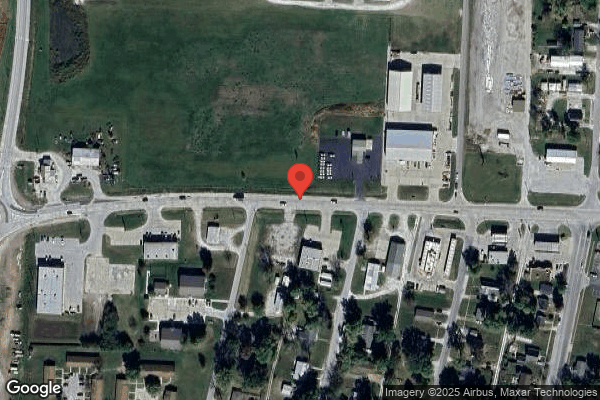
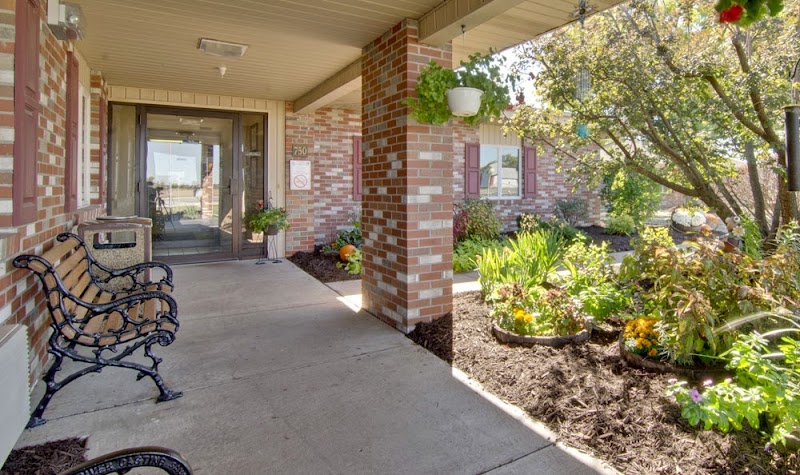
750 E HIGHWAY 22, CENTRALIA, MO 65240 (573) 682-5551
For profit - Corporation 60 Beds AMERICARE SENIOR LIVING Data: November 2025
Trust Grade
85/100
#18 of 479 in MO
Last Inspection: June 2024

Within standard 12-15 month inspection cycle. Federal law requires annual inspections.

Overview

Heritage Hall Nursing Center in Centralia, Missouri has a Trust Grade of B+, indicating it is above average and recommended for families considering care options. With a state rank of #18 out of 479 facilities in Missouri, it is positioned in the top half, and it ranks #1 out of 9 facilities in Boone County, meaning it is the best local choice. However, the facility's performance is worsening, as the number of issues has increased from 1 in 2023 to 3 in 2024. Staffing is a concern, with a rating of 2 out of 5 stars and a turnover rate of 60%, which is average but suggests instability. On a positive note, the nursing center has not incurred any fines, indicating a good compliance record, and it boasts more RN coverage than 92% of facilities in Missouri, which is beneficial for resident care. Specific incidents noted by inspectors include a lack of qualified personnel for the Director of Food and Nutrition Services, which could impact all residents, and failures in food safety practices, such as improper thawing of meat and inadequate food storage, raising concerns about potential foodborne illnesses. Additionally, there have been issues with staff not following hand hygiene protocols, which poses a risk for infection. Overall, while Heritage Hall has commendable strengths like high RN coverage and no fines, there are significant weaknesses in staffing and food safety practices that families should consider.

Trust Score
B+
85/100
In Missouri
#18/479
Top 3%
Safety Record
Low Risk
No red flags
Inspections
Getting Worse
1 → 3 violations
Staff Stability
⚠ Watch
60% turnover. Above average. Higher turnover means staff may not know residents' routines.
Penalties
✓ Good
No fines on record. Clean compliance history, better than most Missouri facilities.
Skilled Nurses
○ Average
Each resident gets 39 minutes of Registered Nurse (RN) attention daily — about average for Missouri. RNs are the most trained staff who monitor for health changes.
Violations
○ Average
6 deficiencies on record. Average for a facility this size. Mostly minor or procedural issues.
★★★★★
5.0
Overall Rating
★★☆☆☆
2.0
Staff Levels
★★★★★
5.0
Care Quality
★★★★☆
4.0
Inspection Score
Stable
2023: 1 issues
2024: 3 issues

The Good

  • 5-Star Quality Measures · Strong clinical quality outcomes
  • Full Sprinkler Coverage · Fire safety systems throughout facility
  • No fines on record

Facility shows strength in quality measures, fire safety.

The Bad

Staff Turnover: 60%

14pts above Missouri avg (46%)

Frequent staff changes - ask about care continuity

Chain: AMERICARE SENIOR LIVING

Part of a multi-facility chain

Ask about local staffing decisions and management

Staff turnover is elevated (60%)

12 points above Missouri average of 48%

The Ugly 6 deficiencies on record

Jun 2024 3 deficiencies
CONCERN (D)

Potential for Harm - no one hurt, but risky conditions existed

ADL Care (Tag F0677)

Could have caused harm · This affected 1 resident

**NOTE- TERMS IN BRACKETS HAVE BEEN EDITED TO PROTECT CONFIDENTIALITY** Based on observation, interview, and record review, facility staff failed to ensure residents who are unable to complete their o...

Read full inspector narrative →
**NOTE- TERMS IN BRACKETS HAVE BEEN EDITED TO PROTECT CONFIDENTIALITY** Based on observation, interview, and record review, facility staff failed to ensure residents who are unable to complete their own Activities of Daily Living (ADLs) received necessary care and services to maintain good personal hygiene two residents (Resident #13 and #17) out of 14 sampled residents, when staff failed to assist with facial hair grooming, clothing changes and showers. The facility census was 41. 1. Review of the facility's policy titled Activities of Daily Living, dated 2023, showed care and services will be provided for the following ADL's: -Bathing, dressing, grooming, toileting and oral care; -Transfer and ambulation; -Eating to include meals and snacks; -A resident who is unable to carry out ADL's will receive the necessary services to maintain good nutrition, grooming, and personal or oral hygiene; -The facility will maintain individual objectives on the care plan. 2. Review of Resident #13's admission Minimum Data Set (MDS), dated [DATE], showed staff assessed the resident as: -Moderate cognitive impairment; -Did not resist care; -Required moderate assistance from staff for hygiene, and dressing; -Required maximum assistance from staff for toileting, and bathing. Review of the resident's care plan, revised 05/08/24, showed staff were directed to: -Assist the resident with bed mobility, dressing, footwear, personal hygiene, and bathing; -Did not contain direction for refusal of care. Review of the facility's shower schedule, undated, showed the resident as scheduled for showers on Wednesday's and Saturday's. Review of the facility's shower documentation showed staff documented one shower given on 05/18/24. Review showed staff documented the resident refused a shower on 06/05/24. Observation on 06/11/24 at 10:16 A.M., showed the resident wore a green shirt and jeans. Observation on 06/12/24 at 7:15 A.M., showed the resident in bed and wore the same green shirt as the day before. Observation on 06/12/24 at 8:37 A.M., showed the resident in the hall and wore the same green shirt and jeans as the day before. Observation on 06/12/24 at 10:33 A.M., showed the resident in the dining room and wore the same green shirt and jeans. Observation on 06/13/24 at 7:55 A.M., showed the resident wore the same green shirt and jeans as the day before. Observation on 06/13/24 at 10:17 A.M., showed the resident wore the same green shirt and jeans. Observation on 06/13/24 at 12:01 P.M., showed the resident wore the same green shirt and jeans. Observation on 06/13/24 at 1:36 P.M., showed the resident wore the same green shirt. The shirt had a stain and food crumbs. Observation on 06/13/24 at 3:30 P.M., showed the resident sat in the hall and wore the same green shirt and jeans. Observation on 06/14/24 at 8:16 A.M., showed the resident wore the same green shirt and blue jeans on. Observation on 06/13/24 at 9:29 A.M., showed the resident wore the same green shirt and jeans. During an interview on 06/13/24 at 1:36 P.M., the resident said he/she needs help to change clothes. During an interview on 06/13/24 at 1:40 P.M., Certified Nurse Assistant (CNA) D said he/she worked the hall where the resident resided. CNA D said the resident needs assistance to change clothes, and with all his/her ADL care. CNA D said he/she is not sure why the resident had not had his/her clothes changed. 3. Review of Resident #17's admission MDS, dated [DATE], showed staff assessed the resident as: -Severe cognitive impairment; -Did not resist care; -Required maximum assistance from staff for bathing, and dressing; -Dependent on staff for toileting, and hygiene. Review of the resident's care plan, revised 04/29/24, showed: -Resident received hospice services; -Resident has difficulty remembering and becomes easily confused; -Did not contain direction for ADL cares. Review of the facility's shower documentation showed it did not contain any documented showers provided by facility staff. Observation on 06/11/24 at 11:48 A.M., showed the resident sat in the dining room. Observation showed the resident wore a purple shirt and long facial hair. Observation on 06/12/24 at 7:42 A.M., showed the resident sat in the dining room. Observation showed the resident wore a purple shirt and long facial hair. Observation on 06/12/24 at 10:28 A.M., showed the resident long facial hair. Observation on 06/12/24 at 1:39 P.M., showed the resident wore an orange shirt and long facial hair. Observation on 06/13/24 at 7:55 A.M., showed the resident in bed with the same orange shirt on and long facial hair. Observation on 06/13/24 at 11:59 A.M., showed the resident in the dining room with the same orange shirt on and long facial hair. Observation on 06/13/24 at 1:39 P.M., showed the resident sat in the lobby. The resident wore the same orange shirt covered with food crumbs and had long facial hair. Observation on 06/13/24 at 2:10 P.M., showed the resident participated in an activity. The resident wore the same orange shirt covered with food crumbs and had long facial hair. During an interview on 06/12/24 at 12:40 P.M., Registered Nurse (RN) B said the resident is not on the facility shower list because he/she receives hospice services. RN B said resident's who are on hospice services get their showers from the hospice staff. During an interview on 06/12/24 at 3:55 P.M., the resident said he/she did not want to grow a beard. During an interview on 06/13/24 at 10:34 A.M., the Director of Nursing (DON) said if a resident receives hospice services the resident gets their scheduled shower by hospice staff twice a week. The DON said the facility staff only shower hospice residents as needed. The DON said all showers the facility staff provide are documented in the resident's chart. During an interview on 06/13/24 at 1:40 P.M., CNA D said he/she worked the hall where the resident resided. CNA D said the resident needs assistance to change clothes, shave, and with all his/her ADL care. CNA D said the resident is on hospice and hospice staff complete his/her showers, and shaves. CNA D said he/she is not sure why the resident's clothes had not been changed. 4. During an interview on 06/14/24 at 10:17 A.M., the Business Office Manager (BOM) said he/she was a Certified Medication Technician (CMT) and CNA. The BOM said he/she works the floor when the facility needs the assistance. The BOM said all residents are scheduled to get showers twice a week. The BOM said if a resident is on hospice the hospice staff does their scheduled showers and the facility staff only do them as needed. The BOM said hospice is an added entity for extra care and the facility is responsible to ensure a resident's care needs are met. The BOM said the CNA's are responsible to complete the showers assigned each day by the charge nurse. The BOM said he/she would expect staff to shave a resident with their shower and change their clothes. He/She said a resident should not wear the same clothes more than a day and staff should change them daily and as needed if soiled. During an interview on 06/14/24 at 10:20 A.M., CNA E said all residents are scheduled for showers twice a week and the CNA's are responsible to complete them. CNA E said if a resident is on hospice services the hospice staff completes their showers. CNA E said when staff give a shower they should provide nail care, shave the resident, and change their clothes. CNA E said a resident should have their clothes changed daily and as needed if they become soiled. During an interview on 06/14/24 at 10:33 A.M., RN B said residents are scheduled for showers twice a week. RN B said if a resident is on hospice services facility staff will give the resident a shower as needed, but hospice staff complete the scheduled showers. RN B said hospice is a supplemental care and the facility is responsible for the resident's cares. RN B said it is the charge nurse's responsibility to assign showers and the CNA's are responsible to complete them. RN B said he/she expects staff to change resident clothes and shave the resident when given a shower. RN B said residents should have their clothes changed daily and as needed if they become soiled. During an interview on 06/14/24 at 10:41 A.M., the Assistant Director of Nursing (ADON) said residents are offered showers twice a week and as needed. The ADON said if a resident is on hospice services facility staff will give the resident a shower as needed, but hospice staff complete the scheduled showers. The ADON said the CNAs are responsible to complete the showers and document them in the resident's chart. The ADON said he/she expects staff shave a resident, and change their clothes with each shower. The ADON said he/she expects staff to assist residents to change their clothes daily and as needed if they become soiled. During an interview on 06/14/24 at 10:41 A.M., the Director of Nursing (DON) said residents are scheduled for showers twice a week and as needed. The DON said if a resident is on hospice services facility staff will give the resident a shower as needed, but hospice staff complete the scheduled showers. The DON said the charge nurse is responsible to assign the showers each day. The DON said CNAs are responsible to complete the showers and document them in the resident's chart. The DON said he/she expects staff shave a resident, and change their clothes with each shower. The DON said the care plan should say how much care a resident needs for their ADL's The DON said he/she expects staff to assist residents to change their clothes daily and as needed if they become soiled. The DON said residents should not wear dirty clothes multiple days in a row. During an interview on 06/14/24 at 11:09 A.M., the Administrator said resident's are scheduled for showers twice a week and as needed. The Administrator said the CNA's are responsible to complete the showers and document them in the resident's chart. The Administrator said he/she expects staff to change a resident's clothes and shave a resident as needed with each shower. The Administrator said if a resident is on hospice services the facility staff only gives showers as needed and the hospice staff complete the scheduled showers. The Administrator said he/she expects residents to be assisted as needed for their ADL care and each resident's care plan should say how much care they need, and if the resident has behaviors such as refusing care. The Administrator said he/she expects staff to assist a dependent resident to change their clothes daily and as needed if they become soiled. The Administrator if a resident has a stain on their clothes or food staff should assist them to change their clothes.
CONCERN (F)

Potential for Harm - no one hurt, but risky conditions existed

Deficiency F0801 (Tag F0801)

Could have caused harm · This affected most or all residents

Based on interview and record review, the facility staff failed to designate a person to serve as the Director of Food and Nutrition Services with the appropriate qualifications, when the facility did...

Read full inspector narrative →
Based on interview and record review, the facility staff failed to designate a person to serve as the Director of Food and Nutrition Services with the appropriate qualifications, when the facility did not employ a qualified dietitian or other clinically qualified nutrition professional full-time. This failure has the potential to affect all residents. The facility census was 87. 1. Review of the facility provided policies, showed the records did not contain a policy related to the qualifications for Director of Food and Nutrition Services. Review of the dietary manager's (DM) personnel records showed a hire date for the DM position listed as 04/20/23. Review showed a certificate of completion for a food protection manager course, which showed a start date of 02/21/24 and a completion date of 05/07/24. Review showed the records did not contain documentation of prior dietary manager experience in a nursing facility and certification or other education required for the director of nutritional services position. During an interview on 06/11/24 at 10:38 A.M., the DM said he/she had been the DM for about a year and he/she did not have prior experience as a dietary manager in a nursing facility and he/she did not have a degree or certification related to food service management. The DM said he/she completed a food protection manager course last month, but due to staffing issues, he/she missed his/her window to take the final exam for certification and would need to pay again to take the exam. The DM said he/she did not have an exam date schedule nor had he/she repaid for the exam yet and hoped to be able to pay to take the test again in two weeks when he/she got paid. The DM said the facility has a part-time consultant registered dietician (RD) that comes to the facility once a month and the facility did not have any certified or clinically qualified nutritional staff employed full-time. During an interview on 06/12/24 at 11:26 A.M., the administrator said the DM completed a food protection manager course and was waiting to take the final exam. The administrator said the DM did not report that he/she let the timeframe to take the final exam after his/her course expire due to staffing issues and needed to repurchase the exam to become certified. The administrator said the facility has a part-time consultant RD and they did not have any certified or clinically qualified nutritional staff employed full-time. During an interview on 06/12/24 at 12:54 P.M., the DM said he/she did not get enrolled in the manager's course until February because they did not know of the qualifications requirement for his/her position until January or February 2024. The DM said when they found out, they got with the RD about what they needed to do about it and it just took a little while to get him/her enrolled. During an interview on 06/12/24 at 1:09 P.M., the administrator said they did not get the DM enrolled in the course until February because they were not sure which course he/she needed to take. The administrator said they were going to enroll the DM into a certified dietary manager course, but knew they would need the oversight of the RD during that course and the RD got sick during that time and could only work from home. The administrator said when the facility had a mock survey in December 2023, he/she found out the DM could take a different course so they worked to get him/her enrolled in that course which they did in February 2024.
CONCERN (F)

Potential for Harm - no one hurt, but risky conditions existed

Food Safety (Tag F0812)

Could have caused harm · This affected most or all residents

**NOTE- TERMS IN BRACKETS HAVE BEEN EDITED TO PROTECT CONFIDENTIALITY** Based on observation, interview and record review, facility staff failed to thaw frozen meat using approved methods to prevent t...

Read full inspector narrative →
**NOTE- TERMS IN BRACKETS HAVE BEEN EDITED TO PROTECT CONFIDENTIALITY** Based on observation, interview and record review, facility staff failed to thaw frozen meat using approved methods to prevent the growth of food-borne pathogens. Facility staff failed to store food in a manner to prevent contamination and out-dated use. Facility staff failed to reheat pureed food in accordance with the standardized recipes to prevent the growth of food-borne pathogens and potential for food-borne illness. These failures have the potential to affect all residents. The facility census was 41. 1. Review of the facility's Food Storage (Dry, Refrigerated and Frozen) policy, dated 2020, showed Food shall be stored at appropriate temperatures and using appropriate methods to ensure the highest level of food safety. Review showed the policy did not contain instruction to staff on approved methods for thawing frozen foods. Observation on 06/11/24 from 9:50 A.M. to 11:09 A.M., showed a large frozen center cut pork loin sitting in food preparation sink with no water in the sink or running over pork loin. Observation also showed a box that contained five one pound packages of frozen sliced turkey deli meat on the countertop next to preparation sink. During an interview on 06/11/24 at 11:09 A.M., [NAME] A said he/she put the pork loin in the sink and sliced turkey on counter to thaw just before 9:50 A.M. The cook said the sliced turkey was to be used for dinner and he/she just had the pork loin in the sink to thaw so it can be cooked at another time. Observation on 06/11/24 at 11:54 A.M., showed the pork loin and sliced turkey deli slices in the food preparation sink with no water in the sink or water running over the food items. During an interview on 06/12/24 at 12:57 P.M., the dietary manager (DM) said frozen meat should be thawed in the refrigerator and he/she did not know why the cook placed the meat in the sink to thaw, because all dietary staff are trained on how to properly thaw frozen food. During an interview on 06/12/24 at 1:15 P.M., the administrator said staff should thaw frozen meat in the refrigerator on the bottom shelf and staff are trained on how to properly thaw frozen food. 2. Review of the facility's Food Storage (Dry, Refrigerated and Frozen) policy, dated 2020, showed: -Food shall be stored on shelves in a clean, dry area free from contaminants; -Food shall be stored at appropriate temperatures and using appropriate methods to ensure the highest level of food safety; -Leftover contents of cans and prepared food will be stored in covered, labeled and dated containers in refrigerators and/or freezers. Observation on 06/11/24 at 9:50 A.M., showed the triple reach-in freezer in the aide's station contained opened and undated plastic bags of hashbrown patties, waffles, and sliced strawberries and an opened and undated box that contained multiple packages of croissant buns. Observation showed the top package of croissant buns in the box opened and undated. Observation also showed a bulk container of flour in the aide's station with a cup stored buried in the flour. Observation on 06/11/24 at 9:58 A.M., showed the reach-in refrigerator in the cook's station contained: -An opened and undated five pound container of sour cream; -An opened and undated 32 ounce (oz.) carton of liquid eggs; -An opened and undated 32 oz. bottle of lemon juice; -An opened and undated 32 oz. bottle of key lime juice; -An opened and undated 16 oz. bottle of Italian dressing; -An opened and undated seven oz. jar of [NAME] olives; -An opened and undated 24 oz. jar of kosher dill pickle spears; -An undated stack of white cheese slices wrapped in plastic film. Observation on 06/11/24 at 10:05 A.M., showed the cook's station contained: -An opened and undated 16 oz. container of cornstarch; -An undated box of baking soda opened to the air; -An undated and unlabeled plastic pitcher that contained an unidentifiable white powdered substance; -An opened and undated bag of corn chips. During an interview on 06/11/24 at 10:09 A.M., [NAME] A said staff use the baking soda for cooking and the white substance in the pitcher was potato flakes. The cook said opened food items should be dated and labeled and he/she did not know why they were not dated and labeled. Observation on 06/11/24 at 10:20 A.M., showed the dry goods storage pantry contained undated plastic containers of cornflakes, toasted oat o's and fruit [NAME] cereal removed from their original packaging. Observation also showed a box that contained five loaves of sliced bread wrapped in plastic sleeves stored on the floor in front of can rack. During an interview on 06/11/24 at 10:46 A.M., the DM said he/she is responsible to monitor food storage and he/she tries to do so every day when he/she is on duty. The DM said opened food items should be stored closed, labeled with what they are and dated with their opened date. The DM said staff should not leave scoops in the bulk food items and food should not be stored on the floor. The DM said all dietary staff are trained on proper food storage requirements and he/she did not know about the issues with the food storage. During an interview on 06/12/24 at 1:11 P.M., the administrator said opened food items should be labeled with what they are, dated with the date they are opened and stored sealed or in a covered container off the floor. The administrator said the DM is responsible to monitor the food storage several times a day when on duty and the dietary staff are trained on how to properly store food. 3. Review of the facility's Pureed Food Preparation policy, dated 2020, showed the policy directed staff to prepare pureed foods in accordance with standardized recipes to ensure quality, flavor, palatability, and maximum nutritive value and to heat pureed foods to a minimum of 165 degrees Fahrenheit (º F) before service. Review of the facility's standardized recipe for pureed tuna noodle casserole, undated, showed direction to staff to reheat the pureed casserole to an internal temperature to greater than 165º F for at least 15 seconds after made and to maintain the internal temperature at 135º F or above during service. During an interview on 06/11/24 at 11:15 A.M., [NAME] A said he/she prepares the pureed food items right before service so they will still be hot when served. Observation on 06/11/24 at 12:01 P.M., showed [NAME] A added prepared tuna noodle casserole and warm milk to the food processor and blended until smooth. Observation showed the cook scooped the pureed casserole into an insulated bowl and then, without checking the internal temperature, put a lid on the bowl, placed the bowl in the steamtable and walked away. Observation showed the internal temperature of the pureed tuna noodle casserole measured 100 º F when the cook walked away. Observation on 06/11/24 at 12:27 P.M., showed [NAME] A placed the bowl of pureed tuna noodle casserole on a tray to be served to Resident #42 in his/her room without checking the internal temperature of the casserole. Observation showed the internal temperature of the pureed casserole measured 108 º F at this time. During an interview on 06/11/24 at 12:38 P.M., [NAME] A said the internal temperature of hot pureed foods should be at least 140 º F when put on the steamtable. The cook said he/she did not know what the temperature of the pureed casserole was when he/she put it on the steamtable because he/she did not take the temperature. The cook said he/she did not take the temperature of the pureed casserole because he/she did not think it cooled down that much when he/she made it. During an interview on 06/12/24 at 12:59 P.M., the DM said staff should check the internal temperature of pureed food items after they make them to make sure the hot pureed foods are at least 160 º F before they are served. The DM said if a hot pureed food item is not 160 º F after it is made then staff should reheat the item in the oven to an internal temperature of 160 º F. The DM said dietary staff are trained on this requirement, so he/she did not know why the cook did not check the temperature of the pureed casserole. During an interview 06/12/24 at 1:17 P.M., the administrator said staff should check the internal temperature of pureed food when it is made and before it is served. The administrator said the internal temperature of hot pureed foods should be at least 165 º F and if it is not, then staff should reheat it to 165 º F. The administrator said dietary staff are trained on this requirement and he/she would expect the DM to periodically ask staff the requirements and check the internal temperatures to monitor for compliance.
Mar 2023 1 deficiency
CONCERN (D)

Potential for Harm - no one hurt, but risky conditions existed

Grievances (Tag F0585)

Could have caused harm · This affected 1 resident

Based on interview and record review, facility staff failed to provide residents with a written response to grievances. The facility census was 37. 1. Review of the facility's Resident and Family Grie...

Read full inspector narrative →
Based on interview and record review, facility staff failed to provide residents with a written response to grievances. The facility census was 37. 1. Review of the facility's Resident and Family Grievances policy, dated 1/23/23, showed staff were directed as follows: - The grievance officer is responsible for overseeing the grievance process; receiving and tracking grievances through to their conclusions; leading any necessary investigations by the facility; maintaining the confidentiality of all information associated with grievances; issuing written grievance decisions to the residents; and coordinating with state and federal agencies as necessary in light of specific allegations; - Upon request, the facility will give a copy of this grievance policy of the resident; - Evidence demonstrating the results of all grievances will be maintained for a period of no less than three years from the issuance of the grievance decision; - In accordance with the resident's right to obtain a written decision regarding his or her grievance, the grievance official will issue a written decision on the grievances to the resident or representative a the conclusion of the investigation. Review of the Resident Council minutes for January, February, and March 2023, showed staff did not document the residents received a written response to their grievances. During an interview on 3/22/23 at 1:46 P.M., the resident council said they do not receive written decisions regarding grievances expressed during the resident council meetings. During an interview on 3/24/23 at 8:11 A.M., the assistant director of nursing said they have grievance policy and a document that residents can fill out with their grievance. These are reviewed and given to the appropriate department to respond to. The staff will then discuss the response with the resident or the resident council. They do not give the resident or their representative a written response. During an interview on 3/24/23 at 8:22 A.M., the social services director said they have a grievance form that a resident or their family member can fill out. An investigation is done and at the conclusion they respond verbally to the resident or representative. They do not give a written response to the resident. During an interview on 3/24/23 at 8:30 A.M., the activity director said they talk to residents in person about grievances and forward these to department heads. They tell the residents in person the results and if they can resolve the grievance or not. The activity director said he/she did not think they gave the resident a written response to their grievance. During an interview on 3/24/23 at 8:40 A.M., the administrator said staff should take a grievance to the department head who then follows up on the grievance to investigate with the purpose of resolving the problem. They keep a form of the investigation in a binder and the results should also be given to the resident or family member.
Aug 2021 2 deficiencies
CONCERN (D)

Potential for Harm - no one hurt, but risky conditions existed

Unnecessary Medications (Tag F0759)

Could have caused harm · This affected 1 resident

Based on observation, interview, and record review, the facility staff failed to ensure a medication error rate of less than 5%. Out of 26 opportunities, two errors occurred, with two residents (Resid...

Read full inspector narrative →
Based on observation, interview, and record review, the facility staff failed to ensure a medication error rate of less than 5%. Out of 26 opportunities, two errors occurred, with two residents (Resident #10 and #14) resulting in a medication error rate of 7.69%. The facility census was 29. 1. Review of the facility's Medication Administration Policy, undated, showed weekly blood pressures should be taken on all anti-hypertensives unless physician has ordered holding and/or notification parameters for ordered medications. 2. Review of Resident #10's Physician Order Sheet (POS) dated 8/03/21 showed an order on 6/24/21 for Metoprolol Tartrate 37.5 milligrams (mg), one tablet by mouth two times a day for hypertension, hold if Systolic Blood Pressure (SBP) is less than 120. Observation on 8/17/21 at 4:10 P.M., showed Licensed Practical Nurse (LPN) E did not assess the resident's blood pressure prior to the administration of the Metoprolol. Review of the resident's medical record showed staff last documented the resident's blood pressure on 07/24/21. 3. Review of Resident #14's POS dated August 2021 showed an order for Sotalol Hcl 80 mg, give 0.5 tablet (40 mg) by mouth two times a day for hypertension, hold if SBP is less than 120. Observation on 8/17/21 at 4:04 P.M., showed LPN E did not assess resident's blood pressure prior to the administration of the Sotalol. Review of the resident's medical record showed staff last documented the resident's blood pressure on 8/10/21. 4. During an interview on 8/17/21 at 4:15 P.M., LPN E said he/she was not sure why the resident's did not have their blood pressure checked prior to administration. He/She said they should check the blood pressure prior to administration if parameters are listed on the Medication Administration Record (MAR). During an interview on 8/18/21 at 11:35 A.M., Registered Nurse (RN) B, Charge Nurse, said blood pressures should be checked prior to administration when parameters are listed on the MAR. RN B also said the POS should be looked at as well to confirm if there are parameters listed that may not be on the MAR. During an interview on 8/18/21 at 11:50 A.M., the Director of Nursing (DON) and the Assistant Director of Nursing (ADON) said blood pressure should be assessed prior to administering blood pressure medications, particularly when parameters are listed on the MAR and/or POS. They were not aware of the length of time that had elapsed since the last documented blood pressures for residents. They said per facility policy that each resident on anti-hypertensives should have blood pressure taken on a weekly basis, unless indicated otherwise by POS with orders for holding or parameters in place.
CONCERN (F)

Potential for Harm - no one hurt, but risky conditions existed

Food Safety (Tag F0812)

Could have caused harm · This affected most or all residents

Based on observation, interviews, and record review, the facility staff failed to perform hand hygiene appropriately when moving from a dirty task to a clean task. This failure had the potential to af...

Read full inspector narrative →
Based on observation, interviews, and record review, the facility staff failed to perform hand hygiene appropriately when moving from a dirty task to a clean task. This failure had the potential to affect all residents who ate at the facility. The census was 29. 1. Review of the facility's Proper Hand Washing and Glove Use policy, dated 2020, showed: - All employees will use proper hand washing procedures and glove usage in accordance with state and federal sanitation guidelines; - All employees will wash hands upon entering the kitchen from any other location, after all breaks, and between all tasks; - Hand washing should occur at a minimum of every hour; - Employees will wash hands before and after handling foods, after touching any part of the uniform, face, or hair; - Hands are washed before donning gloves and after removing gloves; - When gloves must be changed, they are removed, hand washing procedure is followed, and a new pair of gloves is applied. Observation on 8/17/21 at 2:38 P.M., showed [NAME] F wore a face mask and adjusted the front of the facemask with his/her bare hand. [NAME] F did not perform hand hygiene after he/she touched his/her facemask and before he/she touched loaves of bread and various kitchen equipment. Observation on 8/18/21 at 9:50 A.M., showed [NAME] G prepared the lunch meal. Further observation showed [NAME] G removed his/her gloves, touched the trash can lid to discard gloves, and touched various kitchen equipment and utensils. He/she did not perform hand hygiene after removing gloves or touching the trash can and before touching kitchen equipment and utensils. Observation on 8/18/21 at 10:45 A.M, showed [NAME] G prepared the lunch meal. Further observations showed [NAME] G dropped the thermometer on the floor. He/she knelt down on the floor, with his/her hands on the floor, and picked up the thermometer. He/she did not perform hand hygiene afterhis/her hands were on the floor and before he/she continued to prepare the residents' lunch. Observation on 8/18/21 at 10:52 A.M., showed [NAME] G prepared the lunch meal. Further observation showed he/she dropped the oven mitts on the floor. [NAME] G picked up the oven mitts and placed them on the food service counter. He/she continued to use the oven mitts to transfer food from the oven to the steam table. He/she removed the oven mitts using his/her bare hand to the outside of the mitts, laid them on the food service counters, and continued to prepare the lunch meal. [NAME] G did not wash, sanitize, or replace the oven mitts after he/she dropped them on the floor. He/she did not sanitize the food service counters after contact with the soiled oven mitts. [NAME] G did not perform hand hygiene after removing the oven mitts and before touching various kitchen equipment and utensils. Observation on 8/18/21 at 10:57 A.M., showed [NAME] G washed a pot in the three compartment sink. He/she submerged his/her hands in the wash water and touched the faucet handles. [NAME] G continued to prepare the lunch meal. He/she did not perform hand hygiene when he/she moved from a dirty task to a clean task. During an interview on 8/18/21 at 1:40 P.M., the dietary manager was hired on 1/8/21, and he/she was not trained on the facility kitchen and food handling policies. The dietary manager said dietary staff were trained by the previous dietary manager, and they are familiar with the facility's policies. He/she said staff should perform hand hygiene when moving from a clean task to a dirty task, before and after putting on/taking off gloves, and whenever they come into the kitchen. The dietary manager said face masks, the floor, and the trash can are considered dirty, and staff should wash their hands immediately before moving to another task. He/she said staff are expected to remove and replace any food related items that touch the ground. During an interview on 8/18/21 at 3:35 P.M., the administrator said the dietary manager is responsible for ensuring food sanitation guidelines are followed, and he/she has been trained on the facility policies. The administrator said dietary staff are expected to perform hand hygiene when they enter/exit the kitchen, when moving from a dirty task to a clean task, and before and after putting on/taking off gloves. The administrator said staff should wash hands after touching their face masks, the trash can, and the floor. He/she said staff should immediately remove and replace any food related items that touch the floor.
Understanding Severity Codes (click to expand)
Life-Threatening (Immediate Jeopardy)
J - Isolated K - Pattern L - Widespread
Actual Harm
G - Isolated H - Pattern I - Widespread
Potential for Harm
D - Isolated E - Pattern F - Widespread
No Harm (Minor)
A - Isolated B - Pattern C - Widespread

Questions to Ask on Your Visit

  • "Why is there high staff turnover? How do you retain staff?"
  • "Can I speak with families of current residents?"
  • "What's your RN coverage like on weekends and overnight?"

Our Honest Assessment

Strengths
  • • Grade B+ (85/100). Above average facility, better than most options in Missouri.
  • • No major safety red flags. No abuse findings, life-threatening violations, or SFF status.
  • • No fines on record. Clean compliance history, better than most Missouri facilities.
Concerns
  • • 60% turnover. Above average. Higher turnover means staff may not know residents' routines.
Bottom line: Generally positive indicators. Standard due diligence and a personal visit recommended.

About This Facility

What is Heritage Hall Nursing Center's CMS Rating?

CMS assigns HERITAGE HALL NURSING CENTER an overall rating of 5 out of 5 stars, which is considered much above average nationally. Within Missouri, this rating places the facility higher than 99% of the state's 100 nursing homes. This rating reflects solid performance across the metrics CMS uses to evaluate nursing home quality.
How is Heritage Hall Nursing Center Staffed?

CMS rates HERITAGE HALL NURSING CENTER's staffing level at 2 out of 5 stars, which is below average compared to other nursing homes. Staff turnover is 60%, which is 14 percentage points above the Missouri average of 46%. High turnover can affect care consistency as new staff learn residents' individual needs.

What Have Inspectors Found at Heritage Hall Nursing Center?

State health inspectors documented 6 deficiencies at HERITAGE HALL NURSING CENTER during 2021 to 2024. These included: 6 with potential for harm.
Who Owns and Operates Heritage Hall Nursing Center?

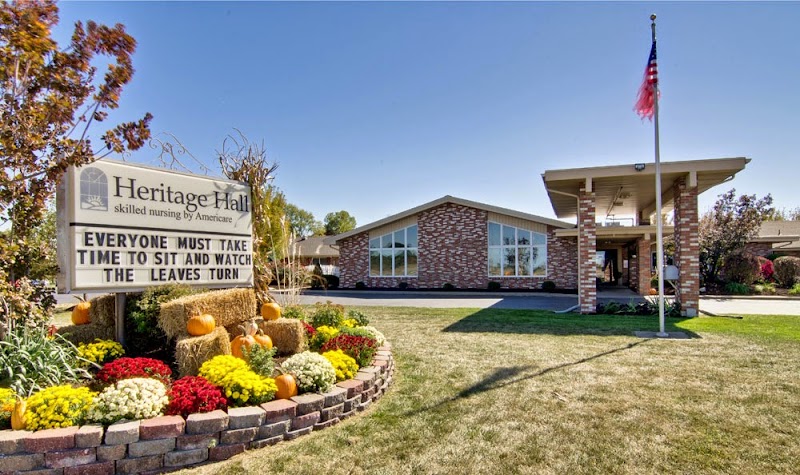
HERITAGE HALL NURSING CENTER is owned by a for-profit company. For-profit facilities operate as businesses with obligations to shareholders or private owners. The facility is operated by AMERICARE SENIOR LIVING, a chain that manages multiple nursing homes. With 60 certified beds and approximately 42 residents (about 70% occupancy), it is a smaller facility located in CENTRALIA, Missouri.
How Does Heritage Hall Nursing Center Compare to Other Missouri Nursing Homes?

Compared to the 100 nursing homes in Missouri, HERITAGE HALL NURSING CENTER's overall rating (5 stars) is above the state average of 2.5, staff turnover (60%) is significantly higher than the state average of 46%, and health inspection rating (4 stars) is above the national benchmark.

What Should Families Ask When Visiting Heritage Hall Nursing Center?

Based on this facility's data, families visiting should ask: "How do you ensure continuity of care given staff turnover, and what is your staff retention strategy?" "Can you walk me through typical staffing levels on day, evening, and night shifts?" "Can I visit during a mealtime to observe dining assistance and food quality?" "How do you handle medical emergencies, and what is your hospital transfer rate?" These questions are particularly relevant given the facility's high staff turnover rate and the below-average staffing rating.

Is Heritage Hall Nursing Center Safe?

Based on CMS inspection data, HERITAGE HALL NURSING CENTER has a clean safety record: no substantiated abuse findings (meaning no confirmed cases of resident harm), no Immediate Jeopardy citations (the most serious violation level indicating risk of serious injury or death), and is not on the Special Focus Facility watch list (a federal program monitoring the lowest-performing 1% of nursing homes). The facility has a 5-star overall rating and ranks #1 of 100 nursing homes in Missouri. While no facility is perfect, families should still ask about staff-to-resident ratios and recent inspection results during their visit.

Do Nurses at Heritage Hall Nursing Center Stick Around?

Staff turnover at HERITAGE HALL NURSING CENTER is high. At 60%, the facility is 14 percentage points above the Missouri average of 46%. High turnover means new staff may not know residents' individual needs, medications, or preferences. It can also be disorienting for residents, especially those with dementia who rely on familiar faces. Families should ask: What is causing the turnover? What retention programs are in place? How do you ensure care continuity during staff transitions?

Was Heritage Hall Nursing Center Ever Fined?

HERITAGE HALL NURSING CENTER has no federal fines on record. CMS issues fines when nursing homes fail to meet care standards or don't correct problems found during inspections. The absence of fines suggests the facility has either maintained compliance or corrected any issues before penalties were assessed. This is a positive indicator, though families should still review recent inspection reports for the full picture.

Is Heritage Hall Nursing Center on Any Federal Watch List?

HERITAGE HALL NURSING CENTER is not on any federal watch list. The most significant is the Special Focus Facility (SFF) program, which identifies the bottom 1% of nursing homes nationally based on persistent, serious quality problems. Not being on this list means the facility has avoided the pattern of deficiencies that triggers enhanced federal oversight. This is a positive indicator, though families should still review the facility's inspection history directly.