BROOKING PARK

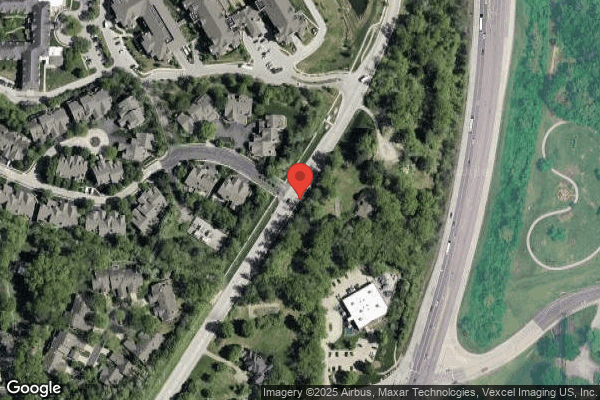
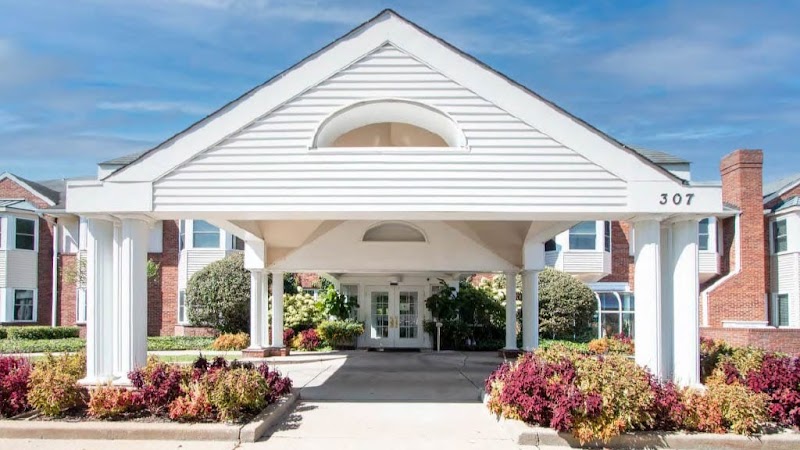
307 SOUTH WOODS MILL ROAD, CHESTERFIELD, MO 63017 (314) 576-5545
Non profit - Corporation 49 Beds Independent Data: November 2025 1 Immediate Jeopardy citation
Trust Grade
31/100
#232 of 479 in MO
Last Inspection: July 2024

Within standard 12-15 month inspection cycle. Federal law requires annual inspections.

Overview

Brooking Park in Chesterfield, Missouri has received a Trust Grade of F, indicating significant concerns about the quality of care provided. Ranked #232 out of 479 facilities in the state puts it in the top half, but that is still concerning given the overall poor trust level. The facility has shown some improvement, reducing issues from 17 in 2024 to 7 in 2025, but it still has a lot of work to do. Staffing is a positive aspect, with a 3/5 rating and a low turnover rate of 0%, meaning staff are likely familiar with the residents' needs. However, there are serious issues, including a critical incident where a resident died due to improper bed rail assessments, and concerns about food safety practices, highlighting both strengths and weaknesses that families should consider carefully.

Trust Score
F
31/100
In Missouri
#232/479
Top 48%
Safety Record
High Risk
Review needed
Inspections
Getting Better
17 → 7 violations
Staff Stability
○ Average
Turnover data not reported for this facility.
Penalties
⚠ Watch
$15,646 in fines. Higher than 80% of Missouri facilities, suggesting repeated compliance issues.
Skilled Nurses
✓ Good
Each resident gets 50 minutes of Registered Nurse (RN) attention daily — more than average for Missouri. RNs are trained to catch health problems early.
Violations
⚠ Watch
33 deficiencies on record. Higher than average. Multiple issues found across inspections.
★★☆☆☆
2.0
Overall Rating
★★★☆☆
3.0
Staff Levels
★★☆☆☆
2.0
Care Quality
★★☆☆☆
2.0
Inspection Score
Stable
2024: 17 issues
2025: 7 issues

The Good

  • Full Sprinkler Coverage · Fire safety systems throughout facility
  • No fines on record

Facility shows strength in fire safety.

The Bad

2-Star Overall Rating

Near Missouri average (2.5)

Below average - review inspection findings carefully

Federal Fines: $15,646

Below median ($33,413)

Minor penalties assessed

The Ugly 33 deficiencies on record

1 life-threatening 1 actual harm
May 2025 1 deficiency
CONCERN (D) 📢 Someone Reported This

A family member, employee, or ombudsman was alarmed enough to file a formal complaint

Potential for Harm - no one hurt, but risky conditions existed

Quality of Care (Tag F0684)

Could have caused harm · This affected 1 resident

**NOTE- TERMS IN BRACKETS HAVE BEEN EDITED TO PROTECT CONFIDENTIALITY** Based on interview and record review, the facility failed to ensure Registered Nurse (RN) C completed and document physical and ...

Read full inspector narrative →
**NOTE- TERMS IN BRACKETS HAVE BEEN EDITED TO PROTECT CONFIDENTIALITY** Based on interview and record review, the facility failed to ensure Registered Nurse (RN) C completed and document physical and neurological assessments of Resident #1 after he/she was found unresponsive in his/her room by Certified Nursing Assistant (CNA) A. RN C went to the resident's room and found him/her sitting on the floor with his/her back leaning against his/her recliner. RN C failed to complete and document assessments of the resident after finding the resident on the floor and while waiting on emergency medical services (EMS) to arrive. Once EMS arrived, cardiopulmonary resuscitation (CPR, a lifesaving technique that's used in emergencies in which someone's breathing or heartbeat has stopped) was initiated. Three residents were sampled. The census was 62. Review of the facility Condition Change (Observing, Recording, and Reporting) policy revised on 2/2019, showed: -Policy Statement: To observe, record, and report any condition change to the attending physician so proper treatment will be implemented; -Equipment: Blood pressure cuff, stethoscope, thermometer, flashlight and pulse oximeter (measures the percentage of oxygen in the blood); -Procedure: 1. After resident falls, injuries, or changes in physical or mental condition, monitor and observe for the following: a. Lacerations; b. Swelling and discoloration; c. Convulsions; d. Headache or pain; e. Bleeding; f. Blood in body fluids; g. Personality changes; h. Alterations in consciousness; i. Incontinence; j. Sensory weakness; k. Generalized weakness; l. Speech disorder; m. Gait (walking), posture, or balance disorder; n. Change in ambulation status; o. Changes in ability to eat or drink; p. Changes in in-put/out-put; q. Stiff neck; r. Proper reflexes (response to painful stimuli); s. Abdominal spasm or pain; t. Bleeding from ears, nose, throat; u. Unequal pupils; v. Variations in respirations (irregular). Measure oxygen saturation; w. Flushing or cyanosis (blue or blue tint skin color); x. Pain; y. abduction (the movement of a limb away from the midline of the body), adduction (the movement of a limb toward the midline of the body), shortening or improper position of extremities; 2. Monitor vital signs; 3. If change of condition is acute, have someone stay with the resident while the nurse is calling attending physician, if necessary; 4. Document observations, assessments and communication related to resident change in condition in the medical record providing objective data; 5. Complete an incident, accident, or task management report per facility policy; 6. Notify resident's responsible party; 7. Monitor resident's condition frequently until stable. Review of the facility's RN Charge Nurse job description, undated, showed: -Summary of Position: Responsible for the general well being of residents on the unit through the delivery of high quality services in a manner consistent with the philosophy of the facility as well as complies with applicable state, federal, and facility policies and regulations. Responsible for the management and supervision of the staff in the unit; -Essential Functions: -Direct the day-to-day functions of the CNAs per facility policy and their respective job descriptions; -Ensure that the written policies and procedures that govern the day-to-day functions of the nursing service department are followed by all nursing personnel assigned to you; -Perform administrative duties such as completing medical forms, reports, evaluations, studies, charting, care plan updates, etc., as necessary; -Chart all accidents/incidents involving the resident. Follow established procedures; -Chart nurse's notes in an informative and descriptive manner that reflects care provided to the resident, and resident's response to the care; -Perform routine charting duties as required and in accordance with our established Charting and Documentation Policies and Procedures; -In the absence of the Administrator or a Department head, the RN Charge Nurse is responsible to lead and direct all staff during an emergency or disaster in a manner consistent with established plans. Review of Resident #1's census report, located in the electronic healthcare record (EHR), showed an admission date of [DATE]. Review of the resident's Nursing Baseline Care Plan, located in the EHR, showed: -Can the resident communicate easily with staff?: Yes; -Does the resident understand the staff?: Yes; -Cognitively intact; -Discharge Planning: Wishes to return home. Review of the resident's medical diagnoses, located in the EHR, showed diagnoses included chronic obstructive pulmonary disease (COPD, an ongoing lung condition caused by damage to the lungs), congestive heart failure (CHF, the heart does not pump blood efficiently), obstructive sleep apnea (sleep related breathing disorder marked by repetitive pauses in breathing), and diabetes mellitus (low/high blood sugar levels). Review of the resident's progress notes, located in the EHR, showed: -[DATE] at 6:30 A.M., and documented by RN C, showed the resident was found sitting on the floor leaning against recliner. Resident did not respond to stimuli. Called 911 at 6:32 A.M. and physician. After five minutes EMT (emergency medical technician) arrived at 6:44 A.M. and started CPR. Reported to oncoming nurse; -The RN did not document a physical assessment including vitals (temperature, pulse, respirations, blood pressure)), lung sounds, oxygen level, blood glucose level, or neurological assessment including pupil size and response to light, after the resident was found unresponsive, or ongoing assessments as RN C waited for EMS to arrive. During an interview on [DATE] at 2:00 P.M., CNA A said he/she found the resident sitting on the floor with his/her back leaning against the recliner. He/She went and told RN C who came to the resident's room and the resident did not respond. RN C shook the resident, but he/she still did not respond. RN C left the room to call 911 and CNA A remained with the resident. RN C returned to the room after calling 911 and they waited on EMS to arrive. He/She did not see RN C take vitals, listen to the resident's lungs or obtain oxygen saturation levels. RN C did not instruct CNA A to take vital signs. The resident had a snoring type breathing the whole time until EMS arrived. Review of RN C's written statement, dated [DATE], showed the resident was sitting in his/her recliner and received his/her morning medications shortly before 6:25 A.M., when CNA A came to the nurses station and informed RN C the resident was on the floor. The nurse went to the resident's room and observed the resident sitting on his/her bottom in front of the recliner with his/her legs out in front of him/her, drooling. This nurse attempted to arouse the resident by shaking his/her shoulders and calling his/her name. Resident was not aroused. RN C left the room to call 911 and doctor. CNA remained with the resident. RN C returned to the resident's room until the arrival of EMS. RN C reported the resident's condition to EMS. EMT instructed RN C to initiate CPR. Chest compressions were started by RN C. Two person rotation of CPR continued. During a telephone interview on [DATE] at 8:37 A.M., RN C said when he/she and CNA A went into the resident's room, the resident was sitting upright with his/her back resting against the recliner. The resident's head was slumped forward and he/she had a small amount of drool coming from his/her mouth. RN C tried to awaken the resident verbally and when the resident did not respond, he/she shook the resident. The resident remained unresponsive. RN C took the resident's pulse, it was 60 or 80. RN C did not document the pulse in the progress notes. The resident was breathing but RN C did not know how many respirations per minute. The resident's respirations sounded like snoring. RN C and CNA A did not attempt to reposition the resident. He/She left the CNA in the room while he/she went to the nurse's station to call 911. He/She returned to the resident's room after calling 911. The resident continued to have the snoring like respirations. RN C thought he/she checked the resident's pulse after returning from calling, but was not sure. RN C did not check any of the resident's vitals other than the resident's pulse. He/She did not listen to the resident's lung sounds, check the resident's oxygen or blood glucose levels, and did not check the resident's pupils. RN C should have done those things as part of an assessment and documented it in the resident's progress notes, but he/she did not. When EMS arrived, they had him/her begin chest compressions while one of the EMT's started respirations. Review of the EMS report, showed the following: -[DATE]: Call received at 6:32 A.M., at patient at 6:44 A.M.; -Upon arrival on scene entry was made through the front door of the facility. EMS was directed to the patient's room by staff. Upon contact with the patient he/she was found sitting on the floor leaning against his/her chair. Staff stated that he/she had slid out of his/her chair and was not responding appropriately. The patient presented with secretions in his/her airway, no spontaneous respirations, warm, dry and pink, no palpable pulses, and unresponsive. An ALS (advanced life support) assessment was performed. Staff stated that the patient's last known normal was five minutes prior to calling 911. The patient was moved from his/her sitting position to laying supine on the floor and CPR was initiated. Medical control at the hospital was contacted and permission to terminate efforts were granted by the hospital physician. Expired at 7:13 A.M. During an interview on [DATE] at 9:00 A.M., the Director of Nursing (DON) said he/she read RN C's progress note for the resident. The progress note offered very little as to what happened. RN C did not do any vitals at all. He/She did not do any kind of an assessment including vitals, lung sounds, oxygen saturation levels or blood glucose levels. The DON would have expected these assessments to have been completed and on-going until EMS arrived. She would have expected RN C to have documented these assessments in the resident's EHR. She expected staff to follow the facility's policies. During an interview on [DATE] at 9:21 A.M., the resident's physician, who was also the facility Medical Director, said she saw the resident the day after the resident was admitted . The resident had CHF, but was stable. She would expect RN C to have assessed the resident including vitals, lung sounds, oxygen levels and a blood glucose level. She would have expected these assessments to have been ongoing until EMS arrived and documented in the resident's EHR. She expected staff to follow the facility policies. MO00253897
Mar 2025 6 deficiencies
CONCERN (D) 📢 Someone Reported This

A family member, employee, or ombudsman was alarmed enough to file a formal complaint

Potential for Harm - no one hurt, but risky conditions existed

Resident Rights (Tag F0550)

Could have caused harm · This affected 1 resident

Based on observation, interview and record review, the facility failed to ensure staff treated residents with dignity and respect when providing to perineal care (cleansing of genitalia and buttocks) ...

Read full inspector narrative →
Based on observation, interview and record review, the facility failed to ensure staff treated residents with dignity and respect when providing to perineal care (cleansing of genitalia and buttocks) to one resident (Resident #1). When providing peri care, staff failed to close the door to the resident's room, failed to close the window blinds failed to have a privacy curtain or other draping to prevent the exposure of the resident's genitalia and buttocks. The sample was seven. The census was 63 with 28 in certified beds. Review of Resident #1's quarterly Minimum Data Set (MDS), a federally mandated assessment instrument completed by facility staff, dated 1/3/25, showed: -Severe cognitive impairment; -Requires assistance from staff with eating; -Dependent on staff assistance going from lying to sitting position; -Diagnoses included: Diabetes, urinary tract infection in the last 30 days, Alzheimer's disease, and Parkinson's disease (a neurological disease that causes tremors and shaking of the body). Review of video footage, dated 3/9/25 at 12:12 P.M., showed an unidentified staff member entered the resident's room and asked the resident if he/she wanted to get up. The resident said yes. The staff person pulled the resident's blanket off and exposed the resident lying in a top and an adult brief. Without closing the resident's door, the staff member removed the resident's brief and applied a clean one. Observation on 3/19/25 at 2:57 P.M., showed Certified Nursing Aide (CNA) A and CNA B entered the resident's room with the resident and a stand up lift (a medical device designed to help individuals with limited mobility safely transition from a seated to a standing position, or vice versa). Staff told the resident they were going to change his/her brief. They lifted the resident out of his/her wheelchair using the sit to stand lift. Without closing the blinds to the outside and/or moving the resident in the bathroom, CNA A pulled down the resident's pants and removed a soiled brief. CNA B cleaned the resident and applied a clean brief. The resident's room was visible from a walkway outside. The resident's room did not have any privacy curtains so anyone who opened the door would see the resident naked and exposed. During an interview with the Administrator, Director of Nursing (DON), and Regional Nurse Manager on 3/20/25 at 4:05 P.M., the Regional nurse manager said staff should always shut the resident's blinds to the outside when providing personal care. They did not know why the resident's room did not have privacy curtains since the room had tracks for privacy curtains. MO00249872
CONCERN (D) 📢 Someone Reported This

A family member, employee, or ombudsman was alarmed enough to file a formal complaint

Potential for Harm - no one hurt, but risky conditions existed

Grievances (Tag F0585)

Could have caused harm · This affected 1 resident

Based on interview and record review, the facility failed to maintain an effective grievance process for residents and family members to voice grievances. The facility also failed to promptly resolve ...

Read full inspector narrative →
Based on interview and record review, the facility failed to maintain an effective grievance process for residents and family members to voice grievances. The facility also failed to promptly resolve grievances for one resident (Resident #1). The sample was seven. The census was 63 with 28 in certified beds. Review of the facility's grievance policy, reviewed on 12/20/24, showed: -It is the policy of this facility that each resident has the right to voice grievances to the facility or other agency or entity that hears grievances without discrimination or reprisal and without fear of discrimination or reprisal. Such grievances include those with respect to care and treatment which has been furnished as well as that which has not been furnished, the behavior of the staff and of other residents, and other concerns regarding their Long Term Care (LTC) facility stay; -The facility will ensure prompt resolution to all grievances, keeping the resident and resident's representative informed throughout the investigation and resolution process; -The facility grievance process will be overseen by a designated Grievance Official who will be responsible for receiving and tracking grievances through their conclusion, lead necessary investigations, maintaining the confidentiality of all information associated with grievances, communicate with residents throughout the process to resolution and coordinate with staff; -The facility will provide a mechanism for filing a grievance/complaint without fear of retaliation and/or barriers of service and will provide residents, resident representatives, and other information about the mechanisms and procedure to file a grievance. The facility will provide a designated individual to oversee the grievance process, provide a planned systematic mechanism for receiving and prompting action upon issues expressed by residents and resident representatives. The facility will provide an ongoing system for monitoring and trending grievances and complaints; -Procedure: The facility will help promote the grievance process through the organization. This includes notifying residents of their rights related to grievances as well as education to all those affected by potential grievances or concerns on the family grievance processes, including but not limited to: -Resident; -Resident representative; -Employees; -Volunteers; -Vendors; -Other stakeholders. -Grievance Official (Social Services Director): The facility will train and designate an individual who is responsible for: -Overseeing the grievance process in conjunction with facility administration; -Receive and track all grievances through to their conclusion; -Lead any necessary investigations by the facility; -Work with facility staff utilizing root cause analysis processes for resolution of the grievance or concern; -Maintain confidentiality of all information associated with grievances; -Complete written grievance resolutions/decisions to the resident involved; -Resolution: The facility will strive for a prompt resolution outcome for all grievances or complaints rendered. A reasonable timeframe will be agreed upon with all parties involved; -The Grievance Official (Social Service Director) will complete a written response to the resident or resident representative which includes; -Date of Grievance; -Tracking number or identification; -Type of grievance; -Location/Department; -Person assigned to investigation; -Date response letter sent; -Comments/Actions. Review of the facility's Grievance/Concern Form, undated, showed: -Page 1: Space designated for: -Date of occurrence; -Location of occurrence; -Staff or Resident involved; -Summary of concern; -Name of individual filling out the form; -Signature of person filling out the form; -Date form was filled out; -Page 2: Investigation: The investigation will consist of at least the following: -Review of the completed complaint report; -An interview with the person or persons reporting the incident; -Interviews with any witnesses to the incident; -A review of the resident's medical record if indicated; -A search of the resident's room (with resident's permission); -An interview with staff members having contact with the resident during reverent periods or shifts of the alleged incident; -Interviews with the resident's roommate, family members and visitors; -A root cause analysis of all circumstances surrounding the incident; -Summary of investigation; -Page 3: Resolution: Action taken to resolve grievance/complaint; -Spaces designated for date and time, to show if the resident and/or resident's representative, the resident's physician and/or Ombudsman were notified of the resolution (if applicable); -Spaces designated for date and signature of the Director of Nursing (DON), SSD and Executive Director (ED); -The grievance/complaint form did not have a designated space for a tracking number, person assigned to investigate, instructions on who or where the grievance form was to be turned in to, a date or timeframe the grievance should have a resolution or a root cause analysis. Review of Resident #1's quarterly Minimum Data Set (MDS), a federally mandated assessment instrument competed by facility staff, dated 1/3/25, showed: -Severe cognitive impairment; -Diagnoses included: Alzheimer's disease and Parkinson's disease (a neurological disease that causes tremors and shaking of the body); -Set up assistance with feeding; -Dependent (helper does all of the work) for toileting hygiene, showers/baths, dressing and transfers. Review of the grievance log showed: -A grievance form filled out by Family Member (FM) S regarding Resident #1; -Signed and dated by FM S on 2/5/25; -Date of occurrence: Multiple in January and February 2025; -Staff involved: Multiple; -Summary of concern: -On Friday night 1/17/25 to 1/18/25, no rounds from 9:21 P.M., eight hours no staff checked on resident; -Saturday 1/25/25, whole uncrushed pills given at 5:15 A.M., and at 9:00 P.M., causing choking, against physician's orders; -On Tuesday 1/28/25, missed breakfast hours, left in bed, breakfast tray brought later, there were 16 hours between meals; -On Saturday 2/1/25: -Whole uncrushed pills provided at 5:30 A.M.; -No shower provided; -At 11:32 A.M., the staff turned the camera (in the resident's room) and left it (turned) intentionally all night; -Staff called the resident boy; -On Sunday 2/2/25 to 2/3/25, no rounds from 8:35 P.M., to 5:48 A.M. (nine hours); -On Tuesday 2/4/25, evening medications not given until after midnight; -Page 2. Investigation sheet: Not with grievance packet and not provided to surveyor; -Resolutions: -Social Worker (SSD) called and left a message for daughter to address these concerns. Social Worker (SSD) will wait for a return phone call (no date and/or time, the call was placed); -No tracking number or identification; -No person assigned to investigation; -No date when response letter was sent; -A grievance filled out by FM S regarding Resident #1; -Dated 2/7/25, -Date of occurrence; 2/6 to 2/7/2025; -Staff or Resident involved: multiple; -Summary of concern: -Night rounds did not occur between 7:30 P.M. and 2:12 A.M., nearly seven hours between rounds; -Wheelchair still dirty; -Staff turned camera during lift; -Signed and dated by FM S; -No investigation page; -Resolution: -SSD called and left a message for FM S to address these concerns, this SSD will wait for return phone call (no date and/or time provided); -SSD spoke with FM S on 2/21/25, (no time provided); SSD set up a care plan meeting; -No resolutions; -No tracking number or identification; -No person assigned to investigation; -No date the response letter sent; -Space designated for resident and/or resident representative, physician and the Ombudsman notified of resolution: Left blank; -Grievance form signed only by SSD on 2/10/25. During interviews on 3/19/25 at 2:30 P.M., and 3/20/25, at 1:30 P.M., FM S said he/she discussed his/her concerns on the most recent grievance forms with the DON. The DON told FM S it would be very difficult for her to figure out which staff were involved with the allegations. FM S did not understand this because he/she provided very specific dates and times of the alleged concerns. There was supposed to be a meeting with the DON about his/her concerns on 3/7/25, but the DON did not show up for the meeting. When FM S asked to speak with the DON, he/she was told the DON was busy. FM S had never been told the results of the two grievances he/she filed in February. He/She visited the resident almost daily and had never missed a scheduled care plan meeting. FM S asked the facility to text and/or email him/her, but they continued to call his/her cell phone. FM S's preference for communication with the facility was by email or text. His/Her concerns had been an ongoing issue with the facility. The facility was not following their plan of correction from December 2024. He/She was not asking for anything above or beyond the basic nursing services he/she was paying for. There was no reason his/her family member should ever miss a meal, be left to lay in a soiled brief for extended periods of time, not be bathed or not provided routine personal hygiene. FM S had voiced his/her concerns in the past and still nothing had improved in regard to the care of the resident. The facility had grievance forms all over the facility. The form did not include who to turn the report into, when a response should be expected and/or who the grievance officer was. FM S asked to see the facility's policy concerning grievances, but the facility would not provide one. During an interview on 3/20/25 at 2:50 P.M., the SSD said he/she was the Grievance Officer. If he/she received a written grievance he/she would give it to the department head the grievance pertained to. Nursing complaints would go to the DON and dietary complaints would go to the Dietary Manager. He/She would expect the department heads to follow through with the investigation of the grievance and return it to him/her after it was completed. He/She maintained the grievance log. After she had gotten a summary of the grievance solution, he/she would notify the person who filed the grievance. He/She was not sure if or what the response time was for a grievance. The process should take no longer than one month. During an interview on 3/19/25 at 1:00 P.M., the DON said she had tried to set up a meeting with the resident's family member. The family member would not return her calls. A care plan meeting was set up, but the family member failed to show up. She was not able to provide an investigation regarding the specific allegations on the grievance forms. She did not interview any staff about the resident being left in bed for extended periods of time or receiving medications whole and/or late. She did not address moving the resident's camera with staff so the resident's care could not be monitored. She did put several agency staff on the do not return list because of the family member's complaints. The SSD was the Grievance Officer for the facility. The resident's family member had been very challenging. FM S expected too much from the facility and did not have realistic expectations for the resident's care. During an interview on 3/20/25 at 4:30 P.M., the ED said he was not the official Grievance Officer. The Grievance Officer for the facility was the Social Worker (SSD). Any staff person could take and try to resolve any grievances filed. He expected staff and department heads to address grievances in a timely manner. He should be notified of any grievance and the outcome of the investigation because he had to sign the completed grievance forms. MO00249872
CONCERN (D) 📢 Someone Reported This

A family member, employee, or ombudsman was alarmed enough to file a formal complaint

Potential for Harm - no one hurt, but risky conditions existed

ADL Care (Tag F0677)

Could have caused harm · This affected 1 resident

Based on observation, interview and record review, the facility failed to ensure residents who required assistance with activities of daily living (ADL, bathing, dressing and toileting) received the n...

Read full inspector narrative →
Based on observation, interview and record review, the facility failed to ensure residents who required assistance with activities of daily living (ADL, bathing, dressing and toileting) received the necessary services to maintain adequate personal hygiene. Staff failed to assist one resident with personal hygiene and failed to provide physician ordered showers. (Resident #1). The sample was seven. The census was 63 with 28 residents in certified beds. Review of the facility's Bathing policy, dated February 2019, showed: Policy: -To cleanse the skin on micro-organisms (small bacteria) thus preventing infections and preserving the integrity of the skin; -To provide comfort and relaxation, stimulate circulation, encourage passive and active range of motion (ROM) and improve self-esteem through appearance; -Bath days and the type of bath to be given will be assigned by the Charge Nurse. Review of Resident #1's quarterly Minimum Data Set (MDS), a federally mandated assessment instrument competed by facility staff, dated 1/3/25, showed: -Severe cognitive impairment; -Diagnoses included: Alzheimer's disease and Parkinson's disease (a neurological disease that causes tremors and shaking of the body); -Dependent (helper does all of the work) for toileting hygiene, showers/baths, dressing and transfers. Review of the resident's physician order sheet, in use at time of the onsite visit, showed an order for the resident to receive a shower/bath twice weekly on Wednesday and Saturday on the evening shift. Review of the resident's care plan, in use at the time of survey, showed: -Need: The resident has a history of urinary tract infections (UTIs, infection of the urinary tract); -Intervention: Resident/Family/Caregiver teaching should include good hygiene practices; -Need: The resident has an ADL self-care performance deficit; -Intervention: The resident requires extensive assist by one staff member for showering and bathing twice weekly and as needed (PRN). Observation on 3/19/25 at 2:28 P.M., showed the resident seated in a wheelchair. Certified Nursing Aide (CNA) A and CNA B, used a stand up lift (mechanical lift to assist residents with standing) to stand the resident up and change his/her brief and provide perineal care (peri-care, cleansing of the genitals). The resident's hair appeared very oily, flat and stringy. The resident had long facial hair including a mustache. The resident had a strong body odor. CNA A and CNA B placed the resident back in his/her wheelchair and propelled him/her to the dining room. During an interview on 3/19/25 at 2:30 P.M., Family Member S said he/she did not think the resident had had a shower since the end of last month. The resident always looked disheveled and his/her hair was oily. It was a struggle to get staff to bathe the resident twice weekly. The resident never had a beard and/or mustache prior to admission. The resident always smelled of urine and body odor. During an interview on 3/19/25 at 2:40 P.M., CNA B said residents were supposed to get showers twice weekly. The shower sheets were posted at the nurse's station. Sometimes the nurse would write it down on the assignment sheets. During an interview on 3/20/25, at 7:08 A.M., Licensed Practical Nurse (LPN) C said residents were supposed to be showered at least twice a week. CNAs gave the showers and nurses signed off on the shower sheets. Review of the shower/bath schedule on 3/19/25, showed the resident was to have a shower/bath on Wednesdays and Saturdays on the evening shift. Review of the resident's shower sheets for February 2025, showed: -Shower sheet dated 2/13/25, -Shower sheet dated 2/19/25; -Shower sheet dated 2/22/25; -Shower sheet dated 2/26/25; -No additional shower sheets were provided. Review of the resident's shower sheets for March 2025. Showed the facility provided one shower sheet dated 3/19/25. No additional shower sheets were provided. During interviews on 3/20/25 at 1:00 P.M. and 4:00 P.M., the Director of Nurses (DON) said she did not have any additional shower sheet documentation for the resident. The residents should receive showers twice a week. The nurses should sign off on the shower sheets. Any skin issues that were new or old should be marked on the shower sheets. Staff should shave residents on the residents' shower days and as needed. MO00249872
CONCERN (D) 📢 Someone Reported This

A family member, employee, or ombudsman was alarmed enough to file a formal complaint

Potential for Harm - no one hurt, but risky conditions existed

Accident Prevention (Tag F0689)

Could have caused harm · This affected 1 resident

**NOTE- TERMS IN BRACKETS HAVE BEEN EDITED TO PROTECT CONFIDENTIALITY** Based on observation, interview and record review, the facility failed to follow their policy and the resident's care plan by en...

Read full inspector narrative →
**NOTE- TERMS IN BRACKETS HAVE BEEN EDITED TO PROTECT CONFIDENTIALITY** Based on observation, interview and record review, the facility failed to follow their policy and the resident's care plan by ensuring two staff members safely assisted a resident who required a sit-to-stand mechanical lift for transfers (Resident #1). Staff failed to have two staff present at each transfer and failed to secure the safety belt around the resident's waist during a transfer. The sample size was seven. The census was 63 with 28 residents in certified beds. Review of the facility's Sara lift (a type of sit-to-stand mechanical lift) policy, dated September 2017, showed: -Purpose: To provide a safe transfer for all residents who are unable to be transferred by staff due to a physical condition; -Procedure: -Two nursing persons must be used for a Sara lift transfer; -Position sling around resident's back so it is approximately two inches above the waistline; -Fasten safety belt around the resident's waist; -Unclasp sling from lift, remove safety belt from the resident; -Note: Nursing staff not using two nursing personnel for a Sara lift transfer will begin counseling process for failure to follow facility policy and procedures for safe transfer. Review of Resident #1's quarterly Minimum Data Set (MDS), a federally mandated assessment instrument competed by facility staff, dated 1/3/25, showed: -Severe cognitive impairment; -Diagnoses included: Alzheimer's disease and Parkinson's disease (a neurological disease that causes tremors and shaking of the body); -Dependent (helper does all of the work) for toileting hygiene, showers/baths, dressing and transfers. Review of the resident's care plan, in use at the time of the survey, showed: -Need: The resident has an activities of daily living (ADL) self-care performance deficit; -Interventions: The resident requires max of two staff assistance to move between surfaces as necessary. The resident requires mechanical lift sit-to-stand with two person staff assistance. Review of video footage dated 2/1/25 at 8:02 A.M., showed the resident lay in bed. An unidentified Certified Nurse Aide (CNA) could be seen using the sit-to-stand lift, with no other assistance, the CNA transferred the resident from the bed to the wheelchair. The belt from the lift was not secured around the resident's waist and hung unattached at the resident's side. Review of video footage, dated 2/1/25 at 6:47 P.M., showed the resident sat in a wheelchair. An unidentified CNA entered the resident's room alone with the sit-to-stand lift. The CNA turned the camera away from view and said, I am not having you watch me, sorry. During the audio portion of the video, the staff member can be heard talking to the resident. The resident can be heard saying ouch, ouch. Approximately five minutes later, the CNA put the camera back in view. The resident lay in bed. At no time during the audio, could a second staff person be heard entering the room to assist with the sit-to-stand transfer. Observation on 3/19/25 at 2:28 P.M., showed the resident seated in a wheelchair. CNA A and CNA B entered the resident's room with a sit-to-stand lift. CNA A assisted CNA B with applying the lift belt. Neither CNA clasped the belt around the resident's waist. CNA A lifted the resident to a semi-standing position. CNA B pulled down the resident's pants down, removed his/her adult brief, provided perineal care (cleansing of the genital area and buttocks), applied a clean brief, pulled up the resident's pants and lowered him/her back into the wheelchair. CNA B removed the belt from around the resident's waist by pulling the belt and releasing the Velcro. CNA A then propelled the resident to the activity room. During an interview on 3/19/25 at 2:38 P.M., CNA B said it was policy for two people to be present when using a sit-to-stand lift. He/She thought the belt had been clasped during the transfer. He/She knew the Velcro was attached but didn't think about the buckle [NAME] being secured. During an interview on 3/20/25 at 3:00 P.M., the Director of Nursing said she expected staff to use two person assistance when using the mechanical sit-to-stand lift with a resident. The belt should be secured with Velcro and the belt should be clasped with the buckle provided with the belt. The sit-to-stand lift required two people in case the resident's knees buckled or the machine began to topple over. MO00249872
CONCERN (D) 📢 Someone Reported This

A family member, employee, or ombudsman was alarmed enough to file a formal complaint

Potential for Harm - no one hurt, but risky conditions existed

Deficiency F0761 (Tag F0761)

Could have caused harm · This affected 1 resident

Based on observation and interview, the facility failed to ensure one treatment cart remained locked when left unattended with medications on top of the cart. This practice could affect all residents ...

Read full inspector narrative →
Based on observation and interview, the facility failed to ensure one treatment cart remained locked when left unattended with medications on top of the cart. This practice could affect all residents residing in the facility. The census was 63 with 28 in certified beds. Review of the facility's Medication Administration-General Guidelines policy dated July 2021, showed all medication storage areas (carts, medication rooms, central supply) are locked at all times unless in use and under the direct observation of the medication nurse/aide. Observation on 3/19/25 at 11:00 A.M. to 11:17 A.M., showed the treatment cart on the Avalon unit unattended and unlocked. Multiple medications sat on top of the cart. Residents were seated and stood in the hallway near the cart. There were two Exelon patches (used for the treatment of dementia) and one Tamiflu (used to treat flu symptoms) tablet on top of the cart. All the drawers were able to be opened. The cart contained treatment supplies and various medications. During an interview on 3/19/25 at 11:18 A.M., the Director of Nursing said she expected all treatment and medication carts to be locked and secured. No medications should ever be left unsupervised on a medication/treatment cart.
CONCERN (D) 📢 Someone Reported This

A family member, employee, or ombudsman was alarmed enough to file a formal complaint

Potential for Harm - no one hurt, but risky conditions existed

Deficiency F0809 (Tag F0809)

Could have caused harm · This affected 1 resident

Based on observation, interview, and record review, the facility failed to ensure one resident was served meals in a timely manner when staff served meals outside the timeframes designated by the faci...

Read full inspector narrative →
Based on observation, interview, and record review, the facility failed to ensure one resident was served meals in a timely manner when staff served meals outside the timeframes designated by the facility (Resident #1). The sample was seven. The census was 63 with 28 in certified beds. Review of the facility's mealtimes showed: -Breakfast is served at 7:30 A.M. through 9:00 A.M.; -Lunch is served at 11:30 A.M. through 1:00 P.M.; -Dinner is served at 4:30 P.M. through 6:30 P.M. -Review on 3/19/25 at 10:05 A.M., of the meal service logbook, showed the space for each day to record the start and stop time for each meal service. There were multiple days staff failed to document any times in the designated dates and/or times for each meal services The dates and times the staff did document showed they documented the start and end of each meal on each day mirrored the facility's mealtimes showing that Breakfast was started at 7:30 A.M. and ended at 9:00 A.M., lunch was started at 11:30 A.M. and ended at 1:00 P.M., dinner started at 4:30 P.M. and ended at 6:30 P.M. Review of Resident #1's quarterly Minimum Data Set (MDS), a federally mandated assessment instrument competed by facility staff, dated 1/3/25, showed: -Severe cognitive impairment; -Requires moderate assistance from staff with eating; -Diagnose included: Diabetes, urinary tract infection in the last 30 days, Alzheimer's disease, and Parkinson's disease (a neurological disease that causes tremors and shaking of the body). Review of the resident's care plan, in use at the time of survey, showed: -Need: The resident has Activity of Daily Living (ADL) deficit related to Alzheimer's; -Interventions: Eating-regular diet, requires set up assistance and encouragement at times. Review of camera footage dated 3/9/25 from 12:15 A.M., until 12:12 P.M., showed the resident lay in bed. At no time did the motion activated camera show staff brought a breakfast tray for the resident. Observation on 3/19/25 at 9:30 A.M., showed the resident lay in bed. Certified Nursing Assistant (CNA) A and CNA B provided the resident assistance with dressing and getting out of bed. At 9:57 A.M., the resident was assisted out of bed and placed in his/her wheelchair. CNA A propelled the resident into the dining room and served the resident breakfast. During an interview on 2/19/24 at 2:25 P.M., Family Member (FM) S said the resident was frequently left in bed for breakfast or until after breakfast. The resident was able to feed himself/herself but was totally dependent on staff to get him/her out of bed for meals. Staff frequently let 14 to 16 hours elapse between dinner and breakfast. It had been an ongoing issue. FM S had a camera in the resident's room, and could see when the resident was gotten up and taken out for meals. At times staff would bring a tray to the resident's room and just leave it sitting on the over the bed table without sitting the resident up and/or assisting with set up of the meal. There had been multiple occasions when the resident was not fed a meal all day. Staff at the facility were not organized and had no system in place to make sure every resident was served a meal at every mealtime, every day. During an interview on 3/19/25 at 10:00 A.M., Dietary Aide F said the resident was served breakfast late because staff failed to bring the resident to the dining room prior to 9:00 A.M. Nursing staff frequently brought residents to the dining room after scheduled mealtimes. Nursing staff were responsible to let dietary staff know which residents would be eating meals in their rooms. Nursing staff took trays to resident rooms. During an interview on 3/19/25 at 9:55 A.M., Dietary Manager E said the facility had an open meal plan. Breakfast could be served from 7:30 A.M., to 9:00 A.M. Dietary staff served off of a steam table in the unit dining rooms. All residents should have their meal no later than 9:00 A.M. Dietary staff would remain on the unit with the steam table until all residents were served. There were times the meals were served late because there could be a problem with dietary staff and/or nursing staff. The dietary department was open from 7:00 A.M. until 7:00 P.M. Dietary staff should use dietary tickets to assure each resident was served a meal. He/She did not know how a resident would not be served a tray. There was no other system to make sure each resident received a tray at each meal. Dietary tickets were printed by the dietary department. The resident received his/her meal late because nursing staff got the resident up late. During an interview on 3/19/24 at 1:00 P.M., the Director of Nursing said she would expect meals to be served timely. There were a lot of agency nursing staff, and they were not familiar with the residents and the mealtime process. During an interview on 2/19/25 at 1:30 P.M., the Executive Director said he would expect meals to be served timely and within the times listed on the menus. He would expect nursing and dietary staff to work together to serve the residents meals. During an interview on 3/20/25 at 2:30 P.M., the Regional Corporate Nurse said residents should receive a meal tray within the designated meal timeframes. Dietary staff were supposed to keep a log to show when meals were served outside of the designated mealtimes. She did not know why the log was not updated and/or accurate when staff documented all meals for the month had been served within the timeframes. MO00249872
Dec 2024 7 deficiencies
CONCERN (D) 📢 Someone Reported This

A family member, employee, or ombudsman was alarmed enough to file a formal complaint

Potential for Harm - no one hurt, but risky conditions existed

ADL Care (Tag F0677)

Could have caused harm · This affected 1 resident

**NOTE- TERMS IN BRACKETS HAVE BEEN EDITED TO PROTECT CONFIDENTIALITY** Based on observation, interview and record review, the facility failed to ensure residents who required assistance with activiti...

Read full inspector narrative →
**NOTE- TERMS IN BRACKETS HAVE BEEN EDITED TO PROTECT CONFIDENTIALITY** Based on observation, interview and record review, the facility failed to ensure residents who required assistance with activities of daily living (ADLs, bathing, dressing and toileting) received the necessary services to maintain adequate personal hygiene when staff did not provide showers to two residents (Resident #1 and Resident #2). The sample was eight. The census was 52 with 25 residents in certified beds. Review of the facility's Bathing policy, review date February 2019, showed; Policy: To cleanse the skin on micro-organisms (small bacteria) thus preventing infections and preserving the integrity of the skin; To provide comfort and relaxation, stimulate circulation, encourage passive and active range of motion (ROM) and improve self-esteem through appearance; Bath days and the type of bath to be given will be assigned by the Charge Nurse. 1. Review of Resident #1's admission Minimum Data Set (MDS, a federally mandated assessment instrument competed by facility staff), dated 11/5/24, showed: -Severe cognitive impairment; -Requires substantial assistance for staff with toileting hygiene, shower and bathing, upper body dressing; -Requires moderate assistance from staff for personal hygiene; -Dependent on staff assistance going from lying to sitting position, sitting to standing position, chair to bed and bed to chair transfers; -Has indwelling urinary catheter (a tube that drains the bladder); -Diagnoses included: Diabetes, urinary tract infection (UTI) in the last 30 days, Alzheimer's disease, and Parkinson's disease (a neurological disease that causes tremors and shaking of the body). Review of the resident's care plan, in use at the time of survey, showed: -Need: The resident has a history of UTIs; -Interventions: Resident/Family/Caregiver teaching should include good hygiene practices. -Need: The resident has an ADL self-care performance deficit; -Interventions: The resident requires extensive assist by one staff member for showering and bathing. Observation on 12/5/24 at 9:36 A.M., showed the resident lay in bed and Certified Nursing Assistant (CNA) A and CNA B provided perineal care (peri-care, cleansing of the genitals) and assisted the resident change his/her clothing. The resident's hair appeared very oily, flat and stringy. The resident raised his/her arms up and CNA A removed the resident's shirt. The resident had a strong body odor. CNA A applied roll-on deodorant and placed a clean shirt on the resident. CNA A and CNA B placed the resident in his/her wheelchair and propelled him/her to the dining room. During an interview on 12/5/24 at 10:25 A.M., Family Member K said he/she did not think that the resident has ever had a shower since admission on [DATE]. The resident always looks disheveled and his/her hair is oily. The only time the resident's hair was washed was when the beautician did it, which was only two times. The staff just keep adding deodorant to cover up the smell. During an interview on 12/9/24 at 1:00 P.M., the Director of Nurses (DON) said she did not have any shower sheet documentation for the resident. 2. Review of Resident #2's admission MDS, dated [DATE], showed: -Severe cognitive impairment; -Dependent on staff for toileting, showering, bathing, and bed to chair transfers; -Always incontinent of bowel and bladder; -Diagnoses included arthritis, Alzheimer's disease, anxiety, and depression. Review of the resident's care plan, in use at the time of the survey, showed: -Need: The resident had an ADL self-care deficit related to Alzheimer's disease; Interventions: The resident requires maximum assist for staff with showering twice weekly and as needed; Provide a sponge bath when a full bath or shower cannot be tolerated; The resident is to be shaved on shower days. Observations on 12/5/24 at 7:48 A.M., showed the resident in his/her room with very oily hair and had approximately one fourth of an inch beard. At 2:20 P.M., the resident was in the activities room with very oily hair and had approximately one fourth of an inch beard. Observation on 12/9/24 at 9:40 A.M., showed the resident sitting in the dining room on Aspen Hall with very oily hair and approximately one half an inch of a beard. Review of the shower sheets, dated October, 2024 showed: -On 10/23/24 and 10/31/24 showers were completed. During an interview on 12/9/24 at 1:00 P.M., the DON said that was all the shower sheets she had for the resident. There were no shower sheets for November, 2024 or December, 2024. 3. During an interview on 12/6/24 at 8:15 A.M., CNA M said he/she was the shower aide for the day. There normally was not a shower aide for the Aspen and Birch Halls. Staff fill out shower sheets once the showers are completed. Staff should shave residents when requested or as needed. 4. During an interview on 12/6/24 at 11:15 A.M., CNA A said showers should be completed twice a week. There is a schedule that is followed at the nurses' station for the showers. Staff fill out shower sheets when the showers are completed and give the sheets to the Assistant Director of Nursing (ADON). 5. During an interview on 12/9/24 at 10:35 A.M., Registered Nurse (RN) G said the showers are rarely completed for residents twice a week. The CNAs do what they want, and the nurses do not check to make sure the showers are done. There has not been a nursing manger for the nursing units for a couple of months, and the care has really gone downhill because there is no accountability for the staff from management. 6. During an interview on 12/9/24 at 1:00 P.M., the DON said the residents should receive showers twice a week. The nurses should sign off on the shower sheets. Any skin issues that are new or old should be marked on the shower sheets. Staff should shave residents on the residents' shower days. MO00246155
CONCERN (D) 📢 Someone Reported This

A family member, employee, or ombudsman was alarmed enough to file a formal complaint

Potential for Harm - no one hurt, but risky conditions existed

Pressure Ulcer Prevention (Tag F0686)

Could have caused harm · This affected 1 resident

**NOTE- TERMS IN BRACKETS HAVE BEEN EDITED TO PROTECT CONFIDENTIALITY** Based on observation, interview and record review, the facility staff failed to ensure one resident (Resident #1) who developed ...

Read full inspector narrative →
**NOTE- TERMS IN BRACKETS HAVE BEEN EDITED TO PROTECT CONFIDENTIALITY** Based on observation, interview and record review, the facility staff failed to ensure one resident (Resident #1) who developed a newly acquired pressure ulcer (skin or soft tissue injury that develops with prolonged periods of pressure over specific areas of the body) had weekly skin assessments completed, according to the resident's care plan. Facility staff also failed to notify the physician of the new pressure wound and obtain new treatment orders in a timely manner. In addition, the facility staff failed to complete weekly skin assessments, according to facility policy, on one resident (Resident #2) who had a history of pressure ulcers. The sample was eight. The census was 52 with 25 residents in certified beds. Review of the facility's Prevention and Treatment of Skin Breakdown and Other Skin Conditions policy, dated 2017, showed: Policy: -It is the policy to properly identify and assess residents whose clinical conditions increase the risk for impaired skin integrity, and pressure ulcer/injuries; To implement preventative measures and to provide appropriate treatment modalities for wounds according to industry standards; -Procedure: -Prevention of pressure ulcers or injuries: -A skin body audit will be done weekly during a resident's entire stay; -Skin will be observed daily with care of the nursing assistant; -If any skin concerns are noted, they are to reported promptly to the designated nurse; -Weekly skin audits on the bath/shower day will be performed by the licensed nurse and documented in the electronic medical record (EMR). 1. Review of Resident #1's admission Minimum Data Set (MDS, a federally mandated assessment instrument competed by facility staff), dated 11/5/24, showed: -An admission date of 10/31/24; -Severe cognitive impairment; -Requires substantial assistance for staff with toilet hygiene, shower and bathing, upper body dressing; -Requires moderate assistance from staff for personal hygiene and rolling left to right; -Dependent on staff assistance going from lying to sitting position, sitting to standing position, chair to bed and bed to chair transfers; -Has indwelling urinary catheter (a tube that drains the bladder); -The resident is at risk for developing pressure ulcers; -Diagnoses included: diabetes, urinary tract infection (UTI) in the last 30 days, Alzheimer's disease, and Parkinson's disease (a neurological disease that causes tremors and shaking of the body). Review of the resident's care plan, in use at the time of survey, showed: -Need: The resident has a potential for impairment to skin integrity related to incontinence, history of weight loss, and need for assistance with mobility, positioning and transfers; -Interventions: Elevate the resident's heels off of the bed; Encourage good nutritional and hydration: Follow facility protocol for treatment of injury; weekly skin documentation of any new areas, documentation to include measurement of each new areas of skin breakdown's width, depth, type of tissue and drainage and any other notable changes; Turn and position during rounds and as needed. Review of the resident's Braden Scale (an assessment tool completed by nursing staff that predicts pressure ulcer risk), dated 11/18/24, showed the resident's score was 13, moderate risk for developing a pressure wound. Review of the resident's skin observations under the assessment tab in the electronic medical record showed: -On 11/8/24 at 2:25 P.M., skin intact; -No documented skin assessments between 11/9/24 and 11/27/24; -On 11/28/24 at 12:39 P.M., no new skin issues at this time; -On 12/6/24 at 4:41 P.M., Site: Sacrum (tailbone); Type: Pressure; Notes: Cleansed, educated and teaching was done with resident to decrease redness to his/her sacrum. Observation and interview on 12/5/24 at 9:36 A.M., showed the resident lay in bed on his/her back. Certified Nursing Assistant (CNA) B assisted CNA A turn the resident to his/her left side. The resident had two quarter-sized deep red maroon-colored circles to the right and left of his/her sacrum and the two circles merged to the center of the sacrum. The areas were not opened and did not have drainage. CNA A cleansed the resident's rectal area and applied Zinc (a cream used to prevent or treat skin irritations). Family Member K was at the bedside and asked CNA A why the resident's sacrum was red. CNA A said to Family Member K that it was due to the resident lying in one spot for too long, and it is not supposed to occur. The resident needs to be turned and repositioned by staff because the resident cannot do it him/herself. Repositioning the resident is to prevent the redness from occurring. The resident said his/her bottom hurt. Observation on 12/6/24 at approximately 10:00 A.M., showed the resident lay in bed on a regular mattress, and CNA D assisted the resident with getting dressed. The resident had two quarter-sized deep red, maroon-colored circles to the right and left of his/her sacrum, and the two circles merged to the center of the sacrum. The areas were not opened and did not have drainage. During an interview on 12/6/24 at 10:25 A.M. and at 1:15 P.M., Licensed Practical Nurse (LPN) E said the CNA did not inform him/her that the resident had a red area on his/her sacrum on 12/5/24. LPN E said he/she examined the resident's sacrum and said the area was a pressure wound. During an interview on 12/6/24 at 11:15 A.M., CNA A said the resident had the red areas on his/her sacrum about a week ago and he/she told the nurse at that time but did not inform the nurse on 12/5/24. Review of the resident's progress notes, dated 10/31 through 12/9/24, showed no documentation that the resident's physician was notified of the new pressure area or new treatment orders or interventions put in place for the resident's sacrum. Review on 12/9/24 at 8:29 A.M. of the resident's physician order sheets (POS), dated December 2024, showed no orders related to the resident's newly acquired pressure wound. During an interview on 12/5/24 at 2:00 P.M., LPN N said skin observations should be documented on the skin observation tool. Even if there are no skin issues, the skin assessment tool was required to be filled out. If a new area is assessed, the nurse should measure it and describe how it looks. Staff should obtain orders immediately. During an interview on 12/9/24 at 10:35 A.M., Registered Nurse (RN) G said the resident has dementia and would not understand being educated about a newly acquired pressure wound. Any nurse can stage a wound. They have cards attached to their badges for reference on how to stage the wound. The nurse needs to describe the wound to the best of his/her ability to the physician. The minimum that should be done for a newly acquired pressure wound, is obtain an order for a low air loss (LAL) mattress immediately. The facility always has the LAL mattresses in the building. 2. Review of Resident #2's admission MDS, dated [DATE], showed: -Severe cognitive impairment; -Dependent on staff for toileting, showering, bathing, and bed to chair transfers; -Always incontinent of bowel and bladder; -At risk of developing a pressure wound; -Diagnoses included arthritis, Alzheimer's disease, anxiety, and depression. Review of the resident's care plan, in use at the time of the survey, showed: -Need: The resident has an actual and potential impairment to skin integrity related to a history of Stage 2 pressure ulcer (partial thickness skin loss, presenting as shallow open ulcer) on his/her sacrum; -Interventions: Weekly treatment documentation to include measurement of each new area of skin's breakdown's width, length and type of tissue, drainage and any other notable changes or observations. The resident's Braden score, dated 11/6/24 at 2:04 P.M. was 14, moderate risk for developing pressure wounds. Review of the resident's skin observations in the assessment tab in the resident's EMR showed: -On 10/9/24 at 11:07 P.M., Site: Right buttock; Type: pressure; Site: left buttock; Type: Pressure; Notes: Stage 2 pressure ulcer, redness and irritation noted. -No further skin assessments were documented. Review of the resident's progress notes showed: -On 10/18/24 at 1:41 P.M., sacral wound healed, no open areas noted at this time. Review of the shower sheets, dated October, 2024 showed: -On 10/23/24 and 10/31/24 showers were completed. During an interview on 12/9/24 at 1:00 P.M., the Director of Nursing (DON) said that was all the shower sheets she had for the resident. There were no shower sheets for November, 2024 or December, 2024. Observation on 12/5/24 at 7:48 A.M., showed the resident lay in bed and CNA C was assisting the resident applying socks, shoes, and pants. CNA D entered the room and assisted CNA C with a mechanical lift transfer of the resident into his/ her wheelchair. Once the resident was finished using the toilet, CNA C raised the resident off the toilet with the use of the mechanical lift. The resident had no skin issues to the sacrum or buttocks. 3. During an interview on 12/6/24 at 11:15 A.M., CNA A said showers should be completed twice a week. There is a schedule that is followed at the nurses' station for the showers. Shower sheets are filled out when the showers are completed and given to the Assistant Director of Nursing (ADON). Any new skin issues are circled on the shower sheets and reported to the nurse. 4. During an interview on 12/9/24 at 10:35 A.M., RN G said skin assessments should be completed on every resident, especially if the resident previously had a pressure wound or is at a higher risk of developing one. Staff were not completing skin assessments. RN G knows that the assessments are not being done because the system will alert you in the computer if the skin assessments are past due, and he/she sees that occur frequently. There are no managers or regular staff to follow up and ensure that skin assessments are being completed. 5. During an interview on 12/9/24 at 1:00 P.M., the DON said the nurses were expected to sign off on the shower sheets and review the sheets for any new skin issues. Any skin issues that are new or old are to be marked on the shower sheets by the person completing the shower. Licensed nurses should complete residents' weekly skin assessments and document them in the assessment tab. An RN is the only nurse that can stage wounds. Newly acquired skin conditions should be reported to the physician and family immediately. MO00246155 MO00245478
CONCERN (D) 📢 Someone Reported This

A family member, employee, or ombudsman was alarmed enough to file a formal complaint

Potential for Harm - no one hurt, but risky conditions existed

Accident Prevention (Tag F0689)

Could have caused harm · This affected 1 resident

Based on observation, interview and record review, the facility failed to follow their policy and the resident's care plan and ensure two staff members assisted residents who required a sit-to-stand m...

Read full inspector narrative →
Based on observation, interview and record review, the facility failed to follow their policy and the resident's care plan and ensure two staff members assisted residents who required a sit-to-stand mechanical lift for transfers (Resident #2). The sample size was eight. The census was 52 with 25 residents in certified beds. Review of the facility's Sara lift (a type of sit-to-stand mechanical lift) policy, dated September, 2017, showed: Purpose: To provide a safe transfer for all residents who are unable to be transferred by staff due to a physical condition; Procedure: Two nursing persons must be used for a Sara lift transfer; Note: Nursing staff not using two nursing personnel for a Sara lift transfer will begin counseling process for failure to follow facility policy and procedures for safe transfer. Review of Resident #2's admission Minimum Data Set (MDS, a federally mandated assessment instrument completed by facility staff), dated 10/4/24, showed: -Severe cognitive impairment; -Dependent on staff for toileting, showering, bathing, and bed to chair transfers; -Always incontinent of bowel and bladder; -Diagnoses included arthritis, Alzheimer's disease, anxiety, and depression. Review of the resident's care plan, in use at the time of the survey, showed: -Need: The resident has an activities of daily living (ADL) self-care performance deficit; -Interventions: The resident requires max of two staff assistance to move between surfaces as necessary. The resident requires mechanical lift sit-to-stand with two person staff assistance. Review of video footage, dated 10/23/24 at 7:40 A.M., showed the resident lay in bed. Certified Nursing Assistant (CNA) A assisted the resident with peri-care (cleansing of the genitals) and getting dressed. CNA A assisted the resident to the side of the bed and applied the Sara lift belt to the resident's upper torso and attached the belt to the lift. CNA A then left the resident's room for approximately one minute while the resident was attached to the lift. CNA A returned to the resident's room and Unknown Staff Member I entered the room and stood at the doorway. CNA A transferred the resident into the wheelchair using the Sara lift while Unknown Staff Member I stood at the door. Review of video footage, dated 10/25/24 at 10:12 A.M., showed the resident lay in bed. CNA A assisted the resident by providing peri-care and help with dressing. CNA A assisted the resident to the side of the bed and applied the Sara lift belt to the resident's upper torso and attached the belt to the lift. CNA A then left the resident's room for approximately one minute while the resident was attached to the lift. When CNA A returned to the room, he/she transferred the resident into his/her wheelchair. CNA A did not have a second staff member in the room. Observation on 12/5/24 at 7:48 A.M., showed the resident lay in bed and CNA C assisted the resident applying socks, shoes, and pants. CNA D entered the room and assisted CNA C with applying the Sara lift belt. CNA C and CNA D placed the resident into his/her wheelchair, and CNA D transferred the resident into the bathroom and positioned the resident on the toilet. CNA D left the room. Once the resident was finished using the toilet, CNA C raised the resident off the toilet with the Sara lift. CNA C cleansed the resident, applied Desitin (barrier) cream to the resident's buttocks and applied a new brief. CNA C transferred the resident from the bathroom, approximately 25 feet across the bedroom using the Sara lift, to the resident's wheelchair. CNA C then lowered the resident into the wheelchair with the use of the lift. CNA C transferred the resident by himself/herself from the bathroom to the bedroom. During an interview on 12/6/24 at 9:05 A.M., Physical Therapist (PT) J said he/she has been working with the resident, and the resident's current transfer status was a two person transfer utilizing the Sara lift. During an interview on 12/9/24 at 10:35 A.M., Registered Nurse (RN) G said staff should use two staff to assist residents with mechanical sit-to-stand lift transfers. The resident should never be left unattended in the lift, and the second staff member should be next to the resident during the transfer, in case the resident's legs buckle and they begin to fall. During an interview on 12/9/24 at 12:25 P.M., CNA H said two staff members are to assist the resident when utilizing a mechanical sit-to-stand lift. The staff member should remain with the resident when attached to the lift. A staff member standing in the doorway does not count as the second person. The second staff member should be standing very close and assisting with the transfer, in case the lift stops working or the resident begins to fall. During an interview on 12/9/24 at 1:00 P.M., the Director of Nursing (DON) said she expected staff to use two persons assistance when using the mechanical sit-to-stand lift with a resident. The resident should not be left unattended when attached to the lift, and the second person should be hands on with the transfer, not standing at the doorway. The Sara lift required two persons in case the resident's knees buckle or the machine began to topple over. MO00245478 MO00246155
CONCERN (D) 📢 Someone Reported This

A family member, employee, or ombudsman was alarmed enough to file a formal complaint

Potential for Harm - no one hurt, but risky conditions existed

Incontinence Care (Tag F0690)

Could have caused harm · This affected 1 resident

Based on observation, interview and record review, the facility failed to provide one resident (Resident #1) with proper urinary catheter (tube that drains the urine from the bladder) care by failing ...

Read full inspector narrative →
Based on observation, interview and record review, the facility failed to provide one resident (Resident #1) with proper urinary catheter (tube that drains the urine from the bladder) care by failing to have catheter supplies readily available to ensure the resident's catheter was changed, and failed to obtain a urine specimen, according to physician orders, in a timely manner. The staff failed to place the resident's urinary catheter below the resident's bladder during a transfer, which put the resident at greater risk for infection. The sample was eight. The census was 52 with 25 in certified beds. Review of the facility's catheter policy, review date February 2019, showed: -Catheter Care should be given every shift and as needed; -Never lift bag above bladder level (source of infection); -Change drain bag and tubing every 30 days; -Change indwelling Foley catheter as indicated based on assessment or per physician order. 1. Review of Resident #1's admission Minimum Data Set (MDS, a federally mandated assessment instrument competed by facility staff), dated 11/5/24, showed: -Severe cognitive impairment; -Requires substantial assistance for staff with toilet hygiene, shower and bathing, upper body dressing; -Requires moderate assistance from staff for personal hygiene; -Dependent on staff assistance going from lying to sitting position, sitting to standing position, chair to bed and bed to chair transfers; -Has indwelling urinary catheter; -Diagnoses included: Diabetes, urinary tract infection (UTI) in the last 30 days, Alzheimer's disease, and Parkinson's disease (a neurological disease that causes tremors and shaking of the body). Review of the resident's care plan, in use at the time of survey, showed: -Need: The resident has a history of UTIs; -Interventions: Resident/Family/Caregiver teaching should include good hygiene practices; Obtain and monitor lab and diagnostic work as ordered; -Need: The resident has a urinary catheter related to his/her diagnosis of urinary retention (inability to empty bladder completely); Interventions: Catheter care and treatment per current physician orders; Position catheter bag and tubing below the level of the bladder. Review of the resident's urologist (a kidney and bladder specialist) physician orders showed: -An order dated, 12/4/24 at 1:21 P.M., catheter needs to be changed 12/4/24 using a 16 french (fr) indwelling Foley catheter and filling the balloon with 10 milliliters (mls) of sterile water; -After the exchanged foley, obtain a urine culture (a test to check the urine for an infection)from the new exchanged Foley. Review of the resident's progress notes showed: -On 12/5/24 at 8:28 A.M., Foley catheter to be changed today but the supplies are not available, this nurse will order the 16 fr, 10 mls and it will be done tonight; -On 12/5/24 at 3:43 P.M., the resident's Foley was not changed today; The Nurse Practitioner (NP) at the hospital clinic was called to advise how to proceed; The catheter is to be changed now every 30 days using a 16 fr indwelling Foley filled with 10 mls of sterile water; The resident is to have a urine culture with every new exchange; -On 12/6/24 at 12:47 P.M., order clarification for Foley catheter per NP; May use a 16 fr, 5 ml indwelling catheter and fill with 10 mls of sterile water; -On 12/7/24 at 9:11 A.M., the resident's catheter was changed, urine specimen was obtained, was informed by the lab that there was no coverage for lab to pick up specimen on the weekend; The nurse will schedule specimen pick up on 12/9/24 at 6:00 A.M. During an interview on 12/5/24 at 10:25 A.M., Family Member K said the resident returned from a urologist visit on 12/4/24, and Family Member K gave the new urinary catheter related orders to the nurse on duty. During an interview on 12/5/24 at approximately 12:00 P. M., the Central Supply Technician O said he/she did not have the correct Foley catheter supply for the resident. His/Her computer was down so he/she could not check to see if he/she could order it. He/She thought the nurse was going to call the physician and see if they could use the catheter the facility had on hand. During an interview on 12/6/24 at 8:42 A.M. and on 12/9/24 at 1:42 P.M., Licensed Practical Nurse (LPN) F said the facility did not have the Foley 16 fr, 10 ml balloon and only had the Foley 16 fr, 5 ml balloon. LPN F said the nurse did not change the catheter on 12/6/24. LPN F said he/she changed the catheter on 12/7/24 between 12:00 A.M. and 2:00 A.M., and a urine specimen was obtained. He/She called the lab to have the specimen picked up, but they said there was not enough lab staff to pick the urine up on the weekend. LPN F said the urine specimen was rescheduled for 12/9/24. During an interview on 12/9/24 at 10:35 A.M., Registered Nurse (RN) G said the facility does not have adequate supplies for the nurses to do their jobs. The residents should get the services, products and supplies they need. The facility should have the supplies readily available. The resident's catheter orders should have been reviewed immediately and physician's office should have be called that day on 12/4/24 for clarification. The resident should not have to wait three days to have his/her catheter changed and a urine specimen sent. During an interview on 12/9/24 at 1:00 P.M., The Director of Nursing (DON) said that the resident's catheter exchange and urine specimen took way to long to complete. She would expect staff to problem solve with the physician's office in a timelier manner, and she would expect the facility to have the correct supplies available. 2. Observation on 12/5/24 at 9:36 A.M., showed the resident lay in bed on his/her back. Certified Nursing Assistant (CNA) A assisted the resident by providing perineum care (peri-care, cleansing of the genitals and rectal area). At 9:37 A.M., CNA B entered the room and assisted CNA A with getting the resident dressed and to apply a Hoyer lift (a specialized lift to assist with transfers) by turning the resident side to side. CNA A and CNA B raised the resident up in the Hoyer lift, and CNA A hung the resident's catheter bag on the hooks on the Hoyer lift approximately 12 inches above the resident's bladder. CNA A and CNA B placed the resident in his/her wheelchair. CNA A assisted the resident by adjusting the resident's clothing and raised the resident's catheter bag approximately 12 inches above the resident's bladder while he/she was sitting in his/her wheelchair. During an interview on 12/9/24 at 10:25 A.M., RN G said the resident's urinary catheter and bag should always be kept below the resident's bladder, so the urine does not go back into the bladder and cause a UTI. During an interview on 12/9/24 at 12:25 P.M., CNA H said the resident's catheter bag should be positioned below the waist so that the urine does not go back into the bladder. During an interview with on 12/9/24 at 1:00 P.M., the DON said she would expect staff to position the resident's urinary catheter below the resident's bladder, to prevent a UTI from occurring. MO00246155
CONCERN (D) 📢 Someone Reported This

A family member, employee, or ombudsman was alarmed enough to file a formal complaint

Potential for Harm - no one hurt, but risky conditions existed

Infection Control (Tag F0880)

Could have caused harm · This affected 1 resident

**NOTE- TERMS IN BRACKETS HAVE BEEN EDITED TO PROTECT CONFIDENTIALITY** Based on observation, interview and record review, the facility failed to follow acceptable infection control standards by not i...

Read full inspector narrative →
**NOTE- TERMS IN BRACKETS HAVE BEEN EDITED TO PROTECT CONFIDENTIALITY** Based on observation, interview and record review, the facility failed to follow acceptable infection control standards by not implementing Enhanced Barrier Precautions (EBP, an infection control intervention designed to reduce the transmission of multi drug-resistant organisms (MDROs) that employs targeted gown and glove use during high contact resident care activities) as recommended by the Centers for Disease Control and Prevention (CDC) and required by the Centers for Medicare and Medicaid Services (CMS) for one resident with a urinary catheter (a tube that drains the bladder) for one resident (Resident #1). The facility failed to ensure staff used acceptable infection control practices with one resident when providing perineal care (peri-care, cleansing of the genitals) (Resident #1). In addition, the facility staff failed to use acceptable infection control practices when administering medications for one resident (Resident #2). The sample was eight. The census was 52 with 25 residents in certified beds. Review of the facility's Enhanced Barrier Precautions policy, dated April, 2024, showed: -Policy statement: It is the policy of this facility that EBP, in addition to standard contact precautions (a set of infection control practices used regardless of if the resident appears ill)will be implemented during high-contact resident care activities when caring for residents who have an increased risk for acquiring MDRO, residents with wounds, indwelling medical devices or residents with infection or colonization (organism that is in the body but does not produce symptoms) with an MDRO. -Purpose: The purpose of EBP is to prevent opportunities for transfer of all MDROs to employee's hands and clothing during cares, beyond situations in which staff anticipate exposure to blood or body fluids; -High contact resident care activities include: -Dressing; -Bathing or showering; -Transferring; -Providing hygiene; -Changing linens; -Changing briefs or assisting with toileting; -Device care or use: Central line (a thin tube surgically inserted into a large vein used for medications and fluids),urinary catheter, feeding tube (a surgically inserted tube place in the abdomen to provide liquid nutrition and medications), and tracheostomy tube (a tube surgically inserted into the windpipe to assist with breathing); -Wound Care: Any skin opening requiring a dressing; -Procedure: -EBP are to be implemented in addition to other standard precautions; -Post clear signage on the door/wall outside the resident's room with the type of precautions to be used: -Personal protective equipment (PPE, isolation gowns and gloves) is required by all staff providing high-contact resident care activities; -EBP will be in place for the duration of the resident's stay or until a wound is resolved or the indwelling medical device is discontinued. Review of the facility's policy for Hand Hygiene, undated, showed: -Policy: It is the policy of this facility that hand hygiene (handwashing and or alcohol-based hand rub (ABHR), also known as alcohol-based hand sanitizer (ABHS)), is to be performed consistent with accepted standards of practice in order to reduce the potential of the spread of pathogens; Hand hygiene continues to be the primary means of preventing the transmission of infection. -Procedure: -ABHS are the most effective for reducing the number of germs on the hands of healthcare employees, it is the preferred method of use in most clinical situations and are the most effective products for reducing the number of germs on the hands of healthcare providers; ABHS should be used: Immediately prior to touching a resident; before performance of an aseptic procedure (technique of preventing an infections) or handling invasive medical devices; -When caring for a resident, when moving from a soiled body site to a clean body site of the same resident; -After touching a resident or the resident's immediate environment; -After any contact with blood, body fluids or contaminated surfaces; -Immediately upon removal of gloves and PPE. Review of the facility's Medication Administration policy, dated July, 2021, showed: -Policy: Medications are administered as prescribed in accordance with good nursing principles and practices and only by persons legally authorized to do so; -Procedures: The person administering medications adheres to good hand hygiene; Hands are washed before putting on examination gloves and upon removal for administration of typical, ophthalmic, injectable, enteral (medications that are administered into the gastrointestinal tract by a feeding tube and by mouth), rectal and vaginal medications. 1. Review of Resident #1's admission Minimum Data Set (MDS, a federally mandated assessment instrument competed by facility staff), dated 11/5/24, showed: -Severe cognitive impairment; -Requires substantial assistance for staff with toilet hygiene, showers and bathing, upper body dressing; -Requires moderate assistance from staff for personal hygiene; -Dependent on staff assistance going from lying to sitting position, sitting to standing position, chair to bed and bed to chair transfers; -Has indwelling urinary catheter; -Diagnoses included: MDRO, diabetes, urinary tract infection (UTI) in the last 30 days, Alzheimer's disease, and Parkinson's disease (a neurological disease that causes tremors and shaking of the body). Review of the resident's care plan, in use at the time of survey, showed: -Need: The resident has a history of UTIs; -Interventions: Resident/Family/Caregiver teaching should include good hygiene practices. -The care plan did not address the use of EBP precautions. Review of the resident's physician order sheets (POS), dated December, 2024, showed: -An order, dated 10/31/24 for EBP. Observation on 12/5/24 at 9:36 A.M., showed no EBP sign posted outside the resident's room. The resident's door had a caddy hanging on it with PPE supplies. The resident lay in bed on his/her back. Licensed Practical Nurse (LPN) F was at the resident's bedside changing the resident's catheter bag with gloved hands. After LPN F changed the catheter bag,Certified Nursing Assistant (CNA) A with gloved hands, removed the resident's covers and lowered the resident's brief. CNA A cleansed the resident's peri-area and around his/her catheter. At 9:37 A.M., CNA B entered the room with no isolation gown and applied gloves, without washing hands or applying hand sanitizer. CNA B assisted CNA A turn the resident to his/her left side. CNA A cleansed the resident's rectal area and applied Zinc (a cream used to prevent or treat skin irritations). CNA A then removed a peri-area cleansing wipe out of a container that was located on the resident's bedside table. CNA A then used the wipe to remove excess Zinc cream off his/her gloved hands. CNA A readjusted the resident's clean brief, pulled the resident's pants up and apply the Hoyer lift (a mechanical device used to transfer residents) pad by turning the resident side to side with the same gloved hands. CNA A and CNA B transferred the resident into the resident's wheelchair by utilizing the Hoyer lift. CNA A continued to assist the resident by adjusting the resident's clothing and catheter with the same gloved hands. CNA A removed his/her gloves and did not perform hand hygiene. CNA A propelled the resident into the dining room. LPN F, CNA A, and CNA B did not wear an isolation gown while providing care to the resident. During an interview on 12/6/24 at 8:40 A.M., LPN F said he/she should have been wearing an isolation gown when he/she changed the resident's catheter bag. During an interview on 12/9/24 at 12:25 P.M., CNA H said EBP are used when there is a sign and PPE is located outside of the door. Staff should wear gown and gloves when providing care. 2. Review of Resident #2's admission MDS, dated [DATE], showed: -Severe cognitive impairment; -Diagnoses included arthritis, Alzheimer's disease, anxiety, and depression. Observation on 12/5/24 at 9:02 A.M., on Aspen/Birch Hall, showed LPN E stood at the medication cart and popped multiple pills out of different bubble packs, by placing the medications in his/her hands. LPN E then crushed the medications and mixed the medications with applesauce and administered them to Resident #2. Observation on 12/5/24 at 8:45 A.M. and 9:21 A.M., showed LPN E removed multiple bubble packs out of the cart and popped the medication into his/her hand and then placed them into a medicine cup. LPN E then took the cup of pills and walked down the Birch Hall into a resident's room, and after several minutes LPN E exited the resident's room without the cup of pills. 3. During an interview on 12/9/24 at 10:35 A.M., Registered Nurse (RN) G said gloves should be changed when completing peri-care, and hand washing or hand sanitizer should be used before applying new gloves. The resident, the resident's clothing or catheter should not be touched with soiled gloves. EBP are for residents who have MDROs, catheters or wounds. Staff are to wear gown and gloves when providing direct care. A sign should be placed outside of the room and staff should wear gowns and gloves when providing care. Medications that are in a bubble pack should be popped directly into the medicine cup. 4. During an interview on 12/9/24 at 1:00 P.M., the Director of Nursing (DON) said she would expect there to be a sign on the door for residents requiring EBP. Staff are to use gown and gloves for residents who have catheters, wounds,or any indwelling medical device. The staff are expected to change gloves and use hand sanitizer after providing peri-care. Staff should not be touching the resident with soiled gloves. Staff are expected to use hand sanitizer or wash hands before and after providing care. Medications that are in a bubble pack should not be directly popped into the staff member's hand. The medications should be directly popped into the medicine cup. MO00245478
CONCERN (E) 📢 Someone Reported This

A family member, employee, or ombudsman was alarmed enough to file a formal complaint

Potential for Harm - no one hurt, but risky conditions existed

Grievances (Tag F0585)

Could have caused harm · This affected multiple residents

**NOTE- TERMS IN BRACKETS HAVE BEEN EDITED TO PROTECT CONFIDENTIALITY** Based on interview and record review, the facility failed to maintain an effective grievance process for residents and family me...

Read full inspector narrative →
**NOTE- TERMS IN BRACKETS HAVE BEEN EDITED TO PROTECT CONFIDENTIALITY** Based on interview and record review, the facility failed to maintain an effective grievance process for residents and family members to voice grievances and to promptly resolve grievances for one resident (Resident #1). The facility failed to follow-up on concerns expressed at Resident Council meetings. In addition, the facility failed to identify a Grievance Official responsible for overseeing grievances in their policy. The failure has the potential to affect all residents. The census was 52 with 25 in certified beds. Review of the facility's grievance policy, dated 2017, showed: -Preface: It is the policy of this facility that each resident has the right to voice grievances to the facility or other agency or entity that hears grievances without discrimination or reprisal and without fear of discrimination or reprisal; Such grievances include those with respect to care and treatment which has been furnished as well as that which has not been furbished, the behavior of the staff and of other residents, and other concerns regarding their Long Term Care (LTC) facility stay; The facility will ensure prompt resolution to all grievances, keeping the resident and residents representative informed throughout the investigation and resolution process; The facility grievance process will be overseen by a designated Grievance Official who will be responsible for receiving and tracking grievances through their conclusion, lead necessary investigations, maintaining the confidentiality of all information associated with grievances, communicate with residents throughout the process to resolution and coordinate with staff; The facility will provide a mechanism for filing a grievance/complaint without fear of retaliation and/or barriers of service and will provide residents, resident representatives, and other information about the mechanisms and procedure to file a grievance; The facility will provide a designated individual to oversee the grievance process, provide a planned systematic mechanism for receiving and prompting action upon issues expressed by residents and resident representatives; The facility will provide ongoing system for monitoring and trending grievances and complaints; -Procedure: -The facility will help promote the grievance process through the organization; This includes notifying residents of their rights related to grievances as well as education to all those affected by potential grievances or concerns on the family grievance processes, including but not limited to: -Resident; -Resident representative; -Employees; -Volunteers; -Vendors; -And other stakeholders. -Grievance Official: The facility will train and designate an individual who is responsible for: -Overseeing the grievance process in conjunction with facility administration; -Receive and track all grievances through to their conclusion; -Lead any necessary investigations by the facility; -Work with facility staff utilizing root cause analysis processes for resolution of the grievance or concern; -Maintain confidentiality of all information associated with grievances; -Complete written grievance resolutions/decisions to the resident involved; -Resident Council: -The facility will review the grievance policy and procedure with the resident council on an annual or as needed basis; The Grievance Official will attend the resident council meeting as agreed upon in the resident council charter; All grievances identified during the resident council meeting will be submitted immediately to the Grievance Official for investigation and resolution; Reporting of resolution outcome will be given to the resident council per protocol; -A grievance or concern can be expressed orally to the Grievance Official or facility staff or in writing using a grievance form; -Grievances may be give to any staff member who will forward the grievance to the Grievance Office, or they may file the grievances anonymously in the designated box; -Response: An employee of the facility who receives a complaint shall immediately attempt to resolve the complaint within their role and authority; If a compliant cannot be immediately resolved the employee shall escalate that complaint to their supervisor and the facility Grievance Official. -The policy did not address the name or title of the facility Grievance Official. 1. Review of Resident #1's admission Minimum Data Set (MDS, a federally mandated assessment instrument competed by facility staff), dated 11/5/24, showed: -An admission date of 10/31/24; -Severe cognitive impairment; -Diagnoses included: Alzheimer's disease and Parkinson's disease (a neurological disease that causes tremors and shaking of the body). Review of e-mails provided by Family Member K showed: -An email, dated 11/15/24 at 5:19 P.M., to the Director of Nursing (DON) from Family Member K with questions related to the resident's care, physician appointments and medications; -An e-mail, dated 11/19/24 at 8:34 A.M. to the DON from Family Member K, asking the DON if she had received his/her previous e-mail; -An e-mail, dated 11/30/24 at 4:07 P.M. to the DON from Family Member K, providing dates and times that Family Member K would be in town and a request to meet with the DON. -There were no responses or to the e-mails sent to the DON by Family Member K or an out of office e-mail automated response. During an interview on 12/5/24 at 10:55 A.M., Family Member K said he/she lives out of town and the resident was admitted to the facility on [DATE]. He/She had some concerns about the resident and the resident's care. He/She was provided the DON phone number by a staff member. Family Member K said he/she left two voicemails on 11/8/24, one voicemail on 11/12/24, and two voicemail messages on 11/14/24. After getting no response, Family Member K e-mailed the DON on 11/15/24 at 5:19 P.M.,with his/her concerns. Family Member K said he/she still did not get a response and e-mailed the DON again on 11/19/24 at 8:34 A.M. questioning the DON if she had received his/her messages. On 11/21/24, Family Member K said he/she called the front desk, and the person who answered the phone said that the DON was on vacation and that the facility recently had their phone system redone and that the facility was working out the kinks. The person who answered the phone did not offer any other staff member who he/she could speak with or offer to take a message with his/her concerns. Family Member K left one voicemail message on 11/26/24. Family Member K still did not get a response from the voicemails and e-mailed the DON on 11/30/24 at 4:07 P.M., stating in the e-mail that Family Member K was going to be in town on 12/2/24 and would like to meet with the DON. The DON called Family Member K on 12/4/24 and left a message requesting a time to meet with Family Member K. Review of the facility's grievance log for June 2024 through December 2024, showed two grievances, dated, 8/14/24 and 8/23/24. During an interview on 12/6/24 at 11:00 A.M., the Administrator said that the two grievances filed in August 2024 were the only ones of which he was aware. 2. Review of the Resident Council meeting minutes, dated 11/27/24, Start time: 2:08 P.M., End time: 2:40 P.M., showed: -Residents in attendance: Blank; -Resident comments, concerns or recommendations: The residents asks questions, have concerns and never get answers. During an interview on 12/9/24 at approximately 10:00 A.M., the Life Enrichment Director said she e-mails all department heads the Resident Council meeting minutes and what specific things need to be addressed for their specific department. She never gets a response. There is no follow through on resident grievances. There are only a couple of residents who come to the Resident Council meetings. They feel it is useless because nothing every gets resolved. She thought the Grievance Officer was the Social Worker but wasn't sure. 3. During an interview on 12/6/24 at 8:42 A.M., Licensed Practical Nurse (LPN) F said there was very little follow through on resident complaints. There used to be Unit Managers who would assist the nurses and smooth things over when resident issues came up. Resident care was a lot better and there were less complaints when there were Unit Managers available. LPN F said he/she will try to solve resident issues him/herself or inform the Assistant Director of Nursing (ADON) or the DON about the residents' issues. LPN F does not who the Grievance Officer is. 4. During an interview on 12/9/24 at 10:35 A.M., Registered Nurse (RN) G said he/she receives complaints all the time from the residents and resident's family members about resident care and staff issues. RN G said she tries to address their concerns, but if he/she cannot solve the problem, he/she will try to call the DON. There are two phone numbers for staff to call the DON, and they will always go to voicemail. There is no follow through on resident issues and complaints. There are no Unit Mangers to assist with resident issues or complaints. It all lands on the shoulders of the floor nurse to solve the problems the residents are having, in addition to all the other tasks that the nurses have to do. Most of the nursing staff are agency staff and are only in the building working a couple of shifts a month and do not follow through on resident complaints or issues. RN G thought the Grievance Officer was the Administrator or the Social Worker but wasn't sure. 5. During an interview on 12/9/24 at approximately 11:30 A.M., the Social Service Director (SSD) said there is 100% lack of communication between administration and managers and the residents who have grievances and complaints. She is not the Grievance Officer but will try to handle resident issues to the best of her ability. She does not have a grievance log or book. She thought the Social Worker who recently left had a grievance book, and that the Administrator may have it now. 6. During an interview on 12/9/24 at 1:00 P.M., the DON said she was on vacation 11/15 through 11/25/24. She did not review her e-mails while on vacation. They recently had a new phone system installed and the were some issues initially, but they are resolved now. She receives some of the Resident Council meeting minutes via e-mail. She would expect staff to call her or the ADON directly on their cell phone for resident concerns. The Administrator or Social Worker can also address resident concerns and issues. 7. During an interview on 12/9/24 at 1:30 P.M., the Administrator said he is not the official Grievance Officer. He thought it was the Social Worker. The DON and ADON were on vacation at the same time, which was approved without his knowledge and it should not have occurred. He encouraged the DON to have her e-mail say she was out of the office but didn't think she did so. The Resident Council meeting minutes are not always provided to him and thought the activity staff forget to give the minutes to him. He expects staff and department heads to address residents grievances to the best of their ability in a timely manner. He would expect managers to answer e-mails and voicemails in a timely manner. He would expect non-management staff members to try to assist residents and their representatives if no one is readily available. This is the residents' home, and they should be happy and satisfied with the care they receive at the facility. MO00246155
CONCERN (E) 📢 Someone Reported This

A family member, employee, or ombudsman was alarmed enough to file a formal complaint

Potential for Harm - no one hurt, but risky conditions existed

Deficiency F0809 (Tag F0809)

Could have caused harm · This affected multiple residents

**NOTE- TERMS IN BRACKETS HAVE BEEN EDITED TO PROTECT CONFIDENTIALITY** Based on observation, interview, and record review, the facility failed to ensure the residents were served meals in a timely ma...

Read full inspector narrative →
**NOTE- TERMS IN BRACKETS HAVE BEEN EDITED TO PROTECT CONFIDENTIALITY** Based on observation, interview, and record review, the facility failed to ensure the residents were served meals in a timely manner, which included two sampled residents (Resident #1 and Resident #2). The sample was eight. The census was 52 with 25 in certified beds. 1. Review of the facility's menus labeled Bistro 307 showed: -Breakfast is served at 7:30 A.M. through 9:00 A.M.; -Lunch is served at 11:30 A.M. through 1:00 P.M.; -Dinner is served at 4:30 P.M. through 6:30 P.M. 2. Review of Resident #1 's admission Minimum Data Set (MDS, a federally mandated assessment instrument competed by facility staff), dated 11/5/24, showed: -Severe cognitive impairment; -Requires moderate assistance from staff with eating; -Dependent on staff assistance going from lying to sitting position, -Diagnose included: Diabetes, urinary tract infection in the last 30 days, Alzheimer's disease, and Parkinson's disease (a neurological disease that causes tremors and shaking of the body). Review of the resident's care plan, in use at the time of survey, showed: -Need: The resident has a nutritional problem due to his/her need for a therapeutic diabetic diet. -Interventions: Provide and serve therapeutic diet. Observation on 12/5/24 at 9:36 A.M., showed the resident lay in bed. Certified Nursing Assistant (CNA) A and CNA B provided the resident assistance with dressing and getting out of bed. At 10:00 A.M., the resident was assisted out of bed and placed in his/her wheelchair. CNA A propelled the resident into the dining room. Staff served the resident a bowl of oatmeal in a Styrofoam cup and a glass of juice. During an interview on 12/5/24 at 10:25 A.M., Family Member K said the resident was frequently left in bed until after breakfast and served cold food or whatever was left over. 3. Review of Resident #2's admission MDS, dated [DATE], showed: -Severe cognitive impairment; -Requires moderate assistance from staff with eating; -Dependent on staff for bed to chair transfers; -Diagnoses included arthritis, Alzheimer's disease, anxiety, and depression. Review of the resident's care plan, in use at the time of survey, showed: -Need: The resident has a potential nutritional problem related to his/her dementia, with need for cueing and a history of swallowing difficulties; -Interventions: Provide and serve meal as ordered. Observation on 12/9/24 at 9:40 A.M., showed staff in the resident's room getting the resident dressed and into a wheelchair. Staff brought the resident to the dining room in his/her wheelchair. At 9:46 A.M., staff served the resident juice and coffee. At 9:48 A.M., staff served the resident fresh fruit in a bowl that the resident ate with his/her fingers. 4. During an interview on 12/5/24 at 7:48 A.M., Dietary Aide L said breakfast was always served late because dietary staff run late for their shifts. 5. During an interview on 12/9/24 at 10:35 A.M., Registered Nurse (RN) G said the meals were always served late. There was not enough staff in the kitchen. There is a lot of nursing agency staff who show up late to their shift, are not familiar with the residents and do not get the residents up in a timely manner to go out to the dining room for meals. Sometimes residents will miss meals. 6. During an interview on 12/9/24 at 12:25 P.M., CNA H said meals were usually served in the residents' rooms because the residents were not out of bed yet or the food comes to the hall late. 7. During an interview on 12/9/24 at 11:40 A.M., the Director of Culinary Services said he is aware the meals are late because they have a shortage of staff and the staff come in late for their shifts. He is new to the role and is working on getting staff and providing meals in a timely manner. 8. During an interview on 12/9/24 at 1:00 P.M., the Director of Nursing (DON) said she would expect meals to be served timely. There are a lot of agency nursing staff, and they are not familiar with the residents and the meal time process. 9. During an interview on 12/9/24 at 1:30 P.M., the Administrator said he would expect meals to be served timely and within the stated times on the menus. He would expect nursing staff and dietary to work together to serve the residents meals. MO00245478 MO00246155
Dec 2024 1 deficiency 1 IJ
CRITICAL (J) 📢 Someone Reported This

A family member, employee, or ombudsman was alarmed enough to file a formal complaint

Immediate Jeopardy (IJ) - the most serious Medicare violation

Deficiency F0700 (Tag F0700)

Someone could have died · This affected 1 resident

**NOTE- TERMS IN BRACKETS HAVE BEEN EDITED TO PROTECT CONFIDENTIALITY** Based on interview and record review, the facility failed to assess one of four sampled residents (Resident #1) for risk of entr...

Read full inspector narrative →
**NOTE- TERMS IN BRACKETS HAVE BEEN EDITED TO PROTECT CONFIDENTIALITY** Based on interview and record review, the facility failed to assess one of four sampled residents (Resident #1) for risk of entrapment from a bed rail and failed to ensure the bed rail did not pose a risk of entrapment when staff installed bed rails with a low air loss mattress. The resident was at risk for a serious adverse outcome when staff failed to assess the use of bed rails with the addition of a new low air loss mattress. On [DATE] at 9:40 P.M., staff found the resident on the floor with his/her head stuck between the rail and the mattress. The resident's buttocks were on the floor, his/her neck was stuck between the rail and the mattress, and his/her face was blue. The resident expired at the hospital. The census was 58. The Administrator was informed on [DATE] of an Immediate Jeopardy (IJ) past non-compliance, which occurred on [DATE]. Facility staff were inserviced and a system was immediately put in place to evaluate and remove bed rails. The IJ was corrected on [DATE]. Review of the facility's Adaptive/Assistive Device and Potential Restraints Policy, review date 02/2019, showed: -Policy Statement: To ensure that physical restraints and adaptive/assistive device will be used only when it has been determined through an evaluation process that it is necessary to treat a resident's medical condition or as a therapeutic intervention to enhance the resident's functional abilities to promote the resident's highest level of wellbeing and after evaluation of risks; -Procedure: --A physical restraint and adaptive/assistive device will be used only when it has been determined through an evaluation process that it is necessary to treat a resident's medical condition or as a therapeutic intervention to enhance the resident's functional abilities; --Adaptive/assistive devices such as geri-chairs (large padded chairs with wheeled bases, and are designed to assist seniors with limited mobility), Broda chairs (tilt-in-space positioning wheelchairs), siderails and assist bars, low air loss mattresses (made up of many inflatable air tubes that inflate and deflate in an alternating pattern. This mimics the movement of a patient shifting in bed, and relieves pressure on the body, especially in areas like the hips, shoulders, elbows, and heels), canoe/scoop mattresses (designed with raised edges or contoured sides that 'scoop' upward, creating a barrier to help prevent users from rolling off the bed), alarms and other devices and/or combination of devices that are not assessed as a restraint will be evaluated for necessity and risk prior to being placed, quarterly, upon significant change of condition, and when a mattress is changed; --Siderail(s) and assist bars will be evaluated in combination with the mattress prior to placement of a mattress or siderail(s) upon admission, quarterly, upon significant change in condition, and each time the mattress is changed; --A low air loss mattress will not be routinely placed by hospice. Low air loss mattresses will only be used when conventional pressure reduction mattresses are inadequate to heal or prevent pressure ulcers, or when other means of providing comfort and pain control have proven inadequate; --Low air loss Mattresses that are not the communities' stock conventional pressure reduction mattress will only be placed after approval by the Director of Nursing (DON) or his/her designee and only after evaluation if the device (low air loss mattress or non-stock conventional pressure reduction mattress) using Adaptive/Assistive Device and Potential Restraint Evaluation form. The resident will not be placed on the mattress until it has been examined by the DON or his/her designee stated above; --Consent will be obtained from the resident (when appropriate) or responsible family member/legal guardian/durable power of attorney (DPOA) for adaptive devices such as siderails and assist bars, low air loss mattresses and other devices and/or combination of devices placed near, next to, or in contact with the resident's body (excluding braces, splints, casts, canes, walkers, and other devices that pose minute risk of harm) prior to placement if the device assessed to be a restraint. Consent will be obtained for siderails and bed-assist bars whether or not they serve as restraints; --For residents who have been newly admitted to the community and deemed appropriate for the implementation of assist/mobility bars, nursing will provide frequent monitoring for the first 48 hours the resident has the assist bars in place to ensure safety and proper utilization. This will include monitoring the resident every hour for the first 24 hours, then every two hours thereafter for the next 24 hours. If after 48 hours, there is no evidence of possible injury/negative outcome and resident is utilizing assist bars appropriately, then monitoring will cease unless otherwise indicated; -Clarification: --The DON or designee must evaluate restraints, low air loss mattresses, and non-stock pressure reduction mattresses used in combination with side rails; --Licensed nurses who have been educated in evaluation may evaluate other adaptive/assistive devices including side rails when used in combination with non low air loss and stock community pressure reduction mattresses, as approved by the DON. Review of Resident #1's medical record, showed: -admitted to the facility on [DATE]; -Weight 301 pounds on [DATE]. Review of the resident's baseline care plan, dated [DATE], showed: -Vision and hearing adequate; -Understands and can easily communicate with staff; -Required substantial/maximal assist with toileting hygiene, showering and upper body dressing, rolling left to right in bed, moving from a sitting position to a lying positions, moving from a lying position to a sitting position, and moving from a sitting position to a standing position; -Dependent on staff for lower body dressing, putting on and taking off footwear, chair to chair and chair to bed transfers, toilet transfers, and tub/shower transfers; -Required a walker and/or wheelchair; -Alert but cognitively impaired with fluctuations with moderate cognitive impairment; -Had a history of falls within the previous month prior to admission: -Used a positioning assistance bar. -Had a fall on [DATE] without injury. -Offer to assist the resident with toileting every two hours. Review of the resident's Fall Risk Assessment, dated [DATE], showed: -One to two falls in the past three months; -Alert and oriented times three (alert and oriented to person, place and time); -Chair bound and incontinent; -No noted drop in blood pressure between lying and standing; -Vision adequate; -Did have a change in condition in the last 14 days; -Recent hospitalization in the last 30 days; -Balance problems while standing and walking; -Decreased muscular coordination; -Requires use of assistive devices (i.e. cane, walker, wheelchair, furniture). Review of the resident's progress notes, showed: -[DATE] at 6:21 A.M.: Fall Risk Evaluation: Resident is alert. History of 1-2 falls within the last three months prior to admission. Chair bound and incontinent. Balance problem while walking. Decreased muscular coordination. Requires assistive devices for mobility. Fall score 16, indicating a high risk for falls. Review of the resident's Physician Order Sheet, dated [DATE], showed an order for a low air loss (LAL) mattress which will help distribute the patient's body weight over a broad surface area and help prevent skin breakdown. Wedge pillow is ok to use as needed for position rotation. During an interview on [DATE] at 3:45 P.M., Certified Occupational Therapist Assistant G said: -He/She was aware of the resident's need for a LAL mattress because they talked about it during interdisciplinary team meetings; -He/She got the resident out of bed for therapy, noticed the wound on his/her sacral area was bleeding, saw the mattress on the floor and said they should get that mattress on his/her bed; -The LAL mattress had been delivered and was sitting in the resident's bedroom floor for a couple of days at that time; -Therapists G and H placed the LAL mattress on the bed and secured it to the frame; -Therapist H went to the nurse's station and told the nurse they had placed the mattress; -The nurse said ok and he/she was not aware they needed to notify anyone else or that there was a procedure to follow; -He/She does not remember what day it was placed, but believes it was the Tuesday or Thursday before the incident; -He/She was not aware of any protocol for placing a LAL mattress to a bed with siderails, because it was not something they typically did; -He/She wasn't aware of any policy, procedure or protocol. During an interview on [DATE] at 3:09 P.M., the Therapy Director said: -Therapy does not typically place LAL mattresses on the residents' beds; -The therapist knew the resident had an order for the LAL mattress due to discussions during interdisciplinary team meetings; -Therapist G and Therapist H were in the room with the resident, saw the mattress on the floor and decided to help out and put it on the bed. Review of the resident's progress notes, showed: -[DATE] at 7:37 A.M.: On [DATE] at 6:24 A.M., upon staff making rounds, patient was found on the floor lying in side-lying position. No new wounds. Nurse tried to reach out to resident's responsible party, but hasn't got ahold of them. Nurse reached out to fire department to pick the resident up and put him/her back in the bed. Resident is in stable condition, bed in the lowest position, patient is non-compliant with using the call light. Nurse asked the resident what he/she was trying to do. The resident said he/she was trying to take himself/herself to the bathroom. Nurse notified telehealth. Staff will continue to monitor resident for safety and activities of daily living (ADLs). Call light within reach. Vital signs are in stable condition; -[DATE] at 8:03 A.M.: Resident's physician and family made aware of the fall. Review of the resident's progress notes, showed: -[DATE] at 10:40 P.M.: At 8:20 P.M., this writer gave the resident his/her Lipitor (treats high cholesterol). At 9:40 P.M., the Certified Nursing Assistant (CNA) came to this Licensed Practical Nurse (LPN) for assistance due to resident fall out of bed. Upon arrival, the resident was found with his/her legs on the floor and head stuck between the rails. Attempted to get his/her head out of the rail. Staff could not completely get it out. RN called 911 at 9:55 P.M. At 10:00 P.M., the Emergency Medical Technicians (EMTs) and police arrived. CPR was perform. After performing CPR, at 10:15 P.M., pulse was responding. This writer called the Administrator at 10:12 P.M. At 10:23 P.M., the resident was sent out to the hospital. At 10:28 P.M., the resident's family was called and informed; -No progress note that the resident was assessed/evaluated for the use/placement of an assistive grab bar and/or the use of a LAL mattress with the assistive grab bar. Review of CNA B's Witness Statement, dated [DATE], showed: -Reported to the facility for the evening shift at 2:30 P.M., on [DATE]; -Went to find the aide on duty to get report and do rounds; -Aide was in the resident's room changing his/her brief and putting him/her into bed; -The call light was in reach, his/her head was elevated at a 45 degree angle and he/she was watching TV; -He/She went back into the room at approximately 5:15 P.M., to deliver his/her evening dinner tray; -The resident stated that he/she was not hungry; -Asked resident if he/she would like a soda and he/she said yes; -He/She didn't talk much, just yes or no answers; -Checked on the resident again around 7:30 P.M. He/She was asleep. His/Her brief was changed. Call light was within reach and TV was on; -Went back to his/her room at approximately 9:45 and upon entering the room, the resident was sitting on his/her bottom, back towards the mattress and head stuck between the mattress and the assist bar. His/Her tongue was sticking out; -He/She instantly ran to get help; -He/She ran up the hall to get the nurse and also asked CNA E for help; -All three ran back into the room, but all three staff could not move the resident, he/she was too large; -LPN A went to call for help while CNA B and CNA E stayed in the room and continued to attempt to get the resident loose; -When he/she found the resident, he/she was sitting in about a 45 degree angle but was trapped; -He/She had been on an air mattress; -CNA B then moved the mattress; -By that time, the police came and were able to get him/her loose. Review of LPN A's Witness Statement, dated [DATE], showed: -He/She arrived at the facility at 2:31 P.M. on [DATE], to begin his/her shift; -At 3:20 P.M., he/she received report from the day nurse and laid eyes on the resident and was told he/she had a fall early that morning; -At 7:37 P.M., the resident was sitting up in bed watching TV; -He/She refused his/her evening meal at that time; -CNA B was also in the room at that time; -Th resident was provided with a soda and staff left the room; -At around 8:20 P.M., the resident was sleeping. His/Her medication was provided at that time and he/she went back to sleep; -At 9:40 P.M., CNA B asked for assistance because the resident fell out of bed; -When we arrived in the room, the resident was noted on his/her buttocks on the floor and his/her neck was stuck between the mattress (bed) and the rail; -He/She had a faint pulse; -Staff attempted to get his/her neck out of the rail, but could not get it completely out; -Staff moved the mattress to get his/her neck out as much as possible. RN C called 911; -The police and EMT arrived around 10:00 P.M.; -The police got his/her neck free and started CPR; -The Administrator was called around 10:12 P.M.; -At 10:15 P.M., the EMT got a pulse; -At 10:23 P.M., the EMTs took the resident to the hospital. Review of RN C's Witness Statement, dated [DATE], showed: -He/She was sitting at the nurse's station completing his/her charting and round 9:40 - 9:45 P.M., the CNA came to the nurse's station saying there was a resident stuck in the bedrail by his/her neck. The resident was blue in color and hanging off the bed; -The nurse on that assignment ran to the resident's room with the assigned aide to assist the resident; -Based off the statement the aide made about the resident being blue in color, he/she called 911 and was attempting to obtain a code status; -After that, he/she called the police at 9:50 P.M.; -He/She called the resident's physician and the administrator after that. During an interview on [DATE] at 2:443 A.M., CNA E said: -The agency aide came out of the resident's room and asked for assistance getting the resident off the floor; -Upon entering the room, it was noted that the resident was sitting on the floor with the bed rail over his/her head and holding his/her throat on the bar. Only his/her nose and mouth was sticking through. He/She was still breathing and his/her eyes were open, but not moving. CNA E got in the resident's face and yelled the resident's name. They tried to undo the mattress and get him/her out, but was unable to get him/her out due to his/her size; -The nurse entered the room; -The EMTs came into the room and got the resident out and resuscitated him/her. The EMTs said he/she still had a pulse when they left with the resident. -The bed was not in the low position when he/she entered the room, but it should have been. During an interview on [DATE] at 3:33 P.M., RN C said: -The aide came down to the nurse's station close to 9:50 P.M. and said the resident was blue and not breathing, and his/her head was stuck in the bed rail; -RN C called 911 while the resident's nurse went down to the resident's room with the aide. By the time he/she hung up, the police and EMS were running in the door; -The police and EMS were able to get the resident out from between the bed and the rail and started CPR. Review of the EMS run sheet, dated [DATE], showed: -The 911 call was received on [DATE] at 9:45 P.M.; -Resident's level of distress was severe; -Signs and symptoms were cardiac arrest; -While responding to the scene, 911 dispatch advised that the patient was unconscious with breathing status unknown, possibly in cardiac arrest; -Assessment time was 10:08 P.M.; -The resident was found in cardiac arrest on the floor with CPR being performed by the police department; -The resident had no spontaneous breaths and no pulses; -The resident was still warm and his/her color was pale; -No lividity (discoloration of the skin that occurs after death, caused by blood pooling in the body's veins and capillaries) or pooling was noted; -Nursing home staff reported that the resident was wedged between the bed and the wall when he/she fell, and it is believed that he/she asphyxiated; -Nursing home staff was unable to provide a detailed history reporting the resident was new to the facility; -Due to the resident having high ETCO2 (a measurement of the amount of carbon dioxide in exhaled breath) readings and periods of an organized rhythm with a pulse confirmed with ultrasound the decision was made to transport to the closest hospital; -A pulse was regained at 10:13 P.M. and lost at 10:25 P.M., with CPR initiated and pulse regained at 10:31 P.M., and maintained throughout transport; -Due to low cardiac output and low pulse, the resident was give two doses of push (a process of introducing a medication or fluid substance directly into the bloodstream via the venous system) dose epinephrine (a hormone and medication used to treat a number of conditions, including low blood pressure, and cardiac arrest). Review of the resident's hospital emergency room record, dated [DATE], showed: -Present illness: -The resident was Pulseless Electrical Activity (PEA, indicates a serious cardiac arrest situation where the heart is displaying electrical activity but isn't effectively pumping blood, resulting in no pulse and requiring immediate medical intervention) on arrival; --The resident was immediately placed on a ventilator (a machine that helps you breathe or breathes for you); --Norepinephrine drip (used to raise blood pressure in patients with severe, acute hypotension (short-term low blood pressure)) was initiated as he/she got his/her pulse back; --He/She went from PEA to regular rhythm around 80-100 with a pulse; --He/She lost his/her pulse twice but got it back fairly quickly; --No purposeful movement during all of this; --Pupils somewhat dilated and fixed; -Decision making: --Resident will be admitted to the intensive care unit (ICU); -Reason for visit: --Resident was found between the wall and the bed when EMS arrived; --No pulse with CPR for 13 minutes; --Blood pressure low for EMS and oxygen low upon arrival' --Resident had pulse upon arrival; -Upon arrival to ICU, the resident: --Does not follow commands; --Does not withdraw to pain; --Has a cough; --Pupils were reactive; --Overbreathing the ventilator (the patient and the ventilator are not in sync and the patient breathing faster than the rate set on the ventilator); --Would occasionally, spontaneously open eyes. Review of the resident's Unwitnessed Fall Report, dated [DATE], showed: -Incident description: Resident found on the floor in his/her room. Resident found with his/her buttocks on the floor with his/her neck stuck in the rail. His/Her head was lying to the left. Resident had a faint pulse. Two aides and the nurse attempted to get the resident to the floor but were unsuccessful. Staff was able to get the resident's neck out of the assist rail by pushing the mattress back; -Immediate action taken: Resident sent to the hospital; -Injuries note at the time of the incident: No injuries noted at the time of the incident; -Level of consciousness: Comatose (a state of deep unconsciousness for a prolonged or indefinite period, especially as a result of severe injury or illness); -Mobility: Wheelchair bound; -Injuries reported post incident: No injuries observed post incident; -Predisposing environmental factors: Other (no description); -Predisposing physiological factors: Confused, impaired memory, and weakness/fainted; -Predisposing situation factors: admitted in the last 72 hours and siderails up; -Other information: Resident was lethargic; -Statements: No statements found; -Agencies/People notified: Physician and family. Review of the resident's medical record, showed: -No Assistive Device Audit tool; -No Adaptive Device/Potential Restraint form; -No assessment or evaluation of the resident for the use of assistive devices or assistive devices with the use of a LAL mattress. During an interview on [DATE] at 10:11 A.M., the CPSO/CCO said: -At approximately 9:40 P.M., last Thursday, [DATE], the resident was found sitting on the floor with his/her head stuck between the mattress and the assist bar on the bed; -The resident had a pulse but was not breathing; -Staff attempted to dislodge his/her head, but was unable to due to the resident's size; -911 was called and the police were here within 2-3 minutes; -The police and EMS were able to get the resident dislodged and began CPR; -He/She arrived at the facility at approximately 10:30 to 10:40 P.M.; -The Administrator was also there; -Witness statements were obtained from all pertinent staff; -Investigation began; -Friday, [DATE], they started to evaluate what happened and analyze the incident; -They pulled four critical pathways they feel may be involved in the incident; -The resident had a bed with a U shaped grab bar and a LAL mattress was put on the bed without an assessment/evaluation performed; -They found the facility needed a process for assessing the need for specialty devices and mattresses and for assessing the safety and fit after the mattress is placed; -They are also looking at the mattress and overlay placement process; -The investigation showed that some assessments, mattress checks after placement and consent form were not getting done; -The facility kept in contact with the hospital and the first couple of reports showed the resident to be in critical but stable condition, then moved to ICU and told he/she was stable. On Sunday, they were told he/she was on a ventilator. They were informed the resident passed away on [DATE]. During an interview on [DATE] at 3:09 P.M., the Therapy Director said: -At the time of the incident, he/she was not aware of any protocol related to placing mattresses on beds with side rails. During an interview on [DATE] at 11:13 A.M., the CPSO/CCO said: -There was a break in protocol on assessing residents before equipment placement and equipment after placement. During an interview on [DATE] at 8:40 A.M., the Administrator said: -The resident had a history of falling at home; -The resident was found on the floor earlier that day without injury; -The resident would try to get up and take him/herself to the bathroom without asking for assistance; -At approximately 10:00 P.M., on [DATE], nursing called him and said the resident had fallen and was trapped between the mattress and the assist rail; -The staff where unable to dislodge the resident due to his/her size; -Staff had already called 911 and they arrived within approximately three minutes; -EMS were able to dislodge the resident and start CPR; -The Administrator went to the facility immediately to check on the residents and begin the investigation; -Based on the investigation, it was approximately 40 minutes from the last time the resident was checked to when the resident was found trapped; -He does not feel staff followed policy/procedure when placing the LAL mattress on the bed with the assist rails; -He does feel nursing staff followed policy/procedure and acted responsibly when the resident was found trapped; -The CNA and nurse were both agency staff; -Agency staff are provided a binder with all policy and procedures in it for review and must sign a document that they were provided the information and read it; -He called the hospital several times and got updates on the resident. One day he was informed they were going to extubate (removal of an endotracheal tube (or ETT) from the throat and windpipe. An ETT is used to help breathe when one can't breathe on their own either due to surgery, injury or illness) and turn off all machines. The next time he called back, the resident had expired (died); -It was a terrible situation and they tried to be proactive and quickly get procedures in place so it would never happen again. MO00245555
Jul 2024 8 deficiencies
CONCERN (D)

Potential for Harm - no one hurt, but risky conditions existed

Deficiency F0655 (Tag F0655)

Could have caused harm · This affected 1 resident

**NOTE- TERMS IN BRACKETS HAVE BEEN EDITED TO PROTECT CONFIDENTIALITY** Based on interview, record review, and facility policy review, the facility failed to ensure baseline care plans were completed ...

Read full inspector narrative →
**NOTE- TERMS IN BRACKETS HAVE BEEN EDITED TO PROTECT CONFIDENTIALITY** Based on interview, record review, and facility policy review, the facility failed to ensure baseline care plans were completed within 48 hours of admission for 5 (Residents #178, #228, #230, #22, and #21) of 13 sampled residents. Findings included: An undated facility policy titled, Care Plan Implementation, revealed, Policy: For [NAME] Park to provide quality care and services to each resident with a consistent standard of care a baseline care plan should be completed on each resident upon admission with a comprehensive care plan to be created on or before day 21 of their stay. The policy further indicated, Procedure: 1. At the time of admission, a Baseline Care Plan will be created in [the facility's electronic medical record system] with the completion of the Clinical admission Evaluation. The admission nurse will ensure the baseline care plan reflects the resident's condition and needs. 2. The unit manager will review and audit the admission to ensure the Baseline Care Plan is in place and make any necessary changes or updates. 1. An admission Record indicated the facility admitted Resident #178 on 07/10/2024. According to the admission Record, the resident had a medical history that included diagnoses of acute respiratory failure, congestive heart failure, and chronic obstructive pulmonary disease. Resident #178's medical record revealed no documented evidence a care plan had been developed. On 07/16/2024 at 10:21 AM, Minimum Data Set (MDS) Coordinator #18 stated unit managers were responsible for ensuring the baseline care plans were complete, but the facility did not currently have a unit manager. MDS Coordinator #18 confirmed there was no baseline care plan developed for Resident #178. On 07/18/2024 at 1:33 PM, the Director of Nursing stated baseline care plans should be generated within 48 hours of admission. 2. An admission Record revealed the facility admitted Resident #228 on 07/10/2024. According to the admission Record, the resident had a medical history that included diagnoses of chronic obstructive pulmonary disease, unspecified dementia, and urinary tract infection. Resident #228's medical record revealed no documented evidence a care plan had been developed. On 07/17/2024 at 3:38 PM, Minimum Data Set (MDS) Coordinator #18 confirmed there was no baseline care plan developed for Resident #228. MDS Coordinator #18 stated she believed the policy for completing baseline care plans was for them to be completed within 24 to 48 hours of admission. MDS Coordinator #18 said unit managers were responsible for checking to ensure baseline care plans were completed, but the facility did not currently have a unit manager. MDS Coordinator #18 said she did not know who was responsible for checking to make sure the baseline care plans were completed, in the absence of a unit manager. On 07/18/2024 at 1:33 PM, the Director of Nursing stated baseline care plans should be generated within 48 hours of admission. 3. An admission Record revealed the facility admitted Resident #230 on 07/10/2024. According to the admission Record, the resident had a medical history that included diagnoses of difficulty in walking, the need for assistance with personal care, and urinary tract infection. Resident #230's medical record revealed no documented evidence a care plan had been developed. On 07/18/2024 at 1:37 PM, Registered Nurse #19 stated he completed the admission assessment for Resident #230 but did not complete a baseline care plan. On 07/18/2024 at 3:27 PM, the Director of Nursing (DON) stated that when residents were admitted to the facility, the charge nurse should start and complete baseline care plans; however, the DON said the facility did not currently have a charge nurse, so no one was checking to make sure baseline care plans were done. On 07/18/2024 at 4:17 PM, the Administrator stated baseline care plans should be completed within 48 hours of admission. 4. An admission Record indicated the facility initially admitted Resident #22 on 06/10/2024 and re-admitted the resident on 07/03/2024. According to the admission Record, the resident had a medical history that included diagnoses of acute respiratory failure, acute kidney failure, cognitive communication deficit, and heart failure. An admission Minimum Data Set (MDS), with an Assessment Reference Date (ARD) of 07/10/2024, revealed Resident #22 had a Brief Interview for Mental Status (BIMS) score of 5, which indicated Resident #22 had severe cognitive impairment. According to the MDS, the resident re-entered the facility from a hospital on [DATE]. The MDS indicated Resident #22 was dependent on staff for toileting hygiene, showering/bathing, dressing, and personal hygiene. The MDS indicated Resident #22 had an indwelling urinary catheter, a feeding tube, and received oxygen therapy. The MDS indicated Resident #22 had an unstageable pressure ulcer that was present at the time of admission. Resident #22's medical record revealed no documented evidence a care plan had been developed. During an interview on 07/16/2024 at 9:13 AM, MDS Coordinator #18 searched for Resident #22's baseline care plan in the facility's electronic medical record and stated there was not a baseline care plan for the resident. MDS Coordinator #18 stated the baseline care plan should have been under the care plan tab in the medical record. MDS Coordinator #18 said unit managers were responsible for checking to ensure baseline care plans were completed, but the facility had not had a unit manager for the last month. During an interview on 07/18/2024 at 1:33 PM, the Director of Nursing stated baseline care plans should be generated within 48 hours of admission. During an interview on 07/18/2024 at 4:17 PM, the Administrator stated baseline care plans should be completed within 48 hours of admission. 5. An admission Record indicated the facility initially admitted Resident #21 on 06/08/2024 and re-admitted the resident on 07/04/2024. According to the admission Record, the resident had a medical history that included diagnoses of Stage IV pressure ulcer of the left buttock, cognitive communication deficit, glaucoma, hypertension, and dehydration. An admission Minimum Data Set (MDS), with an Assessment Reference Date (ARD) of 07/11/2024, revealed Resident #21 had a Brief Interview for Mental Status (BIMS) score of 13, which indicated the resident had intact cognition. According to the MDS, the resident re-entered the facility from a hospital on [DATE]. The MDS indicated Resident #21 required supervision or touching assistance with bed mobility, bed-to-chair transfers, and walking. The MDS indicated Resident #21 required partial/moderate assistance with toileting hygiene, dressing, and personal hygiene. The MDS indicated Resident #21was frequently incontinent of urine and always continent of bowel. The MDS indicated Resident #21 and had a Stage II and a Stage IV pressure ulcer, present at the time of admission to the facility. Resident #21's medical record revealed no documented evidence a care plan had been developed. During an interview on 07/17/2024 at 12:16 PM, MDS Coordinator #18 stated nurses completed baseline care plans from the admission assessments. MDS Coordinator #18 confirmed Resident #21 did not have a baseline care plan. During an interview on 07/17/2024 at 2:39 PM, Licensed Practical Nurse (LPN) #1 stated the admitting nurse should complete the baseline care plan. LPN #1 stated the baseline care plan was generated from the admission assessment. During an interview on 07/18/2024 at 9:48 AM, the Director of Nursing (DON) stated that when a resident arrived at the facility, a nurse completed an admission assessment, and, at that time, the baseline care plan was initiated. The DON stated unit managers were responsible for checking to ensure baseline care plans were completed, but the facility had a vacancy in the unit manager position. During an interview on 07/18/2024 at 1:33 PM, the DON stated baseline care plans should be generated within 48 hours of admission. During an interview on 07/18/2024 at 4:17 PM, the Administrator stated baseline care plans should be completed within 48 hours of admission.
CONCERN (D)

Potential for Harm - no one hurt, but risky conditions existed

Deficiency F0658 (Tag F0658)

Could have caused harm · This affected 1 resident

Based on observation, record review, and interview, the facility failed to ensure a licensed practical nurse (LPN) verified the identity of the intended resident prior to obtaining a fingerstick blood...

Read full inspector narrative →
Based on observation, record review, and interview, the facility failed to ensure a licensed practical nurse (LPN) verified the identity of the intended resident prior to obtaining a fingerstick blood sugar, which resulted in testing of the wrong resident. This affected 1 (Resident #17) of 2 residents observed during a finger stick blood sugar checks. Findings included: During an interview on 07/17/2024 at 3:30 PM, the Quality Control (QC) and Wound Care Specialist stated staff were expected to follow physician's orders, but the facility did not have a specific policy that addressed it, because following orders was a standard of practice. An admission Record revealed the facility admitted Resident #17 on 06/18/2024. According to the admission Record, the resident had a medical history that included a diagnosis of quadriplegia. The admission Record did not reflect a diagnosis of diabetes or hypoglycemia. An admission Minimum Data Set (MDS), with an Assessment Reference Date (ARD) of 06/25/2024, revealed Resident #17 had a Brief Interview for Mental Status (BIMS) score of 15, which indicated the resident had intact cognition. The MDS did not reflect an active diagnosis of diabetes. During an observation on 07/16/2024 at 9:16 AM, Licensed Practical Nurse (LPN) #3 entered Resident #17's room and obtained a fingerstick blood sugar. During order reconciliation, it was noted Resident #17's physician's orders did not contain an order for finger stick blood sugar checks. During a phone interview on 07/18/2024 at 12:10 PM, LPN #3 stated that when she checked Resident #17's finger stick blood sugar, she had an administration record pulled up reflecting orders, but she must not have had the correct resident. During an interview on 07/17/2024 at 12:29 PM, the Director of Nursing (DON) stated LPN #3 was the charge nurse and should have verified the physician's orders prior checking Resident #17's blood sugar. During an interview on 07/19/2024 at 8:53 AM, the Administrator stated the nurse should have ensured she had the right resident before checking Resident #17' blood sugar.
CONCERN (D)

Potential for Harm - no one hurt, but risky conditions existed

Respiratory Care (Tag F0695)

Could have caused harm · This affected 1 resident

Based on observation, interview, record review, facility document review, and facility policy review, the facility failed to ensure a physician's order for the use of oxygen was in place for 1 (Reside...

Read full inspector narrative →
Based on observation, interview, record review, facility document review, and facility policy review, the facility failed to ensure a physician's order for the use of oxygen was in place for 1 (Resident #228) of 3 residents reviewed for respiratory care. Findings included: A facility policy titled, Oxygen Administration, dated 02/2019, revealed, NOTE: You must have a physician's order to apply oxygen. Oxygen may be administered in an emergency until a physician's order can be obtained. An admission Record revealed the facility admitted Resident #228 on 07/10/2024. According to the admission Record, the resident had a medical history that included diagnoses of chronic obstructive pulmonary disease (COPD) and dependence on supplemental oxygen. Resident #228's Order Summary Report, listing active orders as of 07/16/2024, revealed no orders for the use of oxygen. On 07/15/2024 at 10:38 AM, Resident #228 was observed sitting in a recliner chair in their room. The resident was wearing a nasal cannula with an oxygen concentrator set at four liters per minute. On 07/16/2024 at 8:25 AM, Resident #228 was observed sitting in a recliner chair in their room. The resident was wearing a nasal cannula with an oxygen concentrator set at four liters per minute. On 07/16/2024 at 9:03 AM, Licensed Practical Nurse (LPN) #3 stated residents should have an order for the use of oxygen and confirmed Resident #228 did not have an order for oxygen. On 07/16/2024 at 9:07 AM, LPN #3 confirmed Resident #228's oxygen concentrator was set at four liters per minute. On 07/18/2024 at 3:22 PM, the Director of Nursing stated physician's orders should be in place for the use of oxygen. She stated that the charge nurse should make sure the residents had orders in place. She stated if there was no order, staff should contact the physician for an order. On 07/18/2024 at 4:20 PM, the Administrator stated residents should have an order for the use of oxygen.
CONCERN (D) 📢 Someone Reported This

A family member, employee, or ombudsman was alarmed enough to file a formal complaint

Potential for Harm - no one hurt, but risky conditions existed

Pharmacy Services (Tag F0755)

Could have caused harm · This affected 1 resident

**NOTE- TERMS IN BRACKETS HAVE BEEN EDITED TO PROTECT CONFIDENTIALITY** Based on interview, record review, and facility policy review, the facility failed to ensure medication was stored appropriately...

Read full inspector narrative →
**NOTE- TERMS IN BRACKETS HAVE BEEN EDITED TO PROTECT CONFIDENTIALITY** Based on interview, record review, and facility policy review, the facility failed to ensure medication was stored appropriately on the medication cart so that staff could administer the medication as ordered for 1 (Resident #8) of 13 sampled residents. The facility further failed to ensure ordered medication was available in the facility for administration for 1 (Resident #232) of 13 sampled residents. Findings included: A facility policy titled, Medication Administration - General Guidelines, with an effective date of 07/2021, revealed, The facility has a sufficient staff and a medication distribution system to ensure safe administration of medication without unnecessary interruptions. 1. An admission Record indicated the facility admitted Resident #8 on 04/12/2024. According to the admission Record, the resident had a medical history that included a diagnosis of hereditary spastic paraplegia. A quarterly Minimum Data Set (MDS), with an Assessment Reference Date (ARD) of 07/03/2024, revealed Resident #8 had a Brief Interview for Mental Status (BIMS) score of 15, which indicated the resident had intact cognition. Resident #8's care plan, initiated on 04/23/2024, revealed the resident had paraplegia related to a progressive neurological process. Interventions directed staff to give medications as ordered and pain management as needed (initiated 04/23/2024). Resident #8's physician's orders, revealed an order dated 07/10/2024, for gabapentin oral capsules 100 milligrams give one capsule by mouth three times a day for neuropathy pain. Resident #8's Medication Administration Record [MAR], for the timeframe 07/01/2024 to 07/31/2024, revealed staff documented a 9 on 07/10/2024 for the morning and evening dose, on 07/12/2024 for the morning dose, and on 07/13/2024 for the morning, evening and night time dose of gabapentin. The MAR revealed 9 meant Other/See Progress Notes. Resident #8's progress notes dated 07/12/2024 at 6:58 AM and 07/13/2024 at 6:50 AM, 3:49 PM, and 7:03 PM, revealed staff documented the resident did not have the gabapentin medication. The Packing Slip Proof of Delivery, dated 07/10/2024 revealed 90 capsules of gabapentin 100 milligrams were delivered to the facility on [DATE] at 6:46 PM. During an interview on 07/15/2024 at 1:41 PM, Resident #8 stated they saw their physician the week before and a new medication had been ordered, but the medication still was not in the facility. The resident stated they received the gabapentin medication because the facility pulled the medication from the emergency supply. During an interview on 07/16/2024 at 11:44 AM, Certified Medical Technician (CMT) #7 stated the medications arrived on 07/15/2024 but were placed behind the incorrect resident card in the medication cart. During an interview on 07/17/2024 at 10:04 AM, the Director of Nursing (DON) stated she was unaware that the mediations were unavailable or not given. She stated her expectation would be that medications were given as ordered. During an interview on 07/17/2024 at 10:14 AM, Licensed Practical Nurse (LPN) #23 stated there was not a medication card available for the weekend and she pulled from the gabapentin medication from the emergency kit and gave the medication to the resident. During an interview on 07/17/2024 at 1:14 PM, the Pharmacist stated three cards of gabapentin had been delivered to the facility on [DATE]. During an interview on 07/18/2024 at 8:18 AM, Resident #8 stated they received their gabapentin medication. During an interview on 07/18/2024 at 10:09 AM, CMT #10 stated medications were organized by resident name and room number and the bottom drawer of the medication cart was an overflow drawer. CMT #10 stated she worked evenings, at times, and when the medications arrived in the facility, the nurse signed for the medications and then the medication cards were to be placed in the drawer behind the resident room and name in the medication care; however, some nurses just tossed the cards in the bottom overflow drawer and then when staff went to administer the medications, the staff would say there were not any medications available. CMT #10 stated the facility used agency, and those staff did not look for medication cards, but documented the medication was not available. During a follow-up interview on 07/18/2024 at 11:48 AM, the DON stated she was unsure why the medications were placed in the overstock drawer. She stated Resident #8's medications were now behind their name and room number in the drawer on the medication cart. She then stated she expected medications would be accepted, signed in, counted, and returned to the medication cart for use. During an interview on 07/18/2024 at 2:04 PM, LPN #16 stated she accepted the gabapentin medication in the facility on 07/10/2024 and gave the medication to a CMT. She did know why the CMT placed the medications in the overflow drawer and not behind the resident name and room number. She stated the staff signed there were no medications; however, she checked the other day, and all three cards were in the bottom drawer. She stated nobody checked the drawer. During an interview on 07/18/2024 at 4:04 PM, the Administrator stated that when a physician ordered medications, the medication should be given as ordered. 2. An admission Record revealed the facility admitted Resident #232 on 04/19/2024. According to the admission Record, the resident had a medical history that included diagnoses of age-related osteoporosis without current pathological fracture, type 2 diabetes mellitus with diabetic chronic kidney disease, pain, localized swelling, hyperlipidemia, gastroesophageal reflux disease without esophagitis, and essential (primary) hypertension. The admission Record revealed Resident #232 discharged to a private home/apartment with no home health services on 05/07/2024. An admission Minimum Data Set (MDS), with an Assessment Reference Date of 04/26/2024, revealed Resident #232 had a Brief Interview for Mental Status (BIMS) score of 15, which indicated the resident had intact cognition. Resident #232's Order [NAME] Report, for the timeframe 04/01/2024 to 05/31/2024, revealed an order dated 04/19/2024, for hydrochlorothiazide oral tablet 25 milligrams (mg), give one tablet by mouth in the morning for diuretic; lidocaine external patch 4%, apply to skin topically in the morning every day; magnesium oxide 400 oral tablet, give one tablet by mouth in the morning; metformin hydrochloride extended release 24 hour 500 mg, give one table by mouth one time a day for diabetes; methocarbamol oral tablet 500 mg, give one tablet by mouth three times a day for muscles; omega 3 oral capsule 1200 mg, give one capsule by mouth two times a day for vitamins; Restasis ophthalmic emulsion 0.05%, instill one drop in both eyes two times a day; simvastatin oral tablet 40 mg, give one tablet by mouth in the morning for cholesterol; and telmisartan oral tablet 40 mg, give one tablet by mouth in the morning for hypertension. Resident #232's Medication Administration Record [MAR], for the timeframe 04/01/2024 to 04/30/2024, revealed staff documented a 9 on 04/20/2024 for the administration of the following medications: hydrochlorothiazide 25 mg, lidocaine external patch 4%, magnesium oxide 400, metformin hydrochloride extended release 24 hour 500 mg, omega 3 1200 mg, simvastatin 40 mg, telmisartan 40 mg, Restasis ophthalmic emulsion 0.05%, and methocarbamol oral tablet 500 mg. The MAR revealed 9 meant Other/See Progress Notes. Resident #232's progress notes dated 04/20/2024, revealed the staff were waiting for the resident's medications to be delivered from the pharmacy. In an interview on 07/18/2024 at 12:08 PM, the Pharmacist stated medications should be available when residents were admitted . The Pharmacist stated medication are delivered to the facility once a day and if orders were received before 5:00 PM, the medication are delivered the same day. Per the Pharmacist, if the pharmacy received the medication orders after 5:00 PMM, the medications would be delivered the next day. The Pharmacist stated the facility fazed the resident's medications to the pharmacy on 04/19/2024 at 8:00 PM, which was after the 5:00 PM, so the medications were delivered to the facility on [DATE] at 2:30 PM. In an interview on 07/18/2024 at 3:15 PM, the Director of Nursing (DON) stated medications should be delivered by 5:00 PM and if the medications could not be delivered by 5:00 PM, the staff were to call to pharmacy and request an on-call delivery, if possible. The DON stated if the medications could not be delivered, staff should remove the medication from the emergency kit. In an interview on 07/18/2024 at 4:10 PM, the Administrator stated the facility received a copy of the resident's orders and the orders should be faxed to the pharmacy so medications could be filled and obtained on time.
CONCERN (D)

Potential for Harm - no one hurt, but risky conditions existed

Deficiency F0761 (Tag F0761)

Could have caused harm · This affected 1 resident

**NOTE- TERMS IN BRACKETS HAVE BEEN EDITED TO PROTECT CONFIDENTIALITY** Based on observation, interview, record review, and facility policy review, the facility failed to ensure medications were secur...

Read full inspector narrative →
**NOTE- TERMS IN BRACKETS HAVE BEEN EDITED TO PROTECT CONFIDENTIALITY** Based on observation, interview, record review, and facility policy review, the facility failed to ensure medications were securely stored for 2 (Resident #228 and Resident #21) of 13 in-house sampled residents observed with medications at their bedside. Findings included: A facility policy titled Storage of Medications, dated 07/2021, revealed, Medications and biologicals are stored safely, securely, and properly, following manufacturer's recommendations or those of the supplier. The medication supply is accessible only to licensed nursing personnel, pharmacy personnel, or staff members lawfully authorized to administer medications. 1. An admission Record revealed the facility admitted Resident #228 on 07/10/2024. According to the admission Record, the resident had a medical history that included diagnoses of chronic obstructive pulmonary disease, unspecified dementia, weakness, and dependence on supplemental oxygen. Resident #228's electronic medical record revealed their admission Minimum Data Set (MDS), with an Assessment Reference Date of 07/17/2024, was still in progress. On 07/15/2024 at 10:40 AM, a small bottle of artificial tear eyedrops and hydrocortisone cream were observed on Resident #228's bedside table. On 07/15/2024 at 10:57 AM, Resident #228 stated they did not self-administer the hydrocortisone cream or eyedrops, and they were not aware the medications were at their bedside. On 07/16/2024 at 8:25 AM, a 90-count package of [NAME] wild cherry cough drops, a small bottle of artificial tear eyedrops, and hydrocortisone cream were observed on Resident #228's bedside table. Resident #228's Order Summary Report, listing active orders as of 07/16/2024, revealed the resident did not have physician's orders for artificial tears, hydrocortisone cream, or Luden's cough drops. The report revealed the resident also did not have a physician's order to store medications at their bedside. On 07/16/2024 at 8:44 AM, Certified Nursing Assistant (CNA) #25 stated she was assigned to care for Resident #288 and did not notice the medications at their bedside. CNA #25 stated there were no wandering residents on the unit where Resident #228 resided. CNA #25 stated she thought the resident's family brought in the medications and thought it was okay for the medications to be on the resident's bedside table; however, the CNA stated she did not know the procedure. On 07/16/2024 at 9:03 AM, Licensed Practical Nurse (LPN) #3 stated she made rounds that morning. She stated if she saw medications at a resident's bedside, she would put the medications away. LPN #3 stated she did not know whether Resident #228 could self-administer medications and confirmed the resident did not have physician's orders for any of the medications on their bedside table. On 07/18/2024 at 3:20 PM, the Director of Nursing (DON) stated residents could store medications at their bedside in a locked box, if the facility determined the resident could self-administer the medications. The DON confirmed Resident #228 did not have an order to self-administer medications or an assessment to determine if the resident could self-administer medications. On 07/18/2024 at 4:10 PM, the Administrator stated medications should not be on stored on a bedside table in residents' rooms. 2. An admission Record indicated the facility initially admitted Resident #21 on 06/08/2024 and re-admitted the resident on 07/04/2024. According to the admission Record, the resident had a medical history that included diagnoses of a Stage IV pressure ulcer of the left buttock and need for assistance with personal care. An admission Minimum Data Set (MDS), with an Assessment Reference Date (ARD) of 07/11/2024, revealed Resident #21 had a Brief Interview for Mental Status (BIMS) score of 13, which indicated the resident had intact cognition. The MDS indicated the resident had a Stage II and a Stage IV pressure ulcer, both resent at the time of admission. According to the MDS, the resident received pressure ulcer/injury care during the assessment look-back period. Resident #21's Order Summary Report, listing active orders as of 07/16/2024, revealed orders started on 07/04/2024 to apply Triad hydrophilic wound dressing paste to the resident's coccyx and left buttock each morning and as needed for wound care. The report revealed no physician's order to store medications at the resident's bedside. During an observation on 07/15/2024 at 11:30 AM, a tube of Triad hydrophilic wound dressing paste and a medication cup that contained a white cream was observed on Resident #21's dresser. During an interview on 07/15/2024 at 11:47 AM, Licensed Practical Nurse (LPN) #2 stated she completed a dressing change for Resident #21 that morning. She stated the tube of Triad paste was in the room when she entered, so she left it there when she was finished the resident's treatment. LPN #2 stated the Triad paste should be stored in the facility's treatment cart. During an interview on 07/17/2024 at 2:16 PM, LPN #1 stated medications should be stored in a medication cart. LPN #1 stated medications could be left in residents' rooms if the resident had a physician's order to do so and the resident had been assessed to be able to self-administer medications. The LPN stated the staff should have disposed of the paste in the cup. During an interview on 07/18/2024 at 10:32 AM, the Director of Nursing (DON) stated her expectation was for the facility's policy to be followed. The DON stated all medications were to be locked up unless the resident had been assessed to self-administer their medications and had a physician's order to do so. The DON stated the Triad paste should not have been left in the resident's room, and the cup of cream should have been disposed of after use. During an interview on 07/18/2024 at 12:28 PM, the Administrator stated his expectation was for medications to be locked in the medication cart and not left in residents' rooms.
CONCERN (D)

Potential for Harm - no one hurt, but risky conditions existed

Medical Records (Tag F0842)

Could have caused harm · This affected 1 resident

Based on interview, record review, and facility policy review, the facility failed to ensure the medical record for 1 (Resident #12) of 5 sampled residents reviewed for unnecessary medications accurat...

Read full inspector narrative →
Based on interview, record review, and facility policy review, the facility failed to ensure the medical record for 1 (Resident #12) of 5 sampled residents reviewed for unnecessary medications accurately reflected the administration of medications. Specifically, staff interviews revealed oxycodone (a narcotic pain medication) that was removed from the facility's emergency medication supply was administered to Resident #12. However, Resident #12's administration record revealed no documentation indicating the medication was administered. Findings included: A facility policy titled, Medication Administration- General Guidelines, effective 07/2021, revealed section D. Documentation (including electronic) specified, 5) When PRN [as needed] medications are administered, the following documentation is provided: a. Date and time of administration, dose, route of administration (if other than oral), and, if applicable, the injection site. b. Complaints or symptoms for which the medication was given. c. Results achieved from giving the dose and the time results were noted. d. Signature or initials of person recording administration and signature or initials of person recoding effects, if different from the person administering the medication. An admission Record indicated the facility admitted Resident #12 on 06/19/2024. According to the admission Record, the resident had a medical history that included a diagnosis of periprosthetic fracture around an internal prosthetic right knee joint. An admission Minimum Data Set (MDS), with an Assessment Reference Date (ARD) of 06/26/2024, revealed Resident #12 had a Brief Interview for Mental Status (BIMS) score of 14, which indicated the resident had intact cognition. The MDS revealed that in the five days prior to the assessment, the resident received scheduled pain medication and received or was offered PRN pain medication. Resident #12's care plan included a Need, initiated on 07/09/2024, that indicated the resident was receiving pain medication related to a right hip fracture, wound, and surgical site pain. Resident #12's Order Summary Report, listing active orders as of 07/17/2024, revealed an order started on 06/26/2024 for oxycodone hydrochloride 10 milligram (mg) oral tablet, one tablet by mouth every four hours PRN for pain. A StatSafe report revealed staff removed oxycodone for Resident #12 from the emergency medication supply on 07/14/2024 at 11:02 AM, 3:49 PM, and 11:11 PM. Resident #12's Treatment Administration Record (TAR) for 07/2024 revealed no documentation that indicated staff administered any PRN doses of the resident's oxycodone on 07/14/2024. On 07/18/2024 at 9:01 AM, Licensed Practical Nurse (LPN) #13 stated she worked on 07/14/2024 from 6:30 AM to 3:00 PM. LPN #13 stated staff pulled a PRN dose of the resident's oxycodone from the emergency medication supply, and she administered it on 07/14/2024 at approximately 11:00 AM to 12:00 PM. She stated the oxycodone administration should have been documented as given on the TAR; however, she reviewed the TAR and stated she had forgotten to document that the medication was given. On 07/17/2024 at 1:50 PM, LPN #27 said he worked with Resident #12 on the evening of 07/14/2024 into the morning of 07/15/2024. LPN #27 said he pulled the resident's oxycodone from the emergency medication supply and administered them to the resident. On 07/18/2024 at 1:50 PM, the Director of Nursing (DON) stated she expected staff to document on the TAR when resident's pain medications were administered.
CONCERN (E)

Potential for Harm - no one hurt, but risky conditions existed

Infection Control (Tag F0880)

Could have caused harm · This affected multiple residents

Based on observation, interview, record review, and facility policy review, the facility failed to ensure enhanced barrier precautions (EBP) were implemented for 3 (Resident #17, #21, and #22) of 3 re...

Read full inspector narrative →
Based on observation, interview, record review, and facility policy review, the facility failed to ensure enhanced barrier precautions (EBP) were implemented for 3 (Resident #17, #21, and #22) of 3 residents reviewed for EBP and failed to ensure respiratory equipment was stored in a manner to decrease risk of infection for 3 (Resident #22, #228, and #230) of 3 residents reviewed for respiratory care. The facility also failed to follow their infection control policy when staff failed to complete a two step and the annual one step of the employee tuberculosis (TB, a potentially serious infectious bacterial disease that mainly affects the lungs) screening tests in a timely manner for a total of seven employees. The census was 100 with 69 in certified beds. Findings included: A facility policy titled, Enhanced Barrier Precautions Policy, dated 04/2024, indicated, It is the policy of this facility that Enhanced Barrier Precautions, in addition to Standard and Contact Precautions will be implemented during high-contact resident care activities when caring for residents that have an increased risk for acquiring a multidrug-resistant organism (MDRO) such as a resident with wounds, indwelling medical devices or residents with infection or colonization with an MDRO. The policy also indicated, Enhanced Barrier Precautions require gown and glove use for residents with a novel or targeted MDRO or any resident with a wound or indwelling medical device during specific high-contact resident care activities. The policy indicated, The purpose of Enhanced Barrier Precautions is to prevent opportunities for transfer of MDROs to employee's hands or clothing during cares, beyond situations in which staff anticipate exposure to blood or body fluids. High-Contact Resident Care Activities include: -Dressing -Bathing/showering -Transferring -Providing hygiene -Changing linens -Changing briefs or assisting with toileting -Device care or use: central line, urinary catheter, feeding tube, tracheostomy/ventilator -Wound care: any skin opening requiring a dressing. The policy also indicated, 4. Post clear signage on the door/wall outside resident room a. Type of precautions i. Contact ii. Droplet iii. Airborne iv. Enhanced Barrier Precautions The policy revealed the facility would 5. Provide isolation cart with Personal Protective Equipment immediately outside resident room. A facility policy titled, Oxygen Administration, reviewed 02/2019, indicated, Each oxygen closet is also provided with zip lock bags hanging on hooks which contain mask, nasal cannula, airway and connecting tubing. The policy revealed staff should Label tubing, cannula, mask, and humidifier bottle (humidifier bottle may be omitted on oxygen concentrator unless room are is [sic] excessively dry) with the date applied. The policy indicated staff should, i. Change tubing, cannula, and humidifier bottle weekly. On 07/19/2024 at 2:47 PM, the Director of Nursing (DON) stated the facility did not have a policy that addressed urinary catheter maintenance related to infection control. 1. An admission Record revealed the facility admitted Resident #17 on 06/18/2024. According to the admission Record, the resident had a medical history that included diagnoses of quadriplegia, stage four pressure ulcer of the sacral region, local infection of the skin and subcutaneous tissue, extended spectrum beta lactamase (ESBL) resistance, unstageable pressure ulcer of the right heel, urinary tract infection, enterococcus as the cause of diseases, Escherichia coli (a type of bacteria, E. coli) as the cause of disease, proteus (a type of bacteria) as the cause of disease, colostomy status, presence of urogenital implants, and resistance to multiple antibiotics. An admission Minimum Data Set (MDS), with an Assessment Reference Date (ARD) of 06/25/2024, revealed Resident #17 had a Brief Interview for Mental Status (BIMS) score of 15, which indicated the resident had intact cognition. The MDS revealed the resident had an indwelling urinary catheter, an ostomy, a Stage IV pressure ulcer, and two unstageable pressure ulcers. The MDS also revealed the resident had a MRDO, a urinary tract infection in the last 30 days, and a wound infection. Resident #17's Order Summary Report, listing active orders as of 07/18/2024, revealed an order started on 06/19/2024 for EBP. Resident #17's Treatment Administration Record (TAR) for 07/2024 revealed staff documented daily on each shift that EBP were provided from 07/01/2024 through 07/16/2024. During an observation on 07/15/24 at 3:27 PM, there was no signage for EBP at Resident #17's room. There was a personal protective equipment (PPE) storage cart observed hanging on the resident's door; however, there were no gowns in the cart. During an observation on 07/16/2024 at 9:16 AM, Licensed Practical Nurse (LPN) #3 donned gloves and performed a finger stick blood sugar on Resident #17. LPN #3 did not wear a gown during the observation. During an observation on 07/16/2024 at 9:54 AM, Certified Nursing Assistant (CNA) #8 repositioned Resident #17 in bed by reaching around the resident and moving pillows. CNA #8 did not wear gloves or a gown. On 07/16/2024 at 2:22 PM, CNA #8 said if a resident was on EBP, a nurse would let her know and there would be a yellow sign for EBP on the resident's door. CNA #8 said if a resident was on EBP, staff should wear a gown and gloves. CNA #8 said she was not aware of any residents currently on EBP. On 07/16/2024 at 3:07 PM, LPN #3 said residents with wounds or an indwelling catheter required EBP. LPN #3 said if a resident was on EBP, there should be a sign on the door, and staff should use a gown and gloves for patient care. LPN #3 said there were currently no rooms with signs that indicated any residents required EBP. On 07/17/2024 at 1:41 PM, the Director of Nursing (DON) stated she expected staff to wear a gown and gloves for close contact care for residents with orders for EBP. 4. An admission Record revealed the facility admitted Resident #228 on 07/10/2024. According to the admission Record, the resident had a medical history that included diagnoses of chronic obstructive pulmonary disease and dependence on supplemental oxygen (O2). Resident #228's Order Summary Report, listing active orders as of 07/16/2024, revealed no orders related to the resident's use of O2. On 07/15/2024 at 10:38 AM, Resident #228 was observed sitting in a recliner chair in their room. The resident was wearing a nasal cannula with an O2 concentrator set at four liters per minute. The nasal cannula was not dated. On 07/16/2024 at 8:44 AM, Certified Nursing Assistant (CNA) #25 stated nurses were responsible for dating and labeling O2 supplies. On 07/16/2024 at 9:07 AM, Licensed Practical Nurse (LPN) #3 said O2 tubing should be dated. During an interview on 07/17/2024 at 2:05 PM, LPN #1 stated night shift staff changed O2 tubing, and the tubing should be dated. During an interview on 07/18/2024 at 9:36 AM, the DON stated there should be orders in place to change O2 tubing weekly. The DON stated her expectation was for the staff to keep equipment clean and to follow the facility's policies. During an interview on 07/18/2024 at 12:13 PM, the Administrator stated staff should change out O2 tubing, and the facility's policy should be followed. 5. On 07/19/2024 at 2:43 PM, an interview with the Director of Nursing (DON) revealed the facility did not have a policy related to the use of a bilevel positive airway pressure (BiPAP) machines. An admission Record revealed the facility admitted Resident #230 on 07/10/2024. According to the admission Record, the resident had a medical history that included diagnoses of acute respiratory failure with hypoxia, pneumonia, chronic obstructive pulmonary disease, and klebsiella pneumoniae as the cause of diseases classified elsewhere. On 07/15/2024 at 1:59 PM, a BiPAP mask and machine were observed on Resident #230's bedside table. The mask was not stored in a bag and was not dated. On 07/16/2024 at 9:33 AM, Resident #230's BIPAP mask was observed not stored in a bag. On 07/18/2024 at 9:57 AM, Licensed Practical Nurse (LPN) #13 stated Resident #230's mask came from their home, and the resident maintained it themselves. On 07/18/2024 at 3:22 PM, the Director of Nursing (DON) stated there should have been a protective bag to use for storage of Resident #230's BiPAP face mask. On 07/18/2024 at 4:17 PM, the Administrator stated there should be a bag to use for storage of BiPAP equipment. The Administrator said the mask should not be stored uncovered on a bedside table. According to the Administrator, nurse managers were supposed to make sure equipment was stored appropriately. 6. Review of the facility's TB Policy dated 12/2010, showed the following: -Policy Statement: To prevent, identify and treat employees and volunteers with suspected or confirmed cases of tuberculosis; -Procedure: 1. All employees and volunteers of eight or more hours per month and employee to long term care who do not have documentation of a previously positive skin test reaction or history of adequate treatment of TB infection or disease will receive a Mantoux two-step test and will receive the first step prior to resident contact; 2. The two-step Mantoux (PPD) test is to be administered: a. By applying the first step b. Read the test in 48-72 hours. -If negative; 1. Apply the second PPD in the other arm within one week to ten days; 2. Read the second test in 48-72 hours. - -If positive; 1. The employee will have no resident contact and will leave the premises; 2. Will return to work only after being examined by a physician and with a statement that the employee is free of signs and symptoms of active TB; 3. As required by regulation, the employee's positive skin test will be reported to the state agency for follow-up; 4. If the employee is found to have active TB, close contact screening will be done at the direction of the state agency; 3. All results are to be recorded in millimeters of induration. Review of Staff Member A's employee file, showed the following: -Hire date: 10/3/02; -No documentation of an annual one step. Review of Staff Member B's employee file, showed the following: -Hire Date: 9/15/04; -No documentation of an annual one step. Review of Staff Member C's employee file, showed the following: -Hire Date: 4/29/23; -No documentation of an annual one step. Review of Staff Member D's employee file, showed the following: -Hire Date: 8/8/24; -TB first step: 1/8/24; -No documentation of a read date and no documentation of a second step. Review of Staff Member E's employee file, showed the following: -Hire Date: 1/29/24; -No documentation of a two step TB; Review of Staff Member F's employee file, showed the following: -Hire Date: 2/19/24; -TB first step: 3/4/24, Read date: 3/6/24; -TB second step: 6/14/24, Read date: 6/16/24. Review of Staff Member G's employee file, showed the following: -Hire Date: 4/15/24; -No documentation of a two step TB. During an interview on 7/24/24 at 12:12 P.M., the Director of Nursing (DON) said she expected the facility's policy to be followed. The DON said ultimately, she is responsible for the TB tests. The DON said she has been with the facility since October of 2023. The DON said she took a leave of absence for a period of time and an Interim DON did not follow through with TB testing. During an interview on 7/24/24 at 12:48 P.M., the Administrator said he expected the facility's policy to be followed. He did not know why the policy was not followed. 2. An admission Record indicated the facility initially admitted Resident #21 on 06/08/2024 and re-admitted the resident on 07/04/2024. According to the admission Record, the resident had a medical history that included diagnoses of Stage IV pressure ulcer to the left buttock, local infection of the skin and subcutaneous tissue, cellulitis of the buttock, osteolysis (resorption of bone) at an unspecified site, and streptococcus and enterococcus as the cause of diseases. An admission Minimum Data Set (MDS), with an Assessment Reference Date (ARD) of 07/11/2024, revealed Resident #21 had a Brief Interview for Mental Status (BIMS) score of 13, which indicated the resident had intact cognition. The MDS indicated the resident required partial/moderate assistance with toileting and was frequently incontinent of urine. The MDS revealed the resident had a Stage II and a Stage IV pressure ulcer, which were present at the time of admission, and the resident had received an antibiotic medication during the assessment look-back period. Resident #21's Order Summary Report, listing active orders as of 07/16/2023, contained an order, started on 07/04/2024, for EBP. The order indicated that to reduce transmission of multi-drug resistant organisms, gown and glove usage was required during high contact care activities. During an observation on 07/15/2024 at 11:36 AM, there was no EBP signage or personal protective equipment (PPE) at Resident #21's room door. During an observation on 07/16/2024 at 7:21 AM, Certified Nursing Assistant (CNA) #25 performed incontinence care for Resident #21. CNA #25 donned gloves but did not don a gown. During the observation of care, the resident was observed with a wound on their upper left sacrum that was covered with a clear bandage, and a bandage was also observed near the resident's coccyx. During an interview on 07/16/2024 at 2:37 PM, CNA #25 stated nurses would let CNAs know if residents required EBP. The CNA stated there would also be a yellow sign on the side of the door indicating EBP were needed, and PPE would be stored on the door or at the side of door. The CNA stated if a resident required EBP, the staff would wear a gown, gloves, and a mask. According to CNA #25, the facility did not currently have any residents that required EBP and stated a gown was not required for Resident #21. CNA #25 stated a gown was only required if an infection was present or if there was a sign on the resident's door. During an interview on 07/18/2024 at 10:49 AM, the Director of Nursing (DON) stated if a resident had an external device, wound, indwelling urinary catheter, feeding tube, or was colonized with a MDRO, EBP were required. The DON stated if a resident required EBP, the staff should wear gloves and a gown while assisting the resident with dressing, bathing, showering, transferring, and changing linens and briefs. The DON stated the facility used yellow magnets outside residents' doors to indicate when EBP was required. She stated the information should also be given during report, and PPE should be on the residents' door or in a three-drawer cabinet by their door. The DON stated her expectation was for the staff to follow the EBP policy. During an interview on 07/18/2024 at 12:35 PM, the Administrator stated if a resident had a catheter, feeding tube, or wounds, EBP were required. The Administrator stated a yellow magnet for signage and PPE should be in place. The Administrator stated if a resident had a condition that required EBP, staff should wear a gown and gloves when providing care. The Administrator stated his expectation was for EBP to be implemented when required. 3. An admission Record indicated the facility initially admitted Resident #22 on 06/10/2024 and re-admitted the resident on 07/03/2024. According to the admission Record, the resident had a medical history that included diagnoses of acute respiratory failure with hypoxia, pneumonia, gastrostomy status (feeding tube), chronic obstructive pulmonary disease (COPD), retention of urine, presence of urogenital implants, asthma, and acute kidney failure. An admission Minimum Data Set (MDS), with an Assessment Reference Date (ARD) of 07/10/2024, revealed Resident #22 had a Brief Interview for Mental Status (BIMS) score of 5, which indicated the resident had severe cognitive impairment. The MDS indicated the resident was dependent on staff for activities of daily living (ADLs). The MDS indicated the resident had an indwelling urinary catheter, a feeding tube, and an unstageable deep tissue injury that was present at the time of admission. The MDS also indicated the resident received oxygen. A. Resident #22's Order Summary Report, listing active orders as of 07/16/2024, contained an order, started on 07/05/2024, for Jevity 1.5 (tube feeding formula) to run at 60 ml per hour until the pharmacy provided Osmolite 1.2 enteral feed. The order report also contained order started 07/07/2024 for catheter care every shift for an indwelling urinary catheter, and an order started on 07/12/2024 to apply betadine and a dry dressing daily to bilateral heel wounds. The Order Summary Report did not reflect an order for EBP, despite the resident having wounds and indwelling medical devices. During an observation on 07/15/2024 at 10:28 AM, Resident #22 was in bed with continuous tube feeding infusing and an indwelling urinary catheter in place. The observation revealed the door to the resident's room had a hanging storage compartment that contained a box of gloves but no other personal protective equipment (PPE). There was no signage on the door indicating the resident needed EBP. During an observation on 07/16/2024 at 9:37 AM, Certified Nursing Assistant (CNA) #25 provided mouth care for Resident #22 with a disposable mouth swab. CNA #25 wiped the resident's face with a wet cloth, assisted the resident with their top dentures, and applied lip balm to the resident. During the observation, CNA #25 wore gloves but did not wear a gown. During an interview on 07/16/2024 at 2:37 PM, CNA #25 stated nurses would let CNAs know if residents required EBP. The CNA stated there would be a yellow sign on the side of the door indicating EBP were needed, and PPE would be stored on the door or at the side of door. The CNA stated if a resident required EBP, the staff would wear a gown, gloves, and a mask. According to CNA #25, the facility did not currently have any residents that required EBP and stated a gown was not required for Resident #22. CNA #25 stated a gown was only required if an infection was present or if there was a sign on the resident's door. During an observation on 07/16/2024 at 10:04 AM, Licensed Practical Nurse (LPN) #2 and LPN #3 washed their hands and donned gloves prior to administering medications to Resident #22 via their feeding tube. LPN #2 and LPN #3 did not wear gowns while administering the medications. During an interview on 07/16/2024 at 2:59 PM, LPN #2 stated if EBP were required there would be a sign on the resident's door and a PPE holder. LPN #2 further stated it was communicated during shift-change report if a resident was on EBP, and she would notify the CNAs about the precautions. Per LPN #2, residents with an infection required EBP, and if there was no infection, EBP was not required. During an interview on 07/16/2024 at 3:07 PM, LPN #3 stated EBP was required for residents who had wounds, urinary catheters, or feeding tubes. LPN #3 stated information related to EBP should be passed on during report at shift change. LPN #3 stated she did not know which residents required EBP because nothing had been mentioned in report and there were no signs on any residents' doors. According to LPN #3, residents who required EBP should have PPE available and signage on their door. LPN #3 further stated that thinking back, she should have worn a gown when working with Resident #22's tube feeding. During an interview on 07/18/2024 at 10:49 AM, the Director of Nursing (DON) stated if a resident had an external device, wound, indwelling urinary catheter, feeding tube, or was colonized with a MDRO, EBP were required. The DON stated if a resident required EBP, the staff should wear gloves and a gown while assisting the resident with dressing, bathing, showering, transferring, and changing linens and briefs. The DON stated the facility used yellow magnets outside residents' doors to indicate when EBP was required. She stated the information should also be given during report, and PPE should be on the residents' door or in a three-drawer cabinet by their door. The DON stated her expectation was for the staff to follow the EBP policy. During an interview on 07/18/2024 at 12:35 PM, the Administrator stated if a resident had a catheter, feeding tube, or wounds, EBP were required. The Administrator stated a yellow magnet for signage and PPE should be in place. The Administrator stated if a resident had a condition that required EBP, staff should wear a gown and gloves when providing care. The Administrator stated his expectation was for EBP to be implemented when required. B. Resident #22's Order Summary Report, listing active orders as of 07/16/2024, contained an order, started on 07/04/2024, for oxygen (O2) at 2 liters per minute (lpm) via nasal cannula to be administered overnight and as needed (PRN). The Order Summary Report also revealed an order started on 07/03/2024 for ipratropium albuterol inhalation solution to be inhaled orally three times a day for COPD and every six hours as needed for shortness of breath. The Order Summary Report did not reflect orders to change the resident's O2 or nebulizer tubing. During an observation on 07/15/2024 at 11:24 AM, Resident #22's O2 tank was at the bedside and was not in use. The O2 tubing was observed wrapped around the resident's grab bar on their bed, not in a bag or covered. A nebulizer mask was observed on the resident's bedside table, uncovered. The O2 tubing, humidifier bottle, and nebulizer mask were not dated. During an observation on 07/16/2024 at 7:15 AM, Resident #22 was in bed receiving O2 via nasal cannula at 2 lpm. The oxygen nasal cannula tubing was undated, and the resident's nebulizer mask was on the bedside table uncovered. During an observation on 07/16/2024 at 10:04 AM, Resident #22's O2 tubing was coiled and lying on top of the O2 concentrator, and the resident's nebulizer mask was on their bedside table. Both the O2 tubing and nebulizer mask were uncovered. During an interview on 07/16/2024 at 10:36 AM, LPN #3 stated O2 tubing, and the nebulizer mask should be changed routinely and dated. She stated the nebulizer mask should be placed in a bag when not in use. LPN #3 confirmed Resident #22's O2 tubing was not dated, and their nebulizer mask was not in a bag or dated. During an interview on 07/17/2024 at 2:05 PM, LPN #1 stated night shift staff changed O2 tubing, and the tubing should be stored in a bag and dated. During an interview on 07/18/2024 at 9:36 AM, the DON stated there should be orders in place to change O2 tubing and nebulizer masks and tubing weekly. The DON stated O2 nasal cannulas and tubing and nebulizer masks should be kept bagged when not in use. The DON stated her expectation was for the staff to keep equipment clean and to follow the facility's policies. During an interview on 07/18/2024 at 12:13 PM, the Administrator stated staff should change out O2 tubing and masks, tubing should be coiled and off the floor, and the facility's policy should be followed. The Administrator further stated he expected nebulizer masks to be kept enclosed or covered and changed routinely.
CONCERN (F)

Potential for Harm - no one hurt, but risky conditions existed

Food Safety (Tag F0812)

Could have caused harm · This affected most or all residents

**NOTE- TERMS IN BRACKETS HAVE BEEN EDITED TO PROTECT CONFIDENTIALITY** Based on observation, interview, record review, and facility document and policy review, the facility failed to store, prepare, ...

Read full inspector narrative →
**NOTE- TERMS IN BRACKETS HAVE BEEN EDITED TO PROTECT CONFIDENTIALITY** Based on observation, interview, record review, and facility document and policy review, the facility failed to store, prepare, distribute, and serve food in accordance with professional standards for food service safety. Specifically, the facility failed to ensure: 1. open food items were labeled with a description of the food item and an open or expiration date; 2. food items were not stored beyond their use-by-dates and moldy onions were discarded; 3. dishware was allowed to airdry prior to use for meal service; 4. prepared foods were stored in a manner to prevent potential cross-contamination; and 5. the food preparation area and dietary equipment were maintained in a clean and sanitary manner, and the ceiling did not drip water onto the steam table used for meal service hot holding when it rained. Findings included: 1. An undated facility policy titled, Labeling and Dating revealed, Prepared or Opened Food -All prepared or opened foods will be wrapped or covered and labeled with the following 1. The date the product was prepared or opened and put into a container 2. A description of the item in the container. An undated facility policy titled, Food Storage revealed, 6. Leftover contents of cans and prepared foods shall be stored in covered, labeled, and dated containers in refrigerators and/or freezers. On 07/15/2024 beginning at 9:29 AM, a tour of the kitchen was conducted with the Executive Chef. At 9:30 AM, a white container with a clear sliding door was observed to be filled with a white unknown substance that appeared to be flour. The container was labeled as onions and was not dated. At 9:31 AM, a second white container with a clear sliding door was observed to be filled with 15 purple onions. The container was not dated. On 07/15/2024 beginning at 9:34 AM, the following open items were observed in the reach-in cooler without a date: a cucumber cut in half and wrapped in plastic-wrap, a bulk container of applesauce, a container of beef base, a container of sweet pickle relish, and bulk containers of Italian dressing, [NAME] dressing, ranch dressing, coleslaw dressing, and mayonnaise. At 9:38 AM, the Executive Chef stated he was responsible for making sure open items were dated. On 07/15/2024 at 9:42 AM, an open, pint-sized container of baking extract was observed in a drawer below the food preparation table. The container was not labeled with an open date. At 9:43 AM, open containers of vegetable oil and teriyaki sauce were observed under the food preparation table. The containers were not labeled with open dates. On 07/15/2024 at 9:46 AM, an opened, resealable bag of blue cheese was observed in the walk-in cooler. The bag was not dated. On 07/15/2024 at 9:49 AM, a gallon of strawberries and a metal container of waffles were observed in the walk-in produce cooler. The items were not dated. On 07/15/2024 beginning at 9:51 AM, the following open items were observed in the walk-in freezer, not labeled with an open date: corned beef hash in a resealable bag, beef brisket in a resealable bag, a metal container of salmon, sausage in a resealable bag, pepperoni in a resealable bag, and a bag of fries. On 07/15/2024 at 9:56 AM, an undated container of brown sugar was observed in the food preparation area. Undated, opened bags of nacho chips and potato chips were also observed. On 07/15/2024 beginning at 10:03 AM, the following open items were observed without dates in the dry storage area: corn meal, pecans in a resealable bag, spaghetti noodles wrapped in plastic wrap, a plastic bag of almonds, a five-pound bag of spaghetti, and a five-pound bag of egg noodles. On 07/15/2024 at 10:06 AM, the Executive Chef stated he was responsible for dating and labeling the items in the kitchen. The Executive Chef said he had no excuse; it should have been done. On 07/18/2024 at 8:28 AM, the Director of Dining Services (DDS) reported that all dietary staff were responsible for dating food items in the kitchen. The DDS said all food items in the walk-in cooler and reach-in cooler should be dated. The DDS further stated the Executive Chef was responsible for the dating of food items and should be checking every day to ensure items were labeled appropriately. On 07/18/2024 at 3:28 PM, the Director of Nursing (DON) stated that as soon as food was opened, it should be labeled and dated. On 07/18/2024 at 4:25 PM, the Administrator said the Executive Chef was responsible for dating and labeling foods. 2. An undated facility policy titled, Labeling and Dating revealed, Perishable Foods -All perishable foods will be dated upon delivery and used before their expiration date. Any food that is past its expiration date will be discarded immediately. An undated facility policy titled, Expired Foods revealed, -Make sure all foods are within the expiration date. Check all dates before using the product. If the date is expired discard the product. Make sure to let the chef know before throwing the product away. On 07/15/2024 at 9:31 AM, a container was observed with 15 onions and what appeared to be mold stored under the food preparation table. At 9:32 AM, a container of 11 onions and what appeared to be mold was observed on top of the food preparation table. At 9:33 AM, the Executive Chef stated he needed to contact the food vendor because the onion order was delivered last Monday, and the onions were molded. The Execuitve Chef said dietary staff had already shown him the onions, but he had not discarded them. He stated he should have discarded them and that was his fault. On 07/15/2024 at 9:36 AM, a container of extra-hot horseradish sauce, with a use-by-date of 09/03/2023, was observed in the reach-in cooler. On 07/15/2024 at 9:38 AM, the Executive Chef stated he was responsible for making sure expired items were discarded. On 07/15/2024 beginning at 9:46 AM, the following expired items were observed in the walk-in cooler: three pounds of cream cheese with an expiration date of 06/23/2024, two containers of low-fat cottage cheese with an expiration date of 07/13/2024, two gallons of skim milk with an expiration date of 07/14/2024, and three gallons of whole milk with an expiration date of 07/14/2024. On 07/18/2024 at 8:32 AM, the Director of Dietary Services (DDS) stated expired or moldy food items should have been thrown away. On 07/18/2024 at 3:28 PM, the Director of Nursing (DON) stated the DDS should perform frequent monitoring and throw items away. 3. An undated facility policy titled, Dishwasher/Catcher Policy, revealed, -All pots and pans must come from the machine straight onto the drying rack. Once the pans are dry, they can then be put away on their usual spot. Under no circumstance are any pots, pans, smallwares, silverware, or place mat's [sic] to be put away wet or even damp. On 07/16/2024 at 11:37 AM, eight bases for the residents' meal trays were observed wet. The Director of Dietary Services (DDS) used them while wet for residents' trays during the lunch meal service. At 11:38 AM, the Executive Chef stated staff pulled the lids from the dishwashing area quickly, and that was why they were still wet. On 07/18/2024 at 8:28 AM, the DDS said dishes were supposed to air dry, but sometimes for lunch they did not get trays back until 10:45 AM, and staff had to hurry to do the dishes before the lunch meal service. On 07/18/2024 at 3:28 PM, the Director of Nursing (DON) stated lids and bases for meal trays should not be wet when used during meal service. On 07/18/2024 at 4:25 PM, the Administrator said dishes should be air dried before use. 4. On 07/15/2024 at 9:42 AM, five uncovered pans of cookies, 24 on each pan, were observed on a cart next to a trash can with no lid. On 07/18/2024 at 8:28 AM, the Director of Dietary Services (DDS) stated he did not think the uncovered pans of cookies should have been sitting next to the trash can. The DDS indicated staff should have placed parchment paper over the cookies. 5. An undated facility policy titled, Food Preparation Area revealed, It is the policy of this facility to maintain a clean, sanitary, and safe food preparation area. A facility policy titled, Cleaning Rotation, copyright 2020, revealed, Equipment and utensils will be cleaned and sanitized according to the following guidelines or manufacturer's instructions. The policy specified, 2. Items cleaned daily: included -kitchen and dining room floors and -microwave oven, and 5. Items cleaned annually: included -ceilings. On 07/15/2024 at 9:44 AM, trash, including a potato and noodles, was observed on the floor in the area behind the cooking equipment. The Executive Chef stated the floors were normally cleaned each Sunday, but a staff member was out, and it was not done. On 07/15/2024 at 9:50 AM, the ceiling vent outside of the walk-in cooler in the food preparation area was observed with an excessive amount of dust accumulation. The Executive Chef stated maintenance staff were responsible for cleaning the vents. On 07/15/2024 at 9:55 AM, the microwave was observed with food debris and a rust-like substance under the microwave plate. On 07/15/2024 at 10:01 AM, the ceiling vent near the entrance/exit door to the kitchen was observed with an excessive amount of dust. On 07/16/2024 at 11:02 AM, water was dripping from the ceiling in the food preparation area above the steam table used for hot holding during meal service. The Executive Chef stated the water came from the ceiling every time it rained. On 07/18/2024 at 8:28 AM, the Director of Dietary Services (DDS) stated the floors were to be cleaned every night, and a company came to power wash the floors every other month. The DDS stated the microwave needed to be cleaned every day. The DDS indicated the dietary department needed a new microwave but had not gotten one yet. The DDS said the closing servers should be cleaning the kitchen each night. The DDS further stated the ceiling was leaking due to it raining outside. He stated housekeeping and kitchen staff should clean the ceiling vents. On 07/18/2024 at 9:02 AM, the Maintenance Manager stated the kitchen staff usually called to let them know if there were any issues in the kitchen. The Maintenance Manager said that any issues should be reported to maintenance by way of their electronic system and by word of mouth. According to the Maintenance Manager, the ceiling in the kitchen had leaked previously and was addressed and checked. The Maintenance Manager said the kitchen got steamy when it was humid out. On 07/18/2024 at 3:28 PM, the Director of Nursing (DON) stated floors in the kitchen should be cleaned as needed, and the microwave should be put out of use until the issues were addressed or the microwave was replaced. The DON reported she was not aware of the ceiling leaking. On 07/18/2024 at 4:25 PM, the Administrator stated the floors in the kitchen should be cleaned daily and as needed. The Administrator reported he expected the microwave to be clean. The Administrator further stated they had issues with the ceiling in the kitchen previously, and maintenance staff looked at it; however, the Administrator did not know the details.
Feb 2024 1 deficiency
CONCERN (D) 📢 Someone Reported This

A family member, employee, or ombudsman was alarmed enough to file a formal complaint

Potential for Harm - no one hurt, but risky conditions existed

Quality of Care (Tag F0684)

Could have caused harm · This affected 1 resident

Based on observation, interview and record review, the facility failed to document and notify one resident's physician of a large area of redness on a resident's buttock which was discovered during a ...

Read full inspector narrative →
Based on observation, interview and record review, the facility failed to document and notify one resident's physician of a large area of redness on a resident's buttock which was discovered during a skin assessment (Resident #4). The sample size was 7. The census was 98 with 25 residents in certified beds. Review of the facility's Body Audit Policy and Procedure, undated, showed: -Policy: To be completed weekly for all residents to identify any new alterations in skin integrity; -Procedure: On designated day each resident is to have an assessment of their skin, obtain AMS Weekly Licensed Nurse Body Audit in the electronic medical record (EMR); -Provide privacy to resident; -The Nursing Assistant is to contact the Licensed Nurse for the skin inspection and pain assessment when the resident has been prepared for the skin inspection; -The Licensed Nurse is to explain the procedure of the skin inspection to the resident; -The Licensed Nurse completes a head-to-toe inspection of the skin with notation of any new alterations in skin condition on the Body Audit form. The Licensed Nurse is also to assess for any pain concerns and note them; -The Licensed Nurse proceeds forward per policy if a change in the resident's skin condition and/or pain is noted or will document that no skin conditions have been observed on inspection; -Communicate to Interdisciplinary Team, Physician/Nurse Practitioner (NP) and family/designee any changes in skin integrity or pain concerns; -Update resident care plan and Nursing Assistant assignment sheets (or push care plan to the touchscreen) as appropriate; Review of Resident #4's admission Minimum Data Set (MDS), a federally mandated assessment instrument completed by facility staff, dated 1/17/24, showed: -admission date of 1/5/24; -Cognitively intact; -Incontinent of bowel and bladder; -Dependent for toileting hygiene, shower/bathing, upper and lower body dressing; -Setup/Cleanup assistance for personal hygiene; -Skin: Risk of Pressure Ulcers-Yes; -Unhealed pressure ulcers: No; -Other Ulcers, Wounds and Skin Problems: Moisture associated skin damage (MASD, erosion or inflammation of the skin caused by long-term exposure to moisture); -Skin and Ulcer Treatments: None provided; -Diagnoses included diabetes, arthritis, depression, anxiety, psychotic disorder, hemiplegia (paralysis on one side of the body) and end stage renal disease. Review of the resident's EMR, showed the following skin assessments: -12/6/23: Left hip rash. Psoriasis (a noncontagious skin inflammatory disease characterized by recurring red patches with silvery scales) to left hip. Cream applied. No other skin issues noted; -12/13/23: Psoriasis right hip. Review of the resident's bath sheets, showed: -1/13/24: Resident refused, written on sheet; -1/17/24: Bed bath. No new areas. Did not wash hair. Rashes and sore written. Left upper arm, left chest, and both hips circled on the front. Six areas on buttock area circled; -1/27/24: Bed bath. Red written with lower back and buttock area circled; -1/30/24: Bed bath. Red written with lower back and buttock area circled; -Undated: Weak arm written next to upper left arm. Left hip area circled. Red area written next to lower back and buttock area circled. Review of the resident's EMR, showed the following skin assessments: -1/17/24: No new skin issues noted at this time; -1/24/24: No new skin issues noted. Review of the resident's care plan, initiated on 2/21/23 and revised on 1/30/24, showed: -Need: The resident has potential for impairment to skin related to incontinence and need for assistance with mobility and repositioning and actual impairment to skin integrity related to his/her MASD; -Goal: The resident will maintain or develop clean and intact skin by the review date; -Interventions: Avoid scratching and keep hands and body parts from excessive moisture, keep skin clean and dry, weekly treatment documentation to include measurement of each area of skin breakdown's width, length, depth, type of tissue and exudate, and any other notable changes or observations. Review of the facility non-pressure skin record, dated 2/5/24, showed: -Admit with date: 3/2/23; -Site: Buttocks/Perineal (area between the hips, including the buttock area and the genital area); -Wound Type: Other; -Type of tissue: Dermatitis; -Current Treatment: See Medication Administration Record (MAR); -Drainage amount: Blank; -Culture Y/N results: N; -Changes from previous week: U (Unknown); -Date of last treatment change: Blank; -Preventative equipment: 0; -Dietary intervention: Blank; -Family Notified date: 3/2/23; -Physician Notified date: 3/2/23; -Care plan updated: Y; -Date Healed: Blank. Review of the resident's Physician Order Sheet (POS), MAR and Treatment Administration Record (TAR) on 2/5/24, showed no order for skin treatment to the resident's buttock/perineal area. Review of the resident's POS and TAR on 2/5/24, showed an order for skin assessment every evening shift every Wednesday. Review of the assessments, show the last skin assessment documented was on 1/24/24. Observation on 2/5/24 at 11:35 A.M., showed Nurse A entered the resident's room. The resident agreed to a skin assessment and informed the nurse he/she had a bowel movement. Nurse A stepped out of the room to get assistance. Certified Nurse Assistant (CNA) C and CNA D entered the room to assist Nurse A. The resident has a scab near the left side of his/her chin. The resident said that comes and goes but he/she scratched it, so it bled. During the skin assessment, the resident had several patches of dry skin by his/her left hip, mid/low back area. The resident said he/she has psoriasis. He/She had a dry patch of skin on his/her left foot and a white area on his/her chest. The resident said that is yeast and they have tried creams, but they do not work. Nurse A said he/she will look into it for the resident. Staff turned the resident to his/her left side. Nurse A cleaned the resident's buttock area with a warm washcloth. The resident screamed out and said, that hurts. The resident's left and right buttock area was bright red with some areas to the right and left buttock area slightly bleeding with some blood drops noted on the washcloth when the area was wiped. The resident said this is his/her third bowel movement that is loose. CNA C said he/she was just in the room to provide perineal care for the resident. Nurse A finished cleaning the resident and repositioned him/her. Nurse A did not put cream on the resident. Nurse A told the resident he/she would bring medication to stop the loose bowel movements. During an interview on 2/5/24 at 12:15 P.M., Nurse A said he/she gave the resident medication to help with the loose stools. He/She will call the physician to get orders for the skin issues. Review of the resident's POS, MAR, and TAR on 2/6/24, showed no skin assessment documented for 2/5/24 and no order for skin treatment to the resident's buttock/perineal area. Observation on 2/6/24 at 2:20 P.M., showed the resident lay in bed. CNA F exited the room as the Director of Nurses (DON) and Unit Manager entered the room. CNA F said he/she just provided perineal care. The DON told the resident she was going to perform a skin assessment with the Unit Manager. The DON noted the scab to the resident's lower left side of his/her face and took measurements. The DON noted the redness to the resident's inner thighs, the white area to the chest and a red patch around the resident's lower mid-abdominal area. The DON noted the dry red patch to the resident's left hip and mid/lower back and took measurements. The DON assessed the resident's feet and said the resident's left foot needed lotion for the dryness. The resident was turned to his/her left side. The resident's left and right buttock area were bright red and appeared to be bleeding more drops than the day before. The resident reported the loose stools stopped after the medication. The DON measured the reddened areas. The DON did not put cream on the resident's buttock area. The resident was repositioned, and the DON and Unit Manager left the room. Review of the assessments on 2/6/24, showed the following: -Face left cheek open area 2.2 centimeters (cm) by 1.0; -Top left middle finger open area 2 cm by 0.5; -Under right and left breast redness (no measurements); -Abdominal (umbilical region) rash 4 cm by 2.2 cm; -Chest rash 14 cm by 2 cm; -Coccyx rash 14 cm by 12 cm; -Right coccyx two pinpoint open areas 0.05 cm by 0.05 cm; -Left heel dryness (no measurements). During an interview on 2/6/24 at 2:30 P.M., the DON said she was going to call the physician to get orders for cream and a consultation for wound management. She would update the resident's family and document the skin assessment and care plan. She expected the nurse who performed the skin assessment on 2/5/24 to call the physician and the family member. She expected the nurse to act immediately. During an interview on 2/6/24 at 2:40 P.M., CNA F said the resident's buttock area is usually like that and gets bloody. CNA F said the resident has psoriasis. He/She did not apply cream after he/she provided care because the DON and Unit Manager were coming in the room to assess the resident. The resident did not have any episodes of loose stool today. CNA F would report any skin changes to the nurse. Review of the resident's POS, MAR and TAR on 2/6/24 at 3:30 P.M., showed the order for skin treatment to the resident's buttock/perineal area and the wound consultation in the medical record. The order, dated 2/7/24, showed apply calmoseptine external ointment to buttocks topically two times a day for redness. Clean perineal area with soap and warm water. Pat dry with every incontinence. During an interview on 2/7/24 at 1:20 P.M., the DON said she expected staff to complete weekly skin assessments and document them in the medical record. She expected nursing staff to document the skin assessment completed on 2/5/24 and to call the physician and family member if any concerns found. MO00230346 MO00230994
Jul 2023 1 deficiency
CONCERN (D) 📢 Someone Reported This

A family member, employee, or ombudsman was alarmed enough to file a formal complaint

Potential for Harm - no one hurt, but risky conditions existed

Quality of Care (Tag F0684)

Could have caused harm · This affected 1 resident

Based on interview and record review, the facility failed to ensure that residents receive treatment and care in accordance with professional standards of practice, for one resident who reported pain ...

Read full inspector narrative →
Based on interview and record review, the facility failed to ensure that residents receive treatment and care in accordance with professional standards of practice, for one resident who reported pain and increased difficulty ambulating. Therapy staff failed to notify the nurse and there was no documentation the nurse assessed the resident's condition or notified the physician (Resident #4). The sample was five. The census was 63 with 27 residents in certified beds. The administrator was notified on 7/6/23 at 1:51 P.M., of the past non-compliance which occurred on 6/15/23. The facility in-serviced staff on the change in condition policy. An audit was completed and the facility put systems in place for the identification and timely assessment of a change in resident condition, to be complete by the nursing leadership. The deficiency was corrected on 6/30/23. Review of the facility's Condition Change (observing recording, and reporting) policy, dated 2/2019, showed: -Policy Statement: To observe, record, and report any condition change to the attending physician so proper treatment will be implemented; -After resident falls, injuries, or changes in physical or mental condition, monitor the following: -Observe for generalized weakness; -Observe for gait, posture, or balance disorder; -Observe for change in ambulation status; -Observe for pain; -Observe for abduction (movement of an extremity away from the midline of the body), adduction (movement of an extremity in towards the midline of the body), shortening or improper position of extremities; -Monitor vital signs: Change in condition: Every shift until stable; -Notify the physician of change of condition and up-date as needed based on continued observation; -If the change of condition is acute (sudden onset), have someone stay with the resident while the nurse is calling the attending physician, if necessary. If you are unable to reach the attending physician or physician on call, call the facility medical director; -Document observations, assessments and communication related to resident change in condition in the medical record providing objective data; -Complete an incident, accident, or task management report per facility policy; -Notify the resident's responsible party; -Monitor resident's condition frequently until stable. Review of Resident #4's admission Minimum Data Set (MDS, a federally mandated assessment instrument completed by facility staff), dated 5/8/23, showed: -Cognitively intact; -Extensive assistance required for transfers, bed mobility, dressing and toilet use; -Used a wheelchair; -Resident believes he or she is capable of increased independence in at least some activities of daily living (ADLs): Yes; -Direct care staff believe resident is capable of increased independence in at least some ADLs: Yes; -Primary medical condition category: Fractures and other multiple trauma; -Diagnoses included osteoporosis (a medical condition in which the bones become brittle and fragile from loss of tissue), other fracture and malnutrition; -Occasional pain; -Have you limited your day to day activities because of pain: No. Review of the resident's care plan, for admission date 5/1/23, showed: -Need: The resident has limited physical mobility; -Goal: The resident will maintain current level of mobility; -Interventions: The resident requires extensive assistance by one staff to walk and locomotion. The resident uses a manual wheelchair for locomotion; -Diagnoses included: Parkinson's Disease (a disorder of the central nervous system that affects movement), repeated falls, disorders of bone density and structure, age related osteoporosis with current pathological fracture (fractures that occur due to pathological conditions such as changes in bone density, rather than trauma), left lower leg, muscle weakness, and displaced fracture of the left tibia (shin bone). Review of the resident's orthopedic surgery clinic note, dated 6/1/23, showed due to medical reasons, the resident may begin weight bearing as tolerated on left leg, he/she should continue to work on range of motion and quadriceps (thigh muscles) strength. He/she does not need the knee immobilizer any more. Review of the resident's physician order sheet, showed: -An order dated 5/1/23, for acetaminophen (Tylenol) 500 milligram (mg), give two tablets every 8 hours as needed for pain; -An order dated 5/1/23, for tramadol HCL (pain medication) 25 mg every six hours as needed for moderate to sever pain; -An order dated 6/1/23, for physical therapy (PT), occupational therapy (OT), and speech therapy (ST) to evaluate and treat as needed; -An order dated 6/1/23, for weight bearing as tolerated to left lower extremity; -An order dated 6/2/23 for PT evaluation complete, initiate skilled PT five times a week for 30 days for therapeutic exercise, therapeutic activity, neruo muscular reeducation (NMRE, therapeutic techniques to restore normal function of nerves and muscles), and gait training. Review of the resident's nurses notes, dated 6/14/23 at 10:13 P.M., showed the resident required assistance of one with ADLs and transfers. Resident is resting in bed, no complaints or acute distress noted at this time. Review of the resident's PT daily treatment notes, showed: -On 6/12/23: Training to reduce shuffling/unsafe gait by increasing single limb support time, step length and toe clearance with use of front wheeled walker support. Patient ambulates up to 150 foot intervals with cues for equal step length bilateral and decreased left hip internal rotation in stance; -On 6/13/23: Patient gait trained in a smaller, more confined space today in order to work more on making frequent turns and maneuvering around objects, for more dynamic gait training. Patient has made good progress recently and is able to ambulate longer distance, but continues to have difficulty making safe, functional turns, and struggles to maneuver around obstacles without running into them; -6/14/23: Active trunk flection/extension while seated to help facilitate improvements in this patient's ability to stand from a seated position through more adequate anterior weight shift; -6/15/23: Patient complained of right medial/proximal (describes a location near the middle of the body and closer to the point of attachment) lower extremity pain today in the area of the groin muscles. Patient unable to rate pain using the analog pain scale, and had difficulty explaining what type of pain this is. Other than to state it's not really bad, just there. Passive range of motion (movement completed by an outside force, such as therapy staff, causing movement at a joint)/joint mobilization performed gentle therapeutic strengthening. The patient had increased difficulty ambulating today. Patient stated I don't know what's wrong with me today. Patient only able to ambulate a short distance today using a four wheeled walker as he/she was having increased difficulty advancing his/her lower extremities, possibly due to Parkinson's syndrome. Patient having increased difficulty standing from a seated position today as he/she required moderate assist to fully stand from the wheelchair upon each attempt, with skilled cues given for better anterior weight shift to help ease the transition, in which patient had difficulty performing. Transfer training to and from the wheelchair as well as using four wheeled walker with increased festinating (rapid small steps) noted, requiring minimal assist. Review of the resident's medical record, showed no documentation therapy staff informed the nurse of the resident's pain or decreased ability to ambulate. No documentation the nurse assessed the resident's pain or change in condition. No documentation the physician was notified of the pain or change in condition. No documentation to show the resident left the facility, the resident's condition upon discharge, or the circumstances around the resident's discharge from the facility. During an interview on 7/6/23 at 12:46 P.M., Nurse Manager B said to his/her understanding, family requested the resident be sent to the hospital. The family was concerned because of a decline in the resident's condition. The circumstances surrounding the resident's discharge should have been documented in the progress notes. He/she believed the resident left the facility directly to the hospital. Facility staff did not agree that the resident had a decline, the discharge was family driven. Review of the resident's hospital records, for date of service 6/15/23 at 8:23 P.M., showed: -Resident presents to the emergency department with a chief complaint of hip and pelvic pain; -Per family, the resident is always in a wheelchair in the nursing home but has been able to easily walk around in physical therapy. Four days ago, son reports the resident was easily able to walk form the gym to the bedroom, but began experience left hip pain two days ago that went unaddressed by anyone in the nursing home; -Arrived by private vehicle from home; -Hip pain. Time since incident, 2 days. Incident location, nursing home. Pain details: Sharp, does not radiate, sudden onset, duration two days, constant and worsening. Decreased range of motion and stiffness. Concerns for non-accidental trauma and known bone disorder; -X-ray femur (upper leg bone) two view right: Impression: Comminuted fractures (refers to a bone that is broken in at least two places) of the right superior (upper) pubic ramus (a group of bones in the lower pelvis) and right inferior (lower) pubic ramus with involvement of the right pubic body; -X-ray hip, right: Impression: Non-displaced right superior and inferior pubic ramus fractures; -Family does not want the resident discharged back to the current facility. During an interview on 7/6/23 at 11:40 A.M., Interim Therapy Director E said if a resident has complaints of pain, the therapy staff should ask if they received pain medication. If they have, staff will ask if they want to start therapy. If the pain is substantial and if the resident thinks they won't do well in therapy, therapy staff can re-try later. The pain should be reported to the nurse. If therapy staff cannot get the nurse, they can report it to the nurse manager. Therapy staff should document communication of pain to the nurse. During an interview on 7/6/23 at 12:14 P.M., Physical Therapy Assistant (PTA) A said therapy assessed the resident on a daily basis, as far as how she/he was doing. He/she made a lot of progress all of a sudden. After reviewing the notes, it looks like on 6/13/23, he/she worked with the resident on dynamics like turns, not walking. On the 6/14/23, he/she worked on balance. On the 6/15/23, he/she worked on gait training again, but on that day the resident was having a bad day and had more trouble walking. If a resident is in pain, higher than usual, therapy staff coordinate with nursing. He/she would document the communication with the nurse. Based on the notes, he/she believed the resident was not in that much pain, but had more trouble than usual standing or ambulating. During an interview on 7/6/23 at 1:07 P.M., the Director of Nursing (DON) said she would expect therapy to notify the nurse of the resident's pain and decreased mobility. Then the nurse should assess the resident and document that assessment. Since there is no nurses note past 6/14/23, she was not sure of the circumstance of his/her discharge. She believes family wanted the resident to go to the hospital. Any time a resident goes to the hospital, it should be documented. Staff should make sure the physician was aware. Some family will take the residents to the hospital in their personal car, but she was not sure if this is what happened or not. MO00220411
Feb 2023 6 deficiencies
CONCERN (D) 📢 Someone Reported This

A family member, employee, or ombudsman was alarmed enough to file a formal complaint

Potential for Harm - no one hurt, but risky conditions existed

Deficiency F0658 (Tag F0658)

Could have caused harm · This affected 1 resident

Based on observation, interview and record review, the facility failed to perform a self-administration of medication assessment and obtain physician orders for one resident who was observed with medi...

Read full inspector narrative →
Based on observation, interview and record review, the facility failed to perform a self-administration of medication assessment and obtain physician orders for one resident who was observed with medications left at his/her bedside (Resident #119). The sample size was 12. The census was 51 with 23 in certified beds. Review of the facility's Self Administration of Medication Policy, undated, showed: -Purpose: To allow for safe administration of medications by the resident in accordance to regulatory standards; -Policy statement: Self-control of prescription medication, a resident may be allowed only if approved in writing by the resident's physician and in accordance with facility standards; All medications shall be safely stored at proper temperature and shall be kept in a secured location behind at least one locked door or cabinet; -Procedure: -Assessment: -The resident's ability to self-administer his/her medications will be assessed by licensed nurse using the Medication Self Administration Evaluation form; -If assessment indicates that the resident is capable of safely self-administering medications, a physician order will be obtained; -If assessment indicates that the resident is not capable of safely self-administering his/her medications, the resident will be informed; -Distribution of medications for self-administration: -Staff will record the name, dose and number of medications provided to the resident of self-administration; -Medications are to be stored in a secure location in the resident's room; -Monitoring/documentation or self-administration: -Self-administration will be documented as appropriate on the Medication Administration Record (MAR) for each medication that is self-administered; -Resident medication usage will be monitored via on-going justification of the resident's medication count/measurement with the medication sign-out record or the medication label. Review of Resident #119's admission Minimum Data Set (MDS), a federally mandated assessment instrument completed by facility staff, dated 2/22/23, showed the following: -Cognitively intact; -Hearing: Moderately difficulty. Speaker has to increase volume and speak distinctively; -Adequate vision; -Clear speech - distinct intelligible words; -Understood/understands; -Required one person's physical assist for bed mobility, transfers, dressing, toilet use, personal hygiene and bathing; -Diagnoses of hip fracture, atrial fibrillation (A-Fib, irregular heart rhythm), end stage renal disease (ESRD, chronic irreversible kidney failure), osteoarthritis (chronic degeneration of the joint cartilage), coronary artery disease (CAD, a narrowing or blockage of the arteries and vessels that provide oxygen and nutrients to the heart) and anxiety disorder. Review of the resident's care plan, in use during the survey, did not show: -Documentation the resident's medications could be left at the resident's bedside; -Documentation the resident could self-administer any medication. Review of the resident's electronic physician order sheet (EPOS), showed: -An order, dated 2/15/23 with a start date of 2/16/23, for Fluticasone Propionate Suspension (nasal agent) 50 microgram (mcg)/activated clotting time (ACT), give 1 spray in each nostril two times a day for nasal spray; -An order, dated 2/16/23, for Zolpidem Tartrate (sedative) tablet 5 mg (milligrams) give 1 tablet by mouth (PO) as needed for sleep; -An order, dated 2/16/23, for Latanoprost solution (eye drops) 0.005 % Instill 1 drop in both eyes at bedtime for eyes; -An order, dated 2/16/23, for Betimol ophthalmic solution (eye drops) 0.5 % (Timolol) Instill 1 drop in both eyes two times a day for eyes; -An order, dated 2/16/23, for Brimonidine Tartrate ophthalmic solution (eye drops) 0.2 % (Brimonidine Tartrate) Instill 1 drop in both eyes three times a day for eyes; -An order, dated 2/21/23, May keep eye drop at bedside. Give three times a day related to absolute glaucoma, bilateral. Review of the resident's ePOS, showed no orders for: -Fluticasone Propionate Suspension to be left at bedside; -Zolpidem Tartrate tablets to be left at bedside. Review of the resident's MAR, showed: -An order, dated 2/16/23, for Fluticasone Propionate Suspension 50 mcg/ACT, give 1 spray in each nostril two times a day for nasal spray: -Documented as given eleven out of eleven opportunities; -An order, dated 2/15/23, for Zolpidem Tartrate tablet 5 mg give 1 tablet PO as needed for sleep; -Documented as given on 2/17/23 and 2/19/23; -An order, dated 2/16/23, for Latanoprost solution 0.005 % Instill 1 drop in both eyes at bedtime for eyes; -Documented as given six out of six opportunities; -An order, dated 2/16/23, for Betimol ophthalmic solution 0.5 % (Timolol) Instill 1 drop in both eyes two times a day for eyes; -Documented as given thirteen out of thirteen opportunities; -An order, dated 2/16/23, for Brimonidine Tartrate ophthalmic solution 0.2 % (Brimonidine Tartrate) Instill 1 drop in both eyes three times a day for eyes; -Documented as given twenty out of twenty opportunities. Review of the resident's self-administration form, dated 2/22/23 at 1:56 P.M., showed: -Administration of medication: -Fully capable of storing medications in a secure location and opening/closing medication containers; -Administration of medication by route: -Fully capable of administering eye drops/ ointments; -Medication knowledge: -Fully capable of: -Can correctly state name of medication and its prescribed use; -Can correctly read medication/prescription label; -Can correctly state what time medication(s) are to be taken; -Can correctly state the proper dosage or medication(s); -Can correctly dispense proper amount of medication(s). Review of the medical record, showed no self-administration forms for the Zolpidem and/or for the Fluticasone Propionate Suspension. Review of the resident's progress notes, dated 2/21/23 at 8:08 A.M., showed a staff member found a pill bottle on the floor of the resident's restroom. The resident identified the medication as sleeping pills, but the label was not legible. The resident was advised all prescription medications should be given by a nurse while at the facility. Staff offered to lock the medication in the medication cart, but the resident refused to give the bottle to the staff member and said he/she will keep them him/herself. The physician and unit manager were notified. Observations, showed: -On 2/21/23 at 11:38 A.M., the resident sat in his/her recliner in his/her room. Three bottles of eye drops: Latanoprost Solution 0.005 %, Betimol ophthalmic solution (Timolol) 0.5 %, and Brimonidine Tartrate ophthalmic solution 0.2 %, and two bottles of nasal sprays: Fluticasone Propionate Suspension on the table beside his/her recliner. The resident said he/she put the eye drops in him/herself. If he/she waited on the staff, he/she would be waiting forever. He/She has been doing his/her own eye drops for years; -On 2/22/23 at 11:45 A.M., the resident sat in his/her recliner, sleeping off and on. The two bottles of Fluticasone Propionate Suspension were on the table beside the resident's recliner, but the three eye drops were no longer on the table. A medication bottle containing Zolpidem was on the table as well. The label on the Zolpidem was illegible (worn away). The name of the medication was able to be seen, but the date, expiration, who prescribed, and reason for the medication could not be read. The resident said someone took his/her eye drops while he/she was gone. No one ever comes and puts them in. He/She puts them in him/herself and now they are gone. He/She takes the Zolpidem at night for sleeping; -On 2/23/23 at 11:44 A.M., the resident sat in his/her recliner. The Zolpidem and both bottles of the Fluticasone Propionate Suspension were on the table beside the resident's recliner. During an interview on 2/24/23 at approximately 10:30 A.M., Registered Nurse (RN) O said the facility requires an order be placed stating the resident can self-administer some or all of his/her medications, depending on each resident. There is no standard evaluation needed to determine if a resident can self-administer medications. Nursing judgment is used to determine if a resident is cognitively able to self-administer medications. During an interview on 2/24/23 at 1:00 P.M., the Director of Nurses (DON) said the process is that when family bring in medications, they need to tell the nurse. The nurse would then get an order for self-administration of that medication. Assessments should be completed at the time the family brings in a medication. The physician order sheet should reflect an order for each medication that is to be left at the bedside. The care plan should reflect the medications that could be left at bedside. The nurse and the nurse manager are responsible for ensuring the care plan is updated to reflect this. Regarding the eye drops, the nurse removed the eye drops from the resident's room and completed a self-administration assessment. Each medication should be assessed to be left at the resident's bedside. MO00214303
CONCERN (D) 📢 Someone Reported This

A family member, employee, or ombudsman was alarmed enough to file a formal complaint

Potential for Harm - no one hurt, but risky conditions existed

Incontinence Care (Tag F0690)

Could have caused harm · This affected 1 resident

**NOTE- TERMS IN BRACKETS HAVE BEEN EDITED TO PROTECT CONFIDENTIALITY** Based on observation, interview and record review, the facility failed to ensure two residents (Resident #172 and Resident #16) ...

Read full inspector narrative →
**NOTE- TERMS IN BRACKETS HAVE BEEN EDITED TO PROTECT CONFIDENTIALITY** Based on observation, interview and record review, the facility failed to ensure two residents (Resident #172 and Resident #16) had admission orders for their indwelling catheters (a sterile tube inserted into the bladder to drain urine). The sample was 12. The census was 51 with 23 in certified beds. Review of the facility's nursing services department policy and procedure, dated April/2020, showed: -Policy: admission orders will be transcribed in the medical record with accuracy; -Procedure: Upon admission, hospital orders will be accurately transcribed into the electronic medical record; Orders transcribed will include: Catheter orders for Foley (a sterile tube inserted to drain the bladder to drain urine) including size and balloon (a bulb at the end of the catheter that prevents the catheter from being dislodged) volume. 1. Review of Resident #172's admission Minimum Data Set (MDS), a federally mandated assessment instrument completed by facility staff, dated 2/18/23, showed: -admission date, 2/11/23; -Cognitively intact; -Required extensive assistance from staff for dressing, toilet use and personal hygiene; -Indwelling catheter present; -Diagnoses included heart failure, hypertension (high blood pressure), arthritis, anxiety and depression. Review of the resident's admission evaluation that included a baseline care plan, dated 2/11/23, showed: Urinary status: blank. Review of the resident's physician order sheets (POS), dated 2/11/23 through 2/16/23, showed; -No orders related to indwelling catheter care; -An order to discontinue the Foley catheter on 2/16/23. During an interview on 2/22/23 at 8:28 A.M., the resident said he/she had a catheter when he/she arrived to the facility. The catheter was placed because he/she thought the hospital staff didn't want to deal with taking him/her to the bathroom. He/She said it was removed on 2/16/23 by the facility nurse and he/she has been urinating without difficulty since its removal. 2. Review of Resident #16's admission MDS, dated [DATE], showed: -admission date, 1/10/23; -Cognition mildly impaired; -Required extensive assistance from staff for dressing; -Required limited assistance from staff for toilet use and personal hygiene; -Indwelling catheter present; -Diagnoses included benign prostatic hypertrophy (BPH, a prostate condition that decreases urinary flow), renal (kidney) failure, and obstructive uropathy (when urine cannot drain through the urinary tract system). Review of the resident's care plan, undated, showed: Need: The resident has a urinary catheter; Interventions: Catheter care and treatment per current physician orders. Review of the resident's POS, dated 1/10/23 through 1/16/23, showed no orders related to indwelling catheter care. 3. During an interview on 2/23/23 at 9:00 A.M., Nurse K said all residents admitted to the facility with urinary catheters are to have orders entered into the computer. There is a template that is used. The orders would include when the catheter was inserted, size of the catheter, when it needs to be changed, and catheter care every shift. During an interview on 2/23/22 at 2:00 P.M., the Director of Nursing (DON) said residents admitted to the facility are expected to have catheter care orders. The orders would include the size, balloon volume, when it needs to be changed, irrigation as needed and catheter care every shift. MO00214313
CONCERN (E)

Potential for Harm - no one hurt, but risky conditions existed

Food Safety (Tag F0812)

Could have caused harm · This affected multiple residents

Based on observation and interview, the facility failed to store, prepare, distribute and serve food in accordance with professional standards for food service safety by failing to label, date and cov...

Read full inspector narrative →
Based on observation and interview, the facility failed to store, prepare, distribute and serve food in accordance with professional standards for food service safety by failing to label, date and cover food, and discard expired food. The facility also failed to ensure a cup was removed from the flour and sugar bins and appropriately stored and failed to ensure kitchen equipment was kept clean during two of three days of observation. These deficient practices had the potential to affect all residents who consumed food from the facility kitchen. The sample size was 12. The census total was 51 with 23 in certified beds. 1. Observation on 2/21/23 at 9:40 A.M. and on 2/22/23 at 3:21 P.M., of the kitchen, showed the following: -Dry storage room: -A bag of mostaccioli noodles wrapped in plastic and without a date; -Three premium packages of popcorn with an expiration date 12/5/22; -A bottle of cranberry juice with an expiration date 11/27/22; -A jar of mustard with an expiration date 1/23/23. -Freezer: -A box of croissants, opened and exposed to air; -A box of tortilla shells, opened and exposed to air; -A box contained an opened bag of blueberries, open and exposed to air and not dated; -A box contained pasta inside a blue plastic bag, opened and exposed to air and not dated; -A blue plastic bag contained several pieces of flat bread, opened and exposed to air and not dated. -Center cooler: -A plastic bag with mushrooms inside a bag torn open in the center, not closed and not dated and exposed to air; -A box contained a bag of leafy greens torn open, not closed and opened and exposed to air and not dated; -A half cucumber wrapped in plastic and not dated. 2. Observation on 2/21/23 at 9:40 A.M. and on 2/22/23 at 3:21 P.M., of the inside storage room, showed four packs of hamburger buns with 1/20 stickers on them. 3. Observation on 2/21/23 at 9:40 A.M. and on 2/22/23 at 3:21 P.M., of the right side cooler, showed a package of single sliced American cheese, opened and exposed to air and not dated. 4. Observation on 2/21/23 at 9:40 A.M. and on 2/22/23 at 3:21 P.M., of the bread shelf by the coolers, showed one fourth package of raisin bread, torn open in one spot, and exposed to air and not dated. 5. Observation of the sugar and flour bins in the kitchen, showed: -On 2/21/23 at 9:40 A.M., a black cup lay inside the sugar bin; -On 2/22/23 at 3:21 P.M., a black cup lay inside the flour bin. 6. Observation on 2/21/23 at 9:40 A.M. and 2/22/23 at 3:31 P.M., of the kitchen, showed the following: -The stove: -Heavy caked-on stains on the stove burners; -Old food inside the stove burners. -The grill: -Heavy caked-on stains on the grill bars; -Heavy caked-on stains along the front and side. -The deep fryer: -Heavy caked-on stains along the front; -Old grease in the fryer; -Heavy caked on grease and batter along the inside of the fryer. 7. During an interview on 2/23/22 at 11:50 A.M., the Dietary Manager (DM) said he expected for all food and all food items to be properly labeled, dated and stored. Outdated food should be discarded. Regarding the bread, the stickers on the bread are the dates the bread came in. The breads are on the shelf for about three to four days at the most. They order bread about three times a week. The Prep [NAME] and the Executive Chef are responsible for ensuring all food is properly labeled, dated, and stored. Basic cleaning is done every shift. Basic cleaning is using soap and water to wipe down all equipment. The steam table and all the refrigerator doors are wiped down and the floors are swept and mopped. Every piece of equipment is scrubbed down nightly. Deep cleaning is done on Saturdays because this is the slowest night of the week. Deep cleaning on Saturdays includes cleaning inside the oven. The oven and stove stop are degreased. All equipment is pulled off the line and staff clean the floor underneath it. Staff pull the burner tops off and make sure they are clean, along with the filters and hood systems. The grill needs to be replaced, so it is in the budget to get replaced this year. The DM expected for all kitchen equipment to be thoroughly cleaned. The Executive Chef is responsible for making sure all equipment us thoroughly cleaned.
CONCERN (E)

Potential for Harm - no one hurt, but risky conditions existed

Infection Control (Tag F0880)

Could have caused harm · This affected multiple residents

Based on interview and record review, the facility failed to ensure 6 of 10 sampled staff hired within the past 12 months received their two-step tuberculin skin test. The census was 51 with 23 reside...

Read full inspector narrative →
Based on interview and record review, the facility failed to ensure 6 of 10 sampled staff hired within the past 12 months received their two-step tuberculin skin test. The census was 51 with 23 residents in certified beds. Review of the facility's Tuberculosis (TB) Exposure Control Plan policy, undated, showed: -Policy: It is the policy of this facility to institute an active TB Control Plan that includes identification of risk (to be included in the facility assessment information), early detection of latent TB infection, screening for infectious TB disease, follow-up where necessary, appropriate transfer and isolation of infectious TB, and treatment of persons with non-infectious TB; -All aspects of this facility's TB Control Plan will be contained in this document or is referred to by this document; -The Infection Preventionist, or designee, is responsible for developing, implementing and monitoring the TB Control Program in collaboration with the Administrator, Medical Director, and Director of Nursing (DON)/designee; -Healthcare workers will have a pre-placement and annual tuberculin skin test (TST) to assess for possible conversions (see policy Tuberculosis Screening - Employee for detail). Review of the facility's Tuberculosis (TB) Screening - Employees policy, undated, showed: -Policy: It is the policy of this facility that all healthcare workers be tested for TB upon hire and screened annually unless contraindicated. Initial testing will be a two-step procedure with the first dose given before beginning work and the second booster dose given 7-21 days after the first if the first dose is negative along with an employee risk screening tool; -Tuberculin Skin Test (TST): -New employees who present a written report of a negative two-step TST within the previous 12 months will not need their TB screen repeated, and an employee screening tool will be completed; -Previous documented negative TST less than 12 months before employment, single TST needed for baseline testing; this will be the second step; -New employees with a known, documented positive skin test will not receive a repeat TST but will undergo a chest x-ray (CXR) if they do not have a documented negative CXR after tuberculin skin tested positive; -New employees will not be allowed to work until the TST or CXR results are known; -Employees who will be receiving the two-step TST may begin work after the first step results are negative; -Second step TST can have a timeframe suggested for 1-3 weeks, but not greater than 365 days; -TST results will be documented in the employee's medical record; -TST Administration and Reading: -The test is read between 48 and 72 hours after administration by someone trained in TST reading and interpretation. Review of sampled employee records, showed: -Employee D hired on 10/26/22. No results of any TB testing documented; -Employee C hired on 11/2/22. No results of any TB testing documented; -Employee F hired on 11/30/22. No results of any TB testing documented; -Employee B hired on 1/23/23. No results of any TB testing documented; -Employee E hired on 8/16/22. First TB test results read on 8/19/22. No second TB test documented; -Employee G hired on 9/26/22. First TB test administered 9/29/22 and no documentation results were read. No second TB test documented. During an interview on 2/22/23 at 9:42 A.M., the Human Resources (HR) Director said all new hires undergo a two-step TB testing process. During the employee's orientation, the first TB test is administered by someone from nursing leadership, and results should be read 48 to 72 hours after the test was administered. The first TB test results must be read before an employee starts working in the building to prevent the risk of spreading infection. The second TB test must be done within 60 days after the employee's hire date. The Director of Nurses (DON) is responsible for communicating when the second test should be completed. During an interview on 2/22/23 at 10:55 A.M., the DON said all new hires undergo the two-step TB testing process. The first TB test is administered by someone from nursing leadership during the employee's orientation. The first test results should be read in two or three days, and the employee cannot work until after the test results are read. The second TB test is administered three to four weeks after the first TB test. The DON tracks when second TB tests need to be completed and keeps the results in a binder in her office. During an interview on 2/22/23 at 12:57 P.M., the DON said she could not locate documentation of additional TB testing for the employees sampled. During an interview on 2/22/23 at 1:32 P.M., the Administrator said all new hires should receive their first TB test during orientation. The results should be read 48 to 72 hours later, and the employee cannot work until the results are read in order to make sure TB doesn't spread. The employee's second TB test should be completed one to three weeks after the first TB test. HR should communicate to the DON or someone from nursing leadership that the second test is due. She expected TB tests to be completed in accordance with the DON's expectations and facility's policies.
MINOR (C)

Minor Issue - procedural, no safety impact

Deficiency F0577 (Tag F0577)

Minor procedural issue · This affected most or all residents

Based on observation and interview, the facility failed to label and make the survey binder readily accessible to residents or visitors without having to ask for it. The census was 51 with 23 in certi...

Read full inspector narrative →
Based on observation and interview, the facility failed to label and make the survey binder readily accessible to residents or visitors without having to ask for it. The census was 51 with 23 in certified beds. Observation on 2/21/23 at 1:00 P.M., 2/22/23 at 10:00 A.M. and 2/22/23 at 2:09 P.M., showed a white survey binder against the wall near the receptionist desk when entering the facility at the main entrance, with other white binders beside it. The binder was not labeled on the side of the binder for residents or visitors to know what it was. The binder was labeled on the front, but that part was not visible to residents or visitors without pulling the binder out from the location it was placed. During the Resident Counsel interview on 2/22/23 at 10 A.M., four residents who represent the resident population said they did not know where the survey binder was located. During an interview on 2/23/23 10:00 A.M., the Administrator said she expected the survey binder to be labeled, there to be signage, and accessible to residents, staff, and visitors without having to ask for it. She said the binder was located where the receptionist sits up front and the front of binder was labeled. She said because the front of the binder was labeled, she thought that was enough, but they will have the side of the survey binder labeled and add signage so residents, staff, and visitors could find it.
MINOR (C)

Minor Issue - procedural, no safety impact

Transfer Notice (Tag F0623)

Minor procedural issue · This affected most or all residents

**NOTE- TERMS IN BRACKETS HAVE BEEN EDITED TO PROTECT CONFIDENTIALITY** Based on interview and record review, the facility failed to provide written emergency transfer/discharge notices to residents a...

Read full inspector narrative →
**NOTE- TERMS IN BRACKETS HAVE BEEN EDITED TO PROTECT CONFIDENTIALITY** Based on interview and record review, the facility failed to provide written emergency transfer/discharge notices to residents and/or resident representatives for three of three residents sampled for emergency transfers (Residents #18, #77, and #78). In addition, the facility failed to notify a representative of the State Long-Term Care (LTC) Ombudsman of resident transfers and discharges. The census was 51 with 23 residents in certified beds. Review of the facility's Transfer and Discharge from the Facility policy, undated, showed: -If the facility cannot provide for the resident's needs, the resident may have to be transferred to another healthcare facility that can provide the services needed for the resident; -The resident and representative will receive timely notifications, adequate preparation, orientation and information to make the transfer as orderly and safe as possible. The notice contains information about the transfer and information about the resident's appeal rights. If the transfer is due to an emergency, the notice will be issued as soon as practicable. The facility forwards a copy of all discharge notices to the Office of the State LTC Ombudsman and required state agencies; -Timing of the notice: If the transfer/discharge was an emergency, the notice will be issued as soon as practicable when: -1. The safety of the individuals in the facility would be endangered; -2. The health of the individuals in the facility would be endangered; -3. The resident's health improved sufficiently to allow a more immediate transfer or discharge; -4. An immediate transfer or discharge is required by the resident's urgent medical condition; -4. The resident has not resided in the facility for 30 days; -A copy of the discharge notice is sent to the State Office of LTC Ombudsman; -Documentation: The resident's physician and facility staff will document in the resident's record, including: -Date notice was received; -Date copy of the notice was sent to the representative of the Office of the State LTC Ombudsman; -Date notice was sent to resident representative; -Addendum: -Office of the State Ombudsman Notification: -The Office of the State LTC Ombudsman will be notified of resident discharges on a routine basis and specified by the Office of the State LTC Ombudsman; -The office will be notified immediately of all discharges initiated by the facility related to inability to meet care needs and/or non-payment; 1. Review of Resident #18's medical record, showed: -discharged to hospital on [DATE]; -No notice of transfer/discharge provided to the resident and/or his/her representative. 2. Review of Resident #77's medical record, showed: -discharged to hospital on 2/1/23; -No notice of transfer/discharge provided to the resident and/or his/her representative. 3. Review of Resident #78's medical record, showed: -discharged to hospital on 2/9/23; -No notice of transfer/discharge provided to the resident and/or his/her representative. 4. During an interview on 2/22/23 at 10:43 A.M., Licensed Practical Nurse (LPN) H said when a resident is discharged to a hospital for an acute issue, nurses should send the resident with their face sheet, order summary, code status, and any documentation pertinent to the resident's condition. Notice of transfer/discharge would be sent with the resident if they were discharged to the community or another facility, but he/she was unsure if the notice would be sent when hospitalized for an acute issue. 5. During an interview on 2/22/23 at 11:57 A.M., LPN I said he/she is one of the facility's nurse managers. When a resident is sent out to the hospital for an acute issue, nurses have been providing the resident with a notice of bed hold, but not a notice of transfer/discharge. The facility has a notice of transfer/discharge template in the electronic medical record (EMR) that has not been used yet and he/she is working on getting staff educated on this process. 6. During an interview on 2/23/23, the Administrator said she could not locate a notice of transfer/discharge for the residents requested. It looks like staff might be filling out the notice and not scanning it into the resident's EMR. She would expect a notice of transfer/discharge to be provided to a resident when they are discharged from the facility's care. 7. During an interview on 2/10/23 at 1:38 P.M., the Ombudsman said from July 2022 to February 2023, the facility provided the Ombudsman's office with notice of transfers and discharges for December 2022, but none of the other months. The facility typically submits transfer notices to the Ombudsman's office on a monthly basis. Review of the facility's Ombudsman notification documentation from July 2022 through February 2023, provided 2/22/23, showed: -On 7/11/22, the facility's Director of Social Services (DSS) emailed the Ombudsman's office a discharge report; -On 1/14/23, the DSS emailed the Ombudsman's office a discharge report for December 2022; -On 2/21/23, the DSS emailed the Ombudsman's office a discharge report for January 2023; -No documentation of notification to the Ombudsman's office regarding discharges occurring July through November 2022. During an interview on 2/22/23 at 8:58 A.M., the DSS said she is responsible for notifying the Ombudsman's office of resident transfers and discharges. She keeps a log of resident transfers and discharges and around the seventh day of each month, she emails the Ombudsman's office a log of transfers and discharges from the previous month. The current Ombudsman has been working with the facility since July 2022 and since then, the DSS' emails to the Ombudsman's office have been bouncing back as not sent. When the Ombudsman visited the facility recently, the DSS confirmed she had the correct email address for current and future notices of transfer and discharge. During an interview on 2/23/23 at 10:14 A.M., the Administrator said she was not aware of the communication issue the DSS had been having with the Ombudsman's office. She would expect the Ombudsman's office to be notified of resident transfers and discharges on a monthly basis.
Jul 2019 2 deficiencies 1 Harm
SERIOUS (G)

Actual Harm - a resident was hurt due to facility failures

Quality of Care (Tag F0684)

A resident was harmed · This affected 1 resident

**NOTE- TERMS IN BRACKETS HAVE BEEN EDITED TO PROTECT CONFIDENTIALITY** Based on interview and record review, the facility failed to follow their policies for vital signs and change in condition by fa...

Read full inspector narrative →
**NOTE- TERMS IN BRACKETS HAVE BEEN EDITED TO PROTECT CONFIDENTIALITY** Based on interview and record review, the facility failed to follow their policies for vital signs and change in condition by failing to immediately notify physicians when residents' blood pressures (BP) were low, thoroughly assess the residents and monitor the resident's until their BP returned to normal limits (120 (systolic/80(diastolic). One of eight sampled residents (Resident #17) had a low BP that exceeded the facility parameters of when to notify the physician. In addition, the facility failed to ensure the resident received the correct medications as listed on the After Visit Summary that accompanied the resident upon admission. That resident passed away at the facility two days after admission. Thirty residents from an expanded sample of past and present residents residing in certified beds were reviewed. Two of those 30 had low BPs exceeding the facility parameters and problems were found with both. (Residents #167 and #126) The census was 61 with 17 in certified beds. Review of the facility Vital Signs-When to report and Assessments to Obtain policy, undated, showed the following: Report Stat (immediately): -Systolic BP of less than 90 (the top number of the BP represents the systolic, the heart at work, and the bottom number represents the diastolic, the heart at rest); -Assess and request orders for: Orthostatic BP (a drop of BP that occurs when you stand up from a sitting or standing position) and check medication administration records (MARs) for missed medications; -The policy had no parameters for low diastolic BP's. Review of the facility Change in Condition Reporting policy, dated 2/17, showed the following: Policy: -The resident's primary physician (or designated alternate) will be notified immediately under the following circumstances: Change in resident condition that requires immediate medical attention. Any circumstance in which immediate communication with the physician is deemed by the nurse to be essential to the health and welfare of the resident; The Nurse will: -Assess the resident's condition as warranted which may include, but is not limited to checking vital signs, completing a physical assessment as indicated, speaking with the resident about their symptoms and noting the presence or absence of pain; -The charge nurse or other licensed nursing team member will notify the physician promptly of the change in condition/incident/unusual occurrence and assessment findings. If the physician determines intervention is necessary, the charge nurse will then carry out any interventions designated by the physician; -Attempts to notify physician should take place in the following order: Attending physician, attending physician's designated alternate, medical director; -If the physician determine intervention is necessary, the charge nurse will carry out any interventions designated by the physician; -Changes in condition/incidents/accidents/unusual occurrences may be reported to the physician via fax, unless the resident's condition is unstable or for any reason requires an immediate response from the physician; -The charge nurse or other licensed nursing team member will then contact the resident's representative/interested family member of any significant change in the resident's condition/incident/accident/unusual occurrence involving the resident promptly after the condition change or situation is noted, physician has been contacted and any immediate interventions necessary have been performed; -The charge nurse will then document in the nurse's notes: A description of the change in condition/incident/accident/unusual occurrence. Results of any assessment performed. Description of any care or emergency measures performed. Notification of the physician including what was reported to the physician and physician response including whether new orders were received. Notification to resident and/or resident's representative. Follow up assessment and care as appropriate; -The Director of Nurses (DON) or Assistant Director of Nurses (ADON) or designee will assess each resident's change of condition daily by reviewing 24 hour daily log, interviewing staff, and monitoring clinical documentation. Follow up will be completed as necessary. Review of WebMD's definition for symptoms of low blood pressure, include the following: -Dizziness, lightheadedness, unsteadiness, dimming or blurring of vision, weakness, fatigue, nausea, cold/clammy skin, fainting and pale skin. 1. Review of Resident #17's hospital records, pages 1-46, showed the following: -admission date of 6/7/19 to intensive care unit (ICU); -discharge date from ICU: 6/12/19 (to post-acute rehabilitation at the hospital); -Last update documented on the form: 7/1/19 at 4:31 P.M.; -Chief complaint: Congestive heart failure (CHF, the heart does not pump blood efficiently); -admission data: Resident was recently admitted with shortness of breath and bilateral lower extremity edema (excess fluid/swelling). Resident was treated with diuresis (removing excess fluid out of the body) and the resident's course was complicated by poor oral intake, functional decline, and hypotension (low BP). Resident was deemed stable and medically appropriate for comprehensive rehabilitation; -6/13/19 at 2:21 P.M.: Diuretics were adjusted for relative hypotension, mental status returned to baseline and patient was followed by dietician for moderate protein calorie malnutrition. He/she was seen in consultation by physical and occupational therapy and transferred to acute rehabilitation at the time of discharge (resident was admitted to intensive care for the first two days of his/her hospitalization); -During his/her admission, resident was treated in ICU for 2 days for metabolic encephalopathy (abnormalities of the water, electrolytes (essential for cells, organs and body systems to work properly), vitamins and other chemicals that adversely affect brain function) and acute (sudden) respiratory failure with hypoxia (low oxygen level) thought to be secondary to medications versus hyponatremia (low sodium). Metabolic encephalopathy resolved prior to discharge; -Resident was hypotensive this admission, therefore metoprolol held. Due to history of atrial fibrillation, resident to be discharged on metoprolol (blood pressure medication) 12.5 milligrams (mg) daily and Lasix (a diuretic used to treat high blood pressure and/or excess fluid) 40 mg daily, both with holding parameters of do not give if systolic BP below 100; -Pertinent discharge diagnoses and associated hospital course: hypertension (high blood pressure), history of stroke (12/11), cardiac pacemaker, dyspnea (difficulty breathing), persistent atrial fibrillation (irregular heart rate), acute metabolic encephalopathy, protein calorie malnutrition and physical debility; -Page 26 showed: Medication list, continue taking these medications (the medication list included): Lasix 60 mg two times a day (BID), Metoprolol Tartrate 25 mg BID; -Discharge condition: Improving; -Prognosis: Good. Review of the After Visit Summary, provided to the facility by the hospital with a print date of 7/2/19 at 2:18 P.M., showed the resident's medications included: -Augmentin (anti-biotic) 100 mg BID for 7 days; -Marinol (appetite stimulant) 2.5 mg BID; -Synthroid (to treat hypothyroidism) 25 micrograms daily; -Metolazone (diuretic used to treat high blood pressure and/or fluid retention) 2.5 mg daily before lunch; -Metoprolol tartrate 12.5 mg daily, hold if systolic BP is less that 100; -Flagyl (antibiotic) 500 mg every 8 hours (TID) for 5 days; -Miralax (constipation) one packet daily; -No order for Lasix or ferrous sulfate (iron supplement). Review of the resident's medication profile/physician order sheet, entered by the facility and dated 7/2/19, showed the medications included the following: -Lasix 60 mg BID; -Metoprolol tartrate 25 mg BID (no order to hold if the systolic BP was low); -Ferrous sulfate 325 mg daily; -No order for Augmentin, Marinol, Synthroid, Metolazone, Flagyl or Miralax. Review of the resident's admission care plan, dated 7/2/19, showed the following: -Discharge to community; -Cognition: Confused; -Communication: Verbal; -Therapy Services: Physical, Occupational and Speech; -Oxygen: 3 Liters per nasal cannula; -7/3/19: Physician in to visit with family and discuss palliative (comfort) care and Hospice, with family in agreement after the holiday. Review of the resident's BP, recorded in the electronic medical record vital signs section, showed: 7/2/19 at 4:37 P.M. BP of 116/69. Review of the nurse's progress notes, located on the 24 hour report, showed the following: -7/2/19 at 7:19 P.M.: Resident admitted to facility from hospital via ambulance. Resident is alert and oriented x 1 (person). Unable to make needs known. Requires assistance of one or two with activities of daily living (ADLs), transfers and mobility in wheelchair. Resident is on antibiotic for two more days; Review of the resident's MAR, dated 7/1/19 through 7/4/19, showed the following: -7/2/19: Staff administered Lasix 60 mg and metoprolol tartrate 25 mg at the hour of sleep (HS); -No BP documented at the time the medications were administered; -No order for Augmentin, Marinol, Synthroid, Metolazone, Flagyl or Miralax. Review of the resident's BP, recorded in the electronic medical record vital signs section, showed the following: -7/3/19 at 2:07 A.M.: 99/54 and at 1:37 P.M. 99/64.; -No follow-up BPs were documented after either BP; -No BPs documented in the medical record on the evening shift . Review of the resident's MAR, dated 7/1/19 through 7/4/19, showed the following: -7/3/19: Staff administered Lasix 60 mg and metoprolol tartrate 25 mg in the A.M. and at HS; -No BP documented at the time the medications were administered in the A.M. or HS; -No order for Augmentin, Marinol, Synthroid, Metolazone, Flagyl or Miralax. Review of the resident's skilled progress note Q (every) shift form, dated 7/3/19 at 2:14 A.M. and completed by Nurse F, showed the following: -Oxygen: 3 liters via nasal cannula; -BP 99/54; -Resident resting in bed with head of bed elevated. No complaints of pain or shortness of breath. No acute distress. Requires assist x 1 with ADLs and assist of 1 or 2 for transfers. Will continue to monitor throughout the shift; -No further documentation regarding the resident's BP. Review of the resident's skilled progress note Q shift form, dated 7/3/19 at 1:43 P.M., showed a BP of 99/64 and no narrative note. No further documentation regarding the resident's BP. Review of the nurse's progress note, located on the 24 hour report, showed the following: -7/3/19 at 3:06 P.M.: Resident is alert and oriented x 2 (person and place). Able to make needs known with soft speech. Mood includes little interest, sleeping too much, feeling tired, poor appetite and little energy. Resident and spouse would like for resident to go back home when the time comes. Review of the resident's facility physician's progress note, pages 1-14, dated 7/3/19 and completed by the resident's facility physician, showed the following: -Medication list at the end of visit as of 7/3/19 at 9:12 P.M.: Augmentin one tablet BID for 7 days (start date: 7/2/19, end date: 7/9/19), Marinol 2.5 mg BID (start date: 7/2/19, end date: blank), metolazone 2.5 mg daily before lunch (start date: 7/2/19, end date: blank), metoprolol tartrate 12.5 mg daily, hold if systolic BP is less than 100 (start date: 7/2/19, end date: blank), Flagyl 500 mg TID (start date 7/2/19, end date: 7/7/19), No order for ferrous sulfate 325 mg daily. These medications were listed a second time on pages 5 through 7 of the progress note; -Resident was hospitalized from [DATE] through 6/12/19 (ICU) and then rehabilitation at the hospital from [DATE] through 7/2/19; -Resident transferred to current nursing facility on 7/2/19 for continued recovery, and the potential therapy if applicable; -Had conversation with nursing staff and therapy since his admission yesterday. He/she was not doing well. Physically he/she is very weak, very sleepy and less responsive. Needed two maximum assistance to get out of bed. Very poor oral intake; -According to spouse, prior to recent incidents, the resident lived at home. At baseline (what is normal for that resident) he/she ambulates with a walker for short distances, independent for most ADLs and does need minor assistance; Assessment and plans: -Physical debility, generalized weakness; -Declining functional status: At this time his/her rehabilitation potential is unclear. Continue to monitor his progress; -Heart failure: At the present time, he/she is taking Lasix 60 mg BID and metoprolol tartrate 25 mg BID. Continue to monitor symptoms. Monitor BP; -More than 70% of the time was spent on conversation mainly with spouse and the family regarding his/her past medical history, current medical condition, prognosis, current medications, treatment plans, etc. He/she has had a generalized declining in the past several months. Hospital record indicated there were palliative care discussion, both the resident and the spouse declined. Major discussion regarding palliative care and especially hospice care, for the best benefit of the resident. Spouse had a lot of questions regarding hospice. Spouse seems interested now; -Physical examination: BP 103/65. BP readings from the last three readings: 7/3/19 103/65, 7/2/19 99/65 and 7/1/19 76/53 Review of the resident's BP, recorded in the electronic medical record vital signs section, showed the following: -7/4/19 at 1:00 A.M.: 71/42 (recorded by Nurse F); -No follow-up BPs recorded. Review of the resident's skilled progress note Q shift form, dated 7/4/19 at 1:06 A.M., showed the following: -BP 71/42; -Resident resting in bed with HOB elevated for comfort and bed in lowest position for safety. No complaints of pain or shortness of breath. No signs or symptoms of acute distress. Will continue to monitor throughout the shift. The note did not address the resident's 71/42 BP. No physician notification, no assessment, no follow-up BPs. The note did not address the resident's large loose bowel movement. Review of the resident's MAR, dated 7/1/19 through 7/4/19, showed the following: -7/4/19: Staff administered Lasix 60 mg and metoprolol tartrate 25 mg in the A.M.; -No BP documented prior to administering the medications in the A.M.; -No order for Augmentin, Marinol, Synthroid, Metolazone, Flagyl or Miralax. Review of the resident admission Minimum Data Set (MDS), a federally mandated assessment instrument completed by facility staff, dated 7/4/19, showed the following: -admission date of 7/2/19; -Clear speech - distinct intelligible words; -Sometimes understands; -Usually understood; -Brief Interview for Mental Status (BIMS) score of 11 out of 15 (a score of 11, indicates moderate cognitive impairment); -Total dependence of one person required for bed mobility, locomotion on/off the unit, dressing, toilet use and bathing; -Independent - set-up help only required for eating; -Mobility device: Wheelchair; -Diagnoses of anemia, atrial fibrillation (irregular heart beat), coronary artery disease (narrowing of coronary arteries), congestive heart failure (the heart does not pump blood efficiently), hypertension (high blood pressure), renal insufficiency, renal failure or end-stage renal disease (poor function of the kidneys), malnutrition and respiratory failure; -Shortness of breath: No; -Prognosis, does the resident have a condition or chronic disease that may result in a life expectancy of less than 6 months?: No; -Weight: 148 pounds; -Weight loss of more than 5% in the last month or 10% in the last 6 months? No or unknown; -Diuretic (removes excess water) 3 of the last 7 days; -Receiving speech, occupational and physical therapy; -Hospice: No. During an interview on 7/10/19 at 6:56 A.M., Certified Nursing Aide (CNA) E said he/she was assigned to the resident on the night shift of 7/2/19 into 7/3/19 and again on 7/3/19 into 7/4/19. He/she obtains vitals around 10:30 P.M. every shift. On the 7/2/19 into 7/3/19 shift, he/she checked on the resident about every two to three hours. The resident was pleasant and was oriented to person and place. The resident turned himself/herself with his/her assistance. He/she could not recall the resident's BP that night, but he/she gave a copy of the completed vitals to the charge nurse when he/she finished. The CNAs do not enter the vitals in the electronic records, the nurse's do that. There was nothing unusual about the resident that night that he/she could recall. Review of the facility CNA vital signs form, dated 7/2/19, completed by CNA E, showed the resident's BP was 99/54. During an interview on 7/10/19 at 7:31 A.M., CNA G said he/she took care of the resident on 7/3/19 and 7/4/19 on the day shift. He/she gets residents' vitals around 7:30 A.M. or 8:00 A.M. On 7/3/19, the resident looked kind of sick, but he/she was alert and speaking to him/her. He/she ate about 50% of breakfast and lunch. The resident did not say anything was wrong. The resident's BP was kind of low that day, but could not recall how low. He/she wrote the BP down and gave it to the nurse, but he/she did not recall which nurse for sure. He/she told the nurse the resident's BP was low when he/she handed the nurse the paper. The nurse said he/she would check it out. The nurse did not give him/her directives to monitor the resident more closely or repeat the BPs. He/she saw the resident about four or five more times that day. The resident was basically the same at the end of the shift as he/she was at the beginning. Review of the facility CNA vital signs form, dated 7/3/19, and completed by CNA G, showed the resident's BP was 99/64. During an interview on 7/11/19 at 6:54 A.M., CNA H said he/she was assigned to the resident on the evening shift of 7/3/19. The first time he/she went into the resident's room was around 3:00 P.M. or 3:30 P.M. The resident was talking and laughing. He/she had his/her oxygen on low. Speech therapy was working with the resident. His/her oxygen saturation level (normal 95-100) was in the 80's and he/she reported it to the nurse on duty. Later that nurse said he/she had worked with the resident and got the resident's oxygen level back up to 90. The other times he/she went into the resident's room that evening, the resident was smiling and laughing. Sometimes he/she was restless and it took him/her a bit of time to answer questions. He/she thought the resident's skin was pale. During an interview on 7/10/19 at 6:56 A.M., CNA E said on the 7/3/19 into 7/4/19 shift, the resident did not look as though he/she felt good. He/she asked the resident general questions like if he/she felt ok, but the resident did not respond, only making eye contact. He/she obtained the resident's BP twice, once in each arm because they were low. The first BP from the right arm was 61 or 65 over 41. The BP from the left arm was something like 75 over 40 something. He/she was concerned and that's why he/she obtained the BPs twice. He/she made a copy of the BPs and gave them to Nurse F and another nurse around 10:30 P.M. He/she told the nurses the resident's BP and said someone needed to recheck it. The nurses did not say anything to him/her and did not give him/her any directives. He/she did not see either nurse go into the resident's room to recheck the BP at that time. Around 12:30 A.M. or 1:00 A.M., he/she did see Nurse F go into the resident's room. The resident had a very large loose bowel movement, which was black and had a distinctive smell. Nurse F helped him/her change the resident's bed. Nurse F said he/she would document it. By the end of the shift the resident's skin had went from a peach color at the beginning of the shift to pale, but dry. He/she does not think he/she mentioned that to Nurse F. The resident's response to him/her at the end of the shift was the same as at the beginning of the shift. He/she did not say anything about being sick or hurting or anything like that. He/she told CNA G, the 7:00 A.M. to 3:00 P.M. CNA, to keep an eye on the resident. Review of the nurse's 24 hour report form (progress notes) and skilled progress notes, showed Nurse F did not document contacting the resident's physician, an assessment including a resident statement, and no further monitoring. There was no documentation regarding the large loose bowel movement. Further review of the nurse's 24 hour report form, showed no other documentation until 7/4/19 at 10:35 A.M. Review of the facility CNA vital signs form, dated 7/3/19 11:00 P.M.-7:00 A.M., showed CNA E obtained two BPs, one from the right arm and one from the left arm. The first BP recorded was 67/52 and the second BP recorded was 71/42. During an interview on 7/12/19 at 7:26 A.M., Nurse F said he/she had worked at the facility since the end of March. He/she worked on the night shift, 7/3/19 into 7/4/19. He/she had been told by the evening shift nurse that the resident's BPs were low. CNA E never reported the resident's vitals and he/she was not aware until around 1:00 A.M., after he/she reviewed the vital signs sheet. After noting the low BP, he/she checked the resident's BP five or six times and gave the resident fluids throughout the shift. By the end of the shift, the BPs were getting better. The resident was verbal and answering questions with yes no responses. He/she could not recall what the BPs were for sure but thinks the systolic was around 85. He/she usually writes the vitals down and records them later in the shift, but he/she could not find them. He/she did not document anything else about the resident that shift because the shift was getting hectic. The resident had no specific order of when the physician should be notified for low BPs. He/she was not aware the facility had a policy to call the physician when the BP was low. The facility may have made him/her aware and he/she had just forgot. Had he/she known about the policy he/she would have contacted the resident's physician. He/she did not complete the shift change report because Nurse I was in a hurry and wanted to get started. He/she verbally told Nurse I the resident's BPs were low, he/she had given the resident fluids and the BPs were coming up. The resident's loose stool was brown, not black and had an odor more like clostridium difficile (occurs due to the disruption of the healthy bacteria in the colon). There was an order to send in a stool specimen, but the stool was so thin he/she was unable to obtain a sample. Review of the 11:00 P.M. - 7:00 A.M. report sheet (used by the off-going shift to give report to the on-coming shift), dated 7/4/19, showed no information regarding the resident. During an interview on 7/10/19 at 7:31 A.M., CNA G said he/she took care of the resident on the day shift of 7/4/19. CNA E told him/her the resident did not look good throughout the night. In his/her opinion, the resident looked worse the second day. His/her skin was kind of moist and it felt funny. The resident did speak and say he/she was feeling ok. The resident's spouse was there as well. The spouse had concerns about the resident's BPs, as they were low in the hospital as well. The resident was on oxygen. He/she obtained the resident's vitals. He/she left the interview and returned with the vital sign sheet he/she recorded the resident's BPs on 7/4/19. Review of the vital sign sheet, showed the CNA took the resident's BP twice. The BPs were 75/49 and 80/52 and his/her temperature was 95.9. He/she went right to Nurse I to report the resident's BPs and temperature. The nurse said he/she would look at the resident. The nurse gave him/her no directives. He/she did not see the nurse assess or check the resident's BP. He/she checked on the resident about three times after taking the vitals. The resident did not appear any different during those checks. The last time he/she saw the resident alive was at 10:00 A.M., he/she knows it was 10:00 A.M. because [NAME] Ray was coming on the television. The resident was sleeping. He/she pulled back the resident's covers to check for incontinence. The resident woke up and looked at him/her, but he/she did not say anything. His/her skin was still pale. Review of the nurse's 24 hour report form, dated 7/4/19 at 10:35 A.M., showed Nurse I documented: This nurse summoned to resident's room by Nursing Supervisor (Nurse J). Resident unresponsive in bed, no rise and fall of chest or pulse noted at this time. Resident's spouse present and aware. There was no documentation regarding contacting the resident's physician regarding the resident's BP or low temperature obtained by CNA G and no documentation regarding low oxygen levels. During an interview on 7/10/19 at 10:35 A.M., Nurse I said he/she had worked at the facility for two years. He/she came to work on 7/4/19 between 6:30 A.M. - 7:00 A.M. This was the first time he/she had worked with the resident. Nurse F gave him/her shift report but did not tell him/her anything but the resident was declining and the plans were to make the resident hospice. He/she was not made aware of the resident's BP or large loose stool. He/she did not recall CNA G giving him/her the resident's vitals or verbally reporting the vitals. Had he/she seen those vitals, he/she would have reported them to the physician. The first time he/she saw the resident was around 7:15 A.M. after receiving report from Nurse F. The resident's spouse was in the room. He/she asked the spouse if the resident was going to be admitted to hospice. The spouse did not want to discuss hospice in front of the resident because the resident did not want to be a hospice patient. The resident was lying in bed and breathing normally. He/she was responding verbally and his/her answers were appropriate to the questions. He/she did not do a physical assessment of the resident or take the resident's vitals. He/she was in the room again about an hour or hour and a half later. Speech therapy was doing therapy with the resident. At that time the resident had shortness of breath. The speech therapist checked the resident's O2 saturation and it was in the low 80's. He/she checked it and it was 84 or 85. They put him/her on oxygen and the saturation level went up to 92 or 93. He/she did not document that because he/she usually does not document until the end of the shift. During an interview on 7/10/19 at 6:23 A.M., the Assistant Administrator (AA), who is also a nurse, said in regards to the resident's BP of 71/42, Nurse F should have initiated interventions such as pushing fluids, elevating legs, then rechecked the BP within an hour. If the BP had not improved the nurse should have followed the facility policy and called the physician. The large loose black stool should have been documented as well. The resident's physician saw the resident on 7/3/19 at 9:12 P.M. This was not documented in the resident's medical record. She said she expects staff to document when a physician is in the facility to see a resident. Nurses can make a decision to send a resident to the hospital independently, although they would prefer for them to contact the physician first. She would have expected Nurse I to have done the same as well as documented the low oxygen levels. During an interview on 7/10/19 at 9:12 A.M., Nurse J said he/she came to the facility on 7/4/19 around 8:00 A.M. He/she knew the resident and his/her spouse personally. During the daily meeting, social service worker (SSW) K said they were planning a meeting that day at 11:00 A.M. with the resident's spouse about hospice and discuss the resident going home. He/she spoke to the resident's spouse outside the resident's room after the daily meeting. The spouse said the resident did not want hospice care. By the time their conversation had ended and they went back into the room, the resident had passed away. No one had told him/her about the low BPs. Had he/she had known, he/she would have checked the BPs himself/herself and if accurate, he/she would have called the physician. During an interview on 7/10/19 at 9:37 A.M., SSW K said a CNA told him/her the resident's spouse was upset because the physician was encouraging him/her to make the resident hospice. The spouse was confused as to why the physician wanted to make the resident hospice if the hospital had sent the resident for rehab. Typically the first care plan meeting is five to seven days after admission, but because the resident was so sick, they wanted to hold it sooner. During an interview on 7/12/19 at 9:02 A.M., the resident's physician said the resident was not her patient prior to the resident's admission on [DATE]. Regarding the resident's BP of 71/42, she would have expected the nurse on duty to have called her or the on-call physician. The nurse should not have made a decision to give more fluids without consulting her or her designee. The nurse is not the physician and that is not the nurse's place. Had the nurse contacted her, she would have told the nurse to contact the family and allow them to decide if they wanted the resident to be sent to the hospital or stay at the facility. If the choice was for the resident to stay, she would have expected the nurse to have completed routine follow-up vitals and assessments and document that information. The nurse should have informed the on-coming shift as well. During a telephone interview on 7/19/19 at 10:15 A.M., the facility Administrator and the AA both said the orders on the After Visit Summary contain the orders they expect staff to process as the resident's orders. The AA said the admitting nurse is responsible to process the admission orders from the After Visit Summary. During a telephone interview on 7/19/19 at 12:45 P.M., the resident's physician said the orders on the After Visit Summary were not the resident's orders. The resident receiving the metoprolol tartrate 25 mg BID and Lasix 60 mg BID had nothing to do with the resident being very weak, very sleepy and less responsive as reported to her by the staff on 7/3/19. During telephone interview on 7/19/19 at 1:15 P.M., Nurse M said he/she was the admitting nurse on the evening of 7/2/19 when the resident was admitted from the hospital. The ambulance crew gave her the admitting paperwork and he/she sat it down on the desk. When he/she returned to review the admission paperwork, it had already been opened by the resident's physician who was in the facility for a few minutes. He/she asked the physician for the admitting orders and was given the orders from the hospital records, contained in the hospital records pages 1-46. The physician said these are the orders and handed them to him/her. He/she asked the physician if he/she was sure those were the orders and the physician said yes. He/she asked the physician if she was sure those were the orders because they did not look like the order sheet he/she normally receives from the hospital. He/she did not tell the physician that because she was the physician and he/she thought the physician must know. He/she processed the orders the physician gave him/her. During a telephone interview on 7/19/19 at 3:30 P.M., the facility medical director said he was familiar with that particular hospital's discharge orders. They are listed on the After Visit Summary. Those should have been the orders the resident received. He would speak to the resident's physician. 2. Review of Resident #167's MAR, dated 6/1/19 through 6/30/19, showed the following: -admission date of 6/4/19; -Diagnosis of high blood pressure; -Amiodarone (anti-hypertensive) 200 mg every A.M.; -Carvedilol (anti-hypertensive) 6.25 mg at 8:00 A.M. and 10:00 P.M. Review of the resident's blood pressure recording, located in the resident's medical record, showed staff obtained a BP of 73/47 on 6/5/19 at 2:22 A.M. Review of the resident's medical record, showed no assessment, repeat BPs or physician notification regarding the resident's BP of 73/47. 3. Review of Resident #126's admission MDS, dated [DATE], sho
CONCERN (F)

Potential for Harm - no one hurt, but risky conditions existed

Food Safety (Tag F0812)

Could have caused harm · This affected most or all residents

Based on observation and interview, the facility failed to discard opened food items and maintain the cleanliness of the walk in freezer, walk in refrigerator, an oven, the stove top grill and the flo...

Read full inspector narrative →
Based on observation and interview, the facility failed to discard opened food items and maintain the cleanliness of the walk in freezer, walk in refrigerator, an oven, the stove top grill and the floor of the kitchen during three of four days of observation. This deficient practice affected all residents who ate at the facility. The census was 61 with 17 residents in certified beds. Observation on 7/9/19 at 8:33 A.M., of the main kitchen, showed: -One opened bag of what appeared to be frozen carrots, not labeled or dated, in the walk in freezer; -One opened bag of frozen biscuits, that had not been sealed after opening, inside of a box inside the walk in freezer; -Approximately four pepperoni slices were scattered on the floor of the walk in freezer; -One empty Styrofoam cup was in the corner of the walk in freezer floor; -Lettuce and white spectacles were on several areas of the floor of one of two walk in refrigerators; -Overall floor of the walk in refrigerator was sticky; -The Vulcan four door oven, showed a heavy build-up of grime and grease on the outside of the four doors; -The stove top grill, showed a build-up of what appeared to be rust and a substance the color of ashes; -The main floor of the kitchen was sticky. [NAME] specs and crumbs of food were throughout the floor. Observation on 7/10/19 at 5:09 A.M., of the main kitchen, showed: -One opened bag of what appeared to be frozen carrots, not labeled and dated in the walk in freezer; -One opened bag of frozen biscuits, that had not been sealed after opening, inside of a box inside the walk in freezer; -Approximately four pepperoni slices were scattered on the floor of the walk in freezer; -A pack of what appeared to be frozen bagels on the corner floor of the walk in freezer; -Lettuce and white spectacles were on several areas of the floor of one of two walk in refrigerators; -Overall floor of the walk in refrigerator was sticky and wet; -One cup and packets of butter were on the floor in the corner of the walk in refrigerator; -The Vulcan four door oven, showed a heavy build-up of grime and grease on the outside of the four doors; -The stove top grill, showed a build-up of what appeared to be rust and a substance the color of ashes; -The main floor of the kitchen was sticky. [NAME] specs and crumbs of food were throughout the floor. Further observation on 7/10/19 at 6:22 A.M., showed the Dietary Manager placed a pan of sausages and bacon into the Vulcan oven. Observation on 7/11/19 at 7:03 A.M., of the main kitchen, showed: -One opened bag of what appeared to be frozen carrots, not labeled and dated in the walk in freezer; -One opened bag of frozen biscuits, that had not been sealed after opening, inside of a box inside the walk in freezer; -What appeared to be frozen French fries and other food items were on the freezer floor; -Lettuce was on areas of the floor of one of two walk in refrigerators; -The Vulcan four door oven, showed a heavy build-up of grime and grease on the outside of the four doors; -The stove top grill, showed a build-up of what appeared to be rust and a substance the color of ashes; -The main floor of the kitchen was sticky. [NAME] specs and crumbs of food were throughout the floor. Further observation on 7/11/19 at approximately 7:30 A.M., showed staff walking in and out of the walk in freezer. During an interview on 7/10/19 at approximately 6:15 A.M., [NAME] N said the dishwasher was responsible for cleaning the inside of the walk in freezer and refrigerator. However, all dietary staff was responsible for the general cleanliness of the kitchen. During an interview on 7/11/19 at 10:00 A.M., the administrator, assistant administrator and the dietary manager said the kitchen was supposed to be cleaned daily. On Mondays and Thursdays, staff was expected to deep clean the walk in freezer and refrigerator. After showing the administrator, assistant administrator and dietary manager the pictures of the walk in freezer and refrigerator, they said it was not cleaned the way it should have been. The oven was supposed to be deep cleaned on Tuesdays. The dietary manager said it was not cleaned this past Tuesday (7/9/19). The biscuits and carrots should have been properly sealed. The carrots were not going to be used and were thrown away today (7/11/19). The floors should be cleaned daily, particularly after each meal preparation. When shown the picture of the floor taken before meal prep, they agreed the floor was not cleaned as it should have been. The grill should be cleaned. The proper way to clean the grill would have been to burn it but they did not want to set off the fire alarms.
Understanding Severity Codes (click to expand)
Life-Threatening (Immediate Jeopardy)
J - Isolated K - Pattern L - Widespread
Actual Harm
G - Isolated H - Pattern I - Widespread
Potential for Harm
D - Isolated E - Pattern F - Widespread
No Harm (Minor)
A - Isolated B - Pattern C - Widespread

Questions to Ask on Your Visit

  • "What changes have you made since the serious inspection findings?"
  • "Can I speak with families of current residents?"
  • "What's your RN coverage like on weekends and overnight?"

Our Honest Assessment

Strengths
  • • Licensed and certified facility. Meets minimum state requirements.
Concerns
  • • Multiple safety concerns identified: 1 life-threatening violation(s), 1 harm violation(s). Review inspection reports carefully.
  • • 33 deficiencies on record, including 1 critical (life-threatening) violation. These warrant careful review before choosing this facility.
  • • $15,646 in fines. Above average for Missouri. Some compliance problems on record.
  • • Grade F (31/100). Below average facility with significant concerns.
Bottom line: Trust Score of 31/100 indicates significant concerns. Thoroughly evaluate alternatives.

About This Facility

What is Brooking Park's CMS Rating?

CMS assigns BROOKING PARK an overall rating of 2 out of 5 stars, which is considered below average nationally. Within Missouri, this rating places the facility higher than 0% of the state's 100 nursing homes. A rating at this level reflects concerns identified through health inspections, staffing assessments, or quality measures that families should carefully consider.

How is Brooking Park Staffed?

CMS rates BROOKING PARK's staffing level at 3 out of 5 stars, which is average compared to other nursing homes.

What Have Inspectors Found at Brooking Park?

State health inspectors documented 33 deficiencies at BROOKING PARK during 2019 to 2025. These included: 1 Immediate Jeopardy (the most serious level, indicating potential for serious harm or death), 1 that caused actual resident harm, 29 with potential for harm, and 2 minor or isolated issues. Immediate Jeopardy findings are rare and represent the most serious regulatory concerns. They require immediate corrective action.

Who Owns and Operates Brooking Park?

BROOKING PARK is owned by a non-profit organization. Non-profit facilities reinvest revenue into operations rather than distributing to shareholders. The facility operates independently rather than as part of a larger chain. With 49 certified beds and approximately 29 residents (about 59% occupancy), it is a smaller facility located in CHESTERFIELD, Missouri.

How Does Brooking Park Compare to Other Missouri Nursing Homes?

Compared to the 100 nursing homes in Missouri, BROOKING PARK's overall rating (2 stars) is below the state average of 2.5 and health inspection rating (2 stars) is below the national benchmark.

What Should Families Ask When Visiting Brooking Park?

Based on this facility's data, families visiting should ask: "What changes have been made since the serious inspection findings, and how are you preventing similar issues?" "Can I visit during a mealtime to observe dining assistance and food quality?" "How do you handle medical emergencies, and what is your hospital transfer rate?" "Can I speak with family members of current residents about their experience?" These questions are particularly relevant given the facility's Immediate Jeopardy citations.

Is Brooking Park Safe?

Based on CMS inspection data, BROOKING PARK has documented safety concerns. Inspectors have issued 1 Immediate Jeopardy citation (the most serious violation level indicating risk of serious injury or death). The facility has a 2-star overall rating and ranks #100 of 100 nursing homes in Missouri. Families considering this facility should ask detailed questions about what corrective actions have been taken since these incidents.

Do Nurses at Brooking Park Stick Around?

BROOKING PARK has not reported staff turnover data to CMS. Staff turnover matters because consistent caregivers learn residents' individual needs, medications, and preferences. When staff frequently change, this institutional knowledge is lost. Families should ask the facility directly about their staff retention rates and average employee tenure.

Was Brooking Park Ever Fined?

BROOKING PARK has been fined $15,646 across 1 penalty action. This is below the Missouri average of $33,235. While any fine indicates a compliance issue, fines under $50,000 are relatively common and typically reflect isolated problems that were subsequently corrected. Families should ask what specific issues led to these fines and confirm they've been resolved.

Is Brooking Park on Any Federal Watch List?

BROOKING PARK is not on any federal watch list. The most significant is the Special Focus Facility (SFF) program, which identifies the bottom 1% of nursing homes nationally based on persistent, serious quality problems. Not being on this list means the facility has avoided the pattern of deficiencies that triggers enhanced federal oversight. This is a positive indicator, though families should still review the facility's inspection history directly.