DELMAR GARDENS ON THE GREEN
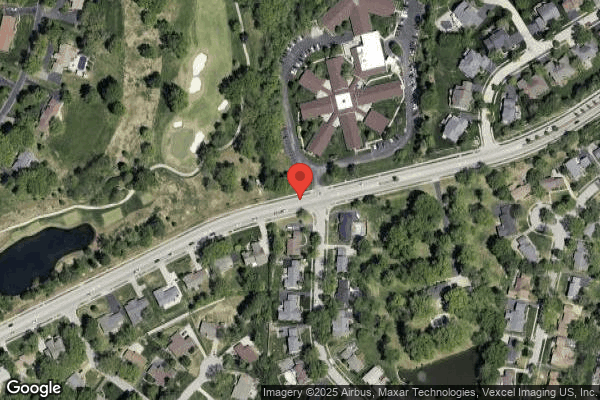
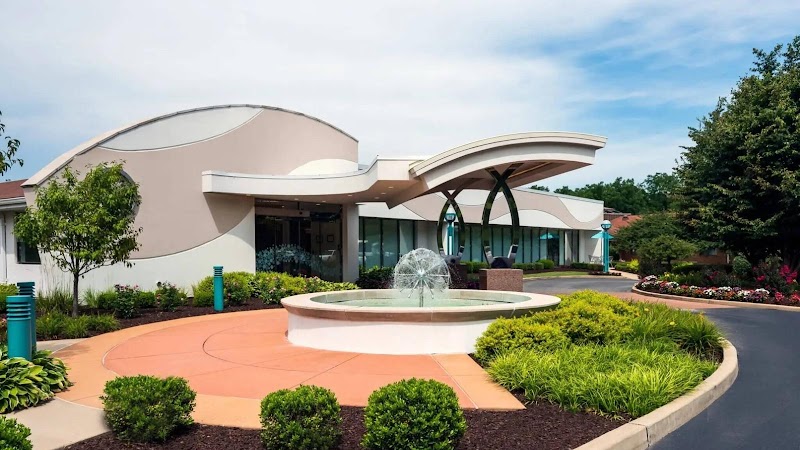
15197 CLAYTON ROAD, CHESTERFIELD, MO 63017 (636) 394-7515
For profit - Corporation 138 Beds DELMAR GARDENS Data: November 2025
Trust Grade
35/100
#146 of 479 in MO
Last Inspection: October 2024

Within standard 12-15 month inspection cycle. Federal law requires annual inspections.

Overview

Delmar Gardens on the Green has received a Trust Grade of F, indicating significant concerns about their care standards. Ranking #146 out of 479 facilities in Missouri places them in the top half of the state, but their overall performance still raises red flags. The facility is improving, having reduced issues from 11 in 2024 to only 2 in 2025, but there are ongoing concerns, including $51,511 in fines, which is higher than 76% of Missouri facilities. Staffing has a rating of 2 out of 5 stars, indicating below-average conditions, with a turnover rate of 58%, which is on par with the state average. Significant incidents include a resident not receiving a critical treatment as ordered, and a staff member verbally abusing another resident, highlighting serious issues with resident care and safety.

Trust Score
F
35/100
In Missouri
#146/479
Top 30%
Safety Record
High Risk
Review needed
Inspections
Getting Better
11 → 2 violations
Staff Stability
⚠ Watch
58% turnover. Above average. Higher turnover means staff may not know residents' routines.
Penalties
✓ Good
$51,511 in fines. Lower than most Missouri facilities. Relatively clean record.
Skilled Nurses
⚠ Watch
Each resident gets only 23 minutes of Registered Nurse (RN) attention daily — below average for Missouri. Fewer RN minutes means fewer trained eyes watching for problems.
Violations
⚠ Watch
31 deficiencies on record. Higher than average. Multiple issues found across inspections.
★★★☆☆
3.0
Overall Rating
★★☆☆☆
2.0
Staff Levels
★★☆☆☆
2.0
Care Quality
★★★☆☆
3.0
Inspection Score
Stable
2024: 11 issues
2025: 2 issues

The Good

  • Full Sprinkler Coverage · Fire safety systems throughout facility
  • No fines on record

Facility shows strength in fire safety.

The Bad

3-Star Overall Rating

Above Missouri average (2.5)

Meets federal standards, typical of most facilities

Staff Turnover: 58%

12pts above Missouri avg (46%)

Frequent staff changes - ask about care continuity

Federal Fines: $51,511

Above median ($33,413)

Moderate penalties - review what triggered them

Chain: DELMAR GARDENS

Part of a multi-facility chain

Ask about local staffing decisions and management

Staff turnover is elevated (58%)

10 points above Missouri average of 48%

The Ugly 31 deficiencies on record

2 actual harm
Jul 2025 1 deficiency
CONCERN (D) 📢 Someone Reported This

A family member, employee, or ombudsman was alarmed enough to file a formal complaint

Potential for Harm - no one hurt, but risky conditions existed

Quality of Care (Tag F0684)

Could have caused harm · This affected 1 resident

**NOTE- TERMS IN BRACKETS HAVE BEEN EDITED TO PROTECT CONFIDENTIALITY** Based on interview and record review, the facility failed to follow the physician's order when nursing staff on multiple occasio...

Read full inspector narrative →
**NOTE- TERMS IN BRACKETS HAVE BEEN EDITED TO PROTECT CONFIDENTIALITY** Based on interview and record review, the facility failed to follow the physician's order when nursing staff on multiple occasions did not collect a physician ordered urine sample from a resident who had been admitted to the facility with a urinary tract infection (UTI) and who had a history of recurrent UTIs. The sample size was 3. The census was 111.Review of the facility's Following Physician Orders policy, effective date 6/29/25, showed:-Purpose: It is the policy of the community to ensure that all Registered Nurse (RN), Licensed Practical Nurse (LPN), Licensed Vocational Nurse (LVN) and other healthcare professionals, follow physician orders in accordance with State, Federal regulations and their respective practice acts;-Procedure: -All physician orders will be followed as prescribed and if not followed, the reason shall be recorded on the residents medical record; -If an order is questionable according to the seven rights of medication administration, a clarification order will be obtained; -All physician or other health care professionals verbal, telephone or written orders will be immediately entered in the electronic health record (EHR) by the nurse obtaining the order.Review of the facility's Resident's Rights document, no date, showed:-Dignity and Respect: -You have the right to expect we will: -Treat you as an individual and assist you in getting the most out of the programs and services we offer. Review of Resident #1's admission Minimum Data Set (MDS) a federally mandated assessment instrument completed by facility staff, dated 5/17/25, showed:-No cognitive impairment;-Wheelchair and Broda chair (specialized wheelchair);-Mechanical lift;-Diagnoses included: dementia, seizure disorder and Parkinson's disease (disorder of the central nervous system that affects movements, often including tremors).Review of the resident's significant change MDS, dated [DATE], showed moderate cognitive impairment.Review of the resident's care plan in use at the time of the investigation, showed:-Problem: Start date: 6/3/25. Infection. Antibiotic 6/2-6/7/25 due to urinary tract infection (UTI);-Goal: Resident will not experience complications from recent infection as evidenced by worsening symptoms;-Approach: Obtain diagnostic tests as indicated per medical doctor (MD) order;-No documentation related to prior history of UTI.Review of the resident's facility transfer paperwork, dated 5/6/25 and scanned into the EHR dated 5/12/25, showed:-History of UTI;-Lower urinary tract symptoms.Review of the resident's progress notes, showed:-5/11/15 at 12:31 P.M., MD in the facility today to meet with family. New orders received, obtain complete blood count (CBC, measures various components of blood), comprehensive metabolic panel (CMP, measures 14 different substances in blood to assess overall health and organ function), and urinalysis. Lab updated for pick up on 5/12/15. Family aware of lab work. Orders noted LPN B;-5/13/25 at 3:01 P.M., repeat UA with C&S (culture and sensitivity, lab test to attempt to grow bacteria, viruses, or fungi. and then test which medications will effectively work to stop the infection) on 5/18/25 due to recurrent UTIs. RN Director of Nursing (DON);-5/18/25 no documentation related to urine sample collected and/or picked up by the lab;-5/27/25 at 3:15 A.M., late entry for admission on [DATE], resident was admitted to hospice. Resident alert and oriented (A & O) times 1-2 (alert to person and place), intermittently confused with incoherent speech;-6/2/25 at 4:48 P.M., this writer was stopped by the resident's wife who had questions about an antibiotic for a possible UTI;-6/2/25 at 5:56 P.M., UA results have been pending since last week to determine if the resident has a possible UTI. Per his/her family the resident has had hallucinations and increased confusion with UTIs in the past. MD called in order for antibiotic three times a day (TID) for 5 days, obtained to treat suspected UTI. Order to obtain UA today still in place. Facility nurse called with verbal orders and read back.Review of the resident's physician order sheet in use at the time of the investigation, showed no documented urinalysis (UA, test that analyzes urine to detect and diagnosis a variety of medical conditions) orders.Review of the resident's 5/2025 medication administration record (MAR), showed documentation related to a physician ordered UA sample collection for suspected UTI per 5/11/25 or 5/18/25 due to recurrent UTIs or antibiotic.During an interview on 7/7/25 at 1:50 P.M., the resident's family member said the resident frequently had UTIs in the past. They could tell by his/her mood. After the resident had completed the antibiotics, he/she came to the facility. The MD wanted another UA to make sure the UTI was gone. The family member didn't have much confidence in the facility right now. The family member said every time he/she would ask about the urine sample and results, staff would say they were waiting on the results. He/She believed what the staff told him/her. But in fact, the urine sample was never collected. During an interview on 7/7/25 at 11:23 A.M., LPN A said he/she had worked with the resident since he/she had been admitted to the facility. He/She got report from the oncoming nurses and the 24-hour nursing report. Physician orders could be verbal, written, or come from pharmacy. LPN A looked through the resident's medical record for the UA order and result but said there wasn't an order for it. If the resident had orders, they should have been in the electronic system. He/She reviewed the resident's progress notes whenever he/she came in to work. He/She said the resident didn't have recurrent UTIs. After reviewing the resident's progress notes, LPN A said he/she didn't know about the physician orders to collect a urine sample for the resident. He/She said the orders from the progress note should have been put on the physician order sheet and it would trigger the nurse that something needed to be done. He/She said the nurse who received the UA order was supposed to collect the sample. That nurse should have documented and reported if he/she couldn't collect the sample, especially with the resident's behaviors. LPN A didn't know why it was thought the resident had frequent UTIs because he/she didn't see anything documented in the resident's medical record. He/She said if the information came from his/her family, that should have been documented in the resident's chart. LPN A said both of the UA orders fell off and were not done. He/She said the orders were lost in translation, either by paper or verbally. The UA should have been done the first week the resident got there. He/She expected the UA to have been collected. If the urine sample wasn't collected, a note should have been added so the other shifts would know to follow up. LPN A said physician orders should be followed. He/She said if the order was confusing, nursing should call for clarification.During an interview on 7/7/25 at 11:43 A.M., LPN B said physician orders should be followed. Physician orders noted in the resident's progress note should be followed and added to the physician order sheet. If an order was not clear, the nurse should call for clarification. If a nurse was unable to complete an order, that information should be documented and passed on to the next shift. He/She said there had to be extenuating circumstances for an order to not be completed. LPN B expected all physician orders to be followed.During an interview on 7/7/25 at 12:16 P.M., the DON said she knew who the resident was. She said the doctor gave nurses new orders over the phone, in writing, and in person. Those orders were added to the resident's physician order sheet. The nurse who received the order was responsible for carrying it out. If that nurse wasn't able to complete it, he/she was supposed to inform the oncoming nurse assigned to the resident. She expected all nursing staff to follow-up with the oncoming shift. She was aware of the physician order on 5/11/25. The resident was already on antibiotics when he/she admitted to the facility. The DON said the resident's family requested the UA because he/she had a UTI in the hospital and wanted to make sure the medicine was working. The MD gave the order for the UA. The DON said the family's request for the UA should have been documented. She asked the family for help collecting the urine sample. She said the resident was combative when his/her family was visiting, and they still couldn't collect the sample. She said all of that information should have been documented in the resident's record and she expected it to have been documented. She didn't notice the resident had any signs or symptoms of a UTI, but the family said the resident had become more combative. They thought the resident had a UTI. The DON expected nursing to follow all physician orders and facility policies. Nursing was supposed to review the 24-hour nursing report and pass on anything that needed follow-up. She expected the UA samples to have been collected before today. She expected staff to document actions taken related to any attempt at collecting the urine sample and/or any combative behavior that may have kept them from collecting the urine sample from the resident. She couldn't justify what happened and said she wasn't sure if the previous lab had picked up the sample or if the sample had ever been collected. She and corporate staff were responsible for locating lab results.During an interview on 7/7/25 at 2:45 P.M., the Administrator said she was only aware of one occasion of staff not collecting the resident's urine sample. Both the Administrator and DON expected nursing staff to have documented the urine sample wasn't collected, and any action steps taken during the process. The Administrator said nursing staff should have and were expected to communicate during the nursing report about any orders and/or tasks that need follow-up. The DON said if the physician was notified, the nurse should have documented that. Both the Administrator and DON expected documentation to be in the resident's record if the physician had been notified. The Administrator, DON, and Regional Nurse Consultant (RNC) expected nursing staff to follow the facility's policies.MO00255252
Apr 2025 1 deficiency
CONCERN (D) 📢 Someone Reported This

A family member, employee, or ombudsman was alarmed enough to file a formal complaint

Potential for Harm - no one hurt, but risky conditions existed

Investigate Abuse (Tag F0610)

Could have caused harm · This affected 1 resident

Based on interview and record review, the facility failed to conduct a thorough investigation after a facility nurse discovered a resident (Resident #1), who was confused, with a bruise on his/her che...

Read full inspector narrative →
Based on interview and record review, the facility failed to conduct a thorough investigation after a facility nurse discovered a resident (Resident #1), who was confused, with a bruise on his/her chest, an abrasion above his/her right eye, a skin tear on his/her nose and an abrasion on his/her right elbow. The resident could not tell the nurse how he/she sustained the injuries. The sample was 3. The census was 105. Review of the facility's Injury of Unknown Source policy, revised May 2021, showed: -Indicators of physical abuse may include but are not limited to: -Bruises and/or hematomas; -Injuries of unknown source-no abuse/neglect suspected; -If a logical/reasonable explanation of the source of the injury cannot be determined, notify your local state agency within two hours of discovery; -Staff must provide a statement as to their knowledge or lack of knowledge of the injury; -The resident's physician must be notified; -The resident's representative must be notified; -A complete body assessment must be completed on the resident. Review of the facility's Post Fall Assessment policy, dated 7/1/15, revised July 2024, showed: -All falls are investigated to determine the reasons for the fall and to develop interventions to minimize or eliminate future falls; -The nurse on duty will complete a Post-Fall Assessment Event for each fall; -Physician and resident representative must be notified of all falls; -Neurological Assessment should be initiated with all falls: Initiate Neurological Assessment Form DGE 047A for falls with head injuries. Initiate Neurological Assessment Form DGE047B for unwitnessed falls without head involvement; -Nurses must assess the resident's condition following the fall and document every shift for 72 hours after a fall. Review of Resident #1's significant change Minimum Data Set (MDS), a federally mandated assessment instrument completed by facility staff, dated 12/4/24, showed: -Cognitively intact; -Lower extremity impairment on one side; -Required substantial/maximum assistance with mobility and transfers; -Diagnoses included congestive heart failure, peripheral vascular disease (PVD, a progressive disorder that affects blood vessels outside the heart and brain, including arteries, veins, or lymphatic vessels), end stage renal disease, diabetes and absence of left leg above knee (amputated). Review of the resident's physical therapy discharge notes, dated 1/14/25, showed: -Bed mobility: Partial/moderate assistance; -Transfers: Substantial/moderate assistance; -Ambulation: Not applicable. Review of the resident's progress notes, showed: -On 1/21/25 at 9:04 P.M., (recorded as late entry on 1/23/25 at 5:07 P.M.) the nurse collected a urinalysis (UA) and placed it in the fridge in the soiled utility room for pick up. At 6:08 P.M. (recorded as late entry on 1/23/25 at 6:11 P.M.) the Director of Nursing (DON) noted the resident sustained a minor injury fall. The resident said he/she was sleeping and fell out of bed. The resident had an abrasion above his/her right eye, and an abrasion to the right elbow. The resident denied pain. Treatment and interventions were put in place. Physician and power of attorney (POA) were notified; -On 1/22/25 at 12:32 P.M., the nurse assessed the resident for wound care and noticed a red/purple area on the resident's chest which measured 0.5 centimeters (cm) x 3.5 cm, nose measured 3 cm x 1 cm, and above right eye measured 3 cm x 4 cm. There was also dried up blood on his/her right elbow which measured 1.9 cm by 0.1 cm. The nurse cleansed and applied xeroform (a sterile, non-adherent wound dressing) and foam dressing to the resident's elbow. The resident was confused and said he/she remembered rolling over, but did not remember falling or getting up. The resident's physician and family were notified; -On 1/23/25 at 2:28 A.M., the resident laid in bed with bed in lowest position, was able to make needs known, voiced no pain or discomfort, and skin was warm and dry to touch. The resident remained on observation for fall with skin tear to right elbow, bruising to right eye and nose, call light within reach. At 12:21 P.M., UA pending. At 5:07 P.M. the resident laid in bed. The bruise on his/her face and neck was going away. It was pink in color. The resident had some confusion, but it was better. Review of the resident's fall risk assessment, dated 1/23/25, showed: -History of falls; -Gait impaired; -Oriented to his/her own ability; -High risk for falls. Review of the resident's care plan, updated on 1/23/25, showed: -Problem: Cognitive loss/dementia. The resident scored 12 on BIMS upon admission. He/She had forgetfulness at times and needed reminders and cues; -Approach: Staff alerted the physician if this was a new observation, establish an environment of mutual trust and respect, excluded underlying related medical problem, and provided verbal and visual reminders; -Problem: Falls. The resident had a recent history of falls related to hallucinations; -Approach: Despite decreased safety and recommended assistance with mobility, the resident chose to remain as independent as possible and continued to self transfer. Staff were to provide frequent checks and offer to assist with toileting and transfers. Despite frequent reminders, the resident did not remember to use the call light and ask for assistance. Staff will attempt to anticipate his/her needs. Review of the resident's post fall assessment, dated 1/24/25, showed: -Unwitnessed fall occurred in the resident's room; -The resident said he/she was sleeping and fell out of the bed. Staff transferred him/her with the tent; -Neuro checks initiated and UA pending. Review of the resident's progress notes, showed: -On 1/24/25 at 1:51 P.M., the resident denied pain or discomfort. The resident's bruise on face was healing. Staff continued to monitor; -On 1/25/24 at 3:45 A.M., the resident remained on fall observation. No pain or discomfort. Bruising remained. Neuro checks and range of motion with in normal limits. At 3:06 P.M., urine culture reported to physician. New orders received for bactrim (used to treat a wide variety of bacterial infections) and acidophilus (used as a probiotic to promote the growth of good bacteria in your body) by mouth for five days. The resident's family was notified of UA results and new orders for antibiotics. Review of the resident's UA culture, dated 1/25/25, showed the sample was collected on 1/21/25 at 12:43 P.M. and positive for urinary tract infection (UTI). During an interview on 4/7/25 at 1:50 P.M., the Administrator said she heard the resident had a mark and staff did not know where it came from. The resident said he/she rolled out of bed. He/She said staff used a tent to get him/her back in bed. They assumed he/she was referring to the Hoyer lift. They are not sure who got him/her off the floor. He/She could not get off the floor without assistance. Whoever got the resident off the floor did not document the fall. The Administrator thought they did an investigation. She didn't think they in-serviced staff. During an interview on 4/7/25 at 2:04 P.M., the DON said they never established if the resident fell. The facility had all agency working on the day it happened. They called staff. No one answered their phone, or they did not remember the fall. She put in the fall investigation, because the resident said he/she fell. They did not do in-services, because none of the facility staff was working. The resident did have some confusion. They still use agency staff. They did not in-service agency staff, because the staff who worked that night were new. They usually use the same agency staff. They have agency staff review and sign off on our policies at the beginning of their shift. Review of the night shift staffing sheet for 1/22/25, showed two agency nurses, and six facility Certified Nursing Assistants (CNAs) were scheduled. During an interview on 4/7/25 at 3:14 P.M., agency CNA A said he/she has worked at the facility before. His/Her first shift was a year ago. He/She reviews the policy and procedures every now and again, but it is not mandatory to review it each shift. If he/she found a resident on the floor, he/she would get a nurse. During an interview on 4/7/25 at 3:20 P.M., agency Licensed Practical Nurse B said he/she has worked at the facility a few times. His/Her first shift was a few months ago. The facility has a policy book agency staff must sign before their first shift. If he/she found a resident on the floor, he/she would assess the resident. Then check their status, call paramedics, and call the doctor to see what he/she wants to do. He/She was sure something else should be done, but he/she could not remember everything. During an interview on 4/7/25 at 3:40 P.M., the DON said all the nurses were agency. The CNAs were facility staff. The resident's family member thought the resident hit the nightstand. The resident said he/she fell and as a precaution the DON documented a fall. She did not think it was an injury of unknown origin. She did not think they should have completed an investigation. She thinks they asked the questions they needed to ask. I think the post fall assessment covered us. MO00250795
Oct 2024 11 deficiencies 1 Harm
SERIOUS (G)

Actual Harm - a resident was hurt due to facility failures

Quality of Care (Tag F0684)

A resident was harmed · This affected 1 resident

Based on interview and record review, the facility failed to ensure professional standards of practice where met, when staff failed to transcribe one resident's new treatment order onto the electronic...

Read full inspector narrative →
Based on interview and record review, the facility failed to ensure professional standards of practice where met, when staff failed to transcribe one resident's new treatment order onto the electronic treatment administration record (eTAR), resulting in the new treatment order not being administered from 7/24/24 to 8/2/24 as ordered by the physician for one resident (Resident #8) resulting in the wound showing signs and symptoms of infection. The sample was 18. The census was 96 with 83 residents in certified beds. Review of the facility's Following Physician Orders Policy, dated June 29, 2021, showed: -Purpose: It is the policy of the community to ensure that all Licensed Professional Nurses (Registered Nurse (RN)/Licensed Practical Nurse (LPN)/ Licensed Vocational Nurse (LVN)) and other healthcare professionals, follow physician orders in accordance with state, federal regulations, and their respective practice acts; -Procedure: -All physician orders will be followed as prescribed and if not followed, the reason shall be recorded on the resident's medical record; -All physician or other health care professional's verbal, telephone or written orders will be immediately entered in the electronic health record (EHR) by the nurse obtaining the order. Review of the facility's Wound Care Protocol Policy, dated reviewed 7/23, showed: -How to assess/document: Initially assess the ulcer(s) for location, measurement, exudate (fluid that leaks out of blood vessels into nearby tissue), and tissue type; -Treatment should be determined based on the assessment; -Documentation of the initial and weekly assessment finding should be noted in the wound management section of the EHR. Review of Resident #8's quarterly Minimum Data Set (MDS), a federally mandated assessment instrument completed by the facility staff, dated 9/5/24, showed: -Cognitively intact; -No behaviors or refusal of care; -Diagnoses included: anemia (decrease in number of red blood cells), high blood pressure, diabetes, and muscular dystrophy (a genetic disease that cause progressive weakness and loss of muscle mass). Review of the care plan in use at the time of survey, showed: -Problem: currently has an alteration in skin integrity and required wound monitoring; -Goal: wound will not increase in size or exhibit signs of infection through next review; -Approach: Staff monitor the condition of skin during activities of daily living (ADL, self care) care. Nursing to complete weekly skin audits and document as required. All abnormal/new findings are reported to physician for treatment; -Wound treatment(s) to be completed per eTAR/physician order. Review of the resident's weekly skin audits, provided by the facility for June, July, and August 2024, showed: -On 6/1/24, open area noted on right ankle; -On 7/13/24, wounds to scrotum/ right ankle and right shin; -No other skin assessments were provided. Review of the progress notes dated 7/10/24 through 7/14/24, showed: -On 7/10/24 at 2:11 P.M., new wound noted to resident's scrotum (a pouch of skin containing the testicles) area, buttocks noted to be red. Wound on scrotum measures 0.6 centimeters (cm) X 1.0 cm. Peri area (area between legs and buttocks) was painful to touch due to wound being sore and buttocks being red and inflamed. Orders for Santyl (sterile enzymatic debriding ointment) and zinc (skin barrier) have been entered. Physician has been notified; -On 7/14/24 at 3:41 P.M., seen by the wound management team related to multiple wounds. Will continue to monitor wounds weekly for progress; -The note did not show the wound on the scrotum; -Staff did not document the treatment had changed or the resident refused the treatment; -Staff did not document why the treatment was not completed. Review of the wound management team notes, dated 7/18/24, showed: -Location: scrotum/posterior (back); -Type: Pressure ulcer/injury (any lesion caused by unrelieved pressure that results in damage to the underlying tissue): unstageable (depth obscured); -Wound bed description: no description was documented; -Measurements: no measurements were documented; -Exudate: moderate; -Peri-wound: erythema (redness of the skin), macerated (a softening and breaking down of the skin resulting from prolonged exposure to moisture) and scarring; -Color: sero-sanguineous (containing blood and serum); -Wound status: initial evaluation; -Treatment: cleanse with Normal Saline (NS) then apply Santyl and apply dry dressing, change daily and as needed. Review of the eTAR, dated 7/1/24 through 7/25/24, showed: -An order for Santyl apply to wound on scrotum, start date was 7/14/24 and discontinue date was 8/2/24; -Documentation showed: treatment was not completed on 7/15, 7/16, 7/17, 7/22, 7/23 and on 7/25; -There was no order for gentamicin and there was no order for weekly skin audits. Review of the progress notes, dated 7/24/24 through 7/30/24, showed: -On 7/24/24 at 12:47 P.M., resident was seen by the wound management team on 7/17/24 related to multiple wounds. New treatment order for gentamicin (antibiotic) and Santyl to the scrotum; -On 7/26/24 at 1:04 P.M., resident was seen by wound management team on 7/25/24 related to multiple wounds. Will continue the current treatments in place for all wounds. Will continue to monitor wounds weekly for progress; -There was no documentation showing the treatment was changed, or the resident refused the treatment and no documentation showing why the treatment was not completed. Review of the wound management team's notes, dated 7/25/24, showed: -Location: scrotum/posterior; -Type: Pressure ulcer/injury: unstageable (depth obscured); -Wound bed description: 25% granulation tissue (new connective tissue that forms in a wound during the healing process) and 75% necrotic tissue (dead or dying tissue); -Measurements: 3.1 cm length, X 6.3 cm width X 0.2 cm depth; -Peri-wound: erythema, macerated and scarring; -Exudate: moderate; -Color: sero-sanguineous; -Wound status: unchanged/stable; -Treatment: cleanse with NS then apply Santyl and apply dry dressing, change daily; -Wounds: scrotum/posterior-new on 7/18/24, stable, continue santyl and gentamicin. Review of the eTAR, dated 7/26/24 through 7/31/24, showed: -An order for Santyl apply to wound on scrotum, start date was 7/14/24 and discontinue date was 8/2/24; -There was no order for gentamicin. Review of the progress notes, dated 8/1/24 through 8/4/24, showed: -On 8/4/24 at 1:42 P.M., provider summary received for routine visit on 8/2/24. No new recommendations at this time, staff to continue to monitor and treat wound on left toe and continue monitoring and treatment of pressure ulcer to left medical side of left knee with tubi grip (elastic tubular support bandage) for added protection. No other concerns at this time; -The note did not show wound on scrotum. Review of the wound management team's notes, dated 8/1/24, showed, -Location scrotum/posterior; -Wound Bed Description: 0 % Granulation Tissue and 100 % Necrotic Tissue; -Measurements: 4.8 cm x 3.7 cm x unable to determine (UTD) depth; -Peri-wound: Erythema, Macerated and Scarring; -Exudate: Moderate; -Color: Sero-sanguineous; -Treatment: Cleanse with NS then apply Santyl and apply dry dressing; change daily and as needed; -Wound Status Improved - continue current treatment plan; -Wound: scrotum/posterior-new on 7/18/24, stable, continue santyl and gentamicin. Review of the eTAR dated 8/1/24 through 8/3/24, showed: -An order for: Santyl apply daily to wound on scrotum, start date was 7/14/2024 and discontinued on 8/02/2024; -An order for: Santyl, cleanse posterior scrotum with NS, mix Santyl and gentamicin, apply nickel thick and cover with a foam dressing, start date was 8/3/24; -An order for: gentamicin ointment 0.1 %; mix with Santyl and apply nickel thick to right ankle, right shin, and posterior scrotum, change daily, start date 8/3/24. Review of the progress notes, dated 8/4/24 through 8/15/24, showed: -On 8/15/24 at 5:10 P.M., resident was seen by wound doctor and was recommended to send to hospital for treatment. Contacted emergency medical service (EMS) for transport to the hospital. Review of the wound management team notes, dated 8/15/24, showed: -Location scrotum/ posterior; -Type: Pressure Ulcer/Injury: Unstageable (Depth Obscured); -Wound Bed Description: 100 % Granulation Tissue and UTD/ % Necrotic Tissue; -Measurements: 6.0 cm x 2.8 cm x UTD depth; -Exudate: Moderate; -Peri-wound: erythema, macerated and scarring; -Color: Sero-sanguineous; - Wound Status Deteriorated - See plan of care (POC); -Additional Notes: send out to hospital due to deteriorated wound with odor. Altered mental status (AMS). -Treatment: Cleanse with NS then apply Santyl; gentamicin; cover with foam dressing daily and as needed; -Wound: scrotum/posterior (new on 7/18/24): deteriorated, send out due to signs of infection. Review of the eTAR, dated 8/3/24 through 8/16/24, showed: -An order for: Santyl, cleanse posterior scrotum with NS, mix Santyl and gentamicin, apply nickel thick and cover with a foam dressing, start date was 8/3/24; -Documentation showed: On 8/7/24, not administered: day shift; on 8/10/24, not administered, resident unavailable, up in wheelchair doesn't want treatment completed at this time; on 8/13/24, not administered: previous shift; -An order for: gentamicin ointment 0.1 %; mix with Santyl and apply nickel thick to right ankle, right shin, and posterior scrotum, change daily ,start date 8/3/24; -Documentation showed: On 8/10/24, not administered, resident unavailable, up in wheelchair doesn't want treatment completed at this time; on 8/13/24, not administered: previous shift; During an interview on 10/2/24 at 9:00 A.M., the Wound Nurse said the floor nurse was responsible for completing the weekly skin audits and providing the treatments. She provided wound care for resident who required a wound vacuum (wound treatment that uses suction to help wounds heal). When the wound management team visited the facility, she rounded with the Nurse Practitioner (NP), then she would document some type of note in the EHR regarding the wounds. During an interview on 10/4/24 at 12:00 P.M., the Nurse Manager said skin audits were completed weekly on the resident's shower day, by the floor nurse. If the resident had a wound, it should be documented on the skin assessment and documented with treatment in place. If the wound was new, staff should assess the wound and document it, notify the physician and note any orders that were obtained or whatever the physician said to do and notify the resident/resident representative. If the nurse documented a new order in the progress notes she would expect for the order to also be noted on the physician order sheet and the eTAR. The Nurse Manager checked the eTAR for July 2024 and said she did not see an order for the gentamicin. She would expect for an order to be placed on the physician order sheet and on the eTAR. During an interview on 10/4/24 at 12:08 P.M., the NP said when she visited the facility, she assessed the wounds that were being treated unless the staff notified her the resident had a new wound or area of concern. If a resident needed new orders, the NP either wrote them down on a piece of paper or gave the nurse a verbal order. The nurse at the facility was responsible for entering the orders into the EHR. The NP said she likely gave an order for gentamicin and santyl because she preferred to use an antimicrobial agent (kills microorganisms or inhibits their growth) sometimes with the santyl. During an interview on 10/4/24 at 1:53 P.M., the Administrator said she would expect for staff to follow physician orders and for skin audits to be completed weekly.
CONCERN (D)

Potential for Harm - no one hurt, but risky conditions existed

Deficiency F0569 (Tag F0569)

Could have caused harm · This affected 1 resident

**NOTE- TERMS IN BRACKETS HAVE BEEN EDITED TO PROTECT CONFIDENTIALITY** Based on interview and record review, the facility failed to ensure third party liability (TPL) forms were completed within 30 d...

Read full inspector narrative →
**NOTE- TERMS IN BRACKETS HAVE BEEN EDITED TO PROTECT CONFIDENTIALITY** Based on interview and record review, the facility failed to ensure third party liability (TPL) forms were completed within 30 days for the final accounting for residents who expired. This affected three of three sampled residents who expired and had money in their accounts longer than 30 days (Residents #301, #302 and #300). The census was 96 with 83 in certified beds. The deficiency was changed to past non-compliance after an Informal Dispute Resolution conference where both parties agreed the deficient practice was corrected prior to the survey. Facility staff realized in mid-April, 2024 that some discharged residents still had funds in the resident trust account. The facility completed the proper documentation for those discharged residents and the remaining trust fund balances were refunded to the proper authority. The past-noncompliance was corrected on [DATE]. 1. Review of Resident #301's financial records, showed: -Expired on [DATE]; -Ending balance of $150.13; -TPL form sent on [DATE]. 2. Review of Resident #302's financial records, showed: -Expired on [DATE]; -Ending balance of $50.00; -TPL form sent on [DATE]. 3. Review of Resident #300's financial records, showed: -Expired on [DATE]; -Ending balance of $0.13; -TPL form sent on [DATE]. 4. During an interview on [DATE] at 11:16 A.M., the Business Office Manager (BOM) said the facility was supposed to send the TPL form within 30 days. The BOM said she started working at the facility in April and did not see many records where the funds were concurrent, some were lapsing. She said it was not acceptable to send the funds later than 30 days.
CONCERN (D) 📢 Someone Reported This

A family member, employee, or ombudsman was alarmed enough to file a formal complaint

Potential for Harm - no one hurt, but risky conditions existed

Accident Prevention (Tag F0689)

Could have caused harm · This affected 1 resident

Based on interview and record review, the facility failed to position one resident safely (Resident #20) when staff turned the resident on the shower bed resulting in a fall, in which the resident was...

Read full inspector narrative →
Based on interview and record review, the facility failed to position one resident safely (Resident #20) when staff turned the resident on the shower bed resulting in a fall, in which the resident was sent to the hospital and received 14 sutures. The sample was 18. The census was 96 with 83 residents in certified beds. The Administrator was notified on 10/4/24 at 3:00 P.M., of the past non-compliance, which occurred on 3/4/24. The facility provided training and in-servicing that began on 3/6/24 and ended on 3/18/24, for all staff regarding their policies on proper transfers and body mechanics. The past non-compliance was corrected on 3/18/24. Review of the facility's Transfer and Lift Policy (butterfly), dated reviewed 5/21, showed: -Purpose: To provide communication to staff about resident transfer abilities and to assure we take all precautions necessary to maintain the safe of our residents including acknowledgment that this facility has adopted a no lift policy for residents requiring a mechanical means of transfer; -Policy: Upon admission each resident will be assessed by the inter-disciplinary team on the capabilities of how the resident transfers; this will be re-assessed with changes in condition and at the quarterly care plan; -A butterfly magnet will be placed inside of the resident's room on the overhead light or door frame of resident's room indicating how the resident transfers. The butterfly will be coded to inform the staff of transfer ability. An additional red dot sticker will be placed on the magnets to indicate two people for all means of transfer and bed mobility; -The resident's transfer ability will be indicated in the resident's orders and included on the resident profile and care plan, as well as the butterfly; -All staff involved in the transfer of residents will be responsible for knowing how to identify transfer status of each resident. Review of Resident #20's quarterly Minimum Data Set (MDS), a federally mandated assessment instrument completed by the facility staff, dated 7/14/24, showed: -Severe cognitive impairment; -Functional limitation in range of motion (ROM) in lower extremities (hip, knee, ankle, foot), impairment on both sides; -Shower/bathe self: dependent (helper does all the effort. Resident does none of the effort to complete the activity); -Roll left to right: dependent; -Tub/shower transfer: dependent; -Diagnoses included heart failure, high blood pressure, anxiety, depression, acquired absence of the right leg above the knee. Review of the care plan, in use at the time of survey, showed: -Problem: is at risk for falls related to his need for assistance with transfers, increased weakness, acquired absence (amputation) of right leg above knee, and psychotropic medication (drugs that affect the brain and nervous system to treat mental illnesses) use and bowel and bladder (B&B) incontinence, pacemaker, start date was 4/8/22; -Goal: Minimize the risk for falls and related injury thru next review; -Approach: On 3/04/24, Resident fell attempting to assist aide with transfer. Sent to hospital for evaluation. Sutures noted to forehead. Inservice and education completed on proper transfers. Will continue with plan of care (POC). -Problem: has a deficit in activities of daily living (ADL) functioning and impaired mobility related to increased weakness, history of repeated falls, decreased cognition, and acquired absence of right leg above knee; -Goal: will participate in ADL activities promoting maximum independence through next review; -Approach: Provide assistance with ADL's as needed or requested. Is dependent with ADLs; Transfer status: Hoyer (mechanical lift) assist x 2. Review of the progress notes, dated 3/4/24, showed: -At 4:25 P.M., the nurse went to resident's shower room to assist with fall from this resident. Upon entering the shower room, resident found lying face first on the floor, blood noted on the floor. The nurse asked the Certified Nurse Aide (CNA) what happened, CNA stated he/she had just finished giving the resident a shower. CNA attempted to place mechanical lift sling under the resident. CNA turned the resident onto his/her left side. The resident tried to hold onto the wall but fell out of the shower bed. The nurse called out to the resident. Resident was able to respond yes. The nurse asked the resident if he/she was hurting anywhere besides his/her head, resident responded no. Upon assessment resident noted to have laceration on left eyebrow, and skin tear to left wrist. Towel placed on the floor by resident's eyebrow to help with bleeding. Another nurse called 911 and printed all paperwork. Resident noted to be wheezing but still communicated with staff. Oxygen saturation was 83% (normal is 95% through 100%) no oxygen was applied because Emergency Medical Technicians (EMT) were at the facility to transport resident.; -At 10:44 P.M., resident returned to the facility by ambulance at 10:33 P.M., 14 stitches noted to left forehead above eyebrow, left hand bruised with skin tear, left leg has scabbing noted and left second toe bruised. During an interview on 10/3/24 at 11:31 A.M., Licensed Practical Nurse (LPN) N said the CNA was calling out for help. When he/she got to the shower room, the CNA and nurse were in the room. The resident was on the floor. There was so much blood on the floor, they were just trying to get him/her sent out (to the hospital). The CNA went to turn the resident and the resident fell out of the shower bed. Normally he/she would hold onto something when staff assisted him/her with turning. During an interview on 10/4/24 at 10:57 P.M., CNA C said two staff used the mechanical lift with a regular sling to transfer the resident onto the shower bed. After the resident was transferred, the other staff member left out of the shower room. CNA C provided the shower. Then, CNA C assisted the resident to roll over by giving the resident a little push and the resident rolled off the shower bed. CNA C called for the nurse. During an interview on 10/4/24 at approximately 12:00 P.M., the Nurse Manager said there should be two staff present when a resident was on a shower bed. The only bar in the shower room to grab onto is in the shower. It is not appropriate for staff to ask a resident to hold on to the wall. During an interview on 10/4/24 at 10:02 A.M., the Administrator said the resident did not fall during the transfer. The failure was the procedure was not followed. The CNA used the regular lift sling to transfer the resident in place of the shower sling which was mesh. The CNA was turning the resident when the resident fell. All nursing staff were educated on using the correct sling for showers and using two people for the shower bed and mechanical lift transfers. The agency binder has also been updated. MO00240083
CONCERN (E)

Potential for Harm - no one hurt, but risky conditions existed

Resident Rights (Tag F0550)

Could have caused harm · This affected multiple residents

**NOTE- TERMS IN BRACKETS HAVE BEEN EDITED TO PROTECT CONFIDENTIALITY** Surveyor: [NAME], [NAME] Based on observation, interview and record review, the facility failed to ensure all residents were tre...

Read full inspector narrative →
**NOTE- TERMS IN BRACKETS HAVE BEEN EDITED TO PROTECT CONFIDENTIALITY** Surveyor: [NAME], [NAME] Based on observation, interview and record review, the facility failed to ensure all residents were treated in a manner to maintain dignity when staff left a resident exposed and visible from the hallway (Resident #10) and another resident in a hospital gown in the main dining room (Resident #21). In addition, staff failed to ensure two residents' (Resident #8 and #285) catheter bags (urine drainage bag) were not visible in the hallway from the residents' rooms. Staff also entered resident rooms without knocking (Resident #30 and #46). The sample size was 18. The census was 96 with 83 in certified beds. Review of the facility's undated Resident's Rights policy, showed: -Dignity and Respect: Your right to be treated with dignity and respect is the foundation on which all other resident rights and responsibilities are based. You have a right to expect that we will: -Treat you as an individual and assist you in getting the most out of the programs and services we offer; -Make sure your surroundings are safe, clean and comfortable; -Privacy and Confidentiality: Your right to privacy and confidentiality is as important to you as it is to any other person. You have the right to have other people respect your personal privacy as you receive care. 1. Review of Resident #10's quarterly Minimum Data Set (MDS), a federally mandated assessment instrument completed by facility staff, dated 8/9/24, showed: -Mild cognitive impairment; -Rejection of care occurred one to three out of seven days; -Dependent on staff for all personal care; -Diagnoses included stroke, diabetes, seizures, depression and respiratory failure. Review of the resident's care plan, revised 8/12/24, in use during the time of the investigation, showed: -Problem: Activities of Daily Living (ADL, self-care) functional status/rehabilitation potential; -Goal: The resident will participate in ADL activities promoting maximum independence through next review; -Approach: Assist with repositioning in bed and in wheelchair frequently. During an interview on 9/30/24 at approximately 11:29 A.M., the resident said he/she preferred his/her door shut. Observation on 10/4/24 at 8:26 A.M., showed the resident's door was open. The resident lay on his/her back in bed with his/her eyes closed. The resident was undressed and a towel covered his/her genitals. One resident passed the resident's room as the resident lay exposed. During an interview on 10/4/24 at 8:31 A.M., Certified Nursing Assistant (CNA) H said he/she was assigned to the resident. When shown the resident lay in bed with the door opened and exposed, CNA H said he/she provided care earlier that day and closed the door. CNA H did not leave the resident laying exposed. The resident's door should have been closed to maintain his/her dignity. The nurse was probably providing care to the resident. CNA H closed the resident's door. During an interview on 10/4/24 at 8:33 A.M., Licensed Practical Nurse (LPN) D, who was in the hallway during the time resident was exposed, said he/she did not leave the resident exposed. However, the resident's door should have been closed while he/she lay in bed exposed to maintain his/her dignity. 2. Review of the resident's quarterly MDS, dated [DATE], showed: -admitted [DATE]; -Clear speech; -Able to make self understood; -Able to understand others; -Moderate cognitive impairment; -Diagnosis included memory deficit, kidney disease, diabetes, and heart failure. Review of Resident's #21 care plan, revised 9/18/24, in use during the time of the investigation, showed the resident has a deficit in ADLs functioning and requires assistance related to weakness and cognitive deficit at times. Assist resident with ADLs as needed and requested. Observation in the main dining room on 9/30/24 at 12:36 P.M., showed the resident sat at the table wearing a hospital gown opened in the back, exposing his/her skin, pants, and shoes. During an interview, the resident said he/she preferred to wear a shirt to meals. Observation on 9/30/24 at 12:38 P.M., showed CNA P approached the resident while he/she was eating and said he/she would take the resident down the room to put a shirt on the resident. The CNA removed the resident from the dining room and returned at 12:47 P.M. The resident resumed eating his/her meal. During an interview on 10/2/24 at 9:51 A.M., LPN D said the resident should be dressed appropriately when eating in the dining room and the resident should not be removed while eating to be dressed. During an interview on 10/02/24 at 10:12 A.M., CNA F said residents should be dressed in clothes and not hospital gowns when eating in the dining room. A resident should not be removed from the dining room while they are eating so the hospital gown could be removed. When the resident returned their food could be cold and the resident may not continue to eat their meal. 3. Review of Resident #8's care plan, revised 8/30/24, in use during the time of the investigation, showed: -Problem: Indwelling catheter (a thin, hollow tube that is inserted into the bladder to drain urine and is left in place for a period of time). The resident has a catheter related to diagnosis of dysfunction of bladder; -Goal: The resident will have catheter care managed appropriately as evidenced by not exhibiting signs of infection through next review date; -Approach: Keep catheter system closed. Store collection bag inside a protective dignity pouch. Review of the resident's quarterly MDS, dated [DATE], showed: -Cognitively intact; -No behaviors; -Required substantial assistance with staff for personal hygiene; -Diagnoses included renal disease, neurogenic bladder, multiple sclerosis, depression and anxiety. Observations on 9/30/24 at approximately 11:45 A.M. and 10/1/24 at 9:03 A.M., showed the resident lay in bed on his/her back. The resident's door was open and a catheter bag hung on the side of the bed, outside of a dignity bag and exposed to the hallway. Observation on 10/4/24 at 8:38 A.M., showed the resident sat in bed eating breakfast. The door was open and the catheter bag hung on the side of the bed, exposed and visible from the hallway. The resident said he/she could not cover the bag him/herself and wanted it covered and not visible from the hallway. During an interview on 10/4/24 at 8:40 A.M., CNA I said he/she was not assigned to the resident and did not leave the catheter bag exposed. However, the bag should be covered to maintain the resident's dignity. During an interview on 10/4/24 at 8:33 A.M., LPN D said catheter bags should be covered or the door should be shut to maintain a resident's dignity. 4. Review of the Resident #285 care plan, created 10/1/24, in use during the time of the investigation, showed the resident needed assistance with all ADLs. Review of the resident's face sheet, dated 10/1/24, showed diagnoses included kidney cancer, heart failure, and liver transplant. Observation on 10/2/24 at 7:45 A.M., showed the resident lay in bed, and the urinary catheter gravity bag attached to the bed frame, visible to persons passing by the room. During an interview on 10/2/24 9:51 A.M., LPN D said that the urinary catheter gravity bag should not be visible and should be placed in dignity bag or covered. During an interview on 10/2/24 at 10:12 A.M., CNA F said that a urinary catheter bag should be in a dignity bag, as to not embarrass the resident. 5. Review of Resident #30's annual MDS, dated [DATE], showed: -Cognitively intact; -Adequate hearing and vision; -Makes self understood and understands others; -No impairment to upper extremities; -No impairment to both lower extremities; -Dependent to lower body dressing and personal hygiene; -Diagnoses included anemia, heart diseases, high blood pressure, kidney disease, arthritis. Review of the resident's care plan, in use during the time of the investigation, showed: -Problem: The resident requires monitoring for continued bowel and bladder incontinence related to current incontinence, history of urinary tract infections (UTIs), and need for assistance with all toileting transfers and mobility; -Goal: The resident will remain clean, dry, and fee from odors; -Approach: Observe for signs and symptoms of infection, such as fever, hematuria (blood in urine), sedimentation (solid components in urine), mood or behavior changes. 6. Review of Resident #46's quarterly MDS, dated [DATE], showed: -Cognitively intact; -Adequate hearing and vision; -Makes self understood and understands others; -No impairment to both upper and lower extremities. Review of the resident's care plan, in use during the time of the investigation, showed: -Problem: The resident is at risk for skin breakdown related to incontinent of bowel and bladder, history of pressure areas, diuretic use; -Goal: The resident's skin will remain intact; -Approach: Assist or encourage turning and repositioning frequently, keep clean and dry as possible, minimize skin exposure to moisture. Observation on 9/30/24 at 1:56 P.M., showed Resident #30's call light was on. He/She said he/she had pushed the call light at approximately ten minutes ago. At 2:00 P.M., CNA C entered the resident's room without knocking the door, turned off the call light and did not speak or ask the resident what he/she needed. The CNA then left the room. Resident #46 said CNA C was always in a hurry and enters the room without saying anything to both residents. He/She said the CNA slams the door at times. Resident #30 asked Resident #46 to turn on the call light again. At 2:26 P.M., CNA C and CNA F entered the room without knocking the door. Both CNAs assisted Resident #30. During an interview on 10/4/24 at 8:31 A.M., CNA H said staff were supposed to knock and announce themselves before entering a resident room. 7. During an interview on 10/4/24 at 1:52 P.M., the Administrator and Regional Nurse said they would expect all residents to be treated with dignity. Residents should not be exposed, catheter bags should be covered and staff should knock before entering a resident's room.
CONCERN (E)

Potential for Harm - no one hurt, but risky conditions existed

Transfer Notice (Tag F0623)

Could have caused harm · This affected multiple residents

**NOTE- TERMS IN BRACKETS HAVE BEEN EDITED TO PROTECT CONFIDENTIALITY** Based on interview and record review, the facility failed to provide residents with a transfer notice when transferred to the ho...

Read full inspector narrative →
**NOTE- TERMS IN BRACKETS HAVE BEEN EDITED TO PROTECT CONFIDENTIALITY** Based on interview and record review, the facility failed to provide residents with a transfer notice when transferred to the hospital, for seven of seven residents investigated for hospital transfers (Residents #12, #45, #20, #43, #32, #81, and #8). The Census was 96 with 83 residents in certified beds. Review of the facility's undated Residents' Rights Policy, showed: -Admission, Transfer, discharge: The residents have the right to due notice of the reasons for transfer or discharge if such occurrence takes place. 1. Review of Resident #12's quarterly Minimum Data Set (MDS), a federally mandated assessment instrument completed by the facility staff, dated 9/13/24, showed: -Should a brief interview for mental status be conducted? No; -Both long-term and short-term memory loss; -Diagnoses included: heart failure, high blood pressure, obstructive uropathy (disorder of the urinary tract that occurs due to obstructed urinary flow), stroke, hemiplegia (paralysis of the arm, leg, and trunk on the same side of the body), or hemiparesis (slight weakness in a leg, arm, or face); -Indwelling catheter (a thin, hollow tube that's inserted into the bladder to drain urine). Review of the resident's medical record, showed: -discharged to the hospital on 1/18/24; -Returned to the facility from the hospital on 1/25/24; -discharged to the hospital on 2/21/24; -No documentation transfer notices were given when the resident was sent to the hospital. 2. Review of Resident #45's quarterly MDS, dated [DATE], showed: -Moderately impaired cognition; -Diagnoses included: urinary tract infection (UTI) in the past 30 days, high blood pressure and Parkinson's disease (a chronic brain disorder that causes movement problems, mental health issues, and other health concerns). Review of the resident's medical record showed: -discharged to the hospital on 8/11/24; -Returned to the facility from the hospital on 8/14/24; -discharged to the hospital on 8/27/24; -Returned to the facility from the hospital on 9/1/24; -discharged to the hospital on 9/20/24; -Returned to the facility from the hospital on 9/23/24; -No documentation transfer notices were given when the resident was sent to the hospital. 3. Review of Resident #20's quarterly MDS, dated [DATE], showed: -Severe cognitive impairment; -Diagnoses included: heart failure, high blood pressure, anxiety, depression, acquired absence of the right leg above the knee. Review of the resident's medical record, showed: -discharged to the hospital on 3/24/24; -Returned to the facility from the hospital on 4/1/24; -No documentation transfer notice was given when the resident was sent to the hospital. 4. Review of Resident #43's quarterly MDS, dated [DATE], showed; -Moderately impaired cognition; -Diagnoses included heart failure, kidney failure, high blood pressure, and diabetes. Review of the resident's medical record, showed; -discharged to the hospital on 1/17/24; -Returned to the facility from the hospital on 1/26/24; -discharged to the hospital on 4/5/24; -Returned to the facility from the hospital on 4/8/24; -discharged to the hospital on 7/2/24; -Returned to the facility from the hospital on 7/19/24; -No documentation transfer notices were given when the resident was sent to the hospital. 5. Review of Resident #32's admission MDS, dated [DATE], showed; -Moderately impaired cognition; -Diagnoses included heart disease, kidney failure, high blood pressure, and dementia. Review of the resident's medical record, showed; -discharged to the hospital on 7/18/24; -Returned to the facility from the hospital on 7/20/24; -discharged to the hospital on 7/23/24; -Returned to the facility from the hospital on 7/30/24; -No documentation transfer notices were given when the resident was sent to the hospital. 6. Review of Resident #81's admission MDS, dated [DATE], showed: -Severe cognitive impairment; -Diagnoses included stroke, heart disease, high blood pressure, high cholesterol, and dementia. Review of the resident's medical record, showed: -discharged to the hospital on 7/3/24; -Returned to the facility from the hospital on 7/12/224; -Transferred to the hospital on 7/13/24; -Returned to the facility from the hospital on 7/14/224; -Transferred to the hospital on 7/15/24; -Returned to the facility from the hospital on 7/16/224; -Transferred to the hospital on 7/16/24; -No documentation transfer notices were given when the resident was sent to the hospital. 7. Review of Resident #8's medical record, showed: -Diagnoses included renal disease, multiple sclerosis (a chronic disease that affects the central nervous system), depression and anxiety; -discharged to the hospital on 6/23/24; -Returned to the facility from the hospital on 6/29/24; -discharged to the hospital on 8/15/24; -Returned to the facility from the hospital on 8/29/24; -No documentation transfer notices were given when the resident was sent to the hospital. 8. During an interview on 10/2/24 at 5:43 A.M., the Administrator said they had not issued any notices of transfer to residents upon their discharges to the hospital. They had identified this issue in Quality Assurance (QA) and would start issuing notices of transfers upon discharge with an anticipated return.
CONCERN (E)

Potential for Harm - no one hurt, but risky conditions existed

Deficiency F0625 (Tag F0625)

Could have caused harm · This affected multiple residents

**NOTE- TERMS IN BRACKETS HAVE BEEN EDITED TO PROTECT CONFIDENTIALITY** Based on interview and record review, the facility failed to provide written notice to the resident, or their legal representati...

Read full inspector narrative →
**NOTE- TERMS IN BRACKETS HAVE BEEN EDITED TO PROTECT CONFIDENTIALITY** Based on interview and record review, the facility failed to provide written notice to the resident, or their legal representative of the facility bed hold policy at the time of transfer to the hospital, for seven of seven investigated residents for hospital transfers (Residents #12, #45, #20, #43, #32, #81 and #8). The Census was 96 with 83 residents in certified beds. Review of the facility's undated Bed Hold Policy, showed: -Purpose: to notify the resident or representative of the Bed-Hold Policy in writing at the time of admission, upon discharge or revision and when transferred to a hospital or during therapeutic leave, as well as the intent of readmission according to state and federal regulations; -Procedure: The facility will inform and give a written copy of this policy to the resident and/or representative upon admission. The facility will also give a copy of this policy to the resident and representative if transferred to a hospital or during therapeutic leave. In addition, the facility will call the representative, if applicable, within 24 hours of the transfer or leave; -It is the policy of the facility to permit residents to return to the facility after they are hospitalized or placed on therapeutic leave. 1. Review of Resident #12's quarterly Minimum Data Set (MDS), a federally mandated assessment instrument completed by the facility staff, dated 9/13/24, showed: -Both long-term and short-term memory loss; -Diagnoses included: heart failure, high blood pressure, obstructive uropathy (disorder of the urinary tract that occurs due to obstructed urinary flow), stroke, hemiplegia (paralysis of the arm, leg, and trunk on the same side of the body), or hemiparesis (slight weakness in a leg, arm, or face); -Indwelling catheter (a thin, hollow tube that's inserted into the bladder to drain urine). Review of the resident's medical record showed: -discharged to the hospital on 1/18/24; -Returned to the facility from the hospital on 1/25/24; -discharged to the hospital on 2/21/24; -No documentation the resident or the resident's representative received written notice of the facility's bed hold policy at the time of transfer. 2. Review of Resident #45's quarterly MDS, dated [DATE], showed: -Moderately impaired cognition; -Diagnoses included: urinary tract infection (UTI) in the past 30 days, high blood pressure and Parkinson's Disease. Review of the resident's medical record showed: -discharged to the hospital on 8/11/24; -Returned to the facility from the hospital on 8/14/24; -discharged to the hospital on 8/27/24; -Returned to the facility from the hospital on 9/1/24; -discharged to the hospital on 9/20/24; -Returned to the facility from the hospital on 9/23/24; -No documentation the resident or the resident's representative received written notice of the facility's bed hold policy at the time of transfer. 3. Review of Resident #20's quarterly MDS, dated [DATE], showed: -Severe cognitive impairment; -Diagnoses included: heart failure, high blood pressure, anxiety, depression, acquired absence of the right leg above the knee. Review of the resident's medical record showed: -discharged to the hospital on 3/24/24; -Returned to the facility from the hospital on 4/1/24; -No documentation the resident or the resident's representative received written notice of the facility's bed hold policy at the time of transfer. 4. Review of Resident #43's quarterly MDS, dated [DATE], showed; -Moderately impaired cognition; -Diagnoses included heart failure, kidney failure, high blood pressure, and diabetes. Review of the resident's medical record, showed; -discharged to the hospital on 1/17/24; -Returned to the facility from the hospital on 1/26/24; -discharged to the hospital on 4/5/24; -Returned to the facility from the hospital on 4/8/24; -discharged to the hospital on 7/2/24; -Returned to the facility from the hospital on 7/19/24; -No documentation the resident or the resident's representative received written notice of the facility's bed hold policy at the time of transfer. 5. Review of Resident #32's admission MDS, dated [DATE], showed; -Moderately impaired cognition; -Diagnoses included heart disease, kidney failure, high blood pressure, and dementia. Review of the resident's medical record, showed; -discharged to the hospital on 7/18/24; -Returned to the facility from the hospital on 7/20/24; -discharged to the hospital on 7/23/24; -Returned to the facility from the hospital on 7/30/24; -No documentation the resident or the resident's representative received written notice of the facility's bed hold policy at the time of transfer. 6. Review of Resident #81's admission MDS, dated [DATE], showed: -Severe cognitive impairment; -Diagnoses included stroke, heart disease, high blood pressure, high cholesterol, and dementia. Review of the resident's medical record showed: -discharged to the hospital on 7/3/24; -Returned to the facility from the hospital on 7/12/224; -Transferred to the hospital on 7/13/24; -Returned to the facility from the hospital on 7/14/224; -Transferred to the hospital on 7/15/24; -Returned to the facility from the hospital on 7/16/224; -Transferred to the hospital on 7/16/24; -No documentation the resident or the resident's representative received written notice of the facility's bed hold policy at the time of transfer. 7. Review of Resident #8's medical record, showed: -Diagnoses included renal disease, neurogenic bladder, multiple sclerosis, depression and anxiety; -Transferred to the hospital on 6/23/24; -Returned to the facility from the hospital on 6/29/24; -Transferred to the hospital on 8/15/24; -Returned to the facility from the hospital on 8/29/24; -No documentation the resident or the resident's representative received written notice of the facility's bed hold policy at the time of transfer. 8. During an interview on 10/3/24 at 12:00 P.M., Registered Nurse (RN) A said when a resident was sent to the hospital, he/she sent a copy of the Continuity of Care Document (CCD) and the bed hold policy with the resident. 9. During an interview on 10/2/24 at 5:43 A.M., the Administrator said they had not issued a copy of the facility's bed hold policy to residents upon their discharges to the hospital. They had identified this issue in Quality Assurance (QA) and would start issuing the bed hold policy upon discharge with an anticipated return.
CONCERN (E)

Potential for Harm - no one hurt, but risky conditions existed

Pharmacy Services (Tag F0755)

Could have caused harm · This affected multiple residents

Based on interview and record review, the facility failed to establish a system of records of receipt and disposition of all controlled drugs in a sufficient detail to enable accurate reconciliation. ...

Read full inspector narrative →
Based on interview and record review, the facility failed to establish a system of records of receipt and disposition of all controlled drugs in a sufficient detail to enable accurate reconciliation. The facility failed to ensure accuracy and monitoring for controlled substances for one of four electronic narcotic counts reviewed. The census was 96 with 83 in certified beds. Review of the facility's Medication Administration policy, effective date January 2021, showed: -All inventoried drugs are to be counted by licensed/certified personnel at each shift change. Any discrepancy must be called to the attention of the Director of Nursing (DON). Review of the facility's electronic narcotic count system reviewed on 9/30/24 at 1:39 P.M., showed the electronic screen showed a count 120 tablets of tramadol (opioid) 50 milligrams (mg) and the card in the cart showed 114 tablets. During an interview on 9/30/24 at 1:39 P.M., the Certified Medication Technician (CMT) G said he/she mentioned to the DON that the count was not correct, and the count had been off since last Friday, 9/27/24. A count should be done at the beginning and end of each shift. During an interview on 10/2/24 at 10:12 A.M., Licensed Practical Nurse (LPN) D said narcotics should be counted at the beginning and end of each shift. If the count was not correct, staff should notify the supervisor on call. During an interview on 10/2/24 at 11:34 A.M., the interim DON said that she would expect the narcotic count to be correct during the exchange of keys at shift change. If the count was not correct, staff should notify nursing administration. The count should be corrected as soon as possible and not be allowed to be incorrect for days.
CONCERN (E)

Potential for Harm - no one hurt, but risky conditions existed

Unnecessary Medications (Tag F0759)

Could have caused harm · This affected multiple residents

Based on observation, interview and record review, the facility failed to ensure a medication error rate of less than 5%. Out of 30 opportunities observed, five errors occurred resulting in a 16.67% e...

Read full inspector narrative →
Based on observation, interview and record review, the facility failed to ensure a medication error rate of less than 5%. Out of 30 opportunities observed, five errors occurred resulting in a 16.67% error rate (Residents #50, #74, #19 and #26). The census was 96 with 83 residents in certified beds. Review of the facility's Insulin Administration via Pen Devices policy, effective date 5/21, showed: -Purpose: To safely administer insulin via pen devices according to physician orders and the facility's Policy and Procedure recommendations; -Procedure: Prime the pen immediately before injection. Priming is dialing up two units of insulin and pressing the bottom on the pen to shoot some insulin into the air. You should see a drop of insulin at the end of the needle. More than one prime may be required for a new pen. Review of the facility's Following Physicians Orders, dated June 29, 2021, showed: -Purpose: It is the policy of the community to ensure that all Licensed Professional Nurses and other Healthcare Professionals, follow physician's orders in accordance to State, Federal regulations and their respective practice acts; -Procedure: All physicians orders will be followed as prescribed and if not followed, the reason shall be recorded on the resident's medical record. Review of the Humalog KwikPen, lispro solution, (a pre-filled, disposable pen that contains insulin lispro, a fast-acting insulin used to treat high blood sugar in people with diabetes) manufacture's instructions showed: -Prime before each injection; -Priming your pen means removing the air from the Needle and Cartridge that may collect during normal use and ensure that the pen is working correctly; -If you do not prime before each injection, you may give too much or too little insulin. Review of the Advair Diskus (prescription medicine used long term to treat chronic obstructive pulmonary disease (COPD)) manufacturer's highlights of prescribing information showed after inhalation, the patient should rinse his/her mouth with water without swallowing to help reduce the risk of oropharyngeal candidiasis (fungal infection in the mouth). 1. Review of Resident #50's medical record, showed: -Diagnoses included diabetes, heart failure, kidney disease, and venous insufficiency (blood flow back to the heart is slowed); -An order, dated 3/2/24, showed Humalog KwikPen Insulin (insulin lispro) 100 units/milliliter (mL), 15 units subcutaneous (under the layers of the skin) three times a day before meals; -An order, dated 2/14/24, Humalog KwikPen Insulin (insulin lispro) 100 units/mL per sliding scale, before meals and at bedtime: -If blood sugar is less than 50, call physician; -If blood sugar is 50-150, give 0 units; -If blood sugar is 151-200, give 2 units; -If blood sugar is 201-250, give 4 units; -If blood sugar is 251-300, give 6 units; -If blood sugar is 301-350, give 8 units; -If blood sugar is 351-400, give 10 units; -If blood sugar is greater than 400, call physician. During a medication administration observation, on 10/1/24 at 7:10 A.M., the resident's blood sugar was 179. Registered Nurse (RN) A dialed the pen to 17 units/mL. He/she did not prime the pen. During an interview on 10/1/24 at 7:19 A.M., RN A said that he/she did not need to prime the pen because the pen was primed automatically when the pen was first accessed. During an interview on 10/2/24 at 9:51 A.M., Licensed Practical Nurse (LPN) D said insulin pens had to be primed to make sure the pen was working properly. During an interview on 10/2/24 at 11:35 A.M., the interim Director of Nursing (DON) said that insulin pens had to be primed before dialing up the dosage to be administered so the resident would get the right amount of insulin. 2. Review of Resident #74's medical record, showed: - Diagnosis included chronic obstructive pulmonary disease (permanent damage to the lung that makes it difficult to breath), lung cancer, anxiety, high blood pressure, and high cholesterol; - An order, dated 2/6/24, showed Advair Diskus 250-50 microgram (mcg)/dose, inhale twice a day. Rinse mouth after use; - An order, dated 4/14/24, showed insulin lispro 100 unit/mL, 5 units subcutaneous three times a day. During a medication administration observation, on 10/1/24 at 7:35 A.M. Certified Medication Technician (CMT) J, prepped the diskus and handed to the resident. After the resident inhaled the medication, he/she handed the diskus to CMT J. CMT J insluin lispro pen did not offer the resident a cup of water to rinse his/her mouth after inhaling the medication. During a medication administration on 10/2/24 at 7:35 A.M., LPN E dialed the pen to 5 units/mL. He/she did not prime the pen prior to administration. During an interview on 10/2/24 at 9:51 A.M., LPN D said staff should follow physician's orders as written. The resident was to swish with a liquid and spit into a cup. The rinsing with liquid removed leftover medication off the tongue. During an interview on 10/2/24 at 10:01 A.M., CMT G said a resident who used an Advair Diskus must rinse their mouth out. During an interview on 10/2/24 at 11:35 A.M., the interim DON said if a resident was ordered an Advair Diskus, staff should provide liquid to rinse out their mouth. 3. Review of Resident #19's medical record, showed: -Diagnosis included diabetes, anxiety, high blood pressure, and high cholesterol; -An order, dated 7/23/24, showed insulin lispro 100 units/mL, 10 units subcutaneous three times a day before meals; -An order, dated 7/23/24, insulin lispro 100 units/mL per sliding scale, before meals and at bedtime: -If blood sugar is less than 70, call physician; -If blood sugar is 151-200, give 2 units; -If blood sugar is 201-250, give 4 units; -If blood sugar is 251-300, give 6 units; -If blood sugar is 301-350, give 8 units; -If blood sugar is 351-400, give 10 units; -If blood sugar is greater than 400, give 12 units; -If blood sugar is greater than 401, call physician. During a medication administration observation, on 10/1/24 at 7:19 A.M., the resident's blood sugar was 307. RN A dialed the pen to 18 units/mL. He/she did not prime the pen prior to administration. During an interview on 10/1/24 at 7:19 A.M., RN A said he/she did not need to prime the pen because the pen was primed automatically when the pen was first accessed. 4. Review of Resident #26's medical record, showed: -Diagnosis included diabetes, high blood pressure, high cholesterol, and heart failure; -An order, dated 9/8/24, insulin lispro pen 100 units/mL, 22 units subcutaneous three times a day before meals; During a medication administration observation, on 10/2/24 at 7:14 A.M., LPN E dialed the pen to 22 units/mL. He/She did not prime the pen prior to administration. During an interview on 10/2/24 at 7:35 A.M., LPN E said that he/she did not need to prime the pen because the pen was primed automatically when the dial was turned. During an interview on 10/2/24 at 11:35 A.M., the interim Director of Nursing said insulin pens had to be primed before drawing up the dosage to be administered so the resident would receive the right amount of insulin.
CONCERN (E)

Potential for Harm - no one hurt, but risky conditions existed

Deficiency F0761 (Tag F0761)

Could have caused harm · This affected multiple residents

Based on observation, interview and record review, the facility failed to ensure drugs and biologicals were labeled and stored per acceptable standards of practice. Problems were noted in one of three...

Read full inspector narrative →
Based on observation, interview and record review, the facility failed to ensure drugs and biologicals were labeled and stored per acceptable standards of practice. Problems were noted in one of three identified facility medication rooms and in one of four medication administration carts. The facility census was 96 with 83 residents in certified beds. Review of the facility's Storage of Drugs policy, updated 12/21, showed: -Drugs and medications are to be stored in the original container in which they were received. Refrigerator, freezer, and control room will be available in the pharmacy for medications requiring specific storage; -No discontinued, outdated, or deteriorated drugs or medications are stored in the facility over thirty (30) days. Review of the facility's Pharmacy Responsibility, dated 12/20, showed: Date opened stickers will be attached to all multi-dose vials and other medications with time-limited use. 1. Observation on 9/30/24 at 11:08 A.M. of the facility's 300 Division medication room, showed: -One 3 milliliter (mL) bottle of True Metrix Control Solution (a control solution used to check the accuracy of the glucometer machines that check resident's blood sugar) expired as of 12/31/23; -One 3 mL bottle of True Metrix Control Solution expired as of 1/31/24; -One 100 mL opened bottle of Levetiracetam (used to treat seizures associated with epilepsy, episodes of abnormal electrical activity in the brain) expires on 8/15/25, not dated; -One 16-ounce (oz) opened bottle of Robitussin (used to treat cough) with the expiration date blacked out and no date opened; -In the cabinet where medication was stored, there were opened bag of potato chips, a half empty bottle of soda, and a tied bag of food items. During an interview on 9/30/24 at 10:55 A.M., Registered Nurse (RN) A said it was the nurses' responsibility to remove expired medications from the medication rooms. Staff personal items should not be in the medication rooms. 2. Observation on 9/30/24 at 1:30 P.M., of the Division 100 Certified Medication Technician (CMT) cart, showed one bottle of Geri Tussin (used to treat cough) opened, with dry residue built up under the cap, with no date opened. During an interview on 9/30/24 at 1:30 P.M., CMT K said that the pharmacy came into the facility every week to check the carts. He/She was not aware when items were opened, they were to be dated. During an interview on 10/2/24 at 9:51 A.M. the Licensed Practical Nurse (LPN) D said medications were to be dated when opened and an expired medication to be removed from the medication cart or medication room. During an interview on 10/2/24 at 11:35 A.M., the interim Director of Nursing (DON) said the term time-limited use referred to the expiration date printed on a bottle or package. Medication should be dated when opened. If a bottle of medication had a build-up of residue near the cap it should be removed. It was the expectation that staff remove expired items from the medication carts. Staff and resident personal items should not be stored in the medication rooms.
CONCERN (E)

Potential for Harm - no one hurt, but risky conditions existed

Food Safety (Tag F0812)

Could have caused harm · This affected multiple residents

Based on observation and interview, the facility failed to ensure the main kitchen floors, appliances and food storage areas were clean and free from debris. In addition, the facility failed to ensure...

Read full inspector narrative →
Based on observation and interview, the facility failed to ensure the main kitchen floors, appliances and food storage areas were clean and free from debris. In addition, the facility failed to ensure outdated food was discarded. This affected all residents who ate at the facility. The census was 96 with 83 residents in certified beds. Review of the facility's undated Dining Services Clean-Sanitize-Disinfect policy, showed: -Policy: This facility will store, prepare, distribute and serve food under sanitary conditions to ensure proper cleanliness and food handling practices to prevent the outbreak of food-born illnesses is attained continuously; -Cleaning: The process of removing visible debris, dirt and dust and organize a space. Observation of the kitchen on 9/30/24 at 11:08 A.M., showed: -The floors throughout the entire kitchen contained white specs, dust, grease and water stains; -Two refrigerators in the preparation area were stained with debris on the doors of both refrigerators; -The prep table had several dirty dish rags on top. Several containers of various spices and sauces with debris and food spilled on the outside of the containers were on a shelf were under the prep table; -Visible rust, dirt and debris on the surface areas of the stove, oven, fryer and tilt skillet; -The dry storage area had several balled up napkins/paper towels on the floor; -Five boxes of cake mix sat on the shelf with a use by date of 4/20/24. Observation of the kitchen on 10/1/24 at 8:16 A.M., showed: -The floors throughout the kitchen contained several white specs, balled up napkins/paper towels, grease and water; -The walk in freezer contained a bag of chicken on the floor; -The dry storage area contained four balled up napkins/paper towels on the floor, two bug traps under the shelving and five boxes of cake mix with a use by date of 4/30/24; -The preparation area floor was wet with water and grease; -The two refrigerators contained white substances and dust on the doors of both refrigerators; -The shelf under the preparation table contained several bottles of sauces and seasoning with dust and spillage on the outside of the bottles and containers; -The stove, oven, fryer and tilt skillet contained rust, dirt, debris and grease on the surfaces. Observation of the kitchen on 10/2/24 at 6:03 A.M., showed: -The floors throughout the kitchen contained white specs, grease and dust; -The dry storage area contained five boxes of cake mix with a use by date of 4/30/24, two cups under the shelf on the floor and two bug traps on the floor; -The walk in freezer contained a smoked cigar on the floor; -The preparation area's table had several dish towels, papers, gloves and various other items on the table; -The two refrigerators contained white substances and dust on the doors of both refrigerators; -The shelf under the preparation table contained several bottles of sauces and seasoning with dust and spillage on the outside of the bottles and containers; -The stove, oven, fryer and tilt skillet contained rust, dirt, debris and grease on the surfaces. Observation of the kitchen on 10/3/24 at 10:42 A.M., showed: -The floors throughout the kitchen contained white specs, grease and dust; -The dry storage area contained two cups under the shelf on the floor and two bug traps on the floor; -The walk in freezer contained a smoked cigar on the floor; -The preparation area's table had several dish towels, papers, gloves and various other items on the table; -The two refrigerators contained white substances and dust on the doors of both refrigerators; -The shelf under the preparation table contained several bottles of sauces and seasoning with dust and spillage on the outside of the bottles and containers; -The stove, oven, fryer and tilt skillet contained rust, dirt, debris and grease on the surfaces. During an interview on 10/3/24 at 11:00 A.M., Dietary Aide (DA) O said all dietary staff were responsible for ensuring the kitchen was clean. They deep cleaned the kitchen daily. DA O said the floor contained dirt, grease and was not considered clean. The tilt skillet had a build up of food and the fryer contained years of build-up. He/she said the oven, stove and fryer were deep cleaned a month ago and now contained build up of grease, rust and debris. The stove and splatter guard were recently cleaned but now contained dirt, debris, grease and rust. The refrigerators were cleaned a couple of days ago but had dirt and debris on the doors. The kitchen was not considered clean. During an interview on 10/3/24 at 11:09 A.M., the Dietary Manager said the appliances were cleaned on Monday and the oven and stove was cleaned daily. The sauces and seasonings would be thrown away and not used. The cake mixes were discovered yesterday and thrown away. Staff were expected to clean after each meal service. They cleaned daily and deep cleaned monthly. The kitchen was short-staffed and the concern was ensuring the residents received hot food on time. She would expect the kitchen to be clean. During an interview on 10/4/24 at 1:52 P.M., the Administrator said she would expect the kitchen to be clean and expired foods to be discarded.
CONCERN (E) 📢 Someone Reported This

A family member, employee, or ombudsman was alarmed enough to file a formal complaint

Potential for Harm - no one hurt, but risky conditions existed

Infection Control (Tag F0880)

Could have caused harm · This affected multiple residents

**NOTE- TERMS IN BRACKETS HAVE BEEN EDITED TO PROTECT CONFIDENTIALITY** Based on observation, interview and record review, the facility failed to follow acceptable infection control standards when sta...

Read full inspector narrative →
**NOTE- TERMS IN BRACKETS HAVE BEEN EDITED TO PROTECT CONFIDENTIALITY** Based on observation, interview and record review, the facility failed to follow acceptable infection control standards when staff failed to perform hand hygiene between glove changes and/or between residents for four residents observed. (Resident #50, #19, #26 and #74). In addition, staff left the catheter bag for one resident (Resident #12) on the floor without a protective barrier, and failed to wear appropriate personnel protective equipment (PPE) for residents who required Enhanced Barrier Precautions (EBP, an infection control intervention designed to reduce the transmission of multidrug-resistant organisms (MDROs, bacteria or fungi resistant to multiple antimicrobials (an agent that kills microorganisms or stops their growth)); that employs targeted gown and glove use during high contact resident care activities) as recommended by the Centers for Disease Control and Prevention (CDC) and required by the Centers for Medicare and Medicaid Services (CMS) for one resident (Resident #61). The sample was 18. The census was 96 with 83 residents in certified beds. Review of the facility's Medication Administration Policy, dated January 2021, showed: -Procedure: Wash your hands before and after each different resident contact. An alcohol-based commercial wash may be substituted. Review of the facility's Catheter Care policy, revised 3/2021, showed: -Purpose: To keep indwelling catheter (a hollow tube that is inserted into the bladder to drain urine) free of discharge and/or crusting which can cause infections; -Procedure: -Catheter care should be given every shift and as needed; -Observation and Reporting: -Check tubing for positioning. Coil on bed; -Attach bag to bed frame only. Review of the facility's EBP policy, dated reviewed 8/24, showed: -Purpose: to reduce the spread of MDRO; - Types of MDROs include but not limited to: - Carbapenems-producing carbapenem-resistant Acinetobacter baumannii (CRAB, causes colonization and infection predominantly in hospitalized patients); -Residents with colonization of MDRO and/or with indwelling medical devices (urinary catheter) will be placed on Enhanced Barrier Precautions (EBP); -Signage will be placed outside of their rooms to alert staff that PPE is needed such as gowns and gloves; -PPE including gowns and gloves, will be available in an area accessible to use when high contact resident care activities are anticipated; -PPE should be worn with during high-contact resident care activities: -Bathing/showering; -Providing hygiene; -Changing linens; -Changing briefs or assisting with toileting; -Device care or use: urinary catheter. Review of the magnet used for signage, showed: -EBP Steps: -Perform hand hygiene; -Wear gown; -Use gloves; -Dispose of gown and gloves in the room; -Repeat hand hygiene. 1. Review of Resident #50's medical record, showed diagnoses included diabetes, heart failure, kidney disease, and venous insufficiency (blood flow back to the heart is slowed). Review of the resident's quarterly Minimum Data Set (MDS) a federally mandated assessment instrument completed by the facility staff, dated 2/14/24, showed: -admitted [DATE]; -Clear speech; -Able to make self-understood; -Able to understand others; -Cognitively intact. During an observation on 10/1/24 at 7:10 A.M., showed Registered Nurse (RN) A prepared to check resident the resident's blood sugar and provide insulin. He/She entered the room, washed his/her hands in the resident's sink and put on gloves. He/She performed the blood sugar test, removed his/her gloves and documented in the computer. Without washing his/her hands, RN A put on another pair of gloves, and gathered insulins. Once the dosage was selected on the insulin pen, RN A removed his/her gloves and put on another pair of gloves. RN A administered the insulin, removed the gloves, and washed his/her hands. 2. Review of Resident #19's medical record, showed diagnoses included diabetes, high blood pressure, heart failure, kidney disease, and anxiety. Review of the resident's admission MDS, dated [DATE], showed: -admitted [DATE]; -Clear speech; -Able to make self-understood; -Able to understand others; -Cognitively intact. During an observation on 10/1/24 at 7:19 A.M., showed RN A prepared to check the resident's blood sugar and provide insulin. He/She put on gloves and gathered supplies from the cart. RN A removed gloves, washed his/her hands in the resident sink, and put on another pair of gloves. RN A performed the blood sugar test, removed his/her gloves and documented in the computer. Without washing his/her hands, RN A put on another pair of gloves. He/She administered insulin to the resident, removed the gloves, washed his/her hands. 3. Review of Resident #26's medical record, showed diagnoses included Parkinson's (disorder of the nervous system, causing triggers), diabetes, high blood pressure, high cholesterol, and anxiety. Review of the resident's admission MDS, dated [DATE], showed: -admitted [DATE]; -Clear speech; -Able to make self-understood; -Able to understand others; -Cognitively intact. Observation on 10/2/24 at 7:14 A.M., showed Licensed Practical Nurse (LPN) E set up the cart to perform blood sugar tests at the nurse's station. LPN E pushed the cart down the hall to resident the resident's room. LPN E removed the insulin pens from the drawer and put on a pair of gloves. He/She entered the resident's room and administered insulins. LPN E returned to the cart and removed the gloves. LPN E did not wash his/her hands and then documented in the computer. 4. Review of Resident #74's medical record, showed diagnosis included chronic obstructive pulmonary disease (permanent damage to the lung that makes it difficult to breath), lung cancer, anxiety, high blood pressure, and high cholesterol. Review of the resident's admission MDS, dated [DATE], showed: -admitted [DATE]; -Clear speech; -Able to make self-understood; -Able to understand others; -Mild cognitive impairment. Observation on 10/2/24 at 7:25 A.M., showed LPN E gathered supplies to perform a blood sugar test and put on gloves. He/She performed the blood sugar test for the resident. LPN E removed the gloves, and documented in the computer. LPN E then put on a pair of gloves and administered insulin to the resident and then removed the gloves. LPN E did not wash his/her hands prior to checking the resident's blood sugar or after insulin administration. During an interview on 10/2/24 at 9:51 A.M., LPN D said that hands should be washed prior to any resident interaction and when gloves are changed. A hand sanitizer can be used in place of handwashing. During an interview on 10/2/24 at 10:12 A.M., Certified Nursing Assistant (CNA) F said staff should wash their hands when they put on and take off gloves. 5. Review of Resident #61's care plan, revised 8/28/24, in use during the time of the investigation, showed no information regarding the use of a catheter or urine drainage bag (a container that collects urine that drains from a catheter). Review the resident's annual MDS, dated [DATE], showed: -Cognitively intact; -No behaviors; -Substantial/maximal assistance for toileting hygiene; -Indwelling catheter; -Diagnoses included heart failure, diabetes, and respiratory failure. Review of the resident's active physician's orders, viewed 10/1/24, showed: -An order dated 8/29/24, for Catheter Care, per shift; -An order dated 9/15/24, for Catheter output, every shift. Observation on 10/2/24 at 5:56 A.M. and 8:09 A.M., showed the resident lay in bed on his/her back. The resident's catheter bag lay on the floor on the right side of the bed. The tubing was also on the floor. At 8:10 A.M., the resident opened his/her eyes. He/She said staff provided catheter care and ensured the catheter bag was off the floor. During an interview on 10/4/24 at 8:31 A.M., CNA H said catheter bags should be in a privacy bag, off the floor. During an interview on 10/4/24 at 8:33 A.M., Nurse D said catheter bags should not be on the floor, due to infection control. 6. Review of Resident #12's quarterly MDS, dated [DATE], showed: -Should a brief interview for mental status be conducted? No; -Both long-term and short-term memory loss; -Diagnoses included: obstructive uropathy (disorder of the urinary tract that occurs due to obstructed urinary flow); -Indwelling catheter. Review of the care plan, in use at the time of survey, showed: -Problem: Resident had a MDRO, CRAB that required the use of personal protective equipment during high contact activities; -Goal: will not exhibit complications to MDRO by the next review date; -Approach: is on EBP, staff must perform hand hygiene before and after providing care; -Problem: resident required an indwelling urinary catheter related to his history of malignant neoplasm of prostate (a cancerous tumor that forms in the prostate gland); -Goal: will have catheter care managed appropriately as evidenced by not exhibiting signs of infection or urethral trauma through next review; -Approach: Monitor drainage. Record the amount, type, color, odor. Observe for leakage. Observation and interview on 10/2/24 at 6:25 A.M. showed PPE hanging on the resident's door and there an EBP magnet on the door frame. CNA L was in the resident's room wearing a face mask and gloves. He/She emptied 150 milliliters of urine from the resident's catheter. CNA L said nobody told him/her why there was PPE on the resident's door, maybe the resident had covid and the facility forgot to take the PPE off the door. CNA L did not wear a gown while providing care to the resident. Observation and interview on 10/2/24 at 10:25 A.M., showed the PPE remained hanging on the resident's door. The EBP magnet remained on the door frame. The resident lay flat in bed with no sheet covering the him/her. CNA M was in the resident's room wearing a mask and gloves. He/She did not wear a gown. CNA M said he/she had just finished cleaning the resident up. CNA M rolled the resident over and placed a pillow under the resident's knees and adjusted his/her catheter tubing. CNA M placed a new pillowcase on the pillow and placed it under the resident's head, then put the resident's protective boots on and covered the resident up. CNA M said he/she did not have to wear PPE while working with the resident. He/She wore the mask and gloves just because he/she had kids at home. When asked about the PPE on the door, CNA M said maybe he/she should have worn a gown because the resident had a catheter. During an interview on 10/3/24 at 12:00 P.M., RN A said, residents with indwelling catheters require EBP (gowns, gloves, and mask) while providing personal care for the residents. Staff knew which residents required EBP because there was PPE outside the door and a magnet on the door frame. During an interview on 10/4/24 at 12:28 P.M., the Nurse Manager said residents who had tested positive for CRABS and/or had an indwelling medical device required EBP. Staff knew which residents required EBP because there was PPE and a magnet on the door frame and through report. Agency and hospice staff were made aware when they came on board, or any staff could go to the nurse's station and ask the nurse. Staff should wear gown and gloves when they came in contact with a resident. They may need a mask if they could come in contact with splashes. PPE should be worn when staff empted a catheter, provided bed linen changes and when providing personal care. 7. During an interview on 10/4/24 at 1:53 P.M., the Administrator said she would expect for staff to follow the facility's policies and procedures for infection control.
Oct 2023 3 deficiencies 1 Harm
SERIOUS (G) 📢 Someone Reported This

A family member, employee, or ombudsman was alarmed enough to file a formal complaint

Actual Harm - a resident was hurt due to facility failures

Free from Abuse/Neglect (Tag F0600)

A resident was harmed · This affected 1 resident

Based on interview and record review, the facility failed to ensure one resident was free from verbal abuse and intimidation (Resident #1). On 8/19/23 between 3:30 P.M. and 4:30 P.M., during medicatio...

Read full inspector narrative →
Based on interview and record review, the facility failed to ensure one resident was free from verbal abuse and intimidation (Resident #1). On 8/19/23 between 3:30 P.M. and 4:30 P.M., during medication pass, Certified Medication Technician (CMT B) was observed by Certified Nurse Aide (CNA) C and Nurse A standing chest to chest with the resident, yelling/cursing at the resident, and/or throwing a towel at the resident. CMT B initially refused to leave the resident's room when Nurse A instructed him/her to do so and continued to yell and curse at the resident who was visibly upset. Furthermore, the facility failed to follow their policy, state and federal regulations when staff failed to ensure CMT B was removed from the building when he/she was seen by staff sitting in the resident smoking area and walking through the building unsupervised. The census was 103. Review of the facility's Freedom from Abuse, Neglect and Exploitation Policy, most recently revised in 9/2022, showed: -Resident Safety Position Statement: It is the policy to maintain a living environment that is professional and residents are free from threat or occurrence of harassment, abuse (verbal, physical, or mental); -Providing a safe environment for the resident is one of the most basic and essential duties of the facility. Employees and volunteers have a unique position of trust with vulnerable residents. Having access to private information, being in a physically intrusive position and having elevated status and special relationships with residents makes ethical and professional behavior essential; -Residents must not be subjected to abuse by anyone; -Abuse is defined as the willful infliction of intimidation or punishment with resulting physical harm, pain or mental anguish. Instances of abuse, irrespective of any mental or physical condition, cause physical harm, pain or mental anguish. It includes verbal abuse, physical abuse, and mental abuse; -Verbal Abuse is defined as the use of oral, written or gestured language that willfully includes disparaging and derogatory terms to residents, regardless of their ability to comprehend or disability. Examples of verbal abuse include, but are not limited to, threats of harm, or saying things to frighten a resident; -Procedure for investigation; -The supervisor will do everything possible to protect the resident's welfare and safety from harm during the investigations; -An employee suspected of a violation of these safety policies, may be suspended pending investigation; -Administrator or designee on duty will assess the resident (including the size, location, etc. of any injury), and assure proper documentation of the date, time, and location of the reported or suspected incident. Review of Resident #1's Minimum Data Set (MDS), a federally mandated assessment instrument completed by facility staff, dated 9/16/23, showed: -Moderately impaired cognition; -Rejection of care: Behavior not exhibited; -Diagnoses included Post Traumatic Stress Disorder (PTSD, a psychiatric disorder that may occur in people who have experienced or witnessed a traumatic event, series of events or set of circumstances), anxiety disorder, and depression. Review of the resident's care plan, in use during the investigation, showed; -Problem: Cognitive Loss/Dementia, required monitoring for cognition due to impaired short term memory, decreased safety awareness/impaired decision making, disorganized thinking, and need for reorientation -Approach: Allow ample time to communicate needs. Always approach in a calm, non-threatening manner breaking tasks into small steps; -Problem: Psychotropic Drug (chemical substance that changes the function of the nervous system and results in alterations of perception, mood, cognition, and behavior) Use, at risk for adverse medication reactions related to taking psychotropic medication to assist in managing diagnosis of anxiety, PTSD and major depressive disorder; -Approach: Monitor resident's mood and response to medication; -No staff interventions to address the resident's PTSD, history of trauma, identification of potential triggers of re-traumatization and need for trauma informed care. Review of the facility's self-report, dated 8/19/23 at 6:00 P.M., showed: -CMT B entered the resident's room at approximately 3:50 P.M., on 8/19/23; -The resident became upset when the CMT educated the resident he/she was supposed to observe the resident taking his/her medications and wasn't supposed to leave medications unattended; -The resident threw the health shake in CMT B's face. While CMT B was attempting to clean up the mess, the resident attempted to strike at CMT B. CMT B caught the resident's hand to prevent being struck, exited the room and reported to the charge nurse; -The Administrator and Director of Nursing (DON) interviewed the resident, who reported it was simply a disagreement because he/she wanted to finish what he was doing and didn't feel he/she needed to be watched while taking medications; -When asked if he/she felt CMT B was threatening or abusive to him/her, he/she reported no. When asked if he/she felt safe, he/she reported yes. The resident did offer that he/she just does not like CMT B; -The Administrator called and notified the resident's family member of the situation. The resident's family member reported the resident was very combative with CMT B another time when he/she came to give him/her his/her medications. The resident's family member explained he/she attempted to redirect the resident's behavior and encouraged him/her to be kind to staff; -When asked, the family member felt maybe CMT B reminded the resident of someone he/she didn't like in the past. The facility suggested finding an alternative person to provide medications to the resident and the family member agreed; -CMT B was suspended pending investigation and the facility was in the process of interviewing three residents and employees on CMT B's assignment today. Review of the resident's medical record, showed: -Psychiatry note, dated 9/8/23 at 4:56 P.M.; -Past psychiatric history, excerpt from 7/17/2018, He/She is very impatient and cannot wait for anything. He/She goes from 0-100 in seconds. Has had problems since he/she came back from Vietnam. Family member reports he/she was not like this when he/she first met him/her before Vietnam. When he/she is angry, he/she yells, throws thing (threw a coffee cup today because there was another cup in the holder when they got to the car). Married for 49 years and he/she used to be more aggressive physically. He/She had hit a family member a couple times then, he/she would take a hammer and beat wood to get the anger out. He/she would sometimes punch the walls to avoid hitting others; -Military: Vietnam army combat-has suffered PTSD symptoms. Review of the Social Services notes, dated 8/19/23 through 8/24/23, showed; -No documentation regarding the incident between the resident and CMT B; -No documentation regarding a nurse's assessment following the incident between the resident and CMT B; -No documentation any support services were offered to the resident to assist in managing past trauma/abuse or coping skills. Review of the facility's investigation, dated 8/19/23, showed: -A typed, one page document, which included three staff interviews, each interview consisted of one sentence, in quotation marks, unsigned; -CNA C's statement showed, Quiet. No issues. Stayed to self and was busy working; -A typed resident interview, dated 8/19/23, and signed by the DON, which read, DON and Administrator interviewed the resident regarding incident with CMT B. Administrator conducted interview with this Registered Nurse (RN) (the DON) present. Administrator asked the resident if he/she felt safe, he/she reported yes. Administrator asked if he/she was threatened, hit, cussed at or felt abused in anyway, resident reported no, that it was a disagreement and I just don't like that guy, we had a scuffle. He/she didn't like being treated like a child and CT B wouldn't leave his/her pills. The Administrator asked what the resident meant by a scuffle, the resident reported he/she meant an argument. Administrator educated the resident if he/she felt anything was abusive, he would ensure the employee would not re-enter the building, and the facility would assist with pressing charges, and the employee would never have access to him/her again. The resident reported again, he/she was not abused. The administrator asked him/her if he/she was comfortable with CMT B providing care to him/her and he/she responded he/she would prefer he/she did not. Administrator assured the resident he would no longer receive care from CMT B. Administrator asked the resident if he/she would sign a statement saying he/she was not abused and he/she did not feel threatened and the resident agreed. No further concerns were noted; -A typed statement, signed by the resident, which read, Resident #1, was interviewed by the Administrator and DON on 8/19/23 at 4:30 P.M. CMT B and he/she had a simple misunderstanding this evening. He/She didn't feel there was abuse or neglect of any kind. He/She feels safe in at the facility; -Witness, signed by the DON, dated 8/19/23; -No interview with Nurse A, the nurse assigned to the resident's hall, who reported the incident to the DON, Review of CMT B's written statement, dated and signed, 8/19/23, showed upon taking the resident his/her medication, the resident said, What do you want? He/she let the resident know he/she had his/her dinner time medications. At that point, the resident took them from his/her hand and said, Get the fuck out! CMT B let the resident know he/she had to witness him/her take the medication. At that point the resident threw his/her health shake all over CMT B and the floor. The resident stood up and started walking towards him/her. CMT B told the resident he/she would leave and asked him/her to have a seat so he/she would not fall. The resident then decided to throw all of his/her medications at CMT B and started trying to stand face to face with him/her while his/her back was to the wall. At that point, Nurse A stepped in and asked him/her to leave. At which point, he/she called the Administrator to notify him/her and stepped out to the smoke area. He/She came in to continue passing medications to be told he/she was suspended. Review of the facility's Summary of Investigation, showed: -CMT B entered the resident's room at approximately 3:50 P.M., on 8/19/23. CMT B provided the resident with a health shake and medications. The resident became upset when CMT B educated him/her that he/she was supposed to observe the resident take his/her medications and wasn't supposed to leave medications unattended. The resident threw his/her health shake in CMT B's face. While CMT B attempted to clean up the subsequent mess, the resident attempted to strike at CMT B. CMT B caught the resident's hand to prevent being struck, left the room, and reported to the charge nurse; -The Administrator and DON interviewed the resident who reported that it was simply a disagreement because he wanted to finish what he/she was doing and didn't feel he/she needed to be watched while taking medications. When asked if he/she felt that CMT B was threatening or abusive to him/her, he/she reported no, when asked if he/she felt safe, he/she reported yes. The resident did offer he/she didn't like CMT B. The Administrator called and notified the resident's family member of the situation. The resident's family member reported the resident was very combative with CMT B another time when he/she came to give him/her his/her medications. The family member felt maybe CMT B reminded the resident of someone he/she didn't like in the past. The facility suggested finding an alternative person to provide the resident's medications and the family member agreed; -CMT B was suspended pending investigation and the facility interviewed three residents and employees on CMT B's assignment on 8/19/23. All resident and staff interviews indicated CMT B was professional when providing care. No concerns noted. Physician and family were notified with no concerns noted; -Disposition: The facility was unable to substantiate abuse or neglect involving this incident. They have ensured CMT B would not directly care for the resident moving forward as an intervention, to prevent further conflict; -Typed signature of the Administrator, dated 8/23/23. Review of the resident's electronic nurse's progress notes, dated 8/25/23, (Recorded as Late Entry on 8/26/23 1:50 A.M.), showed during dinner this resident had an episode in which he/she was very agitated. Aide explained prior situation occurred and the sighting of specific individual. When asked what was wrong this resident stated He/She was promised to never see this son of bitch again. This nurse allowed this resident to vent and share thoughts and emotions. After venting this resident stated he/she was ok and would let the nurse know if he/she needed further assistance or had any other issues. Later this nurse was approached by another nurse who stated this resident stated he/she was going to kill this individual and brandished a knife at the dinner table. Other nurse notified DON. Psychiatric evaluation recommend. Family member contacted. Dr contacted. Awaiting EMS arrival. Review of the resident's hospital records, dated 8/25/23 through 8/26/23, showed: -Resident presented to the Emergency Department (ED) with a chief complaint of aggressive behavior; -Psychological Evaluation: Patient states about a month ago, he/she was involved in a physical altercation with a caregiver after the caregiver attempted to give the patient pills. Patient states he/she was assured he/she would not see the caregiver again, however, last night, while eating, he/she saw the caregiver again. Patient states in the middle of the night, he/she was awoken by police, who asked the patient if he/she had intentions on hurting someone as they received a call from his/her room. Patient denies medical complaints apart from a posterior headache; -Medical Decision Making/Summary: Patient who presented for evaluation due to aggressive behaviors at the facility, has a history of dementia, but was able to provide a history. Review of the resident's Social Services Progress Note, dated 8/28/23 at 3:39 P.M., (Recorded as Late Entry on 8/30/23 3:57 P.M.), showed Social Worker followed up with resident in regards to a previous incident that took place. Resident states he/she was doing fine, no concerns voiced. Psychosocial well-being intact. Mood was pleasant at this time. Resident was smiling and making jokes. There were no social service concerns. Social Worker will continue to monitor and provide assistance as needed. Review of the resident's care plan, showed no documentation or interventions regarding the incident involving the resident and CMT B or the resident's psychiatric hospitalization. During an interview on 10/2/23 at 12:50 P.M., on 10/3/23 at 11:09 A.M., and on 10/5/23 at 2:40 P.M., the Administrator said there had been an incident which involved CMT B and the resident. The resident was in his/her room eating, and wanted to finish before he/she took his/her medications. The resident wanted the medications left with him/her and CMT B refused to leave the medications. The resident became upset and started yelling. CMT B tried to explain he/she was not being mean, it was his/her job to ensure medications were taken and not left with the resident. The resident became irate when CMT B wouldn't immediately leave the room. The resident threw his/her health shake at CMT B's face. The resident stood up and tried to hit CMT B. CMT B was told to leave the room by the resident, but he stayed in the room and attempted to clean up the spilled health shake. The Administrator said he was out of town and the DON came to the facility. The interviews were conducted on her phone while on he was on speaker. The DON and the Administrator had conversations and listened to the responses with the staff. CNA C was the real witness, and he/she didn't witness anything but an argument. CNA C heard cursing when he/she got to the door. CMT B was coming out of the door, and CNA C went to the charge nurse, but didn't witness anything. The resident said it was not abuse, he/she just got mad. His/Her family member said the resident had it out for CMT B. He/She had tried to give the resident medications in the past and the resident called CMT B a fairy. The family member said he/she had gotten on to the resident about the name calling and he/she thought this was over. CMT B was suspended, the facility did inservices on resident rights and abuse, and it was explained, if asked to leave, leave and get a witness. The resident had a skin assessment following the incident and there were no injuries. The resident and CMT B gave essentially the same stories. The one difference in the story was the blocking of the hand. The resident said CMT B grabbed his/her arm, and he/she lost his/her balance and he/she sat back down on the bed. The resident said CMT B never cussed at him/her, only tried to redirect him/her. The resident said he/she felt he/she was being treated like a child. The resident said he/she did not feel abused by CMT B and did not feel unsafe during the incident and following the incident. The resident said he/she couldn't stand CMT B and would get upset if he/she saw him/her. CMT B was removed from the hall assignment and did not pass the resident medications again. The resident had PTSD and became upset easily. Something triggered him/her when CMT B was giving him/her medications, and the resident threw his/her medications on the floor. Later, the resident saw CMT B in the dining room. CMT B was not near the resident and did not speak to the resident. But, the resident became triggered and lashed out, threatening CMT B harm and was sent out for a psychiatric evaluation. During an interview on 10/3/23 at 1:32 P.M. and on 10/4/23 at 11:40 A.M., the resident said he/she was watching television, and CMT B made a mess of everything. When CMT B was asked to leave, instead of leaving, he/she wanted to exaggerate the situation. The resident wanted CMT B to leave and he/she knew if he/she stayed in the resident's room, the resident would lose it. He/She did not try to hit CMT B, he/she just wanted him/her to go. Most people would shut up and back off, but CMT B did not. He/She told CMT B he/she didn't have to take it. The resident felt CMT B's behavior was abusive; he/she was pushing a button that was not there to push. The resident had rights, even though some people did not understand that. CMT B finally left, but afterward, the resident was still angry, like he/she didn't get to finish it. The facility did nothing, someone promised him/her he/she wouldn't see CMT B again. He/she said he/she saw CMT B in the dining room and he got mad again. During an interview on 10/6/23 at 3:14 P.M., the resident's family member said he/she was called the night of the incident, and he/she said that was the very first incident involving CMT B. He/She did not recall a conversation where the family member said he/she witnessed a previous interaction between the resident and CMT B. The resident was a Vietnam Veteran, and had some pretty tough things happen to him/her during the war. The war left a big impact on him/her. He/she had some violence in his/her childhood too. Staff had to understand the resident was not in his/her own environment and was used to living at home. The resident was extremely independent and wanted to do everything himself/herself. Generally, he/she was easy to get along with. He/she said he/she didn't realize how upset the resident was following the incident. He/she said sometimes the resident's memory was not good, but every time he/she told the story of what happened between him/her and CMT B, it was the same story, so it stuck in his/her head. It was the resident's understanding, CMT B had been terminated and he/she would not see CMT B again. He/she was unaware of the statement or content of the statement the resident signed following the incident. No one at the facility has ever asked him/her if there are triggering behaviors and what do if the resident becomes upset. During an interview on 10/4/23 at 12:44 P.M., CMT B said he/she went to give the resident his/her evening medications. When he/she entered the room, the resident was asleep. He/She called the resident's name and the resident didn't answer. He/she said, I've got your medicine. He/she said the resident's name again and the resident screamed at him/her and snatched the health shake out of his/her hand, then snatched the medications out of his/her hand. The resident told CMT B to, Get the fuck out of the room. The resident stood up and threw the health shake at CMT B's face. CMT B said it seemed like being supervised was the trigger. The resident had war experience with some type of PTSD. CMT B said both his/her and the and resident's voices were elevated, and he/she had his/her back to the wall. Nurse A walked into the resident's room and told CMT B he/she needed to get out there. Nurse A wanted to know what was going on, but CMT B said he/she wanted to talk to the Administrator. CMT B said he/she didn't know what brought this on. The resident's behaviors were probably from sundowning (a set of symptoms or dementia-related behaviors that may include difficulty sleeping, anxiety, agitation, hallucinations, pacing and disorientation, sometimes known as 'sundowning' but is not necessarily linked to the sun setting or limited to the end of the day). CMT B said he/she may have looked like someone in the resident's past which may have been a trigger. Since that incident, the resident had gone off when he/she saw CMT B. CMT B walked through the dining room and heard from other staff the resident wanted to stab him/her. There was some type of fixation because of the altercation. The resident was still triggered when he/she saw CMT B, just the sight of him/her was enough of a trigger. CMT B said someone said they thought they saw him/her with a butter knife. The resident was sent out for a mental evaluation, but CMT B wasn't worried about it. CMT B said he/she didn't know the resident's diagnoses, but it was getting worse and the older he/she got, he/she became more aggressive. During an interview on 10/6/23 at 11:30 A.M., CNA C said he/she heard a commotion, and the resident's door kept partially opening. Previously, he/she had seen the resident and he/she was sitting in his/her room, eating peacefully. Something was going on that wasn't right, like something was happening on the other side of the door. CNA C was the first staff to arrive on the scene and heard cussing and the door was bumping. He/She walked into the resident's room and there was chocolate shake everywhere, all over the floor. The resident was sitting on the bed, and he/she asked CMT B to come out of the room. CMT B, said no, and the resident wasn't going to keep talking to him/her like that. CMT B refused to leave the room. When he/she walked into the resident's room, he/she couldn't believe what he/she was seeing, and he/she ran to get Nurse A. CNA C didn't want to yell and shout and alarm the other residents, but it looked like an employee and a resident were about to go to blows. He/She did not try to put him/herself in the middle of the two, they were standing in the middle of the floor. CMT B was not up against the wall. He/She told Nurse A it was getting serious, he/she needed to see this. When they returned to the resident's room, the resident and CMT B were standing chest to chest cussing each other out. Nurse A asked CMT B to leave the room. CMT B started yelling This is how (he/she) is, This is how (he/she) does, This mother fucker was cussing him/her out and disrespecting him/her. When he/she handed a towel to CMT B to clean up the shake, CMT B threw the towel at the resident's foot and said, Fuck that, I don't care if (he/she) falls and busts (his/her) ass. CMT B got into a verbal altercation with Nurse A, who told CMT B he/she was messing up. He/She couldn't talk to the resident like that. Nurse A asked CMT B to leave the room several times. The resident was yelling for CMT B to get out of his/her room, but CMT B refused to leave the room. Afterwards, CNA C went back to the resident and said he/she was sorry that happened, but he/she needed to clean the floor. The resident said CMT B was a punk ass kid and was not going to shove pills in his/her face and watch him/her take those pills. The resident said he/she asked CMT B to come back or give him/her the medications. CMT B snatched his/her drink out of the resident's hand, and grabbed his/her wrist. When CNA C entered the room, the resident looked like he/she was pushed back on the bed and was trying to catch his/her balance on the bed. The resident was calm earlier, and even after that happened. It was all about your approach with him/her. He/She normally just sat and watched television. The resident had a table where he/she sat with buddies and they all got along. The incident happened around 4:00 P.M., and it didn't take long for the DON to get there. When the DON arrived, they were asked to write statements. The DON didn't understand why CMT B was still in the building. Nurse A had asked CMT B to leave the building, but he/she did not comply. CNA C thought CMT B left when the DON left, but he/she was still there, around 5:00 or 6:00 P.M. CMT B sat outside in the resident smoking area and smoked his/her vape pen. The resident smoking area was in a small courtyard, off of the resident's hall. CMT B had to come back into the building to leave. There was no one was watching CMT B to make sure he/she stayed in the courtyard. CMT B was unsupervised and went over to another hallway to talk to his/her family member to tell them what was going on. He/She had no training in PTSD, but he/she was a people person and knew how to talk to people. He/She knew how to deescalate a situation. The resident was told he/she had to sign paperwork and signed it. He/She said when CMT B grabbed his/her wrist, he/she knew they would evict him if he/she punched CMT B in his/her face. He/She was told to write a statement about exactly what he/she saw. Nurse A wrote a statement too. He/She placed the statement under the DON's door, but took a screen shot of it because Nurse A told him/her to make sure to take a picture of it. He/She said CMT B came back to work. The situation was being put under the rug instead of nipping it in the bud from the beginning. He/She thought something physical was going on before he/she entered the room. The resident kept talking about CMT B grabbing him/her by the wrist, and the resident looked like he/she was in the process of falling back on the bed when CNA C first entered the room. Whenever the resident saw CMT B, he/she got upset all over again. You can't be that upset with just words, he/she believed something happened to the resident. The resident was angry in a traumatizing way. After the incident, he/she heard the resident crying and the resident told him/her about the paperwork. The resident said this was a bunch of bull, they just made the resident sign it and did not give him/her a chance to read it. He/She signed it because he/she couldn't afford to get evicted. During an interview on 10/5/23 at 1:31 P.M., Nurse A said at approximately 4:30 or 5:00 P.M., CNA C said he/she witnessed an altercation between the resident and CMT B. There was a confrontation between the them. He/She walked into the room and the resident was screaming that CMT B had just pushed him/her down. CMT B put his/her hands on the resident and the resident was very upset. When he/she walked in the resident's room it looked like CMT B was getting ready to beat the resident's ass. Nurse A told CMT B to leave, but he/she stood there, face to face, chest to chest, with the resident. He/She told CMT B to leave again, but he/she refused to leave. Nurse A asked the resident what happened and he/she told him/her what happened. The resident said he/she didn't want the medicine then because he/she had food in his/her mouth, but CMT B said he/she needed to take the medication. CMT B had a towel in his/her hand and threw it in the resident's face. The resident told CMT B to get the fuck out of his/her room. CNA C tried to get CMT B out of the room. The resident was furious and screamed Get the fuck out of the room. He/She couldn't sleep after what he/she witnessed. He/She had never seen anyone get so mad at a resident. CMT B looked like he/she was going to fight. He/She grabbed CMT B and told him/her to get out of the room. CMT B said he/she was not going anywhere. CMT B said he/she was going to call the Administrator. Nurse A asked why CMT B was going to do that because Nurse A just saw CMT B physically and verbally abuse the resident, he/she needed to leave. CMT B called the Administrator. CMT B told the resident Fuck you and I hope you fall and bust your ass. The resident was hysterical. Nurse A called the DON, and said she needed to get up there right then, CMT B was into it with a resident. Afterwards the DON talked to him/her and CNA C, who were the only two witnesses. The DON said she knew Nurse A didn't see what happened and said to just write that on a paper. Nurse A reported the incident to the DON, wrote a statement and gave it to the Administer. Nurse A did not make a progress note because the DON said she would take care of everything. The DON said she would put in a skin assessment. The DON and Assistant DON were siblings and related to CMT B. Anyone else would have been fired. The DON did not make CMT B leave the premises; he/she stayed where the residents sat. The DON knew CMT B was still on the premises. He/She sat in the the smoking area, and other residents were present. CNA C reported to him/her that CMT B was still outside. The resident had behavior issues. You didn't debate or argue with the resident. They manipulated the situation, the resident believed what he/she signed was paperwork that said he/she would not have to work with CMT B again. The resident signed a paper he/she thought said this person abused him/her and he/she would never work around him/her again. A week later, he/she saw CMT B and got upset, like if you saw someone who abused you. He/she cried because he/she thought he/she wouldn't have to ever see him/her again. When he/she saw CMT B it triggered him/her and they sent him/her to the hospital. During an interview on 10/10/23 at 1:05 P.M., the DON said she received a call from Nurse A, who said there was a situation at the facility and he/she needed her. She told Nurse A she was in route, about five minutes away. Upon her arrival, CMT B was standing by the cart at the nurse's station, and she had him/her go to the conference room. She said she interviewed Nurse A and CMT B, told them to write statements and slide the statements under her door. She said the statements she documented in her investigation were all in regard to CMT B. She asked them if there were any issues prior to the incident. During an interview on 10/10/23 at 10:36 A.M., the Social Worker said she was familiar with the resident. The resident was alert and oriented x 2 (person and place) with some confusion. If the resident wasn't allowed to use his/her independence, it could trigger behaviors. He/She did not mean any harm. If not offered choices, that would be a trigger. When providing care, activities, anything and not given time to think about it could be a trigger. If he/she said not right now,it was just best to leave the situation and come back. She could come back in ten minutes and the resident was a whole different person. She was told a CMT tried to give the resident his/her medications, and he/she wanted them left with him/her. The CMT told[TRUNCATED]
CONCERN (D) 📢 Someone Reported This

A family member, employee, or ombudsman was alarmed enough to file a formal complaint

Potential for Harm - no one hurt, but risky conditions existed

Investigate Abuse (Tag F0610)

Could have caused harm · This affected 1 resident

Based on interview and record review, the facility failed to complete a thorough investigation, and failed to maintain documentation that a thorough investigation was conducted for an allegation of ve...

Read full inspector narrative →
Based on interview and record review, the facility failed to complete a thorough investigation, and failed to maintain documentation that a thorough investigation was conducted for an allegation of verbal abuse of a resident (Resident #1) and a staff member (Certified Medication Technician (CMT) B). Staff reported witnessing CMT B cursing/yelling and making intimidating statements while standing chest to chest with Resident #1. The facility census was 103. Review of the facility's Freedom from Abuse, Neglect and Exploitation Policy, most recently revised in 9/2022, showed: -Resident Safety Position Statement: It is the policy to maintain a living environment that is professional and residents are free from threat or occurrence of harassment, abuse (verbal, physical, or mental); -Providing a safe environment for the resident is one of the most basic and essential duties of the facility. Employees and volunteers have a unique position of trust with vulnerable residents. Having access to private information, being in a physically intrusive position and having elevated status and special relationships with residents makes ethical and professional behavior essential; -Residents must not be subjected to abuse by anyone; -Abuse is defined as the willful infliction of intimidation or punishment with resulting physical harm, pain or mental anguish. Instances of abuse, irrespective of any mental or physical condition, cause physical harm, pain or mental anguish. It includes verbal abuse, physical abuse, and mental abuse; -Verbal Abuse is defined as the use of oral, written or gestured language that willfully includes disparaging and derogatory terms to residents, regardless of their ability to comprehend or disability. Examples of verbal abuse include, but are not limited to, threats of harm, or saying things to frighten a resident; -Reporting suspected, observed or reported violation of the resident safety policy shall be reported immediately, not later than two hours after the allegation is made; -The supervisor on duty shall immediately report any alleged violations of this resident safety policy to the Administrator/Designee or Director of Nursing (DON)/Designee; -Procedure for investigation included: -Administrator or designee on duty will assess the resident, and assure proper documentation of the date, time and location of the reported or suspected incident; -The Administrator or designee and/or supervisor on duty will interview the resident as well as any nursing, housekeeping, laundry, dietary, activity, social services staff or others who may have knowledge of the occurrence or who may have been in the vicinity at the time of the incident. The Administrator or designee on duty will prepare a written summary of each interview; -The Administrator or designee will be the custodian of all documents generated during the course of the investigation. Review of Resident #1's Minimum Data Set (MDS), a federally mandated assessment instrument completed by facility staff, dated 9/16/23, showed: -Moderately impaired cognition; -Rejection of care: Behavior not exhibited; -Diagnoses included Post Traumatic Stress Disorder (PTSD, a psychiatric disorder that may occur in people who have experienced or witnessed a traumatic event, series of events or set of circumstances), anxiety disorder, and depression. Review of the resident's care plan, in use during the investigation, showed; -Problem: Cognitive Loss/Dementia, required monitoring for cognition due to impaired short term memory, decreased safety awareness/impaired decision making, disorganized thinking, and need for reorientation -Approach: Allow ample time to communicate needs. Always approach in a calm, non-threatening manner breaking tasks into small steps; -Problem: Psychotropic Drug (chemical substance that changes the function of the nervous system and results in alterations of perception, mood, cognition, and behavior) Use, at risk for adverse medication reactions related to taking psychotropic medication to assist in managing diagnosis of anxiety, PTSD and major depressive disorder; -Approach: Monitor resident's mood and response to medication; -No staff interventions to address the resident's PTSD, history of trauma, identification of potential triggers of re-traumatization and need for trauma informed care. Review of the facility's self-report, dated 8/19/23 at 6:00 P.M., included: -CMT B entered the resident's room at approximately 3:50 P.M., on 8/19/23; -The resident became upset when the CMT educated the resident he/she was supposed to observe the resident taking his/her medications and wasn't supposed to leave medications unattended; -The resident threw the health shake in CMT B's face. While CMT B was attempting to clean up the mess, the resident attempted to strike at CMT B. CMT B caught the resident's hand to prevent being struck, exited the room and reported to the charge nurse; -The Administrator and DON interviewed the resident, who reported it was simply a disagreement because he/she wanted to finish what he was doing and didn't feel he/she needed to be watched while taking medications; -When asked if he/she felt CMT B was threatening or abusive to him/her, he/she reported no. When asked if he/she felt safe, he/she reported yes. The resident did offer that he/she just does not like CMT B; -The Administrator called and notified the resident's family member of the situation. The resident's family member reported the resident was very combative with CMT B another time when he/she came to give him/her his/her medications. The resident's family member explained he/she attempted to redirect the resident's behavior and encouraged him/her to be kind to staff; -When asked, the family member said he/she didn't feel the need to report the incident to facility staff, and felt maybe CMT B reminded the resident of someone he/she didn't like in the past. The facility suggested finding an alternative person to provide medications to the resident and the family member agreed; -CMT B was suspended pending investigation and the facility was in the process of interviewing three residents and employees on CMT B's assignment today. Review of the facility's investigation, dated 8/19/23, showed: -A typed, one page document, which included three staff interviews, each interview consisted of one sentence, in quotation marks, unsigned; -CNA E's statement showed, Saw on hall. Quiet. Appeared calm and to (himself/herself); -CMT D's statement showed, Always polite and kind. Never seen a problem with (him/her); -CNA C's statement showed, Quiet. No issues. Stayed to self and was busy working; -A typed resident interview, dated 8/19/23, and signed by the DON, which read, DON and Administrator interviewed the resident regarding incident with CMT B. Administrator conducted interview with this Registered Nurse (RN) (the DON) present. Administrator asked the resident if he/she felt safe, he/she reported yes. Administrator asked if he/she was threatened, hit, cussed at or felt abused in anyway, resident reported no, that it was a disagreement and I just don't like that guy, we had a scuffle. (He/she) didn't like being treated like a child and CT B wouldn't leave (his/her) pills. The Administrator asked what the resident meant by a scuffle, the resident reported he/she meant an argument. Administrator educated the resident if he/she felt anything was abusive, he would ensure the employee would not re-enter the building, and the facility would assist with pressing charges, and the employee would never have access to him/her again. The resident reported again, he/she was not abused. The administrator asked him/her if he/she was comfortable with CMT B providing care to him/her and he/she responded he/she would prefer he/she did not. Administrator assured the resident he would no longer receive care from CMT B. Administrator asked the resident if he/she would sign a statement saying he/she was not abused and he/she did not feel threatened and the resident agreed. No further concerns were noted; -A typed statement, signed by the resident, showed Resident #1, was interviewed by the Administrator and DON on 8/19/23 at 4:30 P.M. CMT B and he/she had a simple misunderstanding this evening. He/She didn't feel there was abuse or neglect of any kind. He/She felt safe in at the facility; -Witness, signed by the DON, dated 8/19/23; -No interview with Nurse A, the nurse assigned to the resident's hall, who reported the incident to the DON. During an interview on 10/5/23 at 11:58 A.M., CNA E said he/she did not remember an incident with the resident. During an interview on 10/5/23 at 1:23 P.M., CNA D said he/she was never asked to write a statement. He/She was not assigned to the resident's hall. He/She told the DON he/she wasn't down that hall or near the resident's room. During an interview on 10/6/23 at 11:30 A.M., CNA C said he/she submitted a handwritten statement explaining what he/she saw. He/She said the statement provided in the facility's investigation was not his/her statement. Review of CMT B's written statement, dated and signed 8/19/23, showed upon taking the resident his/her medication, the resident said, What do you want? He/she let the resident know he/she had his/her dinner time medications. At that point, the resident took them from his/her hand and said, Get the fuck out! CMT B let the resident know he/she had to witness him/her take the medication. At that point the resident threw his/her health shake all over CMT B and the floor. The resident stood up and started walking towards him/her. CMT B told the resident he/she would leave and asked him/her to have a seat so he/she would not fall. The resident then decided to throw all of his/her medications at CMT B and started trying to stand face to face with him/her while his/her back was to the wall. At that point, Nurse A stepped in and asked him/her to leave. At which point, he/she called the Administrator to notify him/her and stepped out to the smoke area. He/She came in to continue passing medications to be told he/she was suspended. Review of the facility's Summary of Investigation, showed: -CMT B entered the resident's resident room at approximately 3:50 P.M. on 8/19/23. CMT B provided the resident with a health shake and medications. The resident became upset when CMT B educated him/her that he/she was supposed to observe the resident take his/her medications and wasn't supposed to leave medications unattended. The resident threw his/her health shake in CMT B's face. While CMT B attempted to clean up the subsequent mess, the resident attempted to strike at CMT B. CMT B caught the resident's hand to prevent being struck, left the room, and reported to the charge nurse; -The Administrator and DON interviewed the resident who reported that it was simply a disagreement because he wanted to finish what he/she was doing and didn't feel he/she needed to be watched while taking medications. When asked if he/she felt that CMT B was threatening or abusive to him/her, he/she reported no, when asked if he/she felt safe, he/she reported yes; -The Administrator called and notified the resident's family member of the situation. The resident's family member reported the resident was very combative with CMT B another time when he/she came to give him/her his/her medications. The family member felt maybe CMT B reminded the resident of someone he/she didn't like in the past. The facility suggested finding an alternative person to provide the resident's medications and the family member agreed; -CMT B was suspended pending investigation and the facility interviewed three residents and employees on CMT B's assignment on 8/19/23. All resident and staff interviews indicated CMT B was professional when providing care. No concerns noted. Physician and family were notified with no concerns noted; -Disposition: The facility was unable to substantiate abuse or neglect involving this incident. They have ensured CMT B would not directly care for the resident moving forward as an intervention, to prevent further conflict; -Typed signature of the Administrator, dated 8/23/23. Review of the resident's electronic medical record, social service's notes, dated 8/19/23 through 8/24/23, showed; -No documentation regarding the incident between the resident and CMT B; -No documentation regarding a nurse's assessment following the incident between the resident and CMT B. Review of the resident's hospital records, dated 8/25/23 through 8/26/23, showed: -Resident presented to the Emergency Department (ED) with a chief complaint of aggressive behavior; -Psychological Evaluation: Patient states about a month ago, he/she was involved in a physical altercation with a caregiver after the caregiver attempted to give the patient pills; -Medical Decision Making/Summary: Patient who presented for evaluation due to aggressive behaviors at the facility, has a history of dementia, but was able to provide a history. During an interview on 10/2/23 at 12:50 P.M., on 10/3/23 at 11:09 A.M., and on 10/5/23 at 2:40 P.M., the Administrator said there had been an incident which involved CMT B and the resident. The resident was in his/her room eating, and wanted to finish before he/she took his/her medications. The resident wanted the medications left with him/her and CMT B refused to leave the medications. The resident became upset and started yelling. CMT B tried to explain he/she was not being mean, it was his/her job to ensure medications were taken and not left with the resident. The resident became irate when CMT B wouldn't immediately leave the room. The resident threw his/her health shake at CMT B's face. The resident stood up and tried to hit CMT B. CMT B was told to leave the room by the resident, but he stayed in the room and attempted to clean up the spilled health shake. The Administrator said he was out of town and the DON came to the facility. The interviews were conducted on her phone while he was on speaker. The DON and the Administrator had conversations and listened to the responses with the staff. CNA C was the real witness, and he/she didn't witness anything but an argument. CNA C heard cursing when he/she got to the door. CMT B was coming out of the door, and CNA C went to the charge nurse, but didn't witness anything. The resident said it was not abuse, he/she just got mad. His/Her family member said the resident had it out for CMT B. He/She had tried to give the resident medications in the past and the resident called CMT B a fairy. The family member said he/she had gotten on to the resident about the name calling and he/she thought this was over. CMT B was suspended, the facility did inservices on resident rights and abuse, and it was explained, if asked to leave, leave and get a witness. The resident had a skin assessment following the incident and there were no injuries. The resident and CMT B gave essentially the same stories. The one difference in the story was the blocking of the hand. The resident said CMT B grabbed his/her arm, and he/she lost his/her balance and he/she sat back down on the bed. The resident said CMT B never cussed at him/her, only tried to redirect him/her. The resident said he/she felt he/she was being treated like a child. The resident said he/she did not feel abused by CMT B and did not feel unsafe during the incident and following the incident. The resident said he/she couldn't stand CMT B and would get upset if he/she saw him/her. CMT B was removed from the hall assignment and did not pass the resident medications again. The resident had PTSD and became upset easily. Something triggered him/her when CMT B was giving him/her medications, and the resident threw his/her medications on the floor. During an interview on 10/3/23 at 1:32 P.M. and on 10/4/23 at 11:40 A.M., the resident said he/she was watching television, and CMT B made a mess of everything. When CMT B was asked to leave, instead of leaving, he/she wanted to exaggerate the situation. The resident wanted CMT B to leave and he/she knew if he/she stayed in the resident's room, the resident would lose it. He/She did not try to hit CMT B, he/she just wanted him/her to go. Most people would shut up and back off, but CMT B did not. He/She told CMT B he/she didn't have to take it. The resident felt CMT B's behavior was abusive; he/she was pushing a button that was not there to push. The resident had rights, even though some people did not understand that. CMT B finally left, but afterward, the resident was still angry, like he/she didn't get to finish it. The facility did nothing, someone promised him/her he/she wouldn't see CMT B again. He/she said he/she later saw CMT B in the dining room and he got mad again. During an interview on 10/6/23 at 3:14 p.m., the resident's family member said he/she was called the night of the incident, and he/she said that was the very first incident he/she was aware of involving CMT B. The family member did not recall a conversation where he/she said he/she witnessed a previous interaction between the resident and CMT B. The resident was a Vietnam Veteran, and had some pretty tough things happen to him/her during the war. The resident was extremely independent and wanted to do everything himself/herself. Generally, he/she was easy to get along with. He/She didn't realize how upset the resident was following the incident. He/she said sometimes the resident's memory was not good, but every time he/she told the story of what happened between him/her and CMT B, it was the same story, so it stuck in his/her head. During an interview on 10/4/23 at 12:44 P.M., CMT B said he/she went to give the resident his/her evening medications. When he/she entered the room, the resident was asleep. He/She called the resident's name and the resident didn't answer. He/she said, I've got your medicine. He/she said the resident's name again and the resident screamed at him/her and snatched the health shake out of his/her hand, then snatched the medications out of his/her hand. The resident told CMT B to, Get the fuck out of the room. The resident stood up and threw the health shake at CMT B's face. CMT B said it seemed like being supervised was the trigger. The resident had war experience with some type of PTSD. Both CMT B's and the resident's voices were elevated, and he/she had his/her back to the wall. Nurse A walked into the resident's room and told CMT B he/she needed to get out there. Nurse A wanted to know what was going on, but CMT B said he/she wanted to talk to the Administrator. CMT B said he/she didn't know what brought this on. During an interview on 10/6/23 at 11:30 A.M., CNA C said he/she heard a commotion, and the resident's door kept partially opening. Previously, he/she had seen the resident and he/she was sitting in his/her room, eating peacefully. He/She walked into the resident's room and there was chocolate shake everywhere, all over the floor. The resident was sitting on the bed, and he/she asked CMT B to come out of the room. CMT B said no, and the resident wasn't going to keep talking to him/her like that. CMT B refused to leave the room. CNA C couldn't believe what he/she was seeing, and he/she ran to get Nurse A. It looked like an employee and a resident were about to go to blows. CNA C told Nurse A it was getting serious and Nurse A needed to see this. When they returned to the resident's room, the resident and CMT B were standing chest to chest cussing each other out. Nurse A asked CMT B to leave the room. CMT B started yelling This is how (he/she) is, This is how (he/she) does, This mother fucker was cussing (him/her) out and disrespecting (him/her). When he/she handed a towel to CMT B to clean up the shake, CMT B threw the towel at the resident's foot and said, Fuck that, I don't care if (he/she) falls and busts (his/her) ass. CNA C went back to the resident and said he/she was sorry that happened, but he/she needed to clean the floor. The resident said CMT B was a punk ass kid and was not going to shove pills in his/her face and watch him/her take those pills. The resident said he/she asked CMT B to come back or give him/her the medications. CMT B snatched his/her drink out of the resident's hand, and grabbed his/her wrist. The incident happened around 4:00 P.M., and it didn't take long for the DON to get there. When the DON arrived, they were asked to write statements. He/She was told to write a statement about exactly what he/she saw. Nurse A wrote a statement too. He/She placed the statement under the DON's door, but took a screen shot of it because Nurse A told him/her to make sure to take a picture of it. During an interview on 10/5/23 at 1:31 P.M., Nurse A said at approximately 4:30 or 5:00 P.M., CNA C said he/she witnessed an altercation between the resident and CMT B. There was a confrontation between them. He/She walked into the room and the resident was screaming that CMT B had just pushed him/her down. CMT B put his/her hands on the resident and was very upset. When he/she walked in the resident's room it looked like CMT B was getting ready to beat the resident's ass. Nurse A told CMT B to leave, but he/she stood there, face to face, chest to chest, with the resident. He/She told CMT B to leave again, but he/she refused to leave. CMT B had a towel in his/her hand and threw it in the resident's face. CNA C tried to get CMT B out of the room. The resident was furious and screamed Get the fuck out of the room. CMT B looked like he/she was going to fight. He/She grabbed CMT B and told him/her to get out of the room. CMT B said he/she was not going anywhere. CMT B said he/she was going to call the Administrator. Nurse A asked why CMT B was going to do that because Nurse A just saw CMT B physically and verbally abuse the resident, CMT B needed to leave. CMT B told the resident Fuck you and I hope you fall and bust your ass. The resident was hysterical. Nurse A called the DON, and said she needed to get up there right then, CMT B was into it with a resident. Afterwards the DON talked to him/her and CNA C, who were the only two witnesses. The DON said she knew Nurse A didn't see what happened and said to just write that on a paper. Nurse A reported the incident to the DON, wrote a statement and gave it to the Administrator. Nurse A did not make a progress note because the DON said she would take care of everything. The DON said she would put in a skin assessment. The DON and Assistant DON were siblings and related to CMT B. Anyone else would have been fired. During an interview on 10/10/23 at 1:05 P.M., the DON said she received a call from Nurse A, who said there was a situation at the facility and he/she needed her. She told Nurse A she was in route, about five minutes away. Upon her arrival, CMT B was standing by the cart at the nurse's station, and she had him/her go to the conference room. She interviewed Nurse A and CMT B, told them to write statements and slide the statements under her door. She said the statements she documented in her investigation were all in regard to CMT B. She asked them if there were any issues prior to the incident. During an interview on 10/10/23 at 1:10 P.M., and on 10/11/23 at 2:33 P.M., the Administrator said they completed three staff interviews, asked staff how did everything go that day and no one noted CMT B's behavior was unprofessional. The witnesses provided a descriptive statement of CMT B prior to the incident. CNA A did not see anything, he/she only heard the raised voices, cursing each other out. CNA A said he/she didn't know who it was, he/she just heard voices. The resident said he/she and CMT B got into a scuffle. The resident told CMT B to get the fuck out of the room and tried to hit CMT B. The resident said CMT B might have grabbed him/her. The resident already said it was not abuse. When asked for a statement, it was not presented to make him/her feel like something was going to happen if he/she said it was abuse. The resident apologized for his/her behavior and was adamant it was not an abusive situation. The administrator said if felt like his integrity was being questioned. They held the CMT to a higher standard, spoke with residents and staff on his/her assignment and no one alleged abuse or neglect. The CMT was trying to do the right thing. There was a line between resident rights and watching medication administration. CMT B was trying to redirect, make sure the pills were removed, the shake was cleaned up and follow the request to leave the room. No one said CMT cursed. They all dealt with difficult residents and you had to raise your voice to be heard. The expectation was to assess the resident's safety. Within 15 minutes of the DON's arrival, it was determined CMT B was not a threat to resident safety. In that case, there was not abuse. MO00223214
CONCERN (D) 📢 Someone Reported This

A family member, employee, or ombudsman was alarmed enough to file a formal complaint

Potential for Harm - no one hurt, but risky conditions existed

Deficiency F0699 (Tag F0699)

Could have caused harm · This affected 1 resident

Based upon interview and record review, the facility failed to ensure residents who were trauma survivors received trauma-informed care in accordance with professional standards of practice, when the ...

Read full inspector narrative →
Based upon interview and record review, the facility failed to ensure residents who were trauma survivors received trauma-informed care in accordance with professional standards of practice, when the facility failed to identify, assess and provide supportive interventions for (Resident #1) who had a diagnosis of Post-Traumatic Stress Disorder (PTSD, a mental health condition triggered by a terrifying event/either experiencing it or witnessing it; symptoms may include flashbacks, nightmares and severe anxiety, as well as uncontrollable thoughts about the event). Staff failed to identify the resident's past history of trauma, triggers which could cause re-traumatization and use approaches that were culturally competent and/or are trauma informed. After the resident was verbally abused by a staff member, the facility failed to implement individualized, person centered interventions and/or supportive services. The facility failed to ensure the resident's understanding of a form the resident was asked to sign. This resulted in the resident having increased agitation, necessitating psychiatric hospitalization, upon seeing the staff member in the facility six days later. The facility also failed to educate direct care staff on how best to approach the resident to avoid increased agitation. The facility census was 103. Review of the facility's Trauma Informed Care and Behavioral Health Management policy, revised 9/2022, showed: -Purpose: It is the philosophy of the facility, to treat all residents with love, care and understanding. We believe all behaviors have meanings and is often a way of communication of a need. To assist in the early identification of residents' past traumatic events/behaviors and to develop and implement interventions to manage or de-escalate those behaviors; -Definitions: -Behavioral Health, a state of mental/emotional being and/or choices and actions that affect wellness; -Posttraumatic Stress Disorder (PTSD), a psychiatric disorder that can occur in people who have experienced or witnessed a traumatic event and may result in repeated, involuntary memories, distressing dreams or flashbacks of the traumatic event; -Re-traumatization, occurrence of traumatic stress reactions and symptoms after exposure to multiple events; -Trauma, an event, series of events, or set of circumstances that is experienced by an individual as physically or emotionally harmful or life threatening that has lasting adverse effects on the individual's functioning and mental, physical, social, emotional, or spiritual well-being; -Trauma-Informed, recognition that people often have many different types of trauma in their lives and recognition that those with a history of trauma need support and understanding from those around. Trauma survivors can be re-traumatized by well-meaning caregivers and community service providers; -Trauma-informed care, is an approach to delivering care that involves understanding, recognizing and responding to the effects of all types of trauma; -Procedure: -Within seventy two hours of admission, a review of the admission medical record will be completed by the social worker and the resident will be asked, If they have experienced any trauma in their life that continues to upset them today? If the answer is yes, resident will be asked if there are certain triggers that may cause re-traumatization. The question should be reviewed with significant changes; -Care plans will be communicated to all direct caregivers to avoid triggers for residents and promote their mental and psychological wellbeing; -Residents admitted with a diagnosis of history of trauma or PTSD will receive care and services to address the problem/illness; -Resident and/or resident representative are active participants in identifying triggers for behaviors and developing coping interventions. Review of Resident #1's Minimum Data Set (MDS), a federally mandated assessment instrument completed by facility staff, dated 9/16/23, showed: -Moderate cognitive impairment; -Rejection of care: Behavior not exhibited; -Diagnoses included PTSD, anxiety disorder, and depression. Review of the Social Services Quarterly Review Assessment, dated 3/14/23, showed; -Trauma Screening, In your life, have you ever had a traumatic event that upsets you today? Box checked, No; -No additional trauma screening assessments. Review of the resident's care plan, in use during the investigation, showed; -Problem: Cognitive Loss/Dementia, requires monitoring for cognition due to impaired short term memory, decreased safety awareness/impaired decision making, disorganized thinking, and need for reorientation; -Approach: Allow ample time to communicate needs. Always approach in a calm, non-threatening manner breaking tasks into small steps; -Problem: Psychotropic Drug Use (changes the function of the nervous system and results in alterations of perception, mood, cognition, and behavior), at risk for adverse medication reactions related to taking psychotropic medication to assist in managing diagnoses of anxiety, PTSD and major depressive disorder; -Approach: Monitor resident's mood and response to medication; -No staff interventions to address the resident's PTSD, history of trauma or need for trauma informed care. Review of the resident's medical record, showed: -Psychiatry note, dated 9/8/23 at 4:56 P.M.; -Past psychiatric history, excerpt from 7/17/2018, He/She is very impatient and cannot wait for anything. He/She goes from 0-100 in seconds Has had problems since he/she came back from Vietnam. Spouse reports he/she was not like this when he/she first met him/her before Vietnam. When he/she is angry, he/she yells, throws things (threw a coffee cup today because there was another cup in the holder when the got to the car). Married for 49 years and he/she used to be more aggressive physically, he/she hit a family member a couple times then, he/she would take a hammer and beat wood to get the anger out. He/she would sometimes punch the walls to avoid hitting others; -Military: Vietnam army combat-has suffered PTSD symptoms. Review of the facility's self-report, dated 8/19/23 at 6:00 p.m., showed: -Certified Medication Technician (CMT) B entered Resident #1's room at approximately 3:50 P.M. on 8/19/23. The resident became upset when the CMT educated him/her that CMT B was supposed to observe him/her taking his/her medications and wasn't supposed to leave medications unattended. The resident threw his/her health shake (nutrition supplement) in CMT B's face. While CMT B was attempting to clean up the mess, the resident attempted to strike at CMT B. CMT B caught the resident's hand to prevent being struck, exited the room and reported to the charge nurse. The facility Administrator and Director of Nursing (DON) interviewed the resident, who reported it was simply a disagreement because he/she wanted to finish what he/she was doing and didn't feel he/she needed to be watched while taking medications. When asked if he/she felt that CMT B was threatening or abusive to him/her, the resident reported no. When asked if he/she felt safe, he/she reported yes. The resident did offer that he/she just does not like CMT B. The Administrator called and notified the resident's family member of the situation. The family member felt maybe CMT B reminded the resident of someone he/she didn't like in the past. The facility suggested finding an alternative person to provide medications to the resident and the family member agreed. CMT B was suspended pending investigation and the facility was in the process of interviewing three residents and employees on CMT B's assignment today. Review of the facility's investigation, dated 8/19/23, showed: -A typed statement, signed by the resident, which read, Resident #1, was interviewed by the Administrator and DON on 8/19/23 at 4:30 P.M. CMT B and he/she had a simple misunderstanding this evening; -He/She didn't feel there was abuse or neglect of any kind. He/She feels safe in at the facility; -Witness, signed by the DON, dated 8/19/23. Review of the resident's electronic medical record, Social Services notes, dated 8/19/23 through 8/24/23, showed; -No documentation regarding the incident between the resident and CMT B; -No documentation regarding a nurse's assessment following the incident between the resident and CMT B; -No documentation of any supportive services were offered to the resident to assist in managing past trauma/abuse or coping skills. Review of the resident's electronic nurse's progress notes, dated 8/25/23, (Recorded as Late Entry on 8/26/23 1:50 AM), showed during dinner this resident had an episode in which he/she was very agitated. Aide explained prior situation occurred and the sighting of specific individual. When asked what was wrong, this resident said he/she was promised to never see this son of bitch again. This nurse allowed this resident to vent and share thoughts and emotions. After venting this resident said he/she was ok and would let the nurse know if he/she needed further assistance or had any other issues. Later this nurse was approached by another nurse who stated this resident stated he/she was going to kill this individual (CMT B) and brandished a knife at the dinner table. Other nurse notified DON. Psychiatric evaluation recommended. Family member contacted. Doctor contacted. Awaiting emergency medical services (EMS) arrival. Review of the resident's care plan, in use during the investigation, showed no documentation related to the incident with CMT B or the resident being sent to the hospital after seeing CMT B in the dining room. Review of the resident's hospital records, dated 8/25/23 through 8/26/23, showed: -Resident presented to the Emergency Department (ED) with a chief complaint of aggressive behavior; -Psychological Evaluation: Patient states about a month ago, he/she was involved in a physical altercation with a caregiver after the caregiver attempted to give the patient pills. Patient states he/she was assured he/she would not see the caregiver again, however, last night, while eating, he/she saw the caregiver again. Patient states in the middle of the night, he/she was awoken by police, who asked the patient if he/she had intentions on hurting someone as they received a call from his/her room. Patient denies medical complaints apart from a posterior headache; -Medical Decision Making/Summary: Patient who presented for evaluation due to aggressive behaviors at the facility, has a history of dementia, but was able to provide a history. Review of the resident's electronic Social Services Progress Note, dated 8/28/23 at 3:39 P.M., (Recorded as Late Entry on 8/30/23 3:57 PM), showed Social Worker followed up with resident in regards to a previous incident that took place. Resident stated he/she was doing fine, no concerns voiced. Psychosocial well-being intact. Mood was pleasant at that time. Resident is smiling and making jokes. There are no social service concerns. Social Worker will continue to monitor and provide assistance as needed. During interviews on 10/2/23 at 12:50 P.M., on 10/3/23 at 11:09 A.M., and on 10/5/23 at 2:40 P.M., the Administrator said there had been an incident, which involved CMT B and the resident. The resident was in his/her room eating, and wanted to finish before he/she took his/her medications. The resident wanted the medications left with him/her and CMT B refused to leave the medications. The resident became upset and started yelling. CMT B tried to explain he/she was not being mean, it was his/her job to ensure medications were taken and not left with the resident. The resident threw his/her health shake at CMT B's face. The resident said he/she couldn't stand CMT B and got upset if he/she saw him/her. CMT B was not assigned to the resident anymore. The resident had PTSD and became upset easily. Something triggered him/her when CMT B was giving his/her medications, and the resident threw his/her medications on the floor. The resident became irate when CMT B wouldn't immediately leave the room, but CMT B was trying to pick up the pills and explained he/she could not leave the pills on the floor. CMT B was removed from the hall assignment and did not pass the resident medications again. The resident signed a statement that said there was no abuse. It was explained to him/her, if he/she felt abused by CMT B, the police would be called and CMT B would be terminated. The resident said no, it was not abuse. The signed statement by the resident was explained and the resident knew what he/she was signing. Later, the resident saw CMT B in the dining room. CMT B was not near the resident or spoke to him/her, but the resident became triggered and lashed out. The resident threatened CMT B harm and was sent out for a psychiatric evaluation. During an interview on 10/3/23 at 1:32 P.M. and on 10/4/23 at 11:40 A.M., the resident said he/she was watching television, and CMT B made a mess of everything. When he/she was asked to leave, instead of leaving, CMT B wanted to exaggerate the situation. He/She wanted CMT B to leave. The resident knew if CMT B stayed in the room, he/she would lose it. The resident said he/she did not try to hit CMT B, but just wanted him/her to go. Most people would shut up and back off, but CMT B did not. The resident told CMT B he/she didn't have to take it. He/she felt CMT B's behavior was abusive. CMT B pushed a button that was not there to push. The resident had rights, even though some people did not understand that. CMT B finally left, but afterward, he/she was still angry, like he/she didn't get to finish it. The facility did nothing. Someone promised the resident he/she wouldn't see CMT B again. When he/she saw CMT B in the dining room, he/she got mad again. During an interview on 10/6/23 at 3:14 P.M., the resident's family member said he/she didn't realize how upset the resident was following the incident. Sometimes the resident's memory was not good, but every time he/she told the story of what happened between him/her and CMT B, it was the same story, so it was stuck in the resident's head. It was the resident's understanding CMT B had been terminated and he/she would not see CMT B again. The resident was a Vietnam Veteran, and had some pretty tough things happen to him/her during the war. Because of those experiences, the resident was a casualty of war. He/She saw people blown up in front of him/her and he/she had to pick up their flesh. The war left a big impact on him/her. The resident had some violence in his/her childhood too. A parent of the resident tried to stab the other parent, and his/her grandparents raised him/her. The resident had a lot of trauma in his/her past. The resident was a good person, but suffered from those experiences. Staff had to understand the resident was not in his/her own environment. He/She was used to living at home. He/she was extremely independent and wanted to do everything himself/herself. Generally, the resident was easy to get along with. The resident had the gift of being able to read people like a book. If he/she detected something about someone, his/her alerts went up. He/She was called the night of the incident, and he/she said that was the very first incident involving CMT B and did not recall a conversation where the family member said he/she witnessed a previous interaction between the resident and CMT B. He/She was unaware of the statement or content of the statement the resident signed following the incident. No one at the facility had ever asked him/her if there were triggering behaviors and what do if the resident became upset. No staff have talked to him/her about the resident's PTSD. During the care plan meetings, they basically would say the resident was friendly and had pleasant behaviors. During an interview on 10/4/23 at 12:44 P.M., CMT B said he/she went to give the resident his/her evening medications. When he/she entered the room, the resident was asleep. He/She called the resident's name and the resident didn't answer. He/She said, I've got your medicine. He/She said the resident's name again and the resident screamed at CMT B. Then the resident snatched the health shake out of his/her hand, then snatched the medications out of his/her hand. The resident told him/her to, Get the fuck out of the room. The resident stood up and threw the health shake at CMT B's face. CMT B said it seemed like being supervised was the trigger. The resident had war experience with some type of PTSD. The resident sundown's (a set of symptoms or dementia-related behaviors that may include difficulty sleeping, anxiety, agitation, hallucinations, pacing and disorientation, sometimes known as 'sundowning' but is not necessarily linked to the sun setting or limited to the end of the day) bad. He/she was not the only person this had happened to. He/She knew the resident had border line almost assaulted staff and it didn't get charted. The resident was still triggered when he/she saw CMT B. Just the sight of him/her was enough of a trigger. CMT B didn't know what brought this on. CMT B said the resident's behaviors were probably from sundowning. CMT B said he had not had any in-services or training on how to care for the resident. Everyone just said don't go all the way in the room. Since that incident, the resident has gone off when he/she saw CMT B. He/She had tattoos, which might have been a trigger, he/she didn't know. CMT B said he/she may have looked like someone in the resident's past which may have been a trigger. CMT B walked through the dining room and heard from other staff the resident wanted to stab him/her. There was some type of fixation because of the altercation. CMT B said someone said they thought they saw the resident with a butter knife. The resident was sent out for a mental evaluation, but CMT B wasn't worried about it. CMT B said he/she didn't know the resident's diagnoses, but it was getting worse. The older he/she got, he/she became more aggressive. During an interview on 10/5/23 at 1:31 P.M., Nurse A said at approximately 4:30 or 5:00 P.M., CNA C told him/her he/she witnessed an altercation between the resident and CMT B, there was a confrontation between the two. He/She walked into the room and the resident was screaming he/she just pushed him/her down. CMT B put his/her hands on him/her, he/she was very upset. Nurse A told CMT B to leave, but he/she stood there, face to face, chest to chest, with the resident. He/she told CMT B to leave, but he/she refused to leave. The resident had behavior issues, you didn't debate or argue with the resident. The resident signed a paper he/she thought said CMT B abused him/her and he/she would never work around the resident again. The resident cried because he/she thought he/she wouldn't have to ever see CMT B again. A week later, he/she saw CMT B and got upset. The resident was so upset and was crying when he/she saw CMT B. It triggered the resident and he/she was so upset. They sent him/her to the hospital. During an interview on 10/6/23 at 11:30 A.M., CNA C said he/she heard a commotion coming out of the resident's room. He/She was the one who arrived on the scene and heard cussing and the door was bumping. When he/she opened the door and saw what was going on, it looked like the resident and CMT B were going to have a brawl. There was chocolate milk shake everywhere, all over the floor. The resident was sitting on the bed, and he/she asked CMT B to come out of the room. CMT B, said no and the resident was not going to keep talking to him/her like that, and refused to leave the room. The resident was calm earlier, and even after that happened. It was all about your approach with him/her. The resident just normally sat and watched television. CMT B had been back since that incident. The resident was told he/she had to sign paperwork and signed it. He/She said when CMT B grabbed his/her wrist, he/she knew they would evict him if he/she punched CMT B in his/her face. After the incident, he/she heard the resident crying and he/she told CNA about the paperwork, and said it was a bunch of bull. They just made him/her sign it and did not give him/her a chance to read it. He/She signed it because he/she couldn't afford to get evicted. The resident was in the dining room and saw CMT B and he/she got really shaky. The resident said they let CMT B be there to antagonize the resident. The resident lived there and that was his/her home. During an interview on 10/10/23 at 10:36 A.M., the Social Worker said she had been at the facility since November of last year. She said she recently took over the previous social workers assignments. She said she was familiar with the resident. The resident was alert and oriented x2 (person and place) with some confusion. The resident used a walker to ambulate, ate in dining room, and was very independent. He/She liked to be told before starting something, otherwise he/she became anxious. Some days, he/she did not want to be bothered, those days he/she could become very verbally aggressive. His/Her family member visited every day or every other day and attended appointments. He/She socialized well with other residents. The resident had been in the service, she thought his/her behaviors were from being in the service. The resident was independent and was in control, now having been brought to the facility, this was a big issue, the loss of control. When walking into his/her room, telling him to do something, he/she would become anxious. You needed to explain what was expected, it's mainly the approach. Not allowing him/her to use his/her independence could trigger behaviors. The resident did not mean any harm. If not offered choices, that would be a trigger. When providing care, activities or anything, if the resident was not given time to think about it, that could be a trigger. If he/she said not right now, it was just best to leave the situation and come back. The Social Worker could come back in ten minutes and the resident was a whole different person. The family member just informed the Social Worker the resident was top sergeant in the military, and he was the one making the commands. The family member felt since the resident was the one giving the commands, it was hard to receive commands because the resident had always been in charge. She was pretty sure they had conversations about the resident, but nothing particularly stood out to the Social Worker. The resident just liked things his/her way. The facility had Trauma informed care assessments. Staff asked questions about past history, abuse and if the resident served in the military. Staff completed an assessment, which should be in the medical record. She said she was told a CMT tried to give the resident his/her medications, and the resident wanted them left with him/her. The CMT told the resident he/she would have to watch him/her take them and the resident got upset and cursed out the CMT. She said she didn't remember when the incident happened between a CMT and the resident. The resident later saw the CMT and became upset. She was not working that week, but when she returned, she did a psycho social well-being visit. He/she was pleasant and did not recall the incident. The resident's care plan should be specific to his/her care and approaches. During an interview on 10/5/23 at 11:58 a.m., CNA E said there were a lot of veterans who lived at the facility. The training he/she had received on dealing with residents with behaviors was if you can't do anything to calm the resident down, then tell the nurse. During an interview on 10/5/23 at 1:23 P.M., CMT D said there were quite a few veterans on his/her hall, maybe four or five. One of the residents lost a leg because he/she said a bomb went off by him/her. CMT D did not really talk about the past because PTSD was real. CMT D was afraid he/she may say something that might trigger them. Sometimes when you opened a door too quickly, the veteran residents would jump, and say it was from a bad experience. He/she said he/she has not received training on how to deal with war veterans. During an interview on 10/10/23 at 1:10 P.M., the Administrator said the resident said he/she and CMT B got into a scuffle. The resident preferred CMT B not provide his/her care. His/Her family member suspected CMT B reminded him/her of someone. The resident hated CMT B. After an incident in the dining room, the resident said he/she didn't like CMT B being there and he/she didn't think CMT B should work there. The Administrator said he went through the resident's favorite care givers and told him/her one of his/her favorite caregivers was someone who was previously accused of abuse. If the Administrator fired everyone who was accused of abuse, everyone would be fired. No one had been able to express what the triggers were for the resident. The resident said he/she just did not like CMT B. He/She was just like this according to his/her family member, he/she had always been like this. Approximately half of the residents are veterans. Trauma informed care is documented in the medical record. If staff identify a need to have a trauma informed care assessment it would be a multi-disciplinary approach. The Administrator didn't know a whole lot about the resident's history. He didn't know if he/she had been involved in combat. He was not aware of any childhood trauma or abuse. They try to get a social history. Looking at his/her diagnosis of PTSD, they should have gone more in depth and asked more questions in regard to the PTSD. Based upon the resident's admission documentation/hospital referral, there was not a diagnosis for PTSD. The Trauma Informed care screening was negative. The resident had neurological and cognition disorder diagnoses, so staff would not have seen a need for the trauma informed care plan. MO00223214
Apr 2023 6 deficiencies
CONCERN (D)

Potential for Harm - no one hurt, but risky conditions existed

Deficiency F0561 (Tag F0561)

Could have caused harm · This affected 1 resident

Based on observation, interview and record review, the facility failed to ensure residents have the right to make choices about aspects of their life in the facility that are significant to the reside...

Read full inspector narrative →
Based on observation, interview and record review, the facility failed to ensure residents have the right to make choices about aspects of their life in the facility that are significant to the resident, when the facility's staff failed to put one resident back to bed. The resident waited over an hour for assistance back to bed after he/she requested it (Resident #69). The sample was 25. The census was 100 with 83 in certified beds. Review of the Resident Rights handbook (found in the facility's admission packet) included: -Your right to be treated with dignity and respect is the foundation on which all other resident rights and responsibilities are based. You have the Right to expect that we will: -Treat you as an individual and assist you in getting the most out of the programs and services we offer; -Make sure your surroundings are safe, clean, and comfortable; -Provide safeguards against any kind of harsh or abusive treatment; -Freedom of Choice: -Your right to freedom of choice in the medical decision you make and the goals you pursue is guaranteed to you as a resident of this community and a citizen or resident of the United States. You may exercise this right free from interference, coercion, discrimination, or reprisal; -If, for any reason, you are unable to make your own decision, or if you later lose the ability to do so, you still retain the right to act in your own best interest. Review of Resident #69's quarterly Minimum Data Set (MDS) a federally mandated assessment instrument completed by facility staff, dated 3/7/23, showed: -Cognitively intact; -Extensive assistance with bed mobility, transfers, dressing and toilet use; -Limited assistance with personal hygiene; -Diagnoses included: high blood pressure, diabetes, end stage renal disease (ESRD), dementia, depression and Alzheimer's. Review of the resident's care plan, last reviewed 7/20/22, showed: -Problem: Resident has a strong identification with past roles and life status related to his/her recent move to facility and misses his/her prior independence; -Goal: Resident will continue to express feelings of connection with prior lifestyle; -Approach: Allow resident to express feelings, allow resident to make decisions, to set realistic goals, and to participate in self-care. Observations and interviews on 3/30/23, showed: -At 2:20 P.M., the resident sat in a wheelchair outside of his/her room by the doorway. The resident said he/she was upset because right after lunch he/she told staff he/she was ready to be put to bed. The staff said they would be right back and no one had come back. The resident said he/she had sat for a while and was uncomfortable. Licensed Practical Nurse (LPN) G was informed of the resident's request to be put back to bed. LPN G said he/she would find a certified nursing assistant (CNA) to assist the resident. LPN G said the resident normally wanted to go back to bed after lunch; -At 2:39 P.M., the resident remained in his/her wheelchair just inside his/her room and said he/she wanted to go to bed. He/She hurt, it's awful. He/she propelled his/her wheelchair into the hall and said maybe staff would see him/her and come down to help; -At at 2:40 P.M., Registered Nurse (RN) A told a CNA B the resident had asked to lay down. CNA B said ok, and went to a different hall; -At 2:43 P.M., the resident began to moan and rock, and said it hurts and said this happens a lot. Staff do not care that he/she wanted to go to bed, they do what they want. He/She wished they would just help him/her when he/she requested it; -At 2:52 P.M., showed the nurses at the nurses' station gave report to the oncoming shift. CNA B was not observed at the nurses' station; -At 3:00 P.M., the resident propelled up the hall, towards the nurses station; -At 3:07 P.M. CNA B exited the break room and said he/she was now off duty and leaving; -At 3:09 P.M., the Corporate Administrator was informed of the resident's request; -At 3:11 P.M., staff propelled the resident to his/her room and said they needed to get a Hoyer lift (mechanical lift) and noted there was not a Hoyer pad under the resident; -At 3:13 P.M., staff brought a Hoyer lift to room and left it outside the door to the resident's room; -At 3:14 P.M., CNA B, CNA E, and Nurse C entered the room. Staff assisted the resident to sit forward and put a Hoyer pad under him/her. Staff said the Hoyer pad is not the right one. Nurse C left the room to get a different one; -At 3:24 P.M., Nurse C, CNA F and CNA D entered the room and CNA E left the room. Staff pulled out the other Hoyer pad from under the resident and put the new one behind him/her; -At 3:28 P.M., staff used the Hoyer lift and assisted the resident to bed. During an interview of 4/5/23 at 12:35 P.M., CNA I said the resident had the right to make choices about when he/she went to bed or got up. The resident should not have to wait more than an hour to lay down. During an interview on 4/5/23 at 12:45 P.M., RN A said the resident had the right to choose when to get up or when to go to bed. A resident should not have to wait an hour after they asked to go to bed or to get up. During an interview on 4/5/23 at 1:00 P.M., the Administrator said the residents have the right to make choices about their daily life, such as when to get up and when to go to bed. The request should be accommodated as soon as possible, but no longer than an hour. Anything over an hour would be unacceptable.
CONCERN (D) 📢 Someone Reported This

A family member, employee, or ombudsman was alarmed enough to file a formal complaint

Potential for Harm - no one hurt, but risky conditions existed

Safe Environment (Tag F0584)

Could have caused harm · This affected 1 resident

Based on observation and interview, the facility failed to maintain a clean, comfortable and homelike environment for one resident (Resident #1), whose bathroom had a commode that contained feces and ...

Read full inspector narrative →
Based on observation and interview, the facility failed to maintain a clean, comfortable and homelike environment for one resident (Resident #1), whose bathroom had a commode that contained feces and was unflushed, the floor was dirty with feces on it, and a lawn chair was inside of the bathtub. In addition, the facility failed to maintain the cleanliness of the resident shower rooms on the 100 and 300 units. The sample size was 25. The census was 100 with 83 in certified beds. Review of the facility's infection control policy and procedure manual, effective date 10/2019, showed: -Tile floors shall be wet-mopped daily, using approved sanitizing solution. Spills shall be attended to immediately; -Bathrooms shall be cleaned daily and special attention given to disinfecting the commodes, all grab bars, handles and door knobs; -All trash receptacles will have water-proof trash bags to confine any organism that may be on trash surfaces and the trash receptacles will be cleaned with disinfectant on a daily basis and allowed to air dry prior to insertion of a clean water-proof trash bag; -Soap dispenser will be maintained, per procedure by cleaning the outside of the dispenser with disinfectant prior to filling daily and as needed; -Soiled linen will be placed in an impervious bag of sufficient strength to contain wet/soiled linen without contaminating the environment, soiled linen will be bagged at the point of use and securely closed prior to transport, separate containers will be used for transporting soiled and clean linen, transport carts will be cleaned daily with disinfectant per policy and allowed to air dry and will be kept free of contamination; -Sharps containers available, secured and not overfilled, environmental staff, when assigned to the biohazard waste area, will observe hand-washing requirements and the precautions for the handling of infectious waste, biohazard waste area shall be kept clean of debris, locked and secure when unattended; -Environmental services director responsibilities include: Supervise all activities in department. 1. Review of Resident #1 quarterly minimum data set (MDS), a federally mandated assessment instrument completed by facility staff, dated 1/5/23, showed: -Cognitively intact; -Assistive devices; -Requires assistance with activities of daily living. Review of the medical record showed the resident had a diagnosis of stroke. Observation on 3/30/23 at 9:17 A.M., of the resident's bathroom, showed the following: -Feces on the toilet seat; -Dirty bathroom floor with dark colored built up blotches in the area nearest the bathtub and feces on the floor around the toilet and just in front of it; -A lawn chair inside the bathtub. Observation on 3/31/23 at 8:34 A.M., of the resident's bathroom, showed a dirty bathroom floor with dark colored built up blotches in the area nearest the bathtub and feces on the floor around the toilet and just in front of it, a lawn chair inside the bathtub, and a small, pink bedpan placed on the side of the bathtub. Observation on 4/3/23 at 12:19 P.M., of the resident's bathroom, showed a dirty bathroom floor with dark colored built up blotches in the area nearest the bathtub, a small bed pan placed on the side of the bathtub, feces in the toilet, on the toilet seat, and on the floor. Observation on 4/4/23 at 2:03 P.M. of the resident's bathroom, showed a dirty bathroom floor with dark colored built up blotches in the area nearest the bathtub and a wet floor sign posted in the bathroom. During an interview on 04/04/23 at 2:03 P.M., Resident #1 said it bothers him/her a lot that the bathroom is dirty but he/she does not know who is supposed to clean the bathroom and he/she does not know when they are supposed to clean it. During an interview on 4//4/23 at 12:29 P.M., Housekeeper N said he/she would expect the resident's bathroom to be free of feces, a dirty floor, and a lawn chair in bathtub. He/She thought the dirty floor was wax stains that would not come up. Housekeeper N said the resident's room is cleaned several times a day because he/she is incontinent of bowel sometimes. He/She thinks the lawn chair in the bathtub came from the residents family. During an interview on 4/5/23 at 1:11 P.M., the Administrator and Clinical Director of Services said they expected the resident's room to be clean and free of feces, a dirty floor, and a lawn chair in the bathtub. The Administrator said the environment was not homelike. 2. During an interview on 4/3/23 at 10:58 A.M., nine residents, who the facility identified as alert and oriented, attended the group meeting. Six residents said the shower rooms on the 100 and 300 unit were always dirty. Observation on 4/4/23 at 11:55 A.M., of the 300 Unit Shower Room, showed a balled up paper towel, a used band-aide and razor top on the drain of the shower. The toilet bowl was filled with feces and hair was on the seat of the toilet. An opened razor lay on top of the soap dispenser. During an interview on 4/4/23 at 12:01 P.M., Certified Nursing Assistant (CNA) M said he/she was a shower aide and housekeeping was responsible for keeping the shower rooms clean and free from clutter. CNA M did not consider the shower room on the 300 Unit clean. Observation on 4/4/23 at 12:09 P.M., of the 100 Unit Shower Room, showed a hair dryer and dirty sharps container on the sink. Five dirty towels lay on the floor of the shower. Three used hand towels sat on the grab bar in the shower area. A pair of boots and gloves lay on the floor near the shower room floor. Hair was stuck to the walls near the mirror. During an interview on 4/4/23 at 12:18 P.M., CNA I said the shower aides were responsible for ensuring the shower rooms were clean after use. When a resident is taken to the shower room, there should be a bag for linen and another for trash. CNA I did not consider the shower room on the 100 Unit clean. During an interview on 4/4/23 at 12:21 P.M., Housekeeper N said shower aides were responsible for cleaning up after themselves. However, he/she was responsible for cleaning the shower rooms in the morning after arriving for his/her shift and in the evening before his/her shift ended. Housekeeper N did not consider the shower rooms on the 100 and 300 Units clean. During an interview on 4/5/23 at 1:11 P.M., the Administrator and Clinical Director of Services said they expected shower rooms to be cleaned and free from clutter. The Administrator said the environment was not homelike. MO00214718
CONCERN (D) 📢 Someone Reported This

A family member, employee, or ombudsman was alarmed enough to file a formal complaint

Potential for Harm - no one hurt, but risky conditions existed

ADL Care (Tag F0677)

Could have caused harm · This affected 1 resident

Based on observation, interview and record review, the facility failed to ensure residents received the necessary services to maintain good personal hygiene for one resident observed during perineal c...

Read full inspector narrative →
Based on observation, interview and record review, the facility failed to ensure residents received the necessary services to maintain good personal hygiene for one resident observed during perineal care (cleansing of the area between the legs to include the buttocks and genitals), who was left soiled for an extended period of time (Resident #59). The sample size was 25. The census was 100 with 83 in certified beds. Review of Resident #59's care plan, revised 12/26/22, in use during the time of the investigation, showed: -Problem: Resident is at risk for skin tears/bruises/pressure ulcers related to bowel incontinence, reduced mobility, and his/her need for assistance with all activities of daily living and transfers. Redness to scrotum and groin; redness/moisture related skin alteration to under right arm and neck; -Goal: The resident's skin will remain intact with no signs/symptoms of breakdown through next review; -Approach: Keep linens clean and dry, monitor skin for redness, bruises and open areas and observe skin during activities of daily living (ADL) care and showers/hygiene; -Problem: Resident is at risk for continued incontinence of bowel and bladder related to decreased mobility, hemiplegia/hemiparesis (paralysis on one side of the body) and his/her ability to sense when toileting is needed; -Goal: The resident will remain clean, dry and free from odors and attain or maintain his/her highest level of continence; -Approach: Assist with toileting and related hygiene per resident routine and as needed/requested. Check the resident for incontinence frequently with prompt perineal care to prevent skin damage. Cleanse perineal area and apply protective barrier cream as ordered. Review of the resident's quarterly Minimum Data Set (MDS), a federally mandated assessment instrument completed by facility staff, dated 3/15/23, showed: -Severe cognitive impairment; -Exhibited no behaviors, such as rejection of care; -Required total dependence of one staff for toilet use and personal hygiene; -Always incontinent of bladder and bowel; -Diagnoses included stroke, heart failure and anxiety. During an interview on 3/30/23 at 5:30 P.M., the resident's representative said he/she visits with the resident three times per week and each time he/she visits, the resident is soaked in urine and smells of bowel. He/She expressed his/her concerns to the nurse on duty. During an interview on 3/30/23 at 5:35 P.M., the resident said he/she knows to press his/her call light when assistance was needed. However, he/she has sat in urine for over an hour on several occasions. Observations on 3/31/23 at 7:05 A.M. and 8:45 A.M., showed the resident lay in bed asleep. A strong odor of urine was present in the resident's room and on the resident. Observation on 3/31/23 at 9:37 A.M., showed the resident in bed eating breakfast. The strong odor of urine was present. The resident said no one offered to change him/her at all today. During an interview on 3/31/23 at 9:38 A.M., Nursing Assistant in Training (NAT) J entered the resident's room and asked if the resident needed to be changed. NAT J said, I changed you earlier and want to change you again. Observation on 3/31/23 at 9:45 A.M., showed the resident lay in bed. The resident said he/she needed care and had been waiting for a while. NAT J and Nurse A entered the room to provide resident care. Nurse A and NAT J rolled the resident to his/her right side. The resident's brief was soiled yellow past the perineal area and the resident had dried stool on the brief. The resident had a strong smell of urine. During an interview on 3/31/23 at 10:06 A.M., NAT J said the resident was last changed at 6:30 A.M. The NAT said that was the first time he/she has changed the resident on his/her shift. He/She usually checks every two hours on the resident, but the resident normally pushes his/her call light every two hours for ice. NAT J just went in there because it was time for the resident to be changed. During an interview on 4/5/23 at 1:02 P.M., the Administrator, Assistant Director of Nursing (ADON) and Director of Clinical Services said residents should be kept clean and dry. It was not acceptable for the resident to lay in urine and bowel for an extended amount of time. The aide should have checked on the resident more frequently. The expectation was to check on the resident every two hours and as needed. MO00214718 MO00215861
CONCERN (E)

Potential for Harm - no one hurt, but risky conditions existed

Deficiency F0568 (Tag F0568)

Could have caused harm · This affected multiple residents

Based on interview and record review, the facility failed maintain documentation that staff had notified residents and/or responsible parties in a timely manner when a resident's account was within th...

Read full inspector narrative →
Based on interview and record review, the facility failed maintain documentation that staff had notified residents and/or responsible parties in a timely manner when a resident's account was within the $200 Social Security (SSI) limit ($5,301.85) or when the resident's account was over the SSI limit ($5,301.85) per their policy. This affected two of six residents reviewed who received Medicaid benefits (Residents #3 and #35). The census was 100 with 83 in certified beds. Review of the facility's Policy on Protection of Resident Funds, dated 1/20/22, included: -The facility must establish and maintain a system that assures a full, complete and separate accounting system for each resident's personal funds entrusted to the facility on the resident's behalf; -The individual financial record must be available to the resident or his/her legal representative through quarterly statement and upon request; -The facility must notify each resident that receives Medicaid benefits before the amount in the trust account reaches the Medicaid allowable resource limit for one person. If the amount in the account, in addition to the other non-exempt resources, reaches the resource limit for one person, the resident may lose eligibility for Medicaid. This letter must be sent out when a Medicaid resident's total resources reaches $5301.85. Review of the Resident Trust Fund Procedures, dated 1/20/22, showed Medicaid benefit letters not addressed. 1. Review of Resident #3's financial record, showed the following: -Medicaid recipient; -A note, dated 6/8/22, showed the Business Office Manager (BOM) spoke to the resident's Responsible Party (RP) regarding the resident being over resource limit; -A note, dated 2/22/23, showed the BOM sent a letter to the RP regarding resident being over the resource limit; -On 4/3/23, the resident had a resident trust fund balance of $6,835.16; -No documentation the resident or the RP had received notification letters the resident was over the resource limit. 2. Review of Resident #35's financial record, showed the following; -Medicaid recipient; -A note, dated 6/8/22, showed the BOM spoke with the resident's RP regarding the resident being over the resource limit; -A note, dated 2/22/23, showed the BOM mailed letter to RP regarding resident being over asset limit; -On 4/3/23, the resident had a resident trust fund balance of $7,496.84; -No documentation the resident or the RP had received notification letters the resident was over the resource limit. 3. During an interview on 4/3/23 at 2:37 P.M., the BOM said when residents are over the resource limit, he will notify the RP first with a call and then will send a letter. he sends phone calls at first and then will send a letter. He does not keep a copy of the resource limit notification letters. 4. During an interview on 4/5/23 at 5:23 P.M., the Administrator said he expected staff to notify residents of being at/over asset limit and document notification. He would not expect staff to retain a copy of that notification. -
CONCERN (E)

Potential for Harm - no one hurt, but risky conditions existed

Infection Control (Tag F0880)

Could have caused harm · This affected multiple residents

**NOTE- TERMS IN BRACKETS HAVE BEEN EDITED TO PROTECT CONFIDENTIALITY** Based on observation, interview and record review, the facility failed to ensure staff followed infection control prevention pra...

Read full inspector narrative →
**NOTE- TERMS IN BRACKETS HAVE BEEN EDITED TO PROTECT CONFIDENTIALITY** Based on observation, interview and record review, the facility failed to ensure staff followed infection control prevention practices for two sample residents when one staff member adjusted a resident's oxygen tubing after he/she removed a soiled sheet from under a resident (Resident #15) and when another staff member placed a clean brief under a resident after he/she removed the old one with the same gloves (Resident #59). In addition, the facility failed to implement facility policies and procedures to ensure all employees who work 10 or more hours per week were screened appropriately for tuberculosis (TB), in accordance with the Division of Community and Public Health. The facility failed to ensure the two-step purified protein derivative (PPD) was completed for seven of 10 employee files reviewed. The sample was 25. The census was 100 with 83 in certified beds. Review of the facility's Tuberculosis Control Policy, Employee and Resident, dated January 2018, showed: Procedure: For employee protection, personal protective equipment is available for all staff through adherence to Standard Precautions/Body Substance Precautions; For Employees: -All new employees will be screened on hire by using the Two Step Mantoux skin test unless they have a documented previous significant reaction; -Complete Employee Tuberculosis Screening Form (DGETBI EMP) to document administration of the TB test; -The first test will be read in 48-72 hours (10 millimeters (mm) of induration or greater). If the first test results are 0-9 mm of induration, a second test will be given in one week and no more than three weeks after the first test; -The second test will be read in 48-72 hours after administration. If a significant reaction occurs after the skin test(s) the employee will be referred to his/her private physician or the Health Department for evaluation and treatment. 1. Review of Resident #15's admission Minimum Data Set (MDS), a federally mandated assessment instrument completed by facility staff, dated 12/28/22, showed: -Severe cognitive impairment; -Total dependence with bed mobility, transfers, dressing, toilet use, and personal hygiene; -Always incontinent of bowel; -Diagnoses included neurogenic bladder (the bladder does not empty properly due to a neurological condition), diabetes, quadriplegia (paralysis of all four limbs) and multiple sclerosis (MS, a chronic, progressive disease involving damage to the nerve cells in the brain and spinal cord, which may cause numbness, impairment of speech and muscular coordination, blurred vision and severe fatigue). Observation on 4/4/23 at 8:35 A.M., showed Licensed Practical Nurse (LPN) N and Registered Nurse (RN) Q enter the resident's room to provide wound care. The resident was rolled to his/her right side and RN Q observed the resident would need perineal care before wound care. RN Q left the room and returned with Certified Nursing Assistant (CNA) R. CNA R removed the resident's brief. He/she changed gloves but did not wash his/her hands. CNA R wiped the resident from front to back and tucked a clean sheet under the resident. CNA R applied Calmoseptine (a wetness barrier) to the resident's buttock area with the same gloves. CNA R changed one glove without washing his/her hands and rolled the resident to his/her side. CNA R wiped feces from the resident then removed his/her gloves, wiped his/her forehead, and then donned new gloves. He/she did not wash his/her hands. RN Q removed the soiled sheet from under the resident and placed into a trash bag. RN Q did not change his/her gloves before he/she assisted CNA R to pull the resident up in bed and fix the residents oxygen tubing by the resident's nose with the same gloves. 2. Review of Resident #59's quarterly MDS, dated [DATE], showed: -Severe cognitive impairment; -Extensive assistance with bed mobility and dressing; -Total dependence with toilet use and personal hygiene; -Always incontinent of bowel and bladder; -Diagnoses included heart failure, diabetes, hemiplegia (paralysis on one side of the body), seizure disorder, anxiety, and Chronic Obstructive Pulmonary Disease (COPD, lung disease) Observation on 3/31/23 at 9:45 A.M., showed the resident lay in bed. NAT (Nurse Assistant in Training) J and RN A entered the room to provide resident care. NAT J donned gloves, unfastened the resident's brief and wiped across the pubic area and under the resident's genital area. RN A and NAT J rolled the resident to his/her right side. NAT J pulled out the old brief, and tucked a clean brief and rolled the resident to his/her back wearing the same gloves. Nurse A and NAT J finished with care. NAT J removed his/her gloves and left the room. During a interview on 4/5/22 at 12:30 P.M., CNA I said nursing staff should change gloves between dirty and clean. The resident should be cleaned, the old brief removed, and then the staff should remove gloves, wash hands, and apply new gloves before putting the clean brief on the resident. During an interview on 4/5/22 at 12:40 P.M., RN A said nursing staff should change gloves when going from dirty to clean. NAT J should have removed his/her gloves and washed his/her hands before a new brief was placed on the resident. During an interview on 4/5/22 at 1:00 P.M. the Director of Clinical services said she would expect clinical staff to change gloves between dirty to clean. The staff should have removed their gloves and washed their hands. Staff should wash their hands and not use dirty gloves. 3. Review of employee files on 4/3/23, showed: -Employee V date of hire 10/26/22: First PPD administered 3/29/23, read as negative on 4/1/23. No documentation for second PPD; -Employee W date of hire 3/27/23: No PPD documentation; -Employee X date of hire 10/18/22: No PPD documentation; -Employee Y date of hire 1/18/23: First PPD administered 1/18/23, read as negative on 1/11/23. No documentation for second PPD; -Employee Z date of hire 11/14/22: First PPD administered 1/14/22, read as negative on 1/16/22. No documentation for second PPD; -Employee AA date of hire 11/9/22: No PPD documentation; -Employee BB date of hire 5/27/20: First PPD 8/30/22, read as negative 9/2/22. No documentation for second PPD. During an interview on 4/04/23 10:53 A.M. the Administrator said there was no additional employee PPD information. He would expect staff to follow their policy. He would expect first and second PPD administration upon hire and be reviewed annually. During an interview on 4/5/22 at 1:00 P.M. the Director of Clinical services said she would expect PPD administration to be done upon hire. -
MINOR (C)

Minor Issue - procedural, no safety impact

Deficiency F0577 (Tag F0577)

Minor procedural issue · This affected most or all residents

Based on observation, interview and record review, the facility failed post the results of the most recent survey in a place readily accessible to residents, family members and legal representatives o...

Read full inspector narrative →
Based on observation, interview and record review, the facility failed post the results of the most recent survey in a place readily accessible to residents, family members and legal representatives of residents. Furthermore, the facility failed to maintain survey reports with respect to any surveys, certifications and complaint investigations made during the three preceding years, any plans of correction in effect with respect to the facility and/or post notice in a prominent location of the availability of the reports for any individual to review upon request. The census was 100 with 83 in certified beds. Observations throughout the survey on 3/30/23 through 3/31/23 and 4/3/23 through 4/4/23, showed no survey results maintained at the entrance of the building, in the lobby of the building or at the desk with the receptionist. No signs were posted for the location of the survey results and/or availability of the last survey or complaint investigations. During a group interview on 4/3/23 at 10:58 A.M., nine residents, the facility identified as alert and oriented, attended the group meeting. No residents knew where the survey binder was located. During an interview on 4/4/23 at 12:05 P.M., Receptionist S said he/she was not sure where the survey binder was located. It had not been kept at the receptionist's desk prior to 4/4/23. During an interview on 4/5/23 at 1:02 P.M., the Administrator, Director of Clinical Services and the Assistant Director of Nursing said the survey binder should be located at the receptionist's desk for residents and visitors to access.
Dec 2022 2 deficiencies
CONCERN (D) 📢 Someone Reported This

A family member, employee, or ombudsman was alarmed enough to file a formal complaint

Potential for Harm - no one hurt, but risky conditions existed

Deficiency F0558 (Tag F0558)

Could have caused harm · This affected 1 resident

Based on observation, interview and record review, the facility failed to provide reasonable accommodation for the resident's needs and preferences which promoted assisting the resident in maintaining...

Read full inspector narrative →
Based on observation, interview and record review, the facility failed to provide reasonable accommodation for the resident's needs and preferences which promoted assisting the resident in maintaining and/or achieving independent functioning, dignity, and well-being to the extent possible by removing the bed controller out of reach for one resident of four sampled residents (Resident #3). The census was 88. Review of the facility's resident rights policy, undated, showed the following: -Your right to be treated with dignity and respect is the foundation which all other resident rights and responsibilities are based; -You have the right to expect we will make sure your surroundings are safe, clean and comfortable; -Your right to freedom of choice in the medical decisions you make and the goals you pursue is guaranteed to you as a resident of this facility and a citizen or resident of the United States. Your right to make independent and informed decisions means you have the right to participate in planning your own care and treatment. Review of Resident #3's quarterly Minimum Data Set (MDS), a federally mandated assessment instrument completed by facility staff, dated 10/11/22, showed the following: -Cognitively intact; -Rejection of care occurred one to three days; -Required extensive assistance of one person for bed mobility and personal hygiene; -Required set up help only for feeding; -Impairment present of both upper and lower body on one side. Review of the resident's face sheet, showed the following: -Diagnoses included stroke, hemiplegia (paralysis on one side of the body), gastroesophageal reflux disease (GERD, digestive disease in which stomach acid or bile irritates the food pipe lining), muscle weakness, mild neurocognitive disorder (decreased mental function due to a medical disease) due to know physiological condition with behavioral disturbances. Review of the resident's medical record, showed the following: -A note on 11/8/22, at 12:07 P.M., showed the resident's Power of Attorney (POA) visited the resident and complained the resident's bed control was at the end of his/her bed. The POA asked the facility to make the complaint into a formal grievance; -There was no note found in the medical record showing the grievance regarding the bed controller was addressed by the facility. Review of the resident's care plan, last revised on 12/5/22, showed the following: -Problem: Required assistance with activities of daily living (ADLs) related to left sided hemiplegia and generalized muscle weakness; -Interventions included a care needs list placed over the resident's bed to assist nursing staff in keeping his/her care individualized to meet his/her needs. Observation on 12/6/22 at 11:43 A.M. and at 1:58 P.M., showed the resident lay in bed with the bed controller on his/her bed, placed by his/her feet, out of reach of the resident. There was no care needs list visible in the room. The resident was unable to answer questions regarding his/her bed controller. During an interview on 12/6/22 at 2:01 P.M., certified nurse aide (CNA) II said the following: -He/she was aware of the resident's care needs list and used it earlier in the day to make sure the resident had everything in place as listed; -He/she saw the resident had a high bed this morning due to the resident using his/her bed control to raise his/her bed to the highest level; -The CNA determined it was not safe, as he/she was afraid the resident might become confused, think he/she would be able to walk and fall out of the bed; -The business manager (BM) was with the CNA at the time and asked him/her to lower the bed; -The CNA asked the BM if it was ok for him/her to keep the resident's bed control on the bed, placed by his/her feet for safety. The BM said it was ok; -The resident later was on the phone with his/her family member and gave the receiver to the CNA. The CNA informed the family member of the resident using the bed controller to raise his/her bed up in a high, unsafe position and the CNA would now place the resident's bed controller on his/her bed, near his/her feet, out of reach for safety; -The resident's family member commented they were taking away his/her mother's rights and he/she should be able to use his/her bed controller. The family member then told the CNA he/she would be up at the facility soon; -The CNA told the nurse that he/she had moved the bed controller out of the resident's reach for safety. During an interview on 12/6/22 at 2:23 P.M., the BM said the following; -He tried to check on the resident at least once a day, per the son's request; -He went in earlier that day and noticed the resident's bed was very high and the resident was complaining his/her bedside table would not go over the bed; -He explained to the resident the bed was too high for the bedside table to go over it; -He asked CNA II why the resident's bed was so high and was told the resident had raised the bed his/herself with the bed controller. He asked the CNA to lower the resident's bed; -He went back to the resident's room and saw the bed was lowered and his/her bedside table was over his/her bed. He did not take note where the bed controller was located; -CNA II never told him he/she was going to place the bed controller on the resident's bed, by the resident's feet, out of reach for safety. He would have told CNA II to put the bed controller within the resident's reach as that was his/her preference and was listed on the resident's care needs list; -He expected staff to keep all personal items, including the resident's bed controller, within reach at all times. During an interview on 12/6/22 at 1:38 P.M., the assistant administrator said she was not aware the CNA kept the bed controller out of reach of the resident for safety reasons. During an interview on 12/6/22 at 2:14 P.M., Nurse HH said the following: -The CNA did not inform the nurse of his/her decision to move the resident's bed controller out of reach; -He/she expected the CNA to inform him/her of any unsafe behavior, such as raising a bed very high, so that he/she could educate the resident, intervene, and document in the resident's medical record. If it was a new behavior, he/she would inform the family and document the conversation; -He/she expected the resident to have his/her items within reach at all times; -The resident was alert and oriented and could make safe decisions. During an interview on 12/6/22 at 2:38 P.M., the BM said the following: -The care needs list was usually on the resident's wall for staff to follow per the family's wishes; -The care needs list was not on the resident's wall because a family member had torn it down on one of his/her visits. He was not aware when that occurred; -He expected staff to follow the care needs list. Review of the resident's care needs list as described in the resident's care plan, undated, showed the following: -Titled Aides please read; -Have bed remote attached to the bed. During an interview on 12/9/22 at 10:14 A.M., the administrator and assistant administrator said the following: -They expected staff to follow facility policies; -They expected nursing staff to follow care plans and resident preferences; -If the resident was exhibiting a new, unsafe behavior by raising his/her bed too high, they expected the CNA to ensure the resident was safe, remove the bed control out of the resident's reach momentarily and immediately tell the nurse; -They expected the nurse to assess the resident, educate the resident on safe practices, return the bed controller and then perform behavior monitoring for 72 hours to ensure the resident was using the bed controller in a safe manner; -They expected the nurse to document the event in the progress notes, what was done, how to follow up, and the notification to the primary care provider (PCP) and family. MO00209347
CONCERN (D) 📢 Someone Reported This

A family member, employee, or ombudsman was alarmed enough to file a formal complaint

Potential for Harm - no one hurt, but risky conditions existed

Quality of Care (Tag F0684)

Could have caused harm · This affected 1 resident

**NOTE- TERMS IN BRACKETS HAVE BEEN EDITED TO PROTECT CONFIDENTIALITY** Based on observation, interview and record review, the facility failed to provide treatment and care in accordance with professi...

Read full inspector narrative →
**NOTE- TERMS IN BRACKETS HAVE BEEN EDITED TO PROTECT CONFIDENTIALITY** Based on observation, interview and record review, the facility failed to provide treatment and care in accordance with professional standards of practice and the comprehensive person-centered care plan by failing to schedule a consultation and test for one resident (Resident #3) and by failing to monitor and document fluid consumption for one resident (Resident #21) of three sampled residents. The census was 88. 1. Review of Resident #3's quarterly Minimum Data Set (MDS), a federally mandated assessment instrument completed by facility staff, dated 10/11/22, showed the following: -Cognitively intact; -Rejection of care occurred one to three days; -Required extensive assistance of one person for bed mobility and personal hygiene; -Required set up help only for feeding; -Impairment present of both upper and lower body on one side. Review of the resident's face sheet, showed the following: -Diagnoses included stroke, hemiplegia (paralysis on one side of the body), gastroesophageal reflux disease (GERD, digestive disease in which stomach acid or bile irritates the food pipe lining), muscle weakness, mild neurocognitive disorder (decreased mental function due to a medical disease) due to known physiological condition with behavioral disturbances. Review of the resident's progress notes, showed the following: -On 11/17/22 at 12:21 P.M., the resident refused A.M. medications, with the exception of Tylenol for neck pain. The primary care physician (PCP) and the resident's son were notified. No new orders were given; -On 11/18/22 at 12:33 P.M., new orders to discontinue fish oil (supplement) due to the resident refusing medication related to difficulty swallowing the capsule. New order for [NAME] oil (supplement) 500 milligrams (mg) three times a day and gastroenterology (study of the esophagus, stomach, small and large intestines, liver, pancreas and gallbladder) consultation to rule out esophageal issues related to complaints of sore throat and difficulty swallowing. The resident's son was made aware of new orders. Review of the resident's physician order sheet (POS), showed an order dated 11/18/22 for a GI consult to rule out esophageal stricture related to complaints of difficulty swallowing and sore throat. Discontinue the order once the appointment is made. Review of the resident's progress notes, showed the following: -On 11/26/22 at 9:38 A.M., the resident's family member called to state that while the resident was at Thanksgiving with them, the resident was grimacing with pain during dinner; -On 11/26/22 at 10:22 A.M., after examination of the resident, the certified nurse assistant (CNA) reported that the resident is generally in pain all the time. The certified medication technician (CMT) reported that the resident refused his/ her medication which could be the cause of the pain. The PCP was notified of new findings by voice mail. There was an order in place for a narcotic pain medication to be used for severe pain. The resident was offered and accepted the narcotic. The nurse would call the family member back to update and would continue to monitor the resident; -On 11/30/22 at 8:41 P.M., the resident complained of a sore throat and refused medication. The complaint was reported to the PCP. The nurse was waiting for response. -On 12/1/22 at 11:16 A.M., Social Services was aware of the GI appointment and was working on getting the appointment scheduled; -On 12/2/22 at 9:01 P.M., the PCP said she would like the resident to go out to a local hospital on Monday for a barium swallow test (an imaging test that checks for problems in the upper GI tract); -On 12/3/22 at 2:11 P.M., the resident present with shortness of breath; the PCP was in house, was notified and gave new orders. The resident still needed appointment set up for a swallow test. See the order in the electronic medical record. Review of the resident's POS, showed an order, dated 12/3/22, to please call the hospital radiology department to schedule for a barium swallow test. Discontinue the order after the appointment was made. Review of the resident's care plan, last revised on 12/5/22, showed the following: -Problem: At risk for pain; -Interventions included give analgesics (pain relief medication) as ordered, document the effectiveness of analgesic, Report to the PCP if the pain remains unresolved. During an interview on 12/6/22 at 11:47 A.M., Nurse HH said the following: -He/she was aware the resident had orders for a barium swallow test and a GI consultation due to the resident complaining of difficulty swallowing and pain at his/her throat; -He/she needed to call the PCP to get clarification regarding the two appointments; -He/she thought Social Services (SS) was setting up the appointments but not sure what happened. Review of the resident's medical record, showed the following: -On 12/6/22 at 2:50 P.M., the nurse contacted the PCP related to the orders for the GI consult. The PCP said set the appointment for the modified barium swallow test first and if test shows complications, then a GI consult will be needed. Review of the resident's hall 24 hour reports, dated 11/30/22 through 12/6/22, showed no documentation of attempts to make an appointment for the GI consultation or the barium swallow test. During an interview on 12/7/22 at 11:50 A.M., Nurse HH said the following: -The resident had orders for a barium swallow test and a GI consult if the barium swallow showed complications; -The resident refused his/her medications, complaining he/she could not swallow a few days ago; -The resident took a pain pill this morning without complaint of his/her throat hurting; -The nurse called and left a message to schedule the barium swallow appointment today at 10:52 A.M.; -He/she would call back later today to make the appointment if he/she did not receive a call back; -He/she would document the place and phone number he/she called to make the appointment before end of shift, so other staff could follow up; -He/she would also document the same information in the 24 hour shift change report; -He/she expected staff to monitor the resident for pain during swallowing, as it was a change in condition; -He/she would document any change of condition in the resident's progress notes and in the 24 hour report, including who was contacted and any new orders for continuity of care; -If it was a new change of condition, he/she would contact the family and document in the progress notes; -He/she expected the nurse on duty to try to set up the appointments after they receive a new order, to document in progress notes and in the 24 hour report sheet, who was called and if the appointment was made; -It was important to schedule the appointments by the next work day; -If an appointment was not scheduled in a timely manner, he/she would notify the PCP and the Director of Nursing (DON) and document in the progress notes to show what was done and so others could follow up if needed; -It could be detrimental to a resident's health and delay care if an order for a consultation or test to address a new change of condition was not made in a timely manner. Waiting over a week to schedule a GI consultation was too long. Review of the resident's medical record, showed the following: -On 12/7/22 at 1:15 P.M., the resident complained of neck pain, rated 10 out of 10 on a pain scale. The resident was given an as needed pain pill at approximately 9:00 A.M. The resident's pain scale remained unchanged at 12:30 P.M. The PCP was notified of pain to neck and intervention. New orders were received to send the resident out to the hospital for further evaluation. The resident's Power of Attorney (POA) was notified. The PCP and POA were also notified of attempts to schedule appointment of modified barium swallow test; -The speech therapist from the hospital inpatient therapy services, who was previously called to set an appointment for the modified barium swallow test, called back and said they would attempt to see the resident at bedside when he/she arrived at the hospital; -On 12/7/22 at 2:02 P.M., the resident was transferred out of the facility to the hospital. The POA was at bedside. During an interview on 12/7/22 at 3:34 P.M., the DON and the Director of Clinical Services said the following: -They expected staff to follow physician orders; -They expected nurses to put the doctor's order for a test or consultation in the resident's physician orders, to attempt to make an appointment after receiving the order, and if unable to schedule the appointment, hand it off to social services or a nurse manager; -They expected the nurses to document in the progress notes, or in the medical administration record comments, to list what the physician ordered, why it was ordered and what attempts were made to schedule the appointment; -They expected the staff to schedule appointments within 72 business hours. If the order was made over the weekend, they expected staff to follow up on Monday; -The charge nurse was ultimately responsible to make sure physician orders are followed. The DON tried to audit medical records every morning to see what needed follow up; -Delaying a test for over a week for a change in condition could possibly affect the care of the resident. During an interview on 12/9/22 at 10:14 A.M., the administrator and assistant administrator said the following: -They expected nurses to follow physician orders; -They expected nurses to attempt to make appointments when the order was made by the physician, if unable to schedule, hand off to social services or a Nurse Manager; -They expected the order to be in the resident's physician order list; -They did not expect social services to document the progress they were making in scheduling an appointment; -They did not expect nurses to follow up with social services to make sure the appointments were getting scheduled as ordered by the physician; -They expected appointments to be scheduled within 72 business hours after the physician ordered; -Failing to schedule an appointment for a test or consultation for over a week could affect the care of the resident. 2. Review of Resident #21's quarterly MDS, dated [DATE], showed the following: -Never able to make self-understood; -Rarely or never understood others; -Totally dependent on assistance of two people for transfers; -Totally dependent on assistance of one person for bed mobility and eating; -Impairment on one side of upper body; -Diagnoses included Alzheimer's disease, stroke, dementia and hemiparesis. Review of the resident's medical record, showed the following: -A progress note, dated 9/7/22 at 5:29 P.M., showing the PCP ordered the resident receive hyodermoclysis (a method of administering fluids under the skin as opposed to intravenously (IV, through the veins) for IV infusion; Three liters total at a rate of 70 milliliters per hour (ml/hr); -Review of the progress notes from 9/7/22 through 9/9/22, showed the facility administered fluids as ordered. Review of the resident's care plan, dated 9/20/22, showed the following: -Problem: The resident is at risk for dehydration related to requiring assistance with all fluids and needing frequent reminders to drink fluids appropriately; -Interventions included: Assist with fluids with all meals, medication passes, and throughout the day; Keep fluids accessible. Review of the resident's medical record, showed the following: -A progress note, dated 11/6/22 at 4:14 P.M., the resident returned from the COVID-19 unit and was lethargic, not aroused. The PCP and family were notified. New orders for immediate (STAT) lab tests; -A progress note, dated 11/6/22 at 6:45 P.M., the resident was transferred to the hospital due to the nurses not able to obtain a blood draw for STAT labs. The resident had a poor appetite, lethargy and difficult to arouse. PCP gave orders to send out the hospital for evaluation, family notified; -A progress note, dated 11/10/22 at 6:54 P.M. showed the resident returned from the hospital at 5:15 P.M. Review of the resident's hospital records, dated 11/10/22, showed the following: -admitted on [DATE] and discharged on 11/10/22; -The facility noticed the resident was more lethargic than baseline and had reported to not have been eating as much recently. The facility was unable to draw blood due to dehydration so the emergency services (EMS) and family were called; -The patient was noted markedly dehydrated on initial assessment at the emergency department; -The resident arrived to the emergency room with advanced dementia, was non-verbal with increased lethargy, likely secondary to hypernatremia (high concentration of sodium in the blood); Hypernatremia: Suspected secondary to patient's inability to defend thirst due to advanced dementia, free water deficit of 2.4 liters (L) estimated; -Primary diagnoses of hypernatremia, dehydration and acute metabolic encephalopathy (problem in the brain caused by a chemical imbalance in the blood. Possibly caused from an illness, infection, dehydration or malnutrition). Review of the resident's medical record, showed the following: -A progress note, dated 11/15/22 at 1:43 P.M., the nurse reported lab results to the PCP. New orders were given to push 200 cubic centimeter (cc, a metric volume of measure equal to one milliliter (ml) of fluids) daily; -A progress note, dated 11/16/22 at 5:22 P.M., the new order from the PCP after she received lab results was to push fluids over 2000 cc a day received and noted; -An order dated 11/16/22, to push fluids over 2,000 cc a day, five times a day. -Review of the progress notes from 11/16/22 through 12/7/22 at 3:30 P.M., no documentation of the fluid amount the resident consumed daily. Review of the nurses' administration history, dated 11/9/22 through 12/7/22, showed the following; -An order, dated 11/16/22, to push fluids over 2,000 cc a day, five times a day. -There was an x documented in the spaces for amounts consumed at 12:00 A.M., 9:00 A.M., 3:00 P.M., 6:00 P.M. and 9:00 P.M. for the dates 11/16/22 through 12/6/22; -There was an x documented in the spaces for amounts consumed at 12:00 A.M., 9:00 A.M., 3:00 P.M. on 12/7/22; -Documentation did not include the amount of fluids consumed from 11/16/22 through 12/7/22 at 6:00 P.M. Observation on 12/6/22 at 9:30 A.M., 9:52 A.M. and 1:26 P.M. and on 12/7/22 at 9:07 A.M. and 11:20 P.M., showed the resident sat in a wheelchair, positioned near the nurse's station. The resident was asleep with his/her head bent to one side, covered with a lap blanket. There was no cup of fluid near the resident or at the nurses' station. There were no observations of the resident drinking fluids or staff offering the resident fluid. The resident did not arouse to surveyor's voice. During an interview on 12/7/22 at 11:21 A.M., Nursing Assistant (NA) KK said the following: -He/she was assigned to provide care to the resident today; -He/she would know what care to provide to the residents by referring to point of care document found in their kiosks, by report from off-going staff and by report from the nurses at the beginning of the shift; -If a resident had an order to push fluid intake, it would be on the point of care document or his/her nurse would inform him/her during report; -He/she did not have any resident on his/her assignment who needed fluids pushed or monitored. During an interview on 12/7/22 at 12:23 P.M., Nurse II said the following: -He/she was the nurse in charge of the floor in which the resident resided; -He/she was aware the resident had a history of dehydration and hypernatremia; -The resident did not consume fluids on his/her own due to a diagnosis of dementia; -He/she was aware the resident had an order to push fluids of 2,000 cc or more daily; -The PCP made the order due to a lab result of high sodium; -There was not a place on the Nurses Administration Record to record the amount consumed; -He/she expected the CMTs, CNAs and NAs to know they needed to push fluids to the resident and monitor how much consumed; -He/she expected nursing assistants to report the amount the resident consumed at the end of the shift so the nurse could document the total amount in the resident's record; -He/she told NA KK to push and monitor fluid intake for the resident on the first day the order was made. He/she remembers the NA saying it would be easy as the resident was always thirsty; -NA KK was regularly assigned to give care to the resident during his/her shifts; -He/she did not witness any staff offering the resident fluids that day; -The resident did not have his/her own personal cup of fluids readily available for staff to offer to him/her while at the nurses' station; -The resident was sitting at the nurses' station most of the day per the family's request; -It was the nurses' responsibility to ensure CNAs, NAs and CMTs were pushing and monitoring fluids for the resident; -He/she expected nurses to document how much fluid the resident consumed after each shift so there was a record in order to direct care. During an interview on 12/7/22 at 3:34 P.M., the DON and the Director of Clinical Services said the following: -They expected nurses to follow physician orders; -They expected nurses to push 2000 cc of fluids by offering fluids with meals and in between and document the amount consumed on the medication administration record (MAR) or treatment administration record (TAR); -They expected nurses to write down the amount of fluid the resident consumed in the progress notes if there wasn't a place in the MAR or TAR to document amounts in order to support the care provided to the resident; -CNAs would know to push fluids if it was included in their point of care charting and if it wasn't, they expected nurses to tell the CNAs the order during report at the beginning of the shift; -They expected nurses to follow up with CNAs to make sure they are offering the resident fluids during their shift and keeping track of the amount the resident consumed; -The charge nurse for the division was ultimately responsible to ensure the physician order was followed and fluid intake was monitored. If CNAs were not pushing fluids and keeping track of the amount consumed, they expected nurses to address it with CNAs and notify the manager; -They expected nurses to document when the resident did not consume fluids as per the order, why they didn't (did the resident refuse, how many attempts were made, etc.), what interventions were made to encourage consumption of fluids, to contact the physician and to follow up with any new orders or instructions. During an interview on 12/9/22 at 10:14 A.M. and at 12:07 P.M., the administrator and assistant administrator said the following: -They expected nurses to follow orders; -If the order was to push 2,000 cc of fluids, they expected nurses to communicate the order to the CNAs; -They expected the nursing staff to push the resident to consume fluids given his/her medical history as it was professional standards of care and to understand mechanisms of dehydration. -When reviewing the nurse administration history for the 11/16/22 order, push 2000 cc of fluid, the documentation of an x in the boxes for amount mls meant that the nurses were monitoring the amount the resident drank but the nurses did not write down the amount consumed; -They expected the nurses to document the amount of fluids in the progress note and in the 24 hour report if they were unable to record the amount in the Nurses Administration Record,so on-coming staff and the physician would know how much fluid the resident had during that shift; -They expected nursing staff to notify the physician if the resident was not consuming fluids per the order; -They expected nurses to provide professional standards of care by understanding the importance of fluid consumption for a resident who had a history of severe dehydration and hypernatremia. MO00209347 MO00209598
Jun 2019 7 deficiencies
CONCERN (D)

Potential for Harm - no one hurt, but risky conditions existed

ADL Care (Tag F0677)

Could have caused harm · This affected 1 resident

**NOTE- TERMS IN BRACKETS HAVE BEEN EDITED TO PROTECT CONFIDENTIALITY** Based on observation, interview and record review, the facility failed to provide adequate perineal care (peri-care, cleaning th...

Read full inspector narrative →
**NOTE- TERMS IN BRACKETS HAVE BEEN EDITED TO PROTECT CONFIDENTIALITY** Based on observation, interview and record review, the facility failed to provide adequate perineal care (peri-care, cleaning the front of the body from hips, between legs and the buttocks) for two of five residents observed (Resident #65 and #327) for personal care. The sample size was 25. The census was 142 with 125 residents in certified beds. 1. Review of Resident #65's annual Minimum Data Set (MDS), a federally mandated assessment instrument completed by facility staff, showed the following: -No cognitive impairment; -Unable to ambulate; -Limited assistance required for bed mobility and personal hygiene; -Occasionally incontinent of bowel and bladder; -Diagnoses included heart failure, respiratory failure and diabetes. Observation on 6/21/19 at 5:40 A.M., showed the resident lay in bed on his/her back. Certified Nurse Aide (CNA) C entered the room, closed the door and donned gloves. He/she did not pull the privacy curtain closed and the roommate lay in bed awake. CNA C lowered the resident's slacks and opened the wet with urine brief. He/she obtained a wet cloth, applied no rinse soap to the cloth and cleansed the front peri area five to six times in a circular motion. He/she did not change areas of the cloth and did not dry the cleansed area. CNA C then turned the resident to his/her right side and with the same cloth cleansed his/her inner and outer buttocks. He/she placed a clean brief under the resident's buttocks, turned him/her to his/her back, pulled up his/her slacks, gathered the soiled linens, removed his/her gloves and left the room. During an interview on 6/21/19 at approximately 5:50 A.M., CNA C said when providing peri care to always wash your hands at the completion of care. He/she said to always wash from the front to the back and if the cloth isn't dirty, you don't have to change it. 2. Review of Resident #327's physician's order sheet (POS), in use during the survey, showed the following: -admitted to the facility on [DATE]; -Diagnoses included end stage renal disease, falls and Parkinson's disease (a progressive nervous system disorder that affects movement). Review of the care plan, dated 6/12/19, showed the following: -Problem: Incontinence of bowel and bladder; -Goal: Will be dry and free of odors and attain highest level of continence; -Interventions: Assist with toileting as needed, cleanse peri area after each incontinent episode, apply barrier ointment as ordered, complete incontinence assessment observation and offer fluids frequently to prevent urinary tract infections. Observation on 6/19/19 at 2:01 P.M., showed Nurse Aide (NA) E and CNA D entered the resident's room and donned gloves. After removing the soiled with urine brief, they placed the resident on the bedpan where he/she had a small bowel movement (BM). Both employees turned the resident to his/her left side and NA E cleansed the inner buttock two times from front to back. Without washing his/her hands or changing gloves, NA E turned the resident to his/her back and wiped the front genital area back and forth five to six times without changing areas of the cloth. He/she did not dry the cleansed area and applied a clean brief. During an interview on 6/19/19 at approximately 2:15 P.M., NA E said staff should always wash the peri area from the front to the back but believed the care he/she provided to the resident was sufficient. He/she said he/she realized after cleansing the front peri area, that he/she should have washed his/her hands first. During an interview on 6/25/19 at 10:15 A.M., the Director of Nursing (DON) said when providing peri care, staff should always wash their hands at the beginning of care, when completing care and when going from dirty to clean. Staff should always wash from the front to the back and change areas of the cloth with every pass for infection control purposes. She also said that curtains should always be pulled between the beds to provide privacy. 3. Review of the facility's Perineal Care Policy, last revised 1/2017, showed the following: -Purpose: -To establish routine practices for providing perineal care, which will cleanse, prevent skin breakdown, prevent infection and prevent odors. All residents will receive perineal care, as needed, in the morning before breakfast, every evening with evening care at bedtime, as needed after bowel movement or urination and each time the resident is incontinent; -Procedure: -Wash hands and don gloves; -Identify yourself to the resident, gather supplies, close the door and pull the privacy curtain closed; -Remove gloves and wash hands and don gloves; -Make a mitten with the wash cloth, position the resident on his/her back and spread his/her legs; -Wash the front peri area and inner thighs with soap and water or no rinse soap; -Rinse all cleansed areas if using soap and dry thoroughly; -Remove gloves, wash hands and apply new gloves; -Turn the resident facing away from you and cleanse the inner and outer buttocks with soap and water or no rinse soap; -Rinse all cleansed areas if using soap and dry thoroughly; -Remove gloves, wash hands and apply new gloves; -Apply lotion or barrier cream as needed; -Remove gloves and wash hands.
CONCERN (D)

Potential for Harm - no one hurt, but risky conditions existed

Accident Prevention (Tag F0689)

Could have caused harm · This affected 1 resident

**NOTE- TERMS IN BRACKETS HAVE BEEN EDITED TO PROTECT CONFIDENTIALITY** Based on observation, interview and record review, the facility failed to protect two residents (Resident #327 and #57) from pot...

Read full inspector narrative →
**NOTE- TERMS IN BRACKETS HAVE BEEN EDITED TO PROTECT CONFIDENTIALITY** Based on observation, interview and record review, the facility failed to protect two residents (Resident #327 and #57) from potential harm by not following the facility policy for transferring with a Hoyer (mechanical) lift for two of five Hoyer transfers observed. The sample size was 25. The facility census was 142 with 125 residents in certified beds. Review of the facility's Mechanical Full Body Lift Policy, dated 9/2014 and last revised 1/2017, showed the following: -Purpose: To ensure that all nursing staff are using proper transfer techniques to minimize the risk of injury to resident and staff, while using full body lift; -Procedure: -Make sure you are using the correct pad for the lift selected; -Secure the assistance of another Certified Nurse Aide (CNA) or qualified employee; -Explain procedure and provide privacy; -Position of transferring surfaces should be in close proximity to minimize transport area allowing enough room to move the base from the bed to the chair or the chair to the bed; -Wheel the lift into place over the resident with the widened base beneath the bed or around the chair; -Attach the sling to the lift; -Widen the base/legs of the lift prior to moving the lift. The lift is more stable when the legs are widened; -Lift the resident only high enough to clear both the surface they are on and the surface they are moving to. The higher the resident is lifted in the air, the less stable the transfer; -The second staff member monitors the resident's body position making sure the resident's extremities or head does not bump or swing in to any object; -As the first staff member moves the lift toward the bed/chair with the resident in the sling, the second staff member is guiding the resident's legs to prevent injury; -Bring the lift into position so that the resident is over the seat of the chair or centered over the bed. CAUTION: Do not close the support legs while transporting residents; -While the resident is facing the person operating the lift, the second staff person will pull the sling back so that the resident will be seated properly in the chair or centered on the bed once lowered; Remove the sling from the hooks and protect the resident from injury from the bar that may swing during the process. Please note: There must be two staff members present when transferring a resident using a mechanical lift. When a resident has an order for a mechanical lift, attempt to locate that resident in bed #2 for increased room and privacy during transfer. Complete competency checks with staff with orientation, semi-annually and as needed. 1. Review of Resident #327's physician's order sheet (POS), in use during the survey, showed the following: -admitted to the facility on [DATE]; -Diagnoses included end stage renal disease, falls, Parkinson's disease (a progressive nervous system disorder that affects movement) and progressive supranuclear palsy, also called Steele-[NAME]-[NAME] syndrome (an uncommon brain disorder that causes serious problems with walking, balance and eye movements). Observation on 6/19/19 at 1:38 P.M., showed Nurse Aide (NA) E and CNA H entered the resident's room with a Hoyer lift. The resident sat in a wheelchair at the foot of the bed. NA E spread the legs of the Hoyer around the base of the wheelchair and secured the hooks of the Hoyer to the sling. NA E operated the controls of the Hoyer and lifted the resident from the wheelchair while CNA H guided the back of the sling. NA E then pulled the Hoyer away from the wheelchair toward the center of the room, closed the legs of the Hoyer and CNA H removed the wheelchair. With the legs of the Hoyer closed, NA E guided the Hoyer to the side of the bed and placed the legs of the Hoyer under the bed with the resident centered approximately 1 foot over the mattress. With the Hoyer legs closed, NA E lowered the resident to the mattress of the bed. During an interview on 6/19/19 at approximately 2:00 P.M., NA E said he/she was taught to close the legs of the Hoyer before moving it. The only time the legs should be spread was to fit it around the wheelchair. 2. Review of Resident #57's quarterly Minimum Data Set (MDS), a federally mandated assessment instrument completed by facility staff, dated 4/9/19, showed the following: -Severe cognitive impairment; -Dependent on staff for all mobility and personal care; -Incontinent of bowel and bladder; -Diagnoses included stroke, hemiplegia (paralysis on one side of the body), chronic lung disease and Alzheimer's disease. Observation on 6/20/19 7:02 A.M., showed the resident lay in bed on his/her back with a Hoyer sling under him/her. CNA I and NA J entered the resident's room with a Hoyer lift. NA J moved the Hoyer legs under the bed and closed the legs of the lift. After attaching the sling to the lift, NA J lifted the resident from the bed and CNA I stood at the foot of the bed behind the wheelchair. NA J pulled the Hoyer away from the bed, and with the legs of the lift still closed, moved the lift approximately 5 to 6 feet to the wheelchair. CNA I remained behind the wheelchair and grabbed the mid section of the sling around the area of the resident's waist. NA J steered the Hoyer to the front of the wheelchair, spread the legs of the Hoyer around the wheelchair and CNA I then held on to the upper back of the sling as NA J lowered him/her to the chair. During an interview on 6/20/19 at approximately 7:10 A.M., CNA I and NA J said one person should steer the Hoyer and one person should help guide the resident. They both said that they have been taught to keep the legs of the Hoyer closed, except around the wheelchair. 3. During an interview on 6/25/19 at approximately 10:30 A.M., the Director of Nursing said the there should always be two people during a Hoyer transfer, one to push the Hoyer and one to guide the resident. She said the legs of the Hoyer should be open to provide stability of the device so that it does not tip.
CONCERN (D)

Potential for Harm - no one hurt, but risky conditions existed

Medication Errors (Tag F0758)

Could have caused harm · This affected 1 resident

**NOTE- TERMS IN BRACKETS HAVE BEEN EDITED TO PROTECT CONFIDENTIALITY** Based on interview and record review, the facility failed to ensure all antipsychotic (a class of medication primarily used to m...

Read full inspector narrative →
**NOTE- TERMS IN BRACKETS HAVE BEEN EDITED TO PROTECT CONFIDENTIALITY** Based on interview and record review, the facility failed to ensure all antipsychotic (a class of medication primarily used to manage psychosis, principally in schizophrenia and bipolar disorder) medications had supporting diagnoses to show the necessity for the medication and failed to document the residents' behaviors and the response to the antipsychotic medications for two residents (Residents #95 and #89). The sample size was 25. The census was 142 with 125 residents in certified beds. 1. Review of Resident #95's significant change Minimum Data Set (MDS), a federally mandated assessment completed by facility staff, dated 5/15/19, showed the following: -Cognitive impairment; -No behaviors; -Required staff assistance with transfers, toileting, bathing, hygiene and dressing; -Special services received as a resident: Hospice; -Received antipsychotic medication for seven of seven days assessed; -Diagnoses included peripheral vascular disease (PVD, a circulatory condition in which narrowed blood vessels reduce blood flow to the limbs), high blood pressure, urinary tract infection (UTI) and seizure disorder. Review of the resident's face sheet, showed the following diagnoses: -PVD; -High blood pressure; -UTI; -Seizure disorder; -No diagnoses of schizophrenia, depression or bipolar disorder. Review of the resident's care plan, last revised on 5/16/19 and in use during the survey, showed the following: -Problem: Resident takes antipsychotic medication daily; -Goal: The resident will be prescribed the lowest dose of medication; -Interventions included: Administer Quetiapine (Seroquel, antipsychotic medication used to treat schizophrenia, bipolar disorder and depression) as ordered, monitor resident's behavior and response to medication, quantitatively and objectively document the resident's behavior. Review of the resident's May 2019 physician order sheets (POS), showed the following: -An order, dated 5/2/19, for Quetiapine 25 milligrams (mg), give 12.5 mg every day; -The order did not include a diagnosis to show the necessity for the antipsychotic medication. Review of a hospice progress note, dated 6/6/19 at 2:09 P.M., showed the resident had increased confusion. The resident's family member did not believe the resident recognized him/her and no longer says the family member's name. The family member was educated on signs of dementia as it related to speech, swallowing, lethargy and confusion. Review of the resident's June 2019 POS, showed the following: -An order, dated 6/6/19, to discontinue the 5/2/19 order for Quetiapine and begin giving 12.5 mg of Quetiapine every other day starting on 6/8/19; -The order did not include a diagnosis to show the necessity for the antipsychotic medication. Review of the last 14 days of the resident's June 2019 medication administration record (MAR), showed staff documented the administration of the Quetiapine as ordered. Further review of the resident's progress notes, showed staff did not document the resident's behaviors or response to the Quetiapine or the need for the antipsychotic medication. During an interview on 6/25/19 at 10:00 A.M., the Director of Nursing (DON) said there should be a corresponding diagnosis to show the need for an antipsychotic medication. Diagnoses were listed with the order on the resident's face sheet. 2. Review of Resident #89's quarterly MDS, dated [DATE], showed the following: -An admission date of 11/3/18; -Cognitive impairment; -No behaviors; -Required extensive assistance from staff for transfers, dressing, toileting and bathing; -Received antipsychotic medication for seven of seven days assessed; -Diagnoses included diabetes, dementia, depression and post traumatic stress disorder (PTSD). Review of the resident's care plan, last revised on 5/16/19 and in use during the survey, showed the following: -Problem: Resident takes daily antipsychotic medication for treatment of PTSD; -Goal: Resident will not exhibit signs of drug related side effects or adverse drug reaction; -Interventions included: Monitor the resident's behavior and response to medication. Review of the resident's May 2019 POS, showed the following: -An order, dated 11/3/18, for Quetiapine 50 mg to be given once every evening for PTSD; -Staff failed to document an appropriate diagnosis to necessitate the use of an antipsychotic medication; -An order, dated 5/31/19, to discontinue Quetiapine 50 mg. Review of the resident's progress notes, showed the following: -Staff did not document the resident's behaviors or response to the Quetiapine or the need for the antipsychotic medication; -An admission note on 5/31/19 at 6:50 P.M., showed the resident readmitted after a short stay at the hospital for nausea and vomiting. The resident's admission orders included an order to discontinue the use of Quetiapine. During an interview on 6/25/19 at 10:00 A.M., the DON said PTSD is not an appropriate diagnosis for the use of Quetiapine. -
CONCERN (E)

Potential for Harm - no one hurt, but risky conditions existed

Deficiency F0658 (Tag F0658)

Could have caused harm · This affected multiple residents

**NOTE- TERMS IN BRACKETS HAVE BEEN EDITED TO PROTECT CONFIDENTIALITY** Based on interview and record review, the facility failed to follow physician's order and meet professional standards of quality...

Read full inspector narrative →
**NOTE- TERMS IN BRACKETS HAVE BEEN EDITED TO PROTECT CONFIDENTIALITY** Based on interview and record review, the facility failed to follow physician's order and meet professional standards of quality by not administering vitamin D as ordered, provide the location of the affected area for a treatment and inconsistently documenting a resident's output in the medical record, for three of 25 sampled residents (Residents #77, #61 and #101). The census was 142 with 125 residents in certified beds. 1. Review of Resident #77's quarterly Minimum Data Set (MDS), a federally mandated assessment instrument completed by facility staff, dated 5/14/19, showed the following: -No cognitive impairment; -Tired with little energy, poor appetite and trouble concentrating; -Independent with most activities of daily living (ADL's); -Lower extremity impairment on one side; -Diagnoses included anemia, high blood pressure and depression. Review of the resident's medical record, showed additional diagnoses of lung cancer with metastasis (spread) to the brain, vitamin d deficiency and received chemotherapy. Review of the resident's laboratory tests, showed a result, dated 10/10/18, of a vitamin D 25-OH (blood test that measures the amount of vitamin D in the body) of 26 nanograms per milliliter (ng/ml) indicated vitamin D insufficiency (sufficient range of 30 to 100 ng/ml). Review of the resident's electronic physician's order sheet (E-POS), dated June 2019, showed an order, dated 3/17/19, for vitamin D2 capsule, 50,000 units, once a day on Monday. Review of the resident's E-MARs, dated April, May and June 2019, showed the following: -April 2019, vitamin D2 capsule, 50,000 units, once a day on Monday: -4/15/19, initialed and in parentheses, with a comment of resident unavailable, leave of absence chemotherapy; -May 2019, vitamin D2 capsule, 50,000 units, once a day on Monday: -5/6/19, initialed and in parentheses, with a comment of not administered, resident unavailable; -5/13/19, initialed and in parentheses, with a comment of not administered, drug item unavailable; -5/27/19, initialed and in parentheses, with a comment of not administered, drug unavailable, reorder; -June 2019, vitamin D2 capsule, 50,000 units, once a day on Monday: -6/17/19, initialed and in parentheses, with a comment of not administered, resident unavailable. During an interview on 6/20/19 at approximately 2:00 P.M., the Assistant Director of Nursing (ADON) said the resident had chemotherapy this week and got it every three weeks. He/she slept late every day until noon or 1:00 P.M. and did not like to be disturbed when sleeping. During an interview on 6/25/19 at 8:41 A.M., Certified Medication Technician's (CMTs) A and B said when a resident was not available to take a weekly medication, it should be given the next day, and it was not acceptable for the resident to miss the dose and wait until the next scheduled dose. During an interview on 6/25/19 at 10:00 A.M., the Director of Nursing (DON) said medication should be given as ordered. If a weekly medication was given within the week, that would be okay. They could change the day the medication was administered in the E-MAR if the resident or the medication was not available. The CMTs were told to tell the charge nurse or nurse manager if the day should be changed. She was not aware the resident did not receive vitamin D as ordered. 2. Review of Resident #61's quarterly MDS, dated [DATE], showed the following: -No cognitive impairment; -Limited assistance required for transfers, toilet use and personal hygiene; -Extensive assistance required for dressing; -Incontinent of bladder; -One Stage III (Full thickness tissue loss. Subcutaneous fat may be visible but bone, tendon or muscle is not exposed. Slough may be present but does not obscure the depth of tissue loss. May include undermining or tunneling) pressure ulcer present; -Diagnoses included anemia, heart failure, diabetes, high cholesterol, stroke and depression. Review of the resident's care plan, dated 4/23/19, showed the following: -Problem: At risk for pressure ulcer related to decreased mobility, incontinence of bladder, heart disease and diabetes, pressure ulcer to the top of the right foot; -Goal: Skin will remain intact with no signs or symptoms of breakdown through the next review; -Approach: Document weekly and as needed the condition of the wound and the response to treatment including size, depth, color, odor, exudate and condition of surrounding skin, notify physician if treatment orders need to be changed. Review of the resident's E-POS, dated June 2019, showed the following: -An order, dated 3/29/19 for Santyl (wound treatment) ointment, 250 unit/gram, apply topically, mix with bactroban (antibiotic) and apply to area measuring 0.9 centimeter (cm) by 0.9 cm and cover with dry dressing once a day; -Location of affected area not noted. Review of the resident's electronic treatment administration record (E-TAR), showed the following: -Santyl ointment, 250 unit/gram, apply topically, mix with bactroban and apply to area measuring 0.9 centimeter (cm) by 0.9 cm and cover with dry dressing once a day; -Location of affected area not noted. During an interview on 6/25/19 at approximately 1:00 P.M., the DON said the location of the area to receive a treatment should be included on the order so staff know where it should be applied. 3. Review of Resident #101's admission MDS, dated [DATE], showed the following: -admitted to the facility on [DATE]; -Moderate cognitive impairment; -Unable to ambulate; -Limited assistance with all personal care; -Indwelling urinary catheter (small rubber tube inserted into the urinary meatus (opening) to drain urine); -Diagnoses included dementia, and benign prostatic hypertrophy (BPH, enlarged prostate gland which can cause uncomfortable urinary symptoms, such as blocking the flow of urine out of the bladder). Review of the E-POS, in use during the survey, showed the following: -An order, dated 5/11/19, for a urinary catheter for a diagnosis of BPH; -An order, dated 5/11/19, to measure and record urinary output every shift, 7:00 A.M.-3:00 P.M., 3:00 P.M.-11:00 P.M. and 11:00 P.M.-7:00 A.M. Review of the care plan, dated 5/22/19, showed the following: -Problem: Indwelling catheter required due to a diagnosis of BPH; -Goal: Catheter care will be managed appropriately as evidenced by not exhibiting signs of urinary tract infections or urethral (urinary canal) trauma; -Interventions: Avoid obstructions in the drainage, change catheter per physician's order, keep catheter a closed system as much as possible, position drainage bag below the level of the bladder, provide catheter care every shift, store collection bag in a protective dignity bag and measure and record output. Review of the intake and output (I and O) record, dated 5/24 through 6/23/19, showed the following; -Ninety opportunities for urine output to be recorded; -Urine output recorded 25 times. During an interview on 6/25/19 at 11:00 A.M., the DON said staff should follow the physician's orders as written.
CONCERN (E)

Potential for Harm - no one hurt, but risky conditions existed

Deficiency F0688 (Tag F0688)

Could have caused harm · This affected multiple residents

**NOTE- TERMS IN BRACKETS HAVE BEEN EDITED TO PROTECT CONFIDENTIALITY** Based on interview and record review, the facility failed to ensure residents with physician's orders for restorative therapy (R...

Read full inspector narrative →
**NOTE- TERMS IN BRACKETS HAVE BEEN EDITED TO PROTECT CONFIDENTIALITY** Based on interview and record review, the facility failed to ensure residents with physician's orders for restorative therapy (RT,a program developed by a skilled therapist and carried out by nursing staff (usually a Certified Nurse Aide (CNA) or a restorative aide (RA)) services received those services. The facility identified 50 residents currently receiving restorative therapy, four were sampled and none of them received restorative therapy services as ordered (Residents #16, #5, #61 and #77). The sample size was 25. The total census was 142 with 125 residents in certified beds. 1. Review of Resident #16's medical record, showed the following: -admission date of 2/19/19; -Diagnoses included high blood pressure and congestive heart failure (CHF, impaired heart function). Review of the resident's admission Minimum Data Set (MDS), a federally mandated assessment instrument completed by facility staff, dated 3/17/19, showed the following: -Moderately impaired cognitive status; -Required limited assistance from staff with bed mobility and dressing; -Required total assistance from staff with transfers, toilet use and bathing; -No functional limitation in range of motion affecting upper/lower extremities; -Mobility device: Wheelchair; -No skilled and/or restorative therapy. Review of the resident's physician's order sheet (POS) dated June 2019, showed an order, dated 5/9/19, for RT twice weekly to include exercises. Review of the resident's restorative therapy plan of care dated 5/9/19, showed the following: -Description: RT twice weekly for upper extremity exercises; -Goal: Increase/maintain current upper and lower extremity strength; -RT Treatment Plan: Lower extremity passive range of motion (PROM) and therapeutic exercises to the upper/lower extremities. Review of the RT log book, dated June 2019, showed the following: -6/3/19, no restorative therapy received due to RA pulled to work the floor as a CNA (notation at the bottom of the page); -6/10/19, no RT received due to RA out of facility with other residents (notation at the bottom of the page); -6/12/19, no RT received due to RA on leave of absence (notation at the bottom of the page); -6/17/19, no RT received due to RA out of facility with other residents (notation at the bottom of the page); -6/19/19, no RT received due to RA pulled to the floor to assist with resident showers (notation at the bottom of the page); -6/24/19, no RT received and no explanation documented for the reason restorative therapy not received. During an interview on 6/25/19 at 8:30 A.M., the resident said he/she received RT at least one time a week, but not twice a week consistently. 2. Review of Resident #5's medical record, showed the following: -admission date of 12/21/18 and readmission date of 2/28/19; -Diagnoses included end stage renal disease (ESRD, chronic irreversible kidney failure) and hemiplegia (paralysis on one side of the body). Review of the admission MDS, dated [DATE], showed the following: -Moderately impaired cognition; -Required limited assistance from staff with transfers, ambulation, dressing, toilet use and hygiene; -Required extensive assistance from staff with bathing; -No functional limitation in range of motion affecting upper/lower extremities; -Mobility device: Wheelchair; -No skilled therapy and/or RT. Review of the resident's POS, dated June 2019, showed an order dated 5/7/19, for RT twice weekly for exercise and ambulation. Review of the resident's restorative therapy plan of care, dated 5/7/19, showed the following: -Description: RT twice weekly for exercise and ambulation; -Goal: Maintain present level of function; -RT Treatment Plan: Lower extremity PROM, therapeutic exercise to lower extremities and ambulation. Review of the RT log book, dated June 2019, showed the following: -6/4/19, no RT received due to RA out of the facility with other residents (notation at the bottom of the page); -6/13/19, no RT received due to RA out of facility on leave of absence (notation at the bottom of the page); -6/20/19, no RT received due to RA out of facility with other residents (notation at the bottom of the page). During an interview on 6/25/19 at 8:20 A.M., the resident said he/she received RT at least one time a week, but not twice a week consistently. 3. Review of Resident #61's quarterly MDS, dated [DATE], showed the following: -No cognitive impairment; -Limited assistance required for transfers, toilet use and personal hygiene; -Extensive assistance required for dressing; -Incontinent of bladder; -Two or more non-injury falls since admission or prior assessment; -Diagnoses included anemia, heart failure, diabetes, high cholesterol, stroke and depression. Review of the resident's POS, dated June 2019, showed an order, dated 10/12/18, for RT two times a week to include exercise and ambulation. Review of the resident's RT plan of care, dated 11/20/18, showed the following: -Lower extremity PROM; -Therapeutic exercise upper and lower extremities; -Ambulation. -RT plan of care, bilateral lower extremity exercise with 2 to 2.5 pound weights as tolerated in sitting, all planes, 20 repetitions. History of left hip pain, can modify or remove weights. Stretch right ankle into dorsiflexion (DF-backward bending). Gait training in parallel bars 12 feet, times two, with minimal assist. Bilateral upper extremity exercise with 2 pound weight bar, verbal cues for proper technique and execution of exercise. Review of the RT logs for June 2019, showed the following: -Week of 6/3/19, resident scheduled for RT on Wednesday, 6/5 and Saturday 6/8, left blank on 6/5 with a notation at the bottom of leave of absence with resident; -Week of 6/10/19, resident scheduled for RT on Wednesday, 6/12 and Friday, 6/14, left blank on both days with notation at the bottom of on leave; -Week of 6/17/19, resident scheduled for RT on Wednesday, 6/19 and Saturday 6/22, left blank on 6/19 with notation at the bottom of shower resident. During an interview on 6/24/19 at approximately 2:00 P.M., RA F said if the RT log was blank next the to resident's name, it meant they had not received therapy. He/she got pulled to work the floor and went out to physicians' appointments with residents. He/she made notes below the days so that he/she knew why residents had not received therapy. He/she tried to see residents that were missed on other days if there was time. 4. Review of Resident #77's quarterly MDS, dated [DATE], showed the following: -No cognitive impairment; -Tired with little energy, poor appetite and trouble concentrating -Independent with most activities of daily living (ADLs); -Lower extremity impairment on one side; -Diagnoses included anemia, high blood pressure and depression. Review of the resident's care plan, dated 5/16/19, showed the following: -Problem: Required assistance with ADLs related to decreased mobility of right lower extremity; -Goal: Continue performing ADLs to maximum ability with staff assistance as needed; -Approach: RT program, two times a week for exercise and ambulation. Review of the resident's POS, dated June 2019, showed an order, dated 3/17/19, for RT two times a week for gait and exercise. Review of the RT schedule for June 2019, showed the resident not listed as receiving RT. No RT plan of care was found. During an interview on 6/25/19 at 10:00 A.M., the Director of Nursing (DON) said she expected residents with physician's orders for restorative therapy to receive restorative therapy as ordered. She said the facility had one full time RA and another RA who filled in when the full time RA was out of the facility either for vacation and/or illness. She thought Resident #77 received RT and would look for documentation. (The facility did not provide any documentation that Resident #77 received RT as ordered, as late as 1:00 P.M. on 6/25/19.)
CONCERN (E)

Potential for Harm - no one hurt, but risky conditions existed

Food Safety (Tag F0812)

Could have caused harm · This affected multiple residents

Based on observation and interview, the facility failed to keep the floors free from food crumbs, debris, and stains and ensure equipment was kept clean during five of five days of observation. In add...

Read full inspector narrative →
Based on observation and interview, the facility failed to keep the floors free from food crumbs, debris, and stains and ensure equipment was kept clean during five of five days of observation. In addition, the facility failed to ensure the garbage disposal was wiped off and that the floor was free of dirty, free-standing water surrounding the garbage disposal. These deficient practices had the potential to affect all residents who consumed food from the facility kitchen. The census was 142 with 125 residents in certified beds. 1. Observations on 6/19/19 at 10:40 A.M., 6/20/19 at 1:43 P.M., 6/21/19 at 7:00 A.M., 6/21/9 at 11:17 A.M., 6/24/19 at 7:07 A.M., and 6/25/19 at 7:32 A.M. of the kitchen, showed the following: - The floor noticeably dirty with food crumbs, dirt, debris and stains; -The garbage disposal with brown waste spilled along the side of it and the brown waste mixed with water lay on the floor surrounding the base of the garbage disposal. 2. Observations on 6/19/19 at 10:40 A.M., 6/24/19 at 7:07 A.M., 6:25/19 at 7:06 A.M., and 6/25/19 at 7:32 A.M. of the kitchen, showed the char broiler had heavy, dark caked-on stains. 3. During an interview on 6/25/19 at 7:32 A.M., the food services manager said staff deep clean equipment, including the char broiler, every two weeks, or monthly at the very least. The char broiler was cleaned last week from top to bottom. Sweeping, mopping and emptying of the trash were completed daily. The floors were not in good condition and there were ground-in stains in the grout. The flooring needed to be replaced. The garbage disposal was tilted and unleveled last week. The garbage disposal was fixed, but staff should have mopped up the water.
CONCERN (E)

Potential for Harm - no one hurt, but risky conditions existed

Infection Control (Tag F0880)

Could have caused harm · This affected multiple residents

Based on observation, interview and record review, the facility failed to ensure staff changed their gloves and washed their hands during incontinence care. Five residents receiving incontinence care ...

Read full inspector narrative →
Based on observation, interview and record review, the facility failed to ensure staff changed their gloves and washed their hands during incontinence care. Five residents receiving incontinence care were observed and problems were found with one (Resident #65). In addition, during the meal service, the facility failed to ensure staff wore hair restraints, changed their gloves and washed their hands after removing gloves. The sample was 25. The census was 142 with 125 residents in certified beds. 1. Review of Resident #65's annual Minimum Data Set (MDS), a federally mandated assessment instrument completed by facility staff, dated 4/30/19, showed the following: -No cognitive impairment; -Unable to ambulate; -Limited assistance required for bed mobility and personal hygiene; -Occasionally incontinent of bowel and bladder; -Diagnoses included heart failure, respiratory failure and diabetes. Observation on 6/21/19 at 5:40 A.M., showed Certified Nurse Aide (CNA) C entered the resident's room and donned gloves without washing his/her hands. After speaking to the resident, he/she removed the resident's wet with urine brief and provided incontinence care. Without changing his/her gloves or washing his/her hands, he/she dressed the resident in a clean brief and slacks. He/she then positioned the resident in bed, covered him/her with a sheet and blanket, gathered the soiled linens, placed them in a bag, removed his/her gloves, did not wash his/her hands and left the room. During an interview on 6/21/19 at approximately 5:50 A.M., CNA C said hands should always be washed after completion of resident care. During an interview on 6/25/19 at 10:15 A.M., the Director of Nursing (DON) said whenever staff were providing incontinence care, they should wash their hands upon entering the resident's room, whenever they are going from a dirty area to a clean area, and upon leaving the room. 2. Observation on 6/19/19 at 5:23 P.M., of the meal service in the 300 Hall dining room, showed nursing staff M and N with long stringy hair without hair restraints, behind the steam table with uncovered food exposed. Dietary Aide O was behind the steam table. He/she applied gloves, touched the serving counter, continued to touch different areas on the steam table, touched his/her uniform and did not remove his/her gloves. With the same pair of gloves, Dietary Aide O, picked up a pickle, hot dog and hot dog bun and placed the food items on a resident's plate and served the plate to the resident. The dietary aide did not change his/her gloves, continued to touch the serving counter on the steam table, touched different areas on the steam table and continued to pick up food and placed food on residents' plates. Serving utensils for food were available on the steam table. The dietary aide did not change his/her gloves during the entire meal service. During an interview on 6/25/19 at 10:00 A.M., the administrator said she expected nursing staff to have worn hair restraints that covered their entire hair when they were behind the steam table during the meal service. She expected the dietary aide to have changed his/her gloves when going from dirty to clean, after he/she touched his/her uniform, touched different areas on the steam table and should not have picked up food with gloves and placed it on residents' plates due to infection control. She expected the dietary aide to have used the serving utensils available on the steam table for placement of food for each resident's plate. 3. Review of the facility's Hand Washing Policy, dated 12/2009 and last revised 1/2017, showed the following: -Purpose: To provide guidelines to employees for proper and appropriate handwashing techniques that will aid in the prevention of the transmission of infections; -Procedure: Apply two squirts of soap. Using friction, rub hands together, cleaning under nails and between fingers thoroughly. Wash up to the wrists as well. Do this for at least 30 seconds. Rinse well without touching the inside of the sink or the faucet; -When to wash hands at a minimum: When reporting to work, before eating and drinking, before and after using the toilet, after sneezing, coughing or blowing your nose, after touching your hair, face, before and after each resident contact, after touching a resident or handling his/her belongings, whenever hands are obviously soiled, after contact with any body fluids, after handling contaminated items (linens, soiled diapers, garbage etc,); -When to use hand sanitizer: Only when visible soil is absent, after contact with resident's intact skin, after contact with inanimate objects, before entering and before exiting a resident's room.
Understanding Severity Codes (click to expand)
Life-Threatening (Immediate Jeopardy)
J - Isolated K - Pattern L - Widespread
Actual Harm
G - Isolated H - Pattern I - Widespread
Potential for Harm
D - Isolated E - Pattern F - Widespread
No Harm (Minor)
A - Isolated B - Pattern C - Widespread

Questions to Ask on Your Visit

  • "Why is there high staff turnover? How do you retain staff?"
  • "Can I speak with families of current residents?"
  • "What's your RN coverage like on weekends and overnight?"

Our Honest Assessment

Strengths
  • • Licensed and certified facility. Meets minimum state requirements.
Concerns
  • • Multiple safety concerns identified: 2 harm violation(s), $51,511 in fines, Payment denial on record. Review inspection reports carefully.
  • • 31 deficiencies on record, including 2 serious (caused harm) violations. Ask about corrective actions taken.
  • • $51,511 in fines. Extremely high, among the most fined facilities in Missouri. Major compliance failures.
  • • Grade F (35/100). Below average facility with significant concerns.
Bottom line: Trust Score of 35/100 indicates significant concerns. Thoroughly evaluate alternatives.

About This Facility

What is Delmar Gardens On The Green's CMS Rating?

CMS assigns DELMAR GARDENS ON THE GREEN an overall rating of 3 out of 5 stars, which is considered average nationally. Within Missouri, this rating places the facility higher than 99% of the state's 100 nursing homes. This mid-range rating indicates the facility meets federal standards but may have areas for improvement.

How is Delmar Gardens On The Green Staffed?

CMS rates DELMAR GARDENS ON THE GREEN's staffing level at 2 out of 5 stars, which is below average compared to other nursing homes. Staff turnover is 58%, which is 12 percentage points above the Missouri average of 46%. High turnover can affect care consistency as new staff learn residents' individual needs. RN turnover specifically is 67%, which is notably high. RNs provide skilled clinical oversight, so turnover in this role can affect medical care quality.

What Have Inspectors Found at Delmar Gardens On The Green?

State health inspectors documented 31 deficiencies at DELMAR GARDENS ON THE GREEN during 2019 to 2025. These included: 2 that caused actual resident harm, 28 with potential for harm, and 1 minor or isolated issues. Deficiencies causing actual harm indicate documented cases where residents experienced negative health consequences.
Who Owns and Operates Delmar Gardens On The Green?

DELMAR GARDENS ON THE GREEN is owned by a for-profit company. For-profit facilities operate as businesses with obligations to shareholders or private owners. The facility is operated by DELMAR GARDENS, a chain that manages multiple nursing homes. With 138 certified beds and approximately 95 residents (about 69% occupancy), it is a mid-sized facility located in CHESTERFIELD, Missouri.
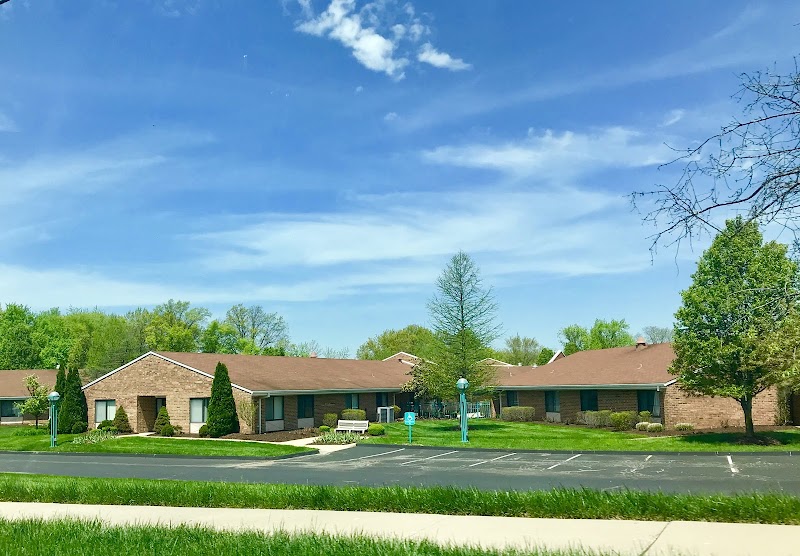
How Does Delmar Gardens On The Green Compare to Other Missouri Nursing Homes?

Compared to the 100 nursing homes in Missouri, DELMAR GARDENS ON THE GREEN's overall rating (3 stars) is above the state average of 2.5, staff turnover (58%) is significantly higher than the state average of 46%, and health inspection rating (3 stars) is at the national benchmark.

What Should Families Ask When Visiting Delmar Gardens On The Green?

Based on this facility's data, families visiting should ask: "How do you ensure continuity of care given staff turnover, and what is your staff retention strategy?" "Can you walk me through typical staffing levels on day, evening, and night shifts?" "Can I visit during a mealtime to observe dining assistance and food quality?" "How do you handle medical emergencies, and what is your hospital transfer rate?" These questions are particularly relevant given the facility's high staff turnover rate and the below-average staffing rating.

Is Delmar Gardens On The Green Safe?

Based on CMS inspection data, DELMAR GARDENS ON THE GREEN has a clean safety record: no substantiated abuse findings (meaning no confirmed cases of resident harm), no Immediate Jeopardy citations (the most serious violation level indicating risk of serious injury or death), and is not on the Special Focus Facility watch list (a federal program monitoring the lowest-performing 1% of nursing homes). The facility has a 3-star overall rating and ranks #1 of 100 nursing homes in Missouri. While no facility is perfect, families should still ask about staff-to-resident ratios and recent inspection results during their visit.

Do Nurses at Delmar Gardens On The Green Stick Around?

Staff turnover at DELMAR GARDENS ON THE GREEN is high. At 58%, the facility is 12 percentage points above the Missouri average of 46%. Registered Nurse turnover is particularly concerning at 67%. RNs handle complex medical decisions and coordinate care — frequent RN changes can directly impact care quality. High turnover means new staff may not know residents' individual needs, medications, or preferences. It can also be disorienting for residents, especially those with dementia who rely on familiar faces. Families should ask: What is causing the turnover? What retention programs are in place? How do you ensure care continuity during staff transitions?

Was Delmar Gardens On The Green Ever Fined?

DELMAR GARDENS ON THE GREEN has been fined $51,511 across 3 penalty actions. This is above the Missouri average of $33,594. Fines in this range indicate compliance issues significant enough for CMS to impose meaningful financial consequences. Common causes include delayed correction of deficiencies, repeat violations, or care failures affecting resident safety. Families should ask facility leadership what changes have been made since these penalties.

Is Delmar Gardens On The Green on Any Federal Watch List?

DELMAR GARDENS ON THE GREEN is not on any federal watch list. The most significant is the Special Focus Facility (SFF) program, which identifies the bottom 1% of nursing homes nationally based on persistent, serious quality problems. Not being on this list means the facility has avoided the pattern of deficiencies that triggers enhanced federal oversight. This is a positive indicator, though families should still review the facility's inspection history directly.