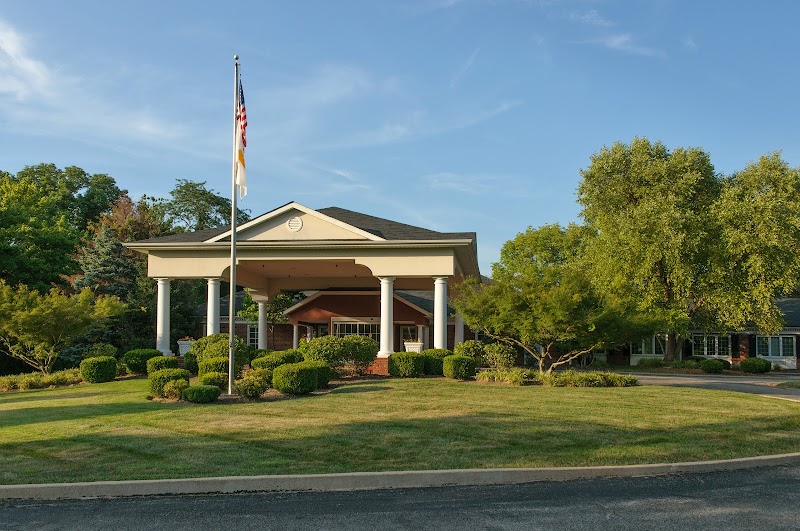
WESTCHESTER HOUSE, THE

550 WHITE ROAD, CHESTERFIELD, MO 63017 (314) 469-1200
For profit - Corporation 159 Beds LIFE CARE CENTERS OF AMERICA Data: November 2025
Trust Grade
0/100
#476 of 479 in MO
Last Inspection: August 2024

Within standard 12-15 month inspection cycle. Federal law requires annual inspections.

Overview

Westchester House in Chesterfield, Missouri, has received a Trust Grade of F, indicating significant concerns and a poor overall performance. Ranked #476 out of 479 facilities in Missouri, and #68 out of 69 in St. Louis County, this facility is in the bottom tier of local options. Although the facility is showing signs of improvement, reducing issues from 16 in 2024 to 3 in 2025, it still faces serious staffing challenges, with a high turnover rate of 78%, significantly above the state average. Additionally, the home has incurred $151,892 in fines, which is higher than 87% of facilities in Missouri, raising concerns about repeated compliance issues. Specific incidents include a failure to provide timely wound care for a resident with a surgical wound and inadequate nutritional support for residents experiencing significant weight loss, both of which could have serious health impacts. While the facility has some strengths, such as average RN coverage, the overall picture raises serious red flags for prospective residents and their families.

Trust Score
F
0/100
In Missouri
#476/479
Bottom 1%
Safety Record
High Risk
Review needed
Inspections
Getting Better
16 → 3 violations
Staff Stability
⚠ Watch
78% turnover. Very high, 30 points above average. Constant new faces learning your loved one's needs.
Penalties
✓ Good
$151,892 in fines. Lower than most Missouri facilities. Relatively clean record.
Skilled Nurses
⚠ Watch
Each resident gets only 19 minutes of Registered Nurse (RN) attention daily — below average for Missouri. Fewer RN minutes means fewer trained eyes watching for problems.
Violations
⚠ Watch
66 deficiencies on record. Higher than average. Multiple issues found across inspections.
★☆☆☆☆
1.0
Overall Rating
★★☆☆☆
2.0
Staff Levels
★★★☆☆
3.0
Care Quality
★☆☆☆☆
1.0
Inspection Score
Stable
2024: 16 issues
2025: 3 issues

The Good

  • Full Sprinkler Coverage · Fire safety systems throughout facility
  • No fines on record

Facility shows strength in fire safety.

The Bad

1-Star Overall Rating

Below Missouri average (2.5)

Significant quality concerns identified by CMS

Staff Turnover: 78%

31pts above Missouri avg (46%)

Frequent staff changes - ask about care continuity

Federal Fines: $151,892

Well above median ($33,413)

Significant penalties indicating serious issues

Chain: LIFE CARE CENTERS OF AMERICA

Part of a multi-facility chain

Ask about local staffing decisions and management

Staff turnover is very high (78%)

30 points above Missouri average of 48%

The Ugly 66 deficiencies on record

6 actual harm
May 2025 3 deficiencies
CONCERN (D) 📢 Someone Reported This

A family member, employee, or ombudsman was alarmed enough to file a formal complaint

Potential for Harm - no one hurt, but risky conditions existed

Deficiency F0557 (Tag F0557)

Could have caused harm · This affected 1 resident

**NOTE- TERMS IN BRACKETS HAVE BEEN EDITED TO PROTECT CONFIDENTIALITY** Based on interview and record review, the facility failed to ensure residents' personal possessions were kept safe from loss or ...

Read full inspector narrative →
**NOTE- TERMS IN BRACKETS HAVE BEEN EDITED TO PROTECT CONFIDENTIALITY** Based on interview and record review, the facility failed to ensure residents' personal possessions were kept safe from loss or theft and failed to maintain inventory sheets for four sampled residents (Residents #1, #8, #9 and #10). The census was 90. Review of the facility's Inventory of Personal Belongings policy, dated [DATE], showed: -The facility will reduce the potential for lost clothing and ensure that residents receive all of their personal clothing once it has been laundered; -The Laundry Department will be notified of each new resident admission, take the resident's clothing, mark it and account for each item on an inventory sheet, with description for each article of clothing; -The same procedure will be done each time new clothing is brought into the facility; -If any clothing is missing, the Laundry Department will make every possible attempt to find the clothing before the resident's discharge. Review of the facility's Closet Search-Lost and Unmarked Clothing policy, dated [DATE], showed: -Every attempt will be made to ensure lost clothing is found. All personal clothing will be handled in a manner to ensure that clothing is given back to the appropriate resident; -A concern and comment form should be completed, as appropriate, and turned into the Environmental Services Director or Social Services; -Using the descriptions given for the lost article of clothing, the Laundry Department will go to each room and search through every closet; -Once the article of clothing has been found, the resident/family will be notified; -If the article of clothing cannot be located, the Environmental Services Director and Social Services will work together to resolve the issue to the satisfaction of the resident. 1. Review of Resident #1's quarterly Minimum Data Set (MDS), a federally mandated assessment instrument completed by facility staff, dated [DATE], showed: -Cognitively intact; -Impairment on both sides of lower body; -Dependent on staff for transfers; -Diagnoses included heart failure, kidney disease, respiratory disease and diabetes mellitus. Review of the resident's inventory sheet, undated, showed there was no documentation listing any belongings. Review of the resident's handwritten inventory sheet, undated, showed: -One brown faux fur blanket; -There was no documentation showing two makeup bags with products, three bottles of perfume, pants, or an electric toothbrush were listed. Review of the resident's progress notes, dated [DATE] through [DATE], showed no documentation the resident reported missing items or missing items were found or replaced by the facility. During an interview on [DATE] at 10:10 A.M., the resident said: -He/She was missing $700.00 worth of personal belongings, including an expensive faux fur blanket, three bottles of perfume, an electric toothbrush, pairs of pants and two bags full of makeup; -The resident spilled water on his/her faux fur blanket and instead of letting it dry on a chair, a staff member took it to the laundry to get washed; -The resident has asked for the faux fur blanket back and it was not returned; -He/She did not feel the facility was taking him/her seriously and had not updated him/her on the missing items. During an interview on [DATE] at 12:08 P.M., the Administrator said: -She was made aware sometime in February, the resident was missing two or three pairs of pants. At that time, she thought the pants were located in laundry and returned to the resident; -She could not find any documentation the resident's pants were ever returned and if they were still missing, the facility was responsible for reimbursing the resident for the missing items; -She saw an online review recently saying the resident was missing $700.00 worth of items; -She was not aware the resident was missing $700.00 worth of items and was currently investigating the matter with the resident. 2. Review of Resident #8's inventory sheet, dated [DATE], showed no documentation found listing a gold wedding band. Review of the resident's admission MDS, dated [DATE], showed: -Cognitively intact; -Diagnoses included dementia and Parkinson's Disease (a movement disorder of the nervous system). Review of the resident's progress notes, dated [DATE] through [DATE], showed: -On [DATE] at 9:53 A.M., the resident entered the building via stretcher, escorted by two Emergency Medical Technicians (EMT). The resident was alert but lethargic, was easily understood and denied pain. The resident was part of his/her own care plan decisions and a family member was there to confer with hospice nurse to sign paperwork and confirm care; -On [DATE] at 10:58 A.M., the resident was able to make needs known. The resident was newly admitted to hospice care; -On [DATE] at 11:37 A.M., the resident was observed moaning this morning, medication was administered for anxiety and pain; -On [DATE] at 4:11 P.M., resident deceased ; -On [DATE] at 4:38 P.M., during 3:00 P.M. rounds,. The resident was found with cessation of all vital signs. Confirmed by another nurse. Hospice, Primary Care Physician (PCP) and family notified. Director of Nursing (DON) and coroner made aware. Post mortem care provided. Family arrived at 4:10 P.M.; -On [DATE] at 5:39 P.M., the resident's remains were picked up by the mortuary; -There was no documentation the resident was wearing a gold wedding band or that the resident was missing a gold wedding band. During an interview on [DATE] at 12:15 P.M., Registered Nurse (RN) A said: -He/She worked with the resident on [DATE], [DATE], [DATE] and [DATE]; -He/She did not admit the resident when he/she returned from the hospital; -He/She remembers the resident was wearing his/her gold wedding band on [DATE] and on [DATE] after the resident returned from the hospital; -On [DATE], he/she cannot recall seeing the resident wearing his/her gold wedding band as the resident had his/her arms under the covers and was actively dying during his/her shift. RN A was more concerned about the resident's rapid decline of health at the time; -On [DATE], RN A checked on the resident after report, at approximately 3:00 P.M., and found the resident deceased . The resident was not wearing his/her gold wedding band; -On [DATE], the resident's son made RN A aware the resident's gold wedding band was missing after the resident's remains were picked up by the funeral home. He/She immediately searched the resident's room for the gold wedding band. It was not located. During an interview on [DATE] at 12:25 P.M., Certified Nurse Aide (CNA) B said: -He/She worked with the resident on [DATE], [DATE] and [DATE]; -He/She could not remember seeing the resident wearing a gold wedding band during his/her shifts; -He/She provided post mortem care for the resident on [DATE] and did not recall the resident wearing a gold wedding band; -On [DATE], the resident's son made him/her aware the resident was missing his/her gold wedding band while the resident's remains were still in his/her room; -CNA B searched the room, the bed, and the resident's clothes for the gold wedding ring and could not locate it. 3. Review of Resident #9's inventory, dated [DATE], showed: -$5.00 with change was listed; -There was no documentation found showing a wallet was listed. Review of the resident's quarterly MDS, dated [DATE], showed: -Moderate cognitive issues; -Diagnoses included Parkinson's disease, anxiety and depression. Review of the resident's progress notes, dated [DATE] through [DATE], showed no documentation regarding the resident's wallet or money was in his/her possession or was reported lost or missing. During an interview on [DATE] at 12:07 P.M., the Administrator said: -The resident called the police and reported she/he was missing his/her coin wallet with $60 in it; -The resident reported to a staff member he/she last saw it on [DATE] under his/her pillow; -The resident then changed his/her story and said it was in his/her wheelchair beside him/her when the resident last saw the wallet. During an interview on [DATE] at 12:05 P.M., CNA C said: -He/She last worked with the resident on [DATE], when the CNA helped the resident to the bathroom; -The resident had his/her wallet located on the side of his/her wheelchair when CNA C helped the resident to the bathroom; -CNA C worked with the resident consistently and the resident was very on his/her wallet making sure it was beside him/her while the resident was in his/her wheelchair or underneath his/her pillow when the resident went to lay down in the bed; -CNA C made sure the resident always had his/her wallet when working with the resident; -CNA C was not sure how much money was in the resident's wallet; -The resident was fully cognitive and was able to report when he/she was missing property. 4. Review of Resident #10's inventory sheet, dated [DATE], showed a pocketbook, a wallet and $13.00 with change was listed. Review of the resident's quarterly MDS, dated [DATE], showed: -Cognitively intact; -Diagnoses included heart failure, anxiety and depression. Review of the resident's inventory sheet, dated [DATE], showed no documentation listing any denomination of money was listed as missing. Review of the resident's progress notes, dated [DATE] through [DATE], showed no documentation the resident had a wallet with cash money in his/her room or that the resident refused to keep the money in a resident trust account. There was not documentation the resident reported money missing from his/her wallet. During an interview on [DATE] at 12:07 P.M., the Administrator said: -The resident reported to the police today, that on [DATE], time unknown, $100 out of $200 was missing from his/her wallet; -The resident refused to keep the money in the resident trust account. 5. During an interview on [DATE] at 12:08 P.M., the Administrator said she expected residents to have inventory sheets in their electronic medical records and was not sure if each resident had inventory sheets or if they were complete. During an interview on [DATE] at 12:05 P.M., CNA C said: -CNA C made sure residents' personal property was kept safe from loss or theft by ensuring the residents who were cognitively aware had their personal property with them during his/her shift, following the residents' preferences and if a resident was not cognitively aware, CNA C would inform the nurse of any personal property so it would be secured; -Both nurses and CNAs were responsible for making sure inventory sheets were filled out upon resident admissions or when new items were brought in the facility. During an interview on [DATE] at 12:15 P.M., RN A said: -Nurses and/or family members filled out inventory sheets when residents were admitted and the form was kept in the residents' medical record; -Nurses would either lock up personal valuable items or send the valuables home with family to keep them safe from loss or theft. During an interview on [DATE] at 4:08 P.M., the DON said: -She expected nursing staff and the laundry department to fill out the inventory sheets with resident belongings upon admission; -She expected families to update nursing staff with any new items they bring in or remove from the residents' room so inventory sheets could be updated by staff; -The facility would look for any missing items once they were reported; -The facility would reimburse items if they were reported lost at the facility if they were not listed on the inventory sheet, providing a receipt was given by the resident or the residents' family; -They ensured residents' personal property was kept safe from lost and/or theft by maintaining inventory sheets; -The facility had the resident or the resident's family sign a clause in the Admissions Agreement showing they were responsible for any monies, jewelry, or other valuable items if they were kept in the resident's room; -She expected facility staff to have knowledge of and to follow facility policies. MO00253623 MO00254154 MO00254157 MO00254090
CONCERN (D) 📢 Someone Reported This

A family member, employee, or ombudsman was alarmed enough to file a formal complaint

Potential for Harm - no one hurt, but risky conditions existed

Quality of Care (Tag F0684)

Could have caused harm · This affected 1 resident

Based on observation, interview and record review, the facility failed to complete weekly skin assessments and to identify an open wound caused by cellulitis (a serious bacterial infection) for one re...

Read full inspector narrative →
Based on observation, interview and record review, the facility failed to complete weekly skin assessments and to identify an open wound caused by cellulitis (a serious bacterial infection) for one resident (Resident #1) and failed to notify the resident's physician of the wound and obtain orders for the wound care. The facility also failed to discontinue wound care orders for the resident's right medial distal thigh and documented falsely in the resident's Treatment Administration Record (TAR). The sample size was four. The census was 90. Review of the facility's Skin Integrity and Pressure Ulcer/Prevention and Management Policy, dated 7/9/24, showed: -Policy: Provide associates and licensed nurses with procedures to manage skin integrity, prevent pressure ulcer/injury, complete wound assessment/documentation, and provide treatment and care of skin and wounds utilizing professional standards of the NPIAP (National Pressure Injury Advisory Panel) and WOCN (Wound, Ostomy (surgically created opening in the body to allow waste to exit the body) Continent Nurses Society); -A comprehensive skin inspection/assessment is completed on admission and re-admission to the center; -A skin assessment/inspection should be performed weekly by a licensed nurse. Skin observations also occur throughout points of care provided by Certified Nurse Assistants (CNA) during activities of daily living (ADL) care (bathing, dressing, incontinent care, etc). Any changes or open areas are reported to the nurse. CNAs will also report to nurse if topical dressing is identified as soiled, saturated, or dislodged. Nurse will complete further inspection/assessment and provide treatment if needed; -When skin breakdown occurs, it requires attention and a change in the plan of care may be indicated to treat the resident. Review of Resident #1's Physician Order Sheets (POS), showed: -An order, dated 4/2/25, for wound care company to evaluate and treat; -There were no orders for weekly skin checks; -There were no orders for treatment to the resident's left thigh. Review of the resident's assessments, showed: -A weekly skin integrity data collection, dated 4/9/25, showed skin alterations included Moisture Associated Skin Damage (MASD) on the resident's perineal area (region between the anus and the genitals), open area/wound with a wound vacuum (wound vac, a medical device used to help heal wounds using negative pressure) present on the resident's right thigh and other was used to describe buttock. None of the areas were new; -There was no documentation of weekly skin integrity data collection assessments found after 4/9/25 through 5/12/25. Review of the resident's shower sheets, showed; -On 4/16/25, the body diagram with the right front thigh was circled with a handwritten note of wound vac and the back of the right and left buttocks circled with a handwritten note of redness, scabs. Review of the resident's quarterly Minimum Data Set (MDS), a federally mandated assessment instrument completed by facility staff, dated 5/2/25, showed: -Cognitively intact; -Impairment on both sides of lower body; -Dependent on staff for toileting, showers, lower body dressing, bed mobility and transfers; -Incontinent of bowel and bladder; -Surgical wounds present; -Diagnoses included heart failure, kidney disease, respiratory disease and diabetes mellitus. Review of the resident's care plan, undated, showed: -Problem: Resident was admitted with multiple wounds with worse one on his/her right thigh; -Interventions included: Treatment as ordered, weekly skin checks, and pressure reducing mattress. Review of the resident's progress notes, dated 5/1/25 at 10:05 P.M., showed the resident had areas to the left leg that were warm, red and painful to the touch. Notified the physician on call. Received new orders for antibiotics and a blood test. Continue to monitor the area. Review of the resident's shower sheets, showed: -On 5/3/25, a handwritten note said (he/she) didn't feel good. There was no other documentation found. Review of the resident's TAR, dated May 2025, showed: -An order, dated 4/4/25, for right inner thigh wounds, apply Santyl (an ointment used to debride ulcers) and Calcium Alginate (dressing used for exudating wounds) and cover with right dry dressing every Monday, Wednesday and Friday during day shift. Documentation showed the facility administered the treatment as ordered on 5/2, 5/5, 5/7 and 5/9; -An order, dated 4/28/25, for treatment to right medial (closest to center of body) distal (site furthest away from center) thigh. Cleanse wound with wound cleanser, apply Hydrofera Blue (dressing provides wound protection and addresses bacteria and yeast) to wound bed and dry dressing every Monday, Wednesday and Friday during day shift. Documentation showed the facility administered the treatment as ordered on 5/2, 5/5, 5/7, and 5/9. -An order, dated 5/5/25, for Collagen-Antimicrobial (dressing used to absorb exudate (drainage)) external sheet; cleanse right medial distal thigh with wound cleanser, apply collagen powder (powder used to absorb exudate) and Hydrofera Blue, cover with a dry dressing every shift Monday Wednesday and Friday. Documentation showed the facility administered the treatment as ordered on evening shift and resident sleeping during night shift for 5/9; administered on day shift, held for evening shift and other for 5/7; and administered on day, evening and night shifts for 5/9/25. Review of the resident's wound care company wound assessment, dated 5/5/25, showed: -Trauma (caused by mechanical force) wound located on right thigh, medial distal, measuring 8.1 centimeters (cm) by 11.3 cm by 0.3 cm deep, with 45% granulation tissue (red, new tissue), 25% slough (dead tissue separating from living tissue) and 30% eschar (dead tissue) in wound bed with a moderate amount of serosanguineous (composed of serum and blood) exudate present; -Wound orders and plan of care included: Cleanse wound with Hypochlorous acid (slightly acidic solution used to fight infections), apply collagen powder, 1 gram (gm) to base of clean wound bed, cover with Hydrofera Blue, then cover with a dry dressing every Monday, Wednesday and Friday. All orders will remain in effect until discontinued, revised, or replaced with additional orders. Ok to continue current treatment orders until able to obtain supplies/medications for updated orders; -Visit specific information: Rounded with the facility Wound Nurse, recommended change to plan of care to add collagen powder; -Medical Necessity for this encounter: After evaluating the wound/skin issues at this encounter, a change to the plan of care was required. Orders and instructions were left with the care facility and/or nursing staff. Bedside nurse was instructed on proper dressing changes or dressing change techniques to enhance wound healing; -There was no documentation of a wound assessment or plan of care for the resident's left thigh. Review of the resident's shower sheet, dated 5/7/25, showed no documentation found. The Certified Nurse Assistant (CNA) nor the nurse signed the document. Review of the resident's progress notes, showed no documentation a new wound was found on the resident's left posterior thigh with notification to the Primary Care Physician (PCP) for new orders. Observation on 5/9/25 at 10:10 A.M., showed: -The resident lay on a pressure reducing mattress, in a gown, wearing anti slip socks with a call light in reach; -There was a white dressing present on the resident's left posterior thigh, dated 5/7/25; -There was a white dressing present on the resident's right medial distal thigh, dated 5/7/25. Observation on 5/9/25 at 10:45 A.M., showed; -The Wound Nurse provided care to the resident; -The Wound Nurse removed a treatment, dated 5/7/25, from the resident's right medial distal thigh; -The Wound Nurse treated the wound on the resident's right medial thigh by cleansing the wound with sterile water and gauze, put Collagen-Antimicrobial sheet in the wound base, then Hydrofer Blue over it and covered the wound with a dry dressing, dated 5/9/25; -The Wound Nurse removed a treatment, dated 5/7/25, from the resident's left posterior thigh. The bandage had a moderate amount of purulent (thick, yellowish-green or yellowish fluid that is often associated with infection) drainage; -The Wound Nurse treated the wound on the resident's left posterior thigh by cleansing the wound with sterile water and gauze, put Xeroform gauze (dressing with petrolatum used to maintain moisture in wound) in the wound base and covered the wound with a dry dressing, dated 5/9/25; -The Wound Nurse explained she used sterile water to cleanse the wounds as the Hypochlorous acid stung and hurt the resident, making the resident resistant to wound care. It was the resident's preference. During an interview on 5/12/2, at 8:49 A.M., the wound care company Nurse Practitioner (NP) said: -She evaluated and treated wounds for the facility-identified residents; -She came once a week and did rounds with the facility's Wound Nurse; -She assessed residents' wounds, gave verbal recommendations to the Wound Nurse during rounds and then submitted a wound assessment report to the facility the day after her visit; -She expected the Wound Nurse to update the residents' POS in the electronic medical record (EMHR) with her new wound treatment orders after receiving the wound report; -She expected the Wound Nurse to discontinue any existing wound treatment orders when new wound treatment orders were received; -She expected the Wound Nurse to notify her if a product was unavailable so she could make new treatment orders; -She was aware the Wound Nurse was using Collagen-Antimicrobial dressing instead of collagen powder and sterile water instead of Hypochlorous acid during wound care; -She expected the facility to follow her wound treatment orders to facilitate wound healing. Observation on 5/12/25 at 9:03 A.M., showed: -The wound care company NP and the facility's Wound Nurse providing care to the resident; -The Wound Nurse removed the treatment, dated 5/9/25, from the resident's right medial distal thigh wound and cleaned it with sterile water, applied Collagen-Antimicrobial sheet to the wound base, placed Hydrofera Blue on top and then covered the wound with a dry dressing after the wound care company NP assessed and photographed the wound; -The Wound Nurse informed the wound care company NP the resident had a new skin issue located on his/her left posterior thigh; -The wound care company NP confirmed verbally the resident did not have a wound on his/her left posterior thigh during her last visit on 5/5/25 and she was not aware of the new wound; -The Wound Nurse removed the treatment, dated 5/9/25, from the resident's left posterior thigh. The bandage was soaked with dark brown drainage; -The wound care company NP assessed the wound on the resident's left posterior thigh, took photographs of the wound and gave the Wound Nurse verbal orders to apply Santyl to the wound bed, then Calcium Alginate over the Santyl, covered with a dry dressing; -The Wound Nurse cleaned the left posterior thigh wound with sterile water, applied Santyl to the wound bed, then Calcium Alginate over the Santyl and covered it with a dry dressing; -The wound care company NP explained to the resident the wound was caused by cellulitis combined with poor blood flow. Review of the resident's progress notes, on 5/12/25 at 10:23 A.M., showed: -There was no documentation the Wound Nurse notified the PCP of the new wounds found on the resident's left posterior thigh to obtain new orders; -There was no documentation the Wound Nurse notified the resident's responsible party (RRP) or the Director of Nursing (DON) of the new wounds found on the resident's left posterior thigh. Review of the resident's assessments, on 5/12/25 at 10:23 A.M., showed no documentation of a skin assessment or wound assessment completed on the resident from 5/9/25 though 5/12/25 During an interview on 5/12/25 at 10:25 A.M., CNA D said: -He/She was not assigned to the resident's care; -CNAs were expected to fill out shower sheets when providing bath or showers to residents; -CNAs were expected to document if a resident refused a bath or shower, any existing or new skin issues by marking on the body diagram the location and description of what was found; -CNAs were expected to notify the nurse immediately of any new skin issue so the nurse could immediately assess the residents' skin and provide treatment; -CNAs were expected sign the shower sheets, turn shower sheets into the nurse for their signature and then the nurse kept the shower sheets; -CNAs were expected to notify the nurse of any new skin issues so the nurse could evaluate and treat the resident. During an interview on 5/12/25 at 12:55 P.M., the Wound Nurse said: -She rounded with the wound care company NP once a week on residents who had orders for the NP to evaluate and treat their wounds; -The wound care company NP would tell him/her of any new wound treatment orders during rounds and the Wound Nurse would put the new wound treatment orders in residents' POS in the EMHR after the wound care during the NP's visit, on the same day; -She completed a weekly wound assessment in residents' EMHR after she received the wound care company NP submitted her wound report. The Wound Nurse received the NP's wound reports the day after service; -The weekly wound assessment included the wound description, measurements, whether or not the wound improved and the plan of care, including any new orders; -The Wound Nurse was responsible for discontinuing an existing wound treatment order when there was a new wound treatment order; -She was expected to assess any new wounds, document his/her findings in a wound assessment in the EMHR, notify the PCP for new orders, notify the DON the resident and the resident's responsible party; -The wound assessments generated a progress note automatically with a summary; -It was important to document the wound assessment when a wound was first found so there was a record of what was done, the date it was found and the condition of the wound for tracking purposes. It was also important to have the baseline wound assessment to see if the wound was improving or declining so changes in the plan of care could be made; -The residents were at risk of further breakdown of their skin, deterioration of the wound and/or infection if the PCP was not informed of the new wounds to get appropriate treatment orders; -She referred to the wound treatment orders found in the residents' EMHR when she administered their treatments; -She was responsible for completing weekly wound assessments for residents with existing wounds; -Nurses were responsible for completing weekly skin assessments for residents; -She was responsible for auditing residents' EMHR for completed weekly skin assessments once a week; -She was expected to notify the DON if a nurse did not complete a weekly skin assessment during their assignment; -She was not sure the last time she ran an audit for completed weekly skin assessments. She thought it might have been a week or two ago; -She expected the CNAs or nurses to notify him/her of any new skin issues immediately or during the next worked shift, so she could evaluate and get orders to treat the new wounds; -She was not made aware of any new skin issues on the resident prior to 5/9/25; -She did not have an order for the wounds on the resident's left posterior thigh on 5/9/25. When she saw the wound, she put a treatment on it; -She could not remember when she first the wound on the resident's left posterior thigh; -She should have discontinued the previous wound treatment orders for the right medial distal thigh when she put in the new treatment order on 5/5/25; -The Wound Nurse was not aware she had documented that she had administered the treatment orders dated 4/4/25, 4/28/25 and 5/5/28 for the resident's right medial distal thigh. It was inaccurate documentation and contradicting information. It did not accurately reflect that she was only administering the wound treatment order dated 5/5/25; -She should have notified the PCP of the new wounds found on 5/9/25 for new treatment orders, documented the wound assessment, notified the DON and resident responsible party before she left her shift on 5/9/25. She had every intention to do so but was taking care of other residents; -She was aware of the facility policies and had access to them. During an interview on 5/12/25 at 7:29 A.M. and at 1:48 P.M., the DON said: -The Wound Nurse was responsible for completing wound treatments for the residents; -Nurses were responsible for completing weekly skin checks, documenting the assessments in the residents' EMHR; -The Wound Nurse was responsible for overseeing the weekly skin assessments, ensuring they were completed by nurses; -She expected the Wound Nurse to tell the nurse to complete a skin assessment or the Wound Nurse to complete a skin assessment if the wound nurse found during her audit nurses did not complete residents' weekly skin assessment; -The Wound Nurse was expected to report to the DON the nurses who failed continually to complete resident weekly skin assessments; -The Wound Nurse was responsible for completing weekly wound assessments, documenting in the residents' EMHR; -The facility had a wound care company who came out once a week to evaluate and treat residents with open wounds, other than skin tears; -The Wound Nurse was responsible for rounding with the wound care company Nurse Practitioner every Monday, put in new orders, discontinue old orders and update the residents' EMHR with the new wound assessment; -The wound care NP sent in complete wound assessments every Tuesday and the Wound Nurse was expected to review them and make changes to the residents' orders as needed; -Failure to discontinue wound treatment orders when new wound treatment orders were received was confusing to any other nurse who tried to administer treatment to the wound as they would not sure which treatment order was accurate; -Documenting on three different orders was falsification of medical records and did not reflect what was actually administered to the residents; -She expected the Wound Nurse to complete a wound assessment, notify the PCP for new treatment orders, notify the resident and/or resident responsible party when a new skin issue was found. -Residents were at risk of further skin breakdown, deterioration of the new wound and/or infection if new orders were not received upon discovery of the new wounds -She expected nursing staff to have knowledge of and to follow facility policies. Review of the resident's wound care company wound assessment, dated 5/12/25 at 10:42 P.M., showed: -Visit specific Information: Rounded with facility Wound Nurse. Resident was diagnosed with cellulitis last week and was started on antibiotics with new wounds to left posterior thigh. Start Santyl and Calcium Alginate to posterior thigh wounds; -Trauma wound located on right thigh, medial distal, measuring 7.0 cm by 11.6 cm by 0.2 cm deep with 60% granulation tissue, 15% slough and 15% eschar tissue present in wound bed with a moderate amount of serosanguineous exudate present; No new treatment order listed; -Cellulitis wound on left thigh, posterior (back), first date wound recognized on 5/7/25, measuring 1.5 cm by 2.3 cm by 0.1 cm deep, 50% granulation, 30% skin and 20% eschar tissue present in wound bed with a moderate amount of Serosanguineous exudate present. Wound order: Cleanse wound with Hypochlorous acid, apply Santyl nickel thick to wound bed, edge to edge, apply calcium alginate inside wound base and cover with a super absorbent dressing. Change dressing daily and as needed. MO00253623
CONCERN (D) 📢 Someone Reported This

A family member, employee, or ombudsman was alarmed enough to file a formal complaint

Potential for Harm - no one hurt, but risky conditions existed

Pressure Ulcer Prevention (Tag F0686)

Could have caused harm · This affected 1 resident

**NOTE- TERMS IN BRACKETS HAVE BEEN EDITED TO PROTECT CONFIDENTIALITY** Based on observation, interview and record review, the facility failed to complete weekly skin assessments and to identify a Sta...

Read full inspector narrative →
**NOTE- TERMS IN BRACKETS HAVE BEEN EDITED TO PROTECT CONFIDENTIALITY** Based on observation, interview and record review, the facility failed to complete weekly skin assessments and to identify a Stage II (partial thickness loss of dermis (the inner layer that makes up skin) presenting as a shallow open ulcer with a red-pink wound bed, without slough (non-viable yellow, tan, gray, green or brown tissue) or eschar (non-viable, dark brown or black tissue). May also present as an intact or open/ruptured blister) pressure ulcer (localized injury to the skin and/or underlying tissue usually over a bony prominence, as a result of pressure, or pressure in combination with shear and/or friction) for one resident (Resident #1) and failed to notify the resident's physician of the pressure ulcer and obtain orders for the wound care. In addition the facility failed to assess, document and obtain treatment orders for a pressure ulcer identified on admission (Resident #7). The sample size was four. The census was 90. Review of the National Pressure Ulcer Advisory Panel (NPUAP), prevention and treatment of pressure ulcers: quick reference guide, Washington DC: National Pressure Ulcer Advisory Panel 2014 showed the following: -Assess the pressure ulcer initially and re-assess it at least weekly; -With each dressing change, observed the pressure ulcer for signs that indicate a change in treatments as required (e.g., Wound improvement, wound deterioration, more or less exudate, signs of infection, or other complications); -Address the signs of deterioration immediately. Review of the facility's Skin Integrity and Pressure Ulcer/Prevention and Management Policy, dated 7/9/24, showed: -Policy: Provide associates and licensed nurses with procedures to manage skin integrity, prevent pressure ulcer/injury, complete wound assessment/documentation, and provide treatment and care of skin and wounds utilizing professional standards of the NPIAP (National Pressure Injury Advisory Panel) and WOCN (Wound, Ostomy (surgically created opening in the body to allow waste to exit the body) Continent Nurses Society); -Based on the comprehensive assessment of a resident, the facility must ensure that a resident receives care, consistent with professional standards of practice, to prevent pressure ulcers and does not develop pressure ulcers unless the individual's clinical condition demonstrates that they were unavoidable; and a resident with pressure ulcers receives necessary treatment and services, consistent with professional standards of practice, to promote healing, prevent infection and prevent new ulcers from developing. -A comprehensive skin inspection/ assessment is completed on admission and re-admission to the center; -A skin assessment/inspection should be performed weekly by a licensed nurse. Skin observations also occur throughout points of care provided by Certified Nurse Assistants (CNA) during activities of daily living (ADL) care (bathing, dressing, incontinent care, etc). Any changes or open areas are reported to the nurse. CNAs will also report to nurse if topical dressing is identified as soiled, saturated, or dislodged. Nurse will complete further inspection/assessment and provide treatment if needed; -Measures to maintain and improve the resident's tissue tolerance to pressure are implemented in the plan of care. All residents upon admission are considered to be at risk for pressure injury development due to medical issues requiring nursing care related to disease process and illness or need for rehabilitation services; -When skin breakdown occurs, it requires attention and a change in the plan of care may be indicated to treat the resident. 1. Review of Resident #1's Physician Order Sheets (POS), showed: -An order, dated 4/2/25, for wound care company to evaluate and treat; -There were no orders found for weekly skin checks; -There were no orders found for treatment to buttocks. Review of the resident's assessments, showed: -A weekly skin integrity data collection, dated 4/9/25, showed skin alterations included Moisture Associated Skin Damage (MASD) on the resident's perineal area (region between the anus and the genitals), open area/wound with a wound vacuum (wound vac, a medical device used to help heal wounds using negative pressure) present the resident's right thigh and other was used to describe buttock. None of the areas were new; -There was no documentation found showing there were weekly skin integrity data collection assessments found after 4/9/25 through 5/12/25. Review of the resident's shower sheets, showed; -On 4/16/25, the body diagram with the right front thigh circled with a handwritten note of wound vac and the back of the right and left buttocks circled with a handwritten note of redness, scabs. The nurse signed off. Review of the resident's quarterly Minimum Data Set (MDS), a federally mandated assessment instrument completed by facility staff, dated 5/2/25, showed: -Cognitively intact; -Impairment on both sides of lower body; -Dependent on staff for toileting, showers, lower body dressing, bed mobility and transfers; -Incontinent of bowel and bladder; -At risk for pressure ulcers; -One Unstageable pressure ulcer (slough (dead tissue) is present, the actual base and condition of the ulcer cannot be determined) present; -Surgical wounds present; -Diagnoses included heart failure, kidney disease, respiratory disease and diabetes mellitus. Review of the resident's care plan, undated, showed: -Problem: At risk for unavoidable pressure injury development or decline of skin integrity; -Interventions included: Pressure redistribution mattress and weekly skin checks. Review of the resident's shower sheet, showed: -On 5/3/25, a handwritten note said (he/she) didn't feel good. There was no other documentation found. Review of the resident's Braden scale assessment (for predicting pressure ulcer risk) dated 5/4/25, showed staff documented a score of 13 (moderate risk). Review of the resident's shower sheet, showed: -On 5/7/25, there was no documentation found. Neither the CNA nor the nurse signed the document. Observation on 5/9/25 at 10:10 A.M., showed the resident lying on a pressure reducing mattress, in a gown, wearing anti slip socks with a call light in reach. During an interview on 5/9/25 at 10:12 A.M., the resident said: -His/Her buttocks were painful and he/she thought there might be an open area; -The nursing staff applied a cream to his/her buttocks after every incontinence episode. Observation on 5/9/25 at 10:45 A.M., showed; -The Wound Nurse assisted the resident to roll over to his/her right side; -The Wound Nurse removed the resident's dry brief, exposing his/her left buttock; -The resident's brief had a minimal amount of reddish, brown exudate (drainage) present where it was against the resident's left buttock; -There were three small open areas present on the resident's left buttock. The wound base on all three open areas appeared shiny and red; -The Wound Nurse cleansed the wounds with sterile water, placed Xeroform (dressing with petrolatum used to maintain moisture in wound) in the wound base and covered the wound with a dry dressing; -The Wound Nurse replaced the resident's brief and repositioned him/her on the bed. During an interview on 5/9/25 at 11:31 A.M., the Wound Nurse said: -The wounds on the resident's left buttock were new and she was not aware of them until the observation; -She was not sure what type of wounds were present on the resident's left buttock; -She was a new wound nurse, and started in the position a month ago. Review of the POS, showed no new orders dated 5/9/25. Review of the progress notes, showed no documentation staff notified the physician or resident's responsible party (RRP) of the wounds. During an interview on 5/12/25 at 8:49 A.M., the wound care company Nurse Practitioner (NP) said: -She evaluated and treated wounds for the facility-identified residents; -She came once a week and did rounds with the facility Wound Nurse; -She assessed residents' wounds, gave verbal recommendations to the Wound Nurse during rounds and then submitted a wound assessment report to the facility the day after her visit; -She expected the Wound Nurse to update the residents' POS in the residents' electronic medical health record (EMHR) with her new wound treatment orders after receiving the wound report; -She expected the facility to follow her wound treatment orders to facilitate wound healing. Observation on 5/12/25 at 9:03 A.M., showed: -The wound care company NP and the facility Wound Nurse providing care to the resident; -The Wound Nurse informed the wound care company NP the resident had a new skin issue located on his/her left buttock; -The resident was rolled over and the Wound Nurse removed a treatment, dated 5/9/25, from the resident's left buttock; -The wound care company NP said the open areas on the resident's left buttock were Stage II pressure ulcer, assessed the wound, took pictures and gave treatment instructions to the Wound Nurse. Review of the resident's progress notes, on 5/12/25 at 10:23 A.M., showed: -There was no documentation the Wound Nurse notified the Primary Care Physician (PCP) of the new wounds found on the resident's left buttock to obtain new orders; -There was no documentation the Wound Nurse notified the resident's responsible party (RRP) or the Director of Nurses (DON) of the new wounds found on the resident's left buttock. Review of the resident's assessments, on 5/12/25 at 10:23 A.M., showed: -There was no documentation found showing a skin assessment or wound assessment was completed on the resident from 5/9/25 through 5/12/25. During an interview on 5/12/25 at 10:25 A.M., CNA D said: -He/She was not assigned to the resident's care; -CNAs were expected to fill out shower sheets when providing bath or showers to residents; -CNAs were expected to document if a resident refused a bath or shower, any existing or new skin issues by marking on the body diagram the location and description of what was found; -CNAs were expected to notify the nurse immediately of any new skin issue so the nurse could immediately assess the residents' skin and provide treatment; -CNAs were expected sign the shower sheets, turn shower sheets into the nurse for their signature and then the nurse kept the shower sheets; -CNAs were expected to notify the nurse of any new skin issues so the nurse could evaluate and treat the resident. During an interview on 5/12/25 at 12:55 P.M., the Wound Nurse said: -She rounded with the wound care company NP once a week on residents who had orders for the NP to evaluate and treat their wounds; -The wound care company NP would tell her of any new wound treatment orders during rounds and the Wound Nurse would put the new wound treatment orders in residents' POS in the EMHR after the wound care NP's visit, on the same day; -She completed a weekly wound assessment in residents' EMHR after she received the wound care company NP submitted her wound report. The Wound Nurse received the NP's wound reports the day after service; -The weekly wound assessment included the wound description, measurements, whether or not the wound improved and the plan of care, including any new orders; -The Wound Nurse was responsible for discontinuing an existing wound treatment order when there was a new wound treatment order; -She was expected to assess any new wounds, document her findings in a wound assessment in the EMHR, notify the PCP for new orders, notify the DON, the resident and the resident's responsible party; -The wound assessments generated a progress note automatically with a summary; -It was important to document the wound assessment when a wound was first found so there was a record of what was done, the date it was found and the condition of the wound for tracking purposes. It was also important to have the baseline wound assessment to see if the wound was improving or declining so changes in the plan of care could be made; -The residents were at risk of further breakdown of their skin, deterioration of the wound and/or infection if the PCP was not informed of the new wounds to get appropriate treatment orders; -She referred to the wound treatment orders found in the residents' EMHR when she administered their treatments; -She was responsible for completing weekly wound assessments for residents with existing wounds; -Nurses were responsible for completing weekly skin assessments for residents; -She was responsible for auditing residents' EMHR for completed weekly skin assessments once a week; -She was expected to notify the DON if a nurse did not complete a weekly skin assessment during their assignment; -She was not sure the last time she ran an audit for completed weekly skin assessments. She thought it might have been a week or two ago; -She expected the CNAs or nurses to notify her of any new skin issues immediately or during the next worked shift, so she could evaluate and get orders to treat the new wounds; -She was not made aware of any new skin issues on the resident prior to 5/9/25; -She should have notified the PCP of the new wounds found on 5/9/25 for new treatment orders, documented the wound assessment, notified the DON and resident's responsible party before she left her shift on 5/9/25. She had every intention to do so but was taking care of other residents; -She was aware of the facility policies and had access to them. During an interview on 5/12/25 at 7:29 A.M. and at 1:48 P.M., the DON said: -The Wound Nurse was responsible for completing wound treatments for the residents; -Nurses were responsible for completing weekly skin checks, and documenting the assessments in the residents' EMHR; -The Wound Nurse was responsible for overseeing the weekly skin assessments, ensuring they were completed by nurses; -She expected the Wound Nurse to tell the nurse to complete a skin assessment or the Wound Nurse to complete a skin assessment if the wound nurse found during her audit nurses did not complete residents' weekly skin assessment; -The Wound Nurse was expected to report to the DON the nurses who failed continually to complete resident weekly skin assessments; -The Wound Nurse was responsible for completing weekly wound assessments, documenting in the residents' EMHR; -The facility had a wound care company who came out once a week to evaluate and treat residents with open wounds, other than skin tears; -The Wound Nurse was responsible for rounding with the wound care company Nurse Practitioner (NP) every Monday, put in new orders, discontinue old orders and update the residents' EMHR with the new wound assessment; -The wound care NP sent in complete wound assessments every Tuesday and the Wound Nurse was expected to review them and make changes to the residents' orders as needed; -She expected the Wound Nurse to complete a wound assessment, notify the PCP for new treatment orders, notify the resident and/or resident responsible party when a new skin issue was found. -Residents were at risk of further skin break down, deterioration of the new wound and/or infection if new orders were not received upon discovery of the new wounds -She expected nursing staff to have knowledge of and to follow facility policies. Review of the resident's wound care company wound assessment, dated 5/12/25 at 10:42 P.M., showed: -Visit specific Information included: Rounded with facility Wound Nurse. Resident had a new wound to left buttock, diagnosed as a Stage II Pressure Ulcer; -Stage II pressure ulcer, located on Left Buttock, first date wound recognized on 5/7/25, measuring 3.3 centimeters (cm) by 1.9 cm by 0.1 cm deep, with 70% epithelial (new skin, light pink) and 30% skin present in wound bed and a minimal amount of frank blood exudate (drainage) present; -Wound orders and plan of care included: Cleanse wound with Hyprochlorous acid (slightly acidic solution used to fight infections), cleanse wound with saline, protect peri-wound (area surrounding wound) with Skin Protectant, apply collagen powder (used to absorb exudate) one gram (gm) to clean wound bed, apply hydrogel gel (gel used to debride wound) and cover with silicone bordered foam dressing. Change dressing every Monday, Wednesday, Friday and as needed. 2. Review of Resident #7's entry MDS, showed an admission date of 4/7/25. Review of the resident's progress note, dated 4/7/25 at 5:30 P.M. showed the following: -admitted to facility from the hospital. Reddened at groin (area on each side of the body where the belly joins the legs); -Buttocks noted with a pressure ulcer to the sacrum (a large, triangular bone at the base of the spine) and gluteal (buttocks); -Protective ointment applied to all reddened areas; -Dressing was replaced to sacrum, clean and dry; -Feet noted with pressure ulcers to bilateral heels; -Orders verified; -No documentation of measurement of the pressure ulcers. Review of the resident's POS, dated 4/7/25, showed no orders for treatment to the buttocks, sacrum and bilateral heels. Review of the resident's Medication Administration Record (MAR) and Treatment Administration Record (TAR), dated 4/7/25, showed no treatment orders for reddened areas, sacrum and gluteal pressure ulcers. Review of the resident's progress note, dated 4/8/25 at 11:00 A.M., showed the resident was sent to the hospital. Review of the resident's hospital discharge record, dated 4/11/25, showed the following: -Diagnoses of urinary tract infection and changes in mental status; -Wound care discharge orders: Sacral/Coccyx: Unstageable pressure ulcer (wound not stageable due to wound bed covered with slough (soft dead tissue) and/or eschar (hard dry dead tissue)). Cleanse skin with soap and water, pat dry, apply Calmoseptine (topical medication used to treat and prevent minor skin irritations) to periwound (area surrounding wound), place Triad ointment (medication used to break down necrotic tissue) and cover with gauze; -Apply Aquacel dressing to callus on bilateral great toes, change every 3 to 5 days and as needed. Continue heels boots. Review of the resident's POS, dated 4/11/25, showed no orders for treatment to the buttocks, sacrum and bilateral heels. Review of the resident's progress notes, showed the following: -No documentation regarding the resident's pressure ulcer until 4/13/25; -4/13/25 at 11:51 P.M.: Skilled nursing note: showed a diagnosis of unstageable pressure ulcer of the sacral region. No further documentation regarding the unstageable pressure ulcer to the sacral region until 4/16/25; -4/16/25 at 3:33 A.M.: Skilled nursing note: showed a diagnosis of unstageable pressure ulcer of the sacral region. No further documentation regarding the unstageable pressure ulcer to the sacral region until 4/17/25. Review of the resident's admission MDS, dated [DATE], showed the following: -Diagnoses of high blood pressure, diabetes and stroke; -Short and long term memory loss; -Required total assist of staff for all activities of daily living; -Incontinent of bowel and bladder; -Skin: one unstageable pressure ulcer present upon admission. Review of the resident's progress note, dated 4/17/25 at 3:05 P.M., showed an unstageable pressure ulcer to the sacrum, covered in slough. Physician notified, new order for referral to outside wound company for treatment and potential debridement (removal of dead skin), dry dressing applied. Order to apply and monitor daily until seen by wound care company. Review of the resident's POS, dated 4/17/25, showed the following: -Wound Care Company to evaluate and treat sacrum wound; -Order dated 4/17/25: Apply bordered gauze dressing to sacrum daily until seen by wound company. Clean with wound cleaner, apply bordered gauze daily and as needed if soiled or damaged. Review of the progress note, dated 4/18/25 at 2:03 PM., showed the resident was sent to the hospital. During an interview on 5/12/25 at 10:22 A.M., CNA D said he/she had taken care of the resident., The resident required total care. He/she doesn't recall resident having a pressure ulcer on his/her buttocks. He/she would notify the charge nurse if he/she had seen a open area. During an interview on 5/13/25 at 12:25 P.M., RN E said he/she was the charge nurse on the resident's hall and took care of the resident. The pressure ulcer on the resident's buttocks was discovered during a skin assessment by the wound nurse. The skin assessment was initiated after management reviewed the resident's hospital paperwork. Staff had not reported any changes in the resident's skin. During an interview on 5/12/25 at 12:55 P.M., the Wound Nurse said 4/17/25 was the first time she was made aware of the resident's pressure ulcer. Staff should have made her aware of the pressure ulcer when the resident was admitted . During an interview on 5/12/25 at 10:10 A.M., the Director of Nurses said she expected the nurse to complete and document the assessment, notify the physician and complete the physician's order upon admission. In addition, staff are to notify the Wound Nurse of any wounds upon admission. MO00253623 MO00251251
Aug 2024 13 deficiencies 1 Harm
SERIOUS (G) 📢 Someone Reported This

A family member, employee, or ombudsman was alarmed enough to file a formal complaint

Actual Harm - a resident was hurt due to facility failures

Deficiency F0692 (Tag F0692)

A resident was harmed · This affected 1 resident

**NOTE- TERMS IN BRACKETS HAVE BEEN EDITED TO PROTECT CONFIDENTIALITY** Based on observation, interview and record review, the facility failed to ensure a resident with a significant weight loss was p...

Read full inspector narrative →
**NOTE- TERMS IN BRACKETS HAVE BEEN EDITED TO PROTECT CONFIDENTIALITY** Based on observation, interview and record review, the facility failed to ensure a resident with a significant weight loss was provided appropriate mealtime assistance resulting in a 9.43% weight loss within a 30 day time frame (Resident #36). In addition, the facility failed to notify the physician and Registered Dietician (RD) when a resident experienced a weight loss for one resident (Resident #31) and failed to ensure nutritional supplements and double portions were provided for one resident at risk for weight loss (Residents #22). The sample size was 18. The census was 78. Review of the facility's Hydration and Nutrition policy, revised 8/24/23, showed: -Each resident receives a sufficient amount of food and fluids to maintain acceptable parameters of nutritional and hydration status; -Federal Regulations; -Based on a resident's comprehensive assessment, the facility must ensure that a resident; -Maintains acceptable parameters of nutritional status; -Is offered sufficient fluid intake to maintain proper hygiene and health; -Is offered a therapeutic diet when there is nutritional problem and the health care provider orders a therapeutic diet; -Procedure; -A physician's order is obtained for all regular and therapeutic diets, including those with modified textures; -A minimum of three meals are provided each day. If a meal or particular food is refused, the resident is offered a substitute of a similar nutritive value; -The resident is positioned properly to consume meals and snacks. Assistance is provided as needed; -An ongoing assessment of the ability to consume and assimilate food and fluid is conducted by nursing personnel and all concerns are reported to the nurse; -Consultation with dietary and therapy personnel, is performed on admission and as needed; -The physician is notified of any concerns 1. Review of Resident #36's weight, dated 7/17/24 at 8:33 A.M., showed an admission weight of 176.0 pounds. Review of the resident's admission Minimum Data Set (MDS), a federally mandated assessment instrument completed by facility staff, dated 7/25/24, showed: -Cognitively intact; -No rejection of care; -Required partial/moderate assistance with eating; -Dependent on staff for all personal hygiene; -Diagnoses included urinary tract infection (UTI), and diabetes; -Height: 74 inches; -Weight: 176 pounds. Review of the resident's Assessment/Nutritional Data Collection, dated 8/1/24, showed: -Regular diet with house supplements; -Height of 74.0 inches; -Weight: Body Mass Index (BMI) based on weight from hospital documents where resident was documented to weigh 180 pounds; -Meal intake: 0-50%; -Confused; -Feeding/Dining ability: Limited Assist; -Pressure Injury (injury to the skin and underlying tissue resulting from prolonged pressure on the skin); -At risk for malnutrition; -Monitoring/Evaluation of weight, intakes, chewing/swallowing, independence level and skin; -Resident admitted on [DATE]. Noted to be on hospice but is a full code. Resident is alert and oriented to person and place and not eating well on regular diet with regular texture. Has an order for house shakes (nutritional supplements) twice a day. Unsure of recent weight loss. No weight taken since admitted to facility. Has wounds and at risk for malnutrition due to inadequate by mouth intake and increased needs for wound healing. Please obtain weight. Review of the resident's weight, dated 8/2/24 at 3:25 P.M., showed the resident weighed 176.0 pounds. Review of the resident's current care plan, revised on 8/22/24, showed: -Diagnoses included Parkinson's disease, unspecified tremors and diabetes; -No information documented regarding the resident's nutritional status or activities of daily living. Review of the resident's Nutrition Assessment/Nutritional Data, dated 8/22/24, showed: -Regular diet; -Weight of 176 pounds on 8/2/24; -Comment related to meal intake: varied, mostly 26-75%; -Feeding/Dining ability: Limited assist; -No behaviors that would affect nutritional status; -At risk for malnutrition; -Resident readmitted on 8/6. Noted to be on hospice but is a full code. Not eating very well on regular diet with regular texture. Intakes have been mostly 26-75%. Resident has wounds and at risk for malnutrition due to inadequate by mouth intakes and increased needs for wound healing. Recommend ordering weekly weights. During an observation and interview on 8/22/24 at approximately 2:44 P.M., the resident lay in bed on his/her back. The resident said he/she had cake earlier and was not cleaned up. He/She needed help with meals and staff never fed him/her. The only time he/she ate was when his/her spouse and adult child visited. Observation on 8/23/24 at 8:44 A.M., showed the resident lay in bed on his/her back. His/Her breakfast tray was on the bedside table, covered. No staff member assisted the resident. Observation on 8/23/24 at 9:02 A.M., showed the resident's spouse in the resident's room, feeding the resident. The spouse said when he/she arrived, the plate of food was covered and no one had set up the resident's tray. If he/she had not been there, the resident would not have received anything to eat. Staff never fed the resident. He/She had spoken to staff and asked them to feed the resident as he/she was unable to feed him/herself. The resident ate 100% of his/her meal with his/her spouse's assistance. Observation on 8/26/24 at 4:53 A.M., showed a handwritten sign saying please assist me with meals hung at the door and on the wall of the resident's room. Observation on 8/26/24 at 8:47 A.M., showed the resident lay in bed on his/her back. The resident's covered breakfast tray sat on the night stand. The resident opened his/her eyes and said he/she was hungry. The resident's breakfast meal consisted of biscuits and gravy, oatmeal, juice and water. He/She said he/she was hoping someone would feed him/her. The resident's hands shook as he/she tried to open the covered tray. He/she dropped the tray and was unable to feed him/herself. No staff assisted the resident. Observation on 8/26/24 at 9:01 A.M., showed the resident's tray of food was removed. He/She said staff came and took the tray and did not offer to feed him/her. He/She never received any assistance with breakfast and was still hungry. The resident said he/she did not eat and was still hungry. Observation and interview on 8/26/24 at 2:01 P.M., showed Certified Nursing Assistant (CNA) L stood over the resident and fed him/her lunch. When asked about the resident's breakfast tray, CNA L at first said he/she thought he/she fed the resident. The resident said, no, you came and took my food away. CNA L then said, Didn't your (son/daughter) feed you? The resident said no and they did not visit with him/her today. CNA L then said the resident had not had any breakfast. Observation and interview on 8/27/24 at 10:13 A.M., showed the resident lay in bed. His/Her spouse said when he/she arrived this morning, the resident's breakfast tray was untouched. The spouse placed signs throughout the resident's room to remind staff to feed the resident. Observation and interview on 8/27/24 at 10:34 A.M., showed CNA B and CNA K weighed the resident using a mechanical lift. The resident weighed 159.4 pounds, indicating a 9.43% weight loss since 8/2/24. CNA B said he/she was familiar with the resident and he/she needed total assistance with meals. The resident's hands shook and he/she would not be able to feed him/herself. During an interview on 8/28/24 at 9:08 A.M., CNA N said he/she was familiar with the resident and he/she definitely needed total assistance with meals due to his/her hand shaking. During an interview on 8/28/24 at 2:46 P.M., Licensed Practical Nurse (LPN) A said if residents were at risk for weight loss and required staff to assist with meals, the CNAs should feed the residents. During an interview on 8/27/24 at 12:16 P.M., the Registered Dietician (RD) said 9.43% within less than 30 days was considered a significant weight loss. The resident required assistance with meals and she expected staff to feed the resident as he/she was at risk for malnutrition. During an interview on 8/28/24 at 4:36 P.M., the Administrator and Director of Nursing (DON) said the resident was at risk for malnutrition and could not feed him/herself. The resident experienced a significant weight loss and staff should have fed the resident. 2. Review of Resident #31's quarterly MDS, dated [DATE], showed: -Cognitively intact; -Diagnoses included heart failure and diabetes. Review of the weight tab, showed: -Weight on 5/7/24 was 168.7 pounds; -Weight on 8/2/24 was 158 pounds, which showed a 6.34% weight loss for three months. Review of the progress notes, dated 8/8/24 through 8/27/24, showed: -On 8/8/24 at 12:34 P.M., the resident was discussed in a meeting on 8/7, monthly note for wounds and hemodialysis (HD, process for removal of waste and excess water from the blood due to kidney failure) has 30 mL of Prosource twice daily ordered, recommended to increase Prosource to three times daily to aid in wound healing and for increased needs for HD; -There was no documentation showing the physician was notified of the RD recommendations. Review of the physician summary sheet, dated 8/26/24, showed: -An order for Prosource (nutritional supplement) Give 30 milliliters (mL) by mouth two times a day for protein supplement for wound healing; -There was no physician order for Prosource three times a day. Review of the Medication Administration Record (MAR), dated August 1, 2024, through August 27, 2024, showed Prosource 30 mL was administered twice daily. During an interview on 8/28/24 at 12:53 P.M., Licensed Practical Nurse (LPN) D said if the dietician made a recommendation, the MDS nurse or the DON would enter the recommendation into the medical record. If LPN D saw a recommendation in the medical record, he/she would call the doctor and get an order, then enter it into the medical record. During an interview on 8/28/24 at 1:33 P.M., LPN A said if he/she received a dietary recommendation, he/she would call the doctor and verify the recommendation and if the order was okayed, it would be entered into the computer. During an interview on 8/24/24 at 4:36 P.M., the DON said she expected staff to notify the physician of weight loss and she expected dietary recommendations to be addressed within 48 hours. 3. Review of Resident #22's quarterly Nutrition Data Collection, dated 6/3/24, showed: -Double portions for all meals; -Fortified foods; -Height: 72 inches; -Weight on 5/6/24 of 137.2; -Resident eating fairly well on regular diet with regular texture and thin liquid, receiving double portions of food. Encourage intakes. Recommend ordering house shakes twice a day. Review of the resident's Weight Summary, showed: -6/10/24, a weight of 137.2 pounds. Review of the resident's care plan, revised 6/15/24, showed: -Focus: The resident has an activity of daily living self-care performance deficit related to weakness, impaired mobility and cognitive impairment; -Goal: The resident's activity of daily living will be met through the review date; -Interventions: The resident requires assistance by staff times one to eat; -Focus: The resident is at risk for weight fluctuation related to current health status and bilateral above the knee amputation, dysphagia and diabetes; -Goal: Resident wishes to maintain current weight through next review; -Intervention: Assist with meals as needed. Diet order as ordered. Supplements as ordered and does not like milk. Weekly weights, fortified foods, nutritional juice and double portions. Review of the resident's quarterly MDS, dated [DATE], showed: -Cognitive impairment; -No behaviors; -Required set up and clean up for meals; -Diagnoses included high blood pressure, diabetes, stroke and malnutrition. Review of the resident's undated POS, in use during the time of the investigation, showed no orders for health shakes or double portions. Review of the resident's Weight Summary, showed: -7/2/24, a weight of 136.8 pounds; -8/2/24, a weight of 134.1; -8/22/24, a weight of 132.3 pound, indicating 3.29% weight loss since 7/2/24. Review of the resident's breakfast meal ticket, dated 8/23/24, showed: -Allergies/dislikes: Dairy; -Regular texture/Double portions; -Fortified shakes. Observation and interview on 8/23/24 at 8:21 A.M., showed the resident received his/her plate of food. The meal consisted of one bagel, approximately two tablespoons of mixed fruit cocktail and approximately two tablespoons of cottage cheese. Milk and juice were on the tray. The resident said the food was disgusting and he/she would not eat it. No fortified shake was on the resident's tray. The resident said he/she did not recall ever receiving a fortified shake. The resident said he/she wanted oatmeal, but did not receive it. Observation on 8/23/24 at 8:25 A.M., showed the resident staring at his/her meal. The DON and another staff member walked in the resident's room and took the milk from his/her tray. Review of the resident's lunch meal ticket, dated 8/23/24, showed: -Regular texture/double portions; -Beef tip, butter pasta, sauerkraut, desert, dinner roll and juice. Observation on 8/23/24 at 12:47 P.M. , showed the resident received his/her lunch tray. The meal consisted of one roll, one serving of beef and noodles, one serving of vegetables, a cup of banana pudding, water and juice. The resident did not receive double portions. During an interview on 8/23/24 at 12:49 P.M., the resident said he/she did not receive sauerkraut. He/She did not like the beef pasta and would not eat it. He/She also did not receive a health shake today. Review of the resident's breakfast meal ticket, dated 8/26/24, showed regular texture/double portions. Observation on 8/26/24 at approximately 8:30 A.M., showed the resident in bed with his/her breakfast on the night stand. The breakfast consisted of one biscuit covered in gravy, one serving of scrambled eggs, a cup of oatmeal, water and juice. The resident said he/she planned to eat everything on the plate. Observation on 8/27/24 at 9:17 A.M., showed CNAs B and K weighed the resident using a mechanical lift. The resident weighed 132.6 pounds. Observation and interview on 8/27/24 at 12:00 P.M., showed frozen health shakes in the facility's main kitchen. The Dietary Manager (DM) said the health shakes were kept in the refrigerator and freezer, but they had not passed them out with meals. She was not sure when the shakes were last passed out with meals. During an interview on 8/27/24 at 12:16 P.M., the RD said the resident was recommended for house shakes and she expected staff to ensure it was on the physician's order and the resident was to receive it. The CNAs would place beverages, including milk, and shakes, on the carts to pass in between meals instead of with meals to ensure residents received health shakes. The resident should have received shakes if there was an order or recommendation. The resident was also supposed to receive double portions with each meal. During an interview on 8/28/24 at 4:36 P.M., the Administrator and DON said the resident had a diagnosis of malnutrition. The resident experienced a weight loss in the past and should have received fortified shakes and double portions. MO00240295
CONCERN (D)

Potential for Harm - no one hurt, but risky conditions existed

Deficiency F0661 (Tag F0661)

Could have caused harm · This affected 1 resident

**NOTE- TERMS IN BRACKETS HAVE BEEN EDITED TO PROTECT CONFIDENTIALITY** Based on interview and record review, the facility failed to ensure a discharge summary was completed, including a recapitulatio...

Read full inspector narrative →
**NOTE- TERMS IN BRACKETS HAVE BEEN EDITED TO PROTECT CONFIDENTIALITY** Based on interview and record review, the facility failed to ensure a discharge summary was completed, including a recapitulation of the resident's stay and final summary of the resident's status at the time of discharge, for two of three residents investigated for discharge (Residents #54 and #89). The census was 78. 1. Review of Resident #54's quarterly Minimum Data Set (MDS), a federally mandated assessment instrument completed by facility staff, dated 5/24/24 showed; -Cognitively intact; -Diagnoses included heart failure, kidney failure, diabetes and high blood pressure. Review of the resident's progress notes, showed; -On 3/17/2024 at 9:29 A.M., Note Text: Resident requested that Social Services send referral for possible transfer, will follow up on referral; -On 3/29/2024 at 4:16 P.M., Note Text: Resident does not want to transfer to another facility anymore. Attempted to contact resident's family regarding Medicaid benefits. No answer, left a voicemail; waiting on a call back; -On 4/12/2024 at 5:21 P.M., Note Text: Per resident's family request, Social Services will send referral to another facility for possible transfer closer to family. Will follow up; -On 8/21/24 at 8:45 A.M., Note Text: Assessment complete. Resident ambulates in wheelchair. Resident is compliant with medication. Resident is compliant with Activities of Daily Living (ADLs). Resident prefers in room activities. Resident does have active discharge plans to transfer to a different facility; -On 8/28/2024 at 12:46 P.M., Note Text: Resident discharged from facility to new facility. Resident states he/she wants to be closer to his/her family. Resident vitals complete, complete assessment done before resident left, has all belongings. Review of the resident's medical record, showed no discharge summary, including a recapitulation of the resident's stay, was completed. 2. Review of Resident #89's medical record, showed: -admitted [DATE]; -Diagnoses included kidney failure, quadriplegia, muscle weakness, need for assistance with personal care and cognitive communication deficit; -discharged [DATE]. Review of the resident's progress notes, showed: -5/28/24 at 8:49 A.M., a Social Services note said home care did not accept referral due to capacity. Social Services Director (SSD) sent referral to another home health. Resident states plans to cancel discharge plans and medical transportation. Resident made aware of insurance noncoverage but refuses to fulfill financial obligations. Resident is aware of long-term option. Resident refuses to disclose personal banking information for Medicaid coverage at this time. SSD will follow up on future discharge plans; -5/28/24 at 9:59 A.M., SSD wrote medical transportation is still scheduled to pick resident up on 5/28/24 at 2:00 P.M Resident decided to keep discharge plans but still refuses to fulfill financial obligations post skilled services; -5/28/24 at 11:45 A.M., a nursing note. Patient given discharge paperwork. All questions answered. All medication given. Left at approximately 2:10 P.M. with medical transportation; -5/28/24 at 8:59 P.M., a nursing note. Resident has been discharged . Review of the resident's medical record, showed no discharge summary, including a recapitulation of the resident's stay, was completed. During an interview on 8/28/24 at 1:45 P.M., the Clinical Quality Coordinator provided the resident's progress notes and said nursing may have provided the resident with the discharge summary and they did not keep a copy of it. 3. During an interview on 8/28/24 at 1:01 P.M., the SSD said she did not recall completing a discharge summary, including the recapitulation of the residents' stay or when the residents discharged from the facility. During an interview on 8/28/24 at 4:36 P.M., the Administrator and Director of Nursing (DON) said they would have expected a discharge summary, including the recapitulation of the resident's stay, was completed when a resident discharged from the facility.
CONCERN (D) 📢 Someone Reported This

A family member, employee, or ombudsman was alarmed enough to file a formal complaint

Potential for Harm - no one hurt, but risky conditions existed

Quality of Care (Tag F0684)

Could have caused harm · This affected 1 resident

Based on observation, interview and record review, the facility failed to ensure residents received treatment and care in accordance with professional standards of practice by failing to follow the wo...

Read full inspector narrative →
Based on observation, interview and record review, the facility failed to ensure residents received treatment and care in accordance with professional standards of practice by failing to follow the wound treatment order, resulting in an untreated non-pressure wound, for one sampled resident (Resident #292). The sample was 18. The census was 78. Review of the facility's Wound Care Policy, revised on 7/12/24, showed: -Quality of care is a fundamental principle that applies to all treatment and care provided to facility residents. Based on the comprehensive assessment of a resident, the facility must ensure that residents receive treatment and care in accordance with professional standard of practice, the comprehensive person-centered care plan, and the residents' choices; -The skin care program developed by the facility is interdisciplinary and implemented using a team approach; -The skin care program's interdisciplinary team functions as an action team; -Each discipline has a vital role in wound care. All disciplines focus on assessment, planning. implementing, and documenting care; -Communication is vital and should occur daily at the stand-up meeting, and in Grand Rounds, then weekly at the Resident at Risk (RAR) meeting, and monthly at the Quality Assurance and Performance Improvement (QAPI) Committee meeting. Review of Resident #292's admission Minimum Data Set (MDS), a federally mandated assessment instrument completed by the facility staff, dated 8/2/24, showed: -Moderate cognitive impairment; -No behaviors; -Independent on functional abilities; -Diagnoses included stroke, anemia, high cholesterol, seizure, malnutrition and schizophrenia (a serious mental health condition that affects how people think, feel and behave). Review of the resident's care plan in use at the time of survey, showed: -Focus: The resident has an arterial ischemic ulcer (wounds that occur when there is poor blood flow to the legs, causing tissue death and open wounds) of the left heel and ankle related to vascular insufficiency; -Goals: The resident will be free from infection or complications related to arterial ulcer through the review date; -Interventions: Assess wound: size, depth, margins, peri wound skin, sinuses (wounds that extend from the skin surface to various underlying tissues), undermining (wounds that appear small on the outside but grows larger underneath the skin). Exudates (fluid that leaks out of blood vessels into nearby tissues), edema, granulation (type of tissue formed on the surfaces of a wound during the healing process), infection, necrosis (death of body tissue, usually caused by a lack of blood flow to the tissue), eschar (dead tissue that forms over healthy skin), gangrene. Inspect feet daily, especially between the toes. Keep the feet clean and dry. Review of the resident's electronic medical record, showed: -A diagnosis of acquired absence of other left toes; -On 7/30/24, an order of Betadine External Solution (Povidone-Iodine, used to treat and prevent skin infections in minor burns, lacerations, cuts, and abrasions). Apply to left heel topically every day shift for wound. Paint heel with betadine, cover with gauze and Kerlix (bandage rolls and dressings used for wound care). During an interview and observation on 8/22/24 at 2:40 P.M., the resident's left foot dressing was coming loose and dirty. The dressing was not dated and initialed. The resident said sometimes, he/she had to ask the nurse to have the wounds cleaned and dressing changed. He/She did not remember the last time the dressing was changed. Observation on 8/26/24 at 5:00 A.M., showed the resident asleep in bed, facing the window with his/her feet uncovered. The left foot dressing was dirty, the bottom had black dirt and stained with wound drainage on the top part. The dressing was dated 8/24. During an interview on 8/26/24 at 1:14 P.M., the resident said the wound dressing was not changed for a couple of days. He/She was aware the wound dressing was stained and dirty, but no one would change the dressing over the weekend. During an interview on 8/26/24 at approximately 1:20 P.M., the Licensed Practical Nurse (LPN) C said the assigned nurse was responsible for providing wound care when the wound nurse was not available or not on the schedule. During an interview on 8/28/24 at 4:40 P.M., the Administrator said she would expect staff to follow the wound treatment as ordered. She would expect staff to follow their wound/skin care policy.
CONCERN (D) 📢 Someone Reported This

A family member, employee, or ombudsman was alarmed enough to file a formal complaint

Potential for Harm - no one hurt, but risky conditions existed

Pressure Ulcer Prevention (Tag F0686)

Could have caused harm · This affected 1 resident

Based on observation, interview and record review, the facility failed to ensure one resident with wounds received necessary treatments. and services to promote healing (Resident #31). The sample size...

Read full inspector narrative →
Based on observation, interview and record review, the facility failed to ensure one resident with wounds received necessary treatments. and services to promote healing (Resident #31). The sample size was 18. The census was 78. Review of the facility's Skin Integrity & Pressure Ulcer/Injury Prevention and Management Policy, dated revised: 7/9/2024, showed: -Skin observations also occur throughout points of care provided by Certified Nurse Aide's (CNA) during Activities of Daily Living (ADL) care (bathing, dressing, incontinent care, etc.). Any changes or open areas are reported to the Nurse. CNAs will also report to nurse if topical dressing is identified as soiled, saturated, or dislodged. Nurse will complete further inspection/assessment and provide treatment if needed; -When skin breakdown occurs, it requires attention and a change in the plan of care may be indicated to treat the resident. Review of Resident #31's quarterly Minimum Data Set (MDS), a federally mandated assessment instrument completed by the facility staff, dated 6/11/24, showed: -Cognitively intact; -Diagnoses included: heart failure, stoke, calciphylaxis (a rare, serious disease that involves a buildup of calcium in small blood vessels of fat tissues and skin), end stage renal disease (ESRD, chronic irreversible kidney failure) and colostomy (a surgical operation in which a piece of the colon is diverted to an artificial opening in the abdominal wall so as to bypass a damaged part of the colon); -Number of unhealed pressure ulcers (injury to the skin and/or underlying tissue, as a result of pressure or friction), Stage three (full thickness tissue loss, subcutaneous fat may be visible, but the bone, tendon or muscle is not exposed) Slough may be present but does not obscure the depth of tissue loss. May include undermining or tunneling): one; -Open lesion other than ulcers, rashes, cuts (e.g. cancer lesion) was checked. Review of the care plan, in use at the time of survey, showed: -Focus: resident has a break in skin integrity to right lower extremity (RLE, leg) related to calciphylaxis wound, ESRD, date initiated 7/5/24; -Goal: Minimize risk for symptoms of infection through next review; -Interventions included: Observe dressing (every shift). -Focus: has breaks in skin integrity to RLE related to calciphylaxis. refer to wound observation tool; -Goal: Maintain intact skin with no skin breaks through next review; -Interventions: treatment as ordered; -Focus: has pressure ulcer noted refer to wound observation tool; -Goal: the resident's pressure ulcer will show signs of healing and remain free from infection by/through review date; -Interventions: administer treatments as ordered. During an interview on 8/22/24 at 4:55 P.M., the resident said he/she had wounds on his/her bottom and on the right leg and heel, staff are not changing the dressings like they should be. The wound nurse ordered the dressing to be changed twice day, but the staff were not doing that, so the treatment got changed to daily. The wound on the right heel has increased in size. It will heal and they will stop the dressing but when they do that, the wound comes back. Review of the Treatment Administration Record (TAR), dated 8/1/24 through 8/23/24, showed: -An order for: Cleanse sacral wound with Vashe (used for cleansing, irrigating, moistening, debridement, and removal of foreign material including microorganisms and debris from exudating and/or dirty wounds) solution, apply fibercol (a soft, absorbent dressing) to wound bed, cover with border gauze dressing every evening shift, every Tuesday, Thursday, Saturday for wound, start date 7/1/24. Discontinue date 8/23/24; -Documentation showed three out of 10 opportunities were blank; -An order for: Mupirocin ointment 2% (Bactroban, antibiotic) apply to right lower leg topical every shift for wound infection for seven days, cleanse right lower leg with Vashe wound cleanser, allow to soak for 15 minutes, apply Santyl (sterile enzymatic debriding ointment) with Bactroban to wound bed, cover with calcium alginate (highly absorbent dressing that promotes healing) cut to fit inside wound edges. cover with boarded gauze; change dressing three times a day (TID), start date was 8/2/24 and stop date was 8/9/24; -Documentation showed two out of 21 opportunities were blank; -An order for: Santyl ointment 250 unit/gm apply to right lower leg topically every shift for wound care, cleanse right lower leg with Vashe wound cleanser, allow to soak for 15 minutes, apply Santyl with Bactroban to wound bed, cover with calcium alginate cut to fit inside wound edges. cover with boarded gauze; change dressing TID, start date: 8/2/24. Discontinue date 8/17/24; -Documentation showed: two out of 44 opportunities were blank; -An order for: Santyl ointment 250 unit/gm, apply to right lower leg every shift for wound care. Cleanse right lower leg with Vashe wound cleanser, allow to soak for 15 minutes, apply Santyl cover with calcium alginate cut to fit inside the wound edges. Wrap with kerlix (gauze) daily, order date 8/17/24. Discontinue date 8/21/24; -Documentation showed: four out of 12 opportunities were blank; -An order for: skin prep (quick drying skin protectant) apply to right heel topically every shift, order date 7/23/24; -Documentation showed: six out of 59 opportunities were blank. Review of the progress notes, dated 8/1/23 through 8/23/24, showed: -On 8/7/24 at 2:00 P.M., resident leave of absence (LOA) this shift, treatment not completed; -On 8/11/24 at 11:08 P.M., Gentamicin Sulfate Cream 0.1%, apply to right lower leg rear topically every day and evening shift for wound care, UTC was documented; -On 8/11/24 at 11:09 P.M., Santyl ointment 250 unit/gm, apply to right lower leg every shift for wound care; unable to complete treatment ordered supplies are unavailable at this time; -On 8/17/24 at 6;48 A.M., Santyl, apply to right lower leg topically every shift for wound; resident did not want it changed now, relates should only be changed once per day; -On 8/19/24 at 6:27 A.M., Santyl, apply to right lower leg topically every shift for wound care; not available; -On 8/19/24 at 6:28 A.M., skin prep spray, apply to right heel topically every shift; not available. Review of the TAR, dated 8/1/24 through 8/23/24, showed: -On 8/7/24 the treatments were documented as a 10 (see progress notes); -On 8/11/24, the gentamicin and Santyl were documented as a 10; -On 8/17/24, the Santyl for evening shift was blank and night shift was documented as administered; -On 8/19/24, Santyl and skin prep were documented with a 10. Review of the TAR, dated 8/24/24 through 8/25/24, showed: -An order for: cleanse sacral wound with Vashe solution, apply collagen sheet with alginate to upper part of wound bed, cover with border gauze dressing every day shift every Monday, Wednesday, Friday, Sunday for wound. Resident had two medications for wound order, may place one dressing over entire wound area. Order Date was 8/23/2024; -Documentation showed: one out of one opportunity was blank; -An order for: Cleanse sacral wound with Vashe, apply Xeroform (a sterile non adherent dressing) to lower section of wound bed, cover with border gauze dressing every day shift every Monday, Wednesday, Friday, Sunday for wound Resident has two medications for wound order, may place one dressing over entire wound area. Order date was 8/23/2024; -Documentation showed: one out of one opportunity was blank; -An order for: Santyl ointment 250 unit/gm, apply to right lower leg every day shift every Monday, Wednesday, Friday, Sunday for wound care. Cleanse right lower leg with Vashe wound cleanser, allow to soak for 15 minutes, apply santyl cover with calcium alginate cut to fit inside wound edges, wrap with kerlix, order date was 8/22/24; -Documentation showed one out of two opportunities was blank. Review of the progress notes dated 8/24/24 through 8/26/24, showed: -On 8/26/24 at 4:10 P.M., soft area noted to right heel, with 2 open areas (o/a) noted, 1.75 centimeters (cm) x 1.5 cm o/a to the top, with a 2 cm x 1.5 cm o/a noted at the base of heel, doctor made aware. New order (n/o) given cleanse with Vashe, cover with foam dressing every day and as needed; -On 8/26/24 at 5:03 P.M., skin prep not applied. Cleaned and measured, notable o/a to center-to update doctor; -There was no documentation showing if the treatment was or was not completed on 8/25/24. Observation and interview on 8/26/24 at 11:16 A.M., showed the resident lay in bed. Licensed Practical Nurse (LPN) E entered the resident's room and removed the resident's blanket. The resident had a dressing on his/her right mid-calf area. The dressing had old drainage on it. The pillow under the resident's leg had a large amount of yellowish colored drainage on it. The nurse removed the dressing and soaked the wound with Vashe wound cleanser for 15 minutes, then cleaned the wound and applied a new dressing. The nurse positioned the resident on his/her side and removed the dressing form the sacrum (triangular bone located above the coccyx). The dressing was dated 8/24/24. There was large yellowish ring on the pad and sheet under the resident. The nurse said this was unacceptable. The nurse provided wound care and applied a new dressing. Then, the nurse went to get the Director of Nursing (DON). A few minutes later, the nurse and the DON entered the resident's room. The nurse showed the DON the discoloration on the bed and told the DON the resident did not urinate and he/she had a colostomy. The DON said the discoloration was 100% drainage. Observation of the right heel showed the skin was peeling off the heel and there were two open areas. The nurse described the open areas as a Stage two (a partial thickness loss of dermis presenting as a shallow open ulcer with a red-pink wound bed without slough, may also present as an intact or open/ruptured blister) and said the wounds were past skin prep. The DON asked the nurse if the resident was seen by the wound care team on Friday and the nurse said yes. The DON said the heel did not get that way in two days and skin prep was no longer an acceptable treatment. The DON said all the managers worked over the weekend and no one reported to her that the resident's treatments were not done. During an interview on 8/28/24 at 12:53 P.M., LPN D said usually the wound nurse did the treatments. If the wound nurse did not provide the wound care, the floor nurse would do it. A blank on the TAR meant someone forgot to chart or it was not done. If he/she saw a blank on the TAR, he/she would assess the resident to see if the bandage was changed or not. If the bandage had a wrong date on it, he/she would ask the resident because the nurses might have written the wrong date on it. If a resident's wound was draining, he/she expected staff to change the resident's sheets and clean the dressing. If a resident's sheets were soiled, he/she expected staff to change them. Resident #31's wound weeps a lot. He/She was seen by the wound team and they are aware of the drainage. All staff can do is follow the orders and change the dressing and sheets. During an interview on 8/28/24 at 1:33 P.M., LPN A said many times the nurse on the floor did the treatments. A blank on the MAR/TAR meant it was not done but he/she cannot be sure of it. If he/she saw a blank, he/she would tell the DON and check the progress of the bandage. During an interview on 8/26/24 at 11:16 A.M., the DON said if a staff member saw a wound, she expected them to clean the wound and report it to the doctor and the DON. Staff should measure wounds and document what they see. She expected staff to change soiled linens and turn and reposition the resident every couple of hours. The DON expected staff to follow physician orders. During an interview on 8/28/24 at 4:36 P.M., the Administrator said she expected wound care to be completed per physician orders. MO00240295 MO00226243
CONCERN (E)

Potential for Harm - no one hurt, but risky conditions existed

Deficiency F0553 (Tag F0553)

Could have caused harm · This affected multiple residents

**NOTE- TERMS IN BRACKETS HAVE BEEN EDITED TO PROTECT CONFIDENTIALITY** Based on interview and record review, the facility failed to ensure residents or the resident's responsible party (RP) were invi...

Read full inspector narrative →
**NOTE- TERMS IN BRACKETS HAVE BEEN EDITED TO PROTECT CONFIDENTIALITY** Based on interview and record review, the facility failed to ensure residents or the resident's responsible party (RP) were invited to participate in all aspects of person-centered care planning for six of 18 sampled residents (Residents #66, #80, #292, #50, #62 and #54). The census was 78. Review of the facility's Comprehensive Care Plans and Revisions policy, reviewed 8/22/23, showed: -Policy: The facility will ensure the timeliness of each resident's person-centered, comprehensive care plan, and to ensure that the comprehensive care plan is reviewed and revised by an interdisciplinary team composed of individuals who have knowledge of the resident and his/her needs, and that each resident and resident representative, if applicable, is involved in developing the care plan and making decisions about his or her care; -Procedure; -The facility should monitor the resident over time to help identify changes in the resident condition that may warrant an update to the person-centered plan of care; -When these changes occur, the facility should review and update the plan of care to reflect the changes to care delivery; -Definition: Interdisciplinary means that professional disciplines, as appropriate, will work together to provide the greatest benefit to the resident; -Procedure; -Facility staff develops the comprehensive care plan within seven days of the completion of the comprehensive assessment and review and revise the care plan after each assessment; -The facility should provide the resident and resident representative, if applicable with advance notice of care planning conferences to enable resident/resident representative participation. 1. Review of Resident #66's medical record, showed: -admitted [DATE]; -RP was a family member; -Diagnoses included muscle weakness, need for assistance with personal care, chronic kidney disease, chronic obstructive pulmonary disease (COPD, a group of lung diseases that block airflow and make it difficult to breathe) and high blood pressure. During an interview on 8/22/24 at 4:28 P.M., the resident's RP said the resident was admitted to the facility back in January 2024. He/she was never contacted or invited to participate in a care plan meeting. He/she would like to attend care plan meetings. During an interview on 8/28/24 at 1:01 P.M., the Social Services Director (SSD) said she had not contacted the resident's RP for a care plan meeting. Review of the resident's medical record, showed no documentation indicating the RP was invited, or participated in the care plan meetings. 2. Review of Resident #80's re-admission Minimum Data Set, (MDS), a federally mandated assessment instrument completed by facility staff, dated 8/5/24, showed: -Moderate cognitive impairment; -No behaviors; -Partial/moderate assistance in eating; -Diagnoses included heart failure, high blood pressure, thyroid disease, arthritis, malnutrition. Review of the resident's medical record, showed he/she was his/her own responsible party. There were no care plan meeting documentation notes. During an interview on 8/22/24 at 11:25 A.M., the resident said he/she had not participated in a care plan meeting. He/She had no family and was able to make decisions for him/herself. The resident did not know the facility's plan for him/her and he/she had requested to be transferred to another facility. 3. Review of Resident #292's admission MDS, dated [DATE], showed: -Moderate cognitive impairment; -No behaviors; -Independent on functional abilities; -Diagnoses included stroke, anemia, high cholesterol, seizure, malnutrition and Schizophrenia (a serious mental health condition that affects how people think, feel and behave). Review of the resident's medical record showed he/she was his/her own responsible party. There were no care plan meeting documentation notes. During an interview on 8/22/24 at 2:40 P.M., the resident said he/she had not been to a care plan meeting nor had any staff asked to the resident to attend a care plan meeting. 4. Review of Resident #50's annual MDS, dated [DATE] showed; -Cognitively moderately impaired; -Diagnoses included kidney failure, dementia, arthritis, malnutrition and depression. Review of the resident's social services notes, showed no documentation regarding care plan meetings. During an interview on 8/28/24 at 10:00 A.M., the resident said he/she could not recall his/her last care plan meeting. 5. Review of Resident #62's quarterly MDS, dated [DATE], showed; -Cognitively intact; -Diagnoses included heart disease, kidney failure, anxiety and depression. Review of the resident's social services notes, showed no documentation regarding care plan meetings and/or notification of family, and/or POA, regarding care plan meetings. During an interview on 8/26/24 at 8:43 A.M., the resident said he/she said he/she had not had a care plan meeting in a while. 6. Review of Resident #54's quarterly MDS, dated [DATE], showed; -Cognitively intact; -Diagnoses included heart failure, kidney failure, diabetes and high blood pressure. Review of the resident's social services notes, showed no documentation regarding care plan meetings and/or notification of family, and/or POA, regarding care plan meetings. 7. During an interview on 8/28/24 at 1:01 P.M., the SSD said she was responsible for scheduling and documenting care plan meetings. She held care plan meetings for short term and skilled residents upon admission and discharge. She had not held care plan meetings for long-term residents. Residents #66, #80, #292, #50, #62 and #54 were long-term residents and she had not had care plan meetings with the resident or RP. During an interview on 8/28/24 at 1:25 P.M., the MDS coordinator said the SSD was responsible for updating care plan meetings and sending out notices to residents and RPs. Care plan meetings had not been consistent. During an interview on 8/28/24 at 4:36 A.M., the Administrator and Director of Nursing (DON) said they would expect care plan meetings to be held quarterly and as needed. Residents and RPs were expected to receive notification of care plan meetings.
CONCERN (E)

Potential for Harm - no one hurt, but risky conditions existed

Notification of Changes (Tag F0580)

Could have caused harm · This affected multiple residents

**NOTE- TERMS IN BRACKETS HAVE BEEN EDITED TO PROTECT CONFIDENTIALITY** Based on interview and record review, facility staff failed to notify, in a timely manner, the family/resident representative of...

Read full inspector narrative →
**NOTE- TERMS IN BRACKETS HAVE BEEN EDITED TO PROTECT CONFIDENTIALITY** Based on interview and record review, facility staff failed to notify, in a timely manner, the family/resident representative of three residents' change of room assignment after they tested positive of COVID-19 (an infectious disease caused by the SARS-CoV-2 virus) (Residents #62, #31, and #14). The facility census was 78. Review of the facility's COVID-19 Policy, reviewed on 7/12/24, showed: -Place a resident with suspected or confirmed SARS-CoV-2 infection in a single-person room. The door should be kept closed (if safe to do so). The resident should have a dedicated bathroom; -The facility could consider designating entire units within the facility, with dedicated healthcare provided, to care for residents with SARS-CoV-2 infection when the number of residents with SARS-CoV-2 infection is high; -Limit transport and movement of the resident outside of the room to medically essential purposes; -Communicate information about residents with suspected or confirmed SARS-CoV-2 infection to appropriate personnel before transferring them to other departments in the facility and to other healthcare facilities; -Residents should only be placed in a COVID-19 care unit if they have confirmed SARSCoV-2 infection; -The facility's policy failed to mention that the residents' representative must be promptly notified if there were changes in room assignments. 1. Review of Resident #62's quarterly Minimum Data Set (MDS), a federally mandated assessment instrument completed by facility staff, dated 8/10/24, showed; -Cognitively intact; -Diagnoses included heart disease, kidney failure, anxiety and depression. Review of the resident's nurse's progress notes, showed: -On 8/12/24 at 3:56 P.M., called and spoke with family, and physician aware of resident COVID 19 diagnoses. Family expressed thankfulness for the call. Resident will be moving to Hall 500; -On 8/16/24 at 3:55 A.M., resident remains on isolation due to COVID positive. No cough, fever, shortness of breath or distress noted. Observation on 8/22/24 at 5:23 P.M., showed the resident in his/her room on the 500 Hall, laying in bed. Observation on 8/26/24 at 8:40 A.M., showed the resident in his/her room on 400 Hall, laying on his/her bed. Review of the resident's census showed the resident was moved off the isolation unit on 8/23/24. Review of the resident's medical record, showed no documentation the family was made aware the resident was moved. 2. Review of Resident #31's medical record, showed: -Cognitively intact; -Diagnoses included: COVID-19. Review of the progress notes, dated 8/15/24, showed at 3:45 P.M., the resident was tested for COVID-19, per facility policy-results were positive for COVID-19. Doctor and family made aware. Resident was transferred to another unit private room for isolation and respiratory precautions and observations. Observation on 8/22/24 at 2:47 P.M., showed the resident lay in bed in a private room on the isolation unit. Observation on 8/28/24 at 8:43 A.M., showed the resident was in his/her old room and lay in bed, with his/her oxygen on. The resident said he/she was glad to be back in his/her room. Review of the progress notes dated, 8/16/24 through 8/27/24, showed no documentation the family was made aware of the room change. 3. Review of Resident #14's medical record, showed: -Moderately impaired cognition; -Diagnoses included: Covid-19. Review of the progress notes, dated 8/16/24, showed at 9:19 A.M., resident was tested on [DATE] for COVID-19, per facility policy-results were positive for COVID-19. Doctor and family made aware. Resident was transferred to another unit-private room for isolation and respiratory precautions and observations. Observation on 8/22/24 at 2:16 P.M., showed the resident sat in a wheelchair next to the bed in his/her room on the isolation unit. Observation on 8/27/24 at 9:00 A.M., showed the resident sat in his/her wheelchair in a new room, on another unit. Review of the resident's census showed the resident was moved off the isolation unit on 8/26/24. Review of the progress notes dated 8/26/24 through 8/27/24 showed no documentation the family was made aware the resident was moved. 4. During an interview on 8/27/24 at 12:53 P.M., Licensed Practical Nurse (LPN) D said if a resident tested positive for Covid, they would be moved to isolation. The nurse who transferred the resident to the isolation unit was responsible for notifying the doctor and the family. When a resident was transferred off the isolation unit the nurse who received the resident was responsible for notifying the doctor and the family. 5. During an interview on 8/27/24 at 1:33 P.M. LPN A said if a resident tested positive for Covid, the resident would be moved to the isolation unit. He/She would notify the Director of Nursing, Administrator, Medical Records, the doctor, and the family. The process would be same when the resident moved off the isolation unit. 6. During an interview on 8/27/24 at 3:40 P.M., the Administrator said she would expect the family to be notified when a resident was moved.
CONCERN (E)

Potential for Harm - no one hurt, but risky conditions existed

Comprehensive Care Plan (Tag F0656)

Could have caused harm · This affected multiple residents

**NOTE- TERMS IN BRACKETS HAVE BEEN EDITED TO PROTECT CONFIDENTIALITY** Based on observation, interview and record review, the facility failed to ensure residents had complete, accurate and individua...

Read full inspector narrative →
**NOTE- TERMS IN BRACKETS HAVE BEEN EDITED TO PROTECT CONFIDENTIALITY** Based on observation, interview and record review, the facility failed to ensure residents had complete, accurate and individualized care plans to address the specific needs of three of 18 sampled residents. (Residents #36, #79, and #292) . The census was 78. Review of the facility's Comprehensive Care Plans and Revisions policy, reviewed 8/22/23, showed: -Policy: The facility will ensure the timeliness of each resident's person-centered, comprehensive care plan, and to ensure that the comprehensive care plan is reviewed and revised by an interdisciplinary team composed of individuals who have knowledge of the resident and his/her needs, and that each resident and resident representative, if applicable, is involved in developing the care plan and making decisions about his or her care; -Procedure; -The facility should monitor the resident over time to help identify changes in the resident condition that may warrant an update to the person-centered plan of care; -When these changes occur, the facility should review and update the plan of care to reflect the changes to care delivery; -Definition: Interdisciplinary means that professional disciplines, as appropriate, will work together to provide the greatest benefit to the resident; -Procedure; -Facility staff develops the comprehensive care plan within seven days of the completion of the comprehensive assessment and review and revise the care plan after each assessment; -The facility should provide the resident and resident representative, if applicable with advance notice of care planning conferences to enable resident/resident representative participation. 1. Review of Resident #36's admission Minimum Data Set (MDS), a federally mandated assessment instrument completed by facility staff, dated 7/18/24, showed: -admitted [DATE]; -Cognitively intact; -No rejection of care; -Required substantial/maximal assistance for mobility; -Indwelling catheter (a medical device that drains urine from the bladder); -Diagnoses included urinary tract infection (UTI) and diabetes; -Bed rail not used. Review of the resident's physician orders, reviewed 8/5/24, showed: -Order dated 5/2/24. May insert midline catheter for five day IV (intravenous line, a flexible plastic tube that's inserted into a vein to deliver fluids, medicine, or blood products into the bloodstream) treatment; -Order dated 7/27/24. May use bedrails for assist with bed mobility Review of the resident's Evaluation for Use of Bed Rails, dated 8/6/24, showed: -Is resident being considered for bed rail or assistive device for the bed? Yes; -Recommended type: ¼ partial rails. Review of the resident's care plan, revised 8/22/24, in use during the time of the investigation, showed no information regarding the use of an indwelling catheter or bed rails. Observations on 8/22/24 at approximately 2:44 P.M., 8/23/24 at 8:16 A.M. and 8/26/24 at 4:53 A.M., showed the resident lay in bed on his/her back. Quarter length side rails were raised on both sides. The resident's catheter bag hung on the right side of the bed, in a privacy bag. 2. Review of Resident #79's Evaluation for Use of Bed Rails, dated 6/7/24, showed: -Is the resident being considered for Bed Rail or assistive device for the bed? Yes; -Recommended type: ½ partial rails. Review of the resident's quarterly MDS, dated [DATE], showed: -Cognitively intact; -No behaviors; -Required supervision or touching assistance with transfers; -Diagnoses included anemia, kidney disease, seizures and depression. Review of the resident's care plan, revised 8/6/24, in use during the time of the investigation, showed no information regarding the use of bed rails. Review of the resident's physician orders, last reviewed on 8/21/24, showed no order for the use of bed rails. Observations on 8/22/24 at approximately 11:30 A.M., 8/23/24 at 8:10 A.M. and 8/26/24 at 4:58 A.M., showed the resident lay in bed on his/her back. Half length bed rails were raised on both sides of the bed. 3. Review of Resident #292's admission MDS, dated [DATE], showed: -Moderate cognitive impairment; -No behaviors; -Independent on functional abilities; -Diagnoses included stroke, anemia, high cholesterol, seizure, malnutrition, Schizophrenia (a serious mental health condition that affects how people think, feel and behave). Review of the resident's medical record showed the resident received a Level II Pre-admission Screening Resident Review evaluation, (PASRR, this evaluation is required for all individuals suspected of mental illness ad/or intellectual disability or related condition seeking nursing home facility admission or wish to continue residing in a nursing facility). Review of the resident's care plan, in use at the time of the survey, showed it did not include the resident's PASRR II evaluation and the resident's mental health condition. During an interview on 8/22/24 at 2:40 P.M., the resident said he/she had not been to a care plan meeting nor had any staff invited him/her to attend a care plan meeting. 4. During an interview on 8/28/24 at 1:01 P.M., the Social Services Director said care plans were updated by the MDS Coordinator and herself. She was not sure how often they were supposed to be updated but thought they should be updated annually or quarterly. Care plans should be specific to each resident and should include information regarding catheters and bed rails. Level two screenings should also be included on the care plan. During an interview on 8/28/24 at 1:25 P.M., the MDS coordinator said everyone was responsible for updating care plans. Care plans should be resident specific and include care needs such as side rails, nutrition status, activities of daily living and catheters. Care plans were updated quarterly, annually and as needed. The Social Services Director was responsible for care plan meetings and sending out notices to residents and resident representatives. The care plan updates had not been consistent. During an interview on 8/28/24 at 4:36 P.M., the Administrator and Director of Nursing (DON) said care plans should be resident specific and include information regarding bed rails, catheters, weights, activities, activities of daily living and level two information.
CONCERN (E) 📢 Someone Reported This

A family member, employee, or ombudsman was alarmed enough to file a formal complaint

Potential for Harm - no one hurt, but risky conditions existed

ADL Care (Tag F0677)

Could have caused harm · This affected multiple residents

**NOTE- TERMS IN BRACKETS HAVE BEEN EDITED TO PROTECT CONFIDENTIALITY** Based on observation, interview and record review, the facility failed to ensure residents who received activities of daily livi...

Read full inspector narrative →
**NOTE- TERMS IN BRACKETS HAVE BEEN EDITED TO PROTECT CONFIDENTIALITY** Based on observation, interview and record review, the facility failed to ensure residents who received activities of daily living (ADL) received personal care in accordance with their personal needs for three of 18 sampled residents (Residents #36, #79 and #50). The census was 78. Review of the facility's Activities of Daily Living (ADLs), revised 2/12/24, showed: -Policy: The resident will receive assistance as needed to complete ADLs. Any change in the ability to perform ADLs will be reported to the nurse; -Federal Regulations: F677 A resident who is unable to carry out activities of daily living receives the necessary services to maintain good nutrition, grooming, and personal and oral hygiene. 1. Review of Resident #36's medical record, showed diagnoses included Parkinsonism (a clinical syndrome characterized by tremor, rigidity and postural instability) unspecified tremors and high blood pressure. Review of the resident's admission Minimum Data Set (MDS), a federally mandated assessment instrument completed by facility staff, dated 7/25/24, showed: -Cognitively intact; -No rejection of care; -Required partial/moderate assistance with eating; -Dependent on staff for all personal hygiene; -Diagnoses included urinary tract infection (UTI), and diabetes; -Height: 74 inches -Weight: 176 pounds. Review of the resident's care plan, in use during the time of the investigation, last revised on 8/22/24, showed: -Diagnoses included Parkinson's disease, unspecified tremors and diabetes; -No information regarding the resident's ADLs. Observation and interview on 8/22/24 at approximately 2:44 P.M., showed the resident lay in bed on his/her back with a hospital gown on. The resident's hospital gown, arms, hands and bed sheets had several red and pink spots. The resident said he/she had cake earlier that day and no one assisted him/her with eating or cleaning up afterwards. Staff never assisted the resident. The only time the resident received assistance with food or cleaning, his/her spouse and adult child would have to assist. Observation on 8/23/24 at 8:16 A.M., showed the resident lay in bed on his/her back. The resident had on the same hospital gown covered in what the resident described as cake. Red splotches remained on the bed sheets and the resident's arms. The resident's call light was on the floor next to the bed. Observation and interview on 8/23/24 at 9:02 A.M., showed the resident sat up in bed assisted and was assisted by his/her spouse who fed the resident. The resident had on the same hospital gown with the red and pink splotches. The resident's arm and bed sheets also showed pink and red splotches. The resident's spouse said he/she arrived and the resident was thirsty and hungry. His/Her bedding, gown and clothing was dirty and covered with red and pink splotches. The resident said his/her call light was out of reach and he/she kept yelling out for someone to change him/her during the late night and early morning. He/She yelled for an hour straight and no one came to check on him/her. The resident's spouse said he/she would feed the resident and clean him/her up. Observation on 8/26/24 at 4:53 A.M., showed the resident lay in bed on his/her back with his/her eyes closed. A handwritten sign said please assist me with meals hung at the door and on the wall of the resident's room. Observation on 8/26/24 at 8:47 A.M., showed the resident lay in bed on his/her back. The resident's covered breakfast tray was on the night stand. The resident opened his/her eyes and said he/she was hungry. The resident's breakfast meal consisted of biscuits and gravy, oatmeal, juice and water. He/She said he/she was hoping someone would feed him/her. The resident's hands were shaking. Observation on 8/26/24 at 9:01 P.M., showed the resident's tray of food was removed. He/she said staff came and took the tray and did not offer to feed him/her. He/She did not receive any assistance with breakfast and was still hungry. Observation and interview on 8/26/24 at 2:01 P.M., showed Certified Nursing Assistant (CNA) L stood over the resident and fed him/her lunch. When asked about the resident's breakfast tray, CNA L at first said he/she thought he/she fed the resident. The resident said, No, you came and took my food away. CNA L then said, Didn't your son/daughter feed you? The resident said No and they did not visit with him/her today. CNA L then said the resident had not had any breakfast. Observation and interview on 8/27/24 at 10:13 A.M., showed the resident lay in bed and smelled of feces. His/Her spouse was present and said they pushed the call light about 10 minutes ago and was waiting for someone to change the resident. When the spouse arrived that morning, the resident's breakfast tray was untouched. The spouse placed signs throughout the resident's room to remind staff to feed the resident. CNA B and CNA K, who were not assigned to the resident, said they would change the resident. During an interview on 8/27/24 at 10:34 A.M., CNA B said he/she was familiar with the resident and he/she needed total assistance with meals. The resident's hands shook and he/she would not be able to feed him/herself. During an interview on 8/28/24 at 9:08 A.M., CNA N said he/she was familiar with the resident and he/she definitely needed total assistance with meals due to his/her hand shaking. During an interview on 8/28/24 at 2:46 P.M., Licensed Practical Nurse (LPN) A said if residents needed assistance with ADLs, including meal assistance, staff was required to assist with meals. CNAs should feed the residents. If a resident was dirty and the bedding was dirty, staff were to ensure the resident was clean and had clean bedding. During an interview on 8/28/24 at 4:36 P.M., the Administrator and Director of Nursing (DON) said residents should be assisted with grooming and meals. It was unacceptable to leave the resident laying with cake on his/her hospital gown and bedding. The resident should have been assisted with his/her meal. 2. Review of Resident #79's care plan, in use during the time of the survey, revised 4/26/24, showed: -Focus: Activity's of daily living assistance needed to maintain or attain highest level of functioning; -Goal: Resident wishes to attain prior level of functioning; -Interventions: Assist with mobility and activity's of daily living as needed; -Focus: The resident is at risk for break in skin integrity related to ulcers and immobility; -Goal: Maintain intact skin with no skin breaks through the next review; -Interventions: Clean and dry skin after each incontinent episode. Review of the resident's quarterly MDS, dated [DATE], showed: -Cognitively intact; -No behaviors; -Required supervision and/or touching assistance with toileting hygiene; -Diagnoses included anemia, neurogenic bladder, UTI, seizures and depression. During an interview on 8/26/24 at approximately 5:20 A.M., CNA I was not aware the resident was assigned to him/her. The resident was not checked during the night shift until after this interview. Observation on 8/26/24 at 5:24 A.M., CNAs F and I entered the resident's room to provide personal care. CNA I said they were going to do a complete bed-change because the resident was soaked. He/She said the resident usually used a urinal during the night but last night he/she did not. The pad under the resident was saturated with urine and the sheet under the pad had a ring on it and was wet down to the resident's knees. During an interview on 8/28/24 at 4:36 P.M., the Administrator and DON said residents were to be checked regularly and would expect ADLs to be carried out. 3. Review of Resident #50's annual MDS, dated [DATE] showed; -Cognitively moderately impaired; -Upper/lower extremities: No impairment; -Eating: Dependant-staff does all of the effort. Resident does none of the effort to complete the activity; -Diagnoses included kidney failure, dementia, arthritis, malnutrition and depression. Review of the resident's physician's orders, showed: -An order dated 7/31/24, for a 2 Calorie Med Pass Supplement (a fortified nutritional shake, adding calories and protein to the diet); -An order dated 7/13/24 for a Regular diet, Regular texture, Thin consistency. Review of the Registered Dietician's (RD) progress note, date 8/1/2024 at 1:21 P.M., showed RD was stopped by resident's roommate. Roommate let RD know the resident may need some assistance during meal times. RD spoke with resident who confirmed he/she needs help. Resident's hands are contracted and this makes it difficult for the resident to feed himself/herself. Resident hesitant on wanting help, but admits he/she needs it. RD empathized with resident and provided support. Also encouraged resident to eat in the dining room more often as well. Spoke with interim DON about issue. Recommend having staff assist resident during meal times to ensure he/she is able to eat and receive adequate nutrition. Resident has gained weight recently but body mass index (BMI, is a calculation that estimates body fat percentage, by comparing a person's weight to their height. A BMI under 18.5 is described as underweight. Between 18.5 and 24.9 defined as a healthy range. Between 25 and 29.9, is considered overweight, and between 30 and 39.9 , described as obesity), still only 20.1, Med pass, twice a day was ordered on 7/31/24. Observation on 8/27/24 at 9:15 A.M., and at 1:30 P.M., showed the resident in his/her room, seated on his/her bed with a meal tray on his/her bedside table. He/She slowly moved his/her utensil to his/her food, then to his/her mouth. The resident ate his/her meal without assistance. Observation and interview on 8/28/24 at 1:18 P.M., showed the resident in his/her room, seated on his/her bed. CNA P entered the resident's room with the resident's meal tray and placed the tray on the resident's bedside table. CNA P exited the room. The resident began attempting to eat his/her lunch. CNA P entered the room again, removed the tray from the resident's bedside table, and sat the tray on a chair at the foot of his/her bed. CNA P said he/she removed the tray because the resident ate slowly and he/she wanted to be able to help him/her eat, then exited the room. The resident's roommate walked over to the resident's tray, removed the pudding, and sat the pudding on the resident's bedside table. The resident said he/she was hungry and started eating his/her pudding, slowly moving the spoon to the pudding and then to his/her mouth, without assistance. Observation on 8/28/24 at 1:30 P.M., showed the resident in his/her room, seated on his/her bed. A meal tray was placed on his/her bedside table. The resident ate his/her meal without assistance. During an interview on 8/28/24 at 12:16 P.M., the RD said she expected staff to provide meal assistance when needed. A CNA should be assisting the resident with his/her meals. During an interview on 8/28/24 at 4:37 P.M., the Administrator said she expected staff to provide ADL care, including feeding assistance when needed. MO00240295
CONCERN (E)

Potential for Harm - no one hurt, but risky conditions existed

Deficiency F0679 (Tag F0679)

Could have caused harm · This affected multiple residents

**NOTE- TERMS IN BRACKETS HAVE BEEN EDITED TO PROTECT CONFIDENTIALITY** Based on observation, interview and record review, the facility failed to provide an on-going activity program based on resident...

Read full inspector narrative →
**NOTE- TERMS IN BRACKETS HAVE BEEN EDITED TO PROTECT CONFIDENTIALITY** Based on observation, interview and record review, the facility failed to provide an on-going activity program based on resident preferences to support residents in their choice of activities and meet the needs of residents. The resident council meeting participants reported activities to be insufficient. In addition, residents observed and interviewed reported concerns with the activity program for eight of 18 sampled residents (Residents #54, #26, #50, #62, #44, #55, #22 and #36). The census was 78. Review of the facility's Therapeutic Activities Program, dated reviewed 9/21/23, showed: -Activities -refers to any endeavor, other than routine activities of daily living (ADLs), in which a resident participates that is intended to enhance her/his sense of well-being and to promote or enhance physical, cognitive, and emotional health. These include, but are not limited to, activities that promote self-esteem, pleasure, comfort, education, creativity, success, and independence; -Program scheduling: -It is important for residents to have a choice about which activities they participate in, whether they are part of the formal activities program or self-directed. Additionally, a resident's needs and choices for how he or she spends time, both inside and outside the facility, should also be supported and accommodated, to the extent possible, including making transportation arrangements; -Individual or independent programming ensures that all residents who are unable or unwilling to participate in group programs have consistent, goal-oriented, and individualized recreation opportunities. All residents have a need for engagement in meaningful activities; -Residents who prefer not to participate in group programs and/or are independently involved in recreation pursuits will be identified through the assessment process: -Individual interventions will be developed based on each resident's assessed needs and the family will be notified for any special requests; -Each resident's individual program will include interventions that meet the resident's assessed social, emotional, physical, spiritual, and cognitive functioning needs. These approaches will reflect the resident's lifestyle and interests and will be incorporated into the interdisciplinary care plan; -Group programming ensures each resident the opportunity for active participation in group programming designed to accommodate his or her social and/or cognitive abilities and to promote quality of life. Review of the facility's August 2024 Activity's calendar, showed: -8/1/24 Coffee and Chat at 9:00 A.M. in the activity room, Price is Right in activity room at 10:00 A.M. and Pretty Nails in the activity room at 2:00 P.M. -8/2/24 Coffee and Chat at 9:00 A.M. in the activity room, Price is Right in activity room and movies in the activity room; -8/3/24 Coffee and Chat at 9:00 A.M. in the activity room, Price is Right in activity room at 10:00 A.M. and Pretty Nails in the activity room at 2:00 P.M.; -8/4/24, 8/11/24, 8/18/24 and 8/25/24 Jazz with breakfast at 7:30 A.M., Worship Services at 10:30 A.M. and puzzles and games all day; -8/5/24, 8/12/24, 8/19/24 and 8/26/24,Coffee and chat at 9:00 A.M., Price is Right at 10:00 P.M., Social hour from 2:00 P.M. to 5:00 P.M.; -8/6/24, 8/13/24, 8/20/24, and 8/27/24 Jazz with breakfast at 7:30 A.M., Catholic Services at 10:30 A.M. and social hour at 2:00 P.M.; -8/7/24, 8/14/24 and 8/21/24 Coffee and chat at 9:00 A.M., Price is Right at 10:00 A.M. on 8/7 and 8/21, Movie at 2:00 P.M.; -8/8/24, 8/15/24 and 8/22/24 Coffee and chat at 9:00 A.M., Price is Right at 10:00 A.M. and social hour at 2:00 P.M.; -8/9/24 and 8/24/24 Coffee and chat at 9:00 A.M., Price is Right at 10:00 A.M. and Pretty nails on 2:00 P.M.; -8/10/24, 8/16/24, 8/30/24 and 8/31/24 Coffee and chat at 9:00 A.M., Price is Right at 10:00 A.M., and Craft with [NAME] at 2:00 P.M.; -8/23/24, coffee and chat at 9:00 A.M., Price is Right at 10:00 A.M. and Social hour at 2:00 P.M.; -8/28/24 Coffee and chat at 9:00 A.M., Price is Right at 10:00 A.M., and Craft with [NAME] at 2:00 P.M.; -8/29/24 Coffee and chat at 9:00 A.M., Price is Right at 10:00 A.M. and Pretty nails on 2:00 P.M. Review of the facility's resident council minutes, dated 8/8/24, showed eight residents attended the Resident Council meeting. The residents requested more outings and entertainment. Residents would like to have activities outside of the facility. 1. Observations on all days of the survey on 8/22 and 8/23/24 and 8/26 through 8/28/24, showed no activities taking place. 2. During a group interview on 8/23/24 at 9:33 A.M., five residents, who the facility identified as alert and oriented, attended the group meeting. All five residents said no activities had taken place in about three weeks. They were also to stay in their rooms because of a COVID outbreak. Prior to the COVID outbreak, they were still limited in the activities and expressed this to facility staff. 3. Review of Resident #54's quarterly Minimum Data Set (MDS), a federally mandated assessment instrument completed by facility staff, dated 5/24/24 showed; -Cognitively intact; -Diagnoses included heart failure, kidney failure, diabetes and high blood pressure. Review of the resident's Activities Assessment, dated 11/7/23, showed: -Interest in life/activities: Very interested; -Type: Large group, small group, one on one: Very important. Review of the resident's care plan, in use during the survey, showed: -Focus: Participates in activities of choice through computer, word searches, reading and his/her favorite television programs; -Goals: Staff will assist with activities of choice through next review; -Interventions: Staff will assist with resident's preferred activities which include computer, watching television, word searches and favorite television programs. Observation and interview on 8/22/24 at 5:11 P.M., showed the resident sat on his/her bed in his/her room. The resident said there had not been any activities in a while. The only activities the resident did was watch television. 4. Review of Resident #26's quarterly MDS, dated [DATE], showed; -Cognitively intact; -Diagnoses included heart failure, high blood pressure, respiratory failure and diabetes. Review of the resident's care plan, in use during the survey, showed: -Focus: At risk for alteration in psychosocial well-being due to isolation/quarantine related to COVID-19; -Goal: The resident will have no indications of psychosocial well-being problem while in quarantine/isolation; -Interventions: Provide resident with in room activities. Observation and interview on 8/22/24 at 5:15 P.M., showed the resident sat on his/her bed in his/her room. The resident said there had not been any activities in a while. The only things the resident and his/her roommate had been doing was watching television and reading. 5. Review of Resident #50's MDS, dated [DATE], showed; -Cognitively moderately impaired; -Diagnoses included kidney failure, dementia, arthritis, malnutrition and depression. Review of the resident's Activities Evaluation, dated 7/25/24, showed: -Activities preferences: Bingo and Cards; -Type: One on one, small group: Somewhat important. Review of the resident's care plan, in use during the survey, showed: -Focus: Resident participates in activities of choice through watching favorite television programs, religious services, current event programs, news programs, music, movies and friends and family visits; -Goal: Staff will assist resident with activities of choice through next review; -Interventions: Staff will assist with getting resident to preferred activities, including favorite television programs, religious services, current event programs, news programs, music, movies and friends and family visits; -Focus: The resident is dependent on staff for meeting physical and social needs due to cognitive deficits; -Goal: The resident will maintain involvement in cognitive stimulation, social activities as desired through review date; -Interventions: Invite the resident to scheduled activities, thank resident for attendance at activity function. The resident needs assistance/escort with all activity functions; -Focus: Resident has COVID + alteration in psychosocial well-being due to isolation/quarantine related to COVID-19 visitation/restrictions; -Goal: The resident will have no indications of psychosocial well-being problems while in quarantine/isolation; -Interventions: Provide resident with in room activities. During an interview on 8/28/24 at 10:00 A.M., the resident said he/she could not remember when the last activities were provided by staff. 6. Review of Resident #62's quarterly MDS, dated [DATE] showed; -Cognitively intact; -Diagnoses included heart disease, kidney failure, anxiety and depression. Review of the resident's care plan, in use during the survey, showed: -Focus: At risk for alteration in psychosocial well-being due to isolation/quarantine related to COVID-19; -Goal: The resident will have no indications of psychosocial well-being problems while in quarantine/isolation; -Interventions: Provide resident with in room activities. Observation and interview on 8/26/24 8:43 A.M., showed the resident in his/her room, seated on his/her bed. He/she said he/she was unaware of any activities going on this month. 7. Review of Resident #44's admission MDS, dated [DATE], showed: -Moderately impaired cognition; -Diagnoses included: heart failure, high blood pressure, diabetes, and thyroid disorder; -How important is it to you: -If you have books, newspapers, and magazines to read? Somewhat; -Listen to music you like? Somewhat; -Be around animals such as pets? Somewhat; -Keep up with the news? Somewhat; -To do things with group of people you like? Somewhat; -To do your favorite activities? Somewhat; -Go outside to get fresh air when the weather is good? Somewhat; -To participate in religious services or practices? Somewhat. Review of the Activity Evaluation dated 7/24/24, showed: Activity pursuit patterns and preferences: reading. Review of the care plan in use at the time of survey, showed: -Focus: resident was at risk for alteration in psychosocial well-being due to isolation/quarantine related to: COVID-19 restrictions or other reason for isolation/quarantine; -Goal: The resident will have no indications of psychosocial well-being problem while in quarantine/isolation; -Intervention included: provide resident within room activities. Observation and interview on 8/26/24 at 8:50 A.M., showed the resident lay in bed watching TV and said the facility had not had activities since Covid. No one had offered in room activities. He/She would like to do crossword puzzles or word search. Observation on 8/27/24 at 8:21 A.M., showed the resident lay in bed watching TV. During an interview on 8/28/24 at 12:53 A.M., Licensed Practical Nurse (LPN) D said the resident participated in activities. He/She participated in Resident Council and lots of stuff. During an interview on 8/28/24 at 2:00 P.M., Certified Nurse Aide (CNA) B said the resident did not participate in activities. The resident did what he/she wanted to do and he/she participated in activities. 8. Review of Resident #55's annual MDS, dated [DATE], showed: -Moderately impaired cognition; -Diagnoses included: high blood pressure, arthritis, depression, and schizophrenia (serious mental illness that affects how a person thinks, feels, and behaves); -How important is it to you: -If you have books, newspapers, and magazines to read? Very important; -Listen to music you like? Very important; -Be around animals such as pets? Very important; -Keep up with the news? Very important; -To do things with group of people you like. Very important; -To do your favorite activities? Very important; -Go outside to get fresh air when the weather is good? Very important; -To participate in religious services or practices? Very important. Review of the resident's care plan in use at the time of survey, showed: -Focus: resident participates in activities of choice through religious services/studies Resident Council music, TV programs, bingo, family, and friends visit, dominoes, cards, and board games; -Goal: Staff will assist resident with his/her activities of choice through next review; -Interventions: Staff will assist resident with activities of choice which include religious services/studies Resident Council, music, TV programs, bingo, family and friends visit, dominoes, cards, and board games. Review of the resident's Activity Evaluation, dated 5/30/24, showed; -Activity pursuit patterns and preferences: bingo, board games, cards, music, television; -Other preferences: frequency of activities, daily. Observation and interview on 8/22/24 at 1:34 P.M., showed the resident sat in his/her room watching TV. He/She said there were no activities because the residents on one unit had Covid. Observation on 8/23/24 at 7:44 A.M., showed the resident watched TV in his/her room. During an interview on 8/27/24 at 8:48 A.M., the resident said the staff told him/her to stay in his/her room because the facility had COVID on another unit. The facility did not offer in room activities. He/She would like a puzzle or to play cards. 9. Review of Resident #22's Activities Evaluation, dated 5/20/22, showed: Finds strength in faith, family/friend visits, music and religious services. Review of the resident's quarterly MDS, dated [DATE], showed: -Cognitive impairment; -No behaviors; -Diagnoses included diabetes, stroke, hemiplegic, dementia and malnutrition. Review of the resident's care plan, revised 5/10/24, in use during the time of the investigation, showed: -Focus: Resident will participate in activities of choice through family and friend visits, music, religious services and favorite television programs; -Goal: Staff will assist resident with activities of choice; -Interventions: Staff will assist resident with getting to his preferred activities such as family visits, music and religious services. During an interview on 8/22/24 at approximately 3:00 P.M., the resident said things were going okay at the facility. They didn't provide activities, but if they did, he/she would participate. 10. Review of Resident #36's admission MDS, dated [DATE], showed: -Cognitively intact; -No behaviors; -Diagnoses included Urinary Tract Infection (UTI) and diabetes. Review of the resident's Activities Evaluation, dated 7/18/24, showed: -Likes activities. Pets, movies important; -One to one activities preferred. Review of the resident's care plan, last revised 8/22/24, in use during the time of the investigation, showed no information regarding the resident's activities of choice. During an interview on 8/22/24 at approximately 2:45 P.M., the resident said he/she had not participated in activities and staff had not offered activities or one on one visits. He/She would like to participate in activities if it was offered. 11. During an interview on 8/28/24 at 1:38 P.M., CNA B said the residents were not receiving activities. He/She was unsure why. The residents had complained because of a lack of activities. He/She had not seen any activities take place for at least a month. During an interview on 8/28/24 at 2:04 P.M., CNA S said residents were not receiving activities and had complained about it. 12. During an interview on 8/28/24 at 10:10 A.M., the Activity's Director (AD) said all activities were suspended after the COVID outbreak. She said it had been about three weeks. Prior to the outbreak, residents came to the activity room and watched Price is Right and drank coffee. She had an assistant who was supposed to conduct room visits and one on one activities, but the assistant was out with COVID. The AD said she completed some activities recently, but had no documentation. 13. During an interview on 8/28/24 at 4:36 P.M., the Administrator and Director of Nurses (DON) said they would expect residents to receive activities, even during a COVID outbreak. The activities should have been documented. The facility had a full-time AD and an assistant. The Administrator would expect the facility to provide activities and provide in room activities.
CONCERN (E)

Potential for Harm - no one hurt, but risky conditions existed

Respiratory Care (Tag F0695)

Could have caused harm · This affected multiple residents

**NOTE- TERMS IN BRACKETS HAVE BEEN EDITED TO PROTECT CONFIDENTIALITY** Based on observation, interview and record review, the facility failed to ensure physicians' orders for respiratory evaluation a...

Read full inspector narrative →
**NOTE- TERMS IN BRACKETS HAVE BEEN EDITED TO PROTECT CONFIDENTIALITY** Based on observation, interview and record review, the facility failed to ensure physicians' orders for respiratory evaluation and treatments were followed for five residents out of 18 sampled residents (Residents #50, #62, #31, #14, and #44). The facility census was 78. Review of the facility policy binder, showed no policies regarding respiratory illness/infections. 1. Review of Resident #50's annual Minimum Data Set (MDS), a federally mandated assessment instrument completed by facility staff, dated 7/26/24 showed; -Cognitively moderately impaired; -Diagnoses included kidney failure, dementia, arthritis, malnutrition and depression. Review of the resident's nurse's progress notes, showed on 8/12/24 at 3:55 P.M., the resident was diagnosed positive for COVID-19, respiratory precautions in place. Review of the resident's physician's orders, showed: An order, dated 8/15/24, for Respiratory Evaluation and Treatment as indicated. Complete Respiratory assessment under assessment Tab. Contact Family, Primary Care Physician (PCP), Director of Nursing (DON), and document abnormal finding every shift for COVID, may discontinue (d/c) when facility is out of outbreak. Review of the resident's care plan, in use during the survey, showed: -Focus: At risk for respiratory illness due to exposure to COVID-19; -Goal: The resident will not experience complications requiring hospitalization while in quarantine; -Interventions: Educate the resident on the need and purpose of the quarantine period. Monitor for change in condition and notify practitioner of findings. Perform respiratory assessment on an ongoing basis while in quarantine. Place resident in an appropriate room to reduce exposure risk to self or others. Review of the resident's respiratory evaluations, dated 8/15/24 through 8/26/24, showed 15 out of 30 evaluation opportunities were not completed. 2. Review of Resident #62's quarterly MDS, dated [DATE] showed; -Cognitively intact; -Diagnoses included heart disease, kidney failure, anxiety and depression. Review of the resident's nurse's progress notes, showed on 8/12/24 at 3:56 P.M., the resident was diagnosed positive for COVID-19, respiratory precautions in place. Review of the resident's physician's orders, showed: An order, dated 8/15/24, for Respiratory Evaluation and Treatment as indicated. Respiratory Evaluation, and Treatment as indicated. Complete Respiratory assessment under assessment Tab. Contact Family, PCP, DON, and document abnormal finding every shift for COVID, may discontinue (d/c) when facility is out of outbreak. Review of the resident's care plan, in use during the survey, showed: -Focus: At risk for respiratory illness due to exposure to COVID-19; -Goal: The resident will not experience complications requiring hospitalization while in quarantine; -Interventions: Educate the resident on the need and purpose of the quarantine period. Monitor for change in condition and notify practitioner of findings. Perform respiratory assessment on an ongoing basis while in quarantine. Place resident in an appropriate room to reduce exposure risk to self or others. Review of the resident's respiratory evaluations, dated 8/15/24 through 8/26/24, showed 21 out of 30 evaluation opportunities were not completed. 3. Review of Resident #31's medical record, showed: -Cognitively intact; -Diagnoses included: COVID-19. Review of the care plan, in use at the time of survey, showed: -Focus: resident has a respiratory infection related to COVID positive; -Goal: the resident's symptoms will resolve without hospitalization; -Interventions included: observe and notify the physician if the resident experiences increased respiratory distress such as shortness of breath or low oxygen saturation. Review of the physician order report, dated 8/27/24, showed: An order for: respiratory evaluation and treatment as indicated. Complete respiratory assessment under assessment Tab. Contact Family, PCP, DON, and document abnormal finding every shift for COVID, may discontinue (d/c) when facility is out of outbreak. The start date was 8/15/24. Review of the resident's respiratory evaluations, dated 8/15/24 through 8/26/24, showed 19 out of 30 evaluation opportunities were not completed. 4. Review of Resident #14's medical record, showed: -Moderately impaired cognition; -Diagnoses included: COVID-19. Review of the care plan, in use at the time of survey, showed: -Focus: resident is at risk for respiratory infection related to positive COVID test; -Goal: resident will experience no complications requiring hospitalizations; -Interventions: observe and notify physician if the resident experiences fever, cough, low oxygen saturation and shortness of breath. Review of the order summary sheet, dated 8/23/24, showed: An order for Respiratory Evaluation and Treatment as indicated. Complete respiratory assessment under assessment tab. Contact family, PCP, DON, and document abnormal finding, every shift for COVID, may discontinue when facility is out of outbreak. The start date was 8/15/24. Review of the resident's respiratory evaluations dated 8/15/24 through 8/26/24, showed 19 out of 30 evaluation opportunities were not completed. 5. Review of Resident #44's medical record, showed: -Moderately impaired cognition; -Diagnoses included: COVID-19. Review of the care plan, in use at the time of survey, showed: -Focus: At risk for respiratory exacerbation related to COVID 19. Symptoms sneezing, runny nose, watery eyes; -Goal: the resident will not experience complications requiring hospitalizations while in quarantine; -Interventions: monitor for change in condition and notify practitioner of finding. Review of the physician's order sheet, dated 8/26/24, showed: An order for Respiratory Evaluation, and Treatment as indicated. Complete respiratory assessment under assessment tab. Contact family, PCP, DON, and document abnormal finding, every shift for COVID, may discontinue when facility is out of outbreak. The start date was 8/15/24. Review of the resident's respiratory evaluations dated 8/15/24 through 8/24/24 showed 13 out of 27 evaluation opportunities were not completed. 6. During an interview on 8/28/24 at 12:53 P.M., Licensed Practical Nurse (LPN) D said all residents in the facility were currently getting a respiratory assessment completed every shift and documented under the respiratory assessments tab. The assessments consisted of assessing the residents for signs and symptoms of COVID, such as headaches, body aches and cold symptoms, and checking vital signs and oxygen saturation. 7. During an interview on 8/28/24 at 1:33 P.M. LPN A said the nurses were responsible for completing the respiratory assessments. The assessments were completed daily until the order ends and are documented on the Medication Administration Record. 8. During an interview on 8/28/24 at 4:36 P.M., the Administrator said she expected staff to follow the physician's orders and she would expect the respiratory assessments to be completed.
CONCERN (E) 📢 Someone Reported This

A family member, employee, or ombudsman was alarmed enough to file a formal complaint

Potential for Harm - no one hurt, but risky conditions existed

Unnecessary Medications (Tag F0759)

Could have caused harm · This affected multiple residents

**NOTE- TERMS IN BRACKETS HAVE BEEN EDITED TO PROTECT CONFIDENTIALITY** Based on observation, interview and record review, the facility failed to ensure a medication error rate of less than 5%. Out of...

Read full inspector narrative →
**NOTE- TERMS IN BRACKETS HAVE BEEN EDITED TO PROTECT CONFIDENTIALITY** Based on observation, interview and record review, the facility failed to ensure a medication error rate of less than 5%. Out of 33 opportunities, for errors, four errors occurred, resulting in a 12.12% medication error rate (Residents #242, #30, #23 and #29). The census was 78. Review of the facility's Administration of Medication Policy, dated 8/24/23, showed: -Policy: The facility will ensure medications are administered safely and appropriately per physician order to address residents' diagnoses and signs and symptoms; -Medication administration is the responsibility of those individuals who through certification and licensure are authorized in their state to administer medications in a skilled nursing facility; -Staff who are responsible for medication administration will adhere to the 10 rights of medication administration: -Right Drug: every drug administered must have an order from the provider. Compare the order with the Medication Administration Record (MAR) for accuracy. Compare the label on the drug to the information on the MAR three times: -Before removing the container from the drawer; -As the drug is removed from the container, and; -At the bedside before administering it to the resident; -Right Dose: check the MAR and the doctor's order before medicating. Use standard measuring devices such as syringes, graduated cups, or scaled droppers. If there is any doubt about the dose on the MAR or if there is a question on the drug, stop and verify all information before administering; -A physician order that includes dosage, route, frequency, duration, and other required considerations including the purpose, diagnosis or indication for use is required for administration of medication. Review of the information provided by the facility, titled Insulin Pen Use, undated, showed: -An insulin pen looks like a writing pen, contains an insulin reservoir, and has a dial or knob for setting the dose and a button at the back for injecting the dose. A disposable needle must be attached to the pen for each use; -Insulin preparation: -Remove the pen cap and attach the needle to the pen according to the manufacturer's instructions; -Prime the pen: hold the pen vertically with the needle pointing up, dial one or two units on the dosage knob, and presses the injection button several times until a drop of insulin appears at the tip of the needle. Unless otherwise directed by the manufacturer; -Dial the dosage knob to the correct dose. Review of the facility's Infusion Therapy-Intravenous (IV Fluids) Policy, dated revised 8/8/2023, showed: -Policy: The facility assures that each resident receives care and services for the provision of parenteral fluids consistent with professional standards of practice in order to provide safe administration of parenteral fluids by qualified, competent, and trained staff in accordance with state laws/practice acts; -The policy did not show how to or when to flush the line. 1. Review of Resident #242's medical record, showed: -Alert and able to make needs known; -Diagnosis of endocarditis (a life-threatening inflammation of the inner lining of the hearts chambers and valves). Review of the care plan, in use at the time of survey, showed: -Focus: Infection endocarditis; -Goal: Infection will resolve by review date; -Interventions included medications as ordered. Review of the physician's order summary, dated 8/23/24, showed: -An order for: IV: blood draw, flush with 10 milliliters (ml) normal saline (NS) before blood draw. Discard 5 ml blood, then draw for labs. Flush with 20 ml NS after blood draw *If non-valved catheter follow with Heparin (blood thinner) 10 units/ml as needed for blood draws; -There were no other orders to flush the peripherally inserted central catheter (PICC, a thin flexible tube inserted into a vein in the upper arm and threaded into a large vein in the upper chest) line. Observation on 8/23/24 at 8:18 A.M., showed a staff member told Licensed Practical Nurse (LPN) J a resident needed to be stopped. LPN J said he/she needed to stop the residents IV, the night nurse hung it and he/she needed to disconnect it. LPN J entered the resident's room, the resident was resting on top of the bed, there was no IV infusing. LPN J asked the resident who stopped his/her IV. The resident said the other nurse stopped; the night nurse stopped it. LPN J flushed the PICC line with 10 ml of NS and 5 ml of heparin. LPN J said he/she would not know if the night nurse flushed the PICC line or not. LPN J went back to the staff member to verify which resident needed to be stopped. The staff member said it was another resident's feeding tube that needed to be stopped. During an interview on 8/23/24 at 8:46 A.M., the resident said the night nurse flushed his/her PICC line when they stopped the IV pump. 2. Review of Resident #30's quarterly Minimum Data Set (MDS), a federally mandated assessment instrument completed by the facility staff, dated 8/2/24, showed: -Cognitively intact; -Diagnosis of diabetes. Review of the physician order summary, dated 8/23/24, showed: -An order for: Lantus (long-acting insulin) 100 unit/mL, inject 30 unit subcutaneously (under the skin) in the morning for diabetic. Observation on 8/23/24 at 7:20 A.M., showed Licensed Practical Nurse (LPN) E removed the Lantus insulin pen from the top drawer of the cart, put a needle on the end of the insulin pen, turned the dial to 30 and administered the insulin; -The LPN did not prime the insulin pen. 3. Review of Resident #23's quarterly MDS, dated [DATE], showed: -Cognitively intact; -Diagnoses included diabetes. Review of the physician order summary, dated 8/23/24, showed: -An order for: Basaglar Kwik pen (long-acting insulin) 100 unit/mL, inject 30 unit subcutaneously in the morning related to diabetes; Observation on 8/23/24 at 7:35 A.M., showed LPN E removed the Basaglar insulin pen from the top drawer of the cart, put a needle on the end of the insulin pen, turned the dial to 30 and administered the insulin; -The LPN did not prime the insulin pen. 4. Review of Resident #29's quarterly MDS, dated [DATE], showed: -Cognitively intact; -Diagnoses included: chronic obstructive pulmonary disease (COPD, lung disease), high blood pressure and coronary artery disease (CAD, plaque buildup in the wall of the arteries that supply blood to the heart). Review of the physician order summary, dated 8/23/24, showed: -An order for bumex (water pill) 2 milligrams (mg), give 2 mg one time a day related to COPD. Observation on 8/23/24 at 7:46 A.M., showed LPN J pulled the card of bumex 2 mg out of the drawer and punched two tablets of 2 mg (total of four mg) and administered to the resident. 5. During an interview on 8/23/24 at 1:54 P.M., LPN J said when he/she administered insulin he/she would put the needle on the insulin pen and turn the dial to the dose of insulin and administer it. IV lines are flushed before and after the antibiotic. He/She would flush with whatever was ordered. There should be a physician order to flush the IV. 6. During an interview on 8/23/24 at 2:05 P.M., LPN D said if the medication was 2 mg and the order said to administer 2 mg, he/she would give one tablet. Insulin should be primed with two units before turning the dial to the dose order. IV lines should have a physician order to flush them. The order will include how often to flush and what to flush with. 7. During an interview on 8/23/24 at 2:15 P.M., the Director of Nursing (DON) said she expected staff to follow the five rights when administering medications (right patient, right drug, right time, right dose, and right route) and she expected staff to follow the physician's orders. If a medication was 2 mg and the order said to administer 2 mg, staff should administer one pill. Insulin pens only need to be primed when they are first started. IV lines should have a physician's order for when to flush them. Heparin should never be given without a physician order. 8. During an interview on 8/28/24 at 4:36 P.M., the Administrator said she expected medications to be administered per physician orders and she expected staff to follow the facility's policy and procedures. MO00240295 MO00236848 MO00232662
CONCERN (E)

Potential for Harm - no one hurt, but risky conditions existed

Infection Control (Tag F0880)

Could have caused harm · This affected multiple residents

**NOTE- TERMS IN BRACKETS HAVE BEEN EDITED TO PROTECT CONFIDENTIALITY** Based on observation, interview and record review, the facility failed to maintain an infection prevention and control program w...

Read full inspector narrative →
**NOTE- TERMS IN BRACKETS HAVE BEEN EDITED TO PROTECT CONFIDENTIALITY** Based on observation, interview and record review, the facility failed to maintain an infection prevention and control program when staff failed to wear appropriate personal protective equipment (PPE), in accordance with the facility's policy, during high-contact activities (dressing, bathing/showering, transferring, providing hygiene, changing linens, changing briefs, or assisting with toileting, medical device care or use, and wound care) with residents on enhanced barrier precautions (EBP, an infection control intervention designed to reduce transmission of multidrug-resistant organisms (an umbrella term for bacteria and other microorganisms that are resistant to antibiotics and other drugs designed to kill them) that employs targeted gown and glove use during high contact resident care activities) for five residents (Residents #79, #74, #19, #242 and #36). Furthermore, the facility failed to follow their incontinent care policy when staff provided perineal area care (cleansing between the legs and buttocks area) for three residents (Resident #79, 74, and #19). In addition, the facility failed to follow their Tuberculosis (TB, serious illness that mainly affects the lungs) policy for employees for six out of ten employees sampled. These failures had the potential to affect all residents in the facility. The sample was 18. The census was 78. Review of the facility's Enhanced Barrier Precautions Policy, reviewed on 6/3/24, showed: -EBP are indicated for residents with any of the following: -Wounds and/or indwelling (left inside the body) medical devices even if the resident is not known to be infected or colonized (germs on the body but do not make you sick) with a multidrug-resistant organism (MDRO, a bacterial infection that is resistant to multiple antibiotics, making it difficult to treat); -Wounds generally include chronic wounds; Examples of chronic wounds include, but are not limited to, pressure ulcers (injury to the skin and/or underlying tissue, as a result of pressure or friction), diabetic foot ulcers, unhealed surgical wounds, and venous stasis ulcers (ulcers caused by decrease in blood circulation); -Indwelling medical device examples include central lines (a long, flexible tube that's inserted into a vein near the heart); -Procedure: -The facility should develop a process to communicate which residents require the use of EBP for all high-contact resident care activities. The facility may choose to post signage on the door or wall outside of the resident room indicating the resident is on EBP; -Examples of high-contact resident care activities requiring gown and glove use include: -Bathing/showering; -Transferring; -Providing hygiene; -Changing linens; -Changing briefs or assisting with toileting; -Device care or use: central line, urinary catheter (drains urine from the bladder into a bag outside the body) and feeding tube (surgically inserted through the stomach wall and into the stomach to provide nutritional support); -Wound care: any skin opening requiring a dressing. Review of the EBP sign, undated, showed: -Everyone must clean their hands before entering and before leaving the room; -Providers and staff must also: wear gown and gloves for the following high contact resident care activities: -Bathing/showering; -Transfers; -Changing linens; -Providing hygiene; -Changing briefs or assisting with toileting; -Device care or use: central line, urinary catheter and feeding tube. Review of the facility's Hand Hygiene Policy, revised 6/30/24, showed: Associates perform hand hygiene (hand washing, antiseptic hand wash and alcohol-based rub) (even if gloves are used) in the following situations: -Before and after contact with the resident; -After contact with body fluids; -After removing PPE (e.g., gloves, gown, eye protection, facemask). Review of the facility's Perineal Care of the Female Patient Policy, undated, showed: -Introduction: Perineal care, which includes care of the external genitalia and the anal area, should occur during the daily bath and if the patient is incontinent of urine or stool. The procedure promotes cleanliness and prevents infection; -Implementation: perform hand hygiene; put on gloves and as needed, other personal protective equipment to comply with standard precautions. -Using a washcloth: -Wet a washcloth with warm water from a running spigot (or from a clean and disinfected bath basin) and apply mild soap; -Separate the patient's labia with one hand; -Using gentle downward strokes, clean the perineal area from the front to the back; -Wet a clean washcloth and rinse thoroughly from front to back; -Pat the area dry with a bath towel; -Turn the patient onto the side, to expose the anal area; -Clean, rinse, and dry the anal area, starting at the posterior vaginal opening and wiping from front to back; -Using disposable cloth: -Open the package and remove a wet cloth; -Separate the patient's labia with one hand; -Using gentle downward strokes, clean from the front to the back of the perineum; -Turn the patient onto the side, to expose the anal area; -Using a new cloth, clean the anal area, starting at the posterior vaginal opening and wiping from front to back; -Completing the procedure; -After cleaning the perineum, perform hand hygiene, apply new gloves, apply a moisture-barrier skin protectant as needed; -Discard soiled articles in the appropriate receptacle; -Remove and discard your gloves and, if worn, other personal protective equipment; -Perform hand hygiene. Review of the Perineal Care of the Male Patient Policy, undated, showed: -Introduction: Perineal care, which includes care of the external genitalia and the anal area, should occur during the daily bath and after urination and bowel movements in cases of incontinence. The procedure promotes cleanliness and prevents infection; -Implementation: perform hand hygiene; put on gloves and as necessary, other personal protective equipment to comply with standard precautions; -Wet the washcloth with warm water from a running spigot (or from a clean, disinfected bath basin) and apply mild soap; -Hold the shaft of the penis with one hand; -Wash the penis with the washcloth, beginning at the tip and working in a circular motion from the center to the periphery (outer edge); -Wet a clean washcloth and rinse the area thoroughly, using the same circular motion; -Wash the rest of the penis, using downward strokes toward the scrotum. If appropriate, rinse well and pat dry with a towel; -Clean the top and sides of the scrotum; if appropriate, rinse thoroughly and pat dry; -Turn the patient onto the side, if possible, to expose the anal area; -Clean the bottom of the scrotum and the anal area. If appropriate, rinse well and pat dry; -Using disposable cleaning cloths: -Open the package and remove a wet cloth; -Hold the shaft of the penis with one hand, use the other hand to clean the urethral meatus with the cloth; -clean the penis with the cloth, beginning at the tip and working in a circular motion from the center to the periphery; -Using downward strokes toward the scrotum, clean the rest of the penis; -Clean the top and sides of the scrotum; -Turn the patient onto the side, if possible, to expose the anal area; -Clean the bottom of the scrotum and the anal area; -After cleaning the perineum, perform hand hygiene, apply new gloves, apply a moisture-barrier skin protectant, as necessary. Review of the facility's Tuberculosis- Testing and Screening (Associates, and Volunteers) Policy, dated revised: 6/28/2024, showed: -Missouri facilities should follow state regulation l9 CSR 20-20.100 that indicates that screening of residents on admission, and pre-employment and annual testing of associates and volunteers who work 10 hours or more per week; - All associates (and volunteers) are screened and tested for tuberculosis at the time of hire (baseline testing); - New associates or volunteers who have been made a conditional offer shall be screened for presence of infection through the following measures: pre-placement risk assessment and symptom evaluation. The facility should use the Individual TB risk assessment and symptom screening tool for non-residents unless a state tool is mandated; -The facility should also perform skin test for Mycobacterium (M, causative agent of TB). Tuberculosis using the Mantoux skin test (TST, a skin test to determine if someone has latent TB). Skin testing will employ the two-step procedure. (If the reaction to the first test is less than 10 millimeters (mm) induration (bump), a second test will be given 1-3 weeks later); -Individuals with a documented history of a positive TST will not undergo skin testing. They will, however, be required to bring documentation from their private physician or the local health department of their work-up following conversion (i.e., chest x-ray report). Employment may begin only after documentation attesting to the non-infectious nature of the associate has been received; -Individuals with documented history of a negative TST performed within the last 12 months need to receive only 1 intradermal injection (between the layers of skin) of Purified Protein Derivative (PPD). (NOTE: In this instance, the prior skin test serves as the first step of a two-step procedure); -Individuals with no documented history of a TST skin test within the last 12 months will undergo the two-step procedure. 1. Review of Resident #79's admission Minimum Data Set (MDS), a federally mandated assessment instrument completed by the facility staff, dated 4/30/24, showed: -Cognitively intact; -Occasionally incontinent of urine. Review of the care plan in use at the time of survey, showed: -Focus: The resident has indwelling catheter related to diagnosis of neuropathic bladder (lacks bladder control due to brain, spinal cord, or nerve problem); -Goal: Will have no complications related to indwelling catheter use; -Interventions: EBP. Review of the physician's order summary, dated 8/28/24, showed, an order for EBP, diagnosis: Indwelling catheter, start date was 6/15/24. Observation on 8/26/24 at 5:24 A.M., showed a sign on the door for EBP. Certified Nurse aide (CNA) F and CNA I entered the resident's room wearing a face mask, performed hand hygiene and put gloves on. CNA I said the resident usually used a urinal during the night but last night he/she did not. The resident would need a complete bed change. CNA F used a washcloth and cleaned the resident's front peri area in a circular motion, then CNA F wrung the washcloth out over the resident's front perineal area. He/She then used disposable wet wipes to finish cleaning the area. CNA F used the same gloves and one washcloth to wash the resident's upper body and face. Neither CNA wore a gown while providing care to the resident and did not change gloves between dirty and clean. 2. Review of Resident #74's admission MDS, dated [DATE], showed: -Should brief interview for mental status be conducted? No; -Had short- and long-term memory problem; -Diagnoses included: gastrostomy tube (g-tube, feeding tube). Review of the care plan in use at the time of survey, showed: -Focus: The resident required tube feeding related to dysphagia (difficulty swallowing); -Goal: The resident will remain free of side effects or complications related to tube feeding through review date; -Interventions: EBP. Review of the physician order summary, dated 8/28/24, showed an order for EBP, diagnosis: G-tube. Observation on 8/26/24 at approximately 5:15 A.M., showed a sign on the door for EBP. CNA I and CNA F entered the resident's room, performed hand hygiene, and put gloves on. The resident was lying in bed with an abdominal binder (used to secure a G-tube, and provide support and stability during physical activity) on above the G-tube. Staff cleaned the front part of the perineal area, rolled the resident towards the window, then removed the brief and cleaned the back side. Staff put a clean sheet and pad on half the bed and tucked a clean brief under the resident, then rolled the resident towards the door and removed the soiled linens from the bed and placed in a bag. Staff then straightened out the linens and brief, rolled the resident onto his/her back and fastened the brief. With the same gloves on, staff reached inside the resident's drawers, then took a towel and wiped the resident's mouth; -Staff did not wear a gown while proving care and did not change their gloves when going from dirty to clean. 3. Review of Resident #19's quarterly MDS, dated [DATE], showed: -Severe cognitive impairment; -Current number of unhealed pressure ulcers; unstageable (unable to visualize wound bed): one. Review of the physician's order summary, dated 8/28/24, showed an order for EBP, diagnosis: wound. Observation on 8/26/24 at approximately 5:02 A.M. showed CNA I and CNA F entered the resident's room. There was a sign on the door for EBP. Both CNAs had a face mask on, performed hand hygiene and put gloves on. CNA F put peri-wash on a washcloth and started to wash the resident's suprapubic area (region of abdomen located below the umbilical region) in a circular motion. CNA I instructed CNA F to hand him/her a washcloth with peri-wash on it and CNA I provided instructions on how to provide perineal care as he/she provided the care to the resident. Neither CNA wore a gown while providing care to the resident. 4. Review of Resident #242's medical record, showed: -Alert and able to make needs known; -Diagnoses included: endocarditis (a life-threatening inflammation of the inner lining of the heart's chambers and valves). Review of the physician's order summary, dated 8/23/24, showed: -An order for: Observe peripherally inserted central catheter (PICC, a thin flexible tube inserted into a vein in the upper arm and threaded into a large vein in the upper chest) line insertion site every shift for signs and symptoms of infection, notify Medical Doctor (MD) accordingly; -An order for: PICC gauge: 22; total length: 40; number of lumens (outside the body the PICC line splits into 1, 2 or 3 tubes): 3; type of infusion: continuous, intermittent, total parenteral nutrition (TPN, a special formula given through a vein provides most of the nutrients the body needs), Peripheral parenteral nutrition (PPN, a medical abbreviation for supplemental nutrition administered intravenously to patients who are unable to get enough nutrients from food), maintenance. Observation on 8/23/24 at 8:18 A.M., showed: -Licensed Practical Nurse (LPN) J entered the resident's room, wearing a face mask and flushed the PICC line; -There was no sign on the door indicating the resident was on EBP and staff did not wear a gown when he/she flushed the PICC line. 5. Review of Resident #36's admission MDS, dated [DATE], showed: -Cognitively intact; -Dependent with toileting and personal hygiene; -Indwelling catheter; -Has pressure ulcers ; -Diagnoses included: Progressive neurological disorder (conditions where there is a progressive deterioration in functioning), urinary tract infection, diabetes, high blood pressure. Review of the physician's order summary, dated 7/18/24, showed orders for EBP, diagnoses: Catheter, and wounds. Observation on 8/27/24 at 10:16 A.M., showed CNAs B and K entered the resident's room to weigh the resident using mechanical lift with scale. The resident had bowel incontinence and both CNAs provided perineal care. Neither CNA wore gowns while providing the care. 6. During an interview on 8/28/24 at 8:45 A.M., Certified Medication Technician (CMT) N said residents with wounds were on EBP. He/She would know which residents were on EBP because there would be a sign on the door. Staff were to wear face masks, gowns and gloves while providing direct care. 7. During an interview on 8/28/24 at 8:59 A.M., CMT O said he/she would know which residents were on EBP because there would be a sign on the door and a cart outside the door. Residents are on EBP because they have a catheter, wound or they are on antibiotics. PPE should be worn every time staff enter the resident's room. 8. During an interview on 8/28/24 at 12:53 P.M., LPN D said staff know if a resident was on isolation because there would be a sign on their door. Staff should wear a face mask, gown, and gloves while providing direct care to the residents who were on EBP. 9. During an interview on 8/28/24 LPN A said EBP was used for residents with feeding tubes, catheters, and wounds. Staff should wear face mask, gown and gloves while providing peri care, wound care, and g-tube feedings. He/She was not sure if staff needed to wear PPE while assisting residents with transfers. 10. Review of Employee AA's employee file, showed: -Date of hire: 8/7/24 -There was no documentation showing the employee received a 2 step TST. Review of Employee BB's employee file, showed: -Date of hire: 7/25/24; -There was no documentation showing the employee received a 2 step TST. Review of Employee CC's employee file, showed: -Date of hire: 7/10/24; -There was no documentation showing the employee received a 2 step TST. Review of Employee DD's employee file, showed: -Date of hire: 3/6/24; -There was no documentation showing the employee received a 2 step TST. Review of Employee EE's employee file, showed: -Date of hire: 1/17/24; -There was no documentation showing the employee received a 2 step TST. Review of resident FF's employee file, showed: -Date of hire: 1/10/24; -1st TST was documented as given on 1/10/24; -There was no documentation showing the results of the 1st TST and there was no documentation showing a second TST was completed. 11. During an interview on 8/28/24 at 4:36 P.M., the Administrator said she would expect for staff to change their gloves and perform hand hygiene when going from dirty to clean and follow the facility's policies and procedures on proper perineal care. She would expect for staff to wear PPE per the facility's policy. She would expect for staff to have their TB testing completed according to the policy.
CONCERN (F) 📢 Someone Reported This

A family member, employee, or ombudsman was alarmed enough to file a formal complaint

Potential for Harm - no one hurt, but risky conditions existed

Deficiency F0804 (Tag F0804)

Could have caused harm · This affected most or all residents

**NOTE- TERMS IN BRACKETS HAVE BEEN EDITED TO PROTECT CONFIDENTIALITY** Based on observation, interview and record review, the facility failed to provide residents with food that was palatable and at...

Read full inspector narrative →
**NOTE- TERMS IN BRACKETS HAVE BEEN EDITED TO PROTECT CONFIDENTIALITY** Based on observation, interview and record review, the facility failed to provide residents with food that was palatable and at a safe and appetizing temperature for 7 of 18 sampled residents (Residents #80, #38, #292, #81, #54, #36 and #79). The census was 87. Review of the facility Safe Food Handling Policy, dated 10/7/19, and revised on 4/16/23 and reviewed on 5/1/2024, showed: -All food purchased, stored and distributed is handled with accepted food-handling practices, and per federal, state and local requirements; -Danger Zone-means temperatures above 41 degrees Fahrenheit (F) and below 135 degrees F that allow the rapid growth of pathogenic microorganisms that can cause food borne illness. Potentially Hazardous Foods (PHF) or Time/Temperature Control for Safety (TCS). Foods held in the danger zone for more than 4 hours (if being prepared from ingredients at ambient temperature) or 6 hours (if cooked and cooled) may cause a food borne illness outbreak if consumed; -Food Distribution-means the processes involved in getting food to the resident. This may include holding foods hot on the steam table or under refrigeration for cold temperature control, dispensing food portions for individual residents, family style and dining room service, or delivering meals to residents' rooms or dining areas, etc. When meals are assembled in the kitchen and then delivered to residents' rooms or dining areas to be distributed, covering foods is appropriate, either individually or in a mobile food cart. 1. Review of Resident #80's re-admission Minimum Data Set (MDS), a federally mandated assessment instrument completed by the facility staff, dated 8/5/24, showed: -Moderate cognitive impairment; -No behaviors; -Partial/moderate assistance in eating; -Diagnoses included heart failure, high blood pressure, thyroid disease, arthritis, malnutrition. During an interview on 8/26/24 at 1:43 P.M., the resident said lunch was terrible and tasted horrible. The resident only ate a few bites of mashed potato and chocolate pudding. He/She said foods were always served cold. 2. Review of Resident #38's quarterly MDS, dated [DATE], showed: -Cognitively intact; -No behaviors; -No impairment of both upper and lower extremities; -Diagnoses included anemia (not having enough healthy red blood cells), high blood pressure, diabetes, high cholesterol, anxiety and depression. During an interview on 8/22/24 at 2:23 P.M., the resident said the food was not good and was always served cold, especially meals served in resident rooms. He/She said his/her family brings food when they visit. 3. Review of Resident #292's admission MDS, dated [DATE], showed: -Moderate cognitive impairment; -No behaviors; -Independent on functional abilities; -Diagnoses included stroke, anemia, high cholesterol, seizure, malnutrition Schizophrenia (a serious mental health condition that affects how people think, feel and behave). During an interview 8/22/24 at 2:40 P.M., the resident said the facility's food was not good and cold when received. 4. Review of Resident #81's admission MDS, dated [DATE], showed: -Moderately impaired cognition; -Diagnoses included: high blood pressure, end stage renal disease (ESRD, chronic irreversible kidney failure), dementia and Parkinson's disease (A disorder of the central nervous system that affects movement, often including tremors). During an interview on 8/22/24 at 1:51 P.M. and on 8/26/24 at 1:17 P.M., the resident said the food was not too good and sometimes the food was cold. 5. Review of Resident #54's quarterly MDS, dated [DATE] showed: -Cognitively intact; -No swallowing disorders; -Diagnoses included heart failure, kidney failure, diabetes and high blood pressure. During an interview on 8/22/24 at 5:11 P.M., the resident said the food is always cold. 6. Review of Resident #36's admission MDS, dated [DATE], showed: -Cognitively intact; -No rejection of care; -Diagnoses included urinary tract infection (UTI) and diabetes. During an interview on 8/22/24 at approximately 2:44 P.M., the resident said the food was not good. When it arrived to his/her room, it was always cold. The facility offered choices, but the choices were not good. He/She ate the food because that was all that was offered. 7. Review of Resident #79's quarterly MDS, dated [DATE], showed: -Cognitively intact; -No behaviors; -Diagnoses included anemia, UTI and malnutrition. During an interview on 8/22/24 at 11:30 A.M., the resident said the food sucks, and You get what you get. Staff would come around with a menu but it was not honored. The food was often delivered cold and staff were not able to warm it up. 8. During an observation on 8/28/24 at 8:50 A.M., during meal service, a sample tray was removed from the meal service cart on the 200 Hall. The food temperatures showed: -Sliced ham, 87 F; -Scrambled eggs, 88.7 F; -Hashbrown, 89 F; -Buttered bread, hard to the touch. 9. During an observation on 8/28/24 at 9:28 A.M., a test tray was removed from the hall cart on the 500 unit at 9:28 A.M. The food temperatures showed: -Scrambled eggs, 108.5 F; -Sliced ham, 93.0 F; -Oatmeal, 92.1 F; -Hashbrown, 101.1 F. 10. During an interview on 8/28/24 at 3:02 P.M., the Dietary Manager said staff should ensure food was served on time and not served cold. 11. During an interview on 8/28/24 at 4:37 p.m., the Administrator said hot foods were to be served hot and cold food should be cold. The food should be palatable and served in a timely manner. MO00232662 MO00226243 MO00225362
Jul 2024 1 deficiency
CONCERN (D) 📢 Someone Reported This

A family member, employee, or ombudsman was alarmed enough to file a formal complaint

Potential for Harm - no one hurt, but risky conditions existed

Deficiency F0760 (Tag F0760)

Could have caused harm · This affected 1 resident

**NOTE- TERMS IN BRACKETS HAVE BEEN EDITED TO PROTECT CONFIDENTIALITY** Based on interview and record review, the facility failed to ensure residents were free from significant medication errors when ...

Read full inspector narrative →
**NOTE- TERMS IN BRACKETS HAVE BEEN EDITED TO PROTECT CONFIDENTIALITY** Based on interview and record review, the facility failed to ensure residents were free from significant medication errors when the facility failed to administer medications as ordered for two of six sampled residents (Resident #1 and Resident #3). The census was 83. The administrator was notified on [DATE] of the past non-compliance. The facility had already began an investigation, counted the medication carts, added a corrected count to all controlled substance logs, interviewed staff and residents, notified the police, the resident's physician and family, in-serviced staff on abuse and misappropriation of resident property (including drug diversion) and terminated Licensed Practical Nurse (LPN) A. The deficiency was corrected on [DATE]. Review of the facility's Administration of Medications policy, reviewed [DATE], included: -Policy: The facility will ensure medications are administered safely and appropriately per physician order to address residents' diagnoses and signs and symptoms; -Medication administration is the responsibility of those individuals who through certification and licensure are authorized in their state to administer medications in a skilled nursing facility; -Staff who are responsible for medication administration will adhere to the IO Rights of Medication Administration; -Right Drug: Every drug administered must have an order from the provider. --Compare the order with the medication administration record (MAR) for accuracy. Compare the label on the drug to the information on the MAR three times: a. Before removing the container from the drawer; b. As the drug is removed from the container and; c. At the bedside before administering it to the resident; --Do not prepare unmarked drug containers or illegible containers. Be sure to verify drugs at the patients' bedside with the MAR and two patient identifiers; -Right Resident: --Use two identifiers. --Ask the resident his or her full name and compare it to the name on the medication and/or treatment administration record (MAR/TAR) and compare the resident's photo to the resident. -Right Dose: --Check the MAR and the doctor's order before medicating. Use standard measuring devices such as syringes, graduated cups, or scaled droppers. If there is any doubt about the dose on the MAR or if there is a question on the drug, stop and verify all information before administering; -Right Route: Check the order if it's oral (by mouth), IV (intravenous - in the vein), SQ (sub-cutaneous - under the skin), IM (intra-muscular - in the muscle), etc.; -Right Time and Frequency: Check the order for when it would be given and when was the last time it was given; -Right Documentation: Make sure to write the time and any remarks on the chart correctly. Medication administrations should be documented timely following the administration to the resident; --Controlled substances should be signed out from the descending count sheet and documented on the MAR for each routine and PRN dose of medication administered; --As needed administrations (PRN) medications should reflect the initial administration and the additional follow-up performed to determine the effectiveness of the medication administered; -Right Assessment: Note the resident's history and any parameters around drug administration; -Right to Refuse: Give the resident enough autonomy to refuse the medication after thoroughly explaining the effects. Medication refusals should be documented on the MAR with the reason for the refusal and the follow up from the licensed professional. Controlled substances that are refused after removal from the descending count record or wasted, should be destroyed by two licensed nurses and the waste documented on the MAR and on the descending count sheet; -Right Evaluation/Response: Ensure the medication is working the way it should. Ensure medications are reviewed regularly. Ongoing observations if required; -Right Education and Information: Provide enough knowledge to the resident of what drug he/she would be taking and what are the expected therapeutic and side effects. 1. Review of Resident #1's electronic medical record, showed: -admitted on [DATE]; -Diagnoses included peripheral autonomic neuropathy (occurs when there is damage to the nerves that control automatic body functions. It can affect blood pressure, temperature control, digestion, bladder function), multiple pressure ulcers, protein-calorie malnutrition, acute respiratory failure (inadequate gas exchange by the respiratory system, meaning that the arterial oxygen, carbon dioxide, or both cannot be kept at normal levels) with hypoxia (an absence of enough oxygen in the tissues to sustain bodily functions), paraplegia (paralysis of the legs and lower body), and oropharyngeal dysphagia (difficulty swallowing). Review of the resident's electronic Physician Order Sheet (POS), showed: -An order dated [DATE], for Morphine Sulfate (narcotic pain medication) Oral Solution 20 MG (milligrams)/5 ML (milliliters), Give 0.25 ML by mouth every four hours as needed for pain; -An order dated [DATE], for Oxycodone - Acetaminophen (narcotic pain medication) 7.5-325 MG, give one tablet by mouth every 8 hours as needed for pain; -An order dated [DATE], Pain level every shift. Document pain scale 0-10. Review of the resident's progress notes, showed: -On [DATE] at 4:58 P.M.: Resident noted in a deep sleep since after breakfast. Resident taking slow breaths. Skin cool, color remains unchanged. Resident not awakening to take any medications. Call placed to durable power of attorney (DPOA). Informed to keep resident in the facility and not send him/her to the hospital. Call placed to physician to make aware. Received order to give the resident oxygen at 2 liters (2L) as needed (PRN) for comfort. Resident's DPOA on the way to the facility. Resident continues to be turned and made comfortable; -On [DATE] at 6:26 P.M.: New orders per physician for a Hospice consult. Resident's family made aware and ok with new orders; -On [DATE] 9:19 P.M.: Per DPOA, resident is not to be sent back out to the hospital. Resident will remain comfortable in the facility. Physician aware of family wishes; -On [DATE] at 3:55 P.M.: Resident resting in bed at this time. Resident unable to take medication at this time. Eyes closed not responding to nurse. Resident turned and repositioned, call light and personal items within reach. Safety measures in place; -On [DATE] at 10:16 A.M.: Resident with eyes closed, in supine position (lying face upwards) with turns every two hours. Resident did not take any medications or eat breakfast; -On [DATE] at 2:58 P.M.: Resident was deceased upon entering the room at 2:50 P.M. Verified by Registered Nurse (RN) and Licensed Practical Nurse (LPN). The physician was notified at 2:55 P.M. and gave the diagnosis of malnutrition. Family was at bedside. DPOA notified. Review of the resident's [DATE] MAR, showed: -Pain level every shift. Document pain scale 0-10. Order Date [DATE] at 7:56 A.M.; -On [DATE] evening check: Resident's pain level was recorded as 0, indicating the resident had no pain; -Oxycodone - Acetaminophen 7.5-325 MG, give one tablet by mouth every 8 hours as needed for pain; -On [DATE], Oxycodone-Acetaminophen 7.5-325 MG was not signed out as administered to the resident. Review of the resident's Controlled Substance Proof of Use log, showed: -Oxycodone - Acetaminophen 7.5-325 MG, give one tablet by mouth every 8 hours as needed for pain; -On [DATE] at 4:00 P.M., one tablet provided; -On [DATE] at 9:00 P.M., one tablet provided, which was only five hours after the previous dose and not the ordered 8 hours between doses. During an interview on [DATE] at 3:59 P.M., the Director of Nursing (DON) said the resident was end stage of passing away and was not swallowing and unable to take any oral medication for a couple days prior to LPN A stating he/she gave the medication to the resident. He/She could not prove LPN A took the pills, but it was very suspicious. 2. Review of Resident #3's electronic medical record, showed: -admitted on [DATE]; -Diagnoses included spinal stenosis (the spaces inside the bones of the spine get too small), pain in thoracic spine (the middle section of your spine), Stage II pressure ulcer (partial-thickness skin loss involving the epidermis (outer layer of skin) and dermis (the middle layer of skin in your body), and polyneuropathy (multiple peripheral nerves become damaged resulting in weakness, numbness, and burning pain). Review of the resident's electronic POS, showed: -An order dated [DATE], for Percocet Oral Tablet 5-325 MG (Oxycodone with Acetaminophen - narcotic pain medication), give one tablet by mouth every eight hours for spinal stenosis; -An order dated [DATE], for Percocet Oral Tablet 5-325 MG, give one tablet by mouth once daily (may give one tab daily) as needed for pain. Review of the resident's [DATE] MAR, showed: -Percocet Oral Tablet 5-325 MG, give one tablet by mouth every eight hours for spinal stenosis. Scheduled for 5:00 A.M., 1:00 P.M. and 9:00 P.M.; -On [DATE], documentation that one tablet was provided at the scheduled 5:00 A.M., 1:00 P.M. and 9:00 P.M. pass times; -Percocet Oral Tablet 5-325 MG, give one tablet by mouth once daily (may give one tab daily) as needed for pain; -On [DATE], no documentation that this medication was provided. Review of the resident's Controlled Substance Proof of Use log, showed: -Percocet 5-325 MG, give one tablet by mouth 3 times daily. Take one tablet by mouth once daily PRN: -On [DATE] at 5:00 A.M., One tablet provided; -On [DATE] at 1:00 P.M., One tablet provided; -On [DATE] at 4:00 P.M., One tablet provided; -On [DATE] at 8:00 P.M., One tablet provided; -On [DATE] at unknown time (documented with just a dash in the space provided to write the time), One tablet documented as wasted with only one nurse's signature. During an interview on [DATE] at 12:50 P.M., the resident said that he/she had only received one pain pill on the evening of [DATE] and that was around 9:00 P.M. The only reason he/she remembers this is because staff had previously questioned him/her about how many pills he/she got that night. During an interview on [DATE] at 3:59 P.M., the DON said staff are required to sign out the narcotic being wasted the same as if it was administered, including the time wasted. Staff are required to have another nurse witness and sign off on any narcotic that is being wasted. It is unacceptable for a nurse to waste a medication by themselves. He/she could not prove LPN A took the pill, but it was very suspicious. 3. During an interview on [DATE] at 1:50 P.M., the Administrator said medications should be given per the physician's order. MO00236673
Mar 2024 2 deficiencies
CONCERN (D) 📢 Someone Reported This

A family member, employee, or ombudsman was alarmed enough to file a formal complaint

Potential for Harm - no one hurt, but risky conditions existed

Deficiency F0602 (Tag F0602)

Could have caused harm · This affected 1 resident

**NOTE- TERMS IN BRACKETS HAVE BEEN EDITED TO PROTECT CONFIDENTIALITY** Based on interview and record review, the facility failed to ensure residents were free from misappropriation (unauthorized, imp...

Read full inspector narrative →
**NOTE- TERMS IN BRACKETS HAVE BEEN EDITED TO PROTECT CONFIDENTIALITY** Based on interview and record review, the facility failed to ensure residents were free from misappropriation (unauthorized, improper, or unlawful use of funds or other property) when a staff member misappropriated $13,300 of resident's money from their personal account, without the resident's consent. This affected one of eight sampled residents (Resident #8). The census was 75. Review of the facility's Abuse, Neglect and Exploitation policy dated 7/18/23, showed the following: -It is the policy of this facility to identify abuse, neglect, and exploitation of residents and misappropriation of resident property. The resident has the right to be free from abuse, neglect, misappropriation of resident property, and exploitation as defined in this subpart; -Exploitation, is defined as taking advantage of a resident for personal gain, through the use of manipulation, intimidation, threats, or coercion; -Misappropriation of resident property, is defined as the deliberate misplacement, exploitation, or wrongful, temporary, or permanent use of a resident's property or money without the resident's consent; -Willful, is defined as the individual must have acted deliberately, not that the individual must have intended to inflict injury or harm; -Misappropriation of Property and Exploitation: -Misappropriation of resident property is the deliberate misplacement, exploitation, or wrongful, temporary, or permanent use of a resident's property or money without the resident's consent; -Residents' property includes all residents' possessions, regardless of their apparent value to others since they may hold intrinsic value to the resident. Residents are permitted to keep personal clothing and possessions for their use while in the facility, as long as it does not infringe upon the rights of other residents. Examples of resident property include jewelry, clothing, furniture, money, and electronic devices, the resident's personal information such as name and identifying information, credit cards, bank accounts, driver's licenses, and social security cards; -Examples of misappropriation of resident property include, but are not limited to: -Identity theft; -Theft of personal property, including but not limited to jewelry, computer, phone, and other valuable items such as eyeglasses and hearing aids; -Unauthorized/coerced use by staff of resident's personal property; -Theft of money from bank accounts; -Unauthorized or coerced purchases on a resident's credit card; -Unauthorized or coerced purchases from resident's funds; -A resident who provides a gift to staff in order to receive ongoing care, based on staff's persuasion; and -Staff who accept money from a resident for any reason including when staff have made the resident believe that staff was in a financial crisis or the resident believes that he/she is in a relationship with the staff person; -Example of exploitation may include, but is not limited to: -When a resident, or resident representative, has given his/her money or belongings to staff as a result of coercion, or because the resident, or resident representative, believes that it was necessary (e.g., in order to receive good care). Review of the facility's Social Services Director (SSD) job description dated 12/6/16, showed the following: -The Social Services Director plans, organizes, develops, and directs the overall operation of the Social Services department to ensure all medically-related emotional and social needs of patients are met in accordance with all applicable laws, regulations, and corporate standards; -Specific Requirements: -Must possess the ability to make independent decisions when circumstances warrant such action; -Must be knowledgeable of social services practices and procedures as well as the laws, regulations, and guidelines governing social services functions in the post-acute care facility; -Must have the ability to implement and interpret the programs, goals, objectives, policies, and procedures of the social services department; -Maintains confidentiality of all proprietary and/or confidential information; -Must understand and follow company policies including harassment and compliance procedures; -Displays integrity and professionalism by adhering to the corporation's Code of Conduct and completes mandatory Code of Conduct and other appropriate compliance training; -Promotes a culture of integrity, maintains an open door policy, and does not participate in or allow retaliation against those who report good faith concerns; -Essential Functions: -Must be able to implement a social services program that meets the medically-related social and emotional needs of patients as well as State, Federal, corporate, and division guidelines; -Must be able to act as patient advocate and provide education to staff regarding patient rights; -Must be able to assist patient and family through education, financial planning assistance, liaison with community agencies, etc.; -Must exhibit excellent customer service and a positive attitude towards patients; -Must be able to concentrate and use reasoning skills and good judgment; -The SSD job description did not indicate the SSD in any way, could be personally responsible for management of resident's private funds. Review of Resident #8's face sheet on 2/22/24, showed the following: -admitted on [DATE]; -The resident's primary payment source listed as private pay; -The resident's adult child was listed as his/her responsible party. The document did not indicate if the resident's adult child was his/her financial Power of Attorney (POA) or if he/she was responsible for managing the resident's finances. Review of the resident's electronic admission packet dated 5/23/23, showed the following: -The information in the packet was reviewed with the resident. The sections titled legal representative and appointed representative were disabled and no representative for the resident was identified; -The packet included a Financial and Benefit Screening Form. The screening tool only included the resident's name and the name of the person completing the screening. All other sections were left blank and the document did not contain any information about the resident's assets or finances. Review of the resident's hospital record dated 10/25/23, showed the resident was listed as his/her own guarantor (person responsible to pay the bill). Review of the resident's care plan dated 12/14/23, showed no information documented regarding the resident's finances or how and by whom his/her money would be managed while admitted to the facility. Review of the Former SSD's employee file on 2/22/24 and 2/23/24, showed the following: -Hire date 5/2/23; -Several documents included the Former SSD's handwriting and/or signature; -Payroll direct deposit authorization form dated 5/11/23, included the Former SSD's bank account number and bank routing number, from his/her account with Bank A; -The name and routing number for Bank A, documented in several places in the employee file, indicating the Former SSD's paycheck or portion of each paycheck was deposited to the Former SSD's account at Bank A; -A document signed by the Former SSD on 5/25/23, indicated he/she acknowledged receipt and understanding of the facility's Abuse Policy. Review of a handwritten letter dated 10/20/23, showed the following: -The letter was written in the Former SSD's handwriting, consistent with the handwriting observed in the Former SSD's employee file; -The letter was signed by both the Former SSD and the resident and it was notarized; -The letter read, I (Resident #8), give (the Former SSD) permission to handle my finances, mail checks, pay bills, third party communication with my banks, credit card and any business matter. (The Former SSD) may also use monies when he/she needs to, in order to help me conduct business, to be sure I am okay and he/she is okay. (The Former SSD) can handle my money until I say he/she cannot and I will talk to anyone who would have an issue with my help. Review of the facility's undated self-report summary on 2/22/24 and 2/23/24, showed the following: -On 1/17/24 at approximately 4:30 P.M., the resident requested the Administrator come to his/her room, to speak with him/her. The resident said he/she wanted to know what the Administrator was going to do about the Former SSD, who took my money. The Interim Director of Nursing (DON) was present and reminded the resident that the Former SSD no longer worked at the facility. The resident acknowledged the Former SSD was terminated for assisting him/her with writing checks and taking care of his/her financial affairs. The resident voiced his/her understanding and stated that his/her adult child was now assisting him/her. The resident said his/her adult child came to visit and told him/her the Former SSD had written a check to him/herself from the resident's account. The resident asked the Administrator what she could do to punish the Former SSD. The Administrator asked the resident when the check was written, such as when the Former SSD was still employed at the facility or afterwards. The resident said, I think recently but I'm not sure. The resident said the Former SSD must have done it after he/she no longer worked at the facility. The resident said his/her adult child brought him/her a piece of paper to show him/her what the Former SSD had done. The resident said the Former SSD wrote him/herself a check for $500 and wrote bonus in the corner. The Administrator asked the resident if he/she could provide her with a copy of the check or a copy of the bank statement so she could research it. The resident said his/her adult child would be off work around 5:30 P.M., and he/she would call him/her and ask him/her to bring the document to the facility. The Administrator told the resident she would return in the in the morning to discuss the matter further and to review the document; -On 1/18/24, the Administrator returned to the resident's room with the Minimum Data Set (MDS, a federally mandated assessment instrument completed by facility staff) Coordinator, to speak with him/her. The resident said his/her adult child did not come to visit the evening of 1/17/24, but the resident did speak to him/her. The resident said his/her adult child was very upset with him/her for telling the Administrator about the missing money. The resident's adult child told him/her that he/she should leave it alone. The Administrator offered to call the resident's adult child, to make arrangements to obtain a copy of the proof that the Former SSD took money from the resident's account. The resident refused to allow the Administrator to call his/her adult child. When pressed about why he/she did not want the Administrator to call his/her adult child, the resident said his/her adult child was REALLY upset with him/her for telling the facility about the check. The Administrator asked the resident if they could call his/her bank together and make arrangements to get a copy of his/her bank statements or to inquire if any checks have cleared or been presented for $500, in the last three months. The resident agreed and they attempted to call the resident's bank, Bank B. The employee at Bank B was unable to assist the resident because a four digit code had to be sent to the phone number on file, before they could access his/her account and speak with him/her. The resident shared his/her cell phone number and it was not the phone number on file with the bank. The phone number on file was his/her adult child's cell phone number. The resident's adult child was unavailable to provide the verification code and the resident refused to allow the Administrator to call him/her. The Administrator was unable to obtain additional information to support the resident's claim against the Former SSD. The MDS Coordinator and the Administrator obtained permission from the resident to look through his/her belongings, as he/she may have bank statements among his/her things. They were unable to find any bank documents to substantiate or clarify the resident's claims against the Former SSD. The resident is unable to go to the bank in person due to his/her physical disabilities. The Administrator asked the resident if he/she allowed the Former SSD to access his/her accounts so that he/she would have the ability to write a check out to him/herself and the resident said he/she did not. The resident said the Former SSD would write a check out for him/her and then the resident would sign them. The resident has significant hand tremors and his/her signature would be very difficult to duplicate. The resident said the Former SSD never had blank checks belonging to the resident, in his/her possession. When asked why he/she thought the former SSD took money from him/her, after he/she left employment with the facility, he/she said, I don't know, I just know my (adult child) said it happened; -The Administrator returned to the resident's room on 1/18/24, later in the day, to ask him/her if he/she would allow the Administrator to speak to his/her adult child and the resident again told her No. The resident said, for one reason or another, his/her adult child was very upset with him/her for talking to the Administrator about the check and he/she needed his/her adult child to help him/her, so he/she should not call him/her about the issue. The Administrator asked the resident if it was possible that his/her adult child wrote the check and placed the blame on the Former SSD and the resident said I guess anything is possible. The resident and his/her adult child had been estranged from one another for several months or years, but his/her adult child had recently started visiting and talking with him/her on the phone. The Administrator offered to call the police for a police report to be made, but the resident didn't want to pursue a police report because his/her adult child was so upset with him/her; -On 1/19/24, the Administrator attempted to encourage the resident to allow him/her to talk to his/her adult child, but the resident continued to refuse. Based on the lack of evidence and cooperation, the Administrator was unable to verify the Former SSD ever misappropriated the resident's funds; -The Former SSD was terminated on 10/24/23 for his/her attitude towards his/her co-workers, inappropriate comments in the work place and violation of facility policy. Review of the facility's Follow-up Investigation Report dated 1/23/24, showed the following: -The Administrator researched the Former SSD's employee file and found statements regarding his/her involvement with the resident. The Administrator spoke multiple times with the resident and initially the resident said he/she requested the Former SSD help him/her because his/her adult child was estranged from him/her and he/she did not have anyone to assist him/her with his/her finances. The resident said he/she requested the Former SSD help him/her and was willing to sign a statement allowing him/her to access bank statements and fill out checks. At the time, the Former SSD denied during interviews with the Former Administrator, that he/she did anything but assist the resident. The former SSD was employed at the facility from 5/25/23 until 10/26/23. The Former SSD received counseling prior to the incident, for poor work relationships with his/her co-workers; -Approximately six days from the day the resident signed the request for the Former SSD to assist him/her with his/her finances, the Former SSD was terminated; -The resident has changed his/her narrative of the events multiple times over the course of the past week. The resident initially said he/she knew what he/she was signing, when the Former SSD asked him/her to sign the agreement, and he/she did not think Former SSD did anything wrong. The resident then said the Former SSD took $500 from him/her. The Administrator offered in front of witnesses more than once to call the police and the resident refused. The Administrator offered to call the resident's adult child, who now takes care of his/her finances, to obtain the information needed to evaluate if a crime had been committed. The resident refused to let the Administrator speak to his/her adult child. The resident was unable to provide the paper his/her adult child showed him/her implicating the Former SSD took $500 from his/her account. The resident said the Former SSD never had his/her checkbook or credit cards in his/her possession outside of the resident's room. The Administrator was unable to verify with Bank B if there were any checks written to the Former SSD, since October of 2023 for $500 because the resident's account was set-up with a passcode that required a pin to be sent to the cell number on file. The cell phone number on file for the resident's account at Bank B was his/her adult child's phone number; -On the evening of 1/19/24, the police arrived at the facility, regarding a complaint of fraud. The police officer interviewed the Administrator, then went to see the resident. The resident's adult child was present and was clearly unhappy the Administrator was present with police in the resident's room. The Administrator and the resident's adult child, stepped outside into the hall and the resident's adult child said the Former SSD had taken more than $500. When pressed for evidence to support the claims, he/she said he/she was still trying to get it. The resident's adult child said he/she told the resident not to speak to anyone regarding his/her personal finances. The resident's adult child was upset that the resident spoke to the MDS Coordinator and the Administrator, after he/she told the resident not to discuss it with anyone. The resident's adult child was resistive and hesitant to speak about the allegations. The Administrator informed him/her that the Former SSD no longer worked for the facility and it would be helpful if they knew when the money was allegedly taken. The resident's adult child was unable to provide a timeline. The police officer returned to the Administrator's office and said if and when they had proof of a crime, they should come to the police station and request to speak to him/her. The police officer did not take a complaint or file a report, due to lack of evidence of a crime having occurred so there was no complaint number at this time; -Based on the information available, conversations with the resident, his/her adult child and staff, the Administrator was unable to verify the Former SSD acted with ill will but rather simply made a poor choice of insisting the resident sign a document allowing the Former SSD to complete the task of handling the resident's personal funds. The choice of words in the document allows someone to assume the Former SSD was given full access to all of the resident's funds. The Former SSD's statements do not support that was his/her intention. The resident's adult child was unable to produce any evidence to support his/her allegations of misappropriation of the resident's funds. The local police found no merit in completing a report due to lack of evidence of a crime. The Former Administrator, at the time of the initial incident, investigated and spoke with the Former SSD, to obtain his/her statement and searched his/her office. The Former Administrator did not determine any wrong doing and likely would have allowed the Former SSD to return to work based on his findings, but he/she quit. The Former Administrator considered the investigation closed as the resident stated to him that he/she asked the Former SSD to assist him/her. The resident was upset because he/she thought the employee was fired for assisting him/her; -A copy of the handwritten letter dated 10/20/23, included in the investigation; -The Former SSD's handwritten statement dated 10/24/23, said the resident always asked the Former SSD to take his/her check payments to the front desk and to call his/her bank or credit card company. The Former SSD asked the resident why he/she didn't ask his/her family to help him/her with financial stuff. The resident said his/her adult child did not want to help him/her. The Former SSD told the resident he/she would help him/her if he/she covered him/herself, with a written agreement in case it backfires on him/her. The Former SSD agreed to help the resident and wrote up a document (the handwritten letter dated 10/20/23). He/She had only walked the resident's checks up to the front desk. He/She had also been present when the resident called the bank and ordered more checks. He/She was only (the resident's) social worker. The resident's cognitive score was 15 (reference to the resident's brief interview for mental status score and a score of 15 would indicate the resident was cognitively intact). The Former SSD did not force the resident into the agreement on 10/20/23 and if he/she thought it was going to get me fired, I would not have the note to my coworker as proof. The Former SSD went on to say, In this field with agency coming in and out and with new staff members working, (the resident) always leaves (his/her) checks sitting out and (his/her) cards. I always give (the resident) a speech on being responsible with his/her stuff and putting items up. Since I work closely with (the resident) if anything was to happen, the letter was to cover me, never to manipulate. The Former SSD said he/she never signed anything else or helped any other residents like he/she helped the resident. The resident begged the Former SSD to help him/her and it took some convincing and now this happens; -The MDS Coordinator's written statement dated 10/24/23, said he/she talked to the resident, as he/she was wanting to go to the hospital. The resident said something to the effect of the Former SSD being his/her power of attorney. The resident said the Former SSD had him/her sign a paper. The MDS Coordinator went to the Former SSD, to ask him/her about it. The Former SSD said the signed document was just so he/she could talk to the resident's bank for him/her. The MDS Coordinator asked the Former SSD where the paper he/she had the resident sign was. The Former SSD showed him/her a handwritten letter. The MDS Coordinator copied the letter and gave it to the Former Administrator. After the Former Administrator spoke to the Former SSD about it, the Former SSD came into the MDS Coordinator's office and confronted him/her as to why he/she did not tell (him/her) how big of a deal this was before (he/she) gave it to (the Former Administrator) and wanted to know who (he/she) could talk to now; -Receptionist C's handwritten statement dated 1/23/24, said he/she did recall the Former SSD brought checks up to mail for the resident, but he/she did not recall the Former SSD being in possession of the resident's checkbook in his/her presence. Review of the resident's bank records from Bank B on 2/22/24 and 2/23/24, showed the following: -A personal signature card dated 9/13/22, included images of the resident's signature; -A check from the resident's account, dated 10/20/23, in the amount of $3,300 and paid to the order of the Former SSD. Sales tax written on the memo line of the check. All of the information on the check, written out in the Former SSD's handwriting. The resident's name, signed on the signature line on the front of the check but the signature was not consistent with the resident's signature on his/her personal signature card. The Former SSD's signature, signed on the back of the check, endorsing it for deposit at Bank A. Information printed on the back of the check indicated the check was deposited at Bank A and credited to the account of within named payee; -A check, from the resident's account, dated 11/1/23, in the amount of $5,000 and paid to the order of the Former SSD. Loan and take LANHA $1,500 written on the memo line of the check. All of the information on the check, written out in the Former SSD's handwriting. The resident's name, signed on the signature line on the front of the check but the signature was not consistent with the resident's signature on his/her personal signature card. The Former SSD's signature, signed on the back of the check, endorsing it for deposit at Bank A. Information printed on the back of the check indicated the check was deposited at Bank A and credited to the account of within named payee; -A check, from the resident's account, dated 11/20/23, in the amount of $5,000 and paid to the order of the Former SSD. Christmas Bonus written on the memo line of the check. All of the information on the check, written out in the Former SSD's handwriting. The resident's name, signed on the signature line on the front of the check but the signature was not consistent with the resident's signature on his/her personal signature card. The Former SSD's signature, signed on the back of the check, endorsing it for deposit at Bank A. Information printed on the back of the check indicated the check was deposited at Bank A and credited to the account of within named payee. During interviews on 2/29/24 at 3:05 P.M. and on 3/1/24 at 1:15 P.M., the Former SSD said he/she started working at the facility in May of 2023. In his/her former role as SSD, it was his/her job primarily to advocate for residents and work with their families, participate in care planning and follow-up with residents or families regarding any concerns or grievances. His/Her employment at the facility ended in October of 2023. He/She had to cut ties with the facility because It was kind of a toxic environment. He/She ran into an issue with Resident #8 at the facility, with whom he/she had too much of a close, personal, trusting relationship with. The Former SSD would go in the resident's room and allow the resident to use his/her personal phone to make calls and handle his/her business. The calls would be on speaker phone and included such things as the resident paying bills or talking to his/her family. The Former SSD advised the resident he/she needed to get a power of attorney and perhaps get his/her adult child to help him/her more. The resident told the Former SSD that his/her adult child didn't want to help him/her. The Former SSD would help the resident with such things as making phone calls to handle his/her bills, mailing out things, he/she would call the resident's adult child and help with a lot of business stuff. The resident was always making some sort of payment, and the Former SSD would help him/her. He/She would call customer service for the resident's credit card when it would get locked out, and he/she would have the phone on speaker phone. The resident would have everything, his/her checks and credit cards, in his/her possession, up until he/she ordered a whole lot of checks. The resident asked the Former SSD if he/she could keep some of his/her checks in the social service office for him/her. The Former SSD put the resident's checks in his/her office, in a locked drawer. A lot of times, when he/she would go in the resident's room, he/she would have his/her checks, credit cards and everything out. The facility had agency staff come in, and so many people were in and out of the resident's room . The Former SSD said he/she Just worried about that and had conversations with the resident about what if something happened to those items. He/She would walk the resident's checks up to the front desk to mail them out for him/her. He/She wrote out some checks for the resident but the checks were for the resident's bills. He/She did not help any other residents with their money or financial affairs. The resident was the only resident in the facility with his/her own money and he/she was private pay. The Former SSD wrote a letter, saying he/she could help the resident with his/her money and had the resident sign it. The letter Kind of put a bad taste in everyone's mouth towards him/her because they thought the Former SSD was Going to take advantage of the resident. The Former SSD asked the resident to sign the letter because he/she was helping him/her do a lot of personal stuff. The letter was written in order for the Former SSD to be okay helping the resident, and he/she didn't want it to look like he/she taking advantage of the resident. The Former Administrator said it don't look good that he/she had the resident sign the letter. He/She understood what the Former Administrator was saying, but he/she told the Former Administrator he/she would not be coming back to work at the facility. He/She felt like the way everyone responded to the situation made his/her coworkers feel a certain way about him/her and he/she felt it was defamation of his/her character. He/She thought he/she was protecting him/herself with the letter. He/She considered the letter a legal document and contract to help the resident and to get permission to help him/her. The Former SSD didn't want People to think (he/she) was robbing the resident. The resident had approached the Former SSD about him/her helping his/her with finances. The Former SSD told the resident he/she didn't know if he/she should do it and he/she didn't think it was a good idea, but the resident would cry and continue to ask for help. A mobile notary came to the facility and was present when the resident signed the letter and it was notarized, in the resident's room with him/her present. The resident is cognitively intact and knew what he/she was doing and what was going on. The Former SSD said he/she would consider it part of his/her job description to help residents and advocate for them, such as with financial matters. The payroll office handled most financial manners, including giving out money to residents. He/She was not aware of any other staff in the facility who helped any other residents with finances or managing their private funds. The resident absolutely asked, many times, almost 50 times for the Former SSD to help with his/her finances, before he/she gave in to the resident's request. He/She told the resident he/she was here for work and needed to cover him/herself because the resident said his/her family was not willing to help, so the Former SSD said he/she would help the resident out when he/she had time. The resident said his/her adult child did not have his/her best interest and described many times not trusting his/her adult child to help with his/her with finances. He/She felt he/she was being punished for helping the resident out. When he/she left his/her employment at the facility, he/she gave the Former Administrator all of the resident's check books that he/she had locked up in his/her office. From there, he/she could not say what happened with them. The Former SSD let the resident know the Former Administrator had his/her check books and he/she may want to go talk to him/her. The resident said he/she hoped he/she hadn't gotten the Former SSD in trouble. The Former SSD told the resident not to worry about it and they did nothing wrong, it was fine. The resident did offer the Former SSD money but he/she didn't' take it because he/she knew that would be crossing
CONCERN (D) 📢 Someone Reported This

A family member, employee, or ombudsman was alarmed enough to file a formal complaint

Potential for Harm - no one hurt, but risky conditions existed

ADL Care (Tag F0677)

Could have caused harm · This affected 1 resident

**NOTE- TERMS IN BRACKETS HAVE BEEN EDITED TO PROTECT CONFIDENTIALITY** Based on observation, interview and record review, the facility failed to ensure residents who required assistance with activiti...

Read full inspector narrative →
**NOTE- TERMS IN BRACKETS HAVE BEEN EDITED TO PROTECT CONFIDENTIALITY** Based on observation, interview and record review, the facility failed to ensure residents who required assistance with activities of daily living (ADLs) received personal hygiene assistance in accordance with their personal needs by not providing baths/showers for three residents (Residents #1, #2 and #3). The sample size was four. The census was 75. Review of the facility's Activities of Daily Living (ADLs) policy, revised on 2/12/24, showed: -Policy: The resident will receive assistance as needed to complete ADLs. Any change in the ability to perform ADLs will be reported to the nurse; -A resident who is unable to carry out ADLs receives the necessary services to maintain good nutrition, grooming, and personal and oral hygiene. 1. Review of Resident #1's quarterly Minimum Data Set (MDS), a federally mandated assessment instrument completed by facility staff, dated 8/28/23, showed: -Rarely/never understood by others; -Rarely/never understood others; -Short and long term memory problems; -Severely impaired cognitive skills for daily decision making; -Always incontinent of bladder and bowel; -Total dependence on staff for bathing; -Diagnoses included Alzheimer's disease, stroke, aphasia (loss of ability to understand or express speech, caused by brain damage) and dementia. Review of the resident's care plan, undated, showed: -Problem: ADL selfcare performance deficit related to dementia; -Interventions included: Bathing and showing: The resident was totally dependent on one staff to provide a shower two times per week and as necessary. Review of the resident's ADL documentation for bathing/showers, dated January 2024, showed: -The resident was scheduled for baths/showers on Wednesdays and Saturdays during the 3:00 P.M. to 11:00 P.M. shift; -The boxes were blank for the following days: 1/3/24, 1/27/24 and 1/31/24. Review of the resident's ADL documentation for bathing/showers, dated 2/1/24 through 2/23/24, showed: -The resident was scheduled for baths/showers on Wednesdays and Saturdays during the 3:00 P.M. to 11:00 P.M. shift; -The boxes were blank for the following days: 2/10/24, 2/14/24 and 2/21/24. Observation on 2/22/24 at 10:34 A.M., showed the resident lying in his/her bed, positioned to the left side with a pillow under his/her left shoulder and wearing pressure relieving boots on both feet. The resident's hair appeared unwashed and uncombed. The resident was covered with a blanket up to his/her chest. 2. Review of Resident #2's quarterly MDS, dated [DATE], showed: -Cognitively intact; -Always incontinent of bladder; -Colostomy (a surgical procedure that brings one end of the large intestine out through the abdominal wall) present for bowels; -Impairment on one side of lower body; -Required substantial/maximal assistance for shower/baths; -Diagnoses included heart failure, end stage renal disease and stroke. Review of the resident's care plan, undated, showed: -Problem: ADL assistance and therapy services needed to maintain or attain highest level of function; -Interventions included assist with mobility and ADLs as needed. Review of the resident's ADL documentation for bathing/showers, dated January 2024, showed: -The resident was scheduled for baths/showers on Mondays and Thursdays during the 7:00 A.M. to 3:00 P.M. shift; -The boxes were blank for the following days: 1/18/24, 1/22/24 and 1/29/24. Review of the resident's ADL documentation for bathing/showers, dated 2/1/24 through 2/23/24, showed: -The resident was scheduled for baths/showers on Mondays and Thursdays during the 7:00 A.M. to 3:00 P.M. shift; -The boxes were blank for the following days: 2/5/24, 2/12/24, 2/19/24 and 2/22/24. Observation on 2/23/24 at 8:52 A.M., showed the resident lying in his/her bed, positioned to his/her right side with a wedge behind the resident's right shoulder. The resident's hair appeared unbrushed. The resident was covered with a blanket up to his/her upper chest. During an interview on 2/23/24 at 9:16 A.M., the resident said: -He/She was not receiving bed baths or showers on his/her scheduled days, which were Wednesdays and Saturdays; -The last bed bath/shower he/she received was on Saturday, 2/17/24; -Staff only asked if the resident wanted a bed bath/shower on his/her scheduled days, even if he/she missed a bed bath/shower; -Staff fail to give the resident his/her scheduled bed bath/showers at least once every two weeks and since they will not offer one in between the scheduled times, the resident sometimes goes six days without bathing; -He/She feels dirty and sometimes ashamed of his/her appearance in front of others. 3. Review of Resident #3's admission MDS, dated [DATE], showed: -Rarely/never understood by others; -Rarely/never understood others; -Short and long term memory problems; -Severely impaired cognitive skills for daily decision making; -Required an indwelling catheter (a sterile tube inserted into the bladder to drain urine) for bladder; -Always incontinent of bowel; -Impairment on one side of both the upper and lower body; -Totally dependent on staff for bathing; -Diagnoses included stroke, hemiplegia (paralysis on one side of the body), kidney failure and aphasia. Review of the shower schedule for the resident's hall, showed the resident was scheduled for baths/showers every Wednesday and Saturday during the 7:00 A.M. to 3:00 P.M. shift. Review of the resident's shower sheets for January 2024, showed: -The resident refused a shower on 1/31/24; -There were no other shower sheets provided by the facility. Review of the resident's ADL documentation for bathing/showers, dated 1/23/24 through 2/5/24, showed: -The boxes were blank for every day. Review of the resident's shower sheets for February 2024, showed: -The resident received a bed bath on 2/9/24 and 2/21/24; -There were no other shower sheets provided by the facility. Review of the resident's ADL documentation for bathing/showers, dated 2/5/24 through 2/22/24, showed: -The boxes were blank for every day. Review of the resident's care plan, dated 2/22/24, showed: -Problem: ADL assistance and therapy services needed to maintain or attain highest level of function; -Interventions included assist with mobility and ADLs as needed. Observation on 2/22/24, at 9:23 A.M., showed the resident in his/her bed. The resident wore a hospital gown. The resident's face appeared unwashed with dried white substance around his/her mouth and dried substance accumulated around the resident's inner eyes. The resident's skin appeared dry and flaky. 4. During an interview on 2/23/24 at 9:28 A.M., Certified Nurses Aide (CNA) A said: -Residents received baths/showers two times a week; -Each hall had a shower book which included the residents' scheduled bath/shower days and times; -If staff were not able to give ADL dependent residents their baths/showers on their scheduled day and time, the residents would receive their next shower on their regularly scheduled day and time; -He/She would not know if a resident missed one of their bath/showers unless another CNA informed him/her during report when coming on shift. If he/she knew a resident missed a bath/shower, he/she would offer the resident one; -CNAs were required to fill out a shower sheet after every bath/shower they provided to residents; -Shower sheets were then turned into the nurse on duty for their signature; -CNAs were expected to reapproach a resident two or three times if a resident refused a bath/shower, note the refusal on the shower sheet and when documenting ADLs in the resident's electronic medical record (EMR), and notify the nurse of the refusal. During an interview on 2/23/24 at 9:36 A.M., Licensed Practical Nurse (LPN) B said: -Each resident received a bath/shower two times a week according to the schedule found in each hall's shower schedule binder; -CNAs were required to fill out a shower sheet after they provided baths/showers to residents and then turned it into the nurse on duty; -Shower sheets were filed in an accordion file at the nurses' station; -He/She expected nurses to write a progress note in a resident's EMR showing they missed their scheduled bath/shower during the day shift and then tell the on-coming nurse in report; -He/She expected the next shift, the evening shift, to offer and complete the resident's bath/shower; -He/She was not sure how staff would know if residents received their make-up bath/shower on the evening shift. During an interview on 2/23/24 at 11:11 A.M., the Administrator said: -She expected staff to have knowledge of and to follow the facility's policies and procedures; -She expected CNAs to provide ADL dependent residents baths/showers at least twice a week and more often if requested; -She expected staff to give a resident a bath/shower on the next shift or the next day if they had missed their scheduled bath/shower; -She expected CNAs to notify the nurse if they were not able to give residents their baths/showers; -She expected nurses to write a progress note in the residents' EMR showing the resident missed their scheduled bath/shower and to tell on-coming staff so they could follow-up; -She expected CNAs to tell the on-coming CNAs when a resident missed their bath/shower; -She expected CNAs to document on shower sheets if they provided a bath/shower to a resident, if a resident refused, as well as document any skin issues. Shower sheets were then turned into the nurse on duty; -CNAs were expected to document ADLs when they completed the bathing task for residents; -A blank in the ADL documentation showed a task was either not done or the CNA did not document the task; -She expected either the Director of Nursing (DON) or MDS Coordinator to check to see if residents were receiving their bath/showers at least weekly, if not daily. They could look at the shower sheets, ADL documentation and/or progress notes to see if baths/showers were completed; -Regular baths/showers were important to maintain skin health and integrity; -She expected nurses to document residents' refusal to take baths/showers in the EMR; -She expected nurses to write a progress note in the EMR, notify family and Primary Care Provider (PCP) if a resident continued to refuse a bath/shower; -She expected the DON or MDS Coordinator to address a resident's continued refusal of baths/showers, try to figure out the issue, make changes to the shower schedule if needed and update the care plan. MO00230414
Aug 2023 2 deficiencies 1 Harm
SERIOUS (G) 📢 Someone Reported This

A family member, employee, or ombudsman was alarmed enough to file a formal complaint

Actual Harm - a resident was hurt due to facility failures

Quality of Care (Tag F0684)

A resident was harmed · This affected 1 resident

**NOTE- TERMS IN BRACKETS HAVE BEEN EDITED TO PROTECT CONFIDENTIALITY** Based on interview and record review, the facility failed to ensure a resident who admitted to the facility with a left ankle su...

Read full inspector narrative →
**NOTE- TERMS IN BRACKETS HAVE BEEN EDITED TO PROTECT CONFIDENTIALITY** Based on interview and record review, the facility failed to ensure a resident who admitted to the facility with a left ankle surgical wound on 6/26/23 received wound care orders timely. The facility obtained orders on 6/28/23 and failed to ensure dressing changes occurred after orders were received (Resident #1). The sample was 3. The census was 60. The administrator was notified on 8/3/23, of the past non-compliance. The facility has changed their admission order process to include if a resident is admitted with a wound that wound care orders will be verified. The deficiency was corrected on 7/15/23. Review of the Skin Integrity Prevention and Management policy, reviewed 3/31/23, showed: -Policy: Provide associates and licensed nurses with procedures to manage skin integrity, prevent skin injury, complete wound assessment/documentation, and provide treatment and care of skin and wounds utilizing professional standards of the National Pressure Injury Advisory Panel (NPIAP); -Procedure: -A comprehensive skin inspection/assessment on admission and re-admission to the center may identify pre-existing signs of possible damage already present. Signs may include dark areas surrounded by edema (swelling), profound redness and/or discoloration. A skin assessment/inspection occurs on admission/re-admission. Skin observations also occur throughout points of care provided by Certified Nurse Aides (CNA) during care, any changes or open area are reported to the nurse. The CNA will also report to the nurse if a topical dressing is identified as soiled, saturated or dislodged. The nurse will complete further inspection/assessment and provide treatment if needed; -A resident's risk may increase due to an acute illness or condition change and may require additional evaluation; -Certain risk factors have been identified that increase a resident's susceptibility to impair healing, include but not limited to: -Impaired/decreased mobility and decreased functional mobility; -Co-morbid conditions, such as diabetes; -Medications that may affect wound healing; -Impaired blood flow; -A skin assessment should be preformed weekly by a nurse. Review of Resident #1's hospital Discharge summary, dated [DATE], showed: -Pertinent discharge diagnoses included: diabetes, atrial fibrillation (rapid irregular heart beat), and surgical repair of left open ankle fracture; -Surgical left ankle repair completed on 6/13/23; -Activity: Non-weight bearing lower left extremity, weight bearing as tolerated to right lower extremity; -Wound care: None needed; -Sutures/staples: Re-check in one week and follow up in clinic in one week; -Note: Orthopedics was requested to visit patient and take a look and remove sutures before discharge, Physician Assistant stated Orthopedics was busy and may not get to see the patient prior to discharge. If the patient goes to a skilled nursing facility (SNF) the sutures can be removed at follow up appointment. Review of the admission physician order sheet (POS), medication administration record (MAR) and the treatment administration record (TAR), dated 6/26/23, showed no admission wound care orders. Review of the medical record, showed: -admitted to facility: 6/26/23; -No admission skin assessment on 6/26/23. Review of the facility wound report, dated 6/25/23-7/1/23, showed: -Onset date: 6/26/23; -Location: Surgical wound; -Type: Surgical wound; -Stage/category: Well-approximated; -Measurements: Length: 0 centimeters (cm) x width 0 cm x depth 0 cm; -Drainage: Serosanguineous (blood tinged thin fluid); -Pain: No; -Treatment: Dry dressing every other day per resident; -Undated when measurements were obtained. Review of the progress notes, showed on 6/27/23 at 11:25 A.M.: Per the discharge orders, no wound care is needed for the surgical site. The resident to follow up with the surgeon in one week from 6/24/23. Review of the skin integrity assessment, dated 6/27/23 at 4:31 P.M., showed: -Skin intact: No; -Not intact: Surgical incision; -New finding: Yes; -If yes, list the date: Admission; -Site: Left inner ankle; -Note: Surgical incision/stitches on the inner and outer ankle/foot. Serosanguineous fluid coming from the exterior (outside) suture site. Per the discharge paperwork, no wound care is needed. The resident stated the Physician wanted the dressing changed every two days to keep the site clean and dry. Writer will follow up with Surgeon's office to clarify orders. The dressing had some fluid present and resident's follow up appointment is scheduled for 7/6/23; -No documentation if a treatment or dressing was applied to the surgical site; -No wound measurements. Review of the progress notes, showed: -On 6/27/23 at 4:34 P.M., the Surgeon's office was closed. Will follow up in the morning; -On 6/28/23 at 1:09 P.M., left a voice mail with Surgeon's office to obtain dressing change orders. The resident would prefer the dressings to be changed every other day to keep the wound dry and intact, waiting for a return call; -On 6/28/23 at 1:44 P.M., received a new order to change the left ankle wound with Xeroform (covers and protects low to non-draining wounds) and dry dressing change as needed (PRN) if soiled. Review of the June 2023 TAR, showed: -An order dated 6/28/23: Change dressing to left ankle wound with Xeroform and dry dressing PRN if the dressing is soiled. Change PRN; -Treatment noted as blank on 6/28/23, 6/29/23 and 6/30/23. Review of the admission skilled nursing documentation, dated 6/28/23 at 10:07 P.M., showed: -Principle reason for admission: Orthopedic; -Skilled nursing services: Fracture, boot to both right and left lower extremities; -Note: The resident continued with skilled therapy. He/She was alert to person, place, time and situation and able to make needs and wants known. Review of the July 2023 TAR, showed: -An order dated 6/28/23: Change dressing to left ankle wound with Xeroform and dry dressing as needed if the dressing is soiled. Change PRN; -Treatment noted as blank on 7/1/23, 7/2/23, and 7/3/23. Review of the facility wound report, dated 7/2/23-7/8/23, showed it did not list the resident on the report. Review of the progress notes, showed on 7/3/23 at 11:45 A.M., The resident and family requested the resident to be sent to the hospital for an infected wound. The nurse offered to assess the wound and spouse declined assessment and showed the nurse a picture of the surgical site. The resident's Physician notified and new order to send to the hospital for assessment. The resident's spouse packed belongings and home medications given to family. Review of the hospital emergency room notes, dated 7/3/23 at 12:08 P.M., showed: -Patient has a wound of the left medial (outer) ankle that has been gradually worsening since being discharged from the hospital. He/She was not discharged home with antibiotics. The patient reports headache, low-grade fever and throbbing pain to the affected area. Family stated they changed the dressing last night; -Review of skin: Ten incisions, one to the medial area of the left ankle with purulence (a sign of infection a white, yellow, or brown fluid and might be slightly thick in texture) over the incision and sutures in place; - Physician summary: Presented for drainage from the left ankle. Patient and family concerned for wound infection/drainage. He/She noted to have sutures present. Wound noted oozing/drainage to the surface. Seen by Orthopedics and will admit with intravenous (IV) antibiotics. Review of the hospital course, showed: -On 7/4/23 at 5:23 A.M.: Problems: -Open wound to the left foot with recent open reduction and internal fixation (ORIF, surgical procedure puts pieces of a broken bone into place using screws and plates); -Concern for soft tissue infection; -Concern for complicating cellulitis (skin infection); -Seen by orthopedics and placed on IV antibiotics; -Given risk factors, will broaden antibiotics to vancomycin (antibiotic), Cefepime (antibiotic) and Flagyl (antibiotic); -Check wound cultures; -Needs careful monitoring, at high risk for complication; -Was doing well at discharge from recent hospitalization but had worsening after about two days at facility. He/She noticed worsening drainage and surrounding redness. Review of the hospital operative report, dated 7/5/23, showed: -Preoperative diagnosis: Postoperative infection of the left medial ankle; -Proposed procedure: Open irrigation and debridement (surgical removal of dead or infected tissue) of the wound; -Procedure performed: Debridement of the wound. Skin, fat, fascia (thin casing of connective tissue that surrounds and holds every organ, blood vessel, bone, nerve fiber and muscle in place) and ligament were all removed as well as suture material. The debridement went down to the bone. The area of debridement was 10 cm in length and 2 cm in width; -Indications: The patient had sustained an open fracture dislocation to his/her ankle. He/She underwent an uncomplicated open reduction and internal fixation. He/She was sent to a skilled nursing facility where he/she received 1 dressing change. No one assessed until the family did and the family did dressing changes for 48 hours and brought him/her to the hospital where he/she was found to be draining purulent fluid. He/She was placed on IV antibiotics, when assessed this morning the wound was found to be draining, he/she was booked into the operating room urgently. Review of the hospital discharge surgical summary, dated 7/21/23, showed: -Assessment/plan: Left ankle surgical wound infection: Left ankle x-ray with diffuse (spread) soft tissue swelling, no hardware related complications noted. Blood cultures negative and wound cultures collected in the emergency room grew bacteria. The patient underwent surgery and wound vacuum placement on 7/5/23. The patient completed IV antibiotics 7/3/23-7/19/23. He/She will be discharged home with home health services. During an interview on 8/2/23 at 12:10 P.M., the resident's next of kin said the resident did not receive wound care at the facility during his/her stay. The staff did not obtain treatment orders for several days after his/her admission and then did not change the dressing when the dressing was dirty. The wound began to look infected and family and the resident wanted to go to the hospital for assessment. The family purchased the wound supplies and changed the dressing themselves as the facility did not change the dressing. The resident was admitted for an infection of the surgical wound, received surgery to clean the wound and received multiple antibiotics. He/She remained in the hospital for 17 days. During an interview on 8/3/23 at 8:45 A.M., the Administrator said the resident and the family had voiced concerns regarding his/her care on 7/13/23. The facility investigated the concerns and discovered the resident admitted to the facility following a surgical repair to the left ankle. The hospital discharge paperwork showed no wound care was needed. The admission nurse did not document the condition of the wound at admission and did not verify wound orders. The facility started in-servicing and training for the admission process, continuing wound/skin documentation and wound admission orders. All nursing staff had been in-serviced. During an interview on 8/3/23 at 12:45 P.M., the Wound Nurse said he/she just started the Wound Nurse position. If a resident is admitted to the facility with any kind of skin impairment, the nurse should verify wound care orders. Any wounds that show a change should be assessed and the Physician notified for a change in orders. Wounds should be documented on frequently to show the assessment and any potential wound changes. MO00221423
CONCERN (D) 📢 Someone Reported This

A family member, employee, or ombudsman was alarmed enough to file a formal complaint

Potential for Harm - no one hurt, but risky conditions existed

Deficiency F0760 (Tag F0760)

Could have caused harm · This affected 1 resident

**NOTE- TERMS IN BRACKETS HAVE BEEN EDITED TO PROTECT CONFIDENTIALITY** Based on interview and record review, the facility failed to ensure a resident who admitted to the facility on [DATE], received ...

Read full inspector narrative →
**NOTE- TERMS IN BRACKETS HAVE BEEN EDITED TO PROTECT CONFIDENTIALITY** Based on interview and record review, the facility failed to ensure a resident who admitted to the facility on [DATE], received ordered medication timely (Resident #1). The facility did not administer medications until 24 hours after admission, when the pharmacy delivered the medication. Staff did not access the emergency kit. The sample was 3. The census was 60. The administrator was notified on 8/3/23, of the past non-compliance. The facility has changed their process on how medications are ordered and delivered from pharmacy providers. The deficiency was corrected on 7/15/23. Review of the Pharmacy Services Delivery and Receipt of Routine Delivery policy, revised 1/1/22, showed: -Procedure: Pharmacy and the facility should coordinate to determine delivery day(s) and times(s); -Receipt of pharmacy deliveries: -If any item ordered by the facility is not received in the delivery, facility staff should check for a pharmacy communication slip indicating back ordered medications, medications too soon for refill, drug to drug interaction education, formulary changes or other communications explaining the reason a medication was not delivered; -The facility should contact the pharmacy if the facility requires an explanation for the missing items or medications. Review of the Physician Order policy, revised 3/17/22, showed: Policy: The Physician must provide orders for the resident's immediate care and ongoing care of the resident. The facility is obligated to follow and carry out the orders of the Prescriber in accordance with all applicable state and federal guidelines. Review of Resident #1's hospital Discharge summary, dated [DATE], showed: -Discharge diagnoses included: -Closed fracture of the right foot bone; -Anemia (low iron levels); -Atrial fibrillation (irregular heartbeat); -Diabetes (irregular blood sugar levels); -Discharge medication orders: -Acetaminophen (used to relieve pain) 325 milligram (mg), take two tablets as needed (PRN) every 4 hours for mild pain; -Insulin glargine-yfgn (long acting insulin, used to control blood sugar levels), inject 30 units daily at bedtime; -Insulin lispro (Humalog, fast acting insulin, used to control blood sugar), inject 10 units three times daily with meals; -Insulin lispro, inject 0-9 units per sliding scale four times daily with meals and bedtime blood sugar levels as follows: -Less than or equal to 139: No correctional insulin; -140-175: give/add 2 units; -176-200: give/add 3 units; -201-250: give/add 5 units; -251-299: give/add 7 units; -300 and greater: give/add 9 units; -Oxycodone-acetaminophen (combination narcotic medication used for severe pain) 5/325 mg, take one tablet by mouth every 4 hours PRN; -Metoprolol (used to treat high blood pressure) 25 mg, take one daily every 12 hours; -Amiodarone (used to treat irregular heart rate) 200 mg, take 100 mg twice daily; -Vitamin D3 (supplement) take 2,000 units daily; -Cyanocobalamin (vitamin B12, supplement), take 1,000 micrograms (mcg) daily; -Eliquis (used as a blood thinner and prevent blood clots) 5 mg, take twice daily; -Ezetimibe-simvastatin (used to treat high cholesterol) 10-40 mg, take one tablet daily; -Levothyroxine (used to supplement low thyroid levels) 50 mcg, take one tablet daily in the early morning; -Pantoprazole (used to treat stomach upset) 40 mg, take one tablet daily; -Trazodone (used for sleep aid) 50 mg, take one tablet at bedtime. Review of the admission physician order sheet, dated 6/26/23, showed: -Acetaminophen 325 mg, take two PRN for pain; -Amiodarone 200 mg, give 200 mg twice a day for irregular heart beat; -Cholecalciferol (Vitamin D3, supplement) 2,000 units, give one tablet once daily; -Eliquis 5 mg, give twice daily for blood thinner; -Ezetimibe-simvastatin 10-40 mg, give one tablet daily at bedtime; -Humalog pen, inject 10 units with meals; -Humalog pen, inject per sliding scale blood glucose results: -Less than or equal to 139: No correctional insulin; -140-175: give/add 2 units; -176-200: give/add 3 units; -201-250: give/add 5 units; -251-299: give/add 7 units; -300-350: give/add 9 units; -351-400: give 10 units; -over 400: give 12 units and call physician; -Insulin glargine-yfgn, give 30 units daily at bedtime; -Levothyroxine 50 mcg, take 50 mcg in the morning; -Metoprolol 25 mg, take one tablet every 12 hours for high blood pressure; -Oxycodone-acetaminophen 5/325 mg, give one tablet every 4 hours PRN for severe pain; -Pantoprazole 40 mg, once a day; -Trazadone 50 mg, take daily at bedtime. Review of the progress notes, showed: -On 6/26/23 at 7:05 P.M., the medications entered into the facility medical record; -On 6/26/23 at 8:05 P.M., the pharmacy called to send the resident's medications over immediately (STAT) twice. No answer and message left on pharmacy voicemail. The nurse informed the resident the medications should be at the facility later in the evening or tomorrow morning. Resident informed nurse that his/her family will deliver his/her insulin and pain pills from home until ordered medications are delivered. Review of the medication administration record (MAR), dated 6/26/23, showed: -Eliquis 5 mg, give one tablet twice daily. Documented as 7 at 9:00 P.M.; -Trazadone 50 mg, once daily at bedtime. Documented as 7 at 9:00 P.M.; -Amiodarone 200 mg, take one tablet twice daily. Documented as 7 at 9:00 P.M.; -Ezetimibe-simvastatin 10-40 mg, take one tablet at bedtime. Documented as 7 at 9:00 P.M.; -Humalog inject per sliding scale, at 9:00 P.M., showed: -Blood sugar result: 190; -injection: documented as 7; -Insulin Glargine-yfgn, inject 30 units at bedtime daily. Documented as 7 at 9:00 P.M.; -Metoprolol 25 mg, take one tablet every 12 hours. Documented as 7 at 9:00 P.M.; -The MAR did not define what number 7 meant. Review of the progress notes, dated 6/26/23, showed: -At 9:06 P.M., Eliquis 5 mg and Amiodarone 200 mg: medication on order; -At 9:07 P.M., Ezetimibe-simvastatin 10/40 mg, Trazadone 50 mg, Metoprolol 25 mg, and Insulin Glargine-yfgn 30 units: medications on order. Review of the MAR, dated 6/27/23, showed: -Eliquis 5 mg, give one tablet twice daily. Documented as blank at 9:00 A.M.; -Amiodarone 200 mg, take one tablet twice daily. Documented as blank at 9:00 A.M.; -Cholecalciferol 2,000 units take once daily. Documented as blank at 9:00 A.M.; -Cyanocobalamin (Vitamin B12) 1,000 mcg. Take once daily. Documented as blank at 9:00 A.M.; -Metoprolol 25 mg, take once daily every 12 hours. Documented as blank at 9:00 A.M.; -Pantoprazole 40 mg, take once daily. Documented as blank at 9:00 A.M. Review of the facility emergency medication kit list, showed the following medications available: -Pantoprazole 40 mg, 5 tablets available; -Trazodone 50 mg, 5 tablets available; -Amiodarone 200 mg, 5 tablets available; -Metoprolol 25 mg, 10 tablets available; -Eliquis 2.5 mg tablets, 10 tablets available. Review of the pharmacy delivery sheet, dated 6/27/23 and delivered to the facility at 7:44 P.M., showed the following medications delivered: -Insulin Glargine-yfgn, 3 pens; -Metoprolol 25 mg, 30 tablets; -Amiodarone 200 mg, 30 tablets; -Eliquis 5 mg, 30 tablets; -Ezetimibe-simvastatin 10/40 mg, 15 tablets; -Levothyroxine 50 mg, 15 tablets; -Pantoprazole 40 mg, 15 tablets; -Trazodone 50 mg, 15 tablets; -Insulin lispro, 3 pens; -Oxycodone-acetaminophen 5/325 mg, 15 tablets. Review of the progress notes, dated 6/28/23 at 9:22 A.M., showed late entry: Resident was concerned that medication had not arrived yesterday prior to 3:00 P.M., a call was made to the pharmacy and the medications were delivered on 6/27/23 in the evening. During an interview on 8/2/23 at 12:10 P.M., the resident's next of kin (NOK) said the resident did not receive his/her ordered medication for over 24 hours after the admission. The NOK said he/she went to the resident's home and brought some of the ordered home medications so the resident would be able to take the insulin and heart medications. The facility did not want to use the home medications and did not administer them. The ordered medications were not delivered to the facility until the next evening after admission. The staff did not access the emergency medication supply to provide medications until the resident's ordered medications were delivered. During an interview on 8/3/23 at 1:30 P.M., the Director of Nursing said on 7/13/23 the family voiced concerns regarding the resident not receiving his/her medications for approximately 24 hours after admission. The management team reviewed the resident's record and discovered the medications had not been administered. The number 7 on the MAR meant the medication was not available and not administered. The nurses did not access the emergency medication kit to obtain some of the available medications. The staff called the pharmacy provider several times but did not notify nursing management of the continued issue. The resident's NOK brought the insulin and additional medications to the facility to use. Staff have been educated regarding access and use of the emergency medication kit, ordering medications from the pharmacy, notifying nursing management with pharmacy concerns and medication documentation. The facility had also consulted with the pharmacy provider regarding STAT and regular delivery policies. MO00221423
Jun 2023 15 deficiencies
CONCERN (D)

Potential for Harm - no one hurt, but risky conditions existed

Deficiency F0554 (Tag F0554)

Could have caused harm · This affected 1 resident

Based on observation, interview, and record review, the facility failed to ensure the practice of self-administration of medication was clinically appropriate for 1 (Resident #166) of 1 resident revie...

Read full inspector narrative →
Based on observation, interview, and record review, the facility failed to ensure the practice of self-administration of medication was clinically appropriate for 1 (Resident #166) of 1 resident reviewed for self-administration of medication. The census was 58. Findings included: A review of Resident #166's admission Record revealed the facility admitted the resident on 05/27/2023 with diagnoses that included type II diabetes mellitus (chronic condition that affects the way the body processes blood sugar), malnutrition, osteomyelitis (inflammation or swelling that occurs in the bone), end stage renal disease (advanced loss of kidney function), peripheral vascular disease (a blood circulation disorder), and muscle weakness. A review of the five-day Minimum Data Set (MDS), with an Assessment Reference Date (ARD) of 05/31/2023, revealed Resident #166 had a Brief Interview for Mental Status (BIMS) score of 15, indicating the resident was cognitively intact. The MDS revealed the resident was totally dependent on one-person physical assistance with bathing and incontinence care, required extensive two-person physical assistance with transfers, required extensive one-person physical assistance with locomotion and dressing, required limited one-person physical assistance with personal hygiene and ambulation, and was independent with set-up assistance while eating. A review of Resident #166's Care Plan, initiated on 05/27/2023, indicated the resident had diabetes mellitus, required activities of daily living (ADL) assistance and therapy services, and had a break in skin integrity. The Care Plan did not include interventions or information regarding self-administration of medication. Observations of Resident #166's room on 06/05/2023 at 11:23 AM revealed two tubes of triamcinolone acetate 0.1% (a topical cream used to treat inflammation and discomfort from various skin conditions) and a bottle of saline nasal spray on the resident's bedside table. A review of Resident #166's Order Summary Report revealed no orders for the medications found at the resident's bedside. During observations of Resident #166's room and interview with Licensed Practical Nurse (LPN) #6 on 06/05/2023 at 2:33 PM, she stated she had worked at the facility for a couple of months. She stated all medications should be locked in the medication room or medication cart and be monitored by nurses. She stated residents should not have medications or creams on them without an assessment for self-administration of medication. She stated she had visited Resident #166 earlier that morning before they left for dialysis and had not noticed the creams on their bed side table. She stated the cream was used for a rash and the nasal spray was an over-the-counter product. She stated the resident had no orders for either of the medications at their bedside, and neither had the facility pharmacy label on them. During an interview with LPN #13 on 06/09/2023 at 11:26 AM, she stated residents could self-administer medications and have prescription creams at the bed side if they had an assessment confirming their cognitive status. She stated a cognitive assessment would look at the resident's cognitive status and if they were their own responsible party. She stated Resident #166 did not have any assessments like that to be able to self-administer medications. She stated Resident #166 was cognizant and able to answer questions, knew their wounds, and could provide medical history to the facility. She stated she had never seen tubes of creams at the resident's bed side while she provided wound care. She stated if she found medications at the bedside, she would remove them from the room and secure them in the medication cart. She stated Resident #166 came to the facility with very dry skin on their legs, so the hospital could have sent the resident with the creams. She stated Resident #166 had complained of itchy skin and the facility provided them with lotion, but the resident had no orders for the cream. She stated the residents and families were informed upon admission that the facility would handle all medications and asked for any they had brought, but nursing staff could not search a resident. During an interview with Resident #166 on 06/05/2023 at 4:49 PM, the resident stated they were admitted to the facility the previous week and was there for therapy. The resident stated the skin cream and nasal spray came with them from the hospital due to a reaction they had from receiving antibiotic medication. The resident stated their legs swelled up and were very itchy for a while, but they were better now. During an interview with the Executive Director (ED) on 06/09/2023 at 1:26 PM, she stated residents should not have medications at the bedside without nurse supervision. She stated residents could be assessed to self-administer medications and creams. She stated the nurses should be screening resident belongings upon admission by completing an inventory sheet. She stated Resident #166 did not have an assessment to self-administer medications or creams. During an interview with the Director of Nursing (DON) on 06/09/2023 at 2:11 PM, she stated she was unaware that Resident #166 had medications and creams at their bedside. She stated the resident had not been assessed to self-administer medications.
CONCERN (D) 📢 Someone Reported This

A family member, employee, or ombudsman was alarmed enough to file a formal complaint

Potential for Harm - no one hurt, but risky conditions existed

Free from Abuse/Neglect (Tag F0600)

Could have caused harm · This affected 1 resident

Based on interviews, record review, facility document review, and a review of the facility's policy, the facility failed to protect a resident (Resident #1) from physical abuse by another resident (Re...

Read full inspector narrative →
Based on interviews, record review, facility document review, and a review of the facility's policy, the facility failed to protect a resident (Resident #1) from physical abuse by another resident (Resident #13). This affected 1 (Resident #1) of 3 residents reviewed for abuse. The facility census was 58. Findings included: Review of a facility policy titled, Protection of Residents: Reducing the Threat of Abuse & Neglect, with a revision date of 08/10/2021, revealed, Residents must not be subjected to abuse by anyone. This includes but is not limited to: staff, other residents, consultants, volunteers, staff from other agencies serving our residents, family members, the resident representative, friends, and any other individuals. The policy indicated, It is the policy and practice of this facility that all residents will be protected from all types of abuse, neglect, misappropriation of resident property, and exploitation. This facility has procedures in place to provide protection for the health, welfare and rights of each resident residing in the facility. In order to provide these protections, the facility has implemented procedures to prohibit and prevent abuse, neglect, exploitation of residents, and misappropriation of resident property. The policy further indicated, It is the policy of this facility to prevent and prohibit all types of abuse, neglect, misappropriation of property, and exploitation. The facility must: 4. Identify, assess, care plan for appropriate interventions, and monitor residents with needs and behaviors which might lead to conflict or neglect, such as: a. Verbally aggressive behavior; b. Physically aggressive behavior; c. Sexually aggressive behavior; d. Taking, touching, or rummaging through other's property; e. Wandering into other's rooms/space; f. Residents with a history of self-injurious behaviors; g. Residents that require extensive nursing care and/or are totally dependent on staff for the provision of care. A review of Resident #1's admission Record indicated the facility most recently admitted the resident on 05/19/2023 with diagnoses that included bipolar disorder (a serious mental illness that causes unusual shifts in mood, ranging from extreme highs (mania or manic episodes) to lows (depression or depressive episode), altered mental status, and depression. Review of a five-day Minimum Data Set (MDS), with an Assessment Reference Date (ARD) of 05/22/2023, revealed Resident #1 had a Brief Interview for Mental Status (BIMS) score of 11, which indicated the resident had moderate cognitive impairment. A review of Resident #1's care plan, with a revision date of 04/17/2023, indicated the resident used psychoactive medications to treat bipolar disorder and depression. The care plan did not indicate the resident had behavioral symptoms directed toward others. A review of Resident #13's admission Record indicated the facility initially admitted the resident on 11/11/2022 and readmitted the resident on 05/25/2023 with diagnoses that included unspecified dementia without behavioral disturbance, psychotic disturbance (severe mental disorders that cause abnormal thinking and perceptions), mood disorder, and anxiety. Review of a quarterly Minimum Data Set (MDS), with an Assessment Reference Date (ARD) of 04/13/2023, indicated the resident had short-term and long-term memory problems and modified independence in cognitive skills for daily decision making based on the Staff Assessment for Mental Status. The MDS did not indicate the resident had behavioral symptoms directed toward other residents. Review of a facility investigation report revealed that on 09/15/2022 Resident #13 was witnessed by staff hitting another resident on the right arm, grabbing the resident's wrist, and then kicking the back of the resident's wheelchair. After the incident, Resident #13's care plan was updated on 09/15/2022. Care plan interventions, dated 09/15/2022 directed staff to place the resident on one-to-one (1:1) observation for one hour, followed by 15 minute checks for two hours, followed by 30 minute checks for 72 hours. Review of Resident #13's care plan, with an initiation date of 05/24/2023, indicated the resident had the potential to be physically aggressive and had struck another resident related to dementia, poor impulse control, and agitation. Interventions directed staff to conduct behavior monitoring for agitation, place the resident on observation for 72 hours post incident, and the resident was to remain in sight of staff when up in their chair. A review of a facility investigation report, dated 05/30/2023 and completed by the Executive Director, revealed that on 05/24/2023 at approximately 4:00 PM, Resident #1 reported that Resident #13 wandered into Resident #1's room and started cleaning. Resident #1 told Resident #13 to stop cleaning, at which point Resident #13 became agitated and punched Resident #1 in the face. A certified nursing assistant responded to Resident #1's room and removed Resident #13. Resident #13 did not recall the incident and had a BIMS score of 4 according to the report. The investigation report indicated that all residents on the same unit as Resident #1 had skin assessments completed and there were no signs and symptoms of or reports of abuse. The report indicated that Resident #13 was sent to the hospital for evaluation and was to be seen by a psychiatrist. Upon Resident #13's return from the hospital, Resident #13 started a new medication and was placed on 1:1 supervision for observation. A review of Certified Nursing Assistant (CNA) #26's witness statement, dated 05/24/2023 and included in the investigation report, revealed she heard Resident #1 calling out for a nurse, and when she entered Resident #1's room she saw Resident #13 going towards Resident #1. CNA #26 stated she separated the residents and took Resident #13 out of the room. A review of Resident #1's Progress Notes, dated 05/24/2023, revealed Resident #1 had no injuries or pain noted following the incident. The facility contacted Resident #1's family member who had no concerns and indicated they knew the facility would take care of the situation. During an interview on 06/05/2023 at 10:11 AM, Resident #13 stated they had no issues or altercations with other residents. During the survey, Resident #13 was not observed out of their room and no behavioral symptoms directed toward other residents were observed. On 06/09/2023 at 9:59 AM, staff were observed in Resident #13's room providing recreational activities and no behavioral symptoms were observed. During an interview on 06/05/2023 at 11:32 AM, Resident #1 stated Resident #13 came into Resident #1's room one day and was acting up, and Resident #1 told Resident #13 to leave the room. Resident #1 stated Resident #13 came over and smacked Resident #1 on the shoulder and hit them in the face. Resident #1 said Resident #13 did not hurt them or cause any injuries, and that was the first time Resident #13 had that type of behavior. Resident #1 called for help, and staff came in and removed Resident #13 from the room. Resident #1 said staff separated the residents, moved Resident #1 to another room, and Resident #1 had not seen Resident #13 since. Resident #1 said it made them angry at the time but indicated they had forgotten about it. Resident #1 said when the facility found out about it, they rectified the situation, and the resident had no complaints or concerns. During an interview on 06/09/2023 at 10:08 AM, Certified Nursing Assistant (CNA) #1 stated Resident #13 would propel a wheelchair up and down the hallway and would sit in the common area. CNA #1 stated Resident #13 sat at the windows and staff may not see the resident. CNA #1 stated no one had given special instructions to follow when Resident #13 was up in a wheelchair propelling around the facility. During an interview on 06/09/2023 at 10:41 AM, LPN #19 stated she was not aware of any incidents involving Resident #13. LPN #19 stated Resident #13 came out of their room and went to the nurses' station. LPN #19 was not aware of any special instructions or supervision requirements regarding Resident #13 and stated Resident #13 did not always have to be in sight of staff. During an interview on 06/09/2023 at 11:49 AM, the Director of Nursing (DON) stated she was aware of the altercation between Resident #1 and Resident #13. She said the residents were separated and Resident #13 was placed on 1:1 for five days. Staff were then instructed to make sure Resident #13 was always visible so staff could keep their eyes on Resident #13 for four days. The DON said that Resident #13 was not observed having any more aggressive behaviors toward other residents so the 1:1 observation and instruction to keep the resident in the staff's line of sight was discontinued. The DON said staff still conducted behavior monitoring to make sure Resident #13 did not have any aggressive behavior. During an interview on 06/09/2023 at 1:02 PM, CNA #26 stated she was in the next room helping a resident and she heard someone yelling for help. She went into Resident #1's room and saw Resident #13 approaching Resident #1 in Resident #13's wheelchair. CNA #26 stated she hurried up and got in between them because Resident #13 was attempting to hit Resident #1. She said she never saw Resident #13 actually hit Resident #1. She got Resident #13 out of the room and told the DON what happened. CNA #26 stated the DON immediately went into Resident #1's room to see what had occurred, and then the DON had CNA #26 write a statement. During an interview on 06/09/2023 at 2:00 PM, the Executive Director (ED) stated that when a confrontation occurred between residents, an interdisciplinary team (IDT) meeting was held to see if there were any prior incidents, or the residents had a history of behaviors. The IDT also looked at any medication changes and tried to determine the cause of the incident or behavior. The ED stated staff then put steps in place to prevent future occurrences and interventions were added to the care plan. MO00218608
CONCERN (D) 📢 Someone Reported This

A family member, employee, or ombudsman was alarmed enough to file a formal complaint

Potential for Harm - no one hurt, but risky conditions existed

Deficiency F0655 (Tag F0655)

Could have caused harm · This affected 1 resident

**NOTE- TERMS IN BRACKETS HAVE BEEN EDITED TO PROTECT CONFIDENTIALITY** Based on interviews, record review, and facility policy review, the facility failed to address the presence and care of a port-a...

Read full inspector narrative →
**NOTE- TERMS IN BRACKETS HAVE BEEN EDITED TO PROTECT CONFIDENTIALITY** Based on interviews, record review, and facility policy review, the facility failed to address the presence and care of a port-a-cath (an implanted device that allows easy access to a patient's veins) and the use of intravenous antibiotics on the baseline care plan for 1 (Resident #216) of 3 residents reviewed for intravenous access. The facility census was 58. Findings included: A review of Resident #216's admission Record revealed the facility admitted the resident on 04/25/2023 with a diagnosis that included bacteremia (the presence of bacteria in the bloodstream). The admission record indicated the resident was discharged to the hospital on [DATE]. A review of the admission Minimum Data Set (MDS), with an Assessment Reference Date (ARD) of 05/04/2023, revealed the resident's cognitive status was not assessed as the Brief Interview for Mental Status (BIMS) and Staff Assessment for Mental Status assessments were not completed. The MDS indicated the resident required extensive assistance from staff with their activities of daily living (ADLs), including bed mobility, transfers, locomotion on and off the unit, dressing, toilet use, and personal hygiene. The MDS indicated Resident #216 received intravenous (IV) medications prior to and while at the facility. The MDS did not address the presence of a port-a-cath device. A review of Resident #216's baseline care plan, dated 04/25/2023, indicated the resident had an infection. Interventions instructed staff to encourage adequate nutrition and hydration and included a general statement to administer medication as ordered. The resident's baseline care plan did not indicate the presence of a port-a-cath or interventions for the care and monitoring of the port-a-cath. The baseline care plan did not address the use of IV medications. A review of Resident #216's Order Summary Report for active orders as of 05/14/2023 indicated orders included: - Change port-a-cath dressing every seven days, ordered 04/26/2023 with a start date of 04/26/2023. - Flush port-a-cath with 10 cubic centimeters (cc) of normal saline (NS) before and after antibiotic followed by 5 cc heparin (used to prevent and treat blood clots) daily, ordered 04/25/2023 with a start date of 04/26/2023. A review of Resident #216's hospital After Visit Summary, printed on 04/25/2023, revealed an order for ceftriaxone (an antibiotic), 2,000 milligrams (mg) into a venous catheter daily for two days beginning 04/26/2023. A review of the 04/2023 Medication Administration Record revealed Resident #216 received ceftriaxone sodium, 2 grams intravenously, once a day on 04/26/2023 and 04/27/2023. The instructions were to use 2 grams intravenously one time a day for bacteremia until 04/28/2023 23:59 [11:59 PM]. A review of the 04/2023 and 05/2023 Treatment Administration Record revealed Resident #216 was scheduled to have a dressing change to the port-a-cath every seven days. It was documented as being completed on 05/03/2023. During an interview on 06/08/2023 at 2:20 PM, Licensed Practical Nurse (LPN) #6 stated she thought the use of an intravenous line with antibiotics should have been included on the care plan. During an interview on 06/09/2023 at 9:32 AM, LPN #13, the wound nurse, stated if a resident had an intravenous line and was receiving antibiotics, it should have been on the baseline care plan. She stated the baseline care plan was done by the MDS Nurse. During an interview on 06/09/2023 at 10:35 AM, LPN #15 stated if a resident was receiving antibiotics intravenously, she would have expected it to be addressed on the baseline care plan. During an interview on 06/09/2023 at 11:56 AM, the MDS Nurse stated the baseline care plan was done by the admitting nurse and should include pain, risk for falls, weight loss, ADL assistance, therapy, continence, catheters and/or ostomies, skin integrity, anticoagulants, diabetes, infections, and dialysis. She stated the use of an intravenous antibiotic would have been identified under infections. After reviewing Resident #216's baseline care plan, she agreed that the resident did not have a care plan to address their antibiotic use intravenously. She stated she thought it was included on Resident #216's care plan. During an interview on 06/09/2023 at 12:47 PM, the Director of Nursing (DON) stated if a resident was receiving medications intravenously, it should have been included on the baseline care plan. She stated the baseline care plan was initiated by the MDS Nurse. During an interview on 06/09/2023 at 2:19 PM, the Executive Director (ED) stated she would expect that if a resident had intravenous access to receive antibiotics, it should have been included on the care plan. She stated the baseline care plan was initiated by the MDS Nurse. MO00218608
CONCERN (D) 📢 Someone Reported This

A family member, employee, or ombudsman was alarmed enough to file a formal complaint

Potential for Harm - no one hurt, but risky conditions existed

Comprehensive Care Plan (Tag F0656)

Could have caused harm · This affected 1 resident

Based on observations, interviews, record review, and facility policy review, it was determined the facility failed to develop and/or implement a comprehensive resident-centered care plan for 2 (Resid...

Read full inspector narrative →
Based on observations, interviews, record review, and facility policy review, it was determined the facility failed to develop and/or implement a comprehensive resident-centered care plan for 2 (Resident #165 and Resident #13) of 38 sampled residents. Specifically, the facility failed to develop a care plan for the care and treatment of a peripherally inserted central catheter (PICC) line (a type of intravenous (IV) access) and the use of IV antibiotics for Resident #165. In addition, the facility failed to implement Resident #13's care plan intervention to supervise the resident to prevent physical aggression. The facility census was 58. Findings included: 1. Review of a facility policy titled, Comprehensive Care Plans and Revisions, dated 08/17/2022, indicated, The facility will ensure the timeliness of each resident's person-centered, comprehensive care plan, and to ensure that the comprehensive care plan is reviewed and revised by an interdisciplinary team composed of individuals who have knowledge of the resident and his/her needs, and that each resident and resident representative, if applicable, is involved in developing the care plan and make decisions about his or her care. The policy indicated, A comprehensive care plan must be- Developed within 7 days after completion of the comprehensive assessment. A review of an admission Record indicated the facility admitted Resident #165 on 05/18/2023 and readmitted the resident on 05/22/2023 with diagnoses that included infective endocarditis (inflammation of the heart), severe septic shock, and adjustment and management of a vascular access device. The admission Minimum Data Set (MDS), with an Assessment Reference Date (ARD) of 05/22/2023, revealed Resident #165 had a Brief Interview for Mental Status (BIMS) score of 11, which indicated the resident had moderate cognitive impairment. The MDS revealed resident had septicemia (bacteria enters the blood stream and causes blood poisoning) and received intravenous (IV) medications prior to and during admission to the facility. A review of Resident #165's Order Summary Report indicated the resident had active physician orders that were started on 05/18/2023 for cefazolin (an antibiotic) 2 grams in 100 milliliters of normal saline (NS) intravenously every eight hours for sepsis for a total of 86 doses, and a central line dressing change every seven days on Thursdays. There were no physician's orders regarding flushing the line before or after medications. A review of Resident #165's Care Plan, initiated 06/08/2023 (after the survey was initiated and 17 days after the admission MDS was completed), revealed the facility identified the resident was receiving IV medications (the type was not specified as required) related to (the reason not specified as required). Interventions instructed the staff to observe for and report as needed signs and symptoms of infection at the site such as drainage, inflammation, swelling, redness, and warmth. The care plan did not indicate what type of access the resident had and did not include interventions regarding flushing the line for patency nor changing the insertion site dressing. Observations on 06/08/2023 at 12:36 PM revealed Resident #165 was lying in bed and had a PICC line in the right upper arm with a dressing dated for that day, 06/08/2023. The resident stated they received antibiotics through the line three times a day. During an interview on 06/08/2023 at 2:20 PM, Licensed Practical Nurse (LPN) #6 stated she thought the use of an intravenous line and antibiotics should be included on the care plan. During an interview on 06/09/2023 at 9:32 AM, LPN #13, the wound nurse, stated if a resident had an intravenous line and was receiving antibiotics, it should be on the care plan. She stated the MDS Nurse completed the care plan. During an interview on 06/09/2023 at 10:35 AM, LPN #15 stated if a resident was receiving antibiotics intravenously, she would expect it needed to be on the care plan. During an interview on 06/09/2023 at 11:56 AM, the MDS Nurse stated the use of an intravenous antibiotic would be identified under infections and should be included on the comprehensive care plan. She stated she did not add the infection to Resident #165's comprehensive care plan until the previous day (06/08/2023). During an interview on 06/09/2023 at 12:47 PM, the Director of Nursing (DON) stated the comprehensive care plan was initiated by the MDS Nurse and if a resident was receiving medications intravenously, it should be included on the comprehensive care plan. During an interview on 06/09/2023 at 2:19 PM, the Executive Director (ED) stated she would expect that if a resident had an intravenous access to receive antibiotics, it should be included on the care plan. She also stated the comprehensive care plan was initiated by the MDS Nurse. 2. Review of a facility policy titled, Comprehensive Care Plans and Revisions, with a reviewed date of 08/17/2022, revealed, 1. The facility should monitor the resident over time to help identify changes in the resident condition that may warrant an update to the person-centered plan of care. 2. When these changes occur, the facility should review and update the plan of care to reflect the changes to care delivery, this can include: a. Additional interventions on existing problems, b. Updating goals or problem statements, c. Adding a short-term problem, goal, and interventions to address a time limited condition period. The policy did not address implementing the care plan. A review of Resident #13's admission Record indicated the facility admitted the resident on 11/11/2022 and readmitted the resident on 05/25/2023 with diagnoses including dementia without behavioral disturbance, psychotic disturbance, mood disorder, and anxiety. Review of a quarterly Minimum Data Set (MDS), with an Assessment Reference Date (ARD) of 04/13/2023, indicated the resident had short-term and long-term memory problems and modified independence in cognitive skills for daily decision making based on the Staff Assessment for Mental Status. The MDS did not indicate the resident had behavioral symptoms directed toward other residents. Review of Resident #13's care plan, with an initiation date of 05/24/2023, indicated the resident had the potential to be physically aggressive and had struck another resident related to dementia, poor impulse control, and agitation. The facility developed goals that included no incidents of aggression or abuse towards other residents and no harming self or others. The facility developed interventions that directed staff to conduct behavior monitoring for agitation and for the resident to remain in sight of staff when up in their chair. During an interview on 06/09/2023 at 10:08 AM, Certified Nursing Assistant (CNA) #1 stated Resident #13 would propel a wheelchair up and down the hallway and would sit in the common area. CNA #1 stated Resident #13 sat at the windows and staff may not see the resident. CNA #1 stated no one had given special instructions to follow when Resident #13 was up in a wheelchair propelling around the facility. During a follow-up interview on 06/09/2023 at 11:14 AM, CNA #1 demonstrated there were no special instructions for residents listed in her facility computer. In addition, behavior monitoring was not listed as an option. CNA #1 stated the resident had previously been on one-to-one supervision, but now no one was monitoring Resident #13 when the resident was out of his/her room. During an interview on 06/09/2023 at 10:41 AM, Licensed Practical Nurse (LPN) #19 stated Resident #13 came of his/her room and went to the nurses' station. LPN #19 was not aware of any special supervision for Resident #13 and stated the resident did not always have to be in sight of staff. LPN #19 stated she could document behaviors for Resident #13 in the medication administration record (MAR); however, she did not think she could access the resident's care plan. During an interview on 06/09/2023 at 11:49 AM, the Director of Nursing (DON) stated, after an altercation with another resident, Resident #13 was on one-to-one staff supervision for five days and the supervision was decreased for the resident to always be visible so someone could keep their eyes on the resident. According to the DON, she believed that maintaining visibility of Resident #13 was lifted; however, the intervention was still listed as an active intervention for Resident #13. During an interview on 06/09/2023 at 2:00 PM, the Executive Director (ED) stated when there was an altercation, the Interdisciplinary Team (IDT) put steps in place to prevent future occurrences. The ED stated there was a lot of documentation and reports to inform staff of the steps the facility put in place, including care plan and progress note documentation and verbal communication. The ED stated management staff and nurses could access residents' care plans and she expected staff to follow anything in the care plans. MO00218608 MO00218958
CONCERN (D)

Potential for Harm - no one hurt, but risky conditions existed

Deficiency F0657 (Tag F0657)

Could have caused harm · This affected 1 resident

Based on interview, record review, and facility policy review, the facility failed to ensure the comprehensive care plan was revised when the resident sustained a fall during the quarterly review peri...

Read full inspector narrative →
Based on interview, record review, and facility policy review, the facility failed to ensure the comprehensive care plan was revised when the resident sustained a fall during the quarterly review period for 1 (Resident #61) of 3 residents reviewed for falls. The facility census was 58. Findings included: The facility's policy, titled, Comprehensive Care Plans and Revisions, with a revision date of 08/17/2022, indicated, The facility will ensure the timeliness of each resident's person-centered, comprehensive care plan, and to ensure that the comprehensive care plan is reviewed and revised by an interdisciplinary team composed of individuals who have knowledge of the resident and his/her needs, and that each resident representative, if applicable, is involved in developing the care plan and making decisions about care. A review of Resident #61's admission Record revealed the facility admitted the resident on 01/25/2023 and re-admitted the resident on 05/05/2023 with diagnoses that included cognitive communication deficit, respiratory failure, need for assistance with personal care, anxiety, tachycardia (irregular rapid heartbeat), and syncope (temporary loss of consciousness caused by a fall in blood pressure) and collapse. A review of the quarterly Minimum Data Set (MDS), with an Assessment Reference Date (ARD) of 05/22/2023, revealed Resident #61 had a Brief Interview for Mental Status (BIMS) score of 10, which indicated the resident had moderately impaired cognition. The MDS indicated the resident was totally dependent and required full staff performance for transfers, locomotion, and toilet use; required extensive assistance from staff with bed mobility, personal hygiene, and bathing; and was independent with set-up assistance with eating. The MDS indicated the resident used a wheelchair for mobility. The MDS further indicated the resident had sustained no falls during their stay at the facility. A review of Resident #61's Care Plan, revealed the care plan was initiated on 01/25/2023 and reviewed on 05/15/2023. The Care Plan indicated the resident was at risk for falls with interventions that directed staff to assist the resident with activities of daily living (ADLs) as needed, place the call light within the resident's reach, complete a fall risk assessment, use a mechanical lift, and orient the resident to their room. The interventions were all initiated on 01/25/2023 with no revisions related to falls noted on the care plan. A review of Resident #61's Progress Notes, dated 04/28/2023 at 12:30 PM, revealed the resident was sent to the emergency room due to falling from their chair. The note indicated the resident stated they were leaning forward to pick something up from the floor and slid from their chair. The note further indicated the resident had a large lump over their left eye on the forehead and immediate bruising around the left eye. During an interview with Licensed Practical Nurse (LPN) #6 on 06/08/2023 at 2:12 PM, she stated she had worked at the facility for a couple of months. She stated Resident #61 had a fall care plan, and LPN #6 was able to demonstrate how to pull up objectives and how to update an objective. She stated falls and fall interventions should be updated on the care plan after a fall. She stated Resident #61 had no falls to her knowledge. During an interview with LPN #13 on 06/09/2023 at 11:26 AM, she stated she was the floor nurse the day Resident #61 had fallen. She stated possible interventions for this fall that could have been added included fall mats, grippy socks, reacher bars, items within reach, and frequent monitoring of the resident. She stated Resident #61 told her the resident had been reaching for something that had fallen to the floor and hit their head. She stated she should be able to update the care plans but was still learning the electronic health record (EHR) used at the facility. She stated all interventions should be care planned, and all nurses had the ability to add updates. During an interview with the MDS Coordinator on 06/09/2023 at 12:06 PM, she stated she had been working as the MDS Coordinator for two and a half years. She stated she was responsible for the comprehensive care plans for the residents. She stated objectives and interventions were tailored to each individual resident's conditions, abilities, and needs. She stated new objectives and interventions should be added to the care plans as soon as possible after an occurrence or change. She stated Resident #61 had sustained a fall out of their wheelchair on 04/28/2023 and was sent to the emergency room for evaluation. She stated there were no new interventions put into place after the April 2023 fall. During an interview with the Executive Director (ED) on 06/09/2023 at 1:26 PM, she stated care plan interventions were discussed in the interdisciplinary team (IDT) meetings and added to the care plan at that time by the MDS Coordinator. During an interview with the Director of Nursing (DON) on 06/09/2023 at 2:11 PM, she stated falls were logged in the risk management system and investigated. She stated the risk management tool helped determine effective and potential interventions. She stated the nurses could add interventions to the care plans.
CONCERN (D) 📢 Someone Reported This

A family member, employee, or ombudsman was alarmed enough to file a formal complaint

Potential for Harm - no one hurt, but risky conditions existed

Quality of Care (Tag F0684)

Could have caused harm · This affected 1 resident

**NOTE- TERMS IN BRACKETS HAVE BEEN EDITED TO PROTECT CONFIDENTIALITY** 2. A review of the procedure guide titled, Peripherally Inserted Central Catheter (PICC) Drug Administration, revised 08/19/2022...

Read full inspector narrative →
**NOTE- TERMS IN BRACKETS HAVE BEEN EDITED TO PROTECT CONFIDENTIALITY** 2. A review of the procedure guide titled, Peripherally Inserted Central Catheter (PICC) Drug Administration, revised 08/19/2022, provided by the facility, revealed the procedure did not address care to a vascular access insertion site. A review of Resident #216's admission Record revealed the facility admitted the resident on 04/25/2023 with diagnoses that included esophageal cancer and bacteremia (bacteria in the blood). The admission Record indicated the resident was discharged to the hospital on [DATE]. A review of the admission Minimum Data Set (MDS), with an Assessment Reference Date (ARD) of 05/04/2023, revealed the resident's cognitive status was not assessed as the Brief Interview for Mental Status (BIMS) and Staff Assessment for Mental Status assessments were not completed. The MDS indicated the resident required extensive assistance from staff for their activities of daily living (ADLs), including bed mobility, transfers, locomotion on and off the unit, dressing, toilet use, personal hygiene, and bathing. The MDS indicated Resident #216 had received intravenous (IV) medication. A review of Resident #216's baseline care plan, initiated on 04/25/2023, indicated the resident had an infection. Interventions instructed staff to encourage adequate nutrition and hydration and administer medication as ordered. A review of Resident #216's physician Order Summary Report revealed an active order started on 04/26/2023 to change the dressing (to prevent infection) to the resident's port-a-cath (a central venous catheter implanted surgically to use for drawing blood and/or administering fluids, blood, or medications) site every seven days. A review of Resident #216's April 2023 Treatment Administration Record indicated the port-a-cath dressing was scheduled for 04/26/223; however, there was no documented evidence the dressing was changed as scheduled on 04/26/2023. A review of Resident #216's May 2023 Treatment Administration Record indicated Licensed Practical Nurse (LPN) #19 changed the port-a-cath dressing on 05/03/2023. There was no documented evidence the facility changed the dressing to Resident #216's port-a-cath as ordered by the physician and scheduled on 05/10/2023. A review of Resident #216's Progress Notes for 05/10/2023 revealed no documentation to indicate why the dressing change was not completed. Attempts to contact LPN #19 were made on 06/08/2023 at 12:06 PM and 06/09/2023 at 10:22 AM to verify whether Resident #216's port-a-cath dressing change was completed on 05/03/2023. Messages were left with no response from LPN #19 by the end of the survey on 06/09/2023. During an interview on 06/09/2023 at 9:32 AM, LPN #13, the wound care nurse, stated the floor nurse, including LPNs, should change the dressing every seven days. She stated the dressing should be dated and initialed. She stated Resident #216 had a central line, and heard the hospital reported the dressing was not changed during the resident's stay at the facility. During an interview on 06/09/2023 at 10:35 AM, LPN #15 also stated floor nurses should change the dressing every seven days. LPN #15 stated Resident #216 had a central line but was unsure about the dressing change. During an interview on 06/09/2023 at 12:47 PM, the Director of Nursing (DON) stated she had only been at the facility since April 2023. She stated nurses who had intravenous (IV) certification monitored the residents with vascular access and changed the dressing. She stated she was not sure whether Resident #216 had a line and could not comment regarding the dressing changes not being completed. During an interview on 06/09/2023 at 2:19 PM, the Executive Director (ED) stated that a resident with central line access would need to have physician orders for the care and monitoring of the device and expected the staff to follow physician orders. MO00218608 Based on interviews, record review, and facility policy review, the facility failed to collaborate with the hospice provider to coordinate a plan of care for 1 (Resident #365) of 1 resident reviewed who was receiving hospice care and failed to provide care in accordance with physician's orders/facility procedures for 1 (Resident #216) of 2 residents who had vascular access devices (a tube placed in a large vein to allow for repeated and long-term access to the bloodstream for medication administration). The facility census was 58. Findings included: 1. A review of the facility policy, titled, Hospice Coordination of Care, with a review date of 05/05/2020, indicated under Procedure, that 8. A communication process is established between the facility and hospice to ensure the needs of the resident are addressed and met 24 hours/day and that the communication is documented to reflect concerns and responses. Review of the Hospice Services Agreement for Individual/Limited Duration between the facility and the hospice provider for Resident #365, dated 05/31/2023, indicated, 3.2 Communication Protocol. Prior to the admission of Facility Resident to Hospice, Hospice and Facility shall work together to develop a written communication protocol governing how they will communicate all information needed for Hospice Patient's care (such as physician orders and medication information), including how such communication will be documented to ensure that the needs of Hospice Patient are addressed and met twenty-four (24) hours a day. The communication protocol shall include, among other things, a procedure that clearly outlines the chain of communication between the parties in the event a crisis or emergency develops, a change of condition occurs, and/or changes to the Hospice Plan of Care are indicated, and it must also address how Hospice Physician orders will be communicated to Facility staff. Such protocol shall be distributed to all Hospice and Facility staff involved in Hospice Patient's care. In addition, the agreement indicated that In accordance with applicable federal and state laws and regulations, Hospice shall coordinate with the Facility to timely develop the Hospice Plan of Care for Hospice Patient. Hospice shall furnish Facility with a copy of the Hospice Plan of Care within twenty-four (24) hours of: 1) it's completion or 2) Hospice Patient's admission to Facility, whichever is later. Review of Resident #365's admission Record indicated the facility admitted the resident on 06/01/2023 with a diagnosis that included malignant neoplasm (cancerous tumor) of the upper respiratory tract. Review of an admission/readmission progress note, dated 06/01/2023, revealed Resident #365 was already under the services of a hospice provider at the time of admission. A Minimum Data Set (MDS) had not yet been completed for the resident at the time of the survey. A review of Resident #365's comprehensive care plan revealed the resident's care plan did not address hospice care and services. The facility was unable to find any documentation completed by hospice staff (licensed nurses or aides/nursing assistants) after Resident #365 was admitted to the facility. On 06/06/2023 at 11:37 AM, an interview was conducted with Certified Nursing Assistant (CNA) #1. CNA #1 said she provided care for Resident #365, and Resident #365 was receiving hospice services. CNA #1 said she was not aware of the schedule for hospice staff visits, the care they provided for Resident #365, or if a hospice aide was providing services. CNA #1 said she had seen a hospice nurse visiting Resident #365. CNA #1 was not aware of any documentation that hospice staff provided and said that hospice staff may have talked with the resident's nurse, but they had not communicated with the nursing assistants. An interview was conducted with Licensed Practical Nurse (LPN) #2 on 06/06/2023 at 11:45 AM. LPN #2 said she was not aware of the schedule that hospice staff had for visiting Resident #365. LPN #2 said she was sure that a hospice aide had been out to see Resident #365 and the nurse had visited on 06/04/2023. LPN #2 said that after the hospice nurse visited, the hospice nurse spoke with the facility nurse, but the LPN was not aware of any written communication from the hospice nurse. LPN #2 said that when the hospice aide provided bathing, they filled out a bath sheet and gave that to the facility nurse, who filed it in a binder created for each hospice provider. LPN #2 could not locate a binder for the hospice provider who was contracted to provide services for Resident #365. An interview was conducted with the Director of Nursing (DON) on 06/06/2023 at 12:01 PM. The DON stated that the hospice company provided a binder that contained information for each resident receiving services. Information included how often the licensed nurse and hospice aide provided visits and progress notes from each visit. The DON further said the hospice aide would fill out the shower sheet and give it to the facility nurse. The DON could not locate a binder from the hospice provider who was providing services for Resident #365 and acknowledged that there were no notes or care plan from the hospice provider for Resident #365. The DON said she was not sure if a nurse aide from hospice had visited, but if the facility certified nursing assistant assisted the resident with bathing on the day the hospice aide came to provide services, there would not be any documentation indicating that the hospice aide had been to the facility. The DON said physician's orders for hospice care that were in place before admission were currently being used by the facility. On 06/06/2023 at 1:23 PM, an interview was conducted with Registered Nurse (RN) #22. RN #22 identified herself as the hospice nurse and case manager providing services for Resident #365. RN #22 said she had been to the facility to see Resident #365 on 06/01/2023 and 06/04/2023. RN #22 said Resident #365 was scheduled to be seen by a hospice nurse twice a week, and she talked to the facility nurse before and after each visit. RN #22 said she was in the process of getting a binder to hold records for Resident #365. She said a hospice aide had not yet been assigned to provide care for Resident #365, but she was working on assigning one. RN #22 said that at the end of each visit, she let the facility nurse know when she would be returning for the next visit. No documentation had been left with or sent to the facility regarding Resident #365's plan of care or the visits that were previously conducted. RN #22 said progress notes would be sent to the facility once a week or once every other week from the hospice office to be put in the hospice binder and there would be a care plan sent over with the binder. RN #22 said set-up and delivery of a binder took five to seven business days. A follow-up interview was conducted with the DON on 06/06/2023 at 2:11 PM. The DON said that she had spoken with RN #22 and a hospice aide had not been assigned to provide services for Resident #365. The DON said she was not aware that Resident #365 had not been receiving services from a hospice aide. The DON said she expected that as soon as hospice services began, the provider would place a binder for documentation at the facility. She said the binder should contain progress reports, physician's orders, and anything needed for communication. The DON said the facility should be getting notes from the hospice provider within 24 hours of a visit or they could hand off the progress notes when they were leaving that day and that way it would get updated in the binder. The DON said the binder should have the schedule for the licensed nurse and hospice aide visits. An interview was conducted with the Executive Director (ED) on 06/06/2023 at 2:31 PM. The ED said a binder was usually set up on admission for each resident receiving hospice care and services and there was verbal communication from nurse to nurse and hospice aide to nursing assistant. The ED stated she thought the hospice nurse had access to document in the facility electronic medical record and visit progress notes should be documented the same day as the visit. The ED said facility staff should know when hospice staff were scheduled to visit.
CONCERN (D)

Potential for Harm - no one hurt, but risky conditions existed

Accident Prevention (Tag F0689)

Could have caused harm · This affected 1 resident

Based on interview, record review, and facility policy review, the facility failed to ensure accident hazards were identified through investigation of falls for 1 (Resident #61) of 3 residents reviewe...

Read full inspector narrative →
Based on interview, record review, and facility policy review, the facility failed to ensure accident hazards were identified through investigation of falls for 1 (Resident #61) of 3 residents reviewed for falls. Resident #61 sustained a fall from their wheelchair on 04/28/2023 and the facility failed to conduct an investigation to determine the root cause of the fall and ensure accident hazards were identified for the resident. The facility census was 58. Findings included: The facility's policy titled, Fall Management, revised on 09/29/2022, indicated, The facility will assess the resident upon admission/readmission, quarterly, with change in condition, and with any fall event for any fall risks and will identify appropriate interventions to minimize the risk of injury related to falls. The policy also indicated, Residents will be assessed for fall indicators upon admission, readmission, quarterly, change in condition, and with any fall, utilizing the Fall Risk Assessment. The policy also revealed, All patients have fall indicators. Fall indicators are patient specific information that, when alone or combined with other fall indicators, create a potential for a patient to fall. A review of Resident #61's admission Record revealed the facility re-admitted the resident, on 05/05/2023 with diagnoses that included cognitive communication deficit, respiratory failure, need for assistance with personal care, anxiety, tachycardia (irregular rapid heartbeat), and syncope (temporary loss of consciousness caused by a fall in blood pressure) and collapse. A review of the quarterly Minimum Data Set (MDS), with an Assessment Reference Date (ARD) of 05/22/2023, revealed Resident #61 had a Brief Interview for Mental Status (BIMS) score of 10, indicating the resident was moderately cognitively impaired. The MDS revealed the resident was totally dependent, requiring physical assistance from staff for transfers, locomotion, and incontinence care, required extensive physical assistance from staff with bed mobility, personal hygiene, and bathing, and was independent with set-up assistance while eating. The resident used a wheelchair for ambulation. The MDS indicated the resident had sustained no falls at the facility since admission. A review of Resident #61's Care Plan, initiated on 01/25/2023 and last reviewed on 05/15/2023, indicated the resident was at risk for falls. Interventions directed staff to assist the resident with activities of daily living (ADLs) as needed, place the call light within the resident's reach, complete a fall risk assessment, use a mechanical lift, and orient the resident to their room. The interventions were all initiated on 01/25/2023. During an interview with Resident #61 on 06/05/2023 at 12:39 PM, they stated they had fallen out of their wheelchair and got a large bump on their forehead and had two black eyes. The resident stated Certified Nursing Assistant (CNA) #7 found them on the floor while delivering lunch trays. The resident stated they were sent out to the hospital after they had fallen. A review of Resident #61's Progress Notes, dated 04/28/2023 at 12:30 PM, revealed the resident was sent to the emergency room due to falling from their chair. The note indicated the resident stated they were leaning forward to pick something up from the floor and slid from their chair. The note further indicated the resident had a large lump over their left eye on the forehead and immediate bruising around the left eye. A review of Resident #61's Progress Notes, dated 04/28/2023 at 9:37 PM, revealed the resident had returned to the facility around 8:00 PM by ambulance with no new orders and no complaints of pain or discomfort. The resident was lying on the bed with the call light in reach. A further review of the Progress Notes and the resident's medical record revealed no evidence of an investigation of the fall that occurred on 04/28/2023 to determine the root cause of the fall and what interventions should have been implemented to prevent further falls. During an interview with CNA #7 on 06/07/2023 at 1:28 PM, she stated she had worked at the facility since March 2023. She stated she was the CNA on shift when Resident #61 fell a couple months ago. She stated she found the resident on the floor while delivering lunch trays. She stated she yelled for the nurse and remained with the resident. She stated Resident #61 told her they were reaching for something on the floor and fell from their wheelchair. She stated the resident had a large bump on their head and was sent to the emergency department. She stated the resident reported no pain or other injury and was able to tell staff what happened. She stated fall risk and interventions were relayed to her by the nurse. During an interview with the Director of Nursing (DON) on 06/08/2023 at 10:38 AM, the fall investigation for Resident #61's fall in April 2023, was requested. The DON provided a folder that contained a copy of the progress notes from the day of the fall on 04/28/2023, but did not include a fall risk assessment, neurological checks, injury assessments, and nursing notes, or the facility risk management tool. The DON stated there was supposed to be more in the investigation. She stated she had provided fall training to all nursing staff in May of 2023 about what to do when a fall happened, how to investigate a fall, and that all falls should be reported to her. She stated she had received a phone call about Resident 61's fall in April 2023. During a follow-up interview with the DON on 06/09/2023 at 2:11 PM, the DON stated she was made aware of the resident's fall and the details of the fall but had trouble getting documents from the hospital. She stated the facility had no fall investigation process when she started with the facility in April 2023 and staff were not notifying her or anyone else when falls occurred. She stated she put together the Fall Investigation Packet so the nurses would know what to do if a resident fell. She stated the policy changed so she was notified of all falls in the facility. She stated the fall investigations included completing a fall risk assessment, neurological checks, injury assessments, and nursing notes. She stated the investigation was put into the risk management tool and discussed in interdisciplinary (IDT) meetings. She stated the risk management tool helped determine effective and potential interventions. She stated the process had been improving since implementation in May 2023. During an interview with Licensed Practical Nurse (LPN) #13 on 06/09/2023 at 11:26 AM, she stated she was the floor nurse the day Resident #61 had fallen. She stated she had not completed a fall investigation for the April 2023 fall. She stated she had been with the facility for two and a half weeks when the resident fell and had not received any training at the time regarding falls or fall investigations. She stated the facility provided risk management and fall investigation training in May of 2023. She stated in the event of a resident fall, the responding nurse would take vital signs, assess for injury, get the resident up, ensure safety, notify the physician and family, and send to the hospital if ordered, then she would start a risk management report and complete neurological checks if the resident hit their head or the fall was unwitnessed. She stated the fall investigation identified how the resident fell, circumstances surrounding the fall, events prior to fall, and monitoring for any changes in the resident. She stated possible interventions for this fall that could have been added included fall mats, grippy socks, reacher bars, items within reach, and frequent monitoring of the resident. She stated Resident #61 told her the resident had been reaching for something and had fallen to the floor and hit their head. During an interview with the MDS Coordinator on 06/09/2023 at 12:06 PM, she stated she had been working as the MDS Coordinator for two and a half years. She stated Resident #61 had sustained a fall out of their wheelchair on 04/28/2023 and was sent to the emergency room for evaluation. She stated a fall investigation should begin immediately after the discovery of a fall and include statements, interventions, and therapy evaluations, and she did not see that any of that was done for this fall. During an interview with the Executive Director (ED) on 06/09/2023 at 1:26 PM, she stated falls should be investigated through the risk assessment in the electronic health record (EHR). She stated the investigation was used to determine root cause of the accident, document events, include an injury and pain assessments, and document interventions put into place. She stated the DON followed up on fall investigations. During a follow-up interview with the ED on 06/09/2023 at 3:03 PM, she stated the facility did not have a risk assessment or fall investigation for Resident #61's fall in April of 2023.
CONCERN (D)

Potential for Harm - no one hurt, but risky conditions existed

Deficiency F0698 (Tag F0698)

Could have caused harm · This affected 1 resident

Based on record review, interviews, and facility policy review, the facility failed to have ongoing communication and collaboration with the dialysis center for 1 (Resident #56) of 2 residents reviewe...

Read full inspector narrative →
Based on record review, interviews, and facility policy review, the facility failed to have ongoing communication and collaboration with the dialysis center for 1 (Resident #56) of 2 residents reviewed for dialysis services. The facility census was 58. Findings included: A review of the facility policy, titled, Hemodialysis Offsite Policy, revised on 04/17/2023, indicated, The facility assures that each resident receives care and services for the provision of offsite hemodialysis consistent with professional standards of practice. The policy indicated this included, 2. Ongoing communication and collaboration with the dialysis facility regarding dialysis care and services. The policy indicated that on the day of dialysis, staff were to observe vascular access site prior to dialysis and initiate the Pre/Post Dialysis Communication Form to be sent to the dialysis clinic with the resident. (Med Pass Form #LCCA-528). The policy indicated that post-dialysis, the facility was to follow routine dialysis instructions on dialysis transfer form, and 7. Maintain dialysis transfer form in the resident's medical record - do not destroy. A review of the admission Record revealed the facility admitted Resident #56 on 03/20/2023 with diagnoses that included end stage renal disease (advanced loss of kidney function) with dependence on renal dialysis (a treatment to clean your blood when your kidneys are not able to- to remove waste and extra fluids in your blood). A review of the admission Minimum Data Set (MDS), with an Assessment Reference Date (ARD) of 03/11/2023, revealed Resident #56 had a Brief Interview for Mental Status (BIMS) score of 13, which indicated the resident was cognitively intact. The resident was independent or required only supervision with most activities of daily living (ADLs) including bed mobility, transfers, eating, toilet use, and personal hygiene. The resident required limited assistance with dressing and physical help in part of the bathing activity. The MDS indicated Resident #56 received dialysis services prior to admission and while a resident at the facility. A review of Resident #56's Care Plan, initiated on 03/04/2023 and revised on 04/26/2023, revealed the resident went to the hemodialysis center on Tuesdays, Thursdays, and Saturdays. Interventions initiated on 03/04/2023 instructed staff to assess the shunt site for bruit and thrill (a method of cardiovascular assessment), not to take blood pressure on the arm with the shunt, ensure dialysis treatments as ordered, obtain dry weights from the dialysis center, observe for bleeding at dialysis access site, and offer therapeutic diet as ordered. A review of Resident #56's Progress Notes, dated 05/11/2023 at 5:35 PM, revealed that according to the dialysis center, the resident had a new order related to a high phosphorus level that was to be faxed to the facility, but the facility was unable to locate the order. The note indicated the facility attempted to contact the dialysis center, but the dialysis center was closed. The note indicated the physician was notified and an order was obtained to hold the evening dose of Renvela (used to lower high blood phosphorus). A review of Resident #56's electronic health record and paper chart revealed the only documented ongoing communication and collaboration between the facility and the dialysis center were the three physician orders below: - A physician order from the dialysis center, dated 03/09/2023, indicated to increase the sevelamer carbonate (used to lower high blood phosphorus) 800 milligrams (mg) to two pills with each meal, right before each meal or with the first few bites, due to an elevated phosphorus level of 9.2. - A physician order from the dialysis center, dated 04/13/2023, indicated the resident was to receive sevelamer carbonate 800 mg two pills right before each meal or with first few bites, due to phosphorus level increase to 7.6. - A physician order from the dialysis center, dated 05/11/2023, indicated the resident was to start taking calcium acetate 667 mg, two tablets, right before meals and continue the sevelamer carbonate 800 mg two tablets right before meals. The order indicated the medication needed to be left with the patient to take right before they started to eat due to phosphorus level increasing from 7.2 to 8.3. During an interview on 06/08/2023 at 2:20 PM, Licensed Practical Nurse (LPN) #6 stated the nurse on the floor was responsible for following up on dialysis orders. She stated staff had been provided forms that morning to complete for dialysis residents pre- and post-dialysis. She stated the facility had not had routine communication with the dialysis center prior to that. LPN #6 stated that when a resident returned from dialysis, staff assessed the resident's vital signs, monitored their intake and output, and monitored for the bruit and thrill. She stated they monitored the dressing to the site, but it was changed at dialysis. During an interview on 06/09/2023 at 9:32 AM, LPN #13, the wound nurse, stated the floor nurse should have followed up with any orders received from dialysis. She stated she just found out there was a pre- and post-dialysis form that was supposed to be sent with the resident to dialysis, but she did not know about the form until the previous day, 06/08/2023. She stated the facility previously sent the resident to the dialysis center without any paperwork or communication. During an interview on 06/09/2023 at 10:35 AM, LPN #15 stated she was unsure about who was responsible for communication with the dialysis center. During an interview on 06/09/2023 at 11:15 AM, Certified Medication Technician (CMT) #20 stated she did not know who was responsible for communicating with dialysis or what was supposed to be communicated. During an interview on 06/09/2023 at 12:47 PM, the Director of Nursing (DON) stated the nurse on the floor should follow up and communicate with the dialysis center. She stated sometimes the dialysis center would send information with the resident, and sometimes they would fax it. She stated general communication had been poor with the dialysis center. The DON stated the facility initiated the pre- and post-dialysis forms the previous day, and the staff development coordinator was providing education for documentation and communication. During an interview on 06/09/2023 at 2:19 PM, the Executive Director (ED) stated communication with dialysis on an everyday basis should be done by the floor nurse, but if it was a bigger issue, then the DON should be communicating with the dialysis center.
CONCERN (D)

Potential for Harm - no one hurt, but risky conditions existed

Deficiency F0700 (Tag F0700)

Could have caused harm · This affected 1 resident

Based on observations, interviews, record review, and facility policy review, the facility failed to accurately assess residents for risk of entrapment from bed rails and attempt alternatives prior to...

Read full inspector narrative →
Based on observations, interviews, record review, and facility policy review, the facility failed to accurately assess residents for risk of entrapment from bed rails and attempt alternatives prior to use for 1 (Resident #40) of 1 resident reviewed for bed rails. The facility census was 58. Findings included: Review of a facility policy titled, Bed Rails - Safe and Effective Use of Bed Rails, revised on 12/30/2022, revealed, To prevent entrapment and other safety hazards associated with bed rail use. The policy indicated, Residents will be assessed upon admission, readmission, or upon initiation utilizing the Evaluation for Use of Bed Rails Assessment (Admission/Readmission/Initial). If bedrails are determined to be appropriate for use with a resident, a reassessment of bed rail(s) use will be assessed at a minimum quarterly and potentially with a change of condition utilizing the Evaluation for Use of Bed Rails Form (Quarterly). The policy further indicated, The facility will document alternatives to the use of bed rail(s) and how these alternatives did not meet the resident's assessed needs prior to the utilization of a bed rail(s). A review of an admission Record indicated the facility admitted Resident #40 on 04/21/2023 with diagnoses that included metabolic encephalopathy (a condition in which brain function is disturbed due to different diseases or toxins in the body) and paraplegia (paralysis that affects the lower half of the body). The significant change Minimum Data Set (MDS), with an Assessment Reference Date (ARD) of 04/08/2023, revealed Resident #40 had a Brief Interview for Mental Status (BIMS) score of 5, which indicated the resident had severe cognitive impairment. The resident was totally dependent or required extensive assistance from staff with activities of daily living (ADLs) including bed mobility, transfers, dressing, toilet use, and bathing, limited assistance from staff with personal hygiene, and required supervision with set up only for eating. The MDS indicated bed rails were not used. Review of Resident #40's Care Plan, initiated on 09/12/2019 and last revised on 07/07/2020, revealed the resident was at risk for falls due to impaired mobility and potential side effects of medication. Interventions initiated 10/07/2019 indicated the resident had side rails for bed mobility. Observations on 06/05/2023 at 12:00 PM revealed Resident #40 had half bed rails at the head of the bed on both sides of the bed. A review of the most recent Evaluation for Use of Bed Rails, form completed at the time of Resident #40's readmission to the facility, signed by Licensed Practical Nurse (LPN) #29 and dated 04/21/2023, indicated Resident #40 was not being considered for bed rails or assistive device for the bed. Attempts were made to contact LPN #29 on 06/08/2023 at 7:16 PM and 06/09/2023 at 8:17 AM. Messages were left with no response by the end of the survey. During an interview on 06/08/2023 at 2:20 PM, LPN #6 stated bed rails were assessed upon admission and quarterly. She stated staff were supposed to try alternatives for the use of bedrails and document it unless the resident requested the side rails. During an interview on 06/09/2023 at 9:32 AM, LPN #13 stated the use of bed rails was assessed monthly to determine if the resident needed them for positioning or assistance and if they needed them for increased movement. She stated the facility did try alternatives prior to the use of bed rails, but she was unable to describe any. She stated the bed rail assessments popped up as a task on the computer and were completed by the nurse on the floor. LPN #13 stated she was unsure if Resident #40 had bed rails or not but did not think the resident would be able to use them. During an interview on 06/09/2023 at 10:35 AM, LPN #15 stated bed rail assessments were triggered quarterly on the computer and were completed by the floor nurse to determine if the resident still needed them. She stated Resident #40 used their bed rails for positioning. During an interview on 06/09/2023 at 12:47 PM, the Director of Nursing (DON) stated bed rail assessments were completed upon admission and as needed and might be done quarterly. She stated if the resident requested a bed rail, then they gave it to them. She stated the rails were used to aid the residents and not to restrain them, and they would have therapy work with the residents to try different alternatives. The DON stated Resident #40 used the bed rails for support when being provided care. She stated she had noticed that Resident #40's bed rail assessments were not consistent, and the facility was providing education for this. During an interview on 06/09/2023 at 2:19 PM, the Executive Director (ED) stated bed rail assessments should have been completed upon admission and as needed with any changes. She stated alternatives should have been tried and documented. She stated an alternative could be a scoop mattress.
CONCERN (D) 📢 Someone Reported This

A family member, employee, or ombudsman was alarmed enough to file a formal complaint

Potential for Harm - no one hurt, but risky conditions existed

Deficiency F0760 (Tag F0760)

Could have caused harm · This affected 1 resident

Based on observations, record review, and interviews, it was determined that the facility failed to ensure there were no significant medication errors for 1 (Resident #56) of 7 residents reviewed for ...

Read full inspector narrative →
Based on observations, record review, and interviews, it was determined that the facility failed to ensure there were no significant medication errors for 1 (Resident #56) of 7 residents reviewed for medication administration. Specifically, the facility failed to ensure Resident #56, a dialysis resident, received their medications with meals as ordered by the physician to lower their high phosphorus levels. The facility census was 58. Findings included: A review of the admission Record revealed the facility admitted Resident #56 on 03/20/2023 with diagnoses that included end stage renal disease (advanced loss of kidney function) with dependence on renal dialysis (a treatment to clean your blood when your kidneys are not able to- to remove waste and extra fluids in your blood). A review of the admission Minimum Data Set (MDS), with an Assessment Reference Date (ARD) of 03/11/2023, revealed Resident #56 had a Brief Interview for Mental Status (BIMS) score of 13, which indicated the resident was cognitively intact. The resident was independent or required supervision with all activities of daily living (ADLs) including bed mobility, transfers, eating, toilet use, and personal hygiene. The resident required limited assistance from staff with dressing and extensive assistance from staff with bathing. The MDS indicated Resident #56 received dialysis services prior to and during admission at the facility. A review of Resident #56's Care Plan, initiated 03/04/2023, revealed the resident went to hemodialysis on Tuesday, Thursday, and Saturday. Interventions instructed staff to assess the shunt site for bruit and thrill, not take blood pressure on the arm with the shunt, ensure dialysis treatments as ordered, obtain dry weights from the dialysis center, observe for bleeding at dialysis access site, and offer therapeutic diet as ordered. A review of Resident #56's Order Summary Report for active orders as of 06/09/2023 indicated orders included calcium acetate (a phosphate binder) 667 milligrams (mg), give two capsules by mouth before meals, ordered 05/23/2023 and sevelamer carbonate (a phosphate binder) 800 mg, give one tablet by mouth with meals, ordered 03/20/2023. The orders did not include any information regarding self-administration of medication or that the medication was to be left at the bedside. During an interview on 06/07/2023 at 10:03 AM, Resident #56 stated their phosphorous levels were high, and they thought it was because one of the medications they were taking was supposed to be taken with meals and the nurses gave it to the resident whenever they could. Resident #56 stated they had already eaten breakfast that morning but had not received their medications yet. During an interview on 06/07/2023 at 10:11 AM, License Practical Nurse (LPN) #4, an agency nurse, stated she had not had a chance to administer Resident #56's morning medications yet but would get to them soon. At 10:25 AM on 06/07/2023, a review of Resident #56's June 2023 Medication Administration Record (MAR) revealed the resident was scheduled to receive calcium acetate at 7:00 AM and the MAR indicated it should be given before meals. The MAR further indicated the sevelamer was scheduled at 8:00 AM and the instructions indicated it was to be given with meals. Further review of the MAR revealed Resident #56 had not received their medications yet that morning. A review of a Nutrition and Blood Test Results Report, dated 03/07/2023, indicated that Resident #56's phosphorus level was 9.2 milligrams/deciliter (mg/dL), and the resident's phosphorus goal range was 3.0 to 5.5 mg/dL. A review of a physician order from the dialysis center, dated 03/09/2023, indicated to increase the sevelamer carbonate 800 mg to two pills with each meal, right before each meal or with the first few bites due to an elevated phosphorus level of 9.2 milligrams/deciliter (mg/dL). A review of a physician order from the dialysis center, dated 04/13/2023, indicated the resident was to receive sevelamer carbonate 800 mg two pills right before each meal or with the first few bites due to a phosphorus level increase to 7.6 mg/dL. A review of a physician order from the dialysis center, dated 05/11/2023, indicated the resident was to start taking calcium acetate 667 mg two tablets right before meals and continue the sevelamer carbonate 800 mg two tablets right before meals. The order indicated the medication needed to be left with the patient to take right before they started to eat due to phosphorus level increasing from 7.2 to 8.3 mg/dL. During an interview on 06/08/2023 at 2:20 PM, LPN #6 stated if a medication needed to be given at a specific time, such as with meals, then it would need to be communicated to the nursing staff. She stated there would be no way to know otherwise. She stated if the oncoming nurse was an agency nurse, then the off-going nurse should let that person know, and it should be put on the report sheet. During an interview on 06/09/2023 at 9:32 AM, LPN #13 stated if a medication was ordered to be given at meals, then there had to be a reason the medication needed to be given with food. LPN #13 stated it should be passed on in report or put on the report sheet that a medication was due at a specific time. During an interview on 06/09/2023 at 10:13 AM, LPN #2 stated she was an agency nurse, and she would have to go through each person's individual orders to know if they had medications specifically that had to be given with meals. She stated if she got good report, the previous nurse would let her know. She stated if a medication was ordered to be given with meals, then it was important because of the action it had with food. During an interview on 06/09/2023 at 11:11 AM, Certified Medication Technician (CMT) #21 stated it would depend on the nurse she got report from to know if a resident had to be given a medication with their meals. She stated she would not know if a medication was due at a specific time unless the computer notified her, she was told in report, or it was on a report sheet. During an interview on 06/09/2023 at 12:47 PM, the Director of Nursing (DON) stated it would show up on the MAR if a medication was to be given with meals. She stated it should also be reported in shift report with the nurses. She stated Resident #56 was supposed to have an order to keep the medications at the bedside to self-administer with meals. She stated a self-administration of medication assessment was supposed to be done. The DON stated she put the order in herself, but after reviewing the record, was not able to find it. During an interview on 06/09/2023 at 2:19 PM, the Executive Director (ED) stated if a medication was ordered to be given with meals, then the staff needed to follow the physician's orders.
CONCERN (D)

Potential for Harm - no one hurt, but risky conditions existed

Deficiency F0914 (Tag F0914)

Could have caused harm · This affected 1 resident

**NOTE- TERMS IN BRACKETS HAVE BEEN EDITED TO PROTECT CONFIDENTIALITY** Based on observations and staff interviews, the facility failed to ensure privacy curtains provided full visual privacy for resi...

Read full inspector narrative →
**NOTE- TERMS IN BRACKETS HAVE BEEN EDITED TO PROTECT CONFIDENTIALITY** Based on observations and staff interviews, the facility failed to ensure privacy curtains provided full visual privacy for residents who resided in 3 (rooms [ROOM NUMBER]) of 22 rooms. Findings included: On 06/05/2023 between 1:25 PM and 1:38 PM, Resident rooms [ROOM NUMBER] were observed. All three rooms were semi-private rooms. room [ROOM NUMBER] had a privacy curtain that extended down the middle of the room between the beds that was approximately 30 inches too short resulting in the curtain not extending from wall to wall. This made it possible to look around the end of the curtain and see the resident in the bed next to the window. There was no curtain track in place enabling the curtain to be pulled around the foot of the bed for the bed near the window. There was a curtain track in place between the first bed and the door that curved around the foot of that bed and connected to a track that was in the center of the room. No privacy curtain was installed on that track. At the time of this observation, there was only one resident occupying the room in the bed near the door. During a follow-up observation on 06/06/2023 at 1:50 PM, a resident occupied the bed near the window. The privacy curtains remained as previously described. Two residents were observed to occupy room [ROOM NUMBER] and two residents were observed to occupy room [ROOM NUMBER] on 06/05/2023 at 1:34 PM. In both rooms, the privacy curtains used for the beds near the door were not long enough to provide full visual privacy. The privacy curtains left gaps when pulled/extended and did not meet other curtains to provide full visual privacy. Anyone entering or leaving the rooms would be able to see the resident in the bed near the door. The privacy curtains that were in place down the center of the room to provide privacy between the residents was not long enough to extend from wall to wall. In room [ROOM NUMBER], a chair was placed against the wall across from the foot of the bed. Anyone sitting in that chair could see both residents. A mirror on the chest of drawers across from the foot of the bed nearest the window, allowed anyone on either side of the curtain to see the resident on the other side of the curtain. Neither room had a track for hanging a curtain that would provide the bed near the window with full visual privacy. On 06/06/2023 at 3:23 PM, Certified Nursing Assistant (CNA) #1 was observed leaving room [ROOM NUMBER]. During an interview, CNA #1 said she always pulled the privacy curtain in the center of the room, and if there were issues with the privacy curtains, she would notify maintenance staff. CNA #1 reported she had just provided care for the resident who occupied the bed near the door in room [ROOM NUMBER] but had not noticed the curtain was missing. CNA #1 was shown the curtains in rooms [ROOM NUMBER] and agreed that the curtains did not ensure full visual privacy because they were either too short or missing. On 06/06/2023 at 3:42 PM, an interview was conducted with the Maintenance Director. He said he would not look at privacy curtains unless the track needed repair. The Maintenance Director said routine evaluations of privacy curtains would be completed by housekeeping staff. An interview was conducted with the Housekeeping/Laundry Director (HSK DIR) on 06/06/2023 at 3:48 PM. The HSK DIR said housekeepers did not extend privacy curtains to see if they were long enough to provide visual privacy but did check to see if they were clean and in good repair. The HSK DIR said housekeeping staff should have noticed the missing curtain in room [ROOM NUMBER]. Observations of rooms [ROOM NUMBER] were completed with the HSK DIR. She acknowledged that the curtains were either not long enough or were missing and would not provide full visual privacy for residents. An interview was completed with the Executive Director (ED) on 06/06/2023 at 4:00 PM. The ED said that when there were two residents in a room, curtains should be pulled to provide privacy and the curtains should go around each residents' bed so they could not be seen.
CONCERN (D)

Potential for Harm - no one hurt, but risky conditions existed

Deficiency F0919 (Tag F0919)

Could have caused harm · This affected 1 resident

Based on observation, interviews, and record review, the facility failed to ensure a functioning call light was provided for 1 (Resident #44) of 24 residents observed. The facility census was 58. Find...

Read full inspector narrative →
Based on observation, interviews, and record review, the facility failed to ensure a functioning call light was provided for 1 (Resident #44) of 24 residents observed. The facility census was 58. Findings included: Review of Resident #44's admission Record indicated the facility admitted the resident on 11/17/2021 with diagnoses that included chronic obstructive pulmonary disease (refers to a group of diseases that cause airflow blockage and breathing-related problems) and metabolic encephalopathy (a problem in the brain caused by a chemical imbalance in the blood). Review of a quarterly Minimum Data Set (MDS), with an Assessment Reference Date (ARD) of 02/25/2023, indicated Resident #44 had a Brief Interview for Mental Status (BIMS) score of 15, indicating no cognitive impairment. Review of Resident #44's Care Pla revealed a concern, dated 10/15/2022, related to a history of cerebral vascular disease. An intervention directed staff to Encourage [the resident] to call for assistance if chest pain starts. The Care Plan also included a focus area, with a revision date of 11/18/2021, that indicated the resident was at risk for falls. An intervention directed staff to place the call light within reach. An observation of Resident #44's room was completed on 06/05/2023 at 2:33 PM. Two residents occupied the room. Resident #44's roommate had a call light button on their bed. Resident #44's call light cord was noted to be cut off and approximately one inch long, with no button to activate the call light. The end of the cord was plugged into the call light receptacle in the wall. A follow-up observation of Resident #44's room was completed on 06/08/2023 at 2:08 PM. There continued to be only one functioning call light button in the room, and it was placed on Resident #44's roommate's bed. During an interview at this time, Resident #44 said the only way to activate the call light was to get out of bed and get the call button from the roommate's bed. On 06/08/2023 at 3:54 PM, an interview was completed with Certified Nursing Assistant (CNA) #18. CNA #18 stated if there was anything that needed repaired, she reported it to the nurse or told the maintenance director. CNA #18 said after hours, the maintenance director was called if there was something in need of repair. CNA #18 thought the facility might have had written work orders, but since she was employed through a temporary staffing agency, she was not sure if she had access to them. CNA #18 said Resident #44 and the resident's roommate used the call light, and she was not aware that Resident #44 did not have a cord with a call light button. On 06/09/2023 at 7:56 AM, an interview was completed with the Maintenance Director. The Maintenance Director said he replaced call light cords and/or buttons that were not working when he was notified that there was a problem. The Maintenance Director said staff reported an issue by filling out a work order and submitting it to him. The Maintenance Director was not aware that Resident #44 did not have a functioning call light button. He said the room had been a private room before and only one call button was needed. The Maintenance Director said the cut off cord was plugged into the call light panel because if something was not plugged in the call light could not be turned off. The Maintenance Director stated, It's my fault. I missed it when we set up the room. An interview was completed with the Director of Nursing (DON) on 06/09/2023 at 8:53 AM. The DON said every resident should have a call light and it should be one they were capable of using. The DON also said the call light button should be within reach of the resident. On 06/09/2023 at 9:17 AM, an interview was completed with the Executive Director (ED). The ED said her expectation was that every resident had a call light or a bell if the call light wasn't working. She also said the call light button should be within reach of the resident.
CONCERN (E)

Potential for Harm - no one hurt, but risky conditions existed

Abuse Prevention Policies (Tag F0607)

Could have caused harm · This affected multiple residents

Based on interview and record review, the facility failed to ensure newly hired employees were screened to rule out the presence of a Federal Indicator, with the Certified Nurse Aide (CNA) Registry, f...

Read full inspector narrative →
Based on interview and record review, the facility failed to ensure newly hired employees were screened to rule out the presence of a Federal Indicator, with the Certified Nurse Aide (CNA) Registry, for nine of 23 sampled employees hired since the last survey. The facility hired at least 200 new employees since the last survey. The census was 63. Review of the facility's Protection of Residents: Reducing the Threat of Abuse and Neglect Policy, revised on 8/10/21, showed the following: -Introduction: To minimize the threat of abuse and/or neglect, nursing homes must incorporate clear-cut policies and practices that demonstrate a hardline, zero-tolerance approach to resident abuse; -Policy: It is the policy and practice of this facility that all residents will be protected from all types of abuse, neglect, misappropriation of resident property, and exploitation. The facility has procedures in place to provide protection from the health, welfare and rights of each resident residing in the facility. In order to provide these protections, the facility has implemented procedures to prohibit and prevent abuse, neglect, exploitation of residents and misappropriation of resident property. These procedures include, but are not limited to the following components: screening, training, prevention and protection; -The facility must not employ or otherwise engage individuals who have been found guilty of abuse, neglect, exploitation, misappropriation of property or mistreatment by a court of law; -Have had a finding entered into the State nurse aide registry concerning abuse, neglect, exploitation, mistreatment of resident or misappropriation of their property. 1. Review of Dietary Aide H's employee file, showed the following: -Hire date: 10/27/21; -No CNA registry check performed. 2. Review of Driver C's employee file, showed the following; -Hire date: 1/26/22; -No CNA registry check performed. 3. Review of [NAME] B's employee file, showed the following: -Hire date: 4/5/22; -No CNA registry check performed. 4. Review of Maintenance Director A's employee file, showed the following: -Hire date: 8/8/22; -No CNA registry check performed. 5. Review of Driver F's employee file, showed the following: -Hire date: 10/12/22; -No CNA registry check performed. 6. Review of Dietary Aide G's employee file, showed the following: -Hire date: 10/19/22; -No CNA registry check performed. 7. Review of Business Office Manager D's employee file, showed the following: -Hire Date: 11/25/22; -No CNA registry check performed. 8. Review of Nurse E's employee file, showed the following: -Hire date: 3/30/23; -No CNA registry check performed. 9. Review of the Business Office Manager's employee file, showed the following: -Hire date: 5/8/23; -No CNA registry check performed. 10. During an interview on 6/15/23 at 10:50 A.M., the Human Resource Manager (HRM) said she should complete the CNA registry check for all employees. The HRM said she has only been at the facility for five weeks and did not know why they were not completed. 11. During an interview on 6/15/23 at 11:50 A.M., the Administrator said was not aware the CNA registry was not being checked. The Administrator said she has only been at the facility since April 2023 and the HRM was new to the facility as well.
CONCERN (F)

Potential for Harm - no one hurt, but risky conditions existed

Deficiency F0567 (Tag F0567)

Could have caused harm · This affected most or all residents

Based on interviews, record review, and facility policy review, the facility failed to allow resident access to personal funds on an ongoing basis. This practice affected 39 residents with personal fu...

Read full inspector narrative →
Based on interviews, record review, and facility policy review, the facility failed to allow resident access to personal funds on an ongoing basis. This practice affected 39 residents with personal funds accounts out of a census of 58 residents. Finding included: Review of the facility policy, titled, Resident Trust Policies, dated 06/15/2022, indicated, Each skilled nursing facility ('SNF' or 'facility') that is owned and/or managed by [Corporate Name] SHALL [emphasis not added]: 4. Provide residents with access to his or her funds within a reasonable amount of time. a. Requests for $50.00 or less ($100.00 or less for Medicare residents) should be honored within the same day). 1. Observation on 06/06/2023 at 10:02 AM, showed a green sign was observed hanging on a bulletin board outside the business office. The green sign indicated the facility banking hours were Monday through Friday from 9:00 AM until 3:00 PM. There was also a list of six holidays in 2023 when the bank would not be open. 2. Review of a five-day Minimum Data Set (MDS), with an Assessment Reference Date (ARD) of 04/25/2023, revealed that Resident #6 had a Brief Interview for Mental Status (BIMS) score of 15, which indicated the resident was cognitively intact. On 06/05/2023 at 12:44 PM, an interview was conducted with Resident #6. Resident #6 said money withdrawals from personal accounts were not available on weekends and holidays. 3. Review of a quarterly MDS, with an ARD of 02/25/2023, revealed that Resident #44 had a BIMS score of 15, which indicated the resident was cognitively intact. On 06/05/2023 at 2:19 PM, an interview was conducted with Resident #44. Resident #44 said it was not possible to withdraw money on the weekends from personal accounts managed by the facility. 4. An interview was conducted with Certified Nursing Assistant (CNA) #3 on 06/07/2023 at 8:11 AM. CNA #3 said he had been working at the facility for a couple of weeks but did not have any idea how a resident would access funds the facility managed. CNA #3 stated he would have to ask his supervisor. An interview was conducted with Licensed Practical Nurse (LPN) #4 on 06/07/2023 at 8:25 AM. LPN #4 said she thought personal funds were held by the social worker and residents would request money from her. LPN #4 said if the social worker was not available, she guessed staff would call the on-call person. On 06/07/2023 at 8:29 AM, an interview was conducted with LPN #2. LPN #2 said she had worked at the facility through a temporary agency off and on for about a year. LPN #2 said she had no idea how residents could get money from their facility-managed account. LPN #2 said she guessed the residents would get money from the business office but indicated she did not know. On 06/07/2023 at 8:33 AM, an interview was conducted with the Business Office Manager (BOM). The BOM said she managed resident fund accounts. The BOM said that during business hours, a resident would make a request for money with the receptionist and the BOM, and the receptionist would reconcile the money, give it to the resident, and have a receipt signed. The BOM said the hours that money withdrawals could be made with her were Monday through Friday from 8:00 AM until 4:00 PM. The BOM said she did not think there was a way to get money outside of that. The BOM said when she was not there, her office door was locked, and the money was in a safe. The BOM was not sure if the Executive Director (ED) had access to the safe or not. The BOM stated that on holidays, there was a manager in the building from 8:00 AM until 5:00 PM, but she did not think they would have access to the money. The BOM verified that there were 39 residents with fund accounts managed by the facility. An interview was conducted with the Housekeeping/Laundry Director (HSK DIR) on 06/07/2023 at 8:49 AM. The HSK DIR said she was part of the management rotation that worked weekends and holidays. She was in the facility from 7:00 AM until 3:00 PM as the manager on duty on assigned days. The HSK DIR said she did not have keys to the business office or access to the safe. She was not sure what residents would do if they wanted money after business office hours. On 06/07/2023 at 8:58 AM, an interview was conducted with the Director of Nursing (DON). The DON said residents would get money from their facility-managed accounts through the business office. The DON said if it was after hours, she would call the BOM or the ED to ask what to do and indicated that on weekends there was a manager in the facility, but they would not have access to the safe. The DON also said she had a master key. She was not sure if she could get into the business office, but she did not have access to the safe. The DON said that on holidays there was a manager on call, but they would not be in the building unless they had to manage some kind of issue that required them to be in the facility. The DON said she did not know the whole process residents used for withdrawing money, so she did not have expectations as to how it should occur. An interview was completed with the ED on 06/07/2023 at 9:13 AM. The ED said she and the BOM had access to the safe to get cash if residents requested it. Business hours were posted showing when money was available. When asked if residents could get money after business hours and on holidays, the ED said staff would call her, and she would report to the facility at any time to provide the resident's money. Her expectation was that residents should have access to their money at any time. On 06/07/2023 at 9:44 AM, a follow-up interview was completed with Resident #44. Resident #44 said banking hours were from 9:00 AM until 3:00 PM Monday through Friday and not on the weekends. Resident #44 said he had to get money if he needed it during the week. Resident #44 reported being told this schedule by staff but could not recall which staff. A follow-up interview was completed with Resident #6 on 06/07/2023 at 10:01 AM. Resident #6 said that when the receptionist was not working, residents could not get money from their accounts. Resident #6 said residents knew that and there was a sign hanging up that listed what the hours were.
CONCERN (F)

Potential for Harm - no one hurt, but risky conditions existed

Food Safety (Tag F0812)

Could have caused harm · This affected most or all residents

Based on observations, interviews, facility policy, and document review, the facility failed to store and prepare food in accordance with professional standards for food service safety in the kitchen ...

Read full inspector narrative →
Based on observations, interviews, facility policy, and document review, the facility failed to store and prepare food in accordance with professional standards for food service safety in the kitchen which had the potential to affect 56 of 58 residents who received food from the kitchen. Specifically, the facility failed to ensure food in the dry storage area was sealed and dated when opened; ensure temperature logs on the refrigerators and freezers were complete; ensure meal temperature logs were completed and logged before each meal; and monitor and clean the nourishment room refrigerator. Findings included: 1. The facility's policy, titled, Food Safety, revised on 04/26/2023, indicated, Food is stored and maintained in a clean, safe, and sanitary manner following federal, state, and local guidelines to minimize contamination and bacterial growth. The policy also indicated, Opened packages of food are resealed tightly to prevent contamination of the food item and 'use by date' will be used when applicable. During initial kitchen observations on 06/05/2023 at 10:05 AM, a 10-pound bag of spaghetti and a 3.55-pound box of instant mashed potatoes were found open to the environment of the dry storage area and not labeled with a date that they were opened. During an interview with the Dietary Manager (DM) on 06/05/2023 at 10:17 AM, she stated she had been the dietary manager for one week. She stated there should be no open packages in the dry storage area. She stated all open packages should be resealed and labeled with the date opened. During an interview with [NAME] #8 on 06/07/2023 at 1:10 PM, she stated she had worked at the facility since January 2023. She stated if she had opened something in dry storage for use, she usually did not have anything to put back. She stated if she did, she would seal and date the item before returning it to the dry storage area. During an interview with the Registered Dietitian (RD) on 06/08/2023 at 9:00 AM, she stated she had been working at the facility for six weeks, and her last visit to the facility kitchen was Thursday, 06/01/2023. She stated she completed monthly audits for the kitchen and provided her results to the facility. She stated nothing in the dry storage area was unsealed or undated on her last visit. She stated all food in dry storage should be sealed and dated before being replaced in the dry storage area. During an interview with the Executive Director (ED) on 06/09/2023 at 1:26 PM, she stated she expected foods in the dry storage area to be sealed and dated. During an interview with the Director of Nursing (DON) on 06/09/2023 at 2:11 PM, she stated foods in the dry storage area should be sealed and dated after they were opened. 2. The facility's policy, titled, Food Safety, revised on 04/26/2023, indicated, Food is stored and maintained in a clean, safe, and sanitary manner following federal, state, and local guidelines to minimize contamination and bacterial growth. The policy also indicated, Temperatures are recorded at least twice daily on the Refrigerator/Freezer Temperature Log using an inside thermometer placed near the door which is the warmest part of the refrigerator, and any problems will be reported immediately to the Director of Food and Nutrition Services/Maintenance. During initial kitchen observations on 06/05/2023 at 10:17 AM, a review of the Refrigerator/Freezer Temperature Log for June 2023 revealed the temperature log for the walk-in refrigerator, labeled Cooler, for the walk-in Freezer, and the second Cooler used as a drink refrigerator had no temperatures logged on 06/04/2023. During the observation, the walk-in cooler thermometer displayed 40 degrees F, the walk-in freezer thermometer displayed 0 degrees F, and the drink refrigerator thermometer displayed 38 degrees Fahrenheit (F). A review of the Refrigerator/Freezer Temperature Log for the walk-in fridge, dated May 2023, revealed five days of logged temperatures. The log revealed no temperatures were logged on 05/04/2023, 05/05/2023, 05/06/2023, 05/07/2023, 05/09/2023-05/22/2023, and 05/24/2023-05/31/2023. A review of the Refrigerator/Freezer Temperature Log for the walk-in Freezer, dated May 2023, revealed 11 days of logged temperatures. The log revealed no temperatures were logged on 05/04/2023, 05/05/2023, 05/07/2023-05/22/2023, 05/24/2023, and 05/27/2023. A review of the Refrigerator/Freezer Temperature Log for the walk-in cooler, dated May 2023, revealed 12 days of logged temperatures. The log revealed no temperatures were logged on 05/04/2023, 05/06/2023-05/22/2023, and 05/27/2023. During an interview with the Dietary Manager (DM) on 06/05/2023 at 10:17 AM, she stated she would check the temperature logs on the refrigerators and the freezers behind her staff to make sure they were checking and documenting the temperatures. She stated she was off on 06/04/2023, and the temperature was not recorded by the agency staff. During an interview with [NAME] #8 on 06/07/2023 at 1:10 PM, she stated she had worked at the facility since January 2023. She stated temperatures for the refrigerators and freezers were read from the thermometers inside the unit and documented on the temperature log every morning and evening. She stated temperature recording should not be missed and was important for safe food storage. During an interview with the Registered Dietitian (RD) on 06/08/2023 at 9:00 AM, she stated she had been working at the facility for six weeks, and her last visit to the facility kitchen was Thursday, 06/01/2023. She stated she completed monthly audits for the kitchen and provided her results to the facility. She stated she had no concerns about how the refrigerator temperature logs were managed on her last visit. She stated refrigerator and freezer temperatures should be checked using the thermometer in the unit and documented daily on the temperature log. During an interview with the Executive Director (ED) on 06/09/2023 at 1:26 PM, she stated she expected refrigerator temperature logs to be filled out per facility policy. During an interview with the Director of Nursing (DON) on 06/09/2023 at 2:11 PM, she stated refrigerator and freezer temperatures should be checked and logged daily. 3. The facility's policy, titled, Food Temperature Control, revised on 04/25/2023, indicated, Food temperatures are maintained during mealtimes to ensure residents receive safe food served at acceptable temperatures. The policy also indicated, Food temperatures are recorded prior to meal service on the Food Temperature Record Log. During initial kitchen observations on 06/05/2023 at 10:17 AM, a review of the Food Temperature Log, dated 06/01/2023-06/07/2023, revealed no breakfast or lunch meal temperatures were logged on 06/03/2023 and 06/04/2023, and no dinner temperatures were logged on 06/01/2023, 06/02/2023, 06/03/2023, 06/04/2023, or 06/05/2023. A review of the Supper temperature log, dated May 2023, revealed no meal temperatures were logged on 05/03/2023, 05/05/2023, 05/07/2023, 05/08/2023, 05/09/2023, 05/12/2023, 05/13/2023, 05/25/2023, and 05/28/2023 (when the Supper log stopped). A review of the Lunch temperature log, dated May 2023, revealed no meal temperatures were logged on 05/03/2023, 05/05/2023, 05/06/2023, 05/08/2023, and 05/27/2023. Temperature log data was not provided for 05/09/2023-05/22/2023. A review of the Breakfast temperature log, dated May 2023, revealed no meal temperatures were logged on 05/04/2023, 05/06/2023, 05/13/2023, 05/14/2023, and 05/25/2023-05/28/2023, when the Breakfast log stopped. During an interview with the Dietary Manager (DM) on 06/05/2023 at 10:17 AM, she stated she created the monthly meal temperature log when she started at the facility two weeks earlier. She stated the former DM did not keep good records of meal temperature logs, and she also found a lot of blanks in the documentation. She stated food logs should be filled out daily before and after meal service. She stated she worked with a lot of agency staff, and they did not document the meal temperatures from the weekend meals. During an interview with [NAME] #9 on 06/07/2023 at 12:00 PM, she stated meal temperatures should always be logged in the binder when they were taken before meals. During an interview with [NAME] #8 on 06/07/2023 at 1:10 PM, she stated she had worked at the facility since January 2023. She stated meal temperatures should be taken and recorded in the log before meal service. She stated temperature recordings should never be missed. During an interview with the Registered Dietitian (RD) on 06/08/2023 at 9:00 AM, she stated she had been working at the facility for six weeks, and her last visit to the facility kitchen was Thursday, 06/01/2023. She stated she completed monthly audits for the kitchen and provided her results to the facility. She stated she had no concerns about how the meal temperature logs were managed on her last visit. She stated meal temperatures should be logged before every meal and be within safe serving parameters. During an interview with the Executive Director (ED) on 06/09/2023 at 1:26 PM, she stated she expected meal temperature logs to be filled out per facility policy and logged before each meal. During an interview with the Director of Nursing (DON) on 06/09/2023 at 2:11 PM, she stated meal temperatures should be logged before every meal service. 4. The facility's policy, titled, Food Safety, revised on 04/26/2023, indicated, Food is stored and maintained in a clean, safe, and sanitary manner following federal, state, and local guidelines to minimize contamination and bacterial growth. The policy also indicated, Foods for resident consumption stored outside of the food service department must be maintained at appropriate temperatures and adhere to food safety guidelines. Observations of the nutrition refrigerator in the 300 Unit on 06/05/2023 at 10:57 AM revealed a plugged-in nourishment refrigerator with no temperature log for the refrigerator and a sign indicating, Attention staff, this is a dietary department refrigerator and freezer. Personal food items for staff and/or residents are not allowed to be stored in the refrigerator or freezer. Any and all items found stored within will be discarded without notice. Observations of the freezer compartment revealed a box of ice cream cups that had melted and refrozen. The ice cream cups, surfaces of the interior freezer, and the box were covered in a fuzzy black substance. The box was stuck to the bottom of the freezer compartment, and no thermometer was observed. Observations of the refrigerator compartment revealed a box of Uncrustable peanut butter and jelly sandwiches labeled with a current resident's name and an expiration date of 06/05/2023. The interior of the refrigerator compartment was clean. During an observation and interview with the Dietary Manager (DM) on 06/07/2023 at 12:47 PM, she stated she had no knowledge of a nourishment room refrigerator on the back of the 300 Unit. She stated nourishment refrigerators were usually monitored by nursing staff. She stated all refrigerators should be accompanied by a temperature log. She opened the refrigerator compartment and stated the Uncrustable sandwiches should be thrown out, as they had passed their printed expiration date, and she would inform the resident. She stated she could not see a temperature log on the outside of the refrigerator either. She opened the freezer compartment, saw the ice cream covered in the fuzzy black substance, and stated the freezer should not have ice cream covered in the fuzzy black substance inside. During an interview with [NAME] #8 on 06/07/2023 at 1:10 PM, she stated she had worked at the facility since January 2023. She stated she had no knowledge of any refrigerator outside of the main kitchen. During an interview with the Registered Dietitian (RD) on 06/08/2023 at 9:00 AM, she stated she had been working at the facility for six weeks, and her last visit to the facility kitchen was Thursday, 06/01/2023. She stated she completed monthly audits for the kitchen and provided her results to the facility. She stated she had no knowledge of the nourishment refrigerator outside of the kitchen. She stated any refrigerator not in the kitchen should be monitored by either dietary or nursing staff, have a temperature log and thermometer, and be cleaned daily to ensure nothing was spoiled. She stated if there was a fuzzy black substance in the refrigerator, it should not be in use. During an interview with the Regional Director of Clinical Services (RDCS) on 06/09/2023 at 7:56 AM, she stated she had no knowledge of a nutrition refrigerator in the facility until 06/08/2023. During an interview with Licensed Practical Nurse (LPN) #15 on 06/09/2023 at 11:26 AM, she stated she had no knowledge of a nourishment refrigerator in the facility. She stated the nurses would keep drinks and supplements in the medication room refrigerator. During an interview with the MDS Coordinator on 06/09/2023 at 12:06 PM, she stated she had worked at the facility for two and a half years. She stated the nursing staff used to use a refrigerator on the old COVID-19 unit, the 300 Unit, but it had not been used since 2020. She stated that after COVID-19, the refrigerator had been emptied out and had not been used since. During an interview with the Executive Director (ED) on 06/09/2023 at 1:26 PM, she stated she had no knowledge of the nourishment refrigerator in the facility. During an interview with the Director of Nursing (DON) on 06/09/2023 at 2:11 PM, she stated all refrigerators should be monitored by either nursing or dietary. She stated none of the nursing staff knew about the nourishment refrigerator.
Mar 2023 11 deficiencies 2 Harm
SERIOUS (G) 📢 Someone Reported This

A family member, employee, or ombudsman was alarmed enough to file a formal complaint

Actual Harm - a resident was hurt due to facility failures

Free from Abuse/Neglect (Tag F0600)

A resident was harmed · This affected 1 resident

**NOTE- TERMS IN BRACKETS HAVE BEEN EDITED TO PROTECT CONFIDENTIALITY** See Event ID UBXX12 Based on interview and record review, the facility failed to protect Resident #20's right to be free from a...

Read full inspector narrative →
**NOTE- TERMS IN BRACKETS HAVE BEEN EDITED TO PROTECT CONFIDENTIALITY** See Event ID UBXX12 Based on interview and record review, the facility failed to protect Resident #20's right to be free from abuse when Certified Nursing Assistant (CNA) Y grabbed the resident by the wrists, forcing the resident to get out of bed against his/her wishes, resulting in skin tears to both wrists. Additionally, the facility failed to protect Resident #35 from abuse when he/she was left overnight in the same room with Resident #36 who yelled at, repeatedly hit him/her, and tried to force Resident #35 from their shared room. The census was 65. Review of the facility's Protection of Residents: Reducing the Threat of Abuse and Neglect Policy, dated 4/15/19, showed the following: -Position statement and guidelines: Each resident has the right to be free from abuse, neglect, misappropriation of resident property, and exploitation of any type by anyone. This includes but is not limited to freedom from corporal punishment, involuntary seclusion and any physical or chemical restraint not required to treat the resident's medical symptoms. Residents must not be subjected to abuse by anyone. This includes but is not limited to: Staff, other residents, consultants, volunteers, staff from other agencies serving our residents, family members, the resident representative, friends, or other individuals. It is the policy and practice of the facility that all residents will be protected from all types of abuse, neglect, misappropriation of resident property, and exploitation; -Prevention: It is the policy of the facility to prevent and prohibit all types of abuse, neglect, misappropriation of resident property and exploitation; -The facility must identify, correct and intervene in situations in which abuse, neglect, exploitation and or misappropriation of resident property is more likely to occur, to include trained and qualified registered, licensed and certified staff on each shift in sufficient numbers to meet the needs of the residents and assure that the staff assigned have knowledge of the individual residents' care needs and behavioral symptoms if any; -Identification: It is the policy of the facility to identify abuse, neglect and exploitation of residents and misappropriation of resident property. This includes but is not limited to identifying and understanding the different types of abuse and possible indicators; -Definitions: Abuse: The willful infliction of injury, unreasonable confinement, intimidation or punishment with resulting physical harm, pain or mental anguish. Abuse also includes the deprivation by an individual, including a caretaker of goods, or services that are necessary to attain or maintain physical, mental and psychosocial well-being. Instances of abuse of all residents, irrespective of any mental or physical condition, cause physical harm, pain or mental anguish. It includes verbal abuse, sexual abuse, physical abuse and mental abuse; -Training: It is the policy of this facility to develop, implement, and maintain an effective training program on abuse prohibition including but not limited to the following topics: *Reporting abuse, neglect, exploitation and misappropriation of resident property, including injuries of unknown sources, and to whom and when staff and others must report their knowledge related to any alleged violation without fear of reprisal; -Procedure: *Following identification of alleged abuse, the resident(s) receive prompt medical attention as necessary and the resident(s) are protected during the course of the investigation to prevent reoccurrence. Staff will respond immediately to protect the alleged victim(s)/others and integrity of the investigation; *The alleged victim will be examined for any sign of injury, including a physical examination or psychosocial assessment , if needed; *When an incident or suspected incident of resident abuse and/or neglect, injury of unknown source, exploitation, or misappropriation of resident property is reported, the administrator/designee will investigate the occurrence. Protection will be provided to the alleged victim and other residents, such as room or staffing changes as needed to protect the resident(s) from the alleged perpetrator; *If the accused individual is an employee, the alleged perpetrator will be removed from resident care areas immediately and placed on suspension pending results of the investigation. 1. Review of Resident #20's quarterly Minimum Data Set (MDS) a federally mandated assessment instrument completed by facility staff dated 12/17/22, showed: -Adequate hearing and vision; -Speech clarity: Clear speech, distinct intelligible words; -Ability to express ideas and wants, consider both verbal and non-verbal expression: Understood; -Understanding verbal content, however able: Understands, clear comprehension; -Brief Interview for Mental Status/BIMS (a cognitive assessment) score of 15, indicating the resident is cognitively intact; -Physical, verbal or other behaviors: Behaviors not exhibited; -Rejection of Care - Presence & Frequency: Behavior not exhibited; -Extensive assistance of one person required for bed mobility, personal hygiene and bathing; -Total dependence of one person required for transfers; -Mobility Devices: Wheelchair; -Always incontinent of bowel and bladder; -Diagnosis of anxiety. Review of the resident's care plan, located in the electronic health record (EHR), showed: Focus: -Resident has activity of daily living (ADL) self-care deficit performance, related to impaired balance due to syncope (dizziness); -Resident has pain/discomfort related to decreased mobility; -Resident has potential for skin tears related to fragile skin; Interventions: -Assist with mobility and ADLs as needed. Review of the MDS Nurse's progress note, dated 1/14/23 at 9:27 P.M., showed: -CNA (CNA Y) reported to nurse that resident had obtained a skin tear while transferring the resident into a chair. Resident has two skin tears to both wrists; top of the right wrist 4 centimeters (cm) by 2.5 cm, area steri-stripped (thin adhesive strips used to hold the skin together) and dry dressing applied. Top of left wrist 5 cm by 3 cm, area steri-stripped and dry dressing applied. Physician and family made aware. Review of the facility self-report to the State Survey Agency, dated 1/15/2023 at 9:08 A.M., showed: -It was reported to the Administrator this evening (1/14/23) that a resident (Resident #20) said he/she received skin tears during a transfer. Statements were obtained from Certified Nursing Assistant Y and Nurse Z. A telephone call was placed to Nurse AA, the outgoing nurse, to obtain a statement. Yesterday, at the change of shift (around 3:00 P.M.) the resident did not want to get out of bed. The resident has a history of refusing things and not wanting to get out of bed. The CNA said the resident was kicking at him/her and did not want to get up. The resident did say he/she was kicking at the CNA and did not want to get up. The CNA said as he/she was trying to calm the resident down, the resident was swinging and kicking, so he/she (the CNA) grabbed the resident's wrists so as not to get hit. The resident said the CNA grabbed him/her by the wrists to transfer him/her to the chair. The resident sustained skin tears on his/her wrists; -During walking rounds Nurse Z and Nurse AA discovered the resident's skin tears and Nurse Z (the on-coming nurse) dressed the resident's skin tears. It wasn't until later that another nurse (MDS Nurse) heard about the tussle, and the Administrator was notified about the incident. Review of an investigation statement, undated but documented by the Administrator, showed: -It was reported to Administrator, on 1/14/23 at approximately 7:30 P.M., that a resident (Resident #20) received skin tears during a transfer; -Statement was obtained from CNA Y and he/she was sent home; -Statement was obtained from Nurse Z and he/she was sent home; -Telephone call placed to Nurse AA and a statement was obtained. Nurse AA was placed on administrative leave; -CNA Y's statement identified himself/herself as engaging in a transfer with the resident. While transfer took place, skin tears were obtained; -Statement from the resident showed that a CNA was fighting with him/her. The resident did not want to get out of bed. The CNA gripped his/her wrists and caused the skin tears; -Further findings showed Nurse Z was aware of the situation. He/she dressed the resident's skin tears. However, he/she did not report the incident timely; -CNA Y and Nurse Z were placed on the do not return list from the agency. Review of the resident's statement for the facility investigation, recorded by the MDS Coordinator, showed: -Date of Statement: 1/14/23; -Time of Statement: 7:30 P.M.; -Resident said that CNA Y was fighting with me. I didn't want to get up. He/she grabbed my arms and caused skin tears. The resident was asked if he/she felt safe at the facility and the resident said not with that CNA. He/She did not want that CNA taking care of me. During an interview on 3/2/23 at 7:48 A.M., the resident said he/she told CNA Y he/she did not want to get up that day, but the CNA would not listen. The CNA grabbed him/her by the wrists causing the skin tears and made him/her get up and in a wheelchair anyway. He/She did kick and swing at the CNA during the transfer because he/she was angry the CNA would not listen to him/her. He/She felt as though his/her opinion did not matter. Review of the MDS Coordinator's statement for the facility investigation, dated 1/14/23 at 7:30 P.M., showed: -Date of Incident: Blank; -Time of Incident: Blank; -He/She got to work around 4:00 P.M. and went to get keys from Nurse Z. Nurse Z said he/she had to do a report on the resident's skin tears. Nurse Z did not mention how the resident got the skin tears; -The MDS coordinator went into the resident's room to obtain a blood pressure. She asked the resident what happened to his/her arms, as the resident had dressings on both wrists. The resident stated that a CNA was fighting with him/her. He/She did not want to get up and the CNA grabbed his/her wrists, causing the skin tears. During an interview on 2/23/23 at 12:30 P.M., the MDS Coordinator said the resident has resided at the facility for over a year. He/She is alert and does not have a history of accusing staff of abuse or handling him/her roughly. He/She does not like to get out of bed. She (MDS Coordinator) was on call on 1/14/23 and came to the facility on the evening shift because the Certified Medication Technician called off, so she came in to pass medications. Around 7:00 P.M. to 7:30 P.M., she went into the resident's room to get his/her blood pressure. She noticed the dressings on the resident's wrists and asked the resident what happened. The resident said CNA Y grabbed him/her earlier that day and made him/her get up causing the skin tears. He/She did not want to get up, but the CNA made him/her get up. The MDS Coordinator called the Administrator right after the resident told her. The Administrator told her to begin the investigation and she was on her way to the facility. CNA Z was working a double shift that day and was still working, but was assigned to a new group of residents and was no longer working with Resident #20. She got the CNA's statement and sent him/her home. She got Nurse Z's statement and sent him/her home. The Administrator arrived and they interviewed other staff and residents. Review of CNA Y's written statement to the facility, dated 1/14/23, showed: -Date of incident: 1/14/23; -Time of Incident: 2:40 P.M.; -Resident was refusing care and to get up out of bed. Advised resident charge nurse (Nurse AA) advised him/her (CNA) to get him/her up. Resident became combative kicking, yelling, punching while performing perineal care (cleaning the genitalia). Upon sitting the resident up in bed to perform a transfer, the resident kept swinging at him/her, and while trying to calm resident down, resident gained skin tears. Charge nurse was notified of the incident. Review of CNA Y's statement to the state agency, dated 1/16/23, showed he/she said he/she had worked at the facility through an agency for about five months. He/She was working a double shift on Saturday 1/14/23. He/She did not usually work day shift or with the resident. The resident had diarrhea that day. The nurse on the day shift asked CNA Y to get the resident up. He/She had not had any problems with the resident being combative that day prior to getting the resident up. As he/she went to get the resident out of bed and into the wheelchair, the resident kicked, screamed and yelled No. During the transfer, the resident sustained two scratches on the back of his/her wrists approximately one to two inches long. CNA Y immediately went out and told the day and evening shift nurses about the interaction. No one told him/her the resident could be combative until afterward. He/She worked that evening until almost 8:00 P.M., when the MDS Coordinator came to him/her and got his/her statement. He/She was then asked to clock out and go home. He/She wondered why they waited so long to send him/her home. During an interview on 3/6/23 at 9:05 A.M., CNA Y said he/she was scheduled to work a 16 hour shift that day and took care of the resident on the day shift, but not the evening shift. The resident was having diarrhea. The resident needed a complete bed change due to the diarrhea. Around 9:00 A.M., he/she wanted to get the resident up, but the resident did not want to get up, so he/she left the resident alone. Around 2:00 P.M., he/she provided the resident with perineal care and the resident was agitated, but did not want to get up. Nurse AA told him/her to get the resident up due to on-going diarrhea. The resident still did not want to get up and he/she told Nurse AA, who said to ask the resident again. When he/she asked the resident again, the resident consented, but became combative when he/she began to transfer the resident from the bed to the wheelchair. It was during the transfer, the resident sustained the skin tears, and he/she (CNA Y) told Nurse Z and Nurse AA about the skin tears right after it occurred at the end of the day shift, around 3:00 P.M. Review of Nurse Z's written statement to the facility, dated 1/14/23 at 7:38 P.M., showed: -Date of Incident: 1/14/23; -Time of Incident: 2:52 P.M.; -At 2:52 P.M., nurse (Nurse Z) was doing walking report with off-going nurse. CNA (CNA Y) approached and stated that Resident #20 had skin tears from tussling when he/she was getting the resident out of bed. Finished report with off-going nurse and went to resident's room to dress the skin tears. Resident stated he/she did not want to get out of bed, but they made him/her. During an interview on 3/3/23 at 2:55 P.M., Nurse Z said he/she and Nurse AA were making walking rounds at the shift change when CNA Y informed them about the resident's skin tears. He/she heard the CNA say he/she was getting the resident up, and the resident tussled with him/her causing the skin tears. He/She did not hear the CNA say the resident was hitting or kicking, just tussling. He/she did not ask the CNA what he/she meant by tussled. After finishing shift change report with Nurse AA, he/she went to the resident's room to dress the skin tears. The resident said the CNA made him/her get up causing the skin tears. He/She told the resident he/she was having diarrhea and the CNA got him/her up so he/she could change the resident's bed. The resident said he/she knew why the CNA got him/her out of bed, and he/she (the nurse) was right. He/She did not ask the resident any questions about what happened during the transfer. In hindsight, he/she should have asked the resident more questions. Had the CNA told him/her that resident did not want to get up, he/she would have went with the CNA and completed an occupied bed change (changing the bed with the resident in the bed). The resident has very thin and fragile skin. Review of Nurse AA's statement, sent to the facility via e-mail on 1/15/23 at 8:42 A.M., showed on Saturday (1/14/23) at approximately 3:15 P.M. he/she and Nurse Z were walking down the hall after counting the medication cart. They were walking from 400 hall to 300 hall when CNA Y said the resident had two skin tears, and he/she had to get the resident up to do a complete bed change. Nurse AA told Nurse Z to dress the skin tears and he/she would look at the skin tears on Monday. Nurse AA then left the hall. During an interview on 3/3/23 at 12:26 P.M., Nurse AA said on 1/14/23 after his/her shift was over, he/she and Nurse Z were walking down the hall when CNA Y told them the resident had sustained two skin tears after he/she got the resident up. He/She did not hear the CNA say anything about the resident tussling with him/her or that the resident was combative. The CNA should have told him/her the resident refused to get up. He/She would have told the CNA to leave the resident in bed as the resident has a right to refuse. Had he/she been aware of any abuse that occurred, he/she would have talked to the resident prior to leaving for the day. Review of CNA EE's written statement to the facility, dated 1/15/23, showed: -Date of Incident: 1/14/23; -Time of Incident: Blank; -He/she worked with the resident on the evening shift of 1/14/23. Around the beginning of the shift, the resident seemed upset. The resident said someone made him/her get out of bed and hurt his/her wrists. His/her wrists were bandaged at the time. He/She reported what the resident said to the nurse, who said he/she was aware of the incident. During an interview on 3/6/23 at 9:45 A.M., CNA EE said around 3:00 P.M. (on 1/14/23), the resident seemed upset, was kind of crying and seemed down. He/She asked the resident what happened and the resident said he/she did not want to get out of bed, but CNA Y made him/her. He/She told Nurse AA, who said he/she was aware of the incident. Around 4:00 P.M., the resident told him/her he/she did not want to get out of bed, but CNA Y forced him/her to get up. At some point during the conversation, the resident said CNA Y grabbed his/her wrists while getting him/her up causing the skin tears. CNA EE told Nurse Z who acted as though he/she did not know what was going on. CNA Y was still working at that time. During an interview on 3/1/23 at 9:00 A.M., the facility Medical Director said she expects facility staff to follow their abuse and neglect policies, as well as the State and Federal regulations for reporting abuse/neglect issues. During an interview on 3/2/23 at 4:11 P.M., the Administrator said she expects staff to follow the facility abuse and neglect policy. Nurse Z should have asked CNA Y more questions when the CNA said the resident tussled with him/her, and should have asked the resident questions when the resident said the CNA made him/her get up causing the skin tears. Had those questions been asked, the facility policy would have been initiated at the time of the incident, and the CNA would have been sent home and not allowed to work after the incident occurred. 2. Review of Resident #35's quarterly MDS, dated [DATE], showed: -Adequate hearing and vision; -Speech clarity: Clear speech, distinct intelligible words; -Ability to express ideas and wants, consider both verbal and non-verbal expression: Understood; -Understanding verbal content, however able: Understands - clear comprehension; -Cognitively intact; -Physical, verbal or other behaviors: Behaviors not exhibited; -Independent with bed mobility, -Supervision needed with transfers, -Mobility Devices: Wheelchair. Review of Resident'#35's progress notes, showed the following: -On 1/19/23 at 9:33 P.M., the resident had a verbal altercation with his/her roommate about plugging items into an outlet. The nurse intervened and settled the argument; -On 1/20/23 at 8:00 A.M., the Director of Nursing assessed the resident. The resident stated his/her roommate hit him/her a few times with a closed fist. The area showed no bruising or swelling. The resident denied any pain. Review of Resident #35's care plan dated 1/24/23, located in the EHR showed: -Focus: Resident at risk for change in mood or behavior due to medical condition; -Interventions: Consult with resident on preferences regarding customary routine; -Focus: Resident has a psychosocial well-being problem related to altercation with another resident. Moved to another room; -Interventions/Tasks: Allow the resident time to answer questions and to verbalize feelings perceptions and fears. Increase communication between the resident/family/caregivers about care and living environment. When conflict arises, remove residents to a calm, safe environment and allow to vent/share feelings. Review of Resident #36's quarterly MDS, dated [DATE], showed: -Adequate hearing and vision; -Speech clarity: Clear speech -distinct intelligible words; -Ability to express ideas and wants, consider both verbal and non-verbal expression: Understood; -Understanding verbal content, however able: Understands - clear comprehension; -Moderately cognitively impaired; -Physical, verbal or other behaviors: Behaviors not exhibited; -Rejection of Care - Presence & Frequency: Behavior not exhibited; -Independent with bed mobility and transfers; -Mobility Devices: Walker; -Diagnosis of dementia. Review of Resident #36's progress notes, showed the following: -On 1/19/23 at 9:31 P.M., the resident had a verbal altercation with another resident (Resident #35). The nurse was able to break up the argument. The resident would not let his/her roommate plug items into an outlet. The nurse intervened and plugged the items in. The resident made the comment to the nurse, he/she is Crazy; -On 1/19/23 at 10:06 P.M., the resident stated his/her roommate (Resident #35) was not to be in his/her room. He/she hit his/her roommate several times. The staff removed the roommate for medications and an Accucheck (blood sugar monitoring) and then let the roommate back in the room after the resident calmed down. Approximately an hour later, the resident was up in the hallway stating the roommate had to go. The nurse went to check on the roommate and the roommate (Resident #35) said the resident (Resident #36) hit him/her again several times. The nurse drew the curtain between them. The CNA helped the resident calm down and get into bed. If there was a third instance with the resident hitting the roommate, they would relocate one of them to another room until the morning when the situation could be addressed by administration. Review of the facility's investigation dated 1/20/2023, no time noted, provided by the facility on 2/23/23 showed: -During review of the clinical notes, it was learned that Resident #36 struck roommate Resident #35; -MDS Coordinator assisted in moving Resident #35 to another room; -The social worker interviewed both residents, and Resident #36 did not recall striking the other resident; -The residents had not had any additional encounters and both were feeling safe. Resident #36 would not have a roommate. His/Her care plan would be updated to include this information. Review of Resident #36's care plan dated 1/24/23, located in the EHR, showed: -Focus: Resident at risk for change in mood or behavior due to medical condition; -Interventions: Medications as ordered. Psychiatric consult as ordered; -Focus: Resident has short term memory loss due related to diagnosis of dementia; -Interventions/tasks: Allow resident extra time for resident to respond to questions and instructions. Keep routine consistent and try to provide consistent caregivers as much as possible in order to decrease confusion. Provide resident with a homelike environment. -The care plan did not address the altercation with his/her roommate and interventions to prevent further occurrences. Review of a written witness statement form by Nurse DD dated 1/20/23 at 11:25 P.M., showed Resident #35 was yelling and the nurse went to get an accucheck on the resident. The resident stated he/she had been hit by Resident #36 and the resident was also hitting his/her wheelchair. The nurse checked on the resident and after an hour was doing okay. Later, Resident #36 came out into the hallway and told the nurse to get Resident #35 out of his/her room. During interviews on 2/23/23 at 1:30 P.M. and 4:30 P.M., Nurse DD said he/she was working short staffed the night of the incident. He/she was agency so did not know the residents well. He/She did not know if the residents had problems with each other. The first time he/she heard them yelling, he/she went into the room and Resident #35 told him/her Resident #36 had hit at him/her. Nurse DD immediately removed Resident #35 and brought him/her to the dining room area where he/she could observe him/her and administer his/her medication. He/she tried to find another room for the resident, but one side of the hall was being used for isolation, and there was only one room available on the other side, and the call light was not working in that room. Nurse DD did not feel comfortable putting the resident in the room without a working call light. Nurse DD talked to both residents and they seemed to be okay with each other, so he/she put the resident back in the room and left. A short time later, Resident #36 came out of the room yelling he/she wanted Resident #35 out of the room. When he/she got to the room, Resident #36 was banging on Resident #35's bedframe and yelling he/she wanted him/her out. The other staff member with him/her was able to get them calmed down and into bed. Staff pulled the curtain between the residents and turned off the light. He/She passed this information along to the other nurse in the building, who said he/she would notify the administrator. He/She probably should have done this him/herself, but he/she was working by him/herself and just was overwhelmed with getting everything done. During an interview on 3/2/23 at 10:00 A.M., Certified Medication Technician (CMT) O said he/she was working on the evening of 1/19/23. He/She heard Resident #35 screaming, he/she is Hitting me! CMT O went and got the nurse because the residents were not used to him/her. Resident #36 did not want Resident #35 in his/her room and kept yelling, he/she wanted him/her out of the room. When he/she and the nurse went in the room, Resident #35 said Resident #36 had hit him/her. Resident #36 was hitting at the other resident's bed and saying he/she wanted the other resident out of his/her room. The CMT kept telling Resident #36 not to hit the other resident, but he/she would not calm down. He/She just wanted the other resident out of the room. They were finally able to calm the residents down by pulling the curtain between them. CMT O thought they should have moved the resident out of room that night, but it was not his/her decision. CMT O did not think it was safe to keep them in the room together. During an interview on 2/23/23 at 12:30 P.M., Resident #35 said he/she tried and tried to get along with his/her roommate (Resident #36). Resident #36 was used to being by him/herself and did not want anyone in his/her room. Resident #36 would yell at Resident #35 if he/she was in the bathroom when he/she wanted to use it. It got to the point where Resident #35 would go down the hall to use the bathroom because he/she did not want to upset his/her roommate. One day, Resident #36 unplugged his/her television and electronic picture frame from the wall and told him/her, it was not his/hers to use. Resident #35 had talked to the social worker about changing rooms, but he/she did not want to cause problems. They told him/her there was a room with a bathroom which would be available in ten days and then this incident happened. Resident #36 would put on his/her pajamas at 6:00 P.M. and be ready to go to bed by 7:00 P.M. and would turn off the lights. On the night of the incident, Resident #35 did not want to go to bed at 7:00 P.M. because he/she had not gotten his/her medication yet, so he/she turned the light back on. Resident #36 started yelling at Resident #35 and told him/her to get out of the room and started to pull his/her covers off the bed. Resident #35 grabbed at the covers to keep them on the bed and Resident #36 began to hit Resident #35 with a closed fist. Resident #35 started yelling for help. The nurse came in and took him/her out of the room for a while but brought him/her back to the room. He/She did not really want to go back into the room with the other resident but agreed to stay in the room for the night. Resident #36 got upset again and started to push his/her wheelchair towards the door saying he/she wanted him/her out of the room. Resident #36 was swinging at Resident #35 trying to hit him/her. Finally Resident #36 went out into the hallway to yell at staff. Staff came into the room and got Resident #36 to calm down. They pulled the curtain between them and left the room. Resident #35 would have liked to go to another room, but the staff did not offer to take him/her to another room and he/she did not want to cause problems, so he/she figured it would be okay for the night. Review of a written witness statement form by the MDS Coordinator dated 1/20/23 at 8:00 A.M., showed she talked to Resident #35 regarding the incident from the prior evening. The resident said around 8:00 P.M., his/her roommate turned the light off. The resident told him/her to stop and leave the light on as he/she had not received his/her medication yet. It went downhill from there. Resident #36 told him/her he/she would not go to bed until Resident #35 left the room and grabbed his/her blanket. Resident #35 grabbed his/her blanket back and Resident #36 hit him/her on his/her left arm with his/her fist. There was no discoloration noted and the resident denied any pain. Resident #35 was moved to a different room. During an interview on 3/7/23 at 9:35 A.M., the MDS Coordinator said the Assistant Director of Nursing read about the incident during report the next morning. This was the first they knew about the incident. The report said Resident #36 hit Resident #35 twice. The former Director of Nursing did the investigation. Resident #35 does not like his/her light turned off until after he/she gets his/her medication. The other resident did not like him/her turning the light back on and hit him/her twice. The staff should have called the Administrator or the Director of Nursing the night of the incident for guidance. She would think the resident should have been moved out of the room that night because staff would wanted to make sure he/she was protected from the other resident. During an interview on 3/1/23 at 9:00 A.M., the facility Medical Director said the residents should have been separated after the one hit the other for their safety. During an interview on 3/2/23 at 4:11 P.M., the Administrator said the staff should have moved the residents to separate rooms on the night of the incident to keep the residents safe. MO00212631 MO00212669 MO00212876
SERIOUS (G) 📢 Someone Reported This

A family member, employee, or ombudsman was alarmed enough to file a formal complaint

Actual Harm - a resident was hurt due to facility failures

Deficiency F0692 (Tag F0692)

A resident was harmed · This affected 1 resident

**NOTE- TERMS IN BRACKETS HAVE BEEN EDITED TO PROTECT CONFIDENTIALITY** See Event ID UBXX12 Based on observation, interview and record review, the facility failed to follow their policies by failing t...

Read full inspector narrative →
**NOTE- TERMS IN BRACKETS HAVE BEEN EDITED TO PROTECT CONFIDENTIALITY** See Event ID UBXX12 Based on observation, interview and record review, the facility failed to follow their policies by failing to follow physician's orders, and/or Registered Dietician's (RD's) recommendations. The facility failed to make and provide any fortified foods (foods with additional calories/protein), provide double portions to residents with orders for double portions, provide accurate servings sizes per the recipe, and failed to consistently provide house shakes (nutritional drinks). The facility failed to ensure staff followed resident menu slips (used by dietary staff that shows each residents current diet orders/preferences) and/or failed to ensure menu slips, physician orders and care plans reflected residents' current diet order/preferences. In addition, the facility failed to ensure residents received assistance when needed. Nine residents were sampled. Of those nine, problems were found with four, three who had severe weight loss (a significant weight loss is considered 5% in one month, 7.5% in three months, and 10% in six months. A weight loss of more than 5% in one month, 7.5% in three months and 10% in six months is considered severe) (Residents #30, #25 and #26), and one who did not receive fortified foods, and did not consistently receive house shakes (Resident #28). The census was 65. Review of the facility's undated Resident at Risk (RAR) policy, dated 4/15/22, showed the following: -Policy: This facility conducts a weekly resident at risk meeting to review the residents who have been identified with nutritional and/or hydration problems/concerns or who have an identified risk factor that may lead to nutritional/hydration issues; -Procedure: The facility establishes an organized interdisciplinary team to review the residents with identified nutritional issues or the potential for developing nutritional problems; -The team my consist of members representing a minimum of Food and Nutrition Services, RD, Nursing, Rehab and and Activities. Other departments such as Social Services, may also be involved; -The committee designates a team leader who is responsible for the following: -Developing a review list each week 24-48 hours before the meeting. The list includes residents who will be discussed in the meeting; -Ensuring the tasks are recorded on the Review List/Follow Up Form; -Distributing the form with the minutes after the meeting has been conducted; -The Review list includes but is not limited to the following: -Residents with significant weight change: -5% in 30 days; -7.5 % in 90 days; -10% in 180 days; -The designee for Food and Nutritional Services may do the following before the meeting: -Follows up on prior interventions to determine the effectiveness; -Updates food preferences; -Talks to the Certified Nursing Assistant (CNA) regarding the resident and dining; -Talks to the family if possible; -Reviews medical record, labs, nursing notes, etc; -The designee for nursing may do the following before the meeting: -Ensure that the admission weight and height have been obtained and in the medical record; -Review current labs; -Review snack/supplement intake; -When determining the cause, considers pain management, psychosocial needs and/or mood/depression; -Verify that the physician, resident and responsible party have been notified of any significant weight change; -Team members may make recommendations to the resident's physician and may include but not be limited to: -Frequency of monitoring weights; -Labs; -Initiation and/or changes regarding food portions and meal fortification; -Liberalization of the diet order; -Changes in the frequency and types of provided snacks/supplements; -Changes in seating in dining room related to level of assistance; -Therapy services; -If the committee identifies lack of progress towards the goal, the team will schedule a care conference with involved family members, physician and facility staff to review advanced care planning such as tube feeding, IVs, Hospice care, Comfort care, elimination of weight monitoring, etc; -Documentation occurs during the meeting using the Review List/Follow up Form: -Record any new interventions; -Record the follow up items along with the identified department; -All members that are present sign at the bottom of the Review List/Follow up Form; -The completed forms may be maintained in a binder for RAR minutes; -Documentation by designated committee member will be recorded on a progress note in medical record and will include: -Progression/digression of interventions; -Changes to interventions; -The care plan is updated during the meeting. Interventions should be specific and individualized and dated; -After the meeting the Review List is distributed; -Each team member is responsible for completing any assigned tasks before the next team meeting; -At the following meeting, the team leader reviews the minutes from the prior meeting to ensure each task was completed before going to new business. Review of the facility Fortified Foods Policy, Nutritional Care Diet Manual (NCM), undated, showed -Fortified foods have had nutrients added to them, typically energy and/or protein. For a patient who has inadequate intake, this can increase the amount of energy and protein without increasing volume of the meal or adding supplements. The benefits of fortified foods include; -Each portion contains more nutritional value than a non-fortified portion; -You can serve the same amount of food or number of food items offered; -Food waste is prevented because there is lower volume of food served; -Food items are usually sweeter with higher fat content and may taste better; -The likelihood the patient will feel overwhelmed by the amount of food offered is minimized; -The patient at nutritional risk is identified and the importance of consuming the special item is emphasized (may be labeled and may be part of diet order); -Routine monitoring of patient acceptance of the fortified food is essential to identify if additional interventions are required. Evaluate if residents with a decline in eating skills are receiving adequate eating assistance when the fortified food is provided. The patient may consume more of a fortified food between meals instead or in addition to meals. -Tips for a Successful Fortified Foods Program; -Diet Terminology: Use NCM Diet Order Terminology and Definition; -Worksheet to establish use of consistent terminology for fortified foods; -Develop sample meal plans for staff to follow until the RD nutritionist can individualize for patients; -Create a list of regular food and menu items available daily to offer; note energy and protein content (pudding, ice cream, yogurt and custard); -Establish a purchase list for fortified foods and include nutritional content; -Involve cooks, staff, and residents in the development of fortified food recipes; -Monitor taste and nutritional value of fortified foods and document any changes to recipes; -Evaluate consumption and acceptance of fortified foods by observing meal and snack time service; -Monitor patient eating skills and tolerance of food texture; -Dining: Ensure delivery of fortified foods at mealtimes; -Attractiveness/palatability, and timing of delivery of the fortified food is as patient requests (during or between meals); -Liberalize diet as much as possible to allow for wider selection and increased palatability of foods; -General tips to increase energy content of foods offered: Add butter, oil, cream, nut butters, and other fat sources. Butter and sour cream in mashed potatoes. Butter or oil on vegetables. Nut butters mixed into hot cereal. Avocado on sandwiches; -Add extra moisture: gravies, condiments, and dipping sauces, Gravy on meats and potatoes, extra mayonnaise or ketchup, sauces for dipping; -Add extra sugar, maple syrup, honey, corn syrup: Hot cereal topped with any of above number of sugars preferred in hot beverage. Topping on desserts as feasible; -Use non-fat dry milk, nut butters, yogurt, pudding mix, non-fat dry milk in hot chocolate or hot beverage. Yogurt as substitute for eggs at breakfast; -Use full-fat dairy products, 2% or higher yogurt-no diet yogurt or regular yogurt sweetened with artificial sweetener. Full-fat yogurt may be difficult to find; in that case, serve the yogurt with the highest fat content available and without added artificial sweetener; -Whole milk instead of skim milk, regular cream cheese, sour cream. Add condensed or evaporated milk; -When only extra protein is needed: Patients who need to increase their protein intake may also benefit from supplementation with protein foods. You can help these patients meet their needs by: -Offering extra eggs in the morning; -Increasing the size of their milk offering and serving skim rather than higher-fat milk, if appropriate; -Adding yogurt, peanut/nut butter, or cottage cheese to a meal; -Offering a protein powder to be mixed into hot cereal; -Offering extra portions of the protein in an entrée; -Providing extra scoop/slices of sandwich filling or strips of cheese/cold cuts; -Offering peanut butter, yogurt, cheese, or milk as snacks. Adding commercial protein powder or liquid to foods and beverages per facility protocol. Review of the facility's Nutritional Supplements Policy, Nutritional Care Diet Manual (NDC), undated, showed: -Patients may benefit from additional interventions in the form of supplementation to improve inadequate nutrient intake. Offering foods rich in nutrients to improve overall intake is beneficial, especially for older adults who have shown to demonstrate positive responses to these strategies. Oral nutritional supplements can promote increased energy intake when incorporated with feeding assistance from staff, which may result in greater energy intake and weight gain. The use of supplements to address malnutrition in health care settings has shown to be effective; -Commercial Supplements: Patients may prefer commercially available supplements because of their convenience. Commercial supplements may also be used as ingredients in homemade shakes. Various types of commercial supplements are available to increase overall nutritional intake, including: -Liquids (protein, total energy); -Powders (protein, energy); -Disease specific formulations (diabetes, renal, ketogenic); -Nutrient-dense formulations (2 kcal/ml formulas); -Thickened liquid (puddings, frozen cups, custard products); -Instead of commercially produced products, homemade supplements can be produced by using high-energy and high-protein foods that are often available in health care facilities or at home. Offering a variety of flavors of shakes, malts, and smoothies can meet varying patient preferences; -Dry milk powder, instant breakfast, a calorie enhancer, or protein powder can be added as well; -Think Outside the Blender. Each facility may have opportunities to offer variety and add nutrients to the homemade shakes or snacks. After ensuring food safety procedures for leftovers are met, consider offering unserved desserts on a snack cart or mixing them into homemade shakes to enhance flavor. Include snack and shake choices for residents on puree-consistency diets. Some examples of desserts that could be repurposed include; -Cooked/cooled pies (key lime, custard, Boston cream, fruit pie); -Baked goods-eclairs, donuts, brownies and cookies; -Fruit cobblers/crisps; -Pancakes, French toast and muffins. 1. Review of Resident #30's diagnoses, located in the electronic health record (EHR), showed cognitive communication deficit (difficulty with thinking and how someone uses language), dysphagia (difficulty swallowing), speech and language deficits, right and left above the knee amputations and abnormal weight loss. Review of the facility monthly weight report, showed: -8/2022: A weight of 149.0 pounds (lbs); -9/2022: A weight of 148.2 lbs; -10/2022: A weight of 151.5 lbs; -11/2022: A weight of 142.9 lbs. Review of the resident's quarterly Minimum Data Set (MDS), a federally mandated assessment instrument completed by facility staff, dated 11/27/22, showed: -Speech Clarity: Clear speech; -Makes Self Understood: Sometimes understands-responds adequately to simple, direct communication only; -Ability to Understand Others: Sometimes understands-responds adequately to simple, direct communication; -Severely impaired cognition; -Rejection of Care: Behavior not exhibited; -Eating-how the resident eats and drinks, regardless of skill: Supervision - oversight, encouragement or cueing. Setup help only; -Diagnoses of diabetes mellitus (low/high blood sugar), stroke, and hemiplegia (one sided paralysis) or hemiparesis (weakness on one side); -Height: 3'9; -Weight: 142. Review of the resident's current care plan, located in the EHR, showed: -Special Instructions: Resident is on mechanically altered diet (ground meats). Encourage resident to go to the dining room. If resident refuses, staff to remain with resident during meals; -Focus: -Date Initiated 6/24/22: At risk for weight fluctuation related to current health status; Goal: -Date Initiated 6/24/22: Resident wishes to maintain current weight through next review; Interventions: -Date Initiated 6/24/22: Assistance with meals as needed. Encourage resident to go to dining room for meals, if he/she refuses staff to remain with resident during meals. Supplements as ordered; -The care plan did not show the resident should receive double portions at all meals. Review of the resident's physician's order sheet (POS), showed: -No Date: Resident is on mechanically altered diet. Encourage to go to dining room. If resident refuses, staff to remain with resident during meals; -9/17/22: Give double portions with each meal due to weight loss; -9/21/22: Remeron (antidepressant, also used to increase the appetite) 15 milligrams (mg), one tablet by mouth at bedtime; -No order for fortified foods. Review of the resident's menu slips, provide by the facility on 2/24/23, showed: -Breakfast/Lunch/Dinner: Mechanical altered diet and fortified foods; -The menu slips did not show an order for double portions. Review of a Nutrition/Dietary Note, dated 11/3/22 at 12:07 P.M. documented by the RD, showed: -RD received referral from nursing per meeting related to weights. current body weight (CBW) on 10/31/22 is 143.5 lbs. with significant weight loss of 4.3% when compared to 10/21/22 weight of 149.9 lbs. usual body weight (UBW) is 145-150 lbs.; -Receives a regular mechanically altered, double portions, thin liquids with 62% average intake x 6 days per documentation which provides 1426 calories average daily. Independent with supervision at meals per documentation. Also receives house shakes TID which can provide an average of 420 calories and 12 grams (g) of protein, per documentation 70% intake per medication medical record (MAR); -No edema (swelling) noted; -Estimated nutritional needs (ENN): 1956 calories, 65 g of protein; -RD recommends consider a reweigh for weight loss confirmation and offer the house shakes TID between meals and hour of sleep (HS) instead of with meals to promote increased meal intakes and weight stability; -RD available as needed (PRN); -No recommendation for fortified foods. Review of the RD's Visitation Report, showed: -11/3/22: Obtain re-weight to confirm weight loss and offer house shakes TID between meals and HS instead of with meals to promote increased meal intakes and weight stability. Review of the resident's physician's order sheet (POS), showed: -11/4/22: House shakes TID a day for supplement. Give between meals and at bedtime; -No order for fortified foods. Review of the RD's Visitation Reports, showed: -11/25/22: Document % of intake of house supplements TID per MAR to monitor acceptance. Review of the facility monthly weight report, showed: -12/2022: A weight of 141.6 lbs; -1/2023: A weight of 141.6 lbs; Review of the resident's weight summary, located in the EHR, showed: -1/29/23: A weight of 165 lbs.; -2/5/23: A weight of 167.8 lbs.; -2/26/23: A weight of 167.8 lbs.; -No re-weights found. Review of the facility monthly weight report, showed: -2/2023: A weight of 167.8 lbs. This was a significant one month weight gain of 26.2 lbs. or 18.5%; -No re-weight was found in the resident's EHR. Review of the resident's last nutritional/dietary note, dated 2/22/23 and completed by the RD, showed: -Diet: Regular; -Texture: Mechanical soft; -Fortified Foods: No; -Supplements: Yes; -Ideal Body Weight/IBW: 143 lbs.; -Significant Weight Change: Yes; -Weight Gain: Yes; -Weight Gain: 5% or more in 30 days; -Weight Change Planned/Expected/Desired: No; -Food Preferences Updated: Yes; -Able to Make Food Preferences Known: Yes; -Summary: Current body weight is 167.8 lbs. with significant weight gain of 18.5% when compared to 1/1/2023 weight of 141.6 lbs. Receives tolerates a regular, mechanically altered, double entree portion with 55% average meal intake per documentation times six days which provides 1815 calories daily. Receives house shakes TID which provides an additional 600 calories and 18 grams of protein daily. No edema noted. Current intake does meet estimated nutritional needs. Will continue to monitor per protocol. RD is available PRN/as necessary; -Care Plan Reviewed: Yes; -There was no documentation that showed a re-weight to determine if the weight of 167.8 lbs. was accurate when compared to the weight of 141.6 lbs. obtained on 1/1/23. Review of the resident's MAR, dated 2/1/23 through 2/28/23 (a possible 84 intakes), showed the resident's intake of house shakes (administration times: 10:00 A.M., 2:00 P.M., and 8:00 P.M.) was: -100%: 63 times; -90%: 3 times; -75%: 6 times; -50%: 6 times; -30%: 1 time; -No intake recorded: 5 times. Review of the resident's MAR, 3/1/23 through 3/1/23, (a possible 3 intakes), showed the resident drank 100% 2 times and 50% one time. There was no documentation the resident refused the house shakes and/or did not like the house shakes. Observations of the facility medication carts in the hall where the resident resided, showed: -2/24/23 at 12:35 P.M.: No house supplements on the cart; -3/1/23 at 8:30 A.M.: Certified Medication Technician (CMT) L had a plastic bin containing ice and several house supplements on top of the med cart. Observation on 3/1/23 at 9:15 A.M., showed the resident sat in bed with no staff present. He/She received his/her breakfast on a Styrofoam plate with plastic utensils. He/She received regular portions of scrambled eggs, ground sausage, oatmeal, one small container of juice and one carton of whole milk. The milk had not been opened. The resident was not feeding himself/herself and did not have a house shake. At 9:27 A.M., the resident sat in his/her bed with the breakfast tray still in front of him/her. There were no staff in the room assisting the resident to eat, and the resident had eaten a couple of bites of his/her eggs. His/Her milk remained unopened and he/she did not have a house shake. The resident spoke softly and said he/she needs help to eat. Sometimes a staff member feeds him/her and sometime they don't. At 9:33 A.M., there was still no staff in the room assisting the resident. The resident still had not eaten but a couple of bites. The resident confirmed he/she needed assistance and said he/she was hungry. At 9:54 A.M., the resident remained in bed with his/her breakfast still in front of him/her. The resident was attempting to feed himself/herself with a plastic spoon. He/She did not have any staff assistance and his/her milk was still not opened. There was no house supplement observed. At 10:08 A.M., the resident still had no staff assisting him/her. He/She had eaten a couple of bites of scrambled eggs and oatmeal. He/She said he/she had been waiting for someone to feed him/her and he/she was still hungry. His/Her milk remained unopened. The resident said he/she did not like milk and would not want it even if it were open. He/She drank all of his/her juice. At 10:30 A.M., the resident's breakfast had been removed. The resident said he/she did not eat any more than at the observation at 10:08 A.M. before staff removed his/her breakfast. Review of the resident's meal consuption recorded by staff for 3/1/23 at 9:47 A.M., showed the resident ate 51%-75%. Review of the resident's MAR, showed staff recorded the resident drank 100% of his/her house shake on 3/1/23 at 10:00 A.M. Observation on 3/1/23 at 1:35 P.M., showed the resident sat in bed. Staff served the resident regular portions of lasagna, and mixed vegetables on a Styrofoam plate and one bottle of root beer. The resident said staff assisted him/her to eat. The resident ate 100% of his/lasagna and 0% of the mixed vegetables. He/She was still drinking his/her root beer which he/she said he/she liked. He/She said he/she could have eaten more lasagna, but staff did not offer him/her more. Review of the resident's MAR, showed staff recorded the resident drank 100% of his/her house shake on 3/1/23 at 2:00 P.M. Observation on 3/2/23 at 8:23 A.M., showed CMT O stood at the medication cart passing medications. There were no house shakes observed on the medication cart. Observation on 3/2/23 at 9:04 A.M., showed the resident lay in bed. He/She had not received his/her breakfast yet. At 9:21 A.M., the resident lay in bed with his/her breakfast served on a Styrofoam plate left on the bed table in front of him/her. No staff were in the room. The resident attempted to feed himself/herself with a plastic fork. The resident received regular portions of scrambled eggs, biscuit with gravy (uncut), one small bowl of watery grits (when the bowl was picked up the grits could be swirled around in the bowl), and one small container of juice. No condiments were served. The resident said he/she liked salt and pepper. but rarely receives the spices. The resident drank his/her juice and said he/she likes most types of juice. No house shake was noted. At 10:08 A.M., the resident's breakfast tray had been removed. He/She said a staff member assisted him/her to eat. He/She ate most of his/her breakfast because of the assistance and drank all of his/her juice. No house shake was noted in the room. During an interview on 3/2/23 at 11:40 A.M., the RD said he started serving the facility last October/November. He comes to the facility weekly. There had been a lot of dietary staff turnover since he has been coming to the facility. He reviews MARs to see if the residents are drinking house shakes. There have been some problems with the MARs being completed accurately. He recommends fortified foods, house shakes and double portions to add additional calories when there are concerns with weight loss. No one made him aware the resident did not like house shakes. He is always available if the facility has questions. During an interview on 3/2/23 at 12:00 P.M., the facility's Speech Therapist said the resident requires assistance with all meals. He/She needs someone to meal provide set-up and encouragement/cueing and physical assistance to eat. The resident also needs someone to remind him/her to eat at a slow rate because he/she is at risk to choke. Observation on 3/2/23 at 1:40 P.M., showed CMT O in the hall, passing medications. During an interview, CMT O said he/she works for an agency but has been to the facility several times. He/She did not have a plastic bin on his/her cart and there were no house shakes on his/her cart. CMT O said he/she went to the kitchen this morning and asked for a plastic bin but was told they did not have any. When he/she comes to an order for house shakes, he/she walks back to the medication room and gets it. Observation on 3/2/23 at 1:45 P.M., showed the resident was shown a carton of the facility house shake and asked if he/she had received a house shake today. The resident said no one had brought him/her one today. Staff do offer them sometimes, but not every day. He/She does not like them and doesn't want them. He/She does not like milk products, but does like juice. During an interview on 3/7/23 at 8:48 A.M., CMT L said he/she keeps a bin with house shakes and ice when he/she passes medications for convenience and to keep them cold. The resident does not like house shakes and will not drink them when offered. CMT L was not really sure why, but he/she had not told nursing management. The resident will drink juice, like apple juice and orange juice. CMT L was not aware there was a fortified juice. He/She did not know the resident needed feeding assistance or supervision. During an interview on 3/2/23 at 2:55 P.M., the Dietary Manager (DM) said he/she started at the facility on 9/22/22. The orders on the menu slips were in place when she started and she has not compared the menu slips to the POS for accuracy. She has not had time to check the diet orders on the menu slips against the RD recommendations or physician's orders for accuracy. She did not know the resident was supposed to receive double portion servings. Serving house shakes is the responsibility of the nursing department. Her department does not keep the plastic bins used for the supplements. She does not recall CMT O coming to the dietary department asking for a plastic bin today. Observation on 3/7/23 at 10:13 A.M., showed Nurse P and CNA Q obtained the resident's weight using a hoyer lift (a machine used to transfer a resident unable to bear weight). The resident weighed 128 lbs. This represents: -One month severe weight loss of 39.8 lbs. or 23.72% (a one month weight loss of 5% is considered significant, a weight loss greater than 5% is considered severe); -Three month severe weight loss of 13.6 lbs. or 9.60% (a three month weight loss of 7.5% is considered significant, a weight loss greater than 7.5% is considered severe); -Six month severe weight loss of 20.2 lbs. or 13.63% (a six month weight loss of 10% is considered significant, a weight loss greater that 10% is considered severe). During an interview on 3/7/23 at 12:35 P.M. agency Nurse CC said today is the first day he/she worked with the resident. He/She finds out about specific resident needs through shift change report and talking to residents directly. He/She did not know if the resident received staff assistance for meals or if the resident needed staff assistance during meals. He/She was not aware the resident was having weight loss. He/She looked at the resident's MAR and said the resident had an order today for fortified juice. During an interview on 3/7/23 at 2:12 P.M., agency CNA FF said today is about the fourth time he/she has worked at the facility. He/She has taken care of the resident before. He/She finds out what care a resident requires by listewning to shift report. As far as he/she is aware, the resident requires set-up assistance only for meals. He/She did not know the resident had dysphagia, weight loss, or required staff assistance at all meals. He/She did not know if the resident likes house shakes or not. During an interview on 3/2/23 at 4:11 P.M., the Administrator said she expected staff to follow what is on the menu slips when they are preparing the food. Every resident should have their meal consumption, as well as supplement consumption, recorded. She expected them to be recorded accurately. They use them during their weekly meetings and the RD uses them as well. Residents who need assistance or have an order for assistance should receive assistance. She expected resident with orders for double portions receive double portions, and she was not aware double portions were not being served. If a resident is not drinking their supplement, she expected staff to report that to the nursing manager. The RD sends recommendations to her, the Director of Nurses (DON), the DM and the MDS Coordinator, usually the day he is here. Nursing is responsible to obtain the orders from physicians. The care plans should be updated to reflect resident's current problems, goals and interventions. The medication carts should have plastic bins containing ice with house shakes. 2. Review of Resident #25's quarterly MDS, dated [DATE], showed: -Adequate hearing; -Adequate vision; -Usually understood; -Usually understands others; -No BIMS score recorded (a score of 0-07 indicates severely impaired cognition); -No rejection of care; -Required total dependence with two person assistance for bed mobility, transfers and dressing; -Required total dependence with one person assistance for eating, toilet use and personal hygiene; -Diagnoses of dementia, mild protein-calorie malnutrition, dysphagia and adult failure to thrive. Review of the resident's care plan, dated 7/6/22, located in the EHR, showed: -Focus: Resident has potential nutritional problem related to history of failure to thrive, decreased awareness for his/her needs. Receives a mechanically altered diet; -Interventions/Tasks: Administer medications as ordered; Assist resident to the dining room for meals; Observe for and report to MD as needed any signs of malnutrition: Emaciation, muscle wasting, significant weight loss: 3 lbs in 1 week, > 5% in 1 month, > 7.5% in 3 months, > 10% in 6 months; Obtain weights as ordered; Provide and serve supplements as ordered: Med pass; Provide, serve diet as ordered. Monitor intake and record each meal; RD to evaluate and make diet change recommendations as needed; Resident is on regular mechanically altered diet texture; -The care plan did not show the use of built up utensils and ice cream at lunch and dinner. Review of the facility monthly weight report, showed: -September 2022: A weight of 120.3 lbs. Review of resident's progress notes, showed the following: -On 11/17/22 at 1:53 P.M., the resident's physician changed his/her diet to pureed due to his/her pocketing food; -On 11/30/22 at 2:46 P.M., the resident was reviewed in the resident at risk meeting. His/her weight stable for the past two weeks. He/She was on a puree diet, needed encouragement and assistance with eating and received house shakes; -On 12/7/22 at 2:00 P.M., the resident feeding self with encouragement. Staff to obtain weight; -On 12/8/22 at 8:47 P.M., the resident currently on a pureed diet, requires physical assistance with meals. Appetite fair with meals. He/She has house supplements ordered. He/She enjoys the supplements; -On 12/23/22 at 3:28 P.M., staff had a care plan meeting with the family to discuss hospice as his/her appetite had decreased significantly and he/she is losing weight. Review of the facility monthly weight report, showed: -December 2022: A weight of 110.6 lbs. Review of resident's progress notes, dated 1/3
CONCERN (D) 📢 Someone Reported This

A family member, employee, or ombudsman was alarmed enough to file a formal complaint

Potential for Harm - no one hurt, but risky conditions existed

Report Alleged Abuse (Tag F0609)

Could have caused harm · This affected 1 resident

**NOTE- TERMS IN BRACKETS HAVE BEEN EDITED TO PROTECT CONFIDENTIALITY** See Event ID UBXX12 Based on interview and record review, the facility failed to follow their policy and federal regulations by...

Read full inspector narrative →
**NOTE- TERMS IN BRACKETS HAVE BEEN EDITED TO PROTECT CONFIDENTIALITY** See Event ID UBXX12 Based on interview and record review, the facility failed to follow their policy and federal regulations by not reporting incidents of abuse or suspected abuse of residents within two hours of the occurrences to the state agency for two residents. On 1/14/2023 at approximately 2:52 P.M., CNA Y approached Nurse Z and stated Resident #20 had skin tears from tussling when he/she was getting the resident out of bed. Nurse Z went to the resident's room to dress the skin tears found on both of the resident's wrists. The resident stated he/she did not want to get out of bed, but the CNA made him/her. Nurse Z did not initiate an investigation into abuse and failed to report the alleged abuse to facility administration or the state agency. On 1/19/23, Resident #35 was yelled at, repeatedly hit, and tried to be forced from his/her bedroom by Resident #36. Nurse DD did not notify administration and the facility failed to report the alleged abuse to the state survey agency. The census was 65. Review of the facility's Protection of Residents: Reducing the Threat of Abuse and Neglect Policy, dated 4/15/19, showed the following: -Position statement and guidelines: Each resident has the right to be free from abuse, neglect, misappropriation of resident property, and exploitation of any type by anyone. This includes but is not limited to freedom from corporal punishment, involuntary seclusion and any physical or chemical restraint not required to treat the resident's medical symptoms. Residents must not be subjected to abuse by anyone. This includes but is not limited to: Staff, other residents, consultants, volunteers, staff from other agencies serving our residents, family members, the resident representative, friends, or other individuals. It is the policy and practice of the facility that all residents will be protected from all types of abuse, neglect, misappropriation of resident property, and exploitation; -The facility has policies and procedures in place to provide protection for the health, welfare and rights of each resident residing in the facility. In order to provide these protections, the facility has written policies and procedures to prohibit and prevent abuse, neglect, exploitation of residents and misappropriation of resident property. These policies include, but are not limited to: -Reporting and Response: This facility does not condone resident abuse and/or neglect by anyone. This includes, but is not limited to staff member and other residents; -Procedure: -All associates are mandated to immediately report suspected resident abuse and/or neglect to their immediate supervisor and/or facility representative; -All alleged or suspected violations involving mistreatment, abuse and/or neglect will be immediately reported to the Administrator and/or Director of Nursing (DON); -Facilitates must ensure that all alleged violations involving abuse and neglect are reported immediately, but not later than two hours after the allegation is made, if the events that cause the allegation involve abuse, or result in serious bodily injury, or not later than 24 hours if the events that cause the allegation do not involve abuse and do not result in serious bodily injury, to the administrator of the facility and to other officials (including the State Survey Agency) in accordance with State law through established procedures. Failure to do so will mean the facility is not in compliance with the Federal regulations. 1. Review of Resident #20's quarterly Minimum Data Set (MDS) a federally mandated assessment instrument completed by facility staff dated 12/17/22, showed: -Speech clarity: Clear speech, distinct intelligible words; -Ability to express ideas and wants, consider both verbal and non-verbal expression: Understood; -Understanding verbal content, however able: Understands, clear comprehension; -Cognitively intact; -Physical, verbal or other behaviors: Behaviors not exhibited; -Rejection of Care: Behavior not exhibited; -Extensive assistance of one person required for bed mobility, personal hygiene and bathing; -Total dependence of one person required for transfers; -Mobility Devices: Wheelchair; -Always incontinent of bowel and bladder; -Diagnosis of anxiety. Review of the resident's care plan, located in the electronic health record (EHR), showed: Focus: Resident has activity of daily living/ADL self-care deficit performance deficit related to impaired balance due to syncope (dizziness). Resident has pain/discomfort related to decreased mobility. Resident has potential for skin tears related to fragile skin; Interventions: Assist with mobility and ADLs as needed. Review of the MDS Nurse's progress note, dated 1/14/23 at 9:27 P.M., showed: -CNA reported to Nurse that resident had obtained skin tear while transferring resident into the wheelchair. Resident has two skin tears to both wrists. Top of right wrist 4 centimeters (cm) by 2.5 cm, area steri-stripped (thin adhesive strips used to hold the skin together) and dry dressing applied. Top of left wrist 5 cm by 3 cm, area steri-stripped and dry dressing applied. Physician and family made aware. Review of the facility self-report to the State Survey Agency dated 1/15/2023 at 9:08 A.M., showed: -It was reported to the Administrator this evening that a resident (Resident #20) said he/she received skin tears during a transfer. Statements were obtained from CNA Y (an agency CNA) and Nurse Z (an agency nurse). A telephone call was placed to Nurse AA, the outgoing nurse to obtain a statement. Yesterday, at the change of shift (around 3:00 P.M.) the resident did not want to get out of bed. The resident has a history of refusing things and not wanting to get out of bed. The CNA said the resident was kicking at him/her and did not want to get up. The resident did say he/she was kicking at the CNA and did not want to get up. The CNA said as he/she was trying to calm the resident down the resident was swinging and kicking, so the CNA grabbed the resident's wrists so as not to get hit. The resident said the CNA grabbed him/her by the wrists to transfer him/her to the chair. The resident sustained skin tears on his/her wrists; -During walking rounds Nurse Z and Nurse AA said the resident's skin tears were discovered and Nurse Z (the on-coming nurse) dressed the resident's skin tears. It wasn't until later that another nurse (MDS Nurse) heard about the tussle that she (Administrator) was notified about the incident. Review of a investigation statement, undated but written by the Administrator, included the following: -It was reported to Administrator, on 1/14/23 at approximately 7:30 P.M., that a resident (Resident #20) received skin tears during a transfer; -CNA Y's statement identified himself/herself as engaging in a transfer with the resident. While transfer took place skin tears were obtained; -Statement from the resident showed that a CNA was fighting with him/her. Resident did not want to get out of bed. CNA gripped his/her wrists and caused the skin tears; -Further findings showed Nurse Z was aware of the situation. He/she dressed the resident's skin tears; however he/she did not report the incident timely. Review of the resident's statement to the facility, documented by the MDS Coordinator, showed: -Date of Statement: 1/14/23; -Time of Statement: 7:30 P.M.; -Resident said CNA Y was fighting with him/her. The resident did not want to get up. The CNA grabbed the resident's arms and caused skin tears. The resident was asked if he/she felt safe at the facility and the resident said not with that CNA. He/she did not want that CNA taking care of him/her. During an interview on 3/2/23 at 7:48 A.M., the resident said he/she told CNA Y he/she did not want to get up that day, but the CNA would not listen. The CNA grabbed him/her by the wrists causing the skin tears and made him/her sit up in a wheelchair anyway. He/she kicked and swung at the CNA during the transfer because he/she was angry the CNA would not listen to him/her. During an interview on 2/23/23 at 12:30 P.M., the MDS Coordinator said around 7:00 P.M. to 7:30 P.M. on 1/14/23, she went into the resident's room to get his/her blood pressure. She noticed the dressings on the resident's wrists and asked the resident what happened. The resident said CNA Y grabbed him/her earlier that day and made him/her get up causing the skin tears. He/She did not want to get up, but the CNA made him/her get up. The MDS Coordinator called the Administrator right after the resident told her. The Administrator told her to begin the investigation and she was on her way to the facility. Review of CNA Y's written statement to the facility, dated 1/14/23, showed: -Date of incident: 1/14/23; -Time of Incident: 2:40 P.M.: -Resident refused care and to get up out of bed. Advised resident charge nurse (Nurse AA) advised the CNA to get the resident up. The resident was combative and began kicking, yelling, punching while performing perineal care (cleaning the genitalia). Upon sitting the resident up in bed to perform a transfer, the resident kept swinging at the CNA and while trying to calm the resident down, the resident gained skin tears. Charge nurse was notified of incident. Review of Nurse Z's written statement to the facility, dated 1/14/23 at 7:38 P.M., showed, at 2:52 P.M., nurse (Nurse Z) was doing walking report with the off-going nurse. CNA Y approached and stated the resident had skin tears from tussling when he/she was getting the resident out of bed. Nurse Z finished report with the off-going nurse and went to the resident's room to dress the skin tears. Resident stated he/she did not want to get out of bed, but the CNA made him/her. During a telephone interview on 3/3/23 at 2:55 P.M., Nurse Z said he/she and Nurse AA were making walking rounds at the shift change when CNA Y informed them about the resident's skin tears. He/She heard the CNA say he/she was getting the resident up and the resident tussled with him/her causing the skin tears. He/she did not ask the CNA what he/she meant by tussled. After finishing shift change report, he/she went to the resident's room to dress the skin tears. The resident said the CNA made him/her get up causing the skin tears. He/She did not ask the resident any further questions. Review of a reporting confirmation form showed the facility Administrator notified the State Survey Agency regarding the incident on 1/14/23 at 9:38 P.M. Approximately 6.5 to 7 hours after the incident occurred. During an interview on 3/1/23 at 9:00 A.M., the facility Medical Director said she expects facility staff to follow the facility Protection of Residents: Reducing the Threat of Abuse and Neglect Policy, as well as the State and Federal regulations for reporting abuse/neglect issues. During an interview on 3/2/23 at 4:11 P.M., the Administrator said Nurse Z should have asked CNA Y and the resident more questions to determine what happened. The nurse should have followed the facility Protection of Residents: Reducing the Threat of Abuse and Neglect Policy, and notified the Administrator after the incident occurred. Had they promptly reported it, she would have reported it to the State Agency within the two hour required timeframe after the incident occurred around shift change that day. 2. Review of Resident #35's quarterly MDS, dated [DATE], showed: -Speech clarity: Clear speech, distinct intelligible words; -Ability to express ideas and wants, consider both verbal and non-verbal expression: Understood; -Understanding verbal content, however able: Understands, clear comprehension; -Cognitively intact; -Physical, verbal or other behaviors: Behaviors not exhibited. Review of the resident's progress notes, showed the following: -On 1/19/23 at 9:33 P.M., the resident had a verbal altercation with his/her roommate about plugging items into an outlet. The nurse intervened and settled the argument; -On 1/20/23 at 8:00 A.M., the DON assessed the resident. The resident stated his/her roommate hit him/her a few times with a closed fist. The area showed no bruising or swelling. The resident denied any pain. Review of the resident's care plan dated 1/24/23, located in the EHR, showed: -Focus: Resident at risk for change in mood or behavior due to medical condition; -Interventions: Consult with resident on preferences regarding customary routine; -Focus: Resident has a psychosocial well-being problem related to altercation with another resident. Moved to another room; -Interventions/Tasks: Allow the resident time to answer questions and to verbalize feelings perceptions and fears. Increase communication between the resident/family/caregivers about care and living environment. When conflict arises, remove residents to a calm safe environment and allow to vent/share feelings. Review of Resident #36's quarterly MDS, dated [DATE], showed: -Adequate hearing and vision; -Speech clarity: Clear speech, distinct intelligible words; -Ability to express ideas and wants, consider both verbal and non-verbal expression: Understood; -Understanding verbal content, however able: Understands, clear comprehension; -Moderately cognitively impaired; -Physical, verbal or other behaviors: Behaviors not exhibited; -Rejection of Care: Behavior not exhibited; -Independent with bed mobility, transfers, dressing, eating, toilet use, and personal hygiene; -Mobility Devices: Walker; -Occasionally incontinent of bowel and bladder; -Diagnosis of dementia. Review of the resident's progress notes, showed the following: -On 1/19/23 at 9:31 P.M., the resident had a verbal altercation with another resident. The nurse was able to break up the argument. The resident would not let his/her roommate plug items into an outlet. The nurse intervened and plugged the items in. The resident made the comment to the nurse, he/she is crazy; -On 1/19/23 at 10:06 P.M., the resident stated his/her roommate was not to be in his/her room. The resident hit his/her roommate several times. Staff removed the roommate for medication administration and to perform an accucheck (monitors blood sugar). The roommate was brought back in the room after the resident calmed down. Approximately an hour later, the resident was up in the hallway stating the roommate had to go. The nurse went to check on the roommate and the roommate said the resident hit him/her again several times. The nurse drew the curtain between them. The CNA helped the resident calm down and get into bed. If there was a third instance with the resident hitting the roommate, they would relocate one of them to another room until the morning when the situation could be addressed by administration; -No documentation of notification to administration. Review of the resident's care plan dated 1/24/23, located in the EHR, showed: -Focus: Resident at risk for change in mood or behavior due to medical condition; -Interventions: Medications as ordered. Psychiatric consult as ordered; -Focus: Resident has short term memory loss due related to diagnosis of dementia; -Interventions/tasks: Allow resident extra time for resident to respond to questions and instructions. Keep routine consistent and try to provide consistent care givers as much as possible in order to decrease confusion. Provide resident with a homelike environment. Review of the facility's investigation dated 1/20/2023, no time noted, provided by the facility on 2/23/23 showed: -During review of the clinical notes, it was learned that Resident #36 struck roommate Resident #35; -MDS coordinator assisted in moving Resident #35 to another room; -The social worker interviewed both residents and Resident #36 did not recall striking the other resident; -The residents had not had any additional encounters and both felt safe. Resident #36 would not have a roommate. His/Her care plan would be updated to include this information. Review of a witness statement form written by Nurse DD dated 1/20/23 at 11:25 P.M., showed Resident #35 was yelling and the nurse went to get an accucheck on the resident. The resident stated he/she had been hit by Resident #36 who was also hitting his/her wheelchair. The nurse checked on the resident and after an hour and was doing okay. Later Resident #36 came out into the hallway and told the nurse to get Resident #35 out of his/her room. During interviews on 2/23/23 at 1:30 P.M. and 4:30 P.M., Nurse DD said he/she was working short staffed the night of the incident. He/she was agency and did not know the residents well. He/She did not know they had problems with each other. The first time he/she heard them yelling Nurse DD went into the room and Resident #35 told him/her Resident #36 had hit at him/her. He/She immediately removed Resident #35 and brought him/her to the dining room area for observation and to administer his/her medication. Nurse DD tried to find another room for the resident but one side of the hall was being used for COVID (an infectious disease caused by the SARS-CoV-2 virus) isolation and the only room available did not have a working call light. He/She did not feel comfortable putting the resident in the room without a working call light. He/She talked to both residents and they seemed to be okay with each other so Nurse DD put Resident #35 back in the room and left. A short time later Resident #36 came out of the room yelling he/she wanted Resident #35 out of the room. When he/she got to the room, Resident #36 was banging on Resident #35's bedframe and yelling he/she wanted Resident #35 out. The other staff member with Nurse DD was able to get them calmed down and into bed. Staff pulled the curtain between the residents and turned off the light. Nurse DD passed this information along to the other nurse in the building who said he/she would notify the administrator. Nurse DD probably should have done this, but he/she was working by alone and was overwhelmed with getting everything done. During an interview on 3/2/23 at 10:00 A.M., Certified Medication Technician (CMT) O said he/she worked on the evening of 1/19/23. He/She heard Resident #35 screaming, He/She is hitting me! CMT O went and got the nurse because the residents were not used to him/her. Resident #36 did not want Resident #35 in his/her room and kept yelling, he/she wanted Resident #35 out of the room. When CMT O and the nurse went in the room, Resident #35 said Resident #36 had hit him/her. Resident #36 was hitting at Resident #35's bed and said he/she wanted the other resident out of his/her room. CMT O kept telling Resident #36 not to hit the other resident but he/she would not calm down. Resident #36 just wanted the other resident out of the room. Staff were finally able to calm the residents down by pulling the curtain between them. CMT O thought they should have moved the resident to a different room that night, but it was not his/her decision. He/she did not think it was safe to keep the roommates together. During an interview on 2/23/23 at 12:30 P.M., Resident #35 said he/she tried and tried to get along with his/her roommate. Resident #36 was used to being alone and did not want anyone in his/her room. Resident #36 would yell at him/her if he/she was in the bathroom when Resident #36 wanted to use it. It got to the point where he/she would go down the hall to use the bathroom because he/she did not want to upset Resident #36. One day Resident #36 unplugged his/her television and electronic picture frame from the wall and told him/her, it was not his/hers to use. Resident #35 had talked to the social worker about changing rooms but did not want to cause problems. Staff said there was a room with a bathroom which would be available in ten days and then this incident happened. Resident #36 would put on his/her pajamas at 6:00 P.M., be ready to go to bed by 7:00 P.M. and then turn off the lights. On the night of the incident, Resident #35 did not want to go to bed at 7:00 P.M. because he/she had not gotten his/her medication yet. Resident #35 turned the light back on. Resident #36 started yelling at him/her and told him/her to get out of the room and started to pull his/her covers off the bed. Resident #35 grabbed at the covers to keep them on the bed and Resident #36 began to hit him/her with a closed fist. Resident #35 started yelling for help. The nurse came in and took him/her out of the room for a while but eventually brought him/her back to the room. Resident #35 did not really want to go back into the room with the other resident but agreed to stay in the room for the night. Resident #36 got upset again and started to push Resident #35's wheelchair towards the door saying he/she wanted him/her out of the room. Resident #36 was swinging at Resident #35 trying to hit him/her. Finally Resident #36 went out into the hallway to yell at staff. Staff came into the room and got Resident #36 to calm down. They pulled the curtain between the two residents and left the room. Resident #35 would have liked to go to another room but the staff did not offer to take him/her to another room. He/She did not want to cause problems so he/she figured it would be okay for the night. Review of a witness statement form written by the MDS Coordinator dated 1/20/23 at 8:00 A.M., showed she talked to Resident #35 regarding the incident from the prior evening. The resident said around 8:00 P.M. his/her roommate turned the light off. The resident told him/her to stop and leave the light on as he/she had not received his/her medication yet. It went downhill from there. Resident #36 told him/her he/she would not go to bed until Resident #35 left the room and grabbed his/her blanket. Resident #35 grabbed his/her blanket back and Resident #36 hit the other resident on the left arm with his/her fist. There was no discoloration noted and the resident denied any pain. Resident #35 was moved to a different room. During an interview on 3/7/23 at 9:35 A.M., the MDS coordinator said the Assisted Director of Nursing (ADON) read about the incident through the report sheet the next morning. The report said Resident #36 hit Resident #35 twice. The former DON did the investigation. Resident #35 does not like his/her light turned off until after he/she gets his/her medication. The other resident did not like the light being turned back on and Resident #36 hit Resident #35 twice. Staff should have called the Administrator or the DON for guidance. During an interview on 3/1/23 at 9:00 A.M., the facility Medical Director said the facility should have followed their abuse/neglect policies and made appropriate notifications. During an interview on 3/2/23 at 4:11 P.M., the Administrator said staff should have immediately contacted her or the DON after the incident. MO00212669 MO00212876
CONCERN (E) 📢 Someone Reported This

A family member, employee, or ombudsman was alarmed enough to file a formal complaint

Potential for Harm - no one hurt, but risky conditions existed

Deficiency F0554 (Tag F0554)

Could have caused harm · This affected multiple residents

See Event ID UBXX12 Based on observation, interview and record review, the facility failed to ensure residents who requested the ability to self-administer medications were assessed, physicians were n...

Read full inspector narrative →
See Event ID UBXX12 Based on observation, interview and record review, the facility failed to ensure residents who requested the ability to self-administer medications were assessed, physicians were notified of the request and care plans were updated for three of 26 sampled residents (Resident #6, Resident #5 and Resident #35). The census was 65. Review of the facility's Self-Administration of Medication policy, dated 8/26/22, showed: -Policy: The facility will ensure that each resident who requests to self-administer medications is assessed by the interdisciplinary team (IDT) to determine if the resident is safe to self-administer medications; -The facility will determine through an interdisciplinary assessment if the resident is able to either safely administer medications that are requested from a central location or the resident is able to safely store the medication in a secure area in their room and safely administer the medication as prescribed; -Procedure: 1. If the resident desires to self-administer medication, the IDT will contact the resident's primary physician to make them aware of the resident request; 2. The IDT in consultation with the primary physician for the resident will conduct an assessment of the resident's cognitive, physical, and visual ability to carry out this responsibility; 3. The assessment will contain at a minimum the following; a. The medications are appropriate and safe for self-administration; b. The resident's physical capacity to swallow without difficulty and to open the medication container; c. The resident's cognitive status, including their ability to correctly name their medications and know what conditions they are taken for; d. The resident's capability to follow directions and tell time to know when medications need to be taken; e. The resident's comprehension of instructions for the medications they are taking, including the dose, timing and signs of side effects and when to report to facility staff; f. The resident's ability to understand what refusal of medications is and appropriate steps taken by staff to educate when this occurs; g. The resident's ability to ensure that medication is stored safely and securely; 4. The interdisciplinary assessment will be completed in the electronic medication record, and results review with the resident and/or responsible party; 5. After the IDT and primary physician review the assessment and determine the resident can safely self-administer or self-administer and safely store medications at bedside, a physician's order will be obtained and the care plan for the resident will reflect the self-administration; 6. If self-administration is determined not to be safe, the IDT should consider, based on the assessment of the resident's abilities, options that allow the resident to actively participate in the administration of their medications of their medications to the extent that is safe; 7. A reassessment by the interdisciplinary team is conducted quarterly and with any significant change in the condition of the resident to assure that safe self-administration of medications is still feasible. 1. Review of Resident #6's medical record, showed: -Diagnoses including chronic obstructive pulmonary disease COPD (a group of diseases that cause airflow blockage and breathing-related problem), chronic and acute respiratory disease, macular degeneration (eye disease) and heart failure; -No assessment to determine the ability to self-administer medications. Review of the resident's care plan, dated 12/28/22, showed the following; -Focus: The resident has a behavior problem. Can be forgetful of receiving medications; -Interventions: Administer medications as ordered. Care in pairs, including medication pass; -No documentation related to the ability to self-administer medication. Review of the resident's 2/23 electronic physician's order sheet (ePOS) on 2/23/23, showed no order to self-administer medications. Observation and interview on 2/23/23 at 8:50 A.M., showed the resident seated on his/her bed with his/her legs under his/her bedside table. A plastic medication cup sat on the bedside table with several pills in it. The resident said the staff member left the pills on his/her table because he/she was not ready to take them yet. The staff often did this because he/she was capable of taking his/her own pills. During an interview on 2/23/23 at 9:00 A.M., Certified Medication Technician (CMT) H identified the medication in the cup as vitamins and aspirin. The resident did not have an order to self-administer and had not been assessed to self-administer. The resident wanted to take the medication him/herself after he/she ate his/her food. The resident was not ready to take the pills when he/she came to the room and would get angry if he/she did not have the medication ready when he/she was ready to take it, so it was just easier to leave it with him/her to take when he/she was ready. The CMT was an agency staff member and had not worked at the facility very long. He/She did not get any formal training at the facility and this is what the staff at the facility told him/her to do. He/She could not name the staff who told him/her to do this. 2. Review of Resident #5's medical record, showed: -Diagnoses included dysphagia (swallowing difficulties), diabetes, chronic kidney disease, and high blood pressure; -No assessment to determine ability to self-administer medications. Review of the resident's care plan, dated 10/26/22, showed no documentation related to the ability to self-administer medication. Review of the resident's 2/23 ePOS on 2/23/23, showed no order to self-administer medications. Observation on 2/23/23 at 9:41 A.M., showed the resident in bed with his/her bedside table over him/her. A plastic medication cup with several medications sat on the table in front of him/her, with no staff present in the room. During an interview on 2/23/23 at 10:10 A.M., CMT H identified the medication in the cup as Gabapentin (used for pain), apixban (used for heart failure), furosemide (used for high blood pressure) and cilostazol (used for heart failure). He/She said the resident did not have an order to self administer and had not been assessed to self-administer. CMT H left the medication in the resident's room because the resident would often refuse to take the medication from him/her and liked to mix it with pudding and take it him/herself. CMT H assumed the resident took the medication because it would be gone when he/she returned to the room. 3. Review of Resident #35's medical record, showed: -Diagnoses included heart failure, COPD, high blood pressure, lack of coordination, bipolar disorder (a mood disorder that can cause intense mood swings.), and acute respiratory failure; -No assessment to determine ability to self-administer medications. Review of the resident's care plan, dated 12/4/22, showed no documentation related to the ability to self-administer medication. Review of the resident's 3/23 ePOS on 3/2/23, showed no order to self-administer medications. Observation and interview on 3/2/23 at 8:55 A.M., showed the resident sat in a wheelchair in front of a bedside table. A plastic medication cup with several pills sat on the bedside table. The resident picked up the medication cup and swallowed the pills. He/She said the staff member left the medication on the bedside table for him/her to take when he/she was ready. Staff often did this because they knew he/she was able to take his/her medications with no problems. It depended on who the staff was. Some would leave it and some would stay and watch him/her take it. During an interview on 3/2/23 at 10:30 A.M., Nurse D said he/she probably left the medication on the resident's bedside table. He/She did not usually do this but another staff member came into the room and distracted him/her with a question. Then he/she got pulled to another floor and he/she forgot to go back in and watch the resident take his/her medication. He/She knew the resident did not have an order to self administer and should not have left the medication with the resident. 4. During an interview on 3/7/23 at 8:25 A.M., the Corporate Nurse said before a resident can self-administer medication, an assessment must be done to demonstrate the resident was capable of self-administering the medication. This assessment would be documented in the resident's electronic medical record. The nurse would also get a physician's order. Without those, staff should not leave medication with the resident. 5. During an interview on 3/7/23 at 3:00 P.M., the Administrator said staff should ensure residents were assessed to self-administer and had a physician's order to self administer medication before leaving medication in their rooms. MO00187064
CONCERN (E) 📢 Someone Reported This

A family member, employee, or ombudsman was alarmed enough to file a formal complaint

Potential for Harm - no one hurt, but risky conditions existed

Safe Environment (Tag F0584)

Could have caused harm · This affected multiple residents

**NOTE- TERMS IN BRACKETS HAVE BEEN EDITED TO PROTECT CONFIDENTIALITY** See Event ID UBXX12 Based on observation, interview and record review, the facility failed to provide a comfortable and homelike...

Read full inspector narrative →
**NOTE- TERMS IN BRACKETS HAVE BEEN EDITED TO PROTECT CONFIDENTIALITY** See Event ID UBXX12 Based on observation, interview and record review, the facility failed to provide a comfortable and homelike environment when staff served all residents all of their meals on Styrofoam plates with plastic utensils due to an on-going dietary staff shortage and a lack of regular plates and metal utensils. The facility had been serving meals on Styrofoam plates with plastic utensils since at least 9/22/22. Residents said they would prefer regular plates and metal utensils for various reasons including: Styrofoam plates do not hold food temperatures, plastic utensils are more difficult to hold, and regular plates and metal utensils seem more homelike (Residents #27, #20, #33, #32 #6, #30 and #41). The census was 65. 1. Review of the resident council monthly meeting minutes, dated 1/10/23, showed eight residents attended the meeting. Residents asked: When will real silverware and china be used? There was no response to the residents' question. 2. Observation on 2/23/23 at 8:30 A.M., of the front dining room, showed three residents sat at the tables. All three were served their meals on Styrofoam plates with plastic utensils. They were served drinks in Styrofoam cups and/or the original cartons (i.e. milk or juice). There were no condiments on the tables. 3. Review of Resident #27's annual Minimum Data Set (MDS), a federally mandated assessment instrument completed by facility staff, dated 2/2/23, showed: -Ability to express ideas and wants, consider both verbal and non-verbal expression: Understood; -Understanding verbal content, however able: Understands, clear comprehension; -Cognitively intact. Observation of the front dining room for lunch on 2/23/23 at 12:20 P.M., showed seven residents sat in the dining room. All seven had been served their meal on Styrofoam plates with plastic utensils. During an interview, Resident #27 said the facility had been serving all their meals on Styrofoam plates with plastic utensils for quite some time. He/She heard the facility dishwasher had broken. He/She would prefer regular plates and silverware. 4. Review of Resident #20's quarterly MDS, dated [DATE], showed: -Ability to express ideas and wants, consider both verbal and non-verbal expression: Understood; -Understanding verbal content, however able: Understands, clear comprehension; -Cognitively intact; Observation on 3/2/23 at 8:20 A.M., showed the resident received his/her breakfast on a Styrofoam plate with plastic utensils. The resident said the facility has been serving meals on Styrofoam plates with plastic utensils for a very long time. He/She does not know why. He/She would prefer his/her meals served on regular plates with utensils. 5. Review of Resident #33's quarterly MDS, dated [DATE], showed: -Ability to express ideas and wants, consider both verbal and non-verbal expression: Understood; -Understanding verbal content, however able: Understands, clear comprehension; -Cognitively intact. Observation on 3/2/23 at 8:40 A.M., showed the resident served his/her breakfast on a Styrofoam plate with plastic utensils. During an interview, the resident said the facility has been serving meals on Styrofoam plates with plastic utensils since he/she has been here. He/She would prefer a regular plate and utensils. During an interview on 3/2/23 at 12:25 P.M., the resident said he/she ate in the dining room. They were served on Styrofoam plates and got plastic knives and forks. He would prefer regular dishes because this would make it feel more like a home. The food was often cold by the time it got to resident rooms because of the Styrofoam. 6. Review of Resident #32's quarterly MDS, dated [DATE], showed: -Ability to express ideas and wants, consider both verbal and non-verbal expression: Understood; -Understanding verbal content, however able: Understands, clear comprehension; -Cognitively intact. Observation on 3/2/23 at 9:00 A.M., showed the resident sat in his/her room, waiting for breakfast to be served. During an interview, the resident said the facility has been serving their food on a Styrofoam plate with plastic utensils for a very long time. He/She does not like the Styrofoam plates because they do not hold the heat and food is often cold by the time he/she receives it. The resident would prefer regular plates and utensils. 7. Review of Resident #6's quarterly MDS, dated [DATE], showed the following: -Ability to express ideas and wants, consider both verbal and non-verbal expression: Understood; -Understanding verbal content, however able: Understands, clear comprehension; -Cognitively intact. During an observation and interview on 3/2/23 at 9:10 A.M., the resident sat on his/her bed, with his/her bedside table over his/her legs. He/She ate off a Styrofoam plate with plastic utensils. The resident said they used to serve the residents on real plates and bowls. Now they use the plastic. He/She gets frustrated because his/her food all runs together. The resident really looks forward to a hot cup of coffee and it is always cold in the Styrofoam cups. 8. Review of Resident #30's quarterly MDS, dated [DATE], showed: -Ability to express ideas and wants, consider both verbal and non-verbal expression: Sometimes understood; -Understanding verbal content, however able: Sometimes understands; -Severely impaired cognition; -Diagnosis of stroke. Observations on the following dates and times, showed the resident was served his/her meals on Styrofoam plates with plastic utensils: -3/1/23 at 9:15 A.M., and 1:35 P.M.; -3/2/23 at 9:21 A.M During an interview on 3/1/23 at 9:27 A.M., the resident said the facility has been serving meals on Styrofoam plates for a long time. It is difficult for him/her to hold the plastic utensils and he/she would prefer a regular plate and utensils. 9. Review of Resident #41's MDS, dated [DATE], showed: -Ability to express ideas and wants, consider both verbal and non-verbal expression: Understood; -Understanding verbal content, however able: Understands, clear comprehension; -Cognitively intact. During an interview on 3/7/33 at 2:00 P.M., the resident said he/she had been at the facility for over three years. They had been serving the residents in Styrofoam for over two years. The resident would prefer regular dishes and silverware. Meals always feel rushed like the staff cannot wait to throw your food away. 10. During an interview on 2/24/23 at 1:37 P.M., the Dietary Manager said she had been the dietary manager since 9/22/22. When she first started, she was the only dietary staff member. She worked approximately 52 days straight before they were able to hire more help. Now there is one cook, one dietary aide on day shift and one dietary aide on evening shift and her. She still needs one more cook and two part-time dietary aides. They have been using the Styrofoam plates and plastic utensils to save on time due to a lack of staff, and a lack of regular plates and silverware. They are in the process of ordering new plates and utensils. They did receive a shipment of bowls recently. The dishwasher was not working well but it held out until January. They got a new dishwasher last week. 11. During an interview on 3/2/23 at 4:11 P.M., the Administrator said the facility does not have enough regular plates and metal utensils. She does not know what happened or where it all went. The facility is planning on ordering more in the next few days. MO00187064 MO00212294 MO00215001
CONCERN (E) 📢 Someone Reported This

A family member, employee, or ombudsman was alarmed enough to file a formal complaint

Potential for Harm - no one hurt, but risky conditions existed

Grievances (Tag F0585)

Could have caused harm · This affected multiple residents

**NOTE- TERMS IN BRACKETS HAVE BEEN EDITED TO PROTECT CONFIDENTIALITY** See Event ID UBXX12 Based on observation, interview and record review, the facility failed to maintain an effective grievance pr...

Read full inspector narrative →
**NOTE- TERMS IN BRACKETS HAVE BEEN EDITED TO PROTECT CONFIDENTIALITY** See Event ID UBXX12 Based on observation, interview and record review, the facility failed to maintain an effective grievance process for residents to voice grievances and prompt facility efforts to resolve grievances. The facility failed to identify a grievance official responsible for overseeing grievances in their policy, and failed to follow the policy by not making the information on how to file a grievance or complaint visible and available to all residents residing in the facility. The facility also failed to maintain the results of grievances filed for a minimum of three years. The census was 65. Review of the facility's Grievance Program (Concern and Comment) dated 9/30/22, showed the following: -Policy: -1. Residents and their families have the right to file a complaint without the fear of reprisal. Upon request, the facility must give a copy of the grievance to the resident; -2. Resident's rights should be protected when voicing complaints to maximize the quality of life for each individual and to promote customer satisfaction with facility care and services; -3. The comment and concern program is utilized to address the concerns of residents, family members and visitors; -Procedure: -1. The facility will post in prominent locations throughout the facility of the right to file grievances orally (meaning spoken) or in writing; the right to file grievances anonymously; that is, his or her name, business address (mailing and email) and business phone number; -a. The contact information of the grievance official with whom a grievance can be filed, that is, his or her name, business address (mailing and email) and business phone number; -b. A reasonable expected time frame for completing the review of the grievance; -c. The right to obtain a written decision regarding his or her grievance and; -d. The contact information of independent entities with whom grievances can be filed, that is, the pertinent State agency, Quality Improvement Organization, State Survey Agency and State Long-Term Care Ombudsman program or Protection and advocacy system; -2. Ensuring residents and families receive upon admission information on the facility grievance procedure, including their right to file a complaint orally or in writing without fear of reprisal; -3. Any associate can assist in the completion of a Concern and Comment Form if a resident, family member or guest expresses a concern or comment. Concern or comment forms can be found in centralized locations throughout the facility; -a. Resolve the concern, if possible. If resolution is not possible at that time, explain to the individual that another staff member will be assigned to investigate the concern and will contact them in a timely manner; -b. All concerns are reported to the Supervisor on duty who will then contact the Executive Director, Director of Nursing and/or other personnel as directed; -4. As necessary, taking immediate action to prevent further potential violations of any resident right away while the alleged violation is being investigated; -5. Immediately reporting all violations involving neglect, abuse, including injuries of unknown source and misappropriation of resident property by anyone furnishing services on behalf of provider to the Executive Director and as required by State law; -6. Facilitate meetings and or conversations with the residents and families who have repeated concerns to better meet their needs; -7. Maintaining a record keeping system of all complaints reported via the Concern and Comment Program or any other means of reporting that includes: -a. The date the grievance was received; -b. A summary statement of the resident's grievance; -c. The steps taken to investigate the grievance; -d. A summary of the pertinent findings or conclusions regarding residents concern(s); -e. A statement as to whether the grievance was confirmed or not confirmed; -f. Any corrective action taken or to be taken by the facility as a result of the grievance; -g. The date the written decision was issued; -8. Following up with the resident and family to communicate resolution or explanation and ensure that the issue was handled to the resident and family's satisfaction; -9. Maintaining evidence demonstrating the result of all grievances for a period of no less than 3 years from the issuance of the grievance decision; -Executive Director and/or designee is responsible for the following: -1. Overseeing the facility's overall program; -2. Ensuring that all grievances and Concern and Comment Reports have been reviewed and addressed in a timely and appropriate manner and that concerned individuals feel that some type of resolution has been communicated, achieved and maintained; -3. Collaborating with the interdisciplinary team to identify and address repeated concerns from residents and families; -4. Collaborating with the interdisciplinary team to identify and address repeated concerns from residents and families. Review of the undated Concern and Comment Form (Blue Card) provided by the facility on 3/2/23, showed the following: -Side 1: Spaces for: -Person Reporting Concern; -Telephone number; -Report date and time; -Resident name and room number; -Description of concern, comment; -Able to report to staff member; -If yes, provide staff name; -Was staff able to resolve* *Instructions to leave form with supervisor on duty. Facility manager would contact as soon as possible to discuss, investigate and/or resolve concern; -Side 2: Spaces for: -Person designated to investigate and follow up; -Date/time initial contact with concerned party; -Investigations steps; -Investigation findings; -Actions taken to resolve/respond to concern; -Date/time findings/action plan shared with concerned party; -Concerned party's response to action; -Plan; -Executive Director's signature and date. 1. During observations on 3/2/23 between 9:00 A.M. and 5:00 P.M. and on 3/7/23 between 9:00 A.M. and 3:00 P.M., Concern and Comment cards were located on a table in the front lobby area. There were no instructions for what they were for or what to do with them once they were filled out. There was no grievance procedure information posted anywhere else in the facility. No other Concern and Comment cards were visible in any other area of the facility. 2. Review of Resident #41 admission Minimum Data Set (MDS), a federally mandated assessment instrument completed by facility staff, dated 1/15/23 showed: -Clear speech; -Ability to express ideas and wants: Understood; -Ability to understand others: Understood; -Cognitively intact. During an interview on 3/7/33 at 2:00 P.M., the resident said he/she lived at the facility for over three years. He/She had a grievance one time and the physical therapist gave him/her a blue card to fill out and it got taken care of. The physical therapist was no longer there and he/she did not know how to get a blue card or who to report a complaint to anymore. 3. Review of Resident #26's annual MDS, dated [DATE], showed: -Clear speech; -Ability to express ideas and wants: Understood; -Ability to understand others: Understood; -Cognitively intact. During an interview on 3/1/23 at 9:45 A.M., the resident said he/she has made numerous complaints to various staff about different things and nothing ever happens. No one comes back to him/her with the results of the complaint. No one has ever explained a formal grievance procedure to him/her. He/She used to be able to talk to the Social Worker but that person is gone now. Sometimes you could talk to a staff person. If it was a good staff person, they would pass it on. If not, nothing would happen. 4. Review of Resident #32 quarterly MDS, dated [DATE] showed: -Clear speech; -Ability to express ideas and wants: Understood; -Ability to understand others: Understood; -Cognitively intact. During an interview on 3/2/23 at 2:30 P.M., the resident said he/she is the resident council president. The residents bring up concerns at the meetings every month. Sometimes those concerns are addressed and sometimes they are not. He/She was not aware of a formal grievance procedure for residents. During an interview on 3/7/23 at 9:50 A.M., the resident said the facility does not get back to the council to let them know their concerns have been addressed or how they have been addressed. He/She would like the facility to let them know their concerns have been addressed. The resident does not know what blue cards are, what they are for, or where to find them. 5. Review of Resident #42's MDS, dated [DATE] showed: -Clear speech; -Ability to express ideas and wants: Understood; -Ability to understand others: Understood; -Cognitively intact. During an interview on 3/2/23 at 12:15 P.M., the resident said he/she did not know to whom he/she would report concerns. He/She thought maybe his/her physician. No one ever told him/her about a grievance procedure. 6. Review of Resident #33's quarterly MDS, dated [DATE] showed: -Clear speech; -Ability to express ideas and wants: Understood; -Ability to understand others: Understood; -Cognitively intact. During an interview on 3/2/23 at 12:25 P.M., the resident said there was a certain staff member he/she could talk to if there was a problem, but no one on the weekends. No one had ever talked to him/her about a grievance procedure. The resident regularly went to the resident council meetings and no one ever got back to them about their concerns. 7. During an interview on 3/2/23 at 2:40 P.M., Certified Medication Technician (CMT) N said he/she did not know where the grievance forms were located. He/She was agency and they had not in-serviced him/her on grievances. If a resident had a problem, he/she would just tell the nurse. 8. During an interview on 3/2/23 at 1:00 P.M., Certified Nurse Aide (CNA) M said he/she thought there was a grievance form but could not locate it anywhere. He/She did not know where staff would find one at or what they would do with it once the resident filled it out. 9. During an interview on 3/2/23 at 1:05 P.M., Nurse P said he/she thought there were two different kinds if grievance forms but could not find either one. He/She thought they might keep them in the Social Services office and they would have to ask the Social Worker for one if the needed it. Nurse P did not know what they would do if the Social Worker was gone and they could not access his/her office. 10. During an interview on 3/2/23 at 2:45 P.M., Nurse X said he/she heard residents could fill out a blue card if they had a grievance. He/She thought the cards might be in a box on the Social Worker's door. Nurse X did not know what they did with the cards once the residents filled them out. 11. During an interview on 3/7/22 at 10:00 A.M., CNA Q said he/she would go get the Social Worker to talk to the resident if he/she had a grievance or tell the Director of Nurses (DON). If it was the weekend, then he/she would tell the charge nurse. CNA Q did not know anything about a grievance form or a formal grievance procedure. 12. During an interview on 3/7/22 at 9:35 A.M., the MDS Coordinator said she thought the grievance forms were kept in the Social Services office. They used to keep them at the front desk. The resident would write their concerns on the front of the card and who they gave the card to. When the issue was resolved, the Social Worker would keep the card. She thought there was a binder for the cards. Whoever resolved the issue would notify the resident and document it. 13. During an interview on 3/2/23 at 12:00 P.M., the Social Services Director said she just started working at the facility. The prior Social Worker did not have a good system. She could not find documentaion from prior grievances. She was not seeing anything posted about how to fill out one. The Social Services Director had not had time to review the facility's grievance policy yet. The information to fill out a grievance needed to be where the residents could see it. 14. During an interview on 3/7/23 at 8:45 A.M., the Activities Director said she has worked at the facility since September, 2022. She usually sets up and attends the resident council meetings. If there were complaints brought up in the meetings, she would bring up those issues with the specific departments like dietary, housekeeping, etc. in the daily stand up meetings and then informally go back and talk to the residents who had the concerns. She did not document who she talked to or how the issues were resolved. There was a blue card system. Residents and families were supposed to write on a blue care and then that card would go to the department the complaint was about. She knew there were blue cards at the front desk for the residents to fill out. The staff who dealt with the complaint would write on the back of the card what steps they took to resolve the complaint. She thought they ended up with the Administrator once they were completed. She did not know how the staff were supposed to get back with the resident or family. Personally she would go and talk to them. She had never been trained on what to do with these complaints and did not document how she handled them but she probably should. 15. During an interview on 3/2/23 at 2:30 P.M., the Administrator said the grievances are handled through a blue card (Care and Concern card). They are at the front desk or residents could ask any staff member for one. She expected staff to be familiar with the cards and to give residents one if they asked for them or had a complaint. The resident would fill out the card if they had a complaint or a compliment and give it back to the staff member. Staff member were supposed to forward it to the department the resident had a concern about and a person from that department would respond to the concern. The blue card would be forwarded to the Administrator or the social worker and they would keep it in a binder after the complaint was resolved. The prior Social Worker had recently left and they were unable to find the binder with any of the documentation of the cards that had been filled out in the past three years. There was also an electronic record of responses to grievances but the file was corrupted and they were unable to access the file. The new Social Worker was working on a new system to store the grievances electronically. All residents were supposed to have access to a grievance procedure. MO00214704
CONCERN (E) 📢 Someone Reported This

A family member, employee, or ombudsman was alarmed enough to file a formal complaint

Potential for Harm - no one hurt, but risky conditions existed

Deficiency F0802 (Tag F0802)

Could have caused harm · This affected multiple residents

**NOTE- TERMS IN BRACKETS HAVE BEEN EDITED TO PROTECT CONFIDENTIALITY** See Event ID UBXX12 Based on observation, interview and record review, the facility failed to ensure dietary staffing was suffic...

Read full inspector narrative →
**NOTE- TERMS IN BRACKETS HAVE BEEN EDITED TO PROTECT CONFIDENTIALITY** See Event ID UBXX12 Based on observation, interview and record review, the facility failed to ensure dietary staffing was sufficient to meet the needs of the residents by failing to cook, prepare and serve meals timely, serve meals at acceptable temperatures, and provide comparable menu substitutions for resident personal preferences. (Residents #23, #25, #33, #32, #6, #39 and #40). The census was 65. Review of the facility Department Staffing Guidelines Policy, Effective Date: 10/3/19, Reviewed: 4/27/22, and Revised: 9/8/22, showed: -The facility must employ sufficient staff with the appropriate skills and competencies to perform the functions of the food and nutrition services department. -Staffing: The facility must employ sufficient staff with the appropriate competencies and skills sets to carry out the functions of the food and nutrition service, taking into consideration resident assessments, individual plans of care and the number, acuity and diagnoses of the facility's resident population in accordance with the facility assessment; -Support staff: The facility must provide sufficient support personnel to safely and effectively to carry out the functions of the food and nutrition service; -A member of the Food and Nutrition Services staff must participate on the interdisciplinary team; Definitions: -Sufficient support personnel means having enough dietary and food and nutrition staff to safely carry out all of the functions of the food and nutrition services. This does not include staff, such as licensed nurses, nurse aides or paid feeding assistants, involved in assisting residents with eating; -Procedure: -The facility management team establishes the Food and Nutrition Services department hours; -The Director of Food and Nutrition Services/ designee, with assistance from the Registered Dietitian, trains associates in their assigned duties and participates in selected in-service programs; -Basic orientation and annual in-service education will include personal hygiene, handwashing techniques, food handling sanitation, infection control, associate health, and other CMS required education; -The Director of Food and Nutrition Services/ designee posts work assignments and schedules in a designated area while taking into consideration resident assessments, individual plans of care and the number, acuity and diagnosis of the facility's resident population in accordance with the facility assessment; -The Director of Food and Nutrition Services/ designee approves and notes all changes to the work schedule. Associates may request schedule changes. It is suggested they be provided in writing to the Director of Food and Nutrition Services for approval before being posted; - Associates review the work schedule and report to work on the day scheduled and the time indicated on the work schedule; -Overtime is not permitted without prior approval by facility leadership; -Other duties outside the Food and Nutrition Services department should not interfere with the sanitation and safety required in the Food and Nutrition Services department. 1. Review of the resident council monthly meeting minutes, showed: -12/13/22: -Nine residents attended the meeting; -Dietary Concerns: The food is always cold. One resident said he/she stopped eating in the dining room due to the wait times. One resident said they are not getting condiments with their meals on the halls; -1/10/23: -Eight residents attended the meeting; -Dietary Concerns: Food temperature on hall carts are an issue; -2/21/23: -Six residents attended the meeting; -Dietary Concerns: The food is always cold; -Sometimes they sit in the dining room and do not get served. 2. Review of the facility meal times, received on 2/23/23, showed meals are to be served at the following times: Breakfast: 8:00 A.M., Lunch 12:00 P.M., Dinner 5:00 P.M. 3. Review of Resident #23's quarterly Minimum Data Set (MDS), a federally mandated assessment instrument completed by facility staff, dated 12/3/22, showed: -Speech Clarity: Clear speech, distinct intelligible words; -Ability to express ideas and wants, consider both verbal and non-verbal expression: Understood; -Understanding verbal content, however able: Understands, clear comprehension; -Cognitively intact. During an interview on 2/23/23 at 7:50 A.M., the resident said the facility food could be better. It's often served cold. You can ask for a substitution or a second helping, but it doesn't mean you will get it. 4. Review of Resident #25's quarterly MDS, dated [DATE], showed: -Usually understood; -Usually understands others; -Severely impaired cognition; -Total dependence for eating -Diagnoses of mild protein-calorie malnutrition, dysphagia (difficulty swallowing) and adult failure to thrive. Observation on 2/24/23 at 9:20 A.M., showed the resident was seated alone in his/her Broda chair (a wheelchair that will tilt, recline and also has leg rest adjustments) in the dining room with his/her covered tray in front of him/her. Staff were busy handing out trays to other residents. At 9:35 A.M., a Speech Therapist brought another resident into the dining room and placed a tray of food in front of that resident. He/She sat the resident up and started to assist him/her with eating. Resident #25 continued to sit in his/her chair and watched the other resident eat. At 9:45 P.M., the Speech Therapist got up and went out into the hallway to ask if someone was going to come assist Resident #25. At 9:50 A.M., Certified Nurse Aide (CNA) E came into the dining room and started to assist the resident. During an interview on 2/24/23 at 10:10 A.M., CNA E said meals are often late because there are not a lot of staff in the kitchen. 5. Review of Resident #33's quarterly MDS, dated [DATE] , showed the following: -Clear speech; -Able to understand others and be understood; -Cognitively intact. During an interview on 3/2/23 at 1:45 P.M., the resident said meals are often late. Weekends and evenings are the worst. There are no staff in the kitchen. Last weekend they ran out of food on the 500 hall and had to make ham sandwiches for the residents. The food is always cold by the time it gets to their floor and no one offers to heat it up. If you ask for something else, you get told there is nothing else. 6. Review of Resident #32's quarterly MDS, dated [DATE], showed: -Speech Clarity: Clear speech, distinct intelligible words; -Ability to express ideas and wants, consider both verbal and non-verbal expression: Understood; -Understanding verbal content, however able: Understands, clear comprehension; -Cognitively intact; -Diagnoses of diabetes mellitus. During observation and interview on 3/2/23 at 9:00 A.M., showed the resident sat in a wheelchair in his/her room waiting on breakfast to be served. He/She said it is 9:02 A.M., and no breakfast yet. It is not unusual for the facility to serve the meals late. When you do get your meal, it's usually cold. If they serve ice cream, it is not uncommon for it to be melted by the time you get it. The facility is supposed to provide a menu with a list of substitutions, but they don't. You are lucky to get a peanut butter and jelly sandwich if you want something different than what they send. At dinner time, if you ask for a substitution or second helpings of something you like, you do not get anything as staff will say the kitchen is closed and the dietary staff have left. 7. Review of Resident #6's quarterly MDS, dated [DATE], showed the following: -Clear speech; -Able to understand others and be understood; -Cognitively intact. Observation and interview on 3/2/23 at 9:10 A.M., showed the resident, seated on his/her bed with his/her legs under his/her bedside table. He/She asked staff if he/she could have some raisin bran instead of the meal provided. The staff member told him/her they were out of that type of cereal in the kitchen. The resident said he/she does not like the food the kitchen serves. It is always cold or unappetizing. When he/she asks for something different, staff tells him/her there is not enough or the kitchen is closed. They have been working with only one cook for awhile and the food has gone downhill. Sometimes breakfast and lunch are only a couple hours apart and he/she is not hungry for lunch. Sometimes, dinner is only a couple hours from lunch and he/she is not hungry for dinner and then he/she gets hungry during the night and is told there is nothing for him/her to eat because the kitchen is closed. There have been nights when he/she was so hungry he/she could not sleep. 8. During an interview on 3/7/23 at 8:58 A.M., Resident #39 said the food is cold most meals. It is hard to eat cold food, such as cold eggs. Last Sunday, he/she was served a cold hot dog for lunch, and that was very late. He/She did not get the hot dog until 1:30 P.M. Last night at dinner, he/she did not like the food and was offered a grilled cheese or hamburger as a substitute but he/she did not accept it because it would have taken that much longer to get it. 9. During an interview on 3/7/23 at 11:35 A.M., a family member said he/she brings in Resident #40's breakfast because the facility always serves it late. If the resident does not like what is being served, the substitution is a grilled cheese sandwich. A couple of days ago they did give the resident a hamburger, but that was only because he/she (the family member) would not accept a grilled cheese sandwich and made them make the resident a hamburger. 10. Observations on 2/24/23, showed the following: -At 9:35 A.M., staff began serving the 500 hall residents breakfast; -At 1:35 P.M., staff began serving the 500 hall residents lunch. Observation on 3/1/23 at 1:10 P.M., showed the residents on the 500 hall still waiting to be served lunch. Observations on 3/7/23, showed the following: -At 9:45 A.M., the residents on the 500 hall still waiting to be served breakfast; -At 1:35 P.M., trays were delivered to the 500 hall for lunch. 11. Observation of sampled hall trays, the food temperatures recorded using a calibrated thermometer, showed: -On 3/1/23, at 9:22 A.M., on the 500 Hall, scrambled eggs, 109 degrees Fahrenheit (F), sausage patty, 103.3 degrees F; -On 3/1/23 at 1:09 P.M., on the 200 Hall, cooked mixed vegetables, 116 degrees F. Observation of sampled hall trays, the food temperatures recorded using a calibrated thermometer, showed: -On 3/2/23 at 9:11 A.M., on 500 Hall, scrambled eggs, 101.7 degrees F and biscuits and gravy, 108.5 degrees F;. -On 3/2/23 at 1:07 P.M., the chicken Cordon Bleu, 88.7 degrees F, scalloped potatoes, 92.7 degrees F, and the pudding, 69.8 degrees F. Observation of sampled hall trays, the food temperatures recorded using a calibrated thermometer, showed: -On 3/7/23 at 9:50 A.M., on the 500 Hall, scrambled eggs, 103 degrees F; -On 3/7/23 at 1:44 P.M., on the 200 Hall, tuna noodle casserole, 119.7 degrees F, cooked mixed vegetables, 103.6 degrees F; -On 3/7/23 at 1:55 P.M., on the 500 Hall, mashed potatoes 115 degrees F, pureed biscuit 113 degrees F. 12. During an interview on 3/7/23 at 10:00 A.M., CNA Q said meals are often late and the residents complain about the food being cold. It comes from the kitchen like that. They do not have enough kitchen staff. 13. During an interview on 3/2/23 at 2:00 P.M., the Registered Dietitian (RD) said he has been coming to the facility since late last October or early November. There have been issues with the facility not having enough dietary staff, such as food temperature logs are usually incomplete. He was not aware the facility was not serving meals timely or offering comparable substitutions from an alternate menu. 14. During an interview on 2/24/23 at 1:37 P.M., the Dietary Manager (DM) said she started at the facility on 9/22/22. When she started it was only her in the dietary department. She worked approximately 52 days straight with no help. She should have two full-time cooks, one for the day shift and one for the evening shift, two full-time dietary aides, one for the day shift and one for the evening shift, and two part-time dietary aides. Although she is still short staffed in the dietary department, it is getting better. She now has one full-time cook on days and two full-time dietary aides, one on days and one on evenings. 15. During an interview on 3/2/23 at 2:55 P.M., the DM said the orders on the menu slips her staff use to serve residents were in place when she got here and she has not changed anything. Because of being short staffed, she has not had enough time to check the menu slips against the RD recommendations and physician orders. They also cannot not always prepare a comparable substitute to offer residents. Most of the time they have to offer a sandwich as a substitute because they do not have time to prepare anything else. Sometimes the meals are not ready to be sent out of the kitchen to the residents on time. Some of the resident complaints she has heard is the the food is not being served at appropriate temperatures and not getting enough food. MO00187064 MO00214704
CONCERN (E) 📢 Someone Reported This

A family member, employee, or ombudsman was alarmed enough to file a formal complaint

Potential for Harm - no one hurt, but risky conditions existed

Menu Adequacy (Tag F0803)

Could have caused harm · This affected multiple residents

**NOTE- TERMS IN BRACKETS HAVE BEEN EDITED TO PROTECT CONFIDENTIALITY** See Event ID UBXX12 Based on observation, interview and record review, the facility failed to make and serve fortified foods (fo...

Read full inspector narrative →
**NOTE- TERMS IN BRACKETS HAVE BEEN EDITED TO PROTECT CONFIDENTIALITY** See Event ID UBXX12 Based on observation, interview and record review, the facility failed to make and serve fortified foods (foods with additional calories/protein) and double portions as ordered for two residents (Resident #30 and #28). Facility staff also failed to serve accurate servings sizes per the recipe to ensure residents' caloric needs and preferences were met. In addition, the facility failed to assist residents in making personal dietary choices when menus and meal substitutions were not provided (Residents #6, #33 and #41) in accordance with the planned menu. The census was 65. Review of the facility Fortified Foods Policy, Nutritional Care Diet Manual (NCM), undated, showed -Fortified foods have had nutrients added to them, typically energy and/or protein. For a patient who has inadequate intake, this can increase the amount of energy and protein without increasing volume of the meal or adding supplements. The benefits of fortified foods include; -Each portion contains more nutritional value than a non-fortified portion; -You can serve the same amount of food or number of food items offered; -Food waste is prevented because there is lower volume of food served; -Food items are usually sweeter with higher fat content and may taste better; -The likelihood the patient will feel overwhelmed by the amount of food offered is minimized; -The patient at nutritional risk is identified and the importance of consuming the special item is emphasized (may be labeled and may be part of diet order); -Routine monitoring of patient acceptance of the fortified food is essential to identify if additional interventions are required. Evaluate if residents with a decline in eating skills are receiving adequate eating assistance when the fortified food is provided. The patient may consume more of a fortified food between meals instead or in addition to meals. -Tips for a Successful Fortified Foods Program; -Diet Terminology: Use NCM Diet Order Terminology and Definition; -Worksheet to establish use of consistent terminology for fortified foods; -Develop sample meal plans for staff to follow until the RD nutritionist can individualize for patients; -Create a list of regular food and menu items available daily to offer; note energy and protein content (pudding, ice cream, yogurt and custard); -Establish a purchase list for fortified foods and include nutritional content; -Involve cooks, staff, and residents in the development of fortified food recipes; -Monitor taste and nutritional value of fortified foods and document any changes to recipes; -Evaluate consumption and acceptance of fortified foods by observing meal and snack time service; -Monitor patient eating skills and tolerance of food texture; -Dining: Ensure delivery of fortified foods at mealtimes; -Attractiveness/palatability, and timing of delivery of the fortified food is as patient requests (during or between meals); -Liberalize diet as much as possible to allow for wider selection and increased palatability of foods; -General tips to increase energy content of foods offered: Add butter, oil, cream, nut butters, and other fat sources. Butter and sour cream in mashed potatoes. Butter or oil on vegetables. Nut butters mixed into hot cereal. Avocado on sandwiches; -Add extra moisture: gravies, condiments, and dipping sauces, Gravy on meats and potatoes, extra mayonnaise or ketchup, sauces for dipping; -Add extra sugar, maple syrup, honey, corn syrup: Hot cereal topped with any of above number of sugars preferred in hot beverage. Topping on desserts as feasible; -Use non-fat dry milk, nut butters, yogurt, pudding mix, non-fat dry milk in hot chocolate or hot beverage. Yogurt as substitute for eggs at breakfast; -Use full-fat dairy products, 2% or higher yogurt-no diet yogurt or regular yogurt sweetened with artificial sweetener. Full-fat yogurt may be difficult to find; in that case, serve the yogurt with the highest fat content available and without added artificial sweetener; -Whole milk instead of skim milk, regular cream cheese, sour cream. Add condensed or evaporated milk; -When only extra protein is needed: Patients who need to increase their protein intake may also benefit from supplementation with protein foods. You can help these patients meet their needs by: -Offering extra eggs in the morning; -Increasing the size of their milk offering and serving skim rather than higher-fat milk, if appropriate; -Adding yogurt, peanut/nut butter, or cottage cheese to a meal; -Offering a protein powder to be mixed into hot cereal; -Offering extra portions of the protein in an entrée; -Providing extra scoop/slices of sandwich filling or strips of cheese/cold cuts; -Offering peanut butter, yogurt, cheese, or milk as snacks. Adding commercial protein powder or liquid to foods and beverages per facility protocol. Review of the facility's Nutritional Supplements Policy, Nutritional Care Diet Manual (NDC), undated, showed: -Patients may benefit from additional interventions in the form of supplementation to improve inadequate nutrient intake. Offering foods rich in nutrients to improve overall intake is beneficial, especially for older adults who have shown to demonstrate positive responses to these strategies. Oral nutritional supplements can promote increased energy intake when incorporated with feeding assistance from staff, which may result in greater energy intake and weight gain. The use of supplements to address malnutrition in health care settings has shown to be effective; -Commercial Supplements: Patients may prefer commercially available supplements because of their convenience. Commercial supplements may also be used as ingredients in homemade shakes. Various types of commercial supplements are available to increase overall nutritional intake, including: -Liquids (protein, total energy); -Powders (protein, energy); -Disease specific formulations (diabetes, renal, ketogenic); -Nutrient-dense formulations (2 kcal/ml formulas); -Thickened liquid (puddings, frozen cups, custard products); -Instead of commercially produced products, homemade supplements can be produced by using high-energy and high-protein foods that are often available in health care facilities or at home. Offering a variety of flavors of shakes, malts, and smoothies can meet varying patient preferences; -Dry milk powder, instant breakfast, a calorie enhancer, or protein powder can be added as well; -Think Outside the Blender. Each facility may have opportunities to offer variety and add nutrients to the homemade shakes or snacks. After ensuring food safety procedures for leftovers are met, consider offering unserved desserts on a snack cart or mixing them into homemade shakes to enhance flavor. Include snack and shake choices for residents on puree-consistency diets. Some examples of desserts that could be repurposed include; -Cooked/cooled pies (key lime, custard, Boston cream, fruit pie); -Baked goods-eclairs, donuts, brownies and cookies; -Fruit cobblers/crisps; -Pancakes, French toast and muffins. 1. Review of Resident #30's diagnoses, located in the electronic health record (EHR), showed dysphagia (difficulty swallowing) and abnormal weight loss. Review of the facility monthly weight report, showed: -8/2022: A weight of 149.0 pounds (lbs); -11/2022: A weight of 142.9 lbs. Review of the resident's quarterly Minimum Data Set (MDS), a federally mandated assessment instrument completed by facility staff, dated 11/27/22, showed: -Speech Clarity: Clear speech; -Makes Self Understood: Sometimes understands-responds adequately to simple, direct communication only; -Ability to Understand Others: Sometimes understands-responds adequately to simple, direct communication -Eating-how the resident eats and drinks, regardless of skill: Supervision - oversight, encouragement or cueing. Setup help only. Review of the resident's current care plan, located in the EHR, showed: -Special Instructions: Resident is on mechanically altered diet (ground meats); Interventions: Date Initiated 6/24/22, Assistance with meals as needed. Supplements as ordered; -The care plan did not show the resident should receive double portions at all meals. Review of the resident's physician's order sheet (POS), showed: -No Date: Resident is on mechanically altered diet; -9/17/22: Give double portions with each meal due to weight loss; -9/21/22: Remeron (antidepressant, also used to increase the appetite) 15 milligrams (mg), one tablet by mouth at bedtime; Review of the resident's menu slips, provide by the facility on 2/24/23, showed: -Breakfast/Lunch/Dinner: Mechanical altered diet and fortified foods; Review of the resident's last nutritional/dietary note, dated 2/22/23 and completed by the RD, showed: -Diet: Regular; -Texture: Mechanical soft; -Fortified Foods: No; -Summary: Receives and tolerates a regular, mechanically altered, double entree portion with 55% average meal intake per documentation times six days which provides 1815 calories daily. Current intake does meet estimated nutritional needs. Will continue to monitor per protocol; -Care Plan Reviewed: Yes. Observation on 3/1/23 at 9:15 A.M., showed the resident received regular portions of scrambled eggs, ground sausage, and oatmeal, one small container of juice and one carton of whole milk. Observation on 3/1/23 at 1:35 P.M., showed the resident served regular portions of lasagna, and mixed vegetables, and one bottle of root beer. The resident ate 100% of his/lasagna and 0% of the mixed vegetables. He/She said he/she could have eaten more lasagna, but staff did not offer more. Observation on 3/2/23 at 9:21 A.M., the resident served regular portions of scrambled eggs, biscuit with gravy, one small bowl of watery grits (when the bowl was picked up the grits could be swirled around in the bowl), and one small container of juice. During an interview on 3/2/23 at 11:40 A.M., the RD said he recommends fortified foods and double portions to add additional calories when there are concerns with weight loss. During an interview on 3/2/23 at 1:45 P.M., the resident said he/she does not like milk products, but does like juice. During an interview on 3/7/23 at 8:48 A.M., Certified Medication Technician (CMT) L said the resident will drink juice, like apple juice and orange juice. CMT L was not aware there was a fortified juice. During an interview on 3/2/23 at 2:55 P.M., the Dietary Manager (DM) said he/she started at the facility on 9/22/22. The orders on the menu slips were in place when she started and she has not compared the menu slips to the POS for accuracy. She has not had time to check the diet orders on the menu slips against the RD recommendations or physician's orders for accuracy. She did not know the resident was supposed to receive double portion servings. Observation on 3/7/23 at 10:13 A.M., showed Nurse P and Certified Nurse Aide (CNA) Q obtained the resident's weight using a hoyer lift (a machine used to transfer a resident unable to bear weight). The resident weighed 128 lbs (this is considered severe weight loss) During an interview on 3/7/23 at 12:35 P.M. agency Nurse CC said he/she looked at the resident's MAR and said the resident had an order today for fortified juice. During an interview on 3/2/23 at 4:11 P.M., the Administrator said she expected staff to follow what is on the menu slips when they prepared food. She expected residents with orders for double portions receive double portions. She was not aware double portions were not being served. During an interview on 3/1/23 at 8:02 A.M., the [NAME] said when preparing oatmeal, all he/she added was boiling water. He/She was not familiar with fortified foods, or super cereal. During an interview on 3/2/23 at 8:20 A.M., the DM said they do not add any butter, sugar or salt to the breakfast cereals, because residents are on different diets, and some of the residents cannot have those ingredients. During an interview on 3/7/23 at 3:01 P.M., the DM said the kitchen has not been making fortified foods since she started on 9/22/22. During an interview on 3/2/23 at 2:00 P.M., the RD said fortified foods are usually food with more calories, like cereals and mashed potatoes. He recommends fortified foods when the resident's regular diet is not meeting their nutritional needs. No one at the facility told him they were not making fortified foods. During his audits of the kitchen, he did not notice they were not fortifying foods. He has access to the residents' electronic medical records and can review their meal intake, labs and weights. He uses these records and information from the staff in the at risk meetings to make recommendations. These recommendations are sent to the administrator, the DON and the dietary manager. He expected staff to follow his recommendations including fortified foods, double portions and ice cream with meals. During an interview on 3/2/23 at 4:10 P.M., the Administrator said he/she did not know fortified foods were not being made in the kitchen. She did not know why the residents did not have orders for them if the Registered Dietician recommended them. They were going through the diet cards to make sure they had orders for all of the residents who had special diets. Once the RD made the recommendation, the MDS Coordinator would process them. She would contact the resident's physician to get the order and then send out the dietary communication form. The dietary communication form goes to the dietary department and the dietary manager adds it to the resident's ticket. She expected the menu tickets to guide the kitchen staff on how to prepare meals for residents who have special diets. 2. Review of Resident #28's quarterly MDS, dated [DATE], showed: -Makes Self Understood: Rarely/never understood; -Ability to Understand Others: Rarely/never understands; -Required limited assistance of one person required for eating; -Weight: 115 lbs.; -Weight Loss of 5% or more in the last month or loss of 10% or more in last 6 months?: No. Review of the RD's Visitation Report, dated 1/3/23, showed: Fortified foods to all meals. Review of the resident's care plan, located in the EHR, showed: Focus: Unexpected weight loss related to recent hospitalization, 10% in 180 days; Interventions included: Resident on regular mechanically altered diet; -The care plan did not address fortified foods. Review of the resident's POS, showed no order for fortified foods. Review of the resident's menu slips, provided by the facility on 2/24/23, showed: Breakfast/Lunch/Dinner: Mechanical altered diet and fortified foods. Observation on 2/24/23 at 8:42 A.M., showed the resident received scrambled eggs, regular oatmeal served in one of three Styrofoam plate compartments with milk poured in, and a piece of raisin toast. Observation on 3/1/23 at 9:28 A.M., showed the resident received regular oatmeal, scrambled eggs and mechanically soft sausage. Observation on 3/2/23 at 9:25 A.M., showed the resident served a biscuit and gravy, scrambled eggs, and one bowl of watery grits. CNA M sat at the table and said the grits were watery and said he/she would not want to eat them that way. During an interview on 3/1/23 at 8:02 A.M., the [NAME] said when preparing oatmeal, all he/she added was boiling water. He/She was not familiar with fortified foods, or super cereal. During an interview on 3/2/23 at 8:20 A.M., the DM said they do not add any butter, sugar or salt to the breakfast cereals, because residents are on different diets, and some of the residents cannot have those ingredients. During an interview on 3/7/23 at 3:01 P.M., the DM said the kitchen has not been making fortified foods since she started on 9/22/22. During an interview on 3/2/23 at 2:00 P.M., the RD said fortified foods are usually food with more calories, like cereals and mashed potatoes. He recommends fortified foods when the resident's regular diet is not meeting their nutritional needs. No one at the facility told him they were not making fortified foods. During his audits of the kitchen, he did not notice they were not fortifying foods. He has access to the residents' electronic medical records and can review their meal intake, labs and weights. He uses these records and information from the staff in the at risk meetings to make recommendations. These recommendations are sent to the administrator, the DON and the dietary manager. He expected staff to follow his recommendations including fortified foods, double portions and ice cream with meals. During an interview on 3/2/23 at 4:10 P.M., the Administrator said he/she did not know fortified foods were not being made in the kitchen. She did not know why the residents did not have orders for them if the Registered Dietician recommended them. They were going through the diet cards to make sure they had orders for all of the residents who had special diets. Once the RD made the recommendation, the MDS Coordinator would process them. She would contact the resident's physician to get the order and then send out the dietary communication form. The dietary communication form goes to the dietary department and the dietary manager adds it to the resident's ticket. She expected the menu tickets to guide the kitchen staff on how to prepare meals for residents who have special diets. 3. Observation and interview on 3/1/23 at 12:26 p.m., showed [NAME] U stood in front of the meal preparation/serving line, plating the food. The cook used a green handled #12 scoop for plating the lasagna. The amount of lasagna amounted to less than half of the largest section in the three section divided Styrofoam container. When asked what was the serving size for the #12 scoop, the cook held the scoop up in the air and looked all over the scoop. He/She said he/she did not know. The scoop had a stamped circle with the #12 inside the metal portion of the spring mechanism. The dietary manager (DM) walked over and said it was the wrong scoop and placed a 4 ounce (oz) green handled perforated portion scoop inside the lasagna pan and the mixed vegetables pan. The DM then walked away. The cook then proceeded to use the green 4 oz perforated scoop and scooped one scoop each of the lasagna and the cooked vegetables into the divided Styrofoam container, the third divided area contained a biscuit. The cook did not know what the recommended scoop size was per the recipe or the scoop size used for the previously plated Styrofoam containers. He/She did not go back and correct the serving size for the approximately 10 previous containers of food Review of the lasagna with meat sauce production recipe, showed each portion size should be (2) #8 scoops (4 oz each), totaling an 8 oz serving size. The #12 scoop was equivalent to 2.67 oz. Residents received either a 2.67 oz serving or a 4 oz serving of lasagna. Staff failed to serve the correct portion (8 oz) of lasagna. Observation on 3/1/23 at 1:35 P.M., showed Resident #30 served lasagna, mixed vegetables, and one bottle of root beer. The resident ate 100% of his/lasagna and 0% of the mixed vegetables. He/She said he/she could have eaten more lasagna, but staff did not offer more. During an interview on 3/1/23 at 1:09 P.M., the Medical Director was shown the test tray from the 200 Hall. The Medical Director said the portions were small and there would not be enough meat/protein. There were only a couple hundred calories. That was not enough calories for a meal. 4. During an interview on 3/7/23 at 10:25 A.M., the contracted Certified Dietary Manager (CCDM) said the kitchen staff are not aware of serving sizes and she had to correct the scoops the [NAME] was using in the mechanical soft diets this morning. She said they were using a blue handled #16 scoop which was only a 2 ounce portion. They shouldn't be using the scoop for meal service. She said the DM does not have any recipes for fortified foods. If the [NAME] does not know what fortified foods are, the residents are not getting any. She expected staff to know what fortified foods are and should be following the menu. 5. Observations on 2/23/23, showed the following: -At 12:25 P.M., the 300/400 hall dining room, showed no menu and/or substitutions posted; -At 12:35 P.M., the 500 hall dining room, showed no menu and/or substitutions posted inside or outside the room. Observations on 2/24/23, showed the following: -At 7:35 A.M., the dining room, adjacent to the kitchen, showed no menu and/or substitutions posted; -At 9:00 A.M., the 300/400 hall dining room, showed no menu and/or substitutions posted. Observations on 3/1/23, showed the following: -At 9:18 A.M., outside the dining room adjacent to the kitchen, no menu and/or substitutions posted -At 9:25 A.M., outside the back dining room, between the 300/400 hall, no menu and/or substitutions posted. Observation on 3/2/23 at 8:39 A.M., outside the dining room adjacent to the kitchen, no menu and/or substitutions posted. Observations on 3/7/23, showed the following: -At 9:50 A.M., outside the 500 Hall dining room, no menu and/or substitutions posted; -At 10:00 A.M., outside the back dining room, between the 300/400 hall, no menu and/or substitutions posted. During an interview on 2/23/23 at 9:30 A.M., Resident #6 said there used to be menus. Staff stopped bringing them around a couple of months ago. It was frustrating because you never knew what you were going to get. By the time you got your meal it was too late to order something else. Staff would say they were out of food or the kitchen was closed. During an interview on 3/2/23 at 1:45 P.M., Resident #33 said the facility never sends menus out any more. He/she goes to the dining room for his/her meals, but his/her roommate eats in their room. Menus are never sent to the room. Sometimes the menus are posted on the wall in the dining room by the kitchen but half the time it is wrong. There are never any substitutes posted. You never know what you are going to get until they serve it to you. During an interview on 3/7/23 at 11:30 A.M., Resident #41 said they used to have menus posted. It was nice because you would know what to expect for meals. They had stopped putting out menus several weeks prior. He/She never knew what was going to be provided for a meal until it was delivered to him/her. 6. During an interview on 3/1/23 at 10:21 A.M., the Dietary Manager (DM) said the menus rotate through Fall, Winter, Spring and Summer. They were currently using Winter Week One. Review of the facility Menu #11, Winter Week One, Report Date 10/25/22, showed Wednesday, Lunch Menu, Week One: Fried chicken, mashed potatoes, gravy, green beans, dinner roll, fruit pie, and beverage of choice. Lunch Substitution: Hamburger on bun, baked beans and fried squash. Observation on Wednesday, 3/1/23 at 12:43 P.M., showed the facility prepared/served the following for lunch: Lasagna, mixed vegetables, a cheddar biscuit, and chocolate pudding. Lunch substitution: Spaghetti and meatballs. Review of the facility Menu #11, Winter Week One, Report Date 10/25/22, showed Thursday, Lunch Menu Week One: Catch of the Day, tarter sauce, french fries, creamy coleslaw, dinner roll, golden bread pudding, lemon sauce, and beverage of choice. Lunch Substitution: Baked ham, baked sweet potato and roasted Brussels sprouts. Observation on Thursday, 3/2/23 at 1:07 P.M., showed the facility prepared/served the following for lunch: Chicken Cordon Bleu, scalloped potatoes, mixed vegetables, dinner roll and chocolate pudding. No substitutions. During an interview on 3/2/23 at 12:22 P.M., the DM said there are no substitutions today. During an interview on 3/7/23 at 10:25 A.M., the Contracted Certified Dietary Manager said she expected staff to follow the menus. During an interview on 3/7/23 at 3:01 P.M., the DM said the kitchen is short staffed. Substitutions would be provided if she had time to cook them. With only one cook, the time to prepare meals is limited. She said the residents have not been provided menus since before she worked there. MO00187064
CONCERN (E) 📢 Someone Reported This

A family member, employee, or ombudsman was alarmed enough to file a formal complaint

Potential for Harm - no one hurt, but risky conditions existed

Deficiency F0804 (Tag F0804)

Could have caused harm · This affected multiple residents

**NOTE- TERMS IN BRACKETS HAVE BEEN EDITED TO PROTECT CONFIDENTIALITY** See Event ID UBXX12 Based on observation and interview, the facility failed to ensure residents were served food at the appropri...

Read full inspector narrative →
**NOTE- TERMS IN BRACKETS HAVE BEEN EDITED TO PROTECT CONFIDENTIALITY** See Event ID UBXX12 Based on observation and interview, the facility failed to ensure residents were served food at the appropriate temperatures, were palatable and failed to offer residents condiments. Residents attending the monthly Resident Council meetings in December 2022, January 2023 and February 2023, complained of food temperatures and a lack of condiments. In addition 8 residents complained of food temperatures, and/or the palatability of the food and/or a lack of condiments during the survey. (Residents #23, #6, #32, #30, #28, #26, #33 and #39). The census was 65. 1. Review of the Resident Council monthly meeting minutes, showed: -12/13/22: -Nine residents attended the meeting; -Dietary Concerns: The food is always cold. One resident said they are not getting condiments with their meals on the halls; -1/10/23: -Eight residents attended the meeting; -Dietary Concerns: Food temperature on hall carts are an issue; -2/21/23: -Six residents attended the meeting; -Dietary Concerns: The food is always cold. 2. During an interview on 2/23/23 at 7:50 A.M., Resident #23 said the facility food could be better. It's often served cold. During an interview on 3/2/23 at 8:30 A.M., and 9:10 A.M., Resident #6 said he/she does not like the food because it has no taste. Almost every meal has either rice or pasta. They do not season anything and then they do not provide any salt or pepper to season it yourself. The resident said he/she does not like the food the kitchen serves. It is always cold or unappetizing. During observation and interview on 3/2/23 at 9:00 A.M., showed Resident #32 sat in a wheelchair in his/her room waiting on breakfast to be served. He/She said it was 9:02 A.M., and no breakfast yet. It was not unusual for the facility to serve meals late. When you do get your meal, it's usually cold. If they serve ice cream, it is not uncommon for it to be melted by the time you get it. Observation on 3/2/23 at 9:04 A.M., showed Resident #30 lay in bed. He/She had not received his/her breakfast yet. At 9:21 A.M., breakfast was served on a Styrofoam plate and plastic utensils. The resident received regular portions of scrambled eggs, biscuit with gravy (uncut), one small bowl of watery grits (when the bowl was picked up the grits could be swirled around in the bowl), and one small container of juice. No condiments were served. The resident said he/she liked salt and pepper, but rarely received condiments. During an interview on 3/2/23 at 1:00 P.M., Resident #26 said the food tastes terrible. They cook the vegetables until they are mushy. The meat is overcooked until it is hard. You can barely cut it with your plastic knife. They do not use real eggs. He/she cannot stand the taste of the food and is losing weight because he/she cannot eat it. During an interview on 3/2/23 at 1:45 P. M, Resident #33 said the food has gotten terrible. They do not give you enough to eat and what they do give tastes awful. There is never any fresh fruit or salad. The food is cold and has no taste. He/she buys food to keep in his/her refrigerator. This is to keep the resident and his/her roommate fed because they are always hungry. During an interview on 3/7/23 at 8:58 A.M., Resident #39 said the food is cold most meals. It is hard to eat cold food, such as cold eggs. Last Sunday, he/she was served a cold hot dog for lunch, and that was very late. He/She did not get the hot dog until 1:30 P.M. 3. Review of Resident #28's quarterly MDS, dated [DATE], showed: -Makes Self Understood: Rarely/never understood; -Ability to Understand Others: Rarely/never understands; -Required limited assistance of one person required for eating. Observation on 3/2/23 at 9:25 A.M., showed the resident sat in a wheelchair at a table in the dining room, feeding himself/herself. The resident was served a biscuit and gravy, scrambled eggs on a Styrofoam plate with plastic utensils, and one bowl of watery grits. Certified Nurse Aide (CNA) M sat at the table and said the grits were watery and said he/she would not want to eat them that way. Observation on 3/2/23 at 1:45 P.M., showed a staff member brought a tray into the resident's room and placed it on his/her bedside table. The bowl of ice cream was completely melted. The surveyor asked the staff member if the resident could have an ice cream that was not melted and the staff member replied, They are all like that. 4. Observation of sampled hall trays, using a calibrated thermometer to record food temperatures, showed: -On 3/1/23, at 9:22 A.M., on the 500 Hall, scrambled eggs, 109 degrees Fahrenheit (F). Sausage patty, 103.3 degrees F; -On 3/1/23 at 1:09 P.M., on the 200 Hall, cooked mixed vegetables, 116 degrees F; -On 3/2/23 at 9:11 A.M., on 500 Hall, scrambled eggs, 101.7 degrees F, biscuits and gravy 108.5 degrees F;. -On 3/2/23 at 1:07 P.M., Chicken Cordon Bleu, 88.7 degrees F, scalloped potatoes, 92.7 degrees F, and pudding, 69.8 degrees F; -On 3/7/23 at 9:50 A.M., on the 500 Hall, scrambled eggs, 103 degrees F; -On 3/7/23 at 1:44 P.M., on the 200 Hall, tuna noodle casserole, 119.7 degrees F, cooked mixed vegetables, 103.6 degrees F; -On 3/7/23 at 1:55 P.M., on the 500 Hall, mashed potatoes 115 degrees F, pureed biscuit 113 degrees F. During an interview on 3/2/23 at 8:10 A.M., the Dietary Manger (DM) said warm food at the time of service should be between 140 degrees F and 170 degrees F. During an interview on 3/7/23 at 3:01 P.M., the DM said the kitchen is short staffed. Normally she should have two full-time dietary aides, two full-time cooks and two part-time dietary aides. She said the food temperature logs are not filled out because of time constraints due to the staffing issues in the kitchen. She would expect staff to take temperatures and fill out logs. During an interview on 3/7/23 at 12:45 P.M., the Activity Director said she was aware the residents had complained about cold food temperatures in the resident counsel meetings. She said there were no interventions and/or formal responses to complaints or concerns mentioned during resident counsel meetings. She said she thought after three months of residents complaining about cold food, the food temperatures would be corrected. 5. During an interview on 3/1/23 at 1:09 P.M., the Medical Director was shown the test tray from the 200 Hall. The Medical Director said the portions were small, there would not be enough meat/protein, and there was only a couple hundred calories of food. That was not enough calories for a meal. 6. During an interview on 3/7/23 at 10:25 A.M., the Contracted Certified Dietary Manger (CCDM) said the kitchen staff were not aware of serving sizes and she had to correct the scoops the cook used this morning. She said they were using a blue handled #16 scoop which is only a 2 ounce portion, and they shouldn't even be using the scoop for measuring food for meal service. MO00212294 MO00214704 MO00215001
CONCERN (E) 📢 Someone Reported This

A family member, employee, or ombudsman was alarmed enough to file a formal complaint

Potential for Harm - no one hurt, but risky conditions existed

Deficiency F0806 (Tag F0806)

Could have caused harm · This affected multiple residents

**NOTE- TERMS IN BRACKETS HAVE BEEN EDITED TO PROTECT CONFIDENTIALITY** See Event ID UBXX12 Based on observation, interview and record review, the facility failed to provide appealing options of simi...

Read full inspector narrative →
**NOTE- TERMS IN BRACKETS HAVE BEEN EDITED TO PROTECT CONFIDENTIALITY** See Event ID UBXX12 Based on observation, interview and record review, the facility failed to provide appealing options of similar nutritive value to residents who choose not to eat food that was initially served or who requested a different meal choice, when alternate meals were not provided. This had the potential to affect all residents who could not eat or did not want what was being served (Residents #23, #32, #6, #26, #33 and #41). The facility census was 65. Review of the facility's Menus, Substitutions, and Alternatives Policy, dated 1/9/21, reviewed 4/15/22, showed: -Menus are planned in advance and are followed as written in order to meet the nutritional needs of the residents in accordance with established national guidelines. Residents with known dislikes of food and beverage items, who express a refusal of the food served or request a different meal choice are offered a substitute of similar nutritive value; -Menus and nutritional adequacy: Menus must: Meet the nutritional needs of residents in accordance with established national guidelines; -Be prepared in advance; -Be followed; -Reflect, based on a facility's reasonable efforts, the religious, cultural and ethnic needs of the resident population, as well as input received from residents and resident groups; -Be updated periodically; -Be reviewed by the facility's dietitian or other clinically qualified nutrition professional for nutritional adequacy; and nothing in this paragraph should be construed to limit the resident's right to make personal dietary choices; -Procedure: Menus are varied for the same days of consecutive weeks. The menu cycle will be changed at least twice each year or per state regulation. Each cycle is a minimum of four weeks; -Menus are planned at least 14 days in advance; -Menus are reviewed for nutritional adequacy, approved and signed by the Registered Dietitian prior to beginning a new cycle; -The Director of Food and Nutrition Services signs and dates the menus as used; -Menus are served as written, unless changed due to an unpopular item on the menu, an item that could not be procured or a special meal. The Director of Food and Nutrition Services/Registered Dietitian documents the substitution on the extended menu and the Menu Substitution Record; -Only the Director of Food and Nutrition Services, designee or the Registered Dietitian can substitute menu items. The Registered Dietitian approves the menu substitutions on the Menu Substitution form on the following visit; -Menus are served as dated and kept on file for 30 days or per state regulation; -Menus are posted throughout the facility in large print and at eye level so residents can easily read them or per state regulation; -Menus consist of three meals and an evening snack or per state regulation; -Menus meet the nutritional needs of residents in accordance with established national guidelines; -Alternates that offer appealing options of similar nutritive value to residents who choose not to eat food that is initially served or who request a different meal choice are planned at each meal for the entree/meat, starch and vegetable. The planned alternates are noted on the menus or per state regulation; -The food substitute/alternate is consistent with the usual and ordinary food items provided by the facility. Nursing Services and the residents are informed of the alternates at each meal per facility guidelines; -Nursing Services offers the substitute in a timely manner when a resident refuses a meal. 1. Review of Resident #23's quarterly Minimum Data Set (MDS), a federally mandated assessment instrument completed by facility staff, dated 12/3/22, showed: -Speech Clarity: Clear speech, distinct intelligible words; -Ability to express ideas and wants, consider both verbal and non-verbal expression: Understood; -Understanding verbal content, however able: Understands, clear comprehension; -Cognitively intact; -Diagnoses including diabetes mellitus (high blood sugar). During an interview on 2/23/23 at 7:50 A.M., the resident said you can ask for a substitution or a second helping, but it doesn't mean you will get it. 2. Review of Resident #32's quarterly MDS, dated [DATE], showed: -Speech Clarity: Clear speech, distinct intelligible words; -Ability to express ideas and wants, consider both verbal and non-verbal expression: Understood; -Understanding verbal content, however able: Understands, clear comprehension; -Cognitively intact; -Diagnoses including diabetes mellitus and renal insufficiency. During observation and interview on 3/2/23 at 9:00 A.M., the resident said the facility is supposed to provide a menu with a list of substitutions, but they don't. You're lucky to get a peanut butter and jelly sandwich if you want something different than what they send. At dinner time, if you ask for a substitution or second helpings of something you like, you do not get anything as staff will say the kitchen is closed and the dietary staff have left. 3. Review of Resident #6's quarterly MDS, dated [DATE], showed the following: -Clear speech; -Able to understand others and be understood; -Cognitively intact. During an interview on 3/2/23 at 9:10 A.M., the resident said four nights this week he/she went to bed hungry because he/she did not like what they served him/her for dinner. If you call the kitchen to ask for something else, they tell there is nothing else or the kitchen is closed for the night. They used to give you an alternate but they stopped doing that a couple of months ago. If you do not like what they give you, you do not get anything else to eat. 4. Review of Resident #26's annual MDS, dated [DATE], showed: -Makes self understood; -Ability to understand others: Understands, clear, comprehension; -Cognitively intact. During an interview on 3/2/23 at 1:00 P.M., the resident said he/she is never offered substitutes to what they bring him/her to eat. He/she never sees a menu so he/she never knows what he/she is going to get. The staff bring the food in and drop it off and leave the room without asking him/her if he/she wants anything else. If he/she does not like the food, he/she just does not get to eat anything until the next meal. 5. Review of Resident #33's quarterly MDS, dated [DATE] , showed the following: -Clear speech; -Able to understand others and be understood; -Cognitively intact. During an interview on 3/2/23 at 1:45 P.M., the resident said last weekend the kitchen ran out of food on the 500 hall and had to make ham sandwiches for the residents. If you ask for something else, you get told there is nothing else. 6. Review of Resident #41's MDS, dated [DATE], showed: -Speech Clarity: Clear speech, distinct intelligible words; -Ability to express ideas and wants, consider both verbal and non-verbal expression: Understood; -Understanding verbal content, however able: Understands, clear comprehension; -Cognitively intact. During an interview on 3/7/33 at 2:00 P.M., the resident said they used to have alternates on the menu but they stopped it a couple of months ago. They never have any fresh fruit and you can never have an alternate if you do not like what they are serving you. Someone used to come around and ask what you wanted for meals but they stopped doing that. It was nice to have choices. 7. Observation on 2/23/23 at 12:25 P.M., on the 300/400 hall dining room, showed no menu and/or substitutions posted. Observation on 2/23/23 at 12:35 P.M., on the 500 hall dining room, showed no menu and/or substitutions posted. Observation on 2/24/23 at 7:35 A.M., in the dining room, adjacent to the kitchen, showed no menu and/or substitutions posted. Observation on 2/24/23 at 9:00 A.M., on the 300/400 hall dining room, showed no menu and/or substitutions posted. Observation on 3/1/23 at 9:18 A.M., outside the dining room adjacent to the kitchen, showed no menu and/or substitutions posted. Observation on 3/1/23 at 9:25 A.M., outside the back dining room, between the 300/400 hall, showed no menu and/or substitutions posted. Observation on 3/2/23 at 8:39 A.M., outside the dining room adjacent to the Kitchen, showed no menu and/or substitutions posted. Observation on 3/7/23 at 9:50 A.M., outside the 500 Hall dining room, showed no menu and/or substitutions posted. Observation on 3/7/23 at 10:00 A.M., outside the back dining room, between the 300/400 hall, showed no menu and/or substitutions posted. 8. During an interview on 3/1/23 at 10:21 A.M., the Dietary Manager (DM) said the menus rotate: Fall, Winter, Spring and Summer. They were currently using Winter Week One. Review of the facility Menu #11, Week One, Report Date 10/25/22, showed: -Wednesday, Lunch Menu week one: Fried chicken, mashed potatoes, gravy, green beans, dinner roll, fruit pie, and beverage of Choice. Lunch Substitution, Hamburger on bun, baked beans and fried squash; -On Wednesday, 3/1/23 at 12:43 P.M., the facility prepared/served for lunch: Lasagna, mixed vegetables, a cheddar biscuit, and chocolate pudding. Lunch substitution, Spaghetti and meatballs; -Thursday, Lunch Menu week one: Catch of the Day, tarter sauce, french fries, creamy coleslaw, dinner roll, golden bread pudding, lemon sauce, and beverage of choice. Lunch Substitution: Baked ham, baked sweet potatoes and Brussels sprouts: -On Thursday, 3/2/23 at 1:07 P.M., the facility prepared/served for lunch: Chicken Cordon Bleu, scalloped potatoes, mixed vegetables, dinner roll and chocolate pudding. No substitutions. During an interview on 3/2/23 at 12:22 P.M., the DM said there are not substitutions today. 9. During an interview on 3/7/23 at 10:25 A.M., the Contracted Certified Dietary Manager said she expected staff to follow the menu. 10. During an interview on 3/7/23 at 3:01 P.M., the DM said she would provide substitutions if she had time to cook substitutions, with only one cook, time to prepare meals is limited. She said the residents have not been given menus since she worked started in September 2022. MO00187064 MO00214704
CONCERN (E) 📢 Someone Reported This

A family member, employee, or ombudsman was alarmed enough to file a formal complaint

Potential for Harm - no one hurt, but risky conditions existed

Food Safety (Tag F0812)

Could have caused harm · This affected multiple residents

See Event ID UBXX2 Based on observation and interview, the facility failed to implement sanitary practices and conditions within the dietary department to prevent the potential for contamination of fo...

Read full inspector narrative →
See Event ID UBXX2 Based on observation and interview, the facility failed to implement sanitary practices and conditions within the dietary department to prevent the potential for contamination of food during storage, preparation, and distribution when staff failed to keep the kitchen equipment and floors clean, free of dust, grease and grime, to record temperatures in a standard refrigerator and walk in freezer, to keep the floors in the walk-in freezer clean and free of trash and ice accumulation and failed to air-dry stored pots/pans/lids. In addition, staff failed to record/ensure chemicals in the sanitizing rinse portion of the three compartment sink maintained chemical levels to properly sanitize dishware. Furthermore, staff failed to ensure food at time of service measured at least 120 degrees Fahrenheit (F) for hot food, to document food temperatures to ensure they were suitably cooked to lessen the chance of bacterial contamination. These deficient practices had the potential to affect all residents who consumed food from the facility's kitchen. The census was 65. Review of the facility's Prevention of Cross Contamination Policy, Effective Date: 10/04/19; Reviewed: 4/27/22; Revised: 9/8/22, showed: -Cross-contamination means the transfer of harmful substances or disease-causing microorganisms to food by hands, food contact surfaces, sponges, cloth towels, or utensils which are not cleaned after touching raw food, and then touch ready-to-eat foods. Cross-contamination can also occur when raw food touches or drips onto cooked or ready-to-eat foods; -Danger Zone means temperatures above 41 degrees F and below 135 degrees F that allow the rapid growth of pathogenic microorganisms that can cause foodborne illness. Potentially Hazardous Foods (PHF) or Time/Temperature Control for Safety (TCS) Foods held in the danger zone for more than 4 hours (if being prepared from ingredients at ambient temperature) or 6 hours (if cooked and cooled) may cause a foodborne illness outbreak if consumed; -All Food and Nutrition Services associates are trained in infection control techniques to prevent the contamination of food and the spread of infection to ensure that food is stored, prepared, distributed and served in accordance with professional standards for food safety, and per federal, state, and local requirements; -Correct dishwashing procedures are followed per manufacturers' directions indicated on the dish machine; -All equipment, utensils, counters, workstations and cutting boards are cleaned and sanitized per department guidelines; -Floor drains that might permit contamination by sewage back flow are prohibited; -Food must be stored sufficiently above floor level and away from walls. All staple food should be stored in a clean dry place at least 6 inches off the floor on food dollies or shelves. These practices facilitate the cleaning of floors and corners and protect against contamination by the cleaning process itself and accidental flooding from any source; -Ranges and grills should be cleaned, as needed; -Dirty equipment should never touch food; -All work surfaces, utensils, and equipment should be cleaned and sanitized after each use; -All floor surfaces must be wet-mopped daily, and as needed, using a bucket with appropriate floor cleaner; -Manual dishware washing: A three-compartment sink, if available, will be utilized to wash, rinse and sanitize pots/pans and utensils effectively; -All items are scraped before being brought to wash sink. Sinks are filled with water and detergent for washing, rinse with clean water to remove all soap residue and sanitize with appropriate sanitizer using guidelines noted by manufacturer; -The sanitizer concentration should be recorded a minimum of three times per day on the pot/pan sink Sanitizer Concentration Log; -All items are air dried before storing; -Adequate and appropriate testing equipment such as test strips and thermometers will be readily available to associates; -Food-Borne Illness, Food/Equipment temperature logs should be reviewed; -The Director of Food and Nutrition provides training to departmental new hires on infection control techniques categories of infection control training will include a minimum of: Cooking and holding temperatures, equipment and provide ongoing training on infection control and the prevention of food contamination; -The Director of Food and Nutrition Services will routinely check food storage, food preparation and food service areas daily to ensure proper steps are being followed. Review of the facility's Kitchen Cleaning Policy, dated Effective Date: 10/4/19; Revised: 12/17/21; Reviewed: 4/27/22, showed, -The Director of Food and Nutrition Services develops a cleaning schedule, with assistance from the Registered Dietitian, to ensure that the Food and Nutrition Services department remains clean and sanitary at all times; -Equipment and Utensil Cleaning and Sanitization; -A potential cause of foodborne outbreaks is improper cleaning (washing and sanitizing) of equipment and protecting equipment from contamination via splash, dust, grease, etc.; -The Director of Food and Nutrition Services develops a cleaning schedule to include all equipment and areas to be cleaned. Designated cleaning tasks are assigned to each position. The cleaning schedule is posted in a location where it can be easily read. The Director of Food and Nutrition Services monitors the cleaning schedule to ensure the tasks are completed timely and appropriately. 1. Review of the facility's Registered Dieticians Nutrition Services Report, dated 2/2/23 and 2/23/22, showed: -On 2/2/23: Walk-In Refrigerator Temperature recorded accurately as per policy, No; -On 2/23/23: Walk-In Refrigerator Temperature recorded accurately as per policy, No Comments: No log observed; -On 2/2/23: Reach-In Refrigerator Temperature recorded accurately as per policy, No; -On 2/23/23: Reach-In Refrigerator Temperature recorded accurately as per policy, No. Comments: No log observed; -On 2/2/23: Freezer Temperature recorded accurately as per policy, No; -On 2/23/23: Freezer Temperature recorded accurately as per policy, No. Comments: No log observed; -On 2/2/23: Freezer is organized and clean inside and out (Shelves, Floors, Walls, Ceiling), No; Comments: General cleaning needed; -On 2/23/23: Freezer is organized and clean inside and out (Shelves, Floors, Walls, Ceiling) No. Comments: Cleaning needed; -On 2/2/23: Freezer has no ice build up, No. Comments: Ice build up on floor; -On 2/23/23: Freezer has no ice build up, No. Comments: Large amount of ice build up both on freezer unit and floor; -On 2/2/23: Cleaning schedule is posted and followed, No; -On 2/2/23: Sanitizing part per million (PPM, A measurement of concentration on a weight or volume basis) is documented per policy for buckets/spray solution, No; -On 2/23/23: Sanitizing PPM is documented per policy for buckets/spray solution No. Comments: No log observed; -On 2/2/23: Dishtowels are placed in sanitizing solution when not in use, No; -On 2/23/23: Dishtowels are placed in sanitizing solution when not in use, No; -On 2/2/23: Area behind equipment is clean (Wall and floors), No. Comments: General cleaning needed; -On 2/23/23: Area behind equipment is clean (Wall and floors), No. Comments: General cleaning needed; -On 2/2/23: Range top and grill is clean with no carbon, grease build-up or food spills, No. Comments: General cleaning needed; -On 2/23/23: Range top and grill is clean with no carbon, grease build-up or food spills No. Comments: General cleaning needed I carbon build up observed; -On 2/2/23: Dirty water observed in unused mop bucket; -On 2/23/23, There is no water in unused mop buckets, No. Comments: Mop bucket observed with used/dirty water in dish room area; -On 2/2/23: Sanitizing solution in third sink is at proper strength and PPM is documented per policy, No. Comments: No log; -On 2/23/23: Sanitizing solution in third sink is at proper strength and PPM is documented per policy, No. Comments: No log observed; -On 2/2/23: Walls and floors in pot and pan sink area are clean and in good repair, No. Comments: General cleaning needed; -On 2/23/23: Walls and floors in pot and pan sink area are clean and in good repair, No. Comments: General Cleaning needed; -On 2/23/23: Dish Machine Temperatures and PPM are recorded at each meal and are within normal ranges per manufacturer's guidelines, No. Comments: No log observed; -On 2/2/23: Food Temperatures are recorded prior to each meal and in range -Hot Food greater than 135 degrees F, Cold Food less than 41 F (or per state regulations if different), No. Comments: Holes in log; -On 2/23/23: Food Temperatures are recorded prior to each meal and in range - Hot Food 135 degrees F, Cold Food less than 41 degrees F (or per state regulations if different), No. Comments: Holes in log; -On 2/2/23: Test Tray meets temperature guidelines and palatability (attach image of completed form), No. Comments: Not conducted. Observation of the kitchen on 3/1/23 at 8:02 A.M. and 10:30 A.M., showed the following: -No air gap for the drain to the ice machine. The ice machine drain ran directly into the sewer drain and extended approximately 3 inches into the drain; -The ice machine's front panel was covered in a white residue; -Daily cleaning schedule posted on front of the ice machine, left blank; -The floors were littered with small pieces of trash, including the dry storage area. The floor tile grout was covered in a dark black tacky residue; -The drain covers located in front of the stove and dishwasher had edges broken with missing corners/pieces, exposing the floor underneath; -Inside the walk in freezer, ice covered the fan and vents. A large accumulation of ice observed on the floor and covering a flattened brown shipping box that was frozen to the floor; -No temperature log observed for the walk in freezer; -A build-up of grease on the vents above the stove; -A bug zapper, positioned approximately 12 inches above the prep table, with dead bugs, hanging from the florescent lights; -The storage rack adjacent to the dishwashing area had a rack with large pots/pans and lids which were visibly wet and dripping. An small puddle of water accumulated on the floor underneath; -Dishwasher temperature log left blank; -The three compartment sink did not have a sanitizer PPM log. Observation of the kitchen on 3/2/23 at 7:57 A.M., 8:03 A.M., 11: 27 A.M., 12:22 P.M., showed the following: -No air gap for the drain to the ice machine. The ice machine drain ran directly into the sewer drain and extended approximately three inches into the drain; -The ice machine's front panel was covered in a white residue; -Daily cleaning schedule posted on front of the ice machine, left blank; -The floors were littered with small pieces of trash, including the dry storage area. The floor tile grout was covered in a dark black tacky residue; -The drain covers located in front of the stove and dishwasher had edges broken with missing corners/pieces, exposing the floor underneath; -Inside the walk in freezer, ice covered the fan and vents. A large accumulation of ice observed on the floor and covering a flattened brown shipping box that was frozen to the floor; -No temperature log observed for the walk in freezer; -A build-up of grease on the vents above the stove; -A bug zapper, positioned approximately 12 inches above the prep table, with dead bugs, hanging from the florescent lights; -The storage rack adjacent to the dishwashing area had a rack with large pots/pans and lids which were visibly wet and dripping. An small puddle of water accumulated on the floor underneath; -Dishwasher temperature log left blank; -The three compartment sink did not have a sanitizer PPM log. Observation of the kitchen on 3/7/23 at 9:45 A.M., and 1:30 P.M., showed the following: -A clear plastic tub with serving scoops, located beside the warming table, covered in dried debris and crumbs; -The ice machine's front panel was covered in a white residue; -Daily cleaning schedule posted on front of the ice machine, left blank; -The floors were littered with small pieces of trash, including the dry storage area. The floor tile grout was covered in a dark black tacky residue; -The drain covers located in front of the stove and dishwasher had edges broken with missing corners/pieces, exposing the floor underneath; -Inside the walk in freezer ice covered the fan and vents. A large accumulation of ice observed on the floor and covering a flattened brown shipping box was frozen to the floor; -No temperature log observed for the walk in freezer; -A build-up of grease on the vents above the stove; -A bug zapper, positioned approximately 12 inches above the prep table, with dead bugs hanging from the florescent lights; -The storage rack adjacent to the dishwashing area had a rack with large pots/pans and lids which were visibly wet and dripping. An small puddle of water accumulated on the floor underneath; -Dishwasher temperature log left blank; -The three compartment sink, did not have a sanitizer PPM log; -A can of food thickener on the prep table, opened with a soiled spoon inside; -A mop bucket, next to the plate/utensil storage rack adjacent to the dishwasher with dark water and a dark yellow color around the inside rim; -Soiled towels under the dishwasher. During an interview on 3/1/23 at 10:20 A.M., and 11:25 A.M., the DM said they just had the kitchen deep cleaned last week. She said she was not familiar with an air gap for the ice machine drain. During an interview on 3/7/23 at 3:01 P.M., the dietary manager (DM) said the kitchen is short staffed. She said normally she should have two full-time dietary aides, two full-time cooks and two part-time dietary aides. She said the cleaning logs and sanitation logs are not filled out because of time constraints due to the staffing issues in the kitchen. She would expect staff to fill out logs and clean when needed. She would expect staff to air-dry dishes because the potential harm would be bacterial growth. The bug zappers should not be above food. During observation and interview on 3/7/23 at 10:00 A.M., and 1:36 P.M., the contracted certified dietary manager (CCDM) said she would be there for a week to make sure the kitchen was running correctly. The last temperature log she found for the dishwasher was May of 2021. The CCDM discarded the plastic spoon left inside the food thickener container and said the spoon should not have been used for the thickener. It was soiled and could have caused cross contamination. The mop water bucket should not have been left in the kitchen, and should be changed every time after use. The dirty towels under the dishwasher should not be on the floor and should be placed in a soiled bin. Both the soiled towels and mop water looked like they had been sitting for a couple days. There were gnats above the mop water when she arrived around 7:00 A.M. 2. Observation of sampled hall trays food temperatures recorded using a calibrated thermometer, showed: -On 3/1/23, at 9:22 A.M., on the 500 Hall, scrambled eggs, 109 degrees F. Sausage patty, 103.3 degrees F; -On 3/1/23 at 1:09 P.M., on the 200 Hall, cooked mixed vegetables, 116 degrees F; -On 3/2/23 at 9:11 A.M., on the 500 Hall, scrambled eggs, 101.7 degrees F. The biscuits and gravy, 108.5 degrees F;. -On 3/2/23 at 1:07 P.M., on the 500 Hall, Chicken Cordon Bleu, 88.7 degrees F. The scalloped potatoes, 92.7 degrees F. The pudding, 69.8 degrees F; -On 3/7/23 at 9:50 A.M., on the 500 Hall, scrambled eggs, 103 degrees F; -On 3/7/23 at 1:44 P.M., on the 200 Hall, tuna noodle casserole, 119.7 degrees F. Cooked mixed vegetables, 103.6 degrees F; -On 3/7/23 at 1:55 P.M., on the 500 Hall, mashed potatoes 115 degrees F. Pureed biscuit 113 degrees F. Review of the March 2023 temperature log for cooked food for breakfast, lunch and dinner, showed the last documented temperatures on 3/3/23. During an interview on 3/2/23 at 8:10 A.M., the DM said warm food at the time of service should be between 140 degrees F and 170 degrees F. During an interview on 3/7/23 at 12:45 P.M., the activities director said the residents had complained about cold food temperatures in the resident counsel meetings. She said there had not been any interventions and/or formal responses to the complaints or concerns mentioned during resident counsel meetings. She thought after three months of residents complaining about cold food, the cold food temperatures would be corrected. During an interview on 3/7/23 at 10:00 A.M. and 1:36 P.M., the CCDM said dietary staff should ensure once food was plated, the tray was placed in the food cart. Once filled, the cart should be sent to the hallways immediately because the food temperatures start dropping within the first 15 seconds of plating. During an interview on 3/7/23 at 3:01 P.M., the DM said the kitchen is short staffed. She said normally she should have two full-time dietary aides, two full-time cooks and two part-time dietary aides. She said the food temperature logs are not filled out because of time constraints due to the staffing issues in the kitchen. She would expect staff to take temperatures.
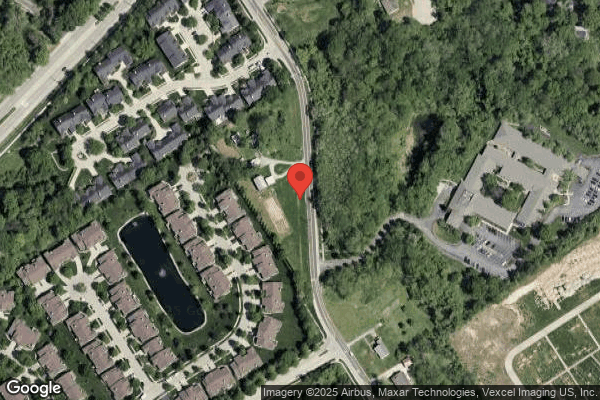
Dec 2022 12 deficiencies 2 Harm
SERIOUS (G) 📢 Someone Reported This

A family member, employee, or ombudsman was alarmed enough to file a formal complaint

Actual Harm - a resident was hurt due to facility failures

Free from Abuse/Neglect (Tag F0600)

A resident was harmed · This affected 1 resident

**NOTE- TERMS IN BRACKETS HAVE BEEN EDITED TO PROTECT CONFIDENTIALITY** Based on interview and record review, the facility failed to protect Resident #20's right to be free from abuse when Certified N...

Read full inspector narrative →
**NOTE- TERMS IN BRACKETS HAVE BEEN EDITED TO PROTECT CONFIDENTIALITY** Based on interview and record review, the facility failed to protect Resident #20's right to be free from abuse when Certified Nursing Assistant (CNA) Y grabbed the resident by the wrists, forcing the resident to get out of bed against his/her wishes, resulting in skin tears to both wrists. Additionally, the facility failed to protect Resident #35 from abuse when he/she was left overnight in the same room with Resident #36 who yelled at, repeatedly hit him/her, and tried to force Resident #35 from their shared room. The census was 65. Review of the facility's Protection of Residents: Reducing the Threat of Abuse and Neglect Policy, dated 4/15/19, showed the following: -Position statement and guidelines: Each resident has the right to be free from abuse, neglect, misappropriation of resident property, and exploitation of any type by anyone. This includes but is not limited to freedom from corporal punishment, involuntary seclusion and any physical or chemical restraint not required to treat the resident's medical symptoms. Residents must not be subjected to abuse by anyone. This includes but is not limited to: Staff, other residents, consultants, volunteers, staff from other agencies serving our residents, family members, the resident representative, friends, or other individuals. It is the policy and practice of the facility that all residents will be protected from all types of abuse, neglect, misappropriation of resident property, and exploitation; -Prevention: It is the policy of the facility to prevent and prohibit all types of abuse, neglect, misappropriation of resident property and exploitation; -The facility must identify, correct and intervene in situations in which abuse, neglect, exploitation and or misappropriation of resident property is more likely to occur, to include trained and qualified registered, licensed and certified staff on each shift in sufficient numbers to meet the needs of the residents and assure that the staff assigned have knowledge of the individual residents' care needs and behavioral symptoms if any; -Identification: It is the policy of the facility to identify abuse, neglect and exploitation of residents and misappropriation of resident property. This includes but is not limited to identifying and understanding the different types of abuse and possible indicators; -Definitions: Abuse: The willful infliction of injury, unreasonable confinement, intimidation or punishment with resulting physical harm, pain or mental anguish. Abuse also includes the deprivation by an individual, including a caretaker of goods, or services that are necessary to attain or maintain physical, mental and psychosocial well-being. Instances of abuse of all residents, irrespective of any mental or physical condition, cause physical harm, pain or mental anguish. It includes verbal abuse, sexual abuse, physical abuse and mental abuse; -Training: It is the policy of this facility to develop, implement, and maintain an effective training program on abuse prohibition including but not limited to the following topics: *Reporting abuse, neglect, exploitation and misappropriation of resident property, including injuries of unknown sources, and to whom and when staff and others must report their knowledge related to any alleged violation without fear of reprisal; -Procedure: *Following identification of alleged abuse, the resident(s) receive prompt medical attention as necessary and the resident(s) are protected during the course of the investigation to prevent reoccurrence. Staff will respond immediately to protect the alleged victim(s)/others and integrity of the investigation; *The alleged victim will be examined for any sign of injury, including a physical examination or psychosocial assessment , if needed; *When an incident or suspected incident of resident abuse and/or neglect, injury of unknown source, exploitation, or misappropriation of resident property is reported, the administrator/designee will investigate the occurrence. Protection will be provided to the alleged victim and other residents, such as room or staffing changes as needed to protect the resident(s) from the alleged perpetrator; *If the accused individual is an employee, the alleged perpetrator will be removed from resident care areas immediately and placed on suspension pending results of the investigation. 1. Review of Resident #20's quarterly Minimum Data Set (MDS) a federally mandated assessment instrument completed by facility staff dated 12/17/22, showed: -Adequate hearing and vision; -Speech clarity: Clear speech, distinct intelligible words; -Ability to express ideas and wants, consider both verbal and non-verbal expression: Understood; -Understanding verbal content, however able: Understands, clear comprehension; -Brief Interview for Mental Status/BIMS (a cognitive assessment) score of 15, indicating the resident is cognitively intact; -Physical, verbal or other behaviors: Behaviors not exhibited; -Rejection of Care - Presence & Frequency: Behavior not exhibited; -Extensive assistance of one person required for bed mobility, personal hygiene and bathing; -Total dependence of one person required for transfers; -Mobility Devices: Wheelchair; -Always incontinent of bowel and bladder; -Diagnosis of anxiety. Review of the resident's care plan, located in the electronic health record (EHR), showed: Focus: -Resident has activity of daily living (ADL) self-care deficit performance, related to impaired balance due to syncope (dizziness); -Resident has pain/discomfort related to decreased mobility; -Resident has potential for skin tears related to fragile skin; Interventions: -Assist with mobility and ADLs as needed. Review of the MDS Nurse's progress note, dated 1/14/23 at 9:27 P.M., showed: -CNA (CNA Y) reported to nurse that resident had obtained a skin tear while transferring the resident into a chair. Resident has two skin tears to both wrists; top of the right wrist 4 centimeters (cm) by 2.5 cm, area steri-stripped (thin adhesive strips used to hold the skin together) and dry dressing applied. Top of left wrist 5 cm by 3 cm, area steri-stripped and dry dressing applied. Physician and family made aware. Review of the facility self-report to the State Survey Agency, dated 1/15/2023 at 9:08 A.M., showed: -It was reported to the Administrator this evening (1/14/23) that a resident (Resident #20) said he/she received skin tears during a transfer. Statements were obtained from Certified Nursing Assistant Y and Nurse Z. A telephone call was placed to Nurse AA, the outgoing nurse, to obtain a statement. Yesterday, at the change of shift (around 3:00 P.M.) the resident did not want to get out of bed. The resident has a history of refusing things and not wanting to get out of bed. The CNA said the resident was kicking at him/her and did not want to get up. The resident did say he/she was kicking at the CNA and did not want to get up. The CNA said as he/she was trying to calm the resident down, the resident was swinging and kicking, so he/she (the CNA) grabbed the resident's wrists so as not to get hit. The resident said the CNA grabbed him/her by the wrists to transfer him/her to the chair. The resident sustained skin tears on his/her wrists; -During walking rounds Nurse Z and Nurse AA discovered the resident's skin tears and Nurse Z (the on-coming nurse) dressed the resident's skin tears. It wasn't until later that another nurse (MDS Nurse) heard about the tussle, and the Administrator was notified about the incident. Review of an investigation statement, undated but documented by the Administrator, showed: -It was reported to Administrator, on 1/14/23 at approximately 7:30 P.M., that a resident (Resident #20) received skin tears during a transfer; -Statement was obtained from CNA Y and he/she was sent home; -Statement was obtained from Nurse Z and he/she was sent home; -Telephone call placed to Nurse AA and a statement was obtained. Nurse AA was placed on administrative leave; -CNA Y's statement identified himself/herself as engaging in a transfer with the resident. While transfer took place, skin tears were obtained; -Statement from the resident showed that a CNA was fighting with him/her. The resident did not want to get out of bed. The CNA gripped his/her wrists and caused the skin tears; -Further findings showed Nurse Z was aware of the situation. He/she dressed the resident's skin tears. However, he/she did not report the incident timely; -CNA Y and Nurse Z were placed on the do not return list from the agency. Review of the resident's statement for the facility investigation, recorded by the MDS Coordinator, showed: -Date of Statement: 1/14/23; -Time of Statement: 7:30 P.M.; -Resident said that CNA Y was fighting with me. I didn't want to get up. He/she grabbed my arms and caused skin tears. The resident was asked if he/she felt safe at the facility and the resident said not with that CNA. He/She did not want that CNA taking care of me. During an interview on 3/2/23 at 7:48 A.M., the resident said he/she told CNA Y he/she did not want to get up that day, but the CNA would not listen. The CNA grabbed him/her by the wrists causing the skin tears and made him/her get up and in a wheelchair anyway. He/She did kick and swing at the CNA during the transfer because he/she was angry the CNA would not listen to him/her. He/She felt as though his/her opinion did not matter. Review of the MDS Coordinator's statement for the facility investigation, dated 1/14/23 at 7:30 P.M., showed: -Date of Incident: Blank; -Time of Incident: Blank; -He/She got to work around 4:00 P.M. and went to get keys from Nurse Z. Nurse Z said he/she had to do a report on the resident's skin tears. Nurse Z did not mention how the resident got the skin tears; -The MDS coordinator went into the resident's room to obtain a blood pressure. She asked the resident what happened to his/her arms, as the resident had dressings on both wrists. The resident stated that a CNA was fighting with him/her. He/She did not want to get up and the CNA grabbed his/her wrists, causing the skin tears. During an interview on 2/23/23 at 12:30 P.M., the MDS Coordinator said the resident has resided at the facility for over a year. He/She is alert and does not have a history of accusing staff of abuse or handling him/her roughly. He/She does not like to get out of bed. She (MDS Coordinator) was on call on 1/14/23 and came to the facility on the evening shift because the Certified Medication Technician called off, so she came in to pass medications. Around 7:00 P.M. to 7:30 P.M., she went into the resident's room to get his/her blood pressure. She noticed the dressings on the resident's wrists and asked the resident what happened. The resident said CNA Y grabbed him/her earlier that day and made him/her get up causing the skin tears. He/She did not want to get up, but the CNA made him/her get up. The MDS Coordinator called the Administrator right after the resident told her. The Administrator told her to begin the investigation and she was on her way to the facility. CNA Z was working a double shift that day and was still working, but was assigned to a new group of residents and was no longer working with Resident #20. She got the CNA's statement and sent him/her home. She got Nurse Z's statement and sent him/her home. The Administrator arrived and they interviewed other staff and residents. Review of CNA Y's written statement to the facility, dated 1/14/23, showed: -Date of incident: 1/14/23; -Time of Incident: 2:40 P.M.; -Resident was refusing care and to get up out of bed. Advised resident charge nurse (Nurse AA) advised him/her (CNA) to get him/her up. Resident became combative kicking, yelling, punching while performing perineal care (cleaning the genitalia). Upon sitting the resident up in bed to perform a transfer, the resident kept swinging at him/her, and while trying to calm resident down, resident gained skin tears. Charge nurse was notified of the incident. Review of CNA Y's statement to the state agency, dated 1/16/23, showed he/she said he/she had worked at the facility through an agency for about five months. He/She was working a double shift on Saturday 1/14/23. He/She did not usually work day shift or with the resident. The resident had diarrhea that day. The nurse on the day shift asked CNA Y to get the resident up. He/She had not had any problems with the resident being combative that day prior to getting the resident up. As he/she went to get the resident out of bed and into the wheelchair, the resident kicked, screamed and yelled No. During the transfer, the resident sustained two scratches on the back of his/her wrists approximately one to two inches long. CNA Y immediately went out and told the day and evening shift nurses about the interaction. No one told him/her the resident could be combative until afterward. He/She worked that evening until almost 8:00 P.M., when the MDS Coordinator came to him/her and got his/her statement. He/She was then asked to clock out and go home. He/She wondered why they waited so long to send him/her home. During an interview on 3/6/23 at 9:05 A.M., CNA Y said he/she was scheduled to work a 16 hour shift that day and took care of the resident on the day shift, but not the evening shift. The resident was having diarrhea. The resident needed a complete bed change due to the diarrhea. Around 9:00 A.M., he/she wanted to get the resident up, but the resident did not want to get up, so he/she left the resident alone. Around 2:00 P.M., he/she provided the resident with perineal care and the resident was agitated, but did not want to get up. Nurse AA told him/her to get the resident up due to on-going diarrhea. The resident still did not want to get up and he/she told Nurse AA, who said to ask the resident again. When he/she asked the resident again, the resident consented, but became combative when he/she began to transfer the resident from the bed to the wheelchair. It was during the transfer, the resident sustained the skin tears, and he/she (CNA Y) told Nurse Z and Nurse AA about the skin tears right after it occurred at the end of the day shift, around 3:00 P.M. Review of Nurse Z's written statement to the facility, dated 1/14/23 at 7:38 P.M., showed: -Date of Incident: 1/14/23; -Time of Incident: 2:52 P.M.; -At 2:52 P.M., nurse (Nurse Z) was doing walking report with off-going nurse. CNA (CNA Y) approached and stated that Resident #20 had skin tears from tussling when he/she was getting the resident out of bed. Finished report with off-going nurse and went to resident's room to dress the skin tears. Resident stated he/she did not want to get out of bed, but they made him/her. During an interview on 3/3/23 at 2:55 P.M., Nurse Z said he/she and Nurse AA were making walking rounds at the shift change when CNA Y informed them about the resident's skin tears. He/she heard the CNA say he/she was getting the resident up, and the resident tussled with him/her causing the skin tears. He/She did not hear the CNA say the resident was hitting or kicking, just tussling. He/she did not ask the CNA what he/she meant by tussled. After finishing shift change report with Nurse AA, he/she went to the resident's room to dress the skin tears. The resident said the CNA made him/her get up causing the skin tears. He/She told the resident he/she was having diarrhea and the CNA got him/her up so he/she could change the resident's bed. The resident said he/she knew why the CNA got him/her out of bed, and he/she (the nurse) was right. He/She did not ask the resident any questions about what happened during the transfer. In hindsight, he/she should have asked the resident more questions. Had the CNA told him/her that resident did not want to get up, he/she would have went with the CNA and completed an occupied bed change (changing the bed with the resident in the bed). The resident has very thin and fragile skin. Review of Nurse AA's statement, sent to the facility via e-mail on 1/15/23 at 8:42 A.M., showed on Saturday (1/14/23) at approximately 3:15 P.M. he/she and Nurse Z were walking down the hall after counting the medication cart. They were walking from 400 hall to 300 hall when CNA Y said the resident had two skin tears, and he/she had to get the resident up to do a complete bed change. Nurse AA told Nurse Z to dress the skin tears and he/she would look at the skin tears on Monday. Nurse AA then left the hall. During an interview on 3/3/23 at 12:26 P.M., Nurse AA said on 1/14/23 after his/her shift was over, he/she and Nurse Z were walking down the hall when CNA Y told them the resident had sustained two skin tears after he/she got the resident up. He/She did not hear the CNA say anything about the resident tussling with him/her or that the resident was combative. The CNA should have told him/her the resident refused to get up. He/She would have told the CNA to leave the resident in bed as the resident has a right to refuse. Had he/she been aware of any abuse that occurred, he/she would have talked to the resident prior to leaving for the day. Review of CNA EE's written statement to the facility, dated 1/15/23, showed: -Date of Incident: 1/14/23; -Time of Incident: Blank; -He/she worked with the resident on the evening shift of 1/14/23. Around the beginning of the shift, the resident seemed upset. The resident said someone made him/her get out of bed and hurt his/her wrists. His/her wrists were bandaged at the time. He/She reported what the resident said to the nurse, who said he/she was aware of the incident. During an interview on 3/6/23 at 9:45 A.M., CNA EE said around 3:00 P.M. (on 1/14/23), the resident seemed upset, was kind of crying and seemed down. He/She asked the resident what happened and the resident said he/she did not want to get out of bed, but CNA Y made him/her. He/She told Nurse AA, who said he/she was aware of the incident. Around 4:00 P.M., the resident told him/her he/she did not want to get out of bed, but CNA Y forced him/her to get up. At some point during the conversation, the resident said CNA Y grabbed his/her wrists while getting him/her up causing the skin tears. CNA EE told Nurse Z who acted as though he/she did not know what was going on. CNA Y was still working at that time. During an interview on 3/1/23 at 9:00 A.M., the facility Medical Director said she expects facility staff to follow their abuse and neglect policies, as well as the State and Federal regulations for reporting abuse/neglect issues. During an interview on 3/2/23 at 4:11 P.M., the Administrator said she expects staff to follow the facility abuse and neglect policy. Nurse Z should have asked CNA Y more questions when the CNA said the resident tussled with him/her, and should have asked the resident questions when the resident said the CNA made him/her get up causing the skin tears. Had those questions been asked, the facility policy would have been initiated at the time of the incident, and the CNA would have been sent home and not allowed to work after the incident occurred. 2. Review of Resident #35's quarterly MDS, dated [DATE], showed: -Adequate hearing and vision; -Speech clarity: Clear speech, distinct intelligible words; -Ability to express ideas and wants, consider both verbal and non-verbal expression: Understood; -Understanding verbal content, however able: Understands - clear comprehension; -Cognitively intact; -Physical, verbal or other behaviors: Behaviors not exhibited; -Independent with bed mobility, -Supervision needed with transfers, -Mobility Devices: Wheelchair. Review of Resident'#35's progress notes, showed the following: -On 1/19/23 at 9:33 P.M., the resident had a verbal altercation with his/her roommate about plugging items into an outlet. The nurse intervened and settled the argument; -On 1/20/23 at 8:00 A.M., the Director of Nursing assessed the resident. The resident stated his/her roommate hit him/her a few times with a closed fist. The area showed no bruising or swelling. The resident denied any pain. Review of Resident #35's care plan dated 1/24/23, located in the EHR showed: -Focus: Resident at risk for change in mood or behavior due to medical condition; -Interventions: Consult with resident on preferences regarding customary routine; -Focus: Resident has a psychosocial well-being problem related to altercation with another resident. Moved to another room; -Interventions/Tasks: Allow the resident time to answer questions and to verbalize feelings perceptions and fears. Increase communication between the resident/family/caregivers about care and living environment. When conflict arises, remove residents to a calm, safe environment and allow to vent/share feelings. Review of Resident #36's quarterly MDS, dated [DATE], showed: -Adequate hearing and vision; -Speech clarity: Clear speech -distinct intelligible words; -Ability to express ideas and wants, consider both verbal and non-verbal expression: Understood; -Understanding verbal content, however able: Understands - clear comprehension; -Moderately cognitively impaired; -Physical, verbal or other behaviors: Behaviors not exhibited; -Rejection of Care - Presence & Frequency: Behavior not exhibited; -Independent with bed mobility and transfers; -Mobility Devices: Walker; -Diagnosis of dementia. Review of Resident #36's progress notes, showed the following: -On 1/19/23 at 9:31 P.M., the resident had a verbal altercation with another resident (Resident #35). The nurse was able to break up the argument. The resident would not let his/her roommate plug items into an outlet. The nurse intervened and plugged the items in. The resident made the comment to the nurse, he/she is Crazy; -On 1/19/23 at 10:06 P.M., the resident stated his/her roommate (Resident #35) was not to be in his/her room. He/she hit his/her roommate several times. The staff removed the roommate for medications and an Accucheck (blood sugar monitoring) and then let the roommate back in the room after the resident calmed down. Approximately an hour later, the resident was up in the hallway stating the roommate had to go. The nurse went to check on the roommate and the roommate (Resident #35) said the resident (Resident #36) hit him/her again several times. The nurse drew the curtain between them. The CNA helped the resident calm down and get into bed. If there was a third instance with the resident hitting the roommate, they would relocate one of them to another room until the morning when the situation could be addressed by administration. Review of the facility's investigation dated 1/20/2023, no time noted, provided by the facility on 2/23/23 showed: -During review of the clinical notes, it was learned that Resident #36 struck roommate Resident #35; -MDS Coordinator assisted in moving Resident #35 to another room; -The social worker interviewed both residents, and Resident #36 did not recall striking the other resident; -The residents had not had any additional encounters and both were feeling safe. Resident #36 would not have a roommate. His/Her care plan would be updated to include this information. Review of Resident #36's care plan dated 1/24/23, located in the EHR, showed: -Focus: Resident at risk for change in mood or behavior due to medical condition; -Interventions: Medications as ordered. Psychiatric consult as ordered; -Focus: Resident has short term memory loss due related to diagnosis of dementia; -Interventions/tasks: Allow resident extra time for resident to respond to questions and instructions. Keep routine consistent and try to provide consistent caregivers as much as possible in order to decrease confusion. Provide resident with a homelike environment. -The care plan did not address the altercation with his/her roommate and interventions to prevent further occurrences. Review of a written witness statement form by Nurse DD dated 1/20/23 at 11:25 P.M., showed Resident #35 was yelling and the nurse went to get an accucheck on the resident. The resident stated he/she had been hit by Resident #36 and the resident was also hitting his/her wheelchair. The nurse checked on the resident and after an hour was doing okay. Later, Resident #36 came out into the hallway and told the nurse to get Resident #35 out of his/her room. During interviews on 2/23/23 at 1:30 P.M. and 4:30 P.M., Nurse DD said he/she was working short staffed the night of the incident. He/she was agency so did not know the residents well. He/She did not know if the residents had problems with each other. The first time he/she heard them yelling, he/she went into the room and Resident #35 told him/her Resident #36 had hit at him/her. Nurse DD immediately removed Resident #35 and brought him/her to the dining room area where he/she could observe him/her and administer his/her medication. He/she tried to find another room for the resident, but one side of the hall was being used for isolation, and there was only one room available on the other side, and the call light was not working in that room. Nurse DD did not feel comfortable putting the resident in the room without a working call light. Nurse DD talked to both residents and they seemed to be okay with each other, so he/she put the resident back in the room and left. A short time later, Resident #36 came out of the room yelling he/she wanted Resident #35 out of the room. When he/she got to the room, Resident #36 was banging on Resident #35's bedframe and yelling he/she wanted him/her out. The other staff member with him/her was able to get them calmed down and into bed. Staff pulled the curtain between the residents and turned off the light. He/She passed this information along to the other nurse in the building, who said he/she would notify the administrator. He/She probably should have done this him/herself, but he/she was working by him/herself and just was overwhelmed with getting everything done. During an interview on 3/2/23 at 10:00 A.M., Certified Medication Technician (CMT) O said he/she was working on the evening of 1/19/23. He/She heard Resident #35 screaming, he/she is Hitting me! CMT O went and got the nurse because the residents were not used to him/her. Resident #36 did not want Resident #35 in his/her room and kept yelling, he/she wanted him/her out of the room. When he/she and the nurse went in the room, Resident #35 said Resident #36 had hit him/her. Resident #36 was hitting at the other resident's bed and saying he/she wanted the other resident out of his/her room. The CMT kept telling Resident #36 not to hit the other resident, but he/she would not calm down. He/She just wanted the other resident out of the room. They were finally able to calm the residents down by pulling the curtain between them. CMT O thought they should have moved the resident out of room that night, but it was not his/her decision. CMT O did not think it was safe to keep them in the room together. During an interview on 2/23/23 at 12:30 P.M., Resident #35 said he/she tried and tried to get along with his/her roommate (Resident #36). Resident #36 was used to being by him/herself and did not want anyone in his/her room. Resident #36 would yell at Resident #35 if he/she was in the bathroom when he/she wanted to use it. It got to the point where Resident #35 would go down the hall to use the bathroom because he/she did not want to upset his/her roommate. One day, Resident #36 unplugged his/her television and electronic picture frame from the wall and told him/her, it was not his/hers to use. Resident #35 had talked to the social worker about changing rooms, but he/she did not want to cause problems. They told him/her there was a room with a bathroom which would be available in ten days and then this incident happened. Resident #36 would put on his/her pajamas at 6:00 P.M. and be ready to go to bed by 7:00 P.M. and would turn off the lights. On the night of the incident, Resident #35 did not want to go to bed at 7:00 P.M. because he/she had not gotten his/her medication yet, so he/she turned the light back on. Resident #36 started yelling at Resident #35 and told him/her to get out of the room and started to pull his/her covers off the bed. Resident #35 grabbed at the covers to keep them on the bed and Resident #36 began to hit Resident #35 with a closed fist. Resident #35 started yelling for help. The nurse came in and took him/her out of the room for a while but brought him/her back to the room. He/She did not really want to go back into the room with the other resident but agreed to stay in the room for the night. Resident #36 got upset again and started to push his/her wheelchair towards the door saying he/she wanted him/her out of the room. Resident #36 was swinging at Resident #35 trying to hit him/her. Finally Resident #36 went out into the hallway to yell at staff. Staff came into the room and got Resident #36 to calm down. They pulled the curtain between them and left the room. Resident #35 would have liked to go to another room, but the staff did not offer to take him/her to another room and he/she did not want to cause problems, so he/she figured it would be okay for the night. Review of a written witness statement form by the MDS Coordinator dated 1/20/23 at 8:00 A.M., showed she talked to Resident #35 regarding the incident from the prior evening. The resident said around 8:00 P.M., his/her roommate turned the light off. The resident told him/her to stop and leave the light on as he/she had not received his/her medication yet. It went downhill from there. Resident #36 told him/her he/she would not go to bed until Resident #35 left the room and grabbed his/her blanket. Resident #35 grabbed his/her blanket back and Resident #36 hit him/her on his/her left arm with his/her fist. There was no discoloration noted and the resident denied any pain. Resident #35 was moved to a different room. During an interview on 3/7/23 at 9:35 A.M., the MDS Coordinator said the Assistant Director of Nursing read about the incident during report the next morning. This was the first they knew about the incident. The report said Resident #36 hit Resident #35 twice. The former Director of Nursing did the investigation. Resident #35 does not like his/her light turned off until after he/she gets his/her medication. The other resident did not like him/her turning the light back on and hit him/her twice. The staff should have called the Administrator or the Director of Nursing the night of the incident for guidance. She would think the resident should have been moved out of the room that night because staff would wanted to make sure he/she was protected from the other resident. During an interview on 3/1/23 at 9:00 A.M., the facility Medical Director said the residents should have been separated after the one hit the other for their safety. During an interview on 3/2/23 at 4:11 P.M., the Administrator said the staff should have moved the residents to separate rooms on the night of the incident to keep the residents safe. MO00212631 MO00212669 MO00212876
SERIOUS (G) 📢 Someone Reported This

A family member, employee, or ombudsman was alarmed enough to file a formal complaint

Actual Harm - a resident was hurt due to facility failures

Deficiency F0692 (Tag F0692)

A resident was harmed · This affected 1 resident

**NOTE- TERMS IN BRACKETS HAVE BEEN EDITED TO PROTECT CONFIDENTIALITY** Based on observation, interview and record review, the facility failed to follow their policies by failing to provide meals as r...

Read full inspector narrative →
**NOTE- TERMS IN BRACKETS HAVE BEEN EDITED TO PROTECT CONFIDENTIALITY** Based on observation, interview and record review, the facility failed to follow their policies by failing to provide meals as required by physician's orders, and/or Registered Dietician's (RD's) recommendations. The facility failed to provide fortified foods (foods with additional calories/protein) and double portions of food. Additionally, the facility failed to provide accurate servings sizes per the recipe, and failed to consistently provide house shakes (supplemental nutritional drinks). The facility failed to ensure dietary staff followed resident menu slips (used to show resident's current diet orders/preferences), and failed to ensure the menu slips and care plans reflected current physician orders, dietary recommendations and preferences. In addition, the facility failed to ensure residents received assistance to eat as needed. Nine residents were sampled. Of those nine, three residents (Residents #30, #25 and #26) experienced severe weight loss (more than 5% in one month, 7.5% in three months and 10% in six months), and one resident (Resident #28) who did not receive fortified foods or consistently receive supplemental nutritional shakes. The census was 65. Review of the facility's undated Resident at Risk (RAR) policy, dated 4/15/22, showed the following: -Policy: This facility conducts a weekly resident at risk meeting to review the residents who have been identified with nutritional and/or hydration problems/concerns or who have an identified risk factor that may lead to nutritional/hydration issues; -Procedure: The facility establishes an organized interdisciplinary team to review the residents with identified nutritional issues or the potential for developing nutritional problems; -The team my consist of members representing a minimum of Food and Nutrition Services, RD, Nursing, Rehab and and Activities. Other departments such as Social Services, may also be involved; -The committee designates a team leader who is responsible for the following: -Developing a review list each week 24-48 hours before the meeting. The list includes residents who will be discussed in the meeting; -Ensuring the tasks are recorded on the Review List/Follow Up Form; -Distributing the form with the minutes after the meeting has been conducted; -The Review list includes but is not limited to the following: -Residents with significant weight change: -5% in 30 days; -7.5 % in 90 days; -10% in 180 days; -The designee for Food and Nutritional Services may do the following before the meeting: -Follows up on prior interventions to determine the effectiveness; -Updates food preferences; -Talks to the Certified Nursing Assistant (CNA) regarding the resident and dining; -Talks to the family if possible; -Reviews medical record, labs, nursing notes, etc; -The designee for nursing may do the following before the meeting: -Ensure that the admission weight and height have been obtained and in the medical record; -Review current labs; -Review snack/supplement intake; -When determining the cause, considers pain management, psychosocial needs and/or mood/depression; -Verify that the physician, resident and responsible party have been notified of any significant weight change; -Team members may make recommendations to the resident's physician and may include but not be limited to: -Frequency of monitoring weights; -Labs; -Initiation and/or changes regarding food portions and meal fortification; -Liberalization of the diet order; -Changes in the frequency and types of provided snacks/supplements; -Changes in seating in dining room related to level of assistance; -Therapy services; -If the committee identifies lack of progress towards the goal, the team will schedule a care conference with involved family members, physician and facility staff to review advanced care planning such as tube feeding, IVs, Hospice care, Comfort care, elimination of weight monitoring, etc; -Documentation occurs during the meeting using the Review List/Follow up Form: -Record any new interventions; -Record the follow up items along with the identified department; -All members that are present sign at the bottom of the Review List/Follow up Form; -The completed forms may be maintained in a binder for RAR minutes; -Documentation by designated committee member will be recorded on a progress note in medical record and will include: -Progression/digression of interventions; -Changes to interventions; -The care plan is updated during the meeting. Interventions should be specific and individualized and dated; -After the meeting the Review List is distributed; -Each team member is responsible for completing any assigned tasks before the next team meeting; -At the following meeting, the team leader reviews the minutes from the prior meeting to ensure each task was completed before going to new business. Review of the facility Fortified Foods Policy, Nutritional Care Diet Manual (NCM), undated, showed -Fortified foods have had nutrients added to them, typically energy and/or protein. For a patient who has inadequate intake, this can increase the amount of energy and protein without increasing volume of the meal or adding supplements. The benefits of fortified foods include; -Each portion contains more nutritional value than a non-fortified portion; -You can serve the same amount of food or number of food items offered; -Food waste is prevented because there is lower volume of food served; -Food items are usually sweeter with higher fat content and may taste better; -The likelihood the patient will feel overwhelmed by the amount of food offered is minimized; -The patient at nutritional risk is identified and the importance of consuming the special item is emphasized (may be labeled and may be part of diet order); -Routine monitoring of patient acceptance of the fortified food is essential to identify if additional interventions are required. Evaluate if residents with a decline in eating skills are receiving adequate eating assistance when the fortified food is provided. The patient may consume more of a fortified food between meals instead or in addition to meals. -Tips for a Successful Fortified Foods Program; -Diet Terminology: Use NCM Diet Order Terminology and Definition; -Worksheet to establish use of consistent terminology for fortified foods; -Develop sample meal plans for staff to follow until the RD nutritionist can individualize for patients; -Create a list of regular food and menu items available daily to offer; note energy and protein content (pudding, ice cream, yogurt and custard); -Establish a purchase list for fortified foods and include nutritional content; -Involve cooks, staff, and residents in the development of fortified food recipes; -Monitor taste and nutritional value of fortified foods and document any changes to recipes; -Evaluate consumption and acceptance of fortified foods by observing meal and snack time service; -Monitor patient eating skills and tolerance of food texture; -Dining: Ensure delivery of fortified foods at mealtimes; -Attractiveness/palatability, and timing of delivery of the fortified food is as patient requests (during or between meals); -Liberalize diet as much as possible to allow for wider selection and increased palatability of foods; -General tips to increase energy content of foods offered: Add butter, oil, cream, nut butters, and other fat sources. Butter and sour cream in mashed potatoes. Butter or oil on vegetables. Nut butters mixed into hot cereal. Avocado on sandwiches; -Add extra moisture: gravies, condiments, and dipping sauces, Gravy on meats and potatoes, extra mayonnaise or ketchup, sauces for dipping; -Add extra sugar, maple syrup, honey, corn syrup: Hot cereal topped with any of above number of sugars preferred in hot beverage. Topping on desserts as feasible; -Use non-fat dry milk, nut butters, yogurt, pudding mix, non-fat dry milk in hot chocolate or hot beverage. Yogurt as substitute for eggs at breakfast; -Use full-fat dairy products, 2% or higher yogurt-no diet yogurt or regular yogurt sweetened with artificial sweetener. Full-fat yogurt may be difficult to find; in that case, serve the yogurt with the highest fat content available and without added artificial sweetener; -Whole milk instead of skim milk, regular cream cheese, sour cream. Add condensed or evaporated milk; -When only extra protein is needed: Patients who need to increase their protein intake may also benefit from supplementation with protein foods. You can help these patients meet their needs by: -Offering extra eggs in the morning; -Increasing the size of their milk offering and serving skim rather than higher-fat milk, if appropriate; -Adding yogurt, peanut/nut butter, or cottage cheese to a meal; -Offering a protein powder to be mixed into hot cereal; -Offering extra portions of the protein in an entrée; -Providing extra scoop/slices of sandwich filling or strips of cheese/cold cuts; -Offering peanut butter, yogurt, cheese, or milk as snacks. Adding commercial protein powder or liquid to foods and beverages per facility protocol. Review of the facility's Nutritional Supplements Policy, Nutritional Care Diet Manual (NDC), undated, showed: -Patients may benefit from additional interventions in the form of supplementation to improve inadequate nutrient intake. Offering foods rich in nutrients to improve overall intake is beneficial, especially for older adults who have shown to demonstrate positive responses to these strategies. Oral nutritional supplements can promote increased energy intake when incorporated with feeding assistance from staff, which may result in greater energy intake and weight gain. The use of supplements to address malnutrition in health care settings has shown to be effective; -Commercial Supplements: Patients may prefer commercially available supplements because of their convenience. Commercial supplements may also be used as ingredients in homemade shakes. Various types of commercial supplements are available to increase overall nutritional intake, including: -Liquids (protein, total energy); -Powders (protein, energy); -Disease specific formulations (diabetes, renal, ketogenic); -Nutrient-dense formulations (2 kcal/ml formulas); -Thickened liquid (puddings, frozen cups, custard products); -Instead of commercially produced products, homemade supplements can be produced by using high-energy and high-protein foods that are often available in health care facilities or at home. Offering a variety of flavors of shakes, malts, and smoothies can meet varying patient preferences; -Dry milk powder, instant breakfast, a calorie enhancer, or protein powder can be added as well; -Think Outside the Blender. Each facility may have opportunities to offer variety and add nutrients to the homemade shakes or snacks. After ensuring food safety procedures for leftovers are met, consider offering unserved desserts on a snack cart or mixing them into homemade shakes to enhance flavor. Include snack and shake choices for residents on puree-consistency diets. Some examples of desserts that could be repurposed include; -Cooked/cooled pies (key lime, custard, Boston cream, fruit pie); -Baked goods-eclairs, donuts, brownies and cookies; -Fruit cobblers/crisps; -Pancakes, French toast and muffins. 1. Review of Resident #30's diagnoses, located in the electronic health record (EHR), showed cognitive communication deficit (difficulty with thinking and how someone uses language), dysphagia (difficulty swallowing), and abnormal weight loss. Review of the facility monthly weight report, showed: -8/2022: A weight of 149.0 pounds (lbs); -9/2022: A weight of 148.2 lbs; -10/2022: A weight of 151.5 lbs; -11/2022: A weight of 142.9 lbs. Review of the resident's quarterly Minimum Data Set (MDS), a federally mandated assessment instrument completed by facility staff, dated 11/27/22, showed: -Speech Clarity: Clear speech; -Makes Self Understood: Sometimes understands-responds adequately to simple, direct communication only; -Ability to Understand Others: Sometimes understands-responds adequately to simple, direct communication; -Severely impaired cognition; -Rejection of Care: Behavior not exhibited; -Eating-how the resident eats and drinks, regardless of skill: Supervision - oversight, encouragement or cueing. Setup help only; -Diagnoses of diabetes mellitus (low/high blood sugar), stroke, and hemiplegia (one sided paralysis) or hemiparesis (weakness on one side); -Height: 3'9; -Weight: 142. Review of the resident's current care plan, located in the EHR, showed: -Special Instructions: Resident is on mechanically altered diet (ground meats). Encourage resident to go to the dining room. If resident refuses, staff to remain with resident during meals; -Focus: -Date Initiated 6/24/22: At risk for weight fluctuation related to current health status; Goal: -Date Initiated 6/24/22: Resident wishes to maintain current weight through next review; Interventions: -Date Initiated 6/24/22: Assistance with meals as needed. Encourage resident to go to dining room for meals, if he/she refuses staff to remain with resident during meals. Supplements as ordered; -The care plan did not show the resident should receive double portions at all meals. Review of the resident's physician's order sheet (POS), showed: -No Date: Resident is on mechanically altered diet. Encourage to go to dining room. If resident refuses, staff to remain with resident during meals; -9/17/22: Give double portions with each meal due to weight loss; -9/21/22: Remeron (antidepressant, also used to increase the appetite) 15 milligrams (mg), one tablet by mouth at bedtime; -No order for fortified foods. Review of the resident's menu slips, provide by the facility on 2/24/23, showed: -Breakfast/Lunch/Dinner: Mechanical altered diet and fortified foods; -The menu slip did not show an order for double portions. Review of a Nutrition/Dietary Note, dated 11/3/22 at 12:07 P.M. documented by the RD, showed: -RD received referral from nursing per meeting related to weights. Current body weight (CBW) on 10/31/22 is 143.5 lbs. with significant weight loss of 4.3% when compared to 10/21/22 weight of 149.9 lbs. usual body weight (UBW) is 145-150 lbs.; -Receives a regular mechanically altered, double portions, thin liquids with 62% average intake x 6 days per documentation which provides 1426 calories average daily. Independent with supervision at meals per documentation. Also receives house shakes three times a day (TID) which can provide an average of 420 calories and 12 grams (g) of protein, per documentation 70% intake per medication medical record (MAR); -No edema (swelling) noted; -Estimated nutritional needs (ENN): 1956 calories, 65 g of protein; -RD recommends consider a reweigh for weight loss confirmation and offer the house shakes TID between meals and hour of sleep (HS) instead of with meals to promote increased meal intakes and weight stability; -RD available as needed (PRN); -No recommendation for fortified foods. Review of the RD's Visitation Report, showed: -11/3/22: Obtain re-weight to confirm weight loss and offer house shakes TID between meals and HS instead of with meals to promote increased meal intakes and weight stability. Review of the resident's physician's order sheet (POS), showed: -11/4/22: House shakes TID a day for supplement. Give between meals and at bedtime; -No order for fortified foods. Review of the RD's Visitation Reports, showed: -11/25/22: Document % of intake of house supplements TID per MAR to monitor acceptance. Review of the facility monthly weight report, showed: -12/2022: A weight of 141.6 lbs; -1/2023: A weight of 141.6 lbs; Review of the resident's weight summary, located in the EHR, showed: -1/29/23: A weight of 165 lbs.; -2/5/23: A weight of 167.8 lbs.; -2/26/23: A weight of 167.8 lbs.; --There was no documentation that showed a re-weight to determine if the weight of 167.8 lbs. was accurate when compared to the weight of 141.6 lbs. obtained on 1/1/23. Review of the facility monthly weight report, showed: -2/2023: A weight of 167.8 lbs. This was a significant one month weight gain of 26.2 lbs. or 18.5%; --There was no documentation that showed a re-weight to determine if the weight of 167.8 lbs. was accurate when compared to the weight of 141.6 lbs. obtained on 1/1/23. Review of the resident's last nutritional/dietary note, dated 2/22/23 and completed by the RD, showed: -Diet: Regular; -Texture: Mechanical soft; -Fortified Foods: No; -Supplements: Yes; -Ideal Body Weight/IBW: 143 lbs.; -Significant Weight Change: Yes; -Weight Gain: Yes; -Weight Gain: 5% or more in 30 days; -Weight Change Planned/Expected/Desired: No; -Food Preferences Updated: Yes; -Able to Make Food Preferences Known: Yes; -Summary: Current body weight is 167.8 lbs. with significant weight gain of 18.5% when compared to 1/1/2023 weight of 141.6 lbs. Receives tolerates a regular, mechanically altered, double entree portion with 55% average meal intake per documentation times six days which provides 1815 calories daily. Receives house shakes TID which provides an additional 600 calories and 18 grams of protein daily. No edema noted. Current intake does meet estimated nutritional needs. Will continue to monitor per protocol. RD is available PRN/as necessary; -Care Plan Reviewed: Yes; -There was no documentation that showed a re-weight to determine if the weight of 167.8 lbs. was accurate when compared to the weight of 141.6 lbs. obtained on 1/1/23. Review of the resident's MAR, dated 2/1/23 through 2/28/23 (a possible 84 intakes), showed the resident's intake of house shakes (administration times: 10:00 A.M., 2:00 P.M., and 8:00 P.M.) was: -100%: 63 times; -90%: 3 times; -75%: 6 times; -50%: 6 times; -30%: 1 time; -No intake recorded: 5 times. Review of the resident's MAR, 3/1/23 through 3/1/23, (a possible 3 intakes), showed the resident drank 100% 2 times and 50% one time. There was no documentation the resident refused the house shakes and/or did not like the house shakes. Observations of the facility medication carts in the hall where the resident resided, showed: -2/24/23 at 12:35 P.M.: No house supplements on the cart; -3/1/23 at 8:30 A.M.: Certified Medication Technician (CMT) L had a plastic bin containing ice and several house supplements on top of the med cart. Observation on 3/1/23 at 9:15 A.M., showed the resident sat in bed with no staff present. He/She received his/her breakfast on a Styrofoam plate with plastic utensils. He/She received regular portions of scrambled eggs, ground sausage, oatmeal, one small container of juice and one carton of whole milk. The milk had not been opened. The resident was not feeding himself/herself and did not have a house shake. At 9:27 A.M., the resident sat in his/her bed with the breakfast tray still in front of him/her. There were no staff in the room assisting the resident to eat, and the resident had eaten a couple of bites of his/her eggs. His/Her milk remained unopened and he/she did not have a house shake. The resident spoke softly and said he/she needs help to eat. Sometimes a staff member feeds him/her and sometime they don't. At 9:33 A.M., there was still no staff in the room assisting the resident. The resident still had not eaten but a couple of bites. The resident confirmed he/she needed assistance and said he/she was hungry. At 9:54 A.M., the resident remained in bed with his/her breakfast still in front of him/her. The resident was attempting to feed himself/herself with a plastic spoon. He/She did not have any staff assistance and his/her milk was still not opened. There was no house supplement observed. At 10:08 A.M., the resident still had no staff assisting him/her. He/She had eaten a couple of bites of scrambled eggs and oatmeal. He/She said he/she had been waiting for someone to feed him/her and he/she was still hungry. His/Her milk remained unopened. The resident said he/she did not like milk and would not want it even if it were open. He/She drank all of his/her juice. At 10:30 A.M., the resident's breakfast had been removed. The resident said he/she did not eat any more than at the observation at 10:08 A.M. before staff removed his/her breakfast. Review of the resident's meal consumption recorded by staff for 3/1/23 at 9:47 A.M., showed the resident ate 51%-75%. Review of the resident's MAR, showed staff recorded the resident drank 100% of his/her house shake on 3/1/23 at 10:00 A.M. Observation on 3/1/23 at 1:35 P.M., showed the resident sat in bed. Staff served the resident regular portions of lasagna, and mixed vegetables on a Styrofoam plate and one bottle of root beer. The resident said staff assisted him/her to eat. The resident ate 100% of his/lasagna and 0% of the mixed vegetables. He/She was still drinking his/her root beer which he/she said he/she liked. He/She said he/she could have eaten more lasagna, but staff did not offer him/her more. Review of the resident's MAR, showed staff recorded the resident drank 100% of his/her house shake on 3/1/23 at 2:00 P.M. Observation on 3/2/23 at 8:23 A.M., showed CMT O stood at the medication cart passing medications. There were no house shakes observed on the medication cart. Observation on 3/2/23 at 9:04 A.M., showed the resident lay in bed. He/She had not received his/her breakfast yet. At 9:21 A.M., the resident lay in bed with his/her breakfast served on a Styrofoam plate left on the bed table in front of him/her. No staff were in the room. The resident attempted to feed himself/herself with a plastic fork. The resident received regular portions of scrambled eggs, biscuit with gravy (uncut), one small bowl of watery grits (when the bowl was picked up the grits could be swirled around in the bowl), and one small container of juice. No condiments were served. The resident said he/she liked salt and pepper. but rarely receives the spices. The resident drank his/her juice and said he/she likes most types of juice. No house shake was noted. At 10:08 A.M., the resident's breakfast tray had been removed. He/She said a staff member assisted him/her to eat. He/She ate most of his/her breakfast because of the assistance and drank all of his/her juice. No house shake was noted in the room. During an interview on 3/2/23 at 11:40 A.M., the RD said he started serving the facility last October/November. He comes to the facility weekly. There had been a lot of dietary staff turnover since he has been coming to the facility. He reviews MARs to see if the residents are drinking house shakes. There have been some problems with the MARs being completed accurately. He recommends fortified foods, house shakes and double portions to add additional calories when there are concerns with weight loss. No one made him aware the resident did not like house shakes. He is always available if the facility has questions. During an interview on 3/2/23 at 12:00 P.M., the facility's Speech Therapist said the resident requires assistance with all meals. He/She needs someone to provide meal set-up and encouragement/cueing and physical assistance to eat. The resident also needs someone to remind him/her to eat at a slow rate because he/she is at risk to choke. Observation on 3/2/23 at 1:40 P.M., showed CMT O in the hall, passing medications. During an interview, CMT O said he/she works for an agency but has been to the facility several times. He/She did not have a plastic bin on his/her cart and there were no house shakes on his/her cart. CMT O said he/she went to the kitchen this morning and asked for a plastic bin but was told they did not have any. When he/she comes to an order for house shakes, he/she walks back to the medication room and gets it. Observation on 3/2/23 at 1:45 P.M., showed the resident was shown a carton of the facility house shake and asked if he/she had received a house shake today. The resident said no one had brought him/her one today. Staff do offer them sometimes, but not every day. He/She does not like them and doesn't want them. He/She does not like milk products, but does like juice. During an interview on 3/7/23 at 8:48 A.M., CMT L said he/she keeps a bin with house shakes and ice when he/she passes medications for convenience and to keep them cold. The resident does not like house shakes and will not drink them when offered. CMT L was not really sure why, but he/she had not told nursing management. The resident will drink juice, like apple juice and orange juice. CMT L was not aware there was a fortified juice. He/She did not know the resident needed feeding assistance or supervision. During an interview on 3/2/23 at 2:55 P.M., the Dietary Manager (DM) said he/she started at the facility on 9/22/22. The orders on the menu slips were in place when she started and she has not compared the menu slips to the POS for accuracy. She has not had time to check the diet orders on the menu slips against the RD recommendations or physician's orders for accuracy. She did not know the resident was supposed to receive double portion servings. Serving house shakes is the responsibility of the nursing department. Her department does not keep the plastic bins used for the supplements. She does not recall CMT O coming to the dietary department asking for a plastic bin today. Observation on 3/7/23 at 10:13 A.M., showed Nurse P and CNA Q obtained the resident's weight using a hoyer lift (a machine used to transfer a resident unable to bear weight). The resident weighed 128 lbs. This represents: -One month severe weight loss of 39.8 lbs. or 23.72% (a one month weight loss of 5% is considered significant, a weight loss greater than 5% is considered severe); -Three month severe weight loss of 13.6 lbs. or 9.60% (a three month weight loss of 7.5% is considered significant, a weight loss greater than 7.5% is considered severe); -Six month severe weight loss of 20.2 lbs. or 13.63% (a six month weight loss of 10% is considered significant, a weight loss greater that 10% is considered severe). During an interview on 3/7/23 at 12:35 P.M. agency Nurse CC said today is the first day he/she worked with the resident. He/She finds out about specific resident needs through shift change report and talking to residents directly. He/She did not know if the resident received staff assistance for meals today or if the resident needed staff assistance during meals. He/She was not aware the resident was having weight loss. He/She looked at the resident's MAR and said the resident had an order today for fortified juice. During an interview on 3/7/23 at 2:12 P.M., agency CNA FF said today is about the fourth time he/she has worked at the facility. He/She has taken care of the resident before. He/She finds out what care a resident requires by listening to shift report. As far as he/she is aware, the resident requires set-up assistance only for meals. He/She did not know the resident had dysphagia, weight loss, or required staff assistance at all meals. He/She did not know if the resident likes house shakes or not. During an interview on 3/2/23 at 4:11 P.M., the Administrator said she expected staff to follow what is on the menu slips when they are preparing the food. Every resident should have their meal consumption, as well as supplement consumption, recorded. She expected them to be recorded accurately. They use them during their weekly meetings and the RD uses them as well. Residents who need assistance or have an order for assistance should receive assistance. She expected resident with orders for double portions receive double portions, and she was not aware double portions were not being served. If a resident is not drinking their supplement, she expected staff to report that to the nursing manager. The RD sends recommendations to her, the Director of Nurses (DON), the DM and the MDS Coordinator, usually the day he is here. Nursing is responsible to obtain the orders from physicians. The care plans should be updated to reflect resident's current problems, goals and interventions. The medication carts should have plastic bins containing ice with house shakes. 2. Review of Resident #25's quarterly MDS, dated [DATE], showed: -Adequate hearing; -Adequate vision; -Usually understood; -Usually understands others; -No BIMS score recorded (a score of 0-07 indicates severely impaired cognition); -No rejection of care; -Required total dependence with two person assistance for bed mobility, transfers and dressing; -Required total dependence with one person assistance for eating, toilet use and personal hygiene; -Diagnoses of dementia, mild protein-calorie malnutrition, dysphagia and adult failure to thrive. Review of the resident's care plan, dated 7/6/22, located in the EHR, showed: -Focus: Resident has potential nutritional problem related to history of failure to thrive, decreased awareness for his/her needs. Receives a mechanically altered diet; -Interventions/Tasks: Administer medications as ordered; Assist resident to the dining room for meals; Observe for and report to MD as needed any signs of malnutrition: Emaciation, muscle wasting, significant weight loss: 3 lbs in 1 week, > 5% in 1 month, > 7.5% in 3 months, > 10% in 6 months; Obtain weights as ordered; Provide and serve supplements as ordered: Med pass; Provide, serve diet as ordered. Monitor intake and record each meal; RD to evaluate and make diet change recommendations as needed; Resident is on regular mechanically altered diet texture; -The care plan did not show the use of built up utensils and ice cream at lunch and dinner. Review of the facility monthly weight report, showed: -September 2022: A weight of 120.3 lbs. Review of resident's progress notes, showed the following: -On 11/17/22 at 1:53 P.M., the resident's physician changed his/her diet to pureed due to his/her pocketing food; -On 11/30/22 at 2:46 P.M., the resident was reviewed in the resident at risk meeting. His/her weight stable for the past two weeks. He/She was on a puree diet, needed encouragement and assistance with eating and received house shakes; -On 12/7/22 at 2:00 P.M., the resident feeding self with encouragement. Staff to obtain weight; -On 12/8/22 at 8:47 P.M., the resident currently on a pureed diet, requires physical assistance with meals. Appetite fair with meals. He/She has house supplements ordered. He/She enjoys the supplements; -On 12/23/22 at 3:28 P.M., staff had a care plan meeting with the family to discuss hospice as his/her appetite had decreased significantly and he/she is losing weight. Review of the facility monthly weight report, showed: -December 2022
CONCERN (D) 📢 Someone Reported This

A family member, employee, or ombudsman was alarmed enough to file a formal complaint

Potential for Harm - no one hurt, but risky conditions existed

Report Alleged Abuse (Tag F0609)

Could have caused harm · This affected 1 resident

**NOTE- TERMS IN BRACKETS HAVE BEEN EDITED TO PROTECT CONFIDENTIALITY** Based on interview and record review, the facility failed to follow their policy and federal regulations by not reporting incide...

Read full inspector narrative →
**NOTE- TERMS IN BRACKETS HAVE BEEN EDITED TO PROTECT CONFIDENTIALITY** Based on interview and record review, the facility failed to follow their policy and federal regulations by not reporting incidents of abuse or suspected abuse of residents within two hours of the occurrences to the state agency for two residents. On 1/14/2023 at approximately 2:52 P.M., CNA Y approached Nurse Z and stated Resident #20 had skin tears from tussling when he/she was getting the resident out of bed. Nurse Z went to the resident's room to dress the skin tears found on both of the resident's wrists. The resident stated he/she did not want to get out of bed, but the CNA made him/her. Nurse Z did not initiate an investigation into abuse and failed to report the alleged abuse to facility administration or the state agency. On 1/19/23, Resident #35 was yelled at, repeatedly hit, and tried to be forced from his/her bedroom by Resident #36. Nurse DD did not notify administration and the facility failed to report the alleged abuse to the state survey agency. The census was 65. Review of the facility's Protection of Residents: Reducing the Threat of Abuse and Neglect Policy, dated 4/15/19, showed the following: -Position statement and guidelines: Each resident has the right to be free from abuse, neglect, misappropriation of resident property, and exploitation of any type by anyone. This includes but is not limited to freedom from corporal punishment, involuntary seclusion and any physical or chemical restraint not required to treat the resident's medical symptoms. Residents must not be subjected to abuse by anyone. This includes but is not limited to: Staff, other residents, consultants, volunteers, staff from other agencies serving our residents, family members, the resident representative, friends, or other individuals. It is the policy and practice of the facility that all residents will be protected from all types of abuse, neglect, misappropriation of resident property, and exploitation; -The facility has policies and procedures in place to provide protection for the health, welfare and rights of each resident residing in the facility. In order to provide these protections, the facility has written policies and procedures to prohibit and prevent abuse, neglect, exploitation of residents and misappropriation of resident property. These policies include, but are not limited to: -Reporting and Response: This facility does not condone resident abuse and/or neglect by anyone. This includes, but is not limited to staff member and other residents; -Procedure: -All associates are mandated to immediately report suspected resident abuse and/or neglect to their immediate supervisor and/or facility representative; -All alleged or suspected violations involving mistreatment, abuse and/or neglect will be immediately reported to the Administrator and/or Director of Nursing (DON); -Facilitates must ensure that all alleged violations involving abuse and neglect are reported immediately, but not later than two hours after the allegation is made, if the events that cause the allegation involve abuse, or result in serious bodily injury, or not later than 24 hours if the events that cause the allegation do not involve abuse and do not result in serious bodily injury, to the administrator of the facility and to other officials (including the State Survey Agency) in accordance with State law through established procedures. Failure to do so will mean the facility is not in compliance with the Federal regulations. 1. Review of Resident #20's quarterly Minimum Data Set (MDS) a federally mandated assessment instrument completed by facility staff dated 12/17/22, showed: -Speech clarity: Clear speech, distinct intelligible words; -Ability to express ideas and wants, consider both verbal and non-verbal expression: Understood; -Understanding verbal content, however able: Understands, clear comprehension; -Cognitively intact; -Physical, verbal or other behaviors: Behaviors not exhibited; -Rejection of Care: Behavior not exhibited; -Extensive assistance of one person required for bed mobility, personal hygiene and bathing; -Total dependence of one person required for transfers; -Mobility Devices: Wheelchair; -Always incontinent of bowel and bladder; -Diagnosis of anxiety. Review of the resident's care plan, located in the electronic health record (EHR), showed: Focus: Resident has activity of daily living/ADL self-care deficit performance deficit related to impaired balance due to syncope (dizziness). Resident has pain/discomfort related to decreased mobility. Resident has potential for skin tears related to fragile skin; Interventions: Assist with mobility and ADLs as needed. Review of the MDS Nurse's progress note, dated 1/14/23 at 9:27 P.M., showed: -CNA reported to Nurse that resident had obtained skin tear while transferring resident into the wheelchair. Resident has two skin tears to both wrists. Top of right wrist 4 centimeters (cm) by 2.5 cm, area steri-stripped (thin adhesive strips used to hold the skin together) and dry dressing applied. Top of left wrist 5 cm by 3 cm, area steri-stripped and dry dressing applied. Physician and family made aware. Review of the facility self-report to the State Survey Agency dated 1/15/2023 at 9:08 A.M., showed: -It was reported to the Administrator this evening that a resident (Resident #20) said he/she received skin tears during a transfer. Statements were obtained from CNA Y (an agency CNA) and Nurse Z (an agency nurse). A telephone call was placed to Nurse AA, the outgoing nurse to obtain a statement. Yesterday, at the change of shift (around 3:00 P.M.) the resident did not want to get out of bed. The resident has a history of refusing things and not wanting to get out of bed. The CNA said the resident was kicking at him/her and did not want to get up. The resident did say he/she was kicking at the CNA and did not want to get up. The CNA said as he/she was trying to calm the resident down the resident was swinging and kicking, so the CNA grabbed the resident's wrists so as not to get hit. The resident said the CNA grabbed him/her by the wrists to transfer him/her to the chair. The resident sustained skin tears on his/her wrists; -During walking rounds Nurse Z and Nurse AA said the resident's skin tears were discovered and Nurse Z (the on-coming nurse) dressed the resident's skin tears. It wasn't until later that another nurse (MDS Nurse) heard about the tussle that she (Administrator) was notified about the incident. Review of a investigation statement, undated but written by the Administrator, included the following: -It was reported to Administrator, on 1/14/23 at approximately 7:30 P.M., that a resident (Resident #20) received skin tears during a transfer; -CNA Y's statement identified himself/herself as engaging in a transfer with the resident. While transfer took place skin tears were obtained; -Statement from the resident showed that a CNA was fighting with him/her. Resident did not want to get out of bed. CNA gripped his/her wrists and caused the skin tears; -Further findings showed Nurse Z was aware of the situation. He/she dressed the resident's skin tears; however he/she did not report the incident timely. Review of the resident's statement to the facility, documented by the MDS Coordinator, showed: -Date of Statement: 1/14/23; -Time of Statement: 7:30 P.M.; -Resident said CNA Y was fighting with him/her. The resident did not want to get up. The CNA grabbed the resident's arms and caused skin tears. The resident was asked if he/she felt safe at the facility and the resident said not with that CNA. He/she did not want that CNA taking care of him/her. During an interview on 3/2/23 at 7:48 A.M., the resident said he/she told CNA Y he/she did not want to get up that day, but the CNA would not listen. The CNA grabbed him/her by the wrists causing the skin tears and made him/her sit up in a wheelchair anyway. He/she kicked and swung at the CNA during the transfer because he/she was angry the CNA would not listen to him/her. During an interview on 2/23/23 at 12:30 P.M., the MDS Coordinator said around 7:00 P.M. to 7:30 P.M. on 1/14/23, she went into the resident's room to get his/her blood pressure. She noticed the dressings on the resident's wrists and asked the resident what happened. The resident said CNA Y grabbed him/her earlier that day and made him/her get up causing the skin tears. He/She did not want to get up, but the CNA made him/her get up. The MDS Coordinator called the Administrator right after the resident told her. The Administrator told her to begin the investigation and she was on her way to the facility. Review of CNA Y's written statement to the facility, dated 1/14/23, showed: -Date of incident: 1/14/23; -Time of Incident: 2:40 P.M.: -Resident refused care and to get up out of bed. Advised resident charge nurse (Nurse AA) advised the CNA to get the resident up. The resident was combative and began kicking, yelling, punching while performing perineal care (cleaning the genitalia). Upon sitting the resident up in bed to perform a transfer, the resident kept swinging at the CNA and while trying to calm the resident down, the resident gained skin tears. Charge nurse was notified of incident. Review of Nurse Z's written statement to the facility, dated 1/14/23 at 7:38 P.M., showed, at 2:52 P.M., nurse (Nurse Z) was doing walking report with the off-going nurse. CNA Y approached and stated the resident had skin tears from tussling when he/she was getting the resident out of bed. Nurse Z finished report with the off-going nurse and went to the resident's room to dress the skin tears. Resident stated he/she did not want to get out of bed, but the CNA made him/her. During a telephone interview on 3/3/23 at 2:55 P.M., Nurse Z said he/she and Nurse AA were making walking rounds at the shift change when CNA Y informed them about the resident's skin tears. He/She heard the CNA say he/she was getting the resident up and the resident tussled with him/her causing the skin tears. He/she did not ask the CNA what he/she meant by tussled. After finishing shift change report, he/she went to the resident's room to dress the skin tears. The resident said the CNA made him/her get up causing the skin tears. He/She did not ask the resident any further questions. Review of a reporting confirmation form showed the facility Administrator notified the State Survey Agency regarding the incident on 1/14/23 at 9:38 P.M. Approximately 6.5 to 7 hours after the incident occurred. During an interview on 3/1/23 at 9:00 A.M., the facility Medical Director said she expects facility staff to follow the facility Protection of Residents: Reducing the Threat of Abuse and Neglect Policy, as well as the State and Federal regulations for reporting abuse/neglect issues. During an interview on 3/2/23 at 4:11 P.M., the Administrator said Nurse Z should have asked CNA Y and the resident more questions to determine what happened. The nurse should have followed the facility Protection of Residents: Reducing the Threat of Abuse and Neglect Policy, and notified the Administrator after the incident occurred. Had they promptly reported it, she would have reported it to the State Agency within the two hour required timeframe after the incident occurred around shift change that day. 2. Review of Resident #35's quarterly MDS, dated [DATE], showed: -Speech clarity: Clear speech, distinct intelligible words; -Ability to express ideas and wants, consider both verbal and non-verbal expression: Understood; -Understanding verbal content, however able: Understands, clear comprehension; -Cognitively intact; -Physical, verbal or other behaviors: Behaviors not exhibited. Review of the resident's progress notes, showed the following: -On 1/19/23 at 9:33 P.M., the resident had a verbal altercation with his/her roommate about plugging items into an outlet. The nurse intervened and settled the argument; -On 1/20/23 at 8:00 A.M., the DON assessed the resident. The resident stated his/her roommate hit him/her a few times with a closed fist. The area showed no bruising or swelling. The resident denied any pain. Review of the resident's care plan dated 1/24/23, located in the EHR, showed: -Focus: Resident at risk for change in mood or behavior due to medical condition; -Interventions: Consult with resident on preferences regarding customary routine; -Focus: Resident has a psychosocial well-being problem related to altercation with another resident. Moved to another room; -Interventions/Tasks: Allow the resident time to answer questions and to verbalize feelings perceptions and fears. Increase communication between the resident/family/caregivers about care and living environment. When conflict arises, remove residents to a calm safe environment and allow to vent/share feelings. Review of Resident #36's quarterly MDS, dated [DATE], showed: -Adequate hearing and vision; -Speech clarity: Clear speech, distinct intelligible words; -Ability to express ideas and wants, consider both verbal and non-verbal expression: Understood; -Understanding verbal content, however able: Understands, clear comprehension; -Moderately cognitively impaired; -Physical, verbal or other behaviors: Behaviors not exhibited; -Rejection of Care: Behavior not exhibited; -Independent with bed mobility, transfers, dressing, eating, toilet use, and personal hygiene; -Mobility Devices: Walker; -Occasionally incontinent of bowel and bladder; -Diagnosis of dementia. Review of the resident's progress notes, showed the following: -On 1/19/23 at 9:31 P.M., the resident had a verbal altercation with another resident. The nurse was able to break up the argument. The resident would not let his/her roommate plug items into an outlet. The nurse intervened and plugged the items in. The resident made the comment to the nurse, he/she is crazy; -On 1/19/23 at 10:06 P.M., the resident stated his/her roommate was not to be in his/her room. The resident hit his/her roommate several times. Staff removed the roommate for medication administration and to perform an accucheck (monitors blood sugar). The roommate was brought back in the room after the resident calmed down. Approximately an hour later, the resident was up in the hallway stating the roommate had to go. The nurse went to check on the roommate and the roommate said the resident hit him/her again several times. The nurse drew the curtain between them. The CNA helped the resident calm down and get into bed. If there was a third instance with the resident hitting the roommate, they would relocate one of them to another room until the morning when the situation could be addressed by administration; -No documentation of notification to administration. Review of the resident's care plan dated 1/24/23, located in the EHR, showed: -Focus: Resident at risk for change in mood or behavior due to medical condition; -Interventions: Medications as ordered. Psychiatric consult as ordered; -Focus: Resident has short term memory loss due related to diagnosis of dementia; -Interventions/tasks: Allow resident extra time for resident to respond to questions and instructions. Keep routine consistent and try to provide consistent care givers as much as possible in order to decrease confusion. Provide resident with a homelike environment. Review of the facility's investigation dated 1/20/2023, no time noted, provided by the facility on 2/23/23 showed: -During review of the clinical notes, it was learned that Resident #36 struck roommate Resident #35; -MDS coordinator assisted in moving Resident #35 to another room; -The social worker interviewed both residents and Resident #36 did not recall striking the other resident; -The residents had not had any additional encounters and both felt safe. Resident #36 would not have a roommate. His/Her care plan would be updated to include this information. Review of a witness statement form written by Nurse DD dated 1/20/23 at 11:25 P.M., showed Resident #35 was yelling and the nurse went to get an accucheck on the resident. The resident stated he/she had been hit by Resident #36 who was also hitting his/her wheelchair. The nurse checked on the resident and after an hour and was doing okay. Later Resident #36 came out into the hallway and told the nurse to get Resident #35 out of his/her room. During interviews on 2/23/23 at 1:30 P.M. and 4:30 P.M., Nurse DD said he/she was working short staffed the night of the incident. He/she was agency and did not know the residents well. He/She did not know they had problems with each other. The first time he/she heard them yelling Nurse DD went into the room and Resident #35 told him/her Resident #36 had hit at him/her. He/She immediately removed Resident #35 and brought him/her to the dining room area for observation and to administer his/her medication. Nurse DD tried to find another room for the resident but one side of the hall was being used for COVID (an infectious disease caused by the SARS-CoV-2 virus) isolation and the only room available did not have a working call light. He/She did not feel comfortable putting the resident in the room without a working call light. He/She talked to both residents and they seemed to be okay with each other so Nurse DD put Resident #35 back in the room and left. A short time later Resident #36 came out of the room yelling he/she wanted Resident #35 out of the room. When he/she got to the room, Resident #36 was banging on Resident #35's bedframe and yelling he/she wanted Resident #35 out. The other staff member with Nurse DD was able to get them calmed down and into bed. Staff pulled the curtain between the residents and turned off the light. Nurse DD passed this information along to the other nurse in the building who said he/she would notify the administrator. Nurse DD probably should have done this, but he/she was working by alone and was overwhelmed with getting everything done. During an interview on 3/2/23 at 10:00 A.M., Certified Medication Technician (CMT) O said he/she worked on the evening of 1/19/23. He/She heard Resident #35 screaming, He/She is hitting me! CMT O went and got the nurse because the residents were not used to him/her. Resident #36 did not want Resident #35 in his/her room and kept yelling, he/she wanted Resident #35 out of the room. When CMT O and the nurse went in the room, Resident #35 said Resident #36 had hit him/her. Resident #36 was hitting at Resident #35's bed and said he/she wanted the other resident out of his/her room. CMT O kept telling Resident #36 not to hit the other resident but he/she would not calm down. Resident #36 just wanted the other resident out of the room. Staff were finally able to calm the residents down by pulling the curtain between them. CMT O thought they should have moved the resident to a different room that night, but it was not his/her decision. He/she did not think it was safe to keep the roommates together. During an interview on 2/23/23 at 12:30 P.M., Resident #35 said he/she tried and tried to get along with his/her roommate. Resident #36 was used to being alone and did not want anyone in his/her room. Resident #36 would yell at him/her if he/she was in the bathroom when Resident #36 wanted to use it. It got to the point where he/she would go down the hall to use the bathroom because he/she did not want to upset Resident #36. One day Resident #36 unplugged his/her television and electronic picture frame from the wall and told him/her, it was not his/hers to use. Resident #35 had talked to the social worker about changing rooms but did not want to cause problems. Staff said there was a room with a bathroom which would be available in ten days and then this incident happened. Resident #36 would put on his/her pajamas at 6:00 P.M., be ready to go to bed by 7:00 P.M. and then turn off the lights. On the night of the incident, Resident #35 did not want to go to bed at 7:00 P.M. because he/she had not gotten his/her medication yet. Resident #35 turned the light back on. Resident #36 started yelling at him/her and told him/her to get out of the room and started to pull his/her covers off the bed. Resident #35 grabbed at the covers to keep them on the bed and Resident #36 began to hit him/her with a closed fist. Resident #35 started yelling for help. The nurse came in and took him/her out of the room for a while but eventually brought him/her back to the room. Resident #35 did not really want to go back into the room with the other resident but agreed to stay in the room for the night. Resident #36 got upset again and started to push Resident #35's wheelchair towards the door saying he/she wanted him/her out of the room. Resident #36 was swinging at Resident #35 trying to hit him/her. Finally Resident #36 went out into the hallway to yell at staff. Staff came into the room and got Resident #36 to calm down. They pulled the curtain between the two residents and left the room. Resident #35 would have liked to go to another room but the staff did not offer to take him/her to another room. He/She did not want to cause problems so he/she figured it would be okay for the night. Review of a witness statement form written by the MDS Coordinator dated 1/20/23 at 8:00 A.M., showed she talked to Resident #35 regarding the incident from the prior evening. The resident said around 8:00 P.M. his/her roommate turned the light off. The resident told him/her to stop and leave the light on as he/she had not received his/her medication yet. It went downhill from there. Resident #36 told him/her he/she would not go to bed until Resident #35 left the room and grabbed his/her blanket. Resident #35 grabbed his/her blanket back and Resident #36 hit the other resident on the left arm with his/her fist. There was no discoloration noted and the resident denied any pain. Resident #35 was moved to a different room. During an interview on 3/7/23 at 9:35 A.M., the MDS coordinator said the Assisted Director of Nursing (ADON) read about the incident through the report sheet the next morning. The report said Resident #36 hit Resident #35 twice. The former DON did the investigation. Resident #35 does not like his/her light turned off until after he/she gets his/her medication. The other resident did not like the light being turned back on and Resident #36 hit Resident #35 twice. Staff should have called the Administrator or the DON for guidance. During an interview on 3/1/23 at 9:00 A.M., the facility Medical Director said the facility should have followed their abuse/neglect policies and made appropriate notifications. During an interview on 3/2/23 at 4:11 P.M., the Administrator said staff should have immediately contacted her or the DON after the incident. MO00212669 MO00212876
CONCERN (D) 📢 Someone Reported This

A family member, employee, or ombudsman was alarmed enough to file a formal complaint

Potential for Harm - no one hurt, but risky conditions existed

Investigate Abuse (Tag F0610)

Could have caused harm · This affected 1 resident

**NOTE- TERMS IN BRACKETS HAVE BEEN EDITED TO PROTECT CONFIDENTIALITY** Based on interview and record review, the facility failed to follow their abuse and neglect policy and procedures when contracte...

Read full inspector narrative →
**NOTE- TERMS IN BRACKETS HAVE BEEN EDITED TO PROTECT CONFIDENTIALITY** Based on interview and record review, the facility failed to follow their abuse and neglect policy and procedures when contracted staff failed to immediately report an allegation of abuse, the contracted staff's interviews were not included in the investigation, and the alleged perpetrator was allowed to continue working with the resident during the investigation (Resident #1). The facility also failed to conduct a thorough investigation when a resident (Resident #2) made an allegation staff pulled a call light from his/her hand resulting in it striking him/her in the head, and the investigation interviews were conducted regarding an incorrect date. These failures to conducted thorough investigations and provide a safe environment during investigations could impact all residents who make future abuse/neglect allegations. The sample size was six. The census was 60. Review of the facility's Protection of Residents: Reducing the Threat of Abuse and Neglect Policy, dated 4/15/19, showed the following: -Position statement and guidelines: Each resident has the right to be free from abuse, neglect, misappropriation of resident property, and exploitation of any type by anyone. This includes but is not limited to freedom from corporal punishment, involuntary seclusion and any physical or chemical restraint not required to treat the resident's medical symptoms. Residents must not be subjected to abuse by anyone. This includes but is not limited to: Staff, other residents, consultants, volunteers, staff from other agencies serving our residents, family members, the resident representative, friends, or other individuals. It is the policy and practice of the facility that all residents will be protected from all types of abuse, neglect, misappropriation of resident property, and exploitation; -Prevention: It is the policy of the facility to prevent and prohibit all types of abuse, neglect, misappropriation of resident property and exploitation; -The facility must identify, correct and intervene in situations in which abuse, neglect, exploitation and or misappropriation of resident property is more likely to occur, to include trained and qualified registered, licensed and certified staff on each shift in sufficient numbers to meet the needs of the residents and assure that the staff assigned have knowledge of the individual residents' care needs and behavioral symptoms if any; -Identification: It is the policy of the facility to identify abuse, neglect and exploitation of residents and misappropriation of resident property. This includes but is not limited to identifying and understanding the different types of abuse and possible indicators; -Definitions: Abuse: The willful infliction of injury, unreasonable confinement, intimidation or punishment with resulting physical harm, pain or mental anguish. Abuse also includes the deprivation by an individual, including a caretaker of goods, or services that are necessary to attain or maintain physical, mental and psychosocial well-being. Instances of abuse of all residents, irrespective of any mental or physical condition, cause physical harm, pain or mental anguish. It includes verbal abuse, sexual abuse, physical abuse and mental abuse; -The facility has policies and procedures in place to provide protection for the health, welfare and rights of each resident residing in the facility. In order to provide these protections, the facility has written policies and procedures to prohibit and prevent abuse, neglect, exploitation of residents and misappropriation of resident property. These policies include, but are not limited to: *Screening; *Training; *Prevention; *Identification; *Investigation; *Protection; *Reporting and response; -Training: It is the policy of this facility to develop, implement, and maintain an effective training program on abuse prohibition including but not limited to the following topics: *Reporting abuse, neglect, exploitation and misappropriation of resident property, including injuries of unknown sources, and to whom and when staff and others must report their knowledge related to any alleged violation without fear of reprisal; -Prevention: It is the policy of the facility to prevent and prohibit all types of abuse, neglect, misappropriation of resident property and exploitation. The facility must: Provide residents and representatives with information on how and to whom they may report concerns, incidents and grievances without the fear of retribution; -Investigation and Protection: It is the policy of the facility that reports of abuse are promptly and thoroughly investigated. Complaints and grievances will be investigated and will be reported immediately if the investigation reveals any alleged violations involving neglect, abuse (including injuries of unknown source), and/or misappropriation of resident property, by anyone furnishing services on behalf of the provider, to the administrator of the provider, and as required by state law; -Procedure: *Following identification of alleged abuse, the resident(s) receive prompt medical attention as necessary and the resident(s) are protected during the course of the investigation to prevent reoccurrence. Staff will respond immediately to protect the alleged victim(s)/others and integrity of the investigation; *The alleged victim will be examined for any sign of injury, including a physical examination or psychosocial assessment , if needed; *When an incident or suspected incident of resident abuse and/or neglect, injury of unknown source, exploitation, or misappropriation of resident property is reported, the administrator/designee will investigate the occurrence. Protection will be provided to the alleged victim and other residents, such as room or staffing changes as needed to protect the resident(s) from the alleged perpetrator; *The written summary of the investigation should include, but is not limited to: -A review of the incident report; -Interviews with the resident's roommate, family and/or visitors who may have information regarding the incident; *If the accused individual is an employee, the alleged perpetrator will be removed from resident care areas immediately and placed on suspension pending results of the investigation; *The administrator or his/her designee will keep the resident and/or his/her representative informed of the progress of the investigation. The alleged victim will be protected from retaliation; *The results of the investigation will be recorded on the incident investigation questionnaire. Any additional documents including interviews and record reviews will be attached to the incident follow-up and recommendations form. 1. Review of Resident #1's significant change Minimum Data Set (MDS), a federally mandated assessment instrument completed by facility staff, dated 8/23/22 (in use at time of allegation), showed: -Difficulty hearing; -Adequate vision; -Makes self understood: Understood; -Ability to understand others: Understands; -Brief Interview for Mental Status (BIMS, a screen used to assist with identifying a resident's current cognition) score of 11 out of 15, indicating moderately cognitively impaired; -No behaviors or rejection of care noted; -Extensive assistance of one person required for bed mobility, transfers, toilet use and personal hygiene; -Diagnoses of brain cancer, schizoaffective disorder (a mental illness that can affect your thoughts, mood and behavior) and bipolar disorder (a mood disorder that can cause intense mood swings). Review of the resident's care plan dated 9/16/22, showed the following: -Focus: The resident has an activities of daily living (ADL) self-care performance deficit; -Interventions/Tasks: The resident requires extensive assist by one staff to turn and reposition in bed as necessary. The resident requires extensive assist by one staff to move between surfaces; -Focus: The resident has a terminal prognosis; -Interventions/Tasks: Keep the environment quiet and calm. Work cooperatively with hospice team to provide resident's spiritual, emotional, intellectual, physical and social needs; -Focus: Urinary incontinence; -Interventions: Pericare (incontinence care) as needed. Review of the resident's progress notes, showed the following: -On 11/13/22 at 10:14 P.M., staff notified nurse about thick white build up in genital area. Nurse assessed the resident and reported findings to resident's physician and hospice; -On 11/14/22 at 12:37 P.M., the hospice certified nurse's aide (CNA) here to see resident and reported hospice service received call that morning from resident's family member reporting resident was punched in face at facility. The nurse spoke to the resident who stated, I was hit in the head a couple of nights ago. It was dark and I was sleeping when it happened. The resident could not give any description of the person who hit her. The nurse performed a skin assessment. Staff were encouraged to provide care in pairs; -On 11/15/22 at 10:31 A.M., the nurse noted it was brought to his/her attention, the resident made an allegation on 11/14/22 about being cut on the vagina. The administrator asked the nurse to do an assessment on the resident because nursing staff failed to do one to the genital area when the incident was reported on 11/14/22. At 11:20 A.M., the nurse was called into the resident's room by the hospice nurse due to the resident reporting a woman with long blond hair cut her on the vagina around 10:00 P.M. The nurse filled out a witness form and turned it in to the Director of Nursing (DON). The administrator was also made aware. Review of the electronic hospice resident visit notes provided by the hospice company on 12/14/22, showed the following: -On 11/14/22 at 2:40 P.M., the case manager assessed the resident for bruising, swelling, bleeding and discomfort. The resident's family member called to report the resident mentioned being punched by a staff member. When the case manager asked the resident if he/she felt safe, he/she replied, Today I do. Everyone has been helping me today. When asked if there was anything else he/she wanted to share, he/she replied, I don't want to talk about it anymore. Today was a good day. I want to put it in the past; -On 11/15/22 at 9:35 A.M., the resident was asked by the case manager if he/she had any discomfort in genitals due to recent treatment for yeast infection. While answering the question, the resident reported, the night nurse hurt me again last night. The case manager immediately brought in the charge nurse to witness the conversation. The case manager asked if he/she knew who the staff member was and the resident replied, The one with the snacks. The charge nurse asked if he/she was black or white and the resident replied, white. The charge nurse asked if she had long or short hair and she replied, Long brownish/blond hair. The charge nurse was able to identify the staff member the resident was referring to by the description given by the resident. The charge nurse and case manager asked the resident what the staff member did that made him/her uncomfortable and the resident replied, he/she hurt me. The resident said he/she was afraid of the staff member and he/she was too rough down there. The resident also said he/she told the staff member to stop, but he/she does not stop. The resident also said the staff member uses the bedside wipes on his/her face and genitals and he/she does not like it. The facility nurse assessed the resident and found no indication of swelling, redness, cuts, tears, discharge, trauma or blood. The nurse immediately filled out an incident report and verbally notified the Director of Nursing and administrator. The case manager notified the hospice administrator and nursing supervisor. Review of typed hospice notes provided by the hospice company on 12/13/22, showed: -On 11/14/22 at 8:20 A.M., the resident's family member called the hospice line to report the resident called and told him/her someone at the facility punched him/her in the face. At 8:41 A.M., the hospice director called the family member back. The family member reported the resident said a staff member really hated him/her and had punched him/her at some point over the weekend. At 10:50 A.M., the administrator called the hospice provider and left a message to speak with a staff member. At 11:03 A.M. a hospice staff member, who was at the facility, called the hospice director to report the facility was informed about the accusation early that morning in report by the hospice aide. The hospice aide requested a facility aide assist him/her with bathing the resident so there would be a witness if any injuries were found. At 12:30 P.M., the hospice director spoke to the the facility administrator and asked if she could visit the resident. At 1:00 P.M., the hospice director arrived at the facility and found the police there. She went to talk to the resident who told him/her, They cut my vagina. She asked if the resident was okay and he/she replied he/she was okay. The hospice director asked about any other incidents and the resident stated, he/she punched me. The hospice director asked for clarification if the staff member was a female and the resident said yes, but he/she did not know who she was. The resident said he/she would recognize the person who hurt him/her. The hospice director encouraged the resident to let the staff know if he/she saw the person who hurt him/her. The hospice director spoke to the administrator and the police officer. The police officer said with the resident's memory issues and lack of any physical evidence of abuse, he/she would only write a report if the family member requested it. The hospice director asked the administrator to call the family member, but she was unable to reach him/her. At 2:33 P.M., the hospice director sent a message to the hospice nurse and social worker to visit the resident and do a head to toe assessment. At 3:41 P.M., the hospice nurse called to report there was no evidence of trauma, including on the resident's genitalia. At 3:52 P.M., the resident's family member called and said at around 8:00 A.M., he/she called the nurse's station and someone took the phone to the resident in the dining room. The resident expressed that someone in the facility hated him/her. He/she reported the situation to hospice because he/she felt comfortable with the hospice team. The family member said the resident had never made any accusations like this before. He/she also stated it is possible the resident had trauma in the past and it is now surfacing, so he/she is discussing it; -On 11/15/22 at 11:29 A.M., the hospice director received a message from the hospice nurse/case manager that he/she had just completed a two hour visit with the resident. He/she was able to obtain a lot of new information, a new assault complaint, accused name, etc. At 11:49 A.M., the hospice director met with the case manager who said the resident told him/her, It happened again last night. At this point during the interview, the case manager went out and requested a facility nurse, accompany him/her in the room to hear the resident's statement. The resident reported at 10:00 P.M., the night before he/she asked the staff member to stop but he/she wouldn't. The resident reported it was the staff member with all the candy. At this point the facility nurse asked if the person was black or white and the resident replied, White. The staff member asked if the person had blond or brown hair and the resident replied, Long blond hair. The facility nurse said this was certified medication technician (CMT) D. The resident said the staff member used the wipes, and he/she did not like the wipes. At 12:28 P.M., the hospice director left a voice mail for the administrator to explain they had updated information regarding the situation. At 1:37 P.M., the administrator called back and the hospice director told her about the findings from the visit. The hospice director told the administrator Nurse E was present during the interview and suggested it might be CMT D who the resident was complaining about; -On 11/17/22 at 1:22 P.M., the hospice director called the administrator to ask if the family member requested the CMT not provide care for the resident. The administrator said the family member had not made this request. The hospice director said when she spoke with the family member he/she asked if it was possible to keep the staff member from caring for the resident; -On 11/22/22 at 1:00 P.M., the hospice director, nurse and social worker attended a care plan meeting with the resident, the resident's family member and the facilty social worker and MDS worker. The resident's family member requested the CMT not be assigned to care for the resident. The family member said the resident had a fear of the CMT and would be more comfortable without his/her involvement. Review of the facility's investigation dated 11/28/22, showed the following: -It was reported by the hospice CNA, the resident reported a staff member punched the resident in the face; -Investigation: *Family member contacted hospice provider between 8:00 A.M. and 8:30 A.M. on 11/14/22. At approximately 10:30 A.M., CNA from hospice reported to facility. CNA asked facility nurse to assist him/her. The nurse was asked to check the resident for bruising. The nurse reported to the administrator; *Skin assessment and shower completed. No new injuries noted; *Administrator spoke to the family member who confirmed he/she called the hospice provider after speaking to the resident. The resident reported he/she had been hit in the head. The family member stated he/she did not know if the resident was remembering something that happening previously in his/her life; *Administrator called the hospice company to discuss the timeline of situation. Administrator educated hospice staff to report allegations timely; *Employees interviewed and asked to write statements. Resident was unable to give a description of the alleged staff member. Residents in unit reported to be well and safe with no concerns. Associates provided reeducation on abuse, neglect, and timely reporting; *Nurse E spoke to the resident. It was reported by the resident he/she was cut in the vagina last night; *Resident reported the next day, being cut in the vagina; *During an interview with the aide assisting the resident the night before, he/he assisted the resident with pericare on 11/13/22 and 11/14/22. This was a new activity of daily living with the resident. On 11/13/22 the aide noticed discharge and reported it to the nurse. The nurse assessed the resident. The resident had what appeared to be a yeast infection. The resident was provided treatment for the yeast infection; *The police were called and reported to the facility. The police officer did not feel there was enough information to send to the detectives; *The case was found to be unsubstantiated. Actions of the CNA were found unsubstantiated of abuse or neglect; -Witness statement written by Nurse E dated 11/14/22 at 11:15 A.M., showed the hospice CNA came to the facility to give the resident a bath. The CNA reported he/she was instructed to check on the resident for bruising due to the family member calling hospice services that morning stating the resident was punched in the face. The nurse assessed the resident. The resident reported he/she did not feel safe due to staff did not wash her up good. The resident then asked to speak to the nurse again and told him/her, They cut me on my vagina last night. The nurse told the resident he/she had a yeast infection and was cleaned and given medication. The resident then stated, They have all been really good to me. The nurse spoke to the resident regarding the allegation about being hit in the head. The resident said it was a couple of nights ago. She came in and hit me in the tip of my head. It was dark when it happened. Resident unable to give a description of the staff member or person who came into her room; -Witness statement written by Nurse F on 11/15/22 at 11:20 A.M., showed the resident stated to him/her that on the night before (11/14/22) around 10:00 P.M., he/she was cut on the vagina by a woman with long blond hair. There were no visible cuts at the time of assessment. The resident stated he/she did not want the woman to work with him/her anymore. The nurse notified the DON of allegations. -Witness statement by CMT D dated 11/17/22 at 3:20 P.M., showed on 11/13/22 in the evening after 6:00 P.M., after giving the resident peri-care, he/she saw what looked like toilet paper but turned out to be yeast in peri and surrounding area. The resident asked what he/she was doing and the CMT told him/her he/she needed to clean him/her. The resident was not used to being cleaned in this area. He/she tried to be gentle yet thorough as possible; -Witness statement by CMT D dated 11/17/22 at 3:30 P.M., showed on 11/14/22 in the evening after 6:00 P.M., when getting the resident ready for bed, he/she used wipes to clean the peri area and changed his/her brief. He/she then gave him/her a wipe for his/her face and hands and the resident told him/her the wipes burned and he/she would prefer a wash cloth. During an interview on 12/13/22 at 1:15 P.M., CMT D said he/she was cleaning up the resident on 11/13/22 when he/she complained that it felt like someone had cut him/her down there. He/she immediately went out and told the nurse the resident was complaining of pain during peri-care and might have an infection. He/she knew the resident had made an allegation that someone hit him/her in the head but that was supposed to have happened overnight. The resident was sore from a yeast infection and it probably felt like a cut because it was infected. During an interview on 12/13/22 at 1:25 P.M., the hospice director said they originally received a call from the resident's family member on 12/14/22 about an allegation the resident was hit by a staff member. At first the resident did not know who it was and initially just said he/she is rough down there. Once the resident identified the staff member, they shared the name with the administrator right away. She said they thought the staff member should not be caring for the resident due to his/her stated fear of the staff member. The administrator told him/her this request had to come from the family but this did not get done until the care planning conference on 11/22/22. This staff member was allowed to keep caring for the resident while the investigation was going on even though the allegations had been reported to them. They had concerns about the staff member working with the resident because the resident had expressed fears about this staff member and they could see he/she was still fearful of the staff member. During an interview on 12/13/22 at 1:50 P.M., the resident's hospice nurse/caseworker said he/she received a call from his/her supervisor on 11/14/22 that the resident had called his/her family member and reported being punched over the weekend and that the staff member really hated him/her. He/she went in to the see the resident and assessed him/her for any injuries. The resident was happy the staff were assisting him/her that day and wanted to put everything in the past. On 11/15/22, he/she went back to the facility to meet with the resident again. The resident told him/her, The night nurse hurt me again. He/she went out to get the charge nurse to witness the resident's statement. The charge nurse asked the resident who it was and the resident said, The one with all the snacks. The resident also identified the person as white and having long brownish blond hair. The resident said it occurred around 10:00 P.M., the night before. When asked what did he/she do, the resident responded, She hurt me. She is too rough. She hurts me down there. I am afraid of her. When I tell her to stop she doesn't. The resident also said the staff member uses the bedside wipes on his/her face and genitals and he/she did not like it. The charge nurse knew who the staff member was immediately. He/she said it was CMT D and that he/she could be rough with the residents. The resident said the following night, the staff member was not supposed to be in the room with him/her and the CMT came in, and the resident had to tell the CMT, he/she was not supposed to be working with him/her. The resident told the caseworker, he/she is afraid of the CMT and they promised him/her they would not let him/her come back in the room. The case manager's hospice supervisor said the request had to come from the family and not them. The case manager tried to talk to the family member about it but it was not until the 11/22/22 care plan meeting that the family member brought up that he/she did not want that staff member working with the resident anymore. During an interview on 12/13/22 at 2:30 P.M., Nurse F said on 11/13/22, he/she and CMT D were the only two staff working on the floor. The CMT came and got him/her and said he/she thought the resident had an infection because he/she was complaining of pain during peri-care. The nurse went in and checked on the resident. The resident complained about being sore but did not make any complaints about his/her care. He/she had a bad yeast infection, so he/she called the physician and obtained an order for a prescription. The nurse did not hear about the allegations being made until he/she came back to work a couple days later. The resident had complained to him/her in the past about the CMT using the bedside wipes on his/her face but it was more about the wipes being cold. The hospice nurse came to get her on 11/15/22 and asked him/her to come into the room to help assist with an assessment. The resident had made an allegation a couple of days prior and no one from the facility had done a full body assessment. The administrator asked him/her to do a full body assessment but he/she felt like this should have been done when the original complaint was made and the police were called. He/she and the case manager talked to the resident while doing the assessment. The resident said it was the lady with the snacks and she had long blond hair. Nurse F might have mentioned CMT D's name. He/she did not recollect the resident saying the staff member hurt him/her down there, was rough with him/her or refused to stop when he/she asked. During an interview on 12/13/22 at 3:50 P.M., Nurse E said the hospice CNA first came to him/her on 11/14/22 and said the resident made an allegation about a staff member hitting him/her and cutting him/her on the vagina. He/she went in with the CNA and assessed the resident and could find no injuries. He/she reported this to the DON and the administrator. He/she heard CMT D was identified a couple days later by the resident. He/she thought the CMT should be moved off the resident's floor but was told not to move him/her and then the resident was moved off that floor the next week. Review of the facility staffing schedule on 12/13/22, showed the following: -CMT D scheduled to work on the resident's hall on -11/17/22 evening shift; -11/18/22, evening shift. During an interview on 12/14/22 at 2:50 P.M., the facility social worker denied discussing any fears the resident had with CMT D during the care plan meeting. The social worker heard the resident had an issue with the staff member regarding his/her peri-care but thought it had been resolved. She heard the resident did not want the staff member to work with him/her anymore but had not discussed this with the resident. She heard the staff member could not work with the resident and they were supposed to provide care for him/her in pairs. She never discussed any allegations with the hospice staff. During an interview on 12/13/22 at 12:25 P.M., the resident's family member said he/she did not know the results of the investigation. The facility did tell him/her the staff would not be working with the resident anymore after he/she requested it. He/she did not know if the allegations were true or not but it was not like the resident to make up a story like this. He/she genuinely sounded distressed when he/she talked to him/her on the phone that day. During interviews on 12/15/22 at 1:30 P.M. and on 12/21/22 at 11:35 A.M., the interim Director of Nursing said the allegation was originally reported by the hospice certified nurse's aide on 11/14/22 who reported it to Nurse E. The nurse went in and did an assessment. The resident was unable to identify the person who allegedly assaulted him/her at that time. The resident recognized CMT D in the hallway later and told a staff member he/she did not want that staff working with him/her anymore. The DON went and interviewed the resident and asked her if CMT D was the person who was rough with him/her and she said yes. The DON knew the allegation had been made about the resident's vagina being cut and thought it had to do with the peri-care. The resident had a bad yeast infection and it took quite a bit to clean her. The resident did not have any complaints during peri-care. The resident had not had any problems with this staff member prior to this incident. She thought the resident did not want the staff member working with him/her because the peri-care hurt. The DON said no one from hospice talked to her about the allegations of the CMT being too rough, refusing to stop when the resident asked him/her to or using the wipes on his/her face and genitals. The administrator told her she had interviewed the CMT and the allegation was unsubstantiated, and the CMT was allowed to come back to work. During an interview on 12/13/22 at 3:00 P.M., the administrator said the resident identified the alleged staff member but she forgot to add his/her name to the investigation. She did not notify the police about the identity of the alleged perpetrator. The resident did not make the allegation until the next day that he/she was cut on the vagina. The family member reported it to the hospice staff and not the facility staff first. The hospice staff waited to report it until they came in to start their own investigation. She did not believe the staff member hurt the resident on purpose. The resident had a yeast infection and the peri-care hurt to clean it. No one from hospice reported to her or her staff the resident claimed the staff had hurt him/her, was rough with him/her or would not stop when the resident asked. The hospice staff should have reported this information to them so they could have begun an immediate and thorough investigation. 2. Review of Resident #2's quarterly MDS, dated [DATE], showed: -Makes self understood: Understood; -Ability to understand others: Understands - clear comprehension; -BIMS score of 9 out of 15, indicating moderately cognitively impaired; -No behaviors or rejection of care noted; -Extensive assistance of one person required for toilet use and personal hygiene; -Limited assistance of one person required for transfers and bed mobility; -Diagnoses of Alzheimer's Disease, cognitive communication deficit, unspecified dementia, stroke, hemiplegia/hemiparesis (weakness or paralysis of one side of the body), Parkinson's Disease (central nervous system disorder) and depression. Review of the resident's care plan dated 12/13/22 showed, showed: -Focus: ADL assistance needed to maintain or attain highest level of function; -Interventions/Tasks: Assist with mobility and ADLs as needed; -Focus: Resident dependent on staff for meeting emotional, intellectual and social needs due to cognitive deficits; -Interventions/Tasks: All staff to converse with resident while providing care; -Focus: Resident has impaired cognitive ability; -Interventions/Tasks: Allow extra time for resident to respond to questions and instructions. Use resident's preferred name. Identify self at each interaction. Face resident when speaking and make eye contact. The resident understands consistent, simple, directive sentences. Review of the resident's progress notes, showed the
CONCERN (E) 📢 Someone Reported This

A family member, employee, or ombudsman was alarmed enough to file a formal complaint

Potential for Harm - no one hurt, but risky conditions existed

Deficiency F0554 (Tag F0554)

Could have caused harm · This affected multiple residents

Based on observation, interview and record review, the facility failed to ensure residents who requested the ability to self-administer medications were assessed, physicians were notified of the reque...

Read full inspector narrative →
Based on observation, interview and record review, the facility failed to ensure residents who requested the ability to self-administer medications were assessed, physicians were notified of the request and care plans were updated for three of 26 sampled residents (Resident #6, Resident #5 and Resident #35). The census was 65. Review of the facility's Self-Administration of Medication policy, dated 8/26/22, showed: -Policy: The facility will ensure that each resident who requests to self-administer medications is assessed by the interdisciplinary team (IDT) to determine if the resident is safe to self-administer medications; -The facility will determine through an interdisciplinary assessment if the resident is able to either safely administer medications that are requested from a central location or the resident is able to safely store the medication in a secure area in their room and safely administer the medication as prescribed; -Procedure: 1. If the resident desires to self-administer medication, the IDT will contact the resident's primary physician to make them aware of the resident request; 2. The IDT in consultation with the primary physician for the resident will conduct an assessment of the resident's cognitive, physical, and visual ability to carry out this responsibility; 3. The assessment will contain at a minimum the following; a. The medications are appropriate and safe for self-administration; b. The resident's physical capacity to swallow without difficulty and to open the medication container; c. The resident's cognitive status, including their ability to correctly name their medications and know what conditions they are taken for; d. The resident's capability to follow directions and tell time to know when medications need to be taken; e. The resident's comprehension of instructions for the medications they are taking, including the dose, timing and signs of side effects and when to report to facility staff; f. The resident's ability to understand what refusal of medications is and appropriate steps taken by staff to educate when this occurs; g. The resident's ability to ensure that medication is stored safely and securely; 4. The interdisciplinary assessment will be completed in the electronic medication record, and results review with the resident and/or responsible party; 5. After the IDT and primary physician review the assessment and determine the resident can safely self-administer or self-administer and safely store medications at bedside, a physician's order will be obtained and the care plan for the resident will reflect the self-administration; 6. If self-administration is determined not to be safe, the IDT should consider, based on the assessment of the resident's abilities, options that allow the resident to actively participate in the administration of their medications of their medications to the extent that is safe; 7. A reassessment by the interdisciplinary team is conducted quarterly and with any significant change in the condition of the resident to assure that safe self-administration of medications is still feasible. 1. Review of Resident #6's medical record, showed: -Diagnoses including chronic obstructive pulmonary disease COPD (a group of diseases that cause airflow blockage and breathing-related problem), chronic and acute respiratory disease, macular degeneration (eye disease) and heart failure; -No assessment to determine the ability to self-administer medications. Review of the resident's care plan, dated 12/28/22, showed the following; -Focus: The resident has a behavior problem. Can be forgetful of receiving medications; -Interventions: Administer medications as ordered. Care in pairs, including medication pass; -No documentation related to the ability to self-administer medication. Review of the resident's 2/23 electronic physician's order sheet (ePOS) on 2/23/23, showed no order to self-administer medications. Observation and interview on 2/23/23 at 8:50 A.M., showed the resident seated on his/her bed with his/her legs under his/her bedside table. A plastic medication cup sat on the bedside table with several pills in it. The resident said the staff member left the pills on his/her table because he/she was not ready to take them yet. The staff often did this because he/she was capable of taking his/her own pills. During an interview on 2/23/23 at 9:00 A.M., Certified Medication Technician (CMT) H identified the medication in the cup as vitamins and aspirin. The resident did not have an order to self-administer and had not been assessed to self-administer. The resident wanted to take the medication him/herself after he/she ate his/her food. The resident was not ready to take the pills when he/she came to the room and would get angry if he/she did not have the medication ready when he/she was ready to take it, so it was just easier to leave it with him/her to take when he/she was ready. The CMT was an agency staff member and had not worked at the facility very long. He/She did not get any formal training at the facility and this is what the staff at the facility told him/her to do. He/She could not name the staff who told him/her to do this. 2. Review of Resident #5's medical record, showed: -Diagnoses included dysphagia (swallowing difficulties), diabetes, chronic kidney disease, and high blood pressure; -No assessment to determine ability to self-administer medications. Review of the resident's care plan, dated 10/26/22, showed no documentation related to the ability to self-administer medication. Review of the resident's 2/23 ePOS on 2/23/23, showed no order to self-administer medications. Observation on 2/23/23 at 9:41 A.M., showed the resident in bed with his/her bedside table over him/her. A plastic medication cup with several medications sat on the table in front of him/her, with no staff present in the room. During an interview on 2/23/23 at 10:10 A.M., CMT H identified the medication in the cup as Gabapentin (used for pain), apixban (used for heart failure), furosemide (used for high blood pressure) and cilostazol (used for heart failure). He/She said the resident did not have an order to self administer and had not been assessed to self-administer. CMT H left the medication in the resident's room because the resident would often refuse to take the medication from him/her and liked to mix it with pudding and take it him/herself. CMT H assumed the resident took the medication because it would be gone when he/she returned to the room. 3. Review of Resident #35's medical record, showed: -Diagnoses included heart failure, COPD, high blood pressure, lack of coordination, bipolar disorder (a mood disorder that can cause intense mood swings.), and acute respiratory failure; -No assessment to determine ability to self-administer medications. Review of the resident's care plan, dated 12/4/22, showed no documentation related to the ability to self-administer medication. Review of the resident's 3/23 ePOS on 3/2/23, showed no order to self-administer medications. Observation and interview on 3/2/23 at 8:55 A.M., showed the resident sat in a wheelchair in front of a bedside table. A plastic medication cup with several pills sat on the bedside table. The resident picked up the medication cup and swallowed the pills. He/She said the staff member left the medication on the bedside table for him/her to take when he/she was ready. Staff often did this because they knew he/she was able to take his/her medications with no problems. It depended on who the staff was. Some would leave it and some would stay and watch him/her take it. During an interview on 3/2/23 at 10:30 A.M., Nurse D said he/she probably left the medication on the resident's bedside table. He/She did not usually do this but another staff member came into the room and distracted him/her with a question. Then he/she got pulled to another floor and he/she forgot to go back in and watch the resident take his/her medication. He/She knew the resident did not have an order to self administer and should not have left the medication with the resident. 4. During an interview on 3/7/23 at 8:25 A.M., the Corporate Nurse said before a resident can self-administer medication, an assessment must be done to demonstrate the resident was capable of self-administering the medication. This assessment would be documented in the resident's electronic medical record. The nurse would also get a physician's order. Without those, staff should not leave medication with the resident. 5. During an interview on 3/7/23 at 3:00 P.M., the Administrator said staff should ensure residents were assessed to self-administer and had a physician's order to self administer medication before leaving medication in their rooms. MO00187064
CONCERN (E) 📢 Someone Reported This

A family member, employee, or ombudsman was alarmed enough to file a formal complaint

Potential for Harm - no one hurt, but risky conditions existed

Safe Environment (Tag F0584)

Could have caused harm · This affected multiple residents

**NOTE- TERMS IN BRACKETS HAVE BEEN EDITED TO PROTECT CONFIDENTIALITY** Based on observation, interview and record review, the facility failed to provide a comfortable and homelike environment when st...

Read full inspector narrative →
**NOTE- TERMS IN BRACKETS HAVE BEEN EDITED TO PROTECT CONFIDENTIALITY** Based on observation, interview and record review, the facility failed to provide a comfortable and homelike environment when staff served all residents all of their meals on Styrofoam plates with plastic utensils due to an on-going dietary staff shortage and a lack of regular plates and metal utensils. The facility had been serving meals on Styrofoam plates with plastic utensils since at least 9/22/22. Residents said they would prefer regular plates and metal utensils for various reasons including: Styrofoam plates do not hold food temperatures, plastic utensils are more difficult to hold, and regular plates and metal utensils seem more homelike (Residents #27, #20, #33, #32 #6, #30 and #41). The census was 65. 1. Review of the resident council monthly meeting minutes, dated 1/10/23, showed eight residents attended the meeting. Residents asked: When will real silverware and china be used? There was no response to the residents' question. 2. Observation on 2/23/23 at 8:30 A.M., of the front dining room, showed three residents sat at the tables. All three were served their meals on Styrofoam plates with plastic utensils. They were served drinks in Styrofoam cups and/or the original cartons (i.e. milk or juice). There were no condiments on the tables. 3. Review of Resident #27's annual Minimum Data Set (MDS), a federally mandated assessment instrument completed by facility staff, dated 2/2/23, showed: -Ability to express ideas and wants, consider both verbal and non-verbal expression: Understood; -Understanding verbal content, however able: Understands, clear comprehension; -Cognitively intact. Observation of the front dining room for lunch on 2/23/23 at 12:20 P.M., showed seven residents sat in the dining room. All seven had been served their meal on Styrofoam plates with plastic utensils. During an interview, Resident #27 said the facility had been serving all their meals on Styrofoam plates with plastic utensils for quite some time. He/She heard the facility dishwasher had broken. He/She would prefer regular plates and silverware. 4. Review of Resident #20's quarterly MDS, dated [DATE], showed: -Ability to express ideas and wants, consider both verbal and non-verbal expression: Understood; -Understanding verbal content, however able: Understands, clear comprehension; -Cognitively intact; Observation on 3/2/23 at 8:20 A.M., showed the resident received his/her breakfast on a Styrofoam plate with plastic utensils. The resident said the facility has been serving meals on Styrofoam plates with plastic utensils for a very long time. He/She does not know why. He/She would prefer his/her meals served on regular plates with utensils. 5. Review of Resident #33's quarterly MDS, dated [DATE], showed: -Ability to express ideas and wants, consider both verbal and non-verbal expression: Understood; -Understanding verbal content, however able: Understands, clear comprehension; -Cognitively intact. Observation on 3/2/23 at 8:40 A.M., showed the resident served his/her breakfast on a Styrofoam plate with plastic utensils. During an interview, the resident said the facility has been serving meals on Styrofoam plates with plastic utensils since he/she has been here. He/She would prefer a regular plate and utensils. During an interview on 3/2/23 at 12:25 P.M., the resident said he/she ate in the dining room. They were served on Styrofoam plates and got plastic knives and forks. He would prefer regular dishes because this would make it feel more like a home. The food was often cold by the time it got to resident rooms because of the Styrofoam. 6. Review of Resident #32's quarterly MDS, dated [DATE], showed: -Ability to express ideas and wants, consider both verbal and non-verbal expression: Understood; -Understanding verbal content, however able: Understands, clear comprehension; -Cognitively intact. Observation on 3/2/23 at 9:00 A.M., showed the resident sat in his/her room, waiting for breakfast to be served. During an interview, the resident said the facility has been serving their food on a Styrofoam plate with plastic utensils for a very long time. He/She does not like the Styrofoam plates because they do not hold the heat and food is often cold by the time he/she receives it. The resident would prefer regular plates and utensils. 7. Review of Resident #6's quarterly MDS, dated [DATE], showed the following: -Ability to express ideas and wants, consider both verbal and non-verbal expression: Understood; -Understanding verbal content, however able: Understands, clear comprehension; -Cognitively intact. During an observation and interview on 3/2/23 at 9:10 A.M., the resident sat on his/her bed, with his/her bedside table over his/her legs. He/She ate off a Styrofoam plate with plastic utensils. The resident said they used to serve the residents on real plates and bowls. Now they use the plastic. He/She gets frustrated because his/her food all runs together. The resident really looks forward to a hot cup of coffee and it is always cold in the Styrofoam cups. 8. Review of Resident #30's quarterly MDS, dated [DATE], showed: -Ability to express ideas and wants, consider both verbal and non-verbal expression: Sometimes understood; -Understanding verbal content, however able: Sometimes understands; -Severely impaired cognition; -Diagnosis of stroke. Observations on the following dates and times, showed the resident was served his/her meals on Styrofoam plates with plastic utensils: -3/1/23 at 9:15 A.M., and 1:35 P.M.; -3/2/23 at 9:21 A.M During an interview on 3/1/23 at 9:27 A.M., the resident said the facility has been serving meals on Styrofoam plates for a long time. It is difficult for him/her to hold the plastic utensils and he/she would prefer a regular plate and utensils. 9. Review of Resident #41's MDS, dated [DATE], showed: -Ability to express ideas and wants, consider both verbal and non-verbal expression: Understood; -Understanding verbal content, however able: Understands, clear comprehension; -Cognitively intact. During an interview on 3/7/33 at 2:00 P.M., the resident said he/she had been at the facility for over three years. They had been serving the residents in Styrofoam for over two years. The resident would prefer regular dishes and silverware. Meals always feel rushed like the staff cannot wait to throw your food away. 10. During an interview on 2/24/23 at 1:37 P.M., the Dietary Manager said she had been the dietary manager since 9/22/22. When she first started, she was the only dietary staff member. She worked approximately 52 days straight before they were able to hire more help. Now there is one cook, one dietary aide on day shift and one dietary aide on evening shift and her. She still needs one more cook and two part-time dietary aides. They have been using the Styrofoam plates and plastic utensils to save on time due to a lack of staff, and a lack of regular plates and silverware. They are in the process of ordering new plates and utensils. They did receive a shipment of bowls recently. The dishwasher was not working well but it held out until January. They got a new dishwasher last week. 11. During an interview on 3/2/23 at 4:11 P.M., the Administrator said the facility does not have enough regular plates and metal utensils. She does not know what happened or where it all went. The facility is planning on ordering more in the next few days. MO00187064 MO00212294 MO00215001
CONCERN (E) 📢 Someone Reported This

A family member, employee, or ombudsman was alarmed enough to file a formal complaint

Potential for Harm - no one hurt, but risky conditions existed

Grievances (Tag F0585)

Could have caused harm · This affected multiple residents

**NOTE- TERMS IN BRACKETS HAVE BEEN EDITED TO PROTECT CONFIDENTIALITY** Based on observation, interview and record review, the facility failed to maintain an effective grievance process for residents ...

Read full inspector narrative →
**NOTE- TERMS IN BRACKETS HAVE BEEN EDITED TO PROTECT CONFIDENTIALITY** Based on observation, interview and record review, the facility failed to maintain an effective grievance process for residents to voice grievances and prompt facility efforts to resolve grievances. The facility failed to identify a grievance official responsible for overseeing grievances in their policy, and failed to follow the policy by not making the information on how to file a grievance or complaint visible and available to all residents residing in the facility. The facility also failed to maintain the results of grievances filed for a minimum of three years. The census was 65. Review of the facility's Grievance Program (Concern and Comment) dated 9/30/22, showed the following: -Policy: -1. Residents and their families have the right to file a complaint without the fear of reprisal. Upon request, the facility must give a copy of the grievance to the resident; -2. Resident's rights should be protected when voicing complaints to maximize the quality of life for each individual and to promote customer satisfaction with facility care and services; -3. The comment and concern program is utilized to address the concerns of residents, family members and visitors; -Procedure: -1. The facility will post in prominent locations throughout the facility of the right to file grievances orally (meaning spoken) or in writing; the right to file grievances anonymously; that is, his or her name, business address (mailing and email) and business phone number; -a. The contact information of the grievance official with whom a grievance can be filed, that is, his or her name, business address (mailing and email) and business phone number; -b. A reasonable expected time frame for completing the review of the grievance; -c. The right to obtain a written decision regarding his or her grievance and; -d. The contact information of independent entities with whom grievances can be filed, that is, the pertinent State agency, Quality Improvement Organization, State Survey Agency and State Long-Term Care Ombudsman program or Protection and advocacy system; -2. Ensuring residents and families receive upon admission information on the facility grievance procedure, including their right to file a complaint orally or in writing without fear of reprisal; -3. Any associate can assist in the completion of a Concern and Comment Form if a resident, family member or guest expresses a concern or comment. Concern or comment forms can be found in centralized locations throughout the facility; -a. Resolve the concern, if possible. If resolution is not possible at that time, explain to the individual that another staff member will be assigned to investigate the concern and will contact them in a timely manner; -b. All concerns are reported to the Supervisor on duty who will then contact the Executive Director, Director of Nursing and/or other personnel as directed; -4. As necessary, taking immediate action to prevent further potential violations of any resident right away while the alleged violation is being investigated; -5. Immediately reporting all violations involving neglect, abuse, including injuries of unknown source and misappropriation of resident property by anyone furnishing services on behalf of provider to the Executive Director and as required by State law; -6. Facilitate meetings and or conversations with the residents and families who have repeated concerns to better meet their needs; -7. Maintaining a record keeping system of all complaints reported via the Concern and Comment Program or any other means of reporting that includes: -a. The date the grievance was received; -b. A summary statement of the resident's grievance; -c. The steps taken to investigate the grievance; -d. A summary of the pertinent findings or conclusions regarding residents concern(s); -e. A statement as to whether the grievance was confirmed or not confirmed; -f. Any corrective action taken or to be taken by the facility as a result of the grievance; -g. The date the written decision was issued; -8. Following up with the resident and family to communicate resolution or explanation and ensure that the issue was handled to the resident and family's satisfaction; -9. Maintaining evidence demonstrating the result of all grievances for a period of no less than 3 years from the issuance of the grievance decision; -Executive Director and/or designee is responsible for the following: -1. Overseeing the facility's overall program; -2. Ensuring that all grievances and Concern and Comment Reports have been reviewed and addressed in a timely and appropriate manner and that concerned individuals feel that some type of resolution has been communicated, achieved and maintained; -3. Collaborating with the interdisciplinary team to identify and address repeated concerns from residents and families; -4. Collaborating with the interdisciplinary team to identify and address repeated concerns from residents and families. Review of the undated Concern and Comment Form (Blue Card) provided by the facility on 3/2/23, showed the following: -Side 1: Spaces for: -Person Reporting Concern; -Telephone number; -Report date and time; -Resident name and room number; -Description of concern, comment; -Able to report to staff member; -If yes, provide staff name; -Was staff able to resolve* *Instructions to leave form with supervisor on duty. Facility manager would contact as soon as possible to discuss, investigate and/or resolve concern; -Side 2: Spaces for: -Person designated to investigate and follow up; -Date/time initial contact with concerned party; -Investigations steps; -Investigation findings; -Actions taken to resolve/respond to concern; -Date/time findings/action plan shared with concerned party; -Concerned party's response to action; -Plan; -Executive Director's signature and date. 1. During observations on 3/2/23 between 9:00 A.M. and 5:00 P.M. and on 3/7/23 between 9:00 A.M. and 3:00 P.M., Concern and Comment cards were located on a table in the front lobby area. There were no instructions for what they were for or what to do with them once they were filled out. There was no grievance procedure information posted anywhere else in the facility. No other Concern and Comment cards were visible in any other area of the facility. 2. Review of Resident #41 admission Minimum Data Set (MDS), a federally mandated assessment instrument completed by facility staff, dated 1/15/23 showed: -Clear speech; -Ability to express ideas and wants: Understood; -Ability to understand others: Understood; -Cognitively intact. During an interview on 3/7/33 at 2:00 P.M., the resident said he/she lived at the facility for over three years. He/She had a grievance one time and the physical therapist gave him/her a blue card to fill out and it got taken care of. The physical therapist was no longer there and he/she did not know how to get a blue card or who to report a complaint to anymore. 3. Review of Resident #26's annual MDS, dated [DATE], showed: -Clear speech; -Ability to express ideas and wants: Understood; -Ability to understand others: Understood; -Cognitively intact. During an interview on 3/1/23 at 9:45 A.M., the resident said he/she has made numerous complaints to various staff about different things and nothing ever happens. No one comes back to him/her with the results of the complaint. No one has ever explained a formal grievance procedure to him/her. He/She used to be able to talk to the Social Worker but that person is gone now. Sometimes you could talk to a staff person. If it was a good staff person, they would pass it on. If not, nothing would happen. 4. Review of Resident #32 quarterly MDS, dated [DATE] showed: -Clear speech; -Ability to express ideas and wants: Understood; -Ability to understand others: Understood; -Cognitively intact. During an interview on 3/2/23 at 2:30 P.M., the resident said he/she is the resident council president. The residents bring up concerns at the meetings every month. Sometimes those concerns are addressed and sometimes they are not. He/She was not aware of a formal grievance procedure for residents. During an interview on 3/7/23 at 9:50 A.M., the resident said the facility does not get back to the council to let them know their concerns have been addressed or how they have been addressed. He/She would like the facility to let them know their concerns have been addressed. The resident does not know what blue cards are, what they are for, or where to find them. 5. Review of Resident #42's MDS, dated [DATE] showed: -Clear speech; -Ability to express ideas and wants: Understood; -Ability to understand others: Understood; -Cognitively intact. During an interview on 3/2/23 at 12:15 P.M., the resident said he/she did not know to whom he/she would report concerns. He/She thought maybe his/her physician. No one ever told him/her about a grievance procedure. 6. Review of Resident #33's quarterly MDS, dated [DATE] showed: -Clear speech; -Ability to express ideas and wants: Understood; -Ability to understand others: Understood; -Cognitively intact. During an interview on 3/2/23 at 12:25 P.M., the resident said there was a certain staff member he/she could talk to if there was a problem, but no one on the weekends. No one had ever talked to him/her about a grievance procedure. The resident regularly went to the resident council meetings and no one ever got back to them about their concerns. 7. During an interview on 3/2/23 at 2:40 P.M., Certified Medication Technician (CMT) N said he/she did not know where the grievance forms were located. He/She was agency and they had not in-serviced him/her on grievances. If a resident had a problem, he/she would just tell the nurse. 8. During an interview on 3/2/23 at 1:00 P.M., Certified Nurse Aide (CNA) M said he/she thought there was a grievance form but could not locate it anywhere. He/She did not know where staff would find one at or what they would do with it once the resident filled it out. 9. During an interview on 3/2/23 at 1:05 P.M., Nurse P said he/she thought there were two different kinds if grievance forms but could not find either one. He/She thought they might keep them in the Social Services office and they would have to ask the Social Worker for one if the needed it. Nurse P did not know what they would do if the Social Worker was gone and they could not access his/her office. 10. During an interview on 3/2/23 at 2:45 P.M., Nurse X said he/she heard residents could fill out a blue card if they had a grievance. He/She thought the cards might be in a box on the Social Worker's door. Nurse X did not know what they did with the cards once the residents filled them out. 11. During an interview on 3/7/22 at 10:00 A.M., CNA Q said he/she would go get the Social Worker to talk to the resident if he/she had a grievance or tell the Director of Nurses (DON). If it was the weekend, then he/she would tell the charge nurse. CNA Q did not know anything about a grievance form or a formal grievance procedure. 12. During an interview on 3/7/22 at 9:35 A.M., the MDS Coordinator said she thought the grievance forms were kept in the Social Services office. They used to keep them at the front desk. The resident would write their concerns on the front of the card and who they gave the card to. When the issue was resolved, the Social Worker would keep the card. She thought there was a binder for the cards. Whoever resolved the issue would notify the resident and document it. 13. During an interview on 3/2/23 at 12:00 P.M., the Social Services Director said she just started working at the facility. The prior Social Worker did not have a good system. She could not find documentaion from prior grievances. She was not seeing anything posted about how to fill out one. The Social Services Director had not had time to review the facility's grievance policy yet. The information to fill out a grievance needed to be where the residents could see it. 14. During an interview on 3/7/23 at 8:45 A.M., the Activities Director said she has worked at the facility since September, 2022. She usually sets up and attends the resident council meetings. If there were complaints brought up in the meetings, she would bring up those issues with the specific departments like dietary, housekeeping, etc. in the daily stand up meetings and then informally go back and talk to the residents who had the concerns. She did not document who she talked to or how the issues were resolved. There was a blue card system. Residents and families were supposed to write on a blue care and then that card would go to the department the complaint was about. She knew there were blue cards at the front desk for the residents to fill out. The staff who dealt with the complaint would write on the back of the card what steps they took to resolve the complaint. She thought they ended up with the Administrator once they were completed. She did not know how the staff were supposed to get back with the resident or family. Personally she would go and talk to them. She had never been trained on what to do with these complaints and did not document how she handled them but she probably should. 15. During an interview on 3/2/23 at 2:30 P.M., the Administrator said the grievances are handled through a blue card (Care and Concern card). They are at the front desk or residents could ask any staff member for one. She expected staff to be familiar with the cards and to give residents one if they asked for them or had a complaint. The resident would fill out the card if they had a complaint or a compliment and give it back to the staff member. Staff member were supposed to forward it to the department the resident had a concern about and a person from that department would respond to the concern. The blue card would be forwarded to the Administrator or the social worker and they would keep it in a binder after the complaint was resolved. The prior Social Worker had recently left and they were unable to find the binder with any of the documentation of the cards that had been filled out in the past three years. There was also an electronic record of responses to grievances but the file was corrupted and they were unable to access the file. The new Social Worker was working on a new system to store the grievances electronically. All residents were supposed to have access to a grievance procedure. MO00214704
CONCERN (E) 📢 Someone Reported This

A family member, employee, or ombudsman was alarmed enough to file a formal complaint

Potential for Harm - no one hurt, but risky conditions existed

Deficiency F0802 (Tag F0802)

Could have caused harm · This affected multiple residents

**NOTE- TERMS IN BRACKETS HAVE BEEN EDITED TO PROTECT CONFIDENTIALITY** Based on observation, interview and record review, the facility failed to ensure dietary staffing was sufficient to meet the nee...

Read full inspector narrative →
**NOTE- TERMS IN BRACKETS HAVE BEEN EDITED TO PROTECT CONFIDENTIALITY** Based on observation, interview and record review, the facility failed to ensure dietary staffing was sufficient to meet the needs of the residents by failing to cook, prepare and serve meals timely, serve meals at acceptable temperatures, and provide comparable menu substitutions for resident personal preferences. (Residents #23, #25, #33, #32, #6, #39 and #40). The census was 65. Review of the facility Department Staffing Guidelines Policy, Effective Date: 10/3/19, Reviewed: 4/27/22, and Revised: 9/8/22, showed: -The facility must employ sufficient staff with the appropriate skills and competencies to perform the functions of the food and nutrition services department. -Staffing: The facility must employ sufficient staff with the appropriate competencies and skills sets to carry out the functions of the food and nutrition service, taking into consideration resident assessments, individual plans of care and the number, acuity and diagnoses of the facility's resident population in accordance with the facility assessment; -Support staff: The facility must provide sufficient support personnel to safely and effectively to carry out the functions of the food and nutrition service; -A member of the Food and Nutrition Services staff must participate on the interdisciplinary team; Definitions: -Sufficient support personnel means having enough dietary and food and nutrition staff to safely carry out all of the functions of the food and nutrition services. This does not include staff, such as licensed nurses, nurse aides or paid feeding assistants, involved in assisting residents with eating; -Procedure: -The facility management team establishes the Food and Nutrition Services department hours; -The Director of Food and Nutrition Services/ designee, with assistance from the Registered Dietitian, trains associates in their assigned duties and participates in selected in-service programs; -Basic orientation and annual in-service education will include personal hygiene, handwashing techniques, food handling sanitation, infection control, associate health, and other CMS required education; -The Director of Food and Nutrition Services/ designee posts work assignments and schedules in a designated area while taking into consideration resident assessments, individual plans of care and the number, acuity and diagnosis of the facility's resident population in accordance with the facility assessment; -The Director of Food and Nutrition Services/ designee approves and notes all changes to the work schedule. Associates may request schedule changes. It is suggested they be provided in writing to the Director of Food and Nutrition Services for approval before being posted; - Associates review the work schedule and report to work on the day scheduled and the time indicated on the work schedule; -Overtime is not permitted without prior approval by facility leadership; -Other duties outside the Food and Nutrition Services department should not interfere with the sanitation and safety required in the Food and Nutrition Services department. 1. Review of the resident council monthly meeting minutes, showed: -12/13/22: -Nine residents attended the meeting; -Dietary Concerns: The food is always cold. One resident said he/she stopped eating in the dining room due to the wait times. One resident said they are not getting condiments with their meals on the halls; -1/10/23: -Eight residents attended the meeting; -Dietary Concerns: Food temperature on hall carts are an issue; -2/21/23: -Six residents attended the meeting; -Dietary Concerns: The food is always cold; -Sometimes they sit in the dining room and do not get served. 2. Review of the facility meal times, received on 2/23/23, showed meals are to be served at the following times: Breakfast: 8:00 A.M., Lunch 12:00 P.M., Dinner 5:00 P.M. 3. Review of Resident #23's quarterly Minimum Data Set (MDS), a federally mandated assessment instrument completed by facility staff, dated 12/3/22, showed: -Speech Clarity: Clear speech, distinct intelligible words; -Ability to express ideas and wants, consider both verbal and non-verbal expression: Understood; -Understanding verbal content, however able: Understands, clear comprehension; -Cognitively intact. During an interview on 2/23/23 at 7:50 A.M., the resident said the facility food could be better. It's often served cold. You can ask for a substitution or a second helping, but it doesn't mean you will get it. 4. Review of Resident #25's quarterly MDS, dated [DATE], showed: -Usually understood; -Usually understands others; -Severely impaired cognition; -Total dependence for eating -Diagnoses of mild protein-calorie malnutrition, dysphagia (difficulty swallowing) and adult failure to thrive. Observation on 2/24/23 at 9:20 A.M., showed the resident was seated alone in his/her Broda chair (a wheelchair that will tilt, recline and also has leg rest adjustments) in the dining room with his/her covered tray in front of him/her. Staff were busy handing out trays to other residents. At 9:35 A.M., a Speech Therapist brought another resident into the dining room and placed a tray of food in front of that resident. He/She sat the resident up and started to assist him/her with eating. Resident #25 continued to sit in his/her chair and watched the other resident eat. At 9:45 P.M., the Speech Therapist got up and went out into the hallway to ask if someone was going to come assist Resident #25. At 9:50 A.M., Certified Nurse Aide (CNA) E came into the dining room and started to assist the resident. During an interview on 2/24/23 at 10:10 A.M., CNA E said meals are often late because there are not a lot of staff in the kitchen. 5. Review of Resident #33's quarterly MDS, dated [DATE] , showed the following: -Clear speech; -Able to understand others and be understood; -Cognitively intact. During an interview on 3/2/23 at 1:45 P.M., the resident said meals are often late. Weekends and evenings are the worst. There are no staff in the kitchen. Last weekend they ran out of food on the 500 hall and had to make ham sandwiches for the residents. The food is always cold by the time it gets to their floor and no one offers to heat it up. If you ask for something else, you get told there is nothing else. 6. Review of Resident #32's quarterly MDS, dated [DATE], showed: -Speech Clarity: Clear speech, distinct intelligible words; -Ability to express ideas and wants, consider both verbal and non-verbal expression: Understood; -Understanding verbal content, however able: Understands, clear comprehension; -Cognitively intact; -Diagnoses of diabetes mellitus. During observation and interview on 3/2/23 at 9:00 A.M., showed the resident sat in a wheelchair in his/her room waiting on breakfast to be served. He/She said it is 9:02 A.M., and no breakfast yet. It is not unusual for the facility to serve the meals late. When you do get your meal, it's usually cold. If they serve ice cream, it is not uncommon for it to be melted by the time you get it. The facility is supposed to provide a menu with a list of substitutions, but they don't. You are lucky to get a peanut butter and jelly sandwich if you want something different than what they send. At dinner time, if you ask for a substitution or second helpings of something you like, you do not get anything as staff will say the kitchen is closed and the dietary staff have left. 7. Review of Resident #6's quarterly MDS, dated [DATE], showed the following: -Clear speech; -Able to understand others and be understood; -Cognitively intact. Observation and interview on 3/2/23 at 9:10 A.M., showed the resident, seated on his/her bed with his/her legs under his/her bedside table. He/She asked staff if he/she could have some raisin bran instead of the meal provided. The staff member told him/her they were out of that type of cereal in the kitchen. The resident said he/she does not like the food the kitchen serves. It is always cold or unappetizing. When he/she asks for something different, staff tells him/her there is not enough or the kitchen is closed. They have been working with only one cook for awhile and the food has gone downhill. Sometimes breakfast and lunch are only a couple hours apart and he/she is not hungry for lunch. Sometimes, dinner is only a couple hours from lunch and he/she is not hungry for dinner and then he/she gets hungry during the night and is told there is nothing for him/her to eat because the kitchen is closed. There have been nights when he/she was so hungry he/she could not sleep. 8. During an interview on 3/7/23 at 8:58 A.M., Resident #39 said the food is cold most meals. It is hard to eat cold food, such as cold eggs. Last Sunday, he/she was served a cold hot dog for lunch, and that was very late. He/She did not get the hot dog until 1:30 P.M. Last night at dinner, he/she did not like the food and was offered a grilled cheese or hamburger as a substitute but he/she did not accept it because it would have taken that much longer to get it. 9. During an interview on 3/7/23 at 11:35 A.M., a family member said he/she brings in Resident #40's breakfast because the facility always serves it late. If the resident does not like what is being served, the substitution is a grilled cheese sandwich. A couple of days ago they did give the resident a hamburger, but that was only because he/she (the family member) would not accept a grilled cheese sandwich and made them make the resident a hamburger. 10. Observations on 2/24/23, showed the following: -At 9:35 A.M., staff began serving the 500 hall residents breakfast; -At 1:35 P.M., staff began serving the 500 hall residents lunch. Observation on 3/1/23 at 1:10 P.M., showed the residents on the 500 hall still waiting to be served lunch. Observations on 3/7/23, showed the following: -At 9:45 A.M., the residents on the 500 hall still waiting to be served breakfast; -At 1:35 P.M., trays were delivered to the 500 hall for lunch. 11. Observation of sampled hall trays, the food temperatures recorded using a calibrated thermometer, showed: -On 3/1/23, at 9:22 A.M., on the 500 Hall, scrambled eggs, 109 degrees Fahrenheit (F), sausage patty, 103.3 degrees F; -On 3/1/23 at 1:09 P.M., on the 200 Hall, cooked mixed vegetables, 116 degrees F. Observation of sampled hall trays, the food temperatures recorded using a calibrated thermometer, showed: -On 3/2/23 at 9:11 A.M., on 500 Hall, scrambled eggs, 101.7 degrees F and biscuits and gravy, 108.5 degrees F;. -On 3/2/23 at 1:07 P.M., the chicken Cordon Bleu, 88.7 degrees F, scalloped potatoes, 92.7 degrees F, and the pudding, 69.8 degrees F. Observation of sampled hall trays, the food temperatures recorded using a calibrated thermometer, showed: -On 3/7/23 at 9:50 A.M., on the 500 Hall, scrambled eggs, 103 degrees F; -On 3/7/23 at 1:44 P.M., on the 200 Hall, tuna noodle casserole, 119.7 degrees F, cooked mixed vegetables, 103.6 degrees F; -On 3/7/23 at 1:55 P.M., on the 500 Hall, mashed potatoes 115 degrees F, pureed biscuit 113 degrees F. 12. During an interview on 3/7/23 at 10:00 A.M., CNA Q said meals are often late and the residents complain about the food being cold. It comes from the kitchen like that. They do not have enough kitchen staff. 13. During an interview on 3/2/23 at 2:00 P.M., the Registered Dietitian (RD) said he has been coming to the facility since late last October or early November. There have been issues with the facility not having enough dietary staff, such as food temperature logs are usually incomplete. He was not aware the facility was not serving meals timely or offering comparable substitutions from an alternate menu. 14. During an interview on 2/24/23 at 1:37 P.M., the Dietary Manager (DM) said she started at the facility on 9/22/22. When she started it was only her in the dietary department. She worked approximately 52 days straight with no help. She should have two full-time cooks, one for the day shift and one for the evening shift, two full-time dietary aides, one for the day shift and one for the evening shift, and two part-time dietary aides. Although she is still short staffed in the dietary department, it is getting better. She now has one full-time cook on days and two full-time dietary aides, one on days and one on evenings. 15. During an interview on 3/2/23 at 2:55 P.M., the DM said the orders on the menu slips her staff use to serve residents were in place when she got here and she has not changed anything. Because of being short staffed, she has not had enough time to check the menu slips against the RD recommendations and physician orders. They also cannot not always prepare a comparable substitute to offer residents. Most of the time they have to offer a sandwich as a substitute because they do not have time to prepare anything else. Sometimes the meals are not ready to be sent out of the kitchen to the residents on time. Some of the resident complaints she has heard is the the food is not being served at appropriate temperatures and not getting enough food. MO00187064 MO00214704
CONCERN (E) 📢 Someone Reported This

A family member, employee, or ombudsman was alarmed enough to file a formal complaint

Potential for Harm - no one hurt, but risky conditions existed

Menu Adequacy (Tag F0803)

Could have caused harm · This affected multiple residents

**NOTE- TERMS IN BRACKETS HAVE BEEN EDITED TO PROTECT CONFIDENTIALITY** Based on observation, interview and record review, the facility failed to make and serve fortified foods (foods with additional...

Read full inspector narrative →
**NOTE- TERMS IN BRACKETS HAVE BEEN EDITED TO PROTECT CONFIDENTIALITY** Based on observation, interview and record review, the facility failed to make and serve fortified foods (foods with additional calories/protein) and double portions as ordered for two residents (Resident #30 and #28). Facility staff also failed to serve accurate servings sizes per the recipe to ensure residents' caloric needs and preferences were met. In addition, the facility failed to assist residents in making personal dietary choices when menus and meal substitutions were not provided (Residents #6, #33 and #41) in accordance with the planned menu. The census was 65. Review of the facility Fortified Foods Policy, Nutritional Care Diet Manual (NCM), undated, showed -Fortified foods have had nutrients added to them, typically energy and/or protein. For a patient who has inadequate intake, this can increase the amount of energy and protein without increasing volume of the meal or adding supplements. The benefits of fortified foods include; -Each portion contains more nutritional value than a non-fortified portion; -You can serve the same amount of food or number of food items offered; -Food waste is prevented because there is lower volume of food served; -Food items are usually sweeter with higher fat content and may taste better; -The likelihood the patient will feel overwhelmed by the amount of food offered is minimized; -The patient at nutritional risk is identified and the importance of consuming the special item is emphasized (may be labeled and may be part of diet order); -Routine monitoring of patient acceptance of the fortified food is essential to identify if additional interventions are required. Evaluate if residents with a decline in eating skills are receiving adequate eating assistance when the fortified food is provided. The patient may consume more of a fortified food between meals instead or in addition to meals. -Tips for a Successful Fortified Foods Program; -Diet Terminology: Use NCM Diet Order Terminology and Definition; -Worksheet to establish use of consistent terminology for fortified foods; -Develop sample meal plans for staff to follow until the RD nutritionist can individualize for patients; -Create a list of regular food and menu items available daily to offer; note energy and protein content (pudding, ice cream, yogurt and custard); -Establish a purchase list for fortified foods and include nutritional content; -Involve cooks, staff, and residents in the development of fortified food recipes; -Monitor taste and nutritional value of fortified foods and document any changes to recipes; -Evaluate consumption and acceptance of fortified foods by observing meal and snack time service; -Monitor patient eating skills and tolerance of food texture; -Dining: Ensure delivery of fortified foods at mealtimes; -Attractiveness/palatability, and timing of delivery of the fortified food is as patient requests (during or between meals); -Liberalize diet as much as possible to allow for wider selection and increased palatability of foods; -General tips to increase energy content of foods offered: Add butter, oil, cream, nut butters, and other fat sources. Butter and sour cream in mashed potatoes. Butter or oil on vegetables. Nut butters mixed into hot cereal. Avocado on sandwiches; -Add extra moisture: gravies, condiments, and dipping sauces, Gravy on meats and potatoes, extra mayonnaise or ketchup, sauces for dipping; -Add extra sugar, maple syrup, honey, corn syrup: Hot cereal topped with any of above number of sugars preferred in hot beverage. Topping on desserts as feasible; -Use non-fat dry milk, nut butters, yogurt, pudding mix, non-fat dry milk in hot chocolate or hot beverage. Yogurt as substitute for eggs at breakfast; -Use full-fat dairy products, 2% or higher yogurt-no diet yogurt or regular yogurt sweetened with artificial sweetener. Full-fat yogurt may be difficult to find; in that case, serve the yogurt with the highest fat content available and without added artificial sweetener; -Whole milk instead of skim milk, regular cream cheese, sour cream. Add condensed or evaporated milk; -When only extra protein is needed: Patients who need to increase their protein intake may also benefit from supplementation with protein foods. You can help these patients meet their needs by: -Offering extra eggs in the morning; -Increasing the size of their milk offering and serving skim rather than higher-fat milk, if appropriate; -Adding yogurt, peanut/nut butter, or cottage cheese to a meal; -Offering a protein powder to be mixed into hot cereal; -Offering extra portions of the protein in an entrée; -Providing extra scoop/slices of sandwich filling or strips of cheese/cold cuts; -Offering peanut butter, yogurt, cheese, or milk as snacks. Adding commercial protein powder or liquid to foods and beverages per facility protocol. Review of the facility's Nutritional Supplements Policy, Nutritional Care Diet Manual (NDC), undated, showed: -Patients may benefit from additional interventions in the form of supplementation to improve inadequate nutrient intake. Offering foods rich in nutrients to improve overall intake is beneficial, especially for older adults who have shown to demonstrate positive responses to these strategies. Oral nutritional supplements can promote increased energy intake when incorporated with feeding assistance from staff, which may result in greater energy intake and weight gain. The use of supplements to address malnutrition in health care settings has shown to be effective; -Commercial Supplements: Patients may prefer commercially available supplements because of their convenience. Commercial supplements may also be used as ingredients in homemade shakes. Various types of commercial supplements are available to increase overall nutritional intake, including: -Liquids (protein, total energy); -Powders (protein, energy); -Disease specific formulations (diabetes, renal, ketogenic); -Nutrient-dense formulations (2 kcal/ml formulas); -Thickened liquid (puddings, frozen cups, custard products); -Instead of commercially produced products, homemade supplements can be produced by using high-energy and high-protein foods that are often available in health care facilities or at home. Offering a variety of flavors of shakes, malts, and smoothies can meet varying patient preferences; -Dry milk powder, instant breakfast, a calorie enhancer, or protein powder can be added as well; -Think Outside the Blender. Each facility may have opportunities to offer variety and add nutrients to the homemade shakes or snacks. After ensuring food safety procedures for leftovers are met, consider offering unserved desserts on a snack cart or mixing them into homemade shakes to enhance flavor. Include snack and shake choices for residents on puree-consistency diets. Some examples of desserts that could be repurposed include; -Cooked/cooled pies (key lime, custard, Boston cream, fruit pie); -Baked goods-eclairs, donuts, brownies and cookies; -Fruit cobblers/crisps; -Pancakes, French toast and muffins. 1. Review of Resident #30's diagnoses, located in the electronic health record (EHR), showed dysphagia (difficulty swallowing) and abnormal weight loss. Review of the facility monthly weight report, showed: -8/2022: A weight of 149.0 pounds (lbs); -11/2022: A weight of 142.9 lbs. Review of the resident's quarterly Minimum Data Set (MDS), a federally mandated assessment instrument completed by facility staff, dated 11/27/22, showed: -Speech Clarity: Clear speech; -Makes Self Understood: Sometimes understands-responds adequately to simple, direct communication only; -Ability to Understand Others: Sometimes understands-responds adequately to simple, direct communication -Eating-how the resident eats and drinks, regardless of skill: Supervision - oversight, encouragement or cueing. Setup help only. Review of the resident's current care plan, located in the EHR, showed: -Special Instructions: Resident is on mechanically altered diet (ground meats); Interventions: Date Initiated 6/24/22, Assistance with meals as needed. Supplements as ordered; -The care plan did not show the resident should receive double portions at all meals. Review of the resident's physician's order sheet (POS), showed: -No Date: Resident is on mechanically altered diet; -9/17/22: Give double portions with each meal due to weight loss; -9/21/22: Remeron (antidepressant, also used to increase the appetite) 15 milligrams (mg), one tablet by mouth at bedtime; Review of the resident's menu slips, provide by the facility on 2/24/23, showed: -Breakfast/Lunch/Dinner: Mechanical altered diet and fortified foods; Review of the resident's last nutritional/dietary note, dated 2/22/23 and completed by the RD, showed: -Diet: Regular; -Texture: Mechanical soft; -Fortified Foods: No; -Summary: Receives and tolerates a regular, mechanically altered, double entree portion with 55% average meal intake per documentation times six days which provides 1815 calories daily. Current intake does meet estimated nutritional needs. Will continue to monitor per protocol; -Care Plan Reviewed: Yes. Observation on 3/1/23 at 9:15 A.M., showed the resident received regular portions of scrambled eggs, ground sausage, and oatmeal, one small container of juice and one carton of whole milk. Observation on 3/1/23 at 1:35 P.M., showed the resident served regular portions of lasagna, and mixed vegetables, and one bottle of root beer. The resident ate 100% of his/lasagna and 0% of the mixed vegetables. He/She said he/she could have eaten more lasagna, but staff did not offer more. Observation on 3/2/23 at 9:21 A.M., the resident served regular portions of scrambled eggs, biscuit with gravy, one small bowl of watery grits (when the bowl was picked up the grits could be swirled around in the bowl), and one small container of juice. During an interview on 3/2/23 at 11:40 A.M., the RD said he recommends fortified foods and double portions to add additional calories when there are concerns with weight loss. During an interview on 3/2/23 at 1:45 P.M., the resident said he/she does not like milk products, but does like juice. During an interview on 3/7/23 at 8:48 A.M., Certified Medication Technician (CMT) L said the resident will drink juice, like apple juice and orange juice. CMT L was not aware there was a fortified juice. During an interview on 3/2/23 at 2:55 P.M., the Dietary Manager (DM) said he/she started at the facility on 9/22/22. The orders on the menu slips were in place when she started and she has not compared the menu slips to the POS for accuracy. She has not had time to check the diet orders on the menu slips against the RD recommendations or physician's orders for accuracy. She did not know the resident was supposed to receive double portion servings. Observation on 3/7/23 at 10:13 A.M., showed Nurse P and Certified Nurse Aide (CNA) Q obtained the resident's weight using a hoyer lift (a machine used to transfer a resident unable to bear weight). The resident weighed 128 lbs (this is considered severe weight loss) During an interview on 3/7/23 at 12:35 P.M. agency Nurse CC said he/she looked at the resident's MAR and said the resident had an order today for fortified juice. During an interview on 3/2/23 at 4:11 P.M., the Administrator said she expected staff to follow what is on the menu slips when they prepared food. She expected residents with orders for double portions receive double portions. She was not aware double portions were not being served. During an interview on 3/1/23 at 8:02 A.M., the [NAME] said when preparing oatmeal, all he/she added was boiling water. He/She was not familiar with fortified foods, or super cereal. During an interview on 3/2/23 at 8:20 A.M., the DM said they do not add any butter, sugar or salt to the breakfast cereals, because residents are on different diets, and some of the residents cannot have those ingredients. During an interview on 3/7/23 at 3:01 P.M., the DM said the kitchen has not been making fortified foods since she started on 9/22/22. During an interview on 3/2/23 at 2:00 P.M., the RD said fortified foods are usually food with more calories, like cereals and mashed potatoes. He recommends fortified foods when the resident's regular diet is not meeting their nutritional needs. No one at the facility told him they were not making fortified foods. During his audits of the kitchen, he did not notice they were not fortifying foods. He has access to the residents' electronic medical records and can review their meal intake, labs and weights. He uses these records and information from the staff in the at risk meetings to make recommendations. These recommendations are sent to the administrator, the DON and the dietary manager. He expected staff to follow his recommendations including fortified foods, double portions and ice cream with meals. During an interview on 3/2/23 at 4:10 P.M., the Administrator said he/she did not know fortified foods were not being made in the kitchen. She did not know why the residents did not have orders for them if the Registered Dietician recommended them. They were going through the diet cards to make sure they had orders for all of the residents who had special diets. Once the RD made the recommendation, the MDS Coordinator would process them. She would contact the resident's physician to get the order and then send out the dietary communication form. The dietary communication form goes to the dietary department and the dietary manager adds it to the resident's ticket. She expected the menu tickets to guide the kitchen staff on how to prepare meals for residents who have special diets. 2. Review of Resident #28's quarterly MDS, dated [DATE], showed: -Makes Self Understood: Rarely/never understood; -Ability to Understand Others: Rarely/never understands; -Required limited assistance of one person required for eating; -Weight: 115 lbs.; -Weight Loss of 5% or more in the last month or loss of 10% or more in last 6 months?: No. Review of the RD's Visitation Report, dated 1/3/23, showed: Fortified foods to all meals. Review of the resident's care plan, located in the EHR, showed: Focus: Unexpected weight loss related to recent hospitalization, 10% in 180 days; Interventions included: Resident on regular mechanically altered diet; -The care plan did not address fortified foods. Review of the resident's POS, showed no order for fortified foods. Review of the resident's menu slips, provided by the facility on 2/24/23, showed: Breakfast/Lunch/Dinner: Mechanical altered diet and fortified foods. Observation on 2/24/23 at 8:42 A.M., showed the resident received scrambled eggs, regular oatmeal served in one of three Styrofoam plate compartments with milk poured in, and a piece of raisin toast. Observation on 3/1/23 at 9:28 A.M., showed the resident received regular oatmeal, scrambled eggs and mechanically soft sausage. Observation on 3/2/23 at 9:25 A.M., showed the resident served a biscuit and gravy, scrambled eggs, and one bowl of watery grits. CNA M sat at the table and said the grits were watery and said he/she would not want to eat them that way. During an interview on 3/1/23 at 8:02 A.M., the [NAME] said when preparing oatmeal, all he/she added was boiling water. He/She was not familiar with fortified foods, or super cereal. During an interview on 3/2/23 at 8:20 A.M., the DM said they do not add any butter, sugar or salt to the breakfast cereals, because residents are on different diets, and some of the residents cannot have those ingredients. During an interview on 3/7/23 at 3:01 P.M., the DM said the kitchen has not been making fortified foods since she started on 9/22/22. During an interview on 3/2/23 at 2:00 P.M., the RD said fortified foods are usually food with more calories, like cereals and mashed potatoes. He recommends fortified foods when the resident's regular diet is not meeting their nutritional needs. No one at the facility told him they were not making fortified foods. During his audits of the kitchen, he did not notice they were not fortifying foods. He has access to the residents' electronic medical records and can review their meal intake, labs and weights. He uses these records and information from the staff in the at risk meetings to make recommendations. These recommendations are sent to the administrator, the DON and the dietary manager. He expected staff to follow his recommendations including fortified foods, double portions and ice cream with meals. During an interview on 3/2/23 at 4:10 P.M., the Administrator said he/she did not know fortified foods were not being made in the kitchen. She did not know why the residents did not have orders for them if the Registered Dietician recommended them. They were going through the diet cards to make sure they had orders for all of the residents who had special diets. Once the RD made the recommendation, the MDS Coordinator would process them. She would contact the resident's physician to get the order and then send out the dietary communication form. The dietary communication form goes to the dietary department and the dietary manager adds it to the resident's ticket. She expected the menu tickets to guide the kitchen staff on how to prepare meals for residents who have special diets. 3. Observation and interview on 3/1/23 at 12:26 p.m., showed [NAME] U stood in front of the meal preparation/serving line, plating the food. The cook used a green handled #12 scoop for plating the lasagna. The amount of lasagna amounted to less than half of the largest section in the three section divided Styrofoam container. When asked what was the serving size for the #12 scoop, the cook held the scoop up in the air and looked all over the scoop. He/She said he/she did not know. The scoop had a stamped circle with the #12 inside the metal portion of the spring mechanism. The dietary manager (DM) walked over and said it was the wrong scoop and placed a 4 ounce (oz) green handled perforated portion scoop inside the lasagna pan and the mixed vegetables pan. The DM then walked away. The cook then proceeded to use the green 4 oz perforated scoop and scooped one scoop each of the lasagna and the cooked vegetables into the divided Styrofoam container, the third divided area contained a biscuit. The cook did not know what the recommended scoop size was per the recipe or the scoop size used for the previously plated Styrofoam containers. He/She did not go back and correct the serving size for the approximately 10 previous containers of food Review of the lasagna with meat sauce production recipe, showed each portion size should be (2) #8 scoops (4 oz each), totaling an 8 oz serving size. The #12 scoop was equivalent to 2.67 oz. Residents received either a 2.67 oz serving or a 4 oz serving of lasagna. Staff failed to serve the correct portion (8 oz) of lasagna. Observation on 3/1/23 at 1:35 P.M., showed Resident #30 served lasagna, mixed vegetables, and one bottle of root beer. The resident ate 100% of his/lasagna and 0% of the mixed vegetables. He/She said he/she could have eaten more lasagna, but staff did not offer more. During an interview on 3/1/23 at 1:09 P.M., the Medical Director was shown the test tray from the 200 Hall. The Medical Director said the portions were small and there would not be enough meat/protein. There were only a couple hundred calories. That was not enough calories for a meal. 4. During an interview on 3/7/23 at 10:25 A.M., the contracted Certified Dietary Manager (CCDM) said the kitchen staff are not aware of serving sizes and she had to correct the scoops the [NAME] was using in the mechanical soft diets this morning. She said they were using a blue handled #16 scoop which was only a 2 ounce portion. They shouldn't be using the scoop for meal service. She said the DM does not have any recipes for fortified foods. If the [NAME] does not know what fortified foods are, the residents are not getting any. She expected staff to know what fortified foods are and should be following the menu. 5. Observations on 2/23/23, showed the following: -At 12:25 P.M., the 300/400 hall dining room, showed no menu and/or substitutions posted; -At 12:35 P.M., the 500 hall dining room, showed no menu and/or substitutions posted inside or outside the room. Observations on 2/24/23, showed the following: -At 7:35 A.M., the dining room, adjacent to the kitchen, showed no menu and/or substitutions posted; -At 9:00 A.M., the 300/400 hall dining room, showed no menu and/or substitutions posted. Observations on 3/1/23, showed the following: -At 9:18 A.M., outside the dining room adjacent to the kitchen, no menu and/or substitutions posted -At 9:25 A.M., outside the back dining room, between the 300/400 hall, no menu and/or substitutions posted. Observation on 3/2/23 at 8:39 A.M., outside the dining room adjacent to the kitchen, no menu and/or substitutions posted. Observations on 3/7/23, showed the following: -At 9:50 A.M., outside the 500 Hall dining room, no menu and/or substitutions posted; -At 10:00 A.M., outside the back dining room, between the 300/400 hall, no menu and/or substitutions posted. During an interview on 2/23/23 at 9:30 A.M., Resident #6 said there used to be menus. Staff stopped bringing them around a couple of months ago. It was frustrating because you never knew what you were going to get. By the time you got your meal it was too late to order something else. Staff would say they were out of food or the kitchen was closed. During an interview on 3/2/23 at 1:45 P.M., Resident #33 said the facility never sends menus out any more. He/she goes to the dining room for his/her meals, but his/her roommate eats in their room. Menus are never sent to the room. Sometimes the menus are posted on the wall in the dining room by the kitchen but half the time it is wrong. There are never any substitutes posted. You never know what you are going to get until they serve it to you. During an interview on 3/7/23 at 11:30 A.M., Resident #41 said they used to have menus posted. It was nice because you would know what to expect for meals. They had stopped putting out menus several weeks prior. He/She never knew what was going to be provided for a meal until it was delivered to him/her. 6. During an interview on 3/1/23 at 10:21 A.M., the Dietary Manager (DM) said the menus rotate through Fall, Winter, Spring and Summer. They were currently using Winter Week One. Review of the facility Menu #11, Winter Week One, Report Date 10/25/22, showed Wednesday, Lunch Menu, Week One: Fried chicken, mashed potatoes, gravy, green beans, dinner roll, fruit pie, and beverage of choice. Lunch Substitution: Hamburger on bun, baked beans and fried squash. Observation on Wednesday, 3/1/23 at 12:43 P.M., showed the facility prepared/served the following for lunch: Lasagna, mixed vegetables, a cheddar biscuit, and chocolate pudding. Lunch substitution: Spaghetti and meatballs. Review of the facility Menu #11, Winter Week One, Report Date 10/25/22, showed Thursday, Lunch Menu Week One: Catch of the Day, tarter sauce, french fries, creamy coleslaw, dinner roll, golden bread pudding, lemon sauce, and beverage of choice. Lunch Substitution: Baked ham, baked sweet potato and roasted Brussels sprouts. Observation on Thursday, 3/2/23 at 1:07 P.M., showed the facility prepared/served the following for lunch: Chicken Cordon Bleu, scalloped potatoes, mixed vegetables, dinner roll and chocolate pudding. No substitutions. During an interview on 3/2/23 at 12:22 P.M., the DM said there are no substitutions today. During an interview on 3/7/23 at 10:25 A.M., the Contracted Certified Dietary Manager said she expected staff to follow the menus. During an interview on 3/7/23 at 3:01 P.M., the DM said the kitchen is short staffed. Substitutions would be provided if she had time to cook them. With only one cook, the time to prepare meals is limited. She said the residents have not been provided menus since before she worked there. MO00187064
CONCERN (E) 📢 Someone Reported This

A family member, employee, or ombudsman was alarmed enough to file a formal complaint

Potential for Harm - no one hurt, but risky conditions existed

Deficiency F0804 (Tag F0804)

Could have caused harm · This affected multiple residents

**NOTE- TERMS IN BRACKETS HAVE BEEN EDITED TO PROTECT CONFIDENTIALITY** Based on observation and interview, the facility failed to ensure residents were served food at the appropriate temperatures, we...

Read full inspector narrative →
**NOTE- TERMS IN BRACKETS HAVE BEEN EDITED TO PROTECT CONFIDENTIALITY** Based on observation and interview, the facility failed to ensure residents were served food at the appropriate temperatures, were palatable and failed to offer residents condiments. Residents attending the monthly Resident Council meetings in December 2022, January 2023 and February 2023, complained of food temperatures and a lack of condiments. In addition 8 residents complained of food temperatures, and/or the palatability of the food and/or a lack of condiments during the survey. (Residents #23, #6, #32, #30, #28, #26, #33 and #39). The census was 65. 1. Review of the Resident Council monthly meeting minutes, showed: -12/13/22: -Nine residents attended the meeting; -Dietary Concerns: The food is always cold. One resident said they are not getting condiments with their meals on the halls; -1/10/23: -Eight residents attended the meeting; -Dietary Concerns: Food temperature on hall carts are an issue; -2/21/23: -Six residents attended the meeting; -Dietary Concerns: The food is always cold. 2. During an interview on 2/23/23 at 7:50 A.M., Resident #23 said the facility food could be better. It's often served cold. During an interview on 3/2/23 at 8:30 A.M., and 9:10 A.M., Resident #6 said he/she does not like the food because it has no taste. Almost every meal has either rice or pasta. They do not season anything and then they do not provide any salt or pepper to season it yourself. The resident said he/she does not like the food the kitchen serves. It is always cold or unappetizing. During observation and interview on 3/2/23 at 9:00 A.M., showed Resident #32 sat in a wheelchair in his/her room waiting on breakfast to be served. He/She said it was 9:02 A.M., and no breakfast yet. It was not unusual for the facility to serve meals late. When you do get your meal, it's usually cold. If they serve ice cream, it is not uncommon for it to be melted by the time you get it. Observation on 3/2/23 at 9:04 A.M., showed Resident #30 lay in bed. He/She had not received his/her breakfast yet. At 9:21 A.M., breakfast was served on a Styrofoam plate and plastic utensils. The resident received regular portions of scrambled eggs, biscuit with gravy (uncut), one small bowl of watery grits (when the bowl was picked up the grits could be swirled around in the bowl), and one small container of juice. No condiments were served. The resident said he/she liked salt and pepper, but rarely received condiments. During an interview on 3/2/23 at 1:00 P.M., Resident #26 said the food tastes terrible. They cook the vegetables until they are mushy. The meat is overcooked until it is hard. You can barely cut it with your plastic knife. They do not use real eggs. He/she cannot stand the taste of the food and is losing weight because he/she cannot eat it. During an interview on 3/2/23 at 1:45 P. M, Resident #33 said the food has gotten terrible. They do not give you enough to eat and what they do give tastes awful. There is never any fresh fruit or salad. The food is cold and has no taste. He/she buys food to keep in his/her refrigerator. This is to keep the resident and his/her roommate fed because they are always hungry. During an interview on 3/7/23 at 8:58 A.M., Resident #39 said the food is cold most meals. It is hard to eat cold food, such as cold eggs. Last Sunday, he/she was served a cold hot dog for lunch, and that was very late. He/She did not get the hot dog until 1:30 P.M. 3. Review of Resident #28's quarterly MDS, dated [DATE], showed: -Makes Self Understood: Rarely/never understood; -Ability to Understand Others: Rarely/never understands; -Required limited assistance of one person required for eating. Observation on 3/2/23 at 9:25 A.M., showed the resident sat in a wheelchair at a table in the dining room, feeding himself/herself. The resident was served a biscuit and gravy, scrambled eggs on a Styrofoam plate with plastic utensils, and one bowl of watery grits. Certified Nurse Aide (CNA) M sat at the table and said the grits were watery and said he/she would not want to eat them that way. Observation on 3/2/23 at 1:45 P.M., showed a staff member brought a tray into the resident's room and placed it on his/her bedside table. The bowl of ice cream was completely melted. The surveyor asked the staff member if the resident could have an ice cream that was not melted and the staff member replied, They are all like that. 4. Observation of sampled hall trays, using a calibrated thermometer to record food temperatures, showed: -On 3/1/23, at 9:22 A.M., on the 500 Hall, scrambled eggs, 109 degrees Fahrenheit (F). Sausage patty, 103.3 degrees F; -On 3/1/23 at 1:09 P.M., on the 200 Hall, cooked mixed vegetables, 116 degrees F; -On 3/2/23 at 9:11 A.M., on 500 Hall, scrambled eggs, 101.7 degrees F, biscuits and gravy 108.5 degrees F;. -On 3/2/23 at 1:07 P.M., Chicken Cordon Bleu, 88.7 degrees F, scalloped potatoes, 92.7 degrees F, and pudding, 69.8 degrees F; -On 3/7/23 at 9:50 A.M., on the 500 Hall, scrambled eggs, 103 degrees F; -On 3/7/23 at 1:44 P.M., on the 200 Hall, tuna noodle casserole, 119.7 degrees F, cooked mixed vegetables, 103.6 degrees F; -On 3/7/23 at 1:55 P.M., on the 500 Hall, mashed potatoes 115 degrees F, pureed biscuit 113 degrees F. During an interview on 3/2/23 at 8:10 A.M., the Dietary Manger (DM) said warm food at the time of service should be between 140 degrees F and 170 degrees F. During an interview on 3/7/23 at 3:01 P.M., the DM said the kitchen is short staffed. Normally she should have two full-time dietary aides, two full-time cooks and two part-time dietary aides. She said the food temperature logs are not filled out because of time constraints due to the staffing issues in the kitchen. She would expect staff to take temperatures and fill out logs. During an interview on 3/7/23 at 12:45 P.M., the Activity Director said she was aware the residents had complained about cold food temperatures in the resident counsel meetings. She said there were no interventions and/or formal responses to complaints or concerns mentioned during resident counsel meetings. She said she thought after three months of residents complaining about cold food, the food temperatures would be corrected. 5. During an interview on 3/1/23 at 1:09 P.M., the Medical Director was shown the test tray from the 200 Hall. The Medical Director said the portions were small, there would not be enough meat/protein, and there was only a couple hundred calories of food. That was not enough calories for a meal. 6. During an interview on 3/7/23 at 10:25 A.M., the Contracted Certified Dietary Manger (CCDM) said the kitchen staff were not aware of serving sizes and she had to correct the scoops the cook used this morning. She said they were using a blue handled #16 scoop which is only a 2 ounce portion, and they shouldn't even be using the scoop for measuring food for meal service. MO00212294 MO00214704 MO00215001
CONCERN (E) 📢 Someone Reported This

A family member, employee, or ombudsman was alarmed enough to file a formal complaint

Potential for Harm - no one hurt, but risky conditions existed

Deficiency F0806 (Tag F0806)

Could have caused harm · This affected multiple residents

**NOTE- TERMS IN BRACKETS HAVE BEEN EDITED TO PROTECT CONFIDENTIALITY** Based on observation, interview and record review, the facility failed to provide appealing options of similar nutritive value t...

Read full inspector narrative →
**NOTE- TERMS IN BRACKETS HAVE BEEN EDITED TO PROTECT CONFIDENTIALITY** Based on observation, interview and record review, the facility failed to provide appealing options of similar nutritive value to residents who choose not to eat food that was initially served or who requested a different meal choice, when alternate meals were not provided. This had the potential to affect all residents who could not eat or did not want what was being served (Residents #23, #32, #6, #26, #33 and #41). The facility census was 65. Review of the facility's Menus, Substitutions, and Alternatives Policy, dated 1/9/21, reviewed 4/15/22, showed: -Menus are planned in advance and are followed as written in order to meet the nutritional needs of the residents in accordance with established national guidelines. Residents with known dislikes of food and beverage items, who express a refusal of the food served or request a different meal choice are offered a substitute of similar nutritive value; -Menus and nutritional adequacy: Menus must: Meet the nutritional needs of residents in accordance with established national guidelines; -Be prepared in advance; -Be followed; -Reflect, based on a facility's reasonable efforts, the religious, cultural and ethnic needs of the resident population, as well as input received from residents and resident groups; -Be updated periodically; -Be reviewed by the facility's dietitian or other clinically qualified nutrition professional for nutritional adequacy; and nothing in this paragraph should be construed to limit the resident's right to make personal dietary choices; -Procedure: Menus are varied for the same days of consecutive weeks. The menu cycle will be changed at least twice each year or per state regulation. Each cycle is a minimum of four weeks; -Menus are planned at least 14 days in advance; -Menus are reviewed for nutritional adequacy, approved and signed by the Registered Dietitian prior to beginning a new cycle; -The Director of Food and Nutrition Services signs and dates the menus as used; -Menus are served as written, unless changed due to an unpopular item on the menu, an item that could not be procured or a special meal. The Director of Food and Nutrition Services/Registered Dietitian documents the substitution on the extended menu and the Menu Substitution Record; -Only the Director of Food and Nutrition Services, designee or the Registered Dietitian can substitute menu items. The Registered Dietitian approves the menu substitutions on the Menu Substitution form on the following visit; -Menus are served as dated and kept on file for 30 days or per state regulation; -Menus are posted throughout the facility in large print and at eye level so residents can easily read them or per state regulation; -Menus consist of three meals and an evening snack or per state regulation; -Menus meet the nutritional needs of residents in accordance with established national guidelines; -Alternates that offer appealing options of similar nutritive value to residents who choose not to eat food that is initially served or who request a different meal choice are planned at each meal for the entree/meat, starch and vegetable. The planned alternates are noted on the menus or per state regulation; -The food substitute/alternate is consistent with the usual and ordinary food items provided by the facility. Nursing Services and the residents are informed of the alternates at each meal per facility guidelines; -Nursing Services offers the substitute in a timely manner when a resident refuses a meal. 1. Review of Resident #23's quarterly Minimum Data Set (MDS), a federally mandated assessment instrument completed by facility staff, dated 12/3/22, showed: -Speech Clarity: Clear speech, distinct intelligible words; -Ability to express ideas and wants, consider both verbal and non-verbal expression: Understood; -Understanding verbal content, however able: Understands, clear comprehension; -Cognitively intact; -Diagnoses including diabetes mellitus (high blood sugar). During an interview on 2/23/23 at 7:50 A.M., the resident said you can ask for a substitution or a second helping, but it doesn't mean you will get it. 2. Review of Resident #32's quarterly MDS, dated [DATE], showed: -Speech Clarity: Clear speech, distinct intelligible words; -Ability to express ideas and wants, consider both verbal and non-verbal expression: Understood; -Understanding verbal content, however able: Understands, clear comprehension; -Cognitively intact; -Diagnoses including diabetes mellitus and renal insufficiency. During observation and interview on 3/2/23 at 9:00 A.M., the resident said the facility is supposed to provide a menu with a list of substitutions, but they don't. You're lucky to get a peanut butter and jelly sandwich if you want something different than what they send. At dinner time, if you ask for a substitution or second helpings of something you like, you do not get anything as staff will say the kitchen is closed and the dietary staff have left. 3. Review of Resident #6's quarterly MDS, dated [DATE], showed the following: -Clear speech; -Able to understand others and be understood; -Cognitively intact. During an interview on 3/2/23 at 9:10 A.M., the resident said four nights this week he/she went to bed hungry because he/she did not like what they served him/her for dinner. If you call the kitchen to ask for something else, they tell there is nothing else or the kitchen is closed for the night. They used to give you an alternate but they stopped doing that a couple of months ago. If you do not like what they give you, you do not get anything else to eat. 4. Review of Resident #26's annual MDS, dated [DATE], showed: -Makes self understood; -Ability to understand others: Understands, clear, comprehension; -Cognitively intact. During an interview on 3/2/23 at 1:00 P.M., the resident said he/she is never offered substitutes to what they bring him/her to eat. He/she never sees a menu so he/she never knows what he/she is going to get. The staff bring the food in and drop it off and leave the room without asking him/her if he/she wants anything else. If he/she does not like the food, he/she just does not get to eat anything until the next meal. 5. Review of Resident #33's quarterly MDS, dated [DATE] , showed the following: -Clear speech; -Able to understand others and be understood; -Cognitively intact. During an interview on 3/2/23 at 1:45 P.M., the resident said last weekend the kitchen ran out of food on the 500 hall and had to make ham sandwiches for the residents. If you ask for something else, you get told there is nothing else. 6. Review of Resident #41's MDS, dated [DATE], showed: -Speech Clarity: Clear speech, distinct intelligible words; -Ability to express ideas and wants, consider both verbal and non-verbal expression: Understood; -Understanding verbal content, however able: Understands, clear comprehension; -Cognitively intact. During an interview on 3/7/33 at 2:00 P.M., the resident said they used to have alternates on the menu but they stopped it a couple of months ago. They never have any fresh fruit and you can never have an alternate if you do not like what they are serving you. Someone used to come around and ask what you wanted for meals but they stopped doing that. It was nice to have choices. 7. Observation on 2/23/23 at 12:25 P.M., on the 300/400 hall dining room, showed no menu and/or substitutions posted. Observation on 2/23/23 at 12:35 P.M., on the 500 hall dining room, showed no menu and/or substitutions posted. Observation on 2/24/23 at 7:35 A.M., in the dining room, adjacent to the kitchen, showed no menu and/or substitutions posted. Observation on 2/24/23 at 9:00 A.M., on the 300/400 hall dining room, showed no menu and/or substitutions posted. Observation on 3/1/23 at 9:18 A.M., outside the dining room adjacent to the kitchen, showed no menu and/or substitutions posted. Observation on 3/1/23 at 9:25 A.M., outside the back dining room, between the 300/400 hall, showed no menu and/or substitutions posted. Observation on 3/2/23 at 8:39 A.M., outside the dining room adjacent to the Kitchen, showed no menu and/or substitutions posted. Observation on 3/7/23 at 9:50 A.M., outside the 500 Hall dining room, showed no menu and/or substitutions posted. Observation on 3/7/23 at 10:00 A.M., outside the back dining room, between the 300/400 hall, showed no menu and/or substitutions posted. 8. During an interview on 3/1/23 at 10:21 A.M., the Dietary Manager (DM) said the menus rotate: Fall, Winter, Spring and Summer. They were currently using Winter Week One. Review of the facility Menu #11, Week One, Report Date 10/25/22, showed: -Wednesday, Lunch Menu week one: Fried chicken, mashed potatoes, gravy, green beans, dinner roll, fruit pie, and beverage of Choice. Lunch Substitution, Hamburger on bun, baked beans and fried squash; -On Wednesday, 3/1/23 at 12:43 P.M., the facility prepared/served for lunch: Lasagna, mixed vegetables, a cheddar biscuit, and chocolate pudding. Lunch substitution, Spaghetti and meatballs; -Thursday, Lunch Menu week one: Catch of the Day, tarter sauce, french fries, creamy coleslaw, dinner roll, golden bread pudding, lemon sauce, and beverage of choice. Lunch Substitution: Baked ham, baked sweet potatoes and Brussels sprouts: -On Thursday, 3/2/23 at 1:07 P.M., the facility prepared/served for lunch: Chicken Cordon Bleu, scalloped potatoes, mixed vegetables, dinner roll and chocolate pudding. No substitutions. During an interview on 3/2/23 at 12:22 P.M., the DM said there are not substitutions today. 9. During an interview on 3/7/23 at 10:25 A.M., the Contracted Certified Dietary Manager said she expected staff to follow the menu. 10. During an interview on 3/7/23 at 3:01 P.M., the DM said she would provide substitutions if she had time to cook substitutions, with only one cook, time to prepare meals is limited. She said the residents have not been given menus since she worked started in September 2022. MO00187064 MO00214704
CONCERN (F) 📢 Someone Reported This

A family member, employee, or ombudsman was alarmed enough to file a formal complaint

Potential for Harm - no one hurt, but risky conditions existed

Food Safety (Tag F0812)

Could have caused harm · This affected most or all residents

Based on observation and interview, the facility failed to implement sanitary practices and conditions within the dietary department to prevent the potential for contamination of food during storage, ...

Read full inspector narrative →
Based on observation and interview, the facility failed to implement sanitary practices and conditions within the dietary department to prevent the potential for contamination of food during storage, preparation, and distribution when staff failed to keep the kitchen equipment and floors clean, free of dust, grease and grime, to record temperatures in a standard refrigerator and walk in freezer, to keep the floors in the walk-in freezer clean and free of trash and ice accumulation and failed to air-dry stored pots/pans/lids. In addition, staff failed to record/ensure chemicals in the sanitizing rinse portion of the three compartment sink maintained chemical levels to properly sanitize dishware. Furthermore, staff failed to ensure food at time of service measured at least 120 degrees Fahrenheit (F) for hot food, to document food temperatures to ensure they were suitably cooked to lessen the chance of bacterial contamination. These deficient practices had the potential to affect all residents who consumed food from the facility's kitchen. The census was 65. Review of the facility's Prevention of Cross Contamination Policy, Effective Date: 10/04/19; Reviewed: 4/27/22; Revised: 9/8/22, showed: -Cross-contamination means the transfer of harmful substances or disease-causing microorganisms to food by hands, food contact surfaces, sponges, cloth towels, or utensils which are not cleaned after touching raw food, and then touch ready-to-eat foods. Cross-contamination can also occur when raw food touches or drips onto cooked or ready-to-eat foods; -Danger Zone means temperatures above 41 degrees F and below 135 degrees F that allow the rapid growth of pathogenic microorganisms that can cause foodborne illness. Potentially Hazardous Foods (PHF) or Time/Temperature Control for Safety (TCS) Foods held in the danger zone for more than 4 hours (if being prepared from ingredients at ambient temperature) or 6 hours (if cooked and cooled) may cause a foodborne illness outbreak if consumed; -All Food and Nutrition Services associates are trained in infection control techniques to prevent the contamination of food and the spread of infection to ensure that food is stored, prepared, distributed and served in accordance with professional standards for food safety, and per federal, state, and local requirements; -Correct dishwashing procedures are followed per manufacturers' directions indicated on the dish machine; -All equipment, utensils, counters, workstations and cutting boards are cleaned and sanitized per department guidelines; -Floor drains that might permit contamination by sewage back flow are prohibited; -Food must be stored sufficiently above floor level and away from walls. All staple food should be stored in a clean dry place at least 6 inches off the floor on food dollies or shelves. These practices facilitate the cleaning of floors and corners and protect against contamination by the cleaning process itself and accidental flooding from any source; -Ranges and grills should be cleaned, as needed; -Dirty equipment should never touch food; -All work surfaces, utensils, and equipment should be cleaned and sanitized after each use; -All floor surfaces must be wet-mopped daily, and as needed, using a bucket with appropriate floor cleaner; -Manual dishware washing: A three-compartment sink, if available, will be utilized to wash, rinse and sanitize pots/pans and utensils effectively; -All items are scraped before being brought to wash sink. Sinks are filled with water and detergent for washing, rinse with clean water to remove all soap residue and sanitize with appropriate sanitizer using guidelines noted by manufacturer; -The sanitizer concentration should be recorded a minimum of three times per day on the pot/pan sink Sanitizer Concentration Log; -All items are air dried before storing; -Adequate and appropriate testing equipment such as test strips and thermometers will be readily available to associates; -Food-Borne Illness, Food/Equipment temperature logs should be reviewed; -The Director of Food and Nutrition provides training to departmental new hires on infection control techniques categories of infection control training will include a minimum of: Cooking and holding temperatures, equipment and provide ongoing training on infection control and the prevention of food contamination; -The Director of Food and Nutrition Services will routinely check food storage, food preparation and food service areas daily to ensure proper steps are being followed. Review of the facility's Kitchen Cleaning Policy, dated Effective Date: 10/4/19; Revised: 12/17/21; Reviewed: 4/27/22, showed, -The Director of Food and Nutrition Services develops a cleaning schedule, with assistance from the Registered Dietitian, to ensure that the Food and Nutrition Services department remains clean and sanitary at all times; -Equipment and Utensil Cleaning and Sanitization; -A potential cause of foodborne outbreaks is improper cleaning (washing and sanitizing) of equipment and protecting equipment from contamination via splash, dust, grease, etc.; -The Director of Food and Nutrition Services develops a cleaning schedule to include all equipment and areas to be cleaned. Designated cleaning tasks are assigned to each position. The cleaning schedule is posted in a location where it can be easily read. The Director of Food and Nutrition Services monitors the cleaning schedule to ensure the tasks are completed timely and appropriately. 1. Review of the facility's Registered Dieticians Nutrition Services Report, dated 2/2/23 and 2/23/22, showed: -On 2/2/23: Walk-In Refrigerator Temperature recorded accurately as per policy, No; -On 2/23/23: Walk-In Refrigerator Temperature recorded accurately as per policy, No Comments: No log observed; -On 2/2/23: Reach-In Refrigerator Temperature recorded accurately as per policy, No; -On 2/23/23: Reach-In Refrigerator Temperature recorded accurately as per policy, No. Comments: No log observed; -On 2/2/23: Freezer Temperature recorded accurately as per policy, No; -On 2/23/23: Freezer Temperature recorded accurately as per policy, No. Comments: No log observed; -On 2/2/23: Freezer is organized and clean inside and out (Shelves, Floors, Walls, Ceiling), No; Comments: General cleaning needed; -On 2/23/23: Freezer is organized and clean inside and out (Shelves, Floors, Walls, Ceiling) No. Comments: Cleaning needed; -On 2/2/23: Freezer has no ice build up, No. Comments: Ice build up on floor; -On 2/23/23: Freezer has no ice build up, No. Comments: Large amount of ice build up both on freezer unit and floor; -On 2/2/23: Cleaning schedule is posted and followed, No; -On 2/2/23: Sanitizing part per million (PPM, A measurement of concentration on a weight or volume basis) is documented per policy for buckets/spray solution, No; -On 2/23/23: Sanitizing PPM is documented per policy for buckets/spray solution No. Comments: No log observed; -On 2/2/23: Dishtowels are placed in sanitizing solution when not in use, No; -On 2/23/23: Dishtowels are placed in sanitizing solution when not in use, No; -On 2/2/23: Area behind equipment is clean (Wall and floors), No. Comments: General cleaning needed; -On 2/23/23: Area behind equipment is clean (Wall and floors), No. Comments: General cleaning needed; -On 2/2/23: Range top and grill is clean with no carbon, grease build-up or food spills, No. Comments: General cleaning needed; -On 2/23/23: Range top and grill is clean with no carbon, grease build-up or food spills No. Comments: General cleaning needed I carbon build up observed; -On 2/2/23: Dirty water observed in unused mop bucket; -On 2/23/23, There is no water in unused mop buckets, No. Comments: Mop bucket observed with used/dirty water in dish room area; -On 2/2/23: Sanitizing solution in third sink is at proper strength and PPM is documented per policy, No. Comments: No log; -On 2/23/23: Sanitizing solution in third sink is at proper strength and PPM is documented per policy, No. Comments: No log observed; -On 2/2/23: Walls and floors in pot and pan sink area are clean and in good repair, No. Comments: General cleaning needed; -On 2/23/23: Walls and floors in pot and pan sink area are clean and in good repair, No. Comments: General Cleaning needed; -On 2/23/23: Dish Machine Temperatures and PPM are recorded at each meal and are within normal ranges per manufacturer's guidelines, No. Comments: No log observed; -On 2/2/23: Food Temperatures are recorded prior to each meal and in range -Hot Food greater than 135 degrees F, Cold Food less than 41 F (or per state regulations if different), No. Comments: Holes in log; -On 2/23/23: Food Temperatures are recorded prior to each meal and in range - Hot Food 135 degrees F, Cold Food less than 41 degrees F (or per state regulations if different), No. Comments: Holes in log; -On 2/2/23: Test Tray meets temperature guidelines and palatability (attach image of completed form), No. Comments: Not conducted. Observation of the kitchen on 3/1/23 at 8:02 A.M. and 10:30 A.M., showed the following: -No air gap for the drain to the ice machine. The ice machine drain ran directly into the sewer drain and extended approximately 3 inches into the drain; -The ice machine's front panel was covered in a white residue; -Daily cleaning schedule posted on front of the ice machine, left blank; -The floors were littered with small pieces of trash, including the dry storage area. The floor tile grout was covered in a dark black tacky residue; -The drain covers located in front of the stove and dishwasher had edges broken with missing corners/pieces, exposing the floor underneath; -Inside the walk in freezer, ice covered the fan and vents. A large accumulation of ice observed on the floor and covering a flattened brown shipping box that was frozen to the floor; -No temperature log observed for the walk in freezer; -A build-up of grease on the vents above the stove; -A bug zapper, positioned approximately 12 inches above the prep table, with dead bugs, hanging from the florescent lights; -The storage rack adjacent to the dishwashing area had a rack with large pots/pans and lids which were visibly wet and dripping. An small puddle of water accumulated on the floor underneath; -Dishwasher temperature log left blank; -The three compartment sink did not have a sanitizer PPM log. Observation of the kitchen on 3/2/23 at 7:57 A.M., 8:03 A.M., 11: 27 A.M., 12:22 P.M., showed the following: -No air gap for the drain to the ice machine. The ice machine drain ran directly into the sewer drain and extended approximately three inches into the drain; -The ice machine's front panel was covered in a white residue; -Daily cleaning schedule posted on front of the ice machine, left blank; -The floors were littered with small pieces of trash, including the dry storage area. The floor tile grout was covered in a dark black tacky residue; -The drain covers located in front of the stove and dishwasher had edges broken with missing corners/pieces, exposing the floor underneath; -Inside the walk in freezer, ice covered the fan and vents. A large accumulation of ice observed on the floor and covering a flattened brown shipping box that was frozen to the floor; -No temperature log observed for the walk in freezer; -A build-up of grease on the vents above the stove; -A bug zapper, positioned approximately 12 inches above the prep table, with dead bugs, hanging from the florescent lights; -The storage rack adjacent to the dishwashing area had a rack with large pots/pans and lids which were visibly wet and dripping. An small puddle of water accumulated on the floor underneath; -Dishwasher temperature log left blank; -The three compartment sink did not have a sanitizer PPM log. Observation of the kitchen on 3/7/23 at 9:45 A.M., and 1:30 P.M., showed the following: -A clear plastic tub with serving scoops, located beside the warming table, covered in dried debris and crumbs; -The ice machine's front panel was covered in a white residue; -Daily cleaning schedule posted on front of the ice machine, left blank; -The floors were littered with small pieces of trash, including the dry storage area. The floor tile grout was covered in a dark black tacky residue; -The drain covers located in front of the stove and dishwasher had edges broken with missing corners/pieces, exposing the floor underneath; -Inside the walk in freezer ice covered the fan and vents. A large accumulation of ice observed on the floor and covering a flattened brown shipping box was frozen to the floor; -No temperature log observed for the walk in freezer; -A build-up of grease on the vents above the stove; -A bug zapper, positioned approximately 12 inches above the prep table, with dead bugs hanging from the florescent lights; -The storage rack adjacent to the dishwashing area had a rack with large pots/pans and lids which were visibly wet and dripping. An small puddle of water accumulated on the floor underneath; -Dishwasher temperature log left blank; -The three compartment sink, did not have a sanitizer PPM log; -A can of food thickener on the prep table, opened with a soiled spoon inside; -A mop bucket, next to the plate/utensil storage rack adjacent to the dishwasher with dark water and a dark yellow color around the inside rim; -Soiled towels under the dishwasher. During an interview on 3/1/23 at 10:20 A.M., and 11:25 A.M., the DM said they just had the kitchen deep cleaned last week. She said she was not familiar with an air gap for the ice machine drain. During an interview on 3/7/23 at 3:01 P.M., the dietary manager (DM) said the kitchen is short staffed. She said normally she should have two full-time dietary aides, two full-time cooks and two part-time dietary aides. She said the cleaning logs and sanitation logs are not filled out because of time constraints due to the staffing issues in the kitchen. She would expect staff to fill out logs and clean when needed. She would expect staff to air-dry dishes because the potential harm would be bacterial growth. The bug zappers should not be above food. During observation and interview on 3/7/23 at 10:00 A.M., and 1:36 P.M., the contracted certified dietary manager (CCDM) said she would be there for a week to make sure the kitchen was running correctly. The last temperature log she found for the dishwasher was May of 2021. The CCDM discarded the plastic spoon left inside the food thickener container and said the spoon should not have been used for the thickener. It was soiled and could have caused cross contamination. The mop water bucket should not have been left in the kitchen, and should be changed every time after use. The dirty towels under the dishwasher should not be on the floor and should be placed in a soiled bin. Both the soiled towels and mop water looked like they had been sitting for a couple days. There were gnats above the mop water when she arrived around 7:00 A.M. 2. Observation of sampled hall trays food temperatures recorded using a calibrated thermometer, showed: -On 3/1/23, at 9:22 A.M., on the 500 Hall, scrambled eggs, 109 degrees F. Sausage patty, 103.3 degrees F; -On 3/1/23 at 1:09 P.M., on the 200 Hall, cooked mixed vegetables, 116 degrees F; -On 3/2/23 at 9:11 A.M., on the 500 Hall, scrambled eggs, 101.7 degrees F. The biscuits and gravy, 108.5 degrees F;. -On 3/2/23 at 1:07 P.M., on the 500 Hall, Chicken Cordon Bleu, 88.7 degrees F. The scalloped potatoes, 92.7 degrees F. The pudding, 69.8 degrees F; -On 3/7/23 at 9:50 A.M., on the 500 Hall, scrambled eggs, 103 degrees F; -On 3/7/23 at 1:44 P.M., on the 200 Hall, tuna noodle casserole, 119.7 degrees F. Cooked mixed vegetables, 103.6 degrees F; -On 3/7/23 at 1:55 P.M., on the 500 Hall, mashed potatoes 115 degrees F. Pureed biscuit 113 degrees F. Review of the March 2023 temperature log for cooked food for breakfast, lunch and dinner, showed the last documented temperatures on 3/3/23. During an interview on 3/2/23 at 8:10 A.M., the DM said warm food at the time of service should be between 140 degrees F and 170 degrees F. During an interview on 3/7/23 at 12:45 P.M., the activities director said the residents had complained about cold food temperatures in the resident counsel meetings. She said there had not been any interventions and/or formal responses to the complaints or concerns mentioned during resident counsel meetings. She thought after three months of residents complaining about cold food, the cold food temperatures would be corrected. During an interview on 3/7/23 at 10:00 A.M. and 1:36 P.M., the CCDM said dietary staff should ensure once food was plated, the tray was placed in the food cart. Once filled, the cart should be sent to the hallways immediately because the food temperatures start dropping within the first 15 seconds of plating. During an interview on 3/7/23 at 3:01 P.M., the DM said the kitchen is short staffed. She said normally she should have two full-time dietary aides, two full-time cooks and two part-time dietary aides. She said the food temperature logs are not filled out because of time constraints due to the staffing issues in the kitchen. She would expect staff to take temperatures.
Oct 2019 7 deficiencies
CONCERN (D)

Potential for Harm - no one hurt, but risky conditions existed

Pressure Ulcer Prevention (Tag F0686)

Could have caused harm · This affected 1 resident

**NOTE- TERMS IN BRACKETS HAVE BEEN EDITED TO PROTECT CONFIDENTIALITY** Based on observation, interview and record review, the facility failed to provide treatment, consistent with professional standa...

Read full inspector narrative →
**NOTE- TERMS IN BRACKETS HAVE BEEN EDITED TO PROTECT CONFIDENTIALITY** Based on observation, interview and record review, the facility failed to provide treatment, consistent with professional standards of practice, to pressure ulcers acquired by two residents. The facility identified two residents with pressure ulcers and problems were found with one (Resident #91), as well as another resident with a new pressure ulcer identified by hospice (Resident #32). The census was 92. 1. Review of the facility's Weekly Pressure Ulcer Tracking Report, dated 8/24/19, showed, for Resident #91: -A Stage II pressure ulcer (Partial thickness loss of dermis presenting as a shallow open ulcer with a red or pink wound bed, without slough (dead tissue). May also present as an intact or open/ruptured blister) to the coccyx (tailbone), measuring 2 centimeters (cm) in length, 1 cm in width and 0 cm in depth (2.0 x 1.0 x 0); -Description: Pink; -Drainage: Small bloody; -Pain: No; -Treatment: Allevyn (a brand of wound dressing pads that protect open cuts, lesions or burns) every three days; -A Stage II pressure ulcer to the left buttock, measuring 2.0 cm x 1.0 cm x 0 cm; -Description: Pink; -Drainage: Small bloody; -Pain: No; -Treatment: Allevyn dressing every three days. Review of the resident's physician's order sheet (POS), dated 8/31/19, showed: -Diagnoses included stroke, dysphagia (difficulty swallowing), muscle wasting and atrophy, limitation of activities due to disability and muscle weakness; -An order, dated 8/24/19 for Allevyn Gentle Pad Wound Dressing. Apply to coccyx and left buttock topically every day shift every three days for wound. Further review of the facility's Weekly Pressure Ulcer Tracking Report, dated 9/23/19, showed for the resident: -Stage II pressure ulcer to the coccyx, measuring 2.0 x 1.0 x 0.0; -Description: Red; -Drainage-Small, bloody; -Treatment: Allevyn dressing every three days; -Stage II pressure ulcer to the right buttock, measuring 0.5 x 0.5 x 0.0; -Description: Pink; -Drainage: Small, bloody; -Treatment: Allevyn dressing every three days. Review of the resident's undated care plan, with a target date of 9/25/19, showed: -Problem: Incontinent of bladder and bowel. He/she does not know when he/she needs to use the bathroom; -Goal: Will remain clean and dry and will not develop area of pressure through the next review; -Approaches: Observe for non-verbal cues that the resident may need to use the toilet outside of regular toileting, provide prompt perineal care as needed for incontinent episodes between regularly scheduled toileting times and assess and report signs of impaired skin integrity or breakdown; -Problem: Has the potential for pressure areas related to impaired mobility and incontinence; -Approaches: Observe effectiveness of/response to treatments as ordered and provide incontinence care after episodes and apply barrier cream as needed. Review of the resident's quarterly Minimum Data Set (MDS), a federally mandated assessment instrument completed by facility staff, dated 9/29/19, showed: -Cognitively intact; -Rejection of care not exhibited; -Required extensive assistance of one staff for toilet use and personal hygiene; -Always incontinent of bowel and bladder; -At risk for developing pressure ulcers; -Two Stage II pressure ulcers; -Application of non-surgical dressing to the wound for treatment. Further review of the resident's POS, dated 9/30/19, showed an order, dated 8/24/19 for Allevyn Gentle Pad Wound Dressing. Apply to coccyx and left buttock topically every day shift every three days for wound. Review of the resident's October 2019 treatment administration record (TAR), showed treatments to the resident's left buttock and coccyx were completed on 10/2/19, 10/5/19 and 10/8/19. Observation on 10/10/19 at 5:27 A.M., showed the resident fully clothed and in his/her wheelchair. Observation on 10/10/19 at 9:40 A.M., during a skin assessment, showed the resident lay in bed on his/her right side. Certified Nurse Aide (CNA) H removed a urine soaked brief, revealing a pressure ulcer, without a dressing on his/her left buttock. The pressure ulcer was approximately 3 cm in size, dark pink in color. CNA H said he/she was unaware the dressing to the left buttock was off. During an interview on 10/10/19 at 9:40 A.M., CNA H said he/she usually checked on the resident around 10:00 A.M. The resident was already up and dressed when he/she got to the facility. He/she had not checked on the resident since he/she had been up. During an interview on 10/10/19 at 9:40 A.M., Nurse I said he/she was aware of the area on the resident's left buttock. No one reported the dressing was off. The dressing should have been on the pressure ulcer. During an interview on 10/11/19 at 9:25 A.M., the Director of Nurses (DON) said the resident's dressing should have been on. CNA H should have checked on the resident at least every two hours. The resident preferred to get up early and was always on the go, but the resident should not have been wet and should have been checked on. During an interview on 10/11/19 at 9:00 A.M., the corporate nurse and corporate liaison said the dressing should have been on. The aide responsible for the resident should have checked on him/her at least every two hours. 2. Review of Resident #32's medical record, showed: -Diagnoses included dementia without behavioral disturbance, muscle weakness, anxiety disorder, insomnia; -admitted to hospice on 10/4/19, for moderate-severe protein calorie malnutrition. Review of Resident #32's significant change MDS, dated [DATE], showed: -Short and long term memory problem; -Extensive assistance of one to two staff required for bed mobility, transfers, locomotion, dressing, toilet use and personal hygiene; -At risk for developing pressure ulcers; -No pressure ulcers noted at time of assessment; -On hospice. Review of the resident's care plan, revised 10/7/19, showed: -Focus: At risk for break in skin integrity; -Interventions included application of treatments as ordered and weekly skin checks; -No pressure ulcers listed. Review of the resident's weekly skin assessments, dated 9/21/19, 9/26/19 and 10/3/19, showed no pressure ulcers noted. Review of the resident's Hospice Communication Record, showed on 10/4/19, hospice staff documented a Stage II pressure ulcer to the resident's coccyx and applied Calmoseptine (a moisture barrier) to the area. Review of the resident's October 2019 POS, showed no order for Calmoseptine. Observation on 10/11/19 at 9:37 A.M., showed the resident lay in bed. Nurse A and CNA M assisted the resident onto his/her left side revealing an open area on the coccyx. Nurse A said the open area was a Stage II pressure ulcer. A few days ago, the area was red and staff were putting barrier cream on it. He/she did not know the area had opened. The hospice nurses leave their information in the resident's chart after they leave. No one from hospice had told him/her anything about the Stage II pressure ulcer. No one from hospice had told him/her about an open area on the resident's coccyx. Nurse A measured the Stage II pressure ulcer and said it was 1.0 cm x 0.5 cm. During an interview on 10/11/19 at 9:25 A.M., the DON said the hospice nurses should notify facility nursing staff if they observe any concerns during their visit, including observation of a new pressure ulcer. In addition to verbally communicating their concerns, hospice staff should document their findings on the Hospice Communication Record. The facility nurse should check the record, located in the resident's chart. If hospice communicates a new skin issue, the facility nurse would go assess the resident's skin, document their findings, and notify the physician to obtain treatment orders. The DON was not aware that the resident had developed a new pressure ulcer. Review of the facility's contract with the hospice provider, revised on 3/6/17, showed: -Communication: -Hospice and facility shall communicate regarding the provision of care to each hospice patient; -The communication protocol shall include, among other things, a procedure that clearly outlines the chain of communication between the parties in the event a crises or emergency develops, a change in condition occurs, and/or changes to the hospice Plan of Care are indicated, and it must address how hospice physician orders will be communicated to facility staff; -Services to be provided by hospice: -Monitoring: Hospice will promptly inform facility of any identified change in the condition of a hospice patient that requires supplementation, modification, or alteration in the hospice plan of care; -Physician orders: All physician orders communicated to facility on behalf of hospice in connection with the hospice plan of care shall be in writing and signed by the applicable attending physician or Hospice physician; -Services to be provided by the facility: -Provision of facility services: Facility shall furnish hospice patients all facility services normally provided to residents who are not hospice patients, in accordance with the hospice patient's facility plan of care, except that facility shall not provide those Hospice services covered by the hospice Plan of care.
CONCERN (D)

Potential for Harm - no one hurt, but risky conditions existed

Infection Control (Tag F0880)

Could have caused harm · This affected 1 resident

**NOTE- TERMS IN BRACKETS HAVE BEEN EDITED TO PROTECT CONFIDENTIALITY** Based on observation, interview and record review, the facility failed to ensure staff followed their policy for infection contr...

Read full inspector narrative →
**NOTE- TERMS IN BRACKETS HAVE BEEN EDITED TO PROTECT CONFIDENTIALITY** Based on observation, interview and record review, the facility failed to ensure staff followed their policy for infection control during two of three observations of residents receiving incontinence care. (Residents #86 and #71). The census was 92. 1. Review of Resident #86's admission Minimum Data Set (MDS), a federally mandated assessment instrument completed by facility staff, dated 9/30/19, showed: -Understood/understands; -Short/long term memory problem; -Extensive assistance of two (+) persons required for bed mobility, transfers, dressing and toilet use; -Limited assistance of one person required for personal hygiene and bathing; -Diagnoses of heart failure, stroke and dementia. Observation on 10/9/19 at 7:12 A.M., showed the resident lay in bed. Certified Nurse Aides (CNAs) B and C donned gloves and prepared to clean and dress the resident. CNA B washed the resident's genitalia, then assisted the resident onto his/her side and cleaned the resident's buttocks. After cleaning the resident, the CNA failed to remove his/her gloves before touching the following clean objects: mechanical lift and sling, the clean incontinence brief, shirt, pants, bed controls, bath basin and bathroom door handle. During an interview at that time, CNA B said he/she should have removed his/her gloves before touching the clean objects to prevent spreading infection. 2. Review of Resident #71's quarterly MDS, dated [DATE], showed; -No short/long term memory loss; -Extensive staff assistance for bed mobility, transfers, dressing, toilet use and personal hygiene; -Total staff assistance for bathing; -Incontinent of bowel and bladder. Observation on 10/9/19 at 5:08 A.M., showed the resident lay in bed. CNA K washed his/her hands, applied gloves and removed the resident's wet incontinence brief. After washing the resident's perineal area, he/she turned the resident to the right side, washed his/her buttocks and without changing his/her gloves, applied barrier cream. During an interview on 10/9/19 at 5:22 A.M. CNA K said he/she should have removed his/her gloves after washing the resident's buttocks. 3. During an interview on 10/10/19 at 10:48 A.M., the Director of Nurses said staff should follow the facility perineal care policy. They should remove their soiled gloves before touching clean objects to prevent spreading infection. 4. Review of the facility's policy on Perineal Care of the Female Patient, updated 12/14/19, showed: -Perform hand hygiene; -Put on gloves; -Using a washcloth: wet a washcloth with warm water and apply soap. Using gentle strokes, clean the perineal area from front to back. Avoid the anus area and use a clean section of the washcloth for each stroke. Wet a clean washcloth and rinse the perineal area. Turn the patient on her side to expose the anal area. Clean and dry the anal area, wiping from front to back; -After cleaning the perineum, apply a moisture barrier; -No documentation whether staff should change his/her gloves after washing the resident's perineal/anal area.
CONCERN (E)

Potential for Harm - no one hurt, but risky conditions existed

Deficiency F0658 (Tag F0658)

Could have caused harm · This affected multiple residents

**NOTE- TERMS IN BRACKETS HAVE BEEN EDITED TO PROTECT CONFIDENTIALITY** Based on observation, interview and record review, the facility failed to ensure staff followed physician's orders expectations ...

Read full inspector narrative →
**NOTE- TERMS IN BRACKETS HAVE BEEN EDITED TO PROTECT CONFIDENTIALITY** Based on observation, interview and record review, the facility failed to ensure staff followed physician's orders expectations regarding elevated blood sugars. The facility identified 13 residents that received routine blood sugar checks (accu-checks). Of those 13, three had elevated blood sugars that exceeded the physician's parameters, and problems were found with all three. (Residents #4, #20 and #44). In addition, the facility failed to ensure physician approved pharmacist recommendations were added to a resident's orders, compression stockings were applied as ordered and proper hygiene and grooming was provided. (Residents #24, #6 and #15). The census was 92. 1. Review of Resident #4's annual Minimum Data Set (MDS), a federally mandated assessment instrument completed by facility staff, dated 10/5/19, showed: -Limited assistance of one person required for bed mobility; -Supervision of one person required for transfers and eating; -Diagnoses of diabetes, dementia and depression; -Received insulin six of the last seven days. Review of the resident's current physician's order sheet (POS), showed an order dated 6/10/19, for blood sugar checks before meals. Review of the resident's care plan, dated 10/4/19, showed: -Cognitive ability fluctuates with periods of forgetfulness; -At risk for complications associated with hyper (high)/hypo (low) glycemia; -Administer insulin as ordered; -Perform accu-checks as ordered; -Report to physician signs and symptoms of unstable blood sugar levels. Review of the resident's medication administration record (MAR) and progress notes, dated June, July, August, September and October, showed: 6/18/19 through 6/30/19: -The resident's blood sugar exceeded 300, four times. The MAR did not show if staff rechecked the resident's blood sugar within one hour and the progress notes did not show if staff notified the resident's physician; 7/1/19 through 7/31/19: -The resident's blood sugar exceeded 300, 27 times and 400, three times. The MAR did not show if staff rechecked the resident's blood sugar within one hour and the progress notes did not show if staff notified the resident's physician; 8/1/19 through 8/31/19: -The resident's blood sugar exceeded 300, five times. The MAR did not show if staff rechecked the resident's blood sugar within one hour and the progress notes did not show if staff notified the resident's physician; 9/1/19 through 9/30/19: -The resident's blood sugar exceeded 300, seven times and 400, one time. The MAR did not show if staff rechecked the resident's blood sugar within one hour and the progress notes did not show if staff notified the resident's physician; 10/1/19 through 10/11/19: -The resident's blood sugar exceeded 300, two times. The MAR did not show if staff rechecked the resident's blood sugar within one hour and the progress notes did not show if staff notified the resident's physician. 2. Review of Resident #20's significant change MDS, dated [DATE], showed: -Diagnoses of heart failure, cirrhosis (liver failure) and high blood pressure; -Short term memory loss; -Required staff supervision for bed mobility, transfers, dressing, eating and toileting; -Received insulin seven of the last seven. Review of the resident's POS dated 9/2019, showed: -Humalog (fast acting insulin) inject per sliding scale: 250-299, give 3 units, 300-349 give 4 units, 350 plus give 5 units; -No documentation whether staff should notify the physician regarding blood sugars greater than 350. Review of the resident's MAR, dated 9/1/19 through 9/30/19, showed: -9/14/19 at 5:00 P.M. blood sugar of 433; -5 units of Humalog given; -No documentation whether staff rechecked the resident's blood sugar. Review of the resident's progress note, dated 9/14/19, showed no documentation whether staff rechecked the resident's blood sugar or notified the physician. 3. Review of Resident #44's quarterly MDS, dated [DATE], showed: -Diagnoses of diabetes, high blood pressure and dementia; -Short/long term memory loss; -Required extensive staff assistance for bed mobility, transfers, dressing, toilet use and personal hygiene; -Received insulin seven of the last seven days. Review of the resident's POS, dated 10/1/19 through 10/31/19, showed an order for Humalog insulin 8 units with meals. Review of the resident's MAR, dated 10/1/19 through 10/31/19, showed: -10/4/19 at 12:00 P.M., blood sugar of 421; -8 units of Humalog insulin administered; -No documentation whether staff rechecked the resident's blood sugar. Review of the resident's progress notes, showed no documentation whether staff rechecked the resident's blood sugar or notified the physician. 4. During an interview on 10/11/19 at 11:05 A.M., the DON said the facility does not have a policy with parameters addressed when staff were to recheck a blood sugar or notify the physician. If a resident has parameters ordered by the physician, then she expects them to follow those orders. If a resident does not have a physician's order with parameters, she would expect staff to notify the physician when a blood sugar is above 300. In either case, she would expect staff to recheck a blood sugar within one hour if it is above 300. She had never told staff what her expectations were. 5. Review of Resident #24's quarterly MDS, dated [DATE], showed: -Resident is rarely/never understood; -Short and long term memory problem; -Hallucinations present; -Rejection of care not exhibited; -Two or more falls with injury since previous assessment. Review of the resident's medical record, showed diagnoses included right hip fracture with a total hip replacement, Alzheimer's disease with early onset, dementia without behavioral disturbance, repeated falls, unsteadiness on feet, cognitive communication deficit, lack of coordination, muscle weakness and an abnormally high arch in foot. Review of the facility's incident report, dated 7/7/19 through 10/7/19, showed: -Resident had unwitnessed fall incidents on 7/10/19, 7/11/19, 7/18/19, 7/21/19, 7/23/19, 8/6/19, 8/9/19, 9/3/19 and 10/6/19; -Resident had witnessed fall incidents on 7/8/19, 7/9/19, 8/6/19, 9/20/19, 9/23/19 and 9/30/19. Review of the resident's pharmacy consultation report, dated 9/9/19, showed: -Comment: Resident has a history of falls, increasing his/her risk for fracture; -Recommendation: Please initiate calcium carbonate 600 milligrams (mg) with vitamin D 400 international units (IU) twice daily with food adjusting for dietary intake; -Physician accepted the recommendations as written on 9/10/19. Review of the resident's October 2019 POS, showed no orders added for calcium carbonate 600 mg with vitamin D 400 IU. During an interview on 10/11/19 at 9:45 AM., the DON said nursing staff should follow up on monthly pharmacist consults by the time the next pharmacy review takes place. If the physician approved a pharmacist's recommendations on 9/10/19, nursing staff should have ensured orders were added to the resident's POS. 6. Review of Resident #6's admission MDS, dated [DATE], showed: -Understood/understands; -Short/long term memory problem; -Extensive assistance of two (+) persons required for bed mobility, transfers, dressing and toilet use; -Diagnoses of heart failure, stroke and dementia. Review of the resident's POS, showed an order dated 9/30/19, for TED hose (compression stockings designed to reduce edema/excess fluid) knee high for 5-6 hours only while up. Please put on night shift one time a day for edema. Observation on 10/8/19 at 8:08 A.M., showed the resident sat in a wheelchair in the dining room. He/she did not have TED hose on. Observation on 10/9/19 at 7:12 A.M., showed the resident lay in bed. Certified Nursing Aides (CNAs) B and C cleaned and dressed the resident. The CNAs applied non-skid socks to the resident's feet, but not the TED hose. The tops of both the resident's feet appeared puffy. After dressing and transferring the resident into a wheelchair, the CNAs took the resident to the dining room for breakfast. Observation and interview on 10/10/19 at 12:19 P.M., showed the resident sat in the dining room without TED hose on. CNA C said he/she had the resident that day. The computer system identifies what type of assistance a resident needs. He/she looked the resident up on the computer system but could not find where it showed the resident should wear TED hose. Nurse E looked the resident's information up on the POS and identified the TED hose order. The nurse said the resident should be wearing the TED hose. The nurse checked the resident's feet and said both feet had edema. The CNA said he/she did not know the resident had an order for TED hose. During an interview on 10/11/19 at 11:05 A.M., the DON said she expects staff to follow physician's orders. 7. Resident of Resident #15 annual MDS, dated [DATE], showed: -Diagnoses of diabetes and depression; -No short/long term memory loss; -Extensive staff assistance for bed mobility, transfers, dressing, eating, toilet use and personal hygiene; -Total staff assistance for bathing; -Incontinent of urine. Review of the resident's care plan, updated 7/19/19, showed: -Problem: Paralysis; -Approach: Anticipate and assist with needs. Assist with activities of daily living. Observation on 10/11/19 at 10:23 A.M., during a skin assessment, showed the resident lay in bed. Nurse A removed the resident's socks, and large flakes of dry skin fell off the resident's feet onto the bed. Nurse A said he/she was unaware of the resident's dry skin and would contact the physician for an order. During an interview on 10/11/19 at 10:25 A.M., the resident said some staff wash his/her feet and some don't. When he/she reminds the staff to wash his/her feet, staff say they know their job and he/she doesn't have to tell them what to do. During an interview on 10/11/19 at 11:00 A.M., the DON said she expected staff to wash and apply moisturizer to the resident's feet.
CONCERN (E)

Potential for Harm - no one hurt, but risky conditions existed

Deficiency F0700 (Tag F0700)

Could have caused harm · This affected multiple residents

**NOTE- TERMS IN BRACKETS HAVE BEEN EDITED TO PROTECT CONFIDENTIALITY** Based on observation, interview and record review, the facility failed to properly assess residents for the use of bed/side rail...

Read full inspector narrative →
**NOTE- TERMS IN BRACKETS HAVE BEEN EDITED TO PROTECT CONFIDENTIALITY** Based on observation, interview and record review, the facility failed to properly assess residents for the use of bed/side rails, obtain physician's orders for the use of bed rails, attempt to use alternative measures prior to installing a bed/side rail and to update resident care plans regarding the use of bed/side rails for seven of 24 residents sampled. (Resident #83, #91, #54, #79, #32, #24 and #15). The census was 92. 1. Review of Resident #83's admission record, showed: -admitted on [DATE]; -Diagnoses included central cord syndrome of cervical spinal cord (the most common form of cervicl spinal cord injury, characterized by loss of motion and sensation in arms and hands), diabetes, muscle weakness, fractures and quadriplegia (paralysis that results in the total or partial loss of use of all four limbs). Review of the resident's Evaluation for Use of Bed Rails, dated 9/20/19, showed: -Appropriate alternatives for the use of bed rails was not checked; -The use of bed rails being considered was blank; -The identifying factors that contribute to the resident's need to use bed rails was not filled out; -Bed rails assisting the resident with bed mobility and transfers was blank. Review of the resident's care plan, dated 9/20/19, showed no information regarding the use of side/bed rails. Review of the resident's admission Minimum Data Set (MDS), a federally mandated assessment instrument completed by facility staff, dated 9/26/19, showed: -Intact cognition; -Required extensive assistance of two staff for bed mobility; -Required two staff for transfers; -Bed rails not used. Review of the resident's physician's order sheet (POS), dated 9/30/19, showed no orders for the use of side/bed rails. Observations on 10/7/19 at 8:46 A.M., 10/8/19 at 8:01 A.M., 10/9/19 at 8:08 A.M. and 10/10/19 at 5:26 A.M., showed the resident lay in bed with quarter side rails raised on each side of the bed. During an interview on 10/8/19 at 8:01 A.M., the resident said he/she had been at the facility for about three weeks. He/she used the grab bars for positioning. 2. Review of Resident #91's Evaluation for Use of Side Rails, dated 7/1/15, showed: -No indication if appropriate alternatives were used prior to the installation of bed/side rails; -No further assessments for the use of side/bed rails. Review of the resident's care plan, updated on 9/25/19, showed: -Problem: Requires extensive to total assistance with daily care related to impaired mobility, history of stroke and dementia; -Goal: Will perform to his/her highest functional level with staff assist as needed through the next review; -Approach: Side rails as ordered for mobility. Review of the resident's quarterly MDS, dated [DATE], showed: -admitted on [DATE]; -Cognitively intact; -Required extensive assistance of one staff for bed mobility; -Required extensive assistance of two staff for transfers. Review of the resident's POS, dated 9/30/19, showed: -Diagnoses included muscle wasting and atrophy, limitation of activities due to disability, fractures, stroke affecting the right dominant side and muscle weakness; -No orders for the use of side/bed rails. Observation on 10/10/19 at 5:27 A.M., showed the resident sat in his/her wheelchair. Quarter side/bed rails were raised on both sides of the bed. 3. Review of Resident #54's care plan, initiated on 7/19/19, showed: -Focus: Activities of daily living and therapy services needed to maintain or attain highest level of functioning; -Goal: Resident wishes to attain prior level of functioning; -Interventions: Assist with mobility and activities of daily living as needed and therapy services as ordered. -No information regarding the use of side/bed rails. Review of the resident's Evaluation for Use of Bed Rails, dated 8/15/19, showed: -No alternatives were attempted prior to considering bed rails; -No indication as to whether the resident's representative consented to the use of side/bed rails. Review of the resident's 30 day MDS, dated [DATE], showed: -admitted on [DATE]; -Rarely understood; -Required extensive assistance of two staff for bed mobility and transfers; -Bed rails not used. Review of the resident's POS, dated 9/30/19, showed: -Diagnoses included abnormal posture, stroke affecting the right dominant side, unspecified lack of coordination, muscle weakness and cognitive communication disorder; -No orders for the use of side/bed rails. Observations on 10/7/19 at 8:46 A.M., 10/8/19 at 7:58 A.M., 10/9/19 at 8:06 A.M. and 10/10/19 at 5:25 A.M., showed the resident lay in bed on his/her back with a raised quarter side rail on the left side of the bed. 4. Review of Resident #79's admission record, showed: -admitted on [DATE]; -Diagnoses included difficulty in walking, need for assistance with personal care and seizures. Review of the resident's Evaluation for Use of Bed Rails, dated 9/19/19, showed no indication whether appropriate alternatives were attempted prior to the use of bed rails. Review of the resident's admission MDS, dated [DATE], showed: -Cognitively intact; -Required extensive assistance of one staff for transfers and bed mobility; -Bed rails not used. Review of the resident's care plan, initiated on 9/28/19, showed: -Focus: Activities of daily living and therapy services needed to maintain or attain highest level of functioning; -Goal: Resident wishes to attain prior level of functioning; -Interventions: Assist with mobility and activities of daily living as needed and therapy services as ordered. -No information regarding the use of side/bed rails. Review of the resident's POS, dated 10/1/19, showed no order for the use of side/bed rails. Observation on 10/7/19 at 8:46 A.M., showed the resident stood at his/her walker. Quarter bed rails were raised on both sides of the bed. During an observation and interview on 10/9/19 at 8:02 A.M., the resident sat at the edge of the bed with quarter bed rails raised on both sides. The resident said he/she used the rails for positioning. Observation on 10/10/19 at 5:26 A.M., showed the resident sat on the edge of the bed with quarter bed rails raised on both sides. 5. Review of Resident #32's medical record, showed: -Diagnoses included dementia without behavioral disturbance, muscle weakness, anxiety disorder and insomnia; -No assessments for the use of bed/side rails; Review of the resident's significant change MDS, dated [DATE], showed: -Short and long term memory problem; -Required extensive assistance of one staff for bed mobility; -Required extensive assistance of two staff for transfers; -Bed rails not used. Review of the resident's care plan, revised 10/7/19, showed no information regarding the use of bed/side rails. Review of the resident's POS for September 2019, showed no orders for the use of bed/side rails. Observation of the resident's room on 10/7/19 at 9:25 A.M. and 1:32 P.M., 10/8/19 at 7:44 A.M., and 10/10/19 at 5:24 A.M., showed quarter side rails raised on both sides of the bed. 6. Review of Resident #24's medical record, showed diagnoses included Alzheimer's disease with early onset, dementia without behavioral disturbance, repeated falls, unsteadiness on feet, cognitive communication deficit, lack of coordination and muscle weakness. Review of the resident's quarterly MDS, dated [DATE], showed: -Rarely/never understood; -Short and long term memory problem; -Hallucinations present; -Required extensive assistance of one staff for bed mobility; -Required extensive assistance of two staff for transfers; -Bed rails not used. Review of the resident's Evaluation for Use of Bed Rails, dated 5/2/19, showed: -Appropriate alternatives were not attempted prior to considering bed rails; -Family requested use of bed rails for mobility; -1/8 partial rails used on both sides of the bed. Review of the resident's care plan, revised 9/30/19, showed no information regarding the use of bed/side rails. Review of the resident's POS for September 2019, showed no orders for the use of bed/side rails. Observation of the resident's room on 10/7/19 at 11:37 A.M., 10/8/19 at 7:42 A.M., and 10/11/19 at 7:41 A.M., showed quarter side rails raised on both sides of the resident's bed. During an interview on 10/11/19 at 6:49 A.M., Certified Nurse Aide (CNA) F said the resident used side rails for positioning and to assist with transfers. During an interview on 10/11/19 at 6:50 A.M., Nurse G said the admitting nurse was responsible for completing the side rail assessments. He/she was not sure if the assessments needed to be completed quarterly or annually. During an interview on 10/11/19 at 9:15 A.M., Nurse A said the nurses were responsible for ensuring the side rail assessments were completed upon admission and quarterly. 7. Review of Resident #15's Evaluation for use of Bed Rails, dated 5/30/19, showed no alternatives were attempted prior to considering bed rails. Review of the resident's annual MDS, dated [DATE], showed: -Diagnoses of diabetes and depression; -No short/long term memory loss; -Extensive staff assistance for bed mobility, transfers, dressing, eating, toilet use and personal hygiene; -Total staff assistance for bathing; -No bed rail use. Review of the resident's care plan, updated 7/19/19, showed no documentation regarding bed rail use. Review of the resident's POS, dated 10/1/19, showed no order for bed rails. Observations of the resident, showed: -10/07/19 at 8:53 A.M.: he/she lay in bed on a low air loss mattress, both side rails up; -10/08/19 at 8:50 A.M.: he/she lay in bed, side rails up; -10/09/19 at 5:01 A.M.: he/she lay in bed, sleeping, 1/2 side rail up; -10/11/19 at 10:23 A.M., he/she lay in bed with both side rails up. 8. During an interview on 10/11/19 at 9:25 A.M., the Director of Nursing (DON) said side rail assessments should be completed upon admission and quarterly. Appropriate alternatives should be attempted before the installation of bed rails. The assessments should be filled out completely. There should be an order from the physician for the use of bed rails and the usage should be addressed in the care plan. The charge nurses were responsible for updating and ensuring the assessments were done quarterly. There was an alert in the electronic medical record indicating an assessment is due. 9. During an interview on 10/11/19 at 9:00 A.M., the regional nurse and corporate liaison said the charge nurse or admitting nurse was responsible for completing the bed rail assessment. The use of rails should be care planned and a physician's order should be obtained. Alternatives should be attempted before the rails are placed on the bed and the assessment should be filled out completely. 10. Review of the facility's Policy Bed Rails-Safe and Effective Use of Bed Rails policy, dated 11/22/17, showed: -Policy: To prevent entrapment and other safety hazards associated with bed rail use; -Federal Regulations: F700: 483.25 (n): The facility must attempt to use appropriate alternatives prior to installing a side or bed rail. If a side or bed rail is used, the facility must ensure correct installation, use and maintenance of bed rails, including but not limited to the following: -Assess the resident for risk of entrapment from bed rails prior to installation; -Review the risk and benefits of bed rails with the resident or resident representative and obtain informed consent prior to the installation; -Ensure the bed's dimensions are appropriate for the resident's size and weight. -Procedure: -Residents will be assessed upon admission, readmission, quarterly, and change of condition utilizing the Evaluation for Use of Bed Rails Form; -If a bed rail will be utilized, the risk and benefits of bed rail usage will be reviewed with the resident and/or representative and a consent will be obtained prior to the installation and/or use of bed rails; -The facility will document any alternatives to the use of a bed rail and how these alternatives did not meet the resident's needs; -A person centered care plan will be developed within 48 hours of admissions; -The interdisciplinary team will review and revise the care plan, if indicated, upon completion of each comprehensive, significant change and quarterly MDS for the need to continue the use of bed rails.
CONCERN (E)

Potential for Harm - no one hurt, but risky conditions existed

Unnecessary Medications (Tag F0759)

Could have caused harm · This affected multiple residents

Based on observation, interview and record review, the facility failed to ensure medication error rates of less than 5 %. Out of 26 opportunities observed, there were two errors resulting in a 7.69% m...

Read full inspector narrative →
Based on observation, interview and record review, the facility failed to ensure medication error rates of less than 5 %. Out of 26 opportunities observed, there were two errors resulting in a 7.69% medication error rate. (Residents #71 and #8). The census was 92. 1. Review of Resident #71's physician's order sheet (POS), dated 10/1/19 through 10/31/19, showed an order for gabapentin (medication used to treat seizures and pain) 300 milligram (mg) by mouth twice a day at 8:00 A.M. and 8:00 P.M. Observation on 10/7/19 at 9:45 A.M., showed Nurse E administered the resident's morning medication which included gabapentin 300 mg. During an interview on 10/7/19 at 10:30 A.M., Nurse E said he/she should have administered the medication as ordered. 2. Review of Resident #8's POS, dated 10/1/19 through 10/31/19, showed an order for carvedilol (medication used to treat high blood pressure and heart failure) 25 mg by mouth at 9:00 A.M. and 5:00 P.M. Observation on 10/07/19 at 3:47 P.M., showed Certified Medication Technician (CMT) J administered the resident's evening medication which included carvedilol 25 mg with meals. During an interview on 10/7/19 at 3:55 P.M., CMT J said he/she started early to get the medications pass completed. 3. During an interview on 10/11/19 at 1:36 P.M., the Director of Nurses said she expected staff to administer medication as ordered by the physician. Medications should be administered within the time frame of one hour before and one hour after the administration time.
CONCERN (E)

Potential for Harm - no one hurt, but risky conditions existed

Deficiency F0804 (Tag F0804)

Could have caused harm · This affected multiple residents

Based on observation, interview and record review, the facility failed to prepare food by methods that conserve nutritive value, flavor and appearance by failing to follow three out of three recipes f...

Read full inspector narrative →
Based on observation, interview and record review, the facility failed to prepare food by methods that conserve nutritive value, flavor and appearance by failing to follow three out of three recipes for four residents on a pureed diet. The census was 92. 1. Review of the pureed food guidelines for one serving of sausage, showed: -Two sausage patties; -Broth; -Begin with 1/2 cup (c) liquid; puree, then continue to alternate adding liquid and pureeing until product is correct consistency; -Consistency of pureed food should not be thinner than pudding or thicker than mashed potatoes. Observation and interview on 10/9/19 at 6:45 A.M., showed [NAME] L had the pureed food guidelines above the food prep counter. He/she said he/she was making seven servings of pureed sausage. [NAME] L used tongs to place seven sausage patties into the blender. He/she added approximately one cup of hot water. He/she pureed the mixture for approximately 20 seconds, checked the mixture and pureed again for another 10 seconds. He/she used a spatula to scrape the sides of the blender and pureed the mixture for another 5 seconds. The mixture appeared thick and lumpy. [NAME] L said the mixture would thicken upon standing. 2. Review of the pureed food guidelines for one serving of eggs, showed: -1/2 c eggs; -One slice of bread; -Milk; -Begin with 1/2 c liquid; puree, then continue to alternate adding liquid and pureeing until product is correct consistency. Observation and interview on 10/9/19 at 6:56 A.M., showed [NAME] L had the pureed food guidelines above the food prep counter. He/she used a 1/2 c scoop to place cooked scrambled eggs into the blender. He/she added approximately 3/4 c of panko bread crumbs into the blender and pureed the mixture. He/she removed the blender top and added another 1/4 c of panko bread crumbs. [NAME] L said he/she used to use bread crumbs for purees, but was told to use panko bread crumbs instead. He/she continued to puree the mixture until it appeared creamy, with small visible lumps. He/she said he/she never tastes the pureed food because it is pureed. [NAME] L tasted the pureed eggs and agreed they were bland. 3. Review of the pureed food guidelines, located above the kitchen's food prep line, showed no recipe for biscuits and gravy. Recipes included guidelines for entrees, casseroles, sandwiches, side dishes, vegetables, fruits, pastries, pancakes, sausage and eggs. Observation and interview on 10/9/19 at 7:06 A.M., showed [NAME] L used tongs to place five biscuits into the blender. He/she poured an unmeasured amount of water from a metal tin into the blender and said it was one cup. He/she pureed the mixture and when finished, used a spatula to scrape the mixture into another metal tin. The mixture was thick and stuck to the bottom and sides of the blender. [NAME] L smacked the spatula on the side of the metal tin, to knock the mixture into the tin. He/she used the spatula to scrape the remaining mixture from the sides of the tin. The mixture appeared thicker than mashed potatoes. [NAME] L said gravy would be poured on top of the mixture when it was served, which would thin it out. 4. During an interview on 10/11/19 at 8:23 A.M., the Dietary Manager said panko bread crumbs were not supposed to be used in the puree recipes. The cook should have used regular bread crumbs during pureed meal preparation. It is expected that staff follow the pureed food guidelines, located above the food prep line. The cook should taste the pureed food to ensure it is palatable for the residents.
CONCERN (E)

Potential for Harm - no one hurt, but risky conditions existed

Food Safety (Tag F0812)

Could have caused harm · This affected multiple residents

Based on observation and interview, the facility failed to ensure food was stored and prepared in accordance with professional standards for food safety by exhibiting poor hand hygiene and using conta...

Read full inspector narrative →
Based on observation and interview, the facility failed to ensure food was stored and prepared in accordance with professional standards for food safety by exhibiting poor hand hygiene and using contaminated equipment during meal preparation, leaving trashcans uncovered while not in use and leaving scoops inside a dry bulk storage container. The census was 92. 1. Observation on 10/9/19 at 5:55 A.M., showed [NAME] L began breakfast meal preparation. He/she put on a pair of clean gloves and removed biscuits from the oven. A biscuit fell on the floor and [NAME] L picked it up with his/her right hand and threw it in the trashcan. He/she touched several pans when placing them in the warming server. With the same pair of gloves on, [NAME] L picked two dishwasher crates off the floor and moved them to a different area. He/she removed hanging pots and placed them on the gas range. He/she filled a measuring cup with hot water and poured it into the pot. He/she used a paper towel to wipe out the measuring cup and refill it with cream of wheat. With the same pair of gloves on, [NAME] L touched several containers of food during the meal preparation. He/she touched soiled oven mitts several times while moving trays in and out of warmers on the serving line. He/she removed a pot from the oven and used the water nozzle at the dirty dish line to rinse the pot, before placing it in the dishwasher. He/she returned to the prep line and covered pans with foil. At 6:39 A.M., [NAME] L continued to wear the same pair of gloves he/she put on at 5:55 A.M. He/she retrieved four pans from the storage shelves, with his/her thumb on the inside of one tin and the four fingers from his/her other hand on the inside of another pan. He/she retrieved a green scoop and placed it on a shelf above the food prep line, containing binders and other paperwork. [NAME] L used the green scoop to measure four servings of eggs for the pureed meal. He/she scooped the eggs into one of the tins he/she previously touched. At 6:45 A.M., [NAME] L began the pureed sausage. When finished, he/she removed his/her soiled gloves and placed them on the pureed food preparation counter. 2. Observation on 10/7/19 at 8:44 A.M., showed: -A trashcan to the right of the kitchen entrance, filled with cracked eggs and other waste, uncovered and not in use; -A trashcan in front of the pureed food prep line, filled with empty juice containers and other waste, uncovered and not in use; -Two trashcans by the dirty dish line, containing uneaten food, uncovered and not in use; -A sign posted by the kitchen's exit door, instructed kitchen staff to cover trashcans while not in use. Observation on 10/8/19 at 10:19 A.M., showed a trashcan by the pureed food prep line, filled with empty pudding and whipped cream containers, uncovered and not in use. Observation on 10/11/19 at 7:14 A.M., showed: -A trashcan by the pureed food prep line, containing empty juice containers and other waste, uncovered and not in use; -A trashcan by the dry good storage area, containing trash, uncovered and not in use. 3. Observations on 10/7/19 at 8:44 A.M., 10/9/19 at 6:59 A.M. and 10/11/19 at 7:14 A.M., showed a shallow bowl nearly buried in the bulk sugar container. 4. During an interview on 10/11/19 at 7:45 A.M., the Dietary Manager said dietary staff should change gloves and/or wash hands when switching tasks and when going from dirty to clean surfaces. It would not be appropriate for a cook to wear the same pair of gloves during a 45 minute meal preparation, going back and forth between handling various cookware and then washing dishes. It would be an issue of cross contamination and infection control to place utensils on unsanitary surfaces during meal preparation. Trashcans should be covered when they are not in use, in order to deter pests. Bulk storage containers should not contain bowls or scoops, buried in the food. This is an infection control issue.
Understanding Severity Codes (click to expand)
Life-Threatening (Immediate Jeopardy)
J - Isolated K - Pattern L - Widespread
Actual Harm
G - Isolated H - Pattern I - Widespread
Potential for Harm
D - Isolated E - Pattern F - Widespread
No Harm (Minor)
A - Isolated B - Pattern C - Widespread

Questions to Ask on Your Visit

  • "Why is there high staff turnover? How do you retain staff?"
  • "Can I speak with families of current residents?"
  • "What's your RN coverage like on weekends and overnight?"

Our Honest Assessment

Strengths
  • • Licensed and certified facility. Meets minimum state requirements.
Concerns
  • • Multiple safety concerns identified: 6 harm violation(s), $151,892 in fines, Payment denial on record. Review inspection reports carefully.
  • • 66 deficiencies on record, including 6 serious (caused harm) violations. Ask about corrective actions taken.
  • • $151,892 in fines. Extremely high, among the most fined facilities in Missouri. Major compliance failures.
  • • Grade F (0/100). Below average facility with significant concerns.
Bottom line: Trust Score of 0/100 indicates significant concerns. Thoroughly evaluate alternatives.

About This Facility

What is Westchester House, The's CMS Rating?

CMS assigns WESTCHESTER HOUSE, THE an overall rating of 1 out of 5 stars, which is considered much below average nationally. Within Missouri, this rating places the facility higher than 0% of the state's 100 nursing homes. A rating at this level reflects concerns identified through health inspections, staffing assessments, or quality measures that families should carefully consider.

How is Westchester House, The Staffed?

CMS rates WESTCHESTER HOUSE, THE's staffing level at 2 out of 5 stars, which is below average compared to other nursing homes. Staff turnover is 78%, which is 31 percentage points above the Missouri average of 46%. High turnover can affect care consistency as new staff learn residents' individual needs. RN turnover specifically is 85%, which is notably high. RNs provide skilled clinical oversight, so turnover in this role can affect medical care quality.

What Have Inspectors Found at Westchester House, The?

State health inspectors documented 66 deficiencies at WESTCHESTER HOUSE, THE during 2019 to 2025. These included: 6 that caused actual resident harm and 60 with potential for harm. Deficiencies causing actual harm indicate documented cases where residents experienced negative health consequences.

Who Owns and Operates Westchester House, The?

WESTCHESTER HOUSE, THE is owned by a for-profit company. For-profit facilities operate as businesses with obligations to shareholders or private owners. The facility is operated by LIFE CARE CENTERS OF AMERICA, a chain that manages multiple nursing homes. With 159 certified beds and approximately 85 residents (about 53% occupancy), it is a mid-sized facility located in CHESTERFIELD, Missouri.

How Does Westchester House, The Compare to Other Missouri Nursing Homes?

Compared to the 100 nursing homes in Missouri, WESTCHESTER HOUSE, THE's overall rating (1 stars) is below the state average of 2.5, staff turnover (78%) is significantly higher than the state average of 46%, and health inspection rating (1 stars) is much below the national benchmark.

What Should Families Ask When Visiting Westchester House, The?

Based on this facility's data, families visiting should ask: "How do you ensure continuity of care given staff turnover, and what is your staff retention strategy?" "Can you walk me through typical staffing levels on day, evening, and night shifts?" "Can I visit during a mealtime to observe dining assistance and food quality?" "How do you handle medical emergencies, and what is your hospital transfer rate?" These questions are particularly relevant given the facility's high staff turnover rate and the below-average staffing rating.

Is Westchester House, The Safe?

Based on CMS inspection data, WESTCHESTER HOUSE, THE has a clean safety record: no substantiated abuse findings (meaning no confirmed cases of resident harm), no Immediate Jeopardy citations (the most serious violation level indicating risk of serious injury or death), and is not on the Special Focus Facility watch list (a federal program monitoring the lowest-performing 1% of nursing homes). The facility has a 1-star overall rating and ranks #100 of 100 nursing homes in Missouri. While no facility is perfect, families should still ask about staff-to-resident ratios and recent inspection results during their visit.

Do Nurses at Westchester House, The Stick Around?

Staff turnover at WESTCHESTER HOUSE, THE is high. At 78%, the facility is 31 percentage points above the Missouri average of 46%. Registered Nurse turnover is particularly concerning at 85%. RNs handle complex medical decisions and coordinate care — frequent RN changes can directly impact care quality. High turnover means new staff may not know residents' individual needs, medications, or preferences. It can also be disorienting for residents, especially those with dementia who rely on familiar faces. Families should ask: What is causing the turnover? What retention programs are in place? How do you ensure care continuity during staff transitions?

Was Westchester House, The Ever Fined?

WESTCHESTER HOUSE, THE has been fined $151,892 across 2 penalty actions. This is 4.4x the Missouri average of $34,598. Fines at this level are uncommon and typically indicate a pattern of serious deficiencies, repeated violations, or failure to correct problems promptly. CMS reserves penalties of this magnitude for facilities that pose significant, documented risk to resident health or safety. Families should request specific documentation of what issues led to these fines and what systemic changes have been implemented.

Is Westchester House, The on Any Federal Watch List?

WESTCHESTER HOUSE, THE is not on any federal watch list. The most significant is the Special Focus Facility (SFF) program, which identifies the bottom 1% of nursing homes nationally based on persistent, serious quality problems. Not being on this list means the facility has avoided the pattern of deficiencies that triggers enhanced federal oversight. This is a positive indicator, though families should still review the facility's inspection history directly.