


MORNINGSIDE CENTER

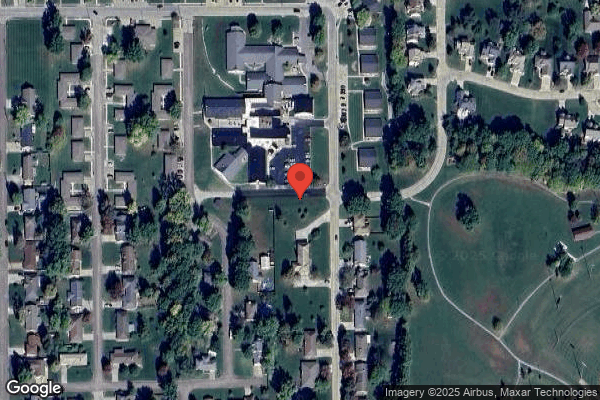
1700 MORNINGSIDE DRIVE, CHILLICOTHE, MO 64601 (660) 646-0170
Government - County 60 Beds Independent Data: November 2025
Trust Grade
75/100
#103 of 479 in MO
Last Inspection: January 2025

Within standard 12-15 month inspection cycle. Federal law requires annual inspections.

Overview

Morningside Center in Chillicothe, Missouri, has a Trust Grade of B, indicating it is a good choice, but not the best option available. It ranks #103 out of 479 facilities in the state, placing it in the top half, and is the best facility among the four in Livingston County. However, the facility is experiencing a worsening trend, with issues increasing from 5 in 2023 to 7 in 2025. Staffing is a strength, with a 4 out of 5-star rating and a turnover rate of 43%, which is better than the Missouri average of 57%. Notably, there have been no fines recorded, and the RN coverage is higher than 96% of state facilities, ensuring that more complex care needs are met. On the downside, recent inspections revealed significant concerns. For example, the kitchen was not maintained in a sanitary manner, with food items improperly labeled and temperature logs missing entries. Additionally, staff failed to respond to resident call lights promptly, affecting several residents' dignity, and there was a lack of follow-up on grievances regarding resident care, potentially impacting all residents. While there are strengths in staffing and RN coverage, these issues highlight areas needing improvement for better resident care.

Trust Score
B
75/100
In Missouri
#103/479
Top 21%
Safety Record
Low Risk
No red flags
Inspections
Getting Worse
5 → 7 violations
Staff Stability
○ Average
43% turnover. Near Missouri's 48% average. Typical for the industry.
Penalties
✓ Good
No fines on record. Clean compliance history, better than most Missouri facilities.
Skilled Nurses
✓ Good
Each resident gets 55 minutes of Registered Nurse (RN) attention daily — more than average for Missouri. RNs are trained to catch health problems early.
Violations
⚠ Watch
15 deficiencies on record. Higher than average. Multiple issues found across inspections.
★★★★☆
4.0
Overall Rating
★★★★☆
4.0
Staff Levels
★★☆☆☆
2.0
Care Quality
★★★★☆
4.0
Inspection Score
Stable
2023: 5 issues
2025: 7 issues

The Good

  • 4-Star Staffing Rating · Above-average nurse staffing levels
  • Full Sprinkler Coverage · Fire safety systems throughout facility
  • No fines on record
  • Staff turnover below average (43%)

    5 points below Missouri average of 48%

Facility shows strength in staffing levels, fire safety.

The Bad

Staff Turnover: 43%

Near Missouri avg (46%)

Typical for the industry

The Ugly 15 deficiencies on record

Jan 2025 7 deficiencies
CONCERN (D)

Potential for Harm - no one hurt, but risky conditions existed

Comprehensive Care Plan (Tag F0656)

Could have caused harm · This affected 1 resident

1. Review of Resident #106's face sheet showed and admission date of 1/10/25. Review of the resident's baseline care plan, dated 1/10/25, showed: - The resident was slightly confused; - History of fal...

Read full inspector narrative →
1. Review of Resident #106's face sheet showed and admission date of 1/10/25. Review of the resident's baseline care plan, dated 1/10/25, showed: - The resident was slightly confused; - History of falls prior to admission; - Required assistance of one staff for bed mobility, transfers, walking, toileting, and showers; - Continent of bowel and bladder; - Written summary of baseline care plan - evaluate after stroke, by therapy to restore function and potentially move to assisted living. - The baseline care plan did not address the issue of dialysis (a medical procedure that removes waste products and excess fluid from the blood when the kidneys are no longer able to function properly). Review of the resident's Physician Order Sheet (POS), dated January 2025, showed no orders for any assessments or vitals prior to or after dialysis. During an interview on 1/14/25 at 7:41 A.M., the resident said: - He/she did not think the staff went over his/her initial care plan with him/her; - He/she went to dialysis on Monday, Wednesday and Friday. During an interview on 1/15/25 at 4:06 P.M., the MDS/Care Plan Coordinator said the care plan should address the resident going to dialysis. During an interview on 1/15/25 at 4:27 P.M., the Social Services Designee (SSD) said: - Dialysis should be added to the resident's care plan; - He/she was not aware the resident was going to dialysis initially. During an interview on 1/16/25 at 10:49 A.M., Registered Nurse (RN) D said the care plan should address dialysis. During an interview on 1/16/25 at 2:10 P.M., the Director of Nursing (DON) said the care plan should address the resident going to dialysis. Based on observation, record review, and interview, the facility failed to develop and implement a comprehensive person-centered care plan for one of 13 sampled residents, when they did not care plan the dialysis needs for Resident #106. The facility census was 52. Review of the facility's Care Plan policy, date 8/2024., showed: A comprehensive, person centered care plan that includes measurable objectives and timetables to meet the resident's physical, physical, psychosocial and functional needs is developed and implemented for each resident.
CONCERN (D)

Potential for Harm - no one hurt, but risky conditions existed

Deficiency F0661 (Tag F0661)

Could have caused harm · This affected 1 resident

Based on observation, interview and record review, the facility failed to complete a discharge summary for one of 13 sampled residents (Resident #55) and additionally failed to follow their own discha...

Read full inspector narrative →
Based on observation, interview and record review, the facility failed to complete a discharge summary for one of 13 sampled residents (Resident #55) and additionally failed to follow their own discharge planning policy. The facility census was 52. Review of the facility's Discharge Planning Policy, effective 1/11/24, showed, - The facility is committed to ensuring that all residents experience a person-centered, safe, and coordinated discharge process. Discharge planning will prioritize residents' needs, preferences, and post-discharge care requirements while adhering to regulatory standards. -Administrator is to ensure the necessary resources and staff training for effective discharge planning. - The Social Service Designee will: 1) Initiate discharge planning upon admission and update the plan throughout the residents' stay. 2) Ensure residents and their representatives are involved in the discharge planning process; receive education about discharge options and next steps. 3) Conduct a thorough assessment of residents' needs including physical, cognitive, and psychological status; home environment and support system; transportation needs; required medical equipment, supplies, or medications; follow-up care, including therapy, physician visits, and community resources. 4) Develop a written discharge plan that includes destination support services or caregivers involved post-discharge; specific instructions for medications, treatments, and follow-up appointments; contact information for caregivers and emergency resources; any risks associated with discharge and how they will be mitigated. 5) Maintain detailed records of discharge assessments, meetings with resident and family, final discharge plan, and communication with receiving care providers or facilities. 1. Review of Resident #55's Five Day Medicare scheduled assessment, A federally mandated assessment instrument completed by facility staff, dated 11/5/24 showed: - Cognitive skills intact; - Independent with eating, and oral hygiene; - Supervision or standby assist of one with toileting, lower body dressing, and putting on shoes; - Required set up and clean up with upper body dressing; - Substantial assistance with bathing. - Diagnoses included debility (physical weakness), anxiety disorder, heart disease, and lung disease. Review of the resident's electronic medical record on 01/15/25 01:39 P.M. showed: - No recapitulation of the resident's stay or that a copy of this was provided to the resident at discharge. - Resident was discharged on 11/9/24 During an interview on 1/16/25 at 2:10 P.M., the administrator said the facility should create a recapitulation of stay when a resident discharges from the facility and he/she will implement a new process to create them.
CONCERN (D)

Potential for Harm - no one hurt, but risky conditions existed

Deficiency F0698 (Tag F0698)

Could have caused harm · This affected 1 resident

Based on interviews and record reviews, the facility failed to ensure communication between the facility staff and dialysis (a medical procedure that removes waste products and excess fluid from the b...

Read full inspector narrative →
Based on interviews and record reviews, the facility failed to ensure communication between the facility staff and dialysis (a medical procedure that removes waste products and excess fluid from the blood when the kidneys are no longer able to function properly) center followed standards of practice, when staff failed to document an assessment before and after dialysis. This affected one of the 13 sampled residents (Resident #106). The facility census was 52. Review of the facility's policy titled, Peritoneal Dialysis (a treatment for kidney failure that uses the lining of the abdomen to filter blood) (Continuous Ambulatory), revised October 2010, showed: - All dialysis procedures are administered outside of the facility under a contracted dialysis facility. 1. Review of Resident #106's face sheet showed: - admission date: 1/10/25. - Diagnoses included chronic kidney disease, Stage 3 (a moderate level of kidney damage where the kidneys are not filtering waste effectively, indicated by a decreased estimated glomerular filtration rate (eGFR) between 30 and 59 ml /min. (milliter/minute), signifying mild to moderate kidney function decline) and history of acute kidney failure (a history of a sudden decline in kidney function). Review of the resident's baseline care plan, dated 1/10/25, showed: - The resident was slightly confused; - Required assistance of one staff for activities of daily living; - Written summary of baseline care plan - evaluate after stroke, by therapy to restore function; - The baseline care plan did not address dialysis needs or care regarding dialysis. Review of the resident's Physician Order Sheet (POS), dated January 2025, showed; - No orders for any assessments or vitals prior to or after dialysis. - No orders regarding the monitoring of HD cath, or fistual care had been ordered. Review of the resident's progress notes, dated January 2025, showed: - 1/10/25 at 3:00 P.M., Hemodialysis port in right chest, clear dressing in place no redness or swelling noted, will have dialysis Mondays, Wednesdays and Fridays; - 1/13/25 at 5:05 A.M., resident departed with facility transporter for dialysis chair time. VS and weight obtained; - 1/13/25 at 5:10 A.M., the resident returned to facility- dialysis chair time has been moved to 1:00 P.M.; - 1/13/25 at 5:00 P.M., returned from dialysis, no concerns; - 1/15/25 at 1:45 P.M., out of facility for dialysis; - No documentation of assessments prior to leaving or returning from dialysis; - No documentation of communication with the dialysis center. During an interview on 1/14/25 at 7:41 A.M., the resident said: - He/she did not think the staff went over his/her initial care plan with him/her; - He/she went to dialysis on Mondays, Wednesdays and Fridays. During an interview on 1/15/25 at 7:45 A.M., Registered Nurse (RN) A said: - The staff do vital signs and weigh the resident before and after dialysis; - The staff do not send any paperwork with the resident to dialysis; - The dialysis center does not send any paperwork back with the resident after dialysis. During an interview on 1/16/25 at 11:30 A.M., RN C said: - The staff should do a full set of vital signs and weigh the resident before and after dialysis; - Staff are to monitor the site for infection; - They do not send any paperwork with the resident to dialysis and the dialysis center does not send any paperwork back to the facility. During an interview on 1/16/25 at 2:10 P.M., the Director of Nursing (DON) said: - There should be an order for the resident to go to dialysis; - The staff should get vital signs and weigh the resident; - Once a week they send paperwork and a report with the resident to dialysis.
CONCERN (E)

Potential for Harm - no one hurt, but risky conditions existed

Resident Rights (Tag F0550)

Could have caused harm · This affected multiple residents

**NOTE- TERMS IN BRACKETS HAVE BEEN EDITED TO PROTECT CONFIDENTIALITY** Based on observations, interviews and record review, the facility failed to assure staff treated residents in a manner that main...

Read full inspector narrative →
**NOTE- TERMS IN BRACKETS HAVE BEEN EDITED TO PROTECT CONFIDENTIALITY** Based on observations, interviews and record review, the facility failed to assure staff treated residents in a manner that maintained their dignity when staff failed to respond to call lights in a timely manner which affected six of the 13 sampled residents, (Resident #15, #47, #45, #1, #27 and #53. The facility census was 52. Review of the facility's policy titled, Residents Call System, revised September 2022, showed: - Residents are provided with a means to call staff for assistance through a communication system that directly calls a staff member or a centralized work station; - Each resident is provided with a means to call staff directly for assistance from his/her bed, from toileting/bathing facilities and from the floor; - Calls for assistance are answered as soon as possible, but no later than five minutes; - Urgent requests for assistance are addressed immediately. Review of the facility's policy titles, Answering the Call light, dated 2001, showed: - The purpose of this procedure is to ensure timely responses tot he resident's requests and needs; - Upon admission and periodically as needed, explain and demonstrate use of the call light to the resident; - Explain to the resident that a call system is also located in his/her bathroom; - Answer the resident call system immediately. 1. Review of Resident #15's quarterly Minimum Data Set (MDS), dated [DATE], showed: - Moderately impaired cognition; - Required substantial assistance with toileting, bathing, lower body dressing, and putting on shoes; - Required set up or clean up assistance with personal hygiene and oral hygiene; - Required partial assistance for upper body dressing. Continuous observation on 01/15/25 from 07:46 A.M. to 01/15/25 08:13 A.M. showed: - Resident #15's call light was on; - No staff responded to the call light or entered residents room during the continuous observation; - It took 27 minutes for Resident #15's call light to be answered at 8:13 A.M. During an interview on 01/15/25 at 10:30 A.M., resident #15 said when He/She had to wait a long time for the call light to be answered, He/She peed my pants and it floods, then my clothes have to be changed. He/She said it is cold, wet and I don't like it. Review of call light logs dated 12/1/24 - 1/14/25 for Resident #15 showed: - On 12/5/24 at 7:17 A.M., it took one hour and four minutes for the call light to be answered; - On 12/11/24 at 7:46 A.M., it took one hour and one minute for the call light to be answered; - On 12/12/224 at 8:06 A.M., it took 57 minutes for the call light to be answered; - On 12/14/24 at 7:33 A.M., it took 27 minutes for the call light to be answered; - On 12/21/24 at 8:58 A.M., it took 49 minutes for the call light to be answered. 2. Review of Resident #1's Quarterly Minimum Data Set (MDS), a federally mandated assessment instrument completed by facility staff, dated 12/17/24 showed: - Cognitive skills intact; - Independent with eating, oral hygiene, toilet use, dressing, personal hygiene and transfers; - Required substantial to maximum assistance with showers; - Diagnoses included stroke, depression, bipolar (a mental health condition that causes extreme mood swings) and multiple sclerosis (MS, a chronic disease that affects the brain and spinal cord). Review of the Resident's call light record for December 2024, showed the following dates and times were over 15 minutes: - 12/1/24 at 3:50 P.M., - one hour and 57 seconds; - 12/7/24 at 3:11 P.M., - one hour and thirteen minutes; - 12/13/24 at 7:59 A.M., - 59 minutes; - 12/14/24 at 10:34 A.M., - one hour and six minutes; - 12/14/24 at 1:08 P.M., - one hour and nine minutes; - 12/19/24 at 10:19 A.M., - one hour and ten minutes; - 12/26/24 at 6:24 P.M., - one hour and seven minutes; During an interview on 1/13/25 at 11:00 A.M., the resident said: - It varies on how long it takes for the call lights to get answered; - It depends on who is working and where they are located; - He/she has had to wait over 20 - 30 minutes before and it did not make him/her feel very good, especially if he/she needed something for pain. Review of the resident's care plan, revised 1/14/25, showed: - The resident required assistance with bathing and shaving; - The resident had MS flare ups (a period of new or worsening MS symptoms) at times that caused increased weakness. Review of the Resident's call light record for January 2025, showed the following dates and times were over 15 minutes: - 1/1/25 at 5:12 A.M., - one hour and 12 minutes; - 1/5/25 at 11:46 A.M., - 44 minutes; - 1/6/25 at 9:42 P.M., - 43 minutes; - 1/8/25 at 6:01 P.M., - 30 minutes; - 1/10/25 at 9:08 A.M., - 45 minutes; - 1/10/25 at 10:22 A.M., - 25 minutes; - 1/10/25 at 2:06 P.M., - 27 minutes; - 1/11/25 at 3:20 P.M., - 48 minutes; - 1/13/25 at 1:42 P.M., - 25 minutes; - 1/14/25 at 5:46 A.M., - 20 minutes. 3. Review of Resident #27's care plan, revised 11/7/24, showed the resident received extensive assistance from staff with all of his/her cares. Review of the resident's Quarterly MDS, dated [DATE], showed: - Cognitive skills intact; - Lower extremities impaired on both sides; - Dependent on the assistance of staff for toilet use, showers, dressing, personal hygiene, and transfers; - Always incontinent of bowel and bladder; - Diagnoses included congestive heart failure (CHF, accumulation of fluid in the lungs and other areas of the body), high blood pressure, urinary tract infection (UTI, an infection in any part of the urinary system), hemiparesis (muscle weakness or paralysis on one side of the body), and hemiplegia (paralysis affecting one side of the body). Review of the Resident's call light record for December 2024, showed the following dates and times were over 15 minutes: - 12/2/24 at 5:03 P.M., - 48 minutes; - 12/3/24 at 6:38 P.M., - one hour and seven minutes; - 12/5/24 at 1:46 P.M., - 29 minutes; - 12/9/24 at 4:55 P.M., - 27 minutes; - 12/9/24 at 7:06 P.M., - 28 minutes; - 12/10/24 at 7:22 A.M., - 29 minutes; - 12/10/24 at 1:40 P.M., - 30 minutes; - 12/12/24 at 11:42 A,M., - 40 minutes; - 12/13/24 at 7:59 P.M., - 36 minutes; - 12/14/24 at 10:35 A.M., - 29 minutes; - 12/15/24 at 6:27 A,M., - 22 minutes; - 12/15/24 at 4:19 P.M., - 26 minutes; - 12/15/24 at 6:26 P.M., - 47 minutes; - 12/16/24 at 1:32 P.M., - 34 minutes; - 12/16/24 at 6:44 P.M., - 55 minutes; - 12/18/24 at 3:49 P.M., - 33 minutes; - 12/21/24 at 10:26 A.M., - 35 minutes; - 12/22/24 at 3:30 P.M., - 20 minutes. During an interview on 1/14/25 at 9:04 A.M., the resident said: - He/she has waited over an hour for the call light to be answered; - Multiple times the resident has waited 20 - 30 minutes for staff to answer the call light; - The resident did not like waiting so long for the call light to be answered. Review of the Resident's call light record for January 2025, showed the following dates and times were over 15 minutes: - 1/1/25 at 9:55 A.M., - 25 minutes; - 1/1/25 at 6:41 P.M., - 17 minutes; - 1/4/25 at 9:53 A.M., - 20 minutes; - 1/4/25 at 7:11 P.M., - 31 minutes; - 1/5/25 at 1:42 P.M., - 23 minutes. 4. Review of Resident #53's admission MDS, dated [DATE], showed: - Cognitive skills moderately impaired; - Required partial to moderate assistance with showers and transfers; - Supervision with toilet use, personal hygiene and dressing; - Had urinary catheter (sterile tube inserted into the bladder to drain urine); - Occasionally incontinent of bowel; - Diagnoses included rhabdomyolysis (a rare, potentially life-threatening condition that occurs when muscle tissue breaks down and releases its contents into the blood), cancer, anxiety, UTI in the last 30 days, diabetes mellitus, and coronary artery disease (CAD, narrowing or blockage of the coronary arteries). Review of the resident's care plan, revised 12/19/24, showed the resident required assistance with activities of daily living (ADLs) due to increased weakness following recent hospitalization with rhabdomyolysis. Review of the Resident's call light record for December 2024, showed the following dates and times were over 15 minutes: - 12/1/24 at 7:10 A.M., - 43 minutes; - 12/2/24 at 7:18 A.M., - 43 minutes; - 12/2/24 at 6:43 P.M., - 26 minutes; - 12/3/24 at 7:18 A.M., - 29 minutes; - 12/3/24 at 5:53 P.M., - 33 minutes; - 12/4/24 at 8:37 A.M., - 33 minutes; - 12/5/24 at 7:23 A.M., - 57 minutes; - 12/5/24 at 5:53 P.M., - 47 minutes; - 12/6/24 at 12:33 A.M., - 37 minutes; - 12/6/24 at 6:22 A.M., - 41 minutes; - 12/8/24 at 5:35 P.M., - 31 minutes; - 12/9/24 at 5:56 P.M., - 35 minutes; - 12/9/24 at 7:22 P.M., - 20 minutes; - 12/11/24 at 6:08 P.M., - one hour and 33 minutes; - 12/13/24 at 6:28 P.M., - 38 minutes; - 12/13/24 at 9:36 P.M., - 30 minutes; - 12/15/24 at 6:45 P.M., - 36 minutes; - 12/15/24 at 8:47 P.M., - 37 minutes; - 12/16/24 at 10:46 A.M., - 39 minutes; - 12/16/24 at 2:11 P.M., - 29 minutes; - 12/16/24 at 5:57 P.M., - 33 minutes; - 12/17/24 at 6:08 P.M., - 33 minutes; - 12/18/24 at 9:05 P.M., - 31 minutes; - 12/19/24 at 6:13 P.M., - 37 minutes; - 12/20/24 at 9:55 A.M., - 33 minutes; - 12/20/24 at 5:54 P.M., - 46 minutes; - 12/20/24 at 7:12 P.M., - 45 minutes; - 12/25/24 at 10:30 P.M., - 48 minutes; - 12/27/24 at 7:18 P.M., - 42 minutes; - 12/27/24 at 8:25 P.M., - 38 minutes; During an interview on 1/14/25 at 8:00 A.M., the resident said the call lights take longer to get answered in the mornings and in the evenings, about 15 - 20 minutes. Review of the Resident's call light record for January 2025, showed the following dates and times were over 15 minutes: - 1/1/25 at 5:17 A.M., - 29 minutes; - 1/1/25 at 5:57 A.M., - one hour and ten minutes; - 1/1/25 at 9:00 A.M., - 26 minutes; - 1/1/25 at 7:28 P.M., - 24 minutes; - 1/2/25 at 6:51 A.M., - one hour and 16 minutes; - 1/3/25 at 5:15 A.M., - 27 minutes; - 1/3/25 at 9:12 A.M., - 26 minutes; - 1/3/25 at 4:50 P.M., - 22 minutes; - 1/5/25 at 8:13 A.M., - 23 minutes; - 1/5/25 at 11:23 P.M., - 46 minutes; - 1/8/25 at 5:58 A.M., - 35 minutes; - 1/9/25 at 7:44 A.M., - 46 minutes; - 1/10/25 at 7:37 P.M., - 36 minutes; - 1/11/25 at 6:00 A.M., - 20 minutes; - 1/13/25 at 5:05 A.M., - 34 minutes; - 1/13/25 at 7:59 A.M., - 25 minutes; - 1/14/25 at 8:43 A.M., - 27 minutes. During an interview on 1/14/25 at 4:28 P.M., Registered Nurse (RN) B said: - All the staff should carry the call light phones; - The call lights do not make a noise, but they make a noise on the phones; - The call lights show up at the nurse's station; - He/she has had residents complain about how long it takes for the call lights to get answered; - He/she thought the policy said the call lights should be answered in ten minutes. During an interview on 1/15/25 at 7:45 A.M., RN A said: - The call lights should be answered within five minutes; - When the call light goes off, it lights up outside the resident's room, goes to the staff's call phone and to the monitor at both nurse's station; - He/she has had residents complain about the length of time it takes for the call lights to get answered. He/she tells the residents they will look into it and educate the staff. During an interview on 1/16/25 at 11:12 A.M., Certified Medication Technician (CMT) B said: - The call lights should be answered within 10 minutes; - If a resident or family member complained about the length of time it took for the call light to get answered, he/she assured the resident they would be there as soon as possible. and reported it to the charge nurse. During an interview on 1/16/25 at 2:10 P.M., the Director of Nursing (DON) said: - The bathroom call lights should be answered within five minutes; - The general call lights should be answered in no less than ten minutes; - They check the call light logs every day. 5. Review of Resident #15's quarterly Minimum Data Set (MDS), dated [DATE], showed: - Moderately impaired cognition; - Required substantial assistance with toileting, bathing, lower body dressing, and putting on shoes; - Required set up or clean up assistance with personal hygiene and oral hygiene; - Required partial assistance for upper body dressing. Continuous observation on 01/15/25 from 07:46 A.M. to 01/15/25 08:13 A.M. showed: - Resident #15's call light was on; - No staff responded to the call light or entered residents room during the continuous observation; - It took 27 minutes for Resident #15's call light to be answered at 8:13 A.M. During an interview on 01/15/25 at 10:30 A.M., resident #15 said when He/She had to wait a long time for the call light to be answered, He/She peed my pants and it floods, then my clothes have to be changed. He/She said it is cold, wet and I don't like it. Review of call light logs dated 12/1/24 - 1/14/25 for Resident #15 showed: - On 12/5/24 at 7:17 A.M., it took one hour and four minutes for the call light to be answered; - On 12/11/24 at 7:46 A.M., it took one hour and one minute for the call light to be answered; - On 12/12/224 at 8:06 A.M., it took 57 minutes for the call light to be answered; - On 12/14/24 at 7:33 A.M., it took 27 minutes for the call light to be answered; - On 12/21/24 at 8:58 A.M., it took 49 minutes for the call light to be answered. 6. Review of Resident #47's annual Minimum Data Set (MDS), dated [DATE], showed: - Cognitive skills intact; - Upper extremity (shoulder, elbow, wrist, hand): impairment on both sides; - Lower extremity (hip, knee, ankle, foot): impairment on both sides; - Diagnoses included: debility (physical weakness), heart disease, lung disease, and pneumonia. Review of the resident's care plan, dated 12/11/23, showed, - The resident had an activities of daily living (ADL) self-care deficit related to a clubbed foot which caused difficulties with ambulation; - He/She requires staff assistance with all ADL's. During an interview on 01/14/25 at 04:36 P.M., resident #47 said it usually takes longer than 15 minutes for the call light to be answered. He/She said it makes Him/Her worried that staff won't make it in time for Him/Her to use the bathroom and it irritates the Hell out of me. Review of facility call light log for Resident #47, dated 12/1/24-1/14/25, showed: - On 12/1/24 at 7:27 A.M., it took 34 minutes for the call light to be answered; - On 12/5/24 at 7:17 A.M., it took one hour and four minutes for the call light to be answered; - On 12/11/224 at 7:46 A.M., it took one hour and one minute for the call light to be answered; - On 12/12/24 at 8:06 A.M., it took 57 minutes for the call light to be answered; - On 12/29/24 at 8:44 A.M., it took 28 minutes for the call light to be answered; - On 1/10/25 at 7:50 A.M., it took 45 minutes for the call light to be answered. During an interview on 01/15/25 at 02:07 P.M., CMT A said call lights are to be answered within 5 to 10 minutes. The facility provides a phone to staff that notifies them of which call lights need to be answered. The app on the phone displays the time that has lapsed since the resident pushed the call light. During an interview on 01/15/25 at 02:15 P.M., CNA B said there is an expectation that call lights should be answered within 15 minutes. During an interview on 01/15/25 at 03:19 P.M., RN B said call lights should be answered within 3-5 minutes. During an interview on 01/15/25 at 04:32 P.M., the Assistant Administrator said call lights should be answered within five to seven minutes, but that is too long if a resident needs to use the bathroom.
CONCERN (E)

Potential for Harm - no one hurt, but risky conditions existed

Deficiency F0565 (Tag F0565)

Could have caused harm · This affected multiple residents

Based on interviews and record review, the facility failed to follow up with resident's grievances regarding quality of life and resident care or then they did not provide a rationale or response to r...

Read full inspector narrative →
Based on interviews and record review, the facility failed to follow up with resident's grievances regarding quality of life and resident care or then they did not provide a rationale or response to resident council. This had the potential to affect all the residents at the facility. The facility census was 52. Review of the facility's Grievance Policy, dated 1/1/24 showed: -All grievances would be handled promptly and according to federal regulations; -Provide a written response to the complaint, including: a summary of findings, actions taken or planned to resolve the grievance; -Conduct follow-up with the complainant to ensure satisfaction with the resolution; -All staff will receive training on residents' grievance rights and this policy during orientation and annually thereafter. Review of resident council minutes dated 9/24/24, 10/29/24, and 12/31/24 showed: -No reference to prior months concerns; -No documented resolutions for residents' past concerns; -No documented explanation of why ongoing concerns were not be addressed. During a group interview on 1/14/25 at 2:11 P.M., resident council members said the facility doesn't follow-up with the resident council on the grievances and recommendations made by the council. During an interview on 1/15/25 at 02:36 P.M., Activity Director said: -They did not receive any formal training on coordinating resident council meetings; -When concerns were brought up by the resident council, they entered a report and then reviewed with administrative staff; -They were not aware of the process on how to address the concerns that were brought up by residents. During an interview on 1/15/25 at 4:08 P.M., Assistant Administrator said: -When residents brought up issues at resident council, the Activity Director took notes and sent to the administrative team; -Resident's concerns were discussed with the administrative team and addressed at the following, QA (quality assurance) meeting; -When the concern was addressed, staff would talk to the specific resident to see if the issue was resolved; - Sometimes issues were ongoing and there would not be an explanation for the resident council as to why the concern was not resolved. During an interview on 1/16/25 at 2:10 P.M., the Administrator said: -Concerns from resident council were reviewed by administrative staff and at QAPI (quality assurance and performance improvement); -They expected the resident council president to be informed about the status of the grievances or recommendations and the resident council president should provide the update to the resident council; -They had not provided documentation to the resident council regarding resolution to the residents' concerns.
CONCERN (E)

Potential for Harm - no one hurt, but risky conditions existed

Deficiency F0678 (Tag F0678)

Could have caused harm · This affected multiple residents

**NOTE- TERMS IN BRACKETS HAVE BEEN EDITED TO PROTECT CONFIDENTIALITY** Based on interviews and record review, the facility failed to obtain a physician's order for code status for four residents (Res...

Read full inspector narrative →
**NOTE- TERMS IN BRACKETS HAVE BEEN EDITED TO PROTECT CONFIDENTIALITY** Based on interviews and record review, the facility failed to obtain a physician's order for code status for four residents (Residents #26, #22, #51, and #16) out of the 13 sampled residents. The facility census was 52. A policy and procedure regarding the provisions of basic life support was requested, but not provided. The physician services policy, date 8/2024., shows once a resident is admitted to the facility, orders for the resident's immediate care and needs can by provided by a physician, physician assistant, nurse practitioner, or clinical nurse specialist. 1. Review of Resident #26's face sheet showed: -readmission on [DATE]; -Diagnoses: Dementia, heart disease, arthritis, fracture of right leg; -Code Status -Do Not Resuscitate (No life saving measures); -Assistance with all activities of daily living. Review of the care plan, last updated 8/14/24., showed there was no code status listed in the care plan. Review of the physician orders from readmission date of 2/7/2024 through January 2025., showed no physician order for the resident's code status. 2. Review of Resident #22's face sheet showed: -readmission on [DATE]; -Diagnoses: Stroke with deficit on the left side of body, heart disease, chest pain, artery disease; -Code Status-Full Code (All life saving measures are provided) listed; -Assistance with all activities of daily living. Review of the care plan, last updated 8/20/24., showed there was no code status listed in the care plan. Review of the physician orders from readmission date of 5/12/23 through January 2025., showed: No physician order for the resident's code status. 3. Review of Resident #51's face sheet showed: -admitted [DATE] -Diagnoses: Fracture of the right leg, Stage 4 Pressure ulcer to coccyx (A full thickness wound to the muscle/bone area, over the boney area between the upper buttock cheeks), heart disease; -Code Status-Full Code; -Assistance with all activities of daily living. Review of the care plan, last updated 10/25/24., showed no indication of a code status listed in the care plan. Review of the physician orders from readmission date of 9/9/2024 through January 2025., showed: no physician order for the resident's code status. 4. Review of Resident #16's face sheet showed: -The resident was admitted on [DATE]; -The Resident is responsible for self -Code status: Full Code -Diagnoses: Diabetes, high blood pressure, chronic kidney disease, heart failure, right above the knee amputation, and dysphagia (difficulty swallowing). Review of the resident's minimum data set (MDS) completed by facility staff on 1/14/25 showed: -Cognition intact. -Requires staff assistance of two and Hoyer lift with all transfers and activities of daily living. Review of the physician orders from September 2024 through January 2025 showed no order for a code status. Review of resident's undated care plan was without any indication of the resident's code status. An interview on 1/14/25 at 1:42 P.M., RN A said the code status is usually listed on the face sheet and is ordered by the physician. During an interview on 1/16/25, at 2:10 P.M, the DON (Director of Nursing) , when asked if there should be a physician order for code status, answered yes. During an interview on 1/16/25 at 2:32 P.M. the Administrator said all resident's should have an order from the physician for a code status.
CONCERN (E)

Potential for Harm - no one hurt, but risky conditions existed

Infection Control (Tag F0880)

Could have caused harm · This affected multiple residents

Based on interview and record review the facility failed for follow infection control guidelines when they allowed four volunteers #1, #2, #3, and #4 to be around and provide services in the facility ...

Read full inspector narrative →
Based on interview and record review the facility failed for follow infection control guidelines when they allowed four volunteers #1, #2, #3, and #4 to be around and provide services in the facility for residents before completing any TB skin testing. This had the potential to affect all residents. The facility census was 52. Review of the facility's undated TB (Tuberculosis) skin test., showed: -The purpose of a TB skin test is to determine if a resident or employee has been exposed to tuberculosis. -TB test will be done on all new employee at the time of hire and three weeks later. -The policy does not address TB skin testing for volunteers. Record Review of Volunteer #1., showed: - Hire date 4/24/24 -Completed criminal background checks 5/1/25 -Start date 5/1/25 -No TB skin testing was completed. Record Review of Volunteer #2., showed: -Hire date 11/4/24 -Completed criminal background checks 11/6/24 -Start date 11/6/24 -No TB skin test was completed. Record Review of Volunteer #3., showed: -Hire date 6/15/23 -Completed criminal background checks 7/14/23 -Start date 7/14/23 Record Review of Volunteer #4., showed: Hire date 7/31/23 Completed criminal background checks 7/31/23 -Start date 8/1/23 In a interview on 1/15/25 at 2:45P.M,, the Administrator and Director of Nursing said they were not aware TB checks were needed and they had not thought to include volunteers in the TB skin test surveillance process.
Jun 2023 5 deficiencies
CONCERN (D)

Potential for Harm - no one hurt, but risky conditions existed

Deficiency F0868 (Tag F0868)

Could have caused harm · This affected 1 resident

Based on record review and interview, the facility failed to maintain quarterly quality assessment committee meetings with the required members. The facility census was 55. Review of the facility's u...

Read full inspector narrative →
Based on record review and interview, the facility failed to maintain quarterly quality assessment committee meetings with the required members. The facility census was 55. Review of the facility's undated Quality Assurance and Performance Improvement (QAPI) policy showed: - The Governing Body and QAA Committee of the nursing center develop a culture that involves leadership-seeking input from nursing center staff, residents, their family's and other stakeholders. - The Governing Body is responsible for the development and implementation of the QAPI program. The Governing Body is responsible for: 1. Identifying and prioritizing problems based on performance indicator data. 2. Incorporating resident and staff input that reflects organizational processes, functions, and services provided to residents. 3. Ensuring that corrective actions address gaps in the system and are evaluated for effectiveness. 4. Setting clear expectations for safety, quality, rights, choice and respect. 5. Ensuring adequate resources exist to conduct QAPI efforts. -The QAA Committee reports to the executive leadership and Governing Body and is responsible for: 1. Meeting, at minimum, on a quarterly basis; more frequently, if necessary. 2. Coordinating and evaluating QAPI program activities. 3. Developing and implementing appropriate plans of action to correct identified quality deficiencies. 4. Regularly reviewing and analyzing data collected under the QAPI program and data resulting from drug regimen review and acting on available data to make improvements. 5. Determining areas for Performance Improvement Plans (PIPs) and Plan Do Study Act (PDSA) rapid cycle improvement projects. 6. Analyzing the QAPI program performance to identify and follow up on areas of concern and/or opportunities for improvement. - The facility's policy did not specify who was to be a member of the committee. Review of the QAPI Quarterly Meeting for September 2022 attendance records showed: - The Medical Director did not attend the meeting. - The Medical Director was not invited to the meeting. - He/she reviewed the meeting minutes and signed them on 2/9/23. Review of the QAPI Quarterly Meeting for December 2022 attendance records showed: - The Medical Director did not attend the meeting. - The Medical Director was not invited to the meeting. - He/she reviewed the meeting minutes and signed them on 2/9/23. Review of the QAPI Quarterly Meeting for March 2023 attendance records showed: - The Medical Director did not attend the meeting. - The Medical Director was not invited to the meeting. - The meeting minutes had not been reviewed and signed by the Medical Director. During an interview on 6/1/23 at 3:38 P.M., the Administrator said: - The Medical Director stopped attending the QAPI meetings during the COVID pandemic. - The Medical Director was expected to attended the quarterly QAPI meetings.
CONCERN (E)

Potential for Harm - no one hurt, but risky conditions existed

Comprehensive Care Plan (Tag F0656)

Could have caused harm · This affected multiple residents

**NOTE- TERMS IN BRACKETS HAVE BEEN EDITED TO PROTECT CONFIDENTIALITY** 3. Review of Resident #4's quarterly MDS, dated [DATE], showed: - Moderate cognitive impairment; - Incontinent of bowel and blad...

Read full inspector narrative →
**NOTE- TERMS IN BRACKETS HAVE BEEN EDITED TO PROTECT CONFIDENTIALITY** 3. Review of Resident #4's quarterly MDS, dated [DATE], showed: - Moderate cognitive impairment; - Incontinent of bowel and bladder; - Assist of two staff for transfers; - Extensive assist of two staff for dressing; - Bed rails were not used; - Diagnoses included heart failure, stroke and high blood pressure. Review of the resident's care plan dated 4/3/23, did not address the use of side rails. Review of the resident's medical record on 6/1/23 showed: -No assessment for the use of bed rails was found; -No physician's order for the use of bed rails was found. Observation of the resident's room on 5/30/23, at 10:21 A.M., showed cane rails on the left and right side of the resident's bed. Observation of the resident's room on 5/31/23, at 2:13 P.M., showed cane rails on the left and right side of the resident's bed. 4. Review of Resident #33's quarterly MDS, dated [DATE], showed: -Moderate cognitive impairment; -Incontinent of bowel and bladder; -Independent with transfers; -Assist of one staff for dressing; -Assist of one staff for toileting; -Bed rails were not used; -Diagnoses included diabetes (a disease that results in too much excess in the blood), anemia (a condition that leads to reduced oxygen flow to the body's organs) and high blood pressure. Review of the resident's care plan, dated 3/13/23, did not address the use of side rails. Observation of the resident's room on 5/30/23, at 11:16 A.M., showed cane rails on the left and right side of the resident's bed. Observation of the resident's room on 5/31/23, at 2:46 P.M., showed cane rails on the left and right side of the resident's bed. Review of the resident's medical record on 6/1/23 showed: -No assessment for the use of bed rails was found; -No physician's order for bed rails was found. 5. During an interview on 6/1/23 at 3:11 P.M., the Director of Nursing (DON) said: -He/she did not consider cane rails as bed rails; -If cane rails are to be considered bed rails, then residents should have bed rail assessments completed before the bed rails are added to the bed and periodically after; -Residents should also have entrapment assessments completed. During an interview on 6/1/23 at 3:38 P.M., the Administrator said: -All beds come with the cane rails attached unless a resident requests them to be removed; -If residents have bed rails on the bed, then the resident should have bed rail assessments done before the bed rails are added to the bed; -Maintenance assesses the beds quarterly to evaluated the bed for entrapment risk; -Bed rails should be included in the resident's care plan. Based on observation, interview and record review, the facility failed to develop and implement a comprehensive person-centered plan of care consistent with the resident rights that include measurable objectives and timeframe to meet the resident's needs. This affected four sampled residents (Residents#4, #23, #29 and #33) The facility census was 55. The facility did not provide a policy regarding care planning. 1. Review of Resident #29's quarterly Minimum Data Set (MDS, a federally mandated assessment completed by staff), dated 3/31/23, showed: -The resident makes self understood and understands others. -Score of 3 on the Brief Interview for Mental Status (BIMS, a structured evaluation aimed at evaluating aspects of cognition in elderly patients). The score of 3 indicates severely impaired cognition. -Diagnoses of major depressive disorder, malnutrition, anemia, history of left femur fracture. -The resident was independent with set up with activities of daily living, including bathing, dressing and personal hygiene. -He/She was occasionally incontinent of bladder and always continent of bowel. -He/She has had no falls during the review period. -He/She did not have bed rails. Observation of the resident's room on 5/20/23 at 1:33 P.M., showed: -There were cane rails (small rails on the bed) on each side of the head of the resident's bed. -The were bolsters (a foam pad that lays at the sides of the residents bed length wise to prevent falls) near the head and foot of the bed. Observation of the resident's room on 5/31/23 at 3:17 P.M. showed: -There were cane rails on each side of the head of the resident's bed. -The are bolsters near the head and foot of the bed. Review of the resident's comprehensive care plan, dated 4/18/23, showed: -No interventions addressing the cane bed rails on the resident's bed. Review of the resident's electronic medical record on 5/31/23 showed: -No record of bed rail assessments for the resident. 2. Review of Resident #23's quarterly MDS, dated [DATE], showed: -The resident usually makes self understood and usually understands others. -Score of 6 on the BIMS. The score of 6 indicates severely impaired cognition. -Diagnoses of anemia, heart failure, depression, pain, osteoporosis. -The resident is totally dependent on staff for activities of daily living, including bathing, dressing and personal hygiene. -He/She was always incontinent of bowel and bladder. -The resident has had no falls during the review period. -The resident did not have bed rails.
CONCERN (E)

Potential for Harm - no one hurt, but risky conditions existed

Deficiency F0700 (Tag F0700)

Could have caused harm · This affected multiple residents

**NOTE- TERMS IN BRACKETS HAVE BEEN EDITED TO PROTECT CONFIDENTIALITY** 2. Review of Resident #4's quarterly MDS, dated [DATE], showed: - Moderate cognitive impairment; - Incontinent of bowel and blad...

Read full inspector narrative →
**NOTE- TERMS IN BRACKETS HAVE BEEN EDITED TO PROTECT CONFIDENTIALITY** 2. Review of Resident #4's quarterly MDS, dated [DATE], showed: - Moderate cognitive impairment; - Incontinent of bowel and bladder; - Assist of two for transfers; - Extensive assist of two for dressing; - Bed rails are not used; - Diagnoses included heart failure, stroke and high blood pressure. Review of the resident's care plan dated 4/3/23, did not address the use of side rails. Review of the resident's medical record on 6/1/23 showed: -No assessment for the use of bed rails was found; -No physician's order for the use of bed rails was found. Observation of the resident's room on 5/30/23, at 10:21 A.M., showed cane rails on the left and right side of the resident's bed. Observation of the resident's room on 5/31/23, at 2:13 P.M., showed cane rails on the left and right side of the resident's bed. 3. Review of Resident #33's quarterly MDS, dated [DATE], showed: -Moderate cognitive impairment; -Incontinent of bowel and bladder; -Independent with transfers; -Assist of one for dressing; -Assist of one for toileting; -Bed rails are not used; -Diagnoses included diabetes (a disease that results in too excess sugar in the blood), anemia (a condition that leads to reduced oxygen flow to the body's organs) and high blood pressure. Review of the resident's care plan, dated 3/13/23, did not address the use of side rails. Observation of the resident's room on 5/30/23, at 11:16 A.M., showed cane rails on the left and right side of the resident's bed. Observation of the resident's room on 5/31/23, at 2:46 P.M., showed: - [NAME] rails on the left and right side of the resident's bed; - The resident was laying bed. Review of the resident's medical record on 6/1/23 showed: -No assessment for the use of bed rails was found; -No physician's order for the use of bed rails was found. During an interview on 6/1/23 at 3:11 P.M. the Director of Nursing (DON) said: -He/She did not consider cane rails as bed rails. -If cane rails are to be considered bed rails, then residents should have bed rail assessments completed before the bed rails are added to the bed and periodically after. -Residents should also have entrapments assessments completed. During an interview on 6/1/23 at 3:38 P.M., the Administrator said: -All beds come with the cane rails attached unless a resident requests them be removed. -If residents have bed rails on the bed, then the resident should have bed rail assessments done before the bed rails are added to the bed. -Maintenance was supposed to assess the beds quarterly to evaluate the bed for an entrapment risk. -Bed rails should be included in the resident care plan. Based on observation, interview and record review, the facility failed to assess three residents (Resident's #4, #29, and #33) for entrapment and did not complete side rail assessments at least yearly. The facility census was 55. Review of the facilty's undated Physical Restraint policy showed: -Purpose: To prevent the resident from injuring himself or others; To improve the resident's mobility and independent functions; To treat the resident's medical symptoms. -Physical restraints are defined as any manual method or physical or mechanical device, material, or equipment attached or adjacent to the resident's body that the individual cannot remove easily which restricts freedom of movement or normal access to one's body. -Equipment includes side rails (bed rails). Procedure: 1: Assess resident's need for restraint use. 2: Obtain informed consent for restraint use. 3. Obtain physician's order for restraint. 4. Develop or review resident care plan for type of restraint, reason for use, alternate methods to be used and method application. 17. Side Rails: a. Determine the type of side rails to be used. b. Determine the medical symptoms to be treated with side rails c. Side rails extending less than the entire length of the bed may not be considered restraints if they do not prevent the resident from getting out of bed. d. Involve the resident and resident's representative in planning for side rail use. Many residents requests to have side rails up when in bed to improve bed mobility and provide a feeling of safety. 1. Review of Resident #29's quarterly Minimum Data Set (MDS, a federally mandated assessment completed by staff), dated 3/31/23, showed: -The resident makes self understood and understands others. -Score of 3 on the Brief Interview for Mental Status (BIMS, a structured evaluation aimed at evaluating aspects of cognition in elderly patients). The score of 3 indicates severely impaired cognition. -Diagnoses of major depressive disorder, malnutrition, anemia, history of left femur fracture. -The resident is independent with set up with activities of daily living, including bathing, dressing and personal hygiene. -He/She is occasionally incontinent of bladder and always continent of bowel. -He/She has had no falls during the review period. -He/She does not have bed rails. Observation of the resident's room on 5/20/23 at 1:33 P.M., showed: -There were cane rails (small rails) on each side of the head of the resident's bed. -The were bolsters (foam pads that run the length of the bed) near the head and foot of the bed. Observation of the resident's room on 5/31/23 at 3:17 P.M. showed: -There were cane rails on each side of the head of the resident's bed. -The are bolsters near the head and foot of the bed. -The resident was laying in the bed. Review of the resident's comprehensive care plan, dated 4/18/23, showed: -No interventions addressing the cane bed rails on the resident's bed. Review of the resident's electronic medical record on 5/31/23 showed: -No record of bed rail assessments for the resident. During an interview on 6/1/23 at 3:11 P.M. the Director of Nursing (DON) said: -He/She did not consider cane rails as bed rails. -If cane rails are to be considered bed rails, then residents should have bed rail assessments completed before the bed rails are added to the bed and periodically after. -Residents should also have entrapments assessments completed. During an interview on 6/1/23 at 3:38 P.M., the Administrator said: -All beds come with the cane rails attached unless a resident requests them be removed. -If residents have bed rails on the bed, then the resident should have bed rail assessments done before the bed rails are added to the bed. -Maintenance was supposed to assess the beds quarterly to evaluate the bed for an entrapment risk. -Bed rails should be included in the resident care plan.
CONCERN (E)

Potential for Harm - no one hurt, but risky conditions existed

Unnecessary Medications (Tag F0759)

Could have caused harm · This affected multiple residents

Based on observation, interview and record review, the facility failed to ensure staff administered medications with a medication error rate of less than 5%. Facility staff made three medication error...

Read full inspector narrative →
Based on observation, interview and record review, the facility failed to ensure staff administered medications with a medication error rate of less than 5%. Facility staff made three medication errors out of 26 opportunities for error, resulting in a medication error rate of 11.54%. This affected two residents sampled for medication administration (Residents #17 and #28). The facility census was 55. Review of the facility's Medications Policy, dated 5/25/22, showed: - Medications are administered in accordance with prescriber's orders; - Prior to administering the medicine the individual checks the label three times to verify: o Right resident; o Right medication; o Right dosage; o Right time o Right route; o Expiration date. 1. Review of Resident #17's physician order sheet (POS), dated June 2023, showed: - Start date: 5/14/22 - Artificial Tears (eye drops used to treat dry eye) to bilateral eyes, four times a day; The order did not specify how many drops to administer to each eye; - Start date: 3/15/23 - Fluticasone (nasal spray used to treat seasonal allergies) 50 micrograms (mcg) / actuation, one spray nasal, two times a day; The order did not specify in which nasal passage to administer the nose spray. Review of the resident's medication administration record (MAR), dated June 2023, showed: - Artificial Tears to bilateral eyes, four times a day; - Fluticasone 50 mcg /actuation, one spray nasal, two times a day. Observation and interview on 6/1/23 at 7:55 A.M., showed: - Registered Nurse (RN) A washed his/her hands, applied gloves and grabbed a tissue; - The nurse explained the procedure to the resident then administered one drop of Artificial Tears in the left eye then applied pressure to the inner corner of the left eye for 1 minute; - The nurse administered one drop of Artificial Tears in the right eye, then applied pressure to the inner corner of the right eye for 1 minute; - The nurse said the order should be clarified to determine how many drops are to be given in each eye. Observation and interview on 6/1/23 at 8:05 A.M., showed: - RN A washed his/her hands, applied gloves and grabbed a tissue; - The nurse explained the procedure to the resident and shook the bottle of Fluticasone nose spray; - The nurse administered one spray in the left nostril while closing the right nostril; - The nurse administered one spray in the right nostril while closing the left nostril; - The nurse said the order should be clarified with the physician to determine the number of sprays to be administered to each nostril. 2. Review of the resident's order from the eye surgery center, dated 3/30/23, showed to decrease Erythromycin ointment to twice a day in the left eye. Review of Resident #28's POS, dated June 2023, showed: - Start date: 3/30/23 - Erythromycin ointment (antibiotic ointment used to treat eye infections) 5 milligrams (mg) / 5 grams (g), 0.5%, apply thin strip to eye twice a day; - The order did not specify which eye to apply the ointment. Review of the resident's MAR, dated June 2023, showed: - Erythromycin ointment 5 mg / 5 g, 0.5%, apply thin strip to eye twice a day. Observation and interview on 6/1/23 at 8:25 A.M., showed: - Licensed Practical Nurse (LPN) A washed his/her hands, applied gloves and wiped the resident's left eye lid and lashes with a wet cloth, then LPN A washed his/her hands, applied gloves and wiped the resident's right eye lid and lashes with a wet cloth. -The nurse washed his/her hands, applied gloves and administered the eye ointment to the left eye and then administered the medication to the right eye. -The nurse said he/she said he/she thought the order read administer to both eyes. -The nurse said the order should be clarified with the physician to specify if the medication was to be administer to the left, right, or to both eyes. During an interview on 6/1/23, at 3:11 P.M., the Director of Nursing (DON) said: - He/She expected staff to clarify physicians' orders for eye drops to included which eye is affected and how many drops are to be used; - He/She expected staff to clarify physicians' orders for nasal sprays to included which nostril was affected and how many sprays/drops were to be used. - Staff who took the order were responsible for clarifying any orders that were not clear; - The DON and other administrative nurses reviewed orders for correctness.
CONCERN (F)

Potential for Harm - no one hurt, but risky conditions existed

Food Safety (Tag F0812)

Could have caused harm · This affected most or all residents

**NOTE- TERMS IN BRACKETS HAVE BEEN EDITED TO PROTECT CONFIDENTIALITY** Based on observation, interview and record review, the facility failed to maintain the kitchen in a sanitary manner, failed to e...

Read full inspector narrative →
**NOTE- TERMS IN BRACKETS HAVE BEEN EDITED TO PROTECT CONFIDENTIALITY** Based on observation, interview and record review, the facility failed to maintain the kitchen in a sanitary manner, failed to ensure food items were properly labeled and dated, failed to enter temperatures on the temperature logs and failed to ensure the walk in freezer did not have ice buildup. These all have the potential to affect all residents residing in the facility. The facility census was 55. The facility did not provide any policies. Record review of the walk in freezer temperature log showed: - No entries in the morning on 5/1, 5/7, 5/10, 5/13, 5/14, 5/19, 5/20, 5/21, 5/24, 5/25, 5/26, 5/27, 5/28 and no entries in the evening on 5/1, 5/6, 5/21, 5/29. Review of the produce/dessert refrigerator temperature log showed: - No entries in the morning on 5/1, 5/11, 5/15, 5/20, 5/21, 5/24, 5/29 and no entries in the evening on 5/1, 5/5, 5/6, 5/18, 5/21 and 5/29. Review of the undated cleaning the refrigerator and freezers schedule showed: - Refrigerator: - Daily: Take anything out that has been opened and is older than 3 days out of the refrigerator and dispose of it; -Weekly: Take anything out that has been opened and is older than 3 days out of the refrigerator and dispose of it. - Freezers: - Daily: Label what you open with the date. - Walk-In Freezer: - Daily: Label what you open with the date; - Weekly: Make sure everything is labeled and dated and take any ice out of the freezer and dispose of it in the sink. Review of the facility's undated cleaning assignment schedule showed: - 11:30 A.M. to 7:30 P.M. shift: - Monday, Wednesday and Friday: Back store room - make sure items have dates; - Tuesday and Thursdays: Coordinate with evening cooks about cleaning ovens. - 8:00 A.M. to 4:00 P.M. shift: - Every day: Cappuccino machine; - Tuesday and Thursday: Stainless steel tables which includes cleaning the bottom shelf; - Saturday and Sunday: Coffee station. Review of [NAME] One's job duties showed: - Check and record temperatures; - Clean area as you work; - Put up left overs, dating and labeling them. Review of [NAME] Two's job duties showed: - Sanitize all surfaces; - Clean area as you work; - Clean steam table and dining room; - Check and record temperatures and ensure all job duties are completed. Review of Aide Two's job duties showed: - Daily cleaning schedule; - Put up left overs, dating and labeling them; - Help clean dining room and sanitize tables. Observation of the initial walk through of the kitchen on 5/30/23 at 9:45 A.M., showed: - A box of Buttermilk Mix opened, not dated; - Three gallons of chocolate ice cream opened, not dated; - One gallon container of Regal Code Worcestershire Sauce opened not dated; - Bag of lettuce opened, not dated; - [NAME] Farms box with an opened bag of cabbage with spots of browning, not dated; box had best used by date of 5/21/23 with another unopened bag in box; - Four drink pitcher containers of liquid, not labeled or dated; - Eight quart-sized containers of peaches with two quarts left, not dated; - Food debris on lower shelf with the weight scale and wax paper; - Coffee pot station in dining/serving area dirty; - Food debris on lower shelf of steam table. Observation of the walk in freezer on 5/31/23 at 9:00 A.M., showed: - Ice buildup on back coil with temperature of -4; - Winter Blend Broccoli opened, not dated; - Box of hamburger patties opened, not dated; - Box of Boneless Pork Pattie Ribs opened, not dated; - Box of Salted Caramel Chocolate chunk cookies opened, not dated. Observation and interview on 5/31/23 at 9:15 A.M., Dietary [NAME] A said: - When the delivery truck comes, he/she will put items in freezer and date/time them; - If items are taken out of the box, they should be dated/time; - If in a container, the container should be dated and timed; - Cooks are responsible for temperature logs for refrigerator and freezers and he/she logs them in the morning; - Staff should be checking daily for expired foods; - If some things needs fixed, they let the dietary supervisor know and then maintenance is notified. - The ice buildup in the walk-in freezer has been like that since he/she started over eight years ago; the maintenance company stated it has a slow leak; - Maintenance will come in and do preventative maintenance in the kitchen and will defrost freezer the freezer; - He/she saw the opened bag of cabbage not dated and saw spots of browning; he/she throws things away when he/she sees this. - He/she also observed the box the cabbage in saying best used by 5/21/23; - Food debris in both ovens; - There should not be any debris in the ovens; they were last cleaned about two months ago. During an interview on 5/31/23 at 3:15 P.M., the Maintenance Coordinator said: - He/she has been with the facility since December 2019; - The facility has a reporting log for staff to fill out for maintenance issues or they will call him/her to report something; - He does preventative maintenance in the kitchen; - He/she was made aware of the ice buildup in the walk in freezer as one of the cooks reported it to him/her; could not say when he/she was told; - The ice buildup occurs every so often, it does have an auto defrost but it does not get rid of it entirely; - The only thing he/she could think of is the line has a slow leak; they had another issue with a slow leak on another line but it was fixed. During an interview on 6/1/23 at 9:00 A.M., Dietary [NAME] B said: - He/she does not unload the delivery truck when it arrives; - He/she sometimes puts some of the dry goods away when the delivery truck arrives and will date them; - He/she will date/time the left overs as some are only good for three days, five days or seven days; - Everything should be labeled/dated; - When food products are taken out of a box, it should be dated and it should also be dated when opened; - The day cook normally looks for expired food; if he/she finds any him/herself, he/she will dispose of it; - He/she does not log temps for the refrigerator or freezers; - He/she does not clean oven but they should be clean and free of debris; - He/she tries to clean up work area as he/she goes. Observation on 6/1/23 at 9:40 A.M., showed ice buildup on pipe in back of walk in freezer. During an interview on 6/1/23 at 9:45 A.M., the Dietary Supervisor said: - When the delivery truck arrives, it is a team effort but typically the day cook, second cook and he/she unloads the truck; - Everything should have a receiving date; - Individual bags or any items removed out of boxes should be dated; - Cooks are responsible for checking for expired food daily; - Left overs should be tossed after three days but he/she has a rule, when in doubt, toss it out; - If foods are expired in dry storage, they should be tossed; - Lettuce/cabbage is supposed to be good for seven days once delivered; once it's opened, it's good for three days; - Food should be used by best by date; - He/she was made aware of the expired box/bags of cabbage and it has since been discarded; - Cooks are responsible for documenting the temperatures for the refrigerator, and freezer and there should not be any blank spots on the logs; - If staff notices any maintenance issues, they are to alert him/her and maintenance immediately by phone even if it is not an emergency; - He is not aware of a maintenance log; - He had not noticed the ice buildup in the walk in freezer; it does have a defrost daily but unsure of when it occurs; - Expectations is for kitchen to be clean; - Ovens should be clean and are when fully staffed; they have a cleaning schedule for this to be done on Tuesday's and Thursdays for one stove per day; - The stove should not have any food debris in it; During an interview on 6/1/23 at 3:38 P.M., the Administrator said: - Staff should label and date food in kitchen; - Food should be labeled and dated when opened; - Expired food should be thrown out, staff should be checking daily; - Refrigerator and freezer temperatures should be logged and there should not be any blank spots on the log; - If kitchen staff notice a maintenance issue, such as buildup of ice in the freezer, the maintenance director should be notified; - The kitchen should be cleaned; - The ovens should be cleaned weekly and should not have any food particles in it.
Dec 2020 3 deficiencies
CONCERN (D)

Potential for Harm - no one hurt, but risky conditions existed

Accident Prevention (Tag F0689)

Could have caused harm · This affected 1 resident

**NOTE- TERMS IN BRACKETS HAVE BEEN EDITED TO PROTECT CONFIDENTIALITY** Based on observations, interviews, and record review, the facility failed to assure staff used proper techniques to reduce the p...

Read full inspector narrative →
**NOTE- TERMS IN BRACKETS HAVE BEEN EDITED TO PROTECT CONFIDENTIALITY** Based on observations, interviews, and record review, the facility failed to assure staff used proper techniques to reduce the possibility of accidents and injuries during the use of a gait belt transfer (a safety device and mobility aid used to provide assistance during transfers, ambulation or repositioning) for one of 12 sampled residents, ( Resident #3) and did not operate a mechanical lift per manufacturer's guidelines for (Resident #34). The facility census was 46. 1. Review of the facility's undated policy for Proper Use of Gait Belt, showed: - Place gait belt around resident's waist and secure; - Gait belt should be positioned under the breasts and tight enough that you can still place 2-3 fingers under the belt; - When the resident stands up the gait belt will loosen; - The caregiver should always bring their hand up from the bottom of the belt (palm away from the resident) and grasp the belt firmly. 2. Review of Resident #3's Minimum Data Set (MDS) a federally required minimum assessment completed by staff on 11/12/20, showed: - Moderately impaired decision making ability; - Required assistance of staff for transfers. Review of the resident's care plan reviewed on 12/10/20 directed staff to: - Assist with all transfers; - Resident to use wheelchair for all locomotion. Observation on 12/3/20 at 10:14 A.M., showed the resident lay in his/her bed. Certified Nurse Aides (CNAs) A and B transferred the resident from his/her bed to the wheelchair, from the wheelchair to the toilet and from the toilet back to the wheelchair. CNA A placed the gait belt on the resident, the resident's shirt tail was slightly under the gait belt. For each transfer, CNA A placed his/her forearm under the resident's upper arm and grabbed the gait belt slightly to the resident's back. When staff lifted the resident from the bed the shirt raised, the gait belt lay against the resident's bare skin. The resident's leg stayed slightly bent. CNA A's forearm rose and lifted the resident's shoulder as the gait belt slid upwards. When staff assisted the resident to the toilet and back into the wheelchair, the gait belt raised each time and CNA A's forearm rose up under the resident's armpit, raising the shoulder. The resident complained of his/her leg hurting during the transfer. During an interview on 12/23/20 at 10:33 A.M., CNA A said: - The gait belt should never touch the resident's skin; - He/she should not have reached his/her arm under the resident's arm but should have grabbed the gait belt one hand in front and one hand in back to transfer the resident. During an interview on 12/4/20 at 10:40 A.M., the Director of Nurses (DON) said: - Staff should not let the gait belt on the resident's skin; - As long as the staff did not directly lift under the resident's arm it was okay to place their forearm under the resident's upper arm to grab the gait belt. 3. Review of the facility's Manufacturer's Guideline for the Invacare Reliant 450 mechanical lift with a handwritten date, 10/20/14, showed: - When using an adjustable base lift, the legs MUST be in the maximum Opened/Locked position before lifting the patient; - Invacare does not recommend locking the rear casters of the lift when lifting an individual, doing so could cause the lift to tip endangering the patient and assistants. - The rear casters should be left unlocked during lifting procedures to allow the mechanical lift to stabilize itself as the patient is initially lifted from a chair, bed or other stationary object. 4. Review of Resident #34's care plan, updated 8/3/20, showed - Resident to be a Hoyer(mechanical lift) transfer with two staff at all times. Review of the resident's MDS, dated [DATE], showed: - Severely impaired decision making skills; - Dependent on staff for transfers. Observation on 12/01/20 at 7:27 A.M., showed the resident lay in his/her bed. CNA A and CNA C transferred the resident into his/her wheelchair and began AM morning cares in the following way: - CNA C pushed the Invacare Reliant 450 under the resident's bed and did not attempt to open the base of the lift; - Attached the resident's sling to the mechanical lift and lifted the resident with the legs in the closed position; - CNA C backed the mechanical lift from under the bed, across the floor towards the doorway of the room, then opened the legs of the lift as he/she guided the lift to the resident's wheelchair. Observation on 12/2/20 at 10:04 A.M., showed the resident lay in bed. CNA A and CNA D provided peri care and placed a lift sling under the resident. CNA D returned to the resident's room with the mechanical lift. CNA D rolled the lift under the bed with the legs of the lift closed, he/she and CNA A attached the sling to the lift and CNA D raised the resident in the lift sling with the legs of the lift closed. CNA D backed the resident from the bed across the room with the legs of the lift closed. The resident swung in the sling while lifted in the air, CNA A did not guide the resident across the room as CNA D backed the lift. CNA D opened the legs of the lift to go around the resident's wheelchair. During an interview on 12/2/20 at 2:10 P.M., CNA D said: - The lift legs should have been open the whole time, while under the bed, while he/she moved the resident from the bed; - Sometimes he/she did lock the casters while lifting and lowering the resident. - He she did not know what the guidelines said. During an interview on 12/3/20 at 1:57 P.M., CNA A said: - He/she thought the legs of the lift should be open when he/she moved a resident; - One staff should handle the lift and the other CNA guide the resident. During an interview on 12/4/20 at 10:40 A.M., the DON said: - She needed to look at the manufacturer's guidelines to see if it directed when the legs should be opened or closed and when staff should lock the castors on the legs of the lift; - She expected staff to follow manufacturer's guidelines when they used the mechanical lifts.
CONCERN (D)

Potential for Harm - no one hurt, but risky conditions existed

Infection Control (Tag F0880)

Could have caused harm · This affected 1 resident

**NOTE- TERMS IN BRACKETS HAVE BEEN EDITED TO PROTECT CONFIDENTIALITY** Based on observation, interview, and record review, the facility failed to provide care in a manner to prevent infection or the ...

Read full inspector narrative →
**NOTE- TERMS IN BRACKETS HAVE BEEN EDITED TO PROTECT CONFIDENTIALITY** Based on observation, interview, and record review, the facility failed to provide care in a manner to prevent infection or the possibility of infection when they did not change gloves and wash their hands between dirty and clean tasks which affected three of 12 sampled residents. (Resident #3, #7 and #34). The facility census was 46. Review of the facility's undated Perineal Care policy, showed: - Enter the resident room, wash hands: - Gather supplies, wash hands and put on gloves; - Wash hands when procedure is complete and glove; - Apply barrier cream, remove gloves and wash hands; - Wash hands before leaving resident's room. 1. Review of Resident #3's Minimum Data Set (MDS), a federally mandated minimum assessment completed by facility staff, dated 11/12/20, showed: - Moderately impaired decision making skills; - Required assist of staff for dressing, toilet use and personal hygiene. Review of the resident's care plan, reviewed 11/10/20, showed: - Provide incontinence care after each incontinent episode. Observation on 12/3/20 at 10:14 A.M., showed the resident sat on the toilet. Certified Nurse Aides (CNA) A and E assisted the resident to stand over the toilet. CNA A did the following: - Stood at the back side of the resident and with a gloved hand, held a pre-moistened wipe, reached forward and wiped front to back and removed fecal material; - With another pre moistened wipe, wiped a second time from front to back, CNA A's glove was smeared with fecal material. - CNA A removed the fecal smeared glove and put on a new glove; - CNA A continued to wipe until the anal area of the resident was clean; - Pulled up the resident's clean brief and outer pants; - Without washing his/her hands, and changing gloves, he/she grabbed the back of the resident's gait belt and assisted the resident to his/her wheelchair. During an interview on 12/3/20 at 1:57 P.M., CNA A said: - He/she should have washed his/her hands when he/she changed the glove with fecal material on it. - He/she should have changed gloves and washed his/her hands after peri care was completed, before he/she touched anything clean. 2. Review of Resident #34's MDS, dated [DATE], showed: - Severely impaired decision making skills; - Required assist of staff with dressing, toilet use and personal hygiene. Review of the resident's care plan, reviewed 10/24/20, showed: - Provide incontinent care after each incontinent episode. Observation on 12/2/20 at 10:04 A.M., showed the resident lay in bed. CNA A and D entered the resident's room washed their hands and put on gloves. CNAs A and D completed peri care for the incontinent resident. CNA A cleaned the resident. CNA D applied barrier cream to the resident's buttocks, removed his/her gloves and without sanitizing or washing his/her hands, CNA D left the resident's room. CNA D returned to the resident's room with the mechanical lift. He/she did not sanitize or wash his her hands and assisted CNA A to attach the sling to the mechanical lift. He/she operated the mechanical lift and transferred the resident to his/her wheelchair. During an interview on 12/2/20 at 2:10 P.M., CNA D said: - He/she should wash his/her hands when he/she first walks in the resident's room, during peri care and as needed; - He/she should change gloves and wash hands after finishing peri care before touching anything clean; - He/she should have washed his/her hands before he/she left the resident's room and when he/she re-entered the resident's room. 3. Review of Resident #7's MDS, dated [DATE], showed: - Able to make daily decisions; - Required assist of staff for dressing, toilet use and personal hygiene. Review of the resident's care plan, updated 10/17/20, showed: - Provide incontinence care after each incontinent episode. Observation on 12/3/20 at 9:27 A.M., showed Licensed Practical Nurse (LPN) A and CNA A entered the resident's room, washed their hands, put on gloves and then assisted the resident with a Sit to Stand mechanical lift to the toilet. LPN A stood at the backside of the resident, reached forward with a pre-moistened wipe and wiped from front to back twice. Without changing gloves or washing his/her hands, he/she pulled up a clean brief and the resident's pants. He/she then removed his/her gloves and without washing hands, helped maneuver the Sit to Stand lift with the resident, out of the bathroom to the resident's recliner. LPN A lowered the resident and helped position the resident in his/her recliner, took the sling for the mechanical lift and hung it on the back of the resident's door. During an interview on 12/3/20 at 10:00 A.M., LPN A said: - He/she should have removed his/her gloves and washed his/her hands immediately after peri care and before he/she touched any clean surface. During an interview on 12/3/20 at 10:40 A.M., the Director of Nurses (DON) said: - She expected staff to wash their hands and put on gloves when they enter a resident room; - Staff should wash hands and change gloves between clean and dirty tasks; - Every time staff change gloves they should wash their hands; - Staff should wash their hands before they leave a resident's room.
CONCERN (E)

Potential for Harm - no one hurt, but risky conditions existed

Food Safety (Tag F0812)

Could have caused harm · This affected multiple residents

Based on observations, interviews, and record review the facility failed to store food in accordance with professional standards for food service safety when spices were not dated after opening, a pan...

Read full inspector narrative →
Based on observations, interviews, and record review the facility failed to store food in accordance with professional standards for food service safety when spices were not dated after opening, a pancake mix bag was left open in the storage room and not dated when opened, and a bucket of ready-to-spread icing was left out at room temperature. Facility census was 46. Observation of the kitchen and food storage room on 12/02/20 at 9:25 A.M showed: -A one and a half pound container of Italian seasoning not dated when opened. -One container of celery salt, two containers of ground cinnamon, one container of parsley flakes, one container of ground cloves, one container of onion powder, one container of cayenne pepper, one container of cajun seasoning, one container of lemon pepper, one container of paprika, one container of poultry seasoning, one container of ground nutmeg, one container of dillweed, and one container of whole rosemary all not dated when opened. -One bag of opened pancake mix sitting on a shelf in storage, not closed and not dated when opened. -One bucket of ready-to-spread chocolate fudge icing, dated 11/11 sitting on a shelf at room temperature; instructions on the container showed the icing should be refridgerated after one week of opening. During an interview on 12/02/20 at 9:45 A.M., the Dietary [NAME] said: -The bag of pancake mix should not been left open; -The chocolate icing was not being used that day, and did not know it should have been in the refridgerator; -He/she did not know spices were good for one year after opening; -Spices are not dated when opened; -There is no current process to track open dates on spices. During an interview on 12/02/20 at 2:55 P.M., the Dietary Manager said: -Spices are not dated when opened; -Spices are good for one year after opening; -Pancake mix should be dated when opened and closed when stored; -Icing should be refridgerated after opening.
Understanding Severity Codes (click to expand)
Life-Threatening (Immediate Jeopardy)
J - Isolated K - Pattern L - Widespread
Actual Harm
G - Isolated H - Pattern I - Widespread
Potential for Harm
D - Isolated E - Pattern F - Widespread
No Harm (Minor)
A - Isolated B - Pattern C - Widespread

Questions to Ask on Your Visit

  • "Can I speak with families of current residents?"
  • "What's your RN coverage like on weekends and overnight?"

Our Honest Assessment

Strengths
  • • No major safety red flags. No abuse findings, life-threatening violations, or SFF status.
  • • No fines on record. Clean compliance history, better than most Missouri facilities.
  • • 43% turnover. Below Missouri's 48% average. Good staff retention means consistent care.
Concerns
  • • 15 deficiencies on record. Higher than average. Multiple issues found across inspections.
Bottom line: Generally positive indicators. Standard due diligence and a personal visit recommended.

About This Facility

What is Morningside Center's CMS Rating?

CMS assigns MORNINGSIDE CENTER an overall rating of 4 out of 5 stars, which is considered above average nationally. Within Missouri, this rating places the facility higher than 99% of the state's 100 nursing homes. This rating reflects solid performance across the metrics CMS uses to evaluate nursing home quality.

How is Morningside Center Staffed?

CMS rates MORNINGSIDE CENTER's staffing level at 4 out of 5 stars, which is above average compared to other nursing homes. Staff turnover is 43%, compared to the Missouri average of 46%. This relatively stable workforce can support continuity of care.

What Have Inspectors Found at Morningside Center?

State health inspectors documented 15 deficiencies at MORNINGSIDE CENTER during 2020 to 2025. These included: 15 with potential for harm.

Who Owns and Operates Morningside Center?

MORNINGSIDE CENTER is owned by a government entity. Government-operated facilities are typically run by state, county, or municipal agencies. The facility operates independently rather than as part of a larger chain. With 60 certified beds and approximately 50 residents (about 83% occupancy), it is a smaller facility located in CHILLICOTHE, Missouri.

How Does Morningside Center Compare to Other Missouri Nursing Homes?

Compared to the 100 nursing homes in Missouri, MORNINGSIDE CENTER's overall rating (4 stars) is above the state average of 2.5, staff turnover (43%) is near the state average of 46%, and health inspection rating (4 stars) is above the national benchmark.

What Should Families Ask When Visiting Morningside Center?

Based on this facility's data, families visiting should ask: "Can I visit during a mealtime to observe dining assistance and food quality?" "How do you handle medical emergencies, and what is your hospital transfer rate?" "Can I speak with family members of current residents about their experience?"

Is Morningside Center Safe?

Based on CMS inspection data, MORNINGSIDE CENTER has a clean safety record: no substantiated abuse findings (meaning no confirmed cases of resident harm), no Immediate Jeopardy citations (the most serious violation level indicating risk of serious injury or death), and is not on the Special Focus Facility watch list (a federal program monitoring the lowest-performing 1% of nursing homes). The facility has a 4-star overall rating and ranks #1 of 100 nursing homes in Missouri. While no facility is perfect, families should still ask about staff-to-resident ratios and recent inspection results during their visit.

Do Nurses at Morningside Center Stick Around?

MORNINGSIDE CENTER has a staff turnover rate of 43%, which is about average for Missouri nursing homes (state average: 46%). Moderate turnover is common in nursing homes, but families should still ask about staff tenure and how the facility maintains care continuity when employees leave.

Was Morningside Center Ever Fined?

MORNINGSIDE CENTER has no federal fines on record. CMS issues fines when nursing homes fail to meet care standards or don't correct problems found during inspections. The absence of fines suggests the facility has either maintained compliance or corrected any issues before penalties were assessed. This is a positive indicator, though families should still review recent inspection reports for the full picture.

Is Morningside Center on Any Federal Watch List?

MORNINGSIDE CENTER is not on any federal watch list. The most significant is the Special Focus Facility (SFF) program, which identifies the bottom 1% of nursing homes nationally based on persistent, serious quality problems. Not being on this list means the facility has avoided the pattern of deficiencies that triggers enhanced federal oversight. This is a positive indicator, though families should still review the facility's inspection history directly.