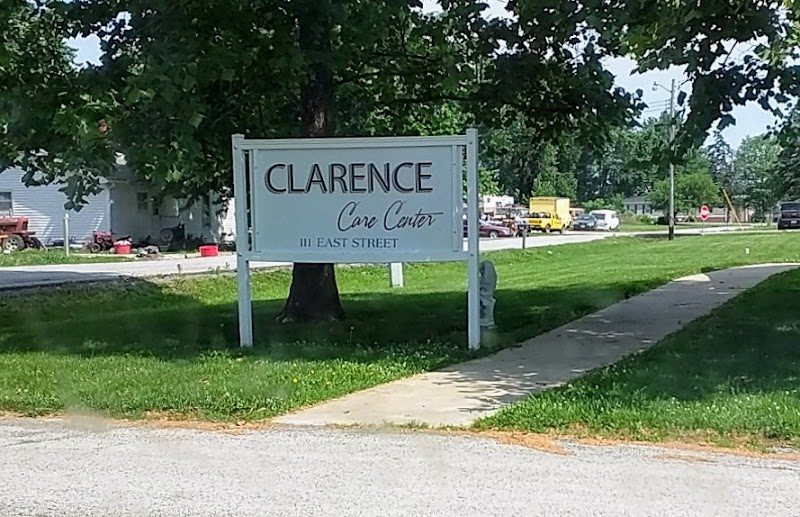
SERIOUS
(G)
Actual Harm - a resident was hurt due to facility failures
Deficiency F0744
(Tag F0744)
A resident was harmed · This affected 1 resident
**NOTE- TERMS IN BRACKETS HAVE BEEN EDITED TO PROTECT CONFIDENTIALITY** Based on observation, interview and record review, the facility failed to provide one resident (Resident #3), in a sample of eig...
Read full inspector narrative →
**NOTE- TERMS IN BRACKETS HAVE BEEN EDITED TO PROTECT CONFIDENTIALITY** Based on observation, interview and record review, the facility failed to provide one resident (Resident #3), in a sample of eight residents, with appropriate care and services to promote the highest possible level of functioning and well being for a resident with dementia, by recognizing and thoroughly addressing the resident's mental and psychosocial needs. The facility did not attempt gradual dose reductions to ensure the resident was on the lowest amount of medication possible, did not document attempts at finding the root cause of behaviors, or evaluate and attempt new interventions, did not provide adequate monitoring of the resident to prevent the resident from leaving the building, from having falls inside and outside the facility (falling in a ditch), or wandering in and out of other resident's rooms to prevent altercations between residents. The resident experienced multiple falls, wandering, agitation, physical altercations with other residents and psychological distress. The facility census was 33.
Review of the facility policy Dementia, Clinical Protocol, revised November 2018, showed the following:
-As part of the initial assessment, the physician will help identify individuals who have been diagnosed as having dementia and those with otherwise impaired cognition;
-The interdisciplinary team (IDT) will evaluate individuals with new or progressive cognitive impairment and help identify symptoms and findings that differentiate dementia from other causes;
-Dementia will be differentiated from delirium to the extent possible in residents presenting with impaired cognition. Delirium may be especially problematic in individuals with underlying dementia;
-Prominent symptoms of delirium may include reduction in alertness, appetite, attention span, function, and responsiveness; confusion, alternating agitation and lethargy, fluctuation in level of consciousness, hallucinations, and delusions.
-The physician will identify individuals taking cholinesterase inhibitors or other medications used to try to stabilize cognitive function, or medications such as antipsychotic medications and mood stabilizers that are commonly ordered to try to manage problematic behavior and disturbed mood;
-The staff and physician will evaluate individuals with new or worsening cognitive impairment and behavior and differentiate dementia from other causes (see policy on Delirium/Altered Mental States);
-The staff and physician will review the current physical, functional, and psychosocial status of individuals with dementia, and will summarize the individual's condition, related complications, and functional abilities and impairments;
-The staff and physician will collaborate to define the decision-making capacity of someone with dementia, including the extent to which the individual can participate in making everyday decisions and in considering healthcare treatment options including life-sustaining treatments;
-The staff and physician will collaborate to stage dementia and identify prognosis;
-Behavior, Mood and Cognition:
a. Individuals with dementia can also have a personality disorder, mental illness, psychosis, delirium, depression, adverse drug reactions (ADRs) or other conditions causing or contributing to impaired cognition and problematic behavior;
b. As needed, the physician may obtain a psychiatrist or neurologist consultation to assist with diagnosis, treatment selection, monitoring of responses to treatment, and adjustment of medications;
-As needed, the physician will document the basis for conclusions about the category and causes of a resident's dementia or impaired cognition; for example, multi-infarct disease, Alzheimer's disease, Lewy Body Disease (a form of dementia), etc.;
-The physician will order any diagnostic tests indicated to clarify the nature or causes of dementia and identify other co-existing or alternative causes of cognitive impairment and problematic behavior; for example:
-The staff and physician will determine any relationship between the resident's level of pain and cognitive loss;
-For the individual with confirmed dementia, the IDT will identify a resident-centered care plan to maximize remaining function and quality of life;
-The facility will strive to optimize familiarity through consistent staff-resident assignments;
-Resident needs will be communicated to direct care staff through care plan conferences, during change of shift communications and through written documentation (nurses' notes and documentation tools);
-Progressive or persistent worsening of symptoms and increased need of staff support will be reported to the IDT;
-The physician will help define potential benefits and risks of medical interventions (including cholinesterase inhibitors and other medications used to enhance or stabilize cognition) based on individual risk factors, current conditions, history and details of current symptoms;
-The physician will order appropriate interventions to address significant behavioral and psychiatric symptoms, based on pertinent clinical guidelines and consistent with regulatory requirements;
-Medications will be targeted to specific symptoms and will be used in the lowest possible doses for the shortest possible time, unless a clinical rationale for higher doses or longer-term use is documented;
-If a psychiatric consultant is called to help manage behavioral or psychiatric symptoms in the individual with dementia, the IDT will retain an active role by reviewing and implementing the consultant's recommendations, addressing issues that affect mood, cognition, and function, monitoring for complications related to treatment, and evaluating progress;
-The staff will monitor the individual with dementia for changes in condition and decline in function and will report these findings to the physician;
-The IDT will adjust interventions and the overall plan depending on the individual's responses to those interventions, progression of dementia, development of new acute medical conditions or complications, changes in resident or family wishes, and other relevant factors;
-The physician and staff will review the effectiveness and complications of medications used to try to enhance cognition and manage behavioral and psychiatric symptoms and will adjust, stop, or change such medications as indicated.
Review of the Dementia training provided to the facility staff, dated November 2023, showed the following:
-Dementia is the loss of cognitive functioning, thinking, remembering and reasoning, as well as behavioral issues to such an extent that it interferes with relationships, daily life and activities;
-Behaviors can cause patient suffering and are responsible for caregiver stress, institutionalization and hospitalization;
-Identification of predisposing and precipitating factors is very important;
-Addressing the causes of behavioral disturbances, including comorbid conditions, polypharmacy, pain, personal need, environmental factors, etc., is critical to successful outcomes;
-The management approach to behaviors in dementia patients should be structured and thorough;
-Ensuring the safety of the patient and others should be paramount;
-Assessing the underlying need is critical. Carefully listening to a patient, even when the information is not clear, frequently yields positive results;
-Identify the causes of dementia behavior problems;
-Examine the behavior objectively. Are the behavior/actions truly a problem? Problem behaviors are typically those that can result in an adverse outcome for the patient or others. For example: can they result in harm?;
-Look for patterns that help predict and prevent problem behaviors;
-Ask what happened just before the problem behavior started. Did something specific trigger that behavior?;
-Is there a certain time of day that seems to be more difficult? Sundown for example? Or bath/shower time?;
-Are certain times of the year more difficult? Winter, when days are darker and nights longer, for instance?;
-Remember to focus on the why when approaching assessment. Why might they be behaving this way, rather than what they are actually doing;
-Understand behavior can often be a reaction to stress or a frustrated attempt to communicate. If you can establish why they're stressed or what is triggering the discomfort, you should be able to resolve the problem behavior more easily;
-Are all of their basic human needs being met? Meeting an unmet need can quickly resolve the reason for the behavior in the first place;
-A four-step clinical approach to managing behavioral disturbances in dementia patients can be followed:
1. Ensure patient is not in imminent danger to self or others. Chemical and/or physical restraints may be needed in severe cases;
2. Assess for delirium, comorbid medical illness(es), environmental factors or medication causing behavioral disturbances;
3. Look for and treat specific psychiatric syndromes such as depression, delusions and hallucinations, which respond better to pharmacological interventions compared with other behavioral disturbances;
4. Formulate and implement a behavioral plan to identify the antecedents and modify the consequences to improve the behavioral disturbances;
-Loneliness is best treated with involvement of the person with the most positive relationship with the patient. That person should interact with the patient in a warm and loving manner. Other interventions found useful are one-to-one interaction with a new caregiver, videos of family, contact with animals and massage therapy;
-Boredom is managed by providing stimulation with structured and unstructured activities and accommodating agitated behaviors. Sensory stimulation includes music tailored for the patient, aromatherapy and touch therapy; Reading material can be provided. Provide clothing with buttons, snaps and other articles sewn on for the patients to fiddle with rather than their own clothing. It is important to provide a useful activity, such as folding towels or kneading dough;
-Depression, major or minor depression is seen in up to one half of patients with dementia and can be differentiated from apathy by the presence of psychic distress and a low mood state. Unlike most behavioral symptoms, the frequency of depression does not necessarily increase with overall disease severity. Depression frequently goes unrecognized in patients with dementia because of behavioral disturbances and aggression. Depression Interventions: Both pharmacological and nonpharmacologic treatment approaches have been found to be helpful in reducing depression in cognitive impairment and dementia. Pharmacological treatment of depression in patients with dementia, although common, presents some unusual difficulties. Since dementia patients may be less able to communicate, clinicians and caretakers must carefully observe patients for evidence of adverse events when new medications are introduced;
-Emotion-Oriented Therapies: The primary aim of emotion-oriented therapies is to fit the therapy to emotional needs of people with dementia, and by doing so, improve quality of life, social functioning and ability to cope with the cognitive, emotional and social consequences of the disease as they subjectively experience them. Examples of emotion-oriented approaches include reminiscence, reality, validation and simulated presence therapy;
-Anxiety: Anxiety is more prominent in the earlier phases of the illness and often results from anticipation of potentially stressful circumstances or an adjustment reaction to the increasing dependency associated with progressive functional decline. Interventions are similar to those of depression, but also continue into familiar with anxiety;
-Behaviors and interventions:
-Sensory, goal: preventing incident-music therapy, aromatherapy, bright light therapy, multisensory stimulation;
-Structured Activities, goal: preventing incidents: dancing, exercise, social interaction, music therapy, art therapy, and outdoor walks;
-Complementary and Alternative Medicine: Preventing and treating incidents-aroma therapy, reflexology, acupuncture, acupressure, message therapy, and Reiki therapy (touch therapy to reduce stress);
-Psychological: preventing incidents-validation therapy, reality orientation, reminiscence therapy, support groups;
-Sundowning: A set of neuropsychiatric symptoms occurring in elderly persons with or without dementia at the time of sunset, evening or at night. These behaviors represent a wide variety of symptoms such as confusion, disorientation, anxiety, agitation, aggression, pacing, wandering, resistance to redirection, screaming, yelling, etc. Some of these behaviors may not be specific to Sundowning and can be the manifestation of dementia, delirium, Parkinson's disease and sleep disturbances. Sundowning is distinguished by disruptive behaviors specifically in the late afternoon, evening or at night. Environmental cues can impact a person's Sundowning, adding to their agitation, confusion or aggressiveness. To set up the immediate environment to lessen the symptoms of Sundowning, try the following: Keep window coverings open for maximum exposure to bright light during the day. At dusk, close window coverings and turn lights on to eliminate shadows which can cause confusion. Create a quiet early evening routine include a walk or calming background music. Minimize loud background noises such as banging pots or sudden loud noises. If needed, create some white noise to lessen the impact of sudden noises. Minimize clutter and/or distractions such as the number of people in the room;
Monitor TV watching and the images on the screen, which may be upsetting. Structure the day and maintain a stable routine as much as possible to help the patient know what to expect. Give simple single step instructions for meals, bathing, etc. Eliminate caffeine and alcohol especially in the late day. Include outside physical activity and exercise everyday. Keep daytime naps short, and earlier rather than later in the day;
-Apathy: Apathy occurs as frequently as aggression or psychosis in dementia patients and is as important a source of caregiver distress . Best characterized as a disturbance of motivation, including loss of interest, fatigue, motor retardation and affective blunting. Responds poorly to current psychotropic medications. Nonpharmacological interventions include; music, intervention group, exercise, multisensory stimulation, pet therapy and massage;
-Wandering/pacing is more often a nuisance to other residents and caregivers than to the patient. Using identification bracelets and position alarms, putting alarms and complex locks on doors and avoiding restraints;
Outdoor walks and outdoor wandering areas. Finger foods or fanny packs with snacks;
-Distracting places for the pacer to sit, relax and rest;
-Physical aggression: Physical aggression is found to be associated with depression, psychoses, younger age, use of psychotropic drugs, as well as with dementia itself. In mild-to moderate cases, behavioral interventions are the first line of treatment. In severe persistent cases, atypical antipsychotics or mood stabilizers may be considered for a limited period;
-Resistiveness: Resisting care is defined as any patient behavior which prevents or interferes with the care provider performing or assisting with activities of daily living for the patient including bathing, eating, toileting, dressing and grooming. Resistiveness is extremely tiring and burdensome, frequently leading to caregiver burnout, increased staff turnover in long-term care facilities, and even caregiver injuries. Resistiveness is best managed by caregiver education and training in nonpharmacologic interventions including:
clear respectful age appropriate tone, intentional listening, follow through with appropriate patient requests;
-Delirium: Confusion, seeing things that don't exist (hallucinations, restlessness, agitation or combative behavior, calling out, moaning or making other sounds, being quiet and withdrawn - especially in older adults, slowed movement or lethargy. Patients with dementia have a lower threshold for developing delirium and do so with greater frequency. Delirium should be promptly identified and treated;
-Delirium interventions: Social activities, adequate sleep, adherence to a strict schedule, maintenance of proper stimulation level, adequate hydration, reformatting tasks with occupational therapy;
-Disruptive vocalization tends to occur along with various other agitated behaviors and is associated with depression, physical discomfort and response to some environmental factors. Occurs during patient care activities, particularly toileting and bathing;
-Disruptive vocalization interventions include: music, differential reinforcement, rewarding silence or appropriate requests (when screaming is being reinforced by contingent staff attention and massage therapy.
1. Review of Resident #3's face sheet showed the following:
-admitted to the facility 2/17/21;
-Diagnoses including dementia, insomnia (inability or disruption to sleep) and depressive episodes.
Review of the resident's care plan, updated 10/6/22, showed the following:
-Diagnoses including psychotic disturbance (perceiving or interpreting interpret reality in a very different way from people around you), mood disturbance, anxiety, cognitive communication deficit, abnormalities of gait and mobility, reduced mobility, need for assistance with personal care and unsteadiness on feet;
-The resident was at risk for falling due to occasional unsteady gait;
-Analyze the resident's falls to determine pattern/trend;
-Assure the resident was wearing eyeglasses that were clean and in good repair;
-Assure the floor is free of glare, liquids and foreign objects;
-Encourage the resident to assume a standing position slowly;
-Give the resident verbal reminders not to transfer when feeling weak or unsteady without assistance;
-Keep the resident's bed in the lowest position with the brakes locked;
-Place the resident's call light in reach at all times;
-Keep personal items and frequently used items within reach;
-Nightlight on in the room at night;
-Physical therapy consult for strength training, toning, positioning, transfer training, gait training, mobility devices;
-Keep environment free of clutter;
-Ensure the resident had proper, well-maintained footwear;
-No interventions related to the resident being an elopement risk.
Review of the resident's admission Minimum Data Set (MDS), a federally mandated assessment, completed by staff, dated 4/4/23, showed the following:
-The resident had moderately impaired cognition;
-He/She experienced delusions;
-Continuous inattention and disorganized thinking does not fluctuate;
-He/She had wandering behavior that occurred one to three days, out of seven days;
-He/She had experienced a fall in the last two to six months prior to admission;
-Receives antipsychotic and antidepressant medications;
-Antipsychotic received routinely, no gradual dose reduction (GDR) (a dose reduction or discontinuation of certain medications) attempt and no physician documentation of a contraindication.
Review of the resident's nursing note, dated 5/12/23 at 3:41 P.M., showed the following:
-The resident was insistent about leaving. He/She suddenly stood and leaned over Registered Nurse (RN) I, started to claw at RN I's neck, and yelled;
-RN I alerted the administrator the resident was looking to leave;
-The administrator met the resident at the door and tried to redirect the resident;
-The resident started banging on the door and yelled. The Certified Medication Technician (CMT) helped the administrator get the resident away from the door;
-The resident tried to kick and hit staff and clawed the CMT;
-The nurse called the on-call physician, who ordered Haldol (antipsychotic) 5 milligrams (mg)/milliliter (ml), give half a ml=2.5 mg intramuscularly (IM) now and may repeat dose in 30 minutes if needed;
-Two staff members held the resident while the medication was administered;
-The resident called staff names and tried to hit, kick and bite;
-The staff brought the resident to the nurses' station, the administrator observed the resident and kept other residents out of his/her reach.
Review of the resident's care plan showed no documentation, revisions, or review related to the resident's behavior on 5/12/23.
Review of the resident's nursing note, dated 5/28/23 at 7:40 P.M., showed the resident sat on the bench in the hallway, fell asleep, rolled off the bench and landed on the floor.
Review of the resident's care plan showed no documentation, revisions, or review related to the resident's fall on 5/28/23.
Review of the resident's nursing note, dated 8/3/23 at 12:30 P.M., showed the following:
-The resident went through the front door and the staff walked with the resident;
-The nurse attempted to redirect the resident back to the door to come inside, but the resident reached up and hit the nurse in the face and yelled to leave him/her alone and do not touch him/her;
-The nurse backed off and walked with the resident a bit more and was able to get the resident to sit down in a chair outside;
-A different staff member was able to direct the resident back inside.
Review of the resident's care plan showed no documentation regarding the resident's elopement attempt on 8/3/23.
Review of the resident's nursing note, dated 8/5/23 at 12:01 P.M., showed during lunch, the resident sat in his/her recliner. He/She attempted to stand up but slid onto the floor.
Review of the resident's care plan showed no documentation related to the resident's fall on 8/5/23.
Review of the resident's nursing note, dated 8/18/23 at 9:31 P.M., showed the following:
-The resident asked staff questions about what to do and was unhappy with any answer;
-The resident did not stay with any activity provided such as a book, word search, or television;
-The Activity Director gave the resident clothes to fold and the resident sat and angrily folded the clothes;
-The resident grabbed RN I's hand as he/she walked towards the resident's room and yelled at RN I for holding his/her hand and dragging him/her down the hallway;
-The resident tried to grab an empty supper tray from a kitchen helper's hand and yelled, Let me eat it, I'm hungry!;
-Registered Nurse (RN) I tried to distract the resident by asking the resident to follow RN I for a snack, but the resident was not distracted and followed the kitchen helper into the break room and tried to grab the tray;
-RN I told the resident the kitchen helper was going to wash the tray and the resident yelled, I know how to wash dishes give it here!;
-RN I helped the kitchen aide escape the break room and the kitchen aide grabbed dirty napkins to put in the laundry room and the resident tried to rip the laundry basket out of his/her hands while continuing to yell;
-The resident tried to hit RN I while RN I tried to distract the resident from the kitchen helper, and then the resident grabbed the kitchen helper by the shirt sleeve and the kitchen aide walked back to the nurses' station with RN I and the resident to convince the resident to let go;
-RN I took sandwiches and snacks out of the refrigerator and the resident yelled that he/she did not want any of it and was not hungry;
-The resident called RN I names from across the nurses' station, then grabbed Certified Nurse Assistant (CNA) papers off the nurses' station, tried to read the papers, saw his/her name on the papers, and became angry;
-The CNA tried to get the resident to give up the papers. The resident grabbed the CNA's thumb and tried to bend their thumb backwards;
-The CMT was able to get the resident to release the CNA's thumb, but the resident tried to bite both staff members;
-A different CNA was able to convince the resident to get dressed for bed in his/her room;
-The resident threatened the CNA verbally, but cooperated with dressing and went to bed.
Review of the resident's care plan showed no documentation regarding the resident's behavior or interventions from 8/18/23.
Review of the resident's physician orders, dated October 2024, showed the following:
-Duloxetine (antidepressant) delayed release 20 milligrams (mg), give one tablet once a day for depressive episodes (original order dated on 7/14/22);
-Trazodone (antidepressant) 50 mg, give one tablet at bedtime for insomnia (original order dated 7/14/22);
-Risperidone (antipsychotic) 0.5 mg three times daily and 0.25 mg one time daily for dementia (on Risperidone on admission 2/17/21, last increase 6/30/23).
Review of the resident's quarterly MDS, dated [DATE], showed the following:
-Severe cognitive impairment;
-Inattention and disorganized thinking present fluctuates;
-Physical and verbal symptoms directed toward others;
-Rejection of care one to three days out of the last seven days;
-Wandering 4-6 days out of seven days;
-Receives antipsychotics and antidepressants;
-Anitpsychotics received routinely, no GDR attempt and no physician documentation of a contraindication.
Review of the resident's pharmacy consultation report, dated 10/29/23, showed no GDR was recommended by the pharmacy consultant; no documentation a GDR was declined or documentation provided to continue duloxetine, Trazodone, or risperidone dosages by the physician.
Review of the resident's care plan for falls, last reviewed/revised 11/6/23, showed no new interventions or evaluation of current interventions related to falls, behaviors, or elopement attempts.
Review of the resident's care plan, updated 11/7/23, showed the following:
-The resident had disturbed sleep pattern related to insomnia;
-He/She received an order for Trazodone at bedtime, which proved helpful with sleep;
-He/She received an antidepressant medication, duloxetine 20 mg daily;
-Resident receives antipsychotic medication, risperidone;
-Resident will not exhibit signs of drug related adverse reactions: hypotension; sedation; anticholinergic symptoms( dry mouth, constipation, urinary retention, bowel obstruction, dilated pupils, blurred vision, increased heart rate, and decreased sweating); extrapyramidal symptoms (dysfunction such as dystonia (continuous spasms and muscle contractions), akathisia (may manifest as motor restlessness), Parkinsonism characteristic symptoms such as rigidity, bradykinesia (slowness of movement), tremor, and tardive dyskinesia (TD) (irregular, jerky movements);
-Monitor behavior and response to medication and Abnormal Involuntary Movement Scale (AIMS) (a rating scale to measure involuntary movements known as tardive dyskinesia (TD) (a disorder that sometimes develops as a side effect of long-term treatment with neuroleptic (antipsychotic) medications)) and functional status on a regular basis,
-Quantitatively and objectively document behaviors;
-Under physician's order, attempt gradual dose reductions;
-The pharmacy consultant reviewed as a regularly scheduled task.
Review of the resident's nursing note, dated 11/9/23 at 5:30 P.M., showed the staff found the resident in a room across the hall from the resident's room, sitting on the floor.
Review of the resident's care plan did not show revision, updates or reviews after the resident's fall on 11/9/23.
Review of the resident's nursing note, dated 12/21/23 at 6:20 A.M., showed the resident yelled out and staff found him/her sitting on the floor in his/her room with his/her pants around his/her thighs.
Review of the resident's care plan did not show revision, updates or reviews after the residents fall on 12/21/23.
Review of the resident's nursing notes, dated 12/27/23 at 10:24 P.M., showed the following:
-The resident walked to the front door and demanded to leave the building;
-He/She hit and kicked staff, yelled loudly, and took over 25 minutes to convince the resident to go elsewhere.
Review of the resident's care plan showed no documentation regarding the resident's behavior or interventions from 12/27/23.
Review of the resident's physician orders, dated January 2024, showed the following:
-Duloxetine delayed release 20 mg, give one tablet by mouth once a day for depressive episodes;
-Trazodone 50 mg, give one tablet by mouth at bedtime for insomnia;
-Risperidone 0.5 mg three times daily and 0.25 mg one time daily.
Review of the resident's quarterly MDS, dated [DATE], showed the following:
-The resident had severe cognitive impairment;
-He/She did not have symptoms of depression;
-He/She received antipsychotics and antidepressants;
-Antipsychotics were received routinely;
-A GDR had not been attempted and the physician did not document a clinical contraindication to attempting a GDR.
Review of the resident's nursing note, dated 1/30/24 at 1:46 A.M., showed staff often provided one-on-one oversight when the resident was confused because he/she tried to leave or entered other resident rooms.
Review of the resident's care plan showed no documentation regarding the resident's behaviors with interventions for 1/30/24.
Review of the resident's quarterly MDS, dated [DATE], showed the following:
-The resident had severely impaired cognition;
-He/She experienced delusion, physical behaviors and verbal behaviors;
-He/She rejected care that occurred one to three days during seven-day review;
-He/She had wandering behavior that occurred four to six days, but less then daily;
-He/She had two falls without injury since last assessment;
-He/She had a wanderguard alarm;
-Receives antipsychotics and antidepressants;
-Anitpsychotics received routinely, no GDR attempt and no physician documentation of a contraindication.
Review of the resident's elopement risk assessment, dated 2/13/24, showed the resident was at risk for elopement and staff placed a wanderguard censor (censor that sounds an alarm and doors to lock worn by residents).
Review of the resident's nurse note, dated 2/13/24 at 2:06 P.M., showed the following:
-Resident has been up and very active this shift;
-Multiple attempts to go out front door, convinced the resident he/she drove here and he/she can leave when he/she wants to;
-Difficult to redirect, needing extra supervision.
Review of the resident's nursing note, dated 2/13/24 at 10:55 P.M., showed the following:
-Resident has continued to be restless all shift;
-Several more attempts to leave the facility and open doors.
The resident's care plan did not include updates, or new information with the residents exit seeking and behaviors on 2/13/24.
Review of the resident's nursing note, dated 2/14/24 at 10:25 P.M., showed the following:
-Resident is very confused & uncooperative at times with care;
-Roams in hallway frequently;
-Has wanderguard (bracelet that triggers the doors to lock and alarm) and exit seeks at times.
The resident's care plan did not include updates, or new information with the residents exit seeking and behaviors on 2/14/24.
Review of the resident's nursing note, dated 2/16/24 at 3:57 P.M., showed yesterday the resident was restless and did attempt to exit the front door several times. The resident was difficult to redirect except he/she wants to hold hands with staff and go anywhere they are. This morning the resident was in the dining room and repeatedly yelling, very loudly, I am hungry feed me now!. He/She has continued to do the same thing throughout the day in different scenarios. After breakfast he/she was repeatedly screaming, I am cold, get me a blanket! and kept increasing his/her volume even after staff told him/her they would get blanket, he/she continued to scream until the blanket arrived.
The resident's care plan did not include updates, or new information with the residents exit seeking or behaviors on 2/16/24.
Review of the resident's nursing note, dated 2/18/24 at 6:40 P.M., showed staff notified the resident
CONCERN
(D)
Potential for Harm - no one hurt, but risky conditions existed
Report Alleged Abuse
(Tag F0609)
Could have caused harm · This affected 1 resident
Based on interview and record review, the facility failed to report allegations of financial exploitation and sexual abuse of one resident, (Resident #401), in a sample of nine residents, to the state...
Read full inspector narrative →
Based on interview and record review, the facility failed to report allegations of financial exploitation and sexual abuse of one resident, (Resident #401), in a sample of nine residents, to the state agency per regulation and facility policy. Multiple employees of the facility had financial interactions with the resident whereby the resident's property was sold by the resident and purchased by staff and the resident hired and paid for services provided by staff. The items sold were sold below current market value and amount paid for services provided were at a higher rate compared to similar types of employment. An allegation was made that Certified Nurse Assistant (CNA) I received gifts and was engaged in a sexual relationship with the resident while he/she was employed by the facility. The facility census was 33.
Review of the facility's policy, Abuse/Neglect or Misappropriation of Resident Property, undated, showed the following:
-Sexual Abuse is non-consensual sexual contact of any type with a resident;
-Exploitation means taking advantage of a resident for personal gain through the use of manipulation, intimidation, threats, or coercion;
-Misappropriation of resident property means the deliberate misplacement, exploitation, or wrongful, temporary or permanent use of a resident's belongings or money without the resident's consent;
-Policy Statement: No abuse of our residents will be tolerated and any suspected abuse is to be reported immediately to the supervisor in charge;
-Procedure Statement: The purpose of this procedure is to provide guidelines for education, prevention, identifying, reporting and investigation of any neglect and abuse of the elderly;
-Any staff member should immediately report allegations of abuse, neglect, exploitation, or mistreatment. All allegations will be reported to the State Agency within two hours;
-Exploitation/financial abuse: sudden, unjustified selling of property missing/stolen money or property radical changes in handling personal/financial affairs specific complaints by resident;
-All incidents of abuse, neglect, and exploitation will immediately be reported to the State Survey Agency;
-The policy did not include anything about staff relationships with residents.
Review of the facility's Employee Handbook, undated, showed the following:
-Employees of the facility will be considered as their primary employment, jobs outside of the facility cannot conflict with the facility duties;
-Tips such as money, gifts, flower, etc. will not be accepted by any individual employee from a resident, family member, or visitor without approval from the Administrator;
-This allows each resident to receive equal treatment in his/her care;
-An employee receiving personal property or anything with a value to ten dollars ($10) or more from a resident shall make a written statement giving the date of receipt, estimated value and the name of the person making the gift;
-The handbook did not include anything about relationships with residents.
1. Review of Resident #401's quarterly Minimum Data Set (MDS), a federally mandated assessment instrument completed by staff, dated 2/14/24, showed the resident was cognitively intact.
Review of an undated, untitled facility investigation, showed the following:
-4/30/24: anonymous employee F and anonymous employee G reported to the Director of Nursing (DON) they had concerns that one of our residents was being taken advantage of and that anonymous employee H has it on video tape and showed them that Resident #401 and Certified Nurse Aide (CNA) I were in the church parking lot together moving things from his/her truck to his/hers and the resident gave CNA I money;
-5/1/24: anonymous employee J reported that he/she was told that CNA I and the resident had been sleeping together since December, and the resident bought CNA I a diamond necklace for Christmas;
-On 5/7/24: DON interviewed CNA B. CNA B said he/she heard on the floor that Resident #401 and CNA I were sleeping together but did not know for sure.
During an interview on 5/15/24, at 1:20 P.M., CNA I said the following:
-He/She was terminated from the facility because he/she and the resident hugged each other goodnight;
-He/She denied a sexual relationship with the resident;
-He/She gave the resident rides to his/her house, and went to the resident's house to help him/her arrange new furniture; this was both before and after he/she was terminated;
-He/She met the resident in the church parking lot because he/she asked him/her to meet him/her; this was after he/she was terminated;
-The resident gave him/her $20.00 for fuel for taking him/her to his/her house; this was after he/she was terminated;
-He/She denied receiving a diamond necklace from the resident.
Review of CNA I's employee file showed his/her last day worked was 4/3/24; the employee was terminated on 4/11/24. No documented reason for the termination.
2. Review of an undated, untitled facility investigation, showed the following:
-Date unknown-It was reported by anonymous employee E that the housekeeping supervisor asked Resident #401 what he/she was going to be doing with his/her house and that his/her family member (Dietary Aide C) was struggling financially and they were looking for a place to live. Anonymous employee E said Resident #401 was not only letting them live there rent free but he/she was paying for their cable and told them that they could do whatever they wanted to it and just send him/her the bill;
-4/25/24: Resident #401 told the Director of Nurses (DON) and the administrator that he/she was renting his/her house to two people (including Dietary Aide C) for free and he/she bought new furniture and a new television for the house too.
-5/1/24: anonymous employee J reported that while giving Resident #401 a shower, the resident asked him/her how much he/she paid for rent. Anonymous employee J told the resident $700.00 and the resident replied I'm letting these two (people) live on my 40 acres for free. Resident #40 said he/she just wanted to help the two (people) who were struggling.
-The DON and the administrator interviewed the housekeeping supervisor on 5/6/24. The housekeeping supervisor said she, Dietary Aide C, and CNA D went to the resident's house and had a conversation with the resident about renting it to Dietary Aide C and CNA D. The housekeeping supervisor said the resident offered the rent to be free but the housekeeping supervisor said they were going to pay him/her $380.00 a month since that is what they were currently paying where they currently lived. The housekeeping supervisor was having Resident #401 open an account at the bank across the street so the tenants could deposit the money for rent right into the resident's account. The housekeeping supervisor was going to be responsible for drawing up a rental contract and make it year to year not month to month and have someone at the bank notarize it, but he/she had not got it done yet. The resident's house was three bedroom, one and a half bath and on 40 acres;
-The DON and the administrator interviewed Dietary Aide C on 5/6/24. Dietary Aide C said he/she overheard the resident talking about renting his/her house and he/she told the resident he/she was interested. Dietary Aide C said there was no rental contract yet. He/She did not know how much the rent would be, he/she guessed around $350 a month since that is what he/she was currently paying for rent. Dietary Aide C said he/she did not know the resident prior to him/her living at the facility;
-On 5/9/24: DON and the administrator interviewed Resident #401. He/She said the two (people) were going to rent his/her house for $50.00 a month and they were going to pay the utilities.
During an interview on 5/15/24 at 10:38 A.M., CNA D said the following:
-He/She and Dietary Aide C were going to rent the resident's house;
-He/She and Dietary Aide C cleaned parts of the house and tore out carpets the resident wanted to replace;
-The resident said rent would be free, but they told the resident they would have to pay him/her.
3. Review of an undated, untitled facility investigation, showed the following:
-4/24/24: anonymous employee E reported that Registered Nurse (RN) A was going to look at the resident's camper and was going to be making payments on it;
-4/25/24: Resident #401 told the DON and the administrator he/she was selling his/her camper for $5,000.00 to a nurse (name not documented) that worked at the facility;
-On 5/6/24: DON and the administrator interviewed RN A. RN A said on 5/4/24 he/she bought the resident's camper for $4,000.00.
-On 5/9/24: DON and the administrator interviewed Resident #401. He/She said he/she sold his/her camper to RN A. Originally, he/she wanted $7,000.00 for his/her camper but he/she took $4,000.00 cash for the camper.
During an interview on 5/15/24, at 11:32 A.M., RN A said the following:
-He/She bought the resident's camper for $4,000.00 cash;
-The resident originally wanted $6,000.00 for the camper but agreed to sell it to him/her for $4,000.00.
During an interview on 5/15/24 at 11:29 A.M., Housekeeper L said the following:
-The resident hired him/her and another employee to clean his/her house;
-The resident was there while he/she cleaned his/her house;
-They worked for the resident two days for four to six hours each day;
-The resident paid him/her $100.00 in cash for each day he/she worked for him/her.
During an interview on 5/15/24 at 11:04 A.M., Housekeeper M said the following:
-The resident hired him/her to clean his/her house;
-He/She and HK L worked together;
-The resident paid each of them $100.00 each for each day they worked; he/she paid them with a check;
-They worked for about six hours each day;
-They moved out furniture, scrubbed walls and floors and shampooed the carpets;
-The resident and his/her friend were there while they worked.
During an interview on 5/13/24 at 9:50 A.M., Resident #401 said the following:
-The facility fired CNA I for being in a relationship with him/her;
-The resident denied a sexual relationship with CNA I and denied giving him/her a diamond necklace;
-He/She had given CNA I $30.00 for gas money because CNA I had given the resident a ride to his/her house from the facility; (he/she could not recall if this was before or after CNA I was terminated);
-He/She paid a couple of employees who work at the facility to clean his/her house;
-Employees who work at the facility approached him/her about renting his/her house;
-He/She was going to rent his/her house to an employee; the employee was going to pay $50.00 a month.
During an interview on 5/13/24 at 9:35 A.M., the DON said the following:
-Staff had reported (date unknown as dates were not kept track of before 4/23/24) an inappropriate (sexual or romantic) relationship between CNA I and the resident;
-CNA I had been terminated by the facility on 4/11/24 for having an inappropriate (sexual or romantic) relationship with the resident;
-RN A purchased a camper from the resident for less than fair market value;
-He/She reported and discussed all the allegations to the Administrator;
-The resident hired housekeeping employees to clean his/her house; She thought they took money and didn't fully do the job;
-The resident was going to rent his/her house to employees but she and administrator intervened and told the staff it was not appropriate.
During an interview on 5/13/24, at 9:40 A.M. the administrator said the following:
-The facility did not report RN A purchasing the camper to DHSS because they facility could not properly establish the value of the camper;
-The facility consulted the Ombudsman regarding the sexual relationship and financial transactions with all the employees;
-CNA I had been terminated for an inappropriate relationship with the resident;
-It had been reported CNA I and the resident were in a sexual relationship, but he only had an eyewitness account of a hug. He did not feel he had enough evidence to report it as sexual abuse;
-Both employees were terminated because they violated the code of conduct in the employee handbook;
-He heard about concerns related to the rent and cleaning of the resident's house but didn't know the details.
MO235963
MO234780
CONCERN
(D)
Potential for Harm - no one hurt, but risky conditions existed
Investigate Abuse
(Tag F0610)
Could have caused harm · This affected 1 resident
Based on interview and record review, the facility failed to fully investigate allegations of financial exploitation and sexual abuse of one resident, (Resident #401), in a sample of nine residents. M...
Read full inspector narrative →
Based on interview and record review, the facility failed to fully investigate allegations of financial exploitation and sexual abuse of one resident, (Resident #401), in a sample of nine residents. Multiple employees of the facility had financial interactions with the resident whereby the resident's property was sold by the resident and purchased by staff and the resident hired and paid for services provided by staff. The items sold were sold below current market value and amount paid for services provided were at a higher rate compared to similar types of employment. The facility did not document all actions related to the allegation, did not interview other residents, and did not document actions taken to prevent further abuse. The facility census was 33.
Review of the facility's undated policy, Abuse/Neglect or Misappropriation of Resident Property, showed the following:
-Sexual Abuse is non-consensual sexual contact of any type with a resident;
-Exploitation means taking advantage of a resident for personal gain through the use of manipulation, intimidation, threats, or coercion;
-Misappropriation of resident property means the deliberate misplacement, exploitation, or wrongful, temporary or permanent use of a resident's belongings or money without the resident's consent;
-No abuse of our residents will be tolerated and any suspected abuse is to be reported immediately to the supervisor in charge;
-Procedure Statement: The purpose of this procedure is to provide guidelines for education, prevention, identifying, reporting and investigation of any neglect and abuse of the elderly;
-The following are some possible signs of abuse, neglect and/or exploitation. No single item or group of items is conclusive evidence of abuse, neglect or exploitation. However, any of these occurrences warrants further investigation;
-Exploitation/financial abuse: sudden, unjustified selling of property missing/stolen money or property radical changes in handling personal/financial affairs specific complaints by resident;
-It is the facility's responsibility to conduct a full investigation of all allegations concerning abuse, neglect, injuries or unknown sources and misappropriation of funds. It may be necessary to take statements from employees, visitors and/or residents who may have witnessed such incidents. If the nature of the allegation is of serious nature then it is recommended that statements be notarized when possible;
-INVESTIGATIVE PROCEDURE:
1. Remove alleged perpetrator from resident area;
2. Notify Administrator and Director of Nursing;
3. Take statements from all staff involved. Take pictures.
4. All information will be thoroughly investigate and documented and will be forwarded to appropriate authorities as indicated;
5. All information will be held in strictest confidence to protect the privacy of our residents and their families;
-With each occurrence the facility will analyze it's policies and procedures to determine what changes are needed, if any, to prevent further occurrences.
1. Review of Resident #401's quarterly Minimum Data Set (MDS), a federally required assessment completed by staff, dated 2/14/24, showed the resident was cognitively intact.
2. Review of the undated, untitled facility's investigation, showed the following:
-4/30/24 (no time): anonymous employee F and anonymous Employee G reported to the Director of Nursing (DON) they had concerns that one of our residents was being taken advantage of and that anonymous employee H has it on video tape and showed them that Resident #401 and Certified Nurse Assistant (CNA) I were in the church parking lot together moving things from his/her truck to his/hers and the resident gave CNA I money; there was no documentation of a further interview with anonymous employees F, G or H, rather just the reporting;
-5/1/24 (no time): anonymous employee J reported that he/she was told that CNA I and the resident had been sleeping together since December, and the resident bought CNA I a diamond necklace for Christmas; there was no documentation of a further interview with anonymous employee J, rather just the reporting;
-On 5/7/24 (no time): the DON interviewed CNA B. CNA B said he/she heard on the floor that Resident #401 and CNA I were sleeping together but doesn't know for sure.
-No written statements were attached to the investigation.
During an interview on 5/15/24, at 1:20 P.M., CNA I said the following:
-He/She was terminated from the facility because he/she and the resident hugged each other goodnight;
-He/she denied a sexual relationship with the resident;
-He/She has given the resident rides to his/her house, and went to the resident's house to help him/her arrange the new furniture; he/she said this was both before and after he/she had been terminated;
-He/She met the resident in the church parking lot because he/she asked him/her to meet him/her; this would have been after he/she was terminated;
-The resident gave him/her $20.00 for fuel for taking him/her to his/her house; this would have been after he/she was terminated;
-He/She had not been asked to provide a written statement.
Review of CNA I's employee file showed his/her last day worked was 4/3/24; the employee was terminated on 4/11/24; no documented reason why.
3. Review of the undated, untitled facility's investigation, showed the following:
-Date unknown (no time): It was reported by anonymous employee E that the housekeeping supervisor asked Resident #401 what he/she was going to be doing with his/her house and that his/her family member (dietary aide C) was struggling financially and they were looking for a place to live. Anonymous employee E also said Resident #401 was not only letting them live there rent free but he/she was paying for their cable and told them that they could do whatever they wanted to it and just send him/her the bill;
-4/25/24 (no time): Resident #401 said to the DON and the administrator that he/she was renting his/her house to two people (dietary aide C and former CNA D) for free and he/she bought new furniture and a new television for the house too;
-5/1/24 (no time): anonymous employee J reported that while giving Resident #401 a shower, the resident asked him/her how much he/she paid for rent. Anonymous employee J told the resident $700.00 and he/she replied, I'm letting these two people live on my 40 acres for free. Resident #401 said he/she just wanted to help two people who were struggling;
-The DON and the administrator interviewed the housekeeping supervisor on 5/6/24. The housekeeping supervisor said she, Dietary Aide C, and CNA D went to the resident's house and had a conversation the resident about renting it to Dietary Aide C and CNA D. The housekeeping supervisor said the resident offered the rent to be free but the housekeeping supervisor said they were going to pay him/her $380.00 a month since that is what they were currently paying where they lived now. The resident's house was a three bedroom, one and a half bath and on 40 acres;
-The DON and the administrator interviewed Dietary Aide C on 5/6/24 (no time). Dietary aide C said he/she overheard the resident talking about renting his/her house and he/she told the resident he/she was interested. Dietary Aide C said there is no rental contract yet. He/She did not know how much the rent would be, he/she guessed around $350.00 a month since that is what he/she is currently paying for rent. Dietary Aide C said he/she did not know the resident prior to him/her living at the facility;
-On 5/9/24 (no time): DON and the administrator interviewed Resident #401. He/She said the two people were going to rent his/her house for $50.00 a month and they were going to pay the utilities.
-No written statements were attached to the investigation.
During an interview on 5/14/24, at 1:47 P.M., Dietary Aide C said the following:
-He/She was going to rent the resident's house but it is not happening now;
-He/She asked the resident what he/she was going to do with his/her house and we were working out a price for rent;
-They had not settled on a price;
-He/She had not been asked to provide a written statement.
4. Review of the undated, untitled facility's investigation, showed the following:
-4/24/24 (no time): Anonymous employee E reported that Registered Nurse (RN) A was going to look at the resident's camper and was going to be making payments on it; there was no documentation of any additional interview with anonymous employees E, rather just the reporting;
-4/25/24 (no time): Resident #401 told the DON and the administrator that he/she was selling his/her camper for $5,000.00 to a nurse (name not documented) that worked at the facility;
-On 5/6/24 (no time): DON and the administrator interviewed RN A. RN A said that on 5/4/24 he/she bought the resident's camper for $4,000.00;
-On 5/9/24 (no time): DON and the administrator interviewed Resident #401. He/She said he/she sold his/her camper to RN A. Originally, he/she wanted $7,000.00 for his/her camper but he/she took $4,000.00 cash for the camper;
-No written statements were attached to the investigation.
During an interview on 5/14/24, at 1:09 P.M. Certified Medication Technician (CMT) B said the following:
-He/She heard RN A say he/she was going to buy the resident's camper;
-He/She only heard rumors about other financial transactions with the resident;
-He/She had not been interviewed by the facility regarding these allegations;
-He/She had not been asked to provide a written statement.
During an interview on 5/15/24, at 11:32 A.M., RN A said the following:
-He/She bought the resident's camper for $4,000.00 cash;
-The resident originally wanted $6,000.00 for the camper but agreed to sell it to him/her for $4,000.00.
During an interview on 5/15/24, at 11:29 A.M., Housekeeper L said the following:
-The resident hired him/her and another employee to clean his/her house;
-They worked for the resident for two days for four to six hours each day;
-The resident paid him/her $100.00 in cash for each day he/she worked for him/her;
-He/She had not been interviewed by the facility regarding these allegations;
-He/She had not been asked to provide a written statement.
During an interview on 5/15/24, at 11:04 A.M., Housekeeper M said the following:
-The resident hired him/her to clean his/her house;
-He/She and housekeeper L worked together;
-The resident paid each of them $100.00 each day they worked; he/she paid them with a check;
-They worked for about six hours each day;
-He/She had not been interviewed by the facility regarding these allegations;
-He/She had not been asked to provide a written statement.
During an interview on 5/13/24, at 2:48 P.M., anonymous employee H said the following:
-He/She saw CNA I take a large box from the resident's truck;
-CNA I has picked the resident up at the facility to take the resident to his/her house.
-He/She gave the DON pictures and a video;
-He/She had not been asked to provide a written statement.
During an interview on 5/13/24, at 1:05 P.M., anonymous employee F said the following:
-He/She saw pictures another staff member took of CNA I taking items from the resident's truck and putting them into his/her truck;
-RN A said he/she bought the resident's camper and got a good deal;
-Dietary aide C said he/she was getting a good deal on rent on the resident's house.
-He/She had not been asked to provide a written statement.
During an interview on 5/14/24, at 2:09 P.M., anonymous employee G said the following:
-CNA I takes advantage of others' kindness;
-He/She will tell everyone how hard he/she has it and takes whatever he/she can get;
-The resident has said he/she has helped CNA I with a few things but does not say specifically what he/she has helped him/her with;
-He/She had not been asked to provide a written statement.
During an interview on 5/14/24, at 1:11 P.M., anonymous employee J said the following:
-He/She heard from a friend not employed with the facility that a facility staff member was having a relationship with a staff member;
-The resident told him/her that he/she was letting a staff member and a former staff member live in his/her house for free;
-A staff member also told him/her that CNA I was in a sexual relationship with the resident since December;
-He/She had not been asked to provide a written statement;
-He/She had not been inserviced on abuse, neglect or exploitation recently.
During an interview on 5/14/24, at 1:56 P.M., the housekeeping manager said the following:
-He/She had approached the resident about his/her adult child , Dietary Aide C, renting the resident's property;
-The resident offered it for free, but he/she told the resident they had to be legit;
-He/She had not been asked to provide a written statement.
During an interview on 5/13/24, at 9:35 A.M., the DON said the following:
-Staff (not named) had reported (date unknown) an inappropriate (sexual or romantic) relationship between CNA I and the resident; staff reported CNA I and the resident hugged on his/her bed in his/her room and had concerns of sexual abuse;
-CNA I had been terminated by the facility on 4/11/24 for having an inappropriate (romantic or sexual) relationship with the resident;
-RN A had purchased a camper from the resident for less than fair market value;
-He/She reported and discussed all the allegations to the Administrator when they had been reported to her; she was instructed to investigate the allegations; she felt the allegations were exploitation and abuse;
-The resident hired housekeeping employees to clean his/her house; she wasn't sure of date when she became aware of this; she felt they were overpaid and didn't finish the job they were paid for;
-The resident was going to rent his/her house to employees but she and the administrator intervened and told the staff it was not appropriate.
-She said she was questioning staff but did not get statements during the investigation.
During an interview on 5/13/24 at 9:40 A.M., the administrator said the following:
-The facility did not report RN A purchasing the camper to the state agency because they facility could not properly establish the value of the camper;
-The facility consulted the Ombudsman about the romantic/sexual relationship and all the financial transactions between the resident and employees;
-CNA I had been terminated for an inappropriate (romantic/sexual) relationship with the resident;
-It had been reported as a possible sexual relationship; he had not reported the allegation because he did not feel like he had enough evidence;
-Both employees (RN A and CNA I) were terminated because they violated the code of conduct in the employee handbook.
-He heard about concerns related to rent and cleaning of the resident's house but didn't know the details;
-A thorough investigation would include documented interviews with dates and times;
-He felt like he did not have enough cause to investigate or report the allegations.
MO235963
MO234780
CONCERN
(D)
Potential for Harm - no one hurt, but risky conditions existed
Deficiency F0655
(Tag F0655)
Could have caused harm · This affected 1 resident
**NOTE- TERMS IN BRACKETS HAVE BEEN EDITED TO PROTECT CONFIDENTIALITY** Based on interview and record review, the facility failed to develop, implement, and provide a copy of a baseline care plan, con...
Read full inspector narrative →
**NOTE- TERMS IN BRACKETS HAVE BEEN EDITED TO PROTECT CONFIDENTIALITY** Based on interview and record review, the facility failed to develop, implement, and provide a copy of a baseline care plan, consistent with the resident's specific conditions, needs, and risks that provide effective person-centered care that met professional standards of quality of care within 48 hours of admission to the facility, for two residents (Residents #283 and #300), in a review of 13 sampled residents. The facility census was 30.
Review of the facility's policy, Baseline Care Plans, dated March 2022, showed the following:
-A baseline plan of care to meeting the resident's immediate health and safety needs is developed for each resident within 48 hours of admission;
-The baseline care plan includes instructions needed to provide effective, person-centered care of the resident that meet professional standards of quality of care and must include the minimum healthcare information necessary to properly care for the resident including, but not limited to the following:
a.
Initial goals based on admission orders and discussion with the resident/representative;
b.
Physician orders;
c.
Dietary orders;
d.
Therapy services;
e.
Social services;
f.
Pre-admission Screening and Resident Review (PASRR), if applicable.
1. Review of Resident #283's face sheet showed the following:
-He/She admitted to the facility on [DATE];
-He/She had a responsible party;
-Diagnoses included Parkinsonism (collection of movement symptoms that include slowness, stiffness, tremor, and balance issues), bilateral leg atherosclerosis (stiffening and thickening of blood vessels that can restrict blood flow), dementia (group of symptoms affecting memory, thinking and social abilities), chronic pain , constipation, hypothyroidism (underactive thyroid), vitamin deficiency, incontinence, overactive bladder, atrial fibrillation (irregular and often very rapid heart rhythm), cerebral infarction (happen when the blood supply to the brain is blocked for a short time), and repeated falls.
Review of the resident's admission Minimum Data Set (MDS), a federally mandated assessment instrument completed by facility staff, dated 1/15/24, showed the following:
-The resident had moderately impaired cognition;
-He/She had inattention and disorganized thinking that fluctuated;
-He/She had physical and verbal behavioral symptoms directed towards others;
-He/She rejected care one to three days during assessment;
-He/She required supervision with eating;
-He/She required setup assistance with oral hygiene;
-He/She required maximal assistance with toileting hygiene, shower/bathe self, upper and lower body dressing, lying to sitting on the side of the bed, sit to stand, and transfers;
-He/She required moderate assistance with personal hygiene, rolling left and right in bed;
-He/She used a wheelchair for locomotion;
-He/She was occasionally incontinent of bladder and bowel;
-He/She had a fall within the last month and two to six months prior to admission;
-He/She received an anticoagulant (medicine that help prevent blood clots).
Review of the resident's medical record on 1/25/24 showed no documentation staff developed a baseline care plan within 48 hours of the resident's admission.
2. Review of Resident #300's face sheet showed the following:
-He/She admitted to the facility on [DATE];
-He/She had a responsible party;
-Diagnoses included: Type II diabetes mellitus (long-term medical condition in which your body doesn't use insulin properly, resulting in unusual blood sugar levels), generalized anxiety disorder (involves a persistent feeling of anxiety or dread that interferes with how a person lives their life), glaucoma (group of eye diseases that can cause vision loss and blindness by damaging a nerve in the back of the eye called the optic nerve), essential hypertension (high blood pressure), atrial fibrillation, benign prostatic hyperplasia without lower urinary tract symptoms (condition in which the prostate gland is enlarged and not cancerous), and depression (common and serious medical illness that negatively affects how a person feels, the way he/she thinks and how he/she acts).
Review of the resident's admission MDS, dated [DATE], showed the following:
-The resident was cognitively intact;
-He/She had verbal behavioral symptoms towards others occurring four to six days, but less than daily;
-He/She rejected care one to three days during the assessment;
-He/She was independent with eating, oral hygiene, toileting hygiene, shower/bathe self, upper and lower body dressing, personal hygiene, rolling left and right in bed, sitting to lying, lying to sitting, sit to stand, transfers, and ambulation;
-He/She received an antidepressant, anticoagulant, antibiotic, and diuretic.
Review of the resident's medical record on 1/25/24 showed no documentation staff developed a baseline care plan within 48 hours of the resident's admission.
3. During an interview on 1/30/24 at 12:45 P.M., the Care Plan Coordinator said the following:
-He/She was responsible for completing the baseline care plans;
-Baseline care plans were to be completed within 48 hours of admission;
-He/She guessed the baseline care plan was not completed for Resident #283 or Resident #300, but both were supposed to be completed.
CONCERN
(D)
Potential for Harm - no one hurt, but risky conditions existed
Deficiency F0658
(Tag F0658)
Could have caused harm · This affected 1 resident
**NOTE- TERMS IN BRACKETS HAVE BEEN EDITED TO PROTECT CONFIDENTIALITY** Based on observation, interview, and record review, the facility failed to follow physicians orders for two residents (Residents...
Read full inspector narrative →
**NOTE- TERMS IN BRACKETS HAVE BEEN EDITED TO PROTECT CONFIDENTIALITY** Based on observation, interview, and record review, the facility failed to follow physicians orders for two residents (Residents #20 and #11), in a review of 13 sampled residents, by not providing nutritional supplements as ordered. The facility census was 30.
1. Review of Resident #20's weight record showed the following:
-Weight on 6/1/23 was 107.9 pounds (lbs);
-Weight on 12/4/23 was 96.2 lbs (a 10.59 % weight loss in six months).
Review of the resident's care plan, last revised 11/7/23, showed the no documentation the resident had weight loss or was to receive a house supplement (a liquid nutritional supplement) three times a day (as ordered on 3/8/22).
Review of the resident's quarterly Minimum Data Set (MDS), a federally mandated assessment instrument to be completed by the facility, dated 12/9/23, showed no weight loss or gain.
Review of the resident's Physician Order Sheet (POS), dated January 2024, showed an order for house supplement three times daily (original order dated 3/8/22).
Review of the resident's Medication Administration Record (MAR), dated January 2024, showed no documentation the resident received house supplements three times daily.
Observation on 1/23/24 at 12:00 P.M. showed the resident sat at the dining table with his/her lunch tray. The resident did not receive a house supplement during the meal.
Observations of the resident on 1/24/24 showed the following:
-At 7:06 A.M., the resident sat at the dining room table with a glass of milk and a cup of coffee. The resident did not have a house supplement;
-At 7:20 A.M., the resident ate from his/her meal tray. The resident did not receive a house supplement with his/her meal.
2. Review of Resident #11's admission MDS, dated [DATE], showed the following:
-Diagnoses of type II diabetes mellitus (problem in the way the body regulates and uses sugar as a fuel) with neuropathy (damage to the peripheral nerves, and signs may include numb sensation);
-He/She had a diabetic foot ulcer;
-The staff implemented nutrition or hydration interventions to manage skin problems.
Review of the resident's care plan, updated 12/21/23, showed the following:
-The dietary staff as well as nursing staff should encourage dietary compliance;
-The care plan did not include Arginaid (powder formulated for nutritional support) for wound healing (as ordered on 3/7/23).
Review of the resident's physician orders, dated January 2024, showed Arginaid powder in packet 4.5 gram/156 milligrams (mg)/9.2 gram (g), administer one packet orally once a day (started 3/7/23).
Review of the resident's registered dietician (RD) note, dated 1/19/24 at 1:06 P.M., showed the following:
-The RD followed up on the resident's open areas;
-The staff administered Arginaid daily;
-The staff continue current supplements as tolerated.
Review of the resident's electronic medication administration record, dated January 2024, showed Arginaid was not listed on the MAR for staff to administer.
3. During an interview on 1/25/24 at 9:17 A.M., the Care Plan Coordinator said the dietary department had stopped providing house supplements as they said it was too confusing and nursing was to provide the house supplements now.
During an interview on 1/25/24 at 11:40 A.M., the dietary manager said dietary staff did not provide nutritional supplements of any kind.
During an interview on 1/25/24 at 11:45 A.M., Certified Medication Technician (CMT) J said he/she did not have Resident #20 on his/her list of residents who received house supplements. He/She did not provide house supplements to the resident. If a resident has a supplement ordered, it will show up on his/her computer and he/she would know to give the supplement.
During an interview on 1/25/24 at 4:20 P.M., the DON said the following:
-She would expect staff to follow physician orders;
-Staff should give supplements as ordered;
-She was not aware Resident #20 was to receive house supplements;
-Nursing staff were responsible for transcribing orders from the POS to the MAR.
CONCERN
(E)
Potential for Harm - no one hurt, but risky conditions existed
Deficiency F0657
(Tag F0657)
Could have caused harm · This affected multiple residents
**NOTE- TERMS IN BRACKETS HAVE BEEN EDITED TO PROTECT CONFIDENTIALITY** Based on observation, interview and record review, the facility failed to develop a comprehensive care plan for two residents (R...
Read full inspector narrative →
**NOTE- TERMS IN BRACKETS HAVE BEEN EDITED TO PROTECT CONFIDENTIALITY** Based on observation, interview and record review, the facility failed to develop a comprehensive care plan for two residents (Resident #283 and #300), and failed to update interventions in the resident's care plan to reflect current care needs for five residents (Residents #3, #4, #13, #20, and #21), in a review of 13 sampled residents. The facility census was 30.
Review of the facility policy, Comprehensive Person-Centered Care Plans, revised March 2022, showed the following:
-The comprehensive, person-centered care plan is developed within seven days of the completion of the required Minimum Data Set (MDS, a federally mandated assessment instrument) assessment (admission, annual or significant change in status), and no more than 21 days after admission.
-Assessments of residents are ongoing and care plans are revised as information about the residents and the residents' condition change;
-The interdisciplinary team reviews and updates the care plan:
a.
When there has been a significant change in the resident's condition;
b.
When the desired outcome is not met;
c.
When the resident has been readmitted to the facility from a hospital stay; and
d.
At least quarterly in conjunction with the required quarterly MDS assessment.
Review of the Centers for Medicare and Medicaid Services (CMS), Long-Term Care Facility Resident Assessment Instrument (RAI) 3.0 User's Manual Version 1.17.1, Chapter 4, revised October 2019, showed the following:
-The care plan is driven not only by identified resident issues and/or conditions but also by a resident ' s unique characteristics, strengths, and needs;
-A care plan that is based on a thorough assessment, effective clinical decision making and is compatible with current standards of clinical practice can provide a strong basis for optimal approaches to quality of care and quality of life needs of individual residents;
-A well developed and executed assessment and care plan:
1.
Looks at each resident as a whole human being with unique characteristics and strengths;
2.
Views the resident in a distinct functional area for the purpose of gaining knowledge about the resident ' s function status (MDS);
3.
Gives the interdisciplinary team (IDT) a common understanding of the resident;
4.
Re-groups the information gathered to identify possible issues and/or conditions that the resident may have (i.e., triggers);
5.
Provides additional clarity of potential issues and/or conditions by looking at possible causes and risks (CAA process);
6.
Develops and implements an interdisciplinary care plan based on the assessment of information gathered throughout the RAI process, with necessary monitoring and follow-up;
7.
Reflects the resident's/resident representative's input, goals, and desired outcomes;
8.
Provides information regarding how the causes and risks associated with issues and/or conditions can be addressed to provide for a resident's highest practicable level of well-being (care planning);
9.
Re-evaluates the resident's status at prescribed intervals (i.e., quarterly, annually, or if a significant change in status occurs) using the RAI and then modifies the individualized care plan as appropriate and necessary;
10.
Reviews and revises the current care plan,
1. Review of Resident #283's face sheet showed the following:
-He/She was admitted to the facility on [DATE];
-He/She had a responsible party;
-Diagnoses included Parkinsonism (collection of movement symptoms that include slowness, stiffness, tremor, and balance issues), bilateral leg atherosclerosis (stiffening and thickening of blood vessels that can restrict blood flow), dementia (group of symptoms affecting memory, thinking and social abilities), chronic pain (pain lasts months or years and interferes with your daily activities), constipation, hypothyroidism (underactive thyroid), vitamin deficiency, incontinence, overactive bladder, atrial fibrillation (irregular and often very rapid heart rhythm), cerebral infarction (happen when the blood supply to the brain is blocked for a short time), and repeated falls.
Review of the resident's admission Minimum Data Set (MDS), a federally mandated assessment instrument completed by facility staff, dated 1/15/24, showed the following:
-The resident had moderately impaired cognition;
-He/She had inattention and disorganized thinking that fluctuated;
-He/She had physical and verbal behavioral symptoms directed towards others;
-He/She rejected care one to three days during assessment;
-He/She required supervision with eating;
-He/She required setup assistance with oral hygiene;
-He/She required maximal assistance with toileting hygiene, shower/bathe self, upper and lower body dressing, lying to sitting on the side of the bed, sit to stand, and transfers;
-He/She required moderate assistance with personal hygiene, rolling left and right in bed;
-He/She used a wheelchair for locomotion;
-He/She was occasionally incontinent of bladder and bowel;
-He/She had a fall within the last month and two to six months prior to admission;
-He/She received an anticoagulant (medicine that help prevent blood clots).
Review of the resident's medical record on 1/25/24 showed no documentation staff developed a comprehensive care plan for the resident.
2. Review of Resident #300's face sheet showed the following:
-He/She was admitted to the facility on [DATE];
-He/She had a responsible party;
-Diagnoses included Type II diabetes mellitus (long-term medical condition in which your body doesn't use insulin properly, resulting in unusual blood sugar levels), generalized anxiety disorder (involves a persistent feeling of anxiety or dread that interferes with how a person lives their life), glaucoma (group of eye diseases that can cause vision loss and blindness by damaging a nerve in the back of the eye called the optic nerve), essential hypertension (high blood pressure), atrial fibrillation, benign prostatic hyperplasia without lower urinary tract symptoms (condition in which the prostate gland is enlarged and not cancerous), and depression (common and serious medical illness that negatively affects how a person feels, the way he/she thinks and how he/she acts).
Review of the resident's admission MDS, dated [DATE], showed the following:
-The resident was cognitively intact;
-He/She had verbal behavioral symptoms towards others occurring four to six days, but less than daily;
-He/She rejected care one to three days during the assessment;
-He/She was independent with eating, oral hygiene, toileting hygiene, shower/bathe self, upper and lower body dressing, personal hygiene, rolling left and right in bed, sitting to lying, lying to sitting, sit to stand, transfers, and ambulation;
-He/She received an antidepressant, anticoagulant, antibiotic, and diuretic.
Review of the resident's medical record on 1/25/24 showed no documentation staff developed a comprehensive care plan for the resident.
3. Review of Resident #13's face sheet, showed the following:
-He/She was admitted on [DATE];
-He/She had a responsible party;
-Diagnoses included dementia ((group of symptoms affecting memory, thinking and social abilities), supraventricular tachycardia (an irregularly fast or erratic heartbeat that affects the heart's upper chambers), cognitive communication deficit (reduced awareness and ability to initiate and effectively communicate needs), viral pneumonia, respiratory syncytial virus (common respiratory virus that infects the nose, throat, lungs, and breathing passages), constipation, hypothyroidism (underactive thyroid), hypertensive heart disease with heart failure (heart problems that occur because of high blood pressure that is present over a long time), primary generalized osteoarthritis (common form of osteoarthritis that develops in your joints over time), and essential hypertension.
Review of the resident's care plan, last updated 7/25/23, showed the following:
-The resident was at risk for falling;
-The staff was to assure the floor was free of glare, liquids, foreign objects;
-The staff were to encourage the resident to assume a standing position slowly;
-The staff were to encourage the resident to use environmental devices such as hand grips, handrails, etc.;
-The staff were to keep the resident's call light in reach at all times;
-The staff were to keep the resident's personal items and frequently used items within reach;
-The staff were to leave the resident's night light on in room;
-The staff were to ensure the resident was provided proper, well-maintained footwear;
-The staff were to provide the resident an environment free of clutter;
-The staff were to provide the resident toileting assistance on routine and PRN rounds;
-The staff taught the resident safety measures.
Review of the resident's nurse note, dated 9/17/23 at 6:20 P.M., showed the following:
-The resident walked up and down the hallways, exit seeking and setting off alarms;
-He/She had difficulty understanding where his/her spouse was and thought the spouse was outside waiting;
-The staff tried multiple times to redirect, ambulate with the resident, offer snacks, etc.;
-The staff provided one-on-one supervision.
Review of the resident's nurse note, dated 9/23/23 at 4:06 A.M., showed the following:
-The resident's spouse summoned the staff to the resident's room because the resident fell;
-One inch by half inch skin tear on inner right elbow;
-The resident said he/she hit his/her head at the top of the head and rubbed his/her knee, but said the pain was not bad.
Review of the resident's quarterly MDS, dated [DATE], showed the following:
-The resident had severely impaired cognition;
-He/She wandered four to six days during the assessment, but less than daily;
-He/She was independent with bed mobility, ambulation, and transfers;
-He/She was frequently incontinent of bladder;
-He/She had a wanderguard alarm (specifically designed for dementia patients allowing them to have freedom within their resident facilities while giving them essential security).
Review of the resident's nurse note, dated 11/14/23 at 3:41 A.M., showed the following:
-The resident walked down the hall and through the community room doors;
-The staff found the resident walking through the outer door to outside of the community room;
-The staff assisted the resident back into the facility and hourly monitoring was started.
Review of the resident's physician orders, dated January 2024, showed the following:
-Diet: Regular lactose intolerance;
-Oxygen at 2 liters/minute via nasal cannula to maintain oxygen saturation of greater than 90%, may titrate to maintain, and begin titrating down as soon as possible (ASAP);
-Check oxygen saturation every shift while symptoms persist every shift;
-Metoprolol succinate extended release 24 hour (blood pressure reducer) 25 milligrams (mg), give half a tablet orally once a day;
-Digestive enzymes 220 mg, give one tablet as needed with meals if the resident will have any dairy products.
Review of the resident's nurse note, dated 1/6/24 at 8:34 A.M., showed the following:
-At 6:40 A.M., the resident fell when exiting his/her room, but the fall was unwitnessed;
-Three centimeters (cm) by four cm abrasion noted to frontal scalp and several small skin tears noted to bilateral hands, area under the resident's left eye beginning to bruise, and complained of headache and right knee pain.
Review of the resident's nurse note, dated 1/12/24 at 1:01 P.M., showed the following:
-Bruising to the resident's face was healing as well as skin tears and lacerations;
-The CT scan (a computed tomography scan is a medical imaging technique used to obtain detailed internal images of the body) revealed non-displaced patellar fracture (broken knee cap);
-The physician recommended orthopedic consult.
Observation on 1/23/24 at 10:15 A.M., showed the resident had a large adhesive bandage across his/her forehead.
During an interview on 1/23/24 at 10:15 A.M., the resident's spouse said the following:
-The bandage covered a wound on the resident's head obtained during the last fall;
-The resident was scheduled for an orthopedic appointment related to patellar (kneecap) fracture obtained from the last fall;
-The resident did not listen to instructions related to dementia;
-The resident was supposed to use a walker with ambulation, but did not always do it;
-The last time the resident fell, he/she was ambulating and fell in the room ' s doorway;
Observation on 1/23/24 at 11:10 A.M., showed two certified nurse aides (CNAs) used a gait belt and transferred the resident from recliner to wheelchair.
During an interview on 1/24/24 at 6:37 A.M., CNA H said the following:
-The resident did not wander anymore;
-The resident had difficulty getting up without assistance;
-The resident continued to try to get up without assistance, but it was more difficult.
During an interview on 1/25/24 at 9:10 A.M., Certified Medication Technician (CMT) J said the following:
-The resident was sick in December 2023 and could not stand due to weakness;
-Prior to the illness, the resident was independent with ambulation, toileting, and eating;
-The resident required staff assistance with eating and drinking;
-The resident had decreased appetite;
-The resident required oxygen and two person assist with transfers.
During an interview on 1/25/24 at 9:22 A.M., the Care Plan Coordinator said when the resident became sick, he/she required assistance from two staff for transfers.
During an interview on 1/25/24 at 9:30 A.M., CNA F said the following:
-The resident was not eating well;
-The resident had weakness requiring two staff members for transfers;
-The resident could not walk.
The resident's care plan did not include updated interventions for wandering behavior (including the wander guard), new falls, injuries related to falls, changes in ADL/ambulation related to illness, oxygen use, lactose intolerance, or antihypertensive medication indications with signs/symptoms of hypotension or hypertension (low blood pressure or high blood pressure.
During an interview on 1/30/24 at 12:45 P.M., the Care Plan Coordinator said the following:
-She and the Director of Nursing (DON) were responsible for adding interventions following an infection and new exit seeking behavior;
-She started training for the Care Plan Coordinator position in October 2023. The DON was responsible for updating the care plans prior to October 2023;
-She and the DON worked closely on updating the residents' care plans, however, not all the care plans were updated yet;
-The care plan was supposed to be updated regarding the resident's change in condition;
-The care plan was supposed to be updated regarding the resident's exit seeking behavior and interventions to address the behavior.
4. Review of Resident #3's care plan, updated 10/6/22, showed the following:
-The resident was at risk for falling due to occasional unsteady gait;
-The staff were to analyze the resident's falls to determine pattern/trend;
-The staff were to assure the resident was wearing eyeglasses that were clean and in good repair;
-The staff were to assure the floor was free of glare, liquids, and foreign objects;
-The staff were to encourage the resident to assume a standing position slowly;
-The staff were to give the resident verbal reminders not to transfer when feeling weak or unsteady without assistance;
-The staff were to keep the resident's bed in the lowest position with the brakes locked;
-The staff were to keep the resident's call light in reach at all times;
-The staff were to keep the resident's personal items and frequently used items within reach;
-The staff were to leave the nightlight on in the room;
-The staff were to obtain physical therapy consult for strength training, toning, positioning, transfer training, gait training, mobility devices;
-The staff were to provide the resident an environment free of cluster;
-The staff were to ensure the resident had proper, well-maintained footwear.
Review of the resident's face sheet, showed the following:
-The resident was readmitted on [DATE];
-He/She had a durable power of attorney;
-Diagnoses included dementia, low back pain, cognitive communication deficit, stage II chronic kidney disease, chronic pain, polyarthritis (arthritis in five or more joints at the same time), hyperparathyroidism (condition in which the parathyroid glands produce too much parathyroid hormone, affecting calcium levels in the blood), hypothyroidism, hearing loss, depressive episodes person experiences feeling sad, irritable, empty that last most of the day, nearly every day, for at least two weeks), rheumatoid arthritis (long-lasting autoimmune disease that mostly affects joints), lumbar region spinal stenosis (narrowing of the spinal canal in the lower part of the back), insomnia (common sleep disorder that can make it hard to fall asleep or stay asleep), respiratory syncytial virus, pneumonia, urinary tract infection, prurigo nodularis (chronic skin disorder characterized by the presence of hard, extremely itchy bumps known as nodules), essential hypertension, gastro-esophageal reflux disease, and constipation.
Review of the resident's admission MDS, dated [DATE], showed the following:
-The resident had moderately impaired cognition;
-He/She experienced delusions;
-He/She had wandering behavior that occurred four to six days, but less than daily;
-He/She experienced a fall any time in the last two to six months prior to admission.
Review of the resident's nurse note, dated 5/12/23 at 3:41 P.M., showed the following:
-The resident was insistent about leaving. He/She suddenly stood and leaned over Registered Nurse (RN) I, started to claw at RN I's neck, and yelled;
-RN I alerted the administrator the resident was looking to leave;
-The administrator met the resident at the door and tried to redirect the resident;
-The resident started banging on the door and yelled. The CMT helped the administrator get the resident away from the door;
-The resident tried to kick and hit staff and clawed the CMT;
-The nurse called the on-call physician, who ordered Haldol (antipsychotic) 5 milligrams (mg)/milliliter (ml), give half a ml=2.5 mg intramuscularly now and may repeat dose in 30 minutes if needed;
-Two staff members held the resident while the medication was administered;
-The resident called staff names and tried to hit, kick, and bite;
-The staff brought the resident to the nurses' station, and the administrator observed the resident and kept other residents out of his/her reach.
Review of the resident's nurse note, dated 5/28/23 at 7:40 P.M., showed the resident sat on the bench in the hallway, fell asleep, rolled off the bench, and landed on the floor.
Review of the resident's care plan showed no documentation related to the resident's fall on 5/28/23.
Review of the resident's nurse note, dated 8/5/23 at 12:01 P.M., showed during lunch, the resident sat in his/her recliner. He/She attempted to stand up, but slid onto the floor.
Review of the resident's care plan showed no documentation related to the resident's fall on 8/5/23.
Review of the resident's nurse note, dated 8/3/23 at 12:30 P.M., showed the following:
-The resident went through the front door and the staff walked with the resident;
-The nurse attempted to redirect the resident back to the door to come inside, but the resident reached up and hit the nurse in the face and yelled to leave him/her alone and do not touch;
-The nurse backed off and walked with the resident a bit more and was able to get the resident to sit down in a chair outside;
-A different staff member was able to direct the resident back inside.
Review of the resident's nurse note, dated 8/18/23 at 9:31 P.M., showed the following:
-The resident asked staff questions about what to do, and was unhappy with any answer;
-The resident did not stay with any activity provided such as a book, word search, or television;
-The Activity Director gave the resident clothes to fold, and the resident sat and angrily folded the clothes;
-The resident grabbed RN I's hand as he/she walked towards the resident's room, and yelled at RN I for holding his/her hand and dragging him/her down the hallway;
-The resident tried to grab an empty supper tray from a kitchen helper's hand and yelled, let me eat it, I'm hungry;
-RN I tried to distract the resident by following RN I for a snack, but the resident was not distracted and followed the kitchen helper into the break room and tried to grab the tray;
-RN I told the resident the kitchen helper was going to wash the tray and the resident yelled, I know how to wash dishes, give it here;
-RN I helped the kitchen aide escape the break room and the kitchen aide grabbed dirty napkins to put in the laundry room and the resident tried to rip the laundry basket out of his/her hands while continuing to yell;
-The resident tried to hit RN I while RN I tried to distract the resident from the kitchen helper, and then the resident grabbed the kitchen helper by the shirt sleeve and the kitchen aide walked back to the nurses' station with RN I and the resident to convince the resident to let go;
-RN I took sandwiches and snacks out of the refrigerator and the resident yelled that he/she did no want any of it and was not hungry;
-The resident called RN I names from across the nurses' station, then grabbed CNA papers off the nurses' station, tried to read the papers, saw his/her name on the papers, and became angry;
-The CNA tried to get the resident to give up the papers. The resident grabbed the CNA's thumb and tried to bend the thumb backwards;
-The CMT was able to get the resident to release the CNA, but the resident tried to bite both staff members;
-A different CNA was able to convince the resident to get dressed for bed in his/her room;
-The resident threatened the CNA verbally, but cooperated with dressing and went to bed.
Review of the resident's care plan showed no documentation regarding the resident's behavior or interventions from 8/18/23.
Review of the resident's nurse note, dated 11/9/23 at 5:30 P.M., showed the staff found the resident in a room across the hall from the resident's room, sitting on the floor.
Review of the resident's nurse note, dated 12/21/23 at 6:20 A.M., showed the resident yelled out and staff found him/her sitting on the floor in his/her room with his/her pants around his/her thighs.
Review of the resident's nurse notes, dated 12/27/23 at 10:24 P.M., showed the following:
-The resident walked to the front door and demanded to leave the building;
-He/She hit and kicked staff, yelled loudly, and took over 25 minutes to convince the resident to go elsewhere.
Review of the resident's nurse note, dated 1/30/24 at 1:46 A.M., showed the staff often provided one-on-one oversight when the resident was confused because sometimes he/she tried to leave or entered other resident rooms.
Review of the resident's care plan showed no documentation regarding the resident's falls on 11/9/23 or 12/21/23 and was not updated to show the resident's behaviors with interventions on 12/27/23 and 1/30/24.
Review of the resident's quarterly MDS, dated [DATE], showed the following:
-The resident had severely impaired cognition;
-He/She experienced delusion, physical behaviors, and verbal behaviors;
-He/She rejected care that occurred one to three days during seven-day review;
-He/She had wandering behavior that occurred four to six days, but less then daily;
-He/She had two falls without injury since last assessment;
-He/She had a wanderguard alarm.
Observation on 1/23/24 at 10:50 A.M., showed the following:
-The staff walked with the resident to the common area and instructed the resident to sit there for awhile;
-The resident stood up from the chair and yelled, I have to poop, then walked up to the nurses' station and said the same thing;
-The staff assisted the resident to the bathroom, gave the resident cues while toileting, assisted with peri care, then walked the resident back to the common area;
-The resident stood up and started to walk towards his/her room, but the resident's family member asked the resident where he/she was going and to sit in the common area;
-The resident started to walk towards his/her room. The family member said again for the resident to wait as there were three men in his/her room working on the recliner;
-The resident continued to his/her room and watched the men work on the recliner;
-The family member redirected the resident back to the common area to sit in a chair next to the family member;
-The family member spoke with another visitor and was heard saying the facility staff called and told him/her to come in and sit with the resident while the recliner was being repaired;
-The resident continued to get up and ambulate around the common area three times.
During an interview on 1/23/24 at 11:25 A.M., the resident's family member said the following:
-The staff requested the family member come to the facility while the resident's recliner was being repaired;
-The staff knew the resident would have behaviors when he/she went back to the his/her room and found strange men present, working on the recliner chair;
-He/She thought the resident would be willing to sit in the common area if he/she sat in the common area with the resident.
Observation on 1/23/24 at 11:44 A.M., showed the following:
-The resident stood up from the dining room table before lunch was served and headed towards the doorway out into the hallway;
-The family member asked the resident if he/she would like to eat something first and the resident yelled, no;
-The family member told the resident they would do whatever he/she wanted. Both the family member and the resident left the dining room.
Observation on 1/23/24 at 11:54 A.M., showed two staff walked with the resident back into the dining room.
During an interview on 1/24/24 at 6:37 A.M., CNA H said the following:
-The resident slept in different areas. Some nights the resident slept on the couch, sometimes in bed, and some nights the resident had difficulty sleeping;
-The resident wandered in the hallways, but usually because he/she needed to use the restroom or needed assistance with incontinence care;
-The resident urinated in a trash can in his/her room a few times, because the resident did not find the restroom.
During an interview on 1/25/24 at 1:08 P.M., the acting Director of Nursing said the following;
-The resident wandered in the facility, but was usually easily redirected;
-The resident did have negative behaviors but the behaviors were directed towards staff.
Observation on 1/25/24 at 8:02 A.M., showed the resident was asleep on the couch in the common room, covered with a blanket and a decorative pillow under his/her head.
During an interview on 1/30/24 at 12:45 P.M., the Care Plan Coordinator said the following:
-The Director of Nursing (DON) was supposed to update the care plan when a resident returned to the facility from a behavioral health unit and determined what interventions were required;
-The DON and Care Plan Coordinator work closely on updating the resident's care plan, however not all the care plans have been updated yet;
-The resident's preference to sleep on a couch in the common area should have been added to the care plan;
-It would be beneficial for nursing intervention for the resident's negative behaviors be added to the care plan;
-The care plan should have nursing interventions for the resident's wandering and exit seeking behaviors.
The resident's care plan, last updated 11/7/23, did not include updated interventions related to new falls, staff interventions for behaviors towards others, and staff interventions for wandering behavior.
5. Review of Resident #4's care plan, last updated 10/4/22, showed the following:
-Analyze the resident's falls to determine pattern/trend;
-Provide the resident with education on importance of using call light and waiting for assistance;
-The physician ordered non-skid, hard soled shoes when up;
-Provide frequent and consistent reminders for the resident not to transfer or ambulate without assistance;
-Provide assistive device (wheeled walker) for use while ambulating;
-Use a night light after dark;
-Ensure a clutter free pathway;
-Place frequently used and personal items within reach;
-Provide and offer toileting assistance on routine and as needed rounds;
-Encourage the resident to assume standing position slowly;
-Keep the call light in reach and keep the bed in the lowest position with the brakes locked;
-Make sure the resident's eyeglasses are clean and in good repair;
-Encourage the resident to use grab bars, handrails, etc.;
-The resident used the wheelchair more often and was able to self-propel through hallways most of the time;
-The resident was impulsive and needed assistance;
-The resident used a chair alarm for safety.
Review of the resident's annual MDS, dated [DATE], showed the following:
-The resident had a severe cognitive impairment;
-He/She had fluctuating inattention and disorganized thinking;
-He/She had wandering behavior that occurred four to six days, but less than daily;
-He/She had one fall without injury since the prior assessment;
-He/She had a weight of 107 pounds.
Review of the resident's nurse note, dated 2/3/23 at 8:15 P.M., showed the following:
-The resident sat on the floor by his/her bed with blood running from the back of his/her head, over the top of his/her head, and dripped off his/her face;
-The nurse found a lump on the back of crown area on the resident's head with an abrasion and laceration approximately one to two inches.
Review of the resident's care plan, showed no documentation regarding the resident's fall on 2/3/23.
Review of the resident's nurse note, dated 3/5/23 at 1:38 A.M., showed staff heard the resident yell and found him/her sitting on the floor in front of the bathroom where the resident apparently slipped on loose stools.
Review of the resident's nurse note, dated 3/9/23 at 6:11 A.M., showed the resident stood up from a chair in the common area with his/her wheeled walker in front of him/her, took one step and fell backwards hitting the back of his/her head.
Review of the resident's nurse note, dated 3/20/23 at 3:35 P.M., showed the following:
-The staff found the resident on the floor of his/her room leaning against the bed;
-The resident had his/her shoes on and seemed to be walking towards the walker when the resident fell.
Review of the resident's care plan showed no documentation regarding the resident's fall on 3/20/23.
Review of the resident's nurse note, dated 5/5/23, at 3:15 P.M., showed the resident stood in the hallway by the nurses' station without a walker, fell backwards, and hit his/her back and the back of his/her head on the corner of the wall.
Review of the resident's care plan showed no documentation regarding the resident's fall on 5/5/23.
Review of the resident's nurse note, dated 7/20/23 at 8:50 A.M., showed the resident fell on his/her right side in the hallway;
Review of the resident's nurse note, dated 7/20/23 at 4:51 P.M., showed the resident was admitted to the hospital for pain control and p
CONCERN
(E)
Potential for Harm - no one hurt, but risky conditions existed
Accident Prevention
(Tag F0689)
Could have caused harm · This affected multiple residents
**NOTE- TERMS IN BRACKETS HAVE BEEN EDITED TO PROTECT CONFIDENTIALITY** Based on observation, interview and record review, the facility staff failed to follow the facility policy to identify fall risk...
Read full inspector narrative →
**NOTE- TERMS IN BRACKETS HAVE BEEN EDITED TO PROTECT CONFIDENTIALITY** Based on observation, interview and record review, the facility staff failed to follow the facility policy to identify fall risks, develop interventions to prevent falls, investigate falls for possible causes and/or contributing factors and consistently evaluate, implement, and modify interventions/develop corrective measures to prevent further falls for three residents (Resident #3, #282, and #400) in a sample of eight residents. The facility census was 33.
Review of the facility policy, Falls and Fall Risk, Managing, revised 2018, showed the following:
-Based on previous evaluations and current data, the staff will identify interventions related to the resident's specific risks and causes to try to prevent the resident from falling and to try to minimize complications from falling;
-According to the Minimum Data Set (MDS), a federally mandated assessment completed by staff, a fall is defined as:
Unintentionally coming to rest on the ground, floor or other lower level, but not as a result of an overwhelming external force (e.g., a resident pushes another resident). An episode where a resident lost his/her balance and would have fallen, if not for another person or if he or she had not caught him/herself, is considered a fall. A fall without injury is still a fall. Unless there is evidence suggesting otherwise, when a resident is found on the floor, a fall is considered to have occurred;
-Fall Risk Factors:
-If the cause of a fall is unclear, or if a fall may have a significant medical cause such as a stroke or an adverse drug reaction (ADR), or if the individual continues to fall despite attempted interventions, a physician will review the situation and help further identify causes and contributing factors;
-Many categories of medications, and especially combinations of medications in several of those categories, increase the risk of falling;
-Environmental factors that contribute to the risk of falls include: wet floors; poor lighting; incorrect bed height or width; obstacles in the footpath; improperly fitted or maintained wheelchairs; and footwear that is unsafe or absent;
-Resident conditions that may contribute to the risk of falls include: fever; infection; delirium and other cognitive impairment; pain; lower extremity weakness; poor grip strength; medication side effects; orthostatic hypotension (blood pressure drops with position changes); functional impairments; visual deficits; and incontinence;
-Medical factors that contribute to the risk of falls include: arthritis; heart failure; anemia; neurological disorders; and balance and gait disorders; etc;
-The staff, with the input of the attending physician, will implement a resident-centered fall prevention plan to reduce the specific risk factor(s) of falls for each resident at risk or with a history of falls;
-If a systematic evaluation of a resident's fall risk identifies several possible interventions, the staff may choose to prioritize interventions (i.e., to try one or a few at a time, rather than many at once);
-If falling recurs despite initial interventions, staff will implement additional or different interventions, or indicate why the current approach remains relevant;
-If underlying causes cannot be readily identified or corrected, staff will try various interventions, based on assessment of the nature or category of falling, until falling is reduced or stopped, or until the reason for the continuation of the falling is identified as unavoidable;
-If the resident continues to fall, staff will re-evaluate the situation and whether it is appropriate to continue or change current interventions. As needed, the attending physician will help the staff reconsider possible causes that may not previously have been identified.
Review of the facility policy, Falls and Fall Risk, revised March 2018, showed the following:
-For an individual who has fallen, the staff and practitioner will begin to try to identify possible causes within 24 hours of the fall;
-If the cause of a fall is unclear, or if a fall may have a significant medical cause such as a stroke or an adverse drug reaction (ADR), or if the individual continues to fall despite attempted interventions, a physician will review the situation and help further identify causes and contributing factors;
-Many categories of medications, and especially combinations of medications in several of those categories, increase the risk of falling;
-If underlying causes cannot be readily identified or corrected, staff will try various relevant interventions, based on assessment of the nature or category of falling, until falling reduces or stops or until a reason is identified for its continuation;
-The staff, with the physician's guidance, will follow up on any fall with associated injury until the resident is stable and delayed complications such as late fracture or subdural hematoma have been ruled out or resolved;
-The staff and physician will monitor and document the individual's response to interventions intended to reduce falling or the consequences of falling;
-Frail elderly individuals are often at greater risk for serious adverse consequences of falls;
-Risks of serious adverse consequences can sometimes be minimized even if falls cannot be prevented;
-If interventions have been successful in fall prevention, the staff will continue with current approaches and will discuss periodically with the physician whether these measures are still needed; for example, if the problem that required the intervention has resolved by addressing the underlying cause;
-If the individual continues to fall, the staff and physician will re-evaluate the situation and reconsider possible reasons for the resident's falling (instead of, or in addition to those that have already been identified) and also reconsider the current interventions.
1. Review of Resident #3's admission MDS, dated [DATE], showed the following:
-The resident had moderately impaired cognition;
-He/She experienced delusions;
-He/She had wandering behavior that occurred four to six days of the seven day review, but less than daily;
-He/She had experienced a fall in the last two to six months prior to admission;
-The resident's last day of physical therapy was 3/15/23.
Review of Resident #3's Care Plan, updated 10/6/22, showed the following:
-Diagnoses included dementia, psychotic disturbance (when you perceive or interpret reality in a very different way from people around you), mood disturbance, anxiety, cognitive communication deficit, abnormalities of gait and mobility, reduced mobility, need for assistance with personal care, unsteadiness on feet;
-The resident was at risk for falling due to occasional unsteady gait;
-Analyze the resident's falls to determine pattern/trend;
-Assure the resident was wearing eyeglasses that were clean and in good repair;
-Assure the floor is free of glare, liquids, and foreign objects;
-Encourage the resident to assume a standing position slowly;
-Give the resident verbal reminders not to transfer when feeling weak or unsteady without assistance;
-Keep the resident's bed in the lowest position with the brakes locked;
-Place the resident's call light in reach at all times;
-Keep personal items and frequently used items within reach;
-Nightlight on in the room at night;
-Physical therapy consult for strength training, toning, positioning, transfer training, gait training and mobility devices;
-Keep environment free of clutter;
-Ensure the resident had proper, well-maintained footwear;
-Nothing about the resident being an elopement risk.
There were two readmissions on 2/14/23 and 3/28/23, however the date on the care plan date remained 10/6/22.
Review of the resident's nursing note, dated 5/12/23 at 3:41 P.M., showed the following:
-The resident was insistent about leaving;
-The Certified Medication Technician (CMT) helped the administrator get the resident away from the door;
-The staff brought the resident to the nurses' station, the administrator observed the resident and kept other residents out of his/her reach.
Review of the resident's nursing note, dated 5/28/23 at 7:40 P.M., showed the resident sat on the bench in the hallway, fell asleep, rolled off the bench, and landed on the floor.
Review of the resident's care plan showed no documentation related to the resident's fall on 5/28/23 and no new interventions put in place to address falls.
Review of the resident's nursing note, dated 8/3/23 at 12:30 P.M., showed the following:
-The resident went through the front door and the staff walked with the resident;
-A different staff member was able to direct the resident back inside.
Review of the resident's nursing note, dated 8/5/23 at 12:01 P.M., showed during lunch, the resident sat in his/her recliner. He/She attempted to stand up but slid onto the floor.
Review of the resident's care plan showed no documentation related to the resident's fall on 8/5/23, no new interventions were put in place and no update to show the resident was an elopement risk.
Review showed no documentation in the resident's medical record to show the resident had a therapy evaluation as the resident's care plan directed or a medication review, per facility policy, after a resident has falls.
Review of the resident's physician orders, dated October 2023, showed the following:
-Duloxetine (antidepressant medications) delayed release 20 milligrams (mg), give one tablet once a day for depressive episodes (original order dated on 7/14/22);
-Trazodone (antidepressant medication) 50 mg, give one tablet at bedtime for insomnia (original order dated 7/14/22);
-Risperidone (antipsychotic medication) 0.5 mg three times daily and 0.25 mg one time daily for dementia (dose increase 6/30/23).
Review of the resident's care plan for falls, last reviewed/revised 11/6/23, show no new interventions or changed interventions related to falls, or elopement attempts.
Review of the resident's nursing note, dated 11/9/23 at 5:30 P.M., showed staff found the resident in a room across the hall from the resident's room, sitting on the floor.
Review of the resident's nurse note, dated 12/21/23 at 6:20 A.M., showed the resident yelled out and staff found him/her sitting on the floor in his/her room with his/her pants around his/her thighs.
Review of the resident's nursing notes, dated 12/27/23 at 10:24 P.M., showed the following:
-The resident walked to the front door and demanded to leave the building;
-He/She hit and kicked staff, yelled loudly, and took over 25 minutes to convince the resident to go elsewhere.
Review of the resident's nursing note, dated 1/30/24 at 1:46 A.M., showed staff often provided one-on-one oversight when the resident was confused because sometimes, he/she tried to leave or entered other resident rooms.
Review of the resident's care plan showed no documentation regarding the resident's falls on 11/9/23 or 12/21/23, no new interventions were put in place and no update to show the resident was an elopement risk.
Review showed no documentation in the resident's medical record to show the resident had a therapy evaluation as the residents care plan directed or a medication review, per facility policy, after a resident has falls.
Review of the resident's quarterly MDS, dated [DATE], showed the following:
-The resident had severely impaired cognition;
-He/She experienced delusion, physical behaviors, and verbal behaviors;
-He/She rejected care that occurred one to three days of the seven-day review;
-He/She had wandering behavior that occurred four to six days of the seven-day review, but less then daily;
-He/She had two falls without injury since last assessment;
-He/She had a wanderguard (bracelet the resident wears that triggers the doors to lock and alarm) when the resident nears it.
Review of the resident's Fall Risk Assessment, dated 2/9/24, showed the following:
-Resident wanders;
-Has had 1-2 falls in the last three months;
-Ambulatory and incontinent;
-Balance problem while standing/walking;
-Change in gait pattern while walking i.e.shuffling;
-Currently takes 3-4 medications that increase the resident's risk of falling;
-Resident has three or more disease processes present that increase the risk of falling.
-The resident scored 20 and was a high risk for falls (score over 10 is high risk for falls).
Review of the resident's elopement risk assessment, dated 2/13/24, showed the resident was at risk for elopement and a wanderguard censor (censor that sounds an alarm and doors to lock worn by residents) was placed.
Review of the resident's nursing note, dated 2/13/24 at 2:06 P.M., showed the following:
-Resident has been up and very active this shift;
-Multiple attempts to go out front door, convinced the resident he/she drove here and he/she can leave when he/she wants to;
-Difficult to redirect, needing extra supervision.
Review of the resident's nursing note, dated 2/13/24 at 10:55 P.M., showed the following:
-Resident has continued to be restless all shift;
-Several more attempts to leave the facility and opened doors.
Review of the resident's nursing note, dated 2/14/24 at 10:25 P.M., showed the following:
-Resident very confused & uncooperative at times with care;
-Roams in hallway frequently;
-Has wanderguard and exit seeks at times.
Review of the resident's nursing note, dated 2/16/24, at 3:57 P.M., showed on 2/15/24 the resident was restless and attempted to exit front door several times.
Review of the resident's nursing note, dated 2/18/24, time at 6:40 P.M., showed staff notified the resident's responsible party regarding an incident between the resident and another resident this morning. Another resident grabbed Resident #3's wrist this morning.
Review of the resident's care plan showed no update regarding resident safety with resident to resident interactions.
Review of the resident's nursing note, dated 2/20/24,at 6:18 P.M., showed the following:
-Resident started exit seeking after supper;
-He/She escalated as staff did not let him/her exit;
-The resident repeatedly said he/she was walking to his/her house;
-He/She was violent with staff, kicking, biting, punching and yelling obscenities at them/us all;
-He/She pushed his/her way through the first exit door dragging two staff with him/her;
-Staff got the resident back inside and over to the couch.
Review of the resident's care plan showed no direction for staff when the resident exit seeking and attempting to leave.
Review of the resident's nurse note, dated 2/20/24, at 6:39 P.M., showed the following:
-Physician was in building during episode of an elope attempt and aggression;
-The physician wanted the resident to get his/her Trazodone early;
-He/She refused to take the medication;
-He/She got up again and tried to exit, kicking the door and trying to claw the skin on the staff member's hands as another staff member was holding the door shut;
-Physician gave orders to give Haldol (antipsychotic) 5 mg/ml 2.5 mg (intramuscularly) IM now;
-Resident has been trying to exit back door, staff held the door shut from the outside, so he/she diverted to the dining room and sat;
-Staff held the resident's arms and administered Haldol IM in the resident's right buttock;
-Resident then sat in the dining room with his/her head down on table and muttering about the staff.
Review of the resident's care plan, last updated 11/7/23, did not include updated interventions related to new falls, wandering behavior, or elopement attempts from 2/1/24 to 2/28/24.
Review of the resident's care plan, dated 2/29/24, showed the following:
-The resident's cognitive dementia care plan was updated to include the following:
-Resident is unable to make daily decisions without cues/supervision;
-Resident wanders throughout the facility, normally does not go into unsafe areas but can be found in other residents' rooms;
-Resident will remain free from injury by not entering unsafe areas on a daily basis;
-Resident will wear a wandergaurd on his/her wrist;
-Wandergaurd will be checked for placement and if not in place, let the nurse know;
-Redirect resident if going into an unsafe area or other residents rooms;
-Take resident by the hand and direct him/her into a safe place such as common area or his/her room;
-The care plan update did not include updated interventions related to falls.
Review of the resident's nursing note, dated 3/7/24, at 6:00 P.M., showed the following:
-After supper resident was arguing, yelling, and being rude with another resident at the nurses station;
-Redirected him/her away from the other resident and he/she went to the front door insisting he/she was going to leave.
Review of the resident's nursing note, dated 3/9/24, at 7:00 P.M., showed he/she ate supper in the dining room and immediately walked out and straight to the front door trying to exit the facility.
Review of the resident's nursing note, dated 3/11/24, at 5:06 P.M., showed the following:
-During the day shift today, resident was exit seeking, talking about how he/she needed to get home to check on her little kids at home;
-Staff explained that someone was watching her kids and they were okay, no need to worry.
Review of the resident's nursing notes, dated 3/11/24 at 8:23 P.M., showed the following:
-Resident escaped through the community room, alarm went off and a certified nurse aide went to find him/her;
-Resident was found sitting on his/her buttocks in the ditch outside the facility.
Review of the resident's care plan showed no updates or revisions with the elopement attempt on 3/7/24, 3/9/24 and 3/11/24, or the fall on 3/11/24.
Review of the resident's medical record showed no evidence staff investigated the fall to attempt to determine the cause, or add or review any interventions to prevent future falls within 24 hours as directed in the facility's policy.
Review of the resident's nursing note, dated 3/12/24, at 11:22 A.M., showed the Director of Nursing (DON) documented the following:
-Resident's responsible party contacted regarding the two times the resident has gotten out of the building in the last couple weeks;
-Explained to responsible party that the pharmacy was doing a medication review and that the physician would be reviewing any recommendations;
-Recommended that she would like to see resident on scheduled medication that would be effective and something as needed (PRN) for when staff are just not able to get the resident to calm down;
-Resident's responsible party said he/she did not want the resident to be drugged;
-She told the responsible party that was not the goal, and staff would be watching for changes in sleep patterns etc. if med changes were to happen, but for the resident's safety, the facility needed to do something;
-The resident's responsible party voiced concerns over the resident being bored;
-They discussed activities to assist with the resident being bored.
2. Review of Resident #400's face sheet showed the resident admitted to the facility 2/13/24.
Review of the resident's baseline care plan, dated 2/14/24, showed the following:
-Activities of daily living assistance needed from staff with hygiene, transfer, toileting, mobility and that the resident prefers to sleep in a recliner;
-Incontinence care needs;
-Dementia needs;
-Communication preferences;
-Impaired hearing needs;
-Pain management issues;
-Safety concerns regarding fall risk;
-Visual impairment.
Review of the resident's admission MDS, dated [DATE], showed the following:
-Moderate cognitive impairment;
-Diagnosis include dementia, high blood pressure, diabetes mellitus (inability to control blood sugar), arthritis, anxiety, depression, chronic respiratory disease, visual impairment related to macular degeneration, manic episode with severe psychotic symptoms, seizures, cellulitis (infection of the tissue) left lower limb;
-Minimal difficulty with hearing and does not have a hearing device;
-Usually understands but misses some part of message;
-Vision highly impaired and does not have corrective lenses;
-Functional limitations in range of motion to both upper and both lower extremities;
-Requires partial/moderate assistance from staff with oral hygiene, toileting hygiene, shower/bath, upper body dressing, personal hygiene, to go from sitting to standing and with transfers;
-Requires substantial/maximal assistance from staff with lower body dressing;
-Dependent on staff for putting on or taking off footwear;
-Unable to ambulate;
-Independent with wheelchair;
-Occasionally incontinent of urine;
-On scheduled and as needed pain medication, occasionally has pain he/she rates a 6 on a 1-10 scale;
-No history of falls;
-Pain or difficulty with swallowing;
-Receives opioid pain medications and medications to lower blood sugar.
Review of the resident's nursing notes, dated 3/9/24 at 3:15 A.M., showed the following:
-Resident called for help, he/she fell;
-Staff found the resident on his/her buttocks on the floor with his/her back against the wheelchair;
-The resident had toileted himself/herself and fell transferring back to his/her wheelchair from the toilet.
Review showed no evidence staff investigated the fall to attempt to determine the root cause, and did not add or review any interventions to prevent future falls within 24 hours as directed in the facility's policy.
Review of the resident's nursing notes, dated 3/12/24, at 3:37 A.M., showed the following:
-Staff heard resident down the hall;
-Resident found on the floor in front of his/her recliner with the footrest raised;
-The resident said he/she way trying to get in his/her wheelchair.
Review showed no evidence staff investigated the fall to attempt to determine the root cause, and did not add or review any interventions to prevent future falls within 24 hours as directed in the facility's policy.
Review showed no comprehensive care plan with measurable objective goals, and the resident's baseline care plan did not include updates after the resident's falls on 3/9/24 and 3/12/24. The resident did not have a complete comprehensive care plan with measurable goals related to falls.
3. Review of Resident #282's care plan, dated 12/14/22, showed the following:
-Resident has history of falling related to lack of safety awareness, impulsiveness, and Parkinson's Disease (a brain condition that causes problems with movement, mental health, sleep, pain and other health issues);
-Analyze resident's falls to determine pattern/trend;
-Ensure resident is wearing eyeglasses. Assure eyeglasses are clean and in good repair;
-Assure the floor is free of glare, liquids, foreign objects;
-Encourage resident to assume a standing position slowly;
-Encourage resident to use environmental devices such as hand grips, hand rails, etc.;
-Give resident verbal reminders not to ambulate/transfer without assistance;
-Keep call light in reach at all times;
-Keep personal items and frequently used items within reach;
-Leave night light on in room;
-Occupy resident with meaningful distractions;
-Place resident in a fall prevention program;
-Provide resident an environment free of clutter;
-Provide resident with safety device/appliance: wheeled walker;
-Provide proper, well-maintained footwear;
-Provide toileting assistance as requested;
-Teach resident safety measures.
Review of the resident's admission MDS, dated [DATE], showed the following:
-Cognitively intact;
-Inattention and disorganized thinking fluctuates;
-Delusions (beliefs that are contrary to reality);
-No behaviors;
-Occasionally incontinent of bladder, continent of bowel;
-One no injury fall since previous assessment.
The resident's care plan was last reviewed/revised on 11/7/23 with no changes to the plan.
Review of the resident's quarterly MDS, dated [DATE], showed the following:
-Added walker and wheelchair use;
-No behaviors;
-Requires partial/moderate assistance from staff for ambulation, toileting, and transfers;
-Frequently incontinent of bladder, occasionally incontinent of bowel;
-Two or more no injury falls since previous assessment;
-Takes antipsychotic medications on a routine basis.
Review of the resident's nurses note, dated 2/10/24 at 4:01 P.M., showed the following:
-Staff reported the resident was crawling on floor in room last evening;
-The resident said he/she got down there to call for help to toilet because no one would answer his/her call light for an hour;
-Staff here last night are here tonight and said the resident did not have his/her call light on.
Review of the resident's medical record showed no evidence staff investigated the fall to attempt to determine the root cause, did not add or review any interventions to prevent future falls within 24 hours as directed in the facility's policy and there were no updates or revisions to the resident's plan of care.
Review of the resident's nursing note, dated 2/16/24 at 12:46 A.M., showed the following:
-Resident was found on the floor, unwitnessed fall;
-Resident said he/she slid out of his bed onto the floor;
-Resident said he/she did not hit his/her head and he/she was not injured that he/she was aware of at this time;
-Resident said he/she will probably hurt tomorrow due to the fall;
-Resident was placed back in bed with pin alarm on (alarm to alert staff of resident movement), bed in low position and non skid socks placed on his/her feet.
Review of the resident's medical record showed no evidence staff investigated the fall to attempt to determine the root cause, did not add or review any interventions to prevent future falls within 24 hours as directed in the facility's policy and there were no updates or revisions to the resident's plan of care.
Review of the resident's quarterly MDS, dated [DATE], showed the following:
-Severe cognitive impairment;
-Rejection of care one to three days in the last seven days;
-Continued walker and wheelchair use;
-Frequently incontinent of bladder and bowel;
-Occasional moderate pain, that affects sleep and day to day activities;
-One no injury fall since previous assessment.
Review of the resident's nursing note, dated 2/25/24 at 4:30 A.M., showed the following:
-Found resident sitting on the floor on a bed pad in front of his/her recliner;
-He/She said he/she slid out of his/her recliner but did not hit his/her head.
Review of the resident's medical record showed no evidence staff investigated the fall to attempt to determine the root cause, did not add or review any interventions to prevent future falls within 24 hours as directed in the facility's policy and there were no updates or revisions to the resident's plan of care.
Review of the resident's nursing note, dated 3/12/24 at 9:22 P.M., showed the following:
-Resident was yelling out asking for help, resident was on the floor in front of toilet;
-Resident was transferring him/herself onto the toilet and apparently had transferred to the toilet unassisted;
-Resident said he/she didn't hit his/her head but hit his/her left side on the toilet.
Review of the resident's medical record showed no evidence staff investigated the fall to attempt to determine the root cause, did not add or review any interventions to prevent future falls within 24 hours as directed in the facility's policy and there were no updates or revisions to the resident's plan of care.
During an interview on 3/13/24 at 1:00 P.M., Certified Nurse Assistant (CNA) E said some of the residents have a bell above their bed if they are a fall risk, but did not know if all of the residents at risk for falls have one. Fall risk would be on the resident's care plan and the interventions staff are expected to follow would be found there.
During an interview on 3/13/24 at 1:15 P.M., Registered Nurse (RN) A said if a resident falls, staff are expected to notify the charge nurse prior to moving the resident. The charge nurse assesses the resident for injury. If injury is suspected, notify physician depending on type of injury before or after moving the resident. The physician and responsible party are notified of the fall. Staff are to start an event report on the fall. Assessments are done for 48-72 hours to watch for injuries from the fall and are charted in the nurses notes and neurological check form (if applies). He/She was not sure who evaluated the fall to determine a root cause. The care plan coordinator or Director of Nursing (DON) would update the care plan if there were any changes.
During an interview on 3/13/24 at 2:30 P.M., the DON said the following:
-She was new to the facility;
-The facility did not have a full time DON for two years prior to her;
-After a fall, a post fall assessment is expected to be completed to determine the cause of a fall;
-Care plans are expected to be reviewed and revised after falls or elopement/exit seeking behaviors, to attempt to prevent future occurrences;
-Some systems are not currently in place,
-The facility has reached out to Quality Improvement Program for Missouri (QIPMO) for assistance in getting the resident's care plans and systems in place to assist with systems like the fall program.
CONCERN
(E)
Potential for Harm - no one hurt, but risky conditions existed
Medication Errors
(Tag F0758)
Could have caused harm · This affected multiple residents
**NOTE- TERMS IN BRACKETS HAVE BEEN EDITED TO PROTECT CONFIDENTIALITY** Based on interview and record review, the facility failed to ensure as needed (PRN) orders for psychotropic medications for one ...
Read full inspector narrative →
**NOTE- TERMS IN BRACKETS HAVE BEEN EDITED TO PROTECT CONFIDENTIALITY** Based on interview and record review, the facility failed to ensure as needed (PRN) orders for psychotropic medications for one resident (Resident #20), in a review of 13 sampled residents, were limited to 14 days as required, except if an attending or prescribing physician believed that it was appropriate for the PRN order to be extended beyond 14 days. The facility failed to attempt a gradual dose reduction (GDR) for psychotropic medications or document a clinical justification to continue current dosage for two residents (Residents #3 and #5), in a review of 13 sampled residents. The facility census was 30.
Review of the facility's Psychotropic Medication Use policy, dated July 2022, showed the following:
-Residents on psychotropic medications receive gradual dose reductions (coupled with non-pharmacological interventions), unless clinically contraindicated, in an effort to discontinue these medications;
-Psychotropic medications are not prescribed as PRN basis unless that medication is necessary to treat a diagnosed specific condition that is documented in the clinical record;
a.PRN orders for psychotropic medications are limited to 14 days;
-For psychotropic medications that are NOT antipsychotics: If the prescriber or attending physician believes it is appropriate to extend the PRN order beyond 14 days, he or she will document the rationale for extending the use and include the duration for the PRN order;
-For psychotropic medications that ARE antipsychotics: PRN orders cannot be renewed unless the attending physician or prescriber evaluates the resident and documents the appropriateness of the medication.
1. Review of Resident #3's physician orders, dated October 2024, showed the following:
-Duloxetine delayed release (an antidepressant medication) 20 milligrams (mg), give one tablet by mouth once a day for depressive episodes (original order dated on 3/28/23);
-Trazadone (antidepressant) 50 mg, give one tablet by mouth at bedtime for insomnia (original order dated 3/28/23).
Review of the resident's pharmacy consultation report, dated 10/29/23, showed no GDR was recommended by the pharmacy consultant, declined or documentation provided to continue duloxetine and Trazadone dosages by the physician.
Review of the resident's physician's progress notes from March 2023 through January 2024 showed no documentation a GDR was attempted on the duloxetine or Trazadone and not clinical rationale for not conducting a GDR.
Review of the resident's care plan, updated 11/7/23, showed the following:
-The resident had disturbed sleep pattern related to insomnia;
-He/She received an order for Trazadone at bedtime, which proved helpful with sleep;
-He/She received an antidepressant medication, duloxetine 20 mg daily;
-The pharmacy consultant reviewed as a regularly scheduled task.
Review of the resident's physician orders, dated January 2024, showed the following:
-Duloxetine delayed release 20 mg, give one tablet by mouth once a day for depressive episodes (original order dated on 3/28/23);
-Trazadone 50 mg, give one tablet by mouth at bedtime for insomnia (original order dated 3/28/23).
Review of the resident's quarterly Minimum Data Set (MDS), a federally mandated assessment instrument completed by facility staff, dated 1/5/24, showed the following:
-The resident had severe cognitive impairment;
-He/She did not have symptoms of depression;
-Diagnoses of dementia (group of symptoms affecting memory, thinking and social abilities) and depression (common and serious medical illness that negatively affects how a person feels, the way he/she thinks and how he/she acts);
-He/She received antidepressants.
2. Review of Resident #5's care plan, dated 3/28/23, showed the following:
-Psychotropic Drug Use: The resident will be prescribed the lowest dose of medication;
-Assess the resident's functional status prior to initiation of drug use to serve as a baseline;
-Monitor for effectiveness of medication;
-Increase/decrease dosage gradually if needed;
-Monitor the resident's functional status routinely and PRN (as needed);
-Monitor the resident's mood and response.
Review of the resident's Physician Order Sheet (POS), dated March 2023, showed the following:
-Trazadone 50 mg (1/4 tablet), by mouth daily from 6:00 P.M. to 10:00 P.M. (original order dated 1/26/22);
-Zoloft (an antidepressant medication) 25 mg, one tablet by mouth daily (original order dated 2/15/22).
Review of the resident's pharmacist consult sheet, dated 4/27/23, showed the following:
-Antidepressants used: Trazadone 12.5 mg at bedtime (HS) (original order dated 1/26/22) and Zoloft 25 mg daily (original order dated 2/15/22);
-Recommendation timeline: last GDR evaluation over one year. Zoloft 25 mg daily, Trazadone 12.5 mg at bedtime.
Review of the resident's medical record showed no documentation a GDR was attempted and no documentation of the physician's clinical rationale for not conducting a GDR of the resident's Trazadone and Zoloft.
Review of the resident's quarterly MDS, dated [DATE], showed the following:
-No mood problems, delirium, or behaviors;
-Hypnotic and anti-depressants used last seven days of the look-back period.
Review of the resident's POS, dated January 2024, showed the following:
-Trazadone 50 mg (1/4 tablet) by mouth daily from 6:00 P.M. to 10:00 P.M. (original order dated 1/26/22);
-Zoloft 25 mg one tablet by mouth daily (original order dated 2/15/22).
Review of the resident's medical record showed no evidence the pharmacy consultant recommended a GDR of the current dose of Trazadone and Zoloft between May 2023 and January 2024.
3. Review of Resident #20's care plan, dated 3/28/23, showed the following:
-Psychotropic drug use: The resident will be prescribed the lowest effective dose;
-Assess if behavioral/mood symptoms present a danger to the resident or others;
-Monitor for drug effectiveness. Current order for as needed (PRN) Latvian (an antianxiety medication) has been effective;
-Monitor functional status routinely and PRN;
-Monitor mood and response to medication.
Review of the resident's POS, dated 11/28/23, showed an order for Ativan 0.5 mg every eight hours PRN.
Review of the resident's POS, dated December 2023, showed an order for Ativan 0.5 mg every eight hours PRN (original order dated 11/28/23).
Review of the resident's quarterly MDS, dated [DATE], showed the following:
-Memory problem;
-Received anti-anxiety last seven days of look-back period.
Review of the resident's POS, dated January 2024, showed the following:
-Diagnoses included anxiety;
-Ativan 0.5 mg by mouth every eight hours PRN (original order dated 11/28/23).
Review of the resident's medical record showed no documentation the resident's physician limited the use of the antianxiety medication to 14 days, and no documented rationale from the resident's physician to show use of the medication beyond 14 days was appropriate and the duration for the PRN order.
4. During an interview on 1/25/24 at 4:20 P.M., the Director of Nursing (DON) said the following:
-The pharmacist consultant visited monthly;
-The pharmacist recommendations for all residents are documented;
-He/She goes through and separates the GDR requests and they are shared with the physician on Thursdays during the care conference;
-If a GDR is refused by the physician, there should be a rationale.
CONCERN
(E)
Potential for Harm - no one hurt, but risky conditions existed
Infection Control
(Tag F0880)
Could have caused harm · This affected multiple residents
**NOTE- TERMS IN BRACKETS HAVE BEEN EDITED TO PROTECT CONFIDENTIALITY** Based on interview and record review, the facility failed to complete tuberculin (TB) skin testing as required of three resident...
Read full inspector narrative →
**NOTE- TERMS IN BRACKETS HAVE BEEN EDITED TO PROTECT CONFIDENTIALITY** Based on interview and record review, the facility failed to complete tuberculin (TB) skin testing as required of three residents (Residents #6, #13 and #14) at admission, and failed to complete an annual tuberculin screening to rule out signs, symptoms and exposure to TB for one resident (Resident #3), in a review of 13 sampled residents. The facility also failed to ensure a urinary catheter drainage system was maintained to prevent contamination for three residents (Residents #6, #11, and #21). The census was 30.
Review of the facility policy Infection Control dated 10/2018, showed the infection control policies and practices are intended to facilitate maintaining a safe, sanitary and comfortable environment and to help prevent and manage transmission of diseases and infections. The objectives of the infection control policies and practices are to:
-Prevent, detect, investigate and control infections in the facility;
-Maintain a safe, sanitary, and comfortable environment fro personnel, residents, visitors and the general public.
Review of the facility's policy, Tuberculosis, Screening Residents, dated August 2019, showed the following:
-This facility shall screen all residents for tuberculosis (TB) infection and disease;
-The admitting nurse will screen referrals for admission and readmission for information regarding exposure to or symptoms of TB;
-Screening of new admissions or readmissions for tuberculosis infection and disease is in compliance with state regulations;
-The facility will conduct an annual risk assessment to determine risk of exposure.
Review of the Missouri Department of Health and Senior Services TB Screening for Long Term Care Residents, updated 3/11/14, showed the following:
-If the resident was admitted to the facility without documentation of a prior two step Mantoux tuberculin skin test (TST), administer TST first step within one month prior to or one week after admission;
-Read results of the first step TST within 48-72 hours of administration. (Results must be read and documented in millimeters (mm);
-If negative results, then administer TST second step within one to three weeks;
-Read results within 48 to 72 hours of administration;
-If negative results, then annual evaluation to rule out signs/symptoms of TB.
1. Review of Resident #6's face sheet showed the resident admitted on [DATE].
Review of the resident's preventative health tuberculin testing showed the following:
-The nurse administered the first step TST on 5/3/23;
-No results were documented in the electronic medical record.
Review of the resident's EMR showed no documentation the resident received a two step TST.
2. Review of Resident #13's face sheet showed the resident was admitted on [DATE].
Review of the resident's preventative health tuberculin testing, dated 7/17/23, showed the following:
-The nurse administered the TST on 7/17/23;
-No results were documented in the electronic medical record.
Review of the resident's EMR showed no documentation the resident received a two step TST.
3. Review of Resident #3's face sheet showed the resident was admitted on [DATE].
Review of the resident's preventive health tuberculin testing, dated 2/14/22, showed the resident had an annual risk assessment to determine risk of exposure (on 2/14/22).
Review of the resident's EMR showed no documentation the facility completed an annual risk assessment for TB after 2/14/22.
4. Review of Resident #14's face sheet showed the resident was admitted on [DATE].
Review of the resident's preventative health tuberculin testing, dated 1/5/24, showed the following:
-The nurse administered the first step TST on 1/5/24;
-No results were documented in the electronic medical record.
Review of the resident's EMR showed no documentation the resident received a two step TST.
5. Review of Resident #21's care plan, dated 5/31/23, showed the following:
-Suprapubic catheter (a tube placed through the abdomen into the bladder to drain urine) related to neurogenic bladder (nerve damage causing loss of bladder control);
-Catheter care managed appropriately;
-Do not allow tubing or any part of the drainage system to touch the floor.
Review of the resident's quarterly Minimum Data Set, a federally mandated assessment instrument completed by facility staff, dated 12/10/23, showed the following:
-Severely impaired cognition;
-Presence of urinary catheter.
Review of the resident's physician order sheet, dated January 2024, showed the following:
-The resident's diagnoses included neurogenic bladder and urine retention;
-18 French/10 cubic centimeter balloon (urinary catheter) monthly.
Observation on 1/23/24 at 11:30 A.M. showed the resident sat in his/her wheelchair in the dining room. The urinary catheter drainage bag (located in a dignity bag) hung from under the resident's wheelchair and touched the floor.
Observations on 1/24/24 showed the following:
-At 7:00 A.M., the resident sat in his/her wheelchair in the dining room. The urinary catheter drainage bag (in a dignity bag) hung from under the wheelchair and touched the floor;
-At 7:55 A.M., the resident propelled himself/herself down the hallway in his/her wheelchair. The urinary catheter drainage bag (in a dignity bag) hung from under the wheelchair and touched the floor.
6. Review of Resident #6's care plan, dated 11/20/23, showed no documentation the resident had a urinary catheter.
Review of the resident's quarterly MDS, dated [DATE], showed the following:
-He/She had moderately impaired cognition;
-No documentation the resident had a urinary catheter.
Review of the resident's nurse note, dated 1/22/24 at 10:31 P.M., showed the resident returned from the hospital with the urinary catheter and the resident had a history of urinary retention.
Review of the resident's physician orders, dated January 2024, showed to empty the urinary catheter and record results shiftly, three times a day (started on 1/22/24).
Observation on 1/23/24 at 11:39 A.M., showed the resident propelled himself/herself in a wheelchair into the dining room. The urinary catheter tubing dragged on the ground under his/her wheelchair.
Observations on 1/23/24 at 3:45 P.M. and at 5:10 P.M., showed the resident sat in a recliner in his/her room. The urinary catheter tubing touched the ground.
7. Review of Resident #11's admission MDS, dated [DATE], showed the following:
-He/She was cognitively intact;
-He/She required maximal assistance for toileting hygiene;
-He/She had a urinary catheter;
-Diagnoses of neurogenic bladder (person lacks bladder control due to a brain, spinal cord, or nerve condition) and urinary tract infection.
Review of the resident's physician orders, dated December 2023, showed Levaquin (an antibiotic) 500 milligrams (mg), give one tablet by mouth once daily for personal history of UTIs (urinary tract infections) (started 11/28/23-12/4/23, then another order for 12/4/23-12/5/23).
Review of the resident's physician orders, dated January 2024, showed the following:
-18 French (catheter size) catheter placement and change every month. May change as needed for obstruction as needed (PRN) for hydronephrosis (swelling of one kidney due to a backup of urine) (started on 10/7/21);
-Flush catheter twice a day and PRN with 60 milliliters (ml) of normal saline (fluid and electrolyte replenisher used as a source of water and electrolytes) for retention of urine (started on 11/8/21);
-Empty and record urine from drain bag three times a day for retention of urine (started on 2/4/22);
-Methenamine mandelate (antibiotic) 1 gram, give one tablet by mouth twice daily for person history of UTIs (original order dated 6/15/21);
-Myrbetriq (urinary antispasmotic) 50 mg, give one tablet by mouth once daily for UTIs (original order dated 2/1/23);
-Oxybutynin (urinary antispasmotic) 2.5 mg, give one tablet by mouth daily for retention of urine (started on 1/31/23).
Observation on 1/23/24 at 3:40 P.M., showed the resident sat up in recliner in his/her room. The urinary catheter tubing touched the floor.
Observation on 1/24/24 at 2:52 P.M., showed the resident sat in a wheelchair in his/her room. The urinary catheter tubing touched the floor.
During an interview on 1/25/24 at 2:28 P.M., Certified Nurse Assistant K said no part of a urinary drainage system should touch the floor (including the dignity bag) to prevent infection.
During an interview on 1/25/24 at 4:20 P.M., the Director of Nursing said the following:
-If a TB test was not read within the allotted time frame, the testing would have to be repeated (started over);
-No part of a urinary drainage system should touch the floor due to potential contamination.
CONCERN
(F)
Potential for Harm - no one hurt, but risky conditions existed
Food Safety
(Tag F0812)
Could have caused harm · This affected most or all residents
Based on observation, interview, and record review, the facility failed to store and prepare food and beverages in accordance with professional standards for food service safety. Staff failed to ensur...
Read full inspector narrative →
Based on observation, interview, and record review, the facility failed to store and prepare food and beverages in accordance with professional standards for food service safety. Staff failed to ensure foods were stored per the manufacturer's instructions and failed to ensure conduct proper handwashing, hairnet usage, and surface sanitization practices. The facility census was 30.
1. Review of the facility policy, Food Receiving and Storage, revised 11/2022, showed the following:
-Foods shall be received and stored in a manner that complies with safe food handling practices;
-Food services, or other designated staff, will maintain clean and temperature/humidity-appropriate food storage areas at all times;
-Potentially Hazardous Foods (PHF) and Time/Temperature Control for Safety (TCS) foods (food that requires time/temperature control for safety to limit the growth of pathogens) are stored at or below 41 degrees Fahrenheit.
Review of the facility policy, Food and Nutrition Services, revised 10/2017, showed the following:
-Food and nutrition services staff will inspect food trays to ensure the correct meal is provided to each resident, the food appears palatable and attractive, and it is served at a safe and appetizing temperature;
-Foods that are left without a source of heat (for hot foods) or refrigeration (for cold foods) longer than 2 hours will be discarded.
Observations on 01/23/24 at 9:40 A.M., 10:42 A.M., 2:55 P.M., and 4:55 P.M., of the food preparation counter in the kitchen, showed a 4-pound container of whipped margarine was unrefrigerated. The label on the container read, Perishable, Keep Refrigerated.
During an interview on 01/23/24 at 5:48 P.M., the Dietary Manager said the following:
-She expected foods to be stored per the manufacturer's instructions such as for refrigeration;
-She was unsure how long the container of whipped margarine had sat unrefrigerated on the food preparation counter but likely since that morning when staff used it for the breakfast meal.
2. Review of the facility policy, Preventing Foodborne Illness - Employee Hygiene and Sanitary Practices, revised 11/2022, showed the following:
-Food and nutrition services employees will follow appropriate hygiene and sanitary procedures to prevent the spread of foodborne illness;
-All employees who handle, prepare, or serve food are trained in the practices of safe food handling and preventing foodborne illness;
-Hand Washing/Hand Hygiene - Employees must wash their hands:
-after personal body functions (i.e. toileting, blowing/wiping nose, coughing, sneezing, etc.);
-whenever entering or re-entering the kitchen;
-before coming in contact with any food surfaces;
-after handling raw meat, poultry, or fish and when switching between working with raw food and working with ready-to-eat food;
-after handling soiled equipment or utensils;
-during food preparation, as often as necessary to remove soil and contamination and to prevent cross contamination when changing tasks, and/or;
-after engaging in other activities that contaminate the hands;
-Contact between food and bare (ungloved) hands is prohibited;
-Gloves are considered single-use items and must be discarded after completing the task for which they are used;
-Gloves are removed, hands are washed, and gloves are replaced:
-after direct contact with residents;
-between handling raw meats and ready-to-eat foods, and:
-between handling soiled and clean dishes;
-The use of disposable gloves does not substitute for proper handwashing;
-Gloves are worn when directly touching ready-to-eat foods.
Observation on 01/23/24 at 11:04 A.M., in the kitchen, showed the following:
-Cook B used his/her gloved hands to pour out frozen raw beef patties from a plastic bag and arrange the patties onto a baking sheet;
-He/She removed his/her gloves, and without washing his/her hands, returned the remaining bag of patties to the reach-in freezer, obtained a container of spices from a cabinet, sprinkled the spices onto the patties, and placed the sheet of patties into the oven;
-He/She obtained a spoon from a drawer, stirred melted butter in a pan with the spoon, put on gloves without washing his/her hands, and prepared mashed potatoes in the pan by pouring instant potatoes and hot water in the pan and stirring the mixture.
Observation on 01/23/24 at 11:21 A.M., in the kitchen, showed the following:
-Cook B used his/her gloved hands to grab and place two handfuls of lettuce into the food processor and processed the lettuce by using his/her gloved hands to press the buttons on the food processor;
-He/She removed his/her gloves, opened the door to the walk-in cooler and obtained a clear plastic container of diced tomatoes;
-Without first washing his/her hands, he/she put on gloves and used his/her gloved fingers to place fingerfuls of processed lettuce from the food processor into serving bowls for the lunch meal service.
Observation on 01/23/24 at 11:40 A.M., in the kitchen, showed the following:
-Cook A washed his/her hands at the handwashing sink;
-He/She used his/her bare hands to turn off the sink faucets, dried his/her hands with paper towels, put on gloves, and went to the food preparation counter;
-Using his/her gloved hands, he/she grabbed hamburger buns from a bag and assembled sandwiches for the lunch meal service.
Observation on 01/23/24 from 11:43 A.M. to 12:19 P.M., in the kitchen during the lunch meal service, showed the following:
-Cook B wore gloves, put on oven mitts over his/her gloves, removed a pan of food from the oven, and placed a stack of metal plate warmers into the oven;
-Cook B removed the oven mitts from his/her gloved hands, and without washing his/her hands or changing his/her gloves, he/she went to the steam table and served food onto residents' plates;
-Throughout the meal service, [NAME] B opened the reach-in cooler to obtain food items, handled meal tickets, handled ready-to-eat sandwiches and bread slices and placed them onto residents' plates, put on oven mitts and removed hot plates from the oven, obtained disposable resident guest meal trays from a cabinet, and used a marker to write on the disposable trays;
-Cook B changed his/her gloves several times, placed his/her used gloves on nearby preparation counters, and did not wash his/her hands.
Observation on 01/23/24 at 5:06 P.M., in the kitchen during the dinner meal service, showed the following:
-Dietary Aide G used his/her gloved hands to add food items to residents' plates, pump ketchup from a dispenser into condiment cups, and pick up and review paper meal tickets on residents' meal trays;
-Without washing his/her hands or changing his/her gloves, he/she used his/her same gloved hands to pick up a sandwich and cut it into fourths (with scissors) on a resident's meal plate.
Observation on 01/23/24 at 5:10 P.M., in the kitchen during the dinner meal service, showed the following:
-CNA C entered the kitchen from the adjacent dining room, went to the food preparation counter where residents' plates were being prepared, and used his/her bare hands to pick up and open a hamburger bun on a resident's plate;
-He/She did not wash his/her hands or put on gloves prior to touching the hamburger bun;
-He/She touched his/her face with his/her hands, did not wash his/her hands, went to the dining room to obtain a glove from a nearby medication cart, and put the glove on his/her right hand;
-He/She re-entered the kitchen, used his/her gloved right hand to hold the hamburger bun (that he/she previously touched) up to the ketchup dispenser, and used his/her bare left hand to push the ketchup dispenser pump handle to apply ketchup onto the bun;
-He/She removed and discarded the glove from his/her right hand and delivered the resident's meal tray to the dining room;
-He/She re-entered the kitchen, did not wash his/her hands, put a glove on his/her right hand, and used his/her gloved hand to reach into a bag of chips and place the chips onto a resident's plate.
During an interview on 01/23/24 at 5:48 P.M., the Dietary Manager said the following:
-Staff should wash their hands properly, including turning off the faucets using a paper towel rather than their clean hands;
-Staff should wash their hands frequently such as when starting their shift and after performing dirty tasks;
-She did not prefer staff to leave the food serving area while they were serving meals but changing staff's gloves did not substitute the need for handwashing;
-Staff should not touch ready-to-eat food items with soiled gloves.
3. Review of the facility policy, Preventing Foodborne Illness - Employee Hygiene and Sanitary Practices, revised 11/2022, showed hair nets or caps and/or beard restraints are worn when cooking, preparing, or assembling food to keep hair from contacting exposed food, clean equipment, utensils, and linens.
Observation on 01/23/24 at 11:28 A.M., in the kitchen, showed the following:
-The dietary manager used a knife to cut pieces of frosted cake for the lunch meal service and placed the pieces of cake onto plates. She wore a hairnet but approximately one inch of her hair was exposed and not covered by the hairnet;
-The activity director prepared residents' beverages at the beverage preparation counter and took the beverages to residents in the adjacent dining room. Her hair was exposed and she did not wear a hairnet.
Observation on 01/23/24 at 12:11 P.M., in the kitchen during the lunch meal service, showed the following:
-CNA F prepared residents' drinks at the beverage preparation counter, located near the steam table and food preparation counter;
-CNA F placed residents' drinks on the meal trays and took them to the dining room;
-CNA F returned to the kitchen multiple times to prepare additional drinks and deliver additional trays to the dining room;
-CNA F's hair was exposed and he/she did not wear a hairnet.
Observation on 01/23/24 from 4:35 P.M. to 4:47 P.M., in the kitchen, showed the following:
-Cook A prepared hamburger patties on the flattop griddle and placed the patties on approximately 12 open buns that sat on pieces of foil on the nearby food preparation counter;
-An uncovered container of ground (mechanical soft texture) hamburger meat sat in the steam table, located next to the food preparation counter;
-CNA C and CMT D entered the kitchen, stood near the uncovered buns, hamburger patties, and ground meat, and talked with [NAME] A;
-Both CNA C's and CMT D's hair was exposed and neither staff wore a hairnet.
Observation on 01/23/24 at 5:10 P.M., in the kitchen during the dinner meal service, showed the following:
-Cook A served food items from the steam table onto resident plates and placed the plates on the food preparation counter;
-Dietary Aide G and Dietary Aide H served pickles and onions, that were in open containers on the food preparation counter, onto the residents' plates;
-NA E prepared residents' beverages at the beverage counter, located near the food preparation counter and steam table, and brought them to residents in the adjacent dining room. NA E's hair was exposed and he/she did not wear a hairnet;
-CNA C entered the kitchen and assisted with adding ketchup to a residents' meal tray located on the food preparation counter. CNA C's hair was exposed and he/she did not wear a hairnet.
During an interview on 01/23/24 at 5:48 P.M., the Dietary Manager said she expected staff and visitors to wear a hairnet while in the kitchen, especially during food preparation and serving activities.
4. Review of the facility policy Sanitization, revised 11/2022, showed the following:
-The food service area is to be maintained in a clean and sanitary manner;
-All equipment, food contact surfaces, and utensils are cleaned and sanitized using heat or chemical sanitizing solutions;
-Chemical sanitizing solutions are used according to manufacturer's instructions;
-Service area wiping cloths are cleaned and dried or placed in a chemical sanitizing solution of appropriate concentration
Observation on 01/23/24 at 10:42 A.M., in the kitchen, showed the following:
-Cook B dropped a clear plastic container of chicken on the floor near the reach-in cooler;
-He/She picked up the container, obtained a light pink-colored cloth from a red bucket of sanitizing solution located in the three-compartment sink, and wiped the sides of the container with the cloth;
-The cloth was visibly soiled a light-brown color on approximately 75% of the cloth's surface;
-Without rinsing the cloth in the sanitizer solution or obtaining a new cloth, he/she used the same cloth to wipe the nearby food preparation counter surface.
Observation on 01/23/24 at 4:59 P.M., in the kitchen, showed the following:
-Cook A prepared food items on the food preparation counter and flat-top griddle;
-He/She obtained a light pink-colored cloth from a red bucket of sanitizing solution located in the three-compartment sink;
-He/She did not test the sanitizing solution in the red bucket for its level of chemical concentration;
-The cloth was visibly soiled a light-brown color on approximately 75% of the cloth's surface;
-He/She used the cloth to wipe the food preparation counter and stove top surface;
-He/She returned the cloth to the red bucket and approximately 10% of the cloth was above the surface of the sanitizing solution and not submerged fully within the solution.
During an interview on 01/23/24 at 5:48 P.M., the Dietary Manager said the following:
-Staff should change the sanitizer solution, located in the red bucket in the three-compartment sink, in between shifts and whenever the sanitizer solution was soiled;
-Staff did not measure the chemical levels or temperature of the sanitizer solution;
-She was unaware of specific temperature or chemical parameters at which the sanitizer solution should be maintained.
CONCERN
(F)
Potential for Harm - no one hurt, but risky conditions existed
Deficiency F0947
(Tag F0947)
Could have caused harm · This affected most or all residents
Based on interview and record review, the facility failed to provide abuse, neglect, and exploitation training as part of the required minimum 12 hours of training per year. The facility census was 30...
Read full inspector narrative →
Based on interview and record review, the facility failed to provide abuse, neglect, and exploitation training as part of the required minimum 12 hours of training per year. The facility census was 30.
Review of the facility's policy, Nurse Aide Qualifications and Training Requirements, dated August 2022, showed the following:
-Nurse aides will have a minimum of 16 hours of training in the following areas prior to direct contact with the residents:
1. Resident rights including promoting the resident's right to be free from abuse, mistreatment, and neglect and the need to report any instances of such treatment to appropriate facility staff.
Review of the facility's annual in-service binder on 1/25/24 at 10:42 A.M., showed the facility did not provide abuse/neglect training in 2023.
During an interview on 1/25/24 at 10:47 A.M., the Social Services Director (SSD) said she maintained the training log and helped coordinate some trainings along with the acting Director of Nursing and maintenance director.
During an interview on 1/25/24 at 10:51 A.M., the acting Director of Nursing said she knew there were certain required annual trainings but did not remember completing abuse/neglect training in the last year.
MINOR
(C)
Minor Issue - procedural, no safety impact
Transfer Notice
(Tag F0623)
Minor procedural issue · This affected most or all residents
**NOTE- TERMS IN BRACKETS HAVE BEEN EDITED TO PROTECT CONFIDENTIALITY** Based on interview and record review, the facility failed to provide a notice of transfer to the resident and/or resident repres...
Read full inspector narrative →
**NOTE- TERMS IN BRACKETS HAVE BEEN EDITED TO PROTECT CONFIDENTIALITY** Based on interview and record review, the facility failed to provide a notice of transfer to the resident and/or resident representative when four residents (Residents #3, #4, #13, and #20), in a review of 13 sampled residents, were transferred to the hospital. The facility census was 30.
Review of the facility's policy, Notice of Transfer or Discharge (Emergent or Therapeutic Leave), dated October 2022, showed the following:
-Under the following circumstances, the notice is given as soon as practicable but before the transfer or discharge:
a. The health and/or safety of individuals in the facility would be endangered due to the clinical or behavioral status of the resident;
b. An immediate transfer or discharge is required by the resident's urgent medical needs.
-Notices are provided in a form and manner that the resident can understand, taking into account the resident ' s educational level, language, communication barriers, and physical or mental impairments.
1. Review of Resident #3's face sheet showed the resident had a durable power of attorney.
Review of the resident's progress note, dated 03/17/23 at 5:57 A.M., showed the following:
-At about 3:00 A.M., the resident started coming in and out of room, irritable, yelling, went to the doors, set off alarms, and went into residents' rooms;
-The resident's behavior continued to escalate until staff was continually trying to redirect the resident from other residents' rooms and outside;
-The resident bit, hit, kicked, pulled hair, threw water and other articles at the staff;
-The physician gave the order for resident to be sent out to hospital.
Review of the resident's census showed the resident was readmitted to the facility on [DATE].
Review of the resident's medical record showed no evidence the facility provided the resident or the resident's representative a written notice of transfer when the resident was transferred to the hospital on [DATE].
2. Review of Resident #4's face sheet showed he/she had a durable power of attorney.
Review of the resident's nurse note, dated 7/20/23 at 1:38 P.M., showed the following:
-The resident sat on the floor, next to the bed, leaning on his/her right hip, and screamed in pain;
-The staff said the resident fell backwards and hit his/her left side on the bedside table and trash can;
-The resident had a linear bruise with abrasion running along ribs on the right side, deformity to spine near rib injury as well as mild edema on rib line where abrasion and bruising was present;
-The nurse applied supplemental oxygen on the resident at 2 liters/minute via nasal cannula due to pain, dyspnea (difficult or labored breathing) with respirations;
-The resident hollered out in pain frequently while the staff was moving the resident;
-The staff sent the resident to the hospital's emergency department.
Review of the resident's nurse note, dated 7/20/23 at 4:51 P.M., showed the resident was admitted to the hospital for multiple rib fractures on the left side and bleeding/hematoma (solid swelling of clotted blood within the tissues) in the left lung with the concerns of pain control and prevention of pneumonia.
Review of the resident's census showed the resident returned to the facility on 7/22/23.
Review of the resident's medical record showed no evidence the facility provided the resident or the resident's representative a written notice of transfer when the resident was transferred to the hospital on 7/20/23.
3. Review of Resident #13's face sheet showed the resident had a responsible party.
Review of the resident's progress note, dated 12/21/23 at 12:13 P.M., showed the resident tested positive for respiratory syncytial virus (RSV) (common respiratory virus that in older adults are more likely to develop severe RSV and need hospitalization).
Review of the resident's progress note, dated 12/21/23 at 2:30 P.M., showed the following:
-The nurse noted the resident was coughing/choking and then hard to wake up;
-The resident's oxygen saturation was 88% on room air (normal range 90-100%), moving very little air throughout lung fields, temperature 102.7 degrees Fahrenheit (F)(normal range of 94.0 degrees F to 99.6 degrees F) 45 minutes after Tylenol (fever reducer) was given, heart rate of 112 beats per minute (bpm)(normal range 60-100 beats per minute), and not eating or drinking;
-The nurse sent the resident to the hospital's emergency department.
Review of the resident's medical record showed no evidence the facility provided the resident or the resident's representative a written notice of transfer when the resident was transferred to the hospital on [DATE].
Review of the resident's progress note, dated 1/6/24, showed the following:
-The resident fell when exiting his/her room;
-He/She sustained a 3 centimeter (cm) by 4 cm abrasion to the front scalp and several small skin tears to his/her hands;
-Area under the resident's left eye began to bruise, and the resident complained of a headache and right knee pain;
-The resident was transferred to the hospital's emergency department.
Review of the resident's medical record showed no evidence the facility provided the resident or the resident's representative a written notice of transfer when the resident was transferred to the hospital on 1/6/24.
4. Review of Resident #20's face sheet showed he/she had a durable power of attorney.
Review of the resident's progress notes showed the resident admitted to the hospital on [DATE] with complaints of chest pain which resulted in the placement of a pacemaker.
Review of the resident's census showed the resident returned to the facility on 8/16/23.
Review of the resident's medical record showed no documentation the facility provided the resident or the resident's representative a written notice of transfer when the resident was transferred to the hospital on 8/14/23.
5. During interview on 1/25/24 at 9:30 A.M., the administrative assistant said he/she was responsible for providing the transfer/discharge notices to the residents/resident representatives. He/She did not send notices when a resident went to the emergency room as she did not know where the resident would end up. She waited until the hospital (where they were admitted ) called the facility, and then he/she would send the notice.
MINOR
(C)
Minor Issue - procedural, no safety impact
Deficiency F0625
(Tag F0625)
Minor procedural issue · This affected most or all residents
**NOTE- TERMS IN BRACKETS HAVE BEEN EDITED TO PROTECT CONFIDENTIALITY** Based on interview and record review, the facility failed to provide written information of the facility's bed hold policy to th...
Read full inspector narrative →
**NOTE- TERMS IN BRACKETS HAVE BEEN EDITED TO PROTECT CONFIDENTIALITY** Based on interview and record review, the facility failed to provide written information of the facility's bed hold policy to the resident and/or the resident's representative prior to transfers of a resident to the hospital for three residents (Resident #3, #4, and #20), in a review of 13 sampled residents. The facility census was 30.
Review of the facility's policy, Bed-Holds and Returns, dated October 2022, showed the following:
-All residents/representatives are provided written information regarding the facility and state bed-hold policies, which address holding or reserving a resident's bed during periods of absence (hospitalization or therapeutic leave). Residents, regardless of payer source, are provided written notice about these policies at least twice:
a.
Notice 1: well in advance of any transfer (e.g., in the admission packet); and
b.
Notice 2: at the time of transfer (or, if the transfer was an emergency, within 24 hours).
-Multiple attempts to provide the resident representative with Notice 2 should be documented in cases where staff were unable to reach and notify the representative timely;
-The written bed-hold notice provided to the resident/representative explain in detail:
a.
The duration of the state bed-hold policy, if any, during which the resident is permitted to return and resume residence in the facility;
b.
The reserve bed payment policy as indicated by the state plan (for Medicaid residents);
c.
The facility policy regarding bed-hold periods;
d.
The facility per-diem rate required to hold a bed (for non-Medicaid residents), or to hold a bed beyond the state bed-hold period (for Medicaid residents); and
e.
The facility return policy.
1. Review of Resident #3's face sheet showed the resident had a durable power of attorney.
Review of the resident's progress notes, dated 3/17/23 at 4:52 P.M., showed the resident was admitted to the hospital.
Review of the resident's census showed he/she was readmitted on [DATE].
Review of the resident's medical record showed no documentation the facility notified the resident's representative in writing of the facility's bed hold policy at the time of the resident's transfer to the hospital on 3/17/23.
2. Review of Resident #4's face sheet showed he/she had a durable power of attorney.
Review of the resident's nurse note, dated 7/20/23 at 4:51 P.M., showed the resident was admitted to the hospital for multiple rib fractures on the left side and bleeding/hematoma (solid swelling of clotted blood within the tissues) in the left lung with the concerns of pain control and prevention of pneumonia.
Review of the resident's census showed he/she returned to the facility on 7/22/23.
Review of the resident's medical record showed no documentation the facility notified the resident's representative in writing of the facility's bed hold policy at the time of the resident's transfer to the hospital on 7/20/23.
3. Review of Resident #20's face sheet showed he/she had a durable power of attorney.
Review of the resident's progress notes showed the resident was admitted to the hospital on [DATE] with complaints of chest pain which resulted in the placement of a pacemaker
Review of the resident's census showed the resident returned to the facility on 8/16/23.
Review of the resident's medical record showed no documentation the facility notified the resident's representative in writing of the facility's bed hold policy at the time of the resident's transfer to the hospital on 8/14/23.
4. During interview on 1/25/24 at 9:30 A.M., the administrative assistant said the following:
-She was responsible for providing the bed hold policies to the residents/resident representatives;
-She provided a copy of the bed hold policy upon the resident's admission to the facility;
-Any time a resident was transferred and admitted to the hospital, she sent a letter stating the facility was required to send a copy of the bed hold policy, however she did not send a copy of the actual policy;
-She did not provide a copy of the bed hold policy in writing at the time of a resident's transfer to the emergency room as she would not know if they were returning or not. If the hospital called and confirmed the resident was admitted to the hospital, she would then send the notice.