QUARTERS AT DES PERES, THE
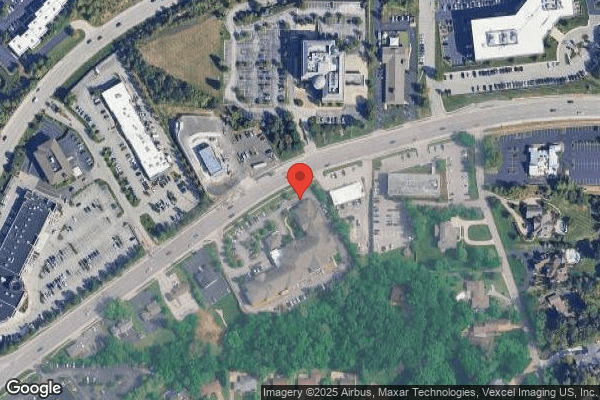
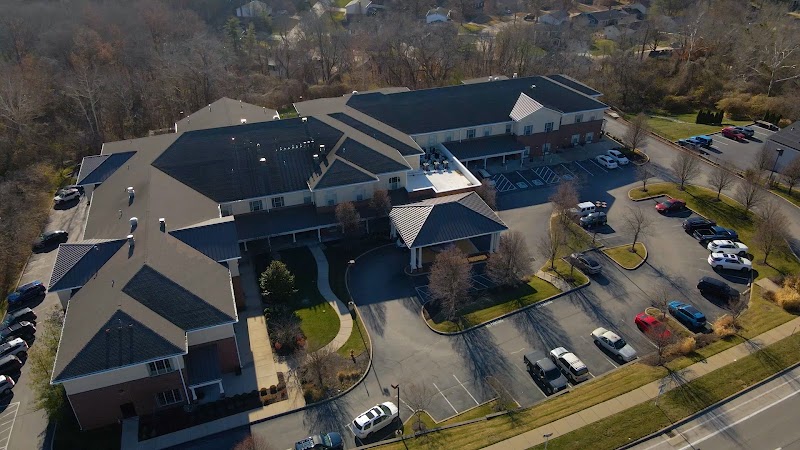
13230 MANCHESTER ROAD, DES PERES, MO 63131 (314) 821-2886
For profit - Corporation 147 Beds MGM HEALTHCARE Data: November 2025 1 Immediate Jeopardy citation
Trust Grade
0/100
#442 of 479 in MO
Last Inspection: June 2025

Inspected within the last 6 months. Data reflects current conditions.

Overview

The Quarters at Des Peres has received a Trust Grade of F, indicating significant concerns about the care provided, which is the lowest rating possible. It ranks #442 out of 479 facilities in Missouri, placing it in the bottom half of nursing homes in the state, and #63 out of 69 in St. Louis County, meaning only one local option is better. The facility has shown improvement over time, reducing issues from 51 to 17 in the past year, but it still faces serious challenges. Staffing is a notable concern with a rating of 2 out of 5 stars and a high turnover rate of 74%, which is above the state average. Additionally, the facility has been fined $265,178, which is higher than 94% of Missouri facilities, suggesting ongoing compliance issues; however, it does provide more RN coverage than 78% of state facilities, which is a positive aspect. Specific incidents include staff failing to provide timely incontinence care for several residents, leaving them wet for extended periods, and a critical issue where a resident experiencing chest pains had to call 911 after staff did not respond to their call light for over ten minutes, highlighting serious concerns about staff availability and responsiveness.

Trust Score
F
0/100
In Missouri
#442/479
Bottom 8%
Safety Record
High Risk
Review needed
Inspections
Getting Better
51 → 17 violations
Staff Stability
⚠ Watch
74% turnover. Very high, 26 points above average. Constant new faces learning your loved one's needs.
Penalties
⚠ Watch
$265,178 in fines. Higher than 87% of Missouri facilities, suggesting repeated compliance issues.
Skilled Nurses
○ Average
Each resident gets 38 minutes of Registered Nurse (RN) attention daily — about average for Missouri. RNs are the most trained staff who monitor for health changes.
Violations
⚠ Watch
91 deficiencies on record. Higher than average. Multiple issues found across inspections.
★☆☆☆☆
1.0
Overall Rating
★★☆☆☆
2.0
Staff Levels
★★★☆☆
3.0
Care Quality
★☆☆☆☆
1.0
Inspection Score
Stable
2024: 51 issues
2025: 17 issues

The Good

  • Full Sprinkler Coverage · Fire safety systems throughout facility
  • No fines on record

Facility shows strength in fire safety.

The Bad

1-Star Overall Rating

Below Missouri average (2.5)

Significant quality concerns identified by CMS

Staff Turnover: 74%

28pts above Missouri avg (46%)

Frequent staff changes - ask about care continuity

Federal Fines: $265,178

Well above median ($33,413)

Significant penalties indicating serious issues

Chain: MGM HEALTHCARE

Part of a multi-facility chain

Ask about local staffing decisions and management

Staff turnover is very high (74%)

26 points above Missouri average of 48%

The Ugly 91 deficiencies on record

1 life-threatening 13 actual harm
Aug 2025 4 deficiencies 1 Harm
SERIOUS (G) 📢 Someone Reported This

A family member, employee, or ombudsman was alarmed enough to file a formal complaint

Actual Harm - a resident was hurt due to facility failures

Quality of Care (Tag F0684)

A resident was harmed · This affected 1 resident

**NOTE- TERMS IN BRACKETS HAVE BEEN EDITED TO PROTECT CONFIDENTIALITY** Based on interview and record review, the facility failed to provide acceptable nursing services by failing to report the result...

Read full inspector narrative →
**NOTE- TERMS IN BRACKETS HAVE BEEN EDITED TO PROTECT CONFIDENTIALITY** Based on interview and record review, the facility failed to provide acceptable nursing services by failing to report the results of an immediate (STAT) x-ray for one resident (Resident #5) who had complaints of shortness of breath (SOB). Two days after the x-ray, the resident requested to go to the hospital, the hospital found a large pleural effusion (condition where excess fluid accumulates in the pleural space, the thin membrane that separates the lungs from the chest wall) and a chest tube (drains access fluid) had to be placed. Additionally, the facility failed to administer intravenous (IV, method of administering fluids, medications, or nutrients directly into the bloodstream through a needle or catheter inserted into a vein) medications as ordered for two residents (Resident #3 and Resident #12). The census was 127.Review of the facility's Change of Condition policy, last reviewed 2/6/25, showed: -Policy: The attending physician/physician extender (Physicians, Nurse Practitioners, & Physician's Assistants, or Clinical Nurse Specialist) and the Resident Representative (RR) will be notified of a change in a resident's condition, per standards of practice and federal and/or state regulations; -Procedure:-1. Guideline for notification of physician and RR (not all inclusive):-Significant change in medical or cognitive baseline;-Accident or incident;-Abnormal lab results in conjunction with a change in condition;-2. Document in the Interdisciplinary Team (IDT) Notes:-Resident change of condition;-Physician/Physician Extender Notification;-Notification of RR. Review of the facility's Physician Orders policy, last reviewed 9/28/22, showed: -Policy: To provide guidance and ensure physician orders are transcribed and implemented in accordance with professional standards, state and federal guidelines;-Procedure: -Physician orders shall be provided by licensed practitioners (Physicians, Nurse Practitioners, & Physician's Assistants) authorized to prescribe orders;-Orders must be recorded in the medical record by the licensed nurse authorized to transcribe such orders;-Physician orders must be documented clearly in the medical record. The required components of a complete order: -Date and time of order;-Name of practitioner providing order;-Name and strength of medication or treatment;-Quantity and duration;-Dosage and frequency;-Route of administration;-Indication and diagnosis;-Stop Date, if indicated;-Physician orders that are missing required components, are illegible or unclear must be clarified prior to implementation;-Physician Order Sheet (POS) will be maintained with current physician orders as new orders are received. Discontinued (DC) orders will be marked as discontinued with the date, and all new orders will be written in the appropriate area on the POS with the date the order was received;-Physician orders will be transcribed to the appropriate administration record, Medication Administration Record (MAR) or Treatment Administration Record (TAR);-Medications will be ordered from the pharmacy to ensure prompt delivery. Medications available from the Emergency Drug Supply (E-Kit) or Automatic Dispensing Unit (ADU) shall be utilized for the first dose until a supply arrives from pharmacy, if available. Review of the facility's Infusion Therapy Medication Administration policy, dated 12/17, showed: -Procedures:-M. Document in Nursing Progress Notes: -1. Date;-2. Time;-3. Flushing agent;-4. Medication, solution;-5. Infusion rate;-6. Site assessment, complications, if any;-7. Patient response to procedure;-8. Type of solution and medication;-9. Duration of medication infusion;-10. Any untoward reactions. 1. Review of Resident #5's face sheet, showed diagnoses included hypertensive heart failure, congestive heart failure, peripheral vascular disease and weakness. Review of the resident's care plan, in use during survey, showed:-Focus: Resident prefers independent leisure; -History/potential for behavior problem: Alcohol consumption to excess; -The resident is at risk for falls, deconditioning, gait/balance problems and episodes of incontinence; -Resident has the potential for impaired skin integrity related to a history of wounds. Review of the resident's progress notes, showed:-On 8/2/25 at 1:53 P.M., Nurse was called to patient (pt) room related to fall, nurse observed pt walker facing the door and pt on the floor behind the walker. Nurse observed wet pull up. Shoes noted on pt. When asked what happened, pt replied I was headed to the bathroom when I lost my balance. Range of motion completed, aides and nurse used the Hoyer (mechanical lift) to lift pt up to wheelchair. Physician and resident representative aware;-On 8/3/25 at 11:06 A.M., Complaints of pain noted, as needed (PRN) oxy (pain medication) given as ordered hour later, effective. Patient on incident follow up for fall. Patient alert x 4 (to person, place, time and situation), walks with walker;-On 8/4/25 at 12:20 P.M., late entry: Resident was discussed during the Interdisciplinary Team (IDT) meeting in relation to a recent fall while self-transferring to the bathroom. Fall occurred without apparent injury; however, risk for future falls remains a concern. Current interventions in place to reduce fallrisk include PT/OT, reeducation on using the call light to ask for assistance, and proper footwear. Staff re-educated resident on safety precautions with follow up fall protocol in place. Resident's care plan updated accordingly;-On 8/4/25 at 2:32 P.M., Late Entry: Resident on incident follow up (IFU) precautions. No complaints of pain or discomfort at this time. Resident is currently resting in recliner in room with call light in reach;-On 8/6/25 at 11:30 A.M., Late Entry: Upon assessment resident complaint of shortness of breath. Oxygen saturation (sats) read 85% (normal range, 95-100%). Resident denies any complaints of pain or chest pains, 2 liters (L) of oxygen was applied to resident and oxygen sats increased to 94%. Resident continues to complain of shortness of breath. Physician notified and STAT chest x-ray was ordered;-On 8/6/25 at 12:57 P.M., Late Entry: The change in condition reported on this CIC Evaluation are/were: Shortness of breath; At the time of evaluation resident/patient vital signs, weight and blood sugar were:-Blood Pressure: 129/65 (normal 120/80) on 8/6/2025 at 11:19 A.M. Position: Sitting right arm;-Pulse: 69 (normal range, 60-100) on 8/6/2025 at 12:33 P.M.;-Respirations: 16 (normal 12-20) on 8/6/2025 at 12:33 P.M.;-Pulse Oximetry: O2 97% on 8/6/2025 at 12:32 P.M. Method: Room Air;-Outcomes of Physical Assessment: Positive findings reported on the resident/patient evaluation for this change in condition were: Respiratory Status Evaluation: Shortness of breath;-Pain Status Evaluation: Does the resident/patient have pain? No-Nursing observations, evaluation, and recommendations are: Resident complaints of shortness of breath, physician notified. New order received and implemented. STAT chest x-ray;-Primary care provider feedback: X-ray;-New intervention Orders: Oxygen (if available);-On 8/6/25 at 5:30 P.M., Late Entry: The change in condition on this CIC evaluation are/were: shortness of breath. At the time of evaluation resident/patient vital signs, weight and blood sugar were: -Blood Pressure: BP 155/91 - 8/7/2025 10:18 A.M. Position: Lying right arm;-Pulse: 69 on 8/6/2025 at 12:33 P.M. Pulse Type: Regular-Respirations: 16.0 on 8/6/2025 at 12:33 P.M.-Weight: 290.0 pounds (lb) on 8/6/2025 5:05 P.M. Scale: Standing-Pulse Oximetry: Oxygen 97.0% on 8/8/2025 at 10:00 A.M. Method: Oxygen via Nasal Cannula;-Outcomes of physical assessment: respiratory status elevation: shortness of breath;-Primary care provider feedback: X-ray;-New intervention Orders: Oxygen (if available);-On 8/6/25 at 7:50 P.M., x-ray received, no fractures noted. Physician notified. Power of Attorney (POA) notified, no new orders received at this time. Review of the resident's x-ray results, dated 8/6/25, showed:-Procedure: Chest;-Clinical information: Shortness of breath;-Findings: AP (Anterior-Posterior) view of the chest submitted. No prior studies. Asymmetric density right base (abnormal finding) and possible effusion (abnormal collection of fluid in a body cavity) presented view. Left lung without focal opacity by one view (normal finding). No pneumothorax (air accumulates in the space between the lining and chest wall). The cardiac silhouette is enlarged by AP technique. Left chest pacer;-Impressions: Right basilar opacity (shadow or darkening seen on a chest x-ray) one view. Correlate clinically for atelectasis (collapse of whole lung or area of the lung), chronic scarring, and/or pneumonia. Review of the resident's progress notes, showed:-On 8/7/25 at 8:48 P.M., during rounds, resident did not report any pain or voice any concerns to this nurse. Resident was provided with ice water and his/her call light place within reach;-On 8/8/25 at 10:25 A.M., resident complaint of shortness of breath this morning. Vital signs taken within normal limits. Resident and family member requested transfer to the emergency room for further evaluation. Physician notified. During an interview on 8/12/25 at 12:10 P.M., the hospital employee reported the nurse at the facility told the son the chest x-ray was clear. When the hospital scanned the patient, they noted a large right pleural effusion, and a chest tube was placed. The family told the facility nurse the resident needed to go to the hospital due to new use of oxygen and sounding gurgly (making a low, bubbling sound). During an interview on 8/28/25 at 1:55 P.M., the Assistant Director of Nursing (ADON) said the resident was transported out in the evening. The nurse assigned to the resident no longer works at the facility. It was not reported to the ADON the resident had shortness of breath. The ADON was aware of the x-ray but believed it due to the fall the resident had. The ADON expected staff to notify the physician if the resident continued to have shortness of breath and had a continued need for oxygen. During an interview on 8/28/25 at 1:18 P.M., the Director of Nursing (DON) said the x-ray results are received by the charge nurse, and they are reported to the physician. She expected staff to notify the physician of reports based on what was reported. The results are expected to be reported within that shift and attempts to contact the physician are documented. Nursing staff are expected to document in real time. The DON reviewed the resident's x-ray results and said the resident might have some pneumonia based on what it said. She expected nursing to contact the physician if the resident continued to have shortness of breath, requiring the use of oxygen. She expected physician's orders to be followed and for staff to be knowledgeable of and follow facilities policies. 2. Review of Resident #3's face sheet, showed his/her diagnoses included severe sepsis (systemic (conditions that affect the entire body or multiple organ systems) infection) with septic shock (life-threatening condition that occurs when an infection triggers a widespread inflammatory response that leads to dangerously low blood pressure and organ failure), diabetes, acute (a sudden onset and has a short duration) kidney failure, weakness and cognitive communication deficit. Review of the resident's care plan, dated 8/15/25, showed:-Focus: Activities of daily living (ADL, daily self-care activities) deficit related to quadriplegia (complete or partial paralysis (partial or complete loss of muscle function and movement) of both arms and both legs);-Goal: Resident requires assistance with ADL care and mobility. Here on a skilled rehab stay to increase in strength, mobility, endurance and independence;-Interventions: -Bed mobility: Totally dependent on staff for repositioning and turning; -Dressing: Dependent on staff; -Eating: Dependent one assist; -Personal hygiene and oral care: Dependent on staff; -Transfer: Two assist with Hoyer; -Discuss any concerns related to loss of independence, decline in function; -Encourage discussion of feelings about self-care deficit as indicated. Review of the resident's MAR, dated 8/14/25 through 8/16/25, showed:-Ertapenem Sodium (antibiotic) Solution Reconstituted (the process of adding a liquid diluent to a dry ingredient to make a specific concentration of liquid) one gram (gm). Use one gm intravenously (IV) every 24 hours for infection for five days, order date 8/14/25 at 8:00 P.M.; -On 8/14/25 at 11:22 P.M., Not Administered See Nurses Note (NA); -On 8/15/25 at 7:44 P.M., NA. Review of the resident's progress notes, dated 8/14/25 through 8/16/25, showed no progress notes regarding the ertapenem not being administered. No notifications to the physician or RR the ertapenem was not administered as ordered. During an interview on 8/29/25 at 9:55 A.M., Pharmacy Representative (PR) said a one-day supply of ertapenem was sent to the facility on 8/14/25. The remaining four-day supply was sent on 8/15/25. Review of the resident's hospital Emergency Department (ED) record, dated 8/16/25, showed: -Resident presents to ED via Emergency Medical Services (EMS) from the facility with hypotension (low blood pressure) and dizziness on 8/16/25;-Resident was admitted on [DATE] with hypotension and unresponsive. Resident was transferred to the intensive care unit (ICU) for septic shock for urinary tract infection (UTI). Resident was treated with meropenem (antiobotic) for seven days for gram neagitive sepsis. A Peripherally Inserted Central Catheter (PICC, a thin, flexible tube inserted into a vein in the upper arm and threaded into a larger vein near the heart) was placed in left upper extremity (UE) prior to discharge to facility on 8/14/25 so the resident could continue the antibiotic for three days. Resident reported he/she did not receive any infusions through his/her PICC line since his/her discharge from the hospital. Attempts were made to obtain medical records from the facility ended in the facility staff hanging up on the hospital;-Resident was started on vancomycin (antiobotic) and cefepime (antiobotic) in ED. Will continue overnight pending infectious disease (ID) consult. 3. Review of Resident #12's face sheet, showed his/her diagnoses included human herpes virus 6 encephalitis (HHV-6, brain inflammation caused by the human herpes virus), epilepsy (seizures), diabetic, heart failure, weakness and need for assistance with personal care. Review of the resident's care plan, dated 8/8/25, showed:-Focus: Resident requires IV therapy acyclovir (antiviral medication used to treat infections) three times a day through 8/13/25;-Goal: Will not have complications or adverse reactions when receiving IV therapy for 30 days;-Interventions: -Administer IV therapy as ordered, explain procedure to the resident; -Change dressing to insertion site as ordered/ indicated; -Observe for possible side effects- report abnormal symptoms to physician; -Observe the IV site for edema (swelling), redness, drainage, etc. Report abnormal findings to physician. Review of the resident's MAR and progress notes, dated 8/7/25 through 8/26/25, showed:-Acyclovir powder, use 730 milligrams (mg) IV three times a day for viral infection until 08/13/25, order date 8/7/25 at 5:37 P.M., DC 8/10/25 at 12:39 A.M.; -On 8/7/25 at 10:00 P.M., blank (no documentation); -On 8/8/25 at 6:00 A.M., blank; -On 8/8/25 at 2:00 P.M., blank; -On 8/8/25 at 10:00 P.M., blank; -On 8/9/25 at 6:00 A.M., blank; -On 8/9/25 at 2:00 P.M., blank; -On 8/9/25 at 10:00 P.M., blank;-Progress note dated 8/11/25 at 10:03 A.M., Pharmacy called and relayed problem with acyclovir IV medication. Due to dosage, storage and reconstitution needed, pharmacy would like the physician to be called and possibly change the dosage to ensure integrity of medication. Please follow up with pharmacy about new order;-Progress note dated 8/11/25 at 10:56 A.M., Nurse verified Acyclovir dose with physician per pharmacy inquiry, give 1000 mg IV three times a day. Call placed to pharmacy to provide updated order;-Acyclovir powder, use 1000 mg IV three times a day for viral infection, order date 8/11/25 at 10:48 A.M., DC on 8/12/25 at 1:59 P.M.: -On 8/12/25 at 6:00 A.M., NA;-Progress note, dated 8/13/25 at 3:03 P.M., IDT Risk Meeting held today regarding the resident is currently receiving Acyclovir prophylaxis (action taken to prevent disease) without a designated stop date related to a viral infection/outbreak. Resident is compliant with the medication regimen and tolerating it well with no reported side effects at this time;-Progress note, dated 8/13/25 at 10:43 P.M., Resident still remains on ABT for viral outbreak. No adverse reactions noted at this time;-Acyclovir powder, use 750 mg IV every eight hours for viral infection until 08/18/25, order date 8/14/25 at 10:53 A.M.; -On 8/15/25 at 6:00 A.M., NA; -On 8/15/25 at 2:00 P.M., NA; -On 8/15/25 at 10:00 P.M., NA; -On 8/16/25 at 6:00 A.M., NA;-Progress note, dated 8/16/25 at 10:32 P.M., Resident remains on ABT Acyclovir 750mg intravenously. No adverse reaction noted;-No progress notes regarding missed doses of IV ABT;-No progress notes with notification to physician and RR regarding missed doses of IV ABT. During an interview on 8/29/25 at 9:55 A.M., PR said the acyclovir was first sent out on 8/11/25 and the last time it was sent to the facility was on 8/15/25. The pharmacy sent out a seven-day supply total to the facility. 4. During an interview on 8/28/25 at 1:18 P.M., the DON and Administrator said they expected staff to follow physician orders. They expected staff to be knowledgeable of and to follow the facility policies. They expected if staff documented NA in the resident's MAR for a progress note to be entered on why the medication was not administered. On 8/29/25 at 1:23 P.M., the DON and Administrator said if an IV ABT was not administered as ordered, they expected notifications to the physician and RR to be documented in the resident's progress notes. 2593947
CONCERN (D) 📢 Someone Reported This

A family member, employee, or ombudsman was alarmed enough to file a formal complaint

Potential for Harm - no one hurt, but risky conditions existed

Accident Prevention (Tag F0689)

Could have caused harm · This affected 1 resident

**NOTE- TERMS IN BRACKETS HAVE BEEN EDITED TO PROTECT CONFIDENTIALITY** Based on interview and record review, the facility failed to adequately assess resident falls by ensuring residents received tre...

Read full inspector narrative →
**NOTE- TERMS IN BRACKETS HAVE BEEN EDITED TO PROTECT CONFIDENTIALITY** Based on interview and record review, the facility failed to adequately assess resident falls by ensuring residents received treatment and care in accordance with acceptable standards of practice when the facility failed to accurately complete a post (after) fall 72 hour monitoring report (neurological (neuro) evaluation - pulse (P), respiration (R), and blood pressure (BP) measurements; assessment of pupil size and reactivity; and equality of hand grip strength) if the fall was unwitnessed or if the resident had an incident hitting their head for one resident (Resident #10). The facility failed to complete incident follow up documentation (IFU) for 72-hours. The facility also failed to update the resident's care plan timely. The facility failed to offer as needed (PRN) pain medications post fall. The facility also failed to ensure x-rays were completed for the resident's right extremities in accordance with physician's orders. The facility failed to document the resident's transfer to the hospital for further assessment following the fall. The sample was 20. The census was 127.Review of the facility's Accident and Incident Documentation and Investigation, dated 8/30/18, showed:-Policy: Accidents and/or Incidents involving Residents will be investigated and documented on an Incident Report entry in the EHR. An Incident is defined as an occurrence which is not consistent with the routine operation of the Facility or the routine care of a particular Resident. Accidents and Incidents will be analyzed for trends or patterns to enable the Facility to enhance preventive measures to reduce the occurrence of Incidents;-Procedure: The Licensed Nurse assigned at the time of the resident care accident/incident is responsible for conducting an investigation of the circumstances surrounding the Accident/Incident, and for notifying the Supervisor, Director of Nursing, and/or the Administrator as appropriate;-The Licensed Nurse at the time of the Incident is responsible for initiating/completing the Incident Report, ensuring that all items have been completed as applicable to the Accident/Incident;-The Licensed Nurse at the time of the Incident is responsible for documenting the incident in the resident's medical record, in accordance with the guidelines below and set forth in the incident report;-If the incident/accident is related to a visitor; documentation in the medical record will not be applicable;-Notification and documentation: The Licensed Nurse shall document the incident and notify the supervisor and Director of Nursing for follow through as needed (not applicable with visitor Incident);-The Licensed Nurse may complete a nurses' note and update the Resident Care Plan as needed (not applicable with visitor incident);-The Nurse's notes may contain the following documentation:-Clear objective facts of what occurred;-An Evaluation of the resident's condition at the time of the accident/incident may include a description of the resident, vital signs, and other physical characteristics apparent as a result of the accident/incident;-Any treatment provided;-Notification or attempts to notify the resident's physician, family, and/or legal representative, or any other health care professional or individuals involved with the resident's care;-The charge nurse's signature, date, & time of the documentation;-Note: If a Visitor accident/incident occurs, medical record documentation will not apply.-The Administrator/ Director of Nursing will notify the State Department of Health in accordance with Reporting Guidelines in the event the accident/incident is a reportable occurrence;-Accidents/Incidents will be reviewed as part of Quality Assurance and Quality Improvement (QAPI);-Report completion: Incident Report will be completed in the Electronic Medical Record (EMR);-In the event the computer is down paper copies of an incident report will be available. Review of Resident #10's face sheet, showed:-admitted on [DATE];-discharged on 8/25/25;-Diagnoses included cerebral infarction (stroke), posterior reversible encephalopathy syndrome (PRES, rare neurological disorder characterized by reversible brain swelling in the back part of the brain), hemiplegia (weakness on one side of the body) and hemiparesis following cerebral infarction, anemia (iron deficiency) and muscle weakness. Review of the resident's nursing admission evaluation and baseline care plan, dated 8/21/25, showed:-General appearance: Blank;-Vital signs: Blank;-Head, eyes, ears, nose and throat (HEENT): Blank;-Respiratory/chest: Blank;-Cardiac/circulation: Blank;-Gastrointestinal/bowel: Blank;-Genitourinary/bladder: Blank;-Skin: Blank;-Pain: Blank;-Extremities/Range of motion: Blank;-Functional abilities/self care: Blank;-Functional abilities/mobility: Blank;-Mobility devices: Blank;-Health conditions/special treatments: Blank;-Medications: Blank;-Medical conditions: Blank;-Physician orders: Blank;-Dietary/nutritional status: Blank;-Therapy: Blank;-Social Services: Blank;-Plan of care: Blank;-Baseline care plan review: Blank. Review of the resident's admission fall risk assessment, dated 8/21/25, showed:-Level of consciousness/mental state: Blank;-History of falls (past three months): Blank;-Ambulation/elimination status: Blank;-Vision status: Blank;-Gait/ balance: Blank;-Systolic blood pressure: Blank;-Medication: Blank;-Predisposing disease: Blank. Review of the resident's pain interview assessment, dated 8/21/25, showed:-Have you had pain or hurting at any time in the last five days: Yes;-How much of the time have you experienced pain or hurting over the last five days: Occasionally;-Pain effect on sleep: Occasionally;-Over the past five days, how often have you limited your participation in rehabilitation therapy sessions due to pain: Rarely or not at all;-Pain interference with day to day activities: Rarely or not at all;-Please rate your worst pain over the last five days on a zero to ten: Three out of Ten;-Please rate the intensity of your worst pain over the last five days: Mild;-Frequency with which resident complains or shows evidence of pain or possible pain: Indicators of pain (1 to 2 days);-Received scheduled pain medication regimen: No;-Received as needed (PRN) pain medications or was offered and declined: No;-Describe administration patterns, any side effects and effectiveness: Resident given PRN Tylenol;-Received non-medication intervention for pain: No;-Signed by Licensed Practical Nurse (LPN) on 8/29/25. Review of the resident's nursing evaluation, dated 8/21/25, showed:-Did the resident have major surgery during the 100 days prior to admission: No;-Recent surgery requiring active SNF care: No;-Persistent vegetative state/no discernible consciousness: No;-Ability to express ideas and wants, consider both verbal and non-verbal expression: No;-Understanding verbal content, however able (with hearing aid or device if used): Usually understands;-Does this resident have one or more unhealed pressure ulcers/injuries: No;-Skin and ulcer/injury treatments: Pressure reducing device for bed;-Respiratory status: Regular/unlabored;-The resident presents diagnosis of hemiplegia: -Right sided deficit/weakness: blank; -Left sided deficit/weakness: blank;-Has the resident had any falls since admission/entry or re-entry or the prior assessment: Yes;-Fall interventions in place: Yes;-Special treatments and programs: None;-Additional services provided: Observation/assessment; -Management and evaluation of resident care plan; -Therapy-Signed by LPN on 8/29/25. Review of the resident's Physician's Orders Sheet (POS), dated August 2025, showed:-An order, dated 8/21/25, acetaminophen tablet 325 mg, give one tablet via nasogastric tube (NG tube, thin, flexible tube inserted through the nose and into the stomach);-An order, dated 8/21/25, pain scale 1-10 every shift, document pain;-An order, dated 8/22/25, x-ray left arm and right shoulder, one time only for fall for two days;-An order, dated 8/22/25, portable x-ray left shoulder, humerus, forearm, wrist, elbow related to pain due to physical limitations;-An order, dated 8/22/25, acetaminophen tablet 325 milligram (gm), give one tablet by mouth every six hours as needed for pain. Review of the resident's progress notes, showed:-On 8/22/25 at 6:50 A.M., resident noted to have slid out of bed and on to the floor trying to ambulate without assistance. This nurse assessed resident for injury, bruising and redness, none noted at this time. Per resident he/she is having pain to left arm and right shoulder. New order for x-ray to both extremities. Given Tylenol 325 mg for pain. Resident placed back into bed by Certified Nurse Aide (CNA) x2. Bed locked and lowered for safety. Call light in reach;-On 8/22/25 at 6:30 P.M., resident's female family advocate at bedside request information regarding resident medication orders. Resident in bed aware/talkative with visitor and stated ok to speak with her/him. Resident son also present on the phone to verify information. Request resident to have x-ray left arm status/post (s/p) fall related to complaints of pain. Resident in bed with discomfort noted with care/repositioning. Physician made aware. Given new order x-ray lower upper extremities (LUE). X-ray company made aware;-On 8/22/25 at 8:01 P.M., X-ray tech here at this time to perform exam. Resident resting in bed. Cooperative with care. No acute distress noted;-On 8/23/25 at 7:12 A.M., rested safely/comfy in low bed. Aroused easily to stimuli. Voices needs. Continued left side weakness. Positioned comfortably with no acute distress noted. G-tube flushed without difficulty. Peri care provided with incontinence. No acute distress noted. Head of bed (HOB) elevated. Bed low. Call light in reach;-No IFU progress note each shift for 72 hours. Review of the resident's medical record on 8/28/25 and 8/29/25, showed no documentation of neuro checks, skin assessment completed after the resident's fall, or completed x-ray of the resident's right extremities. Review of the resident's Neurological Evaluation, dated 8/22/25, provided by the facility on 9/3/25 at 3:12 P.M. by email, showed:-Directions: Complete Post-Fall if resident hit head or unwitnessed fall: -Every (Q) 15 Minutes times (X) one hour; -Q 30 minutes X one hour; -Q Hour X two hours; -Q two hours X eight hours; -Q four hours X 12 hours; -Q shift X 72 hours;-Q 15 minutes X one hour: -8/22/25, 6:45 A.M., completed; -8/22/25, 7:00 A.M., completed; -8/22/25, 7:15 A.M., completed; -8/22/25, 7:30 A.M., completed;-Q 30 minutes X one hour: -8/22/25, 7:45 A.M., time incorrect, should be 8:00 A.M.; -8/22/25, 8:00 A.M., time incorrect, should be 8:30 A.M.;-Q Hour X two hours: -8/22/25, 10:00 A.M., time incorrect, should be 9:30 A.M.; -8/22/25, 12:00 P.M., time incorrect, should be 10:30 A.M.;-Q two hours X eight hours: -8/22/25, 9:00 P.M., time incorrect, should be 12:30 P.M.; -8/23/25, 5:00 A.M., date and time incorrect, should be 8/22/25 at 2:30 P.M.; -8/23/25, 1:00 P.M., date and time incorrect, should be 8/22/25 at 4:30 P.M.; -8/23/25, 9:00 P.M., date and time incorrect should be 8/22/25 at 6:30 P.M.;-Q four hours X 12 hours: -8/24/25, 9:00 A.M., date and time incorrect should be 8/22/25 at 10:30 P.M.; -8/24/25, 9:00 P.M., date and time incorrect should be 8/22/25 at 2:30 A.M.; -8/25/25 9:00 A.M., date and time incorrect should be 8/23/25 at 6:30 A.M.;-Q shift X 72 hours: -Blank: Should have been completed on 8/23/25 day shift (7:00 A.M. - 3:00 P.M.); -Blank: Should have been completed on 8/23/25 evening shift (3:00 P.M. - 11:00 P.M.); -Blank: Should have been completed on 8/23/25 night shift (11:00 P.M. - 7:00 A.M.); -Blank: Should have been completed on 8/24/25 day shift; -Blank: Should have been completed on 8/24/25 evening shift; -Blank: Should have been completed on 8/24/25 night shift; -Blank: Should have been completed on 8/25/25 day shift. Review of the resident's x-ray results, dated 8/22/25, showed:-History: Post fall;-Left elbow, two views: No acute fracture or dislocation;-Left humerus, 2+ views: No acute fracture or dislocation;-Left forearm, two views: No acute fracture or dislocation;-Left wrist, two views: No acute fracture or dislocation;-Left shoulder, complete 2+ views: No fractures or dislocation;-No documentation of x-ray result for the right extremities. Review of the resident's Medication Administration Record (MAR), dated August 2025, showed:-An order, dated 8/21/25, pain scale 1-10 every shift: -On 8/22/25 during 7:00 A.M. to 3:00 P.M. shift, 3; -On 8/22/25 during 3:00 P.M. to 11:00 P.M. shift: blank; -On 8/22/25 during 11:00 P.M. to 7:00 A.M. shift: blank; -On 8/23/25 during 7:00 A.M. to 3:00 P.M. shift, 3; -On 8/23/25 during 3:00 P.M. to 11:00 P.M. shift, 0; -On 8/23/25 during 11:00 P.M. to 7:00 A.M. shift, 0;-An order, dated 8/22/25, acetaminophen tablet 325 mg, Give one tablet by mouth every six hours as needed for pain, showed the medication was not administered between 8/22/25 through 8/28/25; -On 8/28/25, the medication was discontinued;-An order, dated 8/21/25, acetaminophen tablet 325 mg. Give one tablet via NG tube every six hours as needed for pain, showed the medications was not administered 8/21/25 through 8/22/25; -On 8/22/25, the medication was discontinued. Review of the progress notes, showed no entries for 8/24/25 and 8/25/25. Review of the resident's care plan, dated 8/25/25, showed:-Focus: The resident is at risk for falls, confusion, and deconditioning;-Goal: The resident will be free of minor injury;-Interventions: Anticipate and meet the resident's needs; -Encourage the resident to participate in activities that promote exercise, physical activity for strengthening and improved mobility; -Ensure that the resident is wearing appropriate footwear when ambulating or mobilizing in wheelchair; -Family request bed to be placed up against wall; -Low bed with fall mat; -Review information on past falls and attempt to determine cause of falls. Record possible root causes. After remove any potential causes if possible. Educate resident, family, caregiver, Interdisciplinary team (IDT) as to causes; -The resident needs activities that minimize the potential for falls while providing diversion and distraction. Review of the hospital emergency room record, dated 8/25/25, showed:-Alert and oriented;-Reported he/she fell Friday (8/22/25) and today;-Hematoma/abrasion on left forehead;-Patient reports headache and room is spinning. During an interview on 8/29/25 at 9:24 A.M., LPN C said if a resident had a fall, neuro checks are completed, regardless if it was witnessed or not. The Assistant Director of Nursing (ADON) makes sure it is completed. He/She believed it would be scanned into the medical record. They also complete pain and skin assessments. If there is an open area, they will notify the physician and receive treatment orders. During an interview on 8/29/25 at 9:29 A.M., the Administrator said neuro checks are completed on paper. Once the neuro checks are completed, it is scanned into the medical record. During an interview on 8/29/25 at 1:33 P.M., the Director of Nursing (DON) said she expected the fall assessment to be completed upon admission. The admitting nurse on the floor is responsible. She expected falls to be documented and neuro checks are expected to be completed immediately regardless if it was witnessed or unwitnessed. The skin and pain assessments are on the form called the fall risk assessment. It should be completed. The neuro checks are scanned in. It is not in the medical record, it was not scanned in. She expected staff to offer PRN pain medications and document in the medical record. She expected physician's orders to be followed and for staff to be knowledgeable of and follow facilities policies. 2599861
CONCERN (E) 📢 Someone Reported This

A family member, employee, or ombudsman was alarmed enough to file a formal complaint

Potential for Harm - no one hurt, but risky conditions existed

Deficiency F0628 (Tag F0628)

Could have caused harm · This affected multiple residents

**NOTE- TERMS IN BRACKETS HAVE BEEN EDITED TO PROTECT CONFIDENTIALITY** Based on interview and record review, the facility failed to ensure nursing staff documented the reason for residents' transfer ...

Read full inspector narrative →
**NOTE- TERMS IN BRACKETS HAVE BEEN EDITED TO PROTECT CONFIDENTIALITY** Based on interview and record review, the facility failed to ensure nursing staff documented the reason for residents' transfer or discharge in the medical record. The facility failed to record the medically justified reason for 3 residents who were transported to the hospital after a change in condition (Residents #4, #1, and #10). The sample was 20. The census was 127. Review of the facility's Discharge and Transfer-Involuntary policy, last reviewed 10/7/21, showed:-Policy: Transfer and discharge includes movement of a resident to a bed outside of the facility whether that bed is in the same physical plant or not. Transfer and discharge does not refer to movement of a resident to a bed within the same certified facility. The facility must permit each resident to remain in the facility and not transfer or discharge the resident from the facility unless specific criteria, as outlined below, are met;-Procedure: -1. The facility reserves the right to transfer a resident deemed acutely ill by the physician to a hospital or other facility better equipped to meet the resident's health care needs;-2. A written or telephone order is required from the attending physician for the discharge of a resident, except in emergency situations;-3. The Interdisciplinary team (IDT) and the resident's physician must document in the resident record when a resident is transferred or discharged ;-4. The facility will provide sufficient orientation to residents to ensure safe and orderly transfer or discharge from the facility including an opportunity to participate in the decision of where to transfer;-6. See Discharge Plan/Summary policy for information on the Discharge Summary and discharge documents;-7. Before a facility transfers a resident to a hospital or allows a resident to go on therapeutic leave, the nursing facility must provide written information to the resident and the resident representative or legal representative that specifies the duration of the bed-hold policy and the facility's policies regarding bed-hold;-9. The resident's clinical record shall be completed and forwarded to the medical records department following the discharge, transfer, or death of the resident. 1. Review of Resident #4's face sheet, showed: -admission: [DATE];-Diagnoses included dependence on renal dialysis (the process of filtering the blood for individuals with kidney failure), high blood pressure, diabetes, cognitive communication deficit, weakness and need for assistance with personal care. Review of the resident's care plan, dated 8/20/25, showed: -Focus: The resident needs dialysis three times a week related to renal failure, created 8/20/25;-Goal: -The resident will have immediate intervention should and sign or symptoms of complications from dialysis occur through the review date, created 8/20/25; -The resident will have no signs or symptoms of complications from dialysis through the review date, created 8/20/25;-Interventions: -Check and change dressing daily at access site. Document, created 8/20/25; -Encourage resident to go for the scheduled dialysis appointments. Resident receives hemodialysis in facility Tuesday, Thursday and Saturday, created 8/20/25; -Monitor and document report to physician signs and symptoms of depression. Obtain order for mental health consult if needed, created 8/20/25; -Monitor, document and report as needed (PRN) any signs and symptoms of infection to access site: Redness, swelling, warmth or drainage, created 8/20/25; -Monitor, document and report PRN for signs and symptoms of renal insufficiency: changes in level of consciousness, changes in skin turgor, oral mucosa (moist, inner lining of mouth), changes in heart and lung sounds, created 8/20/25. Review of the resident's progress notes, showed: -On 8/28/25 at 12:53 P.M., IDT: Resident receives skilled services physical therapy (PT) occupational therapy (OT). Resident was sent to hospital this A.M. and remains there at this time;-On 8/27/25 at 11:36 A.M., skin wound note;-No progress note documenting the medical reason resident went to the hospital. Review of the medical record, showed:-No situation, background, appearance, review and notify (SBAR) assessment completed;-No transfer form completed; -No documentation of the reason why the resident was transported to the hospital. Review of the census, dated 8/28/25 at 1:03 P.M., showed resident still active and not discharged . Review of the resident's order summary, showed no order on 8/27/25 or 8/28/25 to send resident to the hospital for evaluation and treatment. During an interview on 8/29/25 at 9:05 A.M., Certified Medication Technician (CMT) A said he/she did not work the previous day so if the resident went to the hospital, he/she did not know why the resident was sent to the hospital. CMT A said he/she was not aware the resident went to the hospital the previous day. CMT A did not get anything in report about the resident being in the hospital. During an interview on 8/29/25 at 9:09 A.M., Licensed Practical Nurse (LPN) B said he/she did not get information about the resident in report about the resident going to the hospital or why. LPN B said if a resident is sent to the hospital, the nurse calls the physician, the family and Director of Nursing (DON) LPN B said the reason and condition of the resident when they are sent out would be documented in the resident's progress notes and the notifications would also be documented in the progress notes. LPN B said an SBAR and transfer assessment would also be completed on why and when the resident was sent to the hospital. During an interview on 8/29/25 at 1:23 P.M., the Director of Nursing (DON) said the resident was sent out on night shift due to shortness of breath (SOB). 2. Review of Resident #1's face sheet, showed: -admitted on [DATE];-discharged on 6/30/25;-readmitted on [DATE];-discharged on 8/15/25;-Diagnoses included dependence on renal dialysis, cognitive communication deficit, weakness and need for assistance with personal care. Review of the resident's care plan, dated 6/27/25, showed:-Focus: The resident receives hemodialysis (HD, medical treatment for kidney failure that uses a machine to filter waste products and excess fluid from the blood) three times a week related to renal (kidney) failure, created 6/27/25;-Goal: The resident will have immediate intervention should and sign or symptoms of complications from dialysis occur through the review date, created 6/27/25; -The resident will have no signs or symptoms of complications from dialysis through the review date, created 6/27/25;-Interventions: -Check and change dressing daily at access site. Document, created 6/27/25; -Do not draw blood or take blood pressure in arm with graft, left arteriovenous (AV) fistula (a connection that's made between an artery and a vein for dialysis access), created 6/27/25; -Encourage resident to go for the scheduled dialysis appointments. Resident receives dialysis in facility three times a week, created 6/27/25; -Monitor and document report to physician signs and symptoms of depression. Obtain order for mental health consult if needed, created 6/27/25; -Monitor, document and report PRN any signs and symptoms of infection to access site: Redness, swelling, warmth or drainage, created 6/27/25; -Monitor, document and report PRN for signs and symptoms of renal insufficiency: changes in level of consciousness, changes in skin turgor, oral mucosa (moist, inner lining of mouth), changes in heart and lung sounds, created 6/27/25. Review of the resident's progress notes, showed no progress notes on 6/30/25 when the resident was sent to the hospital. Review of the medical record, showed on 6/30/25 an SBAR with unable to determine marked under situation, no vital signs documented from 6/30/25, appearance left blank. No medical reason documented on the form on why the resident was sent to the hospital. Review of the HD treatment flowsheet completed by dialysis clinic, dated 6/30/25, showed the resident complained of SOB labored breathing noted, resident lethargic. Resident hypoxic (deficiency in the amount of oxygen reaching the tissues) with oxygen saturations (Sp02, measures amount of oxygen in the blood, normal SpO2 is between 90 and 100 percent (%)) in the 80's. Treatment discontinued at 68 minutes. Resident referred to facility for further evaluation. Review of the resident's order summary showed no order on 6/30/25 to send resident to the hospital for evaluation and treatment. 3. Review of Resident #10's face sheet, showed:-admitted on [DATE];-discharged on 8/25/25;-Diagnoses included cerebral infarction (stroke), posterior reversible encephalopathy syndrome (PRES, rare neurological disorder characterized by reversible brain swelling in the back part of the brain), hemiplegia (weakness on one side of the body) and hemiparesis following cerebral infarction, anemia (iron deficiency), and muscle weakness. Review of the resident's care plan, dated 8/25/25, showed:-Focus: The resident is at risk for falls, confusion, and deconditioning;-Goal: The resident will be free of minor injury;-Interventions: Anticipate and meet the resident's needs; -Encourage the resident to participate in activities that promote exercise, physical activity for strengthening and improved mobility; -Ensure that the resident is wearing appropriate footwear when ambulating or mobilizing in wheelchair; -Family request bed to be placed up against wall; -Low bed with fall mat; -Review information on past falls and attempt to determine cause of falls. Record possible root causes. After remove any potential causes if possible. Educate resident, family, caregiver, Interdisciplinary team (IDT) as to causes; -The resident needs activities that minimize the potential for falls while providing diversion and distraction. Review of the resident's progress notes, showed:-On 8/22/25 at 6:50 A.M., resident noted to have slid out of bed and on to the floor trying to ambulate without assistance. This nurse assessed resident for injury, bruising and redness, none noted at this time. Per resident he/she is having pain to left arm and right shoulder. New order for x-ray to both extremities. Given Tylenol 325 milligrams (mg) for pain. Resident placed back into bed by Certified Nurse Aide (CNA) x 2. Bed locked and lowered for safety. Call light in reach;-On 8/22/25 at 6:30 P.M., resident's female family advocate at bedside request information regarding resident medication orders. Resident in bed aware/talkative with visitor and stated ok to speak with her/him. Resident son also present on the phone to verify information. Request resident to have x-ray left arm s/p fall related to complaints of pain. Resident in bed with discomfort noted with care/repositioning. Physician made aware. Given new order x-ray lower upper extremities (LUE). X-ray company made aware;-On 8/22/25 at 8:01 P.M., X-ray tech here at this time to perform exam. Resident resting in bed. Cooperative with care. No acute distress noted;-On 8/23/25 at 7:12 A.M., rested safely/comfy in low bed. Aroused easily to stimuli. Voices needs. Continued left side weakness. Positioned comfortably with no acute distress noted. G-tube p/i flushed without difficulty. Peri care provided with incontinence. No acute distress noted. Head of bed (HOB) elevated. Bed low. Call light in reach. Review of the medical record, showed no documentation of the resident transported to the hospital. 4. During an interview on 8/29/25 at 1:33 P.M., the Director of Nursing (DON) said staff completes a change in condition form and transfer form when a resident is transported to the hospital. They receive orders from the physician and notify the resident representative if it is not the resident. If the resident is unresponsive, they will notify the family. She expected there to be a progress note. The progress note should include the vital signs and who was notified. If it is not documented in real time, they will document what time the resident was transported by Emergency Medical Technician (EMT). Most of the time, they do not know where they are transporting the resident. If staff are aware, it should be included in the progress note. She expected nursing staff to report if a resident was sent to the hospital. 2571345
CONCERN (E) 📢 Someone Reported This

A family member, employee, or ombudsman was alarmed enough to file a formal complaint

Potential for Harm - no one hurt, but risky conditions existed

Deficiency F0698 (Tag F0698)

Could have caused harm · This affected multiple residents

Based on interview and record review, the facility failed to follow their policy for four sampled residents who received dialysis (the process of filtering the blood for individuals with kidney failur...

Read full inspector narrative →
Based on interview and record review, the facility failed to follow their policy for four sampled residents who received dialysis (the process of filtering the blood for individuals with kidney failure). Resident #18 had an inconsistent order for dialysis days, with the order showing Monday, Wednesday and Friday and the resident received dialysis on Tuesday, Thursday and Saturday, and the care plan did not list the scheduled chair time and location for dialysis treatment. Additionally, the facility failed to contact and document the notification to the physician and resident representative (RR) when his/her dialysis treatment ended early. Resident #2 did not have physician orders that included the location for the dialysis services and the scheduled dialysis chair time and failed to ensure the dialysis services had been addressed on the resident's individual care plan. The facility failed to complete the dialysis communication forms (vital signs taken prior to dialysis treatment and vital signs taken after treatment with communications from the dialysis clinic) for each treatment for Resident #19 and failed to document the scheduled chair time on his/her care plan. The facility failed to document Resident #4's scheduled chair time on his/her care plan. The census was 127.Review of the facility's Hemodialysis (HD, the process of filtering the blood for individuals with kidney failure) Protocol policy, not dated, showed: -This facility will provide the necessary care and treatment, consistent with professional standards of practice, physician orders, the comprehensive person-centered care plan, and the resident's goals and preferences, to meet the special medical, nursing, mental, and psychosocial needs of residents receiving hemodialysis;-Protocol:-The facility will assure that each resident receives care and services for the provision of hemodialysis and/or peritoneal dialysis consistent with professional standards of practice. This will include:-1. The ongoing assessment of the resident's condition and monitoring for complications before and after dialysis treatments received at a certified dialysis facility;-2. Ongoing assessment and oversight of the resident before, during and after dialysis treatments, including monitoring of the resident's condition during treatments, monitoring for complications, implementation of appropriate interventions, and using appropriate infection control practices, and;-3. Ongoing communication and collaboration with the dialysis facility regarding dialysis care and services;-Compliance Guidelines:-1. The facility will inform each resident before or at the time of admission, and periodically thereafter during the resident's stay, of dialysis services available;-2. The facility will coordinate and collaborate with the dialysis facility to assure that:-a. The resident's needs related to dialysis treatments are met;-b. The provision of the dialysis treatments and care of the resident meets current standards of practice for the safe administration of the dialysis treatments;-c. Documentation requirements are met to assure that treatments are provided as ordered by the nephrologist (kidney doctor), attending practitioner and dialysis team, and;-d. There is ongoing communication and collaboration for the development and implementation of the dialysis care plan by nursing home and dialysis staff;-3. The facility will monitor for and identify changes in the resident's behavior that may impact the safe administration of dialysis before and after treatment and will inform the attending practitioner and dialysis facility of the changes;-4. The licensed nurse will communicate to the dialysis facility via telephonic communication or written format, such as a dialysis communication form or other form, that will include, but not limit itself to:-a. Timely medication administration (initiated, held or discontinued) by the nursing home and/or dialysis facility; -b. Physician/treatment orders, laboratory values, and vital signs; -c. Advance Directives and code status; specific directives about treatment choices; and any changes or need for further discussion with the resident/representative, and practitioners; -d. Nutritional/fluid management including documentation of weights, resident compliance with food/fluid restrictions or the provision of meals before, during and/or after dialysis and monitoring intake and output measurements as ordered; -e. Dialysis treatment provided and resident's response, including declines in functional status, falls, and the identification of symptoms that may interfere with treatments; -f. Dialysis adverse reactions/complications and/or recommendations for follow up observations and monitoring, and/or concerns related to the vascular access site; -g. Changes and/or declines in condition unrelated to dialysis; -h. The occurrence or risk of falls and any concerns related to transportation to and from the dialysis facility;-5. The facility will immediately contact and communicate with the attending physician, resident/representative, and designated dialysis staff (i.e. nephrologist, registered nurse) any significant changes in the resident's status related to clinical complications or emergent situations that may impact the dialysis portion of the care plan;-6. The facility will assure that arrangements are made for safe transportation to and from the dialysis facility;-7. The nurse will monitor and document the status of the resident's access site(s) upon return from the dialysis treatment to observe for bleeding or other complications;-8. The facility will communicate with the dialysis facility, attending physician and/or nephrologist any significant weight changes, nutritional concerns, medication administration or withholding of certain medications prior to the dialysis treatment and document such orders;-9. The facility will communicate with the attending physician, dialysis facility and/or nephrologist of any canceled or postponed dialysis treatments and document any responses to the changes in treatment in the medical record. The facility will coordinate with the dialysis facility for rescheduling of the resident's dialysis treatment if canceled;-10. The facility will ensure that the physician's orders for dialysis include: -a. The type of access for dialysis (e.g. graft, arteriovenous shunt, external dialysis catheter) and location; -b. The dialysis schedule; -c. The nephrologist name and phone number; -d. The dialysis facility name and phone number; -e. Transportation arrangements to and from the dialysis facility; -f. Any medication administration or withholding of specific medications prior to dialysis treatments; -g. Any fluid restriction if ordered by the physician. Review of the facility's Change of Condition policy, last reviewed 2/6/25, showed:-Policy: The attending physician/physician extender (Physicians, Nurse Practitioners, & Physician's Assistants, or Clinical Nurse Specialist) and the Resident Representative (RR) will be notified of a change in a resident's condition, per standards of practice and federal and/or state regulations;-Procedure:-1. Guideline for notification of physician and RR (not all inclusive):-Significant change in medical or cognitive baseline;-Refusal to take prescribed medications;-2. Document in the Interdisciplinary Team (IDT) Notes:-Resident change of condition;-Physician/Physician Extender Notification;-Notification of RR. 1. Review of Resident #18's face sheet, showed his/her diagnoses included dependence on renal dialysis, weakness, abnormalities of gait and mobility, need for assistance with personal care, cognitive communication deficit and high blood pressure. Review of the resident's care plan, dated 8/10/25, showed:-Focus: The resident receives hemodialysis three times a week in facility related to renal failure;-Goal: -The resident will have immediate intervention should any signs or symptoms of complications from dialysis occur through the review date; -The resident will have no signs or symptoms of complications from dialysis through the review date;-Interventions: -Encourage resident to go for the scheduled dialysis appointments. Resident receives dialysis (specify frequency); -Monitor and document report to physician signs and symptoms of depression. Obtain order for mental health consult if needed;. -Monitor, document and report PRN any signs and symptoms of infection to access site: Redness, swelling, warmth or drainage; -Monitor, document and report PRN for signs and symptoms of renal insufficiency: changes in level of consciousness, changes in skin turgor, oral mucosa (moist, inner lining of mouth), changes in heart and lung sounds;-The care plan did not list the scheduled chair time or the days of the week the resident received dialysis. Review of the resident's order summary, showed receives dialysis at the facility, dialysis days: Monday, Wednesday and Friday, chair time 6:00 A.M., order date 8/14/25. Review of the resident's dialysis communication forms, dated 8/12/25 through 8/30/25, showed:-The resident receiving dialysis on Tuesday, Thursday and Saturday;-On 8/16/25, Patient's condition or events during/post (after) dialysis: Resident cut treatment time by 40 minutes. Complaints of pain in buttocks;-On 8/26/25, Patient's condition or events during/post dialysis: Resident cut treatment time by 70 minutes due to blood pressure never below 100 systolic (SBP, top number in blood pressure reading, normal is below 140). Review of the resident's progress notes, dated 8/9/25 through 8/29/25, showed no notifications to the physician or RR when the resident's treatment ended early on 8/16/25 and 8/26/25. 2. Review of Resident #2's face sheet, showed his/her diagnoses included dependence on renal dialysis, respiratory failure with hypoxia (insufficient oxygen), heart failure and high blood pressure. Review of the resident's care plan, dated 8/8/25, showed no identification of the resident's dialysis. Review of the resident's order summary, showed dialysis days Monday, Wednesday and Friday, order date 8/8/25. The order did not show the location the resident would receive dialysis or the scheduled chair time. 3. Review of Resident #19's face sheet, showed his/her diagnoses included dependence on renal dialysis, kidney failure, weakness, abnormalities of gait and mobility, heart failure and high blood pressure. Review of the resident's care plan, dated 7/9/25, showed:-Focus: The resident receives hemodialysis three times a week in facility Monday, Wednesday and Friday related to renal failure;-Goal: The resident will have immediate intervention should any signs or symptoms of complications from dialysis occur through the review date;-Interventions: -Check and change dressing daily at access site. Document; -Monitor and document report to physician signs and symptoms of depression. Obtain order for mental health consult if needed; -Monitor, document and report PRN any signs and symptoms of infection to access site: Redness, swelling, warmth or drainage;-Monitor/document/report PRN for signs and symptoms of the following: Bleeding, hemorrhage (bleeding from a broken blood vessel, either inside or outside the body), bacteremia (presence of bacteria in bloodstream), septic shock (life-threatening condition that occurs when an infection triggers a widespread inflammatory response that leads to dangerously low blood pressure and organ failure);-The care plan did not list the scheduled chair time. Review of the resident's dialysis communication forms, showed the facility was missing sheets for the following dates, 7/18/25, 7/23/25, 7/25/25, 7/30/25, 8/4/25, 8/11/25, 8/15/25, 8/18/25, 8/22/25, 8/25/25, 8/27/25 and 8/29/25. 4. Review of Resident #4's face sheet, showed his/her diagnoses included dependence on renal dialysis, high blood pressure, diabetes, cognitive communication deficit, weakness and need for assistance with personal care. Review of the resident's care plan, dated 8/20/25, showed: -Focus: The resident needs dialysis three times a week related to renal failure;-Goal: -The resident will have immediate intervention should any sign or symptoms of complications from dialysis occur through the review date; -The resident will have no signs or symptoms of complications from dialysis through the review date;-Interventions: -Check and change dressing daily at access site. Document; -Encourage resident to go for the scheduled dialysis appointments. Resident receives hemodialysis in facility Tuesday, Thursday and Saturday; -Monitor and document report to physician signs and symptoms of depression. Obtain order for mental health consult if needed; -Monitor, document and report as needed (PRN) any signs and symptoms of infection to access site: Redness, swelling, warmth or drainage; -Monitor, document and report PRN for signs and symptoms of renal insufficiency: changes in level of consciousness, changes in skin turgor, oral mucosa (moist, inner lining of mouth), changes in heart and lung sounds;-The care plan did not list the scheduled chair time. 5. During an interview on 8/28/25 at 1:18 P.M., the Administrator and Director of Nursing (DON) said they expected staff to be knowledgeable of and to follow the facility policies. They expected physician orders to be followed. They expected the dialysis communication forms to be completed each day a resident went to dialysis. They expected the completed dialysis communication forms to be scanned into the resident's medical record. They expected residents who receive dialysis to have orders and a care plan that lists the location the resident attends dialysis, the chair time the resident would attend dialysis and the days of the week the resident would attend dialysis. 2571345
Jun 2025 13 deficiencies 1 Harm
SERIOUS (G) 📢 Someone Reported This

A family member, employee, or ombudsman was alarmed enough to file a formal complaint

Actual Harm - a resident was hurt due to facility failures

Accident Prevention (Tag F0689)

A resident was harmed · This affected 1 resident

**NOTE- TERMS IN BRACKETS HAVE BEEN EDITED TO PROTECT CONFIDENTIALITY** Based on observation, interview and record review, the facility failed to ensure a resident was free from additional harm after ...

Read full inspector narrative →
**NOTE- TERMS IN BRACKETS HAVE BEEN EDITED TO PROTECT CONFIDENTIALITY** Based on observation, interview and record review, the facility failed to ensure a resident was free from additional harm after experiencing an unwitnessed fall. Staff transferred the resident back to his/her bed while the resident showed signs of injuries (Resident #8). The resident sustained fractures following the fall. In addition, the facility failed to transfer a resident (Resident #1) appropriately utilizing a mechanical lift. The sample size was 24. The census was 121. Review of the facility's Fall Management Policy, dated 2/28/23, showed: -Policy: To provide an environment that remains as free of accidents and hazards as possible. The Facility will complete a fall evaluation on Residents to determine who are at risk for falling and to develop appropriate interventions to provide supervision and assistive devices to prevent to minimize further falls and/or reduce injuries; -Definition: -A Fall is a sudden, uncontrolled, unintentional, downward displacement of the body to the ground or other object; -An unwitnessed fall occurs when a Resident is found on the floor and the Resident/Employee is unaware of how he/she got there; -Prevention/Treatment: -Prior to moving the Resident, the Charge Nurse will evaluate for injury; -If injury is known or suspected; -Provide emergency first aid treatment as applicable. 1. Review of Resident #8's quarterly Minimum Data Set (MDS), a federally mandated assessment instrument completed by facility staff, dated 12/4/24, showed: -Cognitively intact; -No behaviors; -Required substantial/maximal assistance for mobility and transfers; -Diagnoses included anemia. Review of the resident's progress notes, showed: -2/13/25 at 9:16 P.M., the resident was found on the floor by staff. Resident stated he/she was trying to reach something on his/her bedside table and slipped out of bed. Resident denies pain at this time. No visible injuries. Denies hitting head. Resident refused to turn to be placed on Hoyer (mechanical lift) pad. Educated resident on the safety of using a Hoyer. Resident insisted to be lifted by two male staff to be placed back into bed. One male staff held his/her legs and other male staff held under his/her arms. Placed resident back to bed. Multiple staff present at the time. Resident refuses to have vitals taken. Notified doctor; -2/14/25 at 2:04 A.M., Doctor and evening shift supervisor notified. Resident is now having complaints of left arm pain, refusing to be changed by the Certified Nursing Assistant (CNA). Call made to physician for an x-ray. Resident notified; -2/14/25 at 8:55 A.M., X-ray to left arm/shoulder completed. Awaiting the results; -2/14/25 at 12:04 P.M., Received the x-ray results. This nurse called the doctor and reported the results. Resident has a non-displaced fracture involving the supracondylar left humerus (a break to the lower part of this bone, close to the elbow) that suggests metastatic disease. The doctor recommends sending the patient to the hospital. This nurse talked to the patient and explained that the doctor recommended he/she go to the hospital. Resident is alert and oriented and able to understand he/she has a fracture and is own responsible party. Resident declined going to the hospital and states he/she could wait and if it gets worse, then would go to the hospital; -2/14/25 at 3:24 P.M., the resident refused vital signs during this shift. Dr here and made aware. Continues to be assisted with activities of daily living; -2/14/25 at 9:23 P.M., the resident resiting in bed with the rise and fall of the chest. Resident complained of pain to the left arm. This writer offered resident a pain medication to help with pain. The resident declined pain medication. This writer had conversation with the resident on how he/she fell, and why he/she did not want to go to the hospital. Resident responded saying, I am afraid of what else they will find. This writer encouraged resident to go. Resident continues to decline offer stating is he/she changes his/her mind, he/she will let this writer know. Vital signs refused. Swelling noted. Offered to elevate arm. Resident declined medical doctor. Review of the resident's care plan, in use during the time of the investigation, revised 2/14/25, showed: -Focus: The resident is at risk for falls. 2/13/25 fall; -Goal: The resident will be free of minor injury through the review date; -Interventions: Anticipate and meet the resident's needs. Educate the resident/family/caregivers about safety reminders and what to do if a fall occurs. Review of the resident's progress note, showed: -2/15/25 at 2:38 A.M., resident requested to go to the hospital. Medical doctor made aware. Resident left facility via stretcher for complaints of pain to left hip radiating down his/her leg. Resident going to the hospital; -2/20/25 at 4:07 P.M., spoke with staff at the hospital. Diagnoses of left distal femur fracture (thigh bone just above the knee joint) and left humerus fracture. No anticipated discharge date available at this time. Review of the resident's hospital Discharge summary, dated [DATE] at 10:14 A.M., showed: -Left distal femur fracture-occurred after fall out of bed experiencing dizziness; -Left distal humerus fracture. During an interview on 5/30/25 at 2:33 P.M. and 6/2/25 at 7:27 A.M., the resident said on 2/13/25 around 10:00 P.M., he/she reached for something on the night stand and fell from the bed, onto the floor. He/She screamed in pain and for help because he/she could not get to the call light. Two female staff members came to the room to assist him/her back in bed. They did not offer a Hoyer to transfer the resident back into bed. The resident said, If they did offer it, I don't know how they would have gotten me on it because I was in so much pain and the way my body was positioned would not allow a Hoyer to lift me without causing further pain. I was in so much pain, I would have refused a Hoyer anyway. The resident was not sure who the two staff members were, only they were from an agency and not regular employees of the facility. The staff members did not complete range of motion on the resident. They did not take vitals. The two staff got in position to transfer the resident back to bed. The resident said, something did not feel right when the staff were about to lift the resident. He/She asked the two staff members to stop and requested two male staff members transfer him/her back to bed. The staff members texted the male CNAs to assist the resident back into bed. Approximately five minutes later, CNAs Q and T entered the resident's room to transfer him/her back into bed. CNA Q grabbed the resident's legs while CNA T grabbed the resident's arm. The resident said CNA T grabbed him/her by the arm, under his/her elbow. As they lifted the resident, the resident said he/she felt a crack in his/her arm and yelled out, ouch, my arm, my arm, my arm! They then transferred the resident into the bed. The female staff said, they did not do anything to your arm. Make sure to document that they did not do anything to his/her arm. The resident said he/she was in so much pain after being placed in bed. An aide entered his/her room shortly after and said he/she needed to take vitals. The resident refused and said he/she was in pain. The resident was also distrustful of the aide because he/she said the resident was not in pain and did not want to work with the aide. He/She did not have any vitals taken due to pain. The next day someone came in and took x-rays. Later, the resident found out he/she had a fracture. He/She was afraid to go to the hospital and initially declined. That evening, Licenced Practical Nurse (LPN) O arrived and the resident told him/her what happened as he/she trusts LPN O. LPN O convinced the resident to go to the hospital. During an interview on 6/2/25 at 4:52 A.M., LPN O said he/she arrived to work the following day after the resident fell. The resident told him/her what happened the night before. LPN tried providing care to the resident and the resident cried out in pain. He/She encouraged the resident to go to the hospital. LPN O was not sure who the staff were who worked with the resident. He/She believed they were agency staff. During an interview on 6/2/25 at 7:04 A.M., CNA R said he/she was present when the fall occurred. He/She heard the resident yelling and saw him/her on the floor. He/She immediately got the nurse and explained the resident needed a mechanical lift and was on the floor screaming out in pain. He/She could not recall the nurse and said the nurse worked for an agency and had not returned since the incident. The nurse did not get a chance to obtain vitals because the resident refused and kept saying I am hurt and insisting staff get him/her off the floor. CNA R and the unknown nurse educated the resident on the importance of using the mechanical lift. Again, the resident refused. As they were going to lift the resident, the resident asked for CNAs Q and T. The aides arrived and lifted the resident off the floor and placed him/her back in bed. The nurse said he/she would document in the progress note the resident refused a mechanical lift and vitals. Later that evening, CNA R returned to the resident's room to get vitals. The resident refused and said he/she was in pain. He/She did not return to follow up on vitals as this was close to 10:00 P.M. when it happened and the shift was almost over. During an interview on 6/2/25 at 9:02 A.M., CNA Q said he/she and CNA T received a text message from the nurse asking for assistance in getting a resident off the floor. When they arrived, the resident was on the floor screaming in pain saying, It hurts, it hurts, it hurts. The resident also said to get him/her off the floor. At first, CNA Q said he/she did not recall the nurse doing range of motion because the resident was in so much pain and insisted on being transferred back to bed. They did not use a pad to transfer the resident. He/She could not recall exactly how the resident was lifted. He/She grabbed the resident by the legs and CNA T, who has since been terminated, grabbed the resident by the arms. He/She could not recall how the resident's arms were grabbed and how his/her body was positioned prior to the transfer. After transferring the resident back to bed, CNA Q continued with his/her assignments. During an interview on 6/2/25 at 9:21 A.M., LPN S said if there was an unwitnessed fall, the resident should be assessed by the nurse prior to moving the resident. If the resident is alert and oriented, denies pain, range of motion performed, vitals taken and no visible signs of injury, the resident could be transferred back into bed using a lift or pad. This was after a full head to toe assessment. If the resident was in pain, or showed signs of pain, it would be unsafe to transfer the resident back into bed. Staff should call Emergency Medical Services (EMS) if a resident showed signs of injury following a fall. During an interview on 6/2/25 at 4: 15 P.M., the Director of Nursing (DON) said if the resident complained of pain after a fall, staff should not attempt to move the resident and should call EMS immediately. During an interview on 6/3/25 at 5:25 P.M., the Corporate Nurse, Assistant Director of Nursing and Administrator said staff should have contacted EMS following the resident's fall if he/she showed signs of injury. They could not recall who the nurse was as he/she was through an agency and the facility has stopped utilizing agency staff. The Administrator was told the resident was not injured during the transfer. They staff should not have moved the resident following the fall. During an interview on 6/3/25 at 11:34 A.M., the facility's Medical Director said she was not familiar with the resident. However, staff should have contacted EMS prior to moving the resident if he/she showed signs of an injury. 2. Review of the facility's Total Lift Transfer policy, reviewed on 11/28/22, showed: -Policy: The facility will utilize a Total Lift Device on residents who are unable to assist with transfers; -Responsibility: Employees, nursing administration, Director of Nursing; -Procedure: -Measure resident for appropriate sling size according to Manufactures Guidelines; -Explain the procedure; -Ensure lifting device battery is charged; -Clear an unobstructed path for the lift device; -Ensure appropriate room to pivot the lift; -Position the lift near the receiving surface; -Place the lift at the correct height; -Lock the bed/chair wheels; -Inspect equipment; ensure in good condition (sling/straps); -Place sling under the resident; -Lower lift for easy attachment of the sling; -Position the sling under the resident with the base of the sling at the base of the resident's spine, top of the sling at the top of the head; cross straps prior to hooking the straps of the lift; -Match the corresponding colors on each slide of the sling and observe that all sling loops are securely connected; -Lift resident 2 inches from the surface to check the stability of the attachments, the fit of the sling and the weight distribution; -Evaluate resident's level of comfort and observe for signs of pinching or pulling of the skin; -Standing next to the resident, press the up button on the lift controls to slowly raise the lift to the height necessary to clear the surface. maintain contact with the resident to guide/steady the resident during the lift transfer, as necessary; -Standing next to resident use the down button on the lift control to slowly lower the resident to the desired surface, guide/steady as necessary; -Detach the sling from the lift ensuring the bar of the lift does not touch resident; -Move the lift away from the resident; -Lifting from the chair: Lock the wheels of the chair; -Attach the sling to the lift using color coded straps; cross straps prior to securing to the lift; -Open the legs of the lift using the hand controls; -Raise resident using the hand controls; -Safely lower resident to the chair ensuring proper placement; -Unhook sling from lift ensuring the lift bar does not touch resident; -Lifting from the floor: Place the sling centered under resident; -Open the legs of the lift; -Attach the sling to the lift using color coded straps; cross sling straps prior to securing to the lift; -Raise resident from the floor to the desired surface. Review of Resident #1's annual MDS, dated [DATE], showed: -Moderate cognitive impairment; -Wheelchair for mobility device; -Dependent to chair/bed-to-chair transfer; -Diagnoses included multiple sclerosis (MS, chronic disease of the central nervous system) and paraplegia (paralysis of the lower parts of the body). Review of the resident's care plan, in use at time survey, showed: -Focus: Limited physical mobility related to MS, paraplegia and needs assistance with meals; -Goals: Will demonstrate the appropriate use of adaptive devices to increase mobility; -Will remain free of complications related to immobility, including contractures, thrombus formation (blood clots), skin breakdown, fall related injury; -Interventions: Hoyer lift transfer with medium size sling, provide supportive care, assistance with mobility as needed, document assistance as needed; -Focus: Resident is at risk for falls related to deconditioning; -Goal: Resident will not sustain serious injury through the review date; -Interventions: Anticipate and meet the resident's needs, follow facility fall protocol. Observation on 6/2/25 at 5:05 A.M., showed CNA N and LPN O entered the resident's room to transfer the resident using a Hoyer lift. The Hoyer sling or pad was applied under the resident while in bed. The resident was not properly adjusted prior to lifting the resident. CNA N adjusted the resident's head and feet with one hand while controlling the lift and the resident was suspended in the air. The resident's wheelchair was placed away from the bed. The resident was dangling and spun around while the lift was wheeled closer to the wheelchair. LPN O did not spot and support the resident. The resident was lowered to the wheelchair without being adjusted and repositioned comfortably. During an interview 6/3/25 at 10:59 A.M., CMT (Certified Medication Technician) D said Hoyer lift transfers required two staff to provide residents' safety. The staff should make sure they were using the correct size of the sling or pad. One staff would operate the Hoyer while the other would make sure the resident would not slide out of the sling, and make sure to hold and support the resident's head and legs. The staff should make sure the resident was comfortable in the chair or bed after transfer. During an interview on 6/3/25 at 11:28 A.M., LPN C said two staff were required at all times to transfer residents using Hoyer lift. One staff can spot and keep the resident stable while the other operates the Hoyer. The resident's head, legs and body should be assisted and kept steady, and without flopping to the chair. The resident's wheelchair should be positioned parallel and close to the bed. During an interview on 6/3/25 at 5:25 P.M., the Corporate Nurse said Hoyer-transferred residents should have two staff at all times, providing residents' safety. The staff should make sure the Hoyer's legs were opened when used, and the resident's body should be adjusted and leveled. The resident should be supported, avoiding being dangled in the air and providing a minimum distance from the bed when lifted up. She expected staff to provide the residents with safe transfer at all times and to follow their mechanical transfer policy. MO00238874 MO00237238 MO00254710
CONCERN (D)

Potential for Harm - no one hurt, but risky conditions existed

Deficiency F0554 (Tag F0554)

Could have caused harm · This affected 1 resident

**NOTE- TERMS IN BRACKETS HAVE BEEN EDITED TO PROTECT CONFIDENTIALITY** Based on observation, interview and record review, the facility failed to follow acceptable nursing practice when staff left med...

Read full inspector narrative →
**NOTE- TERMS IN BRACKETS HAVE BEEN EDITED TO PROTECT CONFIDENTIALITY** Based on observation, interview and record review, the facility failed to follow acceptable nursing practice when staff left medication in one resident's room. (Resident #105). In addition, an inhaler was observed at the bedside table of a resident who did not have a physician order for self-administration or for medications to be left at the bedside. (Resident #62) . The sample was 24. The census was 121. Review of the facility's Self-Administration of Medications policy, dated 12/17, showed: -Policy: In order to maintain the residents' high level of independence, residents who desire to self-administer medications are permitted to do so if the facility's interdisciplinary team has determined that the practice would be safe for the resident and other residents of the facility and there is a prescriber's order to self-administer. -For those residents who self-administer, the interdisciplinary team verifies the resident's ability to self-administer medications by means of a skill assessment conducted on a quarterly basis or when there is a significant change in condition; -Similar reviews of administration technique is conducted for other dosage forms such as inhalers, sublingual (udner the tongue) tablets, eye drops, injections, etc.; -The results of the interdisciplinary team assessment of resident skills and of the determination regarding bedside storage are recorded in the resident's medical record, on the care plan. For each medication authorized for self-administration, the label contains a notation that it may be self-administered. 1. Review of Resident #105's admission Minimum Data Set (MDS), a federally mandated assessment instrument completed by the facility staff, dated 3/14/25, showed: -Moderately impaired cognition; -No functional limitation in range of motion in the upper extremities; -Diagnoses include medically complex condition. Review of the care plan in use at the time of survey, showed staff did not address if the resident could self-administer his/her medications. Review of the medical record, showed there was no self-administer assessment competed and there was not a physician order for the resident to self-administer his/her medications. Observation and interview on 6/2/25 at 4:45 A.M., showed the resident was awake lying in bed playing on his/her phone. On the over bed table next to the resident was a cup of water and a small clear medication cup with two white round pills and one oval pill inside. The resident said if he/she was doing something, the nurse would say here are your meds and I would say okay. Observation on 6/2/25 at 5:20 A.M., showed the cup with the medications in it was gone. The resident said the medications were thrown away. Observation of the trash can in the room showed there was no medications in the trash. During an interview on 6/3/25 at 2:00 P.M., Certified Medication Technician (CMT) D said medications should not be left at the bedside. The resident can pour the medications into his/her mouth himself/herself, but staff should stay with him/her until the medications were taken. 2. Review of Resident #62's annual MDS, dated [DATE], showed: -admitted to facility on 7/5/23; -No cognitive impairment; -Diagnoses included hypertension (HTN, high blood pressure), diabetes mellitus (DM, metabolic disease), arthritis, other fracture, anxiety disorder, depression, maniac depression (other than bipolar disorder), chronic obstruction pulmonary disease (COPD, lung disease), and respiratory failure. Review of the resident's care plan, in use at the time of survey, showed no documentation the resident was assessed as able to self-administer his/her medications or take his/her medications without supervision. Review of the resident's medical record showed no self-administration of medication assessment. Review of the resident's electronic physician order summary for May 30, 2025, showed: -No order for a self-administration of medication assessment; -No order for the resident to self-administer medications. Observation and interview on 5/28/25 at 12:36 P.M. showed the resident lying in bed with his/her eyes opened. An Albuterol Sulfate Aerosol HFA inhaler was lying on his/her bedside table. He/She said it was an emergency inhaler. He/She wasn't sure if the facility staff were aware that he/she had the inhaler or not. 3. During an interview on 6/2/25 at 4:15 P.M., the Director of Nursing said residents who self-administer their medications should have a self-administration assessment completed, and they would need a physician order to self-administer their medications. This would be documented on their care plan. Staff should not leave medications at the bedside. The DON would expect for staff to follow the facility's policies and procedures. 4. During an interview on 6/3/25 at 5:25 P.M., the Corporate Nurse said residents who self-administer their medications need a physician order.
CONCERN (D)

Potential for Harm - no one hurt, but risky conditions existed

Deficiency F0569 (Tag F0569)

Could have caused harm · This affected 1 resident

**NOTE- TERMS IN BRACKETS HAVE BEEN EDITED TO PROTECT CONFIDENTIALITY** Based on interview and record review, the facility failed to ensure third party liability (TPL) forms were followed up on for th...

Read full inspector narrative →
**NOTE- TERMS IN BRACKETS HAVE BEEN EDITED TO PROTECT CONFIDENTIALITY** Based on interview and record review, the facility failed to ensure third party liability (TPL) forms were followed up on for the final accounting within 30 days for residents who expired. This affected two of two sampled residents who expired and had money in their resident trust account. (Residents #267 and #268). The census was 121. 1. Review of Resident #267's resident trust fund account, showed: -Resident expired on [DATE]; -A balance of $8297.87; -TPL completed and mailed [DATE]. 2. Review of Resident #268's resident trust fund account, showed: -Resident expired on [DATE]; -A balance of $2798.79; -TPL completed and undated time of mailing. 3. During an interview on [DATE] at 2:30 P.M., the Regional Business Office Manager and the Business Office Manager said they just sent the TPL letters for both residents on [DATE]. They were aware the letters were required to be sent within 30 days of a residents' death. The Business Office employee, who was responsible for sending out the letters, was terminated last week. Prior to that, they did not have someone in the department since January. The Business Office Manager was not involved in sending TPLs after a resident's death. 4. During an interview on [DATE] at 5:25 P.M., the Administrator said TPL forms should be sent within 30 days of a resident's death.
CONCERN (D) 📢 Someone Reported This

A family member, employee, or ombudsman was alarmed enough to file a formal complaint

Potential for Harm - no one hurt, but risky conditions existed

Quality of Care (Tag F0684)

Could have caused harm · This affected 1 resident

Based on observation, interview and record review, the facility failed to provide care consistent with professional standards of practice when the facility failed to perform/document post-fall neurolo...

Read full inspector narrative →
Based on observation, interview and record review, the facility failed to provide care consistent with professional standards of practice when the facility failed to perform/document post-fall neurological assessment (an assessment that checks the resident's mental status, level of consciousness, pupil reaction, motor (movement) response to stimulation, and sensation) and complete post fall assessments per policy for one resident (Resident #105). The sample was 24. The census was 121. Review of the facility's Fall Management policy, date 2/28/23, showed: -An un-witnessed fall occurs when a resident is found on the floor and resident/employee is unaware how he/she got there; -Prior to moving the resident, the charge nurse will evaluate for injury; -Complete neurological evaluation post-fall on residents with potential head injury or unwitnessed fall; -Implement Post-Fall Evaluation/Documentation, all shift evaluation/documentation X72 Hours. -Potential Head Injury: charge nurse shall complete a neurological evaluation per instructions on resident's post-fall with potential head injury/unwitnessed. Review of Resident #105's admission Minimum Data Set (MDS), a federally mandated assessment instrument completed by the facility staff, dated 3/14/25, showed: -Moderately impaired cognition; -Frequently incontinent of bowel and bladder; -Required substantial/maximal assistance (helper does more than half the effort) for activities of daily living (grooming, bathing, dressing, toileting, and transfers); -No functional limitation in range of motion (ROM); -Mobility device: wheelchair; -Diagnoses include medically complex condition. Review of the resident's care plan in use during survey, showed: -Focus: The resident is at risk for falls confusion, deconditioning, gait balance problems 3/12/25 fall, 3/24/25 fall, 3/29/25 fall, 4/17/25 fall no injury, 4/21/25 fall no injury, 4/28/25 fall no injury, 4/30/25 fall no injury, 5/13/25 fall without injury (slid out of wheelchair); -Goal: The resident will be free of minor injury through the review date; -Interventions included: -On 3/12/25, ensure personal items are within reach prior to leaving room; -On 3/24/25, bed in low position, call light within reach. Reminders to call for assistance prior to attempting to transfer or reaching for out of reach items; -On 3/29/25, room moved closer to nurses' station for closer observation; -On 4/18/25, ensure that the resident is wearing appropriate footwear when ambulating or mobilizing in wheelchair; -On 4/21/25, encourage and reminded to ask staff for assist with hygiene to prevent falls and maintain safety; -On 4/30/25, staff to ensure personal items are within reach; -On 5/14/25, physical therapy (PT) evaluate and treat as ordered or as needed. Review of the resident's progress notes dated 3/12/25 through 5/28/25, showed: -On 3/12/2025 at 9:30 A.M., during rounds, the nurse was informed by the certified nurse aide (CNA) that resident was on the floor after he/she slid off the bed while trying to grab some of his/her belongings from the bedside table. Assessed for potential injuries, none found. Checked for ROM, no issues, resident able to move all extremities. Neurological check done, resident alert and oriented x 3 (person, place, time), Pupils equal, round, and reactive to light and accommodation (PERRLA). Vital signs as follows: blood pressure (BP, normal was 130/80 through 90/60) 129/94, pulse (P, normal 60 through 100) 95, Respirations (R, normal 12 through 18) 19, temperature (Temp, normal 97.8 through 99.1) 97.7, Oxygen saturation (02 sat, normal 95 through 100%) 98% on room air. Assisted resident back to bed. Medical Doctor (MD)/Resident Representative (RR) notified: -Eight out of nine every shift post fall documentation, blank; -On 3/24/25 at 7:15 A.M., during shift change, the nurse was informed by the CNA (Certified Nurse Aide) that resident was on the floor after he/she slid off the bed while reaching for his/her stuff from the bedside table. Assessed for potential injuries, none found. Checked for ROM, no issues, resident able to move all extremities. Neurological check done, resident alert and oriented x 1 (person), PERRLA. Vital signs as follows: BP 118/75, P 77, R 18, Temp 98.0, 02 sat 97% on room air. Assisted resident back to bed, advised to use call light for assistance. MD/RR notified; -Eight out of nine every shift post fall documentation, blank; -On 3/29/25 at 2:37 P.M., BP 116/75, P 91, Temp 97.0, O2 sat 93% on room air, upon assessment patient observed lying on abdomen on the floor next to his/her bed. Patient was asked why he/she was lying on the floor next to his/her bed and patient stated that he/she was trying to get up and take his/ herself to the restroom. Patient was asked did he/she hit his/her head and patient stated that he/she did not. Patient was asked if he/she was in any pain and patient stated that he/she was not in any pain. patient's extremities were observed and no limitations. Patients skin was intact with no new changes. Patient's level of consciousness was intact. Patient alert and able to voice needs. Patient was assisted up from floor with two people assist and a gait belt and placed back into his/her bed patient received a shower and cleaned up and placed back in his/her bed with call light within reach and operable. MD made aware and gave orders for neurological checks. Neurological checks started and will be passed along to the oncoming nurse: -Eight out of nine every shift post fall documentation, blank; -On 4/3/25 at 8:03 A.M., patient was observed on the floor at about 2:15 this morning, by shift supervisor, patient was helped back into bed, assessment done, vitals within normal limits. Patient able to move all extremities without any facial grimace, patient did not voice any pain. MD and family member notified: -Six out of nine every shift post fall documentation, blank; -On 4/14/2025 at 4:30 A.M., on rounds resident noted on the floor at bedside. Positioned lying on his/her back. Bed in low position. No injury/abrasion noted. ROM within normal limits. Assisted back to bed without difficulty stated, I was going out. Oriented to place and time with some understanding noted. Denies any acute pain/discomfort. No acute distress noted. BP 134/81, P-93, R-18, O2 sat-98% on room air, Neurological check in place. Vital signs stable: -Eight out of nine every shift post fall documentation, blank; -On 4/17/25 at 1:30 P.M., patient's vitals obtained and noted. Neurological checks, ROM within normal limits. Patient denies pain, no apparent injuries noted, significant other, MD and Assistant Director of Nursing (ADON) made aware of fall: -Six out of nine every shift post fall documentation, blank; -On 4/21/25 at 3:30 P.M., Situation, Background, Assessment, Recommendation SBAR, is a structured communication tool used to improve communication between healthcare professionals, particularly when discussing a patient's condition or other urgent matters), showed: the change in condition/reported was falls, at the time of evaluation resident/patient vital signs was BP 137/97, P 92, R 18, Temp 97.3: -Five out of nine every shift post fall documentation, blank; -On 4/28/25 at 11:56 A.M., CNA called to go to room, resident on floor, beside his/her bed, lying supine, alert, confusion present. Active passive range of motion (APROM) done x4 extremities, denies pain, no injuries noted. MD and RR made aware. BP-121/82, P- 92, R- 20. DON made aware. At 3:32 P.M., resident remains on incident follow up (IFU) for prior fall, complains of aches all over. Tylenol given as ordered, neurological checks within normal limits for this resident, no injury noted: -Five out of six every shift post fall documentation, blank; -On 4/30/25 at 12:00 P.M., during rounds, the nurse was informed by therapist that resident was on the floor after he/she slid off the bed while reaching for his/her phone. Assessed for potential injuries, none found. Checked for ROM, no issues, resident able to move all extremities. Neurological check done, resident alert and oriented x2, PERRLA. Vital signs as follows: BP 112/83, P 82, R 19, Temp 97.8, 02 sat 97% on room air. Assisted resident back to bed, advised to use call light for assistance. MD/RR notified: -Four out of nine every shift post fall documentation, blank; -On 5/7/25 at 8:59 A.M., resident was found on the floor at approximately 8:45 this morning. His/Her vital signs are stable, and he/she did not hit his/her head and there is no bruising or skin tears at this time. MD and family informed: -Five out of nine every shift post fall documentation, blank. During an interview on 6/3/25 at 11:30 A.M., Licensed Practical Nurse (LPN) C said for unwitnessed falls, he/she would assess the resident from head to toe checking for injury, pain, a change in ROM. He/She would ask the resident what happened and document the fall. The MD would be notified and the RR. Neurological checks would be completed per the scale on the form for 72 hours. During an interview on 6/3/25 at 12:20 P.M., the Administrator said the facility did not have any of the resident's neurological check sheets. The staff documented they were done but she could not find them. The Administrator would expect for staff to follow the facility's policy for falls and if the resident had any issues notify the supervisor. During an interview on 6/2/25 at 4:15 P.M., the DON said if the resident had an unwitnessed fall, she would expect for staff to follow the facility's policies and procedures, and notify the MD, RR. During an interview on 6/3/25 at 5:25 P.M. with the ADON, Corporate Nurse and the Administrator, the Corporate Nurse said she would expect neurological checks to be completed per the facility's policy and she would expect for staff to follow the facility's policies and procedures. MO00254710
CONCERN (D) 📢 Someone Reported This

A family member, employee, or ombudsman was alarmed enough to file a formal complaint

Potential for Harm - no one hurt, but risky conditions existed

Pressure Ulcer Prevention (Tag F0686)

Could have caused harm · This affected 1 resident

Based on observation, interview and record review the facility failed to provide care consistent with professional standards of practice, when staff failed to timely administer or document treatment o...

Read full inspector narrative →
Based on observation, interview and record review the facility failed to provide care consistent with professional standards of practice, when staff failed to timely administer or document treatment orders and failed to document a description of the wounds on admission for one resident. (Resident #215). The sample was 24. The census was 121. Review of the facility's Wound Management Policy, dated 11/15/22, showed: Policy: To promote wound healing of various types of wounds, the facility will provide evidence-based treatments in accordance with current standards of practice and physician orders; -Charge nurse will notify physician in the absence of treatment orders; -Wound characteristics/documentation: -Location of the wound pressure injury & stage; -Size (Shape, Depth, Tunneling and/or Undermining). Volume & Exudate (drainage) characteristics; -Pain evaluation; -Presence of infection/bioburden. -Condition of the wound bed & wound edges. condition of the peri-wound (area around the wound); -Treatments will be documented on the Treatment Administration Record (TAR). Review of the facility's Skin Integrity policy, dated 7/5/24, showed: Skin evaluations shall be completed upon admission and routinely, as per the care plan, to monitor skin integrity. Review of the facility's Nursing Admission/readmission Checklist, undated, showed: Complete skin assessment and initial wound user defined assessment (UDA). Interdisciplinary team (IDT) documentation should include notifying the medical doctor (MD), resident representative (RR) and Registered Dietitian (RD), of skin condition, preventative measures in treatment regimen. Review of Resident #215's baseline care plan dated 5/10/25, showed, note all skin issues was blank. Review of the resident's admission Minimum Data Set (MDS), a federally mandated assessment instrument completed by the facility staff, dated 5/13/25, showed: -admission date was 5/9/25; -Cognitively intact; -No behaviors or rejection of care; -Diagnoses included: anemia (decrease in number of red blood cells), heart failure, high blood pressure, diabetes, paraplegia (paralysis of the legs and lower body), renal failure; -Number of unstageable-deep tissue: suspected deep tissue injury (DTI) in evolution: Two, present on admission; -Number of Stage IV pressure ulcer (full thickness tissue loss with exposed bone, tendon or muscle. Slough (dead tissue separating from living tissue) or eschar (dead tissue) may be present on some parts of the wound bed. Often includes undermining (wound open underneath the border of the wound) and tunneling (a deep, narrow channel that extends from the surface of a wound into the underlying tissues)): One, present on admission. Review of the care plan in use at the time of survey, showed: -Focus: The resident was admitted to facility with DTI to bilateral heels and a healing Stage IV to sacrum (a triangular bone at the base of the spine) related to immobility; -Goal: The resident's pressure ulcer will show signs of healing and remain free from infection by/through review date; -Interventions included: Administer treatments as ordered and monitor for effectiveness. During an interview on 5/22/25 at 7:51 A.M., Physician P said the resident's main wound was located on his/her sacrum. The wound had been present since April 2025. When the resident was discharged to the facility and subsequently returned to the hospital, the ulcer was quite a bit larger. They could see via imaging that the infection had spread deeper. The resident would require six weeks of Intravenous (IV, administered into a vein) antibiotics. There was a lot of dead necrotic (dead) tissue on top of the wound bed. The resident would be undergoing surgical debridement (a procedure that involves the removal of dead or damaged tissue from a wound). Review of the hospital discharge summary for date of services 5/9/25, showed: Pertinent Consultations and Follow up Recommendations: Wound care, patient needs follow up for Stage IV sacral pressure ulcer. Recommend cleanse with wound cleanser or normal saline. Recommend apply triad (wound dressing) twice daily and as needed. Leave open to air or cover with secondary dressing. Air seat cushion for pressure injury on sacrum. Review of the progress notes dated 5/9/25 through 5/15/25, showed: -On 5/9/25 at 6:18 P.M., Alert and oriented times three (person, place and time). Skin: normal color, texture, no rashes or lesions; -On 5/10/25 at 10:09 P.M., 5/12/25 at 3:10 A.M., 5/15/25 at 1:09 A.M. and 5/16/25 at 2:42 A.M., Skilled evaluations: Skin, left blank. Review of the Wound Care Team notes, dated 5/13/25, showed: -Chief complaint: Resident presents with wounds on his/her sacrum, right heel and left heel; -Unstageable DTI of the right heel, undetermined thickness; -Wound size: 5.1 length by (X) 6 (width) by not measured (depth) centimeters (cm) -Treatment plan: Betadine, gauze sponge sterile and wrap with gauze roll and tape every two days and as needed if saturated, soiled or dislodged; -Unstageable DTI of the left heel undetermined thickness; -Wound size: 5 X 5.5 X not measured cm; -Treatment plan: Betadine, gauze sponge sterile and wrap with gauze roll and tape every two days and as needed if saturated, soiled or dislodged; -Stage IV pressure wound sacrum full thickness; -Wound size: 4.9 X 7 X not measured cm. Depth is unmeasured due to presence of nonviable tissue and necrosis; -Treatment Plan: Hypochlorous acid solution apply twice daily and as needed if saturated, soiled, or dislodged. Gauze sponge sterile apply twice daily and as needed if saturated, soiled or dislodged. Gauze island with bordered gauze (bdr) apply twice daily as needed if soiled. -Surgical excisional debridement, remove thick adherent eschar and devitalized tissue (no longer living), remove necrotic tissue and establish the margins of viable tissue. Additional note: Post debridement assessment of this previously unstageable necrotic wound has revealed the underlying deep tissue at the muscle/fascia level (connection tissue), which had been obscured by necrosis prior to this point. This wound has now revealed itself to be Stage IV pressure injury. This is not a wound deterioration. Review of the resident's progress notes, showed on 5/15/25 at 9:37 P.M., seen by wound care team this week, new orders received and implemented to the TAR. RR and physician made aware will continue with new plan. Review of the physician order sheet, dated active as of 5/17/25, showed: -A physician order for wound consult as needed to evaluate and treat, start date was 5/10/25; -A physician order for unstageable DTI right heel, cleanse with wound cleanser, air/pat and dry, add betadine gauze sponge sterile wrap with gauze every two days and as needed for wound care. Start date was 5/15/25; -A physician order for unstageable DTI left heel, cleanse with wound cleanser, air/pat and dry, add Betadine (antiseptic) gauze sponge sterile wrap with gauze every two days and as needed for wound care. Start date was 5/15/25; -A physician order for pressure wound sacrum cleanse with wound cleanser, air/pat dry, skin prep to peri wound (the area of skin surrounding a wound), add wet to dry dressing (a type of wound dressing where saline-soaked gauze is placed in the wound, allowed to dry, and then removed) with Hypochlorous Acid Solution (antimicrobial) solution twice daily and as needed cover with island gauze dressing, if saturated, soiled, or dislodged for wound care. Start date was 5/16/25. Review of the progress notes dated 5/17/25 through 5/20/25, showed: -On 5/17/25 at 10:40 A.M., Skilled skin evaluation: Skin warm and dry, skin color within normal limits and turgor is normal; -On 5/19/25 at 4:52 P.M. Resident was sent to the hospital; -Staff did not document any description of the wounds upon admission. Review of the TAR, dated 5/9/25 through 5/20/25, showed -A physician order for Stage IV sacral pressure ulcer. Cleanse with wound cleanser or normal saline. Apply Triad(a sterile protective coating designed to be applied directly from the tube on to broken skin and/or the wound without the need of a secondary dressing) twice a day (BID) and as needed. Leave open to air or cover with secondary dressing. Every evening shift for wound care, start date was 5/10/25 and discontinued on 5/11/25; -No documentation for 5/10 and 5/11/25; -A physician order for unstageable sacral pressure ulcer, cleanse with wound cleanser or normal saline, skin prep to peri wound, apply Xeroform (petrolatum-impregnated gauze dressing), Calcium Alginate (wound dressing) cover with foam dressing everyday shift and as needed for wound care start date 5/13/25, discontinued on 5/15/25; -Staff documented the treatment was completed once daily. -A physician order for pressure wound sacrum cleanse with wound cleanser, air/pat dry, skin prep to peri wound, add Wet to Dry dressing with Hypochlorous Acid Solution twice daily and as needed cover with island gauze dressing, if saturated, soiled, or dislodged for wound care, start date was 5/16/25; -No documentation on 5/17/25 at 8:00 P.M. through 11:00 P.M.; -A physician order for unstageable DTI Right Heel, cleanse with wound cleanser, air/pat and dry, add betadine gauze sponge sterile wrap with gauze every two days and as needed, start date was 5/15/25 -No documentation on 5/15 and 5/17/25. On 5/19/25, staff documented OO (out of facility); -A physician order for unstageable DTI Left Heel, cleanse with wound cleanser, air/pat and dry, add Betadine Gauze sponge sterile wrap with Kerlix (a brand of gauze bandage rolls widely used in wound care) every two days and as needed, start date was 5/15/25; -No documentation on 5/15 and 5/17/25. On 5/19/25, staff documented OO; -A physician order for pressure wound sacrum cleanse with wound cleanser, air/pat dry, skin prep to peri wound, add Wet to Dry dressing with Hypochlorous Acid Solution twice daily and as needed cover with island gauze dressing, if saturated, soiled, or dislodged for wound care, start date was 5/16/25; -No documentation on 5/17/25 at 8:00 P.M. through 11:00 P.M. Review of the progress notes dated 5/13/25 through 5/19/25, showed no documentation the treatment was changed or the physician was made aware there was a delay in the treatment being administered per physician order. During an interview on 6/2/25 at 5:18 A.M. Licensed Practical Nurse (LPN) K said the nurses on the floor were responsible for completing the treatments. Treatments are documented on the TAR. During an interview on 6/3/25 at 11:30 A.M., LPN C said when a resident was admitted to the facility usually one nurse would do the paperwork (enter all the orders into the computer and set up follow up appointments, etc.) and the other nurse completed the head-to-toe body assessment and vital signs. The skin assessments were documented in the computer under skin observation tool. There was a human diagram on the skin assessment and the nurse would document the location of any wounds and define what the issue was from the drop-down box . LPN C would describe what the wound looked like, the location, the stage and note if there was any tunneling. The physician would be notified, and orders would be obtained if the resident did not have orders from the hospital. The resident would be seen by the Wound Doctor on her next visit. When treatments were completed, they should be documented on the TAR. A blank on the TAR meant it was not done. During an interview on 6/2/25 at 8:45 A.M., the Wound Nurse said the floor nurses were responsible for providing the wound care. She scheduled the treatments and rounded weekly with the Wound Doctor. She was responsible for the weekly wound documentation. If the floor nurses noted a new wound or a change in the resident's wounds, they would notify her, and she would obtain the treatment orders. Or, whoever found the wound or change in the wound could call the physician and obtain orders. If the nurse was unable to complete a treatment, they would pass it on to the next shift or if she was at the facility they could notify her. Then, she would complete the treatment. The nurse should document on the TAR when the treatment was completed. If the treatment was not completed it should be documented and the reason why wound care was not provided. A blank on the TAR meant the treatment was not done. If NA (not applicable) was documented, the treatment still needed to be completed. During an interview on 6/2/25 at 4:15 P.M., the Director of Nursing (DON) said the facility did not always receive the discharge paperwork from the hospital at the time residents were admitted . A skin assessment should be completed on admission by the floor nurse. Any nurse could do a skin assessment. The Wound Nurse would see the resident the next day she was in the facility. The nurse should document a description of what the wound looked like. The nurses did not stage or measure wounds. If the resident came to the facility with a treatment order, the nurse should enter the treatment into the computer. If the resident did not have a treatment order, the Wound Nurse would see the resident the next day and call the physician to get an order. The floor nurse could also call the physician and get a treatment order. The facility had protocols in place for treatments until the resident could be seen by the Wound Doctor. The Wound Doctor visited the facility weekly. A blank on the TAR meant the item was not addressed. Staff should document if the treatment was administered or enter a code if it was not administered. The DON did not know why the resident's sacrum treatment was not documented as administered until 5/13/25 or why his/her heel treatments were not documented as administered until 5/19/25. The DON would expect for staff to follow the physician orders and the facility policies and procedures. During an interview on 6/3/25 at 4:28 P.M., the Wound Doctor said if a resident was admitted to the facility or a wound was found between her visits to the facility, the nurse should notify the facility's Wound Nurse and notify the resident's physician to obtain treatment orders. She visited the facility weekly, and her notes were uploaded into the facility computer system. The Wound Nurse and the DON had access to her notes. The Wound Doctor only saw the resident once and she ordered a simple dressing change to his/her heels to be changed every two days. The resident had a large necrotic area on his/her sacrum, and she order the dressing to be changed twice daily. The Wound Doctor was not aware the wound on the resident's sacrum was not documented until 5/13/25 or that there was no documentation for his/her heels until 5/19/25. The Wound Doctor would expect for staff to follow the physician orders and the facility's policies and procedures. During an interview on 6/3/25 at 5:25 P.M., the Corporate Nurse said when the facility received report from the hospital, the hospital would notify staff if the resident had a wound. If the resident did not have a treatment for the wound, the Wound Nurse would obtain the order. A description of the wound should be documented, which would include measurements, the stage of the wound, location and the type of treatment. A blank on the TAR meant staff did not check it off or they did not do the treatment. She would expect for staff to follow physician orders and follow the facility policies and procedures. MO00254618
CONCERN (D)

Potential for Harm - no one hurt, but risky conditions existed

Deficiency F0698 (Tag F0698)

Could have caused harm · This affected 1 resident

**NOTE- TERMS IN BRACKETS HAVE BEEN EDITED TO PROTECT CONFIDENTIALITY** Based on observation, interview and record review, the facility failed to follow their policy for dialysis (a procedure that cle...

Read full inspector narrative →
**NOTE- TERMS IN BRACKETS HAVE BEEN EDITED TO PROTECT CONFIDENTIALITY** Based on observation, interview and record review, the facility failed to follow their policy for dialysis (a procedure that cleanses the blood of its impurities) when staff failed to obtain a physician order for dialysis and failed to document assessments for two residents (Residents #32 and #217) and failed to ensure the blood pressure was not obtained in the same arm as the dialysis access site (e.g. arteriovenous (AV, a surgically created connection between an artery and a vein, for dialysis shunt or graft (a synthetic tube used to create the connection)) for one resident (Resident #27). The facility identified 24 residents who received dialysis services, four residents were sampled, and issues were found with three. The sample was 24. The census was 121. Review of the facility's undated Hemodialysis policy, showed: -Policy: this facility will provide the necessary care and treatment, consistent with professional standards of practice, physician orders, the comprehensive person-centered care plan, and the resident's goals and preferences, to meet the special medical, nursing, mental, and psychosocial needs of residents receiving hemodialysis; -The facility will assure that each resident receives care and services for the provision of hemodialysis consistent with professional standards of practice. This will include: the ongoing assessment of the resident's condition and monitoring for complications before and after dialysis treatments received at a certified dialysis facility; -The nurse will monitor and document the status of the resident's access site(s) upon return from the dialysis treatment to observe for bleeding or other complications; -The nurse will ensure that the dialysis access site is checked before and after dialysis treatments and every shift for patency by auscultating for a bruit (a whooshing sound heard through a stethoscope), and palpating for a thrill (a vibration felt ). If absent, the nurse will immediately notify the attending physician, dialysis facility and/or nephrologist (kidney doctor); -The resident will not receive blood pressures or laboratory sticks on the arm where the dialysis access device is located; -Residents with external dialysis catheters will be assessed every shift to ensure that the catheter dressing is intact and not soiled. Change dressing to site only per the dialysis facility's direction. 1. Review of Resident #32's quarterly Minimum Data Set (MDS), a federally mandated assessment instrument completed by facility staff, dated 4/23/25, showed: -Cognitively intact; -End stage renal disease (ESRD, chronic irreversible kidney failure); -Received dialysis while a resident. Review of the care plan, in use at the time of survey, showed; -Focus: the resident needed hemodialysis related to renal failure; -Goal: the resident will have no signs and symptoms of complications from dialysis through the review date; -Interventions: check and change dressing daily at access site. Document. During an interview on 5/28/25 at 11:23 A.M., the resident said he/she received his/her dialysis at an outside location on Tuesdays, Thursdays and Saturdays. His/Her access site was located on the right side of his/her upper chest. The facility checked his/her vital signs before dialysis, but after dialysis no one checked the resident's vital signs or the access site. Review of the physician order summary (POS), dated 5/30/25, showed: -A physician order for: Monitor right chest central venous catheter (CVC, a long flexible tube inserted into a large vein in the neck, chest, arm or groin) for signs and symptoms of infection, edema, bleeding. Inform medical doctor and call 911; -A physician order to hold medications while in dialysis. Give once a day medication upon return to the floor; -There was no physician order for dialysis. Review of the Treatment Administration Record (TAR), dated 5/1/25 through 5/31/25, showed no documentation of the status of the resident's access site upon return from the dialysis treatment or that the dialysis catheter was assessed every shift to ensure the catheter dressing was intact. Review of the progress notes, dated 5/1/25 through 5/29/25 showed no documentation of the status of the resident's access site upon return from the dialysis or the assessment of the dialysis catheter every shift to ensure the catheter dressing was intact. During an interview on 6/2/25 at 3:35 P.M., Registered Nurse (RN) H said for residents who received dialysis services, staff monitored their vital signs, the access site, urine output, if they were still urinating, intake and the bruit and thrill. This was documented on the Medication Administration Record (MAR)/TAR. When residents went for dialysis, a pre-dialysis assessment was completed and documented on the dialysis communication sheet. This sheet was sent with the resident to dialysis and the dialysis center completed their section and sent it back with the resident. The facility completed a post dialysis assessment, and documented it on the MAR. The resident should have a physician order for dialysis, and it should include the frequency the resident received dialysis. Resident #217's dialysis access cite was in his/her left arm. 2. Review of Resident #217's medical record, showed: -Alert and oriented times one to three (to person, place and time); -Had a dialysis port in left upper chest; -Diagnoses included ESRD, dependence on renal dialysis; -There was no physician order for dialysis or for checking the bruit and thrill. Review of the care plan, in use at the time of survey, showed: -Focus: the resident needs hemodialysis related to renal failure; -Goal: The resident will have immediate intervention should any signs and symptoms of complications from dialysis occur through the review date; -Interventions included: Check and change dressing daily at access site, document. Encourage resident to attend all hemodialysis treatments as ordered. Patient received hemodialysis in facility three times a week. Review of the Inpatient Discharge Summary for discharge date [DATE], showed chronic ESRD, left upper extremity fistula (a connection made between an artery and a vein for dialysis access) for dialysis access. Observation on 5/29/25 at 7:25 A.M., showed the resident in bed and wore a gown. Therapy was in the room assisting the resident with morning care. A dressing was seen on the resident's left upper arm. Therapy staff said it was the resident's dialysis access site. Review of the TAR, dated 5/24/25 through 5/31/25, showed no documentation the bruit and thrill were checked every shift or the status of the resident's access site. Review of the progress notes, dated 5/24/25 through 5/28/25, showed no documentation the bruit and thrill were checked every shift or the status of the resident's access site. 3. Review of Resident #27's annual MDS, dated [DATE], showed: -Cognitively intact; -Special treatment: dialysis; -Diagnoses included ESRD, heart failure, high blood pressure, high cholesterol and diabetes mellitus. Review of the resident's care plan, in use during the survey, showed: -Focus: The resident has a diagnosis of chronic renal failure (slow decline in renal function), and receives hemodialysis. He/She is at risk for complications. The resident receives hemodialysis three times weekly on Tuesdays, Thursdays, and Saturdays at 9:00 A.M., -Goal: The resident will be transported to dialysis on time as scheduled; -Intervention: Maintain no blood pressures, IMs (intramuscular, referring to an injection directly into a muscle), or IVs (injection directly into the vein) to shunt extremity. Ensure No blood draws from access site (other than from dialysis staff). Review of the resident's POS, showed an order, dated 12/1/22 for the resident to receive dialysis on Tuesdays, Thursdays, and Saturdays with a pick up time at 10:00 A.M. Review of the resident's blood pressures taken from 4/1 through 4/30/25, showed: -The resident's blood pressure taken 16 out of 24 opportunities in the resident's right arm; -The resident's blood pressure taken eight out of 24 opportunities in the resident's left arm. Review of the resident's blood pressures taken from 5/1 through 5/31/25 showed: -The resident's blood pressure taken 11 out of 21 opportunities in the resident's right arm; -The resident's blood pressure taken 10 out of 21 opportunities in the resident's left arm. 4. During an interview on 6/2/25 at 3:45 P.M. and 6/3/25 at 11:30 A.M., Licensed Practical Nurse (LPN) C said the nurse completed the pre-dialysis assessment and documented it on the dialysis communication form. The form was sent with the resident to dialysis and dialysis would complete their portion and send it back with the resident. Once the resident returned to the facility, LPN C checked the resident's blood pressure to be sure it did not drop and documented it on the dialysis communication sheet and under vital signs tab in the computer. Documentation for the bruit and thrill and checking the dialysis access site was documented on the MAR. Residents who received dialysis needed a physician order. During an interview on 6/3/25 at 3:00 P.M., RN M said the dialysis center did the post weight. After dialysis, staff should check the bandages on the fistulas and a resident's blood pressure to determine if it was low. 5. During an interview on 6/2/25 at 4:15 P.M., the Director of Nursing (DON) said the nurses did a pre-dialysis assessment and documented it on the dialysis communication form and the form was sent with the resident to dialysis. The dialysis center completed their section and sent it back to the facility. If the dialysis center did not send the form back, the facility would call the dialysis center. If something was out of the ordinary, the dialysis center was good about calling the facility. The facility did not do a post assessment unless there was something out of the ordinary documented on the communication form. The bruit and thrill along with the monitoring of the access site were documented on the skilled therapy form. Residents should have a physician order for dialysis. 6. During an interview on 6/3/25 at 5:20 P.M. and 5:25 P.M., the Corporate Nurse said residents who receive dialysis services should have a physician order for dialysis. They did not want the dressing to the access sites changed daily. She expected staff to follow physician orders and follow the facility policies and procedures. The Corporate Nurse also said blood pressures should not be taken on the same arm where the dialysis port was located for dialysis residents.
CONCERN (D)

Potential for Harm - no one hurt, but risky conditions existed

Drug Regimen Review (Tag F0756)

Could have caused harm · This affected 1 resident

**NOTE- TERMS IN BRACKETS HAVE BEEN EDITED TO PROTECT CONFIDENTIALITY** Based on interview and record review, the facility failed to implement their policy and procedure for the monthly drug regimen r...

Read full inspector narrative →
**NOTE- TERMS IN BRACKETS HAVE BEEN EDITED TO PROTECT CONFIDENTIALITY** Based on interview and record review, the facility failed to implement their policy and procedure for the monthly drug regimen review by failing to ensure the physician or designee responded to the pharmacy recommendation timely for two of five residents sampled for medication review (Residents #35 and #62). The sample was 24. The facility census was 121. Review of the facility's Medication Regimen Review, revised 8/17, showed: -Policy: The pharmacist performs a comprehensive review of each resident's medical record at least monthly. The medication regimen review (MRR) is a thorough evaluation of the medication regimen of a resident, with the goal of promoting positive outcomes and minimizing adverse consequences and potential risks associated with medication. The MRR includes review of the medical record in order to prevent, identify, report, and resolve medication-related problems, medication errors, or other irregularities. While conducting the MRR the pharmacist may also collaborate with members of the Interdisciplinary Team (IDT), the resident, the resident's family, and/or resident representative. Irregularities, findings and recommendations are reported at a minimum to the Director of Nursing (DON), attending physician, and the Medical Director; -The ACP reviews the medical record of each resident at least monthly; -The pharmacist or designee; clinical pharmacist at the provider pharmacy, works with facility personnel and electronic records to gather pertinent information related to the resident's status and/or request for consultation; -The findings are phoned, faxed, or e-mailed within 1 business day of monthly MRR completion (or as agreed upon by facility) to the DON or designee and are documented and stored with the other pharmacist recommendations in the resident's active record; -The prescriber and/or Medical Director is notified if needed; -Resident-specific irregularities and/or clinically significant risks resulting from or associated with medications are documented in the resident's active record and reported to the DON, attending physician and the Medical Director; -Recommendations are acted upon and documented by the facility staff and/or the prescriber. 1. Review of Resident #35's quarterly Minimum Data Set (MDS), a federally mandated assessment instrument completed by facility staff, dated 5/19/25, showed: -Intact cognition; -Diagnoses included cancer, anxiety, depression, and respiratory failure. Review of the resident's care plan in use at time of survey, showed: -Focus: Resident has been prescribed psychotropic medications; -Goal: Maximize resident's functional potential and well-being while minimizing the hazards associated with drug-related side effects; -Interventions: Administer medications per order and monitor for effectiveness, monitor for drug-related side effects. Review of the resident's active order summary, showed: -An order dated, 12/10/24, for Hydroxyzine HCl (used to help control anxiety), give 25 milligrams (mg) by mouth every 6 hours as needed (PRN) for anxiety; -An order dated, 3/25/25, for Lorazepam Intensol Oral Concentrate (antianxiety medication), 2 mg per milliliter (ml), to give 0.25 ml by mouth every 4 hours as needed for shortness of breath and anxiety; -No stop date or notes indicating the continued use of PRN psychotropic medications. Review of the resident's MRR, dated 3/25/25, showed recommendations to discontinue the PRN use of Hydroxyzine and Lorazepam, or reorder for the specific number of days in accordance with the state and federal guidelines, that psychotropic drugs are limited to 14 days, except when the attending physician or prescribing practitioner believes that it is appropriate for the PRN order to be extended beyond 14 days, then he/she should document the rationale in the resident's medical record and indicate the duration for the PRN order. The form showed no notes of the physician or provider addressing the pharmacist recommendation. Review of the resident's medical record showed no documentation of the physician or provider addressed the pharmacist's recommendation. 2. Review of Resident #62's annual MDS, dated [DATE], showed: -Intact Cognition; -Diagnoses included high blood pressure, diabetes, arthritis, fracture, anxiety disorder, depression, maniac depression (other than bipolar disorder), chronic obstruction pulmonary disease (COPD, lung disease), and respiratory failure. Review of the resident's care plan, in use during survey, showed: -Focus: Resident uses antipsychotic medications related to bipolar disorder; -Goal: Resident will reduce the use of antipsychotic medication through the review date; -Interventions: Administer antipsychotic medications as ordered by the physician. Monitor for side effects and effectiveness every shift. Monitor/document/report any PRN any adverse reactions of antipsychotic medications: unsteady gait, tardive dyskinesia (involuntary movements), EPS (shuffling gait, rigid muscles, shaking), frequent falls, refusal to eat, difficulty swallowing, dry mouth, depression, suicidal ideations, social isolation, blurred vision, diarrhea, fatigue, insomnia, loss of appetite, weight loss, muscle cramps, nausea, vomiting, behavior symptoms, not usual to the person. Monitor/record occurrence for behavior symptoms (pacing, wandering, disrobing, inappropriate response to verbal communication, violence/aggression towards staff/others, etc.), and document per facility protocol. Review of the resident's physician orders, showed an order dated 11/19/ 24, for quetiapine fumarate (antipsychotic) 25 mg. Give one tablet by mouth at bedtime related to bipolar disorder. Review of the resident's April and May's 2025 MARs, showed an order, dated 11/19/ 24, for quetiapine fumarate, 25 mg to give one tablet by mouth at bedtime related to bipolar disorder. Review of the resident's medical record, showed a monthly MRR, dated 4/25/25, resident has been taking quetiapine 25 mg at bedtime since 11/29/24 without a gradual dose reduction (GDR), could an attempt at a dose reduction at this time be done to verify if the resident was on the lowest possible dose? If not, please indicate a response. Review of the resident's medical record showed no documentation of the physician's response to the MRR, dated 4/25/25. 3. During an interview on 6/3/25 at 5:25 P.M., the Corporate Nurse and Administrator said they expected the staff to notify the physician regarding the monthly MRR and make sure they document in the residents' records. They expect the staff to follow their policy for the monthly MRR.
CONCERN (D) 📢 Someone Reported This

A family member, employee, or ombudsman was alarmed enough to file a formal complaint

Potential for Harm - no one hurt, but risky conditions existed

Deficiency F0760 (Tag F0760)

Could have caused harm · This affected 1 resident

**NOTE- TERMS IN BRACKETS HAVE BEEN EDITED TO PROTECT CONFIDENTIALITY** Based on interview and record review, the facility failed to ensure a resident was administered Triumeq (Abacavir-Dolutegravir-L...

Read full inspector narrative →
**NOTE- TERMS IN BRACKETS HAVE BEEN EDITED TO PROTECT CONFIDENTIALITY** Based on interview and record review, the facility failed to ensure a resident was administered Triumeq (Abacavir-Dolutegravir-Lamivudine, a prescription medication used to treat human immunodeficiency virus (HIV, a virus that attacks the body's immune system)) as ordered (Resident #105). In addition, the facility failed to ensure the prescribing Infectious Disease (ID) physician was notified timely when the medication was not available. The facility failed to have a process in place to follow up timely on prior authorizations resulting in the resident missing multiple doses. The sample was 24. The census was 121. Review of the facility's Medication Administration - Prep and General Guidelines policy, dated 12/17, showed: -If a dose of regularly scheduled medication is withheld, refused, not available, or given at a time other than the scheduled time (e.g., the resident is not in the facility at scheduled dose time, or a starter dose of antibiotic is needed), the space provided on the front of the Medication Administration Record (MAR) for that dosage administration is initialed and circled. An explanatory note is entered on the reverse side of the record; -If a vital medication is withheld, refused, or not available the physician is notified. Nursing documents the notification and physician response; - If an electronic MAR system is used, specific procedures required for resident identification, identifying medications due at specific times, and documentation of administration, refusal, holding of doses, and dosing parameters such as vital signs and lab values are described in the system's user manual. These procedures should be followed and may differ slightly from the procedures for using paper MARs. Review of the facility's Physician Orders Policy, dated last reviewed 9/28/22, showed: -Policy: To provide guidance and ensure physician orders are transcribed and implemented in accordance with professional standards, state and federal guidelines; -Physician orders shall be provided by Licensed Practitioners (Physicians, Nurse Practitioners (NP) and Physician Assistants (PA)) authorized to prescribe orders; -Medications will be ordered from the pharmacy to ensure prompt delivery. Review of Resident #105's admission Minimum Data Set (MDS), a federally mandated assessment instrument completed by the facility staff, dated 3/14/25, showed: -Moderately impaired cognition; -No behaviors or rejection of care; -Diagnoses included HIV. Review of the care plan in use at the time of survey showed: -Focus: The resident has impaired immunity related to acquired immunodeficiency syndrome (AIDS, late stage of HIV that occurs when the body's immune system is badly damaged because of the virus); -Goal: The resident will not display any complications related to immune deficiency; -Interventions included: -Encourage fluid intake and adequate rest to boost the immune system; -Monitor/document and report as needed any signs and symptoms of infection: fever; redness; drainage or swelling around wounds or catheter sites (site where a catheter enters the body); cough, respiratory symptoms; dysuria (painful urination), hematuria (blood in the urine), flank pain (discomfort felt in the body between the ribs and the hips) and foul smelling urine; -Monitor/document and report as needed abnormal laboratory values; -Monitor/document and report to the Medical Doctor (MD) signs and symptoms of delirium: changes in behavior, altered mental status, wide variation in cognitive function throughout the day, communication decline, disorientation, periods of lethargy, restlessness and agitation, altered sleep cycle; -The resident is at risk for contracting infections due to impaired immune status. Keep the environment clean and people with infection away. During an interview on 5/28/25 at 3:10 P.M. and 5/30/25 at 2:25 P.M., the resident and the resident representative (RR) said the resident admitted to the facility on [DATE] and the facility did not start the Triumeq until 3/14/25. The facility went through their pharmacy to get the medication. The resident went for a doctor's appointment on 5/20/25 and had labs drawn. When the labs came back it showed the viral load (the amount of virus present in a person's blood or other bodily fluids) was over one million and the CD4 (specific type of white blood cell that plays a critical role in the immune system) was low. This should have been the opposite if the medications were being administered. The ID office tried to call the facility on 5/22/25, but they were unable to reach the nurse. PA I called the RR who told the Director of Nursing (DON), and she called the ID office. The ID office was able to get the medications covered and sent over to the facility on 5/23/25. The resident did not receive his/her medications for a month and half. The RR was told there was an issue with the insurance. The facility did not notify the RR the medications were not being administered. The facility told the RR not to bring any medications, whatever the resident needed would be provided by the facility. Review of the transfer orders for the receiving facility, dated expected discharge date [DATE], showed: -A physician order for Triumeq, take one tablet by mouth once daily; -A physician order for Triumeq, take one tablet by mouth once daily. Review of the MAR, dated 3/7/25 through 3/14/25, showed: -A physician order for Triumeq 600-50-300 mg, give two tablets via (percutaneous endoscopic gastrostomy (peg)-tube (feeding tube)) in the morning for antiviral. Order date was 3/8/25 and discontinued on 3/14/25; -On 3/8 through 3/10 and 3/12/25 staff documented NA (not administered see nurses notes); -On 3/11 and 3/13/25 staff documented as administered; -On 3/14/25 staff documented OO (out of facility); Review of the progress notes dated 3/7/25 through 3/14/25, showed: -On 3/7/25 at 8:29 P.M., resident was admitted today at 7:50 P.M. from hospital with diagnoses of AIDS and neutropenia acute respiratory failure (a serious condition where the lungs are unable to adequately oxygenate the blood). Medications verified with primary physician, no new orders; -On 3/8/25 at 11:13 A.M., Triumeq, new admit, medication on order; -On 3/9/25 at 10:12 A.M., Triumeq, new admit, medication on order; -On 3/9/25 at 11:44 A.M., Triumeq, called pharmacy regarding status, requires approval due to high cost, DON aware; -On 3/10/25 at 10:20 A.M., Triumeq, awaiting pharmacy delivery; -On 3/10/25 at 7:21 P.M., NP note, showed chief complaint: Resident was a new admit to facility. The NP did not document the medication was on order; -On 3/11/25 at 2:50 P.M., Triumeq, medication needs approval before they (the pharmacy) will send it out; -On 3/12/25 at 9:01 A.M., Triumeq, awaiting pharmacy delivery; -On 3/14/25 at 12:48 P.M., resident came back from MD appointment. Update regarding medication dosage, Triumeq one tablet once daily via gastrostomy tube (g-tube, a tube placed through the abdomen into the stomach to provide nutrition, hydration and medication). MD notified; -There was no documentation showing the RR was made aware there was a gap in the medication being administered. Review of the ID office notes, showed on 3/14/25 at 3:23 P.M., the ID office called the facility on Tuesday 3/11/25 to ensure patient was receiving medications properly. Waited on call for close to two hours. Was told at that time that patient had yet to receive Triumeq. ID office attempted to call on 3/13/25 and waited on hold for approximately 40 minutes. Was unable to speak with a nurse at that time. Patient brought paperwork from facility to appointment today. According to paperwork patient began taking all medications upon admission on [DATE]. Called facility and asked to speak with a Nurse Supervisor. Nurse Supervisor pulled dispense report and reported the Triumeq was started on 3/13/25. Two tablets of Triumeq were given instead of one. Gave a verbal order to decrease dosing to one pill of Triumeq once daily. Review of the MAR, dated 3/15/25 through 3/31/25, showed: -A physician order for Triumeq 600-50-300 mg, give one tablet via peg tube in the morning for HIV; -On 3/15 and 3/30/25 staff documented NA. Review of the progress notes dated 3/15/25 through 3/31/25, showed on 3/15/25 at 8:30 A.M. and on 3/30/25 at 11:18 A.M., were left blank. Review of the ID office notes, showed, date of service 3/20/25 at 2:54 P.M., RR, called earlier this week with concerns that the resident had decompensated. According to the RR, the resident was transitioned back to nothing by mouth (NPO) as he/she was not swallowing, and he/she was unable to participate in therapy due to both physical and mental decline. Spoke with the Nurse Supervisor as well as the resident's nurse on 3/19/25. The Nurse Supervisor stated that the resident was seen on 3/18/25 by the Medical Director who did not have any concerns and did not place any new orders. Verified the resident was getting medications as prescribed. Review of the MAR dated 4/1/25 through 4/30/25, showed: -A physician order for: Triumeq 600-50-300 mg, give one tablet via peg tube in the morning for HIV; -No documentation by staff on 4/11/25; -On 4/20, 4/22 through 4/27 and on 4/30/25, staff documented NA. Review of the progress notes dated 4/1/25 through 4/30/25 showed: -On 4/11/25, there was no documentation for the medication; -On 4/20/25 at 11:22 A.M. Triumeq, on order; -On 4/21/25 at 3:07 P.M., NP in to see resident, new orders obtained, diet consult, count meal consumption for next three days and change tube feeding from continuous to on at 7:00 P.M. and off at 7:00 A.M. The note did not show the NP was aware the medication was on order; -On 4/21/25 at 6:32 P.M., NP note did not show the medication was on order; -On 4/22/25 at 3:25 P.M., Triumeq, unavailable; -On 4/23/25 at 8:08 A.M., Triumeq, drug unavailable, on order; -On 4/24/25 at 7:00 A.M., Triumeq, on order; -On 4/24/25 at 5:56 P.M., NP note did not show the medication was on order; -On 4/25/25 at 9:30 A.M., Triumeq, medication not available; -On 4/26/25 at 9:23 A.M. Triumeq, note was blank; -On 4/27/25 at 11:22 A.M., Triumeq, on order; -On 4/28/25 at 6:21 P.M., NP Notes/ Findings: Resident has an extensive past medical history. Resident seen today for compliance with medication and effectiveness of treatment, on exam today resident denies any acute findings and no acute finding noted, resident maintains Triumeq one daily; Plan: Maintain Triumeq one daily, to follow up with Infectious disease; -On 4/30/25 at 9:06 A.M. Triumeq, medication not available, on order; -Staff did not document the ID physician was notified the medication was not being administered as ordered; -Staff did not document the resident or RR were made aware the medication was not being administered. Review of the MAR dated 5/1/25 through 5/26/26, showed: -A physician order for Triumeq 600-50-300 mg, give one tablet via peg tube in the morning for HIV; -On 5/3 through 5/6, 5/8 through 5/10, 5/12, 5/17 through 5/22/25 staff documented NA; -On 5/7/25 staff left blank. Review of the progress notes dated 5/1/25 through 5/26/25, showed: -On 5/1/25 at 6:45 P.M., NP note did not show the medication was on order; -On 5/3/25 at 11:07 A.M., Triumeq, high-cost medication, n/a; -On 5/4/25 at 9:10 A.M., Triumeq, note was blank; -On 5/5/25 at 8:47 A.M., Triumeq, high-cost medication not available; -On 5/6/25 at 9:57 A.M., Triumeq, on order; -On 5/8/25 at 10:37 A.M., Triumeq, med not available; -On 5/9/25 at 8:59 A.M., Triumeq high-cost medication not available; -On 5/10/25 at 10:01 A.M., Triumeq note was blank; -On 5/12/25 at 9:19 A.M., Triumeq, high-cost medication not available; -On 5/17/25 at 8:39 A.M., Triumeq high-cost medication not available; On 5/18/25 at 9:58 A.M., Triumeq high-cost medication not available, called pharmacy regarding status, not covered by insurance, MD made aware; -On 5/19/25 at 9:01 A.M., Triumeq, high-cost medication not available; -On 5/20/25 at 9:56 A.M., Triumeq, medication not available; -On 5/21/25 at 10:43 A.M., Triumeq, high-cost medication not available; -On 5/22/25 at 10:16 A.M., Triumeq, high-cost medication not available; -Staff did not document the ID physician , the resident/RR were notified the medication was not administered. Review of the ID office notes, showed: Visit date: 5/22/25, no time was documented, Concerns were brought to our attention that patient's insurance was not covering Triumeq anymore. A script for Triumeq was sent to hospital pharmacy to look into claim and any Issues that would arise. Triumeq at hospital pharmacy: $4,676. 91 rejections for cost exceeds maximum. Requested a maximum cost override on the Triumeq. A maximum cost override would be required every single month for pharmacy benefits. Insurance cannot tell ID office what the maximum cost is or why a monthly override was needed on a chronic disease medication. The representative confirmed that there have been zero paid claims on Triumeq for 2025 under the patient's pharmacy benefits. Override was approved and pharmacy processed for $0.00. Patient's viral load came back at over 1 million. Called facility this morning at approximately 8:15 A.M. The facility was able to tell PA I Triumeq was on patient's medication list. The facility was not able to provide the ID office with a dispense report. The facility claimed there was an insurance problem and patient last received his/her Triumeq on 5/17/25. The individual on the phone asked that PA I call back to speak with the DON. Called the facility and asked to be transferred to the DON. Sent to the voice mail, left a message. Immediately called back and asked to speak with an available nurse. Was transferred which went directly to voice mail, left a message. PA I attempted to call facility to inquire about fill history and dispense report as resident's recent HIV viral load resulted as over one million. Waited on hold for 20 minutes. A nurse answered and responded I don't have time for that. I am giving hand off. Was put back on hold. Waited an additional 15 minutes prior to hanging up and calling back. Called the facility again and told the individual at the front desk that it was an urgent matter. The individual said he/she paged the DON, but didn't hear back from anyone and proceeded to hang up the phone. Called the RR with patient's test results. Explained that the results are very concerning because this means patient has been off his/her Antiretroviral therapy (ART, combination of medication that manages and suppresses HIV). RR drove to the facility, found the DON and had her call the ID office. Explained patient's test results to DON and explained that it would be PA I's assumption that the patient has been off his/her ART for over a month. This is extremely concerning due to patient's current status and recent past medical history. The prescribing physician at the ID office was not made aware of any delays or gaps in treatment. The RR was not made aware either. The DON said there was a cost concern with the drug. Stated that their physician did a peer to peer and that the drug was denied. Explained that our facility was able to send the drug to our pharmacy and that it was processed with a $0.00 co-pay. PA I would like to send a courier with the medication to ensure patient was re-started on the medication ASAP. PA I will need to know exactly how long the patient was without his/her ART. The DON said the patient last took Triumeq on 5/2/25. Requested the facility fax a fill history, complete dispense report and any documented communication regarding the drug Triumeq. The Assistant Director of Nursing (ADON) called this office at approximately 4:00 P.M. and stated the patient and RR were made aware of patient's gap in medication and were informed on multiple occasions outside medication was needed to be brought into the facility. It is noted that the patient does not have capacity at this point in time. RR stated he/she was never made aware patient was not receiving ART and in fact had noted concerns about patient's increased confusion and steps backwards. During an interview on 5/29/25 at 7:40 A.M. and 12:12 P.M., Certified Medication Technician (CMT) D said if a medication was not available, he/she would reorder the medication using the computer system. If the medication was a stock medication, he/she would go to the supply room and obtain the medication. If the medication was a prescription medication, he/she would try to obtain the medication from the emergency (e) kit. If the medication was not in the e-kit, he/she would tell the nurse, and the nurse would call the pharmacy and the doctor. The past two weeks or so, the resident had been getting his/her medication. Prior to that, the nurses were administering the medication. During an interview on 5/29/25 at 9:15 A.M., CMT G said if a medication was not available, he/she would check the stat kit. If the medication was not available in the e-kit, he/she would call the pharmacy and report it to the nurse and do what the nurse told him/her to do. During an interview on 5/29/25 at 11:50 A.M. Registered Nurse (RN) H said if a medication was not available for two doses, he/she would document it on the MAR, call the pharmacy and notify the physician. Initially the pharmacy provided the resident's medication. After that, there was an issue with the insurance. He/She placed a call to notify the doctor, but he/she could not recall if the doctor called back or if he/she passed it on to the next shift. He/She did not notify the RR because the RR came late to the facility. He/She did not know if the resident was currently receiving his/her medications or not. During an interview on 5/29/25 at 10:24 A.M. Pharmacist F said new orders are submitted to the pharmacy electronically. If a medication was not available, the facility would usually call the pharmacy, and they will trouble shoot the problem. Medications were refilled through the computer system. If a medication needed a script the facility could notify the physician themselves or call the pharmacy who would notify the physician. On 3/12/25 the pharmacy sent out the order for two tablets every morning for a 15-day supply. Triumeq was not available in the facility emergency kit (e-kit, a limited supply of medications for immediate use in case of emergencies when pharmacy services are not readily available). Pharmacist F said the resident had a second order, Triumeq one tablet every morning. The order was stuck in the prior authorization batch and was not sent out. During an interview on 5/29/25 at 10:50 A.M., PA I said she was aware there would be a delay in the facility obtaining the resident's medication initially. This was because the resident was admitted to the facility on a Friday and Triumeq was not a medication the pharmacy usually had on their shelves. The pharmacy would need to order the medication, but they would expect the medication to be at the facility by Monday or Tuesday. PA I called the facility to verify the medications had been received and was told the medication had been started. The facility never called and reported there was a gap in the resident's medication. On May 20, 2025, the residents' labs were drawn and showed his/her viral load was 1.2 million. If the resident was receiving his/her medication the viral load should be fully suppressed, but in the resident's case the viral load could be 100-200 over. As the prescribing doctor for the medication, he/she would have expected to have been notified when the medication was not administered. If the facility would have notified her the office's pharmacy access specialist, who worked with the pharmacy to get the medications, could have looked into it. Once the ID office was made aware the resident was not receiving his/her medication, the medication was delivered to the facility within a few hours. The facility said their pharmacist talked with their doctor and the pharmacy was waiting on the doctor to sign off on the medication. The doctor said she signed off on the medication. The facility said they told the resident he/she was not receiving the medication. PA I did not believe the RR was aware the resident was not receiving his/her medications because the RR knew the ID office had resources to obtain the medications. If the RR knew the resident was not receiving the medication he/she would have contacted the office. During an interview on 5/29/25 at 1:21 P.M., and on 6/3/25 at 11:10 A.M., Physician J said if a medication was not available, she would expect the nurse to call the pharmacy to find out the reason and notify the DON and to notify her. Staff could notify her after two or three missed does up to a week, depending on the medication. It was not acceptable for staff to document NA, without documenting what they did, such as calling the pharmacy. Documenting was important for better communication so the next nurse would know what had been done. The resident was admitted with Medicare A services and was supposed to discharge home. The DON called her and asked if they could change the medication to something else. Physician J told the facility to contact the ID office as she was not an HIV specialist. Another time, she spoke with the nurse who said the resident was receiving his/her medication and the ID office did not want to change the medication. Later, she was told insurance would not pay for the medication. This medication was very expensive and she did not expect for the facility to have to pay for it. It took time to submit an appeal to try to get the medication covered and/or get the resident set up with a clinic. The facility did not have to notify the ID office if they notified Physician J the resident did not receive his/her medications. Physician J would expect the staff to follow physician orders. If the viral load was one million that could indicate the resident was not receiving his/her medications, but she did not know the resident's prior viral load. The facility could have set up an appointment with ID. During an interview on 5/29/25 at 1:55 P.M., with the DON, ADON and the Administrator, the DON said if a medication was not available, staff should check the pyxis (an automated medication dispensing system) to see if the medication could be pulled and given. If the medication was not available, the nurse should call the pharmacy and notify the doctor after one missed dose. After the doctor was notified, the nurse would not have to notify the doctor for each missed dose, depending on the medication. This may be be documented. Sometimes staff did not document if the doctor or NP was at the facility. Staff should document NA for not administered on the MAR and the reason it was not administered. Notification of the RR would depend on if the resident was their own responsible party or not. The resident brought his/her own medication from home and the facility used it until they found out they could not use it. The resident's RR was going to bring in the medication, then he/she did not bring it in. The RR would say he/she was going to bring it in. The facility's doctor was working with the facility's pharmacy, and the doctor signed off on the medication. The medication was ordered from the facility's pharmacy. The RR was aware there was a delay in the resident's medication in April and that's when he/she was supposed to bring the medication in from home. On 5/8/25 the ADON said she texted the facility's doctor to update her, and the doctor said to follow up with ID office. The ADON said she talked with ID office, and they said they would pay for the medication. The medication was sent out on 5/22/25. These communications were not documented. The DON said if a resident did not receive his/her antiviral medication, she would suspect it could increase the viral load. The Administrator said the facility knew the cost of the medications when they accepted a resident. If they accepted a resident, it was their responsibility to pay for the medications. When staff documented on a high-cost medication, the computer automatically entered high-cost medication because it was prepopulated. The DON said she felt the facility did everything correct on their end. They notified the doctor, the pharmacy, the RR and ID office. During an interview on 6/3/25 at 5:25 P.M., the Corporate Nurse said she would expect for the staff to follow physician orders and the facility's policies and procedures. On 5/30/25 and on 6/3/25, the surveyor requested any text messages the facility had showing the physician/ID office was notified the resident was not receiving the medication per MD order. As of 6/3/25 at 6:00 P.M. no documentation was provided.
CONCERN (D)

Potential for Harm - no one hurt, but risky conditions existed

Deficiency F0804 (Tag F0804)

Could have caused harm · This affected 1 resident

Based on observation,interview and record review, the facility failed to follow the puree recipes for four of the five purees foods observed. This deficient practice had the potential to effect two re...

Read full inspector narrative →
Based on observation,interview and record review, the facility failed to follow the puree recipes for four of the five purees foods observed. This deficient practice had the potential to effect two residents who consumed pureed meals. The sample was 24. The census was 121. 1. Observation on 6/2/25 at 10:15 A.M., showed [NAME] CC prepared pureed peas. He/She added an unmeasured amount of peas into the blender. He/She placed one slice of bread into the blender. He/She then poured an unmeasured amount of broth into the blender and pureed the items for approximately 15 seconds. He/She stopped the blender, removed the lid and placed another half slice of bread into the blender and blended the items for an additional 20 seconds. The puree was thin in consistency. [NAME] CC did not consult the recipe book during the preparation. Review of the pureed green peas recipe, showed the following for ten servings: -Prepare according to regular recipe; -Measure desired number of servings into food processor. Blend until smooth. Add water if product needs thinning. Add commercial thickener if product needs to be thickened. Use suggested seasonings if appropriate; -Note: Liquid measure is approximate and slightly more or less may be required to achieve desired pureed consistency. 2. Observation on 6/3/25 at 7:08 A.M., showed Assistant [NAME] (AC) DD prepared pureed sausage patties. He/She placed seven sausage patties into the blender. He/She then placed one slice of bread into the blender. He/She poured an unmeasured amount of liquid beef base broth into the blender and blended the items for approximately 20 seconds. He/She stopped the blender, looked at the mixture, and then blended the mixture for an additional ten seconds. The puree was a smooth like consistency, but somewhat gritty in texture. AC DD did not consult the recipe book during the preparation. Review of the pureed sausage recipe, showed the following for ten servings: -Refer to regular recipe instructions; -Measure desired number of servings into food processor. Blend until smooth. Add product or gravy if product needs thinning. Add commercial thickener if product needs thickening; -Note: Liquid measure is approximate and slightly more or less may be required to achieve desired pureed consistency. 3. Observation on 6/3/25 at 7:17 A.M., showed AC DD prepared pureed eggs. He/She placed seven cooked eggs and one slice of bread into the blender. He/She then poured an unmeasured amount of liquid beef base broth into the blender and blended the items for approximately 10 seconds. He/She stopped the blender, looked at the mixture, and then blended the mixture for an additional 15 seconds. The puree was somewhat thin in consistency. The mixture tasted like beef. AC DD did not consult the recipe book during the preparation. Review of the pureed egg recipe, showed the following for ten servings: -Refer to regular recipe instructions; -Measure desired number of servings into food processor. Blend until smooth. Add milk if product needs thinning. Add commercial thickener if product needs thickening; -Note: Liquid measure is approximate and slightly more or less may be required to achieve desired pureed consistency. 4. Observation on 6/3/25 at 7:23 A.M., showed AC DD prepared pureed bread. He/She placed seven slices of bread into the blender. He/She then poured an unmeasured amount of liquid beef base broth into the blender and blended the items for approximately 20 seconds. The puree was smooth in consistency. The mixture tasted like beef. AC DD did not consult the recipe book during the preparation. 5. During an interview on 6/3/25 at 8:25 A.M., the Dietary Manager (DM) said when preparing purees, staff should follow the spread sheets and the recipes. They followed the spreadsheet to know what the residents received, and they follow the recipes to know how to do the purees. The DM expected recipes and spreadsheets to be followed when preparing purees, unless there unless there was a substitution. Pureed recipes should be followed to ensure the residents got the accurate and nutritional dietary value they should have. When it came to pureeing bread, it was normally mixed with the pureed eggs. The [NAME] mixed the bread with the eggs, but for some reason, the [NAME] did extra that morning. While making the purees, the [NAME] did not have to have the recipe book as long as he/she referenced it.
CONCERN (E)

Potential for Harm - no one hurt, but risky conditions existed

Deficiency F0761 (Tag F0761)

Could have caused harm · This affected multiple residents

**NOTE- TERMS IN BRACKETS HAVE BEEN EDITED TO PROTECT CONFIDENTIALITY** Based on observation, interview and record review, the facility failed to ensure drugs and biologicals were labeled and stored i...

Read full inspector narrative →
**NOTE- TERMS IN BRACKETS HAVE BEEN EDITED TO PROTECT CONFIDENTIALITY** Based on observation, interview and record review, the facility failed to ensure drugs and biologicals were labeled and stored in accordance with acceptable standards of practice. The facility identified eight medication carts and four medication rooms. Four of the eight carts and two of the four medication rooms were checked for medication storage. Issues were found in one of the medication rooms, and on two medication carts. The census was 121. Review of the facility's Storage of Medications policy, revised 11/2018, showed: -Policy: Medications and biologicals are stored safely, securely, and properly, following manufacturer's recommendations or those of the supplier. The medication supply is accessible only to licensed nursing personnel, pharmacy personnel, or staff members lawfully authorized to administer medications; -When the original seal of a manufacturer's container or vial is initially broken, it is recommended that a nurse write the date opened on the medication container or vial; -The nurse will check the expiration date of each medication before administering it; -No expired medication will be administered to a resident; -Medication and biologicals are stored at their appropriate temperatures and humidity according to the United Stated Pharmacopeia guidelines for temperature ranges; -Medications requiring refrigeration are kept in a refrigerator at temperatures between 20 C (Celsius) or 360 F (Fahrenheit) and 80 C or 460 F, with a thermometer to allow temperature monitoring. Medications requiring storage in a cool place are refrigerated unless otherwise directed on the label. Controlled substances that require refrigeration are stored securely according to state regulations. Review of the manufacturer's insert for Tuberculin Purified Protein Derivative (PPD, (Mantoux) is a skin test to aid in diagnosis of tuberculosis infection (TB) in persons at increased risk of developing active disease) showed: Store at 35° to 46°F. A vial of PPD (tubersol) which has been entered and in use for 30 days should be discarded. Do not use after expiration date. Review of the manufacture's insert for Lorazepam Oral Concentrate (liquid medication used to treat anxiety), showed: Store at 36° to 46°F. 1. Observation and interview on [DATE] at 11:15 A.M., showed the refrigerator inside the medication room on the [NAME] Hall had a multidose vial of Flucelvax (flu vaccine) 2024-2025 formula that was open and undated. Licensed Practical Nurse (LPN) A said the vial should be dated when opened by whomever opened it. 2. Observation of the nurse's medication cart on the [NAME] Hall on [DATE] at 11:30 A.M., showed one opened and undated vial of PPD. A bottle of Lorazepam concentrate was stored in the locked box. 3. Observation and interview on [DATE] at 11:50 A.M., showed the nurse's medication cart on the Tranquility Hall with two out of nine insulin pens in the top drawer which were opened and undated. LPN B said whomever opened the insulin pen was responsible for dating them. Lorazepam Concentrate and PPD should be stored in the refrigerator. 4. During an interview on [DATE] at 4:15 P.M. the Director of Nursing said multidose vials and insulin should be dated when they are opened by the person who opened it. Liquid Lorazepam and PPD should be stored in the refrigerator. She would expect medications to be stored per manufacturer's recommendations. 5. During an interview on [DATE] at 5:25 P.M., the Corporate Nurse said she would expect medications to be stored per manufacturer's guidelines.
CONCERN (E)

Potential for Harm - no one hurt, but risky conditions existed

Food Safety (Tag F0812)

Could have caused harm · This affected multiple residents

Based on observation, interview and record review, the facility failed to store food in accordance with professional standards for food service safety by failing to date and cover food. In addition, t...

Read full inspector narrative →
Based on observation, interview and record review, the facility failed to store food in accordance with professional standards for food service safety by failing to date and cover food. In addition, the facility also failed to discard outdated food and failed to ensure kitchen equipment was kept clean during four of five days of observation. These deficient practices had the potential to affect all residents who consumed food from the facility's kitchen. The sample was 24. The census was 121. 1. Observation of the kitchen on 5/28/25 at 10:12 A.M., 5/29/25 at 3:45 P.M., 5/30/25 at 3:29 P.M., and 6/3/25 at 11:45 A.M., showed: -Dry storage room: -A container of dry grits, with a best by date of 8/12/24; -A package of tortillas opened and exposed to air; -Two boxes of angel food cake mixes, both with expiration dates of 2/14/24; -A box of lasagna pasta noodles opened and without a date; -Walk in freezer: -A bag of French toast tied in a knot at the end, without a date; -A bag of hamburger patties tied in a knot at the end, without a date; -An opened box of turkey sausage patties exposed to air; -An opened box of sausage patties exposed to air; -An opened box of chicken breasts exposed to air. 2. Observation of the kitchen's dry storage room on 5/29/25 at 3:45 P.M., 5/30/25 at 3:29 P.M., and 6/3/25 at 11:45 A.M. showed a package of macaroni noodles wrapped in plastic and without a date. 3. Observation of the kitchen's walk-in freezer on 5/29/25 at 3:45 P.M., and 5/30/25 at 3:29 P.M., and 6/3/25 at 11:45 A.M., showed a package of waffles, opened and exposed to air and without a date. 4. Observation of the kitchen on 5/28/25 at 10:12 A.M., 5/29/25 at 3:45 P.M., 5/30/25 at 3:29 P.M., and 6/3/25 at 11:45 A.M., showed: -The stove: -Heavy caked-on stains along the front and sides of the stove; -The deep fryer: -Old grease in the fryer; -Old batter caked along the inside of the fryer; -Baked on grease on strainers and along the inside of the fryers; -Stove: -Caked-on stains along the front and on the sides of the stove; -Heavy caked-on stains along the front and on the side in between the grill; -Stand-alone oven: -Heavy caked-on stains along the front inside doors; -Heavy caked-on stains along the bottom, and sides of oven; -Tray had caked-on stains, and had various food particles on it. During an interview on 6/3/25 at 11:45 A.M., the Dietary Manager (DM) said it was her expectation that all food items were properly labeled, dated, covered and stored. Expired and outdated items were to be discarded. The general cleaning was done everyday. Deep cleaning was done weekly. The deep fryer was drained and cleaned weekly and as often as needed. It was the responsibility of her cooks every shift to go through and check to make sure that all food items were properly labeled, dated, stored and covered. The cooks were also expected to go through and make sure there were no expired items and to discard said items. The DM did not have a copy of the April 2025 and May 2025 cleaning schedules. She expected all kitchen equipment to be cleaned and in proper working condition.
CONCERN (E) 📢 Someone Reported This

A family member, employee, or ombudsman was alarmed enough to file a formal complaint

Potential for Harm - no one hurt, but risky conditions existed

Infection Control (Tag F0880)

Could have caused harm · This affected multiple residents

**NOTE- TERMS IN BRACKETS HAVE BEEN EDITED TO PROTECT CONFIDENTIALITY** Based on observation, interview and record review, the facility failed to maintain an infection prevention and control program w...

Read full inspector narrative →
**NOTE- TERMS IN BRACKETS HAVE BEEN EDITED TO PROTECT CONFIDENTIALITY** Based on observation, interview and record review, the facility failed to maintain an infection prevention and control program when staff failed to change gloves, wash or sanitize hands and wear gowns during care for residents on enhanced barrier precautions (EBP, precautions for use during high-contact resident care activities for residents infected with a multidrug-resistant organism (MDRO, microorganisms that are resistant to one or more classes of antimicrobial agents) for four residents (Residents #105, #66, #47 and #1). In addition, the staff failed to disinfect the accucheck machine (used to test blood sugar) properly for one resident (Resident #47). Furthermore, staff placed unbagged dirty linens and briefs on the floor during care of two residents (Residents #105 and #66). Moreover, the facility failed to ensure newly hired employees completed the 2-step Mantoux tuberculin skin test (TST), used to test for latent tuberculosis (TB) infection, as required for 9 out of 10 employees residents sampled. The sample was 24. The census was 121. Review of the facility's Enhanced Barrier Precaution (EBP) sign, showed: -Everyone must clean their hands, including before entering and when leaving the room; -Providers and staff must also: wear gloves and gown for the following high contact resident care activities: -Transfers; -Providing hygiene; -Changing briefs or assisting with toileting; -Wound care: any skin opening requiring a dressing. Review of the facility's Hand Hygiene policy, reviewed on 4/28/22, showed: -Policy: The Facility will provide guidelines to Employees on proper handwashing and Hand Hygiene techniques that will aid in the prevention of the transmission of infections; -Responsibility: All Employees, Nursing, Nursing Administration, Director of Nursing; -Procedure: Employees will be trained and receive ongoing education on the importance of Hand Hygiene in preventing the transmission of Healthcare-Associated Infections (HAI); -Hand Hygiene should be performed following the Clinical Indications: -Before/After providing Care; -Before/After performing Aseptic Task (such as placing an indwelling device); -Contact with blood, body fluids, or contaminated surfaces; -Before/After applying/removing gloves/Personal Protective Equipment (PPE); -After handling soiled lines/items potentially contaminated with blood, body fluids, or secretions. Review of the facility's Handling Linen policy, reviewed on 7/2/24, showed: -Policy: Linen and laundry should be handled, transported, and stored to prevent the spread of infection; -Employees shall be educated in proper techniques to handle, store, and transport both soiled and clean linens and laundry. No policies for multi-use machines and employee's TB testing were provided following requests from the facility. 1. Review of Resident #105's admission Minimum Data Set (MDS), a federally mandated assessment instrument completed by facility staff, dated 3/14/25, showed: -Moderately impaired cognition; -Feeding tube while a resident; -Frequently incontinent of bowel and bladder; -Required substantial/maximal assistance (helper does more than half the effort) for toileting hygiene; -Diagnoses include medically complex condition and human immunodeficiency virus (HIV, a virus that attacks the body's immune system). Review of the care plan in use at the time of survey, showed: -Focus: Activities of Daily Living (ADL, grooming, dressing, bathing and personal hygiene) self-care performance deficit activity intolerance, fatigue, impaired balance; -Goal: ADL Function: resident requires assistance with ADL care and mobility. At facility on a skilled rehab stay to increase in strength, mobility, endurance, and independence; -Interventions included: toilet use: one assist. Observation on 6/2/25 at 5:45 A.M., showed an EBP sign and a caddy with PPE hanging on the resident's door. The resident lay in bed, Certified Nurse Aide (CNA) L entered the resident's room, performed hand hygiene and put on gloves. The CNA pulled the cover down and unfastened the brief and provided peri care (cleansing between the legs and buttocks area), the resident turned onto his/her side and the CNA finished cleaning the resident. The CNA removed the resident's brief and his/her gloves and placed them on the floor. He/She put a new pair of gloves on and put a new brief on the resident. Then, he/she made the resident comfortable in bed and picked up the soiled brief and gloves off the floor and put them in a trash bag and removed the trash from the room. The CNA failed to wear a gown while providing direct resident care. 2. Review of Resident #66's admission MDS, dated [DATE], showed: -Cognitively intact; -Diagnoses included anemia (decrease in number of red blood cells), high blood pressure, obstructive uropathy (any blockage or impediment that prevents the normal flow of urine through the urinary tract) and diabetes; -Indwelling catheter (a sterile tube inserted into the bladder to drain urine); -One Stage two pressure ulcer (a partial thickness loss of dermis presenting as a shallow open ulcer with a red-pink wound bed without slough (dead tissue separating from living tissue), may also present as an intact or open/ruptured blister); -One Stage three pressure ulcer (full thickness tissue loss, subcutaneous fat may be visible, but the bone, tendon or muscle is not exposed) Slough may be present but does not obscure the depth of tissue loss. May include undermining or tunneling); -Two unstageable wounds-slough and/or eschar (dead tissue): known but not stageable due to coverage of wound bed by slough and/or eschar; -One unstageable-deep tissue: suspected deep tissue injury in evolution. Review of the care plan, in use at the time of survey, showed: -Focus: resident had an unstageable pressure wound to left heel, Stage 4 (full thickness tissue loss with exposed bone, tendon or muscle. Slough or eschar may be present on some parts of the wound bed. Often includes undermining and tunneling) to right heel, unstageable to sacrum, Stage 3 to left buttock, and Stage 2 to right buttock; -Goal: to remain without complications over through the next review; -Interventions: provide treatment per current order. Observation on 6/2/25 at 7:05 A.M., showed an EBP sign and PPE on the resident's door. The resident lay in bed with his/her heel boots in place. The indwelling catheter was draining to gravity on the window side of the bed. Licensed Practical Nurse (LPN) K entered the room, performed hand hygiene and put gloves on, no gown was put on. He/She removed the resident's heel boots and changed the resident's dressing on both of his/her heels. LPN K removed the bed linens that were at the foot of the bed and placed them in a pile on the floor and said, I know linens should not be on the floor; it is what it is. The nurse moved the resident's urinary gravity bag to the other side of the bed and assisted the resident to roll onto his/her side. The nurse removed his/her gloves and left the room, to obtain more linens. When he/she returned to the room, he/she had on gloves, gown and a face mask on and said now that I'm all gowned up, I am good. The nurse provided peri care and wound care to the resident's buttocks. After care was provided, the nurse placed the dirty linens that were on the floor in a plastic bag and removed them from the room. 3. Review of Resident #47's admission MDS, dated [DATE], showed: -Cognitively intact; -Dependent (helper does all the effort. Resident does none of the effort to complete the activity) for chair/bed-to-chair-transfer; -Diagnosis of end stage renal disease (ESRD, chronic irreversible kidney failure); -Dialysis while a resident. Review of the care plan in use at the time of survey, showed: -Focus: ADL self-care and mobility performance deficit related to weakness and activity intolerance; -Goal: will maintain current level of function with ADLs through the review date; -Interventions included: transferring: dependent. Observation on 6/2/25 at 5:22 A.M., showed an EBP sign and a caddy with PPE hanging on the resident's door. LPN K and CNA L entered the resident's room and performed hand hygiene and put on gloves. The resident lay in bed, with a mechanical lift pad under him/her. The CNA and the nurse attached the lift cloth to the mechanical lift and transferred the resident from the bed to the chair. Then, they unfastened the lift cloth and positioned the resident in the chair. Both staff failed to wear a gown during the transfer. Observation on 5/29/25 at 8:00 A.M., showed LPN A removed the blood sugar machine from the medication cart and entered the resident room. He/She performed the blood sugar and returned the blood sugar machine to the medication cart without cleaning it. The blood sugar machine was placed on top of the medication cart without placing a barrier between the top of the cart and the machine. At 8:20 A.M., LPN A took the same blood sugar machine into another resident's room without cleaning it and performed the blood sugar. The blood sugar machine was placed on to the top of the medication cart, without cleaning it or placing a barrier between the blood sugar machine and the top of the cart. 4. During an interview on 6/3/25 at 2:05 P.M., the Assistant Director of Nursing (ADON) said multi-use equipment should be cleaned and sanitized with a Sani wipe or a bleach wipe before and after use. Residents who have a wound, a catheter, a feeding tube, an access port (an implanted device that allows healthcare providers to easily access a vein or other body cavity for administering medications, fluids, or other treatments, as well as for drawing blood), Clostridioides difficile (C. diff, a bacterium that can cause an infection of the colon), and certain infections require EBP. Staff should wear a gown and gloves and a mask if the resident had a viral infection, every time staff entered the resident's room. The Concierge was responsible for setting up the resident's room and placing the EBP signs on the doors. Soiled linens and trash should be placed in a plastic trash bag and not on the floor. 5. Review of Resident #1's annual MDS, dated [DATE], showed: -Moderate cognitive impairment; -Wheelchair for mobility device; -Dependent to chair/bed-to-chair transfer; -Diagnoses included multiple sclerosis (MS, chronic disease of the central nervous system) and paraplegia (paralysis of the lower parts of the body). Review of the resident's care plan, in use at time survey, showed: -Focus: Resident had impaired skin integrity, had trauma-related wounds to dorsal 5th and an autoimmune-related wound to her left hand. Resident had unstageable wound to left heel, stage III right lateral ankle and right heel; -Goals: Resident will maintain or develop clean and intact skin; -Interventions: Perform treatment to wound per current treatment order. Assess wound for signs and symptoms of infection with each dressing change/treatment. Report positive findings of redness warmth, swelling increased drainage, increased pain; -Focus: Resident required suprapubic catheter (a urinary catheter inserted directly into the bladder) due to neuromuscular dysfunction of the bladder; -Goal: Resident will be/remain free from catheter-related trauma; -Interventions: Check tubing for kinks each shift, monitor/document for pain/discomfort due to catheter. Observation on 6/2/25 at 5:05 A.M., showed CNA N and LPN O entered the resident's room which had an EBP sign on the door, to transfer the resident using a Hoyer lift (mechanical device used to transfer dependent residents). Both staff failed to wear gowns on. CNA N operated the Hoyer lift, touched the resident's urinary catheter bag, then applied a cushion to the resident's right side, with the same gloves on. He/She then touched and adjusted the resident's head, while also touching her face with the same dirty gloves on. 6. During an interview on 6/3/25 at 11:30 A.M., LPN C said the residents who required EBP precautions are discussed daily in shift report. The resident would have a sign and PPE on their door. Residents who have catheters/dialysis, wounds would be on EBP precautions. Staff should wear the gowns, masks and gloves while providing direct care and when handling bodily fluids. High contact care areas would include dressing, transfers, proving peri care, catheter care or wound care. 7. Review of the admission Supervisor's employee record, showed: -Hired on 1/8/25; -First step TB received on 1/20/25; -No documentation of date and result of the first step TB; -No documentation of the second step TB was completed. 8. Review of CNA U's employee record, showed: -Hired on 8/20/24; -First step TB received on 8/20/24; -No documentation of date and results of the first step TB; -No documentation of the second step TB was completed. 9. Review of CNA V's employee record, showed: -Hired on 4/30/25; -No documentation of dates received and results of both the first and second steps TB. 10. Review of CNA V's employee record, showed: -Hired on 5/7/25; -No documentation of dates received and results of both the first and second steps TB. 11. Review of Receptionist X's employee record, showed: -Hired on 8/17/24; -First step TB received on 8/12/24; -No documentation of date and result of the first step TB; -No documentation of the second step TB was completed. 12. Review of [NAME] Y's employee record, showed: -Hired on 1/20/25; -First step TB received on 1/28/25; -No documentation of date and result of the first step TB; -No documentation of the second step TB was completed. 13. Review of Housekeeper Z's employee record, showed: -Hired on 12/5/24; -First step TB received on 12/4/24; -No documentation of date and result of the first step TB; -No documentation of the second step TB was completed. 14. Review of CMT AA's employee record, showed: -Hired on 5/21/25; -First step TB received on 5/21/25; -No documentation of date and result of the first step TB; -No documentation of the second step TB was completed. 15. Review of CNA BB's employee record, showed: -Hired on 4/15/25; -First step TB received on 4/15/25; -No documentation of date and result of the first step TB; -No documentation of the second step TB was completed. During an interview on 6/3/25 at 2:04 P.M., the ADON/Infection Control Preventionist (ICP) said the Human Resources (HR) would let any nurse know newly hired employees who needed the 2 step TB. The employees were provided with a form on which dates, results and lot numbers were to be documented. The ADON/ICP was responsible for keeping track of the newly hired employees' TB testing. 16. During an interview on 6/3/25 at 5:25 P.M., the Corporate Nurse said she expected staff to follow the facility's infection control policies and procedures.
MINOR (C)

Minor Issue - procedural, no safety impact

Deficiency F0628 (Tag F0628)

Minor procedural issue · This affected most or all residents

Based on interview and record review, the facility failed to send a copy of the notice of transfer or discharge to the representative of the Office of the State Long-Term Care (LTC) Ombudsman. The cen...

Read full inspector narrative →
Based on interview and record review, the facility failed to send a copy of the notice of transfer or discharge to the representative of the Office of the State Long-Term Care (LTC) Ombudsman. The census was 121. Review of the facility's admission and Discharge report, dated 1/17/25 through 5/16/25, showed 172 residents transferred or discharged from the facility. During an interview on 5/23/25 at 4:15 P.M., a representative from the LTC Ombudsman said they had not received any monthly transfers since January 2025. During an interview on 6/3/25 at 10:10 A.M., the Social Services Designee (SSD) said the facility had not sent the monthly notice of transfers to the Ombudsman. She was not aware they were required to send the notices. During an interview on 6/3/25 at 5:25 P.M., the Administrator said they had not sent the notices of transfers to the Ombudsman. They would start doing it.
Dec 2024 4 deficiencies 1 Harm
SERIOUS (G) 📢 Someone Reported This

A family member, employee, or ombudsman was alarmed enough to file a formal complaint

Actual Harm - a resident was hurt due to facility failures

Quality of Care (Tag F0684)

A resident was harmed · This affected 1 resident

See Event ID 0WE513. This deficiency is uncorrected. For previous examples, refer to the Statement of Deficiencies dated 9/18/24 and 10/31/24. Based on interview and record review, the facility failed...

Read full inspector narrative →
See Event ID 0WE513. This deficiency is uncorrected. For previous examples, refer to the Statement of Deficiencies dated 9/18/24 and 10/31/24. Based on interview and record review, the facility failed to ensure staff followed their change in condition policy for two residents. The facility failed to report to the physician two residents' (Resident #50 and Resident #47) change of condition and failed to follow the speech therapy recommendations for a modified diet and 1:1 mealtime assistance for one resident (Resident #50) with dysphagia. Resident #50 was hospitalized . Resident #47 complained of nausea and vomiting and staff administered medication to stop the nausea and vomiting, but failed to notify the resident's physician and failed to provide on-going assessments and monitoring of the resident. The next day, the resident said he/she was still having nausea and vomiting and the medication did not help. He/She was transferred to the hospital and was admitted with diagnoses that included nausea and vomiting. Four residents were sampled for change in condition and problems were found with two. In addition, the Director of Nursing (DON) documented she completed wound/skin treatments for seven of seven residents sampled on the day shift of 12/15/24, when she was not present in the building (Residents #6, #56, #57, #58, #60, #62, and #64). The sample size was 25. The census was 116. Review of the facility's Notification Of A Change In Condition policy, revised on 4/26/23, showed: -Policy: The Attending Physician/Physician Extender (Nurse Practitioner, Physician Assistant, or Clinical Nurse Specialist) and the Resident Representative will be notified of a Change in a Resident's Condition, per Standards of Practice and Federal and/or State Regulations; -Responsibility: All Licensed Nursing Personnel, Nursing Administration, and Director of Nursing; -Procedure: -1. Guidelines for Notification of Physician/Resident Representative: -Significant Change or Unstable Vital Signs; -Emesis (vomit)/Diarrhea; -Change in Level of Consciousness; -Abnormal Complaints of Pain, Ineffective Relief of Pain from current Regimen; -Unusual Behavior; -2. Document in the Interdisciplinary Team (IDT) Notes: -Resident Change in Condition; -Physician Notification; -Notification of Resident Representative. Review of the facility's Medication Administration - General Guidelines policy, dated 12/17, showed: -Policy: Medications are administered as prescribed in accordance with good nursing principles and practices and only by persons legally authorized to do so. The facility has sufficient staff and a medication distribution system to ensure safe administration of medications without unnecessary interruptions; -When PRN (as necessary/as needed) medications are administered, the following documentation is provided: -a. Date and time of administration, dose, route of administration (if other than oral), and if applicable the injection site; -b. Complaints or symptoms for which the medication was given; -c. Results achieved from giving the dose and the time results were noted; -d. Signature or initials of person recording administration and signature or initials of person recording effects, if different from the person administering the medication. 1. Review of Resident #50's admission Minimum Data Set (MDS), a federally mandated assessment instrument completed by facility staff, dated 12/13/24, showed: -admission date of 12/6/24; -Severe cognitive impairment; -Eating and oral hygiene: Partial/moderate assistance (Helper does less than half the effort); -Toileting, bathing, upper body dressing, lower body dressing, put on/take off footwear, personal hygiene, roll left and right, sit to lying, lying to sitting, sit to stand, chair to bed transfer, and toilet transfer: substantial maximal assistance (helper does more than half the effort); -Mobility device: Wheelchair; -Swallowing disorder: Coughing or choking during meals or when swallowing medication, and complaints of difficulty or pain with swallowing; -Nutritional approaches: Mechanically altered diet and therapeutic diet; -Diagnoses included dementia, diabetes, cognitive communication deficit and dysphagia (difficulty swallowing). Review of the resident's care plan, showed: -Focus: Impaired cognitive function/dementia or impaired thought processes related to dementia, date initiated: 12/08/2024, created on: 12/08/2024; -Goal: Will be able to communicate basic needs on a daily basis through the review date; -Interventions: -Administer medications as ordered. Monitor/document for side effects and effectiveness; -Ask yes/no questions in order to determine the resident's needs; -Communicate with the resident/family/caregivers regarding resident's capabilities and needs; -Cue, reorient and supervise as needed; -The care plan did not address the resident's dysphagia, and was not updated with changes in diet, per the ST recommendations. Review of the resident's order summary, showed: -Code status: Cardiopulmonary resuscitation (CPR), order date 12/6/24; -Pureed diet (diet of foods that are blended, mashed, or whipped into a smooth, lump-free consistency, similar to pudding), pureed texture, nectar consistency (thickened liquid consistency that's similar to heavy syrup and is easily pourable. These liquids are used for people with swallowing difficulties), alternate bites of food and sips of liquid for 1:1 feeding assistance, swallow precautions, oral care times (x) 3 (with each meal), order date 12/11/24; -Pureed diet, pureed texture, nectar consistency, alternate bites/sips, aspiration precautions for 1:1 feeding assistance, liquid via teaspoon (tsp), oral care x 3, order date 12/13/24. Review of the task activities of daily living (ADL) eating, dated 12/6/24 through 12/9/24, showed: -Follow up question: Eating: The ability to use suitable utensils to bring food and or liquid to mouth and swallow for and or liquid once the meal is placed before the resident and what percentage of the meal was eaten: -12/6/24: -5:00 P.M., Independent (Resident completes the activity by them self with no assistance from a helper), 76% - 100%; -10:59 P.M., Independent, 76% - 100%; -12/7/24: No documentation; -12/8/24: No documentation; -12/9/24: No documentation. Review of the resident's Speech Therapy treatment encounter notes, dated 12/9/24 through 12/10/24, showed: -Evaluation dated 12/9/24: Completed St. Louis University Mental Status exam (SLUMS) with the following results: Resident presents with mild-moderate oral dysphagia characterized by prolonged mastication (chewing), decreased bolus formation (swallowing abnormality that occurs when the tongue has reduced coordination to form a bolus after chewing), and requiring occasional cues to swallow. Recommend downgrading to mechanical soft with thin liquids, 1:1 assistance for small bites/sips and alternating bites of food and sips of liquid; -12/10/24: Resident seen this A.M. for speech therapy to target cognitive skills and swallow function. Resident observed at breakfast time with mechanical soft foods and thin liquids. Resident required assistance to put correct condiments on desired foods (i.e., jam on biscuit), and consistent verbal cues to alternate bites of food and sips of liquid. Discussed with nursing; -Oral intake: Swallowing abilities: Moderate, Current diet: Mechanical soft textures, Current liquids: Thin liquids. Review of the task ADL eating, dated 12/10/24 through 12/11/24, showed: -Follow up question: Eating: The ability to use suitable utensils to bring food and or liquid to mouth and swallow for and or liquid once the meal is placed before the resident and what percentage of the meal was eaten: -12/10/24: -10:17 A.M., Independent, 76% - 100%; -9:00 P.M., Setup or clean-up assistance (Helper sets up or cleans up; resident completes activity. Helper assists only prior to or following the activity), 51% - 75%; -9:02 P.M., Setup or clean-up assistance, 76% - 100%; -12/11/24: -5:00 P.M., Setup or clean-up assistance, 25% - 50%; -10:59 P.M., Setup or clean-up assistance, 26% - 50%. Review of the resident's ST treatment encounter notes, dated 12/11/24, showed resident seen this A.M. for speech therapy to target swallow function. Resident lying flat in bed and breakfast tray covered and across the room upon arrival. Food heated up and mechanical soft consistency and thin liquids administered. The oral phase was characterized by significantly prolonged mastication, decreased bolus formation and significant residue post liquid wash. The pharyngeal phase is characterized by cough post thin liquids. Trialed nectar thick liquid- no overt (apparent) signs or symptoms (s/s) of aspiration noted however, cannot rule out silent aspiration. Trialed puree consistency, oral phase appeared more functional. Recommend puree and nectar thick liquids, medications crushed in puree, alternate bites of food and sips of liquid, 1:1 feeding assistance, and frequent oral care. Discussed with nursing and called and informed resident's family. -Oral intake: Swallowing abilities: Moderate, current diet: Puree consistencies, Current liquids: Nectar thick liquids; Review of the task ADL eating, dated 12/12/24, showed: -Follow up question: Eating: The ability to use suitable utensils to bring food and or liquid to mouth and swallow for and or liquid once the meal is placed before the resident and what percentage of the meal was eaten: 12/12/24: No documentation. Review of the resident's ST treatment encounter notes, dated 12/12/24 through 12/13/24, showed: -12/12/24: Resident seen this afternoon for speech therapy to target cognitive skills and ensure diet tolerance. Resident administered nectar thick liquid and puree consistency. The oral phase was characterized by minimal oral residue and cleared with liquid wash. No overt signs/symptoms of aspiration noted. -12/13/24: Resident seen this afternoon for speech therapy to target swallow function. Resident increasingly confused. Oral care administered prior to PO trials. Resident with oral residue from previous meal. Attempted to administer a small amount of nectar thick liquid via tsp. Resident required max verbal cueing to accept and swallow small amounts. Trials stopped due to resident fatigue/alertness. -Called family to discuss a plan and options (nothing by mouth (NPO) verses (vs) percutaneous endoscopic gastrostomy (PEG, a flexible plastic tube that is inserted into the stomach through the abdominal wall to provide nutrition, fluids, and medication) vs. puree/nectar pleasure diet. Family reported understanding of risks and said to continue puree with nectar with swallowing precautions (1:1 feeding assistance, small sips/bites, sips via tsp, only feeding when alert). Speech Therapist (ST) X discussed with the nursing regarding the steady decline seen in resident the past few days. Nurse reported he/she would talk with the doctor; -Oral intake: Swallowing abilities: Marked resident attempts to initiate participate, current diet: Puree consistencies, Current liquids: Nectar thick liquids. Review of the task ADL eating, dated 12/13/24, showed: -Follow up question: Eating: The ability to use suitable utensils to bring food and or liquid to mouth and swallow for and or liquid once the meal is placed before the resident and what percentage of the meal was eaten: -12/13/24: -9:30 A.M., Setup or clean-up assistance, 51% - 75%; -1:00 P.M., Independent, 76% - 100%. Review of the nurse's notes, dated 12/13/24 at 10:39 P.M., showed ST X and the resident's family had concerns. ST X stated the resident has difficulty swallowing and may be at risk for aspiration. Moist lung sounds auscultated (listened to) to both lobes. Call placed to exchange, unable to contact anyone, will report to next shift. Review of the task ADL eating, dated 12/14/24, showed: -Follow up question: Eating: The ability to use suitable utensils to bring food and or liquid to mouth and swallow for and or liquid once the meal is placed before the resident and what percentage of the meal was eaten: 12/14/24: No documentation. Review of the nurses notes, dated 12/14/24, did not show staff attempted to contact the physician. Review of the task ADL eating, dated 12/15/24, showed: -Follow up question: Eating: The ability to use suitable utensils to bring food and or liquid to mouth and swallow for and or liquid once the meal is placed before the resident and what percentage of the meal was eaten: 12/15/24: 11:46 A.M., Partial/moderate assistance (Helper does less than half the effort. Helper lifts, holds, or supports trunk or limbs, but provides less than half the effort), 76% - 100%. Review of the nurses note, dated 12/15/24 at 2:30 P.M., showed Certified Nurse Aide (CNA) S and Certified Medication Technician (CMT) DD made nurse aware the resident appears to have a change in condition. Nurse called out to resident with no answer and eyes remaining closed. Resident noted slow shallow breaths. CMT DD begins to take vital signs noting no critical results. Sternal rub (the application of painful stimulus with the knuckles of closed fist to the center chest of a patient who is not alert) given to further evaluate awareness and resident begins to blink eyes, no further movement assessed, breathes remain same. With CMT DD remaining at bedside, this nurse notes CPR noted in documentation. This nurse alerts Registered Nurse (RN) on sister unit of resident's change and possible emergent condition that required immediate evaluation. 911 notified. This nurse also alerts Administrator of resident's needed evaluation. Nurse back at bedside and remained on the line with 911 operator. Emergency Medical Technicians (EMT) arrive to facility to evaluate and transport resident to hospital for evaluation and treatment if indicated. Resident eyes remaining closed, slow breathes, leaving facility via ambulance transport. Review of the Emergency Medical Services (EMS) report, dated 12/15/24, showed: -2:59 P.M., blood pressure (BP) - unable to obtain, respiratory rate 16 (normal range, 1-18 breaths per minute); -3:13 P.M., blood pressure 71/42 (normal range, less than 120 systolic/less than 80 diastolic), pulse 62 (normal range, 60-100). Altered mental status, combative, uncooperative. Review of the resident's care plan, showed: -Focus: The resident has a swallowing problem related to complaints of difficulty or pain with swallowing, Coughing or choking during meals or swallowing med, difficulty with thin liquids; -12/13/24 Pureed diet with Nectar thick liquids, date Initiated: 12/15/2024, created on: 12/15/2024; -Goal: The resident will not have injury related to aspiration (accidental breathing in of food or fluid into the lungs) through the review date; -Interventions: -Alternate small bites and sips. Use a teaspoon for eating. Do not use straws, date initiated: 12/15/2024, created on: 12/15/2024; -Check mouth after meal for pocketed food and debris. Report to nurse. Provide oral care to remove debris, date Initiated: 12/15/2024, created on: 12/15/2024; -Diet to be followed as prescribed: Pureed diet with Nectar thick liquids. Aspirations Precautions, date Initiated: 12/15/2024, created on: 12/15/2024; -Instruct resident to eat in an upright position, to eat slowly, and to chew each bite thoroughly, date initiated: 12/15/2024, created on: 12/15/2024; -Keep head of bed elevated 45 degrees during meal and thirty minutes afterwards, date initiated: 12/15/2024, created on: 12/15/2024; -Monitor for shortness of breath, choking, labored respirations, lung congestion, date initiated: 12/15/2024, created on: 12/15/2024. During an interview on 12/19/24 at 8:15 A.M., CNA P said he/she worked on the same side the resident resides on 12/13/24 from 7:00 A.M. until 11:00 P.M. He/She was not assigned to the resident. The resident was up in his/her wheelchair most of the shift, propelling himself/herself up/down the halls. During an interview on 12/19/24 at 9:59 A.M., RN T said CMT DD asked him/her to pass a pain medication to a resident between 2:00 P.M. and 3:00 P.M. and asked RN T to help reposition the resident. RN T said he/she assisted CMT DD reposition the resident and RN T said he/she also checked the resident's vital signs at that time and they were within normal limits (WNL). No concerns regarding the resident were reported to RN T. RN T did not chart the vital signs that he/she obtained because they were WNL. During an interview on 12/19/24 at 11:05 A.M., CMT DD said he/she worked on 12/13/24, 12/14/24 and 12/15/24, 16 hour shifts from 7:00 A.M. until 11:00 P.M. CMT DD said he/she did not know the resident has specific recommendations for feeding such as alternate bites/sips and 1:1 feeding assistance. CMT DD said he/she was aware the resident was on thickened liquids and needed assistance with eating. CMT DD did not know how to locate the specific recommendations other than looking at the 24 hour report sheet or asking the nurse. The facility used to have a book at the nurses station with information about the residents, but he/she had not seen that in a long time. Sunday afternoon, CMT DD said he/she checked the resident's vitals and then asked RN T to come in and look at the resident. CMT DD said when he/she spoke to the resident, he/she would wave his/her hand like he/she did not want to be bothered. RN T came in and checked the resident's vital signs and said nothing was wrong with the resident at 2:00 P.M. CMT DD said just by observing the resident, he/she wanted someone else's opinion because the resident was talking and now the resident was just waving CMT DD away. CMT DD asked CNA S to get Licensed Practical Nurse (LPN) CC to come and check out the resident. When the resident was breathing, it sounded like when you have a cold and need to cough. The resident was making a gurgling sound. CMT DD said LPN CC told CMT DD this was not normal for the resident and sent the resident to the hospital. There was not a nurse on the resident's hall for the day shift on Sunday. During an interview on 12/19/24 at 3:03 P.M., LPN CC said he/she took care of the resident on 12/12/24 and the resident was propelling himself/herself around in his/her wheelchair, touching everything. When LPN CC listened to the resident's lungs, he/she had coarse and wheezing lung sounds. The resident ate a mechanical soft diet on Thursday evening and fed himself/herself in the dining room. The resident was not sitting at a table with staff that assisted with feeding. LPN CC said it was not reported the resident needed assistance with eating. LPN CC was not aware the resident's diet was changed to a pureed diet or that the resident was on nectar thick liquids. The resident propelled himself/herself out of the dining room a couple of times during dinner and had to be brought back into the dining room to finish eating. On 12/15/24, LPN CC was not working upstairs on the resident's unit. CNA S told LPN CC he/she attempted to report concerns regarding the resident to RN T, but RN T told CNA S that he/she was working the other hall upstairs and a nurse was coming in for the hall CNA S was working on. CNA S reported the concerns to LPN CC and LPN CC went upstairs to assess the resident. LPN CC said initially when he/she looked at the resident, he/she was lethargic and slow to open his/her eyes. LPN CC said this was too great of a change from when he/she cared for the resident on Thursday, so LPN CC called 911. LPN CC said the resident had a coarse cough and he/she was admitted to the facility with a pneumonia diagnosis. LPN CC said he/she listened to the resident's lung sounds before he/she sent the resident out and the resident still had course and wheezing lung sounds. LPN CC reported to the Administrator that there was no nurse on the resident's hall and requested to have the person on call him/her. LPN CC reported to the Administrator again there was still no nurse on the hall at 1:30 P.M. and that it sounded like the hall needed a nurse. At 2:55 P.M. LPN CC notified the Administrator that he/she had to go upstairs to assess the resident and he/she was in the process of calling 911 to send the resident out and informed the Administrator there was still no nurse on the resident's hall. The resident went from wandering around by himself/herself in the wheelchair on Thursday to barely moving and not verbally responding on Sunday. During an interview on 12/20/24 at 8:05 A.M., CNA S said he/she worked worked a double shift on 12/14/24 from 7:00 A.M. until 11:00 P.M. This was the first day he/she had worked around the resident. The resident was not assigned to him/her. He/She transferred the resident into his/her wheelchair. The resident seemed kind of out of it, lethargic. He/She was not propelling himself/herself on 12/14/24 and did not want any breakfast. He/She told the nurse. At dinner, the resident was more alert. The resident fed himself/herself a bit. On 12/15/24, he/she found the resident lying on a mat next to his/her bed while passing lunch trays. They notified LPN CC who sent the resident to the hospital. During an interview on 12/20/24 9:20 A.M., LPN Y said he/she worked the evening shift on 12/13/24. He/She was informed by ST X the resident was having difficulty swallowing during shift change. ST X asked if he/she needed to be sent out to the hospital. LPN Y said he/she would follow up with the doctor see if the resident needed any labs or he/she had any other orders. LPN Y listened to the resident's lung sounds and could hear moist lung sounds. He/She sat him/her up and encouraged him/her to cough. He/She coughed a dry cough. LPN Y called the exchange line more than 3 times. He/She wasn't able to leave a message, so he/she put it on the 24 hour report sheet and notified the next shift. ST X said the resident was already on a mechanical soft diet. Other recommendations were to take small bites one at a time and they posted a sign in his/her room. The LPN was unable to contact the physician or leave a message, so LPN Y entered a nursing note and passed the information to the next nurse. During an interview on 12/20/24 at 10:18 A.M., LPN Z said he/she worked on the night shift of 12/13/24. LPN Z said and it was not passed in shift report that ST X reported the resident's difficulty swallowing and wanted the doctor notified to see if the doctor wanted him/her sent to the hospital or labs or x-rays done. LPN Z passed onto the next shift they were waiting on a phone call from the doctor to discontinue Seroquel (antipsychotic that helps regulate mood and behaviors) and that the doctor had not called back. During an interview on 12/20/24 at 11:39 A.M., CNA AA said he/she worked the day shift on 12/15/24. He/She said at breakfast, the resident was in his/her room in bed, CNA AA took the lids off and opened everything for the resident. CNA AA was not told the resident was a feeder and he/she did not feed the resident. CNA AA set up the meal for the resident in bed. CNA AA did not thicken the resident's drinks and the resident was given thin liquids. During an interview on 12/19/24 at 8:45 A.M., LPN U said on 12/13/24, the resident was propelling himself/herself in wheelchair around the unit and LPN U had to place the resident behind the nurses station with him/her to keep an eye on the resident. On 12/14/24, the resident didn't want breakfast but wanted ice cream. LPN U fed him/her ice cream. On 12/14/15 the resident stayed in his/her wheelchair and did not propel himself/herself around the unit like he/she had on Friday. During an interview on 12/20/24 at 12:08 P.M., ST X said ice cream would not be safe because it melts in the mouth. If on pureed and staff thinned ice cream, it would be ok, but not for nectar. During an interview on 12/20/24 at 10:48 A.M., LPN BB said he/she worked 12/14/24 from 3:00-7:00 P.M. LPN BB was not given report on the resident. He/She did not know ST X reported the resident had difficulty swallowing and wanted the doctor notified to see if the doctor wanted him/her sent to the hospital or and labs or x-rays done. During an interview on 12/20/24 at 12:08 P.M., ST X said the resident was evaluated on 12/9/24 and the resident was pretty confused. Originally when she saw him/her, she put him/her on mechanical soft diet, for mild oral dysphagia. On 12/10/24 at breakfast, the resident was still really confused. The ST X reported to nursing the resident needed assistance alternating bites of food with liquid but did not change his/her diet. ST X told the nurse. The nurse is was supposed to inform the CNAs. ST X did not speak with the CNAs. ST X put the diet communication order into the physician's mailbox when an order is changed. ST X does not call the physician. On 12/11/24, ST X noticed the resident's swallowing was decreasing again. ST X put him/her on pureed and nectar thin liquids. ST X spoke with nursing. On 12/13/24, ST X added instructions and modified instructions: Pureed texture, Nectar consistency, alternate bites/sips, 1:1 feeding assistance for aspiration precautions, provide liquid via a teaspoon, to receive oral care three times daily. ST X saw the resident later in the day and he/she was more confused, had something in his/her mouth and wasn't managing secretions and the swallow function was not safe. The first red flag was when she put a moist spoon to his/her mouth and he/she wasn't accepting liquid from the spoon. He/She was not safe for by mouth (PO) trials, and was at high risk for aspiration. The resident seemed like he/she was getting worse, and it was progressing quickly. ST X consulted his/her supervisor to report the resident's change of condition and asked what should he/she do in the situation. If the resident is not consuming food and liquids safely, see if the family wants to go PEG, or PEG and pleasure feedings, or to continue with PO diet - continue the oral feedings with the safe strategies with 1:1, small bites, small sips, sips via teaspoon only feeding when alert. ST X talked to the nurse during shift change and relayed the resident had rapidly declined over the past three days and questioned when the resident should be sent to the hospital. The nurse said he/she would call the doctor. ST X was concerned as the resident was at high risk for aspiration and concerned he/she had aspirated. On 12/13/24, late in the day, ST X woke the resident. He/She was kind of out of it. ST X cleaned his/her mouth, there were food in his/her mouth. ST X said PO intake doesn't appear safe and nobody told her the doctor didn't respond. ST X felt the physician should have been aware of her observations. ST X did not contact the physician. Under no circumstances should the resident have been left alone with a tray by himself/herself and regular liquid. ST X expected nursing to notify CNAs of recommendations. Review of the hospital record, dated 12/15/24, showed: -Arrival time 3:23 P.M. BP 100/69, heart rate 41 beats per minute, pulse 39, temperature 84.1 (rectal); -Radiology: chest-scattered bilateral ground glass opacities with pleural effusions which is favored to represent pneumonia; -3:58 P.M., ST called the family on Friday (12/12/24) that resident may be aspirating; -Diagnosed with shock, symptomatic bradycardia (slow heart rate), hypothermia (low body temperature) and unspecified anemia (low levels of healthy red blood cells to carry oxygen throughout your body). During an interview on 12/23/24 8:46 A.M., the Primary Care Physician (PCP) said she expected staff to follow the change of condition policy. She expected staff to follow physician orders, including special diets. If the resident is given food or liquids that do not follow a special diet, the resident would be at risk for aspiration. Staff should always follow ST recommendations. If the resident was given a meal to eat alone in his/her room with a drink that was not thickened, the risk is the resident could aspirate. Staff did not contact her regarding a change in condition reported to them by ST X on 12/13/24. The PCP expected to be contacted with any change of condition and if staff are unable to reach the PCP, staff should call the exchange and if unable to reach the exchange, staff should contact the Medical Director (MD). The outcome of the resident's health could have been managed better if the orders were followed and the resident was monitored more closely. During an interview on 12/23/24 at 10:08 A.M., the MD said staff did not contact her on 12/13/24 regarding the resident. She expected staff to follow orders. The outcome of the resident's health could have been managed if orders and recommendations orders were followed. During an interview on 12/23/24 at 2:24 P.M. the Administrator and Director of Operations said they expected staff to be knowledgeable of and to follow the facility's policies and procedures. The expected if a resident had a change of condition to notify the physician, nurse management, and the resident representative. They expected the change of condition and notifications to be documented in the resident's progress notes. They expected staff to follow physician orders including special diets and ST recommendations for feeding assistance. They said the health of the resident could have been better managed if the staff followed the physician orders and recommendations, however, the resident could have had the same outcome. They expect staff to follow all orders and recommendations for all residents. The Administrator said she was aware on 12/15/24 at 2:00 P.M., the second floor did not have a nurse on the resident's hall and was notified at 2:55 P.M. that LPN CC was doing a 911 call for the resident to send the resident to the hospital. They expected the on call nurse to follow up with nursing on the second floor to make sure everything was running smoothly on Sunday. 2. Review of Resident
CONCERN (E) 📢 Someone Reported This

A family member, employee, or ombudsman was alarmed enough to file a formal complaint

Potential for Harm - no one hurt, but risky conditions existed

Notification of Changes (Tag F0580)

Could have caused harm · This affected multiple residents

**NOTE- TERMS IN BRACKETS HAVE BEEN EDITED TO PROTECT CONFIDENTIALITY** See Event ID 0WE513. Based on interview and record review, the facility failed to ensure staff followed the change of condition ...

Read full inspector narrative →
**NOTE- TERMS IN BRACKETS HAVE BEEN EDITED TO PROTECT CONFIDENTIALITY** See Event ID 0WE513. Based on interview and record review, the facility failed to ensure staff followed the change of condition policy for one resident (Resident #50) when staff failed to ensure the resident's physician was aware of the resident's change of condition identified on 12/13/24. The resident was transported to the hospital for assessment and treatment when the physician was notified on 12/15/24 after the resident was found unresponsive and with slow shallow breaths. Four residents were sampled for change in condition. The census was 116. Review of the facility's Notification Of A Change In Condition policy, revised on 4/26/23, showed: -Policy: The Attending Physician/Physician Extender (Nurse Practitioner, Physician Assistant, or Clinical Nurse Specialist) and the Resident Representative will be notified of a Change in a Resident's Condition, per Standards of Practice and Federal and/or State Regulations; -Responsibility: All Licensed Nursing Personnel, Nursing Administration, and Director of Nursing; -Procedure: -1. Guidelines for Notification of Physician/Resident Representative: -Significant Change or Unstable Vital Signs; -Emesis (vomit)/Diarrhea; -Change in Level of Consciousness; -Abnormal Complaints of Pain, Ineffective Relief of Pain from current Regimen; -Unusual Behavior; -2. Document in the Interdisciplinary Team (IDT) Notes: -Resident Change in Condition; -Physician Notification; -Notification of Resident Representative. 1. Review of Resident #50's admission Minimum Data Set (MDS), a federally mandated assessment instrument completed by facility staff, dated 12/13/24, showed: -Severe cognitive impairment; -Eating and oral hygiene: Partial/moderate assistance (helper does less than half the effort); -Toileting, bathing, upper body dressing, lower body dressing, put on/take off footwear, personal hygiene, roll left and right, sit to lying, lying to sitting, sit to stand, chair to bed transfer, and toilet transfer: substantial maximal assistance (helper does more than half the effort); -Swallowing disorder: Coughing or choking during meals or when swallowing medication, and complaints of difficulty or pain with swallowing; -Nutritional approaches: Mechanically altered diet and therapeutic diet; -Diagnoses included diagnoses included dementia, diabetes, cognitive communication deficit, and dysphagia (difficulty swallowing). Review of the resident's order summary, showed: -Code status: Cardiopulmonary resuscitation (CPR), order date 12/6/24. Review of the resident's speech therapy treatment encounter notes, dated 12/9/24 through 12/13/24, showed: -Evaluation dated 12/9/24: Resident also presents with mild-moderate oral dysphagia characterized by prolonged mastication (chewing), decreased bolus formation (swallowing abnormality that occurs when the tongue has reduced coordination to form a bolus after chewing), and requiring occasional cues to swallow. Recommend downgrading to mechanical soft with thin liquids, 1:1 assistance for small bites/sips and alternating bites of food and sips of liquid; -12/10/24: Resident seen this A.M. for speech therapy to target cognitive skills and swallow function. Resident observed at breakfast time with mechanical soft foods and thin liquids. Resident required assistance to put correct condiments on desired foods (i.e., jam on biscuit), and consistent verbal cues to alternate bites of food and sips of liquid. Discussed with nursing. Resident seen in the gym to target attention/visual scanning. Resident able to find and match top and bottom of cards with 70 percent (%) accuracy given moderate verbal and visual cueing; -Oral intake: Swallowing abilities: Moderate, Current diet: Mechanical soft textures, Current liquids: Thin liquids; -12/13/24: Resident seen this afternoon for speech therapy to target swallow function. Resident increasingly confused. Oral care administered prior to PO trials. Resident with oral residue from previous meal. Attempted to administer a small amount of nectar thick liquid via TSP. Resident required max verbal cueing to accept and swallow small amounts. Trials stopped due to resident fatigue/alertness. Called family to discuss a plan and options (nothing by mouth (NPO) verses (vs) percutaneous endoscopic gastrostomy (PEG, a flexible plastic tube that is inserted into the stomach through the abdominal wall to provide nutrition, fluids, and medication) vs. Puree/nectar pleasure diet. Family reported understanding of risks and said to continue puree with nectar with swallowing precautions (1:1 feeding assistance, small sips/bites, sips via tsp, only feeding when alert). Family reported wanting to know why resident was increasingly altered the past few days and not being able to get a hold of nursing. Speech Therapist (ST) X reported that he/she could not give an answer as to the change but would report concerns to nursing. ST X discussed with the nursing regarding the steady decline seen in resident the past few days and that resident's family wanted to talk with the nurse. Nurse reported he/she would call family and talk with the doctor about getting labs; -Oral intake: Swallowing abilities: Marked resident attempts to initiate participate, current diet: Puree consistencies, Current liquids: Nectar thick liquids. Review of the nurse's notes, dated 12/13/24 at 10:39 P.M., showed Speech Therapy (ST) X and the resident's family had concerns. ST X stated the resident has difficulty swallowing and may be at risk for aspiration. Moist lung sounds auscultated (listened to) to both lobes. Call placed to exchange, unable to contact anyone, will report to next shift. Review of the nurses notes, dated 12/14/24, did not show staff attempted to contact the physician. Review of the nurses note, dated 12/15/24 at 2:30 P.M., showed Certified Nurse Aide (CNA) S and Certified Medication Technician (CMT) DD made nurse aware the resident appears to have a change in condition. Nurse called out to resident with no answer and eyes remained closed. Resident noted slow shallow breaths. CMT DD begins to take vital signs noting no critical results. Sternal rub (the application of painful stimulus with the knuckles of closed fist to the center chest of a patient who is not alert) given to further evaluate awareness and resident begins to blink eyes, no further movement assessed, breaths remain same. With CMT DD remaining at bedside, this nurse notes CPR noted in documentation. This nurse alerts registered nurse (RN) on sister unit of resident's change and possible emergent condition that required immediate evaluation. Face sheet and orders printed, 911 notified. This nurse also alerts administrator of resident's needed evaluation. Nurse back at bedside and remained on the line with 911 operator per request awaiting fire and ambulance arrival. Emergency Medical Technician's (EMT) arrive to facility to evaluate and transport resident to hospital for evaluation and treatment if indicated. Resident remaining eyes closed, slow breathes, leaving facility via ambulance transport. Review of the hospital record, dated 12/15/24, showed: -Arrival time 3:23 P.M. BP 100/69, heart rate 41 beats per minute, pulse 39, temperature 84.1 (rectal); -Radiology: chest-scattered bilateral ground glass opacities with pleural effusions which is favored to represent pneumonia; -3:58 P.M., ST X called the family on Friday (12/12/24) that resident may be aspirating; -Diagnosed with shock, symptomatic bradycardia (slow heart rate), hypothermia (low body temperature) and unspecified anemia (low levels of healthy red blood cells to carry oxygen throughout your body). During an interview on 12/20/24 at 12:08 P.M., ST X said the resident was evaluated on 12/9/24 and the resident was pretty confused. Originally when she saw the resident, she put him/her on mechanical soft diet, for mild oral dysphagia. On 12/10/24 at breakfast, the resident was still really confused. The ST X reported to nursing the resident needed assistance alternating bites of food with liquid, but did not change his/her diet. ST X told the nurse. The nurse was supposed to inform the CNAs. ST X put the diet communication order into the physician's mailbox when an order is changed. ST X does not call the physician. On 12/11/24, ST X noticed the resident's swallowing was decreasing again. ST X put him/her on pureed and nectar thin liquids. ST X spoke with nursing. On 12/13/24, ST X added instructions and modified instructions: Pureed texture, Nectar consistency, alternate bites/sips, 1:1 feeding assistance for aspiration precautions, provide liquid via a teaspoon, to receive oral care three times daily. ST X saw the resident later in the day and he/she was more confused, had something in his/her mouth and wasn't managing secretions and the swallow function was not safe. He/She was not safe for by mouth (PO) trials, and was at high risk for aspiration. ST X called the daughter and explained the situation. The resident seemed like he/she was getting worse, as it was progressing quickly. ST X consulted his/her supervisor to report the resident's change of condition and asked what should she do in the situation. If the resident is not consuming food and liquids safely, see if the family wants to go PEG, or PEG and pleasure feedings, or to continue with PO diet - continue the oral feedings with the safe strategies with 1:1, small bites, small sips, sips via teaspoon only feeding when alert. ST X talked to the nurse during shift change and relayed the resident had rapidly declined over the past three days and questioned when the resident should be sent to the hospital. The nurse said he/she would call the doctor. ST X was concerned as the resident was at high risk for aspiration and concerned he/she had aspirated. On 12/13/24, late in the day, ST X woke the resident. He/She was kind of out of it. ST X cleaned his/her mouth, there were food in his/her mouth. ST X said PO intake doesn't appear safe and nobody told her the doctor didn't respond. ST X felt the physician should have been aware of her observations. ST X did not contact the physician. During an interview on 12/20/2024 9:20 A.M., Licensed Practical Nurse (LPN) Y said he/she worked the evening shift on 12/13/24. He/She was informed by ST X the resident was having difficulty swallowing during shift change. ST X asked if he/she needed to be sent out to the hospital. LPN Y said he/she would follow up with the doctor to see if the resident needed any labs or he/she had any other orders. LPN Y called the exchange line more than 3 times. He/She wasn't able to leave a message, so he/she put it on the 24 hour report sheet and notified the next shift. The LPN was unable to contact the physician or leave a message, so LPN Y entered a nursing note and passed the information to the next nurse. During an interview on 12/20/2024 at 10:18 A.M., LPN Z said he/she worked on the night shift of 12/13/24. LPN Z said and it was not passed in shift report that ST X reported the resident's difficulty swallowing and wanted the doctor notified to see if the doctor wanted him/her sent to the hospital or labs or x-rays done. LPN Z passed onto the next shift they were waiting on a phone call from the doctor to discontinue Seroquel (antipsychotic that helps regulate mood and behaviors) and that the doctor had not called her back. During an interview on 12/20/2024 at 10:48 A.M., LPN BB said he/she worked 12/14/24 from 3:00-7:00 P.M. LPN BB was not given report on the resident. He/She did not know ST X reported the resident had difficulty swallowing and wanted the doctor notified to see if the doctor wanted him/her sent to the hospital or and labs or x-rays done. During an interview on 12/23/2024 8:46 A.M., the Primary Care Physician (PCP) said she expected staff to follow the change of condition policy. She expected staff to follow physician orders, including special diets. Staff did not contact her regarding a change in condition reported to them by ST X on 12/13/24. The PCP expected to be contacted with any change of condition and if staff are unable to reach the PCP, staff should call the exchange and if unable to reach the exchange, staff should contact the Medical Director (MD). During an interview on 12/23/24 at 10:08 A.M., the MD said staff did not contact her on 12/13/24 regarding the resident. She expected to be notified if a resident has a change in condition. If staff could not contact the resident's PCP, she expected staff to notify her. If staff contacted her on 12/13/24 with the resident's change of condition, she would have had staff send the resident to the hospital on [DATE]. During an interview on 12/23/24 at 2:24 P.M. the Administrator and Director of Operations (DOR) said they expected staff to be knowledgeable of and to follow the facility's policies and procedures. They expected if a resident had a change of condition, to notify the physician, nurse management, and the resident representative. They expected the change of condition and notifications to be documented in the resident's progress notes. MO00246651 MO00246669
CONCERN (E) 📢 Someone Reported This

A family member, employee, or ombudsman was alarmed enough to file a formal complaint

Potential for Harm - no one hurt, but risky conditions existed

Deficiency F0658 (Tag F0658)

Could have caused harm · This affected multiple residents

**NOTE- TERMS IN BRACKETS HAVE BEEN EDITED TO PROTECT CONFIDENTIALITY** See Event ID 0WE513. Based on interview and record review, the facility failed to provide services that meet professional standa...

Read full inspector narrative →
**NOTE- TERMS IN BRACKETS HAVE BEEN EDITED TO PROTECT CONFIDENTIALITY** See Event ID 0WE513. Based on interview and record review, the facility failed to provide services that meet professional standards of clinical practice. On the day shift (7:00 A.M.-3:00 P.M.) of 12/15/24, on [NAME] Hall, the facility failed to ensure a Licensed Practical Nurse (LPN) or a Registered Nurse (RN) was available to administer medications and gastrostomy (g-tube) flushes, provide treatments, complete assessments, and/or monitoring of residents as ordered and the Director of Nursing (DON), who arrived at the facility between 3:00 P.M. and 4:00 P.M. on 12/15/24, falsely documented he/she administered medications and g-tube flushes, completed treatments and assessments and/or monitoring of residents from 7:00 A.M. through 3:00 P.M. Forty-one residents resided on [NAME] hall. Fifteen were sampled and problems were identified with all 15 (Residents #6, #14, #34, #43, #44, #50, #56, #57, #58, #59, #60, #61, #62, #6, and #64). In addition, LPN FF and/or Certified Medication Technician (CMT) GG obtained resident blood glucose levels and/or administered insulin to residents on the day shift of 12/15/24, but were unable to record the blood glucose levels and insulin administration into the Medication Administration Record (MAR). A list of the blood glucose levels and a list of the residents who received insulin was left with the DON who entered those blood glucose levels and insulin administration in the MAR using his/her electronic signature/initials, falsely indicating the DON had obtained the blood glucose levels and had given the insulin. The facility identified 17 residents who received blood glucose levels and/or received insulin on the [NAME] Hall. Ten were sampled and problems were found with all 10 (Residents #6, #14, #44, #57, #58, #60, #61, #62, #63 and #64). The census was 116. Review of the facility's Medication Administration - General Guidelines policy, dated 12/2017, showed: -Policy: Medications are administered as prescribed in accordance with good nursing principles and practices and only by persons legally authorized to do so. The facility has sufficient staff and a medication distribution system to ensure safe administration of medications without unnecessary interruptions; -2. Medications are administered in accordance with written orders of the prescriber; -3. When medications are administered by mobile cart taken to the resident's location, medications are administered at the time they are prepared; -7. The person who prepares the dose for administration is the person who administers the dose; -D. Documentation: -1. The individual who administers the medication dose records the administration on the resident's MAR directly after the medication is given. In no case should the individual who administered the medications report off-duty without first recording the administration of any medication; -4. The resident's MAR is initialed by the person administering the medication, in the space provided under the date, and on the line for that specific medication dose administration; -7. If an electronic MAR system is used, specific procedures required for resident identification, identifying medications due to specific times, and documentation of administration, refusal, holding of doses, and dosing parameters such as vital signs are described in the system's user manual. These procedures should be followed. 1. Review of the following MARs and/or Treatment Administration Records (TARs), dated 12/1/24 through 12/31/24, showed the DON initialed the following orders after he/she arrived at the facility between 9:00 P.M. and 10:00 P.M. on 12/15/24, for residents who resided on the [NAME] Hall: Review of Resident #6's MAR/TAR, showed: -Order Date 12/10/24: May have 1 liter of oxygen to keep oxygen saturation above 92% (normal oxygen saturation is 92-100%). The DON initialed the order for 7:00 A.M.-3:00 P.M.; -Order Date 12/12/24: Pain scale (assessment) 1-10 (pain is assessed on a scale of 1-10, the higher the number the greater the pain) every shift. The DON initialed the pain scale for 7:00 A.M.-3:00 P.M., and documented a pain level of 0; -Order Date 12/10/24: Apply moisturizer two times a day for dry skin. The DON initialed the order was completed at 8:00 A.M.; -Order Date 12/10/24: Apply heel boots (pressure relieving boots) while in bed every shift. The DON initialed the order for 7:00 A.M.-3:00 P.M.; -Order Date 12/10/24: Float heels off mattress every shift. The DON initialed the order from 7:00 A.M.-3:00 P.M. Review of Resident #14's MAR/TAR, showed: -Order Date 10/15/24: Maintain aspiration precautions (interventions to prevent fluid/foods from entering the lungs) every shift. The DON initialed the order for 7:00 A.M.-3:00 P.M.; -Order Date 9/14/22: Offer resident snacks three times a day. The DON initialed the resident was offered a snack at 9:00 A.M.; -Order Date 9/14/24: Record pain on 0 to 10 scale. The DON initialed the pain scale for 7:00 A.M.-3:00 P.M., and documented a pain level of 0. Review of Resident #34's MAR, showed: -Order Date 10/15/24: Maintain aspiration precautions every shift. The DON initialed the order for 7:00 A.M.-3:00 P.M.; -Order Date 7/23/24: Pain assessment. The DON initialed the pain scale for 7:00 A.M.-3:00 P.M., and documented a pain level of 0; -Order Date 9/19/24: Water flush to gastrostomy tube (g-tube, inserted into the stomach through the abdomen for the purpose of administering nutrition, hydration, medications) 200 milliliters (ml) every four hours for hydration. The DON initialed she administered the flush at 12:00 P.M. Review of Resident #43's MAR/TAR, showed: -Order Date 10/23/24: Barrier cream may be used to bilateral buttocks. The DON initialed the barrier cream order for 7:00 A.M.-3:00 P.M.; -Order Date 5/28/24: Artificial tears ophthalmic solution (Visine), instill 1 drop in both eyes three times a day. The DON initialed the eye drop order as administered at 12:00 P.M.; -Order Date 8/8/23: Baclofen (skeletal muscle relaxant) 5 milligrams (mg). Give two tablets via g-tube three times a day. The DON initialed she administered the medication at 2:00 P.M.; -Order Date 1/18/24: Behavior monitoring agitation. The DON initialed the resident had no behaviors from 7:00 A.M.-3:00 P.M.; -Order Date 5/3/24: Sinemet (Parkinson's medication) 25-100 mg. Give one tablet via g-tube three times a day. The DON initialed she administered the medication at 2:00 P.M.; -Order Date 5/11/24: Flush g-tube with 250 ml water every four hours. The DON initialed she administered the g-tube flush at 12:00 P.M.; -Order Date 5/29/24: Petroleum jelly lip treatment. Apply to lips every day and every evening. The DON initialed she applied the petroleum jelly to the resident's lips for 7:00 A.M.-3:00 P.M.; -Order Date 12/1/22: Mouth care every shift. The DON initialed the resident's mouth care was completed for 7:00 A.M.-3:00 P.M. -Order Date 10/30/24: Off loading boots every shift. The DON initialed the resident wore the off loading boots for 7:00 A.M.-3:00 P.M.; -Order Date 11/17/24: Record pain on a 0 to 10 scale. The DON initialed the pain score for 7:00 A.M.-3:00 P.M., and documented a pain level of 0. Review of Resident #44's MAR/TAR, showed: -Order Date 3/29/23: Monitor for anticoagulant (blood thinner) side effects. The DON initialed the order for 7:00 A.M.-3:00 P.M.; -Order Date 1/18/23: Monitor behaviors for agitation. The DON initialed the order for 7:00 A.M.-3:00 P.M.; -Order Date 11/8/22: Low bed and floor mat in place at all times. The DON initialed the order for 7:00 A.M.-3:00 P.M.; -Order Date 8/24/22: Offer resident snacks three times a day. The DON initialed the order at 9:00 A.M.; -Order Date 8/24/22: Record pain on a 0 to 10 scale. The DON initialed the order for 7:00 A.M.-3:00 P.M., and documented a pain level of 0; -Order Date 2/9/23: Reposition resident to the center of the bed every 2 hours to prevent bruising, skin abrasion, and other trauma to left arm. The DON initialed the order at 10:00 A.M. and 1:00 P.M Review of Resident #50's MAR, showed: -Order Date 12/8/24: Pain scale 1-10 every shift. The DON initialed the pain score for 7:00 A.M.-3:00 P.M., and documented a pain level of 0. Review of Resident #56's MAR, showed: -Order Date 12/6/23: Ipratropium-Albuteral inhalation solution (bronchodilators that relax muscles in the airways and increases air flow) 3 ml inhale orally via nebulizer every four hours for shortness of breath. The DON initialed the order was administered at 8:00 A.M. and 12:00 P.M.; -Order Date 10/15/24: Maintain aspiration precautions every shift. The DON initialed the order for 7:00 A.M.-3:00 P.M.; -Order Date 10/30/23: Oxygen at 2 liters via nasal cannula. The DON initialed the order for 7:00 A.M.-3:00 P.M.; -Order Date 10/30/23: Hydralazine (blood pressure medication) 25 mg. Give 1 tablet via g-tube every 8 hours. The DON initialed the medication was administered at 8:00 A.M., and documented a blood pressure of 124/82; -Order Date 11/1/23: Resident should have on booties while in bed. The DON initialed the booties were on at 8:00 A.M.; -Order Date 10/30/23: Valproic acid (anticonvulsant/seizure medication) give 5 ml via g-tube every 8 hours anticonvulsant related to seizures. The DON initialed the medication was administered at 8:00 A.M. and 2:00 P.M. Review of Resident #57's MAR/TAR, showed: -Order Date 12/3/24: Elevate float heels every shift. The DON initialed the order for 7:00 A.M.-3:00 P.M.; -Order Date 9/28/24: Oxygen at 3 liters per nasal cannula continuously. The DON initialed the order for 7:00 A.M.-3:00 P.M.; -Order Date 12/1/24: Pain scale 1-10 every shift. The DON initialed the order for 7:00 A.M.-3:00 P.M. The resident's pain score was not documented; -Order Date 12/3/24: Reposition every 2 hours every shift. The DON initialed the order for 7:00 A.M.-3:00 P.M.; -Order Date 12/1/24: Hoyer lift (a machine used to transfer a resident who cannot bear weight) every shift. The DON initialed the order for 7:00 A.M.-3:00 P.M. Review of Resident #58's MAR, showed: -Order Date 12/5/24: Antibiotic charting (the resident started doxycycline 100 mg at 8:00 A.M. and 10:00 P.M., for infection on 12/4/24) every shift for the duration of antibiotic therapy. The DON initialed the order for 7:00 A.M.-3:00 P.M.; -Order Date 9/8/23: Antianxiety monitoring every shift. The DON initialed the order for 7:00 A.M.-3:00 P.M.; -Order Date 9/8/23: Anticoagulant medication monitoring every shift. The DON initialed the order for 7:00 A.M.-3:00 P.M.; -Order Date 9/8/23: Behavior monitoring every shift. The DON initialed the order for 7:00 A.M.-3:00 P.M.; -Order Date 9/8/23: Pain scale 1-10 every shift. The DON initialed the order for 7:00 A.M.-3:00 P.M. The resident's pain level was not documented; -Order Date 9/8/23: Sedative/Hypnotic (sleeping pill) monitoring every shift. The DON initialed the order for 7:00 A.M.-3:00 P.M. Review of Resident #59's MAR, showed: -Order Date 11/8/24: Behavior monitoring every shift. The DON initialed the order for 7:00 A.M.-3:00 P.M.; -Order Date 11/9/24: Fall precautions every shift. The DON initialed the order for 7:00 A.M.-3:00 P.M.; -Order Date 11/8/24: Pain scale 1-10 every shift. The DON initialed the order for 7:00 A.M.-3:00 P.M., and documented a pain level of 0; -Order Date 11/11/24: Seizure precautions every shift. The DON initialed the order for 7:00 A.M.-3:00 P.M.; -Order Date 11/12/24: Monitor for side effects for antidepressant every shift. The DON initialed the order for 7:00 A.M.-3:00 P.M., and documented NO for side effects; -Order Date 11/8/24: Monitor for side effects for sedative/hypnotic. The DON initialed the order for 7:00 A.M.-3:00 P.M. Review of Resident #60's MAR, showed: -Order Date 2/20/24: Pain scale 1-10 every shift. The DON initialed the order for 7:00 A.M.-3:00 P.M., and documented a pain level of 0. Review of Resident #61's MAR/TAR, showed: -Order Date 2/24/24: Pain scale 1-10 every shift. The DON initialed the order for 7:00 A.M.-3:00 P.M. The resident's pain level was not documented; -Order Date 2/25/24: Weekly skin evaluation. The DON initialed the order for 7:00 A.M.-3:00 P.M. Review of Resident #62's MAR, showed: -Order Date 10/9/24: Monitor for anticoagulant side effects. The DON initialed the order for 7:00 A.M.-3:00 P.M.; -Order Date 6/12/24: Pain scale 1-10 every shift. The DON initialed the order 7:00 A.M.-3:00 P.M. The resident's pain level was not documented. Review of Resident #63's MAR, showed: -Order Date 11/12/24: Aspiration precautions every shift. The DON initialed the order for 7:00 A.M.-3:00 P.M.; -Order Date 11/12/24: Monitor for anticoagulant side effects every shift. The DON initialed the order for 7:00 A.M.-3:00 P.M.; -Order Date 11/12/24: Pain scale 1-10 every shift. The DON initialed the order for 7:00 A.M.-3:00 P.M., and documented a pain level of 0; -Order Date 11/12/24: Monitor for antidepressant side effects. The DON initialed the order for 7:00 A.M.-3:00 P.M., and documented NO for side effects. Review of Resident #64's MAR/TAR, showed: -Order Date 4/10/24: Check bruit and thrill (bruit, a rumbling sound you can hear and thrill, a rumbling sensation you can feel. Both are assessments for residents with dialysis fistulas (an access port for dialysis)) every shift. The DON initialed the order for 7:00 A.M.-3:00 P.M.; -Order Date 10/14/24: Monitor for signs/symptoms of fluid overload every shift. The DON initialed the order for 7:00 A.M.-3:00 P.M., and documented no; -Order Date 4/10/24: Monitor for side effects for antipsychotic use. The DON initialed the order for 7:00 A.M.-3:00 P.M., and documented NO; -Order Date 4/10/24: Pain assessment every shift. The DON initialed the order for 7:00 A.M.-3:00 P.M., and documented a pain level of 0; -Order Date 4/10/24: Behavior monitoring every shift. The DON initialed the order for 7:00 A.M.-3:00 P.M. 2. Review of the following MARs, dated 12/1/24 through 12/31/24, showed the DON initialed the following insulin administration, blood glucose results and vital signs that had been administered, completed and/or obtained by LPN FF (night shift) and/or CMT GG (day shift) on the day shift (7:00 A.M.-3:00 P.M.) on 12/15/24, for residents who resided on the [NAME] Hall: Review of Resident #6's MAR, showed: -A blood pressure of 133/66 at 8:00 A.M., obtained by LPN FF. Review of Resident #14's MAR, showed: -A blood glucose level of 179 at 8:00 A.M., obtained by LPN FF. A blood glucose level of 149 at 12:00 P.M., obtained by CMT GG Review of Resident #44's MAR, showed: -A blood glucose level of 133 at 8:00 A.M., obtained by LPN FF. Review of Resident #57's MAR, showed: -A blood glucose level of 179 at 8:00 A.M., obtained by LPN FF. A blood glucose level of 133 at 11:00 A.M., obtained by CMT GG. Review of Resident #58's MAR, showed: -A blood glucose level of 142 at 8:00 A.M., obtained by LPN FF. A blood glucose level of 133 at 12:00 P.M., obtained by CMT GG; -Order Date 9/18/23: Lispro (a fast acting insulin) 12 units (u) at 8:00 A.M., and administered by LPN FF. Lispro 12 u at 12:00 P.M., and administered by CMT GG. Review of Resident #60's MAR, showed: -A blood glucose level of 149 at 8:00 A.M., obtained by LPN FF. Review of Resident #61's MAR, showed: -A blood glucose level of 142 at 8:00 A.M., obtained by LPN FF. Review of Resident #62's MAR, showed: -Order Date 8/14/24: Insulin glargine (a long acting insulin) 25 u at 8:00 A.M., administered by LPN FF; -A blood glucose level of 245 at 8:00 A.M., obtained by LPN FF; -Order Date 10/3/24: Lispro 3 u administered per sliding scale (insulin is administered based on the blood glucose level) by LPN FF; -A blood glucose level of 142 at 12:00 P.M., obtained by CMT GG; -Lispro 1 u administered per sliding scale by CMT GG. Review of Resident #63's MAR, showed: -A blood glucose level of 192 at 8:00 A.M., obtained by LPN FF: -Order Date 12/4/24: Lispro 5 u at 8:00 A.M., administered by LPN FF. Review of Resident #64's MAR, showed: -A blood glucose level of 133 at 8:00 A.M., obtained by LPN FF. A blood glucose level of 149 at 11:30 A.M., obtained by CMT GG; -Order Date 10/2/24: Lantus (long acting insulin) 5 u at 9:00 A.M., administered by LPN FF. 3. During an interview on 12/19/24 at 3:03 P.M., LPN CC said he/she worked downstairs on the day shift of 12/15/24. He/She did not see the DON in the building until 5:00 P.M. to 5:30 P.M. During an interview on 12/20/24 at 10:25 A.M., Business Office Manager Q said he/she was Manager On Duty on 12/15/24, and was at the facility from 8:00 A.M. until 1:45 P.M. He/She did not see the DON while he/she was at the facility. During an interview on 12/20/24 at 11:42 A.M., RN W said he/she arrived for work on the [NAME] hall on 12/15/24 at 3:00 P.M. The DON did not come up to [NAME] until later, after he/she arrived, to give RN W his/her electronic log in. RN W could not recall the exact time. The DON left after that and he/she did not see the DON for the remainder of his/her shift. RN W did not see the DON on the hall with the treatment cart or medication cart. He/She did not see the DON doing any treatments or passing any medications. During an interview on 12/23/24 at 8:46 A.M., the physician for Residents #6, #34, #50, #56, #57 and #63, said she expected staff to document medications, treatments, blood glucose levels and assessments accurately. A staff member should not document any medication, treatment, blood glucose level or assessment they did not do. That would be a major issue, an ethics issue. It could be harmful to a resident for a staff member to document a medication or treatment was administered when it was not. During an interview on 12/23/24 at 10:08 A.M., the facility's Medical Director said she expected staff to document medications, treatments, and assessments accurately. Staff should never document a medication or treatment had been administered or completed if it had not been. That would be lying. If medications or treatments are missed, the resident's physician should be notified. If a medication or treatment cannot be administered, staff should contact her. During an interview on 12/23/24 at 1:01 P.M., the DON said medications, treatments, assessments, vital signs should be initialed as completed at the time they are completed. Staff should follow facility policies and physician orders. If medications and treatments are not completed, the physician should be notified and it should be documented in the resident's progress notes. She arrived at the facility on 12/15/24 between 3:00 P.M. and 4:00 P.M., and left between 9:30 P.M. and 10:00 P.M. She spent her time going over admissions that came in and looking over documentation. She stayed in her office for a little bit, then went upstairs to inservice staff. She was not notified there was not a nurse on [NAME] hall upstairs. She was not in the building on the day shift. She initialed several of the day shift medications, treatments, assessments and monitoring as completed, but she did not do them. LPN FF and CMT GG left her a list of blood glucose levels and insulins they did. LPN FF worked the night shift and clocked out on 12/15/24 at 8:46 A.M. CMT GG is insulin certified and was working on another hall on the day shift. During an interview on 12/23/24 at 2:24 P.M., the Administrator and Regional Director of Operations said medications, treatments and assessments should be initialed as completed when they are done. They were aware the DON initialed the blood glucose levels and insulins for LPN FF and CMT GG. They were not aware the DON initialed the medications, treatments and assessments that were not done. They would not have approved of that had they known. They expected the DON to contact the physician and let him/her know the medications and treatments had not been done rather than initial she did them. During an interview on 12/31/24 at 4:53 P.M., the Administrator said she asked the DON why she documented something she did not do. The DON said it was not done maliciously. There was confusion and miscommunication. MO00246651 MO00246669
CONCERN (E) 📢 Someone Reported This

A family member, employee, or ombudsman was alarmed enough to file a formal complaint

Potential for Harm - no one hurt, but risky conditions existed

Unnecessary Medications (Tag F0759)

Could have caused harm · This affected multiple residents

**NOTE- TERMS IN BRACKETS HAVE BEEN EDITED TO PROTECT CONFIDENTIALITY** See Event ID 0WE513. This deficiency is uncorrected. For previous examples, refer to the Statement of Deficiencies dated 10/31/2...

Read full inspector narrative →
**NOTE- TERMS IN BRACKETS HAVE BEEN EDITED TO PROTECT CONFIDENTIALITY** See Event ID 0WE513. This deficiency is uncorrected. For previous examples, refer to the Statement of Deficiencies dated 10/31/24. Based on observation, interview and record review, the facility failed to ensure a medication error rate of less than 5%. Out of 32 opportunities observed, 10 errors occurred resulting in a 31.25% error rate (Residents #53, 54, 51, and 52). The census was 116. Review of the facility's Medication Administration - General Guidelines policy, dated 12/2017, showed: -Policy: Medications are administered as prescribed in accordance with good nursing principles and practices and only by persons legally authorized to do so. Personnel authorized to administer medications do so only after they have been properly oriented to the facility's medication distribution system (procurement, storage, handling, and administration). The facility has sufficient staff and a medication distribution system to ensure safe administration of medications without unnecessary interruptions. -Five Rights: Right resident, right drug, right dose, right route, and right time, are applied for each medication being administered. A triple check of these five rights is recommended at three steps in the process of preparation of a medication for administration: (1) when the medication is selected, (2) when the dose is removed from the container, and finally (3) just after the dose is prepared and the medication put away. -Check #1: Select the medication - label, container and contents are checked for integrity, and compared against the Medication Administration Record (MAR) by reviewing the five rights. -Check #2: Prepare the dose - the dose is removed from the container and verified against the label and the MAR by reviewing the five Rights. -Check #3: Complete the preparation of the dose and re-verify the label against the MAR by reviewing the five rights. -The MAR is always employed during medication administration. Prior to administration of any medication, the medication and dosage schedule on the resident's MAR are compared with the medication label. If the label and MAR are different and the container has not already been flagged indicating a change in directions, or if there is any other reason to question the dosage or directions, the physician's orders are checked for the correct dosage schedule. When a medication order is changed and the current supply can continue to be used, the container should be flagged right away, and the order change communicated to the provider pharmacy so that the next supply of the medication is labeled with the current directions. -If a medication with a current, active order cannot be in the medication cart/drawer, other areas of the medication cart, medication room, and facility (example: other units) are searched, if possible. If the medication cannot be located after further investigation, the pharmacy is contacted, or medication removed from the night box/emergency kit (e-kit). -Medications are administered in accordance with written orders of the prescriber. -Refusals of Medication; -Medication refusal must be reported to the prescriber based upon facility guidelines. Documentation (including electronic); -The individual who administers the medication dose records the administration on the resident's MAR directly after the medication is given. At the end of each medication pass, the person administering the medications reviews the MAR to ensure necessary doses were administered and documented. In no case should the individual who administered the medications report off-duty without first recording the administration of any medications. -If a dose of regularly scheduled medication is withheld, refused, not available, or given at a time other than the scheduled time (example: the resident is not in the facility at scheduled dose time, or a starter dose of antibiotic is needed), the space provided on the front of the MAR for that dosage administration is (initialed and circled). An explanatory note is entered on the reverse side of the record. If a vital medication is withheld, refused, or not available the physician is notified. Nursing documents the notification and physician response. -If an electronic MAR system is used, specific procedures required for resident identification, identifying medications due at specific times, and documentation of administration, refusal, holding of doses, and dosing parameters such as vital signs and lab values are described in the system's user manual. These procedures should be followed and may differ slightly from the procedures for using paper MAR. Electronic systems also describe procedures for secure access, maintaining privacy of resident information, and for and electronic signatures. Maintenance and support procedures for these systems are described in the system user manuals. Procedures will vary between the various electronic systems available. 1. Review of Resident #53's admission Minimum Data Set (MDS), a federally mandated assessment instrument completed by facility staff, dated 11/18/24, showed: -Cognitively intact; -Diagnoses included heart failure, end stage renal disease, diabetes mellitus, asthma, and chronic obstructive pulmonary disease (COPD, a chronic lung disease that makes it difficult to breathe by damaging the airways and lungs). Review of the resident's Physician's Order Sheet (POS), showed the resident's morning medications included: -Combigan ophthalmic 0.2-0.5% eye drops, install one drop to both eyes in the morning, ordered 12/11/24 for glaucoma: -Fluticasone Propionate nasal spray 50 micrograms (mcg), instill two sprays to each nostril in the morning, ordered 12/11/24, for seasonal allergies; -Vitamin D3 25 mcg tab, give one tablet by mouth in the morning, ordered 12/12/2024, for vitamin deficiency; -Ipratropium bromide solution 0.06%, spray two sprays into each nostril twice daily, ordered 12/12/24, for shortness of breath; -Muro 128 ophthalmic ointment 5%, instill 1/4-inch (0.6-centimeter) strip of ointment into the pouch of both eyes two times a day, ordered 12/11/24, to reduce swelling of the surface of the eye from glaucoma; -Timolol maleate ophthalmic 0.25%, instill 1 drop to both eyes two times a day, ordered 12/12/24, for glaucoma; -Propranolol HCI 10 milligrams (mg) tab, take one tablet by mouth three times a day, ordered 12/11/24 for COPD and heart failure. Observation on 12/17/24 at 8:05 A.M., showed Certified Medication Technician (CMT) A prepared and administered the resident's morning medications, but did not include Combigan ophthalmic, Vitamin D3, Ipratropium bromide, Muro, Timolol, Propranolol and Fluticasone propionate, only administered one spray per nostril. The CMT verified no additional medications were due at this time. Review of the resident's (electronic MAR) eMAR, dated 12/17/24 at AM pass, showed the following medications marked as administered by CMT A: Combigan ophthalmic, Vitamin D3, Ipratropium bromide, Muro, Timolol and Propranolol during observation. During an interview on 12/17/24 at 12:05 P.M., CMT A said he/she has not given any eye drops and/or eye ointments today. He/She denied going back to the resident, since the medication pass observation to administer additional medications or treatments. CMT thought he/she marked the eye drops as not given because they were out of stock. CMT did not know why it showed up as administered. During an observation and interview on 12/17/24 at 12:17 P.M., CMT C said the resident is not out of medications because he/she gave them all to the resident the previous day. CMT C pulled out the third drawer of the medication cart and removed the resident's medications: Combigan ophthalmic, Vitamin D3, Ipratropium bromide, Muro, Timolol and Propranolol. CMT A said he/she thought they were out of stock. CMT A said he/she only looked in the top two drawers for medications and not the entire cart. CMT A said all the carts are different. 2. Review of Resident #54's MDS, dated [DATE], showed: -Cognitively intact; -Diagnoses included congestive heart failure (CHF, a chronic condition where the heart muscle weakens and cannot pump blood effectively), intestinal obstruction, enterocolitis (a digestive tract inflammation that affects the small intestine and colon) due to clostridium difficile (a bacterium that can cause diarrhea and other intestinal issues), right below knee amputation, diabetes mellitus and transient cerebral ischemic attack (TIA, a short period of symptoms similar to those of a stroke). Review of the POS, showed the resident's morning medications included Torsemide oral tablet 40 mg, dated 12/10/24, give one tablet by mouth one time a day for edema (fluid retention); Observation and interview on 12/17/24 at 7:50 A.M., CMT A said the resident was out of Torsemide and had reported it to the nurse. The nurse retrieved, from the Ekit, two 20 mg tablets each in their own individual package. CMT A administered one Torsemide 20 mg tablet to the resident and placed the second Torsemide 20 mg tablet in the medication cart and said they can use this one later. During an interview on 12/17/24 at 12:05 P.M., CMT A said he/she did not verify the Torsemide dosage on the package prior to administering and he/she did not know the tablets were only 20 mg. The resident should have received both tablets to total 40 mg dose per the POS. 3. Review of Resident #51's MDS, dated [DATE], showed: -Moderate cognitive impairment; -Diagnoses included schizophrenia (a chronic mental illness that affects a person's thoughts, feelings, and behaviors), COPD, protein-calorie malnutrition, dysphagia (difficulty swallowing) and cognitive communication deficit. Review of the resident's POS, showed the resident's morning medications included: -Incruse Ellipta Inhale aerosol powder activated 62.5 mcg, revised date 12/6/24, 12/10/24, inhale one puff in the morning for breathing issues for COPD. Review of the MAR, dated 12/6/24, at AM pass, showed Incruse Ellipta Inhalation aerosol powder breath activated 62.5 mcg documented as administered by CMT B. During observation and interview on 12/17/24 at 8:51 A.M., CMT B said the resident always refuses his/her Incruse Ellipta inhaler. CMT B offered the resident the inhaler and the resident refused. 4. Review of Resident #52's MDS, dated [DATE], showed: -Moderate cognitive impairment; -Diagnoses included hemiplegia of left dominant side, TIA, vitamin D deficiency, COPD, dysphagia and type 2 diabetes. Review of the resident's POS, showed the resident's morning medications included: Cholecalciferol 25 mcg oral capsule, dated 3/1/24, give one capsule by mouth in the morning for supplement related to Vitamin D deficiency. During an observation on 12/17/2024 at 9:00 A.M., CMT B administered a 125 mcg Cholecalciferol capsule to the resident. During observation and interview on 12/18/24 at 8:10 A.M., CMT D said the medication cart on unit 1300 contains two different doses for Vitamin D3. One dose is 125 mcg, and the other dose is 10 mcg. CMT D pulled the two different bottles with the two different doses. CMT D said when there is an order for Vitamin D3, he/she gives the 125 mcg dose. During observation and interview on 12/18/24 at 7:30 A.M., CMT A said the medication cart on units 1100 and 1200 contain two different doses for Vitamin D3. One dose is 125 mcg, and the other dose is 10 mcg. CMT A pulled the two different bottles with the two different doses. CMT A said he/she gives the 125 mcg for residents who have a Vitamin D3 order. During an interview on 12/18/24 at 8:50 A.M., the Director of Nurses (DON) said CMT A was not aware of how to correctly mark a medication not given in the MARs. The DON said she expected the MARs to reflect correct omission and administration of medications. It should be marked as hold (H) if the medication is unavailable or if held, with appropriate documentation in the resident's progress notes as to why it was not administered. She expected staff to check the entire medication cart and then the storage room and emergency (e)-kit for back up medications. If the medication is not found, the CMT should notify the nurse, and the nurse should notify the physician and receive orders to hold or replace the medication. The family should then be notified of the change. All CMTs and nurses should follow the facility policy and procedure on medication administration, including verifying the correct dosage. All stock medications should be checked for dosage and correct medication prior to administration. The medication Cholecalciferol 25 mcg oral capsules, were in the storage room and have been placed on both carts with education completed with staff on checking correct dose before administering medication.
Oct 2024 4 deficiencies 3 Harm
SERIOUS (H) 📢 Someone Reported This

A family member, employee, or ombudsman was alarmed enough to file a formal complaint

Actual Harm - a resident was hurt due to facility failures

ADL Care (Tag F0677)

A resident was harmed · This affected multiple residents

See Event ID 0WE512. Based on observation, interview and record review, the facility failed to ensure dependent residents who were unable to carry out activities of daily living, including toileting a...

Read full inspector narrative →
See Event ID 0WE512. Based on observation, interview and record review, the facility failed to ensure dependent residents who were unable to carry out activities of daily living, including toileting and incontinence care, received the necessary services to maintain good personal hygiene. This affected four out of four residents who were incontinent of bowel and/or bladder (Resident #33, #34, #45 and #46) when staff failed to provide incontinence care in a timely manner. Two additional residents (Residents #43 and #44) said staff frequently did not check them for incontinence every two hours and failed to answer their call lights timely when they needed to be changed. They were left wet for extended periods of time. The facility also failed to provide fresh ice water to three residents (Resident #31, #46 and #45). The census was 118.
SERIOUS (H) 📢 Someone Reported This

A family member, employee, or ombudsman was alarmed enough to file a formal complaint

Actual Harm - a resident was hurt due to facility failures

Quality of Care (Tag F0684)

A resident was harmed · This affected multiple residents

See Event ID 0WE512. This deficiency is uncorrected. For previous examples, refer to the Statement of Deficiencies dated 9/18/24. Based on interview and record review, the facility failed to ensure st...

Read full inspector narrative →
See Event ID 0WE512. This deficiency is uncorrected. For previous examples, refer to the Statement of Deficiencies dated 9/18/24. Based on interview and record review, the facility failed to ensure staff were readily available to respond to residents' needs as evidenced by not answering call lights timely. One resident, with a history of bypass surgeries (Resident #24) was having chest pains, turned on his/her call light and when staff did not respond in 10 minutes the resident called 911. Emergency Medical Services (EMS) responded but could not find facility staff until they found one staff member curled up on the couch asleep. The resident was admitted to the hospital with atrial fibrillation (a-fib, abnormal heart rhythm characterized by a rapid and irregular heartbeat). Another resident (Resident #25) was returning from the hospital with EMS at the same time that Resident #24 was having chest pains and that EMS crew could not find staff readily available. In addition, another resident's hospital Emergency Department (ED) report showed the resident called 911 and said staff had left him/her on the toilet for three hours, causing stiffness and pain (Resident #20). The sample was 30. The census was 118.
SERIOUS (H) 📢 Someone Reported This

A family member, employee, or ombudsman was alarmed enough to file a formal complaint

Actual Harm - a resident was hurt due to facility failures

Deficiency F0725 (Tag F0725)

A resident was harmed · This affected multiple residents

See Event ID 0WE512. Based on observation, interview and record review, the facility failed to provide sufficient nursing staff to ensure residents received prompt and adequate care. This affected fou...

Read full inspector narrative →
See Event ID 0WE512. Based on observation, interview and record review, the facility failed to provide sufficient nursing staff to ensure residents received prompt and adequate care. This affected four out of four residents who were incontinent of bowel and/or bladder (Residents #33, #34, #45 and #46), when staff failed to provide incontinence care in a timely manner. Three additional residents (Residents #31, #43 and #44) said staff do not check on them every two hours, leaving them wet for extended periods of time, and it can take hours for staff to answer call lights. In addition, one resident, with a history of bypass surgeries (Resident #24) contacted Emergency Medical Services (EMS) with chest pains after he/she used his/her call light and staff did not respond in 10 minutes. When EMS responded, they were unable to find facility staff, until they found one staff member curled up on the couch asleep. Another resident (Resident #25) returned from the hospital with EMS at the same time Resident #25 was having chest pains and that EMS crew also could not find staff readily available. In addition, another resident's hospital Emergency Department (ED) report showed the resident called 911 and said staff had left him/her on the toilet for three hours, causing stiffness and pain (Resident #20). This had the potential to affect all residents. The census was 118.
CONCERN (D) 📢 Someone Reported This

A family member, employee, or ombudsman was alarmed enough to file a formal complaint

Potential for Harm - no one hurt, but risky conditions existed

Unnecessary Medications (Tag F0759)

Could have caused harm · This affected 1 resident

See Event ID 0WE512. Based on observation, interview and record review, the facility failed to ensure a medication error rate of less than 5%. Out of 30 opportunities observed, eight errors occurred r...

Read full inspector narrative →
See Event ID 0WE512. Based on observation, interview and record review, the facility failed to ensure a medication error rate of less than 5%. Out of 30 opportunities observed, eight errors occurred resulting in a 26.66% error rate (Residents #41 and #42). The census was 118.
Sept 2024 15 deficiencies 4 Harm
SERIOUS (H) 📢 Someone Reported This

A family member, employee, or ombudsman was alarmed enough to file a formal complaint

Actual Harm - a resident was hurt due to facility failures

Free from Abuse/Neglect (Tag F0600)

A resident was harmed · This affected multiple residents

**NOTE- TERMS IN BRACKETS HAVE BEEN EDITED TO PROTECT CONFIDENTIALITY** Based on observation, interview and record review, the facility failed to ensure residents were free from neglect. Facility staf...

Read full inspector narrative →
**NOTE- TERMS IN BRACKETS HAVE BEEN EDITED TO PROTECT CONFIDENTIALITY** Based on observation, interview and record review, the facility failed to ensure residents were free from neglect. Facility staff failed to provide prompt and adequate incontinence care. Four out of four sampled residents, who were incontinent of bowel and/or bladder (Residents #33, #34, #45 and #46), were observed with two incontinence briefs on, both of which were saturated and with strong odors of urine and feces. Three residents (Residents #31, #43 and #44) said staff do not check on them every two hours, leaving them wet for extended periods of time, and it can take several hours for staff to answer call lights. Additionally, facility staff neglected to respond to a call light for one resident, with a history of bypass surgeries (Resident #24) who was having chest pains, turned on his/her call light and when staff did not respond in 10 minutes the resident called 911. Emergency Medical Services (EMS) responded but could not find facility staff until they found one staff member curled up on the couch asleep. Another resident (Resident #25) returned from the hospital with EMS at the same time that Resident #24 was having chest pains and that EMS crew could not find staff readily available. Additionally, another resident's hospital Emergency Department (ED) report showed the resident called 911 and said staff had left him/her on the toilet for three hours, causing stiffness and pain (Resident #20). This had the potential to affect all residents. The census was 118. 1. Review of Resident #34's quarterly Minimum Data Set (MDS, a federally mandated assessment instrument completed by facility staff), dated 7/31/24, showed: -Unclear speech; -Rarely/never understood by others; -Rarely/never was able to understand others; -Short and Long term memory problems present; -Severely impaired cognitive skills for daily decision making; -Impairment to upper body on one side; -Impairment to lower body on both sides; -Wheelchair used for mobility; -Always incontinent of bowel and bladder; -Dependent on staff for toileting hygiene, shower/bathe self, upper and lower dressing, personal hygiene and all transfers; and -At risk for pressure ulcers. -Diagnoses included stroke, heart failure, and diabetes mellitus. Review of the resident's Braden Scale, dated 7/31/24, showed the resident was at high risk for developing pressure ulcers. Review of the resident's care plan, undated, showed: -Problem: The resident had the potential for impaired skin integrity and/or development of pressure-related ulcers and/or breakdown related to incontinence and bedfast. Interventions included: Assist with toileting needs an incontinence care on routine rounds and as needed; Assist as needed with toileting hygiene and with wearing and changing incontinence undergarments; -Problem: The resident was frequently incontinent of bowel and bladder. Interventions included: Check and change for incontinence. Observation on 10/28/24 at 4:34 A.M., showed: -A strong odor of urine emitting from the room into the hall. -The resident lay in his/her bed on a low air loss mattress. -Registered Nurse (RN) D pulled the resident's bed covers down to show the resident wore two briefs. -The resident's outer brief was soaked with urine, with the padding in the brief in clumps. -The resident lay in a pool of urine, with visible brown rings of urine on the sheet extending from the resident's thighs to his/her shoulders. During an interview on 10/28/24 at 4:35 A.M., RN D said: -He/She did not think the resident was changed over the night shift. -He/She verified the resident wore two briefs, both soaked with urine, and lay in urine extending up to his/her shoulders. During an interview on 10/28/24 at 5:49 A.M., Certified Nurse Aide (CNA) E said: -He/She worked from 11:00 P.M. to 7:00 A.M. that day. -He/She was the only CNA assigned to care for the resident on the hall. -He/She checked on the resident between 2:45 A.M. and 3:00 A.M. and the resident was not wet and did not require incontinence care. -He/She had just provided incontinence care to the resident. -He/She confirmed the resident was wearing a shirt that was wet with urine up to the middle of his/her back and the resident lay on a wet absorbent pad before he/she gave the resident incontinence care. 2. Review of Resident #33's admission MDS, a federally mandated assessment instrument completed by facility staff, dated 8/6/24, showed: -Moderate cognitive impairment; -Rejection of care, not exhibited; -Upper extremity impairment on both sides; -Toileting, shower, lower body dressing, put on and take off footwear, personal hygiene, roll left and right, sit to lying, lying to sitting, chair/bed-to-chair transfer: substantial maximal assistance (helper does more than half the effort); -Eating, oral hygiene, upper body dressing: Partial moderate assistance; -Always incontinent of bowel and bladder; -Risk of pressure ulcers, yes; -Diagnoses included deaf nonspeaking, muscle weakness, dementia, reduced mobility and insomnia (a sleep disorder that makes it hard to fall or stay asleep). Review of the resident's Braden Scale (used for predicting pressure ulcer risk), dated 9/4/24, showed the resident was at high risk for developing pressure ulcers. Review of the resident's current care plan, showed: -Focus: Activities of daily living (ADLs, bathing, toileting, dressing, etc.) self-care performance deficit; -Goal: Resident requires assistance with ADL care and mobility; -Interventions: -Requires staff assistance to turn and reposition in bed; -Requires staff assistance to dress; -Transfer one assist; -Focus: The resident has bowel incontinence related to immobility; -Goal: The resident will have less than two episodes of incontinence per day through the review date; -Interventions: -Check resident every two hours and assist with toileting as needed; -Observe pattern of incontinence and initiate toileting schedule if indicated; -Provide loose fitting, easy to remove clothing; -Provide peri care after each incontinent episode; -Focus: Resident is incontinent of bowel and bladder; -Goal: Resident will remain free from skin breakdown due to incontinence and brief use through the review date; -Interventions: -Assist resident to bathroom as desired/indicated, offer toileting before meals, after meals and at bedtime; -Clean peri-area with each incontinence episode; -Focus: Resident has the potential for impaired skin integrity; -Goal: Resident will maintain or develop clean and intact skin by the review date; -Interventions: Educate resident/family/caregivers of causative factors and measures to prevent skin injury. During an observation and interview on 10/28/24 at 4:23 A.M., RN D said residents do not get changed often on night shift because there isn't enough staff to get everything done. The resident lay in bed on his/her right side. RN D pulled the white quilt back and pulled the resident's sweatpants down, showing the resident had two briefs on. The brief that was closest to the resident's body was a pull up brief and the second brief (secured with fastening tape on the wings that attaches to the front of the brief) was located over the pull up. The brief was taped on both sides. The inner pull up was soiled with urine and dried feces and the outer brief was soiled with urine. The white quilt had large yellow spots on it. RN D said the resident had not been changed on the night shift. During an observation and interview on 10/28/24 at 5:54 A.M., with CNA E and Assistant Director of Nursing (ADON) M, CNA E said the resident takes himself/herself to the bathroom. CNA E and ADON M entered the resident's room, and the resident lay in bed on his/her right side. CNA E removed the white quilt that had yellow spots on it from the resident and pulled the resident's sweatpants down, showing the resident had two briefs on. The pull up brief closest to the resident's body had dried and fresh feces and the outer brief was soiled with urine. CNA E said the resident has the outer brief over the pull up because the resident doesn't keep the pull up on. CNA E said he/she checked the resident around 1:30 A.M. or 2:00 A.M. and did not remember if the resident had both a pull up and brief on at that time. CNA E said he/she only checked the resident when he/she was walking down the hall because the resident takes himself/herself to the bathroom. CNA E said he/she glanced/peeked at the resident when he/she was walking down the hall. CNA E assisted the resident in standing from the bed and the resident's sweatpants were wet down to his/her knees and the resident's shirt was wet up to his/her waist below his/her elbows. CNA E walked and guided the resident to the bathroom. Once CNA E entered the bathroom, there was a large amount of dried feces on the right side of the toilet seat and side of the toilet. CNA E left the room and obtained supplies to clean the toilet. ADON M verified the resident was soiled and began looking for clean clothing for the resident in the resident's closet and then had to exit the room to obtain clean clothing for the resident. CNA E returned and cleaned the toilet and the resident sat on the toilet seat. CNA E had the resident then stand and began cleaning the resident. During an interview on 10/28/24 at 6:05 A.M., CNA E said: -The resident often walked around the unit during the night; -He/She checked the resident for incontinence while the resident was walking the halls last night; -CNA E checked for incontinence by peeking in the resident's brief and by touching the resident's brief on the outside of his/clothes on his/her lower buttocks. If the CNA felt the brief was hard that meant the resident was incontinent and needed care. During an interview on 10/31/24 at 6:31 A.M., CNA E said he/she works the night shift. About 70% of the time, there are two CNAs scheduled to work the downstairs units instead of three. When there is one CNA on each unit, he/she cannot check and change residents every two hours. He/She can only do two checks per his/her eight-hour shift. During an interview on 10/31/24 at 7:23 A.M., ADON M said he/she expected staff to make rounds on the resident every two hours to check for incontinence. ADON M said it is inappropriate to feel the resident's brief through his/her clothing while they are walking down the hall to see if the resident is soiled. ADON M expected staff to provide privacy and to visually check the residents brief to see if the resident is soiled. It is inappropriate to place a brief on top of a pull up to prevent a resident from removing the pull up. 3. Review of Resident #45's quarterly MDS, dated [DATE], showed: -Moderately impaired cognition. -Wheelchair for locomotion. -Required maximal assistance for toileting hygiene, to shower/bathe self, for upper and lower body dressing, personal hygiene and to roll left and right in the bed. -Dependent on staff for chair/bed-to-chair transfers. -Always incontinent of bowel and bladder. -At risk for pressure ulcers. -Moisture Associated Skin Damage (MASD) present. -Pressure reducing device for bed. -Diagnoses included morbid obesity, depression, anxiety, metabolic encephalopathy (chemical imbalance in the blood that affects brain function) and polyneuropathy (damage to nerves causing pain, discomfort and mobility difficulties). Review of the resident's care plan, undated, showed: -Problem: ADL self-care performance deficit related to activity intolerance, cognitive impairment, debility and decreased mobility. Interventions included: Required staff assistance to turn and reposition in bed; Required skin inspection with cares. Observe for redness, open areas, scratches, cuts, bruises and report changes to Nurse; -Problem: Bladder and bowel incontinence and was at risk for urinary tract infections. Interventions included: Apply incontinence cream after each incontinence episode; The resident wore briefs; Check and change for incontinence; -Problem: Potential for impairment to skin integrity/pressure ulcer development related to bowel/bladder incontinence and impaired mobility. Interventions included: Apply incontinence cream after each incontinence episode; Pressure reducing mattress while in bed. Observation on 10/28/24 at 4:50 A.M., showed: -A strong odor of urine and bowel movement emitting from the room into the hall. -The odor of urine and feces was so strong upon entry into the room, the surveyor's eyes burned. -The resident lay in his/her bed on a low air loss mattress. -The resident wore two briefs which were soaked with urine. -The resident lay on an absorbent pad, placed under his/her buttocks, which was visibly soaked with urine. -The resident's sheet was visibly soaked with urine extending from below the resident's buttocks up to the resident's neck, with brown rings outlining the urine-soaked areas. -The resident wore a hospital gown that was also urine soaked. -The resident had dried feces on his/her buttocks and inside of the inner brief. -The resident's mattress was visibly wet with urine. -The resident's bilateral buttocks were reddened. -The resident's inner thighs were reddened. During an interview on 10/28/24 at 4:52 A.M. and at 5:06 A.M., the resident said: -He/She had not received incontinence care since the evening before around 6:00 P.M. (eleven hours). -The staff did not usually provide incontinence care during the night shift. -Lying in a pool of urine on the wet sheet was annoying to the resident. -He/She did not like wearing two briefs at once, as the briefs cut into his/her inner thighs in a sawing motion and caused him/her pain. During an interview on 10/28/24 at 5:06 A.M., RN D said: -The resident's bilateral buttocks were red with suspected Moisture Associated Dermatitis (MASD). -The resident also had MASD located on his/her inner thighs. During an interview on 10/28/24 at 5:17 A.M., CNA F said: -He/She began work yesterday around 11:30 P.M. -He/She rounded on his/her assigned residents every two hours to check if they needed incontinence care. -He/She was not able to get to the resident until 4:50 A.M. and he/she gave the resident incontinence care at that time. -He/She only put two briefs on residents if they asked for them. -It was not right to put two briefs on a resident because it was not possible to see if the inner brief was wet. -It was difficult for CNA F to give care to all his/her residents last night due to the lack of staff. -The resident required the assistance of two people when giving incontinence care and CNA F had to wait until CNA E, who worked the other hall, was able to assist. During observation and interview on 10/29/24 at 6:19 A.M., the resident said he/she was changed at 10:00 P.M. last night and one other time early this morning. The resident's room had a very strong urine odor. The resident said he/she was unsure if he/she had two briefs on. The resident said it depends on what staff changes him/her if they put one or two briefs on. The resident said it seems like they put two on all the time. The resident said he/she is changed and repositioned one time each shift and said he/she needed changed and repositioned more often. When he/she turns his/her call light on, it takes an hour to an hour and a half before staff respond to the call light. The resident also said staff did not offer ice water. The resident had a water pitcher on his/her bed side table without a lid that had approximately 2 inches of water. The resident said the water in the cup was left over from the ice he/she requested yesterday after dinner. The resident would like ice water to be passed each shift. During an observation and interview on 10/29/24 at 6:36 A.M., RN D entered the resident's room and asked if he/she could check to see if the resident was wet. The resident agreed. RN D verified the resident had two briefs on and the briefs were soaked with urine. RN D said it is not appropriate for any resident to have two briefs on. If a resident has two briefs on, the staff might think the resident is dry by only looking at the outer brief. If residents are left soiled for an extended period of time, it can cause skin integrity issues such as redness and skin breakdown that could lead to open areas. Observation and interview on 10/29/24 at 6:40 A.M., showed: -The resident wore two briefs which were both visibly soaked with urine. -He/She did not like to wear two briefs, as they were uncomfortable, were too tight between his/her legs and cut into his/her groin. Review of the resident's weekly skin assessment, dated 10/29/24 at 12:01 P.M., showed the resident had redness at his/her buttocks and groin. 4. Review of Resident #46's annual MDS, dated [DATE], showed: -Severe cognitive impairment; -Rejection of care not exhibited; -Toileting and personal hygiene: substantial maximal assistance; -Shower transfer, dependent; -Frequently incontinent of bladder; -Always incontinent of bowel; -Risk of pressure ulcers, yes; -Diagnoses included muscle weakness, dementia, difficulty in walking, and need for assistance with personal care. During an observation and interview on 10/28/24 at 4:51 A.M., RN D entered the resident's room and asked permission to check the resident's brief. The resident agreed. The resident said the last time he/she had been changed was at 5:00 P.M. the previous day (almost 12 hours). The resident said he/she had not been changed all night. The resident had two briefs on. The inner brief was brown and was saturated with urine. The resident's room had a strong urine odor. During an interview on 10/28/24 at 12:01 P.M., the resident said he/she does not like to be soiled for extended periods of time. The resident also said his/her family gets ice water for him/her on the days they are at the facility. On days the family is not at the facility, he/she does not get offered ice water. Observation and interview on 10/29/24 at 7:30 A.M. and at 9:24 A.M., showed: -There was a cup with approximately 4 inches of water on his/her bedside table, within reach; -He/She did not have fresh ice water; -He/She could not remember the last time staff gave him/her fresh ice water; -He/She was last checked on by staff around 6:00 A.M. that morning and he/she was not sure when staff would return; -The resident wanted fresh ice water and hoped staff would fill up his/her cup, as that sure would be nice. During an interview on 10/31/24 at 6:20 A.M., the resident said he/she had not been changed since 10:00 P.M. the previous day. The resident said he/she was wet and needed changed. The resident's room had a strong odor of urine. During an observation and interview on 10/31/24 at 6:24 A.M., ADON M entered the resident's room and asked permission to check the resident's brief and the resident agreed. The resident's room had a strong odor of urine. The resident wore one brief that was saturated with urine. The resident lay on an absorbent pad that was saturated with urine. The fitted sheet under the absorbent pad was also saturated with urine and had brown rings which extended up to the middle of the resident's back. The resident's shirt was also saturated up to the middle of the resident's back. ADON M washed his/her hands and exited the room. ADON M walked up to CNA J, who was sitting in the hallway, and asked CNA J who had the resident. CNA J said the resident was on another CNA's assignment. ADON M told CNA J the resident needed a full bed change and CNA J said he/she would assist the resident. During an interview on 10/31/24 at 7:23 A.M., ADON M said it was not appropriate for staff to not complete rounds every two hours on residents. ADON M said it was not appropriate for a resident to not be changed from 10:00 P.M. until 6:30 A.M. the following day. Night shift starts at 11:00 P.M. and the resident was not changed for the entire night shift. ADON M said he/she spoke to the night shift charge nurse and CNA J was the CNA responsible for completing rounds and changing the resident. ADON M said he/she did not have an opportunity to speak with CNA J before he/she left. ADON M said CNA J reported to ADON M that the resident was on another CNA's assignment. ADON M said he/she expected staff to be knowledgeable of and follow the facility' policies. ADON M expected staff to make rounds on the residents every two hours and know what residents they are responsible for each shift. 5. Review of Resident #31's quarterly MDS, dated [DATE], showed the resident: -Cognitively intact. -Rejection of care not exhibited. -Frequently incontinent of bowel and bladder. -At risk for pressure ulcers. -Diagnoses included need for assistance with personal care, abnormalities of gait and mobility, muscle weakness and reduced mobility. Review of the resident's current care plan, showed: -Focus: ADL self-care performance deficit. -Goal: Resident requires assistance with ADL care and mobility. -Interventions: -Bed mobility requires staff assistance to turn and reposition in bed. -Toilet use requires staff assistance of one. -Transfer requires staff assistance of one. -Encourage use of call light. During an interview on 10/28/24 at 8:08 A.M., the resident said staff do not come in and offer to change him/her when he/she is soiled. The resident said he/she must get out of bed and change himself/herself and put the soiled briefs in the trash can next to his/her bed. The trash was just changed and was overflowing with soiled briefs and the staff member who came in and took the trash, threw a fit wanting to know why all the briefs were in the trash can. The resident then became tearful and said he/she is doing the best he/she can. The resident said it would be helpful if the staff would assist him/her in changing his/her brief when he/she is soiled but said staff will not assist him/her because there was not enough staff. The resident said it takes up to two hours for staff to answer his/her call light, if they come at all. The resident said staff do not pass or offer ice water. The resident said he/she has a small green cooler he/she keeps on his/her walker and the resident fills this small cooler up himself/herself. 6. Review of Resident #43's annual MDS, dated [DATE], showed: -Adequate hearing. -Clear speech - distinct intelligible words. -Makes Self Understood: Understood. -Ability To Understand Others: Understands - clear comprehension. -Cognitively intact. -Always incontinent of bowel and bladder. -Diagnoses of anxiety and depression. Review of the resident's current care plan, showed: -11/9/21: Focus -ADL self-care performance deficit. Goal - Resident requires assistance with ADL care and mobility. Interventions: Personal hygiene, one assist. Toilet use, utilize check and change to manage incontinence; -10/23/24: Focus - Frequently incontinent bowel and bladder. Goal - Will remain free from skin breakdown. Interventions: Incontinent - Check and change for incontinence. During an interview on 10/30/24 at 7:47 A.M., the resident said he/she is incontinent of bowel and urine. Most nights, staff check him/her for incontinence one time, which is not enough. Staff tell him/her there is not enough help to check him/her more than once. If he/she turns on his/her call light, it can take hours for staff to answer it, or they will answer it, turn the call light off, then leave without taking care of him/her. It makes him/her feel bad when he/she is left wet for long periods. 7. Review of Resident #44's annual MDS, dated [DATE], showed: -Adequate hearing. -Clear speech - distinct intelligible words. -Makes Self Understood: Understood. -Ability To Understand Others: Understands - clear comprehension. -Cognitively intact. -Always incontinent of bowel and bladder. -Diagnoses of anxiety and depression. Review of the resident's current care plan, showed: -8/22/23: Bladder incontinence related to impaired mobility. Goal: Will remain from skin breakdown due to incontinence and brief use. Interventions: Check as required for incontinence. During an interview on 10/30/24 at 7:37 A.M., the resident said he/she is incontinent of bowel and bladder. Most night shifts, staff will check and change him/her twice at the most, sometimes only once, and in the past couple of weeks, there had been some nights no one came to check him/her at all. When he/she is checked once or not at all, he/she lays in a puddle of urine. Most nights, he/she is unable to turn on his/her call light because staff do not leave the call light where he/she can reach it. When the call light is in reach and he/she turns it on, it can take hours for someone to answer it. He/She feels ignored by staff. 8. Review of Resident #24's electronic medical record (EMR), showed: -Diagnoses of high blood pressure and a-fib. -A progress note, dated 9/27/24 at 3:47 A.M., and documented by Licensed Practical Nurse (LPN) N: This nurse was notified that resident called 911 stating he/she was having chest pain. His/Her chest felt like it was filling with water. EMS arrived asking resident why he/she did not turn on his/her call light for this nurse to evaluate him/her. Resident stated he/she just wanted to go to the hospital. Resident transferred to stretcher going to hospital for evaluation. No signs or symptoms noted. Review of the staffing schedule for the night shift of 9/26/24 (the shift started at 11:00 P.M. on 9/26/24 and ended at 7:00 A.M. on 9/27/24), showed one nurse working on the two units on the first floor where Resident #24 resided. Review of the resident's Des [NAME] Department of Public Safety report (EMS/ambulance report) dated 9/27/24, showed: -911 Caller: Resident #24. -Alarm: 3:15 A.M. Dispatched: 3:17 A.M. Arrived: 3:21 A.M. -3:34 A.M.: Had to wake up staff to locate the resident. -3:36 A.M.: Caller (resident) states he/she has been having chest pains for 45 minutes. -3:37 A.M.: Attempted to contact staff two times no answer to locate resident's room number. -3:38 A.M.: EMS has been on the scene for over 10 minutes at the front door. -3:40 A.M.: Staff was contacted a third time and finally picked up. Dispatch advised that DSFD (Des [NAME] Fire Department) was on scene and ambulance was there for over 10 minutes. Staff was asked to check a resident name for a room number. They advised they would have to go downstairs and look for it. -Narrative: Upon arrival, observed Resident #24 laying supine (on the back) in bed. The resident could speak without deficit and appeared to be stable. The resident advised he/she was having substernal (behind the breastbone) chest pain that did not radiate for approximately and hour and a half. Resident advised he/she tried to call staff for approximately one hour however, no one would answer his/her call light. It should be noted, staff was found sleeping in the hallway wrapped in blankets sleeping and other staff members coming in from their vehicles in the parking lot. An ECG was conducted at which time A-fib was observed. The resident was provided with 324 milligram aspirin orally. During transport (to the hospital) no changes in the resident's vitals were observed. -Call closed at 4:12 A.M. During an interview on 9/27/24 at 7:29 A.M., Emergency Medical Technician (EMT) AA said they had been at the facility for 10 minutes and could not find any staff. Dispatch called the facility and did not get an answer. Upon entrance to the facility, several call lights were flashing and there was no staff in sight. While walking around trying to find the resident's room, the paramedics saw a someone curled up on the couch, asleep. Resident #24 said he/she yelled for help for 10 minutes. When they didn't respond, he/she called 911. Two staff eventually appeared, and several staff were seen exiting their cars and returning to the building. The lights were off at the nurse's station and one of the staff had to restart the computer to get the resident's face sheet. During an interview on 10/31/24 at 6:31 A.M., CNA E said he/she worked on the night shift of 9/26/24. He/She worked on the same floor, but not the same unit where the resident resided. During that shift EMS was in the building and said they had been looking for staff because the resident had called them and said he/she was having chest pain. He/She also saw a policeman in the building at the same time EMS was in the building. He/She was not sleeping on duty and did not see other staff sleeping. 9. Review of Resident #25's EMR, showed: -admission date of 9/8/24. -Diagnoses of syncope (fainting), vertigo (light headed/dizziness), A-fib and cognitive communication deficit; -A progress noted dated 9/26/24 at 8:36 P.M.: Resident complained of feeling like he/she did when he/she had a brain bleed. He/She said he/she wants to go to the hospital for evaluation. Physician and DON notified. -A progress note dated 9/27/24 at 3:37 A.M.: Resident returned from hospital. Family arrived with resident. During an interview on 9/27/24 1:50 P.M., Family Member (FM) MM said he/she arrived at the facility from the hospital on 9/27/24 at 3:30 A.M. The Des [NAME] Police Department (PD) and ambulance were in the building. The paramedic said they had been walking around trying to find staff and the resident who called the police for 20 minutes. There were call lights going off. Another resident was having chest pain, had his/her call light on, and when no one answered it, he/she called 911. FM M walked around with the paramedics for an additional 20 minutes before staff came out of a dark room. During an interview on 10/31/24 at 8:17 A.M., the Director of Nursing (DON) said no one told her the paramedics and police could not locate staff when they responded to Resident #24's emergency call or when Resident #25 returned to the facility. No one told her a staff member was found sleeping by the EMS crew. If they would have called her, she would have come in at that time and began an investigation as to why the staff could not be found and why a staff member was sleeping on duty. 10. Review of Resident #20's EMR, showed: -admission date of 9/9/24. -Diagnoses included: Heart failure, below the knee amputation (BKA) of right leg and diabetes mellitus. Review of the resident's progress notes, showed: -On 9/11/24, at 7:15 P.M., Fire and Ambulance arrived, making nurse aware 911 had been called for the resident's room. This nurse approached room noting this resident in bathroom on toilet. Two EMTs entered the restroom to assess resident. Resident stated he/she would like to be transported to ED for eval for pain. Resident left facility at this time remaining alert and able to make needs known. During an interview on 9/27/24 at 12:09 P.M., EMT AA said EMS was dispatched to the facility on Labor Day weekend and staff were seen sleeping. The residents were complaining they had not received their medication. The agency staff said there was not a nurse in the building, and they didn't pass meds, because the residents were new admits and they had not received their meds from the pharmacy. Review of the resident's hospital ED records, showed: -Arrival Date/Time: 9/11/24 at 6:20 P.M -Chief Complaint: [TRUNCATE
SERIOUS (H) 📢 Someone Reported This

A family member, employee, or ombudsman was alarmed enough to file a formal complaint

Actual Harm - a resident was hurt due to facility failures

ADL Care (Tag F0677)

A resident was harmed · This affected multiple residents

**NOTE- TERMS IN BRACKETS HAVE BEEN EDITED TO PROTECT CONFIDENTIALITY** Based on observation, interview and record review, the facility failed to ensure dependent residents who were unable to carry ou...

Read full inspector narrative →
**NOTE- TERMS IN BRACKETS HAVE BEEN EDITED TO PROTECT CONFIDENTIALITY** Based on observation, interview and record review, the facility failed to ensure dependent residents who were unable to carry out activities of daily living, including toileting and incontinence care, received the necessary services to maintain good personal hygiene. This affected four out of four residents who were incontinent of bowel and/or bladder (Resident #33, #34, #45 and #46) when staff failed to provide incontinence care in a timely manner. Two additional residents (Residents #43 and #44) said staff frequently did not check them for incontinence every two hours and failed to answer their call lights timely when they needed to be changed. They were left wet for extended periods of time. The facility also failed to provide fresh ice water to three residents (Resident #31, #46 and #45). The census was 118. Review of the facility's Incontinent Care Policy, dated 7/21/22, showed: -Policy: The facility will provide incontinent care as directed in the plan of care. Incontinent care will include a skin evaluation of the resident; promoting hygiene and skin prevention with infection/irritation; -Responsibility: Nursing Assistant, Licensed Nurses, Nursing Administration, Infection Control Preventionist and Director of Nursing (DON). Review of the facility's Certified Nurse Aide (CNA) job description, revised 1/2024, showed: -Facilitates all care and service in a friendly customer-driven approach; assures Residents are treated with dignity and respect at all times; -Provides for activities of daily living by assisting with serving meals; feeding Residents as necessary; and ambulating, turning. and positioning Residents; toileting assistance; and providing fresh water and nourishment between meals; -Provides Residents with hygiene supports including nail care, light hair or other grooming, oral hygiene, bathing, and incontinence care; -Follows all company policies and procedures. 1. Review of Resident #33's admission Minimum Data Set (MDS, a federally mandated assessment instrument completed by facility staff), dated 8/6/24, showed: -Moderate cognitive impairment; -Rejection of care, not exhibited; -Upper extremity impairment on both sides; -Toileting, shower, lower body dressing, put on and take off footwear, personal hygiene, roll left and right, sit to lying, lying to sitting, chair/bed-to-chair transfer: substantial maximal assistance (helper does more than half the effort); -Always incontinent of bowel and bladder; -Diagnoses included deaf nonspeaking, muscle weakness, dementia, reduced mobility and insomnia (a sleep disorder that makes it hard to fall or stay asleep). Review of the resident's care plan during the survey, showed: -Focus: ADL, self-care performance deficit; -Goal: Resident requires assistance with ADL care and mobility; -Interventions: -Requires staff assistance to turn and reposition in bed; -Requires staff assistance to dress; -Transfer one assist; -Focus: The resident has bowel incontinence related to immobility; -Goal: The resident will have less than two episodes of incontinence per day through the review date; -Interventions: -Check resident every two hours and assist with toileting as needed; -Observe pattern of incontinence and initiate toileting schedule if indicated; -Provide loose fitting, easy to remove clothing; -Provide peri care after each incontinent episode; -Focus: Resident is incontinent of bowel and bladder; During an interview and observation on 10/28/24 at 4:23 A.M., the resident lay in bed on his/her right side. Registered Nurse (RN) D said residents do not get changed often on the night shift. RN D pulled the white quilt back and pulled the resident's sweatpants down. Observation showed the resident wore two briefs. The brief that was closest to the resident's body was a pull up brief and the second brief (secured with fastening tape on the wings that attaches to the front of the brief) was located over the pull up. The brief was taped on both sides. The inner pull up was soiled with dried feces and the outer brief was soiled with urine. The white quilt had large yellow spots on it. RN D said the resident had not been changed on the night shift. Before exiting the room, RN D went to wash his/her hands in the resident's bathroom and there was a large amount of dried feces on the left side of the toilet seat. During an interview and observation on 10/28/24 at 5:54 A.M., with CNA E and Assistant Director of Nursing (ADON) M, CNA E said the resident took himself/herself to the bathroom. CNA E and ADON M entered the resident's room, and the resident lay in bed on his/her right side. CNA E removed the white quilt that had yellow spots on it. He/She pulled the resident's sweatpants down which showed the resident wore two briefs. The pull up brief closest to the resident's body had dried and fresh feces and the outer brief was soiled with urine. CNA E said the resident had the outer brief over the pull up, because the resident doesn't keep the pull up on. CNA E said he/she checked the resident around 1:30 A.M. or 2:00 A.M. and did not remember if the resident had both a pull up and brief on at that time. CNA E said he/she only checked the resident when he/she walked down the hall because the resident took himself/herself to the bathroom. CNA E said he/she glanced, peeked at the resident when he/she walked down the hall. CNA E assisted the resident in standing from the bed and the resident's sweatpants were wet down to his/her knees. The resident's shirt was wet up to his/her waist and below his/her elbows. CNA E walked and guided the resident to the bathroom. When CNA E entered the bathroom there was a large amount of dried feces on the right side of the toilet seat and side of the toilet. CNA E left the room and obtained supplies to clean the toilet. ADON M verified the resident was soiled and began looking for clean clothing for the resident in the resident's closet. ADON M had to exit the room to obtain clean clothing for the resident. CNA E returned and cleaned the toilet as the resident sat on the toilet seat. CNA E had the resident then stand and began cleaning the resident. The resident had no open areas or red areas. CNA E did not change the resident during the night shift. During an interview on 10/28/24, at 6:05 A.M., CNA E, said: -The resident often walked around the unit during the night; -He/She checked the resident for incontinence while the resident walked the halls last night; -CNA E checked for incontinence by peeking in the resident's brief. He/She also touched the resident's brief on the outside of his/clothes, on his/her lower buttocks. If the CNA felt the brief was hard it meant the resident was incontinent and needed care. During an interview on 10/31/24 at 7:23 A.M., ADON M said he/she expected staff to make rounds on the resident every two hours to check for incontinence. ADON M said it was inappropriate to see if the resident was soiled by feeling the resident's brief through his/her clothing while the resident walked down the hall. ADON M expected staff to provide privacy and to visually check the resident's brief to see if the resident was soiled. It was inappropriate to place a brief on top of a pull up to prevent a resident from removing the pull up. 2. Review of Resident #34's quarterly MDS, dated [DATE], showed: -admitted on [DATE]; -Unclear speech; -Rarely/never understood by others; -Rarely/never was able to understand others; -Short and Long term memory problems present; -Severely impaired cognitive skills for daily decision making; -Impairment to upper body on one side; -Impairment to lower body on both sides; -Wheel chair used for mobility; -Always incontinent of bowel and bladder; -Dependent on staff for toileting hygiene, shower/bathe self, upper and lower dressing, personal hygiene and all transfers. Review of the resident's care plan, undated, showed: -Problem: The resident had the potential for impaired skin integrity and/or development of pressure-related ulcers and/or breakdown related to incontinence and bedfast; -Interventions included: Assist with toileting needs an incontinence care on routine rounds and as needed; Assist as needed with toileting hygiene and with wearing and changing incontinence undergarments; -Problem: The resident was frequently incontinent of bowel and bladder; -Interventions included: Check and change for incontinence. Observation on 10/28/24 at 4:34 A.M., showed: -There was a strong odor of urine emitting from the resident's room into the hall; -The resident lay on his/her bed on a low air loss mattress; -RN D pulled the resident's bed covers down to show the resident wore two briefs; -The resident's outer brief was soaked with urine, with the padding in the brief in clumps; -The resident lay in a pool of urine, with visible brown rings of urine on the sheet extending from the resident's thighs to his/her shoulders. During an interview on 10/28/24, at 4:35 A.M., RN D said: -He/She did not think the resident was changed during the night shift; -He/She verified the resident wore two briefs, both soaked with urine, and was lying in urine extending up to his/her shoulders. During an interview on 10/28/24, at 5:49 A.M., CNA E said: -He/She worked from 11:00 P.M. to 7:00 A.M. that day; -He/She was assigned to care for the resident; -He/She checked on the resident between 2:45 A.M. and 3:00 A.M. and the resident was not wet and did not require incontinence care; -He/She had just provided incontinence care to the resident; -He/She confirmed the resident was wearing a shirt that was wet with urine up to the middle of his/her back and the resident was lying on a wet absorbent pad before CNA E gave the resident incontinence care. 3. Review of Resident #45's quarterly MDS, dated [DATE], showed: -Moderately impaired cognition; -Wheelchair for locomotion; -Required maximal assistance for toileting hygiene, to shower/bathe self, for upper and lower body dressing, personal hygiene and to roll left and right in the bed; -Dependent on staff for chair/bed-to-chair transfers; -Always incontinent of bowel and bladder. Review of the resident's care plan, undated, showed: -Problem: ADL self-care performance deficit related to activity intolerance, cognitive impairment, debility and decreased mobility; -Interventions included: Required staff assistance to turn and reposition in bed; Required skin inspection with cares. Observe for redness, open areas, scratches, cuts, bruises and report changes to Nurse; -Problem: Bladder and bowel incontinence and was at risk for urinary tract infections; -Interventions included: Apply incontinence cream after each incontinence episode; The resident wore briefs; Check and change for incontinence; -Problem: Potential for impairment to skin integrity/pressure ulcer development related to bowel/bladder incontinence and impaired mobility; -Interventions included: Apply incontinence cream after each incontinence episode; Pressure reducing mattress while in bed. Review of the resident's progress notes, showed no documentation the PCP or RRP was alerted to a change in the resident's skin or that a new order for treatment was obtained. Review of the resident's weekly skin assessment, dated 10/21/24, showed no new skin issues noted. There was no documentation to show existing skin issues. Observation on 10/28/24 at 4:50 A.M., showed: -A strong odor of urine and feces emitting from the resident's room into the hall; -The odor of urine and feces was strong upon entry into the room; -The resident was lying in his/her bed on a low air loss mattress; -The resident wore two briefs which were soaked with urine; -The resident was lying on an absorbent pad, placed under his/her buttocks, which was visibly soaked with urine; -The resident's sheet was visibly soaked with urine extending from below the resident's buttocks up to the resident's neck, with brown rings outlining the urine soaked areas; -The resident was wearing a hospital gown that was also urine soaked; -The resident had dried feces on his/her buttocks and inside the inner brief; -The resident's mattress was visibly wet with urine; -The resident's bilateral buttocks were reddened; -The resident's inner thighs were reddened. During an interview on 10/28/24, at 4:52 A.M. and at 5:06 A.M., the resident, said: -He/She had not received incontinence care since the evening before around 6:00 P.M.; -The staff did not usually provide incontinence care during the night shift; -Lying in a pool of urine on the wet sheet was annoying to the resident; -He/She did not like wearing two briefs at once as the briefs cut into his/her inner thighs in a sawing motion and caused him/her pain. During an interview on 10/28/24, at 5:06 A.M., RN D said: -The resident's bilateral buttocks were red with suspected moisture associated skin damage (MASD); -The resident also had MASD located on his/her inner thighs. During an interview on 10/28/24, at 5:17 A.M., CNA F said: -He/She began work yesterday around 11:30 P.M.; -He/She rounded on his/her assigned residents every two hours to check if they needed incontinence care; -He/She was not able to get to the resident until 4:50 A.M. and he/she gave the resident incontinence care at that time; -He/She only put two briefs on residents if they asked for them; -It was not right to put two briefs on a resident because it was not possible to see if the inner brief was wet; -It was difficult for CNA F to give care to all his/her residents last night due to the lack of staff; -The resident required the assistance of two people when giving incontinence care and CNA F had to wait until CNA E, who worked the other hall, was able to assist. Review of the resident's weekly skin assessment, dated 10/28/24 at 12:43 P.M., showed no documentation of skin issues at the resident's buttocks or groin. During an interview on 10/29/24 at 6:19 A.M., the resident said he/she was changed at 10:00 P.M. last night and one other time earlier this morning. The resident's room had a very strong urine odor. The resident said he/she was unsure if he/she had on two briefs. The resident said it depended on what staff changed him/her if they put one or two briefs on. The resident said it seemed like they put two briefs on all the time. The resident said he/she was changed and repositioned one time each shift, but needed changed and repositioned more often. The resident said when he/she turned his/her call light on it took an hour to an hour and a half before staff responded to the call light. The resident also said staff did not offer ice water. The resident had a water pitcher on his/her bed side table without a lid with approximately 2 inches of water. The resident said the water in the cup was left over from the ice he/she requested yesterday after dinner. The resident would like ice water to be passed out each shift. During an observation and interview on 10/29/24 at 6:36 A.M., RN D entered the resident's room and asked if he/she could check to see if the resident was wet. The resident agreed. RN D verified the resident had on two briefs and the briefs were soaked with urine. RN D said it was not appropriate for any resident to have on two briefs. If a resident wore two briefs, staff could think the resident was dry by only looking at the outer brief. If residents were left soiled for an extended periods of time it could cause skin integrity issues such as redness and skin breakdown that could lead to open areas. Observation and interview on 10/29/24 at 6:40 A.M., with the resident, showed: -He/She wore two briefs which were both visibly soaked with urine; -He/She did not like to wear two briefs as they were uncomfortable, too tight between his/her legs and cut into his/her groin. During an interview on 10/31/24 at 7:23 A.M., ADON M expected residents to be rounded on every two hours. ADON M expected residents to only have one brief on. The resident's skin integrity was at risk due to the moisture. It could cause skin break down because the briefs did not allow for oxygen to get to the skin. It was imperative to only use one brief on residents. 4. Review of Resident #46's annual MDS, dated [DATE], showed: -Severe cognitive impairment; -Rejection of care not exhibited; -Toileting, shower, upper and lower body dressing, put on and take off footwear, personal hygiene, and roll left and right: substantial maximal assistance; -Shower transfer, dependent; -Eating and oral hygiene: Partial moderate assistance (helper does less than half the effort); -Frequently incontinent of bladder; -Always incontinent of bowel; -Diagnoses included muscle weakness, dementia, difficulty in walking, and need for assistance with personal care. During an observation and interview on 10/28/24 at 4:51 A.M., RN D entered the resident's room and asked permission to check the resident's brief. The resident agreed. The resident said the last time he/she had been changed was at 5:00 P.M. the previous day. The resident said he/she had not been changed all night. The resident wore two briefs. The inner brief was brown and saturated with urine. The resident's room had a strong urine odor. During an interview on 10/28/24 at 12:01 P.M., the resident said he/she did not like to be soiled for extended periods of time. The resident also said his/her family got ice water for him/her on the days they were at the facility. On days the family was not at the facility, the resident was not offered ice water. During an interview on 10/29/24 at 7:30 A.M. and at 9:24 A.M., the resident, said: -There was a cup with approximately four inches of water on his/her bedside table, within reach; -He/She did not have fresh ice water; -He/She could not remember the last time staff gave him/her fresh ice water; -Staff last checked on the resident around 6:00 A.M. that morning. The resident was not sure when staff would return; -The resident wanted fresh ice water and hoped staff would fill up his/her cup as it sure would be nice. During an interview on 10/31/24 at 6:20 A.M., the resident said he/she had not been changed since 10:00 P.M. the previous day. The resident said he/she was wet and needed changed. The resident's room had a strong odor of urine. During an observation and interview on 10/31/24 at 6:24 A.M., ADON M entered the resident's room and asked permission to check the resident's brief, and the resident agreed. The resident's room had a strong odor of urine. The resident wore one brief that was saturated with urine. The resident was lying on an absorbent pad that was also saturated with urine. The fitted sheet under the absorbent pad was also saturated with urine and had brown rings extending up to the middle of the resident's back. The resident's shirt was also saturated up to the middle of the resident's back. ADON M washed his/her hands and exited the room. ADON M walked up to CNA J who was sitting in the hallway and asked CNA J who had the resident. CNA J responded the resident was on another CNA's assignment. ADON M told CNA J the resident needed a full bed change and CNA J said he/she would assist the resident. During an interview on 10/31/24 at 7:23 A.M., ADON M said it was not appropriate for staff to not complete rounds every two hours on residents. He/She said it was not appropriate for a resident to not be changed from 10:00 P.M. unit 6:30 A.M. the following day. He/She said night shift started at 11:00 P.M. and the resident was not changed for the entire night shift. ADON M said he/she spoke to the night shift charge nurse and CNA J was the CNA responsible for completing rounds and changing the resident but he/she did not have an opportunity to speak with CNA J before he/she left. ADON M said CNA J reported the resident was on another CNA's assignment. ADON M said he/she expected staff to be knowledgeable of and follow the facility's policies. ADON M said he/she expected staff to make rounds on residents every two hours and know what residents they were responsible for each shift. 5. Review of Resident #43's annual MDS, dated [DATE], showed: -Adequate hearing; -Clear speech - distinct intelligible words; -Makes Self Understood: Understood; -Ability To Understand Others: Understands - clear comprehension; -Cognitively intact; -Always incontinent of bowel and bladder; -Diagnoses of anxiety and depression. Review of the resident's care plan, located in the electronic medical record (EMR), showed: -11/9/21, Focus: ADL self-care performance deficit; -Goal, Resident requires assistance with ADL care and mobility; -Interventions: Personal hygiene, one assist. Toilet use, utilize check and change to manage incontinence; -10/23/24, Focus: Frequently incontinent bowel and bladder; -Goal: Will remain free from skin breakdown; -Interventions: Incontinent. Check and change for incontinence. During an interview on 10/30/24 at 7:47 A.M., the resident said he/she was incontinent of bowel and bladder. It was not uncommon for staff to put two incontinent briefs on him/her on the night shift, which he/she did not mind. Most nights staff checked him/her for incontinence one time, which was not enough. Staff told the resident there was not enough help to check him/her more than once. If he/she turned on his/her call light it could take hours for staff to answer it. Or, they would answer it, turn the call light off and leave without taking care of him/her. It made him/her feel bad when he/she was left wet for long periods. 6. Review of Resident #44's annual MDS, dated [DATE], showed: -Adequate hearing; -Clear speech - distinct intelligible words; -Makes Self Understood: Understood; -Ability To Understand Others: Understands - clear comprehension; -Cognitively intact; -Always incontinent of bowel and bladder; -Diagnoses of anxiety and depression. Review of the resident's care plan, located in the EMR, showed: -8/22/23, Focus: Bladder incontinence related to impaired mobility; -Goal: Will remain from skin breakdown due to incontinence and brief use; -Interventions: Check as required for incontinence. During an interview on 10/30/24 at 7:37 A.M., the resident said he/she was incontinent of bowel and bladder. Most night shifts, staff would check and change him/her twice at the most; sometimes only once. In the past couple of weeks there had been some nights no one came to check him/her at all. Sometimes staff put two incontinent briefs on him/her but he/she would prefer only one. When he/she was checked once or not at all, he/she laid in a puddle of urine. Most nights he/she was unable to turn on his/her call light because staff did not leave the call light where he/she could reach it. When the call light was in reach and he/she turned it on, it could take hours for someone to answer it. He/She felt ignored by staff. 7. Review of Resident #31's quarterly MDS, dated [DATE], showed: -Cognitively intact; -Rejection of care not exhibited; -Frequently incontinent of bowel and bladder; -Diagnosis included need for assistance with personal care, abnormalities of gait and mobility, muscle weakness, and reduced mobility. Review of the resident's care plan during the survey, showed: -Focus: ADL self-care performance deficit; -Goal: Resident requires assistance with ADL care and mobility; -Interventions: -Bed mobility requires staff assistance to turn and reposition in bed; -Toilet use requires staff assistance of one; -Transfer requires staff assistance of one; -Encourage use of call light. During an interview on 10/28/24 at 8:08 A.M., the resident said staff did not come in and offer to change him/her when he/she was soiled. The resident said he/she must get out of bed and change himself/herself and put the soiled briefs in the trash can next to his/her bed. The resident said the trash was just changed and was overflowing with soiled briefs. The staff member who came in and took the trash threw a fit and wanted to know why all the briefs were in the trash can. The resident then became tearful and said he/she was doing the best he/she could. The resident said it would be helpful if the staff assisted him/her to change his/her brief when soiled, but said staff would not assist him/her. The resident said it took up to two hours for staff to answer his/her call light if they came at all. The resident said staff did not pass or offer ice water. The resident said he/she had a small green cooler he/she kept on his/her walker. The resident filled this small cooler up himself/herself. 8. During an observation on 10/31/24 at 6:44 A.M. a resident walked up to the ice chest next to the nurse's station and opened the lid and said there was no ice in the cooler. The cooler was half full of water at that time. The resident made the comment that he/she last received ice before he/she went to bed. 9. During an interview on 10/28/24, at 4:10 A.M., RN D, said: -He/She worked the night shift from 11:00 P.M. until 7:00 A.M. last night; -There were two CNAs for 58 residents and one nurse during his/her shift; -He/She did not feel the residents were getting appropriate care as there was not enough staff to care for them; -Sometimes it took them over an hour to answer call lights and the residents were left wet for all that time because there were so many residents who required two people for direct care; -He/She had not told the Administrator or DON, as he/she understood they were already aware; -He/She had to wake CNA F around 1:00 A.M. to answer call lights. CNA F was sleeping at the nurses' station in a chair with a blanket; -He/She found CNA E asleep in a bed in an un-occupied resident room at 3:30 A.M.; -The CNAs typically started to round on residents at 5:00 A.M. to clean up the residents before day shift came in. During an interview on 10/28/24 at 5:18 A.M., CNA F said rounds should be completed every two hours. While making rounds residents were checked to see if they need to be changed, repositioned, trash was checked to see if it needed to be taken out and see if the residents needed fresh ice and water. CNA F said he/she completed rounds on night shift between 11:30 P.M. and 12:00 P.M., 2:00 A.M. and 5:00 A.M. CNA F said if residents wore two briefs, it helped the urine not go all the way to the resident's back. CNA F said it was not normal to put two briefs on residents. He/She would only put two briefs on a resident if they requested it. CNA F said when a resident had two briefs on it was hard to determine if the resident was wet. During an interview on 10/30/24 at 7:22 A.M., CNA F said night shift was from 11:00 P.M. to 7:00 A.M. and rounds were completed two times before 5:00 A.M. When he/she came in at 11:00 P.M. he/she made rounds with the evening shift CNA. During rounds he/she checked to see if residents needed ice water, tv remote, call light, if the residents needed to be changed or taken to the bathroom and made sure the residents were breathing. If a resident had on two briefs it was not good because the outer brief could look dry and the inner brief could be wet. He/She would be reluctant to change them if the resident looked dry. If residents were not changed it could cause them to get red bottoms or bed sores. CNA F said when there was only one CNA on each side and one nurse it took a long time to answer call lights. CNA F said if four to five call lights were on he/she would quickly go to each person with a call light on to make sure there was not an emergency like slipping off the bed or a fall. CNA F said he/she would then start changing the first resident that had the call light on. It took up to 20 minutes to change one resident because he/she had to go to the room see what he/she needed, then go to the clean utility closet and get supplies, then go back to the resident's room to clean and change the resident. CNA F said it could take up to an hour and forty minutes to answer a call light at times. During an interview on 10/30/24 at 7:00 A.M., CNA K said he/she worked the day shift, 7:00 A.M. until 3:00 P.M. When he/she started to get residents ready after first arriving on duty, it was not uncommon to find several residents wearing two incontinent briefs soaked through with urine. This occurred several times a week. He/She did not think those residents could possibly have been checked and changed every two to three hours. He/She had not told the nurses. During an interview on 10/30/24 at 7:27 A.M., CNA L said he/she worked the day shift. When he/she reported to work he/she started to get residents ready for the day. He/She frequently found residents heavily saturated in urine. Sometimes some residents wore two incontinent briefs, and they were saturated with urine. He/She did not feel those residents could possibly have been checked for incontinence every two hours. During an interview on 10/30/24 at 11:16 A.M., the Administrator and DON said they expected call lights to be answered within 15 to 20 minutes. They said it was not appropriate for residents wait for a call light to be answered over the period of one to two hours. If a resident waited one to two hours for a call light to be answered there was a risk if the resident needed to use the restroom, they could attempt to take themselves and fall. They wanted call lights answered as promptly as possible because the staff did not know what the resident needed. Ice water should be passed every shift at a minimum and more if needed. It was not appropriate to feel a resident's brief through the resident's clothing in the hallway to check and see if the resident was soiled. MO00242946 MO00241933 MO00243961
SERIOUS (H) 📢 Someone Reported This

A family member, employee, or ombudsman was alarmed enough to file a formal complaint

Actual Harm - a resident was hurt due to facility failures

Quality of Care (Tag F0684)

A resident was harmed · This affected multiple residents

**NOTE- TERMS IN BRACKETS HAVE BEEN EDITED TO PROTECT CONFIDENTIALITY** Based on observation, interview and record review, the facility failed to follow their policy by failing to ensure residents rec...

Read full inspector narrative →
**NOTE- TERMS IN BRACKETS HAVE BEEN EDITED TO PROTECT CONFIDENTIALITY** Based on observation, interview and record review, the facility failed to follow their policy by failing to ensure residents received care consistent with professional standards. Staff failed to follow physician orders and perform wound treatments for three of three residents sampled (Residents #10, #8 and #1). The facility also failed to assess a resident at the time of admission for one of three sampled residents (Resident #18). The census is 129. Review of the facility Wound Management policy, last reviewed on 11/15/22, showed: -Policy: To promote wound healing of various types of wounds, the facility will provide evidence-based treatments in accordance with current standards of practice and physician orders; -Procedure: Wound Management: -Wound treatment will be provided in accordance with physician's orders: Cleansing method, type of dressing and frequency of dressing change; -Charge Nurse will notify physician in the absence of treatment orders; -Wound dressings will be applied in accordance with manufacturer's recommendations; -Wound Characteristics/Documentation: Location of the wound. Size (shape, depth, tunneling and/or undermining), volume and drainage characteristics. Pain evaluation. Condition of the wound bed. Condition of the peri-wound (skin surrounding the wound); -Guidelines for Dressing Selection: Obtain physician's order; -Treatments will be documented on the Treatment Administration Record (TAR); -The effectiveness of the treatments will be monitored through ongoing evaluation of the wounds. Review of the facility Physician Orders policy, last reviewed on 9/28/22, showed: -Policy: To provide guidance and ensure physician orders are transcribed and implemented in accordance with professional standards, state and federal guidelines; -Responsibility: Licensed Nursing, Administration, and Director of Nursing (DON); -Procedure: Orders must be recorded in the medical record by the Licensed Nurse authorized to transcribe such orders. Physician orders must be documented clearly in the medical record. Physician orders must be documented clearly in the medical recorded. Physician orders will be transcribed to the appropriate administration record electronic medication administration record (eMAR) or electronic treatment administration record (eTAR). Review of the facility's Admission/readmission Assessment policy revised 1/24/19, showed; -Policy: Residents are to be evaluated upon admission or readmission; -Procedure: Complete the section for skin. Review of the Licensed Practical Nurse (LPN) job description, revised 5/2022, showed: Essential Functions of LPN: Assesses and documents the resident's condition and nursing needs. Performs treatments for assigned residents. Documents treatments as required. 1. Review of Resident #10's quarterly Minimum Data Set (MDS), a federally mandated assessment instrument completed by facility staff, dated 8/21/24, showed: -admission date 7/5/24; -Diagnoses included high blood pressure, peripheral vascular disease (lack of blood flow to the legs), diabetes, high cholesterol and stroke; -Cognitively intact; -Wounds. Review of the resident's eTAR, dated September 2024, showed: -An order, dated 9/7/24, at 3:00 P.M., both lower extremities cleanse with wound cleanser, apply betamethasone valerate 0.1% ointment (a steroid that treats inflammation), cover with silicone dressing gauze and wrap with kerlix (gauze) every evening shift, every other day; -On 9/15/24 the treatment was documented as completed. Review of the resident's care plan, in use at the time of survey, showed it did not address the resident's treatment to both lower extremities. Observation on 9/16/24 at 6:52 A.M., showed the resident lay in bed. The resident said the dressings on his/her legs were not being done like the doctor said. The resident pulled the cover back and there were three dressings: left knee dated 9/14, dressing to right lower extremity dated 9/14 and left lower extremity dated 9/14. Certified Nursing Assistant (CNA) C read the dates on the dressing and confirmed the dates. Observation on 9/17/24 at 6:59 A.M., showed the resident lay in bed. The resident said the nurse came in and changed his/her dressings that morning around 5:30 A.M. The resident pulled the covers back and all three dressings were dated for 9/16. Observation on 9/17/24 at 3:49 P.M., showed the resident informed the wound doctor and wound nurse the dressing had not been changed on schedule. The wound nurse said the date showed 9/16, but the resident said the dressings were done that morning around 5:30 A.M. Observation on 9/18/24 at 8:08 A.M., showed the resident lay in bed. He/She reiterated the dressings were changed yesterday morning, and he/she remembered the nurse's name. During an interview on 9/18/24 at 8:15 A.M., LPN D said he/she changed the dressings on the resident the morning of 9/17/24, but could not recall the time. During an interview on 9/18/24 at 12:22 P.M., LPN E said dressings should be done as ordered by the physician and should be dated and initialed when the dressing was applied. During an interview on 9/18/24 at 1:22 P.M., the DON said the expectation was the nurses performed wound dressing changes as ordered to, initialed and dated the dressing when completed, and document the treatment had been completed. 2. Review of Resident #8's admission face sheet, showed: -admission date of 9/4/24; -Diagnoses of cellulitis (a bacterial skin infection) of left lower limb, malignant (cancerous) melanoma (skin cancer) of the left lower limb, high blood pressure and renal (kidney) disease. Review of the resident's skin observation tool, located in the electronic medical record (EMR), showed: -Date: 9/9/24 at 3:25 P.M., and Lock Date 9/16/24 at 3:30 P.M.: No documentation about a skin tear on the resident's left wrist/hand area. Review of the resident's progress note, located in the EMR, showed on 9/12/24 at 11:58 P.M., LPN G documented the resident slid to the floor onto his/her bottom while attempting to ambulate with walker to the restroom. Resident stated he/she became weak and slid to the floor. Zero complaints of pain or discomfort upon assessment. The documentation did not show the resident sustained any injuries as a result of the incident. Observation on 9/16/24 at 7:03 A.M., showed the resident lay in bed with a dressing on his/her left wrist/hand. The dressing was dated 9/12/24. The resident said the skin tear occurred when he/she fell a few days ago. No one had changed the dressing since 9/12/24. Review of the resident's Physician's Order Summary (POS) and TAR on 9/17/24, showed no order for a skin tear to the resident's left wrist/hand. During an interview on 9/17/24 at 10:35 A.M., LPN G said the resident fell on 9/12/24, and obtained a skin tear on his/her left wrist/hand. He/She cleaned the skin tear, applied a dressing and wrote the date 9/12 on the dressing. He/She should have contacted the physician and got an order and entered the order on the POS and TAR. LPN G got busy and forgot. The resident was admitted to the hospital yesterday and was not available for observation of the skin tear. During an interview on 9/18/24 at 12:47 P.M., the DON said LPN G should have assessed the resident's skin tear, called the physician, obtained an order and entered the order on the POS and TAR. All of that should have been documented. Normally a skin tear treatment would be ordered to be changed daily. If the order was not entered on the TAR, the EMR system would not alert the nurses to change the dressing. 3. Review of Resident #1's quarterly MDS, dated [DATE], showed the following: -Severely impaired cognition; -Diagnoses of Alzheimer's Disease, anxiety disorder and depression. Review of the resident's POS, showed: -An order dated 8/24/24, to cleanse right lateral forearm, clean with wound cleanser. Apply A&D ointment (a skin protectant that helps treat and/or prevent diaper rash/chapped skin) and wrap with kerlix, change every other day; -An order dated 8/29/24, to right proximal (located close/nearby) posterior (located behind) leg, clean with wound cleanser. Apply A&D ointment and wrap with kerlix, change dressing every other day. Review of the resident's TAR, showed the treatments initialed as completed every other day. Observation on 9/16/24 at 7:05 A.M., showed the resident had an undated dressing to the right lower extremity and right upper extremity. During an interview on 9/18/24 at 12:22 P.M., LPN E said dressings should be done as ordered by the physician and should be dated and initiated when the dressing is applied. During an interview on 9/18/24 at 1:22 P.M., the DON said the expectation was for nurses to perform wound dressing changes as ordered and initial and date the dressing when completed, and document the treatment had been completed. 4. Review of Resident #18's admission MDS, dated [DATE], showed the following: -admission date of 9/4/24; -Cognitively intact. Review of the resident's medical record, showed diagnoses included hip fracture, high cholesterol, diabetes and anxiety disorder. Review of the resident's admission nursing assessment, dated 9/5/24, showed no assessment of a surgical wound to the right hip. Review of the resident's POS, showed no order for a dressing to the surgical incision to the right hip. Review of the resident's telephone hospital discharge summary to the nurse, not dated, showed: -Gauze dressing as needed; -Bruising to the right leg. Observation and interview on 9/16/24 at 6:52 A.M., showed the resident had an undated dry dressing to the right hip. The dressing appeared to be old and the tape was soiled. The resident said that he/she did ask the nurses about the dressing this morning because he/she had a follow up with the orthopedic surgeon today. The response from the nurse was to let the doctor remove the dressing. Observation and interview on 9/16/24 at 7:14 A.M., showed the resident had an undated dry dressing to his/her right hip. The dressing appeared to be old and the tape was soiled. The resident said the nurses had not changed the dressing since he/she arrived at the facility. During an interview on 9/18/24 at 12:22 P.M., LPN E said a resident should be assessed from head to toe during an admission assessment and any dressings or surgical wounds should be noted on the assessment. If a resident has a dressing in place during the assessment and there is no order, the nurse should call the doctor for clarification. Surgical wounds should be assessed daily for drainage and infection. During an interview on 9/18/24 at 1:22 P.M., the DON said the expectation is the nurses perform a complete skin assessment when a resident admits to the facility. The nurses should note any dressings and wounds and clarify with the physician for treatment orders. Surgical wounds should be looked at daily and documented. MO00240093 MO00241424 MO00241889
SERIOUS (H) 📢 Someone Reported This

A family member, employee, or ombudsman was alarmed enough to file a formal complaint

Actual Harm - a resident was hurt due to facility failures

Deficiency F0725 (Tag F0725)

A resident was harmed · This affected multiple residents

**NOTE- TERMS IN BRACKETS HAVE BEEN EDITED TO PROTECT CONFIDENTIALITY** Based on observation, interview and record review, the facility failed to provide sufficient nursing staff to ensure residents r...

Read full inspector narrative →
**NOTE- TERMS IN BRACKETS HAVE BEEN EDITED TO PROTECT CONFIDENTIALITY** Based on observation, interview and record review, the facility failed to provide sufficient nursing staff to ensure residents received prompt and adequate care. This affected four out of four residents who were incontinent of bowel and/or bladder (Residents #33, #34, #45 and #46), when staff failed to provide incontinence care in a timely manner. Three additional residents (Residents #31, #43 and #44) said staff do not check on them every two hours, leaving them wet for extended periods of time, and it can take hours for staff to answer call lights. In addition, one resident, with a history of bypass surgeries (Resident #24) contacted Emergency Medical Services (EMS) with chest pains after he/she used his/her call light and staff did not respond in 10 minutes. When EMS responded, they were unable to find facility staff, until they found one staff member curled up on the couch asleep. Another resident (Resident #25) returned from the hospital with EMS at the same time Resident #25 was having chest pains and that EMS crew also could not find staff readily available. In addition, another resident's hospital Emergency Department (ED) report showed the resident called 911 and said staff had left him/her on the toilet for three hours, causing stiffness and pain (Resident #20). This had the potential to affect all residents. The census was 118. Review of the Facility Assessment, dated 8/2/24, showed: -Purpose: The Facility Assessment is a complete review of the internal human and physical resources required by the facility to care for residents competently during day to day (including nights and weekends) and emergency operations. The facility assessment identifies your capabilities as a skilled nursing services provider. The Facility Assessment will be the basis for surveyors to ascertain whether your are prepared to competently take care of the population you have identified that you serve; -There are three components to the review: -1. Resident profile including numbers, diseases/conditions, physical and cognitive disabilities, acuity, and ethic/cultural/religious factors that impact care; -2. Services and care offered based on resident needs; -3. Facility resources needed to provide competent care for residents, including staff, staffing plan, staff training/education and competencies, and education and training; -The assessment is not intended to be a static tool but is intended to be a living document. It should include the business plan, staffing plan, the types of resident served, and the resources and physical plant required to competently care for the identified populations; -People Involved in Completing: Administrator, Director of Nursing (DON), Maintenance Director, Human Resources/Payroll Director, Activities Supervisor, Social Services Director and Medical Director; -Resident Profile: Average daily census - 120-130; -Special Treatments and Conditions (a daily average): Radiation - 0-2, Oxygen Therapy - 20-30, Suctioning - 0-5, Tracheostomy Care - 0-5, Behavioral Health Needs (including wandering, aggression, anxiety, depression, socially inappropriate) - 50-60, Active or Current Substance Use Disorders - 15-25, Intravenous (IV) Medications - 10-15, Injections - 20-30, Advanced Wound Care Needs - 10-20, Dialysis - 10-20, Ostomy Care - 0-5, Hospice Care - 0-10, and Isolation or Quarantine for Active Infectious Disease - 0-20; -Assistance with Activities of Daily Living (ADLs): Bed Mobility Sit to Lying - Supervision/Partial/Moderate Assist (86 residents) and Dependent/Maximum Assist (15), Mobility Sit to Stand - Supervision/Partial/Moderate Assist (92) and Dependent/Maximum Assist (19), Bathing - Supervision/Partial/Moderate Assist (96) and Dependent/Maximum Assist (34), Transfers - Supervision/Partial/Moderate Assist (105) and Dependent/Maximum Assist (14), Eating - Supervision/Partial/Moderate Assist (105) and Dependent/Maximum Assist (6), Toileting - Supervision/Partial/Moderate Assist (105) and Dependent/Maximum Assist (12); -Current Staff on Payroll: Licensed Nurses (Licensed Practical Nurses (LPNs) and Registered Nurses (RNs)) 20-28, Nurse Aides (Certified Nursing Assistants (CNAs)) 30-40, Other nursing personnel (e.g., Administrative Duties) 7; -The assessment did identify how many nurses and/or CNAs were needed to provide prompt and adequate care by shift (day shift 7:00 A.M. - 3:00 P.M., evening shift 3:00 P.M. - 11:00 P.M. and night shift 11:00 P.M. - 7:00 A.M.). Review of the facility's Incontinent Care Policy, dated 7/21/22, showed: -Policy: The facility will provide incontinent care as directed in the plan of care. Incontinent care will include a skin evaluation of the resident; promoting hygiene and skin prevention with infection/irritation; -Responsibility: Nursing Assistant, Licensed Nurses, Nursing Administration, Infection Control Preventionist and Director of Nursing. Review of the facility's CNA job description, revised 1/2024, showed: -Facilitates all care and service in a friendly customer-driven approach; assures Residents are treated with dignity and respect at all times; -Provides for activities of daily living by assisting with serving meals; feeding Residents as necessary; and ambulating, turning. and positioning Residents; toileting assistance; and providing fresh water and nourishment between meals; -Provides Residents with hygiene supports including nail care, light hair or other grooming, oral hygiene, bathing, and incontinence care; -Follows all company policies and procedures. 1. Observation during the initial tour of the facility on 10/28/24 at 4:00 A.M., showed two nurses on duty (one nurse was assigned to the two units downstairs, and one nurse was assigned to the two units upstairs) and five CNAs on duty (two CNAs assigned downstairs and three CNAs assigned upstairs). Review of the facility census report, dated 10/27/24, showed the following: -Joliet (downstairs unit): 22 residents; -[NAME] (downstairs unit): 38 residents; -[NAME] (upstairs unit): 31 residents; -Tranquility (upstairs unit): 27 residents. During an interview on 10/28/24 at 4:10 A.M., RN D said: -He/She worked the night shift from 11:00 P.M. until 7:00 A.M. last night; -There were only two CNAs for 58 residents and one nurse during his/her shift; -He/She did not feel the residents were getting appropriate care as there was not enough staff to care for them and the residents were neglected; -He/She did not feel the staffing ratio to residents was safe for the employees or the residents; -Sometimes it took them over an hour to answer call lights and the residents were left wet for all that time because there were so many residents who required two people for direct care. During an interview on 10/28/24 at 5:17 A.M., and 5:30 A.M., CNA F said he/she began work yesterday around 11:00 P.M. He/She worked on one of the two upstairs units. He/She was the only CNA working that unit, which is not unusual. It was difficult to give care to all his/her residents last night due to the lack of staff. If it's just him/her working, he/she cannot check the residents every two hours or answer the call lights timely. He/She can only check the residents two times at the most. When there are two CNAs on the unit, he/she is able to check the residents every two hours and is able to answer the call lights more promptly. During an interview on 10/28/24 at 6:13 A.M., Assistant Director of Nursing (ADON) M said there should be three to four CNAs working upstairs and downstairs on night shift and there should be one to two nurses upstairs and downstairs for night shift. ADON M said he/she was on call last night and did not receive any calls regarding staffing concerns. ADON M said he/she was not aware the facility only had one nurse upstairs and downstairs and two CNAs upstairs and downstairs. ADON M said if staff would have contacted him/her, he/she would have come into the facility to assist or would have given staff extra directions. ADON M said if the facility does not have the appropriate amount of staff, it could cause a deficit to resident care. During an interview on 10/30/24 at 7:00 A.M., CNA K said he/she worked the day shift, 7:00 A.M. until 3:00 P.M. When he/she started to get residents ready after first arriving on duty, it was not uncommon to find several residents wearing two incontinent briefs soaked through with urine. This occurred several times a week. He/She did not think those residents could possibly have been checked and changed every two to three hours. He/She had not told the nurses because it would not do any good. During an interview on 10/30/24 at 7:22 A.M., CNA F said night shift is from 11:00 P.M. to 7:00 A.M. and rounds are completed two times before 5:00 A.M. When he/she comes in at 11:00 P.M., he/she makes rounds with the evening shift CNA. During rounds, CNA F checks to see if the resident needs ice water, remote, call light, see if the residents need changed or taken to the bathroom and to make sure the residents are breathing. If a resident has on two briefs, it is not good for the resident because the outer brief can look dry and the inner brief could be wet. CNA F would be reluctant to change them if the resident looked dry. If residents are not changed, it can cause them to get red bottoms or bed sores. CNA F said when there is only one CNA on each side and one nurse, it takes a long time to answer call lights. CNA F said if four to five call lights are on, he/she will quickly go to each person with a call light on to make sure there is not an emergency like they are slipping off the bed or have fallen. CNA F will then start changing the first resident who had the call light on. It takes up to 20 minutes to change one resident because he/she has to go to the room see what he/she needs, then go to the clean utility closet and get supplies, and then go back to the resident's room to clean and change the resident. CNA F said it can take up to an hour and forty minutes to answer a call light at times. CNA F said sometimes when you go back to the resident who had the call light on, they have called 911 and say nobody was answering their call light. CNA F said sometimes staff on night shift will fall asleep and when it happens the first time, they are given a warning. If it happens a second time, they would get fired. CNA F said sometimes when sitting in a chair if it is quiet at night, staff can doze off but it does not happen often. If a resident is a two person assist, then CNA F has to go and find another staff member to assist and the resident has to wait on care to be provided. During an interview on 10/30/24 at 7:27 A.M., CNA L said he/she worked the day shift. When he/she reported to work, he/she started to get residents ready for the day. He/She frequently found residents heavily saturated in urine. Sometimes, some residents wore two incontinence briefs, and they were saturated with urine. He/She did not feel those residents could possibly have been checked for incontinence every two hours. During an interview on 10/30/24 at 11:30 A.M., the Administrator said based on current resident acuity levels identified in the Facility Assessment, the facility needs the following number of staff on the midnight shift: -One nurse on all four units for a total of 4 nurses; -Three CNAs for the two units downstairs (one on each unit and to one split between the two units); -Four CNAs on the two units upstairs (two on each unit) for a total of seven CNAs on night shift. Four nurses and seven CNAs total are needed to ensure residents receive appropriate care in a timely manner. There should always be at least one staff member on each unit at all times. Review of the facility nursing staffing reports (staff in/out time punches) for the midnight shifts from 10/14/24 through 10/29/24, showed the facility failed to provide the Administrator's expected staffing (four nurses) on the following dates: 10/16, 10/17, 10/18, 10/19, 10/21, 10/22, 10/23, 10/24, 10/25 and 10/27/24. Review of the facility nursing staffing reports for the midnight shift from 10/14/24 through 10/29/24, showed the facility failed the Administrator's expected staffing (seven CNAs) on the following dates: 10/14, 10/16, 10/18, 10/19, 10/23, 10/24, 10/25, 10/26, 10/27 and 10/28/24. During an interview on 10/31/24 at 6:09 A.M., LPN A said he/she worked the night shift last night. He/She was the only nurse working the two downstairs units. There is supposed to be one nurse for each unit. If he/she is covering just one unit, he/she can get everything done even if something unexpected happens. If he/she is covering both units, he/she can get everything done, but it may not be timely. If something unexpected happens while he/she is covering two units, he/she may not be able to get everything done. It is not too often that three CNAs are scheduled for the two downstairs units. During an interview on 10/31/24 at 6:31 A.M., CNA E said he/she works the night shift. About 70% of the time, there are two CNAs scheduled to work the downstairs units instead of three. When there is one CNA on each unit, he/she cannot check and change residents every two hours. He/She can only do two checks per his/her eight-hour shift. 2. Review of Resident #33's admission Minimum Data Set (MDS), a federally mandated assessment instrument completed by facility staff, dated 8/6/24, showed: -Moderate cognitive impairment; -Rejection of care, not exhibited; -Upper extremity impairment on both sides; -Toileting, shower, lower body dressing, put on and take off footwear, personal hygiene, roll left and right, sit to lying, lying to sitting, chair/bed-to-chair transfer: substantial maximal assistance (helper does more than half the effort); -Eating, oral hygiene, upper body dressing: Partial moderate assistance; -Always incontinent of bowel and bladder; -Risk of pressure ulcers, yes; -Diagnoses included deaf nonspeaking, muscle weakness, dementia, reduced mobility and insomnia (a sleep disorder that makes it hard to fall or stay asleep). Review of the resident's Braden Scale (used for predicting pressure ulcer risk), dated 9/4/24, showed the resident was at high risk for developing pressure ulcers. Review of the resident's current care plan, showed: -Focus: Activities of daily living (ADLs, bathing, toileting, dressing, etc.) self-care performance deficit; -Goal: Resident requires assistance with ADL care and mobility; -Interventions: -Requires staff assistance to turn and reposition in bed; -Requires staff assistance to dress; -Transfer one assist; -Focus: The resident has bowel incontinence related to immobility; -Goal: The resident will have less than two episodes of incontinence per day through the review date; -Interventions: -Check resident every two hours and assist with toileting as needed; -Observe pattern of incontinence and initiate toileting schedule if indicated; -Provide loose fitting, easy to remove clothing; -Provide peri care after each incontinent episode; -Focus: Resident is incontinent of bowel and bladder; -Goal: Resident will remain free from skin breakdown due to incontinence and brief use through the review date; -Interventions: -Assist resident to bathroom as desired/indicated, offer toileting before meals, after meals and at bedtime; -Clean peri-area with each incontinence episode; -Focus: Resident has the potential for impaired skin integrity; -Goal: Resident will maintain or develop clean and intact skin by the review date; -Interventions: Educate resident/family/caregivers of causative factors and measures to prevent skin injury. During an observation and interview on 10/28/24 at 4:23 A.M., RN D said residents do not get changed often on night shift because there isn't enough staff to get everything done. The resident lay in bed on his/her right side. RN D pulled the white quilt back and pulled the resident's sweatpants down, showing the resident had two briefs on. The brief that was closest to the resident's body was a pull up brief and the second brief (secured with fastening tape on the wings that attaches to the front of the brief) was located over the pull up. The brief was taped on both sides. The inner pull up was soiled with urine and dried feces and the outer brief was soiled with urine. The white quilt had large yellow spots on it. RN D said the resident had not been changed on the night shift. During an observation and interview on 10/28/24 at 5:54 A.M., with CNA E and ADON M, CNA E said the resident takes himself/herself to the bathroom. CNA E and ADON M entered the resident's room, and the resident lay in bed on his/her right side. CNA E removed the white quilt that had yellow spots on it from the resident and pulled the resident's sweatpants down, showing the resident had two briefs on. The pull up brief closest to the resident's body had dried and fresh feces and the outer brief was soiled with urine. CNA E said the resident has the outer brief over the pull up because the resident doesn't keep the pull up on. CNA E said he/she checked the resident around 1:30 A.M. or 2:00 A.M. and did not remember if the resident had both a pull up and brief on at that time. CNA E said he/she only checked the resident when he/she was walking down the hall because the resident takes himself/herself to the bathroom. CNA E said he/she glanced/peeked at the resident when he/she was walking down the hall. CNA E assisted the resident in standing from the bed and the resident's sweatpants were wet down to his/her knees and the resident's shirt was wet up to his/her waist below his/her elbows. CNA E walked and guided the resident to the bathroom. Once CNA E entered the bathroom, there was a large amount of dried feces on the right side of the toilet seat and side of the toilet. CNA E left the room and obtained supplies to clean the toilet. ADON M verified the resident was soiled and began looking for clean clothing for the resident in the resident's closet and then had to exit the room to obtain clean clothing for the resident. CNA E returned and cleaned the toilet and the resident sat on the toilet seat. CNA E had the resident then stand and began cleaning the resident. CNA E did not change the resident during the night shift. During an interview on 10/31/24 at 6:31 A.M., CNA E said he/she works the night shift. About 70% of the time, there are two CNAs scheduled to work the downstairs units instead of three. When there is one CNA on each unit, he/she cannot check and change residents every two hours. He/She can only do two checks per his/her eight-hour shift. - this interview is listed under #1. During an interview on 10/28/24 at 6:05 A.M., CNA E said: -The resident often walked around the unit during the night; -He/She checked the resident for incontinence while the resident was walking the halls last night. During an interview on 10/31/24 at 7:23 A.M., ADON M said he/she expected staff to make rounds on the resident every two hours to check for incontinence. 3. Review of Resident #34's quarterly MDS, dated [DATE], showed: -Unclear speech; -Rarely/never understood by others; -Rarely/never was able to understand others; -Short and Long term memory problems present; -Severely impaired cognitive skills for daily decision making; -Impairment to upper body on one side; -Impairment to lower body on both sides; -Wheelchair used for mobility; -Always incontinent of bowel and bladder; -Dependent on staff for toileting hygiene, shower/bathe self, upper and lower dressing, personal hygiene and all transfers; -At risk for pressure ulcers; -No skin issues present; -Pressure reducing device for bed; -Diagnoses included stroke, heart failure, and diabetes mellitus. Review of the resident's Braden Scale, dated 7/31/24, showed the resident was at high risk for developing pressure ulcers. Review of the resident's care plan, undated, showed: -Problem: The resident had the potential for impaired skin integrity and/or development of pressure-related ulcers and/or breakdown related to incontinence and bedfast. Interventions included: Assist with toileting needs an incontinence care on routine rounds and as needed; Assist as needed with toileting hygiene and with wearing and changing incontinence undergarments; -Problem: The resident was frequently incontinent of bowel and bladder. Interventions included: Check and change for incontinence. Observation on 10/28/24 at 4:34 A.M., showed: -There was a strong odor of urine emitting from the room into the hall; -The resident lay in his/her bed on a low air loss mattress; -RN D pulled the resident's bed covers down to show the resident wore two briefs; -The resident's outer brief was soaked with urine, with the padding in the brief in clumps; -The resident lay in a pool of urine, with visible brown rings of urine on the sheet extending from the resident's thighs to his/her shoulders. During an interview on 10/28/24 at 4:35 A.M., RN D said: -He/She did not think the resident was changed over the night shift; -He/She verified the resident wore two briefs, both soaked with urine, and lay in urine extending up to his/her shoulders. During an interview on 10/28/24 at 5:49 A.M., CNA E said: -He/She worked from 11:00 P.M. to 7:00 A.M. that day; -He/She was the only CNA assigned to care for the resident on the hall; -He/She checked on the resident between 2:45 A.M. and 3:00 A.M. and the resident was not wet and did not require incontinence care; -He/She had just provided incontinence care to the resident; -He/She confirmed the resident was wearing a shirt that was wet with urine up to the middle of his/her back and the resident lay on a wet absorbent pad before CNA E gave the resident incontinence care. 4. Review of Resident #45's quarterly MDS, dated [DATE], showed: -admitted on [DATE]; -Moderately impaired cognition; -Wheelchair for locomotion; -Required maximal assistance for toileting hygiene, to shower/bathe self, for upper and lower body dressing, personal hygiene and to roll left and right in the bed; -Dependent on staff for chair/bed-to-chair transfers; -Always incontinent of bowel and bladder; -At risk for pressure ulcers; -Moisture Associated Skin Damage (MASD) present; -Pressure reducing device for bed; -Diagnoses included morbid obesity, depression, anxiety, metabolic encephalopathy (chemical imbalance in the blood that affects brain function) and polyneuropathy (damage to nerves causing pain, discomfort and mobility difficulties). Review of the resident's care plan, undated, showed: -Problem: ADL self-care performance deficit related to activity intolerance, cognitive impairment, debility and decreased mobility. Interventions included: Required staff assistance to turn and reposition in bed; Required skin inspection with cares. Observe for redness, open areas, scratches, cuts, bruises and report changes to Nurse; -Problem: Bladder and bowel incontinence and was at risk for urinary tract infections. Interventions included: Apply incontinence cream after each incontinence episode; The resident wore briefs; Check and change for incontinence; -Problem: Potential for impairment to skin integrity/pressure ulcer development related to bowel/bladder incontinence and impaired mobility. Interventions included: Apply incontinence cream after each incontinence episode; Pressure reducing mattress while in bed. Observation on 10/28/24 at 4:50 A.M., showed: -There was a strong odor of urine and bowel movement emitting from the room into the hall; -The odor of urine and feces was so strong upon entry into the room, the surveyor's eyes burned; -The resident lay in his/her bed on a low air loss mattress; -The resident wore two briefs which were soaked with urine; -The resident lay on an absorbent pad, placed under his/her buttocks, which was visibly soaked with urine; -The resident's sheet was visibly soaked with urine extending from below the resident's buttocks up to the resident's neck, with brown rings outlining the urine soaked areas; -The resident wore a hospital gown that was also urine soaked; -The resident had dried feces on his/her buttocks and inside of the inner brief; -The resident's mattress was visibly wet with urine; -The resident's bilateral buttocks were reddened; -The resident's inner thighs were reddened. During an interview on 10/28/24 at 4:52 A.M. and at 5:06 A.M., the resident said: -He/She had not received incontinence care since the evening before around 6:00 P.M.; -The staff did not usually provide incontinence care during the night shift; -Lying in a pool of urine on the wet sheet was annoying to the resident; -He/She did not like wearing two briefs at once, as the briefs cut into his/her inner thighs in a sawing motion and caused him/her pain. During an interview on 10/28/24 at 5:06 A.M., RN D said: -The resident's bilateral buttocks were red with suspected Moisture Associated Dermatitis (MASD); -The resident also had MASD located on his/her inner thighs. During an interview on 10/28/24 at 5:17 A.M., CNA F said: -He/She began work yesterday around 11:30 P.M.; -He/She rounded on his/her assigned residents every two hours to check if they needed incontinence care; -He/She was not able to get to the resident until 4:50 A.M. and he/she gave the resident incontinence care at that time; -He/She only put two briefs on residents if they asked for them; -It was not right to put two briefs on a resident because it was not possible to see if the inner brief was wet; -It was difficult for CNA F to give care to all his/her residents last night due to the lack of staff; -The resident required the assistance of two people when giving incontinence care and CNA F had to wait until CNA E, who worked the other hall, was able to assist. Review of the resident's weekly skin assessment, dated 10/28/24 at 12:43 P.M., showed there was no documentation found of skin issues at the resident's buttocks or groin. During observation and interview on 10/29/24 at 6:19 A.M., the resident said he/she was changed at 10:00 P.M. last night and one other time in the early this morning. The resident's room had a very strong urine odor. The resident said he/she was unsure if he/she had two briefs on. The resident said it depends on what staff changes him/her if they put one or two briefs on. The resident said it seems like they put two on all the time. The resident said he/she is changed and repositioned one time each shift and said he/she needed changed and repositioned more often. When he/she turns his/her call light on, it takes an hour to an hour and a half before staff respond to the call light. The resident also said staff did not offer ice water. The resident had a water pitcher on his/her bed side table without a lid that had approximately 2 inches of water. The resident said the water in the cup was left over from the ice he/she requested yesterday after dinner. The resident would like ice water to be passed each shift. During an observation and interview on 10/29/24 at 6:36 A.M., RN D entered the resident's room and asked if he/she could check to see if the resident was wet. The resident agreed. RN D verified the resident had two briefs on and the briefs were soaked with urine. RN D said it is not appropriate for any resident to have two briefs on. If a resident has two briefs on, the staff might think the resident is dry by only looking at the outer brief. If residents are left soiled for an extended period of time, it can cause skin integrity issues such as redness and skin breakdown that could lead to open areas. Observation and interview on 10/29/24 at 6:40 A.M., showed: -The resident wore two briefs which were both visibly soaked with urine; -He/She did not like to wear two briefs, as they were uncomfortable, were too tight between his/her legs and cut into his/her groin. Review of the resident's weekly skin assessment, dated 10/29/24 at 12:01 P.M., showed the resident had redness at his/her buttocks and groin. 5. Review of Resident #46's annual MDS, dated [DATE], showed: -Severe cognitive impairment; -Rejection of care not exhibited; -Toileting, shower, upper and lower body dressing, put on and take off footwear, personal hygiene, and roll left and right: substantial maximal assistance; -Shower transfer, dependent; -Frequently incontinent of bladder; -Always incontinent of bowel; -Risk of pressure ulcers, yes; -Diagnoses included muscle weakness, dementia, difficulty in walking, and need for assistance with personal care. Review of the resident's forms list on 10/31/24 at 12:44 P.M., showed no Braden assessment completed for the resident in 2024. During an observation and interview on 10/28/24 at 4:51 A.M., RN D entered the resident's room and asked permission to check the resident's brief. The resident agreed. The resident said the last time he/she had been changed was at 5:00 P.M. the previous day. The resident said he/she had not been changed all night. The resident had two briefs on. The inner brief was brown and was saturated with urine. The resident's room had a strong urine odor. During an interview on 10/28/24 at 12:01 P.M., the resident said he/she does not like to be soiled for extended periods of time. The resident also said his/her family gets ice water for him/her on the days they are at the facility. On days the family is not at the facility, he/she does not get offered ice water. Observation and interview on 10/29/24 at 7:30 A.M. and at 9:24 A.M., showed: -There was a cup with approximately 4 inches of water on his/her bedside table, within reach; -He/She did not have fresh ice water; -He/She could not remember the last time staff gave him/her fresh ice water; -He/She was last checked on by staff around 6:00 A.M. that morning and he/she was not sure when staff would return; -The resident wanted fresh ice water and hoped staff would fill up his/her cup, as that sure would be nice. During an interview on 10/31/24 at 6:20 A.M., the resident said he/she had not been changed since 10:00 P.M. the previous day. The resident said he/she was wet and needed changed. The resident's room had a strong odor of urine. During an observation and interview on 10/31/24 at 6:24 A.M., ADON M entered the resident's room and asked permission to check the resident's brief and the resident agreed. The resident's room had a strong odor of urine. The resident wore one brief that was saturated with urine. The resident lay on an absorbent pad that was saturated with urine. The fitted sheet under the absorbent pad was also saturated with urine and had brown rings which extended up to the middle of the resident's back. The resident's shirt was also saturated up to the middle of the resident's back. ADON M washed his/her hands and exited the room. ADON M walked up to CNA J, who was sitting in the hallway, and asked CNA J who had the resident. CNA J said the resident was on another CNA's assignment. ADON M told CNA J the resident needed a full bed change and CNA J said he/she would assist the resident. During an interview on 10/31/24 at 7:23 A.M., ADON M said it was not appropriate for staff to not complete rounds every two hours on residents. ADON M said it was not appropriate for a resident to not be changed from 10:00 P.M. unit 6:30 [TRUNCATED]
CONCERN (D) 📢 Someone Reported This

A family member, employee, or ombudsman was alarmed enough to file a formal complaint

Potential for Harm - no one hurt, but risky conditions existed

Notification of Changes (Tag F0580)

Could have caused harm · This affected 1 resident

**NOTE- TERMS IN BRACKETS HAVE BEEN EDITED TO PROTECT CONFIDENTIALITY** Based on interview and record review, the facility failed to ensure staff followed the change of condition policy for one reside...

Read full inspector narrative →
**NOTE- TERMS IN BRACKETS HAVE BEEN EDITED TO PROTECT CONFIDENTIALITY** Based on interview and record review, the facility failed to ensure staff followed the change of condition policy for one resident (Resident #50) when staff failed to ensure the resident's physician was aware of the resident's change of condition identified on 12/13/24. The resident was transported to the hospital for assessment and treatment when the physician was notified on 12/15/24 after the resident was found unresponsive and with slow shallow breaths. Four residents were sampled for change in condition. The census was 116. Review of the facility's Notification Of A Change In Condition policy, revised on 4/26/23, showed: -Policy: The Attending Physician/Physician Extender (Nurse Practitioner, Physician Assistant, or Clinical Nurse Specialist) and the Resident Representative will be notified of a Change in a Resident's Condition, per Standards of Practice and Federal and/or State Regulations; -Responsibility: All Licensed Nursing Personnel, Nursing Administration, and Director of Nursing; -Procedure: -1. Guidelines for Notification of Physician/Resident Representative: -Significant Change or Unstable Vital Signs; -Emesis (vomit)/Diarrhea; -Change in Level of Consciousness; -Abnormal Complaints of Pain, Ineffective Relief of Pain from current Regimen; -Unusual Behavior; -2. Document in the Interdisciplinary Team (IDT) Notes: -Resident Change in Condition; -Physician Notification; -Notification of Resident Representative. 1. Review of Resident #50's admission Minimum Data Set (MDS), a federally mandated assessment instrument completed by facility staff, dated 12/13/24, showed: -Severe cognitive impairment; -Eating and oral hygiene: Partial/moderate assistance (helper does less than half the effort); -Toileting, bathing, upper body dressing, lower body dressing, put on/take off footwear, personal hygiene, roll left and right, sit to lying, lying to sitting, sit to stand, chair to bed transfer, and toilet transfer: substantial maximal assistance (helper does more than half the effort); -Swallowing disorder: Coughing or choking during meals or when swallowing medication, and complaints of difficulty or pain with swallowing; -Nutritional approaches: Mechanically altered diet and therapeutic diet; -Diagnoses included diagnoses included dementia, diabetes, cognitive communication deficit, and dysphagia (difficulty swallowing). Review of the resident's order summary, showed: -Code status: Cardiopulmonary resuscitation (CPR), order date 12/6/24. Review of the resident's speech therapy treatment encounter notes, dated 12/9/24 through 12/13/24, showed: -Evaluation dated 12/9/24: Resident also presents with mild-moderate oral dysphagia characterized by prolonged mastication (chewing), decreased bolus formation (swallowing abnormality that occurs when the tongue has reduced coordination to form a bolus after chewing), and requiring occasional cues to swallow. Recommend downgrading to mechanical soft with thin liquids, 1:1 assistance for small bites/sips and alternating bites of food and sips of liquid; -12/10/24: Resident seen this A.M. for speech therapy to target cognitive skills and swallow function. Resident observed at breakfast time with mechanical soft foods and thin liquids. Resident required assistance to put correct condiments on desired foods (i.e., jam on biscuit), and consistent verbal cues to alternate bites of food and sips of liquid. Discussed with nursing. Resident seen in the gym to target attention/visual scanning. Resident able to find and match top and bottom of cards with 70 percent (%) accuracy given moderate verbal and visual cueing; -Oral intake: Swallowing abilities: Moderate, Current diet: Mechanical soft textures, Current liquids: Thin liquids; -12/13/24: Resident seen this afternoon for speech therapy to target swallow function. Resident increasingly confused. Oral care administered prior to PO trials. Resident with oral residue from previous meal. Attempted to administer a small amount of nectar thick liquid via TSP. Resident required max verbal cueing to accept and swallow small amounts. Trials stopped due to resident fatigue/alertness. Called family to discuss a plan and options (nothing by mouth (NPO) verses (vs) percutaneous endoscopic gastrostomy (PEG, a flexible plastic tube that is inserted into the stomach through the abdominal wall to provide nutrition, fluids, and medication) vs. Puree/nectar pleasure diet. Family reported understanding of risks and said to continue puree with nectar with swallowing precautions (1:1 feeding assistance, small sips/bites, sips via tsp, only feeding when alert). Family reported wanting to know why resident was increasingly altered the past few days and not being able to get a hold of nursing. Speech Therapist (ST) X reported that he/she could not give an answer as to the change but would report concerns to nursing. ST X discussed with the nursing regarding the steady decline seen in resident the past few days and that resident's family wanted to talk with the nurse. Nurse reported he/she would call family and talk with the doctor about getting labs; -Oral intake: Swallowing abilities: Marked resident attempts to initiate participate, current diet: Puree consistencies, Current liquids: Nectar thick liquids. Review of the nurse's notes, dated 12/13/24 at 10:39 P.M., showed Speech Therapy (ST) X and the resident's family had concerns. ST X stated the resident has difficulty swallowing and may be at risk for aspiration. Moist lung sounds auscultated (listened to) to both lobes. Call placed to exchange, unable to contact anyone, will report to next shift. Review of the nurses notes, dated 12/14/24, did not show staff attempted to contact the physician. Review of the nurses note, dated 12/15/24 at 2:30 P.M., showed Certified Nurse Aide (CNA) S and Certified Medication Technician (CMT) DD made nurse aware the resident appears to have a change in condition. Nurse called out to resident with no answer and eyes remained closed. Resident noted slow shallow breaths. CMT DD begins to take vital signs noting no critical results. Sternal rub (the application of painful stimulus with the knuckles of closed fist to the center chest of a patient who is not alert) given to further evaluate awareness and resident begins to blink eyes, no further movement assessed, breaths remain same. With CMT DD remaining at bedside, this nurse notes CPR noted in documentation. This nurse alerts registered nurse (RN) on sister unit of resident's change and possible emergent condition that required immediate evaluation. Face sheet and orders printed, 911 notified. This nurse also alerts administrator of resident's needed evaluation. Nurse back at bedside and remained on the line with 911 operator per request awaiting fire and ambulance arrival. Emergency Medical Technician's (EMT) arrive to facility to evaluate and transport resident to hospital for evaluation and treatment if indicated. Resident remaining eyes closed, slow breathes, leaving facility via ambulance transport. Review of the hospital record, dated 12/15/24, showed: -Arrival time 3:23 P.M. BP 100/69, heart rate 41 beats per minute, pulse 39, temperature 84.1 (rectal); -Radiology: chest-scattered bilateral ground glass opacities with pleural effusions which is favored to represent pneumonia; -3:58 P.M., ST X called the family on Friday (12/12/24) that resident may be aspirating; -Diagnosed with shock, symptomatic bradycardia (slow heart rate), hypothermia (low body temperature) and unspecified anemia (low levels of healthy red blood cells to carry oxygen throughout your body). During an interview on 12/20/24 at 12:08 P.M., ST X said the resident was evaluated on 12/9/24 and the resident was pretty confused. Originally when she saw the resident, she put him/her on mechanical soft diet, for mild oral dysphagia. On 12/10/24 at breakfast, the resident was still really confused. The ST X reported to nursing the resident needed assistance alternating bites of food with liquid, but did not change his/her diet. ST X told the nurse. The nurse was supposed to inform the CNAs. ST X put the diet communication order into the physician's mailbox when an order is changed. ST X does not call the physician. On 12/11/24, ST X noticed the resident's swallowing was decreasing again. ST X put him/her on pureed and nectar thin liquids. ST X spoke with nursing. On 12/13/24, ST X added instructions and modified instructions: Pureed texture, Nectar consistency, alternate bites/sips, 1:1 feeding assistance for aspiration precautions, provide liquid via a teaspoon, to receive oral care three times daily. ST X saw the resident later in the day and he/she was more confused, had something in his/her mouth and wasn't managing secretions and the swallow function was not safe. He/She was not safe for by mouth (PO) trials, and was at high risk for aspiration. ST X called the daughter and explained the situation. The resident seemed like he/she was getting worse, as it was progressing quickly. ST X consulted his/her supervisor to report the resident's change of condition and asked what should she do in the situation. If the resident is not consuming food and liquids safely, see if the family wants to go PEG, or PEG and pleasure feedings, or to continue with PO diet - continue the oral feedings with the safe strategies with 1:1, small bites, small sips, sips via teaspoon only feeding when alert. ST X talked to the nurse during shift change and relayed the resident had rapidly declined over the past three days and questioned when the resident should be sent to the hospital. The nurse said he/she would call the doctor. ST X was concerned as the resident was at high risk for aspiration and concerned he/she had aspirated. On 12/13/24, late in the day, ST X woke the resident. He/She was kind of out of it. ST X cleaned his/her mouth, there were food in his/her mouth. ST X said PO intake doesn't appear safe and nobody told her the doctor didn't respond. ST X felt the physician should have been aware of her observations. ST X did not contact the physician. During an interview on 12/20/2024 9:20 A.M., Licensed Practical Nurse (LPN) Y said he/she worked the evening shift on 12/13/24. He/She was informed by ST X the resident was having difficulty swallowing during shift change. ST X asked if he/she needed to be sent out to the hospital. LPN Y said he/she would follow up with the doctor to see if the resident needed any labs or he/she had any other orders. LPN Y called the exchange line more than 3 times. He/She wasn't able to leave a message, so he/she put it on the 24 hour report sheet and notified the next shift. The LPN was unable to contact the physician or leave a message, so LPN Y entered a nursing note and passed the information to the next nurse. During an interview on 12/20/2024 at 10:18 A.M., LPN Z said he/she worked on the night shift of 12/13/24. LPN Z said and it was not passed in shift report that ST X reported the resident's difficulty swallowing and wanted the doctor notified to see if the doctor wanted him/her sent to the hospital or labs or x-rays done. LPN Z passed onto the next shift they were waiting on a phone call from the doctor to discontinue Seroquel (antipsychotic that helps regulate mood and behaviors) and that the doctor had not called her back. During an interview on 12/20/2024 at 10:48 A.M., LPN BB said he/she worked 12/14/24 from 3:00-7:00 P.M. LPN BB was not given report on the resident. He/She did not know ST X reported the resident had difficulty swallowing and wanted the doctor notified to see if the doctor wanted him/her sent to the hospital or and labs or x-rays done. During an interview on 12/23/2024 8:46 A.M., the Primary Care Physician (PCP) said she expected staff to follow the change of condition policy. She expected staff to follow physician orders, including special diets. Staff did not contact her regarding a change in condition reported to them by ST X on 12/13/24. The PCP expected to be contacted with any change of condition and if staff are unable to reach the PCP, staff should call the exchange and if unable to reach the exchange, staff should contact the Medical Director (MD). During an interview on 12/23/24 at 10:08 A.M., the MD said staff did not contact her on 12/13/24 regarding the resident. She expected to be notified if a resident has a change in condition. If staff could not contact the resident's PCP, she expected staff to notify her. If staff contacted her on 12/13/24 with the resident's change of condition, she would have had staff send the resident to the hospital on [DATE]. During an interview on 12/23/24 at 2:24 P.M. the Administrator and Director of Operations (DOR) said they expected staff to be knowledgeable of and to follow the facility's policies and procedures. They expected if a resident had a change of condition, to notify the physician, nurse management, and the resident representative. They expected the change of condition and notifications to be documented in the resident's progress notes. MO00246651 MO00246669
CONCERN (D) 📢 Someone Reported This

A family member, employee, or ombudsman was alarmed enough to file a formal complaint

Potential for Harm - no one hurt, but risky conditions existed

Safe Environment (Tag F0584)

Could have caused harm · This affected 1 resident

**NOTE- TERMS IN BRACKETS HAVE BEEN EDITED TO PROTECT CONFIDENTIALITY** Based on observation, interview and record review, the facility failed to maintain air temperature at the preference of Resident...

Read full inspector narrative →
**NOTE- TERMS IN BRACKETS HAVE BEEN EDITED TO PROTECT CONFIDENTIALITY** Based on observation, interview and record review, the facility failed to maintain air temperature at the preference of Resident #6 in his/her room and failed to maintain a properly functioning thermostat in the same resident's room. He/She complained about the cold room temperature. Per the resident, the cold temperature caused him/her to not get enough sleep. This had the potential to affect Resident #6 and Resident #19. The census was 129. Review of the facility's Maintenance Supervisor job description, revised 05/2022, showed: -Essential functions of Maintenance Supervisor: -Report to the Administrator regarding the physical and structural conditions of the center and the status of work in progress; -Perform all assigned tasks in a professional manner to reflect the highest integrity of the Maintenance Department; -Coordinate the repair of equipment or recommend the replacement of or additions to equipment or center as necessary; -Schedule and supervise maintenance repair work, alterations, remodeling, minor construction and the checkout, installation and servicing of mechanical and electrical equipment and building systems. Review of the facility's Maintenance Assistant job description, showed: -Essential functions of maintenance assistant: -Assist in the care of the center's physical plant and grounds; -Perform repairs as directed; -Help to assure the maintenance of the physical plant is in proper order; Qualification of maintenance assistant: Requires knowledge of building maintenance to include minor electrical repair. 1. Review of Resident #6's quarterly Minimum Data Set (MDS) a federally mandated assessment instrument completed by facility staff, dated 8/12/24, showed: -Moderate cognitive impairment; -Diagnoses included asthma, chronic pulmonary obstructive disease (COPD, a group of lung diseases that block airflow and make it difficult to breath), or chronic lung disease (e.g. chronic bronchitis and restrictive lung). Review of the resident's temperature summary, showed; -On 7/28/24 at 11:59 A.M., 97.4 degrees F (Fahrenheit, denoting a scale of temperature) forehead (non-contact), warning: low of 97.8 exceeded; -On 8/12/24 at 2:24 P.M., 96.0 degrees F, forehead (non-contact), warning: low of 97.8 exceeded; -On 8/12/24 at 10:24 P.M., 97.6 degrees F, forehead (non-contact), warning: low of 97.8 exceeded; -On 8/13/24 at 11:55 A.M., 96.1 degrees F, forehead (non-contact), warning: low of 97.8 exceeded; -On 8/14/24 at 11:58 A.M., 96.1 degrees F, forehead (non-contact), warning: low of 97.8 exceeded; -On 8/15/24 at 3:56 P.M., 96.5 degrees F, forehead (non-contact), warning: low of 97.8 exceeded; -On 8/16/24 at 1:09 P.M., 96.0 degrees F, forehead (non-contact), warning: low of 97.8 exceeded; -On 8/17/24 at 1:20 P.M., 96.6 degrees F, forehead (non-contact) warning: low of 97.8 exceeded; -On 8/17/24 at 10:25 P.M., 96.1 degrees F, forehead (non-contact) warning: low of 97.8 exceeded; -On 8/19/24 at 1:59 P.M., 96.4 degrees F, forehead (non-contact) warning: low of 97.8 exceeded; -On 8/19/24 at 10:47 P.M., 96.6 degrees F, forehead (non-contact) warning: low of 97.8 exceeded; -On 8/20/24 at 11:54 A.M., 96.4 degrees F, forehead (non-contact) warning: low of 97.8 exceeded; -On 8/20/24 at 10:56 P.M., 96.5 degrees F, forehead (non-contact) warning: low of 97.8 exceeded; -On 8/21/24 at 10:51 P.M., 94 degrees F, forehead (non-contact) warning: low of 97.8 exceeded; -On 8/22/24 at 1:42 P.M., 96.9 degrees F, forehead (non-contact) warning: low of 97.8 exceeded; -On 8/24/24 at 3:11 P.M., 96.6 degrees F, forehead (non-contact) warning: low of 97.8 exceeded; -On 8/24/24 at 9:06 P.M., 96.4 degrees F, forehead (non-contact) warning: low of 97.8 exceeded; -On 8/25/24 at 2:10 P.M., 96.1 degrees F, forehead (non-contact) warning: low of 97.8 exceeded. During an interview on 9/17/24 at 11:08 A.M., the resident said he/she talked to the maintenance people about the cold room but got put off. He/She had been waiting nine weeks for the thermostat with no progress. The resident said he/she had reported the cold room to the Maintenance Supervisor, some nurses, and Certified Nurse Assistants (CNA). He/She was getting frustrated about the cold room and didn't want to get sick again. He/She said the Maintenance Supervisor told him/her this morning that they had the part but couldn't come because of moving furniture. He/She hadn't been sleeping well because the room was too cold. He/She told the Administrator about the cold room and the Administrator said she would talk to the Maintenance Supervisor. The resident said the Maintenance Assistant told him/her he/she was going to the store yesterday to get the part, but he/she didn't come back to the room. He/She was waiting on him. Observation on 9/17/24 at 11:08 A.M., showed: -[NAME] thermostat control box in the resident's room; -Auto position, heat position, heat on; -Room temperature 71 degrees; -Thermostat set to 78 degrees; -Call for service. 2. Review of Resident #19's annual MDS, dated [DATE], showed: -Cognition in tact; -Diagnoses included arthritis, asthma, chronic pulmonary obstructive disease or chronic lung disease, and anxiety disorder (Intense, excessive, and persistent worry and fear about everyday situations). During an interview on 9/17/24 at 10:30 A.M., the resident said the cold air would not turn off and he/she was getting sick because of it. Observation showed an air condition unit/blower high above the resident's bed, blowing out continuous cold air and the temperature on the room thermostat was 71 degrees. He/She said the air conditioner was turned off, but it was still blowing out cold air. At night, he/she slept underneath two blankets and wore a sweater to bed because the room was so cold. He/She said Maintenance told him/her they were waiting on a part to fix it but he/she hadn't heard anything else about it from Maintenance. He/She was on a blood thinner, was cold, and couldn't take it anymore. Observation showed temperature on the room thermostat to be 71 degrees F, set to 78 degrees F and heat. Observation on 9/17/24 at 11:08, showed staff came into the resident's room to assist the resident. The resident told staff he/she was cold. The resident asked staff if the staff member was cold and staff told him/her no, he/she was comfortable. 3. Review of the facility's test and log air temperatures, showed: -On 07/22/24, a temperature of 73 degrees for the resident room; -On 08/19/24, a temperature of 72 degrees for the resident room. Review of an invoice containing the replacement part of the resident's room thermostat, dated 08/01/24, showed: -Item # 3MY10 Low volt NP Digital TSTAT H or C, Plug-in Manufacturer # 01F78 144S1 ([NAME] Low Voltage Thermostat: Heat or Cool, Manual, B/G/O/RC/RH/W/Terminal Designations, Auto-On); -Caller: Maintenance Supervisor. Review of a receipt dated 9/16/24 at 9:54 A.M., showed, a new thermostat had been purchased. 4. During an interview on 9/17/24 at 12 P.M., the Activity Director said Resident #6, or his/her roommate told her about the room being too cold. She said Resident #6 said he/she had already told the Maintenance Supervisor. The Activity Director said she asked the Maintenance Supervisor about the resident's request, and he told her that he knew and was waiting on a part. She heard Resident #6, or his/her roommate tell the Maintenance Assistant about the room being too cold, but she couldn't remember which resident it was. She had been in the resident's room lately but didn't want to say it was too cold because she didn't know how the room felt to them but Resident #6 was more adamant about the room being too cold. 5. During an interview on 9/17/24 at 12:38 P.M., the Maintenance Supervisor said he bought a new thermostat the day before and had it with him today. He knew Resident #6 didn't like it cold, but his/her roommate did. He said the cold room was reported to him yesterday. The Maintenance Director said he and the Maintenance Assistant looked at the thermostats in resident rooms when they checked the temperature and if the light was flashing, they changed the battery, if needed. He didn't know the thermostat in Resident #6's room said need service. He didn't know the thermostat was set to heat or that the temperature didn't rise above 71 degrees F. He said if the temperature was set for 78 degrees F, the temperature should rise. He said he expected the thermostat in Resident #6 room to work properly and expected Resident #6 to be able to adjust the temperature to his/her preference. The Maintenance Director said he was going to reset the resident's thermostat and if that didn't work, he would replace the part. He expected the resident's thermostat to have been reset or repaired before today. Staff were supposed to put maintenance requests into TELs system (System for facility staff to upload maintenance requests). Those requests went directly to his cell phone. 6. During an interview on 9/18/24 at 10:25 A.M., the Administrator said she could see when the maintenance request was put into the system. She said Resident #6 had told her that his/her room was too cold. She thought the temperature in the resident's room was 73 degrees F, but that didn't seem too cold. She said she didn't remember Resident #6's room being cold all this time. The Maintenance Supervisor told her he had recently ordered a part. The Administrator said Resident #6 had the right to chose what temperature he/she wanted his/her room to be, and she expected the thermostat to being working. She expected the Maintenance Supervisor to have troubleshooted the resident's thermostat before today. The Administrator and Director of Nursing expected the resident's air conditioner and heat to be in working condition. MO00240418
CONCERN (D) 📢 Someone Reported This

A family member, employee, or ombudsman was alarmed enough to file a formal complaint

Potential for Harm - no one hurt, but risky conditions existed

Safe Transfer (Tag F0626)

Could have caused harm · This affected 1 resident

Based on interview and record review, the facility failed to follow their written policy when staff did not permit one resident (Resident #2) to return to the facility after he/she had been transporte...

Read full inspector narrative →
Based on interview and record review, the facility failed to follow their written policy when staff did not permit one resident (Resident #2) to return to the facility after he/she had been transported to the hospital. The census was 129. Review of the facility's Discharge Transfer Involuntary policy, last reviewed 10/7/21, showed: Policy: -Transfer and discharge include movement of a resident to a bed outside of the facility whether that bed is in the same physical plant or not. The facility must permit each resident to remain in the facility and not transfer or discharge the resident from the facility unless specific criteria, as outlined below, are met. Responsibility: -All staff monitored by the Director of Nursing (DON) and Administrator; Procedure: -A written or telephone order is required from the attending physician for the discharge of a resident, except in emergency situations; -The Interdisciplinary team and the resident's physician must document in the resident's record when a resident is transferred or discharged ; -If transferred to another health care facility upon order of the physician, a transfer form is completed, and a copy is sent with the resident; -Before a facility can transfer a resident to a hospital or allows a resident to go on therapeutic leave the nursing facility must provide written information to the resident and the resident representative or legal representative that specifies the duration of the bed-hold policy and the facility's policies regarding the bed-hold; -The resident may be transferred or discharged only when the Interdisciplinary Care Team, in consultation with the resident's designated representative, determines that one or more of the following criteria are met: -The facility may discharge a resident for nonpayment. Nonpayment occurs when the resident and/or the designated representative fail to make full payment for facility charges incurred by the resident either from private funds, or through Medicare, Medicaid or other third-party payor. Discharges from the facility for nonpayment shall be in accordance with applicable state law and regulation. Nonpayment applies if the resident does not submit the necessary paperwork for third-party payment; -In the case of a resident who is receiving Medicaid benefits, it is the policy of the facility that non-receipt by the facility of the resident's Medicaid assigned amount is cause for involuntary discharge of the resident; -The facility may involuntary transfer or discharge the resident (Bullets 1 through 4 require physician documentation in the medical record): 1. The transfer or discharge is necessary for the resident's welfare and the resident's needs cannot be met in the facility; 2. The resident's health has improved sufficiently so the resident no longer needs the services provided by the facility; 3. The safety of individuals in the facility is endangered due to the clinical or behavioral status of the resident; 4. The health of individuals in the facility would otherwise be endangered; 5. The resident's urgent medical needs require an immediate transfer or discharge; 6. If the facility closes or ceases to exist; -Involuntary discharge will be effective after the minimum notice requirements prescribed by applicable state law and regulation, or thirty (30) day notice if no state law or regulation is applicable (unless the health or safety of others in the facility is jeopardized), subject to any legal rights of appeal or challenge prescribed by law; -Prior to resident being transferred or discharged , the facility must provide a written notice to the resident, and if known, a family member or legal representative of the resident. This must be issued at least 30 days before the resident is transferred or discharged ; -The written discharge notice must contain the following information: -The reason for transfer or discharge; -The effective date of transfer or discharge; -The location to which the resident is transferred or discharged to; -A statement that the resident has the right to the action to the State Long-Term Care Ombudsman, including the name, address, and telephone number of the Ombudsman; A copy of the transfer notice is to be sent to a representative of the Office of the State Long-Term Care Ombudsman; -A statement that, if the resident whose proposed discharge is based on improved health or failure to pay, appeals the transfer to discharge to the Department of Health within 15 days of being notified, the resident may remain in the facility pending the appeal determination; The facility may not transfer or discharge a resident while the appeal is pending, when a resident exercises his or her right to appeal a transfer or discharge notice unless the failure to transfer or discharge would endanger the health or safety of the resident or other individuals in the facility. Review of Resident #2's physician order sheet, showed: -Admit to skilled services 8/5/24; -No hospital transfer order. -Review of the resident's Nursing Evaluation and Baseline Care Plan, dated 8/5/24 at 9:24 P.M., showed: -Confused, short-term and long-term memory problem; -Self-care: admission performance - dependent; -Mobility: admission performance - dependent. Review of Emergency Medical Service (EMS) Patient Care Report, dated 8/7/24 at 4:33 A.M., showed: -Type of service requested: Hospital to non-hospital facility transfer; -Response mode to scene: Non-emergent; -Provider impression: No apparent illness or injury (Adult); -Narrative: Dispatch to hospital for the transport of patient back to the facility for extended care. Patient was transported to ambulance and loaded by crew. It should be noted that charge nurse and other nursing staff was unable to get ahold of the nursing home and the staff was unsure of whether the facility would accept him/her back despite a legal responsibility to do so. At destination patient was unloaded from the ambulance and brought into facility. In facility, nurse in charge of care refused to sign a transfer of care for the patient. Crew then transported patient to the ambulance and loaded him/her. Review of the EMS narrative dated 8/7/24 at 5:57 A.M., showed: -Continuing from previous incident, the facility refused to sign a transfer of care and accept the patient; -Emergency Medical Technician (EMT) contacted the charge Registered Nurse (RN) at the hospital to inform them of the returning patient. Charge RN requested to speak with facility staff. EMT obliged and re-entered the building to speak with nursing home staff. EMT repeated what Charge RN had said that the nursing facility has a legal obligation to accept the patient back as a resident as they have not given proper notice. The facility nurse in charge of area responded that since the patient had called 911, he/she did not want to be there and that it wasn't his/her problem. The facility nurse also stated that he/she didn't have any information on the patient as their system was down and the patient left before he/she arrived. Charge RN was put on speaker phone and Charge RN reiterated hospitals position that since patient had been medically cleared, they could not keep in emergency room (ER) bed. Charge RN also reiterated the legal responsibility of the nursing facility and that they would report them for not accepting patient. After this Charge RN told EMT that they would accept patient back at the hospital. EMT once again asked if the facility nurse would he/she sign a transfer of care, nurse once again refused. EMT returned to ambulance. Review of the resident's progress notes, showed: -No nursing note documentation related to the notification of the physician and/or order to transfer the resident to the hospital; -No nursing note documentation related to hospital updates and/or the resident's status; -No documentation of the resident's return from the hospital, refusal to admit the resident back upon EMT arrival, or rational for refusal to permit the resident back to the facility; -No documentation of bed-hold; -No documentation of a 30-day discharge notice; -No written or telephone physician order to discharge the resident; -No documentation to show the resident was unsafe or a danger to self or others. Review of the facility's admission, discharge, and hospitalization, dated 8/1/24 through 9/15/24, showed, no documentation of the resident's admission, hospitalization, or discharge. During an interview on 9/18/24 at 10:32 A.M., both the Administrator and DON said they didn't know who the resident was or where he/she was at. The Administrator said she only just now found out the resident was transferred to another facility on 8/17/24. The Administrator and DON expected nursing to have documented the status of the resident and any updates from the hospital. During an interview on 9/18/24 at 11:07 A.M., the Administrator said she expected staff to accept the resident back. She said the only reason the resident would not have been accepted back would have been if the facility couldn't meet the resident's needs. The Administrator said no staff member could make the decision to not take the resident back. She said they usually discuss when they are not taking a resident back, but no discussion was had about the resident not returning. MO00240172
CONCERN (D) 📢 Someone Reported This

A family member, employee, or ombudsman was alarmed enough to file a formal complaint

Potential for Harm - no one hurt, but risky conditions existed

Comprehensive Care Plan (Tag F0656)

Could have caused harm · This affected 1 resident

**NOTE- TERMS IN BRACKETS HAVE BEEN EDITED TO PROTECT CONFIDENTIALITY** Surveyor: [NAME], [NAME] Based on interview and record review, the facility failed to ensure residents had complete, accurate, a...

Read full inspector narrative →
**NOTE- TERMS IN BRACKETS HAVE BEEN EDITED TO PROTECT CONFIDENTIALITY** Surveyor: [NAME], [NAME] Based on interview and record review, the facility failed to ensure residents had complete, accurate, and individualized care plans to address the specific needs of one of three sampled residents (Resident #10). The census was 129. Review of the facility's Comprehensive Person-Centered Care Plan Policy and Procedure, reviewed [DATE], showed: -Policy: Each resident will have a person-centered plan of care to identify problems, needs, strengths, preferences and goals that identify how the interdisciplinary team will provide care; -Procedure: The comprehensive care plan shall be fully developed within 7 days after the completion of the admission Minimum Data Set (MDS). The interdisciplinary team, along with the resident and/or resident representative, will identify the resident problems, needs, strengths, life history, preferences, and goals. Review of Resident #10's quarterly Minimum Data Set (MDS), a federally mandated assessment instrument completed by facility staff, dated [DATE], showed: -admission date [DATE]; -Diagnoses included high blood pressure, peripheral vascular disease (lack of blood flow to the legs), diabetes, high cholesterol and stroke; -Cognitively intact; -Wounds. Review of the resident's care plan, in use at the time of the survey, showed: -A history of/potential for resistance to care adjustment to a nursing home dated [DATE] (from a previous admission); -Interventions included: Allow the resident to make decisions about treatment regimen, to provide sense of control; -Resident's responsible party, requests code status of Full Code - Initiate CPR (life saving methods) dated [DATE]. During an interview on [DATE] at 12:13 P.M., the MDS/Care Plan Coordinator said a comprehensive care plan should be done within 14 days of admission. During the morning clinical meeting, she takes notes and then makes changes to the care plan at a later time. She is aware that a comprehensive care plan was not in the resident's chart on [DATE]. She said I am doing the best I can. During an interview on [DATE] at 1:22 P.M., Director of Nursing and Administrator said the expectation is that every resident has a comprehensive care plan done within the 14 days of admission.
CONCERN (D) 📢 Someone Reported This

A family member, employee, or ombudsman was alarmed enough to file a formal complaint

Potential for Harm - no one hurt, but risky conditions existed

Deficiency F0657 (Tag F0657)

Could have caused harm · This affected 1 resident

**NOTE- TERMS IN BRACKETS HAVE BEEN EDITED TO PROTECT CONFIDENTIALITY** Based on observation, interview and record review, the facility failed to ensure resident care plans were revised timely. One re...

Read full inspector narrative →
**NOTE- TERMS IN BRACKETS HAVE BEEN EDITED TO PROTECT CONFIDENTIALITY** Based on observation, interview and record review, the facility failed to ensure resident care plans were revised timely. One resident returned from the hospital with a diagnosis of aspiration pneumonia (a type of lung infection that is due to material from the stomach or mouth entering the lungs) and aspiration precautions to be used during meals which had not been added to the care plan (Resident #5). In addition, the facility failed to add fall interventions to another resident's care plan (Resident #13). The census was 129. Review of the facility Fall Management policy, last reviewed on 2/28/23, showed: -Policy: To provide an environment that remains as free of accident hazards as possible. The facility will complete a Morse Fall Scale Evaluation on residents to determine who are at risk for falling and to develop appropriate interventions to provide supervision and assistive devices to prevent to minimize further falls and/or to reduce injuries; -Responsibility: Nursing Personnel, Nursing Administration, and Director of Nursing (DON); -Prevention/Treatment: The care plan should be reviewed after every fall and updated with a new intervention; -Interdisciplinary Team: Review post-fall residents within 24-72 hours during clinical meeting. Revise/modify care plan. Implement interventions according to treatment approach to minimize further falls and reduce injury. Review of the Licensed Practical Nurse (LPN) job description, revised 5/2022, showed: -Initiates and leads individualized nursing care plans; -Accurately and promptly implements physician's orders. 1. Review of Resident #5's quarterly Minimum Data Set (MDS) a federally mandated assessment instrument completed by facility staff, dated 8/14/24, showed: -Speech Clarity: Unclear speech - slurred or mumbled words; -Makes Self Understood: Sometimes understands - responds adequately to simple, direct communication only; -Ability to Understand Others: Sometimes understands - responds adequately to simple, direct communication only; -Severely impaired cognition; -Eating: Partial/moderate assistance - Helper does less than half the effort; -Diagnoses of renal (kidney) insufficiency and depression; -Weight: 98 pounds (lbs); -Special Treatments and Programs: Dialysis (a treatment for kidney failure that rids the body of unwanted toxins, waste products, and excess fluids by filtering your blood). Review of the resident's care plan, located in the EMR, showed: -6/28/24: Focus: activities of daily living (ADL) self-care performance deficit. Goal: Increase in strength, mobility, endurance, and independence. Interventions: The resident requires assistive device to maximize independence with eating; -6/28/24: Focus: Dialysis related to renal failure. Goal: Will have no signs/symptoms of complications from dialysis. Interventions: Encourage resident to go for the scheduled dialysis appointments. Review of the resident's progress note, located in the EMR, showed: -9/10/24 at 2:07 P.M.: This nurse called to room by resident who stated he/she did not feel good and requested to be sent to the hospital. Upon assessment, resident lying in bed, unable to hold head up looking weak and slightly lethargic. Contacted resident's physician's Nurse Practitioner, ok'd transfer (to hospital). Review of a hospital Discharge summary, dated [DATE], showed: -Resident presented to hospital on 9/10/24 for chief complaint of weight loss, diarrhea. He/She was diagnosed with colitis (inflammation of the colon or the large intestine), as well as aspiration pneumonia. GI (gastroenterologist) was consulted for replacement of PEG (percutaneous endoscopic gastrostomy - a tube is inserted into the stomach through the abdominal wall) this admission; -Aspiration Precautions: Sit at 90 degree angle (chin to neck angle-not HOB (head of bed)). Alternate liquids and solids, small, single sips, small bites, no straws, 100% supervision. Review of the resident's progress note, located in the EMR, showed: -9/14/24 at 5:56 P.M.: Resident arrived via stretcher with EMS (emergency medical services) from hospital. Orders received to continue hospital discharge orders. Review of the resident's POS, showed: -9/14/24: Aspiration precautions - sit at 90 degree angle (chin to neck angle - not head of bed), alternate liquids and solids, small, single sips, small bites, no straws, 100% supervision. Review of the resident's care plan on 9/17/24, showed the care plan had not been updated to show the aspiration precautions ordered on 9/14/24. Observation on 9/17/24, showed: -9:10 A.M.: The resident lay in bed. Certified Nurse Aide (CNA) D served the resident breakfast then left the room. The resident had no supervision at that time. At 9:30 A.M., the resident remained without supervision in his/her room with the breakfast tray in front of him/her. The resident's breakfast tray was untouched. The resident said he/she can feed himself/herself, and he/she did not have any swallowing problems; -12:41 P.M.: CNA D served the resident lunch. The CNA fed the resident a few normal sized bites of food. The resident was not instructed to hold his/her chin to neck while eating. The CNA left the room and returned with a straw for the orange drink. While the CNA was gone to get the straw, the resident ate some of his/her cake. The CNA gave the resident a drink with the straw and a couple more normal sized bites of food. The CNA said the resident did not have any aspiration precautions he/she was aware of. The CNA left the resident unsupervised at that time. At 12:50 P.M. CNA H and LPN C entered the room. The CNA said the resident had a poor appetite. He/She fed the resident a couple more normal sized bites of food. The CNA and LPN said they were not aware of any aspiration precautions for the resident and neither knew the resident required supervision at all times while eating. During an interview on 9/17/24 at 12:03 P.M., the MDS/Care Plan Coordinator said she did a 5 day assessment when a resident returned from the hospital to see if there was anything new that should be added to the care plan. The admitting nurse should notify her if something new should be added to the care plan. The aspiration precautions should be on the care plan. During an interview on 9/18/24 at 9:34 A.M., the Administrator and DON said the aspiration orders should have been added to the care plan. 2. Review of Resident #13's admission MDS dated [DATE], showed: -Speech Clarity: No speech - absence of spoken words; -Makes Self Understood: Sometimes understands - responds adequately to simple, direct communication only; -Ability To Understand Others: Usually understands - misses some part/intent of message but comprehends most conversation; -Functional limitation of one upper extremity and both lower extremities; -Roll left to right: Dependent; -Diagnoses of traumatic brain injury (a brain injury caused by an outside force such as a bump, blow or jolt to the head), and respiratory failure; -Falls in the last 2 to 6 months prior to admission?: Yes; -Any falls since admission?: No. Review of the resident's care plan. located in the EMR, showed: -7/3/24: Focus: Limited physical mobility related to neurological deficits. Goal: Will remain free from complication related to immobility. Interventions: Ambulation - does not walk. Locomotion - dependent on one person via wheelchair; -7/3/24: Focus: Communication problem identified, expressive aphasia (absence of speech); Goal: Will develop communication abilities. Interventions: Anticipate and meet needs. Ensure/provide safe environment. Bed in lowest position; -7/3/24: Focus: The resident is at risk for falls. Goal: Resident will be free of minor injury. Interventions: Anticipate and meet the resident's needs. Be sure the call light is within reach and encourage the resident to use it for assistance as needed. Educate the resident/family/caregivers about safety reminders and what to do if a fall occurs. Review of the resident's progress note's, located in the EMR, showed: -7/26/24 at 4:15 A.M.: During routine rounds, resident found under the bed. Resident is unable to explain what happened due to medical condition. EMS here to transport resident to hospital for evaluation and treatment; -7/30/24 at 6:58 P.M.: Resident readmitted . Resident is alert and follows person with eyes but remains nonverbal. Resident displays no acute distress or evidence of pain. New order received and noted for bilateral fall mats (placed on the floor next to the bed) maintenance notified of need (for fall mats). Review of the resident's POS, located in the EMR, showed: -8/30/24: Low bed with fall mats on each side. Observation on 9/16/24 at 7:27 A.M. and 12:55 P.M., showed the resident lay in bed with one mattress on the floor between the bed and the room door, but no mattress between the bed and the window. Observation on 9/17/24, showed: -8:24 A.M., the resident lay in bed with one mat on each side of the bed. The height of the bed was 37 inches () from the floor to the top of the mattress; -11:55 A.M., the resident lay in bed with one mat on each side of the bed. The height of the bed was 30 from the floor to the top of the mattress. During an interview on 9/17/24 at 12:03 P.M., the MDS/Care Plan Coordinator said the use of the mats and the bed in the lowest position should have been added to the resident's care plan. She did not know why she had not added those interventions after the resident's fall. Observation on 9/18/24, showed at 7:10 A.M., the resident lay in bed with one mat on each side of the bed. CNA H said the mats were on the floor because the resident was at risk to fall from the bed. He/She worked this past weekend and the resident only had one mat on the floor. He/She told the nurse the resident only had one mat, but when he/she left on Sunday, the resident still had one mat. The resident had not fallen out of the bed as far as he/she was aware. Therapy had been working with the resident and the resident could swing his/her legs over the side of the bed now. The bed should always be in the lowest position when staff were not working with the resident. He/She raised the resident's bed to the highest possible level and it was 39'' from the floor to the top of the mattress. He/She lowered the bed to the lowest possible position and it was 20. During an interview on 9/18/24 at 9:34 A.M., the Administrator and DON said the policies they provided are current and what they expect staff to follow. There should be a mat on both sides of the resident's bed, not just one side. When staff were not in the room working with the resident, the bed should be left in the lowest possible position. The mats and the lowest bed position should be added to the care plan.
CONCERN (D) 📢 Someone Reported This

A family member, employee, or ombudsman was alarmed enough to file a formal complaint

Potential for Harm - no one hurt, but risky conditions existed

Accident Prevention (Tag F0689)

Could have caused harm · This affected 1 resident

**NOTE- TERMS IN BRACKETS HAVE BEEN EDITED TO PROTECT CONFIDENTIALITY** Based on observation, interview and record review, the facility failed to ensure staff followed aspiration precautions for one r...

Read full inspector narrative →
**NOTE- TERMS IN BRACKETS HAVE BEEN EDITED TO PROTECT CONFIDENTIALITY** Based on observation, interview and record review, the facility failed to ensure staff followed aspiration precautions for one resident with a recent diagnosis of aspiration pneumonia (a type of lung infection that is due to material from the stomach or mouth entering the lungs) (Resident #5). In addition, the facility failed to ensure one resident with a history of falls, had a mat on the floor on both sides of his/her bed, and failed to ensure staff kept the resident's bed in the lowest possible position when the resident was in bed and unattended (Resident #13). The census was 129. Review of the facility Fall Management policy, last reviewed on 2/28/23, showed: -Policy: To provide an environment that remains as free of accident hazards as possible. The facility will complete a Morse Fall Scale Evaluation on residents to determine who are at risk for falling and to develop appropriate interventions to provide supervision and assistive devices to prevent to minimize further falls and/or to reduce injuries; -Responsibility: Nursing Personnel, Nursing Administration, and Director of Nursing (DON); -Prevention/Treatment: The care plan should be reviewed after every fall and updated with a new intervention; -Interdisciplinary Team: Review post-fall residents within 24-72 hours during clinical meeting. Revise/modify care plan. Implement interventions according to treatment approach to minimize further falls and reduce injury. Review of the Licensed Practical Nurse (LPN) job description, revised on 5/2022, showed: -Initiates and leads individualized nursing care plans; -Accurately and promptly implements physician's orders. Review of the Certified Nursing Assistant (CNA) job description, revised on 1/2024, showed: -Essential Functions of CNA: Provides for activities of daily living (ADL) by assisting with serving meals and feeding residents as necessary; -Assures all infection control, emergency planning, and other safety protocols are followed at all times. 1. Review of Resident #5's quarterly Minimum Data Set (MDS) a federally mandated assessment instrument completed by facility staff, dated 8/14/24, showed: -Speech Clarity: Unclear speech - slurred or mumbled words; -Makes Self Understood: Sometimes understands - responds adequately to simple, direct communication only; -Ability to Understand Others: Sometimes understands - responds adequately to simple, direct communication only; -Severely impaired cognition; -Eating: Partial/moderate assistance - Helper does less than half the effort; -Diagnoses of renal (kidney) insufficiency and depression; -Weight: 98 pounds (lbs); -Special Treatments and Programs: Dialysis (a treatment for kidney failure that rids the body of unwanted toxins, waste products, and excess fluids by filtering your blood). Review of the resident's care plan, located in the EMR, showed: -6/28/24: Focus: activities of daily living (ADL) self-care performance deficit. Goal: Increase in strength, mobility, endurance, and independence. Interventions: The resident requires assistive device to maximize independence with eating; -6/28/24: Focus: Dialysis related to renal failure. Goal: Will have no signs/symptoms of complications from dialysis. Interventions: Encourage resident to go for the scheduled dialysis appointments. Review of the resident's physician order sheet (POS), located in the electronic medical record (EMR), showed: -An order, dated 9/10/24: In house dialysis on Monday/Wednesday/Friday. Review of the resident's progress note, located in the EMR, showed: -9/10/24 at 2:07 P.M.: This nurse called to room by resident who stated he/she did not feel good and requested to be sent to the hospital. Upon assessment, resident lying in bed, unable to hold head up looking weak and slightly lethargic. Contacted resident's physician's Nurse Practitioner, ok' d transfer (to hospital). Review of a hospital Discharge summary, dated [DATE], showed: -Pertinent Discharge Diagnoses and Associated Hospital Course: Active hospital problems (included): Failure to thrive and history of stroke with residual deficit; -Resident presented to hospital on 9/10/24 for chief complaint of weight loss, diarrhea. He/She was diagnosed with colitis (inflammation of the colon or the large intestine), as well as aspiration pneumonia. GI (gastroenterologist) was consulted for replacement of PEG (percutaneous endoscopic gastrostomy, a tube is inserted into the stomach through the abdominal wall) this admission; -Diet: Regular texture with regular liquids. Tube feeding: Nepro (liquid supplement) continuous at 35 milliliters (ml) per hour. Reason for tube feeding: Malnutrition; -Aspiration Precautions: Sit at 90 degree angle (chin to neck angle-not HOB (head of bed)). Alternate liquids and solids, small, single sips, small bites, no straws, 100% supervision. Review of the resident's progress note, located in the EMR, showed: -9/14/24 at 5:56 P.M.: Resident arrived via stretcher with EMS (emergency medical services) from hospital. Orders received to continue hospital discharge orders. Review of the resident's POS, showed: -9/14/24: Aspiration precautions, sit at 90 degree angle (chin to neck angle - not head of bed), alternate liquids and solids, small, single sips, small bites, no straws, 100% supervision. Review of the resident's care plan, on 9/17/24, showed the care plan had not been updated to include the resident's aspiration precautions ordered on 9/14/24. Observation on 9/17/24, showed: -9:10 A.M.: The resident lay in bed. CNA D served the resident breakfast then left the room. The resident had no supervision at that time. The menu slip on the breakfast tray did not show the resident's aspiration precautions. At 9:30 A.M., the resident remained without supervision in his/her room with the breakfast tray in front of him/her. The resident's breakfast tray was untouched. The resident said he/she could feed himself/herself, and he/she did not have any swallowing problems; -12:41 P.M.: CNA D served the resident lunch. The menu slip on the lunch tray did not show the resident's aspiration precautions. The CNA fed the resident a few normal sized bites of food. The resident was not instructed to hold his/her chin to neck while eating. The CNA left the room and returned with a straw for the orange drink. While the CNA was gone to get the straw, the resident ate some of his/her cake. The CNA said the resident's appetite varied. The CNA gave the resident a drink with the straw and a couple more normal sized bites of food. The CNA said the resident did not have any aspiration precautions he/she was aware of. The CNA left the resident unsupervised at that time. At 12:50 P.M. CNA H and LPN C entered the room. The CNA said the resident had a poor appetite. He/She fed the resident a couple more normal sized bites of food. The CNA and LPN said they were not aware of any aspiration precautions for the resident and neither knew the resident required supervision at all times while eating. During an interview on 9/17/24 at 1:04 P.M. Speech Therapist (ST) I and ST J said the resident was being seen for memory and a new goal for swallowing with a history of aspiration pneumonia. The aspiration precautions were ordered at the hospital. Staff should be following those orders at least until they could complete a swallowing evaluation at the facility. During an interview on 9/18/24 at 9:34 A.M., the Administrator and DON said the nurse that readmitted the resident and added the aspiration precaution orders should have made staff aware by giving report at the end of shift. The aspiration orders should have been added to the care plan. 2. Review of Resident #13's admission MDS dated [DATE], showed: -Speech Clarity: No speech - absence of spoken words; -Makes Self Understood: Sometimes understands - responds adequately to simple, direct communication only; -Ability To Understand Others: Usually understands - misses some part/intent of message but comprehends most conversation; -Functional limitation of one upper extremity and both lower extremities; -Roll left to right: Dependent; -Diagnoses of traumatic brain injury (a brain injury caused by an outside force such as a bump, blow or jolt to the head), , and respiratory failure; -Falls in the last 2 to 6 months prior to admission?: Yes; -Any falls since admission?: No. Review of the resident's care plan. located in the EMR, showed: -7/3/24: Focus: Limited physical mobility related to neurological deficits. Goal: Will remain free from complication related to immobility. Interventions: Ambulation - does not walk. Locomotion - dependent on one person via wheelchair; -7/3/24: Focus: Communication problem identified, expressive aphasia (absence of speech); Goal: Will develop communication abilities. Interventions: Anticipate and meet needs. Ensure/provide safe environment. Bed in lowest position; -7/3/24: Focus: The resident is at risk for falls. Goal: Resident will be free of minor injury. Interventions: Anticipate and meet the resident's needs. Be sure the call light is within reach and encourage the resident to use it for assistance as needed. Educate the resident/family/caregivers about safety reminders and what to do if a fall occurs. Review of the resident's progress notes, located in the EMR, showed: -7/26/24 at 4:15 A.M.: During routine rounds, resident found under the bed. Resident is unable to explain what happened due to medical condition. EMS her to transport resident to hospital for evaluation and treatment; -7/30/24 at 6:58 P.M.: Resident readmitted . Resident is alert and follows person with eyes but remains nonverbal. Resident displays no acute distress or evidence of pain. New order received and noted for bilateral fall mats (placed on the floor next to the bed) maintenance notified of need (for fall mats). Review of the resident's POS, located in the EMR, showed: -8/30/24: Low bed with fall mats on each side. Observation on 9/16/24 at 7:27 A.M. and 12:55 P.M., showed the resident lay in bed with one mattress on the floor between the bed and the room door, but no mattress between the bed and the window. Observation on 9/17/24, showed: -8:24 A.M., the resident lay in bed with one mat on each side of the bed. The height of the bed was 37 inches () from the floor to the top of the mattress; -11:55 A.M., the resident lay in bed with one mat on each side of the bed. The height of the bed was 30 from the floor to the top of the mattress. Observation on 9/18/24, showed: -7:10 A.M., the resident lay in bed with one mat on each side of the bed. CNA H said the mats are on the floor because the resident is at risk to fall from the bed. He/She worked this past weekend and the resident only had one mat on the floor. He/She told the nurse the resident only had one mat, but when he/she left on Sunday, the resident still had one mat. The resident had not fallen out of the bed as far as he/she was aware. Therapy had been working with the resident and the resident could swing his/her legs over the side of the bed now. The bed should always be in the lowest position when staff were not working with the resident. He/She raised the resident's bed to the highest possible position and it was 39'' from the floor to the top of the mattress. He/She lowered the bed to the lowest possible position and it was 20. During an interview on 9/18/24 at 9:34 A.M., the Administrator and DON said the policies they provided are current and what they expect staff to follow. There should be a mat on both sides of the resident's bed, not just one side. When staff are not in the room working with the resident, the bed should be left in the lowest possible position. The mats and the lowest bed position should be added to the care plan. MO00240399
CONCERN (D) 📢 Someone Reported This

A family member, employee, or ombudsman was alarmed enough to file a formal complaint

Potential for Harm - no one hurt, but risky conditions existed

Deficiency F0760 (Tag F0760)

Could have caused harm · This affected 1 resident

**NOTE- TERMS IN BRACKETS HAVE BEEN EDITED TO PROTECT CONFIDENTIALITY** Surveyor: [NAME], [NAME] Based on interview and record review, the facility failed to ensure residents were free from significan...

Read full inspector narrative →
**NOTE- TERMS IN BRACKETS HAVE BEEN EDITED TO PROTECT CONFIDENTIALITY** Surveyor: [NAME], [NAME] Based on interview and record review, the facility failed to ensure residents were free from significant medication error after one resident (Resident #12) received two different blood thinner medications simultaneously. The sample size was three residents. The census was 129. Review of the facility's Physicians Orders Policy, reviewed 9/28/22, showed: -Policy: To provide guidance and ensure Physician Orders are transcribed and implemented in accordance with Professional Standards, State & Federal Guidelines; -Procedure: Physician orders will be transcribed to the appropriate administration record. Physician orders must be documented clearly in the medical record. Telephone/Verbal orders should be read back and verified with the prescriber. Review of Resident #12's admission Minimum Data Set (MDS), a federally mandated assessment instrument, completed by facility staff, dated 9/4/24, showed: -admission 9/4/24; -Able to make self understood; -Cognitively intact; -Diagnoses included anemia, heart failure, low blood pressure, kidney disease and high cholesterol. Review of the resident's care plan, initiated 9/11/24, showed: -Focus: Anticoagulant (blood thinner) medication use: At risk for abnormal bleeding, hemorrhage and/or increased/easy bruising related to anticoagulant use; -Goal: Resident will be free from signs and symptoms of abnormal bleeding; -Interventions: Administer anticoagulant as currently prescribed by the resident's doctor. Report to nursing any symptoms of unusual bleeding or bruising. Review of the physician's discharge orders that originated at the hospital, in the medical record system, dated 9/4/24, showed: -An order for apixaban (blood thinner) 5 milligrams (mg) tablet. Start taking one tablet (5 mg) by mouth in the morning and at bedtime starting on September 9, 2024; -An order for heparin (blood thinner) 5000 units/0.5 milliliters (ml). Inject 0.75 ml (7,500 units total) under the skin every eight hours for 4 days. Review of the physician's discharge orders used by the nurse at the time of admission, dated 9/4/24, showed: -An order for apixaban 5 mg tablet. Start taking one tablet (5 mg) by mouth in the morning and at bedtime; -An order for heparin 5000 units/0.5 ml. Inject 0.75 ml (7,500 units total) under the skin every eight hours. Review of the resident's Medication Administration Record (MAR), dated September 2024, showed: -The resident received the apixaban 5 mg twice daily starting 9/5/24 through 9/10/24 and received a total of 12 doses; -The pharmacy was not able to fill the heparin. The physician approved Lovenox (blood thinner) 40 mg/0.4 ml subcutaneously (under the skin) in evening instead. The resident received 4 doses from 9/6/24 through 9/9/24. During an interview on 9/18/24 at 12:22 P.M., Licensed Practical Nurse (LPN) E said the nurse should write the medication orders as written on the admission orders. During an interview on 9/18/22 at 9:09 A.M., the Director of Nursing (DON) said she was not aware until yesterday that the apixaban was not to be started until 9/9/24 and the Lovenox was to be only administered for 4 days. She was not aware that there were two sets of discharge orders. She expected a nurse to question the physician when there were two blood thinners ordered. She said the nurse should have clarified the correct order and transcribed the order correctly. The Medical Director was made aware of the medication error on 9/17/24. During an interview on 9/18/22 at 10:47 A.M., the Medical Director said she expected for the nurses to have clarified the order.
CONCERN (D) 📢 Someone Reported This

A family member, employee, or ombudsman was alarmed enough to file a formal complaint

Potential for Harm - no one hurt, but risky conditions existed

Deficiency F0808 (Tag F0808)

Could have caused harm · This affected 1 resident

**NOTE- TERMS IN BRACKETS HAVE BEEN EDITED TO PROTECT CONFIDENTIALITY** Based on observation, interview and record review, the facility failed to ensure residents receiving dialysis (a treatment for k...

Read full inspector narrative →
**NOTE- TERMS IN BRACKETS HAVE BEEN EDITED TO PROTECT CONFIDENTIALITY** Based on observation, interview and record review, the facility failed to ensure residents receiving dialysis (a treatment for kidney failure that rids the body of unwanted toxins, waste products, and excess fluids by filtering your blood) received their diets as ordered (Residents #5 and #17). The facility identified 14 residents that received in-house dialysis. Two were sampled and problems were found with both. The census was 129. Review of the Dietary Aide job description, revised 5/2022, showed: -Essential Functions of Dietary Aide: Prepare food trays for general and therapeutic diets. Prepare special diet foods as necessary. Review of the Certified Nursing Assistant (CNA) job description, revised on 1/2024, showed: -Essential Functions of CNA: Provides for activities of daily living (ADL) by assisting with serving meals and feeding residents as necessary. 1. Review of Resident #5's quarterly Minimum Data Set (MDS), a federally mandated assessment instrument completed by facility staff, dated 8/14/24, showed: -Speech Clarity: Unclear speech - slurred or mumbled words; -Makes Self Understood: Sometimes understands - responds adequately to simple, direct communication only; -Ability to Understand Others: Sometimes understands - responds adequately to simple, direct communication only; -Severely impaired cognition; -Eating: Partial/moderate assistance - Helper does less than half the effort; -Diagnoses of renal (kidney) insufficiency and depression; -Weight: 98 pounds (lbs); -Special Treatments and Programs: Dialysis. Review of the resident's physician's order sheet (POS), located in the electronic medical record (EMR), showed: -An order, dated 7/11/24: No added sodium diet. Regular texture. No orange juice, bananas, potatoes or tomatoes. Substitute potatoes with rice, pasta, corn or peas. Limit milk to 8 ounces in 24 hours; -An order, dated 9/10/24: In house dialysis on Monday/Wednesday/Friday. Review of the resident's care plan, located in the EMR, showed: -6/28/24: Focus: ADL self-care performance deficit. Goal: Increase in strength, mobility, endurance, and independence. Interventions: The resident requires assistive device to maximize independence with eating; -6/28/24: Focus: Dialysis related to renal failure. Goal: Will have no signs/symptoms of complications from dialysis. Interventions: Encourage resident to go for the scheduled dialysis appointments; -The care plan did not show the resident should not receive orange juice, bananas, potatoes or tomatoes. Observation on 9/17/24, showed: -9:10 A.M.: Certified Nursing Assistant (CNA) D served the resident breakfast in bed. Breakfast included a portion of fried breakfast potatoes. The menu slip on the breakfast tray showed: No orange juice, banana, tomato, potato. Substitute pasta, rice, corn or peas for potatoes. At 9:30 A.M., the resident's tray remained untouched on his/her bed table. The resident said he/she was not hungry; -12:41 P.M.: CNA D served the resident's lunch, which included mashed potatoes. The menu slip on the lunch tray showed the same dietary restrictions as the menu slip on the breakfast tray. Without reading the menu slip, the CNA fed the resident a few bites of food, including mashed potatoes then left the room without the lunch tray. At 12:50 A.M. Licensed Practical Nurse (LPN) C and CNA H entered the room. CNA H, without reading the menu slip, began feeding the resident, including a couple of bites of mashed potatoes. The CNA was asked if there was anything on the resident's plate he/she should not have. The CNA read the menu slip and said the resident should not have had the mashed potatoes. He/She had worked at the facility two or three months and had not noticed the dietary restriction before. LPN C read the menu slip and said the resident should not have had the mashed potatoes. The LPN said the dietary staff should not have put the mashed potatoes on the plate. LPN C said the CNAs should be aware of what was on the menu slip. If the resident was served something he/she should not have had, then nursing should contact the dietary department for a replacement. 2. Review of Resident #17's admission MDS dated [DATE], showed: -Adequate hearing and vision; -Speech Clarity: Clear speech -distinct intelligible words; -Makes Self Understood: Understood; -Ability to Understand Others: Understands - clear comprehension; -Cognitively intact; -Eating: Independent; -Diagnoses of anemia (the blood has a reduced ability to carry oxygen), renal insufficiency, and diabetes mellitus (a condition that affects blood sugar levels); -Weight: 213 lbs; -Special Treatments and Programs: Dialysis. Review of the resident's POS, located in the EMR, showed: -An order, dated 7/12/24: No added sodium diet. Regular texture. No orange juice, banana, tomato, potato. Substitute pasta, rice, corn or peas for potatoes. Review of the resident's care plan, located in the EMR, showed: -7/25/24: Focus: The resident needs dialysis related to renal failure. Goal: Will have no complications from dialysis. Interventions: Encourage resident to go to the scheduled dialysis appointments; -7/25/24: Focus: Diabetes Mellitus. Goal: Will have no complications related to diabetes. Interventions: Dietary consult for nutritional regimen and ongoing monitoring; -The care plan did not show the resident should not receive orange juice, bananas, potatoes or tomatoes. During an interview on 9/18/24 at 6:57 A.M., the resident lay in bed. The resident said he/she received dialysis at the facility in the afternoon on Monday, Wednesday and Friday. Yesterday he/she received fried potatoes at breakfast and mashed potatoes at lunch. The resident knew he/she was not supposed to have potatoes. That was not the first time he/she had received foods he/she was not supposed to have. Yesterday, he/she ate the fried potatoes and mashed potatoes even though the resident knew he/she should not have them. If he/she hadn't eaten them, he/she would have been hungry. He/She would eat the substitutes for the potatoes had it been on the resident's plate. During an interview on 9/18/24 at 8:57 A.M., the Dietary Manager (DM) printed out the resident's menu slips for breakfast, lunch and dinner, which showed: No orange juice, banana, tomato, potato. Substitute pasta, rice, corn or peas for potatoes. 3. During an interview on 9/18/24 at 6:44 A.M., the Registered Nurse in the facility's dialysis unit confirmed both Resident #5 and Resident #17 received dialysis on Mondays, Wednesday and Fridays. He/She confirmed the residents' dietary restrictions, and said the restrictions should be followed because those food items contained electrolytes (minerals involved in many essential processes in the body). Residents with renal failure could not regulate electrolytes. A build-up of electrolytes could cause cramping, cardiac arrhythmia's (irregular heart rate), and even cardiac arrest (the heart stops beating) in dialysis patients. 4. During an interview on 9/18/24 at 8:57 A.M., the DM said the Dietary Aides used the dietary menu slips to know what a resident should and should not be served. If there were foods a resident should not have, the Dietary Aide should provide the substitution. For breakfast, they would substitute some type of fruit or breakfast item, not pasta or rice. She did not understand why the Dietary Aides were not following the instructions on the menu slip. If the nursing department noticed a food being served that should not have been, they should call the dietary department and a substitution would be brought to the resident. 5. During an interview on 9/18/24 at 9:34 A.M., the Administrator and Director of Nursing (DON) said they expected staff to follow physician orders as written. The dietary department should ensure residents were not receiving food items they should not have. Nursing should compare the menu slips to what was on a resident's plate. If the resident had a food item they should not have, then nursing should contact the dietary department for an appropriate meal tray.
CONCERN (D) 📢 Someone Reported This

A family member, employee, or ombudsman was alarmed enough to file a formal complaint

Potential for Harm - no one hurt, but risky conditions existed

Medical Records (Tag F0842)

Could have caused harm · This affected 1 resident

Based on interview and record review, the facility failed to maintain medical records that were complete and accurately documented, in accordance with accepted professional standards and practices, fo...

Read full inspector narrative →
Based on interview and record review, the facility failed to maintain medical records that were complete and accurately documented, in accordance with accepted professional standards and practices, for one resident who had a change of condition on 8/6/24 and went to the hospital where he/she was admitted (Resident #2). The sample was 18. The census was 129. Review of the facility's Discharge Transfer - Involuntary Policy, last reviewed 10/7/21, showed: -Responsibility: All staff monitored by the Director of Nursing (DON) and Administrator; Procedure: -The Interdisciplinary team and the resident's physician must document in the resident record when a resident is transferred or discharged ; -Before a facility transfers a resident to a hospital or allows a resident to go on therapeutic leave, the nursing facility must provide written information to the resident and the resident's representative or legal representative that specifies the duration of the bed-hold policy and the facility's policies regarding bed-hold. Review of Resident #2's physician order sheet, showed: -Admit to skilled services 8/5/24; -No hospital transfer order. -Review of the resident's Nursing Evaluation and Baseline Care Plan, dated 8/5/24 at 9:24 P.M., showed: -Confused, short-term and long-term memory problem; -Self-care: admission performance - dependent; -Mobility: admission performance - dependent. Review of the resident's progress notes, showed: -A progress note dated 8/6/24 at 6:49 P.M., Interact SBAR (a tool that helps nurses and other healthcare professionals communicate information about a patient's condition to a clinician) Summary for Providers Change in Condition evaluation are/were: Chest Pain (uncontrolled); Primary Care Provider Feedback: Primary Care Provider Responded the following feedback: Recommendations: Send to ER; -The resident had just returned to the facility from the hospital on the same day at 4:30 P.M. Then at the time the SBAR was written, a progress note with the same time, showed: -A progress note dated 8/6/24 at 6:49 P.M., this nurse made aware by staff that the resident called 911 again to be sent back to the hospital. Resident stated to Emergency Medical Technician (EMT) that his/her Atrial Fibrillation (Afib, an irregular and often very rapid heart rhythm) was acting up. EMT and police here at this time to transport resident back to the hospital; -No documentation of the notification of the physician and/or order to transfer the resident to the hospital; -No documentation of hospital updates and/or the resident's status. Review of the facility's admission, discharge, and hospitalization report, dated 8/1/24 through 9/15/24, showed no documentation of the resident's admission, hospitalization, or discharge. During an interview of 9/18/24 at 10:32 A.M., both the Administrator and DON said they didn't know who the resident was or where he/she was at. The DON said she did not remember completing the facility's hospital transfer form on 8/6/24 for the resident. She said she wasn't sure about who or where the resident was. The Administrator and DON said they had to look up the information about the resident before they could answer any questions. The Administrator said she only just now found out the resident was transferred to another facility on 8/17/24. The Administrator said it looked like the resident's admission notes were missing. The nurse should have documented in the resident's record. The Administrator said she didn't know why the documentation was missing for the resident and someone dropped the ball. The Administrator said there were no notes related to the resident so she couldn't really answer any questions. She didn't remember the resident. The Administrator and DON expected nursing to have documented the status of the resident, physician notification, any orders, and updates from the hospital. MO00240172
CONCERN (E) 📢 Someone Reported This

A family member, employee, or ombudsman was alarmed enough to file a formal complaint

Potential for Harm - no one hurt, but risky conditions existed

Deficiency F0658 (Tag F0658)

Could have caused harm · This affected multiple residents

**NOTE- TERMS IN BRACKETS HAVE BEEN EDITED TO PROTECT CONFIDENTIALITY** Based on interview and record review, the facility failed to provide services that meet professional standards of clinical pract...

Read full inspector narrative →
**NOTE- TERMS IN BRACKETS HAVE BEEN EDITED TO PROTECT CONFIDENTIALITY** Based on interview and record review, the facility failed to provide services that meet professional standards of clinical practice. On the day shift (7:00 A.M.-3:00 P.M.) of 12/15/24, on [NAME] Hall, the facility failed to ensure a Licensed Practical Nurse (LPN) or a Registered Nurse (RN) was available to administer medications and gastrostomy (g-tube) flushes, provide treatments, complete assessments, and/or monitoring of residents as ordered and the Director of Nursing (DON), who arrived at the facility between 3:00 P.M. and 4:00 P.M. on 12/15/24, falsely documented he/she administered medications and g-tube flushes, completed treatments and assessments and/or monitoring of residents from 7:00 A.M. through 3:00 P.M. Forty-one residents resided on [NAME] hall. Fifteen were sampled and problems were identified with all 15 (Residents #6, #14, #34, #43, #44, #50, #56, #57, #58, #59, #60, #61, #62, #6, and #64). In addition, LPN FF and/or Certified Medication Technician (CMT) GG obtained resident blood glucose levels and/or administered insulin to residents on the day shift of 12/15/24, but were unable to record the blood glucose levels and insulin administration into the Medication Administration Record (MAR). A list of the blood glucose levels and a list of the residents who received insulin was left with the DON who entered those blood glucose levels and insulin administration in the MAR using his/her electronic signature/initials, falsely indicating the DON had obtained the blood glucose levels and had given the insulin. The facility identified 17 residents who received blood glucose levels and/or received insulin on the [NAME] Hall. Ten were sampled and problems were found with all 10 (Residents #6, #14, #44, #57, #58, #60, #61, #62, #63 and #64). The census was 116. Review of the facility's Medication Administration - General Guidelines policy, dated 12/2017, showed: -Policy: Medications are administered as prescribed in accordance with good nursing principles and practices and only by persons legally authorized to do so. The facility has sufficient staff and a medication distribution system to ensure safe administration of medications without unnecessary interruptions; -2. Medications are administered in accordance with written orders of the prescriber; -3. When medications are administered by mobile cart taken to the resident's location, medications are administered at the time they are prepared; -7. The person who prepares the dose for administration is the person who administers the dose; -D. Documentation: -1. The individual who administers the medication dose records the administration on the resident's MAR directly after the medication is given. In no case should the individual who administered the medications report off-duty without first recording the administration of any medication; -4. The resident's MAR is initialed by the person administering the medication, in the space provided under the date, and on the line for that specific medication dose administration; -7. If an electronic MAR system is used, specific procedures required for resident identification, identifying medications due to specific times, and documentation of administration, refusal, holding of doses, and dosing parameters such as vital signs are described in the system's user manual. These procedures should be followed. 1. Review of the following MARs and/or Treatment Administration Records (TARs), dated 12/1/24 through 12/31/24, showed the DON initialed the following orders after he/she arrived at the facility between 9:00 P.M. and 10:00 P.M. on 12/15/24, for residents who resided on the [NAME] Hall: Review of Resident #6's MAR/TAR, showed: -Order Date 12/10/24: May have 1 liter of oxygen to keep oxygen saturation above 92% (normal oxygen saturation is 92-100%). The DON initialed the order for 7:00 A.M.-3:00 P.M.; -Order Date 12/12/24: Pain scale (assessment) 1-10 (pain is assessed on a scale of 1-10, the higher the number the greater the pain) every shift. The DON initialed the pain scale for 7:00 A.M.-3:00 P.M., and documented a pain level of 0; -Order Date 12/10/24: Apply moisturizer two times a day for dry skin. The DON initialed the order was completed at 8:00 A.M.; -Order Date 12/10/24: Apply heel boots (pressure relieving boots) while in bed every shift. The DON initialed the order for 7:00 A.M.-3:00 P.M.; -Order Date 12/10/24: Float heels off mattress every shift. The DON initialed the order from 7:00 A.M.-3:00 P.M. Review of Resident #14's MAR/TAR, showed: -Order Date 10/15/24: Maintain aspiration precautions (interventions to prevent fluid/foods from entering the lungs) every shift. The DON initialed the order for 7:00 A.M.-3:00 P.M.; -Order Date 9/14/22: Offer resident snacks three times a day. The DON initialed the resident was offered a snack at 9:00 A.M.; -Order Date 9/14/24: Record pain on 0 to 10 scale. The DON initialed the pain scale for 7:00 A.M.-3:00 P.M., and documented a pain level of 0. Review of Resident #34's MAR, showed: -Order Date 10/15/24: Maintain aspiration precautions every shift. The DON initialed the order for 7:00 A.M.-3:00 P.M.; -Order Date 7/23/24: Pain assessment. The DON initialed the pain scale for 7:00 A.M.-3:00 P.M., and documented a pain level of 0; -Order Date 9/19/24: Water flush to gastrostomy tube (g-tube, inserted into the stomach through the abdomen for the purpose of administering nutrition, hydration, medications) 200 milliliters (ml) every four hours for hydration. The DON initialed she administered the flush at 12:00 P.M. Review of Resident #43's MAR/TAR, showed: -Order Date 10/23/24: Barrier cream may be used to bilateral buttocks. The DON initialed the barrier cream order for 7:00 A.M.-3:00 P.M.; -Order Date 5/28/24: Artificial tears ophthalmic solution (Visine), instill 1 drop in both eyes three times a day. The DON initialed the eye drop order as administered at 12:00 P.M.; -Order Date 8/8/23: Baclofen (skeletal muscle relaxant) 5 milligrams (mg). Give two tablets via g-tube three times a day. The DON initialed she administered the medication at 2:00 P.M.; -Order Date 1/18/24: Behavior monitoring agitation. The DON initialed the resident had no behaviors from 7:00 A.M.-3:00 P.M.; -Order Date 5/3/24: Sinemet (Parkinson's medication) 25-100 mg. Give one tablet via g-tube three times a day. The DON initialed she administered the medication at 2:00 P.M.; -Order Date 5/11/24: Flush g-tube with 250 ml water every four hours. The DON initialed she administered the g-tube flush at 12:00 P.M.; -Order Date 5/29/24: Petroleum jelly lip treatment. Apply to lips every day and every evening. The DON initialed she applied the petroleum jelly to the resident's lips for 7:00 A.M.-3:00 P.M.; -Order Date 12/1/22: Mouth care every shift. The DON initialed the resident's mouth care was completed for 7:00 A.M.-3:00 P.M. -Order Date 10/30/24: Off loading boots every shift. The DON initialed the resident wore the off loading boots for 7:00 A.M.-3:00 P.M.; -Order Date 11/17/24: Record pain on a 0 to 10 scale. The DON initialed the pain score for 7:00 A.M.-3:00 P.M., and documented a pain level of 0. Review of Resident #44's MAR/TAR, showed: -Order Date 3/29/23: Monitor for anticoagulant (blood thinner) side effects. The DON initialed the order for 7:00 A.M.-3:00 P.M.; -Order Date 1/18/23: Monitor behaviors for agitation. The DON initialed the order for 7:00 A.M.-3:00 P.M.; -Order Date 11/8/22: Low bed and floor mat in place at all times. The DON initialed the order for 7:00 A.M.-3:00 P.M.; -Order Date 8/24/22: Offer resident snacks three times a day. The DON initialed the order at 9:00 A.M.; -Order Date 8/24/22: Record pain on a 0 to 10 scale. The DON initialed the order for 7:00 A.M.-3:00 P.M., and documented a pain level of 0; -Order Date 2/9/23: Reposition resident to the center of the bed every 2 hours to prevent bruising, skin abrasion, and other trauma to left arm. The DON initialed the order at 10:00 A.M. and 1:00 P.M Review of Resident #50's MAR, showed: -Order Date 12/8/24: Pain scale 1-10 every shift. The DON initialed the pain score for 7:00 A.M.-3:00 P.M., and documented a pain level of 0. Review of Resident #56's MAR, showed: -Order Date 12/6/23: Ipratropium-Albuteral inhalation solution (bronchodilators that relax muscles in the airways and increases air flow) 3 ml inhale orally via nebulizer every four hours for shortness of breath. The DON initialed the order was administered at 8:00 A.M. and 12:00 P.M.; -Order Date 10/15/24: Maintain aspiration precautions every shift. The DON initialed the order for 7:00 A.M.-3:00 P.M.; -Order Date 10/30/23: Oxygen at 2 liters via nasal cannula. The DON initialed the order for 7:00 A.M.-3:00 P.M.; -Order Date 10/30/23: Hydralazine (blood pressure medication) 25 mg. Give 1 tablet via g-tube every 8 hours. The DON initialed the medication was administered at 8:00 A.M., and documented a blood pressure of 124/82; -Order Date 11/1/23: Resident should have on booties while in bed. The DON initialed the booties were on at 8:00 A.M.; -Order Date 10/30/23: Valproic acid (anticonvulsant/seizure medication) give 5 ml via g-tube every 8 hours anticonvulsant related to seizures. The DON initialed the medication was administered at 8:00 A.M. and 2:00 P.M. Review of Resident #57's MAR/TAR, showed: -Order Date 12/3/24: Elevate float heels every shift. The DON initialed the order for 7:00 A.M.-3:00 P.M.; -Order Date 9/28/24: Oxygen at 3 liters per nasal cannula continuously. The DON initialed the order for 7:00 A.M.-3:00 P.M.; -Order Date 12/1/24: Pain scale 1-10 every shift. The DON initialed the order for 7:00 A.M.-3:00 P.M. The resident's pain score was not documented; -Order Date 12/3/24: Reposition every 2 hours every shift. The DON initialed the order for 7:00 A.M.-3:00 P.M.; -Order Date 12/1/24: Hoyer lift (a machine used to transfer a resident who cannot bear weight) every shift. The DON initialed the order for 7:00 A.M.-3:00 P.M. Review of Resident #58's MAR, showed: -Order Date 12/5/24: Antibiotic charting (the resident started doxycycline 100 mg at 8:00 A.M. and 10:00 P.M., for infection on 12/4/24) every shift for the duration of antibiotic therapy. The DON initialed the order for 7:00 A.M.-3:00 P.M.; -Order Date 9/8/23: Antianxiety monitoring every shift. The DON initialed the order for 7:00 A.M.-3:00 P.M.; -Order Date 9/8/23: Anticoagulant medication monitoring every shift. The DON initialed the order for 7:00 A.M.-3:00 P.M.; -Order Date 9/8/23: Behavior monitoring every shift. The DON initialed the order for 7:00 A.M.-3:00 P.M.; -Order Date 9/8/23: Pain scale 1-10 every shift. The DON initialed the order for 7:00 A.M.-3:00 P.M. The resident's pain level was not documented; -Order Date 9/8/23: Sedative/Hypnotic (sleeping pill) monitoring every shift. The DON initialed the order for 7:00 A.M.-3:00 P.M. Review of Resident #59's MAR, showed: -Order Date 11/8/24: Behavior monitoring every shift. The DON initialed the order for 7:00 A.M.-3:00 P.M.; -Order Date 11/9/24: Fall precautions every shift. The DON initialed the order for 7:00 A.M.-3:00 P.M.; -Order Date 11/8/24: Pain scale 1-10 every shift. The DON initialed the order for 7:00 A.M.-3:00 P.M., and documented a pain level of 0; -Order Date 11/11/24: Seizure precautions every shift. The DON initialed the order for 7:00 A.M.-3:00 P.M.; -Order Date 11/12/24: Monitor for side effects for antidepressant every shift. The DON initialed the order for 7:00 A.M.-3:00 P.M., and documented NO for side effects; -Order Date 11/8/24: Monitor for side effects for sedative/hypnotic. The DON initialed the order for 7:00 A.M.-3:00 P.M. Review of Resident #60's MAR, showed: -Order Date 2/20/24: Pain scale 1-10 every shift. The DON initialed the order for 7:00 A.M.-3:00 P.M., and documented a pain level of 0. Review of Resident #61's MAR/TAR, showed: -Order Date 2/24/24: Pain scale 1-10 every shift. The DON initialed the order for 7:00 A.M.-3:00 P.M. The resident's pain level was not documented; -Order Date 2/25/24: Weekly skin evaluation. The DON initialed the order for 7:00 A.M.-3:00 P.M. Review of Resident #62's MAR, showed: -Order Date 10/9/24: Monitor for anticoagulant side effects. The DON initialed the order for 7:00 A.M.-3:00 P.M.; -Order Date 6/12/24: Pain scale 1-10 every shift. The DON initialed the order 7:00 A.M.-3:00 P.M. The resident's pain level was not documented. Review of Resident #63's MAR, showed: -Order Date 11/12/24: Aspiration precautions every shift. The DON initialed the order for 7:00 A.M.-3:00 P.M.; -Order Date 11/12/24: Monitor for anticoagulant side effects every shift. The DON initialed the order for 7:00 A.M.-3:00 P.M.; -Order Date 11/12/24: Pain scale 1-10 every shift. The DON initialed the order for 7:00 A.M.-3:00 P.M., and documented a pain level of 0; -Order Date 11/12/24: Monitor for antidepressant side effects. The DON initialed the order for 7:00 A.M.-3:00 P.M., and documented NO for side effects. Review of Resident #64's MAR/TAR, showed: -Order Date 4/10/24: Check bruit and thrill (bruit, a rumbling sound you can hear and thrill, a rumbling sensation you can feel. Both are assessments for residents with dialysis fistulas (an access port for dialysis)) every shift. The DON initialed the order for 7:00 A.M.-3:00 P.M.; -Order Date 10/14/24: Monitor for signs/symptoms of fluid overload every shift. The DON initialed the order for 7:00 A.M.-3:00 P.M., and documented no; -Order Date 4/10/24: Monitor for side effects for antipsychotic use. The DON initialed the order for 7:00 A.M.-3:00 P.M., and documented NO; -Order Date 4/10/24: Pain assessment every shift. The DON initialed the order for 7:00 A.M.-3:00 P.M., and documented a pain level of 0; -Order Date 4/10/24: Behavior monitoring every shift. The DON initialed the order for 7:00 A.M.-3:00 P.M. 2. Review of the following MARs, dated 12/1/24 through 12/31/24, showed the DON initialed the following insulin administration, blood glucose results and vital signs that had been administered, completed and/or obtained by LPN FF (night shift) and/or CMT GG (day shift) on the day shift (7:00 A.M.-3:00 P.M.) on 12/15/24, for residents who resided on the [NAME] Hall: Review of Resident #6's MAR, showed: -A blood pressure of 133/66 at 8:00 A.M., obtained by LPN FF. Review of Resident #14's MAR, showed: -A blood glucose level of 179 at 8:00 A.M., obtained by LPN FF. A blood glucose level of 149 at 12:00 P.M., obtained by CMT GG Review of Resident #44's MAR, showed: -A blood glucose level of 133 at 8:00 A.M., obtained by LPN FF. Review of Resident #57's MAR, showed: -A blood glucose level of 179 at 8:00 A.M., obtained by LPN FF. A blood glucose level of 133 at 11:00 A.M., obtained by CMT GG. Review of Resident #58's MAR, showed: -A blood glucose level of 142 at 8:00 A.M., obtained by LPN FF. A blood glucose level of 133 at 12:00 P.M., obtained by CMT GG; -Order Date 9/18/23: Lispro (a fast acting insulin) 12 units (u) at 8:00 A.M., and administered by LPN FF. Lispro 12 u at 12:00 P.M., and administered by CMT GG. Review of Resident #60's MAR, showed: -A blood glucose level of 149 at 8:00 A.M., obtained by LPN FF. Review of Resident #61's MAR, showed: -A blood glucose level of 142 at 8:00 A.M., obtained by LPN FF. Review of Resident #62's MAR, showed: -Order Date 8/14/24: Insulin glargine (a long acting insulin) 25 u at 8:00 A.M., administered by LPN FF; -A blood glucose level of 245 at 8:00 A.M., obtained by LPN FF; -Order Date 10/3/24: Lispro 3 u administered per sliding scale (insulin is administered based on the blood glucose level) by LPN FF; -A blood glucose level of 142 at 12:00 P.M., obtained by CMT GG; -Lispro 1 u administered per sliding scale by CMT GG. Review of Resident #63's MAR, showed: -A blood glucose level of 192 at 8:00 A.M., obtained by LPN FF: -Order Date 12/4/24: Lispro 5 u at 8:00 A.M., administered by LPN FF. Review of Resident #64's MAR, showed: -A blood glucose level of 133 at 8:00 A.M., obtained by LPN FF. A blood glucose level of 149 at 11:30 A.M., obtained by CMT GG; -Order Date 10/2/24: Lantus (long acting insulin) 5 u at 9:00 A.M., administered by LPN FF. 3. During an interview on 12/19/24 at 3:03 P.M., LPN CC said he/she worked downstairs on the day shift of 12/15/24. He/She did not see the DON in the building until 5:00 P.M. to 5:30 P.M. During an interview on 12/20/24 at 10:25 A.M., Business Office Manager Q said he/she was Manager On Duty on 12/15/24, and was at the facility from 8:00 A.M. until 1:45 P.M. He/She did not see the DON while he/she was at the facility. During an interview on 12/20/24 at 11:42 A.M., RN W said he/she arrived for work on the [NAME] hall on 12/15/24 at 3:00 P.M. The DON did not come up to [NAME] until later, after he/she arrived, to give RN W his/her electronic log in. RN W could not recall the exact time. The DON left after that and he/she did not see the DON for the remainder of his/her shift. RN W did not see the DON on the hall with the treatment cart or medication cart. He/She did not see the DON doing any treatments or passing any medications. During an interview on 12/23/24 at 8:46 A.M., the physician for Residents #6, #34, #50, #56, #57 and #63, said she expected staff to document medications, treatments, blood glucose levels and assessments accurately. A staff member should not document any medication, treatment, blood glucose level or assessment they did not do. That would be a major issue, an ethics issue. It could be harmful to a resident for a staff member to document a medication or treatment was administered when it was not. During an interview on 12/23/24 at 10:08 A.M., the facility's Medical Director said she expected staff to document medications, treatments, and assessments accurately. Staff should never document a medication or treatment had been administered or completed if it had not been. That would be lying. If medications or treatments are missed, the resident's physician should be notified. If a medication or treatment cannot be administered, staff should contact her. During an interview on 12/23/24 at 1:01 P.M., the DON said medications, treatments, assessments, vital signs should be initialed as completed at the time they are completed. Staff should follow facility policies and physician orders. If medications and treatments are not completed, the physician should be notified and it should be documented in the resident's progress notes. She arrived at the facility on 12/15/24 between 3:00 P.M. and 4:00 P.M., and left between 9:30 P.M. and 10:00 P.M. She spent her time going over admissions that came in and looking over documentation. She stayed in her office for a little bit, then went upstairs to inservice staff. She was not notified there was not a nurse on [NAME] hall upstairs. She was not in the building on the day shift. She initialed several of the day shift medications, treatments, assessments and monitoring as completed, but she did not do them. LPN FF and CMT GG left her a list of blood glucose levels and insulins they did. LPN FF worked the night shift and clocked out on 12/15/24 at 8:46 A.M. CMT GG is insulin certified and was working on another hall on the day shift. During an interview on 12/23/24 at 2:24 P.M., the Administrator and Regional Director of Operations said medications, treatments and assessments should be initialed as completed when they are done. They were aware the DON initialed the blood glucose levels and insulins for LPN FF and CMT GG. They were not aware the DON initialed the medications, treatments and assessments that were not done. They would not have approved of that had they known. They expected the DON to contact the physician and let him/her know the medications and treatments had not been done rather than initial she did them. During an interview on 12/31/24 at 4:53 P.M., the Administrator said she asked the DON why she documented something she did not do. The DON said it was not done maliciously. There was confusion and miscommunication. MO00246651 MO00246669
CONCERN (E) 📢 Someone Reported This

A family member, employee, or ombudsman was alarmed enough to file a formal complaint

Potential for Harm - no one hurt, but risky conditions existed

Unnecessary Medications (Tag F0759)

Could have caused harm · This affected multiple residents

**NOTE- TERMS IN BRACKETS HAVE BEEN EDITED TO PROTECT CONFIDENTIALITY** Based on observation, interview and record review, the facility failed to ensure a medication error rate of less than 5%. Out of...

Read full inspector narrative →
**NOTE- TERMS IN BRACKETS HAVE BEEN EDITED TO PROTECT CONFIDENTIALITY** Based on observation, interview and record review, the facility failed to ensure a medication error rate of less than 5%. Out of 30 opportunities observed, eight errors occurred resulting in a 26.66% error rate (Residents #41 and #42). The census was 118. Review of the facility's medication administration-Preparation and General Guidelines, revised August 2014, showed: -For residents able to swallow or who have difficulty swallowing tablets which can be appropriately crushed may be ground coarsely and mixed with appropriate vehicle (such as applesauce) so that the resident receives the entire dose ordered; Please consult with the product literature or Do Not Crush lists which the facility may have or with the pharmacist if there is a question about the medications to be crushed; -The need for crushing medications should be indicated on the resident's orders and the Administration Record (AR) so that all personnel administering medications are aware of this need and the consultant pharmacist can advise on safety issues and alternatives, if appropriate, during medication regimen reviews. Review of the facility's Oral Inhalation Administration policy, revised August 2014, showed: -Purpose: to allow for safe, accurate and effective administration of medication using an oral inhaler; -Review the packaging insert if unfamiliar with the inhalation device provided; -If necessary, prime inhaler. Prime new inhalers by depressing until a full dose is emitted. Review of the facility's Physician Orders policy, dated 9/28/22, showed: -Policy: To provide guidance and ensure Physician Orders are transcribed and implemented in accordance with Professional Standards, State and Federal Guidelines; -Physician Orders that are missing required components, are illegible or unclear must be clarified prior to implementation. -Physician Orders will be transcribed to the appropriate Administration Record. Review of the facility's policy, Medications That Should Not be Crushed, dated February 2023, showed: -Crushing pills can improve ease of administration, but some shouldn't be crushed. Crushing extended-release meds can result in administration of a large dose all at once. Crushing delayed-release meds can alter the mechanism designed to protect the drug from gastric (of the stomach) acids or prevent gastric mucosal (lining of the stomach) irritation. Hazardous meds below explicitly state not to crush in the product information; -Ferrous Sulfate (iron), tablet, due to modified-release and irritant (gastric); -Lubiprostone (laxative), capsule, due to stability is compromised; -Potassium Chloride (supplement), tablet, due to modified release. 1. Review of Resident #41's admission Minimum Data Set (MDS), a federally mandated assessment instrument completed by facility staff, dated 9/25/24, showed: -admitted on [DATE]; -Moderately impaired cognition; -Received a mechanically altered diet (consists of soft, moist foods); -Diagnoses included heart failure, kidney failure, diabetes mellitus, Parkinson's disease (disorder of central nervous system that affects movement) and dysphagia (difficulty swallowing). Observation of a medication administration on 10/30/24 at 7:51 A.M., showed Certified Medication Technician (CMT) O, prepared medications to administer to the resident. CMT O put the following medications in a medication cup with approximately two teaspoons of vanilla flavored pudding: -Calcium Carbonate (calcium supplement) 500 milligrams (mg), one tablet; -Ferrous Sulfate 325 mg, one tablet; -Multi Vitamin (supplement), one tablet; -Furosemide (diuretic) 40 mg, one tablet; -Potassium Chloride (mineral supplement) Extended Release (ER) 10 milliequivalents (mEq), one tablet; -Lubiprostone 24 micrograms (mcg), one capsule. During an interview on 10/30/24 at 7:55 A.M., CMT O said: -He/She verified he/she put six pills in a medication cup covered with the pudding; -The resident preferred to have his/her medications administered in pudding; -He/She entered the resident's bedroom to administer the medications to the resident and the resident refused the medications, stating he/she would take them after breakfast; -He/She would come back later to administer the medications to the resident. Observation on 10/30/24 at 7:55 A.M., showed CMT O placed the medication cup filled with six pills, covered in pudding, in the second drawer of his/her medication cart. The medication cup was not covered, was not labeled and was sitting in a metal cubby that had plastic medication packets filled with pills. Observation of a medication administration on 10/30/24 at 8:55 A.M., showed: -CMT O removed the medication cup filled with pills covered in pudding, from the second drawer of his/her medication cart. The medication cup was located in the same metal cubby, uncovered and unlabeled as observed at 7:55 A.M.; -CMT O entered the resident's room, confirmed the resident was ready to take his/her pills, and then spooned the contents of the medication cup directly into the resident's mouth; -CMT O exited the room with the medication cup. The medication cup had blue-green residue on the side of the cup mixed with pudding; -CMT O threw the medication cup into the trash. Review of the resident's electronic Medication Administration Record (eMAR), active as of 10/30/24 at 9:13 P.M., showed: -Order dated 10/25/24, for multi vitamin-minerals tablet, give once a day for supplement; Documentation showed administered on 10/30/24 at 8:30 A.M.; -Order dated 10/23/24, for Calcium Carbonate give one tablet twice a day; Documentation showed administered on 10/30/24 at 8:00 A.M.; -Order dated 10/23/24, for Ferrous Sulfate 325 mg, give one tablet twice a day for supplement; Documentation showed administered on 10/30/24 at 8:00 A.M., The medication was listed on the Do Not Crush list; -Order dated 10/23/24, Furosemide 40 mg, give one tablet twice a day for edema (swelling); Documentation showed administered on 10/30/24 at 8:00 A.M.; -Order dated 10/23/24, Lubiprostone 24 mcg, give one capsule twice a day for irritable bowel syndrome (IBS, intestinal disorder); documented as given on 10/30/24 at 8:00 A.M.; The medication was listed on the Do Not Crush list -Order dated 10/23/24, for Potassium Chloride ER 10 mEq, give twice a day for supplement; Documentation showed administered on 10/30/24 at 8:00 A.M.; The medication was on the Do Not Crush List; -No documentation found showing an order of may crush appropriate medications as needed unless contraindicated. Review of the resident's electronic Physician Order Sheet (ePOS), active as of 10/30/24 at 9:40 A.M., showed: -No documentation for an order of may crush appropriate medications as needed, unless contraindicated. During an interview on 10/30/24 at 10:12 A.M., CMT O said he/she administered the medications to the resident, which were prepared at 7:51 A.M. in the medication cup with pudding and stored in his/her medication cart at 8:51 A.M. Review of the resident's care plan, active on 10/30/24 at 11:32 A.M., showed: -Problem: The resident had a swallowing problem related to swallowing assessment results; -Interventions included: Monitor/document/report as needed any signs or symptoms of dysphagia: pocketing, choking, coughing, drooling, holding food in mouth, several attempts at swallowing, refusing to eat, appearing concerned at mealtimes. During an interview on 10/30/24 at 12:45 P.M., the Director of Nursing (DON) and Administrator said: -They expected a resident's preference for receiving medications in pudding on their [NAME] (snapshot of residents' plan of care while at the facility) so all staff were informed; -They expected nursing staff to write a note in the eMAR when a resident refused medication, documenting resident refusal and that they will come back to attempt to readminister medications; -They expected nursing staff to dispose of medications that were put in pudding and then pull new medications when the resident was ready to take their pills; -Placing a medication cup filled with pills and pudding inside of the medication cart was an infection risk; -Medications sitting in pudding for 65 minutes before administration reduced the efficacy of the pills as they would already start the breaking down process in the pudding. Also, there was a risk of the pudding spoiling as it was not kept cool. During an interview on 10/31/24 at 8:09 A.M., Assistant Director of Nursing (ADON) M said: -She expected nursing staff to have awareness of and follow facility policies; -When medications are put in pudding to soften, the medication softens and was the same as crushing them; -It was not appropriate to keep medications in pudding for hour and over, as it changed the composition of the pill, and if the pills were ER, the efficacy would be altered; -She expected nursing staff to immediately give the medications to the patient after putting the pills in a cup with pudding; -She expected nursing staff to dispose of medications in a medication cup with pudding when a resident refused to take them; -It was not appropriate to store an open medication cup filled with pills and pudding in a medication cart due to infection control and risk of spoiling due to the milk based pudding; -She expected nursing staff to ask first if the resident wanted to take their medication before preparing them; -Residents should have a crush order for residents who preferred their medications to soften in pudding before administration; -She expected nurses to inform the Primary Care Physician (PCP) of the resident's preference for medications in pudding so the PCP could possibly change the order to liquid or an immediate release and get a crush order for crushed; -If resident had a preference for pills in pudding it should be care planned and discussed with PCP; -She expected nursing staff to have awareness of the Do Not Crush medication list; -Nursing staff needed to adhere to the Do Not Crush medication list for the safety of residents, to ensure residents received the correct dosage of medications and extended release medications per the physician order. During an interview on 10/31/24 at 12:23 P.M., the Regional Nurse said when a resident had an order that medications can be crushed, it was not appropriate for meds on the do not crush list to be altered or crushed prior to administration. 2. Review of Resident #42's Nursing admission Evaluation and Baseline Care Plan, dated 10/25/24, showed: -admitted on [DATE]; -Communicated easily with staff; -Cognitively intact; -Required setup or clean up assistance with eating. Review of the resident's Face Sheet (a document containing the resident's medical and personal information), dated 10/30/24, showed his/her diagnoses included heart failure, emphysema (lung condition that causes shortness of breath), atrial fibrillation (A-fib, irregular heart beat) and chronic obstructive pulmonary disease (COPD, lung disease). Review of the resident's POS, active as of 10/30/24, showed: -An order dated 10/25/24, for aspirin 81 mg delayed release, give one tablet, one time a day, for cardiac (heart); -An order dated, 10/28/24, for Albuterol-Budesonide (bronchodilator, a medication used to open the lung airways) 90-80 microgram (mcg), give two puffs inhale orally every four hours for shortness of breath (SOB). Review of AirSupra product information, showed the following: -Use AirSupra exactly as your healthcare provider tells you to; -Before you use AirSupra for the first time, you will need to prime it; -Two puffs of the medicine is one dose; -Rinse your mouth with water after use of AirSupra to decrease the chance of getting a fungal infection (thrush) in your mouth and throat. Observation of a medication administration on 10/30/24 at 7:59 A.M., showed: -CMT O put aspirin 81 mg, chewable, one tablet in a medication cup and removed an AirSupra Aerosole (albuterol and budesonide) 90-80 mcg inhaler, from a new, unopened package; -CMT O entered the resident's room and gave the resident the aspirin tablet in a medication cup. The resident swallowed the pill and took a drink of water; -CMT O took the AirSupra inhaler, shook it, put it up to the resident's lips, depressed the inhaler once and instructed the resident to inhale the medication; -CMT O did not prime the new AirSupra inhaler before administering the medication to the resident; -CMT O failed to administer two puffs of the AirSupra inhaler to the resident; -CMT O failed to instruct the resident to rinse his/her mouth and spit after inhaling the medication. During an interview on 10/30/24 at 7:59 A.M., CMT O verified he/she administered one tablet of aspirin 81 mg, chewable, and had opened a new package of AirSupra Aerosole before administering one puff to the resident. Review of the resident's eMAR, active as of 10/30/24 at 9:06 A.M., showed: -Order dated 10/25/24, for aspirin 81 mg, delayed release, give one tablet once a day, was documented as administered on 10/30/24 at 8:00 A.M.; -Order dated 10/28/24, for Albuterol Budesonide, two puffs inhale orally every four hours for SOB, was documented as administered on 10/30/24 at 8:00 A.M. During an interview on 10/31/24 at 8:09 A.M., ADON M said she expected nursing staff to know difference between aspirin 81 mg chewable and aspirin 81 mg enteric coated. During an interview on 10/30/24 at 12:47 P.M., the DON and Administrator said: -They expected nursing staff to know to prime an inhaler before the first dose per manufacturer's instructions as there was a risk of not getting the full dose. -They expected nursing staff to instruct residents to rinse and spit after administering an inhaler to reduce thrush risk; -They expected nursing staff to read directions in the inhaler package if they had any question of proper administration; -They expected nursing staff to follow physician orders so residents get appropriate treatment. 3. During an interview on 10/30/24 at 12:45 P.M., the DON and Administrator said they expected nursing staff to administer medications as ordered as it could affect the plan of care. During an interview on 10/31/24 at 12:23 P.M., the Regional Nurse said she expected staff to have knowledge of and follow facility policies. MO00242738 MO00243961
Mar 2024 4 deficiencies
CONCERN (D) 📢 Someone Reported This

A family member, employee, or ombudsman was alarmed enough to file a formal complaint

Potential for Harm - no one hurt, but risky conditions existed

Resident Rights (Tag F0550)

Could have caused harm · This affected 1 resident

See citation written at event ID # 8BCQ12. Based on observation, interview and record review, the facility failed to uphold a resident's right to a dignified existence when staff left a bag of briefs...

Read full inspector narrative →
See citation written at event ID # 8BCQ12. Based on observation, interview and record review, the facility failed to uphold a resident's right to a dignified existence when staff left a bag of briefs soiled with bowel movement (BM) on the resident's nightstand, approximately one foot from the head of the resident's bed for an extended amount of time (Resident #89). The resident reported having a fear of retaliation from the facility. In addition, staff left a soiled towel on the floor of the resident's room and failed to remove a trash can smeared with BM from the resident's room. The sample size was 18. The census was 107.
CONCERN (E) 📢 Someone Reported This

A family member, employee, or ombudsman was alarmed enough to file a formal complaint

Potential for Harm - no one hurt, but risky conditions existed

Deficiency F0561 (Tag F0561)

Could have caused harm · This affected multiple residents

See citation written at event ID # 8BCQ12. This deficiency is uncorrected. For previous examples, see the statement of deficiencies dated 1/17/24. Based on observation, interview and record review, t...

Read full inspector narrative →
See citation written at event ID # 8BCQ12. This deficiency is uncorrected. For previous examples, see the statement of deficiencies dated 1/17/24. Based on observation, interview and record review, the facility failed to promote and facilitate self-determination for residents who were dependent on staff for transfer assistance by failing to ensure residents were out of bed daily, in accordance with resident preferences. The facility also failed to provide showers/baths per resident preferences and failed to provide appropriate personal care items for residents. This affected three of 18 sampled residents (Resident #89, #36, and #71). The census was 107.
CONCERN (E) 📢 Someone Reported This

A family member, employee, or ombudsman was alarmed enough to file a formal complaint

Potential for Harm - no one hurt, but risky conditions existed

Safe Environment (Tag F0584)

Could have caused harm · This affected multiple residents

See citation written at event ID # 8BCQ12. Based on observation, interview and record review, the facility failed to provide a comfortable and homelike environment for residents when staff failed to ...

Read full inspector narrative →
See citation written at event ID # 8BCQ12. Based on observation, interview and record review, the facility failed to provide a comfortable and homelike environment for residents when staff failed to ensure common areas and resident rooms were free from strong odors of urine that persisted throughout the survey process. The sample size was 18. The census was 107.
CONCERN (E) 📢 Someone Reported This

A family member, employee, or ombudsman was alarmed enough to file a formal complaint

Potential for Harm - no one hurt, but risky conditions existed

ADL Care (Tag F0677)

Could have caused harm · This affected multiple residents

See citation written at event ID # 8BCQ12. This deficiency is uncorrected. For previous examples, see the statement of deficiencies dated 1/17/24. Based on observation, interview and record review, t...

Read full inspector narrative →
See citation written at event ID # 8BCQ12. This deficiency is uncorrected. For previous examples, see the statement of deficiencies dated 1/17/24. Based on observation, interview and record review, the facility failed to provide residents with the necessary services to maintain adequate personal hygiene for three residents observed with odors and dirty clothing (Resident #89, #36, and #71). The sample size was 18. The census was 107.
Jan 2024 24 deficiencies 1 IJ
CRITICAL (J)

Immediate Jeopardy (IJ) - the most serious Medicare violation

Accident Prevention (Tag F0689)

Someone could have died · This affected 1 resident

**NOTE- TERMS IN BRACKETS HAVE BEEN EDITED TO PROTECT CONFIDENTIALITY** Based on observation, interview and record review, the facility failed to keep the second floor unit with functioning, alarmed d...

Read full inspector narrative →
**NOTE- TERMS IN BRACKETS HAVE BEEN EDITED TO PROTECT CONFIDENTIALITY** Based on observation, interview and record review, the facility failed to keep the second floor unit with functioning, alarmed doors for one of three second floor stairwell doors. Observation on 1/9/24 at 10:40 A.M. and 1/10/24 at 8:00 A.M., showed the second floor door to the stairwell, adjacent to room [ROOM NUMBER], alarmed at the nurse's station with the same sound as the call light system. The door was also equipped with a local alarm, but the local alarm did not function when the door was opened. The door's delayed-egress function did not operate, and the door opened immediately when pushed. Observation on 1/9/24 at 11:05 A.M. and 1/10/24 at 8:00 A.M., showed the door at the bottom of the stairwell also alarmed at a nurse's station with the same sound as a call light, and had no functioning local alarm at the door. The door's delayed-egress function did not activate and the door opened immediately when pushed. Not all second floor staff interviewed were aware of the call light code which indicated an exit door was open. Prior to 1/9/24, maintenance staff were not aware the exit door alarm at the second floor stairwell was not functioning properly. Maintenance staff were not aware how the door at the bottom of the stairwell alarmed. The second floor had 12 ambulatory residents. Six of the 12 residents were cognitively impaired. As of 1/9/24, one resident was identified by the facility as a moderate risk for elopement (Resident #83) and one resident at risk for elopement (Resident #14). The census was 107. The Administrator was notified on 1/12/24 at 6:00 P.M., of an immediate jeopardy (IJ) which began on 1/9/24. The IJ was removed on 1/10/24 as confirmed by surveyor on-site verification. Review of the facility's Accident and Incident Documentation and Investigating Policy, revised 4/26/23, showed: -Policy: Accidents and/or incidents involving residents will be investigated and documented on an Incident Report entry in the Electronic Health Record (EHR). An incident is defined as an occurrence which is not consistent with the routine operation of the facility or the routine care of a particular resident. Accidents and incidents will be analyzed for trends or patterns to enable the facility to enhance preventative measures to reduce the occurrence of incidents; -Responsibility: Licensed Nursing, Nursing Administration, Director of Nursing (DON) and Administrator. Review of the undated facility instructions for checking the delayed egress operation, showed: -Push door release hard for a fraction of a second. Door should not open and alarm should not sound; -Apply pressure to the door release for the pre-determined nuisance period setting (normally 1-3 seconds); -Door should go into irreversible unlocking sequence; *Door alarm will sound; *Door will automatically open within 15-30 seconds; -Confirm that security panels at Nurse's Station activate when the door is opened and that it properly indicates the location of the door release. 1. Review of Resident #83's Elopement Risk Evaluation, dated 10/5/23, showed the resident at a moderate risk for elopement. Review of the resident's annual Minimum Data Set (MDS), a federally mandated assessment instrument completed by facility staff, dated 12/12/23, showed: -Severe cognitive impairment; -Exhibited no behaviors; -Walks with supervision or touching assistance; -Diagnoses included Alzheimer's disease and arthritis. Review of the resident's undated care plan, in use during the time of survey, showed no information regarding the resident being at risk for elopement. During an interview on 1/17/24 at 12:00 P.M., Certified Nursing Assistant (CNA) C said the resident tended to wander. 2. Review of Resident #14's Elopement Risk Evaluation, dated 12/22/23, showed: -At risk for elopement; -The resident wandered; -The wandering behavior was a pattern and goal-directed with specific destinations in mind. Review of the resident's quarterly MDS, dated [DATE], showed: -Cognitively intact; -Exhibited no behaviors; -Walks with supervision or touching assistance; -Diagnoses included anemia (inadequate amount of healthy red blood cells), seizures and bipolar disease (a disorder associated with moods swings ranging from depressive lows to manic highs). Review of the resident's undated care plan, in use during the time of survey, showed no information regarding the resident being at risk for elopement. 3. During an interview on 1/17/24 at 3:59 P.M., the Administrator and DON said on 1/10/24, Residents #83 and #14 were reassessed for the risk of elopement and were determined to be not at risk. 4. Observations on 1/9/24 of the second floor delayed-egress door leading to the stairwell, near room [ROOM NUMBER] between 10:35 A.M. and 3:00 P.M., and 1/10/24 between 8:05 A.M. and 8:30 A.M., showed: -A sign on the door read, Push until alarm sounds. Door can be opened in 15 seconds.; -A keypad on the wall to the left of the door; the keypad was not illuminated; -An alarm box at the top of the door; -On 1/9/23 at 10:35 A.M., the Maintenance Associate pushed the door and it opened without delay. No alarm sounded at the door. The door opened into the stairwell. The stairwell led down to the first floor and another delayed- egress door which opened to a side driveway; -The alarm at the nurse's station could not be heard from the egress door. During an interview on 1/9/23 at 10:40 A.M., the Maintenance Associate said there was obviously something wrong with the keypad because it was not lit up. It was not getting any power to it. The door should not be opening without a delay. He/She had no idea how long it had been like that. No one had reported the door was not working. There should be an alarm going off at the door to alert staff when the door opened. 5. Observations of the first floor egress door, near room [ROOM NUMBER], on 1/9/23 between 11:05 A.M. and 3:00 P.M., and 1/10/24 between 8:00 A.M. and 8:35 A.M., showed: -A key pad on the wall to the right of the door; -An alarm box on the top of the door; -The door opened onto a walkway that led to a driveway on the side of the facility; -At 11:05 A.M., the Maintenance Supervisor pushed the door and it immediately opened without delay and no alarm sounded at the door. He said he thought the door should have a delay on it and should have alarmed, but was not sure. No one had reported it was not working to him. It could be a problem because the second floor stairwell delayed-egress door was not working, and residents could exit out this door; -The alarm from the nurse's station could not be heard from the egress door; -On 1/10/24 at 8:00 A.M., the surveyor pushed the door and it opened without a delay. No alarm sounded at the door. No alarm could be heard from the area of the door and no staff responded to the door. 6. Observation on 1/10/24 between 1:25 P.M. and 1:50 P.M., of the second floor nurse's station, showed a light at the panel with the door 2087 (which was the delayed-egress door to the stairwell adjacent to room [ROOM NUMBER]) lit up. The alarm at the nurse's station was indistinguishable from the other call lights from resident rooms. During this period of time, no staff entered the nurse's station to check the lights. 7. During an interview on 1/10/24 at 8:05 A.M., Certified Medication Technician (CMT) K said he/she worked at the facility for about nine years, and the door at the 200 stairwell had not worked since he/she had been there. It would alarm at the nurse's station but you could not hear it if you were down at the end of a hall or in a resident's room. During an interview on 1/10/24 at 8:10 A.M., CNA Q said he/she worked at the facility for about a month. The door to the 200 hall stairway had not worked since he/she started working at the facility. He/She did not know it alarmed at the nurse's station and would not know to go look for the door alarm there. No one told him/her to watch for residents going out that door. During an interview on 1/10/24 at 10:05 A.M., Nurse C said the exit doors alarm at the nurse's stations, but you have to be close to the station to hear them. They sound just like a call light. There was a list on the wall with the locations of the door alarms on it, which staff could look at to see where the alarms were going off. If a resident got out the second floor door and then out the first floor door, then they were free. Every once in a while, you had a resident who got out of the building. They did not have elopement risk residents on their hall, but they had residents who would wander from the other halls and they had to watch out for those residents and redirect them away from the door. During an interview on 1/10/24 at 10:15 A.M., CMT R said he/she did not know the second and first floor doors were unlocked. He/She did not know the doors alarmed at the nurse's station or that there was a list of door codes posted. They did not always go to the nurse's station to look at the call lights because they would look down the hall and answer them, or they might see a light on and it would take a few minutes to get to that resident. He/She did not think they had any residents at risk for elopement on the second floor. During an interview on 1/10/24 10:21 A.M., CNA S said he/she had been working at the facility since July and was not aware of any residents who were at risk for elopement and did not know the door at the end of the hall was not alarming. During an interview on 1/10/24 at 10:18 A.M., the Director of Rehabilitation, said she had worked at the facility for 12 years and she was not aware of any residents who were at risk for elopement and did not know the door was not alarming. During an interview on 1/10/24 at 10:16 AM., the Regional Corporate Executive said he was just made aware the door was not alarming. He said he was not sure how long it had not been working. During an interview on 1/10/24 at 12:25 P.M., the Chief Nursing Officer said the Maintenance Supervisor told them the day before the delayed-egress doors were not working, but she thought he fixed them. During an interview on 1/10/24 at 12:15 P.M., the Administrator said maintenance staff were responsible for checking the egress doors monthly. Maintenance records showed the doors were last inspected on 1/3/24 and they passed. The Maintenance Director quit on 1/8/24. She would have expected staff to have informed maintenance or administration the doors were not working. She did not know the alarms could not be heard from the end of the hall or could not be distinguished from the call lights. Note: At the time of the survey, the violation was determined to be at the immediate jeopardy level J. Based on observation, interview and record review completed during the onsite visit, it was determined the facility had implemented corrective actions to remove the IJ violation at the time. A final revisit will be conducted to determine if the facility is in substantial compliance with participation requirements. At the time of the exit, the deficiency was lowered to the D level. This statement does not denote the facility has complied with state law (section 198.026.1 RSMO) requiring that prompt remedial action to be taken to address Class I violation(s).
SERIOUS (G) 📢 Someone Reported This

A family member, employee, or ombudsman was alarmed enough to file a formal complaint

Actual Harm - a resident was hurt due to facility failures

Resident Rights (Tag F0550)

A resident was harmed · This affected 1 resident

Based on observation, interview and record review, the facility failed to uphold a resident's right to a dignified existence when staff left a bag of briefs soiled with bowel movement (BM) on the resi...

Read full inspector narrative →
Based on observation, interview and record review, the facility failed to uphold a resident's right to a dignified existence when staff left a bag of briefs soiled with bowel movement (BM) on the resident's nightstand, approximately one foot from the head of the resident's bed for an extended amount of time (Resident #89). The resident reported having a fear of retaliation from the facility. In addition, staff left a soiled towel on the floor of the resident's room and failed to remove a trash can smeared with BM from the resident's room. The sample size was 18. The census was 107. Review of the facility's Resident Rights policy, dated 4/26/23, showed: -Policy: The facility shall treat residents with kindness, respect and dignity and ensure Resident Rights are being followed. The Resident/Resident Representative will be informed on their rights upon admission; -Procedures: -Employees will receive education and training on resident rights upon hire and annually; -The Administrator/designee will process concerns with resident rights; -Resident Rights: -Exercise rights; -Planning/implementing care; -Respect and dignity; -Self-determination; -Safe environment. Review of Resident #89's quarterly Minimum Data Set (MDS), a federally mandated assessment instrument completed by facility staff, dated 11/28/23, showed: -Cognitively intact; -Exhibited no behaviors; -Dependent on staff for personal hygiene, showers, toileting hygiene and transfers. Helper does all of the effort; -Always incontinent of bowel and bladder; -Diagnoses included cancer, diabetes and quadriplegia (a form of paralysis that affects all four limbs, plus the torso). Review of the resident's undated care plan, in use during the time of the investigation, showed: -Focus: The resident has bowel and bladder incontinence related to impaired mobility; -Goal: The resident will remain free from skin breakdown due to incontinence and brief use; -Interventions: Clean peri-area with each incontinent episode. Resident prefers/request to use two briefs at night due to increased incontinence; -Focus: The resident has an activities of daily living (ADL) self-care performance deficit related to impaired mobility, bilateral hand contractures and requires assistance with mobility; -Goal: The resident will demonstrate appropriate use of adaptive devices to increase ability with ADLs through the review date; -Interventions: Personal hygiene routine. The resident prefers his/her family member to assist with shaving. The resident would like for staff to offer assist with shaving if family is not available. Bed mobility. Requires staff assistance to turn and reposition in bed. Observation on 3/5/24 at 9:35 A.M., showed a strong odor of BM present at the doorway of the resident's room. The resident's call light was pressed. The resident lay in bed on his/her back. He/She emitted a strong smell of urine and BM. A towel soiled with BM was on the floor near the resident's bed. The resident's trash can did not have a trash can liner, and contained wadded up paper. A brown substance was smeared on the inside of the trash can. The resident's bed was in the center of the room. To the left of the resident's bed was a nightstand, approximately one foot away from the head of the resident's bed. On top of the nightstand sat an unsealed bag. Observation of the bag, showed approximately three used briefs, filled with BM, in the open plastic bag. During an interview on 3/5/24 at 9:36 A.M., the resident said he/she pressed his/her call light earlier during the morning, and no one came to check on him/her. He/She had a bowel movement and needed to be changed. Observation and interview on 3/5/24 at 9:37 A.M., showed Certified Nursing Assistant (CNA) Q responded to the resident's call light. The resident said he/she needed to be changed. When shown the bag on the resident's nightstand, close to the resident's head, CNA Q said the bag contained used briefs filled with BM. He/She tied the bag and removed it from the resident's nightstand. When shown the trash can, CNA Q said BM was in the trash can and the trash can needed a liner. He/She was not sure who left the bag of soiled briefs on the nightstand and had not changed the resident's trash can from earlier that day. CNA Q said he/she would get the resident cleaned up. Observation and interview on 3/5/24 at 10:51 A.M., showed the resident lay in bed on his/her back. The bag of briefs soiled with BM had been removed from the resident's room. The soiled towel remained on the floor in the resident's room. The trash can still contained the smeared BM on the inside, with no liner. The resident said the aide cleaned him/her up and said he/she would return to get the resident up and in his/her wheelchair. On 3/4/24, he/she was changed around 2:00 P.M., after lunch. He/She pressed the call light during the evening shift, and no one responded. After a change in shift, around 11:45 P.M., he/she was changed again. The resident said he/she always smelled of urine and BM and was used to it. He/She had not been changed until 9:37 A.M. on 3/5/24, after the surveyor arrived in the resident's room. He/She had a spinal cord injury and could not turn his/her head to see the bag of dirty briefs on the nightstand. The resident said the aide must have left the briefs in the resident's room the night before and could not recall who the aide was. He/She smelled odors of BM and urine, but thought it was him/her because staff rarely cleaned him/her. The resident said he/she was afraid of the situation being addressed because of fear of retaliation. He/She said since the last survey, things had gotten worse and the resident felt it was retaliation because he/she spoke with the surveyors. He/She said staff already did not do anything prior to the first survey, but it had gotten worse. He/She said, I have to survive here. The resident pressed his/her call light for assistance to get out of bed and into his/her wheelchair. The resident had tears in his/her eyes during the interview. Observation on 3/5/24 at 11:01 A.M., showed CNA Q and CNA M arrived and said they would get the resident into his/her chair. The aides transferred the resident using a mechanical lift and sat the resident in the wheelchair. CNA M left as CNA Q placed a blanket over the resident. CNA Q obtained a trash can liner and placed it into the trash can. He/She did not clean the inside of the trash can and the smear of BM remained. CNA Q adjusted the resident's movable nightstand and placed the call light, a cup of water and television remote control within reach, then left the resident's room. Observation on 3/5/24 at 11:22 A.M., showed the Administrator walked past the resident's room. The surveyor showed the BM smeared trash can to the Administrator. She said it was absolutely unacceptable and removed the trash can from the resident's room. The odor remained in the resident's room. During an interview on 3/6/24 at 11:40 A.M., the Administrator said residents should be treated with dignity and respect. It was unacceptable for a bag of dirty briefs to be present in the resident's room. Staff should have removed the briefs after providing care to the resident. The resident's trash can should have been removed and cleaned after the aide discovered the smear of BM in the trash can. The resident should be able to express concerns without fear of retaliation. MO00231882 MO00231534
CONCERN (D)

Potential for Harm - no one hurt, but risky conditions existed

Deficiency F0578 (Tag F0578)

Could have caused harm · This affected 1 resident

**NOTE- TERMS IN BRACKETS HAVE BEEN EDITED TO PROTECT CONFIDENTIALITY** Based on interview and record review, the facility failed to ensure code status was entered into the medical record for two of 3...

Read full inspector narrative →
**NOTE- TERMS IN BRACKETS HAVE BEEN EDITED TO PROTECT CONFIDENTIALITY** Based on interview and record review, the facility failed to ensure code status was entered into the medical record for two of 32 sampled residents (Residents #263 and #89). The census was 107. Review of the facility's Advanced Directive Policy, dated last reviewed [DATE], showed: -Policy: It is the policy of the facility to respect the resident's right of self-directed care including the right to issue advance directives on health care, to refuse/accept treatment, to make informed decisions, and/or appoint a health care agent to make decisions on behalf of the resident when the resident lacks the capacity to do so. -Upon admission the facility will provide resident who is medically deemed competent or resident representative, who does not have an existing advance directive, with written information and instructions regarding the right to make advance directives prior to the initiation of care or at any requested time; -The resident may revise/revoke an advance directive at any time; -lf the resident is unable to communicate if an advance directive exists and no advance directive is produced, the resident will be treated as if an advance directive does not exist; -The facility/staff who admits the resident to the facility will provide the resident or resident representative with an information packet containing advance directives; -Each resident or resident representative will be asked if the resident has an advance directives; -Advance directive shall be documented in the resident's medical record. 1. Review of Resident #263's admission Minimum Data Set (MDS), a federally mandated assessment instrument completed by the facility staff, dated [DATE], showed: -Moderately impaired cognition; -Diagnoses included cancer, anemia (low red blood cell count), end stage renal disease (ESRD, chronic irreversible kidney failure), other neurological conditions and chronic lung disease. Review of the care plan, in use at the time of survey, showed: -Focus: I/my responsible party, requests code status of full code (all life saving measures wanted) initiate cardiopulmonary resuscitation (CPR, an emergency lifesaving technique performed when someone's breathing or heartbeat has stopped); -Goal: Code status will be maintained through next review; -Interventions: call for an ambulance, in the event of cardiac arrest do initiate CPR measures. Review of the Order Summary Sheet, active orders as of [DATE], showed no physician order for code status. Review of the electronic medical record (EMR), showed no code status. Review of the resident's hard chart, located on the chart rack at the first-floor nurses' station, showed a purple out of the hospital Do Not Resuscitate (DNR, instructs health care providers not to initiate CPR if a patient's breathing stops or if the patient's heart stops beating) form completed and signed by the resident and the doctor on [DATE]. During an interview on [DATE] at 10:15 A.M., the resident said he/she wanted to be a DNR. During an interview on [DATE] at 11:03 A.M., Certified Nurse Aide (CNA) E said he/she would know if a resident wanted CPR by looking in the resident's chart. Code status was located in the resident's hard chart and sometimes in the EMR. During an interview on [DATE] at 11:05 A.M., Licensed Practical Nurse (LPN) D said code status is on located on the resident's face sheet and on the ribbon of the main page in the EMR. If the resident did not have a code status in the EMR, the resident would be treated as a full code. The staff member who admitted the resident was responsible for reading through the resident's paperwork and entering the code status into the computer. LPN D checked the resident's face sheet and said he/she did not see a code status listed. He/she checked the ribbon on the main page of the EMR and said he/she did not see a code status. He/she checked the resident's hard chart and there was a signed purple DNR sheet, dated [DATE]. LPN D said they usually grab the hard chart first. If they grabbed the hard chart, the resident would be a DNR, if they grabbed the EMR the resident would be considered a full code. LPN D completed the resident's admission and said he/she thought he/she entered the code status in the EMR. 2. Review of Resident #89's quarterly MDS, dated [DATE], showed: -Cognitively intact; -Diagnoses included cancer, diabetes and quadriplegia (a form of paralysis that affects all four limbs, plus the torso). Review of the resident's undated care plan, in use during the time of the investigation, showed no information regarding the resident's code status. Review of the resident's EMR, showed no code status. Review of the resident's paper chart, located on the chart rack at the second floor nurse's station, showed a signed Full Code (all resuscitation procedures will be provided to keep them alive) status, dated [DATE]. During an interview on [DATE] at 8:00 A.M., the resident said he/she was a full code, but no one from the facility discussed code status with him/her. 3. During an interview on [DATE] at 11:35 A.M., the Social Worker (SW) said the concierge was responsible for going over the admission paperwork with the residents. The SW checks to be sure the code status has been completed. The nurse was responsible for entering the code status into the computer. Code status should be entered into the computer as soon as possible. A full code can be entered into the computer immediately. If the resident chose to be a DNR, the form needs to be signed by the doctor. The resident will remain a full code until the form was signed by the doctor and this is explained to the resident/resident representative. Once the form was signed, the nurse can enter the code status into the computer. The code status on the hard chart and computer should match. If they did not match, the facility would have to clarify the code status with the resident/family. During an interview on [DATE] at 4:00 P.M., the Administrator said she expected the code status and advanced directives to be put into the resident's chart as soon as possible. Code status should be on the banner in the EMR. There should be a doctor's order for code status and the code status should be on the care plan. The care plan, hard chart, and the EMR should all match.
CONCERN (D) 📢 Someone Reported This

A family member, employee, or ombudsman was alarmed enough to file a formal complaint

Potential for Harm - no one hurt, but risky conditions existed

Deficiency F0658 (Tag F0658)

Could have caused harm · This affected 1 resident

**NOTE- TERMS IN BRACKETS HAVE BEEN EDITED TO PROTECT CONFIDENTIALITY** Based on observation, interview and record review, the facility failed to provide nursing services that met professional standar...

Read full inspector narrative →
**NOTE- TERMS IN BRACKETS HAVE BEEN EDITED TO PROTECT CONFIDENTIALITY** Based on observation, interview and record review, the facility failed to provide nursing services that met professional standards of quality to residents at the facility. Facility staff failed to document a missed imaging test appointment as well as subsequent follow up actions for one resident (Resident #56), and failed to document the administration of a blood-thinning agent for another resident (Resident #209). Additionally, the facility failed to identify one resident (Resident #265) had an intravenous (IV, a thin flexible tube inserted into a vein) in his/her right forearm and failed to obtain a physician order to discontinue the IV or obtain orders to maintain the IV. The resident sample was 32. The facility census was 107. Review of the facility's Medication Administration - General Guidelines policy, revised December, 2017, showed: -The policy is designed to ensure medications are administered as prescribed in accordance with good nursing principles and practices and only by persons legally authorized to do so; -The individual who administers the medication dose records the administration on the resident's Medication Administration Record (MAR) directly after the medication is given. In no case should the individual who administered the medication report off-duty without first recording the administration of any medications; -The resident's MAR should be initialed by the person administering the medication, in the space provided. Initials on each MAR are cross-referenced to a full signature in the space provided; -If a dose of a regularly scheduled medication is withheld, refused, not available, or given at a time other than the scheduled time, the space provided on the front of the MAR for that dosage should be initialed and circled. 1. Review of Resident #56's quarterly Minimum Data Set (MDS), a federally mandated assessment instrument completed by facility staff, dated 12/15/23, showed: -Cognitively intact; -Medical diagnoses included: Spinal stenosis (a narrowing of the spinal column causing nerve pain), retention of urine, neurogenic bladder dysfunction (lack of bladder control caused by nerve damage), quadriparesis (a condition causing muscle weakness in all four limbs), and cervical myelopathy (loss of motor function as a result of compression on the spine in the neck). Review of the resident's progress notes dated 1/2/24 at 1:52 P.M. showed the facility physician saw the resident and was aware the resident needed a follow-up Magnetic Resonance Imaging (MRI, a noninvasive imaging procedure to look at internal structures within the body) scheduled for his/her diagnosis of cervical stenosis. The MRI was scheduled for 1/9/24 at 3:00 P.M., and both the resident and his/her family were notified of the appointment. Transportation was set up for the resident to arrive at 1:30 P.M. on 1/9/24. Review of the resident's physician orders, showed an order, entered on 1/2/24 by the physician, for a repeat MRI of the cervical spine due to bilateral arm weakness and neuropathy (pain that originates in the nerves of the extremities.) Observation and interview on 1/9/24 at 3:27 P.M., showed the resident in the facility lobby being transported by Emergency Medical Services Personnel (EMS) to the hospital for a scheduled MRI. The resident said this appointment was expected and he/she was not in distress. During interview on 1/10/24 at 12:01 P.M. the resident said he/she missed the scheduled MRI on 1/9/24 due to transportation arriving late. The resident said this had not been an issue before, and expected to reschedule the MRI as soon as possible with the facility. Review of the resident's progress notes on 1/17/24, showed: -No progress note the resident's MRI appointment was missed; -No progress note staff contacted the facility physician in relation to the missed appointment. -No progress note the appointment was being rescheduled. 2. Review of Resident #209's admission MDS, dated [DATE], showed; -Cognitively intact. -Diagnoses included paraplegia (paralysis that occurs in the lower half of the body) and neurogenic bladder. Review of the physician's orders, showed: -An order dated 12/1/23 for Heparin Sodium (Porcine) (used to decrease the clotting ability of the blood and help prevent harmful clots from forming in blood vessels) Injection Solution 5000 UNIT/milliliters (ML) subcutaneously (under all the layers of skin) every eight hours for Deep Vein Thrombosis (DVT, a blood clot that develops within a deep vein in the body, usually in the leg) until 12/21/23. Review of the resident's medication administration record, showed: -An order dated 12/1/23, for Heparin Sodium (Porcine), Inject 5000 units subcutaneously every eight hours for DVT until 12/21/23; -On 12/2/23 at 6:00 A.M., 12/5/23 at 2:00 P.M., on 12/8/23 at 10:00 P.M., on 12/12/23 at 2:00 P.M., on 12/14/23 at 2:00 P.M., on 12/18/23 at 2:00 P.M., and at 10:00 P.M., and on 12/20/23 at 10:00 P.M., documented as not administered. 3. During an interview on 1/17/24 at 4:11 P.M., the Director of Nursing (DON) said physicians orders are to be followed, and medications are to be administered as ordered. During an interview on 1/17/24 at 4:24 P.M., the Administrator said she expected physicians orders to be followed. 4. Review of the Physicians Orders policy, dated 9/28/22, showed: -Policy: To provide guidance and ensure physician orders are transcribed and implemented in accordance with professional standards, state & federal guidelines; -Orders must be recorded in the medical record by the licensed nurse authorized to transcribe such orders; -Physician Order Sheet (POS) will be maintained with current physician orders as new orders are received. Discontinued orders will be marked as discontinued with the date, and all new orders will be written in the appropriate area on the POS with the date the order was received. Review of the facility's Nursing admission/readmission Checklist, undated, showed: -Enter admission orders from hospital transfer form into electronic medical record (EMR); received/verified; -Ensure orders are complete for IV's; include dose (of any IV fluids or medications), time (medications or flushes are to be administered), flush (manual injection of normal saline in order to clean the catheter), site (location), care every shift: (observe for) signs and symptoms of infection; infiltration (accumulation of fluid in the tissue) and dressing change (how often should the IV dressing be changed); -Complete skin assessment; -Enter narrative nursing note in electronic medical record (EMR). Review of Resident #265's hospital discharge summary, date of discharge: [DATE], showed no order for an IV or IV medication. Review of the progress notes, dated 12/27/23 at 4:30 P.M., showed the resident arrived via ambulance in stable condition, medical doctor (MD) aware of his/her presence in the facility and has approved all orders and initial plan of care. Review of the baseline care plan, dated 12/27/23, showed: -Can the resident easily communicate with staff? Yes; -Does the resident understand staff? Yes; -Skin: treatment ordered or required? No. -There was no note showing an IV in the resident's right forearm. Review of the resident's admission Minimum Data Set (MDS), a federally mandated assessment instrument completed by the facility staff, dated 1/2/24, showed: -Moderately impaired cognition; -Diagnoses included cancer, high blood pressure, arthritis, bipolar disease (a mental health condition that causes extreme mood swings that include emotional highs (mania or hypomania) and lows (depression)) and fracture right humerus (long bone in upper arm). Review of the order summary report, dated active orders as of 1/8/24, showed no physician orders for an IV. Review of the resident's skin assessments, showed: -On 12/27/23, skin intact, no skin concerns noted at this time; -On 12/28/23, no skin issues observed, care ongoing; -The skin assessments had a diagram with no documentation the resident had an IV. Review of the shower sheets, dated 12/28/23, showed no documentation of an IV. Review of the skin assessment, dated 1/5/24, showed no skin issues observed, care ongoing. Observation and interview on 1/08/24 at 11:37 A.M., showed the resident lay in bed, with a sling on his/her right arm. The resident had an IV in his/her right forearm. The IV was not connected to any IV fluid or medications. The resident said he/she was not getting any medications through the IV. Observation on 1/10/24 at 8:50 A.M., showed the nurse and an aide came into the resident's room and helped reposition the resident in bed. The nurse assisted the resident with his/her breakfast. The IV remained in the right forearm. Observation on 1/12/24 at approximately 10:20 A.M., showed the resident lay in bed. The resident did not have a sling on his/her right arm. The IV remained in the resident's arm. Review of the resident's skin assessments, showed: -On 1/12/24, no skin concerns noted; -On 1/15/24, no documentation the resident had an IV. Review of the progress notes, through 1/15/24, showed no note identifying the presence of the resident's IV. During an interview on 1/16/24 at 2:31 P.M., Licensed Practical Nurse (LPN) D said the date on the resident's IV dressing was 12/10/23. LPN D was not aware the resident had an IV in his/her arm and said he/she expected the IV to have been documented. LPN D checked the EMR and did not see an order for the IV or where the IV had been documented. LPN D notified the DON. Review of the progress notes, dated 1/16/24 at 4:34 P.M., showed the resident observed with peripheral IV to right forearm, not in use. MD aware with new orders received to discontinue the IV. During an interview on 1/17/24 at 11:11 A.M., the DON said the resident did not have an order for the IV and he/she was not using the IV. The facility notified the MD and the doctor said to pull the IV. The IV was pulled and there were no signs and symptoms of infection. The DON expected staff to do a skin assessment on admission and document if the resident had an IV. If a resident had an IV, she expected the resident to have a physician's order for the IV and for any medications and the flushes needed to maintain the line and for dressing changes. If the resident did not have an order for the IV, she expected the nurse to call the physician and obtain orders to either discontinue the IV or obtain orders to maintain the line. IVs should be documented on the skin assessment. The DON expected staff to follow the facility's policies and procedures. MO00229158
CONCERN (D)

Potential for Harm - no one hurt, but risky conditions existed

Tube Feeding (Tag F0693)

Could have caused harm · This affected 1 resident

Based on observation, interview and record review, the facility failed to ensure a resident who is fed by enteral means (also known as tube feeding, a way of sending nutrition right to the stomach or ...

Read full inspector narrative →
Based on observation, interview and record review, the facility failed to ensure a resident who is fed by enteral means (also known as tube feeding, a way of sending nutrition right to the stomach or small intestine) safely received the appropriate treatment and services when the head of bed was not elevated during feeding. This affected one of 32 sampled residents (Resident #49). The census was 107. Review of the facility Policy & Procedure Tube Feeding: Continuous Tube Feeding Policy, dated February 2016, showed: -Purpose: To provide nourishment to the resident who is unable to obtain nourishment orally. -Verify physician order for feeding; -Gather necessary equipment for procedure; -Identify resident and explain procedure; -Always keep resident receiving continuous feedings in semi-Fowler's (position in which an individual lies on their back on a bed, with the head of the bed elevated between 30-45 degrees, and the legs of the patient can be either straight or bent at the knees ), or higher position. Review of Resident #49's annual Minimum Data Set (MDS), a federally mandated assessment instrument completed by facility staff, dated 10/13/23, showed: -Cognitively intact; -Bed mobility (rolling left and right, sit to lying, lying to sitting), dependent on staff; -Nutritional approach, feeding tube (a therapy where a feeding tube supplies nutrients to people who cannot get enough nutrition through eating), mechanically altered diet; -Diagnoses included schizophrenia (a serious mental illness that affects how a person thinks, feels, and behaves), chronic lung disease and anxiety. Review of the resident's physician's orders, showed an order dated 7/10/23, enteral feeding order, every shift, Jevity 1.5 (a calorically dense, fiber-fortified therapeutic nutrition that provides complete, balanced nutrition for long- or short-term tube feeding). Review of the resident's care plan, in use during the survey, showed: -Focus: Alternative Nutritional Intake via tube feeding related to: Dysphagia (difficulty swallowing), weight loss, adult failure to thrive. Interventions: The resident will be free of aspiration (happens when food, liquid, or other material enters a person's airway and eventually the lungs by accident. It can happen as a person swallows, or food can come back up from the stomach). The resident will remain free of side effects or complications related to tube feeding; -Interventions: -Elevate the head of the bed 45 degrees during and thirty minutes after tube feed; -Listen to lung sounds as indicated; -Monitor/document/report as needed (PRN) any signs/symptoms of: Aspiration- fever, shortness of breath (SOB), Tube dislodged, Infection at tube site, Self-extubation (removing of the tubing), tube dysfunction or malfunction, abnormal breath/lung sounds, abnormal lab values, abdominal pain, distension, tenderness, constipation or fecal impaction, diarrhea, nausea/vomiting, dehydration. Observation on 1/9/24 at 8:02 A.M., showed the resident lay flat on his/her back in his/her bed, with his/her tube feeding running. At 8:10 A.M., the resident continued to lay flat on his/her back, with his/her tube feeding running. Out of concern for the resident's safety, the surveyor notified Licensed Practical Nurse (LPN) J regarding the resident's position while the tube feeding was running. Observation and interview on 1/9/24 at 8:12 A.M., showed LPN J walked into the resident's room and raised the resident's head of bed (HOB). LPN J asked the resident how he/she is doing, and the resident replied, okay. LPN J said he/she raised the resident's HOB because the resident has a risk of aspirating on his/her tube feeding and expected staff to raise his/her HOB if they saw the resident lying flat. Observation on 1/10/24 at 9:03 A.M., showed the resident lay flat on his/her back, leaning slightly to the right, with his/her tube feeding running. Out of concern for the resident's safety, the surveyor again notified LPN J regarding the resident's position. Observation and interview on 1/10/24 at 9:09 A.M., showed LPN J entered the resident's room, and raised the resident's HOB. LPN J said the HOB should be at 360 degrees or 75 degrees, he/she was not sure. Observation on 1/11/24 at 9:11 A.M., showed the resident lay flat in his/her bed with the tube feeding running. Out of concern for the resident's safety, the surveyor notified LPN D regarding the resident's position. Observation and interview on 1/11/24 at 9:14 A.M., showed LPN D walked into the resident's room and asked the resident if he/she is okay, and the resident replied yes. LPN D asked the resident if he/she would like for him/her to raise his/her HOB and the resident replied, no. LPN D said the resident liked to lay flat, that's his/her comfortable position, and exited the room. During an interview on 1/11/24 at 11:09 A.M., the Director of Nursing (DON) said a resident who is receiving tube feeding should have their HOB elevated at 45 degrees. A resident is at risk of aspiration if the pump is running while they lay flat. The DON was not aware of any residents who prefer to lay flat while the tube feeding is running. She expected staff to educate the resident of the risks of not keeping the HOB elevated and notify the physician. The care plan should be updated, and the resident should be assessed frequently, with ongoing education and encouragement to raise their HOB. All of this should be documented in the progress notes. During an interview on /17/24 at 4:24 P.M., the Administrator said her expectation of the care provided to residents who receive tube feedings included the physician's orders were followed and the physician should be made aware of a resident's preference to lay flat rather than keep their HOB elevated. This should be care planned with increased assessments to ensure their lungs are clear.
CONCERN (D)

Potential for Harm - no one hurt, but risky conditions existed

Medication Errors (Tag F0758)

Could have caused harm · This affected 1 resident

**NOTE- TERMS IN BRACKETS HAVE BEEN EDITED TO PROTECT CONFIDENTIALITY** Based on interview and record review, facility staff failed to obtain stop dates of 14 days or less on as needed (PRN) psychotro...

Read full inspector narrative →
**NOTE- TERMS IN BRACKETS HAVE BEEN EDITED TO PROTECT CONFIDENTIALITY** Based on interview and record review, facility staff failed to obtain stop dates of 14 days or less on as needed (PRN) psychotropic medications (a chemical substance that changes brain function and results in alterations in perception, mood, consciousness or behavior), or specify conditions present to administer the medication for three residents out of 32 sampled residents (Residents #68, #9 and #263). The facility census was 107. Review of the facility's Psychotropic Management Guidelines, dated 7/26/23, showed: -Policy: A psychotropic drug is any drug that affects brain activities associated with mental health processes and behavior. These drugs include but are not limited to drugs in the following categories: Antipsychotic (helps reduce psychotic symptoms like hallucinations, delusions and disordered thinking), Antidepressant, Anxiolytic (helps reduce anxiety), and Hypnotic (sedative, helps induce sleep or treat insomnia); -Residents who use psychotropic drugs receive a Gradual Dose Reduction (GDR) and behavioral interventions, unless clinically contraindicated, to discontinue these drugs; -Residents do not receive psychotropic drugs pursuant to a PRN order unless that medication is necessary to treat a diagnosed specific condition that is documented in the clinical record; -PRN orders for psychotropic drugs are limited to 14 days and should not be renewed unless the attending physician/prescriber evaluated the resident for the appropriateness of that medication. Prescribers should document their rationale in the resident's medical record and indicate the duration of the PRN order; -Procedure: Licensed nurse will implement standardized behavior tracking monitoring tool: -Identify specific/targeted behaviors. -Documentation of episodes of behaviors; -Document interventions and outcomes; -Interdisciplinary Team (IDT) will individualize the resident care plan and address: -The diagnosis and specific behavior of the drug; -Appropriate interventions to include non-pharmacological interventions (e.g., diversional activities, music, snacks). 1. Review of Resident #68's annual Minimum Data Set (MDS), a federally mandated assessment instrument completed by facility staff, dated 12/2/23, showed; -Cognitively impaired. -Diagnoses included dementia, anxiety disorder, and respiratory failure. Review of the physician's orders, showed: -An order, dated 7/14/23, for Temazepam (sedative), 15 milligrams (mg), oral capsule, by mouth as needed for insomnia, give nightly PRN; -The order did not include a PRN stop date or rationale for use. Review of the resident's pharmacy consultations, showed: -On 8/19/23, recommend discontinuing PRN use of Temazepam for this resident, OR reorder for a specific number of days, per the following federal guideline: In accordance with State and Federal Guidelines, revised regulation 483.45(e) Psychotropic Drugs PRN, orders for psychotropic drugs are limited to 14 days, except when the attending physician or prescribing practitioner believes that it is appropriate for the PRN order to be extended beyond 14 days. Then he or she should document the rationale in the resident's medical record and indicate the duration for the PRN order; -The Physician's response: Continue PRN use of Temazepam for (provide number of days/blank), as the benefit outweighs the risk; -No documented number of days to continue Temazepam; -On 11/21/23, recommend discontinuing PRN use of Temazepam for this resident, OR reorder for a specific number of days, orders for psychotropic drugs are limited to 14 days, except when the attending physician or prescribing practitioner believes that it is appropriate for the PRN order to be extended beyond 14 days. Then he or she should document the rationale in the Resident's medical record and indicate the duration for the PRN order; -The Physician's response: Discontinue this PRN order OR Continue PRN use of Temazepam for (provide number of days/blank), as the benefit outweighs the risk; -Both responses blank, not signed by the physician; -No documented 14 day stop date and rationale for the duration of the PRN order. Review of the Medication Administration Record (MAR), dated 7/14/23 through 1/2/24, showed the medication was administered on 9/3/23, 9/5/23, 9/22/23, 10/4/23, 12/4/23, 12/19/23, 12/30/23 and 12/31/23. 2. Review of Resident #9's quarterly MDS, dated [DATE], showed: -Cognitively impaired; -No behaviors; -Special treatments: Hospice; -Diagnoses included, dementia, hemiplegia (paralysis of one side of the body) and anxiety. Review of the physician's order summary report with active orders as of 1/8/24, showed an order dated 7/22/23 for Lorazepam (sedative) Oral Concentrate 2 mg/millimeter (ml). Give 0.25 ml by mouth every 4 hours PRN for anxiety and shortness of breath. Review of the resident's pharmacy consults, showed: -On 8/14/23, recommend discontinuing PRN use of Lorazepam for this resident, OR reorder for a specific number of days, per the federal guideline; -The physician's response: Discontinue this PRN order or Continue PRN use of Lorazepam for (provide number of days), as the benefit outweighs the risk; -Both response areas blank and not signed by the physician; -On 12/23/23, Recommend discontinuing PRN use of Lorazepam for this resident, OR reorder for a specific number of days, per the federal guideline; -The physician's response, discontinue this PRN, signed by the physician. Review of the physician's orders, showed: -An order dated 1/12/24 to discontinue Lorazepam; -No Lorazepam stop date from 7/22/23 through 1/12/24. Review of the MAR, dated 7/22/23 through 1/12/24, showed the medication was administered on 12/4/23. 3. Review of Resident #263's admission MDS, dated [DATE], showed: -Cognitively intact; -Diagnoses included: cancer, anemia, asthma, end stage renal disease and other neurological conditions. Review of the order summary report, with active orders as of 1/8/24, showed: -An order for Alprazolam (sedative) tablet 0.25 mg, give 1 tablet every 8 hours as needed for anxiety; -The start date was 12/29/23. There was no stop date. Review of the progress notes dated 12/29/23 through 1/10/24 showed, no documentation of a stop date for the Alprazolam. Review of the MAR, dated 1/1/24 through 1/10/24, showed: -An order for Alprazolam tablet 0.25 MG, give 1 tablet every 8 hours as needed for anxiety; -Staff documented the medication was administered on 1/6, 1/7 and 1/8/24. 4. During an interview on 1/17/24 at 1:41 P.M., Nurse N said with PRN orders, staff should document what was done prior to administering the medication, and the PRN should have a stop date, typically 14 days. During an interview 1/17/24 3:59 P.M., the Administrator and Director of Nursing said for GDRs, they would expect the medication to be reviewed every three months. When the pharmacist made a recommendation, nursing should follow up on the recommendation. There should be a 14 day stop date for PRN pscyhotropic medications. Nursing was responsible for ensuring the stop date was enforced.
CONCERN (D)

Potential for Harm - no one hurt, but risky conditions existed

Deficiency F0760 (Tag F0760)

Could have caused harm · This affected 1 resident

**NOTE- TERMS IN BRACKETS HAVE BEEN EDITED TO PROTECT CONFIDENTIALITY** Based on interview and record review, the facility failed to prevent a significant medication error when one resident (Resident ...

Read full inspector narrative →
**NOTE- TERMS IN BRACKETS HAVE BEEN EDITED TO PROTECT CONFIDENTIALITY** Based on interview and record review, the facility failed to prevent a significant medication error when one resident (Resident #261) was admitted to the facility with an order for an intravenous (IV, into a vein) antibiotic and staff failed to transcribe the antibiotic correctly into the electronic medical record (EMR), which resulted in the resident receiving the medication at the wrong time and he/she received the wrong dose of medication from 1/3/24 through 1/12/24. The sample was 32. The census was 107. Review of the Physicians Orders policy, dated last reviewed 9/28/22, showed: -Policy: To provide guidance and ensure physician orders are transcribed and implemented in accordance with professional standards, state & federal guidelines; -Physician orders shall be provided by licensed practitioners (Physicians, Nurse Practitioners, & Physician's Assistants) authorized to prescribe orders; -Orders must be recorded in the medical record by the licensed nurse authorized to transcribe such orders; -Physician orders must be documented clearly in the Medical Record. The required components of a complete order: -Name and strength of medication; -Dosage/Frequency; -Route of administration; -Physician orders will be transcribed to the appropriate Administration Record medication administration record (eMAR, electronic Medication Administration Record) -For telephone orders: -Telephone/Verbal telephone orders may only be received by a licensed nurse; -Telephone/Verbal orders should contain the required components; -The licensed nurse is required to transcribe the order accurately in the medical record/Physician Order Sheet (POS) and on the appropriate eMAR. Review of the facility's Nursing Admission/readmission Checklist, undated, showed: -Enter admission orders from hospital transfer form into electronic medical record (EMR); Received/Verified; -Complete eMAR; -24 Hour Nursing Report: antibiotics; -Enter narrative nursing note in the EMR. Review of Resident #261's hospital Discharge summary, dated [DATE], showed: -An order for: piperacillin-tazobactam (Zosyn, antibiotic) 4.5 Gram (GM), inject 1 dose by IV injection every 6 hours for 27 days, through 1/30/24. Review of the eMAR, dated 1/3/24 through 1/9/24, showed: -An order for: Piperacillin-Tazobactam in dextrose IV solution 2-0.25 GM/50 ML, use 1 dose IV four times a day for infection until 1/31/2024. The medication was scheduled for 9:00 A.M., 12:00 P.M., 5:00 P.M. and 9:00 P.M. Review of the resident's medical record 1/3/24, showed: -The resident was able to communicate easily with staff and able to understand the staff. -Diagnoses included open wound of the left foot. Review of the progress notes, dated 1/3/24 though 1/9/24, showed: -On 1/3/24 at 1:18 P.M., the resident arrived ambulating with a knee walker. Lower extremity cellulitis, left foot, due to past amputation of all toes. Peripherally Inserted Central Catheter (picc, an IV that is inserted into a vein for long term antibiotics, nutrition, medications, or blood draws) line in right upper arm, Zosyn IV antibiotic; -On 1/7/24 at 10:49 P.M., resident was receiving an IV antibiotic four times a day. Review of the order summary report, dated orders active as of 1/8/24, showed: -An order for: Piperacillin-Tazobactam (Zosyn) in Dextrose IV Solution (sterile solution) 2-0.25 GM/50 milliliter (ML), Use 1 dose IV four times a day for infection until 1/31/2024. During an interview on 1/8/24 at 3:34 P.M., the resident said he/she was on IV antibiotics for a wound. During an interview on 1/9/24 at 10:35 A.M., the resident said he/she was trying to get his/her IV antibiotic on a six-hour schedule. He/She got the medication at 10:00 P.M. yesterday, and he/she went out into the hall this morning to remind the nurse about his/her medication and the nurse started the IV at 5:30 A.M. During an interview on 1/10/24 at 8:29 A.M., the resident said he/she got his/her IV medication at midnight, but the nurse told him/her at 5:30 A.M., his/her next dose of antibiotic was not scheduled until 9:00 A.M. The resident said he/she went to the Director of Nursing (DON), and she told him/her, he/she was on a six-hour schedule. Then, the nurse gave him/her the antibiotic. Review of the eMAR, dated 1/10/24 through 1/12/24, showed: -An order for: Piperacillin-Tazobactam in dextrose IV solution 2-0.25 GM/50 ML, use 1 dose IV every 6 hours for infection until 1/31/2024. The medication was scheduled for every six hours, start date was 1/10/24. During an interview on 1/11/24 at 10:35 A.M., the Infection Preventionist (IP) said Zosyn should be administered every six hours. The nurse who entered the order into the computer probably entered the order as four times a day (QID) instead of every six hours. During an interview on 1/11/24 at 11:07 A.M. the DON said there was a mix up. The nurse who entered the order for the antibiotic into the computer entered the order as QID in place of every six hours. The nurse corrected the time in the EMR. The nurse management team was trying to audit all new admissions within 48 hours of admissions, but his/her audit was done late. During an interview on 1/12/24 at 9:41 A.M., the DON said the antibiotic was entered incorrectly into EMR. The DON expected staff to enter the orders into the computer accurately and if any changes were made when the nurse verified the orders with the doctor, that should have been noted in the chart and in the progress note. The facility was in the process of notifying the Medical Doctor (MD) and checking to see if the resident was being followed by infectious disease (ID). During an interview on 1/12/24 at 10:53 A.M., the MD said she expected staff to follow the discharge orders as written until she or one of her staff can come to the facility and see the resident. Zosyn 4.5 gm IV every (q) 6 hours was a usual order, but she expected staff to follow the order until she could get to the facility and read through the paperwork and find out why the resident was on that dose. The MD did not know what the Zosyn 2-0.25 gm order meant. The pharmacy would need to be called to see what they sent out. The MD said the possible outcome of the resident not getting the correct dose of antibiotic would be hard to say because this antibiotic did not have any labs that needed to be monitored and the resident had other health issues. We give a resident antibiotic to buy the resident some time for the wound to heal itself. During an interview on 1/12/24 at 11:36 A.M., the pharmacist said Zosyn 2-0.25 GM and 4.5 GM are not the same dose. The pharmacy was delivering the Zosyn 4.5 GM to the facility on 1/12/24. Review of the progress notes, dated 1/12/24 at 12:15 P.M., showed staff reviewed the resident's IV Zosyn orders and dosage. The resident was not receiving Zosyn 4.5 grams as ordered on hospital discharge summary. Notified MD and ID doctor office. Per both, start Zosyn 4.5 grams q 6 hours, discontinue on 1/31/24. Per MD, use current dose/supply (of Zosyn) until new order arrives from pharmacy, administer 2 doses, run consecutively. Charge nurse and resident made aware of findings and new orders. Orders faxed to pharmacy requested STAT (order that should be prioritized first) delivery. During an interview on 1/12/24 at 1:07 P.M., the DON said she spoke with the MD and the ID doctor, and they said to start Zosyn 4.5 mg IV q 6 hours until 1/31/24. The ID doctor said there was no need to follow up any sooner, the resident had an appointment for 1/29/24. The facility should continue to use the current supply of Zosyn, give two doses, one right behind the other until the new dose came in from the pharmacy. During an interview on 1/16/24 at 10:18 A.M., the resident said the first nine days he/she was at the facility, he/she got the wrong dose of antibiotics. During an interview on 1/17/24 at 4:00 P.M. the Administrator said she expected staff to transcribe the orders correctly and staff should follow physician orders and the facility's policies and procedures. MO00230393
CONCERN (D)

Potential for Harm - no one hurt, but risky conditions existed

Infection Control (Tag F0880)

Could have caused harm · This affected 1 resident

**NOTE- TERMS IN BRACKETS HAVE BEEN EDITED TO PROTECT CONFIDENTIALITY** Based on observation, interview and record review, the facility failed to follow acceptable infection control and prevention pra...

Read full inspector narrative →
**NOTE- TERMS IN BRACKETS HAVE BEEN EDITED TO PROTECT CONFIDENTIALITY** Based on observation, interview and record review, the facility failed to follow acceptable infection control and prevention practices when staff failed to place a cap on the end of an intravenous (IV, a thin bendable tube that is inserted into a vein that carries fluids and/or medicine) line for one resident (Resident #261) and failed to position one resident's catheter (a flexible tube inserted into the body to remove fluid) drainage bag (bag used to collect urine) off the floor (Resident #12). In addition, staff failed to store one resident's urinary drainage supplies appropriately when not in use (Resident#263). The sample was 32. The census was 107. 1. Review of the facility's Infusion Therapy Medication Administration: Medications Added to Infusion Preparations by the Nurse in the Facility, dated 12/17, showed: -Policy: To provide for the safe, accurate, and effective administration of parenteral medications directly into the vascular system; -The policy did not address if a cap was needed on the end of the IV when not in use. Review of Resident #261's medical record, showed: -The resident was able to communicate easily with staff and was able to understand the staff; -Diagnoses included unspecified open wound of the left foot. During observation and interview on 1/08/24 at 3:34 P.M., the resident said he/she had an IV for antibiotics. He/She had not had a cap on the end of the IV since Friday (1/5/24). The nurse ordered one from the pharmacy on Saturday (1/6/24), but he/she had not received one yet. Observation showed the resident had an IV in the right upper arm and there was no cap on the end of the IV. During an interview on 1/10/24 at 8:29 A.M., the resident said he/she was still waiting on the pharmacy to deliver the cap for his/her IV. Nurse Q entered the room and said he/she did order the cap for the IV and he/she would check to see if it came in or not. During an interview on 1/11/24 at 10:35 A.M., the Infection Control Preventionist (ICP) said peripherally inserted central catheter (picc line, an IV that is inserted into a vein for long term antibiotics, nutrition, medications, or blood draws) should have a green cap on them. If they did not have a cap on them there was a chance for infection. The cap prevented germs from entering the line. The facility kept caps in stock. Caps were ordered on 1/5/24, but the ICP did not think they had come in yet. She would follow up on it. There were caps available in house on 1/5/24 on other units. She expected the nurses to check the other units if they needed supplies. The ICP was responsible for ordering the supplies from the pharmacy. The ICP was not aware the resident did not have a cap on his/her IV. During an interview on 1/11/24 at 11:07 A.M. the DON said the facility had caps for the IV on other units. She expected the nurse to look for the cap on the other units or cover the line with something and not just leave the line open. The nurse should also have called the pharmacy and notified the DON if they were unable to locate one. If the end of an IV line was left open, there was a risk for infection. 2. Review of the facility's Catheter Care policy, dated 7/13/22, showed: -Policy: The facility will maintain consistent and adequate hygiene standards for residents with an indwelling catheter (catheter that is left in place) to maintain function and prevention of infection or complications; -Responsibility: Nursing Staff, Licensed Nurses, Nursing Administration and Director of Nursing (DON); -Procedure: -Provide privacy; -Perform incontinence care per facility protocol prior to providing catheter care; -The policy did not address how the indwelling catheter should be positioned, or what staff should do with the urinary drainage system supplies when not in use. 3. Review of Resident #12's Physician's Order Sheet (POS), dated 12/29/23 through 1/27/24, showed an order, dated 12/26/23 for: Straight catheter (intermittent catheter, a soft, thin tube used to pass urine form the body) care every six hours and as needed if no voiding. Review of the resident's admission Minimum Data Set, (MDS), a federally mandated assessment instrument completed by facility staff, dated 10/19/23, showed: -Cognitive impairment; -Exhibited no behaviors; -Indwelling catheter use; -Diagnoses included cancer, fractures and heart failure. Review of the resident's undated care plan, in use during the time of the survey showed no information regarding the resident's use of a catheter. Observation of the resident, showed: -On 1/9/24 at 7:41 A.M. and 1/10/24 at 7:08 A.M., the catheter lay directly on the floor on the right side of the resident's bed. During an interview on 1/10/24 at 7:14 A.M., Certified Nurse Aide (CNA) S said the aides were responsible for ensuring catheters were off the floor. After showing CNA S the resident's catheter on the floor, he/she said the tip of the catheter bag was not on the floor, but the actual bag was. The resident was a fall risk and had a low bed. The resident's bed was low which caused the catheter bag to touch the floor. There was nothing under the bag to protect it from touching the floor. During an interview on 1/10/24 at 7:19 A.M., Nurse C said the resident's catheter bag should not be on the floor, but the resident had a low bed which caused the bag to touch the floor. The catheter bag should not be on the floor in order to prevent infections. Nurse C said he/she would place a towel on the floor to prevent the bag from touching the floor. Observation on 1/11/24 at 4:05 A.M. and 9:03 A.M., showed the resident lay in bed on his/her back. The resident's catheter bag lay directly on the floor on the right side of the bed. Observation on 1/16/24 at 1:48 P.M., showed the resident lie in bed on his/her back. The resident's catheter bag lay directly on the floor on the right side of the bed. During an interview on 1/17/24 at 12:22 P.M., Nurse J said catheter bags should be off the floor to prevent infections. During an interview on 1/17/24 at 3:59 P.M., the Administrator and DON said catheter bags should be kept off the floor to prevent infections. 4. Review of Resident #263's admission MDS dated [DATE], showed: -Cognitively intact; -Indwelling catheter; -Ostomy (a surgical created opening (stoma) from an area inside the body to the outside) (including urostomy (surgical procedure that creates a stoma for the urinary system); -Diagnoses included cancer, anemia (decreased number of red blood cells), chronic obstructive lung disease (COPD, lung disease), end stage renal disease (ESRD, chronic irreversible kidney failure) and other neurological conditions. Review of the resident's undated care plan, in use at the time of survey, showed: -Focus: The resident has a Urinary Tract Infection (UTI); -Goal: The resident's UTI will resolve without complications by next review; -Interventions: Encourage adequate fluid intake; give antibiotic therapy as ordered, monitor/document for side effects and effectiveness; resident requires enhanced barrier precautions for Providencia Rettgeri (emerging pathogen among long term catheterized patients) in urine; -The care plan did not show the resident had a urostomy. During observation and interview on 1/9/24 at 10:15 A.M., the resident said he/she had a urostomy and he/she cared for the urostomy himself/herself. Staff helped if the bag ran over. Observation showed the resident sitting up in his/her wheelchair, approximately 3 feet from the side of his/her bed. The resident had a tan colored pouch (urine and mucous drain from the stoma into the disposable pouch) attached to the abdomen. There was a collection container (attaches to the disposable pouch to collect urine over an extended period of time, example during the night) with tubing (used to attach the pouch and the collection container) attached. The container and tubing lay on the floor between the resident and the resident's bed. There was approximately 1 inch of urine in the collection container and the tubing was uncapped. Observation of the bathroom, showed an uncapped and uncovered used gravity bag (bag used to collect urine), laying on the shower bench. At 2:32 P.M., the urostomy drainage collection container and tubing remained in the same place. Observations on 1/10/24, showed: -At 8:41 A.M., the collection container and tubing remained on the floor in the same place; -At 10:46 A.M., the nurse entered the resident's room to assess the resident. Another nurse and therapy staff also entered the resident's room. Staff did not remove the collection container or tubing in the bathroom. Observation on 1/11/24 at 6:36 A.M., showed the collection container and tubing remained in the same place on the floor and the gravity bag remained in the same position in the bathroom. During an interview on 1/11/24 at 9:25 A.M., the ICP said when a gravity bag was not in use, it should be capped and placed in a plastic bag and stored in the bathroom. Gravity bags should not be stored uncovered and uncapped on the shower bench. Urostomy collection containers and tubing should be emptied, rinsed out, covered, and stored in the bathroom when not in use. The ICP said the collection container and tubing should not be left on the floor. Observation on 1/16/24 at 9:59 A.M. and 1/17/24 at 10:35 A.M., showed the collection container and tubing remained in the same place in the bathroom. During an interview on 1/11/24 at 9:08 A.M. Licensed Practical Nurse (LPN) G said the resident had a urostomy. The resident cared for the ostomy himself/herself. The resident was able to change his/her own bags. Staff just needed to make sure it was done. The resident would disconnect the tubing from the urostomy and staff would empty and rinse out the collection container. During an interview on 1/17/24 at 11:59 A.M., CNA O said the resident had a urostomy and he/she did not use a gravity bag in the bathroom. When he/she went out, CNA O would rinse out the collection container and the tubing and place it in the bathroom until he/she returned. There was not a cap for the collection container tubing. During an interview on 1/11/24 at 11:07 A.M. the DON said catheter drainage bags and urostomy collection containers and tubing should be covered with a bag and stored in the bathroom when not in use. The resident fidgeted with his/her tubing and would disconnect it himself/herself. The DON expected staff to pick up the collection container and tubing and throw away. 5. During an interview on 1/11/24 at 9:25 A.M., the ICP said, all drainage bags should be positioned below the bladder. Drainage bags should not be positioned on the floor. If drainage bags are not positioned correctly or stored appropriately, there was a risk of infection. During an interview on 1/17/24 at 12:22 P.M., LPN J said when a resident was sitting in a chair, the catheter should be positioned below the knees. If the resident was in bed, the catheter should be positioned towards the feet. Catheter bags should not be positioned on the floor. If a gravity bag was not in use, it should be stored in a plastic bag in the bathroom. When not in use, the urostomy collection container and tubing should be cleaned out and placed in a plastic bag. The tubing should not be placed on the floor. If urine collection devices were not stored properly there would be a risk for infection. During an interview on 1/17/24 at 1:50 P.M. the Housekeeping Supervisor said resident rooms are cleaned daily and checked again on the evening shift. If a resident went to the hospital, the room would be thoroughly cleaned. Housekeeping cleaned and disinfected medical equipment such as oxygen concentrators, poles, wheelchairs, and walkers. If housekeeping saw a urine gravity bag or a urine collection container laying around in the resident's room and not in use, they should ask nursing about it. They could also pick it up and dispose of it. During an interview on 1/17/24 at 4:00 P.M. the Administrator said gravity bags not in use should be covered with a plastic bag and stored in the bathroom. When not in use, urostomy collection containers and tubing should be stored in the bathroom, in a plastic bag. The Administrator would not expect for urostomy collection containers and tubing to be stored on the floor. The Administrator would expect for staff to follow the facility's policies and procedures.
CONCERN (D)

Potential for Harm - no one hurt, but risky conditions existed

Antibiotic Stewardship (Tag F0881)

Could have caused harm · This affected 1 resident

Based on interview and record review, the facility failed to accurately track one resident's antibiotic (Resident #261). This had the potential to affect all residents who were on antibiotics. The sam...

Read full inspector narrative →
Based on interview and record review, the facility failed to accurately track one resident's antibiotic (Resident #261). This had the potential to affect all residents who were on antibiotics. The sample was 32. The census was 107. Review of the facility's Antibiotic Stewardship Plan policy, dated 4/2017, showed: -The purpose of our antibiotic stewardship program is to monitor the use of antibiotics in our residents; -If an antibiotic is indicated, prescribers will provide complete antibiotic orders including the following elements: drug name; dose; frequency of administration; duration of treatment; start and stop date, or number of days of therapy; route of administration; and indications for use; -When a resident is admitted from an emergency department, acute care facility, or other care facility, the admitting nurse will review discharge and transfer paperwork for current antibiotic orders; -As part of the facility antibiotic stewardship program, all clinical infections treated with antibiotics will undergo review by the Infection Preventionist (IP), or designee. -The IP, or designee, will review antibiotic utilization as part of the Antibiotic Stewardship Program; -All resident antibiotic regimens will be documented on the facility approved antibiotic surveillance (monitoring) tracking form. The information gathered will include resident name; room number; date symptoms appeared; name of antibiotic; start date of antibiotic; pathogen identified; site of the infection; date of culture; stop date; total days of therapy, outcome, and adverse events. Review of Resident #261's medical record, showed: -The resident was able to communicate easily with staff and able to understand the staff. -Diagnoses included open wound of the left foot. Review of the hospital Discharge summary, dated : date of discharge was 1/3/24, showed: -Left lower extremity cellulitis (skin infection); non healing left planter (bottom of the foot) ulcer; -Has history of transmetatarsal amputation (TMA, surgery to remove part of your foot) in 2020. Magnetic resonance imaging (MRI, imaging detail that produces three dimensional detailed anatomical images) this admission showed left foot stump abscess (pocket of pus) and calcaneal (heel) osteomyelitis (serious infection of the bone). Wound cultures positive for pseudomonas (a common germ can cause infections) and staph (bacteria that can cause infection); -An order for: piperacillin-tazobactam (Zosyn, antibiotic) 4.5 Gram (GM), inject 1 dose by intravenous (IV) injection every 6 hours for 27 days, through 1/30/24. Review of the order summary report, with orders active as of 1/8/24, showed: -An order for: Piperacillin-Tazobactam (Zosyn, antibiotic) in Dextrose IV Solution (sterile solution) 2-0.25 Gram (GM)/50 milliliter (ML), Use 1 dose IV four times a day for infection until 01/31/2024. Review of the electronic Medication Administration Record (eMAR), dated 1/1/24 through 1/9/24, showed: -An order for: Piperacillin-Tazobactam in dextrose IV solution 2-0.25 GM/50 ML, Use 1 dose IV four times a day for infection until 1/31/2024. -Scheduled administration times for 9:00 A.M., 12:00 P.M., 5:00 P.M. and 9:00 P.M. During an interview on 1/9/24 at 10:35 A.M., the resident said he/she was trying to get his/her IV antibiotic on a six-hour schedule. Review of the eMAR, dated 1/10/24 through 1/17/24, showed: -An order on 1/10/24 for: Piperacillin-Tazobactam in dextrose IV solution 2-0.25 GM/50 ML, use 1 dose IV every 6 hours for infection until 1/31/2024. This order was discontinued on 1/12/24. -An order started 1/13/24 for: Piperacillin -tazobactam solution reconstituted (process of adding liquid to a powdered medication, then dissolving the medication in the liquid) 4-0.5 GM, Use 4.5 GM IV every 6 hours for infection until 1/31/2024. Review of the facility's Antibiotic Stewardship Monthly Tracking Form, dated January 2024, showed: -Resident #261 was listed on the form, which showed: -Antibiotic: piperacillin; -Dose: IV was written in; -Route: IV was written in. During an interview on 1/11/24 at 10:35 A.M., the IP said Zosyn should be administered every six hours. The nurse who entered the order into the computer probably entered the order as four times per day (QID) instead of every six hours. This was something that should have been picked up with the tracking of the antibiotics. During an interview on 1/12/24 at 9:41 A.M., the Director of Nurses said the antibiotic was entered incorrectly into the eMAR. The DON expected staff to enter the orders into the computer accurately and if any changes were made when the nurse verified the orders with the doctor, that should have been noted in the chart and in the progress note. The nurse management team was trying to audit all new admissions within 48 hours of admissions, but his/her audit was done late. This was something that should have been caught with the antibiotic tracking.
CONCERN (E) 📢 Someone Reported This

A family member, employee, or ombudsman was alarmed enough to file a formal complaint

Potential for Harm - no one hurt, but risky conditions existed

Deficiency F0561 (Tag F0561)

Could have caused harm · This affected multiple residents

**NOTE- TERMS IN BRACKETS HAVE BEEN EDITED TO PROTECT CONFIDENTIALITY** Based on observation, interview and record review, the facility failed to promote and facilitate self-determination for resident...

Read full inspector narrative →
**NOTE- TERMS IN BRACKETS HAVE BEEN EDITED TO PROTECT CONFIDENTIALITY** Based on observation, interview and record review, the facility failed to promote and facilitate self-determination for residents who were dependent on staff for transfer assistance by failing to ensure residents were out of bed daily, in accordance with resident preferences. The facility also failed to provide showers/baths per resident preferences and failed to provide appropriate personal care items for residents. This affected six of 32 sampled residents (Residents #58, #89, #60, #75, #42 and #56). The census was 107. Review of the Resident Rights Policy, dated 4/26/23, showed: -The facility shall treat residents with kindness, respect, and dignity and ensure resident rights are being followed. The resident/resident representative will be informed on their rights upon admission; -Procedure: Upon admission to the facility the resident and/or resident representative will be informed of the residents' [NAME] of Rights; -Resident/resident representative will sign the residents' [NAME] of Rights Acknowledgement; -The facility will inform the resident of his/her rights in a language that is understandable to the resident: A copy of the residents' [NAME] of Rights will be posted in the facility; Area visible to residents and families; -Employees will receive education and training on resident rights upon hire and annually; -The Administrator/Designee will process concerns with resident rights; -Resident rights include the following: -Exercise rights; -Planning/implementing care; -Make decisions/choices; -Respect & dignity; -Self-determination. 1. Review of Resident #58's quarterly Minimum Data Set (MDS), a federally mandated assessment instrument completed by facility staff, dated 12/24/23, showed: -Cognitively impaired; -No behaviors; -Dependent on staff for all activities of daily living (ADLs); -Nutritional approach, feeding tube (a therapy where a feeding tube supplies nutrients to people who cannot get enough nutrition through eating); -Bowel/Bladder, always incontinent, not on toileting program; -Therapies/none; -Diagnoses included traumatic brain injury, seizure disorder and chronic lung disease. Review of the resident's current care plan, showed: -Focus: Increased risk for Impaired Physical Mobility related to decreased strength, endurance, and chronic illness, as evidenced by generalized weakness ADL self performance level and support level required to complete ADL task; -Intervention: Encourage participation with restorative program 3 times weekly for active range of motion (AROM) to bilateral upper extremities and bilateral lower extremities as tolerated. Observe for pain and notify nurse to provide pain medication prior to exercise. Provide encouragement. Observations of the resident from 1/8/24 through 1/11/24, showed: -On 1/8/24 at 11:48 A.M., 1/9/24 at 7:55 A.M., at 9:09 A.M., and at 11:18 A.M., on 1/10/24 at 9:11 A.M., and on 1/11/24 at 9:17 A.M., he/she lay in his/her bed with the head of bed elevated. During the course of the survey, the resident was not observed out of his/her bed and did not hear staff offer to get the resident up. During an interview on 1/12/24 at 11:09 A.M., the resident said he/she wanted out of bed. During an interview on 01/12/24 11:11 A.M., Certified Nursing Assistant (CNA) L said he/she follows a get up list which identifies which resident he/she is required to get up when he/she arrives on his/her assignment. He/She said staff are supposed to ask residents if they want to get up to avoid their skin from breaking down, but they have days it's difficult to get residents up because of staffing. The resident was not on the get up list. During an interview on 1/17/24 at 12:45 P.M., Nurse J said the resident has a history of wanting to get up and then wants to go back to bed right away. Review of the Physician Order Sheet showed no orders for restorative therapy. During an interview on 1/17/24 at 4:01 P.M., the Administrator said she expected staff to respect resident choices and residents can make choices in their care, which includes when they want to get up. 2. Review of Resident #89's quarterly MDS, dated [DATE], showed: -Cognitively intact; -Exhibited no behaviors; -Dependent on staff for transfers. Helper does all the effort; -Dependent on staff for shower/baths. Helper does all the effort; -Diagnoses included cancer, diabetes and quadriplegia (a form of paralysis that affects all four limbs, plus the torso). Review of the resident's undated care plan, in use during the time of the survey, showed: -Focus: The resident has an ADL self-care performance deficit related to impaired mobility, bilateral hand contractures and requires assistance with mobility. He/She uses a manual wheelchair for mobility. Requires a mechanical lift with assist times two for transfers; -Goal: Will demonstrate the appropriate use of adaptive devices to increase ability with ADLs through the review date; -Interventions: Two assist transfer with mechanical lift. Required staff assistance to turn and reposition in bed and staff assist for dressing. During an interview on 1/8/24 at approximately 11:14 A.M., the resident said he/she has only had one shower since being admitted to the facility. If he/she complains enough, staff will provide a bed bath. He/She also wanted to get up and into his/her chair but when he/she requested to be placed in his/her chair, staff would tell him/her they don't have enough staff to get him/her out of bed. Observation on 1/9/24 at 7:56 A.M. and 11:08 A.M., 1/10/24 at 7:29 A.M., 8:47 A.M. and 4:28 P.M., 1/11/24 at 3:41 A.M., 1/12/24 at 8:12 A.M. and 1/16/24 at 2:16 P.M., showed the resident lay in bed. During an interview on 1/16/24 at 2:16 P.M., the resident said he/she had not gotten out of bed at all today. He/She requested to get up and was told they did not have assistance. He/She also received a shower one day last week because his/her family member was at the facility and provided the resident with a shower. He/She would prefer to get at least two showers per week but has only received a total of two since being admitted to the facility in June of 2023. During an interview on 1/12/24 at 11:27 A.M., CNA M said residents received one to two showers per week. If a resident wanted more, they could request another one and staff would provide it. Resident #89 required two staff for transfers and care and did not refuse care. He/She did not see the resident out of bed often and thought it was due to the resident being in pain. During an interview on 1/12/24 at 11:11 A.M., CNA L said some residents were left in bed because they may not receive assistance in getting residents out of bed. If a resident required a mechanical lift with two staff present, sometimes the residents were left in bed because they could not find a second person to get the resident up. Resident #89 required two staff to get him/her out of bed. 3. Review of Resident #60's annual MDS, dated [DATE], showed: -Moderate cognitive impairment; -Exhibited no behaviors; -Very important to chose between a tub bath, shower, bed bath or sponge bath; -Required substantial assistance for showers. Helper does more than half the effort; -Diagnoses included stroke, heart disease, arthritis, anxiety and depression. Review of the resident's undated care plan, in use during the time of the survey, showed: -Focus: Self-care deficit. The resident requires staff intervention to complete ADLs and is at risk for decline in ADL self-performance and associated complications related to stroke; -Goal: The resident will perform self-care activities within the level of his/her own ability. The resident will have ADL needs met with staff assistance and be clean, neat, odor-free and appropriately dressed for the season; -Interventions: Set up and place self-care equipment within easy reach for the resident. Assist the resident with bath/showers. During an interview on 1/8/24 at approximately 11:14 A.M., the resident said he/she thought he/she was supposed to get two showers per week. He/She received two showers during the month of December and could not recall receiving one in January. The only time he/she received showers was when he/she complained. He/She preferred more than two showers per week. During an interview on 1/12/24 at 11:11 A.M. and 1/17/24 at 12:00 P.M., CNA L said the resident had a family member come to the facility and provide the resident with ADL care. The resident never asked for showers or ADL care. The resident would not refuse care. During an interview on 1/12/24 at 11:27 A.M., CNA M said residents received one to two showers per week. They could receive more if they asked. 4. Review of Resident #75's quarterly MDS, dated [DATE], showed: -Cognitively impaired; -Exhibited no behaviors; -Dependent on staff for showers/bathing. Helper does all of the effort; -Diagnoses included high blood pressure and dementia. Review of the resident's undated care plan, in use during the time of the survey, showed: -Focus: The resident has an ADL self-care performance deficit related to debility, impaired mobility and cognitive impairment. He/She is non-ambulatory and uses a manual wheelchair for mobility; -Goal: The resident will maintain current level of functions with ADLs through the review date; -Interventions: Bathing/showering with two assist. Includes transfers to and from the shower chair and whirlpool. During an interview on 1/8/24 at approximately 11:14 A.M., the resident's representative said he/she visited with the resident daily and the resident does not receive two showers per week. The resident was on hospice at one point but gained weight and was taken off. While on hospice, the hospice aides would bathe the resident twice per week. Since the resident has been off hospice, he/she had not received a shower. When he/she visits with the resident, he/she will provide a bed bath. The representative would like for the resident to receive at least two showers per week. During an interview on 1/12/24 at 11:27 A.M., CNA M said bed bound residents received about one shower per week. 5. Review of Resident #42's medical record, showed: -admitted to the facility on [DATE]; -Diagnoses included acute on chronic right heart failure (a cardiac condition causing the right-sided chambers of the heart to fail to properly pump blood to the lungs), body mass index (BMI) of 45-49.9 (obese), Type 2 Diabetes, and obstructive sleep apnea (a complete or partial blockage of the airway causing a decrease in oxygen saturation). Review of the resident's most recent quarterly MDS, dated [DATE] showed: -A BIMS score of 15, indicating the resident is cognitively intact; -The resident has functional limitation in the bilateral upper extremities and utilizes a wheelchair for mobility; -The resident is dependent on staff providing more than half the effort for toileting; -The resident has an indwelling urinary catheter and is frequently incontinent of bowels. Review of the resident's weights at the facility, showed the resident's most recent measurement of weight conducted on 12/5/23, showing a body weight of 306.2 pounds (lb) and the resident reported he/she required a size 4-5XL bariatric brief. During an interview on 1/8/24 at 10:25 A.M., the resident said he/she had trouble getting the correct size incontinence briefs for the past 2 or 3 months, and wearing the wrong sized brief caused skin chafing and discomfort to him/her. The resident said he/she was currently wearing incorrectly sized briefs, a size too small, and was in discomfort due to this. The resident said staff do not bring absorbent protective bed pads in when providing perineal care, and staff will sometimes just put down a folded towel or blanket underneath him/her after providing care. During an interview on 1/11/24 at 9:59 A.M., the resident said he/she had to ask three separate times for blankets last night, and the process took two hours total before he/she was provided a blanket. The resident was still wearing incorrect briefs and was provided the same incorrect briefs during care last night. The resident has been told by facility staff that buying the correct size briefs for him/her and other bariatric residents is too expensive, so staff have provided what bariatric briefs they do have, despite them being uncomfortable for the resident. During an interview on 1/12/24 at 12:12 P.M., the resident said he/she was again provided briefs that were too small after receiving care last night and this morning. The resident believes the facility is providing incontinence briefs in a 3XL size, and he/she has told them many times she requires a 4-5XL brief for proper incontinence protection and comfort. During an interview on 1/12/24 at 9:47 A.M., the Director of Nursing (DON) said the facility has plenty of bariatric briefs sized 3-4XL kept in the facility's basement storage area. The DON was aware of concerns regarding the facility's stock of bariatric briefs and was headed down to the storage area to tally the bariatric brief stock and create a more efficient system of ordering and stocking them at the facility. The DON said she would provide a pack of 3-4XL briefs to Resident #42 by the end of the day. Observation of the facility's basement storage area on 1/12/24 at 12:32 P.M., showed one unopened box of 3-4XL bariatric briefs. No 4-5XL briefs were seen. During an interview on 1/17/24 at 9:52 A.M., the resident said he/she had not been delivered any of the correct sized briefs over the weekend and has continually been provided the incorrect size when receiving care. Observation of the resident's room, showed no packs of bariatric briefs. 6. Review of Resident #56's medical record, showed: -admitted on [DATE]; -Diagnoses included spinal stenosis (a narrowing of the spinal column causing nerve pain), retention of urine, neurogenic bladder dysfunction (lack of bladder control caused by nerve damage), and BMI of 45-49.9. Review of the resident's most recent quarterly MDS, dated [DATE] showed: -A BIMS score of 15, indicating the resident is cognitively intact; -The resident has functional limitation in the bilateral upper and lower extremities and utilizes a wheelchair for mobility; -The resident is dependent on staff support for toileting; -The resident has an internal suprapubic catheter (an medical tube inserted in the abdomen to drain urine) and is always incontinent of bowels. Review of the resident's weights at the facility, showed the resident's most recent measurement of weight conducted on 12/6/23, showing a body weight of 317 lbs. During an interview on 1/8/24 at 11:01 A.M., the resident said the facility does not have proper supplies of bariatric equipment. The resident had trouble getting the correct size bariatric incontinence briefs and the briefs provided for his/her during care at the facility are too small, causing some skin chafing and discomfort. The resident said this has been an issue for months and more than once, he/she had to independently purchase the correct size briefs while residing at the facility. The resident has been told by staff the facility does not have the correct size of bariatric briefs for the resident. During an interview on 1/11/24 at 9:35 A.M., the resident said he/she was provided perineal care at around 9:00 P.M. the previous night, and staff were unable to locate bariatric incontinence briefs for the resident. Staff did not return until around 10:50 P.M. with a 3-4XL brief, the incorrect size per resident's preference. During an interview on 1/17/24 at 10:20 A.M., the resident said he/she had not been provided the correct size briefs over the weekend and currently wore a 3-4XL brief. The resident was again uncomfortable and preferred a larger sized incontinence brief. Observation of the resident's room, showed no bariatric briefs. 7. During an interview on 1/17/24 at 11:59 A.M., CNA L said he/she believed both Residents #42 and #56 wore 3XL briefs, but over the last couple of weeks, the facility has had issues with having adequate supplies of bariatric briefs and absorbent pads. All residents should be supplied with the correct size brief or per resident preference for comfort. During an interview on 1/17/24 at 12:21 P.M., Nurse J said the facility has had issues with bariatric supplies due to the medical company truck arriving a day or two after the order delivery date. This can cause supply issues quickly, as only a few of the XL bariatric briefs come in each pack, and more than one resident in the facility requires bariatric briefs and supplies. The Administrator handles all supply orders for the facility. During an interview on 1/17/24 at 4:01 P.M., the Administrator and DON said residents should be allowed choices in their care, including when residents prefer to shower, get up in the mornings, or comfort preferences related to medical equipment, unless it impacts the health and safety of a resident. MO00229158
CONCERN (E) 📢 Someone Reported This

A family member, employee, or ombudsman was alarmed enough to file a formal complaint

Potential for Harm - no one hurt, but risky conditions existed

Safe Environment (Tag F0584)

Could have caused harm · This affected multiple residents

**NOTE- TERMS IN BRACKETS HAVE BEEN EDITED TO PROTECT CONFIDENTIALITY** Based on observation, interview and record review, the facility failed to provide a comfortable and homelike environment for res...

Read full inspector narrative →
**NOTE- TERMS IN BRACKETS HAVE BEEN EDITED TO PROTECT CONFIDENTIALITY** Based on observation, interview and record review, the facility failed to provide a comfortable and homelike environment for residents when staff failed to ensure common areas and resident rooms were free from strong odors of urine that persisted throughout the survey process. The sample size was 18. The census was 107. Review of the facility's undated Basic Cleaning Concepts policy, showed: -General Sanitizing: To make a surface or area clean by removing dirt, germs or unwanted substances; -Contamination: The presence of germs on hands or on a surface such as clothes, gowns, gloves, bedding, toys, surgical instruments, patient care equipment, dressing or other inanimate objects. Review of the facility's undated Hospital Clean policy, showed: -Hospital clean is a measure of cleanliness routinely maintained in care areas of the health care setting. Cleaning practices are periodically monitored and audited with feedback and education; -Waste is disposed of properly; -High touch surfaces in client/patient/resident care areas are cleaned and disinfected with hospital-grade disinfectant. Observation on 3/5/24 at approximately 9:30 A.M., showed a strong smell of urine upon arrival to the second floor, near rooms 2305 through 2324 and rooms 2210 through 2225. Observation on 3/5/24 at 12:47 P.M., showed a strong smell of urine upon arrival to the second floor, near rooms 2210 through 2225 and around rooms 2301 through 2315. Observation on 3/5/24 at 1:00 P.M., showed a strong smell of urine in the hallway outside of room [ROOM NUMBER]. Upon entry to the room, a small trash can without a liner sat near the doorway. A soiled urine and feces filled brief sat in the unlined trashcan. Observation on 3/5/24 at 1:01 P.M., showed a strong smell of urine outside of room [ROOM NUMBER]. Upon entry to the room, a urine soaked brief sat in a small trash can, near the doorway of the resident's room. During an interview on 3/5/24 at 12:58 P.M., Housekeeper (HK) S said he/she started his/her shift around 6:00 A.M. to 7:00 A.M. and upon arrival, urine smells were present. The smell was more prevalent around the [NAME] unit, near rooms 2301 through 2324. When he/she arrived today, he/she observed soiled briefs in resident trash cans. HK S also observed briefs in trashcans with no liners. This had happened before. Nursing staff was responsible for removing soiled briefs from resident rooms immediately after cleaning a resident, upon leaving the room. Liners were supposed to be replaced every time a trash can liner was removed. During an interview on 3/5/24 at 9:37 A.M., Certified Nursing Assistant (CNA) Q said after a resident was changed, the soiled brief should be placed in a trash can with a liner. The tied liner should be removed from the resident's room after the resident is changed, and a fresh liner should be placed back into the trash can. Observation on 3/6/24 at 9:11 A.M., showed a strong smell of urine upon arrival of the second floor, near rooms [ROOM NUMBERS]. During an interview on 3/6/24 at 9:13 A.M., HK T said he/she arrived at 7:30 A.M. Upon his/her arrival, there was a strong smell of urine. He/She removed urine soaked briefs from trashcans in resident rooms. HK T had to spray the lids of all trashcans to remove the urine smell and disinfect all trash cans because they were contaminated with urine and feces. HK T had to address these issues in resident rooms before. During an interview on 3/6/24 at 11:40 A.M., the Administrator said she expected the facility to be clean, comfortable, homelike and odor free.
CONCERN (E)

Potential for Harm - no one hurt, but risky conditions existed

Comprehensive Care Plan (Tag F0656)

Could have caused harm · This affected multiple residents

**NOTE- TERMS IN BRACKETS HAVE BEEN EDITED TO PROTECT CONFIDENTIALITY** Based on observation, interview and record review, the facility failed to ensure residents had complete, accurate and individua...

Read full inspector narrative →
**NOTE- TERMS IN BRACKETS HAVE BEEN EDITED TO PROTECT CONFIDENTIALITY** Based on observation, interview and record review, the facility failed to ensure residents had complete, accurate and individualized care plans to address specific needs of the residents for six of 32 sampled residents (Residents #49, #263, #12, #86, #75, and #9). The census was 107. Review of the facility's Comprehensive Person-Centered Care Plan Policy, dated 10/23/19, showed: -Policy: Each resident will have a person-centered plan of care to identify problems, needs, strengths, preferences, and goals that will identify how the interdisciplinary team will provide care; -Responsibility: Interdisciplinary Team Members; -Definitions: -Interdisciplinary: All disciplines will collaborate and develop a plan of care that meets the resident's needs, preferences and goals; -Comprehensive Person-Centered Care Plan: Contains services provided, preference, ability and goals for admission, desired outcomes and care level guidance; -Procedure; -The comprehensive person-centered care plan shall be fully developed within seven days after completion of the admission Minimum Data Set (MDS, a federally mandated assessment instrument completed by facility staff) Assessment; -For each problem, need, or strength, a resident-centered measurable goal is developed; -Staff approaches are to be developed for each problem/strength/need; -The comprehensive person-centered care plan can be reviewed and/or revised at quarterly intervals in conjunction with the completion of MDS quarterly, significant change and annual assessments per the Resident Assessment Instrument (RAI) manual. 1. Observation of Resident #49 on 1/9/24 at 8:02 A.M., 1/9/24 at 8:10 A.M., 1/9/24 at 11:14 A.M., 1/10/24 at 9:03 A.M., and on 1/11/24 at 9:11 A.M., showed the resident lay in bed on his/her back with his/her tube feeding running. Observation and interview on 1/11/24 at 9:14 A.M., showed Licensed Practical Nurse (LPN) D walked into the resident's room and asked the resident if he/she was okay and the resident replied yes. LPN D asked the resident if he/she would like for him/her to raise his/her head of bed (HOB) and the resident replied, no. LPN D said the resident liked to lay flat and that was his/her comfortable position. LPN D then exited the room. Review of the resident's physician's order sheet (POS), dated 1/5/24 through 2/3/24, showed no documentation regarding the resident's preference to lay flat while the tube feeding was running. Review of the resident's undated care plan, in use during the time of the survey, showed no information regarding the resident's preference to lay flat while the tube feeding was running. During an interview on 1/11/24 at 11:09 A.M., the Director of Nursing (DON) said a resident who was receiving tube feeding should have their HOB elevated at 45 degrees. A resident was at risk of aspiration if the pump was running while they lay flat. The DON was not aware of any residents who preferred to lay flat while the tube feeding was running. The DON expected staff to educate the resident of the risks of not keeping the HOB elevated and notify the physician. The care plan should be updated, and the resident should be assessed frequently, with ongoing education and encouragement to raise their HOB. All of this should be documentation progress notes. During an interview on /17/24 at 4:24 P.M., the Administrator said her expectation of the care provided to residents who receive tube feedings included the physician's orders were to be followed and the physician should be made aware of a resident's preference to lay flat rather than keep their HOB elevated. This should be care planned with increased assessments, to ensure their lungs are clear. 2. Review of Resident #263's admission MDS, dated [DATE], showed: -Cognitively intact; -Indwelling catheter (including suprapubic catheter (a sterile tube inserted into the bladder through the abdominal wall to drain urine)) was checked; -Ostomy (a surgical created opening (stoma) from an area inside the body to the outside)(including urostomy (surgical procedure that creates a stoma for the urinary system)) and colostomy (a surgical procedure that brings one end of the large intestine out through the abdominal wall) was checked. Review of the progress notes, dated 9/28/23 through 10/10/23, showed: -On 9/28/23 at 8:21 A.M., urostomy/ostomy care performed, no acute medical changes noted; -On 10/2/23 at 8:17 A.M., did receive assistance with ostomy and urostomy, no acute medical changes noted. During an interview on 1/9/24 at 10:15 A.M., the resident sat up in his/her wheelchair. His/Her shirt was pulled up to expose the lower abdomen and two tan-colored pouches were attached to the resident's abdomen. The resident said he/she had a colostomy and a urostomy. He/She took care of the ostomies him/herself, and the only time staff helped him/her was when the bag was running over. Review of the care plan, in use at the time of survey, showed: -Focus: The resident has a Urinary Tract Infection (UTI). -Goal: The resident's UTI will resolve without complications by next review; -Interventions: Encourage adequate fluid intake; monitor/document for side effects and effectiveness; resident requires enhanced barriers precautions for Providencia rettgeri (emerging pathogen among long term catheterized patients) in urine. -The care plan did not show the resident had a urostomy and did not show what enhanced barrier precautions the resident needed. -The care plan did not address the resident's colostomy. During an interview on 1/11/24 at 9:08 A.M. LPN G said the resident had two ostomies. One was a colostomy and the other was a urostomy. The resident was able to care for the ostomies him/herself, staff just needed to make sure he/she did it. The resident was able to disconnect the tubing from the urostomy, and staff emptied the collection container and rinsed it out. Review of the order summary report, dated: Active orders as of 1/8/24, showed: -Acetaminophen tablet (Tylenol), give 500 milligrams (mg) by mouth every six hours as needed (PRN) for pain; - Fentanyl (pain medication) patch 72 Hour 50 micrograms (MCG)/hour (HR), apply one patch transdermal (to the skin) every 72 hours for pain and remove per schedule; -An order for: Gabapentin (pain medication) Capsule 300 mg, give one capsule by mouth two times a day for nerve pain; -Hydrocodone-Acetaminophen (pain medication) tablet 10-325 mg, give one tablet by mouth every four hours PRN for pain; -Lidocaine (topical patch used to treat pain) External Patch 5 %, apply to use as directed daily, topically, one time a day, on in A.M. remove in P.M. -Tizanidine (muscle relaxer) tablet 2 mg, give one tablet by mouth three times a day for muscle relaxer; -Calcium carbonate tablet (supplement) give 500 mg by mouth every six hours as needed for indigestion/heartburn; -Pantoprazole sodium (medication for GERD) tablet delayed release 40 mg, give one tablet by mouth two times a day for GERD, give twice a day before meals; -Pepcid (antacid) tablet 20 mg, give 20 mg by mouth every 24 hours PRN for heartburn/indigestion; -Sevelamer (decreases phosphorus absorption in the blood) tablet 800 mg, give two tablets by mouth three times a day. Review of the care plan, in use at the time of survey, showed: -Focus: The resident has actual/potential or history of pain related to fracture (SPECIFY). -Goal: the resident will verbalize adequate relief of pain or ability to cope with incompletely relieved pain through the review date; -Interventions: Administer analgesia (medications that relieve pain) as per orders. Give 1/2 hour before treatments or care; anticipate the resident's need for pain relief and respond immediately to any complaint of pain; -The care plan did not include non-pharmalogical interventions for pain. -The care plan did not address the resident's diagnoses of GERD. 3. Observation of Resident #12 on 1/8/24 at 11:14 A.M., 1/9/24 at 7:48 A.M. and 9:18 A.M., 1/10/24 at 7:08 A.M., 1/11/24 at 4:05 A.M. and 1/12/24 at 8:28 A.M., showed the resident lay in bed on his/her back with quarter length U-rails/side rails raised on both sides of the bed. Review of the resident's POS, dated 12/29/23 through 1/27/24, showed no order for the use of side rails. Review of the resident's undated care plan, in use during the time of survey, showed no information regarding the use of side rails. 4. Observation of Resident #86 on 1/8/24 at 11:14 A.M., 1/9/24 at 7:45 A.M. and 11:38 A.M., 1/10/24 at 7:22 A.M. and 1/12/24 at 8:33 A.M., showed the resident lay in bed on his/her back with quarter length U-rails/side rails raised on both sides of the bed. Review of the resident's POS, dated 1/5/24 through 2/3/24, showed no order for the use of side rails. Review of the resident's undated care plan, in use during the time of the survey, showed no information regarding the use of side rails. 5. Observation of Resident #75 on 1/8/24 at 11:14 A.M., 1/9/24 at 8:09 A.M. and 11:07 A.M., 1/10/24 at 7:28 A.M. and 1/12/24 at 8:24 A.M., showed the resident lay in bed on his/her back with quarter length U-rails/side rails raised on both sides of the bed. Review of the resident's POS, dated 12/12/23 through 1/10/24, showed an order, dated 1/24/23 for assist bars to promote independence and assist with bed mobility. Review of the resident's undated care plan, in use during the time of survey, showed no information regarding the use of side rails. 6. Observation of Resident #9 on 1/8/24 at 2:51 P.M., 1/9/24 at 7:45 A.M., on 1/10/24 at 8:44 A.M., 1/12/24 at 11:03 A.M., and on 1/17/24 at 3:24 P.M., showed the resident lay in bed on his/her back with quarter length U-rails/side rails raised on both sides of the bed. Review of the resident's POS, dated 1/5/24 through 2/3/24, showed no order for the use of side rails. Review of the resident's undated care plan, in use during the time of the survey, showed no information regarding the use of side rails. 7. During an interview on 1/17/24 at 11:22 A.M., the MDS Coordinator said she was responsible for updating care plans. Care plans were updated upon admission, changes in condition and at a minimum, quarterly. Care plans should reflect a resident's current need. If a resident utilized side rails, had a catheter or received nutrition via gastrostomy tube, it should be on the care plan. Nursing staff should communicate resident information to the MDS Coordinator to ensure the care plans are updated. During an interview on 1/17/24 at 3:59 P.M., the Administrator and the DON said care plans were updated as needed and quarterly and should reflect the resident's current needs.
CONCERN (E) 📢 Someone Reported This

A family member, employee, or ombudsman was alarmed enough to file a formal complaint

Potential for Harm - no one hurt, but risky conditions existed

ADL Care (Tag F0677)

Could have caused harm · This affected multiple residents

**NOTE- TERMS IN BRACKETS HAVE BEEN EDITED TO PROTECT CONFIDENTIALITY** Based on observation, interview and record review, the facility failed to provide residents with the necessary services to maint...

Read full inspector narrative →
**NOTE- TERMS IN BRACKETS HAVE BEEN EDITED TO PROTECT CONFIDENTIALITY** Based on observation, interview and record review, the facility failed to provide residents with the necessary services to maintain adequate personal hygiene for four residents (Residents #265, #89, #12 and #68) observed with long and dirty fingernails, unkempt facial hair, and soiled clothing. The sample size was 32. The census was 107. Review of the facility's Activities of Daily Living (ADL) Care Bathing policy, last reviewed 7/21/22, showed: -Policy: Nursing staff will assist in bathing residents, to promote cleanliness and dignity. The charge nurse will be made aware of residents who refuse bathing. Review of the facility's ADL Care Shaving policy, last reviewed 7/21/22, showed: -Policy: The facility will provide aid with shaving as directed in the plan of care. ADL care will include shaving to promote cleanliness and preserve dignity. Review of the facility's Nail Care policy, last reviewed 7/21/22, showed: -Policy: The purpose of nail care is to clean the nail bed, trim nails, & prevent infection; -Key points: -Nails may be cleaned during bathing. -Nursing assistants do not trim nails on diabetic residents. -Nail care includes daily cleaning & regular trimming. 1. Review of Resident #265's admission Minimum Data Set (MDS), a federally mandated assessment instrument completed by the facility staff, dated 1/2/24, showed: -Moderately impaired cognition; -No rejection of care; -Functional limitation in range of motion in upper extremity: limitation on one side; -Eating: Not applicable. -Shower/bathe self: Not applicable. -Personal hygiene: Substantial/maximal assistance-helper does more than half the effort; -Diagnoses included: Cancer, high blood pressure, arthritis, bipolar disease (a mental health condition that causes extreme mood swings that include emotional highs (mania or hypomania) and lows (depression)), fracture right humerus (long bone in upper arm). Review of the baseline care plan, dated 12/27/23, showed: -Can the resident easily communicate with staff? Yes; -Does the resident understand staff? Yes; -Shower/bathe self: The ability to bathe self, including washing, rinsing, and drying self (excludes washing of back and hair): admission performance was not assessed/no information; -Personal hygiene: Not assessed/no information. Review of the progress notes dated 12/27/23 through 1/17/24, showed no refusal of care documented. Review of the shower book, on the first floor, showed: -The showers were listed by room numbers. -The room in which Resident #265 resided, showed his/her showers scheduled for Monday and Thursday, on the evening shift. -Inside the front of the shower book, a sheet of paper read: Showers must be completed on the residents' scheduled days; refusals must be signed by the nurse and the patient if able; report any skin abnormalities to the nurse immediately. Review of the shower sheets provided by the facility, showed one shower sheet was completed, dated 12/28/23, which showed the resident received a bed bath. There was no documentation of shaving or nail care provided. Observation and interview on 1/8/24 at 11:37 A.M., showed the resident lay in bed and had facial hair on his/her chin. The resident said staff had just started on working on grooming, and he/she needed to get his/her hair looking better. Observation and interview on 1/9/24 at 10:09 A.M., showed the resident lay in bed and had facial hair on his/her chin and long fingernails. The resident said the facility staff talked about him/her getting a shower, but he/she did not think he/she could stand that long. No one had offered him/her a bed bath. During an interview on 1/12/24 at approximately 10:20 A.M., the resident said he/she had not received a shower yet, and if he/she had hair on his/her face, he/she would want to be shaved. During an interview on 1/16/24 at 2:16 P.M., the resident said someone asked him/her about getting shaved and he/she said yes, but nothing ever came of it. His/her nails have never been this long and it's terrible. A staff member did ask him/her about cutting his/her nails, but no one has had time to do it. The resident did not know where his/her comb was, and he/she had not combed his/her hair in two weeks. During an interview on 1/17/24 at 11:59 A.M., Certified Nurse Aide (CNA) L said residents get a shower two times a week and the facility had a schedule. If the resident refused their shower, he/she would try to encourage the resident the best way he/she knew how. Showers included head to toe, shampoo, shave, and nail care. The facility used shower sheets for all showers. The resident did refuse his/her showers. Yesterday while the resident was up in the wheelchair, CNA L said he/she offered to shave the resident, but the resident told CNA L he/she had got used to the hair on his/her face and said no. The resident also refused to have his/her nails trimmed. During an interview on 1/17/24 at 1:02 P.M., CNA M said the resident refused his/her showers, and he/she did not shave or provide nail care for the resident. During an interview on 1/17/24 at 1:31 P.M., Licensed Practical Nurse (LPN) N said residents get showers twice a week which would include shaving and nail care. All showers were documented on the shower sheet. LPN N was not aware of the resident refusing showers. 2. Review of Resident #89's quarterly MDS, dated [DATE], showed: -admitted on [DATE]; -Cognitively intact; -Exhibited no behaviors; -Dependent on staff for showers/baths. Helper does all of the effort. Resident does none of the effort to complete the activity; -Dependent on staff for personal hygiene. Helper does all of the effort. Resident does none of the effort to complete the activity; -Diagnoses included cancer, diabetes and quadriplegia (paralysis that affects all four extremities). Review of the resident's shower sheets, showed showers provided on 11/1, 11/4, 11/11, 11/15, 11/17, 11/29, 12/2, 12/7 (refused), 12/13, 12/16, 12/20, 12/23, 12/27, 1/3, 1/6, 1/10 and 1/13. During an interview on 1/10/24 at 8:47 A.M., the resident denied receiving two showers per week. Review of the resident's undated care plan, in use during the time of the investigation, showed: -Focus: The resident has an ADL self-care performance deficit related to impaired mobility, bilateral hand contractures and requires assistance with mobility. He/She uses a manual wheelchair for mobility. Requires a mechanical lift with the assistance of two staff for transfers; -Goal: Will demonstrate the appropriate use of adaptive devices to increase ability with ADLs through the review date; -Interventions: Assist to choose simple comfortable clothing that enhances ability to dress self. Requires staff assistance to dress and requires staff assistance to turn and reposition self in bed. During an observation and interview on 1/8/24 at approximately 11:14 A.M., the resident lay in bed on his/her back. He/She said he/she had been at the facility since June 2023 and has only had one shower since admission. Staff cleaned him/her after incontinent episodes but nothing else. The resident's facial hair was approximately two inches long and unkempt. He/She said he/she would allow staff to trim his/her facial hair, but they never offered. He/She would prefer a shower at least twice per week. During an observation and interview on 1/10/24 at 8:47 A.M., the resident lay in bed on his/her back. He/She said his/her family member was at the facility on the evening of 1/9/24. The family member asked staff to transfer the resident into the bathroom for a shower. Staff transferred him/her into the shower and the resident's family member showered the resident and trimmed his/her facial hair. The resident said this was the second shower he/she received since being admitted to the facility. This made the resident feel embarrassed. During an interview on 1/12/24 at 11:11 A.M., CNA L said residents were to receive two showers per week. Showers included nail care, hair care and beard care. Sometimes residents who required assistance of two staff would lay in bed because they would not have the second person available to provide assistance. During an interview on 1/12/24 at 11:27 A.M. and 1/17/24 at 1:01 P.M., CNA M said Resident #89 required two staff for transfers into the shower room. The resident has not refused care and would have a shower if it was offered to him/her. During an interview on 1/17/24 at 12:22 P.M., Nurse J said Resident #89 sometimes refused care. However, if reapproached and educated, he/she would allow care to be done. 3. Review of Resident #12's admission MDS, dated [DATE], showed: -Cognitive impairment; -Exhibited no behaviors -Shower/bathing not attempted due to medical condition or safety concerns; -Diagnoses included fractures, cancer, heart disease and diabetes. Review of the resident's shower sheets, showed showers provided on 11/8/23, 11/11/23, 11/15/23, 11/18/23, 11/22/23, 11/25/23, 12/2/23, 12/6/23, 12/9/23, 12/13/23, 12/16/23, 12/20/23, 12/23/23, 12/27/23, 12/30/23 and 1/10/24. During an interview on 1/8/24 at approximately 11:14 A.M., the resident denied receiving two showers per week. Review of the resident's undated care plan, in use during the time of the investigation, showed no information regarding ADLs. Review of the resident's medical record, showed diagnoses included fracture of lower end of right tibia (shin bone in the lower leg), abnormalities of gait and mobility, muscle wasting and atrophy, altered mental status, falls, weakness, kidney disease, diabetes and urinary tract infection (UTI). During an observation and interview on 1/8/24 at approximately 11:14 A.M., the resident said he/she had been at the facility for a few months and had not had a shower or bed bath in over two months. The resident's room smelled of urine. The resident had facial hair on his/her chin and neck and said it bothered him/her, but no staff had offered to cut it. The resident said he/she never refused services and if staff offered to shower and cut his/her facial hair, he/she would allow it. Observation on 1/9/24 at 11:37 A.M., 1/10/24 at 7:08 A.M. and 1/11/24 at 4:05 A.M., showed the resident lay in bed. The resident had facial hair on his/her chin and neck. During an interview on 1/12/24 at 11:11 A.M., CNA L said residents were to receive two showers per week. Showers included nail care, hair care and facial hair care. 4. Review of Resident #68's annual MDS, dated [DATE], showed; -Cognitively impaired. -ADL care, eating/set up only; -Diagnoses included dementia, anxiety disorder, and respiratory failure. Review of the resident's care plan, in use during the survey, showed: -Focus: ADL self-care performance, Deficit due to cognitive impairment; -Interventions: Mobility, impaired function with mobility, requires assistance with mobility. Dressing, requires staff assistance to dress due to generalized weakness. Eating, the resident requires supervision/cueing to eat. Observations of the resident during the survey, showed: -On 1/9/24 at 11:07 A.M., he/she sat in his/her wheelchair in his/her room doorway, his/her shirt was soiled, the left side of his/her shoulder area was covered in white smears, and his/her fingernails were dirty; -On 1/9/24 at 2:28 P.M. he/she sat in his/her wheelchair in the hallway, his/her shirt was soiled, white smears covered his/her left shoulder area and his/her fingernails were dirty; -On 1/10/24 8:56 A.M., he/she sat in a wheelchair in the hallway, food covered the front of his/her shirt. During an interview on 1/17/24 at 12:00 P.M., CNA L said he/she tries to change a resident's clothing as quickly as possible if clothing is soiled, especially if they are out in common areas. 5. During an interview on 1/11/24 at 6:36 A.M., Certified Medication Technician (CMT) F said residents get showers twice a week. There was a shower book with a shower schedule for the residents' showers. The staff should complete a shower sheet when they provide a resident a shower. During an interview on 1/17/24 at 12:22 P.M., LPN J said residents receive showers twice a week. Showers include shampoos, shaving and nail care. The facility used shower sheets for all showers. If a resident refused a shower, the facility would ask the resident to sign the sheet. During an interview on 1/17/24 at 4:00 P.M., the Administrator said residents were provided showers at least twice a week. She would expect for ADL care to be provided to dependent resident, such as showers, shampoo, shaving, nail care and changing of soiled clothing. If a resident refused care, she would expect it to be documented. MO00230393 MO00229285
CONCERN (E)

Potential for Harm - no one hurt, but risky conditions existed

Deficiency F0700 (Tag F0700)

Could have caused harm · This affected multiple residents

**NOTE- TERMS IN BRACKETS HAVE BEEN EDITED TO PROTECT CONFIDENTIALITY** Based on observation, interview and record review, the facility failed to ensure side rails were accurately assessed as a necess...

Read full inspector narrative →
**NOTE- TERMS IN BRACKETS HAVE BEEN EDITED TO PROTECT CONFIDENTIALITY** Based on observation, interview and record review, the facility failed to ensure side rails were accurately assessed as a necessary device prior to installation and use. The facility also failed to document usage in the resident's care plan for four of 32 sampled residents (Resident #12, #86, #75 and #9). The census was 107. Review of the facility's Physical Restraint policy, dated 7/26/23, showed: -Policy: Physical restraints are not to be used to limit resident mobility for the convenience of staff and must comply with life safety requirements. If a resident's behavior is such that it may result in injury to the resident or others and any form of physical restraints is utilized, it should be in conjunction with treatment procedures designed to modify the behavioral problems for which the resident is restrained, or as a last resort, after failure of attempted therapy; -Definitions: -Physical Restraint: Any manual method, physical method, or mechanical device, material or equipment attached to or adjacent to the resident's body that the individual cannot remove easily which restricts freedom of movement or normal access to one's body; -Physical restraints include, but are not limited to, half/full side rails. Physical restraints also include facility practices that meet the definition of a restraint, such as using side rails that keep a resident from voluntarily getting out of bed; -Procedure; -Prior to using a restraint, an evaluation of the resident should be completed that includes interview with the resident and/or resident representative about the resident's history and risk factors, identification of interventions previously used, and any medical evaluation of the presenting medical symptom necessitating the use of the restraint; -A physician's order for a restraint; -The person-centered comprehensive care plan should address the medical symptoms, the goal for the use of the restraint, person centered interventions and the plan for reduction or elimination of the restraint. 1. Review of Resident #12's Safety Device (bed rail, side rail, u-rail) Evaluation tool, dated 10/15/23, showed safety device was not used. Review of the resident's admission Minimum Data Set (MDS), a federally mandated assessment instrument completed by facility staff, dated 10/19/23, showed: -Cognitive impairment; -Exhibited no behaviors; -Required substantial/maximal assistance for rolling left and right; -Chair/bed transfers not attempted due to medical condition or safety concerns; -Diagnoses included cancer, heart failure, diabetes and fractures. Review of the resident's undated care plan, in use during the time of the investigation, showed no information regarding the use of safety devices/side rails. Observation on 1/8/24 at 11:14 A.M., 1/9/24 at 7:48 A.M. and 9:18 A.M., 1/10/24 at 7:08 A.M., 1/11/24 at 4:05 A.M. and 1/12/24 at 8:28 A.M., showed the resident lay in bed on his/her back. Quarter length U-rails/side rails were raised on both sides. During an interview on 1/11/24 at 9:04 A.M., Certified Nursing Assistant (CNA) S said the resident used side rails for mobility and positioning. 2. Review of Resident #86's admission MDS, dated [DATE], showed: -Cognitively intact; -Exhibited no behaviors; -Required supervision or touching assistance for mobility and transfers; -Diagnoses included stroke and asthma. Review of the resident's undated care plan, in use during the time of the investigation, showed no information regarding the use of safety devices/side rails. Review of the resident's medical record, showed no Safety Device evaluation tool completed. During an interview on 1/8/24 at 11:00 a.m., the resident said he/she used his/her side rails for mobility and repositioning. Observation on 1/8/24 at 11:14 A.M., 1/9/24 at 7:48 A.M. and 9:18 A.M., 1/10/24 at 7:08 A.M., 1/11/24 at 4:05 A.M. and 1/12/24 at 8:28 A.M., showed the resident lay in bed on his/her back. Quarter length U-rails/side rails were raised on both sides. During an interview on 1/12/24 at 11:11 A.M., CNA L said the resident used side rails for positioning and mobility. 3. Review of Resident #75's Safety Device Evaluation tool, dated 10/5/23, showed safety device was not used. Review of the resident's quarterly MDS, dated [DATE], showed: -Cognitively impaired; -Exhibited no behaviors; -Substantial/maximal assistance for mobility; -Dependent on staff for transfers. Helper does all of the efforts; -Diagnosis of dementia. Review of the resident's POS, dated 12/12/23 through 1/10/24, showed an order, dated 1/24/23, for assist bars to promote independence and assist with bed mobility. Review of the resident's undated care plan, in use during the time of the investigation, showed no information regarding the use of side rails. Observation on 1/8/24 at 11:14 A.M., 1/9/24 at 8:09 A.M. and 11:07 A.M., 1/10/24 at 7:28 A.M. and 1/12/24 at 8:24 A.M., showed the resident lay in bed on his/her back. Quarter length U-rails/side rails were raised on both sides. During an interview on 1/12/24 at 11:11 A.M., CNA L said the resident used side rails for positioning and mobility. 4. Review of Resident #9's quarterly MDS, dated [DATE], showed: MDS? -Cognitively impaired; -No behaviors; -Special treatments: Hospice; -Diagnoses included, dementia, hemiplegia (paralysis of one side of the body) and anxiety. Review of the resident's Safety Device Evaluation Tool, dated 10/7/23, showed safety device was not in use. Review of the resident's undated care plan, in use during the time of the investigation, showed no information regarding the use of side rails. Review of the resident's medical record, show no side rail assessments. Observation of the resident on 1/8/24 at 2:51 P.M., 1/9/24 at 7:45 A.M., on 1/10/24 at 8:44 A.M., 1/12/24 at 11:03 A.M., on 1/17/24 at 3:24 P.M., showed the resident lay in bed on his/her back. Quarter length U-rails/side rails were raised on both sides. During an interview on 1/12/24 at 11:11 A.M., CNA L said the resident used side rails for positioning and mobility. 5. During an interview on 1/11/24 at 9:14 A.M., Nurse G said side rails were used for mobility and positioning. Therapy and the physician assessed the residents for the use of side rails and maintenance installed them. He/She was not sure how often side rails were assessed. During an interview on 1/12/24 at 11:35 A.M., Nurse B said side rails were used for positioning and mobility. Use of side rails should be in the care plan. Therapy assessed the residents for the use of side rails. The nurses hadn't assessed the residents for the use of side rails. He/She was not sure how often side rails should be assessed. During an interview on 1/17/24 at 1:30 P.M., Nurse N said side rail assessments were assessed by nurses upon admission, quarterly and as needed. The use of side rails should be in the resident's care plan. Side rails were used for mobility and positioning. During an interview on 1/17/24 at 3:59 P.M., the Administrator and Director of Nursing said nurses were responsible for assessing for the use of side rails. It should be done upon admission, quarterly and as needed. The assessments should be accurate. The use of side rails should be on the care plan. Maintenance should assess for entrapment.
CONCERN (E) 📢 Someone Reported This

A family member, employee, or ombudsman was alarmed enough to file a formal complaint

Potential for Harm - no one hurt, but risky conditions existed

Unnecessary Medications (Tag F0759)

Could have caused harm · This affected multiple residents

**NOTE- TERMS IN BRACKETS HAVE BEEN EDITED TO PROTECT CONFIDENTIALITY** Based on observation, interview and record review, the facility failed to ensure a medication error rate of less than five perce...

Read full inspector narrative →
**NOTE- TERMS IN BRACKETS HAVE BEEN EDITED TO PROTECT CONFIDENTIALITY** Based on observation, interview and record review, the facility failed to ensure a medication error rate of less than five percent. Out of 37 opportunities, five errors occurred, resulting in a 13.51% error rate (Residents #60, #47, #28, and #266). The census was 107. Review of the facility's Medication Administration-Preparation and General Guidelines policy, dated revised August 2014, showed: -Policy: Medications are administered as prescribed in accordance with good nursing principles and practices and only by persons legally authorized to do so. Personnel authorized to administer medications do so only after they have been properly oriented to the facility's medication distribution system (procurement, storage, handling and administration). - Right resident, right drug, right dose, right route and right time, are applied for each medication being administered. A triple check of these 5 rights is recommended at three steps in the process of preparation of a medication for administration: (I) when the medication is selected, (2) when the dose is removed from the container, and finally (3) just after the dose is prepared and the medication put away; -The policy did not address insulin administration. 1. Review of Resident #60's annual Minimum Data Set (MDS), a federally mandated assessment instrument completed by facility staff, dated 10/16/23, showed: -Moderately impaired cognition; -Diagnoses included diabetes. Review of the order summary report, with active orders as of 1/9/24, showed: -An order for: Lantus SoloStar Solution Pen-100 Unit/milliliter (mL) (long-acting insulin), Inject 10 units subcutaneous (under the skin) one time a day for diabetes. Review of the manufacturers How to Use Your Lantus Solostar Insulin Pen, showed: -Step 2: Attach needle: -Step 3: Dial a test dose of 2 units; hold pen with the needle pointing up and lightly tap the insulin reservoir so the air bubbles rise to the top of the needle. This will help you get the most accurate dose; Press the injection button all the way in and check to see that insulin comes out of the needle. The dial will automatically go back to zero after you perform the test; If no insulin comes out, repeat the test 2 more times. If there is still no insulin coming out, use a new needle and do the safety test again.; Always perform the safety test before each injection; Never use the pen if no insulin comes out after using a second needle; -Step 4: Select dose of insulin. Observation on 1/9/24 at 7:39 A.M., showed Licensed Practical Nurse (LPN) B turned the dial on the Lantus insulin pen to 10 units and administered the insulin in the left side of the resident's abdomen. LPN B did not prime the insulin pen prior to turning the dial to the ordered dose of insulin. 2. Review of Resident #47's quarterly MDS, dated [DATE], showed: -Moderately impaired cognition; -Diagnoses included diabetes. Review of the order summary report, with active orders as of 1/12/24, showed: -An order for: Tresiba FlexTouch Subcutaneous Solution Pen-100 Unit/mL (long-acting insulin), inject 50 units subcutaneous one time a day for diabetes. Review of manufacturers How Do I Use My Tresiba FlexTouch pen, showed; -Step 2: Attach a new needle; -Step 3: Prime the insulin pen, turn the dose selector to 2 units. Press and hold the dose button until the dose counter shows 0. Make sure a drop appears. -Step 4: Select dose. Observation and interview on 1/9/24 at 7:47 A.M., showed LPN B turned the dial on the Tresiba insulin pen to 50 units and administered the insulin in the left side of the resident's abdomen. LPN B did not prime the insulin pen before he/she administered the insulin. LPN B said after he/she checked the five rights for medication administration, he/she made sure the insulin dial was on zero then he/she turned the dial to the correct dose of insulin and administered it. 3. Review of Resident #28's quarterly MDS, dated [DATE], showed: -Cognitively intact; -Diagnoses included diabetes. Review of the order summary report, with orders active as of 1/9/24, showed: -An order for: Aspart insulin (NovoLog, short acting insulin) subcutaneous solution pen-100 Unit/mL, inject 5 units subcutaneous with meals for diabetic; -An order for: Glargine insulin (Lantus, long-acting insulin) subcutaneous solution pen-100 Unit/mL, inject 25 units subcutaneously one time a day for hyperglycemic (high blood sugar). Review of manufacturers Instructions for Use NovoLog (Insulin Aspart) FlexTouch Pen, showed: -Steps 4 through 6: Attach a new needle; -Step 7: Turn the dose selector to select 2 units; -Step 8: Hold the pen with the needle pointing up. Tap the top of the pen gently a few times to let any air bubbles rise to the top; -Step 9: Hold the pen with the needle pointing up. Press and hold in the dose button until the dose counter shows 0. The 0 must line up with the dose pointer. A drop of insulin should be seen at needle tip. -Step 10: Turn the dose selector to select the number of units you need to inject. Observation on 1/9/24 at 8:20 A.M., showed LPN C turned the dial on the Aspart insulin pen to 5 units. Then, he/she turned the dial on the Lantus insulin to 25 units and administered both doses of insulin in the resident's left upper arm. LPN C did not prime the insulin pen prior to administering the insulin. During an interview on 1/9/24 at 9:25 A.M., LPN C said normally he/she would prime the insulin before turning the dial to the dose to be administered but someone told him/her they don't do that anymore because the resident will run out of insulin and the insurance will not pay for it. 4. Review of Resident #266's significant change MDS, dated [DATE], showed: -Cognitively intact. -Diagnoses included orthostatic hypotension (a form of low blood pressure that happens when standing after sitting or lying). Review of the order summary report, with active orders as of 1/10/24, showed: -An order for: Midodrine 10 milligrams (mg) tab, give 0.5 (half) tablet every 8 hours for hypotension (low blood pressure), total dose 5 mg, administer if systolic blood pressure (SBP, the first number in the blood pressure) less than (<) 100. Observation on 1/9/24 at 6:06 A.M., showed LPN A checked the resident's blood pressure (B/P, normal 90/60 through 120/80). The B/P was 122/68. LPN A administered one half tablet (5 mg) of midodrine to the resident. 5. During an interview on 1/9/24 at 1:43 P.M., the Director of Nursing and the Regional Nurse Consultant said they expected staff to prime insulin before they turn the dial to the ordered dose. They expected staff to follow physician orders and the facility's policies and procedures.
CONCERN (E)

Potential for Harm - no one hurt, but risky conditions existed

Deficiency F0761 (Tag F0761)

Could have caused harm · This affected multiple residents

**NOTE- TERMS IN BRACKETS HAVE BEEN EDITED TO PROTECT CONFIDENTIALITY** Based on observation, interview and record review, the facility failed to store medication and medical equipment in accordance w...

Read full inspector narrative →
**NOTE- TERMS IN BRACKETS HAVE BEEN EDITED TO PROTECT CONFIDENTIALITY** Based on observation, interview and record review, the facility failed to store medication and medical equipment in accordance with professional principles, including abiding by the expiration date on wound and ostomy (surgery that creates an opening from an area inside the body to outside the body) care supplies. Concerns were found in two of five medication rooms and in one of five treatment carts in the facility. The sample size was 32. The facility census was 107. Review of the facility's Storage of Medications policy, dated 11/2018, showed the following, under the Expiration Dating (Beyond-use dating) section: -Expiration dates (Beyond-use dates) of dispensed medications shall be determined by the pharmacist at the time of dispensing; -The nurse will check the expiration date of each medication before dispensing it; -No expired medications will be administered to a resident; -All expired medications will be removed from the active supply and destroyed in the facility, regardless of amount remaining. The medication will be destroyed in the usual manner; -Nursing staff should consult with the dispensing pharmacist for any questions related to medication expiration dates. 1. Observation on 1/9/24 at 1:59 P.M., of the medication room near the Joliet nurse's station, showed: -One opened tube of BravaStrip ostomy paste (a medical paste used to improve the fit of the skin barrier to an ostomy bag), expired in 5/2016. 2. Observation on 1/9/24 at 2:09 P.M., of the medication room near the [NAME] nurse's station, showed: -Two packages of Covidien syringes (a medical tube with a plunger used to either administer intravenous (IV) medications or draw blood) with attached hypodermic safety needles, expired on 9/30/21. 3. Observation on 1/9/24 at 2:17 P.M., of the medication room near the [NAME] nurse's station, showed: -Eight packs of Zyno medical IV infusion sets (medical equipment necessary to facilitate the administration of a timed infusion of medication intravenously) that were expired. Four of the packages expired on 2/27/21. Two packages expired on 4/30/20. Two packages expired on 1/26/21. All eight packages were located on a medical equipment shelf in the medication room. 4. Observation on 1/9/24 at 2:21 P.M., of a nurse treatment cart located on the second floor, showed: -Three DermaRite Xeroform gauze wound dressings with 3% bismuth tribromophenate and petrolatum (wound care dressings containing medication used to fight infection and deodorize the wound) expired on 1/10/22, 4/16/22 and 5/21/23; -One ConvaTec DuoDerm CGF border wound dressing (a wound care product designed for pressure ulcers of many different sizes and locations) expired in 4/2020; -All four expired items were observed on a nurse treatment cart in use for the duration of the survey period. 5. During an interview on 1/9/24 at 2:23 P.M., Licensed Practical Nurse (LPN) J said the facility administration and the Director of Nursing (DON) expect all medications and wound care supplies on the treatment carts to be within the manufacturer's expiration date. Medications and supplies kept in the facility's medication rooms should be within the expiration date prior to being used for patient care. During an interview on 1/12/24 at 1:11 P.M., the facility Administrator, DON, and Regional Nursing Consultant said they would expect medications and medical supplies kept in treatment carts or medication rooms at the facility to be within the expiration date prior to being used for patient care.
CONCERN (E)

Potential for Harm - no one hurt, but risky conditions existed

Deficiency F0809 (Tag F0809)

Could have caused harm · This affected multiple residents

**NOTE- TERMS IN BRACKETS HAVE BEEN EDITED TO PROTECT CONFIDENTIALITY** Based on observation and interview, the facility failed to provide and offer snacks at bed time. The census was 107. During a gr...

Read full inspector narrative →
**NOTE- TERMS IN BRACKETS HAVE BEEN EDITED TO PROTECT CONFIDENTIALITY** Based on observation and interview, the facility failed to provide and offer snacks at bed time. The census was 107. During a group interview on 1/10/24 at 1:43 P.M., seven residents, who the facility identified as alert and oriented, attended. All seven residents said the facility did not offer snacks anymore. They used to receive them but had not in several months. One resident said family members had to bring in snacks. Another resident said if they wanted snacks, they had to go to the vending machine. During an interview on 1/10/24 at 2:10 P.M., Resident #35 said residents have to wait a long time for meals. They are served breakfast between 8:00 and 9:00 A.M. and dinner is around 5:00 P.M. During an interview on 1/12/24 at 11:28 A.M., Certified Nursing Assistant (CNA) M said he/she worked at the facility for approximately a month and had not seen snacks given out to residents. Observation of the dry storage area in the main kitchen on 1/17/24 at 3:10 P.M., showed graham crackers, pudding, chips, crackers, fudge rounds and fig bars. Observation and interview on 1/17/24 at 3:22 P.M., showed Nurse J said the snacks should be at the nurse's station, he/she then looked around the nurse's station. Nurse J was able to locate a very small bag of assorted snacks in the medication room at the [NAME] nurse's station. Nurse J said he/she knew there were not any snacks at the [NAME] nursing station. During an interview on 1/17/24 at 3:11 P.M., the Dietary Manager said snacks were located in the dry storage area. Nursing staff were responsible for passing out the snacks. Three times per week, dietary staff filled up the bins at the nurse's station with various snacks. On Fridays, they provided extra snacks for the weekend. During an interview on 1/17/24 at 3:59 P.M., the Administrator said residents were supposed to receive snacks at bedtime. Nursing staff were responsible for ensuring all residents were offered snacks.
CONCERN (E) 📢 Someone Reported This

A family member, employee, or ombudsman was alarmed enough to file a formal complaint

Potential for Harm - no one hurt, but risky conditions existed

Food Safety (Tag F0812)

Could have caused harm · This affected multiple residents

Based on observation and interview, the facility failed to serve food under sanitary conditions when staff failed to store food in a safe and sanitary manner, failed to date food items and to discard ...

Read full inspector narrative →
Based on observation and interview, the facility failed to serve food under sanitary conditions when staff failed to store food in a safe and sanitary manner, failed to date food items and to discard outdated food, and failed to use utensils to the serve food. The census was 107. Review of the facility's Refrigeration Policy, dated 3/31/23, revised on 8/16/23, showed; -POLICY: Ensure food storage and safety practices are maintained and monitored and comply with Federal and State regulations governing food storage and safety; -RESPONSIBILITY: Dietary Aide, Dietary Cook, & Dietary Manager; -PROCEDURE: Foods shall be stored in an organized manner and shall be maintained in their original containers unless they are considered a leftover. All leftovers shall be labeled and dated with an expiration; -Refrigerators shall be checked daily by the Dietary Manager and/or his/her designee to ensure leftovers are discarded before expiration date and all food is properly stored; -Storage of food shall follow a FIFO (first in, first out) system. Stock labeled with date when received to include month, day, and year; -Potentially hazardous foods (PHF) such as cooked eggs, fish and mayonnaise-based products and mixed dishes with multiple ingredients shall be used the same day of preparation then discarded; -Opened or leftover condiments such as salad dressings, catsup, mustard, pickles, relishes shall be dated with a thirty (30) day expiration date; -Individual cartons of frozen supplements shall be dated with a fourteen (14) day expiration date once the product is thawed; -Leftovers which are not expired but change appearance or lose quality shall be discarded immediately. Review of the facility's Food Handling Policy, dated 3/31/23, revised on 8/16/23, showed; -POLICY: To ensure food handling practices are consistent with FDA Food Code guidelines. To comply with federal and state regulations governing food safety and prevention of foodborne illness; and, to comply with state and local ordinances governing food safety; -RESPONSIBILITY: Dietary Aide, Dietary Cook, & Dietary Manager; -PROCEDURE: Staff shall use gloves when making direct contact with food and when handling the area of utensils or supplies that will come in direct contact with food. Glove use will be observed during the following procedures: -During food preparation which requires direct hand contact; -Handling of utensils may cause direct contact with the part of the utensil that may come in direct contact with food; -Handling soiled dinnerware; -Bussing tables; -When deemed appropriate by the Dietary Manager or Registered Dietitian; -When donning (applying) gloves, hands must be washed first. Once gloves are donned, one job should be completed. When changing jobs or major tasks, gloves should be removed and discarded. New gloves should be put on after hands are washed. 1. Observation of the kitchen on 1/8/24 9:42 A.M., showed: - Inside the stand alone refrigerator: -A package of opened American cheese, undated; -A package of opened Swiss cheese, undated; -One gallon of ranch dressing, opened, undated; -One gallon of mayonnaise, opened, undated; -Inside the walk-in refrigerator: -A large bowl of lettuce, uncovered, and undated; -A bag of sausage links, opened, and undated; -Inside the dry storage room: -An opened package of spaghetti noodles, undated; -A box of cream of wheat, opened and undated. Observation of the stand alone kitchen on 1/9/24 at 1:48 P.M., showed: -One gallon of ranch dressing, opened, undated; -One gallon of mayonnaise, opened, undated. Observation of the stand alone kitchen on 1/17/24 at 3:10 P.M., showed inside the walk in refrigerator, three cartons of milk, with an expiration date of 1/15/24. 2. Observation on 1/8/24 at 12:32 P.M., of the second floor resident dining room, showed Dietary Aide (DA) T stood at the warming table, plating food. He/She used his/her right gloved hand to push rice back onto a plate to keep the rice from falling off the side of the plate. While serving residents their plated food, his/her gloved hand held the plates with his/her thumb inside the plates. Observation on 1/10/24 at 8:37 A.M., of the second floor resident dining room, showed DA T stood at the warming table, plating biscuits and gravy. He/She used his/her gloved hand to plate the biscuits. Observation on 1/10/24 at 12:33 P.M., of the second floor resident dining room, showed DA T used his/her gloved hand to plate bread, lettuce and sliced tomatoes on a hamburger and bread. 3. During an interview on 1/17/24 at 3:11 P.M., the Dietary Manager said she expected staff to use utensils to serve food and would expect staff to cover and date food and discard expired food. During an interview on 1/17/24 at 4:40 P.M., the Administrator said she would expect policies to be followed, food to be labeled and dated, and expired food to be discarded. MO00229158
CONCERN (E)

Potential for Harm - no one hurt, but risky conditions existed

Deficiency F0909 (Tag F0909)

Could have caused harm · This affected multiple residents

Based on observation, interview and record review, the facility failed to ensure staff completed routine inspections of bed frames, mattresses and bed/side rails as a part of a regular maintenance pro...

Read full inspector narrative →
Based on observation, interview and record review, the facility failed to ensure staff completed routine inspections of bed frames, mattresses and bed/side rails as a part of a regular maintenance program to identify areas of possible entrapment for four (Residents #12, #86, #75 and #9) of 32 sampled residents. The census was 107. 1. Observation on 1/8/24 at 11:14 A.M., 1/9/24 at 7:48 A.M. and 9:18 A.M., 1/10/24 at 7:08 A.M., 1/11/24 at 4:05 A.M. and 1/12/24 at 8:28 A.M., showed the Resident #12 lay in bed on his/her back. Quarter length U-rails/side rails were raised on both sides. Review of the resident's medical record, showed no Maintenance Assessment for the use of side rails. 2. Review of Resident #86's admission Minimum Data Set, (MDS) a federally mandated assessment completed by facility staff, dated 11/30/23, showed: -Cognitively intact; -Exhibited no behaviors; -Required supervision or touching assistance for mobility; -Required supervision or touching assistance for transfers; -Diagnoses included stroke and asthma. Observation on 1/8/24 at 11:14 A.M., 1/9/24 at 7:48 A.M. and 9:18 A.M., 1/10/24 at 7:08 A.M., 1/11/24 at 4:05 A.M. and 1/12/24 at 8:28 A.M., showed the resident lay in bed on his/her back. Quarter length U-rails/side rails were raised on both sides. Review of the resident's medical record, showed no Maintenance Assessment for the use of side rails. 3. Observation on 1/8/24 at 11:14 A.M., 1/9/24 at 8:09 A.M. and 11:07 A.M., 1/10/24 at 7:28 A.M. and 1/12/24 at 8:24 A.M., showed Resident #75 lay in bed on his/her back. Quarter length U-rails/side rails were raised on both sides. Review of the resident's medical record, showed no Maintenance Assessment for the use of side rails. 4. Observation of Resident #9 on 1/8/24 at 2:51 P.M., 1/9/24 at 7:45 A.M., on 1/10/24 at 8:44 A.M., 1/12/24 at 11:03 A.M., and on 1/17/24 at 3:24 P.M., showed the resident lay in bed on his/her back. Quarter length U-rails/side rails were raised on both sides. Review of the resident's medical record, showed no Maintenance Assessment for the use of side rails. 5. During an interview on 1/17/24 at 10:09 A.M., the Maintenance Director said he had not completed assessments on bed rails. He was aware assessments should be done as part of a routine maintenance program. During an interview on 1/17/24 at 3:59 P.M., the Administrator and Director of Nursing said assessments of side rails should have been done as part of a routine maintenance program to check for possible entrapments.
MINOR (B)

Minor Issue - procedural, no safety impact

Deficiency F0574 (Tag F0574)

Minor procedural issue · This affected multiple residents

**NOTE- TERMS IN BRACKETS HAVE BEEN EDITED TO PROTECT CONFIDENTIALITY** Based on observation and interview, the facility failed to provide accessible information on the location of the State Survey Ag...

Read full inspector narrative →
**NOTE- TERMS IN BRACKETS HAVE BEEN EDITED TO PROTECT CONFIDENTIALITY** Based on observation and interview, the facility failed to provide accessible information on the location of the State Survey Agency hotline number that was readily available to residents in the facility without assistance. The census was 107. Observations throughout the survey on 1/8/24, 1/9/24, and 1/10/24, showed: -A Long Term Care Ombudsman program ([NAME]) poster in the first-floor front lobby with the State Survey Agency hotline number on a label attached to the poster; -A Long Term Care Ombudsman program poster on the second floor by the back elevator without the State Survey Agency hotline number; -State Survey Agency number not observed anywhere else in the facility. During a group interview on 1/10/24 at 1:43 P.M., seven residents, whom the facility identified as alert and oriented, attended the group meeting. Five out of seven residents said they were unaware of the State Survey Agency hotline number and did not know where the number was located. During an interview on 1/11/24 at 10:26 A.M., the Administrator said the State Survey Agency hotline number was not readily available for residents on the second floor and expected the number to be available to all residents.
MINOR (C)

Minor Issue - procedural, no safety impact

Deficiency F0577 (Tag F0577)

Minor procedural issue · This affected most or all residents

Based on observation and interview, the facility failed to post in a place readily accessible to residents, family members and legal representatives of residents, the results of the most recent survey...

Read full inspector narrative →
Based on observation and interview, the facility failed to post in a place readily accessible to residents, family members and legal representatives of residents, the results of the most recent survey and complaint investigations. The census was 107. Observations on 1/8/24 through 1/10/24, showed no survey results maintained at the entrance of the building, in the lobby of the building or at the desk with the receptionist. No signs posted for the location of the survey results and/or availability of the last survey or complaint investigations. During a group interview on 1/10/24 at 1:43 P.M., seven residents, whom the facility identified as alert and oriented, attended the group meeting. All seven residents said they were unaware of where the state survey results were located. During an interview on 1/11/24 at 10:26 A.M., the Administrator said there should be a sign in the lobby regarding the location/availability of the survey binder. There should also be a sign on the second floor so residents know the binder was available for review. The survey binder should be readily available for all residents.
MINOR (C)

Minor Issue - procedural, no safety impact

Transfer Notice (Tag F0623)

Minor procedural issue · This affected most or all residents

Based on interview and record review, the facility failed to provide residents/resident representatives with a written letter stating the reason the resident was transferred to the hospital and failed...

Read full inspector narrative →
Based on interview and record review, the facility failed to provide residents/resident representatives with a written letter stating the reason the resident was transferred to the hospital and failed to notify a representative of the State Long-Term Care (LTC) Ombudsman of residents who were transferred/discharged from the facility. The facility transferred 49 residents to acute care hospitals between 11/1/24 and 1/5/24. The census was 107. The Administrator was notified on 1/17/24 at 4:00 P.M., of past noncompliance. The facility provided education on providing written notice of transfers and how to contact/ notify the Ombudsman. The date of correction was 1/5/24. Review of the facility's admission and Discharge Report, dated 11/1/23 through 1/5/24, showed 49 residents were transferred to the hospital. During an interview on 1/17/24 at 11:35 A.M., the Social Worker said she has been at the facility a little over a month. She has spoken to the Ombudsman and has started a list for residents who have transferred to the hospital. The facility has addressed this issue with their quality assurance and performance improvement (QAPI) program. During an interview on 1/3/24 at 8:30 A.M., the Ombudsman, said they have not been receiving the monthly notices of discharges from the facility. During an interview on 1/17/24 at 4:00 P.M., the Administrator said facility staff should provide the resident/resident representative a written notice at the time the resident was transferred to the hospital, and the Ombudsman should be notified. The Social Worker was responsible for notifying the Ombudsman.
MINOR (C)

Minor Issue - procedural, no safety impact

Deficiency F0625 (Tag F0625)

Minor procedural issue · This affected most or all residents

Based on interview and record review, the facility failed to provide the resident and/or resident representative with written information on the facility's bed hold policy at the time of transfer for ...

Read full inspector narrative →
Based on interview and record review, the facility failed to provide the resident and/or resident representative with written information on the facility's bed hold policy at the time of transfer for two of 32 sampled residents (Resident #263 and #68). The census was 107. Review of the facility Bed Hold Policy, dated 11/15/22, showed: -The facility will provide written information to the resident and/or the resident representative regarding Bed Hold Policy prior to transferring a resident to the hospital or therapeutic leave as required by State/Federal Guidelines; -DEFINITIONS: -Bed-Hold: Holding or reserving a resident's bed while the resident is absent from the facility for therapeutic leave or hospitalization; -Reserve Bed Payment: Payments made by the State to the facility to hold a bed during a resident's temporary absence from a nursing facility; -Therapeutic Leave: Absences for purposes other than required hospitalization; -PROCEDURE: -Bed Hold Notice Upon Transfer: -The facility will have a process in place to ensure residents and/or their representatives are made aware of the facility's Bed-Hold and Reserve Bed Payment Policy in advance of being transferred to the hospital or when taking therapeutic leave of absence from the facility; -The facility will have policies that address holding the resident's bed during periods of absence, such as during hospitalization or therapeutic leave; -The facility will provide written information about these policies to residents and/or resident representatives prior to and upon transfer for such absences; -The facility will give written information concerning the Bed-Hold Policy to the resident and/or representative; as part of the admissions packet and a signed and dated copy of the Bed-Hold Notice information will be kept in the resident's admission file; -The written information given to the resident and/or resident representative will include the following: -The duration of the state Bed-Hold, if any, during which the resident is permitted to return and resume residence in the facility; -The Reserve Bed Payment Policy in the State Plan; -The facility policy regarding Bed-Hold periods to include permitting residents to return to the next available bed; -Conditions upon which the resident would return to the facility: -The resident requires the services which the facility provides; -The resident is eligible for Medicare Skilled Nursing Services or Medicaid Nursing Services. -The facility will provide this written information to all facility residents, regardless of their payment source. 1. Review of Resident #263's admission Minimum Data Set (MDS), a federally mandated assessment instrument completed by the facility staff, dated 9/25/23, showed: -Cognitively intact; -Diagnoses included: cancer, anemia (decreased number of red blood cells), chronic obstructive lung disease (COPD, lung disease), end stage renal disease (ESRD, chronic irreversible kidney failure) and other neurological conditions and opioid (pain relieving medications) dependence, gastro-esophageal reflux disease (GERD) and chronic pain. Review of the progress notes, dated 12/18/23 at 9:00 A.M., showed resident complained of chest pain and was short of breath. 911 called. Report and paperwork given to Emergency Medical Technicians. Resident to be taken to hospital, family notified; -There was no documentation showing the bed hold policy was sent with the resident or given to the family when the resident went out to the hospital. Review of the Bed Hold Acknowledgement, dated leave starting 12/18/23, showed: initial telephone-contact name: the family member's name was written, and the date was 12/20/23. The facility representative signed the form and date was 12/20/23. Noted they left a message on 12/19/23 at 4:00 P.M. Review of the progress notes, dated 1/10/24 at 10:46 A.M., showed the nurse responded to request to assist with resident, (who was) found on floor. Resident stated that pain was increasing and stated that he/she wanted to be sent out for further evaluation. Call placed to 911. At 10:56 A.M., family was notified of resident's request to transfer, was ok, and verbalized no further concern; -There was no documentation showing the bed hold policy was sent with the resident or given to the family when the resident went out to the hospital. Review of the Bed Hold Acknowledgement, dated leave starting 1/10/24, showed: initial telephone -contact name: the family members name was written, and date was blank. The facility representative signed the form and date was 1/12/24. At the bottom of the form, was left message on 1/11/24 at 9:30 A.M. 2. Review of Resident #68's annual Minimum Data Set (MDS), a federally mandated assessment instrument completed by facility staff, dated 12/2/23, showed: -Cognitively impaired; -Diagnoses included dementia, anxiety disorder, and respiratory failure. Review of the resident's nurse's notes, showed on 9/13/2023 at 1:24 P.M., showed the nurse practitioner documented, nursing staff reported he/she was sent to the emergency room due to aggression and was positive for a urinary tract infection. Review of the resident's medical record, showed no documented bed hold. During an interview on 1/26/23 at 2:47 P.M., the Administrator said the resident was sent to the emergency department on 9/10/23 at 7:56 P.M., and was discharged back to the facility on 9/11/23 at 12:56 A.M. No bed hold was issued as he/she returned to the center before the concierge arrived that morning to call the resident's representative. 3. During an interview on 1/12/24 at 11:35 A.M., Licensed Practical Nurse (LPN) B said when a resident discharges to a hospital, nursing staff are required to fill out a change in condition form, call family, and a 911 transfer form needs to go with the resident to the hospital. LPN B did not mention he/she sent a bed hold with the resident at the time of transfer. During an interview on 1/17/24 at 11:57 A.M., the Social Worker said social services are going to implement bed holds, but currently did not know if it was being done or who was responsible. During interviews on 1/17/24 at 4:07 P.M. and on 1/26/26 at 1:43 P.M., the Administrator said the bed hold should be sent to the hospital when a resident is sent to the hospital. Staff was following the policy and she expected the team to track their attempts to contact resident/family for the bed hold notification.
MINOR (C)

Minor Issue - procedural, no safety impact

Staffing Information (Tag F0732)

Minor procedural issue · This affected most or all residents

**NOTE- TERMS IN BRACKETS HAVE BEEN EDITED TO PROTECT CONFIDENTIALITY** Based on observation, interview and record review, the facility failed to post the total and actual number of hours worked on ea...

Read full inspector narrative →
**NOTE- TERMS IN BRACKETS HAVE BEEN EDITED TO PROTECT CONFIDENTIALITY** Based on observation, interview and record review, the facility failed to post the total and actual number of hours worked on each shift by licensed and unlicensed nursing staff in a location readily available to visitors and residents. Prior to exit, the facility had the nursing staff hours posted at the front door of the facility, making it accessible to visitors but not readily available to residents. The sample was 32. The census was 107. The facility did not have a policy on required posting of staffing hours. Observation of the first floor [NAME] nurse's station on 1/9/24 at 7:59 A.M., showed no posted nurse staffing hours at or near the nurse's station for residents or visitors to view. Observation of the first floor Joliet nurse's station on 1/9/24 at 8:01 A.M., showed no posted nurse staffing hours at or near the nurse's station for residents or visitors to view. Observation of the second floor [NAME] nurse's station on 1/9/24 at 8:05 A.M., showed no posted nurse staffing hours at or near the nurse's station for residents or visitors to view. Observation of the second floor Tranquility nurse's station on 1/9/24 at 8:10 A.M., showed no posted nurse staffing hours at or near the nurse's station for residents or visitors to view. Observation of the first floor [NAME] nurse's station on 1/10/24 at 10:59 A.M., showed no posted nurse staffing hours at or near the nurse's station for residents or visitors to view. Observation of the first floor Joliet nurse's station on 1/10/24 at 11:04 A.M., showed no posted nurse staffing hours at or near the nurse's station for residents or visitors to view. Observation of the second floor [NAME] nurse's station on 1/10/24 at 11:08 A.M., showed no posted nurse staffing hours at or near the nurse's station for residents or visitors to view. Observation of the second floor Tranquility nurse's station on 1/10/24 at 11:13 A.M., showed no posted nurse staffing hours at or near the nurse's station for residents or visitors to view. Observation of the first floor [NAME] nurse's station on 1/11/24 at 12:17 P.M., showed no posted nurse staffing hours at or near the nurse's station for residents or visitors to view. Observation of the first floor Joliet nurse's station on 1/11/24 at 12:23 P.M., showed no posted nurse staffing hours at or near the nurse's station for residents or visitors to view. Observation of the second floor [NAME] nurse's station on 1/11/24 at 12:22 P.M., showed no posted nurse staffing hours at or near the nurse's station for residents or visitors to view. Observation of the first floor Tranquility nurse's station on 1/11/24 at 12:27 P.M., showed no posted nurse staffing hours at or near the nurse's station for residents or visitors to view. Observation of the first floor [NAME] nurse's station on 1/12/24 at 1:48 P.M., showed no posted nurse staffing hours at or near the nurse's station for residents or visitors to view. Observation of the first floor Joliet nurse's station on 1/12/24 at 1:53 P.M., showed no posted nurse staffing hours at or near the nurse's station for residents or visitors to view. Observation of the second floor [NAME] nurse's station on 1/12/24 at 1:58 P.M., showed no posted nurse staffing hours at or near the nurse's station for residents or visitors to view. Observation of the second floor Tranquility nurse's station on 1/12/24 at 2:01 P.M., showed no posted nurse staffing hours at or near the nurse's station for residents or visitors to view. During an interview on 1/12/24 at 1:11 P.M., the Administrator, Director of Nursing, Regional Nursing Consultant and Corporate Regional Executive said nurse staffing hours are kept at the front desk for visitors to view when they enter the facility. Observations before and after the interview, showed no nurse staffing hours visibly posted at the facility's front desk. The Administrator and Regional Nursing Consultant said they expected staffing hours be posted per the regulation text. Observation of the facility's front entry on 1/17/24 at 12:51 P.M., showed nurse staffing hours posted for all three shifts facing incoming visitors as they entered the facility. No nurse staffing hours were posted at any nurse's station, readily available to residents.
Nov 2023 1 deficiency
CONCERN (D) 📢 Someone Reported This

A family member, employee, or ombudsman was alarmed enough to file a formal complaint

Potential for Harm - no one hurt, but risky conditions existed

Deficiency F0698 (Tag F0698)

Could have caused harm · This affected 1 resident

**NOTE- TERMS IN BRACKETS HAVE BEEN EDITED TO PROTECT CONFIDENTIALITY** Based on observation, interview and record review, the facility failed to ensure residents had physician orders for dialysis (th...

Read full inspector narrative →
**NOTE- TERMS IN BRACKETS HAVE BEEN EDITED TO PROTECT CONFIDENTIALITY** Based on observation, interview and record review, the facility failed to ensure residents had physician orders for dialysis (the clinical purification of blood as a substitute for the normal function of the kidney) and assessment/monitoring of dialysis access sites. The facility failed to ensure residents receiving dialysis were served renal diets (diet to help promote kidney health) in accordance with physician orders, or to ensure residents had physician orders for renal diets as indicated in the residents' hospital discharge summaries. In addition, the facility failed to maintain ongoing communication with dialysis centers for residents receiving dialysis treatment. Four residents were sampled for dialysis and problems were found with all four (Residents #9, #1, #2 and #8). The sample was 15. The census was 107. Review of the facility's Hemodialysis Guidelines policy, undated, showed: -Monitor for bruit (audible vascular sound) and thrill (vibration felt on the skin) every shift. If absent, notify physician and send to the hospital for emergency services; -Dietary will be monitored according to physician orders; -Facility will communicate resident's information via Dialysis Communication Form. Review of the facility's Dialysis Communication Transfer policy, revised 9/27/23, showed: -Policy: A Dialysis Communication Transfer Form is completed each time a resident received Inpatient/Outpatient Dialysis. This ensures enhanced communication between the two facilities; -Responsibility: Licensed Nursing Personnel, Nursing Administration, Director of Nursing (DON); -Procedure: -The top section of the Dialysis Communication Transfer Form is completed by the Nurse responsible for sending the resident to the Dialysis Unit/Facility; -The bottom section of the form is completed by personnel responsible for the resident at the Dialysis Facility and returned to the nursing home with the Resident; -Once the form is completed, the most recent form should be stored in the medical record. Review of the Dialysis Communication Transfer form, revised September 2023, showed: -Areas for facility staff to complete prior to transfer included: Vital signs prior to transfer, cognition status, transfer status, new medications since last dialysis, medical episodes/problems since last dialysis visit, COVID status, time of last meal, amount of meal consumed, and nurse signature; -Areas for dialysis staff to complete included: Problems during dialysis, lab values, vital signs, weight, time of last meal, amount of meal consumed, return instructions, and dialysis nurse signature. 1. Review of Resident #9's admission Minimum Data Set (MDS), a federally mandated assessment instrument completed by facility staff, dated 10/15/23, showed: -admission date 10/9/23; -Diagnoses included renal failure (kidney failure); -Dialysis received while a resident. Review of the resident's care plan, in use at the time of survey, showed: -Focus: The resident needs hemodialysis related to renal failure three times a week; -Interventions: Encourage resident to go for the scheduled dialysis appointments. Resident receives dialysis three times a week. Monitor for dry skin and apply lotion as needed; -The care plan failed to specify the dates, location, dialysis center contact information, and transportation arrangements for dialysis treatment, and the resident's dietary restrictions related to renal failure. Review of the resident's electronic Physician Order Sheet (ePOS), showed: -An order, dated 11/3/23, for no-added salt (NAS) diet. No orange juice, bananas, potatoes, tomatoes. Substitute potatoes with pasta, rice, corn, or peas; -No physician orders related to dialysis, including dates, location, dialysis center contact information, and transportation arrangements for dialysis treatment; -No physician orders to monitor bruit/thrill or dialysis shunt placement. Review of the resident's electronic medical record (EMR), showed no Dialysis Communication Forms. Review of the resident's paper chart, showed no Dialysis Communication Forms. During an interview on 11/14/23 at 8:30 A.M., the resident said he/she receives dialysis outside of the facility every Tuesday, Thursday, and Saturday. An outside company transports him/her to and from dialysis. Facility staff do not assess him/her before he/she leaves for dialysis, or when he/she returns to the facility after dialysis. Facility staff never check his/her dialysis site upon his/her return to the facility from dialysis. He/She is not given paperwork by the facility to take to the dialysis center. He/She is supposed to receive a renal diet at the facility, which means he/she cannot have certain foods such as oranges, potatoes, or gravy, but the facility serves him/her a regular diet with the foods he/she cannot have. Observation on 11/14/23 at 12:58 P.M., showed a lunch tray on the bedside table in the resident's room, which included mashed potatoes and gravy, and a glass of orange juice. Review of the resident's dietary slip on the tray, showed instructions for no orange juice, bananas, potatoes, tomatoes or cheese. Substitute potatoes with rice, pasta, corn, or peas. 2. Review of Resident #1's admission MDS, dated [DATE], showed: -readmission date of 10/18/23 from hospital; -Diagnoses included renal failure; -Dialysis received while a resident. Review of the resident's care plan, in use at the time of survey, showed: -Focus: The resident has chronic renal failure related to kidney disease adenocarcinoma (type of cancer); -Interventions: Assist resident with activities of daily living (ADLs) and ambulation as needed. Give medications as ordered by the physician. Monitor changes in mental status; -The care plan failed to specify the dates, location, dialysis center contact information, and transportation arrangements for dialysis treatment, and the resident's dietary restrictions related to renal failure, as recommended during his/her recent hospitalization. Review of the resident's hospital Discharge summary, dated [DATE], showed an order for a renal diet. Review of the resident's ePOS, showed: -An order, dated 10/15/23, for low concentrated sweets (LCS)/NAS diet; -An order, dated 11/13/23, to hold blood pressure medication on dialysis days; -No other physician orders related to dialysis, including dates, location, dialysis center contact information, and transportation arrangements for dialysis treatment; -No physician orders to monitor bruit/thrill or dialysis shunt placement. Review of the resident's EMR, showed no Dialysis Communication Forms. Review of the resident's paper chart, showed no Dialysis Communication Forms. During an interview on 11/14/23 at 12:32 P.M., the resident said he/she receives dialysis outside of the facility every Monday, Wednesday, and Friday. An outside company provides transportation to and from dialysis. He/She receives dialysis through a site on the upper left side of his/her chest. Facility staff never assess his/her dialysis site before or after dialysis. Facility staff never give him/her paperwork to bring to and from dialysis. He/She is served a regular diet at the facility, but he/she is supposed to have a specialized diet and is not supposed to get oranges or potatoes. Observation on 11/14/23 at 12:36 P.M., showed Certified Medication Technician (CMT) A delivered a lunch tray to the resident in his/her room. The lunch tray included mashed potatoes and gravy, and a glass of orange juice. Review of the resident's dietary slip on the lunch tray, showed regular diet, LCS, NAS. 3. Review of Resident #2's hospital Discharge summary, dated [DATE], showed discharge planning needs for outpatient dialysis three times a week. Review of the resident's admission MDS, dated [DATE], showed: -admission date 9/18/23; -Diagnoses included end stage renal failure; -Dialysis not indicated as received. Review of the resident's care plan, in use at the time of survey, showed: -Focus: The resident needs hemodialysis related to renal failure; -Interventions: Do not draw blood or take blood pressure in arm with graft. Work with resident to relieve discomfort for side effects of the disease and treatment; -The care plan failed to specify the dates, location, dialysis center contact information, and transportation arrangements for dialysis treatment. Review of the resident's ePOS, showed: -An order, dated 9/19/23, for regular diet, double portions for diet; -An order, dated 9/27/23, for regular diet; -No physician orders related to dialysis, including dates, location, dialysis center contact information, and transportation arrangements for dialysis treatment; -No physician orders to monitor bruit/thrill or dialysis shunt placement. Review of the resident's EMR, showed no Dialysis Communication Forms. Review of the resident's paper chart, showed no Dialysis Communication Forms. During an interview on 11/14/23 at 9:26 A.M., the resident said he/she receives dialysis outside of the facility every Monday, Wednesday, and Friday. The facility transports him/her to and from dialysis. There are certain foods he/she cannot have due to being on dialysis, such as tomatoes. The facility sometimes serves him/her the foods he/she cannot have. Observation on 11/14/23 at 12:38 P.M., showed Certified Nurse Aide (CNA) B delivered a lunch tray to the resident's room. The lunch tray included a piece of meatloaf, scoop of mashed potatoes with gravy, scoop of corn, a bread roll, and a glass of orange juice. No double portions of food were on the tray. Review of the dietary slip on the resident's lunch tray, showed a regular diet. During an interview, the resident said he/she is unsure if he/she is supposed to have potatoes or orange juice while receiving dialysis treatment. He/She receives dialysis through a site in his/her right shoulder. Facility staff never assess the dialysis site before or after dialysis. Facility staff never send paperwork with him/her to bring to and from the dialysis center. 4. Review of Resident #8's hospital discharge orders, dated 10/4/23, showed an order for a renal diet. Review of the resident's admission MDS, dated [DATE], showed: -admission date of 10/4/23 from hospital; -Diagnoses included renal failure; -Dialysis received while a resident. Review of the resident's care plan, in use at the time of survey, showed no documentation regarding dialysis treatment or dietary restrictions related to renal failure, as recommended during his/her recent hospitalization. Review of the resident's ePOS, showed: -An order, dated 10/5/23, for a regular diet, with no special instructions; -An order, dated 10/12/23, for hemodialysis three times a week; -An order, dated 10/30/23, for packed lunch Monday, Wednesday, Friday for dialysis; -No physician orders specifying dialysis location, dialysis contact information, or transportation arrangements for dialysis treatment; -No physician orders to monitor bruit/thrill or dialysis shunt placement. Review of the resident's EMR, showed no Dialysis Communication Forms. Review of the resident's paper chart, showed no Dialysis Communication Forms. During an interview on 11/14/23 at 9:09 A.M., the resident said he/she receives dialysis outside of the facility every Monday, Wednesday, and Friday. An outside company transports him/her to and from dialysis. Facility staff do not assess his/her dialysis site before or after he/she receives dialysis. Facility staff do not send paperwork with him/her to bring to and from the dialysis center. Observation on 11/14/23 at 12:27 P.M., showed a lunch tray in the resident's room, which included mashed potatoes and gravy. Review of the resident's dietary slip on the lunch tray, showed a regular diet with no special instructions. 5. During an interview on 11/14/23 at 2:27 P.M., Dietary Aide E and [NAME] F said the Dietary Manager provides them with dietary slips to show what each resident should be served at each meal. Dietary staff are responsible for setting up the food trays at each meal, to make sure the residents have what is on their dietary slips. Dietary staff serve the residents in the dining room and nursing staff serve the residents who receive hall trays. 6. During an interview on 11/14/23 at 12:44 P.M., CNA B said the dietary slips on each resident's lunch tray come from dietary. The dietary slips tell nursing staff what should be included on each resident's tray. Nursing staff should check the dietary slips before delivering trays to residents. If an item is on the tray that should not be there, nursing staff should send the tray back to dietary. 7. During an interview on 11/14/23 at 12:47 P.M., CMT A said the dietary slips on each resident's tray tell nursing staff what items should and should not be included on the tray. If an item is listed on the dietary slip but is on the tray, nursing staff should remove the item or send the tray back to dietary and get a new one. 8. During an interview on 11/14/23 at 2:06 P.M., Licensed Practical Nurse (LPN) C said when a resident is admitted to the facility from the hospital, the nurse transcribes all the orders from the hospital and communicates them to the physician to obtain orders, including dietary orders. All residents on dialysis should have a physician order specifying the days dialysis is received, as well as the dialysis center location and contact information, and transportation arrangements for dialysis. There should also be a physician order for nursing staff to assess the resident's dialysis port for bruit/thrill, and signs/symptoms of infection. Before a resident goes out to dialysis, the facility nurse should obtain a full set of vital signs and assess the resident. The nurse should document their assessments on a dialysis communication form and send it with the resident to dialysis. The nurse should reassess the resident upon their return to the facility and obtain the dialysis communication form from the resident. If a resident returns to the facility without the dialysis communication form, the nurse should contact the dialysis center to obtain report. He/She thinks dialysis communication forms are filed in a binder at the nurse's station. Dialysis communication forms should be part of the resident's medical record. A resident's dialysis information, including days, location, and transportation arrangements, should be included on the resident's care plan. Care plans are updated by the MDS Coordinator. Residents on dialysis should receive renal diets at the facility. A renal diet means a resident cannot have certain foods, particularly foods that are acidic, including orange juice and potatoes. Dietary staff should ensure a resident's tray is set up with the correct food items by checking the dietary slips. Nursing staff should also check the dietary slip to ensure a tray is correct before they deliver the food tray to the resident. Observation on 11/14/23 at 2:41 P.M., showed no binder containing dialysis communication sheets at the nurse's station where paper charts were stored for Residents #9, #1, #2, and #8. During an interview, LPN C said he/she could not find a binder containing dialysis communication sheets at the nurse's station. 9. During an interview on 11/14/23 at 2:15 P.M., LPN D said when residents are admitted to the facility from the hospital, the nurse is responsible for transcribing and obtaining physician orders, then entering them in the EMR. Residents who receive dialysis should have physician orders to show the days and location of dialysis treatment, as well as transportation arrangements. There should be physician orders for checking the dialysis site and assessing bruit/thrill. A resident's care plan should include resident-specific information about dialysis, including the frequency of dialysis and contact information for the dialysis center. The MDS Coordinator is responsible for updating care plans. Before a resident goes out to dialysis, the nurse is responsible for checking the resident's bruit/thrill, and obtaining a full set of vital signs. The nurse should document their findings on the dialysis communication form and send the form with the resident to dialysis. When the resident returns to the facility from dialysis, the nurse is responsible for completing the same assessment of bruit/thrill and vital signs, and placing the dialysis communication form in a binder kept at the nurse's station. Residents who receive dialysis should be on renal diets at the facility. Renal diets prohibit residents from receiving acidic foods, including orange juice. Dietary is responsible for setting up food trays and they should make sure the resident has the correct food items. Nursing staff is responsible for double checking the food trays before they go out to the residents. 10. During an interview on 1/14/23 at 2:59 P.M., Registered Nurse (RN) G said residents on dialysis should have physician orders to show the days and location of dialysis treatment. They should have physician orders to monitor the dialysis access site and to check for bruit/thrill. The admitting nurse is responsible for obtaining physician orders. Residents on dialysis should receive renal diets. Dietary and nursing staff are responsible for ensuring residents are served diets in accordance with their physician order, by checking the dietary slips at each meal. When a resident goes out to dialysis, the nurse is responsible for assessing the resident and filling out the dialysis communication sheet, which goes out with the resident to dialysis. When the resident returns from dialysis, the nurse is responsible for assessing the resident again, reviewing the dialysis communication sheet, and putting the dialysis communication sheet in a binder. If the dialysis communication sheet does not return with the resident to the facility, the nurse should call the dialysis center and obtain report, then document the communication in the resident's medical record. A resident's care plan should include specific information regarding the resident's dialysis treatment. 11. During an interview on 11/14/23 at 2:42 P.M., the MDS Coordinator said the facility has two MDS Coordinators and they are responsible for generating comprehensive care plans for residents within 14 days of admission. If a resident receives dialysis, their care plan should show the frequency and location of dialysis treatment. Specific information pertaining to nursing assessments related to dialysis, such as checking the bruit/thrill and shunt site, should be indicated in a resident's physician order, not on the care plan. 12. During an interview on 11/14/23 at 2:24 P.M., the Registered Dietician (RD) said some residents on dialysis should receive a liberalized renal diet at the facility. A liberalized renal diet limits milk to eight ounces, and prohibits oranges, orange juice, potatoes, tomatoes, and bananas. Resident #2 should have been receiving a liberalized renal diet, and she fixed the resident's diet orders today. During an interview on 11/14/23 at 3:30 P.M., the RD said Residents #1 and #8 should have been receiving liberalized renal diets, and she recommended corrections to their diet orders today. 13. During an interview on 11/14/23 at 3:21 P.M., the DON said residents who receive dialysis should have physician orders for dialysis, including the dialysis schedule, dialysis center contact information, and transportation arrangements for dialysis. She would expect dialysis residents to have physician orders to check the resident's fistula (dialysis access site) and assess for bruit/thrill. Nurses are responsible for obtaining physician orders related to dialysis. When a resident is admitted to the facility from the hospital, the admitting nurse is responsible for reviewing the resident's hospital discharge orders and notifying the physician to obtain orders to enter into the resident's EMR. Most residents who receive dialysis should receive renal diets. Renal diets prohibit certain foods, such as oranges, orange juice, and potatoes. Dietary and nursing staff are responsible for checking dietary slips and ensuring residents receive food in accordance with the dietary slips. When a resident goes out to dialysis, the nurse is responsible for performing a pre-dialysis assessment by checking the resident's overall condition, vital signs, fistula, and bruit/thrill. The nurse should fill out a dialysis communication form to send with the resident out to dialysis. When the resident returns to the facility from dialysis, the nurses should perform a post-dialysis assessment of the resident's condition, vital signs, fistula, and bruit/thrill. The dialysis communication form should be filed in the resident's medical record. If the form is not returned to the facility, it would be ideal for the nurse to contact the dialysis clinic for follow-up. Care plans are created by the MDS Coordinator and can be updated by everyone. She would expect the resident's care plan to include resident-specific information and interventions related to dialysis. 14. During an interview on 11/14/23 at 3:36 P.M., the Administrator said she would expect residents to have physician orders for dialysis. Physician orders should include frequency of dialysis and contact information for the dialysis center. Physician orders should be obtained to check the resident's fistula and bruit/thrill. She would expect nursing staff to perform pre and post-dialysis assessments. She would expect nurses to fill out dialysis communication forms to send with the resident to dialysis, and for the form to be included in the resident's medical record. When a resident is admitted to the facility from the hospital, the admitting nurse is responsible for reviewing the hospital records and obtaining physician orders to enter into the EMR. She would expect residents to have the correct diet order entered in the EMR and to be served diets in accordance with physician orders. She would expect dietary staff to ensure trays are set up with the foods outlined on the dietary slip, and nursing staff should double check the trays for accuracy before providing them to residents. Care plans are created by the MDS Coordinator. She would expect a resident's care plan to include resident-specific goals and interventions, including information related to dialysis. MO00226191
Feb 2023 1 deficiency
CONCERN (E) 📢 Someone Reported This

A family member, employee, or ombudsman was alarmed enough to file a formal complaint

Potential for Harm - no one hurt, but risky conditions existed

Deficiency F0602 (Tag F0602)

Could have caused harm · This affected multiple residents

**NOTE- TERMS IN BRACKETS HAVE BEEN EDITED TO PROTECT CONFIDENTIALITY** Based on interview and record review, the facility failed to prevent the diversion (the unauthorized removal) of Schedule II con...

Read full inspector narrative →
**NOTE- TERMS IN BRACKETS HAVE BEEN EDITED TO PROTECT CONFIDENTIALITY** Based on interview and record review, the facility failed to prevent the diversion (the unauthorized removal) of Schedule II controlled medications (medication with higher potential of dependency and abuse) for five of 12 sampled residents (Residents #33, #34, #35, #36 and #37). The census was 88 residents. The administrator was notified on [DATE] of the past non-compliance. The facility immediately began an investigation, counted the medication carts, added a corrected count to all controlled substance logs, interviewed staff and residents, drug tested Certified Medication Technician (CMT) B, in-serviced staff on abuse and misappropriation of resident property (including drug diversion) and terminated Registered Nurse (RN) A, who refused drug testing. The deficiency was corrected on [DATE]. Review of the facility's policy, titled Abuse Prevention, most recently revised [DATE], showed: -Policy: The facility is committed to protecting the residents from abuse by anyone including, but not necessarily limited to: facility staff, other residents, and staff from other agencies providing services to our residents, family members, legal guardians, surrogates, sponsors, friends, visitors, or any other individual; -Misuse resident property: The misappropriation or conversion for any purpose of a consumer's property by an employee or employees with or without the consent of the consumer; -The Administrator and Director of Nursing (DON) must be promptly notified of suspected abuse or incidents of abuse. If such incidents occur or are discovered after hours, the Administrator and Director of Nursing must be called at home or must be paged and informed of such incident; -Any allegation of abuse, or neglect, misappropriation or exploitation against any employee must result in his/her immediate suspension to protect the resident; -Suspected or substantiated cases of resident abuse, neglect, misappropriation of property, or mistreatment shall be thoroughly investigated, documented, and reported to the physician, families, and/or representative, and as required by state guidelines. In addition, the facility will follow Section I 1508 of the Social Security Act's time limits for reporting a reasonable suspicion of crime (immediately but no later than 2 hours if abuse or serious bodily injury and 24 hours for all others). In addition to reporting to the State Agency, a reasonable suspicion of crime or allegation of abuse, neglect, or misappropriation of resident property is to be reported to at least one law enforcement agency; -The components of this Abuse Prevention Policy and Procedure, specific to prohibition of abuse, neglect, misappropriation, involuntary seclusion and misappropriation of property, the reporting requirements and investigative procedures shall be reviewed with each employee during orientation, and again no less than annually. Review of the facility's policy, titled Controlled Substances, most recently revised 12/2017, showed: -Policy: Medications included in the Drug Enforcement Administration (DEA) classification as controlled substances are subject to special handling, storage, disposal, and recordkeeping in the facility, in accordance with federal and state laws and regulations; -Procedure: --Only authorized licensed nursing and pharmacy personnel have access to controlled medications; --Accurate accountability of the inventory of all controlled drugs is maintained at all times. When a controlled substance is administered, the licensed nurse administering the medication immediately enters the following information on the accountability record and the medication administration record (MAR): -Date and time of administration (MAR, Accountability Record); -Amount administered (Accountability Record); -Remaining quantity (Accountability Record); -Initials of the nurse administering the dose, completed after the medication is actually administered (MAR, Accountability Record). Review of the facility's policy, titled Controlled Substance Storage, most recently revised 2/2020, showed: -Policy: Medications included in the Drug Enforcement Administration (DEA) classification as controlled substances are subject to special handling, storage, disposal and record keeping in the facility in accordance with federal, state and other applicable laws and regulations; -The DON, in collaboration with the consultant pharmacist, maintains the facility's compliance with federal and state laws and regulations in the handling of controlled substances. Only authorized licensed nursing and pharmacy personnel have access to controlled substances; -Schedule II medications and other medications subject to abuse or diversion are stored in a permanently affixed, double-locked compartment separate from all other medications or per state regulation; -A controlled substance accountability record is prepared by the pharmacy/facility for all Schedule II medications, including: The following information is completed on the accountability form upon dispensing or receipt of a controlled substance: --Name of resident, if applicable; --Prescription number, if applicable; --Name, strength, and dosage form of medication; --Date received; --Quantity received; --Name of person receiving medication supply; -At each shift change, or when keys are transferred, a physical inventory of all controlled substances, including refrigerated items is conducted by two licensed nurses, or per facility policy, and is documented; -Any discrepancy in controlled substance counts is reported to the DON immediately. The director or designee investigates and makes every reasonable effort to reconcile all reported discrepancies. The DON documents irreconcilable discrepancies in a report to the Administrator; -If a major discrepancy or a pattern of discrepancies occurs, or if there is apparent criminal activity, the DON notifies the Administrator and consultant pharmacist immediately; --The Administrator, consultant pharmacist, and/or DON determine whether other action(s) are needed, e.g., notification of police or other enforcement personnel; --The medication regimen of residents using medications that have such discrepancies are reviewed to assure the resident has received all medications ordered and the goal of therapy is met; -Controlled substance inventory is regularly reconciled to the Medication Administration Record (MAR) and Controlled Substance Accountability Sheet. 1. Review of Resident #33's electronic health record (EHR), showed he/she was admitted to the facility on [DATE], and his/her diagnoses included hemiplegia (paralysis of one side of the body that results from disease of or injury to the motor centers of the brain), hemiparesis (partial paralysis affecting one side of the body) and pain. Review of the resident's physician orders, showed he/she had an order for Norco (narcotic pain medication) tablet 7.5-325 milligrams (mg), give one tablet by mouth every six hours as needed for pain. Dated [DATE]. Review of the resident's Controlled Substance Accountability Sheet for Norco 7.5-325 mg, showed: -On [DATE] at 5:00 P.M., the resident had seven tablets of Norco 7.5-325 mg remaining. -On [DATE] at 4:30 P.M., RN A administered one tablet of the narcotic medication, and the amount remaining was six tablets; -On [DATE] at 1:00 A.M., RN A administered one tablet of the narcotic medication, and the amount remaining was five tablets; -On [DATE] at 5:00 A.M., RN A administered one tablet of the narcotic medication, and the amount remaining was four tablets; -On [DATE] at 8:30 P.M., RN A administered one tablet of the narcotic medication, and the amount remaining was three tablets; -On [DATE] at 3:00 A.M., RN A administered one tablet of the narcotic medication, and the amount remaining was two tablets; -On [DATE] at 3:00 P.M., a correct count was documented with the starting amount as four tablets and the remaining amount as one tablet, with no further documentation of medication administered after [DATE] at 3:00 A.M. 2. Review of Resident #34's EHR, showed he/she was admitted to the facility on [DATE], and his/her diagnoses included spinal stenosis (narrowing of the spinal canal that can put pressure on the spinal cord and the nerves within the spine), neuralgia (a sharp, shocking pain that follows the path of a nerve and is due to irritation or damage to the nerve and neuritis (inflamed peripheral nerves), chronic migraine (a headache of varying intensity, often accompanied by nausea and sensitivity to light and sound) and reduced mobility. Review of the resident's physician orders, showed he/she had orders for: -Fiorinal capsule 50-325-40 mg (Butalbital (a barbiturate)-Aspirin-Caffeine), give one capsule by mouth every four hours as needed for migraine. Dated [DATE]; -Hydrocodone-Acetaminophen (Norco, narcotic pain medication) tablet 5-325 mg, give one tablet by mouth every four hours as needed for pain. Dated [DATE]. Review of the resident's Controlled Substance Accountability Sheet for Hydrocodone-Acetaminophen tablet 5-325 mg, showed: -On [DATE] at 8:00 P.M., the resident had three tablets of Norco 5-325 mg remaining; -On [DATE] at 3:00 P.M., a correct count was documented with the starting amount as three tablets and the remaining amount as two tablet, with no further documentation of medication administered after [DATE] at 8:00 P.M. Review of the resident's Controlled Substance Accountability Sheet for Fiorinal capsule 50-325-40 mg, showed: -On [DATE], the resident had a full card of thirty Fiorinal 50-325-40 mg tablets; -On [DATE] at 3:00 P.M., a correct count was documented with the starting amount as thirty tablets and the remaining amount as 27 tablet, with no further documentation of medication administered after [DATE]. 3. Review of Resident #35's EHR, showed he/she was admitted to the facility on [DATE], and his/her diagnoses included displaced intertrochanteric (a type of hip fracture that breaks between the femur, or thigh bone, and the pelvis) fracture of the right femur and muscle weakness. Review of the resident's physician orders, showed he/she had an order for Norco tablet 5-325 mg, give one tablet by mouth every six hours as needed for hip pain. Dated [DATE]. Review of the resident's Controlled Substance Accountability Sheet for Norco 5-325 mg, showed: -On [DATE] at 12:00 P.M., the resident had three tablets of Norco 5-325 mg remaining; -On [DATE] at 3:00 P.M., a correct count was documented with the starting amount as three tablets and the remaining amount as two tablet, with no further documentation of medication administered after [DATE] at 12:00 P.M. 4. Review of Resident #36's EHR, showed he/she was admitted to the facility on [DATE], and his/her diagnoses included hemiplegia, hemiparesis, lower back pain and left shoulder pain. Review of the resident's physician orders, showed he/she had an order for tramadol HCl (narcotic pain medication) tablet 50 mg, give one tablet by mouth every six hours as needed for pain. Dated [DATE]. Review of the resident's Controlled Substance Accountability Sheet for tramadol HCl tablet 50 mg, showed: -On [DATE] at 8:00 P.M., the resident had six tablets of Norco 7.5-325 mg remaining; -On [DATE] at 8:00 A.M., CMT B administered one tablet of the narcotic medication, and the amount remaining was five tablets; -On [DATE] at 3:00 P.M., a correct count was documented with the starting amount as five tablets and the remaining amount as four tablets, with no further documentation of medication administered after [DATE] at 8:00 A.M. 5. Review of Resident #37's EHR, showed he/she was admitted to the facility on [DATE], and his/her diagnoses included bipolar disorder (extreme mood swings that include emotional highs and lows), seizures (a sudden, uncontrolled burst of electrical activity in the brain) and abnormality of gait and mobility. Review of the resident's physician orders, showed he/she had an order Lorazepam Intensol (an anti-anxiety medication that can treat seizure disorders) concentrate 2 mg/ml (milliliter), give 0.5 mg by mouth every four hours as needed for signs and symptoms of seizure activity. This medication has no stop date, per physician. Medication has to have quick access for use for signs and symptoms of seizure activity. Dated [DATE]. Review of the resident's Controlled Substance Accountability Sheet for Lorazepam Intensol concentrate 2 mg/ml, showed: -On [DATE], no time noted, the resident had 24.25 ml remaining; -On [DATE] at 3:00 P.M., a correct count was documented with the starting amount as 24.25 ml and the remaining amount as 16 ml, with no further documentation of medication administered after [DATE]. 6. Review of the Administrator's investigation report, dated [DATE], showed: -An investigation was conducted after the DON and nursing home Administrator (NHA) were notified RN A was exhibiting unusual behavior and would not participate in the shift-to-shift controlled substance count; -RN A refused to stay on site to complete the shift to shift controlled substance count, drug test, or interview with the DON and NHA; -RN A was observed to leave the facility stating he/she was quitting; -A controlled substance count was completed and the following discrepancies were noted on the unit that RN had access to: --Resident #33 was missing six tablets of Norco 7.5/325 mg, a schedule II, controlled substance; -An investigation was initiated with the following completed immediately: --Physician and resident responsible parties were notified; --Department of Health and Senior Services (DHSS) as notified; --Pain evaluation completed; --100% Audit narcotic count completed; --Narcotic MAR reviewed; --Interviewed appropriate staff; --Interviewed appropriate residents; -- During interviews with Resident #34, he/she reported that he/she did not recall receiving as needed (PRN) medication orders of Hydrocodone or Fiorinal from RN A nor had he/she requested the medications from RN A. Resident #34 reports his/her pain has been managed and has no concerns regarding his/her care; -During interviews with Resident #35, he/she reported that he/she did not recall receiving his/her PRN medication order of Hydrocodone from RN A, nor had he/she requested his/her medication from RN A. Resident #35 reports his/her pain has been managed and has no concerns regarding his/her care; -During interviews with Resident #36, he/she reported that he/she did not recall receiving his/her PRN medication order of Tramadol from RN A, nor had he/she requested his/her medication from RN A. Resident #36 reports his/her pain has been managed and has no concerns regarding his/her care; -During interviews with Resident #37, he/she reported that he/she did not recall receiving his/her PRN medication order of Lorazepam for seizures from RN A, nor had he/she requested his/her medication from RN A. Resident #35 reports his/her pain has been managed and has no concerns regarding his/her care; --Alleged perpetrator's (AP), RN A, employee file and timecards reviewed; -The DON/designee interviewed the staff that worked on [NAME] Hall. During interview with CMT B, he/she stated the controlled substance count sheet for Resident #33 had five new sign outs by RN A since the day before. The sign out dates were- [DATE] at 4:30 P.M., [DATE] at 1:00 A.M., [DATE] at 5:00 A.M., [DATE] at 8:30 P.M. and [DATE] at 3:00 A.M.; -Based on timecard review, RN A did not work five of the five shifts the medication was signed out on; -Record review reflects that Resident #33's pain medication order was PRN and his/her pain was managed without the use of the PRN pain medication on those dates; -Upon reviewing RN A's employee file, it was determined he/she had a Missouri RN License and Texas RN License (expired) and did not indicate previous corrective counselings against his/her license. OIG search conducted reflected no concerns. Background check completed at hire and reflects a misdemeanor charge for driving while intoxicated (DWI) on [DATE]. The Family Care Safety Registry (FCSR) search reflected no concerns; -Missouri State Board of Nursing was notified of the incident and investigation; -All five residents remain at the facility and staff will continue their plan of care; - As a result of the investigation the following interventions have been put into place: --RN A terminated on [DATE]; --Des [NAME] Police Department Notified, Case Number 23-114; --Missouri State Board of Nursing notified; --Facility reimbursed resident medications at facility expense; --Staff in-serviced on Controlled Medication Administration Policy; -RN A has not returned calls from NHA for interview; -Per Des [NAME] Police Department, they are still attempting to initiate contact with RN A as well. Review of CMT B's written statement, dated [DATE], showed: -Upon arrival for his/her shift at 6:00 A.M. on [DATE], RN A was noted to be in a zombie state of mind; -CMT B asked RN A if he/she had the medication cart keys and RN A said I am looking for the number to log in; -CMT B asked if RN A was finished with the medication cart keys and RN A said he/she had not started his/her pass because he/she was looking for a number; -CMT B walked to the medication cart and it was unlocked; -CMT B asked RN A so, no medication was given? and RN A said I was looking for a number and at that time fell asleep mid conversation; -CMT B then reported the situation to the Business Office Manager (BOM) since he/she was the only manager on duty at that time; -After the situation was handled, CMT B returned to the floor to continue working; -CMT B counted the cart and noticed the entire count was off with many medications not in the cart; -CMT B reported this to the Assistant Director of Nursing (ADON) of the second floor. Review of the BOM's written statement, dated [DATE], showed: -CMT B informed him/her that RN A was acting strange and would answer all questions with the same phrase, I'm trying to get a hold of the help desk while staring at a blank screen; -He/She went upstairs to see what was going on and RN A was still sitting at the nurse's station, staring at a blank screen and pointing his/her finger at the screen; -RN A then started looking through the rolodex for the number; -BOM asked RN A if he/she had passed his/her medications and RN A responded I'm trying to get a hold of the help desk, -BOM asked RN A if he/she had called anyone to let them know he/she could not get into the computer and RN A said no; -He/She walked away to get the ADON to assist; -He/She found the ADON and was taking him/her upstairs and noted RN A on the elevator; -The BOM and ADON got on the elevator with RN A because he/she would not get off; -RN A was clearly not him/herself and when he/she tried to exit the elevator, he/she fell into the BOM; -RN A went to [NAME] nurse station and put down his/her purse; -RN A had a bottle of pills in his/her hand; -ADON asked what the pills were and RN A said they were potassium pills; -RN A then grabbed his/her purse and keys, said he/she couldn't do this and was quitting; -RN A walked out the front door with the ADON attempting to get RN A to stay. RN A would not stay at the facility; -ADON had a conversation with RN A outside in RN A's car, attempting to get RN A to stay at the facility; -RN A left the parking lot and almost hit the curb making the turn out of the parking lot. 7. During an interview on [DATE] at 1:20 P.M., the BOM said: -It was reported to him/her that the nurse was acting strange; -He/She went up to the second floor, noted what was going on and then contacted the DON; -The DON told him/her to down to the first floor and get the ADON; -RN A got off the elevator on the first floor as he/she was about to go back up to the 2nd floor; -At the nurse's station, RN A was going through his/her purse and he/she had a bottle of pills, which were potassium pills; -RN A stated I can't do this and started walking towards the exit; -BOM and ADON asked RN A if he/she would take a drug test, but he/she just walked out of the building; -The ADON went outside after RN A; -He/She was not involved with anything past that point. During an interview on [DATE] at 1:24 P.M., CMT B said: -He/She gets in early, went around the corner from the elevator and noted the night nurse (RN A) sitting at the nursing station computer, nodding off; -He/She asked RN A to get up and count the cart, but RN A said he/she was trying to get a hold of Information Technology (IT) and kept falling asleep and just repeating him/herself; -He/She then went and got the BOM; -He/She asked RN A for the keys to the medication cart, RN A handed CMT B the keys and just left; -It was weird, RN A just kept falling asleep and just repeating him/herself; -At first, he/she gave RN A the benefit of doubt because they work a lot of hours, but this was way different than just being tired; -He/She had seen RN A tired before, but he/she was strange acting and holding the computer mouse saying he/she was trying to call IT. The phone was beside RN A and the computer was turned off; -CMT B counted the cart by him/herself; -He/She had worked that medication cart the shift before and had left at 11:00 P.M. on [DATE]; -He/She knew what was supposed to be on the cart, and once he/she started counting and flipping cards, he/she noticed something was wrong; -Once he/she noticed something was wrong, he/she closed the cart and went to get the ADON; -CMT B and the ADON counted the cart together; -CMT B and the ADON went to interview Residents #34 and #35, who both said they did not get their signed out pain medications; -CMT B showed Resident #34 the pill (lime green capsule) and he/she said no, he/she did not receive that pill; -He/She had not noted any strange behaviors or missing narcotics by RN A prior to this incident; -RN A always counted the cart at shift change with no problems; -He/She was drug tested and it came back negative; -He/She was in-serviced and now knows that he/she should not have counted the cart alone; -If this were to happen again, he/she would not touch the cart until the ADON or DON can count with him/her. During an interview on [DATE] at 1:41 P.M., the ADON said: -He/She was called to the medication cart by CMT B; -CMT B said the count did not look correct; -Upon review, it was noted that narcotic pain medications were missing; -Two residents were interviewed and they said they had not received the medications; -Both residents are alert and oriented; -Multiple issues were noted with the count and the DON was notified; -An investigation was started; -RN A was already gone before he/she was notified; -CMT B was drug screened and it came back negative; -RN A was not drug tested, he/she heard RN A refused drug testing; -RN A has not been back since the incident, he/she has been terminated; -Staff was in-serviced on narcotic shift to shift count, reporting drug diversions, following medication administration, controlled substance and controlled substance policy and misappropriation of resident property; -CMT B was educated on not opening the cart by himself/herself if the off-going nurse/CMT refuses shift to shift narcotic count. Get an ADON or DON to perform count with him/her; -He/She is not aware of any issues or concerns with RN A prior to the incident. RN A had only worked for the facility a few weeks prior to the incident; -The Administrator and DON performed the actual investigation. During an interview on [DATE] at 1:58 P.M., the DON said: -He/She received a phone call on his/her way to work and was informed RN A was acting off, refused drug testing and walked out the door; -CMT B had counted the medication cart and the count was off; -When he/she arrived at the facility, he/she counted the cart with the CMT; -The count was off and the Administrator was notified; -The count was corrected at that time; -An investigation was started and policy was followed; -CMT B was drug tested, it was negative; -Involved residents were interviewed and assessed for pain; -Missing medications were replaced by the pharmacy at the facility's expense; -Physicians and responsible parties were notified; -DHSS was notified; -Police notified; -All interviewed residents said they were not administered any of the missing pain medications, did not ask for any of the missing medications and were not in pain; -Staff was in-serviced on controlled medication count and storage, misappropriation/abuse policy, diversion notification; -RN A was terminated that day; -RN A has never returned any of the facility calls. During an interview on [DATE] at 2:34 P.M., the Administrator said: -He/She was notified of the drug diversion that morning and staff saw RN A staring off into space and acting bizarre; -RN A had just started and wasn't even there a month when the incident occurred; -When he/she arrived at the facility, he/she found out RN A left the building and had refused shift to shift narcotic count and drug testing; -The police had been called when RN A left the building due to concerns with him/her driving while impaired and then called again regarding the drug diversion; -The physicians and families were notified; -DHSS was notified within the two hour window; -The Missouri Board of Nursing was notified; -RN A did not follow policy, but everyone else followed policy appropriately; -RN A was terminated that day; -Staff were in-serviced on abuse/misappropriation, controlled substance count and storage and drug diversion. MO00213509
Jan 2023 7 deficiencies 1 Harm
SERIOUS (G) 📢 Someone Reported This

A family member, employee, or ombudsman was alarmed enough to file a formal complaint

Actual Harm - a resident was hurt due to facility failures

Deficiency F0697 (Tag F0697)

A resident was harmed · This affected 1 resident

**NOTE- TERMS IN BRACKETS HAVE BEEN EDITED TO PROTECT CONFIDENTIALITY** See Event ID # MK6L13. This deficiency is uncorrected. For previous examples, refer to the Statement of Deficiencies dated 11/16...

Read full inspector narrative →
**NOTE- TERMS IN BRACKETS HAVE BEEN EDITED TO PROTECT CONFIDENTIALITY** See Event ID # MK6L13. This deficiency is uncorrected. For previous examples, refer to the Statement of Deficiencies dated 11/16/22. Based on observation, interview and record review, the facility failed to ensure pain management by not following physician orders or assessing pain for two residents (Resident #20 and Resident # 29) who required such services. The sample was 3. The census was 98. Review of the facility's Physician Order policy, dated 9/28/22, showed the following: -Purpose: To provide guidance and ensure physician orders are transcribed and implemented in accordance with professional standards, State and Federal guidelines; -Medications will be ordered from the pharmacy to ensure prompt delivery. Medications available from the Emergency Drug Supply (E-Kit) or Automatic Dispensing Unit (ADU) shall be utilized for the first dose until a supply arrives from Pharmacy, if available. Review of the facility's Pain Management Policy, last review date 11/15/22, showed: -Policy: The facility will use a systematic approach to pain management; recognition, evaluation, treatment, and monitoring of pain. Individuals experiencing pain may receive pharmacological/non-pharmacological interventions to assist in pain management. The facility will provide employees education on pain management & opioid overdose; -Responsibility: nursing personnel, nursing administration, and Director of Nursing (DON); -Procedure: Recognition: -1. Evaluate/Prevent: -Recognize when resident is experiencing pain and identify circumstances when pain can be anticipated; -Evaluate resident for pain on admission and routine evaluations; -Manage/Prevent pain, consistent with the comprehensive evaluation and plan of care; -Current professional standards of practice, and resident's goals/preferences; -2. Observe for nonverbal indicators: -Change in gait (e.g., limping), skin color/perspiration, vital signs (V/S) (e.g., increased pulse, respirations, blood pressure); -Loss of function or decline in activities of daily living (ADL) (e.g., rubbing a specific location of the body, or guarding a limb); -Fidgeting, increased restlessness; -Facial Expressions (e.g., grimacing, frowning, clenching of the jaw); -Behavioral Changes (e.g., pacing, irritability, depressed mood, decreased participation in activities); -Weight Loss, Loss of Appetite, Difficulty Eating; -Difficulty Sleeping or Decline in Activity Level; -Negative Vocalization (e.g., groaning, crying, whimpering, screaming); -Skin Conditions; -3. Verbal Descriptors: -Heaviness/Pressure; -Stabbing; -Throbbing; -Hurting/Aching; -Gnawing; -Cramping; -Burning; -Numbness, tingling, shooting, radiating; -Spasms; -Soreness, tenderness, discomfort, pins, needles; -Tearing/Ripping; -Pain evaluation: -1. Nursing will complete a Pain Evaluation Tool, appropriate for the Resident's Cognitive Status, to assist with Evaluation of a Resident's Pain; -2. Evaluation of Pain by the Licensed Nurse or Medical Provider; -History of pain and treatment; -Non-Pharmacological, Pharmacological, & Alternative Medicine (CAM) Treatment; Response/Effective to treatment; -Ask the resident to rate the intensity of his/her pain using a numerical scale, verbal or visual descriptor that is appropriate and preferred by the resident; -Reviewing the resident's current medical conditions (e.g., pressure injuries, diabetes with neuropathic pain (pain caused by damage to the nerves), immobility, infections, amputation, oral health conditions, cerebrovascular accident (CVA, stoke), venous and arterial ulcers ulcer (caused by decreased blood circulation), and multiple sclerosis (MS, a chronic, progressive disease involving damage to the nerve cells in the brain and spinal cord, which may cause numbness, impairment of speech and muscular coordination, blurred vision and severe fatigue)); -Identifying Key Characteristics of Pain: -Duration; -Frequency; -Location; -Timing; -Pattern (e.g., constant, or intermittent); -Radiation; -Obtaining Descriptors of Pain (e.g., stabbing, aching, pressure, spasms); -Identifying activities, Resident care or treatment that precipitate or exacerbate pain and those that reduce or eliminate Pain; -Impact of Pain on ADL (e.g., sleeping, social activities, physical activity and mobility, emotions, intimacy, appetite, and mood, etc.); -Current prescribed pain medications, dosage, frequency, treatments, and modalities; -Pain management and treatment: -1. Based on the evaluation, nursing in collaboration with the physician/prescriber, other health care professionals, the resident and/or the resident's representative will develop, implement, monitor, and revise as necessary interventions to prevent/manage a resident's pain beginning at admission; -2. The interventions for pain management will be incorporated into the components of the comprehensive care plan, addressing medical conditions that may be associated with pain management goal; -3. The interdisciplinary team, the resident and/or the resident's representative will collaborate and discuss realistic, and measurable goals for treatment; -4. Factors influencing treatment: -Cause, location, and severity of pain; -Resident's medical condition; -Resident's current medications; -Resident's desired level of relief & tolerance (e.g., partial Pain reduction with fewer adverse consequences); -Potential risk/benefits and adverse consequences of medications; -Available treatment options; -Resident's elected hospice benefit; -5. Non-Pharmacological Interventions: -Environmental comfort measures (e.g., adjusting room temperature, comfortable seating/lines, assistive devices); -Loosening constrictive bandage, clothing, or device; -Applying Splinting (e.g., pillow or folded blanket); -Physical Modalities (e.g., cold compress, warm shower/bath, massage, turning/repositioning); -Exercises to assist with Stiffness, contractures, and restorative nursing programs to maintain Joint mobility. Cognitive/behavioral interventions (e.g., music, relaxation techniques, activities, diversions, spiritual and comfort support, teaching the Resident coping techniques and education about Pain); -6. Pharmacological interventions will follow a systematic approach for selecting medications/doses to manage pain. The practitioner and interdisciplinary team (IDT) is responsible for developing a pain management regimen that is specific to each resident who has pain/potential for pain; -General principles for analgesics (a medication to relieve pain); -Evaluate the resident's medical condition, current medication regimen, cause and severity of the pain and course of illness to determine the most appropriate analgesic for pain therapy; -Consider evidence-based practice tools to assist in the evaluation of the resident's pain; -Consider administering medication routinely instead of as needed (PRN) or combining longer acting medications with PRN medications for breakthrough pain; -Utilize the most effective and least invasive route for analgesic administration (e.g., oral, rectal, topical, injection, infusion pump and/or transdermal); -Use lower doses of medication initially and titrate slowly upward until comfort is achieved; -Reassess and adjust the medication dose to optimize the resident's pain relief while monitoring the effectiveness of the medication and work to minimize or manage side effects; -Review medical conditions which may require several analgesics and/or adjuvant medications; -Documentation will clarify the rationale for a Treatment Regimen and acknowledge associated risks; -Opioids (medication for pain) will be prescribed and dosed in accordance with current professional standards of practice and manufacturers' guidelines to optimize their effectiveness and minimize their adverse consequences; -Nursing will notify practitioner if the resident's pain is not controlled by the current treatment regimen; -Referral to a pain management clinic for other interventions that need to be administered under the close supervision of pain management specialists will be considered for residents with advanced, complex, or poorly controlled pain; -7. Monitoring, Re-evaluation, and care plan revision; -Nursing will reassess resident's pain management for effectiveness and/or adverse consequences (e.g., constipation, sedation, anorexia, change in mental status, delirium, respiratory depression, pruritus, nausea, vomiting, addiction and falling or drowsiness) at established intervals; -If Re-Evaluation findings indicate pain is not adequately controlled, the pain management regimen and plan of care will be revised as indicated; -If pain has resolved or there is no longer an indication for pain medication, the IDT will work to discontinue or taper analgesics (as needed to prevent withdrawal symptoms). 1. Review of Resident #20's medical record showed the following: -admitted on [DATE]; -A baseline care plan, dated 12/30/22 was started at 7:47 P.M. Pain was not listed as a focus. -Minimum Data Set (MDS), a federally mandated assessment instrument completed by facility staff, dated 1/12/23, showed: -Cognitively intact; -Required extensive assistance of two staff for bed mobility and transfers; -On a scheduled pain regimen in the last 5 days, receives PRN medications for pain, and has occasional pain; -Diagnoses included coronary artery disease (CAD, damage or disease in the heart's major blood vessels), hip fracture, hypertension (high blood pressure), arthritis, anxiety and depression. Review of the resident's physician orders for December 2022, showed the following: -An order dated 12/30/22, for a wound consult for ulcer at genitals and pressure areas on the sacrum (large triangular bone at base of spine) buttocks and posterior (lower) genital area; -An order, dated 12/30/22, for oxycodone-acetaminophen (opioid used to treat severe pain) 10-325 milligrams (mg), give one tablet by mouth one time a day for pain; -An order, dated 12/30/22, for OxyContin (an opioid, used to treat severe pain) tablet extended release 20 mg, give one tablet twice a day for pain; -An order, dated 12/30/22, for pain assessment every shift, document pain level 1 through 10; 0 = no pain, 1 through 3 = mild pain, 4 through 6 = moderate pain, 7 through 10 = severe pain. Review of the resident's MAR, dated 12/1/22 through 12/31/22, showed the following: -Oxycodone-acetaminophen tablet 10-325 mg, give one tablet by mouth one time a day for pain was documented as not administered on 12/31/22 at 8:00 A.M.; -OxyContin tablet extended release 20 mg, give one tablet twice a day for pain was documented as not administered on 12/30/22 at 8:00 P.M. and not administered on 12/31/22 at 8:00 A.M. and 8:00 P.M.; -Pain assessment every shift, document pain level 1 through 10; 0 = no pain, 1 through 3 = mild pain, 4 through 6 = moderate pain, 7 through 10 = severe pain, showed: --Staff did not document a pain assessment on 12/30/22 during the night shift, --Staff did not document pain on 12/31/22 during the evening shift, --Documented a pain level of 6 on 12/31/22 during the night shift. Review of the resident's medical record, showed there was no documentation found regarding notifying the Primary Care Physician (PCP) and family of the resident's missed medication administrations. Review of the facility's on-site formulary (medication dispensary system) medication list, showed the following medication was stocked in the system: -Oxycodone-acetaminophen tablets were available in 10-325 mg tablets. Review of the resident's physician orders, showed an order, dated 1/3/23, for an x-ray to lumbar spine (lower back) diagnosis of severe back pain. Further review of the resident's medical record showed the staff reported the x-ray results to the PCP on 1/4/23. There were no new orders. During an interview on 1/11/23 at 8:35 A.M., the resident said he/she was often in pain and he/she did not always get his/her medications. He/she made the staff aware, but nothing happened. Observation on 1/11/23 at 8:43 A.M., showed Nurse F administering treatments to the resident's genital area, buttocks, and left femur. Nurse F turned the resident to his/her right side and the resident moaned loudly and said his/her back hurt because he/she had a bad back. The resident continued groaning and was sweating while the nurse administered treatments. The nurse did not offer any pain relief medications or offer to stop his/her task and come back at a later time. The nurse did not ask the resident to describe and rate his/her pain. During an interview on 1/12/23 at 10:23 A.M., Nurse C said if a resident is complaining of pain and is a new admission, Nurse C would check the resident's orders to see if the resident had an existing order for a pain medication. If the resident had an existing order, he/she would pull the medication form the on-site formulary and administer the pain medication. If the resident did not have an order for pain medication, Nurse C would contact the physician to get an order. This would be documented in the resident's progress notes. 2. Review of Resident #29's medical record, showed the following: -admission date of 1/3/23 at 5:58 P.M.; -discharge date [DATE] at 12:00 P.M.; -A baseline care plan, dated 1/3/23, showed, E. Pain: 1. Presence of pain, yes or no, blank, with yes not checked and no not checked; -Diagnoses listed osteoarthritis of left knee, osteoarthritis of right knee, and low back pain. Review of the resident's physician orders, dated 1/11/23, showed the following: -An order, dated 1/3/23 at 11:00 P.M., for pain assessment every shift, document pain level 1 through 10; 0 = no pain, 1 through 3 = mild pain, 4 through 6 = moderate pain, 7 through 10 = severe pain; -An order dated 1/3/23 at 6:30 P.M., for Meloxicam (reduces pain, swelling, and stiffness of the joints) tablet 15 milligrams (mg), give 1 tablet by mouth PRN for knee pain once daily if Tylenol has not improved pain; -An order dated 1/3/23, for Tylenol 500 mg, give 2 tablets three times per day for pain; -An order dated 1/3/23 at 6:15 P.M., for Hydrocodone-Acetaminophen (Norco, opioid used to relieve moderate to severe pain) tablet 5-325 mg, give one tablet by mouth every 12 hours PRN for pain. Review of the resident's electronic medication administration record (eMAR), dated 1/1/23 through 1/31/23, showed the following: -Pain assessment every shift, times not noted when pain was assessed on each shift, Day shift 7:00 A.M. through 3:00 P.M., Evening shift 3:00 P.M. through 11:00 P.M., Night shift 11:00 P.M. through 7:00 A.M.: -1/3/23 Night shift pain level 8, no PRN medication administered; -1/5/23 Night shift pain level at 5, no PRN pain medication administered; -1/6/23 Evening shift pain level at 5, no PRN pain medication administered; -1/7/23 Day shift pain level at 4, no PRN pain medication administered; -1/7/23 Night shift pain level at 5, no PRN pain medication administered; -1/8/23 Day shift pain level at 4, no PRN pain medication administered; -1/8/23 Evening shift pain level at 7, no PRN pain medication administered; -1/8/23 Night shift pain level not assessed (blank). -The routine Tylenol was given 1/3/23 at 10:00 P.M. through 1/8 at 10:00 PM. Review of the resident's progress notes, dated 1/3/23 through 1/9/23, showed; -1/3/23 no nurse progress note on night shift related to pain rated at 8 or PRN pain medication offered or other interventions provided; -1/5/23 no nurse progress note on night shift related to pain rated at 5 or PRN pain medication offered or other interventions provided; -1/6/23 no nurse progress note on evening shift related to pain rated at 5 or PRN pain medication offered or other interventions provided; -1/7/23 no nurse progress note on day shift related to pain rated at 4 or PRN pain medication offered or other interventions provided; -1/7/23 no nurse progress note on night shift related to pain rated at 5 or PRN pain medication offered or other interventions provided; -1/8/23 no nurse progress note on day shift related to pain rated at 4 or PRN pain medication offered or other interventions provided; -1/8/23 no nurse progress note on evening shift related to pain rated at 7 or PRN pain medication offered or other interventions provided; -1/8/23 no nurse progress note on night shift related to why pain was not assessed. -There was no documentation found notifying the PCP of pain. During an interview on 1/12/23 at 10:23 A.M., Nurse C said if a resident has scheduled Tylenol three times a day and was still rating pain from a 4 to an 8. Nurse C would assess the resident's pain and administer the PRN pain medication and come back and reassess the resident's pain. Nurse C would call the physician and inform the physician the resident is still complaining of pain and inform the physician what has already been done for the resident and ask if the physician wants to try something different because the current medication is not effective. Nurse C expected the certified nursing assistant (CNA) to report to the nurse of a resident complaining of pain. This would be documented in the resident's progress notes. During an interview on 1/12/23 at 12:50 P.M., the Regional Nurse Consultant (RNC) said if a resident had Tylenol scheduled three times a day and PRN pain medications and the resident had complaints of pain that ranged from 4 through 8, she expected staff to offer a PRN pain medication. She expected the nurse to enter a progress note if other interventions were completed for the resident if no PRN pain medication was administered. During an interview on 1/13/23 at 11:36 A.M., the resident's Primary Care Physician (PCP) #2 said if a resident has complaints of pain, the expectation is the PRN pain medication be administered. 3. During an interview on 1/12/23 at 7:20 A.M., Nurse E said the following: -Nursing staff works eight hour shifts; -Day shift works from 7:00 A.M. through 3:00 P.M.; -Evening shift works from 3:00 P.M. through 11:00 P.M.; -Night shift works from 11:00 P.M. through 7:00 A.M. During an interview on 1/12/23 at 11:18 A.M., CNA J said if a resident reported pain, he/she would ask the resident where the pain was and how it happened and then report the pain to the nurse. During an interview on 1/12/23 at 11:25 A.M., CNA D said if a resident reported pain, he/she would report it to the certified medication technician (CMT) and if there was not a CMT, he/she would report it to the nurse. During an interview on 1/12/23 at 11:34 A.M., CMT A said if a resident reported pain, he/she would ask the level of pain and where the pain was located. CMT A would then check the resident's eMAR to see if the resident had any PRN pain medication. If the resident was complaining of pain that is higher than normally reported, he/she would report it to the nurse. If CMT A was unsure if the pain was a new pain, he/she would report it to the nurse so the nurse could assess the resident's pain. If a PRN pain medication was administered and not effective, he/she would report it to the nurse. The nurse can assess the resident and call the physician to report the assessment. During an interview on 1/12/23 at 12:50 P.M., the RNC said if a resident was complaining of pain, she expected staff to inform the nurse. The nurse should look in Point Click Care (PCC, electronic charting system) to see what the resident has ordered for pain. If the resident has chronic pain, the nurse should administer the PRN pain medication. If there is a change from the resident's baseline, the nurse should contact the physician and get an order. This would be documented in the resident's progress notes. She expected the nurse to enter a progress note if other interventions were completed for the resident if no PRN pain medication was administered. During an interview on 1/19/23 at 12:25 P.M., the facility's Medical Director, said the following: -She expected staff to follow all physician orders as prescribed; -She expected staff to pull medications from the facility formulary if they were available; -She expected staff to notify her after one day of missed medications so she could determine if a change in plan of care was needed; -She expected staff to write a progress note in the residents' medical record showing they notified her of the missing medication, pharmacy estimated arrival of the medication and any new orders. MO00211979
CONCERN (D) 📢 Someone Reported This

A family member, employee, or ombudsman was alarmed enough to file a formal complaint

Potential for Harm - no one hurt, but risky conditions existed

Free from Abuse/Neglect (Tag F0600)

Could have caused harm · This affected 1 resident

**NOTE- TERMS IN BRACKETS HAVE BEEN EDITED TO PROTECT CONFIDENTIALITY** See MK6L13 Based on observation, interview, and record review, the facility failed to ensure one resident was free from sexual a...

Read full inspector narrative →
**NOTE- TERMS IN BRACKETS HAVE BEEN EDITED TO PROTECT CONFIDENTIALITY** See MK6L13 Based on observation, interview, and record review, the facility failed to ensure one resident was free from sexual abuse when Resident #15 placed his/her hands in the front waist band of Resident #16 while in the dining room. The sample size was four. The census was 98. Review of the facility's Abuse Prevention policy, dated 10/21/22, showed the following: -The facility is committed to protecting the residents from abuse by anyone including, but not necessarily limited to: facility staff, other residents, and staff from other agencies providing services to our residents, family members, legal guardians, surrogates, sponsors, friends, visitors, or any other individual; - Sexual Abuse: Any touching, directly or through clothing, of a consumer by an employee for sexual purpose or in a sexual manner. This includes, but not limited to the following: 1. Kissing 2. Touching of the genitals, buttocks, or breasts. 3. Causing a consumer to touch the employee for sexual purposes. 4. Promoting or observing for sexual purpose any activity or performance involving consumers including any play, motion picture, photography, dance, or other visual or written representation. 5. Failing to intervene or attempting to stop inappropriate sexual activity or performance between consumers. 6. Encouraging inappropriate sexual activity or performance between consumers; - The Subject of abuse will be routinely and openly discussed. Residents and/or their representative will be educated concerning the commitment of the facility to deal quickly and effectively with abuse or suspected abuse incidents upon admission and at least annually thereafter. -Identify, correct, and intervene in situations in which abuse, neglect and/or misappropriation of resident property is more likely to occur; -Examples of steps that the facility may put in place immediately to prevent further potential abuse includes, but are not limited to, staffing changes, increased supervision, protection from retaliation, trauma informed care, resident accommodations, and follow-up counseling for the resident(s). Review of Resident #16's quarterly MDS, dated [DATE], showed the following: -Severe cognitive decline; -Wheelchair for mobility; -Diagnoses included Alzheimer's disease and dementia. Review of Resident #15's medical record showed the following: -On 3/28/19 at 5:25 P.M., the resident was admitted from another facility; -A physician order, dated 3/28/19, for Provera (hormone-suppressing drug which lowers testosterone levels, therapy decreasing the sex drive) 10 milligrams (mg) tablet, give one tablet at bedtime for sexual aggression. - The resident received the medication until 3/24/21, when it was discontinued, as behaviors were no longer present. Review of Resident #15's quarterly Minimum Data Set (MDS), a federally mandated assessment instrument completed by facility staff, dated 12/27/22, showed: -Rarely/never understood others; -Rarely/never understood; -Unclear speech; -Short and long term memory problems present; -Disorganized thinking and inattention behaviors present; -Wandering occurred one to three days; -Locomotion on and off unit required set up only; -Wheelchair for mobility; -Diagnoses included dementia, anxiety, and depression; -Diagnoses did not include inappropriate sexual behavior. Review of Resident #15's face sheet showed no diagnosis for inappropriate sexual behavior. Review of Resident #15's progress notes, dated 10/1/22 through 1/10/23, showed the following: -A progress note, dated effective on 12/6/22 at 8:34 P.M., showed the nurse was told to come to the dining area to witness behavior of Resident #15. The nurse observed Resident #15 at the dining room table seated in front of a resident of the opposite sex. No behaviors were noted. The nurse gave directions to separate the residents and place Resident #15 on 30 minute checks; -A progress note, dated effective on 12/7/22 at 2:24 P.M., showed the nurse overheard a conversation in the hallway that indicated sexual behavior by Resident #15. The information was communicated to the Director of Nursing (DON) and administrator as well as the resident's doctor and an investigation was initiated. The resident had previously been placed on 15 minute checks the night before as intervention and to observe for behaviors and location. Review of an investigation summary, dated 12/6/22 and received on 1/11/23, showed on 12/6/22 at 8:30 P.M., staff witnessed Resident #15's had his/her hands in the front waist band of Resident #16 while in the dining room on 12/6/22 at 8:30 P.M. The physician, resident responsible party and Department of Health and Senior Services were made aware of the incident. Resident #15 was put on 30 minute checks and an investigation was initiated. Upon completion of the investigation, the facility substantiated the altercation did occur. During an interview on 1/10/23 at 2:16 P.M., Hospitality Assistant (HA) M said the following: -He/she was working on 12/6/22 when he/she saw Resident #15 in the dining room sitting across from Resident #16; -He/she saw Resident #15 with his/her hand down the front of the pants of Resident #16; -HA M separated the two residents for safety; -He/she then told a nurse what he/she had witnessed. He/she could not recall the name of the nurse; -He/she was not given any instruction on what to do after the incident occurred; -He/she was assigned to work with Resident #15 today and was not aware of any behavior monitoring. During an interview on 1/10/23 at 2:35 P.M., Nursing Assistant (NA) N said the following: -He/she was working on 12/6/22 when he/she saw Resident #15 in the dining room, sitting across from Resident #16; -He/she did not witness any inappropriate behaviors from Resident #15 and Resident #16 seemed very confused; -Resident #15 was removed from the dining room and Resident #16 stayed in the dining room; -He/she did not know why the residents were separated and he/she did not ask; -The next day, he/she was working on Resident #15's unit again and was told to fill out every fifteen minute checks on Resident #15; -He/she heard Resident #15 touched Resident #16, but did not know where the resident had touched or why exactly he/she was told to monitor Resident #15. During an interview on 1/10/23 at 2:54 P.M., Assistant Director of Nursing (ADON) #2 said the following: -Nursing staff were responsible for residents' safety when an incident occurred. Nurses were responsible to separate the residents after an incident occurred, assess the residents for injury, interview the residents and witness of the incident, report to the administrative staff, inform the Primary Care Physician (PCP) and resident responsible party and then document all in a progress note. It was important to document all the details for continuity of care and record accuracy; -He/she was asked by HA M to come into the dining room on 12/6/22 to look at two residents; -When he/she came into the dining room, ADON #2 did not see Resident #15 touching Resident #16 in a sexually inappropriate manner; -He/she asked HA M why he/she asked the ADON #2 to the dining room and HA M would not answer him/her; -ADON #2 decided to separate the two residents for safety, because Resident #15 had a prior altercation with another resident where they had hit each other; -He/she told staff to start checking on Resident #15 every thirty minutes for safety and gave them a paper sheet to document the checks; -The next day, ADON #2 overheard HA M telling a group of staff Resident #15 had put his/her hand down the front of the pants of Resident #16 in the dining room the night before; -The ADON #2 told the Director of Nursing (DON) and the administrator, who then began an investigation; -He/she was given a new paper to start documenting every 15 minute checks on Resident #15 from the DON; -After staff complete behavior monitoring documentation sheets, they were put in Resident #15's hard medical file; -He/she was not sure why the behavior monitoring documentation sheet for 12/6/22 was not in Resident #15's hard medical file. He/she was also unable to find the sheet in his/her office; -He/she talked to the resident's PCP and Social Services about concerns if the current environment was safe for Resident #15, as it was difficult to monitor the resident due to the openness of the unit and because Resident #15 could wheel him/herself around independently; -He/she was told by the resident's PCP, Resident #15 had a history of inappropriate sexual behaviors and was medicated with Provera previously in order to control his/her urges; -He/she was not sure if there were any interventions currently in place to keep Resident #15 and other residents safe from inappropriate sexual behaviors; -He/she expected Resident #15's care plan to have appropriate interventions in place for inappropriate sexual behaviors; -He/she expected staff to know Resident #15 had a history of past inappropriate sexual behaviors, because that meant the potential for inappropriate sexual behavior could occur again; -He/she did not know the resident had a history of inappropriate sexual behaviors until the PCP informed him/her after the incident occurred; -There currently was nothing in place to address Resident #15's potential for inappropriate sexual behaviors besides the administration of Provera. Review of Resident #15's care plan, current at the time of investigation, showed the following: -Focus: On 12/7/22 the resident was noted touching a resident of the opposite sex; Interventions: the resident was placed on every 15 minute checks, social services to provide one to one, medications were reviewed, new order on 12/13/22 for Provera; Review of the resident's physician orders showed the following: -An order, dated 12/8/22, to document all behaviors every shift until 12/15/22 at 2:26 P.M.; -An order, dated 12/13/23, for Provera tablet 6 mg, give 6 mg one time a day for prophylaxis. Review of the resident's medication administration record (MAR), dated 12/1/23 through 12/31/23, showed the facility documented behaviors every shift from 12/8/22 during the evening shift through 12/15/22 at 2:26 P.M. Review of the resident's physician progress note, dated 12/13/22, showed the following: -Facility reported the resident had an inappropriate sexual touch to another resident; -New order of Provera 6 mg for sexual inappropriate inhibitions. Review of the resident's psychiatric progress note, dated 12/14/22, showed the following: -Psychiatric follow-up evaluation; -Resident had no complaints, I'm ok; -Assessment/plan: resident with dementia, behaviors, and depression seen for a follow up. The resident was calm, confused and struggled to communicate. No inappropriate behaviors were witnessed. The nursing staff reported the resident had been touching staff inappropriately. Review of the chart showed the PCP started Provera yesterday. Plan: Agreement to the addition of Provera, no additional changes today, would suggest two staff provide care at all times and document behaviors. Review of the resident's care plan, showed no documentation the facility added two staff to provide care at all times and document behaviors. Observation and interview on 1/10/23 at 10:29 A.M., showed Resident #15 sat in his/her wheelchair in the hall outside his/her room. The resident was difficult to understand when questioned. Observation and interview on 1/10/23 at 11:03 A.M., showed Resident #16 sat in a wheelchair in his/her room. Resident #16 was pleasantly confused and unable to answer if another resident had touched him/her. During an interview on 1/10/23 at 11:10 A.M., Nurse O said the following: -He/she was assigned to work on the resident's unit; -He/she learned Resident #15 touched another resident inappropriately from reading Resident #15's progress notes; -He/she had not seen any inappropriate sexual behaviors from the resident before the incident; -He/she was not aware of any inappropriate sexual behaviors prior to this incident or the residents history; -He/she did not know how Resident #15's touch was inappropriate or who Resident #15 touched; -Resident #15 had a new order for Provera to control his/her sex drive; -Nursing staff should monitor the resident at all times for safety; -All staff, including housekeeping, should know Resident #15 had touched another resident inappropriately so they could monitor Resident #15 for safety. During an interview on 1/10/23 at 11:14 A.M., Certified Medication Technician (CMT) P said the following: -He/she was assigned to work on the resident's unit; -He/she noticed Resident #15 had a new order for Provera, which was typically prescribed to control sexual impulses; -He/she knew the resident had been on Provera years ago and then it was discontinued because the resident stopped the inappropriate behaviors; -He/she had not seen any inappropriate sexual behaviors from the resident before the incident; -He/she asked a nurse (could not remember who) why Resident #15 had the new order for Provera and all he/she was told was to keep an eye on Resident #15. During an interview on 1/12/23 at 11:05 A.M., Nurse Q said the following: -He/she knew when Resident #15 first was admitted to the facility he/she was on hormonal therapy but he/she did not know why; -He/she would want to know if a resident had a history of inappropriate sexual behavior so he/she could monitor the resident for safety and for the safety of other residents; -He/she was not aware of any residents who should be monitored around for safety. During an interview on 1/12/23 at 12:17 P.M., Social Services #1 and Social Services #2 said the following: -Resident #15 was very mobile and self-sufficient; -They were aware from nursing staff, Resident #15 touched Resident #16 in a sexually inappropriate manner; -They were not sure if Resident #15 had a history of sexually inappropriate behaviors prior to the incident with Resident #16; -They had discussed during a morning meeting, after the incident occurred, that Resident #15 go back on Provera to control sexually inappropriate behaviors and a possible move to another facility as means to address the sexually inappropriate behaviors; -The MDS Coordinator was responsible for updating care plans with appropriate interventions to address problems. During an interview on 1/12/23 at 12:36 P.M., the MDS Coordinator said the following: -Resident #15 had poor cognition, could answer yes or no questions, and she was not sure if Resident #15 was aware of his/her actions; -Resident #16 was confused, had cognitive decline and could not give sexual consent; -The residents were living on the same hall. Resident #16's room was located at the end of the hall far from the nurse's station; -Resident #15 could propel him/herself in his/her wheelchair; -Resident #16 could not propel him/herself in his/her wheelchair; -Resident #15 has the potential to act in a sexually inappropriate manner again; -Resident #15 had orders for Provera from 2019 through 2021 for sexual aggression; -He/she used residents' progress notes, diagnoses, and orders in order to build care plans; -She was responsible for updating care plans after incidents; -She added the incident in Resident #15's care plan with the interventions of Provera and 1:1 with Social Services. Review of an investigation summary, dated 12/6/22 and received on 1/11/23, showed on 12/6/22 at 8:30 P.M., staff witnessed Resident #15's had his/her hands in the front waist band of Resident #16 while in the dining room on 12/6/22 at 8:30 P.M. The physician, resident responsible party and Department of Health and Senior Services were made aware of the incident. Resident #15 was put on 30 minute checks and an investigation was initiated. Upon completion of the investigation, the facility substantiated the altercation did occur. During an interview on 1/12/23 at 3:12 P.M., the administrator, DON Consultant, Regional Nurse Consultant, Chief Nursing Officer and Regional Director of Operations, said the following: -They were aware Resident #15 had a history of inappropriate sexual behavior upon admission in 2019; - Resident #15 received Provera for inappropriate sexual behavior while at the facility, but it was discontinued in 2021 because the resident no longer exhibited the inappropriate sexual behaviors. During an interview on 1/17/23 at 1:08 P.M., Resident #15's psychiatrist said the following: -She saw Resident #15 on a routine follow up on 12/14/22. The facility did not inform her of the resident's incident or ask her to assess the resident after the incident on 12/6/22; -When reviewing Resident #15's medical record, she saw the resident's PCP had ordered the Provera; -She asked staff why Resident #15 was put on Provera and she was told because the resident had touched staff members inappropriately; -She expected the facility to write a progress note describing the details of Resident #15 touching staff members inappropriately so she would see it when reviewing the resident's medical record in order to drive plan of care; -She was not informed by the facility Resident #15 had touched another resident in an inappropriate sexual manner. She would have included it in her note, as it was such an important detail; -She was first made aware of the incident regarding Resident #15 touching another resident inappropriately on 12/6/22, from the surveyor during this interview; -She expected the facility to alert her when Resident #15 touched another resident in an inappropriate sexual manner so she could assess the resident and provide a plan of care; -She was aware Resident #15 had a history of inappropriate sexual behavior upon admission in 2019 and was previously prescribed Provera with a medical diagnosis of inappropriate sexual behavior; -She expected the facility to include the medical diagnosis of inappropriate sexual behavior with Resident #15's other medical diagnoses even though the resident had not exhibited inappropriate sexual behavior for over a year; -She expected the facility to address inappropriate sexual behavior in Resident #15's care plan so staff was aware of the issue in order to keep the resident and others safe, even if the resident had not exhibited the behavior for over a year; -She expected the staff to have awareness of the history inappropriate sexual behavior, just as she expected staff to know and care plan if a resident had past suicidal ideation, so staff could monitor for resident safety. Past inappropriate sexual behavior should not be taken lightly as the behavior could resurface; -Resident #15 was not able to reason whether or not it was ok to touch others in a sexual manner due to his/her diagnosis of dementia. During an interview on 1/19/23 at 12:30 P.M., the PCP said the following: -She expected the facility to include sexual inappropriate behaviors in Resident #15's care plan with appropriate interventions even though the resident had not exhibited the behaviors in over a year; -She expected staff to know Resident #15's history of past sexual inappropriate behaviors in order to keep the resident and other's safe; -Resident #15 was not able to reason whether or not it was ok to touch others in a sexual manner due to his/her diagnosis of dementia; -She could not remember if the facility informed her that Resident #15 had touched staff members inappropriately, but she was not surprised if it occurred, as the resident had exhibited the same behaviors a couple of years ago; -Resident #15 was prescribed Provera when he/she was first admitted due to sexual inappropriate behaviors. The dose was changed throughout the years and then discontinued as the resident stopped touching others inappropriately; -She prescribed Provera after she was notified by the facility that Resident #15 touched Resident #16 in a sexually inappropriate manner as the medication was successful in the past in curbing the behaviors; -The Provera was prescribed for sexual inappropriate behaviors. During an interview on 1/23/23 at 11:48 A.M., Resident #16's responsible party said the following: -The facility notified him/her of the incident that occurred on 12/6/22; -Resident #16 did not have the cognitive ability to give sexual consent; -If Resident #16 had his/her cognitive ability, he/she would not have consented to a sexual touch in an open, public area; -He/she described Resident #16 as naïve, sheltered and very [NAME] and proper. He/she had no recollection of Resident #16 showing public signs of affection before he/she lost his/her cognitive abilities; -Resident #16 could propel him/herself in his/her wheelchair; -He/she expected staff members who worked on the second floor, and on the unit in which the two residents lived, to know of the incident so they could monitor activity between the two residents; -He/she expected the facility to keep Resident #16 safe and protected while allowing Resident #16 to socialize with other residents. MO00210925
CONCERN (D) 📢 Someone Reported This

A family member, employee, or ombudsman was alarmed enough to file a formal complaint

Potential for Harm - no one hurt, but risky conditions existed

Deficiency F0658 (Tag F0658)

Could have caused harm · This affected 1 resident

**NOTE- TERMS IN BRACKETS HAVE BEEN EDITED TO PROTECT CONFIDENTIALITY** See Event ID # MK6L13. This deficiency is uncorrected. For previous examples, refer to the Statement of Deficiencies dated 11/16...

Read full inspector narrative →
**NOTE- TERMS IN BRACKETS HAVE BEEN EDITED TO PROTECT CONFIDENTIALITY** See Event ID # MK6L13. This deficiency is uncorrected. For previous examples, refer to the Statement of Deficiencies dated 11/16/22. Based on interview and record review, the facility failed to provide services to meet professional standards of practice when the facility failed to include all hospital discharge orders upon admission, failed to administer enteral feeding (intake of food via a tube delivering nutrition directly into the stomach or small intestine), and failed to record meal intake and indwelling catheter (a sterile tube inserted into the bladder to drain urine) output in accordance with physician orders for one resident (Resident #21). The facility also failed to provide treatments per physician orders for two residents (Resident #20 and #17), and failed to start physician orders when the next dose was ordered upon admission for three residents (Resident #21, #20 and #17). The sample was six. The census was 98. Review of the facility's Admission/readmission orders policy, revised 10/7/21, showed orders are verified on day of admission with the attending physician for accuracy and completeness prior to care rendered. Review of the facility's Nursing admission/readmission checklist policy, revised 4/2022, showed: -Enter admission orders from hospital transfer form into point click care (PCC) and are received/verified; -Ensure orders are complete for oxygen, safety devices, catheters, Intravenous (I.V.), dialysis, isolation, insulin, Coumadin, nebulizer treatment, and hospice; -Catheter: diagnosis, change catheter as needed (PRN) for leakage or obstruction, Size/Bulb, catheter care every shift and PRN, privacy bag in place; -Orders sent to pharmacy with a follow up phone conversation; -Complete medication administration record (MAR) and treatment administration record (TAR). Review of the facility's Physician Order policy, dated 9/28/22, showed the policy: -Purpose: To provide guidance and ensure physician orders are transcribed and implemented in accordance with professional standards, State and Federal guidelines; -Medications will be ordered from the Pharmacy to ensure prompt delivery. Medications available from the Emergency Drug Supply (E-Kit) or Automatic Dispensing Unit (ADU) shall be utilized for the first dose until a supply arrives from Pharmacy, if available. 1. Review of Resident #21's face sheet, showed the following: -admission date 1/9/23; -Diagnoses included hypertension (HTN, high blood pressure), hemiplegia and hemiparesis (muscle weakness or partial paralysis on one side of the body) affecting left non-dominant side, stroke, gastrostomy (g-tube, an opening into the stomach from the abdominal wall, made surgically for insertion of a tube for nutritional support), dysphagia (difficulty swallowing foods or liquids), and retention of urine (difficulty urinating and completely emptying bladder). Review of the resident's hospital discharge paperwork, dated 1/9/23, showed the following: -Discharge diagnosis of seizures; -Tube feeding instruction: Jevity 1.2 (a therapeutic liquid nutrition used for tube feeding) 70 milliliters (ml) an hour (ml/hr), administer over twelve hours from 8:00 A.M. through 8:00 P.M.; -Discharge medication list included Vancomycin (an antibiotic) 125 milligrams (mg), take one capsule by mouth every 6 hours for 14 days from 12/27/22 through 1/10/23. Review of the resident's medical record showed the following: -A note, dated 1/10/23 at 8:45 A.M., showed the resident arrived at the facility on 1/9/23 at 4:00 P.M. The resident did not report pain or show signs of distress. The Primary Care Physician (PCP) was aware of arrival and all orders were verified. The family was made aware of the resident's arrival. Review of the resident's January physician order sheet (POS) showed the following: -There was no diet order documented; -An order, dated 1/10/23, clostridium difficile colitis (c-diff, a bacteria which causes diarrhea and colitis can cause severe damage to colon and even be fatal); -An order, dated 1/10/23, for c-diff contact isolation (use of protective personal equipment to help contain the spread of bacteria) every shift; -An order, dated 1/10/23, may hold medications until arrives from pharmacy; -An order, dated 1/10/23, for Jevity 1.2 70 ml/hr, start at 10:00 P.M. to 8:00 A.M. in the evening for tube feeding; -An order, dated 1/10/23, Ok to use Jevity 1.5 if Jevity 1.2 was not available, every evening and night shift for tube feeding; -An order, dated 1/10/23, record meal intake after meals; -An order, dated 1/10/23, for amlodipine besylate (Norvasc, treats high blood pressure) tablet, 10 milligrams (mg), give one tablet by mouth one time a day for blood pressure; -An order, dated 1/10/23, for hydralazine hydrochloride (HCL) (treats high blood pressure) tablet, 100 mg, give one tablet by mouth three times a day for blood pressure; -An order, dated 1/10/23, for Keppra solution (levetiracetam, anticonvulsant, used to treat seizures) 100 mg/ml, give 7.5 ml by mouth two times a day for seizures; -An order, dated 1/10/23, for lamotrigine (anticonvulsant, used to treat seizures) tablet 150 mg, give one tablet by mouth two times a day for epilepsy (seizures); -An order, dated 1/10/23, for levothyroxine sodium (thyroid hormone) tablet 75 micromilligrams (mcg), give three tablets via g-tube for thyroid; -An order, dated 1/10/23, for losartan potassium (treat high blood pressure) tablet 100 mg, give one tablet via g-tube one time a day for HTN; -There was no order for Vancomycin 125 mg. Review of the resident's MAR, dated 1/1/23 through 1/31/23, showed the following: -An order, dated 1/10/23 at 5:30 P.M. and discontinued on 1/11/23 at 9:58 A.M., for Jevity 1.2 70 ml/hr, start at 10:00 P.M. to 8:00 A.M. in the evening for tube feeding was shown as held (not administered) on 1/10/23 at 5:30 P.M.; -An order, dated 1/10/23 at 3:00 P.M., Ok to use Jevity 1.5 if Jevity 1.2 was not available. Documentation showed on 1/10/23 as held during evening shift, administered during night shift and on 1/11/23 administered during evening shift and hospitalized during night shift; -Record meal intake after meals, showed on 1/10/23 at 1:00 P.M. and 5:00 P.M. Staff did not record the percent of meal intake; -Record Foley (catheter) output every shift, staff did not record the amount of urinary output every shift; -Amlodipine besylate 10 mg, give once a day by mouth for blood pressure was documented as held on 1/10/23 at 9:00 A.M.; -Hydralazine HCL tablet, 100 mg, give one tablet by mouth three times a day for blood pressure was documented as held on 1/10/23 at 8:00 A.M.; -Keppra Solution 100 mg/ml, give 7.5 ml by mouth two times a day for seizures was documented as held on 1/10/23 at 8:00 A.M. and 4:00 P.M.; -Lamotrigine tablet 150 mg, give one tablet by mouth two times a day for epilepsy was documented as held on 1/10/23 at 8:00 A.M. and 4:00 P.M.; -Levothyroxine sodium tablet 75 mcg, give three tablets via g-tube for thyroid was documented as held on 1/10/23 at 7:00 A.M.; -Losartan potassium tablet 100 mg, give one tablet via g-tube one time a day for HTN was documented as held on 1/10/23 at 9:30 A.M.; -There was no documentation showing why staff held the medications. Review of the resident's medical record showed the following: -A baseline care plan, dated 1/9/23 at 11:17 P.M., showed the resident received a regular diet, not mechanically altered, had a diagnosis of c-diff, and had an indwelling catheter; -A note, dated 1/11/23 at 9:42 P.M., showed the resident complained of chest pains, was observed sweating and flushed. The nurse called 911 and the resident was transferred to the hospital. The PCP and the resident's emergency contact were notified; -There was no documentation found showing Jevity 1.2 or Jevity 1.5 was administered per physician orders; -There was no documentation showing amount of urinary output from catheter every shift; -There was no documentation showing staff notified the PCP or family of missed administrations of medications and tube feeding. -There was no seizure documenation noted. Review of the facility's on-site formulary (medication dispensary system) medication list, showed the following medications were stocked in the system: -Amlodipine besylate available in 2.5 mg, 5 mg and 10 mg tablets; -Hydralazine HCL available in 25 mg, 50 mg and 100 mg tablets; -Keppra available in 250 mg, and 500 mg tablets; -Levothyroxine available in 25 mcg, 50 mcg, and 75 mcg tablets; -Losartan potassium available in 100 mg, 25 mg and 50 mg tablets; -Vancomycin available in 1 gram (gm), 500 mg and 750 mg injections. Review of the hospital medical record, dated 1/11/23, showed the following: -admission note, dated 1/11/23 at 10:03 P.M., the resident presented with generalized weakness and somnolence (excessive sleepiness), was sweating with a low grade fever and had history of urinary tract infection (UTI) and chronic catheter. According to the family member, the resident had been on Keppra and was unsure if the resident had any seizure activities at the facility. While in the emergency department, the resident's catheter did not drain much urine and subsequently the catheter was removed and a large amount of purulent (consisting of pus) urine was drained from the bladder. The catheter was then replaced. The urinary analysis showed some evidence of pyuria (the presence of pus in the urine, typically from a bacterial infection); -A history and physical, dated 1/12/23 at 4:21 P.M., the resident was admitted with acute (sudden) encephalopathy (altered brain function or structure) on admission with a suspected metabolic secondary infection (an infection that occurs during or after treatment of another infection). The resident had a history of a craniotomy (surgical opening to the skull) so an electroencephalography (EEG, test that measures electrical activity in the brain), was ordered to rule out any seizures. The computerized tomography scan (CT, series of x-rays to show detailed internal images of the body) on admission did not show any evidence of hemorrhage (bleeding either inside or outside the body) but showed encephalomalacia (softening or loss of brain tissue after a stroke, infection, trauma to brain or other injury). Per the family member, the resident had been on Keppra (Levetiracetam). The hospital will obtain records from the nursing home and will keep the resident on 500 mg of Keppra twice a day until they were received. Ordered a Keppra level test; -Keppra test results, dated 1/12/23 at 5:44 P.M., Keppra level was low at less than 2.0 ug/mL (micrograms per milliliter, Therapeutic level is 20-40 mg/mL); -EEG results, dated 1/13/23 at 5:39 P.M., no seizure activity; -discharged on 1/16/23 with discharge diagnoses of acute (new onset) UTI, confusion, general medical, weakness or fatigue. During an interview on 1/12/22 at 7:20 A.M., Nurse E said the following: -He/She came in on 1/11/23 at 7:45 P.M. to help out the charge nurse assigned to the resident's unit; -He/She was the charge nurse assigned to the resident's unit during the night shift from 1/11/23 at 11:00 P.M. through 7:00 A.M. on 11/12/23; -The resident was not hooked up to his/her tube feeding at 8:00 P.M.; -He/She was not responsible for administering the resident's tube feeding at 8:00 P.M. The charge nurse was responsible. He/she was not sure why the charge nurse did not administer the resident's tube feeding as ordered; -The resident complained of chest pains after he/she received a water flush (administering water through an enteral tube to prevent clogs and to provide hydration) though his/her g-tube at approximately 9:15 P.M.; -The charge nurse sent the resident out to the hospital at approximately 9:30 P.M.; -He/She expected nursing staff to follow physician orders; -When there was a new admit, physician orders should be entered to start at the next prescribed administration time; -If the pharmacy did not deliver the medications in time for administration, nursing staff were expected to pull the medication from the facility formulary and contact the pharmacy for an estimated time of delivery; -If the medication was not available in the formulary, nursing staff was expected to call the PCP to obtain new orders to either hold the medication or give an alternative; -Nursing staff were expected to document when a medication was missed, notification to PCP, pharmacy and family, what new orders were received, and how they followed up in the resident's progress notes. During an interview on 1/19/23 at 12:16 P.M., the PCP said the following: -She could not recall if the admitting nurse notified her of the Vancomycin order on the hospital discharge orders; -She expected all hospital discharge orders included on the newly admitted resident's physician order sheet for continuity of care; -She could not recall if staff notified her of any missing medications or missing tube feedings; -The resident was sent to the hospital on 1/11/22 because he/she was showing signs of sepsis (infection of the blood) due to an UTI; he/she was sweating and had a low grade fever with confusion; -The Keppra lab result from the hospital, less than 2 ug/ml, meant the resident was not receiving his/her Keppra as ordered; -The resident was at risk of seizures and it was concerning the resident was not getting his/her Keppra as ordered as it increased the chance of a seizure. 2. Review of Resident #17's medical record, showed the following: -admitted on [DATE]; -An admission screening, dated 12/30/22 at 4:46 P.M., the resident had moisture associated dermatitis (MASD, skin damaged by prolonged exposure to moisture) located at his/her buttocks; -Diagnoses included atrial fibrillation (a-fib, irregular, often rapid heart rate), HTN, and epilepsy; -A note, dated 12/30/22 at 11:21 P.M., the resident was admitted with diagnoses of UTI and confusion. MASD was noted to the resident's buttock and sacrum (large triangular bone at the base of the spine). A wound consult and treatment orders were noted. Review of the resident's December 2022 physician order sheet (POS), showed the following: -An order, dated 12/30/22, for Cephalexin (antibiotic) capsule 500 mg, give one capsule by mouth twice a day for UTI; -An order, dated 12/30/22, for Labetalol HCL (used to treat high blood pressure) tablet 100 mg, give 1 tablet by mouth two times a day for a-fib; -An order, dated 12/30/22, for Levetiracetam tablet 1000 mg, give one tablet by mouth two times a day for seizures; -An order, dated 12/30/22, for Zonisamide (anticonvulsant to treat seizures) capsule 50 mg, give three capsules by mouth two times a day for seizures; -An order, dated 12/31/22, for triad hydrophilic wound dressing paste (a zinc oxide based paste used to absorb moderate levels of wound drainage), apply to sacrum and buttocks topically every day shift for wound care; Cleanse sacrum and buttocks with soap and water, apply triad cream and cover with foam dressing daily and as needed until healed. Review of the resident's MAR, dated 12/1/22 through 12/31/22, showed the following: -Cephalexin capsule 500 mg, give one capsule by mouth twice a day for UTI was documented as not administered on 12/30/22 at 8:00 P.M. and on 12/31/22 at 8:00 P.M.; -Labetalol HCL tablet 100 mg, give 1 tablet by mouth two times a day for afib was documented as not administered on 12/30/22 at 8:00 P.M. and on 12/31/22 at 8:00 P.M.; -Levetiracetam tablet 1000 mg, give one tablet by mouth two times a day for seizures was documented as not administered on 12/30/22 at 8:00 P.M. and on 12/31/22 at 8:00 P.M.; -Zonisamide capsule 50 mg, give three capsules by mouth two times a day for seizures was documented as not administered on 12/30/22 at 8:00 P.M. and on 12/31/22 at 8:00 P.M.; -There was no documentation found showing why staff did not administer the medications. Review of the facility's on-site formulary medication list, showed the following medications were stocked in the system: -Cephalexin available in 250 mg and 500 mg capsules; -Levothyroxine available in 100 mcg, 125 mcg, 25 mcg, 50 mcg, 75 mcg and 88 mcg tablets. Review of the resident's progress notes showed there was no documentation showing staff notified the PCP or family of missed administration of medications. Review of the resident's TAR, dated 1/1/23 through 1/31/23, showed the following: -Triad hydrophilic wound dressing paste, apply to sacrum and buttocks topically every day shift for wound care. Cleanse sacrum and buttocks with soap and water, apply triad cream and cover with foam dressing daily and as needed until healed; -Documented as administered each day from 1/1/23 through 1/10/23 during the day shift. Nurse F signed off that he/she administered the treatment on 1/2, 1/3, 1/7, 1/8, and 1/10/23. Observation on 1/11/23 at 7:58 A.M., showed Certified Nursing Assistant (CNA) H providing incontinence care to the resident after a bowel movement. The resident had a dressing located at his/her sacrum, labeled 1/4/23. The bottom of the dressing did not adhere to the resident's skin and had visible brown matter stuck to it. During an interview on 1/11/23 at 8:24 A.M., Nurse F said the following: -He/She was responsible for administering treatments to the resident's unit; -He/She showed the surveyor the screen which alerted the nurse to the residents who needed treatments during his/her shift; -The resident was not listed on the screen; -The nurses were responsible for administering treatments to their assigned residents if the order occurred during their shift. Observation on 1/11/23 at 9:24 A.M., showed Nurse F removed the resident's pants and brief, exposing the dressing located at his/her sacrum. Nurse F confirmed the dressing was labeled 1/4/23. During an interview on 1/11/23 at 9:30 A.M. and at 10:01 A.M., Nurse F said the following: -He/She was not aware the resident had a treatment to his/her sacrum; -He/She had to go into the resident's orders to see what treatment was prescribed once the surveyor alerted him/her to a possible issue with the resident; -He/She expected CNAs to notify nursing if there was a treatment that had an old date on it, if the treatment was not on correctly, or if it was soiled with bowel movement so the nurse could assess and treat the wound immediately so that the wound was not compromised or cross contamination occurred. 3. Review of Resident #20's medical record, showed the following: -admitted on [DATE]; -A baseline care plan, dated 12/30/22 was started at 7:47 P.M.; -Diagnoses included UTI, fracture of the left femur (thighbone) and a-fib. Review of the resident's Decembers 2022 physician orders showed the following: -An order, dated 12/30/22, all medications on hold until they arrive from the pharmacy, -An order, dated 12/30/22, for Carvedilol (used to treat high blood pressure and heart failure) tablet 3.125 mg, give one tablet by mouth two times a day for a-fib; -An order, dated 12/30/22, for Ciprofloxacin (antibiotic) tablet 500 mg, give one tablet two times a day for UTI for five days. Review of the resident's MAR, dated 12/1/22 through 12/31/22, showed the following: -Carvedilol tablet 3.125 mg, give one tablet by mouth two times a day for a-fib was documented as not administered on 12/30/22 at 8:00 P.M. and on 12/31/22 at 8:00 P.M.; -Ciprofloxacin tablet 500 mg, give one tablet two times a day for UTI for five days was documented as not administered on 12/30/22 at 8:00 P.M. and on 12/31/22 at 8:00 P.M. Review of the facility's on-site formulary medication list, showed the following medications were stocked in the system: -Carvedilol was available in 3.125 mg tablets; -Ciprofloxacin was available in 250 mg tablets. Review of the resident's medical record showed no documentation found of staff notifying the PCP and family of the resident's missed medication administrations and missed treatments. Further review of the resident's January 2023 physician orders showed the following: -An order, dated 1/3/23, to clean genital area with soap and water, pat dry, apply zinc (a cream used as a moisture barrier), to open areas and apply an abdominal pad (abd pad, a thick, absorbent pad) around the scrotum to absorb moisture two times a day for wound care; -An order, dated 1/4/23, to clean the coccyx (tailbone) with normal saline and apply zinc, cover with a foam dressing every day shift for wound care. Review of the resident's TAR, dated 1/1/23 through 1/10/23, showed the following: -Clean genital area with soap and water, pat dry, apply zinc, to open areas and apply an abdominal pad around the scrotum to absorb moisture two times a day for wound care was documented as administered as ordered; -Clean coccyx with normal saline and apply zinc cover with a foam dressing every day shift for wound care was documented as administered as ordered. Observation on 1/11/23 at 8:43 A.M., showed Nurse F administering treatments to the resident. Nurse F exposed the resident's genitals. There was no abdominal pad found at the resident's genitals to absorb moisture. Nurse F rolled the resident to his/her right side, exposing the resident's buttocks. There was no foam dressing found at the resident's coccyx. During an interview on 1/11/23 at 8:48 A.M., Nurse F said he/she was not sure why the resident did not have an abdominal pad placed at the resident's genitals and did not know why the resident did not have a foam dressing on his/her coccyx. Nurse F was aware of the treatments ordered by the physician and had brought in all the necessary materials to fulfill the orders as they were written. Nurse F then completed the treatments to the resident's coccyx and genitals. During an interview on 1/19/23 at 12:20 P.M., the PCP said the following: -She expected staff to administer his/her medications as ordered; -She expected staff to notify her at the first missed dose of Ciprofloxacin so she could make a change in plan of care, otherwise it delays patient care; -She expected staff to follow the treatment orders as prescribed as missed treatments could affect wound healing. 4. During an interview on 1/12/23 at 3:12 P.M., the administrator, Director of Nursing Consultant, Regional Nurse Consultant, Chief Nursing Officer and Regional Director of Operations said the following: -They expected staff to follow facility policies; -They expected nurses to enter physician orders during the shift in which a new admit arrived at the facility and to start the medications when the next dose was due; -They expected nursing staff to follow physician orders as they were written; -They expected nursing staff to pull medications from the facility's formulary if it was not available from pharmacy when it was due for administration; -The nursing administration team reviews MARs and TARs to ensure completeness daily. 5. During an interview on 1/19/23 at 12:25 P.M., the PCP for Resident #21 and Resident #20 said the following: -She expected staff to follow all physician orders as prescribed; -She expected staff to pull medications from the facility formulary if they were available; -She expected staff to notify her after one day of missed medications so she could determine if a change in plan of care was needed; -She expected staff to write a progress note in the residents' medical record showing they notified her of the missing medication, pharmacy estimated arrival of the medication and any new orders. MO00210153
CONCERN (D) 📢 Someone Reported This

A family member, employee, or ombudsman was alarmed enough to file a formal complaint

Potential for Harm - no one hurt, but risky conditions existed

ADL Care (Tag F0677)

Could have caused harm · This affected 1 resident

See Event ID # MK6L13. Based on observation, interview, and record review, the facility failed to ensure staff provided necessary services to ensure one resident (Resident #30), who required extensive...

Read full inspector narrative →
See Event ID # MK6L13. Based on observation, interview, and record review, the facility failed to ensure staff provided necessary services to ensure one resident (Resident #30), who required extensive assistance to perform toileting activities of daily living (ADL), was kept clean and dry. The sample was 3. The census was 98. 1. Review of Resident #30's quarterly Minimum Data Set (MDS), a federally mandated assessment instrument completed by facility staff, dated 11/6/22, showed: -Severe cognitive impairment; -No rejection of care; -Occasionally incontinent of urine; -Frequently incontinent of bowel; -Required extensive staff assistance for toileting. Review of the resident's physician order sheet showed an order, dated 5/3/22, for Lasix (diuretic therapy, medication used to reduce extra fluid in the body, causing increased urination) 40 milligrams (mg) tablet one time daily for edema (swelling, excess fluid in the body). Review of the facility's concern log, dated November 2022, showed: -Date of concern, 11/23/22; -Concern reported by family; -Description of concern: Family of the resident stated that when they arrived the resident needed changed; -Resolution to complaint: Administrator spoke with family. Alerted Assistant Director of Nursing (ADON) to have the resident changed, told family the facility does rounds on residents every 2 hours. Facility offered to do the resident's laundry and family said they would think about it. Review of the resident's medical record, dated 1/12/23, showed diagnoses of hypertension (HTN, high blood pressure), dementia, and need for assistance with personal care. Review of the resident's undated care plan on 1/12/23 at 9:53 A.M., showed: -Focus: Patient prefers to have female caregivers; -Goals: Patient will feel comfortable and safe with caregivers in the facility; -Interventions: Female caregivers to be assigned to patient whenever possible to maintain patient's level of comfort and feeling of security; -Incontinence was not addressed as a problem with interventions; -Increased urinary output due to diuretic therapy was not addressed as a problem with interventions. During an observation and interview on 1/10/23 at 10:48 A.M., Family Member (FM) I said the resident had not been changed since 1/9/23. FM I said the resident was still in the same clothing he/she wore the previous day. FM I opened the resident's closet and showed the bin where the resident's dirty laundry was kept and it was empty. FM I said he/she told Nurse A the resident had not been changed since the previous day. A strong urine smell was in the resident's room. FM I said the resident was saturated with urine and lifted up the blankets to show the pad the resident lay on top of in the bed showed brown rings on the white pad. The pad extended to the middle of the resident's back and middle of the resident's thighs. Multiple brown rings extended around the resident's buttocks to the edge of the pad. The resident wore pajamas with a long sleeve top and pants, and the resident also wore a brief. FM I said he/she comes to the facility 7 days a week and was at the facility before 10:30 A.M. and leaves between 2:00 P.M. and 3:00 P.M. FM I thought he/she might need to start staying later to make sure the resident was changed. He/she did the resident's laundry and brings it home daily. He/she said when gathering the resident's laundry, they are usually dripping with urine and he/she had to rinse the laundry out in the resident's bathroom sink and hang the laundry in the resident's bathroom for approximately 4 hours before he/she takes them home to wash. FM I must wash the laundry 2-3 times before he/she can get the urine smell out of the clothing. FM I spoke to someone in the Director of Nursing (DON) office towards the end of December 2022 about the resident not wanting a male to change him/her and about concerns of the resident not being changed. FM I said the person in the DON's office wore a shirt with the facility logo on it and said to talk to him/her, because the DON wouldn't be here after the end of December 2022. The staff member told FM I he/she would pass the information to the appropriate person. FM I has also spoken to the administrator multiple times about these concerns of the resident not being changed and not wanting a male to change him/her. FM I said after speaking to the administrator and the employee in the DON's office, the resident continued to be left unchanged to the point of the resident being saturated with urine through his/her brief, clothing and bedding. Male staff are still coming in the resident's room to care for the resident. When male staff come in the resident's room, there are no alternative staff who come in to assist with changing the resident. FM I calls the resident every evening around 8:00 P.M. to have the resident turn on his/her call light to ask staff to be changed. FM I has talked to the administrator about issues with calling the facility after talking with the resident at 8:00 P.M. and the resident needs changed. When calling, the facility does not answer the phone or someone at the facility will pick up the phone and then hang it up without speaking. During an observation and interview on 1/10/23 at 10:48 A.M., the resident said he/she would just be happy if he/she could just get changed, because everything was wet and showed his/her blanket, which was wet with urine. The resident said he/she turned his/her light on twice last night and a male came in his/her room and just turned off the resident's call light. No other staff member came in to assist him/her in being changed. The resident said he/she does not want a male to change him/her. During an observation and interview on 1/10/23 at 11:14 A.M., showed ADON #2 and Certified Nursing Assistant (CNA) B enter the resident's room with supplies to change the resident. ADON #2 and CNA B rolled the resident to the left side of the bed. The pad under the resident was soaked with urine and had a strong urine smell. There were brown rings on the pad, and the sheet under the pad was also soaked through with urine. ADON #2 said the mattress was wet from urine. ADON #2 cleaned the resident's genitals and said there are open areas bilaterally (affecting both sides) to the resident's genitals. ADON #2 described the open areas as moisture associated due to incontinence and not pressure related. ADON #2 said residents should be checked on hourly by night shift and at a minimum, residents should be checked and changed every two hours. CNA B handed ADON #2 a clean brief with a clean pad inside the brief to place on the resident. ADON #2 said to remove the pad. ADON #2 said residents with skin irritation should not have pads placed in the brief because when staff check the brief, it will not show the resident is wet. ADON #2 said pads should never be placed in briefs for any resident. During an interview on 1/11/23 at 7:44 A.M., the resident said he/she preferred not to be soaked with urine and is very happy when the staff come in and change him/her. The resident said being soaked was something he/she has had to learn to live with unfortunately and he/she had to get used to it. During an interview on 1/12/23 at 10:23 A.M., Nurse C said staff are expected to make rounds on residents every two hours unless the resident is a fall risk. If a resident is a fall risk, the resident should be checked on every 30 minutes. Nurse C said if he/she observed a resident who was saturated with urine and had brown rings on the pad, he/she would change the resident. During an interview on 1/12/23 at 11:18 P.M., CNA J said rounds are completed on residents every 2 hours. During the 2 hours rounds, the CNAs check to see if residents need changed, refill water or any other assistance with their ADLs. A resident should not be saturated with urine and have brown rings on the pad if they are changed every two hours. Some residents urinate heavily but the brown rings on the pad would show they have been sitting for over two hours. During an interview on 1/12/23 at 11:25 A.M., CNA K said every 2 hours rounds are made on residents to make sure they are clean and dry, including clothing is clean and they don't need pulled up in bed. If a resident was saturated in urine with brown rings on the pad, he/she would give the resident a complete bed bath and clean them up first. CNA K would then report finding the resident in this condition to the nurse, because residents should not be left like that. If a resident is saturated with urine and had brown rings on the pad, the resident has not been checked on every two hours like they are supposed to. If there are brown rings on the pad, they have been sitting in the urine for at least 6 hours. During an interview on 1/12/23 at 11:34 A.M., Certified Medication Technician (CMT) A said rounds are made on residents every two hours unless the resident is on fall follow up and it may be more frequent than every two hours. Rounding every two hours is checking the residents to see if they are dry and need assistance with toileting. If a resident was found saturated with urine and brown rings on the pad, he/she would change and clean the resident and report it to the charge nurse because there is no way that would happen in two hours. The resident would need a total bed bath. It is not normal during two hours rounds to have to do a complete bed change, clean the mattress and give the resident a bed bath. During an interview on 1/12/23 at 12:42 P.M., the DON said when staff are making rounds, the expectation is to check and see if the resident needs changed and ensure the call light is within reach and the bed is in the proper position. If a resident was found with all bedding saturated with urine including: the fitted sheet, pad saturated with brown rings, mattress wet from urine, top sheet, blanket, and the resident's clothing, the DON expected the resident to be changed immediately, change the whole bedding and for staff to give the resident a shower or bed bath. The DON would also want staff to report this to her or the ADON of that floor. The DON expected the ADON to find out why the resident was in that condition and inform the DON. During an interview on 1/12/23 at 3:12 P.M., the administrator, DON Consultant, Regional Nurse Consultant, Chief Nursing Officer and Regional Director of Operations, said they expected staff to round on residents every two hours. Review of a written statement on 1/17/23 at 8:50 A.M., showed the DON Consultant wrote that Diuretic Therapy supports the resident is prone to increased urination. MO00211125 MO00211471 MO00210153
CONCERN (D) 📢 Someone Reported This

A family member, employee, or ombudsman was alarmed enough to file a formal complaint

Potential for Harm - no one hurt, but risky conditions existed

Quality of Care (Tag F0684)

Could have caused harm · This affected 1 resident

**NOTE- TERMS IN BRACKETS HAVE BEEN EDITED TO PROTECT CONFIDENTIALITY** See Event ID # MK6L13. This deficiency is uncorrected. For previous examples, refer to the Statement of Deficiencies dated 9/19/...

Read full inspector narrative →
**NOTE- TERMS IN BRACKETS HAVE BEEN EDITED TO PROTECT CONFIDENTIALITY** See Event ID # MK6L13. This deficiency is uncorrected. For previous examples, refer to the Statement of Deficiencies dated 9/19/22 and 11/16/22. Based on observation, interview, and record review, the facility failed to ensure residents received treatment and care in accordance with professional standards of care by failing to ensure a resident could properly use the call light, failed to implement fall prevention interventions as listed on their care plan, and failed to obtain neurological checks and vital signs for 72 hours post fall per facility protocol- after an unwitnessed fall for one resident (Resident #22). The sample size was three. The census was 98. Review of the facility's Accident and Incident Documentation and Investigation policy, last reviewed 4/28/21, showed: -Policy: Accidents and/or incidents involving resident care or visitors will be investigated and documented on the Incident Report entry in Point Click Care, electronic medical record (EMR) system. An incident is defined as an occurrence which is not consistent with the routine operation of the facility or the routine care of a particular resident. Accidents and incidents will be analyzed for trends or patterns to enable the facility to enhance preventive measures to reduce the occurrence of incidents; -Procedure: General information: -a. The Licensed Nurse assigned at the time of the resident care accident/incident is responsible for conducting an investigation of the circumstances surrounding the accident/incident, and for notifying the Supervisor, Director of Nursing, and/or the Administrator as appropriate; -b. The Licensed Nurse at the time of the incident is responsible for initiating/completing the Incident Report, ensuring that all items have been completed as applicable to the accident/incident; -c. The Licensed Nurse at the time of the incident is responsible for documenting the incident in the resident's medical record, in accordance with the guidelines below and set forth on the Incident Report; -2. Notification and Documentation in the Resident's Medical Record: -a. The Licensed Nurse shall document the incident, and notify the supervisor and Director of Nursing for follow through as needed; -b. The Licensed Nurse may complete a Nurses' Note and update the Resident Care Plan as needed; -c. The Nurse's Notes could contain the following documentation: -Clear objective facts of what occurred -An evaluation of the resident's condition at the time of the accident/incident may include a description of the resident, vital signs, and any other physical characteristics apparent as a result of the accident/incident; -Any treatment provided; -Any contacts made or attempted with the resident's physician, family, legal representative, or any other health care professional or person involved with the resident's care; -The resident's outcome and any information concerning the incident; -The Nurse's signature, date, and time of the charting; -3. Report completion: -a. In the event the computer is down it is advisable to have blank copies of an incident report available; -b. Incident Report is completed in Point Click Care, EMR. Review of Resident #22's significant change Minimum Data Set (MDS), a federally mandated assessment instrument completed by facility staff, dated 12/13/22, showed the following: -admission date of 10/31/2022; -Moderately impaired cognition; -Required supervision for transfers and walking in room and corridor; -Balance: Moving from seated position to standing position and walking: not steady but able to stabilize without human assistance; -Any falls since admission or prior assessment: No; -Hospice care; -Diagnoses of dysphagia (swallowing difficulties), malignant neoplasm of base of tongue (cancerous tumor) and reduced mobility. Review of the resident's undated care plan showed the following: -Focus: The resident was at risk for falls; Interventions included bed placed in low position. Anticipate and meet the resident's needs. Educate the resident/family/caregivers about safety reminders and what to do if a fall occurs. Falls prevention. Review of the resident's progress notes showed; -11/5/22 at 2:35 P.M. documented fall; -12/19/22 at 9:46 P.M., documented fall. Review of Morse Fall Scale (a patient who scores higher than 45 points is considered to be at high risk of falling), dated 11/1/22 through 1/12/23, showed: -10/31/22, re-admission score of 65, high risk for falling; -11/5/22, no Morse Fall Scale documented; -12/19/22, score of 80, high risk for falling. Review of the resident's progress notes showed; -12/29/22 at 4:23 P.M., documented fall; -12/29/22 at 4:44 P.M., spoke with physician, new orders for low air loss mattress with bolsters and fall mat. Review of Morse Fall Scale showed: -12/29/22, score of 65, high risk for falling. Review of the resident's Nurse Practitioner (NP) note, dated 12/29/22, showed: -The resident had 2 falls on 12/29/22; -For falls - bed at low position; -Facility to put mats on floor next to bed. Review of the resident's progress notes showed; -1/3/23 at 9:23 P.M., spoke with physician and nurse practitioner (NP), order for fall mats declined due to resident ambulates with wheeled walker and placement of such would place resident at greater risk for falling; -1/5/23 at 12:53 A.M., documented fall; -1/5/23 at 9:54 P.M., the resident was discussed with interdisciplinary team (IDT), due to continued falls related to slipping out of bed. Resident frequently raises self out of bed to a seated position and falls asleep, resident remains ambulatory and is non-compliant with most requests to use call light and to wait for staff to assist at least to a standing position until he/she obtains his/her balance. Resident at times has walker on opposite side of the bed in which he/she is sitting. Resident states his/her feet slip. Resident does have on nonskid socks, floor mats are not indicated as this nurse observed this resident bending over attempting to remove. Mats pose as a greater risk then a benefit related to balance and other issues with devices. Intervention at this time is to keep bed in lowest position and continue to encourage use of call light. Nonskid sticker (sticker with an adhesive side and the opposite side has a sandpaper-like texture that is applied to the floor to create an anti-skid surface) was approved by administration to be applied to floor at bedside as further intervention, but has not at this time been delivered; -1/7/23 at 2:37 P.M., bed in lowest position and fall mat on floor next to bed. Review of Morse Fall Scale showed: -1/5/23, score of 65, high risk for falling. Review of electronic Treatment Administration Record (eTAR) showed: -Fall mat when in bed every shift; -Start date 12/29/22; -Discontinue date 1/9/23. Observation on 1/10/23 at 10:30 A.M., showed the resident lay in his/her bed with the head of the bed elevated at approximately 45 degrees. The height of bed was at approximately 23 inches, mid-thigh height while standing next to the bed. A white fall mat was on the floor, on the left side of the resident's bed. There was no fall mat on the right side of the resident's bed. The resident's call light was clipped to the fitted sheet on the right outer side of the bed at pillow height. The resident struggled to reach above his/her right shoulder to reach the call light. When the resident was able to reach the call light, he/she attempted to press the button to turn on the call light. The call light outside the resident's room did not illuminate when the resident attempted to turn on the call light. The resident then made a second attempt to reach the call light located above his/her right shoulder on the outer side of bed and was able to get his/her hand to the call light, but he/she was unable to press the call light button. Two blue fall mats were folded and leaning against the wall on the left side of the resident's door when entering the resident's room. On 1/10/23 at 10:41 A.M. the Director of Nursing (DON) was informed by surveyor the resident was requesting to get up and was having difficulty attempting to turning on his/her call light. The DON went into the resident's room. Observation on 1/10/23 at 5:34 P.M., showed the resident lay on the bed, with his/her feet facing the head of the bed. The resident was unable to reach his/her call light. Review of the resident's progress notes showed; -1/11/23 at 12:12 P.M., documented fall. Review of Morse Fall Scale, showed: -1/11/23, score of 75, high risk of falling. Observation on 1/11/23 at 7:38 A.M., showed the resident in a seated position on the floor next to the right side of the bed. The resident was making noise to attract staff to come assist him/her. Assistant Director of Nursing (ADON) #2 came to assist the resident and asked the resident how he/she fell. The resident said he/she attempted to get out of bed. The bed was in a normal position. The resident's call light was not in reach. Observation of the resident in the dining room on 1/11/23, from 8:04 A.M. through 8:55 A.M., showed the following: -8:04 A.M. resident observed seated in the dining room at a table; -8:10 A.M. the resident seated at the table in the dining room and requesting something to drink; -8:17 A.M., the resident seated at the table in the dining room, staff pouring the resident a drink; -8:31 A.M., the resident was falling asleep at the table; -8:38 A.M., A staff member walked over to the resident to prompt him/her to eat. -8:40 A.M., the resident cleared his/her throat after taking drink; -8:51 A.M., the resident closed his/her eyes at the table; -8:55 A.M., the resident was assisted from the chair to sit on his/her walker by staff. Staff wheeled the resident out of the dining room; -No observations of staff obtaining Post Fall 72 hour monitoring on the resident in the dining room from 8:04 A.M. through 8:55 A.M. Review of the resident's Post Fall 72-Hour monitoring report, dated 1/11/23, showed: -1/11/23 at 8:10 A.M., vital signs listed: -Temperature, 97.1 degrees Fahrenheit; -Blood pressure, 135/60; -Pulse, 78; -Respirations, 18; -Orientated to place and person; -Skin, bruising has check mark, location of bruising site left blank; -Range of motion/strength of extremities: Rated 1 through 4 (4 = normal power, 3 = mild weakness, 2 = severe weakness, 1 = no response, F = full range of motion and L= limited range of motion): -Right hand F3; -Left hand F3; -Right arm F3; -Left arm F3; -Right leg F3; -Left leg F3; -Eye responses: A) Eyelid response, rated 1 through 4 (U = unstable, 1 = does not open eyes, 2 = Opens eyes only in response to pain, 3 = opens eyes only in response to speech, 4 = Opens eyes spontaneously and purposely): -Eye score 4; -B) Pupils: Assess size, equality, reaction to light, and unilaterally dilated pupils. (+ = reactive, - = non-reactive, c = closed, in millimeters (mm) measuring pupil in size from 1 millimeter (mm) through 8 mm): -Right size 3; -Right reaction +; -Left size 3; -Left reaction +; -1/11/23 at 8:40 A.M., vital signs listed: -Temperature, 97.2 degrees Fahrenheit; -Blood pressure, 137/64; -Pulse, 80; -Respirations, 18; -Orientated to place and person; -Skin, bruising has check mark, location of bruising site blank; -Range of motion/strength of extremities: -Right hand F3; -Left hand F3; -Right arm F3; -Left arm F3; -Right leg F3; -Left leg F3; -Eye responses: -A) Eyelid response: -Eye score 4; -B) Pupils: -Right size 3; -Right reaction +; -Left size 3; -Left reaction +. Review of an email, dated 1/17/23 at 11:27 A.M., showed the Chief Nursing Officer wrote: this bed is an only low bed by Invacare, it does not go in any other position. Review of an email, dated 1/17/23 at 1:18 P.M., showed the Regional Director of operations wrote: -Photo of bed through Invacare product catalog, description: [NAME] CS Series CS3 Bed, long-term care bed, mobility only in low position; -The bed that the resident is in is set in the low position and not movable up and down; -The head goes up, but not the bed; -It is built for fall risk residents. During an interview on 1/12/23 at 10:23 A.M., Nurse C said if a resident has an unwitnessed fall, neurological checks and vital signs are to be obtained for 72 hours. While completing the neurological checks and vital signs, nurses are to follow the flow sheet for times and assessments that need to be completed. During an interview on 1/12/23 at 11:00 A.M., Nurse C said if a resident has issues with their call light, staff are to assess why the resident has issues. If the resident had dementia, staff are to frequently monitor the resident. Nurse C said if the resident needs a touch pad call light, maintenance staff will install them. During an interview on 1/12/23 at 12:50 P.M., the DON said she expected upon admission, for staff to assess and ensure residents can use the call light in their room. Upon staff becoming aware of a resident who could not push their call light, the call light would be switched out or the physical abilities of the resident would be reevaluated. The DON expected for call lights to be in reach for residents. During an interview on 1/12/23 at 3:12 P.M., the administrator, Nurse Consultant, Regional Nurse Consultant, Chief Nursing Officer and Regional Director of Nursing, said the following: -The resident's bed does not lower all the way to the floor. -The administrator said he was in the resident's room prior to the resident's fall and observed his/her bed to be in a normal position. During an interview on 1/13/23 at 11:36 A.M., Primary Care Physician (PCP) #2 said all fall interventions should be in place when a resident is in bed. PCP #2 was not aware of any contradictions with fall mats for the resident. During an interview regarding Invacare [NAME] CS Series CS3 bed on 1/17/23 at 3:45 P.M., Invacare [NAME] Customer Service Rep and Service Technician said the following: -The bed can be lowered and raised from a height of 8.5 inches to 27 inches; -The bed can only be moved (physically from point A to point B) when in the lowest position; -The bed is not specifically designed for fall risk residents as many of their beds in the C S Series have the same safety measures. MO00210032 MO00210153
CONCERN (D) 📢 Someone Reported This

A family member, employee, or ombudsman was alarmed enough to file a formal complaint

Potential for Harm - no one hurt, but risky conditions existed

Deficiency F0692 (Tag F0692)

Could have caused harm · This affected 1 resident

**NOTE- TERMS IN BRACKETS HAVE BEEN EDITED TO PROTECT CONFIDENTIALITY** See Event ID # MK6L13. Based on observation, interview, and record review, the facility failed to develop an individualized care...

Read full inspector narrative →
**NOTE- TERMS IN BRACKETS HAVE BEEN EDITED TO PROTECT CONFIDENTIALITY** See Event ID # MK6L13. Based on observation, interview, and record review, the facility failed to develop an individualized care plan to address the resident's specific nutritional concerns and preferences which showed an expected weight loss due to Resident #22's medical diagnosis and tendency to disconnect his/her feeding tube. The sample size was three. The census was 98. Review of the facility's Tube Feeding: Continuous Tube Feeding policy, dated 2/2016, showed the following: -Purpose: To provide nourishment to the resident who is unable to obtain nourishment orally. Review of Resident #22's quarterly review Minimum Data Set (MDS), a federally mandated assessment instrument completed by facility staff, dated 11/4/22, showed the following: -Moderately impaired cognition; -Required total assistance of one staff member for eating; -Diagnoses included dysphagia (difficulty swallowing), malignant neoplasm of base of tongue (cancerous tumor), feeding difficulties, kidney disease and reduced mobility. Review of the resident's medical record, showed the following weight entries: -On 11/18/22, 82.0 pounds; -On 12/15/22, 79.8 pounds; -On 1/9/22, 74.8 pounds; -There was a weight loss of 7.2 pounds or 9% loss over three months, showing severe weight loss. Review of the resident's physician orders, dated 1/10/23, showed the following: -An order, dated 10/11/22, for a pureed diet, give for compassion care feeding. Continue gastric tube feeding (g-tube, an opening into the stomach from the abdominal wall, made surgically for the insertion of a tube for nutritional support) for primary nutrition; -An order, dated 11/17/22, for enteral feeding (intake of food via a tube delivering nutrition directly into the stomach or small intestine) at bed time for nutrition, give 60 cubic centimeters an hour (cc/hr) from 8:00 P.M. to 8:00 A.M.; -An order, dated 11/17/22, give Osmolite 1.5 (a liquid nutritional supplement) 70 cc/hr from 8:00 A.M. through 8:00 P.M. for nutrition. Review of the resident's nutritional assessment, dated 11/2/22 at 3:11 P.M., showed the following: -The resident was receiving tube feeds of 50 cc/hr 24 hours a day. However the resident was often unhooked when the staff checked on his/her. The resident was reminded to keep his/her feeding tube hooked up; -Noted new hospice status as well; -Continue current tube feeding regimen as it would provide adequate nutrition for both weight gain and wound healing; -There was no other nutritional assessment completed before surveyor exit on 1/12/23 at 4:00 P.M. Review of the resident's progress notes, dated 11/1/22 through 11/30/22, showed the resident removed his/her tube feeding from his/her g-tube on the following dates and times: -On 11/4/22 at 5:53 P.M., resident educated on importance of keeping tube feeding connected, resident voiced understanding, family and PCP made aware; -On 11/6/22 at 3:19 A.M.; -On 11/9/22 at 4:20 P.M. resident educated on importance of keeping tube feeding connected, resident voiced understanding, family and PCP made aware; -On 11/10/22 at 6:46 P.M.; -On 11/13/22 at 9:48 P.M. resident encouraged to keep tube feeding on; -On 11/22/22, at 6:01 P.M.; -On 11/24/22, at 6:36 A.M., resident disconnected self and walked to nurse's station to ask for pain medication; -On 11/26/22 at 1:36 P.M., resident disconnected self because he/she wanted to go for a walk and at 5:54 P.M. the resident disconnected self from tube feeding right after the nurse connected the tube feeding. Family was made aware. Review of the resident's medication administration record (MAR), dated 11/1/22 through 11/30/22, showed the facility administered the tube feeding as ordered. Documentation did not include if the resident was found with his/her feeding tube disconnected. Further review of the resident's progress notes, dated 11/20/22 at 11:59 A.M., showed the resident's responsible party (RP) was concerned of the resident's constant removal of his/her feeding tube. The RP was considering the possibility of the resident receiving hospice or palliative care at some point. Further review of the resident's physician orders, showed an order, dated 11/30/22, for hospice to evaluate and treat. Review of the resident's significant change MDS, dated [DATE], showed the resident received hospice services. Review of the resident's progress notes, dated 12/1/22 through 12/31/22, showed the resident removed his/her tube feeding from his/her g-tube on the following dates and times: -On 12/1/22 at 9:07 P.M.; -On 12/27/22 at 11:20 P.M.; -On 12/30/22 at 6:56 P.M. Review of the resident's MAR, dated 12/1/22 through 12/31/22, showed the facility administered the tube feeding as ordered. Documentation did not include if the resident was found with his/her feeding tube disconnected. Review of the resident's progress notes, dated 1/1/23 through 1/12/23, showed the resident removed his/her tube feeding from his/her g-tube on the following dates and times: -On 1/2/23 at 4:52 P.M. -On 1/6/23 at 9:34 P.M.; -On 1/7/23 at 2:37 P.M. and at 9:28 P.M.; -On 1/12/23 at 12:56 A.M. Review of the resident's care plan, undated, showed the following: -Focus: Alternate nutritional intake via tube feed related to: dysphagia, chewing problems; Goal: The resident will maintain adequate nutritional and hydration status and weight stable, no signs/symptoms of malnutrition or dehydration through review date; Interventions included: Assist with tube feeding and water flushes; -Focus: The resident chooses to disconnect tube feeding at times; Goal: The resident will keep tube feeding connected as ordered to maintain proper nutritional intake; Interventions included frequent checks by nursing that tube feeding is connected and running as ordered; -There was no documentation found showing the resident had an expected weight loss with appropriate interventions due to his/her medical diagnoses and personal preference to refuse tube feeding. Observation and interview on 1/10/23 at 10:30 A.M., showed the resident sat in his/her bed. The resident's tube feeding was Osmolite 1.5 cal 70 ml per hour. The tube feeding was dated 1/10/23 10:00 A.M. The tube feeding was not connected and the tubing was attached to the back of the machine. Dried tube feeding was on the floor under the feeding tube machine and under the resident's bed. The resident was not able to answer questions in regards to his/her tube feeding. Review of the resident's MAR, dated 1/1/23 through 1/31/23, showed the facility administered the resident's tube feeding as ordered. Documentation did not include if the resident was found with his/her feeding tube disconnected. During an interview on 1/11/23 at 10:41 A.M., Certified Nurse Aide (CNA) L said the resident received comfort food and he/she did not usually eat. During an interview on 1/12/23 at 10:35 A.M., Nurse C said the following: -The resident often removed his/her feeding tube. Nursing was expected to reattach the resident to his/her tube feed and monitor to make sure it's still infusing as ordered; -Nurses were expected to document in progress notes when the resident disconnected him/herself from the feeding tube; -He/she was not sure if the resident had continued weight loss; -He/she expected to be notified if the resident had continued weight loss, so he/she could notify the primary care physician (PCP), the RP, the dietician and the supervisor to get a new plan of care in place and would document all in the resident's progress notes for continuity of care. During an interview on 1/12/23 at 3:28 P.M., the Regional Nurse Consultant said the following: -The dietitian comes to the facility on a weekly basis; -If a resident's weight loss was planned, the dietician would not see the resident every week; -The Dietician and PCP #2 were aware the resident was experiencing weight loss; -The PCP #2 was aware the resident pulled out his/her feeding tube; -The resident was on hospice so the weight loss was expected; -The resident's PCP and family were aware of the resident's weight loss and it was discussed during Interdisciplinary Team (IDT) meeting; -She expected nursing staff to document weight loss and when the resident's PCP and family were notified. Review of the resident's progress notes, dated 11/1/22 through 1/12/23 at 4:00 P.M., showed the following: -There was no documentation found that the facility notified the family of weight loss; -There was no documentation found that the facility notified the resident's PCP of the weight loss; -There was no documentation found that the facility discussed the resident's weight loss in an IDT meeting. During an interview on 1/13/23 at 11:36 A.M., PCP #2 said the following: -She was aware the resident disconnected his/her tube feedings; -She expected the facility to include weight loss in the resident's care plan with appropriate interventions; -She expected nursing staff to document weight loss in progress notes for continuity of care. MO00210977
CONCERN (D) 📢 Someone Reported This

A family member, employee, or ombudsman was alarmed enough to file a formal complaint

Potential for Harm - no one hurt, but risky conditions existed

Deficiency F0700 (Tag F0700)

Could have caused harm · This affected 1 resident

**NOTE- TERMS IN BRACKETS HAVE BEEN EDITED TO PROTECT CONFIDENTIALITY** See Event ID # MK6L13. Based on observation, interview and record review, the facility failed to assess one of three sampled res...

Read full inspector narrative →
**NOTE- TERMS IN BRACKETS HAVE BEEN EDITED TO PROTECT CONFIDENTIALITY** See Event ID # MK6L13. Based on observation, interview and record review, the facility failed to assess one of three sampled residents for risk of entrapment from assist bars prior to installation. In addition, the facility failed to include an evaluation of the alternatives to the use of a bed rail that were attempted and how these alternatives failed to meet the resident's assessed needs. (Resident #22). The sample size was three. The census was 98. Review of Invacare [NAME] CS Series CS3 bed User Manual, sent from the facility on 1/17/23 at 9:11 A.M., showed the following: -Risk of Death, Injury or Damage: Proper patient assessment and monitoring, and proper maintenance and use of equipment is required to reduce the risk of entrapment. Variations in bed rail dimensions, and mattress thickness, size or density could increase the risk of entrapment; -Visit the FDA website at http://www.fda.gov to learn about the risks of entrapment. Review A Guide to Bed Safety, published by the Hospital Bed Safety Workgroup. Use the link located under each bed rail product entry to access this bed's safety guide. Review of the A Guide to Bed Safety, published by the Hospital Bed Safety Workgroup, located on FDA website, showed the following: -Positioning Aids such as (a) Assist Bars attached to the side of a bed to help patients reposition their bodies, and (b) Folding grip rails, hinged rail devices to provide stability to patient's transferring in and out of bed. These can provide some of the benefits of bed rails without introducing the disadvantages, but assist bars must be assessed like a side rail. Review of Resident #22's significant change Minimum Data Set (MDS), a federally mandated assessment instrument completed by facility staff, dated 12/7/22, showed the following: -Moderately impaired cognition; -Required supervision with bed mobility and transfers; -No impairment in upper and lower extremities; -No bed rail used; -Diagnoses included coronary artery disease (caused by plaque buildup in the wall of the arteries that supply blood to the heart), high blood pressure, arthritis, osteoporosis, malnutrition, anxiety and depression. Review of the resident's current care plan showed the following: -Focus: The resident is at risk for falls. Deconditioning, gait/balance problems; -Interventions included: Ensure resident is wearing appropriate footwear when ambulating or mobilizing in wheelchair, 12/29/22 bed placed in low position, anticipate and meet the resident's needs; -Goal: The resident will not sustain serious injury through the review date; -The care plan did not address the use of assist bars and previous interventions attempted prior to the assist rails. Observation on 1/10/23 at 10:30 A.M., showed the following: -Resident sitting on the bed with his/her feet hanging over the side of the bed; -The height of bed was at approximately 23 inches, mid-thigh height while standing next to the bed; -No observed assist bars. Observation on 1/10/23 at 11:14 A.M., showed the following: -The resident lying in his/her bed; with the bed; -The height of bed was at approximately 23 inches, mid-thigh height while standing next to the bed; -There were no assist bars observed attached to the resident's bed. Observation on 1/11/23 at 11:19 A.M., showed the resident's bed had assist bars attached to the right and left sides that were not observed previously. The resident was not in the bed. Review of the resident's electronic medical record (EMR), showed the following: -Review of the order summary on 1/11/23 at 11:39 A.M., no order for assist bars; -Review of assessments on 1/11/23 at 10:43 A.M., no assist bars assessment completed; -Review of the order summary on 1/12/23 at 7:25 A.M., no order for assist bars; -Review of assessments on 1/12/23 at 8:14 A.M., no assist bars assessment completed. Observation on 1/12/23 at 7:30 A.M. of the resident's room, showed the bed to be at a normal height. Assist bars were on the resident's bed. During an interview on 1/12/23 at 2:11 P.M., Certified Nurse Assistant (CNA) D said the resident had assist bars, because he/she was on hospice and had multiple falls. During an interview on 1/12/23 at 11:09 A.M., Nurse C said assist bars are used for mobility and positioning. Nurse C said the process to obtain bed assist bars for a resident was to talk to the Assistant Director of Nursing (ADON) and then talk to the doctor to obtain an order for assist bars. During an interview on 1/12/23 at 12:50 P.M., the Director of Nursing (DON) said she expected staff to complete a bed rail safety assessment prior to placing assist bars on a resident's bed. During an interview on 1/12/23 at 3:12 P.M., the Administrator, Nurse Consultant, Regional Nurse Consultant, Chief Nursing Officer and Regional Director of Operations said they expected staff to obtain a doctor's order prior to a resident receiving assist bars attached to their bed. The Regional Nurse Consultant said she expected staff to complete a bed rail assessment prior to the resident receiving assist bars. Review of a photo taken on 1/13/23 at 3:05 P.M., sent by the facility on 1/17/23 at 9:09 A.M., showed the resident's bed with assist bars. A caution sticker on the bar defines the bars are assist bars.
Nov 2022 4 deficiencies 1 Harm
SERIOUS (G) 📢 Someone Reported This

A family member, employee, or ombudsman was alarmed enough to file a formal complaint

Actual Harm - a resident was hurt due to facility failures

Deficiency F0697 (Tag F0697)

A resident was harmed · This affected 1 resident

**NOTE- TERMS IN BRACKETS HAVE BEEN EDITED TO PROTECT CONFIDENTIALITY** Refer to Event ID MK6L12 Based on interview and record review, the facility failed to ensure a resident's complaints of pain and...

Read full inspector narrative →
**NOTE- TERMS IN BRACKETS HAVE BEEN EDITED TO PROTECT CONFIDENTIALITY** Refer to Event ID MK6L12 Based on interview and record review, the facility failed to ensure a resident's complaints of pain and change in condition were assessed and interventions implemented. Resident #6 reported pain and staff noticed a change in condition, however no interventions were implemented until the resident was placed on hospice and pain medication ordered. An x-ray ordered by hospice revealed an acute femoral neck fracture (a type of hip fracture of the thigh bone (femur)-just below the ball of the ball-and-socket hip joint). The sample was 14. The census was 96. Review of the Pain Management Guidelines policy, revision date 9/2017, showed: -Purpose: To attain and maintain the highest practicable level of well-being and to prevent or manage pain, the facility to the fullest extent possible will: -Recognize when a resident is experiencing pain; -Identify circumstances when pain can be anticipated; -Evaluates existing pain and cause; -Practice Guidelines: -Those who cannot report pain may present with non-specific signs such as grimacing, increased confusion, restlessness, etc. To distinguish between pain and other signs or symptoms of distress (delirium, depression, etc.) it is imperative to assess resident to confirm signs and symptoms are indeed related to pain; -If any resident reports inadequate pain control, resident will have an assessment performed; -Following the pain evaluation, notify the physician of the findings; - The IDT will discuss the new onset of pain or change in resident pain at the daily stand-up meeting and the IDT Team conference; Review of Resident #5's quarterly Minimum Data Set (MDS), a federally mandated assessment instrument completed by facility staff, dated 10/3/22, showed: -Diagnoses included hypertension (HTN, high blood pressure), diabetes mellitus (DM), Alzheimer's disease and Parkinson's disease (a brain disorder that causes unintended or uncontrollable movements, such as shaking, stiffness, and difficulty with balance and coordination); -Severe cognitive impairment; -Behavior Symptoms: verbal/vocal symptoms like screaming, behavior not exhibited; -Pain Management: -Been on a scheduled pain medication regimen, yes; -Received PRN pain medication, yes; -Received non-medical intervention for pain, yes; -Pain presence, no. Review of the resident's electronic medication administration record (eMAR,) dated 9/1/22 through 9/30/22, showed the following medications for pain: -An order date of 12/01/20 at 8:45 P.M., acetaminophen (Tylenol) tablet 325 mg give 2 tablets by mouth every 8 hours PRN for temperature/pain. Do not exceed 300 mg per day from all sources, with no documentation of PRN Tylenol given in the month of September 2022; -An order start date of 12/2/20 at 8:00 A.M., acetaminophen tablet 325 mg give 2 tablets by mouth two times a day for pain not to exceed 3 gm per day at 8:00 A.M. and 4:00 P.M., administered twice daily in the month of September with 1 opportunity missed on 9/16/22 at 4:00 P.M.; -No other pain medications were prescribed in the month of September 2022. Review of the resident's record, showed no pain tool assessments completed in the month of September 2022. Review of the resident's nurse's notes, showed: -No progress note documentation related to pain from 9/23/22 through 10/13/22. Review of vital signs summary, showed pain documented at a 0 (0-10, 1 indicating mild pain and 10 is worst pain possible), daily from 9/20/22 to 10/14/22. During an interview on 11/10/22 at 7:27 A.M., Nurse E said that he/she is the regular nurse for the [NAME] unit and worked with the resident. Nurse E said the resident used to be very mobile and would be a frequent resident in the hallway and dining room between his/her room and the nurse's station throughout the night. Nurse E said after returning from vacation on 9/23/22, the resident was like a different person. The resident was not getting up at night. The resident was now yelling out help but unable to say what he/she needed help with. You could hear the resident yelling help at the nurse's station. Nurse E said during report, it was passed on the resident was yelling out for help but the resident was unable to say what he/she needed help with. Nurse E did not report the decline because he/she said everyone had noticed the resident was declining in health. Nurse E said the resident was diagnosed with degenerative brain disease and he/she thought the resident yelling out for help was related to the brain degeneration. Nurse E did not link the resident asking for help to pain because the resident used to tell him/her what he/she needed. Nurse E said he/she would not usually chart if a resident is calling out for help, it would just be passed on in report to the next nurse. During an interview on 11/10/22 at 8:55 A.M., Certified Nurse Aide (CNA) G said he/she noticed the resident not eating as much and not wanting to get out of bed. The resident would often complain of pain to his/her left leg by saying, my leg hurts, my leg hurts. CNA G said the resident started complaining of pain the beginning of October 2022. CNA G said it was reported to the charge nurse anytime the resident complained and the nurse would say we know he/she fell a while ago and that is why his/her leg hurts. CNA G said every time he/she worked with the resident, he/she complained of pain. CNA G said if he/she noticed the resident was not up, he/she would go and check on the resident and the resident would be complaining of pain to his/her left leg. CNA G said the resident didn't want to get up and didn't want to move and the nurses asked the CNAs to get the resident up every other day. The resident would yell for help and CNA G would go in and get the resident up. The resident used to do well with transfers and stand and after he/she started complaining of left leg pain, he/she didn't want to stand on it and it took two people to transfer the resident. During the transfers, the resident would groan. When the resident started not wanting to get out of bed, this was a change for the resident. During an interview on 11/10/22 at 1:57 P.M., Nurse I said the resident had a change in condition that started approximately two weeks before the resident expired on 10/24/22. The resident used to be a one person assist and propel him/herself in the wheelchair and feed him/herself without assistance. The changes the resident showed were being sleepy, needing assistance with meals, yelling out for help out of nowhere. Nurse I said he/she would go in to see if the resident needed changed. The resident had no medication changes to make the resident sleepy. He/she called the POA and explained how the resident was acting and asked if the POA wanted the resident to stay a full code or change the resident's code status to a DNR and the POA changed the resident's code status to a DNR. The POA and family came in and the social worker talked to the family about hospice. The POA and family kept saying the resident was hurting and that the resident was rubbing his/her left leg. When Nurse I went in to assess the resident, he/she did not observe pain. The POA and family kept saying the resident was having some type of pain. During an interview on 11/14/22 at 9:52 A.M., Family Member (FM) K said he/she received a phone call on 10/13/22 around 8:30 A.M., from CMT F stating the resident had a decline in the last day or two and Family Member K needed to come into the facility. After arriving at the facility, the resident wasn't able to move, was bed ridden and was coughing and choking on food. FM K said other family came with him/her to see the resident on 10/13/22 and the resident was grabbing the family, screaming my leg, my leg. Staff did not do an assessment. CMT F said he/she was giving the resident Tylenol as needed. The family was concerned because nobody reported the changes the resident had and this had been going on for several weeks. The facility did not notify the family or the doctor when this started happening. A nurse told the family that lots of residents yell and scream and then walked out of the room. Review of physical therapy notes, dated 10/14/22, showed: -Patient up in wheelchair upon arrival. Bilateral lower extremities active range of motion preformed to right lower extremity in seated position for improved strength to maximize independence with transfers. Patient complained of left thigh pain when attempting to extend left knee. Patient rubbing area stating it hurts. Nursing consulted and brought in to assess patient's complaint of pain. -Pain present, assessment indicated; -Behaviors exhibited: patient rubbing left thigh nursing notified; -Does pain limit patient's functional activities, yes; -Pain limits the following functional activities, left lower extremity range of motion; -What relieves pain, remaining still; -What exacerbates pain, range of motion; -Response to session intervention; -Patient progress: progress and response to treatment, patient did not meet goals due to discharge from therapy services and transition to hospice care. During an interview on 11/10/22 at 11:05 A.M., Physical Therapist R said he/she went to do an evaluation on 10/14/22 and the resident was sitting up in the wheelchair next to the bed. Physical Therapist R said when he/she tried to do leg exercises with the resident's left leg the resident began rubbing his/her left thigh area and Physical Therapist R asked the resident if he/she was in pain and the resident said it hurts. Physical Therapist R stopped the exercise and went and got the nurse, he/she does not recall who the nurse was. The nurse came in and looked at him/her and said ok I will keep an eye on him/her and left. Physical Therapist R stopped the session due to pain. Physical Therapist R is unsure if there was any other follow up completed after that. Review of the resident's nurse's notes, dated 10/14/22 at 10:09 P.M., showed resident has been admitted to hospice for diagnosis of Senile Degeneration of the Brain. New orders have been entered, follow up with medication MAR. Resident tolerated medications well on this shift without any difficulty in swallowing, resident only consumed about 50 percent of dinner, with assistance with ADLs, vitals are with in normal limit, resident denies being in any pain at this time, resident call light is within reach. Review of the resident's eMAR dated 10/1/22 through 10/24/22, showed the following medications for pain: -An order date of 12/01/20 at 8:45 P.M., acetaminophen tablet 325 mg give 2 tablets by mouth every 8 hours PRN for temperature/pain. Do not exceed 300 mg per day from all sources, with no documentation of PRN Tylenol given in the month of October 2022; -An order start date of 12/2/20 at 8:00 A.M., acetaminophen tablet 325 mg give 2 tablets by mouth two times a day for pain not to exceed 3 gm per day at 8:00 A.M. and 4:00 P.M., -10/1/22 through 10/14/22 administered twice daily at 8:00 A.M. and 4:00 P.M.; During an interview on 11/15/22 at 2:00 P.M., the Interim Director of Nursing (DON) said if a staff member reports to a nurse that a resident is having pain, the expectation is the nurse will assess the resident and contact the family, physician, nurse on call and DON and document the assessment and notifications in a progress note. The Interim DON expected pain documentation to be accurate and equal to what the resident is reporting. Review of hospice records, showed: -Visit date 10/14/22 at 2:15 P.M.; -Visit type Hospice RN start of care: -Resident getting scheduled Tylenol twice daily that is not managing pain. New order for tramadol 50 mg every 6 hours PRN for pain. First does give as soon as possible. Licensed Practical Nurse (LPN) I states understanding to notify hospice if medication is ineffective; -Eligibility criteria- Resident has been a resident at the facility since 2017 in long term care where he/she has been able to make his/her needs known, fed self, and was interactive with fellow residents and staff. In the last month resident has taken a significant decline now calling out day and night with complaints of left hip and knee pain which is unmanaged. Resident has 3 pound weight loss since last month, unable to stand anymore, needs assistance x 2 with staff to assist with transfers. Family can see dramatic decline; -Pain assessment: -Location of pain: extremity's lower; -How does the patient describe the pain: aching; -Indicate duration of pain: continuous; -Frequency of pain: all of the time; -Indicate effects of pain on quality of life: appetite, functional status, mobility, sleep/rest disturbance; -Comments regarding patient's cognitive function: Resident did not know birthdate, place, or time of year. Resident able to follow direction and able to indicate pain location and remembered that the hospice nurse was going to get him/her something for pain (half an hour later). Minimum interaction only responded to pain questions and need for relief; During an interview on 11/14/22 at 8:35 A.M., Hospice Nurse C said he/she saw the resident on 10/14/22. It was reported the resident had an acute decline in the last month or two. The last 2-3 weeks, the resident was unable to stand or bear weight, prior the resident was able to stand. A facility nurse told Hospice Nurse C the resident had no falls in the last 3 months. Hospice Nurse C said the resident was in tears because he/she was hurting so badly during the admission. It was reported to Hospice Nurse C the resident had been complaining of pain and yelling out and complaining of left leg and knee pain for the last 2-3 weeks. The resident told Hospice Nurse C, I hurt here, and pointed to left upper thigh and knee. The facility nurse told Hospice Nurse C Oh, the resident always does that. Family was unsure if the resident had a fall. Hospice Nurse C asked the family if the facility had done an x-ray and the family said they were unsure if an x-ray had been completed. In his/her Hospice template (a report that is passed to members on the hospice team for the resident), a note was placed for the team that Hospice Nurse C had concerns the facility staff was not taking the resident's pain seriously and to please monitor pain during visits and to let facility staff know if any uncontrolled pain is noticed, mostly left hip/knee pain. Hospice Nurse C obtained a new order for tramadol for pain. Review of hospice records, showed: -Visit date 10/15/22 at 11:29 A.M.; -Visit type Hospice RN rapid subsequent visit; -Pain assessment: -Describe behavior: Negative vocalization, repeated trouble calling out; -Location of pain: extremities lower; -Indicate duration of pain: continuous; -Frequency of pain: all of the time; -Indicates what makes pain worse: activity, movement, exercise; -Narrative: admission follow up visit. Resident in common room visiting with family upon arrival. Tramadol was administered 20 minutes prior to arrival for left knee pain. Family stated that an order for an x-ray would be placed for left knee/hip x-rays, no order given to facility and unable to see chart. Resident falling asleep during visit, confused and minimally verbal, only yells help every few minutes. Resident did shake head yes after asking if pain medication was helping. Hospice nurse will send scripts to pharmacy and speak with physician about obtaining x-rays. Educated on nonverbal signs of pain and discomfort. During an interview on 11/10/22 at 9:35 A.M., Hospice Nurse L said the resident was admitted to hospice on 10/14/22 and he/she saw the resident on 10/15/22 for a follow up visit. The family was requesting an x-ray because the resident was reporting pain to the left leg and knee. Hospice Nurse L said that at the end of each visit the hospice staff send out a report to the case manager. Hospice Nurse L sent a report to the case manager requesting follow up regarding the request for x-ray since the resident was on hospice, asking the case manager to check with the attending physician. The family's main concern was pain. The family did voice when the resident was started on tramadol the resident wasn't calling out as often and said that before the tramadol was started the resident was calling out constantly. Hospice Nurse L said he/she did not hear anything for a little while but then saw a color report (reports that are sent out to staff that are on the residents caseload) about the resident from another hospice nurse that said the resident had to have been in severe pain for quite a while and has an acute fracture with no evidence of previous falls. Review of vital signs summary for pain, showed: -Pain documented at 2 on 10/15/22 at 12:15 P.M., with PRN tramadol 50 mg administered at 12:15 P.M.; -Pain documented at 1 on 10/15/22 at 12:43 P.M.; -Pain documented at 1 on 10/15/222 at 4:43 P.M., with PRN tramadol 50 mg administered at 4:43 P.M. Review of vital signs summary for pain, showed: -Pain documented as 0 on 10/16/22, 10/17/22 and 10/18/22. Review of pain assessments completed for the month of October 2022, showed: -10/18/22 at 1:22 P.M., pain assessment completed with score of 0; -10/18/22 at 6:29 P.M., pain assessment completed with score of 0. Review of hospice records, showed: -Visit date 10/18/22 at 2:20 P.M.; -Visit type RN hospice subsequent with supervisor visit; -Narrative: On arrival resident resting in bed with relaxed facial expression, scoring zero on pain. Careful exam of left leg from iliac crest (iliac crest is the curved area at the top of the ilium bone, the largest of three bones that make up the pelvis) to ankle preformed because family stated resident had been grasping at left leg and complaining loudly of severe pain over the weekend and yesterday. Hospice nurse did not find any deformity, point tenderness, heat resistance to passive range of motion. Patient was able to support his/her left legs weight and lower it to the bed on his/her own without grimacing. Situation discussed with physician and obtained orders for left hip and knee x-rays to reduce residents family's anxiety; Review of the resident's nurse's notes, dated 10/18/22 at 4:31 P.M., showed the resident has complaints of pain to left knee and hip, hospice in facility, new order for 2 view x-ray to left knee pelvis and hip, family and physician aware. Review of the x-ray results dated 10/18/22, showed: -Clinical Information: Increased pain to both areas, difficulty bearing weight; -Unknown etiology (unknown cause); -Findings: There is moderate arthritic changes of the hip with circumferential collar osteophytes (When hip cartilage thins, the hip bones may produce osteophytes (a smooth bony growth or deposit) to compensate.) and joint space narrowing. Acute fracture involving the femoral neck. Bony mineralization (the process of deposition of minerals on the bone for the development of bone) is within normal limits for age. No evidence of osteomyelitis (inflammation of bone or bone marrow, usually due to infection). Remainder the pelvis is intact; -Impression: Acute femoral neck fracture (a type of hip fracture of the thigh bone (femur)-just below the ball of the ball-and-socket hip joint). Review of the resident's nurse's notes, showed: -10/18/22 at 10:11 P.M., x-ray results reported to physician findings left knee no fracture but fracture to left hip noted; -10/18/22 at 10:39 P.M., resident has no bruising or bones protruding from skin, no pain noted upon touch doing assessment. During an interview on 11/14/22 at 11:44 A.M., Hospice Nurse Q said the first time he/she went to see the resident, he/she read the notes from the hospice admission which said the resident had a decline in the last several weeks and stopped eating. Resident scoring 5-6 on the pain score, complaining of left knee pain and reaching down towards the knee. The resident was clear the pain was from his/her knee. Resident's leg was not rotated, there was no heat or swelling at the knee. Hospice Nurse Q lifted and flexed the resident's left leg with no point tenderness. The family told Hospice Nurse Q the resident was miserable over the weekend so Hospice Nurse Q called the physician and obtained an order for an x-ray to the left knee, hip and pelvis. After the x-ray was completed, hospice received a call that the resident has a left femoral neck fracture. Hospice Nurse Q said the resident could have been experiencing referred pain from the left hip to the knee. The resident was admitted to hospice due to a decline but the decline could have been caused from the hip fracture. While speaking to the family, they were very frustrated because staff reported the resident had not fallen since September. The family felt like something had been missed with the resident because the pain had been there for several weeks. Family was also concerned nothing was done by the facility with the resident's complaints of pain. Review of vital signs summary for pain, showed: -Pain documented as 3 on 10/19/22 at 1:17 A.M., with PRN morphine sulfate concentrate solution 0.25 ml administered at 1:18 A.M.; -Pain documented as 1 on 10/19/22 at 5:24 A.M., with no PRN pain medication administered; -Pain documented as 7 on 10/19/22 at 9:23 P.M., with PRN morphine sulfate concentrate solution 0.25 mg administered at 9:23 P.M. Review of the resident's nurse's notes, showed: -10/19/22 at 6:01 A.M., Last evening nurse reported to this writer positive fracture results to left hip x-ray. This nurse had no prior reason to suspect a health concern related to fracture due the fact the writer had no knowledge of any incidence that could have caused a fracture. The Hospice nurse called and asked the condition of the resident. This writer assessed the patient's pain level at 11:10 P.M. and administered a dose of Morphine per PRN orders. The resident admitted presence of pain. Later the resident was noted hallucinating and a PRN dose of Lorazepam (medication used to relieve anxiety) was administered. Both medications showed positive results and the resident slept. The resident was observed alert after some time but there was no signs or symptoms of pain to necessitate further dose of morphine. Monitoring still continues; -10/19/22 at 9:03 P.M., resident remains in bed, ate 10% of dinner with no complaints. Supplement offered. Denied any pain. This nurse asked resident was he/she in pain. Resident declined. -10/19/22 at 9:21 P.M., resident yelling out help uncontrollable. This nurse asked resident was he/she in pain. Resident shook his/her head yes. This nurse administered PRN morphine 0.25 ml, resident currently in room sleeping peacefully. Review of hospice records, showed: -Visit date 10/21/22 at 11:13 A.M.; -Visit type Hospice PRN visit; -Narrative: Resident is alert and identifies that he/she is having left knee pain which is referred pain from the left femoral head fracture. Resident had received Morphine Sulfate extended release tablet 15 mg at 5:00 A.M. and was given an additional 5 mg of Morphine during visit to reduce discomfort during assessment. Reviewed plan of care with Nurse I that resident should receive routine Morphine Sulfate extended release every 12 hours and additional liquid morphine as needed every 3 hours for breakthrough pain. During an interview on 11/14/22 at 9:52 A.M., Family Member (FM) K said the family placed the resident on hospice and was started on hospice on 10/14/22. Family said the hospice nurse could see the resident was in pain. The resident was in pain and yelling out daily until the 12 hour liquid morphine was started by hospice. The hospice nurse started the resident on tramadol on 10/14/22 and when this did not relieve the pain, the hospice nurse started the resident on morphine tablets. When this did not relieve the pain, the hospice nurse changed the pain medication to 12 hour liquid morphine. During an interview on 11/14/22 at 11:44 A.M., Hospice Nurse Q said the tramadol that was prescribed was not touching the resident's pain so different orders were obtained for Morphine in tablet form and when that was not effective, the Morphine was changed to liquid Morphine which was effective for the resident's pain. MO00208740
CONCERN (D) 📢 Someone Reported This

A family member, employee, or ombudsman was alarmed enough to file a formal complaint

Potential for Harm - no one hurt, but risky conditions existed

Deficiency F0658 (Tag F0658)

Could have caused harm · This affected 1 resident

**NOTE- TERMS IN BRACKETS HAVE BEEN EDITED TO PROTECT CONFIDENTIALITY** Refer to Event ID MK6L12 Based on interview and record review, the facility failed to provide services to meet professional stan...

Read full inspector narrative →
**NOTE- TERMS IN BRACKETS HAVE BEEN EDITED TO PROTECT CONFIDENTIALITY** Refer to Event ID MK6L12 Based on interview and record review, the facility failed to provide services to meet professional standards of practice when the facility failed to put in physician orders in a timely manner upon admission for two residents (Resident #6 and #8). The facility also failed to obtain physicians orders for a catheter and oxygen for Resident #6. The sample was five. The census was 96. Review of the facility's Admission/readmission assessment policy, dated 1/24/19, showed: -Upon Admission/readmission obtain vital signs, allergies, height and weight, diet, appliances, and medications; -Complete Admission/readmission Nursing admission Screening/History Assessment in PCC, electronic medical record (EMR); -Complete the following sections: motor control, cognition, mood & behavior, smoking, skin, devices, and pain; -Notify physician and family; -Document any additional information in PCC under Progress Notes/Nursing. Review of the facility's Admission/readmission orders policy, revised 10/7/21, showed orders are verified on day of admission with the attending physician for accuracy and completeness prior to care rendered. Review of the facility's Nursing admission/readmission checklist policy, revised 4/2022, showed: -Enter admission orders from hospital transfer form into point click care (PCC)-received/verified; -Ensure orders are complete for oxygen, safety devices, catheters, Intravenous (I.V.), dialysis, isolation, insulin, Coumadin, nebulizer treatment, and hospice; -Catheter: diagnosis, change catheter as needed (PRN) for leakage or obstruction, Size/Bulb, catheter care every shift and PRN, privacy bag in place; -Oxygen PRN/Continuous, Diagnosis, nasal cannula or mask and how many liters. -I.V.: dose, time, flush, site care every shift sign and symptoms (S/S) of infection, infiltration, dressing Change; -Dialysis: name, days (e.g., M/W/F or T/TH/SAT.) Check shunt for bruit/thrill every shift; -Orders sent to pharmacy with a follow up phone conversation; -Complete medication administration record (MAR) and treatment administration record (TAR); 1. Review of Resident #6's face sheet (a document containing essential information about the resident), showed the following: -admission date 10/7/22; -Diagnosis included metabolic encephalopathy (degenerative brain disease), coronavirus disease of 2019 (covid-19), atrial fibrillation (A-Fib, irregular heart rhythm), cerebral infarction (stroke, disrupted blood flow to the brain), hypertension (HTN, high blood pressure) and cardiac arrest (heart suddenly and unexpectedly stops pumping). Review of the nursing admission screening dated 10/7/22, showed, date of admission [DATE] and the time of admission at 7:20 P.M. Review of the resident's picture on his/her face sheet (a document that gives a resident's information at a quick glance), showed a photo of the resident wearing a nasal cannula. Review of the resident's physician order sheet (POS), dated 10/1/22 through 10/31/22, showed the following medications with an order date of 10/8/22 and a start date of 10/9/22; -Amlodipine Besylate (treats high blood pressure), give 10 milligrams (mg) one time a day for HTN; -Apixaban (blood thinner), give 5 mg two times a day for A-Fib; -Levetiracetam (anti-convulsant, used to treat seizures), give 500 mg two times a day for seizure prevention; -Levothyroxine sodium ( thyroid hormone), give 25 microgram (mcg) one time a day for hypothyroidism; -Lisinopril (used to treat high blood pressure and heart failure), give 2.5 mg one time a day for hypertension; -Miralax powder (stool softener) 17 grams (gm)/scoop, give 17 gm by mouth one time a day for constipation; -Modafinil (stimulant, can treat sleep disorders), give 200 mg two times a day for wakefulness, obtain blood pressure; -Prasugrel (blood thinner used to prevent strokes, heart attacks), give 10 mg one time a day to prevent blood clots; -Rosuvastatin calcium (treats high cholesterol), give 40 mg one time a day for high cholesterol; -Tamsulosin (used to treat an enlarged prostate), give 0.4 mg one time a day for bladder muscle relaxant. Review of the resident's POS, dated 10/1/22 through 10/31/22, showed, no active orders for a catheter or oxygen. Review of the resident's POS, dated 10/1/22 through 10/31/22, showed the following medications with an order date of 10/8/22 and a start date of 10/8/22: Carvedilol (used to treat high blood pressure and heart failure), give 12.5 mg every 12 hours for HTN. Review of the resident's POS, dated 10/1/22 through 10/31/22, showed two orders for full code status with both orders having an order date of 10/10/22. Review of the resident's medication administration record (MAR) showed: -Miralax powder 17 gm/scoop, 17 gm by mouth one time a day for constipation was administered once on 10/9/22 at 8:00 P.M.; -Prasugrel, give 10 mg one time a day for platelet aggregation inhibitors was administered 10/9/22 and 10/10/22 at 8:00 A.M.; -Rosuvastatin calcium 40 mg one time a day for hyperlipidemia, documented as hold/see nurses notes on 10/9/22 at 8:00 P.M., and hospitalized on [DATE] at 8:00 P.M.; -Tamsulosin 0.4 mg one time a day for bladder muscle relaxant was administered on 10/9/22 at 8:00 P.M., and hospitalized on [DATE] at 8:00 P.M.; -Apixaban 5 mg two times a day for AFIB, documented as administered on 10/9/22 at 8:00 A.M., and 4:00 P.M., and administered on 10/10/22 at 8:00 A.M., and 4:00 P.M.; -Carvedilol 12.5 mg every 12 hours for HTN, documented as hold/see nurses notes on 10/8/22 at 9:00 P.M., administered on 10/9/22 at 9:00 A.M., and 10:00 P.M., and administered on 10/10/22 at 9:00 A. M., hospitalized on [DATE] at 9:00 A.M.; -Levetiracetam 500 mg two times a day for seizure prophylaxis, documented as administered on 10/9/22 at 8:00 A.M. and 4:00 P.M., and administered on 10/10/22 at 8:00 A.M. and 4:00 P.M.; -Modafinil tablet 200 mg two times a day for wakefulness, obtain blood pressure, documented as hold/see nurses notes on 10/9/22 and 10/10/22 at 8:00 A.M., and 4:00 P.M.; Review of the residents progress notes dated 10/6/22 through 10/10/22, showed: -No progress notes related to medications on hold; -No progress note that the physician or family was informed medication was not administered on 10/7/22 and 10/8/22. Review of the residents progress note from the Nurse Practitioner (NP) dated 10/9/22 at 11:32 A.M., showed the resident had an indwelling catheter in place. During an interview on 10/11/22 at 7:30 A.M., the resident's family member said the resident did not receive any medications on 10/7/22, on the day of admission. During an interview on 11/4/22 at 12:22 P.M., Nurse A said residents with a catheter should have physician orders that include the date inserted, date the catheter needs changed, the size of the catheter, the size of the bulb, orders for perineal care (pericare, the surface area between the thighs, extending from the pubic bone to the tail bone), amount of output and the diagnosis for having the catheter. Residents with oxygen should have physician orders that include to check oxygen levels every shift, how many liters the resident is on and the diagnosis for the oxygen. During an interview on 11/10/22 at 11:04 A.M., the Assistant Director of Nursing (ADON) said the resident's code status gets put in within the first day of admission within the first several hours. The resident is considered a full code until the admission nurse asks the resident about code status the day of admission and enters the order. Residents with oxygen should have a physician's order that includes liters, route, and the time it should be administered along with the diagnosis for use. Residents with a catheter should have a physician's order that includes the size of the catheter and bulb, when to change the catheter, the type of catheter and the diagnosis for the catheter. The ADON said the resident should have had an order for an indwelling catheter and should have had an order for oxygen. During an interview on 11/14/22 at 12:46 P.M., Nurse D said when he/she came into work on 10/8/22 he/she noticed that the admission orders were not entered from 2 shifts prior so Nurse D started entering the residents medication into PCC and faxed the list of medications to pharmacy. Nurse D does not recall if he/she notified the physician that the resident did not receive medications on 10/7/22 and 10/8/22. During an interview on 11/15/22 at 2:00 P.M., the Interim Director of Nursing (DON) said it was not appropriate for a resident to be admitted on [DATE] and not receive any medications until 10/9/22. The physician should have been notified that the resident missed medications on 10/7/22 and 10/8/22. 2. Record review of Resident #8's face sheet, showed the following: -Date of admission 8/29/22; -Diagnoses included low back pain, hyperlipidemia (high cholesterol), end stage kidney disease, type 2 diabetes mellitus, and HTN. Review of the resident's medical record, showed the following: -A note, dated 8/29/22 at 8:01 P.M., showed the resident was admitted that day from the hospital. The physician was notified of the admission. Review of the resident's physician order sheet, showed the following orders: -Start on 8/30/22 at 3:00 P.M., Amlodipine Besylate (treats high blood pressure and chest pain), give 10 mg at bedtime for HTN; -Start on 8/30/22 at 3:00 P.M., Cyclobenzaprine (muscle relaxant), give 5 mg at bedtime for back pain; -Start on 8/30/22 at 3:00 P.M., Gabapentin (treats nerve pain), give 400 mg at bedtime for pain; -Start on 8/30/22 at 3:00 P.M., Lipitor (lowers cholesterol in the blood), give 40 mg at bedtime for cholesterol; -Start on 8/30/22 at 8:00 P.M., Famotidine (antacid), give 20 mg in the evening for gastroesophageal reflux disease (GERD, acid reflux). Review of the resident's MAR, dated 8/1/22 through 8/31/22, showed the following: -On 8/29/22, the resident did not receive any medications. During an interview on 9/6/22. at 11:43 A.M., the resident's family member said the following: -The resident was admitted to the facility on [DATE]; -The resident did not receive any medications for the first day he/she was at the facility; -The facility did not have any of the resident's medication's available upon admission. 3. During an interview on 11/4/22 at 12:12 P.M., Certified Medication Technician (CMT) B said the admission nurse or charge nurse scheduled at the time of the resident's admission is responsible for entering physician orders into the medical record. Once the orders are placed into the medical record, he/she can pull the mediation out of the Pyxis. He/she said if medication cannot be pulled out of the Pyxis, he/she will make a list of unavailable medications and give the list to the nurse so that nurse can follow up with the pharmacy. When the nurse follows up with the pharmacy over the unavailable medications, that nurse can request the pharmacy send the unavailable medication immediately. During an interview on 11/4/22 at 12:22 P.M., Nurse A said the admitting nurse or admission nurse is responsible for verifying and entering orders into medical record, along with calling and faxing admission orders to pharmacy. Medications should be entered into medical record right away. After the medications are entered into the medical record, the mediations the resident is prescribed can be pulled from the Pyxis. If a medication is not available in the Pyxis, that nurse would notify the doctor and get an order to place that medication on hold and then call and follow up with the pharmacy on when the medication will be delivered. During an interview on 11/10/22 at 11:04 A.M., the ADON said with new admissions, the admitting nurse should put in the resident's orders as soon as possible after verifying the orders with the physician. The orders should be entered within one to two hours of arrival. Orders that are entered should be scheduled to start when the next expected dose is due. It is not appropriate for the orders to be entered to start on the next day because the resident could be missing medications and that would be considered a medication error. During an interview on 11/15/22 at 2:00 P.M., the Interim DON said physician orders for a new admission should be entered the day of admission. If a resident has a catheter, there should be a physician's order that includes the catheter size and bulb size and diagnosis. If a resident has oxygen, there should be a physician's order that includes the parameters for use or if it is continuous along with how many liters the resident is receiving. MO00208155 MO00207104 MO00208328 MO00199586
CONCERN (D) 📢 Someone Reported This

A family member, employee, or ombudsman was alarmed enough to file a formal complaint

Potential for Harm - no one hurt, but risky conditions existed

Quality of Care (Tag F0684)

Could have caused harm · This affected 1 resident

**NOTE- TERMS IN BRACKETS HAVE BEEN EDITED TO PROTECT CONFIDENTIALITY** Refer to Event ID MK6L12 This deficiency is uncorrected. For previous examples, refer to the Statement of Deficiencies dated 9/1...

Read full inspector narrative →
**NOTE- TERMS IN BRACKETS HAVE BEEN EDITED TO PROTECT CONFIDENTIALITY** Refer to Event ID MK6L12 This deficiency is uncorrected. For previous examples, refer to the Statement of Deficiencies dated 9/19/22. Based on interview and record review, the facility failed to ensure one resident received treatment and care in accordance with acceptable standards of practice when the facility failed to ensure staff completed post fall follow up, including vital signs, neurological checks (neuro check, pulse, respiration, and blood pressure measurements; assessment of pupil size and reactivity; and equality of hand grip strength) and documentation of pain tool assessment, fall scale assessment and skin observation tool and failed to complete documented notifications to the resident's family (Resident #5). The sample was 14. The census was 96. 1. Review of Resident #5's quarterly MDS dated [DATE], showed: -Diagnoses included hypertension (HTN, high blood pressure), diabetes mellitus (DM), Alzheimer's disease and Parkinson's disease (a brain disorder that causes unintended or uncontrollable movements, such as shaking, stiffness, and difficulty with balance and coordination); -Severe cognitive impairment; -Falls: has the resident had any falls since the prior assessment, yes, two or more with no injury; Review of the resident's current care plan on 11/10/22 at 8:13 A.M., showed: -Care plan history: -Description: Resident is at risk for falls related to history of falls, fall 7/2/22, fall 9/20/22, revision date 11/4/22; -Resident is at risk for falls related to history of falls, fall 7/2/22, revision date 11/3/22; -Resident is at risk for falls related to history of falls, fall 7/2/22, resolved date 10/25/22, revision date 10/25/22; -No interventions listed for date of 9/20/22. Review of the facility's fall incident report dated 9/20/22 at 3:06 P.M. showed: -Incident location: resident's room; -Nursing description: This nurse heard yelling for help. Upon entering the room the nurse noticed the resident lying on his/her left side. When the nurse approached the resident he/she sat up and stated he/she fell. A full body assessment was performed, no bruising noted. Resident complains his/her left leg hurt, was given pain medication. Neuro checks started and physician made aware; -Immediate action taken: Nurse spoke with resident about asking for assistance before getting out of bed; -Resident taken to hospital: no; -Injuries observed at time of incident: -Injury type, injury location: No injuries observed at time of incident; -Level of pain: -Level of consciousness: blank; -Mobility: blank; -Mental status: options listed for mental status with box for checkmark are: oriented to person, oriented to place, oriented to situation, oriented to time; no boxes checked; -Injuries report post incident: -Injury type, Injury location: No injuries observed post incident; -Level of Pain: -Level of consciousness: blank; -Mobility: blank; -Mental status: options listed for mental status with box for checkmark are: oriented to person, oriented to place, oriented to situation, oriented to time, no boxes checked; -Predisposing environmental factors: check in box next to - other; -Predisposing physiological factors: check in boxes next to - confused, incontinent, gait imbalance, impaired memory; -Predisposing situation factors: check in boxes next to - using wheeled walker and wanderer; -Witnesses: no witnesses found; -Agencies/People notified: No notifications found. Review of the facility's 24 hour summary report, showed: -Date range 9/20/22 at 6:00 A.M. to 9/21/22 at 6:00 A.M.; -No progress note listed for the resident. During an interview on 11/15/22 at 2:20 P.M., the ADON said if a resident has a fall an incident report in risk management, a skin observation tool, pain tool assessment, fall scale assessment, and a progress note should be completed. Neurological check should be completed for all falls unless it is a witnessed fall and the resident is witnessed not hitting their head during the fall. The nurse should notify the physician, family and DON. If after hours, the nurse should notify the on call person and if the resident has an injury the nurse should notify the administrator. The notifications should be documented in the nurse's progress note. If this information is not documented it can mean two things, the nurse didn't do it or didn't chart it. Review of skin assessments completed for the month of September 2022, showed no skin observation tool completed on 9/20/22. Review of fall scale assessments completed for the month of September 2022, showed no fall scale assessments completed on 9/20/22. Review of pain tool assessments completed for the month of September 2022, showed no pain tool assessment on 9/20/22. Review of information received from facility on 11/7/22 at 3:27 P.M., showed the facility had no neurological checks for the resident in 2022. Review of resident's progress note dated 9/20/22 through 9/30/22, showed: -Effective date: 9/20/22 at 2:20 P.M., created date 10/19/22 at 2:23 P.M., late entry- This nurse heard resident yelling for help. Upon entering room this nurse notice resident laying on the floor on her left side. A full body assessment was done, no new bruises or injuries noted. Will make everyone aware; -No documentation the family was notified of the fall. During an interview on 11/14/22 at 10:38 A.M., Nurse J said the resident was a high fall risk. The resident had a fall in September. Nurse J said he/she heard the resident yelling for help and the resident was on the floor next to his/her bed, sitting on his/her buttocks but leaning towards the left, so Nurse J assumed the resident was on his/her left side trying to get his/herself up. Nurse J said he/she checked the length of the resident's legs and called physician and supervisor and started neurological checks. During an interview on 11/15/22 at 2:00 P.M., the Interim DON said when a resident has a fall the expectation of staff is to make a progress note and notify the physician, family and the nurse on call. If there is an injury there would need to be an incident report completed. Neurological checks should be completed on falls if it is not a witnessed fall. The Interim DON was unsure why the fall from 9/20/22 was not documented in a progress note until 10/19/22. The Interim DON was unsure of the timeframe for late documentation to be completed. During an interview on 11/16/22 at 9:00 A.M., Nurse I said the process after a resident has a fall is to assess the resident and ask if the resident is in pain, and get assistance if needed to transfer the resident. Then staff should notify the physician, family, and DON/ADON and document notification in a progress note. Staff should start an incident in risk management and start neurological checks. The assessments that need to be completed with a fall are skin assessment, pain assessment and fall assessment. There should also be follow up documentation after a fall for 72 hours/ 3 days. The follow up documentation should include pain assessments, fall assessments, skin assessments, and vital signs with the neurological checks. During an interview on 11/10/22 at 7:27 A.M., Nurse E said he/she is the regular nurse for the [NAME] unit and worked with this resident. Nurse E said there was no report given to him/her the resident had a fall on 9/20/22 when he/she returned from vacation on 9/23/22. During an interview on 11/10/22 at 8:28 A.M., Certified Medication Technician (CMT) F said he/she worked on day shift 9/20/22 and did not recall the resident having a fall on that day and was not informed the resident had a fall the following day on 9/21/22. CMT F said that when a resident has a fall the staff will notify him/her in report so he/she can monitor the resident and offer Tylenol or other pain medication if needed for pain after a fall or notify CMT F if pain mediation was already administered prior to him/her starting her shift and when the next dose can be administered. During an interview on 11/14/22 at 9:52 A.M., Family Member K said he/she did not receive notification that the resident was found on his/her left side on 9/20/22 due to a fall. MO00208740
CONCERN (D) 📢 Someone Reported This

A family member, employee, or ombudsman was alarmed enough to file a formal complaint

Potential for Harm - no one hurt, but risky conditions existed

Deficiency F0698 (Tag F0698)

Could have caused harm · This affected 1 resident

**NOTE- TERMS IN BRACKETS HAVE BEEN EDITED TO PROTECT CONFIDENTIALITY** Refer to Event ID MK6L12. Based on interview and record review, the facility failed to provide transportation to dialysis (a pro...

Read full inspector narrative →
**NOTE- TERMS IN BRACKETS HAVE BEEN EDITED TO PROTECT CONFIDENTIALITY** Refer to Event ID MK6L12. Based on interview and record review, the facility failed to provide transportation to dialysis (a process of cleaning the blood by a special machine, necessary when the kidneys are not able to filter the blood) treatment and failed to monitor the resident's weights on dialysis days, for one of three sampled residents (Resident #9). The census was 96. 1. Review of the facility's contract with Resident #9's dialysis center, dated 1/27/20, showed the following: -Transportation of Designated Resident: The facility shall have the responsibility for arranging suitable transportation of the designated resident to and from the center including the selection of the mode of transportation, qualified personnel to accompany the designated resident and transportation equipment usually associated with this type of transfer; The facility shall be responsible for all costs of transportation associated with the transportation of the designated resident to and from the Center and the Facility. Review of the resident's face sheet, showed his/her diagnoses included pneumonia, end stage kidney disease (kidneys are no longer working to meet the body's needs), type 2 diabetes mellitus, hypertension (high blood pressure) and congestive heart failure (heart muscle doesn't pump blood as well as it should). Review of the resident's progress notes,dated 10/14/22 at 10:36 P.M., showed the resident arrived at approximately 6:20 P.M. from the hospital, alert and orientated times four (to self, place, time, and situation), goes out to dialysis on Mondays, Wednesdays and Fridays. Review of the resident's baseline care plan, dated 10/14/22, showed the following: -The resident was cognitively intact and could make his/her needs known; -The resident required dialysis; -There was no documentation noting transportation to dialysis appointments. Review of the resident's physician order sheet, showed the following: -An order dated 10/19/22, for daily weights every day shift for dialysis; -An order dated 10/19/22, for dialysis on Monday, Wednesday and Friday, transported by family; -An order dated 10/19/22, for vital signs prior to sending to dialysis. Review of the resident's medication administration record (MAR), dated 10/1/22 through 10/31/22, showed no documented daily weights. Review of the resident's weight summary, dated 10/1/22 through 10/31/22, showed no weights documented. Review of the resident's progress notes, showed the following: -On 10/26/22 at 5:56 A.M., the resident said his/her driver for dialysis called off for this morning and therefore, he/she was not going to dialysis. The Assistant Director of Nursing (ADON) asked if the resident wanted to go to the dialysis center at a later time and have the facility driver transport him/her and the resident declined. The physician and family were notified; -On 10/31/22 at 2:23 P.M., the resident tested positive for COVID-19. The dialysis center, physician and family member were notified; -On 11/1/22 at 1:50 P.M., Social Worker (SW) noted she had a meeting with the resident's family member and explained the resident would attend a different dialysis center due to the COVID-19 positive result. The SW to arrange transportation to new dialysis center for a chair time of 10:30 A.M. for Tuesdays, Thursdays and Saturdays. Review of the facility's transportation log, dated 10/14/22 through 11/2/22, showed no documentation was noted for the resident's dialysis appointments. Review of the resident's dialysis center SW note, dated 11/2/22, showed the following: -On 11/1/22, the resident's facility SW called to report the resident tested positive for COVID-19. The facility SW was informed the resident would receive treatment at a different clinic and gave new days and chair time. The facility SW arranged transportation for visiting clinic. Review of the resident's physician order sheet, showed the following: -An order dated 11/3/22, for daily weight one time a day every Tuesday, Thursday and Saturday for dialysis. Review of the facility's transportation log, dated 11/3/22, showed the resident had an appointment at 10:30 A.M. and family will transport. There was no documentation listing the name and contact number of the transporter. Review of the resident's progress notes, showed the following: -On 11/3/22 at 3:29 P.M., the resident did not go to dialysis due to transportation. The physician, ADON, administrator and family member were notified; -On 11/4/22 at 8:15 A.M., the SW notified the nurse the resident had not had dialysis for a week and needed to go out to the hospital. The physician was notified and new orders were received to go out to the hospital; -On 11/4/22 at 8:23 A.M., the SW received a call from the resident's current dialysis center saying the resident's nephrologist (medical professionals who diagnose, treat, and manage acute and chronic kidney problems and diseases) wants the resident admitted to the hospital for dialysis. The SW notified the nurse and was waiting for orders from the physician, then would set up transportation to the hospital; -On 11/4/22 at 9:11 A.M., the resident was transported to the hospital by Emergency Medical Services; -On 11/4/22 at 12:15 A.M., the SW left a voice mail for the resident's family member informing him/her the resident was sent to the hospital per physician request and would most likely be admitted through the weekend. The family member was also informed the resident would need transportation to the new dialysis center due to COVID-19 positive status; -On 11/4/22 at 2:50 P.M., the nurse called the hospital for an update on the resident and was told the resident would not need dialysis until tomorrow based on hospital lab work; -On 11/4/22 at 3:13 P.M., the SW spoke to the facility's Clinical Liaison who said the resident would stay at the hospital through the weekend to receive dialysis there today and tomorrow (11/4/22 and 11/5/22). The Clinical Liaison said she had communicated to the hospital social worker that the family needed to arrange transportation for the resident to get to dialysis as the facility did not transport COVID-19 positive residents due to safety. The family were to arrange transportation to the dialysis center through a third party company before the resident was discharged from the hospital back to the facility; -On 11/4/22 at 7:30 P.M., the resident returned to the facility from the hospital. The paramedic reports showed the resident did not receive dialysis at the hospital as his/her labs were within in normal limits. The resident had a dialysis appointment scheduled for 11/5/22 at 10:00 A.M. The transportation would be provided by the family; -On 11/5/22 at 1:16 P.M., the resident missed his/her dialysis appointment due to not having transportation. The resident's family member said the resident had not received dialysis since Monday (10/31/22). The physician was notified and new orders for the resident to go out to the hospital for further evaluation and treatment were received. The ADON was made aware. Review of the resident's MAR, dated 11/1/22 through 11/30/22, showed the following: -There was no documentation of daily weights; -There was no documentation of vital signs prior to sending to dialysis. Review of the resident's weight summary, dated 11/1/22 through 11/30/22, showed no weights were listed. During an interview on 11/7/22 at 10:18 A.M., the SW said the following: -She was not sure who set up transportation to dialysis centers for the residents; -She received a phone call from the resident's dialysis center after the resident tested positive for COVID-19. The dialysis center informed her the resident had to go to a new dialysis center which performed services for COVID-19 positive residents; -The resident's family member was in the SW's office at the time and the SW told the family member the change in the resident's dialysis center and new appointment time; -The SW assumed the family member would transport the resident to his/her dialysis appointment; -The SW did not confirm with the family member that he/she would provide transportation to the resident's dialysis appointments; -The SW found out during the interdisciplinary team (IDT) morning meeting the resident missed his/her dialysis appointment on 11/3/22 due to not having any transportation. She did not inform the IDT of her conversation with the resident's family member. She assumed the nursing staff would follow up on transportation; -On 11/4/22, the resident's dialysis center called six times in 20 minutes and she answered the call. The dialysis center informed her the resident had missed too many appointments and the nephrologist wanted the resident sent to the hospital; -The facility's Clinical Liaison told the SW the facility did not mess up because the family was responsible for transporting the resident to the dialysis appointments. The Clinical Liaison also stated she informed the hospital SW the family was responsible for setting up transportation to the dialysis center after the resident returned to the facility; -The SW was not sure if the Clinical Liaison ever spoke to the family telling them they were responsible for transporting the resident to his/her dialysis appointments; -On Saturday, 11/5/22 at 11:53 A.M., the facility receptionist called to tell the SW the resident had missed his/her dialysis appointment due to no transportation; -On 11/5/22 at 4:30 P.M., the SW spoke to the ADON who said she was aware the resident missed his/her dialysis appointment but did not know if the resident was going back out for a dialysis treatment; -The SW was not aware when the resident was discharged . Review of the resident's hospital medical record, dated 11/5/22, showed the following: -The resident was admitted to the emergency room on [DATE] at 3:30 P.M.; -Plan admission for hemodialysis; -Admitting diagnoses included end stage renal disease. During an interview on 11/10/22 at 7:22 A.M., Nurse N said the following: -The physician order for dialysis should include the transportation details, including the name and number of the transporter; -The details were needed in case the transporter did not arrive so the nursing staff could follow up; -The receptionist told Nurse N a family member transported the resident to his/her dialysis appointments; -The nurse was not sure which family member transported the resident to dialysis; -The facility was responsible for ensuring residents went to their dialysis appointments. During an interview on 11/10/22 at 7:36 A.M., Nurse O said the following: -He/she was told by the receptionist that family transported the resident to dialysis appointments, but he/she was not sure who the family member was; -He/she did not know who was responsible for transportation to dialysis after the resident was COVID-19 positive; -He/she informed the physician, the ADON, the administrator and the family when the resident missed his/her 11/3/22 dialysis appointment; -He/she expected the facility to resolve the transportation issue in order to get the resident to his/her dialysis appointments; -He/she got a daily report of who went out the dialysis, the time and the transportation from the receptionist. During an interview on 11/10/22 at 7:50 A.M., the receptionist said the following: -Prior to admission, the hospital social worker arranges transportation to the dialysis centers for the resident and then tells the facility's admission coordinator; -The admission coordinator or the facility's social worker then gives the receptionist a communication form that has the resident's name, dialysis center location, dates and appointment times and how they are transported; -The receptionist takes the information from the communication form and compiles it and hands it out each day to the nurses' stations so they are aware of the next day's appointments. During an interview on 11/10/22 at 8:33 A.M., the admission coordinator said the following: -Prior to admission, she coordinates with the facility's clinical liaisons to set up transportation to dialysis centers and then gives that information to the receptionist; -She was not sure who set up transportation after the resident was already admitted to the facility. She was only responsible to set up transportation prior to admission; -She was told by the resident's hospital SW the resident received transportation to dialysis from a family friend; -She told a nurse, whom she cannot remember, the name and number of the family friend who would provide transportation; -She was not sure if she provided that information on the communication form to the receptionist; -She asked the facility SW if she needed assistance with transportation to the new dialysis center after the resident tested COVID-19 positive and the SW declined; -She expected the SW to set up transportation to dialysis if the resident had a change in condition or a change in dialysis treatments. During an interview on 11/10/22 at 10:24 A.M., the dialysis center director said the following: -After the resident was COVID-19 positive, she spoke to the resident's family member who confirmed the facility said they would transport the resident to the new dialysis center for treatment; -On 11/3/22 and again on 11/5/22, when the resident did not show up for his/her dialysis appointment, she called the facility and spoke to someone who informed her the facility refused to transport a COVID-19 positive resident as they only had one van and it was not safe. During an interview on 11/10/22 at 11:04 A.M., the ADON said the following: -Nurses and/or social workers were responsible for setting up transportation for residents; -She did not know who was responsible for following up to make sure transportation was set up; -The facility could transport COVID-19 positive residents; -She expected whoever filled out the communication forms to include the name and contact number of whomever provided transportation; -She expected physician orders to include the dialysis center, appointment dates and times and the name and contact number of whomever provided transportation. The information was necessary so staff could follow up if there was an issue; -She was aware the resident was COVID-19 positive and had a new appointment time and dialysis center; -The SW told her the family would transport the resident to the new dialysis center. She did not know if the SW spoke to the family member or who the family member was who was supposed to provide transportation; -She was aware the resident did not go to dialysis on 11/3/22 due to lack of transportation; -She did not follow up to ensure the resident had transportation resolved. She did not think to follow up; -She expected nurses to follow physician orders and put in a daily weight on dialysis days to monitor residents. During an interview on 11/10/22 at 1:32 P.M., the administrator said the following: -The facility director of transportation was responsible to set up transportation to dialysis. He was not sure how the director of transportation knew when transportation was needed for appointments; -The SW was responsible for finding out why a resident did not go to their dialysis appointment and to set up dialysis transportation. He was not sure of the process; -He was told the resident missed dialysis because the family failed to transport him/her. He was not sure who told him or which family member was supposed to provide transportation; -Multiple people told him they were working on getting the resident to his/her dialysis appointment. He could not remember who the people were or what they were doing to try to get him/her to dialysis on 11/3/22; -No one was ultimately responsible for ensuring transportation was set up for the resident to get to his/her dialysis appointments because multiple people were working on it; -The facility did a great job trying to get the resident to his/her dialysis appointment but he could not recall what steps the facility did to achieve the goal; -The facility did not have a dialysis policy. During an interview on 11/15/22 at 2:15 P.M., the Interim Director of Nursing (DON) said she was not sure if the facility was following the dialysis contracts without having a facility dialysis policy. During an interview on 11/15/22, 2:27 P.M., the administrator said he was not sure if they followed the dialysis contracts without a facility dialysis policy. They were doing all they could to transport dialysis residents however, they have had the vehicle in the shop every other week. They were still accepting dialysis residents. MO00209430 MO00207104
Apr 2021 10 deficiencies
CONCERN (D)

Potential for Harm - no one hurt, but risky conditions existed

Deficiency F0568 (Tag F0568)

Could have caused harm · This affected 1 resident

Based on interview and record review, the facility failed to provide and maintain complete accounting of records for the resident trust acccount, regarding transaction receipts for clothing in the amo...

Read full inspector narrative →
Based on interview and record review, the facility failed to provide and maintain complete accounting of records for the resident trust acccount, regarding transaction receipts for clothing in the amount of $1702.19 and $200.00 for one resident (Resident #51). The facility held and managed funds for 21 residents. The census was 92. Review of the facility's updated admission Agreement, showed residents have the right to manage their own personal financial affairs or have someone they trust do so, including the facility. With written approval, the facility will open a personal account for the resident through Resident Fund Management Service (RFMS). This personal resident trust account is controlled by the resident or the resident's representative only. The money placed in the personal resident trust account will accrue interest. We will provide an accounting of these funds upon request, and at least once every three months. Review of Resident #51's resident trust account statement, dated 4/20/20 through 4/19/21, showed the following: -On 9/2/20, Transaction for clothing, $1702.19; -On 12/11/20, transaction for clothing, $200.00. -No documentation of receipts of the above transactions. During an interview on 4/21/21 at 10:02 A.M., the Business Office Manager (BOM) said she would have to contact the family member to get the receipts for the purchases. The family member said he/she wanted to keep the receipts for the resident. Observation of the resident's room on 4/21/21 at 9:13 A.M., showed approximately 12 shirts, one black leather jacket, a light green jacket and approximately 3 pairs of pants. There was dirty clothing inside a hamper in the closet. The dresser drawers contained briefs and treatment supplies. Review of the resident's paper chart and the electronic medical record, showed no personal belongings inventory sheet completed for the resident. During an interview on 4/22/21 at 1:08 P.M., the resident said he/she did not receive new clothes purchased and he/she did not know anything about money being spent on new clothes recently or last September. During an interview on 4/21/21 at 12:56 P.M., the administrator said the BOM said the family member brought in some receipts but not from the timeframe in question. The family member did not keep all the receipts. The expectation would be for the family to turn in the receipts to the BOM. This would ensure monitoring of the resident funds.
CONCERN (D)

Potential for Harm - no one hurt, but risky conditions existed

Deficiency F0578 (Tag F0578)

Could have caused harm · This affected 1 resident

**NOTE- TERMS IN BRACKETS HAVE BEEN EDITED TO PROTECT CONFIDENTIALITY** Based on interview and record review, facility staff failed to ensure a resident who had an appointed guardian, had verified wit...

Read full inspector narrative →
**NOTE- TERMS IN BRACKETS HAVE BEEN EDITED TO PROTECT CONFIDENTIALITY** Based on interview and record review, facility staff failed to ensure a resident who had an appointed guardian, had verified with the guardian the elected code status for one resident (Resident #17) since assuming guardianship. The sample was 21. The census was 92. Review of the facility's Advanced Directive policy, dated [DATE], showed: -Policy: It is the policy of the facility to respect the resident's right of self-directed care including the right to issue Advanced Directives on health care, to refuse or accept treatment, to make informed decisions, and/or appoint a health care agent to make decision on the behalf of the resident when the resident lacks the capacity to do so; -Each competent adult has the right to control his or her own health care decisions; -Definitions: Guardian: a person appointed by a judge to manage the financial and/or personal matters of a person upon a finding by the court that the person is incapacitated; -Each resident or resident representative will be asked if the resident has any Advanced Directives; -Advanced Directive shall be documented in the resident's medical record; -If any Advanced Directive exists, a copy will be requested and filed in the resident's record; -If Advance Directives does not exist: The staff will refer the resident or resident representative to the information provide in the Advance Directives packet; -Update Determination of Incapacity: Unless a health care decision is being made at or about the time of the initial determination of incapacity, the facility shall request a physician's written confirmation of continued lack of capacity and no decision inconsistent with those already being acted upon shall be made until such reconfirmation is received and made part of the resident's medical record. Review of Resident #17's medical record, showed: -readmitted to the facility on [DATE]; -Moderate cognitive impairment; -Diagnoses included diabetes, Alzheimer's disease and anxiety. Review of the resident's care plan, showed: -Focus: The resident and/or his/her responsible party had elected a do not resuscitate (DNR, no lifesaving measured performed if respirations and heart beats were to cease) code status; -Goal: The resident's wishes will be honored and respected with the comfort care protocol; -Interventions: Staff to maintain the resident's chart to include the order and notation of the code status, if the resident chokes the staff should perform the Heimlich Maneuver, but do NOT proceed with CPR, hospitalize the resident for acute status changes and send for tests or treatments as ordered, ensure the resident's comfort, update the physician and his/her responsible party, if the resident or his/her responsible party elected to change the code status as indicated by change in condition, treatment or his/her preference. Review of the resident's electronic physician order sheets (ePOS), showed an active order for DNR. Review of the resident's hard paper chart, showed: -A purple out of the hospital do not resuscitate order (OHDNR), signed by the resident's next of kin, dated [DATE] and signed by the resident's physician on [DATE]; -A court order for guardianship of an incapacitated person signed and dated on [DATE]; -No updated elected code status forms located as of [DATE]. During an interview on [DATE] at 12:05 P.M., the Director of Nursing (DON) said that if the resident or responsible party elected a no code status, the purple OHDNR form should be signed. If the resident is elected a full code, the front of the hard chart will have a full code white page signed. If the resident had a change in the responsible party, the code status form should have been updated in the record and signed by the current responsible party. During an interview on [DATE] at 3:09 P.M., the resident's appointed guardian said that his/her office absorbed oversight of the resident in August of 2019. He/she had been responsible to make daily decisions for the resident's care. Upon review of his/her current documentation, the facility had not contacted him/her for a code status election choice. He/she said that if a resident were to be a DNR, the public administrator office require documentation from the resident's physician that the DNR choice would be in the best interest for the resident. He/she had no documentation from the physician regarding the resident's code status. He/she assumed the resident had been a full code as the facility had not contacted him/her about the resident's code status. 2. During an interview on [DATE] at 11:00 A.M., the DON said the admitting nurse is responsible for obtaining the code status; however, social services is responsible for updating the resident's code status and following up with the resident to ensure there are no changes with their code status. The DON would expect social services to follow up annually or if there are changes made.
CONCERN (D)

Potential for Harm - no one hurt, but risky conditions existed

Abuse Prevention Policies (Tag F0607)

Could have caused harm · This affected 1 resident

**NOTE- TERMS IN BRACKETS HAVE BEEN EDITED TO PROTECT CONFIDENTIALITY** Based on observation, interview and record review, the facility failed to ensure staff followed their Abuse and Neglect Policy, ...

Read full inspector narrative →
**NOTE- TERMS IN BRACKETS HAVE BEEN EDITED TO PROTECT CONFIDENTIALITY** Based on observation, interview and record review, the facility failed to ensure staff followed their Abuse and Neglect Policy, when staff failed to conduct a thorough investigation into an allegation of missing money when a resident reported to the charge nurse $150.00 went missing from his/her possessions for one resident (Resident #175). In addition, the facility failed to follow their Abuse Prevention, by assessing a resident who wished to participate in a sexual relationship and determining their capacity to consent for one resident (Resident #223). The sample was 21. The facility census was 92. Review of the facility Abuse Prevention Policy, last reviewed 3/20/19, showed the following: -Policy: The facility is committed to protecting the resident from abuse by anyone including, but not necessarily limited to: facility staff, other residents, and staff from other agencies providing services to our residents, family members, legal guardians, surrogates, sponsors, friends, visitors, or any other individual; -Misuse of Funds/Resident Property: This misappropriation or conversion for any purpose of a consumer's funds or property by an employee, or employees with or without the consent of the consumer of the purchase of the property; -Investigation: 1) The facility will initiate at the time of any finding of potential abuse or neglect an investigation to determine cause and effect, and provide protection to any alleged victims to prevent harm during the continuance of the investigation. 2) The administrator, or designees shall report any abuse allegation, neglect or misappropriation of resident property as well as report any reasonable suspicion of crime in accordance with Section 1150B of the Social Security Act to the Department of Health as required; -Protection: Suspected or substantiated cases of resident abuse, neglect, misappropriation of property, or mistreatment she be thoroughly investigated, documented and reported to the physician, families and/or representative and as required by state guidelines. In addition, the facility will follow Section 1150 B of the Social Security Act's time limits for reporting a reasonable suspicion of crime. In addition to reporting to the State Agency, a reasonable suspicion of crime or allegation of abuse, neglect or misappropriation of resident property is to be report to at least one law enforcement agency; -Reporting: Alleged violation involving abuse, neglect, exploitation or mistreatment, including injuries of an unknown source and misappropriation of resident property are reported immediately, but not later than two hours after the allegation is made, if the events that cause the allegation involve abuse or result in serious bodily injury. If the events that cause the allegation do not involve abuse and do not result in serious bodily injury, are reported immediately, but not later than 23 hours after the allegation is made, to the administrator of the facility and to other officials (including State Survey Agency, and local law enforcement as required). Report the results of all investigations to the administrator or designated representative and other officials in accordance with state law including State Survey Agency within five working days of the incident. 1. Review of Resident #175's admission Minimum Data Set (MDS), a federally mandated assessment instrument completed by facility staff, dated 2/15/21, showed the following: -No cognitive impairment; -No mood concerns or behaviors; -Extensive to total assistance with activities of daily living (ADLs); -Diagnoses included orthopedic conditions, congestive heart failure, high blood pressure, end stage kidney disease, diabetes, high cholesterol and manic depression. Review of the resident's grievance log, dated February 2021, showed the following: -On 2/16/21, Brief description: the Social worker was notified by the resident that he/she is missing $150.00. The resident said he/she noticed it missing on Monday and reported it to the nurse at the nurse's station. The Social Worker searched the resident's entire room and could not find it. The resident had $40.00 that was hidden behind his/her identification card but the resident said he/she had $150.00. The resident never leaves his/her purse anywhere. There was no evidence the resident had more than $40.00. Review of the resident Social Service note, dated 2/17/21 at 7:54 A.M., showed the social worker spoke with the resident this morning in regards to some money that was missing. The social worker spoke with the resident about this yesterday. The social worker explained that he/she could be reimbursed but the social worker would keep the resident's wallet and credit cards in the office for safe keeping. During an interview on 4/23/21 at 10:30 A.M. Social Worker (SW) A said the resident left a voicemail message on 2/16/21 saying he/she was missing $150.00. The resident said he/she told the nursing staff that evening. The resident said he/she did not tell anyone he/she had this money because the resident was a private person. Social Worker A said he/she did not get any statements from the staff and could not remember the name of the charge nurse the resident reported the allegation. He/she emailed the Director of Nursing and the Administrator. He/she did not realize he/she could report the allegation to the Department of Healthand Senior Services hotline or start an investigation. SW A said he/she just wrote a statement and gave it to the administrator/Director of Operations today. Review of the facility's investigation, dated 2/16/21, showed no documentation of statements from the charge nurse that the resident reported the incident and no documentation of a statement from other staff members who may have interacted with the resident and/or may have been aware of the money. During an interview on 4/23/21 at 10:45 A.M., the administrator/Director of Operations said he would expect the facility's abuse/neglect policy to be followed as written. At the time it was reported to him by staff, he went to talk with the resident. After talking with the resident he did not feel it was an issue of importance and did not get statements from staff, did not do a thorough investigation and did not think the issue was reportable. As of 4/23/21, the facility did not provide complete and thorough documentation of the investigation for the resident's money. 2. Review of the facility's Residents' [NAME] of Rights, dated November 2016, showed: -Self-Determination: The resident has a right to and the facility must promote and facilitate resident self-determination through support of resident choice, including but not limited to the rights herein: -The resident has a right to receive visitors of his or her choosing at the time of his or her choosing including privacy for intimate times, subject to the resident's right to deny visitation when applicable, and in a manner that does not impose on the rights of another resident. Review of the facility's Abuse Prevention, dated 8/30/18, showed when a resident wishes to participate in a sexual relationship the facility should determine the capacity to consent and how a sexual relationship will be handled. The Administrator, DON, and physician shall collaborate to make a determination of capacity and document in the medical record. Review of Resident #223's face sheet, showed: -admitted on [DATE]; -Diagnoses included schizoaffective disorder, bipolar disorder (mood disorder characterized by manic highs and depressed lows), major depressive disorder, anxiety, and cognitive communication deficit; -He/she is their own responsible party. Review of the resident's quarterly MDS, dated [DATE], showed: -A BIMS score of 11 out of 15; -A BIMS score of 11 shows moderate cognitive impairment; -Diagnoses included anemia, heart failure, kidney failure, anxiety, depression, and bipolar disorder. Review of the resident's progress notes, dated 12/23/19 through 3/31/20, showed: -On 12/23/19, the resident went on leave of absence (LOA) with significant other until 12/24/19 at noon. No signs or symptoms of acute distress or pain noted. He/she has his/her medications for this evening through the morning; -On 2/3/20, the resident left accompanied by the significant other. No distress noted, appears happy to be going. The plan is to spend the night and return by lunch tomorrow; -On 2/4/20, the resident returned from visit with significant other. No signs or symptoms of acute distress or pain noted. Voices no complaints to nurse at this time; -On 2/8/20, the resident's brother is moving the furniture around in her/her room. The resident was in agreement with the bed staying the way it was. He/she has a friend that visits every night and it keeps him/her from looking directly into the roommates bed; -On 3/12/20, spoke to the resident's significant other and brother. They have been informed that the resident cannot have visitors at this time due to guidelines for COVID 19; -On 3/31/20, the resident said he/she misses his/her significant other who he/she saw every night. Review of the resident's care plan dated 6/15/20, showed no documentation of the resident's capacity to consent to a sexual relationship or a significant other that visited the resident on a regular basis. Review of the resident's medical record, showed no assessment to determine capacity to consent to a sexual relationship. Review of the facility's investigation summary, dated 4/4/20, showed on 4/4/20, the facility administrator received a call from the Department of Health and Senior Services state hotline while the resident was in the hospital. A urinalysis was completed and discovered non-viable sperm detected in the urine. During an interview the resident stated he/she does have sexual intercourse with significant other/former spouse and denied having sexual intercourse with anyone else. Upon further investigation it was discovered that there is no evidence of sexual assault. The resident stated to the hospital staff and facility employee that he/she was having sex with his/her significant other/former spouse. Review of Certified Nurse Aide (CMT) G's written statement, dated 4/6/20, showed the resident made several statements that he/she has sex with his/her significant other when he/she leaves the facility. The resident also had daily visits from his/her significant other during the evening from approximately 7:30 P.M. to 10:00 P.M. Sometimes they close the door and pull the curtain so they don't wake other residents with their music. During an interview on 4/22/21 at 9:54 A.M., Social Worker H said he/she was more familiar with the resident. He/she was pretty ambulatory, up with therapy, and his/her brother was involved in his/her care. He/she had a significant other who visited in the evening. The resident had a psychiatric diagnosis of schizophrenia. If he/she was sick, he/she would be more confused. His/her mental health would impact his/her physical health. He/she would also have to change rooms due to do not getting along with the roommate. Social Worker H was not aware the resident was sexually active. The resident was not someone who shared information. The resident did go on leave of absence on the weekends with the significant other. When the investigation was started, it was the first time they found a resident choose to be sexually active. It is their right to have a relationship. During an interview on 4/23/21 at 10:47 A.M., the Director of Operations/Administrator said when it was reported what the hospital found in the resident's urinalysis, they began an investigation and followed up with the police. In the Residents' [NAME] of Rights, the resident has a right to have an intimate relationship; however, it does not address specifically the capacity to consent to a sexual relationship. The resident was able to make his/her own decisions. He was aware that he/she had a significant other who visited in the evenings, but there was not an assessment to determine if the resident had the capacity to consent. He would expect the resident's capacity to consent be care planned to show that the resident goes on LOA with the significant other and ensure the resident's safety. He would expect staff to support residents' sexual rights, but also protection from potential sexual abuse. During an interview on 4/23/21 at 12:03 P.M., the DON said the facility did not have an assessment or plan to determine a resident's capacity to consent per the facility's policy. Surveyor: [NAME], [NAME]
CONCERN (D)

Potential for Harm - no one hurt, but risky conditions existed

Deficiency F0620 (Tag F0620)

Could have caused harm · This affected 1 resident

**NOTE- TERMS IN BRACKETS HAVE BEEN EDITED TO PROTECT CONFIDENTIALITY** Based on observation, interview and record review, the facility failed to implement an admission policy or protocol to ensure ac...

Read full inspector narrative →
**NOTE- TERMS IN BRACKETS HAVE BEEN EDITED TO PROTECT CONFIDENTIALITY** Based on observation, interview and record review, the facility failed to implement an admission policy or protocol to ensure accurate accounting of residents' personal belongings, to prevent resident liability for resident possessions if items were missing or stolen, when the facility failed complete an inventory list for five of 21 sampled residents (Residents #42, #30, #51, #22, and #17). The census was 92. Review of the facility's undated admission agreement, showed we may not require you or your Resident representative, to agree to waive or limit our liability for loss of personal property suffered as a result of the negligence of our administrator, employees, or agents. However, we are only responsible for loss of personal property that is caused by the negligence of our administrator, our employees, or agents. Because there are many visitors in and out of the facility each day, the facility strongly discourages the keeping valuables or cash unsecured in the facility. Residents are encouraged to keep valuables, such as jewelry, in a locked container, if available, or with a loved one or trusted friend for safekeeping. Upon written request and approval by the Administrator your personal belongings may be kept in the facility safe, if available. The facility reserves the right to limit personal effects brought into the facility. 1. Review of Resident #42's annual Minimum Data Set (MDS), a federally required assessment instrument completed by facility staff, dated 3/12/21, showed: -Cognitively intact; -Extensive staff assistance required with dressing; -Diagnoses of tracheotomy (hollow tube inserted into the wind pipe to allow for breathing), brain injury, weakness and seizures. Observation of the resident's room on 4/21/21 at 10:09 A.M. and on 4/22/21 at 11:39 A.M., showed a large [NAME] water proof radio on top of a small in room refrigerator, the resident held a personal cell phone. The resident's closet contained approximately six pairs of shorts, 12 shirts, and four under [NAME] hats. The room also contained 12 framed personal photos and a Nintendo ES. Review of the resident's hard chart and electronic medical record, showed no inventory sheets completed. 2. Review of Resident #30's quarterly MDS, dated [DATE], showed: -Severe cognitive impairment; -Extensive assistance required with dressing; -Diagnoses of high blood pressure, dementia, and Parkinson's disease (progressive nervous system disorder). Observation of the resident's room on 4/22/21 at 8:10 A.M. and 4/23/21 at 9:15 A.M., showed a personal refrigerator by the entry door. There was a recliner next to the resident's bed. The resident's closet and dresser was filled with clothing. Review of the resident's hard chart and electronic medical record, showed no inventory sheets completed. 3. Review of Resident #51's quarterly MDS, dated [DATE], showed: -Severe cognitive impairment; -Extensive assistance required with dressing; -Diagnoses included heart failure, anxiety, and depression. Observation of the resident's room on 4/21/21 at 9:13 A.M., showed approximately 12 shirts, one black leather jacket, a light green jacket and approximately 3 pair of pants. There was dirty clothing inside a hamper in the closet. Review of the resident's paper chart and the electronic medical record, showed no inventory sheets completed. 4. Review of Resident #22's admission MDS, dated [DATE], showed: -Moderate cognitive impairment; -Limited assistance required with dressing; -Diagnoses of falls, heart failure and dementia. Observation of the resident's room and closet on 4/23/21 at 8:20 A.M., showed a stuffed dog, personal pictures, shirts, and a light weight jacket. Review of the resident's paper chart and the electronic medical record, showed no inventory sheets completed. 5. Review of Resident #17's quarterly MDS, dated [DATE], showed: -Moderate cognitive impairment; -Limited assistance required with dressing; -Diagnoses of dementia, diabetes and anxiety. Observation of the resident's room and closet on 4/23/21 at 8:26 A.M., showed various clothing items, a stuffed dog, and three pieces of personal canvas art work that two hung on the wall and one sat on the floor. Review of the resident's hard paper chart and electronic medical record, showed no inventory sheet completed. 6. During an interview on 4/23/21 at 11:15 A.M., the Director of Nursing (DON) said the Certified /Nurse Aides (CNAs) are responsible for completing the inventory sheets. The inventory sheet are expected to be completed and maintained in the hard chart. The DON confirmed that the facility does not have an inventory sheet policy.
CONCERN (D)

Potential for Harm - no one hurt, but risky conditions existed

Comprehensive Care Plan (Tag F0656)

Could have caused harm · This affected 1 resident

**NOTE- TERMS IN BRACKETS HAVE BEEN EDITED TO PROTECT CONFIDENTIALITY** Based on observation, interview and record review, the facility failed to ensure residents had complete, accurate and individual...

Read full inspector narrative →
**NOTE- TERMS IN BRACKETS HAVE BEEN EDITED TO PROTECT CONFIDENTIALITY** Based on observation, interview and record review, the facility failed to ensure residents had complete, accurate and individualized care plans, to address the specific needs of the residents, for one of 21 sampled residents (Resident #31). The resident was admitted to the facility with a medical history significant for surgical removal of part of the digestive tract. The facility failed to care plan dietary/nutritional problems for the resident. The resident experienced weight loss while at the facility. The census was 92. Review of the facility's comprehensive care plan policy, dated April 2017, showed: -Purpose: Development and implement of a comprehensive person-centered care plan for each resident is that consistent with resident rights, which include measurable objectives and timeframes to meet the medical, nursing, mental, and psychosocial needs that are identified through the comprehensive assessment; -Policy Interpretation and Implementation: The Interdisciplinary Team (IDT), in conjunction with the resident and his/her representative, develops and implements a comprehensive, person-centered care plan for each resident; -The care plan interventions are derived from a thorough analysis of the information gathered as part of the comprehensive assessment; -Describe the services that are to be furnished to attain or maintain the resident's highest practicable physical, mental, and psychosocial well-being; -Areas of concern that are identified during the resident assessment will be evaluated before interventions are added to the care plan; -Identifying problem areas and their causes, and developing interventions that are targeted and meaningful to the resident, are the endpoint of an interdisciplinary process; -The comprehensive, person-centered care plan is developed within seven days of the completion of the required comprehensive assessment; -Assessments of the residents are ongoing and care plans are revised as information about the residents and the residents' conditions change. -The Interdisciplinary [NAME] must review and update the care plan; -When the resident has been readmitted to the facility from a hospital stay. Review of Resident #31's medical record, showed an admission date of 3/2/21 and re-admitted on [DATE] from the hospital. Review of the resident's comprehensive care plan, dated 3/7/21, showed no documentation of the resident's dietary and nutritional needs and concerns. Review of the resident's admission Minimum Data Set (MDS), a federally mandated assessment instrument, completed by facility staff, dated 3/8/21, showed: -A Brief Interview of Mental Status (BIMS) score of 12 out of 15; -A BIMS score of 12 shows moderate cognitive impairment; -Diagnoses included anemia (low red blood cell count), atrial fibrillation (abnormal heart rhythm), cirrhosis (impaired liver function), gastroesophageal reflux disease (GERD, acid reflux), hyponatremia (low sodium), and asthma; -Supervision required with eating; -Weighs 150 pounds; -No or unknown if weight gain or weight loss in the last six months. Review of the resident's weight record, showed: -On 3/4/21, the resident weighed 150.4 pounds; -On 4/8/21, the resident weighed 131.2 pounds; -The resident experienced a significant weight loss of 12.76% in one month. Review of the resident's progress notes, showed: -On 4/20/21, received orders from Nurse Practitioner (NP) for house shakes three times a day and Basic Metabolic Panel (BMP, a blood test that provides important information about your body's chemical balance and metabolism) on 4/21/21; -On 4/21/21, Registered Dietician (RD) following up on resident due to resident recently refusing to eat per review of progress notes, and nursing report. Resident also showing his/her weight down this month. Resident reports he/she weighed 149 pounds after his/her surgery in February 2020 where he/she had part of his/her digestive tract removed. Resident does appear to be eating better in the last few meals. RD asked resident if he/she would try house shake, he/she did drink 100% of vanilla shake, would also like the chocolate flavor. Resident reports his/her height is 71 inches. Resident prefers cold cereal and dislikes spinach. Likes grilled cheese. Per physical observation, resident does appear he/she could be trending underweight, but will continue to monitor weights, and by mouth intake/oral nutritional supplements (ONS) intake and meal time behaviors. House shakes added to meals three times a day; -Further review of the progress notes, showed no RD or NP progress notes regarding the residents weights or nutritional status prior to 4/20/21. Further review of the resident's comprehensive care plan, dated 3/7/21, showed no documentation of past surgical removal of part of the digestive tract or interventions to ensure proper nutritional status required as a result. Observations of meal service for the resident, showed: -On 4/19/21 at 11:46 A.M., the resident lay in bed. He/she was unable to give complete answers. There was a Styrofoam container on the bedside table in front of him/her with scrambled eggs, toast with jelly and a small piece of sausage inside. The resident consumed approximately 10% of the meal; -On 4/19/21 at 2:30 P.M., the resident lay in bed with his/her eyes closed. He/she was served a regular texture meal of beef stew, biscuit, and salad. The resident did not consume the food served; -On 4/20/21 at 12:57 P.M., the resident sat in the dining room. He/she was assisted with his/her meal that was served. Staff obtained a grilled cheese sandwich from the dietary aide because the resident did not want to eat the Chinese food that had been originally served; -On 4/21/21 at 9:41 A.M., the resident sat in his/her wheelchair in his/her room. A Styrofoam container sat on the bedside table with a small amount of scrambled eggs and bacon. The resident also had a bowl of cereal. He/she consumed 99% of the cereal. He/she said the meal was good. During an interview on 4/23/21 at 11:15 A.M., the Director of Nursing (DON) said the admitting nurse is responsible for ensuring the baseline care plans are completed and the Assistant Director of Nursing (ADON) is responsible for reviewing it the next morning. If the resident had weight loss or weight loss potential, she would expect dietary/nutritional problems, goals, and interventions to be included on the comprehensive care plan. Care plans are updated quarterly, annually, or if there are changes.
CONCERN (D)

Potential for Harm - no one hurt, but risky conditions existed

ADL Care (Tag F0677)

Could have caused harm · This affected 1 resident

**NOTE- TERMS IN BRACKETS HAVE BEEN EDITED TO PROTECT CONFIDENTIALITY** Based on observation, interview and record review, the facility failed to ensure staff provided necessary services, care or assi...

Read full inspector narrative →
**NOTE- TERMS IN BRACKETS HAVE BEEN EDITED TO PROTECT CONFIDENTIALITY** Based on observation, interview and record review, the facility failed to ensure staff provided necessary services, care or assistance for dependent residents who were unable to perform self-care hygiene activities of daily living (ADL). Staff failed to provide thorough and appropriate perineal (area from the front of the hips, in between the legs and buttocks) care for two of three observations (Residents #19 and #50). The sample was 21. The census was 92. Review of the facility's Perineal care policy and procedure, dated 1/1/14, showed: -Purpose: To provide cleanliness and comfort to the resident, prevent infection and skin irritation and observe the resident's skin condition; -Procedure: -Cleanse the resident's groin using an approved no rinse incontinence cleaning product; -Separate the groin folds and cleanse on the side, then the other side, then the center of the groin toward the buttocks; -Cleanse the area in a front to back motion; -A clean area of the wash cloth should be used for each area cleaned. Use multiple wash cloths if necessary to maintain infection control practices. 1. Review of Resident #19's quarterly Minimum Data Set (MDS), a federally required assessment instrument completed by facility staff, dated 2/11/21, showed: -Moderate cognitive impairment; -No behaviors; -Extensive staff assistance required for toileting and personal hygiene; -Diagnoses included kidney disease, diabetes, dementia and seizures. Observation and interview on 4/21/21 at 7:55 A.M., showed Certified Nurse Aide (CNA) B entered the resident's room, washed his/her hands, applied gloves and explained care to the resident. The resident lay in bed. CNA B unfastened the urine wet brief and tucked the brief in between the front of the resident's legs. CNA B obtained a wet disposable wipe and wiped each thigh fold in a back to front motion once and disposed of the wet wipe. CNA B obtained another wipe and cleaned in a back to front motion twice in the groin area, in the direction from the buttocks towards the genital area, and disposed of the wet wipe. Staff failed to cleanse all areas potential soiled. CNA B removed gloves, sanitized his/her hands and applied clean gloves. CNA B placed a clean brief under the resident and fastened the brief into place. CNA B said he/she had been nervous and had forgotten how to correctly provide perineal care. He/she usually worked in the activity department but had been pulled to work the floor as an aide. Improper perineal care can lead to potential infections and odors. 3. Review of Resident #50's annual MDS, dated [DATE], showed: -Severe cognitive impairment; -No behaviors; -Extensive staff assistance required for toileting and personal hygiene; -Diagnoses included dementia and failure to thrive (a state of decline that is multifactorial and may be caused by chronic concurrent diseases and functional impairments). Observation and interview on 4/21/21 at 7:35 A.M., showed CNA C and CNA D entered the resident's room, greeted the resident, washed hands and applied gloves. CNA C unfastened the urine wet brief and tucked the brief in between the resident's front legs. CNA C obtained a wet wipe and wiped in a front to back motion down each thigh fold one time and tucked the used wipes in between the resident's legs. He/she assisted the resident to turn onto his/her side and exposed the buttocks. CNA C removed the wet brief and two of the used wet wipes. One wet wipe remained stuck in between the resident's legs. CNA C placed a clean brief under the resident, observed the remaining stuck wet wipe and used the same wipe to cleanse in a back in forth motion from the groin to the anal area. CNA C did not obtain clean wet wipes for cleansing of the buttocks or change sections of the wet wipe. He/she pulled the clean brief up between the resident's legs and secured the brief into place. CNA C and D said that perineal care should be completed in a front to back manner. Wipes or wash clothes should not be reused and a clean wipe should be used for each area of the skin. 4. During an interview on 4/22/21 at 11:15 A.M., the Director of Nursing (DON) said perineal care should be completed in a front to back motion. A new wipe or section of the wash cloth should be used for each wipe. Wipes or wash cloths should not be reused once dirty. Cleaning should not be completed in a back and forth manner. All sections of the perineal area should be well cleaned to prevent infection and odors. MO00179758
CONCERN (E)

Potential for Harm - no one hurt, but risky conditions existed

Accident Prevention (Tag F0689)

Could have caused harm · This affected multiple residents

**NOTE- TERMS IN BRACKETS HAVE BEEN EDITED TO PROTECT CONFIDENTIALITY** Based on observation, interview and record review, the facility failed to ensure staff appropriately transferred one resident (R...

Read full inspector narrative →
**NOTE- TERMS IN BRACKETS HAVE BEEN EDITED TO PROTECT CONFIDENTIALITY** Based on observation, interview and record review, the facility failed to ensure staff appropriately transferred one resident (Resident #24) using a Hoyer lift (mechanical lift) and two residents (Resident #17 and #50) with a gait belt. The facility also left a medication cart unlocked, unsupervised and accessible to residents. The sample was 21. The census was 92. Review of the facility's Hoyer lift Competency form, provided as the Hoyer lift policy, showed: -Secure the assistance of another nursing assistant or licensed nurse; -Move the lift away from the bed, turn the resident so that he/she faces you while the other assistant guides the resident's body toward the chair by standing behind the resident. 1.Review of Resident #24's admission Minimum Data Set (MDS), a federally mandated assessment instrument completed by facility staff, dated 2/22/21, showed the following: -Moderate cognitive impairment; -Usually understood or understands; -Extensive assistance of two staff required for bed mobility and transfers; -Physical impairment of one upper and one lower extremity; -Diagnoses included stroke, hemiplegia (paralysis on one side of the body), high blood pressure, heart failure, and diabetes. Review of the resident's undated care plan, in use during the survey, showed the following: -Focus: The resident is at risk for falls as evidenced by gait and balance problems and a recent illness with increased weakness: -Goal: Fall related injuries will be minimized; -Intervention: The resident had a fall on the floor on 4/6/21 next to his/her bed. Staff to place the bed in the lowest position, anticipate and meet needs, provide education and reminders to call for assistance as needed, educate and provide supervision and reminders to wear appropriate no slip footwear. Staff to follow therapy recommendations for transfers and mobility. Place call light within reach while in the room; -Focus: Resident has an activities of daily living (ADL) self-care performance deficit related to confusion, impaired balance and stroke: -Goal: The resident will demonstrate the appropriate use of adaptive devices to increase his/her ability. The resident will improve current level of function in ADLs; -Intervention: Staff encourage the resident to participate to the fullest extent possible with each interaction, encourage the resident to use the bell to call for assistance; staff monitor, and document and report any changes, any potential for improvement, reason for self-care deficit, expected course and declines in functions. Physical Therapy (PT), occupational therapy (OT) evaluation and treatment per physician orders; -Further review of the resident's care plan, showed no documentation the resident required the use of a Hoyer lift for transfers. Review of the resident's current physician order sheet (POS), showed no order for transfer status or the need for a mechanical lift. Observation on 4/20/21 at 12:47 P.M., showed the resident sat in his/her wheelchair in his/her room. Certified Nursing Assistant (CNA) A said that he/she would transfer the resident. He/she got CNA B for assistance. CNA A placed a Hoyer sling around the resident's body and instructed CNA B to ensure the Hoyer lift had been locked into place. CNA A went to the foot of the Hoyer and operated the wheel lock on the Hoyer lift and straightened the resident's legs. CNA B moved away from the resident to the opposite side of the bed. CNA A operated the Hoyer lift and transferred the resident from his/her wheelchair to the bed as CNA S stood on the opposite side of the bed. CNA B did not assist with the Hoyer transfer or help guide the resident out of his/her wheelchair to prevent swinging or injury. After the resident was positioned in the Hoyer lift over the bed, then CNA B supported the resident as CNA A lowered the resident into his/her bed. During an interview on 4/23/21 at 4:05 P.M., the Director of Nurses (DON) said she would expect for staff members to support a resident during a transfer while using a Hoyer lift and for the transfer to be done accurately. She expects staff to follow the facility's policy when transferring the residents. 2. Review of the Assistance with transfers competency checklist form, provided as the facility's gait belt transfer policy, showed: -Make sure wheels are locked on the wheelchair; -Stand in front of the resident, staff position themselves to ensure safety of self and the resident; -Apply the gait belt as needed for safety. 3. Review of Resident #17's quarterly MDS, dated [DATE], showed: -Moderate cognitive impairment; -No behaviors; -Staff assistance of one required for transfers and mobility; -Diagnoses included diabetes, Alzheimer's disease and anxiety. Review of the resident's undated care plan, in use during the survey, showed: -Focus: The resident is at risk for falls related to history of falls; -Goal: Fall related injuries will be minimized; -Interventions: Staff perform frequent checks, anticipate and meet the resident's needs, encourage the resident to call for assistance, assess the environment to ensure needed items are in reach, encourage the resident to wear appropriate non-skid foot wear, follow therapy recommendations for transfers and mobility and place call light within reach while the resident is in his/her room. During an observation and interview on 4/21/21 at 10:44 A.M., CNA C placed a gait belt loosely around the resident's waist. CNA C assisted the resident to stand, and the gait belt slid up the resident's chest. The gait belt stopped at the level of the chest compressing the resident's right breast. The resident yelled ouch, you're pinching. CNA C adjusted his/her grasp to the resident's pant waist band and placed the resident into his/her wheelchair. He/she removed the loose gait belt from the resident's waist. CNA C said that gait belts should be applied snuggly around the resident's waist. Gait belts should not slide on the resident's body if applied appropriately. If a resident expressed pain during a transfer, the transfer should stop and assistance obtained from the nurse for an assessment and additional transfer assistance. 4. Review of Resident #50's annual MDS, dated [DATE], showed: -Severe cognitive impairment; -No behaviors; -Extensive staff assistance of one required for transfers; -Diagnoses included dementia, pain and fall history. Review of the resident's undated care plan, in use during the survey, showed: -Focus: The resident is at risk for falls related to poor gait, balance problems, a history of falls and incontinence; -Goal: Fall related injuries will be minimized; -Interventions: Staff perform frequent checks, anticipate and meet the resident's needs, encourage him/her to call for assistance, encourage him/her to wear appropriate footwear, staff should follow therapy recommendations for transfers and mobility, place the call light within reach while the resident is in his/her room and use the quarter enabler bar on the bed for self-positioning assistance. During an observation on 4/21/21 at 7:35 A.M., showed CNAs C and D assisted the resident to sit on the side of his/her bed. The bed noted to be raised to the level of the hip of an average height person. CNA C applied the gait belt loosely around the resident's waist. The CNAs did not lower the bed so the resident's feet touched the floor. The CNA's applied one hand one the gait belt at the resident's waist and one arm under the resident's arm pit, then lifted the resident up. The resident did not attempt to stand or bare his/her own weight. The gait belt slid under the resident's armpits. CNAs C and D grabbed the resident's pant waist band and used the resident's underarms to lift the resident into his/her wheelchair. 5. During an interview on 4/22/21 at 10:06 A.M., the DON said that all gait belt transfers should be done with the gait belt applied snuggly around the resident's waist. Residents should never be lifted under the arms. Gait belts should be used to promote safety to the residents and the staff. A resident should be able to bear some weight to assist in a gait belt transfer. If the resident experienced a change in transfer status, the nurse should be notified. The nurse would consult the therapy department for an assessment on transfers. 6. Review of the facility's Storage of Medication policy, revised 11/2018, showed: -Policy: Medications are stored safely, securely and properly following manufacturer's recommendations or those of the supplier. The medication supply is accessible only to licensed nursing personnel, pharmacy personnel and staff members lawfully authorized to administer medications; -Procedures: Only licensed nurses, pharmacy personnel, and those lawfully authorized to administer medications such as medications aides are permitted to access medications. Medication rooms, carts and supplies are to be locked when not attended by persons with authorized access. Observation of the [NAME] hall medication carts, on 4/22/21, showed: -At 6:22 A.M., two medication carts unlocked on the [NAME] hallway. No staff available to visualize or monitor the medication carts. Observation of the nurses' medication cart, showed a large plastic bag contained approximately 12 individual injections of Levonx (a blood thinner); -At 6:30 A.M., during an interview Registered Nurse (RN) E said that all carts should be secured. If staff need to leave the medication cart, the cart should be locked. Only the nurses' and Certified Medication Technicians (CMT) should have access to the medication carts; -At 6:36 A.M., RN E locked the nurse medication cart, and left the CMT cart unlocked. He/she left the unit to obtain stock medications. No other staff available to monitor the unlocked CMT medication cart; -At 6:42 A.M., the Assistant Director of Nursing (ADON) walked down the [NAME] hallway, observed the unsecured CMT cart, and locked the cart. During an interview on 4/22/21 at 3:09 P.M., the DON said that all medication and treatment carts should be locked when staff are not working out of the cart. The only staff that should have access to the carts are nurses, CMT and the pharmacy staff. Unsecured carts could allow access to medications to others not authorized to have those medications. MO00167493
CONCERN (E)

Potential for Harm - no one hurt, but risky conditions existed

Pharmacy Services (Tag F0755)

Could have caused harm · This affected multiple residents

**NOTE- TERMS IN BRACKETS HAVE BEEN EDITED TO PROTECT CONFIDENTIALITY** Based on interview and record review, the facility failed to establish a system for records of receipt and disposition of all co...

Read full inspector narrative →
**NOTE- TERMS IN BRACKETS HAVE BEEN EDITED TO PROTECT CONFIDENTIALITY** Based on interview and record review, the facility failed to establish a system for records of receipt and disposition of all controlled drugs in sufficient detail to enable an accurate reconciliation, when the facility failed to properly document narcotic counts for controlled substances, for two out of two nurse medication cart narcotic books reviewed. The census was 97. Review of the Controlled Substance Storage Policy, revised 8/2014, showed: -Policy: Medications included in the Drug Enforcement Administration (DEA) classification as controlled substances are subject to special handling, storage, disposal and record keeping in accordance with federal, state and local laws and regulations; -Procedures: -The Director of Nursing (DON) in collaboration with the consultant pharmacist, maintain the facility's compliance with federal and state laws and regulations in the handling of controlled substances. Only authorized licensed nursing and pharmacy personnel have access to controlled substances; -At each shift change, or when keys are transferred, a physical inventory of all controlled substances is conducted by two licensed nurses, or per facility policy and it is documented. 1. Review of the Tranquility Nurse Narcotic controlled substance shift change count sheet, reviewed on 4/21/21, showed: -January 2021: -Number of missing total packages count: 38 out of 93 opportunities; -Number of missing oncoming shift count signatures: 45 out of 93 opportunities; -Number of missing off going shift count signatures: 46 out of 93 opportunities; -February 2021: -Number of missing total packages count: 31 out of 84 opportunities; -Number of missing oncoming shift count signatures: 40 out of 84 opportunities; -Number of missing off going shift count signatures: 36 out of 84 opportunities; -March 2021: -Number of missing total package count: 23 out of 93 opportunities; -Number of missing oncoming shift count signatures: 26 out of 93 opportunities; -Number of missing off going shift count signatures: 30 out of 93 opportunities; -April 2021: -Number of missing total package count: 2 out of 60 opportunities; -Number of missing oncoming shift count signatures: 2 out of 60 opportunities; -Number of missing off going shift count signatures: 2 out of 60 opportunities. 2. Review of the [NAME] Nurse Narcotic Controlled substance shift change count sheets, reviewed on 4/21/21, showed -January 2021: -Number of missing total package count: 19 out of 93 opportunities; -Number of missing oncoming shift count signatures: 32 out of 93 opportunities; -Number of missing off going shift count signatures: 34 out of 93 impurities; -February 2021: -Number of missing total package count: 20 out of 84 opportunities; -Number of missing oncoming shift count signatures: 39 out of 84 opportunities; -Number of missing off going shift count signatures: 45 out of 84 opportunities; -March 2021: -Number of missing total package count: 44 out of 93 opportunities; -Number of missing oncoming shift count signatures: 58 out of 93 opportunities; -Number of missing off going shift count signatures: 55 out of 93 opportunities; -April 2021: -Number of missing total package count: 27 out of 60 opportunities; -Number of missing oncoming shift count signatures: 38 out of 60 opportunities; -Number of missing off going shift count signatures: 39 out of 60 opportunities. 3. During an interview on 4/21/21 at 11:10 A.M., Licensed Practical Nurse (LPN) F said all narcotic sheets should be signed off when the nurses do count at the end and beginning of each shift. If the narcotic sheets are not signed off correctly, the nurses should notify the DON or shift manager on duty. 4. During an interview on 4/22/21 at 9:58 A.M., the DON said that all the narcotic count sheets should be complete each shift, daily. It is important for the narcotic counts to be completed to verify the narcotics within that medication cart and that none are missing. Narcotic counts are completed with off going and the oncoming nurses, each should sign for the shift they are responsible for. If the narcotic count is not completed, the nurse should notify the DON.
CONCERN (E)

Potential for Harm - no one hurt, but risky conditions existed

Deficiency F0761 (Tag F0761)

Could have caused harm · This affected multiple residents

**NOTE- TERMS IN BRACKETS HAVE BEEN EDITED TO PROTECT CONFIDENTIALITY** \Based on observation, interview and record review, the facility failed to ensure biologicals were labeled and stored in accorda...

Read full inspector narrative →
**NOTE- TERMS IN BRACKETS HAVE BEEN EDITED TO PROTECT CONFIDENTIALITY** \Based on observation, interview and record review, the facility failed to ensure biologicals were labeled and stored in accordance with currently accepted professional standards, for two of three nurse medication carts observed. The census was 92. Review of the facility's Medication Administration Preparation and General Guideline policy, revised 8/2014, showed: -Policy: Vials and ampules of injectable medications are used in accordance with the manufacturer's recommendations or the provider pharmacy's directions for storage, use and disposal; -Procedure: -Vials and ampules dispensed by the pharmacy are maintained in the box or container, with the pharmacy label, in which they are dispensed; -Expiration dates: Unopened vials expire on the manufacturer's expiration date. Opening a vial triggers a shortened expiration date that is unique for that product. The date opened and this triggered expiration date are both important to be recorded on the multi-dose vials (on the vial label or an accessory label affixed for that purpose). At minimum, the date opened must be recorded. These labels are not required on single use vials. Trigger expiration dates may be founded in the manufacturer's package insert, on the package provided, or on a reference chart by the pharmacy or by contacting the pharmacist; -Medication in multi-dose vials maybe used until the manufacturer's expiration date. Guidelines recommend discarding multi-dose vials at 28 days after opens (other than some insulin). The date opened and the triggered expiration date should be recorded on a label for such purpose affixed to the vial. Expiration dates triggered by opening should be available either in the manufacturer's labeling or package insert, on a chart provided by pharmacy or from the pharmacist. 1. Observation of the [NAME] Nurse Cart, on [DATE] at 7:01 A.M., showed: -An Insulin Aspart (short-acting insulin) vial opened and undated; -An Insulin Aspart vial opened, dated [DATE], no resident name on the vial; -Two Lantus (Long acting insulin) vials opened, undated and no resident name on the vial; -Lantus vial opened, undated and no resident name on the vial; -An Insulin Lispro (fast acting insulin) injection kwik pen (pre measured injectable pen) undated; -A Basaglar (short acting insulin) kwik pen, undated; -Two Toujeo (long acting insulin) solostar pens in a plastic bag, undated, unopened and the outside of the bag labeled refrigerate; -One plastic bag labeled Refrigerate included: -One Lispro kwik pen, undated; -One Lispro vial, undated; -One Lantus vial, undated; -One Lispro vial undated, in a plastic bag labeled refrigerate; 2. Review of the [NAME] Nurse Cart, on [DATE] at 7:15 A.M., showed: -One Levemir vial in plastic bag the bag labeled 3/31 and expired 4/30. The vial showed no resident name; -One Basaglar Kwikpen, undated. 3. During an interview on [DATE] at 11:10 AM Licensed Practical Nurse (LPN) F said that it is the charge nurses responsibility to label the insulin vials and pens with the date the pen is opened and used. The vials and pens should also be documented with the insulin's expiration date. Vials or pens that are noted to be undated and unlabeled with the resident name, should be destroyed and a new pen or vial obtained from stock supply, then labeled with the resident's name and the date it was opened and the expiration date. 4. During an interview on [DATE] at 1:15 P.M., the Director of Nursing said it is each nurse's responsibility to verify each insulin pen or vial contained the resident name, date the insulin was opened and the expiration date. No insulin should be administered if the vial or pen does not have resident identifiers or the required dates. If unlabeled and undated insulins are discovered, the nurse should destroy the insulin and obtain another from stock supply. Expired insulin may not be as effective. All insulins should be stored in the refrigerator until ready to use.
MINOR (B)

Minor Issue - procedural, no safety impact

Staffing Information (Tag F0732)

Minor procedural issue · This affected multiple residents

Based on observation and interview, the facility failed to post the complete information for daily nursing staffing information by not posting the daily census for three of five days of observation. T...

Read full inspector narrative →
Based on observation and interview, the facility failed to post the complete information for daily nursing staffing information by not posting the daily census for three of five days of observation. The census was 92. Observation on 4/19/21 at 2:30 P.M., 4/21/21 at 12:05P.M., and on 4/22/21 at 9:38 A.M., showed no daily census posted on the nurse staffing information sheet. During an interview on 4/23/21 at 4:05 P.M., the Director of Nursing said the staffing coordinator is responsible for posting the daily nursing staff information as required. He/she was working the floor all week. The daily nursing staff information posted should contain the census. She would expect for the daily nursing staff information form to be filled completely and accurately daily.
Understanding Severity Codes (click to expand)
Life-Threatening (Immediate Jeopardy)
J - Isolated K - Pattern L - Widespread
Actual Harm
G - Isolated H - Pattern I - Widespread
Potential for Harm
D - Isolated E - Pattern F - Widespread
No Harm (Minor)
A - Isolated B - Pattern C - Widespread

Questions to Ask on Your Visit

  • "What changes have you made since the serious inspection findings?"
  • "Why is there high staff turnover? How do you retain staff?"
  • "Can I speak with families of current residents?"
  • "What's your RN coverage like on weekends and overnight?"

Our Honest Assessment

Strengths
  • • Licensed and certified facility. Meets minimum state requirements.
Concerns
  • • Multiple safety concerns identified: 1 life-threatening violation(s), 13 harm violation(s), $265,178 in fines, Payment denial on record. Review inspection reports carefully.
  • • 91 deficiencies on record, including 1 critical (life-threatening) violation. These warrant careful review before choosing this facility.
  • • $265,178 in fines. Extremely high, among the most fined facilities in Missouri. Major compliance failures.
  • • Grade F (0/100). Below average facility with significant concerns.
Bottom line: Trust Score of 0/100 indicates significant concerns. Thoroughly evaluate alternatives.

About This Facility

What is Quarters At Des Peres, The's CMS Rating?

CMS assigns QUARTERS AT DES PERES, THE an overall rating of 1 out of 5 stars, which is considered much below average nationally. Within Missouri, this rating places the facility higher than 0% of the state's 100 nursing homes. A rating at this level reflects concerns identified through health inspections, staffing assessments, or quality measures that families should carefully consider.
How is Quarters At Des Peres, The Staffed?

CMS rates QUARTERS AT DES PERES, THE's staffing level at 2 out of 5 stars, which is below average compared to other nursing homes. Staff turnover is 74%, which is 28 percentage points above the Missouri average of 46%. High turnover can affect care consistency as new staff learn residents' individual needs. RN turnover specifically is 78%, which is notably high. RNs provide skilled clinical oversight, so turnover in this role can affect medical care quality.

What Have Inspectors Found at Quarters At Des Peres, The?

State health inspectors documented 91 deficiencies at QUARTERS AT DES PERES, THE during 2021 to 2025. These included: 1 Immediate Jeopardy (the most serious level, indicating potential for serious harm or death), 13 that caused actual resident harm, 70 with potential for harm, and 7 minor or isolated issues. Immediate Jeopardy findings are rare and represent the most serious regulatory concerns. They require immediate corrective action.
Who Owns and Operates Quarters At Des Peres, The?

QUARTERS AT DES PERES, THE is owned by a for-profit company. For-profit facilities operate as businesses with obligations to shareholders or private owners. The facility is operated by MGM HEALTHCARE, a chain that manages multiple nursing homes. With 147 certified beds and approximately 118 residents (about 80% occupancy), it is a mid-sized facility located in DES PERES, Missouri.
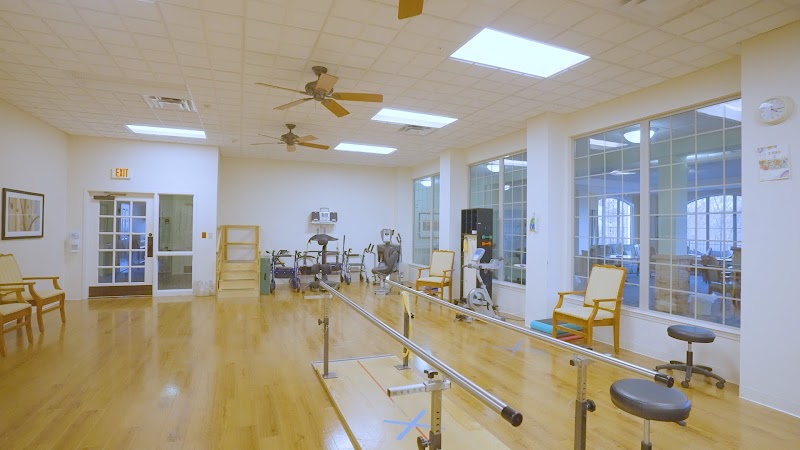
How Does Quarters At Des Peres, The Compare to Other Missouri Nursing Homes?

Compared to the 100 nursing homes in Missouri, QUARTERS AT DES PERES, THE's overall rating (1 stars) is below the state average of 2.5, staff turnover (74%) is significantly higher than the state average of 46%, and health inspection rating (1 stars) is much below the national benchmark.

What Should Families Ask When Visiting Quarters At Des Peres, The?

Based on this facility's data, families visiting should ask: "What changes have been made since the serious inspection findings, and how are you preventing similar issues?" "How do you ensure continuity of care given staff turnover, and what is your staff retention strategy?" "Can you walk me through typical staffing levels on day, evening, and night shifts?" "Can I visit during a mealtime to observe dining assistance and food quality?" These questions are particularly relevant given the facility's Immediate Jeopardy citations, the facility's high staff turnover rate, and the below-average staffing rating.

Is Quarters At Des Peres, The Safe?

Based on CMS inspection data, QUARTERS AT DES PERES, THE has documented safety concerns. Inspectors have issued 1 Immediate Jeopardy citation (the most serious violation level indicating risk of serious injury or death). The facility has a 1-star overall rating and ranks #100 of 100 nursing homes in Missouri. Families considering this facility should ask detailed questions about what corrective actions have been taken since these incidents.

Do Nurses at Quarters At Des Peres, The Stick Around?

Staff turnover at QUARTERS AT DES PERES, THE is high. At 74%, the facility is 28 percentage points above the Missouri average of 46%. Registered Nurse turnover is particularly concerning at 78%. RNs handle complex medical decisions and coordinate care — frequent RN changes can directly impact care quality. High turnover means new staff may not know residents' individual needs, medications, or preferences. It can also be disorienting for residents, especially those with dementia who rely on familiar faces. Families should ask: What is causing the turnover? What retention programs are in place? How do you ensure care continuity during staff transitions?

Was Quarters At Des Peres, The Ever Fined?

QUARTERS AT DES PERES, THE has been fined $265,178 across 2 penalty actions. This is 7.4x the Missouri average of $35,731. Fines at this level are uncommon and typically indicate a pattern of serious deficiencies, repeated violations, or failure to correct problems promptly. CMS reserves penalties of this magnitude for facilities that pose significant, documented risk to resident health or safety. Families should request specific documentation of what issues led to these fines and what systemic changes have been implemented.

Is Quarters At Des Peres, The on Any Federal Watch List?

QUARTERS AT DES PERES, THE is not on any federal watch list. The most significant is the Special Focus Facility (SFF) program, which identifies the bottom 1% of nursing homes nationally based on persistent, serious quality problems. Not being on this list means the facility has avoided the pattern of deficiencies that triggers enhanced federal oversight. This is a positive indicator, though families should still review the facility's inspection history directly.