CURRENT RIVER NURSING CENTER, INC

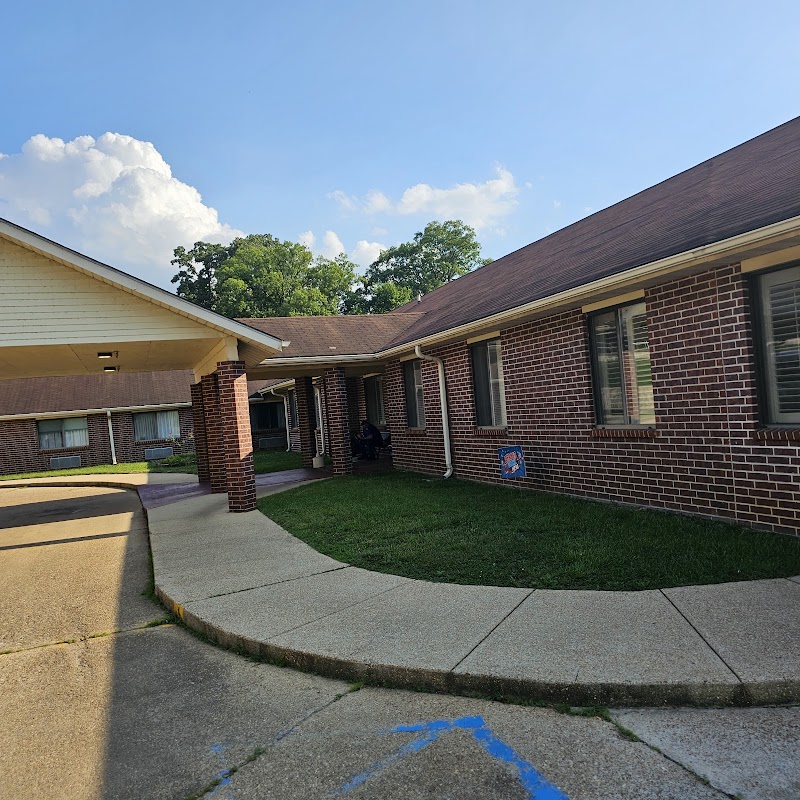
1015 NORTH GRAND AVENUE, DONIPHAN, MO 63935 (573) 996-4239
For profit - Corporation 120 Beds JAMES & JUDY LINCOLN Data: November 2025
Trust Grade
20/100
#371 of 479 in MO
Last Inspection: July 2024

Within standard 12-15 month inspection cycle. Federal law requires annual inspections.

Overview

Current River Nursing Center, Inc. has a Trust Grade of F, indicating significant concerns about the quality of care provided, which is well below average. It ranks #371 out of 479 nursing homes in Missouri, placing it in the bottom half of facilities in the state, but it is the only option in Ripley County. The facility is worsening, with issues increasing from 12 in 2023 to 23 in 2024. Staffing is a major concern, with a low rating of 1 out of 5 stars and an alarming turnover rate of 80%, which is much higher than the state average. Notably, while the facility has not incurred any fines, it lacks adequate RN coverage, failing to schedule an RN for crucial hours, which can affect residents' safety. Specific incidents include a resident suffering a hip fracture due to improper transfer practices and multiple failures to follow physician's orders for necessary treatments, raising serious concerns about the level of care provided. Overall, families should weigh these significant weaknesses against the facility's lack of fines when considering this nursing home.

Trust Score
F
20/100
In Missouri
#371/479
Bottom 23%
Safety Record
Moderate
Needs review
Inspections
Getting Worse
12 → 23 violations
Staff Stability
⚠ Watch
80% turnover. Very high, 32 points above average. Constant new faces learning your loved one's needs.
Penalties
✓ Good
No fines on record. Clean compliance history, better than most Missouri facilities.
Skilled Nurses
⚠ Watch
Each resident gets only 24 minutes of Registered Nurse (RN) attention daily — below average for Missouri. Fewer RN minutes means fewer trained eyes watching for problems.
Violations
⚠ Watch
44 deficiencies on record. Higher than average. Multiple issues found across inspections.
★☆☆☆☆
1.0
Overall Rating
★☆☆☆☆
1.0
Staff Levels
★★☆☆☆
2.0
Care Quality
★☆☆☆☆
1.0
Inspection Score
Stable
2023: 12 issues
2024: 23 issues

The Good

  • Full Sprinkler Coverage · Fire safety systems throughout facility
  • No fines on record

Facility shows strength in fire safety.

The Bad

1-Star Overall Rating

Below Missouri average (2.5)

Significant quality concerns identified by CMS

Staff Turnover: 80%

34pts above Missouri avg (46%)

Frequent staff changes - ask about care continuity

Chain: JAMES & JUDY LINCOLN

Part of a multi-facility chain

Ask about local staffing decisions and management

Staff turnover is very high (80%)

32 points above Missouri average of 48%

The Ugly 44 deficiencies on record

2 actual harm
Jul 2024 23 deficiencies 2 Harm
SERIOUS (G)

Actual Harm - a resident was hurt due to facility failures

Deficiency F0658 (Tag F0658)

A resident was harmed · This affected 1 resident

Based on observation, interview, and record review, the facility failed to follow physician's orders for three residents (Residents #5, #34, and #40) out of 12 sampled residents. The facility census w...

Read full inspector narrative →
Based on observation, interview, and record review, the facility failed to follow physician's orders for three residents (Residents #5, #34, and #40) out of 12 sampled residents. The facility census was 40. Review of the facility's policy titled, Physician's Orders, undated, showed: - Current lists of orders must be maintained in the clinical record of each resident to avoid conflict and errors; - Orders must be written and maintained in chronological order; - Physician orders must be reviewed and renewed. Review of the facility's policy titled, Skin Assessments, undated, showed residents at risk will have preventative measures implemented to include: weekly documented skin audits by a licensed nurse and treatments as ordered by the physician if skin breakdown occurs. 1. Review of Resident #5's medical record showed: - Diagnoses of schizophrenia (a long term mental disorder that affects a person's ability to think, feel, or behave clearly, sometimes including delusions or hallucinations), cellulitis (a bacterial infection of the skin), high blood pressure, hypokalemia (decreased blood level of potassium), venous insufficiency (a condition in which veins have problems moving blood back to the heart), atrial fibrillation (irregular heart beat), and bipolar disorder (a mental disorder that causes unusual shifts in mood); - An order for consulting wound care clinic to evaluate and treat for cellulitis, dated 11/07/23; - An order for weekly skin assessments completed and documented once a day on Thursdays, dated 12/28/23; - An order to monitor resident's shower/bath, chart, and fill out shower sheet if with any new skin issues once a day on Mondays, Thursdays, Saturdays, dated 02/22/24; - From 04/01/24 - 07/10/24, no documentation of weekly skin assessments completed for 04/04/24, 04/11/24, 04/18/24, 05/02/24, 05/09/24, 05/16/24, 06/06/24, 06/13/24, and 07/04/24, with nine out of 14 opportunities missed. Review of the resident's Treatment Administration Record (TAR), dated April 2024, showed: - An order to cleanse/lightly scrub bilateral (right and left) lower extremities (BLE) with warm water and ketoconazole (an antifungal) 2 percent (% ) shampoo, rinse, pat dry, apply generous amount of triamcinolone (a topical steroid) cream to the BLE twice daily for venous insufficiency, dated 11/14/23, and discontinued on 04/23/24, with 20 out of 60 opportunities missed; - An order to cleanse the BLE with Dakin's wound cleanser (DWC), measure, cut and apply tubigrips (tubular bandages for tissue support) daily for cellulitis, dated 01/30/24, and discontinued on 04/23/24, with 14 out of 22 opportunities missed. Review of the resident's Medication Administration Record (MAR), dated July 2024, showed: - An order for ammonium lactate (used to hydrate the skin) lotion 12%, administer topically at bedtime for cellulitis, dated 07/12/24, with three out of three opportunities missed; - An order to cleanse BLE with soap and water, pat dry, apply ammonium lactate lotion, wrap with an ace wrap daily, undated, with two out of three opportunities missed. Review of the resident's care plan, last reviewed on 06/24/24, showed: - Cellulitis with interventions not addressed; - Venous insufficiency with interventions not addressed. Observations of the resident showed: - On 07/09/24 at 10:07 A.M., 07/10/24 at 8:51 A.M., the resident sat in a recliner in the room with a tan compression sock on halfway up the left lower leg. At the top of the compression sock, the visible skin was red, dry, and swollen with scattered scabs. The right lower extremity (RLE) had a tan compression sock on up to the ankle area, the visible skin at top of the sock was red, dry and swollen with scattered scabs and open areas; - On 07/10/24 at 4:23 P.M., the resident sat in a recliner in the room with a tan compression sock on halfway up the left lower leg. At the top of the compression sock, the visible skin was red, dry, and swollen with scattered scabs. The right lower extremity (RLE) with a tan compression sock on up to the ankle area with the visible skin at top of the sock to the was red, dry and swollen with scattered scabs, open areas, and blisters; - On 07/10/24 at 4:45 P.M. Licensed Practical Nurse (LPN) P entered the resident's room and removed the resident's compression socks. The inside of the resident's RLE had blisters with drainage and multiple open areas noted. LPN P asked the resident where the compression socks came from because they were too small. The resident said he/she didn't know where they came from. LPN P informed the resident he/she would call the physician to see what to do and they should have been assessed by staff before now. The resident agreed with LPN P. LPN P notified the physician and received new orders to send the resident to the hospital; - On 07/15/24 at 8:35 A.M., the resident sat in a recliner in the room with no ace wraps on his/her lower extremities as ordered and yellow non-slip socks on his/her bilateral feet. BLE were red, dry, and swollen with dried skin flakes; - On 07/15/24 at 4:05 P.M., the resident sat in a chair in the common area near the entrance with no ace wraps to his/her BLE as ordered. During an interview on 07/09/24 at 10:07 A.M., Resident #5 said he/she had an infection to his/her right leg that was slow to heal and had been on antibiotics, but not any longer. He/She said the staff used to come in and treat his/her legs but not in a while. During an interview on 07/11/24 at 11:35 A.M., the Assistant Director of Nursing (ADON) said if a resident refused skin assessments and care the staff should give the resident a little bit of time, go back in and try again. She expected nursing staff to document on the resident's skin assessment sheets/shower sheet and in the nurse's notes, what was done, what was tried, what another person tried. If there was a skin concern, the resident should get a shower sheet completed too. If a resident refused a shower or skin assessment, the staff should sign it, a witness should sign it, and the resident should sign it if able, and then it should be turned into her. She was not aware the last skin assessment for Resident #5 was completed in May 2024, and she was not aware it was not getting done. Registered Nurse (RN) E moved to the day shift in June 2024, to make sure the skin assessments were getting done. The charge nurse was responsible for doing the skin assessments, and RN E audited them and made sure they were done. Resident #5 didn't like someone in the shower with him/her so the staff stood outside of the shower curtain and he/she would take a shower. The resident would refuse medications and skin assessments, but she would expect staff to go in and try again later, try another staff member, or a different time for medications, and even another day for assessments and showers. She said they had to get social services involved a lot. The resident's legs should had been found before 07/10/24. There should have been two sets of eyes on the skin assessments, and it should have been caught. During an interview on 07/11/24 at 2:25 P.M., RN E said Resident #5 would complain about pain to his/her legs and would take Tylenol. The resident complained the Tylenol wouldn't do anything, but he/she didn't complain of any pain after it was taken. During an interview on 07/11/24 at 3:19 P.M., Certified Nursing Assistant (CNA) N said every once in awhile the Resident #5's legs were red. The resident was mostly independent with his/her activities of daily living (ADLs) so didn't see his/her legs a lot. He/She can't remember the last time he/she saw the resident's legs. During an interview on 07/11/24 at 3:25 P.M., RN E said the night shift charge nurse was in charge of completing skin assessments. He/She didn't know who was in charge of auditing the skin assessments to ensure they were completed. He/She had not done any skin assessments since moving to the day shift last month. Resident #5 had been aggressive toward him/her when trying to do the skin assessments. He/She hadn't seen Resident #5's legs in over a month and a half. During an interview on 07/11/24 at 3:30 P.M., the Social Services Designee (SSD) said Resident #5 used to listen to him/her but stopped about four - five months ago. He/she was verbally aggressive but not generally physical. He/She had not seen the resident's legs in a very long time and the resident hadn't mentioned them. During an interview on 07/11/24 at 3:35 P.M., the ADON said she had not seen Resident #5's legs since she discontinued the treatment back in April 2024. She discontinued that treatment because the resident only had a penny sized scabbed area. The resident did end up needing oral antibiotics within six days for cellulitis after that. The resident had not complained about pain in the last couple of months. The resident's legs should have been seen prior to them getting to the point of having to go to the hospital. During an interview on 07/11/24 at 4:15 P.M., the Corporate QA RN said the resident could refuse care up until it's started causing harm and then the facility staff would need to step in and figure out some way to provide the care the resident required. The resident couldn't go two months without a shower. The resident shouldn't go more than two weeks since he/she was non-compliant, and no staff saw his/her legs. Physician orders should be followed to include the skin assessments and showers. The resident's legs should have been caught before the point they were at. During an interview on 07/11/24 at 4:15 P.M., the Administrator said they couldn't do skin assessments or showers on Resident #5 because he/she refused everything. The resident even refused care and medications. She had not seen his/her legs. During an interview on 07/11/24 at 10:44 A.M., the Physician said if an order was given, he/she expected it be followed. Resident #5 had a lot of medical conditions. He/She refused to take baths and medications. He/She was not aware of the condition of the resident's skin on his/her legs until last night when the nurse called. That was the first he/she had heard of it. The resident's legs had some chronic conditions, and could have some fungus growing in the wounds. The resident received intravenous (IV) antibiotics while at the hospital. The facility staff should document when the resident refused care. During an interview on 07/11/24 at 4:19 P.M., the Physician said it could have just taken days for Resident #5's legs to get to this point they were before he/she went to the hospital because of him/her living in such a high microbial environment, the resident picked at his/her skin, and refused care. Review of the facility's policy titled, Lab Reporting Guidelines, undated, showed it did not address what to do when lab orders were not completed. 2. Review of Resident #34's medical record showed: - Diagnoses of congestive heart failure (CHF - an inability of the heart to pump sufficient blood flow to meet the body's needs), high blood pressure, hip fracture, and pressure ulcer (damage to the skin and/or underlying tissue as a result of pressure) Stage 4 (full thickness tissue loss with exposed bone, tendon or muscle); - Care plan, last revised on 04/24/24, the resident with a wound to the coccyx (the small triangular bone below the spine). The wound will be followed by the consulting wound clinic and treatment orders followed; - An order to lightly wet plain packing strip with Vashe (wound cleanser), apply collagen (helps promote tissue growth) to strip and pack wound with collagen strip once a day, dated 06/19/24; - An order to soak the wound to the coccyx with Vashe before the treatment, dated 06/19/24; - An order to cut Polymem (a dressing that will constantly cleanse the wound bed, while also managing drainage) to size and place over the wound tissue and cover with bordered gauze daily, dated 06/27/24; - An order for weekly skin assessments completed and documented on Mondays, dated 02/26/24. -Review of the the resident's TAR, dated June 2024, showed an order for weekly skin assessments to be completed and documented on Mondays, with a start date of 02/26/24. Three out of the four Mondays in June 2024 had no skin assessments documented. Review the resident's TAR, dated 07/01/24 through 07/10/24, showed: - An order for weekly skin assessments to be completed and documented on Mondays, with a start date of 02/26/24. No documentation the for the assessment on 07/01/24 (Monday). - An order, dated 06/19/24, to lightly wet plain packing strip with Vashe, apply collagen to strip and pack wound with collagen strip once a day, with two out of 10 opportunities missed; - An order dated 06/19/24, to soak the wound to the coccyx with Vashe before the treatment, with two out of 10 opportunities missed; - An order dated 06/27/24, to cut Polymem to size and place over the wound tissue and cover with bordered gauze daily, with two out of 10 opportunities missed. Observation on 07/10/24 at 1:00 P.M., of the resident's wound care showed: - LPN P soaked the packing strip with Vashe wound cleanser and applied Santyl (a wound debridement) to the packing strip; - LPN P used Santyl instead of collagen as ordered. During an interview on 07/10/24 at 1:30 P.M., LPN P said Santyl and collagen were the same medication. During an interview on 07/11/24 at 10:30 A.M., the ADON said in a resident's medical record, if the TAR has an order for a treatment, and there is no corresponding initial to indicate the treatment was completed, then there is no proof the treatment was completed. Santyl and collagen were not the same treatments and the physician's order for collagen should have been followed. During an interview on 07/11/24 at 1:00 P.M., the consulting wound care clinic nurse said there was a difference between Santyl and collagen powder. Collagen powder was what was ordered for Resident #34's wound. Santyl broke down bad tissue and collagen built up new tissue. The collagen was ordered on 06/18/24. The use of Santyl could cause negative effects like maceration (when a wound experiences excessive moisture, leading to the softening and breaking down of the surrounding skin) of the tissue which would stall the improvement of the wound and create a more wet environment. It wouldn't destroy the healthy tissue but the tissue would be too wet of an environment for tissue growth. During an interview on 07/11/24 at 3:00 P.M., RN E said he/she used collagen powder for Resident #34's wound care. Santyl was an old order and not the same thing as the collagen powder. Santyl shouldn't be used for the resident's wound. During an interview on 07/11/24 at 3:10 P.M., the ADON said physician orders should be followed. During an interview on 07/11/24 at 4:15 P.M., the Corporate QA RN said collagen powder and Santyl were not the same thing. Physician orders should be followed. During an interview on 07/11/24 at 4:17 P.M., the Administrator said physician orders should be followed. 3. Review of Resident #40's medical record showed: - A diagnosis of Alzheimer's disease; - An order for weekly weights for four weeks, dated 06/11/24; - On 06/11/24, the resident weighed 106.9 pounds (lbs); - No documented weight for the week of 06/18/24; - No documented weight for the week of 06/25/24; - On 07/02/24, the resident weighed 101.8 lbs, with a 4.77% weight loss in three weeks; - The facility failed to weigh the resident weekly for four weeks as ordered with two out of four opportunities missed. During an interview on 07/10/24 at 10:42 A.M., the Administrator said the ADON was responsible for making the weekly weight list and monitoring. During an interview on 07/10/24 at 02:53 P.M., the Physician said if weekly weights were ordered, he/she would expect them to be completed as ordered. During an interview on 07/12/24 at 8:09 A.M., CNA L said the resident did not have weekly weights. The resident was not on the weekly weight list. During an interview on 07/12/24 at 8:16 A.M., the ADON said the resident was not on the weekly weight list. She didn't know why the resident wasn't added and didn't get weekly weights.
SERIOUS (G) 📢 Someone Reported This

A family member, employee, or ombudsman was alarmed enough to file a formal complaint

Actual Harm - a resident was hurt due to facility failures

Accident Prevention (Tag F0689)

A resident was harmed · This affected 1 resident

**NOTE- TERMS IN BRACKETS HAVE BEEN EDITED TO PROTECT CONFIDENTIALITY** Based on interview and record review, the facility failed to provide a safe transfer for one resident (Resident #23) in a manner...

Read full inspector narrative →
**NOTE- TERMS IN BRACKETS HAVE BEEN EDITED TO PROTECT CONFIDENTIALITY** Based on interview and record review, the facility failed to provide a safe transfer for one resident (Resident #23) in a manner to prevent accidents, when staff did not utilize two staff for transfers as directed on the resident's care plan and the resident sustained a hip fracture. Also, the facility failed to safely transfer one additional resident (Resident #8) outside of the sample. The facility census was 40. Review of the facility's policy titled, Gait Belt (a device used for assistance with transfers and walking) Transfers, undated, showed: - Assist resident to a sitting position; - Apply belt to the resident's waist and tighten to fit snugly with the buckle at the side; - Face the resident; - Bend your knees and place your hands around the gait belt on each side of the resident's waist; - Bring the resident to a standing position while straightening your knees; - After the resident is standing, the belt provides assistance stabilizing the turning of the resident. 1. Review of Resident #23's medical record showed diagnoses of hemiplegia (paralysis of one side of the body) and hemiparesis (one-sided muscle weakness) following a stroke, pneumonia, muscle weakness, COPD, difficulty in walking, fracture of the neck of the left femur (thigh bone), pain to the left hip, bipolar disorder (a mental disorder that causes unusual shifts in mood), and anxiety disorder. Review of the resident's quarterly MDS, dated [DATE], showed: - Cognitively intact; - Substantial/maximal assistance of staff for dressing, personal hygiene, transfers, toilet use, and bathing. Review of the resident's care plan, last revised 05/23/24, showed: - The resident required assist of staff with ADL's, incontinent care and transfers; - Required a minimum of two staff to transfer. Review of the nurse's notes showed: - On 06/19/24 at 3:47 P.M., the resident requested to be transferred from the wheelchair to the recliner. The resident was assisted to stand with a gait belt by Registered Nurse (RN) E. While pivoting, the resident began leaning to the left. RN E attempted to correct the resident's position and the resident leaned further due to his/her left sided weakness. The resident was lowered to the floor by RN E and he/she complained of left hip pain. RN E and a second nurse assisted the resident to a sitting position and transferred the resident into the recliner. The resident had a small skin tear to his/her left hand. The physician was notified and received an order for an x-ray of the left hip; - On 06/19/24 at 7:30 P.M., the left hip x-ray was obtained; - On 06/19/24 at 9:46 P.M., the resident continued to complain of increased pain to the left hip. The resident requested to be sent to emergency department (ED). The physician was notified and received an order to send the resident to the ED. - On 06/20/24, the ED staff notified the facility of the resident being admitted to the hospital for a fractured left hip with possible surgery; - On 06/24/24, the resident returned to the facility from the hospital and the resident's left hip with a small incision with seven sutures in place. Review of RN E's Employee Counseling Notice, dated 06/20/24, showed: - Employee failed to follow the resident's care plan; - Employee transferred a two person assist resident by his/herself resulting in an injury to the resident. During an interview on 07/10/24 at 2:53 P.M., the Physician said staff should transfer residents as indicated. During an interview on 07/11/24 at 11:00 A.M., RN E said the resident started yelling he/she wanted to be transferred. There was no one readily available to assist and he/she thought the resident would be able to assist. The resident was usually a two person assist. The resident did help stand but while pivoting, the resident started leaning over to one side. RN E tried to correct the resident's leaning, but they both started to fall. The resident lifted his/her right leg, which was the strong one, to try to help but when that happened, RN E and the resident fell. He/She tried to control the resident's fall, but it was hard due to falling him/herself. The resident did complain of hip pain immediately. Another nurse came to help assess the resident and they got him/her up out of the floor because of difficulty breathing. They gave the resident pain medication and ordered an x-ray. Later that night, the resident complained of increased pain while the facility still was waiting for results from the x-ray. They sent the resident out to the hospital and he/she did have a fractured femur. During an interview on 07/11/24 at 10:10 A.M., the Administrator was aware of the incident and interviewed RN E. RN E said she transferred the resident as a one person assist but used a gait belt. The staff were in-serviced. She did not complete an official investigation which showed documentation of the incident. She didn't have any monitoring of staff transfers since the incident occurred. 2. Review of Resident #8's medical record showed diagnoses of dementia (a disorder marked by memory loss, personality changes, and impaired reasoning that interferes with daily functioning), pneumonia (an infection that inflames the air sacs in one or both lungs), chronic obstructive pulmonary disease (COPD - a chronic inflammatory lung disease that causes obstructed airflow from the lungs), diabetes mellitus (a disease that results in too much sugar in the blood), fracture of left clavicle (bone that connects arm to body), anxiety disorder (persistent worry and fear about everyday situations), and chronic heart failure (CHF - a serious condition that occurs when the heart is unable to pump blood efficiently). Review of the resident's quarterly Minimum Data Set (MDS - a federally mandated assessment instrument required to be completed by the facility staff), dated 06/05/24, showed: - Cognition severely impaired; - Dependent on staff for activities of daily living (ADL's); - Mechanical lift not indicated; - Impairment to one side of upper and lower extremity; - Sit to standing and all transfers to be substantial/maximal assist where helper does more than half the work. Review of the resident's CNA Care Card, undated, showed the resident required assist of two for mechanical lift transfers. Observation on 07/11/24 at 10:10 A.M., of the resident showed: - CNA D and Nursing Assistant (NA) B transferred the resident from the bed to the wheelchair by a Hoyer Lift (a mechanical lift to move residents); - CNA D and NA B pushed the resident across the hall to the shower room in the wheelchair where Hospice Aide (HA) Q waited to assist the resident with a shower; - CNA D and NA B transferred the resident from the wheelchair to the shower chair by a Hoyer lift; - NA B left the shower room; - While the resident sat in the shower chair, HA Q placed his/her right arm under the resident's left axillary (arm pit area), CNA D placed his/her left arm under the resident's right axillary area, HA Q and CNA D lifted the resident and removed the brief. The resident's feet did not touch the floor to bear weight and no gait belt was used by HA Q and CNA D; - NA B returned to the shower room and the resident sat in the shower room outside of the shower. During an interview on 07/11/24 at 2:45 P.M., CNA D said the resident should be transferred with a Hoyer lift. When the resident was lifted from the shower chair to remove his/her brief a gait belt should've been used, but he/she was just following the lead of HA Q because he/she acted more experienced. CNA D said he/she just started a few weeks ago, was still learning, and hadn't received any training or education on transfers at this facility. During an interview on 07/11/24 at 2:47 P.M., CNA L, said the facility staff verbally tell hospice staff how the residents needed to be transferred. During an interview on 07/11/24 at 2:50 P.M., NA B said lifting the shower chair with the resident in it was the only way to get the resident into the shower when the resident required a Hoyer lift. There was no other way. The facility had a policy that a resident couldn't be taken down the hall in a shower chair, so he/she couldn't be taken to a different hall in the shower chair. He/She hadn't received any recent in-services/education on transfers. Hospice usually did the resident showers for the residents on hospice. During an interview on 07/11/24 at 3:35 P.M., the Assistant Director of Nursing (ADON) said it was not safe transferring a resident without a gait belt or with a gait belt if the resident can't bear weight, a Hoyer lift should be used for a resident that bears no weight. Hospice staff was communicated with verbally and there were CNA care cards for each resident that were available for review. During an interview on 07/11/24 at 4:15 P.M., the Corporate Quality Assurance (QA) Registered Nurse (RN) said staff should not lift residents by placing their arm/hands under the resident's arms at all. If a resident does not bear weight during a transfer, she would expect a Hoyer lift be used for safety. During an interview on 07/11/24 at 4:15 P.M., the Administrator said would expect the resident to be lifted by a gait belt, not under their arms. Complaint #MO237896
CONCERN (D)

Potential for Harm - no one hurt, but risky conditions existed

Deficiency F0578 (Tag F0578)

Could have caused harm · This affected 1 resident

**NOTE- TERMS IN BRACKETS HAVE BEEN EDITED TO PROTECT CONFIDENTIALITY** Based on interview and record review, the facility failed to consistently document a code status for one resident (Resident #12)...

Read full inspector narrative →
**NOTE- TERMS IN BRACKETS HAVE BEEN EDITED TO PROTECT CONFIDENTIALITY** Based on interview and record review, the facility failed to consistently document a code status for one resident (Resident #12) out of 12 sampled residents. The facility census was 40. The facility did not provide a policy regarding a resident's code status. 1. Review of Resident #12's medical record showed: - An admission date of [DATE]; - The revised care plan, dated [DATE], showed a Do Not Resuscitate (A DNR instructs providers not to do CPR (cardiopulmonary resuscitation) if a patient's breathing stops or if the patient's heart stops beating). - The face sheet, undated, showed a DNR status; - The Physician's Order Sheet (POS), dated [DATE], showed a full code (if a person's heart stopped beating and/or they stopped breathing, CPR procedures would be provided) status; - A DNR form signed by the resident on [DATE], and signed by the physician on [DATE]; - The resident's Medication Administration Record (MAR) showed a red DNR code sheet. During an interview on [DATE] at 9:34 A.M., Resident #12 said he/she had discussed a code status change with his/her family a few months ago and they had decided together on the DNR status. During an interview on [DATE] at 9:30 A.M., Certified Medication Technician (CMT) F said he/she would look at the orders to check a resident's code status. The MAR had red or green paperwork that indicated a code status for a quick reference and a nurse could be asked. During an interview on [DATE] at 10:05 A.M., the Assistant Director of Nursing said there was a red or green sheet that indicated the code status in the charts, red meant DNR and green was full code. There were also purple sheets that showed a code status either way, and there were usually several kept in the chart, so it was easy to grab if a resident transferred out of the facility. The staff could also look at the code status in the physician's order sheet. The orders should match the color-coded sheets in the MAR and show the correct code status.
CONCERN (D)

Potential for Harm - no one hurt, but risky conditions existed

Safe Environment (Tag F0584)

Could have caused harm · This affected 1 resident

Based on observation, interview, and record review, the facility failed to maintain a safe, clean, comfortable, homelike environment, and failed to clean and/or repair/replace wheelchairs for one samp...

Read full inspector narrative →
Based on observation, interview, and record review, the facility failed to maintain a safe, clean, comfortable, homelike environment, and failed to clean and/or repair/replace wheelchairs for one sampled resident (Resident #22) and three residents (Resident #6, #9, and #20) outside the sample. The facility's census was 40. Review of the facility's policy titled, Orientation Manual Guidelines, dated May 2006, showed the maintenance manager responsibilities will be: - Supervise the day-to-day activities of the maintenance department in accordance with current federal, state, and local standards, guidelines and regulations governing the facility, and as may be directed by the environmental manager or the Administrator; - Assure the facility will be maintained in a safe and comfortable manner; - To repair and install drywall including mudding, taping and sanding; - Paint walls; - Assist in setting maintenance standards as well as establishing a preventative maintenance program; - Perform general rough and finish carpentry as well as rough and finish concrete work; - Sweep, mop, and buff floors; - Clean, disinfect and sanitize bathrooms, kitchens and bedrooms; - The maintenance manager will perform preventive and routine maintenance of the facility. Observation on 07/11/24 at 10:15 A.M., of the 500 Hall shower room showed: - The tiled shower base foundation was elevated three and one half inches above the floor, creating a step up into the shower; - The caulking bead with a brown substance in the corner where the wall and floor met on each of the three walls of the shower stall floor. Observations on 07/15/24 at 12:49 P.M., of the 300 Hall shower room showed: - The left side shower end wall section without three 6 in. ceramic tile baseboard pieces and a 16 in. unpainted section above the floor surface; - The fiberglass shower unit with the left end panel unattached and separated 8 in. from the shower unit near the top; - Corner wall base section below the shelf and towel rack missing one 4 in. section of ceramic tile base. During an interview on 07/15/24 at 1:05 P.M., Housekeeper F said damage in the shower rooms should be reported to maintenance staff. There was a maintenance log and some of the current issues like wall damage, missing paint and tiles had been reported a long time ago. Housekeeping staff were supposed to enter issues in the log but sometimes they were reported verbally to maintenance. The fiberglass shower unit on the 300 Hall had not worked since he/she was hired and the left side panel had always been separated but he/she had not reported it to maintenance. He/she hadn't noticed the caulk bead being discolored in the 500 Hall shower but it should be cleaned or replaced. During an interview on 07/15/24 at 1:20 P.M., the Maintenance Director said he/she was not aware of plans to repair the damage in the shower rooms and he/she inspected the showers at least once a week. The fiberglass shower unit on the 300 Hall had not worked in the two years he/she had been here and removing and/or repairing it had not been discussed. The side panel was separated from the fiberglass shower but since that shower unit didn't work there were no plans to make a repair. He/She was aware of the damaged shower wall section and missing paint and ceramic tiles in the 300 Hall shower room stall, but was not planning to replace the tiles or paint currently but it might be done eventually. The shower stall was currently used by the residents. The discolored caulk should be cleaned or replaced in the 500 Hall shower but it wasn't reported. Observations of Resident #22's wheelchair showed: - On 07/09/24 at 9:42 A.M., the resident sat in his/her wheelchair in the room with the wheelchair arms wrapped with Coban (a self-adherent wrap) stained, dirty, pilled up, and the seat cushion hung over the front edge by four inches (in.), and the wheelchair dirty with food and debris; - On 07/09/24 at 12:18 P.M., wheelchair in the hall with the wheelchair arms wrapped with Coban stained, dirty, pilled up, and the seat cushion hung over the front edge by four inches (in.), and the wheelchair dirty with food and debris; - On 07/10/24 at 2:36 P.M., the resident lay in bed with his/her wheelchair in the room with the wheelchair arms wrapped with Coban stained, dirty, pilled up, and the seat cushion hung over the front edge by four inches (in.), and the wheelchair dirty with food and debris. Observations of Resident #20's wheelchair showed: - On 07/09/24 at 9:43 A.M., the resident lay in bed with his/her wheelchair at the bedside, the back of wheelchair cover with cracks all across the back, both corners split 1.5 in. down toward the seat with filler showing, both arm rests with cracks all down the outside edge and around the back edge, the seat cushion dirty with food and debris; - On 07/10/24 at 12:55 P.M., the resident sat in his/her wheelchair with the back of wheelchair cover with cracks all across the back, both corners split 1.5 in. down toward the seat with filler showing, both arm rests with cracks all down the outside edge and around the back edge, the seat cushion dirty with food and debris. Observations of Resident #9's wheelchair showed: - On 07/09/24 at 9:45 A.M., the resident sat in his/her wheelchair without an arm rest on the right arm and propelled him/herself down the hall; - On 07/10/24 at 12:58 P.M., the resident sat in the dining room in his/her wheelchair without an arm rest on the right arm. Observations of Resident #6's wheelchair showed: - On 07/11/24 at 5:42 P.M., the resident sat in his/her wheelchair the covering missing and foam fill exposed on both arm rests and propelled him/herself down the hall; - On 07/12/24 3:22 P.M., the resident sat in his/her wheelchair the covering missing and foam fill exposed on both arm rests. During an interview on 07/10/24 at 5:42 P.M., Resident #6 said his/her wheelchair had been like that for a very long time and the wheel made a noise but no one had fixed it. He/She needed a new one. Review of the Maintenance Director repair logs dated 11/21/23 through 7/15/24, showed: - No documentation of the 300 and 500 Hall shower room repair concerns; - No documentation of residents' wheelchairs repair concerns; During an interview on 07/11/24 at 7:53 A.M., Nurse Aide (NA) B said he/she hadn't been at the facility long and was unsure about when the wheelchairs should be cleaned or what to do about equipment that needed repaired or replaced. During an interview on 07/11/24 at 7:55 A.M., CNA D said he/she did not know about the wheelchair cleaning/maintenance. During an interview on 07/11/24 at 7:57 A.M., Licensed Practical Nurse (LPN) M said as far as he/she knew, the wheelchairs should be cleaned by the night shift CNAs and should be done nightly. During an interview on 07/11/24 at 5:29 P.M., CNA G, said the wheelchairs that need cleaned, should be cleaned by night shift, and if he/she wasn't busy. During an interview on 07/12/24 at 11:22 A.M., the Maintenance Director said needed wheelchair repair was usually just verbally reported. No wheelchair repairs had been reported to him/her recently. Wheelchairs that were all cracked up should be taken out of use and replaced, but didn't remember any new wheelchairs ever being bought. During an interview on 07/10/24 at 3:46 P.M., the Administrator said she wished there were funds to get new wheelchairs. They should be cleaned, repaired or replaced. The wheelchairs should be cleaned weekly and night shift CNAs were responsible. There is no documentation to show when they are cleaned. During an interview on 07/11/24 at 4:40 P.M., the Corporate Quality Assurance (QA) Registered Nurse (RN) said the facility had available funds for resident wheelchairs and an order just had to be submitted.
CONCERN (D)

Potential for Harm - no one hurt, but risky conditions existed

Deficiency F0604 (Tag F0604)

Could have caused harm · This affected 1 resident

Based on observation, interview and record review, the facility failed to assess the use of a bed and chair alarm (devices that contain sensors that trigger an alarm when they detect a change in press...

Read full inspector narrative →
Based on observation, interview and record review, the facility failed to assess the use of a bed and chair alarm (devices that contain sensors that trigger an alarm when they detect a change in pressure) to determine if utilized as restraints and to complete on-going evaluations for the continued need for one resident (Residents #24) out of three sampled residents. The facility census was 40. Review of the facility's policy titled, Nursing Guidelines Manual, undated, showed bed and chair alarm documentation should include: Date and time bed and chair alarm ordered and name and title of person ordering the restraint; Type of restraint; Reason or reasons for the use of the bed and chair alarm and the resident's response; All pertinent observations; Signature and title of person recording the data. 1. Review of Resident #24's medical record showed: - Diagnoses of Alzheimer's Disease (progressive mental deterioration), altered mental status, and osteoporosis (a condition causing loss of bone mass, predisposing a person to fractures); - Required assistance of one staff for toileting; - No documentation of a physician's order for the bed and chair alarms; - No documentation of a bed and chair alarm assessment. Review of the facility's fall records showed: - On 06/11/24 at 3:00 P.M., the resident had an unwitnessed fall with no injuries; - On 06/25/24 at 6:58 P.M., the resident was found sitting on the fall mat in front of his/her bed with no injuries; - On 06/28/24 at 8:09 A.M., the resident had a witnessed fall on the fall mat; - On 07/05/24 at 1:58 P.M., the resident had an unwitnessed fall; - On 07/09/24 at 9:50 P.M., the resident had an unwitnessed fall. Review of the resident's quarterly Minimum Data Set (MDS - a federally mandated assessment instrument completed by the facility staff), dated 04/15/24, showed: - Cognition severely impaired; - Dependent for most activities of daily living (ADL's); - Wheelchair used for mobility; - Bed and chair alarms not used. Review of the resident's care plan, revised 05/23/24, showed: - The resident requires supervision with ADL's and one person assist with bathing; - The resident at risk for falls; - Bed and chair alarms used as a fall intervention; - Resident fell out of bed on 6/11/24; - Multiple interventions to prevent falls attempted. Observations of the resident on 07/09/24 at 10:49 A.M. and 3:14 P. M., and 07/15/12/24 at 8:37 A.M., showed: -The resident lay in bed with a bed alarm attached to a pressure pad under his/her back; -The resident was unable to remove the bed alarm. Observations of the resident on 07/09/24 at 12:37 P.M., 07/12/24 at 12:35 P.M. and 2:42 P.M., and 07/15/12/24 at 1:08 P.M., showed: - The resident sat in a wheelchair with a chair alarm attached to the back of the wheelchair and a pressure pad under the resident's thighs and buttocks; - The resident was unable to remove the chair alarm. During an interview on 07/12/24 at 1:30 P.M., the MDS Coordinator said chair and bed alarms were not assessed in the facility, but should have been. The bed and chair alarm monitoring were not documented but should be to ensure they were working properly. They were used as a fall intervention. During an interview on 07/15/24 at 4:00 P.M., the Administrator and Assistant Director of Nursing (ADON) said they expect monitoring and assessments for bed and chair alarms to be completed. Assessments should be done every three months. During a phone interview on 07/26/24 at 1:24 P.M., the Administrator she is not sure why there was not a physician's order in place for the bed and chair alarms but there should have been orders.
CONCERN (D)

Potential for Harm - no one hurt, but risky conditions existed

Deficiency F0657 (Tag F0657)

Could have caused harm · This affected 1 resident

Based on observation, interview, and record review, the facility failed to update and revise care plans with specific interventions tailored to meet individual needs for one resident (Resident #22) ou...

Read full inspector narrative →
Based on observation, interview, and record review, the facility failed to update and revise care plans with specific interventions tailored to meet individual needs for one resident (Resident #22) out of 12 sampled residents. The facility census was 40. Review of the facility's policy titled, Care Plan, Comprehensive, undated, showed: - Assessment of each resident is an ongoing process and the care plan will be revised as changes occur in the resident's condition; - A well developed care plan will be oriented to managing risk factors to the extent possible or indicating the limits of such interventions; - Addressing ways to try and preserve and build upon resident strengths; - Evaluating treatment of measurable goals, timetables and outcomes of care; - Use appropriate interdisciplinary approach to care plan development to improve the residents functional abilities; Involve direct care staff with the care planning process relating to the resident's expected outcomes; - The interdisciplinary care plan team is responsible for periodic review and updating of care plans; - When a significant change in the resident's condition has occurred; - At least quarterly; - When changes occur that impact the resident's care, (i.e., change in diet, discontinuation of therapy, changes in care areas that do not require a significant change assessment). 1. Review of Resident #22's medical record showed: - admission date of 10/16/23; - Diagnoses of dementia (a disorder marked by memory loss, personality changes, and impaired reasoning that interferes with daily functioning), dysuria (discomfort when urinating), muscle weakness, repeated falls, and urinary tract infection (UTI). Review of the resident's Nurses Notes showed: - On 03/19/24 at 8:28 A.M., the resident fell at 3:00 A.M. He/She was trying to put something into the ashtray in the floor. The resident was put on neuro checks due to an unwitnessed fall as well as hitting the right side of his/her forehead on the bedroom floor. The resident continued to move his fall mat thinking he/she thought there was an ashtray under the mat in the floor. Received orders to collect urinalysis (UA - a test to check urine for infection) with culture and sensitivity (C&S - a test to find the the germs that cause an infection and find the type of medicine that will treat the infection); - On 04/06/24 at 5:17 A.M., the resident's cushion slid out of the wheelchair, caused the resident to slide, and witnessed by a Certified Nurse Assistant (CNA). The resident had a small skin tear to the right forearm; - On 04/17/24 at 2:40 P.M., the resident fell out of wheelchair in the hallway and witnessed by staff. The resident denied pain and hitting head; - On 05/08/24 at 10:29 A.M., urine was collected on 05/07/24 and sent to lab this morning. Notified by lab the urine specimen was kicked back to due to the wrong date on the specimen and another specimen would need to be sent in; - On 05/07/24 at 1:38 P.M., resident complaining of dysuria, stating: it's burning hot when it comes out, resident is confused and agitated today. His/Her urine is milky and tan. Physician aware, with new orders to obtain UA with C&S and encourage fluids. Order processed. Will attempt to collect urine this shift; - On 05/17/24 at 12:00 P.M., the resident was found on the floor of his/her room on his/her back/right side and on top of a blanket. Resident with a small bleeding laceration to his/her right forehead and a small laceration to the upper right cheek; - On 06/01/24 at 7:38 A.M., the resident's spouse reported he/she helped him/her to the bathroom several times, almost every hour, due to the urgency to urinate. The resident had blood in his/her urine. The physician was notified and received new orders to collect the UA; - On 06/04/24 at 12:12 A.M., the resident had an unwitnessed fall at approximately 9:40 P.M. The resident reportedly hit his/her head. No injuries; - On 06/20/24 at 3:48 A.M., at approximately 2:40 A.M., the resident was found on floor by staff with a 1.5 centimeter (cm) X 0.1 cm laceration to the right forehead and a 1.8 cm X 04. cm skin tear to the right outer forearm; - On 06/23/24 at 8:45 P.M., the resident was found on the floor in front of the far exit door. The resident had a laceration to the left side of the forehead; - On 06/27/24 at 12:23 A.M., the resident fell out of the wheelchair onto the floor in the hall. Staff witnessed the fall from the other end of the hallway but was not able to make it to the resident in time. The resident had a laceration to the right forehead which was bleeding heavily; - On 07/06/24 at 2:32 A.M., at approximately 09:40 P.M., the resident was found in his/her room on the floor lying on his/her back holding a walker in one hand. The resident had socks on and had a 1.5 cm X 0.8 cm skin tear to the bridge of the nose; - On 07/10/24 at 4:07 A.M., at approximately 9:50 P.M., the resident was found on floor next to the recliner with skin tears to the top left hand, left elbow, and left knee. There was blood in the floor in front of the air conditioner and on the corner of the recliner cushion; - On 07/14/24 at 3:45 A.M., the resident had an unwitnessed fall and was sent to the emergency department for evaluation; - On 07/14/24 at 4:00 P.M., the resident returned from the emergency department evaluation to the facility. The resident was diagnosed with a UTI. Received a new order for Keflex (an antibiotic) 500 milligram (mg) by mouth one capsule three times a day for seven days. Review of the resident's care plan, dated 05/23/24, showed: - Resident at risk for falls, dated of 11/09/23; - No new interventions added since 11/09/23, that addressed the recurrent frequent falls; - Did not address nonskid footwear, the wheelchair cushion, assessments for UTI with frequent urination, increased confusion/agitation and falls, and follow up on orders for the UA; - The facility failed to update the resident's care plan. Observations of the resident showed: - On 07/09/24 at 9:42 A. M., the resident sat in his/her room in a wheelchair and the seat cushion hung over the edge of the seat four inches (in.) in the front. The resident had a dressing to the right forehead and the nose; - On 07/09/24 at 12:18 P.M., the resident sat in the hall in a wheelchair and the seat cushion hung over the front edge of the seat four in in the front.; - On 07/11/24 at 12:51 P.M., the resident sat in the dining room in a wheelchair and the seat cushion hung over the edge of the seat four in. in the front. Observations on 07/11/24 at 10:32 A.M., showed the clean linen cart on the 500 Hall showed no nonskid footwear. During an interview on 07/15/24 at 2:40 P.M., the Minimum Data Set (MDS - a federally mandated assessment completed by facility staff) Coordinator said the resident care plan should be updated with falls, new interventions put in place, and recurrent UTI's. During an interview on 07/15/24 at 4:40 P.M., the Assistant Director of Nursing (ADON) said she would expect the care plan to be updated with falls. Interventions were discussed in the morning meetings and the MDS Coordinator was responsible for updating the care plans.
CONCERN (D)

Potential for Harm - no one hurt, but risky conditions existed

Incontinence Care (Tag F0690)

Could have caused harm · This affected 1 resident

Based on interview and record review, the facility failed to obtain timely urine specimens when a resident had symptoms of a urinary tract infection and failed to notify the physician the urine specim...

Read full inspector narrative →
Based on interview and record review, the facility failed to obtain timely urine specimens when a resident had symptoms of a urinary tract infection and failed to notify the physician the urine specimen was not collected, which resulted in an emergency room visit for one resident (Resident #22) out of 12 sampled residents. The facility census was 40. Review of the facility's policy titled, Lab Reporting Guidelines, undated, showed it did not address what to do when lab orders were not completed. 1. Review of Resident #22's medical record showed: - An admission date of 10/16/23; - Diagnoses of dementia (a disorder marked by memory loss, personality changes, and impaired reasoning that interferes with daily functioning), dysuria (discomfort when urinating), muscle weakness, repeated falls, and urinary tract infection (UTI); - Nurses notes showed new orders for a urine analysis (UA - a test to check urine for infection) with culture and sensitivity (C&S - a test to find the the germs that cause an infection and find the type of medicine that will treat the infection), dated 03/19/24, 05/07/24 and 06/01/24; - No documentation of completed UA lab results ordered on 03/19/24, 05/07/24, and 06/01/24; - No documentation of the completed UA results and no notification to the the physician of the uncompleted UA orders. Review of the resident's Nurses Notes showed: - On 03/19/24 at 8:28 A.M., the resident fell at 3:00 A.M. He/She was trying to put something in the ashtray in the floor. The resident was put on neuro checks due to an unwitnessed fall as well as hitting the right side of his/her forehead on the bedroom floor. The resident continued to move his/her fall mat thinking he/she thought there was an ashtray under the mat in the floor. Received orders to collect urinalysis UA with C&S; - On 05/07/24 at 1:38 P.M., resident complained of dysuria and said the urine burns hot when it came out. The resident was confused and agitated today. His/Her urine was milky and tan. The physician was aware and received new orders to obtain a UA with C&S and to encourage fluids. New orders processed and will attempt to collect urine this shift; - On 05/08/24 at 10:29 A.M., urine was collected on 05/07/24, and sent to lab this morning. Notified by lab the urine specimen was kicked back to due to the wrong date on the specimen and another specimen would need to be sent in; - On 06/01/24 at 7:38 A.M., the resident's spouse reported he/she helped him/her to the bathroom several times, almost every hour, due to the urgency to urinate. The resident had blood in his/her urine. The physician was notified and received new orders to collect the UA. The UA was not collected; - On 07/14/24 at 3:45 A.M., the resident had an unwitnessed fall and was sent to the emergency department for evaluation; - On 07/14/24 at 4:00 P.M., the resident returned from the emergency department evaluation to the facility. The resident was diagnosed with a UTI. Received a new order for Keflex (an antibiotic) 500 milligram (mg) by mouth one capsule three times a day for seven days. Review of the resident's Physician Order Sheet (POS) showed for March 2024 and June 2024, no orders for a UA with C&S. During an interview on 07/09/24 at 3:05 P.M., the Administrator said she would expect orders to be followed and was not sure what happened with the UAs. During an interview on 07/10/24 at 8:57 A.M., the Assistant Director of Nursing (ADON) said the UA ordered on 05/07/24, was kicked back due to the specimen not having a correct time on it, and she was unsure about what happened with the others. Since the specimen was kicked back on 05/07/24, another specimen should have been obtained and sent to the lab. Lab orders should be completed as ordered and followed up on. There was no documentation located that showed the additional specimens were collected and sent to the lab or that the physician was notified. During an interview on 07/10/24 at 2:53 P.M., the Physician said he/she would expect the facility to follow orders as given and to be notified if they weren't followed. During an interview on 07/15/24 at 9:34 A.M., RN E said if unable to collect a specimen for a UA, it should be passed on to the next shift. It should be reported to the physician if the specimen was not collected. During an interview on 07/15/24 at 11:50 A.M., the ADON said it was the responsibility of nursing to follow up with labs and it was her responsibility to check physician's orders and results. Resident #22's UA specimens just didn't get done.
CONCERN (D)

Potential for Harm - no one hurt, but risky conditions existed

Respiratory Care (Tag F0695)

Could have caused harm · This affected 1 resident

Based on observation, interview, and record review, the facility failed to ensure a physician's order for oxygen was followed for three residents (Resident #6, #36, and #245) and failed to ensure oxyg...

Read full inspector narrative →
Based on observation, interview, and record review, the facility failed to ensure a physician's order for oxygen was followed for three residents (Resident #6, #36, and #245) and failed to ensure oxygen tubing was dated when changed for two residents (Resident #195, and #245) out of five sampled residents. The facility census was 40. Review of the facility's policy titled, Oxygen Administration, undated showed: - The purpose is to administer oxygen to the resident when insufficient oxygen is being carried by the blood to the tissues; - Prefilled disposable humidifiers may be changed when empty; - Set the flow meter to the rate ordered by the physician; - Label humidifier with date and time opened; - Change humidifier and tubing per cleaning guidelines; - At regular intervals, check and clean the oxygen equipment, masks, tubing and cannulas; - At regular intervals, check the liter flow contents of the oxygen cylinder, fluid level in the humidifier and assess the resident's respiration. 1. Review of Resident #6's medical record showed diagnosis of chronic obstructive pulmonary disease (COPD - a chronic inflammatory lung disease that causes obstructed airflow from the lungs) and lung cancer. Review of the resident's July 2024 Physician Order Sheet (POS) showed an order for oxygen at 3 liters per minute (LPM) per nasal cannula (NC - flexible tubing placed in the nose to administer supplemental oxygen) for shortness of breath, dated 03/29/24. Observations of the resident showed: - On 07/09/24 at 10:45 A.M., the resident lay in bed with oxygen at 5 LPM per NC; - On 07/09/24 at 2:00 P.M., 07/10/24 at 8:30 A.M., and 2:00 P.M., and on 07/12/24 at 3:00 P.M., the resident lay in bed with oxygen at 4 LPM per NC. During an interview on 07/09/24 at 10:45 A.M., Resident #6 said his/her oxygen should be at 3 LPM but when he/she turned it down, it popped back up to 5 LPM. 2. Review of Resident #36's medical record showed diagnosis of pneumonia, COPD, and respiratory failure. Review of the resident's July 2024 POS showed: - An order for oxygen 2 LPM per NC continuous, dated 04/10/24; - An order to change oxygen the tubing weekly while in use on Sunday, dated 03/07/24. Observations of the resident showed: - On 07/09/24 at 10:25 A.M., the resident lay in bed with oxygen at 4 LPM per NC; - On 07/10/24 at 8:36 A.M., and 4:00 P.M., 07/11/24 at 9:00 A.M., and 07/12/24 at 2:50 P.M., the resident lay in bed with oxygen at 3.5 LPM per NC. During an interview on 07/09/24 at 10:25 A.M., Resident #36 said his/her oxygen should be at 3 LPM as that's what the physician had ordered months ago. 3. Review of Resident #195's medical record showed diagnoses of pneumonia and atherosclerotic heart disease (a buildup of cholesterol plaque in the walls of the arteries causing obstruction of blood flow). Review of the resident's July 2024 POS showed: - An order for oxygen 2 LPM as needed for shortness of breath, dated 09/21/22; - An order to change oxygen tubing weekly while in use on Sunday, dated 08/02/23. Observations of the resident showed: - On 07/09/24 at 10:19 A.M., the resident lay in bed with oxygen at 3 LPM per NC, with tubing not dated and no humidifier bottle. The portable oxygen tubing, undated, without a sealed container hung from the wheelchair handle and the nasal cannula lay in the floor; - On 07/09/24 at 2:54 P.M., the resident lay in bed with oxygen at 2 LPM per NC, with tubing not dated and disconnected from the concentrator. The portable oxygen tubing, undated, hung from the wheelchair handle outside of the sealed container tubing bag, dated 07/07/24; - On 07/11/24 at 8:33 A.M., the resident lay in bed and the NC lay outside of the sealed container tubing bag, dated 07/07/24, on top of the concentrator; - On 07/12/24 at 8:16 A.M., the resident lay in bed with oxygen at 2 LPM per NC, with tubing not dated. The portable oxygen tubing, undated, hung from the wheelchair handle and lay against the plastic wheelchair wheel, outside of the sealed container tubing bag, dated 07/07/24. During an interview on 07/12/24 at 8:17 A.M., Resident #195 said he/she used the wheelchair for trips around the facility frequently and had been out of the room in the chair this morning while using the attached portable oxygen. 4. Review of Resident #245's medical record showed diagnoses of chronic fatigue, morbid (severe) obesity due to excess calories, orthopnea (shortness of breath that happens when you're lying on your back), COPD, chronic pain, acute and chronic respiratory failure with hypoxia (when you don't have enough oxygen in your blood), nonrheumatic aortic (valve) stenosis with insufficiency, and heart failure (a condition that develops when your heart doesn't pump enough blood for your body's needs). Review of the resident's July 2024 POS showed: - An order for oxygen 3 LPM per NC, keep oxygen saturation level sat above 90% , twice a day, diagnosis of COPD, dated 10/18/23, discontinued 07/09/24; - An order to change oxygen tubing weekly, change weekly on Sunday, dated 10/17/23; - An order for oxygen 3 LPM per NC continuously to maintain oxygen saturation level above 90%, twice a day, diagnoses of COPD, dated 07/09/24. Review of the resident's Care Plan, last reviewed 07/08/24, showed: - Resident has orthopnea and resident's bed will be elevated to 30 degrees when in bed; - Resident has shortness of breath related to COPD with oxygen 2 LPM per NC and breathing treatments as ordered. Observations of the resident showed: - On 07/09/24 at 10:16 A.M., the resident sat in a wheelchair in his/her room on oxygen 2 LPM per NC. The oxygen tubing, and humidifier undated, no sealed container on the concentrator. The oxygen tubing attached to the portable oxygen tank on the wheelchair, undated; - On 07/10/24 at 8:35 A.M., after providing incontinent care to the resident, Certified Nurse Assistant (CNA) O placed the nasal cannula into the resident's nose with the concentrator turned off. The resident lay flat in his/her bed, the resident didn't receive any oxygen, and CNA O left the room; - On 07/10/24 from 8:35 A.M. to 12:05 P.M., the resident lay flat in his/her bed with the NC in his/her nose and the oxygen concentrator turned off. The resident didn't receive any oxygen; - On 07/10/24 at 12:05 P.M., staff assisted the resident to a wheelchair via a Hoyer (mechanical lift) transfer, the NC attached to the portable oxygen tank on the wheelchair placed in his/her nose, and the oxygen regulator on 2 LPM; - On 07/10/24 01:48 P.M., the resident lay flat in bed with his/her eyes closed with oxygen at 2 LPM per NC; - On 07/11/24 at 1:41 P.M., and 2:35 P.M., and 07/12/24 at 8:05 A.M., the resident sat in a wheelchair his/her room with oxygen at 2 LPM per NC from the portable oxygen tank on the back of the wheelchair; - On 07/12/24 at 10:00 A.M., the resident sat in a wheelchair in the therapy room and received occupational therapy with oxygen on at 2 LPM per NC from the portable oxygen tank on the back of the wheelchair. During an interview on 07/09/24 at 10:16 A.M., Resident #245 said he/she usually wore oxygen when he/she needed it, but this morning the staff said he/she had to wear it all the time. He/She got short of breath when he/she lay in bed and sometimes during therapy. During an interview on 07/10/24 at 8:37 A.M. CNA O said Resident #245's NC was kept in place during care if the resident had oxygen on. The oxygen settings were changed by the nurse. If a resident was wearing oxygen while in their wheelchair, they usually had a concentrator in their room and were switched to the concentrator when in bed.
CONCERN (D)

Potential for Harm - no one hurt, but risky conditions existed

Deficiency F0730 (Tag F0730)

Could have caused harm · This affected 1 resident

Based on interview and record review, the facility failed to ensure two Certified Nurse Assistants (CNAs) (CNA G and CNA H) out of two sampled CNAs, received nurse aide performance reviews annually. T...

Read full inspector narrative →
Based on interview and record review, the facility failed to ensure two Certified Nurse Assistants (CNAs) (CNA G and CNA H) out of two sampled CNAs, received nurse aide performance reviews annually. The facility census was 40. The facility failed to provide a policy regarding annual training. Review of the facility assessment, dated 03/07/24, showed staff competencies and annual training requirements per regulatory authority and/or facility policy to include: Abuse, Neglect, Exploitation and Misappropriation, Care/ Management for persons with dementia, Infection Control, Culture change, Person centered care, Disaster planning, Communication, and Resident rights. 1. Review of CNA G's employee file from 11/08/22 to 11/08/23, showed: - A hire date of 11/08/22; - No documentation of annual performance review. 2. Review of CNA H's employee file from, 09/05/2022 to 09/05/23, showed: - A hire date of 09/05/19; - No documentation of annual performance review. During an interview on 07/15/24 at 5:00 P.M., the Administrator and Assistant Director of Nursing (ADON) said the CNA's should have annual performance reviews, She had not done any since starting as administrator. They do not know if or where previous reviews are.
CONCERN (D)

Potential for Harm - no one hurt, but risky conditions existed

Medication Errors (Tag F0758)

Could have caused harm · This affected 1 resident

Based on interview and record review, the facility failed to limit the use of an as needed (PRN) order for psychotropic (medications that affect how the brain works and causes changes in mood, awarene...

Read full inspector narrative →
Based on interview and record review, the facility failed to limit the use of an as needed (PRN) order for psychotropic (medications that affect how the brain works and causes changes in mood, awareness, thoughts, feelings, or behaviors) medication to 14 days for two residents (Resident #3 and #33) and the facility also failed to ensure an appropriate diagnosis for the use of a psychotropic medication and to attempt a gradual dose reduction (GDR) for three residents (Resident #5, #31 and #33) out of five sampled residents. The facility census was 40. The facility did not provide a policy on PRN, appropriate diagnoses, and GDR's of psychotropic medications. 1. Review of Resident #3's July 2024 Physicians Order Sheet (POS) showed: - Diagnoses of chronic obstructive pulmonary disease (COPD - a chronic inflammatory lung disease that causes obstructed airflow from the lungs) and hospice services (health care that focuses on the quality of life of a terminally ill person); - An order for lorazepam ( an antianxiety medication) 2 milligram per milliliter (mg/ml) administer 0.5 ml orally every hour PRN, related to anxiety disorder, dated 04/06/24, and no stop date; - The facility failed to provide a 14 day stop date order for the lorazepam PRN order. 2. Review of Resident #5's July 2024 POS showed: - Diagnoses of schizophrenia (a long term mental disorder that affects a person's ability to think, feel, or behave clearly, sometimes including delusions or hallucinations) and bipolar disorder (a mental disorder that causes unusual shifts in mood); - An order for paroxetine (an antidepressant medication) tablet 40 mg orally once a day for bipolar disorder, dated 02/14/22, discontinued on 07/11/24; - An order for trazodone (an antidepressant medication) tablet 150 mg orally once a day for bipolar disorder, dated 02/14/22; - An order for quetiapine (an antipsychotic medication) 400 mg orally at bedtime for schizophrenia, dated 08/22/23. Review of the resident's Pharmacist's Medication Regimen Review (MRR), dated 11/24/23, showed: - Paroxetine 40 mg daily, quetiapine 400 mg hours of sleep, and trazodone 150 mg at bedtime. Last GDR evaluation, dated 12/2022; Diagnoses of bipolar and schizophrenia; No physician response documented. 3. Review of Resident #31's June 2024 POS, showed: - Diagnoses of dementia (a disorder marked by memory loss, personality changes, and impaired reasoning that interferes with daily functioning), depression (a serious medical illness that negatively affects how you feel, the way you think and how you act), and generalized anxiety disorder (persistent worry and fear about everyday situations); - An order for buspirone (an antianxiety medication) tablet 15 mg oral three times a day, for generalized anxiety disorder, dated 06/20/22; - An order for trazodone tablet 50 mg oral at bedtime, for depression, dated 06/17/22; - An order for sertraline (an antidepressant medication) tablet 25 mg oral give one 25 mg tablet by mouth daily with a 50 mg tablet to equal 75 mg daily, for depression, dated 02/23/23; - An order for risperidone (an antipsychotic medication) tablet 0.25 mg oral once a day, for dementia. Review of Pharmacy Consultant progress notes, dated 01/20/23 through 07/23/24, showed: - On 02/18/23, 04/08/23, 07/10/23, 01/23/24, and 03/18/24, a note to see report for recommendation; - No documentation of the recommendations or the results of the recommendations for the notes of 02/18/23, 04/08/23, 07/10/23, 01/23/24, and 03/18/24. No GDR documentation provided by the facility. 4. Review of Resident #33's July 2024 POS showed: - Diagnoses of Alzheimer's disease (progressive mental deterioration) and hospice services; - An order for lorazepam 2 mg/ml administer 0.5 ml orally every hour PRN related to anxiety disorder, dated 06/25/24, and no stop date; - An order for quetiapine tablet 25 mg 1 ½ tablets orally at bedtime related to anxiety disorder, dated 08/22/23; - The facility failed to provide a 14 day stop date order for the lorazepam PRN order; - The facility failed to provide an appropriate diagnosis for quetiapine; During an interview on 07/15/24 at 8:10 A.M., the ADON said the MDS nurse and herself were responsible for the MRR's received from the pharmacist consultant via email. Whoever received them was who emailed them to the physicians. She was not sure when GDR's should be completed. She said chart audits were completed by the Registered Nurse (RN). During an interview on 07/15/24 at 8:15 A.M., the Administrator said MRRs were received from the pharmacist consult and they emailed them to the physicians. They could email them a dozen times, but the physicians don't always address them. They could only keep sending them to the physicians. During an interview on 07/15/24 at 4:30 P.M., the Administrator said MRR's and GDR's were emailed from the pharmacist consultant, and then they were emailed to the physicians. The ADON and MDS Coordinator emailed them to the physicians. If it was a week or two and no response, she would get them and try her best to get answers.
CONCERN (D)

Potential for Harm - no one hurt, but risky conditions existed

Deficiency F0761 (Tag F0761)

Could have caused harm · This affected 1 resident

Based on interview and record review, the facility failed to properly monitor the refrigerator temperatures for stored medications, including insulin (medication used to treat diabetes). This had the ...

Read full inspector narrative →
Based on interview and record review, the facility failed to properly monitor the refrigerator temperatures for stored medications, including insulin (medication used to treat diabetes). This had the potential to affect all residents. The facility census was 40. Review of the facility's policy titled, Refrigerator Temperature, undated, showed: - All refrigerators being used for resident medication must be checked daily for temperature; - Task should be completed every night by night shift nurse; - Temperatures will be logged in the temperature log binder located at the nurses station; - This is mandatory and regulation; - Temperature should range between 36 - 42 degrees. If it is not correct, please adjust the temperature and recheck it within your shift. Review on 07/12/24 at 2:47 P.M., of the Refrigerator Temperature Logs for the Nurse Medication Room, the Medication Technician #1 room and the Medication Technician #2 room showed: - For 04/01/24 - 04/30/24, no documentation of the refrigerator temperatures for 04/01/24, 04/07/24, 04/13/24, 04/14/24 and 04/28/24, with five out 30 opportunities missed; - For 05/01/24 - 05/31/24, no documentation of the refrigerator temperatures for 05/01/24, 05/04/24, 05/05/24, 05/09/24, 05/11/24, 05/12/24, 05/13/24, 05/23/24, 05/26/24, 05/27/24, 05/28/24, 05/29/24, 05/30/24, 05/31/24, with 14 out of 31 opportunities missed; - For 06/01/24 - 06/30/24, no documentation of the refrigerator temperatures for 06/01/24 - 06/09/24, 06/13/24 - 06/30/24, with 27 out of 30 opportunities missed; - For 07/01/24 through 07/10/24, no documentation of the refrigerator temperatures for 07/05/24, 07/06/24, 07/07/24, with three out of 10 opportunities missed; - For 07/01/24, of the Nurse Medication room, the temperature documented at 44 degrees; - For 07/04/24, the Medication Technician #2 room, the temperature documented at 48 degrees; - The facility failed to monitor and document refrigerator temperatures and to follow up on the out of range temperatures. During an interview on 07/15/24 at 3:52 P.M., the Assistant Director of Nursing (ADON) said the refrigerator temperatures should be checked nightly by the charge nurse. If a temperature was not in range, the setting should be adjusted and rechecked on the same shift. It should be reported if it didn't come within range. She was responsible for monitoring the logs. During an interview on 07/15/24 at 05:07 P.M., the the Administrator said she expected the refrigerator temperatures to be checked nightly, and it was the night charge nurse's responsibility. The ADON was in charge of the refrigerator temperatures.
CONCERN (D)

Potential for Harm - no one hurt, but risky conditions existed

Deficiency F0849 (Tag F0849)

Could have caused harm · This affected 1 resident

Based on interview and record review, the facility failed to establish a written agreement with hospice (health care that focuses on the quality of life of a terminally ill person) for two Residents (...

Read full inspector narrative →
Based on interview and record review, the facility failed to establish a written agreement with hospice (health care that focuses on the quality of life of a terminally ill person) for two Residents (Resident #3 and #33) out of eight sampled residents. The facility census was 40. The facility did not provide a policy on hospice services. 1. Review of Resident #3's medical record showed the resident admitted to hospice services on 04/05/24. Review of the resident's hospice care plan, dated 04/05/24, showed the resident admitted to hospice services on 04/05/24. The facility did not provide a hospice agreement with the resident's hospice service provider. 2. Review of Resident #33's medical record showed the resident admitted to hospice services on 03/19/23. Review of the resident's hospice care plan, dated 03/19/23, showed the resident admitted to hospice services on 03/19/23. The facility did not provide a hospice agreement with the resident's hospice service provider. During an interview on 07/15/24 at 5:00 P.M., the Administrator said the facility did one time agreements with hospice providers that weren't the primary company the facility used for hospice services. Both Residents #3 and #33 were using a hospice provider that would require a one time agreement and the facility did not have one time agreements for those two hospice residents. There should have been one time agreements completed upon admitting the residents into the hospice program.
CONCERN (D)

Potential for Harm - no one hurt, but risky conditions existed

Deficiency F0865 (Tag F0865)

Could have caused harm · This affected 1 resident

Based on interview and record review, the facility failed to have a Quality Assurance and Performance Improvement (QAPI - a program to improve the processes for the delivery of health care and quality...

Read full inspector narrative →
Based on interview and record review, the facility failed to have a Quality Assurance and Performance Improvement (QAPI - a program to improve the processes for the delivery of health care and quality of life for the residents) program in place with policies and protocols describing how the facility will identify and correct its own quality deficiencies. This deficient practice had the potential to affect all residents in the facility. The facility census was 40. The facility's policy titled, QAPI Plan, dated, September 2022 showed: - The purpose of our facility's QAPI plan is to take a proactive approach to promote excellence in quality of care, quality of life, resident directed care and resident choice incorporating staff, care partners, and family; - The QAPI program will be developed with governance and leadership; - The governing body ensures staff accountability; - Performance indicators for all QAPI-designated goals will be established; - At a minimum, the leadership will report annually on the status of the current QAPI plan as well as the proposed QAPI plan and goals for the coming year; - At a minimum, the QAPI Steering Committee will report the progress on the established QAPI goals, cycles, and current data trends; - On a quarterly basis, data will be collected and reported to the QAPI Sterring Committee. Review of the facility's QAPI binder showed the facility did not follow their QAPI plan that contained the necessary policies and protocols describing how they would identify and correct their quality deficiencies, track and measure performance, and establish goals and thresholds for performance measurement. The last documented QAPI meeting, was dated 02/21/24. During an interview on 07/12/24 at 12:55 P.M., Administrator said the last QAPI meeting had been on 02/21/24, and the facility not held one since. Their QAA meetings were daily with their morning meetings with the department heads. QAPI meetings should be held quarterly and more if needed.
CONCERN (D)

Potential for Harm - no one hurt, but risky conditions existed

QAPI Program (Tag F0867)

Could have caused harm · This affected 1 resident

Based on interview and record review, the facility failed to ensure the Quality Assurance/Quality Assurance Performance Improvement (QAA/QAPI - a program to improve the processes for the delivery of h...

Read full inspector narrative →
Based on interview and record review, the facility failed to ensure the Quality Assurance/Quality Assurance Performance Improvement (QAA/QAPI - a program to improve the processes for the delivery of health care and quality of life for the residents) committee developed and implemented an appropriate plan of action to correct identified quality deficiencies using a Performance Improvement Project (PIP). This had the potential to affect all residents in the facility. The facility census was 40. Review of the facility's policy titled, QAPI Plan, dated September 2022, showed: -The QAPI committee annually prioritizes activities, endorses or re-endorses policies and procedures, and continually monitors for improvement through the use of a QAPI self-assessment; - The QAPI Steering Committee will implement any PIP topics indicated by data analysis; - Quality improvement activities are also developed in collaboration with the support of providers, residents, families, and staff; - PIPs are implemented in accordance with Centers for Medicare and Medicaid (CMS - a government agency) protocols for conducting PIPS. Review of QAPI binder showed no documentation the facility maintained the minimum required documentation for a PIP. During an interview on 07/12/24 at 12:55 P.M., the Administrator said she did not know what a PIP was. She had not done any PIPs since becoming administrator and had no documentation of previous PIPs.
CONCERN (D)

Potential for Harm - no one hurt, but risky conditions existed

Deficiency F0868 (Tag F0868)

Could have caused harm · This affected 1 resident

Based on interview and record review, the facility failed to maintain quarterly Quality Assurance and Improvement Program (QAPI - a program to improve the processes for the delivery of health care and...

Read full inspector narrative →
Based on interview and record review, the facility failed to maintain quarterly Quality Assurance and Improvement Program (QAPI - a program to improve the processes for the delivery of health care and quality of life for the residents) committee meetings with the required members. The facility census was 40. Review of the facility's policy titled, Quality Assurance and Improvement Plan (QAPI Plan), dated September 2022,showed it did not address the specific members required for the QAPI committee. Review of the QAPI attendance sheets, dated 02/21/24, showed the Director of Nursing (DON) did not attend the QAPI meeting. During an interview on 07/12/24 at 12:55 P.M., the Administrator said the last QAPI meeting was on 02/21/24. The DON did not attend the QAPI meeting because the facility hasn't had a DON since November 2023. The QAPI committee did require the DON to be a required member.
CONCERN (D)

Potential for Harm - no one hurt, but risky conditions existed

Deficiency F0947 (Tag F0947)

Could have caused harm · This affected 1 resident

Based on interview and record review, the facility failed to conduct at least twelve hours of nurse aide in-service education per year for two Certified Nurse Assistants (CNA) (CNA G and CNA H) out of...

Read full inspector narrative →
Based on interview and record review, the facility failed to conduct at least twelve hours of nurse aide in-service education per year for two Certified Nurse Assistants (CNA) (CNA G and CNA H) out of two sampled CNAs. The facility's census was 40. The facility did not provide a policy regarding annual training. Review of the facility assessment, dated 03/07/24, showed staff competencies and annual training requirements per regulatory authority and/or facility policy to include: abuse, neglect, exploitation and misappropriation, care/ management for persons with dementia, infection control, culture change, person centered care, disaster planning, communication, and resident rights. 1. Review of CNA G's employee record, dated November 2022 through November 2023, showed: - Hire date of 11/08/22; - No documentation of any annual in-service trainings provided; - The facility failed to provide CNA G with at least twelve hours of in-service education for November 2022 through November 2023. 2. Review of CNA H's employee record, dated September 2022 through September 2023, showed: - Hire date of 09/05/19; - Documentation of eight topics provided for annual in-service trainings; - No documentation of the length of time for each in-service provided; - The facility failed to provide CNA H with at least twelve hours of in-service education for September 2022 through September 2023. During an interview on 07/15/24 at 5:00 P.M., the Administrator and Assistant Director of Nursing (ADON) said aides should have 12 hours of training annually. The trainings should include abuse and neglect, dementia, and any issues found with the specific CNA.
CONCERN (E)

Potential for Harm - no one hurt, but risky conditions existed

Transfer Notice (Tag F0623)

Could have caused harm · This affected multiple residents

**NOTE- TERMS IN BRACKETS HAVE BEEN EDITED TO PROTECT CONFIDENTIALITY** Based on interview and record review, the facility failed to provide a written copy of the notice of transfer or discharge to th...

Read full inspector narrative →
**NOTE- TERMS IN BRACKETS HAVE BEEN EDITED TO PROTECT CONFIDENTIALITY** Based on interview and record review, the facility failed to provide a written copy of the notice of transfer or discharge to the resident and/or the the resident's responsible party and to the representative of the Office of Long-Term Care (LTC) Ombudsman for six residents (Resident #3, #8, #12, #23, #34 and #36) out of six sampled residents. The facility census was 40. The facility did not provide a transfer or discharge policy. 1. Review of Resident #3's medical record showed: - The resident transferred to the hospital on [DATE]; - No documentation of the written notification with the reason for the hospital transfer provided to the resident and/or the responsible party; - No documentation of the written transfer/discharge notification provided to the representative or the Office of the LTC Ombudsman. 2. Review of Resident #8's medical record showed: - The resident transferred to the hospital on [DATE]; - No documentation of the written notification with the reason for the hospital transfer provided to the resident and/or the responsible party; - No documentation of the written transfer/discharge notification provided to the representative or the Office of the LTC Ombudsman. 3. Review of Resident #12's medical record showed: - The resident transferred to the hospital on [DATE]; - The resident transferred to the hospital on [DATE]; - No documentation of the written notification with the reason for the hospital transfer provided to the resident and/or the responsible party for the 05/06/24 and 06/07/24 transfers; - No documentation of the written transfer/discharge notification provided to the representative or the Office of the LTC Ombudsman for the 05/06/24 and 06/07/24 transfers. 4. Review of Resident #23's medical record showed: - The resident transferred to the hospital on [DATE]; - No documentation of the written notification with the reason for the hospital transfer provided to the resident and/or the responsible party; - No documentation of the written transfer/discharge notification provided to the representative or the Office of the LTC Ombudsman. 5. Review of Resident #34's medical record showed: - The resident transferred to the hospital on [DATE]; - No documentation of the written notification with the reason for the hospital transfer provided to the resident and/or the responsible party; - No documentation of the written transfer/discharge notification provided to the representative or the Office of the LTC Ombudsman. 6. Review of Resident #36's medical record showed: - The resident transferred to the hospital on [DATE]; - No documentation of the written notification with the reason for the hospital transfer provided to the resident and/or the responsible party; - No documentation of the written transfer/discharge notification provided to the representative or the Office of the LTC Ombudsman. During an interview on 07/09/24 at 9:30 A.M., the Ombudsman said he/she had not received transfer logs from the facility since April 2024. During an interview on 07/10/24 at 3:53 P.M., the Administrator said it was her responsibility to send the transfer/discharge logs to the ombudsman monthly at the end of the month. During an interview on 06/15/24 at 4:00 P.M., the Assistant Director of Nursing (ADON) and the Administrator said they would expect transfer and discharge notices to be given for each hospital transfer/discharge. The charge nurse that was transferring/discharging the resident was responsible. Management should receive them under the office doors and then check back on them. It was not just one person's responsibility to check and make sure they were done.
CONCERN (E)

Potential for Harm - no one hurt, but risky conditions existed

Deficiency F0625 (Tag F0625)

Could have caused harm · This affected multiple residents

**NOTE- TERMS IN BRACKETS HAVE BEEN EDITED TO PROTECT CONFIDENTIALITY** Based on interview and record review, the facility failed to provide written notification of the bed-hold policy to the resident...

Read full inspector narrative →
**NOTE- TERMS IN BRACKETS HAVE BEEN EDITED TO PROTECT CONFIDENTIALITY** Based on interview and record review, the facility failed to provide written notification of the bed-hold policy to the resident and/or their representatives at the time of transfer for six residents (Resident #3, #8, #12, #23, #34 and #36) out of six sampled residents. The facility census was 40. The facility did not provide a bed hold policy. 1. Review of Resident 3's medical record showed: - The resident transferred to the hospital on [DATE]; - No documentation of the written notification for the bed-hold policy provided to the resident and/or the resident's responsible party for the transfer. 2. Review of Resident 8's medical record showed: - The resident transferred to the hospital on [DATE]; - No documentation of the written notification for the bed-hold policy provided to the resident and/or the resident's responsible party for the transfer. 3. Review of Resident 12's medical record showed: - The resident transferred to the hospital on [DATE]; - The resident transferred to the hospital on [DATE]; - No documentation of the written notification for the bed-hold policy provided to the resident and/or the resident's responsible party for the transfers on 05/26/24 and 06/07/24. 4. Review of Resident 23's medical record showed: - The resident transferred to the hospital on [DATE]; - No documentation of the written notification for the bed-hold policy provided to the resident and/or the resident's responsible party for the transfer. 5. Review of Resident 34's medical record showed: - The resident transferred to the hospital on [DATE]; - No documentation of the written notification for the bed-hold policy provided to the resident and/or the resident's responsible party for the transfer. 6. Review of Resident 36's medical record showed: - The resident transferred to the hospital on [DATE]; - No documentation of the written notification for the bed-hold policy provided to the resident and/or the resident's responsible party for the transfer. During an interview on 06/15/24 at 4:00 P.M., the Assistant Director of Nursing (ADON) and the Administrator said they would expect bed-hold policies to be given for each hospital transfer/discharge. The charge nurse that was transferring/discharging the resident was responsible. Management should receive the bed-hold policies under the office doors and then check back on them. It was not just one person's responsibility to check and make sure they were done.
CONCERN (E)

Potential for Harm - no one hurt, but risky conditions existed

Pharmacy Services (Tag F0755)

Could have caused harm · This affected multiple residents

Based on interview and record review, the facility failed to ensure staff reconciled narcotics (a process that allows one staff to reconcile the exact narcotic inventory on hand with another staff) at...

Read full inspector narrative →
Based on interview and record review, the facility failed to ensure staff reconciled narcotics (a process that allows one staff to reconcile the exact narcotic inventory on hand with another staff) at each shift change for three out of three medication carts. This practice had the potential to affect all residents. The facility census was 40. Review of the facility's policy titled, Schedule II-V Medications, undated, showed: - All schedule II, III, IV, and V medications must be counted (comparing number of pills to disposition record) at every change of shift by two Certified Medication Technicians (CMT) or one CMT and one licensed nursing staff. Both personnel must sign verification of the correct count; - If at any time, the count is incorrect, the CMT must notify licensed nursing staff, who will call the Director of Nursing (DON) or designee for instructions. 1. Review of the 100/200 Hall Nurse Narcotic Count log for the controlled substances showed: - For 04/01/24 - 04/30/24, documentation of the narcotic reconciliation completed by staff with 50 out of 60 opportunities missed; - For 05/01/24 - 05/31/24, no documentation of the narcotic reconciliation completed by staff with 62 out of 62 opportunities missed; - For 06/01/24 - 06/31/24, no documentation of the narcotic reconciliation completed by staff with 62 out of 62 opportunities missed; - For 07/01/24 - 07/10/24, documentation of the narcotic reconciliation completed by staff with four out of 20 opportunities missed. Review of the 300/400 Hall Nurse Narcotic Count log for the controlled substances showed: - For 04/01/24 - 04/30/24, no documentation of the narcotic reconciliation completed by staff with 60 out of 60 opportunities missed; - For 05/01/24 - 05/31/24, no documentation of the narcotic reconciliation completed by staff with 62 out of 62 opportunities missed; - For 06/01/24 - 06/31/24, documentation of the narcotic reconciliation completed by staff with 28 out of 62 opportunities missed; - For 07/01/24 - 07/10/24, documentation of the narcotic reconciliation completed by staff with four out of 20 opportunities missed. Review of the 500 Hall Nurse Narcotic Count log for the controlled substances showed: - For 04/01/24 - 04/30/24, no documentation of the narcotic reconciliation completed by staff with 60 out of 60 opportunities missed; - For 05/01/24 - 05/31/24, no documentation of the narcotic reconciliation completed by staff with 62 out of 62 opportunities missed; - For 06/01/24 - 06/31/24, documentation of the narcotic reconciliation completed by staff with 38 out of 62 opportunities missed; - For 07/01/24 - 07/10/24, documentation of the narcotic reconciliation completed by staff with five out of 20 opportunities missed. During an interview on 07/10/24 at 4:56 P.M., CMT A said the off-going and on-coming staff complete the narcotic count and sign the log. If there were issues, the involved staff didn't leave the facility unit it was resolved. The Assistant Director of Nursing (ADON), DON and/or the Administrator would be notified. During an interview on 07/15/24 at 1:27 P.M., the ADON said she would expect the narcotic counts to be completed by the on-coming and off-going staff at the beginning/ending of each shift and any other time there was a change in the involved staff. During an interview on 07/15/24 at 5:05 P.M., the ADON said the the narcotic count sheets should be turned into her at the end of each month.
CONCERN (E)

Potential for Harm - no one hurt, but risky conditions existed

Infection Control (Tag F0880)

Could have caused harm · This affected multiple residents

**NOTE- TERMS IN BRACKETS HAVE BEEN EDITED TO PROTECT CONFIDENTIALITY** The facility failed to provide appropriate documentation of tuberculosis (TB-an infectious bacterial disease that affects the lu...

Read full inspector narrative →
**NOTE- TERMS IN BRACKETS HAVE BEEN EDITED TO PROTECT CONFIDENTIALITY** The facility failed to provide appropriate documentation of tuberculosis (TB-an infectious bacterial disease that affects the lungs) testing for four residents (Resident #1, #24, #30 and #42) out of five sampled residents. The facility failed to perform hand hygiene and glove changes during wound care for one (Resident #34) out of two residents and incontinent care for one (Resident #245) out of four residents. The facility failed to develop and implement a risk management process specific to Legionella disease (a serious type of pneumonia caused by Legionella bacteria) which had the potential to affect all residents, staff, and the public. The facility also failed to provide an annually reviewed Infection Prevention and Control Program (IPCP - an antibiotic stewardship log that indicated the name of the infectious pathogen or copies of labs/radiology reports.) The facility's census was 40. Review of the facility's policy titled, Surveillance, undated, showed: - The primary purpose of infection control surveillance is the collection of information for action; - All long term care facilities must have infection control policies which are made evident to all new employees at time of orientation; - Long term care facilities should have active, effective infection control programs which include weekly surveillance for nosocomial (acquired in the facility) infections and multiple resistant organisms; - A facility's surveillance policies and procedures should be reviewed and updated on a yearly basis to assure appropriateness and effectiveness in reducing specific body site infections or number of infections with specific organisms; - A facility's surveillance system must include the reporting of infectious diseases as required by the Missouri Department of Health; - A facility's surveillance system should include monitoring for appropriate antibiotic use, a positive culture in a person without clinical symptoms rarely requires treatment with antibiotics; - Long term care facilities should request their laboratory to notify the Director of Nursing (DON) of all positive cultures with a multiple resistant organism or laboratory data indicative of a reportable disease. Tracking these includes keeping records of dates when the resident changes rooms or roommates and also monitoring resident activities or exposures; - It is important to track and follow trends of infection data related to both residents and staff on a monthly basis and presented to the appropriate committee on at least a quarterly basis; - Assessments of all residents for any/all changes in symptoms or conditions which may be indicative of infection should be performed on an ongoing basis; example, clinical observations, house reports, chart review, culture reports; - Indications of infection in the elderly may vary and include presence of delirium (acute confusion state), worsening in function of activities of daily living (ADL's), and falls; - In accordance with Department of Health, all residents new to long term care who do not have documentation of a previous skin test, should have the initial test a purified protein derivative (PPD - a skin test to used to diagnose TB infection two-step test to rule out TB within one month prior to or one week after admission. Thereafter, the resident is only retested following exposure or clinical symptoms. Review of 19 CSR 20-20.100 Tuberculosis Testing for Residents and Workers in Long-Term Care Facilities and State Correctional Centers, revised 01/29/23, showed: - For Long-Term Care Residents: Within one month prior to or one week after admission, all residents new to long-term care are required to have the initial test of a Mantoux PPD two-step tuberculin test. If the initial test is negative, zero to nine millimeters (mm), the second test, which can be given after admission, should be given one to three weeks later. Documentation of a chest X ray evidence ruling out tuberculosis disease within one month prior to admission, along with an evaluation to rule out signs and symptoms compatible with infectious tuberculosis, may be accepted by the facility on an interim basis until the Mantoux PPD two-step test is completed; - All residents of long-term care facilities who are exposed to a case of infectious tuberculosis or who develop signs and symptoms which are compatible with tuberculosis disease shall be medically evaluated. All long-term care facility residents shall have a documented annual evaluation to rule out signs and symptoms of tuberculosis disease. Review of the Division of Community and Public Health, Section 2.0 Testing for Latent Tuberculosis Infection, revised May 2020, showed: - Interpretation of Tuberculin Skin Test (TST) reactions should be conducted within 48 to 72 hours after administration by a trained health care professional. If the test is not read within the 48 to 72 hour window, it must be repeated. - Patients or family members should not interpret or read TST results. Review of Guidelines for Screening for Tuberculosis in Long Term Care Facilities, dated, May 2015, showed: - Annual skin tests for residents with documented results less than 10 millimeters are not required. 1. Review of Resident #1's medical record showed: - admitted on [DATE]; - No documentation of annual screenings for 2023 or 2024. Review of Resident #24's medical record showed: - admitted on [DATE]; - Initial TST administered on 07/26/23, and read on 07/26/23; - The facility failed to allow enough time between the administration and the read date for the TST. Review of Resident #32's medical record showed: - admitted on [DATE]; - No documentation of sign and symptoms in 2023. Review of Resident #36's medical records showed: - admitted on [DATE]; - No documentation of two step TST. Review of the facility's policy titled, Gloves, undated, showed: - Wear gloves when it can be reasonably anticipated that hands will be in contact with mucous membranes, nonintact skin, any moist body substances (blood, urine, feces, wound drainage, oral secretions, sputum, vomitus, or items/surfaces soiled with these substances) and/or persons with a rash. Gloves must be changed between residents and between contacts with different body sites of the same resident; - Dirty gloves are worse than dirty hands because microorganisms adhere to the surface of a glove easier than to the skin on your hands. Handling medical equipment and devices with contaminated gloves is not acceptable; - Change gloves between contacts (as defined above) with different residents or with different body sites of the same resident. 2. Review of Resident #34's medical record showed: - Care Plan, last revised on 04/24/24, showed the resident with a wound to the coccyx (small triangular bone at the base of the spine). The wound will be followed by the consulting wound care clinic and treatment orders followed; - An order to lightly wet plain packing strip with Vashe (a wound cleanser), apply collagen (helps promote tissue growth) to strip and pack wound with collagen strip once a day, dated 06/19/24; - An order to soak the wound to the coccyx with Vashe before the wound treatment, dated 06/19/24; - An order to cut Polymem (a dressing that will constantly cleanse the wound bed, while also managing drainage) to size and place over the wound tissue and cover with bordered gauze daily, dated 06/27/24. Observation on 07/10/24 at 1:00 P.M., of the resident's wound care showed: - Licensed Practical Nurse (LPN) P performed hand hygiene and put on gloves; - LPN P removed the resident's wet brief, removed gloves, washed hands, and put on new gloves; - LPN P applied Vashe wound cleanser to gauze and held it to the wound for 30 seconds; - LPN P didn't change gloves or perform hand hygiene, soaked the packing strip with Vashe wound cleanser, and applied Santyl (a wound debridement) to the packing strip; - LPN P opened a cotton applicator, removed the gloves, did not perform hand hygiene, and put on new gloves; - LPN P cleansed the scissors with a disinfectant wipe, LPN failed to change gloves or perform hand hygiene; - LPN P did not change gloves or perform hand hygiene, measured the wound, packed the wound with Vashe soaked packing gauze, and Santyl applied packing; - LPN P did not perform hand hygiene, changed gloves and applied Polymem with non-bordered gauze; - LPN P changed gloves but did not perform hand hygiene, initialed and dated the dressing, and placed a clean brief on the resident; - LPN P failed to change gloves and perform hand hygiene when going from dirty to clean care. During an interview on 07/10/24 at 1:30 P.M., LPN P said he/she didn't change gloves or wash hands like he/she should because the resident was getting tired of standing. He/She had been told it was easier to do the wound treatment with the resident standing up in front of the sink and holding on to it. During an interview on 07/11/24 at 10:30 A.M., the Assistant Director of Nursing (ADON)said gloves and hand hygiene should be done at the start, when going from dirty to clean care, and at the end of wound care. During an interview on 07/11/24 at 4:15 P.M., the Corporate Quality Assurance (QA) Registered Nurse (RN) said gloves should be changed when going from dirty to clean care for wound care. Hands should be sanitized with glove changes. During an interview on 07/11/24 at 4:17 P.M., the Administrator said physician orders should be followed and hand hygiene and glove changes should be done as expected. 3. Observation on 07/10/24 at 8:13 A.M., of Resident #245's incontinent care showed: - Certified Nurse Assistant (CNA) O and CNA N did not perform hand hygiene, put on gloves, and transferred the resident to the bed from the wheelchair via a Hoyer lift (a mechanical lift) to the bed; - CNA N rolled the incontinent pad soaked with urine to the back of the wheelchair seat; - CNA N removed the gloves, did not perform hand hygiene, left the room to retrieve trash bags, returned to the room, did not perform hand hygiene, placed a trash bag in the trash can, did not perform hand hygiene, left the room to retrieve wipes, returned to the room, did not perform hand hygiene, and put on gloves; - CNA O assisted the resident to roll to the side, removed the Hoyer lift pad soaked with urine, and the resident wore a brief soaked with urine and fecal material; - With the same soiled gloves, CNA O touched the peri wash spray bottle, sprayed the wipes, wiped the resident's groin and front peri area, discarded a wipe soiled with fecal material in the trash, did not change gloves or perform hand hygiene, retrieved a new wipe from the package, and touched the resident's hip to assist the resident to roll to the other side; - CNA N used a wipe to clean fecal material from the resident's buttocks; - With the same soiled gloves CNA N retrieved and opened a clean brief, removed the brief and incontinent pad soiled with urine and fecal material, and placed them in trash bags; - With the same soiled gloves, CNA O touched the package of wipes, removed a wipe, cleaned fecal material from the resident's right leg and buttock area, folded the wipe and wiped from the resident's front peri area to the gluteal cleft; - With the same soiled gloves, CNA N placed a clean brief under the resident; - With the same soiled gloves, CNA O used a clean wipe to clean the resident's front peri area and groin; - With same soiled gloves, CNA N fastened the brief, touched the sheet and blanket to cover the resident, touched the call light, removed the gloves, did not perform hand hygiene, removed the trash bags with soiled linens and trash, touched the inside doorknob, touched the lids of the bins in the hall to open them and place bags inside, and performed hand hygiene; - With same soiled gloves, CNA O touched call light cord and the privacy curtain, removed the gloves, did not perform hand hygiene, picked up the resident's oxygen tubing off of the oxygen concentrator, placed the nasal cannula (NC - flexible plastic tubing that delivers supplemental oxygen) into the resident's nose, and performed hand hygiene. During an interview on 07/10/24 at 8:32 A.M., CNA N said gloves should be put on before providing care. Should change gloves when dirty with fecal material or urine, when moving from dirty to clean care, and when going to different parts of the body. During an interview on 07/10/24 at 8:37 A.M., CNA O, said hands should be sanitized before going into a room or starting care. Gloves should be put on, should wipe front to back during incontinent care, and should clean the resident's front side first, change gloves, roll the resident, and clean the back side. Should change gloves if soiled and change gloves when going from dirty to clean care. Should wash hands when done. 4. No documentation of a water management program in place to monitor for Legionella bacteria in water provided. During an interview on 07/15/24 at 12:37 P.M., the Maintenance Supervisor said he/she hadn't heard of a water management program, didn't have one, and hadn't heard of Legionella. He/She checked water temperatures in one or two random rooms on each hall once a week and documented them. He/She didn't check empty rooms. During an interview on 07/15/24 at 3:30 P.M., the Administrator said they had a water management program, and knew maintenance checked water temperatures. 5. Review of the IPCP/Antibiotic Stewardship Binder showed: - No annually reviewed IPCP; - An outdated list of reportable communicable diseases reportable dated 2016; - Monthly logs from January 2024 through June 2024, showed the facility failed to identify the pathogen name itself; - The facility failed to provide the name of the antibiotics administered; - No documentation of the lab and radiology no. During an interview on 07/12/24 at 11:00 A.M., the Infection Preventionist (IP) said if the IPCP wasn't located in the binder, then he/she didn't have it because the binder was the only thing he/she was given. He/She used the same papers as the previous IP did and hadn't been told to do anything more or different. During an interview on 07/12/24 at 4:00 P.M., the Corporate QA RN said the facility should have an IPCP. The name of the pathogen should be indicated and results of labs/radiology reports should be part of the binder.
CONCERN (F) 📢 Someone Reported This

A family member, employee, or ombudsman was alarmed enough to file a formal complaint

Potential for Harm - no one hurt, but risky conditions existed

Deficiency F0727 (Tag F0727)

Could have caused harm · This affected most or all residents

Based on interview and record review, the facility failed to ensure a Registered Nurse (RN) was scheduled for at least eight consecutive hours per day, seven days a week. The facility also failed to h...

Read full inspector narrative →
Based on interview and record review, the facility failed to ensure a Registered Nurse (RN) was scheduled for at least eight consecutive hours per day, seven days a week. The facility also failed to have a Director of Nursing (DON). This deficiency had the potential to affect all residents. The census was 40. The facility did not provide a policy regarding RN and DON coverage. Review of the Facility Assessment, dated 03/07/24, showed: - DON should work five days a week for eight hours; - Licensed Nurses should include a RN eight hours per day when the DON is not available and on weekends. 1. Review of the Facility's Daily Nursing Staffing Sheets, dated 04/06/24 through 07/15/24, showed: - No RN scheduled for 04/11/24 through 04/14/24; - No RN scheduled for 04/18/24, 04/20/24, 04/22/24, 04/25/24, and 04/30/24; - No RN scheduled for 05/03/24, 05/09/24, 05/10/24, 05/12/24, 05/13/24, 05/17/24, 05/19/24, 05/23/24, and 05/30/24; - No RN scheduled for 07/12/24; - No RN scheduled for 19 out of 102 opportunities missed. Review of the facility's staff sheets, dated 07/01/24 through 07/15/24, showed; - RN E worked eight out of 15 days; - Agency RN staff worked five of 15 days; - A total of two out of 15 days with no RN coverage from 07/01/24 to 07/15/24. Review of Staffing Assignment Sheets, dated 07/01/24 through 07/15/24, showed no documentation a RN was assigned for 07/02/24, 07/05/24 - 07/12/24, with nine out of 15 opportunties missed. Review of the facility's current staff list showed one RN E as the only floor nurse and no DON. Review of RN I's employment record showed RN I hired as the DON on 06/29/22, and a termination date of 05/18/23. Review of RN J's employment record showed RN J hired as the DON on 11/08/23, and a termination date of 12/11/23. During an interview on 07/9/24 at 12:02 P.M., the Administrator said the facility didn't currently have a DON, and had not had a DON since November 2023. The Corporate Quality Assurance (QA) RN consults with them. The facility had one RN on day shift as a floor nurse. During an interview on 07/15/24 at 10:30 A.M., RN E said he/she was the only staff floor nurse for the facility. The only other nurses employed by the facility were the Assistant Director of Nursing (ADON) and Minimum Data Set (MDS - a federally required assessment to be completed by facility staff) Coordinator which were Licensed Practical Nurses (LPN). During an interview on 07/15/24 at 4:45 P.M., the Administrator and ADON said there should always be RN coverage for the facility. They used agency staff to try to fill the voids the best they could. They currently did not have a DON.
CONCERN (F)

Potential for Harm - no one hurt, but risky conditions existed

Deficiency F0843 (Tag F0843)

Could have caused harm · This affected most or all residents

Based on interview and record review, the facility failed to ensure written transfer agreements with hospitals were in effect to assure residents of a timely hospital admission when medically appropri...

Read full inspector narrative →
Based on interview and record review, the facility failed to ensure written transfer agreements with hospitals were in effect to assure residents of a timely hospital admission when medically appropriate and the necessary information would be exchanged between the providers. This failure had the potential to affect all residents. The facility census was 40. The facility did not provide a policy on transfer agreements. The facility did not provide transfer agreements with any hospitals. During an interview on 07/15/24 at 5:00 P.M., the Administrator and the Assistant Director of Nursing (ADON) said the corporate Quality Assurance Registered Nurse could not find transfer agreements for any hospitals. The Administrator said she had no knowledge of transfer agreements with any hospitals.
CONCERN (F)

Potential for Harm - no one hurt, but risky conditions existed

Deficiency F0844 (Tag F0844)

Could have caused harm · This affected most or all residents

Based on interview and record review, the facility failed to provide written notice to the State agency responsible for licensing the facility when their Director of Nursing (DON) was no longer employ...

Read full inspector narrative →
Based on interview and record review, the facility failed to provide written notice to the State agency responsible for licensing the facility when their Director of Nursing (DON) was no longer employed. This had the potential to affect all resident. The facility census was 40. Review of the Facility Assessment, dated 03/07/24, showed: - DON should work five days a week for eight hours; - Licensed Nurses should include a Registered Nurse (RN) eight hours per day when the Director of Nursing (DON) is not available and on weekends. Review of RN I's employee record showed: - RN I hired as the DON on 06/29/22, and a termination date of 05/18/23. Review of RN J's employee record showed: - RN J hired as the DON on 11/08/23, and a termination date of 12/11/23. Review of the last state agency Change of DON Form, dated 07/07/22, showed RN I started employment as the DON on 06/29/22. Review of the nursing schedules, dated 04/06/24 - 07/15/24, showed: - No documentation of a DON scheduled for 04/06/24 - 07/15/24; - No documentation a DON worked 04/06/24 - 07/15/24, with 107 out of 107 days missed. During an interview on 07/15/24 at 5:00 P.M., the Administrator said the facility did not have a DON. The last DON that worked was back in November 2023.
Feb 2023 12 deficiencies
CONCERN (D)

Potential for Harm - no one hurt, but risky conditions existed

Transfer Notice (Tag F0623)

Could have caused harm · This affected 1 resident

**NOTE- TERMS IN BRACKETS HAVE BEEN EDITED TO PROTECT CONFIDENTIALITY** Based on interview and record review, the facility failed to provide a copy of the notice for transfer or discharge to the resid...

Read full inspector narrative →
**NOTE- TERMS IN BRACKETS HAVE BEEN EDITED TO PROTECT CONFIDENTIALITY** Based on interview and record review, the facility failed to provide a copy of the notice for transfer or discharge to the resident and or the resident's representative for two residents (Resident #19 and #24) out of two sampled residents. The facility's census was 43. Record review of the facility's Post Discharge Plan of Care policy, dated April 2006, showed: - A post discharge plan of care to be completed prior to the time of the discharge, and to include the resident's needs and referrals, the responsible party's signature and date, and obtained at the time of the discharge; - The social worker maintains the primary responsibility of the discharge plan and coordinates the discharge process; - The charge nurse to complete the remaining sections of the Post-Discharge Plan of Care form and obtains the signature from the responsible party. 1. Record review of Resident #19's medical record showed: - admitted on [DATE]; - The resident transferred to the hospital on [DATE]; - No documentation of the notification with the reason for the hospital transfer provided to the resident and/or the resident's responsible party. 2. Record review of Resident #24's medical record showed: - admitted on [DATE]; - The resident transferred to the hospital on [DATE], 12/9/22, 1/23/23, and 1/28/23; - No documentation of the notification with the reason for the hospital transfer provided to the resident and/or the resident's responsible party. During an interview on 2/8/23 at 1:53 P.M., the Administrator said staff looked for the transfer notification forms but could not find them. They were not completed with these transfers, but she will make sure they will be completed from now on.
CONCERN (D)

Potential for Harm - no one hurt, but risky conditions existed

Deficiency F0625 (Tag F0625)

Could have caused harm · This affected 1 resident

**NOTE- TERMS IN BRACKETS HAVE BEEN EDITED TO PROTECT CONFIDENTIALITY** Based on interview and record review, the facility failed to provide written information to the resident and/or the resident's l...

Read full inspector narrative →
**NOTE- TERMS IN BRACKETS HAVE BEEN EDITED TO PROTECT CONFIDENTIALITY** Based on interview and record review, the facility failed to provide written information to the resident and/or the resident's legal representative of their bed hold policy at the time of transfer to the hospital for two residents (Resident #19 and #24) out of two sampled residents. The facility's census was 43. 1. Record review of Resident #19's medical record showed: - admitted on [DATE]; - The resident transferred to the hospital on [DATE]; - No documentation with the notification for the bed hold policy provided to the resident and/or the resident's responsible party upon transfer to the hospital. 2. Record review of Resident #24's medical record showed: - admitted on [DATE]; - The resident transferred to the hospital on [DATE], 12/9/22, 1/23/23, and 1/29/23; - No documentation with the notification for the bed hold policy provided to the resident and/or the resident's responsible party upon transfer to the hospital. During an interview on 2/8/23 at 2:12 P.M., the Administrator said she would expect a bed hold policy to be given to the resident, a designated family member, and/or the resident's legal representative at the time of a transfer to the hospital. The facility did not provide a bed hold policy.
CONCERN (D)

Potential for Harm - no one hurt, but risky conditions existed

Deficiency F0655 (Tag F0655)

Could have caused harm · This affected 1 resident

**NOTE- TERMS IN BRACKETS HAVE BEEN EDITED TO PROTECT CONFIDENTIALITY** Based on interview and record review, the facility failed to develop and implement a baseline care plan (plan for immediate need...

Read full inspector narrative →
**NOTE- TERMS IN BRACKETS HAVE BEEN EDITED TO PROTECT CONFIDENTIALITY** Based on interview and record review, the facility failed to develop and implement a baseline care plan (plan for immediate needs) within 48 hours of admission that included the minimum healthcare information necessary to properly care for the immediate needs of one resident (Resident #142) out of two sampled residents. The facility census was 43. Record review of the facility's Temporary Care Plan guidelines, dated March 2015, showed: - A temporary care plan will be implemented to meet the new resident's immediate needs; - To assure that the resident's immediate care needs will be met and maintained, a temporary care plan will be implemented for the resident within 24 hours of admission; - The interdisciplinary care plan team (professional staff involved in the resident's overall care) and/or admitting nurse will review the physician orders and implement a nursing care plan to meet the immediate care needs of the resident; - The temporary care plan will be used until the completion of the comprehensive assessment and the development of the interdisciplinary care plan according to the Resident Assessment Instrument (RAI) process. 1. Record review of Resident #142's Physician's Order Sheet (POS), dated 2/8/23, showed: - admitted to the facility on [DATE]; - Diagnoses of fracture of right femur (hip fracture), presence of right artificial hip joint, anxiety disorder, Alzheimer's disease (progressive memory loss disorder), atherosclerotic heart disease (hardening of the arteries), history of urinary tract infections, shortness of breath, restlessness and agitation, and pain. Record review of the resident's medical record showed: - No documentation of a baseline care plan completed for the resident; - The facility failed to complete a baseline care plan within 48 hours of admission. During an interview on 2/7/23 at 3:25 P.M., the Director of Nursing (DON) said the baseline care plan should be in the electronic medical record, but it did not look like it was filled out. She would expect that the charge nurse would start the baseline care plan within 24 hours of the resident admitting to the facility. During an interview on 2/9/23 at 11:20 A.M., the Minimum Data Set (MDS)(a federal mandated assessment to be completed by the facility) Coordinator said the baseline care plan should be started by the admitting charge nurse and completed within 48 hours. He/she used the baseline care plan to start the MDS assessment information. During an interview on 2/9/23 at 11:35 A.M., Registered Nurse (RN) J said when a new resident was admitted , the nurse was to start the baseline care plan within 24 hours.
CONCERN (D)

Potential for Harm - no one hurt, but risky conditions existed

Deficiency F0658 (Tag F0658)

Could have caused harm · This affected 1 resident

Based on observation, interview, and record review, the facility failed to obtain physician orders for one resident (Resident #142) out of 12 sampled residents. The facility census was 43. Record rev...

Read full inspector narrative →
Based on observation, interview, and record review, the facility failed to obtain physician orders for one resident (Resident #142) out of 12 sampled residents. The facility census was 43. Record review of the facility's Physician Orders Guidelines, dated March 2015, showed: - Each resident must be under the care of a licensed physician authorized to practice medicine in this state; - Physician's orders must be dated and signed by the physician; - Orders must be written and maintained in chronological order; - Physician orders must be reviewed and renewed; - A Foley catheter (a flexible tube placed into the bladder to drain urine) order should specify the size and the frequency of the change; - Catheter care specifies what will be used according to the facility procedure. 1. Observations of Resident #142 showed: - On 2/6/23 at 11:38 A.M., the resident lay in bed with a Foley catheter collection bag attached to lower side of bedframe; - On 2/8/23 at 11:25 A.M., the resident sat in recliner in his/her room with a Foley catheter collection bag attached to the lower side of bedframe. Record review of the resident's Physician Order Sheet (POS), dated 2/8/23, showed no order for the Foley catheter or for catheter care. During an interview on 2/8/23 at 1:36 P.M., the Director of Nursing (DON) said a physician's order should be in place for a resident with a Foley catheter, and an order for the catheter care should be in the resident's chart. She was certain that the resident had been receiving daily catheter care, and she would make sure that an order for both the catheter and catheter care would be put in the medical record.
CONCERN (D)

Potential for Harm - no one hurt, but risky conditions existed

Deficiency F0660 (Tag F0660)

Could have caused harm · This affected 1 resident

Based on interview and closed record review, the facility failed to ensure a discharge planning process was in place which addressed goals and needs and involved the resident and/or the resident's leg...

Read full inspector narrative →
Based on interview and closed record review, the facility failed to ensure a discharge planning process was in place which addressed goals and needs and involved the resident and/or the resident's legal guardian and the interdisciplinary team (IDT) (a group of health care professionals from diverse fields who work in a coordinated effort toward a common goal for a resident) in developing a discharge plan for one resident (Resident #39) out of two sampled discharged residents. The facility census was 43. Record review of the facility's Post Discharge Plan of Care policy, dated April 2006, showed: - A post discharge plan of care to be completed prior to the time of the discharge, and to include the resident's needs and referrals, the responsible party's signature and date, and obtained at the time of the discharge; - The social worker maintains the primary responsibility of the discharge plan and coordinates the discharge process; - The charge nurse to complete the remaining sections of the Post-Discharge Plan of Care form and obtains the signature from the responsible party. 1. Record review of Resident #39's closed medical record showed: - admission date of 6/17/22; - Diagnoses of acute respiratory distress syndrome, hemiplegia (paralysis of one side of the body), impulsive disorder (trouble controlling emotions or behaviors), auditory hallucinations (part of a mental illness resulting in hearing sounds not there), chronic obstructive pulmonary disease (COPD) (a chronic inflammatory lung disease that causes obstructed airflow from the lungs), cerebral infarction (damage to the brain due to disrupted blood flow to the brain from problems with blood vessels that supply it), epilepsy (a disease that causes recurrent seizures (a burst of uncontrolled electrical activity between brain cells that causes temporary abnormalities in muscle tone or movements like stiffness, twitching or limpness, behaviors, sensations, or states of awareness)); - The resident to be his/her own guardian; - The resident discharged from the facility on 11/28/22; - No documentation of the resident's preferences and the potential for a future discharge; - No documentation of an assessment for the resident's continued care needs; - No documentation of an IDT discharge plan of care for the resident and/or the resident's legal guardian. During an interview on 2/8/23 at 1:22 P.M., the Administrator said staff looked and could not find a transfer data sheet or other information regarding the discharge for Resident #39. The facility's IDT should assist in developing a discharge plan that reflects the resident's discharge needs, goals and treatment preferences and be documented.
CONCERN (D)

Potential for Harm - no one hurt, but risky conditions existed

Deficiency F0661 (Tag F0661)

Could have caused harm · This affected 1 resident

Based on interview and closed record review, the facility failed to complete a comprehensive discharge summary for one resident (Resident #39) out of two sampled discharged residents. The facility cen...

Read full inspector narrative →
Based on interview and closed record review, the facility failed to complete a comprehensive discharge summary for one resident (Resident #39) out of two sampled discharged residents. The facility census was 43. Record review of the facility's Post Discharge Plan of Care policy, dated April 2006, showed: - A post discharge plan of care to be completed prior to the time of the discharge, and to include the resident's needs and referrals, the responsible party's signature and date, and obtained at the time of the discharge; - The social worker maintains the primary responsibility of the discharge plan and coordinates the discharge process; - The charge nurse to complete the remaining sections of the Post-Discharge Plan of Care form and obtains the signature from the responsible party. 1. Record review of Resident #39's closed medical record showed: - The resident discharged to another facility on 11/28/22; - No documentation of a comprehensive discharge summary. During an interview on 2/8/23 at 1:20 P.M., the social worker said the facility did not complete a discharge summary. During an interview on 2/08/23 at 1:22 P.M., the Administrator said the facility or nursing department should complete a comprehensive discharge summary, including a recapitulation of a resident's stay, prior to the discharge of the resident to another community.
CONCERN (D)

Potential for Harm - no one hurt, but risky conditions existed

Accident Prevention (Tag F0689)

Could have caused harm · This affected 1 resident

**NOTE- TERMS IN BRACKETS HAVE BEEN EDITED TO PROTECT CONFIDENTIALITY** Based on observation, interview, and record review, the facility failed to ensure a resident was transferred by staff with safe ...

Read full inspector narrative →
**NOTE- TERMS IN BRACKETS HAVE BEEN EDITED TO PROTECT CONFIDENTIALITY** Based on observation, interview, and record review, the facility failed to ensure a resident was transferred by staff with safe transfer techniques for one resident (Resident #9) out of two sampled residents. The facility census was 43. Record review of the facility's Gait Belt (a device used for assistance with transfers and walking) Transfers policy, undated, showed: - Assist resident to a sitting position; - Apply belt to the resident's waist and tighten to fit snugly with the buckle at the side; - Face the resident; - Bend your knees and place your hands around the gait belt on each side of the resident's waist; - Bring the resident to a standing position while straightening your knees; - After the resident is standing, the belt provides assistance stabilizing the turning of the resident. 1. Record review of Resident #9's medical record showed: - Resident admitted on [DATE]; - Diagnoses of dementia (a disorder marked by memory loss, personality changes, and impaired reasoning that interferes with daily functioning) with behavioral disturbance, hemangioma (vascular birth mark) of intracranial structures, and ataxia (a lack of muscle coordination). Record review of the resident's care plan, dated 12/3/22, showed: - The resident at risk for falls; - The resident transferred with two person assistance. Observation on 2/7/23 at 10:45 A.M., showed: - The resident lay in bed; - The resident's left heel/foot wrapped in a bandage; - Certified Nursing Assistant (CNA) A assisted the resident to sit on the side of the bed; - CNA A placed a gait belt around the resident while CNA B held the resident in a sitting position; - CNA A and CNA B gripped the gait belt with one hand and each placed the other hand under the resident's chest and under his/her axilla (the space below the shoulder); - CNA A and CNA B lifted the resident and pivoted him/her to where the resident's back faced the wheelchair; - CNA A and CNA B pulled the resident to the wheelchair while his/her feet dragged the floor. During an interview on 2/7/23 at 11:00 A.M., CNA A said the resident did not take steps during his/her transfers and the wheelchair should have been closer. During an interview on 2/7/23 at 11:01 A.M., CNA B said the wheelchair should have been moved closer to the resident. During an interview on 2/9/23 at 12:20 P.M., the Director of Nursing (DON) said she would expect staff to not drag a resident to the wheelchair but position everything for an easy transfer prior to lifting the resident up.
CONCERN (D)

Potential for Harm - no one hurt, but risky conditions existed

Deficiency F0947 (Tag F0947)

Could have caused harm · This affected 1 resident

Based on interview and record review, the facility failed to conduct at least twelve hours of nurse aide in-service education per year. This affected two out of two sampled Certified Nurse Assistants ...

Read full inspector narrative →
Based on interview and record review, the facility failed to conduct at least twelve hours of nurse aide in-service education per year. This affected two out of two sampled Certified Nurse Assistants (CNA) (CNA D and E). The facility's census was 43. 1. Record review of CNA D's in-service record showed: - A hire date of 4/10/15; - A total of eight hours of annual in-service training for February 2022 through February 2023; - Less than twelve hours of in-service education for February 2022 through February 2023. 2. Record review of CNA E's in-service record showed: - A hire date of 12/3/21; - A total of seven hours of annual in-service training for February 2022 through February 2023; - Less than twelve hours of in-service education for February 2022 through February 2023. During an interview on 2/8/23 at 4:50 P.M., the Administrator said she knew they provided more in-services to the staff than they could find sign-in sheets for, but the previous Director of Nursing walked out on them and took a lot of documents from her office when she left. She believes that included some of the in-service information that she had provided earlier in the year. The facility did not provide an in-service training policy.
CONCERN (E)

Potential for Harm - no one hurt, but risky conditions existed

Safe Environment (Tag F0584)

Could have caused harm · This affected multiple residents

**NOTE- TERMS IN BRACKETS HAVE BEEN EDITED TO PROTECT CONFIDENTIALITY** Based on observation, interview, and record review, the facility failed to maintain a safe, clean, comfortable, and homelike env...

Read full inspector narrative →
**NOTE- TERMS IN BRACKETS HAVE BEEN EDITED TO PROTECT CONFIDENTIALITY** Based on observation, interview, and record review, the facility failed to maintain a safe, clean, comfortable, and homelike environment. The facility's census was 43. Record review of the facility's Orientation Manual Guidelines policy, dated May 2006, showed the maintenance manager responsibilities will be: - Supervise the day-to-day activities of the maintenance department in accordance with current federal, state, and local standards, guidelines and regulations governing the facility, and as may be directed by the environmental manager or the Administrator; - Assure the facility will be maintained in a safe and comfortable manner; - To repair and install drywall including mudding, taping and sanding; - Paint walls; - Assist in setting maintenance standards as well as establishing a preventative maintenance program; - Perform general rough and finish carpentry as well as rough and finish concrete work; - Sweep, mop, and buff floors; - Clean, disinfect and sanitize bathrooms, kitchens and bedrooms; - The maintenance manager will perform preventive and routine maintenance of the facility. Observation on 2/8/23 at 9:33 A.M., of 300 hall showed: - A section of brown stained paint one foot (ft.) diameter on the ceiling outside room [ROOM NUMBER]. Observation on 2/8/23 at 9:41 A.M., of the dining room showed: - A 2 ft. x 2 ft. section of paint and texture peeled from the ceiling near the kitchen. Observation of the 500 hall shower room on 2/8/23 at 10:58 A.M., showed: - The paint on the shower floor peeled from the surface of the ceramic tiles; - The shower floor tile edges with black grime build-up; - A shower wall with paneling peeled away from the outside corner; - Outside corner trim removed near the packaged terminal air conditioner unit; - The countertop with cracked white caulk and peeled from the countertop surface; - The countertop surface with white grime build-up and cracks; - A one ft. diameter section of paint and texture peeled away from the ceiling. During an interview on 2/8/23 at 11:08 A.M., Certified Nurse Assistant (CNA) F said the 500 shower room had been needing repairs since he/she started working at the facility. The shower room was used daily and no plans had been made to make repairs. During an interview on 2/8/23 at 11:15 A.M., Housekeeping Aide H said he/she cleaned the 500 hall shower room. He/she noticed some trim was missing and other issues. He/she was not aware of any plans to make repairs to the shower room. Observations of the 500 hall on 2/8/23 at 11:16 A.M., showed: - Two non-intact 1 ft. x 1 ft. composite vinyl tile floor sections in front of the door outside of room [ROOM NUMBER]; - A 1 ft. diameter section of paint and texture peeled away from the ceiling outside of room [ROOM NUMBER]; - A 1 ft. x 1 ft section of paint peeled away from the wall outside the locked unit doors. Observations of the 400 hall shower room on 2/8/23 at 10:58 A.M., showed: - Three 2 in. x 2 in. ceramic tiles missing around the 4 in. floor drain; - A section of ceramic baseboard tiles with black grime under the shower faucet; - A section of white ceramic tiles with black grime along edges beneath the shower hand rail; - A section of ceramic baseboard tiles missing from the wall section between the tub and the corner; - A 2 ft. section of exposed sharp metal sheetrock corner bead beside the bathtub entrance along the floor; - A 1 ft. diameter section of paint peeled away from wall below the sharps container; - A 1 ft. diameter section of paint peeled away from wall on the right side of the toilet; - A 3 ft. x 2 ft. section of sheetrock with 20 one-quarter in. diameter screw holes in the wall to the right side of the sink; - The room temperature of 68 degrees Fahrenheit. During an interview on 2/9/23 at 12:16 P.M., Registered Nurse (RN) J said the shower room near the nursing station had been closed down due to mechanical problems. The shower room on the end of the 400 hall was the main shower room and was used routinely. During an interview on 2/9/23 at 12:46 P.M., Housekeeping Aide G said that he/she cleaned the shower room on the 400 hall and hadn't noticed the sharp metal corners exposed or the broken ceramic tiles. He/she said the shower room was always cold and there was no way to control the temperature for that room. During an interview on 2/8/23 at 2:00 P.M., the Maintenance Director said there were work order forms available for any staff members to fill out and submit when repairs were needed in the facility. During an interview on 2/8/23 at 2:05 P.M., the Administrator said she was aware the roof had leaked and caused stains and damage around the facility. The stained walls and ceilings should be repaired and repainted. The resident rooms, bathrooms, hallways and common areas in the facility should be maintained in a safe and comfortable manner.
CONCERN (E)

Potential for Harm - no one hurt, but risky conditions existed

Deficiency F0868 (Tag F0868)

Could have caused harm · This affected multiple residents

Based on interview and record review, the facility failed to maintain quarterly quality assurance assessment (QAA) committee meetings with the required members. The facility's census was 43. Record re...

Read full inspector narrative →
Based on interview and record review, the facility failed to maintain quarterly quality assurance assessment (QAA) committee meetings with the required members. The facility's census was 43. Record review showed no documentation the facility maintained the minimum required quarterly QAA meetings with the required members. During an interview on 2/9/23 at 12:33 P.M., the Administrator said she has daily quality assurance (QA) meetings with all of the department heads in the facility, but had not been holding quarterly meetings with the Medical Director (MD) because she cannot get the MD to come to the facility nor get him/her to attend a conference call. The facility did not have wifi capabilities yet, and the MD had told her that he/she refused to come to the facility until the wifi was set up. The corporate office had not provided the wifi service to the facility yet. The facility did not provide a policy.
CONCERN (E)

Potential for Harm - no one hurt, but risky conditions existed

Deficiency F0925 (Tag F0925)

Could have caused harm · This affected multiple residents

**NOTE- TERMS IN BRACKETS HAVE BEEN EDITED TO PROTECT CONFIDENTIALITY** Based on observation, interview and record review, the facility failed to maintain an effective pest control program. The facili...

Read full inspector narrative →
**NOTE- TERMS IN BRACKETS HAVE BEEN EDITED TO PROTECT CONFIDENTIALITY** Based on observation, interview and record review, the facility failed to maintain an effective pest control program. The facility's census was 43. Record Review of the facility's Nutrition and Dining Services policy, dated April 2011, showed: - The dietary department must be free from vermin at all times; - Food must be properly covered and stored; - The dietary department must be kept free from soil and clutter; - Arrangements will be made by the Administrator for an effective pest control program to provide routine services. Observations of the kitchen on 2/6/23 at 10:23 A.M., showed: - Thirty gnats crawled on the inside shelves of the commercial double door reach-in refrigerator in the middle aisle; - The commercial double door reach-in refrigerator in the middle aisle with bug debris; - The commercial double door reach-in refrigerator near the coffee pot with bug debris inside. Observations of the dry food storage area on 2/6/23 at 10:50 A.M., showed: - Six gnats flew around and crawled on the food containers; - The floor area covered with black bugs; - Five gnats crawled on the inside shelves and outside the commercial double door reach-in refrigerator in the middle aisle; - Three black gnats crawled on the floor under the ice machine. Observations of room [ROOM NUMBER] showed: - On 2/6/23 at 11:20 A.M., a gnat flew up from the bedside table when the resident waved his/her hand over it; - On 2/7/23 at 12:20 P.M., a gnat flew around the bedside table that contained a partial peeled banana, an open plastic container of blueberries, an uncovered glass of soda, two small bottles of opened soda with lids, a closed Ziploc bag of chocolate cookies, and a bowl of individual wrapped peppermint candies. During an interview, the resident in room [ROOM NUMBER] said the gnats were bad in his/her room and he/she did not think there should have been a problem with them during the winter time. Observations of the kitchen on 2/7/23 at 9:01 A.M., showed: - The commercial double door reach-in refrigerator in the middle aisle with bug debris; - Five black gnats crawled on the inside shelves of the commercial double door reach-in refrigerator in the middle aisle; - Six black gnats crawled on the floor under the ice machine. Observations of the conference room showed: - On 2/7/23 at 9:01 A.M., a gnat flew around the large table in the conference room; - On 2/7/23 at 12:02 PM, the Administrator swatted at a gnat with her hand as it flew around her face while standing in the conference room. Observations of the kitchen on 2/8/23 at 1:03 P.M., showed: - A gnat crawled on the wall near a fire extinguisher; - A gnat flew around the ice machine. Observations of the 400 hallway nursing station on 2/8/23 at 1:56 P.M., showed: - A gnat flew around and crawled on the medicine cart during the medication pass. Observations of the 400 hallway men's shower room on 2/9/23 at 12:48 P.M., showed: - Four gnats flew around and crawled on the bathroom fixtures. During an interview on 2/8/23 at 1:28 P.M., the Dietary Manager (DM) said a pest control company had visited the kitchen two weeks ago but the gnats were still a problem. During an interview on 2/8/23 at 1:35 P.M., Dietary Aide I said he/she would expect the kitchen area to be free of bugs, but there is a gnat problem in the facility. During an interview on 2/8/23 at 2:00 P.M., the Maintenance Director said he/she was aware there was a gnat problem in the facility. There was a pest control company that sprayed the facility inside and bait stations were in place outside. He/she planned to ask about pest control solutions since the flying insects continued to be a problem. During an interview on 2/8/23 at 2:05 P.M., the Administrator said that all refrigerators should be clean and free of bugs. She said there was a gnat problem in the facility, but she was unaware of what to do and she was looking for solutions. She said there was a pest control company that visited monthly and sprayed the facility but it hadn't helped with the gnats. During an interview on 2/8/23 at 4:45 P.M., the Director of Nursing (DON) said the nursing staff had been trying to remind residents that any open food they had in their room needed to be kept in a sealed container so that it did not attract bugs.
CONCERN (F)

Potential for Harm - no one hurt, but risky conditions existed

Food Safety (Tag F0812)

Could have caused harm · This affected most or all residents

Based on observation, interview, and record review, the facility failed to store and distribute food under sanitary conditions, increasing the risk of cross-contamination and food-borne illness. These...

Read full inspector narrative →
Based on observation, interview, and record review, the facility failed to store and distribute food under sanitary conditions, increasing the risk of cross-contamination and food-borne illness. These practices had the potential to affect all residents. The facility census was 43. Record review of the facility's Glove Use policy, dated May 2015, showed: - To ensure safe and proper food handling during food preparation and services; - The food code states that food items should not be handled with bare hands; - Hand washing per guidelines should occur between each task; - Gloves should be worn when handling food. Record Review of the facility's Nutrition and Dining Services Guideline Manual, dated April 2011, showed: - The responsibility of the Dining Services Manager will be to enforce the cleaning schedules and to monitor the completion of assigned cleaning tasks; - Sweep and mop the floors; - Be sure to mop under and around equipment, along walls and in corners; - Dietary floors must be kept in good repair (cracked tiles should be repaired or replaced); - Areas behind and under equipment must be clean and in good repair; - The dietary department must be free from vermin (bugs) at all times; - Food must be properly covered and stored; - The dietary department must be kept free from soil and clutter; - Arrangements will be made by the Administrator for an effective pest control program to provide routine services; - Always wash hands thoroughly before handling the ice scoop; - Hold the scoop by the handle and not the surface of the scoop; - Never handle ice in hands; - The ice scoop will to be stored according to state regulations; - Dish room work surfaces must be maintained in a clean and sanitary condition; - Pots and pans will be free of carbon buildup, grease, and food particles; - Hose and scrub the entire interior of the dish machine thoroughly; - Scrub and wash down the curtains and doors of the dish machine; - Clean top and outside of the dish machine; - Wash the outside of the dishwasher and entire dishwashing area; - Refrigerator shelves and walls should be washed with warm water and a detergent; - Sanitize refrigerators and freezers with a sanitizing solution (appropriate strength) after each washing; - Make sure the refrigerator and freezer dries thoroughly after washing; - Freezer elements must be kept free of frost build up; - Gaskets will be routinely cleaned and must be free of mold and in good repair; - Fans and guards in all refrigerator and freezer units will be routinely cleaned and be free of dust and dirt at all times; - The dietary department will store dry food and supplies according to the facility guidelines and state regulations; - The store room will be free from vermin activity; - Metal or plastic containers with tight fitting covers, labeled top or side, must be used for storing opened products; - Food-grade plastic bags will be tightly closed after being opened; - Chemicals must be clearly labeled; - Store chemicals in an area separate from food storage; - Severely dented, rusted, leaking and bulging cans must be placed in a separate, labeled holding area for return to the distributor; - Food should be protected from splash, overheated pipes, or other contamination. 1. Observations of the kitchen on 2/6/23 at 10:23 A.M., showed: - The double door oven with dust and grime on the top surface; - The commercial double door reach-in refrigerator near the coffee pot with bug/dust debris inside and white grime on the door front; - The commercial double door reach-in refrigerator in the middle aisle with bug/dust debris inside; - Thirty gnats crawled on the inside shelves of the commercial double door reach-in refrigerator in the middle aisle; - The lower door gasket hung unattached from the commercial double door reach-in refrigerator in the middle aisle; - One clear plastic container with an unlabeled, undated pie slice inside the commercial double door reach-in refrigerator in the middle aisle; - One single door reach in refrigerator inside the kitchen office with food debris and brown liquid grime on the bottom shelf; - One chest freezer inside the kitchen office with ice build-up along the inside lining and damage to the plastic door lining; - The gas range with black grime build-up on the back splash and burners; - The floor below the gas range with oil, dust and food debris; - The griddle with brown grime build-up and food debris; - One stainless steel drawer near the coffee pot stored utensils with greasy film build up outside of the drawer and dark grime build up on the inside of the drawer bottom; - One commercial can opener with gray grime on the blade and black grime/corrosion on the attached bracket; - One four inch (in.) opened drain access under the dishwashing sink with food debris build-up along the inside and outer surfaces; - One four in. covered drain below the dishwashing sink with thick food debris build-up; - The tile floor below the dishwashing sink with food debris build up; - The commercial dishwasher with white flake build-up on the outside of the door and below the dish removal area; - The commercial dishwasher with damp white grime on the inside. During an interview on 2/6/23 at 10:39 A.M., Dietary Aide F said when he/she used the garbage disposal in the dishwashing sink, it caused the nearby floor drains to overflow allowing food debris to build up on the floor. He/she said the drain access was removed to allow the drain to be cleared. During an interview on 2/6/23 at 10:50 A.M., the Dietary Manager said the can opener was used today and only goes through the dishwasher at night. He/she said that maintenance replaced the can opener blade once yearly. 2. Observations of the dry food storage area on 2/6/23 at 10:50 A.M., showed: - Two dented 6.38 pound (lb.) cans of green beans; - Gnats flew around and crawled on the food containers; - The floor area covered with dust, food debris and black bugs; - The bottom food shelf with five bottles of spray disinfectant, one plastic spray bottle of hard surface cleaner, two plastic containers of cleaning wipes; - A second food shelf with two plastic packages of disinfecting wipes, six cans of stainless steel cleaner, two plastic containers of dish detergent, and a one gallon container of delimer; - One oscillating fan with dust coated louvers on top of the food storage rack; - One metal box mouse trap below the food racks; - One shelf with seven bowls of dry cereal placed on a food tray and covered partially by a second food tray; - The floor beneath the shelving with a soda case covered in brown grime build-up. 3. Observations of the memory care unit refrigerator on 2/6/23 at 12:08 P.M., showed: - Two cheese slices and two salami slices, undated and unlabeled, in plastic zipper bags. 4. Observation on 2/6/23 from 12:07 P.M. to 12:21 P.M., showed: - Activities Director touched the tops of most of the glasses when he/she served them to the residents in the dinning room for lunch. 5. Observation on 2/6/23 from 12:07 P.M. to 12:21 P.M., of the tub of ice in the dining room showed: - At 12:07 P.M., kitchen staff handed staff in the dining room a bowl of ice with a scoop. Staff placed the bowl on a table beside the sink counter in the dining room; - At 12:09 A.M., the Activities Director used the scoop and put it back in the bowl of ice with the handle touching the ice; - At 12:21 P.M., the scoop handle still touched the ice; - At 12:22 P.M., the Activities Director used the ice scoop to fill a cup with ice. 6. Observation on 2/6/23 at 12:31 P.M., Certified Nursing Assistant (CNA) A opened a snack cake package, touched the snack cake with an ungloved hand, and placed it on top of the wrapper for a resident. 7. Observations of the kitchen on 2/7/23 at 9:01 A.M., showed: - A thirteen tray steam table in use with brown and black grime along the top surface near the food tray edges; - The gas range top surface with black grime build-up and flakes around the burners; - Five gnats crawled on the inside shelves and outside the commercial double door reach-in refrigerator in the middle aisle; - Gray wires exposed by the ventilation louvers near the top of the commercial double door reach-in refrigerator and dust build-up covered the top surface of the unit in the middle aisle; - A cardboard box filled with broken glass and a soiled latex glove sat on top of a plastic five gallon bucket filled partially with liquid behind the ice machine; - Black gnats crawled on the floor under the ice machine. 8. Observation on 2/7/23 at 12:02 P.M., showed CNA A scooped ice from a bowl of ice sitting beside the sink and placed the scoop back inside the bowl with the handle touching the ice. During an interview on 2/7/23 at 1:30 P.M., CNA A said the ice scoop handle should not touch the ice and food should not be touched with bare hands. 9. Observations of the kitchen on 2/8/23 at 1:03 P.M., showed: - The ceiling near the dishwashing area with a painted strip hanging 16 in. from the surface; - The ceiling paint peeled away from a two foot (ft.) section near the attic access door; - Two ceiling mounted light fixture covers with bug and dust build-up; - Five 18 in. x 26 in. baking pans with black grime on the surfaces and brown grime build-up in the corners. During an interview on 2/8/23 at 1:28 P.M., the Dietary Manager said the facility had a three day limit on leftover food items placed in the refrigerators. All refrigerated leftover foods should be labeled and all dietary staff should follow the facility's policies. There should not be dented cans on the food racks. He/she said housekeeping staff should be aware of and checking food that was left in the locked unit refrigerators. The ceiling areas should be clean and intact above any food service areas. There should be no food debris on the floor below the food storage racks in the dry food storage area or below the range. The light fixture covers should be clean. All of the cookware should look clean and not have dark colored build up. He/she said that nothing but food should be stored in the dry storage area and all foods should be covered. There should be no chemicals stored near the food. He/she said that the kitchen floors and appliances should be clean and no bugs should be in the kitchen. During an interview on 2/8/23 at 1:35 P.M., Dietary Aide I said there should be no dented cans in the dry food storage area and all floors should be clean. The refrigerators should be clean. The appliances should be clean on all surfaces and the floor should be clean below the gas range, dishwashing area and under shelves. He/she said that pans and cookware should be clean. Staff should follow the facility's kitchen policy. During an interview on 2/8/23 at 2:05 A.M., the Administrator said she expects staff to follow the policy and keep the kitchen clean. She expects the dry food storage area to be clean and no dented cans or opened foods should be uncovered on the shelf. All of the refrigerators should be clean and without bugs, and no unlabeled foods should be left inside. She expects the ice machines to be clean. She would expect left over foods to be thrown out after three days. The baking sheets and other cookware should be clean with no build up. The facility had a contract with a pest control company. In the past, a plumbing company had serviced the kitchen drainage problem. The maintenance director and herself have cleared the floor drain, however, it continued to be a problem. At least three times per year the drain gets snaked out and there was always a build-up of grease at the end of the drain that created a blockage. She was aware the issue should be addressed by a plumber. She said that nothing but food items should be stored in the dry food storage area and she was not aware that chemicals were stored there. The ceiling should be clean and intact in the kitchen area, and the light fixtures should be clean. She was aware the roof had leaked and caused stains and damage around the facility halls and on the kitchen ceiling, but it should be repaired. She said all appliance surfaces should be clean including all refrigerators, deep freezers, can openers, utensils, stoves, and ovens. She said food should be checked for removal around the facility by housekeeping.
Jan 2020 9 deficiencies
CONCERN (D)

Potential for Harm - no one hurt, but risky conditions existed

Deficiency F0637 (Tag F0637)

Could have caused harm · This affected 1 resident

**NOTE- TERMS IN BRACKETS HAVE BEEN EDITED TO PROTECT CONFIDENTIALITY** Based on interview and record review, the facility failed to recognize a significant change (a major decline or improvement in t...

Read full inspector narrative →
**NOTE- TERMS IN BRACKETS HAVE BEEN EDITED TO PROTECT CONFIDENTIALITY** Based on interview and record review, the facility failed to recognize a significant change (a major decline or improvement in the resident's status) in status for one resident (Resident #27) out of 13 sampled residents. The facility census was 50. 1. Record review of Resident #27's Quarterly Minimum Data Set (MDS), a federally mandated assessment instrument completed by the staff, dated 8/22/19, showed: - Bed mobility - limited assist of one staff member; - Transfers - extensive assist of one staff member; - Dressing - extensive assist of one staff member; - Eating - set-up with supervision; - Toileting - extensive assist of one staff member; - Hygiene - limited assist of one staff member; - Bathing - physical help in part of one staff member; - Frequently incontinent of bladder and bowel. Record review of the Annual MDS, dated [DATE], showed: - Bed mobility - extensive assist of two staff members; - Transfers - total assist of two staff members; - Dressing - total assist of two staff members; - Eating - set up assist of one staff member; - Toileting - total assist of two staff members; - Hygiene - extensive assist of one staff member; - Bathing - total dependence of one staff member; - Always incontinent of bladder and bowel. A MDS significant change assessment should have been completed after 8/22/19, due to significant change in the resident's physical condition. During an interview on 1/22/20 at 9:35 A.M., the MDS Coordinator said she was not aware until yesterday that a significant change had to be completed when a resident had changes in two areas. During an interview on 1/22/20 at 10:50 A.M., the Director of Nursing (DON) said she would expect a significant change MDS to be completed when a resident had a significant change in two or more areas. During an interview on 1/23/20 at 1:55 P.M., the Administrator said they just follow the RAI (Resident Assessment Instrument) Manual and did not have a policy.
CONCERN (D)

Potential for Harm - no one hurt, but risky conditions existed

Assessment Accuracy (Tag F0641)

Could have caused harm · This affected 1 resident

**NOTE- TERMS IN BRACKETS HAVE BEEN EDITED TO PROTECT CONFIDENTIALITY** Based on interview and record review, the facility failed to complete an accurate Minimum Data Set (MDS), (a federally mandated ...

Read full inspector narrative →
**NOTE- TERMS IN BRACKETS HAVE BEEN EDITED TO PROTECT CONFIDENTIALITY** Based on interview and record review, the facility failed to complete an accurate Minimum Data Set (MDS), (a federally mandated assessment to be completed by the facility) for two residents (Residents #19 and #35) out of 13 sampled residents. The facility census was 50. 1. Record review of Resident #19's quarterly MDS, dated [DATE] showed the resident with stage 4 (a full-thickness skin and tissue loss with exposed or directly palpable fascia, muscle, tendon, ligament cartilage or bone in the ulcer) pressure ulcer. Record review of the resident's medical chart showed: - History of colon cancer; - Full thickness radiation wound; - No pressure ulcer. 2. Record review of Resident #35's quarterly MDS, dated [DATE], showed: - Assessment area N0410-E marked for an anticoagulant. Record review of resident's Physician Order Sheet (POS), dated 1/1/20 through 1/31/20, showed: - An order, dated 6/7/19, for Brilinta 90 milligram tablet (an antiplatelet that keeps platelets in the blood from clotting), take one tablet by mouth twice daily; - No order listed for an anticoagulant medication. During an interview on 1/23/2020 at 9:30 A.M. the MDS coordinator said she usually asks the nurse about the residents. She said this is a fairly new position and was not sure how to find the information to code the MDS's. During an interview on 1/23/2020 at 1:13 P.M. the Director of Nursing said he/she would expect a resident's MDS to accurately reflect an anticoagulant medication. During an interview on 1/23/2020 at 1:55 P.M., the Administrator said they follow the RAI (Resident Assessment Instrument) Manual and did not have a policy.
CONCERN (D)

Potential for Harm - no one hurt, but risky conditions existed

Comprehensive Care Plan (Tag F0656)

Could have caused harm · This affected 1 resident

Based on observation, interview, and record review, the facility failed to implement an individualized comprehensive care plan to meet the highest practicable physical, mental, and psychosocial well-b...

Read full inspector narrative →
Based on observation, interview, and record review, the facility failed to implement an individualized comprehensive care plan to meet the highest practicable physical, mental, and psychosocial well-being for three residents (Resident #13, #27, and #30,) out of 13 sampled residents. The facility census was 50. 1. Review of the facility's Restorative Services Log Book, dated January 2020, showed: - Resident #13 has Restorative Nursing Treatment Plan, dated 10/1/19 through 2/6/20; - Resident will benefit from bilateral upper extremity assisted range of motion for function and decrease risk of contractures; - Resident received restorative services three to four times a week during the month of January. Record review of Resident #13's Care Plan, last revised on 11/04/19, showed: - No care area addressed for restorative services. Review of Resident #13's CNA Care Card on 1/23/20, showed: - Restorative care area box not marked. 2. Record review of Resident #27's Minimum Data Set (MDS), a federally mandated assessment instrument completed by the staff, showed; - On 12/19/18 Significant change MDS showed tobacco use marked yes; - On 11/22/19 Annual MDS showed tobacco use marked yes. Review of the resident's Smoking Assessment, dated 11/21/19, showed: - The resident smokes cigarettes; - Score 14 = potentially unsafe smoker. Observation on 1/21/20 11:35 A.M., showed: - Staff present while the resident smoked; - Smoke apron in use. Review of the resident's care plan, dated 1/2/19, did not address smoking. 3. Record review of Resident #30's MDS, showed; - On 11/27/18 Significant change MDS showed tobacco use marked yes; - On 6/4/19 Significant change MDS showed tobacco use marked yes. Review of the resident's Smoking Assessment, dated 12/5/19, showed: - The resident smokes cigarettes; - Score 8 = safe smoker; - Supervised smoker, can not get himself in and out of the smoke door; - Follow facility policy. Observation on 1/21/20 11:35 A.M., showed: - Staff present while the resident smoked. Review of the resident's care plan, last revised 6/21/19, did not address smoking. During an interview on 1/23/20 at 1:13 P.M., the Director of Nursing said he/she would expect restorative services to be included in a resident's care plan. During an interview on 1/23/20 at 2:35 P.M., the Director of Nursing said she would expect smoking to be included in the resident's care plan. During an interview on 1/23/20 at 1:55 P.M., the Administrator said they just follow the RAI (Resident Assessment Instrument) Manual and did not provide a policy.
CONCERN (D)

Potential for Harm - no one hurt, but risky conditions existed

Deficiency F0657 (Tag F0657)

Could have caused harm · This affected 1 resident

**NOTE- TERMS IN BRACKETS HAVE BEEN EDITED TO PROTECT CONFIDENTIALITY** Based on observation, interview, and record review, the facility failed to revise and update comprehensive care plans with speci...

Read full inspector narrative →
**NOTE- TERMS IN BRACKETS HAVE BEEN EDITED TO PROTECT CONFIDENTIALITY** Based on observation, interview, and record review, the facility failed to revise and update comprehensive care plans with specific interventions to meet the individual needs of two residents (Residents #19 and #27) out of 13 sampled residents. The facility's census was 50. 1. Record review of Resident #19's Quarterly Minimum Data Set (MDS), a federally mandated assessment instrument completed by the staff, dated 11/1/19, showed: - A stage 4 (a full-thickness skin and tissue loss with exposed or directly palpable fascia, muscle, tendon, ligament cartilage or bone in the ulcer) pressure ulcer. Record review of the resident's comprehensive care plan, last updated 5/7/19 did not address any skin concerns. 2. Record review of Resident #27's Quarterly MDS, dated [DATE], showed: - Transfers - total assist of two staff members; - Toileting - total assist of two staff members. Observation of the resident showed: - On 1/21/20 at 9:47 A.M., the resident sat at the nurses station in his/her wheelchair with a Hoyer lift (assistive devise used to transfer residents from bed to chair) pad under him/her; - On 1/22/19 at 8:50 A.M., the resident transferred from wheelchair to bed by two staff members and the use of a Hoyer lift; - On 1/22/19 at 8:53 A.M., incontinent care was completed by two staff members. Record review of the resident's comprehensive care plan, last updated 1/2/19, showed: - One person assist with transfers; - One person assist with toileting; During an interview on 1/23/20 at 9:55 A.M., the Administrator said she would expect the comprehensive care plan to be reviewed and revised at least quarterly and as needed to reflect the residents condition. During an interview on 1/23/20 at 10:06 A.M., the Director of Nursing (DON) said she would expect the care plans to reflect the residents condition. The care plan should be updated quarterly, with any significant changes, and with any changes in care. The MDS coordinator along with all nursing staff is responsible for updating the care plans. During an interview on 1/23/20 at 1:55 P.M., the Administrator said they just follow the RAI (Resident Assessment Instrument) Manual and did not provide a policy.
CONCERN (D)

Potential for Harm - no one hurt, but risky conditions existed

ADL Care (Tag F0677)

Could have caused harm · This affected 1 resident

**NOTE- TERMS IN BRACKETS HAVE BEEN EDITED TO PROTECT CONFIDENTIALITY** Based on observation and interview the facility failed to provide adequate incontinent care for three residents (Residents #27, ...

Read full inspector narrative →
**NOTE- TERMS IN BRACKETS HAVE BEEN EDITED TO PROTECT CONFIDENTIALITY** Based on observation and interview the facility failed to provide adequate incontinent care for three residents (Residents #27, #30 and #50) out of four sampled residents and one resident (Resident #28) outside the sample. The facility census was 50. 1. Review of Resident #27's annual Minimum Data Set (MDS), a federally mandated assessment instrument completed by staff, dated 11/22/19 showed: - Always incontinent of bladder and bowel; - Total dependence of two staff for toileting. Observations on 1/22/20, showed; - At 8:50 A.M., Certified Nursing Assistant (CNA) A and CNA B transferred the resident from the wheelchair to the bed; - CNA B rolled the resident to the left side and removed the urine and stool soiled brief; - CNA A cleaned the resident's rectal area; - CNA B rolled the resident on his/her back; - With the same soiled gloves, CNA A cleaned the resident's penis and bilateral groin; - CNA A and CNA B did not clean the residents buttocks, hips or inner thighs. 2. Review of Resident #28's quarterly MDS, dated [DATE], showed: - Always incontinent of bladder and bowel; - Total dependence of two staff for toileting. Observations on 1/22/20, showed: - At 9:05 A.M., CNA A and CNA B transferred the resident from the wheelchair to the bed; - CNA B rolled the resident to the right side and removed the urine soiled brief; - CNA A wiped down each side of the resident's groin; - CNA B rolled the resident on left side; - CNA A wiped the resident's rectal area once; - CNA A and CNA B did not clean the residents buttocks, hips, front periarea or inner thighs. 3. Review of Resident #30's quarterly MDS, dated [DATE], showed: - Frequently incontinent of bladder; - Occasionally incontinent of bowel; - Extensive assistance of two staff for toileting. Observations on 1/22/20 at 3:20 P.M., showed: - The resident lay on his/her back on a urine soiled incontinent pad; - CNA B rolled the resident to the right; - CNA A rolled the wet pad and placed a clean pad; - CNA A cleaned the resident's rectal area of incontinent stool; - CNA B and CNA A positioned the resident on his/her back and dressed him/her; - Neither CNA A or CNA B cleaned the resident's inner thighs, hips or buttocks or any of the front area. 4. Review of Resident #50 quarterly Minimum Data Set MDS, dated [DATE], showed: - Always incontinent of bowel and bladder; - Total dependence of two staff for toileting. Observation on 1/23/20 at 11:20 A.M. showed: - The resident lay on his/her back on a urine soiled incontinent pad; - CNA A cleaned the resident's periarea; - CNA B rolled the resident to his/her left side; - CNA A cleaned the resident's rectal area and placed clean brief under the resident; - CNA A rolled the resident to his/her right side; - CNA B placed clean brief under the resident; - Neither CNA A or CNA B cleaned the resident's inner thighs, hips or buttocks. During an interview on 1/23/20 at 1:35 P.M., CNA A said all areas should be cleaned, including the inner thighs, buttocks, hips and periarea. During an interview on 1/23/20 at 1:44 P.M., CNA B said all areas should be cleaned thoroughly. During an interview on 1/23/20 at 2:33 P.M., the Administrator said she would expect staff to clean all areas, the groin, periarea, inner thighs, hips, buttocks and rectal area. During an interview on 1/23/20 at 2:35 P.M., the Director of Nursing (DON) said she would expect the staff to clean the resident from about mid back down, including all areas. The facility did not provide a policy.
CONCERN (D)

Potential for Harm - no one hurt, but risky conditions existed

Quality of Care (Tag F0684)

Could have caused harm · This affected 1 resident

Based on interview and record review, the facility failed to obtain a physician's order for wound care and failed to consistently provide wound care for one resident (Resident #41) out of two sampled ...

Read full inspector narrative →
Based on interview and record review, the facility failed to obtain a physician's order for wound care and failed to consistently provide wound care for one resident (Resident #41) out of two sampled residents. The facility census was 50. 1. Record review of Resident #41's Physician's Order Sheet, dated 1/1/20 through 1/31/20, showed: - An order, dated 10/29/19, to cleanse wound to left posterior thigh with wound cleanser, apply Medihoney and cover with bordered gauze, change at bedtime until healed. Record review of Resident's Treatment Administration Record (TAR), dated 1/1/20 through 1/31/20, showed: - The treatment for Medihoney to wound, dated 10/29/19, crossed out with ink pen and discontinued on 1/1/20; - A new hand written treatment order to wound of the left posterior thigh, started 1/1/20, to clean left posterior thigh with durable wound cleanser (DWC), apply calcium alginate once daily, cover with 4X4 dressing. Record review of Resident Progress Notes, dated 1/1/20, showed no nursing documentation of the wound treatment change of order from the physician. Record review of the TAR, dated 1/1/20 through 1/31/20, showed out of 21 opportunities for the wound treatment given, six treatments were missed. During an interview on 1/23/20 at 9:23 A.M., the Director of Nursing said he/she would expect the nurse to obtain a physician's order for any change in wound treatment, and he/she would expect the nurses to document in the TAR every time they administer treatment to the resident. Review of the facility's Physician Orders Policy, dated 3/2015, showed: - Physicians' orders must be signed by the physician and dated when such order was signed; - Current lists of orders must be maintained in the clinical record of each resident to avoid confusion and errors; - Orders must be written and maintained in chronological order; - Physician orders must be reviewed and renewed; - Treatment orders should specify what is to be done, location and frequency, and duration of the treatment; - Only a licensed nurse or therapist may accept telephone/verbal orders from a licensed physician; - Such orders must be countersigned by the issuing physician.
CONCERN (D)

Potential for Harm - no one hurt, but risky conditions existed

Deficiency F0761 (Tag F0761)

Could have caused harm · This affected 1 resident

Based on observation and interview the facility failed to date multi-dose vial when opened for one Resident (Resident #48) out of 13 sampled residents. The facility census was 50. 1. Observation of th...

Read full inspector narrative →
Based on observation and interview the facility failed to date multi-dose vial when opened for one Resident (Resident #48) out of 13 sampled residents. The facility census was 50. 1. Observation of the medication cart on 1/23/2020 at 10:57 A.M. showed: - An opened bottle of Lantus (a long-acting form of insulin) for Resident #48; - Neither insulin bottle or the box had been dated. Record review of the resident's Physician Order Sheet (POS), dated January 2020 showed an order for Lantus 27 units subcutaneous (subq) every morning. Record review of the resident's Medication Administration Record, dated January 2020 showed: - An order for Lantus 27 units subq every morning; - The resident received the ordered medication. During an interview on 1/23/2020 at 11:00 A.M. Certified Medication Technician (CMT) C said the insulin should be dated when opened. During an interview on 1/23/2020 at 2:35 P.M. the Director of Nursing (DON) said the multi-dose vials should be dated when opened. During an interview on 1/23/2020 at 2:45 P.M. the Administrator said the multi-dose vials should be dated when opened. Record review of the facility's policy on Injectable's and Irrigating Solutions, dated March 2015 showed all multiple dose vials shall be dated and initialed upon opening.
CONCERN (D)

Potential for Harm - no one hurt, but risky conditions existed

Infection Control (Tag F0880)

Could have caused harm · This affected 1 resident

Based on observation, interview, and record review the facility failed to maintain proper infection control practices during personal care for one resident (Resident #27) out of 4 sampled residents. T...

Read full inspector narrative →
Based on observation, interview, and record review the facility failed to maintain proper infection control practices during personal care for one resident (Resident #27) out of 4 sampled residents. The facility census was 50. 1. Review of Resident #27's annual Minimum Data Set (MDS), a federally mandated assessment instrument completed by staff, dated 11/22/19 showed: - Always incontinent of bladder and bowel; - Total dependence of two staff for toileting. Observations on 1/22/20, showed: - At 8:50 A.M., Certified Nursing Assistant (CNA) A and CNA B transferred the resident from the wheelchair to the bed; - CNA B rolled the resident to the left side and removed the urine and stool soiled brief; - CNA A cleaned the resident's rectal area; - CNA B rolled the resident on to his/her back; - With the same soiled gloves, CNA A cleaned the resident's penis and bilateral groin; - Continuing with the same gloves, CNA A opened the drawer to the bedside table and removed a tube of protective ointment. then applied the ointment to the resident's scrotal area; - CNA A and CNA B did not clean the residents buttocks, hips or inner thighs. During an interview on 1/23/20 at 1:35 P.M., CNA A said gloves should be changed between dirty and clean and you should not be getting in the drawers to get the ointment and applying it with soiled gloves on. During an interview on 1/23/20 at 1:44 P.M., CNA B said gloves should be changed when they are soiled or when going from dirty to clean. During an interview on 1/23/20 at 2:33 P.M., the Administrator said staff is expected to change gloves when going from dirty to clean. During an interview on 1/23/20 at 2:35 P.M., the Director of Nursing (DON) said staff should be changing cloves and cleaning hands between dirty and clean and they should not be getting the cream out of drawers and applying it with soiled gloves on. Record review of the facility's policy on Glove Use, dated March 2015 showed to change gloves between different body sites of the residents.
CONCERN (D)

Potential for Harm - no one hurt, but risky conditions existed

Deficiency F0883 (Tag F0883)

Could have caused harm · This affected 1 resident

**NOTE- TERMS IN BRACKETS HAVE BEEN EDITED TO PROTECT CONFIDENTIALITY** Based on interview and record review, the facility failed to provide information and education to each resident or the resident'...

Read full inspector narrative →
**NOTE- TERMS IN BRACKETS HAVE BEEN EDITED TO PROTECT CONFIDENTIALITY** Based on interview and record review, the facility failed to provide information and education to each resident or the resident's representative of the pneumococcal and influenza vaccines and offer the pneumococcal vaccines upon admission for four residents (Resident #14, #30, #40, and #48) out of 5 sampled residents. This deficient practice had the potential to affect all residents. The facility census was 50. 1. Record review of the United States Department of Health and Human Services Centers for Disease Control (CDC) Pneumococcal Vaccine Timing for Adults, dated 11/30/15, showed the following: - CDC recommends two pneumococcal vaccines for adults: 13-valent pneumococcal conjugate vaccine (PCV 13, Prevnar 13) and 23-valent pneumococcal vaccine (PPSV 23, Pneumovax 23); - CDC recommends vaccination with PCV 13 for all adults 65 years or older and adults 19 through [AGE] years old with certain medical conditions: - CDC recommends vaccination with PPSV 23 for all adults 65 years or older and adults 19 through [AGE] years old with certain medical conditions. 2. Record review of Resident #14's medical record showed: - The [AGE] year old resident admitted on [DATE] and diagnoses included hypertension (high blood pressure); - No documentation of the resident's pneumococcal and influenza vaccine history; - No documentation of the education provided to the resident or representative regarding the benefits and potential side effects of the pneumococcal vaccines; - No signed consent/refusal for for PCV 13 or PPSV 23. 3. Record review of Resident #30's medical record showed: - The [AGE] year old resident admitted on [DATE] and diagnoses included diabetes (a disease in which the body's ability to produce or respond to the hormone insulin is impaired) , chronic obstructive pulmonary disease (COPD) (a lung disease characterized by chronic obstruction of lung airflow that interferes with normal breathing); - No documentation of the resident's pneumococcal vaccine history; - No documentation of the education provided to the resident or representative regarding the benefits and potential side effects of the pneumococcal vaccines; - No signed consent/refusal form for PCV 13 or PPSV 23. 4. Record review of Resident #40's medical record showed: - The [AGE] year old resident admitted on [DATE], and diagnoses included diabetes and cerebrovascular accident (CVA) (when blood flow to a part of your brain is stopped either by a blockage or the rupture of a blood vessel) stroke; - No documentation of the resident's pneumococcal vaccine history; - No documentation of the education provided to the resident or representative regarding the benefits and potential side effects of the pneumococcal vaccines; - No signed consent/refusal for for PCV 13 or PPSV 23. 5. Record review of Resident #48's medical record showed: - The [AGE] year old resident admitted on [DATE] and diagnoses included COPD and diabetes; - No documentation of the resident's pneumococcal and influenza vaccine history; - No documentation of the education provided to the resident or representative regarding the benefits and potential side effects of the pneumococcal vaccines; - No signed consent/refusal for for PCV 13 or PPSV 23. During an interview on 1/23/20 at 1:00 P.M. the Administrator said she was under the impression that once the resident refused the immunization staff did not need to ask again the next year. Record review of the facility's policy on Influenza and Pneumococcal Vaccinations, dated October 17, 2018 for Residents showed: - All residents will be assessed for eligibility for influenza vaccine and pneumococcal, and vaccinated as indicated; - Provide vaccine and disease information to the resident, explaining the risks and benefits of vaccination to the resident or their authorized representative. - Administer vaccines, and staff will report and document any unexpected or significant adverse events; - Record receipt of vaccinations, document the vaccination assessment and administration (or lack thereof) in resident's medical record.
Understanding Severity Codes (click to expand)
Life-Threatening (Immediate Jeopardy)
J - Isolated K - Pattern L - Widespread
Actual Harm
G - Isolated H - Pattern I - Widespread
Potential for Harm
D - Isolated E - Pattern F - Widespread
No Harm (Minor)
A - Isolated B - Pattern C - Widespread

Questions to Ask on Your Visit

  • "Why is there high staff turnover? How do you retain staff?"
  • "Can I speak with families of current residents?"
  • "What's your RN coverage like on weekends and overnight?"

Our Honest Assessment

Strengths
  • • No fines on record. Clean compliance history, better than most Missouri facilities.
Concerns
  • • Multiple safety concerns identified: 2 harm violation(s), Payment denial on record. Review inspection reports carefully.
  • • 44 deficiencies on record, including 2 serious (caused harm) violations. Ask about corrective actions taken.
  • • Grade F (20/100). Below average facility with significant concerns.
  • • 80% turnover. Very high, 32 points above average. Constant new faces learning your loved one's needs.
Bottom line: Trust Score of 20/100 indicates significant concerns. Thoroughly evaluate alternatives.

About This Facility

What is Current River Nursing Center, Inc's CMS Rating?

CMS assigns CURRENT RIVER NURSING CENTER, INC an overall rating of 1 out of 5 stars, which is considered much below average nationally. Within Missouri, this rating places the facility higher than 0% of the state's 100 nursing homes. A rating at this level reflects concerns identified through health inspections, staffing assessments, or quality measures that families should carefully consider.
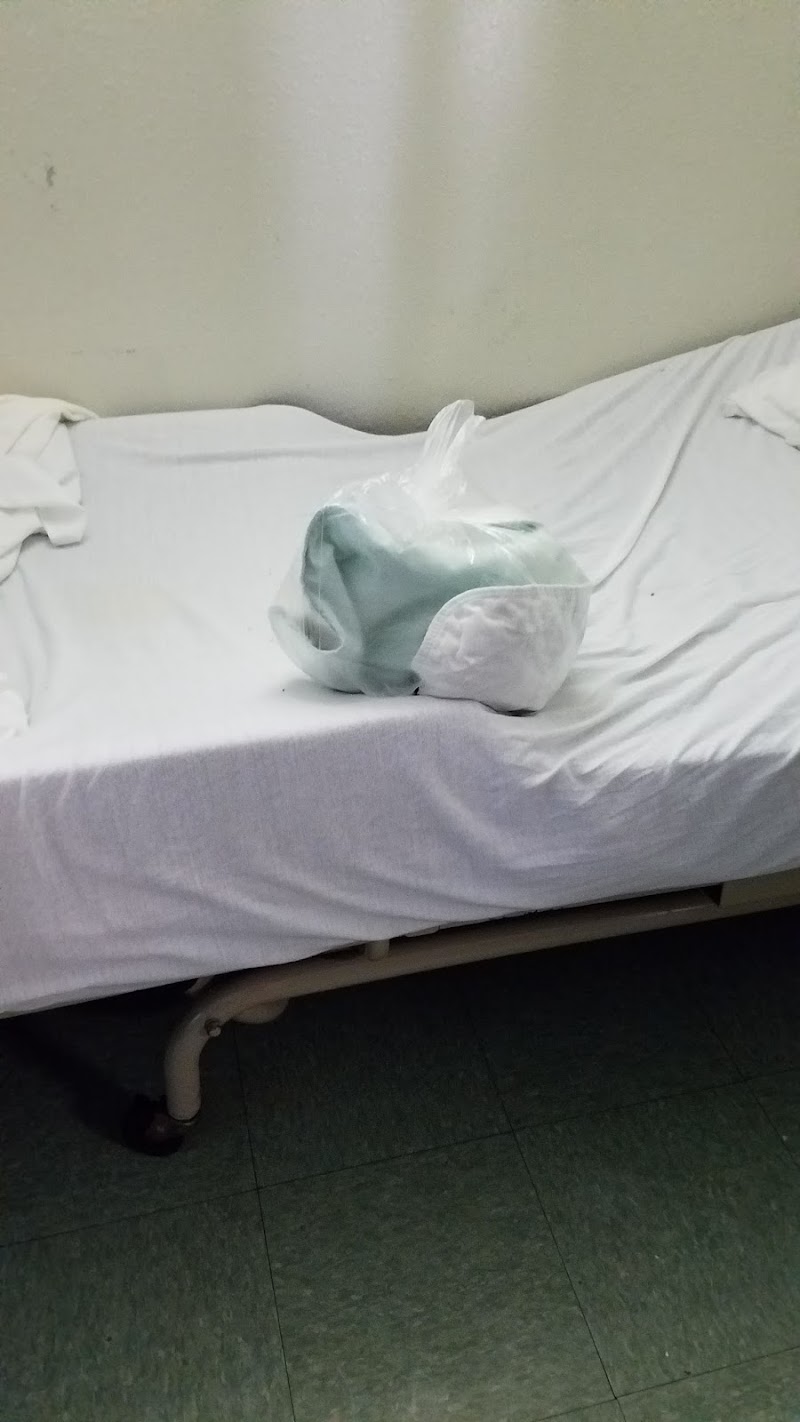
How is Current River Nursing Center, Inc Staffed?

CMS rates CURRENT RIVER NURSING CENTER, INC's staffing level at 1 out of 5 stars, which is much below average compared to other nursing homes. Staff turnover is 80%, which is 34 percentage points above the Missouri average of 46%. High turnover can affect care consistency as new staff learn residents' individual needs.

What Have Inspectors Found at Current River Nursing Center, Inc?

State health inspectors documented 44 deficiencies at CURRENT RIVER NURSING CENTER, INC during 2020 to 2024. These included: 2 that caused actual resident harm and 42 with potential for harm. Deficiencies causing actual harm indicate documented cases where residents experienced negative health consequences.

Who Owns and Operates Current River Nursing Center, Inc?

CURRENT RIVER NURSING CENTER, INC is owned by a for-profit company. For-profit facilities operate as businesses with obligations to shareholders or private owners. The facility is operated by JAMES & JUDY LINCOLN, a chain that manages multiple nursing homes. With 120 certified beds and approximately 46 residents (about 38% occupancy), it is a mid-sized facility located in DONIPHAN, Missouri.

How Does Current River Nursing Center, Inc Compare to Other Missouri Nursing Homes?

Compared to the 100 nursing homes in Missouri, CURRENT RIVER NURSING CENTER, INC's overall rating (1 stars) is below the state average of 2.5, staff turnover (80%) is significantly higher than the state average of 46%, and health inspection rating (1 stars) is much below the national benchmark.

What Should Families Ask When Visiting Current River Nursing Center, Inc?

Based on this facility's data, families visiting should ask: "How do you ensure continuity of care given staff turnover, and what is your staff retention strategy?" "Can you walk me through typical staffing levels on day, evening, and night shifts?" "Can I visit during a mealtime to observe dining assistance and food quality?" "How do you handle medical emergencies, and what is your hospital transfer rate?" These questions are particularly relevant given the facility's high staff turnover rate and the below-average staffing rating.

Is Current River Nursing Center, Inc Safe?

Based on CMS inspection data, CURRENT RIVER NURSING CENTER, INC has a clean safety record: no substantiated abuse findings (meaning no confirmed cases of resident harm), no Immediate Jeopardy citations (the most serious violation level indicating risk of serious injury or death), and is not on the Special Focus Facility watch list (a federal program monitoring the lowest-performing 1% of nursing homes). The facility has a 1-star overall rating and ranks #100 of 100 nursing homes in Missouri. While no facility is perfect, families should still ask about staff-to-resident ratios and recent inspection results during their visit.

Do Nurses at Current River Nursing Center, Inc Stick Around?

Staff turnover at CURRENT RIVER NURSING CENTER, INC is high. At 80%, the facility is 34 percentage points above the Missouri average of 46%. High turnover means new staff may not know residents' individual needs, medications, or preferences. It can also be disorienting for residents, especially those with dementia who rely on familiar faces. Families should ask: What is causing the turnover? What retention programs are in place? How do you ensure care continuity during staff transitions?

Was Current River Nursing Center, Inc Ever Fined?

CURRENT RIVER NURSING CENTER, INC has no federal fines on record. CMS issues fines when nursing homes fail to meet care standards or don't correct problems found during inspections. The absence of fines suggests the facility has either maintained compliance or corrected any issues before penalties were assessed. This is a positive indicator, though families should still review recent inspection reports for the full picture.

Is Current River Nursing Center, Inc on Any Federal Watch List?

CURRENT RIVER NURSING CENTER, INC is not on any federal watch list. The most significant is the Special Focus Facility (SFF) program, which identifies the bottom 1% of nursing homes nationally based on persistent, serious quality problems. Not being on this list means the facility has avoided the pattern of deficiencies that triggers enhanced federal oversight. This is a positive indicator, though families should still review the facility's inspection history directly.