ASPIRE SENIOR LIVING EAST PRAIRIE
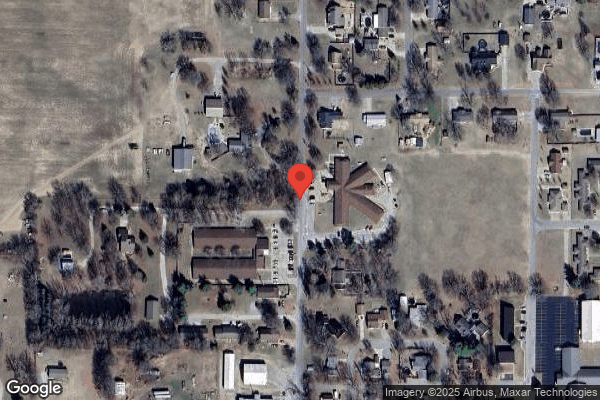

186 MILLAR ROAD, EAST PRAIRIE, MO 63845 (573) 649-3551
For profit - Corporation 52 Beds ASPIRE SENIOR LIVING Data: November 2025
Trust Grade
70/100
#52 of 479 in MO
Last Inspection: June 2025

Inspected within the last 6 months. Data reflects current conditions.

Overview

Aspire Senior Living East Prairie has a Trust Grade of B, indicating it is a good choice for families seeking care, though there are areas for improvement. It ranks #52 out of 479 facilities in Missouri, placing it in the top half, but it is ranked #2 out of 2 in Mississippi County, meaning there is only one local option that is better. The facility's trend is concerning as it has worsened from 4 issues in 2024 to 8 in 2025, which highlights the need for closer scrutiny. Staffing is relatively strong with a 4/5 star rating and a turnover rate of 46%, which is lower than the state average, suggesting that staff are familiar with the residents. However, there were no fines reported, which is a positive aspect. On the downside, recent inspections revealed significant concerns, such as failing to document required temperature checks for freezers and dish machines, which increases the risk of foodborne illness. Additionally, the facility did not properly maintain sanitary conditions for food storage and failed to conduct quarterly quality assessment meetings as required, which could affect overall care quality.

Trust Score
B
70/100
In Missouri
#52/479
Top 10%
Safety Record
Low Risk
No red flags
Inspections
Getting Worse
4 → 8 violations
Staff Stability
⚠ Watch
46% turnover. Above average. Higher turnover means staff may not know residents' routines.
Penalties
✓ Good
No fines on record. Clean compliance history, better than most Missouri facilities.
Skilled Nurses
⚠ Watch
Each resident gets only 29 minutes of Registered Nurse (RN) attention daily — below average for Missouri. Fewer RN minutes means fewer trained eyes watching for problems.
Violations
⚠ Watch
27 deficiencies on record. Higher than average. Multiple issues found across inspections.
★★★★☆
4.0
Overall Rating
★★★★☆
4.0
Staff Levels
★★☆☆☆
2.0
Care Quality
★★★★☆
4.0
Inspection Score
Stable
2024: 4 issues
2025: 8 issues

The Good

  • 4-Star Staffing Rating · Above-average nurse staffing levels
  • Full Sprinkler Coverage · Fire safety systems throughout facility
  • No fines on record

Facility shows strength in staffing levels, fire safety.

The Bad

Staff Turnover: 46%

Near Missouri avg (46%)

Higher turnover may affect care consistency

Chain: ASPIRE SENIOR LIVING

Part of a multi-facility chain

Ask about local staffing decisions and management

The Ugly 27 deficiencies on record

Jun 2025 8 deficiencies
CONCERN (D)

Potential for Harm - no one hurt, but risky conditions existed

Deficiency F0605 (Tag F0605)

Could have caused harm · This affected 1 resident

Based on interview and record review, the facility failed to provide an appropriate diagnosis for the use of psychotropic (medications that alter the levels of chemicals in the brain that influence mo...

Read full inspector narrative →
Based on interview and record review, the facility failed to provide an appropriate diagnosis for the use of psychotropic (medications that alter the levels of chemicals in the brain that influence mood, behavior, and perception) medications for one resident (Resident #3) out of five sampled residents. The facility census was 28. Review of the facility's policy titled, Unnecessary Drugs, not dated, showed: - Each resident's drug regimen must be free from unnecessary drugs; - Each resident's entire drug/medication regimen is managed and monitored to promote or maintain the resident's highest practicable mental, physical and psychosocial well-being; - An unnecessary drug is any drug used without adequate monitoring or without adequate indication/reason for its use; - A psychotropic drug is any drug that affects brain activities associated with mental processes and behavior. These drugs include, but are not limited to antipsychotics (medications used to treat psychosis, a mental health condition characterized by delusions, hallucinations, and disorganized thinking) and antidepressants; - Based on a comprehensive assessment of a resident, the facility must ensure that residents are not given these drugs unless the medication is necessary to treat a specific condition as diagnosed and documented in the clinical record. 1. Review of Resident #3's June 2025 Physician's Order Sheet (POS) showed: - Diagnosis of dementia (a disorder marked by memory loss, personality changes, and impaired reasoning that interferes with daily functioning); - An order for divalproex (a seizure medication often used as a mood stabilizer) 125 milligram (mg) three capsules two times a day related to Alzheimer's (a progressive disease that destroys memory and other important mental functions) disease, dated 12/02/24; - An order for amitriptyline (an antidepressant medication) 10 mg daily related to unspecified dementia, unspecified severity, with other behavioral disturbance, dated 01/21/25; - An order for risperidone (an antipsychotic medication) 0.25 mg one time a day related to Alzheimer's disease, unspecified altered mental status, dated 12/02/24. Review of the resident's medical record showed: - No documentation of an appropriate diagnoses for the use of divalproex, amitriptyline, and risperidone medications; - No identified targeted behaviors; - No documentation of any behaviors; - No pharmacist recommendations for appropriate diagnoses for the use of divalproex, amitriptyline, and risperidone medications. During an interview on 06/11/25 at 8:05 A.M., Licensed Practical Nurse F said the resident had not had any behaviors since he/she had been admitted to this facility. He/She did not know why the resident was on the medications. During an interview on 06/11/25 at 1:35 P.M., LPN D said when the facility's system changed in December 2024, staff failed to monitor the correct diagnosis for the medications that were ordered for this resident. During an interview on 06/12/25 at 2:35 P.M., the Administrator said she would expect an appropriate diagnoses for any medications that had been prescribed for a resident.
CONCERN (D)

Potential for Harm - no one hurt, but risky conditions existed

Assessment Accuracy (Tag F0641)

Could have caused harm · This affected 1 resident

**NOTE- TERMS IN BRACKETS HAVE BEEN EDITED TO PROTECT CONFIDENTIALITY** Based on interview and record review, the facility failed to document an accurate Minimum Data Set (MDS - a federally mandated a...

Read full inspector narrative →
**NOTE- TERMS IN BRACKETS HAVE BEEN EDITED TO PROTECT CONFIDENTIALITY** Based on interview and record review, the facility failed to document an accurate Minimum Data Set (MDS - a federally mandated assessment completed by facility staff) for one resident (Resident #3) out of 12 sampled residents. The facility's census was 28. Review of the facility's policy titled, Resident Assessment Instrument Process (RAI/MDS), dated 01/30/24, showed: - Ensure that each resident receives an accurate assessment, reflective of the resident's status at the time of the assessment by staff qualified to assess relevant core areas and are knowledgeable about the resident's status, needs, strengths and areas of decline. 1. Review of Resident #3's quarterly MDS, dated [DATE], showed: - Resident received antianxiety medication. Review of the resident's June 2025 Physician's Order Sheet (POS) showed: - No antianxiety medication ordered; - No anxiety diagnosis. During an interview on 06/11/25 at 1:35 P.M., Licensed Practical Nurse (LPN) B said when the system changed over in December 2024, someone failed to code the correct medication for the resident. The facility did not have a MDS Coordinator on-site, the MDS's were completed by a corporate MDS Nurse. During an interview on 06/12/25 at 2:37 P.M., the Administrator said if a resident was not taking an antianxiety medication, then it should not be coded on the MDS. The MDS's were completed off-site by corporate staff.
CONCERN (D)

Potential for Harm - no one hurt, but risky conditions existed

Deficiency F0657 (Tag F0657)

Could have caused harm · This affected 1 resident

**NOTE- TERMS IN BRACKETS HAVE BEEN EDITED TO PROTECT CONFIDENTIALITY** Based on observation, interview, and record review, the facility failed to update and revise care plans with specific interventi...

Read full inspector narrative →
**NOTE- TERMS IN BRACKETS HAVE BEEN EDITED TO PROTECT CONFIDENTIALITY** Based on observation, interview, and record review, the facility failed to update and revise care plans with specific interventions tailored to meet individual needs for 10 residents (Residents #3, #8, #10, #11, #13, #14, #20, #22, #25, and #29) out of 12 sampled residents and one resident (Resident #4) outside the sample. The facility census was 28. Review of the facility's policy titled, Comprehensive Care Plan, dated 01/30/24, showed: - Each resident will have a person-centered comprehensive care plan developed and implemented to meet his/her preferences and goals and address the resident's nursing, medical, physical, mental, and psychosocial needs identified in the comprehensive assessment; - Measurable objectives and time frames to meet the resident's medical, nursing, and mental/psychosocial needs that are identified in the Resident Assessment Instrument (RAI) process; - Services are furnished to attain or maintain the resident's highest practicable physical, mental, and psychosocial well-being; - The comprehensive care plan will be developed by the Interdisciplinary Team (IDT) using the Minimum Data Set (MDS - a federally mandated assessment completed by facility staff) to assess the resident's clinical condition as well as cognitive and functional status and the use of services; - The comprehensive care plan will be developed within seven days after completion of the comprehensive assessment and prepared by IDT, that includes, but is not limited to the attending physician, a registered nurse (RN) with responsibility for the resident, a nurse aide with responsibility for the resident, a member of food and nutrition services staff, the participation of the resident and the resident's representative, any other appropriate staff or professionals in disciplines as determined by the resident's needs or as requested by the resident; - The comprehensive care plan will be reviewed and revised, based on changing goals, preferences and needs of the resident and in response to current interventions, by the IDT after each assessment, including both the comprehensive and quarterly review assessments. 1. Review of Resident #3's medical record showed: - admitted on [DATE]; - Diagnosis of dementia (a disorder marked by memory loss, personality changes, and impaired reasoning that interferes with daily functioning). Review of the resident's Care Plan, dated 01/21/25, showed: - Did not address dementia with specific interventions. 2. Review of Resident 4's medical record showed: - admitted on [DATE]; - Diagnoses of chronic obstructive pulmonary disease (COPD - a progressive lung disease making it hard to breathe), diabetes mellitus (disease characterized by high blood sugar levels), and lumbar intervertebral disc disorder with radiculopathy (a condition where a damaged or degenerated disc in the lower back irritates or compresses a spinal nerve root, causing pain that radiates down the leg). Observations on 06/09/25 at 11:05 A.M., 06/10/25 at 8:45 A.M., and 06/11/25 at 10:22 A.M., showed: - U-shaped assist rails on both sides of the resident's bed in the upright position. Review of the resident's Care Plan, dated 03/19/25, showed: - Did not address the resident's use of assist rails on the bed with specific interventions. During an interview on 06/10/25 at 1:50 P.M. the resident said he/she used the assist rails to turn and they helped him/her sit up on the side of the bed. 3. Review of Resident #8's medical record showed: - admitted on [DATE]; - Diagnoses of left and right above knee surgical amputations (a removed body part) and COPD. Observations on 06/09/25 at 10:46 A.M., 06/10/25 at 9:11 A.M., and 06/11/25 at 3:18 P.M., showed: - U-shaped assist rails on both sides of the resident's bed in the upright position. Review of the resident's Care Plan, undated, showed: - Did not address the resident's use of assist rails on the bed with specific interventions. During an interview on 06/09/25 at 2:05 P.M., the resident said he/she used the assist rails on the bed to help with turning and transferring to the wheelchair. 4. Review of Resident #10's medical record showed: - admitted on [DATE]; - Diagnoses of schizophrenia (a long term mental disorder that affects a person's ability to think, feel, or behave clearly, sometimes including delusions or hallucinations) and bipolar disorder (a mental disorder that causes unusual shifts in mood). Observations on 06/09/25 at 2:18 P.M., 06/10/25 at 11:10 A.M., and 06/11/25 at 9:06 A.M., showed: - U-shaped assist rails on both sides of the resident's bed in the upright position. Review of the resident's Care Plan, dated 06/09/25, showed: - Did not address the resident's use of assist rails on the bed with specific interventions. During an interview 06/09/25 at 11:38 A.M., the resident said he/she used the assist rails for repositioning and for placing his/her call light on it. 5. Review of Resident #11's medical record showed: - admitted on [DATE]; - Diagnoses of spinal stenosis (narrowing of spinal canal), fracture of left fibula (smaller bone between knee and ankle), dorsalgia (back pain), and atrial fibrillation (rapid, irregular heartbeat). Observations on 06/09/25 at 11:04 A.M., 06/10/25 at 9:09 A.M., and 06/11/25 at 1:11 P.M., showed: - U-shaped assist rails on both sides of the resident's bed in the upright position. Review of the resident's Care Plan, dated 5/20/25, showed: - Did not address the resident's use of assist rails on the bed with specific interventions. During an interview on 06/09/25 at 2:22 P.M., the resident said he/she used the assist rails on the bed when turning side to side. 6. Review of Resident #13's medical record showed: - admitted on [DATE]; - Diagnoses of major depressive disorder (a serious medical illness that negatively affects how you feel, the way you think and how you act), end stage renal disease (ESRD - kidney failure) stage five, and dependence on renal dialysis (a treatment that filters waste and excess fluid from the blood when the kidneys have failed). Review of the resident's June 2025 Physician Order Sheet (POS) showed: - An order to check the dialysis site for bleeding and signs or symptoms of infection immediately upon return from dialysis on Monday, Wednesday, or Friday, dated 04/07/25. Review of the resident's Care Plan, dated 01/21/25, showed: - Did not address dialysis with specific interventions. During an interview 06/09/25 at 11:45 A.M., the resident said he/she went to dialysis every Monday, Wednesday, and Friday. 7. Review of Resident #14's medical record showed: - admitted on [DATE]; - Diagnoses of fibromyalgia (a chronic pain syndrome where the pain is felt in skin, muscles, and joints) and COPD. Review of the resident's June 2025 POS showed: - An order for a regular diet, regular texture, regular/thin consistency, dated 12/02/24; - An order for monthly weights, dated 11/25/24. Review of the resident's Registered Dietician (RD) Progress Notes showed: - On 12/11/24, the resident had a body mass index (BMI - a screening tool used to measure a person's weight and height to determine potential health risks) of 26.3 and with an overweight status; - On 01/16/25, the resident did not want to eat anything; - On 02/19/25, a regular diet order remained in place and food likes/dislikes were updated; - On 03/12/25, the physician was notified of recommendations and concerns; - On 04/17/25, the resident continued to state he/she didn't want to gain weight, the facility would continue to monitor as needed (PRN) for changes, and the physician was made aware of the visit and recommendations; - On 05/13/25, the resident's appetite was good, staff reported resident continued to state that he/she didn't want to gain weight, and the facility would continue to monitor monthly weights for stability. Review of the resident's Care Plan, dated 01/18/25, showed: - The resident had an unplanned/unexpected weight loss with the interventions of: alert the dietician if consumption is poor for more than 48 hours, give the resident supplements as ordered, alert nurse/dietitian if not consuming on a routine basis, and if weight decline persists, contact the physician and dietician immediately; - Did not address the resident's planned weight loss with interventions. During an interview on 06/09/25 at 12:17 P.M., the resident said he/she cut out sodas and snacks by choice and had lost weight due to being overweight at the beginning of the year. This was his/her choice for the planned weight loss. He/She ate what he/she wanted at meal times and stopped when he/she was full. The facility weighed him/her monthly. During an interview on 06/11/25 at 8:43 A.M., the Assistant Director of Nursing (ADON) said the resident wanted to lose weight and it was a planned weight loss. 8. Review of Resident #20's medical record showed: - admitted on [DATE]; - Diagnoses of dysphagia (difficulty swallowing) following a cerebral infarction (a stroke) and epilepsy (seizures). Observations on 06/09/25 at 10:57 A.M., 06/10/25 at 9:13 A.M., and 06/11/25 at 3:38 P.M., showed: - U-shaped assist rails on both sides of the resident's bed in the upright position. Review of the resident's Care Plan, undated, showed: - Did not address the resident's use of assist rails on the bed with specific interventions. During an interview on 06/09/25 at 10:57 A.M., the resident said he/she used the assist rails to help turn in bed. 9. Review of Resident #22's medical record showed: - admitted on [DATE]; - Diagnosis of dementia. Review of the resident's Care Plan, undated, showed: - Did not address dementia with specific interventions. 10. Review of Resident #25's medical record showed: - admitted on [DATE]; - Diagnoses of major depressive disorder, anxiety (persistent worry and fear about everyday situations) and urinary tract infection (UTI - an infection that can affect the kidneys or bladder). Observation on 06/09/25 at 2:18 P.M., showed: - U-shaped assist rails on both sides of the resident's bed in the upright position. Observations on 06/10/25 at 11:15 A.M., and 06/11/25 at 8:42 A.M., showed: - The resident lay in his/her bed with the U-shaped assist rails on both sides of the bed in the upright position; - The resident did not have an indwelling suprapubic catheter (a medical device that drains urine from the bladder). Review of the resident's June 2025 POS showed: - No order for an indwelling suprapubic catheter. Review of the resident's April 2025 Medication Administration Record (MAR) showed: - An order to change the Foley (a type of indwelling catheter) catheter every 30 days and PRN for leaking, one time a day every 30 days for non-healing wound, dated 03/05/25, and discontinued on 04/01/25. Review of the resident's Care Plan, dated 04/09/25, showed: - Did not address the resident's use of assist rails on the bed with specific interventions. - The resident had an indwelling suprapubic catheter. During an interview on 06/10/25 at 11:59 A.M., the resident said he/she used the assist rails for repositioning. He/She used to have a catheter, but it was removed a couple of months ago. During an interview on 06/10/25 at 2:01 P.M., Licensed Practical Nurse (LPN) B said the resident's indwelling suprapubic catheter was discontinued on 04/01/25, and should not be on the resident's care plan. 11. Review of Resident #29's medical record showed: - admitted on [DATE]; - Diagnoses of severe protein-calorie malnutrition and retention of urine. Review of the resident's June 2025 POS showed: - An order for an urinary catheter 18 French (size of catheter) with 10 milliliter (ml) balloon change one time monthly, dated 06/06/25. Review of the resident's Care Plan, undated, showed: - Did not address impaired urinary function with specific interventions. Observations on 06/09/25 at 9:31 A.M., 06/09/25 at 12:11 P.M., 06/10/25 at 3:21 P.M., and 06/12/25 at 10:41 A.M., showed: - The resident lay in bed and the catheter drainage bag hung from the bed frame. During an interview on 06/12/25 at 2:30 P.M., the Administrator said she expected a resident's dialysis to be reflected on his/her care plan. Assist rails should be care planned if the resident used them for repositioning. If a resident had a planned weight loss, it should be part of the care plan. If a resident no longer had an indwelling catheter, the care plan should be updated in a timely manner. Residents with a dementia diagnosis should have interventions in place on the care plan and be addressed. She said a corporate employee was designated to work on the facility's care plans due to care areas not being current.
CONCERN (D)

Potential for Harm - no one hurt, but risky conditions existed

Deficiency F0698 (Tag F0698)

Could have caused harm · This affected 1 resident

**NOTE- TERMS IN BRACKETS HAVE BEEN EDITED TO PROTECT CONFIDENTIALITY** Based on interview and record review, the facility failed to provide documentation of communication between the facility and the...

Read full inspector narrative →
**NOTE- TERMS IN BRACKETS HAVE BEEN EDITED TO PROTECT CONFIDENTIALITY** Based on interview and record review, the facility failed to provide documentation of communication between the facility and the dialysis (a process for removing waste and excess water from the blood) center for one resident (Residents #13) out of one sampled resident. The facility census was 28. Review of the facility's policy titled, Dialysis, undated, showed: - The facility will ensure that residents who require dialysis such services consistent with professional standards of practice, the comprehensive person-centered care plan, and the resident's goals and preferences. Dialysis services will be efficient and consistent to provide quality of care and resident safety; - The facility will ensure that ongoing collaboration between the dialysis facility and the nursing home; - There should be identifiable, designated points of contact within the facility to ensure successful coordination between the dialysis facility and this facility; - It is critical that these designated nursing home staff, who are acting on behalf of the resident's designated care giver, be actively involved in all aspects of the patient's dialysis-related care, such as resident assessments, resident management, and plans of care, including any adjustments needed in the resident's treatment plan; - To ensure the dialysis can effectively assess, monitor, and implement sustainable performance improvement, it must include participation from the facility where the resident lives; - The dialysis facility should share information with the facility about matters pertinent to each resident's plan of care. 1. Review of Resident #13's medical record showed: - admitted on [DATE]; - Diagnoses of major depressive disorder (a serious medical illness that negatively affects how you feel, the way you think and how you act), end stage renal disease (ESRD - kidney failure) stage five (the kidneys are severely damaged and can no longer effectively filter waste and extra fluid from the blood), and dependence on renal dialysis. Review of the resident's June Physician's Order Summary (POS) showed: - An order to check the dialysis site for bleeding and signs or symptoms of infection immediately upon return from dialysis on Monday, Wednesday, or Friday, dated 04/07/25. Review of the resident's Nurse's Dialysis Communication forms, dated January 2025 - June 2025, showed: - For January 2025, four missed out of 14 opportunities for the completion of the Dialysis Communication forms; - For February 2025, three missed out of 12 opportunities for the completion of the Dialysis Communication forms; - For March 2025, two missed out of 13 missed opportunities for the completion of the Dialysis Communication forms; - For April 2025, six missed out of 13 opportunities for the completion of the Dialysis Communication forms; - For May 2025, five missed out of 13 opportunities for the completion of the Dialysis Communication forms; - For June 2025, two missed out of five opportunities for the completion of the Dialysis Communication forms. Review of the resident's Progress Notes, dated 01/03/25 - 06/12/25, showed: - No documentation the resident refused dialysis. During an interview 06/09/25 at 11:45 A.M., the resident said he/she went to dialysis on Monday, Wednesday and Friday of each week. During an interview on 06/11/25 at 2:34 P.M., Licensed Practical Nurse (LPN) A said if the resident refused to go to dialysis on a particular day, the refusal should be documented in a progress note. During an interview on 06/11/25 at 3:39 P.M., the Assistant Director of Nursing (ADON) said there should be a note documented if and when the resident refused to go to dialysis. If the resident returned to the facility without the dialysis communication form, someone from the facility should call the dialysis center and request it to be faxed for documentation purposes. During an interview on 06/11/25 at 3:41 P.M., Registered Nurse (RN) E said the resident refused to go to dialysis at times and would say the dialysis center did not give the communications form back to him/her. The dialysis center should be contacted and the form requested to be faxed to the facility for documentation purposes if one was not given to the resident. Refusals should be documented in the resident's progress note. During an interview on 06/12/25 at 8:29 A.M., LPN B said the resident returned to the facility sometimes and didn't have the dialysis communication form with him/her. The facility should search for the form to make sure the resident didn't have it somewhere on him/her. The facility should call the dialysis center and ask for a faxed copy of the completed form if one was not given to the resident upon return. During an interview on 06/12/25 at 2:31 P.M., the Administrator said the resident should be given a dialysis communication form to take with him/her to the dialysis center to be filled out before returning to the facility. The resident was supposed to give the communication form to the nurse on duty upon arrival to be placed in the dialysis binder for documentation purposes. If the resident refused to go to dialysis, a staff member should encourage the resident to go. If the resident still refused, then the refusal should be documented on a progress note.
CONCERN (D)

Potential for Harm - no one hurt, but risky conditions existed

Pharmacy Services (Tag F0755)

Could have caused harm · This affected 1 resident

Based on interview and record review, the facility failed to establish a system of records for the receipt and disposition of all controlled medications in sufficient detail to enable an accurate reco...

Read full inspector narrative →
Based on interview and record review, the facility failed to establish a system of records for the receipt and disposition of all controlled medications in sufficient detail to enable an accurate reconciliation of the controlled medications to ensure nursing staff signed at the beginning and the end of each shift for one medication cart out of two sampled medication carts. The facility's census was 28. Review of the facility's policy titled, Controlled Substance Administration and Accountability, revised January 2024, showed: - The charge nurse or other designee conducts a daily visual audit of the required documentation of controlled substances. Spot checks are performed to verify; - Inventory verification: for areas without automated dispensing systems, two licensed nurses account for all controlled substances and access keys at the end of each shift. 1. Review of the Licensed Practical Nurse (LPN)/Registered Nurse (RN) Narcotic Count Records, dated 01/01/25 - 01/31/25, showed: - No signature and/or initials by the on-coming and off-going nurse on the shift verification of controlled substance count sheet for 18 missed opportunities out of 146 opportunities. Review of the LPN/RN Narcotic Count Records, dated 02/01/25 - 02/28/25, showed: - No signature and/or initials by the on-coming and off-going nurse on the shift verification of controlled substance count sheet for 29 missed opportunities out of 128 opportunities. Review of the LPN/RN Narcotic Count Records, dated 03/01/25 - 03/31/25, showed: - No signature and/or initials by the on-coming and off-going nurse on the shift verification of controlled substance count sheet for 15 missed opportunities out of 130 opportunities. Review of the LPN/RN Narcotic Count Records, dated 04/01/25 - 04/30/25, showed: - No signature and/or initials by the on-coming and off-going nurse on the shift verification of controlled substance count sheet for 43 missed opportunities out of 120 opportunities. Review of the LPN/RN Narcotic Count Records, dated 05/01/25 - 05/13/25, showed: - No signature and/or initials by the on-coming and off-going nurse on the shift verification of controlled substance count sheet for nine missed opportunities out of 82 opportunities. Review of the LPN/RN Narcotic Count Records, dated 06/01/25-06/11/25, showed: - No signature and/or initials by the on-coming and off-going nurse on the shift verification of controlled substance count sheet for five missed opportunities out of 44 opportunities. During an interview on 06/11/25 at 10:17 A.M., LPN B said he/she counted with the nurse that was off-going and on-coming. Some nurses work different shifts and the narcotic sheet didn't get signed. During an interview on 06/12/25 at 11:28 A.M., the Assistant Director of Nursing (ADON) said she expects on-coming and off-going staff to count to reconcile the narcotics in the medication cart every shift and sign the narcotic count verification form. During an interview on 06/12/25 at 2:35 P.M., the Administrator said staff were to count the narcotics on the medication cart every shift. Two staff, the on-coming and off-going staff, should also sign the narcotic count verification form on each cart after performing the narcotic count together to ensure no discrepancies had occurred on the prior shift.
CONCERN (D)

Potential for Harm - no one hurt, but risky conditions existed

Unnecessary Medications (Tag F0759)

Could have caused harm · This affected 1 resident

Based on observation, interview, and record review, the facility failed to maintain a medication error rate of less than five percent (%). There were 30 opportunities with three errors made, resulting...

Read full inspector narrative →
Based on observation, interview, and record review, the facility failed to maintain a medication error rate of less than five percent (%). There were 30 opportunities with three errors made, resulting in an error rate of 10% for two residents (Residents #4 and #24) out of five sampled residents. The facility's census was 28. The facility did not provide a policy regarding medications not administered. Review of the facility's policy titled, Priming Insulin Pen, undated, showed: - Priming means removing air bubbles from the needle and ensures that the needle is open and working. The pen must be primed before each injection; - To prime the insulin pen: 1) turn the dosage knob to the two units indicator, 2) push the knob in all the way. Review of the Humalog/insulin lispro (a rapid insulin that helps lower mealtime blood sugar spikes) Kwik Pen (insulin in a pen-type device) Instructions, revised July 2023, showed: - Prime the pen by turning the dose knob to two units; - Hold the pen with the needle pointing up; - Tap the cartridge holder gently to collect air bubbles at the top; - Push the dose knob in until it stops, and zero is seen in the dose window, count to five slowly, insulin will be visible at the tip of the needle; - Select the dose; - Give the injection after selecting the area and cleaning the site with an alcohol swab. Review of the Fiasp/Novolog/insulin aspart (fast-acting insulin that helps lower mealtime blood sugar spikes) Flex Pen Administration Instructions, dated September 2021, showed: - Prime the pen by turning the dose selector to two units; - Keep the needle upwards and press the push-button until the dose selector reads zero; - Turn the dose selector to select the number of prescribed units; - Push the needle into the skin, then press the dose button until dose selector indicates zero; - Keep the push-button fully pushed in after injection; - Leave the needle under the skin for six seconds and then remove it. 1. Review of Resident #4's Physician Order Sheet (POS), dated June 2025, showed: - An order for Novolog Flexpen inject per sliding scale for blood sugar of 0-149 = 0 units, 150-199 = 2 units, 200-249 = 4 units, 250 - 299 = 6 units, 300-349 = 8 units, 350-399 = 10 units, if over 400 call physician, subcutaneously (injection under the skin) before meals and at bedtime, dated 11/18/24. Observation on 06/10/25 at 11:38 A.M., of the resident's medication administration showed: - Licensed Practical Nurse (LPN) B administered 4 units of Novolog subcutaneously for a blood sugar of 228; - LPN B failed to prime the Novolog FlexPen per the manufacturer's instructions prior to the insulin administration. 2. Review of Resident #24's POS, dated June 2025, showed: - An order for metoprolol extended-release (ER) 25 milligram (mg) give 0.5 tablet by mouth once daily, dated 05/28/25; - An order for insulin lispro Kwik Pen inject per sliding scale for blood sugar of 0 - 149 = 0 units, 150-199 = 2 units, 200-249 = 4 units, 250-299 = 6 units, 300-349 = 8 units, 350 - 399 = 10 units, and over 400 call the physician, subcutaneously before meals, dated 06/03/25. Observation on 06/10/25 at 8:37 A.M., of the resident's medication administration showed: - Certified Medication Technician (CMT) G threw the medicine cup with applesauce and the metoprolol ER 25 mg 0.5 tablet half of pill in the trash. During an interview on 06/10/25 at 8:45 A.M., CMT G said he/she was unaware the resident didn't receive his/her dose of metoprolol ER and was thrown away. Observation on 06/10/25 at 11:51 A.M., of the resident's medication administration showed: - LPN B administered 2 units of Humalog subcutaneously for a blood sugar of 164; - LPN B failed to prime the Humalog Kwik Pen per the manufacturer's instructions prior to the insulin administration. During an interview on 06/12/25 at 11: 18 A.M., LPN B said he/she was not aware of needing to waste 2 units of insulin to prime the needle before administering insulin to residents. During an interview on 06/12/25 at 11:25 A.M., the Assistant Director of Nursing said nurses should waste 2 units of insulin to prime the needle of the pen before administering insulin to residents. During an interview on 06/12/25 at 2:34 P.M., the Administrator said staff should waste 2 units of insulin before administering the prescribed amount to residents.
CONCERN (D)

Potential for Harm - no one hurt, but risky conditions existed

Infection Control (Tag F0880)

Could have caused harm · This affected 1 resident

Based on observation, interview, and record review, the facility failed to implement enhanced barrier precautions (EBP) and proper infection control practices when staff performed incontinent and indw...

Read full inspector narrative →
Based on observation, interview, and record review, the facility failed to implement enhanced barrier precautions (EBP) and proper infection control practices when staff performed incontinent and indwelling catheter (a flexible tube inserted into the bladder to drain urine) care for one resident (Resident #29) out of one sampled resident. The facility census was 28. Review of the facility's policy titled, Enhanced Barrier Precautions, last reviewed, January 2024, showed: - EBP expand the use of personal protective equipment (PPE) in which exposure to blood and body fluids is anticipated. These precautions refer to the use of gown and gloves during high-contact resident care activities that provide opportunities for transfer of multi-drug-resistant organisms (MDRO's) to staff hands; - High-contact resident care activities include dressing, bathing/showering, transferring, providing hygiene, changing linens, changing briefs or assisting with toileting, device care or use of a device: central lines, urinary catheter, feeding tube, tracheostomy, or ventilator; - EBP apply to all residents with any of the following: wounds and/or indwelling medical devices (e.g. central lines, urinary catheter, feeding tube, tracheostomy, or ventilator) regardless of MDRO colonization status; - Perform hand hygiene with alcohol-based hand rub (ABHR) before entering the resident room, wear gloves and a gown when providing high-contact resident care activities, do not wear the same gown and gloves for the care of more than one resident, discard disposable gown and gloves in waste container located near the exit of the resident room. If a non-disposable gown is used, discard in laundry container near the exit of the resident room, perform hand hygiene with ABHR before exiting the resident room. Review of the facility's policy titled, Standard Precautions, dated January 2024, showed: - Hands must be washed between any task that has the possibility of transferring bacteria from resident to resident; - When having direct contact or the potential for direct contact with any body fluids, gloves must be worn; - Use gloves when cleaning areas that may have had contact with blood and/or body fluids. 1. Review of Resident #29's medical record showed: - Diagnoses of severe protein-calorie malnutrition and retention of urine. Review of the resident's June 2025 Physician Order Sheet (POS) showed: - An order for a urinary catheter 18 French (size of catheter) with 10 milliliter (ml) balloon change one time monthly, dated 06/06/25. Observation on 06/11/25 at 11:18 A.M., of the resident's catheter care showed: - No signage of EBP; - No PPE available outside of the resident room; - Certified Nurse Assistant (CNA) H did not put on an gown, did not perform hand hygiene, and put on gloves; - CNA H emptied the resident's catheter drainage bag into the designated container; - CNA H emptied the urine into the toilet, changed gloves, and did not perform hand hygiene; - CNA H unfastened the resident's brief and rolled the resident to his/her right side; - CNA H cleaned fecal material from the buttocks; - CNA H did not change gloves, did not perform hand hygiene, placed a clean brief under the resident, and rolled the resident onto his/her back; - CNA H did not change gloves, did not perform hand hygiene, and cleaned the groin area; - CNA H did not change gloves, did not perform hand hygiene, and secured the clean brief; - CNA H removed gloves, did not perform hand hygiene, placed the trash into the hallway trash receptacle, and performed hand hygiene in the hallway. During an interview on 06/12/25 at 11:20 A.M., CNA H said residents with catheters should be on enhanced barrier precautions (EBP). Gown and gloves should be put on by staff before entering the resident room. Staff should change gloves and perform hand hygiene when going from dirty to clean tasks. PPE was available on the linen carts or in the supply room. During an interview on 06/12/25 at 11:28 A.M., Licensed Practical Nurse B said PPE should be put on once inside the resident room. Residents with wounds, infections, or catheters should have EBP in place. There was no indication outside the resident room, but EBP status was put on the daily report sheet. During an interview on 06/12/25 at 11:30 A.M., the Assistant Director of Nursing (ADON) said EBP was put in place for any resident with wounds, tubing, or a catheter. Gloves and gowns were put on in the room and taken off before coming out of the room. During an interview on 06/12/25 at 2:34 P.M., the Administrator said EBP was for residents with wounds or catheters. Gowns and gloves were required for those residents when staff were providing care. PPE was stored in the supply room and should be placed near each resident that had EBP in place.
CONCERN (D)

Potential for Harm - no one hurt, but risky conditions existed

Deficiency F0947 (Tag F0947)

Could have caused harm · This affected 1 resident

Based on interview and record review, the facility failed to provide timeframe documentation of at least twelve hours of annual nurse aide (NA) in-services for two certified nurse aides (CNAs) (CNA C ...

Read full inspector narrative →
Based on interview and record review, the facility failed to provide timeframe documentation of at least twelve hours of annual nurse aide (NA) in-services for two certified nurse aides (CNAs) (CNA C and CNA D) out of two sampled CNAs. The facility census was 28. Review of the facility's policy titled, Nurse Aide Regular In-Service Training, dated 01/30/24, showed: - Focus on the performance review requirement and specific in-service education based on the outcome of those reviews for each individual nurse aide; - The in-service training must be sufficient to ensure the continuing competence of nurse aides but no less than 12 hours per year and include dementia management training and resident abuse prevention training; - Calculate the date by which a nurse aide must receive annual in-service education by their employment date rather than the calendar year. Review of the facility assessment, dated 08/23/24, showed: - Our facility has identified the following training topics for staff, including managers, nursing, direct care staff, contracted individuals, and volunteers, aligned with their roles including communication, resident rights, facility responsibilities, abuse, neglect, exploitation, and infection control; - Required in-service training for nurse aides: Mandated training ensures ongoing competence, with a minimum of 12 hours per year, covering dementia management, resident abuse prevention, and addressing individual resident needs. 1. Review of CNA C's Annual In-service Training records, dated March 2024 - February 2025, showed: - A hire date of 03/23/98; - Dementia Management training in-service with no timeframe documented, dated, 01/21/25; - Abuse Prevention training in-service with no timeframe documented, dated 01/21/25; - No timeframe documented on in-services provided to calculate total in-service hours completed. 2. Review of CNA D's Annual In-service Training records, dated March 2024 - February 2025, showed: - A hire date of 03/22/24; - Dementia Management training with no timeframe documented, dated 01/21/25; - Abuse Prevention training with no timeframe documented, dated 01/21/25; - No timeframe documented on in-services provided to calculate total in-service hours completed. During an interview on 06/11/25 at 9:03 A.M., the Assistant Director of Nursing (ADON) said in-services should have a beginning time and an end time to show a timeframe duration for documentation purposes. During an interview on 06/12/25 at 2:05 P.M., the Administrator said in-services should have a beginning time and an end time to show a timeframe duration for documentation purposes.
Apr 2024 4 deficiencies
CONCERN (D)

Potential for Harm - no one hurt, but risky conditions existed

Deficiency F0578 (Tag F0578)

Could have caused harm · This affected 1 resident

**NOTE- TERMS IN BRACKETS HAVE BEEN EDITED TO PROTECT CONFIDENTIALITY** Based on interview and record review, the facility failed to consistently document residents' code status with Do Not Resuscitat...

Read full inspector narrative →
**NOTE- TERMS IN BRACKETS HAVE BEEN EDITED TO PROTECT CONFIDENTIALITY** Based on interview and record review, the facility failed to consistently document residents' code status with Do Not Resuscitate (DNR) or Full Code (Resuscitate refers to cardiopulmonary resuscitation-CPR) for one resident (Resident #3) out of 12 sampled residents. The facility census was 26. Record review of the facility's policy, titled Cardiopulmonary Resuscitation (CPR), undated, showed: - Facility staff should verify the presence of advance directives or the resident's wishes regarding CPR, upon admission. If the resident's wishes are different than the admission orders, or if the admission orders do not address the resident's code status and the resident does not want CPR, facility staff should immediately document the resident's wishes in the medical record and contact the physician to obtain the order.- While awaiting the physician's order to withhold CPR, facility staff should immediately document discussions with the resident or resident representative, including, as appropriate, a resident's wish to refuse CPR. 1. Review of Resident #3's medical record showed: - An admission date of [DATE]; - The face sheet showed Do Not Resuscitate (DNR) (does not want cardiopulmonary resuscitation, an emergency procedure consisting of chest compressions if the heart stops beating or the person stops breathing) code status order); - The Physician's Order Sheet (POS), dated [DATE], indicated the resident a full code (if a person's heart stopped beating and/or they stopped breathing, all resuscitation procedures will be provided to keep them alive) status; - A Durable Power of Attorney (DPOA) (gives someone else legal authority to act on a persons wishes at the time they are unable to make a decision) showed no CPR to be done, signed and dated by the resident on [DATE]; - The Advance Directive binder located at the nurse's station indicated a DNR status. During an interview on [DATE] at 9:43 A.M., Certified Nurse Aide (CNA) C said she was not sure where the code status on the residents were kept, however thought the nurses' would have that at the nurses' desk. During an interview on [DATE] at 10:00 A.M., Licensed Practical Nurse (LPN) D said there is a binder that is kept at the nurses' station which should have all the code status' documented in it. During an interview on [DATE] at 10:05 A.M., LPN E said the binder is kept at the nurses' station and it is a quick reference to the code status of each resident. During an interview on [DATE] at 10:15 A.M., the Director of Nursing (DON) said she was unaware of the code status for Resident #3 was inconsistent across all documentation sources. The DON said she and LPN D are responsible for making sure the code status is correct on residents.
CONCERN (E)

Potential for Harm - no one hurt, but risky conditions existed

Safe Environment (Tag F0584)

Could have caused harm · This affected multiple residents

**NOTE- TERMS IN BRACKETS HAVE BEEN EDITED TO PROTECT CONFIDENTIALITY** Based on observation, interview, and record review, the facility failed to provide a safe, clean and comfortable homelike enviro...

Read full inspector narrative →
**NOTE- TERMS IN BRACKETS HAVE BEEN EDITED TO PROTECT CONFIDENTIALITY** Based on observation, interview, and record review, the facility failed to provide a safe, clean and comfortable homelike environment. This deficient practice had the potential to affect all residents in the facility. The facility census was 26. Review of the facility's policy titled, Homelike Environment, revised 01/30/24, showed: - The purpose of this policy is to establish guideline and standards for creating a home-like environment within Skilled Nursing Facilities (SNFs) to enhance the quality of life and well-being of residents; - A home-like environment refers to a setting within the aims to replace the atmosphere of a private home as closely as possible while ensuring the safety and care needs of the residents are met. Observations made on 04/07/23 at 9:45 A.M. and 04/09/23 at 9:22 A.M., of room [ROOM NUMBER], showed: - Four decorative figurines, two potted plants and a square wooden picture frame placed on top of a wall mounted light fixture over bed 1 near the door; - A decorative bird nest with silk flowers, three potted plants, a rectangular wooden picture frame and a decorative figurine placed on top of a wall mounted light fixture over the loveseat near the window. Observation made on 04/08/24 at 4:15 P.M. of the laundry showed: - A vent on the left side of the washer with build up of dust and debris, a sign below the vent stated to clean filter daily. - A wall-mounted vent going to the outside on the left side of the dryer with build up of lint and debris. - A build up of dust behind the dryer; - An air conditioner filter to the right side of the dryer with build of dust and debris. - A fluorescent light fixture on the ceiling above the dryer did not illuminate light. During an interview on 04/09/24 at 11:00 A.M., Laundry Staff F said he/she has only been employed for 3 weeks and cleans the filter on the washer about once a week. He cleans the vent to outside, behind the dryer and the filter on the air conditioner daily. During an interview on 04/09/24 at 11:02 A.M., Laundry Supervisor said he/she would expect the staff to clean the vents, behind the dryer and the air conditioner. The Laudry Supervisor said he/she was unaware of the light not working properly and would add that to the maintenance log at this time. During an interview on 04/09/24 at 1:22 P.M., the Administrator said it is the maintenance staff's responsibility to maintain and oversee the cleaning of vents and bigger items like the air conditioner. During an interview on 04/09/24 at 1:26 P.M., the Maintenance staff said it is his responsibility to oversee the laundry room, but he delegates the duties of cleaning to the laundry department. Observations made on 04/09/24 at 11:30 A.M. of the 100 hall rooms - room [ROOM NUMBER], two picture frames on top of the wall mounted light fixture above bed 2; - room [ROOM NUMBER], two stuffed animals and a picture frame on top of the wall mounted light fixture over bed 1; - room [ROOM NUMBER], five books, four hats, a small bag and a 1 inch (in.) x 7 in. wood block on top of the wall mounted light fixture over bed 2; - room [ROOM NUMBER], two stuffed animals, a doll, a picture frame, and large board picture on top of the wall mounted light fixture over bed 1; - room [ROOM NUMBER], two picture frames and one small angel ornament on top of the wall mounted light fixture over bed 2; - room [ROOM NUMBER], a dry erase board on top of the wall mounted light fixture over bed 2; - room [ROOM NUMBER], six picture frames and one small cross on top of the wall mounted light fixture over bed 2; - Cold air return vent near nurses' station on the 100 hall side with build up of dust. During an interview on 04/09/24 at 1:30 P.M., Maintenance staff said the items on top of light fixtures is a safety hazard. He said it was a concern of his as well. During an interview on 04/09/24 at 1:32 P.M. the Administrator said that it is a safety concern and would address the issue right away.
CONCERN (E)

Potential for Harm - no one hurt, but risky conditions existed

Garbage Disposal (Tag F0814)

Could have caused harm · This affected multiple residents

Based on observation, interview and record review, the facility failed to ensure the dumpsters were closed at all times and maintained to keep pest out and/or to keep the garbage contained in the dump...

Read full inspector narrative →
Based on observation, interview and record review, the facility failed to ensure the dumpsters were closed at all times and maintained to keep pest out and/or to keep the garbage contained in the dumpster. The facility census was 26. Review of the facility's policy titled, Waste Disposal, dated April 2011, showed: - Dumpster lids are to be closed at all times; - Dumpster and dumpster areas to be kept clean and free of debris. Observation on 04/07/24 at 9:13 A.M., outside of the dietary department, showed one dumpster with a lid opened with visible trash bags and other miscellaneous items. Observations on 04/07/24 at 10:33 A.M. and 04/07/24 at 1:11 P.M. outside of the dietary department showed two dumpsters with lids opened with visible trash bags and other miscellaneous items. Observation on 04/08/24 at 1:16 P.M. outside of the dietary department showed two large-filled trash bags laid on the ground in front of a dumpster. During an interview on 04/08/2024 1:24 PM., Dietary Worker A said dumpster lids should be closed after trash is placed inside. There are also straps that are used to hold down the lids. During an interview on 04/08/24 at 1:34 P.M., Certified Nursing Assistant (CNA) B said trash dumpster lids should be closed after staff discards trash and other miscellaneous items are placed in it. During an interview on 04/08/24 at 1:45 P.M., the Maintenance Supervisor (MS) said the dumpster lids should be closed after staff throw away trash and other discarded items. There are bungee (elastic) cords to hold the dumpster lids down. MS said bags of trash should not be left on the ground around the dumpster. During an interview on 04/09/2024 at 1:22 P.M., the Administrator said she would expect the dumpster lids to be closed at all times after staff discards trash and other miscellaneous items for disposal purposes. She would not expect bags of trash to be left on the ground in front of dumpsters.
CONCERN (F)

Potential for Harm - no one hurt, but risky conditions existed

Food Safety (Tag F0812)

Could have caused harm · This affected most or all residents

Based on observation, interview, and record review, the facility failed to document daily temperature checks required for the standup freezers and dish machine to ensure compliance for storage and dis...

Read full inspector narrative →
Based on observation, interview, and record review, the facility failed to document daily temperature checks required for the standup freezers and dish machine to ensure compliance for storage and distribution of food under sanitary conditions, increasing the risk of cross-contamination and food-borne illness. These deficient practices had the potential to affect all residents. The facility census was 26. The facility did not provide a policy. Observations and review on 04/07/24 at 9:34 A.M. and 04/07/24 at 11:37 A.M. of the kitchen's standup freezers, showed: - No documentation of temperature checks completed for 03/30/24 through 03/31/24; - No documentation of temperature checks completed for 04/01/24 through 04/07/24. Observations and review on 04/07/24 at 9:42 A.M. and 04/08/24 at 11:51 A.M. of the kitchen's dish machine area showed no documentation of temperature checks completed for 04/01/24 through 04/08/24. During an interview on 02/06/24 at 9:41 A.M., Dietary Worker A said all refrigerators and standup freezers should have temperature checks completed daily. The dish machine should have daily temperature checks completed as well. During an interview on 04/08/2024 at 2:51 P.M., the Dietary Manager (DM) said the refrigerators, standup freezers and dish machine should have daily temperature checks completed. The DM said he/she needs to make sure there is someone designated to complete temperature checks on a daily basis other than himself/herself. During an interview on 04/09/2024 at 1:27 P.M., the Administrator said she would expect the kitchen staff to complete daily temperature checks on refrigerators, standup freezers and the dish machine to meet requirement.
Mar 2023 15 deficiencies
CONCERN (D)

Potential for Harm - no one hurt, but risky conditions existed

Transfer Notice (Tag F0623)

Could have caused harm · This affected 1 resident

**NOTE- TERMS IN BRACKETS HAVE BEEN EDITED TO PROTECT CONFIDENTIALITY** Based on interview and record review, the facility failed to send a copy of the notice for transfer or discharge to the resident...

Read full inspector narrative →
**NOTE- TERMS IN BRACKETS HAVE BEEN EDITED TO PROTECT CONFIDENTIALITY** Based on interview and record review, the facility failed to send a copy of the notice for transfer or discharge to the resident and/or the resident's representative, and failed to send copies of the notice of transfer or discharge to the representative of the Office of the State Long-Term Care (LTC) Ombudsman (a program that advocates for residents, provide information and help resolve problems) for three residents (Resident #7, #18 and #19) out of three sampled residents. The facility's census was 24. Record review of the facility's Transfer and Discharge policy, dated March 2015, showed: - Explain the discharge guidelines and the reason to the resident and give a copy of the Transfer and Discharge Notice as required; - Complete a discharge summary and post discharge plan of care form. 1. Record review of Resident #7's medical record showed: - admitted on [DATE]; - The resident transferred to the hospital on 1/31/23; - No documentation of the notification with the reason for the hospital transfer provided to the resident and/or the resident's responsible party; - No documentation of the notice of transfer or discharge provided to the representative of the LTC Ombudsman. 2. Record review of Resident #18's medical record showed: - admitted on [DATE]; - The resident transferred to the hospital on 3/3/23; - No documentation of the notification with the reason for the hospital transfer provided to the resident and/or the resident's responsible party; - No documentation of the notice of transfer or discharge provided to the representative of the LTC Ombudsman. 3. Record review of Resident #19's medical record showed: - admitted on [DATE]; - The resident transferred to the hospital on 1/26/23; - No documentation of the notification with the reason for the hospital transfer provided to the resident and/or the resident's responsible party; - No documentation of the notice of transfer or discharge provided to the representative of the LTC Ombudsman. During an interview on 3/7/23 at 2:49 P.M., the Administrator said the facility was not sending the transfer discharge notification to the Ombudsman. A new social service designee (SSD) was in place and would start completing this, and nursing should have been providing the transfer discharge notification to the resident and/or the resident representative but she was unsure if this was happening. During an interview on 3/7/23 at 3:10 P.M., the SSD said he/she was unable to find the required documentation for transfer discharge notifications that might have been completed by the previous SSD and training was going to be given to him/her. During an interview on 3/8/23 at 3:48 P.M., Licensed Practical Nurse (LPN) B said the transfer discharge notification should be filled out and given to the resident or resident's representative upon transfer or discharge.
CONCERN (D)

Potential for Harm - no one hurt, but risky conditions existed

Deficiency F0625 (Tag F0625)

Could have caused harm · This affected 1 resident

**NOTE- TERMS IN BRACKETS HAVE BEEN EDITED TO PROTECT CONFIDENTIALITY** Based on interview and record review, the facility failed to provide written information to the resident and/or the resident's l...

Read full inspector narrative →
**NOTE- TERMS IN BRACKETS HAVE BEEN EDITED TO PROTECT CONFIDENTIALITY** Based on interview and record review, the facility failed to provide written information to the resident and/or the resident's legal representative of their bed hold policy at the time of transfer to the hospital for three residents (Resident #7, #18 and #19) out of three sampled residents. The facility's census was 24. Record review of the facility's Bed Hold policy, not dated, showed: - The facility will notify all residents and/or their representative of the bed hold guidelines; - This notification shall be given on admission to the facility, at a time of transfer to the hospital and at the time of a non-covered therapeutic leave. 1. Record review of Resident #7's medical record showed: - admitted on [DATE]; - The resident transferred to the hospital on 1/31/23; - No documentation of the notification for the bed hold policy provided to the resident and/or the resident's responsible party upon the transfer. 2. Record review of Resident #18's medical record showed: - admitted on [DATE]; - The resident transferred to the hospital on 3/3/23; - No documentation of the notification for the bed hold policy provided to the resident and/or the resident's responsible party upon the transfer. 3. Record review of Resident #19's medical record showed: - admitted on [DATE]; - The resident transferred to the hospital on 1/26/23; - No documentation of the notification for the bed hold policy provided to the resident and/or the resident's responsible party upon the transfer. During an interview on 3/7/23 at 2:49 P.M., the Administrator said the bed hold notification should be completed along with the transfer discharge notification when a resident was discharged to the hospital. During an interview on 3/7/23 at 3:40 P.M., the social service designee (SSD) said the residents sign a bed hold notification upon admission, but he/she was unable to find the documentation of the facility getting one signed upon discharge to the hospital. During an interview on 3/8/23 at 3:48 P.M., Licensed Practical Nurse (LPN) B said the resident signs a bed hold notification upon admission and they had that. They didn't have one from each discharge.
CONCERN (D)

Potential for Harm - no one hurt, but risky conditions existed

Deficiency F0637 (Tag F0637)

Could have caused harm · This affected 1 resident

Based on interview and record review, the facility failed to complete a significant change Minimum Data Set (MDS) (a federally mandated assessment to be completed by the facility staff) within 14 days...

Read full inspector narrative →
Based on interview and record review, the facility failed to complete a significant change Minimum Data Set (MDS) (a federally mandated assessment to be completed by the facility staff) within 14 days of an admission to hospice (health care that focuses on the quality of life of a terminally ill person) for one resident (Resident #79) out of one sampled resident. The facility census was 24. The facility did not provide a MDS policy. 1. Record review of Resident #79's medical record showed: - The resident admitted to hospice services on 1/25/23. Record review of the resident's MDS records showed: - No significant change MDS dated on or after 1/25/23; - The facility failed to complete a significant change MDS within 14 days of the resident's admission to hospice. During an interview on 3/9/23 at 12:38 P.M., the Administrator said the facility follows the Resident Assessment Instrument (RAI) manual (helps nursing home staff in gathering definitive information on a resident's strengths and needs, which must be addressed in an individualized care plan), and she would expect a significant change MDS to be completed when a resident was admitted or discharged from hospice. The facility did not have a MDS Coordinator and corporate was currently doing the MDS's. She said it was her understanding that the information to complete the assessments comes from the chart and nursing staff. The plan was to get someone trained for that position.
CONCERN (D)

Potential for Harm - no one hurt, but risky conditions existed

Comprehensive Care Plan (Tag F0656)

Could have caused harm · This affected 1 resident

Based on observation, interview, and record review, the facility failed to develop, implement and follow an individualized comprehensive care plan with specific interventions for five residents (Resid...

Read full inspector narrative →
Based on observation, interview, and record review, the facility failed to develop, implement and follow an individualized comprehensive care plan with specific interventions for five residents (Resident #4, #8, #9, #16, and #24) out of 12 sampled residents. The facility's census was 24. Record review of the facility's Comprehensive Care Plan policy, undated, showed: - Each resident will have a person-centered comprehensive care plan developed and implemented to meet his/her preferences and goals and address the resident's needs; - A comprehensive person-centered care plan will include measurable objectives and timeframes to meet the resident's needs identified in the comprehensive assessment, resident's needs, and services furnished to attain or maintain the resident's highest practicable well-being; - The care plan will be developed within seven days after completion of the comprehensive assessment. Record review of the facility's Care Plan Comprehensive policy, dated March 2015, showed: - Assessing and planning for care to meet the resident's medical, nursing, mental and psychosocial needs; - The interdisciplinary care plan team will be responsible for periodic review and updating of care plans when a significant change has occurred, at least quarterly, or when changes occur that impact the resident's care; - The resident has the right to refuse to participate in the development of his/her care plan. When this occurs it will be addressed in the medical record. 1. Record review of Resident #4's medical record showed: - An admission date of 1/6/23; - Diagnoses of pneumonia (an infection that inflames the air sacs in one or both lungs), acute respiratory disease (a sudden condition in which breathing becomes difficult and the oxygen levels in the blood abruptly drop lower than normal); - An order for oxygen at two liters per minute (L/min) per nasal cannula (NC) (a tube delivering oxygen to a person's nose), as needed (PRN), dated 1/6/23; - An order for oxygen saturation checks every shift, dated 1/6/23. Observations of the resident showed: - On 3/6/23 at 11:44 A.M., the resident lay in bed with oxygen on at three L/min per NC; - On 3/7/23 at 11:08 A.M., the resident lay in bed with oxygen on at three L/min per NC; - On 3/8/23 at 10:55 A.M., the resident lay in bed with oxygen on at three L/min per NC. Record review of the resident's care plan, revised on 2/24/23, showed: - Oxygen therapy not addressed. 2. Record review of Resident #8's medical record, showed: - An admission date of 11/3/22; - A diagnoses of dementia (a condition characterized by progressive loss of intellectual functioning). Record review of the resident's care plan, revised on 2/24/23, showed: - Dementia not addressed. 3. Record review of Resident #9's medical record showed: - An admission date of 9/14/22; - Diagnoses other abnormal finding of lung field (something abnormal found in lung imaging), dementia, and scoliosis (curvature of the spine); - An order to admit to hospice (health care that focuses on the quality of life of a terminally ill person, dated 9/14/22; - An order for oxygen two - five L/min per NC PRN to keep the oxygen saturation level above 92 percent (%), dated 11/29/22. Observations of the resident showed: - On 3/6/23 at 10:45 A.M., the resident sat in a wheelchair with oxygen on at three L/min per NC; - On 3/7/23 at 9:10 A.M., the resident lay in bed with oxygen on at three L/min per NC. Record review of the resident's care plan, revised on 3/6/23, showed: - Hospice care not addressed; - Oxygen therapy not addressed. 4. Record review of Resident #16's medical record showed: - An admission date of 1/4/23; - A diagnosis of dependence on renal dialysis (a process of purifying the blood of a person whose kidneys do not work normally); - No order for dialysis; -An order to help the resident limit his/her high phosphorous and potassium foods when possible, dated 1/27/23; - An order to start 1000 cubic centimeter per day (cc/day) fluid restriction, dated 1/27/23. Record review of the resident's nurse's notes showed: - On 1/27/23, resident continued on dialysis three times a week on Mondays, Wednesdays, and Fridays; - On 3/8/23, the resident readmitted to the facility and received dialysis three times a week. Record review of the resident's care plan, revised on 3/6/23, showed: - The resident's dialysis treatments, dialysis access site care and monitoring not addressed; - A low phosphorous and potassium diet not addressed; - The 1000 cc fluid restriction not addressed. During an interview on 3/9/23 at 1:45 P.M., the DON, LPN B, and the Administrator said that oxygen and dialysis should be addressed on care plans. 5. Record review of Resident #24's medical record showed: - An admission date of 11/16/22; - A diagnosis of hemiplegia (paralysis of one side of the body) following a cerebral infarction (damage to the brain from interrupted blood supply) affecting the left non-dominant side; - No care plan for the resident. During an interview on 3/9/23 at 9:36 A.M., the Administrator said that all residents should have care plans that reflect their individualized needs and the nursing staff knew how to create the care plans. During an interview on 3/09/23 at 11:17 A.M., LPN B said that he/she expects all residents to have care plans in the electronic health records. A baseline care plan was all that was available for Resident #24.
CONCERN (D)

Potential for Harm - no one hurt, but risky conditions existed

Deficiency F0657 (Tag F0657)

Could have caused harm · This affected 1 resident

Based on observation, interview, and record review, the facility failed to update and revise care plans with specific interventions tailored to meet individual needs for four residents, (Resident #7, ...

Read full inspector narrative →
Based on observation, interview, and record review, the facility failed to update and revise care plans with specific interventions tailored to meet individual needs for four residents, (Resident #7, #9, #14, and #79) or include the resident and/or the guardian for three residents (Resident #9, #14, and #19) and the interdisciplinary care team (IDT) (a group of health care professionals from diverse fields who work in a coordinated effort toward a common goal for a resident) for one resident (Resident #14) out of 12 sampled residents. The facility census was 24. Record review of the facility's Care Plan Comprehensive policy, dated March 2015, showed: - Assessing and planning for care to meet the resident's medical, nursing, mental and psychosocial needs; - The IDT will be responsible for periodic review and updating of care plans when a significant change has occurred, at least quarterly, or when changes occur that impact the resident's care; - The resident has the right to refuse to participate in the development of his/her care plan. When this occurs it will be addressed in the medical record. 1. Record review of Resident #7's Physicians Order Sheet (POS), dated March 2023, showed a new order to change the wound care treatment to the right ankle, dated 2/27/23. Record review of the resident's wound clinic notes showed: - A wound clinic consult on 11/2/22; - On 2/27/23, a non-pressure chronic ulcer of the right ankle. Record review of the resident's care plan, reviewed on 3/6/23, showed: - The care plan did not address the wound or the treatment to the resident's right ankle; - The facility failed to revise the care plan to address the resident's wound. 2. Record review of Resident #9's POS, dated March 2023, showed: - Diagnosis of dementia (a disorder marked by memory loss, personality changes, and impaired reasoning that interferes with daily functioning); - To have a guardian; - An order to admit to hospice (health care that focuses on the quality of life of a terminally ill person), dated 9/14/22; - An order for oxygen 2-5 liters per minute (L/min) per nasal cannula (NC) (a tube delivering oxygen to a person's nose) as needed (PRN) to keep oxygen level above 92 percent (%), dated 11/29/22. Record review of the resident's care plan, last reviewed 3/6/23, showed: - The care plan did not address hospice care; - The care plan did not address oxygen therapy; - No documentation of the resident and/or the resident's guardian attended nor invited to the care plan conferences. 3. Record review of Resident #14's medical record showed: - Diagnoses of respiratory failure (a condition in which breathing becomes difficult and the oxygen levels in the blood abruptly drop lower than normal), transient cerebral ischemic attack (TIA)(a neurologic deficit that produces stroke symptoms that resolve within 24 hours), dysphagia (difficulty swallowing), depression (a serious medical illness that negatively affects how a person feels, the way they think and how they act), gout (a form of arthritis characterized by severe pain, redness, and tenderness in joints), scolosis (curvature of the spine), acute embolism and thrombosis of the deep veins of the lower extremity (a blood clot); - The resident's cognition to be intact; - To be his/her own guardian; - The resident's name and/or the resident representative's name not included for attendance of the care plan conferences for 8/12/22 and 11/10/22; - No documentation of the resident and/or the resident representative nor any of the IDT attended the care plan conference for 2/24/23. During an interview on 3/6/23 at 10:58 A.M., Resident #14 said the facility did not invite him/her to care plan meetings and he/she did not even know what a care plan meeting was. 4. Record review of Resident #19's Quarterly Minimum Data Set (MDS) (a federally mandated assessment to be completed by the facility staff), dated 2/1/23, showed the resident to be cognitively intact. Record review of the resident's Care Conference Report showed: - No documentation the resident and/or the resident's representative attended nor invited to the care plan meetings dated 1/25/22, 4/25/22, 8/4/22, 11/1/22, and 1/30/23. During an interview on 3/6/23 at 10:54 A.M., Resident #19 said he/she did not remember ever being invited to attend a care plan meeting. 5. Record review of Resident #79's medical record showed the resident admitted to hospice (health care that focuses on the quality of life of a terminally ill person) services on 1/25/23. Record review of the resident's care plan, last reviewed on 3/6/23, showed the care plan did not address hospice services. During an interview on 3/9/23 at 2:34 P.M., the Social Services Designee (SSD) said a care plan meeting should include the SSD, therapy, the Director of Nursing (DON), the charge nurse, the certified nursing assistant (CNA), and the resident and/or their family. During an interview on 3/9/23 at 2:35 P.M., the Administrator said to her knowledge an IDT with the resident and/or resident representative was not being included in the care plan meetings. Residents and/or resident representative should be invited by whoever was scheduling the meeting.
CONCERN (D)

Potential for Harm - no one hurt, but risky conditions existed

Deficiency F0660 (Tag F0660)

Could have caused harm · This affected 1 resident

Based on interview and closed record review, the facility failed to ensure a discharge planning process was in place which addressed goals and needs for the resident, and involved the resident and/or ...

Read full inspector narrative →
Based on interview and closed record review, the facility failed to ensure a discharge planning process was in place which addressed goals and needs for the resident, and involved the resident and/or the resident's legal guardian and the interdisciplinary team (IDT) (a group of health care professionals from diverse fields who work in a coordinated effort toward a common goal for a resident) in developing a discharge plan for one resident (Resident #27) out of two sampled discharged residents. The facility census was 24. Record review of the facility's Transfer and Discharge policy, dated March 2015, showed: - Complete a discharge summary and post discharge plan of care forms; - Include instructions for discharge; - Provide a copy to the resident/resident's representative and have them sign. 1. Record review of Resident #27's closed medical record showed: - admission date of 12/13/22; - Diagnoses of coronary artery disease (CAD) (a condition causing damage to the major blood vessels that supply the heart with blood, oxygen and nutrients), hypertension (high blood pressure), renal insufficiency (decreased functioning of the kidneys), anxiety (persistent worry and fear about everyday situations), depression (a serious medical illness that negatively affects how a person feels, thinks, acts), acute respiratory failure ( a sudden condition in which breathing becomes difficult and the oxygen levels in the blood abruptly drop lower than normal); - The resident to be his/her own guardian; - The resident discharged from the facility on 1/21/23; - No documentation of the resident's preferences and the potential for a future discharge; - No documentation of an assessment for the resident's continued care needs; - No documentation of an IDT discharge plan of care for the resident and/or the resident's legal guardian. During an interview on 3/8/23 at 3:45 P.M., Licensed Practical Nurse (LPN B) said the former social worker did not know discharge plans of care needed to be completed. He/she couldn't find any documentation of a discharge plan of care for Resident #27. During an interview on 3/9/23 at 12:20 P.M., the Administrator said staff looked and could not find a transfer data sheet regarding the discharge for Resident #27. The facility contacted home health prior to the discharge, but that was the only documentation. The facility's IDT should assist in developing a discharge plan that reflects the resident's discharge needs, goals and treatment preferences and be documented.
CONCERN (D)

Potential for Harm - no one hurt, but risky conditions existed

Deficiency F0698 (Tag F0698)

Could have caused harm · This affected 1 resident

Based on interview and record review, the facility failed to receive a physician's order for dialysis (a process for removing waste and excess water from the blood) treatments, failed to provide ongoi...

Read full inspector narrative →
Based on interview and record review, the facility failed to receive a physician's order for dialysis (a process for removing waste and excess water from the blood) treatments, failed to provide ongoing assessments, monitoring, and communication between the facility and the dialysis center, and failed to follow the physician ordered diet and fluid restriction for one resident (Resident #16) out of one sampled resident. The facility census was 24. Record review of the facility's Dialysis, Care of a Resident Receiving policy, dated March 2015, showed: - Care of the arteriovenous (AV) shunt/fistula/graft (a type of graft/shunt/fistula used for dialysis): keep the area clean and dry; feel for the thrill (the vibration of the blood flow) sensation daily; inspect the access for redness, swelling, or warmth; avoid constrictive clothing or jewelry that may bind the access site; no blood pressure taking or intravenous (IV) administration should be done in the arm of the access site; avoid excessive pressure on the puncture site after dialysis; watch for bleeding after dialysis; and monitor for signs of infection; - Checking the thrill sensation: nurses will check the thrill daily and document daily, document on the resident's treatment record; at the AV site feel for a pulse; the pulse is the blood flow through the access; if no thrill sensation is felt, notify the physician; and signs of infection; - Notify the physician if any of the following occurs: erythema (redness), induration (thickening and hardening of the skin), tenderness and/or purulent (consisting of pus) drainage noted at the access site; and a fever of unknown origin occurs; - Residents with fluid restrictions due to dialysis: once an order has been received for the fluid restriction, the nurse and the dietary manager will calculate the amount of fluid to be sent with the meals and the amount the nursing department will give with medications; the resident will not have a water pitcher in their room; the resident will be placed on intake and output (I&O) to monitor the resident's fluid intake and output; the resident will be instructed on the amount of fluids that have been ordered by the physician and the need to comply with this restriction; the resident will be informed of the risk and benefits of the fluid restriction; and the physician will be notified of non-compliance; - All the above will be addressed on the care plan and care card as indicated; - Residents with a special diet due to dialysis: once an order has been received for a renal or other special diet for the resident on dialysis, the dietary manager will be notified; the dietary manager will review the diet with the resident and address likes and dislikes; the resident will be instructed on the risk and benefits of the diet; the Registered Dietician will be notified if any concerns with the diet noted; and the physician will be notified if resident is non-compliant; - Communication between the facility and dialysis unit: the Dialysis Communication Record will be sent with the resident on each dialysis visit; all care concerns in the last 24 hours will be addressed, including last medications given and facility contact person; the dialysis unit will complete the lower portion of the report to include weight prior to and after dialysis, any labs completed, medication given, follow up information and any new physician orders; the lower portion will be signed by the dialysis nurse and returned to the facility; and these records will be maintained in the medical record. 1. Record review of Resident #16's medical record showed: - An admission date of 1/4/23; - A diagnosis of dependence on renal dialysis (a process of purifying the blood of a person whose kidneys do not work normally); - No order for dialysis; -An order to help the resident limit his/her high phosphorous and potassium foods when possible, dated 1/27/23; - An order to start 1000 cubic centimeter per day (cc/day) fluid restriction, dated 1/27/23; - No documentation of communication between the facility and the dialysis center; - No documentation of an assessment or monitoring of the resident and the dialysis access site upon the return from dialysis; - No documentation of a low phosphorous and potassium diet; - No documentation of a fluid restriction. Record review of the resident's nurse's notes showed: - On 1/27/23, resident continued on dialysis three times a week on Mondays, Wednesdays, and Fridays; - On 3/8/23, the resident readmitted to the facility and received dialysis three times a week. Record review of the resident's care plan, revised on 3/6/23, showed: - Dialysis not addressed; - The resident's dialysis access site care and monitoring not addressed; - A low phosphorous and potassium diet not addressed; - The 1000 cc fluid restriction not addressed. During an interview on 3/8/23 at 2:05 P.M., Resident #16 said he/she had dialysis on Mondays, Wednesdays, and Fridays. His/her dialysis access site was located in his/her arm and nursing didn't check it after he/she returned from dialysis. He/she was aware and willing to comply with the fluid restriction but he/she wasn't told about the orders until yesterday. During an interview on 3/9/23 at 1:45 P.M., Licensed Practical Nurse (LPN) B said when a resident returns from dialysis, their vital signs and weight should be charted. The dialysis access point should be viewed. The policy said weight should be checked daily and should be recorded on the treatment administration record (TAR). The resident should bring back a form with them and the facility staff should send information as well. Dialysis patients were weighed every time they go to dialysis. He/she said there should be orders for dialysis. During an interview on 3/8/23 at 11:26 A.M., the Director of Nursing (DON) said she didn't know there should be orders for dialysis. The only fluid restriction orders she was aware of started yesterday. She could provide documentation of fluid restrictions for the one day. During an interview on 3/9/23 at 11:30 A.M., the Administrator said she didn't know there should be orders for dialysis. She said the fluid restrictions should be followed and documented.
CONCERN (D)

Potential for Harm - no one hurt, but risky conditions existed

Unnecessary Medications (Tag F0759)

Could have caused harm · This affected 1 resident

Based on observation, interview, and record review, the facility failed to maintain an error rate of less than five percent when medications were administered. There were 25 opportunities with two err...

Read full inspector narrative →
Based on observation, interview, and record review, the facility failed to maintain an error rate of less than five percent when medications were administered. There were 25 opportunities with two errors made, for an error rate of eight percent. Out of six residents observed, this affected one sampled resident (Resident #4) and one resident (Resident #17) outside the sample. The facility census was 24. Record review of the facility's Drug Administration General Guidelines policy, not dated, showed: - Medications to be administered only as prescribed; - Medications to be administered in accordance with written orders of the attending physician; - Medications to be administered within 60 minutes of the scheduled time, except before and after meal orders, and to be administered precisely as ordered. 1. Record review of Resident #4's Physician Order Sheet (POS), dated March 2023, showed: - An order for levothyroxine (a thyroid medicine that replaces a hormone normally produced by the thyroid gland to regulate the body's energy and metabolism) 125 micrograms (mcg) by mouth daily at 7:00 A.M., on an empty stomach with no other medications, dated 1/6/23. Observation of the resident on 3/8/23 at 8:10 A.M., showed: - His/her breakfast tray on the bedside table; - Certified Medication Technician (CMT) D administered levothyroxine 125 mcg one tablet, pantoprazole (medication used to treat gastric reflux disease) 40 milligram (mg) one tablet, vitamin B-6 50 mg two tablets, celecoxib (nonsteroidal anti-inflammatory drug used to treat mild to moderate pain) 100 mg one capsule, divalproex (medication used to treat seizures and bipolar disorder) 125 mg three capsules, and risperidone (medication used to treat certain mood/mental disorders) 0.25 mg one tablet to the resident together; - CMT D failed to administer the ordered levothyroxine medication at the correct time and with no other medications as ordered. 2. Record review of Resident #17's POS, dated March 2023, showed: - An order for levothyroxine 50 microgram (mcg) by mouth daily at 6:00 A.M., on an empty stomach with no other medications, dated 11/9/22. Observation of the resident on 3/8/23 at 8:18 A.M., showed: - His/her breakfast tray on the bedside table; - CMT D administered levothyroxine 50 mcg one tablet, aripiprazole (antipsychotic) 2 mg one tablet, furosemide (a medication used to treat fluid retention) 20 mg one tablet, bupropion (antidepressant) 75 mg one tablet, duloxetine (a medication used to treat depression and anxiety) 60 mg one tablet, gabapentin (nerve pain medication) 300 mg one capsule, lisinopril (a medication used to treat high blood pressure and heart failure) 2.5 mg one tablet, omeprazole (medication used to treat indigestion, acid reflux, and heartburn) 20 mg one capsule, potassium (a mineral supplement used to treat or prevent low amounts of potassium) 10 milliequivalents (meq) one tablet, Creon (a medication used to treat inability to digest food normally because the pancreas does not make enough enzymes) 3,000 units two capsules, and alprazolam (a medication used to treat anxiety) 2 mg one tablet to the resident together; - CMT D failed to administer the ordered levothyroxine medication at the correct time and with no other medications as ordered During an interview on 3/9/23 at 2:35 P.M., the Director of Nursing (DON) said levothyroxine should be administered in the morning before meals and without other medications being administered at the same time. During an interview on 3/15/23 at 10:50 A.M., CMT D said levothyroxine should be given before breakfast and with no other medications as ordered, and did not know what caused him/her to administer at the wrong time.
CONCERN (D)

Potential for Harm - no one hurt, but risky conditions existed

Garbage Disposal (Tag F0814)

Could have caused harm · This affected 1 resident

Based on observation and interview, the facility failed to maintain a cover on the trash containers within the kitchen and failed to ensure the dumpster was maintained to keep pests out and/or to keep...

Read full inspector narrative →
Based on observation and interview, the facility failed to maintain a cover on the trash containers within the kitchen and failed to ensure the dumpster was maintained to keep pests out and/or to keep the garbage contained in the dumpsters. This failure had the potential to affect all residents. The facility census was 24. 1. Observations of the kitchen on 3/6/23 at 10:50 A.M. and 3:31 P.M., showed: - One uncovered 32 gallon red trash receptacle partially full of refuse near the dishwashing station; - One uncovered 32 gallon gray trash receptacle partially full of refuse near the range. 2. Observation of the kitchen on 3/7/23 at 9:49 A.M., showed: - One uncovered 32 gallon red trash receptacle partially full of refuse near the dishwashing station; - One uncovered 32 gallon gray trash receptacle partially full of refuse near the range. 3. Observation of the dumpster area on 3/7/23 at 10:00 A.M., showed: - One uncovered eight yard green dumpster partially full with a damaged lid. 4. Observation of the kitchen on 3/8/23 at 10:07 A.M., showed: - One uncovered 32 gallon red trash receptacle partially full of refuse near the dishwashing station. 5. Observation of the dumpster area on 3/9/23 at 8:20 A.M., showed: - One uncovered eight yard green dumpster partially full with a damaged lid. 6. Observation of the kitchen on 3/9/23 at 8:24 A.M., showed: - One uncovered 32 gallon red trash receptacle partially full of refuse near the dishwashing station. During an interview on 3/7/23 at 9:50 A.M., the Dietary Manager (DM) said he/she had shopped for trash can lids but couldn't find any available. He/she said he/she was aware the cans should be closed in the kitchen. During an interview on 3/8/23 at 10:07 A.M., the Registered Dietician said lids should be closed when kitchen trash cans were not being used. During an interview on 3/9/23 at 8:22 A.M., the Administrator said that she would expect the dumpster area to be kept in order. The lids should be closed when the dumpsters and the kitchen trash cans were not being used. She said there was no policy available on waste. During an interview on 3/9/23 at 8:56 A.M., the Maintenance Director said he/she expected the dumpsters and the kitchen trash cans to have lids closed if they were not being used. The dumpster supplier was aware the dumpster lid was damaged. The facility failed to provide a policy.
CONCERN (D)

Potential for Harm - no one hurt, but risky conditions existed

Deficiency F0883 (Tag F0883)

Could have caused harm · This affected 1 resident

**NOTE- TERMS IN BRACKETS HAVE BEEN EDITED TO PROTECT CONFIDENTIALITY** Based on interview and record review, the facility failed to provide and document residents received or declined appropriate imm...

Read full inspector narrative →
**NOTE- TERMS IN BRACKETS HAVE BEEN EDITED TO PROTECT CONFIDENTIALITY** Based on interview and record review, the facility failed to provide and document residents received or declined appropriate immunizations and failed to provide and document pertinent education to residents or a resident's representative regarding the benefits, side effects or warnings of those immunizations. This effected three residents (Resident #9, #14 and #79) out of five sampled residents. The facility census was 24. Record review of the facility's Immunization policy, undated, showed: - The resident's physician will be consulted and determine the level of risk and need for the vaccinations; - A physician order will be required to administer any medication/vaccination; - Influenza will be recommended annually for all residents; - Pneumococcal (an infection caused by a type of bacteria that can cause pneumonia), Pneumococcal conjugate vaccines 13 (PCV13) (pneumonia vaccine that protects against 13 Pneumococcal bacteria) and Pneumococcal polysaccharide vaccine 23 (PPSV23) (pneumonia vaccine that protects against 23 Pneumococcal bacteria) in persons of ages 65 and older, unless contraindicated, will be administered according to the Centers for Disease Control and Prevention (CDC) (a government agency that protects the public health) guidelines; - Physician order, consent to receive signed by the resident and/or legal representative, information sheet included, and resident monitored for fever up to 72 hours. 1. Record review of Resident #9's medical record showed: - admitted on [DATE]; - Over [AGE] years of age; - Diagnosis of dementia (a disorder marked by memory loss, personality changes, and impaired reasoning that interferes with daily functioning); - No documentation of the refusal or the education of the influenza or the Pneumococcal vaccines since admission. 2. Record review of Resident #14 medical record showed: - admitted on [DATE]; - Over [AGE] years of age; - Diagnoses of respiratory failure (a condition in which breathing becomes difficult and the oxygen levels in the blood abruptly drop lower than normal), dysphagia (difficulty swallowing), hypertension (high blood pressure); - No documentation of the refusal or the education of the influenza vaccine. 3. Record review of Resident #79's medical record showed: - admitted on [DATE]; - Over [AGE] years of age; - Diagnoses of Parkinson's disease (a disease of the central nervous system that affects movement, often including tremors), hypothyroidism (a decreased level of thyroid hormone), and dementia; - No documentation of the refusal or the education of the Pneumococcal vaccine. During an interview on 3/9/23 at 2:33 P.M., the Director of Nursing (DON) said she would expect residents to have influenza and Pneumococcal vaccinations offered and a signed declination with education regarding risks and benefits if the resident had refused. During an interview on 3/9/23 at 2:33 P.M., the Administrator agreed with the DON and added that this information or vaccine should be completed upon admission and followed up on annually.
CONCERN (E)

Potential for Harm - no one hurt, but risky conditions existed

Grievances (Tag F0585)

Could have caused harm · This affected multiple residents

Based on observation, interview, and record review, the facility failed to follow their grievance policy by not making the information on how to file a grievance or complaint visible and/or available ...

Read full inspector narrative →
Based on observation, interview, and record review, the facility failed to follow their grievance policy by not making the information on how to file a grievance or complaint visible and/or available to all residents residing in the facility. The facility census was 24. Record review of the facility's Grievance Resolution policy, undated, showed: - The resident's grievance will be resolved promptly and the decision conveyed to the resident in writing; - The facility will provide each resident with a copy of the Grievance Policy as well as review the policy orally upon admission, readmission and during the care planning process as well as when requested; - The facility promotes the grievance process including education and training of all affected individuals including but not limited to the resident, the resident representative, all employees, volunteers, vendors and others doing business with the facility; - The grievances notice includes: information on how to file a grievance or complaint, the resident's right to file grievances orally or in writing as well as anonymously, the contact information of the facility's Grievance Officer, the resident's right to obtain a written decision/resolution of the grievance, the contact information of the independent entities to file a grievance with, pertinent State Agencies, the State Survey agency, and the State Long-Term Care Ombudsman program (a program that advocates for residents, provide information and help resolve problems) and Protection of Advocacy Systems/organizations; - Grievances/concerns/complaints may be given to any staff member to provide to the Grievance Officer; - Upon receipt of a grievance or concern, the Grievance Officer will begin the review of the grievance and determine immediately if the grievance meets a reportable complaint; - The facility will provide prompt resolution for all grievances/concerns/complaints; - The Grievance Officer will work with all parties involved (resident, staff, etc.) to come to an agreement as to a reasonable time frame for a resolution; - The Grievance Officer will complete the review of the grievance and provide a written response to the resident or resident representative which includes the date, summary, investigation steps, findings, resolution, outcome, actions, and the date of the decision; - The Grievance Officer will maintain a log of all grievances for a period of three years; - The facility will track and analyze the grievance process and findings for trends, performance gaps and opportunities for staff education and training as well as system improvement; - The facility included a grievance resolution into the Quality Assurance and Performance Improvement (QAPI) program; - The policy did not address where the posting of the right to file grievances orally, in writing or anonymously would be posted; The policy did not address the location of the provided box for submitting grievances anonymously. 1. During a resident group interview on 3/7/23 at 1:52 P.M., four residents (Resident #5, #10, #14, and #19) who represented the resident council, said they were not aware of what a grievance was, or how to file a grievance. The residents did not know the contact information for the staff member in charge of the grievance process. Residents said they did not know how to formally file a grievance. Residents agreed they did not know where to find the grievance forms. Observations of the facility showed: - On 3/7/23 at 2:30 P.M., no posted information and/or instructions for the residents and/or representatives for grievances or complaints; - On 3/8/23 at 3:45 P.M., no posted information and/or instructions for the residents and/or representatives for grievances or complaints; - On 3/9/23 at 1:20 P.M., no posted information and/or instructions for the residents and/or representatives for grievances or complaints. During an interview on 3/8/23 at 3:18 P.M., the Administrator said that resident grievance forms were kept at the nursing station and residents must ask staff for a form. She said that paper grievance forms should be out and visibly available without residents having to ask the nursing staff for the form, but she liked to handle the grievances herself. She said that grievance logs were made. During an interview on 3/9/23 at 1:45 P.M., the Administrator said grievance forms should be posted for easy viewing by the residents. During an interview on 3/9/23 at 1:45 P.M., Licensed Practical Nurse (LPN) B said grievance forms should be posted for easy viewing by the residents. During an interview on 3/9/23 at 1:45 P.M., the Director of Nursing (DON) said grievance forms should be posted for easy viewing by the residents.
CONCERN (F)

Potential for Harm - no one hurt, but risky conditions existed

Food Safety (Tag F0812)

Could have caused harm · This affected most or all residents

Based on observation, interview, and record review, the facility failed to store and distribute food under sanitary conditions, increasing the risk of cross-contamination and food-borne illness. This ...

Read full inspector narrative →
Based on observation, interview, and record review, the facility failed to store and distribute food under sanitary conditions, increasing the risk of cross-contamination and food-borne illness. This has the potential to affect all residents. The facility census was 24. Record Review of the facility's Cleaning policy, undated, showed: - Ensure a clean and sanitary dietary environment; - All equipment, food contact surfaces and utensils shall be cleaned each time a different type of raw animal product used, each time a change from working with raw foods to ready to eat foods, between uses with fruits and vegetables and raw animal products, and whenever contamination may have occurred; - Surfaces must be cleaned with a sanitizing agent/solution; - Chlorine, iodine, or quaternary ammonium compounds approved sanitizing agents; - All food surfaces will be cleaned at the end of each food preparation session; - Grid panels in the fire suppression hood over the stove will be removed and run through the dish machine once a month; - Rubber mats on the floor in the kitchen must be cleaned daily; - The floor of the kitchen must be cleaned daily and after each spill or contamination; - Refrigerator units must be cleaned monthly; - Wall surfaces that become splattered during the food preparation process must be cleaned daily; - Walk-in refrigerators and freezers must be cleaned quarterly or more often if needed; - Waste receptacles should be cleaned and disinfected at least weekly. 1. Observations of the dry food storage room on 3/6/23 at 10:50 A.M., showed: - Three opened plastic cereal bags with tops twisted on shelving; - One white chest style freezer with rust corrosion and black grime on exterior, interior coated with one inch (in.) thick frost build-up on all sides; - One shop style vacuum with dust build-up on exterior; - One 1 foot (ft.) x 1 ft. plumbing access point with cover removed from the wall. 2. Observations of the kitchen on 3/6/23 at 10:55 A.M., showed: - One white reach in refrigerator with rust corrosion and black grime on the exterior; - The range hood with dust build-up and brown grime on the exterior; - The range hood with rust and brown grime build-up on the interior; - The gas range burners with oil and black grime build-up on top surface. 3. Observations of the dry food storage room on 3/6/23 at 3:31 P.M., showed: - Two ceiling mounted light fixture covers with bug and dust build-up; - One onion and one potato in the floor below the food shelving; - Dust build-up and black debris in the floor below the food shelving; - Dust build-up and black debris in the floor behind the chest style freezer. 4. Observations of the kitchen on 3/6/23 at 3:38 P.M., showed: - The commercial style can opener with a chipped cutting edge, black grime build-up, food label debris, and base edges with black grime build-up. During an interview on 3/6/23 at 3:39 P.M., Dietary Aide C said the can opener should be cleaned once per week or as needed. He/she said that staff should follow facility kitchen policy. 5. Observations of the dry food storage room on 3/7/23 at 9:49 A.M., showed: - One onion and one potato in the floor below the food shelving; - Dust build-up and black debris in the floor below the food shelving; - Dust build-up and black debris in the floor behind the chest style freezer; - One dented, 6 pound, 3 ounce can of shredded sauerkraut dated 9/2023 on the shelving. 6. Observations of the kitchen on 3/7/23 at 9:55 A.M., showed: - One food processor with a brown food grime build-up on the backside of the exterior surface; - One black toaster with an oily build-up on the front controls and a brown grime build-up on the top surface. 7. Observations of the kitchen on 3/8/23 at 8:27 A.M., showed: - One heating, ventilation, and air conditioning (HVAC) unit with brown grime build-up on the front exterior surfaces and between the ventilation louvers; - The commercial style can opener with a chipped cutting edge, a black grime build-up, food label debris, and base edges with black grime build-up; - The ceiling paint peeled away on a 4 foot (ft.) x 4 ft. section near the gas range; - One non intact 1 ft. x 1 ft. composite vinyl tile (CVT) floor section behind the gas range; - One non intact 1 ft. x 1 ft. CVT floor section in front of the reach in refrigerator; - A non intact ceramic tile floor area beneath the ice machine covered with food debris and brown grime; - The floor area beneath the commercial gas range covered with food debris and brown grime; - The floor area beneath the steam table covered with food debris and brown grime; - Three frying pans with brown grime on the exterior and interior surfaces with non-stick coating peeled away; - Eight 16 in. x 24 in. x 1 in. deep baking pans with black grime build-up on the inside corners, on the cooking surface and the outer surfaces; - Two 24 cup muffin baking pans with brown grime build on the cooking surface; - 32 eight ounce (oz.) and 16 - 12 oz. cups with white film build-up; - The commercial dishwasher with a white build-up on the exterior and interior surfaces; - One 4 ft. outside corner trim section near the office broken. During an interview on 3/8/23 at 8:25 A.M., the Dietary Manager said that ceiling areas should be clean and intact above any food service areas. There should be no food debris on the floor below the food storage racks in the dry food storage area or below the range. The light fixture covers should be clean. All cookware should look clean and not have dark build up. He/she said that pans with damage to the non-stick coating should be discarded and there were plans to buy new frying pans. He/she had been concerned about the HVAC unit and was planning to ask for help. Nothing but food should be stored in the dry storage area and all foods should be in sealed containers with dates. Utensil drawers should be clean. He/she said that floors and appliances should be clean. The can opener should be washed daily and the grime on the base should be removed. The chipped can opener blade should be replaced. He/she said the dishwasher and garbage disposal needed to be serviced. During an interview on 3/8/23 at 10:09 A.M., the Registered Dietician said utensils and drawers should be kept clean. The baking and frying pans should look clean and nonstick surfaces should be intact. The dishwasher needs to be clean and have regular maintenance or be replaced. He/she said the floors beneath the appliances and shelving should be kept clean. The appliances should also be kept clean. During an interview on 3/9/23 at 8:22 P.M., the Administrator said she expected staff to follow policy and keep the kitchen clean. She expected the dry food storage area to be clean and no dented cans or opened foods should be on the shelf. All refrigerators and freezers should be clean. The baking sheets and other cookware should be clean with no build up. The ceiling should be clean and intact in the kitchen area. She said the light fixtures should be clean. All appliance surfaces should be clean including all refrigerators, freezers, can openers, utensils stoves and ovens. During an interview on 3/9/23 at 8:56 A.M., the Maintenance Director said that staff should follow the facility kitchen policy. He/she said there should be no food debris on the floor below the food storage racks in the dry food storage area or below the range. The light fixture covers should be clean. The floors should be clean and intact. He/she said the kitchen appliances and the HVAC unit should be clean and work properly. He/she said the walls, trim, and baseboards should be kept intact.
CONCERN (F)

Potential for Harm - no one hurt, but risky conditions existed

Deficiency F0868 (Tag F0868)

Could have caused harm · This affected most or all residents

Based on interview and record review, the facility failed to maintain quarterly quality assessment and assurance (QAA) committee meetings with the required members. The facility also failed to provide...

Read full inspector narrative →
Based on interview and record review, the facility failed to maintain quarterly quality assessment and assurance (QAA) committee meetings with the required members. The facility also failed to provide evidence that the facility consistently implemented a Quality Assurance and Process Improvement (QAPI) program with measurable data, actions, and evaluations. The facility census was 24. Based on interview and record review, the facility failed to maintain quarterly quality assurance assessment (QAA) committee meetings with the required members. The facility's census was 24. Record review of the facility's 2020 Quality Assurance and Performance Improvement (QAPI) (a program to improve processes for the delivery of health care and quality of life for the resident) Plan, dated 2020, showed: The purpose will be to take a proactive approach to continually improve the way staff care for and engage with the residents, caregivers, and other partners. To do this, all employees will participate in the ongoing QAPI efforts which support the facility's vision and mission; - The Plan-Do-Study-Act (PDSA) cycle outcomes will be reported to the QAPI committee at least quarterly; - At minimum the leadership will report annually on the status of the current QAPI plan as well as the proposed plan and goals for the coming year; - At a minimum, the QAPI steering committee will report the progress on the established goals, PDSA cycles, and current data trends; - At a minimum, the executive leadership and the facility management teams, along with the assistance of the QAPI steering committee, will conduct a facility-wide systems evaluation utilizing the Self-Assessment. Record review of the facility's QAPI plan showed: - QAPI policies and procedures reviewed on 12/30/2020; - A hazard vulnerability tool reviewed on 12/30/2020; - No tracking, measures taken for issues/concerns, or documentation of meetings. Record review of the facility's QAA book showed: - Flow charts, information and other documentation tools to assist with starting the program; - No documentation the facility maintained the minimum required quarterly QAA meetings with the required members. During an interview on 3/9/23 at 12:22 P.M., the Administrator said the facility recently started meeting monthly when the medical director came to the facility. However, the facility had no documentation to show the QAA committee met, who was on it, or what had been discussed. The QAPI program was not being utilized at this time and there was no tracking for the problems that had been corrected.
MINOR (C)

Minor Issue - procedural, no safety impact

Deficiency F0838 (Tag F0838)

Minor procedural issue · This affected most or all residents

Based on interview and record review, the facility failed to ensure the facility assessment (an assessment to determine what resources were necessary to care for residents competently during both day-...

Read full inspector narrative →
Based on interview and record review, the facility failed to ensure the facility assessment (an assessment to determine what resources were necessary to care for residents competently during both day-to-day operations and emergencies) was complete and reviewed annually. The facility census was 24. Record review of the Facility Assessment policy, dated 8/18/17, showed: - The purpose of the assessment will be to determine what resources will be necessary to care for residents day-to-day and in an emergency; - The initial assessment due on 8/18/17, and then annually thereafter; - The intent of the Facility Assessment will be to describe the patient population, the facility resources and do a risk assessment, both facility-based and community-based. Record review of the facility assessment, dated 2017, showed: - No signatures and/or documentation the facility assessment reviewed annually since 2017; - No documentation the Quality Assessment and Assurance (QAA) and Quality Assurance Performance Improvement (QAPI) committee reviewed the facility assessment. During an interview on 3/9/23 at 12:18 P.M., the Administrator said she had been at the facility less than a year and the facility assessment needed to be reviewed and updated.
MINOR (C)

Minor Issue - procedural, no safety impact

Antibiotic Stewardship (Tag F0881)

Minor procedural issue · This affected most or all residents

Based on interview and record review, the facility failed to provide documentation of the Antibiotic Stewardship Program (a program that measures and improves how antibiotics were prescribed by clinic...

Read full inspector narrative →
Based on interview and record review, the facility failed to provide documentation of the Antibiotic Stewardship Program (a program that measures and improves how antibiotics were prescribed by clinicians and used by patients) and that its policies were reviewed annually. This had the potential to affect all residents in the facility. The census was 24. Record review of the facility's Antibiotic Stewardship Program policy, undated, showed: - Optimize antimicrobial use for treatment and prophylaxis of infections in order to improve clinical outcomes; - Control antimicrobial resistance through proper use of antimicrobials; - Reduce the occurrence of multi-drug resistant germs; - The infection preventionist (IP) (staff responsible for the Antibiotic Stewardship Program)/designee will be responsible to audit the clinical assessment documentation at the time of the antibiotic prescription; - The IP/designee will be responsible for auditing of the completeness of antibiotic prescribing documentation and monitor antibiotic imitation; - The IP/designee will track antibiotic use and infections. Record review of the Antibiotic Stewardship binder showed: - No documentation of the program and policies reviewed in the last 12 months; - No documentation of the tracking for the antibiotic usage or infections. Record review of the facility's Census and Conditions of Residents, dated 3/7/22, showed seven residents received antibiotics. During an interview on 3/9/23 at 1:30 P.M., the Administrator said the Antibiotic Stewardship Program had not been started. The facility had the tools to do so, but since starting in June 2022, she just got enough staff to be able to put the program into action.
Understanding Severity Codes (click to expand)
Life-Threatening (Immediate Jeopardy)
J - Isolated K - Pattern L - Widespread
Actual Harm
G - Isolated H - Pattern I - Widespread
Potential for Harm
D - Isolated E - Pattern F - Widespread
No Harm (Minor)
A - Isolated B - Pattern C - Widespread

Questions to Ask on Your Visit

  • "Can I speak with families of current residents?"
  • "What's your RN coverage like on weekends and overnight?"

Our Honest Assessment

Strengths
  • • No major safety red flags. No abuse findings, life-threatening violations, or SFF status.
  • • No fines on record. Clean compliance history, better than most Missouri facilities.
Concerns
  • • 27 deficiencies on record. Higher than average. Multiple issues found across inspections.
Bottom line: Mixed indicators with Trust Score of 70/100. Visit in person and ask pointed questions.

About This Facility

What is Aspire Senior Living East Prairie's CMS Rating?

CMS assigns ASPIRE SENIOR LIVING EAST PRAIRIE an overall rating of 4 out of 5 stars, which is considered above average nationally. Within Missouri, this rating places the facility higher than 99% of the state's 100 nursing homes. This rating reflects solid performance across the metrics CMS uses to evaluate nursing home quality.

How is Aspire Senior Living East Prairie Staffed?

CMS rates ASPIRE SENIOR LIVING EAST PRAIRIE's staffing level at 4 out of 5 stars, which is above average compared to other nursing homes. Staff turnover is 46%, compared to the Missouri average of 46%.

What Have Inspectors Found at Aspire Senior Living East Prairie?

State health inspectors documented 27 deficiencies at ASPIRE SENIOR LIVING EAST PRAIRIE during 2023 to 2025. These included: 25 with potential for harm and 2 minor or isolated issues.

Who Owns and Operates Aspire Senior Living East Prairie?

ASPIRE SENIOR LIVING EAST PRAIRIE is owned by a for-profit company. For-profit facilities operate as businesses with obligations to shareholders or private owners. The facility is operated by ASPIRE SENIOR LIVING, a chain that manages multiple nursing homes. With 52 certified beds and approximately 31 residents (about 60% occupancy), it is a smaller facility located in EAST PRAIRIE, Missouri.

How Does Aspire Senior Living East Prairie Compare to Other Missouri Nursing Homes?

Compared to the 100 nursing homes in Missouri, ASPIRE SENIOR LIVING EAST PRAIRIE's overall rating (4 stars) is above the state average of 2.5, staff turnover (46%) is near the state average of 46%, and health inspection rating (4 stars) is above the national benchmark.

What Should Families Ask When Visiting Aspire Senior Living East Prairie?

Based on this facility's data, families visiting should ask: "Can I visit during a mealtime to observe dining assistance and food quality?" "How do you handle medical emergencies, and what is your hospital transfer rate?" "Can I speak with family members of current residents about their experience?"

Is Aspire Senior Living East Prairie Safe?

Based on CMS inspection data, ASPIRE SENIOR LIVING EAST PRAIRIE has a clean safety record: no substantiated abuse findings (meaning no confirmed cases of resident harm), no Immediate Jeopardy citations (the most serious violation level indicating risk of serious injury or death), and is not on the Special Focus Facility watch list (a federal program monitoring the lowest-performing 1% of nursing homes). The facility has a 4-star overall rating and ranks #1 of 100 nursing homes in Missouri. While no facility is perfect, families should still ask about staff-to-resident ratios and recent inspection results during their visit.

Do Nurses at Aspire Senior Living East Prairie Stick Around?

ASPIRE SENIOR LIVING EAST PRAIRIE has a staff turnover rate of 46%, which is about average for Missouri nursing homes (state average: 46%). Moderate turnover is common in nursing homes, but families should still ask about staff tenure and how the facility maintains care continuity when employees leave.

Was Aspire Senior Living East Prairie Ever Fined?

ASPIRE SENIOR LIVING EAST PRAIRIE has no federal fines on record. CMS issues fines when nursing homes fail to meet care standards or don't correct problems found during inspections. The absence of fines suggests the facility has either maintained compliance or corrected any issues before penalties were assessed. This is a positive indicator, though families should still review recent inspection reports for the full picture.

Is Aspire Senior Living East Prairie on Any Federal Watch List?

ASPIRE SENIOR LIVING EAST PRAIRIE is not on any federal watch list. The most significant is the Special Focus Facility (SFF) program, which identifies the bottom 1% of nursing homes nationally based on persistent, serious quality problems. Not being on this list means the facility has avoided the pattern of deficiencies that triggers enhanced federal oversight. This is a positive indicator, though families should still review the facility's inspection history directly.