KNOX COUNTY NURSING HOME DISTRICT

55774 STATE HIGHWAY 6, EDINA, MO 63537 (660) 397-2282
Government - County 60 Beds Independent Data: November 2025 1 Immediate Jeopardy citation
Trust Grade
23/100
#403 of 479 in MO
Last Inspection: February 2024

Within standard 12-15 month inspection cycle. Federal law requires annual inspections.

Overview

Knox County Nursing Home District has received a Trust Grade of F, indicating significant concerns about the quality of care provided. Ranking #403 out of 479 facilities in Missouri places it in the bottom half of the state, although it is the only option in Knox County. The facility is showing signs of improvement, having reduced reported issues from 15 in 2024 to just 1 in 2025. Staffing is a relative strength with a rating of 4 out of 5 stars and a turnover rate of 36%, which is lower than the state average, suggesting that staff members are experienced and familiar with the residents. However, there have been serious incidents, including a failure to provide CPR training for staff, leaving residents unprotected in emergencies, and delays in treating a resident's pressure ulcer, which worsened due to lack of timely care. While there are strengths in staffing and a lack of fines, the overall quality and safety concerns cannot be overlooked.

Trust Score
F
23/100
In Missouri
#403/479
Bottom 16%
Safety Record
High Risk
Review needed
Inspections
Getting Better
15 → 1 violations
Staff Stability
○ Average
36% turnover. Near Missouri's 48% average. Typical for the industry.
Penalties
✓ Good
No fines on record. Clean compliance history, better than most Missouri facilities.
Skilled Nurses
○ Average
Each resident gets 33 minutes of Registered Nurse (RN) attention daily — about average for Missouri. RNs are the most trained staff who monitor for health changes.
Violations
⚠ Watch
37 deficiencies on record. Higher than average. Multiple issues found across inspections.
★☆☆☆☆
1.0
Overall Rating
★★★★☆
4.0
Staff Levels
★☆☆☆☆
1.0
Care Quality
★★☆☆☆
2.0
Inspection Score
Stable
2024: 15 issues
2025: 1 issues

The Good

  • 4-Star Staffing Rating · Above-average nurse staffing levels
  • Full Sprinkler Coverage · Fire safety systems throughout facility
  • No fines on record
  • Staff turnover below average (36%)

    12 points below Missouri average of 48%

Facility shows strength in staffing levels, fire safety.

The Bad

1-Star Overall Rating

Below Missouri average (2.5)

Significant quality concerns identified by CMS

Staff Turnover: 36%

10pts below Missouri avg (46%)

Typical for the industry

The Ugly 37 deficiencies on record

1 life-threatening 1 actual harm
Aug 2025 1 deficiency 1 Harm
SERIOUS (G) 📢 Someone Reported This

A family member, employee, or ombudsman was alarmed enough to file a formal complaint

Actual Harm - a resident was hurt due to facility failures

Pressure Ulcer Prevention (Tag F0686)

A resident was harmed · This affected 1 resident

Based on observation, interview, and record review, the facility failed to provide necessary treatment and services to promote healing of a pressure ulcer (a localized injury to the skin and/or underl...

Read full inspector narrative →
Based on observation, interview, and record review, the facility failed to provide necessary treatment and services to promote healing of a pressure ulcer (a localized injury to the skin and/or underlying tissue that develops as a result of prolonged pressure on an area) for one resident (Resident #10), who was at risk for development of pressure ulcers, in a review of 10 sampled residents. Staff first identified the pressure ulcer on 8/4/25. Licensed staff failed to assess the wound or obtain treatment orders until 8/8/25 when the wound had developed into a Stage III pressure ulcer (full-thickness skin loss, where fat tissue is visible in the wound. Additionally, the facility failed to ensure nursing staff conducted a weekly skin assessment for the resident as directed in his/her care plan. The facility census was 40. Based on observation, interview, and record review, the facility failed to provide necessary treatment and services to promote healing of a pressure ulcer (a localized injury to the skin and/or underlying tissue that develops as a result of prolonged pressure on an area) for one resident (Resident #10), who was at risk for development of pressure ulcers, in a review of 10 sampled residents. Staff first identified the pressure ulcer on 8/4/25. Licensed staff failed to assess the wound or obtain treatment orders until 8/8/25 when the wound had developed into a Stage III pressure ulcer (full-thickness skin loss, where fat tissue is visible in the wound. Additionally, the facility failed to ensure nursing staff conducted a weekly skin assessment for the resident as directed in his/her care plan. The facility census was 40. Review of the facility's Prevention of Pressure Injuries policy, updated 6/28/23, showed the following:1. Conduct a comprehensive skin assessment upon admission, with each risk assessment, as indicated according to the resident's risk factors, and prior to discharge;2. Inspect the skin daily when performing or assisting with personal care or activities of daily living (ADLs)-Identify any signs of developing pressure injuries (i.e., non-blanchable erythema (redness). For darkly pigmented skin, inspect for changes in skin tone, temperature, and consistency;-Inspect pressure points (sacrum, heels, buttocks, coccyx, elbows, ischium, trochanter, etc.);-Wash the skin after any episode of incontinence, using pH balanced skin cleanser;-Reposition resident as indicated on the care plan.-Evaluate, report and document potential changes in skin;-Review the interventions and strategies for effectiveness on an ongoing basis. 1. Review of Resident #10's annual Minimum Data Set (MDS), a federally mandated assessment instrument completed by facility staff, dated 5/13/25, showed the following:-The resident had moderately impaired cognition;-He/She was dependent on staff for toileting hygiene, bed mobility, and transfers;-He/She had an indwelling urinary catheter and was always incontinent of bowel;-He/She was at risk of developing pressure ulcers;-He/She had two unstageable pressure ulcers due to coverage of wound bed by slough (type of non-viable tissue that appears as a moist, yellow, tan, or white layer and is often fibrous or stringy) and/or eschar (dry, dead layer of skin that forms over a burn, wound, or other injury). Review of the resident's Care Plan, updated 6/5/25, showed the following:-Pressure wounds to the right heel, left heel, right bilateral lower leg calf, right fifth lateral toe, and right foot great toe medial, and a vascular area to the right fourth toe;-Referral to the wound clinic;-Assess location, size, presence/absence of granulation tissue (type of new, temporary tissue that forms in response to an injury or wound) and epithelization (process where new epithelial tissue grows over a wound, effectively closing it and forming a protective barrier) of wound and document in wound management;-He/She was incontinent of bowel and always wears disposable briefs;-Check and change the resident every two hours and as needed;-Report areas of redness or breakdown of skin to the charge nurse;-Two nursing staff used a mechanical lift for all transfers;-Two staff assist with position changes;-Complete a full skin evaluation weekly with shower and as needed;-Complete daily observations of skin with routine care;-The nurse completes the wound assessment weekly and as needed;-Place a cushion in the resident's wheelchair;-The resident has an overlay mattress on his/her bed. Review of the resident's weekly skin assessment, dated 7/31/25 at 3:24 P.M., showed the resident had open areas to the feet and ankles. Staff did not document a description of the wounds, including size, appearance, or presence of drainage or odor. Review of the resident's nurse note, dated 8/7/25 at 3:58 P.M., showed the resident refused a shower. Review of the resident's record showed no documentation staff completed a weekly skin assessment from 7/31/25 to 8/11/25, (11 days). Review of the resident's nurse note, dated 8/8/25 at 8:03 P.M., showed the following:-The resident had a stage III pressure wound (full-thickness skin loss involving damage or necrosis of subcutaneous tissue, which may extend down to, but not through, underlying muscle or bone) to the right buttock with slough, no odor, and no drainage with measurement of 3 cm (centimeters) by 5 cm. No depth was documented;-The resident denied pain and said he/she couldn't feel the wound when the nurse touched it;-The nurse called the physician regarding the wound and a new order was given until the resident could be seen by the wound clinic;-The nurse called to notify the resident's power of attorney;-The resident's power of attorney said, going forward, the resident would only be placed side to side while in bed;-The nurse placed a new pressure relieving cushion in the resident wheelchair Review of the resident's physician orders, dated 8/8/25, showed betadine (topical antiseptic) solution 10% five milliliters mix with sugar and apply to wound (on buttock), cover with gauze and secure with Mepilex (brand of absorbent foam dressings, often used for managing wounds) twice a day. Observation on 8/14/25 at 10:15 A.M., showed the following:-The Director of Nursing (DON) and Licensed Practical Nurse (LPN) F placed dressing supplies on a clean barrier on the overbed table;-The DON held the resident over on his/her left side while LPN F performed the dressing change;-The wound bed to the right buttock was pink with slough present and was approximately 4.0 centimeters (cm) by 5.0 cm by 2.0 cm, with no tunneling or drainage, present.During an interview on 8/14/25 at 9:10 A.M., LPN F said the nurse completed a weekly skin assessment on a form in the electronic medical record. Review of the resident's care plan, updated 8/8/25, showed the following:-Stage III pressure ulcer on the right buttock;-Get the resident up right before lunch and lay the resident down directly after he/she finished eating. Review of the resident's skin integrity conditions assessment, dated 8/10/25 at 2:49 A.M., showed the following:-Skin condition included pressure ulcer on the right buttock;-Measurement was 3 cm by 5 cm. No depth was documented. -Character of tissue in the wound bed was slough-yellow or white tissue that adhered to the wound bed in strings or thick clumps;-Interventions included: pressure reducing device for bed and chair, turning/repositioning program, and pressure ulcer care;-Referral to wound clinic;-Continue current plan of care. Review of the resident's weekly skin assessment, dated 8/11/25 at 4:30 P.M., showed the resident had open wounds. Staff did not document a description of the wounds, size, appearance, or odor. The action taken was to notify wound care. Review of the resident's physician orders, dated 8/13/25, showed inner right posterior perineum- Hydrofera Blue (specialized antibacterial foam dressing) and cover with Optifoam (dressings designed to manage various types of wounds by absorbing exudate (wound fluid) and protecting the surrounding skin. During an interview on 8/14/25 at 11:30 A.M., Certified Nurse Aide (CNA) B said the following:-On 8/4/25, CNA B first saw an area on the resident's right buttock that was red and looked like the top layer of skin was gone;-He/She reported the finding to RN A immediately after finding the area;-On 8/8/25, the area changed and there was depth to it;-He/She found out from RN E no treatment orders were obtained for the wound after it was first reported, and no one had told RN E about the new area. During an interview on 8/14/25 at 11:41 A.M., CNA D said the following:-On 8/4/25, CNA D saw an area on the resident's right buttock that was open;-CNA B reported it to the charge nurse on 8/4/25;-On 8/5/25, CNA D saw that nothing had been done about the area on the resident's right buttock;-All CNAs were called to the front desk, where he/she reported in front of the DON that there was an area on the resident's buttock that needed to be addressed;-On 8/8/25, he/she worked with the resident and found the area he/she reported had gotten worse because it was open and had depth;-CNA D reported to RN E about the wound and that it had been reported to charge nurses on 8/4/25 and again on 8/5/25. During an interview on 8/14/25 at 12:09 A.M., RN E said the following:-On 8/8/25 between 7:00 and 7:30 P.M., he/she was notified by LPN F and CNA G about a new wound on the resident's right buttock;-Both staff said they had not seen the wound prior;-The off going charge nurse did not mention it in report;-After discussing the finding with other staff members, staff told him/her the skin issue was reported on at least two separate days to different charge nurses before the wound became that bad;-He/She was told the resident had a bed bath earlier on the day shift, but was concerned why no one found it;-The staff were supposed to give/offer residents a bath/shower twice a week, so he/she thought the skin issue should have been addressed prior to 8/8/25;-He/She never saw the shower sheet, so he/she did not know what was documented regarding the resident's skin;-He/She put a new cushion in the resident's wheelchair because he/she couldn't find the previous one. During an interview on 8/14/25 at 9:40 A.M., Registered Nurse (RN) A said the following:-The Director of Nursing (DON) worked with him/her on Mondays to assess all resident wounds, take measurements, and complete wound tracking;-When a staff member reported a skin issue, the charge nurse assessed the area;-If the wound needed staging, then the DON assessed the wound and determined the wound's stage;-The nurse notified the physician and/or nurse practitioner, who assessed the wound to also stage it and determine if the treatment initiated was effective for the wound;-He/She found out about the resident's new wound after it was already addressed by another RN and the DON. During an interview on 8/14/25 at 10:15 A.M. and 11:55 A.M., the DON said the following:-The resident was at risk for skin breakdown;-On 8/6/25, staff notified her of a skin issue on the resident's buttock. No one assessed the area until 8/8/25. It was the charge nurse's responsibility to look at it first; -The charge nurse was the first line of defense for wound prevention and care;-The expectation was the charge nurse assess the area of concern, document the findings, notify the physician for new orders, notify the family, and notify her so the wound could be staged, and wound tracking started;-She knew staff reported a skin concern regarding the resident, but the charge nurse did not ask her to stage the wound, so she thought it was handled;-She found out later the wound was not addressed after it was first reported to the nurse by the CNA;-On 8/6/25, the resident went for an appointment so the length of time the resident sat in his/her wheelchair was over four hours, the resident had a cushion in the wheelchair;-Residents were supposed to receive a bath/shower twice a week;-Staff who completed the bath/shower filled out a shower sheet to show it was done and if there were any changes found;-The charge nurse reviewed the shower sheets and entered the information in the computer;-The licensed nurse was supposed to perform a weekly skin assessment. During an interview on 8/14/25 at 12:30 P.M., the administrator said the following:-She expected staff to report new skin issues to the charge nurse, then the charge nurse assesses the skin issue to determine if it needed to be staged and contact the physician for orders;-On this resident, the charge nurse did not assess the skin issue after it was reported by the CNA and nothing further was done about;-Her expectation was when a staff member reports a concern with a skin issue, the charge nurse assesses the concern and determines if the concern was a wound or beginning of a wound, then call the physician and notify the director of nursing;-The assistant director of nursing had a checklist to follow on all wounds to ensure all the steps were followed for a new wound. Complaint #2585248
Feb 2024 15 deficiencies
CONCERN (D)

Potential for Harm - no one hurt, but risky conditions existed

Report Alleged Abuse (Tag F0609)

Could have caused harm · This affected 1 resident

Based on interview and record review, the facility failed to report injuries of unknown origin to the state survey agency for one resident (Resident #6), in a review of 16 sampled residents, who was f...

Read full inspector narrative →
Based on interview and record review, the facility failed to report injuries of unknown origin to the state survey agency for one resident (Resident #6), in a review of 16 sampled residents, who was found to have bruising on his/her body on two separate occasions. The facility census was 36. Review of the facility's policy, Abuse and Neglect, dated 10/11/23, showed the following: -All reports of resident abuse, neglect, and injuries of unknown origin shall be promptly and thoroughly investigated by the organization management, including resident to resident contact in the dementia unit. The administrator shall be notified immediately, but not later than two hours after the allegation is made, if the events that cause the allegation involve abuse or result in serious bodily injury, or not later than 24 hours if the events that cause the allegation do not involve abuse and do not result in serious bodily injury, to the administrator along with the state agency, and adult protective services, if necessary; -It is the responsibility of all employees, consultants, attending physicians, family members, visitors, etc., to immediately report any incident, suspected incident, or allegation of neglect or resident abuse, including injuries of unknown origin, and theft or misappropriation of resident property to the administrator; -When an alleged or suspected case of mistreatment, neglect, injuries of unknown source, or abuse is reported, the administrator, or his/her designee, will notify the following persons or agencies of such incident, when applicable, including the state licensing/certification agency responsible for surveying and licensing the organization; -State Agencies: -To ensure all serious bodily injuries and reasonably suspected crimes against a resident resulting in serious bodily injuries are reported to Missouri Department of Health and Senior Services (DHSS) by phone immediately, and all serious incident and accident, and allegations of abuse, including injuries of unknown source, and reasonable suspicion of a crime against a resident are reported to Missouri DHSS in an appropriate fashion immediately with a final report sent to the department within five days; -The initial report will be submitted within 24 hours (unless otherwise specified). 1. Review of Resident #6's quarterly Minimum Data Set (MDS), a federally mandated assessment instrument completed by facility staff, dated 08/16/23, showed the following: -Cognition severely impaired; -Did not reject care; -Required substantial to maximal assistance for mobility. Review of the resident's nursing progress notes, dated 11/14/23 at 4:50 P.M., showed Registered Nurse (RN) H documented that when getting the resident cleaned up for supper, it was noted the resident had three small areas of purple bruising. The largest area was about golf ball sized, to the right upper inner thigh. The other two bruises were on the inner knee on the left side. Both were purple and about quarter to nickel sized. The resident was not able to provide information on how and when the bruising happened. At present, there does not appear to be a need for further medical attention. Review of the resident's medical record showed no evidence the facility investigated or reported the bruising as an injury of unknown origin. Review of the resident's Physician Order Sheet, dated 01/01/24, showed an order for aspirin (an anti-inflammatory medication and blood thinner) 81 milligrams (mg) by mouth daily (original order dated 09/24/25). Review of the resident's nursing progress notes, dated 01/01/24 at 7:01 P.M., showed RN H documented a nurse aide called him/her into the resident's room. The nurse aide noticed a bruise to the resident's right hip area. The area was a larger area at the base with three smaller areas that extended upwards. The resident was not able to have any insight into the matter. The nurse aide said he/she got the resident out of bed yesterday morning and the area in question was not there. Another aide said he/she got the resident ready for bed the night before and was certain the area was not there after supper. The shower aide from Saturday also said the area was not there during the resident's shower on Saturday morning. This nurse placed his/her hands on the area and it fit perfectly with his/her left hand palm downward, and three fingers extending upwards. The area was red/purple in color. The administrator was notified. Currently does not appear like any treatment is needed as there are no open skin areas. Review of the resident's nursing progress notes, dated 01/02/24 at 1:13 P.M., showed the director of nursing (DON) documented the the administrator investigated and the source of the bruise was identified. Review of the facility's Event Report, dated (closed date) 01/12/24, showed the following: -Event date: 01/01/24; -Description: see resident's nursing progress notes on 01/01/24 at 7:01 P.M.; -Event details: bruise -Notes: 1/2/24 at 1:13 P.M. administrator investigated. Source of bruise was identified; -Evaluation: Bruise source found and addressed. Bruise is healed without complication; -Form completed by the DON. During an interview on 01/31/24 at 1:39 P.M., RN H said the following: -He/She did not recall finding the bruises on the resident on 11/14/23; -His/Her first response when finding a bruise on a resident would be to ask the resident what had happened; -If the bruise looked urgent, like a hand print, he/she would report it immediately to the DON and the administrator; -Bruises on a resident without any explanation of cause would be considered an injury of unknown origin and should be reported; -He/She thought the bruising reported to him/her on 01/01/24 might be an abuse situation because the bruise was a hand print and the resident could not say what had happened; -He/She contacted the DON and administrator right away. During an interview on 2/1/24 at 6:32 P.M., the DON said she expected staff to immediately report any bruises or injuries of an unknown origin found on a resident. During an interview on 01/31/24 at 4:32 P.M., the administrator said the following: -She was not aware of the bruising found on the resident on 11/14/23; -She would expect all staff to report any bruising of unknown origin right away; -Any injury of unknown origin must be reported to the state agency within two hours of the incident; -She investigated the reported bruise on the resident's hip found on 01/01/24 as soon as she was notified; -She spoke with the staff that worked with the resident the night before the bruise was found as well as the day and night after; -LPN B and CNA I worked with the resident on the night of 12/31/24 and said the resident had been resistant to care and pushing back when being changed; -The resident took an aspirin daily; -She determined the bruise was probably from the use of the aspirin and being resistive to care on the night of 12/31/23; -She did not report this event to the state agency and she should have.
CONCERN (D)

Potential for Harm - no one hurt, but risky conditions existed

Investigate Abuse (Tag F0610)

Could have caused harm · This affected 1 resident

Based on interview and record review, the facility failed to thoroughly investigate bruising of unknown origin that occurred on two separate occasions for one resident (Resident #6), in a review of 16...

Read full inspector narrative →
Based on interview and record review, the facility failed to thoroughly investigate bruising of unknown origin that occurred on two separate occasions for one resident (Resident #6), in a review of 16 sampled residents, to identify the cause. The facility census was 36. Review of the facility's policy, Abuse and Neglect, dated 10/11/23, showed all reports of resident abuse, neglect, and injuries of unknown origin shall be promptly and thoroughly investigated by the organization management. 1. Review of Resident #6's quarterly Minimum Data Set (MDS), a federally mandated assessment instrument completed by facility staff, dated 08/16/23, showed the following: -Cognition severely impaired; -Did not reject care; -Required substantial to maximal assistance for mobility. Review of the resident's nursing progress notes, dated 11/14/23 at 4:50 P.M., showed Registered Nurse (RN) H documented that when getting the resident cleaned up for supper, it was noted the resident had three small areas of purple bruising. The largest area was about golf ball sized, to the right upper inner thigh. The other two bruises were on the inner knee on the left side. Both were purple and about quarter to nickel sized. The resident was not able to provide information on how and when the bruising happened. Review of the resident's medical record showed no evidence the facility investigated as an injury of unknown origin. Review of the resident's Physician Order Sheet, dated 01/01/24, showed an order for aspirin (an anti-inflammatory medication and blood thinner) 81 milligrams (mg) by mouth daily (original order dated 09/24/23). Review of the resident's nursing progress notes, dated 01/01/24 at 7:01 P.M., showed Registered Nurse (RN) H documented a nurse aide called him/her into the resident's room. The nurse aide noticed a bruise to the resident's right hip area. The area was a larger area at the base with three smaller areas that extended upwards. The resident was not able to have any insight into the matter. The nurse aide said he/she got the resident out of bed yesterday morning and the area in question was not there. Another aide said he/she got the resident ready for bed the night before and was certain the area was not there after supper. The shower aide from Saturday also said the area was not there during the resident's shower on Saturday morning. This nurse placed his/her hands on the area and it fit perfectly with his/her left hand palm downward, and three fingers extending upwards. The area was red/purple in color. The administrator was notified. Review of the resident's nursing progress notes, dated 01/02/24 at 1:13 P.M., showed the director of nursing (DON) documented the the administrator investigated and the source of the bruise was identified. Review of the facility's Event Report, dated (closed date) 01/12/24, showed the following: -Event date: 01/01/24; -Description: see resident's nursing progress notes on 01/01/24 at 7:01 P.M.; -Event details: bruise -Physical observation, location of bruise and size of bruises, color, character, pain, activity during bruise occurrence, loss of range of motion of bruised area, possible contributing factors, interventions, notification guidelines, vitals and orders not completed; -Notes: 1/2/24 at 1:13 P.M. administrator investigated. Source of bruise was identified; -Evaluation: Bruise source found and addressed. Bruise is healed without complication; -Form completed by the DON. During an interview on 01/31/24 at 1:39 P.M., RN H said the following: -He/She did not recall finding the bruises on the resident on 11/14/23; -His/Her first response when finding a bruise on a resident would be to ask the resident what had happened; -If the bruise looked urgent, like a hand print, he/she would report it immediately to the DON and the administrator; -Bruises on a resident without any explanation of cause would be considered an injury of unknown origin; -He/She thought the bruising reported to him/her on 01/01/24 might be an abuse situation because the bruise was a hand print and the resident could not say what had happened; -He/She contacted the DON and administrator right away. During an interview on 2/1/24 at 6:32 P.M., the DON said the following: -She was not made aware of the bruise found on the resident on 11/14/23; -The administrator was notified of the bruising found on the resident on 01/01/24 and investigated the incident. During an interview on 01/31/24 at 4:32 P.M., the administrator said the following: -She was not aware of the bruising found on the resident on 11/14/23; -She expected all staff to report any bruising of unknown origin right away; -She investigated the reported bruise on the resident's hip found on 01/01/24 as soon as she was notified; -She spoke with the staff who worked with the resident the night before the bruise was found as well as the day and night after; -She did not obtain written statements from the staff she interviewed; -Licensed Practical Nurse (LPN) B and Certified Nurse Assistant (CNA) I worked with the resident on the night of 12/31/23 and said the resident had been resistant to care and pushed back when being changed; -The resident took an aspirin daily; -She determined the bruise was probably from the use of the aspirin and the resident being resistive to care on the night of 12/31/23.
CONCERN (D)

Potential for Harm - no one hurt, but risky conditions existed

Pressure Ulcer Prevention (Tag F0686)

Could have caused harm · This affected 1 resident

**NOTE- TERMS IN BRACKETS HAVE BEEN EDITED TO PROTECT CONFIDENTIALITY** Based on observation, interview, and record review, the facility failed to ensure staff consistently implemented pressure redist...

Read full inspector narrative →
**NOTE- TERMS IN BRACKETS HAVE BEEN EDITED TO PROTECT CONFIDENTIALITY** Based on observation, interview, and record review, the facility failed to ensure staff consistently implemented pressure redistribution interventions for one resident (Resident #4), in a review of 16 sampled residents, who was re-admitted to the facility with a pressure injury (localized damage to the skin and/or underlying soft tissue usually over a bony prominence or related to a medical or other device) on his/her coccyx (tailbone). The facility census was 36. Review of the National Pressure Injury Advisory Panel (NPIAP) Pressure Injury Stages dated 2016 showed the following: -Pressure Injury: A pressure injury is localized damage to the skin and underlying soft tissue usually over a bony prominence or related to a medical or other device. The injury can present as intact skin or an open ulcer and may be painful. The injury occurs as a result of intense and/or prolonged pressure or pressure in combination with shear. The tolerance of soft tissue for pressure and shear may also be affected by microclimate, nutrition, perfusion, co-morbidities and condition of the soft tissue; -Stage 1 Pressure Injury: Non-blanchable erythema of intact skin Intact skin with a localized area of non-blanchable erythema, which may appear differently in darkly pigmented skin. Presence of blanchable erythema or changes in sensation, temperature, or firmness may precede visual changes. Color changes do not include purple or maroon discoloration; these may indicate deep tissue pressure injury; -Deep Tissue Pressure Injury: Persistent non-blanchable deep red, maroon or purple discoloration Intact or non-intact skin with localized area of persistent non-blanchable deep red, maroon, purple discoloration or epidermal separation revealing a dark wound bed or blood filled blister. Pain and temperature change often precede skin color changes. Discoloration may appear differently in darkly pigmented skin. This injury results from intense and/or prolonged pressure and shear forces at the bone-muscle interface. The wound may evolve rapidly to reveal the actual extent of tissue injury, or may resolve without tissue loss. 1. Review of Resident #4's quarterly Minimum Data Set (MDS), a federally mandated assessment instrument completed by facility staff, dated 12/26/23, showed the following: -Cognitively intact; -Lower extremity impairment on one side; -Independent with transfers and bed mobility; -Uses a walker for mobility; -Occasionally incontinent of urine; -Diagnosis of diabetes; -Not at risk for developing pressure ulcers; -No pressure ulcers. Review of the resident's hospital physician's notes, dated 1/22/24, showed the resident had a Stage I pressure ulcer (an observable, pressure related alteration of intact skin, whose indicators as compared to an adjacent or opposite area on the body may include changes in skin temperature, tissue consistency, sensation, and/or a defined area of persistent redness) on his/her coccyx on admission to the hospital. Review of the resident's hospital discharge orders, dated 1/25/24, showed the following: -Toe touch weight bearing (TTWB) to right lower extremity (RLE) for six weeks; -Non-weight bearing (NWB) to right upper extremity (RUE). Review of the resident's significant change MDS, dated [DATE], showed the following: -Cognitively intact; -Upper and lower extremity impairment on one side; -Used a wheelchair for mobility; -Required substantial/maximal assistance to roll left to right, to move from sitting to lying, and to move from lying to sitting on the side of the bed; -Dependent for chair/bed to chair transfer; -No unhealed pressure ulcers; -At risk for developing pressure ulcers; -Application of ointments/medications other than to feet; -Application of non-surgical dressings other than to feet; -Turning and repositioning program; -Nutrition or hydration interventions to manage skin problems; -Pressure reducing device for bed and chair. Review of the resident's Braden Scale, dated 1/29/24, showed a score of 14, indicating the resident was at moderate risk for pressure ulcer development. Review of the resident's care plan, dated 1/29/24, showed the following: -Wound to coccyx, deep tissue injury; -Apply Skin prep (a liquid film-forming dressing that, upon application to intact skin, forms a protective film to help reduce friction during removal of tapes and films) every shift to discolored area, twice a day; -Elevate head of bed as little as possible for sacral, coccyx, or buttocks deep tissue injury; -The resident will be repositioned at least every two hours or more often if indicated to relieve pressure to his/her coccyx; -Wound measurements on 1/29/24: 7 centimeters (cm) by 4 cm wound is purple in color. No exudate (fluid that leaks out of blood vessels into nearby tissues) or odor present at this time; -Pressure relieving device while he/she is in bed and in wheelchair/chair will be used; -TTWB to RLE; -The resident needs assistance from one to two staff withactivitiess of daily living; -The resident is TTWB at this time and uses the Hoyer lift (mechanical full body lift) for all transfers; -Hoyer lift is to be used for all transfers with two staff assistance and wheelchair for mobility around the facility; -The resident is to be assisted with position changes every two hours or more frequently at this time. Review of the resident's progress notes, dated 1/29/24 at 10:49 A.M., showed the following: -Wound to coccyx with measurement reported to nurse practitioner (NP); -New orders given for treatments. Review of the resident's physician's orders, dated 1/29/24, showed the following: -Apply Skin Prep every shift to discolored area twice a day; -Pressure reduction device to bed and/or chair. Observation on 1/30/24 at 3:15 P.M. showed the following: -The resident lay in bed on an air overlay mattress; -Two staff assisted the resident to roll to his/her left side; -The resident had a golf ball sized purple-black area on his/her coccyx. Review of the resident's Wound Management notes, dated 1/31/24 at 7:27 A.M., showed the following: -New skin abrasion below the deep tissue injury. Area is beefy red tissue present, small amount of bleeding with cleaning for wound care measurements. -Wound type: abrasion; -Wound location: sacrum (tailbone); -Additional location details: below purple area; -Present on admission/re-entry? No; -Length: 2.5 cm; -Width: 2 cm; -Color of alteration in skin: red; -Wound healing status: stable. (Review of the wound management notes on 1/31/24 showed no documentation related to the deep tissue injury, including measurements and description.) Review of the resident's Wound Event documentation, dated 1/31/24 at 7:46 A.M. and completed by LPN P, showed the following: -Possible contributing factors: cancer, diabetes, hip fracture; -Decreased food intake, immobility; -Interventions: air flow mattress, Roho cushion (a pressure relief cushion that is made of soft, flexible air cells connected by small channels), wound treatment. Observation on 1/31/24 at 10:22 A.M. in the resident's room showed the following: -The resident sat in his/her recliner watching TV; -The resident sat on a cloth pad and did not have a pressure relieving cushion in his/her recliner; -The resident's pressure relieving cushion sat in his/her wheelchair. Observation on 1/31/24 12:25 P.M. in the resident's room showed the following: -The resident sat in his/her recliner; -Certified Nurse Assistant (CNA) G and CNA O transferred the resident by Hoyer lift from the recliner to his/her bed; -A bed pillow was under the resident in the recliner; -A pressure relieving cushion was present in the resident's wheelchair; -CNA G and CNA O rolled the resident to his/her left side in bed; -The pressure injury on the resident's coccyx was dark red/purple; -The skin at the base of the area was breaking open revealing beefy red tissue; -CNA G and CNA O repositioned the resident on his/her right side in bed During an interview on 1/31/24 at 12:40 P.M., CNA G said the following: -He/She did not know who transferred the resident into his/her recliner; -He/She did not know who placed the bed pillow under the resident's bottom in the recliner. Observation of the resident on 1/31/24 at 5:05 P.M. showed the following: -The resident lay awake in bed; -There was a golf ball sized purple-black pressure injury with intact skin on the resident's coccyx. There were yellow areas within the purple-black area that appeared soft and moist; -The skin at the base of the pressure injury was broken exposing a beefy red wound bed; -CNA C and CNA Q dressed the resident and transferred the resident from the bed to the recliner; -CMT E placed a folded cloth incontinence pad under the resident in the recliner; -CMT E did not place the pressure relieving cushion under the resident in the recliner. During an interview on 1/31/24 at 5:35 P.M. and 2/15/24 at 2:32 P.M., CMT E said the following: -The resident shouldn't have the pressure relieving cushion in the recliner. The recliner is soft enough. If the pressure relieving cushion is in the recliner, it would sit the resident up too high and not be safe; -The pressure relieving cushion was only for the resident's wheelchair; -The cloth incontinence pad was only to protect the recliner in case of incontinence. During an interview on 2/1/24 at 6:30 P.M., the Director of Nursing said the following: -She assessed the wound on 1/29/24. The wound was deep purple and soft-looking in the center; -The resident should have a pressure relieving cushion under him/her when up in the recliner; -She doesn't recommend use of a bed pillow or a cloth pad under the resident when up in the recliner. They do not provide adequate pressure relief. During an interview on 2/15/24 at 8:30 A.M. the NP said the following: -She would expect staff to follow facility policies and protocols related to wound care, assessment, treatment and prevention; -If a resident is assessed to have skin breakdown she would expect staff to implement interventions to prevent further breakdown/treat current breakdown; -Not implementing interventions immediately could cause deterioration/decline in the wound. It depends on the location of the wound (like pressure wounds); -She would expect staff to use a pressure relieving cushion to alleviate pressure as ordered. A standard bed pillow would not be the same as a pressure relieving device.
CONCERN (D)

Potential for Harm - no one hurt, but risky conditions existed

Accident Prevention (Tag F0689)

Could have caused harm · This affected 1 resident

**NOTE- TERMS IN BRACKETS HAVE BEEN EDITED TO PROTECT CONFIDENTIALITY** Based on observation, interview, and record review, the facility failed to consistently evaluate, implement, and modify interven...

Read full inspector narrative →
**NOTE- TERMS IN BRACKETS HAVE BEEN EDITED TO PROTECT CONFIDENTIALITY** Based on observation, interview, and record review, the facility failed to consistently evaluate, implement, and modify interventions, in accordance with current standards of practice and as necessary to reduce the risk of falls for one resident (Resident #18), in a review of 16 sampled residents. The facility also failed to complete a manual transfer with the use of a gait belt (a canvas belt applied around a resident's waist to assist in transfers and ambulation) for one resident (Resident #25). The facility census was 36. Review of the facility's policy, Fall Risk Assessment, dated 01/2024, showed the following: -The nursing staff, in conjunction with the attending physician, consultant pharmacist, therapy staff, and others, will seek to identify and document resident risk factors for falls and establish a resident-centered falls prevention plan based on relevant assessment information; -Upon admission, the nursing staff and the physician will review a resident's record for a history of falls, especially falls in the last 90 days and recurrent or periodic bouts of falling over time; -The nursing staff will ask the resident and/or his/her family about any history of the resident falling; -The nursing staff, attending physician, and consultant pharmacist will review for medications or medication combinations that could relate to falls or fall risk, such as those that have side effects of dizziness, ataxia, or hypotension; -The staff will look for evidence of a possible link between the onset of falling (or an increase in falling episodes) and recent changes in the current medication regimen; -The staff will seek to identify environmental factors that may contribute to falling, such as lighting and room layout; -The staff and attending physician will collaborate to identify and address modifiable fall risk factors and interventions to try to minimize the consequences of risk factors that are not modifiable. Review of the facility's policy, Managing Falls and Fall Risk, reviewed 09/08/23, showed the following: -Based on previous evaluations and current data, the staff will identify interventions related to the resident's specific risks and causes to try to prevent the resident from falling and to try to minimize complications from falling; -Resident-Centered approaches to managing falls and fall risk: a. The staff, with the input of the attending physician, will implement a resident-centered fall prevention plan to reduce the specific risk factor(s) of falls for each resident at risk or with a history of falls; b. If a systematic evaluation of a resident's fall risk identifies several possible interventions, the staff may choose to prioritize interventions (i.e., to try one or a few at a time, rather than many at once); c. Examples of initial approaches might include exercise and balance training, a rearrangement of room furniture, improving footwear, changing the lighting, etc.; d. In conjunction with the consultant pharmacist and nursing staff, the attending physician will identify and adjust medications that may be associated with an increased risk of falling or indicate why those medications could not be tapered or stopped, even for a trial period; e. If falling recurs despite initial interventions, staff will implement additional or different interventions, or indicate why the current approach remains relevant; f. If underlying causes cannot be readily identified or corrected, staff will try various interventions, based on assessment of the nature or category of falling, until falling is reduced or stopped, or until the reason for the continuation of the falling is identified as unavoidable; g. In conjunction with the attending physician, staff will identify and implement relevant interventions (e.g., hip padding or treatment of osteoporosis, as applicable) to try to minimize serious consequences of falling; h. Position-change alarms will not be used as the primary or sole intervention to prevent falls, but rather will be used to assist the staff in identifying patterns and routines of the resident. The use of alarms will be monitored for efficacy and staff will respond to alarms in a timely manner; -Monitoring subsequent falls and fall risk; a. The staff will monitor and document each resident's response to interventions intended to reduce falling or the risks of falling; b. If interventions have been successful in preventing falling, staff will continue the interventions or reconsider whether these measures are still needed if a problem that required the intervention (e.g., dizziness or weakness) has resolved: c. If the resident continues to fall, staff will re-evaluate the situation and whether it is appropriate to continue or change current interventions. As needed, the attending physician will help the staff reconsider possible causes that may not previously have been identified; d. The staff and/or physician will document the basis for conclusions that specific irreversible risk factors exist that continue to present a risk for falling or injury due to falls; e. All falls for the previous week are discussed in weekly QAPI meetings. Subjects discussed for falls include: 1. Possible causes; 2. Education needed for staff; 3. Interventions to prevent falling; 4. The use of alarms; 5. Possible medication adjustments. Review of the facility's policy, Gait Belt Usage, dated 08/2023, showed the following: -Nursing staff must use gait belt during ambulation and/or transferring of residents as stated in resident's plan of care; -The purpose of the gait belt is to provide increased security for the resident and staff and prevent injury during gait training and transferring of the residents. 1. Review of Resident #18's face sheet showed his/her diagnoses included Parkinson's disease (a disorder of the central nervous systems that affects movement, often including tremors/involuntary muscle movements) and Alzheimer's disease (a progressive disease that destroys memory and other important mental functions). Review of the resident's care plan for falls, developed on 3/22/22, showed the following: -Anticipate and meet the resident's needs; -Assure the floor is free of glare, liquids, and foreign objects; -Be sure his/her call light is within reach and encourage him/her to use it for assistance as needed. He/She rarely uses his/her call light. He/She needs reminders to do this. -He/She is encouraged to wait for assistance. Answer call light promptly. He/She rarely uses his/her call light. Give reminders for him/her to do this. -Follow facility fall protocol. -He/She has an alarm present at all times. Pressure alarm while in bed and an alarmed seat belt while up in his/her wheelchair. These alarms are to remind him/her to not transfer/ambulate alone due to increased fall risks; -Encourage him/her to participate in activities that promote exercise, physical activity for strengthened and improved mobility; -Monitor for adverse reaction from medication; -Monitor for changes in his/her condition that may warrant increased supervision/assistance and notify the physician; -Monitor that he/she is wearing nonskid shoes/socks during transfers and ambulation; -Physical therapy and occupational therapy to eval and treat if needed Review of resident's nursing progress notes, dated 5/19/23, showed the resident was found on the floor in his/her room with the wheelchair alarm sounding. The resident said he/she hit his/her head. Review of the resident's care plan, updated 05/19/23, showed the resident was sitting on his/her bottom at the foot of his/her wheelchair. The alarm was sounding. The resident attempted to get up and walk. No injuries noted. (Review of the resident's medical record showed no documentation staff evaluated the current interventions or implemented new interventions to prevent future falls after the resident fell on 5/19/23.) Review of the resident's nursing progress notes, dated 6/23/23, showed the resident was yelling and was found lying on the floor in the doorway of his/her room. An abrasion was noted to his/her right knee. Review of the resident's care plan, updated on 6/23/23, showed the resident attempted to get up out of bed without assistance. (Review of the resident's medical record showed no documentation staff evaluated the current interventions or implemented new interventions to prevent future falls after the resident fell on 6/23/23.) Review of the resident's quarterly MDS, dated [DATE], showed the following: -Severe cognitive impairment: -He/She required substantial to maximal assistance from staff for sitting to lying in bed, lying to sitting on the side of the bed, sit to stand and chair/bed to chair transfers; -Bed alarm used daily; -Other alarms used daily: -No falls since last assessment. Review of the resident's nursing progress notes, dated 7/1/23, showed the resident was attempting to get out of his/her wheelchair and was on his/her knees on the floor. His/Her wheelchair alarm was sounding. Review of the resident's care plan, updated on 07/01/23, showed the resident attempted to get up without assistance. His/Her alarm was sounding. The resident was in the chair and thought he/she could stand alone. (Review of the resident's medical record showed no documentation staff evaluated the current interventions or implemented new interventions to prevent future falls after the resident fell on [DATE].) Review of the resident's nursing progress notes, dated 7/26/23, showed the resident was found sitting on the floor in his/her room. No complaints of pain or injury. Review of the resident's care plan, updated on 07/26/23, showed the resident fell when he/she tried to get out of bed without assistance. He/She was not injured. Staff was educated on ensuring his/her bed alarm was in place and on at all times while he/she was in bed. Review of the resident's nursing progress notes, dated 8/22/23, showed the resident was found on the floor at 9:40 P.M., on 8/21/23. Noted a half dollar size erythema (a reddened spot) area on the center of his/her forehead with a cold pack applied, and erythema on the resident's nose. Review of the resident's care plan, updated on 08/22/23, showed the resident fell in his/her room at 9:40 P.M. The resident got up on his/her own. The bed alarm was in place and was sounding. When staff got to the resident's room, he/she was laying on the floor. Erythema area to forehead and bridge of nose. Educated staff on importance of getting to the alarm as soon as it goes off. Review of the resident's quarterly MDS, dated [DATE], showed the following: -Severe cognitive impairment: -He/She required partial to moderate assistance from staff for sitting to lying in bed, lying to sitting on the side of the bed, sit to stand and chair/bed to chair transfers; -Bed alarm used daily; -Other alarms used daily: -Two or more falls with no injury since last assessment; -Two or more falls with injury, other than major, since last assessment. Review of the resident's care plan, updated on 10/07/23, showed the resident was found sitting on the floor in front of his/her bed with his/her wheelchair over his/her feet. Unwitnessed fall at 8:45 P.M., He/She had a red mark on his/her back. No other injuries noted at this time. (Review of the resident's medical record showed no documentation staff evaluated the current interventions or implemented new interventions to prevent future falls after the resident fell on [DATE].) Review of the resident's nursing progress notes, dated 10/8/23, showed the resident was found on the floor in his/her room on 10/07/23 at 8:45 P.M. with his/her feet in front of him/her with his/her wheelchair in front of his/her and over his/her feet. Denies pain and discomfort. He/She was at an angle with his/her head toward the bed. He/She had a red mark on his/her back. No other injuries noted. Review of the resident's nursing progress notes, dated 12/4/23, showed the resident was found on the floor in his/her room with his/her feet pointing toward the recliner and his/her back resting against the dresser and facing the recliner. No injuries noted. Review of the resident's care plan, updated on 12/04/23, showed the resident was found sitting on the floor in his/her room. The resident was not witnessed falling onto the floor. Neuro assessments initiated and WNL. No injuries noted at this time. (Review of the resident's medical record showed no documentation staff evaluated the current interventions or implemented new interventions to prevent future falls after the resident fell on [DATE].) Review of the resident's quarterly MDS, dated [DATE], showed the following: -Severe cognitive impairment; -He/She was dependent on staff for sitting to lying in bed, lying to sitting on the side of the bed, sit to stand and chair/bed to chair transfers; -Bed alarm used daily; -Other alarm used daily; -Two or more falls with no injury since last assessment; -One fall with injury, other than major, since last assessment Review of the resident's nursing progress notes, dated 12/29/23, showed the resident was found on the floor in his/her room. The resident's chair alarm was not sounding. The resident said he/she was getting into bed. Review of the resident's care plan, updated on 12/29/23, showed the resident slid out of hisher wheelchairr onto the floor. It was unwitnessed and no injuries were noted. The resident's seat belt alarm was not going off. Staff instructed to increase checks and to make sure the alarm was functioning properly with the seat belt. Review of the resident's nursing progress notes, dated 12/31/23, showed Licensed Practical Nurse (LPN) B was walking down the hall and saw the resident sliding out of his/her wheelchair on to the floor. The resident did not hit his/her head and denied any injury. Review of the resident's care plan, updated 12/31/23, showed LPN B witnessed the resident slide out of his/her wheelchair. The resident did not have any injuries. During an interview on 02/18/24, at 8:56 P.M., LPN B said the following: -As he/she was walking by the resident's room on 12/31/23, he/she noticed the resident start to slide out of his/her wheelchair to the floor; -He/She told staff to do frequent rounds but no specific new interventions were added for the resident. Observation on 01/31/23, at 2:18 P.M., showed the resident sat alone in his/her wheelchair in his/her room with a seat belt unhooked and the alarm turned off. During an interview on 01/31/23, at 3:25 P.M., LPN B said the following: -The resident frequently unhooked his/her seat belt and hooked it back behind him/her to get the alarm to stop; -Staff encouraged the resident not to unhook his/her seat belt; -The resident has the chair alarm and bed alarms due to history of falls; -He/She was not sure if other interventions had been tried. He/She just instructed staff to keep a close eye on the resident and to check on him/her frequently. Observations on 02/01/24 between 9:15 A.M. and 7:00 P.M. showed the following: -From 9:15 A.M. to 11:15 A.M., the resident sat alone in his/her wheelchair in his/her room with his/her seat belt unhooked and the alarm off; -From 11:15 A.M. to approximatelyy 1:00 P.M., the resident sat in his/her wheelchair in the dining room for lunch with his/her seat belt unhooked and the alarm off; -From 1:30 P.M. to 4:30 P.M., the resident sat alone in his/her wheelchair in his/her room with his/her seat belt unhooked and the alarm off; -At 5:00 P.M., the resident sat in his/her wheelchair in the dining room for supper with his/her seat belt unhooked and the alarm off; -At 6:15 P.M. to 7:00 P.M., the resident sat alone in his/her wheelchair in his/her room with his/her seat belt unhooked and the alarm off. During an interview on 02/01/24, at 4:15 P.M., the MDS Coordinator said the following: -Staff discuss residents' falls weekly at the interdisciplinary team (IDT) quality assurance and performance improvement (QAPI) meetings; -The team had discussed the resident's falls, and had also had a discussion with the resident's responsible party to discontinue the seat belt and place a chair alarm; -The resident's responsible party was not agreeable to removing the seat belt and did not want a chair alarm; -No other interventions had been discussed related to the resident's falls; -She did not feel like the seat belt was an effective intervention for the resident as the resident could unhook the seat belt and hook it behind his/her back; -She updated care plans after falls with details about the fall, including date and circumstances of the fall; -No interventions were added to the care plan after falls; -After a resident fell, she would determine potential interventions, discuss the interventions with the DON and then present the suggested interventions to the IDT team during the weekly meetings; -Interventions should be added for falls. 2. Review of Resident #25's admission MDS, dated [DATE], showed the following: -Moderately impaired cognition; -He/She was dependent on staff for sit to stand and chair/bed-to-chair transfers. Review of the resident's care plan, revised on 01/23/24, showed the following: -He/She is at risk for falls; -Gait belts should be used for transfers and ambulating; -Sara Steady (a wheeled device that assists the resident to transfer from surface to surface and allows the resident to stand fully and sit on cushions if tired) as needed when not able to ambulate well. Observation on 01/30/24, at 3:00P.M.M, showed the following: -Certified Nurse Assistant (CNA) C and CNA/Restorative Aide (RA)/Certified Medication Technician (CMT) E assisted the resident to transfer; -The resident sat in his/her wheelchair; -Staff placed the resident in front of the Sara Steady assistive transfer device; -The resident placed his/her hands on the Sara Steady and staff instructed the resident to stand from his/her wheelchair; -The resident was unable to fully stand up on the assistive device; -CNA C and CNA/RA/CMT E assisted the resident to a standing position by lifting the resident under his/her shoulders and by the back of his/her pants; -Staff did not apply a gait belt on the resident for the transfer; -The resident stood, staff placed the seat portion of the Sara Steady into place behind the resident, the resident sat down, and staff wheeled the resident in the Sara Steady into the bathroom; -The resident stood and lowered himself/herself to the toilet; -After staff performed peri-care, staff assisted the resident to stand up on his/her own in the Sara Steady; -Staff returned the resident to his/her room to transfer to his/her wheelchair from the Sara Steady; -The resident stood and staff guided the resident to lower himself/herself to his/her wheelchair. Staff held under the resident's shoulders and onto the back of the resident's pants during the transfer. During an interview on 02/01/24, at 5:47 P.M., CNA C said the following: -Staff should use a gait belt when transferring the resident; -He/She did not use a gait belt when he/she transferred the resident on 1/30/24, and lifted the resident under his/her shoulder and by the back of his/her pants; -Staff should not lift a resident under his/her arms or by the back of his/her pants. During an interview on 02/15/24, at 2:32 P.M., CNA/RA/CMT E said the following: -Staff should use a gait belt for any manual transfer; -Staff should apply a gait belt while the resident is still sitting on the side of the bed or in their wheelchair before the resident begins to stand for a transfer; -Staff should not lift a resident to a standing position by lifting under their arms or by the back of their pants; -Normally, Resident #25 pulls himself/herself up to a standing position when the Sara Steady is used and a gait belt is not needed; -When Resident #25 was not able to pull himself/herself to a standing position, staff should have applied a gait belt to assist the resident to a standing position and he/she should not have lifted the resident under the shoulder or by the back of the pants. 3. During interviews on 02/01/24, at 6:30 P.M., and 02/19/24 at 8:43 A.M., the Director of Nursing said the following: -A seat belt or bed alarm alerted the staff when a resident was trying to get up; -Seat or pad alarms did not prevent falls; -The MDS Coordinator was responsible for updating care plans with dates of falls, place of fall and details of the fall; -The Assistant Director of Nurses (ADON) was responsible for evaluating falls and she would expect the ADON to bring it to her attention if interventions are not effective; -Staff review falls weekly during QAPI meetings; -Staff discussed the resident in the QAPI meetings and the team did not feel like the seat belt alarm was effective. The resident's family was not in agreement to try a different alarm and insisted on keeping the seat belt; -She was aware the resident removed his/her seatbelt; -The resident is located close to the nursing station, the resident is on a restorativeprogram and used a bed alarm. She also educated staff on purposeful rounding to try to prevent falls; -She would expect staff to evaluate current fall interventions and/or implement new interventions after a resident fell; -The administrative nurses discussed fall interventions during weekly QAPI and new interventions were passed on to nursing staff for implementation. Staff were aware to come to the charge nurse or one of the administrative nurses if they felt the interventions were not effective; -Staff should not assist a resident to a standing position by pulling on the back of their pants; -Staff should use a gait belt for all manual transfers.
CONCERN (D)

Potential for Harm - no one hurt, but risky conditions existed

Incontinence Care (Tag F0690)

Could have caused harm · This affected 1 resident

**NOTE- TERMS IN BRACKETS HAVE BEEN EDITED TO PROTECT CONFIDENTIALITY** Based on observation, interview, and record review, the facility failed to provide proper care to a urinary catheter (a tube ins...

Read full inspector narrative →
**NOTE- TERMS IN BRACKETS HAVE BEEN EDITED TO PROTECT CONFIDENTIALITY** Based on observation, interview, and record review, the facility failed to provide proper care to a urinary catheter (a tube inserted into the bladder) for two residents (Resident #17 and #32), who had a history of urinary tract infections (UTIs) in a review of 16 sampled residents. The facility census was 36. Review of the facility policy Urinary Catheter Care dated 6/8/23 showed the following: The purpose of this procedure is to prevent urinary catheter-associated complications, including UTIs; Infection Control: -Be sure the catheter tubing and drainage bag are kept off the floor; -Position the drainage bag lower than the bladder at all times to prevent urine from flowing back into the urinary bladder. 1. Review of Resident #32's admission Minimum Data Set (MDS), a federally mandated assessment instrument completed by facility staff, dated 10/17/23 showed the following: -Moderately impaired cognition; -Dependent with toileting hygiene; -Partial/moderate assist for personal hygiene; -Indwelling catheter; -No rejection of care; -Diagnoses of cancer and benign prostatic hypertrophy (BPH) (age-associated prostate gland enlargement that can cause urination difficulty). Review of the resident's care plan dated 10/20/23 showed the following: -The resident has a supra pubic catheter (a surgically created connection between the urinary bladder and the skin used to drain urine from the bladder in individuals with obstruction of normal urinary flow) that is to be changed in a physician's office monthly; -Assist and encourage with toileting as needed (PRN). He/she needs assist of one with transfers and ambulation at this time; -Always keep the bag below the level of the bladder; -Do not allow the bag or tubing to touch the floor. Review of the resident's urinalysis results dated 12/16/23 showed the following: -Urine appearance cloudy (normal clear); -Urine nitrites positive (normal negative); -Urine white blood cell count (presence indicates infection) 4+ (normal negative); -Urine bacteria (indicates infection) 4+ (normal none); -Culture indicated. Review of the resident's Urine Culture dated 12/18/23 showed the following: -Colony count >100,000 CFU/ml; -Organism Citrobacter Freundii (an opportunistic nosocomial pathogen that is commonly associated with urinary tract infections (UTIs). Review of the resident's physician's orders dated 12/18/23 showed an order for cephalexin (antibiotic) 500 milligrams by mouth BID for seven days for UTI. Review of the resident's significant change MDS dated [DATE] showed the following: -Moderately impaired cognition; -Dependent on staff assist for toileting hygiene; -Requires substantial/maximal assist for personal hygiene; -Indwelling catheter; -No rejection of care. Observation on 1/30/24 at 6:15 P.M. in the resident's room showed the following: -Certified Nurse Aide (CNA) C and Nurse Aide (NA)D assisted the resident to walk to the toilet; -The resident sat on the toilet and had a bowel movement; -CNA C attached the resident's urinary drainage bag on the resident's walker while the resident sat on the toilet; -The catheter tubing lay directly on the bathroom floor; -CNA C removed the resident'ssweat pantss; -NA D held the bedside draining bag above the level of the resident's bladder while CNA C changed the resident's pants; -Urine flowed backward in the tubing towards the resident; -NA D provided pericare and he/she and CNA C finished dressing the resident. 2. Review of Resident #17's care plan dated 12/21/23 showed the following: -Notify charge nurse if he/she has any status changes-charge nurse to notify physician; -The resident has a urinary catheter in place due to urinary retention; -Provide catheter care at least twice daily (BID) and after every episode of bowel incontinence; -Be alert to signs and report to charge nurse/physician of overdistended abdomen, restlessness, sweating, chills, headache, flushed or pale skin, or lower abdomen looks bloated; -Give catheter care when indicated, and as needed (PRN); -The resident needs one to two staff assistance with catheter care; -The resident will be monitored for signs/symptoms of UTI and notify physician if noted. Review of the resident's significant change MDS dated [DATE] showed the following: -Moderately impaired cognition; -Requires partial/moderate assist for personal hygiene; -Dependent on staff for toileting hygiene; -No rejection of care; -Indwelling catheter; Diagnosess of urinary tract infection (UTI) last 30 days. Review of the resident's urinalysis results dated 1/24/24 showed the following: -Urine appearance cloudy (normal clear); -Urine blood trace (normal negative); -Urine leukocytes (typically indicate an infection in the urinary system) 2+ (normal negative); -Urine white blood cell count (presence indicates infection) too numerous to count (TNTC) (with very high bacterial concentrations, labs are often unable to get accurate counts and. report the results as too numerous to count) (normal 0-5 high power field) (hpf)); -Urine red blood cell count ( higher than normal number of RBCs in the urine may be due to kidney and other urinary tract problems, such as infection, or stones) 0-2 hpf (normal none); -Epithelial cells (an increased number in the urine can be a sign of inflammation or infection) 6-10 hpf (normal 0-5); -Urine bacteria (indicates infection) 2+ (normal none); -Urine mucus ( can be a sign of UTI or another underlying medical condition) 2+ (normal negative); -Culture indicated. Review of the resident's final urine culture dated 1/26/24 showed the following: -Colony county >100,000 colony forming unit (CFU) per milliliter (ml); -Organism Morganella Morganii (an unusual opportunistic pathogen causing often health care-associated infections mostly in patients with underlying comorbidities). Review of the resident's physician's orders dated 1/26/24 showed an order for ciprofloxacin (antibiotic) 500 milligrams (mg) twice daily (BID) for seven days for UTI. Observation on 1/30/24 at 8:00 P.M. in the resident's room showed the following: -The resident sat on the side of his/her bed; -NA D and CNA C applied gloves and performed bedtime cares; -There was yellow hazy urine and mucous in the bedside drainage bag and tubing; -There was a strong yeast odor noted from the resident's groin/periarea; -CNA C provided pericare; -CNA C did not provide catheter care. During an interview on 2/1/24 at 3:50 P.M. CNA C said the following: -Catheter tubing should be off the floor at all times; -Catheter care should be provided during toileting and bedtime cares; -He/She forgot to do catheter care on Resident #17 during bedtime cares. During an interview on 2/1/24 at 6:32 P.M. the Director of Nursing said the following: -Catheter care should be performed every shift and after any incontinence episodes; -CNA staff can do the daily catheter care/cleaning; -It's not appropriate for catheter tubing to lay directly on the bathroom floor during toileting; -Catheter tubing should be off the floor at all times; -Catheter care should be performed on residents during bedtime cares; -The catheter bag should be held below the bladder.
CONCERN (D)

Potential for Harm - no one hurt, but risky conditions existed

Deficiency F0757 (Tag F0757)

Could have caused harm · This affected 1 resident

Based on record review and interview, the facility failed to ensure one resident (Resident #22), in a review of 16 sampled residents, remained free from unnecessary drugs when the facility failed to h...

Read full inspector narrative →
Based on record review and interview, the facility failed to ensure one resident (Resident #22), in a review of 16 sampled residents, remained free from unnecessary drugs when the facility failed to have adequate indications for antibiotic use. The facility census was 36. Review of the facility's policy, Infection Control - Antibiotic Stewardship, dated 02/13/23, showed the following: -Antibiotics will be prescribed for the correct indication, dose, and duration to appropriately treat the resident while also attempting to reduce the development of antibiotic resistant organisms; -This facility ensures the implementation of protocols to optimize the treatment of infections by ensuring that residents, who require an antibiotic, are prescribed the appropriate antibiotic; -To reduce the risk of adverse effects, including the development of antibiotic-resistant organisms; -Prescribers will provide complete antibiotic orders including: a. Drug name; b. Dosage; c. Frequency of administration; d. Duration of treatment (start and stop date or number of doses); e. Route of administration; f. Indications for use; -When a nurse calls a physician to communicate suspected infection they will follow McGeer criteria (a specific infection surveillance tool used by long-term care facilities), and/or the minimum criteria for initiation of antibiotics; -When a culture and sensitivity is ordered: a. Results will be treated as high priority; b. Lab results will be communicated to the physician promptly to determine if antibiotic therapy should be initiated, modified or discontinued; 1. Review of Resident #22's continuity of care document showed the resident had a diagnosis of acute respiratory infection (infection of the part of the body involved in breathing, such as the sinuses, throat, airways or lungs) on 01/15/24. Review of the resident's nursing progress notes, dated 01/15/24, showed the following: -At 2:11 P.M., the resident complained of not feeling well this morning. Vital signs: temperature 101.4 (normal is 97.8 to 99.1), respirations 22 per minute (normal 12 to 18), pulse 103 (heart beat per minute - normal rate 60 to 100), and blood pressure 141/77 (normal is between 90/60 and 120/80), oxygen saturation at 83% on room air (normal level is 95% or higher). Physician called with new orders given for two liters of oxygen per nasal cannula, albuterol nebulizer treatment (an inhaled medication used to treat respiratory symptoms such as shortness of breath) as needed every four to six hours for shortness of breath, complete a urinalysis and will follow up with results; -At 5:31 P.M., urinalysis done with results: specific gravity 1.010 (normal 1.003 - 1.030), leukocytes: positive (normal negative), pH 7 (normal 5 - 9), nitrate: positive (normal negative), protein: negative (normal negative), bilirubin: positive (normal negative), ketones: negative (normal negative). Called nurse practitioner with orders given to send urine out for culture and sensitivity, start cefdinir (an antibiotic that can treat bacterial infections) 300 milligrams twice a day. Review of the resident's nursing progress notes, dated 01/16/24 at 11:06 A.M., showed the resident was seen by the nurse practitioner with new orders to draw a complete blood count and comprehensive metabolic panel, one view chest x-ray for crackles, and the resident was tested for the flu with negative results. Review of the resident's chest x-ray, dated 01/16/24, showed findings of no acute cardiopulmonary findings (no indication of heart or lung issues including infection). Review of the resident's urinalysis culture, dated as final results on 01/17/24, showed multiple contaminants, please resubmit a clean catch or catheter specimen if clinically indicated. Review of the resident's infection control - infection tracker with McGeer's criteria event date of 01/15/24 at 4:51 P.M. and close date of 01/24/24 at 7;37 A.M., showed the following: -Infection type unknown; -Site of infection left blank; -Infection onset date 01/15/24; -Infection resolve date 01/22/24; -Signs and symptoms of unknown infection: shortness of breath, fever and crackles; -Culture, lab, or radiology performed: no; -Treatment meets criteria to initiate treatment: yes; -Antibiotic reassessment performed: yes; -Orders for albuterol sulfate solution for nebulization for shortness of breath with an order date of 01/15/24 and cefdinir 300 milligrams twice a day for seven days; -Evaluation: completed course of antibiotics and no lasting signs and symptoms from recent upper respiratory infection. During an interview on 02/01/24, at 4:15 P.M., the Infection Preventionist (IP) said the following: -Antibiotics should have a specific criteria to follow before starting. Nursing staff complete the infection control infection tracker with McGeer's criteria; -Sometimes the nurses will call the physician and ask for an antibiotic to be started and the physicians will usually start the antibiotic; -Sometimes the nurse practitioner will continue with an antibiotic when criteria would not call for antibiotic use; -Resident #22 was started on antibiotic as a result of a urine dipstick test the facility nursing staff performed (a test that uses a test stick that is dipped in a urine specimen that can help when physicians suspect problems like a urinary tract infection); -After the urine specimen that was sent to the lab was determined to be contaminated, the nurse practitioner did not want to repeat the urine sample due to the resident was being treated with antibiotics for upper respiratory symptoms and was awaiting chest x-ray results; -The Director of Nursing (DON) reported the nurse practitioner was aware of the chest x-ray results and did not want to stop the antibiotic. During an interview on 02/01/24, at 6:30 P.M., the DON said the following: -Antibiotics should have a specific condition and symptoms that indicate the use of the antibiotic; -She has seen a trend of the use of cefdinir and doxycycline (an antibiotic) and not always a suitable diagnosis for use; -Resident #22's laboratory results and chest x-ray were reported to the nurse practitioner and she chose to continue with the completion of the antibiotic treatment. During an interview on 02/15/24, at 8:30 A.M., the nurse practitioner said the following: -The process for initiation of an antibiotic for residents depends, for a UTI or URI, I would probably get a urinalysis (for UTI), always do a dip or culture. For URI, I go by symptom management, possibly get a chest x-ray (CXR), flu or Covid screen if needed; -An antibiotic getting started depends on the diagnosis, if the CXR shows pneumonia, or if there is fever or clinical signs and symptoms, sometimes its just clinical judgement; -Related to resident #22, she is assuming she continued with the antibiotic therapy because he/she was clinically improving with symptoms but did not really recall the specific situation.
CONCERN (D)

Potential for Harm - no one hurt, but risky conditions existed

Medication Errors (Tag F0758)

Could have caused harm · This affected 1 resident

**NOTE- TERMS IN BRACKETS HAVE BEEN EDITED TO PROTECT CONFIDENTIALITY** Based on observation, interview, and record review, the facility failed to ensure adequate indication for use of an antipsychoti...

Read full inspector narrative →
**NOTE- TERMS IN BRACKETS HAVE BEEN EDITED TO PROTECT CONFIDENTIALITY** Based on observation, interview, and record review, the facility failed to ensure adequate indication for use of an antipsychotic medication (medications used to treat symptoms of psychosis, a loss of contact with reality, typically including delusions and hallucinations), and failed to monitor residents' signs and symptoms to support the continued use of antipsychotic medications for one resident (Resident #6), in a review of 16 sampled residents. The facility census was 36. Review of the facility undated policy and procedure, Psychotropic Drug Use, showed the following: -A psychotropic drug is any drug that affects brain activities associated with mental processes and behavior. These drugs include, but are not limited to, drugs in the following categories: Anti-psychotic, anti-depressant, anti-anxiety, and hypnotic; -Psychotropic medications may be considered for residents with dementia but only after medical, physical, functional, psychological, emotional psychiatric, social, and environmental causes of behavioral symptoms have been identified and addressed; -Psychotropic medications will be prescribed at the lowest possible dosage for the shortest period of time and are subject to gradual dose reduction and re-review; -Residents will only receive psychotropic medications when necessary to treat specific conditions for which they are indicated and effective; -The attending physician and other staff will gather and document information to clarify a resident's behavior, mood, function, medical condition, specific symptoms, and risks to the resident and others; -The attending physician will identify, evaluate, and document, with input from other disciplines and consultants as needed, symptoms that may warrant the use of psychotropic medications; -The attending physician and facility staff will identify acute psychiatric episodes, and will differentiate them from enduring psychiatric conditions; -The interdisciplinary team will complete preadmission screening and resident review (PASRR) screening for mentally ill and intellectually disabled individuals, if appropriate, or; -b. Re-evaluate the use of the antipsychotic medication at the time of admission and/or within two weeks (at the initial MDS assessment) to consider whether or not the medication can be reduced, tapered, or discontinued, and based on assessing the resident's symptoms and overall situation, the physician will determine whether to continue, adjust, or stop existing antipsychotic medication; -Psychotropic medications shall generally be used only for the following conditions/diagnoses as documented in the record, consistent with the definition(s) in the Diagnostic and Statistical Manual of Mental Disorders (DSM-5, amanuall used to help guide healthcare providers diagnose a person with a mental disorder by providing a list of common signs and symptoms, (current or subsequent editions): -Schizophrenia (a disorder that affects a person's ability to think, feel, and behave clearly); -Delusional disorder; -Mood disorders (e.g., bipolar disorder, depression with psychotic features, and treatment refractory major depression); -Psychosis in the absence of dementia; -Diagnoses alone do not warrant the use of psychotropic medications. In addition to the above criteria, psychotropic medications will generally only be considered if the following conditions are also met: -a. The behavioral symptoms present a danger to the resident or others; AND: -b. The symptoms are identified as being due to mania or psychosis (such as auditory, visual, or other hallucinations; delusions, paranoia or grandiosity, or; -c. Behavioral interventions have been attempted and included in the plan of care, except in an emergency; -Psychotropic medications will not be used if the only symptoms are one or more of the following; -a. Wandering; -b. Poor self-care; -c. Restlessness; -d. Impaired memory; -e. Mild anxiety; -f. Insomnia; -g. Inattention or indifference to surroundings; -h. Sadness or crying alone that is not related to depression or other psychiatric disorders; -i. Fidgeting; j. Nervousness; k. Uncooperativeness; -Residents will not receive as needed (PRN) doses of psychotropic medications unless that medication is necessary to treat a specific condition that is documented in the clinical record; -The need to continue PRN orders for psychotropic medications beyond 14 days requires that the practitioner document the rationale for the extended order. The duration of the PRN order will be indicated in the order; -PRN orders for antipsychotic medications will not be renewed beyond 14 days unless the healthcare practitioner has evaluated the resident for the appropriateness of that medication; -The staff will observe, document, and report to the attending physician information regarding the effectiveness of any interventions, including antipsychotic medications. Review of www.drugs.com for Seroquel (generic name quetiapine) showed the following: -Seroquel (quetiapine) is used to treat schizophrenia and to treat episodes of mania (frenzied, abnormally excited or irritated mood) or depression in patients with bipolar disorder (manic depressive disorder), a disease that causes episodes of depression, episodes of mania, and other abnormal moods); -Seroquel is used in combination with antidepressant medications to treat major depressive disorder in adults; -Seroquel may increase the risk of death in older adults with mental health problems related to dementia; -Potential adverse effects of Seroquel include somnolence (sleepiness), postural hypotension (a drop in the blood pressure when a person stands), motor, and sensory instability, which may lead to falls, and consequently, fractures (broken bones) or other injuries. 1. Review of Resident #6's Continuity of Care Document, (CCD), undated, showed the following: -The resident admitted to the facility on [DATE]; -The resident had a power of attorney (POA); -Medical diagnoses included unspecified dementia, unspecified severity, with other behavioral disturbance. Review of the resident's care plan, dated 03/30/22, showed the following: -The resident will not experience a side effect from the use of a psychotropic medication; -Document behaviors and report any increase to the physician, the resident is known to holler out loudly when he/she is wanting something. Review of the resident's physician order sheet (POS), dated April 2023, showed Seroquel 100 mg tablet, one and one-half tablet by mouth twice daily, open-ended order with no stop date (original order dated 10/17/21), with diagnoses unspecified dementia. Review of the Consultant Pharmacist's Medication Regimen Review Recommendations Pending a Final Response, dated for outcomes entered between 04/01/23 and 04/21/23, showed the consultant pharmacist documented the following: -Recommendation: As this resident receives psychotropic therapy, please ensure that behavior monitoring AND side effect monitoring is routinely done by staff. Be sure to associate each psychotropic drug with the behavior that is being monitored. Review of the resident's POS, dated May 2023, showed Seroquel 100 mg tablet, one and one-half tablet by mouth twice daily, open-ended order with no stop date (original order dated 10/17/21, reordered 5/18/23). Review of the resident's POS, dated August 2023, showed Seroquel 100 mg tablet, one and one-half tablet by mouth twice daily, open-ended order with no stop date (original order dated 10/17/21, reordered 5/18/23). Review of the resident's quarterly Minimum Data Set (MDS), a federally mandated assessment instrument completed by facility staff, dated 08/16/23, showed the following: -Cognition severely impaired; -No rejection of cares; -No hallucinations or delusions, no behavioral symptoms directed at self or others; -Received an antipsychotic; -Gradual dose reduction declined by physician on 01/05/23. Review of the Note to Attending Physician/Prescriber, date 08/23/23, showed the consulting pharmacist documented the following: -The elderly dementia resident had an order for the following antipsychotic: Seroquel two times daily, for dementia with behaviors; -Antipsychotic carry a Black Box Warning regarding the increased risk of mortality in elderly patients; -Please review this resident's psychotropic medications and consider a gradual dose reduction (GDR) of Seroquel to ensure this resident is using the lowest possible effective/optimal dose; -The resident's nurse practitioner declined the GDR and indicated an attempted GDR would likely impair the resident's function, and the resident's family wished to not make changes. Review of the resident's nursing progress notes, from 11/01/23 to 01/29/24, showed no documentation of behaviors related to his/her diagnosis of unspecified dementia, unspecified severity, with other behavioral disturbance. Observation on 01/29/24 at 1:30 P.M. showed the resident was awake in his/her bed and quietly watched television. Observation on 01/29/24 at 3:30 P.M. showed the resident rested in bed with his/her eyes closed. Observation on 01/30/24 at 11:30 A.M. showed the resident sat quietly in his/her wheelchair in his/her room and watched television. Observation on 01/30/24 at 2:10 P.M. showed the resident was awake in his/her bed and quietly watched television. During an interview on 01/30/24 at 6:50 P.M., Certified Nurse Assistant (CNA) C said the following: -The resident hollered sometimes when staff provided personal cares; -The resident did not hit at or strike staff, just hollered out sometimes; -When the resident hollered, he/she usually wanted something, like a cup of coffee, to get up or to go to bed. Observation on 01/31/24 at 10:30 A.M. showed the resident sat up in his/her wheelchair in his/her room and quietly watched television. Observation on 01/31/24 at 10:50 A.M. showed the following: -The resident sat up in his/her wheelchair in his/her room and hollered, Come on, come on; -CNA C entered the resident's room and asked him/her if he/she was ready for lunch; -The resident said he/she was hungry; -CNA C pushed the resident into the dining room and gave him/her a drink; -The resident sat quietly at the dining room table. During an interview on 02/01/24 at 6:32 P.M., the director of nurses (DON) said the following: -The only time she was aware the resident might resist cares was if he/she was in pain. The resident usually just shouted; -The resident typically just yelled out at times; -Staff told her the resident's behaviors were better, and a dose reduction of the resident's antipsychotic medication had not been tried for a while. During an interview on 02/08/24 at 2:56 P.M., the consulting pharmacist said the following: -She reviewed the residents' nursing and provider progress notes, looked for falls, side effects (of the antipsychotic), or any new issues every month; -She requested a dose reduction every six months if there were no behaviors documented; -It was up to the provider to make a decision regarding dose changes or discontinuance of an antipsychotic; -She had recommended a dose reduction of Seroquel for Resident #6 in April and August 2023, but the provider had declined those; -Unspecified dementia, unspecified severity, with other behavioral disturbance was an off-label (unapproved indication or in an unapproved age group) diagnosis for antipsychotic use due to the black box warning (a warning for certain prescription drugs that the United States Food and Drug Administration (FDA) specifies has potential serious side effects with their use; -Facility staff should have documented any behaviors-or no behaviors-by the resident, if there was no documentation of behaviors, then there was no need for an antipsychotic; -Hollering, insomnia and/or agitation were not approved diagnoses for the use of an antipsychotic medication.
CONCERN (E)

Potential for Harm - no one hurt, but risky conditions existed

Deficiency F0568 (Tag F0568)

Could have caused harm · This affected multiple residents

Based on interview and record review, the facility failed to provide a written statement of the individual resident's trust fund balance to the resident and/or his/her responsible party quarterly and ...

Read full inspector narrative →
Based on interview and record review, the facility failed to provide a written statement of the individual resident's trust fund balance to the resident and/or his/her responsible party quarterly and upon request. The facility managed funds for 38 residents. The facility census was 36. Review of the facility undated policy, Accounting and Records of Resident Funds, showed the following: -Policy statement: The facility maintains accounting records of resident funds on deposit with the facility; -The business office maintains a record of all financial transactions involving the resident's personal funds on deposit with the facility; -Individual accounting ledgers are maintained in accordance with generally accepted accounting principles and include: -The resident's name and medical record number; -The name of the resident's representative (sponsor); -The date of the resident's admission; -The name of the person who accepted or withdrew funds; -The balance after each transaction; -Individual accounting records are made available to the resident through quarterly statements and upon request. Quarterly statements include the following information: -The resident's balance at the beginning and end of the statement period; -Resident funds available through petty cash; -The total amount of petty cash on hand. 1. Observation on 01/31/24 at 3:40 P.M. in the BOM's office showed 38 zippered cases, each identified with a resident's name, that contained cash and coins. Each case contained a tally of the money held within the case. During interview on 01/30/24 at 2:35 P.M., the Business Office Manager (BOM) said the following: -The facility held funds for 38 residents; -The residents' funds were held in individual zippered cases, each labeled with the resident's name; -Each resident had their own tally sheet; -Probably most of the residents or their families were not even aware the residents had petty cash on hand; -She would tell the resident how much petty cash they had if the resident or the resident's family/representative asked; -She did not provide quarterly statements to the residents or their families/representatives because she did not know she was supposed to; -She had been in this position for a little over one year and never provided quarterly statements to residents or their representatives.
CONCERN (E)

Potential for Harm - no one hurt, but risky conditions existed

Abuse Prevention Policies (Tag F0607)

Could have caused harm · This affected multiple residents

Based on interview and record review, the facility failed to review the Nurse Aide Registry for a Federal Indicator (which would disqualify an individual from working in the facility) for four of ten ...

Read full inspector narrative →
Based on interview and record review, the facility failed to review the Nurse Aide Registry for a Federal Indicator (which would disqualify an individual from working in the facility) for four of ten newly hired employees reviewed, and facility failed to check the Family Care Safety Registry (FCSR), perform a Criminal Background Check (CBC) or check the Employee Disqualification List (EDL) according to facility policy for three of ten newly hired employees review. The facility census was 36. Review of the facility's policy, Abuse and Neglect, dated 10/11/23, showed the following: -The personnel director, or other person designated by the administrator, shall conduct employment background checks, reference checks, and Missouri Nurse Aide Registry checks on persons making application for employment with this facility. Such investigation shall be initiated prior to employment or offer of employment. A criminal background check shall be initiated for all employees within 10 days of accepting employment; -For any individual applying for a position that allows for direct care or access to long-term care residents or the living quarters, or financial, medical, or personal records of long-term care residents, the state nurse aide registry for each state in which the applicant has worked will be contacted to determine if any findings of abuse, neglect, mistreatment of individuals, and/or theft of property have been entered into the applicant's file. (The facility's policy did not address checking the EDL as part of the facility's employment background checks.) 1. Review of Certified Medication Technician (CMT) J's employee file showed the following: -Date of re-hire 06/08/22; -Family Care Safety Registry (FCSR) check and Nurse Aide Registry check conducted on 11/20/19, prior to re-hire date; -Criminal Background Check (CBC) was requested on 12/02/19, prior to re-hire date; -No evidence the facility requested a CBC or checked the EDL or the Nurse Aide Registry prior to CMT J's rehire on 06/08/22. 2. Review of CMT A's employee file showed the following: -Date of re-hire 05/18/21; -FCSR check was conducted on 11/12/15, prior to re-hire date; -CBC check was requested on 11/30/15, prior to re-hire date; -No evidence the facility requested a CBC or checked the EDL or the Nurse Aide Registry prior to CMT A's rehire on 05/18/21. 3. Review of Nursing Assistant (NA) D's employee file showed the following: -Date of re-hire 08/31/23; -FCSR check and EDL check were conducted on 02/17/23, prior to re-hire date; -CBC was requested on 02/15/23, prior to re-hire date; -No evidence the facility requested a CBC or checked the EDL or the Nurse Aide Registry prior to NA D's rehire on 08/31/23. 4. Review of NA N's employee file showed the following: -Date of hire 12/30/22; -No documentation the facility checked the Nurse Aide Registry. 5. During an interview on 02/15/24 at 1:56 P.M., and 02/16/24 at 1:15 P.M., the Business Office Manager (BOM) said the following: -She was the BOM since September 2022; -She was responsible for checking the CBC, FCSR and EDL for all newly hired employees; -She was not aware staff was to check the Nurse Aide Registry on all newly hired staff; -If an employee was re-hired, she would run a completely new set of background checks; -She was not the BOM when CMT A and CMT J were re-hired. During an interview on 02/01/24, at 3:15 P.M., the Administrator said the following: -The BOM was responsible for completing the pre-employment checks for all new hires; -The pre-employment checks were done prior to resident contact; -She was not aware staff was to check the Nurse Aide Registry for NAs due to them not being certified and would automatically not be on the list; -NA D had only been away from employment for about a week before he/she decided to return to facility employment; -She told the BOM that it was not necessary to recheck the FCSR, CBC or EDL for NA D since he/she had only been gone for a week; -She guessed that it would be possible for an issue to develop between employments and it would be a good idea to run all of the checks each time employment was offered; -She expected staff to check the Nurse Aide Registry by the first day of resident contact.
CONCERN (E)

Potential for Harm - no one hurt, but risky conditions existed

Infection Control (Tag F0880)

Could have caused harm · This affected multiple residents

**NOTE- TERMS IN BRACKETS HAVE BEEN EDITED TO PROTECT CONFIDENTIALITY** Based on observation, interview and record review, the facility failed to ensure nursing staff washed their hands and changed so...

Read full inspector narrative →
**NOTE- TERMS IN BRACKETS HAVE BEEN EDITED TO PROTECT CONFIDENTIALITY** Based on observation, interview and record review, the facility failed to ensure nursing staff washed their hands and changed soiled gloves after each direct resident contact and when indicated by professional standards of practice during care for two residents (Resident #6 and Resident #18), in a review of 16 sampled residents. The facility failed to ensure procedures were implemented to address prevention of Tuberculosis (TB) for five staff members in a review of ten sampled employees reviewed, when the facility failed to ensure Tuberculin Skin Tests (TST) were completed in accordance with the requirements for TB testing for long-term care employees. The facility failed to develop a policy to address Legionella Control that included specific control parameters based on Center for Disease Control (CDC) and American Society of Heating, Refrigerating, and Air Conditioning Engineers (ASHRAE) standards, failed to complete an assessment to identify potential sources of Legionella growth, failed to develop a water management team that conducted meetings and failed to complete a water flow map. The facility census was 36. Review of the facility's policy, Legionella Surveillance and Detection, dated 04/21/23, showed the following: -The facility is committed to the prevention, detection and control of water-borne contaminants, including Legionella. Legionnaire's disease is included as part of our infection surveillance activities; -Legionella can grow in parts of the building water systems that are continually wet (e.g., pipes, faucets, water storage tanks, decorative fountains), and certain devices can spread contaminated water droplets via aerosolization; -Legionellosis outbreaks are generally linked to locations where water is held or accumulates and pathogens can reproduce. Transmission from these water systems to humans occurs when the water is aerosolized; -As part of the infection prevention and control program, all cases of pneumonia that are diagnosed in residents greater than 48 hours after admission are investigated for possible Legionnaire's disease; -Clinical staff are trained on the following signs and symptoms associated with pneumonia and Legionnaire's: cough, shortness of breath, fever, muscle aches, headache, diarrhea, nausea and confusion associated with Legionnaire's disease; -Risk factors for developing Legionnaire's Disease include: a. Age greater than 50 years; b. Smoking (current or historically); c. Chronic lung disease, such as emphysema or chronic obstructive pulmonary disease; d. Immune system disorders due to disease or medication; e. Systemic malignancy; f. Underlying illness, such as diabetes, renal failure, or hepatic failure; -If pneumonia or Legionnaire's disease is suspected, the nurse will notify the physician or practitioner immediately; -Diagnosis of Legionnaire's disease is based on a culture of lower respiratory secretions and urinary antigen testing (concurrently). Review of the facility's policy, Legionella Water Management Program, dated 04/21/23, showed the following: -The facility is committed to the prevention, detection and control of water-borne contaminants, including Legionella; -As part of the infection prevention and control program, our facility has a water management program, which is overseen by the water management team; -The water management team consists of at least the following personnel: a. The infection preventionist (IP); b. The administrator; c. The director of maintenance; d. The director of environmental services; -The purpose of the water management program are to identify areas in the water system where Legionella bacteria grow and spread, and to reduce the risk of Legionnaire's disease; -The water management program used by our facility is based on the CDC recommendations for developing a Legionella water management team; -The water management program includes the following elements; -An interdisciplinary water management team (as listed above); -The identification of areas in the water system that could encourage the growth and spread of Legionella or other waterborne bacteria, including the following: 1. Storage tanks; 2. Water heaters; 3. Filters; 4. Aerators; 5. Showerheads and hoses; 6. Misters, atomizers, air washers and humidifiers; 7. Hot tubs; 8. Fountains; 9. Medical devices such as continuous positive air pressure (CPAP) machines, hydrotherapy equipment, etc.; -The identification of situations that can lead to Legionella growth, such as: 1. Construction; 2. Water main breaks; 3. Changes in municipal water quality; 4. The presence of biofilm, scale or sediment; 5. Water temperature fluctuations; 6. Water pressure changes; 7. Water stagnation; 8. Inadequate disinfection; -Specific measures used to control the introduction and/or spread of Legionella; -The control limits or parameters that are acceptable and that are monitored; -A system to monitor control limits and the effectiveness of control measures; -A plan for when control limits are not met and/or control measures are not effective; -The the water management program is reviewed at least once a year, or sooner if any of the following occur: -The control limits are consistently not met; -There is a major maintenance or water service change; -There are any disease cases associated with the water system; or -There are changes in laws regulations, standards or guidelines. Review of the facility's emergency preparedness manual on 01/31/24, showed policies addressing Legionella and the water management team with no temperature logs, water flow diagram of the water system, or temperature checks. Review of the Centers for Medicare and Medicaid Services (CMS) Survey and Certification (S&C) letter 17-30, dated 06/02/17 and revised on 06/09/17, showed the following: -CMS expects Medicare certified healthcare facilities to have water management policies and procedures to reduce the risk of growth and spread of Legionella and other opportunistic pathogens in building water systems. An industry standard calling for the development and implementation of water management programs in large or complex building water systems to reduce the risk of Legionellosis was published in 2015 by American Society of Heating, Refrigerating, and Air Conditioning Engineers (ASHRAE). In 2016, the CDC and its partners developed a toolkit to facilitate implementation of this ASHRAE Standard (https://www.cdc.gov/Legionella/maintenance/wmp-toolkit.html). Environmental, clinical, and epidemiological considerations for healthcare facilities are described in this toolkit; -Conduct a facility risk assessment to identify where Legionella and other opportunistic waterborne pathogens (e.g., Pseudomonas, Acinetobacter, Burkholderia, Stenotrophomonas, nontuberculous mycobacteria, and fungi) could grow and spread in the facility water system; -Implement a water management program that considers the ASHRAE industry standard and the CDC toolkit, and includes control measures such as physical controls, temperature management, disinfectant level control, visual inspections, and environmental testing for pathogens; -Specify testing protocols and acceptable ranges for control measures and document the results of testing and corrective actions taken when control limits are not maintained. Review of the Centers for Disease Control (CDC) and Prevention Legionella Environmental Assessment Form, undated, showed Legionella generally grow well between 77 degrees Fahrenheit (F) and 113 degrees F. The optimal growth range for Legionella is between 85 degrees F and 108 degrees F. Growth slows between 113 degrees F and 120 degrees F, and Legionella begin to die above 120 degrees F. Growth also slows between 68 degrees F and 77 degrees F, and Legionella become dormant below 68 degrees F. 1. During an interview on 02/01/24 at 4:06 P.M., the maintenance director said the following: -He felt like he was the only member on the water management team; -He was unaware there was supposed to be a full team; -He sent a water sample to be tested about every two weeks; -He measured hot water temperatures five days a week but did not measure cold water temperatures; -He was unaware of the specific requirements of water temperature checks related to Legionella. During an interview on 02/01/24, at 4;15 P.M., the Infection Preventionist (IP) said the following: -She knew she was on the water management team because he/she recently read the facility policy; -She has never done anything with the water management team and was unsure who all was on the team. During an interview on 02/01/24 at 6:32 P.M., the Director of Nursing (DON) said she developed the Legionella policy, but the water management team and implementation of the Legionella policies were not currently occurring. During an interview on 02/01/24, at 3:55 P.M., the administrator said she was unaware of the regulation of a water management team and the specific Legionella policy requirement. She thought maintenance took care of all of the requirements related to water management. Review of the facility's policy, Infection Prevention and Control Program, dated 02/13/23, showed the facility has established policies and procedures regarding infection control among employees, contractors, vendors, visitors, and volunteers, including pre-employment screening for infections required by law or regulations (such as TB). Review of the Department of Health and Senior Services Tuberculosis Screening for Long-Term Care Facility Employees Flowchart, updated 03/11/14, (based on the requirements identified in the state regulation for administering TB testing) showed the following: -Administer TST first step prior to employment. (Can coincide reading the results with the employee start date by administering TST two to three days prior to the employee start date); -Read results of first step TST within 48-72 hours of administration (results must be read and documented in millimeters (mm) induration prior to or on the employee start date); -If first TST is negative, administer second step within 1-3 weeks; -Read results within 48-72 hours of administration; -The employee cannot start work for compensation until the first step TST is administered and read; -Do a one step TST by anniversary date of last TST and then annually. 2. Review of Certified Medication Technician (CMT) J's employee file showed the following: -CMT J was rehired on 06/08/22; -An annual TST was administered on 06/08/22; -There were no documented results of the 06/08/22 TST in the employee record. 3. Review of Dietary Aide K's employee file showed the following: -A TST was administered on 02/14/23; -The TST was read on 02/16/23 as a 0 and not documented in millimeters (mm) of induration. 4. Review of Registered Nurse (RN) L's employee file showed the following: -A TST was administered on 10/11/23; -The TST was read on 10/13/23 with a documented result of negative and not documented in mm of induration. 5. Review of Nurse Assistant (NA) D's employee file showed the following: -A TST was administered on 02/14/23; -The TST was read on 02/16/23 with a documented result of 0 and not documented in mm of induration. 6. Review of Certified Nurse Assistant (CNA) M's employee file showed the following: -CNA M was hired on 12/21/23; -A TST was administered on 12/21/23; -The TST was read on 12/25/23, four days after administration. During an interview on 02/01/24 at 6:32 P.M., and 02/19/24 at 8:43 A.M., the DON said the following: -New employee/re-hire TB tests should be read within 72 hours and should be documented with mm of induration and not as a negative or a 0; -She is responsible for administering TB tests to new employees; -TB tests are done upon hire when they complete their onboarding paperwork and must be done before coming in to start orientation; -Any nurse can read the TB test, if she is here she prefers to read the test; -TB test is administered and the employee is told to come back in 48 hrs to have it read, it is documented on a standard sheet that is kept at the nurses desk then placed in a red binder label staff TB screens; when they return the test is read and documented. The sheet will remain in the binder until the second TB is administered. The charge nurse is good about checking in on new employee TB to ensure they are completed Review of the facility policy, Hand Washing/Hand Hygiene, undated, showed the following: -The facility considers hand hygiene the primary means to prevent the spread of infections; -All personnel shall be trained and regularly in-serviced on the importance of hand hygiene in preventing the transmission of healthcare-associated infections; -All personnel shall follow the handwashing/hand hygiene procedures to help prevent the spread of infections to other personnel, residents, and visitors; -Hand hygiene products and supplies (sinks, soap, towels, alcohol-based hand rub, etc.) shall be readily accessible and convenient for staff use to encourage compliance with hand hygiene policies; -Wash hands with soap (antimicrobial or non-antimicrobial) and water when hands are visibly soiled; -Use an alcohol-based hand rub containing at least 62% alcohol, or alternatively, soap (antimicrobial or non-antimicrobial) and water for the following situations: -a. Before and after coming on duty; -b. Before and after direct contact with residents; -h. Before moving from a contaminated body site to a clean body site during resident care; -i. After contact with a resident's intact skin; -j. After contact with blood or bodily fluids; -m. After removing gloves; -The use of gloves does not replace hand washing/hand hygiene. Integration of glove use along with routine hand hygiene is recognized as the best practice for preventing healthcare-associated infections; -Perform hand hygiene before applying non-sterile gloves. Review of the facility policy, Personal Protective Equipment-Gloves, undated, showed the following: -Gloves must be worn when handling blood, body fluids, secretions, excretions, mucous membranes and/or non-intact skin; -All employees must wear gloves when touching blood, body fluids, secretions, excretions, mucous membranes, and/or non-intact skin; -The use of gloves will vary according to the procedure involved. The use of disposable gloves is indicated: -a. When it is likely that the employee's hands will come in contact with blood, body fluids, secretions, excretions, mucous membranes, and/or non-intact skin while performing a procedure; -d. When handling soiled linen or items that may be contaminated; -Wash hand after removing gloves. 7. Review of Resident #6's care plan, dated 03/30/22, showed the following: -The resident will be clean and well-groomed at all times and will accept assistance from the facility staff when needed; -Check and change the resident and provide peri care every two to four hours, after every incontinence episode and as needed. Review of the resident's quarterly Minimum Data Set (MDS), a federally mandated assessment instrument completed by facility staff, dated 08/16/23, showed the following: -Cognition severely impaired; -Dependent for toileting; -Always incontinent of bowel and bladder. Observation of the resident on 01/30/24 at 6:40 P.M., showed the following: -CNA C and NA D entered the resident's room, and without washing their hands, donned gloves; -CNA C picked up a partially filled bag of soiled linen from the resident's bathroom floor and placed it on the end of the resident's bed; -CNA C and NA D unfastened the resident's incontinence soiled brief. The resident had been incontinent of bowel and bladder; -CNA C assisted the resident to roll onto his/her right side, and NA D rolled up and pushed the urine saturated, feces soiled incontinence brief and the draw sheet beneath the resident from the left side; -NA D picked up a package of wet wipes from the bed, wiped the resident's perineum and bottom, and threw the wet wipes into the trash can at the bedside; -NA D did not remove his/her gloves after cleaning feces from the resident's skin; -NA D placed a new incontinence brief and draw sheet under the resident, and assisted the resident to turn over to his/her left side by touching the resident's left hip and bottom; -CNA C wiped the resident's bottom with wet wipes; -CNA C did not remove his/her gloves and assisted NA D to roll the resident onto his/her back by touching the resident's right shoulder and hip, and fastened the new incontinence brief; -CNA C removed his/her gloves and threw them into the trash can at the bedside. CNA C did not wash his/her hands or use a hand sanitizer and did not don new gloves; -NA D removed his/her gloves and threw them into the trash can at the bedside. NA D did not wash his/her hands or use a hand sanitizer and did not don new gloves; -CNA C and NA D removed the soiled dress from the resident by slipping it up and over his/her head, touching the resident's head and arms; -CNA C placed the soiled dress into the linen bag at the end of the resident's bed; -CNA C and NA D placed a clean hospital gown on the resident and touched the resident's arms and chest; -NA D pulled the bed covers up and over the resident; -CNA C removed the soiled linen bag from the resident's bed, tied it shut, and tossed it onto the floor; -NA D removed the trash can liner, tied it shut, and tossed it onto the floor; -CNA C and NA D washed their hands in the resident's bathroom; -NA D picked up the linen and trash bag from the floor and carried them out of the room. During an interview on 02/01/24 at 3:40 P.M., CNA C said the following: -Staff should wash their hands or use a hand sanitizer when they enter or leave a resident's room; -When performing personal care, staff should wash their hands before donning gloves; -Staff should change gloves when they are soiled or after performing personal care and should use new gloves to finish the resident's care; -He/She did not wash his/her hands when he/she changed gloves; he/she just took off the dirty ones and applied clean gloves. 8. Review of Resident #18's quarterly MDS, dated [DATE], showed the following: -Severely impaired cognition; -Dependent on staff for transfer to and from toilet, toileting hygiene and personal hygiene. Observation on 02/01/24, at 11:30 A.M., showed the following: -CNA F assisted the resident to a standing position to transfer to the toilet; -CNA F removed gloves to leave the room and retrieve a new incontinence brief for the resident; -CNA F did not wash his/her hands or use hand sanitizer after removing gloves; -CNA F returned to the resident's room with a new incontinence brief, and without washing his/her hands, put on gloves; -CNA F assisted the resident to his/her wheelchair and repositioned the resident; -CNA F removed his/her gloves and exited the resident's room without washing his/her hands. During an interview on 02/15/24, at 2:20 P.M., CNA F said the following: -He/She should wash his/her hands when walking into a resident's room before putting on gloves, in between glove changes, and after removing gloves; -He/She could use hand sanitizer in between glove changes if his/her hands were not soiled. During an interview on 02/01/24, at 4;15 P.M., the IP said staff should wash their hands before going into a resident's room, after touching something soiled, after taking off gloves and before leaving a resident's room. During an interview on 02/01/24 at 6:32 P.M., the DON said the following: -She expected staff to perform hand washing before and after resident contact, after changing a resident or after coming into contact with bodily fluid, or if a resident is on (transmission-based) precautions; -She expected staff to wash their hands or use a hand sanitizer before donning gloves.
CONCERN (E)

Potential for Harm - no one hurt, but risky conditions existed

Antibiotic Stewardship (Tag F0881)

Could have caused harm · This affected multiple residents

Based on interview and record review, the facility failed to follow an antibiotic stewardship program as part of their infection prevention and control program that included antibiotic use protocols a...

Read full inspector narrative →
Based on interview and record review, the facility failed to follow an antibiotic stewardship program as part of their infection prevention and control program that included antibiotic use protocols and a system to monitor antibiotic use. The facility census was 36. 1. Review of the facility's policy, Infection Control - Antibiotic Stewardship, dated 02/13/2023 showed the following: -Antibiotics will be prescribed and administered to residents under the guidance of the facility's antibiotic stewardship program, which is a subpart of the Infection Prevention and Control Program; -Antibiotics will be prescribed for the correct indication, dose, and duration to appropriately treat the resident while also attempting to reduce the development of antibiotic resistant organisms; -This facility ensures the implementation of protocols to optimize the treatment of infections by ensuring that residents, who require an antibiotic, are prescribed the appropriate antibiotic; -To reduce the risk of adverse effects, including the development of antibiotic-resistant organisms; -The facility has developed, promotes, and implements a facility-wide system to monitor the use of appropriate antibiotic use and includes a system of monitoring to improve resident outcomes and reduce antibiotic resistance; -Prescribers will provide complete antibiotic orders including: a. Drug name; b. Dosage; c. Frequency of administration; d. Duration of treatment (start and stop date or number of doses); e. Route of administration; f. Indications for use; -When a nurse calls a physician to communicate suspected infection they will follow McGeer criteria (a specific infection surveillance tool used by long-term care facilities), and/or the minimum criteria for initiation of antibiotics; -When a culture and sensitivity is ordered: a. Results will be treated as high priority; b. Lab results will be communicated to the physician promptly to determine if antibiotic therapy should be initiated, modified or discontinued; c. Changes to antibiotic orders based on culture and sensitivity will be reviewed by the facility infection preventionist and administrative nurses. 2. Record review of facility Antibiotic Medications Report, provided by the Infection Preventionist, showed the following: -Review of the last 12 months of antibiotic use showed a printed list of resident antibiotic use from the pharmacy; -For UTI's, no indication of culture and sensitivity or organism being treated was noted; -For wound infections, no indication of type of infection or signs and symptoms of infection was noted; -No trending or tracking of infections per wing completed; -No tracking of post antibiotic use was completed; -No indication of staff education provided if a rise of infections was noted; -No indication of resident education with infection noted. During an interview on 02/01/24, at 4:15 P.M., the Infection Preventionist (IP) said the following: -She had recently completed the (IP) program a couple of months ago; -She does remember during the infection preventionist program the piece regarding mapping infections but has not done that since she had been the infection preventionist; -Antibiotics should have a specific criteria to follow before starting, nursing staff complete the infection control infection tracker with McGeer's criteria; -Sometimes the nurses will call the physician and ask for an antibiotic to be started and the physicians will usually start the antibiotic; -Sometimes the nurse practitioner will continue with an antibiotic when criteria would not call for antibiotic use; -Resident #22 was started on antibiotic as a result of a urine dipstick test the facility nursing staff performed (a test that uses a test stick that is dipped in a urine specimen that can help when physicians suspect problems like a urinary tract infection); -After the urine specimen was sent to the lab it was determined to be contaminated. The nurse practitioner did not want to repeat the urine sample due to the resident was being treated with antibiotics for upper respiratory symptoms and was awaiting chest x-ray results; -The Director of Nursing (DON) reported the nurse practitioner was aware of the chest x-ray results and did not want to stop the antibiotic. During an interview on 02/01/24, at 6:30 P.M., the DON said the following: -Antibiotics should have a specific condition and symptoms that indicate the use of the antibiotic; -She has seen a trend of the use of cefdiner, cephalexin (an antibiotic that can treat infections) and doxycycline (an antibiotic that can treat infections) and not always a suitable diagnosis for use; -Antibiotic stewardship is part of the process for educating staff on the proper use of antibiotic. During an interview on 02/15/24, at 8:30 A.M., the Nurse Practitioner said the following: -The process for initiation of an antibiotic for a resident depended on the type of infection; -For a UTI she would probably get a urinalysis, always do a dip or culture; -For an upper respiratory infection (URI), he/she goes by symptom management, possibly get a chest x-ray (CXR), flu or Covid screen if needed; -An antibiotic getting started depends on the diagnosis, if the CXR shows pneumonia, or if there is fever or clinical signs and symptoms, sometimes its just clinical judgement; -In an ideal world, a urinalysis or CXR should be obtained before starting an antibiotic.
CONCERN (E)

Potential for Harm - no one hurt, but risky conditions existed

Deficiency F0909 (Tag F0909)

Could have caused harm · This affected multiple residents

**NOTE- TERMS IN BRACKETS HAVE BEEN EDITED TO PROTECT CONFIDENTIALITY** Based on observation, interview, and record review, the facility failed to complete inspections of bed frames, mattresses and be...

Read full inspector narrative →
**NOTE- TERMS IN BRACKETS HAVE BEEN EDITED TO PROTECT CONFIDENTIALITY** Based on observation, interview, and record review, the facility failed to complete inspections of bed frames, mattresses and bed rails as part of a regular maintenance program to identify areas of possible entrapment for five residents (Residents #4, #18, #23, #25 and #27) who used bed rails, in a review of 16 sampled residents. The facility census was 36. Review of the facility's policy, Proper Use of Side Rails, updated June 2023, showed the following: -An assessment will be made to determine the resident's symptoms, risk of entrapment and reason for using side rails. When used for mobility or transfer, an assessment will include a review of the resident's: a. Bed mobility; b. Ability to change positions, transfer to and from bed or chair, and to stand and toilet; c. Risk of entrapment from the use of side rails; d. That the bed's dimensions are appropriate for the resident's size and weight; -When side rail usage is appropriate, the facility will assess the space between the mattress and side rails to reduce the risk for entrapment (the amount of safe space may vary, depending on the type of bed and the mattress being used); -Notify the maintenance department and they will come and measure the distances between the rail and the mattress. 1. Review of Resident #27's annual Minimum Data Set (MDS), a federally mandated assessment instrument completed by facility staff, dated 12/19/23, showed the following: -Cognitively impaired; -Partial to moderate assistance with sit to lying, lying to sitting and sit to stand. Review of the resident's care plan, dated 01/12/24, showed the following: -The resident used ½ bed rails on the left and right sides of his/her bed; -The bed rails will not result in restriction of mobility and/or entrapment; -The bed rails are to be in the down position when the resident is not in his/her bed; -The resident has proven that he/she is not at risk for entrapment due to ½ ed rails being used on his/her bed. The resident demonstrated on 01/12/24 that he/she could use the call light and ask staff to lower or raise the bed rails when needed. Observation on 01/29/24 at 11:40 A.M. showed the following: -The resident was out of his/her room; -The resident's bed was up against the wall on one side; -Bed rails, extending ½ to ¾ the length of the bed, were in the raised position on both sides of the bed; -There was anapproximate 122-inch gap from the head of the bedframe to the bed rail on the side of the bed the resident entered and exited from. During an interview on 01/30/24 at 2:10 P.M., the resident said the following: -He/She thought he/she sometimes used the bed rails to help him/her turn over in bed; -One of the rails was kind of loose. Observation on 01/30/24 at 7:45 P.M. showed the following: -The resident wheeled himself/herself over to his/her bed and grabbed hold of the raised bed rail on the side of the bed he/she entered and exited from; -The bedrail wobbled back and forth and sideways as the resident attempted to pull his/her covers down on the bed. Observation on 02/01/24 at 11:05 A.M. showed the following: -The resident was out of his/her room; -The resident's bed was up against the wall on one side; -Both bed rails were in the raised position; -Certified Medication Assistant (CMT) A was able to wiggle the bed rails on both sides of the resident's bed back and forth and side to side; -The bed rail on the side of the bed the resident entered and exited from was much looser than the bed rail on the side of the bed next to the wall; -There was an approximate 12-inch gap from the head of the bed frame to the bed rail on the side of the bed the resident entered and exited from. During an interview on 02/01/24 at 11:05 A.M., CMT A said the following: -The resident used the bed rails to help turn himself/herself over in the bed; -The bed rails were pretty loose; -A resident could probably get a hand or arm stuck between the bed rail and the gap(s) in the bed. Review of the resident's medical record showed no evidence staff conducted an inspection of the resident's bed frame, mattress and bed rails to identify areas of possible entrapment. 2. Review of Resident #18's quarterly MDS, dated [DATE], showed the following: -Severely impaired cognition; -His/Her diagnoses included Parkinson's disease (a disorder of the central nervous systems that affects movement, often including tremors/involuntary muscle movements) and Alzheimer's disease (a progressive disease that destroys memory and other important mental functions); -He/She was dependent on staff for sitting to lying in bed, lying to sitting on the side of the bed, sit to stand and chair/bed to chair transfers; -He/She required partial/moderate assistance from staff when rolling from left to right in bed. Review of the resident's January 2024 physician order sheet showed an order for bed rails up times one to two when in bed to promote independence, mobility, or comfort (original order dated 01/11/24). Review of the resident's side rail use and risk assessment, dated 01/15/24, showed the following: -Side rail type: half-length rail right and left; -Side rail reason for use: resident has medical symptom for use and resident/legal representative request for side rails; -Resident factors impacting side rails use: unable/does not ask for assistance, decreased safety awareness, frequently making attempts to get out of bed, slides in bed while sleeping, incontinence of bowel and bladder, requires assistance with transfers, history of falling out of bed; -No indication of entrapment zone measurements. Review of the resident's care plan, revised on 01/23/24, showed the following: -He/She used ½ bed rail times two while in bed; -Bed rails will not result in restriction of mobility and/or entrapment; -He/She currently uses bed rails for repositioning, comfort and safety; -Bed rail assessments will be completed and reviewed each quarter and as needed; -No indication of measuring for entrapment. Observation on 01/29/24 at 10:50 A.M., showed the resident sat in a wheelchair in his/her room The left side upper ½ bed rail was in the raised position and the right upper side ½ bed rail was in the low position. Review of the resident's medical record showed no evidence staff conducted an inspection of the resident's bed frame, mattress and bed rails to identify areas of possible entrapment. 3. Review of Resident #23's face sheet showed his/her diagnosis included hemiplegia and hemiparesis following cerebral infarction affecting right side dominant side (paralysis of one side of the body following a stroke). Review of the resident's quarterly MDS, dated [DATE], showed the following: -Cognitively intact; -He/She required supervision or touch assistance only for sitting to lying in bed; -He/She required set-up assistance for lying to sitting on the side of the bed; -He/She independently rolls from left to right in bed, sit to stand and chair/bed-to-chair transfers. Review of the resident's side rail use and risk assessment, dated 12/05/23, showed the following: -Side rail type: half-length rail right and left; -Side rail reason for use: resident has medical symptom for use; -Resident factors impacting side rails use: requires assistance with transfers; -No indication of entrapment zone measurements. Review of the resident's January 2024 physician order sheet showed an order for bed rails up times one to two when in bed to promote independence, mobility, or comfort (order dated 01/11/24). Review of the resident's care plan, revised on 01/23/24, showed the following: -He/She used ½ bed rails on left and right for repositioning, bed mobility, and to increase independence; -Bed rails will not result in restriction of mobility and/or entrapment; -Bed rails are to be in the down position when he/she is not in bed; -He/She has proven he/she is not at risk for entrapment due to ½ bed rails being used; -His/Her cognition allows for him/her to be able to lower his/her own bed rails or ask for assistance in lowering them; -Bed rail assessments will be completed and reviewed each quarter and as needed; -No indication of measuring for entrapment. Observation on 01/29/24 at 1:20 P.M., showed the resident sat in a recliner in his/her room. The 1/2 bed rails on both sides of the resident's bed were in the raised position. During an interview on 01/29/23, at 1:20 P.M., the resident said he/she used the bed rails to help him/her get up and down from bed and to turn side to side while in bed. Observation on 01/30/24 at 09:18 P.M., showed the resident lay in bed with his/her eyes closed sleeping. The 1/2 bed rails on both sides of the resident's bed were in the raised position. Review of the resident's medical record showed no evidence staff conducted an inspection of the resident's bed frame, mattress and bed rails to identify areas of possible entrapment. 4. Review Resident #25's admission MDS, dated [DATE], showed the following: -Moderately impaired cognition; -He/She was dependent on staff for sitting to lying in bed, lying to sitting on the side of the bed, rolling from left to right in bed, sit to stand and chair/bed-to-chair transfers; Review of the resident's side rail use and risk assessment, dated 11/01/23, showed the following: -Side rail type: quarter-length rail right and left; -Side rail reason for use: resident or legal representative request for side rails -Reason for request for side rails use: resident request, able to ask for assistance to raise and lower side rails; -Resident factors impacting side rails use: incontinence of bowel and bladder and requires assistance with transfers; -No indication of entrapment zone measurements. Review of the resident's January 2024 physician order sheet showed no order for bed rail use. Review of the resident's care plan, revised on 01/23/24, showed the following: -He/She requests ½ bed rails to be up when in bed to assist with bed mobility and repositioning; -He/She holds on to the bed rails when turning and when staff is providing care; -No indication of measuring for entrapment. Observation on 01/29/24, at 1:15 P.M., showed the resident sat in a recliner in his/her room. The 1/2 bed rails on both sides of the resident's bed were in the lowered position. During an interview on 01/29/24, at 1:15 P.M., the resident said he/she used the bed rails to help turn side to side while in bed. Observation on 01/30/24, at 09:17 P.M., showed the resident lay in bed with his/her eyes closed sleeping. The left ½ upper bed rail was in the raised position. Review of the resident's medical record showed no evidence staff conducted an inspection of the resident's bed frame, mattress and bed rail to identify areas of possible entrapment. 5. Review of Resident #4's care plan, dated 1/12/24, showed the following: -The resident uses half bed rails on the right side of the bed; -The resident is currently using a bed rail because it increases his/her independence in repositioning himself/herself in bed and helps him/her to be more independent and participating in ADLs; -The resident is able to sit up in bed while using the bed rail; -The resident has proven he/she is not at risk for entrapment due to ½ bedrails being used on his/her bed. He/She demonstrated that he/she is able to use his/her call light and ask staff to raise/lower his/her bed rails when needed on 1/12/24; -Bed rail assessments will be completed and reviewed each quarter and as needed. Review of the resident's significant change MDS, dated [DATE], showed the following: -Cognitively intact; -Upper and lower extremity impairment on one side; -Required substantial/maximal assistance to roll left to right, to move from sitting to lying, and to move from lying to sitting on the side of the bed; -Pressure reducing device for bed. Review of the resident's Side Rail Assessment, dated 1/29/24, showed the following: -One-quarter length bed rail on right-left; -Resident requested side rails to increase bed mobility and help with repositioning; -Resident able to ask for staff assistance to raise and lower side rails. Observation on 1/30/24 at 3:15 P.M. showed the following: -The resident lay in bed awake; -Two staff assisted the resident to roll to his/her left side; -An air overlay mattress was present on the resident's bed; -Half rails were present and in the raised position on both sides of the resident's bed. Observation on 1/31/24 at 5:05 P.M. showed the following: -The resident lay awake in bed; -Staff provided pericare; -Half rails were present and in the raised position on both sides of the resident's bed; -The resident held onto the right bed rail when staff rolled him/her back and forth in bed; -The resident was unable to hold onto the left bed rail as his/her right arm was in a sling; -An air overlay mattress was present on the resident's bed. Review of the resident's medical record showed no evidence staff conducted an inspection of the resident's bed frame, mattress and bed rail to identify areas of possible entrapment. 6. During an interview on 02/01/24, at 4:06 P.M., the maintenance director said he did not measure the bed frames for entrapment zones for residents who used bed rails. He thought nursing staff measured the entrapment zones on the beds. During an interview on 02/01/24 at 6:32 P.M., the director of nurses (DON) said the following: -Entrapment zones should be measured with bed rail usage on the residents' beds; -The facility thought the maintenance director was responsible for this task, but discovered he was not doing this; -Staff should measure for bed rail entrapment zones quarterly with the MDS and with significant change or with any need to re-evaluate. During an interview on 02/01/24, at 3:55 P.M., the administrator said she felt like maybe the maintenance department measured the entrapment zones on the beds for residents that used bed rails, but staff did not measure the entrapment zones routinely.
CONCERN (F)

Potential for Harm - no one hurt, but risky conditions existed

Deficiency F0728 (Tag F0728)

Could have caused harm · This affected most or all residents

Based on interview and record review, the facility failed to ensure two nurse aides (NA D and NA N) of two staff reviewed completed a certified nurse aide (CNA) training program within four months of ...

Read full inspector narrative →
Based on interview and record review, the facility failed to ensure two nurse aides (NA D and NA N) of two staff reviewed completed a certified nurse aide (CNA) training program within four months of their employment in the facility. The facility census was 36. The facility did not have a specific policy on NA to CNA training. 1. Review of the facility provided list employees hired since last annual inspection showed the following: -NA D's date of hire was 08/21/23; -NA N's date of hire was 12/30/22. 2. Review of NA D's employee file showed no documentation he/she completed a nurse aide training program within four months of his/her hire date. 3. Review of NA N's employee file showed no documentation he/she completed a nurse aide training program within four months of his/her hire date. During an interview on 02/01/24, at 3:15 P.M., the administrator said the following: -NA D was almost done with CNA classes and would be taking his/her test soon; -NA N had completed the CNA class and had not passed his/her exam, NA N as well as the facility was navigating the process to take the test again; -She was unaware that the NA had to be certified as a CNA within 4 months of hire; -Presently the facility was not hiring NA's.
MINOR (C)

Minor Issue - procedural, no safety impact

Transfer Notice (Tag F0623)

Minor procedural issue · This affected most or all residents

**NOTE- TERMS IN BRACKETS HAVE BEEN EDITED TO PROTECT CONFIDENTIALITY** Based on interview and record review, the facility failed to notify three residents (Residents #3, #17 and #31), in a review of ...

Read full inspector narrative →
**NOTE- TERMS IN BRACKETS HAVE BEEN EDITED TO PROTECT CONFIDENTIALITY** Based on interview and record review, the facility failed to notify three residents (Residents #3, #17 and #31), in a review of 16 sampled residents, or their representatives in writing of transfer to the hospital, including the reasons for the transfer. The facility census was 36. The facility did not provide a policy for written notice of transfer/discharge. 1. Review of Resident #3's face sheet showed his/her family member was his/her responsible party. Review of the resident's progress notes, dated 9/7/23 at 3:22 P.M., showed the following: -The resident was noted to have a red face and was breathing hard; -The resident said he/she was shaking and was in fact having full body shakes; -The nurse practitioner was notified and an order was obtained to send to the emergency room (ER); -911 called at 3:22 P.M. Review of the resident's progress notes, dated 9/7/23 at 3:34 P.M., showed the following: -Emergency Medical Services (EMS) arrived at 3:25 P.M.; -EMS resumed care and exited the building at 3:31 P.M. Review of the resident's medical record showed no documentation facility staff provided the resident and/or resident representative a written notice of transfer when the resident was transferred to the hospital on 9/7/23. Review of the resident's progress notes, dated 9/11/23 at 2:59 P.M., showed the resident returned to the facility via facility transport. Review of the resident's progress notes, dated 10/9/23, showed the following: -At 8:05 A.M., staff called 911 for ambulance transport; -At 8:15 A.M., the ambulance was at the facility for transport; -At 11:26 A.M., staff spoke with the hospital. The resident is being admitted for acute respiratory failure. Review of the resident's medical record showed no documentation facility staff provided the resident and/or resident representative a written notice of transfer when the resident was transferred to the hospital on [DATE]. 2. Review of Resident #17's progress notes, dated 5/10/23, showed the following: -At 9:30 A.M., the resident was having visible chills, mental status changes, weakness, burning, frequency and increased incontinence with urination; -At 9:32 A.M., called and informed nurse practitioner (NP), and received an order to sent to the ER; -At 9:55 A.M., ambulance at facility for transport; -At 3:32 P.M. resident returned from ER with no new orders. Review of the resident's medical record showed no documentation facility staff provided the resident and/or resident representative a written notice of transfer to the hospital on 5/10/23. Review of the resident's progress notes, dated 10/6/23 at 9:43 A.M., showed the following: -The resident had an episode of low blood pressure during the night and was treated, but remains confused; -NP at the facility and gave order to send to ER. Review of the resident's progress notes, dated 10/6/23 at 5:28 P.M., showed the resident returned from the ER. Review of the resident's medical record showed no documentation facility staff provided the resident and/or resident representative a written notice of transfer to the hospital on [DATE]. During an interview on 1/30/24 at 10:06 A.M., the resident said he/she doesn't remember receiving a written notice of transfer from the facility when he/she went to the hospital. 3. Review of Resident #31's face sheet showed his/her family member was his/her responsible party. Review of the resident's nursing progress notes, dated 07/26/23 at 8:15 P.M., showed the following: -He/She had a critical potassium level of 7.0 (normal range is 3.5 - 5); -He/She had left flank pain and was sent the the hospital for rehydration and lab redraws; -The nurse practitioner gave an order to send to the emergency room via ambulance; Review of the resident's nursing progress notes, dated 07/26/23 at 8:35 P.M., showed the resident left the facility via ambulance. Review of the resident's medical record showed no documentation facility staff provided the resident and/or the resident's representative a written notice of transfer when the resident was transferred to the hospital on [DATE]. Review of the resident's nursing progress notes, dated 07/28/23 at 1:34 P.M., showed the resident returned to the facility at 1:15 P.M. (from the hospital) via private vehicle with responsible party. 4. During an interview on 2/1/24 at 12:50 P.M., the Administrator said the following: -She was not aware of the regulation regarding providing written notice of transfer to the resident and representative; -The facility was not currently providing written notice of transfer to the resident and representative.
MINOR (C)

Minor Issue - procedural, no safety impact

Staffing Information (Tag F0732)

Minor procedural issue · This affected most or all residents

Based on observation, interview, and record review, the facility failed to post required nurse staffing information, which included the facility name, resident census, and total actual hours worked by...

Read full inspector narrative →
Based on observation, interview, and record review, the facility failed to post required nurse staffing information, which included the facility name, resident census, and total actual hours worked by both licensed and unlicensed nursing staff directly responsible for resident care, per shift on a daily basis. The facility census was 36. Review of the facility policy, Posting Direct Care Daily Staffing Numbers, revised 6/8/23, showed the following: -The facility will post on a daily basis for each shift nursing staffing data, including the number of nursing personnel responsible for providing direct care to residents; 1. Within two hours of the beginning of each shift, the number of licensed nurses (registered nurses (RNs), licensed practical nurses (LPNs) and licensed vocational nurses (LVNs)) and the number of unlicensed nursing personnel ((certified nurse assistants (CNAs) and nurse assistants (NAs)) directly responsible for resident care is posted in a prominent location (accessible to residents and visitors) and in a clear and readable format. Whiteboard at nurses desk; 2. Directly responsible for resident care means that individuals are responsible for residents' total care or some aspect of the residents' care including, but not limited to: assisting with activities of daily living (ADLs), administering medications, supervising care provided by CNAs, and performing nursing assessments. Medication aides, feeding assistants, hospice staff, private duty aides and administrative staff are not calculated in direct care staffing numbers. Shift staffing information is recorded on a form for each shift. The information recorded on the form shall include the following (census sheet at nurses desk and whiteboard at nurses station): a. The current date (the date for which the information is posted); b. The resident census at the beginning of the shift for which the information is posted; c. Twenty-four (24) hour shift schedule operated by the facility; d. The shift for which the information is posted; e. Type (Nurse or CNA) and category (licensed or non-licensed) nursing staff working during that shift who are paid by the facility (including contract staff); f. The actual time worked during that shift for each category and type of nursing staff; g. Total number of licensed and non-licensed nursing staff working for the posted shift; 3. Within two hours of the beginning of each shift, the charge nurse or designee computes the number of direct care staff and completed the Nurse Staffing Information. The charge nurse completes the form and posts the staffing information in the location(s) designated by the administrator; 5. The previous shifts' forms are maintained with the current shift form for a total of 24 hours of staffing information in a single location. Once a form is removed, it is forwarded to the office of the Assistance Director of Nursing (ADON) and files as a permanent record; 6. Records of staffing information for each shift are kept for a minimum of 18 months or as required by state law (whichever is greater). 1. Observation on 1/29/24 at 11:00 A.M. at the nurses' desk showed the following: -A clipboard lay on the desk with the daily Nursing Daily Staffing Log sheet; -The Nursing Daily Staffing Log sheet contained the following: RNs, LPNs, CNAs scheduled for day, evening and night shift; -The form did not include the facility census, actual time worked during each shift for each category and the total number of licensed and non-licensed nursing staff working for the posted shift; -The form was not posted in an area readily accessible to visitors and residents; -A white dry erase board hung behind the nurses' station with the census, date, names and type of staff on duty. -The white board named the nurse for each shift (not what type of nurse), it named the CMT for each shift and named the CNAs working on each shift, there was no total number and actual hours worked. Observation on 1/30/24 at 6:03 P.M. at the nurses' desk showed the following: -A clipboard lay on the desk with the daily Nursing Daily Staffing Log sheet; -The Nursing Daily Staffing Log sheet contained the following: RNs, LPNs, CNAs scheduled for day, evening and night shift; -The form did not include the facility census, actual time worked during each shift for each category and the total number of licensed and non-licensed nursing staff working for the posted shift; -The form was not posted in an area readily accessible to visitors and residents; -A white dry erase board hung behind the nurses' station with the census, date, names and type of staff on duty. Observation on 1/31/24 at 5:30 P.M. at the nurses' desk showed the following: -A clipboard lay on the desk with the daily Nursing Daily Staffing Log sheet; -The Nursing Daily Staffing Log sheet contained the following: RNs, LPNs, CNAs scheduled for day, evening and night shift; -The form did not include the facility census, actual time worked during each shift for each category and the total number of licensed and non-licensed nursing staff working for the posted shift; -The form was not posted in an area readily accessible to visitors and residents; -A white dry erase board hung behind the nurses' station with the census, date, names and type of staff on duty. -The white board named the nurse for each shift (not what type of nurse), it named the CMT for each shift and named the CNAs working on each shift, there was no total number and actual hours worked. Observation on 2/1/24 at 9:16 A.M. at the nurses' desk showed the following: -A clipboard lay on the desk with the daily Nursing Daily Staffing Log sheet; -The Nursing Daily Staffing Log sheet contained the following: RNs, LPNs, CNAs scheduled for day, evening and night shift; -The facility census; -The form did not include the actual time worked during each shift for each category and the total number of licensed and non-licensed nursing staff working for the posted shift; -The form was not posted in an area readily accessible to visitors and residents; -A white dry erase board hung behind the nurses' station with the census, date, names and type of staff on duty. -The white board named the nurse for each shift (not what type of nurse), it named the CMT for each shift and named the CNAs working on each shift, there was no total number and actual hours worked. During an interview on 2/1/24 at 7:40 P.M. the Assistant Director of Nursing (ADON) said she was not aware the daily staffing log did not contain the required components and had to be posted for residents and visitors to see. During an interview on 2/1/24 at 7:40 P.M. the Administrator said the following: -The ADON is responsible for posted nursing staffing information; -The posted nursing staffing information should be completed per facility policy; -The facility uses the white board primarily for residents to see which staff are scheduled.
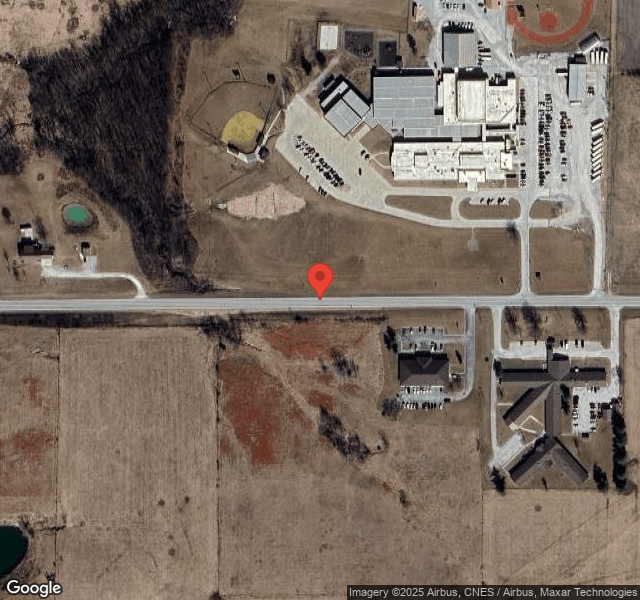
Sept 2020 11 deficiencies 1 IJ (1 affecting multiple)
CRITICAL (K)

Immediate Jeopardy (IJ) - the most serious Medicare violation

Deficiency F0678 (Tag F0678)

Someone could have died · This affected multiple residents

**NOTE- TERMS IN BRACKETS HAVE BEEN EDITED TO PROTECT CONFIDENTIALITY** Based on interview and record review, the facility failed to failed to develop and implement a policy addressing Cardiopulmonary...

Read full inspector narrative →
**NOTE- TERMS IN BRACKETS HAVE BEEN EDITED TO PROTECT CONFIDENTIALITY** Based on interview and record review, the facility failed to failed to develop and implement a policy addressing Cardiopulmonary Resuscitation (CPR-process of providing rescue ventilation and chest compressions to maintain circulation of blood) requirements for staff and to ensure CPR certified staff were scheduled and present in the facility 24 hours a day, seven days a week. This failure affected seven residents who were identified as full code status (CPR required in the event of cardiac or respiratory arrest). The facility also failed to ensure staff were trained and available to provide CPR when transporting residents who requested to be full code, in the facility van. Two additional residents (Resident #7, and #37) who were a full code, were transported multiple times by the facility transporter and van driver who were not certified to perform CPR. The facility census was 40. The administrator was notified on [DATE] at 2:20 P.M. of an Immediate Jeopardy (IJ) which began on [DATE]. The IJ was removed on [DATE], as confirmed by surveyor onsite verification. 1. During interview on [DATE] at 1:00 P.M., 2:05 P.M. and 4:05 P.M., the Director of Nursing (DON) said she was not sure which staff were CPR certified. She thought six of the nurses were CPR certified. She did not track staff CPR certification status and no one was currently responsible to ensure staff were CPR certified. The facility did not have a copy of any staff members' CPR certifications in the employees' files. She was unaware of a facility policy regarding staff CPR certification requirements. She knew CPR certified staff were required in the facility at all times. Only six facility staff members were currently CPR certified. All other staff CPR certifications were expired. She started working at the facility in [DATE] and figured out in [DATE] staff CPR certifications were expired. She telephoned nurses who could teach CPR certification and was unable to schedule CPR recertification for the staff due to COVID 19 restrictions. She looked at facility staff going other places for CPR recertification without success. She did not know who she spoke to or when. She expected all licensed nursing staff and facility transporters to be CPR certified and current on certification. She was responsible for the facility nursing staff schedule. She did not ensure a CPR certified staff member was scheduled for every shift at all times. Some of the nurses CPR certifications were expired. She did not know if the current CPR certified staff were certified on line or if a hands on class was attended. No extensions to the CPR certification periods were granted that she was aware of. No staff member was currently responsible for obtaining staff CPR certification cards. During interview on [DATE] at 10:05 A.M., the administrator said the facility did not have a policy regarding staff CPR requirements. Record review showed staff identified seven of 40 residents as full code status on the residents' electronic medical record. Review of facility staff CPR certification cards obtained by the DON on [DATE] showed the following: -Licensed Practical Nurse (LPN) D CPR certification expired 04/2021; -LPN F CPR certification expired 04/2021; -LPN G CPR certification expired 09/2021; -MDS Coordinator/Registered Nurse (RN) CPR certification expired on [DATE]; -LPN H CPR certification expired [DATE]; -RN I CPR certification expired 7/2022; -No additional staff CPR certification cards were provided. Review of the facility nursing schedule dated [DATE] showed four RNs, four LPNs, four Certified Medication Technicians, 16 CNAs, the Restorative Assistant, and five Nursing Assistants (NA) without current CPR certification as identified by the DON. Review of the facility nursing schedule dated [DATE] showed four RNs, four LPNs, three Certified Medication Technicians, 14 CNAs, the Restorative Assistant, and seven Nursing Assistants (NA) without current CPR certification as identified by the DON. Review of the facility daily nursing work schedule (showed what staff actually worked on that particular day), showed the facility was unable to provide information to support CPR certified staff worked the following dates and times: -On [DATE] from 3:00 P.M. to 6:00 P.M.; -On [DATE] from 6:00 A.M. to 6:00 P.M.; -On [DATE] from 3:00 P.M. to 6:00 P.M.; -On [DATE] from 2:00 P.M. to 6:00 P.M.; -From [DATE] through [DATE], 3:00 P.M. to 6:00 P.M. daily; -On [DATE] from 3:00 P.M. to 6:00 P.M.; -From [DATE] through [DATE], 3:00 P.M. to 6:00 P.M. daily; -On [DATE] from 2:00 P.M. to 6:00 P.M.; -From [DATE] through [DATE], 3:00 P.M. to 6:00 P.M. daily; -On [DATE] from 3:00 P.M. to 6:00 P.M.; -On [DATE] from 4:00 P.M. to 6:00 P.M.; -From [DATE] through [DATE], 3:00 P.M. to 6:00 P.M. daily; -On [DATE] from 2:00 P.M. to 6:00 P.M.; -From [DATE] through [DATE], 3:00 P.M. to 6:00 P.M. daily; -On [DATE] from 10:00 A.M. to 6:00 P.M.; -From [DATE] through [DATE], 3:00 P.M. to 6:00 P.M. daily; -On [DATE] from 6:00 A.M. to 6:00 P.M.; -On [DATE] from 6:00 P.M. to 6:00 A.M. ([DATE]); -On [DATE] from 3:00 P.M. to 6:00 P.M.; -On [DATE] from 3:00 P.M. to 6:00 A.M. ([DATE]). 2. During an interview on [DATE] at 12:00 P.M., Certified Nurse Assistant (CNA) A/Transporter said he/she was the facility transporter. He/She and Van Driver B took residents out of the building to appointments. He/She was not currently CPR certified. Review of CNA A/Transporter's CPR certification card showed the CPR certification expired [DATE]. During interview on [DATE] at 11:50 A.M., Van Driver B said he/she was not CPR certified and had never been CPR certified in the past. Review of CNA A/Transporter and Van Driver B transportation logs showed the following: -On [DATE], transported Resident #7 (a full code resident) to a medical appointment; -On [DATE], transported Resident #7 (a full code resident) to a medical appointment; -On [DATE], transported Resident #7 (a full code resident) to a medical appointment; -On [DATE], transported Resident #37 (a full code resident) to a medical appointment; -On [DATE], transported Resident #7 (a full code resident) and Resident #37 (a full code resident) to medical appointments; -On [DATE], transported Resident #7 (a full code resident) to a medical appointment; -On [DATE], transported Resident #37 (a full code resident) to a medical appointment. During interview on [DATE] at 1:00 P.M. and 4:05 P.M., the DON said the facility Van Driver B and CNA A /Transporter were not CPR certified. The facility should have a CPR certified staff member on every transport. 3. During interview on [DATE] at 2:07 P.M. and [DATE] at 10:10 A.M., the administrator said the facility should schedule at least one CPR certified staff per shift 24 hours per day/seven days a week in the building and on all transports. In [DATE], the DON informed him staff CPR certifications expired in [DATE]. No class was scheduled due to the ongoing COVID 19 epidemic and limited ability to have an instructor visit the facility. NOTE: At the time of the survey, the violation was determined to be at the immediate and serious jeopardy level K. Based on observation, interview, and record review completed during the onsite visit, it was determined the facility had implemented corrective action to address and lower the violation at the time. A final revisit will be conducted to determine if the facility is in substantial compliance with participation requirements. At the time of exit, the severity of the deficiency was lowered to the E level. This statement does not denote that the facility has complied with State law (Section 198.026.1 RSMo.) requiring that prompt remedial action be taken to address Class I violations(s).
CONCERN (D)

Potential for Harm - no one hurt, but risky conditions existed

Employment Screening (Tag F0606)

Could have caused harm · This affected 1 resident

Based on interview and record review, the facility failed to screen two new employees, in a review of seven newly hired employees, prior to employment to determine if any had a Federal indicator with ...

Read full inspector narrative →
Based on interview and record review, the facility failed to screen two new employees, in a review of seven newly hired employees, prior to employment to determine if any had a Federal indicator with the nurse aide registry that would prohibit employment at the facility. The facility census was 40. Review of the facility policy Background Checks, revised 7/2/2011 showed the following: -The facility followed state and federal requirements for conducting background checks prior to staff having direct contact with residents; -The department heads notified the business office of a potential new hire prior to offering the job; -The business office completed the Certified Nurse Aide (CNA) registry check on all employees regardless of their job title and notified the department head of the results of background checks including the CNA registry check before the person was hired; -The business office kept records of the background checks in the employee personnel file and maintained a log indicating the dates of the background checks for all employees. 1. Review of Housekeeper M's employee file showed the following: -Date of hire was 8/15/19; -No Nurse Aide (NA) registry check completed. 2. Review of NA N's employee filed showed the following: -Date of hire was 5/26/20; -No NA registry check completed. During interview on 9/30/20 1:40 P.M. the Business Office Manager said the following: -She started working as the business office manager in January 2020; -She was responsible for completing background checks, including the NA registry checks on new employees; -She was not aware all staff required a NA registry check prior to hire; -She was unable to locate NA N's and Housekeeper M's NA registry checks in their employee files. During interview on 9/30/20 at 3:30 P.M., the administrator said the following: -The business office manager was responsible for completing NA registry checks on all new employees; -He would expect the NA registry to be checked on all new employees upon hire.
CONCERN (D)

Potential for Harm - no one hurt, but risky conditions existed

ADL Care (Tag F0677)

Could have caused harm · This affected 1 resident

**NOTE- TERMS IN BRACKETS HAVE BEEN EDITED TO PROTECT CONFIDENTIALITY** Based on observation, interview and record review, the facility failed to ensure facility staff provided two residents (Resident...

Read full inspector narrative →
**NOTE- TERMS IN BRACKETS HAVE BEEN EDITED TO PROTECT CONFIDENTIALITY** Based on observation, interview and record review, the facility failed to ensure facility staff provided two residents (Residents #5 and #35) in a review of 12 sampled residents and for one additional resident (Resident #24), who were unable to perform their own activities of daily living, the necessary care and services to maintain good personal hygiene and prevent body odor. The facility census was 40. Review of the facility's policy, Peri Care with Disposable Wipes, dated 4/25/17, showed the following: -Steps of procedure for giving peri care to the male resident: 1. Expose perineal area. Using a circular motion, gently wash the penis with wipes and clean from the tip downward, Note: if the resident is uncircumcised, retract the foreskin, wash with disposable wipe, then pull the skin over the penis; 2. Wash the scrotum with a new disposable wipe; 3. Wash other skin areas between the legs. Use a new disposable wipe for each area. Ensure any area that could have been soiled with urine has been washed; 4. Reposition resident and wash the anal area with a new disposable wipe(s); 5. Wash back, thighs, buttocks if soiled with a new disposable wipe(s); -Steps of procedure for giving peri care to the female resident: 1. Expose peri area. Wash the inner labia, then the outer labia; one side at a time. Note: use a new disposable wipe with each swipe. Wash front to back; 2. Wash lower abdomen, groin and thighs with new disposable wipes with each swipe. Ensure any area that could have been soiled with urine has been washed; 3. Reposition resident and wash the anal area with a new disposable wipe(s); 4. Wash back, thighs, buttocks if soiled with a new disposable wipe(s). Review of the facility policy Peri-Care dated 6/22/06, showed the following: -Use a clean area of washcloth for each wipe of perineal area; -Wash from front to back; -If the resident was incontinent of urine or feces that extended beyond the perineal/anal area, all areas of contact must also be cleaned. During interview on 10/8/20 at 1:30 P.M., the Director of Nursing (DON) said the facility did not have a specific policy regarding shaving residents. 1. Review of Resident #35's Quarterly Minimum Data Set (MDS) a federally mandated assessment instrument, completed by facility staff, dated 8/18/20 showed the following: -Cognitively intact; -Required extensive assistance of two staff members with bed mobility, dressing and toileting; -Required extensive assistance of one staff member with personal hygiene; -Frequently incontinent of bladder. Review of the resident's care plan updated 8/28/20, showed the following: -Diagnosis of abnormal gait and mobility, need for assistance with personal care; -Staff should check for incontinence and assist with perineal care after using the bedpan or incontinent episode and as needed; -The resident required assistance with all Activities of Daily Living (ADLs) and would receive necessary assistance to maintain a clean and neat appearance. Staff should assist with perineal care after every incontinent episode, after using the bedpan and as needed; -The resident used a bedpan for urination or was incontinent and would have no skin breakdown as a result of bladder incontinency. Staff should encourage his/her use of a bedpan and check for incontinence and assist as needed every one to two hours, give perineal care after using the bedpan or after incontinence episode and as needed, and monitor for signs and symptoms or urinary tract infection. Observation on 9/22/20 at 11:25 A.M., showed the following: -The resident was on the bedpan while lying in bed; -Certified Nurse Assistant (CNA) C rolled the resident on his/her right side and removed the bedpan full of urine from under the resident; -CNA C poured the bedpan full of urine in the toilet. The resident remained on his/her right side; -With washcloths, CNA C wiped the resident's buttocks, turned the resident on his/her back and with the same washcloth, wiped the resident's front perineal area. CNA C did not wipe the resident's urine soiled upper thighs or upper buttocks. During interview on 9/25/20 at 11:05 A.M., CNA C said he/she should provide perineal care from front to back with a different wash cloth with every wipe. He/She should not go from dirtiest to cleanest areas and should not use the same wash cloth. He/she should not leave urine on the resident's skin. He/She needed another person in order to clean the resident's perineal area correctly going from the cleanest to dirtiest. 2. Review of Resident #24's quarterly MDS dated [DATE] showed the following: -Diagnosis included dementia (group of thinking and social symptoms which interferes with daily functioning); -Memory problem; -Extensive assist of one staff for personal hygiene; -Total dependence of one staff for bathing. Observations showed the following: -On 9/22/20 at 9:38 A.M., the resident sat in his/her wheelchair with long, white facial hair in the corners of his/her upper lip and chin; -On 9/24/20 at 10:08 A.M., the resident lay in his/her bed. Long, white facial hair remained on his/her lip and chin; -On 9/30/20 at 9:20 A.M., the resident sat in his/her wheelchair with the same long facial hair. 3. Review of Resident #5's quarterly MDS, dated [DATE] showed the following: -Memory problem; -Extensive assist times two staff for personal hygiene and bathing. Review of the resident's care plan, dated 6/24/20 showed the following: -Resident will be clean and well groomed at all times; -Required assist of one staff for showers and personal hygiene; -Shower two times weekly and inspect skin and nails. Review of the resident's Physician Order Sheet (POS), dated 9/20 showed diagnoses included weakness, cognitive communication deficit and need for assistance with personal care. Observations showed the following: -On 9/22/20 at 10:45 A.M., the resident sat in his/her wheelchair in his/her room with long, gray facial hair on his/her chin and corners of his/her upper lips; -On 9/24/20 at 10:03 A.M., the resident sat in his/her wheelchair in his/her room with long, gray hairs on his/her chin and upper lips; -On 9/25/20 at 2:00 P.M., the resident lay in his/her bed with the same facial hair as on prior days; -On 9/30/20 at 10:04 A.M., the resident lay in his/her bed and the facial hair remained. During interview on 10/9/20 at 2:42 P.M., CNA X said the following: -He/She frequently gave showers to residents; -Residents should be shaved on their shower day or as needed; -Facial hair should be removed when it was observed. During interview on 10/9/20 at 2:40 P.M., Licensed Practical Nurse (LPN) O said the following: -Resident #5 and Resident #24's shower days were Monday and Thursdays; -Shower aides were responsible for showers; -He/She would expect staff to remove facial hair as needed. During interview on 9/30/20 at 2:05 P.M., the DON said the following: -Staff should not reuse the same washcloth for multiple wipes while providing perineal care or incontinence care. Staff should wash with one wipe on each side of the wash cloth; -Staff should provide incontinence care from front to back and wash all areas of the resident's skin soiled with urine; -Staff shaved some residents on shower days, some residents shaved in the bathroom sink. The shower aide or anyone who noticed a resident needed shaved should assist with shaving. The charge nurses should check residents for facial hair and shave as needed. If the resident was unable to tell staff they needed to be shaved, then staff should complete shaving for both male and female residents.
CONCERN (D)

Potential for Harm - no one hurt, but risky conditions existed

Accident Prevention (Tag F0689)

Could have caused harm · This affected 1 resident

**NOTE- TERMS IN BRACKETS HAVE BEEN EDITED TO PROTECT CONFIDENTIALITY** Based on observation, interview, and record review, the facility failed to monitor and consistently implement interventions, inc...

Read full inspector narrative →
**NOTE- TERMS IN BRACKETS HAVE BEEN EDITED TO PROTECT CONFIDENTIALITY** Based on observation, interview, and record review, the facility failed to monitor and consistently implement interventions, including adequate supervision consistent with residents' needs, goals and current professional standards of practice in order to eliminate or reduce the risk of falls and accidents; and failed to update the plan of care with new interventions to prevent additional falls for two additional residents (Resident #38 and #16), who the facility had identified at risk for falls and had a history of falls. The facility census was 40. Record review of the facility's policy, Fall Prevention Policy, dated 8/18/20, showed the following: -In order to promote the safety of residents and to try and avoid falls and accidents, this facility will complete a Fall Risk Assessment on each resident at time of admission; -Create a Fall Prevention Intervention Care Plan (on residents determined to be at risk for falls) stating particular interventions for each person based on a thorough assessment; -Do a fall assessment with each fall to determine the root cause and possible preventions and then update the fall prevention intervention plan of care; -Review each resident's fall preventions with every fall and at every required Minimum Data Set (MDS; a federally mandated assessment tool required to be completed by facility staff); -Should falls and/or accidents persist in spite of our attempts to prevent them, the facility will contact family immediately to discuss the problem and the need for more extensive measures which may include the use of alarm devices, review of medication use, evaluate other resources, and identify when the care needed exceeds our ability to provide that care; -We define a fall as any instance where the person has an uncontrolled downward movement of their body from a standing, sitting, or lying position to the floor; -If the resident is found lying or sitting on the floor and is unable to explain what happened, it will be assumed there was a fall, thus beginning the fall risk assessment, fall prevention care plan and monitoring the effectiveness of any interventions that may have been implemented; PROCEDURE: -The charge nurse will complete the Fall Risk Assessment on every resident at time of admission; -With each fall incident, the charge nurse will complete a fall assessment of the event determining the cause and further interventions needed to prevent another fall; -Changes with be communicated to the nursing staff responsible for their care. Record review of the facility's policy, Policy and Procedure for Fall Assessment, dated 3/19/16, showed the following: -When a resident has a witnessed or un-witnessed fall, it is important for the charge nurse to assess for serious injuries, fractures, check alignment of joints/bones, check for swelling, assess for pain (note location, and level on scale of 1-10), open wounds, check bleeding amount, wound size, and location, apply pressure as necessary to control bleeding, clean wounds with wound wash solution, if possible/necessary close wound with steri strips and cover with appropriate dressing and medication based on wound type, location and severity; -Do not more the resident if any complaints of severe pain to back or neck, or any signs and/or symptoms of fractures to lower extremities until the facility receives authorization from a physician or the resident is transported by emergency medical services (EMS); -Initiate a fall packet for documentation which includes 72-hour post fall assessment, post fall investigation report ,(attach to incident/accident report and place in Fall Log Binder), Incident/Accident Report, Fall Checklist (Complete and turn into director of nursing (DON), Notify therapy of the fall via fax; -Telephone the physician if any injury or abnormality is noted with assessment, fax the report to the physician and notify the family and DPOA with all falls; -Update the care plan with appropriate fall interventions, record the fall in the Fall Log Book; -Update the Physician Fall Summary in the resident's chart. 1. Record review of Resident #38's annual MDS, dated [DATE], showed the following: -Moderate cognitive impairment; -Impaired vision; -Required extensive assistance from two staff for transfers and ambulation; -Frequently incontinent of bowel and bladder; -Used a walker and wheelchair for mobility; -Balance was not steady and he/she required human intervention to stabilize; -Two falls with no injury. Record review of the resident's care plan, dated 1/16/20, showed the following: -The resident is at risk for falls; -Anticipate and meet the resident's needs; -Be sure the call light is within reach; -Encourage the resident to participate in activities; -Ensure the resident is wearing the appropriate foot wear; -Keep the floors free of clutter and spills; -Keep personal items within reach; -Keep the walker within reach; -Use a wheelchair for long distances; -The resident wants to keep his/her independence; -Needs assist with transfers; -Does not remember to call for assistance; -Pin alarm attached to prevent falls. -Pin alarm to be attached while resident is in bed and a pad alarm in his/her recliner to remind the resident not to transfer or ambulate alone (entered 3/11/20 edited 9/1/20). Record review of the resident's progress note, dated 2/5/20 at 5:26 P.M., showed the following: -At 4:15 P.M., the certified nurse assistant (CNA) went to the resident's room and found the resident on the floor on his/her right side; -The resident was between the recliner and the bathroom; -The resident hit his/her head and has an abrasion and bruise to the right forehead; -The resident was sent to the emergency room. Record review of the resident's Falls Investigation, dated 2/5/20, showed the following: -The resident fell at 4:15 P.M.; -The resident was wearing shoes; -The resident has cardiac dysrythmias, osteoporosis, impaired hearing and vision, decline in cognitive status, dementia, decline in functional status, incontinence, loss of voluntary arm or leg movement, unsteady gait, no assistive device, no alarm, no non-skid mat. (The resident's care plan, dated 1/16/20, directed staff to attach a pin alarm to the resident to prevent falls, however, staff indicated on the fall investigation the resident did not have any alarms.) Review of the resident's care plan, dated 2/5/20, showed the resident was reminded to use his/her call light. (The resident's care plan, dated 1/16/20, directed staff to ensure the resident's call light was within reach and identified the resident did not remember to call for assistance. ) Review of the resident's nursing progress note, dated 2/21/20 at 8:58 A.M., showed the following: -The resident was found on the floor in his/her room lying on his/her back; -The resident reports he/she was coming back from the bathroom and fell on his/her knees and hit his/her head Record ; -The resident was sent to the emergency room. Record review of the resident's Falls Investigation, dated 2/21/20, showed the following: -The resident fell at 8:45 A.M.; -The resident was wearing shoes and was walking: -The resident has had a decline in functional status, uses antidepressants, cardiovascular medication, and diuretics; -The resident was using an assistive device, no alarms and no non-skid mats. (The resident's care plan, dated 1/16/20, directed staff to attach a pin alarm to the resident to prevent falls, however, staff indicated on the fall investigation the resident did not have any alarms in place at the time of the fall.) Review of the resident's care plan, dated 2/21/20, showed the resident was reminded to use his/her walker and call light. (The resident's care plan, dated 1/16/20, states the resident's call light should be within reach, and the resident does not remember to call for assistance. Staff updated the care plan following a fall on 2/5 and 2/21 to remind the resident to use the call light.) Record review of the resident's nursing progress note, dated 3/6/20 at 6:20 P.M., showed staff went to the resident's room and found the resident on his/her knees in front of the recliner. Record review of the resident's falls investigation, dated 3/6/20, showed the following: -The resident fell at 6:00 P.M.; -The resident was wearing shoes and was walking alone; -The resident has had a decline in functional status, incontinence, unsteady gait, uses cardiovascular medication, and diuretics; -The resident had no alarms and no non-skid mats. (The resident's care plan, dated 1/16/20, directed staff to attach a pin alarm to the resident to prevent falls, however, staff indicated on the fall investigation the resident did not have any alarms.) Review of the resident's care plan, dated 3/6/20, showed the resident was reminded to call for assistance. Review of the resident's care plan showed an entry dated 3/11/20, for pin alarm to be attached while resident is in bed and a pad alarm in his/her recliner to remind the resident not to transfer or ambulate alone. Record review of the resident's nursing progress note, dated 4/9/20, showed the following: -The resident was found on the floor by the bed; -The resident said he/she was working on the grain bin and his/her hip got weak; -The resident said he/she landed on his/her right shoulder; -The resident's pin alarm was not sounding; -The resident was assisted to the wheelchair with the call light in reach and encouraged to use the call light. Review of the resident's care plan showed no evidence staff evaluated current interventions or implemented new interventions to prevent further falls after the resident fell on 4/9/20. Record review of the resident's quarterly MDS, dated [DATE], showed the following: -The resident had minimal difficulty hearing and no hearing aid; -The resident was able to understand others and make himself/herself understood; -The resident required extensive assistance from one staff for transfers, toileting and ambulation; -The resident's balance was not steady and he/she required human intervention to stabilize; -The resident had two or more falls with no injuries; -The resident's diagnosis included hypertension, heart failure, and chronic obstructive pulmonary disease (COPD). Record review of the resident's Falls Investigation, dated 8/17/20, showed the following: -The resident fell at 8:00 P.M.; -The resident was attempting to transfer himself/herself from his/her wheelchair to his/her recliner; -The resident said he/she forgot to lock the wheelchair; -Staff heard the resident's alarm going off; -The fall was unwitnessed. Record review of the resident's care plan showed no evidence staff evaluated current interventions or implemented new interventions to prevent further falls after the 8/17/20 fall. Record review of the resident nursing progress note, dated 8/31/20 at 9:47 A.M., showed the following: -Staff found the resident lying on the floor on his/her left side; -The resident said, I sat on the floor; -The resident's pin alarm was not sounding; -The resident was able to move all extremities; -At 10:33 A.M., the resident complained of left upper shoulder/arm pain, and an order was obtained to get an x-ray. Record review of the resident's care plan showed no evidence staff evaluated current interventions or implemented new interventions to prevent further falls after the resident fell on 8/31/20. Record review of the resident's quarterly MDS, dated [DATE], showed the following: -The resident has minimal difficulty hearing and does not wear a hearing aid; -The resident's vision was moderately impaired; -The resident is able to make himself understood, and can understand others; -The resident was cognitively intact; -The resident requires extensive assistance of one staff for transfers, and toileting; -The resident's balance is not steady but is able stabilize. Record review of the resident's fall assessment, dated 9/1/20, showed the following: -The resident had intermittent confusion; -The resident had one to two falls in the last three months; -The resident was ambulatory and incontinent; -The resident had no gait problem, but does have a balance problem when standing;; -The resident does have a balance problem when walking and decreased muscular coordination; -The resident requires an assistive device and is unstable when turning; -The resident takes four or more medications which could affect his/her fall risk; -The resident's score is 19 which indicates high risk. Record review of the resident's nursing progress note, dated 9/10/20, showed the following: -At 1:20 P.M., the resident was found on the floor on his/her right side by the recliner; -The resident said he/she was trying to stand and transfer from the wheelchair to the recliner. Record review of the resident's Falls Assessment, dated 9/10/20, showed the following -The resident lost his/her balance; -The resident has a pin alarm, and pad alarm in the recliner and bed. Record review of the resident's care plan showed no evidence staff evaluated current interventions or implemented new interventions to prevent further falls after the resident fell on 9/10/20. Record review of the resident's nursing progress note, dated 9/19/20 at 7:30 P.M., showed the following; -Staff found the resident in his/her room on his/her knees in front of the recliner; -The resident said he/she wanted to sit in his/her chair. Record review of the resident's care plan showed no evidence staff evaluated current interventions or implemented new interventions to prevent further falls after the resident fell on 9/19/20. Record review of the resident's nurse progress note, dated 9/23/20 at 2:10 A.M., showed the resident had a bruise on the upper right rib area from a previous fall. During interview on 9/30/20 at 11:49 A.M., Licensed Practical Nurse (LPN) O said the interdisciplinary team makes changes to the resident's care plan after a resident falls. During interview on 9/26/20 at 10:10 A.M., LPN F said the following: -The staff know who is at risk of falls and changes in the resident's care through shift to shift report; -He/She was not aware of any changes made to the resident's care after the resident's last fall (on 9/19/20). 2. Review of Resident #16's quarterly MDS, dated [DATE], showed the following: -Diagnosis of stroke with left sided weakness; -Moderately impaired cognition; -Required extensive assistance from two staff with bed mobility, transfers, dressing and toileting; -Required extensive assistance from one staff with personal hygiene; -Walking in room and corridor did not occur; -Not steady, only able to stabilize with staff assistance while moving from seated to standing position, while moving on and off the toilet and during surface-to-surface transfers; -Functional limitation in upper and lower extremity range of motion on one side of the body; -Required a wheelchair for mobility; -Frequently incontinent of bowel and bladder. Review of the resident's care plan, updated 7/16/20, showed the following: -The resident was at risk for falls, would not experience any injuries related to falls. Staff should anticipate and meet needs, maintain call light within reach, provide a safe environment with floors free from spills and clutter, and provide gait belt transfer assistance. Staff should provide pressure alarm at all times while the resident was in bed and tab alarm at all times while in the wheelchair to help remind the resident he/she needed assistance due to increased falls; -The resident needed assistance with most activities of daily living (ADLs) due to a stroke with left sided weakness. Staff should provide pressure alarm at all times while the resident was in bed and a tab alarm at all times while in the wheelchair. One to two staff members should provide gait belt transfer assistance and assist with getting into bed and repositioning in bed. -The resident was incontinent. Staff should assist and encourage toileting every two hours and as needed, change incontinence briefs as needed and provide perineal care. Review of the resident's fall risk assessment, dated 8/24/20, showed the following: -The resident fell on 8/24/20; -History of one to two falls in the past three months; -Chair bound assist with elimination; -Balance problem while walking; -Decreased muscular coordination; -Change in gait pattern when walking through doorway; -Jerking or unstable when making turns; -Required use of assistive devices (cane, wheelchair, walker, furniture); -Took one or two medications currently or within the previous seven days that could affect the resident's mobility; -Total score of 11, indicating the resident was at high risk for falling. Review of the resident's nurses' note, dated 8/24/20 at 4:00 A.M., showed the resident was heard hollering for help. He/She was found lying on the floor wrapped up in bed linens and blankets. The resident was alert and oriented. The bed rail was down and the bed alarm was not turned on. Review of the resident's fall investigation, dated 8/24/20, showed the following: -The resident fell on 8/24/20; -Fall risk factors of stroke, incontinence and unsteady gait; -Intervention of bed alarm was implemented but the bed alarm was not on at the time of the fall. Review of the resident's care plan, updated 8/24/20, showed the resident rolled out of bed. The bed alarm was not on and the positioning rail was not in the up position. (There was no staff documentation of new fall prevention interventions noted on the resident's care plan.) Review of the resident's nurses' notes, dated 9/23/20, showed the following: -At 2:51 A.M., staff documented the resident tried to get out of bed several times tonight, was incontinent and thought he/she needed to use the bathroom. The bed alarm was on and staff watched the resident closely; -At 3:28 A.M., staff documented the resident was becoming more aggressive with staff especially at night. The physician was notified by electronic communication. Observation on 9/23/20 at 5:30 A.M. showed the following: -The resident sat on the floor in his/her room beside the bed saying, Help me, help me. He/She wore a saturated incontinence brief and no additional clothing; -CNA Q and LPN D entered the room. CNA Q said the resident turned his/her alarm off again; -A bed alarm box hung from the bed rail on the opposite side of the resident's bed with the pressure alarm pad in the center of the resident's mattress. The alarm was not sounding. Review of the resident's nurses' note, dated 9/23/20 at 7:06 A.M., showed the resident had turned his/her bed alarm off three times during the night. He/She sat on the side of the bed, linens were wet with urine. The resident said he/she slid onto the floor, denies pain or injury. During interview on 9/23/20 at 6:00 A.M., CNA Q said he/she worked the night shift. Several residents had bed alarms as fall precautions. Resident #16 had a bed alarm and the resident knew how to turn the alarm off. During interview on 9/23/20 at 6:30 A.M., LPN D said the following: -He/She was the night shift charge nurse with two CNA staff also working; -Nurse Assistant (NA) R was assigned to the resident's hall, but he/she was assisting a resident on another hall when the resident fell. No staff were on the resident's hall when the resident fell; -The resident turned off his/her bed alarm two times earlier in the night and staff turned the alarm back on. During interview on 9/25 20 at 11:05 A.M., CNA C said the resident was at risk for falls and had a bed alarm with the box attached to the bed rail. The bed alarm was intended to notify staff if the resident attempted to get out of bed. The on/off switch for the bed alarm was on the box. The resident knew how to turn the bed alarm off. During interview on 9/30/20 at 1:15 P.M., the MDS/Care Plan Coordinator said the following; -Staff should complete an accident/incident report and update the care plan with new fall interventions; -All resident falls were reviewed at the weekly care plan, performance improvement project (PIP) meeting and staff attempted to add or change residents' fall interventions; -Resident #16 fell out of bed on 8/24/20. He/She knew the resident could turn his/her wheelchair alarm off but was not sure if he/she could turn off the bed alarm. He/She expected staff to tell him/her if the resident was able to turn off the bed alarm; -Staff should move the bed alarm box out of the resident's reach so he/she could not turn off the alarm box; -He/She should have addressed the resident's ability to turn the bed alarm off after his/her last fall; -The resident did not have a high/low bed or fall mats in the room. 3. During interview on 9/30/20 at 2:05 P.M. the Director of Nursing said the following: -Staff should inform the charge nurse of a resident's fall, assess for injuries and provide any treatment needed; -Staff should complete a fall investigation report and update the resident's care plan after every fall with new interventions. The charge nurses' should communicate with all staff any new resident fall interventions implemented; -Resident #16 had a bed alarm. She was not aware the resident could turn off his/her bed alarm. The bed alarm was a fall prevention intervention. If staff knew the resident could turn off the bed alarm, then it was no longer an effective fall intervention. Staff should have implemented new fall interventions after the resident fell 8/24/20; -Resident #38 fell multiple times due to confusion. MO 00176073
CONCERN (D)

Potential for Harm - no one hurt, but risky conditions existed

Incontinence Care (Tag F0690)

Could have caused harm · This affected 1 resident

**NOTE- TERMS IN BRACKETS HAVE BEEN EDITED TO PROTECT CONFIDENTIALITY** Based on observation, interview and record review, the facility failed to provide appropriate treatment and services consistent ...

Read full inspector narrative →
**NOTE- TERMS IN BRACKETS HAVE BEEN EDITED TO PROTECT CONFIDENTIALITY** Based on observation, interview and record review, the facility failed to provide appropriate treatment and services consistent with acceptable standards of practice to prevent and treat urinary tract infections (UTIs) for one resident (Resident #25) in a review of 12 sampled residents and for one additional resident (Resident #38) who required an indwelling urinary catheter (a sterile tube inserted into the bladder to drain urine). The facility identified four residents with an indwelling catheter. The facility census was 40. Record review of the facility policy catheter care, dated 5/28/11 showed the following: -Catheter care will be given daily and as needed to all residents who have an indwelling catheter; -Wash your hands, gather equipment and take to the bedside; -Explain the procedure to the patient and provide for privacy; -Wear gloves; -Cleanse tubing starting from the patient using a downward motion; -Wash the perineum well, taking care to clean from front to back; -Cleanse area at the catheter insertion well, taking care not to pull on the catheter or to advance it further into the urethra; -Remove gloves and wash hands. Secure catheter with a leg strap, if patient tolerates it, to prevent trauma to the meatus; -Discard disposable equipment and soiled linens properly; -Position the patient for comfort with call light within reach; -Wash your hands; -To empty the catheter, gather the equipment, gloves, alcohol prep pads, graduate, and paper towels; -Wash hands and put on gloves; -Place a paper towel under the graduate on the floor; -Open the drain clamp and let urine run into the graduate, avoid contaminating the drain, when urine has drained from the bag and tube damp off the drain tube and wipe the end of the drain tube with alcohol prep; -Measure the amount of urine collected and dispose of it into the toilet; -Rinse the graduate out and place it in the bathroom; -Remove gloves and wash hands; -Check for position of drain bag and tubing; -Record in medical record. Review of the Nurse Assistant in a Long Term Care Facility, 2001 revision, showed the following: -The bladder is considered sterile, the catheter, drainage tubing and bag are a sterile system; -Drainage tubing/bags must not touch the floor; -The drainage bag should always be below the level of the bladder; -If moved above, urine could flow back into the bladder. Review of the manual also showed the procedure for giving peri care with a catheter included the following instructions: -Expose the perineal area, separate the labia of the female resident and gently wash around the opening of the urethra with soap and water; -If the male resident is uncircumcised, gently pull back the foreskin and wash around the opening of the urethra with soap and warm water; -Wash the catheter tubing from the opening of the urethra outward four inches or farther if needed; -Using a fresh washcloth, continue washing and rinsing the peri area. 1. Record review of Resident #38's care plan dated 1/16/20 showed the following: -The resident had a catheter placed on 5/21/20 for urinary retention; -Encourage fluids; -Give perineal care after toileting and as needed; -Monitor the resident for signs and symptoms of urinary tract infection (UTI) and notify the physician; -Assess the resident's urine and report dark urine or sediment; -Inspect the urethra for redness, swelling, cracks in the skin; -Empty the catheter bag when it is half full to prevent trauma /traction on the urethra; -Always keep the bag below the level of the bladder; -Secure the catheter to the resident's thigh to decrease trauma; -Ensure the catheter is in a safe place during transfers to prevent pulling; -The resident needs peri care every shift. Record review of the resident's quarterly Minimum Data Set (MDS) a federally mandated assessment tool required to be completed by facility staff, dated 6/2/20 showed the following: -The resident required extensive assist of one staff for transfers, toileting and ambulation; -The resident had an indwelling catheter, and was frequently incontinent of bowel. Record review of the resident's urinalysis with micro reflex to culture (a test to detect urinary tract infections) dated 9/8/20 showed large leukocytes (white blood cells which could indicate infection), positive nitrites (a chemical in the urine which could indicate infection), moderate blood ,normal is negative, cloudy, normal is clear, and bacteria 3 +, normal is zero. Record review of the resident's preliminary microbiology report dated 9/8/20 showed the following: -Gram negative rods (bacteria that causes infection) greater than 100,000; -Ceftriaxone (antibiotic) 1 gram (gm.) intramuscularly (IM) every 24 hours for three days. Record review of the resident's nursing progress note dated 9/23/20 at 12:56 P.M. showed the following: -New orders from the physician's office for a U/A(urinalysis) with reflex for C and S (test used to screen for abnormalities in the urine); -Start cephalexin (antibiotic) 250 mg BID for 7 days. Record review of the resident's urine with microscopic dated 9/23/20 showed the following: -Leukocytes small, normal is negative; -Blood large, normal is negative; -Bacteria trace, normal is negative; -Culture indicated. Record review of the resident's Physicians Order Sheet (POS) dated 9/24/20 showed the following: -Cipro 250 mg (antibiotic) PO twice daily (BID) for 7 days start date 9/23/20 ; -Finastreride 5mg (urinary retention) PO daily; -Tamsulosin HCL (urinary retention) 0.4 mg one capsule daily; -Torsemide 20mg (diuretic) one tablet PO BID; -#16 French urinary catheter for urine retention, change every 21 days. Observation on 9/23/20 at 10:29 A.M. in the shower room showed the following: -The resident sat in the shower chair; -The resident's catheter drainage bag and tubing lay on the wet floor next to the shower chair, in the cloth privacy bag; -Certified Nurse Assistant (CNA) S washed the resident's chest with gloved hands and a soapy wash cloth and then using the same soiled washcloth, retracted the skin around resident's external genitalia and cleaned around the meatus; -CNA S noted a small amount of blood on the washcloth; -He/She placed the resident's catheter bag and tubing on the shower room floor while he/she assisted the resident to dress and pivot to his/her wheelchair. During interview on 9/23/20 at 1:13 P.M., CNA S said the following: -He/She always performed the resident's catheter care in the shower; -He/She uses soap, water and wash cloth and washes the resident's back and arms, and then catheter with the same cloth; -The shower chair does not accommodate the catheter bag, so he/she lays the bag on the floor. During interview on 9/25/20 at 9:16 A.M., Licensed Practical Nurse (LPN) O said the following: -Staff should clean the catheter tubing, from the meatus and then away from the meatus; -The catheter bag should hang on the side of the shower chair during a shower, it was not appropriate to lay the bag on the floor. 2. Review of Resident #25's significant change MDS, dated [DATE] showed the following: -Diagnoses included unspecified injury of urethra and pressure ulcer; -Indwelling urinary catheter. Review of the resident's care plan dated 8/10/20 showed the following: -Resident will maintain continuous drainage of his/her bladder while minimizing negative outcomes; -Empty the bag when it is one half to two thirds full. Review of the resident's urine dipstick (test for signs of infection), dated 8/25/20 showed: -Moderate leukocytes (normal-negative); -Large amount of blood (normal-negative). Review of the resident's POS dated 9/20 showed an order for Cipro 250 mg by mouth two times daily for seven days for UTI (8/26/20): Observation on 9/23/20 at 6:11 A.M. showed the following: -The resident sat on the side of the bed; -CNA W kneeled on the floor, placed a graduate (measuring container) on the floor, removed the cap from the drainage spout of the catheter and drained the urine into the graduate; -He/She then replaced the cap on the drainage spout without first cleaning the drain spout with an alcohol pad. During interview on 9/25/20 at 10:05 A.M., CNA W said when emptying a urinary drainage bag, the spout should be cleaned with an alcohol pad before re-applying the cap. During interview on 9/30/20 at 2:05 P.M., the Director of Nursing said the following: -Staff should not provide urinary catheter care with a soiled wash cloth. Staff should use a clean wash cloth for catheter care and not use the same wash cloth used while showering a resident; -Staff should maintain urinary catheter drainage bags and tubing off the floor at all times. During showers, staff should hook the drainage bags on the shower chair and not lay the drainage bag on the floor in the shower room; -He/She would expect staff to use an alcohol pad to clean the drainage spout after emptying the urine and before applying the cap; -Staff providing incorrect and incomplete catheter care could contribute to the resident developing a urinary tract infection.
CONCERN (E)

Potential for Harm - no one hurt, but risky conditions existed

Menu Adequacy (Tag F0803)

Could have caused harm · This affected multiple residents

Based on observation, interview, and record review, the facility failed to ensure staff served the correct portion sizes according to the dietary spreadsheet for residents on regular, mechanical soft,...

Read full inspector narrative →
Based on observation, interview, and record review, the facility failed to ensure staff served the correct portion sizes according to the dietary spreadsheet for residents on regular, mechanical soft, and consistent carbohydrate (CCHO)/low-concentrated sweets (LCS) diets. The facility census was 40. Record review of the facility's policy, Dietary Department Policies and Procedures, revised 2/19/19, showed the menus will meet the recommended dietary allowance, provide variety, and if food substitutions were of equivalent value. 1. Review of an undated list of residents' diets, provided by the dietary manager on 9/22/20, showed 19 residents were on a regular diet, seven residents were on a mechanical soft diet, and eight residents were on a CCHO/LCS diet. Review of the dietary spreadsheet for lunch on 9/22/20 showed the following: -Residents on a regular diet were to receive an 8-ounce serving utensil (1 cup) of ham and beans; -Residents on a mechanical soft diet were to receive an 8-ounce serving utensil (1 cup) of ground ham and beans; -Residents on a CCHO/LCS diet were to receive an 8-ounce serving utensil (1 cup) of ham and beans. Observations on 9/22/20 at 11:15 A.M. until 12:03 P.M. showed Dietary Staff J served lunch to the residents in the main dining room. He/She used a 4-ounce serving utensil and served all residents on a regular diet, a mechanical soft diet and a CCHO/LCS diet a 4-ounce serving of ham and beans. During an interview on 9/22/20 at 12:55 P.M., Dietary Staff J said he/she served a 4-ounce serving of ham and beans. He/She should refer to the diet spreadsheet to know what utensil to use. He/She should have served two scoops of the 4-ounce serving utensil instead of just one or he/she could have used an 8-ounce utensil. During an interview on 9/23/20 at 8:30 A.M., the dietary manager said staff should refer to the diet spreadsheet menu to choose what utensils to use when serving the meal.
CONCERN (E)

Potential for Harm - no one hurt, but risky conditions existed

Deficiency F0804 (Tag F0804)

Could have caused harm · This affected multiple residents

Based on observation, interview, and record review, the facility failed to serve food at a safe and appetizing temperature. The facility census was 40. Review of the facility's policy, Dietary Depart...

Read full inspector narrative →
Based on observation, interview, and record review, the facility failed to serve food at a safe and appetizing temperature. The facility census was 40. Review of the facility's policy, Dietary Department Policies and Procedures, revised 2/19/19, showed all foods will be stored, prepared and transported at appropriate temperatures and in a sanitary manner. 1. During interview on 9/22/20 at 11:25 P.M., Resident #31 said the following: -The food is cold; -He/She doesn't talk to any one about the food, because it doesn't do any good. During group interview on 9/24/20 at 10:35 A.M., residents relayed the following: -Resident #2 said the food was cold in the morning, especially when he/she ate in his/her room; -Resident #4 said if he/she ate in his/her room, he/she would just expect it to be cold for all meals. 2. Review of the dietary spreadsheet for lunch on 9/22/20 showed residents were to receive fried potatoes. Observation on 9/22/20 at 9:40 A.M. showed Dietary Staff J fried potatoes in skillets of oil on the stove top. During an interview on 9/22/20 at 10:43 A.M., Dietary Staff J said food temperatures should be 160 degrees for hot items. Observation on 9/22/20 at 10:50 A.M. showed Dietary Staff J uncovered the steam table pan and measured the temperature of the fried potatoes inside. The temperature was 130 degrees Fahrenheit (F). During an interview on 9/22/20 at 10:50 A.M., Dietary Staff J said the air conditioning in the kitchen blew on the steam table and cooled down the temperature of hot food items being held on the steam table. Observations on 9/22/20 between 11:15 A.M. and 12:03 P.M. showed Dietary Staff J served lunch to the residents in the main dining room. Observation on 9/22/20 at 12:09 P.M. of the test tray showed the fried potatoes measured 98.9 F. The potatoes were cold to taste. During an interview on 9/23/20 at 8:30 A.M., the dietary manager said hot food should be 140 degrees at the time of service. The air conditioning blew onto the steam table and this has been a problem.
CONCERN (E)

Potential for Harm - no one hurt, but risky conditions existed

Infection Control (Tag F0880)

Could have caused harm · This affected multiple residents

**NOTE- TERMS IN BRACKETS HAVE BEEN EDITED TO PROTECT CONFIDENTIALITY** Based on observation, interview, and record review, the facility failed to ensure staff washed their hands and changed soiled gl...

Read full inspector narrative →
**NOTE- TERMS IN BRACKETS HAVE BEEN EDITED TO PROTECT CONFIDENTIALITY** Based on observation, interview, and record review, the facility failed to ensure staff washed their hands and changed soiled gloves after each direct resident contact and where indicated by professional standards of practice during personal care for two residents (Residents #5 and #35), in a review of 12 sampled residents; failed to appropriately clean the urine soiled floor in one additional resident's room (Resident #16); and failed to appropriately implement infection control measures while performing glucometer use for one additional resident (Resident #17). The facility census was 40. Record review of the facility's policy, Alcohol Based Hand Rub and Gloving, dated 8/12/20, showed the following: -Alcohol Based Hand Rub (ABHR); -Put product on hands and rub hands together, cover all surfaces until hands feel dry; -This should take at least 20 seconds; -Handwashing; -Wet hands, apply soap, rub hands vigorously for at least 20 seconds, covering all surfaces of the hands and fingers; -Rub fingernails to the palm of each hand; -Rinse hands with water, fingers pointing down; -Use disposable towels to dry hands and use a towel to turn off water; -Wash hands after donning gloves, if hands are visibly soiled, or if in contact with bodily fluids; -Wear gloves, according to Standard Precautions, when it can be reasonably anticipated that contact with blood or other potentially infectious materials, mucous membranes, non-intact skin, potentially contaminated skin or contaminated equipment could occur. Gloves are not a substitute for hand hygiene. If your task requires gloves, perform hand hygiene prior to donning (putting on) gloves, or before touching the resident or the resident's environment; -Perform handwashing immediately after removing gloves; -Change gloves and perform handwashing during resident care, if gloves become damaged; -Change gloves and wash hands if gloves become visibly soiled with blood or body fluids following a task; -Moving from work on a soiled body site to a clean body site on the same resident or if another clinical indication for hand hygiene occurs; -Never wear the same pair of gloves in the care of more than one resident; -Carefully remove gloves to prevent hand contamination; -Alcohol sanitizers are not effective against Clostridium difficile spores. Review of the facility's undated policy, Bodily Fluid Clean Up, showed the following: -Body fluids were defined as blood, feces, urine, vomit, saliva, semen, vaginal secretions and any other fluids that originated from a human body. All body fluids could potentially carry infectious agents; -Charge nurses were responsible for ensuring all personnel involved in a body spill clean-up were supplied with the appropriate personal protective equipment and that it was worn during the clean-up, disinfection and disposal procedure. Review of the facility's undated policy, Infection Control Policy and Procedures Environmental Cleaning, showed the following: -Proper cleaning was essential for preventing and controlling infections. Detailed training must be provided to staff that was performing the function. Routine cleaning should be done with a disinfectant or disinfectant/detergent registered with the Environmental Protection Agency (EPA). Cleaning agents and disinfectants must be appropriate for the type of soilage and the surface or equipment to be decontaminated; -All equipment, protective coverings on equipment, environmental surfaces, must be regularly observed for contamination with blood or other potentially infectious materials; -If such contamination was known to have occurred, then prompt cleaning and decontamination must be carried out; -Always clean grossly soiled areas (feces, urine, vomitus, sputum and drainage) with an organic cleaner/detergent before using the disinfectant; -For blood or body fluids, use spill clean up kit (located in the clean utility room) following the manufacturer's directions on the package. Contents cleaned with the spill kit should then be placed in the biohazard waste container. 1. Review of Resident #35's quarterly Minimum Data Set (MDS), a federally mandated assessment instrument completed by facility staff, dated 8/18/20 showed the following: -Cognitively intact; -Required extensive assistance of two staff members with toileting; -Required extensive assistance of one staff member with personal hygiene; -Frequently incontinent of bladder. Review of the resident's care plan, updated 8/28/20, showed the resident used a bedpan for urination or was incontinent. Staff should encourage his/her use of a bedpan and check for incontinence and assist as needed every one to two hours, give perineal care after using the bedpan or after incontinence episode and as needed, and monitor for signs and symptoms or urinary tract infection. Observation on 9/22/20 at 11:25 A.M. showed the following: -The resident lay on a bedpan in bed; -Certified Nurse Assistant (CNA) C exited the bathroom with gloves on, rolled the resident on his/her right side and removed the bedpan full of urine from under the resident; -CNA C emptied the bedpan full of urine in the toilet, and left the urine soiled bedpan in a bag on the back of the toilet; -CNA C with the same soiled gloves, provided incontinence care for the resident and dried the resident's skin; -CNA C removed his/her gloves, washed his/her hands, put on new gloves, and bagged all the urine soiled linens and trash; -Without removing his/her gloves, CNA C picked up the resident's water glass and moved the glass to the bedside table on the opposite side of the bed. The resident picked up the glass and took a drink out of the straw in the cup; -CNA C bagged and stored the urine soiled bedpan in the bathroom; -CNA C removed his/her soiled gloves, and without washing hands, exited the resident's room with the soiled bags of linens and trash. During interview on 9/25/20 at 11:05 A.M., CNA C said he/she should wash hands when entering and exiting a resident's room, and change his/her gloves and wash his/her hands any time his/her hands were soiled. He/She should have changed the soiled gloves and washed his/her hands before providing the resident's perineal care. He/She should not touch clean items with soiled hands. 2. Review of Resident #16's quarterly MDS, dated [DATE], showed the following: -Moderately impaired cognition; -Required extensive assistance of two staff members with transfers and toileting; -Required extensive assistance of one staff member with personal hygiene; -Frequently incontinent of bowel and bladder. Review of the resident's care plan, updated 7/16/20, showed the following: -Diagnosis of stroke with left sided weakness, -The resident needed assistance with most ADLs due to a stroke with left sided weakness and would be clean and well-groomed at all times. Staff should assist with toileting. Observation on 9/23/20 showed the following: -At 5:30 A.M., the resident sat on the floor in a urine saturated incontinence brief; urine was on the floor; -Licensed Practical Nurse (LPN) D and CNA Q assisted the resident off the floor and into the bathroom. The urine puddle remained on the floor near the resident's bed; -At 5:51 A.M., Nurse Assistant (NA) R walked back and forth and around the resident's bed through the urine puddle on the floor, removed the resident's urine soiled bed linens and left wet foot prints of urine on the floor around the resident's bed and into the bathroom. CNA Q said, housekeeping needs to clean that up. NA R assisted CNA Q to cleanse the resident, transfer the resident from the toilet to the wheelchair, and then rolled the resident's wheelchair out of the bathroom. The resident's wheelchair rolled through the urine on the floor. NA R with urine soiled shoes rolled the resident's urine soiled wheelchair down the hall. During interview on 9/23/20 at 6:05 A.M., NA R said the resident urinated on the floor and he/she should have cleaned up the urine and not walked through it tracking in and out of the bathroom and down the hall. He/She was aware he/she walked through the urine and he/she did not clean the soles of his/her shoes soiled with urine. During interview on 9/23/20 at 6:30 A.M., LPN D said staff should not walk through urine on the floor and track throughout the resident's room and hallway. Staff should stop and clean up urine on the floor with appropriate cleanser. 3. Review of Resident #17's quarterly MDS, dated [DATE], showed the following: -Cognitively intact; -Received insulin in the last seven days. Review of the resident's POS, dated September 2020, showed the following: -Diagnoses included insulin dependent diabetes mellitus (inability to produce adequate insulin); -Accu-check four times daily; -Novolog insulin (to regulate blood sugar)100 units/milliliter (ml) give 30 units every day before lunch at 11:00 A.M. (3/20/20); Observation on 9/23/20 at 11:12 A.M. showed the following: -Registered Nurse (RN) T applied gloves and entered the resident's room where the resident sat in his/her chair; -He/She then walked into the bathroom where he/she retrieved a small basket which contained the resident's glucometer and supplies, including a sharps container; -He/She sat the basket on the resident's over the bed table without a barrier; -He/She placed a strip in the glucometer, prepared the lancet and obtained a blood sample, placed the used lancet on the table, injected air with a syringe into the insulin bottle and withdrew insulin without first cleaning the rubber stopper of the insulin bottle with alcohol; -He/She re-entered the resident's bathroom and (without washing hands) donned gloves and administered the resident's insulin before degloving and exiting the room. During interview on 10/9/20 at 2:50 P.M. RN T said the following: -A barrier should be placed on resident's table before a procedure if items are to be laid on it; -A used lancet should not be placed on a surface without a barrier; -Hands should be washed before and after performing an accucheck, before administering insulin, when gloves are removed and before exiting the room; -The rubber stopper of the insulin bottle should be cleansed with an alcohol wipe prior to inserting the syringe needle. 6. Review of Resident #5's care plan, dated 6/24/20 showed the following: -Resident will be clean and well groomed at all times; -Required assist of one staff for showers and personal hygiene; -Shower two times weekly and inspect skin and nails. Review of the resident's quarterly MDS, dated [DATE] showed the following: -Memory problem; -Extensive assist times two staff for personal hygiene and bathing; -Frequently incontinent of bladder and bowel. Review of the resident's POS, dated 9/20 showed diagnoses included weakness, cognitive communication deficit and need for assistance with personal care. Observation on 9/23/20 at 6:30 A.M. showed the following: -The resident lay in his/her bed; -CNA X and CNA Y entered the room and prepared to perform perineal care; -CNA X noted the resident's incontinence brief to be dry; -CNA X (with gloved hands) used two wet washcloths to clean the resident's front perineal area and then placed them on a plastic bag on the bed; -CNA X (without washing hands or changing gloves ) assisted the resident to his/her side; -CNA Y (with gloved hands) picked up one of the two used soiled cloths from on top of the bag and wiped the resident's buttocks; -CNA X pulled the original brief through and then the clean brief through. He/She degloved and (without washing hands) picked up the resident's powder, applied powder to the resident's perineal area and along with CNA Y fastened the clean brief; -CNA Y degloved and (without washing hands) applied the resident's socks; -CNA X tied the linen bag and trash bag, placed them on the floor and degloved. During interview on 9/25/20 at 1:57 P.M., CNA X said hands should be washed when gloves are removed and before donning new ones and after perineal care. Clean surfaces should not be touched with soiled gloves or hands. During interview on 9/25/20 at 2:00 P.M , CNA Y said he/she should use a clean cloth when providing perineal care and hands should be washed after perineal care. Trash bags and linen bags should not be placed on the floor. During interview the Director of Nursing said the following: -Staff should wash hands or use alcohol based hand sanitizer when entering a residents room, before and after providing resident cares and anytime hands were soiled; -Staff should apply gloves after washing hands before providing resident cares, change gloves and wash hands every time hands were soiled and wash hands every time gloves were changed; -Staff should not touch clean items with soiled hands; -Staff should not pick up a soiled cloth from the soiled linen bag to perform perineal care. They should use a clean cloth; -Staff should never place bagged soiled linens and trash on the floor; -Staff should notify housekeeping of a urine spill on the floor and housekeeping should clean the spill immediately. Staff should not walk through the urine spill and track the urine on the floor and down the hallway. Staff should have covered the urine spill immediately to contain the urine until the appropriate cleaning was done. The body fluid spill kit was in the utility room for staff use. A body fluid spill required appropriate sanitation.
CONCERN (F)

Potential for Harm - no one hurt, but risky conditions existed

Food Safety (Tag F0812)

Could have caused harm · This affected most or all residents

Based on observation, interview, and record review, the facility failed to ensure the kitchen range hood was free of an accumulation of grease and debris; failed to use sanitary practices when handlin...

Read full inspector narrative →
Based on observation, interview, and record review, the facility failed to ensure the kitchen range hood was free of an accumulation of grease and debris; failed to use sanitary practices when handling clean eating utensils and when touching ready to eat food items; and failed to ensure a ceiling vent over a clean dishware storage area was free of debris. The facility census was 40. Record review of the facility's policy, Proper Procedure for Glove Use, reviewed 2/19/19, showed the following: -Gloves must be worn when your hands come into contact with any food, raw meats, breads, sandwiches, cookies and cakes. We are never to touch prepared food with our bare hands; -Gloves must be changed often; -When going from one area to another, such as serving trays to washing dishes and then serving trays again. When changing gloves remember to wash hands in the proper manner; -When touching any surface while handling foods, such as serving trays, and going to the walk-in for a butter pat. We do not know who has touched the handle last and what germs they might have on their hands. Gloves must be changed; -You must use gloves when buttering bread; -When serving from the steam table, gloves must be changed, when you touch your face, or when you touch anything else that is not sterile, such as the sink, containers, door handles, and etc.; -We must think of germs and cross contamination. 1. Observation on 9/22/20 at 9:40 A.M. showed the range hood baffle filters had a heavy buildup of dark fuzzy debris. The back corners of the range hood had a buildup of yellow greasy drips and runs down the sides of the metal hood. Fuzzy greasy debris was visible on the fire suppression piping and nozzles located over the stovetop. During an interview on 9/22/20 at 9:54 A.M., Dietary Staff J said there was no cleaning log sheet for the kitchen. The dietary manager left a list of things that needed to be cleaned in the kitchen. During an interview on 9/22/20 at 10:06 A.M., Dietary Staff J said maintenance staff cleaned the range hood baffles. During an interview on 9/23/20 at 8:30 A.M., the dietary manager said maintenance was responsible for cleaning the range hood. She was unsure how often maintenance cleaned the rangehood or when it was last cleaned. During an interview on 9/23/20 at 11:13 A.M., the maintenance supervisor said maintenance staff last cleaned the range hood in May, but staff should clean the range hood monthly. The range hood was cleaned professionally sometime in the last two years. 2. Observation on 9/22/20 between 11:16 A.M. and 12:03 P.M. showed Dietary Staff J prepared residents' lunch trays. He/She wore gloves and handled each resident's plastic diet card to verify the resident's diet. He/She then touched the utensil handles in steam table pans, dipped food onto the resident's plates, then used the same soiled, gloved hands to handle cornbread muffins. He/She held the muffins, peeled the paper wrapper from the muffin and then placed a muffin onto each resident's plate. He/She did not wash his/her hands or change his/her gloves prior to handling ready to eat food during the duration of the meal service. Observation on 9/22/20 at 10:05 A.M. showed Dietary Staff K did not wash his/her hands and did not put on gloves. He/She wrapped metal silverware in white paper napkins. He/She removed clean forks and spoons from plastic silverware storage bins by the handles and then placed the silverware diagonally on the napkins by handling the tines of the fork and the bowl of the spoons with his/her bare hands. He/she continued to wrap all the silverware by handling the eating surfaces of the forks and spoons. During an interview on 9/23/20 at 8:30 A.M., the dietary manager said staff should wash their hands first before wrapping silverware and should not touch the eating surfaces. Staff could also wash their hands and then wear gloves to wrap silverware. Staff should have used tongs to handle the cornbread muffins and not used his/her soiled gloves. 3. Observation on 9/22/20 at 10:14 A.M. in the kitchen dish machine area showed a suspended ceiling vent located directly over the clean beverage/drinking glass drying area in the dish machine area of the kitchen. The vent had a moderate to heavy buildup of dark fuzzy debris on the exterior surfaces. During an interview on 9/23/20 at 8:30 A.M., the dietary manager said maintenance staff was responsible for cleaning ceilings vents, and she was not sure how often vents should be cleaned. There was no cleaning schedule for maintenance staff. During an interview on 9/23/20 at 11:13 A.M., the maintenance supervisor said the intake air vent in the dish machine area should be cleaned monthly.
MINOR (C)

Minor Issue - procedural, no safety impact

Deficiency F0567 (Tag F0567)

Minor procedural issue · This affected most or all residents

Based on observation, interview and record review, the facility failed to ensure the resident's money was placed in an interest bearing account when their balance was greater than fifty dollars for on...

Read full inspector narrative →
Based on observation, interview and record review, the facility failed to ensure the resident's money was placed in an interest bearing account when their balance was greater than fifty dollars for one resident (Resident #7). The facility census was 40. Review of the facility policy Resident Funds dated 7/8/10 showed funds less than 50 dollars shall be placed in a non-interest bearing petty cash funds. Should the resident choose to deposit more than 50 dollars with the facility, the facility will deposit the money in a resident fund account at a local bank. This shall be an interest-bearing account. The business office manager shall calculate earned interest on balances greater than 50 dollars and generate a quarterly statement to all residents who have money in petty cash or in the resident funds account. Observation of the resident petty cash count (by the administrator) on 9/24/20 at 3:50 P.M., showed Resident #7 had a balance of $154. 63. During interview, the administrator said the resident received money monthly and usually spent it shopping, but had not been able to go out since the restrictions with Covid. He said the business office manager would be responsible for ensuring monies over fifty dollars were placed in an interest bearing account. Review of Resident #7's petty cash transaction sheet on 9/24/20 at 5:00 P.M., showed the following: -On 2/12/20 balance of $100.00; -On 2/25/20 balance of $67.58; -On 3/9/20 balance of $115.58; -On 3/13/20 balance of $65.58; -On 4/3/20 balance of $65.58; -On 5/11/20 balance of $115.58; -On 6/12/20 balance of $115.58; -On 7/16/20 balance of $ 159.58; -On 8/20/20 balance of $179.58; -On 9/14/20 balance of $104.58; -On 9/17/20 balance of $154.58. During interview on 9/24/20, the assistant office manager said the following: -He/She had not reconciled the resident petty cash funds monthly and did not keep a ledger of totals for all residents; -He/She only had the individual transaction sheets for each resident, but did not add them as a total; -He/She had been told that if a resident had over fifty dollars it needed to be in an interest bearing account; -The residents had not been able to go out to shop. During interview on 9/30/20 at 1:45 P.M. the business office manager said the following: -He/She counted the petty cash once or twice a month to ensure it matched the resident's transaction sheet, but did not keep a ledger with a grand total; -He/She knew monies over fifty dollars should be in an interest bearing account, but that the administrator took care of that.
MINOR (C)

Minor Issue - procedural, no safety impact

Deficiency F0568 (Tag F0568)

Minor procedural issue · This affected most or all residents

Based on interview and record review, the facility failed to provide quarterly statements in writing for all residents for whom they managed petty cash funds. The facility census was 40. Review of the...

Read full inspector narrative →
Based on interview and record review, the facility failed to provide quarterly statements in writing for all residents for whom they managed petty cash funds. The facility census was 40. Review of the facility policy Resident Funds dated 7/8/10, showed the business office manager shall calculate earned interest on balances greater than 50 dollars and generate a quarterly statement to all residents who have money in petty cash or in the resident funds account. Observation of the resident petty cash count (by the administrator) on 9/24/20 at 3:50 P.M., showed the administrator opened and counted resident money which was held in individual zipper bags. There were forty bags total with resident names and corresponding transaction sheets. Seventeen residents had cash balances. During interview on 9/24/20, the assistant office manager said the following: -He/She had not reconciled the resident petty cash funds monthly and did not keep a ledger of totals for all residents; -He/She did not send quarterly statements to the residents or their families. During interview on 9/30/20 at 1:45 P.M. the business office manager said the following: -He/She counted the petty cash once or twice a month to ensure it matched the resident's transaction sheet, but did not keep a ledger with a grand total; -He/She did not send quarterly statements to the residents or families; -If a resident or family member asked him/her about the resident's balance, he/she would tell them.
Feb 2019 10 deficiencies
CONCERN (D)

Potential for Harm - no one hurt, but risky conditions existed

Employment Screening (Tag F0606)

Could have caused harm · This affected 1 resident

Based on interview and record review, the facility failed to screen two new employees, in a review of five newly hired employees, prior to employment to determine if any had a Federal indicator with t...

Read full inspector narrative →
Based on interview and record review, the facility failed to screen two new employees, in a review of five newly hired employees, prior to employment to determine if any had a Federal indicator with the nurse aide registry that would prohibit employment at the facility. The facility census was 40. 1. Review of the facility policy Background Screening Investigations, revised November 2015, showed the following: -The facility conducts employment background screening checks, reference checks and criminal conviction investigation checks on direct access employees; -For purposes of this policy direct access employees means any individual who has access to a resident or patient of a long-term care (LTC) facility or provider through employment or through a contract and has duties that involve (or may involve) one-on-one contact with a patient or resident of the facility or provider, as determined by the state for purposes of the National Background Check Program; -The Personnel/Human Resources Director, or other designee, will conduct background checks, reference checks, and criminal conviction checks (including fingerprinting as may be required by state law) on all potential employees and contract personnel who meet the criteria for direct access employee, as stated above. Such investigation will be initiated within two days of an offer of employment or contract agreement; -For any individual applying for a position as a certified nurse assistant (CNA), the state nurse aide registry will be contacted to determine if any findings of abuse, neglect, mistreatment of individuals, and/or theft of property have been entered into the applicant's file. 2. Review of Licensed Practical Nurse M's employee file showed the following: -Date of hire was 6/12/18; -Nurse aide (NA) registry check completed on 6/15/18 (three days after hire). 3. Review of NA I's employee filed showed the following: -Date of hire was 1/11/19; -NA registry check completed 1/15/19 (four days after hire). 4. During interview on 2/20/19 at 3:50 P.M., the business office manager said the following: -She started working as the business office manager in August 2018; -She is responsible for completing background checks, including the NA registry checks on new employees; -She usually completes the NA registry check on the first day the employee is in the facility (date of hire); -He/she started working in the business office after LPN M was hired; -She doesn't know why NA I's registry check was completed after the date of hire. During interview on 2/21/19 at 12:20 P.M., the administrator said the following: -The business office manager is responsible for completing NA registry checks on new employees; -He would expect the NA registry to be checked on all new employees within two days of hire.
CONCERN (D)

Potential for Harm - no one hurt, but risky conditions existed

Quality of Care (Tag F0684)

Could have caused harm · This affected 1 resident

**NOTE- TERMS IN BRACKETS HAVE BEEN EDITED TO PROTECT CONFIDENTIALITY** Based on interview and record review, the facility failed to provide one resident (Resident #10), in a review of 12 sampled resi...

Read full inspector narrative →
**NOTE- TERMS IN BRACKETS HAVE BEEN EDITED TO PROTECT CONFIDENTIALITY** Based on interview and record review, the facility failed to provide one resident (Resident #10), in a review of 12 sampled residents, the necessary care and services to maintain his/her highest practicable well-being when staff failed to monitor the resident's weights as ordered by the physician and notify the physician of the resident's condition. The resident had a diagnosis of congestive heart failure and was receiving Lasix (diuretic). He/she was symptomatic and transferred to the emergency room for treatment of shortness of breath on 1/2/19 and 1/30/19. The facility census was 40. 1. Review of the facility policy, Heart Failure-Clinical Protocol, revised July 2013, showed the following: -As a part of the initial assessment, the physician will help identify individuals with a history of heart failure (HF) and will clarify, as much as possible, its severity and underlying causes; - In addition, the nurse will assess and document vital signs, general physical assessment, including level of consciousness, abnormal neurological signs, diaphoresis (perspiration); -The physician will review and make recommendations for relevant aspects of the nursing care plan, for example what symptoms to expect, how often and what (weights, renal function (kidney condition), digoxin (medication often used to treat heart failure or heart rhythm problems) level, etc.) to monitor, and when to report findings to the physician; -The physician will help monitor the individual for adverse effect of medications used to treat HF, for example fluid and electrolyte imbalance in individuals receiving both diuretics and ACE inhibitors (drug often used to treat congestive heart failure). 2. Review of Resident #10's physician's orders, dated 11/26/18, showed the following: -Admit to the facility; -Diagnosis of congestive heart failure; -Lasix (diuretic medication) 20 milligrams (mg), give one-half tablet daily. Review of the resident's vital signs and weight record, dated 11/26/18, showed the resident weighed 193 pounds on his/her date of admission. Review of the resident's admission Minimum Data Set (MDS), dated [DATE], showed the following: -Cognitively intact; -Shortness of breath or trouble breathing with exertion; -Received diuretic seven of the last seven days. Review of the resident's physician progress note, dated 12/4/18, showed the following: -Visit type: initial; -History of present illness: 1.Chronic conditions: -Acute diastolic (congestive) heart failure; -Chronic atrial fibrillation (rapid heart rate); 3. Shortness of breath. The resident's dyspnea (shortness of breath) has persisted. Symptom is aggravated by mild activity. Denies relieving factors. Associated symptoms include lower extremity edema. Additional information: Resident states his/her shortness of breath started recently but is not certain exactly when it started. He/she states it was worse over the weekend. Resident states it has not gotten significantly better. Resident states his/her lower leg swelling has gotten worse over this time as well; -Assessment/Plan: Resident to continue current medications. Will reassess in one month. Review of the resident's Basic Weight History report showed on 12/26/18, the resident weighed 204.2 pounds (an increase of 11.2 pounds in one month). Review of the resident's medical record showed no documentation staff notified the physician of the 11.2 pound weight gain from 11/26/18 to 12/26/18. Review of the resident's nurses' notes, dated 12/30/18 at 6:18 A.M., showed the following: -The resident complained of shortness of breath. He/she said he/she just felt like it was hard to breathe; -The resident's blood pressure was 150/70 (normal 120/80-140/90), -This nurse brought the resident to the nurses' station in his/her wheelchair; -The resident's room was very hot due to having the heat turned up on high; -Once the resident got to nurses' station, staff administered the resident's as needed (PRN) inhaler; -Within two minutes, the resident said he/she could already breathe better; -The resident's lungs were wheezing and rattling (normal lung sounds clear). Review of the resident's nurses' notes, dated 12/31/18 at 1:25 P.M., showed the following: -Updated physician the resident's bilateral lower extremities (BLE) were very edematous with 3 + pitting edema (normal is no edema), splotchy red spots; -Mild exertional dyspnea noted; -New orders for Lasix 20 mg daily for five days (will start immediately) and daily weights. Review of the resident's physician's orders, dated December 2018, showed no evidence staff transcribed the order for daily weights obtained on 12/31/18. Review of the resident's medical record showed no evidence staff obtained the resident's daily weight on 12/31/18. Review of the resident's physician's orders, dated January 2019, showed no evidence staff transcribed the order for daily weights obtained on 12/31/18. Review of the resident's medical record showed no evidence staff obtained the resident's daily weight on 1/1/19. Review of the resident's Basic Weight History report, showed on 1/2/19, the resident weighed 210.5 pounds (an increase of 6.3 pounds in seven days.) Review of the resident's nurses' notes, dated 1/2/19 at 7:36 A.M., showed at 7:15 A.M., the resident was up and dressed for a physician appointment this morning. The resident was having trouble with shortness of breath. Staff loaded the resident into the facility van and prepared to go to the appointment. The social service director summoned this nurse to the van to assess the resident. The resident was pale in color and had increased abdominal respirations. His/her respirations were 32 (normal 12 to 20 breaths per minute) and his/her blood pressure was 162/76. The resident had 3 + pitting edema in his/her bilateral lower legs. The resident reported he/she felt like he/she was going to pass out. Staff notified the physician and received an order to send the resident to the emergency room (ER) for evaluation and treatment. Review of the resident's nurses' notes, dated 1/2/19 at 12:17 P.M., showed the following: -The resident returned from the ER with no new orders; -The resident received Lasix 40 mg intravenous (IV) and albumin (protein that helps keep fluid in the bloodstream) 25 grams IV. Review of the resident's medical record showed no evidence staff obtained the resident's daily weight on 1/3/19. Review of the resident's Basic Weight History report showed on 1/4/19, the resident weighed 157.6 pounds (a decrease of 52.9 pounds in two days.) Review of the resident's medical record showed no documentation staff notified the physician of the 52.9 pound weight loss from 1/2/19 to 1/4/19. Review of the resident's medical record showed no evidence staff obtained the resident's daily weight on 1/5/19 through 1/8/19. Review of the resident's physician progress note, dated 1/8/19, showed the following: -Visit type: subsequent; -Acute diastolic (congestive) heart failure: The resident continues to have bilateral lower extremity pitting edema but he/she said it has improved with TED hose (compression stockings used to prevent edema). Review of the resident's Basic Weight History report showed on 1/9/19, the resident weighed 196.2 pounds (an increase of 38.6 pounds in five days.) Review of the resident's medical record showed no documentation staff notified the physician of the 38.6 pound weight gain from 1/4/19 to 1/9/19. Review of the resident's medical record showed no evidence staff obtained the resident's daily weight on 1/10/19 through 1/14/19. Review of the resident's Basic Weight History report showed on 1/15/19, the resident weighed 199.9 pounds (an increase of 3.7 pounds in six days.) Review of the resident's medical record showed no documentation staff notified the physician of the 3.7 pound weight gain from 1/9/19 to 1/15/19. Review of the resident's medical record showed no evidence staff obtained the resident's daily weight on 1/16/19 through 1/23/19. Review of the resident's Basic Weight History report showed on 1/24/19, the resident weighed 204.7 pounds (an increase of 4.8 pounds in nine days.) Review of the resident's medical record showed no evidence staff obtained the resident's daily weight on 1/25/19 through 1/28/19. Review of the resident's nursing progress notes, dated 1/28/19 at 7:59 A.M., showed the resident sat in his/her recliner. The resident was not wearing his/her TED hose. His/her right lower leg was swollen with weeping (fluid gradually passes out of the body) and red warm areas on his/her lower shin. Staff reported the resident's condition to the charge nurse. Review of the resident's medical record showed no evidence staff notified the resident's physician of the resident's continued weight gain and of the condition of the resident's lower legs on 1/28/19. Review of the resident's Basic Weight History report showed on 1/29/19, the resident weighed 166.3 pounds (a decrease of 38.4 pounds in five days.) Review of the resident's medical record showed no documentation staff notified the physician of the 38.4 pound weight loss from 1/24/19 to 1/29/19. Review of the resident's significant change MDS, dated [DATE], showed the following: -Shortness of breath or trouble breathing with exertion; -Shortness of breath or trouble breathing when sitting at rest; -Received diuretic seven of the last seven days. Review of the resident's nursing progress notes, dated 1/30/19 at 12:56 A.M., showed the following: -Staff was called to the resident's room due to the resident complaining of shortness of breath; -Staff gave the resident a rescue inhaler (short-acting inhaled medication that relieves symptoms quickly); -The resident's blood pressure was 166/96, his/her pulse was 88, and respirations were 22; -Staff noted poor air exchange upon auscultation (listening to the lungs) and wheezing in the resident's upper lobes. The resident's lower lobes very diminished; -The resident's wheezing showed some improvement after the resident received the inhaler; -Staff will continue to observe the resident. Review of the resident's care plan last revised 1/31/19 showed no guidance to staff regarding Lasix therapy and monitoring to include daily weights. Review of the resident's physician's orders, dated February 2019, showed no evidence staff transcribed the order for daily weights obtained on 12/31/18. Review of the resident's physician progress note, dated 2/5/19 at 10:41 A.M., showed acute diastolic (congestive) heart failure (onset 12/4/18); fair control. Resident went to ER on [DATE] and was told he/she has pneumonia. He/she was given doxycycline (antibiotic) and sent back to the facility. The physician received several calls from staff, and ordered Lasix 40 mg, albuterol (bronchodilating medication) breathing treatments every two hour as needed, and prednisone (steroid) 40 mg daily for five days. During interview on 2/21/19 at 12:50 P.M., Registered Nurse (RN) Q said the following: -He/she was the charge nurse on duty on 12/30/18; -The resident was having a lot of respiratory issues; -He/she received new orders including daily weights; -He/she entered the order for the daily weights into the computer incorrectly; -The daily weight order was supposed to be for five days only but the order that was entered into the computer does not include a stop date. During interview on 2/20/19 at 12:20 P.M. and 2/21/19 at 9:15 A.M. and 3:13 P.M., and 3/7/19 at 9:35 A.M. the Director of Nurses (DON) said the following: -The order for daily weights was only in the nurses' notes; -Staff entered the daily weight order into the physician's orders with the Lasix order. Staff was to enter it separately; it was an error. -The daily weights were not obtained as ordered; -She expected staff to obtain daily weights if daily weights were ordered; -She expected staff to notify the physician of weight gain or loss based on physician specific parameters; -The dietary manager is responsible for notifying the physician of weight gain greater than 5% or more in a month; -The resident's weights on 1/4/19 and 1/29/19 were an error; -She would expect staff to reweigh a resident for a weight change greater than five pounds. During interview on 2/25/19 at 3:30 P.M. the resident's physician/Physician P said the following: -He would expect staff to follow physician's orders; -He would expect daily weights to be obtained as ordered.
CONCERN (D)

Potential for Harm - no one hurt, but risky conditions existed

Accident Prevention (Tag F0689)

Could have caused harm · This affected 1 resident

Based on observation, interview, and record review, the facility failed to ensure staff used proper technique during a mechanical lift transfer for one resident (Resident #23), in a review of 16 sampl...

Read full inspector narrative →
Based on observation, interview, and record review, the facility failed to ensure staff used proper technique during a mechanical lift transfer for one resident (Resident #23), in a review of 16 sampled residents. The facility census was 40. 1. Review of the Nurse Assistant in Long-Term Care Facility Student Reference, 2001 revision, showed the following: -Mechanical lift is a device used to lift and move residents who are unable to do so on their own; -If a resident is non-weight bearing, the nurse assistant should transfer him/her using a mechanical lift; -Follow manufacturer's directions regarding safe use; -Checking for proper body alignment. Head should be erect and control of the head is necessary to maintain an upright position; -Positioning the resident in a chair: Hips and buttocks should be against the back of the chair; one staff should stand in front of the resident and one behind the resident; the staff in front places his/her hands under the resident's thighs; the nurse behind either places their arms around the resident and grasps a gait belt or the handles of the sling device on the back of the sling; on the count of three, they lift and move the resident back in the chair. 2. Review of the facility policy Lift Usage, dated 5/28/11, showed staff was to use the manufacturer's instructions for reference on proper usage of lifts and slings. 3. Review of the manufacturer's lift device, Patient Positioning Instructions and Sling Application Guide, undated, showed the following: -Positioning the sling behind a seated resident: If lifting from a chair, apply brakes on the chair; lean the resident forward, enough to slide the sling, with handles on the outside, down behind the patient's back, to seat level; ensuring the sling is centered both bottom and top (use middle stabilizing handle as a reference point) and rest resident back in seat; from the front of the resident, tug both leg straps forward to ensure tautness and centering (both leg straps should extend out the same length); lift one leg and pull the strap under, then between legs and over the same leg; Repeat with other side; -Attach the sling strap loops to the mechanical lift arm on each side; -Lifting the resident: use the hand controller or the over-ride buttons to raise the boom until just clear of the chair; make any minor sling adjustments at this point and check the resident's safety and comfort; once certain of the resident's safety and comfort, proceed in lifting the resident; -As you raise the boom, have attendants use the sling handles to guide the resident and if any part of the resident needs secured or immobilized, such as arms or legs, an attendant should hold the area during the transfer; -Lower the resident into the chair, making sure to position with proper body alignment and remove sling device. 4. Review of Resident #23's care plan, dated 12/26/18, showed the following: -The resident had a fall while in the bathroom; -He/she broke his/her ankle; -The resident was non-weight bearing; -The resident was to transfer with a the mechanical lift with the assistance from two staff for all transfers until he/she regained his/her strength; -He/she was working with physical and occupational therapy on strength and endurance; follow their plan of care. Review of the resident's occupational therapy (OT) treatment encounter note, dated 01/18/19, showed the following: -OT educated caregivers regarding techniques with the mechanical lift for safest approach; -Recommendation was assist of two to three caregivers while additional person supported the resident's right lower extremity; -Caregivers and director of nursing (DON) verbalized and demonstrated understanding. Review of the resident's physician orders, dated February 2019, showed an order for the resident to be non-weight bearing. Observation on 2/20/19 at 9:59 A.M. showed the following: -Certified Nurse Assistant (CNA) B and Nurse Aide (NA) E entered the resident's room with a mechanical lift; -The resident sat in his/her lift recliner and had an immobilizer boot on his/her right foot and leg; -CNA B lifted the resident to a lifted upright position in his/her lift chair. NA E instructed CNA B to get a third person to assist with the transfer. CNA B left the resident in the upright position and left the room; -CNA B and NA D entered to the resident's room; -CNA B leaned the resident forward while in the lifted, upright position in the lift chair and tucked the mechanical lift sling behind the resident's back, leaving an approximately 2 foot portion of the top of the sling device draped over the top of the resident's head and extended to his/her forehead. The sling caused the resident's head to tilt forward with his/her chin on his/her chest. (Staff did not ensure the sling was centered both top and bottom behind the resident.) -CNA B tugged the right leg strap on the sling under the resident's right leg; -NA E tugged the left leg strap on the sling under the resident's left leg; -CNA B and NA E took their respective leg straps, crisscrossed them into the opposite leg strap and attached the loops to the mechanical lift arm; -CNA B raised the resident with the lift, approximately one foot up off the chair before stopping; the resident's right leg sling piece was above the resident's buttocks and his/her left leg sling piece was positioned at the back of the resident's left knee (the device had not been placed properly); -CNA B lowered the resident back into the lifted lift recliner, and he/she and NA E attempted to reposition the swing under the resident; -CNA B raised the resident with the lift again, lifting the resident approximately two feet up off of the chair, stopped, evaluated the sling placement which appeared to be unchanged. An approximately two foot portion of the top of the sling continued to drape over the top of the resident's head like a hood, and extended to his/her forehead and caused the resident's head to be thrown forward with his/her chin touching his/her chest. The resident's right leg sling piece was still above the resident's buttocks and his/her left leg sling piece was still positioned at the back of the resident's left knee; -NA E told CNA B the sling still did not look right; -CNA B said he/she did not know what to do about it, and instructed NA E to hold the resident's back while he/she continued to lift the resident and place him/her over his/her wheelchair; -CNA B continued to raise the resident, then moved the cradled resident above his/her unlocked wheelchair while NA E held the resident's back. The resident's immobilized right leg, hung unsupported during the transfer. NA D stood back and watched the transfer and did not provide any assistance; -NA E lifted the back of the sling, by grabbing one hand on the inside of each side of the sling, to get the resident in a more upright position (not using the handles on the sling) and CNA B lowered the resident into the unlocked wheelchair. The resident was in a slumped position and his/her back and buttocks were not to the back of the wheelchair; -CNA B lifted the resident once again in the lift. The leg sling device of the resident's right leg had moved even further up the resident's buttocks and was now more at the hip location, providing no support of his/her immobilized leg; -NA E lifted the back of the sling, by grabbing one hand on the inside of each side of the sling and not the handle loops on the sling, to get the resident in a more upright position. CNA B lowered the resident into the unlocked wheelchair; -CNA B and NA E removed the sling from under the resident, and NA E propelled the resident to the beauty shop. During interview on 02/20/19 at 10:20 A.M., NA E said the following: -He/she knew staff was to hold the resident's leg during transfers so it did not hit up against things. He/she thought NA D was going to help during the resident's transfer, but he/she did not; -He/she was more worried about the resident's safety in the sling during the transfer and didn't really think about his/her leg. During interview on 02/20/19 at 10:30 A.M., CNA B said he/she knew staff was to hold and support the resident's leg during transfers, but forgot. During interview on 02/21/19 at 10:00 A.M., the director of nursing said she would expect staff to follow the instructions and education they were provided with during their CNA classes and facility training.
CONCERN (D)

Potential for Harm - no one hurt, but risky conditions existed

Deficiency F0728 (Tag F0728)

Could have caused harm · This affected 1 resident

Based on observation, interview, and record review, the facility failed to ensure nurse aide (NA) F completed a nurse aide training program within four months of employment in the facility as a nurse ...

Read full inspector narrative →
Based on observation, interview, and record review, the facility failed to ensure nurse aide (NA) F completed a nurse aide training program within four months of employment in the facility as a nurse aide. The facility census was 40. 1. Review of the facility policy, Nurse Aide Qualification and Training Requirements, revised October 2017, showed the following: -Nurse aides must undergo a state-approved training program; -The facility will not employ any individual as a nurse aide for more than four months full-time, temporary, per diem, or otherwise, unless: a. That individual is competent to provide designated nursing care and nursing related services; and; b. That individual has completed a training program and competency evaluation program, or a competency evaluation program approved by the state; or; c. That individual has been deemed competent as provided in 483.150(a) and (b) of the Requirements of Participation. 2. Record review of NA F's employee file showed the following: -His/her date of hire was 8/31/18; -There was no documentation NA F had completed the nurse aide training program. Observations on 2/19/19 and 2/20/19 showed NA F worked the 6:00 A.M. to 2:00 P.M. shift providing direct care to residents in the facility. During interview on 2/20/19 at 3:50 P.M., the business office manager said NA F completed the online portion of the CNA course within four months of hire but nobody had told the business office manager and NA F how to test for the certification. During interview on 2/21/19 at 3:18 P.M., the director of nursing (DON) said the following: -She expected NAs to be certified within four months of hire; -The normal process was for NAs to take CNA online classes then go to another facility to test; -NA F has worked in the facility for greater than four months as an NA; -NA F's competency sheets weren't completed; NA F can't test until they were completed. During interview on 2/21/19 at 12:15 P.M., the administrator said the following: -The DON is responsible for ensuring NAs are certified within four months of hire; -He expected NAs to be certified within four months of hire; -He was aware NA F had completed an online CNA course, but had not completed the testing portion within the four months of his/her employment in the facility. The facility had been unable to locate a testing site.
CONCERN (D)

Potential for Harm - no one hurt, but risky conditions existed

Unnecessary Medications (Tag F0759)

Could have caused harm · This affected 1 resident

Based on observation, interview, and record review, the facility failed to administer medications with an error rate of less than 5 percent (%) for two additional sampled residents (Residents #21 and ...

Read full inspector narrative →
Based on observation, interview, and record review, the facility failed to administer medications with an error rate of less than 5 percent (%) for two additional sampled residents (Residents #21 and #26). There were 33 opportunities for errors with three errors, which resulted in an error rate of 9.09%. The facility census was 40. 1. Review of the facility's policy, Administering Medications, dated 2001 and revised December 2012, showed the following: -Medications shall be administered in a safe and timely manner, and as prescribed; -If a medication is withheld, refused or given at a time other than the scheduled time, the individual administering the medication shall initial and circle the medication administration record (MAR) space provided for that medication and dose; -The facility policy did not address crushable and non-crushable medications. 2. Review of www.drugs.com showed Sinemet (medication used to treat symptoms of Parkinson's disease, which may include tremors, shaking, stiffness, or movement problems) tablets are sometimes broken in half to give the correct dose. Always swallow a whole or half tablet without chewing or crushing. 3. Review of Resident #21's Physician Order Sheets (POS), dated February 2019, showed an order for Sinemet 25/100, give two and a half tablets at 11:00 A.M. Observation on 2/19/19 at 12:19 P.M. showed the following: -Certified Medication Technician (CMT) N prepared the resident's noon medications; -CMT N removed two and a half tablets of Sinemet 25/100 from the bubble pack and placed the tablets in a small plastic sleeve; -CMT N crushed the Sinemet tablets, placed the crushed medication in pudding, and administered the crushed medication to the resident. 4. Review of Resident #26's POS, dated February 2019, showed the following: -Diagnoses included Alzheimer's disease (a progressive disease that destroys memory and other important mental functions) and dementia with Lewy bodies (a progressive brain disorder in which abnormal deposits of a protein build up in areas of the brain that regulate behavior, cognition, and movement.) -Sinemet 25/100, two tablets three times daily. Observation on 2/19/19 at 12:17 P.M. showed CMT N prepared the resident's noon medications. He/she removed two tablets of Sinemet 25/100 from the bubble pack and placed the tablets in a plastic sleeve. He/she crushed the Sinemet tabs, placed the crushed medication in pudding, and administered the crushed Sinemet in pudding to the resident. Observation on 2/19/19 at 4:06 P.M., showed CMT A placed two tablets of Sinemet 25/100 in a plastic sleeve, crushed the Sinemet tablets, and added the crushed medication to a small amount of applesauce. CMT A administered the crushed medications in applesauce to the resident. During interview on 2/19/19 at 4:55 P.M., CMT A said he/she did not know if Sinemet could be crushed. He/she did not check the drug handbook or electronic medication administration record (eMAR) to see if the medication could be crushed. 4. During interviews on 2/19/19 at 12:18 P.M. and 2/20/19 at 1:50 P.M., CMT N said the following: -He/she has to crush Resident #21's and Resident #26's medications; -He/she is scared to give Resident #21 and #26 whole medications as they are at risk for choking. -He/she can look it up in the drug handbook or on the computer to see if a medication can be crushed; -The drug book said Sinemet should not be crushed. During interview on 2/25/19 at 3:30 P.M., Physician P said he/she would expect staff to follow manufacturer's recommendations in regards to crushing medications. During interview on 2/21/19 at 3:13 P.M., the director of nursing (DON) said the following: -If a medication is enteric coated or extended release then it should not be crushed and pharmacy will package it separately; -He/she was unsure if Sinemet could be crushed.
CONCERN (D)

Potential for Harm - no one hurt, but risky conditions existed

Deficiency F0883 (Tag F0883)

Could have caused harm · This affected 1 resident

**NOTE- TERMS IN BRACKETS HAVE BEEN EDITED TO PROTECT CONFIDENTIALITY** Based on interview and record review, the facility failed to offer and vaccinate eligible residents with the pneumococcal vaccin...

Read full inspector narrative →
**NOTE- TERMS IN BRACKETS HAVE BEEN EDITED TO PROTECT CONFIDENTIALITY** Based on interview and record review, the facility failed to offer and vaccinate eligible residents with the pneumococcal vaccines as indicated by the current Centers for Disease Control and Prevention (CDC) guidelines, for two residents (Residents #4 and #23), in a review of 16 sampled residents. The facility census was 40. 1. Review of the facility policy, titled Pneumococcal Vaccine, revised August 2016, showed the following: -All residents will be offered pneumococcal vaccines to aid in preventing pneumonia/pneumococcal infections; -Prior to or upon admission, residents will be assessed for eligibility to receive the pneumococcal vaccine series, and when indicated, will be offered the vaccine series within thirty days of admission to the facility unless medically contraindicated or the resident has already been vaccinated; -Assessments of pneumococcal vaccination status will be conducted within five working days of the resident's admission if not conducted prior to admission; -Before receiving a pneumococcal vaccine, the resident or legal representative shall receive information and education regarding the benefits and potential side effects of the pneumococcal vaccine. (See current vaccine information statements at http://www.cdc.gov/vaccines/hep/vis/index.html for educational materials). Provision of such education shall be documented in the resident's medical record; -Pneumococcal vaccines will be administered to residents (unless medically contraindicated, already given, or refused) per our facility's physician-approved pneumococcal vaccination protocol; -Residents/representatives have the right to refuse vaccination. If refused, appropriate entries will be documented in each resident's medical record indicating the date of the refusal of the pneumococcal vaccination; -For residents who receive the vaccine, the date of vaccination, lot number, expiration date, person administering and the site of vaccination will be documented in the resident's medical record; -Administration of the pneumococcal vaccines or revaccinations will be made in accordance with current Centers for Disease Control and Prevention (CDC) recommendations at the time of the vaccination. 2. Review of the US Department of Health and Human Services CDC Pneumococcal Vaccine Time for Adults, dated 11/30/15, showed the following: -Two pneumococcal vaccines were recommended for adults: 13-valent pneumococcal conjugate vaccine (PCV13, PREVNAR 13) and 23-valent pneumococcal polysaccharide vaccine (PPSV23, Pneumovax 23): -One dose of PCV13 was recommended for adults 65 years or older who had not previously received PCV13; -One dose of PPSV23 was recommended for adults 65 years or older, regardless of previous history of vaccination with pneumococcal vaccines. Once a dose of PPSV23 was given at age [AGE] years or older, no additional doses of PPSV23 should be administered; -For those age [AGE] years or older who had not received any pneumococcal vaccines, or those with unknown vaccination history, administer one dose of PCV13. Administer one dose of PPSV23 at least one year later for most adults or at least eight weeks later for adults with immunocompromising conditions; -For those age [AGE] years or older who previously received one dose of PPSV23 and no doses of PCV13, administer one dose of PCV13 at least one year after the dose of PPSV23 for all adults regardless of medical conditions. 3. Review of Resident #4's face sheet showed the resident's original admission date was 5/6/16. The resident was over age [AGE]. Review of the resident's undated Informed Consent for Pneumococcal Vaccine Immunization Acknowledgement and Consent Form showed the resident gave the facility permission to administer the pneumococcal vaccination. Review of the resident's immunization record, dated 2016, showed the pneumococcal immunization section was left blank. Review of the resident's hospital Discharge summary, dated [DATE], showed the resident received a pneumococcal vaccine in 2004. The record did not specify which vaccination the resident received. Review of the resident's physician orders, dated February 2019, showed pneumococcal vaccination per policy. Review of the resident's electronic medical record (EMR) for immunization record showed no documentation of pneumococcal vaccination. Review of the resident's medical record showed no evidence staff provided educational material regarding the PPSV23 and PCV13 pneumococcal vaccinations to the resident. Further review showed no evidence the resident received the pneumococcal vaccination after he/she signed the consent. During interview on 2/21/19 at 3:30 P.M., the resident said he/she was not aware he/she could have more than one pneumococcal vaccination. He/she received a vaccination years ago. If he/she was able to receive a pneumococcal vaccination, he/she would probably agree to that. 4. Review of Resident #23's face sheet, showed the resident was admitted on [DATE]. He/she was over age [AGE]. Review of the resident's Informed Consent for Pneumococcal Vaccine, signed by the resident's durable power of attorney (DPOA) and dated 09/16/18, showed the DPOA gave the facility permission to administer a pneumococcal vaccination. Review of the resident's immunization record showed the following: -Pneumococcal vaccine (no evidence of the specific vaccine received) administered on 10/21/15; -No documentation a pneumococcal vaccine was administered after the resident's DPOA gave the facility consent to administer the pneumococcal vaccine on 09/16/18. Review of the resident's medical record showed no evidence staff provided educational material regarding the PPSV23 and PCV13 pneumococcal vaccinations to the resident. 5. During interview on 2/20/19 at 2:56 P.M., Licensed Practical Nurse (LPN) K said the following: -He/she was responsible for the pneumococcal vaccination program and started in the position around four months ago; -If a resident received a pneumococcal vaccination in the past and the facility was not aware of what the resident received, he/she was not sure what to do. He/she would need to call the medical director and ask; -He/she had not reviewed the status of pneumococcal vaccinations for residents in the facility prior to four months ago. -He/she started a log of all the residents in the facility and basically just had a date so far to show when the resident had received any type of vaccine in the past. -If a resident's vaccinations needed updated, he/she would have to contact the medical director for further direction on which pneumococcal vaccine to administer. During interview on 2/21/19 at 3:13 P.M., the director of nursing (DON) said the following: -She expected staff to follow the CDC guidelines for pneumococcal vaccinations and would look to the medical director for clarification if needed; -She was still unclear when staff was to administer the pneumococcal vaccines; -If a resident or their representative gave consent for the pneumococcal vaccination, he/she expected staff to give the vaccination per the CDC guidelines; -The facility did not have a system in place to administer the pneumococcal vaccinations per the CDC guidelines; -There are residents in the facilty whose pneumococcal immunizations are not up to date; -Staff only offer the pneumococcal vaccination to residents upon admission and do not re-offer the pneumococcal vaccination to all current residents. During interview on 2/27/19 at 9:50 A.M., the medical director said he expected staff to follow the CDC guidelines for administering both the PCV13 and PPSV23 pneumococcal vaccines. He expected staff to offer all residents in the facility the pneumococcal vaccinations. If a resident had a unknown vaccine history, staff should offer those residents both pneumococcal vaccinations per the CDC guidelines.
CONCERN (E)

Potential for Harm - no one hurt, but risky conditions existed

Deficiency F0658 (Tag F0658)

Could have caused harm · This affected multiple residents

**NOTE- TERMS IN BRACKETS HAVE BEEN EDITED TO PROTECT CONFIDENTIALITY** Based on observation, interview, and record review, the facility failed to perform monthly monitoring of anticoagulants (blood t...

Read full inspector narrative →
**NOTE- TERMS IN BRACKETS HAVE BEEN EDITED TO PROTECT CONFIDENTIALITY** Based on observation, interview, and record review, the facility failed to perform monthly monitoring of anticoagulants (blood thinning medications) for two residents (Residents #10 and #14), in a review of 12 sampled residents, and one additional resident (Resident #38), in accordance with the residents' physicians orders and professional standards of practice. The facility also failed to ensure one resident (Resident #21) received a medication as ordered to assist with oral intake. The facility census was 40. 1. Review of the facility's policy, Anticoagulation, dated 2001 and revised September 2012, showed the following: -As part of the initial assessment, the physician will help identify individuals who are currently coagulated; -Assess for evidence of effects related to the subtherapeutic or greater than therapeutic drug level related to that particular drug (for example, a resident with an above therapeutic level of an anticoagulation medication should be assessed for bleeding); -The nurse shall assess and document/report the following: current anticoagulation therapy, including drug and current dosage; recent labs, including therapeutic dose monitoring; other current medications and all active diagnoses; -The physician should stop, taper or change medications that interact with warfarin (anticoagulant medication), or monitor the Prothrombin time (PT; a blood test used to help detect and diagnose a bleeding disorder or excessive clotting disorder)/international normalized ratio (INR; is calculated from the PT result and is used to monitor how well the blood thinning medication is working to prevent blood clots) very closely while the individual is receiving warfarin to ensure that the PT/INR stabilizes; -The physician will order appropriate lab testing to monitor anticoagulant therapy and potential complications; for example, periodically checking hemoglobin/hematocrit, platelets, PT/INR, and stool for occult blood; -The staff should use a warfarin flow sheet or comparable monitoring tool to follow trends in anticoagulant dosage and response; -The staff and physician will monitor for possible complications in individuals who are being anticoagulated, and will manage related problems; a. If an individual on anticoagulation therapy shows signs of excessive bruising, hematuria (blood in the urine), hemoptysis (coughing up blood), or other evidence of bleeding, the nurse will discuss the situation with the physician before giving the next scheduled dose of anticoagulant; b. In individuals receiving warfarin who are bleeding or who have a markedly elevated PT/INR, it may suffice to stop the anticoagulant and recheck the PT/INR if the individual is stable, there is no more than minor bleeding, and the INR is not more than nine. 2. Review of www.drugs.com for warfarin (anticoagulant medication) showed to determine INR regularly in all patients receiving warfarin. Monitor INR daily following initiation of therapy until it stabilizes in the therapeutic range. Frequency of subsequent INR determinations based on clinical judgment and patient response, but generally every one to four weeks. 3. Review of Resident #10's fax transmittal cover sheet from the facility to the physician, dated 11/21/18, showed the following: -New resident admitting on Monday, 11/26/18; -Order for PT/INR on 11/30/18. Review of the resident's physician's orders, dated 11/26/18, showed the following: -Admit to the facility; -Diagnoses of congestive heart failure and atrial fibrillation; -Warfarin 5 mg, give one tablet daily at 8:00 P.M. on Monday, Friday and Saturday; -Warfarin 5 mg, give one-half tablet at 8:00 P.M. on Tuesday, Wednesday, Thursday and Sunday. Review of the resident's laboratory results, dated 11/30/18, showed the following: -Prothrombin time 40.1 (high); normal 8.9-11.9 seconds; -INR 3.8; normal 0-4.1; -Faxed to the physician on 11/30/18. Review of the resident's nurses' notes, dated 11/30/18, showed no new orders received regarding warfarin dosage or repeat PT/INR orders. Review of the resident's admission Minimum Data Set (MDS), dated [DATE], showed the resident received an anticoagulant seven of the last seven days. Review of the resident's care plan, dated 12/12/18, showed no evidence the resident received warfarin and did not include monitoring for potential symptoms associated with the medication. Review of the resident's significant change MDS, dated [DATE], showed the resident received an anticoagulant seven of the last seven days. Review of the resident's care plan, dated 1/31/19, showed no evidence the resident received warfarin and did not include monitoring for potential symptoms associated with the medication. Review of the resident's laboratory results, dated 2/20/19, showed the following: -PT 54.6 - critical high; -INR 5.2 - critical high. Review of the resident's physician's orders, dated 2/20/19, showed the following: -Hold warfarin for two days; -Recheck PT/INR on Friday, 2/22/19. During interview on 2/20/19 at 12:20 P.M. and 2/21/19 at 9:15 A.M. and 3:13 P.M., the director of nursing (DON) said the following: -There was no documentation of new orders received from the PT/INR obtained and faxed on 11/30/18; -The resident does not have orders for routine PT/INRs; -If a resident is on warfarin, the charge nurses should make sure there are orders to check the PT/INR level; -There were no PT/INR results in the Electronic Health Record (EHR); -The resident had not had a PT/INR drawn since 11/30/18. During interview on 2/25/19 at 3:30 P.M., the resident's physician/Physician P said the following: -He would expect an initial PT/INR to be obtained on residents receiving warfarin, then PT/INR monthly; -Therapeutic INR is 2.5-3.5. The resident's PT/INR drawn on 2/20/19 was critically high and the resident's warfarin was being held for two days; -Obtaining monthly PT/INRs to monitor warfarin therapy would decrease the risk of bleeding complications. 4. Review of Resident #14's physician order sheets (POS), dated December 2018, showed the following: -Diagnoses included chronic atrial fibrillation (type of heart arrhythmia that causes the top chambers of the heart to quiver and beat irregularly) and cerebrovascular accident (CVA; stroke); -Warfarin 2 mg daily at 8:00 P.M.; -PT/INR monthly. Review of the resident's medical record showed no evidence a monthly PT/INR was completed in December 2018. Review of the resident's quarterly MDS, dated [DATE], showed the resident received an anticoagulant seven of the last seven days. Review of the resident's POS, dated January 2019, showed the following: -Warfarin 2 mg daily at 8:00 P.M.; -PT/INR monthly. Review of the resident's medical record showed no evidence a monthly PT/INR was completed in January 2019. 5. Review of Resident #38's POS, dated December 2018, showed the following: -Diagnoses included congestive heart failure, high blood pressure and paroxysmal atrial fibrillation (abnormal heart beat); -Coumadin 1 mg on Monday,Wednesday, Friday, Saturday and Sunday weekly; -Counamdin 2 mg on Tuesday and Thursday weekly; -An order for PT/INR monthly. Review of the resident's medical record showed no evidence a monthly PT/INR was completed in December 2018. Review of the resident's POS, dated January 2019, showed the following; -Coumadin 1 mg on Monday, Wednesday, Friday, Saturday and Sunday weekly; -Counamdin 2 mg on Tuesday and Thursday weekly; -An order for PT/INR monthly. Review of the resident's medical record showed no evidence a monthly PT/INR was completed in January 2019. Review of resident's annual MDS, dated [DATE], showed the resident received an anticoagulant seven of the last seven days. 6. During interview on 2/21/19 at 3:13 P.M., the Director of Nurses (DON) said the following: -The charge nurse is responsible to enter all orders into the electronic medical record (EMR). For some reason, the order for PT/INR did not pull over in the EMR to show staff it needed to be completed for these residents; -The charge nurses are responsible for ensuring monthly labs are completed as ordered; -She expected labs to be completed as ordered. 7. Review of Resident #21's physicians orders, dated January 2019, showed an order dated 1/8/19 to give two drops of lemon drop liquid by mouth every four hours. Review of the resident's medication administration record (MAR), dated January 2019, showed staff documented on 1/8/19 through 1/31/19 the lemon drops liquid was not available, and the facility was awaiting arrival of the medication from the pharmacy. Review of the resident's physician orders, dated February 2019, showed an order for two drops of lemon drops liquid every four hours. Review of the resident's February 2019 MAR showed staff documented on 2/1/19 through 2/14/19 the lemon drops liquid was not available, and the facility was awaiting arrival of the medication from the pharmacy. Review of the resident's nurses' notes showed no evidence staff notified the resident's physician the lemon drop liquid was unavailable. During interview on 2/19/19 at 4:20 P.M., Certified Medication Technician (CMT) A said the resident's lemon drops were not available from the pharmacy. He/she said the pharmacy was having an issue finding the lemon drops. He/she thought the pharmacy was going to contact the physician to report the medication was not available. During interviews on 2/19/19 at 12:18 P.M. and 2/20/19 at 1:50 P.M., CMT N said the facility does not have lemon drop liquid for the resident because the pharmacy doesn't have the medication. During interview on 2/20/19 at 2:40 P.M., Licensed Practical Nurse (LPN) O said the following: -The pharmacy says they can't find lemon drop liquid; -Staff talked to the physician at one point about difficulty obtaining the medication; -He/she was unsure if staff documented they informed the physician the medication was unavailable; -The resident currently has a physician's order for lemon drop liquid. During interview on 2/25/19 at 3:30 P.M., Physician P said the following: -He/she expected staff to follow physician's orders; -He/she expected staff to notify him/her if a medication was unavailable from the pharmacy; -The resident has difficulty with oral intake and he/she ordered the lemon drop liquid to help with oral intake; -Staff notified him/her two days ago the lemon drop liquid was unavailable. During interview on 2/21/19 at 3:13 P.M., the DON said the following: -He/she expects staff to follow physician orders; -If a medication is not available, staff needs to order the medication from the pharmacy. If the medication is not available from the pharmacy, the pharmacy usually tries to get the medication from another pharmacy and notifies him/her if the medication is not available. Staff should also contact the physician to see if another medication can be ordered or if the medication can be discontinued; -If staff contacted the resident's physician about the lemon drops not being available, that conversation should be documented in the nurses notes.
CONCERN (E)

Potential for Harm - no one hurt, but risky conditions existed

ADL Care (Tag F0677)

Could have caused harm · This affected multiple residents

**NOTE- TERMS IN BRACKETS HAVE BEEN EDITED TO PROTECT CONFIDENTIALITY** Based on observation, interview and record review,the facility failed to ensure facility staff provided three residents (Residen...

Read full inspector narrative →
**NOTE- TERMS IN BRACKETS HAVE BEEN EDITED TO PROTECT CONFIDENTIALITY** Based on observation, interview and record review,the facility failed to ensure facility staff provided three residents (Residents #17, #23 and #30), who were unable to perform their own activities of daily living, in a review of 12 sampled residents, the necessary care and services to maintain good personal hygiene and prevent body odor. The facility census was 40. 1. Review of the facility's policy, Peri Care with Disposable Wipes, dated 4/25/17, showed the following: -Steps of procedure for giving peri care to the male resident: 1. Expose perineal area. Using a circular motion, gently wash the penis with wipes and clean from the tip downward, Note: if the resident is uncircumcised, retract the foreskin, wash with disposable wipe, then pull the skin over the penis; 2. Wash the scrotum with a new disposable wipe; 3. Wash other skin areas between the legs. Use a new disposable wipe for each area. Ensure any area that could have been soiled with urine has been washed; 4. Reposition resident and wash the anal area with a new disposable wipe(s); 5. Wash back, thighs, buttocks if soiled with a new disposable wipe(s); -Steps of procedure for giving peri care to the female resident: 1. Expose peri area. Wash the inner labia, then the outer labia; one side at a time. Note: use a new disposable wipe with each swipe. Wash front to back; 2. Wash lower abdomen, groin and thighs with new disposable wipes with each swipe. Ensure any area that could have been soiled with urine has been washed; 3. Reposition resident and wash the anal area with a new disposable wipe(s); 4. Wash back, thighs, buttocks if soiled with a new disposable wipe(s). 2. During interview on 2/21/19 at 3:13 P.M., the director of nursing (DON) said the facility had no specific policy for providing oral care but would expect staff to follow the certified nurse assistant (CNA) guidelines for assisting a resident with oral care. 3. Review of the Nurse Assistant in a Long-Term Care Facility manual, revised 2001, showed the following: -Give oral care before breakfast, after meals, and also at bedtime; -A clean mouth is very important to the physical and mental well-being of the resident. Oral care can prevent infections, the buildup of plaque, and bad breath. It can even influence the resident's appetite. Remember to observe the resident during oral care to identify potential problems; -Wash resident's hands before meals and at other appropriate times (e.g., after going to the bathroom). 4. Review of Resident #23's care plan, dated 12/26/18, showed the following: -Diagnoses included cognitive communication deficit; -The resident needs assistance from one staff member with personal hygiene and cares; -Assist him/her with oral care twice daily and as needed; observe his/her mouth for any signs of redness or swelling; -Take the resident to the bathroom in the morning when he/she wakes up. Observation on 02/21/18 at 7:45 A.M. showed the following: -The resident lay in bed. His/her lips were dry and cracked. The resident did not have his/her own teeth and was not wearing dentures; -Certified Nurse Assistant (CNA) C and CNA D entered the resident's room; -CNA C and CNA D assisted the resident to transfer from his/her bed into his/her wheelchair, assisted the resident to dress, and combed his/her hair; -CNA D took the resident to the dining room for breakfast; -CNA C and CNA D did not assist the resident with washing his/her face and hands, did not assist the resident with oral care, and did not assist the resident to the bathroom upon waking and after getting out of bed (as directed in the resident's care plan). During interview on 02/21/19 at 8:05 A.M., CNA C said the following: -The resident did not have teeth; he/she did not realize the resident needed oral care; -CNA C and CNA D did not wash the resident's face and hands because they were running behind and needed to get the resident to breakfast. -CNA C and CNA D did not offer to take the resident to the bathroom upon getting out of bed. During interview on 02/21/19 at 8:20 A.M., the resident said the following: -His/her face felt dirty and he/she wished he/she had a warm cloth; -He/she had no teeth, but his/her mouth felt gross; -No staff offered to sit him/her on the commode this morning so he/she just urinated in his/her pants. 5. Review of Resident #17's annual Minimum Data Set (MDS), a federally mandated assessment instrument completed by facility staff, dated 12/11/18, showed the following: -Resident was rarely or never understood; -No long-term or short term memory problems; -Required total assistance of two staff members with toileting and personal hygiene; -Always incontinent of bowel and bladder Review of the resident's care plan, last edited on 12/14/18, showed the following: -The resident had a stroke resulting in in quadriplegia (paralysis caused by illness or injury that results in the partial or total loss of all four limbs and torso) and aphasia (loss of ability to understand or express speech). Staff to anticipate the resident's needs; -He/she needs assistance from two staff members with dressing; -He/she wears incontinence briefs at all times due to incontinence. Perform perineal care after each incontinent episode and as needed. Observation on 2/20/19 at 3:30 P.M. showed the following: -The resident lay in bed on his/her back and was incontinent of bowel; -Nurse Aide (NA) I wiped the resident from back to front, cleaning the resident's inner buttocks to the front perineal folds with a disposable wipe. Feces was smeared across the wipe; -NA I used a clean wipe to clean feces from the resident's right inner thigh wiping upwards along the resident's right front genitalia; -NA I and took another wipe and cleaned feces from the resident's left inner thigh wiping upward along the resident's left front genitalia. During interview on 2/21/19 at 2:10 P.M., NA I said he/she was to clean the resident from front to back when he/she provided perineal care. He/she could introduce bacteria into the frontal area by cleaning the resident from back to front. Observation on 2/20/19 at 4:58 P.M. showed the following: -The resident lay in bed on his/her back; -CNA J removed the resident's incontinence brief. The resident was incontinent of urine; -Certified Medication Technician (CMT) L assisted the resident onto his/her side. The resident was incontinent of bowel; -CNA J wiped the resident's perineal area from back to the front with a disposable wipe, cleaning the resident's inner buttocks to the front perineal folds. Feces was smeared across the wipe. During interview on 2/21/19 at 2:00 P.M., CNA J said he/she did not know why he/she had cleaned the resident from back to front when he/she provided perineal care. He/she could cause an infection by cleaning the resident this way. 6. Review of Resident #30's quarterly MDS, dated [DATE], showed the following: -Severe cognitive impairment; -Diagnoses included Alzheimer's disease; -Required extensive assistance of two staff members with personal hygiene. Review of the resident's care plan, last reviewed on 1/10/19, showed the following: -He/she has an upper dental plate but the rest of his/her teeth are in poor condition; -The resident needs one person to assist with oral care at least every morning and evening. Observation on 2/21/19 at 5:45 A.M. showed the following: -The resident lay in bed. The resident's mouth was dry and he/she had dry matter in his/her left eye; -CNA H preformed perineal care, dressed the resident, and transferred him/her to his/her wheelchair; -CNA H combed the resident's hair and asked the resident if he/she wanted to sit by the nurse's station until breakfast. The resident nodded yes; -CNA H pushed the resident in his/her wheelchair to the nurse's station; -CNA H did not offer to assist the resident with oral care and did not provide the resident with a wash cloth to wash his/her face and hands before breakfast. Observation on 2/21/19 at 9:00 A.M. showed the resident sat in his/her wheelchair after eating breakfast in front of the nurse's station. The resident still had dry matter in his/her left eye. During interview on 3/1/19 at 8:00 P.M., CNA H said he/she forgot to wash the resident's face and hands before breakfast. He/she provided oral care before the resident went to bed at night but did not provide it in the morning. 7. During interview on 2/21/19 at 3:13 P.M., the director of nursing said the following: -Staff should provide oral care before breakfast, after meals or whenever the care plan directs staff to perform oral care; -If the resident does not have teeth, staff should dilute mouthwash with water and swab the inside of the resident's mouth; -When providing perineal care, staff should cleanse the front genitalia from front to back.
CONCERN (E)

Potential for Harm - no one hurt, but risky conditions existed

Antibiotic Stewardship (Tag F0881)

Could have caused harm · This affected multiple residents

Based on interview and record review, the facility failed to establish an infection prevention and control program (IPCP) that included antibiotic use protocols and a system to monitor antibiotic use....

Read full inspector narrative →
Based on interview and record review, the facility failed to establish an infection prevention and control program (IPCP) that included antibiotic use protocols and a system to monitor antibiotic use. The facility census was 40. 1. Review of the facility policy Antibiotic Stewardship, updated November 2017, showed the following: -Antibiotics will be prescribed and administered to residents under the guidance of the facility's Antibiotic Stewardship Program; -The purpose of the program was to monitor the use of antibiotics in the residents; -Orientation, training, and education of staff will emphasize the importance of antibiotic stewardship and will include how inappropriate use of antibiotics affects individual residents and the overall community; -Training and education will include emphasis on the relationship between antibiotic use and gastrointestinal disorders, opportunistic infections, medication interactions, and the evolution of drug-resistant pathogens; -Prescribers will provide complete antibiotic orders including the following elements: drug name, dose, frequency of administration, duration of treatment such as start and stop date or number of days of therapy, route of administration, and indications for use; -When a resident is admitted , the admitting nurse will review discharge and transfer paperwork for current antibiotic/anti-infective orders; -Discharge or transfer medical records must include all of the above drug and dosing elements; -The facility's consultant pharmacist should be advised of all new antibiotic orders, changes in duration, unplanned discontinuation of antibiotic orders, any suspected adverse events, and other new drug starts since the implementation of the antibiotic order. 2. Review of Resident #29's physician order sheets (POS), dated February 2019, showed an order for doxycycline (antibiotic) 50 milligrams (mg) twice daily for 14 days (start date 2/20/19). 3. Review of Resident #89's POS, dated February 2019, showed the following: -Doxycycline 100 mg every 12 hours for 30 days, stop on 03/05/19; -Cipro (antibiotic) 500 mg every 12 hours for 30 days, stop on 03/05/19. 4. Review of Resident #6's POS, dated February 2019, showed the following: -Augmentin (antibiotic) 875/125 mg twice daily for seven days, start 02/08/19 and stop on 02/15/19; -Cefepime (antibiotic) 2 grams (gm) twice daily, start 02/20/19 and stop on 03/06/19. 5. Review of Resident #90's POS, dated February 2019, showed the following: -Doxycycline 100 mg twice daily, start 02/04/19 and stop on 03/06/19; -Cipro 500 mg twice daily, start 02/04/19 and stop on 03/06/19. 6. Review of the computer based facility infection control log showed the following: -Four residents (Residents #29, #89, #6 and #90) had active infections; -Resident #29 had an open area on his/her left lower extremity with an active infection. Staff did not document the onset date of the infection, the organism, or the medication to treat the infection, including start date, dose, frequency, and duration. -Resident #89 had wound redness with drainage. Staff did not document the onset date of the infection, the organism, or the medication to treat the infection, including start date, dose, frequency, and duration; -Resident #90 had a right hip infection. Staff did not document the onset date of the infection, the the organism, or the medication to treat the infection, including start date, dose, frequency, and duration; -Resident #6 had a urinary tract infection (UTI). The resident's urine was cloudy with trace bacteria. Culture to be completed. Staff did not document the onset date of the infection, the the organism, or the medication to treat the infection, including start date, dose, frequency, and duration. 7. During an interview on 2/20/19 at 3:55 P.M., the director of nursing (DON) said the following: -She guessed it was her responsible for overseeing the antibiotic stewardship program and monitoring the use of antibiotics in the facility; it was going to be a position assignment that had not yet been assigned; -The facility began using the computer based infection control log when the new electronic medical records system was installed in the facility. The facility last completed a paper spreadsheet of the facility's infection in November 2018; -When the facility nurse receives an antibiotic order, the new computer system places the information in an infection control log where the antibiotic stewardship information, including infection type or indication, drug name, dosage and duration of use was to be documented; -She printed these computer based logs and took them to quality assurance meetings for review; -There had been no QA meeting since the November paper spreadsheet was completed and reviewed. During an interview on 02/21/19 at 1:00 P.M., the DON said she had not reviewed the computer generated infection control logs and did not know they did not include all of the antibiotic stewardship information.
MINOR (B)

Minor Issue - procedural, no safety impact

Deficiency F0582 (Tag F0582)

Minor procedural issue · This affected multiple residents

Based on interview and record review, the facility failed to ensure staff provided the resident or resident representative a Notice of Medicare Provider Non-Coverage (NOMNC) when all covered Medicare ...

Read full inspector narrative →
Based on interview and record review, the facility failed to ensure staff provided the resident or resident representative a Notice of Medicare Provider Non-Coverage (NOMNC) when all covered Medicare services were ending for one sampled resident (Resident #23) and two additional residents (Resident #21 and 26), in a review of three residents selected for review who remained in the facility after Medicare services ended. The facility census was 40. 1. Review of a Department of Health and Human Services, Centers for Medicare and Medicaid Services form, dated 2/2017, titled Skilled Nursing Facility Beneficiary Protection Notification Review, Beneficiary Liability Protection Notice Scenarios showed residents having skilled benefit days remaining and are being discharged from Part A services and will continue living in the facility should be issued a NOMNC. 2. Review of the facility policy Medicare Advance Beneficiary Notice (ABN), dated 4/23/12, showed the following: -Residents receiving Medicare covered services shall have advanced notice of when those services will be ending and will be made aware of their appeal rights. Should residents wish to continue receiving said services knowing that we believe services would not be paid for by Medicare, they will be made aware of any charges or liability they would incur for said services; -Two days prior to Medicare A services or Medicare B services are expected to end, the resident or responsible party is to be informed and the form CMS 10123 Notice of Medicare Non Coverage shall be completed following form instructions. This form explains the notice and the resident's appeal rights. Should an appeal be made, facility will be contacted by the CMS Quality Improvement Organization and complete form CMS 10124-Detailed Explanation of Non Coverage following form instructions. These forms are to be used for all Medicare Part A and Medicare Part B; -When the resident or responsible party wishes to continue receiving services the facility believes will not be covered by Medicare, facility will issue the SNF-ABN liability notice explaining what the charges will be. The liability notice for Medicare Part A is the SNF-ABN form CMS-10055 and the liability notice for Medicare Part B is form CMS-R-131 (03/2011); -Social Services designee shall present notices and complete applicable forms. Verbal notification is acceptable so long as Social Services then completes the written form, signs indicating notice given verbally and insert form in the patient record, then proceed to mail the form asking responsible party to sign and return to facility; -Note: The NOMNC informs one that services are ending AND they have rights to appeal; -When the Medicare Part A Skilled days are exhausted, the NOMNC form is not necessary because they have used up their benefit, nothing to appeal; -If the person is staying on at the nursing home after the Medicare covered stay, present the liability notice SNF-ABN which informs them of the charges they will incur. 3. Review of Resident #23's SNF Beneficiary Protection Notification Review form showed the following: -Medicare Part A Skilled Services Episode start date of 01/18/19; -Last covered day of Part A Services was 01/31/19; -The facility/provider initiated the discharge from Medicare Part A Services when benefit days were not exhausted; -No documentation to show a NOMNC was provided. 4. Review of Resident #26's SNF Beneficiary Protection Notification Review form showed the following: -Medicare Part A Skilled Services Episode Start date of 06/12/18; -Last covered day of Part A Services was 08/09/18; -The facility/provider initiated the discharge from Medicare Part A Services when benefit days were not exhausted; -No documentation to show a NOMNC was provided. 5. Review of Resident #21's SNF Beneficiary Protection Notification Review form showed the following: -Medicare Part A Skilled Services Episode start date of 10/14/18; -Last covered day of Part A Services was 10/19/18; -The facility/provider initiated the discharge from Medicare Part A Services when benefit days were not exhausted; -No documentation to support a NOMNC was provided. 6. During interview on 2/21/19 at 2:00 P.M., the Social Services Director said the following: -She only completes the NOMNC form for Part B residents and not Part A; -She thought the new ABN form had been consolidated and a NOMNC was no longer needed; -She was completing the paperwork the way she had been trained to do.
Understanding Severity Codes (click to expand)
Life-Threatening (Immediate Jeopardy)
J - Isolated K - Pattern L - Widespread
Actual Harm
G - Isolated H - Pattern I - Widespread
Potential for Harm
D - Isolated E - Pattern F - Widespread
No Harm (Minor)
A - Isolated B - Pattern C - Widespread

Questions to Ask on Your Visit

  • "What changes have you made since the serious inspection findings?"
  • "Can I speak with families of current residents?"
  • "What's your RN coverage like on weekends and overnight?"

Our Honest Assessment

Strengths
  • • No fines on record. Clean compliance history, better than most Missouri facilities.
  • • 36% turnover. Below Missouri's 48% average. Good staff retention means consistent care.
Concerns
  • • Multiple safety concerns identified: 1 life-threatening violation(s), 1 harm violation(s), Payment denial on record. Review inspection reports carefully.
  • • 37 deficiencies on record, including 1 critical (life-threatening) violation. These warrant careful review before choosing this facility.
  • • Grade F (23/100). Below average facility with significant concerns.
Bottom line: Trust Score of 23/100 indicates significant concerns. Thoroughly evaluate alternatives.

About This Facility

What is Knox County District's CMS Rating?

CMS assigns KNOX COUNTY NURSING HOME DISTRICT an overall rating of 1 out of 5 stars, which is considered much below average nationally. Within Missouri, this rating places the facility higher than 0% of the state's 100 nursing homes. A rating at this level reflects concerns identified through health inspections, staffing assessments, or quality measures that families should carefully consider.

How is Knox County District Staffed?

CMS rates KNOX COUNTY NURSING HOME DISTRICT's staffing level at 4 out of 5 stars, which is above average compared to other nursing homes. Staff turnover is 36%, compared to the Missouri average of 46%. This relatively stable workforce can support continuity of care.

What Have Inspectors Found at Knox County District?

State health inspectors documented 37 deficiencies at KNOX COUNTY NURSING HOME DISTRICT during 2019 to 2025. These included: 1 Immediate Jeopardy (the most serious level, indicating potential for serious harm or death), 1 that caused actual resident harm, 30 with potential for harm, and 5 minor or isolated issues. Immediate Jeopardy findings are rare and represent the most serious regulatory concerns. They require immediate corrective action.

Who Owns and Operates Knox County District?

KNOX COUNTY NURSING HOME DISTRICT is owned by a government entity. Government-operated facilities are typically run by state, county, or municipal agencies. The facility operates independently rather than as part of a larger chain. With 60 certified beds and approximately 37 residents (about 62% occupancy), it is a smaller facility located in EDINA, Missouri.

How Does Knox County District Compare to Other Missouri Nursing Homes?

Compared to the 100 nursing homes in Missouri, KNOX COUNTY NURSING HOME DISTRICT's overall rating (1 stars) is below the state average of 2.5, staff turnover (36%) is significantly lower than the state average of 46%, and health inspection rating (2 stars) is below the national benchmark.

What Should Families Ask When Visiting Knox County District?

Based on this facility's data, families visiting should ask: "What changes have been made since the serious inspection findings, and how are you preventing similar issues?" "Can I visit during a mealtime to observe dining assistance and food quality?" "How do you handle medical emergencies, and what is your hospital transfer rate?" "Can I speak with family members of current residents about their experience?" These questions are particularly relevant given the facility's Immediate Jeopardy citations.

Is Knox County District Safe?

Based on CMS inspection data, KNOX COUNTY NURSING HOME DISTRICT has documented safety concerns. Inspectors have issued 1 Immediate Jeopardy citation (the most serious violation level indicating risk of serious injury or death). The facility has a 1-star overall rating and ranks #100 of 100 nursing homes in Missouri. Families considering this facility should ask detailed questions about what corrective actions have been taken since these incidents.

Do Nurses at Knox County District Stick Around?

KNOX COUNTY NURSING HOME DISTRICT has a staff turnover rate of 36%, which is about average for Missouri nursing homes (state average: 46%). Moderate turnover is common in nursing homes, but families should still ask about staff tenure and how the facility maintains care continuity when employees leave.

Was Knox County District Ever Fined?

KNOX COUNTY NURSING HOME DISTRICT has no federal fines on record. CMS issues fines when nursing homes fail to meet care standards or don't correct problems found during inspections. The absence of fines suggests the facility has either maintained compliance or corrected any issues before penalties were assessed. This is a positive indicator, though families should still review recent inspection reports for the full picture.

Is Knox County District on Any Federal Watch List?

KNOX COUNTY NURSING HOME DISTRICT is not on any federal watch list. The most significant is the Special Focus Facility (SFF) program, which identifies the bottom 1% of nursing homes nationally based on persistent, serious quality problems. Not being on this list means the facility has avoided the pattern of deficiencies that triggers enhanced federal oversight. This is a positive indicator, though families should still review the facility's inspection history directly.