COMMUNITY SPRINGS HEALTHCARE FACILITY
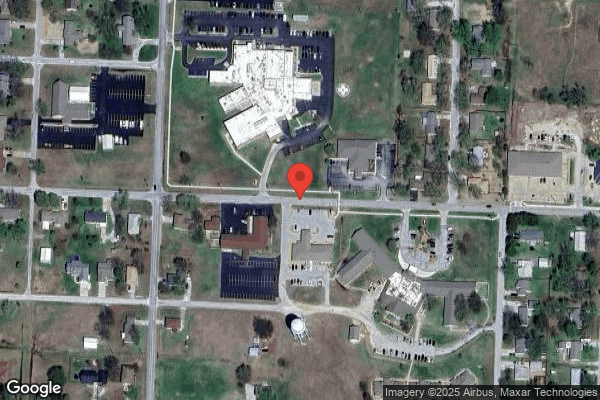
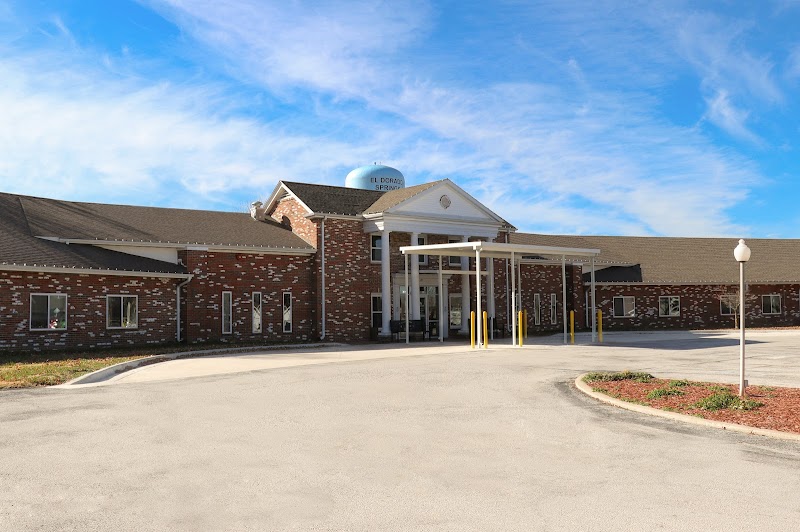
400 EAST HOSPITAL ROAD, EL DORADO SPRINGS, MO 64744 (417) 876-2531
Non profit - Corporation 120 Beds CITIZENS MEMORIAL HEALTH CARE Data: November 2025
Trust Grade
80/100
#60 of 479 in MO
Last Inspection: January 2025

Within standard 12-15 month inspection cycle. Federal law requires annual inspections.

Overview

Community Springs Healthcare Facility has a Trust Grade of B+, which means it is considered above average and recommended for families looking for care. It ranks #60 out of 479 facilities in Missouri, placing it in the top half, but only #2 out of 2 in Cedar County, indicating limited local options. Unfortunately, the facility is worsening, with issues increasing from 4 in 2023 to 7 in 2025. Staffing is a concern, with a rating of 2 out of 5 stars and a turnover rate of 52%, which is below the state average but still indicates challenges in retaining staff. On a positive note, there have been no fines recorded, which is encouraging, and the facility has average RN coverage, meaning they have a reasonable number of registered nurses on staff. However, a review of inspector findings revealed specific concerns, such as the facility's failure to ensure an adequate emergency water supply plan and not meeting residents' preferences for personal hygiene care, which could affect their dignity and comfort. Overall, while there are strengths in safety and RN coverage, the facility needs to address issues related to staffing and care planning to improve resident experience.

Trust Score
B+
80/100
In Missouri
#60/479
Top 12%
Safety Record
Low Risk
No red flags
Inspections
Getting Worse
4 → 7 violations
Staff Stability
⚠ Watch
52% turnover. Above average. Higher turnover means staff may not know residents' routines.
Penalties
✓ Good
No fines on record. Clean compliance history, better than most Missouri facilities.
Skilled Nurses
⚠ Watch
Each resident gets only 23 minutes of Registered Nurse (RN) attention daily — below average for Missouri. Fewer RN minutes means fewer trained eyes watching for problems.
Violations
⚠ Watch
12 deficiencies on record. Higher than average. Multiple issues found across inspections.
★★★★☆
4.0
Overall Rating
★★☆☆☆
2.0
Staff Levels
★★☆☆☆
2.0
Care Quality
★★★★☆
4.0
Inspection Score
Stable
2023: 4 issues
2025: 7 issues

The Good

  • Full Sprinkler Coverage · Fire safety systems throughout facility
  • No fines on record

Facility shows strength in fire safety.

The Bad

Staff Turnover: 52%

Near Missouri avg (46%)

Higher turnover may affect care consistency

Chain: CITIZENS MEMORIAL HEALTH CARE

Part of a multi-facility chain

Ask about local staffing decisions and management

The Ugly 12 deficiencies on record

Jan 2025 7 deficiencies
CONCERN (D)

Potential for Harm - no one hurt, but risky conditions existed

Report Alleged Abuse (Tag F0609)

Could have caused harm · This affected 1 resident

Based on interview and record review, the facility failed to ensure all allegations of possible abuse were reported to the State Survey Agency (SSA - Department of Health and Senior Services (DHSS)) w...

Read full inspector narrative →
Based on interview and record review, the facility failed to ensure all allegations of possible abuse were reported to the State Survey Agency (SSA - Department of Health and Senior Services (DHSS)) within two hours when staff failed to report an allegation of possible sexual abuse by one resident (Resident #37). Review of the facility policy titled, Patient Abuse/Neglect, Elder Abuse, and Persons with Disability Abuse, dated 08/2024, showed the following: -Purpose to guide staff, employees, physicians, and any mandated reporter in identifying victims of abuse and provide a reporting mechanism in accordance with all local, state and federal laws; -Purpose to provide safe and efficient care for the patients/residents; -Purpose to keep patients/residents free from abuse, mistreatment, and neglect. 1. Review of Resident #37's Patient Information showed the following: -An admission date of 08/12/24; -Diagnoses included dementia and agitation. Review of the resident's quarterly Minimum Data Set (MDS - a federally mandated assessment completed by facility staff), with an Assessment Reference Date (ARD) of 11/07/24, showed the following: -The resident had severe cognitive impairment; -The resident had verbal behaviors directed to others which occurred one to three times during the assessment period. Review of a the resident's Behavior Monitoring, dated 12/28/24, showed the resident asked another resident to expose his/her breasts. Review of DHSS records showed the facility did not report the allegation of possible resident to resident abuse. During an interview on 01/01/25, at 6:04 P.M., Registered Medication Technician (RMT) 1 confirmed she saw the resident make the comment to another resident to expose his/her breasts. He/she immediately reported the incident to Registered Nurse (RN) 1. All potential allegations of abuse were to be reported immediately. During an interview on 01/01/25, at 6:38 P.M., RN 1 confirmed he/she did not inform the facility's abuse coordinator of the potential sexual abuse from between the residents. During an interview on 01/01/25, at 4:28 P.M., the Minimum Data Set Coordinator (MDSC) said the resident asked another resident to expose his/her breasts on 12/28/24. During an interview on 01/01/25, at 5:03 P.M., Director of Social Work (DSW) confirmed she was the facility's abuse coordinator. She learned of the allegation of potential sexual abuse from Resident #37 towards another resident during the facility's morning meeting on 12/30/24. She did not report the allegation to the SSA. During an interview on 01/02/25, at 7:46 A.M., the Director of Nursing (DON) said all allegations of abuse were to be reported immediately to the abuse coordinator.
CONCERN (D)

Potential for Harm - no one hurt, but risky conditions existed

Investigate Abuse (Tag F0610)

Could have caused harm · This affected 1 resident

Based on record review and interview, the facility failed to ensure all allegations possible abuse had documented complete investigations when staff failed to document a full investigation of an alleg...

Read full inspector narrative →
Based on record review and interview, the facility failed to ensure all allegations possible abuse had documented complete investigations when staff failed to document a full investigation of an allegation of possible abuse by one resident (Resident #37). Review of a facility policy titled Patient Abuse/Neglect, Elder Abuse, and Persons with Disability Abuse, dated 08/2024, showed the following: -Personnel will complete an electronic Incident Report for further investigation by the designee(s), nursing administration, the Administrator, and/or other disciplines within the facility or outside to ensure resident safety and quality of care. 1. Review of Resident #37's Patient Information showed the following: -An admission date of 08/12/24; -Diagnoses included dementia and agitation. Review of a the resident's Behavior Monitoring, dated 12/28/24, showed the resident asked another resident to expose his/her breasts. Review of Department of Health and Senior Services (DHSS) records showed a written investigation regarding the allegation of possible abuse was not received. During an interview on 01/01/25, at 6:04 P.M., Registered Medication Technician (RMT) confirmed he/she observed the statement from Resident #37. He/she was not asked to provide a written statement by the abuse coordinator. During an interview on 01/01/25, at 6:21 P.M., the Director of Nursing (DON) said during a potential abuse investigation, witness statements should be gathered.
CONCERN (D)

Potential for Harm - no one hurt, but risky conditions existed

Assessment Accuracy (Tag F0641)

Could have caused harm · This affected 1 resident

Based on record review and interview, the facility failed to ensure the accuracy of all Minimum Data Sets (MDS - a federally mandated assessment completed by facility staff) when staff failed to accur...

Read full inspector narrative →
Based on record review and interview, the facility failed to ensure the accuracy of all Minimum Data Sets (MDS - a federally mandated assessment completed by facility staff) when staff failed to accurately complete one resident's (Resident #56) MDS. Review of the RAI Manual, dated October 2023 showed the following: -Code residents identified as being in a hospice program for terminally ill persons where an array of services is provided for the palliation and management of terminal illness and related conditions; -The hospice must be licensed by the state as a hospice provider and/or certified under the Medicare program as a hospice provider. 1. Review of Resident #56's Patient Information, showed the following: -An admission date of 06/22/24; -Diagnoses included Alzheimer's disease. Review of the resident's quarterly MDS, with an assessment reference date (ARD) of 12/12/24, showed the following; -The resident had cognitive impairment; -The resident independent with all activities of daily living (ADL); -The resident received hospice care. Review of the resident's medical record showed staff did not document recommendations for hospice care. During an interview on 01/02/25, at 7:52 A.M., with the MDS Coordinator (MDSC) and the Director of Nursing (DON), the MDSC said the resident's MDS indicated that the resident received hospice services, which was the same as palliative care. She said since hospice and palliative care are similar and Section O of the MDS should be selected. The MDSC staid the MDS should be accurate. The DON said the MDS should be accurate. During an interview on 01/02/25, at 8:13 A.M., the Clinical Services Nursing Administration (CSNA) said Section O in the MDS should not be triggered under hospice care if the resident is receiving palliative care only.
CONCERN (D)

Potential for Harm - no one hurt, but risky conditions existed

Comprehensive Care Plan (Tag F0656)

Could have caused harm · This affected 1 resident

Based on observation, interview, and record review, the facility failed to develop a person-centered comprehensive plan of care with measurable goals and plans for one resident (Resident #57) related ...

Read full inspector narrative →
Based on observation, interview, and record review, the facility failed to develop a person-centered comprehensive plan of care with measurable goals and plans for one resident (Resident #57) related to the resident taking antidepressant and an anti-anxiety medication. Review of the Minimum Data Set (MDS - a federally mandated assessment completed by facility staff) 3.0 Resident Assessment Instrument (RAI) Manual, dated 10/2024, showed the following: -The RAI process, which includes the federally mandated MDS, is the basis for an accurate assessment of nursing home residents; -The MDS information and the CAA (Care Area Assessment) process provide the foundation upon which the care plan is formulated; -There are 20 problem-oriented CAAs, each of which includes MDS-based trigger conditions that signal the need for additional assessment and review of the triggered care area; -Detailed information regarding each care area and the CAA process, including definitions and triggers; -After completing the MDS and CAA portions of the comprehensive assessment, the next step is to evaluate the information gained through both assessment processes in order to identify problems, causes, contributing factors, and risk factors related to the problems; -Subsequently, the IDT (Interdisciplinary Team) must evaluate the information gained to develop a care plan that addresses those findings in the context of the resident's goals, preferences, strengths, problems, and needs. 1. Review of Resident #57's Patient Information showed the following: -admission date of 09/28/23; -Diagnoses included dementia. Review of the resident's annual MDS, with an Assessment Reference Date (ARD) of 09/02/24, showed the following: -The resident had severe cognitive impairment; -The resident had no behavior directed to self or to others; -The resident had depression and anxiety; -The assessment indicated the resident received an antidepressant and an anti-anxiety; -Under the CAA, the resident triggered for the use of psychotropic medications and directed the staff to develop a care plan. Review of a the resident's current Care Plan showed staff did not care plan the resident's use of antidepressant and anti-anxiety medications. During an interview on 01/03/25, at 8:39 A.M., the MDS Coordinator (MDSC) confirmed she did not develop a care plan for the resident and the use of antidepressant and anti-anxiety medications. The MDSC confirmed the resident received medications for depression and anxiety during the assessment period.
CONCERN (D)

Potential for Harm - no one hurt, but risky conditions existed

Deficiency F0658 (Tag F0658)

Could have caused harm · This affected 1 resident

Based on record review and interviews, the facility failed to ensure services were provided per standards of practice for all residents when staff failed to document timely follow-up regarding a possi...

Read full inspector narrative →
Based on record review and interviews, the facility failed to ensure services were provided per standards of practice for all residents when staff failed to document timely follow-up regarding a possible bruise and failed document regarding resident's wishes to have an area removed for one resident (Resident #5). 1. Review of Resident #5's Patient Information, showed the following: -admission date of 01/20/24; -Diagnoses included urinary tract infection. Review of the resident's quarterly Minimum Data Set (MDS - a federally mandated assessment completed by facility staff), with an assessment reference date (ARD) of 11/20/24, showed the following: -The resident had cognitively impairment; -The resident required moderate assistance with dressing and toileting and setup with eating and oral hygiene; -The resident had no other skin problems present and did have a pressure reducing device for his/her bed. Review of the resident's Nurse Note, dated 11/22/24, showed upon resident return to facility from outing the family reported several concerns. The resident had a bruise on the back of his/her head that looked fresh with no yellow or green colors to it. This was noticed by hairdresser at hair appointment. Review of the resident's Nurse Note, dated 01/02/25, showed the resident had a soft knot on top of the posterior head of his/her head that was not discolored and non-tender. The resident said he/she had it forever and was asking to have it removed. Review of resident's current Care Plan showed staff did not document relating to the resident's soft knot on the resident's head. During an interview on 01/01/25, at 4:48 P.M., the MDS Coordinator (MDSC) said she reviewed all nurse notes prior to the daily stand-up meeting. She remembered seeing the note and mentioning it during their morning stand-up meeting. She said the resident's skin should have been checked after this was discussed in the meeting. During on interview on 01/02/24, at 8:32 A.M., the Infection Preventionist 1 (IP1) said the note written on 11/22/24 was incorrect. It was not a bruise, but a raised soft area. He/She assessed it the day after the note was written, but he/she did not document his/her assessment. He/she said when he/she assessed it the resident told him/her he/she had it a long time and wanted it removed. During an interview on 01/03/25, at 8: 37 A.M., the Director of Social Services (DSS) said it was discussed in their daily stand-up meeting. The next day she remembered IP 1 saying he/she would assess the resident's head. During an interview 01/03/25, at 8:55 A.M., Certified Nurse Aide (CNA) 7 said she would report a bruise to the charge nurse if she saw one. During an interview 01/03/25, at 11:35 A.M., IP 2 said normally he/she would be notified by the CNA if they saw a bruise and he/she would assess it, inform the Director of Nursing (DON) and notify the resident's physician.
CONCERN (E)

Potential for Harm - no one hurt, but risky conditions existed

Deficiency F0561 (Tag F0561)

Could have caused harm · This affected multiple residents

Based on interview and record review, the facility failed to support each resident's right to self-determination related to care when staff failed to care plan and provide showers per residents' prefe...

Read full inspector narrative →
Based on interview and record review, the facility failed to support each resident's right to self-determination related to care when staff failed to care plan and provide showers per residents' preference for three residents (Resident #3, #28, and #6). Review of the facility's policy titled, Personal Hygiene, revised 03/2023, showed the following: -Purpose to establish guidelines for ensuring the hygiene needs of residents are addressed and met; -Purpose to identify the roles of the nursing staff and the patients in maintaining the patients' and residents' personal hygiene; -Staff are to assist with personal hygiene tasks as patients need; -If a patient is unable to care for self, nursing staff will provide full assist with bathing, changing clothing, oral care and other needs; -Patients are expected to shower at two-day intervals or more frequently when requested or required, maintain dental hygiene, wear clean clothes, and take care of personal grooming. 1. Review of Resident #3's Patient Information, showed the following: -admission date of 07/13/22; -Diagnoses included of bipolar II disorder (a chronic mental health condition characterized by alternating episodes of hypomania (elevated mood) and major depression). Review of the resident's current Care Plan showed staff to encourage/remind resident to request assistance. (Staff did not care plant related to the resident's preferred bathing frequency preference.) Review of the resident's Minimum Data Set (MDS - a federally mandated assessment tool completed by facility staff), with an assessment reference date (ARD) of 10/22/24, showed the following: -Resident was cognitively intact; -Resident required use of a walker; -Resident required partial to moderate assistance with shower/bath. Review of the resident's shower sheets, dated October 2024 through January 2025, showed the resident did not receive scheduled showers on the following dates: -On 10/17/24; -On 10/25/24; -On 11/01/24; -On 11/04/24; -On 11/14/24; -On 12/02/24; -On 12/23/24. During an interview on 01/02/25, at 3:02 P.M., the resident said staff seemed to not be able to keep up with showers. Sometimes he/she would go a week or so and not get a shower because there was no one to assist with showers. Residents are supposed to get two showers a week. 2. Review of Resident #6's Patient Information showed the following: -admission date of 04/16/24; -Diagnoses included acute and chronic respiratory failure with hypoxia (a condition where there is an inadequate supply of oxygen to the body's tissues). Review of the resident's current Care Plan showed the following: -Resident required partial to substantial assistance with my activities of daily living (ADL) and transfers related to weakness; -Resident required substantial assistance with showers. Staff to encourage resident to actively participate. (Staff did not care plant related to the resident's preferred bathing frequency preference.) Review of the resident's quarterly MDS, with an ARD of 10/02/24, showed the following: -Resident was cognitively intact; -Resident required substantial/maximal assistance with showers. Review of the resident's shower sheets, dated October 2024 through December 2024, showed the resident did no received showers on the following scheduled days: -On 10/05/24; -On 11/16/24; -On 12/29/24. During an interview on 01/02/25, at 3:02 P.M., the resident said residents should not have to wait to get showers. Resident are supposed to get showers two times a week and they are not providing residents with the showers. 3. Review of Resident #28's Patient Information showed the following: -admission date of 10/21/22; -Diagnoses included urinary tract infection, morbid (severe) obesity, dementia, and anxiety. Review of the resident's current Care Plan showed the following: -Resident required partial assistance with showers; -Staff to encourage resident to shower self and encourage independence. (Staff did not care plant related to the resident's preferred bathing frequency preference.) Review of the resident's quarterly MDS, with an ARD of 11/21/24, showed the following: -The resident was cognitively intact; -The resident required substantial/maximal assistance for showers. Review of the resident's shower sheets, dated October 2024 to December 2024, showed the resident did not get scheduled showers on the following days: -On 10/01/24; -On 10/15/24; -On 11/26/24. During an Interview on 01/01/25, at 4:51 P.M., the resident said residents are scheduled to receive showers twice per week. However, these showers often do not occur due to insufficient staff available to provide assistance. The facility attempts to schedule additional staff specifically for shower days, but this fails as well. The resident felt showers were needed more than twice weekly. 4. During an interview on 01/02/25, at 4:39 P.M., CNA 9 said there were different people designated as shower aides that handle nothing but showers. CNA 9 has helped with resident showers when the shower aide called off. Sometimes residents do not get shower like they are supposed to. 5. During an interview on 01/03/25, at 1:06 P.M., CNA 8 said there were issues with residents getting showers. Sometimes the shower aides have to be pulled off showers to help on the floor. They have make-up days where extra staff are called in the help with showers. 6. During an interview on 01/02/25, at 5:53 P.M., with the Director of Nursing (DON) and Staff Development Coordinator (SDC), the SDC said the facility had shower aides, but if a CNA calls off they will have to pull the shower aide to assist on the floor. Management is aware of the issue of residents not getting showers. Staff try to accommodate the resident as much as possible with getting their showers. The DON said staff always try to accommodate residents with showers, by providing them in the evening or the next day.
CONCERN (E)

Potential for Harm - no one hurt, but risky conditions existed

Deficiency F0657 (Tag F0657)

Could have caused harm · This affected multiple residents

Based on record review and interview, the facility failed to ensure each resident's care plan was updated and review for accuracy timely when the care plans of five residents (Resident #37, #31, #33, ...

Read full inspector narrative →
Based on record review and interview, the facility failed to ensure each resident's care plan was updated and review for accuracy timely when the care plans of five residents (Resident #37, #31, #33, #10, and #26) were not updated to reflect the residents' current conditions. Review of a facility's policy titled, Assessments in Long Term Care. dated 12/2024, showed the following: -The nursing care plan will be initiated according to identified needs from the admission assessment by a licensed nurse; -Licensed nursing personnel will update care plans as needs are assessed; -The dietitian, social worker, and rehabilitation personnel can assess patients, within the scope of their service and will integrate information into the medical record and assist in identifying and assigning priorities for the resident care needs via the care plan and progress notes. 1. Review of Resident 37's Patient Information showed the following: -admission date of 08/12/24; -Diagnoses included dementia. Review of the resident's Minimum Data Set (MDS - a federally mandated assessment completed by facility staff), with an Assessment Reference Date (ARD) of 08/15/24, showed the following: -Staff could not determine a cognitive assessment score for the resident; -The resident had both physical and verbal behaviors directed to self and to others. Review of the resident's Behavior Monitoring, dated 08/20/24, showed the resident grabbed the breast of a certified nurse aide (CNA). Review of the resident's Nurse Note, dated 08/21/24, showed the resident told a CNA that he/she had nice tits and attempted to grab his/her buttocks. Review of the resident's Nurse Note, dated 08/23/24, showed the nurse documented the resident made sexual advances to the nursing staff. Review of the resident's Behavior Monitoring, dated 09/14/24, showed while being changed by a CNA, the resident pulled the CNA's smock down and looked down his/her shirt. Review of the resident's Social Service Note, dated 11/07/24, showed the Director of Social Services (DSS) noted the resident would yell at the staff. Review of the resident's Nurse Note, dated 11/25/24, showed the resident had his/her hands around the throat of a staff member (trainee) and refused to receive care by a CNA. Review of the resident's current Care Plan showed staff failed to care plan the resident's verbal, physical, and sexual behaviors towards staff. During an interview on 01/01/25, at 5:03 P.M., the Director of Social Work (DSW) said there was no care plan in place that addressed the resident's sexual behaviors. During an interview on 01/01/25, at 6:21 P.M., the Director of Nursing (DON) confirmed there were no care plans in place for the resident that addressed his/her sexual behavior towards the staff. 2. Review of Resident #31's Patient Information, showed the following: -admission date of 11/06/24; -Diagnoses included dementia. Review of a the resident's MDS, with an ARD of 11/11/24, showed the following: -The resident had moderate cognitive impairment; -The resident had no physical or verbal behaviors directed to others. Review of the resident's Behavior Monitoring, dated 11/17/24, showed the resident admitted to a CNA that he/she was looking down in his/her shirt and then said his/her wallet did not contain condoms. Review of the resident's Behavior Monitoring, dated 11/30/24, showed the resident touched the cheek of a CNA and told the CNA he/she loved him/her and then asked that the CNA lay with him/her. Review of the resident's Behavior Monitoring, dated 12/01/24. showed the resident attempted to grab a CNA and made sexual comments to the CNA while the CNA provided the resident with a shower. Review of a the resident's current Care Plan, showed staff did not are plan related to the resident's sexual behaviors towards staff. During an interview on 01/01/25, at 5:03 P.M., the DSW said there was no care plan in place that addressed the resident's sexual behaviors. During an interview on 01/01/25, at 6:21 P.M., the DON confirmed there were no care plans in place for the resident that addressed his/her sexual behavior towards the staff. 3. Review Resident #33's Patient Information, showed the following: -admission date of 08/13/24; -Diagnoses included of post-traumatic stress disorder (PTSD - a mental health condition that's caused by an extremely stressful or terrifying event). Review of the resident's admission MDS, with an ARD of 08/19/24, showed the resident was cognitively intact. During an interview on 12/31/24, at 10:29 A.M., the resident confirmed his/her diagnosis of PTSD and said he/she had triggers from former abuse and the triggers included yelling, slamming doors, and the tone of a person's voice. Review the resident's current Care Plan showed staff did not care plan regarding the resident's PTSD diagnosis or associated triggers. During an interview on 01/03/25, at 9:41 A.M., the DON said she was not aware the resident's PTSD triggers were not incorporated into her care plan. She would have expected staff to place this information in the resident's care plan to make it individualized. 4. Review of Resident #10's admission Record showed the following: -An admission date of 12/11/19; -Diagnoses included acute and chronic respiratory failure and secondary malignant neoplasm (cancer) of left lung. Review of the resident's Physician Order, dated 12/04/24, showed an order for oxygen at 5 liters (L). Staff may titrate up to 10 L via nasal cannula continuous and may switch over to mask, if needed. Review of the resident's Care Plan, dated 12/15/24, showed the resident was at risk for ineffective breathing pattern. Staff did not care plan the resident's oxygen usage. 5. Review of Resident #26's admission Record showed the following: -admission date of 03/13/20; -Diagnoses included heart failure and cerebral vascular accident (stroke). Review of the resident's Physician Order, dated 05/19/20, showed an order for oxygen at 2 L via nasal cannula intermittent. Staff may titrate to keep blood oxygen levels greater than 90%. Review of the resident's Care Plan, dated 10/25/24, showed a history of congestive heart failure and shortness of air. Staff did not care plan the resident's oxygen usage. During an Interview on 01/01/25, at 4:09 P.M., the MDS Coordinator (MDSC) said the resident's oxygen usage was not care planned.
Jun 2023 4 deficiencies
CONCERN (D)

Potential for Harm - no one hurt, but risky conditions existed

Resident Rights (Tag F0550)

Could have caused harm · This affected 1 resident

Based on observation, interview, and record review, the facility failed to ensure all residents were cared for in manner that provided dignity and respect when staff failed to ensure catheter (tubing ...

Read full inspector narrative →
Based on observation, interview, and record review, the facility failed to ensure all residents were cared for in manner that provided dignity and respect when staff failed to ensure catheter (tubing to drain the bladder) collection bags were placed inside a dignity bag (bag which prevents urine from being seen) for one resident (Resident #42). A sample of three residents with indwelling catheters was reviewed. The facility census was 60. Review of a facility policy entitled Urinary Catheterization, revised 08/2022, showed the policy did not include information pertaining to the use of a privacy bag for dignity. 1. Review of Resident #42's face sheet (a form that provides basic profile information) showed the following: -admission date of 05/18/21; -Diagnoses included urinary tract infection (UTI), prostate cancer, obstructive and reflux uropathy (prevents normal emptying of the bladder), and bladder infection. Review of the resident's significant change Minimum Data Set (MDS - a federally mandated assessment tool completed by facility staff), dated 06/13/23, showed the following: -Severely impaired cognition; -Required extensive assistance for bed mobililty; -Dependent on staff assistance for transfers, dressing, personal hygiene, and bathing. Review of the resident's care plan, last updated 06/13/23, showed the following: -admitted to the facility with Foley (type of catheter) in place for diagnosis of urinary retention. Catheter inserted on 05/14/21 while at hospital; -Trialed removal of catheter and within 12 hours had experienced pressure/lower quadrant. Staff reinserted the Foley. Observation on 06/27/23, at 9:44 A.M., showed the resident sat in a wheelchair in his/her room. A catheter collection bag hung under the resident's wheelchair without a dignity cover. Yellow urine was visible to the roommate and from the hallway. Observation on 06/27/23, at 1:29 P.M., showed a therapist pushed the resident's wheelchair down the hall away from the resident's room. A catheter collection bag hung under the wheelchair without a dignity cover. Yellow urine was visible to anyone facing the resident. Observation on 06/27/23, at 2:00 P.M., showed a therapist pushed the resident's wheelchair down the hall toward the resident's room. A catheter collection bag hung under the wheelchair without a dignity cover. Yellow urine was visible to anyone facing the resident. Observation on 06/30/23, at 9:00 A.M., showed the resident sat at a dining room table with two other residents. A catheter collection bag hung under the resident's wheelchair without a dignity cover. Yellow urine was visible to anyone who was more than a few feet away from the table and facing either side or the front of the resident. Observation on 06/30/23, at 9:30 A.M., showed a certified nurse aide (CNA) pushed the resident's wheelchair from the dining room toward the resident's room. A catheter collection bag hung under the resident's wheelchair without a dignity cover. Yellow urine was visible to anyone facing the resident or positioned to his/her side. During an interview on 06/30/23, at 10:41 A.M., CNA E said the catheter collection bag should be covered with the attached flap for dignity. During an interview on 06/30/23, at 10:46 A.M., CNA G said the catheter bag should be covered for dignity, with either the attached flap or by putting it in a pillowcase or something for privacy. During an interview on 06/30/23, at 10:48 A.M., Licensed Practical Nurse (LPN) A said staff should use the attached flap to ensure privacy. If a resident comes in with a non-covered bag, staff should tell the nurse so they can switch out the bag. The facility did not have separate dignity covers to use. LPN A was unaware that the resident's catheter bag was not covered. During an interview on 06/30/23, at 12:40 P.M., the Administrator and the Director of Nursing (DON) said catheter bags should be covered for dignity. The bags they use in the facility have an attached flap cover. If a resident comes in with a catheter without the attached dignity cover, the nurse should change out the catheter collection bag.
CONCERN (D)

Potential for Harm - no one hurt, but risky conditions existed

Deficiency F0700 (Tag F0700)

Could have caused harm · This affected 1 resident

**NOTE- TERMS IN BRACKETS HAVE BEEN EDITED TO PROTECT CONFIDENTIALITY** 2. Review of Resident #45's face sheet showed the following information: -admission date of 01/20/23; -Diagnoses included dement...

Read full inspector narrative →
**NOTE- TERMS IN BRACKETS HAVE BEEN EDITED TO PROTECT CONFIDENTIALITY** 2. Review of Resident #45's face sheet showed the following information: -admission date of 01/20/23; -Diagnoses included dementia (the loss of cognitive functioning, thinking, remembering, and reasoning, to such an extent that it interferes with a person's daily life and activities), rheumatoid arthritis (chronic inflammatory disorder affecting many joints, including those in the hands and feet), repeated falls, weakness, pain in bilateral (both sides) shoulders, and pain in bilateral knees. Review of the resident's quarterly MDS, dated [DATE], showed the following information: -Moderate cognitive impairment; -Required limited assistance of one staff for bed mobility; -Required extensive assistance of one staff for transfers; -Required extensive assistance of one staff for toilet use and personal hygiene; -Used a wheelchair for locomotion. Observation and interview showed the following: -On 06/27/23, at 9:27 A.M., a side rail was in the upright position and the resident rested in bed with his/her eyes closed; -On 06/27/23, at 12:45 P.M., a side rail was in the upright position. The resident was sitting up in the bed eating lunch; -On 06/29/23, at 9:00 A.M., a side rail was in the upright position. The resident was resting with his/her eyes closed; -On 06/30/23, at 10:00 A.M., a side rail was in the upright position. The resident read a newspaper in bed. The resident said that he/she utilized the side rail to assist with positioning and transfers. He/she said that staff had him/her sign some paperwork just yesterday about the side rail. Review of the resident's care plan, dated 05/24/23, showed staff did not care plan the use of side rails. On 06/29/23, at 9:10 A.M., review of the resident's EMR showed the following: -Side rail admission assessment completed by staff on 01/20/23; -Care plan did not include any information related to use of side rails; -Physician's order sheet did not include an order for side rails; -No informed consent or risk and benefit education located in the chart. During an interview on 06/29/23, at 10:00 A.M., the Maintenance Director said that he did not locate measurements for resident bed. 3. During an interview on 06/30/23, at 9:50 A.M., the MDS Coordinator said that bed rail assessments are completed on admission and quarterly. Staff does not put on or take off side rails without the therapy department's involvement. If a resident changes beds or rooms, he/she tries to stay on top of ensuring they have the changes. Resident #45 admitted on a weekend, and staff failed to get all the bed rail process in place. When bed rails are utilized a doctor's order should be in place and the information should be in the resident's care plan. 4. During an interview on 06/30/23, at 10:25 A.M., Licensed Practical Nurse (LPN) A said that side rail assessments are completed on resident admission and there is also a 90-day re-assessment. Staff send a notice to therapy after admission for side rail assessment. 5. During an interview on 06/30/23, at 10:50 A.M., Physical Therapist B said that therapy completes side rail assessments on resident admission and on staff request when according to resident needs. 6. During an interview on 06/30/23, at 12:40 P.M., with the Administrator and the Director of Nursing (DON), the DON said that if a side rail is needed, staff should notify therapy for resident evaluation. When therapy states that the resident is okay for side rail use, then an order should be sent to maintenance to install the side rail. The information should then added to the physician's order, the care plan, and consent forms are completed. Resident side rail assessments should be completed at admission and on a quarterly basis. She was unsure why the residents' had not been completed. Based on observation, interview, and record review, the facility failed to complete a documented side rail assessment including risks versus benefits, obtain written consent, obtain a physician order, and complete gap assessments prior to installing side rails for two residents (Residents #53 and #45) in a sample of eight residents with bed rails in use. The facility census was 60. Review of the facility policy entitled Bed Rails and Support Device in Long Term Care, revised 02/2023, showed the following: -Side rails/support devices are utilized if an assessed need is identified by the interdisciplinary team (IDT); -The IDT should complete and document assessment of side rail need; -Staff may utilize the LTC Device Decision Guide to assist with determining whether or not the device is considered a support device or restraint; -Bed rails and support devices require a physician order; -Family or guardian will be notified and consent obtained for use of side rails; -Use of side rails should be added to the resident care plan; -Need for side rails will be initially assessed, reassessed, documented, and care planned quarterly and as needed; -Physicians order will be reviewed quarterly and continued if appropriate; -Site facility maintenance/work order will be placed for maintenance to place on bed as well as quarterly checks, with the approval of the Administrator/Director of Nursing (DON)/Designee; -Gap analysis will be done by maintenance when side rail is placed on the bed and quarterly; -Bed rail consent should be obtained and scanned into the electronic medical record (EMR) and informational guide on bed safety be given to resident/guardian. See Guide to Bed Safety and Bed Rails and Support Device Consent attached to this policy. Review of a facility document entitled Guide to Bed Safety showed information including: -Statistics regarding bed rail entrapment; -The risks and benefits of bed rails; -Meeting patients' needs for safety. Review of a facility document entitled Bed Rail Consent Form showed information regarding safety and bed rails and benefits and risks of bed rails. 1. Review of Resident #53's face sheet (gives basic profile information) showed the following: -admission date of 09/29/22; -Diagnoses included stroke, vascular dementia with anxiety, Alzheimer's disease, insomnia, repeated falls, and weakness. Review of the resident's significant change Minimum Data Set (MDS - a federally mandated comprehensive assessment tool completed by facility staff), dated 05/23/23, showed the following: -Moderately impaired cognition; -Required extensive assistance of one person for bed mobility, transfers, locomotion by wheelchair, dressing, toileting, personal hygiene, and bathing; -Balance unsteady during seated to standing or surface to surface transfer; required human assistance to stabilize. Observation on 06/28/23, at 1:31 P.M., showed the resident rested in bed. Vertically shaped grab bars were attached on both sides of the resident's bed. Review of the resident's electronic medical record (EMR) showed no scanned documentation pertaining to the side rail pre-use assessment, informed consent, or gap assessment of installed side rails. Review of the resident's care plan, last updated 06/13/23, showed staff did not document information pertaining to the use of side rails. During an interview on 06/29/23, at 1:00 P.M., the Maintenance Supervisor said he/she had not received an order to install or remove side rails for the resident. The resident had changed beds during a COVID outbreak the month before, but staff did not tell maintenance that the new bed had side rails attached. Observation on 06/29/23, at 3:02 P.M., showed the resident rested in bed. Vertically shaped grab bars were attached on both sides of the resident's bed. During an interview on 06/30/23, at 9:52 A.M., the MDS Coordinator said the resident had changed beds at some time. He/she said there was no pre-use assessment or orders for the rails already on the bed.
CONCERN (E)

Potential for Harm - no one hurt, but risky conditions existed

Food Safety (Tag F0812)

Could have caused harm · This affected multiple residents

Based on observation, interview, and record review, the facility failed to ensure food was protected from contamination at all times when staff touched resident food with bare hands and failed to comp...

Read full inspector narrative →
Based on observation, interview, and record review, the facility failed to ensure food was protected from contamination at all times when staff touched resident food with bare hands and failed to complete hand hygiene after touching soiled surfaces during meal service. The facility census was 60. Review of the Food and Drug Administration (FDA) 2013 Food Code showed foods that are ready to eat should not be touched by staff's bare hands. Review of the facility Competencies for Food and Nutrition Services Employees checklist, undated, showed the following: -Practice appropriate hand hygiene and glove use when necessary during food preparation activities, such as between handling raw meat and other foods, to prevent cross-contamination; -Properly wash hands before serving food to resident after collecting soiled plates and food waste; -Prevent eating surfaces of dishware from coming into contact with staff clothing; -Handle cups/glasses on the outside of the container and knives, forks, and spoons by handles; -Practice hand hygiene after direct contact with resident's skin or secretions. 1. Observations of meal services on 06/27/23 showed the following: -At 11:30 A.M., Dietary Aide (DA) C dropped a spoon on the floor, picked the spoon up, and put the spoon onto the dirty tray of the cart. The DA then resumed passing waters to residents. The DA did not completing hand hygiene after touching soiled surfaces; -At 11:55 A.M., DA C picked up a resident's hamburger and bun with hi/her bare hands. The DA took the top bun into one hand with the remaining bun and meat in the other hand, and rubbed the top bun across the burger to spread the mustard around. The DA then put the hamburger and bun back on the resident's plate and moved on to the next resident. The DA did not complete hand hygiene; -At 12:05 P.M., DA D picked up a menu from the floor and put it back on a resident table. The DA then continued serving resident plates. The DA did not perform hand hygiene after touching soiled surfaces; -At 12:06 P.M., DA C opened a resident's soda can and poured into a cup with ice, opened a straw wrapper, and put the straw in the cup by touching the top of the straw with his/her bare hands. The DA then moved to next resident opened and poured soda in to a cup, opened a straw touching the top of the straw with bare hands. The DA did not complete hand hygiene between residents. During an interview on 06/30/23, at 10:15 A.M., Registered Medication Technician (RMT) E said that staff should complete hand hygiene before and after all resident contact. Staff should complete hand hygiene between each meal tray during meal pass. If anything drops on the floor it should be picked up and disposed of and staff should their wash hands. During an interview on 06/30/23, at 10:25 A.M. Licensed Practical Nurse (LPN) A said that staff should complete hand hygiene between every meal tray at meal pass and before and after opening food items. Staff should not touch resident food with bare hands. Staff should hand sanitizer after picking anything up from the floor. During an interview on 06/30/23, at 11:05 A.M., DA D said that the Dietary manager and dietician provide various in-services about once per month and the facility holds all-staff updates. He/she had received hand hygiene in-services and said that hands should be cleaned with hand sanitizer after tray pass on the way back into the kitchen. Hands should be sanitized after any resident contact. Staff should not touch resident food with bare hands. During an interview on 06/30/23, at 11:20 A.M., the Dietary Manager said that dietary staff receive in-services from him/her and the registered dietician. He said that he/she expects staff to use hand sanitizer after touching a resident. Staff should wash hands and use gloves before touching food. Staff should use hand sanitizer before opening a condiment for residents and after helping the resident. Staff should request the resident open the bun for them if possible, otherwise staff should use utensils to put condiments on resident foods. The staff should not touch food with their bare hands. Staff should complete hand hygiene after picking anything up from the floor before continuing to pass meals. During an interview on 06/30/23, at 12:40 P.M., with the Administrator and Director of Nursing (DON), the DON said that staff should complete hand hygiene before, after, and between each resident contact. In the dining room staff should use hand sanitizer between each resident when assisting, and when passing plates, as well as between each hall tray. Staff should either wear gloves or use utensils to put condiments on the resident's food. The staff should not touch any food with their bare hands. The staff should be cleaning their hands after touching any contaminated items, such as dropped item on the floor, before continuing to pass drinks or meal plates.
CONCERN (F)

Potential for Harm - no one hurt, but risky conditions existed

Deficiency F0922 (Tag F0922)

Could have caused harm · This affected most or all residents

Based on observation, record review, and interview, the facility failed to establish procedures to estimate the water needed and ensure that water was available to essential areas if there was a loss ...

Read full inspector narrative →
Based on observation, record review, and interview, the facility failed to establish procedures to estimate the water needed and ensure that water was available to essential areas if there was a loss of normal water supply, such as in an emergency. The facility has a capacity of 120 and had a census of 60 at the time of survey. Review of a Centers for Disease Control and Prevention (CDC) document named Emergency Water Supply Planning Guide for Hospitals and Healthcare Facilities, dated 2019, showed that water needs can vary greatly from facility to facility, but general guidelines show a need of one to three gallons of water needed per person, per day for consumption and sanitary needs. 1. Review of the facility's Emergency Operation Plan (EOP) showed the EOP hazard assessment stated the risk of loss of water supply as moderate. The EOP did not show any calculation of water needed per person, in case of emergency. The EOP did not show a facility-specific manner on how to obtain sufficient water for residents and staff in case of emergency. Review of a letter to the facility from food service provider, and dated 09/30/19, showed the provider should be able to deliver water within a 12 to 24 hour time frame. The provider allocated one gallon of water per resident and one gallon per employee per day ongoing throughout the emergency. Observation on 06/28/23, at 10:45 A.M., of a storage rack in the kitchen showed a 24-pack, plus a partial 24-pack, of 1/2-liter (16 ounces, approximately) plastic drinking water bottles. The total water stored in this area equaled approximately 642 ounces, or 5 gallons. During an interview on 06/28/23, at 10:52 A.M., the Dietary Manager said the facility tries to keep some water bottles on hand in case of need or emergency. The water is ordered with the other food order, about once per week. The facility tries to keep available about three 24-packs of 1/2 liter bottles (26 liters total, or 9 1/2 gallons). During an interview on 06/28/23, at 3:27 P.M., the Maintenance Director said, in case of emergency, the facility should be able to get water from a sister facility and integrated healthcare system (about about 45 miles away from the facility), or from the food provider (about 75 miles away from the facility). The facility expected to be able to get water from the two sources within the same day. In addition, the facility attempts to keep 48 or so (1/2 liter) water bottles (about 6 gallons) on-site, and stored in the kitchen. During an interview on 06/28/23, at 3:40 P.M., the Administrator said he was directed to keep an emergency water supply on site was not really necessary due to the agreements and the assumption of being able to have water available within a few hours.
Jan 2020 1 deficiency
CONCERN (E)

Potential for Harm - no one hurt, but risky conditions existed

Infection Control (Tag F0880)

Could have caused harm · This affected multiple residents

Based on observation, interview, and record review, the facility failed to adhere to professional standards when staff failed to properly disinfect glucometers (small hand-held devices that check bloo...

Read full inspector narrative →
Based on observation, interview, and record review, the facility failed to adhere to professional standards when staff failed to properly disinfect glucometers (small hand-held devices that check blood glucose (sugar) levels for residents) while collecting blood glucose samples on residents with a diagnosis of diabetes mellitus (a disease that affects how a person's body handles insulin and glucose levels in the blood). This practice affected six residents (Resident #7, #10, #12, #19, #23, and #35) out of a sample of 16. The facility census was 61. Record review of the Centers for Disease Control and Prevention (CDC) website showed the following information: -Blood glucometers approved for use for more than one person must be cleaned and disinfected. The CDC investigated multiple outbreaks of viral hepatitis (disease affecting the liver) among residents in long-term care (LTC) communities that were attributed to shared devices and other breaks in infection-control practices related to blood glucose monitoring devices. When blood glucose monitoring devices are shared between individuals, there is a risk of transmitting viral hepatitis and other blood borne pathogens. Record review of the facility's blood glucose monitoring policy, dated May 2019, showed the following information: -Meter disinfection procedure: -Remove visible soiled and organic material prior to disinfecting. Meter is to be disinfected after each resident use; -Use a fresh bleach wipe to disinfect by gently wiping the outside of the meter display area three times horizontally and three times vertically and carefully wipe around the test port area, making sure no liquid enters the test strip port; -Ensure the surface of the meter remains damp for one minute; -Dry the meter thoroughly with a dry cloth. Visually verify that no solution is seen on the meter. Record review of the package label of orange-top Sani-Cloth Bleach Wipes (name brand of wipes) found on the medication carts showed the following: -For cleaning and decontaminating against HIV-1 (Aids virus - human immunodeficiency virus transmitted through direct contact with HIV - infected body fluids), hepatitis B virus (HBV - a virus that can cause Hepatitis B (a serious liver infection) and spread through bodily fluids), and hepatitis C virus (HCV - causes Hepatitis C (a viral infection that causes liver inflammation) and spread through contaminated blood), all blood and other body fluids must be thoroughly cleaned from surfaces and objects before disinfection by the germicidal wipe. Open, unfold, and use first germicidal wipe to remove heavy soil. Use second germicidal wipe to thoroughly wet surface. Allow to remain wet one minute, let air dry; -Use second germicidal wipe to thoroughly wet surface. Allow to remain wet one minute, let air dry; -Although efficacy at one minute contact time has been shown to be adequate against HIV-1, HBV, and HCV, this time is not sufficient for all organisms listed on this label. Therefore a four minute wet contact time must be used for TB (tuberculosis - potentially serious infectious disease that mainly affects your lungs) and pathogenic fungi. 1. Record review of Resident #23's face sheet (general resident information) showed the following information: -admission date of 6/10/16: -Diagnosis of diabetes mellitus type II. Record review of the resident's January 2020 physician's orders showed an order, dated 1/24/19, for Accuchecks (name brand of glucometer used by facility to check blood glucose levels) before meals and at bedtime (ACHS). 2. Record review of Resident #19's face sheet showed the following information: -admission date of 3/21/14; -Diagnosis of diabetes mellitus type II. Record review of the resident's January 2020 physician's orders showed an order, dated 5/09/19, for Accuchecks ACHS. 3. Record review of Resident #7's face sheet showed the following information: -admission date of 5/10/19; -Diagnosis of diabetes mellitus type II. Record review of the resident's January 2020 physician's orders showed an order, dated 12/2/19, for Accuchecks four times daily (QID). 4. Observation on 1/9/2020, at 11:03 A.M., showed Registered Nurse (RN) A performed a blood glucose test with the glucometer on Resident #10. RN A left the resident's room and placed the glucometer directly on top of the medication cart. RN A wiped the glucometer off on all sides with the disinfecting wipe for 20 seconds. The RN A did not wrap the glucometer with the wipe and let it remain wet. (The glucometer was not wet the required one minute.) Observation on 1/9/2020, at 11:20 A.M., showed RN A performed a blood glucose test on Resident #23 with the same glucometer used on Resident #10. RN A wiped off all surfaces of the glucometer with the disinfecting wipe for 20 seconds and placed the glucometer directly on the medication cart. RN A did not wrap the glucometer with a wipe and let it remain wet. (The glucometer was not wet the required one minute.) During an observation on 1/9/2020, at 11:27 A.M., RN A performed a blood glucose test on Resident # 19 with the glucometer that had been used on Resident #23. RN A sat the used glucometer directly on top of a box of gloves. RN A wiped off the glucometer for 15 seconds with the disinfecting wipe. RN A sat the glucometer back on top of a box of gloves. (The glucometer was not wet the required one minute.) Observation on 1/9/2020, at 11:29 A.M., showed RN A performed a blood glucose test on Resident #7 with the glucometer used on Resident #19. RN A wiped the glucometer off on all sides with the disinfecting wipe for 25 seconds and placed the glucometer directly on the medication cart. RN A did not wrap the glucometer with a wipe and let it remain wet. (The glucometer was not wet the required one minute.) During an interview on 1/9/2020, at 4:36 P.M., RN A said the following: -For glucometer cleaning, nurses are to wipe the glucometer off after each use with a bleach wipe; -Afterwards, nurses usually wipe the front of it with an alcohol wipe in order to see the screen better; -Nurses then let the glucometer air dry, and that doesn't take long; -Staff get an in-service annually on the glucometers, which includes the cleaning process. 5. Record review of Resident #35's face sheet showed the following information: -admission date of 9/28/15; -Diagnosis of diabetes mellitus type II. Record review of the resident's January 2020 physician's orders showed an order, dated 2/26/19, for Accuchecks ACHS. 6. Observation on 1/9/2020, at 3:59 P.M., showed Licensed Practical Nurse (LPN) B performed a blood glucose test on Resident #12. LPN B wiped the glucometer off on all sides for five seconds with the disinfecting wipe. LPN B sat the glucometer directly on top of the medication cart. (The glucometer was not wet the required one minute.) During an observation and interview on 1/9/2020, at 4:30 P.M., LPN B performed a blood glucose test on Resident #35 using the same glucometer used on Resident #12. LPN B wiped the glucometer off for less than five seconds on the front and back portion of the glucometer. LPN B said the policy for glucometer cleaning was to use the Sani-Cloth Bleach wipes in between each resident. Nurses have to do three swipes on each side of the glucometer. The glucometer air dries in between times for about two minutes. If a glucometer is not cleaned properly, infection control is impaired. Staff receive training at the competency fair in July. The facility makes sure staff know how to use the glucometers. (The glucometer was not wet the required one minute.) 7. During an interview on 1/10/2020, at 1:38 P.M., the Director of Nursing (DON) said the following: -Facility policy is for staff to wipe the glucometer off with the bleach wipes in between uses; -Staff should wait one full minute before using the glucometer on another resident; -Staff should wipe off the front, back, and both sides as well; -The glucometer should remain wet for one minute. The bleach wipes are in an orange-top container; -Some nurses cover the glucometer for one minute with a wipe; -Staff education is provided on cleaning glucometers upon hire and are annually checked again; -RN C, present during the interview, said he/she agreed with what the DON had just said as far as glucometer cleaning was concerned.
Understanding Severity Codes (click to expand)
Life-Threatening (Immediate Jeopardy)
J - Isolated K - Pattern L - Widespread
Actual Harm
G - Isolated H - Pattern I - Widespread
Potential for Harm
D - Isolated E - Pattern F - Widespread
No Harm (Minor)
A - Isolated B - Pattern C - Widespread

Questions to Ask on Your Visit

  • "Can I speak with families of current residents?"
  • "What's your RN coverage like on weekends and overnight?"

Our Honest Assessment

Strengths
  • • Grade B+ (80/100). Above average facility, better than most options in Missouri.
  • • No major safety red flags. No abuse findings, life-threatening violations, or SFF status.
  • • No fines on record. Clean compliance history, better than most Missouri facilities.
Concerns
  • • 12 deficiencies on record. Higher than average. Multiple issues found across inspections.
Bottom line: Generally positive indicators. Standard due diligence and a personal visit recommended.

About This Facility

What is Community Springs Healthcare Facility's CMS Rating?

CMS assigns COMMUNITY SPRINGS HEALTHCARE FACILITY an overall rating of 4 out of 5 stars, which is considered above average nationally. Within Missouri, this rating places the facility higher than 99% of the state's 100 nursing homes. This rating reflects solid performance across the metrics CMS uses to evaluate nursing home quality.
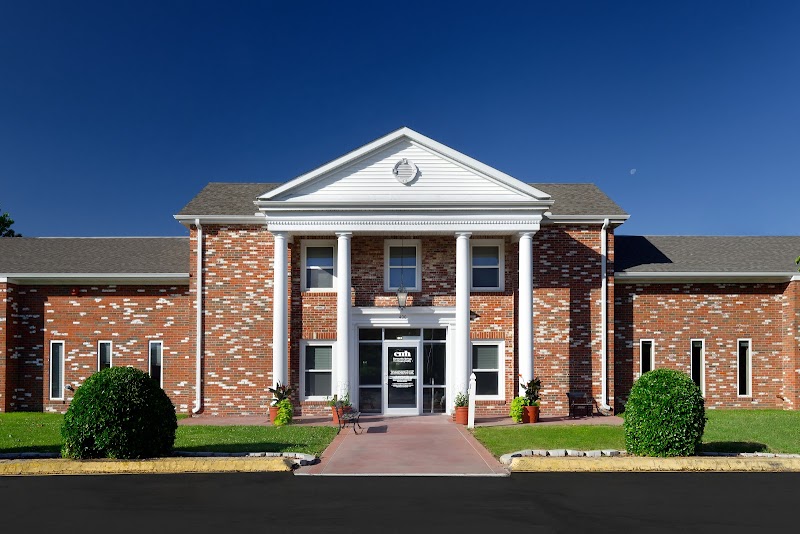
How is Community Springs Healthcare Facility Staffed?

CMS rates COMMUNITY SPRINGS HEALTHCARE FACILITY's staffing level at 2 out of 5 stars, which is below average compared to other nursing homes. Staff turnover is 52%, compared to the Missouri average of 46%. RN turnover specifically is 57%, which is notably high. RNs provide skilled clinical oversight, so turnover in this role can affect medical care quality.

What Have Inspectors Found at Community Springs Healthcare Facility?

State health inspectors documented 12 deficiencies at COMMUNITY SPRINGS HEALTHCARE FACILITY during 2020 to 2025. These included: 12 with potential for harm.

Who Owns and Operates Community Springs Healthcare Facility?

COMMUNITY SPRINGS HEALTHCARE FACILITY is owned by a non-profit organization. Non-profit facilities reinvest revenue into operations rather than distributing to shareholders. The facility is operated by CITIZENS MEMORIAL HEALTH CARE, a chain that manages multiple nursing homes. With 120 certified beds and approximately 70 residents (about 58% occupancy), it is a mid-sized facility located in EL DORADO SPRINGS, Missouri.
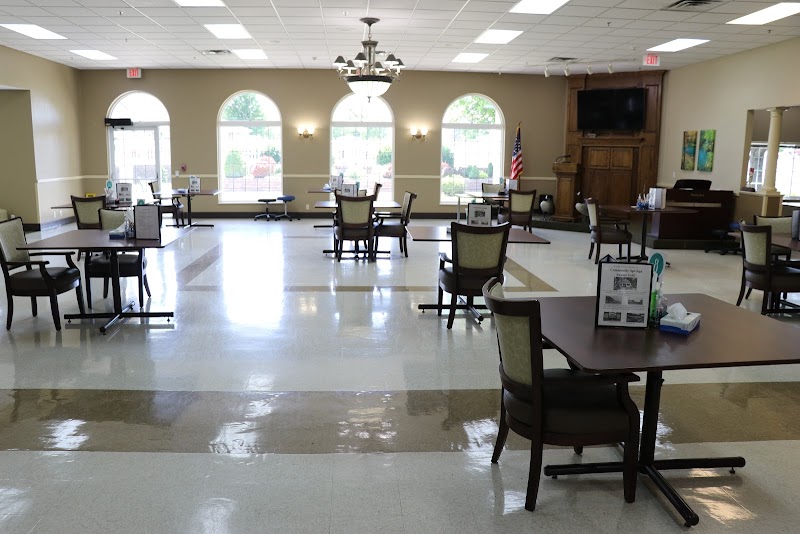
How Does Community Springs Healthcare Facility Compare to Other Missouri Nursing Homes?

Compared to the 100 nursing homes in Missouri, COMMUNITY SPRINGS HEALTHCARE FACILITY's overall rating (4 stars) is above the state average of 2.5, staff turnover (52%) is near the state average of 46%, and health inspection rating (4 stars) is above the national benchmark.

What Should Families Ask When Visiting Community Springs Healthcare Facility?

Based on this facility's data, families visiting should ask: "Can you walk me through typical staffing levels on day, evening, and night shifts?" "Can I visit during a mealtime to observe dining assistance and food quality?" "How do you handle medical emergencies, and what is your hospital transfer rate?" "Can I speak with family members of current residents about their experience?" These questions are particularly relevant given the below-average staffing rating.

Is Community Springs Healthcare Facility Safe?

Based on CMS inspection data, COMMUNITY SPRINGS HEALTHCARE FACILITY has a clean safety record: no substantiated abuse findings (meaning no confirmed cases of resident harm), no Immediate Jeopardy citations (the most serious violation level indicating risk of serious injury or death), and is not on the Special Focus Facility watch list (a federal program monitoring the lowest-performing 1% of nursing homes). The facility has a 4-star overall rating and ranks #1 of 100 nursing homes in Missouri. While no facility is perfect, families should still ask about staff-to-resident ratios and recent inspection results during their visit.

Do Nurses at Community Springs Healthcare Facility Stick Around?

COMMUNITY SPRINGS HEALTHCARE FACILITY has a staff turnover rate of 52%, which is 6 percentage points above the Missouri average of 46%. Moderate turnover is common in nursing homes, but families should still ask about staff tenure and how the facility maintains care continuity when employees leave.

Was Community Springs Healthcare Facility Ever Fined?

COMMUNITY SPRINGS HEALTHCARE FACILITY has no federal fines on record. CMS issues fines when nursing homes fail to meet care standards or don't correct problems found during inspections. The absence of fines suggests the facility has either maintained compliance or corrected any issues before penalties were assessed. This is a positive indicator, though families should still review recent inspection reports for the full picture.

Is Community Springs Healthcare Facility on Any Federal Watch List?

COMMUNITY SPRINGS HEALTHCARE FACILITY is not on any federal watch list. The most significant is the Special Focus Facility (SFF) program, which identifies the bottom 1% of nursing homes nationally based on persistent, serious quality problems. Not being on this list means the facility has avoided the pattern of deficiencies that triggers enhanced federal oversight. This is a positive indicator, though families should still review the facility's inspection history directly.