BRENT B TINNIN MANOR
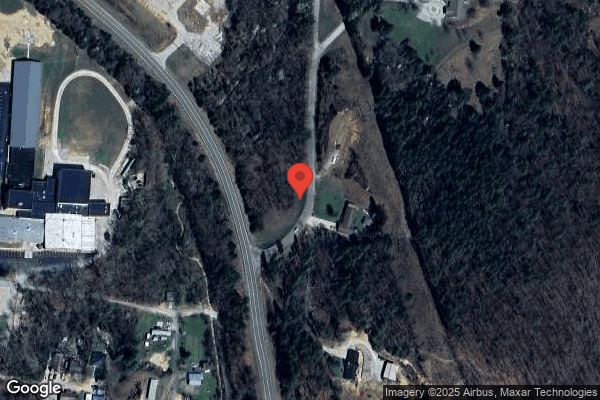

220 EUEL POLK DRIVE, ELLINGTON, MO 63638 (573) 663-2545
For profit - Individual 60 Beds CIRCLE B ENTERPRISES Data: November 2025
Trust Grade
30/100
#351 of 479 in MO
Last Inspection: March 2025

Within standard 12-15 month inspection cycle. Federal law requires annual inspections.

Overview

Brent B Tinnin Manor has received a Trust Grade of F, indicating poor quality and significant concerns about resident care. Ranking #351 out of 479 facilities in Missouri places it in the bottom half, but it is the only option in Reynolds County. The facility is worsening, with issues increasing from 9 in 2024 to 17 in 2025. Staffing is a major concern, with a low rating of 1 out of 5 stars and a high turnover rate of 72%, which is above the state average. Although they have no fines on record, the facility has failed to implement necessary quality improvement plans, which is a red flag for potential care issues.

Trust Score
F
30/100
In Missouri
#351/479
Bottom 27%
Safety Record
Low Risk
No red flags
Inspections
Getting Worse
9 → 17 violations
Staff Stability
⚠ Watch
72% turnover. Very high, 24 points above average. Constant new faces learning your loved one's needs.
Penalties
✓ Good
No fines on record. Clean compliance history, better than most Missouri facilities.
Skilled Nurses
⚠ Watch
Each resident gets only 24 minutes of Registered Nurse (RN) attention daily — below average for Missouri. Fewer RN minutes means fewer trained eyes watching for problems.
Violations
⚠ Watch
33 deficiencies on record. Higher than average. Multiple issues found across inspections.
★☆☆☆☆
1.0
Overall Rating
★☆☆☆☆
1.0
Staff Levels
★☆☆☆☆
1.0
Care Quality
★★★☆☆
3.0
Inspection Score
Stable
2024: 9 issues
2025: 17 issues

The Good

  • Full Sprinkler Coverage · Fire safety systems throughout facility
  • No fines on record

Facility shows strength in fire safety.

The Bad

1-Star Overall Rating

Below Missouri average (2.5)

Significant quality concerns identified by CMS

Staff Turnover: 72%

26pts above Missouri avg (46%)

Frequent staff changes - ask about care continuity

Chain: CIRCLE B ENTERPRISES

Part of a multi-facility chain

Ask about local staffing decisions and management

Staff turnover is very high (72%)

24 points above Missouri average of 48%

The Ugly 33 deficiencies on record

Mar 2025 16 deficiencies
CONCERN (D)

Potential for Harm - no one hurt, but risky conditions existed

Deficiency F0570 (Tag F0570)

Could have caused harm · This affected 1 resident

Based on interview and record review, the facility failed to maintain the surety bond (a purchased bond for the security of residents' personal funds) for at least one and one-half times the average m...

Read full inspector narrative →
Based on interview and record review, the facility failed to maintain the surety bond (a purchased bond for the security of residents' personal funds) for at least one and one-half times the average monthly balance of the residents' personal funds for the last 12 consecutive months from November 2023 through October 2024. The facility's census was 40. Review of the facility's policy titled, Surety Bond, dated March 2021, showed: - A surety bond is an agreement between the facility, the insurance company, and the resident or the State acting on behalf of the resident, wherein the facility and the insurance company agree to compensate the resident for any loss of the resident's funds that the facility holds, accounts for, safeguards, and manages; - This facility holds a surety bond to guarantee the protection of the residents' funds managed by the facility on behalf of its residents; - All funds (including refundable deposits) entrusted to the facility for a resident are covered by the surety bond; - The purpose of the surety bond is to guarantee that the facility will pay the resident for losses occurring from any failure by the facility; - Inquiries concerning the financial security of personal funds managed by the facility should be referred to the Administrator; - The policy did not address how the surety bond would be calculated. Review of the Residents' Personal Funds Account for the last 12 consecutive months from March 2024 through February 2025, showed: - The facility's approved bond amount equaled $51,000.00; - The average monthly balance of the residents' personal funds equaled $38,481.13; - An average monthly balance of $38,481.13 rounded to the nearest thousand equaled $38,000.00 and at one and one-half times would equal the required bond amount of at least $57,000.00. During an interview on 03/19/25 at 10:30 A.M., the Administrator said she would expect the facility's bond to be sufficient to cover the residents' funds. The previous administration misappropriated money and therefore, the accounts were not reconciled and were incorrect.
CONCERN (D)

Potential for Harm - no one hurt, but risky conditions existed

Deficiency F0582 (Tag F0582)

Could have caused harm · This affected 1 resident

Based on interview and record review, the facility failed to properly document notification and obtain a signature of the resident or legal representative for three residents (Residents #2, #36, and #...

Read full inspector narrative →
Based on interview and record review, the facility failed to properly document notification and obtain a signature of the resident or legal representative for three residents (Residents #2, #36, and #51) out of three sampled residents on the Notice of Medicare Non-Coverage (NOMNC) and the Skilled Nursing Facility Advanced Beneficiary Notice (SNF ABN) forms prior to the facility discharging the resident from Medicare services. The census was 40. Review of facility policy titled, Medicare Advance Beneficiary and Medicare Non-Coverage Notices, revised September 2022, showed: - If the director of admissions or benefits coordinator believes (upon admission or during a resident's stay) that Medicare Part A will not pay for an otherwise covered skilled service(s), the resident or representative is notified in writing why the service(s) may not be covered and of the resident's potential liability for payment of the non-covered service(s); - SNF ABN is issued to the beneficiary before non-covered care items or services are furnished to the beneficiary; - SNF ABN is issued to the beneficiary before items or services to the beneficiary are reduced; - The facility must issue a NOMNC at least two days before the terminated covered care; - The resident or representative is informed that they may choose to receive the skilled services that may not be paid for by Medicare and assume the financial responsibility. 1. Review of Resident #2's medical record showed: - The resident was discharged from skilled services on 11/01/24, with remaining days in the benefit period and remained in the facility; - No documentation of the NOMNC and SNF ABN forms; - The facility failed to issue the NOMNC and SNF ABN forms. 2. Review of Resident #36's medical record showed: - The resident was discharged from skilled services on 11/01/24, with remaining days in the benefit period and remained in the facility; - No documentation of the NOMNC and SNF ABN forms; - The facility failed to issue the NOMNC and SNF ABN forms. 3. Review of Resident #51's medical record showed: - The resident was discharged from skilled services on 11/01/24, with remaining days in the benefit period and discharged from the facility; - The facility failed to notify the resident or the resident's representative of the change to the skilled services; - No documentation of the NOMNC form; - The facility failed to issue the NOMNC form. During an interview on 03/19/25 at 10:05 A.M., the Administrator said she would expect the SNF ABN and NOMNC forms to be provided with the proper notifications conducted and the correct signatures in a timely manner. During an interview on 03/19/25 at 10:19 A.M., the Social Service Designee (SSD) he/she will now be now responsible for the SNF ABN and NOMNC forms in the future. He/She would expect the forms to be completed, the resident's and or the resident resident's representative to be notified, and the signatures to be obtained in timely a manner.
CONCERN (D)

Potential for Harm - no one hurt, but risky conditions existed

Abuse Prevention Policies (Tag F0607)

Could have caused harm · This affected 1 resident

Based on interview and record review, the facility failed to follow their policy and procedure to complete Criminal Background Checks (CBC) for four employees (Employees A, B, C, and D) and to check t...

Read full inspector narrative →
Based on interview and record review, the facility failed to follow their policy and procedure to complete Criminal Background Checks (CBC) for four employees (Employees A, B, C, and D) and to check the Employee Disqualification List (EDL - a listing of individuals who have been determined to have abused, neglected, and/or misappropriated funds or property from a resident) prior to the hire date for two employees (Employees A and B) out of five sampled employees . The facility census was 40. Review of the facility's policy titled, Background Screening Investigations, dated March 2019, showed: - Background checks, reference checks, and criminal conviction checks on all potential direct access employees and contractors should be conducted. Background and criminal checks are initiated within two days of an offer of employment and completed prior to employment. Review of the facility policy titled, Hiring and Orientation, undated, showed: - Pre-screening for employment may include license verification, criminal background check, pre-employment physical screening/questionnaire and drug testing. Review of the facility policy titled, Abuse, Neglect, Exploitation and Misappropriation Prevention Program, dated April 2021, showed: - Develop and implement policies and protocols to prevent and identify the above; - Conduct employee background checks. The facility did not provide a policy in regards to checking the EDL. 1. Review of Employee A's personnel file showed: - A hire date of 05/15/24; - No documentation of a CBC completed prior to the hire date; - No documentation of a EDL completed prior to the hire date; - The facility failed to perform the CBC and EDL prior to the hire date. 2. Review of Employee B's personnel file showed: - A hire date of 03/16/24; - The employee's CBC completed after the hire date on 03/20/24; - The employee's EDL completed after the hire date on 03/20/24; - The employee's last EDL completed 05/03/24; - The facility failed to perform the CBC and EDL prior to the hire date. 3. Review of Employee C's personnel file showed: - A hire date of 01/21/25; - The employee's CBC completed after the hire date on 01/23/25; - The facility failed to perform the CBC prior to the hire date. 4. Review of Employee D's personnel file showed: - A hire date of 07/05/23; - No documentation of a CBC completed prior to the hire; - The facility failed to perform the CBC prior to the hire date. During an interview on 03/19/25 at 10:45 A.M., the Human Resources (HR) staff said CBC and EDL checks should be done prior to employment and the EDL checks should be done again quarterly. He/She just started in this position and was working to get everything in order. During an interview on 03/19/25 at 10:30 A.M., the Administrator said the CBC and EDL checks should be completed prior to employment and the EDL checked at least quarterly after employment.
CONCERN (D)

Potential for Harm - no one hurt, but risky conditions existed

Transfer Notice (Tag F0623)

Could have caused harm · This affected 1 resident

**NOTE- TERMS IN BRACKETS HAVE BEEN EDITED TO PROTECT CONFIDENTIALITY** Based on interview and record review, the facility failed to provide a written copy of the notice of transfer or discharge to th...

Read full inspector narrative →
**NOTE- TERMS IN BRACKETS HAVE BEEN EDITED TO PROTECT CONFIDENTIALITY** Based on interview and record review, the facility failed to provide a written copy of the notice of transfer or discharge to the resident and/or the resident's responsible party for five residents (Residents #5, #9, #34, #36, and #45) out of five sampled residents. The facility census was 40. Review of the facility's policy titled, Transfer or Discharge, dated October 2022, showed: - Transfer and discharge includes movement of a resident from a certified bed in the facility to a non-certified bed in another part of the facility, or to a non-certified bed outside the facility; - When residents who are sent emergently to an acute care setting, these scenarios are considered facility-initiated transfers, not discharges, because the resident's return is generally expected; - Resident who are sent emergently to an acute care setting, such as a hospital, are permitted to return to the facility; - Under the following circumstances, the notice is given as soon as it is practicable but before the transfer or discharge: the health and/or safety of individuals in the facility would be endangered due to the clinical or behavioral status of the resident or an immediate transfer or discharge is required by the resident's urgent medical needs; - Notice of transfer is provided to the resident and representative as soon as practicable before the transfer and to the long-term care ombudsman (a resident advocate) when practicable (example a monthly list of residents that includes all notice content requirement); 1. Review of Resident #5's medical record showed: - The resident transferred to the hospital on [DATE]; - No documentation of the written notification with the reason for the hospital transfer provided to the resident and/or the responsible party. 2. Review of Resident #9's medical record showed: - The resident transferred to the hospital on [DATE], 02/08/25, and 03/02/25; - No documentation of the written notifications with the reasons for the hospital transfers provided to the resident and/or the responsible party. 3. Review of Resident #34's medical record showed: - The resident transferred to the hospital on [DATE] and 02/28/25; - No documentation of the written notifications with the reasons for the hospital transfers provided to the resident and/or the responsible party. 4. Review of Resident #36's medical record showed: - The resident transferred to the hospital on [DATE] and 02/02/25; - No documentation of the written notifications with the reasons for the hospital transfers provided to the resident and/or the responsible party. 5. Review of Resident #45's medical record showed: - The resident transferred to the hospital on [DATE]; - No documentation of the written notification with the reason for the hospital transfer provided to the resident and/or responsible the party. During an interview on 03/19/25 at 10:05 A.M., the Administrator said she would expect residents and/or the resident's representative to be given a written copy of the notice of the transfer or discharge.
CONCERN (D)

Potential for Harm - no one hurt, but risky conditions existed

Deficiency F0625 (Tag F0625)

Could have caused harm · This affected 1 resident

**NOTE- TERMS IN BRACKETS HAVE BEEN EDITED TO PROTECT CONFIDENTIALITY** Based on interview and record review, the facility failed to provide written information to the resident and/or the resident's r...

Read full inspector narrative →
**NOTE- TERMS IN BRACKETS HAVE BEEN EDITED TO PROTECT CONFIDENTIALITY** Based on interview and record review, the facility failed to provide written information to the resident and/or the resident's representative of the facility's bed hold policy at the time of the transfer to the hospital for six residents (Residents #2, #5, #9, #34, #36, and #45) out of six sampled residents. The facility's census was 40. Review of the facility's policy titled, Bed Holds and Returns, dated October 2022, showed: - All residents/representatives are provided written information regarding the facility and state bed-hold policies, which addresses holding or reserving a resident's bed during periods of absence at least twice (included in the admission packet, and at the time of transfer, if an emergency, within 24 hours.) 1. Review of Resident #2's medical record showed: - admitted on [DATE]; - The resident transferred to the hospital on [DATE], and returned to the facility on [DATE]; - The resident transferred to the hospital on [DATE], and returned to the facility on [DATE]; - No documentation the resident or the resident's representative was informed in writing of the facility's bed hold policy at the time of the transfer. 2. Review of Resident #5's medical record showed: - admitted on [DATE]; - The resident transferred to the hospital on [DATE], and returned to the facility on [DATE]; - No documentation the resident or the resident's representative was informed in writing of the facility's bed hold policy at the time of the transfer. 3. Review of Resident #9's medical record showed: - admitted on [DATE]; - The resident transferred to the hospital on [DATE], and returned to the facility on [DATE]; - The resident transferred to the hospital on 02/08//25, and returned to the facility on [DATE]; - The resident transferred to the hospital on [DATE], and returned to the facility on [DATE]; - No documentation the resident or the resident's representative was informed in writing of the facility's bed hold policy at the time of the transfer. 4. Review of Resident #34's medical record showed: - admitted on [DATE]; - The resident transferred to the hospital on [DATE], and returned to the facility on [DATE]; - The resident transferred to the hospital on [DATE], and returned to the facility on [DATE]; - No documentation the resident or the resident's representative was informed in writing of the facility's bed hold policy at the time of the transfer. 5. Review of Resident #36's medical record showed: - admitted on [DATE]; - The resident transferred to the hospital on [DATE], and returned to the facility on [DATE]; - The resident transferred to the hospital on [DATE], and returned to the facility on [DATE]; - No documentation the resident or the resident's representative was informed in writing of the facility's bed hold policy at the time of the transfer. 6. Review of Resident #45's medical record showed: - admitted on [DATE]; - The resident transferred to the hospital on [DATE], and did not return; - No documentation the resident or the resident's representative was informed in writing of the facility's bed hold policy at the time of the transfer. During an interview on 03/19/25 at 10:05 A.M., the Administrator said he/she would expect residents and/or the resident's representative to be informed in writing of the facility bed hold policy before a resident was transferred.
CONCERN (D)

Potential for Harm - no one hurt, but risky conditions existed

Deficiency F0637 (Tag F0637)

Could have caused harm · This affected 1 resident

Based on interview and record review, the facility failed to complete a significant change Minimum Data Set (MDS - a federally mandated assessment instrument required to be completed by facility staff...

Read full inspector narrative →
Based on interview and record review, the facility failed to complete a significant change Minimum Data Set (MDS - a federally mandated assessment instrument required to be completed by facility staff) assessment within 14 days of admission to hospice services for one resident (Resident #4) out of one sampled resident. The facility census was 40. The facility did not provide a policy regarding the completion of significant change MDS assessments. 1. Review of Resident #4's medical record showed: - admitted to hospice services on 02/28/25; - No significant change MDS dated on or after 02/28/25; - The facility failed to complete a significant change MDS within 14 days of the resident's admission to hospice. During an interview on 03/19/25 at 1:15 P.M., the Administrator said a significant change MDS should be completed with a significant change, decline, admission to hospice, or an improvement. It should be done as soon as the staff became aware of it. During an interview on 03/19/25 at 1:23 P.M., the MDS Coordinator said the significant change MDS should be completed within 14 days of the change.
CONCERN (D)

Potential for Harm - no one hurt, but risky conditions existed

Quality of Care (Tag F0684)

Could have caused harm · This affected 1 resident

Based on observation, interview, and record review, the facility failed to ensure one resident (Resident #4) had a completed hospice (palliative care for the terminally ill with a life expectancy of s...

Read full inspector narrative →
Based on observation, interview, and record review, the facility failed to ensure one resident (Resident #4) had a completed hospice (palliative care for the terminally ill with a life expectancy of six months or less) coordinated plan of care, received the needed care and services in accordance with professional standards of practice by not turning and repositioning, and to follow physician's orders for daily wound care treatments and a wound culture out of one sampled resident receiving hospice services, positioning due to impairment, and wound care and culture. The facility also failed to monitor a valproic acid (an anticonvulsant medication) level for one resident (Resident #3) out of one sampled resident. The facility census was 40. Review of the facility's policy titled, Hospice Program, revised July 2017, showed: - Coordinated care plans for residents receiving hospice services will include the most recent hospice plan of care as well as the care and services provided by our facility (including the responsible provider and discipline assigned to specific tasks) in order to maintain the resident's highest practicable physical, mental and psychosocial well-being; - The coordinated care plan will reflect the resident's goals and wishes, as stated in his/her advance directives and during ongoing communication with the resident or representative, including palliative goals and objectives; palliative interventions; and medical treatment and diagnostic tests; - The coordinated care plan shall be revised and updated as necessary to reflect the resident's current status including, but not limited to diagnosis, problem list; symptom management (pain, nausea, vomiting, etc.); bowel and bladder care; nutrition and hydration needs; oral health; skin integrity; spiritual, activity and psychosocial needs; and mobility; and positioning. Review of the facility's policy titled, Lab and Diagnostic Test Results - Clinical Protocol, revised November 2018, showed: - The staff will process test requisitions and arrange for tests; - When test results are reported to the facility, a nurse will first review the results. If staff who first receive or review lab and diagnostic test results cannot follow the remainder of this procedure for reporting and documenting the results and their implications, another nurse in the facility (supervisor, charge nurse, etc.) should follow or coordinate the procedure. Review of the facility's policy titled, Prevention of Pressure Ulcers, revised April 2020, showed: - The purpose of this procedure is to provide information regarding identification of pressure injury risk factors and interventions for specific risk factors; - Review the resident's care plan and identify the risk factors as well as the interventions designed to reduce or eliminate those considered modifiable; - Reposition resident as indicated on the care plan; - Clean promptly after episodes of incontinence; - Reposition all residents with or at risk of pressure injuries on an individualized schedule, as determined by the interdisciplinary care team. The facility did not provide a policy regarding ordering labs for medication monitoring. 1. Review of Resident #3's March 2025 Physician Order Sheet (POS): - Diagnosis of epilepsy (a seizure disorder); - An order for Depakote (valproic acid) delayed release 125 milligram (mg) by mouth two times a day related to epilepsy, dated 06/17/24; - An order for Depakote delayed release 500 mg by mouth two times a day related to epilepsy, dated 06/17/24; - An order for Depakote delayed release 250 mg by mouth two times a day related to epilepsy, dated 06/17/24; - No order for a valproic acid level. Review of the resident's Medical Record showed: - Valproic Acid Lab report, dated 01/03/24, with a valproic acid level of 81 micrograms per milliliter (ug/mL) (normal range of 50-100 ug/mL); - No documentation of valproic acid lab values since 01/03/24. Review of the resident's Care Plan, revised 01/15/25, showed: - A focus of seizure disorder with a goal of the resident will maintain lab values within therapeutic range. Interventions included: monitor the resident's labs and report any sub therapeutic or toxic results to the physician. During a phone interview on 03/19/25 at 9:01 A.M., the Nurse Practitioner said lab frequency for valproic acid levels vary based on when the medication was started. If the medication was just started, he/she would expect the level to be checked within one week to 10 days. If the resident was on the medication for a while and the level had been within the normal range, ideally the level should be checked every six months to one year. If the dose was changed, the level would be checked at that time, and again in one week to 10 days. He/She would expect to be notified by the facility of the need for a lab level to be drawn if one had not been completed in the last six months to one year. 2. Review of Resident #4's March 2025 POS showed: - An admission date of 02/10/25; - An order to admit to hospice, diagnoses of protein calorie malnutrition, dated 02/28/25; - An order for two hour turn check. Left to right turns only per wound care, two times a day for wound care, dated 02/24/25; - An order for a wound culture to the wound on the right leg to be picked up on the next lab date, dated 02/21/25; - An order to cleanse the sacral wound with facility cleanser, apply Medihoney (a wound dressing) gel, cover with non-bordered foam (a type of dressing), and secure with tape daily, dated 02/12/25; - An order to cleanse the right heel wound with facility cleanser, apply Medihoney gel, cover with non-bordered foam, wrap with Kerlix (sterile gauze), and secure with tape daily, dated 02/12/25; - An order to cleanse the right great toe wound with facility cleanser, apply Medihoney gel, cover with non-bordered foam, wrap with Kerlix, and secure with tape daily, dated 02/12/25. Review of residents admission Minimum Data Set (MDS - a federally mandated assessment instrument completed by the facility staff), 02/18/25, showed: - Moderate cognitive impairment; - Partial/moderate assistance to roll left and right, sit to lying, and lying to sit on side of bed; - Indwelling catheter; - Always incontinent of bowel; - At risk for pressure ulcer (damage to the skin and/or underlying tissue as a result of pressure); - One stage 1 (intact skin with non-blanchable redness) or higher, two stage 3 (full thickness tissue loss) pressure ulcers present on admission, one unstageable (full thickness tissue loss in which actual depth of the ulcer is completely obscured by slough (a type of non-viable tissue that accumulates in wounds) and/or eschar (dark, dead matter that is cast off from the surface of the skin) in the wound bed) pressure ulcer, present on admission; - Other ulcers, wounds, and skin problems, infection of foot, and other open lesion(s) on the foot; - Moisture associated skin damage (MASD); - Skin and ulcer treatments, turning and reposition program, nutrition or hydration interventions, pressure ulcer care, application of non-surgical dressing other than to feet, application of ointments/medications other than to feet, applications of dressing to feet; - Did not receive hospice services. Review of resident's Care Plan, dated 02/20/25, showed: - Osteomyelitis (an infection in a bone) of the right foot; - Pressure ulcer with interventions to check every two hours and turned to the left and right side only. If drainage present, obtain an order for a wound culture and provide the wound care per the treatment order; - Bowel incontinence related to immobility with interventions to check every two hours and assist with toileting as needed, provide bedpan/bedside commode, provide peri care after each incontinent episode; - Stage 2 (partial thickness loss of dermis presenting as a shallow open ulcer with a red pink wound bed, without slough) pressure ulcers to the right heel and coccyx (a small triangular bone at the base of the spinal column). An unstageable wound to the third toe on the right foot related to disease process and immobility with interventions to administer treatments as ordered and monitor for effectiveness; check every two hours and turn left and right sides only; monitor dressing to ensure it is intact and adhering; report loose dressing to the treatment nurse; obtain and monitor lab/diagnostic work as ordered; report results to the physician and follow up as indicated; teach the resident/family the importance of changing positions for prevention of pressure ulcers; and encourage small frequent position changes; - Foley catheter (a tube inserted into the bladder to drain urine) related to neurogenic bladder (condition that results in lack of bladder control due to a brain, spinal cord or nerve problem) with interventions to position the catheter bag and tubing below the level of the bladder and away from the entrance room door, change the catheter on the 17th of every month, and check tubing for kinks every two hours each shift; - Did not address hospice or catheter care. Review of the resident's Hospice Coordinated Plan of Care, dated 02/28/25, showed: - Did not address wounds or wound care; - Did not address Foley catheter care. Review of the resident's Lab Wound Culture Report, dated 02/27/25, showed: - Wound culture with the missing information of no date/time of the collection on the swab and no culture results. During an interview on 03/19/25 at 1:36 P.M., LPN A said Resident #4's wound culture was sent on 02/26/25, but the lab rejected it due to it was missing the date and time information. He/She did not follow up to resend another wound culture sample. Observations of the resident showed: - On 03/16/25 from 12:02 P.M. - 2:59 P.M., the resident lay in bed on his/her back with the head of the bed elevated approximately 40 degrees; a wound dressing, dated 03/14/25, to the right great toe; undated dressing to the right heel with reddish/brown colored substance on the dressing and the fitted sheet under the right foot; both feet pressed against the footboard; Foley catheter bag hung on the bed frame away from the door with a privacy cover in place; and a waffle mattress overlay folded on the floor. The resident lay in the same position for two hours and 57 minutes; - On 03/17/25 from 8:35 A.M. - 2:01 P.M., the resident lay in bed on his/her back with both feet pressed against the footboard. The resident lay in the same position for five hours and 26 minutes; - On 03/18/25 at 8:33 A.M., and 11:05 A.M., the resident lay in bed on his/her back; - On 03/19/25 at 10:15 A.M., the resident lay in bed on his/her back with a dressing to the right foot. dated 03/17/25; - On 03/19/25 at 10:24 A.M., the resident lay in bed on his/her back with a dressing to the right foot, dated 03/17/25. The Director of Nursing (DON) observed the date on the wound dressing of 3/17/25. Review of the resident's Wound Care Notes showed: - On 02/17/25, wound #1 right great toe was a stage 3 pressure injury pressure ulcer, status not healed, with 0.8 centimeter (cm) x 1.6 cm, with an area of 1.28 square (sq.) cm (sq) with a moderate amount of serosanguineous (discharge that contains both blood and a clear yellow liquid known as blood serum drainage) drainage; wound # 2 right heel was a stage 3 pressure injury pressure ulcer, status not healed, 1.5 cm x 1.8 cm with an area of 2.7 sq cm and a volume of 0.27 cubic cm, with a scant amount of serosanguineous drainage; wound #3 coccyx was an unstageable pressure injury obscured full-thickness skin and tissue loss, status not healed with 5 cm x 6.5 cm and an area of 32.5 sq cm with moderate amount of serosanguineous drainage. Wound bed had 1-25% granulation (the appearance of the red, bumpy tissue in the wound bed as the wound heals), 76-100% slough (the yellow/white material in the wound bed); - On 02/24/25, wound #1, status not healed, 0.5 cm x 0.4 cm with an area of 0.2 sq cm with a moderate amount of serosanguineous drainage, wound was improving; wound #2, status not healed, 1.5 cm x 1.6 cm x 0.1 cm with an area of 2.4 cm and a volume of 0.24 cubic cm with a scant amount of serosanguineous drainage, wound was improving; wound #3, status not healed, 6 cm x 9.5 cm with an area of 57 sq cm with a moderate amount of serosanguineous drainage, wound bed has 51-75% granulation, 26-50% slough, the wound was deteriorating; - On 03/03/25, wound #1, status not healed, 0.5 cm x 0.7 cm with an area of 0.35 sq cm with a moderate amount of serosanguineous drainage, the wound was deteriorating; wound #2, status not healed, 1.8 cm x 0.7 cm x 0.1 cm with an area of 1.26 sq cm and a volume of 0.126 cubic cm with a scant amount of serosanguineous drainage, the wound was improving; wound #3, status not healed, 8 cm x 8 cm with an area of 64 sq cm with a moderate amount of serosanguineous drainage, wound bed had 51-75% granulation, 26-50% slough, the wound was improving; - On 03/10/25, wound #1, status not healed, 0.5 cm x 0.6 cm with an area of 0.3 sq cm with a moderate amount of serosanguineous drainage, the wound was improving; wound #2, deep tissue pressure injury persistent non-blanchable deep red, maroon or purple discoloration, status not healed, 3.5 cm x 4 cm with an area of 14 sq cm with a scant amount of serosanguineous drainage, wound was improving; wound #3, status not healed, 7 cm x 12 cm with an area of 84 sq cm with a moderate amount of serosanguineous drainage, wound bed had 76-100% granulation, 1-25% slough, the wound was deteriorating; - On 03/17/25, wound #1, status not healed, 0.5 cm x 0.6 cm with an area of 0.3 sq cm with a moderate amount of serosanguineous drainage, there was no change in the wound progression; wound #2, deep tissue pressure injury persistent non-blanchable deep red, maroon or purple discoloration, status not healed, 3 cm x 5 cm with an area of 15 sq cm with a scant amount of serosanguineous drainage, wound was deteriorating; wound #3, status not healed, 13 cm x 12.3 cm with an area of 84 sq cm with a moderate amount of serosanguineous drainage, wound bed had 76-100% granulation, 1-25% slough, the wound was deteriorating; During an interview on 03/16/25 at 2:05 P.M., Resident #4 said hospice came twice a week. Wound dressings were not changed daily, they were usually changed by the hospice nurse. Hospice changed them on Friday (03/14/25). He/She had wounds on his/her bottom, right heel, and right toe. During an interview on 03/18/25 at 2:05 P.M., Licensed Practical Nurse (LPN) A said residents should be checked, and changed, and repositioned at least every two hours. Wound care should be completed per physician's order. During an interview on 03/18/25 at 2:15 P.M., the DON said hospice was with the resident yesterday and should have changed the dressings. The dressings were to be changed at least daily. Hospice staff was not the only one's that did wound care for Resident #4. During an interview on 03/19/25 at 10:24 A.M., the DON said she observed the resident's wound dressing to the right foot, to see when it was last completed. The wound dressing was dated 03/17/25. She said the resident's Medication Administration Record (MAR) showed the dressing was changed on 03/18/25 and 03/19/25. During an interview on 03/19/25 at 1:10 P.M., the DON said the hospice coordinated plan of care should address wound and catheter care, which staff was going to do what, what equipment or care was required, and anything personal to the resident's situation. The facility's care plans should address hospice, wounds, catheters, and should be personalized for each resident. During an interview on 03/19/25 at 1:15 P.M., the Administrator said bed bound residents should be checked and repositioned every two hours and the policy was before and after meals and throughout night. Physician orders should be followed. Care plans should cover wounds, hospice, and oxygen. Hospice coordinated plan of care should cover that too.
CONCERN (D)

Potential for Harm - no one hurt, but risky conditions existed

Respiratory Care (Tag F0695)

Could have caused harm · This affected 1 resident

Based on observation, interview, and record review, the facility failed to obtain an order for use of a continuous positive airway pressure machine (CPAP - a machine that uses mild air pressure to kee...

Read full inspector narrative →
Based on observation, interview, and record review, the facility failed to obtain an order for use of a continuous positive airway pressure machine (CPAP - a machine that uses mild air pressure to keep breathing airways open during sleep) and failed to follow physician's order for continuous oxygen for one resident (Resident #4) out of three sampled residents. The facility's census was 40. Review of the facility's policy titled, Oxygen Administrator, revised October 2002, showed: - Verify that there is a physician's order. The facility did not provide a policy regarding CPAP use. 1. Review of Resident #4's medical record showed: - admission date of 02/10/25; - Diagnoses of protein calorie malnutrition and heart failure (heart doesn't pump blood like it should). Review of the resident's Physician's Order Sheet (POS), dated March 2025, showed: - An order for oxygen at 2 liters per minute via nasal cannula (a tube delivering oxygen to a person's nose) continuous, every shift for oxygen, dated 02/13/25; - No order for a CPAP. Review of the residents admission Minimum Data Set (MDS - a federally mandated assessment instrument completed by the facility staff), dated 02/18/25, showed: - Oxygen not used; - CPAP not used. Review of the resident's Care Plan, dated 02/20/25, showed: - Resident had oxygen therapy related to ineffective gas exchange with interventions to change the resident's position every 2 hours to facilitate lung secretion movement and drainage. Resident to wear oxygen at 2 liters per minute via nasal cannula continuously; - Did not address the use of a CPAP machine or the settings. Observations of the resident showed: - On 03/16/25 from 12:02 P.M. - 2:59 P.M. and on 03/17/25 from 8:35 A.M. to 2:01 P.M., the resident lay in bed on his/her back and not wearing the oxygen. The oxygen concentrator sat in the corner to the right of the bed with an undated nasal cannula draped over the top of the oxygen concentrator. A CPAP machine sat on the nightstand to the left of the bed with the mask draped over the nightstand; - On 03/18/25 at 8:33 A.M., the resident lay in bed on his/her back, wearing the CPAP mask, and the CPAP machine on; - On 03/18/25 at 11:05 A.M., the resident lay in bed on his/her back and not wearing the oxygen. The oxygen concentrator sat in the corner to the right of the bed with an undated nasal cannula in a bag on the concentrator. A CPAP machine sat on the nightstand to the left of the bed with the mask draped over the nightstand; - On 03/18/25 at 1:41 P.M., the resident lay in bed and not wearing the oxygen. Certified Medication Technician (CMT) I checked the resident's oxygen saturation which was 88% on room air with the resident's breathing unlabored. CMT I reported to the resident's oxygen saturation to the nurse and the nurse checked the physician orders. The oxygen was placed on the resident via nasal cannula at 2 liters per minute. CMT I rechecked the residents oxygen saturation at 1:45 P.M., and it was 97% on the 2 liters of oxygen. During an interview on 03/18/25 at 2:05 P.M., Licensed Practical Nurse (LPN) A said he/she would follow a physician's order for oxygen. If the order was for continuous oxygen, he/she would expect the oxygen to always be on the resident. The resident should be checked for wearing the oxygen at least once a shift, but should be looked at by staff when walking by rooms, going into rooms, and when providing care. Residents on oxygen should have oxygen saturation checked at least once a shift. Oxygen tubing should be dated and changed weekly, and stored on the machine in a bag when not in use. There should be an order for a CPAP. During an interview on 03/18/25 at 2:15 P.M., the Director of Nursing (DON) said she would expect a physician's orders to be followed. If the order was for continuous oxygen, then oxygen should be on the resident continuously. The resident's oxygen should be monitored during rounds and oxygen saturation should be checked every shift, unless the order specified otherwise, or the resident was having an episode of shortness of breath. There should be a physician's order for CPAP use and the order should show the settings. Oxygen tubing should be changed once a week, and tubing should be dated. The CPAP should be filled with distilled water when needed, cleaned by the nurse, and the mask and tubing should be stored in a bag with the resident's name when not in use. During an interview on 03/19/25 at 1:15 P.M., the Administrator said physician's orders should be followed for oxygen use and should have an order for a CPAP.
CONCERN (D)

Potential for Harm - no one hurt, but risky conditions existed

Deficiency F0728 (Tag F0728)

Could have caused harm · This affected 1 resident

Based on interview and record review, the facility failed to ensure four nurse aides (NAs) (NA B, NA D, NA F and NA G) out of four sampled NAs, completed a nurse aide training program within four mont...

Read full inspector narrative →
Based on interview and record review, the facility failed to ensure four nurse aides (NAs) (NA B, NA D, NA F and NA G) out of four sampled NAs, completed a nurse aide training program within four months of his/her employment at the facility. The facility's census was 40. Review of the facility's policy titled, Nurse Aide Orientation, revised October 2017, showed: - All newly hired nurse aides must attend an orientation program within their first five days of employment; - The orientation program is not a part of the 75 hour training program and must be completed before the nurse aide begins the training course; - The policy didn't address the time frame the NA must complete the nurse aide training. 1. Review of NA B's personnel file showed: - A hire date of 03/16/24; - NA B completed the nurse aide program, but did not test; - The facility failed to ensure the completion of the program within four months of the hire date. 2. Review of NA D's personnel file showed: - A hire date of 07/05/23; - NA D completed the nurse aide program, but did not test; - The facility failed to ensure the completion of the program within four months of the hire date. 3. Review of NA F's personnel file showed: - A hire date of 10/01/24; - NA F completed the nurse aide program, but did not test; - The facility failed to ensure the completion of the program within four months of the hire date. 4. Review of NA G's personnel file showed: - A hire date of 10/02/24; - NA F completed the nurse aide program, but did not test; - The facility failed to ensure the completion of the program within four months of the hire date. During an interview on 03/19/25 at 11:18 A.M., NA G said he/she started working at the facility as a NA at the start of October 2024. He/She didn't start NA classes until January 2025. He/She finished the classes and was waiting to test. During an interview on 03/19/25 at 9:55 A.M., NA D said he/she had started working as a NA a few years ago. He/She didn't start NA classes until January, 2025. He/She finished the classes and was waiting to test. During an interview on 03/19/25 at 11:30 A.M., the Director of Nursing (DON) said NA B, NA D, NA F, and NA G were working in NA positions. During an interview on 03/19/25 at 12:10 P.M., the Administrator said she expected NAs to be certified within four months of hire. The facility had NAs ready to test and the previous administration didn't make that a priority.
CONCERN (D)

Potential for Harm - no one hurt, but risky conditions existed

Infection Control (Tag F0880)

Could have caused harm · This affected 1 resident

Based on observation, interview, and record review, the facility failed to maintain proper infection control practices during catheter (a tube inserted into the bladder to drain urine) care for one re...

Read full inspector narrative →
Based on observation, interview, and record review, the facility failed to maintain proper infection control practices during catheter (a tube inserted into the bladder to drain urine) care for one resident (Resident #4) out of one sampled resident, wound care for three residents (Residents #4, #19, and #33) out of three sampled residents, and incontinent care for two residents (Resident #4 and #34) out of three sampled residents. The facility failed to ensure proper enhanced barrier precautions (EBP) were utilized for three residents (Residents #4, #19, and #33) and to have dedicated disposable supply items for two residents (Residents #4 and #34) out of three sampled residents on EBP. The facility also failed to correctly screen five residents (Residents #2, #4, #9, #25, and #34) for tuberculosis (TB - an infectious disease characterized by the growth of nodules in the tissues, especially the lungs) out of five sampled residents required by state regulation 19 CSR 20-20.100 . The facility census was 61. The facility did not provide an EBP policy. Review of the facility's policy titled, Catheter Care, Urinary, revised August 2022, showed: - Wash and dry your hands thoroughly; - If using bathing wipes, open the package; - Place the wash basin or wipes on the bedside stand within easy reach.; - Put on gloves; - Use a clean washcloth with warm water and soap (or bathing wipe) to cleanse and rinse the catheter from insertion site to approximately four inches outward; - Secure the catheter with a catheter securement device; - Check the drainage tubing and bag to ensure the catheter is draining properly; - Discard disposable items into designated containers. Remove gloves and discard into designated container. Wash and dry your hands thoroughly. Review of the facility's policy titled Wound Care, revision October 2010, showed: - Use disposable cloth (paper towel is adequate) to establish a clean field on the resident's overbed table. Place all items to be used during the procedure on the clean field; - After completion of the wound care: use the clean field saturated with alcohol to wipe the overbed table; wipe reusable supplies with alcohol as indicated (i.e., outsides of containers that were touched by unclean hands, scissor blades, etc.); return the reusable supplies to resident's drawer in the treatment cart; - Take only the disposable supplies that are necessary for the treatment into the room. Disposable supplies cannot be returned to the cart. Review of the facility's policy titled, Screening Residents for Tuberculosis, revised August 2019, showed: - This facility shall screen all residents for TB infection and disease; - The admitting nurse will screen referrals for admission and readmission for information regarding exposure to or symptoms of TB; - If a potential resident has been exposed to active TB or is at increased risk of TB infection, he/she will be screened for latent tuberculosis infection (LTBI) using tuberculin skin test (TST) or interferon gamma release assay (IGRA); - Screening of new admissions or readmissions for TB infection and disease is in compliance with state regulations; - The facility will conduct an annual risk assessment to determine the risk of exposure; - Residents who have health conditions or take medications that predispose them to developing active TB disease, once infected, are tested regularly according to their exposure risk assessment. 1. Observation on 03/17/25 at 1:43 P.M., of Resident #4's catheter care showed: - EBP signage on the door frame; - Certified Nursing Assistant (CNA) H entered the resident's room, did not put on a gown, did not perform hand hygiene, and put on gloves; - CNA H exited the room, did not remove gloves, did not perform hand hygiene, and retrieved wipes from Resident #34's room with EBP signage on the door frame; - CNA H did not remove the gloves, did not perform hand hygiene, and re-entered the resident's room; - CNA H did not remove the gloves, did not perform hand hygiene, and performed the resident's catheter care; - CNA H removed the gloves, did not perform hand hygiene, and touched the resident's blanket; - CNA H did not perform hand hygiene, exited the resident's room, took the trash to the dirty utility closet, walked to the medication room and touched the door knob, walked back to the resident room, and performed hand hygiene; - CNA H failed to have dedicated disposable supplies for the resident on EBP. During an interview on 03/17/25 at 1:50 P.M., CNA H said hands should be sanitized when entering a resident room, when leaving a room, and when going from dirty to clean care. 2. Observation on 03/17/25 at 1:51 P.M., of Resident #34's incontinent care showed: - EBP signage on the door frame; - CNA H entered the resident's room, put on gloves, did not perform hand hygiene, and did not put on a gown; - CNA H exited the room, did not remove gloves, did not perform hand hygiene, and retrieved wipes from Resident #4's room with EBP signage on the door frame; - CNA H did not remove the gloves, did not perform hand hygiene, and re-entered the resident's room; - CNA H did not remove the gloves, did not perform hand hygiene, and performed the resident's incontinent care; - CNA H failed to have dedicated disposable supplies for the resident on EBP. 3. Observation on 03/17/25 at 2:01 P.M., of Resident #4's wound care treatment, incontinent care, and catheter care showed: - EBP signage on the door frame; - Licensed Practical Nurse (LPN) A entered the resident's room, did not put on a gown, did not perform hand hygiene, and put on gloves; - CNA G entered the room, did not put on a gown, did not perform hand hygiene, did not put on gloves, and exited the room; - CNA G did not put on a gown, did not perform hand hygiene, did not put on gloves, and entered Resident #34's room;34's room with EBP signage on the door frame; - CNA G retrieved a package of wipes, did not perform hand hygiene, and exited the room; - CNA G re-entered Resident #4's room, did not put on a gown, did not perform hand hygiene, and put on gloves; - LPN A performed the wound care treatment; - LPN A held the resident on his/her side and CNA G cleaned the resident's buttocks, removed the gloves, performed hand hygiene, and put on gloves; - LPN A changed gloves, performed hand hygiene, and rolled the resident to his/her back; - CNA G cleaned the resident's front peri area, changed gloves, performed hand hygiene, and wiped the catheter toward the insertion point during catheter care; - LPN A put a clean brief on the resident, pulled up the blanket, removed the gloves, and performed hand hygiene; - CNA G removed the gloves, did not perform hand hygiene, picked up the trash, took the trash down the hall to the dirty utility closet, and performed hand hygiene. During an interview on 03/19/25 at 11:15 A.M., LPN A said hands should be sanitized when walking into a resident room, leaving, in between care, when changing gloves, and when going from dirty to clean tasks. The catheter should be cleaned away from the insertion point. Supplies shouldn't be shared between residents. During an interview on 03/19/25 at 12:00 P.M., CNA G said hands should be sanitized when walking into a resident room, leaving, in between care, when changing gloves, and when going from dirty to clean tasks. The catheter should be cleansed away from insertion point. 4. Observation on 03/18/25 at 2:43 P.M., of Resident #19's wound care showed: - EBP signage on the door frame; - The Director of Nursing (DON) and LPN A did not put on a gown and entered the resident's room with the wound care supplies; - LPN A put the shared wound care supplies, which included a roll of tape and a bottle of wound cleanser, on the bed without a clean barrier; - The DON and LPN A performed hand hygiene and put on gloves; - LPN A performed the wound care treatment; - LPN A removed the gloves and performed hand hygiene; - LPN A picked up the roll of tape and the wound cleanser, did not cleanse them, and put them back into the treatment cart. 5. Observation on 03/18/25 at 2:49 P.M., of Resident #4's wound care treatments showed: - EBP signage on the door frame; - LPN A and CNA H entered the resident's room and did not put on gowns; - CNA H and LPN A performed hand hygiene and put on gloves; - LPN A placed the wound care supplies, which included a container of Medihoney (a type of wound treatment); a roll of tape; and a bottle of wound cleanser, on the unsanitized bedside table and without a clean barrier; - LPN A performed the wound care treatments; - LPN A removed the gloves and performed hand hygiene; - LPN A picked up the Medihoney container, the roll of tape, and the wound cleanser bottle, did not cleanse them, and put them back into the treatment cart. 6. Observation on 03/18/25 at 3:02 P.M., of Resident #33 wound care treatment showed: - EPB signage on the door frame; - LPN A did not put on a gown and entered the room; - LPN A performed hand hygiene and put on gloves; - LPN A placed the wound care supplies, which included a container of Medihoney; a roll of tape; and a bottle of wound cleanser, on the unsanitized bedside table and without a clean barrier; - LPN A cleansed the wounds and sat the wound cleanser bottle on the floor; - LPN A changed gloves, performed hand hygiene, and used the scissors that lay on the bed without a clean barrier to cut the PolyMem (a type of wound dressing), and placed the scissors back on the bed without a clean barrier; - LPN A performed the wound care treatments; - LPN A removed the gloves, performed hand hygiene, picked up the scissors from the bed without a clean barrier, and put them into his/her clothes pocket; - LPN A picked up the Medihoney container, the roll of tape, and the wound cleanser bottle, did not cleanse them, and put them back into the treatment cart. 7. Review of Resident #2's medical record showed: - admit date of 07/06/24; - TB first step TST, dated 08/20/24, with a result of 0 millimeters (mm) and no read date. 8. Review of Resident #4's medical record showed: - admit date of 02/10/25; - No documentation of an admission TST or screening completed. 9. Review of Resident #9's medical record showed: - admit date of 12/15/22; - No documentation of an annual TST or screening completed. 10. Review of Resident #25's medical record showed: - admission dated of 11/02/22; - No documentation of an annual TST or screening completed. 11. Review of Resident #34's medical record showed: - admission dated of 07/18/23; - No documentation of an annual TST or screening completed. During an interview on 03/19/25 at 11:50 P.M., the DON said hands should be sanitized when entering a resident room, leaving, between care, when going from dirty to clean tasks, and between glove changes. Wound supplies should not be placed on a resident bed or bedside table, but on a clean area. Gloves should be changed between care and when going from dirty to clean tasks. Catheters should be cleaned away from the insertion point. A resident should receive a two step TB. One upon admission and the second three weeks later. A TST should be read within 72 hours of administration. EBP should be worn when providing care for a resident with wounds, catheters, and any other indwelling devices. She expected the staff to not share supplies between residents, especially when they were on EBP. During an interview on 03/19/25 at 12:15 P.M., the Administrator said he expected staff to follow policy and procedure regarding infection control, catheter care, administration of TB, and EBP.
CONCERN (D)

Potential for Harm - no one hurt, but risky conditions existed

Antibiotic Stewardship (Tag F0881)

Could have caused harm · This affected 1 resident

Based on interview and record review, the facility failed to maintain an Infection Prevention and Control Program (IPCP) that included an antibiotic stewardship program to include an infection surveil...

Read full inspector narrative →
Based on interview and record review, the facility failed to maintain an Infection Prevention and Control Program (IPCP) that included an antibiotic stewardship program to include an infection surveillance program and antibiotic use protocols. The facility failed to identify an appropriate indication for use of an antibiotic for one resident (Resident #19) out of one sampled resident who was currently being treated with an antibiotic. This deficient practice had the potential to affect all residents in the facility. The facility census was 40. Review of the facility's policy titled, Antibiotic Stewardship, revised December 2016, showed: - Antibiotics will be prescribed and administered to the residents under the guidance and the facility's Antibiotic Stewardship Program; - The purpose of the Antibiotic Stewardship Program is to monitor the use of antibiotics in the residents. Review of the Antibiotic Stewardship Program binder showed: - Incomplete documentation related to the appropriate indication of antibiotic use; - Did not include lab reports/findings. Review of the facility's Matrix (a listing of all facility residents), dated 03/17/25, showed: - Five residents currently received antibiotics. 1. Review of Resident #19's Physician Order Sheet, dated March 2025, showed: - An order for doxycycline hyclate (an antibiotic medication) 100 milligram (mg) by mouth one time a day for wound infection for 10 days, start date of 3/12/25; - An order for Flagyl (an antibiotic medication) 500 mg by mouth two times a day every 7 day(s) for diarrhea related to unspecified infectious disease 03/14/2025, start date of 03/07/25. Review of the resident's Nurse's Notes showed: - On 03/10/25 at 10:00 A.M., the resident complained of increased pain and not feeling well overall. Requested to be sent to the emergency department for evaluation. Emergency Medical Services arrived at at the facility to transport the resident to the hospital; - On 03/11/25 at 9:16 A.M., the resident continued to be monitored for antibiotic use related to loose fecal material. The resident had a general complaint of not feeling well; - On 03/12/25 at 9:26 A.M., the resident continued to be monitored for antibiotic use related to loose fecal material and cellulitis (a skin infection). The resident had no signs and symptoms of adverse reaction and no complaints of pain or discomfort; - On 03/12/25 at 9:39 P.M., the resident continued on an antibiotic for wound infection and no adverse reactions noted at this time; - On 03/13/25 at 5:35 A.M., the resident continued to be monitored related to the antibiotic use. The wound was weeping (the release of fluids from the tissue) and an odor noted. The resident complained of not feeling well. Redness noted to the thigh and abdomen. Resident continued on Flagyl and doxycycline. The resident had no further complaint of loose fecal material. During an interview on 03/18/25 at 2:50 P.M., the Director of Nursing (DON) said Resident #19 didn't have a stool culture for the Flagyl. The resident took Senna (stool softener) and started having diarrhea. They stopped the Senna and the diarrhea stopped. The Flagyl order came from the medical director for the diarrhea. The resident was started on doxycycline from the hospital for a wound infection on the leg. They did not have a would culture or the hospital records to show if one was completed. During an interview on 03/19/25 at 12:20 P.M., the Administrator said he would expect the facility to follow policy and procedures for an ICPC. Cultures and labs should be done as ordered and as expected with standard practice. Hospital records should be followed up on.
CONCERN (D)

Potential for Harm - no one hurt, but risky conditions existed

Deficiency F0883 (Tag F0883)

Could have caused harm · This affected 1 resident

Based on interview and record review, the facility failed to document pertinent education provided to the resident or the resident's representative regarding benefits, side effects, or warnings of the...

Read full inspector narrative →
Based on interview and record review, the facility failed to document pertinent education provided to the resident or the resident's representative regarding benefits, side effects, or warnings of the influenza (a viral respiratory infection) vaccine for four residents (Residents #2, #4, #25, and #34) and for the pneumococcal (an infectious lung disease) vaccine for three residents (Residents #4, #25, and #34) and administered the pneumococcal vaccine to one resident (Resident #2) who refused the vaccine out of five sampled residents. The facility's census was 40. Review of the facility's policy titled, Influenza Vaccine, revised March 2022, showed: - All residents who have no medical contraindications to the vaccine will be offered the influenza vaccine annually to encourage and promote the benefits associated with vaccinations against influenza; - The facility shall provide pertinent information about the significant risks and benefits of vaccines to residents (or residents' legal representatives); - Between October 1st and March 31st each year, the influenza vaccine shall be offered to residents, unless the vaccine is medically contraindicated or the resident has already been immunized; - Residents admitted between October 1st and March 31st shall be offered the vaccine five working days of the resident's admission to the facility; - Prior to the vaccination, the resident (or resident's legal representative) or employee will be provided information and education regarding the benefits and potential side effects of the influenza vaccine. Provision of such education shall be documented in the resident's/employee's medical record; - For those who receive the vaccine, the date of vaccination, lot number, expiration date, person administering, and the site of the vaccination will be documented in the resident's medical record; - A resident's refusal of the vaccine shall be documented on the informed consent for the influenza vaccine and placed in the resident's medical record; - Residents may obtain their influenza vaccines from their personal physicians. Documentation of previous vaccinations should be provided to the facility. Review of the facility's policy titled, Pneumococcal Vaccine, revised March 2022, showed: - All residents are offered pneumococcal vaccines to aid in preventing pneumonia/pneumococcal infections; - Prior to or upon admission, residents are assessed for eligibility to receive the pneumococcal vaccine series, and when indicated, are offered the vaccine series within 30 days of admission to the facility unless medically contraindicated or the resident has already been vaccinated; - Assessments of pneumococcal vaccination status are conducted within five working days of the resident's admission if not conducted prior to admission; - Before receiving a pneumococcal vaccine, the resident or legal representative receives information and education regarding the benefits and potential side effects of the pneumococcal vaccine. Provision of such education is documented in the resident's medical record; - Residents/representatives have the right to refuse vaccination. If refused, appropriate information is documented in the resident's medical record indicating the date of the refusal of the pneumococcal vaccination; - For each resident who receives the vaccine, the date of vaccination, lot number, expiration date, person administering, and the site of vaccination are documented in the resident's medical record. 1. Review of Resident #2's medical record showed: - admission date of 07/06/24; - Influenza vaccination administered on 10/27/24; - Refusal of the pneumoccoccal vaccine, dated 01/23/23; - Prevnar 20 (pneumococcal vaccination), administered 01/26/23; - No documentation the facility provided information, education, and received consent for the influenza vaccination; - Facility provided the pneumococcal vaccination after the refusal for the pneumonia vaccine was given. 2. Review of Resident #4's medical record showed: - admission date of 02/10/25; - No documentation the facility provided information and education for the influenza or pneumococcal vaccinations; - No documentation of consent or refusal for the influenza or pneumococcal vaccinations; - No documentation the influenza or the pneumococcal vaccinations were administered or refused. 3. Review of Resident #25's medical record showed: - admission date of 11/09/22; - No documentation the facility provided information and education for the influenza or pneumococcal vaccinations in 2024 and 2025; - No documentation of the consent or refusal for the influenza or pneumococcal vaccinations in 2024 and 2025; - No documentation the influenza or the pneumococcal vaccinations were administered in 2024 and 2025. 4. Review of Resident #34's medical record showed: - admission date of 07/18/23; - Influenza vaccination administered on 10/27/24; - No documentation the facility provided information and education for the influenza or pneumococcal vaccinations; - No documentation of consent or refusal for the influenza or pneumococcal vaccinations; - No documentation the pneumococcal vaccinations had been administered or refused. During an interview on 03/19/25 at 1:23 P.M., the Director of Nursing (DON) said vaccinations were offered on admission, annually, and when the facility provided them. The residents and/or resident's representatives received the risks, benefits, education, and consent forms to show acceptance or declination of the vaccinations.
CONCERN (D)

Potential for Harm - no one hurt, but risky conditions existed

Deficiency F0887 (Tag F0887)

Could have caused harm · This affected 1 resident

Based on interview and record review, the facility failed to ensure the COVID-19 (an infectious disease caused by a virus that could cause some people to become seriously ill and require medical atten...

Read full inspector narrative →
Based on interview and record review, the facility failed to ensure the COVID-19 (an infectious disease caused by a virus that could cause some people to become seriously ill and require medical attention) vaccination was offered, administered, or refused by the resident and/or resident's representative for three residents (Residents #2, #4 and #34) out of five sampled residents. The facility's census was 40. Review of the facility's policy titled, Coronavirus Disease (COVID-19) - Vaccination of Residents, revised May 2023, showed: - Each resident is offered the COVID-19 vaccine unless the immunization is medically contraindicated or the resident is fully vaccinated; - COVID-19 vaccine education, documentation, and reporting are overseen by the infection preventionist (IP) and coordinated by his or her designee; - Before the COVID-19 vaccine is offered, the resident is provided with education regarding the benefits, risk, and potential side effects associated with the vaccine; - Information is provided to the resident in a format and language that is understood by the resident or representative; - Residents must sign a consent to vaccinate form prior to receiving the vaccine; - A vaccine administration record is provided to the resident and a copy is filed in the resident record; - The resident's medical record includes documentation that indicates, at a minimum, the following: the resident or resident representative was provided education regarding the benefits and potential risk associated with COVID-19 vaccine, including the samples of the educational materials used, the date the education took place, and the name of the individual who received the education; signed consent; and each dose of COVID-19 vaccine that was administered to the resident; - If the resident did not receive the COVID-19 vaccine due to medical contraindications, prior vaccination, or refusal, appropriate documentation is made in the residents record. 1. Review of Resident #2's medical record showed: - admission date of 07/06/24; - Diagnoses of metabolic encephalopathy (an alteration of brain function resulting from other internal organ failure), chronic obstructive pulmonary disease (COPD - a chronic inflammatory lung disease that causes obstructed airflow from the lungs), schizophrenia (a long term mental disorder that affects a person's ability to think, feel, or behave clearly, sometimes including delusions or hallucinations), hypertension (high blood pressure), major depressive disorder (MDD - long-term loss of pleasure or interest in life), panic disorder (repeated, unexpected panic attacks and worry constantly about when the next one might happen), anxiety disorder (persistent worry and fear about everyday situations), and hearing loss; - No documentation the COVID-19 vaccination education was provided; - No documentation the COVID-19 vaccination was administered or refused. 2. Review of Resident #4's medical record showed: - admission date of 02/10/25; - Diagnoses of hematogenous osteomyelitis (a type of bone infection), heart failure (a condition that develops when your heart doesn't pump enough blood for your body's needs), and dementia (a disorder marked by memory loss, personality changes, and impaired reasoning that interferes with daily functioning); - No documentation the COVID-19 vaccination education was provided; - No documentation the COVID-19 vaccination was administered or refused. 3. Review of Resident #34's medical record showed: - admission date of 07/18/23; - Diagnoses of Alzheimer's disease (progressive mental deterioration), cerebral infarction (a stroke), atrial fibrillation (heart beats out of rhythm), and hypertension; - No documentation the COVID-19 vaccination education was provided; - No documentation the COVID-19 vaccination was administered or refused. During an interview on 03/19/25 at 1:23 P.M., the Director of Nursing (DON) said the COVID-19 vaccinations were offered on admission, annually, and/or when the facility provided them. The residents and/or the resident's representatives received the risk and benefits and education and consent forms to show to accept or decline the vaccination.
CONCERN (F)

Potential for Harm - no one hurt, but risky conditions existed

Deficiency F0865 (Tag F0865)

Could have caused harm · This affected most or all residents

Based on interview and record review, the facility failed to implement a Quality Assurance and Performance Improvement Plan (QAPI - a written plan containing the process that will guide the facility's...

Read full inspector narrative →
Based on interview and record review, the facility failed to implement a Quality Assurance and Performance Improvement Plan (QAPI - a written plan containing the process that will guide the facility's efforts in assuring care and services are maintained at acceptable levels of performance and continually improved.) The facility census was 40. Review of the facility's policy titled, Quality Assurance and Performance Improvement Program, dated February 2020, showed: - The facility shall develop, implement, and maintain an ongoing, facility-wide, data-driven QAPI program that is focused on indicators of the outcomes of care and quality of life for residents; - The owner and/or governing board of the facility is ultimately responsible for the QAPI program; - The QAPI plan is presented to the state survey agency annually during the recertification survey, and as requested during any other survey. Review showed the facility did not have a QAPI plan implemented containing how they will identify and correct their quality deficiencies, track and measure performance, and establish goals and thresholds for performance measurements. During an interview on 03/19/25 at 12:00 P.M., the Administrator said he just started in January 2025. The facility had the QAPI program shell and policy and procedures in place to follow. He did not have the program up and running yet.
CONCERN (F)

Potential for Harm - no one hurt, but risky conditions existed

QAPI Program (Tag F0867)

Could have caused harm · This affected most or all residents

Based on interview and record review, the facility failed to ensure the Quality Assessment and Assurance/Quality Assurance Performance Improvement (QAA/QAPI - a written plan containing the process tha...

Read full inspector narrative →
Based on interview and record review, the facility failed to ensure the Quality Assessment and Assurance/Quality Assurance Performance Improvement (QAA/QAPI - a written plan containing the process that will guide the facility's efforts in assuring care and services are maintained at acceptable levels of performance and continually improved) committee developed and implemented an appropriate plan of action to correct identified quality deficiencies. This had the potential to affect all residents in the facility. The facility census was 40. Review of the facility's policy titled, Quality Assurance and Performance Improvement Program, dated February 2020, showed: - The facility shall develop, implement, and maintain an ongoing, facility-wide, data-driven QAPI program that is focused on indicators of the outcomes of care and quality of life for residents; - The owner and/or governing board of the facility is ultimately responsible for the QAPI program; - The QAPI plan is presented to the state survey agency annually during the recertification survey, and as requested during any other survey; The facility did not provide a policy for Performance Improvement Plans (PIPs). Review showed no documentation the facility maintained the minimum required documentation for a QAPI plan or PIPs. During an interview on 03/19/25 at 12:08 P.M., the Administrator said the QAA/QAPI program shell and policy and procedures were in place to follow. The program was not up and running yet. The facility did not have documentation of the QAPI program so no previous PIPs were in place. The Administrator started in January 2025. During an interview on 03/19/25 at 1:20 P.M., the Director of Nursing (DON) said she thought she saw a book with PIPs and but didn't know where it was located.
CONCERN (F)

Potential for Harm - no one hurt, but risky conditions existed

Deficiency F0868 (Tag F0868)

Could have caused harm · This affected most or all residents

Based on interview and record review, the facility failed to maintain quarterly Quality Assessment and Assurance/Quality Assurance and Improvement Program (QAA/QAPI - a written plan containing the pro...

Read full inspector narrative →
Based on interview and record review, the facility failed to maintain quarterly Quality Assessment and Assurance/Quality Assurance and Improvement Program (QAA/QAPI - a written plan containing the process that will guide the facility's efforts in assuring care and services are maintained at acceptable levels of performance and continually improved) committee meetings with the required members. The facility census was 40. Review of the facility's policy titled, Quality Assurance and Performance Improvement Program, dated February 2020, showed: - The facility shall develop, implement, and maintain an ongoing, facility-wide, data-driven QAPI program that is focused on indicators of the outcomes of care and quality of life for residents; - The owner and/or governing board of the facility is ultimately responsible for the QAPI program; - The QAPI plan is presented to the state survey agency annually during the recertification survey, and as requested during any other survey; - The QAPI committee reports directly to the administrator; - The QAPI committee oversees implementation of the QAPI plan; - The committee meets monthly to review reports, evaluate data, and monitor QAPI - related activities and make adjustments to the plan; - Did not address who the required committee members should be. Review showed no documentation the facility maintained the minimum required quarterly QAA/QAPI meetings with the required members. During an interview on 03/19/25 at 12:08 P.M., the Administrator said the QAA/QAPI program shell and policy and procedures was in place to follow. The the program was not up and running yet. Therefore, these was no committee to meet until it was implemented. The Administrator started in January 2025.
Feb 2025 1 deficiency
CONCERN (D) 📢 Someone Reported This

A family member, employee, or ombudsman was alarmed enough to file a formal complaint

Potential for Harm - no one hurt, but risky conditions existed

Deficiency F0602 (Tag F0602)

Could have caused harm · This affected 1 resident

**NOTE- TERMS IN BRACKETS HAVE BEEN EDITED TO PROTECT CONFIDENTIALITY** Based on interview and record review, the facility failed to ensure one of three sampled residents (Resident #1) was free of mis...

Read full inspector narrative →
**NOTE- TERMS IN BRACKETS HAVE BEEN EDITED TO PROTECT CONFIDENTIALITY** Based on interview and record review, the facility failed to ensure one of three sampled residents (Resident #1) was free of misappropriation of his/her property when the former Administrator (FADM) used the resident's bank debit card to remove money for his/her own personal use. The total misappropriated amount exceeds $12,000. The census was 44. The administration was notified on 03/05/2025 of the Past Non-Compliance which occurred between November of 2024 and December of 2024. On 01/09/2025 the facility, upon notification of missing funds, started an investigation. On 01/15/2025 the facility terminated the FADM and started in-servicing on the facility's policy and procedures on misappropriation. The police were notified on 01/09/2025. The non-compliance was corrected on 01/09/2025. Review of the facility's Abuse Prevention Program dated March 2021, showed: - This facility will not tolerate verbal, sexual physical or mental abuse, corporal punishment, involuntary seclusion, neglect, or misappropriation or resident property; - Misappropriation of resident property is defined as the deliberate misplacement, exploitation, or wrongful, temporary or permanent use of the resident's belongings or money without the resident's consent. Review of the facility's policy entitled Management of Residents' Personal Funds, dated March 2021 showed: - Our facility manages the personal funds of residents who request the facility to do so; - Should the facility manage the resident's funds, the facility acts as a fiduciary of the resident's funds and holds, safeguards, manages and accounts for the personal funds of the resident; - The resident is informed in advance of any charges imposed to his or her personal funds; - Copies of all financial transactions are saved to the resident's permanent record. Review of the facility's investigation dated 01/09/2025, showed: - The facility found a copy of Resident #1's bank statements for November 2024 and December 2024 showing a high dollar amount of withdrawals from the resident's account; - The resident was interviewed and denied knowing anything about the withdrawals and had not received the money, the police were notified immediately; - On 01/14/2025, the FADM provided documents showing the resident gave his/her permission to take the surplus money from the account; - On 01/14/2025 the resident said he/she did give the FADM permission and had been confused by the question; - The police focused on the FADM who refused to be interviewed; - The FADM told the facility that he/she used the card to withdraw a surplus of cash from the resident's account to prevent Medicaid from requiring the money be used to pay the resident's bill at the facility; - The FADM said the money was actually removed from the account and given to the former bookkeeper to pay the resident's bill, and make purchases for the resident, but, he/she had never requested a receipt from the bookkeeper for the cash; - The bank statement did show two purchases made on the card for medications in the FADM name and sent to the FADM address; - The FADM said he/she had accidentally used the wrong card and had meant to use his/her own card; - The FADM was terminated on 01/15/2025 and the facility started in-service on misappropriation with all staff. Review of the facility's documents giving permission by the resident to withdraw funds from the personal account of the resident showed: - On 07/27/23 the resident gave permission to withdraw Resident Funds and Surplus payments, with no amount shown; - On 11/26/24 the resident gave permission to withdraw $1509.00; - On 11/29/24 the resident gave permission to withdraw $1509.00; ` On 12/03/24 the resident gave permission to withdraw $387.00; - On 12/03/24 the resident gave permission to withdraw $1566.00; - On 12/10/24 the resident gave permission to withdraw $2397.00. Review of the bank statement September 2024 to January 2025 showed: - On 09/12/2024 an ATM withdraw of $803.00 ($3.00 fee); - On 09/12/2024 an ATM withdraw of $803.00 ($3.00 fee); - On 09/20/2024 an online purchase from Yeti for $232.60; - On 09/20/2024 an online purchase from Workplace Pro (A company that makes workplace promotional items) for $269.80; - On 11/06/2024 an online purchase from Workplace Pro for $377.00; - On 11/15/2024 an ATM withdraw for $503.00 ($3.00 fee); - On 11/20/2024 an online purchase from Elliemd (A company selling medical weight loss drugs) for $799.00; - On 11/20/2024 an online purchase from Elliemd for $799.00; - On 11/26/2024 an ATM withdraw for $503.00 ($3.00 fee); - On 11/26/2024 an ATM withdraw for $503.00 ($3.00 fee); - On 11/29/2024 an ATM withdraw for $503.00 ($3.00 fee); - On 11/29/2024 an ATM withdraw for $503.00 ($3.00 fee); - On 12/03/2024 an online purchase from Elliemd for $2397.00; - On 12/03/2024 an online purchase from Elliemd for $387.00; - On 12/03/2024 an ATM withdraw for $783.00 ($3.00 fee); - On 12/03/2024 an ATM withdraw for $783.00 ($3.00 fee); - On 12/09/2024 a purchase from Circle B Enterprises for $1364.00; Total of monies unaccounted for $12312.40 Review of receipts showed: - A receipt from Elliemd for Tirezapatide (a weight loss drug) $2397 on 12/03/2024, and on 12/2/2024 for PT 141 Nasal Spray (a sexual enhancement drug) $387 ordered by the FADM and sent to her home address. Review of the resident's accounts with the facility showed: - No money applied to the resident's billing or the Resident Trust Account; - No receipts of money received by the business office. Review of Resident #1's medical record showed: - The resident admitted on [DATE]; - The resident had diagnoses of Metabolic Encephalopathy (condition where the brain does not function properly, Schizophrenia (a disorder that affects a person's ability to think clearly and behave clearly), Major Depressive Disorder (a serious mental health condition that can significantly interfere with daily life). Record review of the resident's Quarterly Minimum Data Set (MDS - a federally mandated assessment instrument completed by staff) dated 02/4/2025 showed the resident to have some cognitive loss. During an interview on 02/13/2025 at 10:15 A.M., the resident said he/she gave the former bookkeeper permission to use his/her card but never gave the FADM permission to have the card or use it. He/she said the facility was supposed to purchase a recliner for the resident. During an interview on 2/13/2025 at 12:00 P.M., the Corporate Nurse (CN) confirmed the allegations made in the facility investigation and said the police are still investigating. On this date, they did not know if the Prosecuting Attorney (PA) would be prosecuting the case. During an interview on 02/13/2025, the acting Administrator (ADM) confirmed the allegations made in the facility's investigation and said they are now waiting on the PA to finish the investigation. She said she was unsure where the surplus money in the resident's account had come from. She said the staff had searched for the recliner that had previously been in the resident's room and could not find it in the facility. During an interview on 02/19/2025 at 1:30 P.M., by phone, the FADM said the resident had given him/her permission to take the money from the account to spend the overage/surplus amount to avoid having to use it to pay the resident's bill. The FADM said the money was removed and given to the former bookkeeper to pay the resident's bills. The FADM said he/she never requested a receipt. He/she said the card was kept in his/her office so it would not get lost. The FADM said he/she accidently used the resident's card to purchase his/her personal medications. The FADM said it was not policy to keep resident's card and if another staff member had done this, they would have been terminated. He/she had no explanation as to why the money was not put in the Resident Trust Fund (RTF). He/she said they had learned a valuable lesson and felt this was a misunderstanding. During an interview on 02/26/2025 at 4:00 P.M., by phone, the PA said he intends to prosecute the FADM. He said this is an egregious act. COMPLAINT # MO0248737
Nov 2024 1 deficiency
CONCERN (D) 📢 Someone Reported This

A family member, employee, or ombudsman was alarmed enough to file a formal complaint

Potential for Harm - no one hurt, but risky conditions existed

Investigate Abuse (Tag F0610)

Could have caused harm · This affected 1 resident

**NOTE- TERMS IN BRACKETS HAVE BEEN EDITED TO PROTECT CONFIDENTIALITY** Based on record review and interview the facility failed to thoroughly investigate a resident to resident abuse allegation for t...

Read full inspector narrative →
**NOTE- TERMS IN BRACKETS HAVE BEEN EDITED TO PROTECT CONFIDENTIALITY** Based on record review and interview the facility failed to thoroughly investigate a resident to resident abuse allegation for two residents (Residents #1 and #2) out of a sample of four residents when Licensed Practical Nurse (LPN) A failed to report allegations of Resident #2 hitting Resident #1 to the Administrator for investigation. This deficient practice had the potential to effect all residents. The facility census was 52. Review of the Facility's Abuse and Neglect Policy dated September 2021 showed: - The Facility will not tolerate verbal, sexual, physical and mental abuse, corporal punishment, involuntary seclusion, neglect, or misappropriation of resident property, by employees, family members, visitors, or other residents; - Establish an atmosphere conducive to reporting any indications of abuse, neglect, mistreatment, or misappropriation of resident property; - To develop and implement a system for identifying, investigating, preventing and reporting any incident, or suspected incident, of abuse, neglect, mistreatment, or misappropriation of resident property. 1. Abuse is defined as the willful infliction of injury, unreasonable confinement, intimidation, or punishment with resulting physical harm, pain or mental anguish. Abuse also includes the deprivation by an individual, including a caretaker, of goods or services that are necessary to attain or maintain physical, mental, and psychosocial well-being. Instances of abuse of all residents, irrespective of any mental or physical condition, cause physical harm, pain or mental anguish. It includes verbal abuse, sexual abuse, physical abuse, and mental abuse including abuse facilitated or enabled through the use of technology. Willful, as used in this definition of abuse, means the individual must have acted deliberately, not that the individual must have intended to inflict injury or harm. 1. Review of Resident #1's medical record showed: - admitted on [DATE]; - Diagnoses of Congestive Heart Failure (CHF) (a chronic disorder in which the heart does not pump effectively), anxiety and Schizophrenia (a mental disease causing disconnection from reality). - At risk of impaired communication: - At risk for undesirable behaviors. - No documentation of an abuse allegation investigation. Review of Resident #1's quarterly Minimum Data Set (MDS), a federally mandated assessment instrument completed by facility staff, dated 09/10/24, showed: - The resident was moderately cognitively impaired; - The resident required maximum assist with personal care. During an interview on 11/18/24, at 10:00 A.M., Resident #1 said he/she was in the room with Resident #2. The volume of the television was too high and he/she had asked Resident #2 to turn it down. They argued, then Resident #2 turned the volume up and down repeatedly. Resident #1 said he/she had to turn the volume down at the television and that's where he/she was when Resident #2 approached and said I am gonna get you. Resident #2 hit Resident #1 in the chest, both shoulders and head. Resident #1 indicated by showing the spots on his/her body as to where the punches landed. Resident #1 then said he/she fell forward out of the wheelchair from being hit by Resident #2. He/She stayed in the floor until staff came and assisted. Resident #1 said Certified Nurse Aide (CNA) C and Nurse Aide (NA) D approached the room and assisted him/her into the chair. The resident said he/she was not hurt and Resident #2 was moved to a new room. 2. Review of Resident #2's medical record showed: - admitted on [DATE]; - Diagnosis of depression and respiratory failure; - No documentation of an abuse allegation. Review of Resident #2's quarterly MDS dated [DATE], showed: - The resident is cognitively intact; - The resident requires minimal assist with ADLs. During an interview on 11/18/24 at 10:10 A.M., Resident #2 said he/she and Resident #1 argued over the television volume often. Resident #2 said Resident #1 is rude to staff. Resident #2 said he/she did hit Resident #1 and then continued to whoop his/her ass. Resident #2 said it had been a long time coming. The resident said he told anyone who asked he hit Resident #1. Resident #2 said the staff relocated him/her afterward to a new room and everything is going well for him/her. Review of the Facility Reported Incident, dated 11/16/24, showed: - On 11/15/24, Resident #1 and Resident #2 were in their room and were arguing over the volume of the television; - Licensed Practical Nurse (LPN) A was told there had been a verbal altercation with no injuries; - The Director of Nurses (DON) was notified and called the Administrator (ADM) and reported there had been a verbal altercation; - Resident #2 was relocated to another room; - There was no information on who reported the incident to LPN A; - There was no information documented regarding any physical altercation; During an interview on 11/18/24 at 10:45 A.M., NA D said while passing ice on 11/15/24, he/she and CNA C were told by a resident in the hallway, Resident #1 was in the floor. Upon entering the room, Resident #1 was in the floor in front of the television. The resident said Resident #2 had hit him/her. Resident #2, who was also in the room, confirmed this information and NA D informed LPN A of the physical altercation. LPN A entered the room and assessed the resident for injury. The facility Security Officer (SO) also entered the room and questioned Resident #2 who admitted again to striking Resident #1 a few times. During an interview on 11/18/24 at 12:15 P.M., the SO said on 11/15/24 CNA C had motioned to him to come to the residents' room. When he entered the room, staff were assisting Resident #1 from the floor to the wheelchair. Resident #1 said Resident #2 had hit him/her. Resident #2 confirmed this and said he/she hit Resident #1 and he/she fell to the floor. The SO said LPN A was in the room and was aware of the situation. During an interview on 11/18/24 at 12:30 P.M., LPN A said on 11/15/24 he/she was called to the room to assess Resident #1. LPN A observed NA D and CNA C assisting Resident #1 in the floor. LPN A said there was no indication of any physical abuse and she believed the resident had fallen from the chair. LPN A said later in the day, Resident #2 told him/her that he/she had beat the shit out of Resident #1. LPN A said he/she notified the ADM at that time, but did not recall if he/she reported a verbal or physical altercation between the residents. LPN A did not provide any information as to why he/she told the ADM there was only a verbal altercation. LPN A said that it had just been a crazy day and he/she had been very busy. LPN A denied being told prior to being called to Resident #1's room about any altercation between the residents. LPN A denied hearing or being made aware of a physical altercation while he/she was in the room with Residents #1 and #2. During an interview on 11/18/24 at 12:45 P.M., CNA C said he/she was passing ice in the room of Resident #1 and #2 on 11/15/24. They were arguing over the television. CNA C said he/she continued to pass ice down the hall, and stopped by the nurse's station to let LPN A know the residents were arguing. Approximately 15 minutes later, a resident informed him/her of Resident #1 being in the floor. CNA C and NA D responded and found Resident #1 on the floor. NA D called for LPN A. LPN A came to the room to assess Resident #1. CNA C said he/she, NA D, the SO and LPN A were all in the room when Resident #1 said Resident #2 had hit him/her and Resident #2 confirmed doing so. While in the room, LPN A and SO were made aware of the physical altercation. Resident #1 told them all that Resident #2 had hit him/her. During an interview on 11/18/24 at 9:00 A.M. Registered Nurse (RN) B said on 11/16/24 he/she received a call from the Administrator requesting him/her to take the lead on a report LPN A had just made regarding Residents #1 and #2 as the ADM was on vacation. RN B said he/she contacted LPN A who said Resident #1 had been found in the floor and had been arguing with Resident #2. RN B said LPN A reported neither resident was injured, and the only allegation had been an argument. Based on that information from LPN A, RN B said he/she felt the situation had been handled and no abuse occurred. Resident #2 had already agreed to move to another room and the situation seemed resolved. RN B said if LPN A had reported physical abuse the facility would have done an investigation as per protocol. RN B said he/she is the previous director of nursing for the facility and was acting as the designated representative of the administrator. During an interview on 11/18/24 at 1:45 P.M., the ADM said LPN A contacted her while she was on vacation and unable to help in the situation. She contacted RN B and asked him/her to look into it and investigate as necessary. Regardless of what type of abuse it was, facility staff should have followed protocol and interviewed those involved to verify what exactly happened.
Mar 2024 8 deficiencies
CONCERN (D)

Potential for Harm - no one hurt, but risky conditions existed

Assessment Accuracy (Tag F0641)

Could have caused harm · This affected 1 resident

**NOTE- TERMS IN BRACKETS HAVE BEEN EDITED TO PROTECT CONFIDENTIALITY** Based on observation, interview, and record review, the facility failed to accurately code the Minimum Data Set (MDS), a federal...

Read full inspector narrative →
**NOTE- TERMS IN BRACKETS HAVE BEEN EDITED TO PROTECT CONFIDENTIALITY** Based on observation, interview, and record review, the facility failed to accurately code the Minimum Data Set (MDS), a federally mandated assessment instrument completed by the facility staff, for three residents (Residents #1, #25 and #36) out of 13 sampled residents. The facility census was 51. The facility did not provide a policy related to the accuracy of the MDS assessments. 1. Review of Resident #1's medical record showed: - An admission date of 03/30/23; - Diagnoses of chronic obstructive pulmonary disease (COPD) (a chronic inflammatory lung disease that causes obstructed airflow from the lungs), gout (a form of arthritis characterized by severe pain, redness, and tenderness in the joints), diabetes mellitus (DM) (a condition that affects the way the body processes blood sugar), and seizures (a burst of uncontrolled electrical activity between brain cells that causes temporary abnormalities in muscle tone or movements like stiffness, twitching or limpness, behaviors, sensations, or states of awareness). Review of the resident's Physician Order Sheet (POS), dated March 2024, showed: - An order for oxygen at 2 liters per minute (LPM) per nasal cannula (NC) (a tube delivering oxygen to a person's nose) as needed (PRN) for shortness of breath, dated 03/30/23; - An order to change the oxygen tubing weekly on Sundays, dated 03/30/23; - An order for Eliquis (an anticoagulant (a blood thinner)) 5 milligram (mg) one tablet by mouth twice a day, dated 03/30/23. Review of the resident's quarterly MDS, dated [DATE], showed: - Resident did not use oxygen; - Resident did not receive an anticoagulant. Observation on 03/10/24 at 3:00 P.M., showed the resident lay in bed with oxygen on at 2 LPM per NC. 2. Review of Resident #25's medical record showed: - An admission date of 07/06/23; - Diagnoses of atrial fibrillation (A-fib) (an irregular heart rate), heart failure (a condition that develops when your heart doesn't pump enough blood for your body's needs), DM, hypertension (HTN) (high blood pressure), COPD, hyperlipidemia (high blood level of cholesterol), acquired absence of right leg above the knee, and reduced mobility. Review of the resident's POS, dated March 2024, showed: - An order for Xarelto (an anticoagulant) 20 mg one tablet by mouth daily for A-fib, dated 09/15/23; - An order for Eliquis 5 mg one tablet by mouth twice a day for A-fib, dated 09/14/23. Review of the resident's quarterly MDS, dated [DATE], showed the resident did not receive an anticoagulant. 3. Review of Resident #36's medical record showed: - An admission date of 05/15/23; - Diagnoses of bipolar disorder (a mental disorder that causes unusual shifts in mood), dementia (a disorder marked by memory loss, personality changes, and impaired reasoning that interferes with daily functioning), major depression (long-term loss of pleasure or interest in life), insomnia (difficulty sleeping), alcohol dependence with alcohol-induced mood disorder (a mental health problem that primarily affects a person's emotional state, in this case caused by alcohol dependency), and alcohol induced dementia (dementia caused by alcohol dependency). Review of the resident's POS, dated March 2024, showed an order for Lexapro (an antidepressant) 20 milligram one tablet by mouth daily for depression, dated 09/18/23. Review of the resident's significant change MDS, dated [DATE], and quarterly MDS, dated [DATE], showed the resident did not receive an antidepressant. During an interview on 03/13/24 at 6:25 P.M., the Administrator said she would expect a resident's anticoagulant use to be indicated on the MDS assessment. During an interview on 03/13/24 at 6:40 P.M., the Director of Nursing (DON) said she would expect a resident's anticoagulant use to be indicated on the MDS assessment.
CONCERN (D)

Potential for Harm - no one hurt, but risky conditions existed

Deficiency F0655 (Tag F0655)

Could have caused harm · This affected 1 resident

Based on interview and record review, the facility failed to implement an accurate baseline care plan (the minimum healthcare information necessary to properly care for a resident) upon admission with...

Read full inspector narrative →
Based on interview and record review, the facility failed to implement an accurate baseline care plan (the minimum healthcare information necessary to properly care for a resident) upon admission with specific interventions and failed to ensure the resident and/or the resident's representative received a written summary of the baseline care plan for one resident (Resident #14) out of one sampled resident. The facility census was 51. Review of the facility's policy titled, Care Plans - Baseline, revised March 2022, showed: - A baseline plan of care is to meet the resident's immediate health and safety needs is developed for each resident within 48 hours of admission; - The baseline care plan includes instructions needed to provide effective, person-centered care of the resident that meet professional standards of quality care; - The resident and/or representative are provided a written summary of the baseline care plan that includes, but not limited to: stated goals and objectives of the resident, summary of resident's medications and dietary instructions, any services/treatments to be administered by the facility, and any updated information based on the details of the comprehensive care plan, as necessary; - Provision of the summary to the resident and/or resident representative is documented in the medical record. 1. Review of Resident #14's medical record showed: - An admission date of 02/21/24; - Diagnoses of urinary retention (an inability to empty the bladder of urine), heart failure (when the heart does not pump or fill adequately), hypertension (high blood pressure), diabetes mellitus (DM) (a condition that affects the way the body processes blood sugar), depression (a serious medical illness that negatively affects how you feel, the way you think and how you act), and schizophrenia (a long term mental disorder that affects a person's ability to think, feel, or behave clearly, sometimes including delusions or hallucinations); - The resident's Physician Order Sheet (POS), dated March 2024, showed an order to change the resident's Foley catheter (a tube inserted into the bladder to drain urine) monthly, dated 02/21/24; - No documentation of the Foley catheter on the resident's baseline care plan; - No documentation the resident and/or the representative received a written summary of the baseline care plan. During an interview on 03/13/24 at 4:30 P.M., the Administrator said a baseline care plan should be individualized and include the resident's immediate needs. It should be signed by the resident or representative. If the resident was unable to sign and did not have a representative, then two nurses should document it was reviewed with the resident. During an interview on 03/13/ 24 at 6:15 P.M., the Director of Nursing (DON) said a baseline care plan should include the resident's needs, such as a catheter. She just became aware that it needed to be signed by the resident or the representative. If the resident was unable to sign and did not have a representative, then two nurses should sign.
CONCERN (D)

Potential for Harm - no one hurt, but risky conditions existed

Quality of Care (Tag F0684)

Could have caused harm · This affected 1 resident

**NOTE- TERMS IN BRACKETS HAVE BEEN EDITED TO PROTECT CONFIDENTIALITY** Based on observation, interview, and record review, the facility failed to follow physician's orders for three residents (Reside...

Read full inspector narrative →
**NOTE- TERMS IN BRACKETS HAVE BEEN EDITED TO PROTECT CONFIDENTIALITY** Based on observation, interview, and record review, the facility failed to follow physician's orders for three residents (Resident #1, #26, and #34) out of 13 sampled residents. The facility census was 51. The facility did not provide a policy regarding following physician orders. 1. Review of Resident #1's Physician's Order Sheet (POS), dated January 2024, showed: - Date of admission [DATE]; - Diagnosis of chronic obstructive pulmonary disease (COPD) (a chronic inflammatory lung disease that causes obstructed airflow from the lungs), gout (a form of arthritis characterized by severe pain, redness, and tenderness in joints), diabetes mellitus (DM) (a condition that affects the way the body processes blood sugar), congestive heart failure (CHF) (an inability of the heart to pump sufficient blood flow to meet the body's needs), and venous ulcer (a wound on the leg or ankle caused by abnormal or damaged veins); - An order, dated 08/09/23, for the wound treatment to the venous ulcer on the left shin to cleanse the wound with wound cleanser, apply an absorbent dressing, cover with kerlix (gauze wrap), and secure with tape daily and as needed. Observation of the resident's left shin wound care treatment on 03/12/24 at 1:40 P.M., showed: - The Director Of Nursing (DON) applied Medihoney (a medication that helps to promote a moist wound environment to an open ulcer during treatment); - The DON failed to follow the physician's orders for the wound care treatment. Review of the resident's Treatment Administration Record (TAR), dated March 2024, showed: - An order, dated 08/09/23, for the wound treatment to the venous ulcer on the left shin to cleanse the wound with wound cleanser, apply an absorbent dressing, cover with kerlix (gauze wrap), and secure with tape daily and as needed; - The DON documented the resident's wound treatment completed as ordered. During an interview on 03/12/24 at 5:30 P.M., the DON said she did apply Medihoney to the wound. The resident's March 2024 TAR did not show Medihoney as the correct order but there was a more recent order. The DON pulled a wound consultant note, dated 03/04/24, for the resident that showed to apply Medihoney to the wound from a pile of papers in her office. She had been doing the order from the wound note. The order had not been documented on the POS or the TAR. 2. Review of Resident #26's POS, dated March 2024, showed: - admitted on [DATE] - A diagnosis of post traumatic stress disorder (PTSD) (a mental health condition triggered by a terrifying event); - An order for Paxil (an antidepressant) 10 milligrams (mg) 1/2 tablet by mouth daily for PTSD, dated 09/27/21. Review of the resident's MAR, dated January 2024 through March 2024, showed: - The MAR, dated 01/01/24 to 01/31/24, Paxil 10 mg ½ tablet by mouth daily administered daily to the resident; - The MAR, dated 02/01/24 to 02/29/24, Paxil 10 mg ½ tablet by mouth daily administered daily to the resident; - The MAR, dated 03/01/24 to 03/12/24, Paxil 10 mg ½ tablet by mouth daily administered daily to the resident; Review of the resident's Consultant Pharmacist Reports showed: - A gradual dose reduction (GDR) request for Paxil 5 mg once daily, dated 09/12/22, with the physician's response/order to reduce the dose and discontinue the Paxil, signed and dated 09/21/22; - A GDR request for Paxil 5 mg once daily, dated 12/07/23, with the physician's response/order to reduce the dose and discontinue the Paxil, signed and undated. During an interview on 03/13/24 at 2:05 P.M., the Administrator said she would expect the physician's orders to be followed and the DON was responsible for updating the residents' medical records with the GDR orders. During an interview on 03/13/24 at 2:30 P.M., the DON said she received the GDRs from the pharmacist. She did the medical record reviews and checks. She expected orders from GDRs to be updated on the MAR and the POS. She would expect physician's orders to be followed. During a phone interview on 03/19/24 at 11:40 A.M., the primary physician said he/she would expect physician's orders to be followed. 3. Review of Resident #34's POS, dated January 2024, showed: - admission date of 03/06/23; - Diagnoses of hepatitis C (a viral infection that causes liver swelling), hypothyroidism (a decreased level of thyroid hormone), polysubstance abuse, hypertension (high blood pressure), and deep vein thrombosis (DVT) (a blood clot); - An order for apixaban (an anticoagulant (blood thinner) 5 mg one tablet by mouth twice a day, dated 03/06/23; - An order dated 02/06/24, from the dentist to hold the apixaban prior to all of the resident's teeth extractions scheduled for 02/15/24 and 02/29/24; - An order dated 02/15/24, to resume the routine apixaban that evening (first extraction date). Review of the resident's nurses note, dated 02/29/24, showed a telephone order for the resident to be sent to the emergency room for profuse bleeding from his/her teeth extractions after multiple failed attempts to control the bleeding. The resident vomited up blood clots. Review of the resident's MAR, dated February 2024, showed: - Apixaban held on 02/13/24, 02/14/24, and 02/15/24 as per the dentist's orders; - Apixaban administered on 02/28/24 and 02/29/24, (not withheld as per the dentist's orders prior to the extraction on 02/29/24); - Apixaban administered on 03/01/24 through 03/07/24. Review of resident's emergency room records, dated 03/01/24, showed: - admitted to the emergency room on [DATE] at 12:12 A.M.; - Resident brought from the nursing home for evaluation due to bleeding from the mouth. It was reported the resident had multiple teeth pulled today at the dentist's office and began having bleeding approximately at 7:00 P.M. During an interview on 03/12/24 at 3:30 P.M., the resident said she didn't know if the blood thinner was held for the tooth extractions on 02/29/24, but it would make sense why he/she started to bleed and didn't with the previous extraction appointment. During an interview on 03/12/24 at 10:18 A.M., the Dentist said his/her office contacted the facility and spoke with the Social Services Designee (SSD) on 02/29/24. The SSD verified with someone that the apixaban had been held. His/Her office sent instruction papers with the resident or the transport staff. It was expected the staff would hold the resident's apixaban before any extractions. Also, it was expected the facility would notify his/her office of any uncontrolled bleeding. The facility did not notify the dentist or his/her office of the resident's bleeding. His/Her office sent a paper with the expected minimal standards of holding the resident's blood thinners with the initial visit. The facility should then contact the primary care provider to get the actual order for holding the blood thinner since that was their area of medication. During an interview on 03/13/24 at 1:30 P.M., the Certified Medication Technician (CMT) B said the resident's MAR showed he/she administered the apixaban to the resident during that time period. The nurses were responsible for letting him/her know when to hold a medication. During an interview on 03/13/24 at 2:40 P.M., the Corporate Nurse and Administrator said the resident's apixaban on 02/27/24, 02/28/24, and 02/29/24 was administered per the documentation on the resident's MAR. If the resident had an extraction, it should have been held. During an interview on 03/13/24 at 2:45 P.M., the DON said the apixaban should have been held on 02/28/24 and 02/29/24. Per the documentation of the resident's MAR, the medication was administered on those dates. During an interview on 03/13/24 at 4:30 P.M., the Administrator said it was expected that orders be put on the residents' POS and TAR. Orders were followed from the residents' POS and TAR.
CONCERN (D)

Potential for Harm - no one hurt, but risky conditions existed

Incontinence Care (Tag F0690)

Could have caused harm · This affected 1 resident

Based on observation, interview and record review, the facility failed to ensure placement of the Foley catheter (a tube inserted into the bladder to drain urine) tubing and drainage bags for two resi...

Read full inspector narrative →
Based on observation, interview and record review, the facility failed to ensure placement of the Foley catheter (a tube inserted into the bladder to drain urine) tubing and drainage bags for two residents (Resident #14 and 42) out of four sampled residents. The facility census was 51. Review of the facility's policy titled, Indwelling Catheter Care, undated, showed: - Secure catheter tubing using a leg strap to reduce the tension; - Coil the drainage bag tubing and secure it to the bed to prevent dependent loops; - Ensure drainage bag is covered for resident dignity. The facility did not provide a policy in regards to Foley catheter placement. 1. Review of Resident #14's medical record showed: - admission date of 02/21/24; - Diagnosis of urinary retention (an inability to empty the bladder of urine); - The resident's Physician Order Sheet (POS), dated March 2024, showed an order to change the Foley catheter monthly, dated 02/21/24. Observations of the resident showed: - On 03/10/24 at 12:19 P.M., the resident sat in a wheelchair and the uncovered catheter drainage bag hung to the left of the front wheel and touched it; - On 03/11/24 at 9:27 A.M., the resident sat in a wheelchair and the catheter tubing rubbed against the front left wheel; - On 03/13/24 at 8:23 A.M., the resident sat in a wheelchair in the dining room and the catheter tubing lay in the floor under the resident's foot. 2. Review of Resident #42's medical record showed: - admission date of 02/09/23; - Diagnosis of benign prostatic hyperplasia (BPH) (enlargement of the prostate causing difficulty in urination). Review of the resident's POS, dated March 2024, showed: - An order for #16 French Foley catheter and to change monthly on the 6th and as needed, dated 11/29/23; - An order for Foley catheter care every shift and as needed, dated 11/29/23. Observations of the resident showed: - On 03/11/24 at 9:02 A.M., the resident self-propelled his/her wheelchair in the hall and the catheter tubing dragged the floor under the wheelchair; - On 03/11/24 at 11:30 A.M., the resident sat in a wheelchair with the catheter bag hanging on the left side of the wheelchair and the tubing touched the floor; - On 03/11/24 at 2:54 P.M., the resident sat in a wheelchair and the catheter tubing lay in the floor under the wheelchair; - On 03/12/24 at 11:18 A.M., the resident sat in a wheelchair with the catheter bag hanging on the right seat area and the bottom of the drainage bag and privacy cover rubbed against the right wheel of the wheelchair; - On 03/13/24 at 8:27 A.M., the resident sat in a wheelchair and the catheter drainage bag and tubing lay in the floor and the privacy cover gathered at the top of the tubing on the resident's foot and with the resident's foot on top of the drainage bag. During an interview on 03/11/24 at 4:45 P.M., Certified Nursing Assistant (CNA) A said a resident's Foley catheter tubing and drainage bag should not touch the floor, the drainage bag should have a privacy cover on it, and it should be hung below the bladder without kinks in the tubing to drain properly. During an interview on 03/13/24 at 4:30 P.M., the Administrator said catheter drainage bags and tubing should not be on the floor. The catheter, tubing, and drainage bag should be below the resident's bladder to ensure proper drainage as well. During an interview on 03/13/24 at 6:30 P.M., the Director of Nursing (DON) said the catheter drainage bags should have a privacy bag and should never touch the floor. The catheter tubing should also not be on the floor. Some residents move their catheter bags but it should be assessed anytime staff see the resident.
CONCERN (D)

Potential for Harm - no one hurt, but risky conditions existed

Medication Errors (Tag F0758)

Could have caused harm · This affected 1 resident

Based on observation, interview and record review, the facility failed to implement a recommended gradual dose reductions (GDR) for one resident (Resident #12) out of five sampled residents. The facil...

Read full inspector narrative →
Based on observation, interview and record review, the facility failed to implement a recommended gradual dose reductions (GDR) for one resident (Resident #12) out of five sampled residents. The facility census was 51. Review of the facility's policy titled, Residents Drug Regimen Review, undated, showed: - The consultant pharmacist shall review the drug regiment of each resident at least monthly or more often if necessary; - The consultant pharmacist will report any irregularities noted in writing to the Director of Nursing (DON), the attending physician, and the facility's medical director; - The attending physician must document in the resident's medical record that the irregularity has been reviewed and what, if any, action has been taken to address it; - If there is to be no change in the medication, the attending physician should document his/her rational in the resident's medical record; - Nursing personnel will take appropriate action on all reports returning from the physicians; - It is the facility's responsibility to make sure the physician return these reports in a timely manner so as to benefit the resident's health. The facility did not provide a GDR policy. 1. Review of Resident #12's medical record showed: - admission date of 12/15/22; - Diagnoses of anxiety (persistent worry and fear about everyday situations) and depression (a serious medical illness that negatively affects how you feel, the way you think and how you act). Review of the resident's Physician order sheet (POS), dated March 2023, showed an order for trazodone (an antidepressant/sedative medication) 50 milligrams (mg) one tablet by mouth at hours of sleep (HS) for insomnia, dated 01/26/23. Review of the resident's Sedative GDR request, dated 01/11/24, showed: - A request to reduce the trazodone 50 mg that the resident had been on since 01/26/23; - A Physician response, dated 02/04/24, to trial a decrease of the trazodone to 25 mg at bedtime. Review of the resident's Medication Administration Record (MAR), dated January 1, 2024 through March 12, 2024, showed: - For January 2024, the resident received trazodone 150 milligram (mg) ½ tablet (75 mg) at bedtime for 01/01/24 through 01/31/24; - For February 2024, the resident received trazodone 50 mg one tablet at bedtime for 02/01/24 through 02/10/24 and 02/12/24 through 02/29/24; - For March 2024, the resident received trazodone 50 mg one tablet at bedtime on 03/01/24 through 03/07/24, 03/10/24, and 03/11/24. Observation of the medication cart on 03/13/24 at 6:30 P.M., showed the resident's trazodone 150 mg medication card with instructions for ½ tab (75 mg). During an interview on 03/13/24 at 6:31 P.M., the DON said she must have just missed the 25 mg GDR for the resident's trazodone. The DON did not know when or how the documentation for the 75 mg dose of the trazodone came about on the January 2024 MAR. There was never an order for the 75 mg of trazodone ordered by the physician.
CONCERN (D)

Potential for Harm - no one hurt, but risky conditions existed

Deficiency F0883 (Tag F0883)

Could have caused harm · This affected 1 resident

**NOTE- TERMS IN BRACKETS HAVE BEEN EDITED TO PROTECT CONFIDENTIALITY** Based on interview and record review, the facility failed to document accurate immunization status, provide information and educ...

Read full inspector narrative →
**NOTE- TERMS IN BRACKETS HAVE BEEN EDITED TO PROTECT CONFIDENTIALITY** Based on interview and record review, the facility failed to document accurate immunization status, provide information and education to each resident or the resident's representative of the influenza vaccine (a vaccine used to protect against influenza (a viral respiratory infection)), pneumococcal vaccines (a vaccine used to protect against pneumonia bacteria) for four residents (Resident #25, #26, #36, and #45) out of five sampled residents. The facility's census was 51. Review of the facility's policy titled, Influenza Vaccine, revised March 2022, showed: - All residents who have no medical contraindications to the vaccine will be offered the influenza vaccine annually to encourage and promote the benefits associated with vaccinations against influenza; - The facility shall provide pertinent information about the significant risks and benefits of vaccines to residents (or residents' legal representatives); - Between October 1st and March 31st each year, the influenza vaccine shall be offered to residents, unless the vaccine is medically contraindicated or the resident has already been immunized; - Prior to the vaccination, the resident (or resident's legal representative) will be provided information and education regarding the benefits and potential side effects of the influenza vaccine. Provision of such education shall be documented in the resident's medical record; - The infection preventionist will maintain surveillance date on influenza vaccine coverage; - Residents may obtain their influenza vaccines from their personal physicians. Documentation of previous vaccination should be provided to the facility. Review of the facility's policy titled, Pneumococcal Vaccine, revised March 2022, showed: - All residents are offered pneumococcal vaccines to aid in preventing pneumonia/pneumococcal infections; - Prior to or upon admission, residents are assessed for eligibility to receive the pneumococcal vaccine series, and when indicated, are offered the vaccine series within thirty days of admission to the facility unless medically contraindicated or the resident has already been vaccinated; - Assessments of pneumococcal vaccination status are conducted within five working days of the resident's admission if not conducted prior to admission; - Before receiving a pneumococcal vaccine, the resident or legal representative receives information and education regarding the benefits and potential side effects of the pneumococcal vaccine. Provision of such education is documented in the resident's medical record; - Residents/representatives have the right to refuse vaccination. If refused, appropriate information is documented in the resident's medical record indicating the date of the refusal of the pneumococcal vaccination. Review of the Centers for Disease Control and Prevention (CDC) Pneumococcal Vaccine Summary of Who and When to Vaccinate, revised on 09/21/23, showed: - The CDC recommends pneumococcal vaccination for adults [AGE] years old and older and adults 19 through [AGE] years old with certain underlying medical conditions; - The CDC recommends the administration of one dose of 15-valent pneumococcal conjugate vaccine (PCV15) or 20-valent pneumococcal conjugate vaccine (PCV20); - If PCV20 administered, then the pneumococcal vaccination shall be complete; - If PCV15 administered, follow with one dose of pneumococcal polysaccharide vaccine (PPSV23) at least a year apart, with a minimum interval of eight weeks for adults with an immunocompromising condition; - The CDC recommends those who previously received PPSV23 but not received any other pneumococcal conjugate vaccine, should be administered one dose of PCV15 or PCV20 with a minimum interval of one year apart. 1. Review of Resident #25's medical record showed: - An admit date of 07/06/23; - Resident under the age of 65; - Diagnoses of chronic obstructive pulmonary disease (COPD) (a chronic inflammatory lung disease that causes obstructed airflow from the lungs), hypertension (HTN) (high blood pressure), diabetes mellitus (DM) (a condition that affects the way the body processes blood sugar), hypothyroidism (a decreased level of thyroid hormone), chronic kidney disease (CKD) (a condition in which the kidneys are damaged and cannot filter blood as well as they should), atrial fibrillation (A-fib)(an irregular heart rate), heart failure (HF) (a condition that develops when your heart doesn't pump enough blood for your body's needs), and acquired absence of the right leg above the knee; - The Informed Consent for the pneumococcal vaccine not completed, dated, and signed; - No documentation of the resident's pneumonia vaccination status. 2. Review of Resident #26's medical record showed: - An admit date of 03/06/23; - Resident over the age of 65; - Diagnoses of dementia (a disorder marked by memory loss, personality changes, and impaired reasoning that interferes with daily functioning), A-fib, DM, HTN, dysphagia (difficulty swallowing), and cardiomegaly (an enlarged heart); - Influenza immunization administered on 01/02/23; - No documentation the facility provided information and education to the resident or the resident's representative of the influenza vaccine in 2023. 3. Review of Resident #36's medical record showed: - An admit date of 05/15/23; - Resident under the age of 65; - Diagnoses of dementia, major depressive disorder (long-term loss of pleasure or interest in life), and bipolar disorder (a mental disorder that causes unusual shifts in mood); - Documentation of the resident's declination of the influenza vaccine, not signed and undated; - Influenza immunization administered on 11/02/23; - The Informed Consent for the pneumococcal vaccine not completed, dated, and signed; - No documentation of the resident's pneumonia vaccination status. 4. Review of Resident #45's medical record showed: - An admit date of 10/02/23; - Resident over the age of 65; - Diagnoses of Alzheimer's disease (progressive mental deterioration), dementia, DM, and HTN; - Influenza immunization administered on 11/11/23; - No documentation the facility provided information and education to the resident or the resident's representative of the influenza vaccine; - No documentation the facility provided information and education to the resident or the resident's representative of the pneumococcal vaccine; - No documentation of the resident's pneumonia vaccination status. During an interview on 03/13/24 at 6:25 P.M., the Administrator said she would expect the risk and benefits to be provided and documented with the signatures for the vaccines with the vaccination records. During an interview on 03/13/24 at 6:40 P.M., the Director of Nursing (DON) said the vaccine risks and benefits should be provided to the resident or their representative, and should be signed or a verbal consent should be documented. She said it should be in the medical record with the vaccination record.
CONCERN (D)

Potential for Harm - no one hurt, but risky conditions existed

Deficiency F0887 (Tag F0887)

Could have caused harm · This affected 1 resident

Based on interviews and record review, the facility failed to ensure Coronavirus Disease (COVID-19) (a respiratory disease caused by SARS-CoV-2) vaccination education and declinations were documented ...

Read full inspector narrative →
Based on interviews and record review, the facility failed to ensure Coronavirus Disease (COVID-19) (a respiratory disease caused by SARS-CoV-2) vaccination education and declinations were documented in the medical record for four residents (Resident #25, #36, #45, and #203) out of five sampled residents reviewed for immunization documentation. The facility census was 51. Review of the facility's policy titled, COVID-19 - Vaccination of Residents, Revised May 2023, showed: - Each resident is offered the COVID-19 vaccine unless the immunization is medically contraindicated or the resident is fully vaccinated; - COVID-19 vaccine education, documentation and reporting are overseen by the infection preventionist and coordinated by his or her designee. The individual who coordinates these responsibilities in the facility is: the Director of Nursing (DON); - Before the COVID-19 vaccine is offered, the resident is provided with education regarding the benefits, risk, and potential side effects associated with the vaccine; - Residents must sign a consent to vaccinate form prior to receiving the vaccine. The form is provided to the resident in a language and format understood by the resident or representative; - When a COVID-19 vaccination requires multiple doses, the resident (or resident representative) is provided with current information regarding additional doses, including any changes in the benefits or risks and potential side effects associated with the COVID-19 vaccine, before requesting consent for administration of additional doses; - A vaccine administration record is provided to the resident and a copy is filed in the resident record; - The resident's medical record includes documentation which indicates, at minimum, the following: that the resident or resident representative was provided education regarding the benefits and potential risks associated with COVID-19 vaccine, which included samples of the educational materials used, the date the education took place; the name of the individual who received the education; signed consent; and each dose of COVID-19 vaccine that was administered to the resident; - If the resident did not receive the COVID-19 vaccine due to medical contraindications, prior vaccination or refusal, appropriate documentation is made in the resident's record. 1. Review of Resident #25's medical record showed: - An admit date of 07/06/23; - No documentation of the education for the COVID-19 vaccination was provided; - No documentation the COVID-19 vaccine was provided or refused. 2. Review of Resident #36's medical record showed: - An admit date of 05/15/23; - No documentation of the education for the COVID-19 vaccination was provided; - No documentation the COVID-19 vaccine was provided or refused. 3. Review of Resident #45's medical record showed: - An admit date of 10/02/23; - No documentation of the education for the COVID-19 vaccination was provided; - No documentation the COVID-19 vaccine was provided or refused. 4. Review of Resident #203's medical record showed: - An admit date of 02/22/24; - No documentation of the education for the COVID-19 vaccination was provided; - No documentation the COVID-19 vaccine was provided or refused. During an interview on 03/13/24 at 6:25 P.M., the Administrator said she would expect risk and benefits to be provided and documented with a signature for the vaccines with the vaccination records. During an interview on 03/13/24 at 6:40 P.M., the DON said vaccine risks and benefits should be provided to the resident or their representative and should be signed or a verbal consent should be documented. She said it should be in the medical record with the vaccination record.
CONCERN (D)

Potential for Harm - no one hurt, but risky conditions existed

Safe Environment (Tag F0921)

Could have caused harm · This affected 1 resident

**NOTE- TERMS IN BRACKETS HAVE BEEN EDITED TO PROTECT CONFIDENTIALITY** Based on observation, interview, and record review, the facility failed to provide a safe environment for the residents and staf...

Read full inspector narrative →
**NOTE- TERMS IN BRACKETS HAVE BEEN EDITED TO PROTECT CONFIDENTIALITY** Based on observation, interview, and record review, the facility failed to provide a safe environment for the residents and staff by not removing miscellaneous items on top of overbed light fixtures. The deficient practice had the potential to affect all residents and staff in the facility. The facility census was 51. The facility did not provide a policy. 1. Observation on 03/13/24 at 3:49 P.M., of room [ROOM NUMBER] showed four figurines on top of the light fixture above the bed by the door. 2. Observation on 03/13/24 at 3:50 P.M., of room [ROOM NUMBER] showed one figurine and one stuffed animal on top of the light fixture above the bed by the window. 3. Observation on 03/13/24 at 3:52 P.M., of room [ROOM NUMBER] showed: - Four stuffed animals, two figurines, one flower, and two plaques on top of the light fixture above the bed by the door; - One 8 inch (in.) x 11 in. canvas picture on top of the light fixture above the bed by the window. 4. Observation on 03/13/24 at 3:55 P.M., of room [ROOM NUMBER] showed: - Three figures on top of the light fixture above the bed by the door; - Four baseball caps on top of the light fixture above the bed by the window. 5. Observation on 03/13/24 at 3:57 P.M., of room [ROOM NUMBER] showed 14 figurines in a wire container the length of the light fixture above the bed by the door. During an interview on 03/13/24 at 6:25 P.M., Maintenance said he/she didn't believe there should be anything on top of the lights in the resident rooms. During an interview on 03/13/24 at 6:26 P.M., the Director of Nursing (DON) said there was not suppose to be anything on the lights above the resident beds, but sometimes they can't keep residents from putting items there. The facility removed the items, and explained why, but the resident's couldn't be kept from putting stuff up there. During an interview on 03/13/24 at 6:44 P.M., the Administrator said residents shouldn't have anything on top of the lights in their room.
Aug 2022 7 deficiencies
CONCERN (D)

Potential for Harm - no one hurt, but risky conditions existed

Assessment Accuracy (Tag F0641)

Could have caused harm · This affected 1 resident

**NOTE- TERMS IN BRACKETS HAVE BEEN EDITED TO PROTECT CONFIDENTIALITY** Based on interview and record review, the facility failed to accurately code the Minimum Data Set (MDS), a federally mandated as...

Read full inspector narrative →
**NOTE- TERMS IN BRACKETS HAVE BEEN EDITED TO PROTECT CONFIDENTIALITY** Based on interview and record review, the facility failed to accurately code the Minimum Data Set (MDS), a federally mandated assessment instrument completed by facility staff, for one resident (Resident #19) out of 12 sampled residents. The facility census was 32. 1. Record review of Resident #19's Quarterly MDS, dated [DATE], showed: - The resident with two Stage 2 pressure ulcers (a partial-thickness skin loss into but no deeper than the dermis); - The resident with two bed rails used daily as physical restraints (anything the resident cannot remove easily and restricts freedom of movement or normal access to one's body). Record review of the resident's weekly skin assessment dated [DATE], showed: - Did not address any Stage 2 pressure ulcers. Observation of the resident on 8/15/22 at 3:40 P.M., showed: - The resident lay in bed with a half side rail on each side of the bed in a raised position. During an interview on 8/15/22 at 3:44 P.M., Resident #19 said he/she uses the half side rails on his/her bed to help him/her position and to turn side to side when the staff performs care. Observation of the resident on 8/16/22 at 2:30 P.M., showed: - The resident lay in bed; - The resident's buttocks and upper back thighs red and excoriated (the top layer of skin absent); - The resident's buttocks and upper back thighs did not show any Stage 2 pressure ulcers. During an interview on 8/16/22 at 2:45 P.M., the Assistant Director of Nursing (ADON)/MDS Coordinator said the resident did not have any pressure ulcers now and had not had any for quite some time. It was all moisture associated skin damage (MASD) because the resident would not turn and would lay in urine and fecal material at times as he/she chose to do. The resident was aware of what happens to his/her skin when he/she chose not to turn and would lay in urine and fecal material. During an interview on 8/17/22 at 9:33 A.M., the ADON/MDS Coordinator said Resident #19 did not have any pressure ulcers. He/she should not have marked pressure ulcer on the resident's MDS, it should have been coded only as MASD. The ADON/MDS coordinator said the half side rails on the resident's bed should not have been coded as restraints. According to the resident's last side rail assessment, the side rails were enablers and not restraints. The facility did not provide a policy.
CONCERN (D)

Potential for Harm - no one hurt, but risky conditions existed

Deficiency F0658 (Tag F0658)

Could have caused harm · This affected 1 resident

Based on interview and record review, the facility failed to follow a physician's order for one resident (Resident #6) out of 12 sampled residents. The facility census was 32. Record review of the fac...

Read full inspector narrative →
Based on interview and record review, the facility failed to follow a physician's order for one resident (Resident #6) out of 12 sampled residents. The facility census was 32. Record review of the facility's Administering Medications policy, revised 4/19, showed: - Did not address to follow physician's orders. Record review of Resident #6's Physician Order Sheets, (POS), dated 5/16/22 - 6/15/22, showed: - An order for Apixaban (a medicine used to prevent blood clots) five milligrams (mg) twice a day. Record review of the resident's POS, dated 5/18/22, showed: - An order to discontinue the resident's Apixaban. Record review of the resident's Medication Administration Records (MAR) showed: - For 5/16/22 - 6/15/22, Apixaban given twice daily on 5/18/22 - 6/15/22; - For 6/16/22 - 7/15/22, Apixaban given twice daily on 6/16/22 - 6/26/22; - A total of 77 doses given after the order for the medicine to be discontinued. During an interview on 8/16/22 at 1:30 P.M., the Director of Nursing (DON) said if the order was written on 5/18/22, the medicine should have been discontinued on 5/18/22. The DON said hospice wrote the order to discontinue the medicine on 5/18/22, as hospice would not pay for the medicine. The order was transferred to a telephone order page. She was not working here when this happened. Upon investigating why the medicine was not discontinued, it looked like once the order was written, the medicine was not discontinued on the MAR and it was given until the medicine ran out.
CONCERN (D)

Potential for Harm - no one hurt, but risky conditions existed

Quality of Care (Tag F0684)

Could have caused harm · This affected 1 resident

Based on interview and record review, the facility failed to complete and sign the coordinated plan of care and to have the legal selection of hospice available for review for one resident (Resident #...

Read full inspector narrative →
Based on interview and record review, the facility failed to complete and sign the coordinated plan of care and to have the legal selection of hospice available for review for one resident (Resident #6) out of one sampled resident. The facility census was 32. Record review of the facility's Hospice Program policy, revised 7/17, showed: - The facility with an agreement in place with at least one Medicare-certified hospice to ensure that residents who wish to participate in a hospice program may do so; - In general, the responsibility of the hospice will be to manage the resident's care as it relates to the terminal illness and related conditions, to include, determining the appropriate hospice plan of care, to change the level of services provided when deemed appropriate, to provide medical direction with nursing and clinical management of the terminal illness; - Provide spiritual and/or psychosocial counseling/social services as needed and provide medical supplies, durable medical equipment and medication as necessary for the palliation of pain and symptoms; - In general, the responsibility of the facility will be to meet the resident's personal care and nursing needs in coordination with the hospice representative and ensure the level of care provided appropriately based on the individual resident's needs; - The facility will designate a member of the interdisciplinary team (IDT) to collaborate with the hospice representative and coordinate with the facility staff participation in the hospice care planning process for the residents receiving hospice services; - The designated IDT member will obtain the most recent hospice plan of care specific to each resident, the hospice election form,physician certification and recertification of the terminal illness specific to each resident, names and contact information for hospice personnel involved in the hospice are of each resident, instructions on how to access the hospice 24-hour on-call system, hospice medication information specific to each resident and hospice physician and attending physician orders specific to each resident; - The coordinated care plans for residents receiving hospice services will include the most recent hospice plan of care as well as the care and services provided by the facility; - The coordinated care plan will reflect the resident's goals and wishes as stated in his/her advanced directions (a directive for what medical services the resident wants if his/her heart stops beating), as well as a diagnosis, problem list, symptom management, bowel/bladder care, nutrition/hydration needs, oral health, skin integrity, spiritual needs, mobility and positioning. 1. Record review of Resident #6's Physician's Order Sheet (POS), dated 5/18/22, showed: - An order to be evaluated by hospice for hospice services; - An order to be admitted to hospice services; - An order to continue current wound care until supplies finished. Record review of the resident's medical record showed no legal selection for hospice services. Record review of the resident's hospice coordinated plan of care showed: - A start date of 5/18/22; - No medical supplies listed supplied by hospice; - No wound care listed to be completed by hospice; - No durable medical equipment to be provided by hospice; - Nutrition not addressed; - No signatures of hospice staff or facility staff; - No documentation of coordination of care between the facility and the hospice staff. During an interview on 8/17/22 at 9:00 A.M., the Assistant Director of Nursing (ADON) said hospice took care of the resident's hospice chart. The facility was not to thin anything out of it. During an interview on 8/17/22 at 11:30 A.M., the Director of Nursing, (DON), said she wasn't sure what did or did not belong in the hospice chart. She was not aware that on the coordinated plan of care, not only was hospice to sign it, but the facility staff was to sign it also, showing hospice had shared it with the facility. The hospice company had told the facility not to touch the chart and not to take anything out of it.
CONCERN (D)

Potential for Harm - no one hurt, but risky conditions existed

Accident Prevention (Tag F0689)

Could have caused harm · This affected 1 resident

Based on observation, interview and record review, the facility failed to ensure all chemicals were secured behind locked doors in the residents' shower rooms. The facility also failed to use a gait b...

Read full inspector narrative →
Based on observation, interview and record review, the facility failed to ensure all chemicals were secured behind locked doors in the residents' shower rooms. The facility also failed to use a gait belt to reposition one resident (Resident #1) out of 12 sampled residents. The facility census was 32. 1. Observation of the residents' shower room on Sassafras Hall on 8/16/22 from 10:04 A.M. until 12:14 P.M., showed: - The cabinet door unlocked; - A half full 24 ounce spray bottle of disinfectant solution within reach of the residents on the bottom shelf; - Five safety razors in the unlocked cabinet; - One resident walked back and forth past the propped open shower room door to go to his/her room. 2. Observations on 8/16/22 from 11:27 A.M., until 12:17 P.M., of the shower room on Dogwood Lane Hall, showed: -Multiple residents walked numerous times, back and forth past the propped opened door to the shower room; - Unlocked cabinets in the shower room with a full, 24 ounce spray bottle of disinfectant solution positioned within reach of all residents on the bottom shelf of the unlocked cabinets. During an interview on 8/16/22 at 11:34 A.M., Certified Nurse Assistant (CNA) A said the residents who live on both Dogwood Lane and Sassafras Valley Halls use both shower rooms to take their showers. During an interview on 8/14/22 at 12:56 P.M., CNA A said all cabinets were supposed to be locked due to the razors and stuff that was in the cabinets. During an interview on 8/14/22 at 1:05 P.M. Registered Nurse (RN) B said he/she was not sure if the cabinet doors were to be locked or not. During an interview on 8/14/22 at 1:15 P.M., the Director of Nursing said the cabinet doors in the shower rooms were to be locked. The DON said she knew there was disinfectant solution in the cabinet on Dogwood Lane. Record review of the facility's Resident Handling Policy, revised 2005, showed: - Mandatory gait belts for all resident handling with the exception of bed mobility and medical contraindications. 3. Observation on 8/16/22 at 10:05 A.M., showed: - Resident #1 sat in his/her wheelchair at the nurses' station: - Resident #1 slid down in his/her wheelchair; - Certified Medical Technician (CMT) C grabbed Resident #1 under his/her right axilla and pulled on the resident's underarm to assist the resident to reposition in the wheelchair; - CMT C with a gait belt around his/her waist, but did not use it to reposition the resident in the wheelchair. Record review of the resident's quarterly Minimum Data Set (MDS), a federally mandated assessment to be completed on all residents by the facility staff, dated 8/8/22, showed: - The resident needed extensive assist of one staff member to move between surfaces; - The resident not be steady on his/her feet by his/her self, needed assist of one. During an interview on 8/16/22 at 3:30 P.M., CMT C said if he/she was transferring a resident or repositioning a resident, like moving them up in a wheelchair, then they were supposed to use a gait belt. CMT C said staff should not grab a resident under the arms when transferring or repositioning them. During an interview on 8/17/22 at 1:43 P.M., the DON said everyone should use a gait belt to help move a resident. A resident should not be grabbed under the arms.
CONCERN (D)

Potential for Harm - no one hurt, but risky conditions existed

Infection Control (Tag F0880)

Could have caused harm · This affected 1 resident

Based on observation, interview, and record review, the facility failed to ensure staff were following appropriate source control in accordance with national standards and per the facility's policy an...

Read full inspector narrative →
Based on observation, interview, and record review, the facility failed to ensure staff were following appropriate source control in accordance with national standards and per the facility's policy and procedures when Housekeeper D did not wear a face mask or social distance from residents and other other staff. Additionally, the facility failed to ensure the Infection Prevention Control Program (IPCP) was reviewed and updated annually. These practices had the potential to affect all residents in the facility. The census was 32. 1. Record review of the Centers for Disease Control and Prevention (CDC) guidelines for source control face coverings, updated on 2/2/22, showed: - Source control (a face covering) and physical distance (when feasible and will not interfere with provision of care) recommended for everyone in a healthcare setting. Record review of the facility's COVID-19 Vaccine policies and procedures, updated 4/22, showed: - Staff who receive an exemption to the COVID-19 vaccine, will be subject to additional precautions to migrate the transmission and spread or COVID-19, which include testing per current community transmission rates, no but less than weekly, wear a well fitted mask; - With a red/orange county positivity rate, staff will wear a N95 (a type of mask) or higher, and eye protection at all times; - Facilities in a yellow/blue positivity rate may wear a surgical mask or higher; - The policy did not address what staff should do if staff unable to wear a mask; - The policy did not address what vaccinated staff should do if not in a COVID-19 outbreak. Review showed the community transmission rate during the dates of survey was low. Observations on 8/14/22 from 9:00 A.M. - 3:45 P.M., showed: - Housekeeper D did not wear a face covering when he/she screened visitors to the facility; - Housekeeper D did not wear a face covering when he/she cleaned residents' rooms, with residents closer than six feet of the housekeeper on Sassafras Hall; - Housekeeper D did not wear a face covering when he/she brought the resident's their noon meal, opened their silverware or assisted them with their meal while closer than six feet of the residents; - Housekeeper D did not wear a face covering of any kind when on duty on 8/14/22. Record review showed Housekeeper D was fully vaccinated. During an interview on 8/14/22 at 3:45 P.M., the Director of Nursing (DON) said Housekeeper D had a work excuse for not wearing a mask due to his/her medical conditions. She said since the housekeeper could not wear a mask, the facility had not asked the housekeeper to wear any kind of face covering. The DON did not know if the housekeeper could have worn a face shield instead of a mask. The DON said there were no positive residents in the building at this time. 2. Record review of the facility's IPCP, not dated, showed: - The IPCP not reviewed or updated annually. During an interview on 8/17/22 at 11:30 A.M., the Administrator in Training said she had not been able to find where the IPCP had been updated and reviewed in the last year. The facility had several administrator changes in the past year and she was not sure who should have reviewed it and made sure it was updated.
CONCERN (D)

Potential for Harm - no one hurt, but risky conditions existed

Antibiotic Stewardship (Tag F0881)

Could have caused harm · This affected 1 resident

Based on interview and record review, the facility failed to provide documentation of the Antibiotic Stewardship Program and its policies were reviewed annually. This had the potential to affect all r...

Read full inspector narrative →
Based on interview and record review, the facility failed to provide documentation of the Antibiotic Stewardship Program and its policies were reviewed annually. This had the potential to affect all residents in the facility. The census was 32. Record review of the Antibiotic Stewardship binder showed: - No documentation of the program and policies reviewed in the last year. Record review of the facility's Census and Conditions of Residents, dated 8/14/22, showed two residents received antibiotics. During an interview on 8/17/22 at 1:30 P.M., the Administrator in Training said he did not know the Antibiotic Stewardship Program and policies needed to be reviewed annually and documented as reviewed. He said they had had several administrator changes in the past year and did not realize this had not been done.
CONCERN (D)

Potential for Harm - no one hurt, but risky conditions existed

Deficiency F0883 (Tag F0883)

Could have caused harm · This affected 1 resident

**NOTE- TERMS IN BRACKETS HAVE BEEN EDITED TO PROTECT CONFIDENTIALITY** Based on interview and record review, the facility failed to provide information and education to each resident or the resident'...

Read full inspector narrative →
**NOTE- TERMS IN BRACKETS HAVE BEEN EDITED TO PROTECT CONFIDENTIALITY** Based on interview and record review, the facility failed to provide information and education to each resident or the resident's representative for the pneumococcal vaccines, and to ensure the second dose of the vaccine is offered and given. This affected three residents (Resident #6, #27 and #29) out of five sampled residents. This deficient practice had the potential to affect all residents. The facility census was 32. Record review of the facility's Pneumococcal Vaccine policy, revised 2/22, showed: - Prior to or upon admission, residents are assess for eligibility to receive the pneumococcal vaccine series and when indicated, are offered the vaccine services within 30 days of admission to the facility unless medically contraindicated or the resident has already been vaccinated; - Assessments of pneumococcal vaccination status are conducted with in five working days of the resident's admission if not conducted prior to admission; - Before receiving a pneumococcal vaccine, the resident or legal representative receives information and education regard the benefits and potential side effects of the pneumococcal vaccine; - Provision of such education is documented in the resident's medical record; Pneumococcal vaccines are administered to residents (unless medically contraindicated, already given or refused) per our facility's physician-approved pneumococcal vaccination protocol; - Resident /representatives have the right to refuse vaccination, if refused appropriate information is documented in the resident's medical record indicating the date of the refusal; - If the resident receives the vaccine, the date of vaccination, lot number, expiration date, person administering and the sire of the vaccination is documented; Administration of the pneumococcal vaccines are made in accordance with current CC recommendation at the of the vaccination. Record review of the Centers for Disease Control and Prevention (CDC) Pneumococcal Vaccine Timing for Adults, dated 6/25/20, showed: - CDC recommends two Pneumococcal vaccines for adults: 13-valent Pneumococcal conjugate vaccine (PCV13, Prevnar13) and 23-valent Pneumococcal polysaccharide vaccine (PPSV23, Pneumovax23); - CDC recommends one dose of the PCV13 vaccination for all adults 65 years or older and adults 19 through [AGE] years old with certain medical conditions who have not previously received PCV13; - CDC recommends one dose of PPSV23 vaccine for all adults 65 years or older, regardless of previous history of vaccination with Pneumococcal vaccines, and adults 19 through [AGE] years old with certain medical conditions with an indication of a second dose depending on the medical condition; - Once a dose of PPSV23 given at age [AGE] years or older, no additional dose of PPSV23 should be administered. 1. Record review of Resident #6's medical record showed: - admission date of 10/25/19; - Age of [AGE] years old; - Diagnoses of left femur fracture, congestive heart failure (occurs when the heart muscle doesn't pump blood as well as it should), diabetes mellitus (DM) (a condition that affects the way the body processes blood sugar) type II, diabetic neuropathy (a type of nerve damage that can occur if you have diabetes), obesity, atrial fibrillation (a type of irregular heartbeat); - Received PCV13 on 3/10/18; - No documentation of the resident's PPSV23 history; - No documentation of education provided to the resident or the resident's representative for PPSV23; - No documentation of a consent/refusal signed by the resident and/or resident's representative for PPSV23. 2. Record review of Resident #27's medical record showed: - admission date of 9/15/14; - Age of [AGE] years old; - Diagnoses included coronary artery disease (disease of the heart arteries), hypertension (high blood pressure), dementia (the loss of thinking, remembering and reasoning, to the extent it interferes with a person's daily life and activities), seizures (a sudden, uncontrolled electrical disturbances in the brain) and schizophrenia (a serious mental disorder in which people interpret reality abnormally); - Received PCV13 on 11/20/15; - No documentation of the resident's PPSV23 history; - No documentation of education provided to the resident or the resident's representative for PPSV23; - No documentation of a consent/refusal signed by the resident and/or resident's representative for PPSV23. 3. Record review of Resident #29's medical record, showed: - admission date of 7/31/20; - Age of [AGE] years old; - Diagnoses included DM and hypertension; - Received PCV13 on 2/8/19; - No documentation of the resident's PPSV23 history; - No documentation of education provided to the resident or the resident's representative for PPSV23; - No documentation of a consent/refusal signed by the resident and/or resident's representative for PPSV23. During an interview on 8/17/22 at 8:10 A.M., the Director of Nurses (DON) said the residents' influenza and pneumococcal immunizations should be maintained in the residents' medical records. During an interview on 8/17/22 at 1:40 P.M., the DON said she had only been here since June 2022, and was not sure what the facility had been doing to educate the residents and/or the representatives about the PCV13 and the PPSV23 vaccines. She was not sure how the facility had been making sure the residents were offered and received the PCV13 and PPSV23 vaccines.
Understanding Severity Codes (click to expand)
Life-Threatening (Immediate Jeopardy)
J - Isolated K - Pattern L - Widespread
Actual Harm
G - Isolated H - Pattern I - Widespread
Potential for Harm
D - Isolated E - Pattern F - Widespread
No Harm (Minor)
A - Isolated B - Pattern C - Widespread

Questions to Ask on Your Visit

  • "Why is there high staff turnover? How do you retain staff?"
  • "Can I speak with families of current residents?"
  • "What's your RN coverage like on weekends and overnight?"

Our Honest Assessment

Strengths
  • • No major safety red flags. No abuse findings, life-threatening violations, or SFF status.
  • • No fines on record. Clean compliance history, better than most Missouri facilities.
Concerns
  • • 33 deficiencies on record. Higher than average. Multiple issues found across inspections.
  • • Grade F (30/100). Below average facility with significant concerns.
  • • 72% turnover. Very high, 24 points above average. Constant new faces learning your loved one's needs.
Bottom line: Trust Score of 30/100 indicates significant concerns. Thoroughly evaluate alternatives.

About This Facility

What is Brent B Tinnin Manor's CMS Rating?

CMS assigns BRENT B TINNIN MANOR an overall rating of 1 out of 5 stars, which is considered much below average nationally. Within Missouri, this rating places the facility higher than 0% of the state's 100 nursing homes. A rating at this level reflects concerns identified through health inspections, staffing assessments, or quality measures that families should carefully consider.

How is Brent B Tinnin Manor Staffed?

CMS rates BRENT B TINNIN MANOR's staffing level at 1 out of 5 stars, which is much below average compared to other nursing homes. Staff turnover is 72%, which is 26 percentage points above the Missouri average of 46%. High turnover can affect care consistency as new staff learn residents' individual needs.

What Have Inspectors Found at Brent B Tinnin Manor?

State health inspectors documented 33 deficiencies at BRENT B TINNIN MANOR during 2022 to 2025. These included: 33 with potential for harm.

Who Owns and Operates Brent B Tinnin Manor?

BRENT B TINNIN MANOR is owned by a for-profit company. For-profit facilities operate as businesses with obligations to shareholders or private owners. The facility is operated by CIRCLE B ENTERPRISES, a chain that manages multiple nursing homes. With 60 certified beds and approximately 45 residents (about 75% occupancy), it is a smaller facility located in ELLINGTON, Missouri.

How Does Brent B Tinnin Manor Compare to Other Missouri Nursing Homes?

Compared to the 100 nursing homes in Missouri, BRENT B TINNIN MANOR's overall rating (1 stars) is below the state average of 2.5, staff turnover (72%) is significantly higher than the state average of 46%, and health inspection rating (3 stars) is at the national benchmark.

What Should Families Ask When Visiting Brent B Tinnin Manor?

Based on this facility's data, families visiting should ask: "How do you ensure continuity of care given staff turnover, and what is your staff retention strategy?" "Can you walk me through typical staffing levels on day, evening, and night shifts?" "Can I visit during a mealtime to observe dining assistance and food quality?" "How do you handle medical emergencies, and what is your hospital transfer rate?" These questions are particularly relevant given the facility's high staff turnover rate and the below-average staffing rating.

Is Brent B Tinnin Manor Safe?

Based on CMS inspection data, BRENT B TINNIN MANOR has a clean safety record: no substantiated abuse findings (meaning no confirmed cases of resident harm), no Immediate Jeopardy citations (the most serious violation level indicating risk of serious injury or death), and is not on the Special Focus Facility watch list (a federal program monitoring the lowest-performing 1% of nursing homes). The facility has a 1-star overall rating and ranks #100 of 100 nursing homes in Missouri. While no facility is perfect, families should still ask about staff-to-resident ratios and recent inspection results during their visit.

Do Nurses at Brent B Tinnin Manor Stick Around?

Staff turnover at BRENT B TINNIN MANOR is high. At 72%, the facility is 26 percentage points above the Missouri average of 46%. High turnover means new staff may not know residents' individual needs, medications, or preferences. It can also be disorienting for residents, especially those with dementia who rely on familiar faces. Families should ask: What is causing the turnover? What retention programs are in place? How do you ensure care continuity during staff transitions?

Was Brent B Tinnin Manor Ever Fined?

BRENT B TINNIN MANOR has no federal fines on record. CMS issues fines when nursing homes fail to meet care standards or don't correct problems found during inspections. The absence of fines suggests the facility has either maintained compliance or corrected any issues before penalties were assessed. This is a positive indicator, though families should still review recent inspection reports for the full picture.

Is Brent B Tinnin Manor on Any Federal Watch List?

BRENT B TINNIN MANOR is not on any federal watch list. The most significant is the Special Focus Facility (SFF) program, which identifies the bottom 1% of nursing homes nationally based on persistent, serious quality problems. Not being on this list means the facility has avoided the pattern of deficiencies that triggers enhanced federal oversight. This is a positive indicator, though families should still review the facility's inspection history directly.