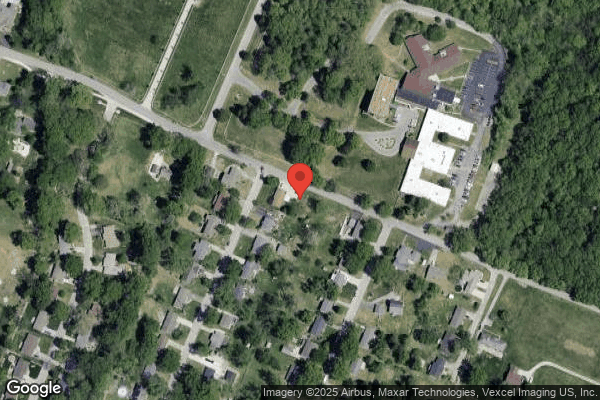
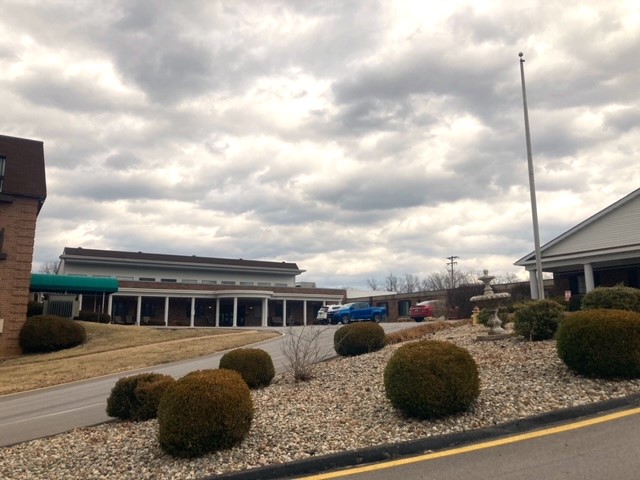
MARYMOUNT MANOR

313 AUGUSTINE RD, EUREKA, MO 63025 (636) 938-6770
For profit - Limited Liability company 174 Beds RILEY SPENCE SENIOR LIVING Data: November 2025 1 Immediate Jeopardy citation
Trust Grade
13/100
#270 of 479 in MO
Last Inspection: March 2024

Within standard 12-15 month inspection cycle. Federal law requires annual inspections.

Overview

Marymount Manor has a Trust Grade of F, indicating significant concerns and a poor overall performance. It ranks #270 out of 479 facilities in Missouri, placing it in the bottom half, and #34 out of 69 in St. Louis County, meaning only a few local options are worse. Although the facility's trend is improving-going from 17 issues in 2024 to just 1 in 2025-there are still serious weaknesses, including $124,521 in fines, which is higher than 84% of other Missouri facilities and suggests ongoing compliance problems. Staffing appears to be a strength, with a turnover rate of 0%, significantly lower than the state average, and average RN coverage means that registered nurses are present, which is essential for monitoring resident care. However, serious incidents were noted, such as failing to administer IV fluids as ordered, which led to a resident's dehydration and hospitalization, and not providing timely pain medication, resulting in unnecessary suffering for another resident. Families should weigh these strengths and weaknesses carefully when considering care options.

Trust Score
F
13/100
In Missouri
#270/479
Bottom 44%
Safety Record
High Risk
Review needed
Inspections
Getting Better
17 → 1 violations
Staff Stability
○ Average
Turnover data not reported for this facility.
Penalties
✓ Good
$124,521 in fines. Lower than most Missouri facilities. Relatively clean record.
Skilled Nurses
⚠ Watch
Each resident gets only 29 minutes of Registered Nurse (RN) attention daily — below average for Missouri. Fewer RN minutes means fewer trained eyes watching for problems.
Violations
⚠ Watch
42 deficiencies on record. Higher than average. Multiple issues found across inspections.
★★☆☆☆
2.0
Overall Rating
★★★☆☆
3.0
Staff Levels
★★☆☆☆
2.0
Care Quality
★★☆☆☆
2.0
Inspection Score
Stable
2024: 17 issues
2025: 1 issues

The Good

  • Full Sprinkler Coverage · Fire safety systems throughout facility
  • No fines on record

Facility shows strength in fire safety.

The Bad

2-Star Overall Rating

Near Missouri average (2.5)

Below average - review inspection findings carefully

Federal Fines: $124,521

Well above median ($33,413)

Significant penalties indicating serious issues

Chain: RILEY SPENCE SENIOR LIVING

Part of a multi-facility chain

Ask about local staffing decisions and management

The Ugly 42 deficiencies on record

1 life-threatening 2 actual harm
Sept 2025 1 deficiency
CONCERN (D) 📢 Someone Reported This

A family member, employee, or ombudsman was alarmed enough to file a formal complaint

Potential for Harm - no one hurt, but risky conditions existed

Quality of Care (Tag F0684)

Could have caused harm · This affected 1 resident

**NOTE- TERMS IN BRACKETS HAVE BEEN EDITED TO PROTECT CONFIDENTIALITY** Based on interview and record review, the facility failed to adequately assess resident falls by ensuring residents received tre...

Read full inspector narrative →
**NOTE- TERMS IN BRACKETS HAVE BEEN EDITED TO PROTECT CONFIDENTIALITY** Based on interview and record review, the facility failed to adequately assess resident falls by ensuring residents received treatment and care in accordance with acceptable standards of practice when staff failed to accurately complete neurological (neuro) evaluations (pulse (P), respiration (R), and blood pressure (BP) measurements; assessment of pupil size and reactivity; and equality of hand grip strength) if the fall was unwitnessed or if the resident had an incident in hitting their head, for three of three residents sampled. In addition, the facility failed to adequately assess resident falls by ensuring residents received treatment and care in accordance with acceptable standards of practice and the facility's policy when staff failed to complete incident follow up (IFU) documentation for 72 hours post fall in the progress notes each shift, for three of three residents sampled (Residents #1, #2 and #3). The census was 73.Review of the facility's Accident and Incident Report policy and procedure, revised 2/6/18, showed:-Procedure:-1. Resident: -a. The charge nurse will fill out the incident report, in detail, noting cause or probable cause of the incident; -b. Administer first aid as indicated; -c. Notify family/responsible party of incident; -d. Notify physician;-4. In All Cases: -a. Give exact description of the circumstances surrounding the accident; -b. Obtain statement from the resident, employee or visitor, if possible; -c. Chart the resident's incident in the nursing notes; -d. Submit the completed accident report to the nursing office. 1. Review of Resident #1's significant change in status Minimum Data Set (MDS), a federally mandated assessment instrument completed by facility staff, dated 8/14/25, showed:-Severe cognitive impairment;-Always incontinent of bowel and bladder;-Falls since admission/entry or reentry or the prior assessment, Yes; -No injury, two or more; -Injury (except major), two or more;-Diagnoses included high blood pressure, Alzheimer's disease (progressive and irreversible brain disorder that causes memory loss, cognitive decline, and behavioral changes), Parkinson's disease (a progressive, chronic brain disorder that primarily affects movement), anxiety disorder, depression and lower back pain. Review of the resident's care plan, in use during the survey, showed:-Problem: Resident is at risk for falls;-Goal: Resident safety will be maintained through next review date;-Interventions: Neuro checks for 72 hours. Review of the resident's progress notes, showed:-On 7/27/25 at 7:49 A.M., Resident was found on the floor beside his/her bed after rolling out of bed. Resident has an 8-centimeter (cm) X 2 cm abrasion with swelling on his/her right cheek area. Nurse put a cold compress on the swelling. Notified physician and family member. Neuros started. Resident denied pain;-On 7/27/25 at 3:35 P.M., incident follow up (IFU) due to recent fall. No signs or symptoms of infection noted to abrasion to right cheek. Slight edema noted to right cheek, no bleeding or drainage noted. Resident denies pain or discomfort. No changes in level of care for resident;-On 7/27/25, Night shift (7:00 P.M. to 7:00 A.M.): No IFU documentation;-On 7/28/25 at 1:49 P.M., Resident remains on observation. No c/o pain or discomfort noted at this time. No distress noted at this time;-On 7/29/25 at 5:35 A.M., Remains on IFU. No signs or symptoms (s/s) of distress noted. Resting in bed with eyes closed at this time. Voices no complaints of pain or discomfort;-On 7/29/25, Day shift (7:00 A.M. to 7:00 P.M.): No IFU documentation;-On 7/29/25, Night shift: No IFU documentation. Review of the resident's Neurological Evaluation, dated 7/27/25, showed:-On 7/28/25, Day shift, not completed;-On 7/29/25, Night shift, not completed. Review of the resident's progress notes, showed:-8/11/25 at 5:50 P.M., Roommate notified nurse that the resident rolled out of bed. When entered room, observed resident lying face down on fall mat to the left of head of bed. Bed was in lowest position and fall mats on both sides of bed. Staffed assisted resident to bed. Resident has small cut on bridge of nose. Nose and cheek red. Provide first aid. Range of motion (ROM, extent of movement possible at a joint) within normal limits (WNL) for resident. Notified physician and family. Notified Hospice. Resident is up in geri chair (supportive recliner with wheels designed for individuals with limited mobility) for dinner. Will continue to monitor.-On 8/11/25, Night shift: No IFU documentation;-On 8/12/25, Day shift: No IFU documentation;-On 8/12/25, Night shift: No IFU documentation;-On 8/13/25, Day shift: No IFU documentation;-On 8/13/25 at 7:01 P.M., Resident continues on IFU charting. Resident with no new injury from previous fall. Denies pain or discomfort. Review of the resident's Neurological Evaluation, dated 8/11/25, showed:-8/13/25, Day shift, not completed;-8/13/25, Night shift, not completed;-8/14/25, Day shift, not completed. Review of the resident's progress notes, showed:-On 8/14/25 at 10:06 A.M., Resident rolled out of bed this morning. Bed was in lowest position and fall mats were in place. No signs of injury and no reports of pain. Vital signs stable. Hospice, physician and family have been notified. Bolsters have been added to the bed;-On 8/14/25, Night shift: No IFU documentation;-On 8/15/25, Day shift: No IFU documentation;-On 8/15/25, Night shift: No IFU documentation;-On 8/16/25, Day shift: No IFU documentation;-On 8/16/25, Night shift: No IFU documentation. Review of the resident's medical record, showed no Neurological Evaluation completed for the fall on 8/14/25. 2. Review of Resident #2's quarterly MDS, dated [DATE], showed:-Severe cognitive impairment;-Always incontinent of bowel and bladder;-Falls since admission/entry or reentry or the prior assessment, Yes; -Injury (except major), two or more;-Diagnoses included Alzheimer's disease, stroke and anxiety disorder. Review of the resident's progress notes, showed:-7/13/25 at 7:59 A.M., showed the resident slid out of geri chair at the nurses station. Incident was witnessed by two Certified Nurse Aides (CNAs). Lacerations at hairline. Raised bruise approximately 2 cm hairline and knuckles both hands are red;-On 7/13/25, Night shift: No IFU documentation;-On 7/14/25 at 4:41 P.M., Resident continues observation for fall. Resting in bed with call light in reach. Bed in lowest position, fall mat in place. Will continue to monitor;-On 7/14/25, Night shift: No IFU documentation. Review of the resident's Neurological Evaluation, dated 7/13/25, showed:-7/13/25, Night shift, not completed;-7/14/25, Night shift, not completed. Review of the resident's progress notes, showed:-On 7/15/25 at 3:38 P.M., Resident continues observation for fall. Resting in bed with call light in reach. Bed in lowest position, fall mat in place. Will continue to monitor;-On 7/16/25 at 6:48 A.M., Resident continues on observation post fall with injury. Continues to have steri strips (adhesive-backed paper tape used to close wounds together to aid in healing) across forehead with some noted discoloration. Neuro checks within normal limits. Resident unable to voice needs but shows no s/s of acute distress;-On 7/20/25 at 5:34 P.M., Resident rolled out of bed. Bed was in lowest position, fall mat in place. Physician and primary contact notified;-On 7/20/25, Night shift: No IFU documentation;-On 7/21/25, Day shift: No IFU documentation;-On 7/21/25, Night shift: No IFU documentation;-On 7/22/25, Day shift: No IFU documentation;-On 7/22/25, Night shift: No IFU documentation;-On 7/23/25 at 1:01 P.M., Resident rolled out of bed again. Bed was in the lowest position and floor mat was on the floor. No apparent injuries noted;-On 7/23/25, Night shift: No IFU documentation;-On 7/24/25, Day shift: No IFU documentation;-On 7/24/25, Night shift: No IFU documentation;-On 7/25/25, Day shift: No IFU documentation;-On 7/25/25, Night shift: No IFU documentation. Review of the resident's medical record, showed no Neurological Evaluation completed for the falls on 7/20/25 and 7/23/25. 3. Review of Resident #3's admission MDS, dated [DATE], showed:-Severe cognitive impairment;-Occasionally incontinent of bowel and bladder;-No falls anytime in the last month;-Diagnoses included high blood pressure, end stage renal (kidney) disease (ESRD), stroke, dementia and depression. Review of the resident's progress notes, dated 7/28/25 at 7:48 A.M., showed the resident was found on the floor next to his/her bed on his/her face as if he/she rolled out of bed. No apparent injury noted. Physician, supervisor and family notified, neuro checks started. Review of the resident's Neurological Evaluation, dated 7/28/25, showed:-7/28/25 at 7:03 A.M., not completed;-7/28/25 at 7:33 A.M., not completed;-7/28/25 at 8:03 A.M., not completed;-7/28/25 at 9:03 A.M., not completed;-7/28/25 at 10:03 A.M., not completed;-7/29/25, Day shift, not completed. Review of the resident's progress notes, dated 7/29/25, Day shift: No IFU documentation. Review of the resident's Neurological Evaluation, dated 7/28/25, showed:-7/30/25, Day shift, not completed;-7/30/25, Night shift, not completed. 4. During an interview on 9/8/25 at 12:43 P.M., Licensed Practical Nurse (LPN) A said when a resident has a fall, the nurse assesses the resident for any injuries and vital signs are completed. Neuro checks are also completed if the resident hit their head or if the fall was unwitnessed. The nurse then would contact the physician, resident's family, the nursing supervisor and hospice if the resident is on hospice. A nurse's note would be completed on how the resident fell, if there were any injuries and the notifications that were made. An incident report would be filled out regarding the fall. A nurse's note would be completed each shift for three days for the IFU that would include if there was any new bruising or complaints of pain and vital signs each shift. During an interview on 9/8/25 at 1:02 P.M., LPN B said when a resident has a fall, the nurse completes a full body assessment on the resident and vital signs. Neuros are completed if the fall was unwitnessed or if the resident hit their head. The nurse notifies the physician and the resident's family and documents the notifications and a description of the fall in a nurses note. An incident report is also completed on the fall. IFU documentation is completed for three days on each shift in the nurse's notes. The documentation includes vital signs, and the assessment of the resident for that shift. During an interview on 9/8/25 at 2:23 P.M., the Administrator and Director of Nursing (DON) said when a resident has a fall, they expected the nurse to assess the resident to check for any injuries. They expected the nurse to notify the physician, Administrator, DON and family and document the notifications in the nurses note and incident report. They expect the nurses note and incident report to include what contributed to the fall and if there were any injuries, what happened, where it happened, how it happened and who was notified. They expected the summary of the incident to show a picture of what happened. They expected neuro checks to be completed for any resident who hits their head or if the fall is unwitnessed. They expected IFU documentation to be completed for 72 hours and that documentation to include the full assessment of the resident and if there is any change of condition. If there is any change in condition, they expected the nurse to contact the physician, family, Administrator and DON. They expected the change of condition and notifications to be documented in a nurses note. They expected staff to be knowledgeable of and to follow the facility policies. 2572487
Sept 2024 2 deficiencies
CONCERN (D) 📢 Someone Reported This

A family member, employee, or ombudsman was alarmed enough to file a formal complaint

Potential for Harm - no one hurt, but risky conditions existed

Report Alleged Abuse (Tag F0609)

Could have caused harm · This affected 1 resident

**NOTE- TERMS IN BRACKETS HAVE BEEN EDITED TO PROTECT CONFIDENTIALITY** Based on interview and record review, the facility staff failed to follow their abuse and neglect policy by not reporting an all...

Read full inspector narrative →
**NOTE- TERMS IN BRACKETS HAVE BEEN EDITED TO PROTECT CONFIDENTIALITY** Based on interview and record review, the facility staff failed to follow their abuse and neglect policy by not reporting an allegation of sexual abuse within the required time frame. This affected one resident (Resident #2). The sample was 9. The census was 80. Review of the facility's Abuse Policy and Procedures/Investigation Protocols, dated 12/14/18, showed: -The facility is committed to protecting residents from mistreatment, neglect, abuse and misappropriation of resident property; -The following policy has been put in place to insure protection and prevention from such treatment: -1. All employees hired are subject to a criminal record check; -a. Results of criminal record check will be reviewed by the Administrator and appropriate department manager to determine employment eligibility; -b. Any criminal conviction that may be cause for concern will result in immediate dismissal (if conviction is after hire) or employment ineligibility; -2. The Department of Health and Senior Services is contacted on each new employee to verify that they are not listed on the EDL (employee disqualification list); -3. All new hires are subject to a 90-day probation period to insure stability for this type of employment; -4. All employees are required to attend an orientation which covers our policies/procedures; -Time Period for Reporting Possible Abuse/Neglect: The facility will ensure that all alleged violations involving abuse, neglect, exploitation or mistreatment, including injuries of unknown source and misappropriation of resident property, are reported immediately, but not later than 2 hours after the allegation is made, if the events that cause the allegation involve abuse or result in serious bodily injury, or not later than 24 hours if the events that cause the allegation do not involve abuse and do not result in serious bodily injury, to the administrator of the facility and to other officials (including to the State Survey agency) in accordance with State law through established procedures; -If an incident occurs that warrants police intervention, the administrator and/or appropriate manager will notify the [NAME] Police Department at [PHONE NUMBER]; -Facility Policy: This facility affirms the right of our residents to be free from abuse, neglect, misappropriation of resident property, corporal punishment and involuntary seclusion. This facility therefore prohibits mistreatment, neglect, abuse or misappropriation of its residents and has attempted to establish a resident sensitive and resident secure environment. The purpose of this policy is to assure that the facility is doing all that is within its control to prevent occurrences of mistreatment, neglect or abuse of our residents. This will be done by: -Conducting pre-employment screening of employees; -Orienting and training employees on how to deal with stress and difficult situations, and how to recognize and report occurrences of mistreatment, neglect, abuse and misappropriation; -Establishing an environment that promotes resident sensitivity, resident security and prevention of mistreatment; -Identify occurrences and patterns of potential mistreatment; -Immediately protecting residents involved in identified reports of possible abuse; -Implementing systems to investigate all reports and allegations of mistreatment promptly, aggressively and making the necessary changes to prevent future occurrences; -Filing accurate and timely investigative reports. -This facility is committed to protecting our residents from abuse by anyone including, but not limited to, facility staff, other residents, consultants, volunteers, staff from other agencies providing services to the individual, family members or legal guardians, friends or any other individuals. This facility will not knowingly employ an individual who has been convicted of abusing, neglecting, or mistreating individuals; -Definitions: -Abuse: Abuse means any physical or mental injury, or sexual assault inflicted upon a resident other than by accidental means in a facility. Abuse is the willful infliction of injury, unreasonable confinement, intimidation, or punishment with resulting physical harm, pain or mental anguish. This also includes the deprivation by an individual, including a caretaker, of goods or services that are necessary to attain and/or maintain physical, mental and psychosocial well-being. This assumes that all instances of abuse of residents even those in a coma, cause physical harm or pain or mental anguish; -Sexual Abuse includes, but is not limited to, sexual harassment, sexual coercion, or sexual assault. Sexual Abuse is defined as non-consensual sexual contact of any type with a resident. Willful means the individual must have acted deliberately, not that the individual must have intended to inflict injury or harm; -Orientation and Training of Employees: During orientation of new employees, the facility will cover the following topics: -Sensitivity to resident rights and resident needs; -Dementia Management - Person-Centered Care of Persons with Dementia and Prevention of Abuse; -Staff obligations to prevent and report abuse, neglect and misappropriation of resident property; and how to distinguish theft from lost items and willful abuse from insensitive staff actions that should be corrected through counseling and additional training/education; -How to assess, prevent and manage aggressive, violent and/or catastrophic reactions of residents in a way that protects both residents and staff; -How to recognize and deal with burnout, frustration and stress that may lead to inappropriate responses or abusive reactions to residents; -On an annual basis, staff will receive a review of the above topics; -Internal Reporting Requirements and Identification of Allegations: -Employees are required to report any occurrences of potential abuse, neglect, exploitation, and/or misappropriation of resident property they observe, hear about, or suspect to the Administrator or Director of Nursing (DON) via phone call immediately; -Internal Investigation of Allegations and Response: -1. Appointing an Investigator. Once the Administrator/DON determines that there is possible mistreatment, the Administrator or DON will appoint a person to take charge of the investigation. The person in charge of the investigation will obtain a copy of any documentation relative to the incident and the Resident Protection Investigation Procedures. -2. Following the Resident Protection Investigation Procedures. The appointed investigator will follow the Resident Protection Investigation Procedures. The procedures contain specific investigation paths depending on the nature of the allegation, and procedures for investigation, interview parameters and reporting requirements. -3. Confidentiality. The investigator shall do as much as possible to protect the identities of any employees and residents involved in the investigation, until the investigation is concluded. After a conclusion based on the facts of the investigation is determined, internal reports, interviews and witness statements shall be released only with the permission of the Administrator or the facility attorney. Even if the facility investigation is not complete, the Administrator will cooperate with any Department of Health and Senior Services investigation in the matter; -4. Updates to the Administrator. The person in charge of the investigation will update the Administrator or designee during the progress of the investigation. The Administrator or DON will keep the resident or resident's representative informed of the progress of the investigation; -5. Final Investigation Report. The person in charge of the investigation will report the conclusions of the investigation to the Administrator or designee within five working days of the reported incident. The final investigation report shall contain the following: -Name, age, diagnosis and mental status of the resident allegedly abused or neglected; -The original allegation (note day, time, location, the specific allegation, by whom, witness to the occurrence, circumstances surrounding the occurrence and any noted injuries.); -Facts determined during the process of the investigation, review of medical record and interview of witnesses: -Conclusion of the investigation based on known facts; -If there is a police report, attach the police report; -If the allegation is determined to be valid and perpetrator is an employee, include on a separate sheet the employee's name, address, phone number, title, date of hire, date of birth , social security number, copies of previous disciplinary actions and current status (still working, suspended or terminated); -Attach a summary of all interviews conducted, with the names, addresses, phone numbers and any other identifying information; -The Administrator will review the report. The Administrator/DON is responsible for informing the resident or their representative of the results of the investigation and any corrective action taken. The final written report will be sent to the Department of Health and Senior Services; -Protection of Residents: The facility will take steps to prevent mistreatment while the investigation is underway; -Residents who allegedly mistreated another resident will be removed from contact with that resident during the course of the investigation. The accused resident's condition shall be immediately evaluated to determine the most suitable therapy, care approaches and placement, considering his/her safety, as well as the safety of other residents; -Accused individuals not employed by the facility will be denied unsupervised access to the resident during the course of the investigation; -Employees of this facility who allegedly mistreated the resident(s) will be suspended or terminated immediately until the results of the investigation have been reviewed by the Administrator; -Investigation Procedures: Regardless of the specific nature of the allegation (physical, sexual, verbal/mental, misappropriation or neglect), the investigation shall consist of: -A review of the incident reports; -Completion of a written report on the status of the investigation; -An interview with the person(s) reporting the incident; if warranted after obtaining statement; -An interview with the resident; -Where appropriate, an interview with the resident's attending physician or psychiatrist; -A review of the medical records of any residents involved in the occurrence; -If the accused individual is an employee, review the personnel file to check for references, background check and documentation of orientation and training; -An interview with staff members having contact with the resident and accused individual during the period of the alleged incident; -Where appropriate, interviews with the resident's roommate, family members, visitors or others who were in the vicinity of the incident; -Interview other employees to determine if they have witnessed other incidents of mistreatment; -Obtain address, phone number and social security number of the accused individual; -An interview with the accused individual or individuals; -A review of all circumstances surrounding the incident; -The Interview Process: -The interviewer will be asking the person being interviewed to write the details of the incident in their own handwriting; -Witnesses must sign and date statements; -As much as possible, all interviews should be conducted with a witness to review; -Record the name, address, phone number, date of birth and social security number of each witness; -For the protection of both employees and residents involved in the investigation, these interviews should be kept confidential during the progress of the investigation and only released with the permission of the Administrator or facility attorney; -Final Investigation Report: -The summary, conclusions and results of the investigation will be recorded on a final written report and submitted to the Administrator within five days of the occurrence. The Administrator or DON may forward a copy to the facility attorney; -After a conclusion based on the investigation is determined, internal reports, interviews, witness statements and identities of individuals involved shall be released only with the permission of the Administrator or facility attorney. Even if the facility investigation is not complete, the Administrator will cooperate with the Department of Health and Senior Services investigation into the matter; -After reviewing the final report, the Administrator or DON will notify the resident's representative of the results of the investigation; -The Administrator or designee shall answer any questions regarding a particular incident; -A summary of incident investigations involving the resident harm and possible mistreatment of the resident will also be sent to the facility Quality Improvement Committee, with the identity of the individual involved kept confidential; -Resident Protection Investigation Paths: Possible Sexual Abuse; - Definition: Sexual abuse is non-consensual sexual contact of any type with a resident. Sexual abuse includes, but is not limited to: -Unwanted intimate touching of any kind especially of breasts or perineal area; -All types of sexual assault or battery, such as rape, sodomy, and coerced nudity; -Forced observation of masturbation and/or pornography; -Taking sexually explicit photographs and/or audio/video recordings of a resident(s) and maintaining and/or distributing them (e.g. posting on social media). This would include, but is not limited to, nudity, fondling, and/or intercourse involving a resident; -Appears to want the contact to occur, but lacks the cognitive ability to consent; -Does not want the contact to occur; -Other examples of nonconsensual sexual contact may include, but are not limited to, situations where a resident is sedated, is temporarily unconscious, or is in a coma; -Determine if the allegation involves either physical sexual contact involving penetration, or verbal harassment or physical contact that did not involve penetration. Review of Resident #2's quarterly Minimum Data Set (MDS) a federally mandated assessment instrument completed by facility staff, dated 8/29/24, showed: -Moderate cognitive impairment; -Verbal behavioral symptoms directed toward others (threatening others, screaming at others, cursing at others): Behavior of this type occurred one to three days; -Rejection of care: Behavior not exhibited; -Upper and lower extremity impairment on one side; -Frequently incontinent of bladder; -Occasionally incontinent of bowel; -Diagnoses included traumatic brain injury (TBI), seizure disorder, hemiplegia (total or partial paralysis of one side of the body), anxiety disorder, depression, and schizophrenia (mental disorder characterized by disruptions in thought processes, perceptions, emotional responsiveness, and social interactions). Review of the resident's current care plan, showed no care plan or interventions related to behaviors regarding making allegations of inappropriate touching. Review of the facility's initial reporting form, dated 9/15/24, showed: -Allegation type: Sexual; - Licensed Practical Nurse (LPN) D, reported the incident on 9/15/24 at 4:30 P.M., Previous Administrator (PA) notified on 9/15/24 at 4:45 P.M.; -Alleged victim: Resident #1; -Alleged perpetrator: Nursing Assistant (NA) B; -Allegation details: It was reported that a staff member was changing the resident's diaper and started playing with the resident's genitals, the resident did not know the staff member's name; -No physical harm or pain. Resident was upset and crying saying it was not right, no change in condition from baseline; -NA B suspended pending investigation. DON spoke with the resident and the resident said it happened yesterday on 9/14/24 in the afternoon. When asked to describe the staff member the resident said it was Certified Nursing Assistant (CNA) C's sibling. The resident described the staff member as an African American. The resident stated NA B was changing his/her diaper and started playing with his/her genitals. Resident said he/she did not report it to anyone yesterday. DON informed staff when providing care for the resident there needs to be two staff members; -On 9/16/24 at 1:51 P.M., the DON reported the resident told LPN D on 9/15/24 about the allegation of a staff member playing with his/her genitals while changing the resident, resident told LPN D that he/she did not think it was right and did not appear distressed at the time. The resident has told four different stories including different dates and circumstances. Initially the resident reported an African American staff member came into his/her room on Saturday afternoon 9/14/24 to change him/her and while doing so was inappropriately touched. There were not staff members working at that time that matched the resident's description. The resident then reported it happened while he/she was being put to bed. In a statement NA B said after midnight on 9/14/24 the resident asked for help, the resident said his/her bed was wet and he/she needed changed. NA B changed the resident's bedding and the resident and put on a new brief. The resident requested water and NA B got the resident water. A few hours later, the resident said the brief was too small and he/she needed to be changed. NA B got a different brief and changed the resident and did not fasten the brief too tightly so it would not be uncomfortable. The resident then asked to sit up in bed and told NA B that a staff member that looked like him/her had touched him/her earlier in the night. NA B went and got his/her sibling CNA C, and the resident said it was not CNA C but the person looked like him/her. Neither NA B nor CNA C reported what the resident said. The resident told the PA the incident happened on Wednesday night and the staff member did it with a towel. The DON believes the resident mistook being cleaned as being touched inappropriately. Review of witness statement from NA B, undated, showed: -During my shift starting Saturday night 9/14/24 going into Sunday morning a hour or 2 after 12:00 A.M. I heard the resident asking for help from his/her room. When I went to check on him/her he/she told me that his/her bed was wet, so I asked him/her if he/she needed his/her brief changed and he/she said yes. I went to get towels, a brief and a bed pad and told him/her I was going to change him/her brief for him/her. I sprayed him/her with soap and wiped him/her with towels and replaced his/her brief and bed pad and he/she asked for a drink of water which I gave to him/her. Sometime later he/she turned on his/her call light and I went to check on him/her. He/She told me that his/her brief was too tight. I told him/her I will be going to get a new brief and that I would make sure I didn't make it too tight. I changed his/her brief again and he/she told me he/she wanted to sit up for a bit. I helped him/her sit up in the bed for a bit and when he/she told me he/she was ready to lay back down I helped him/her lay back down and asked him/her was the position of the bed comfortable for him/her and he/she said yes. He/She then told me that someone was in his/her room earlier playing with him/her. I asked him/her what did he/she mean and he/she said someone touched him/her. He/She then said that it looked like my sibling, but it wasn't my sibling. When he/she said that I assumed maybe he/she thought I was CNA C at the time given the circumstances as I was the only one who had been in there to change him/her but I did not touch him/her inappropriately and I felt maybe he/she had just woken up from his/her sleep and was a bit disoriented. It was close to time to start getting the residents up so as me and CNA C prepared, we started with the resident since he/she had already woken up. He/She asked me to get him/her a cup of water for another drink and then he/she asked if I could get him/her a peanut butter and jelly sandwich and I did then I asked him/her if he/she needed anything else he/she said no. I told CNA C about what he/she said and it was time to start getting the residents up and we did the resident first since he/she had recently woken up. When we went into his/her room he/she told CNA C the same thing he/she told me when I was in there to change his/her brief. He/She told CNA C that the staff member looks like CNA C's sibling, but it wasn't CNA's sibling. CNA C pointed at me and asked him/her was I the person he/she was talking about, and the resident looked at me and said no it wasn't me it was somebody else. We proceeded to get the rest of the residents up and that was the end of shift. Review of witness statement from CNA C, undated, showed: -At some point in the night NA B approached me and stated the resident had told him/her someone came into his/her room and was inappropriately touching him/her. The resident was asleep the first time we checked on him/her. So, when NA B checked on the resident, he/she had just woken up and after a long time of working with the resident I know that he/she can be disoriented when waking up or at random. So, when NA B told me that I brushed it off because there were times where the resident told me his/her sibling was just in his/her room or other people that were not around or haven't seen the resident that day. Later for get up we got the resident up first because he/she was yelling my name for help. The resident then told me the same thing that someone touched him/her and the resident said that person looked like my sibling bit it was not my sibling. I even pointed to my sibling and asked him/her if it was NA B and the resident said no it was not NA B but when the resident said no he/she was smirking like it was a joke as if there's no way it was NA B that did it. We got him/her changed and dressed and he/she never mentioned it again. I am not calling the resident a liar but he/she does have a brain injury which is why he/she says things that do not make sense. The resident is often confused and talks to people who are not there. Review of witness statement from LPN D, dated 9/15/24, showed: -I just finished helping the resident to stand up against the wall using the handrail. The resident said come here, I came closer and he/she said in a whisper that a staff member was rubbing his/her genital area and he/she did not know the staff member's name. Then he/she said I don't think its right. I comforted him/her and took him/her to the TV area and got him/her a drink. The resident is not upset or crying at this time. Review of witness statement from PA, dated 9/16/24, showed: -On 9/16/24 at approximately 10:00 A.M. I spoke with the resident regarding the incident he/she reported yesterday. The resident stated that an African American staff member wearing work clothes (yellow shirt with suspenders) about 5 foot 11 inches with short black hair was changing his/her diaper and was rubbing his/her genital area. I asked if the staff member was wearing gloves, and the resident stated the he/she did not know. I asked if the staff member had anything in his/her hand and the resident stated the staff member was using a towel. I asked what day this occurred, and the resident stated Wednesday, and it was before dark. I asked the resident what day today was and he/she said Tuesday (it is Monday). Review of the facility follow up investigation report, dated 9/16/24, showed: -DON obtained statements from staff and no other staff members saw or heard anything. The resident has changed his/her story a few times. Resident has a TBI and does get confused at times; -On 9/16/24 the DON spoke to the resident representative (RR) and the RR stated that the resident has made previous accusations before and the RR thinks that the facility should keep the staff member working at the facility and just move the staff member to a different hall; -DON interviewed the resident and all staff involved and that was at the facility at the time of the allegation; -DON does not have any reason to believe that NA B did anything to the resident; -No evidence of staff doing anything inappropriate; -Residents interviewed did not see anything going on between the resident and NA B; -LPN D was on the hall when the resident told what happened but it was the next day; -None of the staff saw anything happen; -There was no evidence of NA B doing anything to the resident. The residents statement has changed several times. The resident does have a history of TBI; -The DON does not feel that the staff member NA B did anything to the resident; -The resident will have two staff members at a time when care is provided. During an interview on 9/24/24 at 10:17 A.M., the DON said she did not believe what the resident said happened. The first time she interviewed the resident, he/she said he/she was touched inappropriately on his/her genital area. The resident stated he/she did not know who it was and said it happened around 3:30 P.M. to 4:00 P.M. in the afternoon. The resident said it was not NA B or CNA C. The PA interviewed the resident after the DON interviewed the resident the next day. The resident told LPN D on Sunday and LPN D reported it to the DON and the DON came into the building Sunday evening and interviewed the resident and NA B and the other staff. NA B said when he/she went in to clean up the resident Saturday 9/14/24 night into Sunday morning, the resident told NA B someone had touched him/her inappropriately. NA B and CNA C went into the resident's room together and the resident could not tell them anything else. NA B and CNA C did not report the allegation to anyone. The DON expected both NA B and CNA C to report the allegation immediately to the Charge Nurse and the DON. The DON said she educated NA B and told him/her if anyone makes an accusation, it needs to be reported immediately. The DON said NA B is new and the facility just hired him/her. NA B is not certified and is going through classes to obtain his/her certification. The DON said there have not been any complaints regarding NA B and the care provided. The resident has a history of making false allegations of people touching him/her. The DON said the RR said the resident has made allegations in the past and asked the facility not to terminate NA B regarding the allegation. CNA C did not say why he/she did not report the allegation to anyone. The DON did not reeducate CNA C. During an interview on 9/25/24 at 7:11 A.M., NA B said he/she went into the resident's room to check on him/her. The resident needed to be changed, and NA B sat him/her up on bed. The second time he/she went into change him/her is when the resident told NA B someone was playing with him/her. NA B asked the resident what he/she meant, and the resident said someone was touching him/her and it looked like your sibling, but it wasn't your sibling. NA B said that threw him/her off when he/she said that because NA B knew he/she was the only one in the room at that point. NA B thought maybe he/she was confused, and he/she was talking about NA B and not CNA C. NA B said he/she did not touch the resident inappropriately at all when providing peri care (washing the genitals and anal area). He/She provided the peri care as normal. NA B said he/she used a washcloth and soap spray when cleaning the resident. After that, NA B told his/her sibling what happened. CNA C went into the room with NA B and the resident said the same thing to CNA C. The resident said someone was playing with him/her and told CNA C it looked like his/her sibling NA B. CNA C pointed to NA B and asked if it was NA B and the resident said it was not NA B. NA B said he/she didn't tell anyone other than CNA C because he/she was thrown off and didn't know what to do. During an interview on 9/25/24 at 7:33 A.M., CNA C said NA B approached CNA C during the night s
CONCERN (D) 📢 Someone Reported This

A family member, employee, or ombudsman was alarmed enough to file a formal complaint

Potential for Harm - no one hurt, but risky conditions existed

Safe Transfer (Tag F0626)

Could have caused harm · This affected 1 resident

**NOTE- TERMS IN BRACKETS HAVE BEEN EDITED TO PROTECT CONFIDENTIALITY** Based on interview and record review, the facility failed to follow their written policy permitting residents to return to the f...

Read full inspector narrative →
**NOTE- TERMS IN BRACKETS HAVE BEEN EDITED TO PROTECT CONFIDENTIALITY** Based on interview and record review, the facility failed to follow their written policy permitting residents to return to the facility after they have been hospitalized , for one of 9 sampled residents (Resident #1). The census was 80. Review of the facility's Discharge Procedures policy, undated, showed: -Discharge Procedures - The facility shall permit each resident to remain in the facility unless: -The transfer or discharge is appropriate because the resident's welfare and the resident's needs cannot be met by the facility; -The transfer or discharge is appropriate because the resident's health has improved sufficiently so the resident no longer needs the services provided by the facility; -The safety of individuals in the facility is endangered; -The health of individuals in the facility would otherwise be endangered; -The resident has failed, after reasonable and appropriate notice, to pay for (or have paid under Medicare or Medicaid) a stay at the facility; -Definitions: -Transfer: Moving a resident from one institutional setting to another institutional setting for care; -discharge: Releasing from a facility or refusing to readmit a resident from a community setting under circumstances where the resident has not consented or agreed with the move or decision to refuse readmittance. Refusal to readmit a former resident shall not constitute a discharge if the former resident has been absent from the facility for more than ninety days; -Consent to or agreement with transfer or discharge means one of the following: -1. The resident or a legally authorized representative has consented to, agreed with, or requested the discharge; -2. The resident's treating physician has ordered the transfer, and the releasing facility intends to readmit the resident (example: hospitalization); -Consent of the resident: The resident, with sufficient mental capacity to fully understand the effects and consequences of the transfer or discharge, consents to or agrees with the transfer or discharge; -Legally authorized representative: A duly appointed guardian or an attorney-in fact who has current and valid power to make health care decisions for the resident; -Documentation: When transferring or discharging a resident, the resident's clinical record shall be documented. Record and document in detail in each affected resident's record the reason for the transfer or discharge. The recording of the reason for transfer or discharge shall be entered into the resident's record prior to the date the resident receives notification of transfer or discharge, or prior to the time when the transferring or discharging facility decides to transfer or discharge the resident. Documentation for the transfer or discharge is obtained from: -The resident's personal physician; -The facility administrator or Director of Nursing; -Before transfer or discharge, the facility shall: -1. Send written notification to the resident in a language and manner reasonably calculated to be understood by the resident. The notice must also be sent to any legally authorized representative of the resident and to at least one family member. A copy of the notice will be forwarded to the Department of Health and Senior Services regional office and the regional coordinator of the Missouri State Ombudsman's office; -2. Include the following information in the written notice: -The reason for the transfer or discharge. Include specific details regarding the reason and previous intervention attempts, if appropriate; -The effective date of transfer or discharge; -The resident's right to appeal the transfer or discharge to the director of the Department of Health and Senior Services hearing official within thirty days of the receipt of the notice; -The address to which the request for a hearing should be sent: Administrative Hearings Unit, Division of Legal Services, PO Box 570, [NAME] City MO 65102-1527; -That filing an appeal will allow a resident to remain in the facility until the hearing is held unless a hearing official finds otherwise; -The location to which the resident is being transferred or discharged ; -The name, address and telephone number of the designated regional long- term care ombudsman office; -Time Frames: The notice of transfer or discharge shall be made no less than 30 days before the resident is to be transferred or discharged . In the case of an emergency discharge, the notice shall be made as soon as practicable before the discharge when it specifically alleged in the notice: -The safety of individuals in the facility would be endangered. The notice must include specific facts upon which the facility has based its determination that the safety of said individuals would be so endangered; -The health of individuals in the facility would be endangered. The notice must include specific facts upon which the facility has based its determination that the health of said individuals would be so endangered; -The resident's health has improved sufficiently to allow a more immediate transfer or discharge. The notice must include specific facts upon which the facility has based its determination; -An immediate transfer or discharge is required by the resident's urgent medical needs. The notice must include specific facts upon which the facility has based its determination; -The resident has not resided in the facility for thirty days; -hospitalized Residents: If a hospitalized resident, and/or proxy, decides the resident will not return to the facility following hospitalization, facility will document conversation with family in the resident's medical record. When the resident, and/or proxy, comes to pick up the resident's belongings, the facility will have the resident, and/or proxy, sign the discharge form stating the resident will no longer return to the facility. The facility staff will inform the resident, and/or proxy, should they wish to return, the facility will follow new admission protocols by reviewing the resident's hospital records to determine admission. Review of the facility's Admissions Policy, dated 10/30/17, showed: -Purpose: The facility understands that the transition into a skilled nursing facility can be trying. The purpose of this policy and procedure is to facilitate a fluid transition of a resident into the skilled nursing facility; -5. Medical information will be requested to be reviewed by the interdisciplinary team to ensure the facility will be able to meet the needs of the potential resident. Review of Resident #1's admission Minimum Data Set (MDS), a federally mandated assessment instrument completed by facility staff, dated 7/18/24, showed: -admission: [DATE]; -Moderate cognitive impairment; -Preadmission screening and resident review (PASRR): Has the resident been evaluated by level II PASRR and determined to have a serious mental illness and/or mental retardation or related condition: Yes; -Level II PASRR conditions: Serious mental illness and mental retardation; -Delirium: Is there evidence of an acute change in mental status from the resident's baseline: Behavior not present; -Inattention: Did the resident have difficulty focusing attention, for example being easily distractable, or having difficulty keeping track of what was being said: Behavior not present; -Disorganized thinking: Was the resident's thinking disorganized or incoherent (rambling or irrelevant conversation, unclear or illogical flow of ideas, or unpredictable switching from subject to subject): Behavior not present; -Social isolation: Never; -Behavioral symptoms: -Physical behavioral symptoms directed toward others (hitting, pushing, scratching, grabbing, abusing others sexually): Behavior not exhibited; -Verbal behavioral symptoms directed toward others (threatening others, screaming at others, cursing at others): Behavior not exhibited; -Other behavioral symptoms not directed toward others (physical symptoms such as hitting or scratching self, pacing, rummaging, public sexual acts, disrobing in public, throwing or smearing food or bodily wastes, or verbal/vocal symptoms like screaming, disruptive sounds): Behavior not exhibited; -Rejection of care: Behavior not exhibited; -Lower extremity (hip, knee, ankle, foot): Impairment on one side; -Dependent on staff for toileting, lower body dressing, put on/take off footwear, roll left to right, sit to lying and lying to sitting on the side of the bed; -Substantial/Maximal assistance (helper does more than half the effort) for upper body dressing and personal hygiene; -Always incontinent of bladder and bowel; -Discharge Plan: Is there an active discharge plan in place for the resident to return to the community: No; -Diagnoses included bipolar disorder (mental illness that causes unusual shifts in a person's mood, energy, activity levels, and concentration), diabetes, diabetic peripheral (away from the center) angiopathy (disease of the blood vessels) with gangrene (death of body tissue due to a lack of blood flow or a serious bacterial infection), cutaneous (skin) abscess of left lower limb, chronic kidney disease (CKD, impaired kidney function), respiratory failure with hypoxia (low levels of oxygen in body that can causing difficulty breathing, confusion, restlessness, rapid heart rate, and bluish colored skin) and severe sepsis (Sepsis causes an inflammatory response in the body. Severe sepsis occurs when one or more of your body's organs are damaged from the inflammatory response) with septic shock (life-threatening condition that happens when blood pressure drops to a dangerously low level after an infection). Review of the resident's current care plan, showed no care plan interventions related to behaviors or interventions. Review of the resident's nurse's notes, dated 7/11/24 through 7/26/24, showed: -7/11/24 at 6:11 P.M., resident admitted to the facility; -7/11/24 at 6:17 P.M., resident alert and oriented (A&O) times (x) 2 (Level of awareness of (1) self, (2) place, (3) time, and (4) situation. The higher the number, the better oriented a person is considered. Healthcare providers score a person's orientation on a scale of 1 to 4.) with some mild retardation noted; -7/13/24 at 11:09 P.M., resident resistive to care at times. One on one resident becomes less anxious and makes needs known; -7/15/24 at 12:14 P.M., resident needs total care with transfers and activities of daily living (ADLs, activities related to personal care bathing, toileting, dressing, etc.) and meals. Resident assisted into wheelchair and resident yelled so much the resident was assisted back to bed; -7/16/24 at 1:05 P.M., resident at times can make sense when verbalizing his/her needs; -7/18/24 at 11:25 A.M., resident A&O x 1 (self). Resident hollers out inappropriately and difficult to redirect; -7/19/24 at 11:30 A.M., resident yells loudly at people in hallway walking past his/her door, resident yells for his/her mom; -7/20/24 at 6:26 P.M., resident slid out of wheelchair earlier today. Resident now yelling loudly that his/her shoulder hurts. Nurse did range of motion (ROM) with right shoulder after fall and resident had no complaints of pain at that time. Now resident yelling loudly to call the ambulance, primary care physician (PCP) and resident representative (RR) notified resident being sent to emergency room (ER) for evaluation and treatment for right shoulder pain; -7/20/24 at 7:12 A.M., resident returned to facility from hospital at 6:35 A.M. with nondisplaced fracture to right humerus (long bone that runs from the shoulder and scapula (shoulder blade) to the elbow). Resident noncompliant with right arm sling, removes arm from sling; -7/21/24 at 1:22 P.M., resident is screaming down the hall and stating he/she wants to go to the hospital. Spoke with RR and RR will be at the facility today with treats to talk to resident. Resident refusing to wear sling to right arm; -7/22/24 at 12:27 P.M., interdisciplinary team (IDT) review of ER visit and return to facility. Diagnosis closed fracture of proximal humerus with routine healing, unspecified fracture morphology (number of fragments and fracture lines). Resident returned to facility with new order to follow up with physician; -7/22/24 at 4:44 A.M., IDT clinical review 7/19/24 5:14 P.M., fall with injury. Resident became anxious while sitting up in wheelchair and slid into the floor. Assessed with complaints of pain to right shoulder. PCP and RR notified. Sent to ER for evaluation and treatment; -7/24/24 at 11:12 A.M., resident skilled for above knee amputation (AKA) and right humerus fracture. Resident in bed yelling that he/she drank to much whiskey last night (resident did not). Resident will not allow sling to be put on right arm; -7/25/24 at 1:46 P.M., resident skilled for AKA and right humerus fracture. Resident in bed resting at this time, quieter today; -7/26/24 at 9:21 P.M., resident noted to have increased discomfort, behavioral issues noted throughout the day, attempts to redirect using non-pharmacological methods. Used music, hydration, repositioning, and soda etc. continued to be ineffective, as needed (PRN) pain medication utilized with minimal relief. Resident at this time requested to be sent to ER. Administration notified per facility policy any resident or family member requesting to go to the hospital needs to be sent to the ER. Call out to PCP and RR related to resident's request. Call placed to 911, emergency medical technicians (EMT) arrived at 3:55 P.M. Resident transferred to stretcher and resident out of building at 4:05 P.M. Spoke with RR informed of resident's decision and was thanked by RR. Review of the resident's hospital notes, dated 7/26/24, showed: -7/26/24 at 4:28 P.M., Resident presents with chief complaint of pain in upper right arm; -7/26/24 at 7:13 P.M., Registered Nurse (RN) at hospital received a call from Licensed Practical Nurse (LPN) A charge nurse at the facility. LPN A said the facility is refusing to accept the resident back into their care because the resident is agitated, yells, and disturbs other residents. LPN A said the facility made this decision 15 minutes (min) ago and they have not tried any interventions to help the resident, have not tried to transfer the resident to a different facility, and that, the doctors are not willing to prescribe anything to chemically restrain the resident. LPN A said the decision was made by the Director of Nursing (DON) and Interim Administrator (IA); -7/26/24 at 7:19 P.M., RN at hospital received a call from the DON confirming the facility is not accepting the resident back into their care; -7/26/24, admitted Emergency Department (ED) observation at 9:58 P.M. During an interview on 9/24/24 at 10:17 A.M., the DON said the resident was sent to the hospital on 7/26/24 because of his/her disruptive behaviors. The DON said residents on the hall made comments threatening to harm the resident due to his/her disruptive behaviors of yelling out all the time. The DON said she was concerned for the resident's safety and refused to accept the resident back from the hospital. The DON said she spoke with the IA and the IA agreed on not accepting the resident back at the facility. The DON said an emergency discharge letter was not given to the resident at discharge and an emergency discharge was not given the next day. During an interview on 9/25/24 at 12:10 P.M., the IA and DON said they both expected staff to be knowledgeable of and follow the facility policies. They were concerned for the residents' safety and felt it was an unsafe situation for the resident and everyone else due to the resident's outbursts and behaviors. They expected if an emergency discharge notice needed to be given, the emergency discharge process would be followed. The emergency discharge notice was not given to the resident and the emergency discharge process was not followed for the resident. MO00239903
Mar 2024 15 deficiencies
CONCERN (D)

Potential for Harm - no one hurt, but risky conditions existed

Deficiency F0583 (Tag F0583)

Could have caused harm · This affected 1 resident

Based on observation, interview and record review, facility staff failed to ensure resident's personal privacy was protected, when they left the Medication Administration Records (MAR) open and unatte...

Read full inspector narrative →
Based on observation, interview and record review, facility staff failed to ensure resident's personal privacy was protected, when they left the Medication Administration Records (MAR) open and unattended in a public hallway. Facility census was 74. 1. Review of facility's policies showed staff did not provide a policy for privacy during medication pass. 2. Observation on 03/25/2024 at 11:40 A.M., showed Licensed Practical Nurse (LPN) M left the MAR open and unattended with resident information exposed. Observation showed staff and residents walked past the cart. 3. Observation on 03/27/24 at 11:07 A.M., showed Registered Nurse (RN) E left the MAR open and unattended with resident information exposed. Observation showed staff and residents walked past the cart. During an interview on 03/27/24 at 12:03 P.M., RN E said that the computer screen should be shut off when walking away from the cart and not exposing resident information. 4. Observation on 03/27/24 at 11:33 A.M., showed Certified Medication Tech (CMT) D left the MAR open and unattended with resident information exposed. Observation showed staff and residents walked past the cart. During an interview on 03/27/24 at 11:33 A.M., CMT D said the MAR should have been closed when away from the cart. 5. During an interview on 03/28/24 at 2:42 P.M., the Director of Nursing said the computer screens should be minimized when walking away and carts should be locked. During interview on 03/28/24 at 3:02 P.M., the administrator said computer screens should be closed down.
CONCERN (D)

Potential for Harm - no one hurt, but risky conditions existed

Transfer Notice (Tag F0623)

Could have caused harm · This affected 1 resident

**NOTE- TERMS IN BRACKETS HAVE BEEN EDITED TO PROTECT CONFIDENTIALITY** Based on interview and record review, facility staff failed to provide written notice to residents or the resident's representat...

Read full inspector narrative →
**NOTE- TERMS IN BRACKETS HAVE BEEN EDITED TO PROTECT CONFIDENTIALITY** Based on interview and record review, facility staff failed to provide written notice to residents or the resident's representatives regarding resident transfers to the hospital for three (Resident #15, #54 and #73) out of three sampled residents. The facility census was 74. 1. Review of the facility's Discharge/Transfer Policy, undated, showed the written notice should include: -The reason for the transfer or discharge; -The effective date of transfer or discharge; -The resident's right to appeal the transfer or discharge to the director of the Department of Health and Senior Services hearing official withing thirty days of receipt of the notice; -The address to which the request for a hearing should be sent to Administrative Hearings Unit; -That filing an appeal will allow a resident to remain in the facility until the hearing is held unless a hearing official finds otherwise; -The location to which the resident is being transferred or discharged ; -The name, address, and telephone number of the designated regional long-term care ombudsman office. 2. Review of Resident #15's medical record showed staff documented as follows: -Transferred to the hospital on [DATE]; -Returned to the facility on [DATE]; -Transferred to the hospital 05/08/23; -Returned to the facility on [DATE]; -Transferred to the hospital 05/20/23; -Returned to the facility on [DATE]; -Transferred to the hospital 05/30/23; -Returned to the facility on [DATE]; -Did not contain the transfer/discharge notice. 3. Review of Resident #54's medical record showed staff documented as follows: -Transferred to the hospital on [DATE]; -Returned to the facility on [DATE]; -Did not contain the discharge/transfer notice. 4. Review of Resident #73's medical record showed staff documented as follows: -Transferred to the hospital on [DATE]; -Did not contain the discharge/transfer notice. 5. During an interview on 03/28/24 at 10:54 A.M., License Practical Nurse (LPN) F said he/she is unaware of a discharge/transfer sheet that is supposed to be filled out. During an interview on 03/28/24 at 2:42 P.M., the Director of Nursing said a discharge notice should be done with transfers/discharges. During interview on 03/28/24 at 3:02 P.M., the administrator said he/she is unsure about the discharge notices. He/She said the social worker is new and still in training to do his/her job.
CONCERN (D) 📢 Someone Reported This

A family member, employee, or ombudsman was alarmed enough to file a formal complaint

Potential for Harm - no one hurt, but risky conditions existed

ADL Care (Tag F0677)

Could have caused harm · This affected 1 resident

**NOTE- TERMS IN BRACKETS HAVE BEEN EDITED TO PROTECT CONFIDENTIALITY** Based on observation, record review and interview, facility staff failed to ensure staff provided three dependent residents (Res...

Read full inspector narrative →
**NOTE- TERMS IN BRACKETS HAVE BEEN EDITED TO PROTECT CONFIDENTIALITY** Based on observation, record review and interview, facility staff failed to ensure staff provided three dependent residents (Resident #44, #63 and #78) out of 24 sampled, that were unable to complete their own activities of daily living (ADL), the necessary care and services to maintain adequate grooming. The facility census was 74. 1. Review of the facility's policy titled, Activity of Daily Living (ADL), dated 08/17/17, showed it is the standard of the facility to promote the highest level of health and hygiene for the residents residing at the facility, while promoting the upmost independence. In order to adhere to this standard, it is the policy that any resident that is unable to carry out activities of daily living receives the necessary services to maintain good nutrition, grooming, and personal and oral hygiene. Review showed: -Assistance with ADLs cannot be performed independently by the resident. The level of assistance with ADLs provided by staff are based on the resident's ability to maintain highest level of health and hygiene, their clinical picture; -Residents are encouraged to perform and/or allow assistance with ADLs to, again, maintain the highest level of health and hygiene. The resident, or the resident's representative, have the right to refuse any care and treatment to restore or maintain functional abilities. Facility staff are responsible to attempt to identify the underlying cause of the refusal/declination of care. If this occurs, the facility will inform and education about the benefits/risks of the proposed care and treatment and offer alternatives. The decision to refuse must be documented with interventions identified on the care plan and in place to minimize or decrease functional loss were refused by the resident or the resident's representative; -The policy did not provide direction to staff of the procedure to carry out activities of daily living. 2. Review of Resident #44's Annual Minimum Data Set (MDS), a federally mandated assessment, dated 09/03/23, showed staff assesed the resident as follows: -Severe cognitive impairment; -Did not contain documentation of the type of assistance required from staff for personal hygiene. Review of the resident's care plan, dated, 03/05/24 showed staff are directed to provide assistance with self care as needed. Observation on 03/25/24 at 11:41 A.M., the resident finger nails long with debris under the nails and facial hair. Observation on 03/26/24 at 9:25 A.M., showed the resident wore the same shirt and pants from 03/25/24 and had debris on the front of his/her shirt and pants. Observation showed the resident fingernails long with debris under the nails and facial hair. Observation on 03/27/24 at 11:16 A.M., showed the resident pants with debris on the front. Observation showed the resident fingernails long with debris under the nails and facial hair. Observation on 03/28/24 at 10:08 A.M.,showed the resident pants with debris on the front. Observation showed the resident fingernails long with debris under the nails and facial hair. During an interview on 03/28/24 at 10:46 A,M., Certified Nurse Aide (CNA) G said the resident can be combative. He/She said he/she had seen the resident's nails and tried to clean them yesterday, but he/she refused. He/She said he/she tried to re-approach. He/She said the resident would allow staff to trim his/her nails, but not always his/her facial hair. He/She said they are understaffed, so the staff did not always attempt to re-approach or complete all the tasks. 3. Review of Resident #63's Quarterly MDS, dated [DATE], showed the following: -Did not contain documentation of the Brief Interview (BIMS); -Required substantial to maximum assistance from staff with personal hygiene. Review of the resident's care plan, dated 03/05/24, showed staff are directed to provide assistance with self care as needed. Observation on 03/26/24 at 11:02 A.M., showed the resident with facial hair. Observation on 03/27/24 at 10:56 A.M., showed the resident with facial hair and debris under his/her nails. Observation on 03/28/24 at 10:46 A.M., showed the resident with debris under his/her nails. During an interview on 03/28/24 at 10:46 A,M., CNA G said the resident was showered on 03/26/24. He/She said the resident was not shaved because he/she was upset during the shower, so that might be why the resident was not shaved. He/She said he/she believed the staff was overwhelmed and did not have time to go back and shave the resident, but he/she did shave the resident yesterday. He/She said he/she just noticed the debris under the resident's nails. He/She said there is a concern of getting bacteria in the resident's mouth if the resident had debris under their nails. 4. Review of Resident #78's admission MDS, dated [DATE], showed the following: -Moderate cognitive impairment; -Required supervision or setup assistance from staff with personal hygiene. Review of the resident's care plan, dated 02/06/24, showed staff are directed to provide assistance with self care as needed and required total assistance from staff. Observation on 03/25/24 at 11:41 A.M., showed the resident's hair unbrushed and his/her nails were long and jagged with debris under the nails. Observation on 03/26/24 at 9:44 A.M., showed the resident's hair unbrushed and his/her nails were long and jagged with debris under the nails. Observation on 03/27/24 at 11:11 A.M., showed the resident's hair unbrushed and his/her nails were long and jagged with debris under the nails. Observation on 03/28/24 at 10:05 A.M., showed the resident's hair unbrushed and his/her nails were long and jagged with debris under the nails. During an interview on 03/28/24 at 10:46 A,M., CNA G said he/she did not know why the residents nails were not trimmed. He/She said the resident did not reject care. 5. During an interview on 03/28/24 at 10:46 A,M., CNA G said nail care and facial hair shaves are provided on shower days and as needed. He/She said if a resident refused care, staff are directed to re-approach. He/She said nails are cleaned on shower days and try to clean them after meals. He/She said the facility is short staff, so staff are not always able to clean the resident's nails when needed. He/She said they are understaffed, so the staff did not always attempt to re-approach or complete all the task. During an interview on 03/28/24 at 2:55 P.M., Licensed Practical Nurse (LPN) F said the aides provided shaves and nail care, unless the resident has diabeties, then the nurse or podiatrist trimmed the resident's nails. He/She said the aide provide nail care and facial hair shaved on showers and as needed. He/She had noticed some residents with unkempt facial hair and long fingernails. He/She said nails should be cleaned daily. He/She said there ws an infection control concern with debris under the residents nails. He/She said staff were directed to brush hair and change clothes when they get the resident's out of bed or as needed. He/She said there are some residents who refused care. He/She said staff are educated to reapproach and then notify a nurse. During an interview on 03/28/24 3:35 PM, the administrator said aides were responsible to trim and clean resident's nail as needed. He/She said aides are directed to provide shaves as needed and brush hair and change clothes daily or as needed. He/She said if a resident had jagged nails, it could skin tear. He/She said dirty nails carry bacteria. He/She said the facility try to staff two aide and a medication technician on the memory care unit and feels there is enough staff a majority of time. He/She said staff should call the other units to get assistance if there was not enough staff to assist with resident's needs. During an interview on 03/28/24 at 3:35 PM, the Director of Nursing (DON) said aides were responsible to trim and clean resident's nail as needed. He/She said aides are directed to provide shaves as needed and brush hair and change clothes daily or as needed. He/She said if a resident had jagged nails, it could skin tear. He/She said dirty nails carry bacteria. He/She said staff should call the other units to get assistance if there was not enough staff to assist with resident's needs.
CONCERN (E) 📢 Someone Reported This

A family member, employee, or ombudsman was alarmed enough to file a formal complaint

Potential for Harm - no one hurt, but risky conditions existed

Deficiency F0558 (Tag F0558)

Could have caused harm · This affected multiple residents

**NOTE- TERMS IN BRACKETS HAVE BEEN EDITED TO PROTECT CONFIDENTIALITY** Based on observation, interviews, and record reviews, facility staff failed to provide reasonable accommodation of needs for one...

Read full inspector narrative →
**NOTE- TERMS IN BRACKETS HAVE BEEN EDITED TO PROTECT CONFIDENTIALITY** Based on observation, interviews, and record reviews, facility staff failed to provide reasonable accommodation of needs for one resident (Resident #53) to ensure the water cup was obtainable and in reach, so the resident could drink independently and failed to ensure acceptable table heights to encourage meal independence for two residents (Resident #68 and #37) out of 18 sampled residents. The facility census was 74. 1. Review of the facility's policies showed staff did not provide a policy for accommodation of needs. 2. Review of Resident #53's quarterly Minimum Data Set (MDS), dated [DATE], showed staff assessed the resident as follows: -Severe cognitive impairment; -Independent with only set up help needed for meals; -Residents ability to stand or walk, not attempted due to medical condition or safety concern; -No impairment to upper extremity. Review of the residents care plan, last reviewed and updated 02/19/24, directed staff as follows: -Monitor oral intake of food and fluid; -Provide necessary assistance with food and fluids; -Evaluate hydration. Observation on 03/26/24 at 11:35 A.M., showed the resident in bed with his/her water cup on the bedside table across the room, out of reach of the resident. During an interview on 03/26/24 at 12:50 P.M., the resident's family member said Look where his/her water cup is, there's no way they could reach it, but if it was in reach he/she will drink. Observation on 03/26/24 at 1:00 P.M., showed the resident was handed the water cup to him/her and the resident drank the water. Observation on 03/27/24 at 10:32 A.M., showed the resident in bed with their water cup on the top of the dresser across the room, out of reach of the resident. Observation on 03/27/24 at 11:28 A.M., showed Certified Nurse Assistant (CNA) K went into the residents room, and the resident asked for a drink of water. CNA K grabbed the water cup off the dresser and gave him/her a drink, then placed the cup back on dresser across the room. Observation on 03/27/24 at 4:45 P.M., showed showed the resident in bed with their water cup on the top of the dresser across the room, out of reach of the resident. Observation on 03/28/24 at 11:55 A.M., showed show the resident in their bed with their water cup on the bedside table up above the headboard, out of reach of the resident. During an interview on 03/28/24 at 1:00 P.M., CNA L said the resident is not able to get out of bed, or walk without assistance so they would not be able to get their water cup across the room. CNA L said the resident is able to drink with assistance. During an interview on 03/28/24 at 3:10 P.M., the Director of Nursing (DON) said she expects the resident's water cup to be in reach as the resident is not able to get up and get it herself. The DON said the resident is a one person assist, and would not be able to get the cup themselves. During an interview on 03/28/24 at 3:11 P.M., the administrator said she expects the residents' cup to be within reach, to accommodate him/her. 2. Review of Resident #68's quarterly MDS, dated [DATE], showed staff assessed the resident as follows: -Upper and lower left extremity impairment; -Uses a wheelchair; -Required limited assist and supervision from staff to transfer. Review of the resident's care plan, dated 03/01/24, showed staff assessed the resident as at risk for an altered nutritional status. Observation on 03/25/24 at 12:39 P.M., showed the resident at a dining room table eating lunch in his/her wheelchair with the wheelchair arms prohibiting the resident from moving close to the table. Additional observation showed the resident sat at an angle to the table and reached across his/her chest to scoop his/her ice cream with his/her right hand. Further observation showed the resident dropped the food from his/her spoon onto his/her lap. Staff did not assist the resident to transfer to a regular chair or position him/her to better reach his/her food. Observation on 03/26/24 at 11:52 P.M., showed the resident at his/her dining room table in a wheelchair with the wheelchair arms against the table. Additional observation showed the resident sat at an angle and reached across his/her chest to pick up the food on his/her plate. Further observation showed the resident dropped the food from his/her spoon onto his/her lap. Staff did not assist the resident to transfer to a regular chair or position him/her to better reach his/her food. 3. Review of Resident #37's quarterly MDS dated [DATE], showed staff assessed the resident as follows: -Upper and lower left extremity impairment; -Uses a wheelchair; -Required extensive assistance from staff to transfer. Review of the resident's care plan dated, 12/24/23, showed staff assessed the resident as at risk for an altered nutritional status. Observation on 03/26/24 at 11:53 A.M., showed the resident sat at an angle to the dining room table in his/her wheelchair. Additional observation showed the table at the resident's chest and the resident reached across his/her chest to reach the food. Further observation showed the resident dropped his/her food into his/her lap. 4. During an interview on 03/28/24 at 3:07 P.M., Certified Medication Technician (CMT) U said staff do not transfer some residents from their wheelchair to a regular chair because some residents are hard to transfer, there is a lot going on at mealtime and some residents will get out of the chair. Additionally, the CMT said the facility is short staffed at times. During an interview on 03/28/24 at 3:15 P.M., Licensedn Practical Nurse (LPN) F said staff do not transfer residents from wheelchairs to regular chairs for safety reasons. He/She said staff have transferred residents before and the residents were falling trying to transfer themselves back to their wheelchairs.
CONCERN (E) 📢 Someone Reported This

A family member, employee, or ombudsman was alarmed enough to file a formal complaint

Potential for Harm - no one hurt, but risky conditions existed

Safe Environment (Tag F0584)

Could have caused harm · This affected multiple residents

**NOTE- TERMS IN BRACKETS HAVE BEEN EDITED TO PROTECT CONFIDENTIALITY** Based on observation, interview and record review, facility staff failed to provide a clean, homelike and comfortable environmen...

Read full inspector narrative →
**NOTE- TERMS IN BRACKETS HAVE BEEN EDITED TO PROTECT CONFIDENTIALITY** Based on observation, interview and record review, facility staff failed to provide a clean, homelike and comfortable environment when staff failed to maintain resident rooms and the memory care unit common areas. Facility census was 74. 1. Review of the facility's policy titled, Maintenance Service, dated 12/19, showed staff were directed to do the following: -Maintenance services shall be provided to all areas of the building, grounds, and equipment; -Maintenance Department is responsible for maintaining the buildings, grounds, and equipment in a safe and operable manner at all times; -Functions of maintenance personnel include, but are not limited to maintaining the building in compliance with current federal, state, and local laws, regulations, and guidelines and maintaining the building in good repair and free from hazards; -Maintenance Director is responsible for developing and maintaining a schedule of maintenance service to assure that the buildings, grounds, and equipment are maintained in a safe and operable manner. 2. Observation on 03/25/24 at 3:07 P.M., showed resident occupied room [ROOM NUMBER] walls with gouge marks and missing and chipped paint by the bed, bathroom and door. Observation on 03/26/24 at 12:06 P.M., showed resident occupied room [ROOM NUMBER] walls with gouge marks and missing and chipped paint by the bed, bathroom and door. Observation on 03/27/24 at 10:47 A.M., showed resident occupied room [ROOM NUMBER] walls with gouge marks and missing and chipped paint by the bed, bathroom and door. Observation on 03/28/24 at 10:09 A.M., showed resident occupied room [ROOM NUMBER] walls with gouge marks and missing and chipped paint by the bed, bathroom and door. 3. Observation on 03/25/24 at 3:11 P.M., showed the memory care unit shower supply room soiled. Observation showed the clean utility room doors with black marks and missing and chipped paint. Observation showed the baseboard in the dining room had black marks and the entry into the dining room with missing and chipped paint and black marks. Observation on 03/28/24 at 10:21 A.M., showed the memory care unit shower supply room soiled. Observation showed the clean utility room doors with black marks and missing and chipped paint. Observation showed the baseboard in the dining room had black marks and the entry into the dining room with missing and chipped paint and black marks. Observation showed the ledge between the dining room and the hallway with debris and dirt. 4. Observation on 03/25/24 through 03/28/24, showed resident occupied room [ROOM NUMBER] baseboard under the window torn from the wall and a small amount of crumbled plaster on the floor. Observation showed the resident's dressers fourth drawer torn from the sides and hanging over the drawer below it. During an interview on 03/28/24 at 2:55 P.M., Licensed Practical Nurse (LPN) F said he/she noticed room [ROOM NUMBER] and reported to the maintenance department. 5. During an interview on 03/28/24 at 10:46 A.M. Certified Nurse Aide (CNA) G said staff are directed to fill out a maintenance form and give it to the maintenance department when staff noticed environmental concerns. He/She had noticed issues with resident rooms and common areas and had reported it to the maintenance department During an interview on 03/28/24 at 11:11 A.M., the maintenance supervisor said rooms are checked monthly for any needed repairs. He/She said staff are directed to fill out a work order and put it in the maintenance mailbox, which was checked daily. He/She said he/she had noticed some resident's rooms that need rooms some repair. He/She said he/she believed it was important the room are in good repair, but have other obligations and had to prioritize his/her responsibilities. During an interview on 03/28/24 at 2:55 P.M., LPN F said staff are directed to inform the maintenance department of environmental concerns. He/She said staff are directed to document environmental concerns on a form and placed in the maintenance department mailbox, which was checked daily. He/She said had not noticed environmental concerns in the memory care unit. During an interview on 03/28/24 at 3:35 P.M., the administrator said staff are directed to document environmental concerns on a work order and place in the maintenance department mail box. He/She said staff should report emergency issues immediately to the maintenance department. He/She said the maintenance department checked the box multiple times a day. He/She said resident rooms are audited monthly. He/She said there are some rooms that need painting and patching. He/She said the maintenance department had been notified and are in the process of working on the concerns. He/She said there are only two maintenance workers working on the entire building, so it took time to complete the repairs. During an interview on 03/28/24 at 3:35 P.M. the Director of Nursing (DON) said staff are directed to document environmental concerns on a form and give to the maintenance department. He/She said the building is old and the maintenance staff are constantly working on it, but get pulled from one job to another.
CONCERN (E)

Potential for Harm - no one hurt, but risky conditions existed

Comprehensive Care Plan (Tag F0656)

Could have caused harm · This affected multiple residents

**NOTE- TERMS IN BRACKETS HAVE BEEN EDITED TO PROTECT CONFIDENTIALITY** Based on observation, interview and record review, facility staff failed to develop and implement a comprehensive person-centere...

Read full inspector narrative →
**NOTE- TERMS IN BRACKETS HAVE BEEN EDITED TO PROTECT CONFIDENTIALITY** Based on observation, interview and record review, facility staff failed to develop and implement a comprehensive person-centered care plan for four residents (Resident #38, #44, #63 and #78) out of 24 sampled residents. The facility census was 74. 1. Review of facility's policies showed staff did not provide a policy for comprehensive care plans. 2. Review of Resident #38's quarterly Minimum Data Set (MDS), a federally mandated assessment tool, dated 01/17/24, showed staff assessed the resident as: -Cognitively intact; -Somewhat important to have books, newspapers and magazines to read, to do things with groups of people, and do favorite activities; -Very important to listen to music he/she likes, to be around animals such as pets and get outside to get fresh air when the weather is good; -Not very important to keep up with the news or particpate in religious services or practices. Review of the resident's care plan, dated 01/23/24, showed the resident will take part in preferred activities pursuits through next review. The care plan did not contain direction for staff in regard to activity preferences. 3. Review of Resident #44's Annual MDS, dated [DATE], showed staff assessed the resident as: -Severe cognitive impairment; -Did not contain documentation of the preferences for customary routine and activities. Review of the resident's care plan, dated 03/05/24, showed staff are directed to provide a schedule of events to post in his/her room and encourage participation and positive feedback and praise. The care plan did not contain documentation of preferences for activities. 4. Review of Resident #63's Annual MDS, dated [DATE], showed staff assessed the resident as: -Did not contain documentation of a BIMS; -Did not contain documentation of the preferences for customary routine and activities. Review of the resident's care plan, dated 03/15/24, showed the resident will take part in preferred activities pursuits through next review. The care plan did not contain direction for staff in regard to activity preferences. 5. Review of Resident #78's admission MDS, dated [DATE], showed staff assessed the resident as: -Moderate cognitive impairment; -Not important at all to have books, newspapers and magazines to read; -Not very important to listen to music he/she likes, to keep on up news, to do things with groups of people, and to do his/her favorite activity; -Somewhat important to be around animals, such as pet, to go outside to get fresh air and to participate in religious services or practices. Review of the resident's care plan, dated 03/17/24, showed the care plan did not contain direction for staff for the activity preference. 6. During an interview on 03/28/24 at 2:55 P.M., Licensed Practical Nurse (LPN) F said the MDS coordinator was responsible to complete the care plan. He/She said the purpose of the care plan was to provide guidance to staff with person-centered care. He/She said the care plan was updated with changes or on a quarterly basis. He/She said the care plan should include activity preferences andthe type of assistance the resident required for activities of daily living. During an interview on 03/28/24 at 3:35 P.M., the Administrator said the care plans should include activity preferences and the type of assistance a resident required with activities of daily living. He/She said the MDS Coordinator was responsible for the care plans, but was recently terminated since he/she was not completing his/her responsibilities. During an interview on 03/28/24 at 3:35 P.M., the Director of Nursing (DON) said the care plans should include activity preferences and the type of assistance a resident required with activities of daily living.
CONCERN (E)

Potential for Harm - no one hurt, but risky conditions existed

Deficiency F0657 (Tag F0657)

Could have caused harm · This affected multiple residents

**NOTE- TERMS IN BRACKETS HAVE BEEN EDITED TO PROTECT CONFIDENTIALITY** Based on observation, interview, and record review, facility staff failed to review and revise the plan of care with changes in ...

Read full inspector narrative →
**NOTE- TERMS IN BRACKETS HAVE BEEN EDITED TO PROTECT CONFIDENTIALITY** Based on observation, interview, and record review, facility staff failed to review and revise the plan of care with changes in the resident's care needs for four residents (Residents #47, #56, #78, and #79) of 18 sampled residents. The facility census was 74. 1. Review of facility's policies showed staff did not provide a policy for comprehensive care plans. 2. Review of Resident #47's quarterly Minimum Data Set (MDS), a federally mandated assessment tool, dated 01/17/24, showed staff assessed the resident as: -Severe cognitive impairment; -Did not contain documentation of bed rail use; -Required supervison or touching assistance from staff with rolling left to right; -Required partial to moderate assistance from staff with moving from sitting on side of the bed to lying flat on the bed; move from a lying on the back to sitting on the side of the bed with feet flat on the floor and with no back support; and to come to a standing position from sitting in a chair, wheelchair, or on the side of the bed. Review of the resident's care plan, dated 03/07/24, showed the record did not contain direction for the use of side rails. Observation on 03/27/24 10:50 A.M., showed the resident in bed with grab bars in an upright position on both sideds of the bed. 3. Review of Resident #56's QuarterlyMDS, dated [DATE] showed staff assessed the resident as: -Impaired Physical mobility; -Cognitive status is mildly/moderately impaired; -Independent for rolling left to right in bed, sit to lying position, lying to sitting on side of bed, sit to stand, chair/bed to chair transfer; -Independent/supervision for toileting; sometimes mentally aware of toileting needs, but frequently incontinent due to stress or urgency; -No Restraints; -Diagnosis of dementia with psychosis. Review of resident's care plan, dated 02/12/24, showed the record did not contain direction for the use of grab bars. Observation on 03/25/24 at 1:03 P.M., showed the resident in bed with grab bar in the upright position on right side of the bed. Observation on 03/28/24 at 10:35 A.M., showed the resident in bed with grab bar in the upright position on right side of the bed. 4.Review of Resident #78's admission MDS, dated [DATE] showed staff assessed the resident as: -Moderate cognitive impairment; -Two or more non injury falls since admission. Review of the resident's care plan, dated 02/13/24, showed the resident was at risk for falls. The plan did not contain new interventions after the fall on 03/09/24. Review of the resident's medical record, dated 03/09/24, showed the resident sustained a fall with injury to his/her ear. 5. Review of Resident #79 Quarterly MDS, dated [DATE], showed staff assessed the resident as: -Cognitively status: mildly/moderately impaired; -Supervision with bed mobility, ambulation, and transfers; -No restraints; -Occasionally incontinent of urine and bowel. Review of the resident's care plan, dated 03/19/24, showed the record did not contain direction for the use of side rails. Observation on 03/26/24 at 10:46 A.M., showed the resident in bed with bilateral bed rails in upright position. 6. During an interview on 03/28/24 at 2:55 P.M., Licensed Practical Nurse (LPN) F said the MDS coordinator was responsible to complete the care plan. He/She said the purpose of the care plan was to provide guidance to staff with person-centered care. He/She said the care plan was updated with changes or on a quarterly basis. He/She said the care plan should include side rails, activity preferences, the type of assistance the resident required for activities of daily living, diets, special treatments, a decline in condition, and after a new fall with a new interventions. During an interview on 03/28/24 at 3:35 P.M., the Director of Nursing (DON) said the care plans should include bed rails, activity preferences, the type of assistance a resident required with activities of daily living and a new interventions after each fall. During an interview on 03/28/24 at 3:35 P.M., the Administrator said the care plans should include bed rails, activity preferences, the type of assistance a resident required with activities of daily living and a new interventions after each fall. He/She said the MDS Coordinator was responsible for the care plans, but was recently terminated since he/she was not completing his/her responsibilities.
CONCERN (E)

Potential for Harm - no one hurt, but risky conditions existed

Deficiency F0679 (Tag F0679)

Could have caused harm · This affected multiple residents

Based on observation, interview and record review, facility staff failed to provide an ongoing program of activities designed to meet the residents' interest on the weekends and staff failed to provid...

Read full inspector narrative →
Based on observation, interview and record review, facility staff failed to provide an ongoing program of activities designed to meet the residents' interest on the weekends and staff failed to provide an ongoing program of activities designed to meet the residents' interests for residents who reside on the memory care unit. This had the potential to affect all residents. The facility census was 74. 1. Review of the facility's policy titled, Activity Department, dated 08/17/21, showed staff were directed to do the following: -The facility takes a holistic approach to the care of all its residents. In order to have this approach, the facility maintains an Activity Department for it's residents. The facility provides, based on the comprehensive assessment and care plan and the preferences of each resident, an ongoing program to support residents in their choice of activities, both facility-sponsored group and individual activities, designed to meet the interests of and support the physical, mental, and psychosocial well-being of each resident, encouraging both independence and interaction in the community; -Activities refers to any endeavor, other than routine Activities of Daily Living (ADL) in which a resident participates that is intended to enhance her/his sense of well-being and to promote or exchange physical, cognitive, and emotional health. These includes, but are not limited to, activities that promote self-esteem, pleasure, comfort, education, creativity, success, and independence; -Activities will provide 1 on 1 to any resident that do not want to participate in group activities or are not able to attend group activities. Review of the facility's Activity Calendar, dated March, 2024, showed: -Saturday, 03/02/24; 10:00 A.M., Catholic Services and 10:30 A.M. Bible Study; -Sunday, 03/03/24; 10:00 A.M., 9:00 A.M. to 11:00 A.M., TV Church; -Saturday, 03/09/24; 10:00 A.M., Catholic Services; -Sunday, 03/10/24; 10:00 A.M., 9:00 A.M. to 11:00 A.M., TV Church; -Saturday, 03/16/24; 10:00 A.M., Catholic Services and 10:30 A.M. Bible Study; -Sunday, 03/17/24; 10:00 A.M., 9:00 A.M. to 11:00 A.M., TV Church; -Saturday, 03/23/24; 10:00 A.M., Catholic Services; -Sunday, 03/24/24; 10:00 A.M., 9:00 A.M. to 11:00 A.M., TV Church; -Saturday, 03/30/24; Catholic Services and 10:30 A.M. Bible Study; -Sunday, 03/31/24; 9:00 A.M. to 11:00 A.M., TV Church. During an interview on 03/28/24 at 10:35 A.M., Nurse Aide (NA) J said there are no weekend activities for any resident, except church, and staff do not invite the residents on the memory care unit. During an interview on 03/28/24 at 2:47 P.M., the Activity Director (AD) said there are no weekend activities. He/She did not know why there are no weekend activities. He/She said he/she just started in October. During an interview on 03/28/24 at 2:55 P.M., Licensed Practical Nurse (LPN) D said said there are no scheduled weekend activities throughout the building. During an interview on 03/28/24 at 3:35 P.M., the administrator said there are no full time activity aide on the weekends to provide scheduled activities, but staff offer church and movie activities on the weekends. During an interview on 03/28/24 at 3:35 P.M., the Director of Nursing (DON) said there are no full time activity aides on the weekends to provide scheduled activities, but staff offered church and movies on the weekends. 3. Review of the Memory Care Unit Activity Calendar showed: -Monday, 03/25/24; Did not contain documentation of an activity; -Tuesday, 03/26/25; 3:00 P.M., Sing Along with Chuck; -Wednesday, 03/27/24; 10:00 A.M., Nails, 11:00 A.M., Activity Cart, and 1:30 P.M., Painting. Observation on 03/25/24 at 2:31 P.M., showed six residents in the dining room without a staff led activity. Observation on 03/25/24 at 3:15 P.M., showed six residents by the nurse station without a staff led activity. Observation on 03/26/24 at 3:43 P.M. showed eight residents by the nurse station without a staff led activity. Observation on 03/27/24 at 11:04 A.M., showed the AD brought colored pencils and paper into the dining area. Observation showed the AD walked by residents sitting by the nurse station and he/she entered the dining room to setup pencils and paper. Observation showed the AD did not did not ask resident's who not in the dining room if they would like to attend the activity. 9. During an interview on 03/28/24 at 10:35 A.M., Nurse Aide (NA) J said residents on the memory care unit are not getting daily activities. He/She said sometimes staff will bring in activities for the residents. He/She said sometimes the AD would take a couple of residents for music, but not all residents. He/She said the memory care residents did not get to attend the holiday activities, including being excluded from the food, gift exchange, and hired musicicans. During an interview on 03/28/24 at 2:47 P.M., the AD said he/she tried to visit the memory care unit twice a week, but it is only him/her providing activities, so he/she is not always able to provide staff led activities. He/She said he/she takes some of the residents to events outside the memory care unit. He/She said there are no scheduled activities in the memory care unit. He/She said he/she had an assistant who would go to the unit one hour a day, but quit a week ago. He/She said he/she used to keep an activities down on the unit, but did not know where they went. He/She said he/she did invite all residents to activities held on the unit, but was nervous, so he/she forgot to invite all the residents to the activities yesterday. During an interview on 03/28/24 at 2:55 P.M., Licensed Practical Nurse (LPN) D said there are no daily scheduled activities in the memory care unit and he/she did not know why. He/She said he/she did know the facility was attempting to hire another AD, since there is only one activity person. During an interview on 03/28/24 at 3:35 P.M., the Administrator said some of the memory care residents are invited to the activities outside the unit, but not all residents due to staff shortage. He/She said the aides have not told him/her there are no activities games back in the unit. He/She said he/she said the aides on the memory care unit are able to provide the resident's with a half hour of activity daily. During an interview on 03/28/24 at 3:35 P.M., the Director of Nursing (DON) said the aides on the memory care unit have not told them there are no activities games on the unit. He/She said he/she believed the memory care staff could provide a half hour activity daily.
CONCERN (E)

Potential for Harm - no one hurt, but risky conditions existed

Accident Prevention (Tag F0689)

Could have caused harm · This affected multiple residents

**NOTE- TERMS IN BRACKETS HAVE BEEN EDITED TO PROTECT CONFIDENTIALITY** Based on observation, interview, and record review, facility staff failed to ensure the resident environment remained as free of...

Read full inspector narrative →
**NOTE- TERMS IN BRACKETS HAVE BEEN EDITED TO PROTECT CONFIDENTIALITY** Based on observation, interview, and record review, facility staff failed to ensure the resident environment remained as free of accident hazards four resident's (#37, #47, #54 and #66) out of eleven sampled resident's when staff failed to apply the residents foot pedals to prevent accidents and propelled the residents in his/her wheelchair. The facility census was 74. 1. Review of the facility's policy titled, Wheelchair Safety, undated, showed staff were directed as follows: -It is often the responsibility of the facility staff to assist a resident from point A to point B via wheelchair/[NAME]-walker/pedal broda throughout the facility. It is utmost importance that facility staff assist with propelling the resident in the safest manner possible; -At no time should a resident be propelled by anyone while their feet are dragging on the floor. Foot pedals should be added to the resident's wheelchair to allow their feet to be elevated during transport; -In the event a resident is fatigued or for any reason unable to lift their feet while being propelled, the leg rests will be placed on the wheelchair to allow the residents' feet to rest upon while being propelled. 2. Review of Resident 37's quarterly Minimum Data Set (MDS), a federally mandated assessment tool dated 12/24/23, showed staff assessed the resident as follows: -Upper and lower left extremity impairment on one side; -Used a wheelchair; -Required extensive assistance from staff to transfer. Observation on 03/25/24 at 12:08 P.M., showed an unknown staff propelled the resident to the dining room in his/her wheelchair without foot pedals. Observation showed the resident's right heel slid the floor. Observation showed the resident's wheelchair foot pedals hung on the back of his/her wheelchair. 3. Review of Resident #47's quarterly MDS, dated [DATE], showed facility staff assessed the resident as: -Severe cognitive impairment; -Used a wheelchair; -Required supervision or touching assistance once seated in a wheelchair/scooter and can wheel at least 50 feet and make two turns. Observation on 03/25/24 at 2:54 P.M., showed Certified Nurse Aide (CNA) I propelled the resident in a wheelchair without foot pedals from the nurse station to the shower room. Observation showed the residents feet slid on the floor. 4. Review of Resident #54's quarterly MDS, dated [DATE], showed facility staff assessed the resident as: -Did not contain documentation of Brief Interview for Mental Status (BIMS); -Did not contain documentation of wheelchair use; -Did not contain documentation of how far the resident can wheel in a corridor or similar space. Observation on 03/25/24 at 2:52 P.M., showed CNA I propelled the resident in a wheelchair without foot pedals from the hall to the nurse station. Observation showed the resident's feet slid on the floor. 5. Review of Resident #66's admission MDS, dated [DATE], showed facility staff assessed the resident as: -Did not contain documentation of a BIMS; -Used a wheelchair; -Required substantial to maximal assistance from staff to wheel 50 feet and make two turns. Observation on 03/25/24 at 1:09 P.M., showed CNA G propelled the resident in his/her wheelchair without foot pedals out of the dinning room. Observation showed the resident's feet could be heard dragging on the floor. Observation on 03/25/24 at 2:58 P.M., showed Nurse Aide (NA) J propelled the resident in a wheelchair without foot pedals down the hall and into the dining room. Observation showed the resident's feet slid on the floor. Observation on 03/25/24 at 3:21 P.M., showed CNA I propelled the resident in a wheelchair without foot pedals from the hallway to the nurse station. Observation showed the resident's feet slid on the floor. Observation on 03/26/24 at 11:11 A.M., showed the Activity Director (AD) propelled the resident in a wheelchair without foot pedals from the nurse station into the dining room. Observation showed the resident's feet slid on the floor. Observation on 03/26/24 at 11:35 A.M., showed CNA I propelled the resident in a wheelchair without foot pedals from the dining room, to the hall, then back to the shower room. Observation showed the resident's feet slid on the floor. During an interview on 03/26/24 at 12:03 P.M., CNA I said staff were directed to use foot pedals when propelling a resident in a wheelchair. He/She said some of the residents had a difficult time using foot pedals because they are not able to propel themselves with their arms, but able to use their feet, so he/she did not always use foot pedals for those residents. He/She said the concern with propelling a resident without foot pedals was the potential the resident will stop the chair with their feet and fall forward. 6. During an interview on 03/28/24 at 2:55 P.M. Licensed Practical Nurse (LPN) F said staff are educated to use foot pedals when propelling a resident in a wheelchair. He/She said if staff did not use foot pedals, there is a concern the resident could hurt themselves by falling out of the chair if they put their foot down when being pushed. He/She said there was an in-service within the past month. During an interview on 03/28/24 at 2:40 P.M., the Director of Nursing (DON) said all residents who are being pushed in wheelchair should have foot pedals on the wheelchair, if they do not have foot pedals on wheelchair then the staff should get them or not push the resident. During an interview on 03/28/24 at 3:02 P.M., the administrator said residents should not be propelled in wheelchair without foot pedals. He/She said if the resident does not have foot pedals on wheelchair, the resident should be able to propel themselves.
CONCERN (E)

Potential for Harm - no one hurt, but risky conditions existed

Deficiency F0700 (Tag F0700)

Could have caused harm · This affected multiple residents

**NOTE- TERMS IN BRACKETS HAVE BEEN EDITED TO PROTECT CONFIDENTIALITY** Based on observation, interview and record review, facility staff failed to complete entrapment assessments, review risk and ben...

Read full inspector narrative →
**NOTE- TERMS IN BRACKETS HAVE BEEN EDITED TO PROTECT CONFIDENTIALITY** Based on observation, interview and record review, facility staff failed to complete entrapment assessments, review risk and benefits, side rail assessment and/or obtain consent for the use of bed rails for four (Resident #37 #47, #56, and #79) out of four sampled residents. The facility census was 74. 1. Review of the facility's Bed Safety and Bed Rails policy, dated June 2018, showed: -Assess the residents for risk of entrapment from bed rails prior to installation; -Review the risks and benefits of bed rails with the resident or resident's representative and obtain informed consent prior to installation; -Ensure that the beds dimensions are appropriate for the resident's size and weight; -Following the manufacturers recommendations and specifications for installing and maintaining bed rails; -With installation, confirm bed rails are appropriate for the size and weight of resident, regularly check for areas of possible entrapment, and check beds regularly to make sure they are installed correctly as rails may shift or loosen over time. 2. Review of Resident #37's quarterly Minimum Data Set (MDS), a federally mandated assessment tool, dated 12/24/23, showed staff assessed the resident as follows: -Upper and lower left extremity impairment; -Used a wheelchair; -Required extensive assistance from staff to transfer; -Bedrails not used. Review of the resident's care plan, dated 12/24/23, showed staff assessed the resident with left sided paralysis and uses a grab bar to assist with positioning. Review of the resident's medical record, showed the record did not contain documentation staff reviewed the risk and benefits, completed side rail assessment, obtained a consent or completed a entrapment assessment. Observation on 03/26/24 at 11:38 A.M., showed the resident used the grab bars on his/her bed to assist with rolling from side to side during personal care. 2. Review of Resident #47's quarterly MDS, dated [DATE], showed staff assessed the resident as: -Severe cognitive impairment; -Did not contain documentation of bed rail use; -Required partial to moderate assistance from staff with moving from sitting on side of the bed to lying flat on the bed; move from a lying on the back to sitting on the side of the bed with feet flat on the floor and with no back support; and to come to a standing position from sitting in a chair, wheelchair, or on the side of the bed. Review of the resident's medical record, showed the record did not contain documentation staff reviewed the risk and benefits, a completed side rail assessment, obtained a consent or completed a entrapment assessment. Observation on 03/27/24 10:50 A.M., showed the resident in bed with grab bars in an upright position on both sides of the bed. 3. Review of Resident #56's quarterly MDS, dated [DATE] showed staff assessed the resident as: -Impaired Physical mobility; -Cognitive status is mildly/moderately impaired; -Independent for rolling left to right in bed, sit to lying position, lying to sitting on side of bed, sit to stand, chair/bed to chair transfer; -Independent/supervision for toileting; sometimes mentally aware of toileting needs, but frequently incontinent due to stress or urgency; -Did not use restraints. Review of the resident's medical record showed the record did not contain documentation staff reviewed the risk and benefits, obtained a consent or completed a entrapment assessment. Observation on 03/25/24 at 1:03 P.M., showed the resident in bed with the grab bar in the upright position on right side of the bed. Observation on 03/28/24 at 10:35 A.M., showed the resident in bed with the grab bar in the upright position on right side of the bed. 4. Review of Resident #79 quarterly MDS, dated [DATE], showed staff assessed the resident as: -Cognitively status: mildly/moderately impaired; -Supervision with bed mobility, ambulation, and transfers; -No restraints; -Occasionally incontinent of urine and bowel. Review of the resident's medical record, showed the record did not contain documentation staff reviewed the risk and benefits, a completed side rail assessment, obtained a consent or completed a entrapment assessment. Observation on 03/26/24 at 10:46 A.M., showed the resident in bed with bilateral bed rails in upright position. During an interview on 03/26/24 at 10:46 A.M., the resident said he/she didn't ask for the bed rails they were just there on bed when he/she came to this room. He/She said he/she does not use them. During an interview on 03/28/24 at 10:40 A.M., Certified Nursing assistant (CNA) G said he/she does not see the resident use his/her grab bar but said he/she may use it in the morning to sit up in bed. CNA said he/she does not know about any assessments done for grab bars. During an interview on 03/28/24 at 10:53 A.M., License Practical Nurse (LPN) F said the resident uses the grab bar for repositioning in bed. He/She said the side rail assessment is done upon admission or change of condition. He/She said a doctor's order is required for side rails, but not grab bars. 5. During interview on 03/28/24 at 2:42 P.M., the Director of Nursing (DON) said the side rail assessments are done. He/She said side rails are to help the residents turn and move in bed. During interview on 03/28/24 at 3:02 P.M., the administrator said he/she did not know there is a document for entrapment and he/she has never seen an entrapment assessment in this facility.
CONCERN (E)

Potential for Harm - no one hurt, but risky conditions existed

Deficiency F0728 (Tag F0728)

Could have caused harm · This affected multiple residents

Based on interview and record review, facility staff failed to ensure three Nurse Aide's ((NA) NA A, NA B and NA C) completed the nurse aide training program within four months of his/her employment i...

Read full inspector narrative →
Based on interview and record review, facility staff failed to ensure three Nurse Aide's ((NA) NA A, NA B and NA C) completed the nurse aide training program within four months of his/her employment in the facility. The census was 74. 1. Review of the facility's Nursing Assistant Facility Requirements policy, undated, showed individuals must successfully complete a nursing assistant training program approved by the department or shall enroll in and begin the first available approved training program which is scheduled to commence within (90) days of the date of the CNAs employment and which shall be completed within four (4) months of employment. 2. Review of NA A's Certified Nurse Aide (CNA) training report, showed a hire date of 09/06/23. Review showed the NA's file did not contain documentation the NA completed a nurse aide training program. During an interview on 3/28/24 at 1:37 P.M., the Director of nursing (DON) said he/she was told the NA had not started the program yet due to a conflict with his/her school schedule. During an interview on 3/28/24 at 3:10 P.M., the Corporate Human Resource said the NA was signed up for the March 6th class. During an interview on 3/28/24 at 3:30 P.M., the Director of Human Resource said the NA did not start the program until recently. He/She said the NA is in school and the facility had issues working with his/her schedule. 3. Review of NA B's CNA training report, showed a hire date of 11/8/23. Review showed the NA's file did not contain documentation the NA completed a nurse aide training program. During an interview on 3/28/24 at 1:37 P.M., the DON said the NA is waiting on taking the skilled portion of the program. During an interview on 3/28/24 at 3:30 P.M., the Director of Human Resource said the NA is waiting on taking the skilled portion of the program, but he/she is unsure when the NA plans to take it. During an interview on 3/28/24 at 3:30 P.M., the Director of Human Resource said the NA started late to the program because he/she worked nights at the facility, and they struggled with the schedule. He/She said the NA needs to get the skilled portion of the program completed and is enrolled for the May session. 4. Review of NA C's CNA training report showed, hire date of 11/14/23. Review showed the NA's file did not contain documentation the NA completed a nurse aide training program. During an interview on 3/28/24 at 1:37 P.M., the DON said the NA just started the program. During an interview on 3/28/24 at 3:10 P.M., the Corporate Human Resource said the NA was signed up for the March 6th class. During an interview on 3/28/24 at 3:30 P.M., the Director of Human Resource said the NA was having a hard time grasping the NA position at the facility, so they were waiting to enroll him/her in the program. He/She said the NA is currently in the program. 5. During an interview on 3/28/24 at 1:37 P.M., the DON said he/she was not aware that the NA's needed to complete the training program within the four months of hire. He/She said he/she thought they just needed to be enrolled in the program within the four months. During an interview on 3/28/24 at 3:30 P.M., the Director of Human Resources said he/she was aware that the NA's needed to complete the program within four months of hire. He/She said his/her job is just to enroll the staff in the program once he/she is notified. He/She said it is the responsibility of the facility HR to make sure he/she is notified and the NAs complete the program timely. During an interview on 3/28/24 at 3:30 P.M., the Director of Human Resource said he/she is responsible for helping with the hiring process and sending all the paperwork where is needs to go, including notifying the corporate human resource to set up NA training. He/She said they try and enroll the staff in the first available training. He/She said the trainings are every four to six weeks. He/She said he/she is aware staff need to be certified within four months of hire.
CONCERN (E)

Potential for Harm - no one hurt, but risky conditions existed

Deficiency F0761 (Tag F0761)

Could have caused harm · This affected multiple residents

Based on observation, interview, and record review, facility staff failed to store and label medications in a safe an effective manner when staff did not date the opened medication in the medication c...

Read full inspector narrative →
Based on observation, interview, and record review, facility staff failed to store and label medications in a safe an effective manner when staff did not date the opened medication in the medication cart and staff placed nonmedication in medication strorage room refrigerator. This had the potential to affect all residents. The facility census was 74. 1. Review of the facility's policy titled, Storage of Medication, dated 2022, showed staff were directed to do the following: -The facility shall store all drugs and biologicals in a safe, secure, and orderly manner; -The nursing staff shall be responsible for maintaining medication storage and preparation areas in a clean safe, and sanitary manner; -The facility shall not use discontinued, outdated, or deteriorated drugs or biologicals. All such drugs shall be returned to the dispensing pharmacy or destroyed; -Medications requiring refrigeration must be stored in a refrigerator located in the drug room at the nurses' station or other secured location; -Medications must be stored separately from food and must be labeled accordingly; -The policy did not contain direction for staff for labeling medication with the date opened. 2. Observation on 03/25/24 at 11:26 A.M., showed the 200 hall medication cart contained: -Four opened and undated bottle of flucticason (used to relieve symptoms of nonallergic rhinitis); -One opened and undated bottle of artificial tears (used to lubricate dry eyes); -One opened and undated bottle of eye itch relief. During an interview on 03/25/24 at 11:26 A.M., Certified Nurse Aide (CMT) D said staff are directed to check for an open date on opened medications. He/She said eye drops should be disposed of 30 days after being opened. He/She said the opened and unlabeled medications should have been removed from the medication cart and destroyed. He/She said he/she did not normally work on the 200 hall, so he/she did not know why the bottles were not labeled. During an interview on 03/28/24 at 2:55 P.M., Licensed Practical Nurse (LPN) F said the medication carts are checked daily for a dates labeled on open medications. He/She said the purpose of labeling the medications with the date opened was to ensure the medications are not administered after the expiration date. He/She said some medication are only good for a certain period of time once opened because of the concern of the medication losing it's effectiveness. During an interview on 03/28/24 at 3:35 P.M., the Administrator said the medication carts are checked monthly by staff and the pharmacy. He/She said staff are directed to label the medication with the date opened and the expiration date. He/She said if the medication was not labeled with the date it was opened, staff are directed to bring the medication to him/her or the Director of Nursing (DON) for proper disposal. He/She said the medication technicians are educated to check to verify if it is labeled with the open date when dispensing the medications. He/She said the medication could be expired if the medication was not labeled with the date it was opened. He/She said there was an in-service on medication sometime last month. During an interview on 03/28/24 at 3:35 P.M., DON said the medication carts are checked monthly by staff and the pharmacy. He/She said staff are directed to label the medication with the date opened and the expiration date. He/She said if the medication was not labeled with the date it was opened, staff are directed to bring the medication to him/her for proper disposal. He/She said the medication technicians are educated to check to verify if it is labeled with the open date when dispensing the medications. He/She said there was an in-service on medication sometime last month. 3. Observation on 03/25/24 at 12:33 P.M. showed the medication storage room refrigerator contained: -Two bottles of soda; -Chocolate; -Butter; -Three insulin pens (an injection device to deliver preloaded insulin); -Four 32 fluid ounce containers of Med Pass 2.0 (used to add additional dietary calories and protein). During an interview on 03/25/24 at 12:33 P.M., CMT D said the refrigerator in the medication room is for medications only. He/She said he/she had told staff not to store their food or drinks in the medication refrigerator. During an interview on 03/28/24 at 2:55 P.M., LPN F said insulin pens should be stored, dated and labeled in the cart. He/She said the insulin pens should not be stored in the refrigerator with food because of the potential of cross contamination. He/She said he/she removed the pens after being told by a medication technician they were stored with food. During an interview on 03/28/24 at 3:35 P.M., the Administrator said there was a designated refrigerator for medications in each medication room. He/She said medications should not be stored with food, since there was a potential for contamination. He/She said there was an in-service on medication sometime last month. During an interview on 03/28/24 at 3:35 P.M., DON said there was a designated refrigerator for medications in each medication room. He/She said medications should not be stored with food, since there was a potential for contamination. He/She said there was an in-service on medication sometime last month.
CONCERN (F)

Potential for Harm - no one hurt, but risky conditions existed

Food Safety (Tag F0812)

Could have caused harm · This affected most or all residents

Based on observation, interview and record review, the facility staff failed to allow sanitized dishes to air dry prior to stacking in storage and use to prevent the growth of food-borne pathogens. Th...

Read full inspector narrative →
Based on observation, interview and record review, the facility staff failed to allow sanitized dishes to air dry prior to stacking in storage and use to prevent the growth of food-borne pathogens. This failure has the potential to affect all residents. The facility census was 74. 1. Review of the facility's Warewashing and Storage policy dated January 2019, showed the policy directed staff to allow all washed and sanitized dinnerware, utensils, preparation and service supplies to air dry prior to storage. Observation on 03/27/24 at 9:18 A.M., showed Dietary Aide (DA) V pulled a rack of sanitized plastic cups from the mechanical dishwasher, stacked the cups together while wet and then placed the cups on a service tray on a utility cart. Observation on 03/27/24 from 9:23 A.M. to 9:32 A.M., showed DA W removed two racks of sanitized insulated plate covers from the mechanical dishwasher, stacked the covers together while wet and then placed the covers on the service. Observation showed the DA then removed a rack of sanitized glasses from the dishwasher, stacked the glasses together while wet and then placed the glasses on a tray on a utility cart. Observation showed the DA continued to remove sanitized dishes from the dishwasher, stack the dishes together while wet and then put the dishes away multiple times. During an interview on 03/27/24 at 9:32 A.M., DA V said the dishes stored on the utility cart are to be put away in the dining room service station for use at meals. The DA said dishes should be dry before they are put away and he/she just got in a hurry. During an interview on 03/27/24 at 9:34 A.M., DA W said dishes should be dry before they are put away, but he/she did not have enough room or time to let the dishes air dry before he/she put them away. During an interview on 03/27/24 at 10:05 A.M., the Dietary Manager (DM) said staff should allow sanitized dishes to air dry before they are stacked together and put away and staff are trained on this requirement. Observation on 03/27/24 at 10:40 A.M., showed eight metal food preparation and service pans stacked together wet under the counter in the cook's station. During an interview on 03/27/24 at 10:43 A.M., [NAME] X said the cooks are responsible to wash the pots and pans and they should be air dried before they are stacked and put away. The cook said he/she did not wash those pans that morning, but they should not be stacked together wet. Observation on 03/27/24 at 12:07 P.M., showed showed staff used wet stacked glasses and plate covers for service of food items during the lunch meal. During an interview on 03/27/24 at 1:25 P.M., the administrator said staff should allow all dishes to dry before they are put away, staff are trained on this requirement and he/she would expect the DM to monitor dish washing and storage daily when on duty as part of his/her management duties. The administrator said the DM is not expected to documented those inspections.
CONCERN (F) 📢 Someone Reported This

A family member, employee, or ombudsman was alarmed enough to file a formal complaint

Potential for Harm - no one hurt, but risky conditions existed

Infection Control (Tag F0880)

Could have caused harm · This affected most or all residents

**NOTE- TERMS IN BRACKETS HAVE BEEN EDITED TO PROTECT CONFIDENTIALITY** Based on observation, interview, and record review, facility staff failed to perform appropriate hand hygiene, and glove changes...

Read full inspector narrative →
**NOTE- TERMS IN BRACKETS HAVE BEEN EDITED TO PROTECT CONFIDENTIALITY** Based on observation, interview, and record review, facility staff failed to perform appropriate hand hygiene, and glove changes during incontinence care for three (Resident #48, #65, and #37) out of three sampled residents. Facility staff failed to appropriately sanitize a multi-use glucometer (a device for monitoring blood sugars) between use for two residents (Resident #67 and #30) out of three sampled residents to prevent the spread of infection causing contaminants. The facility census was 74. 1. Review of the facility's policy titled, Hand Washing/Use of Gloves Policy and Procedure, undated, showed the purpose of this procedure is to provide guideline to employees for proper and appropriate hand washing techniques that will aid in the prevention of transmission of infections.To prevent the spread of infectious disease, when to wash/sanitize hands: -After handling used dressings, specimen containers, contaminated tissues, linen, etc.; -After contact with blood, body fluids, secretions, mucous membranes, or broken skin; -After handling items potentially contaminated with a resident's blood body fluids, excretions or secretions; -After removing gloves; -Upon completion of duty; -Gloves do not place of hand washing; however once gloves are soiled you must not touch anything clean. This includes, dressing residents, fluffing pillows, covering them with blankets, utilizing items such as transferring equipment, or wheelchairs. 2. Review of Resident #48's quarterly Minimum Data Set (MDS), a federally mandated assessment instrument completed by facility staff, dated 02/06/24, showed the following: -Severe cognitive impairment; -Required partial to moderate assistance with toileting hygiene. Observation on 03/26/24 at 9:06 A.M., showed Nurse Aide (NA) H entered the resident's room to provide care. He/She gathered supplies without performing hand hygiene and then put on gloves. Observation showed NA H left the resident's room to get perineal care wash, came back in the room, applied gloves without hand hygiene. The NA provided perineal care and with the same soiled gloves, touched the resident's side, removed the soiled brief, provided perineal care to buttocks area, touched a new brief and applied under the resident. Observation showed NA H removed the resident's soiled pants, removed his/her gloves, touched and applied the resident's clean pants, adjusted the blanket. He/She picked up the trash bags, sat them down, then touched the drawers, closets door, and lowered the resident's bed, touched the door without performing hand hygiene prior to leaving the room. During an interview on 04/09/24 at 12:45 P.M., NA H said staff are directed to perform hand hygiene and glove change when entering, exiting a residents room and when moving from a dirty to a clean task. He/She said he/she had anxiety when being watched and realized he/she missed a hand hygiene and glove change opportunity. 3. Review of Resident #65's admonition MDS, dated [DATE], showed staff assessed the resident as follows: -Cognitively intact; -Required substantial to maximal assistance with toileting hygiene. Observation on 03/26/24 at 10:15 A.M., showed CNA O and CNA N entered the resident's room to provide care. CNA O and CNA N gathered supplies, did not perform hand hygiene and put on gloves. CNA O removed wash clothes from the resident's sink, squeezed them out and placed them in the dirty bag, with the same soiled gloves, CNA O placed clean washclothes into the sink and turned the water on. CNA N then used the wash clothes and provided perineal care on the genital area, he/she wiped the front area and did not clean between the residents legs. CNA N and CNA O positioned the resident to his/her side and CNA O cleaned the residents buttock area. CNA N left the room to get barrier cream and did not perform hand hygiene when he/she returned, placed gloves on and applied barrier cream to the residents buttock. With the same gloves, CNA N removed the soiled linens from the bed, placed the residents clean brief on, and assisted the resident with putting on their clothes. During an interview on 03/26/24 at 12:50 P.M., Certified Nursing Assistant (CNA) N said he/she should have washed their hands when they entered the room. CNA N said the resident legs should have been spread apart to clean front area better. He/She said they should have changed their gloves more times than they did, such as between clean and dirty task. 4. Review of Resident #37's quarterly MDS, dated [DATE], showed staff assessed the resident as follows: -Upper and lower left extremity impairment; -Required extensive assistance from staff to maintain toileting hygiene. Observation on 03/26/24 at 11:38 A.M., showed CNA O and CNA N entered the resident's room to provide care. CNA N put on gloves and rolled the soiled brief under the resident, took a washcloth and washed the resident's peri-area, picked up a clean washcloth and with the same soiled gloves, washed the resident's bottom. CNA N used his/her soiled glove to dip into the balm container and placed the balm on the resident's bottom. The CNA did not change his/her gloves before he/she placed a clean brief and assisted the resident to pull up his/her pants. 5. During an interview on 03/28/24 at 2:55 P.M., Licensed Practical Nurse (LPN) F said staff are directed to perform hand hygiene before, during, and after care and between glove changes. He/She said staff should perform hand hygiene and glove change anytime moving from a dirty to a clean task. He/She said if staff did not change gloves and perform hand hygiene between task, there is an infection control issue. He/She said staff fattened an in-service on glove change and hand hygiene within the past month. During an interview on 03/28/24 at 3:10 P.M., the Director of Nursing (DON) said staff are expected to wash hands between glove changes, and to change gloves between clean and dirty tasks. The DON said they do not use wipes, they use wash cloths, however staff are to hold the rags under the water to allow them to get wet or place them in a basin. The DON said there is no policy on the use of wash cloths for care, but staff are not to place then in the sink due to infection control concerns and bacteria. During an interview on 03/28/24 at 3:11 P.M., the administrator said she would expect the facility staff to follow policy with hand hygiene and glove changes, and wash clothes being used for resident care should not go into the sink. 6. Review of the facility Glucometer Cleaning Policy, undated, showed staff are directed as follows: -Sanitize the glucometer with an approved germicidal or bleach wipe; -Wipe the surface on the glucometer including the test strip and USB port; -Wipe the glucometer thoroughly; the treated surface should remain visible wet for a full two minutes for it to be properly cleaned; -Let the Glucometer completely air dry prior to its next use. 7. Observation on 03/27/24 at 11:07 A.M., showed Registered Nurse (RN) E obtained Resident #67's blood sugar with the multi-use glucometer. Observation showed the RN wiped the multi-use glucometer but did not allow the surface of the glucometer to remain wet for two minutes as instructed after he/she obtained the residents blood sugar check. Observation on 03/27/24 at 11:23 A.M., showed RN E did not sanitize the multi-use glucometer with a wipe after he/she obtained Resident #45's blood sugar or before he/she entered Resident #30's room to obtain a blood sample for glucose testing. During an interview on 03/27/24, at 11:24 A.M., with RN E said he/she should have wiped off the multi-use glucometer and it should be wiped down between residents and let air dry. During an interview on 03/28/24 at 2:40 P.M., the Director of Nursing (DON) said alcohol wipes should be used to clean the multi-use glucometer between residents, lay on towel on cart to air dry for about 45 seconds to one minute. During an interview on 03/28/24 at 3:02 P.M., the administrator said the multi-use glucometer should be wiped with an alcohol-based wipe between each use. He/She said he/she was unsure if wipes are on the carts and he/she is unsure of the process for cleaning the meters.
CONCERN (F)

Potential for Harm - no one hurt, but risky conditions existed

Antibiotic Stewardship (Tag F0881)

Could have caused harm · This affected most or all residents

Based on interview and record review, facility staff failed to implement an Antibiotic Stewardship Program with antibiotic use protocols and a system to monitor antibiotic use. This deficient practice...

Read full inspector narrative →
Based on interview and record review, facility staff failed to implement an Antibiotic Stewardship Program with antibiotic use protocols and a system to monitor antibiotic use. This deficient practice had the potential to affect all residents in the facility. The facility census was 74. 1. Review of the facility's policy titled, Antibiotic Stewardship, undated,showed as a facility, the facility will do the following to improve antibiotic use: -Review and monitor for trending during weekly risk meeting; -Commit resources for monitoring antibiotic use and providing feedback to staff; -Develop facility-specific standards for empiric antibiotic use, based on data from the facility; -Review antibiotic appropriateness and resistance patterns on a regular basis. Review of the facility's antibiotic stewardship program showed facility staff did not track antibiotic trends. During an interview on 03/28/24 at 10:45 A.M., the Assistant Director of Nursing (ADON) said they track antibiotics through a report generated by their electronic medical record (EMR). He/She said he/she looks at the information sometimes weekly to every few weeks but was not tracking or trending the antibiotic use in the facility. He/She said the facility staff were recording the antibiotic use but did not perform any follow up with the information. During an interview on 03/28/24 at 10:52 A.M., the Director of nursing (DON) said they do a risk assessment meeting, and he/she takes notes over who is on antibiotics and why, but they do not go over trends. During an interview on 03/28/24 at 12:34 P.M., the administrator said he/she does not know any information on antibiotic stewardship. He/She said all he/she knows if they go over antibiotic use in their morning meetings, but do not go over any trends.
Dec 2023 5 deficiencies 1 IJ
CRITICAL (J) 📢 Someone Reported This

A family member, employee, or ombudsman was alarmed enough to file a formal complaint

Immediate Jeopardy (IJ) - the most serious Medicare violation

Quality of Care (Tag F0684)

Someone could have died · This affected 1 resident

**NOTE- TERMS IN BRACKETS HAVE BEEN EDITED TO PROTECT CONFIDENTIALITY** Based on interview and record review, the facility failed to ensure physician orders were followed when a resident (Resident #1)...

Read full inspector narrative →
**NOTE- TERMS IN BRACKETS HAVE BEEN EDITED TO PROTECT CONFIDENTIALITY** Based on interview and record review, the facility failed to ensure physician orders were followed when a resident (Resident #1) experienced a change in condition. Staff received orders for intravenous (IV) fluids on 11/24/23 due to abnormal blood chemistry. Staff did not administer the ordered IV fluids. The facility also did not administer an additional ordered fluid intake of 240 milliliters three times a shift (shifts were 12 hours) ordered to be administered for three days or obtain ordered vital signs every shift for three days. The staff did not notify the resident's physician or nurse management of the inability to administer the IV fluids. As a result, the resident continued to decline during the night. On 11/26/23 the day shift nurse observed the resident as extremely lethargic, unresponsive, and sent the resident to the hospital emergently. The resident was diagnosed with dehydration and acute kidney injury at the hospital and was administered IV fluid boluses (type of IV therapy administration). The resident expired at the hospital on [DATE] at 8:25 A.M., due to diagnoses of sepsis, cellulitis, and acute kidney injury. The census was 85. The administrator was notified on 12/15/23 at 1:45 P.M. of an Immediate Jeopardy (IJ) which began on 11/24/23. The IJ was removed on 12/15/23 as confirmed by surveyor onsite verification. Review of the undated Physician Order Policy, showed: -Policy: to transcribe and follow the physician orders accurately; -Procedure: there shall be a written order on a physician order sheet for all medications, treatments, and diets. -A Registered Nurse (RN) or Licensed Practical Nurse (LPN) within the scope of practice is under the supervision of the physician; -When making rounds with the physician, review orders before he/she leaves. Questions should be asked if unsure of the order; -Certified nurse aides (CNA) are informed of orders that effect their case. Changes are made to assignments as needed; -Orders received by physicians are to be followed as prescribed. Review of the Significant Change in Condition policy, dated 8/16/17, showed: -Significant change is a decline in a resident status that will not normally resolve itself without further intervention by staff or by implementing clinical interventions and impacts on more than one area of the resident's health status; -Examples of decline, include: decision making ability has changed, a presence of moods not previously reported by the resident or staff and/or an increase in the symptom frequency, changes in the severity of behavioral symptoms, any decline in an activity of daily living (ADL, self-care) where more assistance from staff is required, weight loss, skin condition changes, development of a disease/condition in which the resident is judges to be unstable. Review of the Peripheral Intravenous (IV) Access, Therapy and Maintenance policy, dated 9/2018, showed IV therapy will be ordered by the physician. Parenteral fluids (the administration of solutions or suspensions of nutritional and essential substances through pathways other than the gastrointestinal) must be administered consistent with professional standards of practice and in accordance with physician's orders. Ongoing support and monitoring of the resident during and after IV therapy shall be completed by competent and qualified staff. If the resident chooses to have IV fluid infused that the facility does not allow, the facility must assist with the transfer to another facility or relocation to a setting of his/her choosing that provides the IV service. Review of the Resident #1's quarterly Minimum Data Set (MDS) a federally required assessment instrument, completed by facility staff, dated 11/12/23, showed: -admitted : 1/29/2021; -Cognitively intact; -Verbal and physical behaviors at times; -Does not reject care; -Used wheelchair for mobility; -Needs staff assistance with dressing, hygiene, toileting, upper and lower body dressing, putting on shoes and turning in bed; -Diagnoses included: diarrhea, heart failure, vascular disease, chronic kidney disease stage III (moderate). Review of the care plan, updated 10/2022, showed: -Problem: Resident is at risk for skin breakdown and decreased mobility. He/She is independent with most care. (The care plan was not updated to reflect the more current MDS.) -Goal: the resident will maintain clean and intact skin, measures will be taken to prevent skin breakdown; -Interventions: dietician referral, inspect skin daily with care, bathing and report changes to the nurse, keep skin clean and dry, monitor nutritional intake; -Problem: cognitive deficit related to long term memory loss; -Goal: the resident will show no change or decline in cognitive status; -Interventions: monitor for changes in decline or change in cognitive status, staff assess contributing factors, onset, duration and medications. Review of the nursing progress notes, showed: -On 11/20/23 at 12:23 P.M., the resident reported to have a significant change of condition, the resident is showing decline and confusion. The resident was tested for Covid-19 with negative results. Oxygen saturation (PSO2, level of oxygen in the blood) at 92 percent (%). Blood pressure 118 (systolic)/69 (diastolic) (normal 120/70), pulse 74 (normal 60-80), respirations 16 (normal 12-18), temperature 98.1 (normal 97.2-99.0). The resident states he/she does not feel well. Lung sounds diminished, upper chest congestion, and appears to have nasal congestion. Edema noted to both lower hands. A skin tear noted to the top of the left hand. The area was cleaned and new dry dressing applied. General appetite as fair, skin color is pallor (pale); -No documentation staff contacted the resident's physician or nurse practitioner (NP); -On 11/24/23 at 5:24 P.M., the Nurse Practitioner (NP) assessed the resident and new orders were given for immediate blood laboratory testing for complete metabolic panel (CMP, the body's fluid balance, levels of electrolytes like sodium and potassium, and how well the kidneys and liver are working), complete blood count (CBC, identifies and counts the 7 types of cells found in the blood), B12 (vitamin), folate (vitamin). Laboratory provider notified and will arrive to obtain sample this evening. Additional orders were Seroquel (antipsychotic used to treat behaviors) 12.5 milligram (mg) tablet every night, dietician evaluation, encourage oral fluids, house supplements twice a day and give fluids. The resident appeared dry and the NP ordered an IV of normal saline at 75 milliliters (ml) per hour for one liter. Review of the November 2023 physician order sheet (POS), showed: -An order, dated 11/24/23, for NS 1 liter IV one time, infuse at 75 ml/hr; -An order, dated 11/25/23 to obtain vital signs twice a day for three days once a shift, and document in the nurse notes; -An order, dated 11/25/23, drink 240 mls of fluid three times a shift (12 hours) for three days. Review of the November 2023 treatment administration record (TAR), showed: -An order, dated 11//24/23 for 1 liter of NS, infuse at 75ml/hr. Scheduled at 7:00 A.M. On 11/24/23, 11/25/23 and 11/26/23 documented as blank; -An order, dated 11/25/23: Document vital signs twice a shift for three days and document in the nurse notes. Scheduled at 7:00 A.M., and 8:00 P.M. daily, showed: -On 11/24/23 documented as not active for scheduled times; -On 11/25/23 documented as not active at 7:00 A.M., and completed at 8:00 P.M.; -On 11/26/23 documented as completed at 7:00 A.M., and hospitalized at 8:00 P.M.; -An order, dated 11/25/23 to drink 240 ml of fluid three times a shift - the facility runs 12 hr shifts for three days. Scheduled daily at 7:00 A.M., 12:00 P.M., and 5:00 P.M. -On 11/24/23, all times documented as not active; -On 11/25/23, the 7:00 A.M., and 12:00 P.M., documented as not active. The 5:00 P.M., documented as medication administered; -On 11/26/23, the 7:00 A.M., time documented as medication administered. The 12:00 P.M., and 5:00 P.M., administrations were documented as resident hospitalized . Review of the nurse notes, showed: -On 11/25/23 (Saturday) at 3:44 P.M., the NP called with new orders to obtain a urinalysis and culture (test used to determine urinary infection), staff will obtain tomorrow for a Monday morning pick up. Vital signs every shift for three days. Start the IV which was ordered on 11/24/23 of 1L of NS at 75 mls/hr. Repeat the CBC and BMP on Monday, 11/27/23. Push fluids- drink 240 mls three times a day for three days. The resident is in bed, vital signs temperature 97.4, pulse 68, respirations 20, blood pressure 98/42. The lungs are clear; -On 11/25/23 at 11:35 P.M., the resident heard yelling 'help' from his/her room. When staff entered the room, the resident found lying on his/her back. The left hand noted to be bleeding. Hand was cleaned and a skin tear noted to the index finger and pinky finger tips. No other signs of bleeding noted. He/She denied pain and color is very pale. He/She is alert, but not making sense with speech. The resident was placed in a wheelchair and brought to the nurses' station for close observation. Neurological assessments initiated and within normal limits. Vital signs: blood pressure 121/64, pulse 119, respirations 16, temperature 95.0; -On 11/25/23 at 11:41 P.M., the resident observed at the nurse station in a wheelchair, and yelling out occasionally. He/She observed to reach out for things that are not there. Skin tears on fingers cleaned and bandaged, speech is non-sensical (garbled, or mumbled speech); -On 11/26/23 at 10:38 A.M., resident in bed. Mouth open and breathing, looks pale. Vital signs blood pressure 92/40, pulse 48, respirations 20, temperature 96.8. The pulse is weak and thready (the pulse is not felt easily and does not have a regular rhythm). Attempted to give fluids by mouth, he/she was unable to place lips around the straw. He/She appeared dry. CBC and CMP were obtained yesterday. BUN is high at 39, hemoglobin is 10.3. The on-call nurse practitioner contacted to update on current condition. New order given to send the resident to the hospital. Review of the hospital record, showed: -admitted on [DATE] at 10:33 A.M.; -Arrived by ambulance following abnormal laboratory results; -Chief complaint: the patient is a poor historian. The family is at the bedside and reports he/she had been receiving inadequate care and had not been eating much. Vital signs: blood pressure 86/52, pulse 73 and respiration 18; -Physical exam: -Vitals: hypotensive (low blood pressure); -Appearance: ill-appearing, cachectic (marked weight loss and muscle loss), alert and orientated; -Tests preformed: -Wound culture, results pending; -CT (computed tomography scan is a medical imaging technique used to obtain detailed internal images of the body) chest: large right pleural effusion (buildup of fluid between the tissues that line the lungs and the chest), right lung atelectasis (the collapse of a lung or part of a lung) and small left pleural effusion; -Clinical impression: acute kidney injury (AKI), failure to thrive and hypoalbuminemia (low albumin); -Medical decision note: admitted from nursing home for AKI and failure to thrive. Upon arrival, the patient was ill appearing but not in acute distress. He/She was hypotensive upon arrival with a blood pressure of 90/53. Glucose (blood sugar) low at 62, which improved after dextrose (sugar). No evidence of systemic infection. He/She came in for abnormal labs with results showing AKI, likely from severe dehydration. He/She was given 2 L of IV fluids. Suspect skin and soft tissue infection (the hospital took a wound culture from the left lower leg), moderate purulent (discharging pus) cellulitis (a deep bacterial infection of the skin). Vancomycin ordered at 1,500 mg every 24 hours; -A hospitalist note, on 11/27/23 at 7:50 A.M.: the patient's family is at bedside and reported to provider that he/she requested the resident to be sent to the hospital on Wednesday 11/22/23 for altered mental status and the facility declined. The family visited again today, and the patient was in worse condition. The patient has wounds to the upper extremity and left lower extremity are new within the last 1-2 weeks. Hospital wound photographs, dated 11/26/23, showed the following wounds: -Left lower leg; -Top of the left hand; -Left elbow; -Left lower extremity; -Left upper extremity; -Right elbow; -Assessment and plan: -Comfort measures only; -Failure to thrive; -Metabolic encephalopathy (an underlying condition that affects your metabolism), secondary to hypotension, acute renal failure and sepsis (blood infection). Continue gentle IV fluids and antibiotic; -On 11/27/23 at 8:59 A.M., the patient expired at 8:25 A.M. During an interview on 12/14/23 at 1:15 P.M. Licensed Practical Nurse (LPN) A said he/she cared for the resident on the day shifts of 11/24/23, 11/25/23 and 11/26/23. He/She worked from 7:00 A.M., to 7:00 P.M. The resident had experienced increased behaviors of yelling out and occasionally would refuse care. He/She did not eat much food. On 11/24/23 the NP came to the facility and assessed the resident. He/She ordered an IV of fluids to be started and blood testing. The orders were received near the end of LPN A's shift and he/she passed on the IV orders to the night shift nurse. On 11/25/23, LPN A reported to work in the morning around 6:50 A.M., he/she checked on the resident and offered some fluids, the resident refused the fluids. The IV had not been started from the day before. LPN A could not start the IV due to lack of supplies in the e-kit. The pharmacist said IV supplies were in the e-kit and it was kept stocked by the pharmacy staff. He/She did not notify the physician, NP or the facility nursing management. The resident looked pale and sick. He/She passed onto the night shift nurse the resident needed the IV administered on 11/24/23 and again on 11/25/23. On 11/26/23 LPN A assessed the resident. The resident lie in bed and looked really bad, the resident was moaning and not speaking clearly. He/She appeared very lethargic. LPN A called the physician regarding the change of condition and new orders were given to send the resident to the hospital. During an interview on 12/14/23 at 3:30 P.M., LPN B said he/she worked the night shifts on 11/24/23 and 11/25/23 and assisted in the resident's care. He/She did not begin the resident's IV because he/she did not feel comfortable initiating the IV. He/She did not notify the resident's physician or nurse practitioner. He/She worked the scheduled shifts and got busy with other facility duties. He/She did not assess or check on the resident until he/she fell the evening of 11/25/25. The resident did not drink or eat much fluids or food. The resident preferred to be left alone. During an interview on 12/14/23 at 2:01 P.M., Certified Nurse Aide (CNA) F and CNA G said on 11/26/23 the resident lie in bed, dressed in clothing, not responding much to verbal stimulation and moaning occasionally. CNA G got the day shift nurse and notified him/her of the resident's condition. The nurse entered the room, attempted to wake the resident and told the aides the resident was going to the hospital. CNA F and CNA G said the nurse called emergency services and the resident left in the ambulance. They were not told to offer the resident additional fluids the previous day. During an interview on 12/15/23 at 12:16 P.M., the hospital ER Physician Assistant said he was present and assisted in the care of the resident when he/she admitted to the hospital on [DATE]. The resident was very ill and appeared dehydrated. The resident had abnormal laboratory results. The hospital attempted to rehydrate the resident with IV fluids and provide other medications. The resident continued to decline and the RP/NOK elected comfort measures only. The resident expired at the hospital from acute kidney injury and the resident was severely dehydrated upon admission. The dehydration complicated the kidney injury. During an interview on 12/14/23 at 12:45 P.M., the Director of Nursing (DON) and Assistant Director of Nursing (ADON) said neither were notified of the physician orders to receive bolus IV fluids, additional oral fluids and vital sign monitoring. The facility maintains IV fluids in the emergency kit, kept in the medication room. If the nurse is unsure how to begin an IV, the nurse should call the DON or ADON. The nurse should follow physician orders. If orders can not be followed, the nurse should call the prescribing physician or NP and notify them the order can not be administered. Review of the facility Emergency Medication Kit Supply (STAT) list, dated 1/31/22, showed: -Miscellaneous medications: -IV 12 inch extension kit (extend tubes that are used to supplement an existing IV delivery system), 4 available; -IV catheter (allows for the administration of medications, fluids and/or blood products) 22 gauge, 4 available; -IV catheter 24 gauge, 4 available; -IV start kit, 3 available; -Sodium Chloride (NS, normal saline) 1000 milliliter bag, 3 available. During an observation on 12/15/23 at 11:45 A.M., the DON accessed the facility e-kit. Drawer 4 contained six 1 liter bags of NS, 8 bags of 50 ml NS and 8 IV start kits. The DON said the pharmacy is responsible to stock the e-kit with needed supplies. During an interview on 12/15/23 at 10:01 A.M., during an interview the facility pharmacy supplier said the pharmacy consultant visits the facility monthly. The consultant will also check and monitor the supplies in the facility e-kit. The facility IV supplies and IV fluids were placed into the e-kit in January 2023. A total of five 1 liter normal saline bags were placed into the e-kit. In of August 2023 one liter bag was used which left 4 one liter normal saline bags. The current NS bags will not expire until 8/2024. During an interview on 12/14/23 at 1:28 P.M., the resident's physician said she was not notified the ordered IV had not be administered. The resident was seen by the NP and she ordered the fluids due to abnormal blood chemistry results. If the resident had received the ordered IV fluids and oral fluids it could have prevented the severe dehydration he/she admitted into the hospital with. The staff should have immediately notified the prescribing NP or the physician when the IV was not initiated. The physician would have sent the resident to the hospital for evaluation and treatment. During an interview on 12/14/23 at 6:49 P.M., the resident's responsible party and next of kin (RP/NOK) said on or about 11/24/23 he/she told the nurse the resident needed to go to the hospital due to his/her behavior. The resident normally was very clear spoken, able to make his/her needs and wants known. The resident spoke to the RP/NOK on the phone on 11/24/23 and did not make any sense and had forgotten who the RP/NOK was. The nurse told the RP/NOK the resident would not be sent to the hospital. On 11/26/23 the RP/NOK was contacted and told the resident was sent to the hospital due to a change in condition and he/she was very sick. At the hospital, the resident declined very quickly. The resident could not recover from the lack of fluids, wound infections and expired 24 hours after being admitted to the hospital. NOTE: At the time of the abbreviated survey, the violation was determined to be at the immediate jeopardy level J. Based on observation, interview and record review completed during the onsite visit, it was determined the facility had implemented corrective action to remove the IJ violation at the time. A final revisit will be conducted to determine if the facility is in substantial compliance with participation requirements. At the time of exit, the severity of the deficiency was lowered to the D level. This statement does not denote that the facility has complied with State law (Section 198.026.1 RSMo.) requiring that prompt remedial action to be taken to address Class I violation(s). MO00227921
SERIOUS (G) 📢 Someone Reported This

A family member, employee, or ombudsman was alarmed enough to file a formal complaint

Actual Harm - a resident was hurt due to facility failures

Pressure Ulcer Prevention (Tag F0686)

A resident was harmed · This affected 1 resident

**NOTE- TERMS IN BRACKETS HAVE BEEN EDITED TO PROTECT CONFIDENTIALITY** Based on interview and record review, the facility failed to follow acceptable standards of nursing practice, when staff failed ...

Read full inspector narrative →
**NOTE- TERMS IN BRACKETS HAVE BEEN EDITED TO PROTECT CONFIDENTIALITY** Based on interview and record review, the facility failed to follow acceptable standards of nursing practice, when staff failed to assess Resident #1's skin and document or report changes in the resident's skin condition to the physician. The resident was at risk to develop skin impairment. The resident admitted to the hospital on [DATE] and was observed with an untreated wound to the sacrum (tailbone) and an additional area to the right buttock. The facility failed to have a system in place to ensure skin assessments were being performed by licensed nursing staff, to detect changes in residents' skin so prompt care and treatment could begin. The sample size was seven. The census was 85. Review of the National Pressure Ulcer Advisory Panel (NPUAP), prevention and treatment of pressure ulcers: quick reference guide, Washington DC: National Pressure Ulcer Advisory Panel 2014 showed the following: -Assess the pressure ulcer initially and re-assess it at least weekly; -With each dressing change, observed the pressure ulcer for signs that indicate a change in treatments as required (e.g., wound improvement, wound deterioration, more or less exudate (drainage), signs of infection, or other complications); -Address the signs of deterioration immediately. Review of the Long-Term Care Facility Resident Assessment Instrument User's Manual, Version 3.0, Chapter 3, Section M, defines the different stages of pressure ulcers (localized injury to the skin and/or underlying tissue usually over a bony prominence, as a result of pressure, or pressure in combination with shear and/or friction) as follows: -Stage II: Partial thickness loss of dermis (the inner layer that makes up skin) presenting as a shallow open ulcer with a red-pink wound bed, without slough (non-viable yellow, tan, gray, green or brown tissue). May also present as an intact or open/ruptured blister; -Stage III Pressure Injury: Full-thickness loss of skin, in which adipose (fat) is visible in the ulcer and granulation tissue and epibole (rolled wound edges) are often present. Slough and/or eschar (dry and dark colored dead tissue) may be visible. The depth of tissue damage varies by anatomical location; areas of significant adiposity can develop deep wounds. Undermining (opened area that extends under the wound edges) and tunneling (open area that extends under the wound edges and into the subcutaneous tissue) may occur. Fascia, muscle, tendon, ligament, cartilage and/or bone are not exposed. If slough or eschar obscures the extent of tissue loss this is an unstageable pressure injury; -Unstageable pressure ulcers (known but unstageable due to coverage the wound bed by slough and/or eschar. Until enough slough and/or eschar is removed to expose the base of the wound, the true depth, and therefore stage, cannot be determined. Review of the facility's skin event report policy, revised [DATE], showed: -Procedure: The charge nurse will fill out the skin event report in detail, noting cause or probable cause of the event; -Administer first aid as indicated; -Notify the physician; -Notify the family/responsible party of the resident; -Give exact description of the circumstances surrounding the event; -Obtain employee investigation statements from all staff involved; -Chart the resident's event in the nurse notes; -Submit the completed event report to the nursing office; -Complete documentation in the resident's chart for 24 hours if no injury occurred and 72 hours if injury has occurred. Review of the facility wound report, dated [DATE] through [DATE], showed Resident #1 not listed as having any wounds. Review of Resident #1's pressure ulcer risk assessment, dated [DATE], showed: -Factors that increase the risk of developing pressure ulcers: -Mobility problems: anything that affects your ability to move some or all of your body; -Poor nutrition: for your skin to remain healthy, it requires nutrients that can only be supplied by eating nutrition diet; -An underlying heart condition: that disrupts your blood supply or makes your skin more vulnerable to injury and damage; -Being over [AGE] years old; -Urinary incontinence and/or bowel incontinence; -Serious cognitive/mental health conditions; -Diagnoses that place the resident at higher risk for pressure ulcer: diabetes, peripheral arterial disease (poor circulation in the lower extremities), heart failure, pulmonary disease, kidney failure, poor appetite, arthritis, Alzheimer's disease and paralysis; -Total score: 20, mild risk. Review of the resident's quarterly Minimum Data Set (MDS) a federally required assessment instrument, completed by facility staff, dated [DATE], showed: -admitted : [DATE]; -Cognitively intact; -Verbal and physical behaviors at times; -Does not reject care; -Used wheelchair for mobility; -Required staff assistance with dressing, personal hygiene, toileting, upper and lower body dressing, putting on shoes and turning in bed; -Occasionally incontinent of bladder and bowel; -Diagnoses included: diarrhea, heart failure, vascular disease, and chronic kidney disease stage III (moderate); -At risk to develop skin impairment; -No current skin issues. Review of the resident's medical record, showed: -A nurse note on [DATE] at 10:38 A.M., resident in bed. Mouth open and breathing, looks pale. The pulse is weak and thready (the pulse is not felt easily and does not have a regular rhythm). Attempted to give fluids by mouth, he/she was unable to place lips around the straw. The on-call nurse practitioner contacted to update on current condition. New order given to send the resident to the hospital. -The medical record did not contain skin assessments, shower sheets (often used by bathing aides to document skin concerns identified during care) or any documented skin impairments. Review of the resident's hospital records, showed: -Date of service [DATE] at 10:34 A.M. The patient arrived by emergency medical services from nursing home for abnormal labs; -On [DATE] at 4:08 P.M., assessment and plan: Patient has suspected skin and soft tissue infection with moderate purulent (containing puss) cellulitis (skin infection); -A wound/skin note dated [DATE] at 5:17 P.M., showed pictures of wound to the tailbone and right buttocks area. During an interview on [DATE] at 11:33 A.M., the Hospital Wound Care Manager said the resident admitted to the hospital on [DATE] and was very ill. The resident admitted with multiple wounds. The manager reviewed the wound photographs and added the wound to the coccyx (tailbone area) appeared to be an unstageable wound, the skin around the unstageable area was opened and had areas of eschar. The coccyx wound likely developed over a week or more and would have been painful in development. In addition, the area to the right buttock was opened and appeared to be a stage II. The skin to the lower buttock appeared to also have moisture associated skin damage (MASD, inflammation or skin erosion caused by prolonged exposure to a source of moisture) During an interview on [DATE] at 1:55 P.M., the Hospital Wound Nurse consultant reviewed the resident's medical record and the hospital wound pictures and said the resident expired before the he/she could start wound care on the resident. The photos were taken by the resident's primary hospital care nurse. The wound to the sacrum appeared to be a stage III or more likely an unstageable pressure wound. The wound appeared to have edema (swelling) and moisture associated skin damage (MASD). The right buttock wound, is located on the area of the right ischium (bone of the pelvis that forms the lower and back part of the hip bone) and appeared to be a stage III wound. The wound appeared red, had edema around and appeared wet. Both wounds would have developed over a week or longer. During an interview on [DATE] at 1:15 P. M., Licensed Practical Nurse (LPN) A said he/she cared for the resident frequently and sent the resident to the hospital on [DATE]. He/She was not aware of any skin issues. The resident was incontinent of bowel and needed assistance to apply pants, socks and shoes. The aides provided bathing assistance. The Certified Nurse Aides (CNAs) should report skin changes to the charge nurse. The nurse would then assess the skin, contact the physician and document in the medical record. The nurses do not provide skin assessments on any routine schedule and rely on the aides to report skin changes. During an interview on [DATE] at 2:01 P.M., CNA F said he/she worked the day shift and assisted with the resident's care. The resident refused care at times. He/She needed staff assistance with lower body dressing. He/She was not aware of any skin issues the resident had. During an interview on [DATE] at 12:00 P.M., the Director of Nursing and Assistant Director of Nursing said the facility nurses do not conduct weekly skin assessments. The facility aides are expected to report skin changes to the charge nurse. The nurse should provide a skin assessment, document the changes and begin a skin event in the medical record. The resident did not have any reported skin conditions. The resident was incontinent of bowel. He/She needed assistance getting dressed with pants, socks, shoes and incontinence care. Each facility resident is given a head to toe assessment twice a month. During an interview on [DATE] at 1:28 P.M., the resident's Physician said she had not been contacted regarding any changes in the resident's skin. She expected staff to monitor the resident's skin and report any changes. The resident was admitted to the hospital on [DATE].
SERIOUS (G) 📢 Someone Reported This

A family member, employee, or ombudsman was alarmed enough to file a formal complaint

Actual Harm - a resident was hurt due to facility failures

Deficiency F0697 (Tag F0697)

A resident was harmed · This affected 1 resident

**NOTE- TERMS IN BRACKETS HAVE BEEN EDITED TO PROTECT CONFIDENTIALITY** Based on observation, interview and record review, the facility failed to ensure scheduled pain medication was available and/or ...

Read full inspector narrative →
**NOTE- TERMS IN BRACKETS HAVE BEEN EDITED TO PROTECT CONFIDENTIALITY** Based on observation, interview and record review, the facility failed to ensure scheduled pain medication was available and/or administered as ordered for one of 7 sampled residents (Resident #4). The facility failed to assess and monitor the resident for pain, notify the resident's physician when the pain medication was not delivered, and to notify the physician of increased pain. This resulted in the resident, with a history of a compression fracture in a bone in the spinal column, to experience increased pain, causing the resident to cry, have difficulty sleeping, and limiting his/her desire to move. The census was 85. Review of the facility's undated physician order policy, showed: -Policy: to transcribe and follow physician orders accurately; -Procedure: -There shall be a written order for all medications, treatments and dated and signed by the physician and placed on the resident's chart. Orders received orally or by telephone shall be taken, signed and dated by the registered nurse (RN) and Licensed Practical Nurse (LPN) within the scope of practice; -When taking orders for medications, include the following information: name, dosage, frequency and special instruction; -When transcribing physician's orders: -Read carefully-check with another nurse if unsure. Check with the physician if there is any questions; -Medication orders: placed in the electronic health record; -Certified Nurse Aides (CNA) are informed of orders that affect their care. Changes are made to assignment as needed; -Orders received by physician are to be followed as prescribed. Review of the facility's pain management policy, dated 8/16/17, showed: -Purpose: provide guidelines for consistent assessment, management and documentation of pain in order to provide optimal comfort and enhanced quality of life; -Guidelines: -Ensuring involvement of resident in pain management; -Recognizing and recording pain as the 5th vital sign; -Assessing pain and evaluating response to pain management intervention using a pain management scale based on the resident self-report or objective assessment for the cognitively impaired; -Intervening to treat pain before the pain becomes to severe; -Using non-drug interventions to assist in pain management; -Using knowledge of dosages to maintain both resident safety and pain relief as routines and types of ordered drug change; -Documenting pain assessment, interventions, and evaluation activity in a clean and concise manner per plan of care; -Intervening to minimize side effects. Review of the facility's medication administration general guidelines, revised 5/2020, showed: -Policy: medications are administered as prescribed in accordance with manufacturers' specifications, good nursing principles and practice; -Administration: medications are administered in accordance with written orders of the prescriber. If a dose seems excessive considering the resident's age and condition, or medication order seems unrelated to the resident condition or diagnosis, the nurse calls the provider pharmacy for clarification. The interactions with the pharmacy are documented in the nursing notes. Review of Resident #4's hospital discharge paperwork, dated 12/12/23 at 5:49 P.M., showed: -Diagnoses: low back pain, compression fracture of the T12 (thoracic 12, mid back) vertebra (bone of the spinal column); -History of present illness: low back pain, sent from primary physician following an x-ray showing a L1 (lumbar 1, lower back) compression fracture. The patient fell sometime around Thanksgiving, the pain had increased; -Physical exam: -Musculoskeletal: no midline or lumbar tenderness. Reports pain is worse upon standing; -Computed tomography (CT, imaging test) of lumbar spine: acute appearing, moderate to high-grade compression fracture deformity of the T12 vertebral body; -Stable to discharge; -Begin taking: lidocaine (topical pain relief) 5% patch. Apply 1 patch to skin once daily. Apply patch to the most painful area and remove after 12 hours. May reapply a new patch 12 hours later. Review of the resident's medical record, showed: -admitted : 12/12/23; -Diagnoses included: wedge compression fracture of the second thoracic vertebra, high blood pressure, chronic kidney disease, stroke, and diabetes. Review of the resident's pain risk assessment, dated 12/13/23 at 5:54 A.M., showed: -Can the resident verbalize pain: yes; -Current pain intensity: 5; -Location of pain: upper back; -Description of pain: stabbing; -Breathing: normal; -Negative vocalization: none; -Body language: tense, distressed pacing, fidgeting; -Consolability: no need to console; -Diagnoses likely to cause pain: wedge compression fracture, low back pain; -Pain medication: Lidocaine 5% patch, one time a day, apply to mid to lower back, leave on 12 hours then off 12 hours and Tylenol 325 milligram (mg), take two tablets every six hours for pain; -Onset: within last 7 days; -Duration: daily; -Frequency: all the time; -Usually intensity of pain 0-10 (0 indicates no pain and 10 indicates the worse pain imaginable): 6; -Acceptable pain level: 4; -What improves the pain: activity and pain medication; -What makes the pain worse: activities and movement; -How does pain affect quality of life: activity of daily living (how one cares for oneself, independently) and ambulation. Review of the resident's nurse note, showed on 12/13/23: -At 6:15, the resident arrived with family on 12/12/23. Vital signs stable. She/He is admitted due to a wedge compression fracture, will be doing therapy. Medications verified with the physician; -At 9:56 A.M., Tylenol 325 mg two tablets administered. No documented pain assessment or pain scale. Review of the resident's physician order sheet, showed an order dated 12/12/23, for lidocaine 5% topical patch. Apply one patch one time per day on mid to upper back. Leave on for 12 hours. Review of the resident's medication administration record (MAR), dated 12/12/23 through 12/14/23, showed: -An order dated 12/12/23 for Lidocaine 5% topical patch. Apply one patch one time a day, apply to the mid to upper back. Leave on for 12 hours then remove for 12 hours. Scheduled daily at 7:00 A.M. Documented as not administered on 12/13/23 and 12/14/23; -An order dated 12/12/23, for Tylenol (for pain relief) 325 milligram (mg). Take two tablets every six hours as needed for pain or temperature for wedge compression fracture. No documented pain assessments or administration of the ordered Tylenol. During an interview on 12/13/23 at 12:40 P.M., the resident and the resident's responsible party (RP) said he/she admitted during the evening of 12/12/23, following a fall. At the hospital he/she was diagnosed with a lower spinal fracture. He/She is sensitive to medications and the hospital applied a lidocaine patch to his/her lower back and it helped with the pain. The hospital also ordered Tylenol for pain. At the time of the interview, the resident rated his/her pain at 2 out of 10 (2/10). He/She is planning to receive physical therapy and discharge out of the facility in a few weeks. During an interview on 12/13/23 at 2:33 P.M., the resident said his/her pain is increasing. The patch from the hospital remained on his/her lower back. The facility staff did not remove the patch at the ordered time following admission. He/She had not received a new patch or Tylenol. He/She told the aide he/she wanted a pain pill, but the medication had not been delivered yet. Review of the resident's nurse note, dated 12/13/23 at 9:14 P.M., showed the resident admitted to the facility the evening of 12/12/23. Noted compression fracture of the back. He/She reported no pain when laying in the bed without movement, with movement reports pain at a 10. Administered Tylenol for the pain. He/She is able to walk with stand by assist and a wheeled walker. He/She did not want to leave his/her room this morning. RP here earlier to visit. During an observation and interview on 12/14/23 at 8:15 A.M., the resident sat in the chair next to the bed. The resident appeared tearful and used a tissue to blot tears from his/her eyes. The resident said his/her pain was a 10/10. He/She did not sleep well last night. An aide assisted him/her to get up and to the bathroom, and the aide removed the patch, still on from the hospital, off his/her back. That patch was applied from the hospital before coming to the facility. The aide removed the patch and placed it in the bathroom trash can. He/She told the aide he/she was in pain and he/she had difficulty sleeping from the pain. He/She had been told by the medication aide, the Lidocaine patch had not arrived and the facility did not have it to apply to the lower back. During an interview on 12/14/23 at 8:55 A.M., Nurse Aide (NA) E said he/she assisted the resident to get up at approximately 7:45 A.M. The resident complained of pain moving in bed, dressing and walking to the bathroom. NA E said a patch was falling off the resident's lower back. NA E removed the patch and threw it in the resident's bathroom trash can. The resident needed assistance getting dressed and ambulated slowly with a walker to the chair next to the bed. NA E told LPN B the resident complained of pain. NA E had not been instructed on other pain relief options. During an interview on 12/14/23 at 8:20 A.M., Certified Medication Aide (CMT) C said the resident admitted to the facility the evening of 12/12/23. The ordered Lidocaine patches had not been delivered to the facility. The resident had one in place from the hospital when he/she admitted on [DATE]. The resident has not received a Lidocaine patch since admission. The resident had a lower spinal fracture. The CMTs apply the Lidocaine patches. He/She had not been notified if the resident was experiencing pain. CMT C said he/she had not administered the resident's morning medication and was behind on the morning medication pass. During an interview on 12/14/23 at 8:32 A.M., Licensed Practical Nurse (LPN) B said the resident admitted to the facility the evening on 12/12/23. He/She admitted with a Lidocaine patch in place to the lower back from the hospital. The ordered Lidocaine patches had not been delivered to the facility. The LPN did not follow up with the pharmacy. The nurse aide who assisted the resident up, told LPN B the resident was in pain. LPN B notified CMT C, the resident had an order for as needed Tylenol. LPN B was unsure if pain medication had been administered. The resident's Lidocaine patch was ordered to be applied on for 12 hours, off for 12 hours. During an observation and interview on 12/14/23 at 1:01 P.M., the resident sat in a chair next to the bed. The resident rated his/her pain at 9 out of 10 and said he/she was recently administered two Tylenol for pain. No Lidocaine patch had been applied. The resident lifted his/her shirt and exposed his/her lower back. No patch noted to the back. The resident added staff had not asked about his/her pain during the day. He/She had not been seen by physical therapy, but he/she had too much pain to attend. During an interview on 12/15/23 at 10:01 A.M., the pharmacy provider said the pharmacy received the Lidocaine patch order on the evening of 12/13/23. The Lidocaine 5% patches were delivered to the facility on [DATE] at 9:30 A.M., 30 patches were delivered. During an interview on 12/15/23 at 8:44 A.M., the resident said a Lidocaine patch was applied to his/her lower back late evening on 12/14/23. The Lidocaine patch was removed this morning by the CNA when he/she got up. His/Her pain was 10/10 most of the day and even with the patch applied last night, the Tylenol did not help much and he/she did not sleep well. During an interview on 12/15/23 at 11:45 A.M., the Director of Nursing (DON) said the resident admitted to the facility following a lower spinal fracture the evening of 12/12/23. The hospital ordered a Lidocaine 5% patch to be applied on the lower back 12 hours, then off 12 hours. The resident is sensitive to medication and was also ordered Tylenol. Review of the pharmacy delivery sheet, showed the patches were delivered to the facility on [DATE]. After review of the MAR, the DON said the MAR was documented as the patch applied on 12/13/23 and 12/14/23. The patches were not delivered until sometime on 12/14/23. The resident did not receive a Lidocaine patch on 12/13/23, had no documented Tylenol administration and no documented pain assessments. The DON said staff should have called the physician to get orders for increased pain. The DON said the resident did not receive patches on 12/13 or 12/14. The DON said the facility could not locate the patches even though they had been delivered on 12/14 per the pharmacy. During an interview on 12/14/23 at 1:28 P.M., the resident's physician said the resident admitted to the facility on [DATE] from the hospital with a T12 spinal fracture. He/She had not yet assessed the resident. The hospital ordered Lidocaine 5% patch to be applied to the lower back, on for 12 hours and off for 12 hours. The resident is noted to be sensitive to pain medication and also ordered Tylenol. The facility contacted him/her on 12/13/23 at 1:21 P.M., and requested the Tylenol be given routinely. The facility did not contact him/her again regarding pain or a notification that the patches had not been delivered. He/She expected staff to monitor residents for pain. A spinal fracture would be painful and the ordered patch should have been applied as ordered. He/She expected staff to contact him/her when pain medication is not administered or delivered to the facility. The physician would have discussed other options for pain management until the patch could have been applied. Review of the December MAR, on 12/18/23, showed the following: -An order for Lidocaine 5% patch to be administered to the mid lower back. Scheduled daily at 7:00 A.M.: -Documented as administered to the right abdomen on 12/17/23 at 7:00 A.M.; -Documented as administered to the right leg on 12/18/23 at 7:00 A.M.
CONCERN (E) 📢 Someone Reported This

A family member, employee, or ombudsman was alarmed enough to file a formal complaint

Potential for Harm - no one hurt, but risky conditions existed

Accident Prevention (Tag F0689)

Could have caused harm · This affected multiple residents

Based on observation, interview, and record review, the facility failed to ensure the alarm on the fire egress doors on the memory care unit were monitored while inoperable. One resident was observed ...

Read full inspector narrative →
Based on observation, interview, and record review, the facility failed to ensure the alarm on the fire egress doors on the memory care unit were monitored while inoperable. One resident was observed to attempt to exit out the egress door (Resident #7) and one additional resident was identified as risk for elopement (Resident #6). The facility did not have designated staff monitoring the egress doors. The memory unit census was 24. 1. Review of the facility's Resident Services Policy (RSP) policy, provided as the staffing policy, dated 3/27/17, showed: -Resident Services: The facility will provide services by sufficient staffing to attain or maintain the highest practicable physical, mental, and psychosocial well-being of each resident, as determined by resident assessments and individual care plans; -Staffing levels in each department may vary depending on the census and individual resident needs. During an interview on 12/14/23 at 3:09 P.M., the Maintenance supervisor said he noticed on 12/13/23 at approximately 4:00 P.M., the wall scones on the memory care unit were not working on the wall near the exit doors. He observed the keypad to the door was not lit up, he pushed open the door and the alarm did not sound. He notified the nursing management and ownership, and notified nursing management the doors were unsecured and would need to be monitored. He called the electrical repair company before leaving for the day. 2. Review of Resident #7's medical record, showed: -re-admitted : 11/30/23; -Resides on the memory care closed unit; -Diagnoses included: dementia with behavioral disturbance, anxiety, and heart failure. Review of the resident's elopement risk assessment, dated 10/23/23, showed: -Mobility status: requires assistance for transfers; -Elopement history: resident has no history of trying to leave the facility; -Total score: below 10, low risk. Review of the resident's care plan electronically signed 11/3/23 and in use at the time of the investigation, showed: -Problem: Decision making skills related to dementia as evidence by disorientation to place and time: -Goal: Resident safety will be maintained; -Interventions included: Monitor for any changes or decline in cognitive status; -Problem: Wandering related to elopement risk due to dementia and behaviors: -Goal: Resident safety will be maintained; -Interventions included: Document all incidents of wandering; make sure all staff are aware of elopement risk; placement in closed unit if appropriate. Review of the resident's admission Minimum Data Set (MDS, a federally mandates assessment instrument completed by facility staff), dated 11/4/23, showed: -Severe cognitive impairment; -Wandering: Behavior of this type occurred daily; -Does the wandering place the resident at significant risk of getting to a potentially dangerous place (e.g., stairs, outside the facility): Yes. During observation and interview on 12/15/23 at 9:00 A.M., Resident #7 observed in his/her wheelchair in the memory care unit hallway. The resident approached the fire egress door on the memory care unit. He/She pushed open the fire egress door and attempted to propel out the door. No alarm sounded and no staff present in the hall within view of the door. Certified Nursing Assistant (CNA) H began to propel another resident out of his/her room and observed Resident #7 as he/she attempted to exit the building. CNA H approached Resident #7 and stopped him/her from exiting to the outside, and placed the resident in the unit dining room. During an interview on 12/14/23 at 9:30 A.M., CNA H said he/she was notified the morning of 12/14/23 that both of the fire egress door alarms did not work in the memory care unit. The unit had residents who wander. He/She was the only staff assigned to the unit. Other staff will come over to give medication, but would not remain on the unit. Management had not assigned any additional staff to monitor the doors on the memory care unit. 3. Review of Resident #6's medical record, showed: -re-admitted : 11/30/23; -Resides on the memory care unit; -Diagnoses included: high blood pressure, stroke, and cancer. Review of the resident's nurse notes, showed: -On 11/28/23 at 3:18 P.M., the resident observed by staff attempting to exit his/her bedroom window. Emergency services notified and resident sent to the hospital for evaluation. -On 11/30/23 at 6:23 P.M., the resident re-admitted to the memory care unit. Review of the resident's medical record, showed no elopement assessment completed after the resident attempted to elope from the facility or upon readmission. Review of the resident's care plan, electronically signed 8/1/23 and in use at the time of the investigation, showed: -Problem: Decision making skills; -Goal: Safety will be maintained: -Interventions included: Monitor for any changes in decline in cognitive status; -The care plan did not address the resident's wandering or elopement risk. 4. During an interview on 12/14/23 at 8:20 A.M., Certified Medication Technician (CMT) C and CNA G said that CNA G was scheduled to work the memory unit alone on 12/14/23 for the day shift. CMT C arrived on the unit to assist in passing medications. CMT C said he/she was supposed to be monitoring the egress doors, but he/she also had to pass medications. CMT C could not pass medications and monitor the two fire egress doors on the memory unit. CNA G said he/she was the only aide scheduled on the memory unit. He/she could not monitor the door appropriately and provide resident care. No additional staff were assigned to monitor the door. During an interview on 12/14/23 at 3:22 P.M., the Director of Nursing and Assistant Director of Nursing said they were notified by the maintenance director the afternoon of 12/13/23 the fire egress doors were not operational on the memory unit. Extra staff were scheduled to help monitor the egress doors. The staff did not document the door monitoring. No specific staff was assigned to only monitor the doors. During an interview on 12/15/23 at 9:44 A.M., the maintenance director said he had called the repair company multiple times. The company had not scheduled a repair time at the time of the interview. Nursing management was responsible for scheduling extra staff to monitor the fire egress doors. MO00228094
CONCERN (E) 📢 Someone Reported This

A family member, employee, or ombudsman was alarmed enough to file a formal complaint

Potential for Harm - no one hurt, but risky conditions existed

Deficiency F0725 (Tag F0725)

Could have caused harm · This affected multiple residents

Based on interview and record review, the facility failed to ensure appropriate staffing to meet the needs of the residents, when residents scheduled to receive showers on the memory unit and the 200 ...

Read full inspector narrative →
Based on interview and record review, the facility failed to ensure appropriate staffing to meet the needs of the residents, when residents scheduled to receive showers on the memory unit and the 200 hallways did not receive the scheduled showers. The sample was 7. The census was 85. Review of the facility's Resident Services Policy (RSP) policy, provided as the staffing policy, dated 3/27/17, showed: -Resident Services: The facility will provide services by sufficient staffing to attain or maintain the highest practicable physical, mental, and psychosocial well-being of each resident, as determined by resident assessments and individual care plans; -Employment, advertising and incentives: the facility will advertise employment needs in various social media and new outlets. A staffing committee reviews staffing needs on a weekly basis and updates advertisements as needed; -The facility provides sufficient licensed nursing and ancillary services 24 hours a day, including a registered nurse for at least 8 consecutive hours a day; -Staffing levels in each department may vary depending on the census and individual resident needs; -Methods for evaluating staffing levels in conjunction with resident needs are determined by: -Clinical meeting ascertaining resident needs; -Weekly risk meetings; -Resident counsel feedback; -Individual plan of care meeting; -Quality assurance and performance improvement (QAPI); -Preceptor program feedback. 1. Review of the memory unit scheduled day shift showers for 12/14/23, reviewed on 12/14/23 at 2:00 P.M., showed residents residing in the following rooms scheduled: Rooms 101, 107, 112, 117-1, 120-1 and 123-1. None of the showers were documented as completed. During an interview on 12/14/23 at 2:01 P.M., Certified Nurse Aide (CNA) G said he/she was the only aide scheduled to work the memory unit floor for the day shift on 12/14/23. Certified Medication Technician (CMT) C said he/she administered medication to the memory unit during the day shift. Staff usually work 12 hour shift. CNA G was the only scheduled aide on the floor, CNA G was not able to shower any of the scheduled residents at the time of the interview. He/She could not provide care to residents, answer call lights, and provide showers. CMT C added he/she had not seen showers provided. CNA C said he/she had been running the floor caring for residents and he/she did not appear to have time to provide showers. 2. Review of the 200 hall scheduled day shift showers for 12/14/23, reviewed on 12/14/23 at 2:30 P.M., showed residents residing in the following rooms scheduled: Rooms 201, 204, 211-1, 214-1, 218-1, 221-1 and 225-1. None of the showers were documented as completed. During an interview on 12/14/23 at 2:40 P.M., Nurse Aide (NA) E said he/she was scheduled to work the day shift on the floor, no other staff were scheduled to work. There were 28 residents on the 200 unit. The other scheduled CNA did not arrive to work until 10:00 A.M. The CMT and nurse assisted NA E with call lights, care, and two person transfers. When the CNA arrived for work, no showers had been completed. NA E was too busy on the floor assisting residents and providing care. 3. During an interview on 12/14/23 at 3:15 P.M., the Director of Nursing said the staff are expected to notify her if showers are not getting completed on time. The facility uses a staffing pool, but it can be difficult to get staff to sign up for additional shifts. The facility does not have the funds to pay bonuses or use agency staff. It would be difficult for one aide to complete showers and other expected CNA duties. Showers are important to mental and physical health. MO00228094
Sept 2023 1 deficiency
CONCERN (E) 📢 Someone Reported This

A family member, employee, or ombudsman was alarmed enough to file a formal complaint

Potential for Harm - no one hurt, but risky conditions existed

ADL Care (Tag F0677)

Could have caused harm · This affected multiple residents

**NOTE- TERMS IN BRACKETS HAVE BEEN EDITED TO PROTECT CONFIDENTIALITY** Based on observation, interview and record review, the facility failed to ensure residents who required assistance with activiti...

Read full inspector narrative →
**NOTE- TERMS IN BRACKETS HAVE BEEN EDITED TO PROTECT CONFIDENTIALITY** Based on observation, interview and record review, the facility failed to ensure residents who required assistance with activities of daily living (ADL, bathing dressing, toileting) received the necessary services to maintain adequate personal hygiene by not providing showers for six residents (Resident #6, #2, #4, #3, #5 and #1). The sample was eight. The census was 81. Review of the facility's ADL policy, dated 8/17/17, showed: -It is the standard, of the facility to promote the highest level of health and hygiene for the residents residing at the facility, while promoting the upmost independence. In order to adhere to this standard, it is the policy that any resident who is unable to carry out ADLs receives the necessary services to maintain good nutrition, grooming, and personal and oral hygiene; -Assistance with ADLs will be performed if the ADLs cannot be performed independently by the resident. The level of assistance with ADLs provided by staff are based on the resident's ability to maintain highest level of health and hygiene, their clinical picture; -The residents are encouraged to perform and/or allow assistance with ADLs to, again maintain the highest level of health and hygiene. The resident, or the resident's representative, have the right to refuse any care and treatment to restore or maintain functional abilities; -Facility staff are responsible to attempt to identify the underlying cause of the refusal or declination of care; -If this occurs, the facility will inform and provide education about the benefits and risks of the proposed care and treatment and offer alternatives; -The decision to refuse must be documented with interventions identified on the care plan and in place to minimize or decreased functional loss that were refused by the resident or the resident's representative. 1. Review of the Resident Council Meeting Minutes, dated 8/10/23, showed: -Nine residents and the Resident Council President were listed as present; -Nursing: Things have not changed since last month. Showers are not given on most days or on scheduled days. If staff don't give a shower, there is not another day option. -Response: Blank. 2. Review of Resident #6's quarterly minimum data set (MDS), a federally mandated assessment instrument completed by the facility staff, dated 7/1/23, showed: -Cognitively intact; -No rejection of care; -Requires total assistance from staff for personal hygiene and bathing. Review of the resident's electronic medical record (EMR), showed diagnoses included cerebral palsy (a disorder that affects the ability to move, maintain balance or posture), legal blindness, depression and difficulty walking. Review of the resident's care plan, in use at the time of survey, showed: -Care Area/Problem: The resident is legally blind and can only see shapes and shadows; -Intervention: Requires total assist from staff with all ADLs. During observation and interview on 9/19/23 at 12:20 P.M., the resident sat in the main dining room in his/her wheelchair with oily hair and white flakes located throughout his/her hair. The resident's hands had dark matter located underneath his/her nails. The resident had approximately one half inch of hair growth to his/her face. The resident said it had been months since he/she received showers consistently. The resident's family member was present and said the resident never gets his/hair washed and that staff should be using a dandruff shampoo, due to his/her dandruff. The resident's family member also said the only time the resident gets his/her nails trimmed and cleaned is when they get jagged and get caught on something. The resident said he/she requires assistance with shaving. He/She has an electric razor that he/she uses but now thinks his/her facial hair is too long to use it. The resident said staff will sometimes ask if he/she wants a shower and it may be at an inconvenient time for him/her, and staff never come back later to offer the shower again and will then chart that he/she refused. The resident said he/she feels Really grimy. Review of the resident's paper shower schedule documentation, showed: -The facility could not provide a paper shower schedule documentation for 8/1/23 through 8/13/23 when requested; -From 8/14/23 through 8/31/23, no documentation of a shower being provided; -From 9/1/23 through 9/18/23, one shower was documented as given by students on 9/14/23. Review of the residents EMR, from 8/1/23 through 9/18/23, under the ADL tab, showed no documentation of showers being provided. During an interview on 8/19/23 at 2:15 P.M., Certified Nursing Assistant (CNA) A said the resident requires a sit to stand device (an assistive device used by staff for residents that cannot transfer themselves) for transfers, and the assistance of at least two staff members with his/her showers. Sometimes the resident refused showers. 3. Review of Resident #2's, annual MDS, dated [DATE], showed: -The resident is rarely or never understood; -One person physical assistance for personal hygiene and bathing; -Diagnoses included progressive neurological condition and dementia. Review of the resident's care plan, in use at the time of survey, showed: -Care Area/ Problem: The resident has had ADL decline and was unable to care for him/herself at home due to cognitive decline; Physically, the resident is able to be independent with ADLs and mobility; The resident is able to dress him/herself but becomes disoriented to time and may change into pajamas at inappropriate times; The resident requires verbal cues to complete tasks and staff is to assist with a shower twice a week; Interventions: Provide assistance with self-care as needed; The resident requires assistance of one staff; The resident requires cues; -Care Area/ Problem: The resident has patches of psoriasis (a skin condition that consists of dry, scaly, itchy areas); Interventions: Inspect skin daily with care and bathing. Observation on 9/19/23 at 10:25 A.M. and 10:45 A.M., showed the resident in the 200 hall TV room sitting in a Broda chair (a special assistive chair for dependent residents) with his/her upper torso and head slumped over. The resident had messy, dry appearing hair. The resident also had approximately one half inch of facial hair and had dry flakes on his/her face. The resident did not respond when his/her name was called. Review of the resident's paper documentation of showers, showed: -While the resident resided on 100 hall from 9/1/23 through 9/10/23, one shower was documented as being provided on 9/6/23; -While the resident resided on 200 hall from 9/11/23 through 9/17/23, no documentation of showers being provided. Review of the residents EMR, dated 9/1/23 through 9/18/23, under the ADL tab, showed no documentation of showers being provided. During an interview on 9/19/23 at 2:15 P.M., CNA A said over the last month, the resident had a drastic change in condition. He/She said the resident is total care from staff, including showers and shaving. 4. Review of Resident #4's quarterly MDS, dated [DATE], showed: -Cognitively intact; -No rejection of care; -No set up or help from staff for personal hygiene and bathing; -Diagnoses include diabetes, heart disease and anxiety. Review of the resident's care plan, in use at the time of survey, showed: -Care/Problem: The resident is able to provide his/her own ADLs but requires some supervision for his/her showers for safety; Interventions: Provide assistance with self-care as needed. During observation and interview on 9/19/23 at 12:30 P.M., the resident sat in the main dining room in his/her wheelchair with approximately one fourth an inch of hair growth on his/her face. The resident said he/she would not go into the shower room and complete his/her own shower because there were no grab bars in the shower stall and he/she was afraid he she would fall. He/She tried to shave him/herself. Staff do not ask to assist him/her with his/her showers; they think he/she can just do it by him/herself. He/She received a shower a few days ago, but before that, he/she had not taken a shower in months, and felt dirty and grimy. Review of the resident's paper shower schedule documentation, showed: -The facility did not provide paper shower schedule documentation for 8/1/23 through 8/13/23, when requested; -From 8/14/23 through 8/31/23, no documentation of a shower being provided; -From 9/1/23 through 9/18/23, two showers were documented as provided on 9/2/23 and 9/13/23. Review of the resident's EMR, under the ADL tab from 8/1/23 to 9/18/23, showed no documentation of showers being provided. During an interview on 9/19/23 at 2:15 P.M., CNA A said the resident did his/her own showers and ADLs but was incontinent of stool at times and required assistance with getting him/herself clean. 5. Review of Resident #3's quarterly MDS, dated [DATE], showed: -Mild cognitive impairment; -Set up help by staff for personal hygiene and bathing. Review of the resident's EMR, showed diagnoses included: diabetes, psoriasis, osteomyelitis (infection that is located in the bone). During observation and interview on 9/19/23 at 10:10 A.M., the resident sat in his/her wheelchair outside of his/her room on the 300 hall waiting for assistance to get into the bed because he/she said he/she could not do it by him/herself. The resident had approximately one fourth inch of facial hair to his/her face. The resident said he/she likes to shave his/her face daily, but he/she didn't know where his/her shaving supplies were located. Both of the resident's hands had multiple bruises and dry skin. He/She could not recall the last time he/she had a shower. He/She used to complete his/her showers by him/herself but now requires some assistance. Review of the resident's paper documentation and EMR documentation under the ADL tab, dated 9/1/23 through 9/18/23, showed no documentation of showers being provided. During an interview on 9/19/23 at 2:25 P.M., CNA A said the resident has required more assistance from staff lately. The resident requires total staff assistance with showers but wasn't sure if he/she required help with shaving. 6. Review of Resident #5's quarterly MDS, dated [DATE], showed: -Cognitively intact; -No rejection of care; -No set up or physical help from staff required for personal hygiene and bathing; -Diagnoses included diabetes, seizure disorder, anxiety and depression. Review of the resident's care plan, in use at the time of survey, showed: Care /Problem: The resident needs limited assistance with dressing and showering; Interventions: Provide assistance with self-care as needed. Review of the resident's paper shower schedule documentation, showed: -The facility did not provide paper shower schedule documentation for 8/1/23 through 8/13/23, when requested; -From 8/14/23 through 8/31/23, one shower documented as provided on 8/31/23; -From 9/1/23 through 9/18/23, no showers documented as provided. Review of the resident's EMR, showed under the ADL tab from 8/1/23 through 9/18/23, no documentation of showers being provided. During an observation and interview on 9/19/23 at 12:20 P.M., the resident was in the main dining room and had oily hair. The resident said he/she would not go into the shower room and complete his/her own showers because there are no grab bars in the shower stall and he/she was often left in the shower by him/herself. He/She was afraid he/she would fall. The staff would come in and ask to assist with a shower before Bingo or when it wasn't convenient for him/her, and they never came back and offered the shower again. Staff just chart that he/she refused. During an interview on 9/19/23 at 2:15 P.M., CNA A said the resident does his/her own showers and would request when he/she wanted a shower. The resident did his/her own shower schedule. 7. Review of Resident #1's admission MDS, dated [DATE], showed: -admission date: 8/9/23; -discharge date : [DATE]; -Cognitively intact; -No rejection of care; -Requires set up help from staff for personal hygiene and bathing; -Diagnoses include peripherally vascular disease (PVD, a disease that narrows the blood vessels), diabetes, renal (kidney) failure and psychotic disorder. Review of the resident's care plan, in use at the time of survey, showed: -Care Area/ Problem: The resident has a self-care deficit; Interventions: Provide assistance with self-care as needed. Review of the resident's paper shower schedule documentation, showed: -The facility did not provide paper shower schedule documentation for 8/1/23 through 8/13/23, when requested; -From 8/14/23 through 8/31/23, no shower documented as provided; -From 9/1/23 through 9/18/23, two showers documented as provided on 9/1/23 and 9/13/23. Review of the resident's EMR, showed, under the ADL tab from 8/9/23 through 9/14/23, one shower was documented as provided on 9/13/23. During an interview on 9/19/23 at 2:15 P.M., CNA A, said the resident was a Hoyer lift (a special assistive device used in transfers) transfer. The CNA helped clean the resident when his/her colostomy bag (a surgical procedure that brings one end of the large intestine out through the abdominal wall) leaked. The resident did not refuse care but needed encouragement to get out of bed. CNA A thought the resident only had a few showers while being at the facility. 8. During an interview on 9/19/23 at 2:15 P.M., CNA A said documentation of resident showers and hygiene should be signed off on the paper shower schedule sheet and/or in the computer. Showers consist of hair washing, nail care, and oral care. If a resident refuses a shower or if staff cannot complete the shower on their shift, staff should notify the nurse; so the shower can be rescheduled for Sunday. 9. During an interview on 9/19/23 at 2:09 P.M., Registered Nurse (RN) B said the CNAs should tell the nurse if the showers were not completed. Sometimes some residents need a specific approach to encourage them to take a shower. The resident should be re-approached later if they refused. The CNAs should chart on the paper shower schedule form or in the computer, but a lot of times the computers in the halls that the CNAs use don't work or they can't log in. 10. During an interview on 9/19/23 at 3:30 P.M., the Administrator and the Director of Nursing (DON) said showers were expected to be provided twice a week and documented either on the paper shower schedule form or in the computer. Showers consisted of oral care, hair washing and nail care. The CNAs were expected to let the charge nurse know when there were refusals or when showers were missed. The DON or the Assistant Director of Nursing (ADON) were responsible to ensure the showers were being completed. They were not aware of the resident council meeting minutes and the resident issues related to not getting showers. They were not aware that the CNAs were having difficulties charting in the EMR. MO00224490
Sept 2022 12 deficiencies
CONCERN (E)

Potential for Harm - no one hurt, but risky conditions existed

Deficiency F0569 (Tag F0569)

Could have caused harm · This affected multiple residents

Based on resident and staff interview and record review, facility staff failed to notify seven sampled residents (Resident #3, #19, #27, #28, #39, #45 and #76) in a timely manner about the spend down ...

Read full inspector narrative →
Based on resident and staff interview and record review, facility staff failed to notify seven sampled residents (Resident #3, #19, #27, #28, #39, #45 and #76) in a timely manner about the spend down plan for balances in excess of the Medicaid threshold. The facility census was 83. 1. Review of the facility's Policy and Procedure for Residents Funds Letter, revised 7/1/22 showed the facility bookkeeper will send out a letter to the resident or resident representative anytime a resident's trust fund balance is over five-thousand dollars. Review also showed, phone calls can be used as a supplement but not a substitute for the letter. 2. Review of facility Trust Fund Balance reports from January 2022 through September 2022 showed the following residents with balances that remained above $5,101.85 which is within $200 of the Medicaid eligibility absolute limit of $5,301.85: -Resident #3's trust fund balance remained above the eligibility limit in all months since January 2022; -Resident #19's trust fund balance remained above the eligibility limit in all months since January 2022; -Resident #27's trust fund balance remained above the eligibility limit in all months since January 2022; -Resident #28's trust fund balance remained above the eligibility limit in the months of May, July, August and September 2022; -Resident #39's trust fund balance remained above the eligibility limit in the months of July, August and September 2022; -Resident #45's trust fund balance remained above the eligibility limit in the months of April, May, June, August and September 2022; -Resident #76's trust fund balance remained above the eligibility limit in all months since March 2022. 3. During an interview on 9/30/22 at 08:40 A.M., Resident #76 said facility staff never talked to him/her about the medicaid threshold. He/She also said he/she really doesn't want to lose his/her medicaid. During an interview on 9/30/22 at 2:13 P.M., the Business Office Manager (BOM) said he/she just started as the BOM this week. He/She said a resident's trust fund balances should be at least one dollar below limit of 5,301 dollars. He/She said he/she tells residents when their balance gets to about 4,500 dollars. He/She said he/she does not have a log sheet or letters notifying residents of excessive trust fund balances.
CONCERN (E)

Potential for Harm - no one hurt, but risky conditions existed

Abuse Prevention Policies (Tag F0607)

Could have caused harm · This affected multiple residents

Based on staff interview and record review, facility staff failed to follow their policy to ensure they completed the required Nurse Aide (NA) Registry (a list of individuals who had a previous incide...

Read full inspector narrative →
Based on staff interview and record review, facility staff failed to follow their policy to ensure they completed the required Nurse Aide (NA) Registry (a list of individuals who had a previous incident involving abuse, neglect, or misappropriation of property) check prior to start date for four out of 8 sampled employees. The facility census was 83. 1. Review of the facility's Abuse, neglect, exploitation or mistreatment policy, undated, showed: -This facility will not knowingly employ an individual convicted of resident abuse or misappropriation of resident property; -The facility will not knowingly employ any direct care staff convicted of any of the crimes listed in the healthcare worker background check act, or with findings of abuse, neglect or exploitation listed on the nurse aide registry; -Prior to a new employee starting a work schedule, this facility will check the nurse aid registry on any individual hired. 2. Review of Certified Nurse Aide's (CNA) personnel record showed: -Hire date of 6/28/22; -The file did not contain documentation staff completed the NA Registry check. Review of Housekeeping T's personnel record showed: -Hire date of 5/4/22; -The file did not contain documentation staff completed the NA registry check. Review of Dietary Aide U's personnel record showed: -Hire date of 5/10/22; -The file did not contain documentation staff completed the NA registry check. Review of Housekeeping V's personnel record showed: -Hire date of 5/17/22; -The file did not contain documentation staff completed the NA registry check. During an interview on 9/30/22 at 2:00 P.M., the Director of Nursing (DON) said the nurse aide registry should be checked prior scheduling staff . He/She said they were not aware of the staff missing the NA registry check. During an interview on 10/3/22 at 2:40 P.M., the administrator said the human resources officer is responsible for background checks. During an interview on 10/3/22 at 2:50 P.M., the human resources officer said they were not aware staff who did not work with residents directly, had to have NA registry checks done prior to being scheduled.
CONCERN (E)

Potential for Harm - no one hurt, but risky conditions existed

Comprehensive Care Plan (Tag F0656)

Could have caused harm · This affected multiple residents

Based on interview and record review, facility staff failed to provide person-centered, measurable time frames to meet the residents' individual needs and goals identified in the comprehensive care pl...

Read full inspector narrative →
Based on interview and record review, facility staff failed to provide person-centered, measurable time frames to meet the residents' individual needs and goals identified in the comprehensive care plans for ten (Resident #26, #47, #50, #53,#55, #65,#73, #78, #336, and #337) out of 18 sampled residents. The facility census was 83. 1. The facility did not provide a care plan policy. 2. Review of Resident #26's comprehensive care plan, dated 8/21/22, showed the record did not contain measurable time frames to address the residents' individual care area problems, goals and/or how staff are to assist the resident to meet the goals. 3. Review of Resident #47's comprehensive care plan, dated 7/27/22, showed the record did not contain measurable time frames to address the resident's care area problems. 4. Review of Resident #50's comprehensive care plan, last reviewed 9/27/22, showed the record did not contain measurable time frames to address the resident's care area problems. 5. Review of Resident #53's comprehensive care plan, dated 7/25/22, showed the record did not contain measurable time frames to address the resident's individual care area problems. 6. Review of Resident #55's comprehensive care plan, last reviewed 9/4/22, showed the record did not contain measurable time frames to address the resident's care area problems. 7. Review of Resident #65's comprehensive care plan, dated 8/28/22, showed the record did not contain measurable time frames to address the resident's care area problems. 8. Review of Resident #73's comprehensive care plan, last reviewed 9/7/22, showed the record did not contain measurable time frames to address the resident's care area problems. 9. Review of Resident #78's comprehensive care plan, dated 8/24/22, showed the record did not contain measurable time frames to address the resident's care area problems. 10. Review of Resident #336's comprehensive care plan, last reviewed 9/23/22, showed the record did not contain measurable time frames to address the resident's care area problems. 11. Review of Resident #337's comprehensive care plan, dated 9/23/22, showed the record did not contain measurable time frames to address the resident's care area problems. 12. During an interview on 9/30/22 at 01:51 P.M., the Director of nursing (DON) said care plans should be measurable and obtainable goals, with a time frame that the goals should be completed by. During an interview on 9/30/22 at 2:50 P.M., the administrator said care plans should have measurable goals with a timeframe. Once goals are met it should be noted on the care plan or adjusted as needed. During an interview on 9/30/22 at 03:09 P.M., Licensed Practical Nurse (LPN) P/Nurse Manager said goals should be measurable with a realistic time frame stated. During an interview on 9/30/22 at 03:16 P.M., LPN Q said he/she is responsible for creating the initial care plans on admission, and updating them as needed. He/She said they use the auto populated care plans, he/she has not been modifying them to include individual care issues, goals or time frames.
CONCERN (E)

Potential for Harm - no one hurt, but risky conditions existed

ADL Care (Tag F0677)

Could have caused harm · This affected multiple residents

**NOTE- TERMS IN BRACKETS HAVE BEEN EDITED TO PROTECT CONFIDENTIALITY** Based on observation, resident and staff interview, and record review, facility staff failed to provide appropriate personal hyg...

Read full inspector narrative →
**NOTE- TERMS IN BRACKETS HAVE BEEN EDITED TO PROTECT CONFIDENTIALITY** Based on observation, resident and staff interview, and record review, facility staff failed to provide appropriate personal hygiene care for five residents (Resident #25, #51, #56, and #58) out of 18 sampled residents. The facility census was 83. 1. Review of the facility's bathing policy, undated, showed shower staff are directed as follows: -Residents will remain clean, dry, and free of odors; -A shower/bathing schedule will be maintained at each nursing station to reflect day/shift for each shower assigned; -Accommodations will be made for requested days/time; -Certified nurse assistants will complete a visual assessment of a resident a report any abnormal findings; -A charge nurse will do a skin assessment and report of abnormal findings; -Shower schedules will be reviewed by clinical mangers to ensure necessary steps have been taken. 2. Review of Resident #25's quarterly Minimum Data Set (MDS), a federally mandated assessment tool, dated 7/9/22, showed staff assessed the resident as: -Required extensive, two person assistance with transfers and toilet use; -Required total, one person assist with dressing and personal hygiene; -Diagnoses of anemia, heart failure, hypertension (high blood pressure), diabetes mellitus, depression, legally blind. Review of the resident's care plan, updated 1/3/22, showed staff assessed the resident as follows: -Required total assistance with activities of daily living (ADLs) at this time due to a recent decline in condition. Allow to assist with anything he/she is able to. Make sure to announce self prior to entering room. Review of the resident's shower schedule documentation dated 8/15/22 through 8/29/22, showed staff only documented they assisted the resident with a shower four times during this time. Observation on 9/28/22 at 2:33 P.M., showed the resident's hair appeared greasy and uncombed with flakes. Further observation showed the resident unshaven. Observation on 9/29/22 at 11:00 A.M., showed the resident with uncombed hair and clothing appeared wrinkled and dirty. During an interview on 9/28/22 at 2:33 P.M., the resident said residents are supposed to get two scheduled showers a week but only get one or sometimes none. 3. Review of Resident #51's significant change MDS, dated [DATE], showed staff assessed the resident as follows: -Required extensive ,one person assist with dressing. toilet use and personal hygiene -Diagnoses of anemia, coronary artery disease, hypertension, depression, respiratory failure. Review of the resident's care plan, dated 7/15/22, showed staff are directed: -One person assist with ADLs; -Encourage resident to be as independent as possible with ADLs. Review of the resident's shower schedule documentation from 8/15/22 through 9/11/22 showed staff did not document the resident received a shower throughout this time. Review of the resident's shower schedule document from 9/12/22 through 9/18/22 showed the resident received one shower on 9/12/22. Review of the resident's shower schedule document from 9/19/22 through 9/25/22 showed the resident received a shower on 9/22/22. Observation on 9/28/22 at 9:00 A.M., showed the resident's hair greasy and uncombed. The resident's clothing was soiled and unkept. During an interview on 9/28/22 at 9:15 A.M., the resident said staff do not give him/her showers after they soil themselves. The resident said he/she has gone and taken a shower alone without staffs' knowledge and it was not noticed. He/She said they are a fall risk and should not shower alone. 4. Review of Resident #56's quarterly MDS, dated [DATE], showed staff assessed the resident as follows: -Cognition not assessed; -Required extensive, one person assistance with bathing, dressing, toileting, and personal hygiene; -Diagnoses of Alzheimer's disease (a progressive disease that destroys memory and other important mental functions), Dementia (impairment of at least two brain functions, such as memory loss and judgement), Epilepsy (a disorder in which nerve cell activity in the brain is disturbed). Review of the resident's care plan, updated 7/15/22, showed staff are directed as follows: -Required moderate assist with toileting, showers, dressing, and grooming; -Incontinent of bowel and bladder. Review of the resident's July 2022 shower sheets, showed staff only assisted the resident with showers three times, 7/02/22, 7/05/22, and 7/08/22. Further review showed the record did not contain shower sheets for the month of August and September. Observation on 9/28/22 at 10:33 A.M., showed the resident's hair greasy and uncombed, and his/her clothes soiled. Observation on 9/29/22 at 2:30 P.M., showed the resident's hair greasy and uncombed, and their his/her shirt dirty. Observation on 9/30/22 at 11:00 A.M., showed the resident's hair greasy and uncombed. 5. Review of Resident #58's quarterly MDS, dated [DATE], showed staff assessed the resident as follows: -Cognition not assessed; -Required limited one person assist with bathing, dressing, and personal hygiene; -Diagnoses of Alzheimer's disease. Review of resident's care plan, updated 7/15/22, showed staff are directed as follows: -Required assistance in the shower with verbal cues; -Resident is incontinent of bowel and bladder. Review of the resident's July 2022 shower sheets showed staff assisted the resident with showers four times throughout the month. Further review showed the facility did not provide shower sheets for the month of August and September. Observation on 9/27/22 at 11:00 A.M., showed the resident wore a red sweatshirt and jeans. Observation on 9/28/22 at 9:30 A.M., showed the resident with the same sweatshirt and jeans on as the previous day, the resident's hair greasy. Observation on 9/29/22 at 9:00 A.M., showed the resident with the same sweatshirt and jeans as the previous two days. Observation at 9/29/22 at 3:00 P.M., showed the resident was seated in the dining room with the same clothes, and his/her hair greasy. Observation on 9/30/22 at 8:40 A.M., showed the resident with the same sweatshirt and jeans as the previous three days, and his/her hair greasy. During an interview on 9/30/22 at 8:47 A.M.,Certified Nurse Aide (CNA) Z said residents should get a shower 2 to 3 times a week or as needed. He/She said some days are harder then others to accomplish this. During an interview on 9/30/22 at 8:51 A.M., the medical records staff said residents are scheduled for two times a week or as needed. He/She said some hospice workers help with showers. Additionally, he/she said I don't feel we are getting it done. During an interview on 9/30/22 at 9:05 A.M., Nurse (RN) D said showers are at least twice a week on a schedule or as needed. He/She said staff are trying are their best but staff can't keep up. During an interview on 9/30/22 at 01:03 P.M., the Director of Nursing (DON) said showers should be as often as needed per the residents needs. Showers are scheduled, but can be refused and Sunday is an open day. During an interview on 9/30/22 at 2:50 P.M., the administrator said residents should remain clean, dry, and free of odors so the resident shower as often as needed.
CONCERN (E)

Potential for Harm - no one hurt, but risky conditions existed

Accident Prevention (Tag F0689)

Could have caused harm · This affected multiple residents

Based on observation, interview and record review, facility staff failed to have a system in place to monitor residents on the memory care unit (MCU), with a history of wandering, from exiting the fac...

Read full inspector narrative →
Based on observation, interview and record review, facility staff failed to have a system in place to monitor residents on the memory care unit (MCU), with a history of wandering, from exiting the facility unnoticed. Staff removed the wander alert system (alarm used to notify staff if a resident tries to exit the facility) and unlocked an exit door residents had access to. Additionally, staff failed to ensure residents on the memory care unit remained free of accident hazards when they did not to remove a disposable razor from Resident #16's room. Further, facility staff failed to properly propel nine residents (Resident #333, #26, #47, #35, #37, #68, #21, #40 and #14) in their wheelchair, and provide care to one (Resident #9) in a manner to prevent accidents. The facility census was 83. 1. Review of the facility's Resident Elopement Prevention/Precautions and Missing Resident, revised 12/15/13, showed: -All resident with a history of wandering, based upon family or caregiver history and all resident with potential to elope, will have wrist or ankle signaling device implemented on admission; -All exit doors shall have alarms or be monitored with a wrist or ankle signaling device; -Wrist or ankle signaling devices are to be checked monthly by an assigned staff member. Review of the facility's Wanderguard Door Alarm Policy, undated, showed: -Nursing staff checks the working order of facility doors with Wandergaurd Mag Locks at least weekly for proper working order. 2. Review of Resident #12's Quarterly Minimum Data Set (MDS), a federally mandated assessment, dated 7/2/22, showed staff assessed the resident as follows: -Severe cognitive impairment; -Frequency of wandering, occurred daily. Observation on 9/29/22 at 11:24 A.M., showed the resident wheeled himself/herself toward the unlocked exit door on the memory care unit. He/She wheeled forward and hit the door with his/her feet and opened the door. Observation on 9/29/22 at 11:25 A.M., showed the unlocked exit door on the locked unit lead outside. A tour of the area outside the unlocked door showed an open, fenced in yard. The fence was a plastic horizontal vinyl fence. The gaps between the fence planks were about 12 to 12 1/2 inches wide. Observation on 9/30/22 at 9:25 A.M., showed the exit door on the locked unit that lead outside unlocked. During an interview on 9/30/22 at 9:30 A.M., Certified Nurse Assistant (CNA) C said they informed maintenance staff approximately two weeks ago the alarm on the door was not working. CNA C said until the door is fixed, it is kept locked. CNA C was asked to check the door and found out the door was unlocked. CNA C said even though the main alarm isn't working, if a resident tries to go out the door the wander alert will sound to let staff know. The CNA then attempted to show this surveyor, he/she lead a resident with a wander alert through the door, and the wander guard alarm did not sound. CNA C then locked the door, and said it was locked earlier. He/She said they are unsure how it got unlocked, they all do periodic checks to make sure its locked. During an interview on 9/30/22 at 1:30 P.M., the maintenance director said I believe the wander alert system was taken off when this area became the memory care unit. He said it was about six months ago, when the management added the Egress doors (exit doors), they removed the wander alert. The maintenance director said it was the previous administrator who made the call on this change. Maintenance said it's the nurse staff's responsibility to check the wander alert system. During an interview on 9/30/22 at 1:40 P.M., CNA EE said the wander alert system is used to keep track of residents, so they don't get outside or wander. He/She said residents have a bracelet on them or their wheelchair and if they try to open the door, the wander alert alarm notifies staff. CNA EE said he/she was not aware the wander alert system did not work on this unit. During an interview on 9/30/22 at 1:45P.M., Licensed Practical Nurse (LPN) R said the door is unlocked sometimes because We do go outside when its good temperature. LPN R said the wander alert alarm was turned off a couple weeks ago because they said it was doubled alarmed. LPN R could not recall who turned off the alarm. During an interview on 9/30/22 at 1:55 P.M., the Director of Nursing (DON) said the the wander alert system is facility wide, but she was not aware that it was not functioning on the memory care unit. During an interview on 9/30/22 at 2:45 P.M., the administrator said she was not aware the wander alert system was not working or had been removed from the memory care unit. She said there is no documentation of when this happened, but it had to be before she came, and she has been here since May 2022. The administrator said maintenance is responsible for checking wander alert system to make sure it is functioning. She said battery checks of the bracelet is done weekly by medical records staff. During an interview on 10/4/22 at 11:00 A.M., the maintenance director said he recalls sometime before state came LPN R informed maintenance the wander alert system wasn't working, and that's when he looked at it and noticed the wander alert system had been removed from the door. The maintenance director said I didn't report it or pass it on to anyone because I thought that the locked doors were enough, as that is what the last management changed it to. It was not my call. 3. Review of Resident #16's quarterly Minimum Data Set (MDS), a federally mandated assessment, dated 9/22/22, showed staff assessed the resident as follows: -Moderate cognitive impairment; -Required limited assistance from one staff member with personal hygiene and bathing; -Diagnoses of Dementia (a group of thinking and social symptoms that interferes with daily functioning), and Anxiety Disorder (a mental health disorder characterized by feelings of worry, anxiety, or fear that are strong enough to interfere with one's daily activities). Observation on 9/27/22 through 9/29/22 showed a disposable razor lay on the back of the toilet in the resident's room on the memory care unit. Additional observation showed residents wander throughout the unit. During an interview on 9/29/22 at 11:45 A.M., CNA B said I know the resident is not a self harm risk, but I don't think he/she would be safe to shave on their own. CNA B said razors are to be locked up and not kept in residents' rooms. During an interview on 9/29/22 at 11:55 A.M., LPN R said typically residents are not supposed to have razors in their room, they are kept locked up or disposed of in the sharps container. LPN R said the resident does not shave himself/herself, so is unsure how the razor got in the resident's room. LPN R said it is not safe for the razor to be left in the room as there are so many residents who wander on the unit. 4. Observation on 9/27/22 at 9:20 A.M., showed Nurse Assistant (NA) DD, propelled Resident #333 down the hall in his/her wheelchair without foot pedals. Observation on 9/27/22 at 11:56 A.M., showed CNA M, propelled Resident #26 down the hall in a wheelchair without the right foot pedal, the right foot slid on the floor. Observation on 9/27/22 at 1:17 P.M., showed the Activity Director, propelled Resident #47 in his/her wheelchair into the dining hall without foot pedals. Observation on 9/27/22 at 03:32 P.M., showed CNA N propelled Resident #35 in his/her wheel chair backwards down the hall from his/her room to the shower room. Observation on 9/27/22 at 03:40 P.M., showed CNA N pulled Resident #35 in his/her wheel chair up the hallway from the shower room to his/her room. Observation on 9/28/22 at 08:55 A.M., showed CNA H propelled Resident #37 down the hall in his/her wheelchair without foot pedals, both feet slid on the floor. Observation on 9/28/22 at 10:00 A.M., showed the Activity Director propelled Resident #68 in his/her wheelchair without foot petals. Observation on 9/28/22 at 10:04 A.M., showed CNA M pushed Resident #21 backward in the shower chair, while in the shower room. CNA M then pushed the resident toward the other side of the bathroom, without foot pedals and their feet slid on the floor. CNA F propelled the resident down the hall toward his/her room without foot pedals. Observation on 9/28/22 at 2:00 P.M., showed the beautician propelled Resident #40 from the beauty shop, into the memory care unit, without foot pedals, both feet slid on the floor. Observation on 9/28/22 at 3:07 P.M., showed CNA EE propelled Resident #333 down the hall in his/her wheelchair without foot pedals. Observation on 09/29/22 at 11:00 A.M., showed LPN R propelled Resident #333 down the hall in his/her wheelchair without foot pedals. Observation on 9/30/22 at 9:51 A.M., showed the Activity Aid propelled Resident #14 down the hall in his/her wheelchair toward the dining room, without foot pedals and both feet slid on the floor. Observation on 9/30/22 at 2:14 P.M., showed LPN P propelled Resident #35 in his/her wheelchair the hallway without foot pedals. During an interview on 9/30/22 at 9:57 A.M., CNA K said they are instructed to always push resident with foot pedals and if they do not have foot pedals they must push themselves. Residents should always be pushed forward in their wheel chairs and shower chairs. They should never be pulled backward because it can cause injury. During an interview on 9/30/22 at 1:33 P.M., the Activity Aide said he/she had an inservice on wheel chair safety. He/She is instructed to always push not pull the residents. He/She said they must have foot pedals or they cannot be pushed because their legs could get caught underneath. During an interview on 9/30/22 at 1:36 P.M., the Activity Director said he/she may have had an inservice on it at some point, but not recently. He/She is instructed to make sure feet are on foot pedals, sitting up straight, properly dressed or covered, hands in, and brakes on when they are parked. During an interview on 9/30/22 at 1:39 P.M., the LPN A said he/she is instructed to make sure they are seated in the wheel chair properly, foot pedals on, comfortable, and covered up. During an interview on 9/30/22 at 1:51 P.M., the DON said he/she expects staff to push residents with foot pedals on the wheel chair unless they self-propel. If they need to push a resident who did not have foot pedals, he/she expects them to get foot pedals before pushing. During an interview on 9/30/22 at 2:52 P.M., the administrator said residents should never be pushed in a wheelchair without footrests, or pushed backwards in a wheelchair. Review of the facility's Hoyer Transfer Policy, undated, showed staff are to obtain assistance from another member of the nursing department for the transfer. All hoyer transfers require two nursing staff members be present. Review of the facility's Peri Care policy dated January 25, 2017 showed staff are instructed to utilize assistance if the resident is unable to roll to side. 5. Review of Resident #9's quarterly MDS,dated 9/21/22 showed facility staff assessed the resident as follows: -Severely impaired decision making; -Physical behavioral symptoms directed toward others occurred 1 to 3 days; -Rejection of care occurred 1 to 3 days; -Totally dependent on staff assistance with bed mobility; -Always incontinent of bowel and bladder; -Diagnoses included dementia without behavioral disturbance, seizure disorder or epilepsy, anxiety disorder, psychotic disorder, unspecified pain. Review of the resident's care plan, dated 12/09/21 showed the resident required total assistance of two staff for all activities of daily living (ADLs). During an interview on 9/30/22 at 9:09 A.M., CMT E said CNA CC came to him/her and was looking for a nurse. CMT E said CNA CC told him/her the resident was on the floor and bleeding. CMT E said CNA CC said he/she was changing the resident by himself/herself and the resident rolled over too far. CMT E also said one person can do a care, but on the harder ones like this resident he/she likes to use two members because the resident is stiff, making it harder. CMT E said he/she never heard of a policy saying one or two people are required for care. During an interview on 9/30/22 at 1:15 P.M., the Director of Nursing (DON) said he/she expects two staff members during ADL care if the careplan states two staff members. During an interview on 9/30/22 at 1:20 P.M., the Nurse Manager said CNA CC told him/her the resident fell out of bed and was on the floor. The Nurse Manager said when he/she entered the resident's room, the resident lay on his/her back with a bloody pillow case. The Nurse Manager said CNA CC said he/she rolled the resident to get him/her ready to place a hoyer pad and the resident rolled away from him/her. The Nurse Manager said the standard of practice is to roll the resident toward you. The Nurse Manager also said he/she expects two staff members in the room based on looking at the resident's careplan.
CONCERN (E)

Potential for Harm - no one hurt, but risky conditions existed

Deficiency F0712 (Tag F0712)

Could have caused harm · This affected multiple residents

**NOTE- TERMS IN BRACKETS HAVE BEEN EDITED TO PROTECT CONFIDENTIALITY** Based on staff interview and record review, facility staff failed to ensure the attending physician and the Family Nurse Practit...

Read full inspector narrative →
**NOTE- TERMS IN BRACKETS HAVE BEEN EDITED TO PROTECT CONFIDENTIALITY** Based on staff interview and record review, facility staff failed to ensure the attending physician and the Family Nurse Practitioner (FNP) saw nine of eighteen sampled residents (Residents #26, #47, #50, #53, #55, #65, #73, #78, and #337) every thirty days for the first ninety days, then every sixty days after that. Facility staff also failed to ensure the physician documented his/her notes regarding their visit/examination of the residents. This could lead to residents not receiving timely assessments and the appropriate care by a qualified provider. The facility census was 83. 1. Review of the facility's Physician Services policy, revised 01/12/14, showed the following: - Upon admission, a history and physical examination shall be performed within seven days unless performed within thirty days prior to admission; - Residents requiring skilled level of care will be seen by the attending physician at least every thirty days; - The resident's total program of care (including medications and treatments) shall be reviewed during a visit by the attending physician at least once every sixty days; 2. Review of Resident #26's medical record showed the following: -admitted to the facility on [DATE]; -Diagnoses of Cerebral Palsy (disorder that affects a person's ability to move and maintain balance and posture), Cardiomyopathy (disease of the heart muscle that makes it harder for the heart to pump blood to the rest of the body), polyneuropathy (a result of damage to the nerves located outside of the brain and spinal cord), heart failure, and type 2 diabetes; -Last seen by his/her family physician on 3/29/22; -Additional review showed the resident has not been seen by the physician since 3/29/22. 3. Review of Resident #47's medical record showed the following: -admitted to the facility on [DATE]; -Diagnoses of dementia (disease where a person has an impaired ability to remember, think, or make decisions that interferes with doing everyday activities), dysphagia (difficulty swallowing), osteoporosis (causes bone to become weak and brittle), major depressive disorder (mood disorder that causes persistent feelings of sadness and loss of interest), hypertension (high blood pressure), and anxiety; -Additional review showed the resident has not been seen by the physician since admission on [DATE]. 4. Review of Resident #50's medical record showed the following: -admitted to the facility on [DATE]; -Diagnoses of heart disease, high blood pressure, end-stage renal failure (ESRD - the kidneys can no longer function on their own), arthritis, anxiety and depression. -Last seen by the facility physician on 8/10/22; -Additional review showed the resident has not been seen since 8/10/22. 5. Review of Resident #53's medical record showed the following: -admitted on [DATE]; -Diagnoses of anxiety, type 2 diabetes, neuropathy (damage or dysfunction of one or more nerves that typically results in numbness, tingling, muscle weakness and pain in the affected area), heart failure, cardiomyopathy, stage three chronic kidney disease (mild to moderate kidney damage that prevents the kidneys from being able to filter waste and fluid out of your blood), chronic obstructive pulmonary disease (COPD-inflammatory lung disease that causes airflow to be blocked from the lungs); - Additional review showed the resident has not been seen since 4/15/22. 6. Review of Resident #55's medical record showed the following: -admitted to the facility on [DATE]; -Diagnoses of heart failure, high blood pressure, urinary tract infection (UTI - an infection in any part of the urinary system, the kidneys, bladder or urethra), diabetes, arthritis, pelvic fractures, and depression; - Additional review showed the physician last saw the resident on 3/29/22. 7. Review of Resident #65's medical record showed the following: -admitted on [DATE]; -Diagnoses of Alzheimer's disease, hypertension, major depressive disorder, anxiety, dementia, and chronic kidney disease; -Last seen on 6/24/22; -Additional review showed the resident was not seen at 30 day intervals for the first 90 days after admission. 8. Review of Resident #73's medical records showed the following: -admitted to the facility on [DATE]; -Diagnoses of heart failure, high blood pressure, stroke with right sided partial paralysis, ESRD, UTI, anxiety, depression, COPD, and alcohol abuse; -Last seen by the physician on 6/14/22; -Additional review showed the resident was not seen July and August of 2022 as per policy. 9. Review of Resident #78's medical record showed the following: -admitted on [DATE]; -Diagnoses of arthritis (inflammation of one or more joints, causing pain and stiffness that can worsen with age), hemiplegia (paralysis of the muscles of the lower face, arm, and leg on one side of the body), epilepsy (seizure disorder), traumatic brain injury (brain dysfunction caused by outside force, usually a violent blow to the head), anxiety, manic depression (a disorder associated with episodes of mood swings ranging from extreme highs to lows), and asthma (disease that affects the lungs); -Additional review showed the record did not contain documentation to show the resident has been seen in the last year. 10. Review of Resident #337's medical record showed the following: -admitted on [DATE]; -Diagnoses of dementia, arthritis, Alzheimer's disease, anxiety, depression, and hypertension; -Additional review showed the record did not contain documentation to show the resident has been seen in the last year. 11. During an interview on 9/29/22 at 11:41 A.M., the Medical Records/Certified Nursing Assistant (CNA) said he/she scans progress notes in as soon as he/she receives them. If the resident does not have a progress note, then he/she did not get sent one. He/She keeps a list of residents and physicians and requests updated notes. He/She further said the facility has four physicians available, and some residents have their own physician they see, and they should send the facility their progress notes so he/she can scan them into their medical records. During an interview on 9/30/22 at 1:24 P.M., Licensed Practical Nurse (LPN) A said on the 100/200 hall, the physician comes once a week, and the FNP three times a week. He/She said the progress notes should be in the computer. LPN A said he/she tried to find progress notes for a sampled resident, and was unable to locate them. During an interview on 9/30/22 at 2:00 P.M., the Director of Nursing (DON) said the physicians should be here at least once every thirty days, and he/she expects to see a progress note after the monthly visit either scanned or documented in the progress note section in the Electronic Health Record (EHR). He/She further said medical records staff are responsible to ensure the progress notes are scanned into the EHR. The DON said medical records notifies him/her if the notes are not in the system and he/she contacts the physician or he/she would involve the administrator as well. During an interview on 9/30/22 at 2:47 P.M., the Medical Records/CNA said he/she is pulled to work the floor a lot, so he/she does not have as much time in the medical records office. He/She said two of the physicians are usually behind in sending progress notes, and will send them through the postal mail, with usually several months' worth of progress notes at one time. During an interview on 9/30/22 at 2:50 P.M., the administrator said physicians' visits should be done monthly and documented, and the medical records staff are responsible for this.
CONCERN (E)

Potential for Harm - no one hurt, but risky conditions existed

Deficiency F0761 (Tag F0761)

Could have caused harm · This affected multiple residents

Based on observation, staff interview, and record review, facility staff failed to store and label medication in a safe and effective manor in one of two medication storage rooms and in one of two med...

Read full inspector narrative →
Based on observation, staff interview, and record review, facility staff failed to store and label medication in a safe and effective manor in one of two medication storage rooms and in one of two medication storage carts. The facility census was 83. 1. Review of the facility's Medication Storage and Labeling Policy, dated revised 2/22/22, showed staff were directed: -Expiration dates must be checked prior to administration; -Expired medications are removed from the area of care immediately, and disposed of according to facility medication disposal policy, per state and federal guidelines. 2. Observation on 9/29/22 at 10:56 A.M., showed the medication storage room on the 300 hall contained: -One 200 tablet bottle of women's multivitamin with and an expiration date of 6/22; -One 100 tablet bottle of oyster shell calcium 250 milligram (mg) with an expiration date of 1/22. Observation on 9/29/22 at 11:05 A.M., showed the medication cart on the 300 hall contained: -One loose clear capsule with florastar 250 mg printed on it; -One loose white tablet with 439 stamped into it; -One loose white tablet with F91 stamped into it. Observation on 9/29/22 at 11:15 A.M., showed the medication storage room on the 200 hall contained: -One Pepto Bismal 16 oz bottle with an expiration date of 2/22; -One Magnesium citrate 10 oz bottle with an expiration date of 1/22. Observation on 9/29/22 at 11:20 A.M., showed the medication storage cart on the 200 hall contained one loose white tablet with LI24 stamped on it. 3. During an interview on 9/29/22 10:15 A.M., Certified Medication Technician (CMT) W said any loose or out of date medications should be destroyed. He/she then tells the charge nurse. During an interview on 9/29/22 at 10:45 A.M., CMT X said loose medication or expired medication should be destroyed. They are directed to inform the charge nurse on duty. During an interview on 9/30/22 at 8:30 A.M., the administrator said out of date or loose medication should be destroyed. During an interview on 09/30/22 10:58 A.M., the director of nursing said out of date or loose medications should be destroyed and documented.
CONCERN (E)

Potential for Harm - no one hurt, but risky conditions existed

Deficiency F0804 (Tag F0804)

Could have caused harm · This affected multiple residents

Based on observation, interviews, and record reviews facility staff failed to properly maintain the temperature of hot foods at or above 120 Degrees Fahrenheit (°F) and cold foods at or below 41&d...

Read full inspector narrative →
Based on observation, interviews, and record reviews facility staff failed to properly maintain the temperature of hot foods at or above 120 Degrees Fahrenheit (°F) and cold foods at or below 41° F for six residents (Resident #25, #51, #73, #67, #66, and #336) at the time of meal service. Facility staff failed to monitor food temperatures at the time of service. Failure to maintain foods at the proper temperature has the potential to affect all residents. Further, staff failed to prepare food in a palatable manner. The facility census was 83. 1. Review of the facility's policy Meal Service Temperatures, dated revised January, 2020, showed staff were directed as follows: - meals temperatures shall be monitored by the dietary manager and the cooks on a daily basis. Hot food shall be cooked or heated to a temperature above 165 degrees. Cold food shall be chilled to a temperature below 40 degrees; - temperatures shall be taken and may be recorded on the food temperature record; - food which does not meet the appropriate temperatures shall be removed and reheated or rechilled prior to meal service. 2. Observation on 9/27/22 at 1:24 P.M., showed the temperature of the milk served to residents in the dining room at the noon meal was 52°F when check with a calibrated stem-type thermometer. Observation on 9/28/22 at 1:48 P.M., showed staff delivered Resident #66's hall tray to the resident's room. The temperature of the resident's fried chicken was 98°F and the mash potatoes were 105°F when checked with a calibrated stem-type thermometer. Observation on 9/28/22 at 1:55 P.M. showed staff delivered Resident #51's hall tray to the resident's room. The temperature of the resident's fried chicken was 98°F when checked with a calibrated stem-type thermometer. Observation on 9/29/22 at 8:58 A.M., showed staff delivered Resident #67's hall tray to the residents room. The temperature of the resident's oatmeal was 100F when checked with a calibrated stem-type thermometer. Observation on 9/29/22 at 9:11 A.M., showed staff brought Resident #51's tray to the room. The temperature of the residents eggs was 95°F when checked with a calibrated stem-type thermometer. 3. During an interview on 9/27/22 at 11:40 A.M., Resident #336 said the food is horrible and not prepared right. He/she said the food is sometimes tasteless or burnt. The portions are too small, and he/she does not eat a lot of the meals because it is not good. During an interview on 9/27/22 at 1:25 P.M., [NAME] BB said the milk temperature should be below 40°F. During an interview on 9/28/22 at 2:28 P.M., Resident #25 said the food is often overcooked or undercooked, or is dry and hard to eat. During an interview on 9/29/22 at 9:22 A.M., Resident #73 said the food is not good, the portion sizes are not enough; and the meat is often under cooked or over cooked. During an interview on 09/29/22 at 2:04 P.M., the Registered Dietician said hot food should be served at a temperature of at least 120°F. During an interview on 9/30/22 at 8:48 A.M., certified nurse assistant (CNA) Z said we do not check food temperatures before we serve the residents in their rooms and he/she said I do not know what the food temperatures should be. During an interview on 9/30/22 at 8:50 A.M., the administrator said the residents food should be served to them warm, it should not be undercooked or overcooked. During an interview on 9/30/22 at 10:48 A.M., the dietary manager said resident hall trays should have hot food at 120°F, and cold food below 50°F. He/she said staff do not check the temperature once the food is put on the hall trays. During an interview on 9/30/22 at 10:59 A.M., the director of nursing said resident food should be warm when served on a hall tray. The dietary manager is responsible for ensuring this.
CONCERN (E)

Potential for Harm - no one hurt, but risky conditions existed

Infection Control (Tag F0880)

Could have caused harm · This affected multiple residents

**NOTE- TERMS IN BRACKETS HAVE BEEN EDITED TO PROTECT CONFIDENTIALITY** Based on observation, interview, and record review, facility staff failed to use proper hand hygiene and provide perineal care i...

Read full inspector narrative →
**NOTE- TERMS IN BRACKETS HAVE BEEN EDITED TO PROTECT CONFIDENTIALITY** Based on observation, interview, and record review, facility staff failed to use proper hand hygiene and provide perineal care in a manner to reduce the risk of infection for three residents (Residents #3, #6, and #331). Additionally the facility failed to change, date and bag respiratory equipment for one resident (Resident #38). The facility census was 83. 1. Review of the facility's Hand Washing policy, revised 12/22/13, showed it directed staff to wash their hands whenever they are soiled with body substances, before performing invasive procedures, and when each resident's care is completed. Review of the Hand Washing Inservice and Competency handouts, held 7/22/22 through 8/10/22, showed the following: -Gloves do not take the place of hand washing; -Wash/sanitize hands after contact with blood, body fluids, secretions, mucous membranes, or broken skin; -Wash/sanitize hands after removing gloves; -Whenever in doubt, wash your hands. Review of the facility's Peri-Care policy, dated 1/25/17, directs staff to do the following: -Wash hands and put on gloves; -Wipe resident from front to back; assist resident to side laying position; -Remove gloves and wash hands; -Wipe peri-rectal area front to back; -Remove gloves, wash hands and reapply gloves; -Assist resident to comfortable position; -Remove gloves, wash hands. 2. Review of Resident #3's annual Minimum Data Set (MDS), a federally mandated assessment tool, dated 5/28/22, showed facility staff assessed the resident as follows: -Severely impaired cognition; -Total dependence for dressing and personal hygiene; -Always incontinent of bowel and bladder; -Diagnoses included dementia (a group of thinking and social symptoms that interferes with daily functioning) without behavioral disturbance, coronary artery disease, heart failure, and arthritis of hip. Observation on 9/27/22 at 12:28 P.M., showed Certified Nursing Assistant (CNA) H and CNA I entered the resident's room to provide care. On entering the resident's room, CNA H and CNA I performed hand hygiene and applied gloves. Observation showed CNA H removed the resident's soiled brief, wiped the resident and rotated the resident to his/her side. CNA H did not remove soiled gloves, perform hand hygiene, and apply clean gloves when going from front to back during perineal care. Further observation showed CNA H removed his/her soiled gloves and put on a clean pair of gloves without washing his/her hands and continued to dress the resident with a clean briefs and pants. CNA H and CNA I removed their soiled gloves and performed hand hygiene before leaving the resident's room. 3. Review of Resident #6's quarterly MDS, dated [DATE], showed facility staff assessed the resident as follows: -Moderate cognitive impairment; -Required total dependence with assist of two staff for: transfers and toilet use; -Always incontinent of urine; -Occasionally incontinent of bowel; -Diagnoses of high blood pressure, diabetes, heart failure, and depression. Observation on 9/28/22 at 12:19 P.M., showed CNA G and CNA C entered the resident's room to perform perineal care. CNA G and CNA C performed hand hygiene and donned (put on) gloves. CNA C performed care on the resident's perineal area, CNA G assisted the resident to turn to the right side. CNA C did not perform hand hygiene or change gloves in between cleaning the resident's perineal area and the rectal area. CNA C wiped a small amount of stool from resident, and with the same soiled gloves, assisted the resident to roll to his/her left side, touching the resident and the resident's clothes with the same soiled gloves. CNA G and CNA C removed their gloves, and did not perform hand hygiene. CNA G and CNA C placed a Hoyer lift pad under resident, both staff touched the Hoyer pad, the Hoyer straps, and the Hoyer lift with their soiled hands. CNA G and CNA C assisted the resident into his/her wheelchair, and repositioned the resident in the wheelchair with soiled hands. CNA G and CNA C performed hand hygiene before leaving the resident's room. During an interview on 9/29/22 at 9:55 A.M., CNA G said he/she changes gloves after dirty care, and uses hand sanitizer if he/she touches the bed or other items. He/She does full hand hygiene with soap and water when leaving the room. He/She washes his/her hands or uses sanitizer in between glove changes, and did not realize he/she did not do that yesterday after doing perineal care. During an interview on 9/30/22 at 1:48 P.M., CNA C said he/she washes hands when entering the room, puts gloves on, changes gloves between front and back care, and uses hand sanitizer in between glove changes. He/She also said he/she uses soap and water before he/she leaves the room. He/She should have cleaned his/her hands in between gloves changes; he/she just forgot to clean his/her hands after removing gloves; and did not realize he/she had dirty gloves on when repositioning the resident after doing perineal care. 4. Review of Resident #331's admission MDS, dated [DATE], showed staff assessed the resident as follows: - Severe cognitive impairment; - Required extensive assistance from two staff members with transfers; - Required limited assistance from one staff member with toileting and personal hygiene; - Frequently incontinent of urine; - Occasionally incontinent of bowel; - Diagnoses of dementia and Psychotic Disorder (a mental disorder characterized by a disconnection from reality). Observation on 9/28/22 at 9:35 A.M., showed CNA C and CNA B entered the resident's room, washed their hands and donned gloves. CNA B removed the resident's clothes, CNA C rolled the resident onto his/her side. CNA C did not provide frontal pericare. CNA B wiped stool from the resident's bottom. Wearing the same soiled gloves, CNA B assisted CNA C to reposition the resident in bed, and both CNAs touched the resident's clean linens and covered him/her up. CNA C and CNA B then removed their gloves, washed their hands and exited the room. During an interview on 9/28/22 at 945 A.M., CNA B said staff are expected to change gloves during perineal care if there is anything visible on the gloves. CNA B said he/she changes gloves anytime after cleaning the butt area. During an interview on 9/30/22 at 1:24 P.M., Licensed Practical Nurse (LPN) A said hand hygiene should occur upon entry into the room and in between glove changes. During an interview on 9/30/22 at 2:00 P.M., the Director of Nursing (DON) said he/she expects staff to wash their hands, apply gloves in between tasks or perform hand hygiene with glove changes. The DON said he/she expects staff to change gloves between dirty or clean processes, and to wash hands in between dirty and clean procedures. During an interview on 9/30/22 at 2:55 P.M., the administrator said staff are expected to change gloves in between dirty to clean procedures and to wash hands prior to applying clean gloves. 5. Review of the facility's Nebulizer Treatment policy, undated, showed staff are instructed to remove the mask and store appropriately when all medication has been delivered. Review of the facility's Oxygen Therapy policy, revised 6/25/2018, showed staff are instructed to: -Change plastic humidifiers weekly and change oxygen tubing as needed and weekly; -Place a clean storage bag on the side of the concentrator to store oxygen tubing (nasal cannula/mask) between uses and when not in use; -Change clean storage bag weekly and as needed. Review of Resident #38's quarterly MDS, dated [DATE], showed facility staff assessed the resident as follows: -Moderately impaired cognition; -Diagnoses included heart failure, diabetes, malnutrition, anxiety disorder, depression, psychotic disorder, chronic lung disease, spinal stenosis, arthritis and chronic kidney disease; -Received oxygen therapy while a resident; -Received hospice care while a resident. Review of the resident's care plan, last reviewed on 9/04/22, showed staff are directed to administer medications, respiratory treatments, and oxygen as ordered. Review of the resident's Physician Order Sheet (POS), dated September 2022 showed: -Change Oxygen Canister/Tubing every Sunday on night shift, ordered on 7/10/2022; -Change tubing and nebulizer accessories every Sunday on night shift, ordered on 08/29/2022. Observation on 9/28/22 at 1:31 P.M., showed the resident sat on the side of his/her bed wearing a nasal cannula with oxygen delivered at 4 liters per minute. Additional observation showed the humidifier was dated 9/9/22. Further observation showed a nebulizer (device used to deliver inhaled medications), mask and small compressor lay in a recliner at the bedside and not placed in a bag per policy. Observation on 9/30/22 at 9:19 A.M., showed the resident in bed with his/her eyes closed. The resident wore a nasal cannula with oxygen delivered at 4 liters minute. Observation showed the humidifier was dated 9/9/22. Further observation showed a nebulizer, mask and small compressor lay in the drawer of the bedside table, unbagged. During an interview on 9/30/22 at 9:26 A.M., Certified Medication Technician (CMT) E said all respiratory equipment should be changed every Sunday. He/She said the humidifier dated 9/9 was not changed. He/She said the nebulizer and mask should be put in a bag when finished. He/She also said facility staff do not clean or rinse the nebulizer after use. During an interview on 9/30/22 at 1:51 P.M., the Nurse Manager said the nurse working on Sunday is responsible for changing respiratory equipment. He/She said the nurse sets up oxygen and is responsible for oxygen. He/She also said the nebulizer and mask should be in a bag.
CONCERN (F)

Potential for Harm - no one hurt, but risky conditions existed

Food Safety (Tag F0812)

Could have caused harm · This affected most or all residents

Based on observation, interviews and record review facility staff failed to perform hand hygiene as often as necessary to prevent cross-contamination and failed to store food in a manner to prevent cr...

Read full inspector narrative →
Based on observation, interviews and record review facility staff failed to perform hand hygiene as often as necessary to prevent cross-contamination and failed to store food in a manner to prevent cross-contamination, spoilage and out-dated use. Facility staff also failed to maintain the kitchen's physical environment and equipment in a sanitary condition. The facility census was 83. 1. Review of facility's undated policy on Food Service Handwashing showed hands will be washed before serving food, after collecting soiled dishes/food waste, prior to handling food trays, and any time hands become visibly soiled. Observation on 9/27/22 at 10:10 A.M., showed Dietary Aide (DA) Y placed soiled dishes on the dirty side of the mechanical dishwasher, removed clean dishes from a dishwasher rack and placed dishes on a cart. Observation showed the DA did not perform hand hygiene after he/she touched the soiled dishes or before he/she touched the clean dishes. Observation on 9/27/22 at 10:24 A.M., showed DA AA washed his/her hands and dried them with a paper towel. He/She then used the same paper towel to wipe water from the top of a service cart and held the paper towel in his/her hand while he/she removed clean cups from a dishwasher rack and placed the cups on the cart. Observation on 9/27/22 at 10:26 A.M., showed DA Y placed soiled dishes on the dirty side of the dishwasher then removed clean dishes from a dishwasher rack and placed the dishes on a cart. The DA did not perform hand hygiene after he/she touched the dirty dishes or before he/she touched the clean dishes. Observation on 9/27/22 at 10:27 A.M., showed DA AA re-entered the dishwashing area from the dining room and unloaded clean dishes without washing his/her hands. During an interview on 9/28/22 at 9:37 A.M., DA AA said he/she should not go from dirty to clean without washing his/her hands. He/She said, we're so short staffed and just trying to get things done. During an interview on 9/28/22 at 9:16 A.M., the Dietary Manager (DM) said there should be two people washing dishes, one washes and one catches. He/She said kitchen staff should not go from dirty to clean without washing their hands. He/She also said he/she would expect the clean side person to wash his/her hands when they re-enter the wash area. 2. Facility staff did not provide a policy for the storage of dry goods. Observation on 9/27/22 at 9:45 A.M., showed eight cases of coffee packets setting on the hallway floor just outside of the kitchen. Further observation showed facility staff used the hallway for Covid-19 screening before entering the facility. During an interview on 9/27/22 at 10:56 A.M., the DM said eight cases of coffee should not be on the floor in the hallway. 3. Review of facility policy on Food Storage - Refrigeration, revised January 2019 showed: -All refrigeration units shall have temperatures monitored on a daily basis by the manager and/or his/her designee. Temperatures shall be recorded daily and the monthly record shall be maintained in the manager's office for a period of two years. -Internal thermometers shall be placed in the front section of each unit and shall be large enough for easy visibility. Refrigeration temperatures shall be maintained below 40 degrees but with a preferred temperature of 36-38 degrees for maximum chilling. -All potentially hazardous foods such as cooked eggs, fish and mayonnaise based products and mixed dishes with multiple ingredients shall be used the same day of preparation then discarded. -All opened or leftover condiments such as salad dressings, catsup, mustard, pickles, relishes, etc., shall be dated with a 30 day expiration date. Review of the refrigerator temperature record posted on the dining room reach-in refrigerator showed temperatures were recorded on August 1st, 2nd, 3rd, 4th, 6th, 7th and 8th. Further review showed the September 2022 temperature log was not available. Review also showed the temperature log indicated the refrigerator temperature should be less than 40°F. Observation on 9/27/22 at 10:25 A.M., showed the dining room reach in refrigerator contained: -four pitchers of juice tea, opened and undated; -46 ounce thick and clear hydrolyte thickened water opened and undated; -a two quart container of applesauce covered with plastic wrap, and undated; -six hard boiled eggs in covered container, dated 9/22/22, with a use by date of 10/22/22; -multiple uncounted half-pint cartons of milk; Observation on 9/27/22 at 10:30 A.M., showed a red spirit filled thermometer in the reach-in refrigerator could not be read by this surveyor because the liquid indicator was off the scale. Observation on 9/27/22 10:32 A.M., showed a calibrated metal stem thermometer placed in the reach-in refrigerator indicated a temperature of 58 degrees Fahrenheit (°F). Observation on 9/27/22 at 10:45 A.M., showed DA Y placed a case of 1% milk in the reach-in refrigerator. During an interview on 9/27/22 at 10:32 A.M., DA AA said, he/she could not read the thermometer because it was off the charts. He/She said he/she reports any equipment problems to the DM. During an interview on 9/27/22 10:33 A.M., DA Y said he/she reads and records the digital temperature displayed outside the refrigerator. He/She said the digital temperature should be less than 40°F. He/She added, it's showing 46°F, but that's not accurate and he/she would record it at 44°F. He/She also said he/she did not know if the refrigerator was working the way it's supposed to. He/She said he/she did not look at the thermometer in the refrigerator and added that he/she did not know what facility policy says about inside temperatures. During an interview on 9/28/22 at 10:50 A.M., the DM said it was his/her responsibility to make sure kitchen equipment was working properly. He/She also said he/she did not know how long the reach-in refrigerator had been malfunctioning. Observation on 9/27/22 at 11:04 A.M., showed kitchen storage shelves contained: -two, five pound containers of black pepper, opened and undated; -a 22 ounce container of basil leaves, opened and undated; -a 10 ounce container of parsley flakes, opened and undated; -a five pound container of garlic, opened and undated; -one pound container of ground cumin, opened and undated; -a 26 ounce container of cajun seasoning, opened and undated; -a 24 ounce container of old bay seasoning, opened and undated; -a 16 ounce container of nutmeg, opened and undated; -a 10 ounce container of poultry seasoning dated 6/23/22; -a 16 ounce container of cornstarch open to the air and undated; -a 2.25 pound container of iodized salt dated 12/21/21 open to air and undated. Observation on 9/27/22 at 11:25 A.M., showed the kitchen walk-in cooler contained: -two, one gallon containers of barbecue sauce opened and undated; -a one gallon container of creamy italian dressing opened and undated; -a one bottle of lemon juice opened and undated. Observation on 9/27/22 at 11:17 A.M., showed the walk in freezer contained: -one bag of frozen fish patties open to the air; -one bag of frozen premade cookies open to the air; -one bag of frozen Italian vegetable mix open to the air. During an interview on 9/27/22 at 11:25 A.M., the DM said all items should be dated with the expiration date. He/She said the facility policy is one month out from opening and spices should be dated six months out. 4. Review of facility policy on Family bringing in food for residents showed: -food brought into the community for residents by their family or visitors need to be properly stored in containers with lids. The containers need to be marked with the contents and date brought in, and an expiration date -any items that must be refrigerated must have an expiration date of three days. Facility staff did not provide a policy for checking temperature of the 100 unit or resident's in room refrigerators. Observation on 9/29/22 at 3:40 P.M., showed the 100 unit, resident snack refrigerator had an internal temperature of 52°F. Further observation showed the refrigerator contained: -Ten half pint cartons of milk with an expiration date of 9/20/22; -Two half pint cartons of milk with an expiration date of 9/23/22; -One half pint carton of milk with an expiration date of 9/25/22; -Two cardboard takeout containers of fried chicken. The containers did not contain a date the food was brought in and did not contain an expiration date; -Sliced oranges in a sealed plastic bag. The bag did not contain a date the food was brought in and did not contain an expiration date; -One sandwich in a sealed plastic bag. The bag did not contain a date the food was brought in and did not contain an expiration date. Further observation of the resident snack refrigerator showed the freezer compartment had three bird feeders made from pine cones, peanut butter and bird seed. Observation showed the feeders sat on newspapers and open to the air. Observation also showed the freezer contained small containers of ice cream. Observation on 9/30/22 at 8:47 A.M., showed Resident #76's room had a small refrigerators/freezer. Further observation showed a thermometer sat on top of refrigerator/freezer. Observation showed the resident's refrigerator/freezer did not contain a thermometer inside. Temperatures checked using a calibrated metal stem thermometer showed the refrigerator temperature was 46 °F and the freezer temperature was 36 °F. The freezer contained two small containers of chocolate ice cream which were soft and not frozen. The refrigerator contained an open/undated partially eaten container of french onion dip, an opened/undated package of hot dogs and an opened/undated package of bologna. Observation on 9/30/22 at 9:22 A.M., showed Resident #26's refrigerator contained leftover pizza in a cardboard delivery box with a receipt dated 9/20/22 attached to box. During an interview on 9/29/22 at 15:45 LPN R said any food in the 100 unit refrigerator should be labeled with the resident's name and the date and time the items were put in the refrigerator. He/She also said housekeeping is responsible for checking the refrigerator temperature. During an interview on 9/29/22 at 4:05 P.M., the DM said maintenance and housekeeping are responsible for all refrigerators outside of the kitchen, including refrigerators in resident rooms. During an interview on 9/29/22 at 4:10 P.M., the Housekeeping Supervisor said he/she was not aware housekeeping staff had the responsibility for the 100 unit refrigerator. He/She said housekeeping staff check resident room refrigerators for food dates and temperatures every week. He/She said he/she guessed refrigerator temperature should be around 75 to 80 degrees. He/She also said resident room refrigerator checks are not on the housekeeping checklist and are not documented. During an interview on 9/30/22 at 8:45 A.M., Resident #76 said facility staff do not check the refrigerator temperatures. The resident said he/she uses the refrigerator for leftover food. 5. Facility staff did not provide a policy or schedule for kitchen cleaning. Observation on 9/28/22 at 9:21 A.M., showed an accumulation of grease and dirt on the walls behind and on the sides of the cooking area, oven doors and behind the gas range. During an interview on 9/29/22 at 2:16 P.M. the DM said he/she is responsible for making sure the cleaning schedule is followed but he/she is not sure when these areas were last cleaned.
MINOR (C)

Minor Issue - procedural, no safety impact

Deficiency F0575 (Tag F0575)

Minor procedural issue · This affected most or all residents

Based on observation and resident and staff interview, facility staff failed to post the telephone number to the Department of Health and Senior Services (DHSS) hotline (to report allegations of abuse...

Read full inspector narrative →
Based on observation and resident and staff interview, facility staff failed to post the telephone number to the Department of Health and Senior Services (DHSS) hotline (to report allegations of abuse and neglect) in a form and manner accessible to resident and the resident's representative. The facility census was 83. 1. Review of the facility policies showed the facility did not provide a policy regarding posting the hotline number. Observations of the facility on 9/27/22 through 9/30/22, showed facility staff did not post the name, address, and toll free telephone number for the DHSS hotline accessible to the residents or residents representative. Observation on 9/30/22 at 1:24 P.M., showed the resident family room did not contain the name, address, and toll free telephone number for the DHSS hotline accessible to the residents or residents representative. Observation on 9/30/22 at 1:26 P.M., showed the front office did not contain the name, address, and toll free telephone number for the DHSS hotline accessible to the residents or residents representative. During a group interview on 9/29/22 showed seven alert and oriented residents said they did not know where the DHSS hotline telephone number was posted. During an interview on 9/30/22 at 1:17 P.M., Certified Nurse Aide (CNA)/Certified Medication Technician (CMT) E said he/she did not know where the information was posted in the building, but that he/she would Google it if a resident requested it. During an interview on 9/30/22 at 1:20 P.M., CNA G said he/she thought the number may be posted by the front office. During an interview on 9/30/22 at 1:22 P.M., Licensed Practical Nurse (LPN) A said the information may be posted in the nurse's breakroom or at the front office, but most residents have cell phones they can use. During an interview on 9/30/22 at 1:29 P.M., Resident #5 said he/she didn't think the information was posted anywhere that he/she had seen. During an interview on 9/30/22 at 1:39 P.M., LPN A said that he/she believes the hotline numbers are just posted at the nurses station and that they would retrieve those numbers for residents, if they asked to call. During an interview on 9/30/22 at 1:51 P.M., the Director of Nursing (DON) said that residents have cell phones they could use, but the hotline numbers are posted at the nurses stations. He/She also said the hotline numbers should be posted for residents to see, but that he/she would have to double check if the number is posted.
MINOR (C)

Minor Issue - procedural, no safety impact

Staffing Information (Tag F0732)

Minor procedural issue · This affected most or all residents

Based on observation, staff interview, and record review, facility staff failed to post the required nurse staffing information, which included the total number of staff and the actual hours worked, b...

Read full inspector narrative →
Based on observation, staff interview, and record review, facility staff failed to post the required nurse staffing information, which included the total number of staff and the actual hours worked, by both licensed and unlicensed nursing staff directly responsible for resident care, per shift, and on a daily basis. The facility staff also failed to keep the required daily staffing records for eighteen months. The facility census was 83. 1. Review of the facility's Daily Nursing Hours Posting Policy, dated 9/29/22, showed the following: -Purpose: to provide transparent nursing staffing information visible to residents and visitors; -The facility will post total nursing hours daily. The posting will include: - Date; - Census; - Number of individuals for each nursing job classification (Registered Nurse, Licensed Practical Nurse, Certified Nursing Assistant); - Total hours per shift for each job classification; -Daily nursing hours will be posted in a conspicuous area, visible to residents and visitors; -The daily sheets will be maintained by the facility for 18 months. Review of the facility's records showed the record did not contain 18 months of nurse staff posting. Observation on 9/27/22 at 11:11 A.M., showed a dry erase board near the Business Manager's office, not accessible to residents, and with only nurse staffing hours and the current date posted. Observation on 9/28/22 at 8:28 A.M., showed a dry erase board near the Business Manager's office, not accessible to residents, and with only nurse staffing hours and the current date posted. Observation on 9/29/22 at 8:16 A.M., showed a dry erase board near the Business Manager's office, not accessible to residents, and with only nurse staffing hours and the current date posted. During an interview on 9/29/22 at 2:52 P.M., the Director of Nursing (DON) said he/she has only ever used the dry erase board and he/she put it up because there was nothing here when he/she started in that position in May 2022. He/She did not know the facility was supposed to save the daily postings for 18 months, or that it should have the daily census or number of staff. He/she would just post the nursing hours. During an interview on 9/30/22 at 8:40 A.M., the administrator said the DON is responsible for posting nurse hours, it should contain the number of staff and the hours worked. During an interview on 9/30/22 at 1:24 P.M., Licensed Practical Nurse (LPN) A said the dry erase board with the daily nursing hours is near the front lobby and the assignment sheets are kept at the 200 desk. He/She said all staff come to this desk to check what hall they are assigned to work. During an interview on 9/30/22 at 1:34 P.M., Certified Nursing Assistant (CNA) G said the staffing assignment is posted on a clipboard at 200 nurse's desk, and the dry erase board at the front entrance is where nursing hours are posted. During an interview on 9/30/22 at 1:48 P.M., CNA C said nursing hours are posted by the business office manager's office, by the front lobby.
Jun 2019 6 deficiencies
CONCERN (D)

Potential for Harm - no one hurt, but risky conditions existed

Report Alleged Abuse (Tag F0609)

Could have caused harm · This affected 1 resident

**NOTE- TERMS IN BRACKETS HAVE BEEN EDITED TO PROTECT CONFIDENTIALITY** Based on interview and record review, facility staff failed to report two allegations of resident to resident abuse for two resi...

Read full inspector narrative →
**NOTE- TERMS IN BRACKETS HAVE BEEN EDITED TO PROTECT CONFIDENTIALITY** Based on interview and record review, facility staff failed to report two allegations of resident to resident abuse for two residents (Resident #46 and #79) to the Department of Health and Senior Services (DHSS). The facility census was 91. 1. Review of the facility's abuse and neglect policy for resident to resident abuse, revised January 2018, showed staff are directed: -Separate residents immediately to ensure resident safety, and notify the charge nurse; if you are the charge nurse, proceed to Step II; -Do an assessment of each resident involved to determine if any injury has occurred. Take appropriate steps if needed; -Notify the physician and the responsible party of both residents; -Do appropriate interventions as needed such as medications, redirection, treatments, or send to the emergency room for psychiatric evaluation; -Get a statement of the incident from any witnesses, including but not limited to: residents who are alert and oriented, any staff members or visitors; -Notify the administrator, Director of Nursing (DON), Assistant Director of Nursing (ADON), or Nurse Manager on call immediately; -Report incident to DHSS. 2. Review of Resident #46's quarterly Minimum Data Set (MDS), a federally mandated resident assessment tool, dated 12/15/18, showed staff assessed the resident as follows: -Severely impaired cognition; -Signs of mild depression; -Did not display behaviors and did not reject care; -Diagnosis of seizure disorder. Review of the resident's nurse's notes, dated 2/2/19, showed staff documented a Certified Nurse Aide (CNA) heard the resident yell and entered the resident's room. Resident #79 said this resident hit him/her in the face. Resident #46 continued to yell and said He/She hit me first damnit! Review of the resident's nurse's notes, dated 3/15/19, showed staff documented the resident sat in the Bistro area at a small table for lunch, yelled at everyone who passed by, and slapped a resident on the arm as he/she passed by. Staff documented there is no redirecting or calming his/her mood at this time. Review of the resident's annual MDS, dated [DATE], showed staff assessed the resident as follows: -Severely impaired cognition; -Signs and symptoms of moderate depression; -Displayed physical and verbal behaviors 1 - 3 days of the lookback period which significantly disrupted care or the living environment; -Rejected care 1-3 days of the lookback; -Used a wheelchair for locomotion; -Diagnoses of seizure disorder and traumatic brain injury (TBI). Review of the resident's care plan, last updated 6/4/19, showed staff are directed: -The resident displays behaviors at times of agitation and shouts no to passersby or others around him/her; -5/9/19: Increased behaviors in the dining room of yelling at others. Trial in the Annex dining room with success. Prevent overstimulation per guardian. 3. Review of Resident #79's quarterly MDS, dated [DATE], showed staff assessed the resident as follows: -Intact cognition; -Did not display behaviors and did not reject care; -No speech but able to make self understood, and able to understand others. Review of the resident's care plan, last updated 5/2/19, showed staff are directed he/she is deaf and is able to communicate with simple sign language, hand gestures, lip reading, and written communication. Review of the resident's nurse's notes, dated 2/2/19, showed staff documented a CNA heard the resident yell and upon arrival to the room, the resident propelled himself/herself out of the room and said Resident #46 hit him/her in the face. Staff documented the right side of the resident's face is red, and the resident said he/she is nervous but not in any pain. Staff notified the DON, charge nurse, and on call nurse. Additional review of the resident's nurse's notes showed staff did not document any information related to the altercation on 3/15/19. 4. Review of the DHSS database for complaint and self-report investigations showed the facility did not initiate a facility reported incident (FRI) or self report to the State Survey Agency, DHSS. During an interview on 6/10/19 at 2:42 P.M., Resident #46's family member said he/she had concerns about the resident getting along with his/her tablemates in the dining room and with other residents, including Resident #79. During an interview on 6/14/19 at 12:23 P.M., the Social Services Designee (SSD) said the resident did have some trouble in the main dining room, and staff felt the resident might have been overstimulated. The SSD said staff discussed this with the resident's guardian and staff moved him/her to the Annex dining room for meals, and this seems to work better for the resident. The SSD said he/she did not know of any residents Resident #46 does not get along with but the resident does have behaviors at times and there might be some residents who are bothered by that, but he/she did not know of anything specific and said he/she is not aware of any resident to resident altercations. During an interview on 6/14/19 at 2:59 P.M., CNA A said he/she worked with both residents on 2/2/19 and as he/she walked down the hallway, he/she heard Resident #79 making sounds. The CNA said when he/she entered the shared resident room, Resident #79 wheeled himself/herself back to his/her side of the room and said Resident #46 hit him/her. CNA A said he/she notified the charge nurse and the DON, and staff removed Resident #79 from the room. The CNA said staff are expected to intervene and ensure residents are safe, then notify their charge nurse of the incident. During an interview on 6/14/19 at 3:45 P.M., Licensed Practical Nurse (LPN) B said he/she sent an email message to the MDS Coordinator and the DON to notify them of the incident on 3/15/19 because it occurred over the weekend. The LPN said staff are expected to notify him/her or other charges of resident to resident altercations, and the charge nurses are expected to notify the DON and MDS Coordinator via email or phone. During an interview on 6/14/19 at 3:56 P.M., CNA E said Resident #46 and Resident #79 do fight sometimes but it usually verbal, not physical. The CNA said staff have offered to move each resident, but the residents and their families want them to continue to be roommates. The CNA said Resident #79 is deaf, but he/she is able to communicate with staff through sign language and hand gestures. During an interview on 6/14/19 at 4:04 P.M., CNA C said staff are supposed to tell the charge nurse when resident to resident altercations occur. During at interview on 06/14/19 at 4:57 P.M., the Director of Nursing (DON) said he/she was notified by LPN B via message, on the facility software, of the incident but he/she did not get the notification because he/she was at home. He/she said he/she expects staff to call his/her work phone that is located at the desk, or contact the administrator. Additionally, he/she said when he/she found out about the incident he/she immediately started an investigation. He/she said he/she did not report the slap, because when he/she spoke to the resident the resident said No. He/she said when the CNA reported the room incident where Resident #79 said Resident #46 hit him/her that it was hard to believe, because Resident #79 does not communicate verbally, and he/she only uses sign language or a dry erase board. Furthermore, the DON said with the Bistro Incident Resident #79 did the same thing, and denied the incident. He/she said the nurse told him/her the resident had slapped the arm of the chair, and he/she was not aware that there was any physical contact between the two residents. He/she said that is the reason he/she did not report the incident. Additionally, he/she said he/she expects staff to call him/her with incidents like this, and if a staff member thought a resident had hit another resident that he/she would report it. He/she did not report it because we felt it did not happen. He/She said it is considered an allegation of abuse if the staff member states it happened, and at the first indication that it looks like it happened we would report it. He/she further said if staff presents an incident as an allegation of abuse, he/she would immediately complete an investigation, follow the facility's policy and procedure and report it to the state agency.
CONCERN (E)

Potential for Harm - no one hurt, but risky conditions existed

Deficiency F0583 (Tag F0583)

Could have caused harm · This affected multiple residents

**NOTE- TERMS IN BRACKETS HAVE BEEN EDITED TO PROTECT CONFIDENTIALITY** Based on observation, interview, and record review, facility staff failed to protect residents' privacy when they failed to prov...

Read full inspector narrative →
**NOTE- TERMS IN BRACKETS HAVE BEEN EDITED TO PROTECT CONFIDENTIALITY** Based on observation, interview, and record review, facility staff failed to protect residents' privacy when they failed to provide privacy during perineal care for two residents (Resident #77 and #89) and posted care signs which revealed private health information for one resident Resident #32). The facility census was 91. 1. Review of the facility's Confidentiality, Privacy, and Dignity Policy, dated 12/25/18, showed staff are directed as follows: -All information about residents is confidential; -Remember to pull privacy curtains and or close doors when treating or dressing a resident; -It is our job to protect resident's modesty and dignity, even if they are unable to request it or understand; -And use a blanket or cover if necessary to protect modesty. 2. Review of Resident #77's quarterly Minimum Data Set, a federally mandated resident assessment tool, dated 5/1/19, showed staff assessed the resident as follows: -Severely impaired cognition; -Mild symptoms of depression; -Did not display behaviors, and did not reject care during the lookback period; -Dependent on two staff for toilet use; -Dependent on one staff for dressing, personal hygiene, and bathing; -Required extensive assistance of one staff for bed mobility and locomotion on and off the unit; -Required set up assistance of one staff with eating; -Diagnoses of Alzheimer's disease, Parkinson's disease, and depression. Review of the resident's care plan, last updated 6/7/19, showed staff are directed: -He/She requires significant assistance with activities of daily living (ADLs) due to cognitive loss; -He/She generally requires total assistance of one or two staff with toileting and bathing, and requires total assistance of one staff with grooming and hygiene. Observation and interview on 6/13/19 at 4:36 P.M., showed Nurse Aide (NA) D provided pericare to the resident with the door open and the resident visible to the hallway. Additional observation showed Resident #91 propelled himself/herself into the room as the NA provided pericare. The NA transferred the resident to his/her wheelchair and propelled him/her to the common area outside the main dining room. NA D said he/she did not close the door to the resident's room during care but should have. 3. Review of Resident #89's plan of care, last updated on 5/7/19, showed staff are directed: -The resident requires total assistance from staff with toileting, pericare, bathing, grooming, and hygiene. Review of the resident's quarterly MDS, dated [DATE], showed staff assessed the resident as follows: -Severely impaired cognition; -Moderate symptoms of depression; -Did not display behaviors or reject care during the lookback period; -Dependent on one staff for locomotion on and off the unit, toilet use, personal hygiene, and bathing; -Required extensive assistance of one staff for bed mobility, transfers, and dressing; -Required set up assistance of one staff for eating; -Diagnosis of dementia. Observation on 6/11/19 at 10:54 A.M. showed the resident incontinent of urine and stool. Certified Nurse Aide (CNA) F and CNA G provided pericare to the resident with the resident's roommate in his/her bed positioned facing the resident. Additional observation showed the CNAs did not pull the privacy curtain between the resident's beds or close the blinds before they provided pericare. 4. During an interview on 6/14/19 at 3:45 P.M., LPN B said during care, staff should pull the privacy curtain and blinds, and close doors. During an interview on 6/14/19 at 3:56 P.M., CNA E said staff are expected to close the room door and pull all curtains closed during care or showers to provide privacy. During an interview on 6/14/19 at 4:04 P.M., CNA C said for privacy, should close the door, pull curtains, and close blinds anytime personal care is done 5. Review of Resident #32's quarterly MDS, dated [DATE], showed staff assessed the resident was cognitively impaired, and required the use of an indwelling urinary catheter (tubing placed directly in bladder to drain urine). Observation on 6/10/19 at 4:40 P.M., showed the resident in his/her bed. Further observation showed a sign above the resident's bed that read, I need my leg bag on during shift. Observation on 6/11/19 at 11:27 A.M., showed the resident in his/her bed. Further observation showed a sign above the resident's bed that read, I need my leg bag on during shift. Observation on 6/12/19 at 10:02 A.M., showed the resident in his/her bed. Further observation showed a sign above the resident's bed that read, I need my leg bag on during shift. 6. During an interview on 6/14/19 at 3:45 P.M., CNA H said the Director of Nursing (DON) will put care signs above the resident's beds or will approve someone else to put them up. He/She said the care signs are in place to the help the staff provide better care, and he/she does not see anything wrong with them. During an interview on 6/14/19 at 3:50 P.M., Licensed Practical Nurse (LPN) I said staff are expected to clear all care signs through management to ensure they can be used. 7. During an interview on 6/14/19 at 4:28 P.M., the Director of Nursing (DON) said staff are expected to close room doors and pull curtains to provide privacy to residents during care and should take care to expose the resident as little as possible. The DON said staff should have pulled curtains and closed doors to protect the privacy of Residents #77 and #89 during care. The DON also said if signs are posted in a resident room that reveals private health information, he/she expects staff to notify her or the Assistant Director of Nursing (ADON) so they can remove the sign and find a way to communicate information to staff and protect the resident's privacy.
CONCERN (E)

Potential for Harm - no one hurt, but risky conditions existed

Safe Environment (Tag F0584)

Could have caused harm · This affected multiple residents

**NOTE- TERMS IN BRACKETS HAVE BEEN EDITED TO PROTECT CONFIDENTIALITY** Based on observation, interview, and record review, facility staff failed to maintain a clean, comfortable and homelike environ...

Read full inspector narrative →
**NOTE- TERMS IN BRACKETS HAVE BEEN EDITED TO PROTECT CONFIDENTIALITY** Based on observation, interview, and record review, facility staff failed to maintain a clean, comfortable and homelike environment when they failed to eliminate lingering urine odors in the facility and failed to maintain equipment and wheelchairs in a sanitary manner for seven residents (Residents #5, #29, #32, #46, #77, #89, and #91). The facility census was 91. 1. Review of the facility's General Equipment Sanitation Policy, dated 12/11/18, showed staff are directed as follows: -Equipment, supplies and all reusable items for resident care should be cleaned, sanitized, checked and properly stored in such a manner to ensure proper functioning and to prohibit infection or cross contamination; -Cleaning should be done with approved disinfectant; -And all items must be clean, dry and stored in an appropriate area. 2. Review of Resident #5's annual Minimum Data Set (MDS), a federally mandated resident assessment tool, dated 4/21/19, showed staff assessed the resident as follows: -Modified independence with decision making; -Did not display behaviors and did not reject care; -Dependent on one staff for locomotion on and off the unit, eating, and personal hygiene. Observation on 6/11/19 at 10:01 A.M., showed Resident #5 and Resident #89 in wheelchairs near the nurses' station with a strong urine odor noted. The residents' wheelchairs contained an accumulation of debris on the seats, frames, and footrests. 3. Review of Resident #29's annual MDS, dated [DATE], showed staff assessed the resident as follows: -Severely impaired cognition; -Did not display behaviors or reject care; -Required supervision of one staff for locomotion on and off the unit; -Required assistance of one for eating; -Dependent on one staff for dressing and personal hygiene; -Diagnosis of Alzheimer's disease. Observation on 6/14/19 at 4:12 P.M., showed Resident #29's wheelchair with food and debris caked on the seat, frame, and footrests. Additional observation showed the left armrest cushion cracked with the inner padding visible and a strong urine noted from the wheelchair. 4. Review of resident #32's Quarterly Minimum Data Set (MDS), a federally mandated assessment tool used by facility staff to assess the resident, dated 3/4/19, showed the facility staffed assessed the resident as being cognitively impaired, and requiring the use of an indwelling catheter (a tube placed directly in the bladder to drain urine). Observation on 6/10/19 at 4:40 P.M., showed the resident in his/her bed. Further observation showed the resident's room to have a lingering urine odor. Observation on 6/11/19 at 11:27 A.M., showed the resident in his/her bed. Further observation showed the resident's room to have a lingering urine odor. Observation on 6/11/19 at 3:44 P.M., showed the resident in his/her bed. Further observation showed the resident's room to have a lingering urine odor. Observation on 6/12/19 at 10:02 A.M., showed the resident in his/her bed. Further observation showed the resident's room to have a lingering urine odor. During an interview on 6/14/19 at 3:47 P.M., Certified Nurses Aide (CNA) H said the resident's room has a lingering urine odor because his/her urinary catheter bags are stored in his/her bathroom. During an interview on 6/14/19 at 3:53 P.M., Licensed Practical Nurse (LPN) I said he/she was not aware of any lingering urine odor in the hallway or in the resident's room. 5. Review of Resident #77's quarterly MDS, dated [DATE], showed staff assessed the resident as follows: -Severely impaired cognition; -Mild symptoms of depression; -Did not display behaviors, and did not reject care during the lookback period; -Dependent on two staff for toilet use; -Dependent on one staff for dressing, personal hygiene, and bathing; -Required extensive assistance of one staff for bed mobility and locomotion on and off the unit; -Required set up assistance of one staff with eating; -Diagnoses of Alzheimer's disease, Parkinson's disease, and depression. Review of the resident's care plan, last updated 6/7/19, showed staff are directed: -He/She requires significant assistance with activities of daily living (ADLs) due to cognitive loss; -He/She generally requires total assistance of one or two staff with toileting and bathing, and requires total assistance of one staff with grooming and hygiene. Observation on 6/12/19 at 3:00 P.M., showed Resident #77 in his/her wheelchair in the Annex dining room. Additional observation showed a strong urine odor noted in the dining room and from the resident's wheelchair. The resident's wheelchair contained an accumulation of food and debris on the seat, frame, and footrests. 6. Review of Resident #89's plan of care, last updated on 5/7/19, showed staff are directed: -The resident requires total assistance from staff with toileting, pericare, bathing, grooming, and hygiene. Review of the resident's quarterly MDS, dated [DATE], showed staff assessed the resident as follows: -Severely impaired cognition; -Moderate symptoms of depression; -Did not display behaviors or reject care during the lookback period; -Dependent on one staff for locomotion on and off the unit, toilet use, personal hygiene, and bathing; -Required extensive assistance of one staff for bed mobility, transfers, and dressing; -Required set up assistance of one staff for eating; -Diagnosis of dementia. Observation on 6/11/19 at 10:01 A.M., showed a strong urine odor noted near the nurses' station of the Pavilion wing. Additional observation showed Resident #5 and Resident #89 in wheelchairs near the nurses' station with a strong urine odor noted. The residents' wheelchairs contained an accumulation of debris on the seats, frames, and footrests. Observation on 6/12/19 at 4:00 P.M., showed Resident #89 propelled himself/herself near the Pavilion wing nurses' station. Additional observation showed a strong urine odor noted at the nurses' station and near the resident's wheelchair. The resident's wheelchair contained an accumulation of food and debris on the seat, frame, and footrests. 7. Review of Resident #91's quarterly MDS, dated [DATE], showed staff assessed the resident as follows: -Severely impaired cognition; -Required extensive assistance of one staff for personal hygiene, dressing, and bathing; -Required hands on assistance of one staff for transfers; -Diagnoses of dementia and schizophrenia. Observation on 6/10/19 at 4:36 P.M., showed a strong urine odor noted in the 300 hall, which was strongest near Resident #91's room and inside the room. Observation on 6/11/19 at 3:42 P.M., showed a strong urine odor noted in the 300 hall, which was strongest near Resident #91's room and inside the room. 8. Observation on 6/10/19 at 4:35 P.M., showed a strong urine odor noted near the nurses' station of the Pavilion wing. Observation on 6/11/19 at 10:01 A.M., showed a strong urine odor noted near the nurses' station of the Pavilion wing. Observation on 6/12/19 at 4:00 P.M., showed a strong urine odor noted near the nurses' station of the Pavilion wing. 9. During a group interview on 6/11/19 at 10:09 A.M., multiple residents said the 300 Hall always has a strong urine smell, and they said the smell bothers them. During an interview on 6/10/19 at 5:30 P.M., Resident #46's family member said there are often urine odors throughout the building. He/She said staff often hung the resident's urine measuring cup on the dresser drawers near his/her bed instead of storing it in the bathroom. During an interview on 6/14/19 at 3:45 P.M., LPN B said night shift aides are expected to clean the wheelchairs per a schedule, and monitor the wheelchairs as needed for cleanliness and urine odors. He/She said the night shift charge should be sure this is done. The LPN said if day shift staff notice the wheelchairs have not been cleaned or have a urine odor, they should at least wipe them down, or wash them in the shower room. He/She said staff should clean Resident #29's wheelchair after every meal to remove the food debris that accumulates. During an interview on 6/14/19 at 3:56 P.M., CNA E said night shift CNAs are supposed to clean the wheelchairs but they don't always do it. He/She said it's embarrassing when families come to visit on days or evenings and the wheelchairs are dirty. The CNA said he/she thinks the urine odors are present because staff do not wash out the urinals and urine measuring cups after every use as directed, do not change residents' clothing often enough, and do not provide showers and pericare as often as residents need. During an interview on 6/14/19 at 4:04 P.M., CNA C said night shift CNAs are supposed to clean the wheelchairs, but if they can't get to it, the day shift CNAs are supposed to clean them. The CNA said staff have a book with a schedule, but on day shift, we just don't have time. He/She said staff are supposed to take the wheelchairs into the shower room, use a scrub brush to remove any dried debris, and thoroughly clean the cushions as well as the frame. He/She said the urine odor is most likely from resident wheelchairs and personal chairs in resident rooms, because the residents are often incontinent and staff do not clean these items often enough. CNA C said Resident #29 and #91's wheelchairs are especially dirty and should be cleaned more often. During an interview on 6/14/19 at 4:28 P.M., the Director of Nursing (DON) said night shift CNAs are responsible to clean the wheelchairs. She said there is a binder with a cleaning schedule for each day of the week, and the night shift charge nurse is responsible to ensure staff adhere to this cleaning schedule. The DON said staff are expected to find the source of urine odors and eliminate it. He/She said if odors persist after housekeeping cleans the resident rooms and the hallways, staff should continue to try to find the source of the odors. For Resident #32, staff should clean his/her supplies and equipment immediately and sanitize it. If staff are unable to sanitize it properly and remove the odors, they should discard it and obtain a new urinal or urine measuring cup.
CONCERN (E)

Potential for Harm - no one hurt, but risky conditions existed

Comprehensive Assessments (Tag F0636)

Could have caused harm · This affected multiple residents

Based on record review and interview, facility staff failed to document the date of the documentation used to complete the Care Area Assessment (CAA) section (section V0200) of the Minimum Data Set (M...

Read full inspector narrative →
Based on record review and interview, facility staff failed to document the date of the documentation used to complete the Care Area Assessment (CAA) section (section V0200) of the Minimum Data Set (MDS), a federally mandated resident assessment tool, for four residents (Resident #46, 56, 57 & 86). The facility census was 91. 1. Review of the CAA summary section of the Resident Assessment Instrument (RAI) Manual showed the following: -Check section A (Care Area Triggered) if Care Area is triggered; -For each triggered care Area, indicate whether a new care plan, care plan revision, or continuation of current care plan is necessary to address the problem(s) identified in your assessment of the care area. The Care Plan Decision column must be completed within seven days of completing the RAI (MDS and CAA's). Check Column B (Care Planning Decision) if the triggered area is addressed in the care plan; -Indicate in the location and date of CAA Documentation column where information related to the CAA can be found. CAA documentation should include information on the complicating factors, risks, and any referrals for this resident for this care area; -Signature of Registered Nurse (RN) Coordinator for CAA process and Date signed; -Signature of Person completing care plan decision and date signed. 2. Review of Resident #46's Comprehensive CAA Summary, competed by facility staff and dated 3/16/19, showed the CAA summary did not contain the location and date of supportive CAA documentation as directed in Section V. 3. Review of Resident #56's Comprehensive CAA Summary, competed by facility staff and dated 4/5/19, showed the CAA summary did not contain the location and date of supportive CAA documentation as directed in Section V. 4. Review of Resident #57's Comprehensive CAA Summary, competed by facility staff and dated 5/18/19, showed the CAA summary did not contain the location and date of supportive CAA documentation as directed in Section V. 5. Review of Resident #86's Comprehensive CAA Summary, competed by facility staff and dated 11/7/18, showed the CAA summary did not contain the location and date of supportive CAA documentation as directed in Section V. During an interview on 6/14/19 at 4:02 P.M., the MDS Coordinator said he/she has not been given any direction in regards to how to fill out section V. He/she said he/she should follow the RAI manual to complete the assessments. During an interview on 6/14/19 at 4:28 P.M., the Director of Nursing said she expects the MDS Coordinator to document where he/she found the supporting information for her CAA entries, including the date and location.
CONCERN (E)

Potential for Harm - no one hurt, but risky conditions existed

ADL Care (Tag F0677)

Could have caused harm · This affected multiple residents

**NOTE- TERMS IN BRACKETS HAVE BEEN EDITED TO PROTECT CONFIDENTIALITY** Based on observation, interview, and record review, facility staff failed to provide the necessary services to assist dependent ...

Read full inspector narrative →
**NOTE- TERMS IN BRACKETS HAVE BEEN EDITED TO PROTECT CONFIDENTIALITY** Based on observation, interview, and record review, facility staff failed to provide the necessary services to assist dependent residents to maintain good grooming and personal hygiene for five residents (Residents #32, #34, #56 #77, & #89) The facility census was 91. 1. Review of the facility's Shower/Bath Policy, dated 12/3/18, showed the facility did not provide direction to staff in regards to how often to provide showers, personal care and/or grooming. 2. Review of Resident #32's Quarterly Minimum Data Set (MDS), a federally mandated assessment tool completed by facility staff to assess the resident, dated 3/4/19, showed staff assessed the resident as cognitively impaired, and requires extensive assistance of one staff member for personal hygiene. Review of the resident's plan of care, dated 6/5/19, showed it did not address the residents need for assistance with personal hygiene. Observation on 6/10/19 at 4:40 P.M., showed the resident in his/her bed. Further observation showed the resident with facial stubble. Observation on 6/11/19 at 11:27 A.M., showed the resident in his/her bed. Further observation showed the resident with facial stubble. Observation on 6/12/19 at 10:02 A.M., showed the resident in his/her bed. Further observation showed the resident with facial stubble. 3. Review of Resident #34's Quarterly MDS, dated [DATE], showed staff assessed the resident as cognitively impaired, and requires limited assistance of one staff member for personal hygiene. Review of the resident's plan of care, dated 6/11/19, showed staff are directed to provide significant assist in all cares, and the resident prefers to keep a mustache. Observation on 6/10/19 at 5:34 P.M., showed the resident in his/her bed. Further observation showed the resident with facial stubble on his/her chin and neck. Observation on 6/11/19 at 3:52 A.M., showed the resident in his/her room in his/her wheelchair. Further observation showed the resident with facial stubble on his/her chin and neck. Observation on 6/12/19 at 10:09 A.M., showed the resident in the hallway after his/her shower. Further observation showed the resident continued to have facial stubble on his/her chin and neck. 4. Review of Resident #56's annual MDS Assessment, dated 4/5/19, showed staff assessed the resident as cognitively impaired, and dependent on one staff member for personal hygiene. Review of the resident's plan of care, dated 5/15/19, showed staff are directed to provide the resident's daily care needs. Observation on 6/10/19 at 5:24 P.M., showed the resident in his/her wheelchair. Further observation showed the resident with facial stubble. Observation on 6/11/19 at 3:45 P.M., showed the resident in his/her bed. Further observation showed the resident with stubble. Observation on 6/12/19 at 9:58 A.M., showed the resident in his/her bed. Further observation showed the resident with facial stubble. 5. Review of Resident #77's quarterly MDS, dated [DATE], showed staff assessed the resident as follows: -Severely impaired cognition; -Mild symptoms of depression; -Did not display behaviors, and did not reject care during the lookback period; -Dependent on two staff for toilet use; -Dependent on one staff for dressing, personal hygiene, and bathing; -Required extensive assistance of one staff for bed mobility and locomotion on and off the unit; -Required set up assistance of one staff with eating; -Diagnoses of Alzheimer's disease, Parkinson's disease, and depression. Review of the resident's care plan, last updated 6/7/19, showed staff are directed: -He/She requires significant assistance with activities of daily living (ADLs) due to cognitive loss; -He/She generally requires total assistance of one or two staff with toileting and bathing, and requires total assistance of one staff with grooming and hygiene; -Provide a shower and shampoo 2 times per week, check fingernails and toenails. Observation on 6/10/19 at 4:58 P.M., showed the resident propelled himself in his/her wheelchair to the Annex dining room for the evening meal. Additional observation showed the resident with his/her hair uncombed, with facial stubble, and his/her fingernails with a dark substance under them. Observation on 6/11/19 at 10:07 A.M., showed the resident in the hallway in his/her wheelchair with his/her hair uncombed, with facial stubble, and incontinent of urine. Certified Nurse Aide (CNA) F and CNA G transferred the resident to his/her bed and provided incontinence care. Observation showed the CNAs did not comb the resident's hair. Observation on 6/12/19 at 2:30 P.M., showed the resident in his/her wheelchair in the hallway with his/her hair not combed, with facial stubble, and with a urine odor noted. Observation on 6/12/19 at 3:00 P.M., showed the resident in the Annex dining room in his/her wheelchair, with his/her hair not combed, with facial stubble, and with a urine odor noted. Observation on 6/13/19 at 4:36 P.M., showed NA D provided pericare to the resident, transferred the resident to his/her wheelchair and propelled him/her to the common area outside the main dining room. Observation showed the resident with his/her hair uncombed and his/her fingernails with a dark substance under them as he/she sat in the common area. 6. Review of Resident #89's plan of care, last updated on 5/7/19, showed staff are directed: -The resident requires total assistance from staff with toileting, pericare, bathing, grooming, and hygiene; -He/She has very dry skin on his/her face, please assist to wash his/her face each day; -Provide prompt and thorough pericare as needed, he/she requires frequent rounds for toileting and personal cares as he/she is unaware of incontinency episodes or need to eliminate. Review of the resident's quarterly MDS, dated [DATE], showed staff assessed the resident as follows: -Severely impaired cognition; -Moderate symptoms of depression; -Did not display behaviors or reject care during the lookback period; -Dependent on one staff for locomotion on and off the unit, toilet use, personal hygiene, and bathing; -Required extensive assistance of one staff for bed mobility, transfers, and dressing; -Required set up assistance of one staff for eating; -Diagnosis of dementia. Observation on 6/11/19 at 10:54 A.M. showed the resident with uncombed hair, fingernails untrimmed and with a dark substance underneath them, and incontinent of urine and stool. Certified Nurse Aide (CNA) F and CNA G provided pericare to the resident. The CNAs did not comb the resident's hair or wash his/her hands. 7. During an interview on 6/14/19 at 3:45 P.M., LPN B said staff are expected to shower and shave residents twice a week and as needed. If residents refuse, staff are expected to attempt again, and then have someone else try. If the resident continues to refuse, staff are expected to document it on the shower sheets, and notify the charge nurse. The LPN said Resident #77 does refuse sometimes, and staff are expected to document that and try again with a different staff member or different approach. During an interview on 6/14/19 at 3:56 P.M., CNA E said staff are expected to provide shower twice a week, but if they aren't able to do it that day they are supposed to try again the next day. The CNA said most of the residents don't refuse if you use the right approach. During an interview on 6/14/19 at 4:04 P.M., CNA C said the CNAs on each hall provide the residents' showers. If residents refuse, staff are expected to go back later, ask again, and if the resident continues to refuse, notify the nurse. Staff are expected to wash residents' hair, shave any facial hair, and clean their fingernails with each shower. During an interview on 6/14/19 at 4:28 P.M., the Director of Nursing (DON) said staff are expected to provide residents with showers two times a week, and anytime they request one. If residents refuse, staff should reapproach them later, offer a sponge bath, or offer a different time of day, and if they continue to refuse, staff should document this and notify the charge nurse, the family, and the resident's doctor. Staff are expected to shave residents' facial hair with their shower unless they prefer to wear facial hair.
CONCERN (F)

Potential for Harm - no one hurt, but risky conditions existed

Deficiency F0570 (Tag F0570)

Could have caused harm · This affected most or all residents

Based on interview and record review, facility staff failed to purchase a surety bond in an amount sufficient to assure security of all personal funds the facility holds. The census was 91. 1. Review ...

Read full inspector narrative →
Based on interview and record review, facility staff failed to purchase a surety bond in an amount sufficient to assure security of all personal funds the facility holds. The census was 91. 1. Review of the resident trust fund account for May 2018 through April 2019, showed an average monthly balance of $54,319.10 which requires a surety bond of $75,000. The current ledger amount is $51,416.55. Review of the Department of Health and Senior Services (DHSS) database, showed the facility has an approved non-cancelable Escrow Agreement Account in the amount of $67,429.38. 2. During an interview on 6/14/19 at 3:45 P.M., the Business Office Manager said corporate makes sure the bond is sufficient. He/she said corporate reconciles the funds to make sure the bond is appropriate. He/she said that she is only responsible for the day to day fund transactions. During an interview on 6/14/19 at 4:28 P.M., the administrator said he, the Business Office Manager, and a corporate staff member are responsible to monitor the resident trust account and the surety bond and ensure the bond is sufficient.
Understanding Severity Codes (click to expand)
Life-Threatening (Immediate Jeopardy)
J - Isolated K - Pattern L - Widespread
Actual Harm
G - Isolated H - Pattern I - Widespread
Potential for Harm
D - Isolated E - Pattern F - Widespread
No Harm (Minor)
A - Isolated B - Pattern C - Widespread

Questions to Ask on Your Visit

  • "What changes have you made since the serious inspection findings?"
  • "Can I speak with families of current residents?"
  • "What's your RN coverage like on weekends and overnight?"

Our Honest Assessment

Strengths
  • • Licensed and certified facility. Meets minimum state requirements.
Concerns
  • • Multiple safety concerns identified: 1 life-threatening violation(s), 2 harm violation(s), $124,521 in fines. Review inspection reports carefully.
  • • 42 deficiencies on record, including 1 critical (life-threatening) violation. These warrant careful review before choosing this facility.
  • • $124,521 in fines. Extremely high, among the most fined facilities in Missouri. Major compliance failures.
  • • Grade F (13/100). Below average facility with significant concerns.
Bottom line: Trust Score of 13/100 indicates significant concerns. Thoroughly evaluate alternatives.

About This Facility

What is Marymount Manor's CMS Rating?

CMS assigns MARYMOUNT MANOR an overall rating of 2 out of 5 stars, which is considered below average nationally. Within Missouri, this rating places the facility higher than 0% of the state's 100 nursing homes. A rating at this level reflects concerns identified through health inspections, staffing assessments, or quality measures that families should carefully consider.

How is Marymount Manor Staffed?

CMS rates MARYMOUNT MANOR's staffing level at 3 out of 5 stars, which is average compared to other nursing homes.

What Have Inspectors Found at Marymount Manor?

State health inspectors documented 42 deficiencies at MARYMOUNT MANOR during 2019 to 2025. These included: 1 Immediate Jeopardy (the most serious level, indicating potential for serious harm or death), 2 that caused actual resident harm, 37 with potential for harm, and 2 minor or isolated issues. Immediate Jeopardy findings are rare and represent the most serious regulatory concerns. They require immediate corrective action.

Who Owns and Operates Marymount Manor?

MARYMOUNT MANOR is owned by a for-profit company. For-profit facilities operate as businesses with obligations to shareholders or private owners. The facility is operated by RILEY SPENCE SENIOR LIVING, a chain that manages multiple nursing homes. With 174 certified beds and approximately 75 residents (about 43% occupancy), it is a mid-sized facility located in EUREKA, Missouri.

How Does Marymount Manor Compare to Other Missouri Nursing Homes?

Compared to the 100 nursing homes in Missouri, MARYMOUNT MANOR's overall rating (2 stars) is below the state average of 2.5 and health inspection rating (2 stars) is below the national benchmark.

What Should Families Ask When Visiting Marymount Manor?

Based on this facility's data, families visiting should ask: "What changes have been made since the serious inspection findings, and how are you preventing similar issues?" "Can I visit during a mealtime to observe dining assistance and food quality?" "How do you handle medical emergencies, and what is your hospital transfer rate?" "Can I speak with family members of current residents about their experience?" These questions are particularly relevant given the facility's Immediate Jeopardy citations.

Is Marymount Manor Safe?

Based on CMS inspection data, MARYMOUNT MANOR has documented safety concerns. Inspectors have issued 1 Immediate Jeopardy citation (the most serious violation level indicating risk of serious injury or death). The facility has a 2-star overall rating and ranks #100 of 100 nursing homes in Missouri. Families considering this facility should ask detailed questions about what corrective actions have been taken since these incidents.

Do Nurses at Marymount Manor Stick Around?

MARYMOUNT MANOR has not reported staff turnover data to CMS. Staff turnover matters because consistent caregivers learn residents' individual needs, medications, and preferences. When staff frequently change, this institutional knowledge is lost. Families should ask the facility directly about their staff retention rates and average employee tenure.

Was Marymount Manor Ever Fined?

MARYMOUNT MANOR has been fined $124,521 across 1 penalty action. This is 3.6x the Missouri average of $34,324. Fines at this level are uncommon and typically indicate a pattern of serious deficiencies, repeated violations, or failure to correct problems promptly. CMS reserves penalties of this magnitude for facilities that pose significant, documented risk to resident health or safety. Families should request specific documentation of what issues led to these fines and what systemic changes have been implemented.

Is Marymount Manor on Any Federal Watch List?

MARYMOUNT MANOR is not on any federal watch list. The most significant is the Special Focus Facility (SFF) program, which identifies the bottom 1% of nursing homes nationally based on persistent, serious quality problems. Not being on this list means the facility has avoided the pattern of deficiencies that triggers enhanced federal oversight. This is a positive indicator, though families should still review the facility's inspection history directly.