ST ANDREW'S AT FRANCIS PLACE
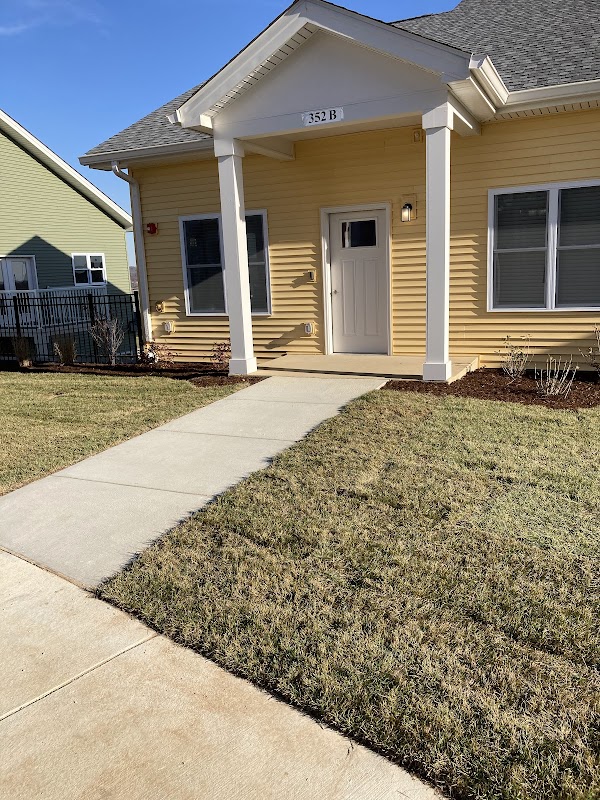
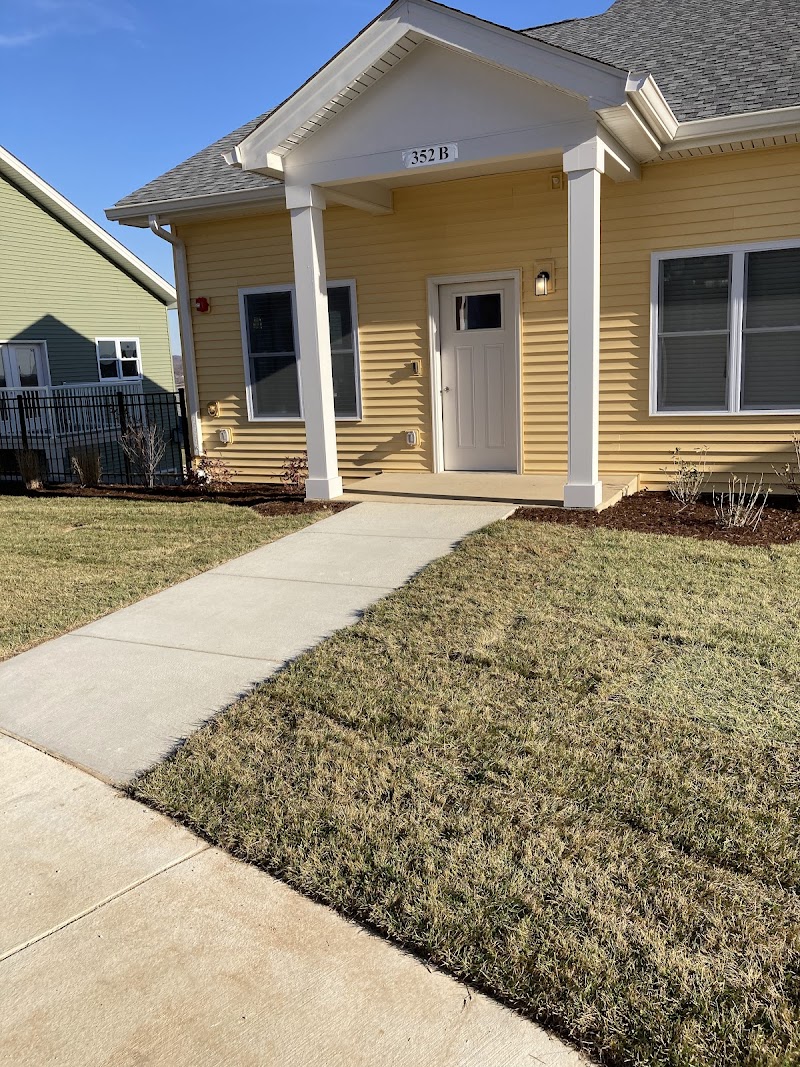
400 SUMMERVILLE BLVD, EUREKA, MO 63025 (636) 938-5151
Non profit - Corporation 106 Beds Independent Data: November 2025 1 Immediate Jeopardy citation
Trust Grade
33/100
#202 of 479 in MO
Last Inspection: February 2025

Within standard 12-15 month inspection cycle. Federal law requires annual inspections.

Overview

St. Andrew's at Francis Place has a Trust Grade of F, indicating poor performance with significant concerns about care quality. They rank #202 out of 479 facilities in Missouri, placing them in the top half, but their county rank of #25 out of 69 suggests there are better options nearby. The facility's trend is stable, with 11 reported issues each year for the past two years. Staffing is average with a 3/5 rating and a turnover rate of 40%, which is lower than the state average, indicating that staff tend to stay longer. However, they have concerning fines totaling $77,664, higher than 84% of Missouri facilities, which raises red flags about compliance issues. Specific incidents include a failure to properly manage a resident's pressure ulcers, resulting in significant deterioration without timely medical intervention, and a lack of adequate pain assessment for another resident suffering from a pressure ulcer. Additionally, the facility did not ensure that residents in a restorative dining program received the assistance they needed, with several residents reporting that staff did not help them walk to the dining room for meals. Overall, while there are some strengths in staffing stability, the facility faces serious weaknesses in care quality and compliance.

Trust Score
F
33/100
In Missouri
#202/479
Top 42%
Safety Record
High Risk
Review needed
Inspections
Holding Steady
11 → 11 violations
Staff Stability
○ Average
40% turnover. Near Missouri's 48% average. Typical for the industry.
Penalties
✓ Good
$77,664 in fines. Lower than most Missouri facilities. Relatively clean record.
Skilled Nurses
⚠ Watch
Each resident gets only 14 minutes of Registered Nurse (RN) attention daily — below average for Missouri. Fewer RN minutes means fewer trained eyes watching for problems.
Violations
⚠ Watch
33 deficiencies on record. Higher than average. Multiple issues found across inspections.
★★★☆☆
3.0
Overall Rating
★★★☆☆
3.0
Staff Levels
★★☆☆☆
2.0
Care Quality
★★★☆☆
3.0
Inspection Score
Stable
2024: 11 issues
2025: 11 issues

The Good

  • Full Sprinkler Coverage · Fire safety systems throughout facility
  • No fines on record
  • Staff turnover below average (40%)

    8 points below Missouri average of 48%

Facility shows strength in fire safety.

The Bad

3-Star Overall Rating

Above Missouri average (2.5)

Meets federal standards, typical of most facilities

Staff Turnover: 40%

Near Missouri avg (46%)

Typical for the industry

Federal Fines: $77,664

Well above median ($33,413)

Moderate penalties - review what triggered them

The Ugly 33 deficiencies on record

1 life-threatening 1 actual harm
Aug 2025 1 deficiency
CONCERN (E) 📢 Someone Reported This

A family member, employee, or ombudsman was alarmed enough to file a formal complaint

Potential for Harm - no one hurt, but risky conditions existed

Deficiency F0688 (Tag F0688)

Could have caused harm · This affected multiple residents

**NOTE- TERMS IN BRACKETS HAVE BEEN EDITED TO PROTECT CONFIDENTIALITY** Based on observation, interview and record review, the facility failed to ensure residents designated to receive walk to dine re...

Read full inspector narrative →
**NOTE- TERMS IN BRACKETS HAVE BEEN EDITED TO PROTECT CONFIDENTIALITY** Based on observation, interview and record review, the facility failed to ensure residents designated to receive walk to dine restorative services (staff assist residents to walk to and/or from the dining room daily at breakfast, lunch or dinner) received that restorative service. The facility identified 22 residents on the walk to dine program. Of those 22, five were interviewable and all five said staff did not walk them to and/or from the dining room for any of the three meals (Residents #18, #9, #21, #2 and #19). The census was 101.Review of the facility's Restorative Nursing Care policy dated 2021, showed:Policy: It is the policy of this facility that a resident is given the appropriate treatment and services to maintain or improve his or her abilities, as indicated by the resident's comprehensive assessment, to achieve and maintain the highest practicable outcome;Procedure:-Restorative Nursing programs include nursing interventions that promote the resident's ability to adapt and adjust to living as independently and safely as possible;-A resident may be started on a restorative nursing program when he or she is admitted to the facility with restorative needs, but is not a candidate for formalized rehabilitation therapy, or when restorative needs arise during the course of a longer-term stay, or in conjunction with formalized rehabilitation therapy. Generally, restorative nursing programs are initiated when a resident is discharged from formalized physical, occupational, or speech rehabilitation therapy;-Nursing personnel are trained in restorative nursing care, and our facility has an active program of restorative nursing care which is developed and coordinated through the resident's care plan;-The comprehensive assessment will identify the resident's baseline functional and cognitive status in order to determine appropriate interventions;-Based on the comprehensive assessment, the care plan will be individualized and the resident/representative will be included in the development of the restorative/rehabilitative care plan and provided the risks and benefits of the treatments;-The facility's restorative nursing care program is designed to assist each resident to achieve and maintain optimal physical, mental and psychosocial functioning;-Restorative nursing care is performed daily for those residents who require such services. Such a program includes, but is not limited to: Assisting residents with mobility. Assisting residents with all activities of daily living including walking and transferring. Assisting residents to carry out prescribed therapy exercises;-Through the resident care plan, the goals of restorative nursing care are reinforced in the restorative services;-Restorative nursing techniques are included in the orientation program and the ongoing staff development program. Review of the facility's Restorative Nursing Assistant (RNA) job description, dated 8/2022, showed:-Assists residents in restorative functions with the intent of facilitating optimal capability and quality of life;-Provide restorative nursing care as directed by the physical therapist;-Provide restorative nursing care as outlined by the physician's orders and the resident care plan;-Document progress notes outlining the resident's response or lack of response to treatment provided;-Review care plan before providing restorative functions to residents;-Document in the restorative notes each treatment provided as ordered;-Make recommendations for the discontinuation of restorative services as needed.Review of the facility Certified Nursing Assistant (CNA) job description dated 8/1/22, showed Duties and Responsibilities: Perform restorative nursing as outlined in each resident's plan of care. Includes ambulation, range of motion (repetitive exercise/movement of the major joints).1. Review of Resident #18's annual Minimum Data Set (MDS), a federally mandated assessment instrument completed by facility staff, dated 6/4/25, showed:-Adequate hearing;-Speech Clarity: Clear Speech, distinct intelligible words;-Makes Self Understood: Understood;-Ability To Understand Others: Understands, clear comprehension;-Cognitively intact;-Walk 10 feet: Supervision or touching assistance;-Walk 50 feet or 150 feet: Not attempted due to medical conditions or safety concerns;-Diagnoses: High blood pressure, diabetes mellitus (high/low blood sugar), arthritis, and depression;-Number of Falls Since admission or Prior Assessment: Two;-Number of days each of the following restorative program was performed (for at least 15 minutes a day) in the last 7 calendar days: Walking: 0. During an interview on 8/29/25 at 11:41 A.M., the resident sat in a wheelchair in the dining room. The resident said he/she wheeled himself/herself to/from the dining room. Staff had never offered to walk him/her to/from the dining room. If staff asked him/her to walk to/from the dining room, he/she would walk with them. He/She did not walk by himself/herself because he/she did not want to fall.During an interview on 8/29/25 at 2:00 P.M., the RNA said he/she walked the resident 235 feet after lunch. 2. Review of Resident #9's quarterly MDS dated [DATE], showed: -Adequate hearing;-Speech Clarity: Clear Speech, distinct intelligible words;-Makes Self Understood: Understood;-Ability To Understand Others: Understands, clear comprehension;-Cognitively intact;-Moderately impaired cognition;-Walk 10 feet, 50 feet and 150 feet: Not applicable;-Diagnoses: High blood pressure and depression;-No falls since admission or prior assessment;-Number of days each of the following restorative program was performed (for at least 15 minutes a day) in the last 7 calendar days: Walking: 0.During an interview on 8/29/25 at 10:24 A.M., the resident sat in his/her wheelchair in his/her room. He/She said physical therapy told him/her the CNAs were supposed to walk him/her, but when he/she asked the CNAs who said it was not their responsibility. He/She could not recall the last time a CNA walked him/her anywhere, let alone to/from the dining room. This had been going on for months now. He/She wanted to walk, but the CNAs wouldn't do it. During an interview on 8/29/25 at 2:00 P.M., the RNA said he/she walked the resident 175 feet after lunch. 3. Review of Resident #21's admission MDS dated [DATE], showed:-Adequate hearing;-Speech Clarity: Clear Speech, distinct intelligible words;-Makes Self Understood: Understood;-Ability To Understand Others: Understands, clear comprehension;-Cognitively intact;-Walk 10 feet and 50 feet: Partial/moderate assistance;-Walk 150 feet: Dependent;-Diagnoses: High blood pressure and asthma (a condition that makes the airways to narrow and swell making breathing difficult);-Any Falls Since admission or Prior Assessment: No;-Number of days each of the following restorative program was performed (for at least 15 minutes a day) in the last 7 calendar days: Walking: 0. During an interview on 8/29/25 at 10:47 A.M., the resident sat in his/her wheelchair in his/her room. The resident was informed he/she was on the facility walk to dine program. The resident laughed and said that was news to him/her. No one ever walked him/her to/from the dining room, and no one ever asked. He/She would love to have someone walk with him/her. He/She would love to get out of his/her wheelchair and walk. Observation on 8/29/25 at 10:52 A.M., showed the resident wheeled himself/herself into the dining room. 4. Review of Resident #2's quarterly MDS dated [DATE], showed:-Adequate hearing;-Speech Clarity: Clear Speech, distinct intelligible words;-Makes Self Understood: Understood;-Ability To Understand Others: Understands, clear comprehension;-Cognitively intact;-Walk 10 feet: Independent;-Walk 50 feet and 150 feet: Not attempted due to medical condition or safety concerns;-Diagnoses of high blood pressure, diabetes mellitus, seizure disorder, anxiety and depression;-No falls since admission or prior assessment;-Number of days each of the following restorative program was performed (for at least 15 minutes a day) in the last 7 calendar days: Walking: 0. During an interview on 8/29/25 at 11:30 A.M., the resident lay in bed. The resident was told heshe was on the walk to dine program and the resident said staff weren't going to do that. The resident said They're not going to walk me. All they do is wheel me to/from the dining room. He/She said if staff asked him/her to walk to/from the dining room, he/she would walk. He/She had seizures and was afraid to walk alone. 5. Review of Resident #19's quarterly MDS dated [DATE], showed:-Minimal difficulty hearing;-Speech Clarity: Clear speech, distinct intelligible words;-Makes Self Understood: Understood;-Ability To understand Others: Understands, clear comprehension;-Moderately impaired cognition;-Walking 10 feet, 50 feet and 150 feet: Supervision or touching assistance;-Diagnoses: High blood pressure, dementia and anxiety;-No falls since admission or prior assessment;-Number of days each of the following restorative program was performed (for at least 15 minutes a day) in the last 7 calendar days: Walking: 0. During an interview on 8/29/25 at 11:50 A.M., the resident sat in the dining room in a chair with his/her walker next to his/her chair. He/She said no one asked to walk with him/her at all. He/She had been walking by himself/herself with his/her walker. If staff wanted to walk with him/her that would be fine, but he/she was not going to wait around on them to ask. 6. During an interview on 8/29/25 at 9:21 A.M., the RNA said he/she could not walk all the residents on the walk to dine program. At best he/she might be able to walk them to/from the dining room for one meal once or twice a week. The residents should be asked if they wanted to walk to and/or from the dining room for every meal, or at least one meal a day. The CNAs were supposed to be helping, but they were not good about it. If the CNAs didn't help, there was no way he/she could do it alone because he/she also had to do the residents' range of motion exercises and apply splints and braces. During an interview on 8/29/25 at 2:35 P.M., the RNA said after lunch, she walked Resident #18, and he/she walked 235 feet. Resident #9 walked 175 feet. Resident #21 walked 80 feet. 7. During an interview on 8/29/25 at 10:10 A.M., Certified Medication Technician (CMT) G, an agency CMT, said he/she had worked at the facility several times. There was only one resident that he/she knew was on the walk to dine program. He/She did not know of any other residents on the walk to dine program and did not know where to find out which residents were on the walk to dine program. 8. During an interview on 8/29/25 at 10:20 A.M. CNA D, an agency CNA, said he/she had worked at the facility before. He/She thought one resident was on the walk to dine program and gave the resident's name. The resident was not one of the 22 listed by the facility. He/She did not know of any other residents on the walk to dine program and did not know if the facility had a list available where he/she could find out. He/She said Resident #2 was on his/her assignment today, but he/she was not aware the resident was on the walk to dine program. 9. During an interview on 8/29/25 at 10:41 A.M., CNA H, an agency CNA, said he/she had worked at the facility before. He/She had seen a walk to dine list in the past, but after looking at the nurse's station he/she could not find it. He/She did not walk any residents to/from the dining room because therapy did that. He/She had not been told by management to walk with any residents. 10. During an interview on 8/29/25 at 11:06 A.M. Licensed Practical Nurse (LPN) B said the CNAs were supposed to ask residents on the walk to dine program if they want to walk to/from the dining room for each meal. The facility just made out new Kardex's (a document that gives a brief overview of a resident's care needs) for each resident and if a resident was on the walk to dine program it should be on the resident's Kardex at the nurse's station. He/She looked at Resident #18's Kardex and it showed he/she was on the walk to dine program. He/She looked at Resident #19's Kardex and it did not show the resident was on the walk to dine program. The nurses were responsible to make sure the CNAs walked with residents on the walk to dine program. 11. During an interview on 8/29/25 at 12:00 P.M., the Therapy Director said Resident #21wais currently on hospice, but he/she was still supposed to receive walk to dine services. Residents #2, #18 and #19 were currently receiving skilled therapy but they should also receive walk to dine services. Resident #2 needed supervision while walking because his/her rollator (walker) got away from him/her and he/she had a history of seizures. Resident #9 needed contact guard assistance (physical support or steadying is required to walk) while walking because he/she could not feel the bottom of his/her feet due to neuropathy (damage or disease affecting the nerves that can cause pain or numbness). Resident #18 needed supervision to walk because his/her feet get away from him/her and he/she fell a couple of months ago. Resident #19 had a history of falls and needed supervision while walking. Resident #21 needed contact guard assistance to walk because his/her knee could buckle on him/her. The walk to dine program benefited residents by keeping them mobile, increasing functional mobility and decreased their fall risk. 12. During an interview on 8/29/25 at 2:17 P.M., LPN I said the facility put out new Kardex's for each resident a few days ago. They got a list of residents on walk to dine on 8/25/25. It was not the first time they had a list, but they were not consistent with updating them. Sometimes he/she knew who was on the walk to dine program, but if the list was not available or updated, he/she did not know. CNAs were responsible to walk with residents to/from the dining room. 13. During an Interview on 8/29/25 at 2:15 P.M., the Administrator said she expected staff to follow the facility's policies. CNAs should know who was on the walk to dine program and they should offer walk to dine services to the residents at every meal. The walk to dine program was important to maintain functional ability and could potentially assist in preventing falls.
Feb 2025 10 deficiencies
CONCERN (D)

Potential for Harm - no one hurt, but risky conditions existed

Deficiency F0569 (Tag F0569)

Could have caused harm · This affected 1 resident

**NOTE- TERMS IN BRACKETS HAVE BEEN EDITED TO PROTECT CONFIDENTIALITY** Based on interview and record review, the facility failed to ensure third party liability (TPL) forms were followed up on for th...

Read full inspector narrative →
**NOTE- TERMS IN BRACKETS HAVE BEEN EDITED TO PROTECT CONFIDENTIALITY** Based on interview and record review, the facility failed to ensure third party liability (TPL) forms were followed up on for the final accounting within 30 days for a resident who expired. This affected one of five residents who expired and had money in their resident trust account (Residents #240). The census was 73. Review of Resident #240's resident fund account, showed the following: -Resident expired on [DATE]; -A balance of $481.39; -TPL completed [DATE]; -As of [DATE], the resident's account remained open with a balance of $481.39. During an interview on [DATE] at 11:10 A.M., the Corporate Business Office Manager (BOM) said the resident expired on [DATE]. The balance report was submitted on [DATE]. The balance was $481.39. She was still awaiting a letter to close account. She would contact someone at the TPL unit today to see when they would send the letter to advise how much of the resident's funds needed to be submitted. Normally, if she hadn't heard from anyone in the TPL unit, within 30 days she would have followed up before now. She should have followed up before now. During an interview on [DATE] at 5:06 P.M., the Administrator said when a resident expired and had money left in their account, she expected for the BOM to complete a TPL form and submit it within 30 days. It was her expectation that follow up would be made on the TPL forms for the final accounting for expired residents to ensure that there would be a zero balance in the resident's account.
CONCERN (D)

Potential for Harm - no one hurt, but risky conditions existed

Deficiency F0657 (Tag F0657)

Could have caused harm · This affected 1 resident

**NOTE- TERMS IN BRACKETS HAVE BEEN EDITED TO PROTECT CONFIDENTIALITY** Based on interview and record review, the facility failed to revise care plans to address a recent fall and hospice status for t...

Read full inspector narrative →
**NOTE- TERMS IN BRACKETS HAVE BEEN EDITED TO PROTECT CONFIDENTIALITY** Based on interview and record review, the facility failed to revise care plans to address a recent fall and hospice status for two of 18 sampled residents (Residents #26 and #56). The census was 73. Review of the facility's Care Plan policy dated January 2011 and reviewed January 2023 showed: -Policy: It is the policy of the facility to develop a comprehensive care plan for each resident that includes measurable objectives and timetables to meet the resident's medical, nursing, nutritional, emotional, spiritual, and psychological needs. -Procedures: -An interdisciplinary team, in coordination with the resident and his/her responsible party, develops and maintains a comprehensive care plan for each resident; -The comprehensive care plan has been designed to: -Incorporate identified problem's areas; -Incorporate risk factors associated with identified problems; -Build on the resident's strengths; -Reflect treatment goals and objectives in measurable outcomes; -Identify the professional services that are responsible for each element of care; -Ensure that all relevant areas of the federal and state guidelines, outlined in the facility corporate compliance program manual, are upheld with respect to resident care; -Prevent declines in the resident's functional status and/or functional levels; and; -Enhance the optimal functioning of the resident by focusing on a rehabilitative program. Review of the facility's Fall Risk Reduction policy, dated revised 11/2024, showed: -Purpose: To identify residents at risk for falls and implement interventions to reduce risks; -Actions steps following a fall: Update a new fall risk assessment, immediately update the care plan, and implement interventions to further reduce the risk of reoccurrence. 1. Review of Resident #26's quarterly Minimum Data Set (MDS), a federally mandated assessment instrument completed by the facility staff, dated 1/10/25, showed: -Moderately impaired cognition; -Diagnoses included: cancer, heart failure, neurogenic bladder (the bladder does not empty properly due to a neurological condition), diabetes and paraplegia (impairment in motor or sensory function of the lower extremities). Review of the progress notes dated 11/22/2024 at 7:24 AM, showed a fall was not witnessed. Fall occurred in the resident's room. Review of the care plan in use at the time of survey, showed staff did not include the resident was at risk for falling and what interventions were put into place to prevent the resident from falling. 2. Review of Resident #56's significant change MDS, dated [DATE], showed the following: -admitted to the facility: 5/20/24; -Moderate impaired cognition; -Prognosis: Condition or chronic disease that may result in a life expectancy of less than 6 months: Yes; -Special treatments and programs: Hospice care while a resident; -Diagnoses included atrial fibrillation (A-Fib, irregular heart rhythm), heart failure, diabetes mellitus (DM, metabolic disease), hypertension (high blood pressure), hyperlipidemia (high cholesterol), dementia, depression, chronic obstruction pulmonary disease (COPD, lung disease), and respiratory disease. Review of the resident's physician orders, showed an order dated 1/29/25, for hospice consult to evaluate and treat. Review of the resident's care plan, used during the survey showed the care plan not revised to reflect his/her hospice diagnosis, goals, and/or interventions. 3. During an interview on 2/7/25 at 4:37 P.M., the MDS Coordinator said care plans should be updated when there had been a change in the resident's condition or after a resident fell. Care plans could be updated by the nurse or by the MDS Coordinator. The MDS Coordinator was made aware of changes in a resident's condition during the facility's clinical meetings. She expected for the care plans to be updated and accurate so the Certified Nurse Aide (CNA) could follow the care plan to know what care to provide to the resident. 4. During an interview on 2/7/25 at 5:06 P.M., the Administrator said care plans should be updated as needed. If anything needed to be changed both the nurse and the MDS Coordinator could update them. If a resident fell, the care plan should be updated, as needed. She would expect for the care plan to be complete and accurate because they are individualized for each resident to show what care the resident needed.
CONCERN (D)

Potential for Harm - no one hurt, but risky conditions existed

Deficiency F0658 (Tag F0658)

Could have caused harm · This affected 1 resident

**NOTE- TERMS IN BRACKETS HAVE BEEN EDITED TO PROTECT CONFIDENTIALITY** Based on interview and record review, the facility failed to ensure care was provided in accordance with professional standards ...

Read full inspector narrative →
**NOTE- TERMS IN BRACKETS HAVE BEEN EDITED TO PROTECT CONFIDENTIALITY** Based on interview and record review, the facility failed to ensure care was provided in accordance with professional standards of practice by not following the physician orders for daily and weekly weights for one resident (Resident #78), and not obtaining physician's order for hospice care for one resident (Resident #18). The sample was 18. The census was 73. Review of the facility's Physicians' Orders policy, dated 1/2011, showed: -Policy: All treatments and medications must be ordered by the resident's attending physician; -Procedure: All physicians' orders shall be recorded on the Physician's Order Form for each resident and must be signed or initialed by the attending/prescribing physician as per state and/or federal regulations and as outlined in the facility's Management Services Corporate Compliance Manual; -Physician orders include all medications, treatments, diets, restorative measures (long-term and short-term), special medical procedures required for the safety and well-being of the resident, limitation of activities, others as necessary and appropriate; -The original physician orders must remain in the resident's chart at all times; -Physicians' orders are rewritten every thirty days; -Medications, diets, therapy, or any treatment may not be administered to the resident without a written order from the attending physician; -The policy did not provide instructions for procedures in following the physicians' orders. Review of the facility's undated Hospice Policy and Procedure, showed: -Policy: The facility staff will provide and arrange for hospice services for all patients deemed eligible and interested in hospice services. When a resident has elected hospice services, the nursing home must communicate, establish, and agree upon a coordinated plan of care for both providers. The coordinated plan of care must identify the care and services which the nursing home and hospice will provide to be responsive to the unique needs of the resident. Nursing home and hospice are responsible for performing each of their perspective functions that have been agreed upon and will be included in the plan of care. Hospice retains overall professional management for directing the implementation of the plan of care related to the terminal illness and related conditions; -Procedure: The facility staff will discuss the availability of hospice services for all residents deemed by his/her physician to have a condition where the resident is given a terminal diagnosis and who may meet hospice criteria, with patients and/or family. Social Services or designee will notify nursing of need for physician's order for hospice. 1. Review of Resident #78's medical record, showed: -admitted on [DATE]; -Expired on [DATE]; -Intact Cognition; -Understood/Understand; -Clear speech distinct intelligible words; -Diagnoses included anemia (low levels of healthy red blood cells to carry oxygen throughout the body), malnutrition, hypertension (high blood pressure), heart disease and heart failure. Review of the resident's Physician Order Sheet (POS), showed: -Order dated [DATE], start date: [DATE], to take weights every day shift every Tuesday; -Order dated [DATE], start date: [DATE], to take weights for three days; admission/weekly weights times three, then monthly. Review of the resident's baseline care plan, undated, showed: -Dietary Nutritional Status: -Resident's dietary goal: -Maintain weight; -Prevent weight loss. Review of the resident's weight report, showed his/her weight of 204.5 pounds (lbs) on [DATE]. No other weights were recorded. During an interview on [DATE] at 5:06 P.M., the Administrator and Director of Nursing (DON) said they expected staff to follow the physician's order. 2. Review of Resident #18's admission Minimum Data Set (MDS), a federally mandated assessment instrument completed by the facility staff, dated [DATE], showed: -re-admitted on [DATE]; -Severe cognitive impairment; -Diagnoses included anemia, heart failure, high blood pressure, multidrug-resistant organism (MDRO), pneumonia, diabetes, high cholesterol, Alzheimer's disease, stroke, dementia, hemiplegia or hemiparesis (weakness or paralysis on one side of the body), anxiety and depression; -On hospice care. Review of the resident's care plan, in use at the time of survey, showed: -Need: The resident is at the end stage of life and is utilizing hospice care services; -Goal: Resident will receive palliative care directed by hospice interdisciplinary team and provided by nursing facility and hospice staff; -Interventions/Tasks: Facility staff and hospice staff will coordinate care, supplies, and equipment to meet the resident's needs. Review of the resident's medical records, showed no order for hospice care was documented. During an interview on [DATE] at 4:43 P.M., the DON said there should be a physician's order for hospice care.
CONCERN (D)

Potential for Harm - no one hurt, but risky conditions existed

Medication Errors (Tag F0758)

Could have caused harm · This affected 1 resident

**NOTE- TERMS IN BRACKETS HAVE BEEN EDITED TO PROTECT CONFIDENTIALITY** Based on interview and record review, the facility failed to implement a 14-day stop date for the PRN (as needed) use of psychot...

Read full inspector narrative →
**NOTE- TERMS IN BRACKETS HAVE BEEN EDITED TO PROTECT CONFIDENTIALITY** Based on interview and record review, the facility failed to implement a 14-day stop date for the PRN (as needed) use of psychotropic medications or provide a rationale for the continued use of the medication for two residents (Residents #18 and #15). The facility census was 73. Review of the facility's undated Psychotropic Medication Use policy, showed: -Policy: Based upon each resident's comprehensive assessment, the facility will ensure that residents who have not used psychotropic drugs are not given them unless the medication is necessary to treat a specific condition that is diagnosed and documented in the clinical record. Residents will not receive psychotropic medications unless behavioral programming and/or environmental changes or other non-pharmacological interventions have failed to sufficiently address the resident's target behavioral goals; -The facility will monitor psychotropic medications for proper dose, including duplicate therapy, duration, evidence of adequate monitoring for efficacy and adverse consequences and to prevent, identify and respond to adverse consequences. Residents who receive psychotropic medications will receive gradual dose reductions and behavioral interventions unless clinically contraindicated with the intention to decrease or discontinue the use of the psychotropic medication whenever safe and possible; -PRN orders for psychotropic medications will be limited to 14 days unless the physician identifies the rationale to extend the medication beyond 14 days. PRN anti-psychotic drugs will be limited to 14 days and will not be renewed unless the physician evaluates the resident for appropriateness of the medication. When selecting medications and non-pharmacological approaches, members of the interdisciplinary team and the resident and resident representative, if applicable, will participate in the care process to identify, assess, advocate for, monitor and communicate the resident's needs and changes of condition. 1. Review of Resident #18's admission Minimum Data Set (MDS), a federally mandated assessment instrument completed by the facility staff, dated 11/19/24, showed: -re-admitted on [DATE]; -Severe cognitive impairment; -No hallucinations and delusions behaviors; -Diagnoses included Alzheimer's disease, stroke, anxiety and depression. Review of the resident's care plan, in use at the time of survey, showed: -Need: The resident uses antidepressant medication; -Goal: The resident will be free from discomfort or adverse reactions related to antidepressant therapy; -Interventions/Tasks: Administer antidepressant medications as ordered by physician, monitor and document side effects and effectiveness every shift; monitor/document/report PRN adverse reactions to antidepressant therapy; -The resident uses anti-anxiety medications; -Goal: The resident will be free from discomfort or adverse reactions related to anti-anxiety therapy; -Interventions/Tasks: Administer anti-anxiety medications as ordered by physician, monitor and document side effects and effectiveness every shift; monitor/document/report PRN adverse reactions to anti-anxiety therapy. Review of the resident's physician order, dated 11/13/24, showed an order of Lorazepam Intensol Oral Concentrate (medication used to treat anxiety) 2 milligrams per milliliter (mg/ml), give 0.25 ml by mouth every 4 hours as needed for pain. No stop date documented. 2. Review of Resident #15's quarterly MDS, dated [DATE], showed: -admitted on [DATE]; -Severe cognitive impairment; -No hallucinations and delusions behaviors; -Diagnoses included dementia and depression. Review of the resident's care plan, in use at the time of survey, showed: -Need: The resident is dependent on staff for meeting emotional, intellectual, physical, and social needs related to cognitive deficits; -Goal: The resident will maintain involvement in cognitive stimulation, social activities as desired; -Interventions/Tasks: Invite the resident to scheduled activities; the resident needs assistance/escort to activity functions; -No mentioned of resident using psychotropic medication. Review of the resident's physician order, dated 11/13/24, showed an order of Quetiapine Fumarate Tablet (an atypical antipsychotic used to treat schizophrenia (a chronic mental illness characterized by disruptions in thought processes, perceptions, emotions, and social interactions), bipolar disorder (a chronic mental health condition characterized by extreme shifts in mood, energy, and activity levels) and depression), give 25 mg by mouth at bedtime as needed for agitation. No stop date documented. 3. During an interview on 2/7/25 at 3:57 P.M., Licensed Practical Nurse (LPN) K said all PRN psychotropic medications required a consent signed by the resident or their responsible party. These medications should have an order for 14 days. The pharmacy reviewed and sent a recommendation to the physician to review and renew the order for another 14 days if needed or have an indefinite stop date ordered. 4. During an interview 2/7/25 at 5:06 P.M., the Administrator and the Director of Nursing (DON) said they expected all PRN psychotropic medications to have a 14-day stop date, and a new order should be obtained if needed.
CONCERN (D)

Potential for Harm - no one hurt, but risky conditions existed

Medical Records (Tag F0842)

Could have caused harm · This affected 1 resident

**NOTE- TERMS IN BRACKETS HAVE BEEN EDITED TO PROTECT CONFIDENTIALITY** Based on interview and record review, the facility failed to ensure resident records were complete and accurately documented whe...

Read full inspector narrative →
**NOTE- TERMS IN BRACKETS HAVE BEEN EDITED TO PROTECT CONFIDENTIALITY** Based on interview and record review, the facility failed to ensure resident records were complete and accurately documented when staff failed to document one resident's treatments (Residents #26). In addition, the facility failed to have the certification of terminal illness for one resident (resident #56) who was receiving hospice services. The sample was 18. The census was 73. Review of the facility's Administration Procedures for all Medications policy, dated May 2018, showed: -After administration, return to cart, replace medication container (if multi-dose and doses remain), and document administration in the Medication Administration Record (MAR) or the Treatment Administration Record (TAR); -If resident refuses medication, document refusal on MAR or TAR; -Notification of physician/prescriber for persistent refusals. 1. Review of Resident #26's quarterly Minimum Data Set (MDS), a federally mandated assessment instrument completed by the facility staff, dated 1/10/25, showed: -Moderately impaired cognition; -No behaviors; -No rejection of care; -Number of stage four pressure ulcers (full thickness tissue loss with exposed bone, tendon, or muscle. Slough or eschar may be present on some parts of the wound bed. Often includes undermining and tunneling): One; -Number of stage four pressure ulcers that were present on admission: 0; -Received pressure ulcer care: applications of ointments/medications other than to feet; -Diagnoses included: cancer, heart failure, neurogenic bladder (the bladder does not empty properly due to a neurological condition), diabetes and paraplegia (impairment in motor or sensory function of the lower extremities). Review of the care plan in use at the time of survey, showed: -Need: The resident has pressure ulcers, is at risk for impaired skin Integrity related to incontinence of stool and decreased mobility. Was admitted with a Deep Tissue Injury (DTI, damage to the soft tissue beneath the skin caused by pressure or shear forces) to his/her sacrum (triangular bone located above the coccyx (tailbone), is now a stage four. On 1/21/25, continues with stage four pressure injury to sacrum; -Goal: The resident's pressure ulcer will show signs of healing and remain free from infection; -Interventions included: resident was being seen by the wound team, see the TAR for treatment. Review of the TAR, dated 12/5/24 through 12/31/24, showed: -An order for coccyx: cleanse wound bed for mechanical debridement (physical force to remove dead or damaged tissue) and cleanse Peri-wound (area around the wound) with normal saline and gauze. Apply Santyl (sterile enzymatic debriding ointment) and gentamicin ointment (antibiotic) to the wound bed, and cover with superabsorber adhesive dressing. Change daily or as needed (PRN) based on saturation every day shift for wound management, start date: 12/11/2024; -Documentation showed five out of 20 opportunities left blank; -An order for: gentamicin sulfate ointment 0.1 %, apply to coccyx every day shift for unstageable tissue loss (UTD, wounds where the depth is obscured by tissue breakdown, such as slough, eschar, or necrosis.), start date: 12/11/2024; -Documentation showed five out of 20 opportunities were blank; -An order for: Santyl ointment 250 unit/gram (GM) apply to coccyx every day shift for wound care; -Documentation showed six out of 26 opportunities left blank. Review of the resident's progress notes dated 12/5/24 through 12/31/24 showed: -No documentation the resident refused his/her treatment, the treatment was placed on hold or the treatment should not have been completed per physician orders; -No documentation the physician was notified. Review of the TAR dated 1/1/25 through 1/31/25, showed: -An order for coccyx: cleanse wound bed for mechanical debridement and cleanse peri-wound with normal saline and gauze. Apply Santyl and gentamicin ointment to the wound bed, and cover with superabsorber adhesive dressing. Change daily shift OR PRN based on saturation every day shift for wound management. The order was discontinued on 1/8/25; -Documentation showed three out of eight opportunities left blank; -An order for coccyx: cleanse wound bed for mechanical debridement and cleanse peri-wound with normal saline and gauze. Apply Santyl, pack with aquacel (Wound drainage absorbent product) and cover surrounding area with aquacel, cover with sacral foam dressing. Change three times weekly or PRN based on saturation every day shift every three days for wound management, start date 1/9/25 and discontinue date 1/16/25; -Documentation showed: one out of three opportunities left blank; -An order for coccyx: cleanse wound bed for mechanical debridement and cleanse peri-wound with Dakin's 1/4 strength (antiseptic) and gauze. Apply Santyl, pack with calcium alginate (provides a moist environment for wound healing) and cover surrounding area with calcium alginate, cover with sacral foam dressing. Change daily or PRN based on saturation every day shift for wound management, start date 1/17/25; -Documentation showed: six out of 15 opportunities left blank; -An order for: gentamicin ointment 0.1 % apply to coccyx every day shift for UTD; -Documentation showed: 10 out of 31 opportunities left blank; -An order for Santyl Ointment 250 unit/GM, apply to coccyx every day shift for wound care; -Documentation showed 11 out of 31 opportunities left blank. Review of the progress notes dated 1/1/25 to 1/31/25, showed: there was no documentation showing the resident refused his/her treatment or the treatment was placed on hold, or the treatment should not be completed per physician orders and no documentation showing the physician was notified. Review of the TAR dated 2/1/25 through 2/5/25, showed: -An order for coccyx: cleanse wound bed for mechanical debridement and cleanse peri-wound with Dakin's 1/4 strength and gauze. Apply Santyl, pack with calcium alginate and cover surrounding area with calcium alginate, cover with sacral foam dressing. Change daily or PRN based on saturation every day shift for wound management; -Documentation showed two out of five opportunities were blank; -An order for: gentamicin ointment 0.1 % apply to coccyx topically every day shift for UTD; -Documentation showed two out of five opportunities were blank; -An order for: Santyl ointment 250 unit/GM apply to coccyx every day shift for wound care; -Documentation showed two out of five opportunities were blank; Review of the progress notes dated 2/1/25 through 2/5/25, showed: -No documentation the resident refused his/her treatment, the treatment was placed on hold or the treatment should not have been completed per physician orders; -No documentation the physician was notified. During an interview on 2/7/25 at 1:15 P.M., Licensed Practical Nurse (LPN) K said the facility's clinical support nurse completed the treatments when she was in the building. When she was off or if she could not complete the treatment, the charge nurse on the floor would be responsible for completing the treatments. The treatment should be documented on the TAR after they were completed. If a treatment was not documented, it would be assumed it was not done. One possible consequence of a treatments not being completed as ordered would be the wound could decline. During an interview on 2/7/24 at 5:06 P.M., the Administrator said she expected for staff to follow the physician orders and document after the treatment was completed. 2. Review of Resident #56's significant change MDS, dated [DATE], showed the following: -admitted to the facility: 5/20/24; -Moderate impaired cognition; -Prognosis: Condition or chronic disease that may result in a life expectancy of less than 6 months: Yes; -Special treatments and programs; Hospice care while a resident; -Diagnoses included atrial fibrillation (A-Fib, irregular heart rhythm), heart failure, diabetes mellitus (DM, metabolic disease), hypertension (high blood pressure), hyperlipidemia (high cholesterol), dementia, depression, chronic obstruction pulmonary disease (COPD, lung disease), and respiratory disease. Review of the resident's physician's order sheet dated 2/6/25 showed an order dated: 1/29/25, for hospice consult to evaluate and treat senile degeneration of the brain (dementia), congestive heart failure, and chronic respiratory failure with hypoxia (low levels of oxygen in your body tissues). Review of the resident's medical record and hospice binder, showed no documentation of the resident's certification of terminal illness form. During interviews on 2/5/25 at 5:28 P.M. and 2/7/25 at 5:07 P.M., the Administrator said the resident's certification of terminal illness form was not in the building at the time. The hospice provider was sending it over. The resident had just signed started hospice about a week ago on 1/30/25 or 1/31/25. She expected for the certification of terminal illness form to have been in the facility with the resident's medical records and/or hospice binder.
CONCERN (D)

Potential for Harm - no one hurt, but risky conditions existed

Infection Control (Tag F0880)

Could have caused harm · This affected 1 resident

**NOTE- TERMS IN BRACKETS HAVE BEEN EDITED TO PROTECT CONFIDENTIALITY** Based on observation, interview and record review, the facility failed to follow acceptable infection control standards when sta...

Read full inspector narrative →
**NOTE- TERMS IN BRACKETS HAVE BEEN EDITED TO PROTECT CONFIDENTIALITY** Based on observation, interview and record review, the facility failed to follow acceptable infection control standards when staff failed to wear appropriate Personal Protective Equipment (PPE) for two residents (Resident #26 and #20) and failed to post signage for one resident (Resident #18) who required Enhanced Barrier Precautions (EBP, an infection control intervention designed to reduce the transmission of multidrug-resistant organisms (MDROs) that employs targeted gown and glove use during high contact resident care activities) as recommended by the Centers for Disease Control and Prevention (CDC) and required by the Centers for Medicare and Medicaid Services (CMS). In addition, the facility failed to position the urinary catheter (a sterile tube inserted into the bladder to drain urine) release valve (tap-like feature on the bag that is manually open to allow urine to flow out) drain from touching the floor and failed to clean the release valve drain prior to placing it back in the drain holder (holds the tip of the release valve drain) for one resident (Resident #26). The sample was 18. The census was 73. Review of the Enhanced Barrier Precautions Policy, dated 4/24, showed: - Enhanced Barrier Precautions are to be implemented in addition to Standard Precautions when other Transmission-Based precautions do not apply, when facility identifies any resident with: wounds or skin openings that require dressings; -Any indwelling medical device, regardless of MDRO colonization status, for example: urinary catheter; -Post clear signage on the door/wall outside resident room: -Personal Protective Equipment is required for all staff providing high-contact resident care activities to include gown and gloves with: - Providing hygiene; -Changing linens; -Changing briefs or assisting with toileting; -Device care or use: urinary catheter. Review of the facility's Catheter Care policy dated reviewed 2/2019, showed: -Emptying drainage bag (collects urine): -Wipe release valve on drain bag with alcohol prep; -Re-clasp release valve; -Policy failed to show what staff should do if the release valve drain was touching the floor. 1. Review of Resident #26's quarterly Minimum Data Set (MDS), a federally mandated assessment instrument completed by the facility staff, dated 1/10/25, showed: -Moderately impaired cognition; -Diagnoses included: Cancer, heart failure, neurogenic bladder (the bladder does not empty properly due to a neurological condition), diabetes and paraplegia (impairment in motor or sensory function of the lower extremities); -Number of stage four pressure ulcers (full thickness tissue loss with exposed bone, tendon, or muscle. Slough or eschar may be present on some parts of the wound bed. Often includes undermining and tunneling): One; -Indwelling catheter. Review of the care plan in use at the time of survey, showed: -Need: Risk for infection; -Goal: Resident will show no signs/symptoms of infection; -Interventions included: manage indwelling catheters to minimize risk of infection; -Need: The resident has a urinary catheter, is on EBP; -Goal: The resident will be/remain free from catheter-related trauma through review date; -Interventions: Staff to follow EBP during catheter care and close personal care. Observation on 2/4/25 at 6:00 P.M., there was an EBP sign posted on the resident's door. The resident was lying in bed. The catheter drainage bag was attached to the bed frame and was draining to gravity. The release valve drain tube was clamped closed, but the tip of the drain was touching the floor. Certified Nurse Aide (CNA) O brought the resident's dinner tray into the room and sat it on the over the bed table. The resident asked the CNA to straighten his/her legs out. The CNA left the room to get help. CNA O returned with Certified Medication Technician (CMT) N. CMT N placed the drain tube into the drain holder without cleaning it. CNA O and CMT N repositioned the resident in bed by rolling him/her from side to side and pulling him/her up in bed. Neither staff member wore a gown. After the resident was repositioned, CMT N emptied 500 milliliters of yellow urine from the drainage bag without wearing a gown. During an interview on 2/6/25 at 3:01 P.M., CNA S said if a piece of the catheter drain was on the floor, it would need to be sanitized. He/She would let the nurse know. The nurse would change it, but that piece of the catheter should never be on the floor. During an interview on 2/6/25 at approximately 3:13 P.M., CMT T said if a piece of the catheter drain was on the floor, it would need to be sanitized. He/She would let the nurse know because that would be a hazard for infection. The nurse would change it, but that piece of the catheter should never be on the floor. During an interview on 2/6/25 at 2:34 P.M., Registered Nurse (RN) P said if the catheter drain touched the floor staff should change the appliance. During an interview on 2/6/25 at approximately 3:35 P.M., Licensed Practical Nurse (LPN) U said if there was a piece of the catheter on the floor, he/she would just change it because of contamination. During an interview on 2/7/25 at 1:15 P.M. LPN K, said if a catheter drain touched the floor it would be considered contaminated and it would need to be changed because there would be a risk for infection. During an interview on 2/7/25 at 5:06 P.M., the Director of Nursing (DON) said if the catheter drain touched the floor, staff should sanitize the drain before placing it in the drain holder. The DON did not know what staff should sanitize the drain with, but she would expect for staff to follow the facility's policy. Changing the appliance may be a good option if it was in the policy. 2. Review of Resident #20's admission MDS, dated [DATE], showed the following: -admitted to the facility: 10/9/24; -readmitted to the facility: 11/1/24 -Moderately impaired cognition; -Section K- Nutrition Approach; tube feeding while a resident; -Diagnoses included cancer, anemia, benign prostatic hyperplasia (enlarged prostate), diabetes, high blood pressure, dementia, depression, and malnutrition. Review of the resident's care plan, used during the survey showed: -Problem: The resident has a G-tube (tube feeding for nutrition), he/she had been getting intermittent feedings, now only flushing the G-tube to keep patent. He/She has a swallowing problem related to esophageal cancer. He/she is on hospice; -Goal: The resident's insertion site will be free of signs and symptoms (s/sx) of infection through the review date. He/She will maintain adequate nutrition and hydration status as evidenced by (aeb) weight stable, no s/sx of malnutrition or dehydration through review date. -Interventions included: The resident needs total assist with tube feeding and water flushes. See physician orders for current orders. Check for tube placement and gastric contents/residual volume per facility protocol and record. Monitor/document/report as needed (PRN) any s/sx of: Aspiration- fever, SOB, Tube dislodged, Infection at tube site. Provide local care to G-tube site as ordered and monitor for s/sx of infection. The resident is dependent with tube feeding and water flushes. See physician orders for current feeding orders. Review of the resident's physician's order sheet dated 2/6/25 showed: -An order dated 11/1/24, for EBP during high contact care activities; -An order dated 11/27/24, to cleanse G-tube site with wound cleanser, apply dressing daily and as needed, every day shift for G-tube care. Observations of the resident's room on 2/5/25 showed: -At 2:37 P.M., CNA Q came out of the resident's bathroom with the resident. CNA Q did not have on gloves or a gown. He/She asked the Surveyor if he/she needed Resident #20 and said the resident was in the bathroom, and then CNA Q exited out the room; -At approximately 2:38 P.M., CNA Q returned to the resident's room. He/she opened the bathroom door. CMT R was in the bathroom with the resident. CMT R did not have on gloves or a gown. -At 2:40 P.M., the resident, CNA Q and CMT R came out the bathroom and exited out of the resident's room. During an interview on 2/5/25 at 2:42 P.M., CNA Q and CMT R, both initially said the resident was not on EBP. Both CNA Q and CMT R then looked at the resident's door and noticed the EBP signage on the door to be hanging down via tape and flipped over onto the back side. They then said the resident was on EBP, and the sign was hanging down and turned over. CNA Q said the resident was probably on EBP because he/she was eating regular meals and had a feeding tube. CMT R said he/she wasn't aware the resident on EBP because the resident ate food. Both CNA Q and CMT R said PPE should be worn while providing care for a resident on EBP. Normally they would have had on the gear. CMT R said this was a mishap, and CNA Q agreed. CMT R said they usually knew if someone was on EBP because there would be signage on the door, and they would be made aware during report. CMT R heard the resident yelling for assistance to get out of the bed. He/She went in to help the resident and then the resident had to use the bathroom. Both CMT R and CNA Q said PPE should have been worn while they were assisting the resident in the bathroom. They should have worn a gown and gloves, and the mask was optional. 3. Review of Resident #18's admission MDS, dated [DATE], showed: -Severe cognitive impairment; - Indwelling catheter; -Diagnoses included anemia, heart failure, high blood pressure, MDRO, pneumonia, diabetes, Alzheimer's disease, stroke, hemiplegia, or hemiparesis (weakness or paralysis on one side of the body), anxiety and depression. Review of the resident's care plan, in use at the time of survey, showed: Need: The resident has a suprapubic urinary catheter (a sterile tube inserted into the bladder through the abdominal wall to drain urine), on EBP; Goal: The resident will show no signs and symptoms of urinary infection (UTI); Interventions/Tasks: Staff to wear a gown and gloves during close personal care with resident. Monitor, record, or report to physician for signs and symptoms of UTI. Observation on 2/2/25 at 11:41 A.M., showed PPE supplies , stored in a plastic storage drawers, placed in the hallway approximately 4 doors down from the nurses' station. No EBP door signage observed on any rooms in the hall. Resident #18 resided in the same hall. Observation and interview on 2/3/25 at 7:24 A.M., showed an EBP sign on Resident #18's door, but no PPE supplies located near the door. The resident was not in the room. At 7:25 A.M., a female staff propelled the roommate from having breakfast to the room and said the PPE supplies were stored in the bottom shelf of the linen carts. The linen cart was about four doors down from the resident's room. Resident #18's roommate said he/she has been a resident for two years and had never seen that EBP sign. He/She said it was something really new and was not even up that morning prior to breakfast. He/She asked the Surveyor if there was something going on with the roommate and if he/she needed to be transferred. The roommate said no staff explained to him/her the purpose of the door signage. 4. During an interview on 2/6/25 at 3:01 P.M., CNA S said residents are placed on EBP due to wounds and if they had an infection going on. He/She would know which residents were on EBP by the signage on the door, and the nurse would tell them during their rounds. While working with a resident who was on EBP, staff should wear gloves, gowns, and masks. This applies to anyone who was providing care to the resident. There usually is a cart that sat outside the door of a resident on EBP, but they moved it, now the are supplies on the linen cart. 5. During an interview on 2/6/25 at approximately 3:13 P.M., CMT T said residents are placed on EBP due to wounds and an infections going on. He/She knew which residents were on EBP due to the signage on the door, and the nurse would tell them during their rounds. While working with a resident who was on EBP, staff should wear gloves, gowns, and masks. This applies to anyone who was providing care to the resident. There usually was a cart that sat outside the door of a resident who is on EBP, but they moved it, now there are supplies on the linen cart. 6. During an interview on 2/6/25 at 2:34 P.M., RN P said residents who require EBP, should have a sign on the door. The sign should show which resident required EBP. Medical records staff place the signs on the doors. Staff should wear gown and gloves while providing direct resident care such as personal care, toileting, turning and repositioning and while performing catheter care/emptying the drainage bag. 7. During an interview on 2/6/25 at approximately 3:35 P.M., LPN U said he/she just normally knew which residents were on EBP. There was a list at the nurses' station. When residents are first placed on EBP, they let the staff know. LPN U thought it was the nurse supervisor who would let the staff know. When there is signage on the door, he/she was not sure if there was a way to tell which resident in the room was on EBP, but he/she would just go by what the requirements are. Residents who are placed on EBP normally would have a G-tube, catheter, wounds, or something like that. When providing care to a resident, the staff member should have on a gown, gloves, and a mask. That's it. It depends on if the staff person was providing care to the resident or not. If you're not doing care, the staff person just needs to wash their hands and put on gloves before attending to the resident. The PPE should be outside the resident's door. She didn't see any at this time, but usually it is outside the door in a plastic cart. 8. During an interview on 2/7/25 at 1:15 P.M., LPN K, said staff knew which residents require EBP because they get a verbal report at the beginning of each shift and there would be a sign on the resident's door. Staff should wear gown and gloves while proving high care activities. 9. During an interview on 2/7/25 at 5:06 P.M., the Administrator said staff knew which residents required EBP by the sign on their door. Staff should wear gown and gloves while providing direct resident care such as toileting, repositioning residents in bed, and emptying catheters.
CONCERN (E)

Potential for Harm - no one hurt, but risky conditions existed

Deficiency F0558 (Tag F0558)

Could have caused harm · This affected multiple residents

**NOTE- TERMS IN BRACKETS HAVE BEEN EDITED TO PROTECT CONFIDENTIALITY** Based on observation, interview and record review, the facility failed to ensure resident's needs and preferences were accommoda...

Read full inspector narrative →
**NOTE- TERMS IN BRACKETS HAVE BEEN EDITED TO PROTECT CONFIDENTIALITY** Based on observation, interview and record review, the facility failed to ensure resident's needs and preferences were accommodated when staff rearranged two resident's rooms which prevented one resident access to some of his/her personal belongings (Resident #64) and hindered one resident from freely maneuvering his/her wheelchair in between his/her side of the bed and the other bed in the room (Resident #46). In addition, after removing all side rails in the facility, the facility failed to provide alternative options for four residents who requested the use of siderails for mobility and repositioning (Residents #13, #46, #12 and #14). The sample was 18. The census was 73. Review of the facility's Resident Rights policy, dated 9/19/24, showed: -Procedure: staff competencies in resident rights information will include the following: -Plan and provide individualized care and services as the resident prefers; -Follow resident preferences in care decisions and choices; -Right to self-determination: -Reasonable accommodation of needs and preferences; -Personal and cultural preferences. Review of the facility's Adaptative/Assistive Device and Potential Restraints Policy, revised 11/30/24, showed: -Policy statement: to ensure that physical restraints and adaptive/assistive devices will be used only when it has been determined through an evaluation process that it is necessary to treat a resident's medical condition or as a therapeutic intervention to enhance the resident's functional abilities to promote the resident's highest level of wellbeing and after evaluation of risks; -Procedure: - Other adaptive/assistive devices such as Geri-chairs (large padded chair), Broda chairs (tilt chair), siderails and assist bars, low air loss mattresses (air mattress), lap buddys (device used to support upper body), canoe/scoop mattresses (mattress with raised edges or contoured sides), alarms and other devices and/or combination of devices that are not assessed as a restraint will be evaluated for necessity and risk prior to being placed, quarterly, upon significant change of condition, and when a mattress is changed; -Siderail(s) and assist bars will be evaluated in combination with the mattress prior to placement of a mattress or siderail(s) upon admission, quarterly, upon significant change of condition, and each time the mattress is changed; -Consent will be obtained from the resident (where appropriate) or responsible family member/legal guardian/Durable Power of Attorney (DPOA) for adaptive devices such as Geri-chairs, broad chairs, siderails and assist bars, low air loss mattresses, lap buddy, canoe/scoop mattresses, alarms and other devices and/or combination of devices placed near, next to, or in contact with the resident's body prior to placement if the device assesses to be a restraint. Phone consent/verbal consent will suffice until written consent can be obtained provided that the evaluation is read to the consenting party. A copy of the evaluation will be presented with the consent for signature as soon as practicable. 1. During a group interview on 2/5/25 at approximately 10:30 A.M., six residents, whom the facility identified as alert and oriented, attended the meeting. Residents #46, #12, #64 and #14 were among the residents who voiced concerns during the meeting. Residents #46 and #64 said they wanted their beds to be placed against the wall. Resident #64 said he/she could not reach his/her things from the nightstand which was placed in the far corner of the room because his/her wheelchair could not go around the bed. He/She said the bed used to be placed against the wall and the nightstand was on the other side of bed, but staff had rearranged the furniture. He/She had informed the staff, but nobody fixed the issue. Resident #46 said he/she was in the same situation and was told staff had to move the bed away from the wall with at least a three foot gap due to state regulations. He/She said the siderails were also removed for the same reason. He/She said having the bed against the wall and siderails helped him/her with repositioning and made him/her feel safer. The bed against the wall, also provided extra space in between the two residents. Especially when moving around with a wide wheelchair when the roommate used a stand lift. The roommate (Resident #12) agreed with Resident #46 and added that he/she also preferred to have siderails on his/her bed to assist with repositioning. Resident #14 said he/she needed the siderails for repositioning as well. Both residents said the siderails helped them turn side to side instead of being fully dependent to the staff. They felt safer having the siderails in place. They said staff removed their siderails due to regulations. All four residents said the facility did not provide any siderail and bed positioning assessments. 2. Review of Resident #64's quarterly Minimum Data Set (MDS), a federally mandated assessment instrument completed by the facility staff, dated 1/2/25, showed: -Cognitively intact; -No behaviors; -No impairment in functional range of motion (ROM); -Used a manual wheelchair/scooter; -Once seated in wheelchair/scooter, the ability to wheel at least 50 feet make two turns: Independent; -Diagnoses included: heart failure, anxiety disorder, depression, and chronic lung disease. Review of the care plan, in use at the time of survey, showed: -Need: The resident has an Activities of Daily Living (ADL) self-care performance deficit; -Goal: Resident will show an improvement in ADL performance; -Interventions included: transfer: the resident required moderate assistance by one staff to move between surfaces; -Need: The resident had limited physical mobility; -Goal: The resident will demonstrate the appropriate use of wheelchair to increase mobility; -Interventions: locomotion: the resident can self-propel in wheelchair for locomotion. Observation and interview on 2/3/25 at 6:59 A.M. showed the resident sat in his/her wheelchair in his/her room. On the right side of the bed, there was a nightstand against the wall. A two foot isle was between the wall and the bed. There was approximately 12 inches from the head of the bed to the wall. On the left side of the bed, there was a three drawer container with a telephone on top of it. Approximately six inches from the container was a recliner chair in the corner. The resident said he/she could not reach the items on his/her nightstand. State came in and told the facility they had to have 20 inches between the bed and the wall. The facility moved his/her bed away from wall, and now he/she could not reach his/her items. Observation and interview on 2/7/25 at 10:05 A.M., showed the resident in his/her wheelchair, in his/her room. The resident tried to propel from the foot of the bed and turn to go down the aisle between the bed and the wall where the nightstand was. The resident's wheelchair got caught on the foot of the bed and he/she was unable to make the turn. The resident said he/she preferred the bed against the wall and the nightstand on the other side of the bed, so he/she could reach his/her items and the telephone. The way the room was arranged now, when the phone rang, whomever called had hung up by the time he/she could get to the telephone. The resident said he/she had talked to staff about this, and they had a care plan meeting, but he/she was told they could not grant his/her request. During an interview on 2/7/25 at 10:05 A.M., Certified Nurse Aide (CNA) O said today was the first time he/she was made aware of the situation with the room arrangement. It had been some time since he/she worked with the resident, but the last time he/she worked with the resident, the nightstand was on the other side of the room. During an interview on 2/7/25 at 11:46 A.M., Physical Therapist (PT) L said therapy could do an evaluation for residents who had concerns with reaching items in their rooms. Therapy could assess the resident's mobility and the way the rooms were set up to ensure residents were able to move around safely. The resident was seen by PT and Occupational Therapy (OT) for several months. Documentation on 1/17/25, showed the resident required contact guard to minimum assist for bed mobility and minimum assistance with wheelchair mobility. During an interview on 2/7/25 at 1:15 P.M., Licensed Practical Nurse (LPN) K said residents should be able to decide how their rooms were arranged. The beds must be three feet from the wall. LPN K was not aware the resident could not reach items in his/her room. During an interview on 2/7/25 at 2:55 P.M. CNA E said, the resident had voiced concerns about his/her bed not being against the wall. CNA E reported the resident's concerns to the nurse. During an interview on 2/7/25 at 5:06 P.M., the Administrator said she was not aware the resident could not reach items in his/her room. She would check on the resident to make sure he/she was able to reach his/her nightstand and telephone. They had to move the resident's bed to comply to the regulation. 3. Review of Resident #46's quarterly MDS, dated [DATE], showed: -Cognitively intact; -Used wheelchair as mobility device; -Independent with mobility and self-care, and supervision with shower or bath; -Occasional urinary incontinence; -Diagnoses included cancer, heart disease, high blood pressure, and high cholesterol. Review of the resident's care plan, in use at the time of survey, showed: -Need: The resident has an ADL self-care performance deficit; -Goal: Resident will maintain current level in ADL performance; -Interventions/Tasks: Bed Mobility, the resident is independent for repositioning and turning in bed, chooses to keep his/her bed next to the wall; -Need: The resident has limited physical mobility; -Goal: The resident will maintain current level of mobility, such as able to propel self; -Interventions/Tasks: The resident is independent to walk, usually will only walk short distances in room, related to pain in left hip. The resident used a wheeled walker for walking. The resident is independent of locomotion. Used a wheelchair for long distances, may ask for assistance when tired. Observation and interview on 2/7/25 at 9:55 A.M., showed the resident's bed was positioned approximately two feet from the wall. There were boxes of personal belongings in between the bed and wall. There were no siderails observed attached to the bed. The resident said he/she used to have U-shaped rails that he/she could grab onto when he/she turned/repositioned. Now, he/she reaches down under the side of bed to reposition. He/She preferred to have the bed against the wall because he/she relied on the wall for repositioning independently and his/her wide wheelchair made it difficult to get in and out with the tighter space in between the two residents' beds. He/She was very upset when the facility moved the bed and removed the siderails. The resident said there was no proper education or explanation of the reasons why these changes were made. The resident was informed today, that therapy will do an evaluation for bed mobility and safety next week. During an interview on 2/7/25 at 11:46 A.M., Physical Therapist (PT) L said the facility entered a physician order for an OT evaluation for bed safety and bed positioning, which would be completed on 2/10/25. The resident had no previous therapy records. During an interview on 2/7/25 at 1:15 P.M., LPN K said the resident never had siderails but he/she wanted siderails. The resident talked to the old DON about how this would benefit his/her mobility, but the corporation said no. 4. Review of Resident #13's quarterly MDS, dated [DATE], showed: -Cognitively intact; -No behaviors; -No rejection of care; -No functional limitation in ROM; -Roll left to right: partial/moderate assistance (helper does less than half the effort); -Diagnoses included: high blood pressure, diabetes, depression, chronic lung disease; -Moisture Associated Skin Damage (MASD, skin erosion caused by prolonged exposure to a source of moisture such as urine, stool, sweat or wound drainage). Review of the care plan, in use at the time of survey, showed: -Need: impaired physical mobility; -Goal: resident will be able to perform activity within physical limits: -Interventions: encourage use of prescribed assistive devices; had tried trapeze on his/her bed to aid in bed mobility but decided to have it removed; monitor for environmental barriers to mobility; needs staff assistance to turn and reposition in bed. Use pillows and wedges to aid in positioning; occupational therapy to treat to assist with bed mobility; -Need: the resident has an ADL self-care performance deficit; -Goal: resident will maintain current level in ADL performance; -Interventions included: bed mobility: the resident is able to turn in bed with maximum assistance; resident to be turned side to side while in bed; -Need: Is at risk for MASD and yeast infection related to moisture to mid back, skin folds and groin 1/29/25- mid back to mid-thigh MASD resolved, still has MASD to groin, abdominal folds and under breasts; -Goal: the resident will have intact skin, free of redness, blisters, or discoloration by/through review date; -Intervention included: two staff assist for care when in the bed for incontinence care and turning and repositioning. Review of the OT treatment encounter notes, dated completed on 11/11/24, showed: Summary of skill: patient continues to have right shoulder issues (chronic from old rotator cuff injury); patient continues to use bed rails for assist with positioning and for hygiene purposes. Review of the annual MDS dated [DATE], showed: -Cognitively intact; -No behaviors; -No rejection of care; -No functional limitation in Range of Motion (ROM) in upper extremities; impairment of lower extremities on both sides; -Roll left to right: substantial/maximal assistance (helper does more than half the effort); -MASD. Observation and interview on 2/2/25 at approximately 11:30 A.M. and on 2/7/25 at 9:30 A.M., showed the resident lay in bed on an air loss mattress, with no siderails up. The resident said he/she had a U shaped siderails on his/her bed after fighting for them. He/She could not stand up but could pull himself/herself over with the rails. Also, he/she tended to lean to the right while sitting up and with the siderails up he/she was able to readjust himself/herself. A few weeks ago, the siderails were removed from the bed. He/She was told, once state came in, the facility would put the siderails back on the bed. A couple of weeks ago the Director of Nursing (DON) and the Nurse Practitioner (NP) came in and told the resident not to ask for the siderails anymore. The corporation had decided this building would not use siderails because they were a restraint, and it would not matter if he/she had a doctor's order. During an interview on 2/7/25 at 11:46 A.M., PT L said the resident was evaluated upon admission and was noted to be appropriate for an air mattress and bedrails. During an interview on 2/7/25 at 1:15 P.M., LPN K said, the facility used to use U shaped siderails. They were removed from the residents' beds sometime between September 1st and December 30th, 2024. He/She was not given a clear reason why the siderails were removed from the beds. The old DON fought to get the residents siderails. The siderails really helped the resident turn and reposition his/herself. Last week the new DON and NP went in to talk with the resident. Later the resident told LPN K the corporation said he/she could not have the siderails. The resident's bed mobility had declined since he/she did not have the siderails because he/she was unable turn and reposition himself/herself. During an interview on 2/7/25 at 2:55 P.M. CNA E said the resident had siderails when he/she first came to the facility and he/she was able to reposition him/herself. After the siderails were removed, the resident was not able to do that anymore. This was not an improvement for him/her. No residents in the facility currently used siderails. Some residents used siderails in the past. He/She did not know why the siderails were removed from the beds. 5. Review of Resident #12's quarterly MDS, dated [DATE], showed: -Cognitively intact; -No hallucinations and delusions behaviors; -Used wheelchair as mobility device; -Impairment on one side of the upper extremities, and impairment on both sides of lower extremities; -Frequent urinary incontinence, and occasional bowel incontinence; -Diagnoses included anemia, heart failure, high blood pressure, kidney disease, high cholesterol, anxiety, asthma, and respiratory failure. Review of the resident's care plan, in use at the time of survey, showed: -Need: The resident has an ADL self-care performance deficit due to history of CVA (cardiovascular accident, or stroke), with left hemiplegia (weakness), impaired balance, difficulty using his/her hands, especially right hand; -Goal: Resident will maintain current level in ADL performance; -Interventions/Tasks: Bed Mobility, the resident required maximum assistance by one staff to turn and reposition in bed, requires maximum assistance by one staff to dress upper body, and dependent on staff for lower body. During an interview on 2/7/25 at 10:21 A.M., the resident said his/her U-shaped siderails were removed a couple of weeks ago and he/she was unhappy about the facility's decision. He/She was informed the siderails had to be removed because there was no approval from the state. The siderails helped him/her turn side to side during care and he/she felt more comfortable and safer with the siderails up. The facility did not provide the resident a siderail assessment. During an interview on 2/7/25 at 11:46 A.M., PT L said the resident had been on the PT and OT caseload since 1/28/25, due to a decline in mobility. PT L said the documentation showed the resident required moderate assist for rolling side to side. There was no documentation showing the resident required bed adaptive equipment. However, the resident could potentially have bed adaptive equipment following an assessment. During an interview on 2/7/25 at 1:15 P.M., LPN K said the resident used to have siderails and they were taken away. He/She did not know why the siderails were removed. 6. Review of Resident #14's MDS, dated [DATE], showed: -Cognitively intact; -No behaviors; -Mobility devices: wheelchair (manual or electrical); -Roll left to right: independent; -Chair/bed-to-chair transfer-the ability to transfer to and from a bed to chair (or wheelchair): Supervision or touching assistance (helper provides verbal cues or touching/steadying and/or contact guard assistance as resident completes activity); -Diagnoses included: heart failure, high blood pressure, diabetes, dementia, anxiety, depression, and psychotic disease (a mental illness that causes a person to lose touch with reality). Review of the care plan in use at the time of survey, showed: -Need: has an ADL self-care performance deficit; -Goal: Resident will show an improvement in ADL performance; -Interventions included: bed mobility: the resident is needing touching assist/supervision to turn and reposition herself in bed; transfer: can self-transfer in/out of bed to her wheelchair. During an interview on 2/03/25 at 7:49 A.M. the resident said about a year ago the facility took his/her siderails off the bed. He/She wished the siderails were back on because they helped him/her reposition while in bed and it gave him/her something to hang on to when he/she transferred in/out of the bed. During an interview on 2/7/25 at 2:55 P.M. CNA E said the resident used to have siderails. Since his/her siderails were removed the resident had not had a decline in his/her mobility. He/She just did better with the siderails. 7. During an interview on 2/7/25 at 11:46 A.M., PT L said the therapy department assessed residents who had mobility concerns including getting in and out of bed. Currently no residents required any adaptive bed equipment. Typically, if therapy recommended side rails for a resident therapy would work with the resident in therapy and simulate the bed with siderails to assess for safety. If the therapy department determined a resident needed adaptive equipment, therapy would bring it up to the Interdisciplinary Team (IDT), but it would depend on the facility's decisions. PT L did not know who was responsible for completing the siderail assessments. 8. During an interview on 2/7/25 at 5:06 P.M., the Administrator said the facility did not use siderails. The facility was in the process of evaluating the usage of siderails, and their policy and procedures. During this process, the facility has removed all siderails. While in the process of developing their new policy and procedures, the residents' care plans were updated to reflect their needs and provide appropriate care to assure residents' safety without the use of siderails. The Administrator expected the staff to follow the residents' updated care plan. She said the beds were moved to have three feet clearance according to state regulation.
CONCERN (E)

Potential for Harm - no one hurt, but risky conditions existed

Deficiency F0578 (Tag F0578)

Could have caused harm · This affected multiple residents

**NOTE- TERMS IN BRACKETS HAVE BEEN EDITED TO PROTECT CONFIDENTIALITY** Based on interview and record review, the facility failed to ensure a consistent and updated code status (a medical directive th...

Read full inspector narrative →
**NOTE- TERMS IN BRACKETS HAVE BEEN EDITED TO PROTECT CONFIDENTIALITY** Based on interview and record review, the facility failed to ensure a consistent and updated code status (a medical directive that specifies the type of resuscitation and medical interventions a resident wishes to receive in the event of a cardiac or respiratory arrest) in the residents' medical records for four out of 18 sampled residents (Residents #18, # 14, #17 and #62). The census was 73. Review of the facility's Therapeutic Support Level/Resuscitation Plan Policy, dated revised 2/2010, showed: -In order to facilitate timely intervention in those situations which require immediate action, and to support the resident's wishes related to health care directives, the resident or their legally appointed representative or healthcare agent, upon admission to the facility, will be asked to complete a therapeutic support level/resuscitation plan. The therapeutic support level (TSL)/resuscitation plan will assist the facility staff in obtaining physician orders supporting the resident's wishes related to the level of intervention to be initiated in the event of a life threatening emergency; -In the event of a medical emergency, facility staff will provide care based on documented physician orders and supported by the resident's advanced directive and/or TSL/resuscitation plan. Care will be provided in accordance with the level of training of facility staff and following basic principles of first aid and under the direction of a licensed nurse; -In the event of a cardiopulmonary arrest (sudden, unexpected loss of heart function, breathing, and consciousness), when vital signs (pulse and respiration) are not present, facility staff will provide care based on documented physician orders and supported by the resident's advanced directive and/or therapeutic support level/resuscitation plan. Cardiopulmonary resuscitation (CPR, a lifesaving technique useful in which someone's breathing or heartbeat has stopped) will be provided by licensed nursing staff. (Note: CPR will be provided only for residents with TSL 1 (Provide aggressive medical management, this includes all treatments to reduce advancement of disease and/or death. Including Resuscitation/CPR)); -The resident's advanced directive and/or resident's TSL/ resuscitation plan will be reviewed annually; -If a resident brings an Outside the hospital Do Not Resuscitate (DNR, instructs health care providers not to do cardiopulmonary resuscitation (CPR) if a patient's breathing stops or if the patient's heart stops beating) form (OHDNR) to the facility, the resident's wishes will be honored and the information will be transferred, to the TSL/resuscitation plan which will be approved and signed by the resident and/or resident's designee and the physician. 1. Review of Resident #18's admission Minimum Data Set (MDS), a federally mandated assessment instrument completed by the facility staff, dated [DATE], showed: -Severe cognitive impairment; -No hallucinations and delusions behaviors -Diagnoses included anemia, heart failure, high blood pressure, multidrug-resistant organism (MDRO), pneumonia, diabetes, high cholesterol, Alzheimer's disease, stroke, hemiplegia or hemiparesis (weakness or paralysis on one side of the body), anxiety and depression. Review of the resident's care plan, in use at the time of survey, showed: Need: The resident is at the end stage of life and is utilizing hospice care services; Goals: Resident will receive palliative care directed by hospice interdisciplinary team and provided by nursing facility and hospice staff through next review period; Interventions/Tasks: Facility staff and hospice staff will coordinate care, supplies, and equipment to meet the resident's needs. Review of the resident's electronic medical records (EMR) showed: -admitted on [DATE]; -A scanned DNR form, with hospital letterhead, signed by representative and physician on [DATE]; -A scanned TSL/Resuscitation Plan sheet, TSL 1 was checked (signed by representative and physician) on [DATE], and by the physician on [DATE]. Review of the resident's hospice binder showed an original purple OHDNR form signed by the resident and spouse on [DATE]. The physician signed on [DATE]. During an interview on [DATE] at 3:25 P.M., Licensed Practical Nurse (LPN) M said residents' code statuses were found in the EMR, and in the nurse's report sheet. LPN M showed the current nurses' report sheet which contained daily columns for a full week. The first column of the sheets contained the resident's information which included their name, their physician and their code status. Review of the Nurse's Report Sheet, showed the resident's code status as TSL 1 Full Code. 2. Review of Resident #14's MDS, dated [DATE], showed: -Cognitively intact; -Diagnoses included: heart failure, high blood pressure, diabetes, dementia, anxiety, depression, and psychotic disease (a mental illness that causes a person to lose touch with reality). Review of the resident's care plan, in use at the time of survey, showed: -Need: Resident had an advance directive; -Goal: The resident's advance directive will be honored through next review date; -Interventions/Tasks: Code status will be reviewed quarterly and as needed; has a signed full code TSL form; has a TSL 1 form. Review of the resident's EMR, showed: -An order summary report, with an order dated [DATE], for TSL 1; -The Advanced Directive tab, showed the resident had a DNR, with an effective date of [DATE]. During an interview on [DATE] at 3:00 P.M., the Administrator said the resident wanted to remain a full code and a new TSL form was completed today. Residents' code status should be reviewed annually, after a year the code status expired. A new form should be completed each year. 3. Review of Resident #17's quarterly MDS, dated [DATE], showed: -admitted to the facility on [DATE]; -re-admitted to the facility on [DATE]; -Severe cognitive impairment; -Diagnoses included: heart disease, high blood pressure, high cholesterol, dementia, Alzheimer's disease, dementia, anemia, and psychotic disorder. Review of the care plan, in use at the time of survey, showed: -Need: Resident had an advance directive; -Goal: Resident's advance directive will be honored; -Interventions/Tasks: Code status will be reviewed quarterly and as needed. Resident is a TSL 3 (Provide non-aggressive individualized or comfort care. All care will be directed toward providing comfort measures only throughout the advancement of disease and/or dying process. No Resuscitation/No CPR). Resident had a signed DNR ordered. Review of the TSL/resuscitate plan, showed, the form was last updated on [DATE]. 4. Review of Resident #62's quarterly MDS, dated [DATE], showed: -Severe cognitive impairment; -Diagnoses included: high blood pressure, diabetes, dementia, anxiety, and depression. Review of the care plan, in use at the time of survey, showed: -Need: Resident had an advanced directive; -Goal: Resident's advanced directive will be honored; -Interventions/Tasks: Code status will be reviewed quarterly and as needed. Resident had a signed DNR ordered; A signed TSL 3. Review of the TSL/resuscitate plan, showed, the form was last updated on [DATE]. 5. During an interview on [DATE] at 4:43 P.M., the Director of Nursing (DON) said the residents' code status information should be obtained and should be part of the admission process. The nurses and the clinical support nurse were responsible for obtaining the code status information. During the resident's arrival or admission to the facility, the charge nurse should obtain the current code status information. If there was no documentation, the nurse should verify with the resident or responsible party then notify the physician to receive an order. Physician's orders should be documented in the EMR. The DON said all residents should have a code status order. The nurses had a reference shift report that they used daily or every shift. The charge nurses were responsible for updating the shift report sheets. The DON said Resident #18's code status will be updated to DNR immediately. 6. During an interview on [DATE] at 5:06 P.M., the Administrator said she expected the staff to obtain the residents' code statuses during admission. They are to be updated annually at the expiration date. If the resident or the responsible party requested a change in code status, a new form should be filled out and a physician's order should be obtained.
CONCERN (E)

Potential for Harm - no one hurt, but risky conditions existed

Food Safety (Tag F0812)

Could have caused harm · This affected multiple residents

Based on observation, interview and record review, the facility failed to ensure that kitchen equipment was kept clean during five of six days of observation. In addition, the facility failed to ensur...

Read full inspector narrative →
Based on observation, interview and record review, the facility failed to ensure that kitchen equipment was kept clean during five of six days of observation. In addition, the facility failed to ensure expired thickened milk was discarded. This had the potential to affect all residents who consumed food from the facility kitchen. The census was 73. Review of the kitchen's cleaning schedules, showed: -November 2024's schedule: -Steamer cleaned: 11/11/24; -Stove (trays) cleaned: 11/3/24, 11/14/24 and 11/20/24; -Flat grill cleaned: Not listed on cleaning schedule; -Deep fryer cleaned: 11/6/24, 11/11/24 and 11/22/24; -January 2025's schedule: -Steamer cleaned: no days initialed; -Stove (trays) cleaned: 1/9/25 and 1/22/25; -Flat grill cleaned: Not listed on cleaning schedule; -Deep fryer cleaned: 1/2/25 and 1/14/25; -No cleaning schedule for December 2024. 1. Observation on 2/2/25 at 9:35 A.M., 2/3/25 at 10:35 A.M., 2/4/25 at 12:09 P.M., 2/5/25 at approximately 3:00 P.M., and 2/7/25 at approximately 3:15 P.M., of the kitchen, showed the following: -The stove: heavy caked-on stains along the front and sides of the of the stove; -Steamer: Heavy caked-on stains along the front; -Flat grill: heavy caked-on stains along the front and sides; 2. Observation on 2/2/25 at 9:35 A.M., 2/3/25 at 10:35 A.M., 2/4/25 at 12:09 P.M., 2/5/25 at approximately 3:00 P.M., of the the deep fryer inside the kitchen, showed: -Heavy caked-on stains along the front and sides of the fryer; -Old grease in the fryer. -Heavy caked on grease and batter along the inside of the fryer. 3. Observation on 2/4/25 at 12:09 P.M., 2/5/25 at approximately 3:00 P.M. and on 2/7/25 at approximately 3:15 P.M., in the cooler inside the kitchen, showed a box that contained several cartons of 2% milk, expired on 2/2/25. Observation on 2/4/25 at 12:09 P.M. and on 2/5/25 at approximately 3:00 P.M., in the cooler inside the kitchen showed an opened full box that contained cartons of 2% milk, expired on 2/3/25. 4. During an interview on 2/7/25 at approximately 3:15 P.M., with the Dietary Manager (DM) and the Kitchen Manager (KM), the DM said the expired milk should have been discarded. He expected for all items to be properly labeled, dated, stored and for any expired items to be discarded. The KM said everyone is responsible for properly labeling, dating, storing, and discarding expired food. The DM said the general cleaning is done daily. They have some items that are cleaned every Tuesday, then other items are cleaned the other Tuesday. This process is rotated. He has a staff person who is responsible for cleaning the hood.
CONCERN (E)

Potential for Harm - no one hurt, but risky conditions existed

Deficiency F0947 (Tag F0947)

Could have caused harm · This affected multiple residents

Based on interview and record review the facility failed to ensure they had a system in place to track the required Certified Nurse Aide (CNA) 12 hours annual education (in-services). The facility ide...

Read full inspector narrative →
Based on interview and record review the facility failed to ensure they had a system in place to track the required Certified Nurse Aide (CNA) 12 hours annual education (in-services). The facility identified 12 CNAs who worked for the facility for at least one year. Six CNAs (CNA #B, #D, #E, #G, #H, and #I) and Four Certified Medication Technician (CMT)s (CMT #A, #C, #F and #J) were sampled. The facility failed to document the length of time the training was provided for all sampled staff . The census was 73. 1. Review of CNA B's employee file showed: -Date of hire: 10/17/22; -Three in-services were completed; -The in-services failed to show the length of time the training was provided. 2. Review of CNA D's employee file, showed: -Date of hire: 10/10/22; -10 in-services were completed; -The in-services failed to show the length of time the training was provided. 3. Review of CNA E's employee file showed: -Date of hire: 7/25/18; -11 in-services were completed; -The in-services failed to show the length of time the training was provided. 4. Review of CNA G's employee file showed: -Date of hire: 4/15/2010; -Eight in-services were completed; -The in-services failed to show the length of time the training was provided. 5. Review of CNA H's employee file showed: -Date of hire: 7/1/15; -Nine in-services were completed; - The in-services failed to show the length of time the training was provided. 6. Review of CNA I's employee file showed: -Date of hire: 3/9/16; -One in-service was completed; -The in-services failed to show the length of time the training was provided. 7. Review of CMT A's employee file, showed: -Date of hire: 5/18/11; -12 in-services were completed; -The in-services failed to show the length of time the training was provided. 8. Review of CMT C's employee file showed: -Date of hire: 8/1/22; -13 in-services were completed; -The in-services failed to show the length of time the training was provided. 9. Review of CMT F's employee file showed: -Date of hire: 9/2/22; -16 in-services were completed; - The in-services failed to show the length of time the training was provided. 10. Review of CMT J's employee file showed: -Date of hire: 4/22/15; -20 in-services were completed; -The in-services failed to show the length of time the training was provided. During an interview on 2/4/25 at 2:35 P.M., the Administrator said the facility did not track the time for the in-services and they would not be able to tell if the CNAs or CMTs had received the required 12 hours of education or not. She would expect for staff to have the required education and for the hours to be tracked.
Oct 2024 3 deficiencies
CONCERN (D) 📢 Someone Reported This

A family member, employee, or ombudsman was alarmed enough to file a formal complaint

Potential for Harm - no one hurt, but risky conditions existed

Resident Rights (Tag F0550)

Could have caused harm · This affected 1 resident

**NOTE- TERMS IN BRACKETS HAVE BEEN EDITED TO PROTECT CONFIDENTIALITY** See the deficiency F550 cited at Event Id DXDQ12. Based on interview and record review, the facility failed to treat each reside...

Read full inspector narrative →
**NOTE- TERMS IN BRACKETS HAVE BEEN EDITED TO PROTECT CONFIDENTIALITY** See the deficiency F550 cited at Event Id DXDQ12. Based on interview and record review, the facility failed to treat each resident with respect and dignity, when they failed to ensure one resident was assisted by female staff after he/she expressed his/her preference (Resident #7). The sample size was seven. The census was 90. The administrator was notified on 10/30/24, of the past non-compliance. The facility updated the resident's care plan regarding caregiver preferences and the resident was assigned female staff for direct care. Staff are knowledgeable of the resident's wishes and follow the staffing assignments. The deficiency was corrected on 9/27/24. Review of Resident #7's quarterly Minimum Data Set (MDS), a federally mandated assessment instrument completed by facility staff, dated 10/18/24, showed: -Cognitively intact; -Diagnoses included heart failure, high blood pressure, renal failure, malnutrition, asthma, and respiratory failure; -Partial/moderate assistance with toileting hygiene, shower/bathe self, upper body dressing, lower body dressing, putting on/taking off footwear. Review of the resident's medical record, showed: -admitted [DATE]; -A progress note, dated 10/26/21, showed care plan meeting today with resident. Resident wants to keep his/her shower days Wednesday and Saturdays and he/she wants a female shower aide. Review of the facility's investigation, showed: -Date of incident: 9/27/24; -Resident is alert and oriented x 4 and is a reliable historian. Resident stated that he/she wanted to go to bed and needed to use the restroom beforehand. Male staff was there assisting him/her. He/She explained to the CNA how he/she needed help being placed onto the toilet. CNA A tried telling him/her how he/she needed to do it himself/herself and explained how to do it. The resident stated the CNA became frustrated with him/her, but finally helped him/her. The resident always likes to leave his/her panties on for bed. CNA A kept telling him/her no. He/She demanded that he/she be allowed to wear his/her panties to bed. The resident stated that staff grabbed him/her under his/her arms while in the wheelchair and tossed him/her into bed roughly. The resident then said that CNA A moved his/her wheelchair to the wall and refused to leave it by his/her bed where he/she always likes to keep it. When CNA A was leaving the room, he/she moved his/her bedside table away from the bed, out of reach; -The resident said for now on, he/she would only like to have women caregivers other than CNA B, who is male; -He/She also gave a list of people that he/she is okay with providing him/her care to the staffing coordinator. It consists of men and women. Review of the resident's care plan, updated 9/27/24, showed: -Focus: The resident has an Activity of Daily Living (ADL) self-care performance deficit; -Interventions: No Male Certified Nurse Aide (CNA) except CNA B per his/her request. Only female CNAs otherwise. During an interview on 10/30/24 at 1:30 P.M., the resident said he/she remembered the incident. A male, agency CNA came into his/her room. CNA A started to put the resident's pants on and the resident said, no. The resident assumed CNA A was assisting him/her to the bathroom. The resident started kicking CNA A with his/her feet. CNA A tossed the resident's shoes on the floor, and said, I cannot do this and left the room. CNA A returned a few minutes after the resident turned on the call light. The resident said he/she always preferred female staff. He/She will ask who his/her shower aide is and if it is not female, he/she will refuse. Staffing had been a problem and he/she had to swallow his/her pride and allow male staff to assist him/her. During an interview on 10/30/24 at 2:23 P.M., Certified Medication Technician (CMT) E said the resident prefers only female staff. It has always been that way. During an interview on 10/30/24 at 2:28 P.M., CNA B said the resident preferred female aides only for his/her showers. At first, it was always bathing. Now the resident's preference for the past three months has been female staff. During an interview on 10/30/24 at 3:42 P.M., the Administrator and Director of Nursing (DON) said they were not sure when the resident's medical record was updated and female staff only was documented, but it sounds like it was right after the most recent incident. They would have expect the resident's preferences to be care planned. If a resident preferred female only staff, they pass that information during report. They would expect staff to treat residents with dignity and respect. If a resident is uncomfortable with staff, they would expect it to be reported to nursing so they can make arrangements for another staff to assist. MO00242863
CONCERN (D) 📢 Someone Reported This

A family member, employee, or ombudsman was alarmed enough to file a formal complaint

Potential for Harm - no one hurt, but risky conditions existed

Quality of Care (Tag F0684)

Could have caused harm · This affected 1 resident

See the deficiency F684 cited at Event Id DXDQ12. This deficiency is uncorrected. For previous examples, refer to the Statement of Deficiencies dated 9/19/24. Based on observation, interview and recor...

Read full inspector narrative →
See the deficiency F684 cited at Event Id DXDQ12. This deficiency is uncorrected. For previous examples, refer to the Statement of Deficiencies dated 9/19/24. Based on observation, interview and record review, the facility failed to ensure residents received treatment and care in accordance with professional standards of practice for one resident with a skin tear (Resident #9) when, on 10/30/24, the resident had a dressing on his/her left elbow that was dated 10/22/24. The skin under the dressing had a large black scab over the 4 steri strips (thin, adhesive strips that help close minor cuts and wounds while they heal) that had been placed on the open area without a physician's order. The sample size was 7. The census was 90. 1. Review of Resident #9's quarterly Minimum Data Set (MDS), a federally mandated assessment instrument completed by facility staff, dated 10/11/24, showed: -Cognitively impaired; -Skin and ulcer treatments: pressure reducing device for chair and bed, application of ointments/medications other than to feet; -Diagnoses include end stage renal disease (ESRD), diabetes, heart failure, and high blood pressure. Review of the resident's care plan, revised 4/25/24, showed: -Need: The resident has a potential impairment to skin integrity; -Goal: The resident will maintain or develop clean and intact skin by the review date; -Interventions/Tasks: Dressing change to lower extremities as ordered, keep skin clean and dry, treatment to skin folds as ordered. Review of the resident's Electronic Medical Record (EMR) showed: -A skin assessment, dated 10/21/24, Treatment continued to abdomen and bilateral lower extremities. No new skin issues; -No skin assessment completed after 10/21/24. Review of the resident's progress notes, showed a note dated 10/21/24 at 12:19 P.M., Resident was found in the bathroom by dining room, on his/her knees and hands. Resident has a bump on right side of forehead and left side of face. Resident also has skin tears to left elbow. Steri-strips used to patch the skin tear. Resident also has an abrasion on each knee. These were cleaned and covered with band aides. Nurse Practitioner (NP) was made aware. Neurological checks (neuro checks) were started, vital signs are within normal limits and resident can move all extremities and stand up and walk as he/she does usually (baseline). Power of Attorney (POA) called and made aware. Review of the resident's October 2024 electronic Physician Order Sheet (ePOS), showed: -An order, dated 10/22/24, to monitor steri strips to left elbow to make sure they are clean and intact. Every shift for wound healing. (No order to cover with a bandage.) Review of the resident's, October 2024 Treatment Administration Record (TAR), showed: -An order, dated 10/22/24, Monitor steri strips to left elbow to make sure they are clean and intact. Every shift for wound healing; -Treatments marked as completed except for day shift on 10/25/24 and evening shift on 10/29/24. An observation on 10/30/24 at 11:35 A.M., showed the resident lay in bed. The resident's eyes closed. The resident had a foam bandage to his/her left arm by his/her elbow. The bandage was dated 10/22/24. The resident lay on his/her right side. A greenish/yellow bruise (indicated an older healing bruise) noted to his/her left cheek. Review of the resident's shower sheet, dated 10/24/24, showed: -Red in groin, written on the sheet; -No other marks related to the resident's bruising or left elbow marked on the sheet. During an interview on 10/30/24 at 12:10 P.M., Licensed Practical Nurse (LPN) C said he/she is not sure what is going on with the resident's bandage to his/her left elbow. The resident is on blood thinners and he/she fell recently. LPN C said he/she put steri strips on it and then someone put on a bandage. Some nurses did change the bandage, but it was dated 10/22/24. The resident does like to pick at his/her skin. LPN C said the resident said the area smelled so he/she was going to assess the area. During an observation and interview on 10/30/24 at 12:30 P.M., LPN C removed the foam bandage from the resident's left elbow. The area was black and hardened with some pink skin by the elbow noted. LPN C said it looks like a scab. The resident does pick at his/her skin. LPN C said there are 3 or 4 steri strips that he/she placed before it scabbed over. It is now hard to tell. LPN C used saline and gauze to remove the scabbed area and two small areas revealed underneath measured 2.8 centimeter (cm) x 0.5 cm and 0.4 cm x 0.7 cm. LPN C cleaned the area and removed all the black scabbed material. He/She also removed 4 steri strips. LPN C went to the treatment cart and called the NP. The NP gave orders to clean and change the dressing daily. LPN C went back to the resident and completed the treatment. Review of the resident's progress notes, showed: -A progress note, dated 10/30/24 at 1:18 P.M., dressing was noted on left elbow dated 10/22. Dressing was taken off to look at steri strips, area was cleaned with normal saline and steri strips came off. Measurements were taken of 2 open areas. 2.8 cm x 0.5 cm is one open area and 0.4 cm x 0.7 cm is the other open area closer to left elbow. Resident denies any pain. NP order for silicone border patch to be applied and changed daily. Order processed. POA made aware. Review of the resident's October 2024 TAR, on 10/30/24 at 1:46 P.M., showed: -An order, dated 10/22/24 and discontinued 10/30/24 at 1:35 P.M., monitor steri strips to left elbow to make sure they are clean and intact. Every shift for wound healing; -An order, dated 10/30/24, clean open areas on left elbow with normal saline and pat dry and cover with silicone border dressing. One time a day on evening shift for wound healing. During an interview on 10/30/24 at 3:45 P.M., the Director of Nursing (DON) and Administrator said the treatments should be done as ordered. The DON would expect them to be done and she would expect to be notified if they are not done. The DON said it is not ok for a dressing to be on for over a week especially when it was placed without an order. She would expect an order in the EMR or a progress note with an assessment in the progress notes. The DON said skin assessments should be done weekly as ordered.
CONCERN (D) 📢 Someone Reported This

A family member, employee, or ombudsman was alarmed enough to file a formal complaint

Potential for Harm - no one hurt, but risky conditions existed

Accident Prevention (Tag F0689)

Could have caused harm · This affected 1 resident

**NOTE- TERMS IN BRACKETS HAVE BEEN EDITED TO PROTECT CONFIDENTIALITY** See the deficiency F689 cited at Event Id DXDQ12. Based on observation, interview and record review, the facility failed to foll...

Read full inspector narrative →
**NOTE- TERMS IN BRACKETS HAVE BEEN EDITED TO PROTECT CONFIDENTIALITY** See the deficiency F689 cited at Event Id DXDQ12. Based on observation, interview and record review, the facility failed to follow their fall policy when the facility failed to assess and complete neurological checks as indicated per facility policy and implement fall interventions as indicated on the plan of care, for three residents (Residents #2, #9, and #8). The sample size was 7. The census was 90. Review of the facility's Fall Risk Reduction policy, revised 2/2019, showed: -Purpose: -To identify residents at risk for falls and implement the interventions to reduce risks; -To ensure appropriate and prompt follow up of resident falls to reduce risk of further falls; -To measure effectiveness of fall reduction interventions; -Procedure: -Residents will be assessed for fall risk at the time of admission/re-admission; and weekly for 3 weeks in conjunction with each quarterly and significant change Minimum Data Set (MDS, a federally mandated assessment instrument completed by facility staff) and after each fall; -Action Steps Following a Fall: -First be sure that the resident is safe; -Do not move the resident until the resident has been assessed by a licensed nurse; -Do not move the resident if you suspect possible fracture; -Provide basic first aid if indicated; -Make sure the resident is comfortable; -Ask the resident what were you doing just prior to the fall, what was different this time (even residents' with dementia may be able to tell you); -Observe and preserve the fall scene. Preserve any faulty equipment involved; -Call 911, as indicated by severity of injury; -Take vital signs; -If the fall was un-witnessed and if the resident is not able to definitively validate that he/she did not strike his/her head, implement neurological checks (neuro-checks, assessment to determine the presence of head injury) and continue for 72 hours; -Schedule for Neurological Assessment Following Potential Head Injury: Every 15 minutes time four, every 60 minutes times four, every 4 hours times four, every shift for 72 hours; -Review the resident's physician's orders for any recent medication additions or changes; -Contact the resident's physician (or physician on-call); -Contact the resident's representative; -Complete a fall scene investigation and begin root cause analysis; -Huddle with staff concerning the fall and gather data; -Update a new fall risk assessment, immediately update the care plan, and implement interventions to further reduce the risk of recurrence; -Investigate the fall and review in Resident At Risk Meeting; -Documentation in the Medical Record: -Time of fall; -What happened-the facts; -Findings of resident physical evaluation/assessment; -Conduct an updated fall risk assessment; -Time physician notified; -Time resident representative notified; -Follow-up care and residents' response; -Review and revise care plan. Review of the facility's Condition Change (Observing, Recording, and Reporting) Policy, revised 2/2019, included: -Policy: To observe, record, and report any condition change to the attending physician so proper treatment will be implemented. -Procedure: After resident falls, injuries, or changes in physical or mental condition, monitor the following which include: -Observe and inquire if resident has headache or pain; -Observe for personality changes; -Observe for alternations in consciousness; -Observe for incontinence; -Observe for sensory weakness; -Observe for generalized weakness; -Observe for speech disorder; -Observe for gait, posture, or balance disorder; -Observe for change in ambulation status; -Observe for changes in ability to eat or drink; -Monitor vital signs: -Post fall or injury: every shift for 72 hours; -Change in condition: every shift until stable; -If resident has sustained trauma to the head or uncertain related to possible head injury, neuro-checks are to be done: -Every 15 minutes x 4 (1st hour post injury); -Every 30 minutes x 4; -Every 4 hours x 4; -Every shift x 72 hours, or until stable; -Neuro-checks to include at minimum assessment of pupil response, motor response (checking hand grasps) and level of consciousness; -Notify physician of change of condition and up-date as needed based on continued observation; -If change of condition is acute, have someone stay with the resident while the nurse is calling the attending physician, if necessary. If you are unable to reach the attending physician or the physician on call, call the facility medical director; -Document observations, assessments and communication related to resident change in condition in the medical record providing objective data; -Complete an incident, accident, or task management report per facility policy; -Notify resident's responsible party; -Monitor resident's condition frequently until stable. Review of a sample Neurological Assessment Flow Sheet, showed: -A column for date, time, level of contentiousness, right pupil response, left pupil response, hand grips motor function, extremities motor function, blood pressure, pulse, respirations, comments/nurse signature; -Key: -Level of consciousness: Narrative description of behavior and response to stimuli; -Pupil response: Pupils equal and reactive to light (PERLA), brisk (B), sluggish (S), nonreactive (NR), pinpoint (PP), dilatated (DIL), fixed (FIX); -Motor function hand grasps: Hands grasps equal (=), right hand grasp greater than left (R>L), left hand grasp greater than right (L>R), unable to follow commands (U), absent due to medical condition (AB); -Motor function extremities: Moves all extremities ([NAME]), moves right arm (RUE), Moves left arm (LUE), moves right leg (RLE), moves left leg (LLE), unable to follow commands (U), past medical conation prevents voluntary movements (AB), appropriate pain response (APP). 1. Review of Resident #2's quarterly MDS, dated [DATE], showed: -Cognitively impaired; -Functional limitation in range of motion: No impairment to the upper or lower extremities; -Mobility: -Substantial/maximal assistance required to: Roll left and right; sit to lying; lying to sitting on side of bed; -Dependent for: Chair/bed-to-chair transfer; tub/shower transfer; -Sit to stand and toilet transfer not applicable; -Walking 10 feet not attempted due to medical condition or safety concerns; -Always incontinent of bowel and bladder; -Any falls since admission or prior assessment, whichever is more recent: Yes, one with injury (except major); -Diagnoses included diabetes, Alzheimer's disease, and dementia. Review of the facility's incident and accident report, provided on 10/30/24, showed the following for the resident: -The resident had an unwitnessed fall on 9/12/24 and 9/19/24; -The report did not show a fall on 9/30/24. Review of the resident's assessments, for September and October 2024, showed the most recent fall assessment evaluation completed on 9/13/24 with a score of 9. A score of 10 or higher indicates high fall risk. Review of the resident's care plan, updated on 9/25/24, showed: -Need: The resident is at risk for falls related to confusion. Unaware of safety needs/has had actual fall; -Goal: The resident will not sustain serious injury through the review date; -Interventions/Tasks: Anticipate and meet the resident's needs, check and change every 2-3 hours for incontinence, be sure the resident's call light is within reach and encourage the resident to use it for assistance as needed. Review of the resident's electronic medical record (EMR), showed: -A progress note, dated 9/30/24 at 11:50 P.M., resident fell out of bed face down at approximately 10:10 P.M. Resident had laceration to head with blood on floor. Resident refused to allow assist to turn. Yelling to leave him/her alone. Vitals taken: Temperature: 97.2 (normal 97.8 through 99.1), blood pressure (BP): 112/87 (normal 90/60 through 120/80), pulse: 53 (normal 60 through 100), and respirations 20 (normal 12 through 22). Nurse had certified nursing assistant (CNA) call 911. Resident was transported to the hospital for evaluation. Hospice was called and informed. The resident's family member was called and informed nurse practitioner (NP); -A progress note, dated 10/1/24 at 2:10 A.M., resident returned from hospital with two emergency medical technician's (EMT) and son. Resident transferred into bed, bed in low position. Hematoma (a collection of blood that pools outside of a blood vessel, usually caused by an injury or trauma) noted to top of head and some scrapes, bruising noted to left side of face. Resident has bruise to right wrist with pressure bandage. Pressure bandage also noted to left wrist; -No documentation of neuro-checks every 4 hours times four started or completed after the resident returned from the hospital; -A progress note, dated 10/1/24 at 12: 29 P.M., resident continues on follow-up for fall. Resident has no complaints of pain or discomfort related to fall. Resident up in dining room for all meals today. Resident noted to have bruising on top of head from fall as well. Neuro-checks and range of motion within normal limits for this resident. Will continue to monitor. Vital signs: BP: 131/66, temperature: 98.0, pulse: 80, respirations: 20, SPO2 (percentage of oxygen in the blood) 95% (normal 95% through 100%) room air; -A progress note, dated 10/2/24 at 4:53 A.M., showed resident alert in bed talking. Neuro-check within normal limits. No complaints voiced. Vital signs: BP: 120/68, pulse: 79, respirations: 18, temperature: 98.3; -A progress note, dated 10/3/24 at 5:13 A.M., neuro-check within normal limits for the resident. In low bed with mat at bedside for safety. No complaints voiced. Hematoma still noted to top of scalp. Vital signs: BP: 130/60, pulse: 62, respirations: 18, temperature: 97.6; -No further neuro-checks documented as completed in the progress notes for the 9/30/24 fall; -No neuro-check form completed to show the results of assessment, to include motor function and pupil response of any of the neuro-check documented as completed in the progress notes. During an interview on 10/30/24 at 12:10 P.M., Licensed Practical Nurse (LPN) C said unwitnessed falls have neuro-checks completed. If they are sent to hospital and come back within 24 hours, then staff are to restart the neuro-checks. A fall assessment should be completed even if the resident is sent out. Every fall needs a fall assessment even if they have multiple falls in one day. 2. Review of Resident #9's quarterly MDS, dated [DATE], showed: -Cognitively impaired; -Functional limitation in range of motion: No impairment to the upper or lower extremities; -Used a wheelchair; -Mobility: -Independent to: Roll left and right; sit to lying; lying to sitting on side of bed; sit to stand; chair/bed-to-chair transfer; and toilet transfer; -Walk 10 feet: Independent; -Walk 50 feet: Not attempted due to medical condition or safety concerns; -No falls since admission or prior to assessment, whichever is more recent; -Occasionally incontinent of bladder, always continent of bowel; -Diagnoses include end stage renal disease (ESRD), diabetes, heart failure, and high blood pressure. Review of the resident's care plan, revised on 7/2/24, showed: -Need: Resident at risk for falls/actual fall due to neuropathy (weakness, numbness, and pain from nerve damage); -Goal: Resident will be free of falls through the next review; -Interventions/Tasks: Encourage resident to call staff for assistance to transfer, evaluate fall risk on admission and as needed, if fall occurs initiate frequent neuro and bleeding evaluation per facility protocol. Review of the facility's incident and accident report, showed the resident had an un-witnessed fall on 10/21/24 at 2:08 P.M. Review of the resident's EMR, showed: -The most recent fall assessment completed, dated 7/15/24, score of 8. A score of 10 or higher indicate high fall risk; -No fall assessments completed on or after 10/21/24. Review of the resident's progress notes, reviewed 10/30/24 at 11:04 A.M., showed: -A progress note, dated 10/21/24 at 12:19 P.M., resident was found in the bathroom by the dining room, on his/her knees and hands. Resident has a bump on the right side of forehead and left side of face. Resident also has skin tears to left elbow. Steri-strips (thin adhesive strips which can be used to close small wounds) were used to patch the skin tear. Resident also has an abrasion on each knee. These were cleaned and cover with Band-Aids. NP was made aware. Neuro-checks were started, vital signs are within normal limits and resident can move all extremities and stand up and walk as he/she does usually (baseline). POA called and made aware; -A progress note, dated 10/22/24 at 5:30 A.M., this nurse found dried blood on left side of resident's face and on his/her sheets. This nurse gently cleansed his/her face with soap and water. CNA helped resident get dressed and assisted the resident to his/her wheelchair. Vital signs: BP: 158/68, pulse: 100, temperature 97.7; -A progress note, dated 10/23/24 at 4:31 A.M., resident in low bed resting. Neuro-check within normal limit. Dressing and Band-Aids intact. No complaints voiced. Vital signs: BP: 124/69, pulse: 78, respirations: 18, temperature 97.7; -A progress note, dated 10/24/24 at 3:57 A.M., resident in low bed. Alert. Neuro-check within normal limit. No complaints voiced. Vital signs: BP: 114/72, pulse: 90, respirations: 18, temperature 97.8; -No other neuro-checks completed for the 10/21/24 fall with head injury found in the resident's EMR; -No neuro-check form completed to show the results of assessment, to include motor function and pupil response of any of the neuro-check documented as completed in the progress notes. Observation on 10/30/24 at 11:35 A.M., showed the resident lay in bed on his/her right side. The resident's eyes closed. A greenish/yellow bruise (indicated and older healing bruise) noted to his/her left cheek. 3. Review of Resident #8's admission MDS, dated [DATE], showed: -Severe cognitive impairment; -Always incontinent of bowel and bladder; -Functional limitation in range of motion: No impairment to the upper or lower extremities; -Mobility: -Substantial/maximal assistance required to: Roll left and right; sit to lying; lying to sitting on side of bed; sit to stand; chair/bed-to-chair transfer; toilet transfer; tub/shower transfer; -Walk 10 feet: Not attempted due to medical condition or safety concerns; -Did the resident have a fall any time in the last month prior to admission: Yes; -No falls since admission or prior assessment, whichever is more recent; -Diagnoses include Alzheimer's disease, arthritis, and high blood pressure. Review of the resident's care plan, revised 8/20/24, showed: -Need: Resident is at risk for falls related to confusion, cognitive deficits, weakness, need for maximum/total assistance with activities of daily living, incontinence, history of falls, tries to get up without assistance. Has had an actual fall trying to get out of bed; -Goal: The resident will not sustain serious injury through the review date; -Interventions/Tasks: Follow facility fall protocol, low bed and fall mats on each side of the bed, take to bathroom after meals (initiated 10/9/24). Review of the facility's incident and accident report showed the resident had unwitnessed falls on 9/19/24, 9/21/24, 9/22/24, and 10/6/24. Review of the resident's assessments, for September and October 2024, showed: -One fall assessment evaluation completed on 9/22/24. Score of 17 indicated the resident at high risk or falls; -No fall assessment evaluations completed for the 9/19/24, 9/21/24, and 10/6/24 falls. Review of the resident's EMR showed: -A progress note, dated 10/6/24 at 3:17 P.M., resident found on floor in room lying on right side with head near wall. Denies hitting head alert and oriented times one. Assisted to bed from floor with staff assist of three. Yells out when picked up from floor. No shortening of any limb noted. Vital Signs: BP 141/78, pulse: 76, respirations: 20, oxygen: 96% room air. Physician called to report fall, no answer. Family member called. Resident remains in room now in chair. Bed in lowest position with mat on floor. No redness or swelling noted. Unable to tell what happened. Staff aware of fall, aware of previous fall interventions, aware to monitor resident; -No neuro-checks documented as completed in the progress notes for the 10/6/24 fall; -No neuro-check form completed to show the results of assessment, to include motor function and pupil response of any of the neuro-check documented as completed in the progress notes. During an interview on 10/30/24 at 11:55 A.M., LPN D said if a resident falls then the nurse does an assessment. During the assessment, staff check if the residents are coherent, chart, and fill out a neuro-check sheet. Nurses should always do neuro-checks if the resident is not alert and oriented at baseline. The family and physician should be notified as well. 4. During an interview on 10/30/24 at 3:45 P.M., the Director of Nursing (DON) and Administrator said they would expect the fall policy to be followed when a resident has a fall. Staff should obtain vitals, notify the provider, POA, and DON. A fall risk assessment should be completed for every fall. Neurochecks should be initiated for an unwitnessed fall or when a resident hits their head. If a resident is sent out, the neuro-checks should be restarted. A skin assessment should also be completed and there should be a note charted in the resident's progress notes. MO00243113
Sept 2024 3 deficiencies
CONCERN (D) 📢 Someone Reported This

A family member, employee, or ombudsman was alarmed enough to file a formal complaint

Potential for Harm - no one hurt, but risky conditions existed

Resident Rights (Tag F0550)

Could have caused harm · This affected 1 resident

**NOTE- TERMS IN BRACKETS HAVE BEEN EDITED TO PROTECT CONFIDENTIALITY** Based on interview and record review, the facility failed to treat each resident with respect and dignity, when they failed to e...

Read full inspector narrative →
**NOTE- TERMS IN BRACKETS HAVE BEEN EDITED TO PROTECT CONFIDENTIALITY** Based on interview and record review, the facility failed to treat each resident with respect and dignity, when they failed to ensure one resident was assisted by female staff after he/she expressed his/her preference (Resident #7). The sample size was seven. The census was 90. The administrator was notified on 10/30/24, of the past non-compliance. The facility updated the resident's care plan regarding caregiver preferences and the resident was assigned female staff for direct care. Staff are knowledgeable of the resident's wishes and follow the staffing assignments. The deficiency was corrected on 9/27/24. Review of Resident #7's quarterly Minimum Data Set (MDS), a federally mandated assessment instrument completed by facility staff, dated 10/18/24, showed: -Cognitively intact; -Diagnoses included heart failure, high blood pressure, renal failure, malnutrition, asthma, and respiratory failure; -Partial/moderate assistance with toileting hygiene, shower/bathe self, upper body dressing, lower body dressing, putting on/taking off footwear. Review of the resident's medical record, showed: -admitted [DATE]; -A progress note, dated 10/26/21, showed care plan meeting today with resident. Resident wants to keep his/her shower days Wednesday and Saturdays and he/she wants a female shower aide. Review of the facility's investigation, showed: -Date of incident: 9/27/24; -Resident is alert and oriented x 4 and is a reliable historian. Resident stated that he/she wanted to go to bed and needed to use the restroom beforehand. Male staff was there assisting him/her. He/She explained to the CNA how he/she needed help being placed onto the toilet. CNA A tried telling him/her how he/she needed to do it himself/herself and explained how to do it. The resident stated the CNA became frustrated with him/her, but finally helped him/her. The resident always likes to leave his/her panties on for bed. CNA A kept telling him/her no. He/She demanded that he/she be allowed to wear his/her panties to bed. The resident stated that staff grabbed him/her under his/her arms while in the wheelchair and tossed him/her into bed roughly. The resident then said that CNA A moved his/her wheelchair to the wall and refused to leave it by his/her bed where he/she always likes to keep it. When CNA A was leaving the room, he/she moved his/her bedside table away from the bed, out of reach; -The resident said for now on, he/she would only like to have women caregivers other than CNA B, who is male; -He/She also gave a list of people that he/she is okay with providing him/her care to the staffing coordinator. It consists of men and women. Review of the resident's care plan, updated 9/27/24, showed: -Focus: The resident has an Activity of Daily Living (ADL) self-care performance deficit; -Interventions: No Male Certified Nurse Aide (CNA) except CNA B per his/her request. Only female CNAs otherwise. During an interview on 10/30/24 at 1:30 P.M., the resident said he/she remembered the incident. A male, agency CNA came into his/her room. CNA A started to put the resident's pants on and the resident said, no. The resident assumed CNA A was assisting him/her to the bathroom. The resident started kicking CNA A with his/her feet. CNA A tossed the resident's shoes on the floor, and said, I cannot do this and left the room. CNA A returned a few minutes after the resident turned on the call light. The resident said he/she always preferred female staff. He/She will ask who his/her shower aide is and if it is not female, he/she will refuse. Staffing had been a problem and he/she had to swallow his/her pride and allow male staff to assist him/her. During an interview on 10/30/24 at 2:23 P.M., Certified Medication Technician (CMT) E said the resident prefers only female staff. It has always been that way. During an interview on 10/30/24 at 2:28 P.M., CNA B said the resident preferred female aides only for his/her showers. At first, it was always bathing. Now the resident's preference for the past three months has been female staff. During an interview on 10/30/24 at 3:42 P.M., the Administrator and Director of Nursing (DON) said they were not sure when the resident's medical record was updated and female staff only was documented, but it sounds like it was right after the most recent incident. They would have expect the resident's preferences to be care planned. If a resident preferred female only staff, they pass that information during report. They would expect staff to treat residents with dignity and respect. If a resident is uncomfortable with staff, they would expect it to be reported to nursing so they can make arrangements for another staff to assist. MO00242863
CONCERN (D) 📢 Someone Reported This

A family member, employee, or ombudsman was alarmed enough to file a formal complaint

Potential for Harm - no one hurt, but risky conditions existed

Accident Prevention (Tag F0689)

Could have caused harm · This affected 1 resident

**NOTE- TERMS IN BRACKETS HAVE BEEN EDITED TO PROTECT CONFIDENTIALITY** Based on observation, interview and record review, the facility failed to follow their fall policy when the facility failed to a...

Read full inspector narrative →
**NOTE- TERMS IN BRACKETS HAVE BEEN EDITED TO PROTECT CONFIDENTIALITY** Based on observation, interview and record review, the facility failed to follow their fall policy when the facility failed to assess and complete neurological checks as indicated per facility policy and implement fall interventions as indicated on the plan of care, for three residents (Residents #2, #9, and #8). The sample size was 7. The census was 90. Review of the facility's Fall Risk Reduction policy, revised 2/2019, showed: -Purpose: -To identify residents at risk for falls and implement the interventions to reduce risks; -To ensure appropriate and prompt follow up of resident falls to reduce risk of further falls; -To measure effectiveness of fall reduction interventions; -Procedure: -Residents will be assessed for fall risk at the time of admission/re-admission; and weekly for 3 weeks in conjunction with each quarterly and significant change Minimum Data Set (MDS, a federally mandated assessment instrument completed by facility staff) and after each fall; -Action Steps Following a Fall: -First be sure that the resident is safe; -Do not move the resident until the resident has been assessed by a licensed nurse; -Do not move the resident if you suspect possible fracture; -Provide basic first aid if indicated; -Make sure the resident is comfortable; -Ask the resident what were you doing just prior to the fall, what was different this time (even residents' with dementia may be able to tell you); -Observe and preserve the fall scene. Preserve any faulty equipment involved; -Call 911, as indicated by severity of injury; -Take vital signs; -If the fall was un-witnessed and if the resident is not able to definitively validate that he/she did not strike his/her head, implement neurological checks (neuro-checks, assessment to determine the presence of head injury) and continue for 72 hours; -Schedule for Neurological Assessment Following Potential Head Injury: Every 15 minutes time four, every 60 minutes times four, every 4 hours times four, every shift for 72 hours; -Review the resident's physician's orders for any recent medication additions or changes; -Contact the resident's physician (or physician on-call); -Contact the resident's representative; -Complete a fall scene investigation and begin root cause analysis; -Huddle with staff concerning the fall and gather data; -Update a new fall risk assessment, immediately update the care plan, and implement interventions to further reduce the risk of recurrence; -Investigate the fall and review in Resident At Risk Meeting; -Documentation in the Medical Record: -Time of fall; -What happened-the facts; -Findings of resident physical evaluation/assessment; -Conduct an updated fall risk assessment; -Time physician notified; -Time resident representative notified; -Follow-up care and residents' response; -Review and revise care plan. Review of the facility's Condition Change (Observing, Recording, and Reporting) Policy, revised 2/2019, included: -Policy: To observe, record, and report any condition change to the attending physician so proper treatment will be implemented. -Procedure: After resident falls, injuries, or changes in physical or mental condition, monitor the following which include: -Observe and inquire if resident has headache or pain; -Observe for personality changes; -Observe for alternations in consciousness; -Observe for incontinence; -Observe for sensory weakness; -Observe for generalized weakness; -Observe for speech disorder; -Observe for gait, posture, or balance disorder; -Observe for change in ambulation status; -Observe for changes in ability to eat or drink; -Monitor vital signs: -Post fall or injury: every shift for 72 hours; -Change in condition: every shift until stable; -If resident has sustained trauma to the head or uncertain related to possible head injury, neuro-checks are to be done: -Every 15 minutes x 4 (1st hour post injury); -Every 30 minutes x 4; -Every 4 hours x 4; -Every shift x 72 hours, or until stable; -Neuro-checks to include at minimum assessment of pupil response, motor response (checking hand grasps) and level of consciousness; -Notify physician of change of condition and up-date as needed based on continued observation; -If change of condition is acute, have someone stay with the resident while the nurse is calling the attending physician, if necessary. If you are unable to reach the attending physician or the physician on call, call the facility medical director; -Document observations, assessments and communication related to resident change in condition in the medical record providing objective data; -Complete an incident, accident, or task management report per facility policy; -Notify resident's responsible party; -Monitor resident's condition frequently until stable. Review of a sample Neurological Assessment Flow Sheet, showed: -A column for date, time, level of contentiousness, right pupil response, left pupil response, hand grips motor function, extremities motor function, blood pressure, pulse, respirations, comments/nurse signature; -Key: -Level of consciousness: Narrative description of behavior and response to stimuli; -Pupil response: Pupils equal and reactive to light (PERLA), brisk (B), sluggish (S), nonreactive (NR), pinpoint (PP), dilatated (DIL), fixed (FIX); -Motor function hand grasps: Hands grasps equal (=), right hand grasp greater than left (R>L), left hand grasp greater than right (L>R), unable to follow commands (U), absent due to medical condition (AB); -Motor function extremities: Moves all extremities ([NAME]), moves right arm (RUE), Moves left arm (LUE), moves right leg (RLE), moves left leg (LLE), unable to follow commands (U), past medical conation prevents voluntary movements (AB), appropriate pain response (APP). 1. Review of Resident #2's quarterly MDS, dated [DATE], showed: -Cognitively impaired; -Functional limitation in range of motion: No impairment to the upper or lower extremities; -Mobility: -Substantial/maximal assistance required to: Roll left and right; sit to lying; lying to sitting on side of bed; -Dependent for: Chair/bed-to-chair transfer; tub/shower transfer; -Sit to stand and toilet transfer not applicable; -Walking 10 feet not attempted due to medical condition or safety concerns; -Always incontinent of bowel and bladder; -Any falls since admission or prior assessment, whichever is more recent: Yes, one with injury (except major); -Diagnoses included diabetes, Alzheimer's disease, and dementia. Review of the facility's incident and accident report, provided on 10/30/24, showed the following for the resident: -The resident had an unwitnessed fall on 9/12/24 and 9/19/24; -The report did not show a fall on 9/30/24. Review of the resident's assessments, for September and October 2024, showed the most recent fall assessment evaluation completed on 9/13/24 with a score of 9. A score of 10 or higher indicates high fall risk. Review of the resident's care plan, updated on 9/25/24, showed: -Need: The resident is at risk for falls related to confusion. Unaware of safety needs/has had actual fall; -Goal: The resident will not sustain serious injury through the review date; -Interventions/Tasks: Anticipate and meet the resident's needs, check and change every 2-3 hours for incontinence, be sure the resident's call light is within reach and encourage the resident to use it for assistance as needed. Review of the resident's electronic medical record (EMR), showed: -A progress note, dated 9/30/24 at 11:50 P.M., resident fell out of bed face down at approximately 10:10 P.M. Resident had laceration to head with blood on floor. Resident refused to allow assist to turn. Yelling to leave him/her alone. Vitals taken: Temperature: 97.2 (normal 97.8 through 99.1), blood pressure (BP): 112/87 (normal 90/60 through 120/80), pulse: 53 (normal 60 through 100), and respirations 20 (normal 12 through 22). Nurse had certified nursing assistant (CNA) call 911. Resident was transported to the hospital for evaluation. Hospice was called and informed. The resident's family member was called and informed nurse practitioner (NP); -A progress note, dated 10/1/24 at 2:10 A.M., resident returned from hospital with two emergency medical technician's (EMT) and son. Resident transferred into bed, bed in low position. Hematoma (a collection of blood that pools outside of a blood vessel, usually caused by an injury or trauma) noted to top of head and some scrapes, bruising noted to left side of face. Resident has bruise to right wrist with pressure bandage. Pressure bandage also noted to left wrist; -No documentation of neuro-checks every 4 hours times four started or completed after the resident returned from the hospital; -A progress note, dated 10/1/24 at 12: 29 P.M., resident continues on follow-up for fall. Resident has no complaints of pain or discomfort related to fall. Resident up in dining room for all meals today. Resident noted to have bruising on top of head from fall as well. Neuro-checks and range of motion within normal limits for this resident. Will continue to monitor. Vital signs: BP: 131/66, temperature: 98.0, pulse: 80, respirations: 20, SPO2 (percentage of oxygen in the blood) 95% (normal 95% through 100%) room air; -A progress note, dated 10/2/24 at 4:53 A.M., showed resident alert in bed talking. Neuro-check within normal limits. No complaints voiced. Vital signs: BP: 120/68, pulse: 79, respirations: 18, temperature: 98.3; -A progress note, dated 10/3/24 at 5:13 A.M., neuro-check within normal limits for the resident. In low bed with mat at bedside for safety. No complaints voiced. Hematoma still noted to top of scalp. Vital signs: BP: 130/60, pulse: 62, respirations: 18, temperature: 97.6; -No further neuro-checks documented as completed in the progress notes for the 9/30/24 fall; -No neuro-check form completed to show the results of assessment, to include motor function and pupil response of any of the neuro-check documented as completed in the progress notes. During an interview on 10/30/24 at 12:10 P.M., Licensed Practical Nurse (LPN) C said unwitnessed falls have neuro-checks completed. If they are sent to hospital and come back within 24 hours, then staff are to restart the neuro-checks. A fall assessment should be completed even if the resident is sent out. Every fall needs a fall assessment even if they have multiple falls in one day. 2. Review of Resident #9's quarterly MDS, dated [DATE], showed: -Cognitively impaired; -Functional limitation in range of motion: No impairment to the upper or lower extremities; -Used a wheelchair; -Mobility: -Independent to: Roll left and right; sit to lying; lying to sitting on side of bed; sit to stand; chair/bed-to-chair transfer; and toilet transfer; -Walk 10 feet: Independent; -Walk 50 feet: Not attempted due to medical condition or safety concerns; -No falls since admission or prior to assessment, whichever is more recent; -Occasionally incontinent of bladder, always continent of bowel; -Diagnoses include end stage renal disease (ESRD), diabetes, heart failure, and high blood pressure. Review of the resident's care plan, revised on 7/2/24, showed: -Need: Resident at risk for falls/actual fall due to neuropathy (weakness, numbness, and pain from nerve damage); -Goal: Resident will be free of falls through the next review; -Interventions/Tasks: Encourage resident to call staff for assistance to transfer, evaluate fall risk on admission and as needed, if fall occurs initiate frequent neuro and bleeding evaluation per facility protocol. Review of the facility's incident and accident report, showed the resident had an un-witnessed fall on 10/21/24 at 2:08 P.M. Review of the resident's EMR, showed: -The most recent fall assessment completed, dated 7/15/24, score of 8. A score of 10 or higher indicate high fall risk; -No fall assessments completed on or after 10/21/24. Review of the resident's progress notes, reviewed 10/30/24 at 11:04 A.M., showed: -A progress note, dated 10/21/24 at 12:19 P.M., resident was found in the bathroom by the dining room, on his/her knees and hands. Resident has a bump on the right side of forehead and left side of face. Resident also has skin tears to left elbow. Steri-strips (thin adhesive strips which can be used to close small wounds) were used to patch the skin tear. Resident also has an abrasion on each knee. These were cleaned and cover with Band-Aids. NP was made aware. Neuro-checks were started, vital signs are within normal limits and resident can move all extremities and stand up and walk as he/she does usually (baseline). POA called and made aware; -A progress note, dated 10/22/24 at 5:30 A.M., this nurse found dried blood on left side of resident's face and on his/her sheets. This nurse gently cleansed his/her face with soap and water. CNA helped resident get dressed and assisted the resident to his/her wheelchair. Vital signs: BP: 158/68, pulse: 100, temperature 97.7; -A progress note, dated 10/23/24 at 4:31 A.M., resident in low bed resting. Neuro-check within normal limit. Dressing and Band-Aids intact. No complaints voiced. Vital signs: BP: 124/69, pulse: 78, respirations: 18, temperature 97.7; -A progress note, dated 10/24/24 at 3:57 A.M., resident in low bed. Alert. Neuro-check within normal limit. No complaints voiced. Vital signs: BP: 114/72, pulse: 90, respirations: 18, temperature 97.8; -No other neuro-checks completed for the 10/21/24 fall with head injury found in the resident's EMR; -No neuro-check form completed to show the results of assessment, to include motor function and pupil response of any of the neuro-check documented as completed in the progress notes. Observation on 10/30/24 at 11:35 A.M., showed the resident lay in bed on his/her right side. The resident's eyes closed. A greenish/yellow bruise (indicated and older healing bruise) noted to his/her left cheek. 3. Review of Resident #8's admission MDS, dated [DATE], showed: -Severe cognitive impairment; -Always incontinent of bowel and bladder; -Functional limitation in range of motion: No impairment to the upper or lower extremities; -Mobility: -Substantial/maximal assistance required to: Roll left and right; sit to lying; lying to sitting on side of bed; sit to stand; chair/bed-to-chair transfer; toilet transfer; tub/shower transfer; -Walk 10 feet: Not attempted due to medical condition or safety concerns; -Did the resident have a fall any time in the last month prior to admission: Yes; -No falls since admission or prior assessment, whichever is more recent; -Diagnoses include Alzheimer's disease, arthritis, and high blood pressure. Review of the resident's care plan, revised 8/20/24, showed: -Need: Resident is at risk for falls related to confusion, cognitive deficits, weakness, need for maximum/total assistance with activities of daily living, incontinence, history of falls, tries to get up without assistance. Has had an actual fall trying to get out of bed; -Goal: The resident will not sustain serious injury through the review date; -Interventions/Tasks: Follow facility fall protocol, low bed and fall mats on each side of the bed, take to bathroom after meals (initiated 10/9/24). Review of the facility's incident and accident report showed the resident had unwitnessed falls on 9/19/24, 9/21/24, 9/22/24, and 10/6/24. Review of the resident's assessments, for September and October 2024, showed: -One fall assessment evaluation completed on 9/22/24. Score of 17 indicated the resident at high risk or falls; -No fall assessment evaluations completed for the 9/19/24, 9/21/24, and 10/6/24 falls. Review of the resident's EMR showed: -A progress note, dated 10/6/24 at 3:17 P.M., resident found on floor in room lying on right side with head near wall. Denies hitting head alert and oriented times one. Assisted to bed from floor with staff assist of three. Yells out when picked up from floor. No shortening of any limb noted. Vital Signs: BP 141/78, pulse: 76, respirations: 20, oxygen: 96% room air. Physician called to report fall, no answer. Family member called. Resident remains in room now in chair. Bed in lowest position with mat on floor. No redness or swelling noted. Unable to tell what happened. Staff aware of fall, aware of previous fall interventions, aware to monitor resident; -No neuro-checks documented as completed in the progress notes for the 10/6/24 fall; -No neuro-check form completed to show the results of assessment, to include motor function and pupil response of any of the neuro-check documented as completed in the progress notes. During an interview on 10/30/24 at 11:55 A.M., LPN D said if a resident falls then the nurse does an assessment. During the assessment, staff check if the residents are coherent, chart, and fill out a neuro-check sheet. Nurses should always do neuro-checks if the resident is not alert and oriented at baseline. The family and physician should be notified as well. 4. During an interview on 10/30/24 at 3:45 P.M., the Director of Nursing (DON) and Administrator said they would expect the fall policy to be followed when a resident has a fall. Staff should obtain vitals, notify the provider, POA, and DON. A fall risk assessment should be completed for every fall. Neurochecks should be initiated for an unwitnessed fall or when a resident hits their head. If a resident is sent out, the neuro-checks should be restarted. A skin assessment should also be completed and there should be a note charted in the resident's progress notes. MO00243113
CONCERN (E) 📢 Someone Reported This

A family member, employee, or ombudsman was alarmed enough to file a formal complaint

Potential for Harm - no one hurt, but risky conditions existed

Quality of Care (Tag F0684)

Could have caused harm · This affected multiple residents

**NOTE- TERMS IN BRACKETS HAVE BEEN EDITED TO PROTECT CONFIDENTIALITY** Based on observation, interview and record review, the facility failed to ensure residents receive treatment and care in accorda...

Read full inspector narrative →
**NOTE- TERMS IN BRACKETS HAVE BEEN EDITED TO PROTECT CONFIDENTIALITY** Based on observation, interview and record review, the facility failed to ensure residents receive treatment and care in accordance with professional standards of practice for one resident with a gastronomy tube (g-tube, a tube placed through the abdomen into the stomach to provide nutrition, hydration and medication) (Resident #3) and one resident with a Suprapubic catheter (a sterile tube inserted into the bladder through the abdominal wall to drain urine) (Resident #1). The facility also failed to ensure additional ordered skin treatments were completed for these two residents and four other residents sampled (Residents #2, #4, #5 and #6). The sample size was 6. The census was 88. 1. Review of Resident #3's quarterly Minimum Data Set (MDS), a federally mandated assessment instrument completed by facility staff, dated [DATE], showed: -Moderate cognitive impairment; -Always incontinent of bowel and bladder; -Skin Assessment: Resident at risk of developing pressure ulcers: Yes; -Does resident have one or more unhealed pressure ulcers at Stage 1 or higher? Yes; -Does resident have pressure ulcer at Stage 2: Yes-1; -Skin and ulcer treatments: pressure reducing device for chair and bed, pressure ulcer care, application of nonsurgical dressings (with or without topical medications) other than to feet, application of ointments/medications -other than to feet; -Diagnoses included neurogenic bladder (bladder does not empty properly due to neurologic condition), seizures, malnutrition, anxiety and depression. Review of the resident's [DATE] Treatment Administration Record (TAR), showed: -An order, dated [DATE], Skin Observation every evening shift every Sunday; -No documentation of treatment completed [DATE], [DATE] and [DATE]; -An order, dated [DATE], Calmoseptine (moisture barrier cream) to buttocks every shift and as needed (PRN); -No documentation of treatment completed: -Day shift- [DATE], [DATE], [DATE], [DATE], [DATE], [DATE], [DATE] and [DATE]; -Evening shift- [DATE], [DATE], [DATE], [DATE], [DATE], [DATE], [DATE], [DATE], [DATE], [DATE], [DATE], [DATE], [DATE], [DATE], [DATE], [DATE], [DATE], [DATE], [DATE], [DATE], [DATE] and [DATE]; -An order, dated [DATE], g-tube site care: Remove old dressing, clean with soap and water, allow to dry, place split gauze over and secure with tape daily in the evening; -No documentation of treatment completed on [DATE], [DATE], [DATE], [DATE], [DATE], [DATE], [DATE], [DATE], [DATE], [DATE], [DATE], [DATE], [DATE], [DATE], [DATE], [DATE], [DATE], [DATE], [DATE], [DATE], [DATE] and [DATE]; -An order, dated [DATE], cleanse open area to coccyx with normal saline (NS), apply calcium alginate (highly absorbent wound dressing), cover with silicone border dressing daily and PRN every day shift for wound care; -No documentation of treatment completed on [DATE], [DATE], [DATE], [DATE], [DATE], [DATE], [DATE], [DATE], [DATE], [DATE] and [DATE]. Review of the resident's [DATE] TAR, showed: -An order, dated [DATE], Calmoseptine to buttocks every shift and as needed (PRN); -No documentation of treatment completed: -Evening shift-[DATE], [DATE], [DATE], [DATE], [DATE], [DATE], [DATE], [DATE], [DATE], [DATE], [DATE] and [DATE]; -An order, dated [DATE], g-tube site care: Remove old dressing, clean with soap and water, allow to dry, place split gauze over and secure with tape daily in the evening; -No documentation of treatment completed on [DATE], [DATE], [DATE], [DATE], [DATE], [DATE], [DATE], [DATE], [DATE], [DATE], [DATE] and [DATE]; -An order, dated [DATE], cleanse open area to coccyx with NS, apply calcium alginate, cover with silicone border dressing daily and PRN every day shift for wound care; -No documentation of treatment completed on [DATE] and [DATE]. Observation and interview on [DATE] at 1:05 P.M., showed the resident lay in bed. Hospice Certified Nursing Assistant (CNA) D entered the room to provide the resident's bed bath. Licensed Practical Nurse (LPN) A rolled up the resident's gown to show the resident's g-tube site. The site was bright red with dried reddish material around the site. LPN A said the area should be covered with a dressing. LPN A left the room to get supplies. CNA D said he/she does not work at the facility but assists with bathing the residents on hospice. He/She said most of the time when he/she goes to provide the bed bath there is not a dressing on the resident's g-tube site. CNA D said the day shift nurses try really hard though especially LPN A. The CNA does not think it is possible for the resident to be able to reach and remove the dressing himself/herself. 2. Review of Resident #1's admission MDS, dated [DATE], showed: -Cognitively intact; -Urinary catheter and incontinent of bowel; -Skin assessment: Resident at risk of developing pressure ulcers: Yes; -Does resident have one or more unhealed pressure ulcers at Stage 1 or higher? No; -Skin and ulcer treatments: pressure reducing device for chair; -Diagnoses included neurogenic bladder, enlarged prostate, multiple sclerosis (MS, a chronic, progressive disease involving damage to the nerve cells in the brain and spinal cord), depression and bipolar disorder. Review of the resident's, [DATE]-[DATE] (Resident was sent to the hospital on [DATE] and returned on [DATE]. Resident expired on [DATE]), TAR showed: -An order, dated [DATE] to [DATE], Zinc Oxide External Ointment 20% Zinc Oxide (Topical) Apply to buttocks excoriation topically two times a day for excoriation; -No documentation of treatment completed: -A.M. Shift: [DATE], [DATE], [DATE], and [DATE] and [DATE]; -HS (bedtime) Shift: [DATE], [DATE], [DATE], [DATE], [DATE], [DATE], [DATE], [DATE], [DATE], [DATE], [DATE], [DATE], [DATE] and [DATE]; -An order, dated [DATE], Flush suprapubic catheter with 30 milliliters (ml) NS every shift at bedtime for catheter care; -No documentation of treatment completed on [DATE], [DATE], [DATE], [DATE], [DATE], [DATE], [DATE], [DATE], [DATE], [DATE], [DATE], [DATE], [DATE], [DATE] and [DATE]; -An order, dated [DATE] to [DATE], Triad Hydrophilic Wound Dress External Paste (Wound Dressings). Apply to buttock topically every shift for prevention; -No documentation of treatment completed: -A.M. Shift: [DATE], [DATE] and [DATE]; -Evening Shift: [DATE], [DATE], [DATE], [DATE], [DATE], [DATE], [DATE], [DATE], [DATE], [DATE], [DATE], [DATE] and [DATE]; -An order, dated [DATE] to [DATE], cleanse open areas to back of left leg with NS. Apply Dakin's (an antiseptic solution used to clean infected topical wounds) wet to dry dressing daily and PRN every day shift for wound care; -No documentation of treatment completed on [DATE], [DATE] and [DATE]; -An order, dated [DATE] to [DATE], Dakin's (1/2 strength) External Solution 0.25 % (Sodium Hypochlorite). Apply to left leg wound topically one time a day for left leg wound wet to dry dressing; -No documentation of treatment completed on [DATE], [DATE], [DATE] and [DATE]; -An order, dated [DATE], Triad Hydrophilic Wound Dress External Paste (Wound Dressing). Apply to buttock topically every shift for prevention. Cleanse buttock, pat dry, apply after each bowel movement (BM); -No documentation of treatment completed: -A.M. Shift: [DATE] and [DATE]; -Evening Shift: [DATE], [DATE] and [DATE]; -An order, dated [DATE], Cleans area to bilateral lower extremities with Dakin's Wound Cleanser (DWC), pack with iodoform packing strips, cover with abdominal gauze pad (ABD), wrap with kerlix. One time a day every 3 days for open area; -No documentation of treatment completed on [DATE] and [DATE]. 3. Review of Resident #2's quarterly MDS, dated [DATE], showed: -Cognitively impaired; -Always incontinent of bowel and bladder; -Skin assessment: Resident at risk of developing pressure ulcers: Yes; -Does resident have one or more unhealed pressure ulcers at Stage 1 or higher? No; -Skin and ulcer treatments: pressure reducing device for chair and bed, application of nonsurgical dressings (with or without topical medications) other than to feet, application of ointments/medications other than to feet; -Diagnoses included diabetes, Alzheimer's, and dementia. Review of the resident's [DATE], TAR showed: -An order, dated [DATE], Miconazole Powder. Apply to affected areas topically every shift for preventative; -No documentation of treatment completed: -A.M. Shift-[DATE], [DATE], [DATE], [DATE], [DATE], [DATE], [DATE], [DATE], [DATE], and [DATE]; -Evening Shift-[DATE], [DATE], [DATE], [DATE], [DATE], [DATE], [DATE], [DATE], [DATE], [DATE], [DATE], [DATE], [DATE], [DATE], [DATE], [DATE], [DATE], [DATE], [DATE], [DATE], [DATE], [DATE], [DATE] and [DATE];. -An order, dated [DATE], Skin Observation every evening shift every Saturday; -No documentation of treatment completed [DATE], [DATE], and [DATE]; -An order, dated [DATE], Eucerin External Lotion. Apply to bilateral lower extremities topically two times a day for dry and scaly skin; -No documentation of treatment completed: -A.M. Shift: [DATE], [DATE], [DATE], [DATE], [DATE], [DATE], [DATE], [DATE], [DATE], [DATE], and [DATE]; -Evening Shift: [DATE], [DATE], [DATE], [DATE], [DATE], [DATE], [DATE], [DATE], [DATE], [DATE], [DATE], [DATE], [DATE], [DATE], [DATE], [DATE], [DATE], [DATE], [DATE], [DATE], [DATE], [DATE] and [DATE]; -An order, dated [DATE], Santyl (an enzyme used to help the healing of burns, skin wounds, and skin ulcers) External Ointment. Apply to right anterior thigh topically every day shift for wound; -No documentation of treatment completed [DATE], [DATE], [DATE], [DATE], [DATE], [DATE], [DATE], [DATE], [DATE], [DATE] and [DATE]. Review of the resident's [DATE], TAR showed: -An order, dated [DATE], Miconazole Powder. Apply to affected areas topically every shift for preventative; -No documentation of treatment completed: -A.M. Shift-[DATE] and [DATE]; -Evening Shift-[DATE], [DATE], [DATE], [DATE], [DATE], [DATE], [DATE], [DATE], [DATE], [DATE], [DATE] and [DATE]; -An order, dated [DATE], Skin Observation every evening shift every Saturday; -No documentation of treatment completed [DATE]; -An order, dated [DATE], Eucerin External Lotion. Apply to bilateral lower extremities topically two times a day for dry and scaly skin; -No documentation of treatment completed: -A.M. Shift: [DATE] and [DATE]; -Evening Shift: [DATE], [DATE], [DATE], [DATE], [DATE], [DATE], [DATE], [DATE], [DATE], [DATE], [DATE] and [DATE]; -An order, dated [DATE], Santyl External Ointment. Apply to right anterior thigh topically every day shift for wound; -No documentation of treatment completed [DATE], [DATE], and [DATE]; -TAR marked with 9 (Other-See progress notes) [DATE], [DATE], and [DATE]. Review of the resident's progress notes, did not show documentation related to Santyl treatment not given. Observation on [DATE] at 1:20 P.M., showed the resident in his/her room, in a chair. The resident gave CNA F permission to remove his/her socks and shoes. The resident's lower legs appeared dry and scaly. CNA F said the resident's legs appear fine except for some dry skin. 4. Review of Resident #4's significant change MDS, dated [DATE], showed: -Cognitively impaired; -Always incontinent of bowel and bladder; -Skin assessment: Resident at risk of developing pressure ulcers: Yes; -Does resident have one or more unhealed pressure ulcers at Stage 1 or higher? No; -Skin and ulcer treatments: pressure reducing device for chair, application of ointments/medications other than to feet; -Diagnoses included end stage renal disease (ESRD), arthritis, Alzheimer's, anxiety, and depression. Review of the resident's [DATE], TAR showed: -An order, dated [DATE], Eucerin Lotion. Apply to body topically one time a day for dry skin; -No documentation of treatment completed on [DATE], [DATE], [DATE], [DATE], [DATE], [DATE], [DATE], [DATE] and [DATE]; -An order, dated [DATE], Apply calmoseptine to bilateral buttocks for moisture-associated skin damage (MASD) preventative every shift; -No documentation of treatment completed: -A.M. Shift: [DATE], [DATE], [DATE], [DATE], [DATE], [DATE], [DATE] and [DATE]; -Evening Shift: [DATE], [DATE], [DATE], [DATE], [DATE], [DATE], [DATE], [DATE], [DATE], [DATE], [DATE], [DATE], [DATE], [DATE], [DATE], [DATE], [DATE], [DATE], [DATE], [DATE], [DATE], [DATE] and [DATE]. Review of the resident's [DATE] TAR showed: -An order, dated [DATE], Eucerin Lotion. Apply to body topically one time a day for dry skin; -No documentation of treatment completed on [DATE]; -An order, dated [DATE], Apply calmoseptine to bilateral buttocks for MASD preventative every shift; -No documentation of treatment completed: -A.M. Shift: [DATE]; -Evening Shift: [DATE], [DATE], [DATE], [DATE], [DATE], [DATE], [DATE], [DATE], [DATE], [DATE], [DATE] and [DATE]. 5. Review of Resident #5's quarterly MDS, dated [DATE], showed: -Severe cognitive impairment; -Always incontinent bowel and bladder; -Skin assessment: Resident at risk of developing pressure ulcers: Yes; -Does resident have one or more unhealed pressure ulcers at Stage 1 or higher? No; -Skin and ulcer treatments: pressure reducing device for chair and bed, application of ointments/medications other than to feet; -Diagnoses included dementia, high blood pressure, and heart failure. Review of the resident's [DATE] (Resident hospitalized [DATE]-[DATE]), the TAR showed: -An order, dated [DATE], Calmoseptine ointment. Apply to buttocks topically every shift for wound prevention; -No documentation of treatment completed: -A.M. Shift- [DATE]; -Evening Shift-[DATE] and [DATE]; -Night Shift-[DATE], [DATE] and [DATE];. -An order, dated [DATE], Triad Hydrophilic Wound Dress External Paste. Apply to buttocks topically every shift for skin care; -No documentation of treatment completed: -A.M. Shift- [DATE]; -Evening Shift-[DATE] and [DATE]; -Night Shift-[DATE], [DATE] and [DATE]. Review of the resident's [DATE], TAR showed: -An order, dated [DATE], Calmoseptine ointment. Apply to buttocks topically every shift for wound prevention. -No documentation of treatment completed: -Evening Shift-[DATE], [DATE] and [DATE]; -Night Shift-[DATE]; -An order, dated [DATE], Triad Hydrophilic Wound Dress External Paste. Apply to buttocks topically every shift for skin care; -No documentation of treatment completed: -Evening Shift-[DATE], [DATE] and [DATE]; -Night Shift-[DATE]. 6. Review of Resident #6's significant change MDS, dated [DATE], showed: -Cognitively intact; -Always incontinent of bowel and bladder; -Skin assessment: Resident at risk of developing pressure ulcers: Yes; -Does resident have one or more unhealed pressure ulcers at Stage 1 or higher? No; -Skin and ulcer treatments: pressure reducing device for chair; -Diagnoses included heart failure, acid reflux, ESRD, anxiety, and depression. Review of the resident's [DATE] TAR, showed: -An order, dated [DATE], Nystatin powder. Apply to breasts/abdomen folds topically in the evening for redness and excoriation. Apply to both breasts and to abdominal folds; -No documentation of treatment provided on [DATE], [DATE] and [DATE]. Review of the resident's [DATE] TAR, showed: -An order, dated [DATE], Nystatin powder. Apply to breasts/abdomen folds topically in the evening for redness and excoriation. Apply to both breasts and to abdominal folds; -No documentation of treatment given on [DATE] and [DATE]; -An order, dated [DATE], Triad Hydrophilic Wound Dress External Paste. Apply to buttocks topically every shift for skin breakdown; -No documentation of treatment given: -Evening Shift: [DATE] and [DATE]; -Night Shift: [DATE]. 7. During an interview on [DATE] at 1140 A.M., the Director of Nursing (DON) said she rarely has issues with day shift not being able to get assigned tasks done. She rarely works evenings. The DON has heard of issues with evening staff and agency staff. 8. During an interview on [DATE] at 2:00 P.M., the DON and Administrator said they would absolutely expect staff to follow orders for all shifts. When there is a blank spot on the Medication Administration Record (MAR) or TAR, it means that the medication is not given and/or the treatment is not done. If it is not documented, it is not done. They expected staff to sign the MAR/TAR, document, and notify the physician. Skin assessments and treatments should be completed as ordered. If they are unable to complete them, then they should notify DON. If something is documented with a 9, it means it wasn't done and the reason should be documented. 9. On [DATE] at 10:18 A.M., the physician order policy was requested from the Administrator at the facility. During an interview on [DATE] at 10:50 A.M., the Administrator said the facility follows the state and federal guidelines for physician orders. MO00241601
Mar 2024 5 deficiencies
CONCERN (D) 📢 Someone Reported This

A family member, employee, or ombudsman was alarmed enough to file a formal complaint

Potential for Harm - no one hurt, but risky conditions existed

Quality of Care (Tag F0684)

Could have caused harm · This affected 1 resident

Based on observation, interview and record review, the facility failed to follow a Nurse Practitioner's (NP) order of a stat (immediate) x-ray of a resident's right shoulder and right humerus (upper a...

Read full inspector narrative →
Based on observation, interview and record review, the facility failed to follow a Nurse Practitioner's (NP) order of a stat (immediate) x-ray of a resident's right shoulder and right humerus (upper arm bone) after the resident had a fall while ambulating with his/her rollater walker (Resident #2). In addition, the facility failed to document the incident of the resident's fall in his/her medical record and failed to investigate the fall. The sample size was 20. The census was 103. Review of the facility's Fall Risk Reduction, review dated 2/2019, showed the following: -Purpose: To identify residents at risk for falls and implement interventions to reduce risks, to ensure appropriate and prompt follow up of resident falls to·reduce risk of further falls and to measure effectiveness of fall reduction interventions; -Actions Steps Following a Fall: -First be sure that the resident is safe; -Do not move the resident until the resident has been assessed by a licensed nurse; -Don't move the resident if you suspect possible fracture; -Provide basic first aide if indicated; -Make sure the resident is comfortable; -Ask the resident what were you doing just prior to the fall, what was different this time (even residents with dementia may be able to tell you). -Observe and preserve the fall scene. Preserve any faulty equipment involved; -Call 911, as indicated by severity of injury and vital signs; -Contact the resident's physician (or NP on-call); -Take additional appropriate action as indicate; -Investigate the fall and review in Resident At Risk Meeting; -Documentation in the Medical Record: -Time of fall; -What happened-THE FACTS; -Findings of resident physical evaluation/assessment; -Conduct an updated fall risk assessment and time the physician was notified. Review of Resident #2's quarterly Minimum Data Set (MDS), a federally mandated assessment instrument completed by facility staff, dated 1/26/24, showed the following: -Severe cognitive impairment; -No moods or behaviors; -No impairment of extremities and ambulation with a walker; -Diagnoses of high blood pressure and dementia; -One fall with no injury and one fall with an injury. Review of the facility's video footage, dated 2/14/24 at approximately 6:31 P.M., showed the resident ambulating with his/her walker and falling to the floor. At approximately 6:32 P.M., a dietary aide ran down the hall to get help. At approximately 6:35 P.M., Registered Nurse (RN) M arrived. The resident was assisted to a wheelchair by two Certified Nurse Aides (CNA). Review of the resident's medical record, showed no documentation regarding this fall. During an interview on 2/20/24 at 12:12 P.M., the resident said his/her arm hurts but did not remember how he/she hurt it. Observation at that time, showed the resident had a shoulder sling on his/her right arm. During an interview on 2/22/24 at 7:45 A.M., RN M said he/she was told a resident had a fall. He/She went to assess the resident, got him/her in a wheelchair and took him/her back to his/her room. The resident was not complaining of pain. RN M called the on-call nurse for the facility, but did not remember who he/she called. He/She called the NP and the NP gave an order for an x-ray. The NP did not give the order for the x-ray to be stat. RN M said he/she called the x-ray company but could not get in touch with anyone. He/She gave report to the oncoming Charge Nurse, but did not document in the resident's chart. He/She said he/she was never trained to chart in the facility's electronic health record system. He/She was not able to schedule the x-ray but did not call the NP back. He/She just passed on the information about the fall in report. During an interview on 2/21/24 at 2:42 P.M., Licensed Practical Nurse (LPN) N said he/she came on duty on the night shift and RN M was working. RN M told him/her a resident had a fall but RN M did not remember the resident's name. LPN N said another CNA told him/her the name of the resident who had the fall. LPN N went to work the floor so RN M could finish working on the fall documentation. LPN N said he/she heard RN M call someone but did not know who. LPN N was not made aware the stat x-ray order was given. LPN N would have followed up on the order had he/she known. The resident was monitored during the night shift and did not complain of any pain. The resident has dementia so he/she may not have complained. He/She did not see any documentation on the resident's fall. Review of the resident's nurse's note, dated 2/15/24 at 10:57 A.M., showed this nurse had contacted NP O about the resident having excruciating pain in his/her right arm and the resident is unable to move his/her extremity. The NP informed this nurse that resident had a fall last night that RN M had reported and he/she had ordered stat x-rays to right shoulder and right humerus. This nurse put in stat order for right shoulder and right humerus through to the x-ray company and called and notified resident's family. The orders were processed and oncoming shift staff to be made aware. During an interview on 2/20/24 at 1:43 P M., LPN C said the resident was complaining of pain to his/her right shoulder on 2/15/24. The resident's right shoulder was swollen and he/she did not get anything in report from the night nurse. LPN C called the NP and was informed stat x-rays were ordered on the evening of 2/14/24. LPN C notified the Nurse Manager and called for the stat x-ray for the resident. During an interview on 2/27/24 at 9:59 A.M., Nurse Manager (NM) A said the Director of Nursing (DON) is on call from Monday 7:00 A.M. to Friday at 3:00 P.M. NM A found out about the fall on 2/15/24 during the day shift from LPN C. RN M told him/her he/she was familiar with the facility's electronic health record system because he/she had worked with the system in the past. At 1:50 P.M., NM A said he/she was not made aware of the fall or the x-rays until LPN C told him/her. He/She expected the stat x-ray orders to be followed as given. Review of the resident's radiology report, dated 2/15/24 at 2:54 P.M., showed the following: -Procedure: X-ray right humerus two views; -Findings: There is an age-indeterminate (presumed acute or subacute) complex fracture. Review of the nurse's note, dated 2/15/24 at 4:06 P.M., showed, the x-ray was completed at the bedside today following fall on 2/14/24. The x- ray report was received and reported to NP. This nurse was instructed to send the resident to hospital immediately for treatment. The resident's right humerus was broken. Review of the resident's nurse's notes, dated 2/15/24 at 10:21 P M., showed the resident back from the hospital visit. The resident was sent out with a complaint of pain in his/her right arm. The resident was sent back from hospital with new orders for Hydrocodone-acetaminophen (treatment for pain) 5/325 milligrams (mg) one tablet as needed (PRN) every six hours. During an interview on 2/21/24 at 2:21 P.M., NP O said on 2/14/24 at 7:00 P.M., RN M called about a resident with pain to the right arm. An order for a stat x-ray of the resident's right shoulder and humerus was ordered. NP O said he/she was not aware the order was not followed. Mostly likely the resident was in pain. NP O said had RN M called back and said he/she could not contact the x-ray company, an order for the resident to be sent to the hospital for evaluation would have been given. The resident returned from the hospital with pain medication. During an interview on 2/27/24 at 10:08 A.M., the DON said she was the on-call person and she did not receive a call from RN M regarding the fall. She expected RN M to follow the fall protocol and follow the NP's orders. The Administrator was present and agreed with the DON. MO00231576
CONCERN (D) 📢 Someone Reported This

A family member, employee, or ombudsman was alarmed enough to file a formal complaint

Potential for Harm - no one hurt, but risky conditions existed

Accident Prevention (Tag F0689)

Could have caused harm · This affected 1 resident

Based on interview and record review, the facility failed to provide two person care in accordance with the care plan, during perineal (the areas between and including the hips, to include the anal an...

Read full inspector narrative →
Based on interview and record review, the facility failed to provide two person care in accordance with the care plan, during perineal (the areas between and including the hips, to include the anal and genital areas) care which resulted in a resident rolling out of bed onto the floor for one of 20 sampled residents (Resident #1). The census was 103. Review of Resident #1's quarterly Minimum Data Set (MDS), a federally mandated assessment instrument completed by facility staff, dated 1/5/24, showed the following: -Moderate cognitive impairment; -No moods or behaviors; -Impairment of lower extremities on both sides; -Dependent for toileting hygiene, helper must do everything; -Dependent for rolling left to right; -Diagnoses of multiple sclerosis (MS, a potentially disabling disease of the brain and spinal cord) and depression. Review of the resident's care plan, dated 7/19/23, showed the following -Focus: The resident has an activity of daily living (ADL) self-care performance deficit; -Goal: Resident will maintain current level in ADL performance through next review; -Intervention: BED MOBILITY: The resident is dependent on two staff to turn and reposition in bed. Review of the resident's nurse's note, dated 2/6/24 at 1:22 A.M., showed upon arriving for my shift, I witnessed the Certified Nurse Aide (CNA) running down the hall to the nurses station to ask staff for help. A resident had fallen on the floor while he/she was cleaning the resident. This nurse along with several other staff hurried to the room. Upon entering the resident's room, this nurse saw the resident on the floor belly down and his/her head resting on his/her arm. The resident was conscious and said he/she wanted to get up and he/she was not sure what happened. There were two small abrasions to outer right thigh noted. Triple antibiotic ointment was applied to area smaller than a dime and the resident's family and doctor were notified. During an interview on 2/20/24 at 9:33 A.M., the resident said he/she had a fall from his/her bed while being cleaned. The resident said two people should give him/her care at all times for safety. During an interview on 2/27/24 at 10:46 A.M. CNA J said he/she had positioned the resident on his/her left side. CNA J said he/she had his/her left hand on the resident's shoulder while providing perineal care. The bed was about waist high and the bed was about five to six inches away from the wall. All of a sudden, the resident rolled and slid down the wall and onto the floor. CNA J said he/she was not aware the resident was a two person assist during care. CNA J found out after the incident, from the Charge Nurse. CNA J would look at the resident's medical record to see how to assist the resident but the information was not there. CNA J was not familiar with the facility's iPhone. CNA J has only worked with the resident a couple of times. During an interview on 2/27/24 at 11:15 A.M., CNA K said CNAs can look at the designated facility's iPhone to see the care of a resident. Observation at that time, with CNA K, showed documentation in the facility's iPhone, the resident required two person assistance during care. CNA K said if a resident cannot turn on their own, the resident should be a two person assist. During an interview on 2/27/24 at 11:25 A.M., CNA L said he/she has the resident today on his/her assignment. CNA L heard from a previous CNA the resident had a fall. CNA L was not aware the facility's iPhone could access the resident care information. CNA L did not use it. CNA L would look at the resident's chart for information on the resident's care. During an interview on 2/28/24 at 8:37 A.M., the Director of Nursing (DON) said CNAs coming on shift will do rounds with the previous CNA who will tell what they know about each resident. The DON said the CNAs can access the resident information through the facility's iPhone which has the resident's care plan and how to give care. Staff are educated on this system upon hire at orientation. The DON said she was not aware CNAs did not know how to access the information through the facility's iPhone. The DON expected staff to check the facility iPhone before giving care. At that time, the Administrator agreed with the DON. MO00231576
CONCERN (E) 📢 Someone Reported This

A family member, employee, or ombudsman was alarmed enough to file a formal complaint

Potential for Harm - no one hurt, but risky conditions existed

Deficiency F0602 (Tag F0602)

Could have caused harm · This affected multiple residents

Based on interview and record review, the facility failed to prevent misappropriation/diversion (the unauthorized removal) of controlled substances (medication that is regulated by the United States D...

Read full inspector narrative →
Based on interview and record review, the facility failed to prevent misappropriation/diversion (the unauthorized removal) of controlled substances (medication that is regulated by the United States Drug Enforcement Administration (DEA) due to the potential of causing dependency and abuse) for 11 residents (Residents #11, #14, #15, #16, #17, #18, #13, #10, #19, #12 and #20) who resided on both the Northeast and Southwest side of the facility. The census was 103. Review of the facility's Resident Abuse, Neglect, Exploitation, Mistreatment and Misappropriation of Resident Property Policy, revised date 1/2017, showed: -Policy: The facility affirms the right of our residents to be free from verbal, sexual, physical, mental abuse, neglect, misappropriation of resident property, crime, corporal punishment, exploitation and/or involuntary seclusion. This facility is committed to establishing a resident sensitive and secure environment. The facility will not knowingly employ or otherwise engage a person who has a disciplinary action in effect against his or her professional license by a state licensure body as a result of a finding of abuse, neglect, and involuntary seclusion, mistreatment of residents or misappropriation of resident property or exploitation. Individuals who have been convicted of abusing, neglecting, mistreating individuals, or criminal activity prohibited by license and regulation, will not be employed; -Investigating and reporting of abuse and neglect: -2. There are two types of reporting procedures; (internal reporting procedures and external reporting procedures) for the reporting of all alleged, suspected or witnessed incidents of abuse; -3. The internal reporting procedures are distinct and based on the facility reporting procedures. The investigation will consist of: -a. An interview with the person(s) reporting the incident; -b. Interviews with any witnesses to the incident; -c. An interview with the resident; -d. A review of the resident's medical record; -e. An interview with staff members (on all shifts) having contact with the resident during the period of the alleged incident; -f. Interviews with the resident's roommate, family members, and visitors; and; -g. A review of circumstances surrounding the incident; -4. Refer to the Guidelines for Facility Self-Report Form (See Attachment B) to report to Department of Health and Senior Services (DHSS); - The facility will follow the external reporting process based on the licensure requirements for the facility. Skilled nursing facilities will follow Centers for Medicare & Medicaid Services (CMS) guidelines and state licensure; -5. Any unusual incident involving the reporting of a reasonable suspicion of a crime involving a resident will be reported to DHSS and any local police department per regulatory requirement and CMS guidelines; -6. The facility will immediately investigate reports by staff and board members under this policy, and third party reports of abuse or neglect, in accordance with the investigation procedures addressed in this policy; -7. The Executive Director (ED) and/or their designee, in conjunction with other executive staff as appropriate, will ensure that it takes appropriate action in response to alleged, witnessed or un-witnessed incident of resident abuse or neglect; -8. The ED and/or their designee will notify the facility management services, the DHSS Regional Office (or the DHSS Hotline), resident representative, personal attending physician and medical director of the ensuing investigation and any action taken so far; -9. The ED and/or their designee will report to the facility management services, the DHSS Regional Office, resident representative, personal attending physician and medical director the results of the reasonable alleged, suspected or witnessed incident of abuse and neglect investigations. -10. The ED and/or their designee in conjunction with the facility management services will determine the appropriate management action(s) to be taken as a result of the findings of investigation, confirm action to be taken with Human Resources at the facility and notify DHSS Regional Office and police (if deemed necessary) of actions taken; -Management roles and responsibilities: -4. The ED and/or their designee will assure the employee(s) whom are alleged to have committed the abuse or neglect are suspended pending investigation until the investigation is completed and a final report is made. -6. If the events indicate there is a reasonable suspicion of crime involving a resident that results in serious bodily injury, the report must be made immediately after forming the suspicion, but not later than two hours after forming the suspicion. Otherwise, the report must be made within twenty-four hours to the DHSS Regional Office and the local police department; -7. Maintain the security and integrity of the physical evidence at the incident, including documenting this evidence appropriately; -8. Reporting must be done by either calling the DHSS Regional Office or calling the Hotline within the specified timelines of the law; -Theft/Misappropriation: -The facility must timely report any reasonable suspicion of a crime against a resident of, or who is receiving care from the facility; -Reports must be submitted to the DHSS Regional Office during normal business hours or through the DHSS Hotline and at least one law enforcement agency of jurisdiction. (Law enforcement is defined as the full range of potential responders to elder abuse, neglect and exploitation including: police, sheriffs, detectives, public safety officers, prosecutors, medical examiners, investigators and coroners.); -If there is not serious bodily injury, the report must be made not later than 24 hours after forming the suspicion; -The facility is subjected to civil money penalty and exclusion sanctions for failure to meet the reporting obligations of the statute; therefore, any reasonable suspicion of a crime against a resident shall be reported to the DHSS and to the police department if warranted; -Investigation Path: -Definition: Misappropriation (theft) of resident property is the deliberate misplacement, exploitation, or wrongful, temporary or permanent, use of a resident's belongings or money without the resident's consent; -Decision to Proceed: -If there is a suspicion of theft involved, proceed with investigation procedures mentioned in steps 6 and 7 of investigating and reporting of abuse and neglect; -6. The facility will immediately investigate reports by staff and board members under this policy, and third party reports of abuse or neglect, in accordance with the investigation procedures addressed in this policy; -7. The ED and/or their designee, in conjunction with other executive staff as appropriate, will ensure that it takes appropriate action in response to alleged, witnessed or un-witnessed incident of resident abuse or neglect; -Additional considerations: -Reasonable suspicion of crime: -If the events indicate there is a reasonable suspicion of crime involving a resident that results in serious bodily injury, the report must be made immediately after forming the suspicion, but not later than two hours after forming the suspicion. Otherwise, the report must be made within twenty-four hours to the DHSS Regional Office and local law enforcement; -Reporting can be done by telephone, electronic mail, fax or other means within the specified timelines of the law; -Attachment B, facility self-report form: -3. The reporting facility's documentation must include the following information: -A. Specific description of the incident (the date, time, and location of the alleged incident); -B. The names, social security numbers, date of birth and cognitive status of the resident(s); -C. A description of the resident(s) injury; -D. Names, addresses, telephone numbers and position or relationship of the witness(es). For employees, also include date of birth and social security number; -E. What corrective actions the facility has taken to prevent the incident from reoccurring; -F. Statements must be signed and dated; -G. All pertinent information on staff/resident perpetrators; -H. Any other supporting information, i.e., nursing notes, monthly summaries, resident assessment instrument, care plan, physician notes, etc; -Attachment C, Notice reporting reasonable suspicion of a crime: -All employees of the facility have the following responsibilities and rights under Federal law: -If you reasonably suspect that a crime has occurred against a resident or person receiving care in the facility you must report that suspicion to the ED, who will then coordinate timely reporting to the police and DHSS Regional Office/Hotline or you may report it directly to those agencies; -You must make the report within two hours after you first suspect that a crime has occurred if the suspected crime involves serious bodily injury to the individual or within twenty-four hours if there is no serious bodily injury involved; -Note: If you fail to report your reasonable suspicion of a crime, you may be subject to a civil monetary penalty of up to $300,000 and/or you may be excluded from participation in any Federal health care program. Review of the facility's Discrepancies, Loss, and/or Diversion of Medications policy, effective 5/2018, showed: -Policy: All discrepancies, suspected loss and/or diversion of medications, irrespective of drug type or class, are immediately investigated and report filed; -Procedures: -A. Immediately upon the discovery or suspicion of a discrepancy, suspected loss of diversion, the Administrator/ED, Director of Nursing (DON) and Consultant Pharmacist are notified, and an investigation conducted. The DON leads the investigation: -1. The information is not to be discussed with other individuals; -2. During the process, the Consultant Pharmacist will verify suspected loss; -B. Discrepancy in a drug count: -1. The DON investigates the discrepancy and researches all the records related to medication administration and the supply of the medication, including medication reconciliation. Medication reconciliation is made from the last known date and time of reconciliation (e.g., during the last shift count, receipt of a full medication container, etc.). A thorough search in all drug storage areas, the resident's room and other locations where medications may have been used/placed during the medication administration are made to locate any missing container or medication supply; -2. After a thorough investigation has been completed and the discrepancy cannot be reconciled, the remaining supply is documented with date and time and the accountability process restarts at this point. The discrepancy is documented unable to reconcile.; -3. Accountability of the medication in question should be checked several times in the following days to assure that accountability is being maintained; -4. Any corrective action that the DON feels is appropriate should be taken; -5. Appropriate agencies, required by state regulation will be notified; -C. Loss of a supply of a medication: -1. The DON investigates the suspected loss and researches all the records related to medication receipt, its use since receipt, all persons involved with medication administration and the supply of the medication and identifies the last known point in time that the medication was available. The dispensing pharmacy should be notified, and the pharmacy should verify that the medication was actually dispensed. A thorough search in all drug storage areas, the resident's room and other locations where medications may have been used/placed during the medication administration are made to locate any missing container or medication supply; -2. After a thorough investigation has been completed and the supply cannot be found, a supply must be obtained for the resident; -3. Document the loss and the investigation process. Notify the prescriber and family if doses have been missed; -4. If the loss involves a controlled substance, all the controlled drug accountability procedures and documentation should be reviewed and audited; -5. If the audit reveals a particular individual(s) who might be suspected of involvement with the loss, appropriate disciplinary actions arc taken and deferred to human resource policies; -6. Appropriate agencies, required by state and federal law, will be notified; -D. Robbery: -1. In the event of a robbery, the nurse is to give the individual(s) any medications demanded without resistance; -2. Immediately following the robbery: -a. Make notes regarding the description of the individual; -b. Notify administration or person in charge; -c. Notify the police; -d. Notify the Consultant Pharmacist or Pharmacy emergency number; -e. Itemize the items removed. Review of the facility's Controlled Substance policy, effective date of 5/2018, showed: -Policy Statement: Medications included in the DEA classification as controlled substances are subject to special handling, storage, disposal, and recordkeeping in the facility, in accordance with federal and state laws and regulations; -Procedures: -A. The DON and the consultant pharmacist in collaboration maintain the facility's compliance with federal and state laws and regulations in the handling of controlled medications. Only authorized licensed nursing and pharmacy personnel have access to controlled medications; -B. Medications supplied by the provider pharmacy shall identify medications as controlled medicines, either as a part of the label (i.e., a red letter C stamped on the label), or by sending a controlled medicine count sheet with the medication, or both; -C. All controlled substances, Schedule two controlled substance (CII, medication with higher potential of dependency and abuse), Schedule three controlled medication (CIII, medication with low to moderate potential of dependency and abuse), Schedule four controlled substance (CIV, medication with low potential of dependency and abuse), Schedule five controlled substance (CV, lowest potential of dependency and abuse)) CII through CV are stored and maintained in a locked cabinet or compartment. If refrigeration is required, the refrigerator or a container kept in the refrigerator is locked; -E. Accurate accountability of the inventory of all controlled medicines is maintained at all times. When a controlled substance is administered, the licensed nurse administering the medication immediately enters the following information on the accountability record and the Medication Administration Record (MAR): -1. Date and time of administration (MAR, Accountability Record); -2. Amount administered (Accountability Record); -3. Remaining quantity (Accountability Record); -4. Initials of the nurse administering the dose, completed after the medication is actually administered (MAR, Accountability Record); -F. When a dose of a controlled medication is removed from the container for administration but refused by the resident or not given for any reason, it is not placed back in the container (i.e., not back in inventory). It must be destroyed according to facility policy and the disposal documented on the accountability record on the line representing that dose. The same process applies to the disposal of unused partial tablets and unused portions of single dose ampules. This does not apply to controlled medicines packaged in unit-dose containers that are unopened (vials, ampules, patches); -H. All controlled medications arc reordered when a minimum five-day supply remains to allow time for acquisition and transmittal of the required original written prescription to the provider pharmacy, if necessary. Review of the facility's Controlled Substance Audit policy, review date of 2/2019, showed: -Policy statement: To keep accurate records of all controlled substances in accordance with State and Federal laws; -Equipment: -1. Key to locked box where controlled substances for residents on the division for which the Certified Medication Technician (CMT)/Certified Medication Aide (CMA)/Nurse is assuming responsibility are kept; -2. Individual Resident's Controlled Substance Record and Narcotic Count Sign-In Sheet for CMT/CMA/Charge Nurse to inventory together at change of shift; -Procedure: -1. Drugs are to be stored in the same order as the Controlled Records for a fast and efficient audit; -2. When a controlled substance is administered to a resident the Medication Card is to be initialed next to where the pill is punched out by the person who is administering the drug; -3. When a controlled substance is administered to a resident the CMT/CMA/Nurse will sign his/her name under administered by, fill in the date, time, total on hand, amount given and amount remaining; -4. On-coming CMT/CMA/Nurse will actually count drugs. Off-going CMA/CMT/Charge Nurse will follow and verify record; -5. All controlled drugs will be counted between each shift for safe, accurate accountability; -6. When audit is complete, both CMA/CMT/Charge Nurse from each shift will sign audit sheet in appropriate spaces; -7. Narcotic keys will only be carried by the CMT/CMA or by the Nurse, but not by both the CMT/CMA and a Nurse; -8. When a controlled substance record is full, the form is to be forwarded to the Wellness Director/Resident Care Director/DON. 1. Review of the facility's investigation, not dated, showed: -Interview regarding allegation of missing narcotics: It was brought to the attention of the DON on 1/22/24 that there were some irregularities noted on the narcotic sign out sheets. The DON began investigating narcotic sign out sheets and Medication Administration Records for comparison. On 1/24/24, the pharmacy consultant reported to DON and ED that four oxycodone (opioid used to treat moderate to severe pain) were missing from the emergency kit; -Interview of Resident #12 was interviewed by Nurse Manager B. Resident #12 was asked when he/she usually takes his/her pain medication. The resident reported typically he/she just takes it one time in the evening around bedtime; -Interview with witness: On 1/26/24, Licensed Practical Nurse (LPN) B was brought in for interview regarding the medications in question. The DON explained the facility was investigating some medication that has been in question and just speaking with the nurses who have been signing out the medications. The facility asked LPN B for a urine specimen. LPN B said, If you give me a few minutes, I can. DON asked LPN B, How do you decide when to give a resident pain medication? LPN B said, When they express they are in pain or look like they are in pain, then I give them something. DON asked, Have you ever had this type of thing happen anywhere you worked before? LPN B responded, No. LPN B said, I am not going to be able to do your drug screen because my back hurts and I took some of my spouse's medication. The facility does have a few video clips where it appears that LPN B put narcotic medications in his/her pocket. The facility also has MARs and Narcotic Sign Out Sheets that demonstrate this complaint; -Interviews with other staff working at the time: Not Applicable (NA); -Interview with other residents on the same hall: NA; -Interview of other staff members: NA; -Review of resident's chart: NA; -Outcome: LPN B voluntarily resigned on 1/26/24, families were notified, the local police department was notified and the Missouri Board of Nursing was notified; -Complaint report to the Missouri Board of Nursing, dated 2/2/24: -On 1/20/24, it was brought to the attention of the DON that residents who do not usually take much pain medication are suddenly taking more doses than expected. DON began auditing narcotic sign out sheets and noted same signature appearing multiple times for numerous residents. Upon comparison of narcotic sign out sheets to the MAR, it was noted that 60 times a narcotic was signed out but not documented by the same nurse. It was also noted a narcotic was signed out for a resident who did not have an active order. On 1/22/24, pharmacy consultant was in to audit the emergency medication kit and noted four oxycodone to be missing from a card. Pharmacy consultant stated at that time there is no way for the pharmacy to tell who may have taken the four oxycodone because they only audit once a month and the camera only shows the face of the person using the system, not their hands. LPN B was identified as the signature that continued to show as the individual signing out the narcotics on the individual resident count sheets. On 1/26/24, LPN B was brought in for interview in regard to the medications in question. DON explained the facility was investigating some medication that has been in question and just speaking with the nurses who have been signing out the medications. The DON requested a urine specimen. LPN B said, If you give me a few minutes, I can. DON asked LPN B, How do you decide when to give a resident pain medication? LPN B said, When they express they are in pain or look like they are in pain, then I give them something. DON asked, Have you ever had this type of thing happen anywhere you worked before? LPN B said, No. LPN B said, I am not going to be able to do your drug screen because my back hurts and I took some of my spouse's medication. The facility does have a few video clips where it appears that LPN B put the narcotic medications in his/her pocket. The facility also has MAR and narcotic sign out sheets that demonstrate this complaint; -Description of complaint: -Date of incidents: 1/26/24; -Time: 3:00 P.M.; -Has this complaint been reported to any other agency, court, or other entity: yes; -Name: DHSS; -The facility included MARs and controlled drug records (narcotic sign out sheets) for 10 residents (Residents #19, #17, #12, #13, #16, #18, #20, #15, #11 and #14); -The facility did not recognize the additional resident, Resident #10 in the investigation, who was reported to the DON on 1/22/24. 2. Review of Police Department Investigative Report, dated 2/2/24, showed: -Date/Time received: 2/2/24 at 2:30 P.M.; -Date/Time dispatch: 2/2/24 at 2:31 P.M.; -Date/Time arrival: 2/2/24 at 2:35 P.M.; -Offense: Stealing/Elder Abuse; -Victim #1 information: Resident #18; -Victim #2 information: Resident #15; -Victim #3 information: Resident #13; -Victim #4 information: Resident #16; -Victim #5 information: Resident #12; -Victim #6 information: Resident #11; -Victim #7 information: Resident #14; -Victim #8 information: Resident #17; -Victim #9 information: Resident #19; -Victim #10 information: Resident #20; -Resident #10 was not identified; -Additional party #1 information: ED; -Additional party #2 information: DON; -Subject information: LPN B; -Charges: Elder Abuse, third degree, stealing - controlled substance/meth (CII) manufacturing material; -Property #1 information: -Property roles: stolen; -Property classification: drug/narcotics; -Quantity: one; -Article: oxycodone; -Property value: $200.00; -Property #2 information: -Property roles: stolen; -Property classification: drug/narcotics; -Quantity: one; -Article: acetaminophen/hydrocodone (Norco, opioid, used for moderate-to-severe pain control); -Property value: $1.00; -Property #3 information: -Property roles: stolen; -Property classification: drug/narcotics; -Quantity: one; -Article: Percocet (Percocet, opioid, used for moderate-to-severe pain control);
CONCERN (E) 📢 Someone Reported This

A family member, employee, or ombudsman was alarmed enough to file a formal complaint

Potential for Harm - no one hurt, but risky conditions existed

Report Alleged Abuse (Tag F0609)

Could have caused harm · This affected multiple residents

Based on interview and record review, the facility failed to ensure all alleged violations involving misappropriation/diversion (the unauthorized removal) of controlled substances (medication that is ...

Read full inspector narrative →
Based on interview and record review, the facility failed to ensure all alleged violations involving misappropriation/diversion (the unauthorized removal) of controlled substances (medication that is regulated by the United States Drug Enforcement Administration (DEA) due to the potential of causing dependency and abuse) were reported within twenty-four hours to the Department of Health and Senior Services (DHSS), law enforcement, and the Board of Nursing after the facility was made aware of allegations of diversion for 11 residents (Residents #11, #14, #15, #16, #17, #18, #13, #10, #19, #12 and #20) by two nurses, Licensed Practical Nurse (LPN) C and LPN D on the morning of 1/22/24. The census was 103. Review of the facility's Resident Abuse, Neglect, Exploitation, Mistreatment and Misappropriation of Resident Property Policy, revised date 1/2017, showed: -Policy: The facility affirms the right of our residents to be free from verbal, sexual, physical, mental abuse, neglect, misappropriation of resident property, crime, corporal punishment, exploitation and /or involuntary seclusion. This facility is committed to establishing a resident sensitive and secure environment. The facility will not knowingly employ or otherwise engage a person who has a disciplinary action in effect against his or her professional license by a state licensure body as a result of a finding of abuse, neglect, and involuntary seclusion, mistreatment of residents or misappropriation of resident property or exploitation. Individuals who have been convicted of abusing, neglecting, mistreating individuals, or criminal activity prohibited by license and regulation, will not be employed; -Investigating and reporting of abuse and neglect: -2. There are two types of reporting procedures; (internal reporting procedures and external reporting procedures) for the reporting of all alleged, suspected or witnessed incidents of abuse; -3. The internal reporting procedures are distinct and based on the facility reporting procedures. The investigation will consist of: -a. An interview with the person(s) reporting the incident; -b. Interviews with any witnesses to the incident; -c. An interview with the resident; -d. A review of the resident's medical record; -e. An interview with staff members (on all shifts) having contact with the resident during the period of the alleged incident; -f. Interviews with the resident's roommate, family members, and visitors; and; -g. A review of circumstances surrounding the incident; -4. Refer to the Guidelines for Facility Self-Report Form (See Attachment B) to report to DHSS; - The facility will follow the external reporting process based on the licensure requirements for the facility. Skilled nursing facilities will follow Centers for Medicare & Medicaid Services (CMS) guidelines and state licensure; -5. Any unusual incident involving the reporting of a reasonable suspicion of a crime involving a resident will be reported to DHSS and any local police department per regulatory requirement and CMS guidelines; -6. The facility will immediately investigate reports by staff and board members under this policy, and third party reports of abuse or neglect, in accordance with the investigation procedures addressed in this policy; -7. The Executive Director (ED) and/or their designee, in conjunction with other executive staff as appropriate, will ensure that it takes appropriate action in response to alleged, witnessed or un-witnessed incident of resident abuse or neglect; -8. The ED and/or their designee will notify the facility management services, the DHSS Regional Office (or the DHSS Hotline), resident representative, personal attending physician and medical director of the ensuing investigation and any action taken so far; -9. The ED and/or their designee will report to the facility management services, the DHSS Regional Office, resident representative, personal attending physician and medical director the results of the reasonable alleged, suspected or witnessed incident of abuse and neglect investigations. -10. The ED and/or their designee in conjunction with the facility management services will determine the appropriate management action(s) to be taken as a result of the findings of investigation, confirm action to be taken with Human Resources at the facility and notify DHSS Regional Office and police (if deemed necessary) of actions taken; -Management roles and responsibilities: -4. The ED and/or their designee will assure the employee(s) whom are alleged to have committed the abuse or neglect are suspended pending investigation until the investigation is completed and a final report is made. -6. If the events indicate there is a reasonable suspicion of crime involving a resident that results in serious bodily injury, the report must be made immediately after forming the suspicion, but not later than two hours after forming the suspicion. Otherwise, the report must be made within twenty-four hours to the DHSS Regional Office and the local police department; -7. Maintain the security and integrity of the physical evidence at the incident, including documenting this evidence appropriately; -8. Reporting must be done by either calling the DHSS Regional Office or calling the Hotline within the specified timelines of the law; -Theft/Misappropriation: -The facility must timely report any reasonable suspicion of a crime against a resident of, or who is receiving care from the facility; -Reports must be submitted to the DHSS Regional Office during normal business hours or through the DHSS Hotline and at least one law enforcement agency of jurisdiction. (Law enforcement is defined as the full range of potential responders to elder abuse, neglect and exploitation including: police, sheriffs, detectives, public safety officers, prosecutors, medical examiners, investigators and coroners.); -If there is not serious bodily injury, the report must be made not later than 24 hours after forming the suspicion; -The facility is subjected to civil money penalty and exclusion sanctions for failure to meet the reporting obligations of the statute; therefore, any reasonable suspicion of a crime against a resident shall be reported to the DHSS and to the police department if warranted; -Investigation Path: -Definition: Misappropriation (theft) of resident property is the deliberate misplacement, exploitation, or wrongful, temporary or permanent, use of a resident's belongings or money without the resident's consent; -Decision to Proceed: -If there is a suspicion of theft involved, proceed with investigation procedures mentioned in steps 6 and 7 of investigating and reporting of abuse and neglect; -6. The facility will immediately investigate reports by staff and board members under this policy, and third party reports of abuse or neglect, in accordance with the investigation procedures addressed in this policy; -7. The ED and/or their designee, in conjunction with other executive staff as appropriate, will ensure that it takes appropriate action in response to alleged, witnessed or un-witnessed incident of resident abuse or neglect; -Additional considerations: -Reasonable suspicion of crime: -If the events indicate there is a reasonable suspicion of crime involving a resident that results in serious bodily injury, the report must be made immediately after forming the suspicion, but not later than two hours after forming the suspicion. Otherwise, the report must be made within twenty-four hours to the DHSS Regional Office and local law enforcement; -Reporting can be done by telephone, electronic mail, fax or other means within the specified timelines of the law; -Attachment B, facility self-report form: -3. The reporting facility's documentation must include the following information: -A. Specific description of the incident (the date, time, and location of the alleged incident); -B. The names, social security numbers, date of birth and cognitive status of the resident(s); -C. A description of the resident(s) injury; -D. Names, addresses, telephone numbers and position or relationship of the witness(es). For employees, also include date of birth and social security number; -E. What corrective actions the facility has taken to prevent the incident from reoccurring; -F. Statements must be signed and dated; -G. All pertinent information on staff/resident perpetrators; -H. Any other supporting information, i.e., nursing notes, monthly summaries, resident assessment instrument, care plan, physician notes, etc; -Attachment C, Notice reporting reasonable suspicion of a crime: -All employees of the facility have the following responsibilities and rights under Federal law: -If you reasonably suspect that a crime has occurred against a resident or person receiving care in the facility you must report that suspicion to the ED, who will then coordinate timely reporting to the police and DHSS Regional Office/Hotline or you may report it directly to those agencies; -You must make the report within two hours after you first suspect that a crime has occurred if the suspected crime involves serious bodily injury to the individual or within twenty-four hours if there is no serious bodily injury involved; -Note: If you fail to report your reasonable suspicion of a crime, you may be subject to a civil monetary penalty of up to $300,000 and/or you may be excluded from participation in any Federal health care program. Review of the facility's Discrepancies, Loss, and/or Diversion of Medications policy, effective 5/2018, showed: -Policy: All discrepancies, suspected loss and/or diversion of medications, irrespective of drug type or class, are immediately investigated and report filed; -Procedures: -A. Immediately upon the discovery or suspicion of a discrepancy, suspected loss of diversion, the Administrator/ED, Director of Nursing (DON) and Consultant Pharmacist are notified, and an investigation conducted. The DON leads the investigation: -1. The information is not to be discussed with other individuals; -2. During the process, the Consultant Pharmacist will verify suspected loss; -B. Discrepancy in a drug count: -1. The DON investigates the discrepancy and researches all the records related to medication administration and the supply of the medication, including medication reconciliation. Medication reconciliation is made from the last known date and time of reconciliation (e.g., during the last shift count, receipt of a full medication container, etc.). A thorough search in all drug storage areas, the resident's room and other locations where medications may have been used/placed during the medication administration are made to locate any missing container or medication supply; -2. After a thorough investigation has been completed and the discrepancy cannot be reconciled, the remaining supply is documented with date and time and the accountability process restarts at this point. The discrepancy is documented unable to reconcile.; -3. Accountability of the medication in question should be checked several times in the following days to assure that accountability is being maintained; -4. Any corrective action that the DON feels is appropriate should be taken; -5. Appropriate agencies, required by state regulation will be notified; -C. Loss of a supply of a medication: -1. The DON investigates the suspected loss and researches all the records related to medication receipt, its use since receipt, all persons involved with medication administration and the supply of the medication and identifies the last known point in time that the medication was available. The dispensing pharmacy should be notified, and the pharmacy should verify that the medication was actually dispensed. A thorough search in all drug storage areas, the resident's room and other locations where medications may have been used/placed during the medication administration are made to locate any missing container or medication supply; -2. After a thorough investigation has been completed and the supply cannot be found, a supply must be obtained for the resident; -3. Document the loss and the investigation process. Notify the prescriber and family if doses have been missed; -4. If the loss involves a controlled substance, all the controlled drug accountability procedures and documentation should be reviewed and audited; -5. If the audit reveals a particular individual(s) who might be suspected of involvement with the loss, appropriate disciplinary actions arc taken and deferred to human resource policies; -6. Appropriate agencies, required by state and federal law, will be notified; -D. Robbery: -1. In the event of a robbery, the nurse is to give the individual(s) any medications demanded without resistance; -2. Immediately following the robbery: -a. Make notes regarding the description of the individual; -b. Notify administration or person in charge; -c. Notify the police; -d. Notify the Consultant Pharmacist or Pharmacy emergency number; -e. Itemize the items removed. Review of the facility's Controlled Substance policy, effective date of 5/2018, showed: -Policy Statement: Medications included in the DEA classification as controlled substances are subject to special handling, storage, disposal, and recordkeeping in the facility, in accordance with federal and state laws and regulations; -Procedures: -A. The DON and the consultant pharmacist in collaboration maintain the facility's compliance with federal and state laws and regulations in the handling of controlled medications. Only authorized licensed nursing and pharmacy personnel have access to controlled medications; -B. Medications supplied by the provider pharmacy shall identify medications as controlled medicines, either as a part of the label (i.e., a red letter C stamped on the label), or by sending a controlled medicine count sheet with the medication, or both; -C. All controlled substances, Schedule two controlled substance (CII, medication with higher potential of dependency and abuse), Schedule three controlled medication (CIII, medication with low to moderate potential of dependency and abuse), Schedule four controlled substance (CIV, medication with low potential of dependency and abuse), Schedule five controlled substance (CV, lowest potential of dependency and abuse)) CII through CV are stored and maintained in a locked cabinet or compartment. If refrigeration is required, the refrigerator or a container kept in the refrigerator is locked; -E. Accurate accountability of the inventory of all controlled medicines is maintained at all times. When a controlled substance is administered, the licensed nurse administering the medication immediately enters the following information on the accountability record and the Medication Administration Record (MAR): -1. Date and time of administration (MAR, Accountability Record); -2. Amount administered (Accountability Record); -3. Remaining quantity (Accountability Record); -4. Initials of the nurse administering the dose, completed after the medication is actually administered (MAR, Accountability Record); -F. When a dose of a controlled medication is removed from the container for administration but refused by the resident or not given for any reason, it is not placed back in the container (i.e., not back in inventory). It must be destroyed according to facility policy and the disposal documented on the accountability record on the line representing that dose. The same process applies to the disposal of unused partial tablets and unused portions of single dose ampules. This does not apply to controlled medicines packaged in unit-dose containers that are unopened (vials, ampules, patches); -H. All controlled medications arc reordered when a minimum five-day supply remains to allow time for acquisition and transmittal of the required original written prescription to the provider pharmacy, if necessary. Review of the facility's Controlled Substance Audit policy, review date of 2/2019, showed: -Policy statement: To keep accurate records of all controlled substances in accordance with State and Federal laws; -Equipment: -1. Key to locked box where controlled substances for residents on the division for which the Certified Medication Technician (CMT)/Certified Medication Aide (CMA)/Nurse is assuming responsibility are kept; -2. Individual Resident's Controlled Substance Record and Narcotic Count Sign-In Sheet for CMT/CMA/Charge Nurse to inventory together at change of shift; -Procedure: -1. Drugs are to be stored in the same order as the Controlled Records for a fast and efficient audit; -2. When a controlled substance is administered to a resident the Medication Card is to be initialed next to where the pill is punched out by the person who is administering the drug; -3. When a controlled substance is administered to a resident the CMT/CMA/Nurse will sign his/her name under administered by, fill in the date, time, total on hand, amount given and amount remaining; -4. On-coming CMT/CMA/Nurse will actually count drugs. Off-going CMA/CMT/Charge Nurse will follow and verify record; -5. All controlled drugs will be counted between each shift for safe, accurate accountability; -6. When audit is complete, both CMA/CMT/Charge Nurse from each shift will sign audit sheet in appropriate spaces; -7. Narcotic keys will only be carried by the CMT/CMA or by the Nurse, but not by both the CMT/CMA and a Nurse; -8. When a controlled substance record is full, the form is to be forwarded to the Wellness Director/Resident Care Director/DON. 1. Review of the facility investigation, not dated, showed: -Interview regarding allegation of missing narcotics: It was brought to the attention of the DON on 1/22/24 that there were some irregularities noted on the narcotic sign out sheets. The DON began investigating narcotic sign out sheets and Medication Administration Records for comparison. On 1/24/24, the pharmacy consultant reported to DON and ED that 4 oxycodone (opioid used to treat moderate to severe pain) were missing from the emergency kit; -Resident #12 was interviewed by Nurse Manager B. Resident #12 was asked when he/she usually takes his/her pain medication. The resident reported typically he/she just takes it one time in the evening around bedtime; -Interview with witness: On 1/26/24, LPN B was brought in for interview regarding the medications in question. The DON explained the facility was investigating some medication that has been in question and just speaking with the nurses who have been signing out the medications. The facility asked LPN B for a urine specimen. LPN B said, If you give me a few minutes, I can. DON asked LPN B, How do you decide when to give a resident pain medication? LPN B said, When they express they are in pain or look like they are in pain, then I give them something. DON asked, Have you ever had this type of thing happen anywhere you worked before? LPN B responded, No. LPN B said, I am not going to be able to do your drug screen because my back hurts and I took some of my spouse's medication. The facility does have a few video clips where it appears that LPN B put narcotic medications in his/her pocket. The facility also has MARs and Narcotic Sign Out Sheets that demonstrate this complaint; -Interviews with other staff working at the time: Not Applicable (NA); -Interview with other residents on the same hall: NA; -Interview of other staff members: NA; -Review of resident's chart: NA; -Outcome: LPN B voluntarily resigned on 1/26/24, families were notified, the local police department was notified and the Missouri Board of Nursing was notified; -Complaint report to the Missouri Board of Nursing, dated 2/2/24: -On 1/20/24, it was brought to the attention of the DON that residents who do not usually take much pain medication are suddenly taking more doses than expected. DON began auditing narcotic sign out sheets and noted same signature appearing multiple times for numerous residents. Upon comparison of narcotic sign out sheets to the MAR, it was noted that 60 times a narcotic was signed out but not documented by the same nurse. It was also noted a narcotic was signed out for a resident who did not have an active order. On 1/22/24, pharmacy consultant was in to audit the emergency medication kit and noted 4 oxycodone to be missing from a card. Pharmacy consultant stated at that time there is no way for the pharmacy to tell who may have taken the 4 oxycodone because they only audit once a month and the camera only shows the face of the person using the system, not their hands. LPN B was identified as the signature that continued to show as the individual signing out the narcotics on the individual resident count sheets. On 1/26/24, LPN B was brought in for interview in regard to the medications in question. DON explained the facility was investigating some medication that has been in question and just speaking with the nurses who have been signing out the medications. The DON requested a urine specimen. LPN B said, If you give me a few minutes, I can. DON asked LPN B, How do you decide when to give a resident pain medication? LPN B said, When they express they are in pain or look like they are in pain, then I give them something. DON asked, Have you ever had this type of thing happen anywhere you worked before? LPN B said, No. LPN B said, I am not going to be able to do your drug screen because my back hurts and I took some of my spouses medication. The facility does have a few video clips where it appears that LPN B put the narcotic medications in his/her pocket. The facility also has MAR and narcotic sign out sheets that demonstrate this complaint; -Description of complaint: -Date of incidents: 1/26/24; -Time: 3:00 P.M.; -Has this complaint been reported to any other agency, court, or other entity: yes; -Name: DHSS; -The facility included MARs and controlled drug records (narcotic sign out sheets) for 10 residents (Residents #19, #17, #12, #13, #16, #18, #20, #15, #11 and #14); -The facility did not recognize the additional resident, Resident #10 in the investigation, who was reported to the DON on 1/22/24. 2. Review of Police Department Investigative Report, dated 2/2/24, showed: -Date/Time received: 2/2/24 at 2:30 P.M.; -Date/Time dispatch: 2/2/24 at 2:31 P.M.; -Date/Time arrival: 2/2/24 at 2:35 P.M.; -Offense: Stealing/Elder Abuse; -Victim #1 information: Resident #18; -Victim #2 information: Resident #15; -Victim #3 information: Resident #13; -Victim #4 information: Resident #16; -Victim #5 information: Resident #12; -Victim #6 information: Resident #11; -Victim #7 information: Resident #14; -Victim #8 information: Resident #17; -Victim #9 information: Resident #19; -Victim #10 information: Resident #20; -Resident #10 was not identified; -Additional party #1 information: ED; -Additional party #2 information: DON; -Subject information: LPN B; -Charges: Elder Abuse, third degree, stealing - controlled substance/meth (CII) manufacturing material; -Property #1 information: -Property roles: stolen; -Property classification: drug/narcotics; -Quantity: one; -Article: oxycodone; -Property value: $200.00; -Property #2 information: -Property roles: stolen; -Property classification: drug/narcotics; -Quantity: one; -Article: acetaminophen/hydrocodone (Norco, opioid, used for moderate-to-severe pain control); -Property value: $1.00; -Property #3 information: -Property roles: stolen; -Property classification: drug/narcotics; -Quantity: one;
CONCERN (E) 📢 Someone Reported This

A family member, employee, or ombudsman was alarmed enough to file a formal complaint

Potential for Harm - no one hurt, but risky conditions existed

Investigate Abuse (Tag F0610)

Could have caused harm · This affected multiple residents

**NOTE- TERMS IN BRACKETS HAVE BEEN EDITED TO PROTECT CONFIDENTIALITY** Based on interview and record review, the facility failed to prevent further misappropriation/diversion (the unauthorized remova...

Read full inspector narrative →
**NOTE- TERMS IN BRACKETS HAVE BEEN EDITED TO PROTECT CONFIDENTIALITY** Based on interview and record review, the facility failed to prevent further misappropriation/diversion (the unauthorized removal) of controlled substances (medication that is regulated by the United States Drug Enforcement Administration (DEA) due to the potential of causing dependency and abuse) by not following the facility's policy for suspension during an investigation. Licensed Practical Nurse (LPN) C and LPN D reported alleged violations of misappropriation/diversion by LPN B on the morning of 1/22/24. The facility allowed LPN B to continue working on 1/22/24, 1/23/24, and 1/24/24, while the facility investigated the allegation. LPN B continued the misappropriation/diversion with nine residents (Resident #11, #15, #16, #17, #18, #13, #19, #12 and #20) during the three days LPN B was not suspended. The facility also failed to submit a completed investigation of a resident's missing [NAME] (a device that allow you to use your voice to access information from the web, play music and control smart home devices) to the Department of Health and Senior Services (DHSS) within the required timeframe (Resident #1). In addition, the facility failed to conduct a thorough investigation, by not interviewing additional staff and residents, regarding a resident's missing wallet and money (Resident #8). The sample was 20. The census was 103. Review of the facility's Resident Abuse, Neglect, Exploitation, Mistreatment and Misappropriation of Resident Property Policy, revised date 1/2017, showed: -Policy: The facility affirms the right of our residents to be free from verbal, sexual, physical, mental abuse, neglect, misappropriation of resident property, crime, corporal punishment, exploitation and/or involuntary seclusion. This facility is committed to establishing a resident sensitive and secure environment. The facility will not knowingly employ or otherwise engage a person who has a disciplinary action in effect against his or her professional license by a state licensure body as a result of a finding of abuse, neglect, and involuntary seclusion, mistreatment of residents or misappropriation of resident property or exploitation. Individuals who have been convicted of abusing, neglecting, mistreating individuals, or criminal activity prohibited by license and regulation, will not be employed. -Investigating and reporting of abuse and neglect: -2. There are two types of reporting procedures; (internal reporting procedures and external reporting procedures) for the reporting of all alleged, suspected or witnessed incidents of abuse; -3. The internal reporting procedures are distinct and based on the facility reporting procedures. The investigation will consist of: -a. An interview with the person(s) reporting the incident; -b. Interviews with any witnesses to the incident; -c. An interview with the resident; -d. A review of the resident's medical record; -e. An interview with staff members (on all shifts) having contact with the resident during the period of the alleged incident; -f. Interviews with the resident's roommate, family members, and visitors; and; -g. A review of circumstances surrounding the incident; -4. Refer to the Guidelines for Facility Self-Report Form (See Attachment B) to report to DHSS; -The facility will follow the external reporting process based on the licensure requirements for the facility. Skilled nursing facilities will follow Centers for Medicare & Medicaid Services (CMS) guidelines and state licensure; -5. Any unusual incident involving the reporting of a reasonable suspicion of a crime involving a resident will be reported to DHSS and any local police department per regulatory requirement and CMS guidelines; -6. The facility will immediately investigate reports by staff and board members under this policy, and third party reports of abuse or neglect, in accordance with the investigation procedures addressed in this policy; -7. The Executive Director (ED) and/or their designee, in conjunction with other executive staff as appropriate, will ensure that it takes appropriate action in response to alleged, witnessed or un-witnessed incident of resident abuse or neglect; -8. The ED and/or their designee will notify the facility management services, the DHSS Regional Office (or the DHSS Hotline), resident representative, personal attending physician and medical director of the ensuing investigation and any action taken so far; -9. The ED and/or their designee will report to the facility management services, the DHSS Regional Office, resident representative, personal attending physician and medical director the results of the reasonable alleged, suspected or witnessed incident of abuse and neglect investigations. -10. The ED and/or their designee in conjunction with the facility management services will determine the appropriate management action(s) to be taken as a result of the findings of investigation, confirm action to be taken with Human Resources at the facility and notify DHSS Regional Office and police (if deemed necessary) of actions taken; -Management roles and responsibilities: -4. The ED and/or their designee will assure the employee(s) whom are alleged to have committed the abuse or neglect are suspended pending investigation until the investigation is completed and a final report is made. -6. If the events indicate there is a reasonable suspicion of crime involving a resident that results in serious bodily injury, the report must be made immediately after forming the suspicion, but not later than two hours after forming the suspicion. Otherwise, the report must be made within twenty-four hours to the DHSS Regional Office and the local police department; -7. Maintain the security and integrity of the physical evidence at the incident, including documenting this evidence appropriately; -8. Reporting must be done by either calling the DHSS Regional Office or calling the Hotline within the specified timelines of the law; -Theft/Misappropriation: -The facility must timely report any reasonable suspicion of a crime against a resident of, or who is receiving care from the facility; -Reports must be submitted to the DHSS Regional Office during normal business hours or through the DHSS Hotline and at least one law enforcement agency of jurisdiction. (Law enforcement is defined as the full range of potential responders to elder abuse, neglect and exploitation including: police, sheriffs, detectives, public safety officers, prosecutors, medical examiners, investigators and coroners.); -If there is not serious bodily injury, the report must be made not later than 24 hours after forming the suspicion; -The facility is subjected to civil money penalty and exclusion sanctions for failure to meet the reporting obligations of the statute; therefore, any reasonable suspicion of a crime against a resident shall be reported to the Department of Health and Senior Services and to the police department if warranted; -Investigation Path: -Definition: Misappropriation (theft) of resident property is the deliberate misplacement, exploitation, or wrongful, temporary or permanent, use of a resident's belongings or money without the resident's consent; -Determination whether a missing item is theft: All missing items need to be investigated in accordance with the facility's missing items protocol. However, the loss of an item in and of itself does not constitute theft. The theft of socks, underwear, housecoats. glasses, or dentures, IS very unlikely, despite the initial concerns of an upset resident or family member; -There are two specific instances where theft should be considered: -The theft value of a piece of property. Any missing money, jewelry, watches, or large fixed property, such as radios or TVs should be considered and treated as a possible theft, until there are clear indications that the property was mislaid or lost by means other than theft; -Decision to Proceed: -If there is a suspicion of theft involved, proceed with investigation procedures mentioned in steps six and seven of investigating and reporting of abuse and neglect; -6. The facility will immediately investigate reports by staff and board members under this policy, and third party reports of abuse or neglect, in accordance with the investigation procedures addressed in this policy; -7. The ED and/or their designee, in conjunction with other executive staff as appropriate, will ensure that it takes appropriate action in response to alleged, witnessed or un-witnessed incident of resident abuse or neglect; -Additional considerations: -Reasonable suspicion of crime: -If the events indicate there is a reasonable suspicion of crime involving a resident that results in serious bodily injury, the report must be made immediately after forming the suspicion, but not later than two hours after forming the suspicion. Otherwise, the report must be made within twenty-four hours to the DHSS Regional Office and local law enforcement; -Reporting can be done by telephone, electronic mail, fax or other means within the specified timelines of the law; -Attachment B, facility self-report form: -3. The reporting facility's documentation must include the following information: -A. Specific description of the incident (the date, time, and location of the alleged incident); -B. The names, social security numbers, date of birth and cognitive status of the resident(s); -C. A description of the resident(s) injury; -D. Names, addresses, telephone numbers and position or relationship of the witness(es). For employees, also include date of birth and social security number; -E. What corrective actions the facility has taken to prevent the incident from reoccurring; -F. Statements must be signed and dated; -G. All pertinent information on staff/resident perpetrators; -H. Any other supporting information, i.e., nursing notes, monthly summaries, resident assessment instrument, care plan, physician notes, etc; -Attachment C, Notice reporting reasonable suspicion of a crime: -All employees of the facility have the following responsibilities and rights under Federal law: -If you reasonably suspect that a crime has occurred against a resident or person receiving care in the facility you must report that suspicion to the ED, who will then coordinate timely reporting to the police and DHSS Regional Office/Hotline or you may report it directly to those agencies; -You must make the report within two hours after you first suspect that a crime has occurred if the suspected crime involves serious bodily injury to the individual or within twenty-four hours if there is no serious bodily injury involved; -Note: If you fail to report your reasonable suspicion of a crime, you may be subject to a civil monetary penalty of up to $300,000 and/or you may be excluded from participation in any Federal health care program. Review of the facility's Discrepancies, Loss, and/or Diversion of Medications policy, effective 5/2018, showed: -Policy: All discrepancies, suspected loss and/or diversion of medications, irrespective of drug type or class, are immediately investigated and report filed; -Procedures: -A. Immediately upon the discovery or suspicion of a discrepancy, suspected loss of diversion, the administrator/ED, Director of Nursing (DON) and Consultant Pharmacist are notified, and an investigation conducted. The DON leads the investigation: -1. The information is not to be discussed with other individuals; -2. During the process, the Consultant Pharmacist will verify suspected loss; -B. Discrepancy in a drug count: -1. The DON investigates the discrepancy and researches all the records related to medication administration and the supply of the medication, including medication reconciliation. Medication reconciliation is made from the last known date and time of reconciliation (e.g., during the last shift count, receipt of a full medication container, etc.). A thorough search in all drug storage areas, the resident's room and other locations where medications may have been used/placed during the medication administration are made to locate any missing container or medication supply; -2. After a thorough investigation has been completed and the discrepancy cannot be reconciled, the remaining supply is documented with date and time and the accountability process restarts at this point. The discrepancy is documented unable to reconcile.; -3. Accountability of the medication in question should be checked several times in the following days to assure that accountability is being maintained; -4. Any corrective action that the DON feels is appropriate should be taken; -5. Appropriate agencies, required by state regulation will be notified; -C. Loss of a supply of a medication: -1. The DON investigates the suspected loss and researches all the records related to medication receipt, its use since receipt, all persons involved with medication administration and the supply of the medication and identifies the last known point in time that the medication was available. The dispensing pharmacy should be notified, and the pharmacy should verify that the medication was actually dispensed. A thorough search in all drug storage areas, the resident's room and other locations where medications may have been used/placed during the medication administration are made to locate any missing container or medication supply; -2. After a thorough investigation has been completed and the supply cannot be found, a supply must be obtained for the resident; -3. Document the loss and the investigation process. Notify the prescriber and family if doses have been missed; -4. If the loss involves a controlled substance, all the controlled drug accountability procedures and documentation should be reviewed and audited; -5. If the audit reveals a particular individual(s) who might be suspected of involvement with the loss, appropriate disciplinary actions arc taken and deferred to human resource policies; -6. Appropriate agencies, required by state and federal law, will be notified; -D. Robbery: -1. In the event of a robbery, the nurse is to give the individual(s) any medications demanded without resistance; -2. Immediately following the robbery: -a. Make notes regarding the description of the individual; -b. Notify administration or person in charge; -c. Notify the police; -d. Notify the Consultant Pharmacist or Pharmacy emergency number; -e. Itemize the items removed. Review of the facility's Controlled Substance policy, effective date of 5/2018, showed: -Policy Statement: Medications included in the DEA classification as controlled substances are subject to special handling, storage, disposal, and recordkeeping in the facility, in accordance with federal and state laws and regulations; -Procedures: -A. The DON and the consultant pharmacist in collaboration maintain the facility's compliance with federal and state laws and regulations in the handling of controlled medications. Only authorized licensed nursing and pharmacy personnel have access to controlled medications; -B. Medications supplied by the provider pharmacy shall identify medications as controlled medicines, either as a part of the label (i.e., a red letter C stamped on the label), or by sending a controlled medicine count sheet with the medication, or both; -C. All controlled substances, (schedule two controlled substance (CII, medication with higher potential of dependency and abuse), Schedule three controlled medication (CIII, medication with low to moderate potential of dependency and abuse), Schedule four controlled substance (CIV, medication with low potential of dependency and abuse), Schedule five controlled substance (CV, lowest potential of dependency and abuse)) CII through CV are stored and maintained in a locked cabinet or compartment. If refrigeration is required, the refrigerator or a container kept in the refrigerator is locked; -E. Accurate accountability of the inventory of all controlled medicines is maintained at all times. When a controlled substance is administered, the licensed nurse administering the medication immediately enters the following information on the accountability record and the Medication Administration Record (MAR): -1. Date and time of administration (MAR, Accountability Record); -2. Amount administered (Accountability Record); -3. Remaining quantity (Accountability Record); -4. Initials of the nurse administering the dose, completed after the medication is actually administered (MAR, Accountability Record); -F. When a dose of a controlled medication is removed from the container for administration but refused by the resident or not given for any reason, it is not placed back in the container (i.e., not back in inventory). It must be destroyed according to facility policy and the disposal documented on the accountability record on the line representing that dose. The same process applies to the disposal of unused partial tablets and unused portions of single dose ampules. This does not apply to controlled medicines packaged in unit-dose containers that are unopened (vials, ampules, patches); -H. All controlled medications arc reordered when a minimum five-day supply remains to allow time for acquisition and transmittal of the required original written prescription to the provider pharmacy, if necessary. Review of the facility's Controlled Substance Audit policy, review date of 2/2019, showed: -Policy statement: To keep accurate records of all controlled substances in accordance with State and Federal laws; -Equipment: -1. Key to locked box where controlled substances for residents on the division for which the Certified Medication Technician (CMT)/ Certified Medication Aide (CMA)/Nurse is assuming responsibility are kept; -2. Individual Resident's Controlled Substance Record and Narcotic Count Sign-In Sheet for CMT/CMA/Charge Nurse to inventory together at change of shift; -Procedure: -1. Drugs are to be stored in the same order as the Controlled Records for a fast and efficient audit; -2. When a controlled substance is administered to a resident the Medication Card is to be initialed next to where the pill is punched out by the person who is administering the drug; -3. When a controlled substance is administered to a resident the CMT/CMA/Nurse will sign his/her name under administered by, fill in the date, time, total on hand, amount given and amount remaining; -4. On-coming CMT/CMA/Nurse will actually count drugs. Off-going CMA/CMT/Charge Nurse will follow and verify record; -5. All controlled drugs will be counted between each shift for safe, accurate accountability; -6. When audit is complete, both CMA/CMT/Charge Nurse from each shift will sign audit sheet in appropriate spaces; -7. Narcotic keys will only be carried by the CMT/CMA or by the Nurse, but not by both the CMT/CMA and a Nurse; -8. When a controlled substance record is full, the form is to be forwarded to the Wellness Director/Resident Care Director/DON. 1. Review of Resident #11's quarterly Minimum Data Set (MDS), a federally mandated assessment completed by facility staff, dated 1/3/24, showed: -Cognitively intact; -High-Risk drug classes use and indication, opioid: -Not checked as taking; -Not checked as indicated; -Pain management: -Been on scheduled pain medication regimen, no; -Received PRN pain medications, no; -Pain presence, no; -Pain frequency, not rated; -Pain effect on sleep, not rated; -Pain interference with day-to-day activities, not rated; -Diagnoses included hip fracture, pain in right hip, scoliosis (curvature of the spine), asthma and cognitive communication deficit. Review of the physician order summary (POS), dated 11/1/23 through 2/29/24, showed Hydrocodone-Acetaminophen (Norco, opioid, used for moderate-to-severe pain control) 5-325 milligram (mg) one tablet every six hours as needed (PRN) for pain, with an order date of 11/7/23 and a discontinue date of 2/19/24. Review of the resident's controlled drug record for Norco 5-325 mg every six hours PRN for pain, dispensed 11/8/23, showed LPN B signed out the medication on the following dates between 1/22/24 and 1/24/24: -One tablet on 1/23/24 at 10:00 A.M.; -The medication was signed out six times by LPN B in January. The medication was only signed out one other time in January as administered by another nurse. Review of the electronic MAR (eMAR), dated 1/1/24 through 1/31/24, showed 1/23/24 Norco 5-325 mg every six hours PRN for pain, no documentation that PRN pain medication was administered at 10:00 A.M., pain level for day shift was documented as zero by LPN B. 2. Review of Resident #15's quarterly MDS, dated [DATE], showed: -Severe cognitive impairment; -High-Risk drug classes use and indication, opioid: -Checked as taking; -Checked as indicated; -Pain management: -Been on scheduled pain medication regimen, yes; -Received PRN pain medications, no; -Pain presence, yes; -Pain frequency, almost constantly; -Pain effect on sleep, frequently; -Pain interference with day-to-day activities, almost constantly; -Pain intensity, rating scale 0-10 (pain level 1 through 10; 0 = no pain, 1 through 3 = mild pain, 4 through 6 = moderate pain, 7 through 10 = severe pain), 10; -Diagnoses included dementia, heart failure, respiratory failure, high blood pressure, low back pain and chronic pain. Review of the POS, dated 11/1/23 through 2/29/24, showed: -Oxycodone-Acetaminophen (Percocet, opioid, used for moderate-to-severe pain control) 10-325 mg 1 tablet every six hours PRN for pain, with an order date of 9/11/23; -Morphine Sulfate (MS Contin, opioid, used for moderate-to-severe pain control) 15 mg extended release (ER) 1 tablet four times daily (6:00 A.M., 12:00 P.M., 5:00 P.M., 9:00 P.M.) for pain, with an order date of 10/23/23, discontinue date of 2/16/23. Review of the resident's controlled drug record for Percocet 10-325 mg every 6 hours PRN for pain, dispensed 12/20/23, showed LPN B signed out the medication on the following dates between 1/22/24 and 1/24/24: -One tablet on 1/22/24 at 3:00 P.M.; -One tablet on 1/22/24 at 10:00 P.M.; -One tablet on 1/23/24 at 9:00 A.M.; -One tablet on 1/23/24 at 3:00 P.M.; -One tablet on 1/23/24 at 8:00 P.M.; -One tablet on 1/24/24 at 3:00 P.M.; -One tablet on 1/24/24 at 8:00 P.M.; -LPN B signed out the Percocet 10-325 mg every 6 hours PRN for pain on 1/23/24 at 3:00 P.M. and 8:00 P.M., which was more frequent than the physician order of one tablet every 6 hours; -LPN B signed out the Percocet 10-325 mg every 6 hours PRN for pain on 1/24/24 at 3:00 P.M. and 8:00 P.M., which was more frequent than the physician order of one tablet every 6 hours. Review of the resident's controlled drug record for MS Contin 15 mg four times (6:00 A.M., 12:00 P.M., 5:00 P.M., 9:00 P.M.) daily for pain, dispensed 1/15/24, showed LPN B signing out the medication on the following dates between 1/22/24 and 1/24/24: -One tablet on 1/22/24 at 4:00 P.M.; -One tablet on 1/22/24 at 9:00 P.M. Review of the resident's controlled drug record for MS Contin 15 mg four times (6:00 A.M., 12:00 P.M., 5:00 P.M., 9:00 P.M.) daily for pain, dispensed 1/19/24, showed LPN B signed out the medication on the following dates between 1/22/24 and 1/24/24: -One tablet on 1/23/24 at 12:00 P.M.; -One tablet on 1/23/24 at 4:00 P.M.; -One tablet on 1/23/24 at 9:00 P.M.; -One tablet on 1/24/24 at 4:00 P.M.; -One tablet on 1/24/24 at 9:00 P.M. Review of the eMAR, dated 1/1/24 through 1/31/24, showed MS Contin 15 mg four times (6:00 A.M., 12:00 P.M., 5:00 P.M., 9:00 P.M.) daily for pain, no documentation as administered between 1/22/24 and 1/24/24, on 1/23/24 at 9:00 P.M. 3. Review of Resident #16's quarterly MDS, dated [DATE], s
Oct 2023 4 deficiencies
CONCERN (D)

Potential for Harm - no one hurt, but risky conditions existed

Transfer Notice (Tag F0623)

Could have caused harm · This affected 1 resident

Based on interview and record review, the facility the facility failed to provide residents with a transfer notice when transferred to the hospital, for two of two residents investigated for hospital ...

Read full inspector narrative →
Based on interview and record review, the facility the facility failed to provide residents with a transfer notice when transferred to the hospital, for two of two residents investigated for hospital transfers (Resident #76 and #301). The Census was 101. Review of the facility's Transfer and Discharge from the Facility policy, dated 2017, showed: -It is the policy of this facility that each resident has the right to remain in the facility and not transfer or discharge a resident unless a transfer or discharge from the facility is: Necessary for the resident's welfare and the resident's needs cannot be met in the facility; -Before a facility transfer or discharges a resident, the facility must notify the resident and the resident's representative(s) of the transfer or discharge and the reasons for the move in writing and in a language and manner they understand. 1. Review of Resident #76's medical record, showed: -Transferred to the hospital on 8/21/23; -No transfer notice documented as given when the resident was sent to the hospital. 2. Review of Resident #301's medical record, showed: -A progress note dated 10/4/23 at 9:49 A.M., resident sent out to emergency room for evaluation; -No transfer notice documented as given when the resident was sent to the hospital. 3. During an interview on 10/11/23 at 1:53 P.M., Licensed Practical Nurse (LPN) C said when a resident is sent out to the hospital, he/she prints out medical records like the resident's face sheet, code status, and medication list. The facility has a pre-made packet that include the bed hold and transfer notice in there. The packet and what the nurse prints out goes with the resident when the resident is sent out to the hospital. Review of the Hospital Transfer Checklist packet, provided by the facility charge nurses, showed: -A check list with required information to provide to the resident upon transfer to the hospital included information from the medical record and the bed hold policy; -No transfer notice included on the transfer checklist or in the packet. 4. During an interview on 10/11/23 at 2:20 P.M., the Corporate Nurse Consultant said the hospital transfer packet that the staff on the floor have been providing is the old packet. He just found this out and will be removing all of the old packets and replace them with the new transfer packet, which includes the transfer notice.
CONCERN (D)

Potential for Harm - no one hurt, but risky conditions existed

Deficiency F0645 (Tag F0645)

Could have caused harm · This affected 1 resident

**NOTE- TERMS IN BRACKETS HAVE BEEN EDITED TO PROTECT CONFIDENTIALITY** Based on interview and record review, the facility failed to ensure residents with a mental health disorder and/or individuals w...

Read full inspector narrative →
**NOTE- TERMS IN BRACKETS HAVE BEEN EDITED TO PROTECT CONFIDENTIALITY** Based on interview and record review, the facility failed to ensure residents with a mental health disorder and/or individuals with intellectual disabilities had a DA-124 Level One Screen (used to evaluate for the presence of psychiatric conditions to determine if a Preadmission Screening/Annual Resident Review (PASARR) Level Two Screen was required), as required for two of 21 sampled residents (Residents #23 and #80). The census was 101. Review of the facility's undated PASARR policy and procedure, showed: -The facility promotes and supports a resident centered approach to care. The purpose of this policy is to define and set expectations regarding the appropriate preadmission assessment of all individuals with a mental disorder and individuals with intellectual disability; -It is the policy of the facility to coordinate the assessment process with the preadmission screening and annual resident review (PASARR) program; -This includes incorporating the recommendations from the PASARR Level Two determination and evaluation in the resident's assessment, care plan, transition of care; and referring all Level Two residents and all residents with a new or evident conditions related to Level Two review upon significant change in status assessment. 1. Review of Resident #23's significant change Minimum Data Set (MDS), a federally mandated assessment instrument completed by facility staff, dated 9/18/23, showed: -admitted on [DATE]; -Diagnoses included dementia, anxiety, depression and bipolar disease (a disorder associated with episodes of mood swings ranging from depressive lows to manic highs). Review of the resident's medical record, showed: -No DA-124 Level One screen; -No PASARR Level Two screen. 2. Review of Resident #80's quarterly MDS, dated [DATE], showed: -admitted on [DATE]; -Diagnoses included anxiety, depression, and manic depression (bipolar disease). Review of the resident's medical record, showed: -No DA-124 Level One screen; -No PASARR Level Two screen. 3. During an interview on 10/11/23 at 1:50 P.M., the Social Worker said the facility did not have the required forms to meet the PASARR requirement for both Resident #80 and Resident #23. She said she knew they were done because that would be how the facility was approved for the residents' Medicaid. She had started the process to get the forms redone. 4. During an interview on 10/12/23 at approximately 7:09 A.M., the Director of Nursing said Resident #23 had been at the facility for a long time and might have had a screening done. They could not locate the screenings for either resident.
CONCERN (E)

Potential for Harm - no one hurt, but risky conditions existed

Deficiency F0658 (Tag F0658)

Could have caused harm · This affected multiple residents

**NOTE- TERMS IN BRACKETS HAVE BEEN EDITED TO PROTECT CONFIDENTIALITY** Based on interview and record review, the facility failed to follow acceptable standards of practice when staff checked resident...

Read full inspector narrative →
**NOTE- TERMS IN BRACKETS HAVE BEEN EDITED TO PROTECT CONFIDENTIALITY** Based on interview and record review, the facility failed to follow acceptable standards of practice when staff checked resident's blood sugar levels without a physician order's and failed to ensure orders for insulin included parameters for when to notify the physician when blood sugar levels were outside of acceptable parameters, for thee of three residents sampled for insulin administration (Resident #76, #69, and #25). The census was 101. Review of the facility's Physician's Orders policy, dated 2/22, showed: -This community will follow physician's order except where the order is clearly poor practice, erroneous, or ethically unsound as a practical matter; -Physician's orders will be entered into the electronic medical record (EMR) as soon as practicable once received from the physician; -Orders will be carried out as per the physician. Review of the facility's Condition Change policy, undated, showed: -Purpose: To observe, record, and report any condition change to the attending physician so proper treatment will be implemented; -If change of condition is acute, have someone stay with the resident while the nurse is calling the attending physician, if necessary. If you are unable to reach the attending physician or physician on call, call the facility Medical Director; -Document observations, assessments, and communication related to resident's change in condition in the medial record providing objective data; -Monitor resident's condition frequently until stable. 1. Review of the Lantus (long acting insulin) manufacturer's information sheet, showed: -Monitor blood glucose (sugar) in all patients treated with insulin. Modify insulin regimen only under medical supervision. Changes in insulin regimen including, strength, manufacturer, type, injection site, or method of administration may result in the need for a change in insulin dose; -Lantus is contraindicated during episodes of hypoglycemia (low blood sugar levels. Normal blood sugar levels before a meal: 80 to 130. Two hours after the start of a meal: Less than 180). 2. Review of Resident #76's medical record, showed: -Diagnoses included diabetes (insulin dependent) with hyperglycemia (high blood sugar levels); -An order, dated 5/1/22, for Lantus inject 55 units subcutaneously (under the skin) in the morning for diabetes; -An order, dated 8/13/22, for Lantus inject 30 units, subcutaneously at bedtime for diabetes; -No order to check the resident's blood sugar level; -No parameters listed for when to notify the physician of high or low blood sugar levels. Review of the resident's October 2023 medication administration record (MAR), reviewed for the dates of 10/1/23 through 10/10/23, showed: -On 10/1/23 at 9:00 P.M., the resident's blood sugar measured 85. Staff documented the administration of Lantus 30 units. No documentation the physician was notified of the blood sugar level prior to administration of insulin; -On 10/4/23 at 9:00 P.M. and 10/6/23 at 6:00 A.M., staff administered the ordered Lantus and no blood sugar level measured. 3. Review of Resident #69's quarterly Minimum Data Set (MDS), a federally mandated assessment instrument completed by facility staff, dated 7/10/23, showed: -Moderately impaired cognition; -Did the resident reject evaluation or care (e.g. blood work, taking medications, activities of daily living (ADL) assistance) that is necessary to achieve the goals for health and well-being? Behavior was not exhibited; -Diagnoses included diabetes. Review of the care plan, in use at the time of survey, showed: -Need: Resident has diabetes. Date initiated: 1/26/2021, revision on: 10/25/2021; -Goal: Will have no complications related to diabetes through the review date; -Interventions: Diabetes medication as ordered by doctor. Monitor blood sugar (BS) as ordered. Review of the Order Summary, dated 10/11/23, showed: -An order for blood sugar monitoring at bedtime, start date 10/15/22; -An order for Levemir (long acting insulin), inject 30 unit subcutaneously at bedtime for diabetes, start date 2/23/22; -An order for Levemir, inject 50 units subcutaneously in the morning for treatment of diabetes, start date 5/6/23; -There were no parameters for the blood sugar monitoring to show when the physician should be notified. Review of the MAR, dated 9/1/23 through 9/30/23, showed: -An order for Levemir, inject 30 unit subcutaneously at bedtime for diabetes; -Documentation showed the BS was documented at the same time the insulin was administered. For 10 out of 30 days, the BS was above 300 and four out of 30 days the BS was above 400; -An order for Levemir inject 50 unit subcutaneously in the morning for treatment of diabetes; -Documentation showed the BS was documented at the same time the insulin was administered for 29 out of 30 days. For one out of 30 days the BS was above 300. For one out of 30 opportunities for insulin administration, the documentation was blank. Review of the progress notes, dated 9/1/23 through 9/30/23, showed, there was no documentation showing the physician was notified of the elevated BS. Review of the MAR, dated 10/1/23 through 10/10/23, showed: -An order for Levemir, inject 30 unit subcutaneously at bedtime for diabetes; -Documentation showed the BS was documented at the same time the insulin was administered. For three out of 10 days, the BS was above 300 and for one out of 10 days, NA was documented; -An order for Levemir, inject 50 unit subcutaneously in the morning for treatment of diabetes; -Documentation showed one out of 10 opportunities was blank for insulin administration documentation. Review of the progress notes, dated 10/1/23 through 10/10/23, showed there was no documentation showing the physician was notified of the elevated BS. 4. Review of Resident #25's quarterly MDS, dated [DATE], showed: -Cognitively intact; -Did the resident reject evaluation or care (e.g. blood work, taking medications, ADL assistance) that is necessary to achieve the goals for health and well-being? Behavior was not exhibited; -Diagnoses included diabetes. Review of the care plan, in use at the time of survey, showed: -Need: The resident has diabetes, date initiated: 09/15/2021; -Goal: Will have no complications related to diabetes through the review date; -Interventions: Diabetes medication as ordered by the doctor; serum blood sugar as ordered by the doctor. Review of the Order Summary, dated 10/11/23, showed: -An order for Lantus insulin, inject 40 unit subcutaneously two times a day at bedtime for diabetes, start date 9/5/23; -There was no order for BS monitoring. Review of the MAR, dated 9/1/23 through 9/30/23, showed: -An order for Lantus, inject 40 unit subcutaneously two times a day for diabetes at bedtime; -Documentation showed at 6:30 A.M., the BS was documented at the same time the insulin was administered. For three out of 25 opportunities to administer insulin, the entry was blank; -At 5:00 P.M., for 10 out of 26 opportunities, the BS was above 300 and for two out of 26 opportunities, the BS was above 400. Review of the progress notes, dated 9/1/23 through 9/30/23, showed, -On 9/6/23 at 8:37 A.M., the glucose was 266, spoke with the doctor, new order to increase Lantus to 40 units in morning and bedtime (hs); -On 9/8/23 at 1:09 P.M., the resident's BS was 349, the doctor was called and updated and no new orders were given; -On 9/29/23 at 12:31 P.M., report increased BS levels to doctor for insulin adjustment every shift for diabetes. Review of the MAR, dated 10/1/23 through 10/10/23, showed: -An order for Lantus, inject 40 unit subcutaneously two times a day at bedtime for diabetes; -At 6:30 A.M., the BS was documented at the same time the insulin was administered. For three out of 10 opportunities the entry was blank for insulin administration: - At 5:00 P.M., for one out of 10 opportunities, the BS was above 300. Review of the progress notes, dated 10/1/23 through 10/10/23, showed there was no documentation showing the physician was notified of the elevated BS. 5. During an interview on 10/12/23 at 10:30 A.M., Licensed Practical Nurse (LPN) E, said residents who receive insulin get a finger stick blood sugar prior to receiving their insulin. If the resident did not have parameters for when to notify the physician of the blood sugar level, LPN E would notify the physician if the BS was below 80 or above 300. If staff called the physician, that would be documented in the nurses' notes, along with what the physician said to do or not to do. 6. During an interview on 10/12 23 at 10:40 A.M., Nursing Supervisor D, said staff check the resident's blood sugar before they administer their insulin. If the resident did not have parameters, the nurse should use their nursing judgement and call the physician if the blood sugar was below 100 or above 350, and document it in the nurses' notes and on the 24-hour report sheet. The Nursing Supervisor said she did not know what the documentation code for the BS NA, meant but it could mean not applicable or not available. A blank on the MAR would mean it was not done or it was not signed out. 7. During an interview on 10/24/23 at 11:24 A.M., the Director of Nursing (DON) said, if there was no documentation on the MAR that would mean it was not done or the nurse got busy and did not document it. If a resident did not have parameters for their blood sugar, the DON would expect staff to notify the physician if the blood sugar was under 100 or above 300. Residents should have a physician's order for blood sugar monitoring with parameters as to when to notify them. The DON would expect for staff to follow the facility policy and procedures.
MINOR (C)

Minor Issue - procedural, no safety impact

Staffing Data (Tag F0851)

Minor procedural issue · This affected most or all residents

Based on interview and record review, the facility failed to electronically submit to The Centers of Medicare and Medicaid services (CMS) complete and accurate direct care staffing information no less...

Read full inspector narrative →
Based on interview and record review, the facility failed to electronically submit to The Centers of Medicare and Medicaid services (CMS) complete and accurate direct care staffing information no less frequently than quarterly, for the quarter immediately preceding the annual survey. The census was 101. Review of the facility's Payroll Based Journal (PBJ) Staffing Data Report, for fiscal year quarter 3, 2023 (April 1 through June 30, 2023), showed the facility triggered for failing to submit data for the quarter. During an interview on 10/10/23 at 5:17 P.M., the Administrator said the Senior Director of Human Resources is responsible for submitting PBJ information. During email communication on 10/10/23 at 6:18 P.M., the Senior Director of Human Resources said last quarters PBJ submission was missed by a day, and she could not submit it.
Aug 2023 3 deficiencies 1 IJ
CRITICAL (J) 📢 Someone Reported This

A family member, employee, or ombudsman was alarmed enough to file a formal complaint

Immediate Jeopardy (IJ) - the most serious Medicare violation

Pressure Ulcer Prevention (Tag F0686)

Someone could have died · This affected 1 resident

**NOTE- TERMS IN BRACKETS HAVE BEEN EDITED TO PROTECT CONFIDENTIALITY** Based on observation, interview and record review, the facility failed to prevent and treat pressure ulcers (injury to skin and ...

Read full inspector narrative →
**NOTE- TERMS IN BRACKETS HAVE BEEN EDITED TO PROTECT CONFIDENTIALITY** Based on observation, interview and record review, the facility failed to prevent and treat pressure ulcers (injury to skin and underlying tissue resulting from prolonged pressure on the skin) for one resident (Resident #1) admitted to the facility on [DATE] with redness to the buttocks. On [DATE], a skin assessment showed a 2.5 centimeter (cm) x 1 cm open area. The area was not staged and no wound description was documented. The physician was not notified and no treatment was documented as applied. On [DATE], staff added a treatment to the Treatment Administration Record (TAR), but did not obtain a treatment order from the physician. On [DATE], an order for the specialized wound management clinic was obtained, but the resident was not added to the facility wound report tracking record. On [DATE], the wound was documented as blackened with odors and drainage. The physician was not notified of the change, and no orders were obtained. On [DATE], a student nurse documented the area as necrotic (black, hard and leathery dead tissue) with odor and drainage. The physician was not notified and no new orders were obtained. On [DATE], the specialty wound clinic arrived for the initial assessment, and due to the condition of the wound and the resident, the resident was sent emergently to the hospital. The resident expired at the hospital on [DATE] due to septic shock from a sacral (tailbone/coccyx) decubitus ulcer. This affected 1 of 3 residents sampled for wound review. The census was 101. The administrator was informed on [DATE] of an Immediate Jeopardy (IJ) which began on [DATE]. The IJ was removed on [DATE] as confirmed by surveyor onsite verification. Review of the facility's Pressure Sore Care policy, dated 2/2019, showed: -Purpose: to prevent pressure sores and/or prevent deterioration of existing pressure sores; -Causes: Moisture from sweat, urine, feces; Inadequate nutrition and fluid intake; Impaired circulation; Lack of cleanliness; Improper or careless transferring causing bruising or other injury; Wrinkles, lumps, crumbs in the bedding or chair; Fragile skin; Skin touching skin; -Pressure sores can occur on bony prominence (areas where bones under the skin are close to the skin surface): Coccyx; Knees, ankles/heels; Anywhere bone is close to the skin; -Warning signals: Observe daily for the following signs of potential pressure signs and report accordingly: -Redness or a darker, deeper bruise like color; -Heat, tenderness; -Pain or discomfort; -Cracks in the skin; -Excessive dryness; -Sores, cuts or abrasions; -Report any changes of condition to the charge nurse; -Prevention: Frequent application of lotion, or approved ointment to skin surfaces with special attention to pressure prone areas; Frequent turning and repositioning no less than every two hours; Use of anti-pressure devices; Air mattress/or specialty mattress to the bed; Air cushion to the wheelchair; Keep the resident clean and dry; Pad skin on skin areas with soft material; -Procedure: -Observe reddened or pressure sore prone areas; -Wash skin area with soap and water if soiled; -Rub skin with lotion, or approved ointment; -Place clean linen on the bed if necessary; -Tighten linen, keep free from wrinkles; -Turn the resident to the side listed on the turning schedule; -Report any abnormalities to the charge nurse; -For Stage II (partial thickness loss of dermis (skin) presenting as a shallow open ulcer with a red or pink wound bed, without slough (yellow, stringy-like dead tissue) or bruising) or greater pressure sore: -Any time a Stage II or greater pressure sore is noticed on the resident, the charge nurse must initiate a nutritional consult form along with a pressure sore form; -Notify the physician of the pressure sore for treatment orders; -Weekly treatment summaries for pressure sores must be done; -Notify the physician if no improvement occurs after two weeks of treatment; -Treatment and objective: to be done by licensed personnel and promote healing of existing pressure sores and to protect an area from contamination; -Treatment summary should include: -Location; -Size: width, length, and depth; -Stage; -Wound appearance: Signs and symptoms of infection; Drainage/color (consistency and amount); Odor; Any granulating tissue (new tissue growth); Color of the wound and surrounding tissue; -Continuation of current treatment or new treatment order; -Complete the above on each pressure sore; -When an open area is first found, the above must be completed the same day. Review of Resident #1's discharging facility's progress note, dated [DATE] at 4:12 P.M., showed the resident continues on charting for left lower leg, continues to be non-weight bearing. He/She wears a boot except for hygiene. Skin is pink, warm, dry and intact. He/She is alert, and oriented to person, place and time (A&O x 3). Needs assistance with hygiene and transfers. Review of the resident's medical record, showed: -admitted : [DATE]; -Diagnoses included fracture of the left lower leg with repair, deep vein thrombosis (blood clot in the vein), heart disease, breast cancer and diabetes. Review of the resident's admission progress note, dated [DATE] at 2:43 P.M., showed the resident was admitted to the facility. He/She transferred with assist of one staff. He/She is A&O x 3. He/She was noted to have a brace on the left lower extremity that cannot come off. The skin is pink, dry and intact. Review of the resident's care plan, dated [DATE], showed: -Need: The resident has limited physical mobility: -Goal: The resident will demonstrate the appropriate use of the wheelchair to increase mobility; -Interventions: The resident uses a wheelchair for mobility, he/she is non-weight bearing, wearing a boot to the left leg for a fracture; -Need: the resident has an altercation in the musculoskeletal status related to fracture of the left ankle related to ankle surgery on [DATE]; -Goal: (blank); -Interventions: Monitor fatigue, plan activities during times when pain and stiffness is lower. Monitor/document for fall risk, educate resident/family/caregivers on safety measures to reduce fall risk; -Need: The resident has potential/actual impairment to skin integrity. His/Her coccyx is red from mid to lower left and right buttock. Light pink/red in color, present on admission: -Goal: The resident will maintain or develop clean and intact skin; -Interventions: Educate the family/resident of the causative factors and measures to prevent skin injury, encourage good nutrition and hydration to promote healthy skin, identify causative action and resolve where possible. Pressure reducing Roho cushion (pressure reliving cushion with pockets of air) by therapy on [DATE]. Keep skin clean, dry, use lotion on the skin. Treatment to open area as ordered, monitor the skin under the boot to the left leg daily for breakdown, monitor the surgical wound to the left lower leg, turn and reposition during rounds and as needed; -Need: The resident is incontinent of bladder: -Goal: The resident will remain free of skin breakdown; -Interventions: Use disposable briefs, provide cleansing, monitor of signs of infection. Review of the resident's admission Braden evaluation (an assessment tool used to assess a resident's risk for skin breakdown and pressure ulcers), dated [DATE], showed: -Sensory perception: Slightly limited; -Moisture: Rarely moist; -Activity: Chair fast; -Mobility: Slightly limited; -Nutrition: Adequate; -Friction and shear: No apparent problem; -Result/score: 18-at risk; -Clinical suggestions: (Blank). Review of the resident's admission electronic Physician Order Sheet (ePOS), dated [DATE], showed an order for skin observation tool every Wednesday. Review of the resident's [DATE] TAR, dated [DATE] through [DATE], showed an order, dated [DATE] for skin observation tool every Wednesday. Documented as completed on [DATE]. Review of the resident's progress note, dated [DATE] at 4:12 A.M., showed the resident was a new admission. Incontinent of bowel and bladder. Boot is in place to left lower extremity. Review of the resident's physician history and physical note, dated [DATE] at 11:04 A.M., showed the resident had a surgical repair to the left ankle and transferred from another facility to the current facility for long term care; -Musculoskeletal/extremities: Left lower extremity in boot; -Skin: Warm, dry and intact. No rash noted; -Neurological: A&O x 3. Review of the resident's progress note, dated [DATE] at 8:52 P.M., showed the resident alert and cooperative with care. Incontinent of bowel and bladder, perineal care (cleaning between the front of the hips, between the legs and the buttocks) every two hours. Boot to left lower leg in place. Review of the resident's skin observation tool, dated [DATE] at 10:21 A.M., showed: -Site: Right buttock -Type: Pressure; -Length, width, depth and stage: (Blank); -Notes: Measured 2.5 cm x 1 cm wound on right buttock. Review of the facility's wound report, dated [DATE], showed the resident not listed. Review of the resident's July, 2023 ePOS, showed an order dated [DATE], to apply Xerofoam (non-adherent dressing, used on wounds with little to no drainage) to the right buttock wound bed and cover with silicone dressing until healed, one time daily. Review of the resident's [DATE] TAR, reviewed for the dates of [DATE] through [DATE], showed: -An order dated [DATE]: Apply Xerofoam to the right buttock wound bed and cover with silicone dressing until healed, one time daily. Scheduled for the day shift. Documented as completed on [DATE]: -Administration blank on 7/25, 7/26 and [DATE]; -Documented as completed on 7/28, 7/29, 7/30 and [DATE]; -An order dated [DATE]: For skin observation tool every Wednesday. Noted as blank on [DATE]. Review of the resident's progress notes, dated [DATE], showed: -At 1:02 P.M., left message on machine with next of kin requesting submission to specialized wound management for buttock wound; -At 1:25 P.M., the next of kin returned call and approved the resident to see the specialized wound management team. Review of the facility's wound report, dated [DATE], showed the resident not listed on the report. Review of the resident's [DATE] ePOS and TAR, showed an order dated [DATE], to apply Xerofoam to the right buttock wound bed and cover with silicone dressing until healed. Documented as completed on 8/1, 8/2, 8/3, and [DATE]. Review of the resident's skin/wound note, dated [DATE] at 8:55 A.M., showed cleaned wound on the coccyx with normal saline. Applied Xerofoam and covered area with a foam dressing. The wound appeared black and malodorous (having a bad odor) with yellowish drainage. The resident made verbal cues of pain but unable to rate pain. The resident left on his/her right side to relieve pain. Reassessed pain level and the facility wound nurse was notified of the wound odor and appearance. Review of the resident's skin/wound note, dated [DATE], showed: -At 12:18 P.M., cleaned wound on right buttock with normal saline. Applied Xerofoam and covered with a foam dressing. The wound appeared necrotic and malodorous with yellow drainage. The resident was noted as diaphoretic (sweating), temperature 98.2. The resident stated he/she was in pain and pointed toward his/her the wound site. The resident placed on his/her left side with a pillow at the back to relieve pain. Reassessed pain level and notified nurse of the wound odor and appearance. -At 1:01 P.M., wound assessment completed. The wound is 80 percent (%) necrotic, unstageable (full depth of the wound unable to be assessed due to covering with dead tissue) upon assessment with malodorous drainage noted. Photo obtained for staging purposes as the resident is waiting for specialized wound management approval. Area cleaned with normal saline, Santyl (used to heal wounds by removing dead skin and tissue) and collagen (used to promote tissue growth) applied to wound bed, covered with large silicone dressing, wound culture ordered and culture obtained. The resident tolerated well. Will continue to monitor. Review of the resident's [DATE], ePOS and TAR, dated [DATE] through [DATE], showed: -An order dated [DATE], to apply Xerofoam to right buttock wound bed and cover with silicone dressing until healed. Documented as completed on [DATE] and [DATE]. Documented on [DATE] as not completed, due to the resident being hospitalized ; -New order of Santyl not documented on the TAR. Review of the resident's progress note, dated [DATE], showed: -At 8:28 A.M., the resident seen by specialized wound management and the nurse practitioner (NP), ordered to send the resident to the hospital for the wound to the buttocks to be assessed. Next of kin and physician notified. Emergency services called, paperwork sent with the resident; -At 1:31 P.M., the specialized wound management NP assessed the resident's coccyx wound. The wound measured 11 cm x 9 cm x unable to determine (UTD) with 4.5 cm induration (redness, swelling). The NP recommends the resident be sent to the hospital for wound evaluation. Review of the resident's skin observation tool, dated [DATE] at 1:34 P.M., showed: -Site: (Blank); -Type: (Blank); -Length, width, depth, stage: (Blank); -Notes: Coccyx wound measured 11 cm x 9 cm x UTD with a 4.5 cm induration. Review of the resident's skin/wound note, dated [DATE] at 4:47 P.M., showed the Director of Nursing (DON) made aware of the wound today. She asked staff to change from current overlay to a Roho overlay and place the resident on a turn every two hour schedule from back to left side. Review of the resident's hospital emergency room (ER) admission records, dated [DATE] at 8:16 A.M., showed: -History of present illness: Patient presents to the emergency room for chief complaint of wound check; -Subjective (from patient): Information limited due to communication deficit. She/He presents to the ER with worsening wound to the right buttock and increased pain to the buttock; -Physical exam: -Blood pressure: 99/55 (B/P, normal 120/80); -Heart rate: 99 (normal 60-80); -Respiration: 24 (normal 12-16); -Temperature: 98.7 degrees (normal 96.6-99.0); -Skin intact, except see wound images; -Radiology CAT scan of the pelvis impression: -Sacral decubitus ulcer with extensive subcutaneous (under the skin) fat extending from posterior (back) to the sacrum inferiorly (below) to the left ischial (hip) anal fat. No drainable fluid collection. Associated acute on chronic osteomyelitis (bone infection) of the sacrum and coccyx; -Pulmonary (lung) embolism (PE, blood clot) in the right lower lobe and a deep venous thrombosis (DVT, blood clot) in the left femoral and illac veins (leg vessels); -Small left pleural effusion (a buildup of fluid between the layers of tissue that line the lungs and chest cavity); -Critical care dated [DATE] at 11:34 A.M., showed: -Critical care was necessary to treat or prevent imminent of life-threatening deterioration of the following conditions: Sepsis (blood infection); -Medical decision making: Foul-smelling wound with necrotic tissue present on examination. Showed low blood pressure, given broad spectrum antibiotics, obtained a CT to assess the ulcer which also showed both a DVT and PE as well; -Final diagnoses: Sepsis due to skin infection, pressure injury of the sacral region unspecified stage and acute PE. Review of resident's the acute general surgery consultation note, dated [DATE] at 7:52 A.M., showed: -Chief complaint: Wound check-right buttocks; -History of present illness: Presented with altered mental status and stage IV (full thickness tissue loss with exposed bone, tendon or muscle. Slough or eschar may be present on some parts of the wound bed. Often includes undermining and tunneling) pressure ulcer to the coccyx from a nursing facility. Per the ED the patient had been complaining of severe pain to his/her coccyx for the last 2 days. Surgery was consulted for debridement (surgical removal of dead tissue) of the pressure ulcer, however the patient was a rapid response this morning with a BP of 60/40 and heart rate of 132. He/She was transferred to the intensive care unit (ICU). The family decided to make the resident comfort measures only (CMO) and the patient passed at 12:30 P.M., on [DATE]. Review of the resident's hospital Discharge summary, dated [DATE] at 12:30 P.M., showed: -admitted : [DATE]; -discharged : [DATE]; -Discharge diagnoses and relevant hospital course: -Acute on chronic osteomyelitis; -Severe sepsis with septic shock; -Pressure injury of skin to the sacral region; -Summary: Significant history of osteomyelitis due to a stage IV sacral decubitus ulcer and admitted [DATE] for worsening sacral wound. Found to have right lower lobe subacute PE and admitted for worsening sacral wound and PE. In the morning of [DATE], the patient became more hypoxic (low oxygen in the blood) and hypotensive (low blood pressure) and less responsive. Plan of care discussed with family and code status changed to do no resuscitate and transferred to the intensive care unit. Patient given fluids and medications without much improvement in BP. Further discussions with family and based on overall poor prognosis and BP not improving with fluids and medications, family decided to make the patient comfort measures only; -Patient expired at 12:30 P.M. on [DATE]; -Cause of death: Septic shock from sacral decubitus ulcer. During an interview on [DATE] at 12:40 P.M., Licensed Practical Nurse (LPN) A said he/she had not received in-servicing regarding wound or skin care issues. School training taught him/her to assess changes in skin, document and call the physician. He/She was uncertain of the facility policy to report changes in skin condition to nursing management or skin documentation. During an interview on [DATE] at 5:05 A.M., LPN B said he/she had been taught in school to assess the skin, call the physician and implement orders. He/She is unaware of the facility policy regarding changes in wound condition or notifying nursing management. During an interview on [DATE] at 5:10 A.M., LPN C said he/she had assisted with the care of Resident #1 during the night shifts. The resident's aide did not report resident discomfort. LPN C had not received wound or skin in-servicing. During an interview on [DATE] at 1:15 P.M., the facility wound nurse said she was new to the facility. She was notified of the resident's coccyx wound on [DATE]. It was the first time she worked on the floor at the facility and the first time she observed the wound. The wound was very large, black and odorous. She notified the former Assistant Director of Nursing (ADON). The wound nurse requested cultures of the wound and was told by the ADON to apply Xerofoam and dry dressing and the ADON would contact the physician and the ADON would get family consent for specialized wound management to see the resident. She did not see the resident again until [DATE] with the specialized wound management team, as she was completing facility orientation training. The resident did not have wound care orders from the physician. The orders on the POS and TAR were put into the system by the ADON. During an interview on [DATE] at 2:57 P.M., the Director of Nursing (DON) said the Certified Nurse Aides (CNA) are the front line staff and responsible to report changes in skin conditions immediately to the charge nurse. The nurse should conduct a skin assessment, document and notify the wound nurse. The wound nurse will complete all wound treatments and conduct wound rounds weekly with specialized wound management. The charge nurse is responsible to complete wound treatments on weekends. The DON was unaware of the resident's wound until after he/she went to the hospital. During an interview on [DATE] at 3:14 P.M., the specialized wound management NP said she was notified on [DATE] by the former ADON she needed to see the resident the morning of [DATE] when she entered the facility. The ADON said the physician was aware of the wound and a treatment was in place. On [DATE], the resident lay on his/her back in the bed. As he/she was turned onto his/her side, the resident moaned out but was not verbally communicating. The NP was unsure of the resident's alertness and orientation on admission or baseline. The wound site was covered with a treatment. Upon assessment, the wound was 100 % necrotic and measured 11 cm x 9 cm x UTD with approximately 4.5 cm of induration that was red, warm and drainage noted on the dressing. The wound was odorous. The NP said she did not like how the wound appeared and ordered the resident to the hospital emergently. The staff should have assessed, and obtained orders much earlier in the wound development. The NP was concerned the resident's wound was infected and needed advanced care. The NP was notified later the resident expired from sepsis as a result of the sacral wound. During an interview on [DATE] at 7:41 A.M., the DON said the resident did not have any bath or shower sheets completed. CNAs should fill out weekly shower sheets. The sheets are initialed by the charge nurse and then given to the DON. If the CNA indicates changes in the skin, the nurse should perform a skin assessment immediately, document the findings, notify the wound nurse and management and call the physician for orders. The lack of shower/bath sheets indicates the resident did not receive a shower or bath. CNA's should assess and report any changes in the resident's skin at any time during care and bathing. During an interview on [DATE] at 8:37 A.M., the resident's physician said he was never notified the resident had developed skin impairments. He did not issue any wound care orders. He was notified of the resident's wound when he/she was sent to the hospital emergently on [DATE]. He was notified the resident's cause of death was sepsis related to the wound. During an interview on [DATE] at 9:33 A.M., the resident's next of kin (NOK) said when the resident admitted into the facility, his/her skin was intact. The facility called him/her on [DATE] to ask if the resident could be evaluated by specialized wound management for a wound. The facility did not provide detailed information regarding the wound. The facility called on [DATE] regarding the resident going to the hospital. When the NOK arrived at the hospital, the ER physician's said the resident's buttock wound was so bad, it was going to kill him/her. NOTE: At the time of the abbreviated survey, the violation was determined to be at the immediate jeopardy level J. Based on observation, interview and record review completed during the onsite visit, it was determined the facility had implemented corrective action to review the IJ violation at the time. A final revisit will be conducted to determine if the facility is in substantial compliance with participation requirements. At the time of exit, the severity of the deficiency was lowered to a the G level. This statement does not denote that the facility has complied with State law (Section 198.026.1 RSMo.) requiring that a prompt remedial action to taken to address Class 1 violation(s). MO00222689
SERIOUS (G) 📢 Someone Reported This

A family member, employee, or ombudsman was alarmed enough to file a formal complaint

Actual Harm - a resident was hurt due to facility failures

Deficiency F0697 (Tag F0697)

A resident was harmed · This affected 1 resident

**NOTE- TERMS IN BRACKETS HAVE BEEN EDITED TO PROTECT CONFIDENTIALITY** Based on observation, interview and record review, the facility failed to ensure pain assessments and pain management were provi...

Read full inspector narrative →
**NOTE- TERMS IN BRACKETS HAVE BEEN EDITED TO PROTECT CONFIDENTIALITY** Based on observation, interview and record review, the facility failed to ensure pain assessments and pain management were provided consistent with professional standards of practice, by failing to ensure a resident who developed a large coccyx (tailbone) pressure ulcer and expressed pain was assessed timely and accurately (Resident #1). The sample was 5. The census was 101. Review of the pain management policy, revised 12/2022, showed: -Policy: As advocates for the elderly, we are committed to assure that the residents do not suffer needlessly from pain. We believe our residents have the right to have their pain assessed and continuously and appropriately managed within the frame work of psychosocial and physical adaptations. A formal pain assessment will be done; -Procedure: -Pain will be assessed on an on-going basis and an appropriate treatment for pain will be developed; -The elements of pain assessment include: -Frequency; -Intensity (measured using pain scale); -Location; -Duration; -Aggravating and alleviating factors, pharmaceutical and non-pharmaceutical; -An appropriate pain scale will be used based on the resident's cognitive and functional ability to assess the resident's pain level and assess relief of pain as a result of interventions aimed at pain relief; -A pain assessment tool will be completed by a licensed nurse to assess cognitively intact and cognitively impaired residents: -As soon as practicable after admission; -As soon as practicable on significant change of condition; -Semi-annually; -The goal of pain management is to provide relief to the extent acceptable to the resident and to the extent practical to improve the resident's comfort, optimize the resident's ability to perform activities of daily living (ADLs, the ability to care for oneself), and reduce depression and anxiety; -Non-pharmaceutical interventions will be used prior to pharmaceutical interventions unless it is determined that non-pharmaceutical interventions have not been effective; -In the event that medications are used to treat pain, the effectiveness of as needed (PRN) medications will be evaluated within a timeframe appropriate to the route of administration. Effectiveness will be evaluated using an appropriate pain scale before and after analgesic administration; -The resident's physician will be notified in the event that pain relief interventions are ineffective; -A plan for pain management will be incorporated into the resident's individualized service plan. The service provider will work with the attending physician and will consider both pharmacological and non-pharmacological interventions; -Analgesics will be monitored for side effect prevention/treatment (such as constipation, nausea, vomiting) and will implement interventions to alleviate these side effects/adverse reactions. Review of Resident #1's admission transfer records, dated [DATE], showed -Open reduction and internal fixation (ORIF, surgical repair of a fractured bone) of the left lower leg; -Diagnoses included fall history, urinary incontinence, diabetes, history of cancer of the skin and breast and rib fracture; -Upon discharge, ordered to wear a boot at all times to the left lower extremity except during assessment and hygiene. Needs assistance with daily care. Review of the resident's medical record, showed: -admitted : [DATE]; -Diagnoses included fracture of the left lower leg with repair, deep vein thrombosis (blood clot in the vein), diabetes, heart disease and breast cancer. Review of the progress note, dated [DATE] at 2:23 P.M., showed the resident arrived to the facility and transferred with assist of one staff. The resident is alert to person, place and time (A&O x 3). He/She presents with a brace on the left lower extremity that cannot be removed. The skin is pink, warm, dry and intact. Review of the admission physician order sheet (POS), dated [DATE], showed: -Acetaminophen (Tylenol, used to treat fever or pain) 325 milligram (mg). Take two tablets to equal 650 mg every six hours as needed for pain or fever; -Tramadol (narcotic used to treat moderate to severe pain) 50 mg, may take one tablet every six hours as needed. Review of the care plan, initiated [DATE], showed: -Need: the resident has an ADL self-care performance deficit; -Goal: the resident will maintain current level in ADL performance; -Interventions: staff assist with bathing/showering, bed mobility, dressing, toileting, transfers; -Need: the resident has an alteration in musculoskeletal status related to surgical repair of the left ankle; -Goal: blank; -Interventions: Monitor fatigue, monitor and document risk for falls; -Need: the resident has acute and chronic pain related to fracture and surgical repair to the left ankle; -Goal: the resident will not have an interruption in normal activities due to pain; -Interventions: administer analgesia as ordered-give half an hour before treatments or care, anticipate the resident's need for pain relief and respond immediately, evaluate effectiveness, monitor/document the side effects of pain medication, monitor/record pain characteristics every shift and as needed include quality, severity, location, onset, duration, aggravating factors, relieving factors. Monitor/record/report to the nurse resident complaints of pain or requests for pain treatment. Notify the physician if interventions are unsuccessful of if current complaint is a significant change from residents past experience of pain. Observe and report changes in usual routine, sleep patterns, decrease in functional abilities, decrease range of motion, resistance to care. Review of the resident's medical record, dated [DATE], showed no admission pain evaluation was documented. Review of the physician admission visit note, dated [DATE], showed: -Prior history: prior fall with left ORIF repair. admitted for long-term care. Musculoskeletal left lower extremity in boot. The skin is warm, dry and intact. He/She is non-weight bearing until seen by orthopedic surgery follow up. Left fourth and fifth ribs were fractured at the time of the prior fall. Review of the progress note, showed: -On [DATE] at 8:52 P.M., resident admission, alert and staff assist with care. Left leg brace in place. PRN Tramadol given for pain; -No follow up assessment after administration of pain medication. Review of the skin observation tool, dated [DATE] at 10:21 A.M., showed: -Site: right buttock; -Type: pressure (skin injury related to prolonged pressure); -Notes: 2.5 centimeters (cm) x 1 cm; -No pain evaluation or assessment noted. Review of the progress notes and the July medication administration record (MAR), showed: -An order dated [DATE] for Tramadol 50 mg, take one tablet every six hours PRN for moderate/severe pain; -On [DATE] at 6:00 A.M., Tramadol administered for pain. No location, assessment or pain indicators. Documented at a pain scale of 4 on the MAR; -On [DATE] at 8:02 A.M., Tramadol effective. Pain scale was 2; -On [DATE] at 1:25 P.M., notified next of kin to request resident to be seen by specialty wound management (SWM) to assess knee skin tear and buttock; -No pain scale or pain assessment documented for buttock wound. Review of the July progress notes, showed: -On [DATE] at 6:00 A.M., one tablet of Tramadol administered for pain to the left ankle. Pain scale documented at a 4. No pain assessment documented; -On [DATE] at 9:32 A.M., PRN administration was effective, follow up pain scale was: 0. Review of the August progress notes, showed: -On [DATE] at 8:55 A.M., a skin/wound note: wound to the coccyx cleaned and treatment applied. Wound appeared black and odorous with yellow drainage. Patient made verbal cues of pain but unable to rate pain. Patient left on his/her right side to relieve pain and appeared relaxed. Wound nurse notified of odor and appearance. No documentation of pain assessment or administration of pain medication; -On [DATE] at 3:00 P.M., a nurse note: the resident experience a fall, lying on his/her right side and abrasion to the right knee. The resident stated he/she had some pain, but pain goes away. Physician notified and new orders given for x-rays. No documentation of pain assessment of administration of pain medication; -On [DATE] at 12:57 A.M., the resident remained in bed, x-rays obtained. Denied pain at 7:00 P.M.; -On [DATE] at 12:18 P.M., cleaned wound to the right buttock and treatment applied. The wound appeared necrotic (black, dead tissue) and odorous with yellow drainage. The patient was diaphoretic (sweating) and stated he/she is in pain and pointed to the wound site. He/She was placed on the left side with pillow for support. Reassessed pain level. Notified the wound nurse. No follow up pain medication documented; -On [DATE] at 1:01 P.M., wound assessment completed. The wound is 80% necrotic and unstageable (unable to visualize the wound bed, covered with black tissue) with odorous drainage. No pain assessment completed. Review of the progress notes and August MAR, showed: -On [DATE] at 4:31 P.M., Tramadol 50 mg administered for right hip and leg pain. Pain scale documented as a 3 and no further assessment documented; -On [DATE] at 7:32 P.M., Tramadol administration was effective. Follow up pain scale was: 0; -On [DATE] at 8:28 P.M., Tramadol 50 mg administered for general pain, moaning. Pain scale documented as a 4 and no further assessment documented; -On [DATE] at 9:43 P.M., Tramadol administration was effective. Follow up pain scale was: 0. Review of the hospital emergency department (ED) admission, dated [DATE], showed: -History of present illness: presents to the ED for a complaint of a wound check; -Subjective: the patient states he/she has had increased pain to the right buttock; -Radiology: ulcer with extensive fat extending from posterior (back) to the sacrum to the left ischial (hip) anal fat. Associated acute on chronic osteomyelitis (bone infection) of the sacrum and coccyx; -Medical decision making: foul smelling sacral wound with necrotic tissue. Given broad spectrum antibiotics; -Clinical impression: sepsis (blood infection) due to skin infection and unstageable pressure injury of the sacral region; -Pain medication ordered included: -Tramadol 50 mg; -Norco 5/325 for severe pain, 1 tablet every 6 hours PRN; -Morphine give 0.5 ml for pain every 6 hours PRN. Review of the hospital Discharge summary, dated [DATE], showed the resident expired at the hospital related to septicemia from a decubitus ulcer. During an interview on [DATE] at 1:15 P.M., the facility Wound Nurse said she assessed the resident's wound on [DATE]. The resident said the wound had hurt earlier in the afternoon, but could not recall if he/she had received pain medication. The Wound Nurse did not complete a pain assessment and did not review the MAR to determine if pain medications had been administered. The charge nurse is responsible to assess and document pain assessments. If a resident voiced pain, a complete pain assessment should be completed. If a resident's pain level changes, the physician should be notified. During an interview on [DATE] at 2:57 P.M., the Director of Nursing (DON) said all residents should have an admission baseline pain assessment. A pain assessment should be completed when a resident expresses pain. The assessment should include severity, location, non-medicated pain relief options, medication administered and effectiveness. Pain should be assessed each shift and documented. Residents with wounds should have frequent pain monitoring. The DON said she was not notified of the severity of the resident's wound until after his/her discharge to the ED on [DATE]. Pressure injuries can be painful. The resident should have received more frequent pain monitoring. During an interview on [DATE] at 3:14 P.M., the SWM Nurse Practitioner (NP) said the first time she assessed the resident's coccyx wound was on [DATE]. The NP said pressure injuries can be painful during development. Residents who develop pressure injuries should receive frequent pain monitoring and receive pain medication prior to wound care if needed. During an interview on [DATE] at 8:37 A.M., the resident's physician said residents should receive a baseline admission pain assessment. When a resident voiced pain, the nurse should conduct a pain assessment and determine the location, severity, cause and if medications relieve the pain. Residents with wounds should have frequent pain assessments and receive pain medication if needed prior to wound care. During an interview on [DATE] at 9:33 A.M., the resident's Family Member (FM) said he/she visited the resident daily. The resident was recovering from a prior surgical repair to the left ankle and needed staff assistance for care. Soon after his/her admission, the resident started complaining daily of pain to his/her buttocks. The FM reported the pain to the staff multiple times, but was unaware if staff provided medication. He/She was notified of the buttock wound when the facility obtained consent for the resident to be seen by the wound specialist. When the resident was admitted to the hospital on [DATE], the wound looked painful but the resident did not respond verbally to events in the ED. The hospital staff provided pain medication immediately in the ED.
CONCERN (D) 📢 Someone Reported This

A family member, employee, or ombudsman was alarmed enough to file a formal complaint

Potential for Harm - no one hurt, but risky conditions existed

Notification of Changes (Tag F0580)

Could have caused harm · This affected 1 resident

Based on interview and record review, facility staff failed to notify one resident's physician of a change in the resident's condition when the resident developed a pressure ulcer to the buttocks that...

Read full inspector narrative →
Based on interview and record review, facility staff failed to notify one resident's physician of a change in the resident's condition when the resident developed a pressure ulcer to the buttocks that deteriorated (Resident #1). The sample was 5. The census was 101. Review of the facility's Condition Change policy, revised 2/2019, showed: -Policy: To observe, record and report any condition change to the attending physician so proper treatment will be implemented; -Procedure: After resident falls, injures, or changes in physical or mental condition, monitor the following: -Observe and inquire if the resident has pain; -Observe for alterations in consciousness; -Observe for sensory weakness; -Observe for generalized weakness; -Monitor vital signs; -Notify the physician of change of condition and up-date as needed based on continued observation; -If change of condition is acute, have someone stay with the resident while the nurse is calling the attending physician if needed. If unable to reach the attending physician, call the facility medical director; -Document observations, assessments and communication related to resident change in condition in the medical record providing objective data; -Notify the resident's responsible party; -Monitor the resident's condition frequently until stable. Review of Resident #1's admission transfer records, dated 7/18/23, showed: -Open reduction and internal fixation (ORIF, surgical repair of a fractured bone) of the left lower leg; -Diagnoses included: fall history, urinary incontinence, diabetes, history of cancer of the skin and breast, and rib fracture; -Upon discharge, ordered to wear a boot at all times to the left lower extremity except during assessment and hygiene. Needs assistance with daily care. Review of resident's medical record, showed: -admitted : 7/19/23; -Diagnoses included: fracture of the left lower leg with repair, deep vein thrombosis (blood clot in the vein), diabetes, heart disease, and breast cancer. Review of the resident's progress note, showed: -On 7/19/23 at 2:43 P.M., the resident admitted to the facility. The resident is alert and oriented to person, place and time (A & O x 3). Presents with a brace on the left lower leg. Skin is pink, dry and intact; -On 7/20/23 at 11:40 A.M., a physician progress note: the resident is recovering from a left ankle fracture with surgical repair, admitted for long-term care. Skin intact and left lower extremity in a boot. Review of the resident's skin observation tool, dated 7/23/23 at 10:21 A.M., showed: -Site: Right buttock; -Type: Pressure; -Length, width, depth and stage: (Blank); -Notes: Measured 2.5 centimeter (cm) x 1 cm wound on right buttock. Review of the resident's July 2023 physician order sheet and treatment administration record (TAR), showed: -An order, dated 7/24/23, to apply Xerofoam (dressing used for wounds with little to no drainage) to the right buttock wound bed and cover with silicone dressing until healed, once daily. Review of the resident's progress notes, showed: -On 7/28/23 at 1:02 P.M., left message on next of kin's phone to obtain consent for the resident to be seen by specialized wound management for the buttocks; -No documentation of physician contact regarding the buttock wound. Review of the resident's progress notes, showed: -On 8/3/23 at 8:55 A.M., cleaned coccyx (tail bone area) wound applied treatment. Wound appeared black odorous with yellowish drainage. The patient made verbal cues of pain. The patient left on the left side. -No documented physician contact regarding the condition of the wound or displayed pain; -On 8/4/23 at 12:18 P.M., cleaned wound to the right buttock and treatment applied. The wound appeared necrotic (dry dead tissue usually appearing black and leathery) and odorous with yellow drainage. The patient was diaphoretic (sweating), stated he/she was in pain and pointed to the wound site. Patient left on his/her left side. -No documented physician contact regarding the condition of the wound or display of pain; -On 8/4/23 at 1:01 P.M., the wound noted 80% necrotic, unstageable (depth of wound unable to be determined due to dead tissue preventing the ability to visualize the wound bed) with odorous drainage. Wound cleaned, wound culture obtained. Will continue to update and monitor; -No documented physician contact regarding the condition of the wound; -On 8/7/23 at 8:28 A.M., the resident was seen by specialized wound management for initial wound assessment. Based on condition of the wound, the resident was sent to the emergency room for wound assessment. The wound measured 11 cm x 9 cm x unable to determine (UTD). During an interview on 8/15/23 at 1:15 P.M., the wound nurse said when a change in the resident's skin condition occurs the physician should be notified to obtain orders for skin care. The physician should be notified of any worsening of a wound. Orders should be obtained from the physician and documented in the progress notes. She was asked by staff to assess the resident's buttock wound the afternoon of 7/28/23. When she assessed the wound, she informed the former assistant director of nursing (ADON) of the condition of the wound. The ADON said he/she would call the physician and obtain orders. There was no documented progress note regarding a physician contact. During an interview on 8/15/23 at 2:57 P.M., the Director of Nursing said the physician should be contacted and notified with any change in a resident's condition. All skin treatment orders should have been ordered from the resident's physician. The order should be written into the orders and into a progress note reflecting the physician contact. During an interview on 8/16/23 at 8:37 A.M., the resident's physician said he was never notified of the resident's coccyx/buttock wound. He expected staff to notify him of any changes in skin condition to provide skin care orders. He was notified of the wound when the resident was sent to the hospital for wound evaluation. He did not provide any wound care orders that were written in the medical record.
Jul 2023 1 deficiency
CONCERN (D) 📢 Someone Reported This

A family member, employee, or ombudsman was alarmed enough to file a formal complaint

Potential for Harm - no one hurt, but risky conditions existed

Abuse Prevention Policies (Tag F0607)

Could have caused harm · This affected 1 resident

Based on interview and record review, the facility failed to follow their policy when an agency Certified Nurse Aide (CNA) was identified as a possible alleged perpetrator of taking a resident's check...

Read full inspector narrative →
Based on interview and record review, the facility failed to follow their policy when an agency Certified Nurse Aide (CNA) was identified as a possible alleged perpetrator of taking a resident's checkbook and bank statements for one resident (Resident #1) . The sample was three. The census was 103. Review of the facility's Resident Abuse, Neglect, Exploitation, Mistreatment and Misappropriation of Resident Property Policy, revised dated 7/2017, showed the following: -Policy: The facility affirms the rights of our residents to be free from verbal, sexual, physical, mental abuse, neglect, misappropriation of resident property, crime, corporal punishment, exploitation and/or involuntary seclusion. The facility is committed to establishing a resident sensitive and secure environment. The facility will not knowingly employ or otherwise engage a person who has a disciplinary action in effect against his or her professional license by a state licensure body as a result of a finding of abuse, neglect, and involuntary seclusion, mistreatment of residents or misappropriation of resident property or exploitation. -Procedure: The facility is committed to protecting our residents from abuse by anyone including, but not limited to; facility staff, other residents, consultants, contractors, volunteers, staff from other agencies providing services to the individual, family members or legal guardians, friends, or any other individuals. -Abuse Prevention Program: Misappropriation of resident property is the deliberate misplacement, exploitation, or wrongful, temporary or permanent, use of resident's belongings or money without the resident's consent. -Investigating and reporting of abuse and neglect: -Staff, contractors, consultants, volunteers and board members must report all reasonable alleged, suspected or witnessed incidents of abuse of a resident or anyone and neglect of a resident by a staff member of the facility or agency or personal private duty staff or family/resident representative; -There are two types of reporting procedures, internal reporting procedures and external reporting procedures for the reporting of all alleged, suspected or witnessed incidents of abuse; -The internal reporting procedures are distinct and based on the facility's reporting procedures. The investigation will consist of: -An interview with the person reporting the incident; -Interviews with any witnesses to the incident; -An interview with the resident; -A review of the resident's medical record; -An interview with the staff members (on all shifts) having contact with the resident during the period of the alleged incident; -Interviews with the resident's roommate, family members and visitors; -A review of the circumstances surrounding the incident. -Management roles and responsibilities: -Nursing supervisor/charge nurse or senior manager on duty is to immediately notify the Director of Nursing (DON), who will notify the Executive Director (ED) and/or their designee or DON designee upon the receipt of the report of alleged abuse or neglect witnessed or un-witnessed resulting in serious bodily injury; -The ED and/or designee will immediately initiate an investigation into the alleged incident; -The ED or designee will immediately notify the facility of the alleged abuse or neglect witnessed or un-witnessed of all steps of the investigation process; -The ED or designee will assure the employee whom are alleged to have committed the abuse or neglect are suspended pending investigation until the investigation is completed and a final report is made; -Accused individuals not employed by the facility will be denied unsupervised access to the resident. Review of Resident #1's quarterly Minimum Data Set (MDS), a federally mandated assessment instrument completed by facility staff, dated 4/10/23, showed the following: -No cognitive impairment; -No moods or behaviors; -Independent with activities of daily living; -Diagnoses of congestive heart failure, high blood pressure and high cholesterol. Review of the facility's investigation, showed the following: -6/26/23, the Social Worker (SW) reported the resident notified him/her that the resident's old voided checkbook was missing and brought up the concern of check washing (erasing details from checks to allow them to be rewritten). The resident reported he/she had already contacted the bank, created a new account and closed the account linked to the checkbook in question. The SW spoke with the resident to begin gathering facts. A request was made for Maintenance to check the hallway cameras for any suspicious activity that occurred on Saturday evening shift. Statements were requested from staff regarding the same. The agency company was contacted regarding agency Certified Nurse Aide (CNA) A who worked on Saturday at the facility; -6/27/23, statements were colleted from staff and the DON went to speak with Resident #1. The resident was asked , when did you first notice it was missing? The resident said Saturday 6/24/23 a few moments after CNA A left the room. The resident was asked, did you report it to anyone? The resident said yes. He/She reported it to Nurse B and thought he/she would do something about it. The resident declined to have the police called; -There was no documentation of CNA A being suspended and sent out of the facility pending an investigation. During an interview on 7/21/23 at 9:45 A.M., the resident said he/she was laying on his/her bed and CNA A came in the room and started going through the bed side table drawers. The resident asked CNA A what he/she was doing and CNA A said he/she was just straightening up then CNA A left the room. The resident said he/she noticed all the drawers were open and he/she looked in his/her wheeled walker compartment and his/her bank statements and checkbook were missing. The resident told Nurse B and pointed out CNA A. The resident said later in the evening, he/she was in the bathroom and heard CNA A come in with his/her roommate. The resident overheard CNA A saying he/she was going to straighten things up. The resident came out of the bathroom immediately and CNA A looked at him/her and left. During an interview on 7/21/23 at 3:50 P.M., Nurse B said three residents, including Resident #1, came to him/her complaining about CNA A going through their dresser drawers. Resident #1 said he/she missing a checkbook and bank statements. Nurse B said he/she called the DON and told her what was going on. Nurse B told the DON that Resident #1 was missing a checkbook and bank statements. Nurse B did not send CNA A home because he/she was not sure how reliable the residents were or if anything was missing. CNA A finished his/her shift. During an interview on 7/25/23 at 8:04 A.M., Certified Medication Technician (CMT) C said he/she was there the evening of the allegation. Resident #1 came to him/her and said CNA A was going through his/her things and the resident was missing a bank statement and checkbook. CMT C said the resident asked him/her to check the linen cart to see if CNA A hid the bank statement and checkbook in there. CMT C checked the linen cart and there was no bank statements or checkbook. CMT C went to report the allegation to Nurse B. Nurse B said he/she would have to call the DON and she will have to come up to the facility and deal with the allegation. During an interview on 7/25/23 at 8:32 A.M., CNA A said he/she works for an agency. He/She did not take anyone's checkbook or bank statements. CNA A said the reason he/she was going through the residents' dresser drawers was to look for depends or underwear for the residents. CNA A said that evening he/she was running behind with his/her work. The charge nurse did not send him/her home. CNA A said he/she would not steal from anyone. During an interview on 7/21/23 at 12:26 P.M., the DON said the facility's Resident Abuse, Neglect, Exploitation, Mistreatment and Misappropriation of Resident Property Policy is to be followed as written. Nurse B called and said three residents were complaining that CNA A was going through their things. The DON asked Nurse B if anything was taken and Nurse B said no. The DON said it was CNA A's first shift. The DON asked Nurse B if any resident was uncomfortable with CNA A and Nurse B did not say anything so CNA A finished his/her shift. After she read Nurse B's statement, the DON went to Nurse B and said you did not tell me anything was missing. The DON said Nurse B claims he/she did. The DON said Nurse B has been in the facility since the allegation but now Nurse B will not be returning and neither will CNA A. During an interview on 7/21/23 at 12:39 P.M., the Clinical Nursing Director (CND) said he expected the Charge Nurse to report everything going on with allegations to the DON.
Oct 2020 3 deficiencies
CONCERN (D)

Potential for Harm - no one hurt, but risky conditions existed

Deficiency F0658 (Tag F0658)

Could have caused harm · This affected 1 resident

**NOTE- TERMS IN BRACKETS HAVE BEEN EDITED TO PROTECT CONFIDENTIALITY** Based on observation, interview and record review, the facility failed to ensure services provided met professional standards of...

Read full inspector narrative →
**NOTE- TERMS IN BRACKETS HAVE BEEN EDITED TO PROTECT CONFIDENTIALITY** Based on observation, interview and record review, the facility failed to ensure services provided met professional standards of practice when staff failed to obtain physician's orders for the administration of oxygen and failed to complete weekly skin assessments as ordered (Residents #77 and #72). The sample size was 18. The facility census was 90. 1. Review of the facility's oxygen policy, updated February 2019, showed facility must have a physician's order to apply oxygen. Oxygen may be administered in an emergency until a physician's order can be obtained. Review Resident #77's significant change Minimum Data Set (MDS), a federally mandates assessment instrument completed by facility staff, dated 9/18/20, showed: -Severely impaired cognition; -Diagnoses included atrial fibrillation (A-fib, irregular heart rhythm), coronary artery disease (heart disease), high blood pressure, dementia, and depression; -Extensive assistance required with bed mobility, transfers, dressing, and toileting; -Received oxygen. Review of the resident's care plan, updated on 10/2/20, showed no documentation for the use of oxygen. Review of the resident's physician order sheet (POS), dated 10/19/20 through 10/23/20, showed no orders for oxygen. Observation and interview of the resident, showed: -On 10/19/20 at 2:03 P.M., he/she lay in his/her bed. An oxygen concentrator (oxygen machine) set at 2 liters (L) per nasal cannula (a device for delivering oxygen by way of two small tubes that are inserted into the nostrils). The resident said he/she did not have problems with the oxygen or trouble breathing; -On 10/20/20 at 12:00 P.M., the resident sat in the dining room with an oxygen tank on the back of his/her wheelchair. The oxygen set at 4 L. The resident did not have the nasal cannula under his/her nose. The oxygen tubing was wrapped around the handle of the resident's wheelchair; -On 10/21/20 at 9:34 A.M., the resident sat in his/her room with the oxygen tank on the back of the wheelchair. The oxygen on at 2 L per nasal cannula; -On 10/22/20 at 1:00 P.M., the resident propelled out of the dining room with the oxygen tank on the back of the wheelchair. The oxygen was set at 2 L. The resident held the tubing in his/her hand. During an interview on 10/23/20 at 10:54 A.M., Licensed Practical Nurse (LPN) A said the resident had been on oxygen since he/she returned from the hospital. It was not the most recent hospital visit, but the one before that. He/she is often non-compliant with his/her oxygen. It is usually set at either 2 or 3 liters. During an interview on 10/23/20 at 11:30 A.M., the Interim Director of Nurses (DON) said she would expect there to be physician's orders for oxygen. The order should include per nasal cannula as the source, how many liters, and the weekly changing of the tubing and to clean the humidifier. 2. Review of Resident #72's MDS, dated [DATE], showed: -Cognitively intact; -Two staff person assist for bed mobility and transfers; -One staff person assist for dressing, toileting and personal hygiene; -Lower extremity impairment on one side; -Wheelchair for mobility; -At risk for developing pressure ulcers (injury to the skin and/or underlying tissue usually over a bony prominence, as a result of pressure or friction); -No pressure ulcers; -Moisture associated skin damage (MASD); -Diagnoses included A-fib, coronary artery disease, high blood pressure, poor function of the kidneys, and arthritis. Review of the resident's October 2020 POS, showed an order dated 11/5/19, for skin assessments to be completed weekly on Wednesdays. Review of the resident's care plan, in use during the survey, showed: -Problem: Risk for impaired skin Integrity related to decreased mobility, occasional incontinence, and use of anticoagulants (blood thinners); -Approach: Apply inner dry (moisture absorbent product) under skin folds as ordered. Apply skin prep (barrier wipe) to heels as ordered, and float heels while in bed. Evaluate skin for redness or excoriation. Evaluate skin texture. Evaluate skin weekly, and during care. Monitor skin for moisture, apply barrier product as needed. Review of the resident's weekly skin assessments, showed: -On 7/9/20, wound, location, right buttock, type, pressure, specify other: MASD, epithelial tissue (the thin tissue forming the outer layer of a body's surface), pink, measurement of 15 millimeter (mm) long by 9 mm wide, continue to cleanse area with normal saline, apply collagen (used to heal skin) and dry dressing daily; -On 7/16/20, wound, location, right buttock, type, pressure, specify other: MASD, epithelial tissue, pink, measurement of 9 mm long by 4 mm wide, continue to cleanse area with normal saline, apply collagen and dry dressing daily; -On 7/21/20, wound, location, right buttock, healed; -No additional weekly skin assessment for July; -No weekly skin assessments for August, September or October, 2020. Review of the resident's Treatment Administration Record (TAR), showed no weekly skin assessment order and/or documentation for August, September or October, 2020. During an interview and observation on 10/20/20 at 11:30 A.M., LPN B said the resident had a new open area on his/her right buttocks. The open area was from moisture and not from pressure, and the resident gets open areas at times. Staff apply barrier cream and it will heal up then will re-open again later. Observation at this time, showed a superficial circle shaped open area on his/her right buttocks. The open area was dry and no drainage was noted. Surrounding tissue was normal skin color. A thin film of white cream was noted, around the open area, LPN B identified it as Calmoseptine (protective ointment). During an interview on 10/20/20 at 11:45 A.M., LPN B said he/she was the facilities wound nurse and his/her plan was to continue with the Calmoseptine cream for a few days, if after a few days the wound did not improve, he/she would contact the Medical Doctor (MD) for an alternate treatment. The protocol for when a wound is noted was: the nurse would call the MD to get treatment orders, and would notify the family. This information would be documented in the chart. Further review of the resident's physician's orders, showed an order, dated 10/20/20, to cleanse the left buttock open area with soap and water or peri-cleanse, dry area and apply Calmoseptine Ointment every shift for open area. During an interview on 10/23/20 at 1:15 P.M., the DON said she believed the open area was from moisture and the Calmoseptine would be an appropriate treatment. During an interview on 10/23/20 at 1:44 P.M., the nursing supervisor said whoever entered the order for the weekly skin assessment did not link the order to the treatment administration record. The nursing supervisors and/or nurses should have ensured the weekly skin assessments were completed as ordered.
CONCERN (D)

Potential for Harm - no one hurt, but risky conditions existed

Medication Errors (Tag F0758)

Could have caused harm · This affected 1 resident

Based on interview and record review, the facility failed to ensure as needed (PRN) psychiatric medications were re-evaluated after 14 days of use for one of five residents reviewed for unnecessary ps...

Read full inspector narrative →
Based on interview and record review, the facility failed to ensure as needed (PRN) psychiatric medications were re-evaluated after 14 days of use for one of five residents reviewed for unnecessary psychotropic medications (Resident #23). The sample was 18. The census was 90. Review of the facility's policy on antipsychotics, dated March 2020, showed PRN orders for anti-psychotic drugs are limited to 14 days and cannot be renewed unless the attending physician or prescribing practitioner evaluates the resident for the appropriateness of that medication. Review of Resident #23's significant change Minimum Data Set (MDS), a federally mandated assessment instrument used by facility staff, dated 8/5/20, showed: -Brief Interview of Mental Status (BIMS) score of 0 out of 15; -A BIMS score of 0 showed severe cognitive impairment; -Diagnoses included atrial fibrillation (irregular heart rate), coronary artery disease (CAD, heart disease), high blood pressure, hip fracture, dementia, depression, anxiety, and Parkinson's disease (a disease that affects movement and coordination); -Required extensive assistance with bed mobility, dressing, eating, and hygiene; -Total dependence with transfers and toileting; -Received antipsychotic, antianxiety, and antidepressant medications in the last seven days; -Medication follow up: not assessed/no information. Review of the resident's care plan, dated 8/12/19, showed: -Need: The resident uses psychotropic medications for behavior management/Parkinson's disease and Lewy body dementia (a form of dementia where protein deposits develop in the nerve cells in the brain regions invloved in thinking, memory and motor control). He/she has diagnosis of adjustment disorder with mixed anxiety and depressed mood; -Goals: The resident will be/remain free of psychotropic drug related complications, including movement disorder, discomfort, hypotension, gait disturbance, constipation/impaction or cognitive/behavioral impairment through review date; -Interventions: Consult with pharmacy, pharmacy to consider dosage reduction when clinically appropriate at least quarterly; -Discuss with physician and family ongoing need for use of medication. Review behaviors/interventions and alternate therapies attempted and their effectiveness as per facility policy; -Monitor/document/report PRN any adverse reactions of psychotropic medications. Review of the resident's Physician's Orders Sheet (POS), dated 10/1/20 through 10/31/20, showed an order, dated 9/29/20, for lorazepam (anti-anxiety medication) 0.5 milligram (mg), give one by mouth every six hours as needed for anxiety/agitation. Review of the resident's Medication Administration Record (MAR), dated 10/1/20 through 10/23/20, showed: -On 10/2/20, the resident was administered lorazepam; -On 10/8/20, the resident was administered lorazepam. Review of the resident's medical record, showed no documentation the need for the lorazepam was reevaluated after 14 days. During an interview on 10/23/20 at 11:30 A.M., the Interim Director of Nursing (DON) said she would expect PRN lorazepam to be discontinued after 14 days. The pharmacy is responsible for notifying the facility during the monthly audit. The physician would also notify the facility the medications was over 14 days.
CONCERN (D)

Potential for Harm - no one hurt, but risky conditions existed

Food Safety (Tag F0812)

Could have caused harm · This affected 1 resident

Based on observation and interview, the facility failed ensure the ice machine had an air gap, to prevent backflow from the drain pipe into the ice machine, potentially contaminating the contents of t...

Read full inspector narrative →
Based on observation and interview, the facility failed ensure the ice machine had an air gap, to prevent backflow from the drain pipe into the ice machine, potentially contaminating the contents of the ice machine. The census was 90. Observation and interview on 10/21/20 at 9:13 A.M., showed the ice machine drain tubing extended down from the ice machine and hung at an angle, with the lower end of the drain tubing at the level of the drain pipe. The dietary manager (DM) said maintenance just cleaned the ice machine a week ago, and the drain might have been moved then. During an interview on 10/21/20 at 9:16 A.M. the maintenance director said they did clean the ice machine last week. The ice machine's drain pipe should be higher than the drain, at a 45 degree angle, and at least an inch or so above the drain. During an interview on 10/21/20 at 9:18 A.M., the dietary manager said the ice machine should have an air gap, to prevent any backflow from the drainage pipe from entering into the ice machine.
Understanding Severity Codes (click to expand)
Life-Threatening (Immediate Jeopardy)
J - Isolated K - Pattern L - Widespread
Actual Harm
G - Isolated H - Pattern I - Widespread
Potential for Harm
D - Isolated E - Pattern F - Widespread
No Harm (Minor)
A - Isolated B - Pattern C - Widespread

Questions to Ask on Your Visit

  • "What changes have you made since the serious inspection findings?"
  • "Can I speak with families of current residents?"
  • "What's your RN coverage like on weekends and overnight?"

Our Honest Assessment

Strengths
  • • 40% turnover. Below Missouri's 48% average. Good staff retention means consistent care.
Concerns
  • • Multiple safety concerns identified: 1 life-threatening violation(s), 1 harm violation(s), $77,664 in fines. Review inspection reports carefully.
  • • 33 deficiencies on record, including 1 critical (life-threatening) violation. These warrant careful review before choosing this facility.
  • • $77,664 in fines. Extremely high, among the most fined facilities in Missouri. Major compliance failures.
  • • Grade F (33/100). Below average facility with significant concerns.
Bottom line: Trust Score of 33/100 indicates significant concerns. Thoroughly evaluate alternatives.

About This Facility

What is St Andrew'S At Francis Place's CMS Rating?

CMS assigns ST ANDREW'S AT FRANCIS PLACE an overall rating of 3 out of 5 stars, which is considered average nationally. Within Missouri, this rating places the facility higher than 99% of the state's 100 nursing homes. This mid-range rating indicates the facility meets federal standards but may have areas for improvement.
How is St Andrew'S At Francis Place Staffed?

CMS rates ST ANDREW'S AT FRANCIS PLACE's staffing level at 3 out of 5 stars, which is average compared to other nursing homes. Staff turnover is 40%, compared to the Missouri average of 46%. This relatively stable workforce can support continuity of care.

What Have Inspectors Found at St Andrew'S At Francis Place?

State health inspectors documented 33 deficiencies at ST ANDREW'S AT FRANCIS PLACE during 2020 to 2025. These included: 1 Immediate Jeopardy (the most serious level, indicating potential for serious harm or death), 1 that caused actual resident harm, 30 with potential for harm, and 1 minor or isolated issues. Immediate Jeopardy findings are rare and represent the most serious regulatory concerns. They require immediate corrective action.
Who Owns and Operates St Andrew'S At Francis Place?

ST ANDREW'S AT FRANCIS PLACE is owned by a non-profit organization. Non-profit facilities reinvest revenue into operations rather than distributing to shareholders. The facility operates independently rather than as part of a larger chain. With 106 certified beds and approximately 94 residents (about 89% occupancy), it is a mid-sized facility located in EUREKA, Missouri.
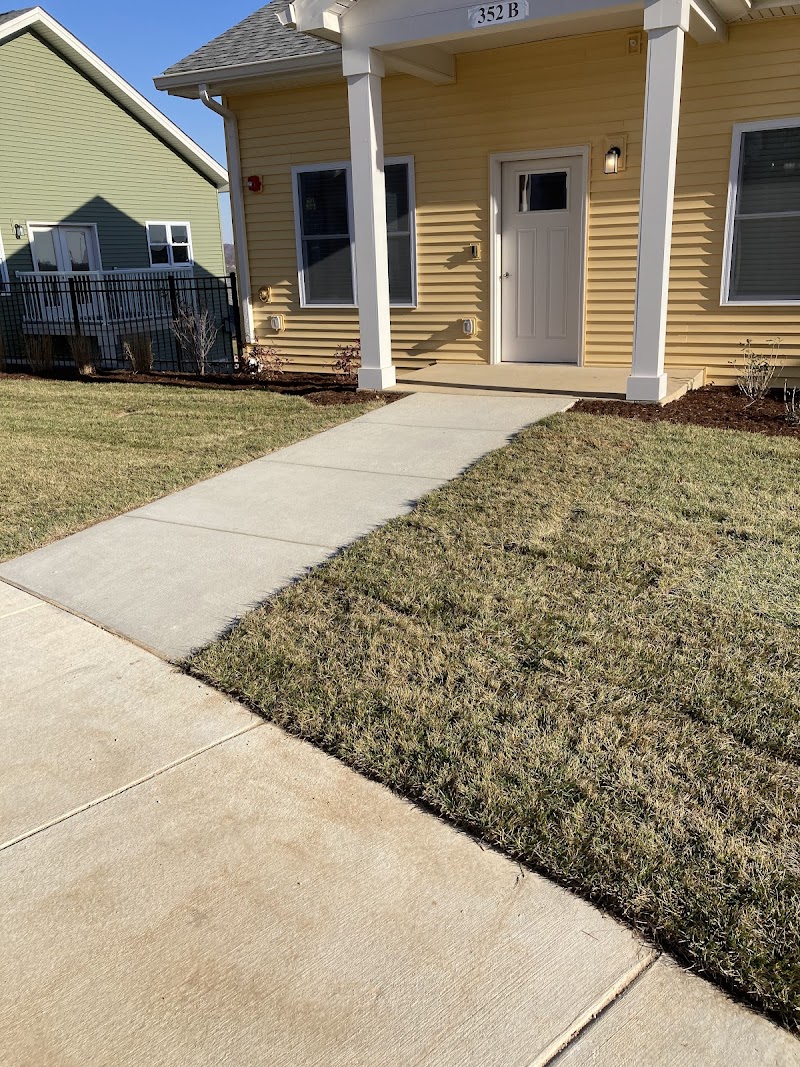
How Does St Andrew'S At Francis Place Compare to Other Missouri Nursing Homes?

Compared to the 100 nursing homes in Missouri, ST ANDREW'S AT FRANCIS PLACE's overall rating (3 stars) is above the state average of 2.5, staff turnover (40%) is near the state average of 46%, and health inspection rating (3 stars) is at the national benchmark.

What Should Families Ask When Visiting St Andrew'S At Francis Place?

Based on this facility's data, families visiting should ask: "What changes have been made since the serious inspection findings, and how are you preventing similar issues?" "Can I visit during a mealtime to observe dining assistance and food quality?" "How do you handle medical emergencies, and what is your hospital transfer rate?" "Can I speak with family members of current residents about their experience?" These questions are particularly relevant given the facility's Immediate Jeopardy citations.

Is St Andrew'S At Francis Place Safe?

Based on CMS inspection data, ST ANDREW'S AT FRANCIS PLACE has documented safety concerns. Inspectors have issued 1 Immediate Jeopardy citation (the most serious violation level indicating risk of serious injury or death). The facility has a 3-star overall rating and ranks #1 of 100 nursing homes in Missouri. Families considering this facility should ask detailed questions about what corrective actions have been taken since these incidents.

Do Nurses at St Andrew'S At Francis Place Stick Around?

ST ANDREW'S AT FRANCIS PLACE has a staff turnover rate of 40%, which is about average for Missouri nursing homes (state average: 46%). Moderate turnover is common in nursing homes, but families should still ask about staff tenure and how the facility maintains care continuity when employees leave.

Was St Andrew'S At Francis Place Ever Fined?

ST ANDREW'S AT FRANCIS PLACE has been fined $77,664 across 1 penalty action. This is above the Missouri average of $33,856. Fines in this range indicate compliance issues significant enough for CMS to impose meaningful financial consequences. Common causes include delayed correction of deficiencies, repeat violations, or care failures affecting resident safety. Families should ask facility leadership what changes have been made since these penalties.

Is St Andrew'S At Francis Place on Any Federal Watch List?

ST ANDREW'S AT FRANCIS PLACE is not on any federal watch list. The most significant is the Special Focus Facility (SFF) program, which identifies the bottom 1% of nursing homes nationally based on persistent, serious quality problems. Not being on this list means the facility has avoided the pattern of deficiencies that triggers enhanced federal oversight. This is a positive indicator, though families should still review the facility's inspection history directly.