ASPIRE SENIOR LIVING EXCELSIOR SPRINGS
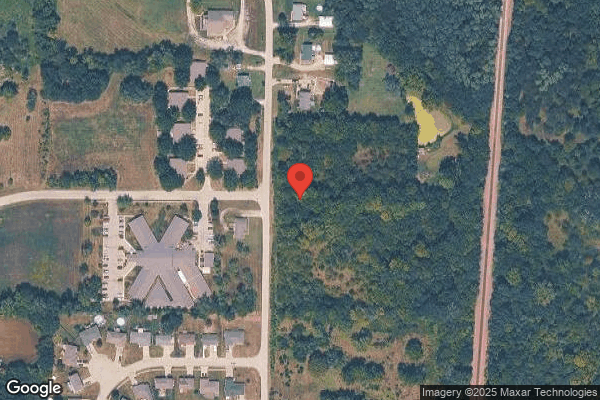

1003 MEADOWLARK LANE, EXCELSIOR SPRINGS, MO 64024 (816) 630-3145
For profit - Corporation 108 Beds ASPIRE SENIOR LIVING Data: November 2025
Trust Grade
50/100
#221 of 479 in MO
Last Inspection: July 2024

Within standard 12-15 month inspection cycle. Federal law requires annual inspections.

Overview

Aspire Senior Living Excelsior Springs has a Trust Grade of C, which means it is average among nursing homes, falling in the middle of the pack. It ranks #221 out of 479 facilities in Missouri, placing it in the top half, but it is #6 out of 9 in Clay County, indicating that only one local option is better. The facility is improving, with issues decreasing from 18 in 2022 to just 5 in 2024. Staffing is a concern, rated at 1 out of 5 stars, but the turnover rate is 0%, which is significantly better than the state average. Although there have been no fines, several serious concerns were found during inspections, including failures to keep medical records accessible for several residents and inadequate quality assurance processes, which could affect the overall care quality. Overall, while the home has some strengths, such as being in the top half of the state and having no fines, it also has notable weaknesses, particularly in staffing and certain operational practices that could impact resident care.

Trust Score
C
50/100
In Missouri
#221/479
Top 46%
Safety Record
Low Risk
No red flags
Inspections
Getting Better
18 → 5 violations
Staff Stability
○ Average
Turnover data not reported for this facility.
Penalties
✓ Good
No fines on record. Clean compliance history, better than most Missouri facilities.
Skilled Nurses
○ Average
RN staffing data not reported for this facility.
Violations
⚠ Watch
29 deficiencies on record. Higher than average. Multiple issues found across inspections.
★★☆☆☆
2.0
Overall Rating
★☆☆☆☆
1.0
Staff Levels
★★★☆☆
3.0
Care Quality
★★★☆☆
3.0
Inspection Score
Stable
2022: 18 issues
2024: 5 issues

The Good

  • Full Sprinkler Coverage · Fire safety systems throughout facility
  • No fines on record

Facility shows strength in fire safety.

The Bad

2-Star Overall Rating

Near Missouri average (2.5)

Below average - review inspection findings carefully

Chain: ASPIRE SENIOR LIVING

Part of a multi-facility chain

Ask about local staffing decisions and management

The Ugly 29 deficiencies on record

Dec 2024 1 deficiency
CONCERN (D) 📢 Someone Reported This

A family member, employee, or ombudsman was alarmed enough to file a formal complaint

Potential for Harm - no one hurt, but risky conditions existed

Deficiency F0839 (Tag F0839)

Could have caused harm · This affected 1 resident

**NOTE- TERMS IN BRACKETS HAVE BEEN EDITED TO PROTECT CONFIDENTIALITY** Based on interview and record review, the facility failed to maintain a qualified licensed administrator on duty from [DATE] to ...

Read full inspector narrative →
**NOTE- TERMS IN BRACKETS HAVE BEEN EDITED TO PROTECT CONFIDENTIALITY** Based on interview and record review, the facility failed to maintain a qualified licensed administrator on duty from [DATE] to [DATE]. The facility census was 78. Review of an undated facility policy regarding the Administrator showed: -The governing board of this facility has appointed an Administrator who is duly licensed in accordance with current federal and state requirements. A licensed administrator is responsible for the day-to-day functions of the facility. Review of the job description for the Administrator position showed: - Minimum Requirements, Abilities and Expectations include Current Administrator license or certification as required by state regulations. Review of the current Missouri Association of Nursing Home Administrators license registry web site showed Administrator A not listed as a current Missouri Licensed Administrator. During an interview on [DATE] at 11:45 A.M., Administrator A said she was not aware her license had expired and she would reach out to the Missouri Board of Nursing Home Administrators (BNHA) about the status of her license. Review of documentation provided by the BNHA shows the following: - [DATE] Administrator A was issued a license renewal reminder email; - [DATE] Administrator A was issued a second license renewal reminder email; - [DATE] Administrator A was issued a late license renewal reminder email. During an interview on [DATE] at 1:30 P.M., Administrator A said she had not received any emails from the BNHA regarding the need to renew her license. She notified the corporate office as soon as she became aware her license was expired. Administrator B was hired to serve as the licensed administrator for the facility until Administrator A can renew her license. Administrator A said it was an oversight on her part not to renew her license and she knows that she needs to maintain a valid license to serve as the administrator of a long-term care facility. During an interview on [DATE] at 3:30 P.M., Administrator B said: - She has stepped in to serve as the licensed administrator until the BNHA renews Administrator A's license; - When not serving as an Administrator at the facility, she works in a corporate role and her expectation is for administrators to maintain a valid administrator license; - The facility does not have a policy available regarding checking license status specific to administrators. We will implement one going forward. MO241880
Jul 2024 4 deficiencies
CONCERN (D)

Potential for Harm - no one hurt, but risky conditions existed

Infection Control (Tag F0880)

Could have caused harm · This affected 1 resident

**NOTE- TERMS IN BRACKETS HAVE BEEN EDITED TO PROTECT CONFIDENTIALITY** Based on observation, interview, and record review, the facility failed to ensure that staff appropriately cleaned and disinfect...

Read full inspector narrative →
**NOTE- TERMS IN BRACKETS HAVE BEEN EDITED TO PROTECT CONFIDENTIALITY** Based on observation, interview, and record review, the facility failed to ensure that staff appropriately cleaned and disinfected patient equipment after using a wrist cuff and manual blood pressure cuff for one of three residents (Resident (R) 21) observed during the medication pass out of a total census of 77. This failure could promote the spread of multi drug resistant organisms (MDROs) throughout the facility. The facility census was 77. Review of the facility's undated policy titled, Medication Cart Clean/Disinfecting, revealed, . Clean all equipment (BP cuffs, pulse ox, etc.) that comes in contact with resident per packaging between each use . Review of R21's admission Record, located under the Profile tab of the electronic medical record (EMR) revealed R21 was admitted to the facility on [DATE] with diagnoses that included cerebral ischemia. During an observation on 07/24/24 at 8:55 AM, Certified Medication Aide (CMT) 1 took R21's blood pressure using a wrist cuff. CMT1 then placed the dirty wrist cuff on top of the medication cart and left. She returned five minutes later with a manual blood pressure cuff and rechecked R21's blood pressure. CMT1 placed the manual blood pressure cuff on top of the medication cart and wrapped her stethoscope around her neck. CMT1 wiped the wrist cuff with an alcohol prep pad and placed it back on the medication cart in the same area. She did not clean the top of the medication cart or use a barrier. She then cleaned the manual blood pressure cuff with an alcohol prep pad and placed it back in its' case. CMT1 removed her stethoscope, cleaned it with an alcohol prep pad, and placed it back around her neck. During an interview on 07/25/24 at 9:15 AM, CMT1 stated, We're supposed to wipe them [blood pressure cuffs] clean for each resident and at the end of my shift. She stated, I use alcohol pads to clean patient equipment. We use the [NAME] disposable germicidal surface wipes to clean the top of our med cart. CMT1 stated the medication carts were cleaned at the end of each shift. She stated, I'll have to look up the dry time for alcohol pads and germicidal surface wipes. During an interview on 07/25/24 at 9:35 AM, the Director of Nursing (DON) was asked what her expectation was related to cleaning patient care equipment, including blood pressure cuffs and stethoscopes. She stated, My expectation and the standard are to clean after every use. She stated, I clean mine when I get it out of my bag. I always wipe it down with cleanser or alcohol after each use and before next use. The DON stated she had just ordered new disinfecting wipes and was unsure of the dry time. During an interview on 07/25/24 at 9:41 AM, the Infection Preventionist (ICP) stated, I do infection control training and handwashing during onboarding, and we do it sporadically. She stated, We do training on cleaning patient care equipment several times, at least three to four times, throughout the year. 3-4 times a year. The ICP stated the dry time for the sanitizing wipes used by the facility was four minutes. During an interview on 07/25/24 at 10:07 AM, the Administrator stated, My expectation is to clean [patient care equipment] in between each resident and before and after use, just like they clean their carts. The Administrator stated the facility had sanitizing wipes and alcohol prep pads for cleaning and disinfecting. The Administrator stated, It's ok to use an alcohol swab to clean the pulse oximeters, but I expect a disinfectant wipe to be used on the blood pressure cuffs. It's not acceptable to use an alcohol swab on a blood pressure cuff.
CONCERN (D)

Potential for Harm - no one hurt, but risky conditions existed

Antibiotic Stewardship (Tag F0881)

Could have caused harm · This affected 1 resident

**NOTE- TERMS IN BRACKETS HAVE BEEN EDITED TO PROTECT CONFIDENTIALITY** Based on interview, record review, and review of Centers for Disease Control and Prevention (CDC) guidance and facility policy,...

Read full inspector narrative →
**NOTE- TERMS IN BRACKETS HAVE BEEN EDITED TO PROTECT CONFIDENTIALITY** Based on interview, record review, and review of Centers for Disease Control and Prevention (CDC) guidance and facility policy, the facility failed to maintain a functional Antibiotic Stewardship Program that ensured criteria was met for the use of antibiotics for one of two residents (Resident (R) 47) reviewed for antibiotics out of a total sample of 22. This had the potential to cause residents to be prescribed antibiotics that were potentially unnecessary. The facility census was 77. Review of an undated, untitled CDC document located at https://www.cdc.gov/antibiotic-use/hcp/core-elements/nursing-homes-antibiotic-stewardship.html revealed, The Core Elements of Antibiotic Stewardship for Nursing Homes indicated . Improving the use of antibiotics in healthcare to protect patients and reduce the threat of antibiotic resistance is a national priority . Antibiotic stewardship refers to a set of commitments and actions designed to 'optimize the treatment of infections while reducing the adverse events associated with antibiotic use' . CDC also recommends that all nursing homes take steps to improve antibiotic prescribing practices and reduce inappropriate use . Nursing homes monitor both antibiotic use practices and outcomes related to antibiotics in order to guide practice changes and track the impact of new interventions. Below are examples of antibiotic use and outcome measures . Process measures: Tracking how and why antibiotics are prescribed . Antibiotic use measures . Tracking how often and how many antibiotics are prescribed . Antibiotic outcome measures . Tracking the adverse outcomes . Review of facility's policy titled Antibiotic Stewardship, dated 01/30/24, revealed, . Develop and implement protocols to optimize the treatment of infections by ensuring that residents who require an antibiotic are prescribed the appropriate antibiotic. Reduce the risk of adverse events, including the development of antibiotic resistant organisms, from unnecessary or inappropriate antibiotic use . Regular reporting on antibiotic use and resistance to relevant staff such as prescribing clinicians and nursing staff . The antibiotic stewardship program protocols describe how the program will be implemented and antibiotic use will be monitored, consequently protocols must . Contain a system of reports related to monitoring antibiotic usage and resistance data . Review of R47's admission Record, located under the Face Sheet tab of the electronic medical record (EMR), revealed R47 was admitted to the facility on [DATE] with diagnoses that included chronic kidney disease stage 3 and urinary tract infection. Review of R47's Progress Notes, located under the Progress Notes tab of the EMR and dated 07/17/24 at 7:59 AM, revealed, .seems more confused and sad . res [resident] denies any urinary symptoms at this time . Review of R47's Physician Orders, located under the Orders tab of the EMR, revealed a physician's order, dated 07/17/24, for a urinalysis with culture due to increased confusion. Review of R47's Progress Notes, dated 07/17/24 through 07/19/24, revealed R47 was noted to have some confusion but was afebrile, had no urinary symptoms, and stated her mood was stable. Review of R47's Progress Notes, located under the Progress Notes tab of the EMR and dated 07/19/24 at 6:39 PM, revealed the results of the 07/17/24 urinalysis results were positive for gram negative bacilli in excess of 100,000 CFU/ml (colony forming unit per milliliter) and that the culture results were not available yet. Review of R47's Physician Orders, located under the Orders tab of the EMR and dated 07/20/24, revealed a physician's order for one tablet of Bactrim DS 800-160 milligram (mg) twice a day for a urinary tract infection. Review of R47's Progress Notes, dated 07/20/24 through 07/22/24, revealed no documentation R47 was having any signs or symptoms of a urinary tract infection. Review of R47's Progress Notes, located under the Progress Notes tab of the EMR and dated 07/22/24 at 11:21 AM, revealed, . denies any difficulty urinating . Review of R47's Progress Notes, located under the Progress Notes tab of the EMR and dated 07/23/24 at 9:44 AM, revealed R47's urine culture showed greater than 100,000 CFU/ml of Proteus mirabilis ESBL and Gram-Negative Bacilli. It was recorded, . Res [resident] has been on Bactrim DS but C&S [culture and sensitivity] report shows resistance. Review of R47's Revised McGeer Criteria for Infection Surveillance Checklist, dated 07/23/24 and completed three days after the physician first ordered Bactrim DS 800-160mg, revealed the urinary tract infection (UTI) criteria was not met. The Checklist recorded constitutional criteria of fever, leukocytosis, acute mental status change, and acute functional decline. R47 did not meet any of these criteria. Review of R47's Progress Notes, located under the Progress Notes tab of the EMR and dated 07/23/24 at 3:35 PM, revealed the physician had discontinued Bactrim DS and ordered for R47 to receive Gentamicin 60 mg intramuscularly (IM). Review of R47's Progress Notes, located under the Progress Notes tab of the EMR and dated 07/23/24 at 11:15 PM, revealed R47 remained asymptomatic of a UTI. It was recorded R47 denied urinary discomfort, remained afebrile, and had no signs or symptoms of distress. Review of R47's Physician Orders, located under the Orders tab of the EMR and dated 07/24/24, revealed R47 was to receive Gentamicin 60 mg IM every eight hours for three doses for a urinary tract infection. During an interview on 07/25/24 at 9:25 AM, the Infection Preventionist (ICP) stated that the facility used the McGeer Criteria for Infection Surveillance Checklist to determine antibiotic stewardship. She stated that the facility would contact the doctor to let them know what symptoms a resident had, the physician would order a urinalysis, and they might then start an order for antibiotics. The ICP stated that she would then complete a McGeer Checklist after the urinalysis was ordered. She stated that she would consider appropriate symptoms for a possible urinary infection and need for a urinalysis to include suprapubic pain, frequency, and foul urine odor. During an additional interview on 07/25/24 at 12:19 PM, the ICP stated that facility nurses would let her know when there was a new physician's order for a urinalysis or antibiotic. She stated that R47's family had a concern that the resident had increased confusion, so they had requested a urinalysis. The ICP confirmed that the staff was aware R47 did not meet the criteria for a urinalysis and that a physician's order for antibiotics was implemented prior to receiving the results of a sensitivity test. The ICP stated that when the sensitivity came back from the laboratory, it had indicated the resident was resistant to the prescribed antibiotic, the physician order for Bactrim DS was discontinued, and a new antibiotic was ordered. During an interview on 07/25/24 at 1:20 PM, the Director of Nursing (DON) confirmed that the facility should have followed the antibiotic stewardship protocol, including the use of the McGeer Criteria for Infection Surveillance Checklist. The DON stated that if a resident's symptoms did not meet the criteria, a urinalysis should not be completed. He confirmed that there had been a concern with antibiotic stewardship at the facility, and not all physicians were following the facility protocol. The DON stated that continuing education needed to take place to ensure there was better understanding for why the facility followed the McGeer Criteria tool. He confirmed that R47 did not meet the criteria for the use of antibiotics.
CONCERN (E)

Potential for Harm - no one hurt, but risky conditions existed

Deficiency F0761 (Tag F0761)

Could have caused harm · This affected multiple residents

Based on observation, interview, and facility policy review, the facility failed to remove expired medications from two of two medication storage rooms observed for medication storage. This failure ha...

Read full inspector narrative →
Based on observation, interview, and facility policy review, the facility failed to remove expired medications from two of two medication storage rooms observed for medication storage. This failure had the potential to subject residents to unsafe or ineffective treatments. The facility census was 77. Review of the facility's undated policy titled, Storage of Medications revealed, . No discontinued, outdated, or deteriorated medications are to be used . All such medications are destroyed according to a facility policy . During an observation on 07/24/24 at 10:46 AM, Licensed Practical Nurse (LPN) 1 and the surveyor observed the medication room by nurse's station. Three tubes of expired Skintegrity Hydrogel, used in the treatment of some pressure ulcers, were noted on a shelf within a cabinet. Two of the tubes had an expiration date of May 2024. One had an expiration date of October 2023. LPN1 confirmed the hydrogel had expired and removed the tubes from the medication room. During an interview on 07/24/24 at 10:48 AM, LPN1 stated, The supply person goes through the med rooms daily. They check the expiration dates and stock for reordering. During an observation and interview on 07/24/24 at 11:04 AM, Certified Medication Aide (CMT) 1 and the surveyor observed the medication room on the 400 hall. Two bottles of cranberry (sometimes used to help prevent urinary tract infections) 450 milligrams (mg) tabs, 100 count in each, with the expiration date of May 2024 were found on a shelf within a cabinet. Three bottles of Thera-M multi-vitamins, 130 caplets in each, with expiration date of April 2024, were noted in another cabinet in the same medication storage room. CMT1 confirmed these medications were expired and removed them from medication room. CMT1 stated, I believe there is someone that checks expiration dates and destroys them. During an interview on 07/25/24 at 11:13 AM, the Infection Preventionist (ICP) nurse, who was also the wound care nurse, stated, I don't know who checks for expired meds. I know we have someone that destroys meds. During an interview on 07/25/24 at 12:16 PM, the Administrator stated, The nurses and CMTs do monthly audits on both med rooms and all the med carts. They also check when they are putting new stock medication away. The Administrator stated the process was for staff to pull older medication stock forward and put any new stock behind the older stock.
CONCERN (E)

Potential for Harm - no one hurt, but risky conditions existed

Food Safety (Tag F0812)

Could have caused harm · This affected multiple residents

Based on observation, interview, and policy review, the facility failed to store food in accordance with professional standards of food service safety for 17 of 17 residents who received nutritional s...

Read full inspector narrative →
Based on observation, interview, and policy review, the facility failed to store food in accordance with professional standards of food service safety for 17 of 17 residents who received nutritional supplements. This had the potential to result in food born illnesses for residents who consumed nutritional supplements. The facility census was 77. Review of the facility's undated policy titled, Aspire Supplements, revealed the policy did not address thaw and use-by dates for any dietary supplement. During the initial tour of the kitchen on 07/22/24 at 8:40 AM, a box containing 59 four-ounce thawed Mighty Shakes (a nutritional supplement) was noted in the walk-in refrigerator in the main kitchen. The box was dated 08/22/24. Each four-ounce carton contained a warning label that recorded, . store frozen, thaw at below 40 degrees. Use thawed product within 14 days . It was recorded that Mighty Shake ingredients included skim milk. The nutritional supplements were not labeled with a thaw or use-by date. At 8:45 AM, seven Mighty Shakes were noted in the reach-in refrigerator in the main kitchen. The Mighty Shakes were not labeled with a thaw or use-by date. During an interview on 07/22/24 at 8:45 AM, the Dietary Manager (DM) revealed she was not aware of the thawing and use-by time frames on the Mighty Shake carton but did have a date on the box containing the Mighty Shakes. The DM verified she did not know who wrote the date on the Mighty Shake box or what the date meant.
Jun 2022 18 deficiencies
CONCERN (D)

Potential for Harm - no one hurt, but risky conditions existed

Deficiency F0568 (Tag F0568)

Could have caused harm · This affected 1 resident

Based on interview and record review, the facility failed to provide individual residents with quarterly statements for two (Resident #45 and Resident #4) of two sampled residents. The facility census...

Read full inspector narrative →
Based on interview and record review, the facility failed to provide individual residents with quarterly statements for two (Resident #45 and Resident #4) of two sampled residents. The facility census was 54. The facility did not provide a policy regarding providing quarterly statements. The facility was unable to provide any quarterly statements for Resident #45 or Resident #4. During an interview on 6/23/22 at 10:50AM, the Administrator said: - The facility currently does not have a Business Office Manager (BOM). - The Administrator believes that the previous BOM did send out quarterly statements to residents or their responsible parties. - The facility does not have access to these records to verify this has been done. During a recent change of ownership, the facility lost access to the Business Office records.
CONCERN (D)

Potential for Harm - no one hurt, but risky conditions existed

Deficiency F0582 (Tag F0582)

Could have caused harm · This affected 1 resident

Based on record review and interview, the facility failed to ensure they utilized the correct Skilled Nursing Facility Advance Beneficiary Notice (SNFABN) form, a form that provides information to res...

Read full inspector narrative →
Based on record review and interview, the facility failed to ensure they utilized the correct Skilled Nursing Facility Advance Beneficiary Notice (SNFABN) form, a form that provides information to residents/beneficiaries so that they can decide if they wish to continue receiving the skilled services that may not be paid for by Medicare and assume financial responsibility, for two residents sampled for beneficiary notifications (Resident #45 and Resident #33). The facility census was 54. The facility did not provide a policy for the SNFABN notices. 1. Review of Resident #45's medical record on 6/23/22 at 10:34 A.M. showed: - The resident received Medicare services beginning on 3/24/22 with the last covered day on 5/9/22; - Therapy discharged the resident from Medicare covered services on 5/9/22; - The facility issued the SNFABN notice on 5/6/22, but used an outdated form. 2. Review of Resident #154's medical record on 6/23/22 at 10:35 A.M. showed: - The resident received Medicare services beginning on 12/29/21 with the last covered day on 1/18/22; - Therapy discharged the resident from Medicare covered services on 1/18/22; - The facility issued the SNFABN notice on 1/14/22, but used an outdated form. 3. During an interview on 6/23/22 at 12:30 P.M. the Social Services Director (SSD) said: - He/she is responsible for the SNFABN and issuing the notices to the resident; - He/she received the SNFABN notices from the prior company; - He/she was unaware that the notices were outdated. During an interview on 6/23/22 at 12:30 P.M. the Administrator said: - She expects the current SNFABN form to be used; - She or the SSD will check the website for the most current form.
CONCERN (D)

Potential for Harm - no one hurt, but risky conditions existed

Abuse Prevention Policies (Tag F0607)

Could have caused harm · This affected 1 resident

Based on interview and record review, the facility failed to screen four of five newly hired staff members when they did not check the Nurse Aide (NA) Registry upon hire. The facility census was 54. R...

Read full inspector narrative →
Based on interview and record review, the facility failed to screen four of five newly hired staff members when they did not check the Nurse Aide (NA) Registry upon hire. The facility census was 54. Review of the facility policy titled Abuse Prevention Program dated as revised December 2016 included the following: - The policy statement showed the residents have the right to be free from abuse, neglect, misappropriation of resident property and exploitation. - As part of their abuse prevention, the administration will conduct employee background checks and will not knowingly employ any individual who have had a finding entered into the state Nurse Aide Registry concerning abuse, neglect, exploitation, mistreatment of residents or misappropriation of their property. 1. Review of Housekeeping Supervisor's (HS) personnel file showed his/her date of hire was 3/23/22. There was no documentation to show they checked the NA registry. 2. Review of NA A's personnel file showed his/her date of hire was 5/2/22. There was no documentation to show they checked the NA registry. 3. Review of Dietary Staff (DS) B's personnel file showed his/her date of hire was 1/12/22. There was no documentation to show they checked the NA registry. 4. Review of Licensed Practical Nurse (LPN) A's personnel filed showed his/her date of hire was 6/3/22. There was no documentation to show they checked the NA registry. 5. During an interview on 6/23/22 at 1:30 P.M., the Administrator said she did not know she had to run NA Registry checks on all staff, not just Certified Nurse Aides (CNA).
CONCERN (D)

Potential for Harm - no one hurt, but risky conditions existed

Deficiency F0660 (Tag F0660)

Could have caused harm · This affected 1 resident

Based on interview and closed record review, the facility failed to ensure a discharge planning process was in place which addressed goals and needs, including caregiver support and referrals to local...

Read full inspector narrative →
Based on interview and closed record review, the facility failed to ensure a discharge planning process was in place which addressed goals and needs, including caregiver support and referrals to local contact agencies, as appropriate and involved the resident and if applicable the resident representative and interdisciplinary team in developing a discharge plan for one resident (Resident #53) in a review of two closed records. The facility census was 54. The facility did not provide a policy for discharge planning. 1. Review of the progress note dated 4/7/22 at 11:09 A.M. showed: - The resident was discharged home with Hospice. - The resident took all medications with him/her. Review of the closed medical record for Resident #53 showed no discharge care plan with instructions for the family for the care of the resident at home. No care plan to address the Hospice needs or goals for the discharge of the resident to home. During an interview on 6/23/22 at 3:17 P.M. the Social Services Director (SSD) said: - The resident went home with Hospice services. - There is no discharge plan of care for the family or the resident. During an interview on 6/23/22 at 3:17 P.M. the Administrator said: - She would expect a discharge care plan to be developed for the residents who plan on discharging from the facility.
CONCERN (D)

Potential for Harm - no one hurt, but risky conditions existed

Deficiency F0661 (Tag F0661)

Could have caused harm · This affected 1 resident

Based on interview and closed record review, the facility staff failed to complete a comprehensive discharge summary for one discharged residents (Resident #53). The facility census was 54. Record rev...

Read full inspector narrative →
Based on interview and closed record review, the facility staff failed to complete a comprehensive discharge summary for one discharged residents (Resident #53). The facility census was 54. Record review of the closed record for Resident #53 showed the resident was discharged to home on 4/7/22 and the staff did not complete a discharge summary. During an interview on 6/23/22 at 3:17 P.M. the Social Services Director (SSD) said: - He/she is responsible for writing the discharge summaries when a resident is discharged from the facility; - The resident was discharged to home, there was no discharge summary completed. During an interview on 6/23/22 at 3:17 P.M. the Administrator said: -She would expect a discharge summary to be written when a resident is discharged from the facility.
CONCERN (E)

Potential for Harm - no one hurt, but risky conditions existed

Deficiency F0727 (Tag F0727)

Could have caused harm · This affected multiple residents

Based on interview and record review, the facility failed to ensure they employed a Registered Nurse (RN) for eight consecutive hours per day, seven days per week. The facility census was 54. The faci...

Read full inspector narrative →
Based on interview and record review, the facility failed to ensure they employed a Registered Nurse (RN) for eight consecutive hours per day, seven days per week. The facility census was 54. The facility did not provide a policy regarding RN staffing. Review of the staffing sheets for March 2022 showed: - No RN scheduled for eight consecutive hours on 3/13/22 and 3/27/22. Review of the staffing sheets for April 2022 showed: - No RN scheduled for eight consecutive hours 4/9/22, 4/16/22, 4/17/22, 4/23/22, and 4/24/22. Review of the staffing sheets for May 2022 showed: - No RN scheduled for eight consecutive hours on 5/7/22 and 5/22/22. Review of the staffing sheets for June 2022 showed: - No RN scheduled for eight consecutive hours on 6/4/22, 6/5/22, 6/18/22, and 6/19/22. During an interview on 6/23/22 at 3:00 P.M., the Administrator said: - The facility has an RN that primarily works the night shift, 6:00 P.M. to 6:00 A.M. - The administrator thought this constituted 8 consecutive hours of RN coverage within a 24 hour period.
CONCERN (E)

Potential for Harm - no one hurt, but risky conditions existed

Deficiency F0730 (Tag F0730)

Could have caused harm · This affected multiple residents

Based on interview and record review, the facility failed to provide record that Certified Nurse Assistants (CNAs) received the required 12 hours in-service education; failed to provide record that co...

Read full inspector narrative →
Based on interview and record review, the facility failed to provide record that Certified Nurse Assistants (CNAs) received the required 12 hours in-service education; failed to provide record that competencies were completed and to provide dementia (a general term for the impaired ability to remember, think, or make decisions that interferes with doing everyday activities) education. The facility census was 54. The facility did not provide a policy regarding CNA education. The facility was unable to provide requested records documenting CNAs have received the required 12 hours per year of in-service education. During an interview on 6/23/22 at 3:00 P.M., the Administrator said due to the recent change of ownership, the facility and administrator do not have access to personnel records, including those verifying CNAs receiving the required 12 hours in-service education per year.
CONCERN (E)

Potential for Harm - no one hurt, but risky conditions existed

Drug Regimen Review (Tag F0756)

Could have caused harm · This affected multiple residents

**NOTE- TERMS IN BRACKETS HAVE BEEN EDITED TO PROTECT CONFIDENTIALITY** 1. Review of Resident #4's quarterly Multiple Data Set (MDS), a federally mandated assessment instrument completed by staff, dat...

Read full inspector narrative →
**NOTE- TERMS IN BRACKETS HAVE BEEN EDITED TO PROTECT CONFIDENTIALITY** 1. Review of Resident #4's quarterly Multiple Data Set (MDS), a federally mandated assessment instrument completed by staff, dated 6/12/22, showed: - Able to make self understood and understands others; - Brief Interview for Mental Status (BIMS), a structured evaluation aimed at evaluating aspects of cognition in elderly patients, score of 15, indicating no cognitive impairment. - Independent with activities of daily living; - Receives antianxiety medication seven days per week, antidepressant medication seven days per week. Review of the resident's physician orders sheet (POS), dated June 2022, showed: - Diagnoses of anxiety disorder (a group of mental health disorders that differ from normal feelings of nervousness or anxiousness and involve excessive fear or anxiety), major depressive disorder (a mood disorder that causes a persistent feeling of sadness and loss of interest and can interfere with daily life), and insomnia (a sleep disorder affecting a person's ability fall asleep and stay asleep.) - Order for Buspirone, an anti-anxiety medicine, 10 miligrams, three times per day for anxiety; - Order for melatonin, a supplemental used to assist in sleep, 3 miligrams, at bedtime for insomnia; - Order for Effexor, a medication used to treat depression, 75 miligrams, 3 capsules daily at bedtime to equal 225 miligrams for depression; - Order for lorazepam, a medication used to treat anxiety, 0.5 miligrams daily for anxiety. Review of pharmacist medication regimen review for January 2022 showed: -No record of the pharmacist review of the resident's medication. Review of pharmacist medication regimen review for February 2022 showed: - Recommendation by pharmacist to discontinue the order for nicotine gum, a nicotine replacement therapy product. Review of pharmacist medication regimen review for April 2022 showed: -- No record of the pharmacist review of the resident's medication. 2. Review of Resident #30's annual MDS, dated [DATE], showed: - Makes self understood and understands others. - Scored 15 on BIMS, indicating no cognitive impairment. - Independent with activities of daily living. - Receives anti-anxiety medication seven days per week and antidepressant medication 6 days per week. Review of the resident's POS dated June 2022 showed: - Diagnosis of major depressive disorder; - Order for Buspirone, 5 miligrams three times per day for anxiety; - Lexapro, a medication used to treat depression and anxiety, 20 miligrams once per day for major depressive disorder. - Clonazepam, a medication used to treat seizure disorders and panic disorders, 1 miligram, twice per day for anxiety. Review of the pharmacist medication regimen review for January 2022 showed: - No record of the pharmacist review of the resident's medication. Review of the pharmacist medication regimen review for February 2022 showed: - Pharmacist reviewed the resident's medication and recommended a review of the resident's blood pressure medication by the cardiologist. Review of the pharmacist medication regimen review for April 2022 showed: - No record of the pharmacist review of the resident's medication. 3. During an interview on 6/23/22 at 4:31 P.M., the Director of Nursing (DON) said: -The DON is responsible for ensure the monthly pharmacy medication regimen reviews and gradual dose reductions are being performed and document. -He/she agrees there is a lack of documentation on monthly medication regimen reviews and gradual dose reductions for the facility. Based on record review and staff interviews, the facility failed to ensure pharmacy services thoroughly reviewed the resident medication regimens to identify irregularities related to the use of psychotropic medications for two of 14 sampled residents (Resident #4 and #30) reviewed for unnecessary psychotropic medication use. The facility census was 54. Review of the facility policy for Psychopharmcologic Drugs Gradual Dose Reduction (GDR) Schedule, dated 2009, showed: - Antipsychotics (Antipsychotics, also known as neuroleptics, are a class of psychotropic medication primarily used to manage psychosis, principally in schizophrenia but also in a range of other psychotic disorders. They are also the mainstay together with mood stabilizers in the treatment of bipolar disorder.): - During the first year of use of these drugs, there must be a gradual dose reduction attempt in two separate quarters, unless clinically contraindicated. The attempts should be at least a month apart; - After the first year, the gradual dose reduction should be attempted at least once a year; - If the gradual dose reduction is unsuccessful, further reductions can be considered clinically contraindicated. - Definition of Clinically contraindicated for Antipsychotics: for residents with dementia: - If the resident's symptoms returned or worsened after the most recent GDR attempt; - The physician has documented the clinical rationale for why any additional attempted dose reduction would likely to impair the resident's function or increase distressed behavior; - For residents with a psychiatric disorder other than dementia: If the continued use is in accordance with relevant current standards of practice and the physician has documented the clinical rationale for why any additional attempted dose reduction would likely to impair the resident's function or cause psychiatric instability by exacerbating an underlying psychiatric disorder; - If the resident's symptoms returned or worsened after the most recent GDR attempt and the physician has documented the clinical rationale for why any additional attempted dose reduction would likely impair the resident's function or cause psychiatric instability by exacerbating an underlying psychiatric disorder.
CONCERN (E)

Potential for Harm - no one hurt, but risky conditions existed

Deficiency F0804 (Tag F0804)

Could have caused harm · This affected multiple residents

Based on observations, interviews and record review, the facility failed to assure staff served food to the residents that was palatable, attractive, and served at a safe and acceptable temperature to...

Read full inspector narrative →
Based on observations, interviews and record review, the facility failed to assure staff served food to the residents that was palatable, attractive, and served at a safe and acceptable temperature to the residents. The facility census was 54. Review of the facility policy for food temperatures, dated April 2006, showed: -The Dietary Services Manager (DSM) or designee is responsible for seeing that all food is the proper serving temperature(s) before trays are assembled. -Keep the temperature of hot foods no less than 140 Degrees Fahrenheit during tray assembly. -Hot food should be at least 120 Degrees Fahrenheit when served to the resident. -Take and record all temperatures for all items at all meals. Observation of the regular meal test hall tray on 6/21/22 at 1:00 P.M., showed: -Roast Pork was 133.3 degrees Fahrenheit; -Baked Sweet Potato was 125.4 degrees Fahrenheit; -Green Beans were 106.1 degrees Fahrenheit; -Apple Cobbler was 101.2 degrees Fahrenheit. Observation of the pureed meal test tray on 6/21/22 at 1:14 P.M., showed: -Roast Pork was 137.1 degrees Fahrenheit; -Green Beans were 141.9 degrees Fahrenheit; -Mashed Sweet Potatoes were 138.3 degrees Fahrenheit; -Apple Cobbler was 117.1 degrees Fahrenheit. During an interview on 6/20/22 at 9:25 A.M., Resident #29 said: -The eggs are cold at breakfast. During an interview on 6/20/22 at 9:42 A.M., Resident #47 said: -He/she eats in his/her room. The food is not hot or cold, but luke warm when it gets to the room. During an interview on 6/20/22 at 9:54 A.M., Resident #50 said: -He/she eats in his/her room. The food is cold when it gets to the room. During an interview on 6/20/22 at 4:05 P.M., Resident #12 said: -He/she eats in his/her room. The food is always cold when it gets to the room and it is terrible. During an interview on 6/23/22 at 10:23 A.M., Dietary Aide A said: -The temperture of hot food at the time of service should be 145 degrees Fahrenheit. During an interview on 6/23/22 at 10:27 A.M. the Dietary Manager said: -Hot food should be above 120 degrees Fahrenheit at the time of service.
CONCERN (E)

Potential for Harm - no one hurt, but risky conditions existed

Food Safety (Tag F0812)

Could have caused harm · This affected multiple residents

Based on observation and interviews, the facility failed to ensure staff stored and prepared food in a safe and sanitary manner, and dispose of food in a timely manner. The facility census was 54. Re...

Read full inspector narrative →
Based on observation and interviews, the facility failed to ensure staff stored and prepared food in a safe and sanitary manner, and dispose of food in a timely manner. The facility census was 54. Review of the facility policy on Receiving and Storage of Food, dated April 2011, showed: -The Dining Services Managers (DSM) is responsible for receiving and storing food and nonfood items. -All perishable items are stored in either refrigerators (at a temperature of 40 degrees Fahrenheit or below) or freezers (at a temperature of 0 degrees Fahrenheit or below.) -Follow the rule of First In First Out (FIFO) Observation of the kitchen on 6/20/22 at 10:02 A.M., showed: - Large fan over the ice machine dirty with dust and debris; - The hood and air filters over the stove are dirty; - The top of the oven idirty with dust and food debris. Observation of the three door refrigerator on 6/20/22 at 10:15 A.M., showed: - Three packages of tortillas, wrapped in plastic, no label or date; - One ziploc back of breakfast sausage, no label or date; - One open bag of mozzarella cheese, no label or date; - One ziploc back of cooked bacon, no label or date; - One open plastic bag of uncooked bacon, no label or date; - One open tube of whip cream, no date; - One open box of breakfast sausage, no date; - One gallon pitcher of orange juice, no date. Observation of dry storage on 6/20/22 at 10:31 A.M., showed: - One open bag of corn flakes, open to air, no label or date; - One open box of dry pancake mix, open to air, no date; - One open bag of powdered sugar, no date; - Eleven styrofoam bowls of cereal, covered in tin foil, no label or date; - One open bag of bowtie pasta, no date; - One open bag of rotini pasta, no date; - One open bag of egg noodles, no date; - Five gallon container of bread crumbs dated 5/1/21. Observation of the walk-in refrigerator on 6/20/22 at 10:47 A.M., showed: - One open box of muffins, no label or date; - One open bag of shredded cabbage, no label or date; - One open bag containing two heads of lettuce, no label or date; - Two 1 gallon containers of Mrs. Gerry's egg salad, dated 6/19/22; - One open box containing 6 red bell peppers covered with a mold-like substance. Observation of walk-in freezer on 6/20/22 at 10:55 A.M., showed: - One open bag of peas, no label or date; - One open bag of breaded chicken strips, no label or date; - One open bag of bread rolls, no label or date; - One open bag of frozen omelets, no label or date. During an interview of 6/23/22 at 10:23 A.M., Dietary Aide A said: - Food should be labeled and dated. - They use the three day rule, food should be thrown out after three days. - The date on the food is the date the item went in the fridge. - The food item should be labeled with both the date in and the date out. During an interview on 6/23/22 at 10:27 A.M., the Dietary Manager said: - Food items should always be labeled and dated. - Open items can remain in the refrigerator for three days, condiments can remain for seven days. - Food left over from meals should be labeled and dated and be used within three days.
CONCERN (E)

Potential for Harm - no one hurt, but risky conditions existed

Deficiency F0883 (Tag F0883)

Could have caused harm · This affected multiple residents

Based on record review and interviews, the facility failed to assure all residents were offered the flu and pneumonia vaccinations in a timely manner. This affected six out of 14 sampled residents (Re...

Read full inspector narrative →
Based on record review and interviews, the facility failed to assure all residents were offered the flu and pneumonia vaccinations in a timely manner. This affected six out of 14 sampled residents (Residents #7, #9, #12, #153, #34, and #36). The facility census was 54. The facility did not provide a policy for pneumonia or influenza vaccinations for the residents. Review of the Centers for Disease Control (CDC) website for Pneumococcal Vaccine Timing for Adults showed: - For those who have never received a pneumococcal vaccine or those with unknown vaccination history, administer one dose of PCV 15 (a 15-valent pneumococcal conjugate vaccine (Vaxeuvance) or a PCV29 (20 valent pneumococcal conjugate vaccine (Prevnar20) - If PCV 15 is used, the recommended interval for an additional vaccine is one year; - For those who previously received a vaccine the minimal interval for additional vaccination is one year 1. Review of Resident #9's medical record showed: - No documentation of the pneumonia vaccine and no documentation of influenza vaccine. 2. Review of Resident #153's medical record showed - No documentation of pneumonia vaccine or the influenza vaccine given or history of administration, nor any consents to administer the vaccines. 3. Review of Resident #34's medical record showed: - Prevnar 13 given on 10/23/18; - PPV23 (a pneumonia vaccine that should be given after an initial dose of the Prevnar 13) 10/23/19; - No further pneumococcal vaccines given. 4. Review of Resident #7's Physician Order Sheet (POS) dated 5/1/22 - 5/31/22 showed the following: - May have flu vaccine yearly, start date 3/1/21 and was open ended. - May have Pneumovax as indicated, 3/1/21and was open ended. No documentation of pneumonia vaccine or the influenza vaccine given or history of administration, nor any consents to administer the vaccines. 5. Review of Resident #12's POS dated 5/1/22 - 5/31/22 showed the following: - May have flu vaccine yearly, start date 3/1/21 and was open ended. - May have Pneumovax as indicated, 3/1/21and was open ended. No documentation of pneumonia vaccine or the influenza vaccine given or history of administration, nor any consents to administer the vaccines. 6. Review of Resident #36's POS 5/1/22 - 5/31/22 showed the following: - May administer pneumonia vaccine as needed unless contraindicated or refused, start date 10/26/21 and was open ended. - Permission to administer initial and annual flu vaccine as needed unless contraindicated or refused, start date 10/26/21 and was open ended. No documentation of pneumonia vaccine or the influenza vaccine given or history of administration, nor any consents to administer the vaccines. 7. During an interview on 6/23/22 at 4:31 P.M. the Director of Nursing (DON) said: -He/she does not know who is responsible for obtaining consents for vaccinations to be given; -He/she does not have a system in place to monitor the administration of vaccines; -He/she is aware that residents should be offered the pneumococcal and influenza vaccines.
CONCERN (E)

Potential for Harm - no one hurt, but risky conditions existed

Deficiency F0923 (Tag F0923)

Could have caused harm · This affected multiple residents

**NOTE- TERMS IN BRACKETS HAVE BEEN EDITED TO PROTECT CONFIDENTIALITY** Based on observation and interview, the facility failed to maintain the exhaust/mechanical ventitation system. The facility cens...

Read full inspector narrative →
**NOTE- TERMS IN BRACKETS HAVE BEEN EDITED TO PROTECT CONFIDENTIALITY** Based on observation and interview, the facility failed to maintain the exhaust/mechanical ventitation system. The facility census was 54. 1. Observation on 6/22/22 beginning at 1:47 P.M. showed the following bathroom vents were not operating when tested: - room [ROOM NUMBER], #410, #408, #306, and #206. These bathrooms did not have outside ventiliation/windows. 2. Observation of the bathroom vent in the conference room showed the vent was caked with dust. This bathroom did not have any outside ventiliation/windows. 3. During an interview on 6/22/22 at 5:00 P.M. the Administrator said: - The facility had not had a Maintenance Director since 6/3/22; - She was not sure how often the ventilation was checked but the system should work.
CONCERN (F)

Potential for Harm - no one hurt, but risky conditions existed

Deficiency F0838 (Tag F0838)

Could have caused harm · This affected most or all residents

Based on record review and interview, the facility failed to review and update their facility-wide assessment to determine what resources are necessary to care for their residents competently during d...

Read full inspector narrative →
Based on record review and interview, the facility failed to review and update their facility-wide assessment to determine what resources are necessary to care for their residents competently during day to day operations and emergencies. The facility census was 54. The facility did not provide a policy regarding maintaining a facility assessment. Review of the facility assessment, provided by the facility, showed: -The assessment was last updated on 12/3/2021. - The information provided did not include any updates or evidence of review for the first six months of 2022. During an interview on 6/23/2022 at 3:00 P.M., the Administrator said: - The facility assessment has not been updated to reflect recent changes at the facility, including change of ownership. - It is the Administrator's responsibity to ensure the facility assessment is reviewed regularly and updated as needed.
CONCERN (F)

Potential for Harm - no one hurt, but risky conditions existed

Medical Records (Tag F0842)

Could have caused harm · This affected most or all residents

Based on observation, interview and record review, the facility failed to keep the residents' medical record accessible to staff for 14 residents (Resident #51,#7, #36, #12, #26, #153, #11, #34, #9, #...

Read full inspector narrative →
Based on observation, interview and record review, the facility failed to keep the residents' medical record accessible to staff for 14 residents (Resident #51,#7, #36, #12, #26, #153, #11, #34, #9, #49, #30, #4, #45 and #3) out of 14 sampled resident's. The facility census was 54. 1. Record review of the resident's sampled on survey, Resident #51,#7, #36, #12, #26, #153, #11, #34, #9, #49, #30, #4, #45 and #3), showed the following records were not accessible: - Nurses Notes prior to 12/1/17; - Care Plans; - Physicians orders prior to 1/1/17; - admission and Quarterly risk assessments prior to 12/1/17; - Physician notes prior to 12/1/17; - Pharmacy Recommendations. - Immunization Records Observation on 6/20/22 at 11:00 A.M., showed the care plans were not readily available to staff and staff did not have access to the previous electronic health record. During an interview on 6/20/22 at 11:13 A.M., the Minimum Data Set (MDS) coordinator said the care plans were not in one place, some were in the old electronic health record, some were in the new health record. During an interview on 6/23/22 at 3:00 P.M., the administrator (ADM) said: - The facility changed electronic medical record companies after the purchase of the facility in June 2022. - She was aware that the change of ownership occurred and was given four days notice of the change. - The new company was told by the old company that they would leave the electronic medical records for the integration of the medical record into the new companies electronic medical record, but the next day at midnight, the prior company removed all access to the medical records. - They can get into some records and some they cannot. - The new company is working quickly to integrate the electronic medical record, but some information is not accessable to the staff. - The staff are documenting on paper and do not have access to the old electronic medical record.
CONCERN (F)

Potential for Harm - no one hurt, but risky conditions existed

Deficiency F0865 (Tag F0865)

Could have caused harm · This affected most or all residents

Based on record review and interview, the facility failed to develop quality assessemnt and assurance (QAA) activities and a quality assurance/performance improvement (QAPI) plan which drives the faci...

Read full inspector narrative →
Based on record review and interview, the facility failed to develop quality assessemnt and assurance (QAA) activities and a quality assurance/performance improvement (QAPI) plan which drives the facility's ability to address any areas of concern and to correct any quality deficiencies identified by the QAPI process. The facility census was 54. The facility did not provide a policy for their QAA/QAPI committee and process. The facility was unable to provide record of their QAA/QAPI committee and process. During an interview on 6/23/22 at 10:40 A.M, the Administrator said: -The QAA committee met on 2/8/22, with the Administrator, Director of Nursing and Medical Director in attendance. - There is no record or minutes from this meeting as the records were kept on the Administrator's computer, which was erased when the facility changed ownership on 6/1/22.
CONCERN (F)

Potential for Harm - no one hurt, but risky conditions existed

QAPI Program (Tag F0867)

Could have caused harm · This affected most or all residents

Based on record review and interview, the facility failed to ensure they developed and implemented appropriate plans of action to correct identified quality deficiencies as part of their Quality Asses...

Read full inspector narrative →
Based on record review and interview, the facility failed to ensure they developed and implemented appropriate plans of action to correct identified quality deficiencies as part of their Quality Assessment and Assurance (QAA) committee. The facility census was 54. The facility did not provide a policy in regards to their QAA process or committee. The facility was unable to provide record of the QAA and QAPI program. During an interview on 6/23/22 at 10:40 A.M., the Administrator said: - The facility has had one QAA Committee meeting on 2/8/22. The Administrator, Director of Nursing and Medical Director were present. - There are no minutes or record of this meeting as the records were kept on the Administrator's computer, and previous ownership erased the computer when the facility changed ownership on 6/1/22.
CONCERN (F)

Potential for Harm - no one hurt, but risky conditions existed

Deficiency F0868 (Tag F0868)

Could have caused harm · This affected most or all residents

Based on record review and interview, the facility failed to maintain a quality assessment and assurance (QAA) committee that meets at least quarterly and as needed and contains the minimum required m...

Read full inspector narrative →
Based on record review and interview, the facility failed to maintain a quality assessment and assurance (QAA) committee that meets at least quarterly and as needed and contains the minimum required members. The facility census was 54. The facility did not provide a policy regarding their QAA committee. The facility was unable to provide any record or minutes of the QAA program. During an interview on 6/23/22 at 10:40 A.M., the Administrator said: -The QAA committee has met once, on 6/23/2022, with the Administrator, Director of Nursing and Medical Director present. -There are no minutes or records of this meeting because previous ownership erased the computer where these records were kept when the facility changed ownership on 6/1/2022. -The facility committee should be comprised of the Medical Director, Administrator, Director of Nursing, social services, pharmacist, Dietary Manager, and possibly a charge nurse and Certified Nursing Assistant.
MINOR (C)

Minor Issue - procedural, no safety impact

Deficiency F0888 (Tag F0888)

Minor procedural issue · This affected most or all residents

Based on observation, interview and record review, the facility failed to fully develop and implement their staff vaccination policy for COVID-19 when they did not ensure all required components were ...

Read full inspector narrative →
Based on observation, interview and record review, the facility failed to fully develop and implement their staff vaccination policy for COVID-19 when they did not ensure all required components were included in the policy. Facility census was 54. Review of the facility policy for Employee COVID-19 Vaccinations dated 2/22/22 showed: - It is the policy of this facility to ensure that all eligible employees are vaccinated against COVID-19 as per applicable Federal, State and local guidelines - Policy Explanation: COVID-19 remains a threat to the population's health, and those that reside in long-term care or congregate setting have been greatly affected by this pandemic. Vaccination against COVID-19 ensures that employees will provide a safe workplace and decrease the risk of transmission to this vulnerable population. This policy developed to ensure that all eligible employees are vaccinated against COVID-19 as per Federal, state and local guidelines; - Compliance Guidelines: The facility will ensure that all eligible employees are fully vaccinated against COVID-19, unless religious or medical exemptions are granted as per Centers for Medicare and Medicaid Services (CMS) guided timeframe; - The facility will implement additional precautions to mitigate the transmission and spread of COVID-19 for all staff who are not fully vaccinated for COVID-19. (Specify the precautions to be taken, i.e. masking, social distancing, etc.) - The facility will will establish contingency plans in the event that staff have indicated that they will not get vaccinated and do not qualify for an exemption or staff who are not fully vaccinated due to an exemption or temporary delay in vaccination (Specify plan i.e., deadlines for vaccinations, consequences for not getting vaccinated, obtaining temporary vaccinated staff until permanent vaccinated replacements can be found, etc.). During an interview on 6/23/22 at 4:00 P.M. the Administrator said: - For non-boosted staff there are no mitigation efforts. - For non-vaccinated staff: staff should wear N95s (An N95 respirator is a respiratory protective device designed to achieve a very close facial fit and very efficient filtration of airborne illness) at all times. The Nurses, administrator and Director of Nursing should monitor the unvaccinated staff for compliance. - She was unaware that the policy did not contain the mitigation efforts or the contingency plan.
Apr 2019 6 deficiencies
CONCERN (D)

Potential for Harm - no one hurt, but risky conditions existed

Comprehensive Care Plan (Tag F0656)

Could have caused harm · This affected 1 resident

**NOTE- TERMS IN BRACKETS HAVE BEEN EDITED TO PROTECT CONFIDENTIALITY** Based on record review and interview the facility failed to develop and implement a comprehensive care plan for two out of 17 sa...

Read full inspector narrative →
**NOTE- TERMS IN BRACKETS HAVE BEEN EDITED TO PROTECT CONFIDENTIALITY** Based on record review and interview the facility failed to develop and implement a comprehensive care plan for two out of 17 sampled residents when they did not include information regarding a resident smoking in their care plan (Resident #30) and did not include information related to a resident's catheter (a sterile tube inserted into the bladder to drain urine) in the care plan (Resident #14). The facility censes was 64. 1. Review of the facility's policy related to comprehensive care plans, dated March 2015, showed: -An individualized comprehensive care plan that includes measurable goals and time frames will be developed to meet the resident's highest practicable physical, mental and psychosocial well-being. -The comprehensive care plan will be based on a thorough assessment that includes, but is not limited to, the MDS (Minimum Data Set, a federally mandated assessment instrument completed by facility staff). -Assessment of each resident is ongoing and the care plan will be revised as changes occur in the resident's condition. -The interdisciplinary care plan team is responsible for the periodic review and updating of care plans when a significant change in the resident's condition occurs, at least quarterly, and when changes occur that impact he resident's care. Review of the facility's smoking policy dated March 2015 showed: -Any smoking-related privileges, restrictions, and concerns (for example, need for close monitoring) shall be noted on the care plan and all personnel caring for the resident shall be alerted to these issues. 2. Review of Resident #30's Minimum Data Set (MDS), a federally mandated assessment instrument completed by facility staff, dated 11/23/18 showed: - Cognitively intact; - Currently used tobacco. Review of the resident's smoking assessment form dated March 25, 2019 showed the resident was assessed as a safe smoker. Review of the resident's care plan dated January 14, 2019 did not show any information regarding the resident smoking privileges, restrictions, or concerns. During an interview on 4/5/19 at 1:55 P.M. the MDS Coordinator said: - He completed the care plans; - He did not always document in the care plans when a resident was a smoker, the only reason why he would include it in the care plan is if there were safety issues that needed to be addressed; - He was not sure what the policy was regarding resident smoking information included on the care plans. During an interview on 4/5/19 at 2:20 P.M. the Director of Nursing (DON) said: - Resident #30 does smoke; - Charge nurses completed the smoking assessments at the time of admission and quarterly if the resident smokes; - She would expect information regarding the resident smoking to be included in the care plan whether there were any concerns or not. 3. Review of Resident #14's quarterly MDS, dated [DATE], showed: -Severe cognitive impairment; -Incontinent of bowel and bladder; -Required extensive assistance for mobility, toileting and personal hygiene. Review of the resident's telephone orders, dated 1/15/19, showed: -Placement of a catheter for 30 days, then re-evaluate due to an unstageable pressure injury to the coccyx; -Catheter care every shift. Review of the resident's current care plan showed nothing related to the presence of a catheter or directions for care. Multiple observations from 4/2/19 through 4/4/19 showed the resident's catheter privacy bag and/or tubing laid on the floor while the resident was in bed. During an interview on 4/5/19 at 10:15 A.M., the MDS coordinator said: -The resident had no care plan related to a urinary catheter. -He/she found out about care plan update issues from weekly stand up meetings and he reviewed new physician orders. -He/she did not know how he/she missed the catheter. During an interview on 4/5/19 at 10:45 A.M., Certified Nurse Aide (CNA) A said he/she: -Tried to keep catheter privacy bags off the floor; -Tried to keep catheter tubing coiled inside the privacy bag so tubing did not touch the floor; -Knew of no written instruction, like a care plan, to tell him/her if a resident had a catheter or of other specific care; -Just knew a resident had a catheter if he/she saw it or if the charge nurse told him/her about it. During an interview on 4/5/19 at 12:35 P.M., the DON said: -Catheters and catheter care should be in the resident's care plan. -Information related to presence of a catheter should be added to the care plan the date of insertion or by the next business day since staff discuss care changes during daily stand up meetings during the work week. -Staff should not allow the catheter/privacy bag or tubing to touch the floor. -Staff should keep the bed just high enough to prevent the catheter/privacy bag and tubing from touching the floor for residents who have low beds.
CONCERN (D)

Potential for Harm - no one hurt, but risky conditions existed

Accident Prevention (Tag F0689)

Could have caused harm · This affected 1 resident

**NOTE- TERMS IN BRACKETS HAVE BEEN EDITED TO PROTECT CONFIDENTIALITY** Based on observation, record review, and interview the facility failed to maintain a safe hot water temperatures in resident roo...

Read full inspector narrative →
**NOTE- TERMS IN BRACKETS HAVE BEEN EDITED TO PROTECT CONFIDENTIALITY** Based on observation, record review, and interview the facility failed to maintain a safe hot water temperatures in resident rooms. The facility census was 64. 1. Review of the facility water temperature log showed: - Temperatures should fall between 105 degrees Fahrenheit (°F) and 120°F. If the temperature exceeds 120°F notify Administrator immediately; - At minimum two faucets on each hall during each week. Vary the rooms chosen so all faucets are tested by month end; - The April log showed room [ROOM NUMBER] was 128°F at 11:54 A.M. Observation on 4/2/19 at 9:37 A.M. after running the hot water for two minutes room [ROOM NUMBER] was 123.8°F; - At 3:55 P.M. room [ROOM NUMBER] was 127.7°F - At 3:57 P.M. room [ROOM NUMBER] was 127.7°F During an interview on 4/5/19 at 10:19 A.M. the Maintenance Supervisor said: - Two rooms were checked on each hall each day by the Transportation Driver; - Water temperatures should be between 105°F and 120°F, if it is too high or too low the Transportation Driver will tell him and he would adjust it; - A temperature log is kept; - Each resident hall has a different water heater, the 300 hall heaters share with the laundry room. During an interview on 4/5/19 at 10:20 A.M. the Transportation Driver said: - He checked three rooms per hall each day which ensured each room is checked once per month; - Water temperatures should be between 104°F to 120°F; - He tells the Maintenance Supervisor if the water is too hot or too cold to have it adjusted; - He tried to check the rooms between 7:00 A.M. and 7:30 A.M. each morning before residents started taking showers.
CONCERN (D)

Potential for Harm - no one hurt, but risky conditions existed

Incontinence Care (Tag F0690)

Could have caused harm · This affected 1 resident

Based on observation, interview and record review, the facility failed to ensure staff provided urinary catheter care (a sterile tube inserted into the bladder to drain urine) to prevent the developme...

Read full inspector narrative →
Based on observation, interview and record review, the facility failed to ensure staff provided urinary catheter care (a sterile tube inserted into the bladder to drain urine) to prevent the development of infection. This affected one out of 17 sampled residents (Resident #14). The facility census was 64. Review of the facility's policy related to catheter care, dated march 2015, did not address placement of the catheter/privacy bag or tubing to prevent contamination. 1. Review of Resident #14's quarterly Minimum Data Set (MDS), a federally mandated assessment instrument completed by facility staff, dated 12/31/19, showed: -Severe cognitive impairment; -Required extensive assistance for toileting and personal hygiene; -Incontinent of bladder. Review of the resident's physician telephone orders, dated 1/15/19, showed: -Catheter for 30 days, the re-evaluate due to a diagnosis of a pressure injury on the coccyx; -Catheter care each shift. Record review showed the resident had no care plan related to catheter care. Observation on 4/2/19 at 12:02 P.M. showed the resident lay in bed with the bed in a low position, and the catheter in a privacy bag which laid on the floor. Observation on 4/3/19 at 1:30 P.M. showed the resident lay in bed with the bed in a low position, and the catheter in a privacy bag which laid on the floor. Observation on 4/3/19 at 2:13 P.M. showed the resident's catheter and privacy bag laid on the floor. Registered Nurse (RN) A, assisted by Licensed Practical Nurse (LPN) A and Certified Nurse Aide (CNA) B, provided wound care and the catheter in the privacy bag remained on the floor when staff left the room. Observation on 4/4/19 at 10:28 A.M. showed the resident lay in bed with the bed in a low position, and the catheter in a privacy bag which laid on the floor. One to two inches of catheter tubing were visible and also laid on the floor. Observation on 4/4/19 at 11:52 A.M. showed the resident lay in bed with the bed in a low position and the catheter privacy bag and catheter tubing laid on the floor while Certified Medication Technician (CMT) A and Certified Nurse Aide (CNA) A provided care for the resident. During an interview on 4/5/19 at 10:15 A.M., the MDS coordinator said the resident had no care plan related to a catheter. During an interview on 4/5/19 at 10:45 A.M., CNA A said he/she: -Tried to keep catheter bags off the floor; Tried to keep catheter tubing coiled inside the privacy bag so tubing did not touch the floor. During an interview on 4/5/19 at 12:35 P.M., the Director of Nurses said: -The presence of a catheter should be included in the care plan. -Staff should not allow the catheter/privacy bag or tubing to touch the floor. -Staff should keep a resident's bed just high enough to prevent the catheter/privacy bag and tubing from touching the floor for resident's who are in low beds.
CONCERN (D)

Potential for Harm - no one hurt, but risky conditions existed

Medication Errors (Tag F0758)

Could have caused harm · This affected 1 resident

Based on interview and record review, the facility failed to ensure one out of 17 sampled residents, who received psychotropic (any drug capable of affecting the mind, emotions and behavior) drugs (Re...

Read full inspector narrative →
Based on interview and record review, the facility failed to ensure one out of 17 sampled residents, who received psychotropic (any drug capable of affecting the mind, emotions and behavior) drugs (Resident #55), received an attempt at gradual dose reductions in an effort to receive the smallest effective dose or to discontinue these drugs, unless documented as contraindicated by the physician. The facility census was 64. Review of the facility's policy related to antipsychotic medication (medications used to treat mind-altering illnesses) use, dated march 2015, showed: -Residents will only receive antipsychotic medications when necessary to treat specific conditions for which they are indicated and effective. -Based on assessment of the resident's symptoms and overall situation, the physician will determine whether to continue, adjust or stop existing antipsychotic medication. -The physician shall respond appropriately by changing or stopping problematic doses or medications, or clearly documenting (based on assessing the situation) why the benefits of the medication outweigh the risks or suspected or confirmed adverse consequences. 1. Review of Resident #55's monthly drug regimen reviews, conducted by the consulting pharmacist from 4/13/18-12/18/18, showed no documentation of any GDR's or GDR recommendations 4/13/18-12/18/18. Review of the resident's pharmacy consultation report, dated 1/10/19, showed: -1/10/19-Please consider a trial discontinuation of Seroquel (an antipsychotic medication) for expressions or indications of distress related to dementia. In addition to recommended reduction, review Lexapro (antidepressant) and Remeron (antidepressant) for GDR at this time. Note any additional GDR and/or document rational for continuing any medication not reduced below. -The form did not show a response from the physician. Review the resident's quarterly Minimum Data Set (MDS), a federally mandated assessment instrument completed by facility staff, dated 2/11/19, showed: -Severe cognitive impairment; -Exhibited verbal behavior toward others one to three out of seven days; -Rejected care one to three out of seven days; -Had diagnoses that included dementia and depression; -Received an antipsychotic medication seven days a week; -Received an antidepressant medication seven days a week; -No antipsychotic medication GDR (gradual dose reduction) attempts; -No documentation by a physician that a GDR was clinically contraindicated. Review of the resident's physician's assessment, dated 2/24/19, showed: -Had trouble with depression; -Agitated sometimes which has really responded to the Seroquel that he/she is taking; -Noted the resident's current medications, which included Lexapro 10 mg daily, Remeron 15 mg daily and Seroquel 25 mg each evening; -Noted that the resident was doing a bit better than previously and to continue the same care. Review of the resident's pharmacy consultation report, dated 3/7/19, showed: -The previous pharmacy recommendations have not been acted upon in accordance with the State Operations Manual guidelines. -Please follow-up with the outstanding pharmacy recommendations to assure compliance. Specifically, the recommendations in question are: Lexapro, Remeron and Seroquel GDR evaluations. -The form contained no response from facility staff or the physician as of 4/5/19. Review of the resident's care plan, last updated on 3/18/19, showed: -Received Seroquel for verbal behaviors directed toward others ( e.g., threatening, screaming at, cursing others); -Received psychotropic medications for depression; -Attempt drug reductions every six months to keep resident at lowest therapeutic doses. Review of the resident's gradual dose reduction tracking report, dated 3/30/19, showed no dates under the column entitled, Last GDR Attempt, for Lexapro, Remeron or Seroquel. Review of the resident's April 2019 physician order sheet (POS) showed: -11/17/17- Remeron 15 milligrams (mg) daily for depression; -3/23/18- Seroquel 25 (an antipsychotic medication used to treat mental conditions) mg every night for restlessness and agitation; -3/17/15-Lexapro 10 mg daily for depression. During interviews on 4/4/19 at 4:10 P.M. and 4/5/19 at 12:35 P.M., the Director of Nurses (DON) said: -The pharmacist conducted monthly medication reviews for each resident. -The DON gave the recommendations to the physicians and he/she gave any new physician orders related to the recommendations to the charge nurses. -The charge nurses put any new orders related to the recommendations on the POS and medication administration record (MAR). -The facility had no follow-up procedure to ensure that a physician response was obtained related to pharmacy consult recommendations or GDR's. -The DON sent/faxed pharmacy recommendations to physicians, then the faxed recommendation was put in a file and nothing more done with it. -He/she would like to see a physician response within the same business week that the recommendations are sent.
CONCERN (D)

Potential for Harm - no one hurt, but risky conditions existed

Infection Control (Tag F0880)

Could have caused harm · This affected 1 resident

**NOTE- TERMS IN BRACKETS HAVE BEEN EDITED TO PROTECT CONFIDENTIALITY** Based on interview and record review, the facility failed to ensure staff followed protocols to prevent the spread of infection ...

Read full inspector narrative →
**NOTE- TERMS IN BRACKETS HAVE BEEN EDITED TO PROTECT CONFIDENTIALITY** Based on interview and record review, the facility failed to ensure staff followed protocols to prevent the spread of infection when they did not document annual tuberculosis (TB-a highly infectious bacterial disease that usually affects the lungs) screening or testing for five out of 17 sampled residents (Residents #29, #51, #39, #52 and #14). The facility census was 64. Review of Guidelines for Screening for Tuberculosis in Long Term Care Facilities, dated March 2015, provided by the facility as their policy for resident TB screening, showed: -TB in the lung, the most common site, is expelled into the air during coughing, which can be devastating in a long-term care facility where many susceptible, elderly persons are sharing the same air. -All residents new to long-term care, who do not have documentation of a previous skin test reaction or history of adequate treatment of TB, shall have the initial two-step PPD (purified protein derivative) skin test within one month prior to or one week after admission, as required. -Residents are to be evaluated, at least annually, to assure the absence of signs and symptoms for TB. 1. Review of Resident #29's medical records showed he/she was a resident from 4/5/18- 4/5/19 and had no documented TB skin test or TB evaluation completed. 2. Review of Resident #51's medical records showed he/she was a resident from 4/5/18-4/5/19 and had no documented TB skin test or TB evaluation completed. 3. Review of Resident #39's medical records showed he/she was a resident from 4/5/18-4/5/19 and had no documented TB skin test or TB evaluation completed. 4. Review of Resident #52's medical records showed he/she was a resident from 4/5/18-4/5/19 and had no documented TB skin test or TB evaluation completed. 5. Review of Resident #14's medical records showed he/she was admitted to the facility on [DATE] and had no documented two-step TB skin test completed. During an interview on 4/5/19 at 1:15 P.M., the administrator said: -Staff should document resident TB testing and screening in their electronic health records. -Annual TB screenings are done every spring by the assistant director of nursing (ADON) and she knew they were done, but could not find the documentation. -The ADON was also not sure where the TB testing documentation was.
MINOR (C)

Minor Issue - procedural, no safety impact

MDS Data Transmission (Tag F0640)

Minor procedural issue · This affected most or all residents

**NOTE- TERMS IN BRACKETS HAVE BEEN EDITED TO PROTECT CONFIDENTIALITY** Based on interview and record review, the facility failed to ensure staff electronically transmitted resident assessments, using...

Read full inspector narrative →
**NOTE- TERMS IN BRACKETS HAVE BEEN EDITED TO PROTECT CONFIDENTIALITY** Based on interview and record review, the facility failed to ensure staff electronically transmitted resident assessments, using the Minimum Data Set (MDS-a federally mandated assessment instrument completed by facility staff) to CMS (Centers for Medicare and Medicaid Services) within 14 days after the facility completed quarterly and annual assessments that were due for ten residents (Residents #27, #26, #16, #29, #3, #15, #25, #30, #28 and #8). The facility census was 64. Review of the Resident Assessment Instrument (RAI) Minimum Data Set (MDS) guidelines, dated May 2006, which the facility provided in lieu of a policy, showed: -The RAI process is coordinated by a registered nurse (RN). -Quarterly assessments should be completed within 92 days of the previous assessment. -Annual assessments should be completed within 366 days of the previous comprehensive assessment. -The information provided did not address the requirement of submission to CMS (Centers for Medicaid and Medicare Services) within 14 days after completion. 1. Review of Resident #27's MDS submissions showed staff submitted the following: -Last submitted MDS was an annual MDS, dated [DATE]; -Was due for a quarterly MDS 2/17/19. 2. Review of Resident #26's MDS submissions showed staff submitted the following: -Last submitted MDS was a quarterly MDS, dated [DATE]; -Was due for a quarterly MDS 2/14/19. 3. Review of Resident #16's MDS submissions showed staff submitted the following: -Last submitted MDS was a quarterly MDS, dated [DATE]; -Was due for a quarterly MDS 2/28/19. 4. Review of Resident #29's MDS submissions showed staff submitted the following: -Last submitted MDS was a quarterly MDS, dated [DATE]; -Was due for a quarterly MDS 2/20/19. 5. Review of Resident #3's MDS submissions showed staff submitted the following: -Last annual MDS submitted 2/15/18; -Last submitted MDS was a quarterly MDS, dated [DATE]; -Was due for an annual MDS 2/16/19. 6. Review of Resident #15's MDS submissions showed staff submitted the following: -Last submitted MDS was a quarterly MDS, dated [DATE]; -Was due for a quarterly MDS 2/28/19. 7. Review of Resident #25's MDS submissions showed staff submitted the following: -Last annual MDS submitted 2/9/18; -Last submitted MDS was a quarterly MDS, dated [DATE]; -Was due for an annual MDS 2/10/19. 8. Review of Resident #30's MDS submissions showed staff submitted the following: -Last submitted MDS was an annual MDS, submitted 11/23/18; -Was due for a quarterly MDS 2/23/19. 9. Review of Resident #28's MDS submissions showed staff submitted the following: -Last annual MDS submitted 2/15/18; -Last submitted MDS was a quarterly MDS, submitted 11/18/18; -Was due for an annual MDS 2/16/19. 10. Review of Resident #8's MDS submissions showed staff submitted the following: -Last submitted MDS was an annual MDS, submitted 11/25/18; -Was due for a quarterly MDS 2/25/19. During an interview on 4/5/19 at 3:55 P.M., the MDS coordinator said he/she: -Knew the MDS's were late; -Was behind due to helping convert medical records from paper to an electronic system; -Had the most current MDS's done, but not submitted because they needed an RN signature; -Just gave the MDS's to the DON for signature since he/she was an LPN (Licensed Practical Nurse) and could not sign them.
Understanding Severity Codes (click to expand)
Life-Threatening (Immediate Jeopardy)
J - Isolated K - Pattern L - Widespread
Actual Harm
G - Isolated H - Pattern I - Widespread
Potential for Harm
D - Isolated E - Pattern F - Widespread
No Harm (Minor)
A - Isolated B - Pattern C - Widespread

Questions to Ask on Your Visit

  • "Can I speak with families of current residents?"
  • "What's your RN coverage like on weekends and overnight?"

Our Honest Assessment

Strengths
  • • No major safety red flags. No abuse findings, life-threatening violations, or SFF status.
  • • No fines on record. Clean compliance history, better than most Missouri facilities.
Concerns
  • • 29 deficiencies on record. Higher than average. Multiple issues found across inspections.
  • • Grade C (50/100). Below average facility with significant concerns.
Bottom line: Mixed indicators with Trust Score of 50/100. Visit in person and ask pointed questions.

About This Facility

What is Aspire Senior Living Excelsior Springs's CMS Rating?

CMS assigns ASPIRE SENIOR LIVING EXCELSIOR SPRINGS an overall rating of 2 out of 5 stars, which is considered below average nationally. Within Missouri, this rating places the facility higher than 0% of the state's 100 nursing homes. A rating at this level reflects concerns identified through health inspections, staffing assessments, or quality measures that families should carefully consider.

How is Aspire Senior Living Excelsior Springs Staffed?

CMS rates ASPIRE SENIOR LIVING EXCELSIOR SPRINGS's staffing level at 1 out of 5 stars, which is much below average compared to other nursing homes.

What Have Inspectors Found at Aspire Senior Living Excelsior Springs?

State health inspectors documented 29 deficiencies at ASPIRE SENIOR LIVING EXCELSIOR SPRINGS during 2019 to 2024. These included: 27 with potential for harm and 2 minor or isolated issues.

Who Owns and Operates Aspire Senior Living Excelsior Springs?

ASPIRE SENIOR LIVING EXCELSIOR SPRINGS is owned by a for-profit company. For-profit facilities operate as businesses with obligations to shareholders or private owners. The facility is operated by ASPIRE SENIOR LIVING, a chain that manages multiple nursing homes. With 108 certified beds and approximately 72 residents (about 67% occupancy), it is a mid-sized facility located in EXCELSIOR SPRINGS, Missouri.

How Does Aspire Senior Living Excelsior Springs Compare to Other Missouri Nursing Homes?

Compared to the 100 nursing homes in Missouri, ASPIRE SENIOR LIVING EXCELSIOR SPRINGS's overall rating (2 stars) is below the state average of 2.5 and health inspection rating (3 stars) is at the national benchmark.

What Should Families Ask When Visiting Aspire Senior Living Excelsior Springs?

Based on this facility's data, families visiting should ask: "Can you walk me through typical staffing levels on day, evening, and night shifts?" "Can I visit during a mealtime to observe dining assistance and food quality?" "How do you handle medical emergencies, and what is your hospital transfer rate?" "Can I speak with family members of current residents about their experience?" These questions are particularly relevant given the below-average staffing rating.

Is Aspire Senior Living Excelsior Springs Safe?

Based on CMS inspection data, ASPIRE SENIOR LIVING EXCELSIOR SPRINGS has a clean safety record: no substantiated abuse findings (meaning no confirmed cases of resident harm), no Immediate Jeopardy citations (the most serious violation level indicating risk of serious injury or death), and is not on the Special Focus Facility watch list (a federal program monitoring the lowest-performing 1% of nursing homes). The facility has a 2-star overall rating and ranks #100 of 100 nursing homes in Missouri. While no facility is perfect, families should still ask about staff-to-resident ratios and recent inspection results during their visit.

Do Nurses at Aspire Senior Living Excelsior Springs Stick Around?

ASPIRE SENIOR LIVING EXCELSIOR SPRINGS has not reported staff turnover data to CMS. Staff turnover matters because consistent caregivers learn residents' individual needs, medications, and preferences. When staff frequently change, this institutional knowledge is lost. Families should ask the facility directly about their staff retention rates and average employee tenure.

Was Aspire Senior Living Excelsior Springs Ever Fined?

ASPIRE SENIOR LIVING EXCELSIOR SPRINGS has no federal fines on record. CMS issues fines when nursing homes fail to meet care standards or don't correct problems found during inspections. The absence of fines suggests the facility has either maintained compliance or corrected any issues before penalties were assessed. This is a positive indicator, though families should still review recent inspection reports for the full picture.

Is Aspire Senior Living Excelsior Springs on Any Federal Watch List?

ASPIRE SENIOR LIVING EXCELSIOR SPRINGS is not on any federal watch list. The most significant is the Special Focus Facility (SFF) program, which identifies the bottom 1% of nursing homes nationally based on persistent, serious quality problems. Not being on this list means the facility has avoided the pattern of deficiencies that triggers enhanced federal oversight. This is a positive indicator, though families should still review the facility's inspection history directly.