CAMELOT NURSING AND REHABILITATION CENTER
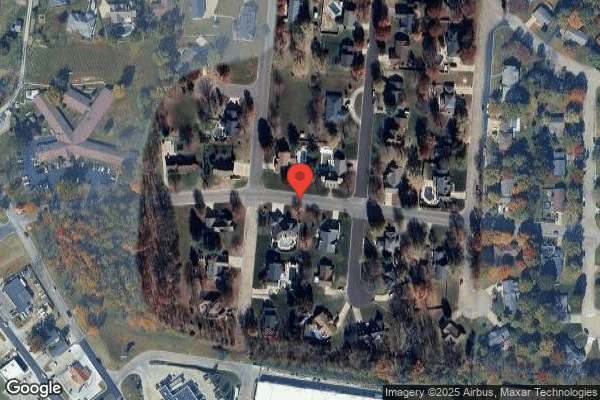

705 GRAND CANYON DRIVE, FARMINGTON, MO 63640 (573) 756-8911
For profit - Limited Liability company 97 Beds MGM HEALTHCARE Data: November 2025
Trust Grade
85/100
#6 of 479 in MO
Last Inspection: October 2024

Within standard 12-15 month inspection cycle. Federal law requires annual inspections.

Overview

Camelot Nursing and Rehabilitation Center has a Trust Grade of B+, which means it is above average and recommended for families considering care options. It ranks #6 out of 479 facilities in Missouri, placing it in the top half overall, and is #1 of 8 in St. Francois County, indicating it is the best option locally. The facility is improving, as the number of issues reported decreased from 5 in 2023 to 2 in 2024. Staffing is a weakness, rated only 2 out of 5 stars, with a 66% turnover rate that aligns with state averages but suggests staff stability could be better. However, the facility has no fines, indicating good compliance, and offers more RN coverage than 77% of Missouri facilities, which is beneficial since RNs can catch potential problems missed by other staff. There were some concerning incidents noted during inspections, including a medication error rate of 10.7%, which is above the acceptable limit, affecting multiple residents. Additionally, one resident had an opened insulin pen that was not properly labeled or dated, raising concerns about medication safety. Lastly, the facility failed to complete required assessments for several residents within the mandated time frames, which could impact their care planning. Overall, while there are notable strengths such as excellent RN coverage and lack of fines, families should be aware of the staffing issues and specific incidents that may affect resident care.

Trust Score
B+
85/100
In Missouri
#6/479
Top 1%
Safety Record
Low Risk
No red flags
Inspections
Getting Better
5 → 2 violations
Staff Stability
⚠ Watch
66% turnover. Above average. Higher turnover means staff may not know residents' routines.
Penalties
✓ Good
No fines on record. Clean compliance history, better than most Missouri facilities.
Skilled Nurses
○ Average
Each resident gets 36 minutes of Registered Nurse (RN) attention daily — about average for Missouri. RNs are the most trained staff who monitor for health changes.
Violations
⚠ Watch
12 deficiencies on record. Higher than average. Multiple issues found across inspections.
★★★★★
5.0
Overall Rating
★★☆☆☆
2.0
Staff Levels
★★★★☆
4.0
Care Quality
★★★★★
5.0
Inspection Score
Stable
2023: 5 issues
2024: 2 issues

The Good

  • 4-Star Quality Measures · Strong clinical quality outcomes
  • Full Sprinkler Coverage · Fire safety systems throughout facility
  • No fines on record

Facility shows strength in quality measures, fire safety.

The Bad

Staff Turnover: 66%

20pts above Missouri avg (46%)

Frequent staff changes - ask about care continuity

Chain: MGM HEALTHCARE

Part of a multi-facility chain

Ask about local staffing decisions and management

Staff turnover is elevated (66%)

18 points above Missouri average of 48%

The Ugly 12 deficiencies on record

Oct 2024 2 deficiencies
CONCERN (D)

Potential for Harm - no one hurt, but risky conditions existed

Unnecessary Medications (Tag F0759)

Could have caused harm · This affected 1 resident

Based on observation, interview, and record review, the facility failed to maintain an error rate of less than five percent when medications were administered. There were 28 opportunities with three m...

Read full inspector narrative →
Based on observation, interview, and record review, the facility failed to maintain an error rate of less than five percent when medications were administered. There were 28 opportunities with three medication errors made, for an error rate of 10.7%. Out of six residents observed, this affected two residents (Resident #1 and #47) out of 16 sampled residents and one resident (Resident #10) outside the sample. The facility's census was 64. Review of the facility's policy titled, Specific Medication Administration Procedures/Injectable Medication Administration, revised September 2018, showed: - Pen Devices: dial dose as instructed and prime pen needle per manufacturer guidelines. Review of NovoLog Flex Pen (insulin in a pen-type device) instructions showed: - Remove cap; - Attach needle; - Prime pen by turning dose selector to select two units; - Press and hold button and make sure drop of insulin appears; - Select dose; - Give injection; - After dose counter reaches zero, count to six; - After injection, remove needle and place in sharps container. Review of Fiasp Flextouch Pen instructions showed: - Check your insulin type; - Attach a new needle; - Prime your pen, turn the dose selector to select two units; - Press and hold the dose button until the counter shows zero and a drop of insulin appears; - Select your dose; - Give injection; - After the dose counter reaches zero, slowly count to six; - Remove the needle and place in a sharps container; - Replace the pen cap. 1. Observation on 10/23/24 at 11:00 A.M. showed: - Licensed Practical Nurse (LPN) A obtained the finger stick blood sugar (FSBS) for Resident #1; - LPN A obtained the Novolog Flex Pen from the medicine cart and adjusted the pen to the amount of insulin ordered; - LPN A did not prime the pen with two units of insulin per the manufacturer's directions prior to administering insulin to the resident. 2. Observation on 10/23/24 at 11:05 A.M. showed: - LPN A obtained the FSBS for Resident #47; - LPN A obtained the Novolog Flex Pen from the medicine cart and adjusted the pen to the amount of insulin ordered; - LPN A did not prime the pen with two units of insulin per the manufacturer's directions prior to administering insulin to the resident. 3. Observation on 10/23/24 at 11:10 A.M. showed: - LPN A obtained the FSBS for Resident #10; - LPN A obtained the Fiasp Flextouch Pen from the medicine cart and adjusted the pen to the amount of insulin ordered; - LPN A did not prime the pen with two units of insulin per manufacturer's directions prior to administering insulin to the resident. During an interview on 10/23/24 at 11:15 A.M., LPN A said he/she never primes the insulin pens, but guessed he/she should start. During an interview on 10/25/24 at 1:20 P.M., the Administrator and Director of Nursing (DON) said they would expect insulin pens to be primed before administering the prescribed dose.
CONCERN (D)

Potential for Harm - no one hurt, but risky conditions existed

Deficiency F0761 (Tag F0761)

Could have caused harm · This affected 1 resident

Based on observation, interview, and record review, the facility failed to label medication in a safe and effective manner. This affected one resident (Resident #10) outside of the 16 sampled resident...

Read full inspector narrative →
Based on observation, interview, and record review, the facility failed to label medication in a safe and effective manner. This affected one resident (Resident #10) outside of the 16 sampled residents. The facility's census was 64. Review of the facility's policy titled, Medication Storage in the Facility/Storage of Medications, revised November 2018, showed: - Certain medications or package types, such as IV solution, multiple dose injectable vials, opthalmics, nitroglycerin tablets, blood sugar testing solutions and strips, once opened, require an expiration date shorter than the manufacturer's expiration date to insure medication purity and potency. Review of the manufacturer's recommendations for Fiasp Flextouch insulin pen showed the medication is to be discarded after eight weeks of being opened. 1. Observation on 10/23/24 at 11:10 A.M. of the nurse's medication cart on A Hall showed: - Resident #10's opened and undated Fiasp FlexTouch insulin pen (insulin in a pen-type device); - Licensed Practical Nurse (LPN) A gave Resident #10 a dose of insulin from the undated pen. During an interview on 10/23/24 at 11:10 A.M., LPN A said pens should be dated when opened. This one was probably just opened this morning. Whoever opens the pen should date them. During an interview on 10/25/24 at 1:20 P.M., the Administrator and Director of Nursing (DON) said they would expect insulin pens to be dated when opened.
Oct 2023 5 deficiencies
CONCERN (D)

Potential for Harm - no one hurt, but risky conditions existed

Comprehensive Assessments (Tag F0636)

Could have caused harm · This affected 1 resident

Based on interview and record review, the facility failed to complete a comprehensive Minimum Data Set (MDS, a federally mandated assessment completed by the facility) within the required time frames ...

Read full inspector narrative →
Based on interview and record review, the facility failed to complete a comprehensive Minimum Data Set (MDS, a federally mandated assessment completed by the facility) within the required time frames for seven residents (Resident #6, #34, #50, #58, #61, #65, and #68) out of 18 sampled residents. The facility's census was 72. Review of the facility's policy titled MDS 3.0, revised 04/26/23, showed: - MDS assessments will be completed per the 3.0 Resident Assessment Instrument (RAI) User's Manual guidelines. Review of the RAI Manual showed: - For the admission assessment, the MDS Completion Date (Z0500B) must be no later than 13 days after the Entry Date (A1600); - The ARD (Assessment Reference Date) of an assessment drives the due date of the next assessment. The next comprehensive assessment is due within 366 days after the ARD of the most recent comprehensive assessment; - For the admission assessment, the Care Area Assessment (CAA) Completion Date (V0200B2) must be no later than 13 days after the Entry Date (A1600); - For the Annual assessment, the CAA Completion Date (V0200B2) must be no later than 14 days after the ARD (A2300). 1. Review of Resident #6's medical record showed: - An admission date of 06/18/19; - A comprehensive annual MDS assessment with a completion date of 05/12/22; - A comprehensive annual MDS assessment with a completion date of 05/22/23; - No comprehensive MDS assessment within 366 days of the last comprehensive MDS assessment. 2. Review of Resident #34's medical record showed: - An admission date of 09/05/23; - A comprehensive admission MDS assessment with CAA completion date of 09/21/23, and MDS completion date of 09/21/23; - No CAAs completed within 14 days of admission; - No comprehensive admission MDS assessment within 14 days of admission. 3. Review of Resident #50's medical record showed: - An admission date of 07/07/22; - A comprehensive admission MDS assessment with a completion date of 07/22/22; - A comprehensive annual MDS assessment with a completion date of 07/28/23; - No comprehensive MDS assessment within 366 days of the last comprehensive MDS assessment. 4. Review of Resident #58's medical record showed: - An admission date of 04/06/23; - A comprehensive admission MDS assessment with CAA completion date of 05/16/23, and MDS completion date of 05/16/23; - No CAAs completed within 14 days of admission; - No comprehensive admission MDS assessment within 14 days of admission. 5. Review of Resident #61's medical record showed: - An admission date of 04/24/23; - A comprehensive admission MDS assessment with CAA completion date of 06/01/23, and MDS completion date of 06/01/23; - No CAAs completed within 14 days of admission; - No comprehensive admission MDS assessment within 14 days of admission. 6. Review of Resident #65's medical record showed: - An admission date of 06/09/23; - A comprehensive admission MDS assessment with CAA completion date of 06/30/23, and MDS completion date of 06/30/23; - No CAAs completed within 14 days of admission; - No comprehensive admission MDS assessment within 14 days of admission. 7. Review of Resident #68's medical record showed: - An admission date of 09/06/23; - A comprehensive admission MDS assessment with CAA completion date of 09/25/23, and MDS completion date of 09/25/23; - No CAAs completed within 14 days of admission; - No comprehensive admission MDS assessment within 14 days of admission. During an interview on 10/20/23 at 03:23 P.M., the MDS Coordinator said she would expect all MDS assessments to be completed accurately and timely per the RAI Manual. During an interview on 10/20/23 at 4:15 P.M., the Administrator said she would expect all MDS assessments to be completed accurately and timely per the RAI Manual.
CONCERN (D)

Potential for Harm - no one hurt, but risky conditions existed

Deficiency F0638 (Tag F0638)

Could have caused harm · This affected 1 resident

Based on interview and record review, the facility failed to complete a quarterly Minimum Data Set (MDS, a federally mandated assessment completed by the facility) within the required timeframe for si...

Read full inspector narrative →
Based on interview and record review, the facility failed to complete a quarterly Minimum Data Set (MDS, a federally mandated assessment completed by the facility) within the required timeframe for six residents (Resident #7, #8, #44, #47, #61, and #63) out of 18 sampled residents. The facility's census was 72. Review of the facility's policy titled, MDS 3.0, revised 04/26/23, showed: - MDS assessments will be completed per the 3.0 Resident Assessment Instrument (RAI) User's Manual guidelines. Review of the Resident Assessment Instrument (RAI) Manual showed: - The ARD (Assessment Reference Date) of an assessment drives the due date of the next assessment. The next non-comprehensive assessment is due within 92 days after the ARD of the most recent OBRA assessment (ARD of previous OBRA assessment (Admission, Annual, Quarterly, Significant Change in Status, or Significant Correction assessment) + 92 calendar days); - The Quarterly assessment is an OBRA non-comprehensive assessment for a resident that must be completed at least every 92 days following the previous OBRA assessment of any type. It is used to track a resident's status between comprehensive assessments to ensure critical indicators of gradual change in a resident's status are monitored. As such, not all MDS items appear on the Quarterly assessment. The ARD (A2300) must be not more than 92 days after the ARD of the most recent OBRA assessment of any type. 1. Review of Resident #7's medical record showed: - An admission date of 09/01/20; - A quarterly MDS assessment with a completion date of 07/14/22; - A quarterly MDS assessment with a completion date of 10/17/22; - A quarterly MDS assessment with a completion date of 01/20/23; - The facility failed to complete a quarterly MDS assessment within 92 days of the prior MDS assessment; - A quarterly MDS assessment with a completion date of 04/19/23; - A quarterly MDS assessment with a completion date of 07/26/23; - The facility failed to complete a quarterly MDS assessment within 92 days of the prior MDS assessment. 2. Review of Resident #8's medical record showed: - An admission date of 11/09/22; - A quarterly MDS assessment with a completion date of 02/22/23; - A quarterly MDS assessment with a completion date of 06/07/23; - The facility failed to complete a quarterly MDS assessment within 92 days of the prior MDS assessment. 3. Review of Resident #44's medical record showed: - An admission date of 01/22/20; - A comprehensive annual MDS assessment with a completion date of 02/08/23; - A quarterly MDS assessment with a completion date of 06/02/23; - A quarterly MDS assessment with a completion date of 09/07/23; - The facility failed to complete a quarterly MDS assessment within 92 days of the prior MDS assessment. 4. Review of Resident #47's medical record showed: - An admission date of 10/04/21; - A quarterly MDS assessment with a completion date of 02/22/23; - A quarterly MDS assessment with a completion date of 06/13/23; - The facility failed to complete a quarterly MDS assessment within 92 days of the prior MDS assessment. 5. Review of Resident #61's medical record showed: - An admission date of 11/23/22; - A comprehensive admission MDS assessment with a completion date of 12/01/22; - A quarterly MDS assessment with a completion date of 03/14/23; - The facility failed to complete a quarterly MDS assessment within 92 days of the prior MDS assessment; - An admission date of 04/24/23; - A comprehensive admission MDS assessment with a completion date of 06/01/23; - A quarterly MDS assessment with a completion date of 09/06/23; - The facility failed to complete a quarterly MDS assessment within 92 days of the prior MDS assessment. 6. Review of Resident #63's medical record showed: - An admission date of 04/03/23; - A comprehensive admission MDS assessment with a completion date of 04/26/23; - A quarterly MDS assessment with a completion date of 09/13/23; - The facility failed to complete a quarterly MDS assessment within 92 days of the prior MDS assessment. During an interview on 10/20/23 at 03:23 P.M., the MDS Coordinator said she would expect all MDS assessments to be completed accurately and timely per the RAI Manual. During an interview on 10/20/23 at 4:15 P.M., the Administrator said she would expect all MDS assessments to be completed accurately and timely per the RAI Manual.
CONCERN (D)

Potential for Harm - no one hurt, but risky conditions existed

Assessment Accuracy (Tag F0641)

Could have caused harm · This affected 1 resident

**NOTE- TERMS IN BRACKETS HAVE BEEN EDITED TO PROTECT CONFIDENTIALITY** Based on observation, interview, and record review, the facility failed to document an accurate Minimum Data Set (MDS- a federal...

Read full inspector narrative →
**NOTE- TERMS IN BRACKETS HAVE BEEN EDITED TO PROTECT CONFIDENTIALITY** Based on observation, interview, and record review, the facility failed to document an accurate Minimum Data Set (MDS- a federally mandated assessment) for three residents (Resident #7, #16, and #44) out of 18 sampled residents. The facility's census was 72. Review of the facility's policy titled, MDS 3.0, revised 04/26/23, showed: - MDS assessments will be completed per the 3.0 Resident Assessment Instrument (RAI) User's Manual guidelines. 1. Review of Resident #7's Medical Record showed: - admitted on [DATE]; - Physician's Order Sheets, dated September 2023 and October 2023, showed no orders for parenteral/interavenous (IV) feeding or feeding tube; - Diagnoses included Alzheimer's Disease (progressive mental deterioration), muscle weakness, cerebral infarction (stroke), anxiety (persistent worry and fear about everyday situations) and congestive heart failure (CHF, an inability of the heart to pump sufficient blood flow to meet the body's needs). Review of Resident #7's significant change MDS, dated [DATE], showed: -Section K, K0510 marked for parenteral/IV feeding while a resident, as well as feeding tube while a resident. During an interview on 10/19/23 at 9:12 A.M., LPN A said he/she was not aware of a time that Resident #7 ever had IV feeding or a feeding tube. 2. Review of Resident #16's July 2023 Medication Administration Record, showed: - Resident did not receive an anticoagulant (a blood thinner which can reduce coagulation of blood, prolonging the clotting time) medication. Review of the resident's weight log record showed: - Weight of 127 pounds (lbs) on 01/10/23; - Weight of 127.4 lbs on 02/14/23; - Weight of 131.8 lbs on 07/05/23; - Weight of 137.6 lbs on 08/11/23; - Record did not show a weight loss. Review of the resident's quarterly MDS, dated [DATE], showed: - Section N, N0410 marked seven for the number of days that an anticoagulant was received in the seven day lookback period; - Section K, K0300 marked for a weight loss of 5% in one month or 10% in 6 months; - The resident's MDS did not reflect an accurate assessment of the resident. During an interview on 10/17/23 at 12:10 P.M., the resident said he/she had not had a weight loss and had not been on a blood thinner. 3. Review of Resident #44's medical record showed: - admission date of 01/22/20; - Diagnosis of type 2 Diabetes (a chronic condition that affects the way the body processes blood sugar); - An order for Ozempic (a non-insulin medication used to improve blood sugar levels in people with type 2 diabetes) - An order summary report that showed no current or discontinued insulin orders. Review of the resident's MDS assessments showed: - A quarterly MDS assessment, dated 08/06/23, with N0350 marked one for the number of days that insulin injections were received in the seven day lookback period; - A quarterly MDS assessment, dated 09/18/23, with N0350 marked one for the number of days that insulin injections were received in the seven day lookback period; - The resident's MDS did not reflect an accurate assessment of the resident. During an interview on 10/20/23 at 03:23 P.M., the MDS Coordinator said she would expect all MDS assessments to be completed accurately and timely per the RAI Manual. During an interview on 10/20/23 at 4:15 P.M., the Administrator said she would expect all MDS assessments to be completed accurately and timely per the RAI Manual.
CONCERN (D)

Potential for Harm - no one hurt, but risky conditions existed

Deficiency F0700 (Tag F0700)

Could have caused harm · This affected 1 resident

**NOTE- TERMS IN BRACKETS HAVE BEEN EDITED TO PROTECT CONFIDENTIALITY** Based on observation, interview, and record review, the facility failed to assess residents for the risk of entrapment and revie...

Read full inspector narrative →
**NOTE- TERMS IN BRACKETS HAVE BEEN EDITED TO PROTECT CONFIDENTIALITY** Based on observation, interview, and record review, the facility failed to assess residents for the risk of entrapment and review possible risks and benefits of side rails prior to installation or use. The facility also failed to care plan specific monitoring and supervision provided during the use of the bed rails and to obtain informed consent for use of the side rails prior to use for 11 residents (Residents #6, #7, #8, #27, #44, #47, #50, #58, #61, #65, and #68) out of 18 sampled residents. The facility's census was 72. Review of the FDA (Federal Drug Administration) documents entitled, Hospital Bed System Dimensional and Assessment Guidance to Reduce Entrapment, dated [DATE], showed 413 people died as a result of entrapment events in the United States. Further review revealed those among the most vulnerable for these entrapment type events are elderly patients and residents, especially those who are frail, confused, restless, or who have uncontrolled body movement. Review of the FDA document entitled, Practice Hospital Bed Safety, dated February 2013, showed seven different potential zones of entrapment. The guidance characterizes the head, neck, and chest as key body parts that are at risk for entrapment. Review of the FDA document entitled, Guide to Bed Safety Rails in Hospitals, Nursing Homes and Home Health Care: The Facts, showed the potential risks of bed rails may include: - Strangling, suffocating, bodily injury or death when patients or part of their body are caught between rails or between the bed rails and mattress; - More serious injuries from falls when patients climb over rails; - Skin bruising, cuts, and scrapes; - Inducing agitated behavior when bed rails are used as a restraint; - Feeling isolated or unnecessarily restricted; - Preventing patients, who are able to get out of bed, from performing routine activities such are going to the bathroom or retrieving something from a closet. The facility failed to provide a policy regarding side rails or trapeze. 1. Review of Resident #6's quarterly Minimum Data Set (MDS, a federally mandated assessment instrument completed by facility staff), dated [DATE], showed: - Moderately impaired cognition; - Independent for bed mobility; - Assist of one staff for transfers; - Diagnoses of traumatic subarachnoid hemorrhage (bleeding around the brain caused by injury), repeated falls, abnormalities of gait and mobility, muscle weakness, major depressive disorder (disorder that causes a persistent feeling of sadness or loss of interest), diabetes mellitus (elevated levels of sugar in the blood), high blood pressure, schizoaffective disorder-bipolar type (mental illness that can affect thoughts, mood, and behavior), and anxiety (a feeling of fear, dread, and uneasiness). Review of the resident's medical record showed: - No documentation of quarterly side rail assessments; - No documentation of informed consent for the use of the side rails; - Side rails not addressed on care plans. Observations of the resident showed: - On [DATE] at 12:42 P.M., resident laid in bed with a grab bar on the right side of bed; - On [DATE] at 08:26 A.M., resident laid in bed with a grab bar on the right side of bed. During an interview on [DATE] at 12:42 P.M., the resident said he/she uses the grab bar to sit up on the side of the bed. 2. Review of Resident #7's significant change MDS, dated [DATE], showed: - Severely impaired cognition ; - Assist of two staff for bed mobility; - Assist of two staff for transfers; - Diagnoses of Alzheimer's disease (progressive mental deterioration), muscle weakness, cerebral infarction (stroke), anxiety and congestive heart failure (CHF, an inability of the heart to pump sufficient blood flow to meet the body's needs). Review of the resident's medical record showed: - No documentation of quarterly side rail assessments; - No documentation of informed consent for the use of the side rails; - Side rail interventions not addressed on care plan. Observations showed: - On [DATE] at 2:15 P.M., resident laid in bed with grab bar on the right side of bed; - On [DATE] at 3:48 P.M., resident laid in bed with grab bar on the right side of bed. 3. Review of Resident #8's quarterly MDS, dated [DATE], showed: - Cognitively intact; - Limited assist with one staff for bed mobility; - Limited assist of one staff for transfers; - Diagnoses of stroke, history of falling, muscle weakness, unsteadiness on feet, and need for assistance with personal care. Review of the resident's medical record showed: - No documentation of quarterly side rail assessments; - No documentation of informed consent for the use of the side rails; - Side rails not addressed on care plans. Observations of the resident showed: - On [DATE] at 12:12 P.M., resident laid in bed with grab bar on the right side of the bed; - On [DATE] at 08:45 A.M., resident laid in bed with grab bar on the right side of the bed. 4. Review of Resident #27's quarterly MDS, dated [DATE], showed: - Cognitively intact; - Independent for bed mobility; - Assist of one staff for transfers; - Diagnoses of chronic obstructive pulmonary disease (COPD, a group of diseases that cause airflow blockage and breathing problems), heart failure, diabetes mellitus, end stage renal disease (medical condition in which a person's kidneys stop functioning), anxiety, high blood pressure, major depressive disorder, muscle weakness, unsteadiness on feet, and abnormalities of gait and mobility. Review of the resident's medical record showed: - No documentation of quarterly side rail assessments; - No documentation of informed consent for the use of the side rails; - Side rails not addressed on care plans. Observation of the resident showed on [DATE] at 12:01 P.M., resident laid in bed with a grab bar on the left side of bed. During an interview on [DATE] at 12:01 P.M., the resident said he/she uses the grab bar for a boost to sit up on the side of the bed and doesn't really need it. 5. Review of Resident 44's quarterly MDS, dated [DATE], showed: - Cognitively intact; - Limited assist of one staff for bed mobility; - Limited assist of one staff for transfers; - Diagnoses of muscle weakness, unsteadiness on feet, abnormalities of gait and mobility, pain in left hip and left knee, and need for assistance with personal care. Review of the resident's medical record showed: - No documentation of quarterly side rail assessments; - No documentation of informed consent for the use of the side rails; - Side rails not addressed on care plans. Observation of the resident showed on [DATE] at 01:00 P.M., resident laid in bed with grab bar on the left side of bed. 6. Review of Resident 47's quarterly MDS, dated [DATE], showed: - Cognitively intact; - Limited assist of one staff for bed mobility; - Limited assist of one staff for transfers; - Diagnoses of muscle weakness, unsteadiness on feet, abnormalities of gait and mobility, pain in left hip and left knee, and need for assistance with personal care. Review of the resident's medical record showed: - No documentation of quarterly side rail assessments; - No documentation of informed consent for the use of the side rails; - Side rails not addressed on care plans. Observations of the resident showed: - On [DATE] at 12:53 P.M., resident laid in bed with grab bar on the left side of bed; - On [DATE] at 02:41 P.M., resident laid in bed with grab bar on the left side of bed. 7. Review of Resident #50's quarterly MDS, dated [DATE], showed: - Cognitively intact ; - Assist of two staff for bed mobility; - Assist of one staff for transfers; - Diagnoses included COPD, morbid obesity, anxiety disorder, major depressive disorder, and CHF. Review of the resident's medical record showed: - No documentation of quarterly side rail assessments; - No documentation of informed consent for the use of the side rails; - Side rails not addressed on care plans. Observations showed: - On [DATE] at 1:49 P.M., resident laid in bed with grab bar on the right side of bed; - On [DATE] at 8:44 A.M., resident laid in bed with grab bar on the right side of bed; - On [DATE] at 10:22 A.M., resident laid in bed with grab bar on the right side of bed; - On [DATE] at 3:17 P.M., resident laid in bed with grab bar on the right side of bed. During an interview on [DATE] at 3:19 P.M., the resident said he/she uses the grab bar to reposition in bed and sit upright in bed. 8. Review of Resident #58's quarterly MDS, dated [DATE], showed: - Cognitively intact; - Assist of one staff for bed mobility; - Assist of one staff for transfers; - Diagnoses of diabetes mellitus, depression, muscle weakness, and reduced mobility. Review of the resident's medical record showed: - No documentation of quarterly side rail assessments; - No documentation of informed consent for the use of the side rails; - Side rails not addressed on care plans. Observation of the resident showed on [DATE] at 10:41 A.M., resident laid in bed with a grab bar on the left side of bed. During an interview on [DATE] at 10:41 A.M., the resident said he/she uses the grab bar to reposition in bed. 9. Review of Resident #61's quarterly MDS, dated [DATE], showed; - Cognitively intact; - Impaired vision; - Impaired mobility with two person moderate assistance for transfers; - Diagnoses of hypertension, peripheral vascular disease, renal failure, obstructive uropathy (blockage of urinary pathway making urinating difficult), multidrug-resistant organism, diabetes mellitus (elevation of sugars in the blood), hemiplegia (paralysis of one side of the body), and depression. Review of the resident's medical record showed: - No documentation of quarterly side rails or trapeze assessments; - No documentation of informed consent for the use of side rails or trapeze; - Side rails and trapeze not addressed in care plan. Observations of the resident showed: - On [DATE] at 02:12 P.M., resident in bed with trapeze above head and quarter rail on the right upper side of bed; - On [DATE] at 02:30 P.M., resident transferred to bed per staff and resident instructed to use trapeze and right upper side rail to move over in bed; - On [DATE] at 02:32 P.M., resident pulled on trapeze to lift himself/herself into middle of bed. He/she pulled on the right upper side rail to roll over in bed; - On [DATE] at 08:40 A.M., resident in bed with trapeze above bed and right upper side rail in place. 10. Review of Resident #65's admission MDS, dated [DATE], showed: - Cognitively intact; - Impaired vision; - Independent for bed mobility; - Supervision or touching assistance for transfers; - Diagnoses of atrial fibrillation (abnormal heart beat), heart failure, falls, orthostatic hypotension (low blood pressure when moving positions), stroke, depression, and COPD. Review of the resident's medical record showed: - No documentation of quarterly trapeze assessments; - No documentation of informed consent for the use of trapeze; - Trapeze not addressed in care plan. Observations of the resident showed: - On [DATE] 01:21 P.M., resident in bed with gait belt on and trapeze in place; - On [DATE] 01:43 P.M., resident in bed with trapeze in place; - On [DATE] 08:20 A.M., resident in bed with trapeze in place; - On [DATE] 09:17 A.M., resident in bed with trapeze in place. 11. Review of Resident #68's admission MDS, dated [DATE], showed: - Cognitively intact; - Assist of two staff for bed mobility; - Assist of two staff for transfers; - Diagnoses included Parkinson's disease (a disease of the central nervous system that affects movement, often including tremors), peripheral vascular disease, non-pressure chronic ulcer to the left foot, muscle weakness, reduced mobility and history of repeated falls. Review of the resident's medical record showed: - Safety device evaluation, dated [DATE], showed no device present, in use or indicated; - No documentation of informed consent for the use of the side rails; - Side rails not addressed on care plans. Observations of the resident showed: - On [DATE] at 4:00 P.M., resident laid in bed with grab bars on the left and right side of the bed; - On [DATE] at 9:45 A.M., resident laid in bed with grab bars on the left and right side of the bed. During an interview on [DATE] at 9:47 A.M., the resident said he/she uses the bars to help reposition, as well as assist with positioning when staff provide care. During an interview on [DATE] at 10:43 A.M., the Administrator said side rail/enabler bar assessments have not been done as they should be and they are in the process of making an audit tool to correct this, but it has not been initiated at this time.
CONCERN (D)

Potential for Harm - no one hurt, but risky conditions existed

Deficiency F0909 (Tag F0909)

Could have caused harm · This affected 1 resident

**NOTE- TERMS IN BRACKETS HAVE BEEN EDITED TO PROTECT CONFIDENTIALITY** Based on observation, interview, and record review, facility staff failed to conduct regular inspections of all bed frames, matt...

Read full inspector narrative →
**NOTE- TERMS IN BRACKETS HAVE BEEN EDITED TO PROTECT CONFIDENTIALITY** Based on observation, interview, and record review, facility staff failed to conduct regular inspections of all bed frames, mattresses and side rails as part of a regular maintenance program for 11 residents with side rails (Residents #6, #7, #8, #27, #44, #47, #50, #58, #61, #65, and #68) out of 18 sampled residents. The facility's census was 72. Review of the facility's policy titled, Bed Safety and Bed Rails, revised [DATE], showed: - Bed frames, mattresses and bed rails are checked for compatibility and size prior to use; - Maintenance staff routinely inspects all beds and related equipment to identify risks and problems including potential entrapment risks; - Maintenance provides a copy of inspections to the administrator and reports results to the quality assurance committee; - Any worn or malfunctioning bed system components are repaired or replaced using components that meet manufacturer specifications. Review of the FDA (Federal Drug Administration) documents entitled, Hospital Bed System Dimensional and Assessment Guidance to Reduce Entrapment dated [DATE], showed 413 people died as a result of entrapment events in the United States. Further review revealed those among the most vulnerable for these entrapment type events are elderly patients and residents, especially those who are frail, confused, restless, or who have uncontrolled body movement. Review of the FDA document entitled, Practice Hospital Bed Safety, dated February 2013, showed seven different potential zones of entrapment. The guidance characterizes the head, neck, and chest as key body parts that are at risk for entrapment. The facility failed to provide a policy regarding Bed Rail Safety. 1. Review of Resident #6's medical record showed: - admitted on [DATE]; - No maintenance assessment for side rails or trapeze. Observations of the resident showed: - On [DATE] at 12:42 P.M., resident laid in bed with a grab bar on the right side of bed; - On [DATE] at 08:26 A.M., resident laid in bed with a grab bar on the right side of bed. 2. Review of Resident #7's medical record showed: - admitted on [DATE]; - No maintenance assessment for side rails. Observations of the resident showed: -On [DATE] at 2:15 P.M., resident laid in bed with grab bar on the right side of bed; -On [DATE] at 3:48 P.M., resident laid in bed with grab bar on the right side of bed. 3. Review of Resident #8's medical record showed: - admitted on [DATE]; - No maintenance assessment for side rails. Observations of the resident showed: - On [DATE] at 12:12 P.M., resident laid in bed with grab bar on the right side of the bed; - On [DATE] at 08:45 A.M., resident laid in bed with grab bar on the right side of the bed. 4. Review of Resident #27's medical record showed: - admitted on [DATE]; - No maintenance assessment for side rails. Observation of the resident showed on [DATE] at 12:01 P.M., resident laid in bed with grab bar on the left side of bed. 5. Review of Resident #44's medical record showed: - admitted on [DATE]; - No maintenance assessment for side rails. Observation of the resident showed on [DATE] at 01:00 P.M., resident laid in bed with grab bar on the left side of bed. 6. Review of Resident #47's medical record showed: - admitted on [DATE]; - No maintenance assessment for side rails. Observations of the resident showed: - On [DATE] at 12:53 P.M., resident laid in bed with grab bar on the left side of bed; - On [DATE] at 02:41 P.M., resident laid in bed with grab bar on the left side of bed. 7. Review of Resident #50's medical record showed: - admitted on [DATE]; - No maintenance assessment for side rails. Observations of the resident showed: - On [DATE] at 1:49 P.M., resident laid in bed with grab bar on the right side of bed; - On [DATE] at 8:44 A.M., resident laid in bed with grab bar on the right side of bed; - On [DATE] at 10:22 A.M., resident laid in bed with grab bar on the right side of bed; - On [DATE] at 3:17 P.M., resident laid in bed with grab bar on the right side of bed. 8. Review of Resident #58's medical record showed: - admitted on [DATE]; - No maintenance assessment for side rails. Observation of the resident showed on [DATE] at 10:41 A.M., resident laid in bed with a grab bar on the left side of bed. 9. Review of Resident #61's medical record showed: - admitted on [DATE]; - No maintenance assessment for side rails or trapeze. Observations of the resident showed: - On [DATE] at 02:12 P.M., resident in bed with trapeze above head and quarter rail on right upper side of bed; - On [DATE] at 02:32 P.M., resident pulled on trapeze to lift himself/herself into middle of bed. He/she pulled on right upper side rail to roll over in bed. - On [DATE] at 08:40 A.M., resident in bed with trapeze above bed and right upper side rail in place. 10. Review of Resident #65's medical record showed: - admitted on [DATE]; - No maintenance assessment for side rails or trapeze. Observations of the resident showed: - On [DATE] 01:21 P.M., resident in bed with trapeze in place. - On [DATE] 01:43 P.M., resident in bed with trapeze in place. - On [DATE] 08:20 A.M., resident in bed with trapeze in place. - On [DATE] 09:17 A.M., resident in bed with trapeze in place. 11. Review of Resident #68's medical record showed: - admitted on [DATE]; - No maintenance assessment for side rails. Observations of the resident showed: - On [DATE] at 4:00 P.M., resident laid in bed with grab bars on the left and right side of the bed; - On [DATE] at 9:45 A.M., resident laid in bed with grab bars on the left and right side of the bed. During an interview on [DATE] 10:43 A.M., the Administrator said side rail/enabler bar assessments have not been done as they should be and they are in the process of making an audit tool to correct this, but it has not been initiated at this time. Maintenance does not assess for entrapment. During an interview on [DATE] at 02:40 P.M., the Maintenance Director said he/she has not done entrapment assessments of bed rails. He/she said that he/she does not know who does the entrapment assessment information.
Feb 2022 5 deficiencies
CONCERN (D)

Potential for Harm - no one hurt, but risky conditions existed

Comprehensive Care Plan (Tag F0656)

Could have caused harm · This affected 1 resident

**NOTE- TERMS IN BRACKETS HAVE BEEN EDITED TO PROTECT CONFIDENTIALITY** Based on interview and record review, the facility failed to develop and implement an individualized comprehensive care plan wit...

Read full inspector narrative →
**NOTE- TERMS IN BRACKETS HAVE BEEN EDITED TO PROTECT CONFIDENTIALITY** Based on interview and record review, the facility failed to develop and implement an individualized comprehensive care plan with specific interventions for four residents (Resident #3, #7, #10, and #11) out of 17 sampled residents. The facility's census was 69. 1. Record review of facility's policy titled Comprehensive Person Centered Care Plan Policy dated 1/24/2019, showed: - Each resident will have a person centered plan of care to identify problems, needs, strengths, preferences, and goals that will identify how the interdisciplinary team will provide care. - The Comprehensive Person Centered Care Plan can be reviewed and/or revised at quarterly intervals in conjunction with the completion of MDS quarterly, significant change and annual assessment per the RAI manual. 1. Review of Resident #3's medical record, showed: -admission date of 4/29/21; -Diagnoses included hypertension (HTN, high blood pressure) and anxiety disorder (persistent worry and fear about everyday situations); -Code status form signed/dated 5/5/21 for full code status (life saving measures to be performed in the event an individual's breathing and/or heart stops); -Physician's order sheet (POS), dated February 2022, showed an order dated 5/5/21, for full code status. Review of the resident's comprehensive care plan, dated 8/5/21 and revision dated 2/3/22, showed the resident's code status not addressed with specific interventions and/or goals. 2. Record review of Resident #7's medical record showed: - An admission date of 6/8/21; - Diagnoses of chronic obstructive pulmonary disease (COPD), diabetes (a group of diseases that result in too much sugar in the blood), and hypertension; - The code status form signed on 6/23/21 for full code status; - The February 2022 POS showed an order dated 11/3/21 for full code status. Record review of the resident's care plan dated, 2/8/22 showed the resident's code status not addressed on the care plan. 3. Record review of Resident #10's medical record showed: - An admission date of 8/19/19; - Diagnosis of COPD, anxiety disorder, major depressive disorder (depressed mood disorder that causes persistent feeling of sadness and loss of interest) and hypertension; - The code status form signed on 8/19/19 and reviewed on 11/3/21 for full code status; - The February 2022 POS showed an order dated, 9/20/21 for full code status. Record review of the resident's care plan dated, 9/20/21 showed the resident's code status not addressed on the care plan. 4. Record review of Resident #11's medical record showed: - admitted on [DATE]; - Diagnoses of diabetes, hypertension, and bipolar disorder (characterized by both manic and depressive episodes); - The code status form signed on 8/19/19 for full code status; - The February 2022 POS showed an order dated, 8/19/19 for full code status. Record review of the resident's care plan dated, 10/15/21 and revised on 11/25/2021 showed the resident's code status not addressed on the care plan. During an interview on 2/9/22 at 9:25 A.M., the Administrator said she would expect the code status of the resident's to be on their care plans.
CONCERN (D)

Potential for Harm - no one hurt, but risky conditions existed

Deficiency F0658 (Tag F0658)

Could have caused harm · This affected 1 resident

Based on observation, interview, and record review, the facility failed to obtain physician orders for two residents (Resident #18 and #38) out of 17 sampled residents. The facility census was 69. Rec...

Read full inspector narrative →
Based on observation, interview, and record review, the facility failed to obtain physician orders for two residents (Resident #18 and #38) out of 17 sampled residents. The facility census was 69. Record review of the facility's Medication Orders policy, revised August 2014, showed: - Medications are administered only upon the clear, complete, and signed order of a person lawfully authorized to prescribe; - Verbal orders for non-controlled medications are received only by licensed nurses or pharmacists and confirmed in writing by the prescriber according to facility policy; - Each medication order is documented in the resident's medical record with the date, time, and signature of the person receiving the order; - The order is recorded on the physician order sheet or the telephone order sheet if it is a verbal order, and on the Medication Administration Record or Treatment Administration Record. 1. Observations of Resident #18 showed: - On 2/7/22 at 11:45 A.M., the resident sat in his/her wheelchair eating lunch with oxygen (O2) on at 2.5 liters per minute (2.5 LPM) per nasal cannula, (NC, a light weight tube that splits into two prongs on one end which delivers a mixture of air and oxygen); - On 2/8/22 10:30 A.M., the resident lay in bed playing games on his/her phone with O2 at 2.5 LPM per NC. Record review of the resident's Physician's Order Sheet (POS), dated 2/7/22, showed: - A diagnosis of pneumonia, congestive heart failure, and acute respiratory failure; - No order in place for O2 therapy. During an interview on 2/16/22 at 9:30 A.M., LPN C said the resident has used oxygen at 2 to 2.5 liters as needed since his readmission from the hospital on 1/15/22 and that there should be a physicians order on the chart. 2. Observations of Resident #38 showed: - On 2/6/22 at 2:20 P.M., Resident set up in bed with oxygen on at two liters per minute (2 LPM) per nasal cannula; - On 2/7/22 at 11:11 A.M., Resident resting in bed with oxygen on at 2 LPM per nasal cannula; - On 2/7/22 at 4:05 P.M., Resident asleep in bed with oxygen on at 2 LPM per nasal cannula; Review of the Resident's Physician Order Sheet, dated 2/7/22 showed no order in place for oxygen therapy. During an interview on 2/7/22 at 11:11 A.M., Resident #38 said his/her oxygen saturation was down in the low 90's the past few days, so he/she asked the certified nurse aide (CNA) if they thought he/she should be using oxygen, and the CNA brought the oxygen concentrator in for him/her to use. During an interview on 2/7/22 at 4:05 P.M., LPN A said the resident is not on oxygen therapy that he/she knows of and will check the Physician's Orders. He/She will try to find out who brought the oxygen in to the resident's room. During an interview on 2/8/22 at 9:18 A.M., LPN A said the Resident now has a physician's order for oxygen as needed (PRN) to keep sats above 92%. He/She was unable to find out who provided the oxygen for the resident a few days ago. During an interview on 2/9/22 at 8:51 A.M., the Director of Nursing said he/she would expect that an order be written before any resident is given oxygen therapy, whether it be PRN or continuous.
CONCERN (D)

Potential for Harm - no one hurt, but risky conditions existed

Drug Regimen Review (Tag F0756)

Could have caused harm · This affected 1 resident

Based on interview and record review, the facility failed to have a system to ensure that medication usage was evaluated on an ongoing basis, by not providing documentation of monthly medication regim...

Read full inspector narrative →
Based on interview and record review, the facility failed to have a system to ensure that medication usage was evaluated on an ongoing basis, by not providing documentation of monthly medication regimen reviews by the pharmacy for one resident (Resident #3) out of 17 sampled residents. The facility census was 69. 1. Review of the facility's Medication Regimen Review Policy and Procedure, revision dated, August 2017, showed: -Policy: The AlixaRx (facility's pharmacy company) Clinical Pharmacist (ACP) performs a comprehensive review of each resident's medical record at least monthly. The medication regimen review (MRR) is a thorough evaluation of the medication regimen of a resident, with the goal of promoting positive outcomes and minimizing adverse consequences and potential risks associated with medication. The MRR includes review of the medical record, to prevent, identify, report, and resolve medication-related problems, medication errors, or other irregularities; -Procedure: B. The ACP reviews the medical record of each resident at least monthly; C. The routine monthly MRR are conducted on-site in the facility. 2. Review of Resident #3's medical record, showed: -admission date of 4/29/21; -Diagnoses included hypertension (HTN, high blood pressure), anxiety (persistent worry and fear about everyday situations) disorder and arthritis. Review of Resident #3's monthly pharmacy drug regimen reviews, showed: -MRR, dated 4/30/21, no recommendations and/or irregularities; -From May 2021 through October 2021, no MRR completed by the pharmacy and/or provided by the facility; -MRR's dated November 2021 through December 2021, no recommendations and/or irregularities; -MRR, dated January 2022, no recommendations and/or irregularities. 3. During an interview on 2/9/22 at 9:15 A.M. and 10:48 A.M., the administrator said prior to October 2021, the facility had a different pharmacy company and then obtained a different pharmacy company at the beginning of October 2021. The administrator verified the monthly pharmacy drug regimen reviews, gradual dose reductions and/or recommendations were not being completed prior to October 2021. The administrator said she expected nursing staff to follow the facility's policy/procedures regarding medication regimen review.
CONCERN (D)

Potential for Harm - no one hurt, but risky conditions existed

Unnecessary Medications (Tag F0759)

Could have caused harm · This affected 1 resident

Based on observation, interview and record review, the facility failed to maintain a medication error rate of less than 5 percent (%) when medications were administered. There were 29 opportunities wi...

Read full inspector narrative →
Based on observation, interview and record review, the facility failed to maintain a medication error rate of less than 5 percent (%) when medications were administered. There were 29 opportunities with two medication errors made resulting in a medication error rate of 6.67%, This affected one resident (Resident #19) and had the potential to affect all residents. The facility census was 69. 1. Review of Resident #19's medical record, showed: -admission date of 3/12/21; -Diagnoses included depression (a serious medical illness that negatively affects how you feel, the way you think and how you act) and multiple sclerosis (MS) (a disease of the central nervous system resulting in muscle weakness and loss of coordination); -Physician's order sheet (POS), dated February 2022, showed: -An order dated 1/27/22 (stop date 2/10/22), to administer olopatadine (eye medication use to treat itching of the eye) 0.1% one drop to each eye twice daily (BID); -An order dated 11/30/21, to administer psyllium (dietary fiber) one packet BID. Observation on 2/7/22 at 8:55 A.M., showed Licensed Practical Nurse (LPN) B prepared and administered the resident's scheduled medications through his/her gastrostomy (G-tube, a tube placed in the stomach for nutrition and medication administration) except olopatadine eye drop medication and psyllium medication due to medications not available and not administered. The LPN verified the resident's olopatadine and psyllium medications were not available on the medication cart and/or in the medication storage room. 2. During an interview on 2/7/22 at 10:19 A.M., the Director of Nurses (DON) said she expected the resident's medications to be available from the pharmacy to be administered as ordered. The DON said the pharmacy delivered medications daily to the facility. She expected nursing staff to contact the pharmacy regarding medications not available to be administered and should have contacted the pharmacy to have the resident's medications delivered. The pharmacy generally delivered medications to the facility several times daily and/or as needed.
CONCERN (D)

Potential for Harm - no one hurt, but risky conditions existed

Food Safety (Tag F0812)

Could have caused harm · This affected 1 resident

Based on observation, interview, and record review, the facility failed to store, prepare, distribute, and serve food under sanitary conditions. This deficient practice had the potential to affect all...

Read full inspector narrative →
Based on observation, interview, and record review, the facility failed to store, prepare, distribute, and serve food under sanitary conditions. This deficient practice had the potential to affect all residents. The facility census was 69. Record review of the facility's policy on Nutritional Services Sanitation, dated 3/31/2021 showed: - Nutritional Services shall ensure a clean and sanitary work environment; to promote and protect food safety; and to maintain compliance with Federal, State and Local regulations governing food sanitation and safety. - Personnel shall be responsible for daily, weekly, and monthly cleaning assignments as determined by the Dietary Manager and /or his/her designee; - Cleaning assignments shall include equipment, cabinets, storage areas, walls, food service-related carts, and refrigeration units. Frequency of completion shall be in conjunction with food safety regulations and with consideration of manufacturer guidelines. - Cleaning of equipment condensers, lights, vents/fan, ceiling, ice machine, etc. shall be completed by the Maintenance Department as determined by the Administrator and in accordance to meet minimum standards of Federal, State, and Local guidelines and ordinances governing food service. Record review of the facility's policy on Pasteurized Eggs, dated 3/31/21 showed: - Eggs shall be prepared in a manner to prevent food borne illness and comply with state and federal regulations governing food preparation and food safety. - All eggs used for scrambled eggs, hard cooked eggs, fried eggs or as ingredients in recipes shall be purchased as pasteurized and prepared according to manufacturer instructions. Observation on 2/6/22 at 3:05 P.M. showed: - An area of 6 to 8 inches (in) of build up of ice at the top of both doors of the double door freezer; - Nineteen dozen, non-pasteurized eggs in the walk in refrigerator; - Four one in. by one in. brown/black areas on the air vent in front of the walk in freezer; - A fan attached to the wall with heavy buildup of lint and debris blowing directly on the clean dish area; - A 2 foot (ft) by 2 ft. return air vent on the ceiling above the drink area sink, at the entrance of the kitchen with buildup of debris; - A dented six pound (lb.) can of diced peaches. During an interview on 2/6/22 at 3:10 P.M. the Dietary Manager (DM) said the seal on the freezer had been reported to maintenance. During an interview on 2/6/22 at 3:20 P.M. the DM said she had ordered the non-pasteurized eggs by mistake and would re-order today. She said the eggs will not be served, they will use liquid eggs until new eggs arrive on Tuesday 2/8/22. The DM said staff did serve the eggs this morning at breakfast (2/6/22). During an interview on 2/9/22 at 9:45 A.M. Maintenance said the seal for the freezer is on order and thinks it should be in next week. The maintenance staff said the air return vent in the kitchen will be cleaned, and the other vent will be cleaned. During an interview on 2/9/22 9:55 A.M. the DM said the supplier has taken the non-pasteurized eggs off our order list so that mistake will not happen again. The dented cans should not be used. The DM said the fan blowing toward the clean dish area should be kept clean and will be unplugged until it is cleaned and maintenance will be given a work order when the vents need cleaned or with any other issues.
Understanding Severity Codes (click to expand)
Life-Threatening (Immediate Jeopardy)
J - Isolated K - Pattern L - Widespread
Actual Harm
G - Isolated H - Pattern I - Widespread
Potential for Harm
D - Isolated E - Pattern F - Widespread
No Harm (Minor)
A - Isolated B - Pattern C - Widespread

Questions to Ask on Your Visit

  • "Why is there high staff turnover? How do you retain staff?"
  • "Can I speak with families of current residents?"
  • "What's your RN coverage like on weekends and overnight?"

Our Honest Assessment

Strengths
  • • Grade B+ (85/100). Above average facility, better than most options in Missouri.
  • • No major safety red flags. No abuse findings, life-threatening violations, or SFF status.
  • • No fines on record. Clean compliance history, better than most Missouri facilities.
Concerns
  • • 12 deficiencies on record. Higher than average. Multiple issues found across inspections.
  • • 66% turnover. Above average. Higher turnover means staff may not know residents' routines.
Bottom line: Generally positive indicators. Standard due diligence and a personal visit recommended.

About This Facility

What is Camelot's CMS Rating?

CMS assigns CAMELOT NURSING AND REHABILITATION CENTER an overall rating of 5 out of 5 stars, which is considered much above average nationally. Within Missouri, this rating places the facility higher than 99% of the state's 100 nursing homes. This rating reflects solid performance across the metrics CMS uses to evaluate nursing home quality.
How is Camelot Staffed?

CMS rates CAMELOT NURSING AND REHABILITATION CENTER's staffing level at 2 out of 5 stars, which is below average compared to other nursing homes. Staff turnover is 66%, which is 20 percentage points above the Missouri average of 46%. High turnover can affect care consistency as new staff learn residents' individual needs. RN turnover specifically is 57%, which is notably high. RNs provide skilled clinical oversight, so turnover in this role can affect medical care quality.

What Have Inspectors Found at Camelot?

State health inspectors documented 12 deficiencies at CAMELOT NURSING AND REHABILITATION CENTER during 2022 to 2024. These included: 12 with potential for harm.

Who Owns and Operates Camelot?

CAMELOT NURSING AND REHABILITATION CENTER is owned by a for-profit company. For-profit facilities operate as businesses with obligations to shareholders or private owners. The facility is operated by MGM HEALTHCARE, a chain that manages multiple nursing homes. With 97 certified beds and approximately 72 residents (about 74% occupancy), it is a smaller facility located in FARMINGTON, Missouri.

How Does Camelot Compare to Other Missouri Nursing Homes?

Compared to the 100 nursing homes in Missouri, CAMELOT NURSING AND REHABILITATION CENTER's overall rating (5 stars) is above the state average of 2.5, staff turnover (66%) is significantly higher than the state average of 46%, and health inspection rating (5 stars) is much above the national benchmark.

What Should Families Ask When Visiting Camelot?

Based on this facility's data, families visiting should ask: "How do you ensure continuity of care given staff turnover, and what is your staff retention strategy?" "Can you walk me through typical staffing levels on day, evening, and night shifts?" "Can I visit during a mealtime to observe dining assistance and food quality?" "How do you handle medical emergencies, and what is your hospital transfer rate?" These questions are particularly relevant given the facility's high staff turnover rate and the below-average staffing rating.

Is Camelot Safe?

Based on CMS inspection data, CAMELOT NURSING AND REHABILITATION CENTER has a clean safety record: no substantiated abuse findings (meaning no confirmed cases of resident harm), no Immediate Jeopardy citations (the most serious violation level indicating risk of serious injury or death), and is not on the Special Focus Facility watch list (a federal program monitoring the lowest-performing 1% of nursing homes). The facility has a 5-star overall rating and ranks #1 of 100 nursing homes in Missouri. While no facility is perfect, families should still ask about staff-to-resident ratios and recent inspection results during their visit.

Do Nurses at Camelot Stick Around?

Staff turnover at CAMELOT NURSING AND REHABILITATION CENTER is high. At 66%, the facility is 20 percentage points above the Missouri average of 46%. Registered Nurse turnover is particularly concerning at 57%. RNs handle complex medical decisions and coordinate care — frequent RN changes can directly impact care quality. High turnover means new staff may not know residents' individual needs, medications, or preferences. It can also be disorienting for residents, especially those with dementia who rely on familiar faces. Families should ask: What is causing the turnover? What retention programs are in place? How do you ensure care continuity during staff transitions?

Was Camelot Ever Fined?

CAMELOT NURSING AND REHABILITATION CENTER has no federal fines on record. CMS issues fines when nursing homes fail to meet care standards or don't correct problems found during inspections. The absence of fines suggests the facility has either maintained compliance or corrected any issues before penalties were assessed. This is a positive indicator, though families should still review recent inspection reports for the full picture.

Is Camelot on Any Federal Watch List?

CAMELOT NURSING AND REHABILITATION CENTER is not on any federal watch list. The most significant is the Special Focus Facility (SFF) program, which identifies the bottom 1% of nursing homes nationally based on persistent, serious quality problems. Not being on this list means the facility has avoided the pattern of deficiencies that triggers enhanced federal oversight. This is a positive indicator, though families should still review the facility's inspection history directly.