FIESER NURSING CENTER
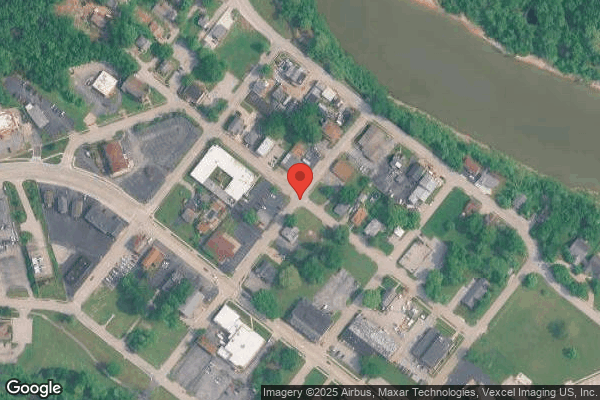

404 MAIN STREET, FENTON, MO 63026 (636) 343-4344
For profit - Individual 47 Beds Independent Data: November 2025
Trust Grade
35/100
#381 of 479 in MO
Last Inspection: February 2024

Within standard 12-15 month inspection cycle. Federal law requires annual inspections.

Overview

Fieser Nursing Center has received a Trust Grade of F, indicating significant concerns about the quality of care provided. Ranking #381 out of 479 facilities in Missouri places it in the bottom half, and at #55 out of 69 in St. Louis County, only a few local options are worse. The facility's performance has been stable, with 21 issues reported in both 2021 and 2024, but the overall star ratings are all at 1 out of 5, reflecting poor quality in health inspections, staffing, and quality measures. Staffing has a low turnover rate of 0%, which is a positive aspect, as it suggests that staff members are committed to their roles. However, there are troubling incidents, such as a resident not receiving essential seizure medication for three months, leading to hospitalization, and failures to complete required assessments for multiple residents, which raises concerns about overall care and monitoring.

Trust Score
F
35/100
In Missouri
#381/479
Bottom 21%
Safety Record
Moderate
Needs review
Inspections
Holding Steady
21 → 21 violations
Staff Stability
○ Average
Turnover data not reported for this facility.
Penalties
✓ Good
No fines on record. Clean compliance history, better than most Missouri facilities.
Skilled Nurses
○ Average
RN staffing data not reported for this facility.
Violations
⚠ Watch
67 deficiencies on record. Higher than average. Multiple issues found across inspections.
★☆☆☆☆
1.0
Overall Rating
★☆☆☆☆
1.0
Staff Levels
★☆☆☆☆
1.0
Care Quality
★☆☆☆☆
1.0
Inspection Score
Stable
2021: 21 issues
2024: 21 issues

The Good

  • Full Sprinkler Coverage · Fire safety systems throughout facility
  • No fines on record

Facility shows strength in fire safety.

The Bad

1-Star Overall Rating

Below Missouri average (2.5)

Significant quality concerns identified by CMS

The Ugly 67 deficiencies on record

1 actual harm
Oct 2024 2 deficiencies
CONCERN (D) 📢 Someone Reported This

A family member, employee, or ombudsman was alarmed enough to file a formal complaint

Potential for Harm - no one hurt, but risky conditions existed

Quality of Care (Tag F0684)

Could have caused harm · This affected 1 resident

**NOTE- TERMS IN BRACKETS HAVE BEEN EDITED TO PROTECT CONFIDENTIALITY** Based on observation, interview, and record review, the facility failed to provide services consistent with acceptable standards...

Read full inspector narrative →
**NOTE- TERMS IN BRACKETS HAVE BEEN EDITED TO PROTECT CONFIDENTIALITY** Based on observation, interview, and record review, the facility failed to provide services consistent with acceptable standards of practice for one resident when staff failed to accurately assess and document a wounds appearance, odors, the condition of the surrounding skin, resulting in the failure to timely identify the worsening of a left heel wound. The resident was sent to the hospital for evaluation of the wound. The hospital staff assessed the wound and identified the wound to have necrotic (dead) skin, very malodorous (very foul odor), and the surrounding skin erythematous (abnormally red and inflamed). The hospital diagnosed the wound as osteomyelitis (infection of the bone) and gangrene (a serious condition that occurs when tissue dies due to a lack of blood flow or a bacterial infection) (Resident #1). The sample size was four. The census was 38. Review of the facility's undated Wound Management policy, showed: -Purpose: to assist the facility in the care, services and documentation related to the occurrence, treatment, and prevention of pressure wounds; -Process: -all residents admitted to the facility will have a Braden scale (a tool used to predict the development of pressure wounds) observation completed at admission, in conjunction with each quarterly and annual assessment, with any significant change in assessment and as deemed necessary by the interdisciplinary team. The admitting nurse is responsible for completing the form. The admitting nurse will then be responsible for initiating the appropriate interventions such as ensuring treatment orders are in place, pressure reduction devices are ordered and/or requested, i.e. specialty mattress and wheelchair cushion, and that the interim/baseline care plan is initiated; -the admitting nurse will then initiate and complete the initial wound exam for each wound that has been identified; -the admitting nurse will be responsible for informing the unit manager or other designated supervisor of the wound so that the wound can be documented on the appropriate tracking log. The unit manager or other designated supervisor will be responsible for updating the log and every Thursday turning the completed tracking logs to the Director of Nursing (DON), the Minimum Data Set department and the dietary department; -the unit managers will be responsible for the creation of the monthly cumulative report of all wounds on their individual unit and present this report at the monthly risk management/quality assurance meeting; -the facility utilizes an outside wound care specialist, to assist with wound management and treatment, who provides weekly visits to residents with wounds. The wound description information obtained from this provider will be scanned into the electronic medical record and maintained under the documents section; -the unit manager or designee with be responsible for completing the wound exam observation utilizing the information obtained during that week's visit. Review of Resident #1's significant change Minimum Data Set (MDS, a federally mandated assessment instrument completed by facility staff), dated 6/28/24, showed: -Severe cognitive impairment; -Does not reject care; -Dependent on staff for hygiene, toileting, dressing, bathing, bed mobility and transfers; -Diagnoses included diabetes, seizures, anxiety and depression; -Used pressure reducing device for chair; -No pressure reducing device selected for the bed. Review of the resident's care plan, in use at the time of the investigation, showed: -Problem: Resident is at risk for impaired skin integrity related to incontinence of bowel and bladder, impaired mobility and function, and dependence on staff for activities of daily living, transfers, and mobility; -Goal: left heel wound will exhibit structural intactness and normal physiological function; -Approach: provide heel treatment as ordered, monitor wound and surrounding area for deterioration of skin and wound for redness, swelling, blanching and moisture, Review of the resident's podiatry visit note, dated 8/7/24, showed: -Patient presents for diabetic foot care and at risk foot care; -Thickened toe nails. Review of the resident's medical record, showed: -On 8/13/24 at 5:25 P.M., the resident re-admitted to the facility. The resident alert and oriented to self and place (A&O 1-2), able to make needs known. Bruising noted to arms from intravenous sites; -No Braden assessment completed. Review of the resident's electronic physician order sheet (ePOS), showed: -An order, dated 8/13/24: wound care consult and treat as needed; -An order, dated 8/13/24: weekly skin assessment every Thursday day shift; -An order, dated 8/13/24: Apply skin prep (protective barrier wipe) to left heel twice a day. Leave open to air. Discontinued 9/25/24. Review of the resident's progress note, showed on 8/14/24 at 11:08 A.M., remains on new admission monitoring. Able to make needs known. Incontinent of bowel and bladder and moisture barrier cream applied. Skin prep applied to left heel. Heel noted with scabbed area. Review of the resident's skin assessment, dated 8/14/24 at 2:36 P.M., showed: -Skin impairments: left heel; -Skin color: within normal limits, pale; -Sign of infection: none; -Treatment: skin prep left heel. Review of the resident's wound care nurse practitioner visit note, dated 8/19/24, showed: -Wound: left foot, heel; -Status: open; -Reported wound cause: diabetic; -Measurements Length: 2.5 centimeter (cm); Width: 2.5 cm; Depth: 01 cm; -Preliminary impression: the ulcer is mixed etiology including pressure. Further workup will determine primary etiology; -Classification: full thickness; -Exudate (drainage): none, dry; -Recommendations: wipe the skin protectant (skin prep or similar product) to stable eschar (black, hard tissue). Ensure edges and surrounding skin are painted. Do not wash off skin protectant between applications. Review of the resident's progress notes, showed on 8/19/24 11:45 A.M., seen by wound care nurse practitioner. Left heel assessed with no changes in treatments. Review of the resident's medical record, showed no weekly skin assessment located for 8/21/24. Review of the resident's skin assessment, dated 8/29/24, showed: -Skin impairments: area to bilateral heels; -Skin color: within normal limits; -Sign of infection: none; -Continue current plan. Review of the resident's skin assessment, dated 9/5/24, showed: -Skin impairments: area to left heel; -Skin color: within normal limits and pale; -Sign of infection: none; -Current treatment: skin prep to left heel; -Continue current plan. Review of the resident's skin assessment, dated 9/12/24, showed: -Skin impairments: area to bilateral heels; -Skin color: within normal limits and pale; -Sign of infection: none; -Current treatment: lotion to dry skin; -Continue current plan. Review of the resident's October 2024 ePOS and Treatment Administration Record (TAR), showed an order dated 9/25/24 and discontinued 10/14/24: Betadine (antiseptic cleansing solution) to left heel daily, leave open to air. Scheduled daily at 6:00 A.M. to 4:00 P.M. All days 10/1/24-10/11/24 documented as completed. The scheduled administration on 10/12 and 10/13/24 documented as not completed due to resident being in the hospital. Review of the resident's skin assessment, dated 9/26/24, showed: -Skin impairments: area to bilateral heels; -Skin color: within normal limits and pale; -Sign of infection: none; -Current treatment: lotion to dry skin, skin prep to heels; -Continue current plan. Review of the resident's skin assessment, dated 10/3/24, showed it did not address the heel. Review of the resident's progress notes, showed on 10/8/24 at 11:40 A.M., the left heel wound noted growth. Measured 6 cm wide x 7 cm length. Redness and warm to touch. Pain noted to area. Hospice provider ordered antibiotic twice a day for 10 days. Next of kin aware. Review of the wound infection event report, dated 10/8/24, showed: -admitted with infection: No; -Infection develop after admission: yes; -What date develop: 10/8/24; -Wound cultured: No; -Necessary to isolate: No; -Infection type: skin; -Orders: Doxycyxline (antibiotic) 100 milligram (mg). Take one capsule twice a day for 10 days for the left heel. Review of the resident's progress notes, showed on 10/8/24 at 8:29 P.M., the resident will begin antibiotic in the morning for left heel wound. Review of the resident's ePOS, showed an order, dated 10/9/24: Doxycycline 100 mg, take one capsule twice a day for six days. Review of the October MAR, dated 10/1/24-10/31/24, showed Doxycycline 100 mg, take one capsule twice a day. Documented as administered as ordered until the resident sent to the hospital on [DATE]. Review of the resident's skin assessment, dated 10/10/24, showed: -Skin impairments: left heel; -Skin color: within normal limits and pale; -Sign of infection: none; -Current treatment: lotion to dry skin, major wound to left heel and treatment in place; -Continue current plan. Review of the resident's progress note, showed: -On 10/10/24 at 1:18 P.M., resident on antibiotic to the left heel, denies pain but resistive to care provided; -On 10/10/24 at 11:20 P.M., the resident continues on antibiotic for left heel wound and yelled out help me. As needed morphine (narcotic pain medication) given for pain control with positive results. Review of the progress notes, showed on 10/11/24 at 11:17 A.M., facility assistant director of nursing (ADON) and writer, along with hospice nurse assessed the resident's left heel. A growth was noted from previous assessment and odor. The resident continuously complained of pain, and as needed morphine was administered. Family present and after observing the wound, requested the resident to be sent to the hospital. Review of the resident's ePOS, showed an order dated 10/11/24, transfer to local emergency department for left heel wound per family request. Review of the resident's hospital emergency room provider notes, dated 10/11/24 at 1:06 P.M., showed: -Patient presents with a wound to the left heel. Patient was on antibiotics at the nursing home and he/she was sent in due to worsening of the wound; -Medications administered: -Cefepime (antibiotic) 2,000 mg in 0.9% normal saline intravenous (IV) 50 milliliters (ml) IV; -Vancomycin (antibiotic) 1,500 mg in 530 ml IV; -Skin: dry, left heel with necrotic skin, very malodorous, surrounding skin erythematous; -Left foot x-ray findings: demineralization and subtle permeative osteolysis (type of bone destruction characterized by a large number of small holes in the bone). Subtle cortical erosion (bony degeneration that occurs over time) and suspicious for osteomyelitis. Soft tissue thickening and perhaps some adjacent gas within the soft tissues; -Podiatry consult: family stated the left heel wound started a few weeks ago and had grown in size. The patient is on hospice services. The patient was started on Doxycycline at the facility and is presently on morphine for pain. Hospice provided wound care at the facility; -Dermatology: left heel ulceration measured 7.0 cm x 4.0 cm x 0.2 cm. significant surrounding erythema, plus malodor. Wound unable to be palpated or probed due to patient's mental status and pain. Review of the hospital wound nurse assessment, dated 10/15/24, showed: -Left heel: present on admission; -Wound bed: brown, eschar; -Exudate (drainage): scant; -Wound margin: undefined edges; -Length: 8 cm -Width: 6.5 cm; -Depth: 0 cm; -Assessment and plan: left heel osteomyelitis, left heel gangrene with sepsis (life-threatening medical emergency that occurs when the body has an extreme response to an infection). The patient is not a surgical candidate; -Recommendations: cleanse left heel ulcer with Vashe (wound cleanser) and gauze. Paint with betadine. Cover with abdominal pad (large, thick pad) and wrap with gauze daily. Apply bilateral heel boots. During an interview on 10/15/24 at 1:47 P.M., hospital Registered Nurse C said the resident admitted to the hospital a few days ago with a necrotic, infected left heel wound. The resident is not a surgical candidate due to his/her poor general health status. The resident revoked hospice services when admitted to the hospital, but family is considering re-admitting to hospice care. The resident is diagnosed with osteomyelitis and gangrene to the left heel. The resident will be discharged to a different facility with hospice services. During an interview on 10/16/24 at 10:43 A.M., Licensed Practical Nurse (LPN) A said he/she helped care for the resident. The resident had a wound to the left heel. The hospice nurse provided wound care on visits twice a week and the hospice aide provided baths. The other days of the week facility staff should administer the ordered treatments. The facility staff would initial in the TAR when hospice administered the treatments. The facility staff should report changes in a wound to the hospice provider, the physician and next of kin. During an interview on 10/16/24 at 3:04 P.M., the Director of Hospice services said the resident admitted to hospice services on 8/23/24. He/She admitted with a wound to the left heel. Hospice staff visited the resident twice a week and the nurse would provide wound care on visit days. The hospice nurse would obtain wound measurements weekly. The resident's family revoked hospice services and sent the resident to the hospital. During an interview on 10/16/24 at 3:33 P.M., the hospice LPN D said he/she had seen the resident with hospice services for several months. The resident had a wound to the left heel. The treatment was Betadine daily. He/She had administered wound care on visit days. The hospice aide notified him/her of a change in the heel wound around 10/7/24. LPN D ordered antibiotic. He/She visited the resident on 10/9/24 and the facility staff reported the antibiotic was started on 10/9/24. The heel wound appeared inflamed at the edges. He/She visited the resident again on 10/11/24 and the wound was odorous, inflamed, and painful to touch. The resident's family was present and elected to revoke hospice and sent the resident to the hospital. LPN D said he/she was going to order a stronger antibiotic on 10/11/24 and different wound care orders but the resident was sent to the ER. He/She expected staff to administer wound care orders when hospice was not at the facility and to notify hospice if wounds worsen. During an interview on 10/17/24 at 11:38 A.M., Certified Nurse Assistant (CNA) B said he/she took care of the resident occasionally and cared for him/her a few days before he/she went to the hospital. The resident received hospice services and the hospice aides provided bathing. The resident had a wound to his/her left heel. It was black and had some redness around the edge. CNA B did not recall if he/she notified the charge nurse of the wound appearance. The resident was later sent to the hospital. During an interview on 10/17/24 at 11:20 A.M., the DON and ADON said they expected staff to report worsening wounds to the charge nurse. All new wounds should be documented with measurements, a skin event, and wound care orders. Each wound should be documented separately with separate orders. Resident #2's heel wound worsened quickly but the facility staff should have observed it prior to the resident being sent to the hospital. Aides should report any changes in skin or changes in a wound to the charge nurse. The charge nurse should assess, document and notify the physician. Facility staff should provide treatments when hospice does not visit, including assessment of the wound at the time of treatment. The staff should conduct Braden assessments and document in the medical record, if the Braden assessments are not in the record, the assessments were not done. MO00243466
CONCERN (D) 📢 Someone Reported This

A family member, employee, or ombudsman was alarmed enough to file a formal complaint

Potential for Harm - no one hurt, but risky conditions existed

Pressure Ulcer Prevention (Tag F0686)

Could have caused harm · This affected 1 resident

**NOTE- TERMS IN BRACKETS HAVE BEEN EDITED TO PROTECT CONFIDENTIALITY** Based on observation, interview, and record review the facility failed to ensure staff followed acceptable standards of nursing ...

Read full inspector narrative →
**NOTE- TERMS IN BRACKETS HAVE BEEN EDITED TO PROTECT CONFIDENTIALITY** Based on observation, interview, and record review the facility failed to ensure staff followed acceptable standards of nursing when staff failed to accurately assess open areas to the buttock and coccyx (tailbone) for one resident. When the wound was assessed by the wound care provider, the wounds were identified as stage III (full thickness tissue loss. Subcutaneous fat may be visible, but bone, tendon or muscle is not exposed) pressure injuries. New treatment orders were given by the wound care provider, but not transcribed to the resident's physician orders or completed as ordered. (Resident #2). The sample size was four. The census was 38. Review of the facility's undated Treatment/Services to Prevent and Heal Pressure Ulcers policy, showed: -Intent: to ensure it identifies and provides needed care and services that are resident centered, in accordance with the resident's preferences, goals for care and professional standards of practice that will meet each resident's physical, mental and psychosocial needs; -Procedure: The facility will ensure that based on comprehensive assessment of the resident: -A resident received care, consistent with professional standards of practice to prevent pressure ulcers and does not develop pressure ulcers unless the individual's clinical condition demonstrates that they were unavoidable; -A resident with pressure ulcers receives necessary treatment and services, consistent with professional standards of practice, to promote healing, prevent infection and prevent new ulcers from developing; -Upon admission, the resident will receive a head-to-toe skin check to identify any skin issues; -Interventions will be implemented in the resident's plan of care to prevent pressure sore development, when the resident has no areas of concern; -When the resident is admitted with a pressure sore the admitting nurse will document the size, location, odor if any, drainage if any, and current treatment ordered; -Interventions will be implemented in the resident's plan of care to prevent deterioration and promote healing of the pressure sore; -The admitting nurse will notify the attending physician as well as the resident and/or the resident's representative of the condition of the pressure sore on admission; -The pressure sore will be evaluated weekly and the nurse will document the size, location, odor, drainage and current treatment ordered; -The nurse will notify the physician anytime the pressure sore is showing signs of non-healing or infection and request treatment order changes; -The nurse will notify the resident and/or the resident's representative of any changes related to the improvement, deterioration and/or treatment changes on an on-going basis. Review of the facility's undated Wound Management policy, showed: -Purpose: to assist the facility in the care, services and documentation related to the occurrence, treatment, and prevention of pressure wounds; -Process: -all residents admitted to the facility will have a Braden scale (a tool used to predict the development of pressure wounds) observation completed at admission, in conjunction with each quarterly and annual assessment, with any significant change in assessment and as deemed necessary by the interdisciplinary team. This includes the development of a newly identified pressure ulcer. The admitting nurse is responsible for completing the form. The admitting nurse will then be responsible for initiating the appropriate interventions such as ensuring treatment orders are in place, pressure reduction devices are ordered and/or requested, i.e. specialty mattress and wheelchair cushion, and that the interim/baseline care plan is initiated; -the admitting nurse will then initiate and complete the initial wound exam for each wound that has been identified; -the admitting nurse will be responsible for informing the unit manager or other designated supervisor of the wound so that the wound can be documented on the appropriate tracking log. The unit manager or other designated supervisor will be responsible for updating the log and every Thursday turning the completed tracking logs to the Director of Nursing (DON), the Minimum Data Set department and the dietary department; -the unit managers will be responsible for the creation of the monthly cumulative report of all wounds on their individual unit and present this report at the monthly risk management/quality assurance meeting; -the facility utilizes an outside wound care specialist, to assist with wound management and treatment, who provides weekly visits to residents with wounds. The wound description information obtained from this provider will be scanned into the electronic medical record and maintained under the documents section; -the unit manager or designee with be responsible for completing the wound exam observation utilizing the information obtained during that week's visit. Review of Resident #2's care plan, in use at the time of the investigation, showed: -Problem start date 10/17/22: pressure ulcer/injury; -Goal: skin will remain intact, without breakdown or pressure sores; -Approach: apply skin prep (protective barrier wipe) to both heels twice a day, provide incontinence care, turn and reposition every 2 hours, use barrier product to perineal area (the surface area between the thighs, extending from the pubic bone to tail bone), avoid shearing the skin, keep skin clean and dry, weekly skin assessments every Monday on night shift. Review of the resident's medical record, showed: -re-admitted : 6/26/24; -Diagnoses included: protein-calorie malnutrition, history of pressure injury to the sacral region (tailbone, coccyx), cognitive impairment, anxiety, and chronic pain; -No Braden assessments documented. Review of the resident's quarterly Minimum Data Set (MDS, a federally mandated assessment instrument, completed by facility staff), dated 7/5/24, showed: -Moderate cognitive impairment; -No behavior concerns; -Used a wheelchair for mobility; -Dependent on staff for hygiene, dressing, bed mobility, and, transfers; -Always incontinent of bowel; -Uses an indwelling urinary catheter (a flexible tube inserted through the urinary tract and into the bladder to drain urine); -Pressure reducing device for chair; -Received applications of ointments/medications other than to feet. Review of the resident's skin assessment, dated 9/19/24 at 8:29 A.M., showed: -Skin impairments that require preventative care: redness to buttock; -Skin color: within normal limits and pale; -Type of wound or area of concern: moisture associated skin damage (MASD) to buttocks; -Current treatment: -Dry skin: lotion; -Incontinent care: Calmoseptine ([NAME], moisture barier) to the buttock; -Foley (a brand of indwelling urinary catheter) care; -Nystatin (antifungal) powder; -Plan: Continue current plan. Review of the resident's skin assessment, dated 9/21/24 at 3:12 P.M., showed: -Skin impairments that require preventative care: redness to buttocks, a concerned area to the coccyx, purple in color and inside the gluteal (buttock) folds; -Skin color: within normal limits, and pale; -Type of wound: pressure ulcer: stage I pressure ulcer (an observable, pressure-related alteration of intact skin, the ulcer may appear with persistent red, blue, or purple hues), purple in color and MASD; -Current treatment: -Dry skin: lotion; -Incontinent care; -Foley care; -Nystatin powder; -Plan: Continue current plan. Review of the resident's progress notes, dated 9/21/24 at 3:16 P.M., showed: The resident noted to have a stage I area on the inside of the gluteal folds, purple in color and also to the coccyx area. Informed the aides to keep the resident clean and apply barrier ointment to the area. Will notify the night shift nurse of the concerned area and to make sure the resident is rotated off his/her backside at night. Will continue to follow plan of care. Review of the resident's progress note, dated 9/23/24 at 2:35 P.M., showed: new order for [NAME] cream to coccyx/buttock area to prevent breakdown. Apply a quarter size amount to the reddened area on coccyx/buttock. Review of the facility's wound report, dated 9/23/24, showed the resident not listed on the report. Review of the resident's skin assessment, dated 9/26/24 at 9:09 A.M., showed: -Skin impairments that require preventative care: redness to the buttocks, concerned area to coccyx, purple in color, and inside the gluteal folds; -Skin color: within normal limits, and pale; -Type of wound: Pressure ulcer, stage I-purple in color; -MASD; -Current treatment: -Dry skin: lotion -Incontinent care: apply Calmoseptine to buttocks; -Foley care; -Nystatin powder as needed; -Plan: Continue current plan. Review of the resident's progress note, dated 9/28/24 at 4:54 P.M., showed the resident transferred back to bed after meals for comfort and to prevent more breakdown to the coccyx. Staff positioned the resident on his/her side. Review of the facility's wound report, dated 9/30/24, showed the resident not listed on the report. Review of the resident's skin assessment, dated 10/3/24 at 10:24 A.M., showed: -Skin impairment that require preventative care: redness to coccyx, superficial area to coccyx; -Skin color: within normal limits and pale; -Type of wound: MASD; -Current treatment: -Dry skin: lotion; -Incontinent care: apply Calmoseptine; -Foley care; -Plan: Continue current plan. Review of the resident's progress note, dated 10/4/24 at 9:29 A.M., showed the resident noted to have four open areas to coccyx and right buttock. The right buttock 2 areas appeared to be shearing (occurs when tissue layers laterally shift in relation to each other) and current treatment of [NAME]. Distal (area furthest from the center of the body) wound roughly measured 1 centimeter (cm) x 1 cm. The proximal (area closest to the center of the body) area measured 2.0 cm x 2.0 cm. The coccyx has 2 open areas. The distal wound measured 2.5 cm x 1.5 cm with slough (moist dead tissue) noted to the wound bed. The proximal area measured 1 cm x 1 cm with a pink wound bed and continue current order of [NAME]. Physician notified and new orders received to cleanse the wound and apply Santyl (enzyme ointment used remove dead tissue and aide in healing) to distal coccyx wound and cover with dry dressing daily. Continue [NAME] to other areas and refer to the Wound Care providers. Next of kin notified. Review of the resident's physician visit note, dated 10/4/24 at 10:18 A.M., showed the resident identified with 4 open areas. The right buttock 2 open area appeared to be shearing with current treatment of [NAME]. Additional areas consult by wound care specialist. Consider surgery if areas do not improve. Review of the resident's electronic physician order sheet (ePOS), showed: -An order, dated 10/4/24: Calmoseptine ointment, apply to coccyx wound every day and night shift; -An order, dated 10/4/24: Cleanse distal coccyx wound with hypochlorous acid (used to kill bacteria and prevent infections), apply Santyl to the wound bed and cover with absorbent dressing daily and as needed; -An order, dated 10/4/24: Santyl 250 unit/gram. Apply nickel thick to distal coccyx wound, once daily. Scheduled daily at 6:00 A.M. to 10:00 A.M; -An order, dated 10/4/24: Wound care to evaluate and treat; -Weekly skin assessment every Thursday. Review of the resident's October treatment administration record (TAR), dated 10/1/24-10/31/24 and reviewed on 10/16/24 at 12:00 P.M., showed: -An order, dated 10/4/24: Calmoseptine topical every shift. Apply to proximal coccyx wound and right buttocks. Documented as completed as ordered; -An order, dated 10/4/24: Cleanse distal coccyx wound with hypochlorous acid. Apply Santyl to wound bed and cover with absorbent dressing. Change daily and as needed. Diagnosis: Pressure ulcer of sacral region, stage III. Not documented as completed on 10/8/24. Review of the resident's wound care visit note, dated 10/7/24, showed: -Wound 1: Coccyx: -Cause of origin: pressure; -Where was wound created: acquired at facility; -Length: 4.4 cm; -Width: 3.2 cm; -Depth: 0.2 cm; -Granulation (new tissue growth): 10 percent (%); -Slough: 70%; -Pressure injury: Stage III; -Exudate (drainage): moderate, wound is wet and drainage covers 25-75 % of the dressing; -Wound recommendations: Cleanse wound with soap and water. Pat dry. Scrub wound to mechanically debride (remove dead tissue). Apply skin protectant to peri-wound (skin on the edge of wound). Apply calcium alginate (absorbent dressing) to wound base. Cut to fit inside the wound edges, do not place on the skin. Cover with bordered gauze. Change dressing daily and as needed; -Procedure: debridement to remove unhealthy tissue to stimulate wound healing; -Wound 2: Right buttock; -Cause of origin: pressure; -Where was wound created: acquired at facility; -Length: 0.5cm; -Width: 0.5 cm; -Depth: 0.2 cm; -Granulation: 100 %; -Pressure injury: Stage III; -Exudate: moderate, wound is wet and drainage covers 25-75 % of the dressing; -Wound recommendations: Cleanse wound with soap and water. Pat dry. Scrub wound to mechanically debride. Apply skin protectant to peri-wound. Apply calcium alginate to wound base. Cut to fit inside the wound edges, do not place on the skin. Cover with bordered gauze. Change dressing daily and as needed. Review of the resident's skin assessment, dated 10/10/24 at 1:09 P.M., showed: -Skin impairment that required preventative care: coccyx with open area with treatment in place; -Skin color: within normal limits and pale; -Type of wound: pressure ulcer-stage I and MASD; -Current treatment: -Dry skin: lotion; -Incontinent care: calmoseptine; -Foley care; -Plan: continue current plan. Review of the resident's medical record, reviewed on 10/16/24, showed: -No documentation the physician was notified of the wound care provider's recommendation to change the treatment order; -The treatment recommended by the resident's wound care provider on 10/7/24 for the coccyx and right buttocks, cleanse wound with soap and water. Pat dry. Scrub wound to mechanically debride. Apply skin protectant to peri-wound. Apply calcium alginate to wound base. Cut to fit inside the wound edges, do not place on the skin. Cover with bordered gauze. Change dressing daily and as needed, not transcribed onto the TAR or ePOS. Review of the resident's wound care visit note, dated 10/14/24, showed: -Wound 1: Coccyx: -Cause of origin: pressure; -Where was wound created: acquired at facility; -Length: 3.5 cm; -Width: 3.0 cm; -Depth: 0.2 cm; -Granulation: 10%; -Slough: 70%; -Pressure injury: Stage III; -Exudate: moderate, wound is wet and drainage covers 25-75 % of the dressing; -Wound recommendations: Cleanse wound with soap and water. Pat dry. Scrub wound to mechanically debride. Apply skin protectant to peri-wound. Apply calcium alginate to wound base. Cut to fit inside the wound edges, do not place on the skin. Cover with bordered gauze. Change dressing daily and as needed; -Procedure: debridement to remove unhealthy tissue to stimulate wound healing; -Wound 2: Right buttock: resolved. Review of the resident's medical record, reviewed on 10/16/24, showed: -No documentation the physician was notified of the wound care provider's recommendation to change the treatment order; -The treatment recommended by the resident's wound care provider on 10/14/24 for the coccyx and right buttocks, cleanse wound with soap and water. Pat dry. Scrub wound to mechanically debride. Apply skin protectant to peri-wound. Apply calcium alginate to wound base. Cut to fit inside the wound edges, do not place on the skin. Cover with bordered gauze. Change dressing daily and as needed, not transcribed onto the TAR or ePOS. Observation on 10/16/24 at 9:30 A.M. and 10:23 A.M., showed the resident asleep and lay on his/her back in bed. During an observation and interview on 10/16/24 at 1:30 P.M., showed the resident sat upright in bed. His/Her lunch tray on the over bed table and food untouched. He/She said he/she had some sores on his/her buttocks. Staff had been changing the treatment. During an interview on 10/17/24 at 10:23 A.M., the Wound Care Nurse Practitioner (NP) said the resident had a wound to the right buttock that had healed and a current open area to the coccyx. His/Her initial assessment on 10/7/24 he/she determined both wounds were a stage III. The resident is incontinent of bowel and used a catheter that frequently leaked. The resident is dependent on staff for care needs and repositioning. Staff should notify the facility wound care nurse immediately for changes in skin condition, the physician should be notified so orders can be obtained quickly. During an observation and interview on 10/17/24 at 9:34 A.M., the Assistant Director of Nursing (ADON) said he/she is also the facility wound care nurse. The ADON entered the resident's room with wound care supplies. She assisted the resident onto his/her side and exposed the buttocks. The ADON said the resident is seen weekly by the wound care nurse practitioner. The wounds have been improving. An open area noted to the left buttock and to the coccyx. The ADON said the wound care plus NP had combined the left buttock wound and the coccyx wound into one wound. The ADON cleaned both wounds with hypochlorous, applied Santyl and applied cut to size Calcium Alginate to the wounds. She covered both wounds with absorbent pads, dated and labeled the dressings. During an interview on 10/17/24 at 11:48 A.M., the Wound Care NP said he/she was not aware of an open area to the resident's left buttock. All wounds are independent of each other unless the wounds expand into one. All wounds should have orders.
Feb 2024 19 deficiencies 1 Harm
SERIOUS (G) 📢 Someone Reported This

A family member, employee, or ombudsman was alarmed enough to file a formal complaint

Actual Harm - a resident was hurt due to facility failures

Deficiency F0760 (Tag F0760)

A resident was harmed · This affected 1 resident

**NOTE- TERMS IN BRACKETS HAVE BEEN EDITED TO PROTECT CONFIDENTIALITY** Based on interview and record review, the facility failed to ensure residents were free from significant medication error by not...

Read full inspector narrative →
**NOTE- TERMS IN BRACKETS HAVE BEEN EDITED TO PROTECT CONFIDENTIALITY** Based on interview and record review, the facility failed to ensure residents were free from significant medication error by not administering the resident's seizure medication when an error resulted in the order being deleted from the physician order sheet, for at least three months, for one resident reviewed for hospitalization. This resulted in the resident having a seizure that resulted in hospitalization (Resident #1). The census was 39. Review of the facility's undated Physician's Services policy, showed: -Intent: It is the policy of the facility to provide Physician Services in accordance with State and Federal regulations: -A physician, physician assistant, nurse practitioner, or clinical nurse specialist must provide orders for the resident's immediate care and needs; -Each resident will remain under the care of a physician; -All physician or other health care professional verbal orders, including telephone orders, will be immediately recorded, dated, and signed by the person receiving the order; -All physician orders will be followed as prescribed and if not followed, the reason shall be recorded on the resident's medical record during that shift. Review of Resident #1's medical record, showed: -admitted [DATE]; -Diagnoses included history of seizures and post traumatic seizures. Review of the resident's care plan, reviewed 8/25/22, showed no interventions or goals regarding the resident's history of seizures and use of seizure medications. Review of the resident's electronic Physician Orders Sheet (ePOS), dated July 2022 through January 2024, showed: -An order dated 7/12/22, for Keppra (levetiracetam, used to treat seizures), 500 milligram (mg), one tablet by mouth, twice a day: -On 8/31/23, Keppra was discontinued; -An order dated 8/22/23, for Keppra 500 mg, one tablet by mouth, twice a day: -On 10/5/23, the Keppra was discontinued. Review of the resident's Medication Administration Record (MAR), dated October 2023 through January 2024, showed no documentation Keppra 500 mg was administered since 10/5/23 through 1/11/24. Review of the resident's progress notes, dated October 2023 through January 2024, showed: -On 1/11/24 at 12:23 A.M., a loud noise was heard, went to two other rooms before entering resident's room to find him/her supine (on his/her back and facing upward) on the floor, with a basketball sized, frank red blood pool at the head area, less than one inch laceration noted on the frontal area of the skull. Resident was having active seizure upon arrival. Unable to arouse with verbal or physical stimuli. At 12:31 A.M., 911 called, seizure ended 12:34 A.M., appearing postictal (a drowsy state that commonly occurs after seizure activity), snoring, still unable to arouse. Emergency Medical Technicians (EMT) arrived 12:39 A.M., oxygen at that time was in the 40's (percentage of oxygen in the blood, normal is 95%-100%), oxygen placed on by facility staff 3 liters (L)\nasal cannula (NC), laceration on forehead pressurized and not bleeding at that time. EMT assessed placed on gurney and taken to hospital. Responsible party called at 12:49 A.M., message left. Responsible party returned call at 12:57 A.M., made aware of above documentation; -No documentation of physician orders to discontinue Keppra or rationale to discontinue Keppra. During an interview on 2/19/24 at 1:30 P.M., Pharmacist Representative J said they contracted with the facility in 12/28/23. The only order they had on file for the resident was an order for Keppra 750 mg, twice a day. It was filled on 1/20/24. During an interview 2/19/24 at 2:09 P.M., Pharmacist Representative K said they were the previous pharmacy for the facility until they switched on 12/28/23. The resident's Keppra was last filled on 9/19/23. During an interview on 2/20/24 at 2:28 P.M., the Director of Nursing (DON) said the resident had a history of seizures. She never observed the resident having a seizure while at the facility; -At 2:56 P.M., the DON said she remembered what happened with the resident's orders. In October 2023, she questioned if they were able to crush Keppra for the resident. The DON removed the order out and ordered the Keppra as a liquid. They found out the Keppra was indeed crushable, but she forgot to put the order back in. There is no system for recapping or reviewing the ePOS with MARs. It was not being done. During an interview on 2/20/24 at 1:39 P.M., the administrator said she would expect physician orders be followed. MO00230147
CONCERN (D)

Potential for Harm - no one hurt, but risky conditions existed

Notification of Changes (Tag F0580)

Could have caused harm · This affected 1 resident

**NOTE- TERMS IN BRACKETS HAVE BEEN EDITED TO PROTECT CONFIDENTIALITY** Based on interview and record review, the facility failed to timely notify the resident's physician after a change in condition ...

Read full inspector narrative →
**NOTE- TERMS IN BRACKETS HAVE BEEN EDITED TO PROTECT CONFIDENTIALITY** Based on interview and record review, the facility failed to timely notify the resident's physician after a change in condition occurred for one resident (Resident #9). The sample was 12. The census was 39. Review of the facility's undated Change in Condition policy and procedure, showed: -A resident change in condition is a sudden deviation from the resident's baseline in physical, cognitive, behavioral or functional status; -The nurse will obtain a current set of vital signs and obtain the proper assessment needed to report to the physician; -The facility will promptly notify the residents responsible party and the physician of the change in condition. The facility will talk with the physician to obtain orders for appropriate treatment and monitoring; -The facility will promote family and the resident right to make choices about his/her own treatment; -The charge nurse is to document all details about the encounter as appropriate. Review of Resident #9's medical record, showed: -Diagnoses included: dysphagia (difficulty swallowing), edema, heart disease, cough, diabetes, and high blood pressure; -The resident was his/her own responsible party; -Expired: [DATE]. Review of the resident's care plan, showed: -Problem: dementia, the resident has a brief interview memory status (BIMS, a score used to test recall) and scored a 3, or severe cognitive impairment; -Goal: the resident will make his/her needs known; -Approach: staff ensure the room is free from hazards and redirect the resident when in an unsafe area. Review of the resident's progress notes, showed: -On [DATE] at 1:12 P.M., a Dietitian note: writer inquired if hospice has been considered, asked if he/she would be interested in Hospice, he/she declined. He/She is currently his/her own responsible party but social worker is working on getting a Guardian appointed. Put in order for magic cup (nutritional supplement) twice a day; -On [DATE] at 7:32 P.M., the chest x-ray results: borderline cardiomegaly (enlarged heart) with resolution of prior mild congestive heart failure (CHF) pattern. The physician notified and no new orders given; -On [DATE] at 12:55 A.M., a nurse note: the resident noted to be gurgling on his/her own secretions throughout the night. Head of bed elevated. Will continue to monitor; -No documentation of physician contact regarding the change in condition; -On [DATE] at 7:40 P.M., a speech therapist note: the nursing staff suggested resident to be trialed on puree solids due to decline. Speech discussed with the resident who stated he/she did not want a puree diet, nor would he/she eat it. Writer attempted to trial yogurt with the resident, however alertness level fluctuated, and he/she was unable to keep his/her eyes open for longer than a few seconds. Therefore, oral intake not appropriate this date. Speech consulted with nursing staff who stated the resident did not consume lunch and would not consume dinner either. Due to the resident's overall rapid decline in function, puree/nectar diet recommended at this time for optimal safety. If the resident refuses puree but will consume mech soft, the resident MUST be alert with one to one (1:1) supervision. Position the resident at 90-degrees, slow rate of intake, small bolus sizes, alternation of solids/liquids, check for pocketing. The resident should remain upright for at least 20 minutes after meals. During an interview on [DATE] at 1:35 P.M., the Director of Nursing (DON) said the nurse should have notified the resident's physician of the audible gurgling on [DATE], when discovered during the night.
CONCERN (D)

Potential for Harm - no one hurt, but risky conditions existed

ADL Care (Tag F0677)

Could have caused harm · This affected 1 resident

Based on observation, interview and record review, the facility failed to ensure residents who required assistance with activities of daily living (ADLs) received personal hygiene assistance in accord...

Read full inspector narrative →
Based on observation, interview and record review, the facility failed to ensure residents who required assistance with activities of daily living (ADLs) received personal hygiene assistance in accordance with their needs (Resident #153), for one of two residents observed to receive personal care. The sample was 12. The census was 39. Review of the facility's undated Perineal care (cleansing of the surfaces to include the buttocks and genitals) Procedure, showed: -Gather necessary supplies; -Perform hand hygiene and put on gloves; -Gently clean around the perineal area, including the inner thighs and outside genitals; -Only wipe in a front to back motion; -Use a clean wipe for each stroke, wipe from front to back on both sides of the genitals; -Remove gloves and perform hand hygiene; -Assist the resident on to the side to expose the buttocks; -Wash the buttocks and the anal area using the same front to back technique; -If needed, change the linens and/or place a clean waterproof pad underneath the resident; -Assist the resident into a comfortable position and lower the bed; -Cover the resident and make sure the call light is in reach; -Remove gloves and perform hand hygiene; -The policy failed to requires staff to remove gloves and perform hand hygiene after cleaning the buttocks and prior to positioning and covering the resident or touching the resident's call light. Review of Resident #153's medical record, showed: -admitted : 11/9/23; -Enrolled in hospice services: 12/28/23; -Diagnoses included: heart failure, high blood pressure, irregular heartbeat, diabetes, anxiety, vascular disease, and stroke. Review of the resident's care plan, in use during the survey, showed: -Problem: incontinent of bowel and bladder; -Goal: will remain at the facility for long term-care; -Approach: he/she will be kept clean and dry. During an observation and interview on 2/20/24 at 9:01 A.M., Certified Nurse Aide (CNA) E and CNA D transferred the resident into bed. CNA E removed the resident's pants and urine saturated brief. CNA E obtained a wipe and wiped under the abdominal fold and one wipe down each of the thigh folds. CNA E assisted the resident onto his/her side and exposed the resident's buttocks. CNA E obtained a second wipe and cleaned with one wipe from front to back between the buttocks. CNA E said the resident is incontinent of bowel and bladder, and staff provided full care. CNA E failed to cleanse between the resident's legs, buttocks, and hips. During an interview on 2/20/24 at 1:35 P.M., the Director of Nursing (DON) said perineal care should be preformed in a front to back manner. One wipe should be used for each area cleaned. The buttocks and hips should be thoroughly cleaned when the resident is wet or soiled. If perineal care is not completed, the resident could develop an infection or foul odors.
CONCERN (D)

Potential for Harm - no one hurt, but risky conditions existed

Pressure Ulcer Prevention (Tag F0686)

Could have caused harm · This affected 1 resident

Based on observation, interview and record review, the facility failed to ensure one resident with pressure ulcers (injury to the skin and underlying tissues as a result of pressure or friction) recei...

Read full inspector narrative →
Based on observation, interview and record review, the facility failed to ensure one resident with pressure ulcers (injury to the skin and underlying tissues as a result of pressure or friction) received services, consistent with professional standards of practice, to promote healing of the pressure ulcer when a certified nursing assistant (CNA) removed the dressing and failed to inform the nurse (Resident #54). This resulted in the resident's pressure ulcer being without treatment or protection from friction for three hours. The facility identified five residents with facility acquired pressure ulcers. The census was 39. Review of the facility's undated Physician Services policy, showed: -It is the policy of the facility to provide physician services in accordance to state and federal regulations; -All physician orders will be followed as prescribed and if not followed, the reason shall be recorded in the resident's medical record during the shift. Review of Resident #54's medical record, showed: -Diagnoses included dementia and pressure ulcer of the sacral region (tailbone area) stage III (full thickness tissue loss, subcutaneous fat may be visible but the bone, tendon or muscle is not exposed); -An order dated 2/8/24, to cleanse the coccyx (tailbone area) wound with vashe (wound cleanser to sanitize the wound and aide in healing), apply Santyl (used to remove dead tissue from the wound) mupirocin (antibiotic ointment) , calcium alginate (absorbent dressing) cut to fit the wound bed, and boarder dressing. Once a day; -No recent MDS assessments completed to show the resident's current physical condition. Review of the resident's care plan, in use at the time of the survey, showed: -Problem: At risk for pressure ulcer/injury related to requires staff assistance to reposition, immobility, and incontinence; -Approach: Skin assessment every Wednesday on day shift by a licensed nurse. Have perineal area (surface area to include the genitals and buttocks) after each incontinent episode. Observation on 2/20/24 at 6:24 A.M., showed CNA D and CNA E entered the resident's room to get him/her up for breakfast. Staff began to provide perineal care. Staff assisted the resident to the right side and exposed a dressing to the coccyx area with bowel movement visible. CNA D removed the dressing from over the wound and exposed the opened area. He/She finished providing care, assisted the resident to dress, and staff transferred the resident into his/her Broda chair (medical reclining chair). Staff then propelled the resident to the dining room for breakfast. The wound remained untreated. Observation on 2/20/24 at 7:41 A.M., showed staff brought the resident in his/her Broda chair, from the dining room into the television area, just outside the nurse's station. At 8:12 A.M., CNA D and CNA E took the resident into his/her room. At 8:23 A.M., observation showed the resident in his/her room in bed and lay on the right side. Observation on 2/20/24 at 9:34 A.M., Licensed Practical Nurse (LPN) C and the Infection Preventionist/Wound Nurse entered the resident's room to provide wound care. Staff assisted the resident to his/her side and exposed the untreated wound. LPN C said no staff reported to him/her that the treatment had been removed. He/She verified the wound was a stage III pressure ulcer. LPN C provided wound care as ordered. During an interview on 2/20/24 at 10:51 A.M., the Infection Preventionist/Wound Nurse said for residents with pressure ulcers, if a treatment becomes soiled, she would expect staff to report it to the nurse so a treatment can be placed on the wound.
CONCERN (E)

Potential for Harm - no one hurt, but risky conditions existed

Deficiency F0637 (Tag F0637)

Could have caused harm · This affected multiple residents

**NOTE- TERMS IN BRACKETS HAVE BEEN EDITED TO PROTECT CONFIDENTIALITY** Based on interview and record review, the facility failed to ensure a significant change in status assessment be completed withi...

Read full inspector narrative →
**NOTE- TERMS IN BRACKETS HAVE BEEN EDITED TO PROTECT CONFIDENTIALITY** Based on interview and record review, the facility failed to ensure a significant change in status assessment be completed within 14 days after a determination has been made that a significant change occurred for two of thee residents sampled who enrolled in a hospice program (Residents #153 and #154). The facility identified nine residents who received hospice services. The census was 39. 1. Review of Resident #153's medical record, showed: -admitted [DATE]; -Diagnoses included heart failure, chronic kidney disease and diabetes; -A hospice admission form, showed the resident admitted to hospice on 12/28/23. Review of the resident's Minimum Data Set (MDS, a federally mandated assessment instrument completed by facility staff) records, showed: -An admission MDS dated [DATE]; -A quarterly MDS in progress dated 2/22/24; -No significant change MDS assessment completed within 14 days after the resident's admission to hospice. 2. Review of Resident #154's medical record, showed: -admitted [DATE]; -Diagnoses included heart failure and anxiety disorder; -A hospice admission form, showed the resident admitted to hospice on 8/20/23. Review of the resident's MDS records, showed: -An annual MDS in process dated 7/29/23; -A quarterly MDS dated [DATE] and 1/29/23; -No significant change MDS assessment completed within 14 days after the resident's admission to hospice. 3. During an interview on 2/19/24 at 10:30 A.M., with the MDS Coordinator and Administrator, they said the MDS Coordinator had been in that position since June 2023. If a resident is placed on hospice, a significant change assessment should be done. The MDS Coordinator said she would want it to be done in a few days, but they have 14 days to complete it.
CONCERN (E)

Potential for Harm - no one hurt, but risky conditions existed

Assessment Accuracy (Tag F0641)

Could have caused harm · This affected multiple residents

**NOTE- TERMS IN BRACKETS HAVE BEEN EDITED TO PROTECT CONFIDENTIALITY** Based on interview and record review, the facility failed to ensure the resident assessment was accurately coded for three of th...

Read full inspector narrative →
**NOTE- TERMS IN BRACKETS HAVE BEEN EDITED TO PROTECT CONFIDENTIALITY** Based on interview and record review, the facility failed to ensure the resident assessment was accurately coded for three of three resident closed records reviewed for sampled residents with resident assessments completed and transmitted (Residents #7, #8, and #2). The census was 39. Review of the Minimum Data Set (MDS, a federally mandated assessment instrument completed by facility staff) 3.0 Nursing Home Comprehensive assessment, showed: -Section A2100 Discharge status: Complete if Identification information Entry/Discharge reporting A0310F is coded any of the following: -Discharge return not anticipated; -Discharge return anticipated; -Death in facility tracking record. 1. Review of Resident #7's medical record, showed: -discharged [DATE]; -A social service note, dated [DATE] at 12:08 P.M., resident discharged to a different nursing home today. The resident's spouse to transport and sign papers. Review of the resident's discharge MDS, dated [DATE], showed: -admitted [DATE]; -Discharge [DATE] return not anticipated; -Discharge status: Blank. 2. Review of Resident #8's medical record, showed: -Hospital leave on [DATE]; -A nurses note dated [DATE] at 8:46 P.M., alerted to resident's odd behavior. When asked to smile, left side seemed to droop a little, when asked to raise his/her arms, his/her left arm lagged behind. Physician and family notified and called ambulance to pick him/her up and take to the hospital for further evaluation. Resident left facility at 8:46 P.M. Review of the resident's discharge MDS, dated [DATE], showed: -admitted [DATE]; -Discharge [DATE] return anticipated; -Discharge status: Blank. 3. Review of Resident #2's medical record, showed: -On [DATE], expired; -A nurses note dated [DATE] at 1:24 A.M., resident was pronounced dead at 1:06 A.M., by hospice nurse. Review of the resident's death in facility tracking MDS, dated [DATE], showed: -admitted [DATE]; -Discharge [DATE]; -Discharge status: Blank. 4. During an interview on [DATE] at 10:30 A.M., the MDS Coordinator said she has been the MDS coordinator since [DATE]. MDS assessments should be accurate. If a resident had a discharge or death in the facility, the MDS should accurately code their discharge status.
CONCERN (E)

Potential for Harm - no one hurt, but risky conditions existed

Comprehensive Care Plan (Tag F0656)

Could have caused harm · This affected multiple residents

**NOTE- TERMS IN BRACKETS HAVE BEEN EDITED TO PROTECT CONFIDENTIALITY** Based on observation, interview and record review, the facility failed to ensure residents had complete, accurate and individual...

Read full inspector narrative →
**NOTE- TERMS IN BRACKETS HAVE BEEN EDITED TO PROTECT CONFIDENTIALITY** Based on observation, interview and record review, the facility failed to ensure residents had complete, accurate and individualized comprehensive care plans to address specific needs of the residents for five of 12 sampled residents and one expanded sampled resident (Residents #52, #54, #1, #151, #152 and #153). The census was 39. 1. Review of the facility's updated Care Plan policy, showed: -Intent: It is the policy of the facility to promote seamless interdisciplinary care for our residents by utilizing the interdisciplinary plan of care based on assessment, planning, treatment, service, and intervention. It is utilized to plan for and manage resident care as evidenced by documentation from admission through discharge for each resident; -The care plan will identify priority problems and needs to be addressed by the interdisciplinary team, and will reflect the resident's strengths, limitations, and goals. The care plan will be complete, current, realistic, time specific and appropriate to the individual needs for each resident. There will be ongoing documentation of the nursing process related to resident needs from admission to discharge. The interdisciplinary plan of care will be developed through collaborative efforts of the Interdisciplinary Team and other health care professionals. It will be consistent with the medical plan of care and those disciplines that have direct involvement with the resident's care. The resident and/or family member will be involved in the care planning; -The care plan will contain information about the physical, emotional/psychological, psychosocial, spiritual, educational, and environmental needs as appropriate; -Procedure: The following health care professionals contribute to the Interdisciplinary Care Plan by collaboration and direct documentation: Registered Nurse (RN), Licensed Practical Nurse (LPN), Certified Nurse Aide (CNA), Physical Therapist, Occupational Therapist, Speech Therapist, Respiratory Therapist, Activity Director, Social Services Coordinator, Dietitian, Physician and other appropriate members of the Care Plan Team. Other specialty areas available for consultation when needed include, but are not limited to diabetic, pain, wound, psychological, hospice and pharmacy professionals; -The facility must develop and implement a comprehensive person-centered care plan for each resident, consistent with the resident rights set forth that includes measurable objectives and timeframes to meet a resident's medical, nursing, and mental and psychosocial needs that are identified in the comprehensive assessment. The comprehensive care plan must describe the following: -The services that are to be furnished to attain or maintain the resident's highest practicable physical, mental, and psychosocial well-being; -Developing the Care Plan: A comprehensive care plan will be developed within 7 days after completion of the comprehensive assessment. Reviewed and revised by the interdisciplinary team after each assessment, including both the comprehensive and quarterly review assessments; -Computer generated plans of care are completed within seven days of the comprehensive Minimum Data Set (MDS, a federally mandated assessment instrument completed by facility staff) a facility assessment. The individualized care plan based on the interdisciplinary assessment is therefore completed within 21 days of admission. The care plan will be maintained in the care plan section of the resident's medical record; -Updating Care Plans: Care plans are modified between care plan conference when appropriate to meet the resident's current needs, problems and goals; -The Care Plan will be updated and/or revised for the following reasons: -Significant change in the resident's condition; -A change in planned interventions; -Goals are obtained and new goals established to meet current resident needs and/or goals; -New diagnosis, new medications, or abnormal labs. 2. Review of Resident #52's medical record, showed: -admitted [DATE]; -The admission MDS, dated [DATE], in progress and not yet completed to assist in the development in the comprehensive care plan; -Diagnoses included depression, tension-type headaches, and moderate protein-calorie malnutrition. Review of the resident's progress notes, showed: -On 1/25/24 at 12:56 P.M., the resident admitted this past week. This writer met with the resident to explore interests and hobbies. Resident enjoys eating chocolate of any sort. Resident is of Lutheran faith; -On 1/30/24 at 9:52 A.M., resident is quiet, does not really like company. Tends to feel out of place. Needs encouragement to interact with others. Says he/she cannot see well and often gets confused as to what is his/her belongings or not; -On 1/30/24 at 12:34 P.M., new orders received related to dietician recommendation to weigh weekly times 90 days; -On 2/7/24 at 1:40 P.M., physician gave orders for a psychiatric evaluation and treat due to failure to thrive, lack of motivation. Resident isolating self in room, wants door shut, refuses to come out for meals; -On 2/10/24 at 1:45 P.M., resident is refusing to get out of bed, refused meals at this time. Spoke with resident about reason and he/she states he/she is just not feeling well. This nurse educated on importance of getting out of bed and getting proper nutrition for physical and mental health; -On 2/10/24 at 3:43 P.M., resident refused showers x3 today and this nurse and CNA educated resident on importance of shower and good skin care; -On 2/12/24 at 5:24 P.M., stopped in resident's room and asked how he/she was doing, stated does not feel well. Asked if it could be because he/she is depressed, he/she said maybe, discussed psychiatric evaluation again, resident responded not yet ready. Dinner tray had been delivered and he/she had not eaten anything. Asked if he/she disliked the food, and stated no, asked if he/she would like an alternate, and he/she said yes. Declined for now but might like some later. Will have staff offer ice-cream later today; -On 2/15/24 at 7:52 A.M., the resident refuses to come to activities, state he/she does not feel well or does not want to. The writer has offered several different activities for him/her to join as well as individual activities. The resident does have a television in his/her room turned on when he/she likes; -On 2/17/24 at 2:24 P.M., resident refused shower again today and after review of shower sheets, he/she has not had a shower this month at all which he/she acknowledges. Encouraged to please take the shower next Tuesday when offered and resident said he/she would think about it. Review of the resident's care plan, reviewed on 2/18/24, showed: -Problem: admission: the resident admitted for additional therapy, possible long-term care. Alert and oriented x3 (person, place, and time), able to make needs known. Wears readers as needed. Diagnoses of muscle weakness, moderate calorie malnutrition, has no psychiatric diagnoses. Goal: Initial goal is to receive additional therapy to become strong enough to go home. Approach: referral given to therapy, showers will be given twice weekly, three meals will be provided daily, and snacks are available in between. Activities, will encourage participation and there is 24 hour nursing care; -No further problems, goals, or approaches identified; -The care plan failed to address the diagnoses of malnutrition, goals or interventions to improve nutrition, the resident's refusal to eat in the dining room, not eating meals, or the resident's like of chocolate; -The care plan failed to address the resident's failure to thrive, lack of motivation, self-isolation, feeling out of place, feeling depressed, or goals and interventions to improve mental well-being; -The care plan failed to address the resident's refusal of showers or goals and interventions to improve hygiene; -The care plan failed to address the resident's vision issues, with goals and interventions to improve his/her ability to function with vision difficulties. During an interview on 2/18/24 at 9:39 A.M., RN F said the resident was a new admit, admitted about 30 days ago. During an interview on 2/18/24 at 12:04 P.M., the resident said he/she had no concerns with staff but was upset with family who put him/her in a home and then do not visit. He/She eats in his/her room, per his/her preference. During an interview on 2/19/24 at 1:23 P.M., LPN C said the resident is new to the facility. He/She needs a lot of encouragement. Does not want to come out of his/her room for meals or activities. He/She needs a lot of encouragement to shower. He/She needs encouragement to go to activities. He/She does not really do anything. He/She likes hot coffee and that will help encourage him/her. Staff can get him/her out of his/her room if they offer coffee. Family sometimes visits. The resident is withdrawn. Staff have talked about a psychiatric consult. Staff have offered snacks and ice-cream to encourage involvement. He/She is not adjusting well. During an interview on 2/20/24 at 1:35 P.M., the Director of Nursing (DON) and Administrator said the resident's comprehensive care plan should have been completed by now. The resident has symptoms of depression and withdrawal and needs encouragement for care. This is something that should be addressed on the care plan. 3. Review of Resident #54's medical record, showed: -Diagnoses included dementia; -An order dated 6/15/23, for activity level 1, assist with transfers; -No recent MDS assessments completed to show the resident's current physical condition. Review of the resident's care plan, in use at the time of the survey, showed: -Problem start date 6/26/23 and last reviewed 8/14/23: Activities of daily living (ADL) function status/rehabilitation potential: The resident requires staff assistance with activities of daily living related to dementia; -Short term goal: Resident will participate in ADLs; -Approaches included: Resident requires two staff with gait belt to transfer from surface-to-surface. Observation on 2/20/24 at 6:24 A.M., showed CNA D and CNA E entered the resident's room to get him/her up for breakfast. After providing morning care, staff assisted the resident to sit on the side of the bed. He/She appeared stiff and did not assist in sitting up. A sit-to-stand lift was placed in front of the resident and staff placed a sling around the resident's waste and back, connected it to the lift and began to lift the resident. The resident's knees stayed bent and his/her feet did not touch the floor as he/she hung in the air. Staff transferred the resident across the room and into his/her chair. During an interview on 2/20/24 at 7:59 A.M., CNA E said to know resident's transfer status, the nurses provide a run sheet. He/She did not have one today but was provided one when he/she was new. If he/she has questions about a transfer status, he/she will ask the nurse. During an interview on 2/20/24 at 8:40 A.M., LPN C said he/she did not know what the actively level 1 physician order was directing staff to do for the resident's transfer status. At 9:26 A.M., LPN C said the resident is a two staff assist to transfer. He/She can bear weight. If staff determined he/she could not bear weight, they should let the nurse know. During an interview on 2/20/24 at 1:35 P.M., the DON said she did not know what the order for activity level 1 was directing staff to do for his/her transfer status. The resident requires a Hoyer lift 4. Review of Resident #1's medical record, showed: -admitted [DATE]; -The admission MDS in process and not yet completed to assist in the development in the comprehensive care plan; -Diagnoses included history of seizures and post traumatic seizures. Review of the resident's physician order sheet, dated July 2022 through January 2024, showed: -An order dated 7/12/22, for Keppra (Levetiracetam, used to treat seizures) 500 milligram (mg), one tablet by mouth, twice a day: -On 8/31/23, Keppra discontinued; -An order dated 8/22/23, for Keppra 500 mg, one tablet by mouth, twice a day: -On 10/5/23, Keppra discontinued. -An order dated 1/20/24, Keppra 750 mg, one tablet by mouth, twice a day. Review of the resident's progress notes, showed: -On 1/11/24 at 12:23 A.M., loud noise was heard, went to two other rooms before entering resident's room to find him/her supine (facing upward) on floor, with basketball sized, frank red blood pool at the head area, less than one inch laceration noted on frontal area of skull. Resident was having active seizure upon arrival. Unable to arouse with verbal or physical stimuli. At 12:31 A.M., 911 called, seizure ended 12:34 A.M., appearing postictal (a lethargic state that occurs after a seizure), snoring, still unable to arouse. Emergency Medical Technicians arrived 12:39 A.M., oxygen at that time was in the 40's (normal 95% to 100%), oxygen placed on by facility staff 3 liters (L)\nasal cannula (NC), laceration on forehead pressurized and not bleeding at that time. EMT (Emergency Medical Technician) assessed placed on gurney and taken to hospital. Responsible party called at 12:49 A.M., message left. Responsible party returned call at 12:57 A.M., made aware of above documentation; -On 1/11/24 at 5:17 A.M., called hospital for update on resident. Stated having seizure upon arrival to hospital, Ativan (used to treat anxiety and can be used to treat seizures) then versed (sedative) given. Left Femur (upper leg bone) is broken at the neck. Sutured laceration on forehead. Placed on ventilator for acute respiratory failure. Currently in intensive care unit. Review of the resident's care plan, reviewed 8/25/22, showed no interventions or goals regarding the resident's history of seizures and use of seizure medications. During an interview on 2/20/24 at 1:39 P.M., the DON said she would expect the resident's use of Keppra and history of seizures to be care planned. 5. Review of Resident #151's medical record, showed: -admitted : 8/25/22; -The annual MDS not completed; -Diagnoses included urine retention, edema (swelling to the extremities), and history of urinary tract infection. Review of the residents physician order sheet, showed: -An order for indwelling catheter (a tube placed in the bladder to drain urine) for urinary retention; -Flush catheter with 30 centiliters (cc, unit of measurement of liquids) of normal saline every night shift and as needed; -Clean catheter tubing with soap and water every shift; -Change catheter monthly. Review of the progress notes, showed on 12/12/23 at 6:59 A.M., the catheter was observed to be leaking, brief wet and no urine noted in the bag, catheter changed to an 18 French (F, diameter size). Review of the care plan, in use at the time of the survey, showed: -Problem: incontinent of bladder; -Goal: will maintain skin integrity; -Approach: moisturize skin, report skin breakdown, report signs of infection, and staff provide care; -The care plan did not address the use of the indwelling urinary catheter. 6. Review of Resident #152's medical record, showed: -admitted : 11/9/23: -No admission MDS completed; -Diagnoses included dementia with agitation, behavioral disturbance, depression, and blindness in the right eye. Review of the resident's progress notes, showed: -On 12/2/23 at 3:22 P.M., the resident becoming agitated and argumentative with staff regarding smoking. He/She forgets smoking schedule; -On 1/20/24 at 10:45 A.M., the resident exit seeking to go outside to smoke, he/she can be difficult to redirect. Can become agitated when staff attempt to decline extra cigarettes, he/she forgets the smoking schedule. During an interview on 2/18/24 at 9:22 A.M., the resident's next of kin said he/she has dementia and behaviors. He/She argues with staff about smoke breaks. He/She will ask to pull women's hair or tickle them. The resident is seen by psychiatric services at the facility, the behaviors have increased as the resident's memory declined. Review of the resident's care plan, in use at the time of the survey, showed: -Problem: admission, admitted with spouse into the facility. Diagnoses included blindness and vascular dementia; -Goal: He/She will reside at the facility long-term; -Approach: staff refer to resident by first name; -The care plan did not address behaviors. 7. Review of Resident #153's medical record, showed: -admitted to hospice services: 12/23/23; -No admission MDS completed; -Diagnoses included: heart failure, irregular heartbeat, low iron, anxiety, seizure disorder, and stroke. Review of the resident's hospice provider plan of care, dated 12/23/23, showed: -Hospice nurse visit twice a week; -Durable medical equipment provided by hospice: Broda chair (reclining wheeled chair), fall mat and bolsters to low air loss mattress; -Hospice progress notes located in the hospice binder. Review of the progress notes, showed: -On 1/5/24 at 9:03 A.M., the resident readmitted to the facility on [DATE] with hospice services; -On 1/12/24 at 2:18 P.M., hospice nurse assessed the resident, new order received to change diet to mechanical soft. Review of the care plan, in use during the survey, showed: -admission: regular texture diet, incontinent of bowel and bladder; -Goal: will remain at facility for long-term care; -Approach: be kept clean and dry, staff to assist with daily care, notify the nurse of changes; -The care plan did not address collaboration of hospice services. 8. During an interview on 2/20/24 at 1:35 P.M., the DON said the care plan should reflect the current needs of the resident. The care plan should include catheters, hospice and behaviors. The care plan is used to assist to direct care needs.
CONCERN (E)

Potential for Harm - no one hurt, but risky conditions existed

Accident Prevention (Tag F0689)

Could have caused harm · This affected multiple residents

Based on observation, interview, and record review, the facility failed to provide care in a manor to prevent the risk of accidents and injury for two residents observed to be transferred using an uns...

Read full inspector narrative →
Based on observation, interview, and record review, the facility failed to provide care in a manor to prevent the risk of accidents and injury for two residents observed to be transferred using an unsafe technique, out of thee residents observed to be transferred (Residents #54 and #153). The census was 39. The sample was 12. 1. Review of the facility's undated Sit-to-Stand lift (mechanical lift that supports a resident to stand and transfer) policy, showed: -Sit-to-stand resident lifts are for residents who: Have good torso and upper-body strength, can hold up their neck and head, can hold on to the grips with at least one hand, are 25-75% weight bearing in their legs, ankles, knees and feet, and are cooperative; -Have the resident begin in a seated position on the edge of a bed or chair; -Wrap the center of the sling around the resident's back so that the upper straps come just under the resident's arms; -Bring the narrower section of the sling around and under each of the resident's thighs, towards the middle; -Hook the straps onto the attachment points on the lift; -Ask the resident to grab onto the hand grips and put his or her feet on the footplate of the lift; -Adjust the knee pad so that they rest just under the kneecaps; -Pump the lever or press the button to raise the resident to a standing or semi-standing position; -Wheel or pivot the sit-to-stand lift over to the surface to which the resident is to be transferred. Review of Resident #54's medical record, showed: -Diagnoses included dementia; -An order dated 6/15/23, for activity level 1, assist with transfers; -No recent Minimum Data Set (MDS, a federally mandated assessment instrument completed by facility staff) assessments completed to show the resident's current physical condition. Review of the resident's care plan, in use at the time of the survey, showed: -Problem start date 6/26/23 and last reviewed 8/14/23: Activities of daily living (ADL) function status/rehabilitation potential: The resident requires staff assistance with activities of daily living related to dementia; -Short term goal: Resident will participate in ADLs; -Approaches included: Resident requires two staff with gait belt to transfer from surface-to-surface. Observation on 2/20/24 at 6:24 A.M., showed Certified Nursing Assistant (CNA) D and CNA E entered the resident's room to get him/her up for breakfast. After providing morning care, staff assisted the resident to sit on the side of the bed. He/She appeared stiff and did not assist in sitting up. A sit-to-stand lift was placed in front of the resident. The resident began to grab at the lift and staff told the resident to not grab the bars but to grab the handles. Staff physically moved the resident's hands onto the handles. Staff placed a sling around the resident, connected it to the lift and began to lift the resident. The resident's knees stayed bent and his/her feet did not touch the floor as he/she hung suspended in the air. Staff transferred the resident across the room approximately 4 feet over to a Broda chair (medical reclining chair). Staff lowered the resident to the chair. His/Her feet never touched the ground and he/she never bore any weight. During an interview on 2/20/24 at 7:59 A.M., CNA E said to know the resident's transfer status, the nurses provide a run sheet. He/She did not have one today but was provided one when he/she was new. If he/she has questions about a transfer status, he/she will ask the nurse. During an interview on 2/20/24 at 8:40 A.M., Licensed Practical Nurse (LPN) C said he/she did not know what the actively level 1 physician order was directing staff to do for the resident's transfer status. At 9:26 A.M., LPN C said the resident is a two staff assist to transfer. He/She can bear weight. If staff determined he/she could not bear weight, they should let the nurse know. During an interview on 2/20/24 at 1:35 P.M., the Director of Nursing (DON) said she did not know what the order for activity level 1 was directing staff to do for his/her transfer status. The resident requires a Hoyer lift (full body mechanical lift). The care plan should reflect this. Any resident using a sit-to-stand lift should be able to bear weight. 2. Review of the facility's undated Gait Belt policy, showed: -Ensure the resident is wearing non-skid slippers or footwear; -Let the resident stand to maintain their equilibrium and balance; -Allow the resident to pivot and help guide them. Have the resident slowly lower down onto the surface of the bed or chair. Review of Resident #153's medical record, showed diagnoses included heart failure, irregular heart failure, diabetes, protein malnutrition, stroke, repeated falls, dementia and seizures. Review of the residents physician order sheet, showed: -admitted to hospice services on 12/28/24; -Wound care orders to both heels; -Heel protectors to both heels at all times. Review of the resident's care plan, in use at the time of the survey, showed transfer with two people and a gait belt. Observation and interview on 2/20/24 at 9:01 A.M., showed the resident in his/her chair beside the bed. Heel protectors noted to both feet and a dressing noted to the right heel. CNA E and CNA D applied the gait belt around the resident's waist. Both CNAs leaned forward and lifted the resident into the bed. The resident's feet did not touch the floor and the resident did not bear any weight. CNA E and CNA D said the resident does not assist with any part of the transfer. He/She is not able to bear any of his/her weight. The resident received hospice services and staff provide full care. During an interview on 2/20/24 at 1:35 P.M., the DON and the Administrator said residents who are transferred with a gait belt should be able to stand and assist with the transfer. Resident #153 does not bear weight, staff provide full care and he/she received wound care to the feet. He/She should be a Hoyer transfer. Staff should notify nursing management when a resident could no longer bear weight.
CONCERN (E)

Potential for Harm - no one hurt, but risky conditions existed

Deficiency F0730 (Tag F0730)

Could have caused harm · This affected multiple residents

Based on interview and record review, the facility failed to ensure each nurse aide had no less than twelve hours of in-service education per year based on their individual performance review and calc...

Read full inspector narrative →
Based on interview and record review, the facility failed to ensure each nurse aide had no less than twelve hours of in-service education per year based on their individual performance review and calculated by their employment date rather than the calendar year, for 5 of 5 sampled Certified Nursing Assistants (CNA) sampled. The facility identified eight CNAs employed for more than a year. The census was 39. Review of the Facility Assessment Tool, dated 1/4/24, completed by the facility, showed: -Staff training, education, and competencies: Training and/or education is verified to assure staff are prepared to care for our residents. Competencies that are necessary to provide the level and types of support and care needed for our resident population are also verified; -CNA: Required in-service training for nurse aides: --Sufficient to ensure the continuing competencies of nurse aides, but must be no less than 12 hours per year; --Include dementia management training and resident abuse prevention training; --Address areas of weakness as determined and may address the special needs of residents as determined by the facility staff; --For nurse aides providing services to individuals with cognitive impairments, also address the care of the cognitively impaired. Review on 2/19/24 at 9:37 A.M., of a stack of in-service trainings provided by the facility, showed no documented number of hours for each in-service provided, no individualized tracking record for individual staff. Some of the in-service sign in sheets did not have dates that the training was completed. Review of CNA A's employee file, showed date of hire 9/6/21. No In-service tracking provided based on hire date, to show 12 hours of in-service training provided. Review of CNA G's employee file, showed date of hire 8/30/21. No In-service tracking provided based on hire date, to show 12 hours of in-service training provided. Review of CNA H's employee file, showed date of hire 3/27/18. No In-service tracking provided based on hire date, to show 12 hours of in-service training provided. Review of CNA I's employee file, showed date of hire 7/18/19. No In-service tracking provided based on hire date, to show 12 hours of in-service training provided. Review of CNA B's employee file, showed date of hire 7/26/17. No In-service tracking provided based on hire date, to show 12 hours of in-service training provided. During an interview on 2/19/24 at 2:54 P.M., the Director of Nursing said nursing management all works together on providing in-service trainings. No one is tracking to ensure CNAs are getting their required 12 hours.
CONCERN (E)

Potential for Harm - no one hurt, but risky conditions existed

Deficiency F0761 (Tag F0761)

Could have caused harm · This affected multiple residents

Based on observation, interview and record review, the facility failed to ensure drugs and biologicals were labeled and stored per acceptable standards of practice. The facility identified two medicat...

Read full inspector narrative →
Based on observation, interview and record review, the facility failed to ensure drugs and biologicals were labeled and stored per acceptable standards of practice. The facility identified two medication/treatment carts. One of the two carts was checked for medication storage. Issues were found for 7 out of 12 insulin pens, undated. In addition, four topical ointments were unlabeled with a resident name. The census was 39. Review of the facility's undated Medication Cart Policy, showed: -The medication cart is to be clean and organized; -Over the counter medications are to be labeled when opened with the date on the bottle; -Staff to be checking expiration dates on all medications frequently. Review of the facility's undated insulin storage policy, showed: -Policy: to ensure resident medications are stored properly; -Procedure: Check expiration date before using, do not use if beyond expiration date. Observation on 2/19/24 at 10:00 A.M., of the nurse medication cart, showed: -Four Novolog (fast acting insulin) insulin pens, opened and in use, no resident names, dates when opened or expiration dates; -One Ozempic (long acting once weekly insulin injection) pen opened and in use, no resident name, no opened or expiration date; -One Humalog (fast acting insulin) insulin pen, opened and in use. Illegible resident identifier name, no opened date; -One Toujeor Max (long acting insulin) insulin pen, opened and in use. Illegible resident identified, no opened date; -Two tubes of hydrocortisone cream 1% ointment (used to treat redness and swelling), opened and in use. No resident identifiers, no opened date noted: -One Triamcinolone acetonide ointment cream (used to treat rash and itching), opened and in use. No resident identifiers, no opened date noted; -One Carbarmide peroxide 6.5 % solution (used to soften and remove ear wax), opened and in use. No resident identifiers, no opened date noted; -Two Remedy antifungal powder (used to treat fungal irritation on the skin) 3-ounce bottles, opened and in use. No resident identifiers and no opened date. During an interview on 2/20/24 at 11:25 A.M., Licensed Practical Nurse (LPN) C said all insulins should be clearly labeled with the resident's name, and when the insulin was opened. Topical creams and ointments should contain the resident name and when opened. If an insulin or medication is noted to be unlabeled or undated, the medication should be disposed and a new insulin or ointment obtained. During an interview on 2/20/24 at 1:35 P.M., the Director of Nursing said that all insulins and topical medications should be labeled clearly with the resident name, and when the medication was opened. The nurse is responsible to check the medication for appropriate labeling prior to use. If medications are found to be undated or not labeled, the medication should be discarded and a new medication obtained and labeled with the resident name and date opened.
CONCERN (E)

Potential for Harm - no one hurt, but risky conditions existed

Deficiency F0801 (Tag F0801)

Could have caused harm · This affected multiple residents

Based on interview and record review, the facility failed to designate a person to serve as the Director of Dietary with the appropriate certification, when a consultant Registered Dietician (RD) was ...

Read full inspector narrative →
Based on interview and record review, the facility failed to designate a person to serve as the Director of Dietary with the appropriate certification, when a consultant Registered Dietician (RD) was not employed full-time with the facility. This had the potential to affect all residents who consume meals at the facility. The census was 39. Review of the facility's director of dietary job description, showed: -Dietary Manager: -Evaluating kitchen equipment and replacing it as necessary; -Developing health and safety policies for the facility; -Creating procedures for preparing and storing food safely; -Interviewing and hiring kitchen employees; -Supervising kitchen employees as they prepare food; -Conducting employee performance evaluations; -Analyzing the needs of every resident, client, student, or patient in the facility; -Managing daily food service operations; -Recruiting dietary staff; -Interacting with customers to ensure satisfaction; -Ensuring budget, safety, and compliance with regulations; -The job description failed to include the requirements that the director of dietary have one of the following qualifications: -A certified dietary manager; -A certified food service manager; -Has similar national certification for food service management and safety from a national certifying body; -Has an associate or higher degree in food service management or in hospitality, if the course study includes food service or restaurant management, from an accredited institution of higher learning; -Has 2 or more years of experience in the position of director of food and nutrition services in a nursing facility setting and has completed a course of study in food safety and management that includes topics integral to managing dietary operations including, but not limited to, foodborne illness, sanitation procedures, and food purchasing/receiving. During an interview on at 2/20/24 at 11:26 A.M., the administrator said the job description only had the job description and not qualification. Their dietary manager was not qualified. Review of the dietary manager's Food Service Certification, showed the certification was active between 10/10/13 through 10/10/18. During an interview on 2/19/24 at 4:38 P.M., the administrator said the only qualifications the dietary manager had was safe food handling. On 2/20/24 at 8:37 A.M., the administrator confirmed the facility did not have a full-time dietician. At 1:39 P.M., the administrator confirmed the dietary manager's certification expired in 2018. She would expect there to be a system in place to ensure staff certifications are completed and updated timely.
CONCERN (E)

Potential for Harm - no one hurt, but risky conditions existed

Deficiency F0847 (Tag F0847)

Could have caused harm · This affected multiple residents

Based on interview and record review, the facility failed to explicitly inform the resident or his or her representative of their right not to sign an arbitration agreement (a private process where di...

Read full inspector narrative →
Based on interview and record review, the facility failed to explicitly inform the resident or his or her representative of their right not to sign an arbitration agreement (a private process where disputing parties agree that one or several other individuals can make a decision about the dispute after receiving evidence and hearing arguments) as a condition of admission, or as a requirement to continue to receive care at the facility, for two of two residents sampled for review of the arbitration agreements (Resident #106 and #108). The facility identified 28 residents who currently resided in the facility with signed arbitration agreements. The census was 39. 1. Review of the facility's admission packet, showed: -Page 25: (initials) Alternative dispute resolution addendum: --This alternative dispute resolution addendum is attached to and made a part of the admission agreement between the facility and the resident; --All clams, disputes, and controversies arising out of or in any manner relating, directly or indirectly, to the resident's care or stay at the facility (in each case, a dispute) shall be subject to certain alternative dispute resolution procedures that just be exhausted prior to pursuing any other remedy that may be available. These required alternative dispute resolution procedures are: mandatory non-binding mediation and mandatory non-binding appealable arbitration; --Each Party agrees that compliance with the requirements of this addendum shall be a condition precedent to its right to assert any claims with respect to a dispute in any other forum; -Page 26: (initials) Mandatory non-binding mediation: --If there is a dispute, the party calming the existence of a dispute must make written demand for mediation prior to instituting a lawsuit, action or arbitration proceeding. Mediation of any dispute must be attempted in good faith; --The mediation shall be conducted in the county where the facility is located, unless another location is mutually agreed upon by the parties; --The mediator shall be chose by joint agreement of the resident and the facility. If the event an agreement cannot be reached with respect to a mediator, either party may request that judicial arbitration and mediation services, Inc. or its successor appoint a mediator; -Page 27: (initial) Mandatory non-binding appealable arbitration: --Should mandatory non-binding mediation of the dispute be unsuccessful, it is agreed that the dispute shall be submitted to non-binding appealable arbitration in accordance with the health care clams settlement procedures; --All arbitration hearings conducted hereunder shall take place in the county where the facility is located. The hearing before the arbitrator(s) of the matter to be arbitrated shall be at the time and place within said county as is selected by the arbitrator(s); --This contract contains an arbitration provision. This may be enforced by the parties; --The bottom of the page includes space for signatures for both parties; -The agreement failed to clearly define arbitration in a manor easily understandable and the role it would play in the event of a dispute; -The agreement failed to explicitly grant the resident or his or her representative the right to rescind the agreement within 30 calendar days of signing it; -The agreement failed to explicitly state that neither the resident nor his or her representative is required to sign an agreement for binding arbitration as a condition of admission to, or as a requirement to continue to receive care at, the facility. During an interview on 2/18/24 at 11:52 A.M., Social Services said she is responsible for having the resident or representative sign the admission agreement. The arbitration agreement is in the admission packet. Upon admission, she will go over the paperwork in the admission packet if the person signing wishes, but most of the time people just sign the forms where requested. On 2/19/24 at 10:02 A.M., Social Services said pages 25 and 26 are given to family for their records. Page 27, that requires signatures, is maintained by the facility. At 5:56 P.M., Social Services said not all residents residing in the facility have signed the agreement. She started in 9/2021 and that is when they started having them signed and keeping them. Some residents without the signed arbitration agreement were admitted prior to her starting at the facility in September 2021. Review of a list of residents with signed arbitration agreements, showed 28 of 39 residents with signed agreements, to include Resident #106 and #108. 2. During a group interview on 2/19/24 at 9:55 A.M., seven residents who represent the resident counsel said the admission agreements were either signed by themselves or their representatives. They had no knowledge if it was a requirement that it be signed, as it was not explained to them. 3. Review of Resident #106's medical record, showed diagnoses included high blood pressure, diabetes, and chronic kidney disease. Review of the resident's signed arbitration agreement, showed it was signed by the resident on 12/19/19. During an interview on 2/20/24 at 8:48 A.M., the resident said he/she did not realized he/she had signed an arbitration agreement upon admission. 4. Review of Resident #108's medical record, showed diagnose included heart failure and diabetes. Review of the resident's signed arbitration agreement, showed it was signed by the resident on 12/11/19. During an interview on 2/20/24 at 8:56 A.M., the resident said he/she signed his/her admission agreement and was not told anything about the arbitration agreement. 5. During an interview on 2/20/24 at 10:53 A.M., Social Services said she was not aware of the need to add specific verbiage about the arbitration agreement not being mandatory or the right to revoke in 30 days. The agreement was just the form they were using when she got to the facility and she continued to use it.
CONCERN (E)

Potential for Harm - no one hurt, but risky conditions existed

Deficiency F0882 (Tag F0882)

Could have caused harm · This affected multiple residents

Based on interview and record review, the facility failed to designate one or more individuals with specialized training in infection prevention and control as the Infection Preventionist (IP) for the...

Read full inspector narrative →
Based on interview and record review, the facility failed to designate one or more individuals with specialized training in infection prevention and control as the Infection Preventionist (IP) for the facility's infection prevention and control program. The census was 39. Review of the facility's Antibiotic Stewardship Program (ASP) policy, showed: -Infection preventionist: this person will be the hub of the ASP. They will have the knowledge and expertise to effectively develop, implement and monitor the ASP. During an interview on 2/19/24 at 11:15 A.M., the Director of Nursing (DON) said the facility has an IP, however the nurse has not completed all the infection control modules. The DON was uncertain how many training modules had been completed. During an interview on 2/19/24 at 2:42 P.M., the IP said she has been the facility infection preventionist as of 8/2023. She has completed one infection control training module as of 8/2023. She has other duties at the facility and assists on the resident floor with care, resulting in not having time to complete the trainings. During an interview on 2/20/24 at 1:35 P.M., the DON said the infection control training should have been completed timely.
CONCERN (F)

Potential for Harm - no one hurt, but risky conditions existed

Comprehensive Assessments (Tag F0636)

Could have caused harm · This affected most or all residents

**NOTE- TERMS IN BRACKETS HAVE BEEN EDITED TO PROTECT CONFIDENTIALITY** Based on interview and record review, the facility failed to complete comprehensive resident assessments on admission and at lea...

Read full inspector narrative →
**NOTE- TERMS IN BRACKETS HAVE BEEN EDITED TO PROTECT CONFIDENTIALITY** Based on interview and record review, the facility failed to complete comprehensive resident assessments on admission and at least annually for six of 12 residents sampled (Residents #101, #104, #102, #51, #52, and #53). The quarterly assessments had not been completed since year 2022 for some sampled residents. The census was 39. Review of the Minimum Data Set (MDS, a federally mandated assessment instrument completed by facility staff) version 3.0 Resident Assessment Instrument (RAI) User's Manual, showed: -For all non-admission assessments, the MDS completion date must be no later than 14 days after the Assessment Reference Date (ARD); -For the admission assessment, the MDS Completion Date must be no later than 13 days after the entry date; -Encoding Data: Within 7 days after completing a resident's MDS assessment or tracking record, the provider must encode the MDS data (i.e., enter the information into the facility MDS software). -Assessment Transmission: Comprehensive assessments must be transmitted electronically within 14 days of the Care Plan Completion Date. All other MDS assessments must be submitted within 14 days of the MDS Completion Date. 1. Review of Resident #101's medical record, showed admitted on [DATE]. Review of the resident's MDS records, showed an annual MDS, dated [DATE], in process. 2. Review of Resident #104's medical record, showed admitted [DATE]. Review of the resident's MDS records, showed: -An annual MDS, dated [DATE], in process; -An annual MDS, dated [DATE], in process. 3. Review of Resident #102's medical record, showed admitted [DATE]. Review of the resident's MDS records, showed an admission MDS, dated [DATE], in process. 4. Review of Resident #51's medical record, showed admitted [DATE]. Review of the resident's MDS records, showed an annual MDS, dated [DATE], in process. 5. Review of Resident #52's medical record, showed admitted [DATE]. Review of the resident's MDS records, showed an admission MDS, dated [DATE], in process. 6. Review of Resident #53's medical record, showed admitted [DATE]. Review of the resident's MDS records, showed: -A significant change MDS, dated [DATE], in process; -An annual MDS, dated [DATE], production batch. 7. During an interview on 2/19/24 at 10:30 A.M., with the MDS Coordinator and Administrator, they said the facility does not have access to transmit MDS assessments to the Centers for Medicare and Medicaid Services (CMS). The MDS Coordinator said she has been the MDS coordinator since June 2023 and has never been able to transmit MDS assessments. She does work on them. The MDS Coordinator before her left several incomplete MDS assessments. If an MDS says in process, that means it is still being worked on and is not yet done. If it says validated, that means it is done, signed by a registered nurse, but not yet ready to be transmitted. If the MDS says production batch, it means it is completed, ready to be transmitted, but not yet transmitted. She is aware she is behind on several of them. Comprehensive MDS are completed on admission and at least every year.
CONCERN (F)

Potential for Harm - no one hurt, but risky conditions existed

Deficiency F0638 (Tag F0638)

Could have caused harm · This affected most or all residents

**NOTE- TERMS IN BRACKETS HAVE BEEN EDITED TO PROTECT CONFIDENTIALITY** Based on interview and record review, the facility failed to complete quarterly resident assessments for nine of 12 residents sa...

Read full inspector narrative →
**NOTE- TERMS IN BRACKETS HAVE BEEN EDITED TO PROTECT CONFIDENTIALITY** Based on interview and record review, the facility failed to complete quarterly resident assessments for nine of 12 residents sampled (Residents #55, #101, #104, #102, #51, #54, #151, #53, and #103). The quarterly assessments had not been completed since year 2022 for some sampled residents. The census was 39. Review of the Minimum Data Set (MDS, a federally mandated assessment instrument completed by facility staff) version 3.0 Resident Assessment Instrument (RAI) User's Manual, showed: -For all non-admission assessments, the MDS completion date must be no later than 14 days after the Assessment Reference Date (ARD). 1. Review of Resident #55's medical record, showed admitted [DATE]. Review of the resident's MDS records, showed a quarterly MDS, dated [DATE], in process. 2. Review of Resident #101's medical record, showed admitted on [DATE]. Review of the resident's MDS records, showed a quarterly MDS dated [DATE], in process. 3. Review of Resident #104's medical record, showed admitted [DATE]. Review of the resident's MDS records, showed: -A quarterly MDS, dated [DATE], in process; -A quarterly MDS, dated [DATE], in process. 4. Review of Resident #102's medical record, showed admitted [DATE]. Review of the resident's MDS records, showed: -A quarterly MDS, dated [DATE], in process; -A quarterly MDS, dated [DATE], in process. 5. Review of Resident #51's medical record, showed admitted [DATE]. Review of the resident's MDS records, showed: -A quarterly MDS, dated [DATE], in process; -A quarterly MDS, dated [DATE], in process; -A quarterly MDS, dated [DATE], in process; -A quarterly MDS, dated [DATE], production batch; -A quarterly MDS, dated [DATE], production batch; -A quarterly MDS, dated [DATE], production batch; -A quarterly MDS, dated [DATE], in process. 6. Review of Resident #54's medical record, showed admitted [DATE]. Review of the resident's MDS records, showed: -A quarterly MDS, dated [DATE], in process; -A quarterly MDS, dated [DATE], in process. 7. Review of Resident #151's medical record, showed admitted [DATE]. Review of the resident's MDS records, showed: -A quarterly MDS, dated [DATE], in process; -A quarterly MDS, dated [DATE], in process. 8. Review of Resident #53's medical record, showed admitted [DATE]. Review of the resident's MDS records, showed: -A quarterly MDS, dated [DATE], in process; -A quarterly MDS, dated [DATE], production batch; -A quarterly MDS, dated [DATE], production batch; -A quarterly MDS, dated [DATE], production batch; -A quarterly MDS, dated [DATE], in process; -A quarterly MDS, dated [DATE], in process; -A quarterly MDS, dated [DATE], in process. 9. Review of Resident #103 medical record, showed admitted [DATE]. Review of the resident's MDS records, showed a quarterly MDS, dated [DATE], in process. 10. During an interview on 2/19/24 at 10:30 A.M., with the MDS Coordinator and Administrator, they said the facility does not have access to transmit MDS assessments to the Centers for Medicare and Medicaid Services (CMS). The MDS Coordinator said she has been the MDS coordinator since June 2023 and has never been able to transmit MDS assessments. She does work on them. The MDS Coordinator before her left several incomplete MDS assessments. If an MDS says in process, that means it is still being worked on and is not yet done. If it says validated, that means it is done, signed by a registered nurse, but not yet ready to be transmitted. If the MDS says production batch, it means it is completed, ready to be transmitted, but not yet transmitted. She is aware she is behind on several of them. Quarterly MDS assessments are completed quarterly, between the comprehensive MDS assessments.
CONCERN (F)

Potential for Harm - no one hurt, but risky conditions existed

MDS Data Transmission (Tag F0640)

Could have caused harm · This affected most or all residents

**NOTE- TERMS IN BRACKETS HAVE BEEN EDITED TO PROTECT CONFIDENTIALITY** Based on interview and record review, the facility failed to complete and transmit required Minimum Data Sets (MDS, a federally ...

Read full inspector narrative →
**NOTE- TERMS IN BRACKETS HAVE BEEN EDITED TO PROTECT CONFIDENTIALITY** Based on interview and record review, the facility failed to complete and transmit required Minimum Data Sets (MDS, a federally mandated assessment instrument completed by facility staff) as required for 11 of 12 sampled residents (Residents #55, #101, #104, #102, #51, #152, #153, #54, #53, #103, and #151) when the facility failed to ensure staff had the required credentials to submit and transmit MDS data. The facility failed to transmit data since February 2022. This had the potential to affect all residents who reside in the facility. The census was 39. Review of the MDS aversion 3.0 Resident Assessment Instrument (RAI) User's Manual, showed: -For all non-admission assessments, the MDS completion date must be no later than 14 days after the Assessment Reference Date (ARD); -For the admission assessment, the MDS Completion Date must be no later than 13 days after the entry date; -Encoding Data: Within 7 days after completing a resident's MDS assessment or tracking record, the provider must encode the MDS data (i.e., enter the information into the facility MDS software). -Assessment Transmission: Comprehensive assessments must be transmitted electronically within 14 days of the Care Plan Completion Date. All other MDS assessments must be submitted within 14 days of the MDS Completion Date. 1. Review of Resident #55's medical record, showed admitted [DATE]. Review of the resident's MDS records, showed: -An admission MDS, dated [DATE], production batch; -A quarterly MDS, dated [DATE], production batch; -A quarterly MDS, dated [DATE], in process. 2. Review of Resident #101's medical record, showed admitted on [DATE]. Review of the resident's MDS records, showed: -An admission MDS, dated [DATE], production batch; -A quarterly MDS, dated [DATE], production batch; -A quarterly MDS, dated [DATE], production batch; -An annual MDS, dated [DATE], in process; -A quarterly MDS, dated [DATE], in process. 3. Review of Resident #104's medical record, showed admitted [DATE]. Review of the resident's MDS records, showed: -An annual MDS, dated [DATE], in process; -A quarterly MDS, dated [DATE], production batch; -A quarterly MDS, dated [DATE], production batch; -A quarterly MDS, dated [DATE], production batch; -An annual MDS, dated [DATE], in process; -A quarterly MDS, dated [DATE], in process; -A quarterly MDS, dated [DATE], in process. 4. Review of Resident #102's medical record, showed admitted [DATE]. Review of the resident's MDS records, showed: -An admission MDS, dated [DATE], in process; -A quarterly MDS, dated [DATE], in process. 5. Review of Resident #51's medical record, showed admitted [DATE]. Review of the resident's MDS records, showed: -A quarterly MDS, dated [DATE], in process; -A quarterly MDS, dated [DATE], in process; -A significant change MDS, dated [DATE], production batch; -A quarterly MDS, dated [DATE], in process; -A quarterly MDS, dated [DATE], production batch; -A quarterly MDS, dated [DATE], production batch; -A quarterly MDS, dated [DATE], production batch; -An annual MDS, dated [DATE], in process; -A quarterly MDS, dated [DATE], in process. 6. Review of Resident #152's medical record, showed admitted [DATE]. Review of the resident's MDS records, showed: -An admission MDS, dated [DATE], validated. 7. Review of Resident #153's medical record, showed admitted [DATE]. Review of the resident's MDS records, showed: -An admission MDS, dated [DATE], validated. 8. Review of Resident #54's medical record, showed admitted [DATE]. Review of the resident's MDS records, showed: -An admission MDS, dated [DATE], production batch; -A quarterly MDS, dated [DATE], in process; -A quarterly MDS, dated [DATE], in process. 9. Review of Resident #53's medical record, showed admitted [DATE]. Review of the resident's MDS records, showed: -A quarterly MDS, dated [DATE], in process; -A significant change MDS, dated [DATE], in process; -A quarterly MDS, dated [DATE], production batch; -A quarterly MDS, dated [DATE], production batch; -A quarterly MDS, dated [DATE], production batch; -An annual MDS, dated [DATE], production batch; -A quarterly MDS, dated [DATE], in process; -A quarterly MDS, dated [DATE], in process. 10. Review of Resident #103 medical record, showed admitted [DATE]. Review of the resident's MDS records, showed: -An admission MDS, dated [DATE], production batch; -A quarterly MDS, dated [DATE], in process; -A quarterly MDS, dated [DATE], production batch; -A quarterly MDS, dated [DATE], production batch; -An annual MDS, dated [DATE], production batch; -A quarter MDS, dated [DATE], production batch; -A quarterly MDS, dated [DATE], production batch; -A quarterly MDS, dated [DATE], production batch. 11. Review of Resident #151's medical record, showed admitted [DATE]. Review of the resident's MDS records, showed: -An admission MDS, dated [DATE], production batch; -A quarterly MDS, dated [DATE], production batch; -A significant change MDS, dated [DATE], production batch; -A quarterly MDS, dated [DATE], in process; -A quarterly MDS, dated [DATE], in process. 12. During the entrance conference on 2/18/24 at 9:50 A.M., the Administrator said the MDS Coordinator has been in his/her role for 6-8 months. She has been doing MDS assessments, but is not able to submit them. She became aware of the issue with MDS assessments during the last annual survey. It is again an issue. The need to complete MDS assessments was discuss during recent quality assurance and performance improvement (QAPI) meetings, but this concern had not been selected as a performance improvement project. The MDS coordinator is trying to get access to submit the MDS assessments. She completes them in the facility's system, but has not been able to submit them. During an interview on 2/19/24 at 10:30 A.M., with the MDS Coordinator and Administrator, they said the facility does not have access to transmit MDS assessments to the Centers for Medicare and Medicaid Services (CMS). The MDS Coordinator said she has been the MDS coordinator since June 2023 and has never been able to transmit MDS assessments. She does work on them. The MDS Coordinator before her left several incomplete MDS assessments. If an MDS says in process, that means it is still being worked on and is not yet done. If it says validated, that means it is done, signed by a registered nurse, but not yet ready to be transmitted. If the MDS says production batch, it means it is completed, ready to be transmitted, but not yet transmitted. She is aware she is behind on several of them. Quarterly MDS assessments are completed quarterly, between the comprehensive MDS assessments. Comprehensive MDS are completed on admission and at least every year. During an interview on 2/19/24 at 1:27 P.M., the Administrator said after calling the help desk, she found out they had the wrong role set up in the system. The facility needed an administrator role set up. They are now working on getting that set up. On 2/20/24 at 10:41 A.M., the Administrator said they are finalizing the facility's access to the MDS system and then will begin submitting the MDS assessments.
CONCERN (F)

Potential for Harm - no one hurt, but risky conditions existed

Staffing Data (Tag F0851)

Could have caused harm · This affected most or all residents

Based on interview and record review, the facility failed to electronically submit to The Centers of Medicare and Medicaid services (CMS) complete and accurate direct care staffing information no less...

Read full inspector narrative →
Based on interview and record review, the facility failed to electronically submit to The Centers of Medicare and Medicaid services (CMS) complete and accurate direct care staffing information no less frequently than quarterly, for the 4 available quarters immediately preceding the annual survey. The census was 39. Review of the facility's Payroll Based Journal (PBJ) Staffing Data Report, showed the facility triggered for failing to submit data for: -Fiscal year quarter 1, 2023 (October 1 - December 31); -Fiscal year quarter 2, 2023 (January 1 through March 31); -Fiscal year quarter 3, 2023 (April 1 through June 30, 2023); -Fiscal year quarter 4, 2023 (July 1 through September 30, 2023). During an interview on 2/18/24 at 9:50 A.M., the Administrator said the facility does not submit PBJ reports. She did not think they had to. About a year ago she called to get a password to be able to submit the PBJ reports and was not provided one. She will call again this week to follow up. On 2/20/24 at 10:41 A.M., the Administrator said she was just given access to submit PBJ reports and will be submitting them moving forward.
CONCERN (F)

Potential for Harm - no one hurt, but risky conditions existed

Deficiency F0865 (Tag F0865)

Could have caused harm · This affected most or all residents

**NOTE- TERMS IN BRACKETS HAVE BEEN EDITED TO PROTECT CONFIDENTIALITY** Based on interview and record review, the facility failed to demonstrate the development and implementation of corrective action...

Read full inspector narrative →
**NOTE- TERMS IN BRACKETS HAVE BEEN EDITED TO PROTECT CONFIDENTIALITY** Based on interview and record review, the facility failed to demonstrate the development and implementation of corrective actions as part of their quality assurance and performance improvement (QAPI) activities when there was a known deficient practice related to the resident assessment completion and transmission, that had the potential to affect all residents that reside in the facility and had been an ongoing issue at the facility. The facility had been cited for their failure to complete and transmit resident assessments during their survey completed on 12/20/21 and achieved compliance on 2/3/22. During the current survey, review of the sampled resident records, showed the facility fell out of compliance with these same requirements as early as 2/25/22, only 22 days after reaching compliance and remained out of compliance. The sample was 12. The census was 39. 1. Review of the facility's Quality Assurance and Performance Improvement program, last updated 1/4/24, showed: -Purpose: The vision of the facility is to provide a homelike environment where people are cared for attentively, compassionately, and with dignity and respect; -The written QAPI plan will identify and address areas that need improvement in order to ensure the best quality of life for the people in our community; -Our community will do performance improvement projects (PIPs) that are designed to identify corrective actions that needed to improve the quality of care and services provide to our residents; -Our at risk committee will review data monthly to look for potential PIP topics; -Our risk committee will prioritize topics for PIPs based on the needs of the residents and our community. During the entrance conference on 2/18/24 at 9:50 A.M., the Administrator said QAPI meetings are held every 3 months. The Minimum Data Set (MDS, a federally mandated assessment instrument completed by facility staff) Coordinator has been in her role for 6-8 months. She has been doing MDS assessments but is not able to submit them. She became aware of the issue with MDS assessments during the last survey. It is again an issue. The need to complete MDS assessments was discussed during recent QAPI meetings, but this concern had not been selected as a PIP. The MDS Coordinator is trying to get access to submit the MDS assessments. She completes them in the facility's system but has not been able to submit them. MDS assessments are used to help in the development of resident's comprehensive plans of care. Review of Centers for Medicare and Medicaid Services (CMS) form 2567, from the survey, dated 12/20/21, showed: -The facility failed to complete comprehensive resident assessments using the MDS, within 14 calendar days after admission into the facility and not less than every 12 months for seven of 12 sampled residents; -The facility failed to assess residents using the quarterly MDS for 11 of 12 sampled residents; -The facility failed to complete and transmit required MDS for 11 of 12 sampled residents. Review of the facility's Certification Kit, for the survey dated 12/20/21, showed the facility achieved compliance for the cited deficient practices on 2/3/22. 2. Review of the MDS version 3.0 Resident Assessment Instrument (RAI) User's Manual, showed: -For all non-admission assessments, the MDS completion date must be no later than 14 days after the Assessment Reference Date (ARD); -For the admission assessment, the MDS Completion Date must be no later than 13 days after the entry date; -Encoding Data: Within 7 days after completing a resident's MDS assessment or tracking record, the provider must encode the MDS data (i.e., enter the information into the facility MDS software). -Assessment Transmission: Comprehensive assessments must be transmitted electronically within 14 days of the Care Plan Completion Date. All other MDS assessments must be submitted within 14 days of the MDS Completion Date. 3. Review of Resident #55's MDS records, showed: -An admission MDS, dated [DATE], production batch; -A quarterly MDS, dated [DATE], production batch; -A quarterly MDS, dated [DATE], in process. 4. Review of Resident #101's MDS records, showed: -An admission MDS, dated [DATE], production batch; -A quarterly MDS, dated [DATE], production batch; -A quarterly MDS, dated [DATE], production batch; -An annual MDS, dated [DATE], in process; -A quarterly MDS, dated [DATE], in process. 5. Review of Resident #104's MDS records, showed: -An annual MDS, dated [DATE], in process; -A quarterly MDS, dated [DATE], production batch; -A quarterly MDS, dated [DATE], production batch; -A quarterly MDS, dated [DATE], production batch; -An annual MDS, dated [DATE], in process; -A quarterly MDS, dated [DATE], in process; -A quarterly MDS, dated [DATE], in process. 6. Review of Resident #102's MDS records, showed: -An admission MDS, dated [DATE], in process; -A quarterly MDS, dated [DATE], in process. 7. Review of Resident #51's MDS records, showed: -A quarterly MDS, dated [DATE], in process; -A quarterly MDS, dated [DATE], in process; -A significant change MDS, dated [DATE], production batch; -A quarterly MDS, dated [DATE], in process; -A quarterly MDS, dated [DATE], production batch; -A quarterly MDS, dated [DATE], production batch; -A quarterly MDS, dated [DATE], production batch; -An annual MDS, dated [DATE], in process; -A quarterly MDS, dated [DATE], in process. 8. Review of Resident #152's MDS records, showed: -An admission MDS, dated [DATE], validated. 9. Review of Resident #153's MDS records, showed: -An admission MDS, dated [DATE], validated. 10. Review of Resident #54's MDS records, showed: -An admission MDS, dated [DATE], production batch; -A quarterly MDS, dated [DATE], in process; -A quarterly MDS, dated [DATE], in process. 11. Review of Resident #53's MDS records, showed: -A quarterly MDS, dated [DATE], in process; -A significant change MDS, dated [DATE], in process; -A quarterly MDS, dated [DATE], production batch; -A quarterly MDS, dated [DATE], production batch; -A quarterly MDS, dated [DATE], production batch; -An annual MDS, dated [DATE], production batch; -A quarterly MDS, dated [DATE], in process; -A quarterly MDS, dated [DATE], in process. 12. Review of Resident #103 MDS records, showed: -An admission MDS, dated [DATE], production batch; -A quarterly MDS, dated [DATE], in process; -A quarterly MDS, dated [DATE], production batch; -A quarterly MDS, dated [DATE], production batch; -An annual MDS, dated [DATE], production batch; -A quarter MDS, dated [DATE], production batch; -A quarterly MDS, dated [DATE], production batch; -A quarterly MDS, dated [DATE], production batch. 13. Review of Resident #151's MDS records, showed: -An admission MDS, dated [DATE], production batch; -A quarterly MDS, dated [DATE], production batch; -A significant change MDS, dated [DATE], production batch; -A quarterly MDS, dated [DATE], in process; -A quarterly MDS, dated [DATE], in process. 14. During an interview on 2/19/24 at 10:30 A.M., with the MDS Coordinator and Administrator, they said the facility does not have access to transmit MDS assessments to CMS. The MDS Coordinator said she has been the MDS coordinator since June 2023 and has never been able to transmit MDS assessments. She does work on them in the facility's system. The MDS Coordinator before her left several incomplete MDS assessments. If an MDS says in process, that means it is still being worked on and is not yet done. If it says validated, that means it is done, signed by a registered nurse, but not yet ready to be transmitted. If the MDS says production batch, it means it is completed, ready to be transmitted, but not yet transmitted. She is aware she is behind on several of them. Quarterly MDS assessments are completed quarterly, between the comprehensive MDS assessments. Comprehensive MDS assessments are completed on admission and at least every year. During an interview on 2/19/24 at 1:27 P.M., the Administrator said after calling the help desk, she found out they had the wrong role set up in the system that was preventing them from being able to transmit the MDS assessments. The facility needed an administrator role set up. They are now working on getting that set up. On 2/20/24 at 10:41 A.M., the Administrator said they are finalizing the facility's access to the MDS system and then will begin submitting the MDS assessments. 15. During an interview on 2/20/24 at 1:35 P.M., the Administrator said in regard to the completion and transmission of MDS assessments, she would have expected this to have been resolved prior to the survey team arriving on survey, but it was discussed a lot during the QAPI meetings.
CONCERN (F)

Potential for Harm - no one hurt, but risky conditions existed

Infection Control (Tag F0880)

Could have caused harm · This affected most or all residents

Based on observation, interview and record review, the facility failed to develop and implement a water management program to reduce the growth/spread of Legionella (a bacterium that can live and grow...

Read full inspector narrative →
Based on observation, interview and record review, the facility failed to develop and implement a water management program to reduce the growth/spread of Legionella (a bacterium that can live and grow in water systems and causes legionnaires disease, a severe form of pneumonia) and other opportunistic pathogens in the building's water system. This failure had the potential to affect all residents who reside in the facility. In addition, the facility failed to follow acceptable infection control practices during personal care for two of two residents observed to receive personal care (Residents #153 and #54) and failed to sanitize shared medical equipment per acceptable standards of practice between resident care for two of two residents observed to be transferred with a mechanical lift (Residents #54 and #53). The census was 39. The sample was 12. 1. During an interview on 2/18/24 at 9:50 A.M. and 2:00 P.M., the facility water management program policies and procedures were requested from the administrator. Review of all records provided by the facility as of survey exit on 2/20/24 at 2:00 P.M., showed no water management program policies and procedures were provided to include the members of the water management program team, the description of the building water system using text and flow diagrams, identified areas where Legionella could grow and spread, where control measures have been applied and how to monitor them, established ways to interevent when controls are not met and how the facility documents and communicates all the activities of the water management team. During an interview on 2/20/24 at 11:03 A.M., the Administrator said the facility does have a policy for water management, but not a plan. The program has not been implemented. She is working with maintenance to implement the plan. 2. Review of the facility's undated Perineal care (cleansing of the surfaces to include the buttocks and genitals) Procedure, showed: -Gather necessary supplies; -Perform hand hygiene and put on gloves; -Gently clean around the perineal area, including the inner thighs and outside genitals; -Only wipe in a front to back motion; -Use a clean wipe for each stroke, wipe from front to back on both sides of the genitals; -Remove gloves and perform hand hygiene; -Assist the resident on to the side to expose the buttocks; -Wash the buttocks and the anal area using the same front to back technique; -If needed, change the linens and/or place a clean waterproof pad underneath the resident; -Assist the resident into a comfortable position and lower the bed; -Cover the resident and make sure the call light is in reach; -Remove gloves and perform hand hygiene; -The policy failed to requires staff to remove gloves and perform hand hygiene after cleaning the buttocks and prior to positioning and covering the resident or touching the resident's call light. Review of the facility's undated Infection Control- Hand Hygiene policy, showed: -It is the policy of the facility to perform hand hygiene in accordance with national standards from the Centers for Disease Control and Prevention (CDC) and World Health Organization (WHO); -Soap and water is required for hand hygiene when: Hands are visibly soiled, after caring for a resident with diarrheal infection, after potential exposure to body fluids, before and after eating or handling food, and after personal use of the toilet; -Alcohol-based hand rub may be used for all other hand hygiene opportunities: Prior to caring for a resident, when moving from a contaminated body site to a clean body site such as when changing a brief or wound dressing, after caring for a resident including after removing gloves, after contact with the resident environment; -The Centers for Medicare and Medicaid State Operations Manual indicates that hand hygiene should be performed: before and after assisting a resident with personal care, upon and after coming in contact with a resident's intact skin, before and after assisting a resident with toileting, after contact with a resident's mucous membranes and body fluids or excretions, after handling soiled or used linens, after removing gloves or aprons, and after completing duty. 3. Review of Resident #153's medical record, showed diagnoses included heart failure, high blood pressure, irregular heartbeat, diabetes, anxiety, vascular disease, and stroke. Review of the resident's care plan, in use during the survey, showed: -Problem: incontinent of bowel and bladder; -Goal: will remain at the facility for long term-care; -Approach: he/she will be kept clean and dry. Observation and interview on 2/20/24 at 9:01 A.M., showed Certified Nurse Aides (CNA) E removed the resident's pants and urine saturated brief. CNA E applied gloves and cleansed the under the abdominal fold and thigh folds. CNA E assisted the resident onto his/her side and exposed the resident's buttocks. CNA E obtained a second wipe and cleaned with one wipe from front to back between the buttocks. CNA E used the same gloved hands and applied a clean brief under the resident and secured the brief in place. CNA E removed his/her gloves, disposed of them and reapplied the resident's pants. CNA E said he/she had forgotten to wash his/her hands before starting care, during and after care. Gloves should be changed between dirty and clean tasks. During an interview on 2/20/24 at 1:35 P.M., the Director of Nursing (DON) said hand hygiene should be preformed before, during and after care. Gloves should be changed when completing a dirty tasks and before touching clean items. If hands are not washed or gloves changed, infection can develop. 4. Review of Resident #54's medical record, showed: -Diagnoses included dementia; -An order dated 6/15/23, for activity level 1, assist with transfers; -No recent Minimum Data Set (MDS) assessments completed to show the resident's current physical condition. Review of the resident's care plan, in use at the time of the survey, showed: -Problem: Activity of daily living (ADL) functional status/rehabilitation potential: Resident requires staff assistance with ADLs related to dementia; -Approaches included: Staff will assist with dressing and showering and grooming. Staff will provide perineal care after each episode of incontinence. Observation on 2/20/24 at 6:24 A.M., showed CNA D and CNA E entered the resident's room to get him/her up for breakfast. Staff washed their hands with soap and water and placed gloves on. The resident lay on his/her back. Staff undressed the resident and CNA D provided personal care. CNA D removed his/her gloves, sanitized his/her hands and staff assisted the resident to his/her side. A bowel movement was visible on the buttocks. CNA D provided personal care and removed the bowel movement from the resident's buttocks. Without changing gloves or sanitizing his/her hands, CNA D grabbed the resident's bed pad and turned the resident to the other side. He/She then placed his/her soiled left gloved hand on the resident's left hip and held the resident's hand with his/her right soiled gloved hand. CNA E assisted to remove the resident's soiled linen. Both staff then removed their gloves and sanitized their hands. 5. During an interview on 2/20/24 at 1:35 P.M., the DON said during perineal care, gloves should be changed at the beginning of care, after cleaning the genital area and before cleaning the buttocks, and after cleaning the buttocks before applying a clean brief or creams. Hand hygiene should be performed with all glove changes. 6. Review of the CDC Healthcare Associate Infection, Prevention, Resources, Cleaning procedures website, last reviewed May 4, 2023, showed: -Non-critical patient care equipment: Portable or stationary noncritical patient care equipment includes IV poles, commode chairs, blood pressure cuffs, and stethoscopes. These high-touch items are: Used by healthcare workers to touch patients (i.e., stethoscopes), frequently touched by healthcare workers and patients (i.e., IV poles), often shared between patients: -Type of equipment: Shared; -Frequency: Before and after each use; -Method: Clean and disinfect. Review of the facility's undated Infection Control- Cleaning and Disinfection/Non-Critical Care and Shared Equipment policy, showed: -It is the policy of the facility to ensure that appropriate infection prevention and control measures are taken to provide a safe, sanitary, and comfortable environment to prevent the spread of infection in accordance with State and Federal regulations and national guidelines; -Non-critical medical equipment (equipment that only comes in contact with intact skin) is to be wiped down with disinfectant wipes once per shift and as needed when soiled; -The policy failed to direct staff to sanitize shared medical equipment before each resident use and prior to being used on a different to prevent the spread of infection per the CDC guidelines. Review of Resident #54's medical record, showed: -Diagnoses included dementia; -An order dated 6/15/23, for activity level 1, assist with transfers; -No recent MDS assessments completed to show the resident's current physical condition. Review of Resident #53's medical record, showed: -Diagnoses included difficulty with urination and urine retention; -An order dated 7/25/23, for all transfers with Sara lift (sit-to-stand) but Hoyer (full body mechanical lift) may be used in the AM transfer from bed due to extreme stiffness and pain. Observation on 2/20/24 at 6:24 A.M., showed CNA D and CNA E entered Resident #54's room to get him/her up for breakfast. After providing morning care, staff connected the sit-to-stand lift sling around the resident and guided the resident's hands onto the handles of the lift. The resident was then transferred to his/her chair and the sit-to-stand lift placed in the hall and not sanitized. The mechanical lift remained in the hall until 7:52 A.M., when CNA D and CNA A propelled the lift into the shower room. Resident # 53 entered the room. Staff placed the same unsanitized sling around the residents back and the resident held onto the unsanitized handles. Staff then transferred the resident onto the toilet. After using the bathroom, staff transferred the resident back into his/her wheelchair and placed the sit-to-stand lift into the hall. During an interview on 2/20/24 at 7:59 A.M., CNA E said mechanical lifts are cleaned by nursing staff a few times a shift with disinfectant spray. Observation on 2/20/24 at 8:31 A.M., showed staff cleaned the sit to stand lift with a disinfectant spray but did not cleanse the shared sling. During an interview on 2/20/24 at 1:35 P.M., the DON said mechanical lifts are cleaned intermittently and if soiled. The staff use a disinfectant spray. They are not cleaned between each resident use. The slings should be cleaned when the lifts are cleaned.
Dec 2021 21 deficiencies
CONCERN (D)

Potential for Harm - no one hurt, but risky conditions existed

Deficiency F0567 (Tag F0567)

Could have caused harm · This affected 1 resident

Based on observation, interview and record review, the facility failed to ensure resident personal funds were placed in an interest-bearing account for one of one resident account reviewed (Resident #...

Read full inspector narrative →
Based on observation, interview and record review, the facility failed to ensure resident personal funds were placed in an interest-bearing account for one of one resident account reviewed (Resident #209). The census was 34. Review of the facility's Protection/Management of Personal Funds policy, undated, showed: -It is the policy of the facility to protect and manage the personal funds of the resident in such a manner to acknowledge and respect resident rights; -Residents whose care is funded by Medicaid: -The facility will deposit the residents' personal funds in excess of $50.00 in an interest bearing account that is separate from any of the facility's operating accounts, and that credits all interest earned on resident's funds to that account; -There will be a separate accounting for each resident's share. The facility will maintain personal funds that do not exceed $50.00 in a non-interest bearing account, interest-bearing account, or petty cash fund. During an interview on 12/14/21 at 11:18 A.M., the administrator said the facility holds funds for one resident, Resident #209. The resident's family brings him/her $50.00 each month, and the money is kept in the facility's safe. The resident signs out money when he/she wants it, and the administrator signs off on it. During the interview, the administrator presented a binder with the resident's name on it. The binder contained a ledger with the resident's name on it, and an envelope filled with cash. Review of the resident's fund authorization, undated, showed the resident authorized the facility to hold and transfer his/her funds. Review of the resident's personal fund ledger, showed: -On 1/6/21, cash on hand $80.00; -On 1/21/21, cash on hand $60.00; -On 12/3/21, cash on hand $80.00; -On 12/8/21, cash on hand $60.00. During an interview on 12/17/21 at 11:07 A.M., the administrator said the resident's family is his/her representative payee. The family brings $50.00 to the facility each month for the resident to spend however he/she prefers. Sometimes the amount of cash on hand exceeds $50.00, but the resident usually spends the money right away and the resident will be back down to $50.00. When facilities hold resident funds and the amount exceeds $50.00, the money must be placed in an interest-bearing account. She thought once the amount exceeded $50.00, the facility had 30 days to put the money in an interest-bearing account or for the resident to spend the money back down to $50.00. She did not know there was no timeframe and the funds must be placed an interest-bearing account any time the amount exceeds $50.00. She was not sure if the facility had an interest-bearing account. During an interview on 12/20/21 at 7:17 A.M., the administrator said she was informed by the facility owner that the facility does have an interest-bearing account. The account will be utilized going forward for residents who want their funds held by the facility.
CONCERN (D)

Potential for Harm - no one hurt, but risky conditions existed

Report Alleged Abuse (Tag F0609)

Could have caused harm · This affected 1 resident

Based on interview and record review, the facility failed to follow their policy and report allegations of resident abuse to the Department of Health and Senior Services (DHSS) as required, within a t...

Read full inspector narrative →
Based on interview and record review, the facility failed to follow their policy and report allegations of resident abuse to the Department of Health and Senior Services (DHSS) as required, within a two-hour time frame, for one resident (Resident #203). The sample was 12. The census was 34. Review of the facility's Abuse, Neglect, Exploitation, Mistreatment, and Misappropriation of Property Prevention policy, undated, showed: -Intent: The facility will develop and operationalize policies and procedures for screening and training employees, protection of residents and for the prevention, identification, investigation, and reporting of abuse, neglect, mistreatment, and misappropriation of property, to include the use of physical or chemical restraints. The purpose is to assure that the facility is doing all that is within its control to prevent occurrences; -Physical abuse includes hitting, slapping, pinching, pulling, and kicking; -Residents of this facility shall be protected from occurrences of abuse, exploitation, misappropriation of property, mistreatment or neglect; -Reporting/response: -Report all alleged violations and substantiated incidents to the state agency and to all other agencies as required, and take all necessary corrective actions depending on the results of the investigation; -In response to allegations of abuse, neglect, exploitation, or mistreatment, the facility will: -Ensure that all alleged violations involving abuse, neglect, exploitation or mistreatment, including injuries of unknown source and misappropriation of resident property, are reported immediately, but not later than two hours after the allegation is made, if the events that cause the allegation involve abuse or result in serious bodily injury, or not later than 24 hours if the events that cause the allegation do not involve abuse and do not result in serious bodily injury, to the administrator of the facility and to other officials (including to the State Survey Agency and adult protective services where state law provides for such jurisdiction in long-term care facilities) in accordance with State law through established procedures; -Have evidence that all alleged violations are thoroughly investigated; -Prevent further potential abuse, exploitation, or mistreatment while the investigation is in process; -Report the results of all investigations to the administrator or his or her designated representative and to other officials in accordance with State law, including to the State Survey Agency, within 5 working days of the incident, and if the alleged violation is verified appropriate corrective action must be taken. Review of Resident #203's medical record, showed diagnoses included paranoid schizophrenia (serious mental illness that affects how a person thinks, feels and behaves), schizoaffective disorder (mental health condition that includes features of both schizophrenia and a mood disorder), bipolar disorder, insomnia due to other mental disorder, pseudobulbar effect (uncontrolled or inappropriate laughing or crying), depression, and anxiety due to known physiological condition. Review of the resident's care plan, in use at the time of survey, showed: -Problem start date 8/30/19, behavioral symptoms: Resident displays behaviors of agitation at times, he/she can become overstimulated with crowds of people and noisy environments. Also displays attention seeking behaviors toward passers by stating, Hey girl, reaching for hugs and fake crying to get the attention of staff; -The care plan failed to identify the resident's physical aggression and interventions to address the behavior. Review of the resident's progress note, dated 4/1/21 at 5:57 P.M., showed: -Staff documented the resident was witnessed slapping and kicking another resident. Staff intervened and separated them. The resident that was hit was assessed for injury and none were noted. This resident was educated that it was inappropriate to hit people and that it would not be tolerated. Family was notified; -No documentation DHSS was notified. Review of DHSS' system for reporting alleged violations, showed the incident not reported. Review of the resident's progress note, dated 4/6/21 at 4:40 P.M., showed: -Staff documented they heard yelling and other staff running towards the TV room. Upon entering the TV room, staff witnessed this resident and another resident yelling and slapping each other back and forth as staff was separating them. Residents were separated from each other and assessed for injury. Neither resident appeared to have any injuries. Administrator and families were notified. Will continue to monitor; -No documentation DHSS was notified. Review of DHSS' system for reporting alleged violations, showed the incident not reported. Review of the resident's progress note, dated 6/12/21 at 4:05 P.M., showed: -Staff documented at 3:30 P.M., the resident was sitting in the common area with other residents and began yelling and hitting the resident next to him/her. The other resident hit back and they grabbed onto each other's arms. Residents were separated as they were still grabbing onto each other. When the resident was removed and being wheeled away, he/she hit a resident's family member. No injuries noted at this time. Management notified; -No documentation DHSS was notified. Review of DHSS' system for reporting alleged violations, showed the incident not reported. Observation on 12/14/21 at 9:36 A.M., showed the resident sat in a wheelchair in his/her room, making crying noises. During an attempted interview, the resident said he/she was scared but was not sure why. He/she was unable to recall how long he/she had been with the facility and denied any altercations with residents or staff. The resident was unable to respond appropriately to questions asked regarding his/her history and care needs. During an interview on 12/17/21 at 9:55 A.M., Certified Nurse Aide (CNA) J said the resident is alert and oriented to him/herself. The resident can say his/her name and can recognize some faces, but has an impaired memory. He/she has schizophrenia and gets overwhelmed sometimes, and he/she gets aggravated with other residents. The resident will throw things and swat at people, but CNA J has not witnessed the resident hit or kick another resident. If a CNA witnesses a resident to resident physical altercation, they should get between the residents to separate them. Once separated, the CNA should report the incident to the charge nurse. After the incident, staff should try to avoid putting the residents next to each other in common areas to prevent further incidents. A resident's care plan should inform staff of resident behaviors and interventions to address them. During an interview on 12/20/21 at 8:42 A.M., Nurse H said a resident to resident physical altercation is considered an allegation of abuse. If a resident to resident physical altercation occurs, staff should separate the residents first. The nurse will assess the residents for injuries and notify the physician and family. The nurse should follow the chain of command and report the incident to management. It is up to management to make a hotline report to notify DHSS of the incident. During an interview on 12/17/21 at 1:06 P.M., the administrator said she could not find documentation to show DHSS had been notified of the incidents in which Resident #203 hit other residents on 4/1/21, 4/6/21, and 6/12/21. These incidents should have been reported to DHSS. The incidents occurred before the administrator started working with the facility in September 2021, and she does not know more information about them. During an interview on 12/20/21 at 12:20 P.M., the administrator said a resident to resident physical alteration is considered an allegation of abuse. All allegations of abuse must be reported to DHSS within an hour. If a resident to resident altercation occurs, staff should notify the administrator immediately. The administrator will call the DHSS hotline and make the report. Once an allegation of abuse is made, the administrator will start an investigation. During the investigation, the administrator will look to see if the residents were separated and assessed following the incident. Staff and residents will be interviewed during the investigation. The resident's history, medications, and interventions will be reviewed to see if there are any patterns and other interventions that can be implemented to prevent it from happening again.
CONCERN (D)

Potential for Harm - no one hurt, but risky conditions existed

Investigate Abuse (Tag F0610)

Could have caused harm · This affected 1 resident

Based on interview and record review, the facility failed to thoroughly investigate allegations of abuse for three residents who were involved in resident altercations (Residents #201, #202, and #203)...

Read full inspector narrative →
Based on interview and record review, the facility failed to thoroughly investigate allegations of abuse for three residents who were involved in resident altercations (Residents #201, #202, and #203). The sample was 12. The census was 34. Review of the facility's Abuse, Neglect, Exploitation, Mistreatment, and Misappropriation of Property Prevention policy, undated, showed: -Intent: The facility will develop and operationalize policies and procedures for screening and training employees, protection of residents and for the prevention, identification, investigation, and reporting of abuse, neglect, mistreatment, and misappropriation of property, to include the use of physical or chemical restraints. The purpose is to assure that the facility is doing all that is within its control to prevent occurrences; -Physical abuse includes hitting, slapping, pinching, pulling, and kicking; -Residents of this facility shall be protected from occurrences of abuse, exploitation, misappropriation of property, mistreatment or neglect; -Prevention: -Identify, correct and intervene in situations in which abuse, neglect and/or misappropriation of resident property is more likely to occur; -This includes an analysis of: -Features of the physical environment that may make abuse and/or neglect more likely to occur, such as secluded areas of the facility; -The assessment, care planning, and monitoring of residents with needs and behaviors which might lead to conflict or neglect, such as residents with a history of aggressive behaviors, residents who have behaviors such as entering other residents' rooms, residents with self-injurious behaviors, residents with communication disorders, those that require heavy nursing care and/or are totally dependent on staff; -Identification: Identify events, such as suspicious bruising of residents, occurrences, patterns, and trends that may constitute abuse; and to determine the direction of the investigation; -Investigation: -Investigate different types of incidents and; -Identify the staff member responsible for the initial reporting, investigation of alleged violations and reporting of results to the proper authorities; -Reporting/response: -Report all alleged violations and substantiated incidents to the state agency and to all other agencies as required, and take all necessary corrective actions depending on the results of the investigation; -In response to allegations of abuse, neglect, exploitation, or mistreatment, the facility will: Ensure that all alleged violations involving abuse, neglect, exploitation or mistreatment, including injuries of unknown source and misappropriation of resident property, are reported immediately, but not later than two hours after the allegation is made, if the events that cause the allegation involve abuse or result in serious bodily injury, or not later than 24 hours if the events that cause the allegation do not involve abuse and do not result in serious bodily injury, to the administrator of the facility and to other officials (including to the State Survey Agency and adult protective services where state law provides for such jurisdiction in long-term care facilities) in accordance with State law through established procedures; -Have evidence that all alleged violations are thoroughly investigated; -Prevent further potential abuse, exploitation, or mistreatment while the investigation is in process; -Report the results of all investigations to the administrator or his or her designated representative and to other officials in accordance with State law, including to the State Survey Agency, within five working days of the incident, and if the alleged violation is verified appropriate corrective action must be taken. 1. Review of Resident #201's medical record, showed: -admission date of 7/24/20; -Diagnoses included stroke, dementia with behavioral disturbance, anxiety, depression, personality disorder (group of mental illnesses involving long-term patterns of thoughts and behaviors that are unhealthy and inflexible), and schizoaffective disorder (mental health condition that includes features of both schizophrenia (serious mental illness that affects how a person thinks, feels and behaves) and a mood disorder). Review of the resident's care plan, in use at the time of survey, showed: -Problem: Resident has physically abusive behavioral symptoms; -Goal: Resident will not physically abuse other residents, visitors, and/or staff; -Approaches: Assess whether the behavior endangers resident and/or others, and intervene if necessary. Maintain a calm environment and approach to the resident. Obtain a psychiatric consult/psychosocial therapy. When resident becomes physically abusive, move resident to a quiet, calm environment. Observation on 12/14/21 at 9:58 A.M., showed the resident sat at the nurse's station, randomly yelling out. During an attempted interview, the resident was unable to respond appropriately to questions about his/her history. Review of Resident #202's medical record, showed: -admission date of 12/30/19; -Diagnoses included anxiety, depression, insomnia, and dementia. Review of the resident's care plan, in use at the time of survey, showed: -Problem: Resident has behaviors of agitation, crying, and combativeness toward staff at times. He/she is severely demented and lacks understanding to his/her care level need or that he/she resides in a nursing facility; -Goal: Lesson behavior events with use of interventions; -Approaches: Assist resident in contacting his/her family as needed. Avoid over stimulation in crowded areas or areas of extreme activity. Avoid power struggles with resident. Navigate behavior and try to resolve reason for behavior by anticipating needs. Resident likes to care for his/her baby, a doll he/she believes to be his/her grandchild. Observation on 12/14/21 at 9:58 A.M., showed the resident sat at the nurse's station, holding a baby doll. The resident talked to him/herself and patted the doll. During an attempted interview, the resident was unable to respond appropriately to questions about his/her care or history. Further observation showed, Resident #201 yelling out and seated approximately 8 feet away from Resident #202. Review of the facility's self-report, submitted to the Department of Health and Senior Services (DHSS) on 7/21/21, showed a staff member witnessed Resident #201 swing his/her arm and hit Resident #202, who was seated next to him/her. Staff asked Resident #201 what was wrong, and Resident #201 hit the employee. Resident #201 said he/she thought someone called him/her fat. Resident #201 heard voices. He/she was taken to a quiet area to calm down. Resident #202 was assessed with no injuries noted. Staff witnessed and wrote statements. Family notified and care plan updated. During an interview on 12/16/21 at 11:39 A.M., the administrator said she could not find the facility's investigation regarding the incident on 7/21/21. 2. Review of Resident #203's medical record, showed: -Diagnoses included paranoid schizophrenia, schizoaffective disorder, bipolar disorder, insomnia due to other mental disorder, pseudobulbar effect, depression, and anxiety due to known physiological condition. Review of the resident's care plan, in use at the time of survey, showed: -Problem start date 8/30/19, behavioral symptoms: Resident displays behaviors of agitation at times, he/she can become overstimulated with crowds of people and noisy environments. Also displays attention seeking behaviors toward passers by stating, Hey girl, reaching for hugs and fake crying to get the attention of staff; -The care plan failed to identify the resident's physical aggression and interventions to address the behavior. Observation on 12/14/21 at 9:36 A.M., showed the resident sat in a wheelchair in his/her room, making crying noises. During an attempted interview, the resident said he/she was scared but was not sure why. He/she was unable to recall how long he/she had been with the facility and denied any altercations with residents or staff. The resident was unable to respond appropriately to questions asked regarding his/her history and care needs. Review of the facility's self-report, submitted to DHSS on 8/5/21, showed Resident #203 was yelling out for his/her mother, which agitated Resident #202. Resident #202 approached Resident #203 and struck him/her. The residents were separated and neither had injuries. During an interview on 12/16/21 at 11:39 A.M., the administrator said she could not find the facility's investigation regarding the incident on 8/5/21. 3. During an interview on 12/17/21 at 9:55 A.M., Certified Nurse Aide (CNA) J said the resident is alert and oriented to him/herself. The resident can say his/her name and can recognize some faces, but has an impaired memory. He/she has schizophrenia and gets overwhelmed sometimes, and he/she gets aggravated with other residents. The resident will throw things and swat at people, but CNA J has not witnessed the resident hit or kick another resident. If a CNA witnesses a resident to resident physical altercation, they should get between the residents to separate them. Once separated, the CNA should report the incident to the charge nurse. After the incident, staff should try to avoid putting the residents next to each other in common areas to prevent further incidents. A resident's care plan should inform staff of resident behaviors and interventions to address them. 4. During an interview on 12/20/21 at 8:42 A.M., Nurse H said a resident to resident physical altercation is considered an allegation of abuse. If a resident to resident physical altercation occurs, staff should separate the residents first. The nurse will assess the residents for injuries and notify the physician and family. The nurse should follow the chain of command and report the incident to management. 5. During an interview on 12/17/21 at 1:06 P.M., the administrator said she could not find documentation to show DHSS had been notified of the incidents in which Resident #203 hit other residents on 4/1/21, 4/6/21, and 6/12/21. These incidents should have been reported to DHSS. The incidents occurred before the administrator started working with the facility in September 2021, and she does not know more information about them. During an interview on 12/20/21 at 12:20 P.M., the administrator said a resident to resident physical alteration is considered an allegation of abuse. All allegations of abuse must be reported to DHSS within an hour. If a resident to resident altercation occurs, staff should notify the administrator immediately. The administrator will call the DHSS hotline and make the report. Once an allegation of abuse is made, the administrator will start an investigation. During the investigation, the administrator will look to see if the residents were separated and assessed following the incident. Staff and residents will be interviewed during the investigation. The resident's history, medications, and interventions will be reviewed to see if there are any patterns and other interventions that can be implemented to prevent it from happening again. She could not find the investigations regarding the incident between Residents #201 and #202, or the incident between Residents #202 and #203. The incidents occurred before the administrator started her position with the facility in September 2021. She would expect all abuse investigations to be maintained by the facility.
CONCERN (D)

Potential for Harm - no one hurt, but risky conditions existed

Accident Prevention (Tag F0689)

Could have caused harm · This affected 1 resident

**NOTE- TERMS IN BRACKETS HAVE BEEN EDITED TO PROTECT CONFIDENTIALITY** Based on interview and record review, the facility failed to investigate a fall and an injury of unknown origin for two of 12 sa...

Read full inspector narrative →
**NOTE- TERMS IN BRACKETS HAVE BEEN EDITED TO PROTECT CONFIDENTIALITY** Based on interview and record review, the facility failed to investigate a fall and an injury of unknown origin for two of 12 sampled residents (Residents #104 and #101). The census was 34. Review of the facility's undated policy on Reporting Accidents and Incidents, showed the following: -Intent: It is the policy of the facility to report Accidents and Incidents in accordance to State and Federal regulations; Procedure: -1. The Incident and Accident Reporting System will include a comprehensive process which will allow for the following: -a. Collection of the incident and accident occurrence; -b. Investigate incidents and accidents; -c. Evaluate injuries of unknown source; -d. Track and trend incidents and accidents; -2. The Event Report will be completed by the nurse assigned to the resident at the time of the event or a designated nurse; -3. The investigation will be initiated by the Nurse Manager or designee within 72 calendar hours from the event; -4. The Unit Manager or designee will complete the investigation to include the Injuries of Unknown Source (IUS) when indicated; -5. The Unit Manager or designee will add the investigation results into the event and close it after 72 hours; -6. The Risk Manager or designee will track incidents and accidents on the facility surveillance log to determine patterns and trends; -7. Monthly during the Risk Management Quality Assurance Meeting the results of the Incident and Accident Tracking System will be evaluated; -8. The facility will ensure that: The resident environment remains free from accident hazards as is possible. Each resident receives supervision and assistance devices to prevent accidents. 1. Review of Resident #104's care plan, last updated 12/15/20, showed the following: -Problem: Resident at risk of falling related to use of high risk medication, cognition, lack of safety awareness and history of falls; -Approach: Encourage to stay in supervised area when not in bed. Ensure proper footwear on for transfers. Ensure proper position in wheelchair and reposition as needed for pressure relief and safety. Resident does not understand the use of a call light. Make frequent rounds while in bed. Keep bed in lowest position. Review of the resident's nurse's progress note, dated 12/2/21 at 2:43 P.M., showed the following: -Resident had a fall in the courtyard; -The wheels of his/her wheelchair were not locked; -The resident rolled down the sidewalk and fell out of the wheelchair; -The resident was found laying in the grass on his/her side; -Vital signs and neuro checks within normal range for the resident; -The physician and power of attorney were notified. During an interview on 12/15/21 at 12:45 P.M., the Director of Nurses (DON)said no investigation was done regarding the resident's fall outside. 2. Review of Resident #101's face sheet, showed he/she was admitted on [DATE] and discharged on 8/21/21. Review of the resident's nursing progress notes, dated 8/31/21 at 6:32 P.M., showed the following: -Late entry for 8/30/21 at 9:30 A.M., a hospice aide notified the nurse of a bruise to the right shin and lower leg; -Bruise noted at the top of leg be dark red and throughout a light red area further down the leg; -Measured: 6 centimeter (cm) by 14 cm, intact, no warmth, or tenderness noted, area outlined with marker for progression evaluation; -2, 4 x 4 dressing applied; -Physician and family notified. During an interview on 12/15/21 at 12:45 P.M., the administrator and DON said they were not employed at the the time of the incident. They have been unable to find an investigation. The DON expected an incident report to completed and an investigation should have been started.
CONCERN (D)

Potential for Harm - no one hurt, but risky conditions existed

Deficiency F0697 (Tag F0697)

Could have caused harm · This affected 1 resident

Based on observation, interview, and record review, the facility failed to ensure scheduled pain medication was available and/or administered as ordered, and to document measures taken by staff to obt...

Read full inspector narrative →
Based on observation, interview, and record review, the facility failed to ensure scheduled pain medication was available and/or administered as ordered, and to document measures taken by staff to obtain the medication for one resident (Resident #204). The sample was 12. The census was 34. Review of Resident #204's medical record, showed: -Diagnoses included sciatica (symptom of a problem with the sciatic nerve (the largest nerve in the body), causing pain, weakness, numbness or tingling), pain in left shoulder, osteoarthritis and depression; -An order, dated 8/13/20, for tramadol (narcotic) 50 milligram (mg) tablet, give two tabs by mouth every six hours as needed for pain; -An order, dated 9/16/21, for Lidoderm (lidocaine, used to relieve pain) 5% adhesive patch, medicated, every 12 hours, on at 8:00 A.M. and off at 8:00 P.M. for pain. Review of the medication administration record (MAR) for November 2021, showed: -On 11/1/21 through 11/10/21, staff documented Lidoderm not administered, drug/item unavailable; -On 11/11/21 and 11/12/21, staff documented Lidoderm administered; -On 11/13/21 through 11/16/21, staff documented Lidoderm not administered, drug/item unavailable; -On 11/17/21 and 11/18/21, staff documented Lidoderm administered; -On 11/19/21, staff documented Lidoderm not administered, drug/item unavailable; -On 11/20/21, staff documented Lidoderm administered; -On 11/21/21 through 11/24/21, staff documented Lidoderm not administered drug/item unavailable; -On 11/25/21, staff documented Lidoderm not administered, drug/item unavailable. Comment: insurance won't cover; -On 11/26/21 through 11/30/21, staff documented Lidoderm not administered, drug/item unavailable; -Documentation charted by four different staff. Review of the MAR for December 2021, showed: -On 12/1/21 through 12/17/21, staff documented Lidoderm not administered, drug/item unavailable; -Documentation charted by three different staff. Further review of the resident's medical record, showed no documentation by staff regarding communication with the resident's pharmacy or physician pertaining to the unavailability of Lidoderm. Observation and interview on 12/14/21 at 9:42 A.M., showed the resident sat in a recliner chair in his/her room. His/her right arm was in a sling across his/her chest. During an interview, the resident said he/she recently had a fall, resulting in a broken clavicle (collarbone). The injury hurts and he/she receives pain pills every six hours. He/she is also sore on his/her back. During an interview on 12/20/21 at 11:31 A.M., the resident said his/her pain pills help with his/her shoulder pain, but his/her lower back hurts too. His/her pain is on the right side of the small of his/her back. Sometimes the lower back pain brings tears to his/her eyes. Staff do not administer or offer medicated pain patches for his/her lower back pain. During an interview on 12/20/21 at 7:35 A.M., certified medication technician (CMT) G reviewed documentation of Lidoderm not administered on the resident's MARs from November and December 2021. Lidoderm is not covered by the resident's insurance. CMT G thinks he/she or someone notified the physician about the medication not being covered by insurance. He/she is not sure why the medication is still ordered. The nurse should tell the physician so they can address this. CMT G thinks Lidoderm was ordered for the resident's lower back pain. The order does not specify where Lidoderm should be applied, but it should. During an interview on 12/20/21 at 7:39 A.M., nurse H said he/she was not aware the resident's order for Lidoderm had not been administered. Lidoderm is on the MAR used by the CMTs. If a CMT notes a medication is not on hand, they should notify the charge nurse and the nurse would call the pharmacy. If a medication is not covered by insurance, the pharmacy will usually be able to suggest a substitute. If a substitute cannot be made, the nurse should notify the physician to obtain new orders for something else or to discontinue the current order. The resident is prescribed lidocaine for sciatica. The order for Lidoderm should specify where the medication should be placed on the resident. During an interview on 12/20/21 at 7:55 A.M., nurse A said he/she was not aware the resident's order for Lidoderm had not been administered. He/she expected the CMTs to notify the charge nurse if a medication was not available. The charge nurse would notify the physician and obtain new orders or discontinue the current order. The resident has pain from a previous fall in which he/she broke his/her hip. Lidoderm is likely for the resident's lower back pain. The order for Lidoderm should specify where the medication should be applied. Nurse A expected residents to receive medications as ordered by the physician. During an interview on 12/20/21 at 2:13 P.M., the administrator said she was not aware the resident was not receiving Lidoderm as ordered by the physician. Staff should have notified the nurse if the medication was unavailable. Once the nurse was notified, the nurse should have notified the physician to obtain a new order or discontinue to the order for Lidoderm. She expected residents to receive all medications as ordered by the physician.
CONCERN (D)

Potential for Harm - no one hurt, but risky conditions existed

Deficiency F0700 (Tag F0700)

Could have caused harm · This affected 1 resident

**NOTE- TERMS IN BRACKETS HAVE BEEN EDITED TO PROTECT CONFIDENTIALITY** Based on observation, interview and record review, the facility failed to complete required assessments and maintain proper docu...

Read full inspector narrative →
**NOTE- TERMS IN BRACKETS HAVE BEEN EDITED TO PROTECT CONFIDENTIALITY** Based on observation, interview and record review, the facility failed to complete required assessments and maintain proper documentation for the use of side rails/bed rails for two of 12 sampled residents (Residents #155 and #156). The facility identified 11 residents who utilized side rails. Of the 11 residents who utilized side rails, two were sampled, and problems were identified with both residents. The census was 34. Review of the facility's undated Bedrails policy and procedure, showed: -Policy: The facility shall provide adequate management of Bedrails to ensure that residents attain or maintain the highest practicable physical, mental and psychosocial well-being. -Procedure: -The facility will attempt to use appropriate alternatives prior to installing a side or bed rail; -If a bed or side rail is used, the facility will ensure correct installation, use, and maintenance of bed rails, including but not limited to the following elements; -Assess the resident for risk of entrapment from bed rails prior to installation; -Review the risks and benefits of bed rails with the resident or resident representative and obtained informed consent prior to installation; -Ensure that the bed's dimensions are appropriate for the resident's size and weight; -Follow the manufacturer's recommendations and specifications for installing and maintaining bed rails; -The admitting nurse will evaluate the resident for the use of bed/side rails; -When bed/side rails are requested by the resident/resident representative, the admitting nurse will complete the Side Rail Evaluation; -When bed/side rails are deemed to be appropriate for the resident, upon completion of the Side Rail Evaluation, the admitting nurse will review risks and benefits and obtain informed consent. 1. Review of Resident #155's electronic medical record, showed: -admitted on [DATE] -Diagnoses included stroke, high blood pressure and diabetes. Review of the resident's care plan, updated on 10/1/21, showed no information regarding the use of side rails. Review of the resident's electronic physician's order sheet (POS), dated 12/2021, showed no order for the use of side rails. Further review of the resident's medical record, showed no Side Rail Evaluation. Observation on 12/14/21 at 9:35 A.M., showed the resident sat on the left side of his/her bed. Quarter length side rails were raised on both sides of the bed. Observations on 12/15/21 at 9:25 A.M., 12/16/21 at 10:56 A.M. and 2:52 P.M., and 12/17/21 at 6:37 A.M. and 9:44 A.M., showed the resident lay on his/her back in bed. Quarter length side rails were raised on both sides of the bed. 2. Review of Resident #156's electronic medical record, showed: -admitted on [DATE]; -Diagnoses included fracture of left femur, Alzheimer's disease, dementia, pain and muscle weakness. Review of the resident's care plan, updated on 9/29/21, showed no information regarding the use of side rails. Review of the resident's electronic POS, dated 12/2021, showed no order for the use of side rails. Further review of the resident's medical record, showed no Side Rail Evaluation. Observation on 12/14/21 at 10:05 A.M., 12/15/21 at 9:18 A.M. and 12/16/21 at 10:58 A.M., showed a raised one quarter length side rails on the left side of his/her bed. The resident was asleep in a Broda chair at the nurse's station. 3. During an interview on 12/17/21 at 6:38 A.M., Certified Nurse Aide (CNA) I said Residents #155 and #156 used the side rails for positioning and mobility. 4. During an interview on 12/16/21 at 3:27 P.M., nurse A said there was no documentation or assessments for the use of side rails. 5. During an interview on 12/20/21 at 8:56 A.M., the administrator said side rail assessments should be done upon admission, quarterly and as needed and should be addressed in the residents' care plan. The assessments had not been completed.
CONCERN (D)

Potential for Harm - no one hurt, but risky conditions existed

Deficiency F0909 (Tag F0909)

Could have caused harm · This affected 1 resident

**NOTE- TERMS IN BRACKETS HAVE BEEN EDITED TO PROTECT CONFIDENTIALITY** Based on observation, interview and record review, the facility failed to complete an inspection of bed frames, mattresses and s...

Read full inspector narrative →
**NOTE- TERMS IN BRACKETS HAVE BEEN EDITED TO PROTECT CONFIDENTIALITY** Based on observation, interview and record review, the facility failed to complete an inspection of bed frames, mattresses and side rails as part of a regular maintenance program to identify areas of possible entrapment for two residents (Residents #155 and #156) of 12 sampled residents to reduce the risk of accidents. The facility identified 11 residents who utilized side rails. Of the 11 residents, two were sampled, and problems were identified with both residents. The census was 34. Review of the facility's undated Bedrails policy and procedure, showed: -Policy: The facility shall provide adequate management of bedrails to ensure that residents attain or maintain the highest practicable physical, mental and psychosocial well-being. -Procedure: -The facility will attempt to use appropriate alternatives prior to installing a side or bed rail; -If a bed or side rail is used, the facility will ensure correct installation, use, and maintenance of bed rails, including but not limited to the following elements: -Assess the resident for risk of entrapment from bed rails prior to installation; -Review the risks and benefits of bed rails with the resident or resident representative and obtained informed consent prior to installation; -Ensure that the bed's dimensions are appropriate for the resident's size and weight; -Follow the manufacturer's recommendations and specifications for installing and maintaining bed rails; -The admitting nurse will evaluate the resident for the use of bed/side rails; -When bed/side rails are requested by the resident/resident representative, the admitting nurse will complete the Side Rail Evaluation; -When bed/side rails are deemed to be appropriate for the resident, upon completion of the Side Rail Evaluation, the admitting nurse will review risks and benefits and obtain informed consent. 1. Review of Resident #155's medical record, showed: -admitted on [DATE] -Diagnoses included stroke, high blood pressure and diabetes. Review of the resident's care plan, updated on 10/1/21, showed no information regarding the use of side rails. Review of the resident's electronic physician's order sheet (POS), dated 12/2021, showed no order for the use of side rails. Further review of the resident's medical record, showed no Side Rail Evaluation. Observation on 12/14/21 at 9:35 A.M., showed the resident sat on the left side of his/her bed. Quarter length side rails were raised on both sides of the bed. 2. Review of Resident #156's electronic medical record, showed: -admitted on [DATE]; -Diagnoses included fracture of left femur (thighbone), Alzheimer's disease, dementia, pain and muscle weakness. Review of the resident's care plan, updated on 9/29/21, showed no information regarding the use of side rails. Review of the resident's electronic POS, dated 12/2021, showed no order for the use of side rails. Further review of the resident's medical record, showed no Side Rail Evaluation. Observation on 12/14/21 at 10:05 A.M., 12/15/21 at 9:18 A.M. and 12/16/21 at 10:58 A.M., showed a raised one quarter length side rail on the left side of the resident's bed. 3. During an interview on 12/20/21 at 8:56 A.M., the administrator said they hired a new maintenance director over the last few weeks and he/she had not done the bed measurements for the risk of entrapments with the use of side rails. The former maintenance director had not completed measurement.
CONCERN (E)

Potential for Harm - no one hurt, but risky conditions existed

Abuse Prevention Policies (Tag F0607)

Could have caused harm · This affected multiple residents

Based on interview and record review, the facility failed to implement written policies and procedures to prevent abuse and neglect by failing to ensure the completion of proper screenings of criminal...

Read full inspector narrative →
Based on interview and record review, the facility failed to implement written policies and procedures to prevent abuse and neglect by failing to ensure the completion of proper screenings of criminal backgrounds, the employment disqualification list (EDL), and federal indicator checks (to ensure the employee is in good standing with the nurse aide (NA) program) for six of ten employee records reviewed. The census was 34. Review of the facility's Abuse, Neglect, Exploitation, Mistreatment and Misappropriation of Property Prevention policy, undated, showed: -Intent: The facility will develop and operationalize policies and procedures for screening and training employees, protection of residents and for the prevention, identification, investigation, and reporting of abuse, neglect, mistreatment, and misappropriation of property. The purpose is to assure that the facility is doing all that is within its control to prevent occurrences; -Procedure: Screening: -Screen potential employees for a history of abuse, neglect or mistreating residents. This includes attempting to obtain information from previous employers and/or current employers, and checking with the appropriate licensing boards and registries; -The facility must not employ or otherwise engage individuals who: -Have been found guilty of abuse, neglect, exploitation, misappropriation of property, or mistreatment by a court of law; -Have had a finding entered into the State's nurse aide registry concerning abuse, neglect, exploitation, mistreatment of residents or misappropriation of property, or; -Have a disciplinary action in effect against his or her professional license by a state licensure body as a result of a finding of abuse, neglect, exploitation, mistreatment of residents or misappropriation of resident property; -Eligibility of individuals and entities are verified through the Office of the Inspector General's (OIG) List of Excluded Individuals/Entities (LEIE). Not employ of any and all ineligible individuals. Review of sampled employee records hired since the last survey, showed: -Nurse F, hired on 3/21/21. Staff did not complete a federal indicator check; -Housekeeper D, hired on 4/26/21. Staff did not complete a federal indicator check; -Social Services designee (SSD), hired on 6/21/21. Staff did not complete a criminal background check (CBC), an EDL check, and federal indicator check; -Dietary aide (DA) E, hired on 7/29/21. Staff did not complete a federal indicator check; -Certified medication technician (CMT)/certified nurse aide (CNA) C, hired on 8/20/21. Staff did not complete a CBC, EDL check, and federal indicator check; -Nurse A, hired on 9/14/21. Staff did not complete a CBC, EDL check, and federal indicator check. During an interview on 12/20/21 at 7:20 A.M., the administrator said new staff must undergo pre-employment screening, which includes checking CBCs through the OIG, and checking the EDL and NA registry. Pre-employment screenings are important to see if potential staff have a criminal record or history of abuse, and the screening should be completed and received at least two days prior to the employee starting work at the facility. Completing the appropriate pre-employment screening is part of the facility's abuse prevention policy. The administrator has been responsible for overseeing new hires since she started working with the facility on 9/15/21. She could not locate any additional information for the employee records reviewed.
CONCERN (E)

Potential for Harm - no one hurt, but risky conditions existed

Comprehensive Care Plan (Tag F0656)

Could have caused harm · This affected multiple residents

**NOTE- TERMS IN BRACKETS HAVE BEEN EDITED TO PROTECT CONFIDENTIALITY** 4. Review of Resident #155's medical record, showed: -admitted on [DATE]; -Diagnoses included diabetes, high blood pressure and ...

Read full inspector narrative →
**NOTE- TERMS IN BRACKETS HAVE BEEN EDITED TO PROTECT CONFIDENTIALITY** 4. Review of Resident #155's medical record, showed: -admitted on [DATE]; -Diagnoses included diabetes, high blood pressure and stroke. Review of the resident's care plan, last updated 10/1/21, showed no information regarding the use of side rails. Observation on 12/14/21 at 9:35 A.M., showed the resident sat on his/her bed. Quarter length side rails were raised on both sides of the bed. Observation on12/15/21 at 9:25 A.M., 12/16/21 at 10:56 A.M. and 2:52 P.M., and 12/17/21 at 6:37 A.M. and 9:44 A.M., showed the resident lay on his/her back in his/her bed. Quarter length side rails were raised on both sides of the bed. 5. During an interview on 12/20/21 at 8:56 A.M., the administrator and Nurse A said care plans should be completed upon admission, quarterly and as needed. The care plan should reflect the resident's needs. Resident #155's care plan should have reflected his/her bed rails, limited communication due to complications associated with a past stroke and refusal of services. 3. Review of Resident #103's face sheet, showed an admission date of 12/1/2019. Review of the resident's care plan, updated 9/29/21, showed no documentation regarding the resident's right heel diabetic ulcer. Review of the facility's Wound Report, dated 11/30/21 through 12/5/21, showed for the resident: -Diabetic ulcer to the right heel; -Measurements: 2.7 centimeters (cm) by 1.7 cm by 0.6 cm. Observation on 12/20/21 at 9:45 A.M., showed the resident lay in bed with his/her legs on the bed. The right heel had a dressing, dated 12/20/21. During an interview at this time, the resident said he/she had a sore on his/her heel caused by his/her diabetes. During an interview on 12/20/21 at 12:45 P.M., the Director of Nurses said the resident's care plan should be updated to show the right heel wound. Based on observation, interview and record review, the facility failed to develop and implement comprehensive and person-centered care plans with measurable objectives and timeframes, for four of 12 sampled residents (Residents #204, #52, #103 and #155). The census was 34. 1. Review of Resident #204's medical record, showed: -admission date of 6/29/20; -Diagnoses included pain in left shoulder, pain, sciatica (symptom of a problem with the sciatic nerve (the largest nerve in the body), causing pain, weakness, numbness, or tingling), osteoarthritis, depression, urinary tract infection (UTI), urinary retention and overactive bladder. Review of the resident's electronic physician order sheet (POS), showed: -An order, dated 8/13/20, for tramadol (narcotic) 50 milligram (mg) tablet, give two tabs by mouth every six hours as needed for pain; -An order, dated 9/16/21, for Lidoderm (lidocaine, used to relieve pain) 5% adhesive patch, medicated, every 12 hours, on at 8:00 A.M. and off at 8:00 P.M. for pain; -No orders for a urinary catheter. Review of the resident's progress notes, showed: -On 12/11/21 at 11:18 A.M., staff documented the resident fell on night shift. During assessment, this nurse found bruising and swelling to posterior ribs and right shoulder. Resident complained of pain 10/10. Physician ordered to obtain x-ray; -On 12/11/21 at 10:06 P.M., staff documented the resident's x-ray results, showed acute clavicle (collarbone) fracture of right side. Review of the resident's care plan in use at the time of the survey, showed: -Problem, start date 7/21/20: Resident received a urinary catheter while he/she was hospitalized and has a pending urology consult in September. Indwelling catheters increase infection and pressure ulcer risk. Approaches included follow up with urologist 9/10/20; -Problem, start date 7/21/20: Resident experiences pain related to recent fall with fractured right hip. Approaches included administration of tramadol as needed; -Problem, start date 7/21/20: Resident is at risk for falls due to general weakness and recent hip fracture related to fall event; -The care plan did not identify the resident's chronic pain related to sciatica and interventions to address the pain, as well as his/her recent fall resulting in a broken clavicle (collarbone). Observation on 12/14/21 at 9:42 A.M., showed the resident sat in a recliner chair in his/her room. His/her right arm was in a sling across his/her chest. During an interview, the resident said he/she recently had a fall, resulting in a broken clavicle. The injury hurts and he/she receives pain pills every six hours. He/she is also sore on his/her back. He/she does not have a catheter, but has issues with bladder retention. He/she used to be able to use the toilet independently, but now needs assistance from staff because he/she cannot use his/her right arm. During an interview on 12/20/21 at 11:31 A.M., the resident said his/her pain pills help with his/her shoulder pain, but his/her lower back hurts too. His/her pain is on the right side of the small of his/her back. Sometimes the lower back pain brings tears to his/her eyes. Staff do not administer or offer medicated pain patches for his/her lower back pain. During an interview on 12/17/21 at 10:16 A.M., Certified Nurse Aide (CNA) B said the resident has chronic pain all over and in his/her back. His/her recent fall exacerbates his/her pain. The resident was independent with toileting but now requires standby assistance from staff because he/she recently had a fall and broke his/her clavicle. The resident does not have a catheter and hasn't had one at least in the past four months. The care plan should accurately reflect a resident's care needs, behaviors, fall risk and ADL needs. During an interview on 12/20/21 at 8:42 A.M., Nurse H said the resident does not have a catheter and his/her care plan should not indicate he/she does. A resident's care plan should be resident-specific and should address things like recent falls, care needs, and behaviors. During an interview on 12/20/21 at 8:52 A.M., Nurse A said the resident does not have a catheter. The resident's care plan should accurately reflect his/her care needs, falls, and pain, with interventions to address each care area. 2. Review of Resident #52's admission face sheet, showed: -admission date of 10/27/21; -Diagnoses of repeated falls, cognitive communication deficit, abnormal weight loss, chronic pain, cataracts, glaucoma, and dysphagia (difficulty swallowing). Review of the resident's medical record, showed no comprehensive care plan.
CONCERN (E)

Potential for Harm - no one hurt, but risky conditions existed

Deficiency F0658 (Tag F0658)

Could have caused harm · This affected multiple residents

Based on observation, interview and record review, the facility failed to ensure staff followed physician parameter orders for high/low blood glucose levels and/or failed to ensure residents with orde...

Read full inspector narrative →
Based on observation, interview and record review, the facility failed to ensure staff followed physician parameter orders for high/low blood glucose levels and/or failed to ensure residents with orders for routine blood glucose levels had physician parameters and failed to ensure one of those four residents with an order for heel protectors wore them (Residents #156, #205, #102 and #56). In addition, the facility failed to ensure staff followed their neurological assessment policy after one resident had a fall with a head injury and failed to ensure that same resident had a pressure ulcer dressing in place prior to transferring the resident from bed into a chair (Resident #201). The census was 34. 1. Review of Resident #156's admission face sheet, showed: -admission date of 3/29/19; -Diagnoses included fracture of the left femur, with routine healing, pressure ulcer of the right hip, changes in skin texture, non-pressure chronic ulcer of unspecified part of unspecified lower leg, pressure ulcer of the sacral region, pain, muscle weakness; Alzheimer's disease and diabetes mellitus. Review of the resident's physician's order sheet (POS), showed: -Novolog (fast acting) insulin per sliding scale three times a day; -Blood glucose level of 300-350 give 5 units (u); -If the blood glucose level is above 350, call physician; -An order, dated 1/14/21, for the resident to wear heel protectors at all times, unless doing therapy or transferring. Review of the resident's blood glucose levels from 10/1/21 through 12/20/21, showed he/she exceeded the parameters of 350 in accordance with the physician's orders with no documentation the physician was notified and no documentation staff completed a follow-up glucose level on the following dates and times: -10/5/21 at 11:39 A.M.: 365; -10/9/21 at 4:47 P.M.: 404; -10/10/21 at 2:13 P.M.: 481; -10/14/21 at 5:50 P.M.: 492; -10/17/21 at 9:23 A.M.: 375; -10/17/21 at 1:54 P.M.: 369; -10/21/21 at 1:56 P.M.: 396; -10/29/21 at 2:32 P.M.: 508; -10/27/21 at 8:35 P.M.: 456; -11/2/21 at 8:32 P.M.: 368; -11/4/21 at 1:11 P.M.: 400; -11/4/21 at 6:36 A.M.: 392; -11/5/21 at 9:03 A.M.: 380; -11/8/21 at 1:03 P.M.: 400; -11/8/21 at 5:31 P.M.: 400; -11/9/21 at 1:46 P.M.: 389; -11/11/21 at 5:52 P.M.: 462; -11/11/21 at 8:27 P.M.: 441; -11/14/21 at 1:58 P.M.: 363; -11/14/21 at 5:16 P.M.: 363; -11/15/21 at 7:54 P.M.: 369; -11/16/21 at 5:46 P.M.: 402; -11/20/21 at 5:33 P.M.: 369; -11/23/21 at 5:44 P.M.: 365; -11/25/21 at 1:10 P.M.: 432; -11/25/21 at 5:43 P.M.: 407; -11/27/21 at 8:13 A.M.: 408 -11/28/21 at 7:02 A.M.: 408; -11/28/21 at 12:43 P.M.: 377; -11/29/21 at 5:56 P.M. 407. Observation on 12/16/21 at 10:58 A.M. and 2:49 P.M., and 12/17/21 at 6:38 A.M. and 9:42 A.M., showed the resident sat in his/her broda chair (reclining mobile chair) at the nurse's station. The resident wore socks, with no heel protectors. During an interview on 12/17/21 at 6:38 A.M., Certified Nurse Aide (CNA) I said the resident does have an order to wear heel protectors at all times. However, the resident will refuse and his/her family member told the facility staff not to force the resident to wear heel protectors. During an interview on 12/20/21 at 6:55 A.M., nurse H reviewed the resident's physician's order to notify him if the blood glucose level is above 350, then reviewed his/her documentation on 10/10/21 at 2:13 P.M. of a blood glucose level of 481. The nurse said he/she should have notified the physician because it was an order. Had he/she notified the physician he/she would have documented it in the resident's progress note. He/she probably did not call the physician because the physician would have said ok, and would not have given any new orders. The admission nurse is responsible to ensure the physician has ordered high/low blood glucose parameters at the time of admission. He/she had never seen a physician not want parameters. If there are no parameters he/she would go by the parameters of another physician's orders. During an interview on 12/20/21 at 8:56 A.M., the administrator and nurse A said the resident will refuse to wear heel protectors. The resident's family member told staff not to put them on the resident if he/she refused. The physician should have been notified and there should be documentation if the resident refused to wear the heel protectors. 2. Review of Resident #205's admission face sheet, showed: -admission date of 12/1/19; -Diagnoses of high blood pressure and diabetes mellitus. Review of the resident's POS, showed: -1/26/20: If the blood sugar is less than 70 administer dextrose (a simple sugar), recheck blood sugar in 15 minutes. Must notify the physician immediately after use; -11/30/20: Blood glucose checks three times a day; -If the blood sugar is 375 to 400, give 10 u of Lispro (fast-acting insulin); -If the blood sugar is greater than 400 call physician. Review of the resident's blood glucose levels from 10/1/21 through 12/20/21, showed they exceeded or were below the parameters of the physician's orders with no documentation the physician was notified and no documentation staff completed a follow-up glucose level on the following dates and times: -10/1/21 at 4:01 P.M.: 58; -10/1/21 at 9:04 P.M.: 438; -10/10/21 at 8:33 P.M.: 482; -10/27/21 at 8:15 P.M.: 59; -11/30/21 at 4:56 P.M.: 47; -12/6/21 at 4:05 P.M.: 69. 3. Review of Resident #102's, admission face sheet, showed: -admission date of 10/1/19; -Diagnoses of high blood pressure and diabetes mellitus. Review of the resident's POS, showed: -Novolog insulin; -If the blood sugar is 301 to 301, give 7 units per sliding scale (the dose administered is based on the blood glucose level); -No parameters as to when staff should notify the physician. Review of the resident's blood glucose levels from 10/1/21 through 12/20/21, showed they exceeded the parameters with no documentation the physician was notified and no documentation staff completed a follow-up glucose level on the following dates and times: -10/8/21 at 11:54 A.M.: 357; -10/12/21 at 4:25 P.M.: 371; -12/5/21 at 8:14 P.M.: 491. 4. Review of Resident #56's admission face sheet, showed: -admission date of 1/31/20; -Diagnoses of mood disorder due to known physiological condition, diabetes mellitus and hypoglycemia (low blood sugar). Review of the resident's POS, showed: -9/19/21: Humulin 70/30 insulin (a combination of intermediate and regular acting insulin's), 35 u twice a day; -No parameters as to when staff should notify the physician. Review of the resident's blood glucose levels from 10/1/21 through 12/20/21, showed they exceeded the parameters with no documentation the physician was notified and no documentation staff completed a follow-up glucose level on 11/27/21 at 11:42 A.M.: 480. 5. During an interview on 12/20/21 at 7:35 A.M., nurse A said the facility did not have a policy for high/low blood glucose levels. If an order is received for insulin with sliding scale but no parameters as to when to call for a high or low blood glucose level, he/she would expect staff to contact the physician and ask. If a resident exceeds a high low blood glucose level, he/she would expect staff to contact the physician per the orders and to follow-up by obtaining another blood glucose level within an hour to ensure the resident's blood glucose level is going back up or going back down. If it isn't he/she would expect staff to call the physician again. When staff notify the physician he/she expects that information would be documented in the resident's progress notes. 6. Review of the facility's Fall Reduction Program policy, undated, showed: -Intent: All residents will receive adequate supervision, assistance and assistive devices to aid in the prevention of falls. Each resident will be evaluated for safety risks including falls and accidents. Care plans will be created and implemented based on the individual's risk factors to aid in the prevention of falls. All falls are to be investigated and monitored. The facility will maintain a record that contains a list of all incidents and falls. The recording trends are reported and discussed and Quality Assurance Risk Management Committee Meetings monthly and quarterly; -Investigative Guidelines: -Check resident for injuries; -Vital signs; -Neurological assessments (neuro checks) for head injuries or unwitnessed fall and resident unable to communicate if he/she hit his/her head; -Visual check for cuts, bruises, abrasions, redness or deformities; -Each nurse, each shift will observe resident and document for 72 hours in the resident's medical record: -Vital signs; -Neuro checks; -Behavior changes; -Physical changes; -Neurological changes. Review of Resident #201's medical record, showed: -admission date of 7/24/20; -Diagnoses included dementia with behavioral disturbance, schizoaffective disorder (mental health condition that includes features of schizophrenia (serious mental illness that affects how a person thinks, feels, and behaves) and a mood disorder), depression, personality disorder (group of mental illnesses involving long-term patterns of thoughts and behaviors that are unhealthy and inflexible), anxiety, stroke, unsteadiness on feet, muscle weakness, and history of falling; -No fall risk assessments. Review of the resident's progress note, dated 6/24/21 at 10:43 A.M., showed the resident was sitting in his/her wheelchair and fell asleep sitting forward. Resident fell forward leaning, and fell face first out of his/her wheelchair. Resident hit his/her head. Resident denies any pain. Resident does have small hematoma (bruise) to the left side of his/her head. Full range of motion in his/her neck. Vitals, blood pressure: 94/66, pulse: 74, respirations: 16, temperature: 98.8 degrees Fahrenheit. No change in mental status. Pupils, equal, round, reactive (to), light, accommodation (PERRLA, eye exam). Called placed to physician, family, and guardian. Sending resident out for evaluation related to hitting head on the floor. Also asked for a chest x-ray to rule out pneumonia. Resident very lethargic. Resident has not been sleeping well at night. Having increased agitation and aggressive behaviors as well as confusion. Ambulance company called for medical transport to hospital. Review of the resident's hospital discharge summary, faxed 6/27/21, showed the resident's final diagnoses as fall (initial encounter), contusion of forehead (initial encounter), and pneumonia of both lower lobes due to infectious organism. Review of the resident's progress notes, showed: -On 6/27/21 at 10:52 A.M., staff documented the hospital called with discharge orders for diagnosis of double lobe pneumonia, and starting resident on doxycycline (antibiotic). No internal head injury. Hematoma to left side of head. Sending resident back; -On 6/27/21 at 2:17 P.M., staff documented the resident returned from the hospital, alert and more awake. Vitals obtained. No documentation of neuro checks completed. Further review of the resident's medical record, showed no neuro checks documented on 6/27/21 after 4:30 P.M., or on 6/28/21. Review of the resident's progress note, dated 10/5/21 at 11:30 P.M., showed staff documented the resident rolled out of bed onto fall mat at bedside. Range of motion (ROM) within normal limits. No redness or bruising noted. Denies pain/discomfort. Resident mad at self, calling him/herself stupid. Reassured he/she is not stupid. Assisted back to bed by staff. Vitals documented. Review of the resident's care plan, in use at the time of survey, showed transfer needs, history of falls, fall risk, and interventions to address falls not documented. During an interview on 12/17/21 at 9:55 A.M., CNA J said the resident is alert and oriented to him/herself. He/she knows his/her name, but might be unable to say where he/she is or what is going on. H1e/she is delusional due to his/her diagnoses of schizophrenia. He/she is a high risk for falls and usually falls due to being scared from his/her delusions, or trying to do things for himq/herself. The resident requires one to two staff to assist with transfers, using a gait belt. When staff see the resident trying to transfer on his/her own, they have to redirect him/her and he/she is easily redirected. If staff find a resident on the floor, they have to call the nurse for help. The nurse will assess the resident and determine if it is safe to move the resident from off the floor. During an interview on 12/17/21 at 10:16 A.M., CNA B said the resident is alert with moments of confusion and a diagnosis of schizophrenia. He/she sometimes knows what is going on, and is confused at other times. The resident requires two staff to assist with transfers, using a gait belt. He/she is a high risk for falls because he/she tries to get up on his/her own. During an interview on 12/20/21 at 8:42 A.M., rse H said if a resident has an unwitnessed fall or fall with head injury, the nurse must initiate neuro checks. Neuro checks include assessing the resident's vitals, skin, ROM, PERRLA, and change in cognitive status. The purpose of neuro checks is to ensure the resident does not have a head injury. Neuro checks are completed by the nurse at every shift for the 72 hours following the fall. Nurses should document the completion of neuro checks in the resident's medical record. Care plans should be updated to reflect a resident's falls and interventions to prevent falls. During an interview on 12/20/21 at 8:52 A.M., Nurse A said neuro checks must be completed on all unwitnessed falls and witnessed falls in which the resident hit their head. Neuro checks include assessing the resident's vital signs, pupils, speech, ROM, pain, skin, and changes in cognitive status. Neuro checks should be completed at least every shift for 72 hours following a resident's fall to see if there is a delayed head injury. During an interview on 12/20/21 at 10:52 A.M., the administrator said she would expect nursing staff to follow neuro check protocol following all unwitnessed falls and witnessed falls in which the resident hit their head. Neuro checks should be documented in the resident's medical record. Following a fall, the administrator, Director of Nurse (DON), physician, and family should be notified. Staff should investigate the circumstances of the fall and how to prevent falls from occurring in the future. A resident's care plan should identify a resident's risk of falls, and should be updated following a fall with interventions to prevent falls from reoccurring. Further review of the resident's POS, located in the medical record, showed an order for gentamicin ointment (antibiotic) to the coccyx daily and as necessary. Review of the resident's wound company assessments, showed: -12/6/21 Assessment: -Coccyx: Unstageable (Slough (yellow or white tissue that adheres to the ulcer bed in strings or thick clumps or is mucinous) and/or eschar (black, brown, or tan tissue that adheres firmly to the wound bed or ulcer edges, may be softer or harder than surrounding skin): Known but not stageable due to coverage of the wound bed by slough and/or eschar) pressure injury, obscured full-thickness skin and tissue loss pressure ulcer and has received a status of not healed; -Measurements: 5.3 centimeters (cm) (length) by 3.5 cm (width) by 1.0 cm (depth); -Moderate amount of green drainage with 51-75% slough, 1-25% pink granulation (viable tissue) and no eschar present; -Treatment: Cleanse wound with wound cleanser and apply gentamicin, cover with border gauze. Change dressing daily and as needed for soiling, saturation, or unscheduled removal; 12/13/21 Assessment: -Coccyx; -Quality of tissue (granulation, slough, eschar) compared to previous visit: No change; -Wound drainage compared to previous visit: No change; -Length and width of wound compared to previous visit: Improved (no measurement was included on the assessment); -Wound has symptoms of infection at this visit which is a new problem, however no additional work-up is planned; -Treatment: Same as 12/6/21. Observation on 12/17/21 at 6:58 A.M., showed the resident lay in bed as CNA B and CNA I provided a bed bath. The CNA positioned the resident onto his/her left side revealing a pressure ulcer on the coccyx with yellow and dark colored slough. CNA B said there should be a dressing on the pressure ulcer. Both CNAs dressed the resident and transferred him/her into a broda chair. Review of the wound company's assessment, dated 12/20/21, showed: -Measurement: 4.4 cm by 3.1 cm by 0.2 cm; -Moderate amount of green drainage with 51-75% slough, 1-25% pink granulation and no eschar present. Review of the resident's treatment administration record on 12/20/21 at 6:49 A.M., showed nurse H had initialed the resident's treatment as completed, on 12/17/21, but there was no time documented. During an interview at this time, nurse H said he/she left Friday (12/17/21) at noon. He/she would completed the resident's treatment around 10:00 A.M., because that is the normal time for him/her to do treatments. He/she said CNA B and CNA I did not tell him/her the resident did not have a dressing. They should have told him/her and he/she would have completed the treatment prior to the CNAs getting the resident up. The resident should not have gotten up until a new dressing had been applied. During an interview on 12/20/21 at 7:45 A.M., nurse A said the CNAs should have told nurse H the resident did not have a dressing on his/her coccyx. The resident should not have been gotten up without a dressing in place. During an interview on 12/20/21 at 11:45 A.M., CNA B said he/she did not tell nurse H the resident did not have a dressing covering the coccyx because the nurse was going to be doing the treatment later in the morning after they laid the resident back down. He/she said he/she guesses he/she should have told the nurse prior to getting the resident up.
CONCERN (E)

Potential for Harm - no one hurt, but risky conditions existed

Deficiency F0727 (Tag F0727)

Could have caused harm · This affected multiple residents

Based on interview and record review, the facility failed to designate a full-time Registered Nurse (RN) as the Director of Nursing (DON), and failed to ensure an RN was scheduled to work 8 consecutiv...

Read full inspector narrative →
Based on interview and record review, the facility failed to designate a full-time Registered Nurse (RN) as the Director of Nursing (DON), and failed to ensure an RN was scheduled to work 8 consecutive hours a day, 7 days a week. The census was 34. Review of the facility-wide assessment, undated, showed: Staffing Plan: DON: 1 DON RN full-time. Review of the Director of Nursing Job Description: Ensuring Nursing Personal to Perform Best Patient Care, undated, showed: -A DON, who is also known as a nursing director, becomes a person whose job is to ensure the nursing personnel works. The DON job description must include managing healthcare facilities and services, ensuring patient care, etc. He/she also works to handle administrative tasks including budgeting. A DON usually makes use of the DON description template as a reminder of his/her tasks. DON Job Description Information: -We are looking for a DON to work in our facility to do the DON job description duties. The candidate must be experienced, qualified, and responsible to create an efficient workplace for the residents' needs and cares. Plus, it is a must for them to have organizational and leadership skills since they will lead nursing personnel. DON Responsibilities: -Being a DON, you must have some responsibilities and works to do related to your DON job description, such as: a) Handle and lead all healthcare nursing personnel operations; b) Evaluate staff performance and prepare for accurate, complete reports about them; c) Develop service goals for both short and long-term condition for the entire nursing department; d) Hire and train new nursing members or personnel; e) Create new policies as well as update the existing ones to meet the patients standard care; f) Watch over all record-keeping processes; g) Ensure all documents and reports are accurate and up-to-date; h) Plan and oversee nursing, resident care, and admission processes; i) Work together with other professional medical staff and different departments to ensure the patients care and efficiency; j) Maintain and manage department budgets and expense records; k) Respond to any nursing-related issues professionally and properly. During the entrance conference on 12/14/21 at 8:16 A.M., the administrator identified nurse A as the facility DON since 9/14/21. Review of nurse A's employee file showed he/she was a Licensed Practical Nurse. Review of the facility nurses' staffing schedule from 12/1/21 through 12/20/21, showed no RN scheduled for 8 consecutive hours on 12/6, 12/7, 12/10, 12/11, 12/12, 12/15, 12/16 and 12/17/21. During an interview on 12/20;/21 at 12:45 P.M., the administrator said she was not aware the DON had to be an RN because she thought the facility was licensed as an Intermediate Care Facility not a Nursing Facility. She reviewed the nurses' staffing schedule for 12/1/21 through 12/20/21, and confirmed the facility did not have an RN on duty for 8 consecutive hours a day on 12/6, 12/7, 12/10, 12/11, 12/12, 12/15, 12/16 and 12/17/21. She was aware of the requirement and they are trying to hire another RN.
CONCERN (E)

Potential for Harm - no one hurt, but risky conditions existed

Deficiency F0838 (Tag F0838)

Could have caused harm · This affected multiple residents

Based on interview and record review, the facility failed to document the date the facility-wide assessment was developed, if and when it had been reviewed by the QAA (quality assurance and assessment...

Read full inspector narrative →
Based on interview and record review, the facility failed to document the date the facility-wide assessment was developed, if and when it had been reviewed by the QAA (quality assurance and assessment)/QAPI (quality assurance and performance improvement) committee, the date of the last annual review and/or the date of the last revision. The facility-wide assessment did not include the need for a Registered Nurse (RN) for at least 8 consecutive hours a day 7 days a week, its staffing plan and did not include the most recent information regarding their emergency water sources. In addition, the facility failed to follow their facility-wide assessment which designated an RN to serve as the Director of Nursing (DON), ensuring Certified Nursing Assistants (CNAs) and Certified Medication Technicians (CMTs) received 12 hours of annual in-services, and followed their infection control prevention and control program by ensuring staff and residents received required tuberculosis testing. The census was 34. Review of the Facility Assessment, included the following: -Date(s) of assessment or update: Blank; -Date(s) assessment reviewed with the QAA//QAPI) committee: Blank; Requirement: -Nursing facilities will conduct, document, and annually review a facility-wide assessment, which includes both their resident population and the resources the facility needs to care for their residents; Purpose: -The purpose of the assessment is to determine what resources are necessary to care for residents competently during both the day-to-day operations and emergencies. This assessment is used to make decisions about direct care staff needs, as well as the facility's capabilities to provide services to the residents in the facility. We use a competency-based approach that ensures that each resident is provided care that allows the resident to maintain or attain their highest practicable physical, mental, and psychosocial well-being; -The intent of the facility assessment is for the facility to evaluate its resident population and identify the resources needed to provide the necessary person-centered care and services the residents require; Guidelines for Conducting the Assessment: -To ensure the required thoroughness, the individuals involved at the facility level were the administrator and Director of Nursing (DON). The assessment was also distributed to the department heads for review; -The facility will review and update this assessment annually or whenever there is/the facility plans for any change that would require a modification to any part of this assessment; Facility Resources Needed to Provide Competent Support and Care for our Resident Population Every Day and During Emergencies: -Many inter-disciplinary team members, health care professionals, and medical practitioners are needed to provide support and care for our residents. Resident needs help determine which staff are utilized and the frequency of their visits/interactions. Staff members may include: Nursing Services - DON, Assistant Director of Nursing, Registered Nurse (RN), Licensed Practical Nurse (LPN) and Certified Nursing Assistants (CNAs); Staffing Plan: -DON: 1 DON RN full-time; -Minimum of 1 RN or LPN per shift; Staff Training/Education Competencies: -Required in-service training for nurse aides (CNAs): Be sufficient to ensure the continuing competence of nurse aides, but must be no less than 12 hours per year; Physical Environment and building/plant needs: -Water supply Facility Garage; Infection Prevention and Control Program: -An infection prevention and control program includes effective systems for preventing, identifying, reporting, investigating, and controlling infections and communicable diseases for all residents, staff, volunteers, visitors, and other individuals providing services under contractual arrangement, that follow accepted national standards. Further review of the Facility Assessment, showed the assessment did not specify 1 RN on duty for at least 8 hours a day every day. During the entrance conference on 12/14/21 at 8:16 A.M., the administrator said she started at the facility on 9/15/21. The facility had 1 full-time DON and no ADON. The DON was the facility Infection Preventionist. The administrator identified two different companies for the facility emergency water suppliers. During the course of the survey and licensure process, problems were identified which included: -No documentation the facility-wide assessment had been reviewed with the QAA/QAPI committee or an annual review had occurred; -The current DON, Nurse A, was an LPN and not an RN as required; -Review of the December nurses' staffing schedule from 12/1/21 through 12/20/21, showed a RN was not scheduled 8 consecutive hours a day, on 12/6, 12/7, 12/10, 12/11, 12/12, 12/15, 12/16 and 12/17; -Five of five CNAs/CMTs who had worked at the facility one plus years did not receive 12 hours of inservices; -Infection Control: Staff and residents were not receiving their tuberculosis (TB) tests. During an interview on 12/20/21 at 12:45 P.M., the facility assessment was reviewed with the administrator. The administrator did not know the last time the facility assessment had been updated. The facility had not been holding QAPI meetings and she did not know the last time the facility assessment was reviewed by the QAA committee. She was not aware the DON had to be an RN because she thought the facility was licensed as an Intermediate Care Facility not a Nursing Facility. She reviewed the December nurses' work schedule and confirmed there were 8 days with no RN coverage for 8 consecutive hours. She was aware of the requirement but she had not been able to hire another RN to meet the requirement. She was aware staff and residents had not been receiving their TB tests and they just had not gotten those staff and residents caught up yet.
CONCERN (E)

Potential for Harm - no one hurt, but risky conditions existed

Infection Control (Tag F0880)

Could have caused harm · This affected multiple residents

Based on interview and record review, the facility failed to ensure 9 of 10 staff hired within the past 12 months received their two-step tuberculin skin test, and failed to ensure 9 of 12 sampled res...

Read full inspector narrative →
Based on interview and record review, the facility failed to ensure 9 of 10 staff hired within the past 12 months received their two-step tuberculin skin test, and failed to ensure 9 of 12 sampled residents and two of two expanded sample residents received their admission two-step tuberculin skin test and or annual tuberculosis (TB) screening/assessment. (Residents #52, #53, #55, #56, #102, #153, #155, #156, #201, #202 and #204). The census was 34. Review of the facility Infection Control-Tuberculosis (TB) Screening Program, undated, showed: Intent: -It is the policy of the facility to ensure the implementation of a Tuberculosis Screening Program in accordance with State and Federal Regulations, and the Centers for Disease Control and Preventions (CDC) guidelines; Procedure: 1. The facility infection control coordinator or designee is responsible for the TB program; 2. The facility will conduct a TB risk assessment annually; 3. The facility staff will be trained on signs, symptoms, and risk factors for TB; 4. The facility will screen all staff upon hire for TB. Staff who test positive, will require a chest x-ray and follow-up assessment by a health care provider; 5. The facility will screen symptomatic and or high risk residents upon admission; 6. The facility will re-screen staff for TB based on the results of the annual risk assessment and CDC guidelines. If the facility is in the low risk category, as defined by CDC, then staff will not be re-screened; 7. The facility may re-screen staff and residents suspected of being exposed to a person with TB; 8. Residents suspected of having active TB will be transferred to a facility with airborne precaution capability as soon as possible; 9. The facility will notify the local health department of suspected or confirmed TB case to conduct an investigation to identify potential health care staff exposures. The facility will follow public health guidance regarding post-exposure screening and prophylaxis protocols 10. Staff who develop active TB infection will be excluded from work until they are determined to not be infectious by a medical provider. This typically occurs after receipt of adequate therapy (i.e. antibiotics), cough has resolved, and there are three consecutive sputum smears negative for acid-fast bacilli; 11. Residents will be assessed upon admission for signs and symptoms of TB and risk factors for TB exposure. If resident is suspected of having TB will be referred for medical evaluation. Residents who may be at high risk for having had a recent exposure to TB will be screened (i.e. skin test). 1. Review of sampled employee records showed: -Nurse F was hired on 3/21/21. No results of any TB testing were documented; -Certified Nurse Aide (CNA) K was hired on 4/18/21. No results of any TB testing were documented; -Housekeeper D was hired on 4/26/21. No results of any TB testing were documented; -Dietary aide (DA) E was hired on 7/29/21. No results of any TB testing were documented; -CNA B was hired on 9/6/21. No results of any TB testing were documented; -Certified medication technician (CMT)/CNA C was hired on 8/20/21. No results of any TB testing were documented; -Nurse A was hired on 9/14/21. No results of any TB testing were documented; -Housekeeper L was hired on 9/19/21. No results of any TB testing were documented; -Housekeeper M was hired on 11/1/21. No results of any TB testing were documented. During an interview on 12/17/21 at 1:06 P.M., the administrator said the employee records provided were all she could find. All newly hired staff should go through the two-step TB testing process upon hire. She began working with the facility in September 2021 and was responsible for hiring new staff and ensuring their TB testing was done. 2. Review of Resident #52's medical record showed: -admission date of 10/27/21; -No documentation the resident received an admission two-step tuberculin skin test. 3. Review of Resident #53's medical record showed: -admission date of 5/5/21; -No documentation the resident received an admission two-step tuberculin skin test. 4. Review of Resident #55's medical record showed: -admission date of 9/6/20; -No documentation the resident received an admission two-step tuberculin skin test or an annual TB screen. 5. Review of Resident #56's medical record showed: -admission date of 1/31/20; -No documentation the resident received an admission two-step tuberculin skin test or an annual TB screen. 6. Review of Resident #102's medical record showed: -admission date of 10/1/19; -No documentation the resident received an annual TB screen for 2020 and 2021. 7. Review of Resident #153's medical record showed: -admission date of 9/11/18; -An order, dated 9/10/18, to complete tuberculosis symptom assessment yearly; -No TB screening or testing completed. 8. Review of Resident #155's medical record showed: -admission date of 8/11/21; -An order, dated 8/11/21, for two step PPD test on admit and yearly, unless contraindicated, then chest x-ray on admit and yearly; -No TB screening or testing completed. 9. Review of Resident #156's medical record showed: -admission date of 3/29/19; -An order, dated 3/29/19, to complete tuberculosis symptom assessment yearly; -An order, dated 7/13/21, for two step PPD test on admit and yearly; unless contraindicated, then chest x-ray on admit and yearly; -No TB screening or testing completed. 10. Review of Resident #201's medical record showed: -admission date of 7/24/20; -No TB testing or screening completed in 2020 or 2021. 11. Review of Resident #202's medical record showed -admission date of 12/30/19; -No TB testing or screening completed in 2020 or 2021. 12. Review of Resident #204's medical record showed: -admission date of 6/29/20; -No TB testing or screening completed in 2020 or 2021. During an interview on 12/20/21 at 12:45 P.M., Nurse A said he/she was hired on 9/14/21. He/she said as far as he/she was aware none of the admission two-step tuberculin tests or annual TB screenings had been done. He/she was aware of the problem and had been trying to find information on how to proceed since they were so far behind. He/she was responsible to ensure the admission two-step tuberculin skin tests and annual screenings are completed.
CONCERN (F)

Potential for Harm - no one hurt, but risky conditions existed

Comprehensive Assessments (Tag F0636)

Could have caused harm · This affected most or all residents

Based on interview and record review, the facility failed to complete comprehensive resident assessments using the Minimum Data Set (MDS), a federally mandated assessment instrument completed by facil...

Read full inspector narrative →
Based on interview and record review, the facility failed to complete comprehensive resident assessments using the Minimum Data Set (MDS), a federally mandated assessment instrument completed by facility staff, within 14 calendar days after admission into the facility and not less than every 12 months for seven of 12 sampled residents (Residents #155, #53, #203, #52, #202, #204 and #201). The census was 34. 1. Review of Resident #155's medical record, showed an admission date of 8/11/21. Review of the resident's MDS record, showed no admission MDS completed. 2. Review of Resident #53's medical record, showed an admission date of 5/5/21. Review of the resident's MDS record, showed no admission MDS completed.: 3. Review of Resident #203's medical record, showed an admission date of 2/4/10. Review of the resident's MDS record, showed -A quarterly MDS, completed 5/16/20; -No annual MDS completed. 4. Review of Resident #52's medical record, showed an admission date of 10/27/21. Review of the resident's MDS record, showed no admission MDS completed. 5. Review of Resident #202's medical record, showed an admission date of 12/30/19. Review of the resident's MDS record, showed: -A quarterly MDS, completed 8/20/20; -No annual MDS completed. 6. Review of Resident #204's medical record, showed an admission date of 6/29/20. Review of the resident's MDS record, showed: -No admission MDS completed; -No annual MDS completed. 7. Review of Resident #201's medical record, showed an admission date of 7/24/20. Review of the resident's MDS record, showed: -No admission MDS completed; -No annual MDS completed. 8. During an interview on 12/20/21 at 8:56 A.M., the administrator and nurse A said they were responsible for entering MDS information on residents. The MDS assessments should be completed and submitted upon admission, quarterly, annually and during a significant change. The MDS assessments were not being done, as required.
CONCERN (F)

Potential for Harm - no one hurt, but risky conditions existed

Deficiency F0638 (Tag F0638)

Could have caused harm · This affected most or all residents

Based on interview and record review, the facility failed to assess residents using the quarterly Minimum Data Set (MDS), a federally mandated assessment instrument completed by facility staff, for 11...

Read full inspector narrative →
Based on interview and record review, the facility failed to assess residents using the quarterly Minimum Data Set (MDS), a federally mandated assessment instrument completed by facility staff, for 11 (Residents #53, #55, #103, #104, #105, #153, #155, #156, #201, #202 and #203) of 12 sampled residents. The census was 34. 1. Review of Resident #53's medical record, showed: -An admission date of 5/5/21; -No quarterly MDS assessment completed. 2. Review of Resident #55's medical record, showed: -An admission date of 9/6/20; -No quarterly MDS assessments completd. 3. Review of Resident #103's medical record, showed: -An admission date of 12/1/19; -A quarterly MDS, completed 9/2/20; -No further MDS assessments completed. 4. Review of Resident #104's medical record, showed: -An admission date of 11/18/17; -A quarterly MDS, completed 9/2/20; -No further MDS assessments completed. 5. Review of Resident #105's medical record, showed: -An admission date of 10/16/16; -A quarterly MDS, completed 8/13/20; -No further MDS assessments completed. 6. Review of Resident #153's medical record, showed: -An admission date of 9/11/18; -A quarterly MDS, completed 8/11/20; -No further MDS assessments completed. 7. Review of Resident #155's medical record, showed: -An admission date of 8/11/21; -No MDS assessments completed. 8. Review of Resident #156's medical record, showed: -An admission date of 3/29/19; -A quarterly MDS, completed 7/22/20; -No further MDS assessments completed. 9. Review of Resident #201's medical record, showed: -An admission date of 7/24/20; -No MDS assessments completed. 10. Review of Resident #202's medical record, showed: -An admission date of 12/30/19; -A quarterly MDS, completed 8/20/20; -No further MDS assessments completed. 11. Review of Resident #203's medical record, showed: -An admission date of 2/4/10; -A quarterly MDS, completed 7/30/20; -No further MDS assessments completed. 12. During an interview on 12/20/21 at 8:56 A.M., the administrator said she and nurse A were responsible for completing quarterly MDS assessments. The assessments should be done quarterly. The MDS assessments had not been completed.
CONCERN (F)

Potential for Harm - no one hurt, but risky conditions existed

MDS Data Transmission (Tag F0640)

Could have caused harm · This affected most or all residents

**NOTE- TERMS IN BRACKETS HAVE BEEN EDITED TO PROTECT CONFIDENTIALITY** Based on interview and record review, the facility failed to complete and transmit required Minimum Data Sets (MDS) a federally ...

Read full inspector narrative →
**NOTE- TERMS IN BRACKETS HAVE BEEN EDITED TO PROTECT CONFIDENTIALITY** Based on interview and record review, the facility failed to complete and transmit required Minimum Data Sets (MDS) a federally mandated assessment instrument completed by facility staff, for 11 (Residents #53, #55, #103, #104, #105, #153, #155, #156, #201, #202 and #203) of 12 sampled residents. The census was 34. 1. Review of Resident #53's medical record, showed: -admitted on [DATE]; -No MDS assessments completed. 2. Review of Resident #55's medical record, showed: -admitted on [DATE]; -No MDS assessments completed. 3. Review of Resident #103's medical record, showed: -admitted on [DATE]; -A quarterly MDS, completed 9/2/20; -No further MDS assessments completed. 4. Review of Resident #104's medical record, showed: -admitted on [DATE]; -A quarterly MDS, completed 9/2/20; -No further MDS assessments completed. 5. Review of Resident #105's medical record, showed: -admitted on [DATE]; -A quarterly MDS, completed 8/13/20; -No further MDS assessments completed. 6. Review of Resident #153's medical record, showed: -admitted on [DATE]; -A quarterly MDS, completed 8/11/20; -No further MDS assessments completed. 7. Review of Resident #155's medical record, showed: -admitted on [DATE]; -No MDS assessments completed. 8. Review of Resident #156's medical record, showed: -admitted [DATE]; -A quarterly MDS, completed 7/22/20; -No further MDS assessments completed. 9. Review of Resident #201's medical record, showed: -admitted [DATE]; -No MDS assessments completed. 10. Review of Resident #202's medical record, showed: -admitted [DATE]; -A quarterly MDS, completed 8/20/20; -No further MDS assessments completed. 11. Review of Resident #203's medical record, showed: -admitted on [DATE]; -A quarterly MDS, completed 7/30/20; -No further MDS assessments completed. 12. During an interview on 12/20/21 at 8:56 A.M., the administrator said she and nurse A were responsible for completing and transmitting MDS assessments. The MDS assessments had not been completed or transmitted.
CONCERN (F)

Potential for Harm - no one hurt, but risky conditions existed

QAPI Program (Tag F0867)

Could have caused harm · This affected most or all residents

Based on interview and record review, the facility failed to implement an effective quality assurance (QA)/quality assurance performance improvement (QAPI) program when they did not implement appropri...

Read full inspector narrative →
Based on interview and record review, the facility failed to implement an effective quality assurance (QA)/quality assurance performance improvement (QAPI) program when they did not implement appropriate interventions to correct on-going, systemic issues. The sample size was 12. The census was 34. Review of the facility Quality Assurance and Performance Improvement (QAPI) policy, undated, showed: Intent: -These policies are intended to ensure the facility develops a plan that describes the process for conducting QAPI/QAA (Quality Assessment and Assurance) activities, such as identifying and correcting quality deficiencies as well as opportunities for improvement, which will lead to improvement in the lives of nursing home residents, through continuous attention to quality of care, quality of life, and resident safety; Policy: -The facility, will develop, implement, and maintain an effective, comprehensive, data-driven QAPI program that focuses on indicators of the outcomes of care and quality of life; The facility will: 1. Maintain documentation and demonstrate evidence of its ongoing QAPI program that meets the requirements of this section. This may include but is not limited to systems and reports demonstrating systemic identification, reporting, investigation, analysis, and prevention of adverse events; and evaluation of corrective actions or performance improvement activities. 2. Present its QAPI plan to State Survey Agency or Federal surveyor at each annual recertification survey and upon request during any other survey and to CMS (Centers for Medicare/Medicaid) upon request. 3. Present documentation and evidence of its ongoing QAPI program's implementation and the facility's compliance with requirements to a State Survey Agency, Federal surveyor or CMS upon request. 4. A facility must design its QAPI program to be ongoing, comprehensive, and to address the full range of care and services provided by the facility. 5. It must: a. Address all systems of care and management practices; b. Include clinical care, quality of life, and resident choice; c. Utilize the best available evidence to define and measure indicators of quality and facility goals that reflect processes of care and facility operations that have been shown to be predictive of desired outcomes for residents of a SNF (Skilled Nursing Facility) or NF (Nursing Facility); d. Reflect the complexities, unique care, and services that the facility provides. 6. The governing body and/or executive leadership (or organized group or individual who assumes full legal authority and responsibility for operation of the facility) is responsible and accountable for ensuring that: a. An ongoing QAPI program is defined, implemented, and maintained and addresses identified priorities; b. The QAPI program is adequately sustained during transitions in leadership and staffing; c. The QAPI program is adequately resourced, including ensuring staff time, equipment, and technical training as needed; d. The QAPI program identifies and prioritizes problems and opportunities that reflect organizational process, functions, and services provided to residents based on performance indicator data, and resident and staff input, and other information; e. Corrective actions address gaps in systems, and are evaluated for effectiveness; f. Clear expectations are set around safety, quality, rights, choice, and respect. 7. A State or the Secretary may not require disclosure of the records of such committee except in so far as such disclosure is related to the compliance of such committee. 8. Good faith attempts by the committee to identify and correct quality deficiencies will not be used as a basis for sanctions. During an interview on 12/14/21 at 11:06 A.M., the administrator said she started at the facility on 9/15/21. Currently there was no QAPI process in place. The last QAPI meeting was held on 1/20/21, which was not attended by the Medical Director or DON. She did not know why the QAPI meetings had stopped. She contacted the Medical Director who said he could not recall the last time the facility notified him of a QAPI meeting. He said it had been a very long time. She has scheduled a QAPI meeting for 12/29/21. During an interview on 12/20/21 at 12:45 P.M., the administrator and nurse A, who started at the facility on 9/14/21, said they had identified several systemic concerns since starting. They had been trying to correct as much as possible, but it was just going to take time. They were aware their concerns should be addressed by the QAA Committee and the QAPI process. Those concerns included: -The facility had not been having quarterly QAPI meetings; -Staff had not been receiving their tuberculosis tests upon hire; -Staff had not been receiving their background checks upon hire; -Residents had not been receiving their two-step tuberculosis test upon admission and/or their annual tuberculosis screening annually; -Resident influenza and pneumococcal vaccines were not being administered; -Minimum Data Sets (a federally mandated assessment instrument completed by facility staff) were not being completed.
CONCERN (F)

Potential for Harm - no one hurt, but risky conditions existed

Deficiency F0868 (Tag F0868)

Could have caused harm · This affected most or all residents

Based on interview and record review, the facility failed to ensure the quality assurance and assessment (QAA) committee held quarterly quality assurance performance improvement (QAPI) meetings, and/o...

Read full inspector narrative →
Based on interview and record review, the facility failed to ensure the quality assurance and assessment (QAA) committee held quarterly quality assurance performance improvement (QAPI) meetings, and/or consisted of the required committee members. The census was 34. Review of the facility QAA Committee policy, undated, showed: Intent: -These policies are intended to ensure the facility develops a plan that describes the process for conducting QAPI (Quality Assurance and Performance Improvement)/QAA activities, such as identifying and correcting quality deficiencies as well as opportunities for improvement, which will lead to improvement in the lives of nursing home residents, through continuous attention to quality of care, quality of life, and resident safety; Policy: -The quality assessment and assurance committee reports to the facility's governing body, or designated person(s) functioning as a governing body regarding its activities, including implementation of the QAPI Program; The committee will: 1. Develop and implement appropriate plans to correct identified quality deficiencies. 2. Regularly review and analyze data, including data collected under the QAPI program and data resulting from drug regimen reviews, and act on available data to make improvements. 3. A facility must maintain a quality assessment and assurance committee consisting at a minimum of: a. The Director of Nursing (DON); b. The Medical Director; c. At least three other members of the facility's staff, at least one of whom must be the administrator, owner, a board member or other individual in a leadership role. 4. The quality assessment and assurance committee reports to the facility's governing body, or designated person(s) functioning as a governing body regarding it's activities, including implementation of the QAPI program. 5. The committee must: a. Meet at least quarterly and as needed to coordinate and evaluate activities under the QAPI program, such as identifying issues with respect to which quality assessment and assurance activities, including performance improvement projects required under the QAPI program, are necessary. Review of the facility QAA Committee meetings since 1/1/21, showed the facility's QAA Committee met one time on 1/20/21. Review of the QAA attendance signature sheet, showed the DON and Medical Director did not attend the meeting. During an interview on 12/14/21 at 11:06 A.M., the administrator said she started at the facility on 9/15/21. The QAA Committee should be attended by the administrator, the Medical Director and DON. Going forward, she expects all department managers to attend and would like therapy and pharmacy in attendance if possible. The QAPI meetings should be held quarterly. She could not find records of a QAPI meeting held with the exception of 1/20/21, which was not attended by the Medical Director or the DON. She did not know why. She contacted the Medical Director who said he could not recall the last time the facility notified him of a QAPI meeting. He said it had been a very long time. She has scheduled a QAPI meeting for 12/29/21.
MINOR (C)

Minor Issue - procedural, no safety impact

Deficiency F0577 (Tag F0577)

Minor procedural issue · This affected most or all residents

Based on observation, interview and record review, the facility failed to maintain the most recent abbreviated survey results in a place readily accessible to residents, family members and the public....

Read full inspector narrative →
Based on observation, interview and record review, the facility failed to maintain the most recent abbreviated survey results in a place readily accessible to residents, family members and the public. The facility also failed to post notices in a prominent location of the availability of the reports, and failed to maintain reports from complaint investigations made during the three preceding years for review upon request. The census was 34. Observations on all days of the survey on 12/14/21 through 12/17/21, and 12/20/21, showed: -No postings regarding the availability of the most recent survey results or the prior three years; -In the corner of the front dining room, a survey binder hung in a basket on the wall. Review of the facility survey binder on 12/20/21 at 7:15 A.M., showed the binder contained the last three years of annual survey results, but did not contain the results of any complaint investigations completed July 2020 through December 2021. During an interview on 12/20/21 at 7:20 A.M., the administrator said she began working with the facility on 9/15/21. She is responsible for updating the survey binder. The survey binder should include the results of all surveys and investigations completed within the past three years. She did not know the survey binder was missing the results of complaint investigations. She was not aware signs were not posted in prominent areas about the availability of survey results, but they should be. The current placement of the survey binder in the corner of the front dining room is not very visible.
MINOR (C)

Minor Issue - procedural, no safety impact

Staffing Information (Tag F0732)

Minor procedural issue · This affected most or all residents

Based on observation and interview, the facility failed to post required nurse staffing information which included the total number of staff and the actual hours worked by both licensed and unlicensed...

Read full inspector narrative →
Based on observation and interview, the facility failed to post required nurse staffing information which included the total number of staff and the actual hours worked by both licensed and unlicensed nursing staff directly responsible for resident care, per shift, on a daily basis. The census was 34. Observations of common areas throughout the facility on 12/14, 12/15, 12/16, 12/17 and 12/20 at different times, showed no staffing information posted. During an interview on 12/20/21 at 12:45 P.M., the administrator and nurse A said the staffing information had not been posted as required. Nurse A said he/she was responsible to post the daily staffing hours and had posted the information a few times since he/she started on 9/14/21, but stopped posting it. It has not been posted since the survey began on 12/14/21.
MINOR (C)

Minor Issue - procedural, no safety impact

Deficiency F0883 (Tag F0883)

Minor procedural issue · This affected most or all residents

Based on interview and record review, the facility failed to ensure they maintained an effective system to track influenza and pneumococcal vaccines for 12 of 12 sampled residents (Resident #52, #53, ...

Read full inspector narrative →
Based on interview and record review, the facility failed to ensure they maintained an effective system to track influenza and pneumococcal vaccines for 12 of 12 sampled residents (Resident #52, #53, #55, #104, #105, #153, #155, #156, #201, #202, #203, and #204). This affected all residents residing in the facility. The census was 34. Review of the facility's Infection Control-Influenza and Pneumococcal Immunizations for Residents policy, undated, showed: -Intent: It is the policy of the facility to ensure that the resident receives Influenza and Pneumococcal immunizations, in accordance with State and Federal Regulations, and national guidelines; -Procedure; -Influenza Immunization: 1. Before offering the influenza immunization, each resident and or the resident representative receives education regarding the benefits and potential side effects of the immunization; 2. Each resident is offered an influenza immunization October 1 through March 31 annually, unless the immunization is medically contraindicated or the resident has already been immunized during this time period; 3. The resident and/or the resident representative has the opportunity to refuse immunization, and; 4. The resident's medical record includes documentation that indicates, at a minimum, the following: i. That the resident or resident's representative was provided education regarding the benefits and potential side effects of influenza immunization, and; ii. That the resident either received the influenza immunization or did not receive the influenza immunization due to medical contraindications or refusal; -Pneumococcal Immunization: 1. Before offering the pneumococcal immunization, each resident and or resident representative receives education regarding the benefits and potential side effects of the immunization; 2. Each resident is offered pneumococcal immunization, unless the immunization is medically contraindicated or the resident has already been immunized; 3. The resident and/or resident representative has the opportunity to refuse immunization, and; 4. The resident's medical record includes documentation that indicates, at a minimum, the following: i. That the resident or resident's representative was provided education regarding the benefits and potential side effects of pneumococcal immunization, and; ii. That the resident either received the pneumococcal immunization or did not receive the pneumococcal immunization due to medical contraindication or refusal. 1. Review of Resident #52's medical record, showed: -admission date of 10/27/21; -No documentation the resident received or refused the pneumococcal or annual influenza immunization. 2. Review of Resident #53's medical record, showed: -admission date of 5/5/21; -No documentation the resident received or refused the pneumococcal or annual influenza immunization. 3. Review of Resident #55's medical record, showed: -admission date of 9/6/20; -No documentation the resident received or refused the pneumococcal or annual influenza immunization. 4. Review of Resident #104's medical record, showed: -admission date of 4/6/16; -Diagnoses included Alzheimer's disease, depression, dementia, anxiety disorder, high blood pressure and osteoarthritis; -No documentation the resident received or refused the pneumococcal or annual influenza immunization. 5. Review of Resident #105's medical record, showed: -admission date of 4/6/16; -Diagnoses included Alzheimer's disease, depression, dementia, anxiety disorder, high blood pressure and osteoarthritis; -No documentation the resident received or refused the pneumococcal or annual influenza immunization. 6. Review of Resident #153's medical record, showed: -admission date of 9/11/18; -Diagnoses included urinary tract infection (UTI), stroke, anxiety, heart failure and kidney disease; -Influenza vaccination administered 10/5/18; -An order, dated 9/10/19 for an influenza vaccination annually, if approved by responsible party; -No further influenza vaccination administered/offered; -No pneumococcal vaccination administered/offered. 7. Review of Resident #155's medical record, showed: -admission date of 8/11/21; -Diagnoses included stroke, diabetes and high blood pressure; -An order, dated 10/4/21 for an influenza vaccination, unless contraindicated; -No influenza or pneumococcal vaccination administered/offered. 8. Review of Resident #156's medical record, showed: -admission date of 3/29/19; -Documentation indicating the resident refused an influenza vaccination on 3/29/19; -Diagnoses included fracture of left femur (thighbone), Alzheimer's disease, dementia, constipation and UTI; -An order, dated 10/4/21 for an influenza vaccination annually, unless contraindicated; -No further influenza vaccination administered/offered. 9. Review of Resident #201's medical record, showed: -admission date of 7/24/20; -Diagnoses included vascular dementia with behavioral disturbance, heart failure, diabetes, stroke, recurrent pneumonia, and pneumonia due to severe acute respiratory syndrome (SARS)-associated coronavirus; -No pneumococcal or influenza vaccinations offered/administered in 2020 or 2021. 10. Review of Resident #202's medical record, showed -admission date of 12/30/19; -Diagnoses included dementia, heart failure, high blood pressure and cough; -No pneumococcal or influenza vaccinations offered/administered in 2020 or 2021. 11. Review of Resident #203's medical record, showed: -admission date of 2/4/10; -Diagnoses included schizophrenia (serious mental illness that affects how a person thinks, feels and behaves), schizoaffective disorder (mental health condition that includes features of both schizophrenia and a mood disorder), bipolar disorder, depression, anxiety due to known physiological condition, high blood pressure, COVID-19, acute bronchitis, history of cough and history of stuffy nose; -No pneumococcal vaccination offered/administered since 3/23/19; -No influenza vaccination offered/administered since 11/19/19. 12. Review of Resident #204's medical record, showed: -admission date of 6/29/20; -Diagnoses included diabetes and COVID-19; -No pneumococcal or influenza vaccinations offered/administered in 2020 or 2021. 13. During an interview on 12/20/21 at 12:45 P.M., nurse A said he/she was hired on 9/14/21. He/she called the pharmacy to find out why the facility did not have influenza vaccines to administer. The pharmacy said the previous administration did not place an order for the influenza vaccine. Nurse A has been trying to have the influenza vaccine delivered from other sources but has not been able to find it. He/she knew their residents did not have records for pneumococcal immunizations. He/she did not know if the residents had the pneumococcal immunization in the past or if they need one now. He/she will be working to find out that information. He/she is responsible to ensure residents' immunizations are tracked.
Mar 2020 25 deficiencies
CONCERN (D)

Potential for Harm - no one hurt, but risky conditions existed

Deficiency F0637 (Tag F0637)

Could have caused harm · This affected 1 resident

Based on interview and record review, the facility failed to ensure a resident's Minimum Data Set (MDS), a federally mandated assessment instrument completed by facility staff, was completed within 14...

Read full inspector narrative →
Based on interview and record review, the facility failed to ensure a resident's Minimum Data Set (MDS), a federally mandated assessment instrument completed by facility staff, was completed within 14 days after the facility determines, or should have determined, that there has been a significant change in the resident's physical or mental condition for one of one resident investigated for hospice/end of life care (Resident #88). The census was 37. Review of Resident #88's medical record, showed the resident admitted to hospice on 2/5/20. Review of the resident's MDS record, showed no significant change MDS completed after the resident admitted to hospice. During an interview on 3/4/20 at 9:00 A.M., the administrator said she would expect significant change MDS be completed as required.
CONCERN (D)

Potential for Harm - no one hurt, but risky conditions existed

Deficiency F0645 (Tag F0645)

Could have caused harm · This affected 1 resident

**NOTE- TERMS IN BRACKETS HAVE BEEN EDITED TO PROTECT CONFIDENTIALITY** Based on interview and record review, the facility failed to complete a preadmission Screening for individuals with a mental dis...

Read full inspector narrative →
**NOTE- TERMS IN BRACKETS HAVE BEEN EDITED TO PROTECT CONFIDENTIALITY** Based on interview and record review, the facility failed to complete a preadmission Screening for individuals with a mental disorder and individuals with intellectual disability by failing to ensure a resident had a DA-124 Level I screen (used to evaluate for the presence of psychiatric conditions to determine if a preadmission screening/resident review (PASARR) Level II screen is required) as required, for one of 16 sampled residents (Resident #29) The census was 37. Review of Resident #29's admission Minimum Data Set (MDS), a federally mandated assessment instrument completed by facility staff, dated 1/6/20, showed the following: -Date of admission on [DATE]; -No screening information regarding PASARR, Level II PASARR, or conditions related to serious mental illness/intellectual disabilities/related conditions; -Diagnoses included bipolar disorder (a disorder associated with episodes of mood swings ranging from depressive lows to manic highs), anxiety disorder and depression. Review of the resident's medical record, showed no documentation of a DA-124 Level I screen and no documentation of a PASARR Level II screen. During an interview on 3/3/20 at 11:23 A.M., the administrator confirmed that the facility admitted the resident without a DA-124 Level I screen.
CONCERN (D)

Potential for Harm - no one hurt, but risky conditions existed

Deficiency F0661 (Tag F0661)

Could have caused harm · This affected 1 resident

Based on interview and record review, the facility failed to complete a comprehensive discharge summary for one of two resident investigated discharges (Resident #38). The census was 37. Review of the...

Read full inspector narrative →
Based on interview and record review, the facility failed to complete a comprehensive discharge summary for one of two resident investigated discharges (Resident #38). The census was 37. Review of the facilities Discharge/Transfer of Resident policy, dated 3/15, showed: -Purpose: To provide a safe departure from the facility and provide sufficient information for the aftercare of the resident; -Equipment: Resident medical record, Discharge order; -Discharge summary and post discharge plan of care forms (for discharge to home, lower level of care or other long term care facilities); -discharge: -Complete a discharge summary and post discharge plan of care form; -Include list of medications; -Include instructions for post discharge care and explain to the resident and/or representative; have resident and/or representative or person responsible for care sign discharge summary and post discharge care form; give a copy of the form to the resident and/or representative or person responsible for care; place a signed original of the form in the medical record; -Check belongings and inventory sheet form, have resident and/or representative or responsible care giver sign for belongings and place original in chart. Review of Resident #38 electronic medical record, showed: -Physician order for discharge to another facility, dated 12/10/19; -A progress note, dated 12/10/19, showed: A referral was faxed to the nursing facility; -A progress note, dated 12/10/19, showed: The Resident was discharged to the nursing facility with medications; -As of 3/4/20, there was no further documentation for discharge planning, no mention of discharge on the care plan, nor was there a discharge summary and post discharge care form or a signed discharge inventory form in the resident's medical record. During an interview on 3/4/20 at 9:30 A.M., the Administrator said he/she was not there when the resident discharged and no discharge summary or post discharge care documentation was documented.
CONCERN (D)

Potential for Harm - no one hurt, but risky conditions existed

Quality of Care (Tag F0684)

Could have caused harm · This affected 1 resident

Based on observation, interview and record review, the facility failed to ensure that residents receive treatment and care in accordance with professional standards of practice when staff failed to id...

Read full inspector narrative →
Based on observation, interview and record review, the facility failed to ensure that residents receive treatment and care in accordance with professional standards of practice when staff failed to identify, assess, and treat a resident with a history of hemorrhoids (Resident #32). The resident sample was 16. The census was 37. Review of the Resident #32's quarterly Minimum Data Set (MDS), a federally mandated assessment instrument completed by facility staff, dated 1/21/20, showed: -Diagnoses included Alzheimer's disease and depression; -Unable to complete assessment for mental status; -Required extensive assistance for hygiene and toileting; -Limited assistance with transfers; -Frequently incontinent of bowel and bladder; -Weight of 104 pounds. Review of the resident's care plan, updated 9/18/19 and in use during the survey, showed: -Problem: Resident is aware of his/her need to void/defecate, but he/she is dependent on staff to assist in the bathroom; -Goal: Resident will be continent of bowel and bladder; -Approach: Bowel and bladder program: Take to the bathroom every two hours. Resident requires assistance with cleaning self after each use of the bathroom; -Problem: Resident requires staff assistance with activities of daily living related to poor balance, strength and memory; -Goal: Resident is to actively participate in activities of daily living (ADLs); -Intervention: Resident requires staff assistance with locomotion, wheelchair for longer distances, independent for shorter distances; -Resident requires one staff with gait belt to transfer from surface to surface; -Resident requires one staff to provide hygiene after use of bathroom; -Resident requires one staff to assist with repositioning in bed every two hours. -No documentation of the resident's history of hemorrhoids. Review of the resident's Physician's Orders Sheet (POS), dated 3/1/20 through 3/31/20, showed: -An order, dated 11/13/15, resident to be in recliner or bed, resident's choice with both feet elevated after breakfast and lunch with alarm on; -An order, dated 3/31/19, for proctozone-HC (hydrocortisone, steroid) cream with perineal applicator 2.5% topical. Special Instructions: apply daily as needed to bleeding Hemorrhoid as needed (PRN); -An order, dated 7/13/19, for Senna plus (stool softener) tablet, 8.6-50 milligram (mg). One tablet twice a day. Review of the resident's Medication Administration Record (MAR), dated 3/1/20 through 3/4/20, showed: -Proctozone-HC (hydrocortisone) cream with perineal applicator 2.5% topical was not administered. Review of the resident's medical record, showed Proctozone-HC cream last administered on 7/13/19. Review of the resident's progress notes, showed no documentation of the resident's hemorrhoids or assessment of the resident's skin. Review of the resident's skin assessments, dated 1/13/20, 2/13/20, and 2/26/20, showed no documentation of hemorrhoids. Observation and interview on 3/2/20, showed: -At 8:55 A.M., resident sat in a wheelchair near the nurse's station. Resident began to yell out several times. Certified Nurse Aide (CNA) G asked the resident if he/she needed to go to the bathroom. CNA G transported the resident to the bathroom outside the nurse's station; -At 8:59 A.M., the resident yelled from inside the bathroom. With the bathroom door closed, he/she was heard at the nurse's station, approximately 15 feet from the entrance to the bathroom; -At 9:00 A.M., CNA G transported the resident out of the bathroom. CNA G said the resident had hemorrhoids and when he/she had a bowel movement, it hurts him/her. Now that the resident went to the bathroom, he/she is fine; -At 2:17 P.M., the resident heard moaning from his/her room. During an interview on 3/4/20 at 8:34 A.M., CNA H said the resident had hemorrhoids. He/she yells out the same time every morning because that was when he/she needed to use the bathroom. The resident had some sort of cream for them. Sometimes he/she has trouble going to the bathroom, so staff gives him/her prunes. CNA H did not know if the resident had large stools; however, he/she saw the resident's hemorrhoids. The resident's buttocks looks painful. There is redness and a cluster of hemorrhoids. He/she had a history of hemorrhoids. During an interview on 3/4/20 at 11:55 A.M., the administrator said skin assessments are completed on a weekly basis. She was not aware if the resident had hemorrhoids, but she would expect staff to document it on the skin assessment and progress notes. She would expect the physician to be contacted. She would expect staff to follow physician's orders.
CONCERN (D)

Potential for Harm - no one hurt, but risky conditions existed

Accident Prevention (Tag F0689)

Could have caused harm · This affected 1 resident

Based on observation, interview and record review, the facility failed to ensure the residents environment remained as free of accident hazards as is possible by failing to ensure medications were sec...

Read full inspector narrative →
Based on observation, interview and record review, the facility failed to ensure the residents environment remained as free of accident hazards as is possible by failing to ensure medications were secured and not accessible to residents. In addition, the facility failed to ensure proper and safe locomotion techniques for one resident observed to be propelled by staff in a wheelchair (Resident #32). The sample was 16. The census was 37. 1. Review of the facility's medication storage policy, dated 5/2019, showed: -Policy: Medications and biological's are stored safely, securely and properly following the manufacture or suppliers recommendations. The medication supply is only accessible to the licensed nursing personnel, pharmacy personnel or staff members lawfully authorized to administer medications; -Procedure: Medication supplies are locked or attended by personnel with authorized access such as the licensed nurse, pharmacist, pharmacist technician, consultant nurses and any individual lawfully authorized to administer drugs. Observation and interview on 3/1/20, showed: -At 1:00 P.M., 13 insulin pens and 3 insulin vials were left exposed on top of the nurse medication cart. Insulin pen needles and lancets were accessible and the nurse was not present in the area; -At 1:35 P.M., all insulin pens, vials and supplies continued to be exposed on top of med cart. No nurse was present; -At 1:43 P.M., the charge nurse approached the nurse medication cart, removed the exposed insulin, lancets and insulin pen needles and placed the items into the top drawer of the medication cart. During an interview 3/1/20 at 1:48 P.M., Licensed Practical Nurse (LPN) J said insulin supplies should not be left unattended or exposed to other staff and residents. Supplies should be kept locked and secured on the medication cart. 2. Observation on 3/2/20, showed: -At 8:06 A.M., three insulin vials, needles and lancets on top of nurse medication cart in the hallway in front of the dining room. No nurse was around. Multiple residents passed the medication cart; -At 8:19 A.M., an LPN spoke to a staff member but walked away, did not approach the nurse medication cart to remove the exposed insulin and the supplies from the top of the cart; -At 8:26 A.M., no nurse within view of the nurse medication cart. The insulin and insulin supplies remained exposed. During an interview on 3/4/20 at 8:25 A.M., the Director of Nursing (DON) and Administrator said the all insulin and supplies should be secured on the medication cart. Medications should never be exposed. Exposed medications and supplies could allow residents and staff to access medications that are not ordered for them. Licensed nurses are the only staff that should have access to the insulin and its supplies. 2. Review of the Resident #32's quarterly Minimum Data Set (MDS), a federally mandated assessment instrument completed by facility staff, dated 1/21/20, showed: -Diagnoses included Alzheimer's disease and depression; -Unable to complete assessment for mental status; -Limited assistance with transfers. Review of the resident's care plan, updated 9/18/19 and in use during the survey, showed: -Problem: Required staff assistance with activities of daily living related to poor balance, strength and memory; -Intervention: Required staff assistance with locomotion.Wheelchair for longer distances, independent for shorter distances. Observation and interview on 3/4/20 at 8:29 A.M., showed the resident sat in the wheelchair. He/she was propelled to the scale. Staff asked the resident to raise his/her feet and the resident continued to say ow. He/she did not raise his/her feet while being propelled. The resident was weighed in the wheelchair and the staff transported the resident out of the room. Staff asked the resident to raise his/her feet during the transfer. The resident said, no and he/she did not raise his/her feet. There were no foot pedals on the wheelchair. Staff began to transport the resident down the hall as his/her feet dragged on the floor. The resident began to yell out ow as he/she was transported down the hall. The resident yelled out crazy. Staff transported the resident to his/her room where the yelling stopped. During an interview on 3/4/20 at 11:55 A.M., the administrator said she would expect staff to assess the resident's wheelchair to determine if it needed foot pedals. Foot pedals would be easy to add on to the wheelchair. She would expect staff to stop and assess the resident if he/she was yelling out. It was not appropriate for staff to continue to transport the resident while their feet dragged on the floor.
CONCERN (D)

Potential for Harm - no one hurt, but risky conditions existed

Medication Errors (Tag F0758)

Could have caused harm · This affected 1 resident

Based on interview and record review, the facility failed to ensure as needed (PRN) psychotropic medications were re-evaluated after 14 days of use for two of six residents investigated for unnecessar...

Read full inspector narrative →
Based on interview and record review, the facility failed to ensure as needed (PRN) psychotropic medications were re-evaluated after 14 days of use for two of six residents investigated for unnecessary psychotropic medication review (Residents #22 and 19). The census was 37. Review of the facilities Summary of Unnecessary and Psychotropic Medications Policy, dated 11/26/19, the policy failed to address reevaluation of as needed psychotropic medications. 1. Review of Resident #22's admission Minimum Data Set (MDS), a federally mandated assessment instrument completed by facility staff, dated 12/1/19, showed: -Cognitively intact; -Diagnoses included anxiety disorder and depression. Review of the resident's electronic physician order sheet (ePOS), showed: -Lorazepam (used to treat anxiety) 1 milligram (mg) every eight hours PRN, start date 12/1/19, open-ended (no stop or re-evaluate date). Review of the pharmacy monthly medication review, note to attending physician/prescriber, dated 1/28/20, showed: -Phase 2 of the Center for Medicare and Medicaid services (CMS) final rule states that PRN psychotropic drugs are limited to a 14 day supply. In order to extend the PRN order beyond 14 days the prescriber must document the rationale for extending the duration in the medication record and indicate duration for a PRN order. Resident has a PRN order for lorazepam 1 mg every eight hours PRN, recommend the medical doctor review the medication order and document rationale along with specific stop date and/or indicated duration in the medical record. Hand wrote on the form was a note to refer to psych, dated 2/4/20. No further clarification or documentation of rationale completed by the physician. 2. Review of Resident #19's annual MDS, completed by facility staff, dated 12/1/19, showed the following: -Cognitively intact; -Behaviors included, verbal and physical towards others, rejection of care, and wandering; -Diagnoses included Non-Alzheimer's dementia, Parkinson's disease (a disorder of the central nervous system that affects movement, often including tremors), anxiety, and depression. Review of the resident's electronic physician's order sheet, showed an order dated 2/13/20, open ended, for Zyprexa (used to treat the symptoms of psychotic conditions such as schizophrenia), one tablet by mouth every eight hours PRN for agitation and behavioral disturbances. (No end date specified). 3. During an interview on 3/4/20 at 9:00 A.M., the administrator said PRN psychotropic medications should have a time limit of 14 days. The nurse should call the medical doctor to get a new order if the medication is needed longer. The doctor should have been called after 14 days, and was not aware the medication ordered as open ended.
CONCERN (E)

Potential for Harm - no one hurt, but risky conditions existed

Comprehensive Assessments (Tag F0636)

Could have caused harm · This affected multiple residents

**NOTE- TERMS IN BRACKETS HAVE BEEN EDITED TO PROTECT CONFIDENTIALITY** Based on interview and record review, the facility failed to complete comprehensive resident assessments using the Minimum Data ...

Read full inspector narrative →
**NOTE- TERMS IN BRACKETS HAVE BEEN EDITED TO PROTECT CONFIDENTIALITY** Based on interview and record review, the facility failed to complete comprehensive resident assessments using the Minimum Data Set (MDS), a federally mandated assessment instrument completed by facility staff, within 14 calendar days after admission to the facility, and not less than every twelve months, for nine out of 16 sampled residents (Residents #31, #8, #6, #25, #188, #12, #32, #13 and #12). The census was 37. 1. Review of Resident #31's MDS record, showed: -An annual MDS, dated [DATE]; -No annual MDS for September 2019 completed. 2. Review of Resident #8's MDS record, showed: -An admission MDS, dated [DATE]. -No annual MDS for September 2019 completed. 3. Review of Resident #6's MDS record, showed: -An annual MDS, dated [DATE]; -No annual MDS for February 2020 completed. 4. Review of Resident #25's MDS record, showed: -An admission MDS, dated [DATE]; -No annual MDS for June 2019 completed. 5. Review of Resident #188's MDS record, showed: -An annual MDS, dated [DATE]; -No annual MDS for November 2019 completed. 6. Review of Resident #12's MDS record, showed: -An Annual MDS, dated [DATE]; -No annual MDS for February 2019 or 2020 completed. 7. Review of Resident #32's MDS record, showed: -An annual MDS, dated [DATE]; -No annual MDS for August 2019 completed. 8. Review of Resident #13's MDS record, showed: -An annual MDS, dated [DATE]; -No annual MDS for October 2019 completed. 9. Review of Resident #12's MDS record, showed: -An annual MDS, dated [DATE]; -No annual MDS for February 2019 and February 2020 completed. 10. During an interview on 3/4/20 at 9:21 A.M., the administrator said the previous Director of Nursing (DON) was responsible for ensuring the MDS were completed prior to him/her leaving the facility February 2020. Since he/she left, they have not had anyone sign off on them. The facility is also without an MDS coordinator. The administrator discovered last week that there were MDS that were late or not transmitted. She would expect the MDS to be completed timely. She would expect the MDS report to be printed monthly to show which residents are due for their quarterly MDS. The administrator confirmed the facility does not have a MDS policy.
CONCERN (E)

Potential for Harm - no one hurt, but risky conditions existed

Deficiency F0638 (Tag F0638)

Could have caused harm · This affected multiple residents

**NOTE- TERMS IN BRACKETS HAVE BEEN EDITED TO PROTECT CONFIDENTIALITY** Based on interview and record review, the facility failed to assess residents using the quarterly review Minimum Data Set (MDS),...

Read full inspector narrative →
**NOTE- TERMS IN BRACKETS HAVE BEEN EDITED TO PROTECT CONFIDENTIALITY** Based on interview and record review, the facility failed to assess residents using the quarterly review Minimum Data Set (MDS), a federally mandated assessment instrument completed by facility staff, for five of 16 sampled residents (Residents #13, #9, #188, #19 and #12). The census was 37. 1. Review of Resident #13's MDS record, showed: -An annual MDS, dated [DATE]; -No quarterly MDS for July 2019; -A quarterly MDS, dated [DATE]; -No quarterly MDS for January 2020 completed. 2. Review of Resident #9's MDS record, showed: -An admission MDS, dated [DATE]; -Quarterly MDS, dated [DATE] and 10/18/19; -No quarterly MDS for January 2020 completed. 3. Review of Resident #188's MDS record, showed: -An annual MDS, dated [DATE]; -Quarterly MDS, dated [DATE], 5/13/19 and 8/8/19; -No quarterly MDS for February 2020 completed. 4. Review of Resident #19's MDS record, showed: -An annual MDS, dated [DATE]; -A quarterly MDS, dated [DATE]; -No quarterly MDS for September 2019 completed. 5. Review of Resident #12's MDS record, showed: -An annual MDS, dated [DATE]; -Quarterly MDS, dated [DATE] and 11/4/19; -No quarterly MDS for August 2019. 6. During an interview on 3/4/20 at 9:21 A.M., the administrator said the previous Director of Nursing (DON) was responsible for ensuring the MDS were completed prior to him/her leaving the facility February 2020. The facility is without a MDS coordinator. The administrator discovered last week that there were MDS that were late or not transmitted. She would expect the MDS to be completed timely. She would expect the MDS report to be printed monthly to show which residents are due for their quarterly MDS.
CONCERN (E)

Potential for Harm - no one hurt, but risky conditions existed

MDS Data Transmission (Tag F0640)

Could have caused harm · This affected multiple residents

**NOTE- TERMS IN BRACKETS HAVE BEEN EDITED TO PROTECT CONFIDENTIALITY** Based on interview and record review, facility staff failed to complete and transmit required Minimum Data Sets (MDS), a federal...

Read full inspector narrative →
**NOTE- TERMS IN BRACKETS HAVE BEEN EDITED TO PROTECT CONFIDENTIALITY** Based on interview and record review, facility staff failed to complete and transmit required Minimum Data Sets (MDS), a federally mandated assessment instrument completed by facility staff, assessments for five residents (Residents #9, #188, #12, #4, and #23) of 16 sampled residents. The facility census was 37. 1. Review of Resident #9's MDS record, showed: -A discharge return anticipated MDS, dated [DATE], accepted; -An entry MDS dated [DATE], finalized and not transmitted; -A quarterly MDS, dated [DATE], accepted; -A quarterly MDS, dated [DATE], in progress and not transmitted; -A discharge return anticipated MDS, dated [DATE], finalized and not transmitted; -An entry MDS, dated [DATE], finalized and not transmitted. 2. Review of Resident #188's MDS record, showed: -A significant change MDS, dated [DATE], validated and not transmitted; -A quarterly MDS, dated [DATE], accepted; -An annual MDS, dated [DATE], in process and not transmitted; -A quarterly MDS, dated [DATE], in process and not transmitted. 3. Review of Resident #12's MDS record, showed: -An annual MDS, dated [DATE], validated and not transmitted; -A quarterly MDS, dated [DATE], accepted; -A quarterly MDS, dated [DATE], accepted; -A quarterly MDS, dated [DATE], accepted; -An annual MDS, dated [DATE], in process and not transmitted. 4. Review of Resident #4's MDS record, showed: -A quarterly MDS, dated [DATE], accepted; -An annual MDS, dated [DATE], validated and not transmitted. 5. Review of Resident #23's MDS record, showed: -A quarterly MDS, dated [DATE], as accepted; -A significant change MDS, dated [DATE], validated and not transmitted. 6. During an interview on 3/4/20 at 9:21 A.M., the administrator said the previous Director of Nursing (DON) was responsible for ensuring the MDS were completed prior to him/her leaving the facility February 2020. Since he/she left, they have not had anyone sign off on them. The facility is also without an MDS coordinator. The administrator discovered last week that there were MDS that were late or not transmitted. She confirmed that the MDS had not been transmitted since the former DON left. She would expect the MDS to be completed timely.
CONCERN (E)

Potential for Harm - no one hurt, but risky conditions existed

Assessment Accuracy (Tag F0641)

Could have caused harm · This affected multiple residents

**NOTE- TERMS IN BRACKETS HAVE BEEN EDITED TO PROTECT CONFIDENTIALITY** Based on interview and record review, the facility failed to accurately code the Minimum Data Set (MDS), a federally mandated as...

Read full inspector narrative →
**NOTE- TERMS IN BRACKETS HAVE BEEN EDITED TO PROTECT CONFIDENTIALITY** Based on interview and record review, the facility failed to accurately code the Minimum Data Set (MDS), a federally mandated assessment instrument completed by facility staff, regarding hospice services, diagnoses and the use of oxygen therapy, for five of 16 sampled residents (Residents #6, #23, #25, #31 and #20). The census was 37. 1. Review of Resident #6's electronic physician's order sheet (ePOS), dated 3/1/20 through 3/31/20, showed an order dated 8/16/19, to admit to hospice. Review of the resident's quarterly MDS, dated [DATE], showed: -Diagnoses included heart failure, diabetes, anxiety, and Schizophrenia; -Life expectancy less than six months; -Hospice, not marked. 2. Review of Resident #23's ePOS, dated 3/1/20 through 3/31/20, showed: -An order, dated 8/21/19, hospice to evaluate and treat. Review of the resident's annual MDS, dated [DATE], showed: -Diagnoses included Alzheimer's disease and anxiety; -Receives hospice care; -Prognosis less than six months: No. 3. Review of Resident #25's medical record, showed diagnoses included dementia without behavioral disturbance, restlessness and agitation, partial loss of teeth, acute upper respiratory infection, abrasion of left elbow, abnormal weight loss, non-pressure chronic ulcer of part of foot, major depressive disorder, pressure ulcer of left upper back, stage 2, restlessness and agitation, glaucoma, vitamin deficiency, constipation, shortness of breath, pain, muscle weakness, and high blood pressure. Review of the resident's quarterly MDS, dated [DATE], showed: -Rarely understood; -Disorganized thinking; -No behaviors; -Total dependence in bed mobility, transfers, dressing, toileting, and hygiene; -No diagnoses selected. 4. Review of Resident #31's ePOS, dated 3/1/20 through 3/4/20, showed: -An order dated 8/14/19, to change oxygen tubing and humidifier bottle every week on Sunday; -An order dated 2/5/20, oxygen at 2 liters at all times for diagnosis of chronic obstructive pulmonary disease (COPD, lung disease). Review of the resident's medical record, showed diagnoses included heart failure. Review of the resident's quarterly MDS, dated [DATE]; -Rarely/never understood; -Diagnoses included anxiety and depression; -Use of oxygen not documented; -Diagnoses of heart failure and COPD not documented. 5. Review of Resident #20's annual MDS, dated [DATE], showed: -Cognitively intact; -Oxygen therapy not indicated as used. -Diagnoses included diabetes and elevated cholesterol. Review of the resident's ePOS, dated 3/1/20 through 3/31/20, showed; -An order dated 11/29/19, for oxygen at 2-3 Liters per nasal cannula, for shortness of breath, as needed; -An order dated 12/4/19, to change oxygen tubing and humidifier bottle every week on Sundays when in use. 6. During an interview on 3/4/20 at 9:21 A.M., the administrator said the previous Director of Nursing (DON) was responsible for ensuring the MDS were completed prior to him/her leaving the facility February 2020. Since he/she left, they have not had anyone sign off on them. The facility is also without an MDS coordinator. She would expect the MDS to be accurate and reflect the needs of the resident.
CONCERN (E)

Potential for Harm - no one hurt, but risky conditions existed

Deficiency F0642 (Tag F0642)

Could have caused harm · This affected multiple residents

**NOTE- TERMS IN BRACKETS HAVE BEEN EDITED TO PROTECT CONFIDENTIALITY** Based on interview and record review, the facility failed to ensure a registered nurse (RN) signed and certified that the Minimu...

Read full inspector narrative →
**NOTE- TERMS IN BRACKETS HAVE BEEN EDITED TO PROTECT CONFIDENTIALITY** Based on interview and record review, the facility failed to ensure a registered nurse (RN) signed and certified that the Minimum Data Set (MDS), a federally mandated assessment instrument completed by facility staff, was completed for three of 16 sampled residents (Residents #9, #188 and #12). The facility census was 37. 1. Review of Resident # 9's medical record, showed an admission MDS, dated [DATE], no Care Area Assessment Summary (CAAS) completed and no registered nurse (RN) signature. 2. Review of Resident #188's medical record, showed a significant change MDS, dated [DATE], no RN signature. 3. Review of Resident #12's medical record, showed an Annual MDS date 2/25/19, no RN signature. 4. During an interview on 3/6/20 at 1:20 P.M., the administrator said the former Director of Nursing had been a RN and had left the facility. The facility had hired a consultant RN recently, but he/she had not started at the time of the interview. The MDS assessments had not been reviewed or signed by an RN.
CONCERN (E)

Potential for Harm - no one hurt, but risky conditions existed

Deficiency F0655 (Tag F0655)

Could have caused harm · This affected multiple residents

**NOTE- TERMS IN BRACKETS HAVE BEEN EDITED TO PROTECT CONFIDENTIALITY** Based on interview and record review, the facility failed to develop and implement a baseline care plan within 48 hours of admis...

Read full inspector narrative →
**NOTE- TERMS IN BRACKETS HAVE BEEN EDITED TO PROTECT CONFIDENTIALITY** Based on interview and record review, the facility failed to develop and implement a baseline care plan within 48 hours of admission for three of 16 sampled residents (Residents #20, #237 and #22). The census was 37. 1. Review of Resident #20's admission Minimum Data Set (MDS), a federally mandated assessment instrument completed by facility staff, dated 12/1/19, showed: -admission date, 11/29/19; -Cognitively intact; -One staff assist for transfer, dressing and toileting; -Set up only for eating; -Wheelchair for mobility; -Diagnoses included diabetes and elevated cholesterol. Review of the medical record, showed a baseline care plan not completed until 12/10/19. 2. Review of Resident #237's medical record, showed: -admitted [DATE]; -admission fall risk assessment, showed the resident a fall risk; -No baseline care plan completed. 3. Review of Resident #22's medical record, showed: -admitted [DATE]; -An admission skin assessment, showed the resident admitted with a wound; -No baseline care plan completed. 4. During an interview on 3/4/20 at 9:00 A.M., the administrator said she would expect baseline care plans be completed as required.
CONCERN (E)

Potential for Harm - no one hurt, but risky conditions existed

Comprehensive Care Plan (Tag F0656)

Could have caused harm · This affected multiple residents

**NOTE- TERMS IN BRACKETS HAVE BEEN EDITED TO PROTECT CONFIDENTIALITY** Based on observation, interview and record review, the facility failed to ensure residents had complete, accurate and individual...

Read full inspector narrative →
**NOTE- TERMS IN BRACKETS HAVE BEEN EDITED TO PROTECT CONFIDENTIALITY** Based on observation, interview and record review, the facility failed to ensure residents had complete, accurate and individualized care plans, to address the specific care needs of the residents, for two of 16 sampled residents (Residents #20 and #19). The census was 37. 1. Review of Resident #20's annual Minimum Data Set (MDS), a federally mandated assessment instrument completed by facility staff, dated 12/1/19, showed: -Cognitively intact; -Oxygen therapy not indicated as used. -Diagnoses included diabetes and elevated cholesterol. Review of the resident's electronic physician order sheet (ePOS), dated 3/1/20 through 3/31/20, showed; -An order dated 11/29/19, for oxygen at 2-3 Liters per nasal cannula, for shortness of breath, as needed; -An order dated 12/4/19, to change oxygen tubing and humidifier bottle every week on Sundays when in use. Observation and interview on 3/1/20 at 1:48 P.M., showed an oxygen concentrator sat against the wall in the resident's room. The resident said he/she rarely used oxygen, it is used only when he/she needs it. A yellow note on the front of the concentrator, dated 10/10, and the tubing and nasal cannula hung from the front of the concentrator, uncovered. Review of the resident's care plan, dated 12/10/19, showed: -Problem: At risk for falling due to muscle weakness; -Problem: Limited ability to walk in room due to muscle weakness; -Problem: At risk for malnutrition due to no natural or missing teeth; -Problem: Impaired vision due to diagnosis of glaucoma (a group of eye conditions that can cause blindness); -The care plan provided no direction for staff regarding oxygen orders/and or usage. 2. Review of Resident #19's quarterly MDS, dated [DATE], showed: -Cognitively intact; -Behaviors included: verbal and physical towards others, rejection of care, wandering, four to six days a week; -Assist of two staff for bed mobility and transfers; -Assist of one staff for personal hygiene, dressing and toileting; -Set up only for eating and locomotion off unit; -Wheelchair for mobility; -Pain medication as needed (PRN), received/refused; -No routine pain medication; -Pain presence, yes; -Frequency, almost constantly; -Diagnoses included Non-Alzheimer's dementia, Parkinson's disease (a disorder of the central nervous system that affects movement, often including tremors), anxiety and depression. Review of the resident's ePOS, showed an order dated 2/12/20, for gabapentin (a nerve pain medication and anti-seizure), 100 milligrams (mg), 1 capsule three times a day (Diagnosis: Other chronic pain). Review of the resident's medication administration record, dated 2/19/20 through 3/3/20, showed gabapentin administered each day, three times daily. During an interview on 3/1/20 at 1:10 P.M., the resident said he/she was in a motor vehicle accident and now always has pain and he/she is used to it. Review of the resident's care plan, dated 6/8/15 and revised on 12/10/19, showed: -Problem: Requires assistance with activities of daily living related to side effects of stroke, Parkinson's disease and joint weakness secondary to EDS ([NAME]-Danlos syndrome, is a rare genetic disorder involving connective tissue that causes joint hypermobility and widespread pain); -Approach: Social services to meet with resident weekly to ensure needs are being met. Assist in a Hoyer lift (mechanical lift) for transfer into wheelchair and bed for bedpan usage with two staff. Picks out own clothing, assist with dressing; -No direction to staff in regard to pain, pain medication usage, nursing/physician notification of pain, and/or possible alternative pain alleviating interventions. 3. During an interview on 3/4/20 at 10:54 A.M., the administrator said resident care plans should reflect the individual resident's needs.
CONCERN (E)

Potential for Harm - no one hurt, but risky conditions existed

ADL Care (Tag F0677)

Could have caused harm · This affected multiple residents

**NOTE- TERMS IN BRACKETS HAVE BEEN EDITED TO PROTECT CONFIDENTIALITY** Based on observation, interview and record review, the facility failed to ensure residents were provided personal care and hygie...

Read full inspector narrative →
**NOTE- TERMS IN BRACKETS HAVE BEEN EDITED TO PROTECT CONFIDENTIALITY** Based on observation, interview and record review, the facility failed to ensure residents were provided personal care and hygiene per resident wishes and standards of practice for five residents (Residents #20, #12, #188, #8 and #29). The sample was 16. The census was 37. Review of the facility's nail care policy, dated 3/2015, showed: -Purpose: To provide cleanliness, comfort and prevent the spread of infection. The nursing aides may perform nail care on the residents who are not at risk of infection. A licensed nurse or podiatrist will perform nail care on residents with diabetes and vascular disease. 1. Review of Resident #20's annual Minimum Data Set (MDS), a federally mandated assessment instrument completed by facility staff, dated 12/1/19, showed: -Cognitively intact; -One staff assist for transfers, dressing and toileting; -Set up only for eating; -Wheelchair for mobility; -Diagnoses included diabetes and elevated cholesterol. Review of the resident's care plan, dated 12/10/19, showed: -Problem: At risk for malnutrition due to no natural or missing teeth; -Approach: Monitor and record intake of food; -Problem: Impaired vision due to diagnosis of glaucoma; -Approach: Assure glasses are clean and in good repair, apply eye medication as ordered. Observation of the resident, showed: -On 3/1/20 at 1:44 P.M., the resident sat in a chair in his/her room, with the front of his/her shirt soiled, and his/her chair cushion covered in multiple areas with a dried substance; -On 3/2/20 at 7:36 A.M., the resident sat in the main dining room. He/she wore the same soiled shirt from the previous day; -On 3/4/20 at 11:45 A.M., the resident sat in the dining room, with the front of his/her shirt soiled. During an interview on 3/4/20 at 11:21 A.M., the administrator said she expected staff to change resident's clothing when they see the clothing is soiled. 2. Review of Resident #12's medical record, showed: -Extensive staff assistance needed with transfers and toileting; -Total staff assistance needed with personal hygiene and bathing; -Diagnoses of anxiety, depression, seizure disorder and kidney disease. Review of the resident's care plan, revised on 11/28/18, showed: -Problem: The resident needs staff assistance with care related to his/her decline in strength; -Goal: Participate in care tasks; -Approach: Staff to assist with dressing, personal hygiene and bathing. Observations of the resident during the survey, showed on 3/1/20 at 2:00 P.M., 3/2/20 at 7:05 A.M., 11:22 A.M., 3:10 P.M. and 6:17 P.M., and on 3/4/20 at 9:03 A.M., the resident's nails noted to be long and contained a dark brown substance noted under all fingernail beds. 3. Review of Resident #188's medical record, showed: -Extensive staff assistance needed with hygiene and toileting; -Total staff assistance needed for showering; -Diagnoses of dementia with behavior disturbance, anxiety, stroke, depression and heart attack. Review of the care plan, revised on 2/11/19, showed: -Problem: The resident needs staff assistance with care related to physical weakness; -Goal: The resident will participate in care tasks; -Approach: Staff to assist with grooming, personal hygiene and bathing. The hospice aide will assist with bathing. Observations of the resident during the survey, showed on 3/1/20 at 1:20 P.M. and 3:45 P.M., on 3/2/20 at 6:08 A.M., 10:33 A.M., 12:18 P.M. and at 5:12 P.M., and on 3/4/20 at 9:02 A.M., the resident noted to have several fingers with long jagged nails. Dark brown substance noted under all of the fingernails. During an interview on 3/4/20 at 1:15 P.M., the Director of Nursing (DON) said it is the responsibility of all nursing staff to ensure that resident fingernails are clean and trimmed. Unkempt nails could risk infection or scratches on the resident's skin. 4. Review of Resident #8's quarterly MDS, dated [DATE], showed: -Cognitively impaired; -No behaviors; -Assist of one staff for bed mobility, transfers, personal hygiene, dressing and toileting; -Set up only for eating and locomotion off unit; -Wheelchair for mobility; -Diagnoses included high blood pressure, anxiety and depression. Observation and interview on 3/1/20 at 2:00 P.M., showed the resident sat in the main dining room and visited with a family member with long hairs on the resident's chin. The resident's family member stated the hair on the resident's chin should be removed on a regular basis. Observation on 3/2/20 at 7:24 A.M., showed the resident sat in the main dining room and ate breakfast, with long hairs on his/her chin. On 3/3/20 at 10:10 A.M., the resident sat in the main dining room, with long hairs on his/her chin. On 3/4/20 at 7:55 A.M., the resident sat in his/her wheelchair, with long hairs on his/her chin. During an interview on 3/4/20 at 11:21 A.M., the administrator said she expected staff to remove unwanted facial hair from residents. 6. Review of Resident #29's care plan, dated 1/9/20, showed: -Problem: The resident is incontinent at times of bladder; -Goal: Resident will be clean, dry and free of odors; -Approach: The resident will receive hygiene after each incontinent episode; -No documentation of the resident's preference for assistance of staff of the same gender. Review of the resident's progress notes, showed: -On 2/11/20, the nurse called the resident's responsible party and left him/her a message regarding the resident not letting the certified nurses aide (CNA) shower or change him/her. It is now becoming a hygiene problem. Pending call back; -On 2/12/20 at 11:02 A.M., Per the DON, the resident was given a shower last night by a CNA; -On 2/18/20, the resident refused a shower stating resident would like a same gender staff to give a shower. Responsible party returned call and this nurse spoke to him/her regarding resident not allowing anyone to give a shower. The resident will only allow the same gender to give him/her care or a shower and writer explained that the facility has only one same gender CNA working and that he/she is only here sometimes and that is not working for the resident's hygiene. Writer let responsible party know that is not working out for his/her care and hygiene needs. He/she explained that the resident was like that in the last place. Staff told him/her if the facility would have known that, the facility would not have accepted him/her because they would not be able to meet his/her needs. He/she sighed and got upset and said well what do you want me to do? Writer requested they speak to the resident regarding his/her care. Writer explained that the resident may not be able to live at the facility if she/he is not compliant with care. Responsible party talked to the resident and resident agreed to a shower. Observation and interview on 3/2/20, 3/3/20, and 3/4/20, showed: -On 3/2/20 at 1:30 P.M., the resident ambulated down the hall. Resident wore a black, long sleeved shirt and blue pants. At 6:07 P.M., the resident lay in bed with his/her eyes closed. The resident wore a black, long sleeved shirt and blue pants; -On 3/3/20 at 5:15 A.M., the resident lay in bed with his/her eyes closed. He/she wore a black, long sleeved shirt and blue pants. At 7:47 A.M. and 11:48 A.M., he/she sat in the dining room. He/she wore a black, long sleeved shirt and blue pants. He/she had food crumbs on the shirt; -On 3/4/20 at 7:48 A.M. and 9:33 A.M., resident sat in the dining room. He/she wore a black, long sleeved shirt and blue pants. He/she wore a hat. The resident had an odor. He/she confirmed he/she wore the same clothing for the last three days. He/she received assistance from a same gender CNA with the showers. He/she could not remember the last time he/she received a shower. During an interview on 3/4/20 at 10:02 A.M., CNA C said the resident only wanted staff of the same gender to assist with the showers. CNA K would assist the resident; however CNA K has not worked in the facility for a while. Since the resident was admitted to the facility, he/she has been very particular with not wanting opposite gender to assist him/her. If there were no staff of the resident's gender to assist him/her, staff would try cueing. The resident was able to wash his/her own body, but needed someone to tell him/her to do it. During an interview on 3/4/20 at 11:40 A.M., the administrator said showers sheets are documented and placed into a folder. The former DON would follow up if there were issues, but there were no follow ups since the former DON left in February. The resident does not allow staff of the opposite gender to assist with his/her showers. The facility had a CNA that could assist the resident, but the CNA has not worked in the facility due to being sick. The other CNAs tried to assist the resident by cueing him/her. They would pull the shower curtain and cue from the other side of the curtain, but it did not work. The resident only felt comfortable with same gender. It is not appropriate for the resident to be un-groomed and to wear the same clothing for days in a row. She would expect staff to address the issue. She would expect it to be care planned as well. The administrator had addressed the issue of staffing and to hire more staff to accommodate the resident's preference. During an interview on 3/4/20 at 11:45 A.M., the social worker said the resident allowed some opposite gender staff to assist with the shower. The resident was given a wash cloth and with cues he/she could do certain things. CNA C is able to assist the resident with the showers now. The social worker spoke to the resident's family and confirmed that the same thing happened at a previous facility. The resident has a preference to only have staff of the same gender shower him/her. Review of the facility's shower schedule, showed: -Resident scheduled on Tuesday evenings. Staff documented same gender only; -Resident scheduled on Thursday evenings. No documentation regarding resident's preference.
CONCERN (E)

Potential for Harm - no one hurt, but risky conditions existed

Pressure Ulcer Prevention (Tag F0686)

Could have caused harm · This affected multiple residents

**NOTE- TERMS IN BRACKETS HAVE BEEN EDITED TO PROTECT CONFIDENTIALITY** Based on observation, interview and record review, the facility failed to ensure residents at risk to develop pressure ulcer/inj...

Read full inspector narrative →
**NOTE- TERMS IN BRACKETS HAVE BEEN EDITED TO PROTECT CONFIDENTIALITY** Based on observation, interview and record review, the facility failed to ensure residents at risk to develop pressure ulcer/injury (injury to skin and underlying tissue resulting from prolonged pressure on the skin) did not develop a facility acquired pressure injury, and failed to ensure timely assessment and treatment of the discovered skin injury (Resident #32). The facility also failed to ensure an existing pressure injury was maintained with the ordered treatment in place (Resident #9). The facility identified three residents with existing pressure injuries, two residents were included in the sample. The census was 37. 1. Review of the undated skin ulcer/wound policy, showed: -Policy: All caregivers are responsible for preventing, caring for and providing treatment for skin ulcerations; -Purpose: To identify at risk residents for potential breakdown, to prevent skin breakdown and provide treatment and promotes prevention of ulcerations and healing of existing ulcerations; -Definition: A skin ulcer (wound) is defined as any open area of the skin regardless of origin; -Risk factors: Impaired or decreased mobility and ability, co-morbid conditions such as end stage kidney disease or diabetes, medications, impaired blood flow, resident refusal, cognitive impairment, urinary and bowel incontinence, poor nutrition and history of a healed pressure ulcer; -Assessment: A resident's risk may increase due to an acute illness or condition change such as an infection or exacerbation of an underlying condition that may require additional assessment. It is recommended to repeat a risk assessment if the resident has a significant change in condition. Licensed staff will complete a head to toe skin assessment weekly and as needed (PRN). The skin assessment will be documented on a skin assessment form. Any unusual findings will be documented on the form with a follow up note in the nurse notes further describing the area of concern; -Staff will institute a plan for any resident who has potential for skin breakdown or whose condition is deteriorating, this may include turn and reposition every two hours, pressure reduction surfaces for beds and wheelchairs, floating areas of concerns for heels, separate areas of the body with pillows, use of elbow or heel protectors, promotion of clean, dry and well moisturized skin, avoid powders, follow dietary recommendations; -Nurse aides will complete body audits at least weekly with bathing opportunities. The audits are turned into the charge nurse to review for changes in the skin condition. If the nurse assess and determines there is a skin condition present, the treatment protocol will be followed; -Encourage residents to change position frequently and ambulate as capable; -Incontinent residents will be checked and changed PRN; -Nurse aides will report any clothing, shoes, braces and splints that may not be fitting properly to the supervisor or nurse; -Treatment protocols: Consult wound care providers when appropriate. Until wound care providers can assess and order treatment, the following techniques maybe employed: -For non-open areas of concern or areas covered with stable eschar (dry dead tissue) apply skin prep (protective skin barrier) daily and use preventative measures. On areas where skin prep is not appropriate, such as the buttocks, moisture barrier cream is adequate; -For open areas the treatment is determined based on tissue type and drainage: -For moderate to heavily draining wounds, calcium alginate (absorbent dressing) is appropriate. Cover the area with a secondary dressing, change PRN for soiling and drainage; -For lightly exudating (draining) wounds, cover the wound with a non-stick dressing and change PRN; -For wounds that have slough (moist dead tissue) or unstable eschar is present, a debridement (remove dead tissue) agent is required. The treatment should be changed daily and PRN for soilage and drainage; -For deep or tunneling wounds, fill the open space with calcium alginate or other packing agent and loosely pack the wound. Cover with a secondary dressing; -All orders must be approved by a physician within 24 hours of discovering the open area or the change in the treatment; -Nurses may not diagnose, just describe; -Measurements must be completed weekly by the same licensed person when at all possible; -At the time a skin issue is discovered it must be measured. Wounds are three dimensional, therefore length, width and depth must be documented if using measuring instrument. It is acceptable to measure using common household objects (dime size, quarter size) until actual measurements can be obtained per facility protocol; -If a reddened area is identified, the nurse should assess if the area is blanching (skin will appear white when pressure is applied and return to pink when pressure is released). If the skin does not blanch, the nurse should retest in 30 minutes. If the skin then blanches, it is not a skin concern. If the skin does not blanch, then the area should be captured on the skin licensed body audit; -A wound assessment should be documented in the nurse notes (or other documentation location) with each dressing change; -It is recommended to chart on a Treatment Administration Record (TAR) or other location that the dressing is intact every shift that a dressing change is not performed. 2. Review of the Resident #32's quarterly Minimum Data Set (MDS), a federally assessment instrument used by facility staff, dated 1/21/20, showed: -Diagnoses included Alzheimer's disease and depression; -Unable to complete assessment for mental status; -Required extensive assistance for hygiene and toileting; -Limited assistance with transfers; -Frequently incontinent of bowel and bladder; -At risk for pressure ulcers; -Weight of 104 pounds. Review of the resident's care plan, updated 9/18/19, and in use during the survey, showed: -Problem: The resident is at risk for pressure ulcers and requires staff assistance to reposition; -Goal: Resident will remain free of pressure ulcers and moisture associated skin damage; -Approach: Therapy placed a Roho cushion (pressure relieving device) in the wheelchair. The resident will be repositioned every two hours. The resident will have skin assessment weekly by a licensed nurse. Staff to provide a pressure reducing mattress on the bed for comfort. Review of the resident's skin assessment, dated 1/13/20, 2/13/20, and 2/26/20, showed no pressure ulcers. Review of the resident's Braden assessment (evaluate risk of developing pressure ulcer), dated 1/28/20, showed 12 points (12 points is high risk of developing pressure ulcers). Review of the resident's Physician Orders Sheet (POS), dated 3/1/20 through 3/31/20, showed: -An order, dated 11/13/15, resident to be in the recliner or bed, assess the resident's choice with bilateral (both) feet elevated after breakfast and lunch with an alarm on. Observations on 3/2/20 and 3/3/20, showed: -On 3/2/20 at 8:55 A.M., the resident sat in the wheelchair near the nurse's station. The resident yelled out several times. Certified Nurse Aide (CNA) G asked the resident if he/she needed to go to the bathroom. CNA G transported the resident to the bathroom outside the nurse's station. At 11:10 A.M., the resident sat in the wheelchair in the hallway outside his/her room; -On 3/2/20 at 1:00 P.M. and 1:59 P.M., the resident sat in the wheelchair in his/her room. His/her head down and eyes closed. At 2:17 P.M., the resident sat in the wheelchair in his/her room. He/she was heard moaning from the hall. At 2:57 P.M., the resident sat in the wheelchair in his/her room. At 5:30 P.M. and 6:06 P.M., the resident sat in his/her wheelchair in the dining room during meal service; -On 3/3/20 at 5:17 A.M., the resident sat in the dining room in the wheelchair. At 10:43 A.M., the resident observed in the dining room during activity. He/she continued to call out, oh and ow. The resident stayed in the dining room till lunch. At 12:59 P.M., the resident sat in the dining room during meal service. Observation and interview on 3/3/20 at 1:45 P.M., showed Licensed Practical Nurse (LPN) J assessed the resident's skin. The resident's left bottom of the buttocks had two superficial open areas. LPN J measured one area at 0.4 centimeters (cm) x 0.5 cm. A smaller separate open area measured 0.2 cm x 0.3 cm, the center of the wound noted to be pink and no drainage. The resident's right great (big) toe intact skin with non-blanchable redness, approximately 1 cm round. Bilateral heels are red-blanchable. LPN J said the heels are soft. LPN J said the CNA should report all open areas to the charge nurse. Once the nurse is made aware of the wound the nurse will get a measurement and call the doctor with a description of what the wound looked like then they follow what the doctor says. Usually the doctor will order wound care clinic to see the resident. Staff will call the wound clinic and the wound clinic will send out a wound care registered nurse (RN) to come and evaluate the wound and obtain initial wound care orders. The facility will then follow the wound care clinic orders once the wound had been assessed. During an interview on 3/4/20 at 11:55 A.M., the administrator said skin assessments are completed on a weekly basis. She would expect staff to follow physician's orders to allow the resident to lay down after meals if there was no refusal; however, staff would need to document that in the progress notes. If staff found an open area, she would expect it to be reported immediately to the nurse. The open area should be assessed and documented in the wound report. 3. Review of Resident #9's quarterly MDS, dated [DATE], showed: -Moderate cognitive impairment; -Diagnoses of poor circulation, cellulitis (skin infection) of lower legs, diabetes, depression, history of pressure ulcer, heart failure and dementia with behaviors; -Not at risk to develop pressure ulcers; -Currently had three venous (blood flow) ulcers. Review of the resident's care plan, updated on 12/9/19, showed: -Problem Start Date: The resident has arterial wounds (ulcerations develop as a result of poor blood flow) to both lower legs and swelling that causes draining; -Goal: The resident's legs will remain warm, pale and pulses detectable and skin intact; -Approach: Staff to administer wound treatments as ordered to lower legs, wound physician to assess weekly and change treatment plan if needed and obtain ordered testing for blood flow; -Pressure ulcers to care planned. Review of the resident's progress notes, showed on 1/13/20 a blister noted to the right buttock and to the top of the right and left buttock cleft (fold). Area cleansed and barrier ointment applied. The resident's physician notified and awaiting further orders. Review of the resident's POS, showed an order dated 1/13/20 to apply barrier ointment to the buttocks twice daily. Review of the resident's TAR, dated 1/1/20 through 1/31/20, showed: -An order dated 1/13/20 and discontinued on 1/19/20 to apply calmoseptine (barrier ointment) to open sores on the buttocks and top of the thigh folds twice daily. All days initialed as completed; Review of the nurse skin assessments, showed: -On 1/16/20 at 3:10 P.M., showed: -Skin history: No new areas of concern observed by or reported to the nurse; -No history of pressure ulcer in the last six months; -Skin color: normal, no signs of inflammation or infection, no wounds; -Current treatment: lotion PRN, major wound to both lower legs with treatment and A & D ointment PRN; -Plan: continue current plan and the resident is seen by the wound clinic; -No assessment of buttock wounds completed on 1/13/20. Further review of the resident's TAR, dated 1/1/20 through 1/31/20, showed: -An order dated 1/19/20 and discontinued on 2/27/20 to cleanse the buttocks with soap and water, pat dry, apply xerofoam petrolatum dressing (non-adherent dressing), cover with Dermafilm hydrocolloid wound dressing (occlusive dressing). Change daily and PRN if soiled. All scheduled days noted as completed. Further review of the nurse skin assessments, showed: -On 1/23/20 at 1:43 P.M.: -Skin history: two quarter size sores to the buttocks; -No history of pressure ulcer in the past six months; -Skin color: normal, no signs of inflammation or infection, no wounds; -Current treatment: Xerofoam to buttocks with dressing; -Plan: continue current treatment. -On 2/10/20 at 8:48 A.M.: -Skin history: quarter size ulcer to the right buttock and nickel size area to the left buttock; -History of a pressure ulcer in the last six months: yes- no description provided; -Skin color: normal, no signs of inflammation or infection, stage 1 pressure ulcer (non blanchable pressure ulcer with skin intact) to the buttocks; -Current treatment: no selection; -Plan: continue current plan. -On 2/11/20 at 2:47 P.M.: -Skin history: Three small sores on buttocks that are penny size; -History of pressure ulcer in the last six months: yes- no description provided; -Skin color: normal, no signs of inflammation or infection, stage 2 pressure ulcer (partial thickness wound) to the buttocks; -Current treatment: no selection; -Plan: continue current plan. Review of the resident's wound clinic visit note, dated 2/24/20, showed: -Problem location: wound to the right buttock that measured 0.5 cm x 1.5 cm x 0.0 cm; -Remove the old dressing, cleanse area with soap and water, apply MediHoney (protective ointment that encourages wound healing) cover with bordered foam dressing. Preform dressing changes three times a week and PRN for a month. Review of the resident's electronic POS, showed and order dated 2/27/20, to cleanse buttocks with soap and water, pat dry, apply MediHoney, cover with bordered foam dressing. Change daily and PRN for soilage. Review of the resident's TAR, dated 2/1/20 through 2/29/20, showed: -An order dated 1/19/20 and discontinued 2/27/20, to cleanse the buttocks with soap and water. Pat dry, apply xerofoam petroleum dressing. Cover with dermafilm (occlusive dressing) wound dressing, change daily and PRN for soilage. Noted to be completed daily until stop date of 2/27/20; -An order dated 2/27/20 to cleanse the buttocks with soap and water, pat dry, apply MediHoney, cover with bordered foam dressing. Change daily and PRN if soiled. All days noted as completed. Review of the resident's TAR, dated 3/1/20 through 3/2/20, showed: -An order dated 2/27/20 to cleanse the buttocks with soap and water, pat dry, apply MediHoney, cover with bordered foam dressing. Change daily and PRN if soiled. All days noted as completed. Observation and interview on 3/2/20 at 4:59 P.M., showed the resident lay in bed. CNAs G and F said the resident is often incontinent of urine and may have a red area to his/her buttocks. CNA G said he/she had given personal hygiene to the resident earlier in the day and did not notice any open areas. CNA G and F provided personal hygiene to the resident and assisted the resident onto his/her side and exposed the buttocks. A small pin point open circular area noted to the back of the right thigh fold. The Director of Nursing (DON) measured the open area at 0.3 cm x 0.1 cm, no dressing on the area. CNA G and F applied a dry brief under the resident and secured the brief into place. No wound dressing or barrier ointment had been applied by the DON or nursing staff. During an observation and interview on 3/3/20 at 8:58 A.M., LPN J and the DON entered the resident's room and provided wound treatments to the resident's lower legs. LPN J and the DON assisted the resident onto his/her side and exposed the buttocks. An open area to the right thigh fold remain uncovered, red and clear drainage noted in the wound bed. A secondary open area noted to the left buttock thigh fold approximately the size of a pencil eraser, noted as uncovered and no drainage. The skin noted as red. Neither nurse provided wound measurements to the new open area. The DON said if an open area is discovered, the charge nurse is responsible to call the resident's physician with a description of the wound and obtain orders. The facility uses a wound care clinic to assess and stage all wounds. The wound clinic would be notified of the wound and would come and make and assessment and provide any new orders. The wound clinic comes weekly to the facility. The buttock wounds are related to pressure. If the wounds have an order, the wound treatment should be in place. The nurse should not be signing off on wound treatments if they are not done. CNAs should be examining the resident's skin at all times with care and report any changes immediately to the charge nurse so he/she can assess the area. The charge nurse would then obtain measurements, call the resident's physician for initial orders and document in the resident's record the findings and orders.
CONCERN (E)

Potential for Harm - no one hurt, but risky conditions existed

Deficiency F0761 (Tag F0761)

Could have caused harm · This affected multiple residents

**NOTE- TERMS IN BRACKETS HAVE BEEN EDITED TO PROTECT CONFIDENTIALITY** Based on observation, interview and record review, the facility failed to follow the medication storage policy for one of two me...

Read full inspector narrative →
**NOTE- TERMS IN BRACKETS HAVE BEEN EDITED TO PROTECT CONFIDENTIALITY** Based on observation, interview and record review, the facility failed to follow the medication storage policy for one of two medication carts reviewed by failing to ensure 8 out of 13 observed insulin pens and vials had been labeled and or dated. The census was 37. Review of the facility's medication storage policy, dated 5/2019, showed: -Policy: Medications and biological's are stored safely, securely and properly following the manufacture or supplies recommendations. The medication supply is only accessible to the licensed nursing personnel, pharmacy personnel or staff members lawfully authorized to administer medications; -Procedure: Outdated, contaminated or deteriorated drugs and those in containers, which are cracked, soiled or without secure closures will be immediately withdrawn from stock by the facility. They will be disposed of according to drug disposal procedures, and reordered from the pharmacy if a current order exists; -Insulin expiration dates: -Humalog (fast acting insulin): stable for 28 days once pen or vial is in use; -Novolog (fast acting insulin): stable for 28 days once pen or vial is in use: -Regular (Novolin, fast acting insulin) stable for 28 days once in use; -Lantus (long acting insulin) stable for 28 days once in use; -Levemir (long acting insulin) stable for 42 days once vial/pen is in use; -Toujeo (long acting insulin) stable for 42 days once vial/pen is in use. Observation on [DATE] at 1:00 P.M., of the nurse medication cart, showed: -A Novolog pen, contained no resident name, opened on [DATE]; -A Novolog flexpen, undated and contained no resident name; -A Humalog flexpen, opened on [DATE]. A resident first name written on pen with no further identifiers. No pharmacy labeling; -A Levimer flextouch pen undated and unlabeled; -A Novolin flexpen, undated when opened; -A Toujeo solo flexpen, undated when opened; -A Humalog kwikpen, dated 2/20, a hand written resident first name in dark pen, no further identifiers noted; -A Novolin vial, undated when opened; -A Lantus vial, undated when opened; -A Novolog vial, dated 1/27. During an interview [DATE] at 1:48 P.M., Licensed Practical Nurse (LPN) J said all insulins should be dated when opened. If an insulin is found undated or expired, the nurse should discard the insulin and replace it with a new one from the med room. During an interview on [DATE] at 8:26 A.M., the Director of Nursing said all insulins should be labeled with the resident's name, when opened and expiration date. If any insulin is found to not be dated or labeled the insulin should be destroyed and a new insulin obtained, labeled and re-ordered from the pharmacy.
CONCERN (E)

Potential for Harm - no one hurt, but risky conditions existed

Food Safety (Tag F0812)

Could have caused harm · This affected multiple residents

Based on observation and interview, the facility failed to ensure expired food was removed and food was dated when opened. In addition, the facility failed to ensure a fan used in the kitchen was free...

Read full inspector narrative →
Based on observation and interview, the facility failed to ensure expired food was removed and food was dated when opened. In addition, the facility failed to ensure a fan used in the kitchen was free of dirt and debris. These deficient practices had the potential to affect all residents who ate at the facility. The census was 37. Observation on 3/1/20 at 12:51 P.M., 3/2/20 at 1:53 P.M., and 3/4/20 at 2:54 P.M., showed: -One can of 50 ounce (oz.) of chicken with rice soup, with a use by date of 9/26/19; -Ten cans of 50 oz. of chicken with rice soup, with a use by date of 12/19/19; -Dust and debris on the double fan inside the walk-in cooler; -Wrapped sliced Swiss cheese with a date of 1/27/20. Observation on 3/1/20 at 12:51 P.M., 3/2/20 at 1:53 P.M., and 3/4/20 at 2:54 P.M., showed a large fan inside the kitchen with a buildup of dust and debris. The fan was turned on as staff prepared food in the kitchen. During an interview on 3/4/20 at 2:54 P.M., the dietary manager said she is responsible for ensuring expired cans were removed from the storage room, but the chicken with rice soup is not served very often. She would expect staff to call maintenance to clean the dust and debris off the fans inside the walk in cooler and inside the kitchen. The wrapped cheese should have a date that is legible. The dietary manager confirmed that the wrapped cheese had a date of 1/27/20 and it was good for 30 days. The dietary manager was asked if it was past 30 days and if the Swiss cheese should be thrown out. She said not necessarily because it was still being used for sandwiches.
CONCERN (E)

Potential for Harm - no one hurt, but risky conditions existed

Infection Control (Tag F0880)

Could have caused harm · This affected multiple residents

**NOTE- TERMS IN BRACKETS HAVE BEEN EDITED TO PROTECT CONFIDENTIALITY** Based on observation, interview and record review, facility staff failed to follow acceptable infection control practices to pre...

Read full inspector narrative →
**NOTE- TERMS IN BRACKETS HAVE BEEN EDITED TO PROTECT CONFIDENTIALITY** Based on observation, interview and record review, facility staff failed to follow acceptable infection control practices to prevent the spread of infection for one resident who was on isolation precautions (Resident #88) and one resident of the 16 sampled residents by not keeping the tubing for a high humidity oxygen concentrator from resting on the floor (Residents #20). The facility failed to take soiled linen to the laundry room in the designated laundry barrels. In addition, they failed to follow their own policy on how to disinfect the glucometer (machine used to check blood sugars) machine after use/between residents. The census was 37. Review of the facility Standard and Transmission Based Precautions Policy, showed: -Standard Based Precautions will be used in the care of all residents regardless of their diagnoses, or suspected or confirmed infection status. Standard Precautions presume all blood, body fluids, secretions and excretions (except sweat), non-intact skin and mucous membranes may contain infectious agents; -Staff will be trained in various aspects of Standard Precautions to ensure appropriate decision-making in various clinical situations; -Signs, the facility will implement a system to alert staff and visitors to the type of precaution the resident requires; -Linen: Handle, transport, and process used linen soiled with blood, body fluids, secretions, excretions in a manner that prevents skin and mucous membrane exposures, contamination of clothing, and provides transfer of microorganisms to other residents and environment; -Laundry: Contaminated laundry bagged at the location where it is used and is not sorted or rinsed except in designated areas of dirty utility room and laundry area; -Contaminated laundry is placed and transported in bags that are labeled with the biohazard symbol or that are red in color. These bags are stored in the dirty laundry area until the linen can be washed. Whenever this laundry is wet and presents a reasonable likelihood that the bag will soak through or leak, the laundry is placed and transported in another bag that prevents fluid from leaking to the exterior. These bags are stored in the dirty laundry until the linen can be laundered; -Laundry workers are to wear protective gloves and other appropriate personal protective equipment to prevent occupational exposure during handling or sorting. -Contact Precautions: In addition to Standard precautions, implemented contact precautions for residents known or suspected to be infected with microorganisms that can be transmitted by direct contact with the resident or indirect contact with environmental surfaces or resident-care items in the resident's environment. The decision on whether precautions are necessary will be evaluated on a case by case basis; -Examples of the infections requiring contact precautions include, diarrhea associated with Clostridium difficile; -During report, shift change and word of mouth from supervisor will inform all employee of precautions. The facility will also ensure the resident's care plan and care communication system indicates the type of precautions implemented for the resident. 1. Review of the facilities infection/antibiotic control log showed: -Resident #88, list on the log for the months of February and March 2020; -GI (gastrointestinal) checked; -Under the section labeled symptoms, Clostridium difficile, (c-diff., a bacteria that causes diarrhea and colitis (an inflammation of the colon) wrote in; -Antibiotic was started 2/24/20 and to be completed 3/9/20. Review of the facilities Infection Summary Report: dated 12/1/19 through 3/1/20, showed: Source of Infection: -GI zero, marked for acquired in house, admitted with, and for total; -Number of residents on isolation at any time during the period reported on was zero. Review of the resident's electronic medical record showed: -admitted to the facility on [DATE]; -Diagnoses included: systolic heart failure (impaired heart function), enter colitis (inflammation of the colon) due to C-diff, and dementia. Review of the resident's admission Minimum Data Set (MDS), a federally mandated assessment instrument completed by facility staff, dated 1/2/20, showed: -Severe cognitive impairment. Review of the resident's electronic physician order sheet (ePOS), dated 3/3/20, showed: -Vancomycin capsule (antibiotic) 250 milligram (mg) four times a day, start date 2/24/20 and end date 3/9/20. Review of the resident's care plan, used during survey, showed as of 3/4/20, no mention of C-diff or isolation precautions. Review of the resident's progress notes showed: -On 2/22/20, the physician was notified the resident had mucous and very foul smelling odor in stool. A stool sample was ordered; -On 2/25/20, the family was notified the resident was positive for C-diff and antibiotic therapy continues; -On 2/27/20, isolation precautions were in place; -On 3/2/20, the resident is free of symptoms for three days and taken off isolation. Observation on 3/1/20 at 12:30 P.M., showed the resident's room had one red and one yellow trash bag full, open and sat on the floor next to the wall. A yellow trash bag sat on a rubber type trash can, also had items in the bag. A red bag inside a trash can with no lid on the side of the yellow trash bag sat on the rubber type trash can. There was a yellow gown wadded up on the floor. No sign was placed on the door; -Observation and interview on 3/1/20 at 1:10 P.M., showed the resident sat in the lounge room by the nurse's station, and ate his/her lunch which was served on styrofoam tray with styrofoam cups. The Director of Nursing (DON) said the kitchen served the resident his/her meal on styrofoam because he/she had c-diff. Further observation at 3:00 P.M., showed the resident sat in the doorway of his/her room. Trash bags sat on the floor. At 4:00 P.M., the resident lay in bed, his/her eyes closed. The trash bags that had sat on the floor had been removed. There are two small trash cans along the wall. One trash can had a yellow trash bag and the other trash can had a red trash bag, no lids were present on the trash cans. Above the trash can on the wall was a sign that read trash only. No sign was on the door or outside the door. On the handrail was a package of open isolation gowns and a box of gloves; -Observation on 3/2/20 at 7:14 A.M., showed the resident up in his/her chair and sat in the doorway to his/her room. A package of gloves and gowns sat on the handrail in hall outside the resident's room. No sign was placed on the door. At 1:40 P.M., the trash cans in the resident's rooms had been changed to small trash cans with lids. Inside each trash can was a plastic trash bag. One had a red trash bag, the other had a yellow trash bag; -Observation on 3/3/20 at 10:49 A.M., showed the red trash can in the residents room full with the lid that hovered approximately 3 to 4 inches above the trash can, because it was full. During an interview on 3/4/20 at 7:20 A.M., Licensed Practical Nurse (LPN) J said the isolation precautions are communicated to the staff through report. The staff would also know the resident was on isolation precautions because his/her room changed. The red trash bags are for bio-hazard trash and the yellow trash bags are for linens. The certified nurse assistants (CNAs) are responsible for removing the trash bags from the room. LPN J said as of 3/2/20, the resident is no longer on isolation because he/she had formed stool. During an interview on 3/4/20 at 9:00 A.M., the administrator said there should be a sign on the door that to indicate to see the nurse before entering, for any resident who is on isolation precautions. 2. Review of Resident #20's annual MDS, dated [DATE], showed: -Cognitively intact; -One staff assist for transfer, dressing and toileting; -Diagnoses included diabetes and elevated cholesterol. Review of the resident's ePOS, dated 3/1/20 through 3/31/20, showed; -An order dated 11/29/19, for oxygen, at 2-3 Liters per nasal cannula, for shortness of breath, as needed; -An order dated 12/4/19, to change oxygen tubing and humidifier bottle every week on Sundays when in use. Observation and interview on 3/1/20 at 1:48 P.M., showed an oxygen concentrator sat against the wall in the resident's room. The resident said he/she rarely used oxygen, it is used only when he/she needs it. The tubing and nasal cannula hung from the front of the concentrator, uncovered. Observation of the resident's room, showed on 3/2/20 at 8:06 A.M., 3/3/20 at 10:30 A.M., 3/4/20 at 8:20 A.M., the oxygen concentrator sat against the wall, the tubing and nasal cannula hung from the front of the concentrator, uncovered. During an interview on 3/4/20 at11:19 A.M., the administrator said oxygen tubing should be bagged and dated. During an interview on 3/4/20 at 10:54 A.M., the administrator said soiled items should be in a bag, to prevent cross contamination and bins have lids and should be kept covered. Residents who are on isolation precautions, should have a sign on the door directing visitors and staff to go to nurse's station for further information. There should be no open bags in the resident's room, once full, they should have been disposed in the biohazard room. 3. Observation of the facility staff, showed: -On 3/2/20 at 8:08 A.M., two unidentified staff walked down the 200 Hall and carried small laundry baskets and the laundry overflowed and pressed against their uniforms; -On 3/4/20 at 10:58 A.M., CNA G handled unprotected, stained soiled linen in his/her arms and walked down the hall into the bathroom across from the nurse's station. During an interview on 3/4/20 at 8:13 A.M., the laundry manager said soiled laundry is transported to the laundry room in barrels. Laundry should go from resident's personal laundry baskets to barrels. Staff should never carry laundry/linens due to infection control, it can have anything on it, and laundry/linens need to go into barrels. 4. Review of the facilities Blood Glucometer Disinfecting Policy, dated 3/15 showed: -Purpose: To prevent the spread of infection; -Equipment: Approved wipes with 10% bleach or comparable product; -Guidelines: Clean the blood glucose meter prior to using with approved wipes with 10% bleach or comparable product. Place on clean field and let air dry according to manufactures directions. Do not touch the clean field with gloves including the test port. Glucometer may be wrapped in another wipe and store. During an observation on 3/2/20 at 10:50 A.M., showed LPN I wiped down the glucometer with a disinfecting wipe. The label on the container of the disinfecting wipes read kills 99% of bacteria in 15 seconds, kills cold and flu virus-E.coli and salmonella; bleach free. After LPN I cleaned the glucose meter, LPN I sat the glucose meter down on top of the medication cart. the LPN did not place a barrier between the glucose meter and the top of the medication cart. LPN I performed the glucose testing, cleaned the glucose meter with a disinfecting wipe, then he/she sat the glucometer back down on the top of the medication cart. No barrier was placed between the glucometer and the top of the medication cart. During an interview on 3/4/20 at 1:12 P.M., the director of nursing (DON) said she was unaware the disinfecting wipes label read bleach free. The facility had just changed to those disinfecting wipes, and staff should put a barrier down between the glucometer and the top of the medication cart. The administrator said staff should use disinfecting wipes with 10% bleach.
CONCERN (F)

Potential for Harm - no one hurt, but risky conditions existed

Deficiency F0727 (Tag F0727)

Could have caused harm · This affected most or all residents

Based on interview and record review, the facility failed to provide the services of a Registered Nurse (RN) for eight consecutive hours per day, seven days a week. In addition, the facility failed to...

Read full inspector narrative →
Based on interview and record review, the facility failed to provide the services of a Registered Nurse (RN) for eight consecutive hours per day, seven days a week. In addition, the facility failed to designate a registered nurse to serve as the director of nursing on a full time basis. The deficient practice had the potential to affect all residents. The facility census was 37. Review of the facility staffing sheets, dated 3/1 through 3/4/20, showed the facility did not have an RN at least eight hours a day. During an interview on 3/2/20 at 1:54 P.M. and 5:46 P.M., the administrator said the facility hired an RN consultant to come to the facility for four hours a week. The administrator was under the impression that the facility did not need a full time RN because the facility was an Intermediate Care Facility (ICF), so the consultant hours would fulfill the required RN hours. The former Director of Nursing (DON) was an RN; however, he/she left the faciity on 2/17/20. The facility has another RN; however, he/she works as needed (PRN). The administrator confirmed that the facility had been without an RN since 2/17/20. The current DON is a Licensed Practical Nurse (LPN).
CONCERN (F)

Potential for Harm - no one hurt, but risky conditions existed

Deficiency F0730 (Tag F0730)

Could have caused harm · This affected most or all residents

Based on interview and record review, the facility failed to have a system in place to ensure certified nurse assistants (CNAs) received the required 12 hours of in-service training based on performan...

Read full inspector narrative →
Based on interview and record review, the facility failed to have a system in place to ensure certified nurse assistants (CNAs) received the required 12 hours of in-service training based on performance reviews, for six of six CNA employee files reviewed who worked in the facility more than one year. The facility showed they currently had six CNAs, who worked in the facility more than one year. The census was 37. 1. Review of CNA A's training record, showed the following: -Date of hire, 11/16/15; -Total hours of training completed for the last full year of employment, 3 hours. 2. Review of CNA B's training record, showed the following: -Date of hire, 4/20/12; -Total hours of training completed for the last full year of employment, 3 hours. 3. Review of CNA C's training record, showed the following: -Date of hire, 11/4/14; -Total hours of training completed for the last full year of employment, 3 hours. 4. Review of CNA D's training record, showed the following: -Date of hire, 1/5/04; -Total hours of training completed for the last full year of employment, 3 hours. 5. Review of CNA E's training record, showed the following: -Date of hire, 7/26/17; -Total hours of training completed for the last full year of employment, 3 hours. 6. Review of CNA F's training record, showed the following: -Date of hire, 8/10/16; -Total hours of training completed for the last full year of employment, 3 hours. 7. During an interview on 3/2/20 at 1:54 P.M. and 4:36 P.M., the administrator confirmed she and the Director of Nursing (DON) were responsible for ensuring all CNAs had their required 12 hour training. The administrator was aware there was an issue with the CNA 12 hour training. She was unable to find training logs and some did not have hours on it. She was not aware that the CNA 12 hour training was calculated from anniversary date to anniversary date.
CONCERN (F)

Potential for Harm - no one hurt, but risky conditions existed

Deficiency F0838 (Tag F0838)

Could have caused harm · This affected most or all residents

Based on interview and record review, the facility staff failed to conduct and document a facility-wide assessment to determine what resources are necessary to care for its residents by failing to inc...

Read full inspector narrative →
Based on interview and record review, the facility staff failed to conduct and document a facility-wide assessment to determine what resources are necessary to care for its residents by failing to include Registered Nurse (RN) personnel needed to ensure sufficient number of qualified staff are available to meet each resident's needs during day-to-day operations and emergencies. In addition, the facility assessment failed to include a facility-based & community-based risk assessment, utilizing an all-hazard approach. The facility census was 37. 1. Review of the Facility Assessment, dated as reviewed and updated by the facility on 2/28/20, showed staff: Licensed Nurse: RN, Licensed Practical Nurse (LPN), providing direct care and/or charge duties: -Director of Nursing (DON): One DON, LPN full-time; -RN or LPN charge nurse: One licensed nurse for each shift; -Further review of the Facility Assessment, showed no documentation of required RN coverage for eight hours a day, seven days a week and/or requirement for the DON to be an RN. During an interview on 3/2/20 at 1:54 P.M. and 4:36 P.M., the administrator said she was under the impression that she only needed an RN for four hours a week because she had believed the facility to be an Intermediate Care Facility (ICF). She would expect the Facility Assessment to include the accurate number of required nurse staff. 2. Further review of the Facility Assessment, showed refer to the facility hazardous vulnerability and emergency preparedness (EP) plan as it pertains to risk assessment. Review on 3/2/20 of the EP plan binder, located at the nurses desk, showed only documentation of contracts for specific residents who would be picked up in case of an emergency. During an interview on 3/2/20, the administrator said she only started working at the facility three months ago. She could not find the EP manual and believed the former administrator took it when he/she left.
CONCERN (F)

Potential for Harm - no one hurt, but risky conditions existed

QAPI Program (Tag F0867)

Could have caused harm · This affected most or all residents

Based on interview and record review, the facility failed to implement an effective quality assurance (QA)/quality assurance performance improvement (QAPI) program when they did not implement appropri...

Read full inspector narrative →
Based on interview and record review, the facility failed to implement an effective quality assurance (QA)/quality assurance performance improvement (QAPI) program when they did not implement appropriate interventions to correct on-going, systemic issues. The sample was 16. The census was 37. 1. Review of the facility's QA/QAPI program, updated on 2/6/20, showed: -Purpose: Vision statement: To provide a homelike environment where people are cared for attentively, compassionately and with dignity and respect; -Mission statement: To be home for people in our community. The facility is committed to providing them with the necessary skills, insight, socialization and health/wellness habits in order to attain the highest level of functioning in the least restrictive environment; -Guiding values or principles: The written plan for the facility will identify and address areas that need improvement in order to ensure the best quality of life for the people in the community. All employees will participate in ongoing QAPI efforts which support our mission by committing to provide resident of our community with the necessary skills, insight, and socialization and health/wellness habits in order to obtain the highest level of function in the least restrictive environment. The administrator will assure that the QAPI plan is reviewed minimally on an annual basis by the QAA committee. Revisions will be made in the plan ongoing, as the need arises, to reflect current practices within our community. These revisions will be made by the QAA committee. Revisions will be communicated as they occur to residents, families and staff through meetings and newsletters; -Scope: Our community provides services to impact the clinical care, quality of life and necessary skills, insight, socialization, health and wellness habits in order for the to attain the highest level of functioning they need to be in the least restrictive environment; -The QAPI plan will include policies and procedures used to: -Identify problems and opportunities for improvement; -Use data to monitor our performance; -Use resident, staff and guardian input; -Set goals for our performance measurements; -Analyze causes of problems and adverse events; -Develop corrective actions improvement activities; -Governance and leadership: -Responsibility and accountability: The administrator has the responsibility and held accountable to the corporation for ensuring QAPI is implemented throughout the community. QAPI activities and discussion will be a part of the weekly risk meetings that the administrator and all key staff will attend. The administrator will be responsible for assuring all QAPI documentation is kept for review by the corporation or other licensing agencies. 2. Review of the annual survey results for the prior survey dated 4/10/19 and the current survey dated 3/4/20, showed the facility cited F727 for the failure to use the services of a registered nurse (RN) for at least eight consecutive hours a day, seven days a week. 3. Review of the facility's QAPI binder on 3/4/20 at 10:41 AM, showed a Performance Improvement Project (PIP) for Minimum Data Set (MDS, a federally mandated assessment instrument required to be completed by facility staff) and resident care plans not being completed in a timely manner. The PIP was dated 2/26/20 and did not list staff who attended or signatures. The QAPI binder did not address staffing or RN coverage. 4. During an interview on 3/4/20 at 1:15 P.M., the Administrator and Director of Nursing said that the facility has not had a QAPI/QAA meeting since November 2019. The PIP for the MDS and care plans had been recently identified and the facility did not have an operational QAPI/QAA program in place. The members of the QAPI should be the administrator, medical director, director of nursing (DON), various nursing staff, dietary services and the social worker. The facility has started to conduct daily standing rounds at the nurse's station to discuss changes or resident status.
CONCERN (F)

Potential for Harm - no one hurt, but risky conditions existed

Deficiency F0868 (Tag F0868)

Could have caused harm · This affected most or all residents

Based on interview and record review, the facility failed to provide documentation showing the quality assurance and assessment (QAA) committee met quarterly for a quality assurance performance improv...

Read full inspector narrative →
Based on interview and record review, the facility failed to provide documentation showing the quality assurance and assessment (QAA) committee met quarterly for a quality assurance performance improvement (QAPI) meeting. This deficient practice had the potential to affect all residents. The census was 37. Review of the facility's QA/QAPI program, updated on 2/6/20, showed: -Purpose: Vision statement: To provide a homelike environment where people are cared for attentively, compassionately and with dignity and respect; -The QA/QAPI program did not specify the frequency of the QAPI meetings. During an interview on 3/4/20 at 1:15 P.M., the administrator and Director of Nursing said that the facility has not had a QAPI/QAA meeting since November 2019. The Administrator planned on scheduling a QAPI/QAA meeting sometime for the month of March 2020. She needed to hear back from the medical director for scheduling so he could attend.
MINOR (C)

Minor Issue - procedural, no safety impact

Deficiency F0577 (Tag F0577)

Minor procedural issue · This affected most or all residents

Based on observation, interview and record review, the facility failed to maintain survey reports with respect to surveys, certifications and complaint investigations made during the preceding year, a...

Read full inspector narrative →
Based on observation, interview and record review, the facility failed to maintain survey reports with respect to surveys, certifications and complaint investigations made during the preceding year, and any plan of correction in effect with respect to the facility. The census was 37. Observation on all days of the survey, from 3/1/20 through 3/4/20, showed a sign on the wall at the front entrance which read: surveys, certifications and complaint investigations made during the preceding three years from the Department of Health and Senior Services, are located in the living room area on the far wall, in a wall pocket, available 24 hours. Review of the survey binder, located in the living room area on the far wall, inside a wall pocket, showed no surveys and certifications dated 4/10/19 and 6/7/19 and any plan of correction in effect. During an interview on 3/4/20 at 11:30 P.M., the administrator said she was unaware the binder at the front entrance did not contain information for 2019. The survey binder should be complete and contain all entries for the previous three years.
MINOR (C)

Minor Issue - procedural, no safety impact

Staffing Information (Tag F0732)

Minor procedural issue · This affected most or all residents

Based on observation, interview, and record review, facility staffed failed to post required nurse staffing information, which included the total number of staff and the actual hours worked by both li...

Read full inspector narrative →
Based on observation, interview, and record review, facility staffed failed to post required nurse staffing information, which included the total number of staff and the actual hours worked by both licensed and unlicensed nursing staff directly responsible for resident care, per shift, on a daily basis. In addition, the facility failed to maintain 18 months of staffing. The facility census was 37. 1. Observation on 3/1/20 at 1:08 P.M., 3/2/20 at 12:35 at P.M., 3/3/20 at 12:00 P.M., and 3/4/20 at 3:00 P.M., showed staff did not post required nurse staff information, to include the total number of staff and the actual hours worked by both licensed and unlicensed nursing staff directly responsible for resident care, per shift. The staff names were documented in place of the number of hours. During an interview on 3/4/20 at 12:14 P.M., the administrator said she would expect the number of actual hours worked by licensed and unlicensed staff to be posted, not the names of the staff. 2. Review of the facility's staffing sheets, dated September 2018 through February 2020, showed: -Staffing from 1/1/19 through 6/20/19, with no documentation of actual hours worked by licensed and unlicensed staff; -Staffing from 11/25/19 to 12/16/19, with no documentation of the facility name; -The staffing sheets not provide for staffing from 9/1/18 through 12/31/18, 6/21/19 through 11/24/19, and 12/17/19 through 2/29/20. During an interview on 3/3/20 at 11:30 P.M., the administrator said she did not have the required 18 months of staffing. She provided what she could however, she did not know if the previous administrator maintained 18 months of staffing.
Understanding Severity Codes (click to expand)
Life-Threatening (Immediate Jeopardy)
J - Isolated K - Pattern L - Widespread
Actual Harm
G - Isolated H - Pattern I - Widespread
Potential for Harm
D - Isolated E - Pattern F - Widespread
No Harm (Minor)
A - Isolated B - Pattern C - Widespread

Questions to Ask on Your Visit

  • "Can I speak with families of current residents?"
  • "What's your RN coverage like on weekends and overnight?"

Our Honest Assessment

Strengths
  • • No fines on record. Clean compliance history, better than most Missouri facilities.
Concerns
  • • 67 deficiencies on record, including 1 serious (caused harm) violation. Ask about corrective actions taken.
  • • Grade F (35/100). Below average facility with significant concerns.
Bottom line: Trust Score of 35/100 indicates significant concerns. Thoroughly evaluate alternatives.

About This Facility

What is Fieser Nursing Center's CMS Rating?

CMS assigns FIESER NURSING CENTER an overall rating of 1 out of 5 stars, which is considered much below average nationally. Within Missouri, this rating places the facility higher than 0% of the state's 100 nursing homes. A rating at this level reflects concerns identified through health inspections, staffing assessments, or quality measures that families should carefully consider.

How is Fieser Nursing Center Staffed?

CMS rates FIESER NURSING CENTER's staffing level at 1 out of 5 stars, which is much below average compared to other nursing homes.

What Have Inspectors Found at Fieser Nursing Center?

State health inspectors documented 67 deficiencies at FIESER NURSING CENTER during 2020 to 2024. These included: 1 that caused actual resident harm, 61 with potential for harm, and 5 minor or isolated issues. Deficiencies causing actual harm indicate documented cases where residents experienced negative health consequences.

Who Owns and Operates Fieser Nursing Center?

FIESER NURSING CENTER is owned by a for-profit company. For-profit facilities operate as businesses with obligations to shareholders or private owners. The facility operates independently rather than as part of a larger chain. With 47 certified beds and approximately 32 residents (about 68% occupancy), it is a smaller facility located in FENTON, Missouri.

How Does Fieser Nursing Center Compare to Other Missouri Nursing Homes?

Compared to the 100 nursing homes in Missouri, FIESER NURSING CENTER's overall rating (1 stars) is below the state average of 2.5 and health inspection rating (1 stars) is much below the national benchmark.

What Should Families Ask When Visiting Fieser Nursing Center?

Based on this facility's data, families visiting should ask: "Can you walk me through typical staffing levels on day, evening, and night shifts?" "Can I visit during a mealtime to observe dining assistance and food quality?" "How do you handle medical emergencies, and what is your hospital transfer rate?" "Can I speak with family members of current residents about their experience?" These questions are particularly relevant given the below-average staffing rating.

Is Fieser Nursing Center Safe?

Based on CMS inspection data, FIESER NURSING CENTER has a clean safety record: no substantiated abuse findings (meaning no confirmed cases of resident harm), no Immediate Jeopardy citations (the most serious violation level indicating risk of serious injury or death), and is not on the Special Focus Facility watch list (a federal program monitoring the lowest-performing 1% of nursing homes). The facility has a 1-star overall rating and ranks #100 of 100 nursing homes in Missouri. While no facility is perfect, families should still ask about staff-to-resident ratios and recent inspection results during their visit.

Do Nurses at Fieser Nursing Center Stick Around?

FIESER NURSING CENTER has not reported staff turnover data to CMS. Staff turnover matters because consistent caregivers learn residents' individual needs, medications, and preferences. When staff frequently change, this institutional knowledge is lost. Families should ask the facility directly about their staff retention rates and average employee tenure.

Was Fieser Nursing Center Ever Fined?

FIESER NURSING CENTER has no federal fines on record. CMS issues fines when nursing homes fail to meet care standards or don't correct problems found during inspections. The absence of fines suggests the facility has either maintained compliance or corrected any issues before penalties were assessed. This is a positive indicator, though families should still review recent inspection reports for the full picture.

Is Fieser Nursing Center on Any Federal Watch List?

FIESER NURSING CENTER is not on any federal watch list. The most significant is the Special Focus Facility (SFF) program, which identifies the bottom 1% of nursing homes nationally based on persistent, serious quality problems. Not being on this list means the facility has avoided the pattern of deficiencies that triggers enhanced federal oversight. This is a positive indicator, though families should still review the facility's inspection history directly.